TWIN CITY HEALTH CARE
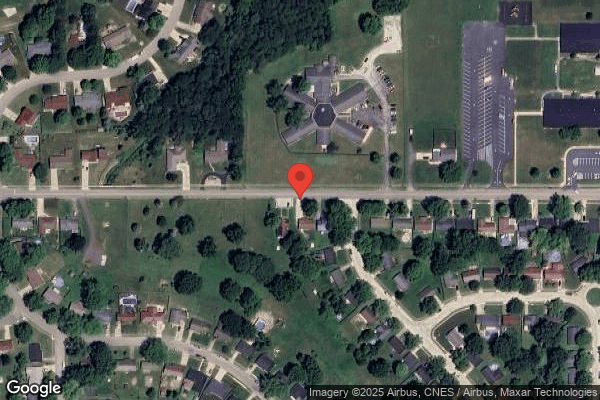
627 E NORTH H STREET, GAS CITY, IN 46933 (765) 674-8516
Government - County 75 Beds HCF MANAGEMENT INDIANA Data: November 2025
Trust Grade
80/100
#194 of 505 in IN
Last Inspection: September 2024

Within standard 12-15 month inspection cycle. Federal law requires annual inspections.

Overview

Twin City Health Care in Gas City, Indiana, has a Trust Grade of B+, which means it is above average and recommended for families considering care options. It ranks #194 out of 505 facilities in Indiana, placing it in the top half of the state, and #2 out of 6 in Grant County, indicating only one local facility is rated higher. The facility is improving, with issues decreasing from 6 in 2023 to 2 in 2024. Staffing is a concern, receiving a 2/5 star rating, and a turnover rate of 46% is slightly below the state average of 47%. Importantly, there have been no fines reported, which is a positive sign. However, recent inspector findings revealed a housekeeper not using proper personal protective equipment while entering a COVID-19 resident's room and medication administration errors for insulin and G-tube medications, which could potentially harm residents. Overall, while Twin City Health Care shows some strengths, such as no fines and an improving trend, families should be aware of staffing issues and specific care concerns.

Trust Score
B+
80/100
In Indiana
#194/505
Top 38%
Safety Record
Low Risk
No red flags
Inspections
Getting Better
6 → 2 violations
Staff Stability
⚠ Watch
46% turnover. Above average. Higher turnover means staff may not know residents' routines.
Penalties
✓ Good
No fines on record. Clean compliance history, better than most Indiana facilities.
Skilled Nurses
○ Average
Each resident gets 34 minutes of Registered Nurse (RN) attention daily — about average for Indiana. RNs are the most trained staff who monitor for health changes.
Violations
○ Average
9 deficiencies on record. Average for a facility this size. Mostly minor or procedural issues.
★★★★☆
4.0
Overall Rating
★★☆☆☆
2.0
Staff Levels
★★★☆☆
3.0
Care Quality
★★★★☆
4.0
Inspection Score
Stable
2023: 6 issues
2024: 2 issues

The Good

  • Full Sprinkler Coverage · Fire safety systems throughout facility
  • No fines on record

Facility shows strength in fire safety.

The Bad

Staff Turnover: 46%

Near Indiana avg (46%)

Higher turnover may affect care consistency

Chain: HCF MANAGEMENT INDIANA

Part of a multi-facility chain

Ask about local staffing decisions and management

The Ugly 9 deficiencies on record

Sept 2024 2 deficiencies
CONCERN (D)

Potential for Harm - no one hurt, but risky conditions existed

Unnecessary Medications (Tag F0759)

Could have caused harm · This affected 1 resident

Based on observation, interview, and record review, the facility failed to ensure medications given by gastrostomy tube (G-tube) were administered according to physician's orders and facility policy f...

Read full inspector narrative →
Based on observation, interview, and record review, the facility failed to ensure medications given by gastrostomy tube (G-tube) were administered according to physician's orders and facility policy for 1 of 7 residents observed for medication administration, resulting in an 8.89 % medication error rate. (Resident 31) Finding includes: During an observation, on 9/13/24 at 10:19 a.m., LPN 4 removed the stopper from Resident 31's G-tube, flushed the G-tube with 30 ml (milliliters) of water, and administered multiple medications one at a time via G-tube. The medications included escitalopram (antidepressant) 20 mg tablet crushed mixed with 20 ml water, multivitamin crushed mixed with 20 ml water, linezolid (antibiotic) 600 mg crushed and mixed with 20 ml water, and docusate sodium (50 mg/5 ml) 10 ml. Auscultation of an air bolus and a check for residual stomach contents was not performed prior to the medication administration. During an interview, immediately following the medication administration, LPN 4 indicated the resident took all medications via G-tube. Placement for the G-tube should have been checked prior to the administration of medications, which included an air bolus and a check for residual stomach contents. She had not completed a placement check. Resident 31's record was reviewed on 9/13/24 at 10:38 a.m. Diagnoses included dysphagia, nausea, and vomiting. Physician's orders included docusate sodium (stool softener) liquid 50 mg/5 ml - 10 ml orally twice a day (7/11/24), escitalopram (antidepressant) 20 mg orally daily (7/24/24), multivitamin orally daily (8/15/24), linezolid (antibiotic) 600 mg orally twice a day (8/30/24), Administer 10 ml air bolus via G-tube prior to administration of medications or feeding, and auscultate abdomen to confirm air movement and appropriate placement of feeding tube every shift. (2/9/24), Assess bowel sounds in all quadrants before and after medication administration, and hold if absent and notify medical provider for further instructions every shift. (2/9/24), and Check residual (stomach contents) before medication administration, including enteral nutrition. If less than 120 ml obtained, re-instill residual via feeding tube. If greater than 120 ml obtained, do not proceed and notify medical provider for further instructions every shift (2/9/24). During an interview, on 9/16/24 at 4:20 p.m., RN 6 indicated Resident 31 received all of his medications per G-tube. Resident 31 had attempted to take medications orally for about two days, but he did not like taking medications orally, and the medications were again administered per G-tube. To administer medications per G-tube, she listened to bowel sounds before and after medication administration. During an interview, on 9/17/24 at 2:00 p.m., the DON indicated prior to medication administration per G-tube, placement should be checked per facility policy. Resident 31 was to receive his medications per G-tube. He had wanted to take his medications orally and get rid of his G-tube. His medications had gone back and forth between oral and G-tube routes with some medicines taken orally and others taken via G-tube. An interdisciplinary care plan meeting with the resident representative was held on 9/13/24. The resident's medication administration was discussed and it was decided that G-tube medication administration was preferred. After the medical provider's consent, the DON had updated the medication orders on 9/17/24 to administer all medications via G-tube as some had been listed per oral route. A current facility policy, revised 4/2017 and provided by the Administrator on 9/17/24 at 3:17 p.m., titled Medication Administration, indicated .Licensed or qualified personnel shall be responsible to follow accepted practices of medication administration as per physicians' orders . Medications are administered to residents only as prescribed . Always observe the six rights of giving each medication . right route A current facility policy, dated 10/2014, provided by the Administrator on 9/17/24 at 3:17 p.m., titled Tube Feedings (Naso-gastric or Gastrostomy Tubes) indicated .Medication Administration via Gastrostomy Tube: .Check placement by auscultating the resident's abdomen about 3 inches below the sternum with the stethoscope, gently insert 10 cc [cubic centimeters] of air into the tube. You should hear the bubble entering the stomach. If you hear this sound, gently draw back on the piston of the syringe. The appearance of gastric content implies that the tube is patent and in the stomach. If no gastric content appears, the tube may be against the lining of the stomach or the tube may be obstructed. If you meet resistance as you aspirate for stomach content, stop the procedure. After you establish the tube is patent and in the correct position . Administer each medication 3.1-48(c)(1)
CONCERN (E)

Potential for Harm - no one hurt, but risky conditions existed

Infection Control (Tag F0880)

Could have caused harm · This affected multiple residents

**NOTE- TERMS IN BRACKETS HAVE BEEN EDITED TO PROTECT CONFIDENTIALITY** Based on observation, interview, and record review, the facility failed to properly prevent and/or contain COVID-19 by not weari...

Read full inspector narrative →
**NOTE- TERMS IN BRACKETS HAVE BEEN EDITED TO PROTECT CONFIDENTIALITY** Based on observation, interview, and record review, the facility failed to properly prevent and/or contain COVID-19 by not wearing appropriate personal protective equipment (PPE) in areas requiring transmission-based precautions (TBP) during random observations on the 100 and 200 halls. Findings include: During a random observation, on 9/11/24 at 11:29 a.m., Housekeeper 3 was seen entering and exiting room [ROOM NUMBER] while wearing gloves and a surgical mask. Signage on the door indicated the residents were in TBP and a gown, gloves, face shield and mask were required before entering the residents' room. During an interview, at the time of observation, Housekeeper 3 indicated she didn't need to wear a face shield, as she wore glasses. She only needed to wear gloves and a surgical mask. During a random observation, on 9/12/24 at 2:08 p.m., Housekeeper 3 entered a positive COVID-19 resident's room while wearing a gown and gloves. Signage on the door indicated the resident was on TBP and everyone must wear a gown, gloves, mask and face shield upon entering the room. During an interview, on 9/13/24 at 10:19 a.m., LPN 4 indicated she just needed to wear a gown, gloves, surgical mask, and a face shield when entering. She didn't need to wear an N95 (respirator) mask. During a random observation, on 9/13/24 at 11:28 a.m., CNA 5 entered Resident 31's room wearing a gown, gloves, surgical mask, and a face shield. During an interview, at the time of observation, CNA 5 indicated they could wear surgical masks upon entering a TBP resident's room. During an interview, on 9/13/24 at 1:31 p.m., the DON indicated signage for any resident on contact or droplet isolation was taped to the door. Staff should be wearing N95 masks if they entered an isolation room. The facility had plenty of PPE available. The facility had just had an in-service regarding infection control when the first resident tested positive for COVID-19. There were teachable moments completed as she walked through the facility. The facility was aware that they were having a problem with infection control. Housekeeper 3 completed a return demonstration for donning and doffing of PPE. Review of Resident 31's clinical record was completed on 9/16/24 at 10:38 a.m. Review of a progress note indicated he was positive for COVID-19 with symptoms of cough and nasal congestion. Current orders included strict droplet, single room isolation maintained, all services in the room due to positive COVID-19. A facility policy, dated 10/2015, provided by the Administrator on 9/17/24 at 3:13 p.m., titled Isolation (Transmission- Based Precautions) Guidelines, indicated the following: .5. All personnel must follow transmission- based precautions, as indicated 3.1-18(a)(2)
Sept 2023 4 deficiencies
CONCERN (D)

Potential for Harm - no one hurt, but risky conditions existed

Deficiency F0578 (Tag F0578)

Could have caused harm · This affected 1 resident

**NOTE- TERMS IN BRACKETS HAVE BEEN EDITED TO PROTECT CONFIDENTIALITY** Based on interview and record review, the facility failed to ensure a resident's code status was correctly listed and readily av...

Read full inspector narrative →
**NOTE- TERMS IN BRACKETS HAVE BEEN EDITED TO PROTECT CONFIDENTIALITY** Based on interview and record review, the facility failed to ensure a resident's code status was correctly listed and readily available in the resident's electronic medical record (EMR) for 1 of 16 residents reviewed for advance directives (Resident 83). Finding includes: Resident 83's record was reviewed on [DATE] at 3:49 p.m. Diagnoses included left and right femur fractures, chronic obstructive pulmonary disease, abnormal electrocardiogram, acute respiratory failure with hypoxia, and chronic atrial fibrillation. Her physician's orders included code status DNR (do not resuscitate) initiated on [DATE]. A Code Status/Advance Directives form indicated the resident did not want to have CPR (cardiopulmonary resuscitation) performed as a life-saving measure. The form, signed by the resident on [DATE], was in the paper chart. The face sheet in the EMR lacked her code status. The Continuity of Care record in the EMR indicated, under the Advance Directives section, No Advance Directives are on file for this resident. During an interview, on [DATE] at 1:24 p.m., RN 4 indicated if the resident's code status was a DNR, then it would be listed on the resident's face sheet in the EMR. During an interview, on [DATE] at 12:52 p.m., LPN 5 indicated to find a resident's code status she would get the resident's paper chart as that was the fastest method for her. The code status should also be listed on the face sheet in the EMR. During an interview, on [DATE] at 2:18 p.m., the DON indicated the EMR face sheet should have the code status of a resident as the staff might utilize this record to determine code status. If a resident did not have advance directives, then CPR would be performed. She was uncertain why the Resident 83's code status was missing from the face sheet or why the Continuity of Care record indicated she did not have advance directives. During the interview, she checked recently admitted residents and determined a few others were missing the listing of code status on their face sheets. She was uncertain, but believed the previous office manager had entered the code status for the new residents. The new office manager was probably not aware of that duty. A current facility policy, dated 1/2015, provided by the Administrator on [DATE] at 3:17 p.m., titled Advance Directives, indicated .Nursing personnel shall be notified of the presence of an Advance Directive on the clinical record and shall be instructed about the procedures to be followed to assure the resident's expressed wishes are honored 3.1-4(f)(5)
CONCERN (D)

Potential for Harm - no one hurt, but risky conditions existed

Report Alleged Abuse (Tag F0609)

Could have caused harm · This affected 1 resident

Based on interview and record review, the facility failed to report an allegation of abuse to the State Agency for 1 of 1 resident-to-resident altercations reviewed for abuse (Resident 9 and 26). Fin...

Read full inspector narrative →
Based on interview and record review, the facility failed to report an allegation of abuse to the State Agency for 1 of 1 resident-to-resident altercations reviewed for abuse (Resident 9 and 26). Finding includes: During an interview, on 9/20/23 at 9:35 a.m., Resident 9 indicated another resident had hit her several months ago. She no longer went near the other resident because of the altercation. Resident 9's clinical record was reviewed on 9/20/23 at 3:40 p.m. Her diagnoses included paranoid schizophrenia, bipolar disease, major depressive disorder, recurrent, anxiety disorder, and pseudobulbar affect. An 8/8/23 quarterly Minimum Data Set (MDS) assessment indicated she was cognitively intact and had exhibited no behaviors during the assessment period. She utilized a walker and a wheelchair for mobility and was independent with locomotion off and on the nursing unit. A care plan for false allegations against staff, initiated 11/15/22 and last revised on 8/23/23, indicated the resident had a history of making false allegations against staff regarding care or lack of care, abuse, and neglect. On 5/3/23, false allegations against other residents was added. The goal was for the resident to voice concerns to staff, and staff will investigate as indicated per policy through next review. Interventions included to encourage resident to notify staff of concerns, to interview resident regarding concerns to gain detailed knowledge of neglect/abuse, and to follow the facility abuse policy and procedure. During an interview, on 9/21/23 at 10:28 a.m., the Administrator provided an investigation into an allegation of abuse by Resident 9, and indicated she had not reported the allegation to the State Agency because the allegation was false. The investigation of the resident altercation on 5/3/23 was reviewed on 9/21/23 at 10:34 a.m. The resident had alleged that Resident 26 had hit her because she (Resident 9) had stopped in front of her (Resident 26). The area Resident 26 hit (her arm) was sore. Resident 26 indicated she had asked Resident 9 to move, she did not so she tapped Resident 9 on the arm to get her attention and talked louder. Another resident witnessed the event and corroborated Resident 26's version. Review of the camera footage of the event by the Social Service Director and the Administrator corroborated Resident 26's statement. They concluded there was no abuse, and the allegation was false. Resident 26's clinical record was reviewed on 9/21/23 at 2:31 p.m. Her diagnoses included unspecified intellectual disabilities, psychotic disorder with delusions due to known physiological condition, unspecified psychosis not due to a substance or known physiological condition, vascular dementia, anxiety disorder, major depressive disorder, recurrent, mood disorder due to known physiological condition, visual hallucinations, violent behavior, and delusional disorders. A 4/21/23 annual MDS assessment indicated the resident was cognitively intact and had not exhibited behaviors during the assessment period. She utilized a walker and a wheelchair for mobility and was independent with locomotion off and on the nursing unit. During an interview, on 9/25/23 at 2:26 p.m., the Director of Nursing (DON) indicated all allegations of abuse were investigated. The allegations were reported to the Administrator. The Administrator determined whether they were to be reported to the State Agency. During an interview, on 9/25/23 at 2:38 p.m., the Administrator indicated she had investigated the incident within a few minutes of the allegation. She had statements from Resident 26 and another resident who indicated Resident 9 was lightly tapped on the arm to get her attention. She viewed the camera recording and confirmed their statements. Since the allegation was a false allegation, she did not report the incident. A current facility policy, titled Abuse Prohibition, Reporting, and Investigation, dated 1/2015, and provided during the entrance conference on 9/19/23 by the Administrator, indicated .If resident abuse or suspicion of abuse, is reported .The Administrator, Director of Nursing, or designee, is responsible to notify the following agencies as applicable: State Department of Health .The Administrator is responsible to coordinate the investigation, assure an accurate and complete written record of the incident and investigation, and to file a follow-up report with the State Department of Health. Said reporting of alleged violations shall be conducted immediately but not later than two (2) hours if the alleged violation involves abuse or results in serious bodily injury; and not later than twenty-four (24) hours if the alleged violation involved neglect exploitation, mistreatment, or misappropriation of resident property and does not result in serious bodily injury 3.1-28(e)
CONCERN (E)

Potential for Harm - no one hurt, but risky conditions existed

Unnecessary Medications (Tag F0759)

Could have caused harm · This affected multiple residents

Based on observation, interview, and record review, the facility failed to ensure a medication (insulin) was administered according to professional standards for 5 of 41 residents (Residents 8, 9, 22,...

Read full inspector narrative →
Based on observation, interview, and record review, the facility failed to ensure a medication (insulin) was administered according to professional standards for 5 of 41 residents (Residents 8, 9, 22, 11, and 19), resulting in a medication administration error rate of 12.2%. Findings include: On 9/22/23 at 6:45 am, during a medication administration observation with the DON, she administered 2 units of insulin aspart to Resident 8. She did not prime the pen needle before administration, and held the pen in the resident's left upper arm for less than 3 seconds before withdrawing the needle. During an interview, on 9/22/23 at 6:50 a.m., the DON indicated it was her practice to hold the needle in the injection site for 2 to 3 seconds. On 9/22/23 at 6:53 a.m., the DON administered 30 units of insulin detemir to Resident 9. She did not prime the needle before administration, and held the needle in place for less than 2 seconds. On 9/22/23 at 7:00 a.m., the DON administered 14 units of insulin lispro to Resident 22. She did not prime the needle before administration, and immediately removed the needle from resident's right upper abdomen. On 9/22/23 at 7:07 a.m., the DON administered 15 units of insulin detemir to Resident 11. She did not prime the needle before administration, and held the needle in place for less than 2 seconds. On 9/22/23 at 7:15 a.m., the DON administered 19 units of insulin glargine to Resident 19. She did not prime the needle before administration, and immediately removed the needle from the resident's right upper abdomen. Resident 8's clinical record was reviewed on 9/22/23 at 8:13 a.m. They had a current diagnosis of type 2 diabetes mellitus and a physician's order for Novolog FlexPen U-100 Insulin (insulin aspart u-100) per sliding scale to be administered twice a day with breakfast and dinner. Resident 9's clinical record was reviewed on 9/22/23 at 8:30 a.m. They had a current diagnosis of type 2 diabetes mellitus and a physician's order for Levemir 30 units (insulin detemir u-100) every morning. Resident 22's clinical record was reviewed on 9/22/23 at 8:48 a.m. They had a current diagnosis of type 2 diabetes mellitus and a physician's order for Humalog KwikPen Insulin (insulin lispro) 12 units twice a day and sliding scale for coverage. Resident 11's clinical record was reviewed on 9/22/23 at 9:00 a.m. They had a current diagnosis of type 2 diabetes mellitus and a physician's order for Levemir FlexPen (insulin detemir u-100) 15 units twice a day. Resident 19's clinical record was reviewed on 9/22/23 at 9:22 a.m. They had a current diagnosis of type 2 diabetes mellitus and a physician's order for Basaglar KwikPen U-100 Insulin (insulin glargine) twice a day. A current facility policy, titled Insulin Injections, provided by the Infection Prevention Nurse on 9/25/23 at 11:35 a.m. indicated the following: Administering Insulin .6) Inject the insulin: Let go of the skin pinch before you inject the insulin. Push the plunger with your thumb at a moderate, steady pace until the insulin is fully injected. If using a syringe, keep the needle in the skin for 5 seconds. If using a pen, keep the needle in the skin for 10 seconds Review of a 2018 document titled Insulin Pen Injections, retrieved from https://my.clevelandclinic.org/health/treatments/17923-insulin-pen-injections, on 9/26/23 at 11:45 a.m., indicated the following: .Prime the insulin pen. Priming means removing air bubbles from the needle, and ensures that the needle is open and working. The pen must be primed before each injection. To prime the insulin pen, turn the dosage knob to the 2 units indicator. With the pen pointing upward, push the knob all the way. At least one drop of insulin should appear. You may need to repeat this step until a drop appears . Insert the needle with a quick motion into the skin at a 90-degree angle. Slowly push the knob of the pen all the way in to deliver your full dose. Remember to hold the pen at the site for 6-10 seconds, and then pull the needle out 3.1-48(c)(1)
MINOR (C)

Minor Issue - procedural, no safety impact

Deficiency F0577 (Tag F0577)

Minor procedural issue · This affected most or all residents

Based on observation, interview, and record review, the facility failed to ensure the results report from the last annual Indiana Department of Health (IDOH) survey were posted at an accessible height...

Read full inspector narrative →
Based on observation, interview, and record review, the facility failed to ensure the results report from the last annual Indiana Department of Health (IDOH) survey were posted at an accessible height and in a readily accessible location for 2 of 2 residents interviewed in a group setting (Residents 4 and 5). This deficient practice had the potential to impact 34 of 34 residents/or representatives for those residents who resided in the facility. Findings include: During an observation on 9/20/23 at 9:28 a.m., a sign was posted in the lobby which indicated the last annual IDOH survey report was posted in the activity room. During an observation on 9/20/23 at 9:29 a.m., a sign identifying the activity room could not be located. Following directions received, the activity area was located on the B Hall. During an observation on 9/20/23 at 9:33 a.m., the last annual IDOH survey report was observed in a wall mounted box hanging approximately 5 feet from the ground, inside the activity room. The box had no labeling to indicate the binder was the survey report. By standing upright, and looking down on the spine of the binder, the label could be read. During a resident group interview on 9/21/23 at 3:04 p.m., 2 of 2 awake residents (Residents 4 & 5) indicated they would not be able to obtain and review the last annual IDOH survey results without assistance because they could not reach the report where it was posted. During an observation on 9/25/23 at 9:19 a.m., a direction sign, located at the end of the hall leading to the dining room and therapy area, indicated the activity room was located on this hall. There was no activity area located on this hallway, as the activity room was observed in the B Hall. During on interview on 9/25/23 at 9:21 a.m., the Administrator indicated the directions signs located at the end of each hallway had not been changed since her arrival in 2020. During an observation and interview in the activity room on 9/25/23 at 10:30 a.m., the Activity Director and Administrator indicated an individual would need to stand to reach the annual IDOH survey report binder. Review of a current, undated, facility policy titled, Resident Rights, provided by the Administrator during the 9/19/23 entrance conference and located in a survey preparedness binder, indicated the following: .The resident has the right to .Examine the results of the most recent survey of the facility conducted by Federal or State survey on and any plan of correction in effect with respect to the facility; and the facility must-- Post in a place readily accessible to residents, and family members .the results if the most recent survey of the facility .Post notice of availability of such report in areas of the facility that are prominent and accessible to the public 3.1-3(b)(1)
Aug 2023 2 deficiencies
CONCERN (D) 📢 Someone Reported This

A family member, employee, or ombudsman was alarmed enough to file a formal complaint

Potential for Harm - no one hurt, but risky conditions existed

Deficiency F0602 (Tag F0602)

Could have caused harm · This affected 1 resident

Based on interview and record review, the facility failed to ensure narcotic medication was free from diversion for 1 of 3 residents reviewed for misappropriation of resident property (Resident B). F...

Read full inspector narrative →
Based on interview and record review, the facility failed to ensure narcotic medication was free from diversion for 1 of 3 residents reviewed for misappropriation of resident property (Resident B). Findings include: Resident B's clinical record was reviewed on 8/14/23 at 2:47 p.m. Diagnoses included encounter for palliative care, anxiety disorder, chronic obstructive pulmonary disease, dependence on supplemental oxygen, and chronic pulmonary edema. His current medications included morphine concentrate 0.25 ml (milliliter) every two hours as needed for shortness of breath or pain. Review of a Consolidated Delivery Sheet indicated, on 9/23/22 at 11:15 p.m., the pharmacy delivered a 30 ml bottle of morphine sulfate 100 mg/5 ml and it was signed for by a nurse at the facility. Review of the resident's MARs (Medication Administration Records) indicated the following: In September 2022, he was not administered morphine for the entire month. In October 2022, he was administered morphine 0.25 ml on 10/31/22. In November 2022, he was not administered morphine for the entire month. In December 2022, he was administered 0.25 mls of morphine, on 12/3/22 at 11:43 p.m., 12/8/22 at 4:21 p.m., 12/11/22 at 2:29 a.m., 12/13/22 at 2:30 p.m., and 12/21/22 at 7:22 p.m. In January 2023, he was not administered morphine for the entire month. In February 2023, he was not administered morphine for the entire month. In March 2023, he was administered 0.25 mls of morphine, on 3/1/23 at 7:38 p.m., 3/15/23 at 3:35 p.m., and 3/23/23 at 12:11 p.m. In April 2023, he was administered 0.25 mls of morphine, on 4/11/23 at 7:48 a.m. and at 9:53 p.m. In May 2023, he was administered 0.25 mls of morphine on 5/1/23 at 10:15 a.m. In June 2023, he was administered 0.25 mls of morphine on 6/14/23 at 9:45 a.m. In July 2023, he was administered 0.25 mls of morphine on 7/12/23 at 5:36 p.m. Review of a Consolidated Delivery Sheet indicated, on 7/11/23 at 10:35 p.m., the pharmacy delivered a 30 ml bottle of morphine sulfate 100 mg/5 ml and it was signed for by a nurse at the facility. During a narcotic count of the D hall medication cart with LPN 12, on 8/14/23 at 11:42 a.m., Resident B had one unopened and sealed 30 ml bottle of morphine. Review of the facility's investigation of a suspicion of diversion of Resident B's morphine was provided by the Administrator on 8/15/23 at 10:49 a.m., and indicated the following: A handwritten statement by LPN 15 indicated she remembered, on 7/20/23, there were two bottles of Roxanol (morphine) for Resident B. When she came to work, on Monday 7/24/23, during the narcotic count, she noticed there was only one bottle of Roxanol. She immediately called the DON. A handwritten statement by QMA 18 indicated on 7/21/23 at 2:00 p.m., when she counted with QMA 4, there were two boxes each containing a bottle of morphine, one opened and one unopened. At 6:00 p.m. the count was normal. There were still two bottles/boxes of morphine. A handwritten statement by QMA 4 indicated on Monday 7/24/23, when she counted with RN 8, she realized Resident B had one box of morphine missing. She was going to mention something to the DON about it not being in there, she just was going to make sure it wasn't discontinued, but she got busy and spaced it. At 6:00 p.m., when she was giving LPN 15 report and counted narcotics, LPN 15 also mentioned something about Resident B having two boxes of the morphine. She told LPN 15 she knew it and she was meaning to talk to the DON about it, but got busy and spaced it. LPN 15 also found it very odd, so she called the DON and the DON had them look in the medication room and a couple offices. They didn't find any trace of the morphine or the narcotic count sheet document. During an interview with the Administrator, on 8/14/23 at 1:03 p.m., she indicated she received a call, not an allegation, from QMA 4 about Resident B's bottle of morphine. There was thought to be two bottles of morphine but only one was in the narcotic drawer. It was investigated, they looked for the bottle, and couldn't find where he ever had two bottles. Education was provided to the staff and she came up with a form to count both cards and bottles. During an interview with QMA 4, on 8/14/23 at 2:09 p.m., she thought there were two bottles of morphine but she wasn't 100% sure. She reported it to management. When she did a narcotic count in the morning with RN 8, there was only one bottle but thought there had been two bottles. When she counted with LPN 15 in the evening, LPN 15 also thought there had been two bottles. QMA 4 remembered there was 18.75 mls left in his bottle because she was the last one that gave him morphine. During an interview with LPN 15, on 8/15/23 at 10:13 a.m., she indicated the last day she worked was 7/20/23 and there were two bottles of morphine for Resident B. During shift change, on 7/24/23 at 6:00 p.m., she did a narcotic count with QMA 4 and there was only one bottle of morphine in the drawer. QMA 4 indicated to her that there was only one bottle during narcotic count that morning. They were unable to find the narcotic count sheet or a disposition sheet so they called the DON. During a follow up interview with QMA 4 on 8/15/23 10:31 a.m., with the ADON present, she indicated the last day she had worked was 7/21/23 and thought there had been two bottles. The DON had them look in all medication carts and in the medication room. She distinctly remembered there were 18.75 ml left in the one bottle of morphine, because that was the count for quite some time. During an interview with the Administrator on 8/15/23 at 10:49 a.m., with the ADON present, she indicated they reviewed camera footage, checked the shred box, the trash, and the whole facility. They did drug screening, counted all the narcotics and took statements. They thought maybe, there were not two bottles. They called the pharmacy to find out who requested the morphine to be filled on 7/11/23 but they couldn't tell her. They couldn't find the narcotic sheet for the missing morphine. She did not complete a police report or report it to the Indiana Department of Health. They could not prove there was a missing bottle, or conclude there was a second bottle. A 1/2015, current facility policy, titled ABUSE PROHIBITION, REPORTING AND INVESTIGATION, provided by the Administrator on 8/15/23 at 8:43 a.m., indicated the following: POLICY: This facility shall prohibit and prevent .misappropriation of resident property .Misappropriation of resident property means the deliberate misplacement, exploitation, or wrongful, temporary or permanent use of a resident's belongings or money without the resident's consent .2. The facility shall ensure that all alleged violations, including .misappropriation of resident property .are reported immediately to the administrator of the facility This Federal tag relates to complaint IN00414782. 3.1-28(a) 3.1-28(c)
CONCERN (D) 📢 Someone Reported This

A family member, employee, or ombudsman was alarmed enough to file a formal complaint

Potential for Harm - no one hurt, but risky conditions existed

Report Alleged Abuse (Tag F0609)

Could have caused harm · This affected 1 resident

Based on record review and interview, the facility failed to report misappropriation of a resident's property related to missing morphine to law enforcement and to the Indiana Department of Health (ID...

Read full inspector narrative →
Based on record review and interview, the facility failed to report misappropriation of a resident's property related to missing morphine to law enforcement and to the Indiana Department of Health (IDOH) for 1 of 3 residents reviewed for misappropriation of property (Resident B). Findings include: During an interview with the Administrator, on 8/14/23 at 1:03 p.m., she indicated she received a call, not an allegation, from QMA 4 about Resident B's bottle of morphine, there was thought to be two bottles of morphine but only one was in the narcotic drawer. It was investigated, they looked for the bottle and couldn't see where he had two bottles. Education was provided to the staff and she came up with a form to count cards and bottles. During an interview with QMA 4, on 8/14/23 at 2:09 p.m., she thought there were two bottles of morphine but she wasn't 100% sure, she reported it to management. She did a narcotic count in the morning with RN 8, there was only one bottle but thought there had been two bottles, when she counted with LPN 15, in the evening, LPN 15 also thought there had been two bottles. QMA 4 remembered there was 18.75 mls left in his bottle because she was the last one that gave him morphine. During an interview with LPN 15, on 8/15/23 at 10:13 a.m., she indicated the last day she worked was 7/20/23 and there were two bottles of morphine for Resident B. During shift change, on 7/24/23 at 6:00 p.m., she did a narcotic count with QMA 4 and there was only one bottle of morphine in the drawer. QMA 4 indicated to her that there was only one bottle during narcotic count that morning. They were unable to find the narcotic count sheet or a disposition sheet so they called the DON. She was drug tested and in-serviced. During a follow up interview with QMA 4 on 8/15/23 10:31 a.m., with the ADON present, she indicated the last day she had worked was 7/21/23 and thought there had been two bottles. The DON had them look in all medication carts and the medication room. She distinctly remembered there was 18.75 ml that was left in the one bottle of morphine, because that was the count for quite some time. During an interview with the Administrator on 8/15/23 at 10:49 a.m., with the ADON present, she indicated they reviewed the camera footage, checked the shred box, the trash and the whole facility. They did drug screening, counted all the narcotics and took statements. They thought, maybe, there were not two bottles. They called the pharmacy to find out who requested the morphine to be filled on 7/11/23 but they couldn't tell her. They couldn't find the narcotic sheet for the missing morphine. She did not complete a police report or report to IDOH. They could not prove there was a missing bottle or conclude there was a second bottle. A current facility policy, dated 10/2014, titled DRUG DIVERSION, and provided by the Administrator on 8/15/23 at 8:43 a.m., indicated the following: POLICY: Should the facility note missing medication(s) indicative of possible drug diversion, the following steps shall be take and notifications made to applicable regulatory agency. PROCEDURE .2. Contact local law enforcement .3. Prepare an initial Reportable Incident to be forwarded to the State Department of Health (SDH) Cross reference F602. This Federal tag relates to complaint IN00414782. 3.1-28(c)
Sept 2022 1 deficiency
CONCERN (D)

Potential for Harm - no one hurt, but risky conditions existed

Deficiency F0657 (Tag F0657)

Could have caused harm · This affected 1 resident

Based on observation, record review and interview, the facility failed to revise a resident's care plan after a significant change in status with the placement of a new gastrostomy tube (g-tube) for 1...

Read full inspector narrative →
Based on observation, record review and interview, the facility failed to revise a resident's care plan after a significant change in status with the placement of a new gastrostomy tube (g-tube) for 1 of 8 residents' care plans reviewed. (Resident 20) Finding includes: On 9/27/22 at 1:58 p.m., Resident 20 was in bed with her eyes closed. The head of the bed was elevated. A pump was hooked to the resident's feeding tube infusing Vital AF (liquid therapeutic nutrition) at 54 milliliters (mL) per hour. The resident's clinical record was reviewed on 9/27/22 at 2:29 p.m. Diagnoses included, but were not limited to, dysphagia, gastroesophageal reflux disease, profound intellectual disability and cerebral palsy. Current physician's orders included, but were not limited to, Vital AF 1.2 Cal liquid, give at 54 mL per hour continuously, may crush and mix meds (medications) and administer per g-tube if pharmaceutically acceptable, head of bed elevated 45 degrees while feeding is infusing, flush g-tube with 30 mL of water before and after medication administration, flush g-tube with 220 mL water every 4 hours, diet: NPO (nothing by mouth) and Speech therapy to evaluate and treat for possible pleasure foods (9/22/22). A significant change Minimum Data Set (MDS) assessment, completed on 9/5/22, indicated the resident had a feeding tube. An eating care plan, initiated 5/3/22 with last revision date of 9/9/22, indicated the resident required staff assistance with meal consumption. The goal indicated the resident would receive necessary assistance, cueing, and supervision necessary to consume 75-100% of meals through next review. The interventions included, but were not limited to, the staff would set up meals, assist resident, and encourage resident at each meal and staff would ensure resident was seated in environment which would provide staff assistance and encourage meal consumption. The resident's clinical record lacked a care plan for a feeding tube. A Nurse's Note, dated 8/10/22 at 12 a.m., indicated the resident was NPO after midnight due to g-tube placement scheduled in the morning A Nurse's Note, dated 8/10/22 at 1:45 p.m., indicated the resident returned to the facility with a g-tube A Nurse's Note, dated 8/11/22 at 12:30 a.m., indicated the resident was sent to the hospital for signs and symptoms of severe abdominal pain. A Nurse's Note, dated 8/27/22 at 10:00 p.m., indicated the resident returned to the facility from the hospital with a g-tube. A Nurse's Note, dated 9/7/22 at 10:45 p.m., indicated the resident received all medications and feeding per g-tube. During an interview, on 9/28/22 at 11:56 a.m., the Director of Nursing (DON) indicated the resident's care plan for the feeding tube had been in the MDS nurse's office. A feeding tube care plan was provided with an initial date of 9/2/22 and revision date of 9/9/22. She indicated the resident's eating care plan which indicated the resident required staff assistance for meal consumption was discontinued today. She indicated it should have been discontinued when resident came back from the hospital on 8/27/22. She indicated Speech Therapy was currently evaluating the resident to see if the resident could safely consume pleasure foods. During an interview, on 9/29/22 at 1:24 p.m., Certified Nurse Aide (CNA) 2 indicated she used a CNA sheet to know what care a resident required. During an interview, on 9/29/22 at 1:25 p.m., CNA 3 indicated she used a CNA sheet for reference on what care or interventions a resident needed. She pulled the CNA sheet out of her pocket. Review of a facility record, titled Certified Nursing Assistant Assignment Sheet, dated 9/26/22 and provided by the Assistant Director of Nursing on 9/29/22 at 1:30 p.m., indicated the resident received thickened liquids and lacked diet instructions. During an interview, on 9/29/22 at 3:35 p.m. the DON indicated the staff should not be feeding the resident by mouth since return from the hospital on 8/27/22. She would expect the resident to have the speech therapy evaluation and recommendation prior to giving the resident anything by mouth. A current policy, titled Care Plan Development and Review and provided by the Administrator on 9/29/22 at 3:38 p.m., indicated .The comprehensive care plan shall be reviewed and revised by the interdisciplinary team after each assessment, including both comprehensive and quarterly review assessments . 3.1-35(d)(2)(B)
Understanding Severity Codes (click to expand)
Life-Threatening (Immediate Jeopardy)
J - Isolated K - Pattern L - Widespread
Actual Harm
G - Isolated H - Pattern I - Widespread
Potential for Harm
D - Isolated E - Pattern F - Widespread
No Harm (Minor)
A - Isolated B - Pattern C - Widespread

Questions to Ask on Your Visit

  • "Can I speak with families of current residents?"
  • "What's your RN coverage like on weekends and overnight?"

Our Honest Assessment

Strengths
  • • Grade B+ (80/100). Above average facility, better than most options in Indiana.
  • • No major safety red flags. No abuse findings, life-threatening violations, or SFF status.
  • • No fines on record. Clean compliance history, better than most Indiana facilities.
Concerns
  • • No significant concerns identified. This facility shows no red flags across CMS ratings, staff turnover, or federal penalties.
Bottom line: Generally positive indicators. Standard due diligence and a personal visit recommended.

About This Facility

What is Twin City Health Care's CMS Rating?

CMS assigns TWIN CITY HEALTH CARE an overall rating of 4 out of 5 stars, which is considered above average nationally. Within Indiana, this rating places the facility higher than 99% of the state's 100 nursing homes. This rating reflects solid performance across the metrics CMS uses to evaluate nursing home quality.

How is Twin City Health Care Staffed?

CMS rates TWIN CITY HEALTH CARE's staffing level at 2 out of 5 stars, which is below average compared to other nursing homes. Staff turnover is 46%, compared to the Indiana average of 46%.

What Have Inspectors Found at Twin City Health Care?

State health inspectors documented 9 deficiencies at TWIN CITY HEALTH CARE during 2022 to 2024. These included: 8 with potential for harm and 1 minor or isolated issues.

Who Owns and Operates Twin City Health Care?

TWIN CITY HEALTH CARE is owned by a government entity. Government-operated facilities are typically run by state, county, or municipal agencies. The facility is operated by HCF MANAGEMENT INDIANA, a chain that manages multiple nursing homes. With 75 certified beds and approximately 36 residents (about 48% occupancy), it is a smaller facility located in GAS CITY, Indiana.

How Does Twin City Health Care Compare to Other Indiana Nursing Homes?

Compared to the 100 nursing homes in Indiana, TWIN CITY HEALTH CARE's overall rating (4 stars) is above the state average of 3.1, staff turnover (46%) is near the state average of 46%, and health inspection rating (4 stars) is above the national benchmark.

What Should Families Ask When Visiting Twin City Health Care?

Based on this facility's data, families visiting should ask: "Can you walk me through typical staffing levels on day, evening, and night shifts?" "Can I visit during a mealtime to observe dining assistance and food quality?" "How do you handle medical emergencies, and what is your hospital transfer rate?" "Can I speak with family members of current residents about their experience?" These questions are particularly relevant given the below-average staffing rating.

Is Twin City Health Care Safe?

Based on CMS inspection data, TWIN CITY HEALTH CARE has a clean safety record: no substantiated abuse findings (meaning no confirmed cases of resident harm), no Immediate Jeopardy citations (the most serious violation level indicating risk of serious injury or death), and is not on the Special Focus Facility watch list (a federal program monitoring the lowest-performing 1% of nursing homes). The facility has a 4-star overall rating and ranks #1 of 100 nursing homes in Indiana. While no facility is perfect, families should still ask about staff-to-resident ratios and recent inspection results during their visit.

Do Nurses at Twin City Health Care Stick Around?

TWIN CITY HEALTH CARE has a staff turnover rate of 46%, which is about average for Indiana nursing homes (state average: 46%). Moderate turnover is common in nursing homes, but families should still ask about staff tenure and how the facility maintains care continuity when employees leave.

Was Twin City Health Care Ever Fined?

TWIN CITY HEALTH CARE has no federal fines on record. CMS issues fines when nursing homes fail to meet care standards or don't correct problems found during inspections. The absence of fines suggests the facility has either maintained compliance or corrected any issues before penalties were assessed. This is a positive indicator, though families should still review recent inspection reports for the full picture.

Is Twin City Health Care on Any Federal Watch List?

TWIN CITY HEALTH CARE is not on any federal watch list. The most significant is the Special Focus Facility (SFF) program, which identifies the bottom 1% of nursing homes nationally based on persistent, serious quality problems. Not being on this list means the facility has avoided the pattern of deficiencies that triggers enhanced federal oversight. This is a positive indicator, though families should still review the facility's inspection history directly.