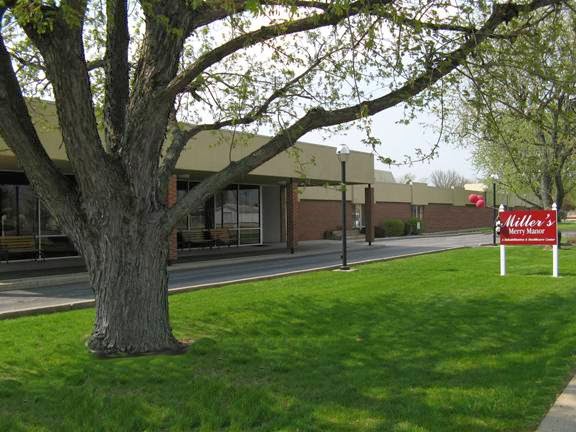
MILLER'S MERRY MANOR
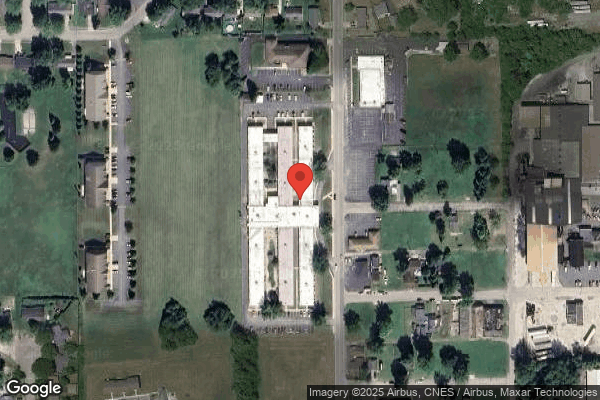

505 N BRADNER AVE, MARION, IN 46952 (765) 662-3981
For profit - Corporation 176 Beds MILLER'S MERRY MANOR Data: November 2025
Trust Grade
55/100
#370 of 505 in IN
Last Inspection: November 2024

Within standard 12-15 month inspection cycle. Federal law requires annual inspections.

Overview

Miller's Merry Manor has a Trust Grade of C, which means it is average and sits in the middle of the pack for nursing homes. In Indiana, it ranks #371 out of 505 facilities, placing it in the bottom half, and it is #4 out of 6 in Grant County, indicating there are only a few local options that are better. The facility's trend is improving, with a decrease in issues from 9 in 2024 to just 1 in 2025. Staffing received a rating of 2 out of 5 stars, with a turnover rate of 55%, which is about average compared to the state, suggesting that while some staff do stay, there is still room for improvement in stability. Fortunately, there have been no fines recorded, which is a positive sign, and RN coverage is average, meaning that residents receive a decent level of nursing oversight. However, there are notable concerns. One serious incident involved a cognitively impaired resident who suffered multiple fractures due to inadequate supervision, highlighting a significant risk in resident safety. Additionally, there were issues with food handling practices that could potentially impact all residents, such as staff not changing gloves after touching various surfaces and improperly storing food without proper labeling. While the facility shows signs of improvement, families should weigh these strengths and weaknesses carefully when considering Miller's Merry Manor for their loved ones.

Trust Score
C
55/100
In Indiana
#370/505
Bottom 27%
Safety Record
Moderate
Needs review
Inspections
Getting Better
9 → 1 violations
Staff Stability
⚠ Watch
55% turnover. Above average. Higher turnover means staff may not know residents' routines.
Penalties
✓ Good
No fines on record. Clean compliance history, better than most Indiana facilities.
Skilled Nurses
○ Average
Each resident gets 32 minutes of Registered Nurse (RN) attention daily — about average for Indiana. RNs are the most trained staff who monitor for health changes.
Violations
⚠ Watch
12 deficiencies on record. Higher than average. Multiple issues found across inspections.
★★☆☆☆
2.0
Overall Rating
★★☆☆☆
2.0
Staff Levels
★★★★☆
4.0
Care Quality
★★☆☆☆
2.0
Inspection Score
Stable
2024: 9 issues
2025: 1 issues

The Good

  • 4-Star Quality Measures · Strong clinical quality outcomes
  • Full Sprinkler Coverage · Fire safety systems throughout facility
  • No fines on record

Facility shows strength in quality measures, fire safety.

The Bad

2-Star Overall Rating

Below Indiana average (3.1)

Below average - review inspection findings carefully

Staff Turnover: 55%

Near Indiana avg (46%)

Higher turnover may affect care consistency

Chain: MILLER'S MERRY MANOR
Part of a multi-facility chain

Ask about local staffing decisions and management

The Ugly 12 deficiencies on record

1 actual harm
Jun 2025 1 deficiency 1 Harm
SERIOUS (G) 📢 Someone Reported This

A family member, employee, or ombudsman was alarmed enough to file a formal complaint

Actual Harm - a resident was hurt due to facility failures

Accident Prevention (Tag F0689)

A resident was harmed · This affected 1 resident

**NOTE- TERMS IN BRACKETS HAVE BEEN EDITED TO PROTECT CONFIDENTIALITY** Based on observation, interview, and record review, the facility failed to provide adequate supervision for a cognitively impair...

Read full inspector narrative →
**NOTE- TERMS IN BRACKETS HAVE BEEN EDITED TO PROTECT CONFIDENTIALITY** Based on observation, interview, and record review, the facility failed to provide adequate supervision for a cognitively impaired resident to prevent repeated falls for 1 of 3 residents reviewed for accidents. This deficiency resulted in Resident D sustaining multiple fractures to the vertebrae, ribs, and pelvis. Finding includes: During an observation, on 6/2/25 at 9:49 a.m., Resident D lay on his back in his low bed with his eyes closed in his darkened room. A visitor sat in a chair in his room. Resident D's clinical record was reviewed on 6/2/25 at 10:54 a.m. Diagnoses included mild cognitive impairment of uncertain or unknown etiology, unspecified dementia, urinary tract infection, site not specified, bacteriuria, retention of urine, unspecified, and benign prostatic hyperplasia (enlarged prostate) (BPH). Current orders included low bed with floor mat, keep bed in lowest position when in bed every shift (3/22/25), donepezil (for dementia) 5 milligrams (mg) daily at bedtime(3/19/25), sertraline (antidepressant) 25 mg two times a day (4/2/25), tamsulosin (for urinary retention) 0.4 mg two times a day (3/31/25), and oxycodone 5 mg every 6 hours for pain (5/30/25). An admission Minimum Data Set (MDS) assessment, dated 3/25/25, indicated the resident was severely cognitively impaired. He required setup/clean up assistance with eating. He required supervision/touching staff assistance with oral hygiene. He required partial/moderate staff assistance with personal hygiene, rolling left and right in bed, transfers, and ambulation for 10 feet. He required substantial/maximal staff assistance with toileting hygiene, showering/bathing, and upper/lower body dressing. He had an indwelling catheter and was occasionally incontinent of bowels. He had two falls with no injury since admission. A Nursing-Occurrence Initial Assessment, dated 3/18/25 at 10:50 p.m., indicated the resident fell in his bathroom. The staff observed the resident attempting to get out of bed unassisted, attempted to intervene, and had to lower the resident to the floor. The new immediate intervention was to remind the resident to use the call light. A Facility- Post Occurrence IDT (interdisciplinary team) & fall risk assessment, dated 3/20/25 at 1:01 p.m., indicated the root cause for the fall on 3/18/25 was the new environment, confusion with his BPH and urinary retention. He had recently received intravenous antibiotic for bacteriuria that was discontinued prior to admission to the facility. The IDT recommendations included the physician increased the tamsulosin and ordered labs. A care plan intervention initiated on 3/19/25 indicated labs were ordered. A Nursing-Occurrence Initial Assessment, on 3/22/25 at 6:15 a.m. indicated the resident fell in his room. He was found laying on his back on the floor next to the recliner. The resident indicated he did not know how to get a hold of anybody for help. The immediate new intervention was non-skid socks and initiation of 15-minute checks. A Facility-Post Occurrence IDT & fall risk assessment, on 3/24/25 at 8:37 a.m., for the 3/22/25 fall indicated the nursing staff found the resident on the floor on his back next to the recliner. He attempted to self-transfer and fell. The root cause for the fall was the resident's dementia/cognitive impairment. He was being treated for urinary tract infection and had increased confusion. The IDT recommendations included non-skid socks on at bedtime and bed to be in the lowest position with a low-profile mat at bedside. Care plan interventions initiated on 3/22/25 included bed in the lowest position and low profile mat on the floor next to the bed. A Nursing-Occurrence Initial Assessment, on 4/5/25 at 6:15 a.m., indicated the resident was found on the floor in his room sitting on his fall mat with a urinal in his hand. He indicated he wanted to move to the bathroom on his own. The immediate new intervention was initiation of 15-minute checks. A Facility- Post Occurrence IDT & fall risk assessment, on 4/7/25 at 9:58 a.m., for the fall on 4/5/25 at 6:15 a.m., indicated the resident was found on the mat beside his bed, and it was unclear if he fell or sat down on the mat. The root cause was determined to be he had his urinary catheter discontinued on 4/3/25. He continued to have urinary urges. The IDT recommendations included tamsulosin was decreased on 3/31/25 and staff was to toilet resident and assist him to the sit in the recliner in the morning with his urinal within reach. A care plan intervention initiated on 4/7/25 and resolved on 5/29/25 included staff to toilet and sit resident in recliner in the morning as he allowed. A Nursing-Occurrence Initial Assessment, on 4/12/25 at 7:40 a.m., indicated the resident had a fall with injury. He was found on the floor of his room. He indicated he was trying to go to the bathroom. He did not hit his head, but fell on his back and hand. He had two abrasions to his fight finger and bruising to his mid back area. The immediate new intervention was initiation of 15-minute checks. A Facility- Post Occurrence IDT & fall risk assessment, on 4/14/25 at 2:35 p.m., for the fall on 4/12/25 at 7:40 a.m., indicated the resident fell and received two abrasions to his right finger and bruising to his mid-back. The root cause of the fall was the resident attempted to self-transfer to go to the bathroom. The IDT recommendations included staff to assist resident with toileting every two hours while he was awake. A care plan intervention initiated on 4/12/25 indicated assist with toileting every two hours. A Nursing-Occurrence Initial Assessment, on 4/18/25 at 2:15 a.m., indicated the resident was found lying on his right side on the floor in the entrance of his bathroom. He indicated his legs became weak and gave out. The resident's call light was not working at that time. The call light was unplugged, then plugged back in and worked. The immediate new intervention was initiation of 15-minute checks. A Facility- Post Occurrence IDT & fall risk assessment, on 4/18/25 at 10:37 a.m., for the fall on 4/18/25 at 2:15 a.m., indicated the resident attempted to ambulate per self to the bathroom and fell. The root cause of the fall was the resident appeared to have lost his balance and lacked safety awareness to call the staff for assistance. The IDT recommendations included an occupational therapy assessment to determine if the resident needed services to continue due to his decrease in balance and safety with continue falls. The call light was assessed by maintenance. A care plan intervention initiated on 4/18/25 and resolved on 5/29/25 indicated therapy was to determine the need for continued services. A Nursing-Occurrence Initial Assessment, on 4/21/25 at 8:00 p.m., indicated the resident attempted to take himself off the toilet and was found lying on his left side with his head and shoulder against the bathroom door frame. The immediate new intervention was initiation of 15-minute checks. A Facility- Post Occurrence IDT & fall risk assessment, on 4/22/25 at 8:26 a.m., for the fall on 4/21/25 at 8:00 p.m., indicated the resident attempted to self-transfer off the toilet and fell. The root cause of the fall was the resident had dementia/cognitive impairment and poor safety awareness. The IDT recommendations included the staff to assist the resident to the bathroom and not leave him unattended while using the bathroom. A care plan intervention initiated on 4/22/25 indicated staff was to stay with the resident when toileted. A Nursing-Occurrence Initial Assessment, on 5/3/25 at 8:15 p.m., the resident was found laying on mat beside bed with his head toward the dresser. His feet were extended outwards toward the wall. He indicated he was trying to go to bed and forgot he needed help. The immediate new intervention was initiation of 15-minute checks. A Facility- Post Occurrence IDT & fall risk assessment, on 5/5/25 at 8:41 a.m., for the fall on 5/3/25 at 8:15 p.m., indicated the resident fell when he attempted to go to bed without staff assistance. He forgot to ask for help. The root cause was the resident had dementia/cognitive impairment, poor safety awareness, and attempted to transfer without staff assistance. The IDT recommendations included the staff were to offer to help the resident to lay down after dinner. A care plan intervention initiated on 5/5/25 indicated the resident was to follow up with the in-house ophthalmologist. A Nursing-Occurrence Initial Assessment, on 5/9/25 at 10:30 p.m., indicated the resident had fallen and had no injury. He was found on the floor on his left side. An eINTERACT Change in Condition Evaluation, on 5/10/25 at 6:44 a.m., indicated the resident had a change in condition that started during the night on 5/9/25. He had increased confusion, abrupt change and was unable to perform usual activities, needed more assistance with activities of daily living, general weakness, decline in ambulation/mobility abilities, and a decline in his transferring ability. He had pain in his left hip and symptoms worsened. Movement made the pain worse. Nothing made the pain better. The onset of the pain was new. A Progress Note, dated 5/10/25 at 7:35 a.m., indicated the resident was sent to the hospital due to left hip pain. A Nursing-Transfer to Hospital assessment, dated 5/10/25 at 7:43 a.m., indicate the resident was transferred to the hospital on 5/10/25 at 7:00 a.m. The reason for transfer was the resident fell at 10:30 p.m. on 5/9/25. He was complaining of severed pain to his left hip and could not move. A Progress Note, dated 5/10/25 at 12:41 p.m., indicated the resident was admitted to the hospital. The results of a Computed Tomography (CT) scan of the abdomen and pelvis, on 5/10/25 at 10:04 p.m., included the following: acute fractures of the number 9 and 10 thoracic vertebrae, acute fracture of the number 4 lumbar vertebra, acute displaced fractures of the left posterior number 10 and 11 ribs, acute mildly displaced fractures of the left upper and lower pubic rami (pelvis), and a small amount of hemorrhage in the pelvis. A hospital Discharge summary, dated [DATE], indicated the resident had been admitted on [DATE] for multiple fractures. The discharge diagnoses included acute pain, debility, decreased strength, endurance, and mobility, hemothorax on left, multiple fractures of the pelvis with stable disruption of the pelvic ring, and rib fracture. A Nursing-MDS supporting documentation assessment, dated 5/21/25 at 10:56 a.m., indicated the resident required partial/moderate staff assistance with eating and oral hygiene. He required substantial/maximal assistance for upper body dressing and rolling left and right in bed. He was dependent on the staff for toileting hygiene, showering/bathing, lower body dressing, and putting on and taking off footwear. Transfers and ambulation were not attempted due to the resident's medical condition. During an observation, on 6/2/25 at 12:45 p.m., Resident D sat in a recliner with his feet elevated and shaved himself while his resident representative held a mirror. He had a mechanical lift net under him. At the same time, his resident's representative indicated Resident D had been up walking prior to his fall. Since his readmission to the facility, he had been in bed until the last few days. He had experienced increased pain since his fall, but the pain was beginning to lessen. During an observation, on 6/2/25 at 3:18 p.m., the resident rested in a low bed with his eyes closed. His room was darkened. During an interview, on 6/3/25 at 9:35 a.m., CNA 3 indicated the resident was a busy body and all over the place before he fell and went to the hospital. She checked on him often. He did not get out of bed anymore since he had returned from the hospital. The CNA did not know where to find what interventions were utilized to prevent the residents from falling, and she needed to ask her nurse. During an interview, on 6/3/25 at 9:40 a.m., LPN 4 indicated she was not on the nursing unit anytime the resident had fallen. He was very confused when he was first admitted to the facility. He was up and down and wandering everywhere. The staff reminded him constantly to call for assistance. He was confused since he returned from the hospital. She was uncertain if he had gotten up or not since his return from the hospital. During an interview, on 6/3/25 at 9:44 a.m., CNA 5 indicated the resident used gripper socks to prevent falls. He had changed rooms so he could more easily see the bathroom and get to it easier. The facility had a list that told the residents' limitations, but she did not know if it included the residents' fall interventions. She knew what the residents' regular behaviors were and would use interventions based on those. During an interview, on 6/3/25 at 9:47 a.m., the ADON indicated the residents' fall interventions were listed in the electronic medical record and could be accessed by the CNAs and the nurses. The CNA sheets were updated when new interventions were added. The new interventions were communicated verbally as well. The resident had a few falls prior to his fall which resulted in fractures and a hospital stay. During an interview, on 6/3/25 at 11:34 a.m., CNA 7 indicated she had worked at the facility for quite some time and knew what the residents needed. She communicated those needs to new staff that came on the unit. She was uncertain if the fall interventions were listed on the CNA sheet. Safety check lists with 15-minute checks, provided by the DON on 6/3/25 at 11:01 a.m., were reviewed. One safety checklist began on 3/18/25 at 10:45 p.m. and ended on 3/20/25 at 2:00 p.m. (a total of 39.25 hours). Another safety checklist began on 4/18/25 at 2:15 a.m. and ended on 4/19/25 at 6:45 a.m. (a total of 28.5 hours). One more safety checklist began on 4/21/25 at 8:00 p.m. and ended on 4/23/25 at 7:00 p.m. (a total of 47 hours). During an interview, on 6/3/25 at 12:17 p.m., RN 8 indicated the 15-minute checks done after a fall were done for 9 shifts like the neurological checks were done. During an interview, on 6/3/25 at 12:24 p.m., LPN 9 indicated the 15-minute checks done after a fall were done for 72 hours. During an interview, on 6/3/25 at 12:51 p.m., the DON indicated the resident fell a lot. His catheter had been removed, and he still seemed to have some urinary retention. He continued to try to get up and go to the bathroom. Since he came back from the hospital, he no longer tried to get up. She thought he had multiple falls prior to coming to the facility but was uncertain. When residents who had a history of falling were toileted, she did not expect the staff to leave them in the bathroom unattended. She worked the night shift after the resident fell. He had slept through the night when he woke up he was in severe pain and was unable to move. A current facility policy, provided by the Administrator on 6/3/25 at 1:13 p.m., titled Fall Management Procedure, indicated the following: .To assess all resident for risk factors that may contribute to falling and to provide planned interventions to help prevent falls as identified by the team and based upon root cause analysis to prevent reoccurrence This citation relates to Complaint IN00459383. 3.1-45(a)(2)
Nov 2024 5 deficiencies
CONCERN (D)

Potential for Harm - no one hurt, but risky conditions existed

Resident Rights (Tag F0550)

Could have caused harm · This affected 1 resident

Based on observation, interview, and record review, the facility failed to ensure a resident's urinary catheter was handled in a manner to support the resident's dignity when the drainage bag was left...

Read full inspector narrative →
Based on observation, interview, and record review, the facility failed to ensure a resident's urinary catheter was handled in a manner to support the resident's dignity when the drainage bag was left in the view of sight of others within the facility. (Resident 68) Findings include: During an observation on 11/1/24 at 10:11 a.m., Resident 68's was in bed, with the catheter bag hanging on the right side of the bed frame. The bag was exposed and urine could be seen in the bag. During an observation on 11/6/24 at 9:47 a.m., the resident was in bed, with the urinary catheter bag hanging on the right side of the bed frame. The bag was exposed and urine could be seen in the bag. Resident 68's clinical record was reviewed on 11/6/24 at 10:50 a.m. Physician orders, dated 5/15/24, indicated catheter care should be performed every shift. The catheter drainage bag was to be below the waist and covered every shift. During a catheter care observation on 11/7/24 at 10:16 a.m., RN 3 indicated there was a device on the left side of the resident's bed, on the railing, which contained the catheter bag and served as a covering for the bag. The left side of the bed was against the wall. The RN was not sure why a similar device was not in place on the right side of the bed. The right side of the bed was visible to the rest of the room and from the hallway. A current facility policy, titled Foley Catheter Care & Maintenance, provided by the Administrator on 11/7/24 at 10:40 a.m., indicated the following: Placement of Catheter Tubing Procedure: 1) When in bed or wheel chair .b)Place in a catheter cover bag underneath wheelchair or on side of bed During an interview with the Infection Preventionist on 11/7/24 at 11:18 a.m., they indicated all catheter bags should be placed in dignity bags when residents are both in or out of their room(s). 3.1-3(a)
CONCERN (D)

Potential for Harm - no one hurt, but risky conditions existed

Deficiency F0808 (Tag F0808)

Could have caused harm · This affected 1 resident

Based on observation, interview, and record review, the facility failed to serve a therapeutic pureed diet as ordered by a physician for 2 of 2 residents reviewed who received pureed diets ( Residents...

Read full inspector narrative →
Based on observation, interview, and record review, the facility failed to serve a therapeutic pureed diet as ordered by a physician for 2 of 2 residents reviewed who received pureed diets ( Residents 42 and 43). Findings include: During a lunch meal observation on 11/4/24 from 11:20 a.m. to 11:47 a.m., a regular gelatin dessert with whipped topping was served to Residents 42 and 43. The gelatin was cubed in shape and topped with whipped cream. The cubes were solid pieces of gelatin. Both Residents 42 and 43 consumed a portion of the regular gelatin. During an observation on 11/4/24 at 11:50 a.m., Resident 43's meal ticket indicated gravy to meat and potatoes. Resident 43's meat and potatoes contained no gravy, nor was there gravy provided for a staff member to use for topping the food. A current facility lunch meal, portion size and texture serving guide (also known as a spread sheet), dated 11/4/24 and provided by the Administrator on 11/7/24 at 10:50 a.m., indicated residents who had pureed diet orders were menued to receive a 1/2 (#8 scoop) of pureed gelatin topped with whipped topping. The current facility recipe for pureed diet gelatin, dated 11/4/24 and provided by the Dietary Manager on 11/4/24 at 12:03 p.m., indicated cubed gelatin was to be placed in a blender or food processor and blended until smooth, then topped with whipped topping. The recipe for gelatin contained a standard package of gelatin and hot water. During an interview on 1/4/24 at 11:51 a.m., QMA 6 indicated she was not aware of Resident 43's menu card directing the use of gravy on meat and potatoes. During an interview, 11/04/24 at 12:06 p.m., QMA 6 indicated the dietary department never provided gravy. During the meal, the resident had eaten both items without gravy. During an interview on 11/4/24 at 12:04 p.m., the Dietary Manager indicated she had not realized the gelatin was menued to be pureed prior to service. 1. Resident 42's clinical record was reviewed on 11/04/24 at 2:18 p.m. Current diagnoses included vascular dementia, anxiety, and dysphasia- oropharyngeal phase. The resident had a current order for a pureed diet, dated 7/9/24. The resident had a current care plan problem/need regarding, nutritional risk due to related to a therapeutic diet, mechanically altered diet, a diagnosis of dysphasia, and a history of weight loss. This care plan problem originated 1/19/24. An approach to this problem was to serve a diet as ordered, dated 1/31/20. The resident's most recent speech therapy note for services from the period of 7/3/24 to 7/15/24 indicated the resident required a pureed diet due to a diagnosis of dysphasia. 2. Resident 43's clinical record was reviewed on 11/04/24 at 3:20 p.m. Current diagnoses included dementia, depression, and anxiety. The resident had a current order for a pureed diet served with extra butter, sauce, gravy for potatoes and meats, dated 1/15/24. The resident had a current care plan problem/need regarding, nutritional risk related to: mechanically altered diet, end stage illness/condition, and on hospice care, dated 2019. An approach to this problem/need was diet is served as ordered. The resident's most recent speech therapy note for services from the period of 1/15/24 to 1/29/24 indicated the resident required a pureed diet due to a diagnosis of dysphasia. The resident received treatment due to pneumonia related to inhalation of food and vomiting. A current, 11/23/2011, policy titled, Dietary Manual- Subject -Food Production Services, provided by the Administrator on 11/7/24 at 10:50 a.m., indicated the following: 2. Food is chopped, cut, ground and pureed to meet individual resident needs. Procedures to alter food texture are listed on the recipes .4. Food is served by following the therapeutic diet spreadsheets and is portioned by weighing and by using the correct serving utensils . A current, undated, facility policy titled, Diets Available In This Facility,provided by the Administrator on 11/7/24 at 10:50 a.m., indicated the following: Pureed, Regular diet with food pureed to a smooth pudding-like consistency. For those who have considerable problems chewing or swallowing . 3.1-21(b)
CONCERN (D)

Potential for Harm - no one hurt, but risky conditions existed

Infection Control (Tag F0880)

Could have caused harm · This affected 1 resident

A. Based on observation, interview, and record review, the facility failed to ensure Enhanced Barrier Precautions (EBP) were followed according to facility policy and physician orders during wound car...

Read full inspector narrative →
A. Based on observation, interview, and record review, the facility failed to ensure Enhanced Barrier Precautions (EBP) were followed according to facility policy and physician orders during wound care for 1 of 1 residents reviewed for wounds. (Resident 23) B. Based on observation and interview, the facility failed to ensure staff administered medications in a sanitary manner for 1 of 2 residents observed for medication administration. (Resident 20) Findings include: A. Resident 23's clinical record was reviewed on 11/6/24 at 3:02 p.m. Diagnoses included acute diastolic (congestive) heart failure, (other) abnormalities of gait and mobility, Type 2 diabetes mellitus with diabetic neuropathy, morbid (severe) obesity due to excess calories, unspecified fracture of left femur, and difficulty in walking. Current physician orders included (9/9/24) apply povidone iodine to left heel every shift for wound care, (6/7/24) skin protectant to right heel for skin protection, and (6/4/24) EBP during high-contact resident care. A current care plan, dated 6/4/24, indicated the resident required EBP during high-contact care due to antibiotic resistant bacteria in their urine and current wounds. Personal protective equipment (PPE) was to be accessible for use. A sign was to be placed on the door of the resident's room to communicate EBP to staff and visitors. During a review of progress notes on 11/7/24 at 9:36 a.m., a note from 11/4/24 at 11:01 am. indicated the pressure injury had a length of 1.0 centimeter (cm) and a width of 1.5 cm. During an observation on 11/7/24 at 10:05 a.m., RN 3 performed wound care to the left heel for Resident 23. Supplies were brought into the room and the nurse performed hand hygiene, donned gloves, and cleaned the pressure area with soap and water, dried the area, and applied povidone iodine (a topical antiseptic to prevent infections) to the left heel wound. The wound was approximately the size of a quarter and dark red in appearance. The nurse replaced the resident's sheet and blanket and disposed of used supplies at that time. During an interview with RN 3 on 11/7/24 at 10:35 a.m., she indicated a gown was not required for wound care. She was aware of the EBP ordered for the resident. Gowns were required only when performing peri-care (care of the genital area). A current facility policy, dated 4/6/24, titled Enhanced Precautions for Novel and Targeted MDRO's (multidrug resistant organisms) and provided by the Infection Preventionist on 11/7/24 at 10:10 a.m., indicated the following: Policy - To prevent the spread of multidrug resistant organisms (MDRO's) from one resident to another resident via health care workers hands and clothing and to protect vulnerable residents. The use of EBP is intended to interrupt the spread of novel or targeted MDRO's . EBP is targeted use of gown and glove use during high contact resident care activities for residents with wounds and indwelling devices .Procedure - Residents with wounds or indwelling devices and residents infected or colonized with an MDRO will be cared for by staff using a gown and gloves during high contact resident care .Examples of high contact resident care include, but are not limited to .8) performing wound care (caring for an opening in the skin .that is long lasting or chronic in nature such as pressure ulcers, diabetic wounds, non-healing surgical wounds, and chronic vascular ulcers During an interview with the Infection Preventionist on 11/7/24 at 11:28 a.m., the IP indicated wound care required PPE including gloves and gowns for wound care. In the case of Resident 23, the staff should gown and glove during wound care on the left heel. B. During a medication administration observation, on 11/6/24 at 9:22 a.m., Qualified Medication Aide (QMA) 7 prepared and administered oral medications for Resident 20. She then administered lubricant eye drops in each eye by using her bare left hand to lift each eye lid. The QMA did not perform hand hygiene, nor don gloves, before administering the eye drops. During an interview, on 11/6/24 at 9:42 a.m., QMA 7 indicated it was not her practice to don gloves prior to administering eye drops and was unsure if there was a facility policy pertaining to eye drop administration. A current facility policy, titled Eye Drops and Eye Ointment Procedure, provided by the Administrator on 11/6/24 at 11:16 a.m., indicated 16) Perform hand hygiene and put on gloves During an interview at the same time the policy was provided, the Administrator indicated it was the expectation of the facility that QMA 7 should be aware of this policy. 3.1-18(l)
CONCERN (D)

Potential for Harm - no one hurt, but risky conditions existed

Deficiency F0883 (Tag F0883)

Could have caused harm · This affected 1 resident

**NOTE- TERMS IN BRACKETS HAVE BEEN EDITED TO PROTECT CONFIDENTIALITY** Based on record review and interview, the facility failed to ensure pneumococcal vaccination (to protect against the bacterium S...

Read full inspector narrative →
**NOTE- TERMS IN BRACKETS HAVE BEEN EDITED TO PROTECT CONFIDENTIALITY** Based on record review and interview, the facility failed to ensure pneumococcal vaccination (to protect against the bacterium Streptococcus pneumoniae) was offered or administered for 3 of 5 residents reviewed for immunizations. (Residents 32, 53, and 14) Findings include: 1. Resident 32's clinical record was reviewed on 11/4/24 at 11:40 a.m. Diagnoses included left-side non-dominant hemiplegia and hemiparesis following cerebrovascular disease, chronic obstructive pulmonary disease (COPD), and type 2 diabetes mellitus. The resident admitted in 2020. Resident 32's immunization record indicated an undated refusal for the pneumococcal 13-valent conjugate vaccine (PCV 13) and pneumococcal polysaccharide vaccine (PPSV 23). A Pneumococcal/Prevnar 13 Vaccine Consent form, provided by the Infection Preventionist on 11/7/24 at 11:09 a.m., indicated the resident had refused the above vaccines on 2/28/20. During an interview, on 11/7/24 at 11:09 a.m., the Infection Preventionist indicated she discussed the importance of vaccines during care plan meetings, but was not able to provide additional documentation for consent or refusal following 2020, including in 2024. 2. Resident 53's clinical record was reviewed on 11/4/24 at 2:17 p.m. Diagnoses included orthopedic aftercare following surgical amputation, heart failure, and diabetes mellitus due to the underlying condition of hyperglycemia. The admission date was 4/19/24. Resident 53's immunization record indicated an undated refusal for the Pneumococcal 20-valent conjugate vaccine (Prevnar 20) and a entry marked as pending for the Prevnar 20 vaccination. A Pneumococcal Vaccine Consent form, provided by the Infection Preventionist on 11/7/24 at 11:09 a.m., indicated the resident wished to receive the recommended pneumococcal vaccine based upon vaccination history. During an interview, on 11/7/24 at 11:09 a.m., the Infection Preventionist indicated she was not able to explain the marked refusal or confirm if the resident had received the appropriate vaccination. 3. Resident 14's clinical record was reviewed on 11/6/24 at 11:47 a.m. Diagnoses included Alzheimer's Disease, COPD, and generalized anxiety disorder. The resident admitted in 2019. Resident 14's immunization record indicated an undated refusal for the PCV 13 vaccination. A Pneumococcal/Prevnar 13 Vaccine Consent form, provided by the Infection Preventionist on 11/7/24 at 11:09 a.m., indicated the resident had refused the PCV 13 on 3/25/19. During an interview, on 11/7/24 at 11:09 a.m., the Infection Preventionist indicated she discussed the importance of vaccines during care plan meetings, but was not able to provide additional documentation for consents or refusals in the years following 2019, including 2024. During a follow-up interview, on 11/7/24 at 12:10 p.m., the Infection Preventionist indicated she contacted residents and families yearly, starting in August, to discuss the current flu vaccinations and pneumococcal vaccines for each resident. She verified the residents' vaccinations in the clinical record and on the Children and [NAME] Immunization Registry Program (CHIRP). The pharmacy and physician determined the appropriate vaccination for each resident. The IP utilized the consent form, which had an option to decline the vaccine. The consent forms were uploaded to the medical record as soon as possible. A current facility policy, dated 7/6/15, titled Influenza and Pneumococcal Immunization Program, and provided by the Administrator on 10/30/24 following the entrance conference, indicated the following: .It is the policy of Miller's Health Systems to administer annual Influenza and Pneumococcal vaccines, as recommended by APIC and the CDC, to all residents residing in the facility . The facility will administer immunizations in accordance with recommendations established by the Centers of Disease Control and Prevention in effect at the time the immunizations are administered . A current facility policy, dated 10/11/22, titled Pneumococcal Disease Immunization Procedure, and provided by the Infection Preventionist on 11/7/24 at 2:17 p.m., indicated the following: .Pneumococcal vaccines PPSV 23 (Pneumococcal Polysaccharide vaccine) and PCV 15 and PCV 20 (Pneumococcal conjugate vaccines) will be offered, encouraged, and provided to all residents residing in the facility. The vaccine will be administered according to the Center for Disease Control and Prevention recommendations . 3.1-13(a)
CONCERN (F)

Potential for Harm - no one hurt, but risky conditions existed

Food Safety (Tag F0812)

Could have caused harm · This affected most or all residents

Based on observation, interview, and record review, the facility failed to ensure food was served under sanitary methods regarding food handling, hand washing, and glove use. This deficient practice h...

Read full inspector narrative →
Based on observation, interview, and record review, the facility failed to ensure food was served under sanitary methods regarding food handling, hand washing, and glove use. This deficient practice had the potential to impact 73 of 73 residents who received meals in the facility. Findings include: 1. A completed Roster Matrix form, provided by the facility on 10/30/24 following the entrance conference, indicated the facility had no residents who received nutrition by any alternate means other than oral eating. During a lunch meal service observation on 11/4/23 from 11:40 a.m. to 12:03 p.m., the following concerns regarding sanitary food preparation and distribution were made: Cook 5 wore gloves. She touched the outside of meal trays, thermal plate bases, heated tray pallets, bread bags, bread rolls, and cheese with her gloved hands. She did not change her gloved hands as she touched the various items. She used her solid gloved hands to open the bread rolls and placed cheese slices inside the roll. Using the same gloved hands, she handed the prepped roll to [NAME] 4, who took the roll with her gloved hands. [NAME] 5 did not change her gloves during this process. Cook 4 received prepared bread rolls and cheese with her gloved hands. She used her gloved hands and touched meal tickets, trays, plates, thermal bases. thermal lids, heated pallets, countertops, bread bags, bread rolls, and cheese. At no time during the meal service did she change her soiled gloves. Cook 5 left the kitchen wearing her soiled gloves. As she returned to the kitchen, she touched the door and the door knob. She was no longer wearing gloves. She took gloves from the glove box and placed said gloves on her hands. She did not wash her hands prior to applying the gloves. 2. During a dining observation of the memory care unit, on 11/4/24 at 12:00 p.m., residents were being served Philly cheese steak sandwiches on buns. At approximately 12:11 p.m., CNA 4 was observed taking trays from the food cart and delivering them to residents already seated at dining tables. The CNA delivered three trays to various residents. For each of the three residents, the CNA was observed to uncover their plates, offer ketchup to each, then proceeded to open the ketchup packets and squeeze the contents onto each resident's sandwich. The next resident to be served asked the CNA to cut the sandwich. The CNA proceeded to place her bare left hand on the bun, gripped it to secure it, and then used the resident's knife to cut the sandwich into halves. The CNA did not complete hand hygiene during the observation. During an interview on 11/4/24 at 12:03 p.m., the Dietary Manager indicated food should not be touched with gloved hands and hands should be washed before gloves were applied. A current, 10/6/15, policy titled Dietary Manual: Subject: Hand Washing, provided by the Administrator on 11/7/24 at 10:50 a.m., indicated the following .It is policy that all dietary employees know and understand when hand washing is required and how to properly wash their hands .F) After handling soiled surfaces, equipment or utensils .G) During food preparation, as often as necessary to remove soil and contamination and to prevent cross contamination when changing tasks A current 9/9/15, facility policy titled, Dietary Manual: Subject: Glove Policy, provided by the Administrator on 11/7/24 at 10:50 a.m., indicated the following: .It is the policy that gloves use will be limited use glove and will be used for only one task. Hands will be properly washed before and after glove use .Procedure: 1) a. Whenever possible use utensils such as tongs, spoons and spatula instead of gloves to avoid getting the false sense of security with the gloves and over using gloves 4) d. If using gloves, hands must be properly washed before and after glove use .When making bread and butter and a new loaf needs to be opened, gloves must be removed, hands properly washed. Open new loaf of bread, then properly wash hands and don a new pair of gloves. 3.1-21(i)(1)
May 2024 1 deficiency
CONCERN (F) 📢 Someone Reported This

A family member, employee, or ombudsman was alarmed enough to file a formal complaint

Potential for Harm - no one hurt, but risky conditions existed

Food Safety (Tag F0812)

Could have caused harm · This affected most or all residents

Based on observation, interview, and record review, the facility failed to ensure food was stored in a sanitary manner regarding dating and labeling foods, and failed to ensure the kitchen and equipme...

Read full inspector narrative →
Based on observation, interview, and record review, the facility failed to ensure food was stored in a sanitary manner regarding dating and labeling foods, and failed to ensure the kitchen and equipment was maintained in a sanitary manner. This deficient practice had the potential to impact 66 residents who received meals prepared in the kitchen of 67 in the facility. Findings include: During a kitchen tour, accompanied by Dietary Aide 8, on 5/9/24 at 8:56 a.m., the following was observed: a. The walk-in refrigerator had undated and unlabeled foods as follows: a piece of meat in a tin pan, identified by the Dietary Aide as Salisbury steak, eight dessert cups contained honey dew melon, a dessert cup with a sliced tomato and sliced onion, a clear container with a green lid that contained a tan colored liquid identified by the Dietary Aide as chicken noodle soup, three foam cups contained sliced onion, sliced pickle and sliced tomato in each cup, four dessert cups contained mixed fruit, one dessert cup contained a brown and white substance identified by the Dietary Aide as chocolate pudding with whipped cream, a large tin pan contained bacon, three carafes of a red liquid identified by the Dietary Aide as cranberry juice, three pitchers of another red liquid identified by the Dietary Aide as fruit punch, three pitchers of yellow liquid identified by the Dietary Aide as lemonade, and three pitchers of a dark purple liquid identified by the Dietary Aide as grape juice. b. Near the stove, a serving tray on the bottom shelf of a wheeled cart contained 25 upside-down sugar condiment holders splattered with a brown and orange substance and with dark and light brown food crumbs. Dietary Aide 8 indicated the carts were for clean dishes, pans, and mixing bowls. [NAME] 5 approached the cart and indicated the dishes were dirty and removed them. The shelving unit to the left contained mixing bowls right-side up, with a dried brown liquid inside of them, a right-side up muffin pan with crumbs in it, two face-down medium sized steam table lids, and two face-up small steam table lids with brown food crumbs on them. c. The top of trash can lid, located under a non-operating sink, was labeled Coffee grounds only! When the lid was lifted, multiple small flies flew from inside of the trash can. Dietary Aide 8 indicated there were a lot of flies that had flown from the trash can and it needed to be emptied. d. Against the front of the cart warmer, a trash container with clean plates inside had a black substance across the entire lid. A gray substance had dripped down both sides of the trash can. A red/orange substance the size of a quarter was splattered on the left side of the trash can. In the grooves of the foot pedal to the trash can was brown debris and food crumbs. e. Under the prep table, was a large bin of bulk oatmeal. The container was not labeled or dated. Dietary Aide 8 indicated if the food was not in the original package, it should be labeled and dated. f. The back splash to the gas stove had black/brown substance splattered on it. Four of the six burners had a thick black burnt residue, and two of the six burners had brown food debris and brown food crumbs around them. The foil tray located under the burners had thick brown/ black burnt food residue with dark brown and light brown food crumbs scattered over the foil. Some of the food crumbs were identified by Dietary Aide 8 as potato pearls. [NAME] 5 approached the stove and removed the old foil. The tray under the foil had brown/black build up with light brown and dark brown potato pearls and crumbs scattered across the entire foil tray. [NAME] 5 indicated they were supposed to clean the foil tray every two to three days. g. The trash can under the prep table had a brown substance on it. Dietary Aide 8 indicated it was sticky and greasy. h. The nozzles to the coffee machine (where the coffee basket attached to the coffee maker) was splattered with a black substance. Dietary Aide 8 ran a finger across the nozzle, resulting in a thick black substance being removed. She indicated she was not sure when they were cleaned last. The following was observed in the dry storage room: a. An unlabeled and undated clear container contained a brown substance, identified by Dietary Aide 8 as brown sugar. b. A clear container, labeled with a use-by date of 11/30/22, contained a white substance identified by Dietary Aide 8 as white sugar. c. A white container with a clear lid contained a white powered substance identified by Dietary Aide 8 as powdered sugar had three black/gray specks in it. Dietary Aide 8 indicated the powdered sugar had not been used in a long time. She wasn't sure what the three black specks were. d. Located second from the top shelf were clear containers with powdered drinks packaged in aluminum type foil with no expiration dates on them. On the container with four grape drink packages was a sticker with the prepared date of 10/19/23, a container with 12 orange drink packages was a sticker with the prepared date crossed out and the use by date was 2/8/24, a container with six lemonade drink packages the prepared date was crossed out and the use by date was 4/5/24. a container with four prune drink packages, the prepared date was crossed out and the use by date was 1/6/24. Dietary Aide 8 indicated the packages did not have an expiration date on them. Staff refilled the containers and that was not the true use by date. e. There was scattered brown, black, and white debris on the entire floor of the kitchen from the dry storage room, between the prep area and stove, to the steam tables. There was a thick black grime built up under the wheels of the carts near the stove. Dietary Aide 8 provided two schedules for the month of May 2024 and the following areas were to be cleaned on a daily basis and included the following: label and date, garbage can lids, stove, sweep and mop. One of the schedules indicated the last time the items were cleaned was 5/5/24. The following was observed in the service area, between the kitchen and the dining room: a. A white substance was splattered across three of the four doors of the cabinets, from the countertop ice bath cooler, across the cereal cabinet doors to the cabinet door where linens were stored. In the cereal cabinet there were bran flakes, corn flakes, and cheerios scattered across the bottom of the cabinet. Dietary Aide 8 scratched the white substance with her fingernail and indicated she was not sure what the substance was. b. A clear container with a white powder, half covered with plastic wrap, identified by Dietary Aide 8 as thickener for liquids was not labeled or dated. c. A clear container with a brown powder identified by Dietary Aide 8 as hot chocolate was not labeled or dated. d. Under the freeze bar, there was an open concept cabinet containing a clear bag with a brown substance covering the entire bag and the bottom of the cabinet. As Dietary Aide 8 removed the bag from the bottom of the cabinet, it stuck. When it was removed, the Dietary Aide indicated there was a cleaning sponge inside the bag. e. An open concept rack built into the cabinet contained clean glasses in the racks. On the bottom of the cabinet was the top of a rodent trap turned on its side and exposed two metal flip rodent traps. There was brown debris scattered on the bottom of the cabinet and a broken piece of glass the size of a golf ball. During a tour of the kitchenette on the memory care unit, accompanied by Dietary Aide 8, on 5/9/24 at 10:16 a.m., the following was observed: a. Dietary Aide 8 opened the refrigerator door, and at the bottom of the door the seal to the door was in two pieces and both hung from the bottom of the door. Below the condiment shelf on the door a red substance was splashed and had dripped down the door. On the back wall of the inside of the refrigerator, a red substance was splashed and had dripped down the wall. On shelf just above the drawers at the bottom of the refrigerator was a red substance and at the bottom of refrigerator and on the floor near the left corner of the refrigerator was red liquid above the bottom drawers, on the shelf and red substance had ran down from the bottom of the door shelf. During an interview with the Dietary Manager, on 5/9/24 at 12:13 p.m., she indicated she was previously the Activity Director and was now the Dietary Manager, but was still doing a little bit of both jobs. She also had concerns about the cleanliness of the kitchen. Generally, when the food came off the truck it was automatically labeled and dated. Staffing had been a little rocky and they had hired a couple of people. They were working on retraining staff. There was a cleaning schedule for the dish room and as far as the kitchen went, the staff were to clean as they went. Sweeping and mopping were completed twice daily after lunch and after supper. The stove should be cleaned daily. During a follow-up visit to the kitchen, on 5/9/24 at 3:33 p.m., [NAME] 9 was visible from the serving window and did not have a hair net on. [NAME] 9 was standing between the prep table and the steam table. There was a pan of green beans on the stove. [NAME] 3 indicated [NAME] 9 had been at a meeting all day and was just dropping something off and normally wore a hair net in the kitchen. [NAME] 3 had her hair in a messy bun and no hair net was observed on her head. [NAME] 3 indicated her hair net was probably tangled up in her bun. She was the cook for the night, and there were only two dietary aides. It was difficult with two aides. They did not give second shift a dishwasher aide, and between the two of them, they had to cook, serve, clean, and do dishes after supper. [NAME] 3 tried to mop, take out trash, wipe the counters and make sure items were labeled and dated. During an interview with the former DON, Dietary Manager, and Administrator, on 5/9/24 at 4:30 p.m., the former DON indicated there was one resident who did not eat from the kitchen out of the 67 residents who were in the facility. During an interview with [NAME] 9, on 5/9/24 at 4:15 p.m., she indicated the kitchen was a mess. The facility tried to educate staff and they didn't listen. There had been a big turnover in the kitchen, and they had hired new staff. A current facility policy, titled Food Protection and Storage, provided by the Administrator on 5/9/24 at 10:48 a.m., indicated the following: .It is the policy of Miller's Health Systems, Inc. that all food shall be stored and protected under safe and sanitary conditions .Procedure .A. The Dietary Manager will check the food storage for: I. Clean floors and walls .IV. Clean and rust-free shelves with items organized .VII. Open boxes, containers of food are securely enclosed, labeled and dated .X. Food not in original containers are clearly labeled for contents, dated, and stored in food rated containers with tight fitting lids A current facility policy, titled Dietary Sanitation, provided by the Administrator, on 5/9/24 at 10:48 a.m., indicated the following: .Procedure: The Dietary Manager will modify cleaning procedures to meet cleaning methods and routines This citation relates to Complaint IN00433993. 3.1-21(i)(3)
Jan 2024 3 deficiencies
CONCERN (D)

Potential for Harm - no one hurt, but risky conditions existed

Pressure Ulcer Prevention (Tag F0686)

Could have caused harm · This affected 1 resident

Based on observation, interview, and record review the facility failed to implement individualized interventions to prevent the worsening of a pressure injury. (Resident 63) Finding includes: During ...

Read full inspector narrative →
Based on observation, interview, and record review the facility failed to implement individualized interventions to prevent the worsening of a pressure injury. (Resident 63) Finding includes: During an observation, on 1/25/24 at 9:15 a.m., Resident 63 was sitting on the edge of his bed looking at items on his bedside table. During an observation, on 1/26/24 at 10:24 a.m., the resident was lying on his back in bed with his eyes closed. During an observation, on 1/26/23 at 4:08 p.m., the resident was sitting in his wheelchair in his room. During an observation, on 1/29/24 at 11:30 a.m., the resident was sitting on the edge of his bed feeding himself lunch. Resident 63's clinical record was reviewed on 1/26/24 at 3:36 p.m. His diagnoses included depression, generalized anxiety disorder, metabolic encephalopathy, combined systolic and diastolic congestive heart failure, end stage renal disease, dependence on renal dialysis, fracture of the neck of the left femur, and polyneuropathy. His current physician orders included protein supplement two times a day (dated 1/16/24) and wash left buttock, pat dry, apply liquid barrier film and collagen to wound bed, cover with a silver containing foam dressing, change every three days and as needed for soilage or dislodgement one time a day for wound care (dated 1/17/24). The order recapitulation lacked orders for treatment to the wound on the left buttock prior to 1/17/24. The admission Minimum Data Set (MDS) assessment, dated 1/15/23, indicated the resident was severely cognitively impaired. He required substantial/maximal assistance with lower body dressing and with moving from a sitting to a standing position. He required partial/moderate assistance to move from lying on the bed to sitting on the edge of the bed and to move from sitting on the edge of the bed to lying on the bed. He was frequently incontinent of bladder and occasionally incontinent of bowels. He was at risk for developing a pressure injury. He had a stage 2 pressure injury on admission to the facility. He did not receive pressure injury care. He did not receive applications of ointments/medications other than to feet. A current wound care plan, initiated 1/9/24, indicated he was admitted with a wound that was potentially related to pressure, a pressure injury to left buttock. Risk factors included: debility, admitted with area, end stage renal disease requiring hemodialysis, congestive heart failure, history of smoking, coronary artery disease and low albumin. Interventions included administer protein supplement twice a day (1/25/24), administer treatment as ordered (1/9/24), assist with turning and repositioning as needed every two hours for pressure relief, and pressure relieving mattress. A current skin risk care plan, initiated 1/9/24, indicated the resident was at risk for skin breakdown. He had impaired mobility, frequent urine incontinence of small amounts, occasional bowel incontinence, history of smoking, end stage renal disease requiring hemodialysis, coronary artery disease, hypertension, and congestive heart failure. His interventions included assist to toilet &/or change frequently (1/25/24), monitor skin daily during care (1/9/24), provide a pressure reducing device to chair (1/25/24), provide a pressure reducing device to bed (1/9/24), and skin assessment at least weekly by the nurse (1/9/24). The nursing admission assessment, dated 1/8/24 at 11:37 p.m., indicated the resident admitted with a wound potentially related to pressure, described as two areas of excoriation to his left buttock. The measurement of the first area was 2 centimeters (cm) length (L) by 1 cm width (W). The measurement of the second area was 1 cm (L) by 0.3 cm (W). The assessment lacked a depth measurement of each area. A nursing assessment, dated 1/11/24 at 1:17 a.m., indicated the resident had a pressure related wound. A barrier cream was applied to the excoriation to the left buttock. A wound assessment, dated 1/17/24 at 1:54 p.m., indicated the resident had a pressure injury he was admitted with on his left buttock. The area was a stage 2 pressure injury with no change in status. The measurements of the pressure injury were 6.0 cm L by 2.5 cm W by greater than 0.1 cm depth. A progress note, dated 1/19/24 at 2:02 p.m., indicated an addendum to the admission assessment on 1/8/24. The report from the hospital indicated the resident had an abrasion to the left buttock. The facility admitting nurse evaluated the area as excoriation to the left buttock. The wound nurse evaluated the area to the left buttock as a stage 2 pressure injury. A wound assessment, dated 1/23/24 at 3:03 p.m., indicated the resident had a pressure injury he was admitted with on his left buttock. The area was a stage 2 pressure injury and was healing. The measurements of the pressure injury were 4.0 cm L by 2.5 cm W, with no depth. During wound observation, on 1/29/24 at 10:55 a.m., the resident's pressure injury on the left buttock/sacral area was the size of a quarter with less than 0.1 cm depth. At the same time, the Wound Nurse indicated the area had improved significantly. During an interview, on 1/29/24 at 11:45 a.m., the Wound Nurse indicated the resident was admitted with a wound to his buttocks. She was unable to locate orders for treatment to the pressure injury prior to 1/17/24 and indicated she would look into his record further. During an interview on 1/29/24 at 12:23 p.m., the Wound Nurse indicated the resident had received barrier cream to the pressure injury prior to 1/17/24, according to the several of the nursing assessments. Barrier cream did not require an order because it was a standard bedside cream. No treatment orders were initiated prior to 1/17/24. During an interview, on 1/30/24 at 2:45 p.m., CNA 6 indicated the resident could move around some on his own, but he had a lot of limitation because of his weakness. He rolled around in bed and often smeared bowel movement all over himself and the linens. Sometimes he had to be completely changed multiple times a shift because of his incontinence. At times, he would not permit the CNAs to change him. She applied barrier cream to his bottom like she did for all of her residents who were incontinent. During an interview, on 1/30/24 at 3:47 p.m., the ADON indicated the resident had a recent fracture and needed assistance with incontinence care and bed mobility. During an interview, on 1/30/24 at 3:51 p.m., CNA 7 indicated the resident was frequently incontinent. He required assistance to the bathroom and incontinence care. She put pillows on each side of him and assisted him to maneuver himself because his hip and bottom hurt. A current facility policy, dated 8/14/14, provided by the DON on 1/30/24 at 4:26 p.m., titled Skin Management Program, indicated .It is our policy to assess for and reduce risk factors that may contribute to the development of pressure ulcers .Interventions will be implemented according to the individual resident's risk factors that will best reduce the risk of development of pressure, diabetic ulcers, arterial or venous ulcers and/or promote the most effective healing of existing areas 3.1-40(a)(2)
CONCERN (D)

Potential for Harm - no one hurt, but risky conditions existed

Deficiency F0761 (Tag F0761)

Could have caused harm · This affected 1 resident

Based on observation, interview, and record review, the facility failed to ensure biologicals requiring refrigeration for Residents 55 and 122 were monitored per CDC guidelines for 2 of 2 refrigerator...

Read full inspector narrative →
Based on observation, interview, and record review, the facility failed to ensure biologicals requiring refrigeration for Residents 55 and 122 were monitored per CDC guidelines for 2 of 2 refrigerators reviewed for medication/biological storage. Findings include: During an observation of the North 2 nursing unit medication storage room on 1/30/24 at 9:43 a.m., the medication refrigerator was locked. At the same time, the ADON indicated the medication room refrigerator temperature was checked daily and contained medications and vaccines. She did not have a key to the refrigerator. During an observation of the Boulevard nursing unit medication storage room on 1/30/24 at 9:53 a.m., the refrigerator contained a COVID 19 vaccine for Resident 55. At the same time, QMA 4 indicated she did not know what was usually kept in the refrigerator, as she did not pass insulin or typically have refrigerated medications she administered on the unit. The refrigerator temperature was checked daily by night shift. Review of a facility document, titled Med Room Refrigerator Temperature Settings, provided by QMA 4 on 1/30/24 at 9:53 a.m., indicated the Boulevard Hall refrigerator had been checked daily. The log lacked a second temperature check for each day. During an observation of the North 2 nursing unit medication storage room on 1/30/24 at 1/30/24 at 10:41 a.m., the refrigerator contained an influenza vaccine and a pneumococcal 20-valent conjugate vaccine for Resident 122. At the same time, the Wound Nurse indicated the refrigerator temperature was checked daily. Review of a facility document, titled Med Room Refrigerator Temperature Settings, provided by the ADON on 1/30/24 at 10:42 a.m., indicated the North 2 Hall refrigerator had been checked daily. The log lacked a second temperature check for each day. During an interview on 1/30/24 at 12:50 p.m., the DON indicted the medication room refrigerator temperatures were checked daily, and vaccines were stored in them. During an interview on 1/30/24 at 4:41 p.m., the DON indicated the facility did not have a policy on the storage of vaccines. The article Vaccine Storage and Handling Toolkit - January 2023, was retrieved on 1/31/24 from the Centers of Disease Control and Prevention website at https://www.cdc.gov/vaccines/hcp/admin/storage/toolkit/storage-handling-toolkit.pdf. The guidance indicated if the temperature monitoring device did not read maximum/minimum temperatures then the temperature must be checked and recorded a minimum of two times a day as a minimal action to protect the vaccine supply. 3.1-25(m)
CONCERN (D)

Potential for Harm - no one hurt, but risky conditions existed

Infection Control (Tag F0880)

Could have caused harm · This affected 1 resident

Based on observation, record review, and interview, the facility failed to ensure staff followed physician orders for enhanced barrier precautions during an aerosol-generating procedure for 1 of 1 res...

Read full inspector narrative →
Based on observation, record review, and interview, the facility failed to ensure staff followed physician orders for enhanced barrier precautions during an aerosol-generating procedure for 1 of 1 residents reviewed for respiratory care. (Resident 15) Finding includes: Resident 15's medical record was reviewed on 1/26/24 at 10:22 a.m. Diagnoses included chronic obstructive pulmonary disease (COPD), acute and chronic respiratory failure with hypoxia (an insufficient amount of oxygen), and generalized anxiety disorder. Her physician's orders included droplet isolation precautions during tracheostomy care, suctioning, and aerosol treatments (dated 4/20/22) and enhanced barrier precautions (EBP) during high contact resident care for her tracheostomy (dated 5/26/23). During an observation, on 1/25/24 at 3:15 p.m., a sign on the resident's door indicated enhanced barrier precautions were to be performed by anyone performing high-contact resident care activities. Instructions included performing hand hygiene and wearing gloves and a gown, when caring for or accessing the resident's tracheostomy. During the same observation, another sign indicated personal protective equipment (PPE) was required when an aerosol-generating procedure was in progress. The PPE required to enter the room included hand hygiene, an N95 mask, gown, gloves, and eyewear. During an observation, on 1/29/24 at 3:15 p.m., LPN 8 administered an aerosol treatment to the resident via her tracheostomy. The nurse did not perform hand hygiene or don PPE. During an interview, on 1/30/24 at 12:16 p.m., LPN 8 indicated she was unsure whether or not PPE was to be worn during the aerosol-generating procedure. She would have to ask if it was appropriate to perform the procedure without gloves and a gown. A current facility policy, titled Aerosol Generating Procedures, dated 8/29/23, and provided by the Director of Nursing, on 1/30/24 at 4:54 p.m., indicated the following: .perform nebulizer treatments with standard precautions (gloves, mask, and gown if performing the procedure). If setting up and assessing only, mask and gloves 3.1-18(a)
Jan 2023 1 deficiency
CONCERN (D)

Potential for Harm - no one hurt, but risky conditions existed

Deficiency F0849 (Tag F0849)

Could have caused harm · This affected 1 resident

Based on observation, interview, and record review, the facility failed to ensure the facility and the hospice provider had communication documented between the LTC facility and the hospice for 1 of 2...

Read full inspector narrative →
Based on observation, interview, and record review, the facility failed to ensure the facility and the hospice provider had communication documented between the LTC facility and the hospice for 1 of 2 residents reviewed for hospice services. (Residents 58) Findings include: Resident 58's clinical record was reviewed on 1/11/23 at 10:36 a.m. Current diagnoses included, but were not limited to, Alzheimer's disease, depression, anxiety, and chronic kidney disease. The resident had a current, 12/5/22 physician's order for hospice services. A current, 12/6/22, care plan problem/need indicated the resident had selected hospice services. An approach to this need was Hospice will provide services as listed in their individual hospice plan of care. An 1/3/23, Hospice IDG (unknown acronym) Comprehensive Assessment and Plan of Care Report indicated the following: a. The resident had received hospice services at home prior to moving to a SNF memory care unit. b. The recommendation was to continue skilled nursing visits once a week and home health aide visits two times a week. A 1/13/23 review of the hospice binder/notebook found only one entry for the approximately 6 weeks of hospice services (12/5/22 to 1/13/22) provided for the resident as she resided in the facility. The one entry was a signature from a hospice nurse who had been in the facility on 1/13/23. There was no documentation related to the visit. The binder lacked documentation related to when the Hospice Aides had visited and provided showers and other related services During an interview, on 1/13/23 at 11:08 a.m., the Dementia Unit Manager indicated she had no additional information from hospice other than what was located in the hospice binder/notebook. The Hospice Aides visited two times a week and provided showers. The Hospice Nurse visited once a week. She did see the individuals while they were in the facility. During a 1/13/23, 3:10 p.m. interview, the Administrator indicated the hospice provider failed to provided documents for each visit prior to 1/13/23 when contacted by the facility. The breakdown appeared to be caused when the resident changed from home based hospice to long term care hospice. A facility hospice contract titled, Protocol and Agreement for the Provision of Hospice (Routine and Respite) Medicare and Medicaid Benefit Services, dated 12/20/22 and provided by the Administrator on 1/17/23 at 11:32 a.m., indicated the following: .The Hospice shall: 1. Designate a Hospice Interdisciplinary team RN case manager to: (a) provide overall coordination of the hospice care of the resident with representatives of the Home; (b) communicate with representatives of the Home and other other health care providers participating in the provision of care for terminal illness related conditions and other conditions to ensure quality of care for the resident and family
Dec 2022 1 deficiency
CONCERN (D) 📢 Someone Reported This

A family member, employee, or ombudsman was alarmed enough to file a formal complaint

Potential for Harm - no one hurt, but risky conditions existed

Safe Environment (Tag F0584)

Could have caused harm · This affected 1 resident

**NOTE- TERMS IN BRACKETS HAVE BEEN EDITED TO PROTECT CONFIDENTIALITY** Based on observation, record review, and interview, the facility failed to ensure toilet risers were maintained in a clean and s...

Read full inspector narrative →
**NOTE- TERMS IN BRACKETS HAVE BEEN EDITED TO PROTECT CONFIDENTIALITY** Based on observation, record review, and interview, the facility failed to ensure toilet risers were maintained in a clean and sanitary manner for 1 of 5 resident rooms observed (room [ROOM NUMBER]). Findings include: During a random observation of room [ROOM NUMBER]'s bathroom, on 12/29/22 at 11:34 a.m., the front of the toilet riser had a dried brown substance, approximately the diameter of a softball. During an interview, on 12/29/22 at 11:39 a.m., the Director of Nursing (DON) indicated she did not like seeing the substance on the toilet riser. During an interview, on 12/29/22 at 11:42 a.m., Licensed Practical Nurse (LPN) 2 indicated the residents in room [ROOM NUMBER] required assistance to the bathroom and were unable to independently get into or out of the bathroom. The toilet riser should have been cleaned immediately after it was soiled. During an interview, on 12/30/22 at 11:05 a.m., the Housekeeping Supervisor indicated the housekeepers were responsible for cleaning the toilet risers while on duty. She indicated the housekeeper should have been notified when the toilet riser needed cleaned. When the housekeepers were not on duty the nursing staff was responsible for cleaning the toilet risers if they became soiled. Review of a current facility policy, titled General Instruction for Cleaning Supplies/Equipment, provided by the Administrator on 12/30/22 at 12:00 p.m., indicated the following: .Toilet risers are for multiple use and are cleaned by the housekeeping daily per scheduled cleaning This Federal tag relates to Complaints IN00395030. 3.1-19(f)
Understanding Severity Codes (click to expand)
Life-Threatening (Immediate Jeopardy)
J - Isolated K - Pattern L - Widespread
Actual Harm
G - Isolated H - Pattern I - Widespread
Potential for Harm
D - Isolated E - Pattern F - Widespread
No Harm (Minor)
A - Isolated B - Pattern C - Widespread

Questions to Ask on Your Visit

  • "Can I speak with families of current residents?"
  • "What's your RN coverage like on weekends and overnight?"

Our Honest Assessment

Strengths
  • • No fines on record. Clean compliance history, better than most Indiana facilities.
Concerns
  • • 12 deficiencies on record, including 1 serious (caused harm) violation. Ask about corrective actions taken.
  • • Grade C (55/100). Below average facility with significant concerns.
Bottom line: Mixed indicators with Trust Score of 55/100. Visit in person and ask pointed questions.

About This Facility

What is Miller'S Merry Manor's CMS Rating?

CMS assigns MILLER'S MERRY MANOR an overall rating of 2 out of 5 stars, which is considered below average nationally. Within Indiana, this rating places the facility higher than 0% of the state's 100 nursing homes. A rating at this level reflects concerns identified through health inspections, staffing assessments, or quality measures that families should carefully consider.

How is Miller'S Merry Manor Staffed?

CMS rates MILLER'S MERRY MANOR's staffing level at 2 out of 5 stars, which is below average compared to other nursing homes. Staff turnover is 55%, compared to the Indiana average of 46%.

What Have Inspectors Found at Miller'S Merry Manor?

State health inspectors documented 12 deficiencies at MILLER'S MERRY MANOR during 2022 to 2025. These included: 1 that caused actual resident harm and 11 with potential for harm. Deficiencies causing actual harm indicate documented cases where residents experienced negative health consequences.

Who Owns and Operates Miller'S Merry Manor?

MILLER'S MERRY MANOR is owned by a for-profit company. For-profit facilities operate as businesses with obligations to shareholders or private owners. The facility is operated by MILLER'S MERRY MANOR, a chain that manages multiple nursing homes. With 176 certified beds and approximately 67 residents (about 38% occupancy), it is a mid-sized facility located in MARION, Indiana.

How Does Miller'S Merry Manor Compare to Other Indiana Nursing Homes?

Compared to the 100 nursing homes in Indiana, MILLER'S MERRY MANOR's overall rating (2 stars) is below the state average of 3.1, staff turnover (55%) is near the state average of 46%, and health inspection rating (2 stars) is below the national benchmark.

What Should Families Ask When Visiting Miller'S Merry Manor?

Based on this facility's data, families visiting should ask: "Can you walk me through typical staffing levels on day, evening, and night shifts?" "Can I visit during a mealtime to observe dining assistance and food quality?" "How do you handle medical emergencies, and what is your hospital transfer rate?" "Can I speak with family members of current residents about their experience?" These questions are particularly relevant given the below-average staffing rating.

Is Miller'S Merry Manor Safe?

Based on CMS inspection data, MILLER'S MERRY MANOR has a clean safety record: no substantiated abuse findings (meaning no confirmed cases of resident harm), no Immediate Jeopardy citations (the most serious violation level indicating risk of serious injury or death), and is not on the Special Focus Facility watch list (a federal program monitoring the lowest-performing 1% of nursing homes). The facility has a 2-star overall rating and ranks #100 of 100 nursing homes in Indiana. While no facility is perfect, families should still ask about staff-to-resident ratios and recent inspection results during their visit.

Do Nurses at Miller'S Merry Manor Stick Around?

MILLER'S MERRY MANOR has a staff turnover rate of 55%, which is 9 percentage points above the Indiana average of 46%. Moderate turnover is common in nursing homes, but families should still ask about staff tenure and how the facility maintains care continuity when employees leave.

Was Miller'S Merry Manor Ever Fined?

MILLER'S MERRY MANOR has no federal fines on record. CMS issues fines when nursing homes fail to meet care standards or don't correct problems found during inspections. The absence of fines suggests the facility has either maintained compliance or corrected any issues before penalties were assessed. This is a positive indicator, though families should still review recent inspection reports for the full picture.

Is Miller'S Merry Manor on Any Federal Watch List?

MILLER'S MERRY MANOR is not on any federal watch list. The most significant is the Special Focus Facility (SFF) program, which identifies the bottom 1% of nursing homes nationally based on persistent, serious quality problems. Not being on this list means the facility has avoided the pattern of deficiencies that triggers enhanced federal oversight. This is a positive indicator, though families should still review the facility's inspection history directly.