MAJESTIC CARE OF GOSHEN
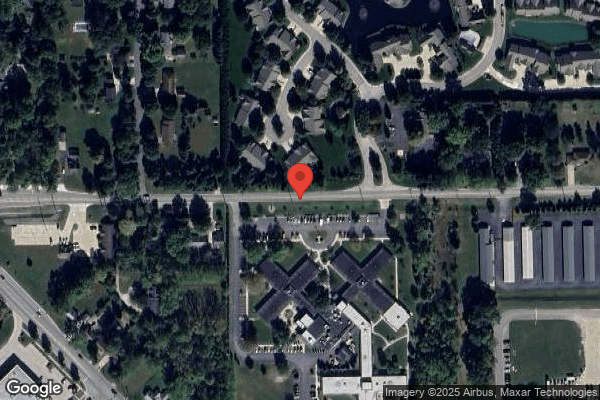

2400 COLLEGE AVE, GOSHEN, IN 46528 (574) 533-0351
For profit - Limited Liability company 186 Beds MAJESTIC CARE Data: November 2025
Trust Grade
23/100
#463 of 505 in IN
Last Inspection: January 2025

Within standard 12-15 month inspection cycle. Federal law requires annual inspections.

Overview

Majestic Care of Goshen has received a Trust Grade of F, indicating poor performance with significant concerns about care quality. They rank #463 out of 505 facilities in Indiana, placing them in the bottom half, and #12 out of 12 in Elkhart County, meaning there are no better local options. While the facility is improving-reducing issues from 41 in 2024 to 12 in 2025-there are still serious concerns, including high staff turnover at 59%, which is above the state average, and fines totaling $16,036, higher than 81% of Indiana facilities. Staffing is rated poorly with a score of 1 out of 5 stars, and while they have average RN coverage, recent inspections revealed serious issues like failing to protect residents from verbal abuse and not adequately addressing medical emergencies, leading to hospitalizations. Families should weigh these concerns against the facility's efforts to improve.

Trust Score
F
23/100
In Indiana
#463/505
Bottom 9%
Safety Record
Moderate
Needs review
Inspections
Getting Better
41 → 12 violations
Staff Stability
⚠ Watch
59% turnover. Above average. Higher turnover means staff may not know residents' routines.
Penalties
○ Average
$16,036 in fines. Higher than 71% of Indiana facilities. Some compliance issues.
Skilled Nurses
○ Average
Each resident gets 36 minutes of Registered Nurse (RN) attention daily — about average for Indiana. RNs are the most trained staff who monitor for health changes.
Violations
⚠ Watch
82 deficiencies on record. Higher than average. Multiple issues found across inspections.
★☆☆☆☆
1.0
Overall Rating
★☆☆☆☆
1.0
Staff Levels
★★★☆☆
3.0
Care Quality
★☆☆☆☆
1.0
Inspection Score
Stable
2024: 41 issues
2025: 12 issues

The Good

  • Full Sprinkler Coverage · Fire safety systems throughout facility
  • No fines on record

Facility shows strength in fire safety.

The Bad

1-Star Overall Rating

Below Indiana average (3.1)

Significant quality concerns identified by CMS

Staff Turnover: 59%

13pts above Indiana avg (46%)

Frequent staff changes - ask about care continuity

Federal Fines: $16,036

Below median ($33,413)

Minor penalties assessed

Chain: MAJESTIC CARE

Part of a multi-facility chain

Ask about local staffing decisions and management

Staff turnover is elevated (59%)

11 points above Indiana average of 48%

The Ugly 82 deficiencies on record

2 actual harm
Sept 2025 1 deficiency
CONCERN (D) 📢 Someone Reported This

A family member, employee, or ombudsman was alarmed enough to file a formal complaint

Potential for Harm - no one hurt, but risky conditions existed

Quality of Care (Tag F0684)

Could have caused harm · This affected 1 resident

Based on interview and record review the facility failed to ensure catheter care was completed as ordered for 3 of 3 residents reviewed (Resident B, Resident C, Resident D).Findings include:1. 1. Resi...

Read full inspector narrative →
Based on interview and record review the facility failed to ensure catheter care was completed as ordered for 3 of 3 residents reviewed (Resident B, Resident C, Resident D).Findings include:1. 1. Resident B's record was reviewed on 9/9/25 at 12 PM. Diagnoses included: obstructive and reflux uropathy.An order, dated 6/2/25 -8/14/25, indicated to complete foley catheter care every shift and document output every shift.The Medication Administration Record (MAR), dated 6/1/25 - 8/4/25, indicated the following:June 2025 - 12 shifts had no documentation to reflect catheter care/ urinary output was completedJuly 2025 - 5 shifts had no documentation to reflect catheter care/ urinary output was completedAugust 2025 - 3 shifts had no documentation to reflect catheter care/ urinary output was completedNursing notes, dated 6/1/25 - 8/24/25, were reviewed. The nursing notes indicated Resident B had a urinary tract infection (UTI) on 6/18/25 and 7/23/25.A nursing note, dated 8/14/25, indicated Resident B's catheter was removed.There was no other documentation regarding catheter care or documentation of urinary output.2. 2. Resident C's record was reviewed on 9/9/25 at 11:57 AM. Diagnosis included: neuromuscular dysfunction of the bladderAn order, dated 7/1/2024, indicated to document catheter output every shift.The Medication Administration Record (MAR), dated 6/1/25 - 9/4/25, indicated the following:June 2025 - 8 shifts had no documentation to reflect urinary output was obtainedJuly 2025 - 14 shifts had no documentation to reflect urinary output was obtainedAugust 2025 - 3 shifts had no documentation to reflect urinary output was obtainedThere was no other documentation regarding documentation of urinary output.3. 3. Resident D's record was reviewed on 9/9/25 at 12:10 PM. Diagnosis included: obstructive and reflux uropathy.An order, dated 11/14/2024, indicated to complete foley catheter care every shift and document output every shift.The Medication Administration Record (MAR), dated 7/1/25 - 9/8/25, indicated the following:June 2025 - 2 shifts had no documentation to reflect catheter care/ urinary output was completedJuly 2025 - 4 shifts had no documentation to reflect catheter care/ urinary output was completedAugust 2025 - 6 shifts had no documentation to reflect catheter care/ urinary output was completedThere was no other documentation regarding catheter care/ urinary output.In an interview, on 9/10/25 at 1 PM, Unit Manager 3 indicated there was no other documentation regarding catheter care/ urinary output for Resident B, Resident C nor Resident D.In an interview, on 9/8/25 at 11:27 AM, Resident B's family indicated catheter care was not completed as ordered and Resident B had gotten UTIs with the catheter. In an interview, on 9/10/25 at 10:42 AM, Resident B indicated she no longer had a catheter. Resident B indicated when she did have the catheter she had gotten multiple UTIs.In an interview, on 9/9/25 at 12:47 PM, Registered Nurse (RN) 2 indicated catheter care was completed each shift. RN 2 indicated catheter care included emptying the catheter bag, cleaning around the tube insertion and peri-care. RN 2 indicated catheter output was communicated to the nurse and documented in the MAR. When no documentation existed, there was no way to tell if catheter care was completed or urinary output was obtained.In an interview, on 9/10/25 at 11:59 AM, the Director of Nursing (DON) indicated catheter care was completed during each shift. The DON indicated catheter care included peri-care, output documentation and cleaning the tube around the insertion site. The DON indicated outputs were documented on the MAR. The DON also indicated the MAR documentation was reviewed during daily clinical meetings.In an interview, on 9/10/25 at 1:21 PM, the Administrator indicated nurse staffing consisted of 8 hour shifts: 6 AM - 2 PM, 2 PM - 10 PM and 10 PM - 6 AM.A policy, undated, titled Indwelling Catheter, indicated catheter care was completed as ordered and to prevent infection.This finding relates to Intake 1243215.3.1-37(a)
Jan 2025 11 deficiencies
CONCERN (D)

Potential for Harm - no one hurt, but risky conditions existed

Notification of Changes (Tag F0580)

Could have caused harm · This affected 1 resident

**NOTE- TERMS IN BRACKETS HAVE BEEN EDITED TO PROTECT CONFIDENTIALITY** Based on observation, interview and record review, the facility failed to ensure the physician was notified of abnormal blood su...

Read full inspector narrative →
**NOTE- TERMS IN BRACKETS HAVE BEEN EDITED TO PROTECT CONFIDENTIALITY** Based on observation, interview and record review, the facility failed to ensure the physician was notified of abnormal blood sugar levels and insulin refusals for 2 of 2 residents reviewed for insulin (Resident 4 & 96) and of new skin issues for 1 of 6 residents reviewed for skin (Resident 5). Findings include: 1. The record for Resident 4 was reviewed on 1/17/2025 at 9:30 A.M. Diagnosis included, but were not limited to: Type 2 diabetes. A Physicians' order, dated 7/1/2024, indicated the physician was to be notified if Resident 4's blood glucose levels were above 400. - On 9/3/2024 at 4:26 P.M., Resident 4's blood glucose level was 403 mg/dl. - On 10/12/2024 at 5:26 P.M., the residents blood glucose level was 411 mg/dl. - On 10/29/2024 at 8:37 P.M., the residents blood glucose level was 479 mg/dl. During an interview, on 1/21/2025 at 9:39 A.M., RN 15 indicated a nursing progress note should have been in Resident 4's chart for the days the physician had been notified of an elevated blood glucose level. A review of Resident 4's nursing progress notes indicated the record lacked documentation the physician was notified of elevated blood glucose levels above 400 mg/dl. During an interview, on 1/21/2025 at 2:46 P.M., the Administrator confirmed there were no nursing progress notes associated with the elevated blood glucose levels. 2. During an interview on 1/15/2025 at 2:07 P/M., the family of Resident 5 indicated they had noticed a discoloration on the resident's right lower arm and were never given an explanation on how it happened. During an observation and interview on 1/17/2025 at 11:11 A.M., with LPN 14, Resident 5 was noted to have two discolored/ecchymotic areas to her proximal right forearm and distal right forearm. LPN 14 indicated she was unaware of the areas and she did not know where they had come from. On 1/17/2025 at 9:20 A.M., a record review was completed for Resident 5. Diagnosis included, but were not limited to: muscle weakness. An Annual Minimum Data Set (MDS), dated [DATE] indicated Resident 5's cognition was severely impaired. A Care Plan, initiated on 7/15/2023 indicated Resident 5 was at risk for skin breakdown. Interventions included, but were not limited to: skin inspection weekly and as needed, document and notify MD of abnormal findings. A review of Resident 5's weekly skin evaluations indicated there were no new skin findings on the following dates: - 12/2/2024 - 12/9/2024 - 12/16/2024 - 12/30/2024 - 1/6/2024 - 1/15/2024 - 1/20/2024 A review of Resident 5's Nursing Progress Notes and weekly skin evaluations lacked documentation LPN 14 identified the residents abnormal skin findings on 1/17/2025 at 11:11 A.M. and reported the findings to the MD. During an interview on 1/22/2025 at 10:26 A.M., the DON indicated a new skin evaluation should have been completed on Resident 5 after the skin abnormality was discovered by LPN 14. She indicated the Nurse Practitioner, MD, and family should have been notified of the resident's abnormal skin findings and they were not.3. A record review for Resident 96 was completed on 1/21/2025 at 10:09 A.M. Diagnosis included but were not limited to: diabetes mellitus type 2 (DM) with chronic kidney disease, iron deficiency anemia, legal blindness, hypertensive heart disease without heart failure, and vitamin D deficiency. Resident 96's Physician Orders included, the following orders regarding insulin and blood glucose assessments: Insulin Lispro (a rapid acting) insulin- inject subcutaneous before meals per sliding scale of blood sugar results- if 200 - 250 = 4 units; 251 - 300 = 6 units; 301 - 350 = 8 units; 351 - 400 = 10 units; 401 - 450 = 12 units, subcutaneously before meals and at bedtime for hyperglycemia if less than 60 notify MD. Insulin Glargine (long acting)- inject 20 units subcutaneously daily in the morning. Insulin Glargine (long acting)- inject 10 units subcutaneously daily at night. A current Care Plan, initiated on 6/26/2024 and updated 1/16/25, indicated Resident 96 is at risk for complications and symptoms of hypoglycemia or hyperglycemia due to diagnosis of diabetes, with interventions including but not limited to: diabetes medication as ordered by Medical Doctor (MD), observe for side effects and effectiveness, diet as ordered, educate and remind resident importance of medications and compliance with dietary restrictions, observe for signs or symptoms of hyperglycemia, observe for signs or symptoms of hypoglycemia, blood sugars as ordered by doctor, labs as ordered, document abnormal findings and notify MD A current Care Plan, initiated on 6/26/2024 and updated 1/16/25, indicated Resident 96 refused medications, treatments, glucometer checks, supplements, VS, insulin, and meals. Interventions included, but not limited to: explain to resident what you are doing before initiating task, MD will be notified prn of resident refusals, re-approach when refuses medications, refer to Nurse Practitioner (NP) as needed to do a med review, staff to provide education regarding refusal of medications ,treatments and blood sugar testing, staff will approach at another time if resident refusals The Medication Administration Record (MAR) indicated Resident 96 refused insulin medication for the following dates in: September 2024 156 times out of 178 doses, October 2024 175 times out of 186 doses, November 2024 182 times out of 182 doses, December 2024 186 times out of 186, and January 2025 90 times out of 91 doses. An Interdisciplinary Team (IDT) note dated 10/25/2024 at 12:36 P.M. indicated Resident 96 refused medications regularly, including blood sugar checks and diabetic med's. There was no indication MD and or NP was notified of refusals. A NP visit note, dated 11/15/2024 indicated Resident 96 had Diabetes Mellitus and staff were to continue insulin as ordered. She also indicated that per nursing staff resident often refused insulin. A Nursing progress note dated 1/5/2025 at 10:17 A.M. indicated resident refused blood sugar checks and insulin before breakfast and lunch. There was no indication the MD or NP were notified. The chart lacked documentation to show the MD and/or NP had been notified of resident's refusal of insulin for 789 of the 823 potential doses ordered. During an interview conducted on 1/23/2025 at 9:54 A.M., RN 10 indicated that the facility staff documented resident refusals in the NP communication book for them to review during their visits. She indicated that she could not locate any information for Resident 96's refusals in the communication book. RN 10 also indicated that facility nurses would also call the NP regarding refusals of care, but there was no documentation of any calls with the NP regarding the resident's refusal of insulin. She indicated a conversation with the MD and/or NP should have been conducted earlier due to the resident's excessive refusals. During an interview on 1/23/2025 at 9:22 A.M., the Director of Nursing (DON) indicated that staff were to encourage and educated the resident when he refused insulin, attempt to administer the medication three times, and then chart the refusals. She indicated, usually if a resident refused medications or a treatment for thirty days or more, the facility nursing staff would have a conversation with the MD and/or NP about discontinuing the order. She indicated that they had not had that conversation with the MD or NP. On 1/21/2025 at 9:22 A.M., the Administrator provided the policy titled, Blood Glucose Monitoring,' dated 12/12/2023 and indicated it was the policy currently being used by the facility. The policy indicated, It is the policy of this facility to perform blood glucose monitoring to diabetic residents as per physician's orders. 20. Report critical test results to physician timely . On 1/22/2025 at 910 A.M., the Administrator provided the policy titled, Wound Management Policy, dated 5/30/2024 and indicated it was the policy currently being used by the facility. The policy indicated, Policy: It is the policy of this facility to ensure residents who do not have skin integrity impairments do not develop a new condition affecting the skin. It is the policy of this facility that those residents with impaired skin integrity are recognized by our care team, treated timely, and interventions to heal are not exhausted until the skin is healed On 1/22/2204 at 9:10 A.M., the administrator provided the policy titled, Change in Condition/Physician Notification, and indicated it was the policy currently being used by the facility. The policy indicated The nurse will notify the physician/NP and the resident/resident representative when: Excessive refusal of treatment or medications (typically more than 2-3 times), Notification will be attempted within 24 hours, The nurse will document timely regarding the change in resident's condition, interventions and notifications . 3.1-5(a)(3)
CONCERN (D)

Potential for Harm - no one hurt, but risky conditions existed

Grievances (Tag F0585)

Could have caused harm · This affected 1 resident

Based on interview and record review, the facility failed to ensure corrective action adequately addressed a response to resident council grievances of call light and shower concerns and readily provi...

Read full inspector narrative →
Based on interview and record review, the facility failed to ensure corrective action adequately addressed a response to resident council grievances of call light and shower concerns and readily provided grievance forms for residents to utilize anonymously. This practice had the potential to affect 101 of 101 residents. Findings include: 1. During a resident/surveyor meeting, on 1/17/2025 at 1:00 P.M., the residents in attendance, 10 of 12, indicated their grievances brought forward during the monthly meetings were addressed , but the grievances went unchanged . The residents who regularly attended resident council meetings indicated they usually shared their grievances at the monthly meetings. During the resident council meeting with the surveyors, conducted on 1/17/2025 at 1:08 P.M., grievances were voiced about routine showers not being completed and call lights not illuminating outside of their rooms. They indicated they were given bells and whistles to alert staff when assistance was needed. They indicated a laptop was placed at the nurse's station that indicated when a call light was activated, but the CNAs did not have time to go to the nurse's station to see who had activated their call light. Resident 86 indicated the best way to receive help was to go to the resident's room doorway and find a staff member. She also indicated she had been left on the toilet for 30-45 minutes because her call light had not been answered timely. Resident 102 indicated he had been left on the toilet for at least an hour because his call light had not been answered timely Review of the Resident Council Meeting Notes, from 2/6/2024-12/10/2024, included, but were not limited to the following concerns with written responses: -2/6/2024 Old Business: Long call light times. New Business: Call light times too long. Response: 2/23/2024 Call light-received concerns from special residents and will review all call light response times for those individuals. -3/12/2024 Old Business: Long call light times. New Business: Call light times, showers. Response: 4/1/2024 Will be addressed again in the next staff meeting of call light times. Boiler issues have been resolved, and showers should be given on scheduled shower days. -4/9/2024 Old Business: Showers and call lights. New Business: Showers and long call light times. Response: 5/8/2024 Created and hired a position for a shower aide and the shower aide was available, from 10:00 A.M.-6:00 P.M. Tuesday through Saturday, to help with the shower situation. Call light reports were reviewed to ensure call lights were answered timely. -5/14/2024 Old Business: Long call light times and showers not being completed. New Business: Ongoing complaints were heard by the council. Unfortunately, according to those residents, the issues were not getting better. However, some residents claim the issues were better for them, but they were not consistent with all wings. Response: None provided. -6/11/2024 Old Business: Call light times. New Business: Not provided. Response: Undated. The resident council would like to know how the issue of long call light times should be resolved. Met with the CNAs and nurses and discussed the importance of everyone helping to answer call lights in a timely manner. -7/9/2024 Old Business: Call lights and showers on their regularly scheduled shower days. New Business: Not provided Response: Undated. CNAs were instructed not to turn the call light off if the requested task had not been completed. The shower schedule had been reviewed and would be completely revamped to ensure staff were able to complete assigned showers daily. -8/13/2024 Old Business: Please see nursing concern form. New Business: Not provided. Response: 8/15/2024 Revamped shower assignments to be completed by 8/16/2024 to ensure all showers can be completed when scheduled. -9/10/2024 Old Business: Completed grievance reports that addressed individual resident concerns as well as issues with the nursing department. New Business: Questions about the call light system and concerns about showers for a couple of residents. Response: 9/11/2024 Showers would be adapted to resident preference. Interventions with the call light concerns included providing alternative methods (bells and whistles) to all residents to alert staff of needs. Staff were to complete frequent rounding to check on residents. -10/8/2024 Old Business: Residents thanked the Administrator for making the changes needed to get through the call light situation until the call light system could be fixed. New Business: None. Response: 10/9/2024 Laptops had been placed at the nursing stations to alert of call light activation. Bells and whistles were provided to all residents. Staff had increased rounding to ensure laptops were functioning and all residents had a backup method for the call lights, such as the bells and whistles. Daily audits were performed to help ensure timeliness of assisting residents. The shower schedule had been previously revamped and adjusted. Will discuss with residents what their preferences were for showers and adjust accordingly. -11/12/2024 Old Business: Showers and length of time to answer call lights. New Business: Not provided. Response: 11/12/2024 A call to the corporate office was completed and the corporate office would lead the facility to upgrade the call light system. Shower and call light times were monitored to better care for the residents. -12/10/2024 Old Business: Call light concerns and some shower concerns. New Business: Call light times and showers. Response: 12/10/2024 Reassured residents that call lights were signaled at the laptop at the nurse's station. Encouraged residents to point out staff members by name who were not completing showers so discussions could be made with those staff members. Unit managers audited shower sheets the morning after the scheduled shower and added the missed showers to the shower schedule the next day. The call light reports were reviewed. The average call light response time was 17 minutes. During an interview, on 1/23/2025 at 12:56 P.M., the Activity Director indicated concerns reported in the resident council meeting were sent to the respective department for a reply and resolution. She indicated the staff should have been informed of repeated complaints and the Customer Service Representative should have visited residents with reoccurring complaints. 2. During the surveyor/resident council meeting, on 1/17/2025 at 1:08 P.M., the residents indicated they usually shared their grievances at the monthly resident council meetings. The residents indicated they did not know where to find a grievance form to report a grievance independently and anonymously. The residents council indicated they would have to have the assistance of a staff member to file a grievance. During an interview, on 1/23/2025 at 9:04 A.M., Social Service Director 1 indicated the Customer Service Representative, who rounded all day, had grievance forms for residents to complete if needed. She indicated some grievance forms may be at the front desk. She indicated the grievance forms were not in a place a resident could anonymously take a form. During an interview, on 1/23/2025 at 9:15 A.M., the Executive Director indicated grievance forms should have been available for residents to complete During an interview, on 1/23/2025 at 9:13 A.M., the Activity Director indicated she kept grievance forms in a cabinet for her staff to complete if a resident had a grievance to file. She indicated grievance forms were at the nurse's station and the front desk. She indicated she never thought about having the grievance forms available for a resident to anonymously submit a grievance. During an interview, on 1/23/2025 at 9:34 A.M., the Social Service Director 2 indicated grievances were available at the front desk in a folder. However, the forms could not be visualized amongst the other file folders and were not available to a wheelchair bound resident due to the height at which the forms were stored on the wall. A policy was provided, on 1/17/2024 at 10:56 A.M., by the Executive Director. The policy titled, Grievances, indicated, .1. Purpose To support each resident's/patient's and family member's right to voice grievances without discrimination, reprisal or fear of discrimination or reprisal .Policy B. The Grievance Official is responsible for overseeing the grievance process; receiving and tracking grievances through to their conclusion; leading any necessary investigations by the facility; maintaining the confidentiality of all information associated with grievances; issuing written grievance decisions to the resident/patient; and coordinating with state and federal agencies as necessary in light of specific allegations . I. A grievance may be filed anonymously .Procedure D. The Grievance Official will take steps to resolve the grievance, and record information about the grievance, and those actions, on the grievance form. a. Steps to resolve the grievance may involve forwarding the grievance to the appropriate department manager for follow up. b. All Care Team Members involved in the grievance investigation or resolution should make prompt efforts to resolve the grievance and return the grievance form to the Grievance Official. Prompt efforts include acknowledgement of complaint/grievances and actively working toward a resolution of that complaint/grievance .E. The Grievance Official, or designee, will keep the resident/patient appropriately apprised of progress towards resolution of the grievances .J. The facility will make prompt efforts to resolve grievances Although the facility had documented responses to facility grievances from the Resident Council, the facility failed to ensure the interventions to address the concerns were effective and resolved the repeated grievances. 3.1-7(a)(2) 3.1-3(l)
CONCERN (D)

Potential for Harm - no one hurt, but risky conditions existed

Deficiency F0646 (Tag F0646)

Could have caused harm · This affected 1 resident

Based on record review and interview, the facility failed to ensure 1 of 2 resident's Level One PASARR (Preadmission Screening and Resident Review) assessment was completed accurately and failed to en...

Read full inspector narrative →
Based on record review and interview, the facility failed to ensure 1 of 2 resident's Level One PASARR (Preadmission Screening and Resident Review) assessment was completed accurately and failed to ensure an updated Level 1 review was completed for 1 of 27 residents reviewed for MDS assessments . (Resident 18) Finding includes: The record for Resident 18 was reviewed on 1/21/2025 at 3:28 P.M. Diagnoses included, but were not limited to: depression, anxiety, post traumatic stress disorder, dementia and on 9/14/2024 a new diagnoses of psychotic disorder with delusions. Resident 18's current medications include: trazadone (antidepressant) 150 mg (milligram) 1 tablet at bed time; Fluoxetine (antidepressant) 20 mg 1 tablet daily; Haloperidol (antipsychotic) 10 mg 1 tablet two times a day and Haloperidol 5 mg 1 tablet once a day. A Preadmission Screening and Resident Review form, dated 4/14/2020, indicated Resident 18's diagnoses included adjustment disorder with mixed anxiety and depressed mood, post traumatic stress disorder, and insomnia. The form indicated there were no known mental health behaviors . and no known or suspected .diagnosis . Under the medications including antidepressants, mood stabilizers, antipsychotics and other mental health medications - only Ativan and Trazadone were documented. A Notice of PASARR Level 1 Screen Outcome form, dated 4/24/2020, indicated Resident 18's Level 1 PASARR showed no Level II was required to be completed. The rationale included the following: The Level 1 screen indicates that a PASRR disability is not present because of the following reason: There is no evidence of a PASARR condition of an intellectual /developmental disability or a serious behavioral health condition. If changes occur or new information refutes these findings, a new screen must be completed. During an interview, on 1/23/2025 at 1:02 P.M., Social Service Staff indicated another Level 1 should have been completed for Resident 18 when a mental health diagnosis was added and after antipsychotic medications were ordered. On 1/23/2025 at 1:35 P.M., the Administrator provided the policy titled, Preadmission Screening And Resident Review (PASARR), dated 12/12/2023, and indicated the policy was the one currently used by the facility. The policy indicated . 9. Any resident who exhibits a newly evident or possible serious mental disorder, intellectual disability, or a related condition will be referred promptly to the state mental health or intellectual disability authority for a Level II resident review. Examples include: .b. A resident whose intellectual disability or related condition was not previously identified and evaluated through PASARR
CONCERN (D)

Potential for Harm - no one hurt, but risky conditions existed

Pressure Ulcer Prevention (Tag F0686)

Could have caused harm · This affected 1 resident

Based on observation, interview, and record review, the facility failed to ensure preventative measures were implemented timely to prevent pressure ulcer development for 1 of 3 residents reviewed for ...

Read full inspector narrative →
Based on observation, interview, and record review, the facility failed to ensure preventative measures were implemented timely to prevent pressure ulcer development for 1 of 3 residents reviewed for facility-acquired pressure ulcers (Resident 96). Finding includes: The record for Resident 96 was reviewed on 1/21/2025 at 10:09 A.M. Diagnosis included, but were not limited to: diabetes mellitus type 2 (DM) with chronic kidney disease, iron deficiency anemia, legal blindness, hypertensive heart disease without heart failure, and vitamin D deficiency. Review of the most recent MDS (Minimum Data Set) assessment for Resident 96, completed on 12/2/2024 for a Significant Change in Condition indicated Resident 96 was alert and oriented, required substantial/maximal staff assistance for dressing, transferring and bathing needs and had one unstageable pressure ulcer. A Braden Scale for Predicting Pressure assessment, completed 6/14/2024, indicated Resident 96 was at risk for developing pressure sores. Resident 96's chart lacked documentation of any further Braden risk assessments having been completed after 6/14/2024. A current Care Plan, initiated on 6/26/2024 and updated on 1/16/2025, indicated Resident 96 was at risk for skin breakdown related to her diagnoses of: DM 2, anemia, hypertension, CKD 2, mixed hyperlipidemia, Vit D deficiency, Legal blindness, Edema, and Weakness. Interventions included but are not limited to: Assist with bed mobility to turn and reposition routinely, prevalon boot to left foot when in bed as tolerated, preventative skin care as ordered/indicated, and skin inspection weekly and as needed, document and notify MD of abnormal findings. A current Care Plan, initiated on 6/26/2024 and updated on 1/16/2025, indicated Resident 96 had impaired skin integrity stage 3, Pressure Ulcer to the right heel- goes to (name of local town) wound clinic. Interventions included, but were not limited to: assess and document skin condition, notify MD of signs of infection, assess for pain and treat as indicated, assist with bed mobility to turn and reposition routinely, pressure reducing/redistributing cushion in chair, pressure reducing/redistributing mattress on bed, prevalon boot to the right foot at all times as tolerated, supplements as ordered, and wound treatment as ordered. A current Care Plan, initiated on 6/26/2024 and updated on 1/16/2025, indicated Resident 96 needed assistance with activities of daily living related to DM 2, anemia, HTN, CKD 2, mixed hyperlipidemia, Vit D def, legal blindness, edema, and weakness. Interventions included ,but were not limited to: Continence - assist with incontinent care, bed mobility: extensive staff assistance, personal hygiene: extensive staff assistance, and transfers: extensive staff assistance. Current Physician Orders included: weekly nursing summary every Tuesday, house barrier cream, pressure reducing cushion to wheelchair, pressure reducing mattress, and prevalon boot to right foot at all times and left foot while in bed. A Progress Note, dated 10/25/2024, by the Wound Nurse Practitioner (NP) indicated Resident 96 had no open wounds. Recommendations by the wound NP were to apply barrier cream as necessary and avoid pressure on bony prominences by adhering to turning protocols and floating the resident's heels. There was no documentation in the record that Resident 96's heels had been floated. A resident skin evaluation assessment, completed on 10/25/2024, indicated Resident 96 had no new skin areas. There were no other resident skin evaluation assessments completed for Resident 96 during the three weeks after 10/25/2024. A resident skin evaluation assessment for Resident 96, completed on 11/192024, indicated the resident had no new skin areas. A resident skin evaluation assessment for Resident 96, completed on 11/23/2024, indicated Resident 96's right heel was sore and the skin was peeling. There was no documentation in Resident 96's record of any new intervention being put in place when the area was identified. A wound NP progress note, dated 11/25/2024, indicated Resident 96 had an unstageable pressure sore to her right heel measuring 4.5 centimeters (cm) length, 4 cm width and a depth of 0.1 cm with a moderate amount of exudate. Recommendations of ongoing pressure reduction and turning and repositioning, including pressure reduction to heels and bony prominence's and follow with the wound clinic. A wound center note, dated 12/5/2024, indicated Resident 96 had a facility acquired stage 3 pressure ulcer to the right heel measuring 1.5 cm in length 1.6 cm in width, depth of 0.2 cm and a medium amount of exudate (drainage) with exposed fat layer. A recommendation was made for a prevalon boot on the right foot at all times and to the left foot while in bed. A resident care team (RCT) note, dated 12/06/2024, indicated the care team was to provide resident education on how to off-load. There was no mention of the prevalon boot ordered by wound center MD. A wound center note dated 12/12/2024, indicated Resident 96's facility acquired stage 3 pressure ulcer to the right heel measured 2.7 cm in length, 2.6 cm in width, depth of 0.2 cm and a medium amount of exudate was noted with an exposed fat layer. The recommendations continued to include the use a prevalon boot on the right foot at all times and to the left foot while in bed. A document provided by facility, from a website timestamped as being printed on 12/12/24 and was handwritten on stating this is the type of boot (Resident's Name) needs. During an interview with the ADON, on 01/22/25 at 2:50 P.M., she indicated that the facility usually knew of wound clinic recommendations with 24-48 hrs and the nurse on the unit was responsible for transcribing any new treatments or orders. It was not clear how long it had taken for the facility to obtain the Prevelon boot for Resident 96 that had been ordered on 12/5/2025. During an interview, on 1/23/2024 at 12:15 P.M., CNA 13 indicated that Resident 96 has had the current prevalon boots for about three weeks and did not have any type of boot previously. A current policy was provided by the Administrator on 1/22/2204 at 9:10 A.M. titled, Wound Management Policy, indicated policy of facility to ensure residents who do not have skin integrity impairments do not develop a new condition affecting the skin. The policy also indicated the facility will have a system in place to monitor for early symptoms of the development of new skin impairments, and RCT continues to discover each resident's skin integrity impairment risks through individual treatment preferences that resident with impaired skin are recognized, treated timely, and interventions implemented until healed 3.1-40
CONCERN (D)

Potential for Harm - no one hurt, but risky conditions existed

Incontinence Care (Tag F0690)

Could have caused harm · This affected 1 resident

Based on observation, record review and interview, the facility failed to provide nephrostomy dressing changes for 1 of 4 residents reviewed for catheter care. (Resident G) Finding includes: During an...

Read full inspector narrative →
Based on observation, record review and interview, the facility failed to provide nephrostomy dressing changes for 1 of 4 residents reviewed for catheter care. (Resident G) Finding includes: During an interview with Resident G, on 1/15/2025 at 10:30 A.M., she indicated her nephrostomy dressings had not been changed in some time and a new dressing had just been applied She indicated the staff did not know how to apply the dressings. During an interview on 1/21/2025 at 9:46 A.M., Resident G indicated a certified nursing assistant (CNA) had changed her nephrostomy tube dressings yesterday because the dressings had fallen off. A record review for Resident G was completed on 1/17/2025 at 9:18 A.M. Diagnoses included, but were not limited to: nephrostomy, obstructive and reflexive uropathy, overactive bladder and carcinoma of the bladder. A Quarterly Minimum Data Set (MDS) assessment, dated 12/23/2024, indicated Resident G was cognitively intact and had an indwelling catheter. Physician Order's, dated 8/14/2024, indicated to monitor the left and right nephrostomy tube site every shift. However, there were no orders in the medical record for routine dressing changes to the nephrostomy sites or the stopcock (operational valve regulating the flow of a liquid) dressings. A Care Plan, initiated 8/16/2024 and revised on 12/17/2025, indicated Resident G was at risk for infection/complications related to her nephrostomy tubes. However, the interventions did not include care of the nephrostomy tubes. A professional reference, https://my.clevelandclinic.org/health/treatments/25141-nephrostomy-tube, indicated the nephrostomy tube dressings needed replaced/changed at least twice a week, anytime a shower was completed and if the area became wet or dirty. During an observation, on 1/21/2025 at 10:38 A.M., Resident G's nephrostomy tube sites were observed. The bilateral sites had an undated padded dressing over the tube insertion site. Dirty padded dressings, with excessive zinc oxide ointment and darkened dressing edges, were observed over the stopcocks of the bilateral nephrostomy tubes. CNA 12 indicated the dressings were placed due to the stopcocks causing indentations in Resident 12's skin. During an interview, on 1/21/2025 at 11:02 A.M., RN 15 indicated nephrostomy tube dressings should be changed daily and there should have been a physician's order. She indicated the dressings over the stopcocks should be changed as the order indicated and there should be a physician's order regarding when to change the stopcock/nephrostomy tube dressings. A policy was provided, on 1/21/2025 at 1:18 P.M., by the Executive Director. The policy titled, Nephrostomy/Cystostomy Care, indicated, .Residents with nephrostomy or cystostomy tubes will receive care consistent with professional standards of practice, the comprehensive person-centered care plan, and the resident's goal and preferences .2. The care and maintenance of nephrostomy/cystostomy tubes shall be in accordance with physician orders. The orders shall specify the and frequency of dressing changes and emptying of collection bags along with any special instructions 3.1-41(a)
CONCERN (D)

Potential for Harm - no one hurt, but risky conditions existed

Deficiency F0745 (Tag F0745)

Could have caused harm · This affected 1 resident

Based on interview, observation and record review, the facility failed to ensure follow up speciality appointments and referrals (gynecological/oncology/hematology/vascular surgeon/nephrology) were ma...

Read full inspector narrative →
Based on interview, observation and record review, the facility failed to ensure follow up speciality appointments and referrals (gynecological/oncology/hematology/vascular surgeon/nephrology) were made for 2 of 2 residents reviewed for physician orders. (Residents G & 64) Findings include: 1. During an interview on 1/15/2025 at 10:32 A.M., Resident G cried while talking about a need for a gynecological oncology appointment as her uterine cancer had returned, according to the most recent hospital testing. She indicated it had been eleven weeks since she had a follow up ultrasound and an appointment had not been secured. She indicated a mass had been found, during the ultrasound. She was concerned about the possible growth of the cancer cells. A record review for Resident G was completed on 1/17/2025 at 9:18 A.M. Diagnoses included, but were not limited to: cancer and carcinoma of the bladder. A Quarterly Minimum Data Set (MDS) assessment, dated 12/23/2024, indicated Resident G was cognitively intact and had moderate depression. A pelvic transvaginal ultrasound, dated 11/18/2024, indicated a roughly 3-centimeter mass within the endometrium had been noted. A Patient Transfer Assessment from the hospital, dated 11/21/2024, indicated a new, possibly solid, 3-centimeter mass noted in the endometrium and to follow up with gynecological oncology in the outpatient setting. A Physician's Order, dated 11/22/2024, indicated an order to schedule an appointment with gynecological oncology as soon as possible. A Nurse Practitioner Note, dated 11/22/2024, indicated during Resident G's hospital stay, a transvaginal ultrasound was performed and a new mass was found on her uterus. Resident G had a history of cervical cancer and was to follow up with gynecological oncology. The facility was to schedule Resident G's follow-up appointment with gynecology and an oncology appointment was to be made as soon as possible. A Nurse Practitioner Note, dated 12/10/2024, indicated Resident G was only concerned about her follow-up appointment with gynecological oncology appointment due to the presence of a uterine mass. The Nurse Practitioner verified with the Unit Manger who indicated she was still working to schedule the appointment and had been in contact with the oncology office. During an interview, on 1/17/2024, RN 10 indicated Resident G's referral was made at an office closer in proximity to the facility, but Resident G did not want that office. She indicated the referrals request had been faxed to the office the resident preferred on 1/13/2024. A copy of a faxed referral was observed, dated 12/6/2024 to a gynecology oncology office. RN 10 indicated the office could not meet Resident G's needs and referred her to a different gynecology office. Two other faxed referral was observed for gynecology oncology offices, dated 1/9/2025 and 1/16/2025. A Nursing Progress Note Dated 1/20/2025 at 12:09 P.M., indicated a gynecology oncology appointment had been set for 2/6/2025 at 10:30 A.M. During an interview, on 1/23/2025 at 12:59 P.M., RN 10 indicated Resident G would not give them the name of her gynecological doctor from December to January. 2. A record review for Resident 64 was completed on 1/17/2025 at 11:39 A.M. Diagnoses included, but were not limited to: chronic kidney disease, iron deficiency anemia, congestive heart failure and atrial fibrillation. A Physician's Order, dated 10/22/2024, indicated to refer Resident 64 to hematology for progressively low platelets and anemia. A Nursing Progress Note, on 10/22/2024 at 10:21 A.M., indicated an order was placed for a hematology consultation for Resident 64. A Physician's Order, dated 11/26/2024, indicated to refer Resident 64 to a vascular surgeon related to right leg pain. A Physician's Order, dated 12/16/2024, indicated to refer Resident 64 to nephrology for chronic kidney disease. A Patient Information Check Out Sheet, dated 9/4/2024, from the Heart and Vascular Center indicated to schedule a follow-up appointment within 6 weeks to 3 months. Nursing Progress Notes could not be found in the medical record related to scheduling any of the specialty referrals. During an interview, on 1/23/2025 at 10:51 A.M., RN 10 indicated she did not have information on the nephrology appointment. She believed she had set the appointment up, but Resident 64 refused to go. She indicated the referral to the vascular surgeon was still being worked on as the facility needed documentation from the Angio-Seal (a small device that closes a puncture in an artery in the leg after an angiography procedure) surgery to make the referral. She indicated Resident 64 had seen the vascular surgeon in September and was to follow up in 6 months. She did not address the referral to hematology referral. A policy was provided, on 1/23/2025 at 9:59 A.M., by the Director of Nursing. The policy titled, Change in Condition/Physician Notification, indicated, .It is the policy of this facility to promptly identify, respond to, and report changes in resident conditions to the resident's physician/NP [nurse practitioner]/PA [physician assistant]/ resident representative. A significant change is a major decline or improvement pf the resident's status .2. When a change in condition is discovered, the nurse will evaluate the resident and notify the resident's physician/NP/PA with pertinent information to discuss care for the resident. 3. The nurse will notify the physicians/NP/PA and the resident/resident representative when: medication omissions/errors .excessive refusal of treatment or medications [typically more than 2-3 time] .abnormal labs, weights, or vital signs 3.1-37(a)
CONCERN (D)

Potential for Harm - no one hurt, but risky conditions existed

Medication Errors (Tag F0758)

Could have caused harm · This affected 1 resident

Based on record review and interview, the facility failed to ensure the physician documented a clinical contraindication when a gradual dose reduction (GDR) was declined for 2 of 5 residents reviewed ...

Read full inspector narrative →
Based on record review and interview, the facility failed to ensure the physician documented a clinical contraindication when a gradual dose reduction (GDR) was declined for 2 of 5 residents reviewed for unnecessary medications (Residents 18 & 101). Findings include: 1. The record for Resident 18 was reviewed on 1/21/2025 at 3:28 P.M. Diagnoses included but were not limited to: renal insufficiency, diabetes, depression, anxiety, dementia and Post Traumatic Stress Disorder (PTSD). A Pharmacy Recommendation, dated 2/3/2024, indicated Resident 18 had been receiving Haloperidol (antipsychotic) 1 mg (milligram) four times a day since 7/12/2023. The recommendation was to decrease from 1 mg four times a day to 1 mg three times a day. The form indicated: if a gradual dose reduction was contraindicated, please review the following and check if appropriate. 1. The residents target symptoms returned or worsened after the most recent attempt at a tapering dose. 2. Past reduction attempts have resulted in problematic behavior and/or staff inability to provide care. 3. Past reduction attempts have resulted in psychiatric instability by exacerbating and underlying medical or psychiatric disorder. 4. Past reduction attempts have caused the resident to post danger to self or others. Please provide below a CMS required patient specific rationale describing why a Gradual Dosing Reduction attempt is clinically contraindicated. The form had the documentation of addressed with NP-GDR contraindicated. There was no documentation of a clinical rational to show why the recommendation was contraindicated. A Pharmacy Recommendation, dated 7/4/2024, indicated Resident 18 had an order for PRN (as needed) Haloperidol with no stop date. The form indicated the following: .if a gradual dose reduction was contraindicated, please review the following and check if appropriate. 1. The residents target symptoms returned or worsened after the most recent attempt at a tapering dose. 2. Past reduction attempts have resulted in problematic behavior and/or staff inability to provide care. 3. Past reduction attempts have resulted in psychiatric instability by exacerbating and underlying medical or psychiatric disorder. 4. Past reduction attempts have caused the resident to post danger to self or others. Please provide below a CMS required patient specific rationale describing why a Gradual Dosing Reduction attempt is clinically contraindicated. The documentation indicated address with NP- GDR contraindicated--hospice. There was no documentation of a clinical rational to show why the recommendation was contraindicated. A Pharmacy Recommendation, dated 11/13/2024, indicated Resident 18 had received trazadone (antidepressant) 150 mg at bedtime since 8/25/2023. The recommendation was to decrease the trazadone to 125 mg. The form indicated: . if a gradual dose reduction is contraindicated, please review the following and check if appropriate. 1. The residents target symptoms returned or worsened after the most recent attempt at a tapering dose. 2. Past reduction attempts have resulted in problematic behavior and/or staff inability to provide care. 3. Past reduction attempts have resulted in psychiatric instability by exacerbating and underlying medical or psychiatric disorder. 4. Past reduction attempts have caused the resident to post danger to self or others. Please provide below a CMS required patient specific rationale describing why a Gradual Dosing Reduction attempt was clinically contraindicated. The response documented was Hospice - contraindicated to dc (discontinue) or change at this time. There was no documentation of a clinical rational to show why the recommendation was contraindicated. 2. A record review for Resident 101 was completed on 1/17/2025 at 2:17 P.M. Diagnoses included, but were not limited to anxiety and depression. A Pharmacy Recommendation, dated 12/11/2024, for Resident 101 indicated the recommendation was to evaluate the continued need for Alprazolam 0.5 mg every 8 hours PRN (as needed). The form indicated the following: Please consider: Discontinuing the medication. Add stop date to the medication for short-term use (MAX 14 days) and evaluate use. If current order is necessary, then please reevaluate resident and document risk/benefit to continue up to an additional 14 days to assist facility with regulatory requirements. The response to the recommendation, dated 1/22/2025, six weeks later was to continue with the PRN. There was no documentation of a clinical rational to show why the recommendation was contraindicated. A Pharmacy Recommendation, dated 1/13/2025, for Resident 101 indicated the recommendation was to evaluate the continued need for Alprazolam 0.5 mg every 8 hours PRN (as needed). The form indicated the following: Please consider: Discontinuing the medication. Add stop date to the medication for short-term use (MAX 14 days) and evaluate use. If current order is necessary, then please reevaluate resident and document risk/benefit to continue up to an additional 14 days to assist facility with regulatory requirements. The response to the recommendation, dated 1/22/2025, indicated to continue the Alprazolam 0.5 mg every 8 hours PRN for anxiety. There was no documentation of a clinical rational to show why the recommendation was contraindicated. During an interview, on 1/23/2025 at 9:20 A.M. the Director of Nursing indicated the Gradual Dose Recommendations did not have the documentation to support a medical contraindication to the recommendation. On 1/23/2025 at 11:14 A.M., the Administrator provided the policy titled, Unnecessary Drugs, dated 12/12/2023, and indicated the policy was the one currently used by the facility. The policy indicated .It is the facility's policy that each resident's drug regimen is managed and monitored to promote or maintain the resident's highest practicable mental, physical and psychosocial well-being free from unnecessary drugs . Each resident's drug regimen will be reviewed on an ongoing basis, taking into consideration the following elements: a. Dose (including duplicate therapy) b. Duration of use. c. Indications and clinical need for medication . 8. Periodic re-evaluation of the medication regimen will be conducted as necessary to determine whether prolonged or indefinite use of the medication in indicated 3.1-48(a)(2)
CONCERN (D)

Potential for Harm - no one hurt, but risky conditions existed

Deficiency F0761 (Tag F0761)

Could have caused harm · This affected 1 resident

Based on observation, interview and record review, the facility failed to ensure medications were kept in a locked cart when unattended, were dated and labeled, medication carts were without loose pil...

Read full inspector narrative →
Based on observation, interview and record review, the facility failed to ensure medications were kept in a locked cart when unattended, were dated and labeled, medication carts were without loose pills and failed to store treatment creams separate from oral medications during medication storage review for 2 of 3 storage units. (200 hall middle medication cart and 100 hall medication cart) Findings include: 1. During a medication storage observation of the 100 hall medication cart, on 1/22/2025 at 1:24 P.M., with QMA 16 the following was observed: - a bottle of Latanoprost eye drops with no resident identifier. - an opened and unlabeled bottle of Timolol eye drops. - an opened bottle of Lactulose with no opened date. - four loose pills in 2 drawers. During an interview, on 1/22/2025 at 1:51 P.M., QMA 16 indicated the medications should have an opened date, the eye drops should have been labeled and the loose pills should not have been in the cart. 2. During a medication storage observation of the 200 hall middle cart, on 1/22/2025 at 2:24 P.M., with RN 2 the following was observed: - four tubes of diclofenac sodium 1% (a topical cream medication) stored with oral medications. - a tube of triad wound paste (a topical cream medication) - three tubes on Mupirocin ointment (a topical cream medication) - a tube of of nystatin ointment. - a tube of polygrip denture adhesive with no resident identifier. - an opened bottle of eye drops with a label over the drug name with no resident identifiers. During an interview, on 1/22/2025 at 2:46 P.M., LPN 17 indicated the treatments and topical cream medication should not have been stored in the the medication cart. On 1/23/2025 at 11:14 A.M., the Administrator provided the policy titled, Medication Storage, dated 1/1/2025, and indicated the policy was the one currently used by the facility. The policy indicated, 4. Internal Products: Medications to be administered by mouth are stored separately from other formulations (i.e., eye drops, ear drops, injectable's). A policy was requested regarding labeling medications but one was not provided prior to the end of the survey. 3.1-25(j)
CONCERN (D)

Potential for Harm - no one hurt, but risky conditions existed

Laboratory Services (Tag F0770)

Could have caused harm · This affected 1 resident

**NOTE- TERMS IN BRACKETS HAVE BEEN EDITED TO PROTECT CONFIDENTIALITY** Based on interview and record review, the facility failed to complete laboratory testing as ordered by the physician for 1 of 1 ...

Read full inspector narrative →
**NOTE- TERMS IN BRACKETS HAVE BEEN EDITED TO PROTECT CONFIDENTIALITY** Based on interview and record review, the facility failed to complete laboratory testing as ordered by the physician for 1 of 1 residents reviewed for laboratory services. (96) Finding includes: The record for Resident 96 was reviewed on 1/21/2025 at 10:09 A.M. Diagnosis included but were not limited to: diabetes mellitus type 2 (DM) with chronic kidney disease, iron deficiency anemia, legal blindness, hypertensive heart disease without heart failure and vitamin D deficiency. A current Care Plan, initiated on 6/26/2024 and updated 1/16/2025, indicated Resident 96 was risk for complications and symptoms of hypoglycemia or hyperglycemia due to a diagnosis of diabetes. Interventions, included but not limited to: diabetes medication as ordered by Medical Doctor (MD). observe for side effects and effectiveness, diet as ordered, educate and remind resident importance of medications and compliance with dietary restrictions, observe for signs or symptoms of hyperglycemia, observe for signs or symptoms of hypoglycemia, blood sugars as ordered by doctor, labs as ordered, document abnormal findings and notify MD. A current Care Plan, initiated on 6/26/2024 and updated 1/16/2025, indicated Resident 96 had impaired skin integrity stage 3 Pressure Ulcer to the right heel- goes to [NAME] wound clinic. Interventions, included but not limited to: assess and document skin condition, notify MD of signs of infection, assess for pain and treat as indicated, assist with bed mobility to turn and reposition routinely, pressure reducing/redistributing cushion in chair, pressure reducing/redistributing mattress on bed, prevalon boot to right foot at all times as tolerated, supplements as ordered, and wound treatment as ordered. A Physician's Order dated 11/11/2024, with a start date of 11/18/2024, included an order for a Hemoglobin A1c (a blood test to measure average blood glucose levels over a three month time span) every three months, starting on November 18, 2024. Resident 96's record lacked documentation the lab due on 11/18/2024 was completed. A Physician Order, dated 12/5/2024 from (local town name) Wound Center indicated laboratory work for a C-reactive protein and erythrocyte sedimentation rate (ESR), a blood test to used to detect inflammation in the body, was to be completed. A Nurse Progress Note, dated 12/6/2024 at 12:58 P.M. indicated the facility had received orders from [NAME] wound center for labs and had entered into the electronic system utilized by the laboratory the facility used. A wound center report dated 12/12/2024 at 12:28 P.M., indicated that Resident 96 lab work had not been completed yet. A lab report dated 12/16/2024 indicated the CRP lab had been collected on 12/16/2024 at 3:20 A.M., and results were reported to the facility on [DATE] at 9:51 P.M. However, a wound center report dated 12/19/2024 at 10:00 A.M., indicated not all of the previously ordered tests were completed. A lab report dated 12/24/2024 indicated the ESR lab test had been collected on 12/20/2024 at 4:05 A.M., and the results were reported to the facility on [DATE] at 9:03 A.M. During an interview conducted on 1/22/2025 at 2:50 P.M. The ADON indicated the facility was notified of wound center recommendations within 24-48 hours, the nurse on the unit was responsible for transcribing the new orders and placing the order into the electronic system for the laboratory. She stated the lab came three times per week, so she did not know why the labs had not been completed timely. During an interview, conducted on 1/23/2025 at 9:22 A.M., the Director of Nursing (DON) indicated Resident 96's A1c blood test should have been drawn on 11/18/2024 per the physician order. During an interview, conducted on 1/23/2025 at 9:54 A.M., RN 10 indicated Resident 96 should have had an A1C blood test on 11/18/2024, but it was not completed as ordered. She indicated Resident 96 had not had any A1C blood tests completed since the original order was placed on 11/11/2024. A policy was provided, on 1/23/2025 at 9:59 A.M., by the Director of Nursing. The policy titled, Change in Condition/Physician Notification, indicated, .It is the policy of this facility to promptly identify, respond to, and report changes in resident conditions to the resident's physician/NP [nurse practitioner]/PA [physician assistant]/ resident representative. A significant change is a major decline or improvement pf the resident's status .2. When a change in condition is discovered, the nurse will evaluate the resident and notify the resident's physician/NP/PA with pertinent information to discuss care for the resident. 3. The nurse will notify the physicians/NP/PA and the resident/resident representative when: medication omissions/errors .excessive refusal of treatment or medications [typically more than 2-3 time] .abnormal labs, weights, or vital signs 3.1-49(a)
CONCERN (E) 📢 Someone Reported This

A family member, employee, or ombudsman was alarmed enough to file a formal complaint

Potential for Harm - no one hurt, but risky conditions existed

Infection Control (Tag F0880)

Could have caused harm · This affected multiple residents

**NOTE- TERMS IN BRACKETS HAVE BEEN EDITED TO PROTECT CONFIDENTIALITY** 6. The record for Resident 96 was completed on 1/21/2025 at 10:09 A.M. Diagnosis included but were not limited to: diabetes mell...

Read full inspector narrative →
**NOTE- TERMS IN BRACKETS HAVE BEEN EDITED TO PROTECT CONFIDENTIALITY** 6. The record for Resident 96 was completed on 1/21/2025 at 10:09 A.M. Diagnosis included but were not limited to: diabetes mellitus type 2 (DM) with chronic kidney disease, iron deficiency anemia, legal blindness, hypertensive heart disease without heart failure, and vitamin D deficiency. A current Care Plan, initiated 6/26/2024 and updated 1/16/2025, indicated Resident 96 had impaired skin integrity stage 3 pressure ulcer to the right heel- goes to [NAME] wound clinic. Interventions included but not limited to, assess and document skin condition, notify MD of signs of infection, assess for pain and treat as indicated, assist with bed mobility to turn and reposition routinely, pressure reducing/redistributing cushion in chair, pressure reducing/redistributing mattress on bed, prevalon boot to right foot at all times as tolerated, supplements as ordered, and wound treatment as ordered. During an observation of the room of resident 96 on 11/22/2025 at 11:55 A.M., there was no sign or personal protective equipment to identify that resident was on enhanced barrier precautions. During an interview conducted on 1/22/2025 at 11:53 A.M., RN 10 indicated that resident 96 had a stage three pressure ulcer to her right heel. She indicated that because of the pressure ulcer, the resident should have been on enhanced barrier precautions. 7. A record review for Resident 314 was completed on 1/22/2025 at 10:09 A.M. Diagnosis included but were not limited to lymphedema, hypertension, and COPD. A current care plan dated 1/15/2025 indicated that Resident 314 has impaired skin integrity: pressure ulcer on left buttocks stage 2, Venous ulcer - right great toe, right 2nd toe, left great toe, left 2nd toe, and left 3rd toe. Interventions included but were not limited to: assess and document skin condition, notify MD of signs of infection (redness, drainage, pain, fever), assess for pain and treat as indicated, assist with bed mobility to turn and reposition routinely, notify MD of worsening or not improvement in wound, pressure reducing/redistributing mattress on bed, wound treatment as ordered. During an interview on 1/22/2025 at 2:18 P.M., LPN 16 indicated that Resident 314 has wounds that were treated by the wound center and also had wounds on his toes that were treated by the facility. She indicated that with the wounds the resident should have been on enhanced barrier precautions. During an observation on 11/22/2025 at 2:20 P.M., Resident 314 was sitting in his wheelchair with wraps on his bilateral lower extremities. There was no sign or personal protective equipment to identify that resident was on enhanced barrier precautions. 8. The record for Resident H was reviewed on 1/17/2025 at 10:04 A.M. Diagnoses included, but were not limited to: malignant neoplasm of prostate and colon and obstructive and reflex uropathy. During an observation of catheter care on 1/21/2025 at 3:29 P.M., CNA 3 put on a gown and a pair of gloves prior to entering Resident H's room. CNA 3 removed the resident's pants and brief. CNA 3 then changed her gloves began cleaning the resident's catheter tubing. CNA 3 grabbed a clean brief from the bedside table and removed the resident's soiled brief, proceeded to provide perineal care with a soapy rag, placed the clean brief on the resident with the same gloves that had been used to provide perineal care. CNA 3 then pulled the residents pants up and covered the resident with his blankets. CNA 3 removed her gloves and performed hand hygiene. During an interview on 1/21/2025 at 3:43 P.M., CNA 3 indicated she had not changed her gloves after providing perineal care and should have. During an interview on 1/16/2025 at 11:44 A.M., the DON indicated when she was notified of nausea, vomiting and diarrhea in multiple residents on the 200 unit, she notified the Nurse Practitioner and the local Health Department. A review of the facilities monthly infection surveillance report for the month of January indicated 20 residents experienced nausea, vomiting and diarrhea that began on 1/3/2025. A record review was completed for all residents that resided on the 200 hall and indicated an additional six residents, who were not documented on the monthly infection surveillance report for the month of January also experienced nausea, vomiting and diarrhea on 1/3/2025. During an interview on 1/16/2025 at 2:16 P.M., the ADON indicated the cases were not reported to the state and should have been. A policy was provided, on 1/23/2025 at 12:16 P.M., by the Director of Nursing. The policy titled, Nephrostomy-Cystostomy Care, indicated, .Residents with nephrostomy or cystostomy tubes will receive care consistent with professional standards of practice, the comprehensive person-centered care plan, and the resident's goals and preferences .2. The care and maintenance of nephrostomy/cystostomy tubes shall be in accordance with physician orders. The orders shall specify the type and frequency of dressing changes and emptying of collection bags along with special instructions. 3. Nephrostomy/cystostomy tubes shall be managed by licensed nurses. Nurse aides may handle the collection bags in accordance with facility procedures for handling urinary drainage bags A policy for urinary drainage bags was requested, on 11/23/2025 at 11:42A.M. The Executive Director indicated a policy was not available for maintenance of a urinary drainage bag. On 1/16/2025 at 2:33 P.M., the ADON provided the policy titled, Reportable Infections, dated 1/2/2024 and indicated it was the policy currently being used by the facility. The policy indicated, Policy: It is the policy of this facility to report possible incidents of communicable disease or infections to appropriate personnel or authorities. 9. The Infection Preventionist will review lab reports. Any infection or communicable disease that is a reportable disease will be reported to public health authorities On 1/21/2025 at 9:22 A.M., the Administrator provided the policy titled, Medication Administration, dated 12/12/2023, and indicated the policy was the one currently used by the facility. The policy indicated .13, Remove medication from source, taking care not to touch medication with bare hand A current policy was provided by the ADON on 1/22/2025 at 10:23 A.M., titled, Enhanced Barrier Precautions, indicated an order for enhanced barrier precautions would be obtained for residents with the following: Wounds (chronic wounds such as pressure ulcers, diabetic foot ulcers and/or indwelling medical devices even if the resident is not know to be infected or colonized with a MDRO A policy was requested regarding catheter care but one was not provided prior to the survey exit. This citation relates to complaint IN00451678. 3.1-18(a) 3.1-18(b)(2) 5. A record review for Resident G was completed on 1/17/2025 at 9:18 A.M. Diagnoses included, but were not limited to: nephrostomy, obstructive and reflexive uropathy, overactive bladder and carcinoma of the bladder. A Quarterly Minimum Data Set (MDS) assessment, dated 12/23/2024, indicated Resident G was cognitively intact and had an indwelling catheter. A Physician's Order, dated 1/15/2025, indicated to monitor the nephrostomy output every shift. A Care Plan, dated 8/16/2024 and revised 12/17/2024, indicated Resident G was at risk for infection/complications related to the use of nephrostomy tubes. Interventions included, but were not limited to: catheter/peri-care at least every shift and as needed. During an observation, 1/21/2025 at 10:38 A.M., CNA 11 and 12 were providing incontinence care and nephrostomy tube/drainage bag care. CNA 12 brought in a step-by-step instruction guide on nephrostomy tube and drainage bag care provided by the Assistant Director of Nursing, who was also present in the room. CNA 12 indicated she would not have known how to care for a nephrostomy tube if she had not been given the instruction guide. CNA 11 emptied the nephrostomy drainage bag while using a soapy washcloth to release and seal the urinary drainage bag spout. CNA 11 asked, after completing the procedure, if a nephrostomy drainage bag used the same procedure as emptying a Foley urinary drainage bag and using an alcohol prep pad for cleansing the spout. Based on observation, interview and record review, the facility failed to ensure infection control practices were followed related to glove use and handwashing for 3 of 3 residents reviewed for perineal/catheter care and for 1 of 1 residents reviewed for nephrostomy care and during 1 of 3 medication administration passes. In addition, the facility failed to follow their policy regarding Enhanced Barrier Precautions (EBP) to ensure residents with wounds and catheters were placed in isolation for 3 of 5 residents reviewed for EBP isolation. Finally, the facility failed to report an illness outbreak to the State Department of Health. These deficient practices potentially affected 101 of 101 residents in the facility. (Residents 18, E, 98, G, 96, 314 & H) Findings include: 1. During an observation, on 1/17/2025 at 9:56 A.M., Certified Nursing Assistant 11 was observed to provide perineal care to Resident 18. CNA 11 obtained a basin with warm water and washcloths. She then applied gloves and washed the Resident's front and inner groin area. CNA 11 rolled the resident over and cleaned the resident's buttocks. Without washing her hands or changing her gloves, CNA 11 applied a clean brief, while touching the residents' legs and the clean brief. She then applied the resident's pants and placed a hoyer sling underneath the resident without removing her soiled gloves and/or washing her hands. During an interview, on 1/17/2025 at 10:00 A.M., CNA 11 indicated she should have washed her hands and changed gloves. 2. The record for Resident E was reviewed on 1/17/2025 at 11:25 A.M. Diagnoses included, but were not limited to: depression, cancer and obstructive uropathy. An admission Minimum Data Set (MDS) assessment, dated 11/18/2024, indicated the resident required the use of a catheter and needed substantial to maximum assist for toileting. During an observation, on 1/21/2025 at 2:45 P.M., Certified Nursing Assistant (CNA) 18 was observed to provide incontinence/catheter care to Resident E. She placed a paper towel on the floor underneath the urinary drainage bag and emptied the urine into a urinal. She then used a washcloth and cleaned the urinary catheter and tubing. Without changing her gloves or washing her hands, CNA 18 applied barrier cream to the resident's buttocks. Next she rearranged the brief and attached the catheter drainage tubing to the adhesive strip on the residents upper leg. CNA 18 pulled the resident's shorts off and placed them in the closet. Finally CNA 18, with the same gloves still on, applied blankets over the resident and grabbed a computer cord and handed it to the resident. She then removed her gloves and gown and placed them in the trash bag. During an interview, on 1/21/2025 at 3:02 P.M., CNA 18 indicated she should have changed her gloves and washed her hands. 3. During an observation, on 1/22/2025 at 9:27 A.M., RN 19 was observed to complete a pressure ulcer treatment with assistance from CNA 11 for Resident 98. RN 19 placed a barrier on the bed side table. CNA 11 and RN 19 washed their hands and applied gloves. RN 19 cleaned the coccyx area, removed his gloves and applied new gloves. RN 19 applied triad paste (wound dressing) on the coccyx area. RN 19 removed his gloves and then washed his hands. RN 19 was not wearing a gown while completing the pressure area treatment. There was no Personal Protective Equipment (PPE) or a sign indicating the resident was in Enhanced Barrier Precautions (EBP) available on the door or outside of the room. During an interview, on 1/22/2025 at 9:41 A.M., RN 19 indicated he would change his gloves only if he was contaminated and there should have been Personal Protective Equipment (PPE) available and he should have worn a gown. 4. During a medication administration observation, on 1/17/2025 at 12:06 P.M., RN 19 obtained a Lamictal tablet from the medication cart. RN 19 indicated the tablet had to be cut in 1/2 because it was a 200 mg (milligram) dose, and the resident was to receive 100 mg dose. RN 19 indicated the other half will be discarded. RN 19 placed the tablet in a pill cutter and then with an un-gloved hand, touched the pill to move it to the center. During an interview, on 1/17/25 at 12:07PM the RN indicated he should have worn gloves when touching the pill.
CONCERN (F)

Potential for Harm - no one hurt, but risky conditions existed

Food Safety (Tag F0812)

Could have caused harm · This affected most or all residents

Based on observation, record review and interview, the facility failed to store and prepare food under sanitary conditions related to foods not sealed appropriately, outdated foods, and dirty kitchen ...

Read full inspector narrative →
Based on observation, record review and interview, the facility failed to store and prepare food under sanitary conditions related to foods not sealed appropriately, outdated foods, and dirty kitchen equipment for 1 of 1 kitchen observed. This issue had the potential to affect all 101 residents who resided in the facility and received food from this kitchen. Findings include: On 1/15/2025 at 9:45 A.M., a kitchen tour was conducted with the Dietician. The following was observed in the walk-in freezer: - A opened bag of green beans not sealed appropriately. - A opened bag of corn not sealed appropriately. - A opened bag of sausage patties not sealed appropriately. - A opened bag of eggs not sealed appropriately. The following was observed in the dry storage area: - a opened bag of cream soup base with no open date. During an interview on 1/15/2024 at 9:50 A.M., the Dietician indicated the items in the walk-in freezer should have been sealed appropriately and the bag of cream soup base should have had an open date. During a follow-up tour of the kitchen, on 1/16/2025 at 8:50 A.M. with the Dietary Manager (DM), the following was observed: - a can opener with dried food on it. - a spatula stored in the drawer as clean with dried food on it. - a measuring cup stored as clean with dried food and grease on it. - a knife stored as clean with dried food on it. - a measuring spoon stored as clean with dried food on it. - the utensils drawer had dried food on the bottom of it. During an interview on 1/16/2024 at 8:57 A.M., the DM indicated the kitchen utensils and the drawer should have been cleaned. On 1/16/2025 at 10:42 A.M., the DON provided a policy titled, Kitchen Sanitation, dated 12/12/2023 and indicated it was the policy currently being used by the facility, The policy indicated, Policy: The Dietary Manager will be responsible for overseeing the provision of safe food to all residents. Good sanitary food handling practices with sanitary conditions maintained in the storage, preparation and serving areas will be carried out at all times. The Dietary Manager, Consultant RD and/or designee will make regular inspections. On 1/16/2025 at 10:42 A.M., the DON provided a policy titled, Labeling and Dating Guidelines, dated 12/12/2023 and indicated it was the policy currently being used by the facility. The policy indicated, All opened and leftover items will be labeled with the date of opening/date stored and a discard/use-by date . 3.1-21(i)(3)
Nov 2024 3 deficiencies
CONCERN (D) 📢 Someone Reported This

A family member, employee, or ombudsman was alarmed enough to file a formal complaint

Potential for Harm - no one hurt, but risky conditions existed

ADL Care (Tag F0677)

Could have caused harm · This affected 1 resident

Based on observation, interview and record review, the facility failed to ensure bathing opportunities and oral care were provided for 2 of 3 residents, who required assistance and who were dependent ...

Read full inspector narrative →
Based on observation, interview and record review, the facility failed to ensure bathing opportunities and oral care were provided for 2 of 3 residents, who required assistance and who were dependent on staff for Activities of Daily Living (ADL). (Residents B and G) Finding includes: 1. During an observation/interview, on 11/13/24 at 9:05 A.M., Resident B was observed lying in his bed. His hair appeared greasy and had flakes of white throughout his scalp. The resident's teeth had a white film on them. The resident was alert and oriented to self, place and time. He indicated he does not get his showers on Mondays and Thursdays and he had to shave himself with an electric razor but explained he had difficulty holding the razor and only parts of his face got shaved. He indicated staff never offered him a tooth brush and he thought he had two toothbrushes somewhere in his room but staff were unable locate them. On 11/13/24 at 9:40 A.M., a review of the clinical record for Resident B was conducted. The resident's diagnosis included, but were not limited to: neurogenic bladder, end stage renal disease (ESRD), spinal injury and quadriplegia (paralysis that effects all limbs and body). A Quarterly Minimum Data Set (MDS) Assessment, dated 9/4/24, indicated the resident required substantial/maximal assist with bathing/showers and oral hygiene. A current Care Plan, dated 10/11/24, indicated the resident needed assistance with ADLs related to contractures of bilateral hands and quadriplegia (syndrome of cervical spine). The interventions included but were not limited to: bathing/showering two times a week and as need per resident's preference, nail care on bath day, personal hygiene with extensive assist of 2 persons. The November shower sheets indicated the resident received a bed bath on 11/1, a shower on 11/7 and on 11/11 had refused a shower. The shower sheets did not indicate if his hair had been shampooed, facial hair shaved or if his teeth were brushed. 2. On 11/13/24 at 10:55 A.M., Resident G requested an interview. The resident was observed in her bed. She was alert and oriented to person, place and time. She indicated her shower days were on Mondays, Thursdays and Saturdays, however she had not been getting her showers as per her preference. She had explained to the Director of Nursing and the Administrator she especially wanted a shower on Saturdays due to attending church on Sundays, outside the facility, with a friend. She would even have accepted an early morning shower on Sunday, if they were unable to provide a shower on Saturday. Many times she had been told by staff they were short staffed and could not provide her a shower on her preferred days. She indicated she was never offered her toothbrush, which was sitting on the dresser, out of her reach. He teeth were observed to have debris and a white film on them. On 11/14/24 at 11:03 A.M., a review of the clinical record for Resident G was conducted. The resident's diagnosis included, but were not limited to: cervical spina bifida and neuromuscular dysfunction of the bladder. A current Care Plan, dated 9/24/24 indicated the resident needed assistance with ADLs related to diagnosis of cervical spina bifida, paraplegia and weakness. The interventions included, but were not limited to: resident will have care needs met daily with the assistance of staff, bathing/showering on Tuesday, Thursday and Saturday first shift and extensive assist of 2 persons with personal hygiene needs. A Quarterly Minimum Data Set (MDS) Assessment, dated 10/14/24, indicated the resident required substantial/maximal assist with bathing/showers and partial/moderate assist with oral hygiene. The Septembers shower sheet forms indicated the resident only received 1 shower, on a Saturday for the month of September. The October shower sheet forms indicated the resident had never received a shower on any of the Saturdays in October. The November shower sheets also had no recorded shower being completed on a Saturday. None of the shower sheets from September through November documented if her hair had been shampooed. During an interview, on 11/14/24 at 9:35 A.M., the Resident Council President indicated there had been discussions regarding showers not occurring and the president indicated they had been told the facility would do something about it but it seemed to be an ongoing problem. A review of the Resident Council minutes for September indicated .Residents discussed concerns about showers some people in the council have 2-3 showers a week a couple of residents have one a week The Department Manager response had been .showers can be adapted for resident's preference The Resident Council minutes for October were reviewed and the Resident Council response indicated .Is there a way that we can please change our shower dates? For some residents (2) they are not working out . Shower schedule had been previously revamped and will be adjusted again. Will discuss with residents what their preferences are and update shower schedule accordingly The Resident Council minutes, for 11/12/24, indicated one of the concerns brought to council, by the residents, had been showers. They did not indicate any specific complaints regarding the showers. On 11/13/24 at 12:22 P.M., the Administrator provided a policy titled, Activities of Daily Living (ADLs), dated 1/2/24, and indicated the policy was the one currently used by the facility. The policy indicated .Care and services will be provided for the following activities of daily living: 1. Bathing, dressing, grooming and oral care .3. A resident who is unable to carry out activities of daily living will receive the necessary services to maintain good nutrition, grooming, and personal and oral hygiene 3.1-38(a)(3)
CONCERN (D) 📢 Someone Reported This

A family member, employee, or ombudsman was alarmed enough to file a formal complaint

Potential for Harm - no one hurt, but risky conditions existed

Accident Prevention (Tag F0689)

Could have caused harm · This affected 1 resident

Based on observation, interview and record review, the facility failed to implement interventions to prevent falls, for 1 of 3 residents reviewed for falls. (Resident C) Finding includes: On 11/12/24...

Read full inspector narrative →
Based on observation, interview and record review, the facility failed to implement interventions to prevent falls, for 1 of 3 residents reviewed for falls. (Resident C) Finding includes: On 11/12/24 at 7:50 A.M., Resident C was observed, seated in a wheelchair, near the nurse's station. The wheel chair had a padded seat cushion. On 11/12/24 at 8:23 A.M., a review of the clinical record for Resident C was conducted. The resident's diagnoses included, but were not limited to: Alzheimer's Disease, dementia, anxiety and depression. A current Care Plan for risk of falls, intiated 9/3/24, indicated the resident was at risk for a fall related to a history of falls, impaired cognition and poor safety awareness. The interventions included but were not limited to: offer/encourage to get up later in the morning, no chux pad in wheelchair and offer to assist resident to bed or recliner after meals A Morse Fall Risk Assessment, dated 10/7/24, indicated the resident had scored a 75. The Morse Fall scoring indicated a score of 45 or high indicated resident had been a high risk for a fall. A Nursing Progress Note, dated 10/7/24 at 2:18 P.M., indicated Resident C had been in the activity room at 10:15 A.M. and slid off the seat of her wheelchair. The resident was assessed and had no injuries. A Nursing Progress Note, dated 10/8/24 at 9:58 A.M., indicated the IDT (Interdisciplinary team) had met to review the witnessed fall Resident C had while in the activity room. The IDT members indicated the new intervention would be to provide a dycem (non-slip pad) to be placed on the resident's wheelchair. The Resident's Fall Care Plan interventions was updated, on 10/8/24, to include the following: .place dycem on top of w/c [wheelchair] cushion On 10/30/24 at 10:59 A.M., a Nursing Progress Note indicated at 8:47 A.M., Resident C was found on the floor. The resident had been propelling herself in the wheelchair, when she slid off of it. No injuries had been noted. During an observation, on 11/12/24 at 9:20 A.M., the Regional Nurse and another staff member assisted Resident C to a standing position to determine if there had been a dycem placed on the wheelchair pad. The pad had no dycem located on the resident's wheelchair, above the cushion, nor below the cushion. On 11/12/24 at 10:54 A.M., Resident C's family member indicated she was concerned with the resident having had several falls during last month due to sliding out of her wheelchair. The family member could not understand why this had been happening. On 11/13/24 at 11:25 A.M.,, the Administrator provided a policy titled, Incidents, Accident & Supervision, dated 1/2/24, and indicated the policy was the one currently used by the facility. The policy indicated .SUPERVISION The resident environment will remain as free of accident hazards as is possible. Each resident will receive adequate supervision and assistive devices to prevent accidents. This includes: 1. Identifying hazard(s) and risk(s). 2. Evaluating and analyzing hazard(s) and risk(s). 3. Implementing interventions to reduce hazard(s) and risk(s) This citation relates to Complaint IN00445192. 3.1-45(a)(2)
CONCERN (D) 📢 Someone Reported This

A family member, employee, or ombudsman was alarmed enough to file a formal complaint

Potential for Harm - no one hurt, but risky conditions existed

Incontinence Care (Tag F0690)

Could have caused harm · This affected 1 resident

**NOTE- TERMS IN BRACKETS HAVE BEEN EDITED TO PROTECT CONFIDENTIALITY** Based on observation, interview and record review, the facility failed to ensure urinary catheters were emptied for 2 of 3 resid...

Read full inspector narrative →
**NOTE- TERMS IN BRACKETS HAVE BEEN EDITED TO PROTECT CONFIDENTIALITY** Based on observation, interview and record review, the facility failed to ensure urinary catheters were emptied for 2 of 3 residents and urine output had been documented for 3 of 3 residents reviewed for urinary catheter use. (Residents B, E and G) Findings include: 1. On 11/12/24 at 10:45 A.M., Resident B was observed in his room, in bed, with his eyes closed. The resident's urinary (Foley) catheter had approximately 350 milliliters (ml) in the collection meter which could only hold 350 ml and then would spill into the collection bag. The collection bag had approximately 200-250 ml (milliliters) of urine. During an interview, on 11/1/2/24 at 10:47 A.M., RN 2 indicated urinary Foley was placed while Resident B had been in hospital and the collection meter would spill over into the collection bag, if more than 350 in collection meter. She indicated those type of catheters were used if someone needed to know the output every hour or whatever the order indicated. On 11/13/24 at 9:05 A.M., Resident B was observed in bed. The resident was alert and oriented to person, place and time. The resident's urinary (Foley) catheter had approximately 300 ml in Foley catheter's collection meter, with a small amount in the collection bag. Resident indicated staff hardly ever empty the thing. On 11/13/24 at 9:40 A.M., a review of the clinical record for Resident B was conducted. The resident's diagnosis included, but were not limited to: neurogenic bladder, End Stage Renal Disease (ESRD), spinal injury and quadriplegia (paralysis that effects all limbs and body). A current Care Plan, intiated on 8/14/24 indicated the resident was at risk for infection/complication related to an indwelling catheter. The interventions included, but were not limited to: .document Catheter output every shift The Treatment Administration Record (TAR) for October and November 2024 for Resident B, indicated .every shift Document mL output The TARs indicated the staff had never documented, on any shift, the amount of urine that was drained from the urinary (Foley) catheter bag. On 11/13/24 at 3:09 P.M., Resident B's Foley catheter collection meter was completely full (350 ml) and the collection bag had approximately 200 ml. of urine it it. The resident indicated the staff had not emptied the catheter and second shift had already began at 2:00 P.M. On 11/14/24 at 9:33 A.M., Resident B's Foley catheter collection meter had 325 ml of urine and an addition 100-150 ml in the drainage bag. The resident indicated no one from the night shift had emptied the drainage bag, before the end of their shift. 2. On 11/13/24 at 10:55 A.M., Resident G requested an interview. The resident was observed in her bed . She was alert and oriented and had a urinary catheter collection bag positioned on her bed rail. She indicated she had concerns regarding the emptying of her urinary (Foley) catheter. She indicated staff usually emptied it once a day and she believed it needed to be emptied more often. On 11/13/24 at 3:13 P.M., Resident G's Foley collection bag was observed and had approximately 300 ml of urine in it. The Resident indicated no one from the first shift had emptied her catheter collection bag. The TAR indicated, on 11/13/24, the day shift nurse had documented 700 ml of urine had been drained from the resident's urostomy (a tube to assist to help pass urine when [NAME] the bladder has been removed or was not working) collection bag. On 11/14/24 at 11:03 A.M., a review of the clinical record for Resident G was conducted. The resident's diagnosis included, but were not limited to: cervical spina bifida and neuromuscular dysfunction of the bladder. A current Care plan, intiated on 8/16/24 indicated the resident was at risk for an infection/complications related to a urostomy . The interventions included, but were not limited to: .document Catheter output every shift The TAR for October 2024, indicated the catheter output documentation had been left blank 15 times and the TAR for November had 2 placed where the urine output was undocumented. 3. Resident E's TAR for October and November indicated every shift Document mL output The resident's TAR indicated staff had never documented the resident's urinary catheter output for either month. On 11/14/24 at 9:30 A.M., the Administrator provided a policy titled, Indwelling Catheter, dated 1/2/24, and indicated the policy was the one currently uses by the facility. The policy indicated .4. If an indwelling catheter is in use, the facility will provide appropriate care for the catheter in accordance with current professional standards of practice This citation relates to Complaint IN00443893. 3.1-41(a)(2)
Sept 2024 3 deficiencies
CONCERN (D) 📢 Someone Reported This

A family member, employee, or ombudsman was alarmed enough to file a formal complaint

Potential for Harm - no one hurt, but risky conditions existed

Quality of Care (Tag F0684)

Could have caused harm · This affected 1 resident

Based on interview and record review, the facility failed to ensured bowel protocol was followed 1 of 3 residents reviewed for bowel movements, (Resident B). Finding includes: The clinical record for...

Read full inspector narrative →
Based on interview and record review, the facility failed to ensured bowel protocol was followed 1 of 3 residents reviewed for bowel movements, (Resident B). Finding includes: The clinical record for Resident B was reviewed on 9/9/24 at 12:28 P.M. Diagnoses included, but were not limited to: right femur fracture, cardiomyopathy and chronic kidney disease. Resident B's hospital Inpatient Transfer Report form, dated 7/19/24 at 9:56 A.M., indicated Resident B had been treated for fractures of the left fifth, sixth and eighth ribs, and fracture of the right femur with surgical repair following a fall on 7/13/24. The resident had been receiving Hydrocodone 5 mg-acetaminophen 325 mg tablet for pain management, (narcotic pain medication with a potential adverse side effect of constipation) and Docusate Sodium 100 mg daily for constipation. The discharge physician orders from the hospital, included orders for Docusate Sodium 100 mg capsule daily as needed for constipation. A Nursing Admission/readmission Evaluation assessment, dated 7/19/24 at 12:35 P.M. for Resident B, indicated the resident had not had a bowel movement while hospitalized for 7 days, since 7/12/24. The evaluation indicated Resident B normally had 2 bowel movements daily. An admission Minimum Data Set (MDS) assessment, dated 7/26/24, indicated Resident B required extensive assistance for transfers and toilet use. Resident B's Continence tracking report indicated Resident B did not have a bowel movement at the facility until 7/21/24. The current Physician's Orders for Resident B included Docusate Sodium 100 mg capsule daily as needed for constipation, ordered on 7/19/24, but review of the resident's Medication Administration Record (MAR) for July 2024, indicated the medication had not been administered. During an interview on 9/10/24 at 9:33 A.M., Resident B's responsible party indicated the facility was not giving the resident a prescribed stool softener as ordered and the resident was in a great deal of discomfort due to the constipation issues. During an interview on 9/12/24 at 11:23 A.M., the Administrator indicated some of Resident B's physician's orders were not put in the Electronic Medical Record (EMR) on the day the resident was admitted to the facility, causing a delay in medication administration. During an interview on 9/12/24 at 11:25 A.M., the Assistant Director of Nursing indicated when Resident B did not have a bowel movement for 3 days, the facility's bowel movement protocol should have been initiated but was not. The Assistant Director of Nursing indicated the resident should have received his bowel medication upon admission to the facility as ordered. The Assistant Director of Nursing indicated, in addition, a 3-day Voiding and Elimination Patter assessment should have been completed and had not been completed. On 9/10/24 at 12:25 P.M., the Administrator provided a policy, indicating it was the current policy, titled, Bowel and Bladder Program, dated 1/2/24. The policy indicated each resident would be assessed at admission with any change in bowel continence via the 3 Day Voiding/Elimination Pattern. After completion of the 3-day Voiding and Elimination Pattern, the Interdisciplinary Team would review and update the care plan as needed. This citation relates to Complaint IN00441248. 3.1-37(a)
CONCERN (D) 📢 Someone Reported This

A family member, employee, or ombudsman was alarmed enough to file a formal complaint

Potential for Harm - no one hurt, but risky conditions existed

Pressure Ulcer Prevention (Tag F0686)

Could have caused harm · This affected 1 resident

Based on record review and interview, the facility failed to ensure 1 of 3 residents reviewed for pressure wounds, received timely care and treatment to prevent the development of a pressure wound, (R...

Read full inspector narrative →
Based on record review and interview, the facility failed to ensure 1 of 3 residents reviewed for pressure wounds, received timely care and treatment to prevent the development of a pressure wound, (Resident B). Finding includes: The clinical record for Resident B was reviewed on 9/9/24 at 12:28 P.M. Diagnoses included, but was not limited to: right femur fracture, cardiomyopathy and chronic kidney disease. An admission Minimum Data Set (MDS) assessment, dated 7/26/24, indicated Resident B was severely cognitively impaired, had no pressure wounds and required extensive assistance for bed mobility, transfers, and toilet use. The portion of the MDS to assess bowel and bladder continence was not completed. Resident B's hospital Inpatient Transfer Report, dated 7/19/24 at 9:56 A.M., indicated Resident B had been treated for a fracture of the right femur with surgical repair following a fall on 7/13/24. There was no documentation of any pressure wounds in the report. The facility Nursing Admission/readmission Evaluation assessment for Resident B, dated 7/19/24 at 12:35 P.M., indicated the resident had been newly admitted to the facility from a local hospital on 7/19/24 at 11:30 A.M. following right hip surgery. The skin evaluation section of the assessment indicated Resident B had a surgical wound to the right hip as a result of hip surgery. The care planning portion of the evaluation indicated the resident was at risk for skin breakdown. Interventions included, but were not limited to, preventive skin care as ordered and a pressure reducing mattress on the bed. There was no documentation of any pressure wounds at the time of the evaluation. An Acute Note, dated 7/22/24 and signed by Nurse Practitioner 1, indicated the reason for the visit was due to Resident B's recent admission. The Nurse Practitioner indicated the resident was admitted following a fall with right femoral fracture and multiple right sided rib fractures. The physical exam regarding the skin indicated there was a right hip dressing. There was no documentation of any pressure wounds in the Nurse Practitioner's Acute Note for admission for Resident B. The initial facility Wound Assessment Report, dated 7/22/24, indicated the resident was assessed by Nurse Practitioner 2 on 7/22/24. The report indicated Resident B had a right buttock Stage 1 pressure wound measuring 4 cm by 4 cm. The report indicated the wound had been present on admission. An initial wound treatment as follows was ordered to be completed twice a day: cleanse the area with soap and water, pat dry, apply Zinc Oxide paste and leave open to air. The current Physician's Orders related to skin care and treatment included the following: 1. Treatment for right buttock pressure ulcer, ordered 7/22/23 to begin on 7/23/24- to cleanse with soap and water, pat dry, apply zinc oxide paste two times daily. 2. Treatment ordered 7/19/24 with treatment to being on 7/21/24 - apply house barrier cream to buttock, coccyx, and peri-area every shift with incontinent episodes. 3. Treatment ordered 7/22/24 with treatment to begin on 7/23/24 - Apply skin prep to bilateral heels daily for 14 days for prevention. Treatment ordered on 7/22/24 for treatment to begin on 7/23/24. 4. Intervention ordered on 7/19/24 with intervention to begin on 7/21/24 - May have pressure reduction mattress. Review of Resident B's Treatment Administration Record (TAR) for July 2024 indicated the resident received the prescribed treatments to the pressure ulcer as ordered, excluding 7/28/24 ,when the treatment was not charted as being done and no documentation to explain why treatment was not done. A current Care Plan, initiated on 7/19/24, indicated the resident required assistance with activities of daily living. Interventions included, but were not limited to, assist with incontinence care, bed mobility, transfers, and personal hygiene. A current Care Plan, imitated on 7/19/24, indicated the resident had impaired skin integrity. Interventions, included but were not limited to, pressure reducing mattress on the bed. On 9/12/24 at 1:04 P.M., the Administrator provided a policy titled, Wound Prevention & Management, dated 1/2/24, and indicated it was the current facility policy. The policy indicated it was committed to the prevention of avoidable pressure injures, and the term avoidable meant the facility had not implemented interventions that were consistent with the resident's needs and professional standards of practice. The policy indicated interventions would be based on factors including moisture management and impaired mobility and evidence-based interventions for the prevention of pressure ulcers would be implemented including but not limited to the provision of pressure-redistributing mattresses. During an interview on 9/12/24 at 11:23 A.M., the Administrator indicated some of Resident B's physician's orders were not put in the Electronic Medical Record (EMR) on the day the resident was admitted to the facility, causing a delay in care related to the initiation of the pressure reducing mattress. During an interview on 9/12/24 at 11:25 A.M., the Assistant Director of Nursing (ADON) indicated a skin assessment should have been completed on admission for Resident B but was not. The ADON indicated although the Nurse Practitioner documented, on 9/22/24, that the resident was admitted with a pressure wound to the buttock, the hospital had not identified a pressure wound at the time of the resident's discharge from the hospital. In addition, there had been no skin assessments completed before the assessment from the Nurse Practitioner's on 7/22/24. The ADON indicated there had been no admission orders regarding a pressure wound to Resident B's buttock. This citation relates to Complaint IN00441248. 3.1-40(a)(1)
CONCERN (D) 📢 Someone Reported This

A family member, employee, or ombudsman was alarmed enough to file a formal complaint

Potential for Harm - no one hurt, but risky conditions existed

Deficiency F0697 (Tag F0697)

Could have caused harm · This affected 1 resident

Based on interview and record review, the facility failed to ensure pain management was provided and a pain assessment was completed upon admission for 1 of 3 residents reviewed for pain, (Resident B)...

Read full inspector narrative →
Based on interview and record review, the facility failed to ensure pain management was provided and a pain assessment was completed upon admission for 1 of 3 residents reviewed for pain, (Resident B). Finding includes: The clinical record for Resident B was reviewed on 9/9/24 at 12:28 P.M. Diagnoses included, but were not limited to, a right femur fracture, cardiomyopathy and chronic kidney disease. Resident B's hospital Inpatient Transfer Report, dated 7/19/24 at 9:56 A.M., indicated Resident B had fractures of the left fifth, sixth, eighth ribs, and fracture of the right femur with a surgical repair following a fall on 7/13/24. Hospital discharge orders included, but were not limited to the following: 1. Hydrocodone 5 mg-Acetaminophen 325 mg (a narcotic pain medication) one tablet every six hours as needed for pain. The medication had last been administered by the hospital on 7/19/24 at 4:00 A.M. In addition, the report indicated Resident B had been treated with Morphine Sulfate (a narcotic pain medication) 2mg every two hours for pain. The last documented dose of Morphine Sulfate was given on 7/18/24,the day before discharge from the local hospital. A facility Nursing Admission/readmission Evaluation assessment, dated 7/19/24 at 12:35 P.M., indicated the resident had been newly admitted to the facility from a local hospital on 7/19/24 at 11:30 A.M., following right hip surgery. The skin evaluation portion of the form indicated Resident B had a wound to the right hip as a result of his hip surgery and the resident had denied any pain at that time, of the evaluation on 7/19/24 at 11:30 A.M. An admission Minimum Data Set (MDS) assessment, dated 7/26/24, indicated Resident B was severely cognitively impaired and required extensive assistance for bed mobility, transfers, and toilet use. The Pain Assessment Interview portion of the assessment, completed at that time, indicated the resident had frequent pain that made it difficult to sleep at night and his pain frequently limited his day to day activities. The resident described his pain as severe. The current Physician's Orders regarding pain control included, but were not limited to the following: -Observe for signs or symptoms of pain every shift. If pain present, document level and location of pain, treat trying non-pharmalogical interventions prior to medicating if appropriates. Document in the Progress Notes every shift. -Hydrocodone-Acetaminophen Oral Tablet 5-325 MG to give 1 tablet by mouth every six hours as needed -Hydrocodone-Acetaminophen Oral Tablet 5-325 MG to give 1 tablet by mouth four times a day for pain because the resident did not understand to ask for the pain medication. Resident B's Medical Administration Record (MAR), indicated the first dose of Hydrocodone-Acetaminophen was received on 7/19/24 at 8:30 P.M., over 16 hours since his previous dose at the hospital. Resident B rated his pain level at a 10 on a pain scale of 1-10. (1 being minimal pain and 10 being the worst pain that is possible) During an interview on 9/10/24 at 9:33 A.M., Resident B's responsible party indicated Resident B had been complaining of severe pain for hours on 7/19/24, but no one would give him pain medication because the medications had not yet been delivered from the pharmacy. Resident B's responsible party indicated he was able to contact the Director of Nursing in the evening on 7/19/24, explained that they had been requesting pain medication for Resident B for several hours but the resident had not received any pain medications because his medications had not yet arrived from the pharmacy, At the time of his phone call with the Director of Nursing, on 7/19/24 in the evening, Resident B had not been given any pain medication since his admission to the facility. Resident B's responsible party indicated the Director of Nursing had informed him that the resident should not have to wait for pain medications because the facility had a system (Pyxis), that would allow nurses to retrieve the medications he needed. Resident B's responsible party indicated Resident B finally got pain medication around 8:30 P.M. on 7/19/24. During an interview on 9/12/24 at 11:23 A.M., the Administrator indicated some of Resident B's physician's orders were not put in the Electronic Medical Record (EMR) on the day the resident was admitted to the facility, causing a delay in medication administration for pain management and a delay in treatments related to wound care and pressure reducing mattresses. The Administrator indicated Resident B's son had a concern about his father not getting pain medication on the day of admission because his pain medications had not been delivered from the pharmacy, but the Administrator indicated all the medications he would have needed were available in the Pyxis system. The Administrator indicated the facility had identified a problem related to medications not being pulled from the Pyxsis system for new residents and orders not being put in the system timely for new residents. During an interview on 9/12/24 at 11:25 A.M., the Assistant Director of Nursing indicated Resident B should have had a pain assessment completed on admission, but had not. On 9/10/24 at 12:00 P.M., the Administrator provided a policy, indicating it was the current policy, titled, Pain Management, dated 1/2/24. The policy indicated it used a systemic approach for the recognition, assessment, treatment and monitoring of pain. Residents were to be evaluated for pain and the causes of pain upon admission. On 9/12/24 at 11:30 A.M., the Administrator provided a policy, indicating it was the current policy, titled, Pharmacy Services The policy indicated the facility would maintain a supply of medications for emergency and after-hours situations. This citation relates to Complaint IN00441248. 3.1-37(a)
Aug 2024 4 deficiencies
CONCERN (D) 📢 Someone Reported This

A family member, employee, or ombudsman was alarmed enough to file a formal complaint

Potential for Harm - no one hurt, but risky conditions existed

Deficiency F0558 (Tag F0558)

Could have caused harm · This affected 1 resident

**NOTE- TERMS IN BRACKETS HAVE BEEN EDITED TO PROTECT CONFIDENTIALITY** Based on observation, interview, and record review, the facility failed to ensure resident rights were honored when bathing pref...

Read full inspector narrative →
**NOTE- TERMS IN BRACKETS HAVE BEEN EDITED TO PROTECT CONFIDENTIALITY** Based on observation, interview, and record review, the facility failed to ensure resident rights were honored when bathing preferences were not accommodated for 1 of 6 residents reviewed for Resident Rights, (Residents C) Finding includes: 1. During an observation and interview on 8/15/24 at 9:48 A.M., Resident C was noted to be lying in bed, wearing a night gown with uncombed hair and general unkempt appearance. The resident indicated her preference was to receive showers every Monday, Thursday, and Saturday on the day shift, but the facility changed her shower days to Tuesdays and Thursday. Resident C indicated the facility staff told her if she had showers on Thursday, she was not eligible to have another shower on Saturday. Resident C indicated she did not get her showers per her preference and she did not get all of the showers she was scheduled to receive. Resident C indicated she liked to participate in Sunday worship services, but did not feel comfortable attending church if she had not been showered in a number of days. Resident C indicated the lack of showers impeded her social life. Resident C's clinical record was reviewed on 8/15/24 at 1:16 P.M. Diagnoses included spina bifida, chronic respiratory failure, paraplegia, and obstructive and reflux uropathy. An admission Minimum Data Set (MDS) assessment, dated 9/30/23, indicated the resident was cognitively intact, and that it was very important to her to make choices about her showering and bathing. A Review of the most recent quarterly MDS assessment, dated 4/22/24, indicated Resident C required substantial to maximal assistance for showering and bathing needs. A current Care Plan, initiated on 9/24/23 and revised on 4/16/24, indicated Resident C required assistance for activities of daily living related to but not limited to spina bifida, paraplegia, urostomy, and colostomy. An intervention, dated 11/15/24 and revised on 4/16/24, indicated the resident was to be bathed or showered on Monday, Thursday, and Saturday on the first shift and as necessary. A review of Resident C's Shower records from 7/1/24 to 8/13/24, indicated the resident did not receive 11 the 26 scheduled showers she was supposed to receive in that time frame. Resident C did not receive showers on the following dates as scheduled: July 6, 9,16, 20, 23, 29, 30, 2024 and August 3, 6, 10, 12, and 13, 2024. There were no documentation of refusals. Four of the missed showers were on Saturdays. On 8/15/24 at 12:35 P.M., the Assistant Director of Nursing provided Resident Council Minutes from 7/9/24 and 8/12/24. The 7/9/24 minutes indicated residents were not getting their scheduled showers. A Response from the Department Manager indicated the shower schedule was reviewed and would be completely revamped to ensure staff were able to complete assigned showers daily. The 8/12/24 minutes indicated concern was voiced again, related to showers and residents had complained they were typically getting only one shower weekly. A response from the Department Manager indicated the revamping of the shower assignment was to be completed by 8/16/24 to ensure all showers could be completed when scheduled. On 8/15/24 at 1:30 P.M., the Assistant Director of Nursing provided a policy titled, Resident Showers, dated 1/2024, indicating it was the current facility policy. The policy indicated, .It is the practice of this facility to assist resident with bathing to maintain proper hygiene,, stimulate circulation and help prevent skin issues as per current standards of practice .Residents will be provided showers as per request or as per facility schedule protocols and [NAME] upon resident safety . On 8/15/24 at 1:30 P.M., the Assistant Director of Nursing provided a policy titled, Resident Rights, dated 1/2024, and indicated it was the current facility policy. The policy indicated, .The resident has a right to a dignified existence, self-determination .The right to participate in establishing the expected goals and outcomes of care, the type, amount, frequency, and duration of care .The right to receive the services and/or items included in the plan of care . On 8/15/24 at 1:45 P.M., the Administrator provided a form titled, FACILITY PAST NON-COMPLIANCE REPORT, dated 8/13/24 and signed by the administrator on 8/15/24. The form indicated and identified concern that residents were not receiving showers per preference. During an interview at that time, the Administrator indicated residents where not receiving showers per preference and the facility was going to implement steps to correct the lack of showers. This Federal tag is related to complaint IN00440328. 3.1-3(a)(t)
CONCERN (D) 📢 Someone Reported This

A family member, employee, or ombudsman was alarmed enough to file a formal complaint

Potential for Harm - no one hurt, but risky conditions existed

Comprehensive Care Plan (Tag F0656)

Could have caused harm · This affected 1 resident

Based on record review and interview, the facility failed to ensure a comprehensive and person centered care plan was developed for urostomy care for 1 of 3 residents reviewed for urostomy care, (Resi...

Read full inspector narrative →
Based on record review and interview, the facility failed to ensure a comprehensive and person centered care plan was developed for urostomy care for 1 of 3 residents reviewed for urostomy care, (Resident C). Finding includes: During an observation and interview, on 8/15/24 at 9:48 A.M., Resident C's urostomy was noted to the mid-right abdominal are with a ostomy bag connected to a cathere bag. The catheter bag, hanging at the bedside had 600 ccs of urine. Resident C indicated staff did not empty her urostomy bag regularly Resident C's record was reviewed on 8/15/24 at 1:16 P.M. Diagnoses included, but were not limited to, spina bifida, chronic respiratory failure, paraplegia, and obstructive and reflux uropathy. A Quarterly Minimum Data Set (MDS) assessment, dated 9/30/23, indicated Resident C was cognitively intact, required substantial to maximal assistance for most activities of daily living, and required a urostomy for the removal of urine from the body. A Physician's Order for Resident C, dated 7/1/24 with no end date, indicated, Urostomy bag empty q [every] shift. No directions specified for order . There were no other physician orders related to the care or monitoring of the urostomy. A current Care Plan, initiated on 9/29/23 and revised 8/15/24, indicate Resident C had a urostomy and colostomy and was at risk for episodes of incontinence of bladder and bowel. There were no interventions related to urostomy care, management, or monitoring. During an interview, on 8/15/24 at 2:00 P.M., the Administrator indicated Resident C's Care Plans should have been specific to the resident's needs related to ostomy care and what was expected from nursing staff. On 8/15/24 at 1:30 P.M., the Assistant Director of Nursing provided a policy titled, Comprehensive Care Plan, dated 1/24 and indicated it was the current facility policy. The policy indicated, It is the policy of this facility to develop and implement a comprehensive person-centered care plan for each resident, .that includes measurable objectives and timeframes to meet a resident's medical, nursing, .needs On 8/16/24 at 1:30 P.M., the Administrator provided a policy titled, Ostomy Care - Colostomy, Urostomy, and Ileostomy, dated 1/24, and indicated it was the current facility policy. The policy indicated, .The frequency of pouch changes and the products required for changing ostomy devices will be noted on the resident's person-centered care plan .The surrounding skin of the ostomy will be monitored for excoriation, abrasion, and breakdown .the comprehensive care pan will reflect any special products or pouching techniques needed to prevent or manage any skin breakdown surrounding the ostomy .Interventions to prevent complications or promote dignity associated with the ostomy will be included in the person-centered care plan . This Federal tag is related to complaint IN00440328. 3.1-35(a)(b)(1)
CONCERN (D) 📢 Someone Reported This

A family member, employee, or ombudsman was alarmed enough to file a formal complaint

Potential for Harm - no one hurt, but risky conditions existed

ADL Care (Tag F0677)

Could have caused harm · This affected 1 resident

**NOTE- TERMS IN BRACKETS HAVE BEEN EDITED TO PROTECT CONFIDENTIALITY** Based on observation, interview, and record review, the facility failed to provide showers/bathing opportunities as scheduled fo...

Read full inspector narrative →
**NOTE- TERMS IN BRACKETS HAVE BEEN EDITED TO PROTECT CONFIDENTIALITY** Based on observation, interview, and record review, the facility failed to provide showers/bathing opportunities as scheduled for for 6 of 6 residents reviewed for Resident Rights, (Residents B, C, D, J, K, and M). Findings include: 1. During an observation of Resident B on 8/14/24 at 2:43 P.M., the resident was observed in his room in a wheelchair, dressed in a t-shirt with food debris on his shirt. Resident B's clinical record was reviewed on 8/14/24 at 1:00 P.M. Diagnoses included history of stroke, hemiplegia and a speech deficit. An Annual Minimum Data Set (MDS,) dated 6/3/24, indicated Resident B was mildly cognitively impaired, required substantial to maximal assistance for showing and bathing and indicated it was very important to him to make choices about his showering and bathing needs. A current Care Plan, initiated on 9/26/19 and revised on 6/18/24 indicated Resident B required assistance for activities of daily living related to but not limited to hemiparesis, and muscle weakness. An intervention indicated the resident was to be bathed or showered on Monday, Wednesday, and Friday on the second shift. A review of Resident B's Shower records from 7/1/24 to 8/13/24, indicated the resident did not receive 14 the 21 scheduled showers he was supposed to have received in that time frame. Resident B did not receive showers on the following dates as scheduled: July 3, 10, 12, 17, 24, 26, 29, 2024, and August 2 and 5, 2024, with refusals for showering documented on August 8, 9 and 12. 2. During an observation and interview on 8/15/24 at 9:48 A.M., Resident C was noted to be lying in bed wearing a night gown with uncombed hair and general unkempt appearance. The resident indicated her preference was to receive showers every Monday, Thursday, and Saturday on the day shift, but the facility changed her shower days to Tuesdays and Thursdays. Resident C indicated the facility staff told her if she had showers on Thursday, she was not eligible to have another shower on Saturday. Resident C indicated she did not get her showers per her preference and she did not get all of the showers she was scheduled to receive. Resident C indicated she liked to participate in Sunday worship services, but did not feel comfortable attending church if she had not been showered in a number of days. Resident C indicated the lack of showers impeded her social life. Resident C's record was reviewed on 8/15/24 at 1:16 P.M. Diagnoses included, but were not limited to, spina bifida, chronic respiratory failure, paraplegia and obstructive and reflux uropathy. An admission Minimum Data Set (MDS) assessment, dated 9/30/23, indicated the resident was cognitively intact and it was very important to her to make choices about her showering and bathing. A Review of the most recent comprehensive MDS assessment, dated 4/22/24 completed for a Quarterly Assessment, indicated Resident C required substantial to maximal assistance for her showering and bathing needs. A current Care Plan initiated on 9/24/23 and revised on 4/16/24, indicated Resident C required assistance for activities of daily living related to but not limited to spina bifida, paraplegia, urostomy, and colostomy. An intervention, dated 11/15/24, and revised on 4/16/24, indicated the resident was to be bathed or showered on Monday, Thursday, and Saturday on the first shift and as necessary. A review of Resident C's Shower records from 7/1/24 to 8/13/24, indicated the resident did not receive 11 of the 26 scheduled showers she was supposed to receive in that time frame. Resident C did not receive showers on the following dates as scheduled: July 6, 9,16, 20, 23, 29, 30, 2024 and August 3, 6, 10, 12, and 13, 2024. There were no documentations of refusals of showers. Resident D's record was reviewed on 8/15/24 at 2:00 P.M. Diagnoses included, but were not limited to, spina bifida, and paraplegia. An Annual Minimum Data Set (MDS) assessment, dated 7/12/24, indicated Resident D was cognitively intact, required substantial to maximal assistance for showing and bathing. and that it was very important to her to make choices about showering and bathing. needs. A current Care Plan, initiated on 7/24/23 and revised on 1/30/24, indicated Resident D required assistance for activities of daily living related to but not limited to spina bifida and paraplegia. An intervention indicated the resident was to be bathed or showered on Wednesday and Saturday on the second shift and as necessary. A review of Resident D's Shower records from 7/1/24 to 8/13/24, indicated the resident did not receive 7 the 12 scheduled showers she was supposed to receive in that time frame. Resident D did not receive showers on the following dates as scheduled: July 6, 10,17, 20, 24 and 27, 2024, and August 3 2024, with no refusals for showers documented. 3. Resident J's record was reviewed on 8/15/24 at 2:27 P.M. Diagnoses included, but were not limited to, hemiplegia following a stroke, overactive bladder and chronic kidney disease. An Annual Minimum Data Set (MDS) assessment, dated 5/13/24, indicated Resident J had severe cognitive impairment, required substantial to maximal assistance for showering and bathing. and that it was very important to her to make choices about showing and bathing. A current Care Plan, initiated on 5/26/23, indicated Resident J required assistance for activities of daily living related but not limited to hemiplegia. An intervention initiated on 11/15/23, indicated the resident was to be bathed or showered on Wednesday, and Saturday on the first shift and as necessary. A review of Resident J's Shower records from 7/1/24 to 8/13/24, indicated the resident did not receive 4 of the 12 scheduled showers she was supposed to have received in that time frame. Resident J did not receive showers on the following dates as scheduled: July 6 and 20, 2024, and August 3 and 10, 2024, with no refusals for showers documented. 4. Resident K's record was reviewed on 8/15/24 at 2:40 P.M. Diagnoses included, but were not limited to, spinal cord dysfunction, heart failure, kidney disease and quadriplegia. A Minimum Data Set (MDS) assessment, dated 5/13/24, for a Discharge Assessment, indicated Resident K was cognitively intact, was dependent on staff for showering/bathing needs and it was very important to him to make choices about showing and bathing. A current Care Plan, initiated on 5/24/24 and revised on 5/30/24, indicated Resident J required assistance for activities of daily living related but not limited to central cord syndrome of cervical spine, and quadriplegia. An intervention initiated on 7/29/24, indicated the resident was to be bathed or showered on Monday and Thursday, on the second shift and as necessary. A review of Resident K's Shower records from 7/1/24 to 8/13/24, indicated the resident did not receive 5 of the 14 scheduled showers he was supposed to have received in that time frame. Resident K did not receive showers on the following dates as scheduled: July 1, 22, 25 and 29, 2024, and August 5 2024, with no refusals for showers documented. 5. Resident M's record was reviewed on 8/15/24 at 3:08 P.M. Diagnoses, included but were not limited to, multiple sclerosis, overactive bladder, contractors of both ankles and muscle weakness. A Minimum Data Set (MDS) assessment, dated 3/21/24, completed due to a Significant Change, , indicated Resident M was cognitively intact, was dependent on staff for showering and bathing needs and it was very important to her to make choices about showering and bathing needs A current Care Plan, initiated on 6/2/18 and revised on 12/3/20, indicated Resident M required assistance for activities of daily living related to, but not limited to, muscle weakness and bilateral ankle contractors. An intervention initiated on 6/2/18 and revised on 6/19/23, indicated the resident required total assistance for bathing on Monday and Thursday, on the first shift. A review of Resident M's Shower records from 7/1/24 to 8/13/24, indicated the resident did not receive 5 of the 13 scheduled showers she was supposed to have received in that time frame. Resident M did not receive showers on the following dates as scheduled: July 8, 15, 18 and 25, 2024, and August 1 and 5, 2024, with no refusals for showers documented. On 8/15/24 at 12:35 P.M., the Assistant Director of Nursing provided Resident Council Minutes from 7/9/24 and 8/12/24. The 7/9/24 minutes indicated residents had complained that they were not getting their scheduled showers. A Response from the Department Manager indicated the shower schedule was reviewed and would be completely revamped to ensure staff were able to complete assigned showers daily. An 8/12/24 Resident Council minutes note indicated a concern related to showers was voiced and residents were typically getting only one shower weekly. A Response from the Department Manager indicated the revamping of the shower assignment was to be completed by 8/16/24 to ensure all showers would be completed when scheduled. On 8/15/24 at 1:30 P.M., the Assistant Director of Nursing provided a policy titled, Resident Showers, dated 1/2024, and indicated it was the current facility policy. The policy indicated, .It is the practice of this facility to assist resident with bathing to maintain proper hygiene,, stimulate circulation and help prevent skin issues as per current standards of practice .Residents will be provided showers as per request or as per facility schedule protocols and [NAME] upon resident safety . On 8/15/24 at 1:45 P.M., the Administrator provided a form titled, FACILITY PAST NON-COMPLIANCE REPORT, dated 8/13/24 and signed by the administrator on 8/15/24. The form indicated and identified concern that residents were not receiving showers per preference. During an interview at that time, the Administrator indicated residents where not receiving showers per their preference and the facility was going to implement steps to correct the lack of showers. This Federal tag is related to complaint IN00440328. 3.1-38(a)(3)
CONCERN (D) 📢 Someone Reported This

A family member, employee, or ombudsman was alarmed enough to file a formal complaint

Potential for Harm - no one hurt, but risky conditions existed

Deficiency F0691 (Tag F0691)

Could have caused harm · This affected 1 resident

Based on interview and record review, the facility failed to ensure urostomy orders, care, and monitoring orders were in place for the care of 1 of 3 residents reviewed for urostomy care, (Resident C)...

Read full inspector narrative →
Based on interview and record review, the facility failed to ensure urostomy orders, care, and monitoring orders were in place for the care of 1 of 3 residents reviewed for urostomy care, (Resident C). Finding includes: During an observation and interview on 8/15/24 at 9:48 A.M., Resident C was observed in her bed, dressed in a gown. The resident's urostomy was noted to the mid-right abdominal area with the ostomy bag connected to a catheter bag hanging at the bedside, holding 600 CCs of urine. Resident C indicated staff did not empty her urostomy regularly. She indicated she often did not get her catheter bag emptied on the day shift. During an interview on 8/15/24 at 2:00 P.M., the Administrator, indicated the facility hired a new medical director around 7/1/24, and all orders had to be resubmitted in the resident's Electronic Medical Records (EMR). The Administrator indicated Resident C's urostomy orders were not put in the the EMR system as they should have been. Resident C's record was reviewed on 8/15/24 at 1:16 P.M. Diagnoses included , but were not limited to, spina bifida, chronic respiratory failure, paraplegia, and obstructive and reflux uropathy. A Quarterly Minimum Data Set (MDS) assessment, dated 9/30/23, indicated Resident C was cognitively intact, required substantial to maximal assistance for most activities of daily living, and required a urostomy for the removal of urine from the body. A Physician's Order, dated 7/1/24 with no end date, indicated, Urostomy bag empty q [every] shift. No directions specified for order . There were no other physician orders related to the care or monitoring of the urostomy. Review of Resident C's Medication Administration Record (MAR), from 7/1/24 to 8/14/23, indicated an undated order for Urostomy bag empty q shift, and an order, Urostomy bag empty q shift, with a discontinued date of 7/1/24. There was no documentation the urostomy bag was emptied at any time from 7/1/24 to 8/14/24. Review an article titled, Nursing Care for Patients After Ostomy Surgery, dated 8/10/23, by the United Ostomy Associations of America, indicated an ostomy pouch should be changed when it is no more than 1/3 full, and the pouch system should be changed on an average of 2 times weekly. Review of an article titled, Ostomy basics, dated 9/9/22, by the American Nurse Association, indicated the urostomy pouches or bags are typically changed 2 times weekly and as needed for leakage, and should be emptied when they are 1/3 to 1/2 full. On 8/16/24 at 1:30 P.M., the Administrator provided a policy titled, Ostomy Care-Colostomy, Urostomy, and Ileostomy, dated 1/24, and indicated it was the current facility policy. The policy indicated, It is the policy of this facility to ensure that residents which require colonostomy, urostomy, or ileostomy services receive care consistent with professional standards of practice . This Federal tag is related to complaint IN00440328. 3.1-47(a)(3)
Aug 2024 1 deficiency
CONCERN (D) 📢 Someone Reported This

A family member, employee, or ombudsman was alarmed enough to file a formal complaint

Potential for Harm - no one hurt, but risky conditions existed

Quality of Care (Tag F0684)

Could have caused harm · This affected 1 resident

**NOTE- TERMS IN BRACKETS HAVE BEEN EDITED TO PROTECT CONFIDENTIALITY** Based on interview and record review, the facility failed to complete follow up assessments for changes in condition related to ...

Read full inspector narrative →
**NOTE- TERMS IN BRACKETS HAVE BEEN EDITED TO PROTECT CONFIDENTIALITY** Based on interview and record review, the facility failed to complete follow up assessments for changes in condition related to urinary tract infections for 3 of 3 residents reviewed for urinary tract infections. (Residents B, D, and E) Findings include: 1. A record review was completed for Resident B on 7/31/2024 at 11:22 A.M. Diagnoses included, but were not limited to, acute cystitis with hematuria, urinary tract infection (UTI), multiple sclerosis, and chronic kidney disease. The resident was discharged to the hospital on 6/26/2024 due to hematuria and an UTI. She was readmitted to the facility on [DATE]. A Discharge Minimum Data Set (MDS) assessment, dated 6/26/2024, indicated Resident B's short term memory recall was intact and she had modified independence for making decisions regarding daily life. Resident B was frequently incontinent of her bowel and bladder, required substantial to maximal staff assistance for toileting and was currently receiving both an antibiotic and a diuretic medication. The current Physician orders for Resident B included, but were not limited to: -7/4/2024 Solifenacin Succinate 5 milligrams (mg) give 1 tablet by mouth one time a day for overactive bladder. -7/4/2024 Xifaxan 550 mg give 1 tablet by mouth two times a day for infection. -7/5/2024 Furosemide 20 mg give 1 tablet by mouth one time a day every Monday, Wednesday, Friday. Alternate next week take on Tuesday, Thursday, and Saturday. The Nursing Progress Notes for Resident B included, but were not limited to: -6/11/2024 at 12:43 P.M. The resident complained of abdominal pain. New orders were noted to straight catheterize for a urine specimen. Minimal urine was obtained. The resident had no further complaints. -6/17/2024 at 2:04 P.M. Focused charting for oral antibiotics, no complaints. -6/21/2024 at 2:00 P.M. Nurse Practioner (NP) ordered urinalysis (U/A) and culture & sensitivity (C&S) due to pain while urinating. Urine collected and called the laboratory to schedule for a pick-up of the specimen. Urine placed inside the bag and left in the pick-up box by the entrance. -6/26/2024 Physician/NP notified U/A, C&S results indicated >100,000 gram negative bacteria; and new order for ceftriaxone Inject 1 gram intramuscularly one time a day for 3 Days -6/26/2024 at 2:24 P.M. Resident symptomatic with hematuria (blood in the urine), sent to the emergency room per physician/NP order. The record lacked follow up of symptoms between 6/21/2024 and 6/26/2024. A Care Plan problem, initiated on 7/18/2024, indicated the resident had a urinary tract infection with hematuria. The Interventions included, but were not limited to: -Administer medication as ordered. -Observe for adverse side effects, notify MD Of abnormal findings. -Encourage fluids. -Observe for continued symptoms of infection - painful urination, back/abdominal pain, fever, change in mental status, discolored or foul smelling urine. Document abnormal findings and notify physician. -Assist with routine toileting, assist with incontinent and peri care as needed. 2. A record review for Resident D was completed on 7/31/2024 at 2:09 P.M. Diagnoses included but were not limited to type 2 diabetes mellitus, overactive bladder, and urinary tract infection. A Quarterly Minimum Data Set assessment, dated 6/20/2024, indicated Resident D's cognition was moderately impaired. She was frequently incontinent of her bowel and bladder, required substantial to maximal staff assistance for toileting needs and was currently receiving antibiotic. The current Physician orders included, but were not limited to: -6/26/2024 Macrobid (an antibiotic)100 mg give 1 capsule by mouth two times a day for UTI for 10 Days. -6/18/2024 Ceftriaxone Sodium (an antibiotic) solution reconstituted 1 gram inject 1 gram intramuscularly every 24 hours for infection for 3 Days. The Nursing Progress Notes for Resident D included, but were not limited to: -6/17/2024 at 12:49 P.M. The resident had a witnessed fall. -6/18/2024 at 8:43 A.M. Increased confusion noted and refused meds.6/18/2024 12:05 P.M. Orders were noted for lab work, straight catheterize for U/A, C&S and urine dipstick. -6/22/2024 7:00 A.M. Resident received ceftriaxone 1 gram intramuscularly injection in left deltoid, tolerated well for UTI infection. Has one more dose remaining. No adverse reactions noted from antibiotic. -6/25/2024 U/A, C&S results showed >100,000 gram negative growth. The record lacked follow up assessments between 6/18/2024 and 6/22/2024. A Care Plan problem, initiated on 6/27/2024, indicated the resident had a urinary tract infection. The Interventions included, but were not limited to: -Administer medication as ordered. -Observe for adverse side effects, notify physician of abnormal findings. -Encourage Fluids. -Observe for continued symptoms of infection - painful urination, back/abdominal pain, fever, change in mental status, discolored or foul smelling urine. Document abnormal findings and notify physician. -Assist with routine toileting and incontinent and peri care as needed. 3. A record review for Resident E was completed on 8/1/2024 at 9:00 A.M. Diagnoses included, but were not limited to, multiple fracture of ribs and urinary tract infection. An admission Minimum Data Set (MDS) assessment, dated 6/14/2024, indicated Resident E's cognition was moderately impaired. She was frequently incontinent of her bowel and bladder, required substantial to maximal assistance with toileting and was not taking any antibiotic or diuretic medications. The Physician orders included, but were not limited to: -7/23/2024 Macrobid (an antibiotic) 100 mg give 1 capsule by mouth two times a day for UTI for 7 Days. -7/24/2024 Macrobid 100 mg give 1 capsule by mouth two times a day for UTI for 7 Days The Nursing Progress Notes for Resident E included the following: -7/15/2024 7:09 A.M. Multiple episodes of unwitnessed falls by rolling out of bed; bolsters were put in place to provide boundaries. -7/17/2024 at 1:57 P.M. Order for U/A, C&S due to confusion. Unable to obtain specimen. -7/18/2024 at 9:47 P.M. Urine specimen obtained. -7/25/2024 (No titme documented) Results of U/A, C&S indicated >100,000 gram negative growth. Focused Charting notes included the following, on 7/15/2024 the resident needed further assessment and treatment due to nausea/vomiting, increased confusion and/or behaviors. Results of u/a c&s received on 7/22/2024 indicated >100,000 gram negative growth. The record lacked clear documentation of Resident E's behaviors and confusion and an assessment of the resident's symptoms of a potential and/or actual urinary tract infection between 7/18/2024 and 7/22/2024. Th urine specimen was obtained on 7/18/2024 and the antibiotic was ordered on 7/23/2024. A Care Plan problem for Resident E, initiated on 7/25/2024, indicated the resident had a urinary tract infection. The Interventions included, but were not limited to: -Administer medication as ordered. -Observe for adverse side effects, notify physician of abnormal findings. -Encourage fluids. -Observe for continued symptoms of infection - painful urination, back/abdominal pain, fever, change in mental status, discolored or foul smelling urine. Document abnormal findings and notify physician. -Assist with routine toileting, assist with incontinent and peri care as needed. During an interview on 8/1/2024 at 9:49 A.M., the DON indicated when an UTI was suspected, the nurse should obtain an urine specimen, do a urine dip, and then follow up with the physician for orders for a U/A, C&S. She indicated she would look for documentation of follow up assessments. The DON did not provide follow up documentation before the survey exit. On 8/1/2024 at 2:45 P.M., the Executiive Director (ED) provided a current policy, dated October 2019 and titled, Change In Condition. The policy did not address follow up assessments when a change in condition was identified. This citation relates to Complaint IN00438045. 3.1-37(a)
Mar 2024 29 deficiencies 2 Harm
SERIOUS (G)

Actual Harm - a resident was hurt due to facility failures

Free from Abuse/Neglect (Tag F0600)

A resident was harmed · This affected 1 resident

Based on observations, record reviews, and interviews, the facility failed to protect a resident's right to be free from verbal abuse from another resident, which resulted in emotional distress, and p...

Read full inspector narrative →
Based on observations, record reviews, and interviews, the facility failed to protect a resident's right to be free from verbal abuse from another resident, which resulted in emotional distress, and physical abuse by a staff member, for 3 of 4 residents reviewed for abuse. (Residents 68, 218 & 43) Findings include: 1. During a dining observation, on 2/25/2024 at 12:24 P.M., Residents 218 and 68 were sitting at the assisted dining table, and sitting side by side. Resident 218 was observed yelling at Resident 68. CNA 5 attempted to intervene verbally, but did not move Resident 218 from the table. Resident 218 continued yelling at Resident 68 to get up and walk so they could get out of here. Resident 68 looked at the surveyor, and stated, Can you at least tell her I can't walk so she will stop? Resident 218 continued to escalate at yelling at Resident 68. This resulted in Resident 68 crying. During an interview, on 2/25/2024 at 2:01 P.M., Resident 68 indicated that lady screamed at me, and it made her feel terrible. At 2:28 P.M., Resident 68 continued to cry. A record review for Resident 68 was completed on 2/27/2024 at 11:20 A.M. Diagnoses included, but were not limited to: dementia, major depressive disorder, and anxiety disorder. A Quarterly Minimum Data Set (MDS) assessment, dated 2/14/24, indicated Resident 68 was cognitively intact. During the assessment period, she did not display any mood or behavioral issues. Progress Notes, including notes from the nursing and social service departments, indicated no documentation of the incident for Resident 68, or follow-up with her for psychosocial wellbeing for this incident. A Social Service Note, dated 2/25/2024 at 2:26 P.M., indicated staff had reported to social services that Resident 218 went to the large dining room and did eat some of her meal. After lunch, the Social Service Assistant observed Resident 218 yelling and screaming. Resident 218 was observed yelling she wanted to leave to go to school. Resident 218 had agitation with verbal aggression when she realized the staff could not take her outside or accompany her outside of the building. A record review for Resident 218 was completed on 2/28/2024 at 10:03 A.M A Nursing admission Evaluation, dated 2/15/2024, indicated Resident 218 had a memory problem. She had behavioral issues of wandering, exit seeking, and resisting care. An admission Minimum Data Set (MDS) assessment was in progress. During an interview, on 3/1/2024 at 9:57 A.M., the Social Service Assistant indicated follow-up with a resident after a verbal altercation depends on the impact to the resident, including if the resident was distressed. She indicated she was unsure if she was aware of the dining room incident, but was informed Resident 218 was becoming disruptive, and unaware Resident 68 was crying. She indicated no one followed up with Resident 68, and if a staff member had told her about Resident 68 crying, she did not recall. She indicated staff should inform Social Services of altercations. During an interview, on 3/1/2024 at 10:55 A.M., the Executive Director indicated Resident 68 was receiving psychosocial visits daily, and those should be documented in the progress notes. During an interview, on 3/1/2024 at 12:40 P.M., CNA 5 indicated Resident 218 was displaying signs of dementia and trying to get Resident 68 to go on a field trip. Resident 218 was getting upset since Resident 68 would not go. She indicated, when she was sitting at the table, Resident 218 grabbed Resident 68's wheelchair and shook it, and got mad at Resident 68 for not getting up from her wheelchair. CNA 5 indicated another CNA was able to separate the residents. Resident 68 was very upset and crying. CNA 5 took Resident 68 to her room, talked with her, and reported the altercation to a nurse. She was unable to identify to whom she reported the incident. 2. During an interview, on 2/25/2024 at 10:10 A.M., Resident 43 indicated she felt CNA 22 was unusually rough, and she could feel herself tensing up knowing she was her aide. When CNA 22 took her to the bathroom, CNA 22 would be complaining and huffed and puffed. Resident 43 indicated this incident occurred 3-4 weeks ago, and she reminded CNA 22 of her colostomy bag so she wouldn't pull her pants down roughly. Resident 43 indicated during the toileting and roughness, she hit her head on the bathroom wall, and that was the last straw that broke the camel's back. During an interview, on 2/26/2024 at 9:12 A.M., Resident 43 indicated she discussed this allegation with the Social Service Director on February 6, 2024, and since that time, CNA 22 had not been taking care of her any more. A record review was completed on 2/27/2024 at 11:07 A.M. Diagnoses included, but were not limited to multiple sclerosis, muscle weakness, and difficulty walking. A Care Plan, dated 9/1/2017 and revised on 11/10/2022, indicated Resident 43 required assistance for activities of daily living related to, but not limited to: multiple sclerosis, muscle weakness, chronic obstructive pulmonary disease, and abnormalities of gait and mobility. An intervention, dated 9/1/2017 and revised on 10/16/2018, indicated Resident 43 to have extensive toileting assistance with one staff member, and to assist with emptying the colostomy every shift as needed while sitting on the commode. A Quarterly Minimum Data Set (MDS) assessment, dated 2/14/2024, indicated Resident 43 was cognitively intact. She required extensive assistance with toileting with on staff member assist. A Social Service Progress Review for Documentation, dated 2/7/2024, indicated Resident 43 was feeling good. There was no documentation in the Progress Notes of the allegation or follow-up documentation. During an interview, on 3/1/2024 at 1:14 P.M., the Social Service Director indicated that Resident 43 complained CNA 22 was gruff and rough. She indicated she spoke with the Executive Director after Resident 43 informed her of the incident. During an interview, on 3/1/2024 at 1:18 P.M., the Executive Director indicated she did not have an investigation of this allegation. She indicated it was just basically CNA's 22 personality and how she talks loudly. She indicated that CNA 22 can no longer care for Resident 43. On 3/2/2024 at 8:45 A.M., the Executive Director provided a policy titled, Abuse, Neglect and Exploitation. The policy indicated, .It is the policy of this facility to provide protections for the health, welfare and rights of each resident by developing and implementing written policies and procedures that prohibit and prevent abuse, neglect, exploitation and misappropriation of resident property .IV. Identification of Abuse, Neglect and Exploitation A. The facility will have written procedures to assist staff in identifying the different types of abuse - mental/verbal abuse, sexual abuse, physical abuse, and the deprivation by an individual of goods and services. This includes staff to resident abuse and certain resident to resident altercations .B. Possible indicators of abuse includes, but are not limited to: 1. Resident, staff or family report of abuse .VI. Protection of Resident .The facility will make every effort to ensure all residents are protected from physical and psychosocial harm, as well as additional abuse, during and after the investigation. Examples include but are not limited to: A. Responding immediately to protect the alleged victim and integrity of the investigation .B. Examining the alleged victim for any sign of injury, including physical examination or psychosocial assessment if needed .C. Increased supervision of the alleged victim and residents During an interview, on 3/2/2024 at 10:17 A.M., the Executive Director indicated she reported this incident to the Indiana State Department of Health on 3/1/2024. Resident 43's interview aligned with the allegation during the surveyor's interview. The Executive Director indicated Resident 43 indicated the incident was not intentful, but that CNA 22 was rough when pulling her pants up, and she toppled hitting her head on the wall. 3.1-27(a)(1) 3.1-27(b)
SERIOUS (G)

Actual Harm - a resident was hurt due to facility failures

Quality of Care (Tag F0684)

A resident was harmed · This affected 1 resident

Based on interview, record review, and observation, the facility failed to identify and manage an acute change in condition of worsening respiratory symptoms, irregular blood sugar levels, and abnorma...

Read full inspector narrative →
Based on interview, record review, and observation, the facility failed to identify and manage an acute change in condition of worsening respiratory symptoms, irregular blood sugar levels, and abnormal laboratory results not addressed. The deficient practice resulted in a delayed hospital evaluation, and hospitalization for pneumonia, acute kidney injury on chronic kidney disease, and cardiac disease (Resident 96). The facility failed to notify the physician of blood sugars outside of ordered parameters (Resident 109), to assess and treat a scabbed skin area (Resident 27), and to identify and notify the physician of bruising and swelling in a resident who received an anticoagulant medication (Resident 64) for 4 of 5 residents reviewed for quality of care. Findings include: 1. During an interview, on 2/25/2024 at 1:35 P.M., Resident 96 indicated she had been hospitalized for ketoacidosis, kidney failure due to diabetes, and two heart stents. A record review was completed on 2/27/2024 at 8:47 A.M. Diagnoses included, but were not limited to: hypoglycemia, diabetes mellitus type 1, chronic obstructive pulmonary disease, and chronic kidney disease. A Quarterly Minimum Data Set (MDS) assessment, dated 1/30/24, indicated Resident 96 was cognitively intact. A Nurse's Note, dated 12/1/2023 at 7:23 A.M., indicated Resident 96 was at the nursing station requesting medication, and was observed to be short of breath. Her lungs were diminished, and wheezes were heard. Resident 96 indicated to the nursing staff that the primary care physician told her if she wasn't better by Monday (12/4/2023), he would admit her to the hospital. She refused a chest x-ray at that time. A Nurse's Note, dated 12/1/2023 at 11:35 P.M., indicated the physician ordered a new cough medication. A Nurse Practitioner (NP) Note, dated 12/8/2023, indicated Resident 96 had finished a course of antibiotic therapy of Levaquin and doxycycline from her physician, and continued to have yellowish-tan mucus with a productive cough. Resident 96's lung sounds were course, she had a stuffy nose, and green drainage. The NP gave diagnoses of sinusitis, with prescriptions for Flonase and Linezolid, and pneumonia, with prescriptions for guaifenesin with codeine and a chest x-ray. He also adjusted her insulin medications. No new orders were given for monitoring of Resident 96's condition. A Nurse's Note, dated 12/9/2024 at 6:09 P.M., indicated Resident 96 was on day two of antibiotic therapy due to a diagnosis of pneumonia. She reported being in mild discomfort but requested no pain medication. A Nurse's Note, dated 12/12/2024 at 6:28 A.M., Resident 96 complained of being short of breath. Her vital signs and blood sugar were within normal limits. A Nurse's Note, dated 12/13/2024 at 7:14 A.M., indicated Resident 96's blood sugar measured 60 mg/dl (milligrams per deciliter). The resident refused orange juice, but drank a cola, and stated she didn't feel well. Her blood sugar dropped further to 45 mg/dl after 20 minutes. Resident 96 drank another cola, and her blood sugar increased after an hour to 90 mg/dl. A Nurse's Note, dated 12/15/2024 at 7:07 A.M., indicated Resident 96 was observed in her room snoring loudly and salivating. Her blood sugar was checked and was 47 mg/dl. An as needed Baqsimi (glucagon nasal spray for emergency hypoglycemia) medication was administered, and the Nurse Practitioner notified. After 15 minutes, Resident 96's blood sugar was 43 mg/dl. A second dose of Baqsimi was administered, and as Resident 96 was able to talk, a glass of orange juice was provided. Resident 96's blood sugar was rechecked and recorded as 67 mg/dl. A Nurse's Note, dated 12/16/2024 at 1:03 P.M., indicated Resident 98 was having fatigue and required more assistance with activities of daily living (ADLs). A chest x-ray was ordered and an order for antibiotic therapy received. On 12/17/2024, a chest x-ray indicated, .interval development of platelike atelectatic changes int eh right perihilar middle lung zone and bilateral lower lung fields, and was signed by the nurse practitioner on 12/18/2024. A Nurse's Note, dated 12/17/2024 at 7:49 A.M., indicated Resident 96 complained of not feeling well and nauseated. She was encouraged to drink water and to eat small frequent meals. At 12:35 P.M., Resident 96 indicated she was still not feeling well, and had a stomachache with nausea, and indicated no appetite and coughing. Resident 96 requested to be sent to the hospital. A video call with Resident 96 and a physician occurred and the physician ordered medications, STAT (with no delay) labs, and a chest x-ray. The medication ordered was famotidine. Laboratory results were received in the electronic medical record on 12/17/2023 at 10.23 P.M. The results included a white blood cell count of 10.4 (normal 3.4-15.5), neutrophils 90.2 H (normal 45.0-75.0), lymphocytes 5.3 L (normal 17.0-43.0), bun urea nitrogen (BUN) 2.78 H (normal 0.6-1.1), creatinine 2.278 H (normal 0.6-1.1), and sodium 134 (normal 134-146). The Nurse Practitioner (NP) reviewed the labs on 12/18/2024 at 10:16 A.M. Prior lab results, dated 11/28/2023, indicated a BUN of 19 (normal 7-25), and creatinine 1.38 (normal 0.5-1.03). There was no documentation indicating the NP was notified timely of the STAT test results. An NP Note, dated 12/18/2023, indicated Resident 96 was seen for follow-up of cough and congestion. The NP indicated the chest x-ray showed containment in her right lung and likely aspiration. Her sinusitis could possibly be gastroparesis, and ordered a chest x-ray, computerized tomography scan, and speech therapy. He did not address her STAT laboratory results, which were not within normal levels. A Nurse's Note, dated 12/19/2023 at 10:37 P.M., indicated Resident 96 was complaining of body aches, headache, and cough with congestion. Resident 96 requested to go to the hospital. The facility obtained a Physician's Order to send her to the Emergency Department for evaluation and treatment. A Hospital Health Summary, dated 12/26/2023, indicated Resident 96 presented to the emergency department for complaints of shortness of breath. She had an elevated creatinine reflecting acute on chronic kidney injury and had an elevated troponin. Resident 96 was admitted for further workup. Cardiology felt Resident 96 needed further care for her renal dysfunction before attempting further treatment of the cardiac issues. Diagnoses of non-ST elevation MI (heart attack), and acute kidney injury superimposed on chronic kidney disease were given. During an interview, on 3/1/2024 at 10:51 A.M., the Assistant Director Nursing indicated practitioners have the ability to review lab results via the electronic medical record, and the record indicated the STAT labs had been viewed by the Nurse Practitioner on 12/18/2024 at 10:16 A.M. There was no documentation that the nursing staff had notified the Nurse Practitioner of the abnormal STAT labs. On 3/2/2024 at 10:13 A.M., the Assistant Director of Nursing Services indicated the staff nurses should be reviewing labs also, and indicated the nurses and the nurse practitioner should have addressed the abnormal labs. 2. During an interview, on 2/28/2024 at 9:01 A.M., Resident 109 indicated she received insulin injections. A record review was completed on 2/28/2024 at 9:01 A.M. Diagnoses included, but were not limited to: chronic respiratory failure, diabetes mellitus, type 2, chronic kidney disease, and dependence on renal dialysis. A Quarterly Minimum Data Set (MDS) assessment, dated 2/9/2024, indicated Resident 109 was cognitively intact, and received insulin. Physician Order's, dated 1/2/2024, indicated to call the physician for a blood sugar less than 70 and greater than 400. A Care Plan, dated 1/8/2024, indicated Resident 109 was at risk for complications and symptoms of hypoglycemia or hyperglycemia due to a diagnosis of diabetes with an intervention of to document abnormal findings and notify the physician. Blood sugar documentation for January 2024 and February 2024 indicated the following: - 1/2/2024 11:57 A.M. 412 - 1/10/2024 8:19 A.M. 58 - 1/12/2024 7:39 A.M. 48 - 2/13/2024 12:46 P.M. 412 The medical record did not have any documentation of the Physician being informed of the abnormal blood sugars. During an interview, on 3/1/2024 at 10:29 A.M., the Assistant Director of Nursing indicated Resident 109 had parameters to notify the physician if the blood sugar result was below 60 and above 400. At 10:34 A.M. on 3/1/24, the Executive Director indicated there was no documentation of the physician or nurse practitioner being notified of the blood sugars out of range. A policy was provided on 3/2/2024 at 8:45 A.M. by the Executive Director. The policy titled, Blood Glucose Monitoring, indicated, .It is the policy of this facility to perform blood glucose monitoring to diabetic residents as per physician's orders The policy does not address notification of the medical professional for blood sugars outside the ordered blood sugar range.3. Resident 27 was observed on 2/25/2024 at 2:10 P.M., lying in her bed awake. The resident was noted to have a dark colored scabbed area, approximately the size of a thumb nail, on the side of her right nares. The top 2/3 of the scab was very dark and dry and the bottom 1/3 was a lighter dark red color and moist. The record for Resident 27 was reviewed on 2/27/2024 at 10:33 A.M. Diagnoses included, but were not limited to: cerebral infarction, hemiplegia and hemiparesis, unspecific dementia, seizures, generalized anxiety disorder, vascular dementia and muscle weakness. A Significant Change Minimum Data Set (MDS) assessment, dated 1/15/2024, indicated the resident was severely cognitively impaired, had impaired mobility of her upper and lower extremity on one side and had two stage 3 pressure ulcers. The Care Plans for Resident 27 did not mention a large scabbed area on her nose. The care plans did include a plan addressing the resident's risk for altered skin integrity with an intervention to inspect the skin weekly, document and notify the MD of abnormal findings and the resident was at risk for impaired skin integrity related to aspirin use and decreased mobility. A late entry required Physician's Note, dated 1/29/2024, did not mention any skin issues, including the large scabbed area on the resident's nose. A Wound Nurse Practitioner's note, dated 2/12/2024, mentioned the resident's pressure areas on her left ischium, left buttocks and coccyx and assessed the resident's skin as dry, but there was no documentation of the large scab to the resident's nose. There was no documentation or mention of the scabbed nose in the Nursing Progress Notes for February 2024. A Weekly Nursing Summary form, dated 2/7/2024, did not mention any large scabbed area on the section of the assessment to address skin issues. During an interview with CNAs 7 and 8, on 2/27/24 at 11:24 A.M., both CNAs indicated the resident had the spot on her nose since she was admitted , and at times would pick at it and make it bleed. During an interview with LPN 9, on 2/28/24 at 10:17 A.M.she indicated the area on the resident's nose was a scab. LPN 9 indicated she did not know how long the resident had had the scab on her nose. The scab was nothing new, but she did not document herself about the scab because she was focused on pressure ulcers on her wound documentation. During an interview with RN 2, on 2/28/2024 at 11:00 A.M. she indicated impaired skin should be documented and the NP (nurse practitioner) notified of the areas. RN 2 indicated she thought the resident had had the large scab for at least the past 5 months. Although RN 2 was aware of the large scabbed area to Resident 27's nose, she could not explain where documentation regarding impaired skin would be located in the clinical record. During an interview on 2/28/2024 at 2:00 P.M., RN 2 indicated there was no documentation of the scabbed area for Resident 27's nose. The facility policy, titled Skin Assessment provided by the Administrator and indicated as current, on 3/2/2024 at 8:45 A.M. included the following: .h. Note any skin conditions such as redness, bruising, rashes, blisters, skin tears, open areas, ulcers, and lesions .7. Documentation of skin assessment: .b. Document observations (e.g. skin conditions .) c. Document type of wound. d. Describe wound (measurements, color, type of tissue in wound bed, drainage, odor, pain) 4. During the initial tour of the facility, conducted on 2/25/2024 between 9:30 A.M. - 11:00 A.M., Resident 64 was observed seated in her room in a wheelchair. The resident was noted to have bruising around each antecubital (inner elbow) area, and extensive bruising and slight swelling of the top of her left hand. During an observation and interview with Resident 64, on 2/26/24 at 10:02 A.M. the resident's left hand was again noted to have extensive bruising and was swollen. The resident indicated she thinks she ran into the bathroom doorframe when she was toileting herself and she thought the nursing staff was aware of the bruises. The record for Resident 64 was reviewed on 2/27/2024 at 12:02 P.M. Diagnoses included, but were not limited to: chronic lymphocytic leukemia of B-Cell type, parkinsonism, atrial fibrillation, anemia and atrial flutter. The Physician's Orders for Resident 64 included orders for the medication Apixaban (anticoagulant - a medication to thin the blood). The Care Plans for Resident 64 included a plan to address the resident's use of anticoagulant therapy, which increased the resident's risk for abnormal bleeding. Interventions included inspecting the skin during care for bruising or increased bruising and notify the nurse of abnormal findings and observing the resident for signs of abnormal bleeding including increased frequency of bruising and increased size of bruising, documenting the findings and notifying the physician of abnormal findings. There was no documentation of the bruising or swelling to the resident's hand in the clinical record. During an interview on 2/28/2024 at 1:58 P.M., RN 2 indicated she had noticed the resident's left hand and notified the NP (nurse practitioner) to look at her today. RN 2 indicated she was planning to put the documentation in the nursing progress notes. A Nursing Progress Note, dated 2/28/24 at 2:13 P.M., documented increased swelling left (unable to decipher charting) NP notified and no new orders. The facility policy, titled Skin Assessment provided by the Administrator and indicated as current, on 3/2/2024 at 8:45 A.M. included the following: .h. Note any skin conditions such as redness, bruising, rashes, blisters, skin tears, open areas, ulcers, and lesions .7. Documentation of skin assessment: .b. Document observations (e.g. skin conditions .) c. Document type of wound. d. Describe wound (measurements, color, type of tissue in wound bed, drainage, odor, pain) 3.1-37
CONCERN (D)

Potential for Harm - no one hurt, but risky conditions existed

Report Alleged Abuse (Tag F0609)

Could have caused harm · This affected 1 resident

Based on observation, record review, and interview, the facility staff failed to report alleged abuse allegations immediately to the administrator for 3 of 4 residents reviewed for abuse. (Residents 4...

Read full inspector narrative →
Based on observation, record review, and interview, the facility staff failed to report alleged abuse allegations immediately to the administrator for 3 of 4 residents reviewed for abuse. (Residents 43, 218 and 68) Findings include: 1. During a dining observation, on 2/25/2024 at 12:24 P.M., Residents 218 and 43 were sitting at the assisted dining table, and sitting side by side. Resident 218 was observed yelling at Resident 43. CNA 5 attempted to intervene verbally, but did not move Resident 218 from the table. Resident 218 kept yelling at Resident 43 to get up and walk so they could get out of here. Resident 43 looked at Surveyor 11942, and stated, Can you at least tell her I can't walk so she will stop? Resident 218 continued to escalate at yelling at Resident 43. This resulted in Resident 43 crying. During an interview, on 2/25/2024 at 2:01 P.M., Resident 43 indicated that lady screamed at me, and it made her feel terrible. At 2:28 P.M., Resident 43 continued to cry. A record review for Resident 43 was completed on 2/27/2024 at 11:20 A.M. Diagnoses included, but were not limited to: dementia, major depressive disorder, and anxiety disorder. A Quarterly Minimum Data Set (MDS) assessment indicated Resident 43 was cognitively intact. During the assessment period, she did not display any mood or behavioral issues. Progress Notes, including notes from the nursing and social service departments, indicated no documentation of the incident for Resident 43, or follow-up with her for psychosocial wellbeing for this incident. A Social Service Note, dated 2/25/2024 at 2:26 P.M., indicated that staff had reported to social services that Resident 218 went to the large dining room and did eat some of her meal. After lunch, the Social Service Assistant observed Resident 218 yelling and screaming. Resident 218 was observed yelling she wanted to leave to go to school. Resident 218 had agitation with verbal aggression when she realized the staff could not take her outside or accompany her outside of the building. A record review for Resident 218 was completed on 2/28/2024 at 10:03 A.M. A Nursing admission Evaluation, dated 2/15/2024, indicated Resident 218 had a memory problem. She had behavioral issues of wandering, exit seeking, and resisting care. An admission Minimum Data Set (MDS) was in progress. During an interview, on 3/1/2024 at 9:57 A.M., the Social Service Assistant indicated follow-up with a resident after a verbal altercation depends on the impact to the resident, including if the resident was distressed. She indicated she was unsure if she was aware of the dining room incident, but was informed Resident 218 was becoming disruptive, and unaware Resident 43 was crying. She indicated no one followed up with Resident 43, and if a staff member had told her about Resident 43 crying, she did not recall. She indicated staff should inform social services of altercations. During an interview, on 3/1/2024 at 10:55 A.M., the Executive Director indicated had she known of this incident, it would have been reported to the Indiana Department of Health. During an interview, on 3/1/2024 at 12:40 P.M., CNA 5 indicated Resident 218 was displaying signs of dementia and trying to get Resident 43 to go on a field trip. Resident 218 was getting upset since Resident 43 would not go. She indicated when she was sitting at the table, Resident 218 grabbed Resident 43's wheelchair and shook it, and got mad at Resident 43 for not getting up from her wheelchair. CNA 5 indicated another CNA was able to separate the residents. She indicated Resident 43 was very upset and crying. CNA 5 indicated she took Resident 43 to her room, talked with her, and reported the altercation to a nurse. She was unable to identify to whom she reported the incident. During an interview on 3/1/2024 at 10:55 A.M., the Executive Director indicated had she known about the verbal altercation, she would have investigated the incident and reported the incident to the Indiana Department of Health. 2. During an interview, on 2/25/2024 at 10:10 A.M., Resident 68 indicated she felt CNA 22 was unusually rough, and she could feel herself tensing up knowing she was her aide. She indicated when CNA 22 took her to the bathroom, CNA 22 was complaining and huffed and puffed. Resident 68 indicated this incident occurred 3-4 weeks ago, and she reminded CNA 22 of her colostomy bag so she wouldn't pull her pants down roughly. Resident 68 indicated during the toileting and roughness, she hit her head on the bathroom wall, and that was the last straw that broke the camel's back. During an interview, on 2/26/2024 at 9:12 A.M., Resident 68 indicated she discussed this allegation with the Social Service Director on February 6, 2024, and since that time, CNA 22 had not been taking care of her anymore. A record review was completed, on 2/27/2024 at 11:07 A.M. Diagnoses included, but were not limited to multiple sclerosis, muscle weakness, and difficulty walking. A Care Plan, dated 9/1/2017, and revised on 11/10/2022, indicated Resident 68 required assistance for activities of daily living related to, but not limited to: multiple sclerosis, muscle weakness, chronic obstructive pulmonary disease, and abnormalities of gait and mobility. An intervention, dated 9/1/2017, and revised on 10/16/2018, indicated Resident 68 to have extensive toileting assistance with one staff member, and to assist with emptying the colostomy every shift as needed while sitting on the commode. A Quarterly Minimum Data Set (MDS) assessment, dated 2/14/2024, indicated Resident 68 was cognitively intact. She required extensive assistance with toileting with on staff member assist. A Social Service Progress Review for Documentation, dated 2/7/2024, indicated Resident 68 was feeling good. There was no documentation in the Progress Notes of the allegation or follow-up documentation. During an interview, on 3/1/2024 at 1:14 P.M., the Social Service Director indicated that Resident 68 complained CNA 22 was gruff and rough. She indicated she spoke with the Executive Director after Resident 68 informed her of the incident. During an interview, on 3/1/2024 at 1:18 P.M., the Executive Director indicated she did not have an investigation of this allegation. She indicated it was just basically CNA's 22 personality and how she talks loudly. She indicated that CNA 22 can no longer care for Resident 68, and this was not a reportable incident to the Indiana Department of Health. On 3/2/2024 at 8:45 A.M., the Executive Director provided a policy titled, Abuse, Neglect and Exploitation. The policy indicated, .It is the policy of this facility to provide protections for the health, welfare and rights of each resident by developing and implementing written policies and procedures that prohibit and prevent abuse, neglect, exploitation and misappropriation of resident property .VII. Reporting/Response .A. The facility will have written procedures that include: 1. Reporting of all alleged violations to the Administrator, state agency, adult protective services and to all other required agencies [e.g. law enforcement when applicable] within specified timeframes: a. Immediately, but no later than 2 hours after the allegation is made, if the events that cause the allegation involve abuse or result in serious bodily injury, or b. Not later than 24 hours if the events that cause the allegation do not involve abuse and do not result in serious bodily injury During an interview, on 3/2/2024 at 10:17 A.M., the Executive Director indicated she reported this incident to the Indiana State Department of Health on 3/1/2024. She indicated Resident 68 interview aligned with the allegation. The Executive Director indicated Resident 68 indicated the incident was not intentful, but that the CNA 22 was rough when pulling her pants up, and she toppled hitting her head on the wall. A document titled, Indiana State Department of Health Survey Report System, dated 3/1/2024 at 3:01 P.M., indicated, .During interview with ISDH [Indiana State Department of Health] surveyor resident indicated that a CNA had been rough with her. Upon interview of resident details obtained around a CNA who she indicated was rough while toileting and resident hit her head on the wall while CNA was attempting to assist with ADLs [activities of daily living]. Resident made statements to SS [social services] on 2/7/24 stating customer service issues with the CNA; at that time CNA was interviewed and educated due to resident with no concerns of safety or feeling that employee was intentionally rough. Employee has not worked with resident since this initial concern. Due to residents current statements; CNA was suspended pending investigation 3.1-28(c)
CONCERN (D)

Potential for Harm - no one hurt, but risky conditions existed

Investigate Abuse (Tag F0610)

Could have caused harm · This affected 1 resident

Based on observation, record review, and interview, the facility failed to investigate allegations of abuse for 3 of 4 residents reviewed for abuse prevention. (Residents 43, 218 and 68) Findings incl...

Read full inspector narrative →
Based on observation, record review, and interview, the facility failed to investigate allegations of abuse for 3 of 4 residents reviewed for abuse prevention. (Residents 43, 218 and 68) Findings include: 1. During a dining observation, on 2/25/2024 at 12:24 P.M., Residents 218 and 43 were sitting at the assisted dining table, and sitting side by side. Resident 218 was observed yelling at Resident 43. Certified Nursing Assistant (CNA) 5 attempted to intervene verbally, but did not move Resident 218 from the table. Resident 218 continued yelling at Resident 43 to get up and walk so they could get out of here. Resident 43 looked at Surveyor 11942, and stated, Can you at least tell her I can't walk so she will stop? Resident 218 continued to escalate at yelling at Resident 43. This resulted in Resident 43 crying. During an interview, on 2/25/2024 at 2:01 P.M., Resident 43 indicated that lady screamed at me, and it made her feel terrible. As the interview continued at 2:28 P.M., Resident 43 continued to cry. A record review of Resident 43 was completed on 2/27/2024 at 11:20 A.M. Diagnoses included, but were not limited to: dementia, major depressive disorder, and anxiety disorder. A Quarterly Minimum Data Set (MDS) assessment indicated Resident 43 was cognitively intact. During the assessment period, she did not display any mood or behavioral issues. A review of the Progress Notes, that includes notes from the nursing and social service departments, indicated no documentation of the incident for Resident 43, or follow-up with her for psychosocial wellbeing for this incident. A Social Service Note, dated 2/25/2024 at 2:26 P.M., indicated that staff had reported to social services that Resident 218 went to the large dining room and did eat some of her meal. After lunch, the Social Service Assistant observed Resident 218 yelling and screaming. Resident 218 was observed yelling she wanted to leave to go to school. Resident 218 had agitation with verbal aggression when she realized the staff could not take her outside or accompany her outside of the building. A record review of Resident 218 was completed on 2/28/2024 at 10:03 A.M., a Nursing admission Evaluation, dated 2/15/2024, indicated Resident 218 had a memory problem. She had behavioral issues of wandering, exit seeking, and resisting care. An admission Minimum Data Set (MDS) assessment was in progress. During an interview, on 3/1/2024 at 9:57 A.M., the Social Service Assistant indicated follow-up with a resident after a verbal altercation depends on the impact to the resident, including if the resident was distressed. She indicated she was unsure if she was aware of the dining room incident, but was informed Resident 218 was becoming disruptive, and unaware Resident 43 was crying. She indicated no one followed up with Resident 43, and if a staff member had told her about Resident 43 crying, she did not recall. She indicated staff should inform social services of altercations. During an interview, on 3/1/2024 at 10:55 A.M., the Executive Director indicated that Resident 43 was receiving psychosocial visits daily, and those should be documented in the progress notes. During an interview, on 3/1/2024 at 12:40 P.M., CNA 5 indicated Resident 218 was displaying signs of dementia and trying to get Resident 43 to go on a field trip. Resident 218 was getting upset since Resident 43 would not go. She indicated when she was sitting at the table, Resident 218 grabbed Resident 43's wheelchair and shook it, and got mad at Resident 43 for not getting up from her wheelchair. CNA 5 indicated another CNA was able to separate the residents. She indicated Resident 43 was very upset and crying. CNA 5 indicated she took Resident 43 to her room, talked with her, and reported the altercation to a nurse. She was unable to identify whom she reported the incident to. During an interview on 3/1/2024 at 10:55 A.M., the Executive Director indicated had she known about the verbal altercation, she would have investigated the incident and reported the incident to the Indiana Department of Health. 2. During an interview, on 2/25/2024 at 10:10 A.M., Resident 68 indicated she felt CNA 22 was unusually rough, and she could feel herself tensing up knowing she was her aide. She indicated when CNA 22 took her to the bathroom, CNA 22 was complaining and huffed and puffed. Resident 68 indicated this incident occurred 3-4 weeks ago, and she reminded CNA 22 of her colostomy bag so she wouldn't pull her pants down roughly. Resident 68 indicated during the toileting and roughness, she hit her head on the bathroom wall, and that was the last straw that broke the camel's back. During an interview, on 2/26/2024 at 9:12 A.M., Resident 68 indicated she discussed this allegation with the Social Service Director on February 6, 2024, and since that time, CNA 22 had not been taking care of her anymore. A record review was completed on 2/27/2024 at 11:07 A.M. Diagnoses included, but were not limited to multiple sclerosis, muscle weakness, and difficulty walking. A Care Plan, dated 9/1/2017, and revised on 11/10/2022, indicated Resident 68 required assistance for activities of daily living related to, but not limited to: multiple sclerosis, muscle weakness, chronic obstructive pulmonary disease, and abnormalities of gait and mobility. An intervention, dated 9/1/2017, and revised on 10/16/2018, indicated Resident 68 to have extensive toileting assistance with one staff member, and to assist with emptying the colostomy every shift as needed while sitting on the commode. A Quarterly Minimum Data Set (MDS) assessment, dated 2/14/2024, indicated Resident 68 was cognitively intact. She required extensive assistance with toileting with on staff member assist. A Social Service Progress Review for Documentation, dated 2/7/2024, indicated Resident 68 was feeling good. There was no documentation in the Progress Notes of the allegation or follow-up documentation. During an interview, on 3/1/2024 at 1:14 P.M., the Social Service Director indicated that Resident 68 complained CNA 22 was gruff and rough. She indicated she spoke with the Executive Director after Resident 68 informed her of the incident. During an interview, on 3/1/2024 at 1:18 P.M., the Executive Director indicated she did not have an investigation of this allegation. She indicated it was just basically CNA's 22 personality and how she talks loudly. She indicated that CNA 22 can no longer care for Resident 68. On 3/2/2024 at 8:45 A.M., the Executive Director provided a policy titled, Abuse, Neglect and Exploitation. The policy indicated, .It is the policy of this facility to provide protections for the health, welfare and rights of each resident by developing and implementing written policies and procedures that prohibit and prevent abuse, neglect, exploitation and misappropriation of resident property .V. Investigation of Alleged Abuse, Neglect and Exploitation A. An immediate investigation is warranted when suspicion of abuse, neglect or exploitation, or reports of abuse, neglect or exploitation occur During an interview, on 3/2/2024 at 10:17 A.M., the Executive Director indicated Resident 68's interview aligned with the allegation during the surveyor's interview. The Executive Director indicated Resident 68 indicated the incident was not intentful, but that CNA 22 was rough when pulling her pants up, and she toppled hitting her head on the wall. 3.1-28(d)
CONCERN (D)

Potential for Harm - no one hurt, but risky conditions existed

Transfer Requirements (Tag F0622)

Could have caused harm · This affected 1 resident

**NOTE- TERMS IN BRACKETS HAVE BEEN EDITED TO PROTECT CONFIDENTIALITY** Based on interview and record review, the facility failed to provide required resident information to the receiving facility for...

Read full inspector narrative →
**NOTE- TERMS IN BRACKETS HAVE BEEN EDITED TO PROTECT CONFIDENTIALITY** Based on interview and record review, the facility failed to provide required resident information to the receiving facility for 3 of 3 residents reviewed for hospitalizations. (Residents 96, 68, and 10) Findings include: 1. During an interview, on [DATE] at 1:35 P.M., Resident 96 indicated she had been hospitalized for ketoacidosis, kidney failure due to diabetes, and two stents. A record review was completed on [DATE] at 8:47 A.M. Diagnoses included, but were not limited to: hypoglycemia, diabetes mellitus type 1, chronic obstructive pulmonary disease, and chronic kidney disease. A Quarterly Minimum Data Set (MDS) assessment, dated [DATE], indicated Resident 96 was cognitively intact. A Nurse's Note, dated [DATE] at 2:56 A.M., indicated Resident 96 was persistent in needing to be transferred to the emergency room for dropping blood sugars, vomiting, severe abdominal pain, and right mouth pain. The Nurse Practitioner agreed to transfer to the Emergency Room. A call was placed to the hospital for report of Resident 96's condition. A Nurse's Note, dated [DATE] at 1:10 P.M., indicated Resident 96 was transferred back to the hospital for nausea, vomiting, and stomach cramping. No resident discharge information/paperwork for the receiving provider could be found in the medical record. A Nurse's Note, dated [DATE] at 10:37 P.M., indicated Resident 96 complained of body aches, headache, and cough/congestion. She requested to be sent to the hospital. No resident discharge information/paperwork for the receiving provider could be found in the medical record for the receiving provider. During an interview, on [DATE] at 10:42 A.M., the Executive Director indicated a transfer assessment should be sent to the receiving provider. 2. During an interview, on [DATE] at 2:14 P.M., Resident 68 indicated she had been hospitalized . I almost died. I had sepsis. A record review was completed on [DATE] at 11:20 A.M. Diagnoses included, but were not limited to: dementia, functional quadriplegia, and acute and chronic respiratory failure. A Nurse's Note, dated [DATE] at 9:23 A.M., indicated Resident 68 was observed to be lethargic, and only responding when her name was called. The Nurse Practitioner gave an order to be sent to the hospital for further evaluation. The emergency room staff was informed via telephone. No resident discharge information/paperwork for the receiving provider could be found in the medical record. A Nurse's Note, dated [DATE] at 6:22 P.M., indicated Resident 68 was transferred to the hospital. No resident discharge information/paperwork for the receiving provider could be found in the medical record. During an interview, on [DATE] at 10:42 A.M., the Executive Director indicated that a transfer assessment should be sent to the receiving provider. 3. A record review was completed on [DATE] at 10:03 A.M. Diagnoses included, but were not limited to: dementia, atrial fibrillation, heart failure, and chronic kidney disease. An admission Minimum Data Set (MDS) assessment, dated [DATE], indicated Resident 10 had severe cognitive impairment and received an anticoagulant medication. A Nurse's Note on [DATE] at 1:24 P.M., indicated Resident 10's Nurse Practitioner was updated on his status and INR. A new order was obtained to be sent to the emergency room for evaluation and treatment. A Nurse's Note, dated [DATE] at 1:57 P.M., indicated report was called to the hospital. No resident discharge information/paperwork for the receiving provider could be found in the medical record for the receiving provider. During an interview on [DATE] at 10:42 A.M., the Executive Director indicated that a transfer assessment should be sent to the receiving provider. On [DATE] at 8:45 A.M., the Executive Director provided a policy titled, Bed Hold Notice Upon Transfer. The policy indicated, . The facility will provide the receiving provider the following: a. Contact information of the practitioner responsible for the care of the resident, b. Resident representative information including contact information, c. Advance Directive information, d. All special instructions or precautions for ongoing care, as appropriate, e. Comprehensive care plan goals, f. All other necessary information, including a copy of the resident's discharge summary, as applicable, and any other documentation to ensure a safe and effective transition of care
CONCERN (D)

Potential for Harm - no one hurt, but risky conditions existed

Transfer Notice (Tag F0623)

Could have caused harm · This affected 1 resident

**NOTE- TERMS IN BRACKETS HAVE BEEN EDITED TO PROTECT CONFIDENTIALITY** Based on interviews and record reviews, the facility failed to provide the required transfer and discharge form to the resident ...

Read full inspector narrative →
**NOTE- TERMS IN BRACKETS HAVE BEEN EDITED TO PROTECT CONFIDENTIALITY** Based on interviews and record reviews, the facility failed to provide the required transfer and discharge form to the resident or resident representative for 3 of 3 residents reviewed for hospitalizations. (Residents 96, 68, and 10) Findings include: 1. During an interview, on [DATE] at 1:35 P.M., Resident 96 indicated she had been hospitalized for ketoacidosis, kidney failure due to diabetes, and two stents. A record review was completed on [DATE] at 8:47 A.M. Diagnoses included, but were not limited to: hypoglycemia, diabetes mellitus type 1, chronic obstructive pulmonary disease, and chronic kidney disease. A Quarterly Minimum Data Set (MDS) assessment, dated [DATE], indicated Resident 96 was cognitively intact. A Nurse's Note, dated [DATE], 2:56 A.M., indicated Resident 96 was persistent to be transferred to the emergency room for dropping blood sugars, vomiting, severe abdominal pain, and right mouth pain. The Nurse Practitioner agreed to transfer to the Emergency Room. A call was placed to the hospital for report of Resident 96's condition. A Nurse's Note, dated [DATE] at 1:10 P.M., indicated that Resident 96 was transferred back to the hospital for nausea, vomiting, and stomach cramping. No resident discharge information/paperwork for the receiving provider could be found in the medical record for the receiving provider, including the State's Transfer and Discharge form. A Nurse's Note, dated [DATE] at 10:37 P.M., indicated that Resident 96 complained of body aches, headache, and cough/congestion. She requested to be sent to the hospital. No resident discharge information/paperwork for the receiving provider could be found in the medical record for the receiving provider, including the State's Transfer and Discharge form. During an interview, on [DATE] at 10:42 A.M., the Executive Director indicated that a Transfer/Discharge form should be provided to the resident or resident representative. 2. During an interview, on [DATE] at 2:14 P.M., Resident 68 indicated she had been hospitalized . I almost died. I had sepsis. A record review was completed on [DATE] at 11:20 A.M. Diagnoses included, but were not limited to: dementia, functional quadriplegia, and acute and chronic respiratory failure. On [DATE] at 9:23 A.M., a Nurse's Note indicated Resident 68 was observed to be lethargic, and only responding when her name was called. The Nurse Practitioner gave an order to be sent to the hospital for further evaluation. The emergency room staff was informed via telephone. No resident discharge information/paperwork for the receiving provider could be found in the medical record, including the State's Transfer and Discharge form. A Nurse's Note, dated [DATE] at 6:22 P.M., indicated Resident 68 was transferred to the hospital. No resident discharge information/paperwork for the receiving provider could be found in the medical record, including the State's Transfer and Discharge form. During an interview, on [DATE] at 10:42 A.M., the Executive Director indicated that a Transfer/Discharge form should be provided to the resident or resident representative. 3. A record review, was completed on [DATE] at 10:03 A.M. Diagnoses included, but were not limited to: dementia, atrial fibrillation, heart failure, and chronic kidney disease. An admission Minimum Data Set (MDS) assessment, dated [DATE], indicated Resident 10 had severe cognitive impairment and received an anticoagulant medication. A Nurse's Note on [DATE] at 1:24 P.M., indicated Resident 10's Nurse Practitioner was updated on his status and INR. A new order was obtained to be sent to the emergency room for evaluation and treatment. A Nurse's Note, dated [DATE] at 1:57 P.M., indicated report was called to the hospital. No resident discharge information/paperwork for the receiving provider could be found in the medical record for the receiving provider, including the State's Transfer and Discharge form. During an interview on [DATE] at 10:42 A.M., the Executive Director indicated that a Transfer/Discharge form should be provided to the resident or resident representative. On [DATE] at 8:45 A.M., the Executive Director provided a policy titled, Bed Hold Notice Upon Transfer. The policy indicated, .At the time of transfer for hospitalization or therapeutic leave, the facility will provide to the resident and/or the resident representative written notice which specifies the duration of the bed-hold policy and addresses information explaining the return of the resident to the next available bed .3. The facility must permit each resident to remain in the facility and not transfer or discharge the resident from the facility unless: d. The health of the individuals in the facility would otherwise be endangered 3.1-12(a)(6)(A)
CONCERN (D)

Potential for Harm - no one hurt, but risky conditions existed

Deficiency F0625 (Tag F0625)

Could have caused harm · This affected 1 resident

**NOTE- TERMS IN BRACKETS HAVE BEEN EDITED TO PROTECT CONFIDENTIALITY** Based on interviews and record reviews the facility failed to provide the required bed hold form to the resident or resident rep...

Read full inspector narrative →
**NOTE- TERMS IN BRACKETS HAVE BEEN EDITED TO PROTECT CONFIDENTIALITY** Based on interviews and record reviews the facility failed to provide the required bed hold form to the resident or resident representative for 3 of 3 residents reviewed for hospitalizations. (Residents 96, 68, and 10) Findings include: 1. During an interview, on [DATE] at 1:35 P.M., Resident 96 indicated she had been hospitalized for ketoacidosis, kidney failure due to diabetes, and two stents. A record review was completed on [DATE] at 8:47 A.M. Diagnoses included, but were not limited to: hypoglycemia, diabetes mellitus type 1, chronic obstructive pulmonary disease, and chronic kidney disease. A Quarterly Minimum Data Set (MDS) assessment, dated [DATE], indicated Resident 96 was cognitively intact. A Nurse's Note, dated [DATE], 2:56 A.M., indicated Resident 96 was persistent to be transferred to the emergency room for dropping blood sugars, vomiting, severe abdominal pain, and right mouth pain. The Nurse Practitioner agreed to transfer to the Emergency Room. A call was placed to the hospital for report of Resident 96's condition. A Nurse's Note, dated [DATE] at 1:10 P.M., indicated that Resident 96 was transferred back to the hospital for nausea, vomiting, and stomach cramping. No resident discharge information/paperwork for the receiving provider could be found in the medical record for the receiving provider, including a bed-hold policy form. A Nurse's Note, dated [DATE] at 10:37 P.M., indicated that Resident 96 complained of body aches, headache, and cough/congestion. She requested to be sent to the hospital. No resident discharge information/paperwork for the receiving provider could be found in the medical record for the receiving provider, including a bed-hold policy form. During an interview, on [DATE] at 10:42 A.M., the Executive Director indicated that a bed hold policy form should be provided to the resident and/or responsible party. 2. During an interview, on [DATE] at 2:14 P.M., Resident 68 indicated she had been hospitalized . I almost died. I had sepsis. A record review was completed on [DATE] at 11:20 A.M. Diagnoses included, but were not limited to: dementia, functional quadriplegia, and acute and chronic respiratory failure. On [DATE] at 9:23 A.M., a Nurse's Note indicated Resident 68 was observed to be lethargic, and only responding when her name was called. The Nurse Practitioner gave an order to be sent to the hospital for further evaluation. The emergency room staff was informed via telephone. No resident discharge information/paperwork for the receiving provider could be found in the medical record, including a bed hold policy form. A Nurse's Note, dated [DATE] at 6:22 P.M., indicated Resident 68 was transferred to the hospital. No resident discharge information/paperwork for the receiving provider could be found in the medical record, including a bed hold policy form. During an interview, on [DATE] at 10:42 A.M., the Executive Director indicated that a bed-hold policy form should be provided to the resident and/or resident representative. 3. A record review was completed on [DATE] at 10:03 A.M. Diagnoses included, but were not limited to: dementia, atrial fibrillation, heart failure, and chronic kidney disease. An admission Minimum Data Set (MDS) assessment, dated [DATE], indicated Resident 10 had severe cognitive impairment and received an anticoagulant medication. A Nurse's Note on [DATE] at 1:24 P.M., indicated Resident 10's Nurse Practitioner was updated on his status and INR. A new order was obtained to be sent to the emergency room for evaluation and treatment. A Nurse's Note, dated [DATE] at 1:57 P.M., indicated report was called to the hospital. No resident discharge information/paperwork for the receiving provider could be found in the medical record for the receiving provider, including a bed-hold policy form. During an interview, on [DATE] at 10:42 A.M., the Executive Director indicated that a bed-hold policy form should be provided to the resident and/or resident representative. On [DATE] at 8:45 A.M., the Executive Director provided a policy titled, Bed Hold Notice Upon Transfer. The policy indicated, .At the time of transfer for hospitalization or therapeutic leave, the facility will provide to the resident and/or the resident representative written notice which specifies the duration of the bed-hold policy and addresses information explaining the return of the resident to the next available bed .1. Before a resident is transferred to the hospital or goes on therapeutic leave, the facility will provide to the resident and/or resident representative written information that specifies: a. The duration of the state bed-hold policy, if any, during which the resident is permitted to return and resume residence in the nursing facility. B. The reserve bed payment policy in the state plan policy, if any. C. The facility policies regarding bed-hold periods to include allowing a resident to return to the next available bed .2. In the event of an emergency transfers of a resident, the facility will provide within 24 hours written notice of the facility's bed-hold polices, as stipulated in the State's plan 3.1-12(a)(25)A)
CONCERN (D)

Potential for Harm - no one hurt, but risky conditions existed

Assessment Accuracy (Tag F0641)

Could have caused harm · This affected 1 resident

Based on record review and interview, the facility failed to ensure a Minimum Data Set (MDS) assessment was accurately completed, related to PASARR (Pre-admission Screening and Resident Review) coded ...

Read full inspector narrative →
Based on record review and interview, the facility failed to ensure a Minimum Data Set (MDS) assessment was accurately completed, related to PASARR (Pre-admission Screening and Resident Review) coded incorrectly, for 1 of 27 MDS assessments reviewed. (Resident 7) Finding includes: A record review was completed on 2/28/2024 at 12:26 P.M. Resident 7's diagnoses included, but were not limited to: Major depressive disorder, dementia without behavioral, psychotic mood and anxiety, delusional disorder, aphasia, anxiety disorder, expressive language disorder, pseudobulbar affect, hydrocephalus, and mild cognitive impairment. A Quarterly MDS (Minimum Data Set) assessment, dated 12/15/2023 indicated Resident 7 had intact cognition. The admission MDS assessment, dated 8/30/2022, indicated the section for PASARR Level 2 needed was checked no. On 9/25/2019, Resident 7 had a PASARR Level 1 completed, and it determined Resident 7 had a serious mental illness and/or intellectual disability and required a Level II PASARR to be completed. During an interview, on 2/29/24 at 2:47 P.M., the MDS Coordinator indicated it should have been marked yes for PASARR Level 2 needed due to Resident 7's diagnoses and Level 1 results. A policy titled, Conducting an Accurate Resident Assessment was provided by the Administrator on 3/1/2024 and indicated it was the policy currently being used. The policy indicated, .6. The physical, mental and psychosocial condition of the resident determines the appropriate level of involvement of physicians, nurses, rehabilitation therapists, activities professionals, medical social workers, dietitians, and other professionals, such as development disabilities specialist, in assessing the resident, and in correcting resident assessments 3.1-31(7)
CONCERN (D)

Potential for Harm - no one hurt, but risky conditions existed

Comprehensive Care Plan (Tag F0656)

Could have caused harm · This affected 1 resident

**NOTE- TERMS IN BRACKETS HAVE BEEN EDITED TO PROTECT CONFIDENTIALITY** 3. During an observation, on 2/29/24 at 11:13 A.M., Resident 267 was sitting near the Nurses' Station in a wheelchair, with blac...

Read full inspector narrative →
**NOTE- TERMS IN BRACKETS HAVE BEEN EDITED TO PROTECT CONFIDENTIALITY** 3. During an observation, on 2/29/24 at 11:13 A.M., Resident 267 was sitting near the Nurses' Station in a wheelchair, with black socks, no shoes on his feet and both feet resting on the ground. The wheelchair had an anti-tilt back device, but no fall indicator was noted on the resident's wheel chair. At 11:15 A.M., a staff member placed the resident's feet on the foot rests of the wheel chair, and propelled him towards the dining room. On 2/29/24 at 1:47 P.M., Resident 267 was observed walking quickly past the facility entrance with CNA 21 following him with his wheel chair. The resident had a gait belt on and his black socks as he approached the Nurses' Station. Another staff member came along side the resident, and both were encouraging him to sit in the wheelchair. Then resident took off at a quick pace down the middle of the hallway, and a nurse came along on other side of resident, encouraging him to have a seat. He then turned around and headed back up the hallway. And then headed down the 100 hallway and at the end of the hallway he was persuaded to have a seat in his wheel chair and then propelled himself up hallway and towards the entrance. On 3/1/24 at 9:27 A.M., the resident was observed in a wheel chair near the Nurses' Station, leaning forward with one foot rest off to side and other in front of him. Both feet had black socks on them and both feet were resting on the floor. Staff approached the resident and offered activities of music, or something in the activity room. During an observation of the resident, on 3/1/24 at 1:03 P.M., CNA 21 was observed propelling the resident from dining room to the Nurses' Station. She placed a gait belt on the resident and explained the resident had taken off away from her yesterday after lunch. CNA 21 indicated at that time, to prevent falls, the resident had his bed left in the low position with a padded mat on floor. The black socks the resident wore were not non-skid socks and he probably should not have them on. On 2/29/24 at 11:18 A.M. a review of the clinical record for Resident 267 was conducted. The record indicated the resident was admitted on [DATE]. The resident's diagnoses included, but were not limited to: history of falling, multiple sclerosis, Parkinson's Disease and severe dementia. On 2/20/24, a Fall Risk Assessment indicated the resident was at high risk for a fall. A Progress Note, dated 2/22/24 3:04 P.M., indicated in a hour, the resident had attempted 3 times to get out of his wheel chair. When assisted by staff to be seated, he began to yell and became combative. Distraction was used as a means to calm the resident down, but had been not effective. A Progress Note, dated 2/22/24 at 3:07 P.M., indicated the resident was currently on 1 to 1 attention at this time. Staff were wheeling the resident in the hallway and talking to him. The wheel chair feet had been removed to help prevent against tripping and falling, should the resident attempt to get up again. A Progress Note, dated 2/22/24 at 4:30 P.M., indicated the resident had been found next to his wheelchair in the hallway, with both he and his wheelchair toppled over. A Care Plan, dated 2/16/24, indicated the resident was at risk for falls and a fall related injury due to a history of falls, dementia with behaviors, multiple sclerosis and Parkinson's Disease. The interventions included, but were not limited to: anti-roll back device on wheel chair, encourage resident to lie down in bed when visibly tired and encourage & assist to wear non-skid footwear. On 3/1/24 at 1:22 P.M., the Executive Director provided a current policy titled, Fall Prevention Program, dated 2023 and reviewed on 1/15/24. The policy indicated .Each resident will be assessed for fall risk and will receive care and services in accordance with their individualized level of risk to minimize the likelihood of falls .d. Encourage residents to wear shoes or slippers with non-slip soles when ambulating .6. High Risk Protocols .Place Fall Prevention Indicator on the resident's wheel chair .Provide interventions that address unique risk factors measured by the risk assessment tool: medications, psychological, cognitive status, or recent change in functional status 3.1-35(a)(b)(1) Based on observation, record review, and interview, the facility failed to ensure an individualized comprehensive care plan was developed for 2 of 2 residents reviewed for bowel and bladder incontinence (Residents D and 90) and failed to ensure fall care plans were followed for 1 of 4 residents reviewed for falls. (Resident 267) Findings include: 1. During an observation and interview with alert and oriented Resident 90, on 2/26/2024, she indicated she used to get out of bed and go to the bathroom, but now, due to pain in her legs, she was incontinent. She indicated sometimes the aides brought her a bed pan. The record for Resident 90 was reviewed on 2/27/2024 at 11:11 A.M. Diagnoses included, but were not limited to: morbid obesity, cirrhosis of the liver, chronic kidney disease, stage 4, muscle weakness, major depressive disorder and overactive bladder. The admission Minimum Data Set (MDS) assessment, dated 3/2/2023, indicated she required only supervision for in room ambulation and transfers, and was frequently incontinent of bowel and bladder. A Significant Change MDS assessment, dated 2/13/2024, indicated the resident required moderate assistance for transfers and ambulation up to 50 feet, and required substantial assistance for toileting and transferring needs. The current Care Plans for Resident 90 included a plan to address the resident's assistance needs with activities of daily living, including interventions for toileting and transferring indicating the resident required extensive assistance of one staff. A Care Plan addressing the resident's risk for skin breakdown included interventions to assist the resident with routine toileting, and to check for incontinence and provide incontinence care as needed. There was no other, more specific care plan to address the resident's bladder and bowel incontinence. During an interview with CNA 3, on 3/1/2024 at 1:36 P.M., he indicated Resident 90 used to use a stand lift to transfer out of bed, but now required a full mechanical lift to get out of bed. The resident was now either incontinent of her bowel and bladder in her brief, or sometimes would ask for a bedpan. He indicated there was no specific toiileting plan, and she was either checked for incontinence and changed every two hours, or changed and/or given a bed pan when she put her call light on and requested to be assisted. During an interview on 3/1/2024 at 3:45 P.M., CNA 13 indicated Resident 90 did not get out of bed, did not use a bed pan and was totally incontinent of her bowel and bladder. The resident was checked and changed. After looking at her assignment sheet, x1 extensive assist was the instruction given, but CNA 13 then reiterated the resident did not get out of bed and was not toileted. During an interview with the MDS coordinator, on 3/1/2024 at 3:05 P.M., she indicated the care plan denoted Resident 90 as extensive assist of 1, which could refer to toilet use and/or bed pan use. She indicated she was unaware Resident 90 was not getting out of bed, or had previously utilized a stand up lift but was currently requiring a total mechanical lift. The current care plans for Resident 90 did not include interventions pertaining to bed pan use, and indicated the resident was still getting out of bed to utilize a toilet, and did not have any type of individualized routine toileting plan for the resident. 2. During an interview with Resident D, on 2/27/24 at 1:53 P.M., he indicated staff never offered to assist him to the toilet. He toileted himself, even though he knew he was supposed to have help and was afraid of falling. He indicated he does put his light on for help but does not wait for help because he does not want to S--- in his pants. The record for Resident D was reviewed on 2/27/24 at 9:13 A.M. Resident D was admitted to the facility with diagnosis, including but not limited to: Parkinson's disease with dyskinesia, Alzheimer's disease, overactive bladder, history of falls and muscle weakness. A Quarterly Minimum Data Set (MDS) assessment, dated 1/26/2024, indicated the resident had impaired range of motion on one side, was moderately cognitively impaired, required extensive assistance of staff for toileting needs and was frequently incontinent of his bowels and bladder. A Functional Abilities Assessment, dated 2/12/2024, indicated the resident required substantial staff assistance for toileting needs. The current Care Plans for Resident D included a plan to address the resident's needs for assistance with activities of daily living. The plan included an intervention to provide extensive staff assistance of 2 for toileting needs and assistance with incontinence care as needed. A plan to prevent urinary tract infections included an intervention to provide routine toileting assistance. A plan to address falls had an intervention to assist the resident to toilet after the evening meal at 6:00 P.M. There were no other more specific plans to address incontinence. During an interview, on 2/28/2024 at 2:16 P.M., CNA 3 indicated he attempted to check on the resident (and offer toileting assistance) before and after meals, and every two hours in between times. The resident often took himself to the bathroom, and CNA 3 was unaware of any specific toileting schedule/needs for Resident D. During an interview, on 2/29/2024 at 3:00 P.M., CNA 4 indicated she tried to check (and offer toileting assistance) on Resident D every two hours, but did not know of any set toileting planned schedule for Resident D. The care plan for Resident D was not individualized to address what the resident routine toileting needs and staff were unaware of the only specific toileting time for Resident D.
CONCERN (D)

Potential for Harm - no one hurt, but risky conditions existed

Deficiency F0657 (Tag F0657)

Could have caused harm · This affected 1 resident

Based on interview and record review, the facility failed to include or invite residents' family members or responsible parties to participate in Care Plan conferences and failed to revise Care Plans ...

Read full inspector narrative →
Based on interview and record review, the facility failed to include or invite residents' family members or responsible parties to participate in Care Plan conferences and failed to revise Care Plans timely for 5 of 5 residents reviewed for care planning. (Residents 95, C, 30, 64 and 27). Findings include: 1. During an interview, on 2/25/2024 at 11:17 A.M., Resident 95's daughter indicated she has not had a care planning meeting since her mother was admitted . A record review was completed on 2/26/2024 at 10:23 A.M. Resident 95's diagnoses included, but were not limited to: metabolic encephalopathy, chronic obstructive pulmonary disease, dementia, hypertensive heart disease, heart failure and hyperlipidemia. An admission MDS (Minimum Data Set) assessment, dated 1/5/2024, indicated Resident 95 had severe impaired cognition. During an interview, on 2/28/2024 at 9:16 A.M., the Assistant Social Service Director (ASSD) indicated Resident 95 had not had a care conference with the family and she should have had one. 2. During an interview, on 2/25/2024 at 2:01 P.M., Resident C indicated she has not had a care planning meeting. A record review was completed on 2/27/2024 at 10:22 A.M. Resident C's diagnoses included, but were not limited to: Type 2 diabetes, major depressive disorder, chronic obstructive pulmonary disease, fibromyalgia, malignant neoplasm of colon, mild cognitive impairment and multisystem inflammatory syndrome. A Quarterly MDS (Minimum Data Set) assessment, dated 1/12/2024, indicated Resident C had intact cognition. During an interview, on 2/28/2024 at 2:11 P.M., the Assistant Social Service Director indicated Resident C had not had a care conference, and they were running behind on them. 3. During an interview, on 2/27/2024 at 2:17 P.M., Resident 30's daughter and POA (Power of Attorney) indicated she has not had a care planning meeting for over 6 months. A record review was completed on 2/27/2024 at 2:49 P.M. Resident 30's diagnoses included, but were not limited to: Cognitive communication deficit, hypertensive heart disease, Hyperlipidemia and Osteoarthritis. A Quarterly MDS (Minimum Data Set) assessment, dated 11/27/2023, indicated Resident 30 had moderately impaired cognition. During an interview, on 2/28/2024 at 2:19 P.M., the Assistant Social Service Director indicated Resident 30 had not had a care conference, and they were running behind on them. 4. During an interview with Resident 64, on 2/26/2024 at 9:59 A.M., she indicated she had only had one care planning meeting since she was admitted to the facility. The record for Resident 64 was reviewed on 2/27/2024 at 12:02 P.M. Diagnoses included, but were not limited to: chronic lymphocytic leukemia of B-Cell type, parkinsonism, atrial fibrillation,anemia and atrial flutter. The admission Minimum Data Set (MDS) assessment was completed on 5/22/2023, a Quarterly MDS assessment was completed on 10/5/2023, and the most recent Quarterly MDS assessment was completed on 1/2/2024. Care Plan Conference documentation and an interview with the Social Service Director (SSD), on 2/29/2024 at 11:00 A.M., indicated there had been a care plan meeting with the resident on 5/17/2023 and another care plan conference on 11/24/2023. The resident's family had requested a meeting on 11/8/2023 and 12/13/2023 but the meetings had not involved the resident. The SSD indicated there was also an August 31, 2023 meeting, but no documentation was completed. 5. The record for Resident 27 was reviewed on 2/27/2024 at 10:33 A.M. Diagnoses, included but were not limited to: cerebral infarction, hemiplegia and hemiparesis, pseudobulbar affect, unspecific dementia and vascular dementia. Resident 27 was observed on 2/25/2024, 2/26/2024, 2/27/2024,, 2/28/2024, 2/29/2024 and 3/1/2024 lying in her bed for a majority of the day time hours, except during the meal time, when she was placed in a reclining wheelchair and taken to the dining room. After meals, she was placed in the hallway across from the Nurses' Station, until she was pushed to her room and placed in her bed. There was no television or music playing in her room and no activity staff were observed to go into her room to provide any type of 1:1 activity with Resident 27., A Significant Change Minimum Data Set (MDS) assessment, completed on 1/15/2024, indicated the resident was severely cognitively impaired, had impaired mobility on one side both upper and lower extremity, had experienced a significant, unplanned weight loss and had two stage 3 pressure ulcers. The preferences section indicated the resident liked religious activities, outdoor activities, doing activities with groups of people and liked music. A Significant Change Activity Review, completed on 1/29/2024, indicated the resident attended some church and some small groups on the unit, and had very little family involvement. The activity care plan was not to be changed. The Activity Care Plan for Resident 27 indicated she benefited for being involved in small groups with activity staff. The goal was to involve her in small groups, such as music, exercise, reading and/or talking three times a week. A second plan, addressing the resident's strengths, lifestyle and background, indicated the resident received support from her family, enjoyed music, especially jazz music, drew strength from religious activities. The plan had interventions to place the resident in common areas with groups of people when awake, offer tea and cranberry juice and indicated the resident liked chocolate. During an observation of wound care, on 2/28/2024 in the morning, the wound nurse indicated the resident was to be placed in her bed after meals due to her pressure ulcers. Review of the activity participation log for Resident 27, on 2/29/2024 at 12:30 P.M. with the Activity Director, indicated the resident was marked as having attended a music activity daily. The Activity Director indicated music played during meals. During the interview, which occurred in the dining room during the noon meal, the background music playing was very faint and hard to hear over the noise of the meal time. Besides the daily background music during meals, the resident was only marked as having attended a nail care/beauty/spa activity during the week. Regarding why the care plan still indicated the resident was to attend small group activities when she was being placed in bed after meals due to her wounds, the Activity Director indicated sometimes things just fell through the crack. The facility policy and procedure, titled, Activities provided by the Administrator as current on 3/2/2024 at 8:45 A.M. included the following: .Policy: It is the policy of this facility to provide an ongoing program to support residents in their choice of activities based on their comprehensive assessment . A current facility policy, revised on 6/2018, titled Care Planning-Interdisciplinary Team, provided by the Executive Director on 3/1/2024 at 1:40 P.M., indicated the following: .1. A comprehensive care plan for each resident is developed within 7 days of completion of the resident assessment (MDS). 2. The care plan is based on the residents comprehensive assessment and is developed by a Care Planning/Interdisciplinary Team which includes, but is not necessarily limited to the following personnel: a. Residents Attending Physician b. The Registered Nurse who has responsibility for the resident c. The Dietary Manager/Dietician d. The social worker e. The Activity Director/Coord f. Therapists g. Consultants h. The Director of Nursing i. The charge nurse responsible for the resident j. Nursing Assistants k. Others as appropriate 3. The resident, resident family and/or legal guardian/representative are encouraged to participate in the development of and revisions to the residents careplan. 4. Every effort will be made to schedule care plan meetings at the best time of day for the resident and family. 5. When a resident has no family, the ombudsman will be invited to attend the careplan meeting if desired by the resident 3.1-35 (d)(2)(B) 3.1-35(e)
CONCERN (D) 📢 Someone Reported This

A family member, employee, or ombudsman was alarmed enough to file a formal complaint

Potential for Harm - no one hurt, but risky conditions existed

ADL Care (Tag F0677)

Could have caused harm · This affected 1 resident

3. During an interview, on 2/25/2024 at 1:50 P.M., Resident B indicated the facility has had no hot water and he had not been receiving showers. He had reported the issue to the state at the beginning...

Read full inspector narrative →
3. During an interview, on 2/25/2024 at 1:50 P.M., Resident B indicated the facility has had no hot water and he had not been receiving showers. He had reported the issue to the state at the beginning January. A record review was completed on 2/28/2024 at 9:56 A.M. Resident B's diagnoses included, but were not limited to: Hypertension, benign prostatic hyperplasia, type 2 diabetes, acute and chronic respiratory failure, hypertensive heart disease and adjustment disorder with mixed anxiety and depressed mood. An admission MDS (Minimum Data Set) assessment, dated 12/21/2023, indicated Resident B had intact cognition and required substantial maximum assistance with bathing Resident B's Shower Schedule indicated he was to be showered on Tuesday and Friday every week. Resident B's Shower Sheets indicated, between the dates of 2/2/2024 and 2/27/2024, Resident B had only 3 showers documented. During an interview, on 2/29/24 at 9:57 A.M., the MDS Coordinator indicated residents should be getting at least 2 showers every week. 4. During an interview, on 2/25/2024 at 2:01 P.M., Resident C indicated she had hardly had any showers for a month. The facility would document that she had refused, but the water was ice cold. A record review was completed on 2/27/2024 at 10:22 A.M. Resident C's diagnoses included, but were not limited to: Type 2 diabetes, major depressive disorder, chronic obstructive pulmonary disease, fibromyalgia, malignant neoplasm of colon, mild cognitive impairment and multisystem inflammatory syndrome. A Quarterly MDS (Minimum Data Set) assessment, dated 1/12/2024, indicated Resident C had intact cognition and required one assist for bathing. Resident C's shower schedule indicated she was to be showered on Tuesday and Friday every week. Resident C's shower sheets indicated, between the dates of 1/30/2024 and 2/23/2024, Resident C had 4 showers documented. During an interview, on 2/29/24 at 11:13 A.M., the MDS Coordinator indicated residents should be getting at least 2 showers every week. 5. On 2/29/24 at 9:25 A.M., Resident G was observed in bed and alert to self. He had no beard, but whiskers on his face indicated he had not been recently shaven. During an interview, on 2/29/24 at 9:46 A.M., the resident's wife indicated the facility had been without warm or hot water for a month. He was not getting shaved and therefore food got caught in his beard. He also went without showers due to no hot water. She had filed a grievance the end of January, and was told they were working on it. The wife indicated she had finally shaved him herself. On 2/29/24 at 9:46 A.M., a review of the clinical record for Resident G was conducted. The resident's diagnoses included but were not limited to: Huntington's Disease, depression and dementia. An Activities of Daily Living (ADL) Care Plan indicated the resident required assistance with ADLs due to weakness and need for personal care assistance. The interventions included, but were not limited to: showers on first shift every Tuesday/Friday and resident was dependent on 1 staff member for incontinence care and personal hygiene, which included shaving. A Shower Sheet, dated January 2024, indicated a shower or bed bath was not completed on the following dates: 1/2/24, 1/12/24, 1/16/24 and 1/26/24. A Shower Sheet, dated February 2024, indicated a shower or bed bath was not completed on the following dates: 2/2/24, 2/6/24, 2/20/24, 2/23/24 and 2/27/24. All shower sheets for January and February did not indicate the resident had been shaven. During an interview, on 3/1/24 at 9:35 A.M., CNA 10 indicated if a resident had been shaven on their bathing day, it would be documented on the shower sheets. On 3/1/24 at 1:39 P.M., the Executive Director provided a policy titled, Activities of Daily Living (ADLs), dated 2023 and revised on 1/15/24, and indicated the policy was the one currently used by the facility. The policy indicated .3. A resident who is unable to carry out activities of daily living will receive the necessary services to maintain good nutrition, grooming, and personal and oral hygiene This citation relates to Complaints IN00427600 and IN00428292. 3.1-38(a)(3) Based on observation, record review, and interview, the facility failed to ensure 5 of 5 dependent residents reviewed for Activities of Daily Living received needed assistance related to AM care, showers, and shaving. (Residents E, D, B, C, & G) Findings include: 1. During an interview with alert and oriented Resident E on 2/26/24 at 9:17 A.M., he indicated the staff did not bring him any water or washcloths and towels to wash his face and hands in the mornings. Resident E indicated he could not walk or go into the bathroom, but could wash his face and hands with assistance if he was brought the proper supplies. The record for Resident E was reviewed on 2/27/2024 at 9:46 A.M. Diagnoses included, but were not limited to: paraplegia, thyrotoxicosis with diffuse goiter, history of multiple injuries, chronic pain and hypothyroidism. A Quarterly Minimum Data Set (MDS) assessment, dated 1/30/2024, indicated the resident was alert and oriented, had limited range of motion for both lower extremities, and required extensive staff assistance for dressing, bathing and personal hygiene needs. Resident E was observed daily on 2/25/2024 - 2/29/2024 seated on the edge of his bed. The resident was interviewed daily regarding his morning care and indicated he was not offered any water, soap or washcloths to wash his face, hands or upper extremities/torso. He indicated he only had hand sanitizer available to clean his hands. Resident E was observed on 3/1/2024 at 8:45 A.M. seated on the side of his bed eating breakfast. He indicated no one had offered him any care or assisted him to change clothes. At 9:15 A.M., during wound care, CNA 12 changed Resident E's shirt prior to the wound care and changed Resident E's outside pants after wound care. The resident was not offered any water, soap or linens. During an interview with the Assistant Director of Nursing (ADON), on 3/1/2024 at 3:00 P.M., she indicated daily morning care should include face washing, hair brushing, shaving for men, and dressing. There was no specific policy and procedure describing what was to be included with morning care. 2. During an interview, on 2/27/2024 at 1:27 P.M., Resident D and a family member indicated the resident was not routinely receiving his showers as scheduled. The resident's family member indicated part of the issue was there had not been hot water on the unit for the past two months. The record for Resident D was reviewed on 2/27/24 at 9:13 A.M. Diagnoses included, but were not limited to: Parkinson's disease with dyskinesia and Alzheimer's disease. A Quarterly MDS assessment, dated 1/26/2024, indicated the resident had range of motion impairment on one side, was moderately cognitively impaired, was frequently incontinent of bowels and bladder, and required substantial staff assistance for bathing and personal hygiene needs. The current care plans for Resident D included a plan to address Activities of Daily Living needs, with an intervention to provide bathing/showering care on Monday and Thursday on the second shift. The Shower Records in the resident's electronic chart and written Shower Sheets indicated the resident had received a shower on 1/18/2024, 1/25/2024, 1/30/2024, 2/4/2024, 2/12/2024, 2/21/2024 and 2/27/2024. The resident had missed a scheduled shower on 1/22/2024, 2/1/2024, 2/8/2024, 2/15/2024, 2/19/2024. The resident had received 7 showers in the past 6 weeks and had missed 5 bathing/shower opportunities.
CONCERN (D)

Potential for Harm - no one hurt, but risky conditions existed

Deficiency F0679 (Tag F0679)

Could have caused harm · This affected 1 resident

Based on observation, record review, and interview, the facility failed to provide an individualized activity program for 1 of 2 residents reviewed for activities. (Resident 27) Finding includes: The ...

Read full inspector narrative →
Based on observation, record review, and interview, the facility failed to provide an individualized activity program for 1 of 2 residents reviewed for activities. (Resident 27) Finding includes: The record for Resident 27 was reviewed on 2/27/2024 at 10:33 A.M. Diagnoses included, but were not limited to: cerebral infarction, hemiplegia and hemiparesis, pseudobulbar affect, , unspecific dementia and vascular dementia. Resident 27 was observed on 2/25/2024, 2/26/2024, 2/27/2024,, 2/28/2024, 2/29/2024 and 3/1/2024 lying in her bed for a majority of the day time hours, except during the meal time, when she was placed in a reclining wheelchair and taken to the dining room. After meals, she was placed in the hallway across from the nurse's station until she was pushed to her room and placed in her bed. There was no television or music playing in her room and no activity staff were observed to go into her room to provide any type of activity with Resident 27. A Significant Change Minimum Data Set (MDS) assessment, completed on 1/15/2024, indicated the resident was severely cognitively impaired, had impaired mobility on one side both upper and lower extremity, had experienced a significant, unplanned weight loss and had two stage 3 pressure ulcers. The preferences section indicated the resident liked religious activities, outdoor activities, doing activities with groups of people and liked music. A Significant Change Activity Review, completed on 1/29/2024, indicated the resident attended some church and some small groups on the unit and had very little family involvement. The assessment indicated the activity care plan was not to be changed. The Activity Care Plan for Resident 27 indicated she benefited for being involved in small groups with activity staff. The goal was to involve her in small groups, such as music, exercise, reading and/or talking three times a week. A second plan, addressing the resident's strengths, lifestyle and background indicated the resident received support from her family, enjoyed music, especially jazz music, drew strength from religious activities. The plan had interventions to place the resident in common areas with groups of people when awake, offer tea and cranberry juice and indicated the resident liked chocolate. During an observation of wound care, on 2/28/2024 in the morning, the wound nurse indicated the resident was to be placed in her bed after meals due to her pressure ulcers During an interview with Activity Aide (AA) 6, on 2/29/2024 at 11:00 A.M., she indicated Resident 27 usually went to a small group in the morning on her unit. The resident sometimes attended Bingo and a memory activity one time a week in the afternoon. AA 6 confirmed the resident had not attended those activities this week. AA 6 also indicated Resident 27 was not being provided any individual 1:1 activities. Review of the activity participation log for Resident 27, on 2/29/2024 at 12:30 P.M. with the Activity Director, indicated the resident was marked as having attended a music activity daily. The Activity Director indicated the music played during meals. During the interview, which occurred in the dining room during the noon meal, the background music playing was very faint and hard to hear over the noise of the meal time. Besides the daily background music during meals, the resident was only marked as having attended a nail care/beauty/spa activity during the week. The facility policy and procedure, titled, Activities provided by the Administrator as current on 3/2/2024 at 8:45 A.M. included the following: .Policy: It is the policy of this facility to provide an ongoing program to support residents in their choice of activities based on their comprehensive assessments, care plans, and preferences. Facility-sponsored group, individual, and independent activities will be designed to meet the interests of each resident, as well as support their physical, mental , and psychosocial well-being 3.1-33(a)
CONCERN (D)

Potential for Harm - no one hurt, but risky conditions existed

Deficiency F0685 (Tag F0685)

Could have caused harm · This affected 1 resident

Based on observation, record review, and interview, the facility failed to ensure 1 of 3 residents reviewed for vision needs received timely assistance to address visual impairment needs. (Resident 64...

Read full inspector narrative →
Based on observation, record review, and interview, the facility failed to ensure 1 of 3 residents reviewed for vision needs received timely assistance to address visual impairment needs. (Resident 64) Finding includes: During the initial tour of the facility, conducted on 2/25/2024 between 9:30 - 11:00 A.M., Resident 64 was observed seated in her wheelchair in her room. The resident was noted to wear eyeglasses. During an interview with Resident 64, on 2/26/24 at 10:01 A.M., the resident indicated her current glasses were not strong enough and she needed new glasses. She had not seen an eye doctor since she had been admitted to the facility. The record for Resident 64 was reviewed on 2/27/2024 at 12:02 P.M. Diagnoses included, but were not limited to: chronic lymphocytic leukemia of B-Cell type, parkinsonism, atrial fibrillation, anemia, atrial flutter, presence of right and left artificial knee joint. The admission Minimum Data Set (MDS) assessment, dated 5/22/2023, indicated the resident's vision was adequate without any corrective lenses. A Quarterly MDS assessment, dated 1/2/2024, indicated the resident's vision was adequate with corrective lenses. There was no care plan to address any impaired vision and/or visual needs for Resident 64. There was no documentation in the clinical record of any consents for optometry services being signed on admission, and there was no documentation of any eye care services being received. During an interview with the Social Services Director (SSD), on 2/29/2024 at 2:30 P.M., she indicated a previous staff member had failed to obtain consents for ancillary services for Resident 64. She was unaware Resident 64 needed to see an eye doctor, and confirmed there was no documentation the resident had been seen by an eye doctor since her admission. The facility policy and procedure, titled, Hearing and Vision Services provided as current by the Administrator on 3/2/2024 at 8:45 A.M. included the following: .1. The facility will utilize the comprehensive assessment process for identifying and assessing a resident's vision and hearing abilities in order to provide person-centered care 3.1-39(a)(1)
CONCERN (D)

Potential for Harm - no one hurt, but risky conditions existed

Pressure Ulcer Prevention (Tag F0686)

Could have caused harm · This affected 1 resident

Based on observation, interview, and record review, the facility failed to ensure appropriate interventions were in place to ensure an area for a resident with a previous pressure ulcer remained close...

Read full inspector narrative →
Based on observation, interview, and record review, the facility failed to ensure appropriate interventions were in place to ensure an area for a resident with a previous pressure ulcer remained closed and/or healed, for 1 of 4 residents reviewed for pressure ulcers. (Resident 17) Finding includes: On 2/28/24 at 1:54 P.M., an observation of a pressure wound dressing change for Resident 17 was conducted with LPN 9. The LPN washed her hands and then removed the left off-loading boot. She then sanitized her hands, donned gloves, and removed a dressing dated 2/28/24. The Stage III pressure wound was observed on the left lateral heel. The wound had serous drainage with granulation tissue, no odor, and the resident indicated it hurts a little when changing the dressing. LPN 9 removed her gloves and sanitized her hands, then applied new gloves. The wound was measured as 5.0 x 5.0 x 0.2 cm. The wound was cleansed with wound cleanser, then collagen and calcium algenate was applied to the wound bed, an abdominal dressing was placed over the wound area, and then wrapped in kerlix gauze and secured with tape. LPN 9 indicated the wound was acquired at the facility and the resident had a history of wounds in the same area. The resident had a low air loss mattress in use. On 2/29/24 at 4:00 P.M., a review of the clinical record for Resident 17 was conducted. The resident's diagnoses included but were not limited to: diabetes, heart disease, heart failure and cerebrovascular accident. The Quarterly Minimum Data Set (MDS) Assessment, dated 1/2/24, indicated the resident was a maximum assist with turning in bed, was always incontinent of bowel/bladder and had one Stage III pressure ulcer. A Braden scale for predicting pressure sore risk was conducted on 7/19/23, and indicated the resident was at mild risk for developing a pressure ulcer. An Impaired Skin Integrity Care Plan, dated 12/18/23, indicated the resident had a right left heel opening (Stage III Pressure Injury) due to not keeping his heels elevated. The interventions included, but were not limited to: assess/document skin condition, notify MD of signs & symptoms of infection, assess for pain, assist with bed mobility, wound treatment as ordered, and notify MD if worsening or not improving. Another Care Plan for Impaired Skin Integrity, dated 10/22/20 with revision on 2/21/24, had interventions which included, but were not limited to: Heel-medix boots to bilateral feet while in bed. A Wound Evaluation, dated 1/25/23, indicated the resident had a left heel, unstageable pressure ulcer, acquired on 1/11/23. The wound bed was 100% slough and measured 2.59 x 3.43 cm. Treatment had been to do dressing changes daily and apply betadine, kerlix dressing, float heels and apply soft loading heel boats. A Wound Assessment Report, dated 9/8/23, indicated the resident had an in-house acquired Stage III pressure ulcer which was discovered on 1/11/23. The wound measured 4.0 x 4.50 x 0.10 cm. The wound had moderate amount of exudate and was worsening. The treatment consisted of wound cleanser, application of collagen, then calcium alginate, an ABD (abdominal dressing) and rolled gauze. A Wound Assessment Report, dated 11/6/23, indicated the wound had resolved. A Pressure Ulcer - Weekly Observation form, dated 12/4/23, indicated the left heel had a DTI (deep tissue injury) that had been discovered, which measured 1.5 x 2.5 cm. Treatment included skin prep and wrap to protect. The form indicated the resident had continued to wear the off-loading boats and had a low air loss mattress. A Wound Assessment Report, dated 12/27/23, indicated the resident had a Stage III left heel pressure ulcer which measured 3.0 x 3.4 x 0.20 cm. Treatment included wound cleanser, calcium alginate and rolled gauze. A Wound Assessment Report, dated 1/3/24, indicated the Stage III, left heel pressure ulcer was worsening and measured 3.8 x 4.4 x 0.20 cm. No change in the treatment. A Wound Assessment Report, dated 1/8/24, indicated worsening Stage III, left heel pressure ulcer, which measured 5.5 x 7.0 x 0.20 cm with slough, eschar and granulation tissue. Treatment changed to cleanse with wound cleanser, apply Santyl, then moistened fluffed gauze, an ABD and rolled kerlix. A Wound Assessment Report, dated 1/29/24, indicated improving Stage III left heel pressure ulcer, which measured 5.0 x 4.2 x 0.20 cm. Treatment changed to wound cleanser, collagen, calcium alginate, ABD and rolled gauze. A Wound Assessment Report, dated 2/26/24, indicated there had been improvement of Stage III, left heel pressure ulcer, which measured 4.3 x 4.0 x 0.20 cm with 100% granulation tissue. On 3/1/24 at 12:48 P.M., the resident was observed sitting in her wheelchair, propelling herself and the left soft boot was dragging along the floor. On 3/1/24 at 2:20 P.M., the resident was passing the Nurses' Station, where there were several staff walking past, while the resident was observed digging her left heel boot into the floor to propel herself while sitting in her wheelchair. On 3/1/24 at 1:40 P.M., the Executive Director provided a policy titled, Pressure Injury Prevention Guidelines:, dated 2023 with a revision date of 1/15/24 and indicated the policy was the one currently used by the facility. The policy indicated .Policy: To prevent the formation of avoidable pressure injuries and to promote healing of existing pressure injuries, it is the policy of this facility to implement evidence-based interventions for all residents who are assessed at risk or who have a pressure injury present .3. Interventions will be implemented in accordance with physician orders, including the type of prevention devices to be used and, for tasks, the frequency for performing them .5. Prevention devices will be utilized in accordance with manufacturer recommendations (e.g., heel flotation devices, cushions, mattresses) .7. Interventions will be documented in the care plan and communicated to all relevant staff 3.1-40 (1)
CONCERN (D)

Potential for Harm - no one hurt, but risky conditions existed

Incontinence Care (Tag F0690)

Could have caused harm · This affected 1 resident

Based on observation, record review, and interview, the facility failed to ensure 1 of 2 residents reviewed for bladder incontinence received timely care to prevent and treat a urinary tract infection...

Read full inspector narrative →
Based on observation, record review, and interview, the facility failed to ensure 1 of 2 residents reviewed for bladder incontinence received timely care to prevent and treat a urinary tract infection. (Resident D) Finding includes: The record for Resident D was reviewed on 2/27/24 at 9:13 A.M. Diagnoses included, but were not limited to: Parkinson's disease with dyskinesia, Alzheimer's disease, anxiety disorder, overactive bladder and male erectile dysfunction. The Quarterly Minimum Data Set (MDS) assessment, dated 1/26/2024, indicated the resident had impaired Range of Motion on one side, was moderately cognitively impaired, required extensive staff assistance for toileting needs and was frequently incontinent of his bladder. A Functional Abilities Assessment, dated 2/19/2024, indicated the resident required substantial staff assistance for toileting needs. During an interview with the resident and a family member, on 2/27/2024 at 1:53 P.M. the resident indicated staff do not offer to assist him to the toilet and he often toilets himself, even though he knows he is supposed to have staff assistance. He is afraid of getting another infection (urinary tract infection). His family member indicated the resident was very delirious with the most recent urinary tract infection, and there were issues with the amount of time it took to get a urine test ordered, the results obtained, and actually start the resident on an antibiotic. A Nursing Progress Note, dated 1/28/2024, indicated an order was received to obtain a urine analysis with a culture and sensitivity. There was no documentation of any symptoms or explanation as to why the test was ordered. The previous Nursing Note, dated 1/24/2024, indicated a PICC (Peripherally inserted central catheter) was removed per order. A Nursing Progress Note, dated 2/1/2024 at 4:57 P.M., indicated the urine was collected. A laboratory test result for Resident D indicated the lab received the urine on 2/3/2024. The test results were completed and reported on 2/5/2024 at 8:18 A.M. The test results indicated the resident had a urinary tract infection. A Nursing Progress Note, dated 2/7/2024 at 9:37 A.M., indicated the Nurse Practitioner had reviewed the laboratory results and ordered an antibiotic, Cipro to be given to address the resident's infection. During an interview with RN 2, on 2/28/2024, she indicated the lab came to the facility routinely on Mondays, Wednesdays and Fridays, and would need to be called if there were labs or pick ups on other days of the week. The Nurse Practitioners could access the lab results for themselves electronically, but if they did not give a needed order, then the nursing staff would call to obtain treatment. Treatment results should be obtained the same day the laboratory results were received. During an interview with the Assistant Director of Nursing, on 3/2/2024 at 11:30 A.M., she indicated it sometimes took 2 - 5 days to get urine cultures back from the laboratory. There was no other explanation as to why there was a delay of 4 days in obtaining the urine test, 2 days getting it to the laboratory, and then 2 additional days obtaining treatment once the results were reported. The facility policy and procedure, titled Provision of Physician Ordered Services provided as current by the Administrator on 3/2/2024 at 8:40 A.M. included the following: .2. Qualified nursing personnel will submit timely requests for physician ordered services (laboratory, radiology, consultations) to the appropriate entity. 3. Qualified nursing personnel will receive and review the diagnostic test reports or consults and communicate the results to the ordering Physician, physician assistant, nurse practitioner or clinical nurse specialist within 24 hours of receipt unless the reports fall outside of clinical reference ranges in accordance with facility policies and procedures for notification of a practitioner or per the ordering physician's order. Ordering Provider will be notified of results upon receipt if deemed 'critical' and/or require immediate attention The facility policy and procedure, titled Laboratory Services and Reporting provided as current by the Administrator on 3/2/2024 at 10:38 A.M. included the following: .2. The facility is responsible for the timeliness of the services .7. Promptly notify the ordering physician, physician assistant, nurse practitioner, or clinical nurse specialist of laboratory results that fall outside the clinical reference range . 3.1-41(a)(2)
CONCERN (D)

Potential for Harm - no one hurt, but risky conditions existed

Deficiency F0692 (Tag F0692)

Could have caused harm · This affected 1 resident

Based on observation, record review, and interview, the facility failed to ensure 1 of 1 residents observed for hydration was offered sufficient fluids to maintain proper hydration and health. (Reside...

Read full inspector narrative →
Based on observation, record review, and interview, the facility failed to ensure 1 of 1 residents observed for hydration was offered sufficient fluids to maintain proper hydration and health. (Resident 27) Finding includes: The room for Resident 27 was observed daily from 2/25/2024 - 3/1/2024. There was no large water cup for ice water observed in the resident's room. On 2/25/2024 there was a small Styrofoam cup 1/3 full of a thick brown liquid and on 3/1/2024 there was a store brand water bottle 1/2 full of water on her nightstand. The record for Resident 27 was reviewed on 2/27/2024 at 10;33 A.M. Diagnoses included, but were not limited to: cerebral infarction, hemiplegia and hemiparesis and unspecific dementia. A Significant Change Minimum Data Set (MDS) assessment, dated 1/15/2024, indicated the resident was severely cognitively impaired, had impaired upper and lower extremity mobility on one side, had a recent unplanned significant weight loss and had two stage 3 pressure ulcers. A Hydration Risk Assessment, dated 2/19/2024, scored the resident as a low or not at risk for dehydration. However, some of the scoring was inaccurately added and the resident should have been scored as a moderate risk for dehydration. A Nutritional Needs Assessment, completed on 10/18/2024 by the Registered Dietician due to the Significant Change MDS assessment, indicated the resident required 1705-1989 ml (milliliters) of fluid needs per day. There was no specific care plan to address the resident's hydration needs. A care plan to address the resident's eating needs indicated she required the limited assistance of one staff. A general plan to address the resident's nutritional needs included interventions to document food/fluid intakes, encourage fluids, and honor food/fluid preferences. Laboratory testing for Resident 27, completed on 10/16/2023, indicated the resident's Blood Urea Nitrogen/Creatinine ratio (assessing kidney function) was slightly elevated at 20.55. (Normal range 9 - 20) On 3/1/2023 at 8:23 A.M., Resident 27 was observed being fed breakfast. There was one juice size glass of clear red liquid noted with the resident's meal. The resident was observed during the lunch meal on 3/1/2024 at 12:56 P.M. The staff member feeding the resident indicated she had drunk two cartons of chocolate milk, a small can of shasta soda and ate an Italian ice dessert. Review of the liquid intake records for Resident 27, from 2/18/2024 through 3/1/2024, indicated there was no day the resident received anywhere close to the required 1705 ml minimum of liquids. The facility policy and procedure, titled Hydration provided by the Administrator as current on 3/1/2024 at 8:45 A.M. indicated the risk assessment and dietician's assessments should clarify the resident's fluid needs. The care plan implementation was to include individualized interventions to address the specific needs of the resident. Examples included the following: .i. Offer the resident a variety of fluids during and between meals. ii. Promote assistance with dining . 3.1-46
CONCERN (D)

Potential for Harm - no one hurt, but risky conditions existed

Respiratory Care (Tag F0695)

Could have caused harm · This affected 1 resident

Based on observation, record review, and interview, the facility failed to provide sanitary nebulizer equipment for 1 of 2 residents reviewed for respiratory care. (Resident 68) Finding includes: Duri...

Read full inspector narrative →
Based on observation, record review, and interview, the facility failed to provide sanitary nebulizer equipment for 1 of 2 residents reviewed for respiratory care. (Resident 68) Finding includes: During an observation, on 2/25/2024 at 11:05 A.M., Resident 68's nebulizer mask was observed sitting on the bedside table. On 2/26/2024 at 8:54 A.M., Resident 68's nebulizer mask was observed to be hanging from the call light outlet on the wall. A record review was completed on 2/27/2024 at 11:20 A.M. Diagnoses included, but were not limited to: sleep apnea, chronic respiratory failure, and pneumonia. A Quarterly Minimum Data Set (MDS) assessment, dated 2/17/2024, indicated Resident 68 was cognitively intact. She special treatments of oxygen use and non-invasive mechanical ventilation. A Physician's Order, dated 2/12/2024, indicated Resident 68 received Albuterol Sulfate inhalation nebulizer solution 2.5 milligram per 3 milliliters via nebulizer every 6 hours as needed for shortness of breath. A Care Plan, dated 10/16/2023 and revised on 11/15/2023, indicated Resident 68 was at risk for respiratory distress related to chronic respiratory failure, C-Pap (continuous positive airway pressure) use, morbid obesity with excess calories, and nebulizer treatments. During an observation, on 2/29/2024 at 11:53 A.M., Resident 68's nebulizer mask was observed on the floor by the bedside table with the tubing over the call light outlet. During an interview, on 3/1/2024 at 10:43 A.M., the Assistant Director of Nursing indicated the nebulizer mask should be stored in a respiratory bag when not in use. On 3/2/2024 at 8:45 A.M., the Executive Director provided a policy titled, Nebulizer Therapy. The policy indicated, .It is the policy of this facility for nebulizer treatments, once ordered, to be administered by nursing staff as directed using proper technique and standard precautions .Care of the Equipment .7. Once completely dry, store the nebulizer cup and the mouthpiece in a zip lock bag 3.1-47(a)(6)
CONCERN (D)

Potential for Harm - no one hurt, but risky conditions existed

Deficiency F0698 (Tag F0698)

Could have caused harm · This affected 1 resident

Based on record review and interview, the facility failed to provide ongoing assessment for a 1 of 1 resident reviewed for dialysis. (Resident 109) Finding includes: During an interview, on 2/26/2024 ...

Read full inspector narrative →
Based on record review and interview, the facility failed to provide ongoing assessment for a 1 of 1 resident reviewed for dialysis. (Resident 109) Finding includes: During an interview, on 2/26/2024 at 9:32 A.M., Resident 109 indicated she received dialysis on Mondays, Wednesdays, and Fridays. A record review was completed on 2/28/2024 at 9:01 A.M. Diagnoses included, but were not limited to: diabetes mellitus type 2, chronic kidney disease, and dependence on renal dialysis. A Care Plan, dated 1/2/2024, indicated Resident 109 had end-stage renal disease (ESRD), and required hemodialysis on Monday, Wednesday, and Friday with a chair time of 12:45 P.M. Interventions, dated 1/2/2024, included, observe for signs of infection to access site: redness, swelling, warmth or drainage; observe for signs of the following: bleeding, hemorrhage, bacteremia, septic shock; observe for symptoms of fluid volume deficit such as hypotension, postural changes in blood pressure, dizziness, thirst, dry oral mucosa, weight loss, nausea or muscle cramps; and, observe for symptoms of fluid volume excess such as edema, shortness of breath, crackles in lungs, weight gain or hypertension. A Physician's Order, dated 1/29/2024, indicated Resident 109 was to receive hemo-dialysis three times a week on Monday, Wednesday, and Friday with a pick-up time of 11:30 A.M. A Quarterly Minimum Data Set (MDS) assessment, dated 2/9/2024, indicated Resident 109 was cognitively intact. A review of the Pre/Post Dialysis Assessments indicated Resident 109 should have attended dialysis on the following dates, with Pre/Post assessments completed: - 1/8/2024 Refused dialysis. - 1/10/2024 Pre & Post Assessment completed. - 1/12/2024 Pre & Post Assessment completed. - 1/15/2024 Refused dialysis. - 1/17/2024 Sent to hospital from dialysis center recommendation. - 1/19/2024 Pre & Post Assessment completed. - 1/22/2024 Pre & Post Assessment completed. - 1/24/2024 No Pre & Post Assessment completed. - 1/26/2024 No Pre & Post Assessment completed. - 1/29/2024 hospitalized . - 1/31/2024 hospitalized . - 2/2/2024 hospitalized . - 2/5/2024 Pre & Post Assessment completed. - 2/7/2024 No Pre & Post Assessment completed. - 2/9/2024 No Pre & Post Assessment completed. - 2/12/2024 No Pre & Post Assessment completed. - 2/14/2024 No Pre & Post Assessment completed. - 2/16/2024 Pre & Post Assessment completed. - 2/19/2024 Pre & Post Assessment completed. - 2/21/2024 Pre-Assessment completed. - 2/23/2024 Pre & Post Assessment completed. - 2/26/2024 Pre & Post Assessment completed. - 2/28/2024 Pre & Post Assessment completed. During an interview, on 3/1/2024 at 10:38 A.M., the Assistant Director of Nursing Services indicated dialysis residents should have a Pre and Post Dialysis Assessment completed, and these assessments should be completed every time a dialysis appointment occurs. All refusals of dialysis appointments should be documented in the medical record. On 3/2/2024 at 8:45 A.M., the Executive Director provided a policy titled, Hemodialysis. The policy indicated, .The facility will provide the necessary care and treatment, consistent with professional standards of practice, physician orders, the comprehensive person-centered care plan, and the resident's goals and preferences, to meet the special medical, nursing , mental, and psychosocial needs of residents receiving hemodialysis .The facility will ensure that each resident receives care and services for the provision of hemodialysis consistent with professional standards of practice. This will include: The ongoing assessment of the resident's condition and monitoring for complications before and after dialysis treatments received at a certified dialysis facility 3.1-37(a)
CONCERN (D)

Potential for Harm - no one hurt, but risky conditions existed

Deficiency F0757 (Tag F0757)

Could have caused harm · This affected 1 resident

Based on record review and interview, the facility failed to monitor for the use of a thyroid medication for 1 of 5 residents reviewed for unnecessary medications. (Resident 17) Finding includes: On 2...

Read full inspector narrative →
Based on record review and interview, the facility failed to monitor for the use of a thyroid medication for 1 of 5 residents reviewed for unnecessary medications. (Resident 17) Finding includes: On 2/29/24 at 4:00 P.M., a review of the clinical record for Resident 17 was conducted. The resident's diagnoses included but were not limited to: diabetes, heart disease, heart failure, cerebrovascular accident and hypothyroidism. The Medication Administration Record (MAR) indicated the resident had been administered Levothyroxine (a thyroid replacing hormone) 150 milligrams daily, for hypothyroidism. The start date for this medication was 9/3/22. A Care Plan, dated 10/22/22 and revised on 2/21/24, indicated the resident had a diagnosis of hyperthyroidism and required medication. The interventions indicated for the facility to administer the thyroid replacement medication, monitor for effectiveness, watch for signs & symptoms of hyperthyroidism and obtain lab work as ordered. Lab work results indicated the resident's TSH (Thyroid Stimulating Hormone) levels were completed on 10/11/22 and level was within the normal range. No other results were found in the resident's record. During an interview, on 2/29/24 at 3:30 p.m., the Assistant Director of Nursing (ADON) indicated there were no other TSH levels completed on the resident since 2022 and no current order for TSH lab work to monitor the medication. The 2015 Edition Nurse's Drug Handbook, provided by the Director of Nursing (DON) indicated the handbook was used by the facility. The handbook indicated .In adults with primary hypothyroidism, perform periodic monitoring of serum TSH levels On 3/2/24 at 11:28 A.M., the DON provided a policy titled, Medication Monitoring, dated 2023, and indicated the policy was the one currently used by the facility. The policy indicated .Policy: This facility takes a collaborative, systematic approach to medication management, including the monitoring of medications for efficacy and adverse consequences .Indications for use refers to the identified, documented clinical rationale for administering a medication that is based upon an assessment of the resident's condition and therapeutic goals and is consistent with manufacturer's recommendations and/or clinical practice guidelines 3.1-48(a)(3)
CONCERN (D)

Potential for Harm - no one hurt, but risky conditions existed

Medication Errors (Tag F0758)

Could have caused harm · This affected 1 resident

Based on record review and interview, that facility failed to limit as needed (PRN) psychotropic medication to 14 days for 1 of 5 residents reviewed for unnecessary medications. (Resident 18) Finding ...

Read full inspector narrative →
Based on record review and interview, that facility failed to limit as needed (PRN) psychotropic medication to 14 days for 1 of 5 residents reviewed for unnecessary medications. (Resident 18) Finding includes: A record review was completed for Resident 18 on 2/27/2024 at 3:19 P.M. Diagnoses included, but were not limited to: major depressive disorder, post-traumatic stress disorder, palliative care, and adjustment disorder with mixed anxiety and depressed mood. A Quarterly Minimum Data Set (MDS) assessment, dated 11/27/2023, indicated Resident 18 had moderate cognitive impairment. She received anti-anxiety, antidepressant, and antipsychotic medications. No gradual dose reductions or documentation had been completed for the use of the antipsychotic, haloperidol. A Physician's Order, dated 4/18/2023, indicated haloperidol 2 milligrams mouth every 8 hours as needed for Psychosis. This order was discontinued on 5/12/2023. A Pharmacy Recommendation, dated 5/4/2023, indicated, .Per CMS [Centers for Medicare and Medicaid] regulations, orders must include a 14-day stop date. If use is continued, the resident must be evaluated by MD [medical doctor] and a new 14-day PRN [as needed] order should be written A Physician's Order, dated 6/6/2023, indicated haloperidol 1 milligram by mouth every 6 hours as needed for agitation. This order was discontinued on 6/26/2023. A Medication Administration Record (MAR), dated 6/2024, indicated haloperidol was administered on 6/23/2023 at 7:10 P.M. During an interview, on 3/1/2024 at 10:39 A.M., the Assistant Director of Nursing indicated as needed psychotropic medications usually have a stop date of 14 days, and a reevaluation needed to be completed for resumption. The family had pressured the hospice company for Resident 18's medications. On 3/2/2024 at 8:45 A.M., the Executive Director provided a policy titled, Use of Psychotropic Medications. The policy indicated, .Residents are not given psychotropic drugs unless the medication is necessary to treat a specific condition, as diagnosed and documented in the clinical record, and the medication is beneficial to the resident, as demonstrated by monitoring and documentation of the resident's response to the medication(s) .9. PRN orders for all psychotropic drugs shall be used only when the medication is necessary to treat a diagnosed specific condition that is documented in the clinical record, and for a limited duration [i.e. 14 days] .a. If the attending physician or prescribing practitioner believes that it is appropriate for the PRN order to be extended beyond 14 days, he or she shall document their rationale in the resident's medical record and indicate the duration for the PRN order 3.1-48(a)(2)
CONCERN (D)

Potential for Harm - no one hurt, but risky conditions existed

Dental Services (Tag F0791)

Could have caused harm · This affected 1 resident

Based on observation, record review, and interview, the facility failed to ensure 1 of 2 residents reviewed for dental services received timely assistance. (Resident 90) Finding includes: During the i...

Read full inspector narrative →
Based on observation, record review, and interview, the facility failed to ensure 1 of 2 residents reviewed for dental services received timely assistance. (Resident 90) Finding includes: During the initial tour of the facility, conducted on 2/25/2024 between 9:30 A.M. - 11:00 A.M., Resident 90 was observed lying in her bed. She was noted to be edentulous (without any teeth). During an interview with Resident 90, on 2/26/24 at 10:15 A.M., she indicated she had dentures but she did not wear them because they did not fit correctly. She had not seen a dentist since she was admitted to the facility. The record for Resident 90 was reviewed on 2/27/2024 at 11:11 A.M. Diagnoses included, but were not limited to: chronic obstructive pulmonary disease, type 2 diabetes, morbid obesity, cirrhosis of the liver, obstructive sleep apnea, hypertensive heart and chronic kidney disease and celiac disease. The admission Minimum Data Set (MDS) assessment, dated 3/2/2023, indicated the resident had no natural teeth. There was a care plan to address the resident's oral health issue of lingua villosa nigra (black tongue) with interventions including coordinating arrangements for dental care as needed. The resident signed a consent on 2/27/2023 to receive in house dental services During an interview, on 2/28/2024 at 10:30 A.M., the Social Service Director (SSD) indicated Resident 90 had not been seen by dental services since she was admitted . The dental provider had recently notified the facility about residents who were now going to be able to been seen, and Resident 90 was scheduled to be seen on 3/15/2024. A Communication form, dated 2/1/2024, indicated the dental provider was now able to bill a government funded source for residents who did not have any social security liability funds. Resident 90's name was on the list. There was no explanation as to why Resident 90 had not been assisted earlier to make a dental appointment to begin the process of aligning her ill fitting dentures. A policy regarding providing routine dental services was requested on 2/28/2024 and not received. 3.1-24(a)(1)
CONCERN (D)

Potential for Harm - no one hurt, but risky conditions existed

Infection Control (Tag F0880)

Could have caused harm · This affected 1 resident

3. During an observation, on 2/25/2024 at 9:52 A.M., Resident 11 was observed in her bed, door open, no precaution sign on the door, and no personal protective equipment (PPE) available for staff. Dur...

Read full inspector narrative →
3. During an observation, on 2/25/2024 at 9:52 A.M., Resident 11 was observed in her bed, door open, no precaution sign on the door, and no personal protective equipment (PPE) available for staff. During an interview, on 2/25/2024 at 10:23 A.M., Resident 11 indicated she was at another facility when her infection started. Her MD had diagnosed her with a superbug in her urine and had her transfer from the other facility to here. She indicated her MD told her it was gone, but could come back at any time. During an observation, on 2/25/2024 at 10:16 A.M., CNA 14 entered Resident 11's room and provided care. CNA 14 wore gloves only when providing care for Resident 11. During an interview, on 2/25/2024 at 10:34 A.M., RN 16 indicated the resident was not on isolation at this time because her infection was dormant. During an observation, on 2/25/2024 at 11:31 A.M., CNA 14 entered Resident 11's room and provided care. CNA 14 wore gloves only when providing care for Resident 11. During an observation, on 2/27/2024 at 9:09 A.M., CNA 10 exited Resident 11's room and indicated she had changed Resident 11's brief, washed her up, and changed her top. CNA 10 indicated she did not wear PPE (Personal Protective Equipment) while in the room, and wore only gloves, and indicated Resident 11 was not in isolation. During an interview, on 2/27/2024 at 9:23 A.M., RN 15 indicated Resident 11 was not in isolation, and did not require special treatment to enter her room. During an interview, on 2/27/2024 at 11:13 A.M., the Executive Director indicated Resident 11 had colonized MRSA in her urine. During an observation, on 2/27/2024 at 1:02 P.M., CNA 10 was observed in Resident 11's room providing care, CNA 10 was observed not wearing PPE while in room. During an observation, on 2/28/2024 at 6:10 A.M., CNA 25 was observed in Resident 11's room. PPE worn was only gloves. CNA 25 indicated she had provided care for the resident and drained the Nephrostomy tube, and staff did not have to wear a gown in the room. A record review was completed on 2/27/2024 at 1:10 P.M. Resident 11's diagnoses included, but were not limited to: MRSA, Bacteremia, Type 2 diabetes, Nephrostomy catheter, paraplegia, hypertensive heart disease, morbid obesity, major depressive disorder, hyperlipidemia and obstructive sleep apnea. A Quarterly MDS (Minimum Data Set) assessment, dated 2/1/2024, indicated Resident 11 had intact cognition. She was totally dependent on staff for bed mobility, transfers, toileting, personal hygiene and bathing. Resident has impairment to bilateral lower extremities. Current Physician Orders indicated: Change Nephrostomy bag/tubing every month on the 14th of the month. Change Nephrostomy bag/tubing PRN occlusion as needed. Drain her Nephrostomy tube on her left, flush with sterile saline 10 cc as needed for occlusion. A current Care Plan, dated 8/24/2023 with a goal target date of 4/5/2024, indicated the resident had a history of e.coli in the urine and required Enhanced Barrier Precautions. A current Care Plan, dated 5/3/2023 with a revision date of 8/3/2023, indicated the Resident needed assistance with activities of daily living related to MRSA Bacteremia, right foot osteomyelitis, diabetes, neuropathy, bilateral Nephrostomy catheters and paraplegia bilateral lower extremities. A policy titled, Infection Prevention and Control Program was provided by the Administrator on 2/29/2024 at 8:39 A.M., and indicated this is the current policy being used by the facility. The policy indicated, .a. A system of surveillance is utilized for prevention, identifying, reporting, investigating, and controlling infections and communicable diseases for all residents, staff, volunteers, visitors and other individuals providing services under a contractual arrangement based upon a facility assessment and accepted national standards 3.1-18(a)(2) Based on observation, record review, and interview, the facility failed to follow infection control standards during incontinence care, for 2 of 7 residents reviewed for activities of daily living. (Residents D and 27) The facility also failed to ensure transmission based precautions were implemented appropriately for 1 of 3 residents reviewed for infections. (Resident 11) Findings include: 1. During an observation of incontinence care for Resident 27, on 2/27/24 at 11:25 A.M., CNAs 7 and 8 were assisting the resident back into bed. The resident's incontinence brief was noted to be wet. CNA 8 donned gloves and removed the soiled brief from Resident 27. Next, without changing her gloves, CNA 8 took a premoistened washcloth and wiped both sides of the front of the resident's groin, however, CNA 8 did not wipe the middle of the resident's peri area or back side of the resident's peri area. After performing incontinence care, CNA 8 left her contaminated gloves on to remove the hoyer pad from underneath the resident, and pull up her outside pants. The resident was then assisted to roll towards CNA 8, who held her with her contaminated gloves hands, while CNA 7 finished removing the hoyer lift pad and completed pulling up the resident's outside pants. 2. During an observation of toileting and hygiene assistance, on 3/1/24 at 9:17 A.M., CNA 12 was observed assisting Resident D with toileting and personal hygiene needs. Resident D was seated on the toilet and CNA 12 was noted stripping the bed linens and placing them in a plastic bag. A small plastic bag with a slightly wet brief was noted on the floor just outside the resident's bathroom door. When the resident indicated he was finished, CNA 12 put new outside pants on and left them around Resident D's ankles, he also put a new brief on Resident D. CNA 12 then assisted the resident to stand up from the toilet and hang onto the handrail beside the toilet. CNA 12 then took toilet paper and wiped Resident D's rectum and buttocks. CNA 12 did not provide any cleansing to Resident D's front peri area. After wiping his buttocks with toilet paper, CNA 12 then, without changing his gloves, proceeded to pull up the incontinence brief and outside pants.
CONCERN (D)

Potential for Harm - no one hurt, but risky conditions existed

Deficiency F0883 (Tag F0883)

Could have caused harm · This affected 1 resident

**NOTE- TERMS IN BRACKETS HAVE BEEN EDITED TO PROTECT CONFIDENTIALITY** Based on interview and record review, the facility failed to ensure 3 of 5 residents reviewed for immunizations/vaccine administ...

Read full inspector narrative →
**NOTE- TERMS IN BRACKETS HAVE BEEN EDITED TO PROTECT CONFIDENTIALITY** Based on interview and record review, the facility failed to ensure 3 of 5 residents reviewed for immunizations/vaccine administration, had received them. (Residents 4, 95 and 51) Findings include: 1. On 3/2/24 at 9:13 A.M., the clinical record for Resident 4 was reviewed. The record indicated the resident had signed a consent form titled, 2023-2024 Covid-19 Vaccine Consent Form, on 10/25/23. The Medication Administration Record (MAR) indicated the resident was to have the vaccine, on 12/27/23. The MAR had no initials (blank) which indicated the vaccine had not been administered, as ordered. 2. On 3/2/24 at 9:16 A.M., the clinical record for Resident 95 was reviewed. The record indicated the resident had signed a consent form titled, Informed Consent for Influenza Vaccine, on 1/3/24. The Active Orders indicated the resident may have annual Flu vaccine and annual Pneumonia Vaccine. There was no documentation which indicated the resident had received those vaccines, at the facility. 3. On 3/2/24 at 9:22 A.M., the clinical record for Resident 51 was reviewed. The record indicated the resident had signed a consent form titled, Informed Consent for Pneumococcal Vaccine, dated 1/29/24. The Active Orders, indicated the resident may have annual Flu vaccine and annual Pneumonia Vaccine. There was no documentation which indicated the resident had received any vaccines at the facility During an interview, on 3/2/24 at 9:52 A.M. the Assistant Director of Nursing (ADON) indicated there was no no CHIRP (Children and [NAME] Registry Program) report for Resident 95 or Resident 51 to determine what vaccines the resident had received prior to entering the facility. On 2/29/24 at 8:41 A.M. the Executive Director provided a policy titled, Covid-10 Vaccination, dated 1/15/24, and indicated the policy was the one currently used by the facility. The policy indicated .It is the policy of this facility to minimize the risk of acquiring, transmitting or experiencing complications fro COVID-19 (SARS-CoV-2) by educating and offering our residents and staff the COVID-19 vaccine On 2/29/24 at 8:41 A.M. the Executive Director provided a policy titled, Influenza Vaccination, dated 1/15/24, and indicated the policy was the one currently used by the facility. The policy indicated .It is the policy of this facility to minimize the risk of acquiring, transmitting or experiencing complications from influenza by offering our residents, staff members and volunteer workers annual immunization against influenza On 2/29/24 at 8:41 A.M. the Executive Director provided a policy titled, Pneumococcal Vaccine, dated 2001 and indicated the policy was the one currently used by the facility. The policy indicated .All residents will be offered pneumococcal vaccines to aid in preventing pneumonia/pneumococcal infections 3.1-13(a)
CONCERN (E) 📢 Someone Reported This

A family member, employee, or ombudsman was alarmed enough to file a formal complaint

Potential for Harm - no one hurt, but risky conditions existed

Safe Environment (Tag F0584)

Could have caused harm · This affected multiple residents

**NOTE- TERMS IN BRACKETS HAVE BEEN EDITED TO PROTECT CONFIDENTIALITY** Based on observation, interview, and record review, the facility failed to ensure comfortable water temperatures were provided f...

Read full inspector narrative →
**NOTE- TERMS IN BRACKETS HAVE BEEN EDITED TO PROTECT CONFIDENTIALITY** Based on observation, interview, and record review, the facility failed to ensure comfortable water temperatures were provided for showers and/or peri care, even after grievances had been filed, for 2 of 3 units observed. (Cedar and Birch units) Findings include: 1. On 2/29/24 at 9:25 A.M., Resident G was observed in his room, in bed. The resident was alert to self. The resident's bathroom was observed and the water facet would only dispense cold water, even after leaving it on for more than 3 minutes. Resident G made no comment when asked about the cold water, just covered his head with his blanket. During an interview, on 2/29/24 at 9:46 A.M., Resident G's wife indicated the facility had been without warm or hot water for a month. She had observed staff to continually use cold water on him, and when they cleaned him up around his private parts, he would cry out. The wife indicated once, a CNA (not named) told him she was sorry the water was so cold. He went without showers due to no hot water. She had filed a grievance and was told they were working on it, but the conditions went on and it disturbed her to watch them clean him up with cold water. On 2/29/24 at 9:46 A.M., a review of the clinical record for Resident G was conducted. The resident's diagnoses included but were not limited to: Huntington's Disease, depression and dementia. An Activities of Daily Living (ADL) Care Plan indicated the resident required assistance with ADLs due to weakness and need for personal care assistance. The interventions included but were not limited to: showers on first shift every Tuesday/Friday, and resident was dependent on 1 staff member for incontinence care and personal hygiene. A Report of Concern (Grievance) form, dated 1/28/24 at 11:20 A.M., indicated the resident's wife had called to report her husband had his breakfast tray in his room when she arrived, and he had food on his face. She wanted to ensure sure staff were assisting with his meals. The wife complained her husband had been cleaned up with cold washcloths. Corrective action indicated the resident was to be in the dining room and assisted with his meals. The form did not address the concern of being cleansed with cold washcloths. The form did not indicate the complainant was notified or if the concern had been resolved. The form was signed by the Executive Director on 1/28/24. An invoice from a contractor, dated 1/30/24, indicated he found leaks in both boiler rooms. In the small boiler room, he installed a clamp. In the main boiler room, he replaced a section of leaking pipe with new pipe and fittings. A Report of Concern (Grievance) form, dated 2/11/24, indicated Resident J's daughter had contacted the Executive Director (ED) via a text message. The daughter was asking why there was still no hot water, and asking why it had not been fixed. The ED informed the daughter that the facility does have hot water, and only one boiler was not functioning and were waiting on parts. The ED informed the daughter the resident may shower on another unit and the Maintenance staff were monitoring water temperatures multiple times a day. A Report of Concern (Grievance) form, dated 2/12/24, indicated the Executive Director was notified all Cedar and Birch residents were being affected by a .Partial interruption of hot water .Hot water is partially interrupted during the day. Boiler for building part completely out so water temps [temperatures] are up/down .parts ordered by vendor & facility maintenance . The follow up indicated the part arrived on 2/15/24, however an additional part was needed to fix it completely, but the boiler was functioning properly and water temperatures were appropriate. A self-reported incident form, dated 2/12/24 at 8:01 A.M., indicated the facility had intermittent and partial hot water interruption. One boiler was being serviced and parts ordered. The form indicated the facility had been completing water temperatures throughout the facility, and offering showers on another unit to ensure residents were without interruption of showers. A Report of Concern (Grievance) form, dated 2/24/24, indicated Resident M complained of not getting a shower due to no hot water. The Department Finding section of the form indicated .staff to be taking residents to alternate halls for showers. The Follow Up/Resolution section indicated .Staff educated on hot water status and to take residents to alternative hall to complete showers. This grievance was signed by the ED on 2/26/24. On 2/29/24 at 3:18 P.M., an interview was conducted with the ED, Maintenance Director, Director of Nursing (DON) and Assistant Director of Nursing (ADON). The ED indicated she was first notified, by staff, on 1/28/24, there was no hot water. She notified the Maintenance Director and a contractor was called in. The facility had 2 boilers and the one used of the Cedar/Birch units, which consisted of room numbers in the 100, 200 and 300 range, were the rooms and shower rooms which were effected. The ED indicated daily temperatures were started on 1/28/24 and were constantly above 100. There were no temperatures taken on the 300 unit nor in the shower room. The highest water temperature was 112.7 degrees on 02/24/24 in room [ROOM NUMBER]. Then, on 2/27/24, the ED indicated the boiler was turned off completely due to giving off hot water which was to hot and not consistent. The ED indicated the residents had been offered showers, on the units, with a functional boiler. The ED indicated warm water had been brought over to the Cedar/Birch units for bed baths and peri care. The ED confirmed residents were cleansed, during peri care with a wash cloth and water as the facility did not use packaged wipes for cleansing. The ADON indicated the CNAs were documenting on the shower sheets refused because the residents were being offered showers but were not willing to go to the other unit. The ED indicated staff were educated on hand sanitation-and provided hand sanitizer to use, since there was no hot water for washing hands, however there was no documented education indicating the staff were to offer showers on another unit, provide a warm bed bath and/or peri care by transferring warm water to the resident's room. An invoice from Mechanical Contractors, dated 2/27/24 at 8:52 A.M. was provided by the ED, which indicated the cost of boiler would be $18,927.36, with materials and installation at an additional cost. The ED did not indicate the boiler would be installed. Observations of the hallways on the Cedar/Birch units were conducted on 2/28/24, 2/29/24 and 3/1/24 during the survey process, from approximately 9:45 A.M. through 11:30 A.M., and again in the afternoons from approximately 1:45 P.M. through 3:15 P.M. At no time during these observations was a cart noted on the unit with a basin of warm water. During an interview, on 3/1/24 at 10:03 A.M., CNA 8 indicated the facility used wash clothes, not disposable wipes, to clean up residents after incontinent episodes. She indicated the DON came around and educated her to get warm water from another unit, as the cold water problem was going to be ongoing. She indicated she had to go to the other unit, fill a basin full of warm water, put the basin on a cart and push it over to the unit she was working. For residents' showers, they were told the residents would have to be taken to the other unit. CNA 8 indicated some residents were ok with that and some were not. During an interview, on 3/1/24 12:52 P.M., Hospice RN 11 indicated the only solution to cold water temperatures provided to her staff was to take an open basin of warm water from the kitchen to residents' rooms. They decided this was unacceptable and brought in an insulated jug with a lid with hopes the facility staff would use it throughout the day. RN 11 had personally witnessed facility staff using cold water to wash the residents and the residents yelled out objections to the cold water. A resident was also observed in the dining room and brought back and placed in bed, but no one came in to cleanse or change the brief while she had been in the room. On 3/01/24 at 1:18 P.M., CNA 12 was observed coming out of Resident K's room with a bagged brief, linens and had no basin with warm water. He indicated he had changed the resident's brief and had completed peri care with a wash cloth and cold water. 2. During observation of care, on 2/29/2024 and 3/1/2024 on the Cedar unit, from approximately 8:30 AM. - 11:00 A.M. and 1:30 P.M. - 3:00 P.M., there were no basins of warm water observed being brought over from the kitchen or the Dogwood unit. During an interview, on 2/27/2024 at 8:45 A.M., the Administrator indicated the hot water had been shut off to the Cedar unit as it was not functioning correctly, and staff were directed to obtain basins of warm water for resident care, and to offer to take residents from the Cedar unit to the Dogwood unit, which had warm water, for showers. During an interview with alert and oriented Resident N, on 3/1/24 at 9:16 A.M. she indicated she had not been offered warm water to clean herself up with in the bathroom. She indicated she would have washed her face at least, had she been offered warm water. During an observation of morning care for Resident D, on Cedar unit. on 3/1/24 at 9:17 A.M., CNA 12 used toilet paper to wipe the resident's rectum but did not provide any cleansing of the front of the resident's peri area, even though he had been incontinent of urine. After assisting the resident to redresss, the resident requested a wash cloth to wash his face. CNA 12 was heard reminding the resident there was only cold water. Resident D asked a second time for a washcloth to wash his face, and was provided with a wash cloth but no warm water. Resident D then washed his own face with cold water from the bathroom sink. The facility policy and procedure, titled, Safe Water Temperatures,, provided by the Administrator as current on 2/26/2024 at 1:55 P.M. included the following: .2. Staff will be educated on safe water temperatures upon employment and on a regular basis. 3. Thermometers will be available as needed for use by all staff. 4. Staff will report abnormal findings, such as complaints of water too cold or hot, burns, redness, or any problems with water temperatures. (ex. water is painful to touch or causes redness) to the supervisor and/or maintenance staff . This citation relates to Complaints IN00428815, IN00428292, IN00428033 and IN00427600.
CONCERN (E) 📢 Someone Reported This

A family member, employee, or ombudsman was alarmed enough to file a formal complaint

Potential for Harm - no one hurt, but risky conditions existed

Deficiency F0804 (Tag F0804)

Could have caused harm · This affected multiple residents

Based on observation, record review, and , the facility failed to ensure food was served at a palatable temperature on 2 of 3 nursing units. (Cedar & Dogwood units) Findings include: 1. During observa...

Read full inspector narrative →
Based on observation, record review, and , the facility failed to ensure food was served at a palatable temperature on 2 of 3 nursing units. (Cedar & Dogwood units) Findings include: 1. During observation of the noon meal, on 2/28/2024 at 11:10 A.M., stacks of warmed pallet plate cover bottoms were noted stacked on the outside shelf of the steam table. The hot food temperatures were checked by the FSS (Food Services Supervisor) at 11:20 A.M., and were as follows: Fried chicken - 172 F, Mashed potatoes - 178 F, Gravy - 160 F, Malibu mixed vegetables -184 F, Mechanical ground chicken made from cooked diced chicken pieces - 152 F, Pureed chicken made from cooked diced chicken - 155 F, Baked chicken breast (only made a few) - 144 F - the FSS put back in the oven and later temped at 169 F, Pureed vegetable blend- 143 F, precooked hamburger patties - 147 F, hot dogs - 106 F - put back in the oven and retempted at 163 F. 2. The first meal cart was sent to the Cedar unit at 11:44 A.M. The second meal cart was sent to the Cedar unit at 11:54 A.M. The temperature from a meal tray was assessed at 12:00 P.M. as follows: Chicken: 142.9 F Mashed Potatoes: 133.5 F There were no vegetables on the plate to temp. 3. The first cart to was sent to the Dogwood unit at 12:08 P.M. The second cart, three shelf open type, was sent to Dogwood unit at 12:13 P.M. The temperature from a meal tray from the Dogwood cart was assessed at 12:25 P.M. as follows: Chicken: 121 F Mashed Potatoes: 131 F Vegetable blend: 100 F During the initial survey process, interviews with multiple alert and oriented residents on the Cedar unit (Residents D, E, & P) indicated the food was often cold when served. During an interview with the FSS (Food Services Supervisor), on 2/28/2024, after she had checked the temperatures of the meal trays on both Dogwood and Cedar units, she declined to comment on the target temperature for hot food served on the units. The facility policy and procedure, titled, Record of Food Temperatures provided as current by the Administrator on 3/1/2024 at 8:45 A.M. included the following: .2. Hot food will be held at 135 degrees Fahrenheit or greater This citation relates to Complaint IN00427600. 3.1-21(a)(2)
CONCERN (E) 📢 Someone Reported This

A family member, employee, or ombudsman was alarmed enough to file a formal complaint

Potential for Harm - no one hurt, but risky conditions existed

Deficiency F0808 (Tag F0808)

Could have caused harm · This affected multiple residents

Based observation, record review, and interview, the facility failed to ensure the menu for therapeutic diets was prepared and offered. This deficient practice had the potential to affect residents re...

Read full inspector narrative →
Based observation, record review, and interview, the facility failed to ensure the menu for therapeutic diets was prepared and offered. This deficient practice had the potential to affect residents receiving therapeutic diets from the kitchen. Finding includes: During an observation of the meal service, on 2/26/2024 at 11:14 A.M., there were large amounts of fried chicken pieces prepared, only one type of gravy, regular mashed potatoes, a vegetable blend, a small pan of green beans, regular dinner rolls, mechanically ground chicken, pureed chicken, pureed vegetable blend and a small pan with a few pieces of baked chicken prepared. During an interview with [NAME] 23, on 2/26/2024 after the meal had been served and review of the Modified Diet Spreadsheet for the meal was completed, she indicated she had not prepared enough backed chicken breast as was menued for the reduced carbohydrate, heart healthy, and renal diet residents. She had prepared only a few pieces. Additionally, she indicated she had prepared a packaged gravy from the store room, and did not know if is was salt free. Review of the packaging from the gravy mix indicated it contained 17 percent of the daily allowance of sodium in one serving. [NAME] 23 indicated she had not prepared pureed bread/rolls, nor had she prepared mashed cauliflower for the one resident on a renal diet. The one resident on a gluten free diet did not receive any gravy. Review of the list of residents with therapeutic diet orders indicated the following: 16 residents had orders for a Heart Healthy diet 12 residents had orders for a No Added Salt diet 1 resident had orders for No nuts, skins, seeds. 26 residents had orders for Reduced carbohydrate diet 1 resident had orders for Renal diet 5 residents had orders for Pureed diet The facility policy and procedure, titled, Standardized Menus provided as current by the Administrator on 3/1/2024 at 8:45 A.M. included the following: .3. The cycle menus are planned to incorporate routinely served diets. The Dietary Manager should consult the Registered Dietitian when a diet not addressed on the menu is ordered by a physician This citation relates to Complaint IN00428033 3.1-21(b)
CONCERN (E)

Potential for Harm - no one hurt, but risky conditions existed

Safe Environment (Tag F0921)

Could have caused harm · This affected multiple residents

**NOTE- TERMS IN BRACKETS HAVE BEEN EDITED TO PROTECT CONFIDENTIALITY** Based on observation, record review, and interview, the facility failed to ensure walls and floors were maintained in a sanitary...

Read full inspector narrative →
**NOTE- TERMS IN BRACKETS HAVE BEEN EDITED TO PROTECT CONFIDENTIALITY** Based on observation, record review, and interview, the facility failed to ensure walls and floors were maintained in a sanitary and comfortable condition for 2 of 3 nursing units observed. (Cedar and Birch units) Finding includes: During an environmental tour of the facility, on 2/29/2024 at 1:30 P.M., accompanied by the Administrator, the following was noted: 1. Birch unit a. room [ROOM NUMBER]-2: the bed linens in bed 1 had some light brown spots. The bed linens for Bed 2 had yellow staining in the middle of the bed sheets. b. room [ROOM NUMBER] -1: the wallpaper around and above the television was loose and falling down. There was also dark brown paint around the room door handle. The Administrator indicated she was unaware if they fixed the door knob and used a different colored paint or why there was such a difference in color. - c. room [ROOM NUMBER]-2: there were two quarter sized areas above bed 2 with missing paint. There were also two nail holes on the wall across from bed one and a quarter sized area of missing paint on the wall. d. room [ROOM NUMBER]: there were 3 golf ball sized holes in the closet door and missing pain and trim by Bed 2. Cedar unit a. room [ROOM NUMBER]- the bathroom linoleum flooring was cracked b. room [ROOM NUMBER]- there was a large patched area on the bathroom wall c. room [ROOM NUMBER]- the bathroom linoleum floor was cracked. There were holes in the wall and patched areas on the bathroom wall. During the environmental tour, the Administrator indicated the facility was starting the process of pricing various floor options to replace the flooring in multiple areas of the facility. A facility policy, titled, Preventative Maintenance Program provided as current by the Administrator on 3/2/2024 at 8:45 A.M. indicated the Maintenance Director was responsible for ensure all aspects of the physical plant was maintained in a .safe, functional, sanitary, and comfortable environment of residents, staff and the public. The policy referred to maintaining a preventative maintenance calendar and documenting all tasks. There was no plan presented regarding the issues noted during the environmental tour. 3.1-19(c)
CONCERN (F)

Potential for Harm - no one hurt, but risky conditions existed

Food Safety (Tag F0812)

Could have caused harm · This affected most or all residents

Based on observation, record review and interviews, the facility failed to ensure food was stored, prepared and served in a sanitary manner in 1 of 1 kitchens observed. (Main Kitchen) This had the pot...

Read full inspector narrative →
Based on observation, record review and interviews, the facility failed to ensure food was stored, prepared and served in a sanitary manner in 1 of 1 kitchens observed. (Main Kitchen) This had the potential to affect 113 residents who received food from the kitchen. Finding includes: 1. During a tour of the kitchen, conducted on 2/25/2024 at 1:40 P.M. and accompanied by the Food Service Supervisor (FSS) the following was noted: a. There was a large accumulation of debris, food items and dust underneath the food storage shelving in the dry storage room. There was a wall air conditioner unit above an open cart utilized to store bread items, with a heavy accumulation of dark gray dust. b. Two buckets of sanitizing water were noted in use. The first bucket had not been changed since before the breakfast meal. The second bucket had just been changed, but Employee 17 had not placed the sanitizing tablet in the water and it did not test properly. The FSS indicated the automatic chemical system was not functioning and staff were supposed to use the chemical tablets for the water and she was trying to inform her staff. c. Multiple large sheet pans, used to bake, and store food items and dinnerware had a large build up of dark black grime around the edges. d. There was a large amount of a dark, slimy substance, water and debris underneath the dishwasher. e. There was a build up of food crumbs noted around the edges of several storage cabinets. f. There was a kitchen drawer, used to store serving utensils, with a dried orange liquid spilled down the side and bottom of the drawer. The substance had spilled and dried on a serving utensil stored in the drawer. g. One of two reach in refrigerators had water pooling on the bottom. A cardboard carton of heavy whipping cream was noted sitting in the pooled water. The FSS indicated they had been having trouble with water pooling on the bottom and it was supposed to be getting fixed soon. 2. During an observation of the meal service, on 2/25/2024 at 11:31 A.M. , Dietary Employee 18 had donned gloves and was touching the outside of bread wrappers, plates, tongs and then directly touching cheese to place on sandwiches. She then removed her gloves, washed her hands, donned another pair of gloves, opened plastic wrapping from around a package of pancakes then with the same gloves hands directly handled the pancakes to place them on a plate. 3. During observation of the meal service, on 2/26/2024 at 11:18 A.M., Dietary Employee 19 had donned gloves, placed a hamburger patty onto a bun with tongs, then opened wrapped cheese slices and with his contaminated gloved hands, reached in to directly touch the cheese slice and then touched the bun several times before placing the plated sandwich into the microwave to melt the cheese. After removing his gloves and washing his hands, Employee 19 donned a new pair of gloves, handled the outside package of a loaf of bread, reached in and directly touched a slice of bread, placed the slice of bread in his left hand while he brushed butter onto the bread with a pastry brush. 4. During observation of the meal service on 2/28/2024 at 11:10 A.M., Dietary employee 20 donned gloves, reached into the refrigerator and retrieved a saran wrapped package of pancakes, unwrapped the pancakes with her gloved hands and then directly touched two pancakes and placed them on a plate with her contaminated gloved hands. The facility policy, titled, Sanitation Inspection provided by the Administrator as current on 3/1/2024 at 8:45 A.M. indicated the following: .1. All food service areas shall be kept clean, sanitary, free from litter, rubbish and protected from rodents . The policy did not have any procedures regarding direct food handling. 3.1-23(i)(3)
MINOR (C)

Minor Issue - procedural, no safety impact

Staffing Information (Tag F0732)

Minor procedural issue · This affected most or all residents

Based on observation, interview, and record review, the facility failed to ensure the daily staff posting was current for 1 of 7 survey days observed. This had the potential to affect all residents in...

Read full inspector narrative →
Based on observation, interview, and record review, the facility failed to ensure the daily staff posting was current for 1 of 7 survey days observed. This had the potential to affect all residents in the facility. Finding includes: On 2/25/2024 at 9:32 A.M., upon entering the building, the posted staffing was for Thursday 2/19/2024. The posting remained inaccurate until later in the day after Administrative staff had arrived in the building. During an interview with Receptionist 24, on 2/25/2024 at 9:35 A.M., she indicated she was a fairly new employee and did not know about the staff posting information. A policy regarding staff posting was requested on 2/28/2024 and not received.
Jan 2024 1 deficiency
CONCERN (D) 📢 Someone Reported This

A family member, employee, or ombudsman was alarmed enough to file a formal complaint

Potential for Harm - no one hurt, but risky conditions existed

Report Alleged Abuse (Tag F0609)

Could have caused harm · This affected 1 resident

**NOTE- TERMS IN BRACKETS HAVE BEEN EDITED TO PROTECT CONFIDENTIALITY** Based on interview and record review, the facility failed to ensure that an allegation of misappropriation of property was repor...

Read full inspector narrative →
**NOTE- TERMS IN BRACKETS HAVE BEEN EDITED TO PROTECT CONFIDENTIALITY** Based on interview and record review, the facility failed to ensure that an allegation of misappropriation of property was reported to the State Survey Agency (SSA) in a timely manner for 1 of 3 residents reviewed for misappropriation of property, (Resident B). Finding include: On 1/2/24 at 3:00 P.M., a facility's Report of Concern form was provided by the Administrator that indicated on 12/24/23, Resident B's responsible party reported Resident B's .wedding ring is missing. Resident and family have been visiting most days. Facility informed around 12 pm. Daughter [not] stating anyone has taken, but was missing .Police report made, room searched, resident unable to state what happened as she doesn't take off. No concerns of being stolen, but rather lost: Facility to continue search and update family as needed . The Report of Concern form indicated the incident occurred on 12/24/23, was reported to the facility on [DATE], and was written and signed by the Administrator on 12/26/23. The report indicated the Administrator contacted the responsible party on 12/26/23. The report was not signed by the responsible party which indicated the concern had not been resolved. On 1/3/24 at 11:55 A.M., during an interview with Resident B's responsible party, she indicated the family was visiting in the morning of 12/24/23 when they noticed the resident's wedding ring was not on her hand. The responsible party indicated the resident always wore a heart shaped ring on her right hand ring finger and her wedding ring on her left hand ring finger and on 12/24/23 the heart shaped ring was on the resident's left ring finger and the wedding ring was missing. Resident B's responsible party indicated the resident would not have been able to remove the rings by herself and so she felt the ring had been stolen. The responsible party indicated she reported the missing ring to the nursing staff immediately and the weekend manager, who was the weekend manager notified the local police. The responsible party indicated 2 local police officers came to the facility and a police report was filed at that time. The responsible party indicated the previous week, the family had a Mother-Daughter Tea where photos where taken of her mother's hands showing the rings. On 1/4/23 at 12:00 P.M., during an interview with the Administrator, she indicated the Manager on Duty 12/24/23 was the Maintenance Director, who called her on that day to notify her that Resident B's wedding ring was missing. The Administrator indicated she is the person who is responsible for reporting allegations of misappropriation to the SSA, but that she did not report the missing ring because in her interview with the family on 12/26/23, the family member did not indicate that she thought the facility stole the ring, but rather that the ring was lost. The Administrator indicated she was aware that the Maintenance Director wrote in his statement concerning the event that the responsible party said the facility takes everything. On 1/3/23 at 2:45 P.M., The Administrator provided a written statement from the Maintenance Director. The Administrator indicate the statement was written the following the incident. The statement was dated 12/24/23 and indicated on 12/24/23 around 11:00 A.M., he was called to Resident B's room where he found the resident's responsible party crying and said her mother's wedding ring was missing. He indicated the responsible party wanted to file a report so he called the local police. The Maintenance Director indicated when the police officers arrived they asked the responsible party of she thought anyone specific would have taken the ring and, she pointed to me and said, 'we take everything.' The officer then waved me out of the room . On 1/4/23 at 12:23 P.M., during an interview with the Maintenance Director, he indicated on 12/24/23 he was the manager on duty and was notified by nursing staff that Resident B's family member was very upset and yelling at staff about a missing ring. The Maintenance Director indicated he went to the resident's room and the resident's daughter (responsible party) told him her mother's wedding ring was missing off her finger, so he immediately called the local police and notified the Administrator of the allegation. The Maintenance Director indicated 2 local police officers came to the facility in response to the allegation. The police asked the daughter if she had any ideas of who may have taken the ring and indicated the daughter pointed to him and said [the facility] takes everything. He indicated at that time, the officers asked him to leave the room and they continued their interview with the daughter. On 1/4/23 at 12:37 P.M., the local police provided Incident Report 23GOS04722. The report indicated on 12/24/23 at 12:40 P.M., officers responded to the facility for a possible theft and that Resident B reported her wedding ring was possibly stolen by an unknown individual. A policy titled, Abuse Prevention Program, dated 3/2022 was provided by the Administrator on 1/03/24 at 11:00 A.M., and indicated this was the current facility policy. The policy indicated, Our facility is committed to protecting our residents from abuse by anyone .Our abuse prevention program provides policies and procedures that govern, at a minimum: .The development of investigative protocols governing .theft/misappropriation of resident property .When an alleged .case of abuse is reported, the facility Administrator .will immediately (not to exceed 24 hours .) .notify .the State licensing agency . This citation relates to Complaint IN00424698. 3.1-28(c)
Oct 2023 1 deficiency
CONCERN (D) 📢 Someone Reported This

A family member, employee, or ombudsman was alarmed enough to file a formal complaint

Potential for Harm - no one hurt, but risky conditions existed

Report Alleged Abuse (Tag F0609)

Could have caused harm · This affected 1 resident

Based on interview and record review, the facility failed to ensure an allegation of abuse was reported timely, in 1 of 3 residents reviewed for allegations of abuse. (Resident D) Finding includes: On...

Read full inspector narrative →
Based on interview and record review, the facility failed to ensure an allegation of abuse was reported timely, in 1 of 3 residents reviewed for allegations of abuse. (Resident D) Finding includes: On 10/21/23 at 11:01 P.M., a review of the clinical record for Resident D was conducted. The resident's diagnoses included, but were not limited to: heart failure, morbid obesity, diabetic and arthritis. A self-reported incident, dated 9/26/23 at 9:01 A.M., indicated .9/28/23 On this date resident stated to staff that QMA [Qualified Medical Assistant] noted was verbally inappropriate with her during care on 9/26/23 Resident D was immediately interviewed by Social Services Director and the Administrator and the QMA 2 was suspended pending the investigation. During an interview, on 10/21/23 at 11:33 AM, LPN 3 indicated QMA 2 came to her, on 9/26/23, with allegations of Resident D being verbally inappropriate to her and called her slang name. LPN 3 went to the Resident's room and assessed the situation and let Resident D tell her side of the story. She then told QMA 2 that she had to report the allegations the resident had made. LPN 3 had the QMA refrain from going back into the resident's room. During an interview, on 10/22/23 at 4:01 P.M., Resident D indicated QMA 2 came into her room, she asked her a question about the bed pan and QMA called her a b***h told her nobody liked her and she wasn't going to deal with her and walked out of her room. The resident indicated she then called the QMA a dumb a** b***h. The resident indicated she heard the QMA accused her of making a racial slur, but the resident said she wouldn't ever say anything like that. The resident indicated she spoke to LPN 3 shortly after it happened, as LPN 3 had came to her to hear her version of what had taken place between them. The resident assumed LPN 3 had spoken to the Administrator. During an interview, on 10/22/23 at 5:43 P.M., the Administrator indicated LPN 3 had told the interim Director of Nursing, who didn't let the Administrator know of the occurrence. Then on the 28th the Social Service Director (SSD) had been talking with the resident and resident told her about the incident. The SSD went to Administrator and that is when investigation began and the incident was reported to the state. On 10/21/23 at 6:11 A.M., the Administrator provided a policy titled, Abuse Prevention Program, dated 2/2018 and revised on 3/2022, and indicated the policy was the one currently used by the facility. The policy indicated.When an alleged or suspected (reasonable cause) case of mistreatment, neglect, exploitation, injuries of unknown source, or abuse is reported, the facility Administrator, DON, or individuals designated will immediately (not to exceed 24 hours if the event does not result in serious bodily injury). NO LATER THAN 2 HOURS IF THE EVENT IS AN ALLEGATION OF ABUSE OR WHERE THERE IS SIGNIFICANT INJURY, OR NEGLECT WHERE THERE IS SERIOUS BODILY INJURY notify the following persons or agencies of such incident: 1. The State licensing/certification agency .Any individual observing an incident of resident abuse or suspecting resident abuse must immediately report such incident to the Administrator or Director of Nursing or designee This Federal tag relates to complaint IN00419175. 3.1-28(c)
Jul 2023 2 deficiencies
CONCERN (D) 📢 Someone Reported This

A family member, employee, or ombudsman was alarmed enough to file a formal complaint

Potential for Harm - no one hurt, but risky conditions existed

Notification of Changes (Tag F0580)

Could have caused harm · This affected 1 resident

**NOTE- TERMS IN BRACKETS HAVE BEEN EDITED TO PROTECT CONFIDENTIALITY** Based on observation, interview, and record review the facility failed to notify a resident's responsible party timely of an unw...

Read full inspector narrative →
**NOTE- TERMS IN BRACKETS HAVE BEEN EDITED TO PROTECT CONFIDENTIALITY** Based on observation, interview, and record review the facility failed to notify a resident's responsible party timely of an unwitnessed fall that resulted in major injury, for 1 of 3 residents reviewed for falls. (Resident B) Findings include: On 7/20/23 at 1:40 P.M., during an observation of Resident B, the resident was sleeping in bed and did not arouse to verbal stimulation. Bruising was noted to his face including a large swollen bruise above the left eye approximately 1 inch by 1 inch, and swollen bruising to his left cheek and throughout the lower left eye orbital area. On 7/25/23 at 3:13 P.M., the clinical record for Resident B was reviewed. The resident was most recently admitted to the facility on [DATE] from a local hospital following a fall that occurred on 7/09/23 while a resident at the facility. Review of Resident B's hospital records indicated the resident was admitted to the hospital from the facility on 7/09/23 due to a fall from his wheelchair with blunt force trauma to the head. The emergency room (ER) History of Present Illness documentation, indicated Resident B had left scalp bruising and subarachnoid hemorrhage (bleeding in the space between the brain and tissue covering the brain) overlaying the left frontal lobe and also bleeding in the parafalcine region of the brain. The ER report indicated Resident B was admitted from the ER to the Intensive Care Unit for closer monitoring. The examination note indicated the resident had multiple bruises and swelling to the left side of his face with a large hematoma on the left temporal area and left eye swelling. On 7/10/23 at 3:14 P.M., a Social Service consultation at the local hospital was initiated to begin Hospice care upon return to the facility. Resident B was discharged back to the facility on 7/11/23. On 7/21/23 at 10:39 A.M., during an interview with Family Member 1, who is Resident B's responsible party, indicated on 7/9/23, he received a call from a local hospital notifying him that Resident B was in the emergency room (ER), following a fall at the facility and the ER physician indicated the resident was outside the facility in his wheelchair and fell in the parking lot. Family Member 1 indicated no one witnessed the fall, but somebody notified the facility that the resident was out on the pavement. Family Member 1 indicated the facility never notified him of the incident until he called the facility later that day and spoke with Registered Nurse (RN) 2, but the facility never initiated notification. On 7/21/23 at 11:30 A.M., during an interview with the Administrator, she indicated Resident B's wheelchair fell at the curb in the front parking area and that a visitor found him and reported it to the nursing staff. The Administrator indicated she did not know who the visitor was and did not know if the visitor witnessed the fall and did not obtain a statement from the visitor. On 7/21/23 at 12:25 P.M., during a follow up interview with the Administrator, she indicated RN 2 did not notify Resident B's responsible party, even though it was charted that she did. The Administrator indicated RN 2 reported to her that she attempted to call the responsible party but the responsible party did not answer the phone and RN 2 did not attempt to call again. The Administrator indicated RN 2 did not talk to the responsible party until the responsible party called the facility later in the day of the accident after a local hospital had already notified the responsible party. The Administrator indicated the responsible party should have been notified of the fall immediately. On 7/21/23 at 11:55 A.M., during an interview with Registered Nurse 2, she indicated she was assigned care for Resident B on 7/9/23 when a Certified Nursing Assistant (CNA) reported Resident B was found outside by a visitor and that it looked like he fell with his wheelchair off the side of the curb and landed in the parking lot. RN 2 indicated the resident landed on his face, and upon assessment, found him conscious, but not answering questions clearly. RN 2 indicated there was blood coming from the nostril, so called 911. RN 2 indicated she don't know who the visitor was that found Resident B, or if the resident witnessed the fall. RN 2 indicated she reported the incident to the Assistant Director of Nursing, the physician, and the responsible party. RN 2 indicated she spoke with the responsible party later in the day because she was busy with the incident and with the care of other residents. RN 2 indicated when she spoke with the responsible party, he had already been notified of the fall by the local hospital. A current policy titled Abuse Prevention Program, dated 3/22, was provided by the Administrator on 7/21/23 at 1:00 P.M. The policy indicated, .When an alleged or suspected .case of .injuries of unknown source, .is reported, the facility Administrator, DON, or individuals designated will immediately .NO LATER THAN 2 HOURS .WHERE THERE IS SIGNIFICANT INJURY .notify the following persons or agencies of such incident: 2. The Resident's Representative . This Federal tag relates to complaint IN00413105. 3.1-5(a)(1)
CONCERN (D) 📢 Someone Reported This

A family member, employee, or ombudsman was alarmed enough to file a formal complaint

Potential for Harm - no one hurt, but risky conditions existed

Deficiency F0657 (Tag F0657)

Could have caused harm · This affected 1 resident

**NOTE- TERMS IN BRACKETS HAVE BEEN EDITED TO PROTECT CONFIDENTIALITY** Based on interview and record review, the facility failed to include or invite a resident's family members or responsible party ...

Read full inspector narrative →
**NOTE- TERMS IN BRACKETS HAVE BEEN EDITED TO PROTECT CONFIDENTIALITY** Based on interview and record review, the facility failed to include or invite a resident's family members or responsible party to participate in Care Plan conferences following assessment reviews, for 1 of 3 residents reviewed for care planning. (Resident B) Findings include: On 7/21/23 at 10:39 A.M., during an interview with Family Member 1, who was Resident B's responsible party, he indicated he had never attended a Care Plan Conference at the facility. Family Member 1 indicated he had never received notification of nor invitation to a Care Plan Conference in the 6 years Resident B was in the facility. Family Member 1 indicated he did not know there was such a thing as a Care Plan meeting and if the facility documented that he ever attended one, it was not true. On 7/21/23 at 11:30 A.M., during an interview with the Administrator, she indicated Resident B's family member had attend 1 Care Plan conferences in the past year and that the facility had no record of Resident B's family being invited or informed of Care Plan conferences. The Administrator indicated family should be invited to Care Plan conferences at least quarterly following quarterly MDS (Minimum Data Set) assessments and any time there is a change of condition. On 7/25/23 at 3:13 P.M., the clinical record for Resident B was reviewed. The resident was most recently admitted to the facility on [DATE] from a local hospital following a fall that occurred on 7/09/23 while a resident at the facility. The most recent comprehensive MDS assessment for a quarterly review dated 4/27/23, indicated the resident's diagnosis included stroke, cancer, coronary heart disease, hypertension, hemiplegia to left side, anxiety, depression, dysphagia, adequate hearing, able to understand others and was able to make himself understood, clear speech. Resident B was severely cognitively impaired, and required extensive assistance of 1 for transfers, bed mobility, locomotion on and off unit, toilet use, and personal hygiene. Was totally dependent for bathing. Required supervision for eating. Was frequently incontinent of bowel and bladder. He had impairment to one side and utilized wheelchair for mobility. Had a history of falls in the facility. Did not have a 6 month diagnosis. Received 7 days of anticoagulant, antidepressant, 1 day of opioid. Previous MDS assessments were, 4/27/23 quarterly assessment, 2/1/23 quarterly assessment, 11/7/22 quarterly assessment, and 8/5/22 annual assessment. On 7/24/23 at 10:00 A.M., the Administrator provided a document titled, Interdisciplinary Conference Summary, dated 6/16/23, and indicated it was the only record of family attendance at a Care Plan conference. The document indicated Resident B's family member was in attendance. On 7/25/23 at 2:30 P.M., the Administrator provided the current policy, Care Plans, Comprehensive Person-Centered, dated 12/26. The policy indicated, .The Interdisciplinary Team (IDT), in conjunction with the resident and his/her family or legal representative, develops and implements a comprehensive, person-centered care plan for each resident .The comprehensive, person-centered care plan is developed within seven (7) days of the completion of the required comprehensive assessment (MDS) This Federal tag relates to complaint IN00413105. 3.1-35(d)(2)(B)
Jun 2023 1 deficiency
CONCERN (D) 📢 Someone Reported This

A family member, employee, or ombudsman was alarmed enough to file a formal complaint

Potential for Harm - no one hurt, but risky conditions existed

Comprehensive Care Plan (Tag F0656)

Could have caused harm · This affected 1 resident

**NOTE- TERMS IN BRACKETS HAVE BEEN EDITED TO PROTECT CONFIDENTIALITY** Based on interview and record review, the facility failed to ensure care plans were followed for hydration and nutrition monitor...

Read full inspector narrative →
**NOTE- TERMS IN BRACKETS HAVE BEEN EDITED TO PROTECT CONFIDENTIALITY** Based on interview and record review, the facility failed to ensure care plans were followed for hydration and nutrition monitoring for 1 of 3 residents reviewed for hydration, (Resident C). Finding includes: On 6/01/23 at 2:04 P.M., in an interview conducted with the Registered Dietician, she indicated she was aware that the resident had fluctuating weights and a history of weight loss. She indicated Resident C had been on the Interdisciplinary Team Risk Review for weigh loss from April 2022 through August of 2022 when she assessed her as stable without significant weight loss. The Registered Dietician indicated there had been a lack of documentation of meal and fluid intake by the nursing staff and that they were supposed to monitor the resident's meal and fluid intake with meals. On 5/31/23 at 2:00 P.M., the clinical record for Resident C was reviewed. Resident C was admitted with diagnoses that included, but not limited to: Parkinson's Disease, muscle wasting and atrophy, history of stroke, hemiplegia, hemiparesis, heart disease, atrial fibrillation, peripheral vascular disease, and hypothyroidism. Resident C's most recent comprehensive Minimum Data Set (MDS) was a change of condition assessment dated [DATE]. The assessment indicated the resident had moderate cognitive impairment, required setup help for eating and drinking, and was totally dependent on staff for locomotion. Review of Resident C's physician orders dated 3/04/22, indicated a regular diet. An order dated 11/17/22 indicated an additional 120 ml of fluid was to be given with every medication pass for hydration. Review of Resident C's care plans included; At risk for fluid and electrolyte imbalance related to hypertension, dated 8/29/21 and called for the monitoring of fluid intake at meals. At risk for alterations in nutritional status related to potential need for assist or adaptive equipment secondary to Parkinson's, history of stroke, and other medical conditions. The care plan included the intervention to document of meal intakes. Review of Resident C's documented fluid intake from 11/1/22 to 11/20/22 indicated there was no fluid intake documentation on the following days: 11/01/22 breakfast, lunch, and dinner 11/02/22 breakfast and lunch 11/03/22 breakfast, lunch, and dinner 11/04/22 breakfast, lunch, and dinner 11/05/22 breakfast and lunch 11/06/22 breakfast and lunch 11/07/22 breakfast, lunch, and dinner 11/08/22 breakfast, lunch, and dinner 11/09/22 breakfast, lunch, and dinner 11/10/22 breakfast and lunch 11/11/22 breakfast and lunch 11/13/22 breakfast and dinner 11/14/22 breakfast, lunch, and dinner 11/15/22 breakfast, lunch, and dinner 11/16/22 breakfast and lunch 11/17/22 breakfast, lunch, and dinner 11/18/22 breakfast, lunch, and dinner 11/19/22 dinner 11/20/22 breakfast and dinner Review of Resident C's documented meal intake from 11/1/22 to 11/20/22 indicated there was no meal intake documentation on the following days: 11/01/22 breakfast, lunch, and dinner 11/02/22 breakfast and lunch 11/03/22 breakfast, lunch, and dinner 11/04/22 breakfast, lunch, and dinner 11/05/22 breakfast and lunch 11/06/22 breakfast and lunch 11/07/22 breakfast, lunch, and dinner 11/08/22 breakfast, lunch, and dinner 11/09/22 breakfast, lunch, and dinner 11/10/22 breakfast and lunch 11/11/22 breakfast and lunch 11/12/22 breakfast 11/13/22 breakfast and dinner 11/14/22 breakfast, lunch, and dinner 11/15/22 breakfast, lunch, and dinner 11/16/22 breakfast and lunch 11/17/22 breakfast, lunch, and dinner 11/18/22 breakfast, lunch, and dinner 11/19/22 lunch and dinner 11/20/22 breakfast and lunch A policy titled Comprehensive Care Plans, dated 2022 was provided by the Administrator on 6/01/23 at 2:15 P.M., as the current care plan policy. The policy indicated, It is the policy of this facility to develop and implement a .care plan for each resident, .that includes measurable objective and timeframes to meet a resident's .needs .services that are to be furnished to attain or maintain the resident's highest practicable physical, mental, and psychosocial well-being . This Federal tag relates to complaint IN00408624. 3.1-35(a) 3.1-35(b)(1)
May 2023 7 deficiencies
CONCERN (D) 📢 Someone Reported This

A family member, employee, or ombudsman was alarmed enough to file a formal complaint

Potential for Harm - no one hurt, but risky conditions existed

Resident Rights (Tag F0550)

Could have caused harm · This affected 1 resident

Based on record review, observation, and interview the facility failed to provide incontinence care to promote dignity for 1 of 11 residents reviewed for dignity. (Resident G) Finding include: A recor...

Read full inspector narrative →
Based on record review, observation, and interview the facility failed to provide incontinence care to promote dignity for 1 of 11 residents reviewed for dignity. (Resident G) Finding include: A record review was completed, on 4/26/2023 at 2:30 P.M. Resident G's diagnoses included, but were not limited to post-traumatic stress disorder, dysphasia, Parkinson's, and neuromuscular dysfunction of bladder. A Significant Change MDS (Minimum Data Set) Assessment, dated 2/28/2023, indicated Resident G was alert and oriented and able to make her own decisions regarding her care. She required extensive assist of 2 staff for bed mobility, transfers, dressing, toilet use, and required total assist for bathing. She required the use of a urostomy (an opening for urine drainage). During an observation and interview, on 4/27/2023 at 9:30 A.M., Resident G's room had a strong urine smell. The resident was in bed with her gown and linens were visibly saturated with urine extending down to the resident's right knee. The urostomy drainage bag was empty with a scant amount of white cloudy material in the tubing. The resident stated she had put her call light on at midnight and told the staff she believed she needed her brief changed, due to bowel incontinence. The resident indicated that staff said they would come back but they never did. At 4:00 A.M., Resident G phoned a friend and requested that they call the nursing station and ask for help for the resident. Resident G indicated an aide came to help and changed her brief. Resident G indicated at that time her urostomy bag was leaking and she was wet. The aide placed a bath towel along the resident's right side where the urostomy was located and told her care would be performed later. She indicated these instances are happening more often and have been going on for the last month. The way they treat me, it makes me feel like I am less than a human being and less important. A current care plan, dated 3/23/2023, indicated the resident needs assistance with activities of daily living due to diagnoses of neuromuscular disfunction of bladder and chronic pain. Interventions included but were not limited to: Continence-assist with incontinent care. A current care plan, dated 1/17/2023, indicated the resident has episodes of incontinence of bladder related to urostomy. Interventions included but not limited to: Empty urostomy every shift and as needed, and observe pattern of incontinence, and initiate toileting schedule if indicated. During an interview, on 4/27/2023 at 10:42 A.M., QMA 12 stated she was not aware of the resident laying in urine and the previous shift had not passed that information on to her. QMA 12 indicated the resident should not have been left wet with urine, the gown and linens should have been changed when the brief was changed, and the aide should have let a nurse know about the leaking urostomy bag. On 4/28/2023 at 2:30 P.M., the Administrator provided the Alarm Average Response Time Report, for Resident G for the dates of 4/14/2023 through 4/28/2023. The report indicated the resident had waited for the aides response for the following response times: over 60 minutes times three on 4/16/2023, 55 minutes on 4/17/2023, 34 and 38 minutes on 4/18/2023, 33 and 37 minutes on 4/20/2023, over 60 minutes times 2 on 4/21/2023, over 59 minutes times 2 on 4/23/2023, 51 minutes on 4/24/2023, 47 minutes on 4/25/2023, 60 minutes on 4/26/2023. During an interview, on 5/1/2023 at 3:30 P.M., the Assistant Director of Nursing indicated that call lights should be answered in 5 minutes when possible and call times over 30 minutes are not acceptable. On 5/1/2023 at 12:10 P.M., the Administrator provided the policy titled Call Lights: Accessibility and Timely Response, dated 12/22/2022, and indicated the policy was the one currently used by the facility. The policy indicated .Call lights will directly relay to a staff member or centralized location to ensure appropriate response .9 Ensure the call system alerts staff members directly or goes to a centralized staff work area. 10 All staff members who see or hear an activated call light are responsible for responding. If the staff member cannot provide what the resident desires the appropriate personnel should be notified. 11 Process for responding to call lights: a. Turn off the signal light in the resident's room. b. Identify yourself and call the resident by name. c. Listen to the resident's requests and respond accordingly. Inform the resident if you cannot meet the need and assure him or her that you will notify the appropriate personnel. d. Inform the appropriate personnel of the residents need. e. Do not promise something you cannot deliver. On 5/1/2023 at 12:10 P.M., the Administrator provided a policy titled, Promoting/Maintaining Resident Dignity, dated 12/22/2022, and indicated the policy was the one used by the facility. The policy indicated .The practice of this facility to protect and promote resident rights and treat each resident with respect and dignity as well as care for each resident in a manner and in an environment, that maintains or enhances resident's quality of life by recognizing each resident's individuality. 1. All staff members are involved in providing care to residents to promote and maintain resident dignity and respect resident rights . 6. Respond to requests for assistance in a timely manner . 9. Groom and dress residents according to resident preference . 15. Random observations and/or verifications are conducted by the Directory of Nursing Services, or designee, to ensure compliance with this policy. This Federal tag relates to Complaint IN00405995. 3.1-32(a)
CONCERN (D) 📢 Someone Reported This

A family member, employee, or ombudsman was alarmed enough to file a formal complaint

Potential for Harm - no one hurt, but risky conditions existed

Deficiency F0691 (Tag F0691)

Could have caused harm · This affected 1 resident

Based on observation, record review, and interview, the facility failed to ensure the facility had physician orders for the care of a urostomy, and the facility failed to ensure a urostomy drainage ba...

Read full inspector narrative →
Based on observation, record review, and interview, the facility failed to ensure the facility had physician orders for the care of a urostomy, and the facility failed to ensure a urostomy drainage bag was emptied and not positioned on the floor for 1 of 3 residents reviewed for urinary drainage devices. (Resident G) Finding includes: A record review, on 4/26/2023 at 11:40 A.M. Resident G's diagnoses included but not limited to post-traumatic stress disorder, dysphagia, Parkinson's, and neuromuscular dysfunction of bladder. A Significant Change MDS (Minimum Data Set) Assessment, dated 2/28/2023, indicated Resident G required extensive assist of 2 staff for bed mobility, transfers, dressing, toileting, and total assist for bathing. Resident G required the usage of a urostomy for bladder drainage. A current care plan, dated 1/17/2023, indicated the resident has episodes of incontinence of bladder related to urostomy. Interventions included but not limited to: Empty urostomy every shift and as needed, and observe pattern of incontinence, and initiate toileting schedule if indicated. Resident G's record lacked physician orders for the care of and maintaining of the urostomy and the urinary drainage bag. During an observation, on 4/28/2023 at 9:10 A.M. the resident's urostomy drainage bag was on the floor with 3500 mL (milliliters) of urine. The drainage bag was expanded with urine backing up the tubing. The tubing was observed with a buildup of white sediment. During an interview, on 4/28/2023 at 9:50 A.M., RN 6 indicated the urostomy drainage bag should be emptied at the start of every shift, and the bag should not have been on the floor. During an interview, on 4/28/2023 at 2:20 P.M., RN 6 indicated she was unaware that the resident did not have any orders to care or maintain the urostomy and stated there should have been orders. On 5/1/2023 at 4:03 P.M., the Administrator provided the policy titled Ostomy Care-Colostomy, Urostomy, and Ileostomy, dated 11/22/2022, indicated the policy was the one currently being used by the facility. The policy indicated .It is the policy of this facility to ensure that residents who require colostomy, urostomy, or ileostomy services receive care consistent with professional standards of practice, the comprehensive person-centered care plan, and the resident's goals and preferences .3 Ostomy care will be provided by licensed nurses under the orders of the attending physician On 5/1/2023 at 4:03 P.M., the Administrator provide the policy titled, Catheter Care, dated 12/22/2022, and indicated the policy was the one currently used by the facility. The policy indicated .It is the policy of this facility to ensure that residents with indwelling catheters receive appropriate catheter care and maintain their dignity and privacy when indwelling catheters are in use .8 Empty drainage bags when bag is half-full or every 3 to 6 hours. 9 Ensure drainage bag is located below the level of the bladder to discourage backflow of urine This Federal tag relates to Complaint IN00405995. 3.1-47(a)(3)
CONCERN (D) 📢 Someone Reported This

A family member, employee, or ombudsman was alarmed enough to file a formal complaint

Potential for Harm - no one hurt, but risky conditions existed

Tube Feeding (Tag F0693)

Could have caused harm · This affected 1 resident

Based on interview, observation and record review, the facility failed to obtain a physicians order prior to reinserting a gastrostomy tube after tube was dislodged for 1 of 3 residents reviewed for e...

Read full inspector narrative →
Based on interview, observation and record review, the facility failed to obtain a physicians order prior to reinserting a gastrostomy tube after tube was dislodged for 1 of 3 residents reviewed for enternal feedings. (Resident R) Findings include: During an interview, on 4/28/23 at 1:40 P.M., Resident R's spouse indicated the facility had called her last night to notify her that Resident R's gastrostomy tube had come out. Spouse indicated she requested Resident R be sent out to the hospital due to the fact the tube has come out 3 times. Spouse indicated she learned that a nurse had reinserted the gastrostomy tube and had not taken him to the hospital. Resident R indicated a nurse had put the feeding tube back in at the facility. During an observation, on 4/28/23 at 1:47 P.M., Resident R's gastrostomy tube was inserted, area around insertion site was bright red, no gauze noted to area and gastrostomy tube was not anchored. A record review was completed on 4/28/23 at 2:40 P.M., Resident R's diagnoses included, but were not limited to: Alzheimer's disease, hemiplegia and hemiparesis, cerebral infarction affecting left dominant side, muscle weakness, hypertension, chronic obstruction pulmonary disease, dysphagia oropharyngeal phase, squamos cell carcinoma of nose, cerebellar stroke and peripheral vascular disease. During an interview, on 5/1/23 at 11:51 A.M., the Assistant Director of Nursing (ADON) indicated nursing staff did not obtain a physicians order to reinsert the gastrostomy tube, and one should have been in place. On 5/1/23 at 1:35 P.M., the Executive Director provided the policy titled, Care and Treatment of Feeding Tubes, with a review date of 12/22/22, and indicated the policy was the one currently used by the facility. The policy indicated .8. Order a. When to replace and/or change a feeding tube (generally as ordered/scheduled by the physician, when a long term feeding tube comes out unexpectedly, or when the tube is worn and clogged 3.1-47(a)(2)
CONCERN (D) 📢 Someone Reported This

A family member, employee, or ombudsman was alarmed enough to file a formal complaint

Potential for Harm - no one hurt, but risky conditions existed

Deficiency F0697 (Tag F0697)

Could have caused harm · This affected 1 resident

**NOTE- TERMS IN BRACKETS HAVE BEEN EDITED TO PROTECT CONFIDENTIALITY** Based on interview and record review, the facility failed to ensure pain management instructions were followed per physician's o...

Read full inspector narrative →
**NOTE- TERMS IN BRACKETS HAVE BEEN EDITED TO PROTECT CONFIDENTIALITY** Based on interview and record review, the facility failed to ensure pain management instructions were followed per physician's order for 1 of 2 residents reviewed for pain. (Residents E) Finding includes: On 5/01/23 at 9:00 A.M., the clinical record for Resident E was reviewed. Resident E was admitted to the facility on [DATE] with diagnoses that included, but were not limited to, interstitial pulmonary disease, congestive heart failure, chronic obstructive pulmonary disease, anxiety disorder, rheumatoid lung disease, chronic respiratory failure with hypoxia, dependence on supplemental oxygen, and shortness of breath. Resident E's most recent comprehensive Minimum Data Set (MDS), for significant change was dated 10/25/22. The Brief Interview for Mental Status (BIMS) indicated Resident E had moderate cognitive impairment, received routine pain medication and additional pain medication as needed for frequent and limiting pain. Review of the resident's Physician's Orders indicated the resident's prescribed medications included but were not limited to; admission to local Hospice Services dated 10/19/22, (due to end-stage pulmonary fibrosis), Morphine Sulfate (Concentrate) 100 MG/5 ML, to give 0.5 ML by mouth every 2 hours as needed for pain and air hunger, to begin 10/23/22 at 7:30 P.M. Morphine Sulfate (Concentrate) 20 MG/ML, to give 0.5 ML by mouth every 4 hours for pain and air hunger, to begin 10/29/22 at 4:00 A.M., Review of Resident E's Medication Administration Record indicated the resident did not receive the following medications as ordered, Morphine Sulfate (Concentrate) 20 MG/ML, to give 0.5 ML by mouth every 4 hours was not administered on 10/29/22 at 4:00 A.M., and 12:00 P.M., Review of Resident E's Care Plans included but were not limited to; [Resident] is at risk for pain due to: chronic respiratory failure with hypoxia, interstitial pulmonary disease .Administer medication as ordered . Dated 7/13/22. The policy, titled Medication Administration, dated 12/22/22 was provided by the Administrator on 5/01/23 at 12:00 P.M., and indicated it was the current facility policy. The policy indicated, Medications are administered by licensed nurses .as ordered by the physician .Administer within 60 minutes prior to or after scheduled time unless otherwise ordered by physician . On 5/1/2023 at 12:15 P.M., the Administrator provided the policy titled,Pain Management', dated 12/22/2022, and indicated the policy was the one currently used by the facility. The policy indicated .The facility must ensure that pain management is provided to residents who require such services, consistent with professional standards of practice, the comprehensive person centered care plan and the resident's goals and preferences. 1. The facility will use a pain assessment tool, which is appropriate for the resident's cognitive status, to assist staff in consistent assessment of a resident's pain . c. Asking the patient to rate the intensity of his/her pain using a numerical scale, a verbal or visual descriptor that is appropriate and preferred by the resident. Evaluate to resident's medical condition. current medication regimen, cause and severity of the pain and course of illness to determine the most appropriate analgesic therapy for pain This Federal tag relates to Complaints IN00401470, IN00401801 and IN00402873. 3.1-37(a)
CONCERN (E) 📢 Someone Reported This

A family member, employee, or ombudsman was alarmed enough to file a formal complaint

Potential for Harm - no one hurt, but risky conditions existed

Deficiency F0602 (Tag F0602)

Could have caused harm · This affected multiple residents

**NOTE- TERMS IN BRACKETS HAVE BEEN EDITED TO PROTECT CONFIDENTIALITY** Based on interview and record review, the facility failed to prevent misappropriation of resident funds for 11 of 11 residents r...

Read full inspector narrative →
**NOTE- TERMS IN BRACKETS HAVE BEEN EDITED TO PROTECT CONFIDENTIALITY** Based on interview and record review, the facility failed to prevent misappropriation of resident funds for 11 of 11 residents reviewed misappropriation of funds, (Residents E, S, T, U, V, W, X, Y, Z, BB, and CC). Findings include: On [DATE] at 3:18 P.M. during an interview, the Administrator indicated on [DATE] the facility was performing a routine audit, it was found that resident fund monies were missing from some resident accounts. The Administrator indicated an immediate investigation was initiated and the incident was immediately reported to the State Agency and to the local police department. The Administrator indicated the local police department was currently investigating the misappropriation of resident funds. The Administrator indicated the facility substantiated the misappropriation of resident funds and the Business Office Manager was immediately terminated based on the facility's investigation. The Administrator indicated 11 resident's had funds misappropriated from their accounts. On [DATE] at 10:48 A.M. during an interview with local police detective, the detective indicated he was notified of misappropriation of funds by the facility on [DATE] and the investigation was currently ongoing. The detective indicated he began contacting the families of the residents and found 11 residents that had money taken from their accounts. A police report was requested at that time, but was not provided as the case was not closed. The detective provided the case number. On [DATE] at 3:45 P.M., the Administrator provided the Resident Statement Landscape, for Residents E, S, T, U, V, W, X, Y, Z, BB, and CC, and indicated the misappropriated funds were marked on each resident's statement with an x. During an interview at that time, the Administrator indicated Resident E had been charged $9,000.00 that was collected in 3 separate, $3,000.00 checks from Resident E's family members. The Administrator indicated facility's Business Office Manager collected the $9,000.00 for Medicaid payment adjustments, but that the Business Office Manager never applied for Medicaid on behalf of the resident, so $9,000.00 should not have been collected from the resident nor the resident's family members. The Administrator indicated the Business Office Manager deposited the $9,000.00 into the resident's account then withdrew the $9,000.00 from the resident's account, where the $9,000.00 was not deposited in the facility account. The Administrator also provided a detailed email account from the facility's Sr. Business Office Manager related to misappropriated funds from Resident E's account. The Sr. Business Office Manager's email, dated [DATE] at 1:16 P.M., indicated Resident E's family paid the facility 3 checks for $3,000.00 each that were deposited into Resident E's account on [DATE]. On [DATE] at 9:00 A.M., the clinical records and Resident Statement Landscape accounts were reviewed for Residents E, S, T, U, V, W, X, Y, Z, BB, and CC. Resident E was admitted to the facility on [DATE]. The resident's payer source was Medicare and a secondary supplemental policy. Review of Resident E's Resident Statement Landscape indicated on [DATE], 2 private sector checks were paid to the facility in the amount of $3,000.00 each, and 1 personal check was paid to the facility in the amount of $3,000.00, to total $9,000.00 that was deposited into Resident E's account. On [DATE], 3 separate Care Cost Auto Withdrawals were made, each in the amount of $3,000.00. On [DATE] a transaction of RESIDNT [Resident] ADVANCE CASH paid to Petty Cash in the amount of $388.00, was marked as misappropriated funds. Resident S was admitted to the facility on [DATE], payer source was Medicaid. Review of Resident S's Resident Statement Landscape indicated on [DATE] a transaction of RESIDENT ADVANCE CASH paid to Petty Cash in the amount of $150.00, was marked as misappropriated. Resident T was admitted to the facility on [DATE], payer source was Medicaid. Review of Resident T's Resident Statement Landscape indicated on [DATE] a transaction of RESIDENT ADVANCE CASH paid to Petty Cash in the amount of $90.00, was marked as misappropriated. Resident U was admitted to the facility on [DATE], payer source was Medicaid. Review of Resident U's Resident Statement Landscape indicated on [DATE] a transaction of RESIDENT ADVANCE CASH paid to Petty Cash in the amount of $100.00, was marked as misappropriated. Resident V was admitted to the facility on [DATE], payer source was Medicaid. Review of Resident V's Resident Statement Landscape indicated on [DATE] a transaction of RESIDENT ADVANCE CASH paid to Petty Cash in the amount of $500.00, was marked as misappropriated. Resident W was admitted to the facility on [DATE], payer source was Medicaid. Review of Resident W's Resident Statement Landscape indicated on [DATE] a transaction of RESIDENT ADVANCE CASH paid to Petty Cash in the amount of $500.00, was marked as misappropriated. On [DATE] a transaction of RESIDENT ADVANCE CASH paid to Petty Cash in the amount of $500.00, was marked as misappropriated. On [DATE] a transaction of RESIDENT ADVANCE CASH paid to Petty Cash in the amount of $300.00, was marked as misappropriated. On [DATE] a transaction of RESIDENT ADVANCE CASH paid to Petty Cash in the amount of $500.00, was marked as misappropriated. On [DATE] a transaction of RESIDENT ADVANCE CASH paid to Petty Cash in the amount of $300.00, was marked as misappropriated. Resident X was admitted to the facility on [DATE] and expired on [DATE], payer source was Medicaid . Review of Resident X's Resident Statement Landscape indicated on [DATE] a transaction of RESIDENT ADVANCE CASH paid to Petty Cash in the amount of $1000.00, was marked as misappropriated. On [DATE] a transaction of TO CLOSE ACCOUNT in the amount of $684.35, was marked as misappropriated. On [DATE] a transaction of RESIDENT ADVANCE CASH paid to Petty Cash in the amount of $684.35, was marked as misappropriated. Resident Y was admitted to the facility on [DATE] and expired on [DATE], payer source was Medicaid Pending. Review of Resident X's Resident Statement Landscape indicated on [DATE] a transaction of RESIDENT ADVANCE CASH paid to Petty Cash in the amount of $100.00, was marked as misappropriated. Resident Z was admitted to the facility on [DATE], payer source was Medicaid Pending. Review of Resident Z's Resident Statement Landscape indicated on [DATE] a transaction of PUTTING INTO KEY BAND, paid to Petty Cash in the amount of $400.00, was marked as misappropriated. Resident BB was admitted to the facility on [DATE] and discharged to local hospice facility on [DATE], payer source was Hospice Private. Review of Resident bb's Resident Statement Landscape indicated on [DATE] a transaction of RESIDENT ADVANCE CASH paid to Petty Cash in the amount of $500.00, was marked as misappropriated. Resident CC was admitted to the facility on [DATE] and expired on [DATE], payer source was Medicaid. Review of Resident cc's Resident Statement Landscape indicated on [DATE] a transaction of CLOTHING paid to Petty Cash in the amount of $2000.00, was marked as misappropriated. A policy, titled Abuse, Neglect, and Exploitation dated [DATE] was provided by the Administrator on [DATE] at 4:17 P.M. The policy indicated,It is the policy of this facility to provide protections for .each resident .that prohibit and prevent .misappropriation of resident property .'Misappropriation of Resident Property' means the deliberate misplacement, exploitation, or wrongful, temporary or permanent, use of a resident's belongings or money without the resident's consent . This Federal tag relates to complaint IN00401801. 3.1-28(a)
CONCERN (E) 📢 Someone Reported This

A family member, employee, or ombudsman was alarmed enough to file a formal complaint

Potential for Harm - no one hurt, but risky conditions existed

ADL Care (Tag F0677)

Could have caused harm · This affected multiple residents

**NOTE- TERMS IN BRACKETS HAVE BEEN EDITED TO PROTECT CONFIDENTIALITY** Based on interview, observation, and record review, the facility failed to ensure showers had been completed per schedule and pr...

Read full inspector narrative →
**NOTE- TERMS IN BRACKETS HAVE BEEN EDITED TO PROTECT CONFIDENTIALITY** Based on interview, observation, and record review, the facility failed to ensure showers had been completed per schedule and preference for 4 of 8 residents reviewed for Activities of Daily Living (ADL). (Residents G, E, H, O) Findings include: 1. During an interview, on 4/27/2023 at 9:30 A.M., Resident G stated she had only received 3 showers since admission, on 12/22/2022. A record review was completed, on 4/27/2023 at 2:00 P.M. Resident G's diagnoses included, but were not limited to post-traumatic stress disorder, dysphasia, Parkinson's, and neuromuscular dysfunction of bladder. A Significant Change MDS (Minimum Data Set) Assessment, dated 2/28/2023, indicated Resident G was alert and oriented and able to make her own decisions regarding her care. She required extensive assist of 2 staff for transfers and required total assist for bathing. The resident's preference for choosing shower or bed bath was documented as very important. A current care plan, dated 3/23/2023, indicated the resident needed assistance with activities of daily living due to the diagnoses of neuromuscular disfunction of bladder and chronic pain. Interventions included but were not limited to personal hygiene and transfer assistance. The shower schedule indicated Resident G was to receive showers on Wednesday and Saturday evenings. The shower documentation, dated 3/29/2023 through 4/27/2023, indicated the resident had been showered once during that time on 4/10/2023. During an interview, on 5/01/2023 at 10:42 A.M., LPN 20 indicated the resident should have been receiving 2 showers per week. 4. During a record review for Resident O conducted, on 4/28/2023 at 10:52 A.M., the Quarterly MDS (Minimum Data Set) Assessment, dated 3/29/2023, included, but was not limited to: a BIMS (Brief Interview for Mental Status) that indicated no cognitive impairment. No behavior issues were noted. Resident expressed that it was very important to choose the type of bath received. He required extensive assist of 2 staff for bed mobility, transfers, toileting, and extensive assist of 1 staff for dressing. Resident is on a scheduled pain medication and expressed occasional pain, rated at 6, that sometimes made it hard to sleep at night. He did not take any as needed pain medications. Physical therapy started 12/18/2022 and the resident received 79 minutes over 4 days. No record of a shower or bed bath could be found on 4/5, 4/8, or 4/22/2023. Documentation in the EMR (electronic medical record) indicated Resident O received a shower on 4/15/2023. No other documentation for showers was noted. Shower sheets provided by the Administrator, on 4/28/2023 at 1:15 P.M., indicated Resident O only received showers on 4/12, 4/19, and 4/26/2023. No documentation of refusals of showers could be found. During an interview, on 4/28/2023 at 1:58 P.M., CNA 11 indicated residents receive showers 2 times a week and if they refuse, staff documents it on a shower sheet and reports it to the nurse. During an interview, on 4/28/2023 at 2:02 P.M., QMA 12 indicated she tries to encourage the resident and if they still refuse, she reports it to the nurse. During an interview, on 4/28/2023 at 2:04 P.M., the Unit Manager indicated they try to offer another day and if they still refuse then the family is notified and it is documented in the Progress Notes in the EMR. On 5/1/2023, shower refusals for Resident O could not be found in the EMR. During an interview, on 5/1/2023 at 1:37 P.M., the Unit Manager indicated that the documentation of refusals by Resident O were not present but should have been. During an interview, on 5/1/2023 at 1:39 P.M., LPN 19 indicated that she documented refusals of showers, for other residents, in the hydration assessment. On 5/1/2023 at 1:46 P.M., shower refusals could not be found in hydration assessments. On 5/1/2023 at 12:10 P.M., the Administrator provided the policy titled, Activities of Daily Living, dated 12/22/2022, and indicated the policy was the one currently used by the facility. The policy indicated .The facility will, based on the resident's comprehensive assessment and consistent with the resident's need and choices, ensure a resident's abilities in ADL's do not deteriorate unless deterioration is unavoidable. Care and services will be provided for the following activities of daily living: 1. Bathing, dressing, grooming and oral care This Federal tag relates to complaint IN00404638. 3.1-38(a)(3) 3. A record review was completed on 4/26/23 at 11:17 A.M. Resident H's diagnoses included, but were not limited to diabetes, hypertension, obesity and hemiplegia. A Quarterly MDS(Minimum Data Set) Assessment, dated 3/15/2023, indicated the resident required extensive assist of 1 staff for bed mobility, transfers, dressing, toilet use and supervision for eating and was total assist for bathing. A shower schedule indicated Resident H was to receive showers on Wednesday and Saturday on the day shift. Resident H's shower documentation indicated she had not received a shower on 4/15/2023 and 4/22/2013. During an interview, on 4/27/2023 at 11:39 A.M., RN 17 indicated the resident had not received two showers weekly and should have.2. On 5/01/23 at 9:00 A.M., the clinical record for Resident E was reviewed. Resident E was admitted on [DATE] with diagnoses that included but were not limited to, interstitial pulmonary disease, congestive heart failure, chronic obstructive pulmonary disease, anxiety disorder, rheumatoid lung disease, and chronic respiratory failure with hypoxia. Resident E's most recent comprehensive Minimum Data Set (MDS), for significant change was dated 10/25/22 and indicated the resident had a Brief Interview for Mental Status (BIMS) that indicated the resident had moderate cognitive impairment. Resident E required extensive assistance of 2 persons for personal hygiene and was totally dependant on staff for bathing. Resident E's Care Plans included but were not limited to Activities of Daily Living, initiated 7/08/22 and indicated the resident should receive showers on Monday, Wednesday, and Fridays on day shift. Review of Resident E's Skin Check/Shower Sheets from 9/01/22 to 10/27/22, indicated the resident should have received showers on the following dates: 9/07/22, 9/09/22, 9/12/22, 9/14/22, 9/16/22, 9/19/22, 9/21/22, 9/23/22, 9/26/22, 9/28/22, 9/30/22, 10/3/22, 10/05/22, 10/07/22,10/10/22, 10/12/22, 10/14/22, 10/17/22, 10/19/22, 10/21/22, 10/24/22, and 10/26/22. The showers Resident E actually received were on, 9/7/22, 9/10/22, 9/21/23, 9/28/23, 10/07/22 10/28/2, and 10/29/22, for only 7 of 22 scheduled showers from 9/01/22 to 10/27/22.
CONCERN (E) 📢 Someone Reported This

A family member, employee, or ombudsman was alarmed enough to file a formal complaint

Potential for Harm - no one hurt, but risky conditions existed

Respiratory Care (Tag F0695)

Could have caused harm · This affected multiple residents

Based on observation, record review and interview, the facility failed to ensure oxygen was provided as ordered, failed to change oxygen equipment and failed to ensure oxygen equipment was dated for 4...

Read full inspector narrative →
Based on observation, record review and interview, the facility failed to ensure oxygen was provided as ordered, failed to change oxygen equipment and failed to ensure oxygen equipment was dated for 4 of 5 residents reviewed for oxygen use. (Residents N, M. C, F). Findings include: 1. During an observation, on 4/26/2023 at 2:57 P.M., Resident N's oxygen was running at 2 liters per minute. The oxygen tubing and humidification bottle were undated. A record review was completed, on 4/26/23 at 4:00 P.M. Diagnoses for Resident N included but were not limited to, pulmonary embolism, cardiomyopathy, multiple sclerosis, paroxysmal atrial fibrillation. A Physician Order, dated 4/24/2023, indicated oxygen at 1 liter per nasal cannula every 2 hours for one day weaning off oxygen. The current care plan, dated 4/22/2023, indicated Resident N was to receive special services/procedures. Interventions included but were not limited to, Respiratory Care (Specify i.e. Oxygen, nebs, BiPap, Cpap, trache) The MAR (Medication Administration Record), dated April 2023, indicated Resident N had been weaned off of the oxygen use on 4/25/2023. During an observation, on 4/27/2023 at 11:45 A.M., Resident N was in bed with nasal cannula laying on bedside table. Resident N stated that she had taken the nasal cannula off and forgot to put it back on. The oxygen flow was running at 2 liters. During an observation, on 4/28/2023 at 11:45 A.M., Resident N's oxygen was running at 2 liters per nasal cannula. During an observation, on 5/1/2023 at 9:52 A.M., the concentrator was running at 2 liters with the oxygen tubing laying across the bedside table. The oxygen tubing and humidification bottle were undated, but the equipment bag was dated 4/24/2023. During an interview, on 5/1/2023 at 10:11 A.M., RN 17 indicated there was no existing order for the oxygen use and the order had been completed on 4/25/2023. During an observation, on 5/1/2023 at 10:13 A.M., with RN 17, Resident N's oxygen tubing and humidification bottle were undated. RN 17 indicated both should have been dated and that the bag currently dated for 4/24/2023 should have been changed and dated weekly. Resident N's was not wearing the nasal cannula. The oxygen concentrator was currently running at 2 liters. RN 17 indicated Resident N's oxygen order was for one liter and was to have been weaned off of the oxygen. 2. During an observation, on 4/2620/23 at 3:05 P.M., Resident M was sitting up in wheelchair with a portable oxygen tank on the back the wheelchair. All of the oxygen tubing and oxygen/concentrator tubing and humidification were undated. The oxygen equipment bag had a date of 4/20/2023. Resident M indicated that sometimes her oxygen has run out and has had to wait for it to be filled. During an interview, on 4/26/2023 at 3:17 P.M., LPN 4 entered the resident's room and checked the portable oxygen tank. She checked Resident M's portable oxygen tank and stated, the oxygen tank is checked daily and prior to going anywhere. LPN 4 indicated that resident M's current oxygen order was for 2 liters continuously per nasal cannula. During an observation, on 4/27/2023 at 11:50 A.M., Resident M's portable oxygen was on at 2 liters per minute. The humidification water bottle and tubing on the concentrator remained undated. During an observation, on 4/28/2023 at 10:02 A M., Resident M's oxygen was on at 2 liters. The humidification water bottle and tubing on the concentrator remained undated. A record review was completed on 4/27/2023 at 2:30 P.M. Resident M's diagnoses included, but were not limited to, hypertension, seizures, and atrial fibrillation. A Physician's Order, dated 2/1/2023, indicated oxygen at 2 liters per minute via nasal cannula every shift had been discontinued on 2/1/2023. The TAR (Treatment Administration Record), dated for April 2023, indicated that Resident M was not receiving oxygen currently. During an observation, on 4/28/2023 at 11:46 A.M., Resident M's oxygen was on at 3 liters per minute. The nasal cannula tubing was dated 4/28/2023 and the humidification bottle remained undated. During an observation, on 5/1/2023 at 9:57 A.M., Resident M's oxygen was on at 4 liters per minute per nasal cannula. The humidification bottle remained undated. A current care plan, dated 12/22/2022, indicated Resident M was at risk for respiratory distress. Interventions included, but were not limited to: oxygen as ordered. During an interview, on 5/1/2023 at 10:05 A.M., RN 17 indicated the oxygen tubing, humidification bottle and equipment bag should have been changed once per week, and that humidification bottle should have been dated. RN 17 indicated that Resident M's current oxygen order was for oxygen at 2-3 liters per nasal cannula. RN 17 reviewed Resident M's current physician orders, and indicated the order for oxygen use had been discontinued a long time ago on 2/1/2023. RN 17 stated that nursing management is responsible for updating orders. 3. During an observation, on 4/26/2023 at 3:02 P.M., Resident C was observed using oxygen at 3 liters per minute via a nasal cannula. The humidification water bottle was empty and dated 4/20/2023. The filter on the back of the concentrator was filled dust. A BiPAP (assisted breathing machine) was located on the nightstand with a small amount of water in it and a gray colored film along the bottom edge of the water reservoir. A record review was completed on 4/26/2023 at 3:37 P.M. Resident C's diagnoses included, but were not limited to chronic obstructive pulmonary disease, congestive heart failure, sleep apnea, diabetes and narcolepsy. Current physician orders included: BiPAP full face mask on at hs (hour of sleep) and off in am. Clean BiPAP humidifier weekly with warm soapy water and rinse thoroughly, fill with water solution of 1 vinegar/3 water mix. Soak for 30 minutes and rinse thoroughly then replace back on BiPAP machine. Oxygen- clean oxygen filter every week on Sunday night shift with an order date of 4/30/2023. During an interview, on 4/26/2023 at 4:05 P.M., LPN 5 indicated the resident didn't use the BiPAP machine. She opened water reservoir on the machine. Water spilled out on the table. LPN 5 indicated well maybe she does use it. LPN 5 indicated the machine was not clean and the water humidification bottle to the concentrator should have been replaced if empty. 4. During an observation, on 4/27/2023 at 9:36 A.M., Resident F was observed using oxygen at 2 liters via nasal cannula. The humidification bottle was dated 4/1/2023 and the air intake vent on the back of the concentrator was full of dust. A clinical record review was completed on 4/27/2023 at 10:27 A.M. Resident F's diagnoses included, but were not limited to congestive heart failure, hypertension, diabetes, depression, and chronic obstructive pulmonary disease. A Significant Change MDS (Minimum Data Set) Assessment, dated 3/13/2023, indicated Resident F was alert and oriented and able to make own decisions and used oxygen. During an interview, on 4/27/2023 at 11:49 A.M. RN 17 indicated the water bottle should have been replaced and the filter should have been cleaned. On 5/1/2023 at 12:10 P.M., the Administrator provided the policy titled,Oxygen Administration, dated 12/22/2022, and indicated the policy was the one currently used by the facility. The policy indicated .1. Oxygen is administered under orders of a physician, except in the case of an emergency . 5.c. Change humidifier bottle when empty, every 72 hours or per facility policy, or as recommended by the manufacturer . 7. Cleaning and care of equipment shall be in accordance with facility policies for such equipment . This Federal tag relates to Complaint IN00401728. 3.1-47(A)(6)
Jan 2023 18 deficiencies
CONCERN (D)

Potential for Harm - no one hurt, but risky conditions existed

Deficiency F0578 (Tag F0578)

Could have caused harm · This affected 1 resident

**NOTE- TERMS IN BRACKETS HAVE BEEN EDITED TO PROTECT CONFIDENTIALITY** Based on record review and interview, the facility failed to provide a correct physician order for the resident's resuscitation ...

Read full inspector narrative →
**NOTE- TERMS IN BRACKETS HAVE BEEN EDITED TO PROTECT CONFIDENTIALITY** Based on record review and interview, the facility failed to provide a correct physician order for the resident's resuscitation wishes for 1 of 2 residents reviewed for advanced directives. (Resident 69) Finding includes: An initial record review on [DATE] at 3:06 P.M., indicated Resident 69 had a physician's order for a resuscitation choice of a full code on [DATE]. A POST (Physician Orders for Scope of Treatment) form on [DATE], indicated Resident 69's wish was to have a do not resuscitate physician's order. An interview with Resident 69 on [DATE] at 9:35 A.M., indicated Resident 69's wish was to have an order for do not resuscitate. On [DATE] at 9:34 A.M., a record review was completed. Diagnoses included, but were not limited to: displaced fracture of the second and sixth cervical vertebra, fracture of the forearm, osteoporosis, and hypertension. An admission MDS (Minimum Data Set) Assessment on [DATE], indicated Resident 69 was cognitively intact. A Care Plan on [DATE], indicated Resident 69 had established an advanced directive and wished to be a full code. Interventions included to refer to the Physician Orders for Scope of Treatment (POST) for Designation of Patient's Preferences and to honor decision regarding healthcare choices. During an interview on [DATE] at 1:40 P.M., LPN 26 indicated if a code was called for Resident 69, she would call the code Resident 69, perform CPR, and have the crash cart available. LPN 26 reviewed the POST form and indicated the POST form did not match the physician's order. She indicated the issue needed to be fixed. LPN 26 indicated in the case of the POST form, she would provide comfort care and allow natural death and would not apply CPR. On [DATE] at 10:56 A.M., the Assistant Director of Nursing indicated that Resident 69 had a physician's order for a full code, and her POST form indicated a do not resituate. She indicated the Medical Records Coordinator uploaded the form prior to a physician's order being completed. On [DATE] at 3:12 P.M., the Executive Director provided a policy titled, Advanced Directives. The policy indicated, .The Director of Nursing Services or designee will notify the Attending Physician of advanced directives so that appropriate orders can be documented in the resident's medical record and plan of care 3.1-4(f)(5)
CONCERN (D) 📢 Someone Reported This

A family member, employee, or ombudsman was alarmed enough to file a formal complaint

Potential for Harm - no one hurt, but risky conditions existed

Notification of Changes (Tag F0580)

Could have caused harm · This affected 1 resident

**NOTE- TERMS IN BRACKETS HAVE BEEN EDITED TO PROTECT CONFIDENTIALITY** Based on record review and interview, the facility failed to ensure that one resident's responsible party was notified in advanc...

Read full inspector narrative →
**NOTE- TERMS IN BRACKETS HAVE BEEN EDITED TO PROTECT CONFIDENTIALITY** Based on record review and interview, the facility failed to ensure that one resident's responsible party was notified in advance of obtaining laboratory tests and X-rays, (Resident D), and that another resident's physician and responsible party was notified of significant weight loss. (Resident G). Findings include: 1. On 1/10/2022 at 2:10 P.M., Resident D's clinical records were reviewed. The resident's admission Record indicated an admission date of 3/05/2019 with diagnoses that included, but were not limited to: macular degeneration, type 2 diabetes, and osteoarthritis. Resident D's most recent comprehensive Minimum Data Set (MDS) Assessment, was a Quarterly assessment dated [DATE] and indicated the resident had a Brief Interview for Mental Status of 4, indicating the resident was severely cognitively impaired. 10/13/2022 for a CBC with Diff (Complete Blood Count with Differential), discontinue when completed 10/24/2022. Review of Resident D's progress note dated 10/25/2022 at 2:18 P.M., indicated that labs were drawn and sent to local hospital. There was no indication the responsible party was notified. On 1/19/2023 at 9:30 A.M., an interview with the Assistant Director of Nursing indicated the resident's responsible party was always notified of medical procedures, but there was not evidence of notification of the lab work completed on 10/25/2022 and should have been documented. 2. On 1/13/2023 at 11:00 A.M., an interview with Resident G indicated she has had unplanned weight loss since admission. The resident indicated she has not had an appetite and that no one from nursing, dietary, nor the physician have talked to her about concerns they may have regarding her weight loss. The resident indicated she had not been offered any form of supplements for her weight loss. On 1/13/2023 at 11:00 A.M., an interview with Resident G's responsible party, indicated there was not a plan nor desire for the resident to lose weight, and that no one at the facility had informed her that the resident had a significant weight loss. 1/13/2023 at 11:34 A.M., an interview with the Assistant Director of Nursing indicated the Interdisciplinary Team was discussing Resident G's weight loss and was going to start the resident on a dietary supplement. On 1/13/0323 at 1:30 P.M., Resident G's clinical record was reviewed. The resident's admission Record indicated an admission date of 12/05/2022 and the most recent comprehensive Minimum Data Set, dated [DATE] for admission Assessment indicated Resident G had a Brief Interview for Mental Status (BIMS) score of 12, indicating moderate cognitive impairment. The resident required supervision and setup help for eating. Diagnoses included but were not limited to diabetes, acquired absence of parts of digestive tract, femoral fracture, kidney failure, stroke, hemiplegia, and surgical wound for femoral fracture repair. Review of Resident G's physician's dietary orders dated 12/05/2022, indicated a reduced carbohydrate diet regular texture, thin consistency. Orders for Active Liquid Protein to be given one time a day for supplement, and Ensure Plus to given 2 times daily for poor appetite were both ordered on 1/13/2023. Review of Resident G's Care Plans included but were not limited to: At risk for fluid imbalance due to diabetes type 2, hemiplegia and hemiparesis following a stroke, kidney disease, edema. Interventions included but were not limited to, diet as ordered, document intake, weights as ordered, and to notify physician of significant weight changes. At risk for complications and symptoms of hypoglycemia or hyperglycemia due to diagnosis of diabetes. Interventions included but were not limited to document meal/snack intake. Both Initiated 12/07/2022. And a potential for nutritional risk related to potential for delayed healing process secondary to diabetes type 2, chronic kidney disease, and left femur fracture. Interventions included but were not limited to, document food/fluid intakes, which was initiated on 12/12/2022. Review of the Resident G's documented weights indicated an admission weight on 12/06/2022 of 218 lbs, and on 1/04/2023 Resident G's weight was 195 lbs which indicated a 10.55 % Loss. Review of Resident G's documented meal intake percentage record from 12/16/22 to 1/04/23, indicated there was no meal intake documentation on the following dates: 12/17/2022 breakfast and lunch 12/19/2022 breakfast and lunch 12/20/2022 breakfast and lunch 12/21/2022 breakfast lunch and dinner 12/22/2022 breakfast and lunch 12/23/2022 dinner 12/24/2022 breakfast lunch and dinner 12/25/2022 breakfast and lunch 12/26/2022 breakfast and lunch 12/29/2022 breakfast and lunch 12/30/2022 breakfast and lunch 12/31/2022 breakfast and lunch 1/1/2j023 breakfast and lunch 1/3/2023 breakfast and lunch 1/4/2033 breakfast Review of the resident's progress notes indicated no communication to the physician that the resident had a significant weigh loss between 12/06/2022 and 1/04/0223. On 1/13/2023 at 2:00 P.M., the policy titled, Resident Weight Monitoring, dated 10/2018, was provided by the Executive Director indicating it was the current facility policy. The policy indicated, .A weight report will be generated monthly and reviewed by the DM [Dietary Manager], RD [Registered Dietician], DNS [Director of Nursing Services], and MDS [Minimum Data Set] for significant changes. A significant weight change is defined as 5% in 30 days, 7.5% in 90 days, and 10% in 180 days. The resident's physician and family/guardian will be notified of any verified significant weight change On 1/18/2023 at 3:12 P.M., a policy titled, Notification of Change, dated 2022, was provided by the Executive Director and reviewed at that time, the policy indicated, .The purpose of this policy is to ensure the facility promptly informs the resident, consults the resident's physician; .the resident's representative when there is a change requiring notification .[to] commence a new form of treatment to deal with a problem . This Federal tag relates to complaint IN00393698. 3.1-5(a)(2)(3)
CONCERN (D)

Potential for Harm - no one hurt, but risky conditions existed

Free from Abuse/Neglect (Tag F0600)

Could have caused harm · This affected 1 resident

Based on record review and interview, the facility failed to prevent mental anguish to 1 of 3 residents reviewed for abuse. (Resident 16) Finding includes: A clinical record review was completed, on 1...

Read full inspector narrative →
Based on record review and interview, the facility failed to prevent mental anguish to 1 of 3 residents reviewed for abuse. (Resident 16) Finding includes: A clinical record review was completed, on 1/9/2023 at 3:18 P.M. Resident 16 diagnoses included, but were no limited to: hypertension, hemiplegia, anxiety, depression, diabetes and seizures. A Quarterly MDS Assessment, dated 12/12/2022, indicated the residents' BIMS (Brief Interview for Mental Status) score was 15, cognition intact. Required extensive assist of 2 staff for bed mobility, dressing, toilet use, total assist of 2 staff for transfers and bathing and limited assist for eating During an interview, on 1/9/2023 at 4:06 P.M., Resident 16 indicated a staff member came to the room and asked what! The resident indicated she needed to pee and needed the bedpan, the resident stated the aide stomped in the room and got the bed pan and stated you didn't have to wait until right before you needed to go. During an interview, on 1/10/2023 at 10:07 A.M., the Administrator indicated she had reported the allegation to the state and had started an investigation. A Progress Note, dated 1/9/2023 at 5:40 P.M., indicated: Resident informed staff that she had concern with one employee and her attitude when she puts her call light on for care. ED (Administrator) informed and interviewed resident, nurse completed a head to toe assessment with no findings. The resident ensured she felt safe in facility at this time. ED informed resident that investigation would begin, and employee would not be working with her, resident content. NP (Nurse Practitioner) updated at this time and resident own responsible party. Social services updated and will continue follow up with resident. A state reportable, dated 1/9/2023, indicated: Brief Description of Incident: resident reported that employee can be rude while providing care to resident. Resident was interviewed, head to toe assessment completed with no injuries or concerns of any new injuries. Employee was identified and suspended pending further investigation. Other like residents and staff to be interviewed. Social Service updated and will continue to monitor resident. On 1/9/2023 at 12:11 P.M., the Administrator provided the policy titled,Abuse Prevention Program,dated March 2022, and indicated the policy was the one currently used by the facility. The policy indicated .Our residents have the right to be free from abuse, neglect, misappropriation of resident property, exploitation, corporal punishment and involuntary seclusion and any physical or chemical restraint not required to treat the resident's symptom . Abuse- The willful infliction of injury, unreasonable confinement, intimidation, or punishment with resulting physical harm, pain or mental anguish.Exploitation. Means the unfair treatment or use of a resident or the taking of a selfish or unfair advantage of a resident for personal gain, through manipulation, intimidation, threats, or coercion . 3.1-27(a)(b)
CONCERN (D)

Potential for Harm - no one hurt, but risky conditions existed

Report Alleged Abuse (Tag F0609)

Could have caused harm · This affected 1 resident

Based on record review and interview, the facility failed to report the follow-up to a reportable timely for 1 of 3 residents whose reportable's were reviewed. ( Resident 18) Finding includes: On 1/17...

Read full inspector narrative →
Based on record review and interview, the facility failed to report the follow-up to a reportable timely for 1 of 3 residents whose reportable's were reviewed. ( Resident 18) Finding includes: On 1/17/2023 at 3:03 P.M., a facility reportable was reviewed for Resident 18. The reportable, dated 3/18/2022, indicated the resident had reported she had missing money of $80.00. An investigation was initiated, but unable to determine who took the resident's money. A follow-up report was sent to the State Department of Health on 3/29/2022, 11 days after the initial incident had been reported. During an interview, on 1/17/2023 at 3:09 P.M., the Administrator indicated she was unsure of why the follow-up report had been sent in late. On 1/9/2023 at 12:11 P.M., the Administrator provided the policy titled, Abuse Prevention Program, dated March 2022, and indicated the policy was the one currently used by the facility. The policy indicated . The Administrator will provide a written report of the results of all abuse investigations and appropriate action taken to the state survey and certification agency, and if required by state or local laws the local police department, the ombudsman, and others as may be required be state or local laws, within five (5) working days of the reported incident . 3.1-28(e)
CONCERN (D)

Potential for Harm - no one hurt, but risky conditions existed

Comprehensive Assessments (Tag F0636)

Could have caused harm · This affected 1 resident

Based on observation, record review, and interview, the facility failed to complete an activity comprehensive assessment for 1 of 3 residents reviewed for activities comprehensive assessments. (Reside...

Read full inspector narrative →
Based on observation, record review, and interview, the facility failed to complete an activity comprehensive assessment for 1 of 3 residents reviewed for activities comprehensive assessments. (Resident 280) During an initial interview on 1/10/2023 at 11:51 A.M., Resident 280 indicated she stayed in her room all day, including meals, and would like to participate in activities. Finding includes: On 1/11/2023 at 11:39 A.M., Resident 280 was observed lying in bed in a facility gown watching the television. An observation and interview on 1/12/2023 at 1:42 P.M., Resident 280 was observed lying in bed with a facility gown on. She indicated during an interview, she enjoys horseback riding, crocheting, listening to music and coloring. Independent activities were not observed in the room. During observations on 1/13/2023 at 11:12 A.M. and 2:58 P.M., Resident 280 was observed lying in bed with a facility gown on and the television playing. A clinical record review was completed on 1/18/2023 at 10:20 A.M. Diagnoses included, but were not limited to: displaced trimalleolar fracture of left lower leg, hemiplegia and hemiparesis following a cerebral infarction affecting non-dominant side, anxiety disorder, and osteoarthritis. An admission MDS (Minimum Data Set) Assessment was completed on 1/3/2023. The assessment indicated that Resident 280 had moderate cognitive impairment. She required extensive assistance with one staff member for locomotion off her unit. The Interview for Daily and Activity Preferences was not assessed. During an interview on 1/18/2023 at 11:17 A.M., the Activity Director indicated that she interviews the residents about their interests and includes the questions for Section F of the MDS Assessment, Interview for Daily and Activity Preferences. She indicated she keeps the interview sheets of each resident. When asked to see Resident 280's interview sheet, the Activity Director indicated she did not have an interview for Resident 280. The Activity Director indicated she did not complete a comprehensive assessment for Resident 280. On 11/17/2023 at 3:22 P.M., a policy was provided by the Activity Director titled, Activity Assessment. The policy indicated, .1. Within 14 days of a resident's admission to the facility, an Activity Assessment will be conducted to help develop an activity plan that reflects the choices and interests of the resident .2. The resident's Activity Assessment is to be conducted by Activity Department personnel, in conjunction with other staff who will assess related factors such as functional level, cognition, and medical conditions that may affect activities participation. The resident's lifelong interests, spirituality, life roles, goals, strengths, needs and activity pursuit patterns and preferences will be included in the assessment 3.1-31(d)(1)
CONCERN (D)

Potential for Harm - no one hurt, but risky conditions existed

Deficiency F0679 (Tag F0679)

Could have caused harm · This affected 1 resident

Based on observation, interview, and record review, the facility failed to provide activities of choice for 1 of 3 residents reviewed for activities. (Resident 280) Finding includes: During an initial...

Read full inspector narrative →
Based on observation, interview, and record review, the facility failed to provide activities of choice for 1 of 3 residents reviewed for activities. (Resident 280) Finding includes: During an initial interview on 1/10/2023 at 11:51 A.M., Resident 280 indicated, she stays in her room all day, including meals, and would like to participate in activities. On 1/11/2023 at 11:39 A.M., Resident 280 was observed lying in bed in a facility gown watching the television. An observation and interview on 1/12/2023 at 1:42 P.M., Resident 280 was observed lying in bed with a facility gown on. She indicated during an interview, she enjoys horseback riding, crocheting, listening to music and coloring. No independent activities were observed in the room. During observations on 1/13/2023 at 11:12 A.M. and 2:58 P.M., Resident 280 was observed lying in bed with a facility gown on and the television playing. A clinical record review was completed on 1/18/2023 at 10:20 A.M. Diagnoses included, but were not limited to: displaced trimalleolar fracture of left lower leg, hemiplegia and hemiparesis following a cerebral infarction affecting non-dominant side, anxiety disorder, and osteoarthritis. On 1/18/2023 at 1:31 P.M., Resident 280 was observed lying in bed. She indicated she had gone to therapy, ate in the dining room. The Activity Director was observed coming to Resident 280's room and invited her to bingo. Resident 280 did not have any visible activities in her room. An admission MDS (Minimum Data Set) Assessment was completed on 1/3/2023. The assessment indicated that Resident 280 had moderate cognitive impairment. She required extensive assistance with one staff member for locomotion off her unit. The Interview for Daily and Activity Preferences was not assessed. A Care Plan on 1/12/2023, indicated, Resident is involved in her own activity during the day, but welcomes visits from the activity staff. An intervention included, to provide materials that will help Resident 280 to be successful in her own activities during the day. During an interview on 1/18/2023 at 11:17 A.M., the Activity Director indicated that she interviews the residents about their interests and includes the questions for Section F of the MDS Assessment, Interview for Daily and Activity Preferences. She indicated she keeps the interview sheets of each resident. When asked to see Resident 280's interview sheet, the Activity Director indicated she did not have an interview for Resident 280. The Activity Director indicated she did not complete a comprehensive assessment for Resident 280. She indicated the care plans are basic and not person centered. On 1/18/2023 at 11:33 A.M., a review of Resident 280's activity participation worksheet was reviewed with the Activity Director. The worksheet indicated on 1/12/2023 at 2:19 P.M., Resident 280 had one on one active conversation. There were no further entries on the worksheet. On 11/17/2023 at 3:22 P.M., a policy was provided by the Activity Director titled, Activity Assessment. The policy indicated, .1. Within 14 days of a resident's admission to the facility, an Activity Assessment will be conducted to help develop an activity plan that reflects the choices and interests of the resident .5. Each resident's Activities Care Plan shall relate to his/her Comprehensive Assessment and should reflect his/her individual needs 3.1-33(a)
CONCERN (D)

Potential for Harm - no one hurt, but risky conditions existed

Quality of Care (Tag F0684)

Could have caused harm · This affected 1 resident

Based on observation, interview and record review, the facility failed to collaborate with hospice regarding the development of a comprehensive hospice care plan related to communication of resident c...

Read full inspector narrative →
Based on observation, interview and record review, the facility failed to collaborate with hospice regarding the development of a comprehensive hospice care plan related to communication of resident changes i.e.: pain, nutrition, skin and end of life for 1 of 3 residents reviewed for hospice. (Resident 180) Findings include: A clinical record review was completed on, 1/13/2023 at 9:57 A.M., and indicated Resident 180's diagnoses included, but were not limited to: necrotic bowel secondary to small obstruction, metabolic encephalopathy, anemia, neuromuscular dysfunction of the bladder, altered mental status, intestinal obstruction, dysphonia, hypertension and hypothyroidism. An admission MDS (Minimum Data Set) assessment, dated 12/29/2022, indicated Resident 180 had a BIMS (Brief Interview for Mental Status) score of 15, cognition intact. Current physician orders, dated January 2023, indicated Resident 180 was receiving Hospice Care with a local hospice. A current care plan, dated 12/23/2023, indicated Resident 180 is receiving hospice services and indicated the facility would work cooperatively with hospice team to ensure the resident's spiritual, emotional, intellectual, physical and social needs are met. During an observation, on 1/13/2023 at 10:02 A.M., (Company name) Hospice binder was noted in nursing unit for Resident 180 and was empty. During an interview, on 1/13/2023 at 10:12 A.M., CNA (certified nursing assistant) 7 indicated there is no schedule when hospice comes in to complete showers and the nurses will let us know who is on hospice. During an interview, on 1/13/2023 at 10:20 A.M., CNA (certified nursing assistant) 5 indicated Hospice provides showers in the evening but she was not sure. During an interview on 1/13/2023 at 10:22 A.M., RN (registered nurse) 6 indicated she would communicate with hospice while they are in the facility visiting the Resident or call the hospice provider. RN (registered nurse) 6 went to the nurses station and opened the Hospice binder to look for the contact information and noted the binder was empty. During an interview on 1/13/2023 at 10:25 A.M., RN (registered nurse) 6 indicated the Hospice binder should have Resident 180's information in it, such as careplans, shower schedules and information to contact Hospice. On 1/19/2023 at 10:40 A.M., the Executive Director provided the policy titled, Hospice Services, dated 7/2020, and indicated the policy was the one currently used by the facility. The policy indicated .It is the policy of this facility that when a resident elects the hospice benefit that the contracted hospice company and facility will coordinate to establish both a centered plan of care refelecting the physical, spiritual, mental and psychosocial needs of the resident as well as a pattern of communication between the hospice company, healthcare professionals, facility staff and resident 3.1-37(a)
CONCERN (D) 📢 Someone Reported This

A family member, employee, or ombudsman was alarmed enough to file a formal complaint

Potential for Harm - no one hurt, but risky conditions existed

Incontinence Care (Tag F0690)

Could have caused harm · This affected 1 resident

Based on observation, record review and interview, the facility failed to ensure catheter care was completed appropriately for 2 of 3 residents reviewed for catheter care. (Resident 28 and Resident L)...

Read full inspector narrative →
Based on observation, record review and interview, the facility failed to ensure catheter care was completed appropriately for 2 of 3 residents reviewed for catheter care. (Resident 28 and Resident L) Findings include: 1. During and observation, on 1/17/2023 at 1:55 P.M., CNA 12 was observed to provide catheter care to Resident 28. The CNA washed her hands and applied gloves. A basin of water, one with soapy water and wash cloths and towels were on the bed side table. The CNA removed the tape from the sides of the resident's brief and then with a soapy wash cloth, washed the penis from the abdomen towards the meatus (opening of the penis). She then washed the catheter, by using different parts of the wash cloth washing the tube away from the penis opening. she then washed the groin area and removed her gloves. The CNA applied new gloves and used a wet wash cloth to rinse the penis and groin area by moving towards the penis tip. Without washing her hands, she applied new gloves and then turned the resident to wash his buttocks. She removed the brief, washed the buttocks and then applied new gloves and removed the bed pad from under the resident. She applied new gloves and applied a new brief on the resident. During an interview, on 1/17/2023 at 2:10 P.M., CNA 12 indicated she should not have washed towards the head of the penis and should have washed her hands between changing gloves. 2. During an interview, on 1/9/2023 at 2:49 P.M., Resident L indicated staff do not clean his catheter tubing very often. A clinical record review was completed on 1/11/2023 at 10:54 P.M., and indicated Resident L's diagnoses included, but were not limited to: multisystem inflammatory syndrome, basal cell carcinoma of skin, right ear and external auricular canal, chronic kidney disease stage 4, dysphagia, malignant neoplasm of rectum, major depressive disorder, dementia, neuromuscular dysfunction of bladder, anxiety, adjustment disorder with anxiety, anemia, metabolic encephalopathy, osteomyelitis of vertebra, sacral and sacrococcygeal region, dysphagia and muscle weakness. A Significant change MDS (Minimum Data Set) assessment, dated 12/16/2022, indicated Resident L had a BIMS (Brief Interview for Mental Status) score of 12, indicating moderately impaired. Physician orders, dated 1/12/2023, indicated Resident L had a supraubic catheter. A current care plan, dated 1/27/2020, indicated Resident L had a suprapubic catheter related to a neurogenic bladder. Interventions included, but were not limited to: cleanse supra-pubic site every shift with soap and water, change catheter/bag as scheduled and prn, cover drainage bag to promote dignity/privacy, irrigate catheter as ordered, keep catheter tubing free of kinks and keep drainage bag below level of bladder, labs as ordered, meds as ordered, notify nurse if catheter is leaking, notify nurse if resident is incontinent of urine, observe for/document color, clarity, odor of urine, notify charge nurse of abdominal urine, observe/document signs and symptoms of UTI (urinary tract infection), treatments as ordered. During an observation, on 1/12/2023 at 1:44 P.M., CNA 9 used an alcohol wipe to clean catheter tubing and used the same alcohol wipe to clean the stoma. During an interview on 1/12/2023 at 1:52 P.M., CNA 9 indicated she should have used a new alcohol wipe to clean area and not the used one. On 1/17/2023 at 10:31 A.M , the Administrator provided the policy titled,Handwashing/Hand Hygiene, dated 2/2018, and indicated the policy was the one currently used by the facility. The policy indicated .5. Employees must wash their hands for twenty seconds using antimicrobial or non-antimicrobial soap and water under the following conditions: .d. After removing gloves On 1/18/2023 at 3:12 P.M., the Administrator provided the policy titled, Policies and Practices-Infection Control. The policy indicated, .The facilities infection prevention, and control program (ICPC) is designed to provide a safe, sanitary, and comfortable environment and to help prevent the development and transmission of communicable diseases and infections On 1/17/2023 at 11:00 A.M., the Administrator provided the policy titled, Catheter Care, Urinary, dated September 2014, and indicated the policy was the one currently being used by the facility. The policy indicated .16. For a male resident: Use a washcloth with warm water and soap to cleanse around the meatus. Cleanse the glans using circular strokes from the meatus outward. Change the position of the wash cloth with each cleansing stroke. With a clean washcloth, rinse with warm water using the above technique. Return foreskin to normal position .20. Discard disposal items into designated containers. Remove gloves and discard into designated container. Wash and dry your hands thoroughly This Federal tag relates to complaints IN00399080 and IN00398585.
CONCERN (D) 📢 Someone Reported This

A family member, employee, or ombudsman was alarmed enough to file a formal complaint

Potential for Harm - no one hurt, but risky conditions existed

Deficiency F0692 (Tag F0692)

Could have caused harm · This affected 1 resident

**NOTE- TERMS IN BRACKETS HAVE BEEN EDITED TO PROTECT CONFIDENTIALITY** Based on interview, and record review, the facility failed to ensure a resident maintained their admission weight when not on a ...

Read full inspector narrative →
**NOTE- TERMS IN BRACKETS HAVE BEEN EDITED TO PROTECT CONFIDENTIALITY** Based on interview, and record review, the facility failed to ensure a resident maintained their admission weight when not on a prescribed weight loss program for 1 of 3 residents reviewed for weight loss, (Resident G). Findings include: On 1/13/2023 at 11:00 A.M., an interview with Resident G indicated she has had unplanned weight loss since admission. The resident indicated she has not had an appetite and that no one from nursing, dietary, nor the physician have talked to her about concerns they may have regarding her weight loss. The resident indicated she had not been offered any form of supplements for her weight loss. 01/13/2033 at 11:34 A.M., an interview with the Assistant Director of Nursing indicated the Interdisciplinary Team was discussing Resident G's weight loss and was going to start the resident on a dietary supplement. On 1/13/2033 at 1:30 P.M., Resident G's clinical record was reviewed. The resident's admission Record indicated an admission date of 12/05/22 and the most recent comprehensive Minimum Data Set, dated [DATE] for admission Assessment indicated Resident G had a Brief Interview for Mental Status (BIMS) score of 12, indicating moderate cognitive impairment. The resident required supervision and setup help for eating. Diagnoses included but were not limited to diabetes, acquired absence of parts of digestive tract, femoral fracture, kidney failure, stroke, hemiplegia, and surgical wound for femoral fracture repair. Review of Resident G's physician's dietary orders dated 12/05/2022, indicated a reduced carbohydrate diet regular texture, thin consistency. Review of Resident G's Care Plans included but were not limited to: At risk for fluid imbalance due to diabetes type 2, hemiplegia and hemiparesis following a stroke, kidney disease, edema. Interventions included but were not limited to, diet as ordered, document intake, weights as ordered, and to notify physician of significant weight changes. At risk for complications and symptoms of hypoglycemia or hyperglycemia due to diagnosis of diabetes. Interventions included but were not limited to document meal/snack intake. Both Initiated 12/07/2022. And a potential for nutritional risk related to potential for delayed healing process secondary to diabetes type 2, chronic kidney disease, and left femur fracture. Interventions included but were not limited to, document food/fluid intakes, which was initiated on 12/12/2022. Review of the Resident G's documented weights indicated an admission weight on 12/06/2022 of 218 lbs, and on 1/04/2023 Resident G's weight was 195 lbs which indicated a 10.55 % Loss. Review of Resident G's documented meal intake percentage record from 12/16/2022 to 1/04/2023, indicated there was no meal intake documentation on the following dates: 12/17/2022 breakfast and lunch 12/19/2022 breakfast and lunch 12/20/2022 breakfast and lunch 12/21/2022 breakfast lunch and dinner 12/22/2022 breakfast and lunch 12/23/22 dinner 12/24/2022 breakfast lunch and dinner 12/25/2022 breakfast and lunch 12/26/2022 breakfast and lunch 12/29/2022 breakfast and lunch 12/30/2022 breakfast and lunch 12/31/2022 breakfast and lunch 1/1/2023 breakfast and lunch 1/3/2023 breakfast and lunch 1/4/2023 breakfast On 1/13/2023 at 2:00 P.M., the policy titled, Resident Weight Monitoring, dated 10/2018, was provided by the Executive Director indicating it was the current facility policy. The policy indicated, .A weight report will be generated monthly and reviewed by the DM [Dietary Manager], RD [Registered Dietician], DNS [Director of Nursing Services], and MDS [Minimum Data Set] for significant changes. A significant weight change is defined as 5% in 30 days, 7.5% in 90 days, and 10% in 180 days. The resident's physician and family/guardian will be notified of any verified significant weight change On 1/19/2023 at 1:00 P.M. the policy titled, Nutrition Assessment, dated 2001 and revised 10/2017, was provided by the Executive Director indicating it was the current facility policy. The policy indicated, .The dietitian, in conjunction with the nursing staff and healthcare practitioners, will conduct a nutritional assessment for each resident .as indicated a change in condition that places the resident at risk for impaired nutrition .multidisciplinary process that includes gathering and interpreting data and using that data to help define meaningful interventions for the resident at risk for or with impaired nutrition . 3.1-46(a)(1)(2)
CONCERN (D)

Potential for Harm - no one hurt, but risky conditions existed

Deficiency F0694 (Tag F0694)

Could have caused harm · This affected 1 resident

**NOTE- TERMS IN BRACKETS HAVE BEEN EDITED TO PROTECT CONFIDENTIALITY** Based on observation, record review and interview, the facility failed to change PICC (peripherally inserted central catheter) l...

Read full inspector narrative →
**NOTE- TERMS IN BRACKETS HAVE BEEN EDITED TO PROTECT CONFIDENTIALITY** Based on observation, record review and interview, the facility failed to change PICC (peripherally inserted central catheter) line dressings for 1 of 1 resident reviewed for intravenous antibiotic therapy ( Resident 101) During an observation on 1/10/2023 at 2:26 P.M., Resident 101's PICC line dressing had a PICC line kit dated tape adhered to the clear Tegaderm with the date of 12/4/2022. The Tegaderm was observed to be rolled on the edges and not adhered around the PICC lines. A clinical record review of Resident 101 was completed on 1/13/2023 at 9:13 A.M. Diagnoses included, but were not limited to: congestive heart failure, atrial fibrillation, chronic kidney disease, and osteomyelitis. A Significant Change MDS (Minimum Data Assessment) Assessment on 12/15/2022 indicated Resident 101 was cognitively intact. He received intravenous therapy with antibiotics for 7 of 7 days of the assessment period. There was no documented rejection of care. A Care Plan on 10/4/2022 indicated Resident 101 required intravenous antibiotics due to diabetes mellitus type 2 with a foot ulcer and wound vac, multi-drug resistant organisms, Escherichia coli, Extended Spectrum Beta-Lactamase, and vancomycin-resistant enterococci. An intervention was to change the dressing as ordered and to keep the site dry and clean. Physician Order's on 12/8/2022, indicated, to change the PICC line dressing every seven days with a sterile CVC (central venous catheter) kit and as needed for dislodgement and soilage. A Nurse's Note on 1/12/2023 at 7:30 A.M., indicated, .Left upper arm PICC line dressing changed using sterile technique During an observation and interview on 1/13/2023 at 10:03 A.M., the PICC line dressing had a been changed. The dressing was adhered to the skin and dated 1/12/2023. Resident 101 indicated this was the first time the dressing had been changed since returning from the hospital on [DATE]. During an interview on 1/18/2023 at 11:07 A.M., the Assistant Director of Nursing (ADON) indicated, the PICC line dressing was to be changed every seven days. When the observed date of the PICC line dressing was verbalized to the ADON, she replied, That is not okay. A review of the Medication Administration Record indicated that nursing had signed the PICC line dressings were changed on 1/1/2023, 1/8/2023, 1/15/2023 and as needed on 1/12/2023. The ADON indicated the nurses had signed off on the dressing change and did not complete the dressing change. On 1/18/2023 at 3:12 P.M., the Executive Director provided a policy titled, PICC/Midline/CVAD [central venous access device] Dressing Change. The policy indicated, .It is the policy of this facility to change peripherally inserted central catheter (PICC), midline or central access device (CVAD) dressing weekly or if soiled, in a manner to decrease potential for infection and/or cross-contamination. Physician orders will specify type of dressing and frequency of changes 3.1-47(a)(2)
CONCERN (D) 📢 Someone Reported This

A family member, employee, or ombudsman was alarmed enough to file a formal complaint

Potential for Harm - no one hurt, but risky conditions existed

Respiratory Care (Tag F0695)

Could have caused harm · This affected 1 resident

**NOTE- TERMS IN BRACKETS HAVE BEEN EDITED TO PROTECT CONFIDENTIALITY** Based on Observation, record review and interview, the facility failed to maintain oxygen equipment and non-invasive respiratory...

Read full inspector narrative →
**NOTE- TERMS IN BRACKETS HAVE BEEN EDITED TO PROTECT CONFIDENTIALITY** Based on Observation, record review and interview, the facility failed to maintain oxygen equipment and non-invasive respiratory mechanical devices in a sanitary manner for 2 of 4 residents reviewed for oxygen use. (Resident 44 and 279) Findings include; 1. During an observation, on 1/10/2023 at 10:17 A.M., Resident 44's oxygen tubing was undated, hanging over the trash can and on the floor. During an observation, on 1/11/2023 at 9:21 A.M., Resident 44's oxygen tubing was undated, and under a pile of dirty clothes. A clinical record review was completed on 1/11/2023 at 2:40 P.M., and indicated Resident 44's diagnoses included, but were not limited to: chronic obstructive pulmonary disease, acute and chronic respiratory failure with hypoxia, hypoxemia, heart failure, obstructive sleep apnea, chronic atrial pulmonary edema, pleural effusion, chronic pulmonary edema, chronic atrial fibrillation, polyosteoarthritis, insomina, visual hallucinations, benign prostatic hyperplasia, major depressive disorder, adjustment disorder with mixed anxiety and depressed mood, and mesothelioma. A 5 day MDS ([NAME] Data Set) assessment, dated 1/6/2023, indicated Resident 44 had a BIMS (Brief Interview for Mental Status) score of 15, indicating intact cognition. A current careplan, dated 9/28/2022, indicated Resident 44 is at risk for respiratory distress related to chronic obstructive pulmonary disease, sleep apnea, chronic respiratory failure with hypoxia, pleural effusion, and chronic pulmonary edema. Physician's orders, dated January 12, 2023, indicated Resident 44 was receiving 02 at 2 liters via NC (nasal cannula) continuous and to change and date 02 tubing, humidifier and bag weekly every night shift on Sunday. During an interview, on 1/11/2023 at 11:18 A.M., RN 6 indicated 02 tubing should be changed weekly, dated and not be laying on the floor. 2. During an observation on 1/9/2023 at 11:11 A.M., Resident 279's BiPap (bilevel positive airway pressure) mask was observed hanging over the machine on the bedside table. On 1/10/2023 at 10:16 A.M., the BiPap mask was observed lying on the bedside table. The equipment did not have any indication of a date attached to the changeable equipment (mask, headgear, or tubing). A clinical record review was completed on 1/12/2023 at 11:39 A.M. Diagnoses included, but were not limited to: urinary tract infection, chronic respiratory failure, congestive heart failure, obstructive sleep apnea, and history of MRSA (Methicillin-resistant Staphylococcus aureus) infection. An admission MDS Assessment indicated Resident 279 did not have any special treatments. Resident 279 had moderate cognitive impairment. A review of Resident's 279's Physician's Orders indicated a BiPap order in cue, but not activated. The Physician Order's did not include cleaning of BiPap equipment or changing the BiPap equipment. A Care Plan on 1/5/2023, indicated Resident 279 as at risk for respiratory distress. An intervention included BiPap as ordered. During an interview on 1/18/2023 at 11:00 A.M., the Assistant Director of Nursing indicated the BiPap mask, tubing, headgear, and water reservoir should be cleaned daily. She indicated a contracted company comes into the facility to maintain the changing of masks, tubing, headgears, water reservoir and filters. The ADON indicated the since the BiPap order was in the cue for orders, the ancillary orders for maintenance were not completed. She indicated the mask should be stored when not in use in a respiratory bag. On 1/17/2023 at 10:31 A.M , the Administrator provided the policy titled,Handwashing/Hand Hygiene, dated 2/2018, and indicated the policy was the one currently used by the facility. The policy indicated .5. Employees must wash their hands for twenty seconds using antimicrobial or non-antimicrobial soap and water under the following conditions: .d. After removing gloves On 1/18/2023 at 3:12 P.M., the Administrator provided the policy titled, Policies and Practices-Infection Control. The policy indicated, .The facilities infection prevention, and control program (ICPC) is designed to provide a safe, sanitary, and comfortable environment and to help prevent the development and transmission of communicable diseases and infections On 1/18/2023 at 1/18/2023, The Administrator provided the policy, CPAP/BiPap Cleaning. The policy indicated, .6. Clean mask frame daily after use with CPAP cleaning wipe or soap and water. Dry well. Cover with plastic bag or completely enclosed in machine storage when not in use 7. Weekly cleaning acticity (specify day of week): a. Wash headgear/straps in warm soapy water and air dry. b. Wash tubing with warm, soapy water a nd air dry .8. Follow manufacturer instructions for the frequency of cleaning/replacing filters a nd servicing the m achine. Only the supplier may service the machine .10. Replace equipment routinely i n accordance with manufacturer recommendations. General guidelines: a. Face m ask and tubing--once every three months, b. Headgear, non-disposible filters, and humidification chamber--once every six months, c. Disposible filters--twice monthly 3.1-18(a)
CONCERN (D)

Potential for Harm - no one hurt, but risky conditions existed

Deficiency F0757 (Tag F0757)

Could have caused harm · This affected 1 resident

Based on record review and interview, the facility failed to ensure a resident did not receive unnecessary antibiotics for 1 of 6 residents reviewed for urinary tract infections. (Resident 279) Findi...

Read full inspector narrative →
Based on record review and interview, the facility failed to ensure a resident did not receive unnecessary antibiotics for 1 of 6 residents reviewed for urinary tract infections. (Resident 279) Finding includes: During an initial interview on 1/10/2023 at 10:22 A.M., Resident 279 indicated she had a urinary tract infection. A clinical record review was completed on 1/12/2023 at 11:39 A.M. Diagnoses included, but were not limited to: urinary tract infection, chronic respiratory failure, congestive heart failure, obstructive sleep apnea, and history of MRSA (Methicillin-resistant Staphylococcus aureus) infection. An admission MDS Assessment on 1/6/2023, indicated Resident 279 was frequently incontinent of bladder and always incontinent of bowel. She was dependent with two or more staff members for toileting. A Nurse's Note on 1/8/2023 at 6:07 P.M., indicated, .Resident has had mild confusion for two days; primarily in the morning. Urine dipstick positive for blood, leukocytes, {and} nitrite. NP [Nurse Practitioner] notified. Urine sent to [hospital name] lab for UA with C&S [urinalysis with culture and sensitivity]. New orders for oral antibiotic received On 1/9/2023 at 7:29 A.M., a Nurse's Note indicated, .Call placed to [hospital lab name] and requested culture and sensitivity be added on to UA [urinalysis] results. New order faxed to lab A Physician's Order on 1/9/2023, indicated, Macrobid 100 mg (milligrams) one capsule by mouth two times a day for urinary tract infection for ten days. On 1/10/2023, a Physician's Order indicated, ceftriaxone one gram intramuscularly daily for three days for a urinary tract infection. A laboratory result was received on 1/12/2023. The urinalysis with culture and sensitivity indicated mixed genital flora isolated. The bacteria were not indicative of a urinary tract infection. During an interview on 1/18/2023 at 1:51 P.M., the Assistant Director of Nursing (ADON) indicated, an antibiotic should be discontinued when it is discovered an infection is not present. The ADON indicated Resident 279 was still being administered the Macrobid when the culture was received on January 12th. On 1/18/2023 at 3:12 P.M., the Executive Director provided a policy titled, Antibiotic Stewardship. The policy indicated, .1. The purpose of our Antibiotic Stewardship Program I s to monitor for the use of antibiotics in our residents .11. When a culture and sensitivity (C&S) is ordered lab results and the current clinical situation will be communicated to the prescriber as soon as available to determine if antibiotic therapy should be started, continued, modified, or discontinued 3.1-48(a)(6)
CONCERN (D)

Potential for Harm - no one hurt, but risky conditions existed

Medication Errors (Tag F0758)

Could have caused harm · This affected 1 resident

**NOTE- TERMS IN BRACKETS HAVE BEEN EDITED TO PROTECT CONFIDENTIALITY** Based on record review and interview, the facility failed to complete a gradual dose reduction for a resident receiving psychoto...

Read full inspector narrative →
**NOTE- TERMS IN BRACKETS HAVE BEEN EDITED TO PROTECT CONFIDENTIALITY** Based on record review and interview, the facility failed to complete a gradual dose reduction for a resident receiving psychotopic medications for 1 of 5 residents reviewed for unnecessary medications. (Resident 46) Finding includes: A clinical record review was completed on, 1/11/2023 at 10:53 A.M. Resident 46's diagnoses included, but were not limited to: chronic respiratory failure, Parkinson's disease, diabetes, obesity, Schizoaffective disorder, Bipolar, anxiety, depression and dementia. A Quarterly MDS (Minimum Data Set) Assessment, dated 7/23/2022, indicated Resident received antipsychotic, antianxiety, and antidepressant medications routinely. No GDR was documented. A Quarterly MDS, dated [DATE], indicated the resident had received the same medications. No GDR was completed due clinically contraindicated, dated 8/22/22. A Quarterly MDS, dated [DATE], indicated Resident 46 had a BIMS (Brief Interview for Mental Status) score of 15, cognition intact. Received antipsychotic, antianxiety, and antidepressant medications and had no GDR (gradual does reductions) completed. A current care plan, dated 5/3/2019, indicated the resident uses an antidepressant medication related to Major Depressive Disorder. Interventions included, but were not limited to: Give antidepressant medications ordered by physician. Periodically review medication for effectiveness and possible reduction, changing or dc'ing. A current care plan, dated 8/11/2020, indicated the resident was at risk for signs and symptoms of anxiety/depression related to anxiety, depression, bipolar, and panic. Interventions included but were not limited to: Realize the resident has had ongoing difficulty during attempts to reduce psychoactive medication, particularly Klonopin/anti-anxiety medication. Carefully consider potential risks vs. potential benefits of dose reductions/GDRs prior to implementing. A Physicians' Order, dated 8/10/2020, included Doxepin (antidepressant) 50 mg (milligram) every night for depression from, 8/10/2020 to 1/18/2023. A Physician Recommendation Form, initiated on 2/28/2022, indicated the antidepressant is due for an evaluation for continued use. Doxepin 50 mg every day (Semi Annual review). The Nurse Practitioner indicated further use of the medication due to: discontinuation likely will be harmful to resident and/or others or it will disrupt their provision of care. The clinical record lacked the documentation to show a trial dose reduction had been tried on the Doxepin since 2020. A Physicians' Order, dated 5/10/2019, indicated the resident had received Klonopin 0.5 mg three times a day for anxiety. On 9/6/2019, a Physicians' Order was to decreased the Klonopin to 0.5 mg twice a day until 9/26/2019. On 9/26/2019 a new order was written to increase the Klonopin to 0.5 mg every 8 hours and is currently being administered. The clinical record lacked the documentation to show a trial dose reduction had been tried on the Klonopin since 2019. A Physicians' Order, dated 1/28/2021, indicated Resident 46 was to receive Sertraline (antidepressant) 50 mg every day for depression. The clinical record lacked the documentation to show a trial dose reduction had been tried on the Zoloft since 2021. A Physicians' Order, dated 1/21/202, indicated the resident was to receive Seroquel (antipsychotic) 100 mg every day for Bipolar and Schizoaffective disorder. A Note to Attending Physician/Prescriber, printed 8/8/2022, indicated: The resident is receiving: Quetiapine ER (Seroquel) 100 mg every evening. Doxepine 50 mg every night. Sertraline 50 mg every day and Klonopin 0.5 mg every 8 hours. Please consider reducing at this time Quetiapine ER (Seroquel) 50 mg every evening if able or document as clinically contraindicated. The form, signed on 8/22/2022 by the Nurse Practitioner, indicated the Physician/Prescriber disagreed with the recommendation and documented: reduction is likely to increase distressed behaviors. A review of Resident 46's behavior documentation showed a behavior was documented on 12/272022 at 4:24 A.M., 12/29/2022 at 5:57 A.M., 1/42023 at 5:56 A.M., 1/13/2023 at 5:59 A.M., and on 1/14/2023 at 5:59 A.M. The form did not indicate what behavior the resident had. During an interview, on 1/17/2023 at 11:53 A.M., the Administrator indicated there were no other papers from the pharmacy, and they probably kept the medications the same because he was stable: he does not have any behaviors. During an interview, on 1/17/2023 at 1:40 P.M., the ADON indicated previously the facility had completed the Behavioral Health Meeting review for residents who were on the psych med's. During an interview, on 1/19/23 at 10:14 A.M., the ADON indicated the medications should have been tried for a GDR. On 1/13/2023 at 2:47 P.M., the Administrator provided the policy titled,Antipsychotic Medication Use, dated 2016, and indicated the policy was the one currently used by the facility. The policy indicated .Antipsychotic medications will be prescribed at the lowest possible dosage for the shortest period of time and are subject to gradual dose reduction and re-review On 1/17/2023 at 11:00 A.M., the Administrator provided the policy titled, Psychotropic Management, dated September 2020, and indicated the policy was the one currently used by the facility. The policy indicated .The facility will initiate a request for a Gradual Dose Reduction (GDR) at least on the following schedule for each drug: For residents who use antipsychotic medication a GDR must be initiated per the following guidelines after the first year, a GDR must be attempted annually unless clinically contraindicated by the physician/NP . For residents who use anxiolytic medications a GDR must be initiated per the following guidelines: After the first year, a GDR must be attempted annually unless clinically contraindicated by the physician/NP . For resident who use antidepressant medications a GDR must be initiated per the following guidelines: .After first year, a GDR must be attempted annually unless clinically contraindicated by the physician/NP 3.1-48(b)(2)
CONCERN (D)

Potential for Harm - no one hurt, but risky conditions existed

Deficiency F0761 (Tag F0761)

Could have caused harm · This affected 1 resident

**NOTE- TERMS IN BRACKETS HAVE BEEN EDITED TO PROTECT CONFIDENTIALITY** Based on observation and interview, the facility failed to ensure medications/treatments were kept in locked carts when unattend...

Read full inspector narrative →
**NOTE- TERMS IN BRACKETS HAVE BEEN EDITED TO PROTECT CONFIDENTIALITY** Based on observation and interview, the facility failed to ensure medications/treatments were kept in locked carts when unattended, failed to ensure medication storage areas were free from loose medications; failed to have medications labeled; failed to date medications when opened; and failed to destroy medications that were discontinued /refused or the resident had been discharged and no longer being used during medication storage reviews for 1 of 2 medication rooms observed and 3 of 5 medication carts observed. (Dogwood Medication carts, Birch Medication carts and med room, and Cedar treatment cart.) Findings include: 1. During a random observation, on [DATE] at 4:50 A.M., 3 of 3 medication carts on the Dogwood hall were unlocked and unattended. During an interview, on [DATE] at 4:55 A.M., LPN (Licensed Practical Nurse) 13 indicated the medications carts should have been locked. 2. During a medication observation, on [DATE] at 5:01 A.M., LPN 14 left the medication cart on Birch hall unlocked when going into a residents room to administer a residents medication. During an interview, on [DATE] at 5:04 A.M., LPN 14 indicated the medication cart should have been locked. 3. During a random observation, on [DATE] at 5:26 A.M., the treatment cart on the Cedar hall was unlocked and unattended. During an interview, on [DATE] at 5:27 A.M., QMA (Qualified Medication Aide) 15 indicated the treatment cart should have been locked. 4. During a medication observation, on [DATE] at 6:30 A.M., the right Birch hall medication cart was observed to have a soufflé cup with different pills in it was in the top drawer. RN 16 indicated she had pulled them out earlier and forgot to give them to the resident. She indicated the medications should not have been in the medication cart. 5. During a medication storage observation, on [DATE] at 10:58 A.M., in the med room on the Birch Hall with LPN 17, the following were observed: a plastic bin with 4 insulin pens without resident labels. One individual pill package for Resident 32, dated [DATE]. A box of Lice killer with no label. Ten Acetaminophen 650 mg (milligram) suppositories for a resident who expired on [DATE], and for a resident who was discharged from the facility on [DATE]. A medication card with 28 yellow round pills with the label removed and no resident identifiers. A medication card with 29 red oblong pills with no label or resident identifiers. An opened box of Metoprolol (heart medication) for a resident who expired on [DATE]. In another bin was 12 bottles of different medications for Resident 46. LPN 17 indicated they were waiting on the family or the VA to either send back or pick up. An opened box with 15 Nexium packets for Resident 71, that had dc (discontinue) after [DATE]. An opened undated bottle of [NAME] lax for Resident 9. An opened vial of Aplisol (tuberculin serum) dated [DATE], and another opened vial of Aplisol with no opened date. An opened bottle of Mintox (stomach acid) with the label removed. A box of Albuterol (inhalation medication) for a resident who was discharge on [DATE]. A bottle of Ferrous Sulfate (iron) for a resident that was discharged on [DATE]. Two Glucagon (insulin) pens for a resident who expired on [DATE]. A Glucagon (insulin) pen for a resident who expired on [DATE], and 1 insulin pen for another resident who expired on [DATE]. A bottle with 8 different pills in it, with the label of Cephalexin (antibiotic) 1 x 7 days discontinue on [DATE] for Resident 15. An opened bottle of Stomach Relief liquid for a resident who expired on [DATE], and a box of Ipratropium (inhalation medication) for a resident who was discharged on [DATE]. 6. During a medication storage observation, on [DATE] at 11:30 A.M., on the Left med cart for Birch hall the cart had 3 loose pills in 2 drawers. During an interview, on [DATE] at 11:37 A.M., RN 19 indicated the pills should not be loose in the med cart. 7. During a medication storage observation, on [DATE] at 1:32 P.M., on the Dogwood middle hall cart with RN 19, the following were observed: Two (2) Doxycycline (antibiotic)100 mg (milligram) pills in individual packages with no name or resident identifiers. An opened and undated bottle of MOM (Milk of Magnesia). An opened box of Chlora-septic drops with no label or resident identifiers. An opened box of Ipratropium for a resident that was discharged on [DATE]. An opened and undated bottle of Docusate Sodium (laxative) for Resident 110. During an interview, on [DATE] at 1:38 P.M., RN 19 indicated the individual pills should not be in the med cart, the opened medications should have a date opened, the medications should have a label and the medication for the discharged residents should be out of the medication cart. 8. During a medication storage observation, on [DATE] at 2:26 P.M., with LPN 20 on the right hall Birch unit medication cart the following was observed: an opened bottle of Equate allergy relief tablets with no label. An opened bottle of Hair/Nails/Skin 5000 mg Biotin with no label or resident identifiers. An opened bottle of Sentry Senior (vitamins) with no label or resident identifiers. An opened and undated bottle of MOM. A container of Hemp/[NAME] cream in with the oral medications. Two loose pills in 2 drawers. During an interview, on [DATE] at 2:33 P.M., LPN 20 indicated the opened med's should have a date opened, the medications should be labeled, there should be no loose pills in the medication cart. On [DATE] at 9:15 A.M., the Administrator provided the policy titled, Storage of Medications, dated [DATE], and indicated the policy was the one currently used by the facility. The policy indicated .1. Drugs and biological's used in the facility are stored in locked compartments under proper temperature, light and humidity controls.3. The nursing staff is responsible for maintaining medication storage and preparation areas is a clean, safe, and sanitary manner. 4. Drug containers that have missing, incomplete, improper, or incorrect labels are returned to the pharmacy for proper labeling before storing. Discontinued, outdated, or deteriorated drugs or biological's are returned to the dispensing pharmacy or destroyed.6. Compartments ( including, but not limited to, drawers, cabinets, rooms, refrigerators, carts, and boxes) containing drugs and biological's are locked when not in use. Unlocked medication carts are not left unattended On [DATE] at 9:15 A.M., the Administrator provided the policy titled, Labeling of Medication Containers, dated [DATE], and indicated the policy was the one currently used by the facility. The policy indicated .1. Medication labels must be legible at all times. 2. Any medication packaging or containers that are inadequately or improperly labeled are returned to the issuing pharmacy. 3. Labels for individual resident medications include all necessary information, such as: a. The resident's name; b. The prescribing physician's name; c. The name, address, and telephone number of the issuing pharmacy; d. The name, strength, and quantity of the drug; e. The prescription number (if applicable); f. The date that the medication was dispensed; g. Appropriate accessory and cautionary statements; h. The expiration date when applicable; and i. Directions for use . 6. Labels for over-the-counter drugs include all necessary information, such as: a. The original label indicating the name, strength, and quantity of the medication; b. The expiration date when applicable: and c. Directions for use and appropriate accessory/cautionary statements. 7. Only the dispensing pharmacy can label or alter the label on a medication container or package On [DATE] at 9:15 A.M., the Administrator provide the policy titled, Discarding and Destroying Medications, dated [DATE], and indicated the policy was the one currently used by the facility. The policy indicated .2. Non- controlled and Schedule V (non- hazardous) controlled substance will be disposed of in accordance with state regulations and federal guidelines regarding disposition of non-hazardous medications 3.1-25(j)(m)(q)(r)
CONCERN (E) 📢 Someone Reported This

A family member, employee, or ombudsman was alarmed enough to file a formal complaint

Potential for Harm - no one hurt, but risky conditions existed

Comprehensive Care Plan (Tag F0656)

Could have caused harm · This affected multiple residents

**NOTE- TERMS IN BRACKETS HAVE BEEN EDITED TO PROTECT CONFIDENTIALITY** 3. During an observation, on 1/10/2023 at 10:10 A.M., Resident 72's legs were wrapped with gauze dressings. The resident indicat...

Read full inspector narrative →
**NOTE- TERMS IN BRACKETS HAVE BEEN EDITED TO PROTECT CONFIDENTIALITY** 3. During an observation, on 1/10/2023 at 10:10 A.M., Resident 72's legs were wrapped with gauze dressings. The resident indicated she did not have any wounds, but they change the dressings about every 2 days. A clinical record review was completed on 1/17/2023 at 10:23 A.M. Resident 72's diagnoses included, but were not limited to: chronic obstructive pulmonary disease with acute exacerbation, vascular dementia without behavioral disturbance, and type 2 diabetes mellitus. A Quarterly MDS (Minimum Data Set) Assessment, dated 10/17/2022, indicated Resident 72 had a BIMS ( Brief Interview for Mental Status) score of 12, which indicated moderate cognitive impairment. The resident required limited assist of 1staff for bed mobility, transfers, dressing, toileting, hygiene, and total assist of 1staff for bathing. A current care plan, dated 3/19/2019, the resident was at risk for impaired skin integrity related to anticoagulant use, diabetes mellitus with insulin use, and incontinence. Interventions included, but were not limited to, report any discoloration or open areas on feet to Nurse/Wound Nurse, and skin assessment as ordered and PRN. During an interview, on 1/18/2023 at 1:28 P.M., the wound nurse indicated Resident 72 did not currently have any wounds on her legs, but she scratches and picks, so lotion is applied, and her legs are wrapped to protect the skin. She also indicated that it is not, but should be, on the care plan. 4. During an initial interview on 1/10/2023 at 11:51 A.M., Resident 280 indicated, she stays in her room all day, including meals, and would like to participate in activities. On 1/11/2023 at 11:39 A.M., Resident 280 was observed lying in bed in a facility gown watching the television. An observation and interview on 1/12/2023 at 1:42 P.M., Resident 280 was observed lying in bed with a facility gown on. She indicated during an interview, she enjoys horseback riding, crocheting, listening to music and coloring. No independent activities were observed in the room. During observations on 1/13/2023 at 11:12 A.M. and 2:58 P.M., Resident 280 was observed lying in bed with a facility gown on and the television playing. A clinical record review was completed on 1/18/2023 at 10:20 A.M. Diagnoses included, but were not limited to: displaced trimalleolar fracture of left lower leg, hemiplegia and hemiparesis following a cerebral infarction affecting non-dominant side, anxiety disorder, and osteoarthritis. An admission MDS (Minimum Data Set) Assessment was completed on 1/3/2023. The assessment indicated that Resident 280 had moderate cognitive impairment. She required extensive assistance with one staff member for locomotion off her unit. The Interview for Daily and Activity Preferences was not assessed. A Care Plan on 1/12/2023, indicated, Resident is involved in her own activity during the day, but welcomes visits from the activity staff. An intervention included, to provide materials that will help Resident 280 to be successful in her own activities during the day. During an interview on 1/18/2023 at 11:17 A.M., the Activity Director indicated that she interviews the residents about their interests and includes the questions for Section F of the MDS Assessment, Interview for Daily and Activity Preferences. She indicated she keeps the interview sheets of each resident. When asked to see Resident 280's interview sheet, the Activity Director indicated she did not have an interview for Resident 280. The Activity Director indicated she did not complete a comprehensive assessment for Resident 280. She indicated the care plans are basic and not person centered. On 1/18/2022 at 9:00 A.M., a policy titled, Care Planning-Interdisciplinary Team, dated 9/28/2017 was provided by the Executive Director who indicated it was the current policy. The policy was reviewed at that time and indicated, .A comprehensive care plan for each resident is developed within 7 days of the completion of the resident Minimum Data Set .A baseline care plan for each resident .which includes the instructions needed to provide effective and person-centered care that meets professional standards of quality of care This Federal tag relates to complaint IN00394527. 3.1-35(a)(b)(1) Based on observation, interview, and record review, the facility failed to ensure comprehensive, person centered, care plans were in place and accurate for 4 of 4 residents review for care plans. (Residents G, H, 72, 280). Findings include: 1. On 1/13/2023 at 1:30 P.M., Resident G's clinical record was reviewed. The resident's admission Record indicated an admission date of 12/05/2022. The residents' most recent comprehensive Minimum Data Set, dated [DATE] for admission Assessment indicated Resident G had a Brief Interview for Mental Status (BIMS) score of 12, indicating moderate cognitive impairment. The resident required supervision with set-up help for eating. Diagnoses included, but were not limited to: diabetes, acquired absence of parts of digestive tract, femoral fracture, kidney failure, stroke, hemiplegia, and surgical wound for femoral fracture repair. Review of Resident G's physician dietary orders dated 12/05/2022, indicated a reduced carbohydrate diet regular texture, thin consistency. Review of Resident G's Care Plans included but were not limited to: At risk for fluid imbalance due to to diabetes type 2, hemiplegia and hemiparesis following a stroke, kidney disease, edema. Interventions included but were not limited to, diet as ordered, document intake, weights as ordered/indicated, notify physician of significant weight changes. Initiated 12/07/2022. At risk for complications and symptoms of hypoglycemia or hyperglycemia due to diagnosis of diabetes. Interventions included but were not limited to document meal/snack intake. Initiated 12/07/2022. Potential for nutritional risk related to potential for delayed healing process secondary to diabetes type 2, chronic kidney disease, and left femur fracture. Interventions included but were not limited to, document food/fluid intakes. Initiated 12/12/2022. Review of Resident G's documented meal intake percentage record from 12/16/22 to 1/13/23, indicated there was no meal intake documentation on the following dates: 12/17/2022 breakfast and lunch 12/19/2022 breakfast and lunch 12/20/2022 breakfast and lunch 12/21/2022 breakfast lunch and dinner 12/22/2022 breakfast and lunch 12/23/2022 dinner 12/24/2022 breakfast lunch and dinner 12/25/2022 breakfast and lunch 12/26/2022 breakfast and lunch 12/29/2022 breakfast and lunch 12/30/2022 breakfast and lunch 12/31/2022 breakfast and lunch 1/1/2023 breakfast and lunch 1/3/2023 breakfast and lunch 1/4/2023 breakfast 1/5/2023 breakfast and lunch 1/6/2023 breakfast and lunch 1/8/2023 dinner 1/9/2023 breakfast and lunch 2. On 1/10/2022 at 3:30 P.M., Resident H's clinical records were reviewed. The resident's admission Record indicated the resident was most recently admitted to the facility on date of 9/20/2021, with diagnoses that included, but were not limited to: chronic obstructive pulmonary disease, heart failure, stroke, need for assistance with personal care. Resident H's most recent comprehensive Minimum Data Set (MDS), was a quarterly assessment dated [DATE] and indicated the resident had a Brief Interview for Mental Status of 1, indicating moderate cognitive impaired. Resident H required extensive assistance of 2 persons for personal hygiene, bed mobility, transfers, dressing, toilet use, and was totally dependant on staff for bathing. The resident had an indwelling catheter, was always incontinent of bowel, received daily anticoagulants and diuretics. The MDS indicated there were no family members or representatives who participated in Resident H's Care Planning and goal setting. Review of the resident Physician's Orders included but were not limited to Oxygen to run at 3 liters per minutes via nasal cannula, dated 1/09/2023. Foley catheter for obstructive uropathy, dated 1/09/2023. Empty catheter drainage bag every shift every 8 hours, dated 1/09/2023. Foley catheter care every shift document out put, dated 1/09/2023. Resident H's Care Plans included but were not limited to Impaired gas exchange related to congestive heart failure, respiratory failure, sleep apnea, shortness of breath, morbid obesity with alveolar hypoventilation. Interventions included but were not limited to, oxygen at 4 liter per minute via nasal cannula continuous or per facility protocol. This care plan was initiated on 9/04/21 and not revised. There was not a care plan initiated for catheter care.
CONCERN (E) 📢 Someone Reported This

A family member, employee, or ombudsman was alarmed enough to file a formal complaint

Potential for Harm - no one hurt, but risky conditions existed

Deficiency F0657 (Tag F0657)

Could have caused harm · This affected multiple residents

**NOTE- TERMS IN BRACKETS HAVE BEEN EDITED TO PROTECT CONFIDENTIALITY** 4. During an interview, on 1/2023 at 9:37 A.M., Resident 71's representative indicated that she had not participated in a care p...

Read full inspector narrative →
**NOTE- TERMS IN BRACKETS HAVE BEEN EDITED TO PROTECT CONFIDENTIALITY** 4. During an interview, on 1/2023 at 9:37 A.M., Resident 71's representative indicated that she had not participated in a care plan conference since she requested one in March of 2022. A clinical record review completed, on 1/13/2023 at 11:45 A.M., indicated the resident's representative attended a care plan conference on 2/8/2022 by phone. The clinical record lacked documentation of any other care plan conferences since March 2022. During an interview, on 1/13/2023 at 12:14 P.M., the Social Service Director indicated care plan conferences are very behind schedule and have not been done consistently and should have been done quarterly and/or as needed. 5. During an initial interview on 1/10/2023 at 9:46 A.M., Resident 22 indicated, she was not informed of medication changes and could not recall having a care plan meeting. A clinical record review was conducted on 1/13/2023 at 10:07 A.M. Diagnoses included, but were not limited to: chronic kidney disease, fibromyalgia, chronic obstructive pulmonary disease (COPD), and congestive heart failure. A Significant Change MDS on 12/31/2022 indicated Resident 22 was cognitively intact. Progress Notes for Resident 22 were reviewed for the past year. There was not an entry that indicated a care plan had occurred. The IDT (Interdisciplinary Team) Care Conference Summary was entered on 6/21/2022. This Summary was incomplete. During an interview on 1/13/2023 at 12:12 P.M., the Social Service Director indicated, she has been in the Social Service Department by herself, but reaches out to families. She indicated she had been behind on care plan conferences. She indicated the care plan conferences should be completed quarterly. Based on record review and interview, the facility failed to provide care plan meetings for 6 of 6 residents reviewed for care plan meetings.( Residents 16, 46, 47, 71, 22, & H) Findings include: 1. During an interview, on 1/9/2023 at 2:50 P.M., Resident 16 indicated she had not attended any care plan meetings. A clinical record review was completed, on 1/9/2023 at 3:18 P.M. Resident 16 diagnoses included, but were no limited to: hypertension, hemiplegia, anxiety, depression, diabetes and seizures. A Quarterly MDS ( Minimum Data Set) Assessment, dated 12/12/2022, indicated the residents' BIMS (Brief Interview for Mental Status) score was 15, cognition intact. The only electronic Care Conference sheet, was dated 1/4/2022. A review of the Progress notes, dated 1/2022 through 12/2022, lacked the documentation of any further Care Conference sheets indicating care plan meetings had not been held. During an interview,on 1/13/2023 at 9:32 A.M., Social Service staff 2 indicated she had gotten behind on the care plan meetings and there were no other meetings that had been held. 2. During an interview, on 1/09/2023 at 11:30 A.M., Resident 46 indicated he had been to one care plan meeting. A clinical record review was completed on, 1/11/2023 at 10:53 A.M. Resident 46's diagnoses included, but were not limited to: chronic respiratory failure, Parkinson's disease, diabetes, obesity, Schizoaffective disorder, and dementia. A Quarterly MDS (Minimum Data Set) Assessment, dated 12/21/2022 indicated Resident 46 had a BIMS (Brief Interview for Mental Status) score of 15, cognition intact. The last date of a care plan conference that had been held was dated 11/2/2021. A review of the Progress notes, dated 1/2022 through 12/2022, lacked the documentation of any further Care Conference sheets indicating care plan meetings had not been held. During an interview on 1/13/2023 at 9:32 A.M., Social Service Staff 2 she had gotten behind with the care plan meetings and there were no other meetings that had been held. 3. During an interview, on 1/10/2023 at 2:59 P.M., Resident 47 indicated she did not know what a care conference was and did not remember attending one. A clinical record review was completed on, 1/17/2023 at 9:52 A.M., and indicated Resident 47s diagnoses included, but were not limited to: hypertensive heart disease, hemorrhagic disorder, spondylosis, major depressive disorder, hyperlipidemia, chronic respiratory failure, type 2 diabetes and muscle weakness. A Quarterly MDS (Minimum Data Set) assessment, dated 12/21/202 indicated Resident 47 has a BIMS (Brief Interview for mental status) 12 indicating moderately impaired. During an interview on 1/17/2023 at 9:58 A.M., the Social Service Director indicated Resident 47 has not had a careplan meeting since 2021. She indicated at the time she was by herself and could not keep up with the meetings and indicated careplan meetings are supposed to be completed quarterly and as needed. 6. On 1/10/2022 at 3:30 P.M., Resident H's clinical records were reviewed. The resident's admission Record indicated the resident was most recently admitted to the facility on date of 9/20/2021, with diagnoses that included, but were not limited to: chronic obstructive pulmonary disease, heart failure, stroke, need for assistance with personal care. Resident H's most recent comprehensive Minimum Data Set (MDS), was a quarterly assessment dated [DATE] and indicated the resident had a Brief Interview for Mental Status of 1, indicating moderate cognitive impaired. Resident H required extensive assistance of 2 persons for personal hygiene, bed mobility, transfers, dressing, toilet use, and was totally dependant on staff for bathing. The resident had an indwelling catheter, was always incontinent of bowel, received daily anticoagulants and diuretics. The MDS indicated there were no family members or representatives who participated in Resident H's Care Planning and goal setting. On 1/10/2023 at 3:49 P.M., an interview with the resident's representative indicated she had not been invited to nor attended a Care Plan meeting for the resident at any time. On 1/13/2023 at 12:15 P.M., and interview with the Social Service Director indicated Resident H's most recent Care Plan conference was 6/09/22 and that the resident should have a Care Plan conference with his representative every quarter and was late on scheduling the resident's Care Plan conference. On 1/18/2022 at 9:00 A.M., a policy titled, Care Planning-Interdisciplinary Team, dated 9/28/2017 was provided by the Executive Director who indicated it was the current policy. The policy was reviewed at that time and indicated, .A comprehensive care plan for each resident is developed within 7 days of the completion of the resident Minimum Data Set .the resident, the resident's family and/or the resident's legal representative/guardian .are encouraged to participate in the development of and revisions to the resident's care plan. The care plan will be printed and reviewed for accuracy prior to Care Conference .A written summary or copy of the baseline care plan will be given to the resident and/or representative . This Federal tag relates to complaint IN00394527. 3.1(a)(c)(1)(d)(2)(B)
CONCERN (E) 📢 Someone Reported This

A family member, employee, or ombudsman was alarmed enough to file a formal complaint

Potential for Harm - no one hurt, but risky conditions existed

ADL Care (Tag F0677)

Could have caused harm · This affected multiple residents

**NOTE- TERMS IN BRACKETS HAVE BEEN EDITED TO PROTECT CONFIDENTIALITY** Based on observation, record review and interview, the facility failed to ensure showers were provided timely for 7 of 8 residen...

Read full inspector narrative →
**NOTE- TERMS IN BRACKETS HAVE BEEN EDITED TO PROTECT CONFIDENTIALITY** Based on observation, record review and interview, the facility failed to ensure showers were provided timely for 7 of 8 residents reviewed for Adl care (Activities of Daily Living). (Residents 16, 46, 44, D, L, 180) Findings include: 1. During an interview, on 1/9/2023 at 2:51 P.M., Resident 16 indicated she does not get showers. A clinical record review was completed, on 1/9/2023 at 3:18 P.M. Resident 16 diagnoses included, but were no limited to: hypertension, hemiplegia, anxiety, depression, diabetes and seizures. An annual MDS (Minimum Data Set) Assessment, dated 9/16/2022, indicated: How important is it to you to choose between a tub bath, shower, bed bath, or sponge bath? The response checked was Very Important. A Quarterly MDS Assessment, dated 12/12/2022, indicated the residents' BIMS (Brief Interview for Mental Status) score was 15, cognition intact. Required extensive assist of 2 staff for bed mobility, dressing, toilet use, total assist of 2 staff for transfers and bathing and limited assist for eating. A current care plan, dated 11/14/2017 and revised on 1/10/2020, indicated the resident required ADL assist related to weakness, stroke, rheumatoid arthritis, chronic pain syndrome and fibromyalgia. Interventions included but were not limited to: Bathing Monday & Thursday on the 2nd shift. Resident 16's shower documentation, dated 12/14/2022 to 1/13/2023, indicated the resident received a shower on 12/17/2022 and refused on 1/5/2023. There was no further documentation to indicate Resident 16 had received showers twice weekly. During an interview, on 1/13/2023 at 10:10 A.M., CNA 7 indicated the resident should have received a shower 2 times a week and did not. 2. During an interview, on 1/09/2023 at 11:29 A.M., Resident 46 indicated he does not receive showers twice a week. A clinical record review was completed on, 1/11/2023 at 10:53 A.M. Resident 46's diagnoses included, but were not limited to: chronic respiratory failure, Parkinson's disease, diabetes, obesity, Schizoaffective disorder, and dementia. A Quarterly MDS (Minimum Data Set) Assessment, dated 12/21/2022 indicated Resident 46 had a BIMS (Brief Interview for Mental Status) score of 15, cognition intact. Required limited assist of 1 staff for bed mobility, transfers, dressing, toilet use, limited assist for eating and total assist of 1 staff for bathing. A current care plan, dated 7/29/2016 and revised on 12/7/2020, indicated Resident 46 required ADL assist related to: weakness, polyneuropathy, low back pain, obesity, and history of Covid-19. Bathing: Extensive x 1 staff. Interventions included, but were not limited to: Bathing: Monday and Thursday on the day shift. Resident 46's shower documentation, dated 12/14/2022 to 1/13/2023, indicated the resident had received a shower on 12/17/2022 and 1/12/2023 and had no documented refusals. During an interview, on 1/13/2023 at 10:10 A.M., CNA 7 indicated the resident should have received a shower 2 times a week and did not. 3. During an interview, on 1/09/2023 at 10:15 A.M., Resident 44 indicated he does not receive showers. During an observation, on 1/09/2023 at 10:15 A.M., Resident 44 was observed sitting in his recliner, hair appeared greasy, stains and food noted on the front of his shirt. During an observation, on 1/10/2023 at 1:15 P.M., Resident 44 was observed sitting in his recliner, hair appeared greasy and observed wearing the dirty shirt from previous day. During an observation, on 1/11/2023 at 10:08 A.M., Resident 44 was observed sitting in his recliner, hair appeared greasy, and observed wearing the dirty shirt that was observed on 1/09/2023 at 10:15 A.M. A clinical record review was completed on 1/11/2023 at 2:40 P.M., and indicated Resident 44's diagnoses included, but were not limited to: chronic obstructive pulmonary disease, acute and chronic respiratory failure with hypoxia, hypoxemia, heart failure, obstructive sleep apnea, chronic atrial pulmonary edema, pleural effusion, chronic pulmonary edema, chronic atrial fibrillation, hypoxemia, polyosteoarthritis, insomnia, visual hallucinations, benign prostatic hyperplasia, major depressive disorder, adjustment disorder with mixed anxiety and depressed mood, insomnia, mesothelioma and visual hallucinations. A 5 day MDS (Minimum Data Set) assessment, dated 1/6/2023, indicated Resident 44 had a BIMS (Brief interview for Mental Status) score of 15, indicating intact cognition. A 5 day MDS (Minimum Data Set) assessment, dated 1/6/2023, indicated Resident 44 required total dependence with bathing and extensive assist with personal hygiene. During a record review, on 01/12/23 at 10:55 A.M., showers documented between 12/14/2022 and 1/12/2023 indicated Resident 44 had recieved one shower on 12/21/2023. On 1/12/2023 at 10:57 A.M., an ADL (Activities of Daily Living) careplan was reviewed and indicated Resident 44 will receive appropriate assistance for ADL's. Intervention: will receive extensive assist x2 care in pairs only for showers on Monday and Thursday evenings. During an interview, on 1/13/2023 at 10:52 A.M., RN (registered nurse) 6 indicated Resident 44 should be receiving showers twice a week. 4. On 1/10/2022 at 2:10 P.M., Resident D's clinical records were reviewed. The resident's admission record indicated an admission date of 3/05/2019 with diagnoses that included, but were not limited to macular degeneration, type 2 diabetes, and osteoarthritis. Resident D's most recent comprehensive Minimum Data Set (MDS), was a quarterly assessment dated [DATE] and indicated the resident had a Brief Interview for Mental Status of 4, indicating the resident was severely cognitively impaired. Resident D required extensive assistance of 2 persons for personal hygiene and was totally dependant on staff for bathing. Resident D's Care Plans included but were not limited to Activities of Daily Living, initiated on 3/05/2019 that indicated the resident required assistance with bathing Wednesdays and Saturdays on evening shift. Review of Resident D's Skin Check/Shower Sheets from 9/01/2022 to 11/04/2022, indicated the resident received showers at the following times: 9/05/2022 shower 2nd shift Monday 9/07/2022 bedbath 2nd shift Wednesday 9/12/2022 Shower 2nd shift Monday 9/14/2022 shower 2nd shift Wednesday 9/19/2022 shower 2nd shift Monday 9/29/2022 shower 2nd shift Thursday 10/12/2022 shower 2nd shift Wednesday 10/14/2022 Shower 2nd shift Friday 10/31/2022 bed bath 2nd shift Monday The resident did not any form of bathing on the following days: September 1,10, 17, 21, 24, 28, 2022 October 1, 5, 8, 15, 19, 21, 26, 28, 2022 November 2, 2022 5. On 1/10/2022 at 2:30 P.M., Resident L's clinical records were reviewed. The resident's admission Record indicated the resident was most recently admitted to the facility on date of 7/01/2022, with diagnoses that included but were not limited to multisystem inflammatory syndrome, stage 4 kidney disease, urinary tract infection, cellulitis of the trunk. Resident L's most recent comprehensive Minimum Data Set (MDS), was a quarterly assessment dated [DATE] and indicated the resident had a Brief Interview for Mental Status of 11, indicating moderate cognitive impaired. Resident L required extensive assistance of 1 person for personal hygiene and was totally dependant on staff for bathing. Resident L's Care Plans included but were not limited to Activities of Daily Living, initiated on 1/27/2020 and most recently revised on 9/16/2021, and indicated the resident required assistance with bathing on Mondays and Thursdays on day shift. Review of Resident L's Skin Check/Shower Sheets from 12/01/2022 to 1/10/2022, indicated the resident received showers at the following times: 12/19/2022 shower 1st shift Monday 12/20/2022 bed bath 2nd shift Tuesday 12/24/2022 shower 1st shift Saturday Resident was out of the facility from 12/28/2022 to 12/31/2022 1/2/2023 shower 1st shift Monday 1/10/2023 shower 1st shift Tuesday The resident did not have any form of bathing on the following scheduled days: December 5, 8, 12, 15, 22, 26, 2022 January 5, 9, 2022 6. On 1/10/2022 at 3:30 P.M., Resident H's clinical records were reviewed. The resident's admission Record indicated the resident was most recently admitted to the facility on date of 9/20/2021, with diagnoses that included but were not limited to chronic obstructive pulmonary disease, heart failure, stroke, need for assistance with personal care. Resident H's most recent comprehensive Minimum Data Set (MDS), was a quarterly assessment dated [DATE] and indicated the resident had a Brief Interview for M(a)ental Status of 1, indicating moderate cognitive impaired. Resident H required extensive assistance of 2 persons for personal hygiene and was totally dependant on staff for bathing. Resident H's Care Plans included but were not limited to Activities of Daily Living, initiated on 8/17/2021 and most recently revised on 2/4/2022, and indicated the resident required assistance with bathing on Tuesdays, Thursdays, and Sundays on 2nd shift. Review of Resident H's Skin Check/Shower Sheets from 11/15/2022 to 1/10/2023, indicated the resident received showers at the following times: 11/15/2022 shower 2nd shift Tuesday 12/01/2022 shower 2nd shift Thursday 12/09/2022 bedbath 1st shift Friday 12/10/2022 shower 2nd shift Saturday Resident was out of the facility from 12/13/2022 to 12/14/2022 12/27/2022 bed bath 2nd shift Tuesday 12/30/2022 bed bath 2nd shift Friday Resident was out of the facility from 1/04/23 to 1/9/2023 1/10/2023 bed bath 2nd shift Tuesday The resident did not have any form of bathing on the following scheduled days: November 17, 20, 22, 27, 29, 2022 December 4, 6, 8,19, 22, 25, 29, 2022 January 1, 3, 2023 7. During an interview, on 1/10/2023 at 2:14 P.M., Resident 180 indicated she has not had a shower or bed bath for awhile. A clinical record review was completed on, 1/13/2023 at 9:57 A.M., and indicated Resident 180's diagnoses included, but were not limited to: Necrotic bowel secondary to small obstruction, metabolic encephalopathy, anemia, neuromuscular dysfunction of the bladder, altered mental status, intestinal obstruction, dysphonia, hypertension and hypothyroidism. During a record review, on 1/13/23 at 11:28 A.M., shower documentation indicated between 12/22/2022 and 1/12/2023 Resident received one shower. An admission MDS (Minimum Data Set) assessment, dated 12/29/2022, indicated Resident 180 had a BIMS (Brief Interview for Mental Status) score of 15, cognition intact. An admission MDS (Minimum Data Set) assessment, dated 12/29/2022 indicated Resident 180 requires extensive assist of two staff for bed mobility, personal hygiene, toilet use and transfers. A current care plan, dated 12/22/2022, indicated Resident needs assistant with activities of daily living, personal hygiene: extensive with 2 staff assistance. During an interview, on 1/13/2023 11:36 A.M., RN (registered nurse) 6 indicated Resident 180 should be receiving showers every week, she also indicated she did not know if Hospice or facility staff are to do them. On 1/17/23 at 2:34 P.M., the Executive Director provided the policy titled, Activities of Daily Living (ADL's), Supporting, dated 3/2018, and indicated the policy was the one currently used by the facility. The policy indicated .Residents who are unable to carry out activities of daily living independently will receive the services necessary to maintain good nutrition\, grooming and personal and oral hygiene. Appropriate care and services will be provided for residents who are unable to carry out activities of daily living independently, with the consent of the resident and in accordance with the plan of care, including appropriate support and assistance with: hygiene (bathing, dressing, grooming, and oral care This Federal tag relates to complaints IN00393689, IN00398585, IN00399080, and IN00394527. 3.1-38(a)
CONCERN (F)

Potential for Harm - no one hurt, but risky conditions existed

Food Safety (Tag F0812)

Could have caused harm · This affected most or all residents

Based on observation, record review, and interview, the facility failed to provide a sanitary refrigerator and food storage for the residents' nutrition needs in 3 of 3 pantries observed. (Halls 100, ...

Read full inspector narrative →
Based on observation, record review, and interview, the facility failed to provide a sanitary refrigerator and food storage for the residents' nutrition needs in 3 of 3 pantries observed. (Halls 100, 200, 300) Findings include: 1. During an observation, on 1/12/2023 at 2:30 P.M., the 100-unit nutrition pantry freezer had a dried substance in the bottom and a lower cabinet had a sticky orange spill on the bottom shelf. 2. The 200-unit freezer had a spill on the bottom. There was also a coat in the lower cabinet. 3. The microwave on the 300-unit had a dried brown liquid spilled on the plate. During an interview, on 1/12/2023 at 2:38 P.M., the Dietician indicated the spills should have been cleaned up and coats should not be stored in the nutrition pantry. On 1/13/2023 at 2:00 P.M., the Administrator provided a policy titled, Refrigerators and Freezers, dated November 2014. The policy indicated .Refrigerators and freezers will be kept clean, free of debris, and mopped with a sanitizing solution on a scheduled basis and more often as necessary 3.1-21(i)(3)
Understanding Severity Codes (click to expand)
Life-Threatening (Immediate Jeopardy)
J - Isolated K - Pattern L - Widespread
Actual Harm
G - Isolated H - Pattern I - Widespread
Potential for Harm
D - Isolated E - Pattern F - Widespread
No Harm (Minor)
A - Isolated B - Pattern C - Widespread

Questions to Ask on Your Visit

  • "Why is there high staff turnover? How do you retain staff?"
  • "Can I speak with families of current residents?"
  • "What's your RN coverage like on weekends and overnight?"

Our Honest Assessment

Strengths
  • • Licensed and certified facility. Meets minimum state requirements.
Concerns
  • • Multiple safety concerns identified: 2 harm violation(s), Payment denial on record. Review inspection reports carefully.
  • • 82 deficiencies on record, including 2 serious (caused harm) violations. Ask about corrective actions taken.
  • • $16,036 in fines. Above average for Indiana. Some compliance problems on record.
  • • Grade F (23/100). Below average facility with significant concerns.
Bottom line: Trust Score of 23/100 indicates significant concerns. Thoroughly evaluate alternatives.

About This Facility

What is Majestic Care Of Goshen's CMS Rating?

CMS assigns MAJESTIC CARE OF GOSHEN an overall rating of 1 out of 5 stars, which is considered much below average nationally. Within Indiana, this rating places the facility higher than 0% of the state's 100 nursing homes. A rating at this level reflects concerns identified through health inspections, staffing assessments, or quality measures that families should carefully consider.
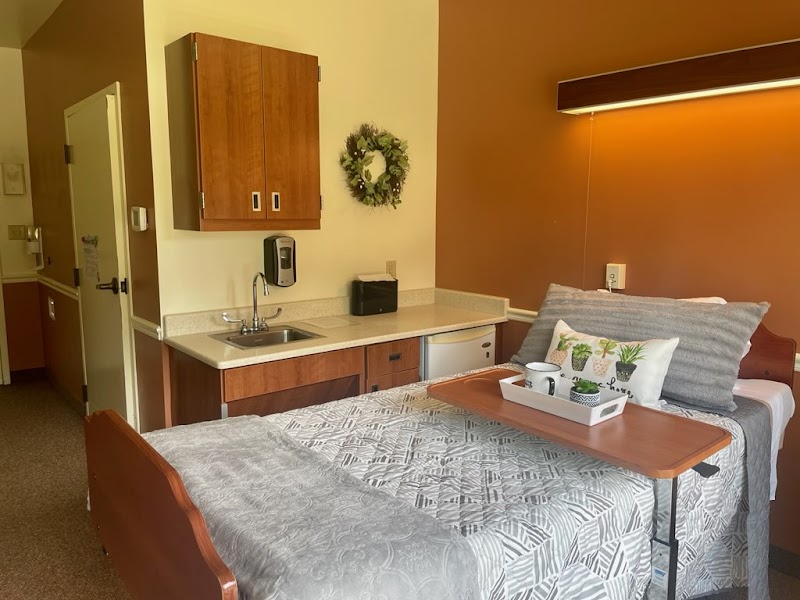
How is Majestic Care Of Goshen Staffed?

CMS rates MAJESTIC CARE OF GOSHEN's staffing level at 1 out of 5 stars, which is much below average compared to other nursing homes. Staff turnover is 59%, which is 13 percentage points above the Indiana average of 46%. High turnover can affect care consistency as new staff learn residents' individual needs.

What Have Inspectors Found at Majestic Care Of Goshen?

State health inspectors documented 82 deficiencies at MAJESTIC CARE OF GOSHEN during 2023 to 2025. These included: 2 that caused actual resident harm, 79 with potential for harm, and 1 minor or isolated issues. Deficiencies causing actual harm indicate documented cases where residents experienced negative health consequences.
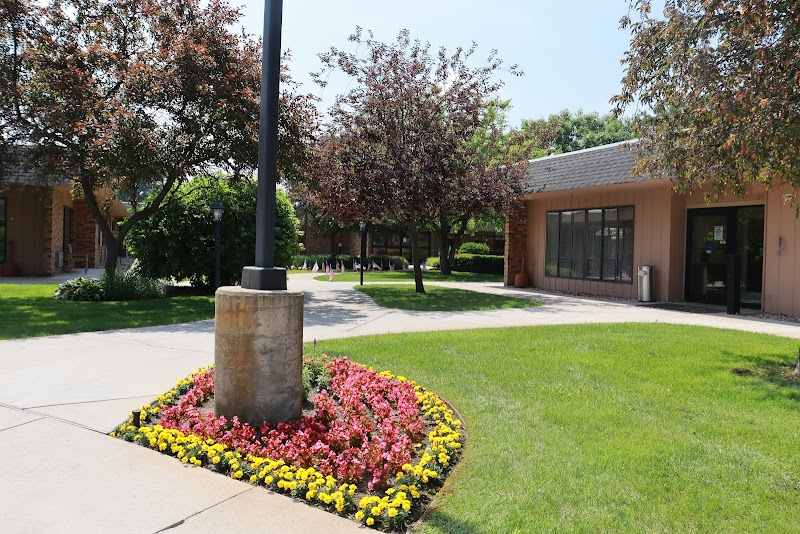
Who Owns and Operates Majestic Care Of Goshen?

MAJESTIC CARE OF GOSHEN is owned by a for-profit company. For-profit facilities operate as businesses with obligations to shareholders or private owners. The facility is operated by MAJESTIC CARE, a chain that manages multiple nursing homes. With 186 certified beds and approximately 110 residents (about 59% occupancy), it is a mid-sized facility located in GOSHEN, Indiana.

How Does Majestic Care Of Goshen Compare to Other Indiana Nursing Homes?

Compared to the 100 nursing homes in Indiana, MAJESTIC CARE OF GOSHEN's overall rating (1 stars) is below the state average of 3.1, staff turnover (59%) is significantly higher than the state average of 46%, and health inspection rating (1 stars) is much below the national benchmark.

What Should Families Ask When Visiting Majestic Care Of Goshen?

Based on this facility's data, families visiting should ask: "How do you ensure continuity of care given staff turnover, and what is your staff retention strategy?" "Can you walk me through typical staffing levels on day, evening, and night shifts?" "Can I visit during a mealtime to observe dining assistance and food quality?" "How do you handle medical emergencies, and what is your hospital transfer rate?" These questions are particularly relevant given the facility's high staff turnover rate and the below-average staffing rating.

Is Majestic Care Of Goshen Safe?

Based on CMS inspection data, MAJESTIC CARE OF GOSHEN has a clean safety record: no substantiated abuse findings (meaning no confirmed cases of resident harm), no Immediate Jeopardy citations (the most serious violation level indicating risk of serious injury or death), and is not on the Special Focus Facility watch list (a federal program monitoring the lowest-performing 1% of nursing homes). The facility has a 1-star overall rating and ranks #100 of 100 nursing homes in Indiana. While no facility is perfect, families should still ask about staff-to-resident ratios and recent inspection results during their visit.

Do Nurses at Majestic Care Of Goshen Stick Around?

Staff turnover at MAJESTIC CARE OF GOSHEN is high. At 59%, the facility is 13 percentage points above the Indiana average of 46%. High turnover means new staff may not know residents' individual needs, medications, or preferences. It can also be disorienting for residents, especially those with dementia who rely on familiar faces. Families should ask: What is causing the turnover? What retention programs are in place? How do you ensure care continuity during staff transitions?

Was Majestic Care Of Goshen Ever Fined?

MAJESTIC CARE OF GOSHEN has been fined $16,036 across 2 penalty actions. This is below the Indiana average of $33,239. While any fine indicates a compliance issue, fines under $50,000 are relatively common and typically reflect isolated problems that were subsequently corrected. Families should ask what specific issues led to these fines and confirm they've been resolved.

Is Majestic Care Of Goshen on Any Federal Watch List?

MAJESTIC CARE OF GOSHEN is not on any federal watch list. The most significant is the Special Focus Facility (SFF) program, which identifies the bottom 1% of nursing homes nationally based on persistent, serious quality problems. Not being on this list means the facility has avoided the pattern of deficiencies that triggers enhanced federal oversight. This is a positive indicator, though families should still review the facility's inspection history directly.