RESTORACY OF GOSHEN, THE
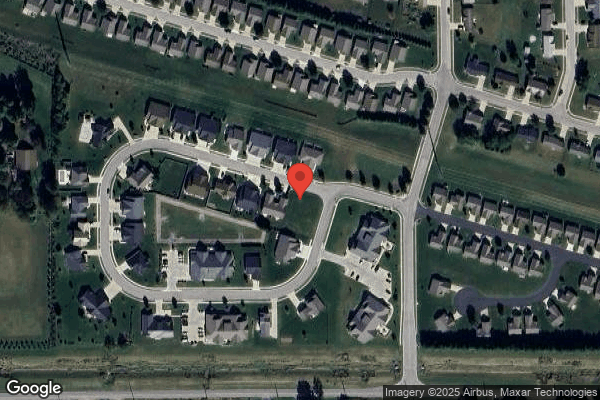
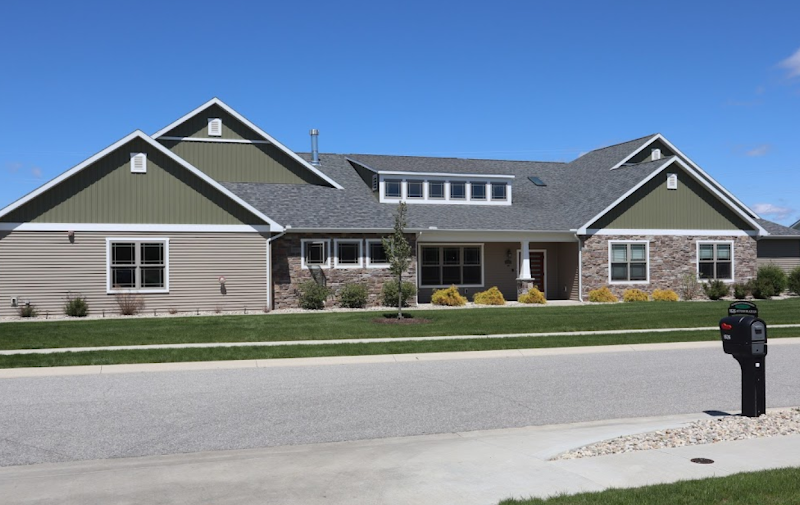
1510 SANDPIPER LN, GOSHEN, IN 46526 (317) 653-5767
For profit - Individual 48 Beds CIENA HEALTHCARE/LAUREL HEALTH CARE Data: November 2025
Trust Grade
28/100
#379 of 505 in IN
Last Inspection: June 2025

Inspected within the last 6 months. Data reflects current conditions.

Overview

Families considering the Restoracy of Goshen nursing home should note that it has a Trust Grade of F, indicating significant concerns about the facility's overall quality. With a state rank of #379 out of 505, it falls in the bottom half of Indiana facilities, and #7 out of 12 in Elkhart County means there are better local options available. Although the facility is showing improvement, reducing issues from 12 in 2024 to 5 in 2025, staffing is a concern with a high turnover rate of 76%, significantly above the state average. Additionally, the home received $3,300 in fines, which is higher than 80% of Indiana facilities, highlighting potential compliance problems. Specific incidents include failures to conduct required skin assessments and timely vaccinations, which could pose health risks to residents. Overall, while there are some strengths in quality measures, the facility's weaknesses are significant and warrant careful consideration.

Trust Score
F
28/100
In Indiana
#379/505
Bottom 25%
Safety Record
Moderate
Needs review
Inspections
Getting Better
12 → 5 violations
Staff Stability
⚠ Watch
76% turnover. Very high, 28 points above average. Constant new faces learning your loved one's needs.
Penalties
⚠ Watch
$3,300 in fines. Higher than 99% of Indiana facilities. Major compliance failures.
Skilled Nurses
○ Average
Each resident gets 35 minutes of Registered Nurse (RN) attention daily — about average for Indiana. RNs are the most trained staff who monitor for health changes.
Violations
⚠ Watch
30 deficiencies on record. Higher than average. Multiple issues found across inspections.
★★☆☆☆
2.0
Overall Rating
★★★☆☆
3.0
Staff Levels
★★★★☆
4.0
Care Quality
★★☆☆☆
2.0
Inspection Score
Stable
2024: 12 issues
2025: 5 issues

The Good

  • 4-Star Quality Measures · Strong clinical quality outcomes
  • Full Sprinkler Coverage · Fire safety systems throughout facility
  • No fines on record

Facility shows strength in quality measures, fire safety.

The Bad

2-Star Overall Rating

Below Indiana average (3.1)

Below average - review inspection findings carefully

Staff Turnover: 76%

29pts above Indiana avg (46%)

Frequent staff changes - ask about care continuity

Federal Fines: $3,300

Below median ($33,413)

Minor penalties assessed

Chain: CIENA HEALTHCARE/LAUREL HEALTH CARE

Part of a multi-facility chain

Ask about local staffing decisions and management

Staff turnover is very high (76%)

28 points above Indiana average of 48%

The Ugly 30 deficiencies on record

2 actual harm
Jun 2025 5 deficiencies
CONCERN (D)

Potential for Harm - no one hurt, but risky conditions existed

Deficiency F0658 (Tag F0658)

Could have caused harm · This affected 1 resident

Based on observation, interview and record review, the facility failed to ensure 1 of 5 staff observed administering medication met professional standards regarding ensuring a resident consumed medica...

Read full inspector narrative →
Based on observation, interview and record review, the facility failed to ensure 1 of 5 staff observed administering medication met professional standards regarding ensuring a resident consumed medication for 1 of 8 residents observed during medications pass. (Resident 26) Finding includes: During a medication administration observation, on 5/30/2025 at 7:15 A.M., QMA 5 obtained Resident 26's medications from the medication cart and placed the pills in a souffle' cup. Next, QMA 5 entered the resident's room and questioned Resident 26 about her pain. Resident 26 indicated she wanted a pain pill. QMA 5 placed the souffle cup with medications on the bed side table, exited Resident 26's room and obtained a pain pill from the narcotic locked box. QMA 5 returned to Resident 26's room and placed the soufflé cup with the pain pill next to the previously placed soufflé cup, which was still full of medication, on the bed side table and left the room without observing Resident 26 consume the medications. During an interview, on 5/30/2025 at 7:18 A.M., QMA 5 indicated she should have watched Resident 26 take the medications and should not have left the medications at the bed side On 5/30/2025 at 9:10 A.M., the Administrator provided the policy titled, Administering Oral Medications, undated, and indicated the policy was the one currently used by the facility. The policy indicated . 20. Remain with the resident until all medications have been taken 3.1-35(g)(1)
CONCERN (D)

Potential for Harm - no one hurt, but risky conditions existed

Pressure Ulcer Prevention (Tag F0686)

Could have caused harm · This affected 1 resident

Based on observation, record review and interview, the facility failed to to notify the physician and obtain treatment orders timely for an unstageable pressure ulcer for 1 of 3 residents reviewed for...

Read full inspector narrative →
Based on observation, record review and interview, the facility failed to to notify the physician and obtain treatment orders timely for an unstageable pressure ulcer for 1 of 3 residents reviewed for pressure ulcers. (Resident 19) Finding includes: During an observation, on 5/28/2025 at 2:12 P.M., Resident 19 was observed to have a low air loss mattress on her bed. A record review for Resident 19 was completed on 5/29/2025 at 10:04 A.M. Diagnoses included, but were not limited to: dementia, seizures and palliative care. A Significant Change Minimum Data Set (MDS) assessment, dated 1/19/2025, indicated Resident 19 had severe cognitive impairment, had an unstageable pressure ulcer that was not present on admission, required substantial/maximal assistance for bed mobility and received hospice care. A Nursing Progress Note, dated 10/26/2024 at 1:26 A.M., indicated Resident 19 was observed to have a four centimeter by three centimeter pressure ulcer to her right hip. The pressure ulcer was described as open with adipose tissue exposed, drainage and slough (a collection of yellow or tan devitalized tissue that impedes healing). The pressure ulcer was cleansed and a bandage was applied. A Nursing Progress Note, dated 11/6/2024 at 12:29 P.M., indicated Resident 19 had an open area on the right hip. The physician, power of attorney and the Director of Nursing (DON) were notified. There was no documentation the physician had been notified of Resident 19's pressure ulcer until 11/6/2024, 11 days after the area had been identified. A Nursing Progress Note, dated 11/6/2024 at 12:30 P.M., indicated the physician had been informed that the pressure ulcer had been cleansed with normal saline, Betadine applied, and the area was covered with a bordered gauze dressing. The physician indicated to continue the same treatment daily. The order was written and the power of attorney was notified of the new treatment order. There was no documentation a treatment order had been obtained prior to 11/7/2024 for Resident 19's pressure area. During an interview, on 6/2/2025 at 10:35 A.M., the DON indicated an order for a treatment should have been obtained when the pressure ulcer was identified. She indicated a treatment order for the pressure ulcer could not be found in the medical record until 11/7/2024. A current policy was provided, on 6/2/2025 at 3:11 P.M., by the Executive Director. The policy titled, Pressure Ulcers/Skin Breakdown, indicated, .The physician of wound specialist will order pertinent wound treatments, including reduction surfaces, wound cleansing and debridement approaches, dressings [occlusive, absorptive, etc.], and application of topical agents 3.1-40(a)(2)
CONCERN (D)

Potential for Harm - no one hurt, but risky conditions existed

Deficiency F0771 (Tag F0771)

Could have caused harm · This affected 1 resident

Based on record review and interview, the facility failed to follow physician orders by not obtaining ordered laboratory tests for 1 of 5 residents reviewed for unnecessary medications. (Resident 6) F...

Read full inspector narrative →
Based on record review and interview, the facility failed to follow physician orders by not obtaining ordered laboratory tests for 1 of 5 residents reviewed for unnecessary medications. (Resident 6) Finding includes: A record review for Resident 6 was completed on 5/29/2025 at 8:56 A.M. Diagnoses included, but were not limited to: diabetes mellitus type 2, chronic kidney disease, chronic obstructive pulmonary disease (COPD and Parkinson's disease. A Medicare 5-day Minimum Data Set (MDS) assessment, dated 5/8/2025, indicated resident 6 received insulin injections and a diuretic. A Physician's Order, dated 9/17/2024, indicated to obtain a prealbumin (a protein in the blood to measure nutritional status) laboratory test for wound healing. This laboratory test could not be found on the laboratory portal or in the resident's medical record. A Physician's Order, dated 11/13/2024, indicated to obtain a hemoglobin A1C (measure of blood sugar for past 2-3 months) laboratory test on 12/17/2024. This laboratory test could not be found on the laboratory portal or in the resident's medical record. A Physician's Order, dated 1/23/2025, indicated to obtain a basic metabolic panel (fluid and electrolyte levels, kidney function and blood sugar levels) and a hemoglobin A1C every six months starting on the 20th of the each month. This laboratory test should have been obtained on 2/20/2025. This laboratory test could not be found on the laboratory portal or in the resident's medical record. A Physician's Order, dated 5/20/2025, indicated to obtain a basic metabolic panel and a hemoglobin A1C every six months starting on the 22nd of each month. This laboratory test should have been obtained on 5/22/2025. This laboratory test could not be found on the laboratory portal or in the resident's medical record. During an interview, on 6/2/2025 at 10:08 A.M., the Director of Nursing (DON) indicated the laboratory tests could not be found in the medical record or the laboratory portal. During an interview, on 6/2/2025 at 10:28 A.M., the DON indicated she had contacted the nurse practitioner who had placed the laboratory orders and he indicated he ordered the laboratory tests orders by accident. The DON indicated the facility had been under a prior management company and was she was unable to clarify why the lab orders had not been completed when they had been ordered. A current policy was provided, on 6/2/2025 at 3:11 P.M., by the Executive Director. The policy titled, Lab and Diagnostic Test Results, indicated, .Assessment and Recognition 1. The physician will identify and order diagnostic and lab testing based on the resident's diagnostic and monitoring needs 3.1-49(a)
CONCERN (D)

Potential for Harm - no one hurt, but risky conditions existed

Deficiency F0773 (Tag F0773)

Could have caused harm · This affected 1 resident

Based on interview and record review, the facility failed to ensure lab results were obtained in a timely manner and antibiotic treatment for a UTI was initiated in a timely manner for 1 of 1 resident...

Read full inspector narrative →
Based on interview and record review, the facility failed to ensure lab results were obtained in a timely manner and antibiotic treatment for a UTI was initiated in a timely manner for 1 of 1 residents reviewed for UTI (Resident 12). Finding includes: During an interview, on 5/28/2025 at 11:13 A.M. a family member of Resident 12 indicated she had been complaining about vaginal pain and had a history of UTI's (urinary tract infections). A record review was completed for Resident 12 on 5/29/2025 at 8:37 A.M. Diagnoses included, but were not limited to: dementia and type 2 diabetes. A Quarterly MDS (Minimum Data Set) assessment, dated 4/18/2025 indicated Resident 12's cognition was severely impaired, she was occasionally incontinent of bowel and bladder and required partial to moderate assistance with toileting and bathing. A Nursing Progress Note, dated 5/13/2025 at 10:45 A.M. indicated the resident had been seen by the Gynecologist. A Nursing Progress Note, dated 5/14/2025 at 2:56 P.M. indicated a call was placed to the OB/GYN (Obstetrics and Gynecology). The note indicated the facility had obtained the records from Resident 12's visit on 5/13/2025 and the note indicated a vaginal swab and urine test was completed to check for an infection. The note indicated for the facility staff to call back on 5/16/2025 for the results of the swab and urine test. A Nursing Progress Note, dated 5/16/2025 at 2:28 P.M. indicated the facility had attempted to contact the OB/GYN office without success. A Nursing Progress Note, dated 5/23/2025 at 1:40 P.M. indicated the facility had spoken with a nurse at the OB/GYN office regarding Resident 12's vaginal swab and urine results. The urinalysis test results indicated the resident was positive for E.Coli (Escherichia coli- a bacterial infection).The note indicated they had received a new order for the resident to begin fosfomycin tromethamine (an antibiotic) 3g (grams) every three days for a total of three doses. The medication was to be delivered to the facility on 5/23/2025 by (pharmacy name). The record lacked documentation that additional calls had been placed to the OB/GYN office between 5/16/2025 and 5/23/2025 in an attempt to obtain the results of Resident 12's vaginal swab and urine test. A Physician's Order, dated 5/24/2025 indicated for Resident 12 to begin fosfomycin tromethamine 3g by mouth one time a day for three days for a total of three administrations on 5/25/2025. The (pharmacy name) packing slip was reviewed and indicated the fosfomycin tromethamine 3g was delivered to the facility on 5/25/2025 at 3:07 A.M. A Nursing Progress Note, dated 5/25/2025 at 6:27 P.M. indicated Resident 12 received her first dose of fosfomycin tromethamine 3g. During an interview, on 5/30/2205 at 1:19 P.M., the DON indicated she was unsure as to why Resident 12's medication was not delivered in a timely manner but it should have been. She also indicated there should have been documentation between 5/16/2025 and 5/23/2025 of attempts made to contact the Residents OB/GYN for test results. On 6/2/2025 at 8:18 A.M., the DON provided the policy titled, Culture Tests Policy, dated 3/2/25 and indicated it was the policy currently being used by the facility. The policy indicated 8. Completed culture reports shall be reviewed by Charge Nurse and/or the Infection Preventionist and orders obtained, as soon as possible 3.1-41
CONCERN (D)

Potential for Harm - no one hurt, but risky conditions existed

Infection Control (Tag F0880)

Could have caused harm · This affected 1 resident

Based on observation, record review and interview, the facility failed to follow enhanced barrier precautions for a resident with a pressure ulcer for 1 of 3 residents reviewed for pressure ulcers. (R...

Read full inspector narrative →
Based on observation, record review and interview, the facility failed to follow enhanced barrier precautions for a resident with a pressure ulcer for 1 of 3 residents reviewed for pressure ulcers. (Resident 19) Finding includes: During an observation, on 5/28/2025 at 2:12 P.M., Resident 19 was observed to have an enhanced barrier precaution sticker on the door frame of her room. A record review For Resident 19 was completed on 5/29/2025 at 10:04 A.M. Diagnoses included, but were not limited to: dementia, seizures and palliative care. A Significant Change Minimum Data Set (MDS) assessment, dated 1/19/2025, indicated Resident 19 had severe cognitive impairment, had an unstageable pressure ulcer that was not present on admission, received hospice care, required substantial/maximal assistance for bed mobility and was dependent on toileting. A Physician's Order, dated 10/3/2024, indicated Resident 19 was ordered enhanced barrier precautions (infection control intervention to reduce the transmission of multi-drug-resistant organisms). During an observation, on 6/2/2025 at 11:45 A.M., Resident 19 was observed in bed and CNA 7 was observed providing incontinent care. CNA 7 only had gloves on for personal protective equipment. During an interview, on 6/2/2025 at 11:46 A.M., CNA 7 indicated she was not aware of any precautions she should have followed while caring for Resident 19. She indicated if Resident 19 was on any precautions, the facility should have informed her. During an observation, on 6/2/2025 at 11:48 A.M., LPN 6 was observed providing incontinence assistance with CNA 7 and changing a dressing to the resident's right hip unstageable pressure ulcer. LPN 6 and CNA 7 were only wearing gloves for personal protective equipment. During an interview, on 6/2/2025 at 1:31 P.M., LPN 6 indicated Resident 19 was on enhanced barrier precautions. She indicated CNA 7 and herself should have worn a gown and gloves while care was provided for incontinence and wound care. A current policy was provided, on 6/2/2025 at 3:11 P.M., by the Executive Director. The policy titled, Enhanced Barrier Precautions, indicated, .The [facility name] utilizes Enhanced Barrier Precautions [EBP] to reduce transmission of multidrug resistant organisms [MDRO], while maintaining a homelike environment and personal centered care .Enhanced Barrier Precautions indications: 2. Residents with chronic wounds and/or indwelling medical device, even without a known MDRO infection or colonization. a. Chronic wounds include, but are not limited to, pressure ulcers .4. Enhanced Barrier Precautions will be utilized only during prolonged high-contact resident care activities. Examples include, but not limited to: f. Changing brief or assistance with toileting .h. Wound care of chronic wounds 3.1-18(a)
Aug 2024 3 deficiencies
CONCERN (D) 📢 Someone Reported This

A family member, employee, or ombudsman was alarmed enough to file a formal complaint

Potential for Harm - no one hurt, but risky conditions existed

Notification of Changes (Tag F0580)

Could have caused harm · This affected 1 resident

Based on record review and interview, the facility failed to ensure a resident's family member/Power of Attorney (POA) was notified when a medication was discontinued for 1 of 3 resident's reviewed fo...

Read full inspector narrative →
Based on record review and interview, the facility failed to ensure a resident's family member/Power of Attorney (POA) was notified when a medication was discontinued for 1 of 3 resident's reviewed for medication changes. (Resident B) Finding includes: On 8/7/24 at 3:39 P.M., a review of the clinical record for Resident B was conducted. The resident's diagnoses included, but were not limited to: Alzheimer's disease and depression. A current Care Plan indicated Resident B was at risk for adverse reactions and side effects related to receiving Zoloft for depression. The Care Plan was revised, on 7/17/24, and indicated the POA preferred no GDR (Gradual Dose Reduction) attempts be made. The interventions included, but were not limited to: .Administer antidepressant medications per orders . A Physician Order, dated 10/24/23, indicated Zoloft (Sertraline) 25 milligrams (mg) was started on 10/25/23 for depression. A Consultation Report, from the pharmacy, dated 3/1/24- 5/16/24, indicated the resident was taking Sertraline 25 mg for depression, which was due for a GDR evaluation. The report indicated the resident would benefit from a reduction of Sertraline. The form was signed by the Medical Director, but was undated. The form indicated the physician had accepted the recommendation, but the form did not indicate to discontinue the medication. The Medication Administration Record (MAR) for July 2024 indicated the Zoloft was discontinued on 7/23/24. A Nurse Practitioner Note, dated 7/29/24 at 5:31 P.M., indicated .Review of chart reveals that Sertraline 25 mg was discontinued on 7/23/24. Pt [patient] previously failed GDR of sertraline and episodes of aggravation well managed on low dose of Sertraline. Despite review of chart, unable to determine who discontinued Sertraline and why .restart Sertraline 25 mg, once daily The MAR indicated the Zoloft (Sertraline) was restarted on 7/30/24. A form titled Guest Satisfaction Concern/Suggestion, dated 7/31/24, was provided by the Administrator, on 8/9/24 at 9:50 A.M. The concern form had been filled out by a family member for Resident B regarding the discontinuation of Zoloft, without notification of the POA (Power of Attorney)/family for Resident B. The form indicated the pharmacy had requested to discontinue the Zoloft and the Medical Director had signed the request and discontinued the medication without consulting the Social Service Director and the prescribing physician. During an interview, on 8/9/24 at 11:35 A.M., the Administrator indicated he could not find the facility's notification to Resident B's family and/or POA regarding the medication change for the Zoloft. On 8/9/24 at 12:50 P.M., the Director of Nursing provided a policy titled, Notification of Change, dated 12/19/22 with revision on 2/14/24, and indicated the policy was the one currently used by the facility. The policy indicated .The facility must inform the resident; consult with the resident's practitioner; and notify, consistent with his or her authority, the resident representative(s) when there is a change in status .Information A change in status would include the following: An accident involving the resident .A need to alter treatment significantly (that is, a need to discontinue an existing form of treatment due to adverse consequences, or to commence a new form of treatment) .Procedure .3. The licensed nurse will document in the resident electronic medical record the notification and the information that was provided, including any additional orders from the practitioner This citation relates to Complaint IN00440031. 3.1-5(a)(3)
CONCERN (D) 📢 Someone Reported This

A family member, employee, or ombudsman was alarmed enough to file a formal complaint

Potential for Harm - no one hurt, but risky conditions existed

Deficiency F0659 (Tag F0659)

Could have caused harm · This affected 1 resident

Based on observation, interview and record review, the facility failed to ensure a care plan regarding self care deficits and fall risk was implemented for 1 of 3 residents reviewed for staff assisted...

Read full inspector narrative →
Based on observation, interview and record review, the facility failed to ensure a care plan regarding self care deficits and fall risk was implemented for 1 of 3 residents reviewed for staff assisted transfers. (Resident D) Finding includes: On 8/7/24 at 1:34 P.M., Resident D was observed being pushed in her wheelchair to her room, by her husband (Resident B). Resident D's husband was observed positioning the resident's wheelchair beside her bed, then positioned himself in front of Resident D in preparation to transfer her to the bed by himself. CNA 2 entered the room and informed Resident D's husband that she would transfer Resident D to her bed. CNA 2 was then observed to transfer Resident D to the bed, by herself, and reposition her for comfort. Resident B was alert to self only. On 08/7/24 at 2:05 P.M., a review of the clinical record for Resident B was conducted. The resident's diagnoses included, but were not limited to: Parkinson's Disease, dementia and difficulty walking. A Quarterly MDS (Minimum Data Set) assessment, dated 3/6/24, indicated the resident required substantial/maximal assistance for bed to chair transfers. A Care Plan, dated 8/24/19 and revised on 6/14/24, indicated the resident had a self-care deficit related to Parkinson's Disease and impaired cognitive function. The interventions included, but were not limited to: .Transfer: Guest requires extensive assist of 2 staff for transfers A Care Plan, dated 7/27/21 and revised on 7/17/24, indicated the resident was at risk for a fall related to muscle weakness, dementia and osteoarthritis. The interventions included, but were not limited to: .2 person assist for transfers During an interview, on 8/7/24 at 2:57 P.M., CNA 2 indicated Resident B was a 1 to 2 person assist for transfers, depending on her cooperation during care. CNA 2 had no idea why the Care Plan would say the resident was a 2 person transfer because she did not always need 2 persons to transfer Resident B and sometimes the Resident's husband would transfer her by himself, despite numerous signs in the room reminding him to call staff for assistance. On 8/9/24 at 1:48 P.M., the Director of Nursing provided policy titled, Care Planning, dated 6/24/21, and indicated the policy was the one currently used by the facility. The policy indicated .Every resident in the facility will have a person-centered Plan of Care developed and implemented that is consistent with the resident rights, based on the comprehensive assessment that includes immeasurable objectives and time frames to meet a residents medical, nursing, and mental and psychosocial needs identified in the comprehensive assessments This citation relates to Complaint IN00439575. 3.1-35(g)(2)
CONCERN (D) 📢 Someone Reported This

A family member, employee, or ombudsman was alarmed enough to file a formal complaint

Potential for Harm - no one hurt, but risky conditions existed

Deficiency F0802 (Tag F0802)

Could have caused harm · This affected 1 resident

Based on observation and record review, the facility failed to ensure staff members were present when 3 residents were observed at the dining room table, eating and drinking who required supervision w...

Read full inspector narrative →
Based on observation and record review, the facility failed to ensure staff members were present when 3 residents were observed at the dining room table, eating and drinking who required supervision with meals. (Resident M, Resident J and Resident K) Findings include: During an observation, on 8/8/24 at 9:21 A.M., on the Penny Lane unit, CNA 3 exited the building. Resident J, Resident K and Resident M were observed at a long dining room table. All three residents were eating their breakfast and Resident K and Resident M had spouted/lidded cups. Each resident was observed eating and drinking without any assistance or supervision. There were no staff members located in the area of the dining table or in the hallway in view of the dining table. At 9:34 A.M., CNA 3 re-entered the building and went directly to a resident's room and all three residents continued to be unsupervised as they ate. At 9:30 A.M., CNA 3 entered the dining room. She indicated she was unaware the residents were left unsupervised and thought other staff members were in the dining room, as she was taking care of an emergency in another building. 1. On 8/9/24 at 2:50 P.M., P.M., a review of the clinical record for Resident M was conducted. The resident's diagnoses included, but were not limited to: dementia and Parkinson's Disease A Care Plan, dated 1/23/24, with revision on 8/2/24, indicated the resident was a nutritional risk related to his diagnoses of Parkinson's and dementia. The interventions included but were not limited to: .Provide resident with assistance with eating and drinking. A Quarterly Minimum Data Set (MDS) assessment, dated 4/22/24, indicated Resident M required supervision with eating and a helper who provided verbal cues or touching/steadying assistance. 2. On 8/9/24 at 2:58 P.M., a review of the clinical record for Resident J was conducted. The resident's diagnoses included, but were not limited to: dementia and dysphagia (difficulty swallowing). A current Care Plan, initiated on 12/8/23, indicated the resident was nutritionally at risk related to diagnoses of dysphagia, poor dentition and mechanically altered texture for ease of chewing/swallowing. The interventions included, but were not limited to: provide assistance with eating or drinking, as needed and provide diet of ground meat texture with thin liquids. A Quarterly MDS assessment, dated 3/8/24, indicated the resident required supervision with eating and a helper who provided verbal cues or touching/steadying assistance. 3. On 8/9/24 at 3:06 P.M., a review of the clinical record for Resident K was conducted. The resident's diagnoses included, but were not limited to: dementia and severe protein-calorie malnutrition. A current Care Plan, dated 3/21/23 with a revision on 8/7/24, indicated the resident was nutritionally at risk related to diagnosis of dementia and malnutrition with decreased intakes. The intervention included, but were not limited to: provide adaptive equipment-sippy cup, diet mechanical soft with no thin liquids and provide resident with assistance with eating and drinking. A Quarterly MDS assessment, dated 5/6/24, indicated the resident required supervision with eating and a helper who provided verbal cues or touching/steadying assistance. On 8/8/24 at 10:31 A.M., the Administrator provided a policy titled, Meal Service, dated 11/19/21, and indicated the policy was the one currently used by the facility. The policy indicated .6. At least one Nursing staff member will be stationed in the Dining Room during meal service to assist guests/residents with eating, to handle any emergency that might arise, and to monitor guest/resident meal acceptance 1.3-20(h)
Jun 2024 7 deficiencies
CONCERN (D)

Potential for Harm - no one hurt, but risky conditions existed

Deficiency F0657 (Tag F0657)

Could have caused harm · This affected 1 resident

Based on interview and record review, the facility failed to ensure a Care Plan had been updated timely for 1 of 3 residents reviewed for care plans. (Resident 9) Findings include: 1. The record for R...

Read full inspector narrative →
Based on interview and record review, the facility failed to ensure a Care Plan had been updated timely for 1 of 3 residents reviewed for care plans. (Resident 9) Findings include: 1. The record for Resident 9 was reviewed on 6/19/24 at 10:29 A.M. The resident's diagnoses included, but were not limited to; mild protein calorie malnutrition and impaired cognitive function. A Quarterly Minimum Data Set (MDS) Assessment, dated 5/5/24 indicated the resident was not receiving Hospice services. A Dietary Progress Note, dated 6/7/24, indicated the resident's weight reflected a 9% significant weigh loss from three months ago and continued on a gradual trend down. His dietary interventions included, but were not limited ti, Boost, a nutritional supplement, twice a day. The dietary note, dated 6/7/2024, planned to increase the Boost supplement to three times a day and encourage good oral intakes. A Care Plan, dated 3/22/23 and revised on 5/8/24, indicated the resident was .at risk for a decline in condition, pain, depression, weight loss and other symptoms related to terminal prognosis: PVD [peripheral vascular disease] A goal listed for the resident was to be accepting of end of life condition. The interventions included, but were not limited to: ·Assess resident's coping strategies and respect resident wishes. ·Hospice provided by (name and phone number of Hospice Care provider. Contact with condition changes or questions. ·Keep the environment quiet and calm. Keep linens clean, dry and wrinkle free. Keep lighting low and familiar objects near. ·Observe for adverse reactions & symptoms of end of life such as nausea/vomiting, difficulty breathing, agitation; Report findings to Hospice and physician. ·Provide guest/family/legal representative with Hospice information as needed. During an interview on 6/19/24 at 2:38 P.M., the MDS Coordinator indicated Resident 9 was not currently on Hospice services and probably had not been on Hospice since August of 2023. She indicated she had not updated the care plan to remove interventions regarding hospice and the Hospice agency's contact information. 3.1-35(e)
CONCERN (D) 📢 Someone Reported This

A family member, employee, or ombudsman was alarmed enough to file a formal complaint

Potential for Harm - no one hurt, but risky conditions existed

ADL Care (Tag F0677)

Could have caused harm · This affected 1 resident

Deficiency Text Not Available

Read full inspector narrative →
Deficiency Text Not Available
CONCERN (D)

Potential for Harm - no one hurt, but risky conditions existed

Quality of Care (Tag F0684)

Could have caused harm · This affected 1 resident

**NOTE- TERMS IN BRACKETS HAVE BEEN EDITED TO PROTECT CONFIDENTIALITY** 3. On 6/19/2024 at 3:30 P.M., a review of the clinical record was completed for Resident 18. The resident's diagnoses included, ...

Read full inspector narrative →
**NOTE- TERMS IN BRACKETS HAVE BEEN EDITED TO PROTECT CONFIDENTIALITY** 3. On 6/19/2024 at 3:30 P.M., a review of the clinical record was completed for Resident 18. The resident's diagnoses included, but were not limited to, congestive heart failure, hypertension, and sinus bradycardia. A Quarterly Minimum Data Set (MDS), dated [DATE] indicated the resident's cognition was intact. The Physician's Orders for medications indicated the resient was to receive Carvedilol 6.25mg by mouth, twice per day, hold if heart rate is less than 50. A review of the resident's Medication Administration Record (MAR) indicated Carvedilol 6.25 mg was documented as given on the following dates and shifts, with the corresponding heart rates: Morning shift: - 5/3/2024 heart rate 36 - 5/6/2024 heart rate 32 - 5/11/2024 heart rate 45 - 5/19/2024 heart rate 33 - 5/27/2024 heart rate 35 - 5/29/2024 heart rate 39 - 6/11/2024 heart rate 35 - 6/12/2024 heart rate 34 - 6/15/2024 heart rate 34 - 6/19/2024 heart rate 33 Evening shift: - 5/3/2024 heart rate 36 - 5/11/2024 heart rate 42 - 5/19/2024 heart rate 45 - 5/20/2024 heart rate 32 - 5/21/2024 heart rate 32 - 5/28/2024 heart rate 35 - 6/11/2024 heart rate 35 - 6/15/2024 heart rate 34 - 6/18/2024 heart rate 35 A Care Plan, dated 7/12/2023, indicated the resident was at risk for cardiac complications related to multiple cardiovascular diseases. The residents goal included a goal for the resident to be free from signs and symptoms of cardiac complications through the review date. Interventions included: . observe, document, and report to physician as needed any signs or symptoms of cardiac distress: chest pain or pressure, heartburn, nausea and vomiting, shortness of breath, excessive sweating, dependent edema, changes in capillary refill, color/warmth of extremities, vital signs as ordered, and notify the physician of abnormal readings as needed A Physician's Note, dated 6/8/2024, indicated the patient was last seen on 5/23/2024. During an interview, on 6/19/2024 at 3:39 P.M., the Administrator and DON both indicated the resident should not have received the Carvedilol 6.5mg when his heart rate was less than 50. During an interview, on 6/20/2024 at 9:23 A.M., Resident 18 indicated he was unsure of what medications he was prescribed. He indicated he was prescribed a heart pill named Coreg but was unsure if the medication was being held if his heart rate was less than 50. He indicated some nurses would check his pulse before administering the medication and some nurses would not. On 6/20/2024 at 11:48 A.M., the Administrator provided the policy titled, Medication Administration, dated 10/17/2023, and indicated it was the policy currently in use by the facility. The policy indicated: .Procedure: 5. If applicable and/or prescribed, take vital signs or tests prior to administration of the dose, e.g, pulse with digitalis, blood pressure with anti-hypertensive, etc . 3.1-37(a) Based on observation, record review, and interview, the facility failed to obtain orders for wounds, change wound dressings as ordered, ensure recommended treatments for edema were completed and identify bruising for 2 of 15 residents reviewed for quality of care. (Residents 35 and 26) In addition, the facility failed to ensure a residents was free of medication errors for 1 of 5 residents reviewed for medication administration (Resident 18). Findings include: 1. During an observation, on 6/17/2024 at 9:40 A.M., Resident 35's left and right elbows were observed to have bandages, dated 6/9 and soilage could be seen seeping through the bandage on the left elbow. On 6/18/2024 at 12:35 P.M., the elbow bandages continued to have the date of 6/9 on them. A record review for Resident 35 was completed on 6/18/2024 at 1:58 P.M. The resident's diagnoses included, but were not limited to, pneumonia and diabetes mellitus type 2. A Patient Discharge Instruction Sheet, dated 6/6/2024, and a Hospital Discharge Patient Health Summary, dated 6/13/2024, indicated an order to apply moisturizer to the resident's bilateral upper extremity's scabbed areas and the left scapula twice a day. A Nursing Comprehensive Evaluation, on 6/13/2024, indicated: - Left elbow scab 2.5 centimeters by 1.5 centimeters -Right elbow scab 1.3 centimeters by 1.1 centimeters and 2.2 centimeters by 1.5 centimeters A Nurse's Note, dated 6/6/2024 at 7:42 P.M., indicated Resident 35 had multiple scabbed wounds on her elbows, knees, and scattered bruising on her bilateral upper extremities from the elbows to her hands. A Physician's Order, dated 6/14/2024, indicated lotion was to be applied to Resident 35's bilateral upper extremities and left scapula scabbed areas two times a day for wound care. A Care Plan, dated 6/6/2024, indicated Resident 35 had an actual skin impairment related to closed wounds on her elbows, left shoulder, and left flank. The goal included having no complications related to the closed wounds with scabs. An intervention indicated to observe the location, size, and treatment of the skin injuries, and to report abnormalities, failure to heal, signs and symptoms of infection, and maceration to the physician. A Braden Scale (assessment to determine a resident's risk factor for developing impaired skin) assessment, dated 6/14/2024, indicated Resident 35 was at low risk for impaired skin development. During an observation, on 6/19/2024 at 1:02 P.M., Resident 35's elbow bandages were still dated 6/9. During an interview, on 6/20/2024 at 10:59 A.M., the Executive Director indicated the nursing staff should have pulled the dressing off to see what was underneath and should have applied the treatment orders for the elbow areas. During an interview, on 6/20/2024 at 2:01 P.M., LPN 6 indicated he had received orders for the elbow wounds. The elbow wounds were observed, and described by LPN 6 as follows: .1. The right elbow had a half centimeter diameter scabbed area, and had an opened area measuring ¾ centimeter by 1 centimeter, epithelialized, blanchable redness. 2. The left elbow had a shallow open area 2 inches by 1.5 inches with serous drainage During an interview on, 6/20/2024 at 2:50 P.M., the Executive Director indicated Resident 35 should have had physician orders obtained for the elbow wounds. 2. During an interview, on 6/17/2024 at 2:10 P.M., Resident 26 complained of edema in her legs. Her legs were observed to be positioned flat on top of the mattress with no stockings or ace wraps on them. The ace wrap dressings were observed lying in the windowsill. A record review for Resident 26 was completed on 6/18/2024 at 12:14 P.M. The resident's diagnoses included, but were not limited to, chronic kidney disease, diabetes mellitus type 2, edema, and morbid obesity. An admission MDS (Minimum Data Set) assessment, dated 4/10/2024, indicated Resident 26 was cognitively intact and the primary medical condition category was medically complex conditions. A Care Plan, dated 1/11/2024, indicated Resident 26 was .at risk for discomfort or adverse effects due to receiving diuretic therapy related to edema. The goal was for Resident 26 to be free of any discomfort or adverse side effects of the diuretic therapy. A Nurse Practitioner's Note, dated 6/1/2024 at 12:59 A.M., indicated the nursing staff were directed to apply ace wraps and elevate the resident's legs. Resident 26 was diagnosed with lymphedema in the left lower extremity which caused discomfort. During an observation on 6/18/2024 12:37 P.M., Resident 26 continued to complain of the edema to her legs. Her legs were observed to be positioned flat on the mattress with no stockings or ace wraps. Ace wraps were observed lying in the windowsill. Resident 26 indicated the staff used to wrap her lower legs. During an interview, on 6/20/2024 at 10:55 A.M., the Executive Director indicated Resident 26 could have been refusing (the application of the ace wraps), and the ace wraps may be a nursing measure. She indicated they should be completing the tasks unless Resident 26 was refusing. During an interview, on 6/21/2024 11:36 A.M., Resident 26 indicated she had not been refusing to have the ace wraps applied or to have her feet elevated. She indicated she felt the ace wraps would help her. A policy for following physician orders/recommendations was requested, on 3/21/2024 at 10:58 P.M. A policy was not provided for following physician recommendations and orders.
CONCERN (D)

Potential for Harm - no one hurt, but risky conditions existed

Incontinence Care (Tag F0690)

Could have caused harm · This affected 1 resident

Based on observation, record review, and interview, the facility failed to obtain a physician's order for an indwelling urinary ( Foley) catheter for 1 of 2 residents reviewed for catheters. (Resident...

Read full inspector narrative →
Based on observation, record review, and interview, the facility failed to obtain a physician's order for an indwelling urinary ( Foley) catheter for 1 of 2 residents reviewed for catheters. (Resident 35) Finding includes: During an observation on 6/17/2024 at 10:51 A.M., Resident 35 was observed to have a Foley catheter. A record review was completed for Resident 35 on 6/18/2024 at 1:58 P.M. Diagnoses included, but were not limited to, obstructive uropathy and diabetes mellitus type 2. An admission MDS (Minimum Data Set) assessment had not yet been completed for Resident 35. A Care Plan, dated 6/14/2024, indicated Resident 35 was a risk for a urinary tract infection and catheter related trauma. Interventions included, but were not limited to, provide catheter care per the policy. Resident 35 was seen by the physician on 6/15/2024. The Physician's Note did not reference the use of a Foley catheter. During an interview on 6/18/2024 at 2:27 P.M., Resident 35 indicated he had returned to the facility from his recent hospitalization with the Foley catheter. He indicated he had a prostate problem, and had completed self-catheterization at home prior to his admission to the facility. During an interview, on 6/20/2024 at 11:06 A.M., the Executive Director indicated Resident 35 should have had a physician's order for the Foley catheter and catheter care. A policy was provided, on 6/21/2024 at 1:41 p.m., by the Executive Director. The policy titled, Indwelling urinary catheter [Foley} care and management, indicated there was no reference regarding the need to have physician's order in the policy for a Foley catheter. 3.1-41(a)
CONCERN (D)

Potential for Harm - no one hurt, but risky conditions existed

Respiratory Care (Tag F0695)

Could have caused harm · This affected 1 resident

Based on observation, record review, and interview, the facility failed to ensure respiratory equipment was stored properly for 1 of 2 residents reviewed for respiratory care. (Resident 26) Finding in...

Read full inspector narrative →
Based on observation, record review, and interview, the facility failed to ensure respiratory equipment was stored properly for 1 of 2 residents reviewed for respiratory care. (Resident 26) Finding includes: During an observation, on 6/17/2024 at 9:48 A.M., Resident 26's Bi-Pap (non-invasive ventilation therapy equipment) mask was observed hanging over bedside table. A record review was completed, on 6/18/2024 at 12:14 P.M., for Resident 26. Diagnoses included, but were not limited to, obstructive sleep apnea, edema, asthma, and morbid obesity. An admission MDS (Minimum Data Set) assessment, dated 4/10/2024, indicated Resident 26 was cognitively intact and the primary medical condition category was medically complex conditions. The MDS did not indicate a Bi-Pap machine was in use for Resident 26. A Physician's Order, dated 1/4/2024, indicated Resident 26 was to wear a Bi-Pap mask at night while he was sleeping for sleep apnea. A Care Plan, dated 1/11/2024, indicated Resident 26 had the potential for difficulty breathing for respiratory complications related to asthma, obstructive sleep apnea, and morbid obesity. During an observation, on 6/18/2024 at 12:36 P.M., the BiPap mask for Resident 26 was observed on top of the bedside table. During an observation, on 6/19/2024 at 1:13 P.M., the BiPap mask for Resident 26 was observed on top of the bedside table. During an interview, on 6/20/2024 at 10:57 A.M., the Executive Director indicated the BiPap mask should be stored at the bedside in a respiratory bag or a bag. A policy was provided, on 6/21/2024 at 1:41 P.M., by the Executive Director. The policy, titled, Noninvasive positive-pressure ventilation, respiratory therapy, did not include instructions regarding the storage procedure for the Bi-Pap mask. 3.1-47(a)(6)
CONCERN (D)

Potential for Harm - no one hurt, but risky conditions existed

Antibiotic Stewardship (Tag F0881)

Could have caused harm · This affected 1 resident

Based on record review and interview, the facility failed to ensure the appropriate antibiotic was prescribed at the appropriate time for the appropriate duration for a skin infection for 1 of 4 resid...

Read full inspector narrative →
Based on record review and interview, the facility failed to ensure the appropriate antibiotic was prescribed at the appropriate time for the appropriate duration for a skin infection for 1 of 4 residents reviewed for antibiotic stewardship. (Resident 26) Finding includes: During an interview, on 6/17/2024 at 2:08 P.M., Resident 26 described an abdominal infection and a boil she had on her left thigh. A record review for Resident 26 was completed on 6/18/2024 at 12:14 P.M. The resident's diagnoses included, but were not limited to, chronic kidney disease, diabetes mellitus type 2, and morbid obesity. An admission MDS (Minimum Data Set) assessment, dated 4/10/2024, indicated Resident 26 was cognitively intact and the primary medical condition category was medically complex conditions. A Physician's Order, dated 5/31/2024 at 12:30 P.M., indicated a wound culture was to be obtained. A Physician's Order, dated 5/31/2024 at 8:00 P.M., indicated the resident was to receive Keflex (cephalexin) (an antibiotic) 500 milligrams two times a day for a wound was to be administered. A Nurse Practitioner Note, dated 6/1/2024 at 12:59 A.M., indicated Resident 26 presented for a chronic care visit with concerns of a boil on her left inner side of her thigh. Resident 26 had a history of MRSA (Methacillan Resistant Staph Aureus) infection in 2004. The note indicated orders were given to culture the boil, complete lab tests and start the antibiotic, Keflex 500 mg twice a day for 7 days. The instructions indicated to change the antibiotic if the culture revealed a specific infection. A Care Plan, dated 6/3/2024, indicated Resident 26 had a wound to her left inner thigh. The interventions included, but were not limited to, administering antibiotics as ordered, and updating the physician with changes as needed. The wound culture and sensitivity results , dated 6/7/2024 at 9:42 A.M., indicated a growth at 48 hours of 4 plus gram negative bacteria. The organism was identified as Myr. odoratus/odoratimimus. The following antibiotics were susceptible for treatment of the organism: -Amikacin -Ceftazidime -Cefepime -Gentamicin -Tobramycin -Trimethoprim/Sulfamethoxazole -Piperacillin/Tazobactam A Nurse's Note, dated 6/17/2024 at 9:23 P.M., indicated Keflex 500 milligrams was held for clarification of a stop date. There was no note the physician or nurse practioner was notified regarding the wound culture results and the need to alter the antibiotic treatment. During an interview, on 6/21/2024 at 1:17 P.M., the Executive Director indicated the Keflex should have been stopped after 7 days and the physician should have been notified of the culture results to see if the antibiotic should have been changed. A policy was provided, on 6/17/2024 at 1:45 P.M., by the Executive Director. The policy, titled, Infection Control Antibiotic Stewardship & MRDOs [multidrug-resistant organisms], indicated Antibiotic stewardship referred to: .coordinated interventions designed to improve and measure the appropriate use of antimicrobials, by promoting the selection of the optimal antimicrobial drug regimen, dose, duration of therapy, and route of administration
MINOR (C)

Minor Issue - procedural, no safety impact

Deficiency F0575 (Tag F0575)

Minor procedural issue · This affected most or all residents

**NOTE- TERMS IN BRACKETS HAVE BEEN EDITED TO PROTECT CONFIDENTIALITY** Based on observation and interview, the facility failed to ensure the current ombudsman's name was listed on their Resident Righ...

Read full inspector narrative →
**NOTE- TERMS IN BRACKETS HAVE BEEN EDITED TO PROTECT CONFIDENTIALITY** Based on observation and interview, the facility failed to ensure the current ombudsman's name was listed on their Resident Right's poster, in 4 of 4 houses. (Strawberry Fields, Blueberry Hill, [NAME] and Penny Lane) This deficient practice had the potential to affect all 46 residents and/or their family members and visitors. Finding includes: On 6/20/24 at 1:25 P.M., a Resident Rights' poster was observed hanging in the Penny Lane house, opposite of the Director of Nursing's office. The poster had the wrong local Ombudsman's name on it. There was no posting of the State Ombudsman information observed anywhere else in the house On 6/21/24 at 10:21 A.M., a Resident Rights' poster was observed hanging on the wall in the Blueberry Hill house. The poster had the wrong local Ombudsman's name on it. On 6/21/24 at 10:25 A.M. a Resident Rights' poster was observed hanging on the wall in the Strawberry Fields House. The poster was only partially visible due as it was hung behind a dry erase board. It had the wrong Ombudsman's name printed on it. On 6/21/24 at 10:34 A.M., a Resident Right's post was observed hanging on a wall in the [NAME] house. The poster had the wrong Ombudsman's name on it. There was no other posting of the State Ombudsman information located in the house. On 6/21/24 at 3:00 P.M., the Administrator indicated she had no policy regarding the displaying of the local or State Ombudsman information for resident's and/or family members. During an interview, on 6/21/24 at 3:30 P.M., the previous local ombudsman, whose name and phone number were printed on the Resident Right's posters, indicated she had retired from her position, as the local ombudsman, approximately 4 years ago. 3.1-4(J)(3)(C)
Mar 2024 2 deficiencies
CONCERN (D) 📢 Someone Reported This

A family member, employee, or ombudsman was alarmed enough to file a formal complaint

Potential for Harm - no one hurt, but risky conditions existed

Notification of Changes (Tag F0580)

Could have caused harm · This affected 1 resident

Based on record review and interview, the facility failed to notify a resident's physician, responsible party, and the Director of Nursing timely of a fall with injury, for 1 of 3 residents reviewed f...

Read full inspector narrative →
Based on record review and interview, the facility failed to notify a resident's physician, responsible party, and the Director of Nursing timely of a fall with injury, for 1 of 3 residents reviewed for falls. (Resident B). Finding includes: On 3/13/24 at 11:48 A.M., Resident B's record was reviewed. Diagnoses included, but were not limited to, metabolic encephalopathy, intellectual disabilities, epilepsy, anxiety, abnormal posture, dysphasia, and lack of coordination. A Quarterly Minimum Data Set (MDS) assessment, dated 2/12/24, indicated Resident B had severe cognitive impairment, required extensive assistance with all areas of daily living, had mobility impairment to both upper extremities, and utilized a wheelchair for mobility. Review of Indiana Department of Health Incident Number 170 indicated, on 3/1/24 at 11:40 P.M., Resident B rolled out of bed and hit her head, causing a laceration above her right eye and swelling to the bridge of the nose. Care Plans indicated Resident B was at risk for falls and fall related injury. Interventions included to follow the facility's fall protocol. There was no documentation in the resident's record to indicate the resident's physician and responsible part were notified immediately after the fall with injury. On 3/13/24 at 2:50 P.M., during an interview with Resident B's responsible party, she indicated the facility notified her of the resident's fall on 3/2/24 at about 11:00 A.M. LPN 12 had notified her and reported the extent of the injury, and that she had obtained an order to send the resident to the hospital for evaluation. On 3/13/24 at 3:32 P.M., during an interview with LPN 8, she indicated she and RN 9 were notified by CNA 3 that Resident B fell out of bed, and both LPN 8 and RN 9 went to evaluate the resident. LPN 8 indicated they found the resident on the floor beside the bed. LPN 8 notified the resident's off-site health service at that time, but did not notify the resident's personal physician, responsible party, nor the Director of Nursing. LPN 8 indicated all 3 parties should have been called at the time of the fall. On 3/14/24 at 11:00 A.M., during an interview with LPN 12, she indicated she worked the day shift on 3/2/24 and arrived at work at 5:45 A.M., and did not find RN 9 in the building. She indicated CNA 10 notified her of Resident B's fall from the previous night. LPN 12 went to the resident's room to observe a large gash over the resident's right eye, and then cleansed the wound, applied steri-strips, notified the Director of Nursing, and notified the resident's responsible party. On 3/14/24 at 12:06 P.M., during an interview with the Director of Nursing (DON), she indicated she was first notified that Resident B fell out of bed on 3/2/24 at 11:00 A.M. Had she been notified immediately, she would have had the resident sent to the hospital for an evaluation due to the head injury. The responsible party, physician, and Director of Nursing should have been notified of the accident at the time of the accident. On 3/14/24 at 10:00 A.M., a policy titled, Incidents and Accidents for Guests/Residents or Visitors, dated 5/1/22, was provided by the Administrator as current. The policy indicated, .When an incident or accident is discovered,, the employee making the discovery will immediately notify his/her direct supervisor of the discovery .The licensed nurse must notify the responsible party and the attending physician of the Incident and Accident. On 3/14/24 at 2:30 p.m., a fall assessment policy, dated 9/22/23, was provided by the Administrator as current. The policy indicated, .If a potential head injury is present .the licensed nurse will notify the attending physician and the responsible party of the fall and document the notification in the medical record . This citation relates to Complaint IN00429796. 3.1-5(a)(1)
CONCERN (D) 📢 Someone Reported This

A family member, employee, or ombudsman was alarmed enough to file a formal complaint

Potential for Harm - no one hurt, but risky conditions existed

Quality of Care (Tag F0684)

Could have caused harm · This affected 1 resident

Based on record review and interview, the facility failed to provide adequate care and treatment related to lack of an assessment and neurological checks after a resident fell out of bed and sustained...

Read full inspector narrative →
Based on record review and interview, the facility failed to provide adequate care and treatment related to lack of an assessment and neurological checks after a resident fell out of bed and sustained a head injury, for 1 of 3 resident reviewed for falls. (Resident B). Finding includes: On 3/13/24 at 11:48 A.M., Resident B's record was reviewed. Diagnoses included, but were not limited to, metabolic encephalopathy, intellectual disabilities, epilepsy, anxiety, abnormal posture, dysphasia, and lack of coordination. A Quarterly Minimum Data Set (MDS) assessment, dated 2/12/24, indicated Resident B had severe cognitive impairment, required extensive assistance with all areas of daily living, had mobility impairment to both upper extremities, and utilized a wheelchair for mobility. Review of Indiana Department of Health Incident Number 170 indicated, on 3/1/24 at 11:40 P.M., Resident B rolled out of bed and hit her head, causing a laceration above her right eye and swelling to the bridge of the nose. Care Plans indicated Resident B was at risk for falls and fall related injury. Interventions included to follow the facility's fall protocol. There was no documentation of any physical assessment or neurological checks completed for Resident B immediately after her fall. On 3/13/24 at 2:50 P.M., during an interview with Resident B's responsible party, she indicated the facility notified her of the resident's fall on 3/2/24 at about 11:00 A.M. She indicated LPN 12 had notified her and reported the extent of the injury, and that she had obtained an order to send the resident to the hospital for evaluation, and no assessments had been done through the night. On 3/13/24 at 3:32 P.M., during an interview with LPN 8, she indicated she and RN 9 were notified on 3/1/24 around 11:00 P.M., by CNA 3, that Resident B had fallen out of bed. LPN 8 and RN 9 went to evaluate the resident. They found the resident on the floor by the bed, and there was quite a bit of blood on the floor. The resident had a gash on her head above the right eye, but she was not able to assess the wound because the resident would not allow it. LPN 8 had notified Resident B's off-site health service and was instructed to do neurological checks through the night. LPN 8 indicated she and RN 9 returned the resident to her bed and attempted to do an assessment, but the resident would not let them see the injury. LPN 8 indicated she did not complete an assessment and she did not do any neurological checks. She did not know if RN 9 did an assessment or neurological checks. On 3/13/24 at 3:50 P.M., during an interview with LPN 7, he indicated on 3/1/24 at about 5:55 A.M., he was called by LPN 12 and asked if he knew anything about Resident B's fall the previous night. He indicated he was not aware of a fall and went to assist LPN 12 assess Resident B. LPN 7 indicated at the time of the assessment, he observed dried blood to the resident's face and a gash about 4 cm long above the right eye that had not been cleaned or treated. He indicated he cleaned the wound and assisted LPN 12 apply steri-strips to the wound. LPN 7 indicated there was no documentation of an assessment from night shift and no documentation of neurological checks. On 3/14/24 at 11:00 A.M., during an interview with LPN 12, she indicated she worked the day shift on 3/2/24 and arrived at work at 5:45 A.M., and did not find RN 9 in the building. She indicated CNA 10 notified her of Resident B's fall from the previous night. LPN 12 went to the resident's room to observe a large gash over the resident's right eye, and then cleansed the wound, and applied steri-strips to the gash. LPN 12 indicated at that time there was no documentation evidence that any assessment or any neurological checks had been completed, so she began their fall protocol, including neurological checks, at that time. On 3/14/24 at 12:06 P.M., during an interview with the Director of Nursing (DON), she indicated she was first notified that Resident B fell out of bed on 3/2/24 at 11:00 A.M. There were no neurological checks documented by the night shift nurse, and neurological checks should have been initiated immediately after the fall. On 3/14/24 at 2:30 p.m., a fall assessment policy, dated 9/22/23, was provided by the Administrator as current. The policy indicated, .When a fall occurs, the licensed nurse will evaluate the resident for injury. Do not move the individual until he/she has been examined by a nurse .The licensed nurse will complete: Incident/Accident Report in PCC [Electronic Medical Record] .Initiate the Post-Fall Evaluation .If a potential head injury is present, complete the Neurological Record. This citation relates to Complaint IN00429796. 3.1-37(a)
Nov 2023 2 deficiencies
CONCERN (E) 📢 Someone Reported This

A family member, employee, or ombudsman was alarmed enough to file a formal complaint

Potential for Harm - no one hurt, but risky conditions existed

Safe Environment (Tag F0584)

Could have caused harm · This affected multiple residents

**NOTE- TERMS IN BRACKETS HAVE BEEN EDITED TO PROTECT CONFIDENTIALITY** Based on observation and interview, the facility failed to provide a clean environment for 23 of 37 rooms reviewed for environme...

Read full inspector narrative →
**NOTE- TERMS IN BRACKETS HAVE BEEN EDITED TO PROTECT CONFIDENTIALITY** Based on observation and interview, the facility failed to provide a clean environment for 23 of 37 rooms reviewed for environmental services. Findings include: During a tour of the Strawberry Lane home on [DATE] from 9:21 A.M. to 9:31 A.M., the following was observed: -room [ROOM NUMBER] Had the wall gouged at foot of bed. -room [ROOM NUMBER] Had dust and debris throughout the flooring. During a tour of Blueberry Lane home on [DATE] from 9:40 A.M. through 10:07 A.M., the following was observed: -room [ROOM NUMBER] Bathroom floor had debris and stains. A large amount of dust clumps and debris were behind the beds. -room [ROOM NUMBER] Debris on the bathroom floor. The gouges on wall were filled with plaster, but had not been sanded or painted. -room [ROOM NUMBER] Debris under bed and at the head of bed. The room entry wall had a long gouge in the drywall. -room [ROOM NUMBER] Dust clumps and debris on the floor. The bathroom floor had debris on floor. -room [ROOM NUMBER] Marred and gouged drywall on both walls in the entry of the room. -room [ROOM NUMBER] Marred drywall on the entry wall and the corner drywall had a gouge of missing drywall. -room [ROOM NUMBER] Dust clumps behind the bed and debris on floor. -room [ROOM NUMBER] The entry way wall had marred drywall. -room [ROOM NUMBER] Both entry way walls had gouged drywall. During a tour of the Penny Lane house on 11/30/2023 from 10:09 A.M. through 10:29 A.M., the following was observed: -room [ROOM NUMBER] The previous gouges were filled with plaster, but had not been sanded or painted. -room [ROOM NUMBER] Debris under bed. -room [ROOM NUMBER] Dust clumps behind the bed. -room [ROOM NUMBER] Marred drywall to entryway drywall. -room [ROOM NUMBER] Debris on floor. -room [ROOM NUMBER] Debris on floor. -room [ROOM NUMBER] Food debris on floor. -room [ROOM NUMBER] Debris on floor. -room [ROOM NUMBER] Debris on floor. During a tour of the [NAME] home on [DATE] at 10:31 A.M. to 10:43 A.M., the following was observed: -room [ROOM NUMBER] Debris on floor. -room [ROOM NUMBER] Gouges in the wall behind recliner. -room [ROOM NUMBER] Gouges in the drywall of the entry way wall. During an interview with the Administrator on 11/30/2023 at 11:31 A.M., she indicated that housekeeping was an ongoing process since the last complaint survey on 9/21/2023 and 9/22/2023. On 11/30/2023 at 12:55 P.M., the administrator requested to see the dust clumps that had been observed previously in the day. The administrator observed the dust clumps in rooms [ROOM NUMBERS]. She indicated the aides had not done any cleaning on this day, and again indicated the issues of cleaning was a work in progress, During an interview on 11/30/2023 at 1:05 P.M., CNA 2 indicated the aides were responsible for housekeeping, laundry, janitorial services, cooking and serving the meals, resident activities, and resident care for the residents in each home. She indicated the staff have a checkoff list of general cleaning duties, but that list did not include resident room duties. She indicated the residents' rooms receive general cleaning on the residents' assigned shower days, including sweeping, mopping, dusting, and changing linens, but a deep clean was never completed. She indicated she felt there was not enough time to complete all the tasks the staff were assigned to complete. A policy titled, Housekeeping Services, was proved by the Executive Director on 11/30/2023 at 2:46 P.M. The policy indicated, I. Frictional Cleaning .C. Cleaning methods and machines that suspend dust from surfaces will be avoided, especially in guest/resident care areas. Damp mopping or use of chemically treated mop for reduction of airborne dust is recommended in guest/resident care areas .II. Routine Cleaning of Horizontal Surfaces .A. In guest/resident care areas, cleaning of non-carpeted floors and other horizontal surfaces will be done daily and more frequently if spillage or visible soilage occurs This concern relates to complaint IN00422005. 3.1.19(f)(5)
CONCERN (F) 📢 Someone Reported This

A family member, employee, or ombudsman was alarmed enough to file a formal complaint

Potential for Harm - no one hurt, but risky conditions existed

Staffing Information (Tag F0732)

Could have caused harm · This affected most or all residents

**NOTE- TERMS IN BRACKETS HAVE BEEN EDITED TO PROTECT CONFIDENTIALITY** Based on observation and interview, the facility failed to provide the posting of nursing staff hours in 4 of 4 homes reviewed f...

Read full inspector narrative →
**NOTE- TERMS IN BRACKETS HAVE BEEN EDITED TO PROTECT CONFIDENTIALITY** Based on observation and interview, the facility failed to provide the posting of nursing staff hours in 4 of 4 homes reviewed for nurse staffing information. Finding includes: During a tour of the Strawberry Lane, Blueberry Lane, Penny Lane, and [NAME] homes on 11/30/2023 from 9:21 A.M. to 10:43 A.M., a posting of the total number of staff and actual hours worked of nursing staff could not be located. During an interview on 11/30/2023 at 1:05 P.M., CAN 2 indicated that the homes do not have postings of the number of staff and actual hours worked. At 2:18 P.M., the Administrator indicated that the facility scheduler and the Director of Nursing were responsible to ensure the posting of the number of staff and actual hours worked were completed. She indicated that the third shift staff remove the prior days data from the homes and put up a new data sheet. She indicated the staffing numbers and actual hours worked should be posted in every home. A current policy titled, Required Regulatory Postings, was provided by the Administrator on 11/30/2023 at 2:46 P.M. The policy indicated, .The facility posts the total number and actual hours worked of licensed and unlicensed nursing staff directly responsible for guest/resident care for each shift. The information will be displayed in a prominent location that is clearly visible and accessible by guests/residents, family and staff This concern relates to complaint IN00422005.
Sept 2023 1 deficiency
CONCERN (E) 📢 Someone Reported This

A family member, employee, or ombudsman was alarmed enough to file a formal complaint

Potential for Harm - no one hurt, but risky conditions existed

Safe Environment (Tag F0584)

Could have caused harm · This affected multiple residents

**NOTE- TERMS IN BRACKETS HAVE BEEN EDITED TO PROTECT CONFIDENTIALITY** Based on observation and interview, the facility failed to provide a clean environment for 11 of 39 rooms reviewed for environme...

Read full inspector narrative →
**NOTE- TERMS IN BRACKETS HAVE BEEN EDITED TO PROTECT CONFIDENTIALITY** Based on observation and interview, the facility failed to provide a clean environment for 11 of 39 rooms reviewed for environmental services. Findings include: During a tour of the Strawberry Lane home on 9/21/2023 from 9:34 A.M. through 9:41 P.M., the following was observed: -room [ROOM NUMBER] Food debris on the floor, and the bathroom sink had debris throughout. -room [ROOM NUMBER] Dirt debris behind the bed and bedside table. -room [ROOM NUMBER] Bathroom mirror had splatter markings, and dirt debris behind the entrance door. During a tour of Blueberry Lane home on 9/21/2023 from 9:43 A.M. through 10:00 A.M., the following was observed: -room [ROOM NUMBER] Marred marks and drywall missing on the window wall, marred marks and discolored splatter on the opposite wall, gouges and scuffs in the entryway wall left wall, food debris next to the bed by the window, and dirt and dust behind the bed. -room [ROOM NUMBER] Large gouges in the drywall behind the reclining chairs, 5 medicinal patches with hair attached and faded dates, bowel movement remnants on the toilet seat and within the toilet bowel, dirty bathroom sink, and debris on the bathroom floor. -room [ROOM NUMBER] Large and excessive amount of dust, dirt, paper, debris, and large clumps of dust throughout the enter floor. A trash bag filled with trash was on the bathroom floor. The paper towel holder was lying open in the bathroom. The bathroom shower was dirty, and many large clumps of dust were in the bathroom. -room [ROOM NUMBER] Light beige staining build-up of the toilet bowl at the exit point. -room [ROOM NUMBER] Light beige staining build-up of the toilet bowl at the exit point. During a tour of the Penny Lane house on 9/21/2023 from 10:00 A.M. through 10:30 A.M., the following was observed: -room [ROOM NUMBER] Gouged drywall on the bed wall. -room [ROOM NUMBER] Debris under the bed, dust clumps behind the bed, bathroom toilet had bowel movement stains, the shower had stains with a brown nugget noted. During a tour of the [NAME] home on 9/21/2023 at 10:36 A.M. through 11:01 A.M., the following was observed: -room [ROOM NUMBER] Dried bowel movement remnants on the toilet lid rim and in the toilet, and toothpaste stains on the bathroom counter and the sink. -room [ROOM NUMBER] Marred and gouged drywall behind the recliner, trash, and debris behind and under the bed. -room [ROOM NUMBER] Resident voiced concern of the gouged flooring, and the risk of falling by visitors. Debris noted on the flooring. A review of requested family/resident grievances was reviewed for the past 90 days. A grievance from Resident E on 6/22/2023, indicated housekeeping services, and that the room was not being swept/mopped, and the trash was not being emptied. This issue had been occurring for weeks. Resident E indicated the facility should address the issue by having her room cleaned at least weekly. The action taken was recorded as the Director of Nursing was to speak with night and day shift regarding following the cleaning schedule. On 9/21/2022 at 2:52 P.M., Resident E was interviewed. She indicated she felt the cleanliness of the room could be better. Dead flower petals were observed to be on the windowsill, and debris was observed between the bed and the window wall. Resident E's daughter and son were visiting during the interview and observation. The daughter indicated the staff left a bedpan inverted on the toilet with bowel movement remains for four days. She indicated she called the DON, and a new bed pan was placed in the room, but again found a bed pan soiled along the shower room wall with bowel movement remnants. She indicated Resident E's room had only been mopped once since admission on [DATE]. During an interview on 9/22/2023 at 10:30 A.M., QMA 2 indicated they were responsible for resident care, cooking, serving meals, laundry, cleaning rooms and main areas, and activities. She did not feel there was enough time in the shift to complete all the tasks assigned. She indicated there was not a schedule for cleaning tasks, but the resident's laundry and room cleaning should be completed on the resident's shower day, and main area cleaning should be completed during down time. QMA 2 observed the condition of room [ROOM NUMBER], and indicated she has a history of hoarding, and became upset when the room was cleaned a month ago. She indicated room [ROOM NUMBER] was cleaned when the resident comes out of the room for activities. QMA 2 observed the hairy patches in the shower of room [ROOM NUMBER], and removed the patches. On 9/22/2023 at 10:36 P.M., CNA 3 indicated her job responsibilities outside of resident care included feeding the residents, and entertaining the residents by taking them outside. She indicated everyone was responsible to clean the homes, but there was not a cleaning schedule, and whatever shift has more time completed the deep cleaning tasks. On 9/22/2023 at 10:57 A.M., the Executive Director (ED) indicated the facility does not employ housekeepers and runs on the [NAME] House Model where the resident care providers complete the housekeeping services. She indicated they clean daily including sweeping and mopping throughout the home. Deep cleaning was provided on shower days. She indicated they do not have any documentation of housekeeping tasks that have been completed. The ED indicated the maintenance department uses TELS (an online maintenance platform) for work orders to be inputted by any staff member for repairs that need to be completed, staff would need to complete a TELS request for gouges in the wall, and any family complaints would be entered. Currently, there are no TELS request in the system. On 9/22/2023 at 11:18 A.M., a policy titled, Environmental Rounds Policy and Procedure, was provided by the Director of Nursing. The policy indicated, .The purpose of environmental rounds is to ensure facility standards reflect federal, state, and local regulations, and to ensure that all guest/resident needs are met .1. The Maintenance Director/designee and/or Housekeeping Supervisor will conduct facility rounds at least five (5) times per week using the Facility Tour Audit Tool 3. When issues are found they will be corrected and addressed by the appropriate department head The Facility Audit Tool included observations of, .General Observations .Facility atmosphere is homelike .Environmental .Environment is clean (walls, floor, drapes/blinds, furniture, linens, privacy curtains, registers, windows/sills, bed, bedroom)? . A policy titled, Housekeeping Services, was proved by the Executive Director on 9/22/2023 at 11:29 A.M. The policy indicated, I. Frictional Cleaning .C. Cleaning methods and machines that suspend dust from surfaces will be avoided, especially in guest/resident care areas. Damp mopping or use of chemically treated mop for reduction of airborne dust is recommended in guest/resident care areas .II. Routine Cleaning of Horizontal Surfaces .A. In guest/resident care areas, cleaning of non-carpeted floors and other horizontal surfaces will be done daily and more frequently if spillage or visible soilage occurs This Federal tag relates to complaint IN00416481. 3.1.19(f)(5)
Jun 2023 10 deficiencies 2 Harm
SERIOUS (G) 📢 Someone Reported This

A family member, employee, or ombudsman was alarmed enough to file a formal complaint

Actual Harm - a resident was hurt due to facility failures

Quality of Care (Tag F0684)

A resident was harmed · This affected 1 resident

**NOTE- TERMS IN BRACKETS HAVE BEEN EDITED TO PROTECT CONFIDENTIALITY** Based on record review and interview, the facility failed to to identify multiple nitroglycerin patches during an admission skin...

Read full inspector narrative →
**NOTE- TERMS IN BRACKETS HAVE BEEN EDITED TO PROTECT CONFIDENTIALITY** Based on record review and interview, the facility failed to to identify multiple nitroglycerin patches during an admission skin assessment for 1 of 3 residents reviewed for hospitalization, and follow a Physician's order to obtain daily lab work for a resident receiving Coumadin therapy for 1 of 4 residents reviewed for anticoagulation therapy. (Residents C & Y) Findings include: 1. A record review of Resident Y was completed on 6/1/2023 at 10:19 A.M. Diagnoses included, but were not limited to: atrial fibrillation, pneumonia, and hypothyroidism. Resident Y admitted to the facility on [DATE]. A Nursing Comprehensive Evaluation was completed on 2/14/2023 at 3:29 P.M. The assessment indicated that a skin assessment was completed with skin conditions present. The assessment identified bruising to the left antecubital region, left hand, left forearm, left wrist, and right generalized bruising from the back of the hand to the elbow. There was no mention of patches being present on the assessment. A Skilled Care Note on 2/15/2023 at 11:11 P.M., indicated Resident Y was with shortness of breath while lying in bed, and had difficulty breathing, and an oxygen saturation of 89 percent. An SBAR (Situation, Background, Appearance, and Review) Assessment was completed on 2/16/2023 at 6:04 A.M. The assessment indicated Resident Y had shortness of breath, new onset irregular heartbeat, and new oxygen therapy. A Nurse's Note on 2/16/2023 at 7:05 A.M, indicated Resident Y was sent to the emergency room for evaluation and treatment. An Emergency Department discharge instructions, dated [DATE], indicated Resident Y was seen for acute dyspnea, dysphagia, hyponatremia, and pleural effusion. On 2/16/2023 at 10:35 A.M., a Nurse's Note indicated Resident Y returned from the emergency room with an order to follow up with primary care and have sodium rechecked. On 2/16/2023 at 10:57 A.M., a Nurse's Note indicated Resident Y's oxygen saturation ranged from 82-88 percent. Oxygen was applied and the oxygen saturation recovered to 93 percent. Resident Y was falling asleep mid-sentence and oxygen saturation would drop in the 80's. Blood pressure was 190/100, pulse 60, and temperature was 98.2. Resident Y's daughter requested she be sent to the emergency room. On 2/16/2023 at 12:25 P.M., a Nurse's Note indicated to send to the emergency room for evaluation and treatment. A Hospital History and Physical dated 2/16/2023 at 5:30 P.M., indicated per the emergency department physician, Resident Y had some nitro patches on her body when she came to the hospital. A Cardiology Consultation Note dated 2/17/2023, indicated, .On 2/14/2023 she was discharged to [a extended care facility] Earlier in the on 2/15/2023, she was seen in the ER [emergency room] at [hospital name] for apneic episodes, work up was negative and she was discharged back to the ECF [extended care facility]. She continued to have episodes of apnea in the nursing home and EMS [emergency medical services] was again called and instructed to bring the patient to [hospital name ER] for evaluation and treatment. EMS found her heart rate to be in the 40's. She received atropine en route. They also identified 5-6 nitro patches on the patient's left arm that were removed. It is unclear who placed these or where they were placed. After removal of the nitro patches her heart rate recovered to the 80's .The patient was admitted to the Hospitalist service and Cardiology was consulted for low heart rate During an interview on 6/6/2023 at 8:42 A.M., LPN 6 indicated a head-to-toe assessment would be completed on admission. If the resident had no cognitive impairment, she would look as much as she could and would ask the resident if they had any skin issues. She indicated with a shower and toileting being completed, the skin would be observed during those times. If the resident had cognitive impairment, she would do a full skin assessment. She indicated a Nursing Comprehensive Evaluation would be completed upon admission, and that included a skin assessment. This assessment helps set up the care plans. She indicated multiple skin patches should be found on the skin assessment. During an interview on 6/6/2023 at 10:33 A.M., the Director of Nursing indicated that a comprehensive nursing assessment would be completed on admission. All skin issues would be documented. He indicated excessive patches on the skin would be expected to be addressed. He had a thought of the nurse doing the skin assessment with her eyes closed. He indicated a medication error report and a report to the Indiana Department of Health was not completed. 2. A record review of Resident C was completed on 6/1/2023 at 9:10 A.M. Diagnoses included, but were not limited to: atrial fibrillation, hypertensive heart disease with heart failure, and atherosclerotic heart disease. A Hospital Discharge Plan, dated 5/12/2023, indicated a new prescription of warfarin 2 milligrams daily, enoxaparin 100 milligrams per milliliter with 90 milligrams to be administered twice daily to bridge until an INR (international normalized ratio) lab result of 2.0 could be reached, and a daily INR lab test until a therapeutic level of 2-3 could be reached. Resident C received warfarin 2 milligrams on 5/13/2023, 5/14/2023, and 5/15/2023. She also received enoxaparin 90 milligrams twice a day on 5/13/2023, 5/14/2023, and 5/15/2023. A Nurse's Note dated 5/15/2023 at 6:21 P.M., indicated Resident C was seen by the Medical Director for a routine visit. A new order was received to check the INR on 5/18/2023 due to anticoagulant use. On 5/15/2023 at 9:24 P.M., a Nurse's Note indicated an INR check was completed per nursing judgement due to bleeding. The INR was 4.8 (normal therapeutic range for anticoagulant therapy is 2.0-3.0). The facility nurse practitioner was notified and an order to hold warfarin, enoxaparin, and Plavix was obtained. A Care Plan, dated 5/15/2023, indicated Resident C was at risk for abnormal bleeding and bruising related to medication use. The goal was to be free from discomfort or adverse reaction related to anticoagulant, antiplatelet, and non-steroidal anti-inflammatory drug. The interventions indicated to obtain labs and diagnostics as ordered and report abnormal findings to the physician. On 5/16/2023 at 6:45 A.M., a Nurse's Note indicated the area to the right wrist continued to have occasional small amount of blood through the shift. There was no excessive bruising or bleeding noted. The facility nurse practitioner was notified and a new order for a stat comprehensive metabolic panel and a complete blood count was received. On 5/17/2023 at 5:26 P.M., a Nurse's Note indicated a call was placed to the Coumadin Clinic and left a message concerning holding blood thinners for two weeks. A Physician's Order on 5/18/2023, indicted warfarin 2 milligrams daily on Monday, Tuesday, Wednesday, Friday, Saturday, and Sunday. Also ordered was warfarin 1 milligram daily on Thursday. During an interview on 6/6/2023 at 8:40 A.M., LPN 6 indicated INR results were placed in the chart. She indicated the facility has a Coagucheck machine to obtain INR results, and a laboratory was not always drawing the INR lab. On 6/6/2023 at 10:11 A.M., the Director of Nursing indicated an INR test result could be obtained in the facility per a Coagucheck testing system. He indicated INR results can be a combination of the Coagucheck and laboratory blood draw that are scheduled on Tuesdays and Thursdays. He indicated if a resident is admitted Thursday through Monday, he would call the practitioner and obtain an order to do a Coagucheck prior to the laboratory draw day. He indicated an INR log could be found in the front of the narcotic book. During a review of Resident C's international normalized ratio record, the DON indicated Resident C did not have an order for a daily INR. He indicated there were no labs completed prior to the Coagucheck that indicated a high INR. On 6/6/2023 at 10:42 P.M., the DON indicated obtaining the INR on 5/15.2023 was two days longer than it should have been. During an interview on 6/6/2023 at 10:53 A.M., LPN 9 indicated that she did not recall seeing an INR log for Resident C, and that results of testing was in the progress notes. On 6/6/2023 at 11:18 A.M., the DON indicated that INR results could not be located in the Medical Records office. On 6/6/2023 at 12:56 P.M., the Executive Director provided a policy titled, Anticoagulant Therapy. The policy was effective on 10/14/2021 with a review due on 10/14/2022. The policy indicated, .3. If using Coumadin for anticoagulant therapy, Confirm with the physician the desired INR and/or PT [prothrombin time] testing schedule and therapeutic range at the time of anticoagulant therapy order. Initiate and order anticoagulation therapy labs per physician's order On 6/6/2023 at 12:56 P.M., the Executive Director provide a policy titled, Skin Management. The policy indicted, .Upon admission/readmission all guests/residents are evaluated for skin integrity by completing a baseline total body skin evaluation documented in the electronic medical record This Federal tag relates to Complaint IN00402210. 3.1-37(a)
SERIOUS (G) 📢 Someone Reported This

A family member, employee, or ombudsman was alarmed enough to file a formal complaint

Actual Harm - a resident was hurt due to facility failures

Deficiency F0883 (Tag F0883)

A resident was harmed · This affected 1 resident

**NOTE- TERMS IN BRACKETS HAVE BEEN EDITED TO PROTECT CONFIDENTIALITY** Based on record review and interview, the facility failed to provide a pneumococcal vaccination timely for a resident whose Powe...

Read full inspector narrative →
**NOTE- TERMS IN BRACKETS HAVE BEEN EDITED TO PROTECT CONFIDENTIALITY** Based on record review and interview, the facility failed to provide a pneumococcal vaccination timely for a resident whose Power of Attorney had indicated consent upon admission, subsequently the resident was assessed at a local hospital and diagnosed with multi-focal pneumonia. This affected 1 of 6 residents reviewed for immunizations. (Resident B) Finding includes: A record review of Resident B was completed on 5/31/2023 at 1:33 P.M. Diagnoses included, but were not limited to: pneumonia, dementia, and acute bronchitis. An admission (5-day) Minimum Data Set (MDS) Assessment on 4/28/2023, indicated the pneumococcal vaccination was up to date. Resident B admitted to the facility on [DATE] with a recent history of COVID-19. The CHIRP (Childrens and Hoosiers Immunization Report Program) report indicated Resident B had received the PCV 13 (pneumococcal conjugate vaccine) on 10/26/2015. On 4/21/2023, the Power of Attorney (POA) signed a Pneumococcal Immunization Consent form that consented to accepting the PCV 13 and the PPSV 23 (Pneumococcal polysaccharide vaccine) vaccinations. A review of the April 2023 and the May 2023 Medication Administration Record (MAR) indicated that a pneumococcal vaccination had not been administered. A Nurse's Note dated 5/7/2023 at 2:24 P.M., indicated a Physician's Order was received to send Resident B to the hospital for altered level of consciousness and family request for transfer. A Hospital admission Note on 5/11/2023, indicated besides other health issues, multi-focal pneumonia was discovered secondary to acute hypoxic respiratory failure. Resident B had shortness of breath and was hypoxic with oxygen saturation in the 70's upon admission to the emergency room. On 5/24/2023 at 8:23 A.M., a Nurse's Note indicated Resident B had a fever of 100.2 with an oxygen saturation of 91 percent. Her lung sounds were diminished in all lobes. An order was received for a stat chest x-ray and a CBC (Compete Blood Count). A Nurse's Note on 5/24/2023 at 9:10 A.M., indicated Resident B's POA did not want Resident B sent to the Emergency Room, and opted for treatment at the facility. A chest x-ray on 5/24/2023 at 10:50 A.M., indicated .patchy modest bilateral airspace disease. Pneumonia should be considered in the appropriate clinical setting. Recommend follow up examination to confirm resolution of findings During an interview on 6/5/2023 at 2:38 P.M, the Director of Nursing (DON) indicated consent for a pneumococcal vaccination would be obtained at admission. The vaccination should be idealistically administered within the first few days. He indicated if the resident has pneumonia or on antibiotics the vaccination would be held. The DON reviewed the medical record, and indicated Resident B had been admitted with a COVID-19 diagnose, but was not receiving any antibiotic or antiviral therapy. The DON indicated he hoped the resident would have received the vaccination prior to going to the hospital with pneumonia. He indicated it would be his hope she would have received the vaccination prior to going to the hospital for pneumonia. He indicated he could not find the pneumococcal vaccination administration under the immunization tab or the progress notes. A policy was provided on 6/6/2023 at 12:56 P.M. by the Executive Director. The policy was titled, Immunizations: Pneumococcal Vaccination (PPV) of Guest/Residents. The policy indicated, .The Advisory Committee on Immunization Practices (APIC) vaccinating persons at high risk for serious complications from pneumococcal pneumonia, including those 65 years and older and all guests/residents of nursing homes .Recognizing the major impact and mortality of pneumococcal disease on guests/guest/residents of nursing homes and the effectiveness of vaccines in reducing healthcare costs and preventing illness, hospitalization and death, this facility has adopted the following policy statements: 1. All guests/residents of our facility should receive the pneumococcal vaccine if they are [AGE] years of age or older or younger than 65 years with underlying conditions that are associated with increased susceptibility to infection or increased risk for serious disease and its complications This Federal tag relates to Complaint IN00409061. 3.1-18(a)
CONCERN (D)

Potential for Harm - no one hurt, but risky conditions existed

Deficiency F0578 (Tag F0578)

Could have caused harm · This affected 1 resident

**NOTE- TERMS IN BRACKETS HAVE BEEN EDITED TO PROTECT CONFIDENTIALITY** Based on record review and interview, the facility failed to obtain a physician's order for cardiopulmonary resuscitation (CPR) ...

Read full inspector narrative →
**NOTE- TERMS IN BRACKETS HAVE BEEN EDITED TO PROTECT CONFIDENTIALITY** Based on record review and interview, the facility failed to obtain a physician's order for cardiopulmonary resuscitation (CPR) as indicated by the residents POA (power of attorney) upon admission for 1 of 2 residents reviewed for advanced directives. (Resident 28) Finding includes: A record review of Resident 28 was completed on [DATE] at 9:19 A.M. Diagnoses included, but were not limited to: Alzheimer's disease, splenomegaly, and traumatic brain injury. An Annual Minimum Data Set (MDS) Assessment, dated [DATE], indicated Resident 28 had moderate cognitive impairment. On [DATE], a Physician Order for Scope of Treatment (POST) form was signed by the power of attorney that indicated to attempt resuscitation/CPR with limited interventions. The medical director did not sign the form. A Physician Order was written on [DATE], that indicated no CPR to be administered. A Care Plan, dated [DATE], indicated, .[Resident's name] is a DNR [do not resuscitate] Interventions included for the advanced directive to be honored in an emergency situation. In addition the code status would be reviewed upon readmission, quarterly, during a significant change, and at the desire of Resident 28 or responsible party (POA). During an interview on [DATE] at 8:27 A.M., LPN 6 indicated she was CPR certified. She indicated she could find the code status of a resident on the home page of the electronic medical record. She indicated Resident 28 had a code status of do not resuscitate and would not perform CPR should Resident 28's heart stop beating. She indicated at admission a declaration of resuscitation wishes should be completed. LPN 6 reviewed the only POST form available of Resident 28, dated [DATE], and the form indicated CPR should be initiated should her heart stop beating. After the interview, LPN 6 went to interview resident 28 about her resuscitation wishes. Resident 28 indicated she did not know her wishes. LPN 6 called Resident 28's POA to receive clarification of the resuscitation wishes. The POA indicated Resident 28 was to receive CPR should her heart stop beating. A policy was received on [DATE] at 12:56 P.M., by the Executive Director. The policy was last revised on [DATE] with the next review due one year approval. The policy indicated, .1. All guests/residents upon admission will be asked if they have an Advanced Directive .A guest/resident Code Status Form is to be completed with 24-72 hours of admission .7. Review and Discussion of Advanced Directive. i. Advances Directives and Code Status shall be reviewed with the guest/resident, or the Patient Advocate/Health Care Representative (if properly invoked), or the Guardian/Conservator, at least once per year and documented in the medical record by Social Services 3.1-4(5)
CONCERN (D)

Potential for Harm - no one hurt, but risky conditions existed

Deficiency F0657 (Tag F0657)

Could have caused harm · This affected 1 resident

Based on interviews and record reviews the facility failed to include the resident, and/or resident's representative, in care plan meetings for 1 out of 22 residents whose care plans were reviewed. (R...

Read full inspector narrative →
Based on interviews and record reviews the facility failed to include the resident, and/or resident's representative, in care plan meetings for 1 out of 22 residents whose care plans were reviewed. (Resident 4) Finding includes: During an interview, on 5/30/2023 at 10:01 A.M., Resident 4 indicated she does not recall any meetings. The resident's daughter, who was visiting at the time, indicated it had been a long time since there had been any care plan meeting. A record review was completed, on 6/01/2023 at 11:09 A.M. The Quarterly MDS (Minimum Data Set) Assessment for Resident 4, dated 3/17/2023, indicated no cognitive impairment. A Progress Note, dated 1/6/2023, indicated social services reached out to the son to schedule a care conference. A care conference took place on 1/12/2023 with a guest attending. No other documentation of invitations to family or resident representative could be found. During an interview, on 6/01/23 at 9:35 A.M., the DON indicated he was not sure where care plan documentation could be found in the EMR (electronic medical record) but would find out. The DON indicated that care conferences should be held routinely. During an interview, on 6/5/2023 at 9:22 A.M., the Administrator indicated the therapist is working on the care conference schedule and she would ask him where documentation is in the medical record as she is new and does not know yet. No response about care plan meetings was provided before the survey ended on 6/6/2023. A current policy, last revised on 6/24/2021 with a next review date of 6/23/2024, was provided by the corporate nurse on 6/5/2023 at 1:20 P.M., titled, Care Plan Conference. The policy included, but was not limited to, .On Admission, Quarterly, Annually, with a Significant Change and as needed, the interdisciplinary team will hold a care planning conference with the resident, family or representative in participation 3.1-35(d)(2)(B)
CONCERN (D)

Potential for Harm - no one hurt, but risky conditions existed

Deficiency F0679 (Tag F0679)

Could have caused harm · This affected 1 resident

**NOTE- TERMS IN BRACKETS HAVE BEEN EDITED TO PROTECT CONFIDENTIALITY** Based on observations, record reviews, and interviews, the facility failed to provide resident centered activities that incorpor...

Read full inspector narrative →
**NOTE- TERMS IN BRACKETS HAVE BEEN EDITED TO PROTECT CONFIDENTIALITY** Based on observations, record reviews, and interviews, the facility failed to provide resident centered activities that incorporate the residents' interests and hobbies for 2 of 3 residents reviewed for activities. (Residents 4 and 26) Findings include: 1. During an interview with Resident 4 and her daughter, on 5/30/2023 at 10:00 A.M., the resident indicated that she would like to attend activities. Her daughter indicated that they do not seem to have many activities. During an observation, on 5/31/2023 at 10:35 A.M., Resident 4 was noted to be sitting at the kitchen table, along with 2 other residents. Resident 4 indicated that she was bored and asked what they could do for a little excitement. CNA 12 indicated she would put a movie on the TV. She was unable to get a movie to play so she put a music channel on. The activity calendar indicated that there should be news, chronicle (a daily sheet passed out with various facts and trivia), and greeting from 8:30 A.M. to 10 A.M. At 10 A.M., there should have been Coffee Talk/Reminisce on the Patio. During an observation, on 6/1/2023 from 10:21 A.M. to 11:42 A.M., Resident 4 was sitting at the kitchen table with 2 other residents. No activities were going on but the activity schedule indicated Coffee Talk/Reminisce on the Patio at 10 A.M., then at 10:30 A.M. exercise. Neither activity occurred during the observation period. The TV was not on at this time. A record review was conducted on 06/01/23 at 11:09 A.M. The Quarterly MDS (Minimum Data Set) Assessment for Resident 4, dated 3/17/2023, indicated no cognitive impairment. Resident 4's preferences for routine and activities, from the Annual MDS assessment dated [DATE], indicated it is somewhat important to have books, newspapers, and magazines to read. Also, it was somewhat important to keep up with the news and do things with groups of people. She also indicated it is very important to do favorite activities, to get fresh air when the weather is good, and to participate in religious activities. Resident 4's diagnoses included, but were not limited to: hemiplegia and hemiparesis following cerebral infarction affecting right side. Task documentation by activities indicated the following: - 1:1 visits took place on 5/20, 5/22, 5/23, 5/24, 5/25, 5/27, 5/30, and 5/31/2023. - Conversing with others took place on 5/27, 5/30, 5/31/2023. - On 5/30/2023 the resident refused activities consisting of games, but did participate in games on 5/31/2023. She participated in outdoor walks on 5/23/2023. - Task documentation further indicated Resident 4 participated in reading/writing on 5/20, 25, 27, 30, and 31/2023. - On 5/31/2023, surveyor was present at 10:59 A.M, the time noted for reading/writing, this activity did not take place. - On 5/20 and 5/31/2023 documentation indicated resident watched TV and movies. No other task documentation for activities was noted. No documentation of declining invitations to attend any activities. The care plan indicated the resident likes books, the [NAME] newspaper, and games. No books or newspapers were offered to resident during observations. The record lacked progress notes from activities department. The last note is dated 10/24/2022. During an interview, on 6/01/23 at 2:42 P.M., LPN 8 indicated the Activity Director is responsible for planning and doing activities but aides are also responsible for doing some of the activities and he heard the Activity Director reminding the aides that morning. During an interview, on 6/02/23 9:22 A.M., the Activity Director indicated that she is currently working on her certification. She does not have an assistant and house staff is to help but that is not going well. She puts calendars up and they get taken down. Staff is to help initiate activities but they are not doing it. She also indicated documentation is in PCC (Point Click Care a electronic medical record) and that she goes into each resident's record and documents participation. She indicated that activities should be consistent for all residents but are not. She also indicated that she is helping with some of the social work tasks. She indicated that she does pass out the Daily Chronicle (a printed news item with info on the front and back of 1 page) every morning.2. The record for Resident G was reviewed on 6/1/2023 at 10:41 A.M. Resident G was admitted to the facility with diagnoses, including but not limited to: Type 2 diabetes mellitus, aortic valve stenosis, chronic diastolic congestive heart failure, chronic kidney disease, difficulty walking and muscle weakness. The most recent Quarterly Minimum Data Set (MDS) Assessment for Resident G, completed on 2/22/2023 indicated he was moderately cognitively impaired and required extensive staff assistance of one person for bed mobility and transfers, limited assistance of one person for toileting needs, was non ambulatory, and required supervision and set up only for wheelchair locomotion, dressing, hygiene and eating needs. The Annual MDS Assessment, preferences section, completed on 6/24/2022, indicated it was very important for the resident to listen to music, keep up with the news and do activities he liked. It was somewhat important to attend religious activities, go outside if weather permitted and do activities with groups of people. The current care plan related to activities for Resident G indicated goals for the resident to engage in activities independently or in his room daily and to participate in at least two group activities per week. The interventions were to offer activities just before meals or at a time the resident was not participating in therapy, to offer outdoor activities when the weather was appropriate, to introduce the resident to other residents with similar interests like Euchre and Cubs baseball, invite the resident to Cooking activities as he love to eat the baked goods, invite the resident to Bingo, trivia and group games and invite him to participate in spiritual religious actives, especially those involving the Lutheran church. The May 30 Activity Calendar for [NAME] included the following schedule: 8:30 A.M. - 10:00 A.M. - Chronicles and Greetings, 10:00 A.M. Coffee, Talk, Reminisce Patio, 10:30 A.M. Exercise, 11:00 A.M. Current Events on patio- weather permitting, 1 P.M. Dominoes, 5 P.M. Dinner with music, 7 P.M. Dominoes, UNO, Yahtzee The May 31 Activity Calendar for [NAME] included the following schedule: 8:30 A.M. - 10:00 A.M. News, Chronicles, Greetings, 10:00 A.M. Coffee, Talk, Reminisce, Patio, 10:30 A.M. Bean Bag Toss, 11:00 A.M. Current Events - on patio weather permitting, 1:00 P.M. Bingo, 5:00 P.M. Dinner with music, 7 pm Reminisce- Resident History The June 1 Activity Calendar for [NAME] included the following schedule: 8:30 A.M. - 10:00 A.M. - News, Chronicle, Greetings 10:00 A.M.,- Coffee, Talk, Reminisce- Patio, 10:30 Exercise, 11:00 A.M. Current Events - on Patio weather permitting, 1:00 P.M. Bean Bag Shuffle -, 5 pm Dinner with music, 7 pm Dominoes, UNO, Skippbo The June 2 Activity Calendar for [NAME] included the following schedule: 8:30 - 10:00 A.M. - News, Chronicle and Greeting, 10:00 A.M. Coffee Talk, Reminisce, Patio, 10:30 A.M. Exercise, 11:00 A.M. Current events - on Patio weather permitting, 1 pm - Dominoes, 5 pm Dinner with music, 7 pm Movie and popcorn The June 5 Activity Calendar for [NAME] included the following schedule: 8:30 - 10:00 A.M. - News, Chronicle and Greeting, 10:00 A.M. Coffee Talk/Reminisce Patio, 10:30 A.M. Mani's/Hand Massage, 11:00 A.M. Current Events - on patio, 1 pm Bingo, 5 pm Dinner with Music, 7 pm Movie and popcorn Resident G was observed on 5/30/2023 at 10:30 A.M. seated in his wheelchair in his room. The television was on but the resident was dozing in his chair. He easily aroused but was noted to be very hard of hearing. He indicated he liked to watch the news. There was no sound coming from his television but the closed caption was noted. The resident was not observed to come out of his room and no scheduled activities on the calendar were noted to have occurred. Resident G was observed on 5/31/2023 at 8:30 A.M. seated in his wheelchair in his room. Verbal communication was difficult but he was able to use a dry erase board for some communication. He indicated he did not attend many activities but liked to watch the news in his room. He was observed frequently throughout the morning from 8:30 A.M. - 12:00 P.M. and in the afternoon from 2 P.M. - 3:30 P.M. and was in his room. At 3:00 P.M., Resident G was observed in the dining room in his wheelchair playing Dominoes with the Activity Director. The games was the only group activity observed to have occurred on 5/31/2023. Resident G was observed on 6/1/2023 from 8:30 A.M. - 11:30 A.M. in his room. The Activity Director was observed to briefly visit with Resident G in his room around 8:30 A.M. and handed him a piece of paper. Resident G was dozing in his room in his wheelchair. The paper the activity director had given him was on the floor. Resident G was again observed at 1:53 P.M., to be dozing in his wheelchair with the paper from the activity director still on the floor beside him. He aroused and stated he was watching the news on the television. There was no group activity observed to have occurred on 6/1/2023. The Activity Participation logs for May and June 2023 for Resident G were requested on 6/5/2023. The June 2023 log was not provided. The May 2023 log indicated the resident was not documented to have participated in any activities on 5/29/2023. He was documented to have participated in Visit and Self - directed Independent activities on 5/30/2023. He was documented to have participated in Visit, Conversing with others, Games and Independent- self directed activities on 5/31/2023. On 6/2/2023 at 8:59 A.M., the Activity Director entered [NAME] house with a box of donuts and informed the kitchen and nursing staff she had brought them for National Donut Day. She also placed a newspaper on the dining table and then went to some residents rooms and briefly greeted them. There were no other scheduled group activities observed to have occurred on 6/2/2023 in [NAME]. At one point, the therapy department gathered a few residents to play a therapeutic type table top game, but Resident G was not asked to participate as he was not currently receiving therapy. During an interview with the Activity Director, on 6/2/23 at 9:22 A.M., she indicated she does not have an assistant and house staff were to help with activities, but it was not going well. She indicated she puts calendars up and they get taken down. Staff were to help initiate activities but they were not doing them. The activity director also indicated she was helping with some of the social service tasks for the facility. This facility was noted to consist of 4 independent house structures, located in a neighborhood, each housing up to 12 residents. There was only 1 Activity Director for the facility. Nursing staff were noted to spend their time split between kitchen duties - preparing, serving food and washing dishes, and nursing and light housekeeping duties. Nursing staff were not observed to initiate any activities on the schedule in the [NAME] house. .The policy and procedure, titled Activities Program provided by the on ndicated it was the policy of the facility to an ongoing activity/recreation program individual/guest comprehensive evaluation, care plan and stated preferences. The activity/recreation program supports guests/residents in their choice of activities and includes group, individual and independent activities which empowers, maintains and supports all guests/residents in the facility. Recreational activities are designed to encourage both independence and interaction in the community The policy did not speak to the offering of scheduled activities. The policy listed the qualifications of an activity director but did not address staffing needs in the houses to provide the scheduled activities. 3.1-33(a)
CONCERN (D)

Potential for Harm - no one hurt, but risky conditions existed

Tube Feeding (Tag F0693)

Could have caused harm · This affected 1 resident

Based on observation, interview and record review, the facility failed to ensure placement of a gastrostomy tube was assessed prior to the administration of tube feeding for 1 of 1 residents observed ...

Read full inspector narrative →
Based on observation, interview and record review, the facility failed to ensure placement of a gastrostomy tube was assessed prior to the administration of tube feeding for 1 of 1 residents observed for gastrostomy tube care. Finding includes: The record for Resident 35 was reviewed on 6/2/23 at 9:05 A.M. Resident 35 had diagnoses including, but not limited to: hemiplegia and hemiparesis following cerebral vascular accident, affecting left nondominant side, aphasia, muscle weakness, dysphasia, diabetes, hypertensive chronic kidney disease, anxiety disorder, depression, lack of coordination, and flaccid hemiplegia left side. The most recent Minimum Data Set (MDS) admission assessment, completed on 3/23/23, indicated Resident 35 was alert and oriented and required extensive assist of two staff for transfers, bed mobility, toileting, dressing and personal hygiene. The resident required extensive staff assistance of one staff for wheelchair locomotion and received tube feedings for nutrition. The current physician orders for Resident 35, included orders for the resident's gastrostomy tube to be flushed with 150 milliliters of free water four times a day and 400 ml of Glucerna 1.2 tube feeding four times a day. During an observation and interview with RN 3, on 6/2/23 at 10:00 A.M., RN 3 was observed preparing and measuring a tube feeding for Resident 35. After obtaining a graduated type plastic measuring container and measuring the tube feeding and water for flushing, RN was observed to flush Resident 35's tube with water and administer the tube feeding. RN 3 indicated she usually administered his medications first but was going to crush and administer his daily medications after the feeding. She was not observed to ensure the resident's gastrostomy tube was in place by any method. During an interview with LPN 6, on 6/5/23 at 11:30 A.M., she indicated placement of the gastrostomy tube should be checked prior to administering medications and/or tube feeding. She indicated she would aspirate gastric contents to ensure placement. The facility policy and procedure titled, Enteral Feeding Tube Patency and Placement, provided as current by the Regional Nurse Consultant on 6/5/23 at 1:45 P.M. included the following procedure: .verify placement of NG (nasal gastric) or G-tube (Gastrostomy) by using a piston syringe to aspirate stomach contents. Fasting gastic secretions are clear, grassy green or brown. Replace gastic contents after aspirating. If unable to obtain gastic secretions, hold medications and tube feeding and notify physician for further orders 3.1-44(a)(1)
CONCERN (D)

Potential for Harm - no one hurt, but risky conditions existed

Respiratory Care (Tag F0695)

Could have caused harm · This affected 1 resident

**NOTE- TERMS IN BRACKETS HAVE BEEN EDITED TO PROTECT CONFIDENTIALITY** Based on observations, interview and record review, the facility failed to ensure physician orders for oxygen therapy were obtai...

Read full inspector narrative →
**NOTE- TERMS IN BRACKETS HAVE BEEN EDITED TO PROTECT CONFIDENTIALITY** Based on observations, interview and record review, the facility failed to ensure physician orders for oxygen therapy were obtained and respiratory equipment was stored properly for 1 of 1 residents observed for respiratory care. (Resident 91) Finding includes: During an observation of Resident 91, on 5/30/23 at 10:30 A.M., the resident was observed sleeping in her bed. The resident was receiving oxygen through a nasal cannula. There was a nebulizer mask and tubing observed lying open to the air on top of a nightstand. The oxygen tubing and nebulizer tubing did not have a date on them and there was no plastic bag noted in the room. On 5/31/23 at 9:00 A.M., Resident 91 was observed in her room lying in bed. She was receiving oxygen through a nasal cannula. Nebulizer tubing was lying on the night stand uncovered. On 5/31/23 at 10:52 A.M., during an observation of the resident,her nebulizer tubing and mask were still lying on the night stand, open to air. On 6/1/23 at 9:11 A.M., Resident 91 was observed lying in bed. She was receiving 4 liters of oxygen through a nasal cannula. The nebulizer tubing and mask were now secured in a bag, dated 5/31/23. On 6/5/23 at 1:44 P.M., Resident 91 was observed in her room. She was receiving 4 liters of oxygen through a nasal cannula. A new, opened package of oxygen tubing was on top of the oxygen concentrator There was no date on the current oxygen tubing. A draw string bag on the floor in front of the night stand, was dated 5/31/23. A nebulizer mask and tubing was lying on top of the night stand. The record for Resident 91 was reviewed on 6/1/23 at 8:31 A.M. Resident 91 had diagnoses including, but not limited to: pneumonia, acute bronchitis, dementia, history of COVID 19 and depression. The resident was then sent to the hospital on 5/7/2023 at the family's request for a change in LOC (level of consciousness). The resident was admitted to the acute care facility with a diagnosis of pneumonia. The resident was readmitted to the facility on [DATE]. The admission MDS (Minimum Data Set) Assessment for Resident 91, completed on 4/28/2023, indicated the resident was severely cognitively impaired, required extensive assistance of two staff for bed mobility, transfers, toileting, bathing and personal hygiene needs. The resident required extensive staff assistance of one staff for feeding and dressing needs. The current physician's orders for Resident 91 did not include any orders for oxygen therapy but did include an order for the resident to receive an albuterol sulfate inhalation respiratory treatment every 6 hours related to the pneumonia diagnosis. During an interview with LPN 6, on 6/5/23 at 11:30 A.M., she indicated there was no order for the oxygen for Resident 91 and there should have been an order with the liters of oxygen indicated. The respiratory equipment, such as the nebulizer mask and tubing, should be secured in a bag but she had not put it in a bag that morning after completing the ordered respiratory treatment because she was very busy and had to pass medications in two different houses. She indicated the oxygen tubing should be changed every week but she was not sure what day and shift were scheduled to change oxygen tubing. 3.1-47(a)(6)
CONCERN (D)

Potential for Harm - no one hurt, but risky conditions existed

Menu Adequacy (Tag F0803)

Could have caused harm · This affected 1 resident

Based on observation, interviews and record review, the facility failed to ensure the menu was followed for pureed food. This deficient practice affected 2 of 2 residents receiving pureed food in the ...

Read full inspector narrative →
Based on observation, interviews and record review, the facility failed to ensure the menu was followed for pureed food. This deficient practice affected 2 of 2 residents receiving pureed food in the facility. Finding includes: During an observation of the preparation of pureed food for the evening meal, completed on 5/31/23 at 12:00 P.M., [NAME] 11 placed two cooked, unseasoned chicken breasts and an unmeasured amount of plain water into a small food processor. She then added three slices of bread to the chicken. There was no flavoring and/or condiments added. When questioned, the cook obtained a binder with recipes for the pureed food. The recipes were printed in a very, very small font. The cook indicated she could not read the font because it was too small. She indicated she sometimes used her phone to magnify the font so she could read the recipes. After completing the pureed chicken, [NAME] 11 washed her hands, obtained another container for the small food processor, assembled her equipment and retrieved a pan of sweet potatoes fries from the oven. [NAME] 11 indicated she had forgotten to season the fries. She indicated she had cooked 3 ounces of sweet potatoes fries per person and she was making 2 portions of pureed food. She then placed the fries and an unmeasured amount of plain water into the food processor and pureed them. The Registered Dietician walked in as [NAME] 11 was preparing the sweet potatoes fries. The RD then told [NAME] 11 she was supposed to have used a nutritive liquid, such as vegetable broth or milk to puree the fries and would have to redo the process. The RD indicated she could not have read the fine print on the recipes because it was way too small. Review of the recipe, for Grilled Chicken and Swiss Cheese Sandwichs, provided by the Registered Dietician, immediately following the observation, indicated the following ingredients were to have been used: Chicken breasts, salt, pepper, Swiss cheese, tomatoes, onions, lettuce, mayonnaise, lemon juice, garlic powder, basil and a mixed grain bun. The only directions for pureed were to remove the desired number of servings and add nutritive liquid, milk, broth, etc and blend until desired consistency. There were also instruction that an approved thickener could be added if needed. 3.1-20(i)(4)
CONCERN (D)

Potential for Harm - no one hurt, but risky conditions existed

Infection Control (Tag F0880)

Could have caused harm · This affected 1 resident

Based on observation, interview, and record review, the facility failed to comply with infection control measures for glucometer sanitation for 2 of 2 residents observed for blood sugar monitoring. (R...

Read full inspector narrative →
Based on observation, interview, and record review, the facility failed to comply with infection control measures for glucometer sanitation for 2 of 2 residents observed for blood sugar monitoring. (Resident 13 & 31). Findings include: On 6/2/2023 at 6:50 A.M., LPN 10 prepared the glucometer meter with a lancet, test strip, and alcohol prep pad. LPN 10 wiped the finger of Resident 13 in preparation of obtaining the blood sugar. The procedure was stopped, and an interview was initiated regarding preparation for obtaining the blood sugar. LPN 10 indicated, Yes, cleaning the glucometer. LPN 10 wiped the glucometer with an alcohol prep pad, and continued with obtaining the blood sugar. After obtaining the blood sugar, LPN 10 placed the glucometer in the medication cart in a basket of lancets. On 6/2/2023 at 7:20 P.M., LPN 10 placed a test strip into the glucometer. He then wiped the front and back of the glucometer with an alcohol prep pad and placed the glucometer into the drawer into a basket of lancets. A policy was received by the Executive Director on 6/2/2023 at 11:43 A.M. The policy titled, Glucometer and PT/INR Documentation, indicated .II. After performing the glucometer or PT/INR testing, the nurse shall perform hand hygiene, apply gloves, and use the disinfectant wipe to clean all external parts of the glucometer or PT/INR machine allowing the meter to remain wet for the contact time required by the disinfectant label .V. The glucometer or PT/INR will be placed in the appropriate storage location until needed 3.1-18(a)
CONCERN (E)

Potential for Harm - no one hurt, but risky conditions existed

Food Safety (Tag F0812)

Could have caused harm · This affected multiple residents

**NOTE- TERMS IN BRACKETS HAVE BEEN EDITED TO PROTECT CONFIDENTIALITY** Based on observation, interviews and record reviews, the facility failed to ensure food was stored, prepared and served in a san...

Read full inspector narrative →
**NOTE- TERMS IN BRACKETS HAVE BEEN EDITED TO PROTECT CONFIDENTIALITY** Based on observation, interviews and record reviews, the facility failed to ensure food was stored, prepared and served in a sanitary manner for 4 of 4 kitchens observed. (Green Gabels, Penny Lane, Strawberry and Blueberry Houses) This deficient practice affected 41 of 42 residents in the building who consumed food. Finding includes: During a tour of the facility kitchens and food storage rooms, accompanied by the Food Service Supervisor, on 5/30/23 between 10:30 A.M. - 11:52 A.M., the following was observed: Green [NAME]: - An opened, undated bag of brown sugar was in a kitchen cabinet. - Food crumbs and grimy debris were observed both on the inside and outside of the kitchen cabinets. - An opened, undated bag of hashbrowns was in the freezer section of the refrigerator. - The ice machine that was located in the dry storage area, had both water and ice in the bin. The FSS indicated the ice machine had recently been repaired and he was assured it was functioning properly but he agreed the ice cubes should not be floating in water. Penny Lane: - A bath blanket was on the floor in front of the dishwasher. The FSS indicated the dishwasher was leaking. - A opened box of carrot cake, a yellow cream type pie covered with foil and rolled up meat, were undated and opened in the refrigerator. - A fly swatter, spray bottle of glass cleaner and a container of hand soap was observed on the kitchen counter beside a box of bananas, and a gallon sized jug of syrup was on the floor holding the ice maker door closed, in the dry storage room. - A large amount of a dried brown liquid was spilled underneath the bottom refrigerator shelf cover in the garage. - A large accumulation of debris and grime were oberved both inside and outside in the kitchen cabinets that housed pizza and jelly roll pans. Blueberry House: - Blue colored scoop cups had a bubbled line of deterioration. - An unlabled and undated grocery sack of food was stored in the refrigerator in the dry storage room. Strawberry House: - Blue colored scoop cups had a deteriorated line on the inside. - The refrigerator had an accumulation of a dried yellow liquid on the bottom. - The ice maker, in the dry storage area, had a black/brown colored substance adhered to the inside sides of the machine. The FSS indicated, at that time, it was not mold but he was unsure what the substance was. On 6/2/23 at 8:56 A.M., [NAME] 11 was observed to exit the kitchen and walk into the storage area. She returned with a large box of frozen vegetables. After placing the vegetables onto the kitchen counter, she then reached into the freezer part of the refrigerator in [NAME] and obtained another bag of frozen vegetables. She then obtained a glass measuring cup and was observed to transfer a portion of the frozen vegetables from the box to the bag of vegetables. She did not wash her hands after returning to the kitchen area. During an observation of meal preparation and service in the Penny Lane house, on 6/2/23 at 11:45 A.M., CNA 12 was observed to have gloves on both hands, she then reached into the refrigerator and obtained a large plastic bag of bratwurst's, she then prepared a cookie sheet pan,with cooking spray and placed the bratwursts onto the cookie sheet and arranged them with her contaminated gloved hands. During an observation of meal preparation and service in the Strawberry house, on 6/2/23 at 12:05 P.M., CNA 13 was preparing toasted bologna and cheese sandwiches. CNA 13 put on disposable gloves, then touched the spatula handle, kitchen cabinet door handles, put on oven mitts and then after removing her oven mitts, touched the side of the bologna and cheese sandwich to scoot it off of the spatula. She did not change her gloves during the process. During an interview with the FSS on 6/5/23 at 2:30 P.M., he indicated he had inserviced nursing and dietary staff regarding food handling about 2 months ago. A copy of the inservice records were requested and not received prior to the survey exit on 6/6/23. The facility policy and procedure, titled, Dietary Cleaning and Sanitation was provided by the Regional Nurse on 6/5/23 at 1:15 P.M. The policy indicated the Dietary Manager or Dietitian would develop a cleaning schedule and inservice staff on cleaning responsibilities. There was no cleaning schedule provided with the policy. The policy did not address labeling and dating of opened food items and was not specific as to what areas of the kitchen were to be cleaned. During the initial tour of the kitchens, on 5/30/23 between 10:30 A.M. - 11:52 A.M., the FSS indicated he only had one employee, [NAME] 11. He indicated nursing staff were responsible for cleaning the kitchens in each house. The current facility policy and procedure, titled, Food Handling and Production provided on 6/5/23 at 1:15 P.M., by the Regional Nurse Consultant included the following: .9. Food will be prepared and served with clean tongs, scoops, forks, spoons, spatulas, or other suitable utensils to avoid manual contact with prepared foods There were no directions for labeling and dating opened food items. 3.1-21(b)(3)
Understanding Severity Codes (click to expand)
Life-Threatening (Immediate Jeopardy)
J - Isolated K - Pattern L - Widespread
Actual Harm
G - Isolated H - Pattern I - Widespread
Potential for Harm
D - Isolated E - Pattern F - Widespread
No Harm (Minor)
A - Isolated B - Pattern C - Widespread

Questions to Ask on Your Visit

  • "Why is there high staff turnover? How do you retain staff?"
  • "Can I speak with families of current residents?"
  • "What's your RN coverage like on weekends and overnight?"

Our Honest Assessment

Strengths
  • • $3,300 in fines. Lower than most Indiana facilities. Relatively clean record.
Concerns
  • • 30 deficiencies on record, including 2 serious (caused harm) violations. Ask about corrective actions taken.
  • • Grade F (28/100). Below average facility with significant concerns.
  • • 76% turnover. Very high, 28 points above average. Constant new faces learning your loved one's needs.
Bottom line: Trust Score of 28/100 indicates significant concerns. Thoroughly evaluate alternatives.

About This Facility

What is Restoracy Of Goshen, The's CMS Rating?

CMS assigns RESTORACY OF GOSHEN, THE an overall rating of 2 out of 5 stars, which is considered below average nationally. Within Indiana, this rating places the facility higher than 0% of the state's 100 nursing homes. A rating at this level reflects concerns identified through health inspections, staffing assessments, or quality measures that families should carefully consider.
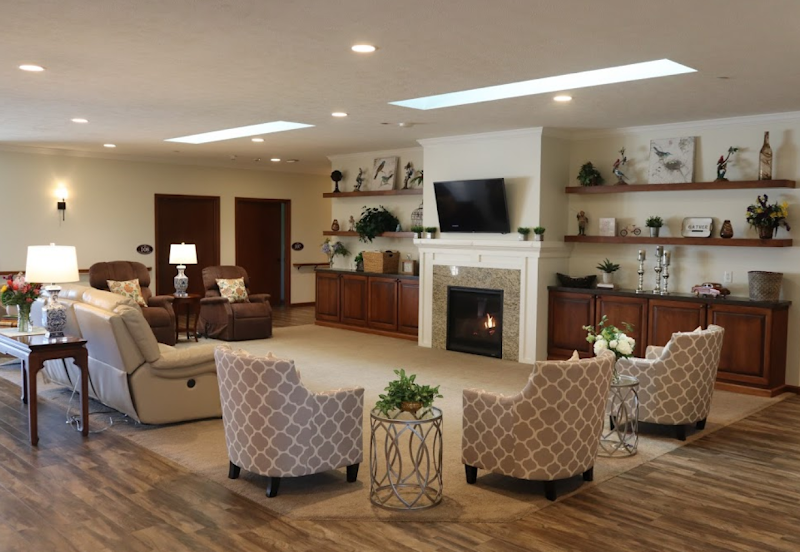
How is Restoracy Of Goshen, The Staffed?

CMS rates RESTORACY OF GOSHEN, THE's staffing level at 3 out of 5 stars, which is average compared to other nursing homes. Staff turnover is 76%, which is 29 percentage points above the Indiana average of 46%. High turnover can affect care consistency as new staff learn residents' individual needs. RN turnover specifically is 82%, which is notably high. RNs provide skilled clinical oversight, so turnover in this role can affect medical care quality.

What Have Inspectors Found at Restoracy Of Goshen, The?

State health inspectors documented 30 deficiencies at RESTORACY OF GOSHEN, THE during 2023 to 2025. These included: 2 that caused actual resident harm, 27 with potential for harm, and 1 minor or isolated issues. Deficiencies causing actual harm indicate documented cases where residents experienced negative health consequences.

Who Owns and Operates Restoracy Of Goshen, The?

RESTORACY OF GOSHEN, THE is owned by a for-profit company. For-profit facilities operate as businesses with obligations to shareholders or private owners. The facility is operated by CIENA HEALTHCARE/LAUREL HEALTH CARE, a chain that manages multiple nursing homes. With 48 certified beds and approximately 44 residents (about 92% occupancy), it is a smaller facility located in GOSHEN, Indiana.
How Does Restoracy Of Goshen, The Compare to Other Indiana Nursing Homes?

Compared to the 100 nursing homes in Indiana, RESTORACY OF GOSHEN, THE's overall rating (2 stars) is below the state average of 3.1, staff turnover (76%) is significantly higher than the state average of 46%, and health inspection rating (2 stars) is below the national benchmark.

What Should Families Ask When Visiting Restoracy Of Goshen, The?

Based on this facility's data, families visiting should ask: "How do you ensure continuity of care given staff turnover, and what is your staff retention strategy?" "Can I visit during a mealtime to observe dining assistance and food quality?" "How do you handle medical emergencies, and what is your hospital transfer rate?" "Can I speak with family members of current residents about their experience?" These questions are particularly relevant given the facility's high staff turnover rate.

Is Restoracy Of Goshen, The Safe?

Based on CMS inspection data, RESTORACY OF GOSHEN, THE has a clean safety record: no substantiated abuse findings (meaning no confirmed cases of resident harm), no Immediate Jeopardy citations (the most serious violation level indicating risk of serious injury or death), and is not on the Special Focus Facility watch list (a federal program monitoring the lowest-performing 1% of nursing homes). The facility has a 2-star overall rating and ranks #100 of 100 nursing homes in Indiana. While no facility is perfect, families should still ask about staff-to-resident ratios and recent inspection results during their visit.

Do Nurses at Restoracy Of Goshen, The Stick Around?

Staff turnover at RESTORACY OF GOSHEN, THE is high. At 76%, the facility is 29 percentage points above the Indiana average of 46%. Registered Nurse turnover is particularly concerning at 82%. RNs handle complex medical decisions and coordinate care — frequent RN changes can directly impact care quality. High turnover means new staff may not know residents' individual needs, medications, or preferences. It can also be disorienting for residents, especially those with dementia who rely on familiar faces. Families should ask: What is causing the turnover? What retention programs are in place? How do you ensure care continuity during staff transitions?

Was Restoracy Of Goshen, The Ever Fined?

RESTORACY OF GOSHEN, THE has been fined $3,300 across 1 penalty action. This is below the Indiana average of $33,112. While any fine indicates a compliance issue, fines under $50,000 are relatively common and typically reflect isolated problems that were subsequently corrected. Families should ask what specific issues led to these fines and confirm they've been resolved.

Is Restoracy Of Goshen, The on Any Federal Watch List?

RESTORACY OF GOSHEN, THE is not on any federal watch list. The most significant is the Special Focus Facility (SFF) program, which identifies the bottom 1% of nursing homes nationally based on persistent, serious quality problems. Not being on this list means the facility has avoided the pattern of deficiencies that triggers enhanced federal oversight. This is a positive indicator, though families should still review the facility's inspection history directly.