WATERS OF HUNTINGTON SKILLED NURSING FACILITY, THE
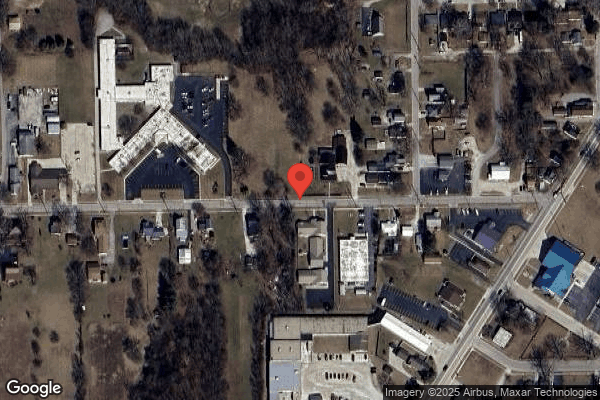

1500 GRANT ST, HUNTINGTON, IN 46750 (260) 356-5713
For profit - Corporation 85 Beds INFINITY HEALTHCARE CONSULTING Data: November 2025
Trust Grade
60/100
#307 of 505 in IN
Last Inspection: June 2024

Within standard 12-15 month inspection cycle. Federal law requires annual inspections.

Overview

The Waters of Huntington Skilled Nursing Facility has a Trust Grade of C+, which indicates it is slightly above average but not exceptional. It ranks #307 out of 505 facilities in Indiana, placing it in the bottom half, and #5 out of 5 in Huntington County, meaning there are no better local options. The facility is improving, with the number of issues decreasing from 8 in 2024 to 3 in 2025. However, staffing is a concern, with a poor rating of 1 out of 5 stars and a turnover rate of 51%, which is average for the state. While there have been no fines, which is a positive sign, RN coverage is below average compared to other facilities, which could impact resident care. Recent inspections revealed serious issues, including a resident suffering a fractured ankle due to inadequate supervision and fall prevention measures. Additionally, the facility has been criticized for cleanliness, with reports of unclean rooms and stained carpets, indicating room for improvement in maintaining a welcoming environment for residents.

Trust Score
C+
60/100
In Indiana
#307/505
Bottom 40%
Safety Record
Moderate
Needs review
Inspections
Getting Better
8 → 3 violations
Staff Stability
⚠ Watch
51% turnover. Above average. Higher turnover means staff may not know residents' routines.
Penalties
✓ Good
No fines on record. Clean compliance history, better than most Indiana facilities.
Skilled Nurses
⚠ Watch
Each resident gets only 20 minutes of Registered Nurse (RN) attention daily — below average for Indiana. Fewer RN minutes means fewer trained eyes watching for problems.
Violations
⚠ Watch
18 deficiencies on record. Higher than average. Multiple issues found across inspections.
★★★☆☆
3.0
Overall Rating
★☆☆☆☆
1.0
Staff Levels
★★★★★
5.0
Care Quality
★★★☆☆
3.0
Inspection Score
Stable
2024: 8 issues
2025: 3 issues

The Good

  • 5-Star Quality Measures · Strong clinical quality outcomes
  • Full Sprinkler Coverage · Fire safety systems throughout facility
  • No fines on record

Facility shows strength in quality measures, fire safety.

The Bad

3-Star Overall Rating

Near Indiana average (3.1)

Meets federal standards, typical of most facilities

Staff Turnover: 51%

Near Indiana avg (46%)

Higher turnover may affect care consistency

Chain: INFINITY HEALTHCARE CONSULTING

Part of a multi-facility chain

Ask about local staffing decisions and management

The Ugly 18 deficiencies on record

1 actual harm
Apr 2025 2 deficiencies 1 Harm
SERIOUS (G) 📢 Someone Reported This

A family member, employee, or ombudsman was alarmed enough to file a formal complaint

Actual Harm - a resident was hurt due to facility failures

Accident Prevention (Tag F0689)

A resident was harmed · This affected 1 resident

Based on observation, interview, and record review, the facility failed to provide supervision for a resident with known fall risk and ensure the implementation of fall interventions to prevent repeat...

Read full inspector narrative →
Based on observation, interview, and record review, the facility failed to provide supervision for a resident with known fall risk and ensure the implementation of fall interventions to prevent repeated falls for 2 of 3 residents reviewed for falls. (Resident B and Resident D) This deficient practice resulted in Resident B sustaining a left ankle fracture during a fall. Findings include: 1. Resident B's clinical record was reviewed on 4/10/25 at 9:30 a.m. Diagnoses included fracture of the left tibia (shin bone), a sprain of the left wrist, type 2 diabetes, muscle weakness, hypertension (high blood pressure), dementia, visual hallucinations, and repeated falls. Current physician orders included escitalopram (antidepressant), 10 milligrams (mg), metoprolol succinate (antihypertensive) 50 mg, hydrocodone-acetaminophen (for pain) 5-325 mg, and safety checks every 30 minutes for fall interventions. A quarterly Minimum Data Set (MDS) assessment, dated 1/21/25, indicated Resident B was severely cognitively impaired. He had no upper or lower extremity impairment. He required supervision/ touching assistance with toileting hygiene, upper and lower body dressing, rolling to the left and right, sitting to lying, lying to sitting, sitting to stand, chair/bed to chair transfers, toilet transfers, and walking 10 feet. A current care plan, initiated on 10/26/22 and revised on 3/10/25, indicated Resident B was at risk for falls related to his condition and risk factors. His falls would be reduced in an attempt to avoid significant injury related to falls. Interventions included 60 minute checks for fall safety/prevention/interventions, anti-rollbacks to the wheelchair, anti-tippers applied to the wheelchair, resident's call light within reach, Dycem (a non-slip pad) on the wheelchair, encourage and assist with wearing non-skid foot wear, encourage resident to use handrails or assistive devices properly, encourage to use a grabber tool to retrieve items out of reach, non-skid strips in front of toilet, notify physician of changes in condition, nurse practitioner to do medication review, use overnight briefs to reduce wake times, reinforce need to call for assistance, smart audio monitor to help with falls, grab bars on the left side of the bed for safety, a mat on the floor next to the bed, and anti-tippers to the front of the wheelchair. A progress note, dated 3/6/25 at 9:39 p.m., indicated Resident B was sitting on the floor in front of his recliner. The resident was laughing and appeared to have slipped out of his chair. Staff assessed the resident for any head injury. The resident was smiling, laughing, and playful. Fall precautions and 24-hour neurological checks were in place. Staff were to continue to monitor. A progress note, dated 3/7/25 at 9:20 a.m., indicated Resident B was found lying on his right side, unclothed and under a blanket. Staff attempted to assist resident getting dressed but the resident began screaming and stated, Don't do that, that hurts, feel it? Staff assessed the residents left shoulder and the resident screamed. The resident also complained of left hip pain. The nurse contacted the Nurse Practitioner (NP), who ordered the resident sent to the emergency room (ER) for better imaging. No immediate interventions were implemented to prevent further falls. The clinical record lacked indication of the outcome of the ER visit. A progress note, dated 3/10/25 at 4:38 a.m., indicated Resident B was noted on the floor in front of his recliner. Resident B had been sitting in his recliner. The resident was lying on his left side. He was wearing pants, a shirt, and shoes. The resident was assessed without any injuries noted. The resident was assisted onto his feet, then placed into his recliner. No immediate interventions were implemented to prevent further falls A progress note, dated 3/10/25 at 1:30 p.m., indicated the Interdisciplinary Team (IDT) met to review a fall from 3/10/25 at 3:30 a.m. Resident B was found next to his recliner on his left side. Neurological checks continued from a previous fall. The NP, DON, and the resident's representative were notified. The IDT recommended 60-minute safety checks to ensure the resident was safe and not on the floor. A progress note, dated 3/15/25 at 8:42 a.m., indicated Resident B was found on the floor scooting to the bathroom. The resident was wearing non-skid footwear. Neurological checks and vital signs were within normal limits. The resident was not incontinent at the time of the fall. A head-to-toe assessment was performed without any injury noted. No immediate interventions were implemented to prevent further falls. A progress note, dated 3/17/25 at 9:50 a.m., indicated the IDT met to review an unwitnessed fall on 3/15/25 at 8:30 a.m. Resident B was found scooting on the floor in his room. The resident could not relay how the fall occurred. The resident was assessed without any injuries noted. The IDT recommended nonskid strips by his bed. The NP, DON, and the resident's representative were notified. A progress note, dated 3/21/25 at 5:43 p.m., indicated Resident B was in front of his wheelchair on his knees. Resident B had his left hand on the bed and his right hand on the bedside table. The resident was assisted up and into his wheelchair by two staff members. No immediate interventions were implemented to prevent further falls. A fall risk assessment, dated 3/23/25, indicated Resident B was at high risk for falls. A progress note, dated 3/22/25 at 4:07 a.m., indicated Resident B was found on the floor with no brief, pants, or shoes on. The side of his bed was wet. There was blood on the floor. The resident was assessed, and his vital signs were within normal limits. Resident B had a cut on the tip of his left middle finger. No immediate interventions were implemented to prevent further falls. A progress note, dated 3/24/25 at 11:11 a.m., indicated the IDT met to review a fall on 3/22/25 at 3:15 a.m. The staff responded to the resident's room after hearing the resident talking and found the resident sitting on the floor in the restroom with blood on his finger. Resident B was unable to give a description of the incident. The resident was unaware if he hit his head. Neurological checks were initiated. Staff assisted Resident B to his feet, helped him get dressed, and placed him into his wheelchair. All the resident's needs were met at that time. The NP, ADON, Administrator, DON, and the resident's representative were notified. The IDT recommended staff offer the use of overnight briefs to reduce wake times. A progress note, dated 3/31/25 at 11:00 p.m., indicated Resident B was standing at the foot of his bed. He lost his balance and sat on the floor. The resident denied any complaints of pain. A skin tear was noted to his left forearm. Resident B was dressed in clothes and shoes and had been toileted. The resident did not hit his head during the fall. Resident B was assisted to his feet by two staff members and placed in his wheelchair. No immediate interventions were implemented to prevent further falls. A progress note, dated 4/1/25 at 11:17 a.m., indicated staff were called to Resident B's room due to Resident B being on the floor in front of his recliner. Upon entering the room, Resident B was sitting on the floor in front of his recliner with blood on the left side of his face. Resident B was dressed in a shift, his pants were half down his leg, wearing a brief and socks. The resident was not wearing shoes. His wheelchair and walker were within reach. Staff assessed Resident B and obtained his vital signs. Resident B was noted with a gash to his left eyebrow and a small skin tear to his left thumb near his palm. The resident was continent at the time of the fall. Swelling was noted to his left wrist and an x-ray was ordered. No immediate interventions were implemented to prevent further falls. A progress note, dated 4/1/25 at 2:41 p.m., indicated Resident B was noted to have left wrist swelling with the resident moaning and holding his left wrist with his right hand. The NP ordered an x-ray. A fall risk assessment, dated 4/1/25, indicated Resident B was at high risk for falls. A progress note, dated 4/2/25 at 9:56 a.m., indicated the IDT met to review Resident B's fall from 3/31/25 at 11:00 p.m. Resident B was standing at the foot of his bed, lost his balance and sat on the floor. The resident had no complaints of pain. A skin tear was noted to his left forearm. The resident was dressed in clothes and was wearing shoes. Resident B had been previously toileted. He did not hit his head during the fall. Resident B was assisted to his feet by two staff members and seated in his wheelchair. The IDT recommended a baby monitor so staff would hear when the resident was moving around in his room. The ADON, NP, and the resident's representative were made aware. A progress note, dated 4/2/25 at 6:53 a.m., indicated x-ray results showed a fracture to his left wrist. The NP and the resident's representative were notified. A progress note, dated 4/2/25 at 8:33 a.m., indicated a new order was received to send Resident B to the emergency room (ER) for evaluation and treatment of the wrist fracture. A progress note, dated 4/2/25 at 10:01 a.m., indicated the IDT met to review Resident B's fall from 4/1/25 at 11:00 a.m. Staff were called to the resident's room due to the resident being on the floor in front of his recliner. Upon entering the room, the resident was sitting on the floor in front of his recliner with blood on the left side of his face. The resident was dressed in a shirt, was wearing a brief with his pants halfway down his legs and had socks on. Resident B was without shoes and his wheelchair and walker were within reach. Staff assessed the resident and obtained his vital signs. The resident was noted with a gash to his left eyebrow and a small tear to his left thumb by his palm. The resident was continent at the time of the fall. Swelling was noted to his left wrist and a stat x-ray was ordered. The IDT recommended staff offer diversional activities when the resident was noted alone in his room. NP, ADON, and resident's representative were made aware. A left ankle x-ray, performed at the local hospital, on 4/2/25 at 10:38 a.m., indicated irregularity of remote injury or acute nondisplaced fracture. A progress note, dated 4/2/25 at 12:49 p.m., indicated the emergency room staff found Resident B had a left ankle fracture and would be returning to the facility with a boot. The resident's left wrist did not show signs of a fracture. A fall risk assessment, dated 4/4/25, indicated Resident B was at high risk for falls. A progress note, dated 4/7/25 at 8:32 a.m., indicated the IDT met to review Resident B's fall on 4/4/25 at 5:00 p.m. Resident B was sitting in his wheelchair at the nurse's station. Resident B was seen trying to get out of his chair and fell out before staff could stop him. The wheelchair tipped over along with the resident. No injury was noted. The ADON, NP, and the resident's representative were notified. The IDT recommended anti-tippers to the front of his wheelchair, which was added to the care plan. No immediate interventions were implemented to prevent further falls on 4/4/25. A progress note, dated 4/8/25 at 22:45 p.m., indicated Resident B was in the recliner at the nurse's station. Staff saw him try to get up and ran toward the resident to prevent a fall. Resident B slid against the recliner onto the floor. Resident B was assessed for injuries, but none were found. No redness, swelling, or bleeding was present. A pain scale for the cognitively impaired was used. No sign of distress was noted. His vital signs were stable. Fall precautions were in place. The DON and NP were notified. No immediate interventions were implemented to prevent further falls. A fall risk assessment, dated 4/8/25, indicated Resident B was at high risk of falls. During an interview, on 4/10/25 at 11:15 a.m., LPN 5 indicated resident fall assessments should be documented under the risk management tab. As soon as the DON was notified, the DON would inform the nurse of the new intervention. The DON or the nurse updated the care plan. During an interview, on 4/10/25 at 11:25 a.m., LPN 6 indicated the nurse or management came up with the new fall intervention after a fall occurred. Some interventions were placed right away, other times it took a while. Management would update the care plan with the new interventions. Resident B was on 30-minute safety checks. The facility tried to keep him out of his room as much as possible. When agitated, he would be a one on one. During an interview, on 4/10/25 at 11:35 a.m., LPN 7 indicated after a fall occurred, the assessment was completed under the risk management tab. Staff needed to fill out the residents fall risk, change of condition, and pain assessments. The ADON or DON tried to come up with new interventions as soon as possible. During an interview, on 4/10/25 at 11:36 a.m., CNA 8 indicated she was unsure what Resident B's fall interventions were. She needed to check with the nurse. During an observation, on 4/10/25 at 11:36 a.m., Resident B was sitting in the main dining room. He did not have anti-tippers on the front of his wheelchair. During an interview, on 4/10/25 at 11:45 a.m., CNA 8 indicated she was unsure if the CNAs had access to the resident's care plan. They would be notified during shift change of any interventions or changes to the resident's care. During an interview, on 4/10/25 at 11:43 a.m., Housekeeper 9 indicated she was unaware of Resident B's fall interventions. He usually propelled himself up and down the hallway or preferred to color. During an observation, on 4/10/25 at 12:03 p.m., Resident B was propelling himself down the hallway. He propelled himself up to the nurse's station and asked the CNA to give him a report. He did not have anti-tippers on the front of his wheelchair. During an interview, on 4/10/25 at 12:03 p.m., CNAs 10 and 11 indicated Resident B was on 30-minute safety checks, had fall strips in his room, and a monitor. They were unsure of other fall interventions. There was a communication book at the nurse's station but was unsure if it was directly used for Resident B. CNA 9 left to speak with the DON, and after returning, CNA 9 indicated anything new with any of the residents was discussed during shift change. During an interview, on 4/10/25 at 2:00 p.m., the DON indicated the nurse wrote the intervention under the immediate action taken. Resident B's fall interventions include 30-minute safety checks and a monitor in his room. CNAs normally had a huddle at the end of their shifts where everything was discussed. During an observation, on 4/10/25 at 2:15 p.m., Resident B was sitting at a small table near the nurse's station while a staff member sat beside him in a chair. The small table had coloring books, colored pencils, and a puzzle activity for the resident. He did not have anti-tippers on the front of his wheelchair. During an observation, on 4/11/25 at 9:36 a.m., Resident B's room was located at the end of the hallway. Resident B did not have a floor mat at his bedside. During an interview, on 4/11/25 at 9:40 a.m., the ADON indicated she felt the 30-minute safety checks were sufficient in preventing Resident B from falling. The facility had been able to provide enough staff for Resident B to receive one-on-one staff assistance twice a week. Resident B needed to be one on one when he was agitated. The anti- tippers to the front of his wheelchair were on backorder. At the time of the interview, with the ADON present, Resident B's room was measured 102 feet away from the nurse's station using therapy's walking stick. During an interview, on 4/11/25 at 10:08 a.m., the DON indicated 30-minute safety checks were not sufficient in preventing Resident B from falling. Staff tried to keep Resident B in eyesight. The DON felt the resident receiving one-on-one staff assistance would prevent future falls. She was unaware he was supposed to have anti-tippers on the front of his wheelchair. 2. Resident D's clinical record review was completed on 4/11/25 at 9:30 a.m. Diagnoses included dementia, anxiety, opioid dependence, chronic kidney disease, hypertension, psychotic disturbance and mood disturbance. Current physician orders included hydrocodone-acetaminophen (opiate pain medication) 5-325 mg, mirtazapine (antidepressant) 7.5 mg, and sertraline (antidepressant) 25 mg. A quarterly MDS assessment, dated 3/15/25, indicated Resident B was severely cognitively impaired. He required partial/ moderate assistance with toileting hygiene, lower body dressing, rolling to the left and right, sitting to lying, lying to sitting, sitting to stand, chair/bed to chair transfers, toilet transfers, and walking 10 feet. He required substantial/ maximal assistance with upper body dressing. A current care plan, initiated on 1/2/24 and revised on 12/30/24, indicated Resident D was at risk for falls related to his condition and risk factors. His fall risk factors would be reduced in an attempt to avoid significant injury related to falls. Interventions included, anti-rollbacks to his wheelchair, the bed in lowest position, call light within reach, do not leave resident in the bathroom unattended, encourage and assist resident with wearing non-skid footwear, ensure Dycem (anti-skid mat) is in his wheelchair, keep most used items in arm's length to prevent bending/reaching, monitor for changes in gait/positioning, non-skid strips to floor in front of toilet, place mat on floor beside bed, reassess fall risk factors annually and PRN, and reinforce the need to call for assistance. A progress note, dated 4/9/25 at 1:08 p.m., indicated staff found the resident on the floor beside his bed next to his wheelchair. The resident stated he was trying to get into his wheelchair, but he unlocked his wheelchair and fell to the floor. Resident D was wearing regular socks without shoes. Anti-slip strips were in place. Resident D had no complaints of pain in his legs, back, hips or arms. The DON, ADON, and the resident's representative were notified. No immediate interventions were implemented to prevent further falls. A progress note, dated 3/17/25 at 9:27 a.m., indicated Resident D was found on the floor at the foot of his bed. He was next to his shoes, but only had socks on. Resident D's shoes were wet. The resident stated he was trying to get up to go to the bank. Resident D did not have any complaints of pain or discomfort at the time of assessment. No redness or bruising was noted. The resident was assisted off the floor and into his wheelchair. The DON, ADON and the resident's representative were notified. No immediate interventions were implemented to prevent further falls. A progress note, dated 2/11/25 at 2:48 p.m., indicated Resident D was found on the floor next to his wheelchair by his bathroom. The resident appeared to have slid out of his wheelchair. The resident denied any pain. No bruising or redness was noted. Resident D stated he was trying to stand up out of his wheelchair and used the bathroom door for support. The resident lost his balance and slid out of his chair. The resident's vital signs were stable, 24-hour neurological checks were in place. NP, DON, and the resident's representative were notified. No immediate interventions were implemented to prevent further falls. During an observation, on 4/11/25 at 11:07 a.m., Resident D's room did not have a floor mat observed in the room or non-skid strips on the floor in front of his toilet. During an observation, on 4/11/25 at 11:11 a.m., Resident D was sitting in his wheelchair in the main dining room. No anti-rollbacks were attached to his wheelchair. During an interview, on 4/11/25 at 11:20 a.m., CNA 12 indicated there was a communications binder at the nurse's station for residents that had fall interventions in place. Floor mats were not used in Resident D's room, as he got up on his own and it was a trip hazard. During an interview, on 4/11/25 at 12:44 p.m., the ADON indicated no one in particular was responsible for implementing new fall interventions. The MDS Coordinator was responsible for updating the resident care plan. During an observation, on 4/11/25 at 12:45 p.m., Resident D propelled himself backwards out of his bathroom and had his pants pulled down to his knees. The resident indicated he needed his pants pulled up. A CNA entered Resident D's room and assisted the resident with pulling up his pants. When Resident D stood up, a Dycem pad was not observed on his wheelchair seat. During an interview, on 4/11/25 at 12:52 p.m., LPN 7 indicated she needed to look at Resident D's care plan for his fall interventions. LPN 7 asked the ADON to help her navigate the resident's care plan to find his fall interventions. At the same time as the interview, LPN 7 did not observe a fall mat in Resident D's room and indicated his anti-rollbacks were on backorder. During an interview, on 4/11/25 at 1:01 p.m., CNA 13 indicated she was made aware of fall interventions during the nurse's report and the CNA communication binder between shifts. She did not recall seeing a floor mat in the resident's room. She adjusted the bed so Resident D's knees were at a 90-degree angle. During an interview, on 4/11/25 at 1:08 p.m., LPN 7 indicated maintenance was putting Resident D's anti-rollbacks on his wheelchair at this time. During an interview, on 4/11/25 at 1:40 p.m., the DON, ADON, and MDS Coordinator indicated maintenance was responsible for implementing any new fall interventions. After maintenance was notified, nurses and CNAs were notified of the new interventions during their daily huddles. A current policy, titled Guidelines for Incident/Accidents/Falls, provided by the DON, on 4/11/25 at 1:15 p.m., indicated the following: .Based on the results of the incident/accident/fall, the resident's care plan will be addressed to ensure that any needed points of focus have measurable goals with appropriate interventions in place This citation is related to complaint IN00456781. 3.1-45(a)(2)
CONCERN (D) 📢 Someone Reported This

A family member, employee, or ombudsman was alarmed enough to file a formal complaint

Potential for Harm - no one hurt, but risky conditions existed

Assessment Accuracy (Tag F0641)

Could have caused harm · This affected 1 resident

Based on record review and interview, the facility failed to ensure a Minimum Data Set (MDS) assessment was accurately coded for 2 of 3 residents' MDS assessments reviewed. (Resident B and D) Findings...

Read full inspector narrative →
Based on record review and interview, the facility failed to ensure a Minimum Data Set (MDS) assessment was accurately coded for 2 of 3 residents' MDS assessments reviewed. (Resident B and D) Findings include: 1. Resident B's clinical record was reviewed on 4/10/25 at 9:30 a.m. A progress note, dated 12/25/24 at 2:18 p.m., indicated Resident B was observed sitting on the floor in the doorway of his room. A head-to-toe assessment was completed with redness noted to the residents' left elbow. A progress note, dated 12/21/24 at 6:15 a.m., indicated Resident B was on the floor in front of his recliner. Resident B was fully clothed and had socks and shoes on. The resident's vital signs were slightly elevated but came back down to normal range after a few minutes. No injuries were noted, and the resident denied any pain. A progress note, dated 12/9/24 at 7:36 p.m., indicated Resident B was noted lying on the floor in his room. Resident B was fully dressed and had socks and shoes on. The resident's wheelchair was beside him. The resident was assessed without any injuries noted. Neurological assessments were initiated, and the resident was assisted into his wheelchair. A quarterly Minimum Data Set (MDS) assessment, dated 1/21/25, indicated Resident B had no falls since his prior assessment. 2. Resident D's record review was completed on 4/11/25 at 9:30 a.m. A progress note, dated 2/11/25 at 2:48 p.m., indicated Resident D was found on the floor next to his wheelchair by his bathroom. The resident appeared to have slid out of his wheelchair. The resident denied any pain. No bruising or redness was noted. Resident D stated he was trying to stand up out of his wheelchair and used the bathroom door for support. The resident lost his balance and slid out of his chair. The resident's vital signs were stable, 24-hour neurological checks were in place. NP, DON, and the resident's representative were notified. A progress note, dated 1/12/25 at 2:58 a.m., indicated Resident D was heard yelling. Resident D was noted to be lying on the floor in his room. Resident D indicated he needed to urinate. The resident had regular socks on without shoes. Resident D's wheelchair was several feet away from him and the wheels were not locked. Resident D was assisted by three staff members onto his feet and placed him in his wheelchair. A quarterly MDS assessment, dated 3/15/25, indicated Resident D had no falls since his prior assessment. During an interview, on 4/11/25 at 12:05 p.m., the MDS Coordinator indicated she reviewed the risk management section of the clinical record to see when the resident's last fall was. If the resident fell before the assessment date was due, she would mark it on the MDS assessment. If the risk management assessment had been locked and signed, she was unable to see the report. She was only able to see active reports. During an interview, on 4/11/25 at 12:18 p.m., the DON indicated prior risk management reports were under the historical tab. Even if the assessment was locked and signed, it would still show up under the historical tab. During an interview, on 4/11/25 at 1:15 p.m., the Administrator indicated the facility did not have a specific MDS assessment policy. 3.1-31(d)(3)
Mar 2025 1 deficiency
CONCERN (D) 📢 Someone Reported This

A family member, employee, or ombudsman was alarmed enough to file a formal complaint

Potential for Harm - no one hurt, but risky conditions existed

Quality of Care (Tag F0684)

Could have caused harm · This affected 1 resident

**NOTE- TERMS IN BRACKETS HAVE BEEN EDITED TO PROTECT CONFIDENTIALITY** Based on interview and record review the facility failed to ensure assessments were completed for 3 of 4 residents reviewed with...

Read full inspector narrative →
**NOTE- TERMS IN BRACKETS HAVE BEEN EDITED TO PROTECT CONFIDENTIALITY** Based on interview and record review the facility failed to ensure assessments were completed for 3 of 4 residents reviewed with respiratory illness and falls. (Resident J, Resident C and Resident D). Findings include: 1.) Resident J's record was reviewed on 3/4/25 at 12:24 PM. Diagnoses included chronic obstructive pulmonary disease (COPD), anemia and hypertension. A review of Resident J's current quarterly Minimum Data Set (MDS), dated [DATE], indicated their Basic Interview for Mental Status (BIMS) score was 14 (cognitively intact). Resident J declined an interview. A review of Resident J's current care plan titled chronic respiratory illness indicated the resident had a problem of asthma, with a goal date of 5/7/25. Interventions included observing for shortness of breath, cough, increased secretions and notifying the physician when necessary. A review of physician orders dated 2/25/25, indicated prednisone 40 mg was ordered to be given for 4 days, then reduced to 20 mg for 3 days, then 10 mg for 3 days for an upper respiratory infection with wheezing. A review of progress notes, dated 2/14/25 at 7:00 PM, indicated Resident J had a cough and clear breath sounds. Progress notes, dated 2/18/25 at 7:30 PM, indicated Resident J was seen by Nurse Practitioner 8 for a harsh cough with dark, yellow sputum production. The note indicated Resident J had reported symptoms started at the end of the previous week. The Nurse Practitioner indicated Resident J had acute bronchitis and prescribed Augmentin (antibiotic) and prednisone (steroid). Progress note,s dated 2/25/25 at 7:36 PM, indicated Resident J had continued respiratory symptoms, including respiratory wheezes. The Nurse Practitioner recommended completing her course of antibiotics, steroids, and breathing treatments would be increased in frequency. A review of progress notes between 2/14/25 to 3/4/25 did not include any further recording of assessments or vital signs for Resident J. A review of vital sign records indicated Resident J's temperature was 97.5 on 2/13/25 at 10:00 PM and 97.4 on 2/15/25 at 11:55 AM. No additional temperature readings after 2/15/25 were available for review. In an interview, on 3/4/25 at 12:53 PM, Registered Nurse 7 indicated a resident receiving antibiotics for respiratory symptoms should have their breath sounds and temperature checked every shift. A current policy titled Physical Respiratory Evaluation Guidelines, dated 10/24/24, provided by the Director of Nursing on 3/4/25 at 1:55 PM indicated staff should observe the resident's respiratory rate, assess lung sounds, obtain oxygen saturation levels and observe for a cough. The policy did not address documentation guidelines. 2) Resident C's record was reviewed on 3/4/25 at 10:18AM. Diagnoses included non-traumatic brain dysfunction, abnormalities of gait, and weakness. Resident C's last annual, Minimum Data Set (MDS), dated [DATE], indicated their Basic Interview for Mental Status (BIMS) score was 5 (cognitively impaired). The MDS indicated Resident C required physical assistance to perform activities of daily living and the use of a walker. Resident C's progress notes were reviewed with unwitnessed falls documented on the following dates and times; 12/22/24 at 11:20 AM, 1/01/25 at 6:38 AM, 1/6/25 at 3:34 AM, 1/13/25 at 8:51 AM, and 2/8/25 at 2:14 AM. There was no documentation of refusal of neurological checks or reason for missed neurological checks. A neurological checklist started after the fall on 12/22/24. The checklost started at 11:40 AM, The last check was at 1200 noon. No other checks were recorded. There was a note on the form Resident C returned from the hospital on [DATE] without a time noted. The form indicated neuro checks should have continued until 12/30/24 but were not completed. A neurological checklist started after the fall on 1/13/25. The checklist started at 8:51 AM, was completed through 5:15 AM, then the following times were not documented. There was an entry at 11:15 PM. Then three non consecutive entries were completed. Three non consecutive entries were one blank. A neurological checklist started after the fall on 2/7/25. The checklist was completed through 2/9/25. A missed entry on 2/10/25 at 7:45AM followed by 2 completed entries. None of the entries dated 2/11/25, 2/12/25, and 2/15/25 were completed. 3) Resident D's record was reviewed on 3/4/25 at 10:30 AM. Diagnoses included Parkinson's disease. Resident D's last comprehensive, Minimum Data Set (MDS), dated [DATE], indicated their Basic Interview for Mental Status (BIMS) score was 4 (cognitively impaired). The MDS indicated Resident D required physical assistance to perform activities of daily living and the use of a walker. Resident D's progress notes were reviewed with unwitnessed falls documented on the following dates and times; 10/24/24 at 1:06 AM, 10/24/24 at 9:20 AM, 10/24/24 at 2:01 PM, and 10/28/24 at 6:30 PM. There was no documentation for refusal of neurological checks or reason for missed neurological checks. A neurological checklist started after the fall on 10/24/24 at 12:30 AM. The checklist was completed until 1:15 PM then 3 entries were left blank, and it was resumed at 9:15 PM that evening. Three entries were made, then a missed entry on 10/27/24 at 1:15 PM. There were 2 completed entrees, then the form was marked off as it was indicated Resident D fell 10/28/24. There was no restarting or stopping of the form for the subsequent falls on 10/24/24. A neurological checklist started after the fall on 10/28/24 at 6:30 PM. The form was mislabeled with dates, had 5 blank entries, illegible times and dates the checklist should have been completed. In an interview, on 3/4/25 at 11:14 AM, Licensed Practical Nurse (LPN) 2 indicated neurological checks should be completed on all residents who have an unwitnessed fall or strike their head during a fall. LPN 2 presented a neurological check form and reviewed the neurological check schedule. She reviewed in detail the expected intervals of neurological assessments. She indicated the neurological check form should be completely filled out with no blank spaces at the end of the monitoring period. She indicated any refusals or missed assessments should be explained in the progress notes. In an interview, on 3/4/25 at 1:06 PM, the Director of Nursing (DON) indicated the neurological checks form should be completed entirely, and any missed assessments should be explained in the Resident's progress notes. The DON acknowledged there was missing documentation in Resident C, and Resident D's neurological check forms presented. A current policy titled Guidelines for Incidents/Accidents/Falls was received by the DON on 3/4/25 at 11:11AM. The policy indicated .2. In the case of a fall, the resident will have a head to toe assessment to include a pain assessment as to any change in their range of motion ability or function. Further, residents who have an unwitnessed fall must have neuro checks started and continued per policy . This citation is related to complaints IN00450770 and IN00454234. 3.1-37
Nov 2024 1 deficiency
CONCERN (E) 📢 Someone Reported This

A family member, employee, or ombudsman was alarmed enough to file a formal complaint

Potential for Harm - no one hurt, but risky conditions existed

Safe Environment (Tag F0584)

Could have caused harm · This affected multiple residents

**NOTE- TERMS IN BRACKETS HAVE BEEN EDITED TO PROTECT CONFIDENTIALITY** Based on observation and interview, the facility failed to ensure the facility was maintained in a clean, homelike manner for ra...

Read full inspector narrative →
**NOTE- TERMS IN BRACKETS HAVE BEEN EDITED TO PROTECT CONFIDENTIALITY** Based on observation and interview, the facility failed to ensure the facility was maintained in a clean, homelike manner for random observations of resident rooms, bathrooms, and common area hallways. Findings include: During a facility tour on 11/1/24 beginning at 10:42 a.m. and accompanied by the Administrator, the following was observed: a. The carpeting in the hallways was stained. b. Unclean floors with dark/ brown black debris in rooms 50-61. The bathrooms had brown matter around the base of the toilets, with yellowish-brown stains on the outside surfaces of the toilets. c. The carpet in the hallways outside of rooms 63-75 were stained, with worn areas throughout. The bathrooms had scattered debris on the floors. d. The carpeting in the hallway outside of rooms 76-93 was stained, with worn areas throughout. During the tour, the Administrator indicated housekeeping was in the process of mopping the floors and cleaning resident rooms. During a facility tour, on 11/1/24 at 1:11 p.m. and accompanied by the Administrator, the following was observed: a. The bathroom floor in room [ROOM NUMBER] was sticky and the baseboard around the room and bathroom was discolored with a yellow/brown substance. The toilet had dried brown matter inside of toilet and discoloration on the outside. b. The floor in room [ROOM NUMBER] had a thick substance and scattered debris on it and the baseboards had a yellow/brown discoloration. There were dark reddish/brown stains on the bathroom floor behind the toilet. c. The toilet in room [ROOM NUMBER] had dried brown matter inside the bowl and around the rim. The floors in the bathroom and room had stains and dried spills on them. d. The floor in room [ROOM NUMBER] had debris and a thick, dark brown/black substance on it. The toilet had a yellowish/brown discoloration at the base. e. The floor in room [ROOM NUMBER] had a black/brown matter on the floor. The baseboards were stained and discolored. The bathroom wall tiles had visible stains around the toilet and under the sink. During the tour, the Administrator indicated the rooms did not appear to be clean and he did not know the last time the floors had been stripped. The housekeeping supervisor had been in the position for approximately four days. During an interview on 11/1/24 at 1:38 p.m., the Housekeeping Director indicated he was developing a new cleaning plan for the facility. Review of a Deep Cleaning Schedule for October 2024, provided by the Administrator on 11/1/24 at 12:46 p.m., indicated at a minimum, one room was to be deep cleaned per day, in addition to normal daily task. A current, undated facility policy, titled Daily Cleaning/Electrostatic Spraying was provided by the Administrator on 11/1/24 at 12:33 p.m. The policy indicated the following: Purpose: To provide a clean and safe environment for residents, visitors and staff. Daily Cleaning Procedure: 17. Resident Bathroom a. Wipe down all surfaces starting with mirrors, grab bars, sinks, toilet. A current, undated facility policy, titled General Cleaning Policies and Procedures Resident Room-Discharge Clean was provided by the Administrator on 11/1/24 at 12:33 p.m. The policy indicated the following: Purpose: To provide a clean, attractive and safe environment for residents, visitors and staff. Procedure: 7. Clean the Resident's Sink: a. Apply disinfectant or bathroom cleaner to the interior of the sink. b. Clean the inside of the sink, the exterior surfaces of the sink and all metal handles and faucets using a clean cloth dampened with the disinfectant or bathroom cleaner. e. Clean the plumbing underneath the sink. 8. Clean Toilets: a. Scrub the inside of the toilet and urinals with the bowl brush and disinfectant cleaner. Flush the toilets and urinals. Use the flush water to rinse your bowl mop and brush. Spray disinfectant cleaner onto a cloth and clean all toilet seats, flush handles, exposed pipes and outside surfaces of the toilets and urinals. clean base also where urine may be. When gum or sticky residue form the floor by gently prying it loose with a putty knife. This citation relates to Complaint IN00446015. 3.1-19(f)(5)
Oct 2024 1 deficiency
CONCERN (D) 📢 Someone Reported This

A family member, employee, or ombudsman was alarmed enough to file a formal complaint

Potential for Harm - no one hurt, but risky conditions existed

Pressure Ulcer Prevention (Tag F0686)

Could have caused harm · This affected 1 resident

Based on record review and interview, the facility failed to provide weekly skin assessments for a resident identified at risk for skin breakdown according to their plan of care for 1 of 3 residents a...

Read full inspector narrative →
Based on record review and interview, the facility failed to provide weekly skin assessments for a resident identified at risk for skin breakdown according to their plan of care for 1 of 3 residents assessed for pressure injury. (Resident D) Findings include: The clinical record for Resident D was reviewed on 10/4/24 at 7:47 a.m. Diagnoses included depression, dementia, anxiety, hypothyroidism, delusions, hypertension, insomnia, and hypoglycemia. Review of the clinical record indicated Resident D had not received a skin assessment since 3/10/24. The most recent quarterly Minimum Data Set (MDS) assessment, dated 7/3/24, indicated the resident was at risk for pressure ulcers, required a wheelchair; required partial to moderate assistance for transfers and repositioning. A current care plan, dated 11/10/23, indicated the resident was at risk for skin breakdown due to incontinence, requiring help with bed mobility and toileting hygiene. Interventions included, but were not limited to skin assessments at least weekly by a nurse, dated 11/10/23. During an interview on 10/4/24 at 9:23 a.m., the Assistant Director of Nursing and the MDS Coordinator both indicated Resident D should of had weekly skin assessments as part of standard care and facility policy. A recent policy, dated 5/28/23, titled Guidelines for Skin Observation/Assessment (Shower/Baths) was provided by the ADON on 10/4/24 at 9:46 a.m. The policy indicated the following: Procedure: 3.) Nurses will do skin assessments at least weekly (or as indicated). Oftentimes, this can be done more efficiently and to the benefit of the resident if skin assessments done during the shower/bath time. This citation relates to Complaints IN00443645 and IN00442048. 3.1-40 (a)(2)
Aug 2024 2 deficiencies
CONCERN (D) 📢 Someone Reported This

A family member, employee, or ombudsman was alarmed enough to file a formal complaint

Potential for Harm - no one hurt, but risky conditions existed

Investigate Abuse (Tag F0610)

Could have caused harm · This affected 1 resident

Based on interview and record review, the facility failed to ensure staff reported a resident-to-resident altercation to the Administrator immediately, delaying the submission of the incident within t...

Read full inspector narrative →
Based on interview and record review, the facility failed to ensure staff reported a resident-to-resident altercation to the Administrator immediately, delaying the submission of the incident within the required timeframe to the Indiana Department of Health for 1 of 3 incidents reviewed. (Resident B and Resident C) Findings include: The clinical record for Resident C was reviewed on 8/8/24 at 10:54 a.m. Diagnoses included anxiety, major depressive disorder, and dementia. A late entry progress note, dated 8/1/24 at 11:45 p.m., indicated on 7/9/24 at 11:42 p.m., Resident C was in an altercation with another resident. Resident C was in no distress and did not have any memory of the incident happening. Staff would continue to monitor the resident. Review of a facility self-reportable, dated 7/29/24, indicated on 7/29/24 Resident B was standing close to Resident C and Resident C then pressed his hands onto Resident B's chest. The administrator submitted the reportable to the Indiana Department of Health (IDOH) on 7/29/24 at 12:39 p.m. The clinical record for Resident B was reviewed on 8/8/24 at 10:50 a.m. Diagnoses included anxiety, depression, and dementia. During an interview, on 8/8/24 at 12:21 p.m., the Psychiatric NP indicated she was notified that there had been some animosity between Resident B and Resident C. Resident B was agitated walking up and down the hallway, after she left, the facility notified her that Resident B had punched another resident, and she gave an order to administer Haldol and send out to the hospital if ineffective. During an interview, on 8/8/24 at 12:44 p.m., LPN 3 indicated Resident B was very agitated and was up in another resident's face on 7/9/24. During an interview, on 8/8/24 at 3:21 p.m., QMA 1 indicated, on 7/9/24, Resident B was wandering down the hall and entered Resident C's room. Resident C was coming out of the bathroom when Resident B swung and struck Resident C on the shoulder or chest area. Resident C then grabbed Resident B by the shoulder and slammed him on the bed. Resident B and Resident C were separated. Resident C was yelling that Resident B attacked him, they were able to get Resident C calmed down and separated from Resident B. LPN 3 came to the dementia unit after receiving the call and notified the Social Services Director regarding the incident. During an interview, on 8/9/24 at 9:01 a.m., the Administrator indicated the facility needed to report any abuse, accidents, resident to resident altercations, falls with injury and unusual occurrences to IDOH. He did investigate the resident-to-resident altercation when he was made aware, which was on 7/29/24. QMA 1 would have been interviewed, but no longer worked at the facility. The Administrator listed the date of 7/29/24 on the facility self-reportable as the date of occurrence because that was the day he was made aware of the altercation. During an interview, on 8/9/24 at 9:28 a.m., CNA 2 indicated Resident B pushed resident C down to the ground. Resident C got back up and pushed Resident B back. LPN 3 was notified about the physical altercation between Resident B and Resident C. During an interview, on 8/9/24 at 9:45 a.m., LPN 3 indicated she would not report anything that she did not physically see herself. If she saw any type of altercation or abuse, she would notify the DON. During an interview, on 8/9/24 at 10:06 a.m., CNA 20 indicated she followed the chain of command, and the nurse reported any incidents to the Administrator or DON. During an interview, on 8/9/24 at 10:30 a.m., LPN 2 indicated any type of resident-to-resident altercation was reported immediately to the Administrator, Social Services Director, and DON. During employee record review, on 8/9/24 at 11:26 a.m., CNA 20 and LPN 3 attended abuse in-service training on 7/25/24. QMA 1 and CNA 2 attended abuse in-service training on 10/26/23. A current facility policy, titled Abuse Reporting Policy, provided by the Administrator on 8/9/24 at 11:24 a.m., indicated the following: .All alleged violations involving mistreatment, abuse, neglect, misappropriation of resident property and any injuries of an unknown origin MUST be reported to the Administrator and Director of Nursing. The Administrator is the Abuse Coordinator of the facility. Additionally, the person(s) observing an incident of resident abuse or suspecting resident abuse must IMMEDIATELY report such incidents to the Charge Nurse, regardless of the time lapse since the incident occurred. The Charge Nurse will immediately report the incident to the Administrator or to the individual in charge of the facility during the Administrator's absence The Charge Nurse must complete an incident report and obtain a written, signed and dated statement from the person reporting the incident. A completed copy of the incident report and written statements from the witnesses, if any, will be provided to the Administrator or individual in charge of the facility within 24 hours of the occurrence of such incident This citation relates to Complaint IN00440436. 3.1-28(c)
CONCERN (D) 📢 Someone Reported This

A family member, employee, or ombudsman was alarmed enough to file a formal complaint

Potential for Harm - no one hurt, but risky conditions existed

Deficiency F0744 (Tag F0744)

Could have caused harm · This affected 1 resident

Based on observation, interview, and record review, the facility failed to develop and implement individualized non- pharmacological interventions for behaviors for residents with dementia for 1 or 3 ...

Read full inspector narrative →
Based on observation, interview, and record review, the facility failed to develop and implement individualized non- pharmacological interventions for behaviors for residents with dementia for 1 or 3 residents reviewed for dementia care (Resident B and Resident C). Findings include: During a random observation, on 8/8/24 at 10:54 a.m., Resident B was sitting in the main dining room. On 8/8/24 at 11:07 a.m., Resident B was wandering around the unit and he went behind where Resident C was sitting in the common area. Resident C started to get up out of his chair but LPN 2 told him to sit back down. Resident B then went around and started touching another resident's walker. Resident C got out of his chair to go over to where Resident B was located. LPN 2 got in between Resident B and Resident C. LPN 2 was able to get Resident C to sit back down in his chair. Resident C stated, he is a pain in the a--. On 8/8/24 at 9:57 a.m., Resident B was fidgeting with things at the nurse's station before walking independently up and down the hallway. Review of Resident B's clinical record was completed on 8/8/24 at 10:50 a.m. Diagnoses included depression, dementia, anxiety and seizures. Current medication orders included, but were not limited to, sertraline (antidepressant) 100 mg (milligrams) one tablet daily, memantine (dementia) 10 mg one tablet twice daily, Vimpat (anti-epileptic) 100 mg one table twice daily, lorazepam (antianxiety) 1 mg one table twice daily, and donepezil (memory loss and confusion) 10 mg one table daily at bedtime. He had physician ordered behavior monitoring for target behaviors of intrusive wondering, anxiety, non-compliant with care and redirection, pacing. A 6/6/24, admission, Minimum Data Set (MDS) assessment indicated he wandered daily. A progress note, dated 6/20/24 at 8:38 p.m., indicated Resident C was having aggression towards him (Resident B). A progress note, dated 7/9/24 at 10:21 a.m., indicated Resident B was given an injection of 2.5 milliliters (mL) of Haldol (antipsychotic). The Psychiatric Nurse Practitioner (NP) observed Resident B's behavior after writer assisted the QMA in getting the resident dressed. Resident B continued having behaviors and had gotten a pencil and appeared to be holding it as if wanting to stab someone with it. The Psychiatric NP ordered another injection of Haldol at that time. A physician's note, dated 7/9/24 at 9:20 a.m., indicated Resident B was agitated and restless. Staff reported agitation over putting on his socks. He was pacing and staff witnessed him going back and forth to the exit doors and shaking them in an attempt to open the doors. An order was given for Haldol 2.5 milligram (mg) IM (intramuscularly). After the NP left the facility, she was notified that Resident B was still agitated, punched another resident, and had a pencil in his pocket. An order was given to administer a second dose of Haldol and to send to the hospital if ineffective. Resident B's care plan lacked interventions related to increased agitation and aggression with another resident. Review of Resident C's clinical record was completed on 8/8/24 at 10:54 a.m. Diagnoses included dementia with other behavioral disturbances, major depressive disorder and anxiety. Current medication orders included, but were not limited to, sertraline (antidepressant) 50 mg (milligrams) one tablet daily, lisinopril (hypertension) 10 mg one tablet daily and donepezil (memory loss and confusion) 10 mg one table daily at bedtime. He had physician ordered behavior monitoring for target behaviors of depressive mood, anxiety, agitation and non-compliance. A 6/27/24, quarterly, Minimum Data Set (MDS) assessment indicated he was not having any physical, verbal, or other behavioral symptoms toward others. A progress note, dated 6/20/24 at 8:38 p.m., indicated he was aggressive towards Resident B. A progress note, dated 7/9/24 11:42 p.m., indicated the resident was in an altercation with another resident. There was no distress or memory of the incident. Staff would continue to follow up. Resident C's care plan lacked interventions related to behavior. No behaviors were documented under the Behavior Monitoring order for July 2024. During an interview, on 8/8/24 at 11:07 a.m., LPN 1 indicated that Resident B walked from the time he got up until the time he went to bed. He wandered into other resident rooms if their doors were left open. He was easily redirected. Resident C did not have any behaviors. He was overly protective of the female residents on the unit. The nurse had previously had to get between Resident B and Resident C five times already today. During an interview, on 8/8/24 2:29 p.m., the Social Services Director indicated the residents care plan should match the orders for behavior monitoring. The care plan should have been updated with a new intervention. They would add physical contact with another resident and that would be updated on his behavior monitoring order. During an interview, on 8/9/24 at 9:01 a.m., the Administrator indicated there should have been a summarization in the progress notes regarding their behaviors and the interventions that were used. During an interview, on 8/9/24 at 9:11 a.m., the DON indicated staff was unsure who should be documenting behaviors under the behavior monitoring. The care plan should have been updated with new interventions on their behaviors the next day. During an interview, on 8/9/24 at 9:28 a.m., CNA 2 indicated that Resident B was always wandering around walking and getting into things. He was normally easily redirected. He liked to talk about work and tinker with little toys. During an interview, on 8/9/24 at 9:45 a.m., LPN 3 indicated she was unsure who was to document residents' behavior monitoring. She would not chart something that she was told, she must physically see it herself before she would chart it. A current policy, titled Behavior Management Program, provided by the Administrator on 8/9/24 at 9:10 a.m., indicated the following: .Each resident of the facility identified as exhibiting problematic behavior will be observed in a manner to identify the casual factor, if possible, of the behavior as well as seek approaches/interventions appropriate for the same. When a resident exhibits problematic behavior, the same is addressed on the 24-hour report and in the resident's medical record This citation relates to Complaint IN00440436. 3.1-37(a)
Jun 2024 3 deficiencies
CONCERN (D) 📢 Someone Reported This

A family member, employee, or ombudsman was alarmed enough to file a formal complaint

Potential for Harm - no one hurt, but risky conditions existed

Accident Prevention (Tag F0689)

Could have caused harm · This affected 1 resident

**NOTE- TERMS IN BRACKETS HAVE BEEN EDITED TO PROTECT CONFIDENTIALITY** Based on observation, interview, and record review, the facility failed to ensure adequate supervision to prevent falls for a co...

Read full inspector narrative →
**NOTE- TERMS IN BRACKETS HAVE BEEN EDITED TO PROTECT CONFIDENTIALITY** Based on observation, interview, and record review, the facility failed to ensure adequate supervision to prevent falls for a cognitively impaired resident, 1 of 3 residents reviewed for accidents. (Resident C) Finding includes: During an observation on 6/3/24 at 9:52 a.m., Resident C's door was completely closed. During a continuous observation on 6/3/24 at 11:08 a.m., the resident was in her room with the door slightly ajar (door opened a crack with curtain blocking any view) and unable to visualize the resident. The resident was saying Hello repetitively in a manner to summon assistance. Her summons for assistance was faintly audible two doors down from the resident's room due to the door being slightly ajar. At 11:11 a.m., an unknown staff member passing by, entered the room while the resident summoned for assistance. During an observation on 6/3/24 at 12:49 p.m., the resident's door was completely shut. During an interview at the time of observation on 6/4/24 09:17 a.m., the resident indicated she had been at the facility approximately one week and had not used her call light yet. During a continuous observation on 6/5/24 at 10:12 a.m., the resident activated her call light. The door was ajar but unable to visualize inside resident's room. An unknown staff member entered the room at 10:18 a.m. to answer the call light. Resident C's clinical record was reviewed on 6/5/24 at 12:49 p.m. The resident admitted to the facility on [DATE]. Diagnoses included the following: unspecified dementia, unspecified polyneuropathy, weakness, other abnormalities of gait and mobility, delusional disorder, restless leg syndrome, maxillary fracture of left side, fracture of nasal bones, and adjustment disorder with mixed anxiety and depressed mood. Current physician's orders included the following: quetiapine fumarate (delusional disorder)-administer 25 mg (milligrams) by mouth once daily, dated 5/2/24; escitalopram (depression)-administer 10 mg by mouth once daily, dated 5/3/24; lorazepam (anxiety)-administer 0.5 mg by mouth twice daily, dated 3/7/24; buspirone (depression)-administer 10 mg by mouth three times daily, dated 3/7/24; and hydrocodone-acetaminophen (pain) 5-325 mg-administer every 8 hours by mouth, dated 2/2/24. An order, dated 4/24/24 included the following: Apply hipsters on as resident allows every shift for fall intervention. Review of a Fall Risk Assessment, dated 2/2/24, indicated the resident was at high risk for falls. A quarterly Minimum Data Set (MDS) assessment, dated 5/11/24, indicated the resident's cognition was severely impaired. The resident exhibited delusions and wandering. She required moderate to maximum assistance for transfers, toileting, and walking. The resident was dependent on staff for putting on and taking off footwear. A wheelchair was used for mobility. The resident was frequently incontinent of bowel and bladder. Falls since the prior assessment included two or more without injury. The MDS lacked falls with injury. This was inconsistent with the fall event notes. A care plan for falls, dated 2/5/24, indicated the resident was at risk for falls related to confusion/forgetfulness, functional impairment, impaired balance with transfers, incontinence, lower extremity weakness, unsteady gait, and use of high risk medications. Interventions included the following: Bring resident to nurses station when trying to get out of bed all night long (2/5/24), Encourage and assist with wearing non-skid footwear (2/5/24), Encourage staff to put the resident in bed after dinner meal instead of recliner (5/20/24), floor mat beside bed (4/30/24), reassess fall risk factors annually and as needed (2/5/24), when trying to get up unassisted, offer diversional activities such as a busy box (2/5/24), and tilted wheelchair seat (6/4/24). Review of fall event notes indicated the following unwitnessed falls: On 3/9/24 at 2:38 a.m., the resident was found sitting on the floor beside her lowered bed. The resident was incontinent. No injury was noted. The care plan was not updated with any new interventions. On 3/10/24 at 9:03 a.m., the resident was found on the floor outside of the bathroom door. The resident was yelling out, Get me up. No injury was noted. Resident lacked non-skid footwear. The care plan was not updated with any new interventions. On 3/11/24 at 6:20 p.m., the resident was found sitting on the floor between her bed and the recliner. Her wheelchair wheels were unlocked. No injury was noted. The care plan was not updated with any new interventions.The care plan was not updated with any new interventions. On 3/24/24 at 6:02 p.m., the resident was found sitting on the floor beside her recliner. The resident was confused. No injury was noted. A fall on 3/24/24 at 11:24 p.m.lacked an event note. The care plan was not updated with any new interventions. On 4/2/24 at 4:15 p.m., the resident was observed sitting on the floor inside of the door with blood all over her head, face, hands, and the floor. The resident indicated she was working in the garden and fell over. Wheelchair was unlocked. Injuries included an abrasion to the top of the scalp and a laceration to the left forehead.The care plan was not updated with any new interventions. On 4/18/24 at 9:00 p.m., the resident was found in her room on her buttocks in front of the recliner while transferring herself-lacked an event note. No injury noted. The care plan was not updated with any new interventions. On 4/21/24 at 11:12 p.m., the resident was found sitting on the floor beside her bed. Her wheelchair was unlocked. No injury noted. The care plan was not updated with any new interventions. On 4/23/24 at 9:31 p.m., the resident was found sitting on the floor and yelling out for help and stated she had dropped the papers she was carrying and went to get them. Her wheelchair was unlocked. No injury noted. The care plan was not updated with any new interventions. On 5/19/24 at 2:00 a.m., the resident was found sitting on the floor in front of the recliner with the foot rest still elevated. No injuries were noted. On 6/3/24 at 5: 26 p.m., the resident was found on her knees beside the bed. The resident indicated she had slipped out of her wheelchair. The wheelchair was unlocked. No injury was noted. Review of Post Fall 72-Hour Monitoring Reports lacked specific times for monitoring the resident and assessments every 8 hours for the 24 hour, 48 hour, and 72 hour time frames for the following fall dates: 3/24/24, 4/2/24, 4/18/24, 4/21/24, 4/23/24, 5/19/24, and 6/3/24. A Nurse's Note, dated 3/24/2024 at 6:08 p.m., indicated the resident was noted on the floor beside her recliner. She was assisted by two staff into her wheelchair. A Nurse's Note, dated 3/24/24 at 6:30 p.m., indicated the resident was agitated. Orders for Haldol 2.5 ml (milliliters) intramuscularly (for agitation) and repeat in one hour if no improvement and urine dipstick (test for urinary tract infection). The urine dipstick test was negative. A Nurse's Note, dated 3/24/2024 at 11:24 p.m., indicated the resident was found sitting on the floor beside her recliner. No injury noted. Staff assisted the resident into he wheelchair. An emergency room visit note, dated 4/2/24, indicated the resident had a cut on her forehead, nose fracture, and a facial fracture related to a head injury. Radiology reports were not provided upon request. An Interdisciplinary Team (IDT) Note, dated 4/19/24, indicated the root cause of the fall on 4/18/24 was due to the resident transferring herself. An IDT Note, dated 4/24/24, indicated the resident did not use the call light for assistance. Confidential interviews were conducted during the course of the survey and indicated the following: -The resident was known to have falls upon admission. The resident preferred her door be left open to watch the traffic up and down the hall. -It was not appropriate for staff to keep residents's doors closed when residents were at high risk for falls to keep their door closed. The door kept closed impaired the inability to see in the room and provide good supervision. -During an interview on 6/5/24 at 3:06 p.m., the resident was in her bed and indicated she did not want her door closed. During an observation on 6/6/24 at 2:25 p.m., RN 5 asked permission to perform treatment to pressure ulcer and the resident indicated the staff was not going to do anything with her. She instructed staff to leave the room. Upon exiting room, RN 5 stated she would close the door. Resident yelled, Get your hands off my door. The resident's door was left open. During an interview on 06/7/24 at 9:55 a.m., CNA 9 indicated she was familiar with the resident's care and was aware the resident had frequent falls. She believed the resident last fell approximately one and one half months ago. During an interview on 6/7/24 at 10:24 a.m., LPN 7 indicated she was familiar with the resident's care. The resident had fallen as a result of waking up and attempting to self transfer without asking for assistance by activating her call light. Due to cognitive impairment, the resident attempted to ambulate on her own. During an interview on 6/7/24 at 12:33 p.m., the DON indicated the following interventions were included to decrease falls: therapy inclusion, using non-skid footwear, and non-skid strips on the floor. The resident seemed disoriented prior to falls. During interview on 6/7/24 at 12:36 p.m., CNA 9 indicated she had worked Monday, Wednesday, Thursday and Friday this week and had not been told in report from other staff members that the resident had fallen this week on Monday. She was not aware of the interventions for the resident to have hipsters or a tilted seat on her wheelchair. During an observation on 6/7/24 at 12:37 p.m., the resident was in her bed and the ADON entered the room to answer the call light. She completely closed the door upon exiting the resident's room. During a continuous observation on 6/7/24 at 2:33 p.m., the resident was yelling, Hello. Administrator walked by the room without looking into the resident's room. At 2:42 p.m., the resident was sitting in her wheelchair beside her bed not yelling out. At 2:45 p.m., the administrator walked by and after rounding the corner, the resident started yelling out, Help. Help. Help. Help please. At 2:48 p.m., the Business Office Manager, BOM walked down the hallway and heard resident yelling out, knocked on the door, and offered assistance. She exited the room at 2:49 p.m. The door was left open. At 2:51p.m., the resident began yelling, Please make my bed. Please make my bed. At 2:52 p.m., the SSD was in hallway and did not acknowledge the resident as she passed by the resident's room while she was yelling out, Please fix my eyeglasses so I can see out of them. Please do it. Resident's room is the fourth door from nurses station and is more than halfway down the hall from nurses station. Continuous observation until 2:59 p.m. During interview on 6/7/24 at 3:37 p.m., DON indicated the resident's door was frequently closed because I think she likes it that way. She was unable to provide additional monitoring documentation other than the post fall 72-hour monitoring reports. No specific times were indicated on the forms for monitoring beyond the hourly checks up to completion of the freuquet monitoring. As a result, there was no way to tell how far apart monitoring was completed. She did not like the post fall monitoring forms, but that was the form staff used. A current facility policy, dated 6/30/23, titled GUIDELINES FOR INCIDENTS/ACCIDENTS/FALLS, provided by the Administrator on 6/7/24 at 10:51 a.m., indicated the following: Policy: .This information will be used to implement corrective actions to include any needed training to prevent reoccurrences when possible .2.residents who have an unwitnessed fall must have neuro checks started and continued per policy. Neuro checks will be initiated even if the resident states they did not hit their head in an unwitnessed [by staff], fall.9. Documentation of the physical and mental status of the resident[s] involved will be completed each shift [every 8 hours minimally] over the next 72 hours .10. The occurrence is to be communicated shift to shift as part of the report until the resident is stabilized and at least 72 hours post fall.11. All falls will have a site investigation .in an effort to define the root cause of the fall. This will help provide information to enable staff to roll out interventions to prevent another similar occurrence This citation relates to complaint IN00432578. 3.1-45(a)(2)
CONCERN (D)

Potential for Harm - no one hurt, but risky conditions existed

Deficiency F0761 (Tag F0761)

Could have caused harm · This affected 1 resident

Based on observation, interview, and record review, the facility failed to remove and destroy expired insulin from the medication cart for 1 of 2 medication carts reviewed for medication storage. (Cen...

Read full inspector narrative →
Based on observation, interview, and record review, the facility failed to remove and destroy expired insulin from the medication cart for 1 of 2 medication carts reviewed for medication storage. (Center Unit Medication Cart) This affected 1 of 12 residents who received medications from this medication cart. (Resident 27) Finding includes: During an interview at the time of observation on 6/5/24 at 3:57 p.m., LPN 3 indicated Resident 27's Humalog Kwikpen (insulin) 100 units/ml (milliliter) was opened, expired, and stored in the left top drawer of the Center Unit Medication Cart. There was no other Humalog in the cart readily available for the residents administration that could have been used in place of the expired insulin. The resident's Humalog was opened on 5/1/24 and expired on 5/29/24. She had administered 8 units of insulin to the resident from the expired Humalog Kwikpen on 6/5/24. The resident had also received expired insulin on the following dates: 5/30/24, 5/31/24, 6/3/24, and 6/4/24 for a total of 6 expired doses. Humalog used after 28 days from the opened date was not as effective to manage the resident's blood sugar. Dates on insulin should have been checked prior to each administration. The Humalog Kwikpen should have been discarded on 5/29/24. Resident 27's clinical record was reviewed on 6/5/24 at 4:05 p.m. Diagnosis included type 2 diabetes mellitus with diabetic nephropathy. A current physician's medication order, dated 3/28/24, included Humalog Injection Solution 100 units per milliliter (ml)- Inject subcutaneously four times daily for diabetes per sliding scale: 151-200 = 2 units, 201-250 = 4 units, 251-300 = 6 units, 301-350 = 8 units. If blood sugar is over 351, call the provider. Review of the Medication Administration Record (MAR) for 5/30/24 through 6/5/24 indicated sliding scale insulin was administered on the following dates and times: On 5/30/24 at supper, the resident received 2 units of Humalog. On 5/30/24 at bedtime, the resident received 8 units of Humalog. On 5/31/24 at bedtime, the resident received 2 units of Humalog. On 6/3/24 at bedtime, the resident received 2 units of Humalog. On 6/4/24 at bedtime, the resident received 2 units of Humalog. On 6/5/24 at supper, the resident received 8 units of Humalog. A current care plan, dated 3/28/24, indicated the resident was at risk for hyperglycemia. Interventions included, give insulin as ordered. Review of the Third Shift Insulin Expiration Review Sheets from 5/29/24 through 6/4/24, included daily signatures. The sheets indicated to review all insulin every night and pull any that are expired from the medication cart. During an interview on 6/5/24 at 4:29 p.m., the ADON indicated expired medications should have been disposed of during nightly checks and prior to administration. She believed Humalog was good for 28 or 30 days. The insulin would not work to its full potential when used beyond the expiration date. During an interview on 6/5/24 at 4:39 p.m., the ADON provided the policy and indicated Humalog should have been discarded 28 days after it was opened. During an interview on 6/5/24 at 4:39 p.m., the DON indicated signatures on the Third Shift Insulin Expiration Review Sheets should have indicated the insulins were checked for expiration. Signatures without removal of expired insulins were not an effective means of monitoring for expired insulin in the medication carts. Review of the Humalog Kwikpen manufacturer instructions on 6/5/24 at 4:52 p.m., indicated Humalog prefilled pens should have been thrown away 28 days after opening. A current facility policy, dated 8/10/23, titled GUIDELINES FOR INSULIN PENS, provided by the ADON on 6/5/24 at 4:39 p.m., indicated the following: Purpose: It is the intent of the facility to monitor, maintain, and administer insulin, to include insulin in INSULIN PENS per manufacturer's recommendations . Procedure: .6) Insulin pens will be considered expired after 28 days and up to 45 days depending on the manufacturer's instructions---after they are opened, no matter of the amount of insulin still remaining in the pen 3.1-25(o)
MINOR (C)

Minor Issue - procedural, no safety impact

Staffing Information (Tag F0732)

Minor procedural issue · This affected most or all residents

Based on observation and interview, the facility failed to ensure the posted daily nurse staffing data was completed at the beginning of the shift and readily available for residents and visitors duri...

Read full inspector narrative →
Based on observation and interview, the facility failed to ensure the posted daily nurse staffing data was completed at the beginning of the shift and readily available for residents and visitors during 3 of 3 observations. Findings include: During an observation on 6/3/24 at 9:38 a.m., the posted daily nursing staffing was located in the main lobby to the left of the receptionist desk. The documentation included the number of each position of RN, LPN, and CNA's for each shift as follows: day shift 1 RN, 2 LPN's and 4 CNA's, evening shift 4 LPN's and 5 CNA's, night shift 2 LPN's and 2 CNA's. It lacked the number of hours per shift for each RN, LPN, and CNA worked along with the resident census for that day. Review of the 6/4/24 daily nurse staffing sheet indicated day shift hours included 1 RN= 8.0, 2 LPN's=15.25, 4 CNA= 31.75. Evening shift hours included 3 LPN's-=10.5, 7 CNA's= 44.75. Night shift hours included 2 LPN's=16.0 and 2 CNA's=15.25, along with a resident census of 42. Previously the 6/4/24 nurse staffing sheet lacked the number of hours for each nursing position and resident census. During an observation on 6/5/24 at 2:59 p.m., the posted daily nursing staffing was located in the main lobby to the left of the receptionist desk. The documentation included the number of each position of RN, LPN, and CNA's for each shift as follows: day shift 1 RN, 2 LPN's and 5 CNA's, evening shift 3 LPN's and 4 CNA's, night shift 1 LPN's and 3 CNA's. It lacked the number of hours per shift for each RN, LPN, and CNA worked along with the resident census for that day. During an observation on 6/6/24 at 8:53 a.m., the posted daily nursing staffing was located in the main lobby to the left of the receptionist desk. The documentation included the number of each position of RN, LPN, and CNA's for each shift as follows: day shift 1 RN and 4 CNA's, evening shift 2 LPN's and 7 CNA's, night shift 1 RN and 5 CNA's. It lacked the number of hours per shift for each RN, LPN, and CNA worked along with the resident census for that day. Review of the 6/6/24 daily nurse staffing sheet was completed at this time. It showed resident census was 42 and the daily hours included: day shift 1 RN= 8.0, 4 CNA's = 31.25, evening hours 1 RN= 8.0, 1 LPN = 2.0 and 7 CNA's = 40.0, night 1 LPN= 10.0, 3 CNA's = 21.75. Previously the 6/6/24 nurse staffing sheet lacked the number of hours for each nursing position and resident census. During an interview on 6/7/24 at 1:14 p.m., the Business Office Manager indicated the staff posting in the hallway by the lobby lacked a resident census number and the hours per shift for each RN, LPN, and CNA. During an interview on 6/7/24 at 1:15 p.m., Medical Records indicated she posted the staffing for each day. She left the resident census and nurse staffing hours blank for that day and only posted the staffing number for each day. The nurse staffing hours and census are filled out the following day after she calculates the hours worked from the timecards. The sheets only need to have the current date and the staff who are in the building. The completed form is hung early to mid-morning for the previous day. During an interview on 6/7/24 at 3:09 p.m., the Administrator indicated the daily nurse staffing sheet was filled out per facility policy. Everything was filled out except for the resident census and nurse staffing hours. Those were completed the following day in the event any changes occurred. Review of an undated facility policy titled BIPA Staffing Posting Requirement, provided by the Administrator on 6/7/24 at 1:32 p.m., indicated the following: .Procedure: SNFs and NFs must post daily, at the beginning of each shift, the facility specific shift schedule for the 24 hour period, the number and category of nursing staff employed or contracted by the facility for each 24 hour period, as well as the total number of hours worked by the licensed and licensed nursing staff who are directly responsible for patient care. Other required posted data includes: facility name, current date and current census
Mar 2024 1 deficiency
CONCERN (D) 📢 Someone Reported This

A family member, employee, or ombudsman was alarmed enough to file a formal complaint

Potential for Harm - no one hurt, but risky conditions existed

Deficiency F0559 (Tag F0559)

Could have caused harm · This affected 1 resident

Based on observation, interview, and record review, the facility failed to involve the resident prior to a room change, resulting in the resident worrying about her personal property being damaged, fo...

Read full inspector narrative →
Based on observation, interview, and record review, the facility failed to involve the resident prior to a room change, resulting in the resident worrying about her personal property being damaged, for 1 of 3 residents reviewed for quality of care. (Resident B) Findings include: During an interview with Resident B in her room on the memory care unit, on 3/8/24 at 11:27 a.m., she indicated she had to move rooms after her previous room had flooded. She was trying to get some of her clothes back that she thought were still down in her old room, but was not sure where they were now. She liked to go to activities, and she had friends at her table during meals and in the social room. She was an artist; she liked to color and stay busy. She was upset when she first moved, but she had made some friends, and it was working out for her. Resident B's clinical record was reviewed on 3/8/24 at 9:26 a.m. Diagnoses included major depressive disorder, recurrent, moderate, and unspecified dementia, unspecified severity, without behavioral disturbance, psychotic disturbance, mood disturbance, and anxiety. A 11/5/23 elopement risk assessment indicated she was not at risk for an elopement. A 11/7/23 wandering risk assessment indicated she was at a high risk for wandering. A quarterly Minimum Data Set (MDS) assessment, dated 12/15/23, indicated she was moderately cognitively impaired. She wandered one to three days during the assessment period. She had a current care plan for wandering. She often wandered related to cognitive impairments, feeling lost, her inability to locate her room, and she sought family members/friends (11/13/23). Her interventions included she wandered only within specified boundaries (11/13/23), assist her to/from activities, seat her close to the speaker to encourage involvement (11/13/23), place familiar objects next to her in her room such as pictures/objects/furniture (11/13/23), provide assistance in locating her room (11/13/23), provide directional cues (i.e. pictures, name on doors) (11/13/23), remove items that may trigger her to leave the facility (i.e. coat, gloves, hat) (11/13/23) and take a picture for the elopement book (2/19/24). She had a current care plan for memory care, as she resided in the memory care unit. She had a dementia diagnosis and benefited from the programming on this unit. Although it was a secured unit, she was able to come off the unit for special activities she enjoyed with staff/family, as desired (1/9/24). Her interventions included she participated in programming on the memory care unit (1/9/24), physician has certified her as appropriate for this unit and programming (1/9/24), she was independently mobile; either ambulatory, using walker/or with a wheelchair (1/9/24), and she/family were aware when she no longer participated/benefited in programming, a relocation conference would be initiated (1/9/24). Review of nurses notes indicated the following: On 12/15/23 at 10:41 p.m., her daughter agreed for her to join activities and programming in the memory care unit to establish a routine due to increased confusion and increased need with explaining Activities of Daily Living (ADLs). The nursing staff were to guide her to group activities and back to the memory care unit following the activity, and she was to attend the next meal on the unit. Nursing was to document moods/contentment on the memory unit. Social Service was to visit her as needed. A late entry nurses note, dated 12/20/23 at 10:31 a.m. and created on 1/2/24 at 10:32 a.m., indicated she walked up and down the hallway stating she needed to know where her roommate was. She was not easily directed. A late entry nurses note, dated 12/28/23 at 8:32 a.m. and created on 1/2/24 at 10:33 a.m., indicated she walked out of her room without shirt or bra on, and she yelled for her previous roommate. Staff immediately assisted her back in her room and assisted her to get dressed. On 12/28/23 at 10:47 a.m., she was more and more confused. She was in the hall going the wrong way looking for the main dining room. She yelled at the staff that she knew where she wanted to be and they needed to stop moving the rooms. On 12/30/23 at 5:12 a.m., she woke up very confused, stating she didn't know if she had slept at all. She did not know what time it was or where she was. She was very confused as to why she was no longer in her pajamas. The CNA explained to her that she had changed herself into her daily clothes and that she did sleep. She was still confused, but accepted what the CNA said. On 1/1/24 at 2:34 p.m., she tried to open the exit door and she was not easily redirected. On 1/2/24 at 10:35 a.m., her POA was called and it was offered to move Resident B to the secured memory care unit. They agreed. On 1/6/24 at 1:04 a.m., she was moved to a room in another area (the secured memory unit) and tolerated the change well. She was a bit confused as to why they moved her away from her friends, but didn't complain much about the change. The clinical record lacked prior notification to or involvement of the resident in the room change. The clinical record lacked notification to her representative in writing of the room change. During an interview with QMA 8, on 3/8/24 at 11:19 a.m., she indicated management had told Resident B that her old room had flooded, and that was why she was moved to the memory care unit. They told her this because she wouldn't have moved. She didn't like change. She did not have the conversations and stimulation like she did when she was on the other hall. During an interview with LPN 16, on 3/8/24 at 11:54 a.m., she indicated before Resident B moved to the memory care unit, she had increased confusion. She would come out of her room and didn't know where the dining room was. She exit sought a couple of times. During an interview with the ADON and DON, with the Administrator present, on 3/8/24 at 11:59 a.m., the ADON indicated Resident B's family had agreed to move her. She told her that her toilet had flooded a little and unfortunately, she remembered it. The DON indicated the ADON made the mistake of telling her that her room flooded. The family wanted her to move during lunch. The ADON indicated her family and the previous Social Service Director had a plan for her to go on day visits to the memory care unit, but the other managers were not aware of this plan. The DON indicated she felt that type of plan confused the residents even more by doing the day visits. The ADON had apologized over and over for saying that her room was flooded. Her legs/feet hurt because she walked so much when she was in her old room. Her daughter later told her she felt she was bullied to make her move to the memory care unit. The family was given a choice for Resident B to have a roommate or to move to a room by herself in the memory care unit. They offered to move her back to her old room, but the family was happy, and didn't want to move her back. During an interview with the Activity Director, on 3/11/24 at 9:42 p.m., she indicated Resident B normally came out of the memory care unit for activities. When she first got moved to the memory care unit, she was very upset about moving and the flood, but there never was a flood. Resident B had said she didn't understand why she had to move, there wasn't a flood before she had gone to lunch. During an interview with the Social Service Director, on 3/11/24 at 10:48 a.m., she indicated she had been with the facility less than 90 days. When a resident changed rooms, she would notify the family and the resident, she would talk to them to make sure the transition went smooth, then she followed up with them to make sure things were going good and document it. A Notification of Room Change evaluation was supposed to be completed when a resident was moved. There was not one completed for Resident B, but there was a progress note. They didn't normally have the POA sign for a room change, they put it in a progress note. If she was to move someone to the memory care unit, she would trial the resident in the unit. Resident B was thriving, and she came out of the memory care unit for activities. Resident B had never brought up the flooding to her, she had not even heard about it until 3/8/24, but sometimes you had to live in their world. During an interview with the Housekeeping/Laundry Supervisor, on 3/11/24 at 11:21 a.m., she indicated typically she knew in advance when a resident was going to move rooms. The day Resident B was moved she walked through the memory care unit and the ADON, DON, and Administrator stood at the room where Resident B was going to be moved to. They indicated they were going to move Resident B during lunch before her family changed their mind. A current facility policy, revised 7/14, titled Room Assignment and Changes, provided by the Administrator on 3/11/24 at 12:09 p.m., indicated the following: .Room Change .Room transfers will only be initiated upon the request of the Resident/responsible party or in the event that the current accommodations do not satisfy the Resident's psychosocial or care needs. If it is determined that the medical/treatment needs of the Resident no longer require or cannot be met in the current location, the Resident and/or responsible party will be notified. A transfer will be encouraged in order to meet the Residents' needs in the most efficient manner available .The Director of Social Services will orient the Resident and/or responsible party to new room and surroundings PRIOR to change. Introductions will involve both Residents and their responsible parties to the degree possible .All information regarding the move, including proof of medical necessity or special compelling circumstances, will be thoroughly documented by all involved disciplines in the Resident's clinical record. Notice of Room Change .must also be utilized. 3.1-3(v)(2) This citation relates to Complaint IN00427231.
Jul 2023 4 deficiencies
CONCERN (D)

Potential for Harm - no one hurt, but risky conditions existed

Transfer Requirements (Tag F0622)

Could have caused harm · This affected 1 resident

Based on interview and record review, the facility staff failed to provide resident information to assure continuity of care for a resident's emergency transfer to an acute care hospital for 1 of 5 re...

Read full inspector narrative →
Based on interview and record review, the facility staff failed to provide resident information to assure continuity of care for a resident's emergency transfer to an acute care hospital for 1 of 5 residents reviewed for hospitalization. (Resident 6) Findings include: Resident 6's clinical record was reviewed on 7/13/23 at 3:04 p.m. Diagnoses included acute respiratory failure, heart failure, and intellectual disability. A nurses note, dated 5/23/2023 at 4:46 p.m., indicated the resident was transferred to the emergency room for evaluation of rapid breathing and oxygen saturation levels in the 70's. During an interview on 7/14/23 at 10:47 a.m., RN 2 indicated when a resident was sent to the emergency room, staff would send a copy of the resident's face sheet, advanced directive form, any recent laboratory or X-ray results, a completed e-Interact assessment form, and a change of condition assessment. She was unable to locate the assessments for Resident 6 for 5/23/23 in the electronic health record, nor evidence of the resident's personal information and advance directive having been sent. During an interview on 7/14/23 at 11:25 a.m., the DON indicated the staff were to send the e-Interact and change of condition assessments, a face sheet, advanced directive form, and a copy of the resident's orders with a resident when an emergency transfer was needed. If staff were unable to print them due to an emergency situation, the information should have been faxed to the hospital as soon as possible. Resident 6's electronic health record lacked completion of the needed assessments. Review of a current facility policy, dated 1/1/17, titled, Transfer or Discharge Policy and Procedure, provided by the DON on 7/14/23 at 11:51 a.m., indicated the following: .Procedure 1. The facility reserves the right to transfer a resident deemed acutely ill by the physician to a hospital .Emergency Transfer: .7. Complete the Resident Transfer for {SIC} make 2 copies of any portion of the health record necessary for care of the resident. (E.g. Physician's Orders, History & Physical, chest x-ray, immunization information, any pertinent lab work etc 3.1-12(a)(3)
CONCERN (D)

Potential for Harm - no one hurt, but risky conditions existed

Deficiency F0637 (Tag F0637)

Could have caused harm · This affected 1 resident

Based on record review and interview, the facility failed to ensure a significant change Minimum Data Set (MDS) assessment was completed when hospice services were initiated for 1 of 4 residents revie...

Read full inspector narrative →
Based on record review and interview, the facility failed to ensure a significant change Minimum Data Set (MDS) assessment was completed when hospice services were initiated for 1 of 4 residents reviewed for hospice services (Resident 42). Findings include: Resident 42's clinical record was reviewed on 7/11/23 at 3:16 p.m. Diagnoses included traumatic subarachnoid hemorrhage with loss of consciousness status unknown and dementia. Current physician orders indicated hospice services had began on 5/4/23. An admission MDS assessment, dated 4/3/23, indicated she had not received hospice services. A quarterly MDS assessment, dated 7/4/23, indicated she had not received hospice services. The clinical record lacked a significant change MDS assessment after hospice services had been started. A current care plan, dated 5/15/23, indicated she would be followed by hospice care. During an interview on 7/13/23 at 2:49 p.m., the MDS Nurse indicated the significant change MDS assessment related to initiation of hospice services had been missed. She used the RAI (Resident Assessment Instrument) Manual as reference for completion of MDS assessments. Review of the current RAI manual, dated 7/7/23, indicated the following: .Chapter 2: Resident Assessment Instrument (RAI) .required Assessment Summary, of the Centers for Medicare and Medicaid Services (CMS) RAI Version 3.0 Manual. The manual indicated, .Significant Change in Status (SCSA) (Comprehensive) .14th calendar day after determination that significant change in resident's status occurred (determination date + 14 calendar days) .03. Significant Change in Status Assessment .A significant change is a major decline or improvement in a resident's status that: 1. Will not normally resolve itself without intervention by staff or by implementing standard disease-related clinical interventions .2. Impacts more than one area of the resident's health status; and 3. Requires interdisciplinary review and/or revision of the care plan .An SCSA is required to be performed when a terminally ill resident enrolls in a hospice program (Medicare-certified or State-licensed hospice provider) 3.1-31(d)(1)
CONCERN (D)

Potential for Harm - no one hurt, but risky conditions existed

Quality of Care (Tag F0684)

Could have caused harm · This affected 1 resident

Based on record review and interview, the facility failed to assure collaborative communication with the hospice provider for 2 of 4 residents reviewed for hospice services. (Residents 14 and 15) Find...

Read full inspector narrative →
Based on record review and interview, the facility failed to assure collaborative communication with the hospice provider for 2 of 4 residents reviewed for hospice services. (Residents 14 and 15) Findings include: 1. Resident 14's clinical record was reviewed on 7/12/23 at 11:14 a.m. Diagnoses included multiple sclerosis, protein-calorie malnutrition, and depression. A health care plan, dated 5/23/23, indicated the resident received hospice services. Interventions included invite hospice to all care plan meetings and keep hospice staff updated on any care changes. The resident was discharged from hospice services by the service provided on 7/5/23. The electronic health record and resident's paper chart lacked any documentation of the discharge. During an interview on 7/13/23 at 9:53 a.m., the DON indicated the facility had no documentation regarding the resident's hospice services. The resident was admitted to hospice, and had been recently discharged from hospice services, but the facility had been unable to locate any provider documentation for Resident 14. 2. Resident 15's clinical record review was completed on 7/11/23 at 2:38 p.m. Diagnoses included flaccid hemiplegia to his left side, history of cerebral infarction, and anxiety disorder. A current physician's order, dated 5/7/23, indicated the resident was to be admitted to hospice for diagnoses of stroke, hemiplegia, dysphagia, and vascular dementia. The resident's hospice documentation binder lacked documentation regarding services provided, and assessments completed, for the hospice skilled nursing visits. During an interview on 7/12/23 at 10:58 a.m., LPN 4 indicated she had not seen any documentation from the hospice staff. She signed the providers device to confirm they had completed a visit. The hospice binder lacked record of the resident's visits from the hospice staff. During an interview on 7/12/23 at 3:01 p.m., the Corporate Nurse Consultant indicated the facility should receive a record of each visit by the provider. At the time of the interview, the DON indicated the skilled nurse should be completing the Hospice and Nursing Facility Communication Log each visit. A current, undated facility policy titled, Policy and Procedure Hospice Care, provided by the Corporate Nurse Consultant on 7/13/23 at 1:34 p.m., indicated the following: .Procedure: .3. Hospice Care consultants and the facility will communicate in a manner that will ensure collaboration of care
CONCERN (D)

Potential for Harm - no one hurt, but risky conditions existed

Infection Control (Tag F0880)

Could have caused harm · This affected 1 resident

Based on observation, interview, and record review, the facility failed to implement Enhanced Barrier Precautions (EBP) for 1 of 3 residents reviewed for Transmission Based Precautions. (Resident 19) ...

Read full inspector narrative →
Based on observation, interview, and record review, the facility failed to implement Enhanced Barrier Precautions (EBP) for 1 of 3 residents reviewed for Transmission Based Precautions. (Resident 19) Findings include: During an initial tour observation on 7/10/23 at 10:01 a.m., Resident 19's room was observed to have no signage for EBP and no personal protective equipment (PPE) cart. On 7/11/23 at 10:20 a.m., a PPE cart was outside Resident 19's room. No signage was posted on the door. During an observation on 7/12/23 at 10:00 a.m. the PPE cart remained outside of the resident's door, but no signage. Resident 19's clinical record was reviewed on 7/13/23 at 9:30 a.m. A current physician order, dated 6/5/23 at 6:00 p.m., indicated Enhanced Barrier Precautions every shift for catheter and wounds. A 5/12/23, quarterly, Minimum Data Set (MDS) assessment indicated the resident required extensive assistance for bed mobility. He was incontinent of bowel and had an indwelling catheter. An EBP sign was observed on Resident 19's door on 7/13/23 at 10:25 a.m. and the PPE cart remained in place. The sign included information in the bottom right hand corner to indicate it came from the U.S. Department of Health and Human Services Centers for Disease Control and Prevention (CDC). On 7/13/23 at 3:15 p.m., two unidentified staff members entered Resident 19's to reposition him in bed, per his request. They did not don PPE. Review of a document titled Summary of Recent Changes , retrieved on 7/14/23 at 1:36 p.m., from www.cdc.gov/hai/containment/PPE-Nursing-Homes.html, indicated Enhanced Barrier Precautions were expanded to include residents with indwelling medical devices or wounds. Enhanced Barrier Precautions (EBP) are an infection control intervention designed to reduce transmission of resistant organisms that employs targeted gown and glove use during high contact resident care activities. During an interview on 7/14/23 at 2:16 p.m., LPN 3 indicated PPE should be worn during repositioning of a resident on EBP. It could be acceptable to enter the resident's rooms without PPE for activities which did not include direct contact with the resident. 3.1-18(b)(2)
May 2022 3 deficiencies
CONCERN (D)

Potential for Harm - no one hurt, but risky conditions existed

Resident Rights (Tag F0550)

Could have caused harm · This affected 1 resident

**NOTE- TERMS IN BRACKETS HAVE BEEN EDITED TO PROTECT CONFIDENTIALITY** Based on interview, observation and record review the facility failed to ensure a resident was provided regular assistance with ...

Read full inspector narrative →
**NOTE- TERMS IN BRACKETS HAVE BEEN EDITED TO PROTECT CONFIDENTIALITY** Based on interview, observation and record review the facility failed to ensure a resident was provided regular assistance with shaving for 1 of 1 residents reviewed for dignity. (Resident 38) Findings include: During an observation on 5/4/22 at 2:27 p.m., Resident 38 ambulated in the hall. He was unshaven with several days of beard growth. During an observation on 5/5/22 at 8:41 a.m., the unshaven resident sat in a recliner with his feet elevated. On 5/6/22 at 8:55 a.m., the unshaven resident was observed exercising in the activity area with other residents. During an observation and interview on 5/9/22 at 9:24 a.m., the resident indicated he liked to shave every day and rubbed his approximately ¼ inch beard hairs. During an observation and interview on 5/10/22 at 9:24 a.m., the resident was clean shaven. He rubbed his face, smiled, and indicated, he was having a good day and even got my whiskers shaved. A clinical record review was completed on 5/6/22 at 2:24 p.m. Diagnoses, included but were not limited to, unspecified dementia without behavioral disturbance, major depressive disorder mild and need for assistance with personal care. An admission minimum data set (MDS), dated [DATE], indicated the resident was severely cognitively impaired, required limited assistance of one person for personal hygiene, and had no behaviors or rejection of care. A care plan, initiated on 3/30/22, indicated the resident needed assistance with all Activities of Daily Living (ADLs). The goal, initiated on 3/30/22, was for staff to anticipate and meet the resident's needs. Interventions included, but were not limited to, staff will assess and honor my preferences (3/30/22). During an interview on 5/6/22 at 3:22 p.m., Certified Nurse Aide (CNA) 31 indicated the resident got along great with everyone. She indicated he performed his own care. She had never shaved him and was uncertain if he needed assistance or shaved himself. During an interview on 5/9/22 at 9:10 a.m., Qualified Medication Aide (QMA) 32 indicated the resident was shaved every other day per his preference. She indicated the staff supervised him during the shaving process. During an interview on 5/9/22 at 2:00 p.m., CNA 33 indicated the resident performed most of his care on his own after his supplies were set up by the staff. She had not shaved the resident but, she indicated she assumed the staff shaved him. She indicated Licensed Practical Nurse (LPN) 34 shaved the resident when she worked on his unit. During an interview on 5/10/22 at 10:36 a.m., LPN 34 indicated she shaved the resident, and he loved to be shaved. She had not worked on his unit for several days. A current policy/procedure, dated 3/13/12, titled Morning Care, provided by the Director of Nursing (DON) on 5/10/22 at 11:42 a.m., indicated .Purpose: To cleanse and refresh resident, while stimulating circulation and providing comfort and preparing resident for the day . 7. Remind or assist male residents to shave . 3.1-3(t) 3.1-32(a)
CONCERN (D)

Potential for Harm - no one hurt, but risky conditions existed

Free from Abuse/Neglect (Tag F0600)

Could have caused harm · This affected 1 resident

**NOTE- TERMS IN BRACKETS HAVE BEEN EDITED TO PROTECT CONFIDENTIALITY** Based on interview and record review the facility failed to prevent resident to resident altercations for 3 of 7 residents revie...

Read full inspector narrative →
**NOTE- TERMS IN BRACKETS HAVE BEEN EDITED TO PROTECT CONFIDENTIALITY** Based on interview and record review the facility failed to prevent resident to resident altercations for 3 of 7 residents reviewed for abuse. (Residents 10, 35 and 46) Findings include: 1. Resident 10's clinical record was reviewed on 5/5/22 at 1:31 p.m. A nursing occurrence assessment indicated, on 1/22/22 at 6:20 a.m., Resident 10 was upset that her roommate (Resident 46) turned on the room lights. Resident 10 pushed her bed into the separating curtain, yelled at Resident 46 and pinched Resident 46 on the left upper arm. Resident 46 grabbed Resident 10's right wrist. The residents were separated with no apparent injuries identified. Safety checks every 15 minutes were initiated. A Social Service note, dated 1/24/22 at 1:06 p.m., indicated Social Services (SS) spoke with the resident about the resident to resident altercation on 1/22/22. The resident indicated her roommate turned on the light in the room in the middle of the night and disturbed her sleep. SS discussed with the resident the need to get a staff member when she was feeling frustrated. The resident denied she harmed anyone. A Social Service note, dated 1/26/22 at 8:30 a.m., indicated SS spoke with the resident after staff reported she was pacing, irritable, and saying she was being blamed for her roommate's room change. A quarterly Minimum Data Set (MDS), dated [DATE], indicated she was moderately cognitively impaired. The resident's diagnoses included, but were not limited to, vascular dementia with behavioral disturbance, delusional disorders, primary insomnia, generalized anxiety disorder and personal history of other mental and behavioral disorders. Physician's orders included, but were not limited to, risperidone (antipsychotic) 0.5 mg (milligrams) daily, donepezil (for dementia) 10 mg daily and melatonin (for insomnia) 10 mg daily. A care plan with a focus on behavior, initiated on 8/10/21, indicated the resident displayed mood issues as exhibited by delusions such as hearing men's voices and banging. The interventions, included but were not limited to, listen to concerns and follow up on them promptly as needed (8/10/21) and provide support and encouragement (8/10/21). A care plan with a focus on insomnia, initiated on 7/27/21, indicated the resident had insomnia and sleeplessness which included symptoms of difficulty falling and/or staying asleep, waking often, or having trouble going back to sleep. The interventions included, but were not limited to, provide specific bedtime routine as determined by the resident such as a quiet environment and snack (7/27/21). During an interview on 5/9/22 at 4:16 p.m., Licensed Practical Nurse (LPN) 35 indicated while she did not witness the actual resident to resident altercation on 1/22/22, she spoke to Resident 10 following the incident. The resident was upset because her roommate had turned on the light in the middle of the night in the room. 2. Resident 46's clinical record was reviewed on 5/5/22 at 3:17 p.m. A nursing occurrence assessment indicated, on 1/22/22 at 6:20 a.m., Resident 46 woke up in the morning and turned on the lights in her room. Her roommate (Resident 10) was upset that the lights were on and pushed the bed into the curtain, yelled at Resident 46 and pinched Resident 46's upper left arm. Resident 46 grabbed her roommate's wrist. Resident 46 indicated pain to the left upper arm where she had been pinched. The residents were separated with no apparent injuries identified. Safety checks every 15 minutes were initiated. A Social Service note, dated 1/24/22 at 1:02 p.m., indicated SS spoke with the resident about the resident to resident altercation on 1/22/22. The resident indicated she did not feel threatened or scared of the other resident. She was staying away from that resident to keep peace. She agreed to a room change. A Social Service note, dated 1/25/22 at 8:21 a.m., indicated the resident enjoyed her new room window view of the courtyard. A nursing occurrence assessment indicated, on 1/25/22 at 11:00 a.m., indicated Resident 46 observed Resident 35 in Resident 46's room taking her (Resident 46) clothing and placing it on her walker. In the hallway, Resident 46 approached the other resident and told her the clothing was hers (Resident 46). Resident 35 yelled she did not know. The resident placed her hand in Resident 35's face. Resident 35 smacked the resident's hand. The residents were separated with no apparent injuries identified. Safety checks every 15 minutes were initiated. A Social Service note, dated 1/25/22 at 11:26 a.m., indicated SS spoke with the resident about the resident to resident altercation on 1/25/22. The resident indicated the other resident went into her room, got into her closet and put her clothes on her walker. When she reached for her clothing the other resident swung at her. She indicated she put her hand up and contacted the other resident's hand. A Social Service note, dated 3/30/22 at 2:53 p.m., indicated SS spoke with the resident about her room change off the memory unit. An annual MDS, dated [DATE], indicated the resident was moderately cognitively impaired. The resident's diagnoses included, but were not limited to, unspecified dementia without behavioral disturbance. A focused care plan on resident to resident altercation was initiated on 1/24/22 and resolved on 3/1/22. The interventions included, but were not limited to, supervise while in the dining room and other common areas. During an interview, on 5/9/22 at 11:18 a.m., Registered Nurse (RN) 36 indicated the resident had been really good since she moved of the memory unit. On 5/10/22 at 2:25 p.m., the administrator indicated the resident, though involved in two resident to resident altercations had not initiated the altercations. She indicated the resident had moved into another room after the altercation on 1/22/22. Resident 35 was not accustomed to some else being there and had wandered into that room as it was located beside her room. 3. Resident 35's record was reviewed on 5/5/22 at 12:53 p.m. A nursing occurrence assessment, dated 1/25/22 at 11:00 a.m., indicated the resident was in the hallway and had another resident's belongings on her walker after taking them out of the other resident's room. Resident 46 indicated the belongings were hers. Resident 35 walked toward Resident 46 and yelled she didn't know. Resident 46 put her hand in Resident 35's face. Resident 35 smacked Resident 46's hand out of her face. The residents were separated with no apparent injuries identified. Safety checks every 15 minutes were initiated. A Social Service note, dated 1/25/22 at 11:30 a.m., indicated SS spoke with the resident about the resident to resident altercation on 1/25/22. The resident told SS she didn't know when the incident was discussed. The resident did not recall the incident. A quarterly MDS, dated [DATE], indicated the resident was severely cognitively impaired. The resident's diagnoses included, but were not limited to, unspecified dementia without behavioral disturbance and major depressive disorder, recurrent, mild. Physician's orders included, but were not limited to, sertraline (antidepressant) 25 mg daily. Review of a current facility policy, provided by the facility during the entrance conference on 5/4/22 indicated .All residents have the right to be free from verbal, sexual, physical and mental abuse, corporal punishment, and involuntary seclusion .Definitions .A. Physical Abuse- a willful act against a resident by another resident .Examples: hitting, beating, slapping, punching, shoving, spitting, striking with an object, pulling/twisting, squeezing, pinching, scratching, tripping, biting, burning, using overly hot/cold water, and/or improper restraint. 3.1-27(a)(1)
CONCERN (D)

Potential for Harm - no one hurt, but risky conditions existed

Employment Screening (Tag F0606)

Could have caused harm · This affected 1 resident

**NOTE- TERMS IN BRACKETS HAVE BEEN EDITED TO PROTECT CONFIDENTIALITY** Based on record review and interview, the facility failed to ensure they didn't hire anyone with a finding of neglect on the Sta...

Read full inspector narrative →
**NOTE- TERMS IN BRACKETS HAVE BEEN EDITED TO PROTECT CONFIDENTIALITY** Based on record review and interview, the facility failed to ensure they didn't hire anyone with a finding of neglect on the State nurse aide registry, for 1 of 5 recently hired staff members (CNA 7). Findings include: A review of the employee records listing, provided by the Office Manager Assistant on [DATE] at 3:43 p.m., indicated CNA 7 was hired on [DATE], her certification was not included in the binder of staff license's and certification's. On [DATE] at 8:50 a.m., a search and verification of her CNA certificate from the State nurse aide registry site indicated she had received her CNA certificate on [DATE], status indicated a Finding, and the reason for the Finding was neglect, the status date was [DATE] and her certification had expired in 2016. A review of her application for the BNA (Basic Nurse Aide) class, dated [DATE], indicated she had a finding on her CNA certification from 2014. The file also contained a license/certification verification form, dated [DATE] and signed by the Inservice Director, that indicated there were no findings. During an interview, on [DATE] at 10:17 a.m., the Inservice Director indicated she had signed the license/certification verification form that had indicated no findings but she had not been the one that had done the search, she hadn't realized that was something she was required to do with new hires. A review of her time punches from [DATE] through [DATE], provided by the Administrator on [DATE] at 10:28 a.m., indicated she had worked 62 shifts, 46 of those shifts had been on night shift and 16 had been on day shift. During an interview, on [DATE] at 11:05 a.m., CNA 7 indicated the neglect finding had occurred in 2014, she had written a letter to the State asking to have her certification re-instated in 2015 and had assumed it had been cleared. She had not checked to see if it showed she had been re-instated and no one at the facility had asked her if she had verification that her certification had been re-instated. She had completed the BNA class at the facility and was scheduled to test on [DATE] for a CNA certification. During an interview, on [DATE] at 2:11 p.m., the Nurse Consultant indicated they did not have a policy related to the hiring process, they go by their orientation checklist. Review of the facility's orientation checklist, provided by the Business Office Manager on [DATE] at 2:26 p.m., indicated .Nurse Aide Registry Check (All Employees) 3.1-28(b)(1)(B)
Understanding Severity Codes (click to expand)
Life-Threatening (Immediate Jeopardy)
J - Isolated K - Pattern L - Widespread
Actual Harm
G - Isolated H - Pattern I - Widespread
Potential for Harm
D - Isolated E - Pattern F - Widespread
No Harm (Minor)
A - Isolated B - Pattern C - Widespread

Questions to Ask on Your Visit

  • "Can I speak with families of current residents?"
  • "What's your RN coverage like on weekends and overnight?"

Our Honest Assessment

Strengths
  • • No fines on record. Clean compliance history, better than most Indiana facilities.
Concerns
  • • 18 deficiencies on record, including 1 serious (caused harm) violation. Ask about corrective actions taken.
Bottom line: Mixed indicators with Trust Score of 60/100. Visit in person and ask pointed questions.

About This Facility

What is Waters Of Huntington Skilled Nursing Facility, The's CMS Rating?

CMS assigns WATERS OF HUNTINGTON SKILLED NURSING FACILITY, THE an overall rating of 3 out of 5 stars, which is considered average nationally. Within Indiana, this rating places the facility higher than 0% of the state's 100 nursing homes. This mid-range rating indicates the facility meets federal standards but may have areas for improvement.

How is Waters Of Huntington Skilled Nursing Facility, The Staffed?

CMS rates WATERS OF HUNTINGTON SKILLED NURSING FACILITY, THE's staffing level at 1 out of 5 stars, which is much below average compared to other nursing homes. Staff turnover is 51%, compared to the Indiana average of 46%.

What Have Inspectors Found at Waters Of Huntington Skilled Nursing Facility, The?

State health inspectors documented 18 deficiencies at WATERS OF HUNTINGTON SKILLED NURSING FACILITY, THE during 2022 to 2025. These included: 1 that caused actual resident harm, 16 with potential for harm, and 1 minor or isolated issues. Deficiencies causing actual harm indicate documented cases where residents experienced negative health consequences.

Who Owns and Operates Waters Of Huntington Skilled Nursing Facility, The?

WATERS OF HUNTINGTON SKILLED NURSING FACILITY, THE is owned by a for-profit company. For-profit facilities operate as businesses with obligations to shareholders or private owners. The facility is operated by INFINITY HEALTHCARE CONSULTING, a chain that manages multiple nursing homes. With 85 certified beds and approximately 55 residents (about 65% occupancy), it is a smaller facility located in HUNTINGTON, Indiana.

How Does Waters Of Huntington Skilled Nursing Facility, The Compare to Other Indiana Nursing Homes?

Compared to the 100 nursing homes in Indiana, WATERS OF HUNTINGTON SKILLED NURSING FACILITY, THE's overall rating (3 stars) is below the state average of 3.1, staff turnover (51%) is near the state average of 46%, and health inspection rating (3 stars) is at the national benchmark.

What Should Families Ask When Visiting Waters Of Huntington Skilled Nursing Facility, The?

Based on this facility's data, families visiting should ask: "Can you walk me through typical staffing levels on day, evening, and night shifts?" "Can I visit during a mealtime to observe dining assistance and food quality?" "How do you handle medical emergencies, and what is your hospital transfer rate?" "Can I speak with family members of current residents about their experience?" These questions are particularly relevant given the below-average staffing rating.

Is Waters Of Huntington Skilled Nursing Facility, The Safe?

Based on CMS inspection data, WATERS OF HUNTINGTON SKILLED NURSING FACILITY, THE has a clean safety record: no substantiated abuse findings (meaning no confirmed cases of resident harm), no Immediate Jeopardy citations (the most serious violation level indicating risk of serious injury or death), and is not on the Special Focus Facility watch list (a federal program monitoring the lowest-performing 1% of nursing homes). The facility has a 3-star overall rating and ranks #100 of 100 nursing homes in Indiana. While no facility is perfect, families should still ask about staff-to-resident ratios and recent inspection results during their visit.

Do Nurses at Waters Of Huntington Skilled Nursing Facility, The Stick Around?

WATERS OF HUNTINGTON SKILLED NURSING FACILITY, THE has a staff turnover rate of 51%, which is 5 percentage points above the Indiana average of 46%. Moderate turnover is common in nursing homes, but families should still ask about staff tenure and how the facility maintains care continuity when employees leave.

Was Waters Of Huntington Skilled Nursing Facility, The Ever Fined?

WATERS OF HUNTINGTON SKILLED NURSING FACILITY, THE has no federal fines on record. CMS issues fines when nursing homes fail to meet care standards or don't correct problems found during inspections. The absence of fines suggests the facility has either maintained compliance or corrected any issues before penalties were assessed. This is a positive indicator, though families should still review recent inspection reports for the full picture.

Is Waters Of Huntington Skilled Nursing Facility, The on Any Federal Watch List?

WATERS OF HUNTINGTON SKILLED NURSING FACILITY, THE is not on any federal watch list. The most significant is the Special Focus Facility (SFF) program, which identifies the bottom 1% of nursing homes nationally based on persistent, serious quality problems. Not being on this list means the facility has avoided the pattern of deficiencies that triggers enhanced federal oversight. This is a positive indicator, though families should still review the facility's inspection history directly.