ALLISON POINTE HEALTHCARE CENTER
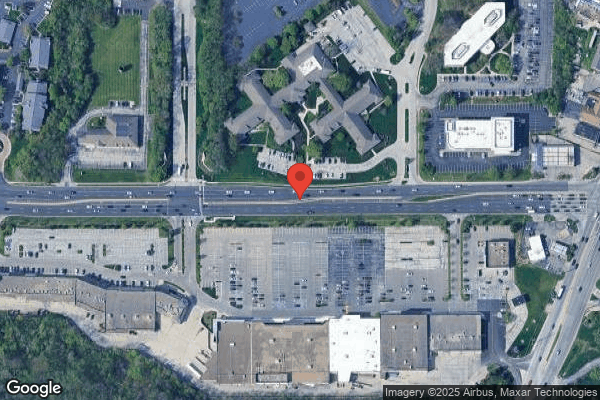
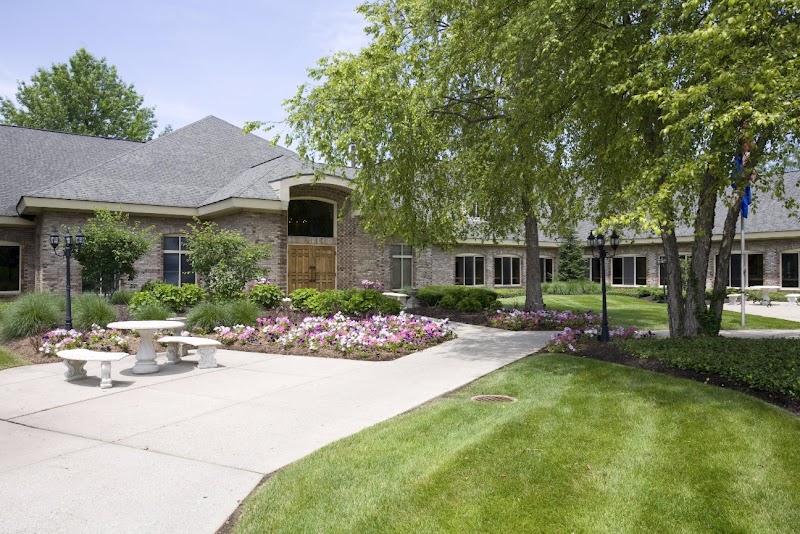
5226 E 82ND STREET, INDIANAPOLIS, IN 46250 (317) 842-6668
For profit - Limited Liability company 159 Beds COMMUNICARE HEALTH Data: November 2025 1 Immediate Jeopardy citation
Trust Grade
18/100
#321 of 505 in IN
Last Inspection: February 2025

Within standard 12-15 month inspection cycle. Federal law requires annual inspections.

Overview

Allison Pointe Healthcare Center in Indianapolis has a Trust Grade of F, indicating poor performance with significant concerns about the quality of care. It ranks #321 out of 505 facilities in Indiana, placing it in the bottom half, and #25 out of 46 facilities in Marion County, suggesting that there are few better local options. The trend is worsening, as the number of issues reported increased from 11 in 2024 to 15 in 2025. Staffing is a mixed bag, with a below-average rating of 2 stars and a turnover rate of 44%, which is slightly better than the state average of 47%. However, the facility has concerning fines amounting to $56,381, higher than 94% of Indiana facilities, indicating repeated compliance issues. Specific incidents of concern include a critical finding where a resident with complex medical needs did not receive timely medication, which could lead to serious health risks. Additionally, there have been serious incidents where residents did not receive their insulin as prescribed, and four residents experienced severe pain due to delayed medication administration, leading to refusals of necessary wound care. While the facility has a strong rating in quality measures at 5 stars, the overall picture is troubling due to multiple critical and serious deficiencies. Families should carefully weigh these strengths and weaknesses when considering this nursing home for their loved ones.

Trust Score
F
18/100
In Indiana
#321/505
Bottom 37%
Safety Record
High Risk
Review needed
Inspections
Getting Worse
11 → 15 violations
Staff Stability
○ Average
44% turnover. Near Indiana's 48% average. Typical for the industry.
Penalties
✓ Good
$56,381 in fines. Lower than most Indiana facilities. Relatively clean record.
Skilled Nurses
○ Average
Each resident gets 30 minutes of Registered Nurse (RN) attention daily — about average for Indiana. RNs are the most trained staff who monitor for health changes.
Violations
⚠ Watch
89 deficiencies on record. Higher than average. Multiple issues found across inspections.
★★☆☆☆
2.0
Overall Rating
★★☆☆☆
2.0
Staff Levels
★★★★★
5.0
Care Quality
★☆☆☆☆
1.0
Inspection Score
Stable
2024: 11 issues
2025: 15 issues

The Good

  • 5-Star Quality Measures · Strong clinical quality outcomes
  • Full Sprinkler Coverage · Fire safety systems throughout facility
  • No fines on record
  • Staff turnover below average (44%)

    4 points below Indiana average of 48%

Facility shows strength in quality measures, fire safety.

The Bad

2-Star Overall Rating

Below Indiana average (3.1)

Below average - review inspection findings carefully

Staff Turnover: 44%

Near Indiana avg (46%)

Typical for the industry

Federal Fines: $56,381

Above median ($33,413)

Moderate penalties - review what triggered them

Chain: COMMUNICARE HEALTH

Part of a multi-facility chain

Ask about local staffing decisions and management

The Ugly 89 deficiencies on record

1 life-threatening 2 actual harm
Jun 2025 5 deficiencies
CONCERN (D) 📢 Someone Reported This

A family member, employee, or ombudsman was alarmed enough to file a formal complaint

Potential for Harm - no one hurt, but risky conditions existed

Quality of Care (Tag F0684)

Could have caused harm · This affected 1 resident

**NOTE- TERMS IN BRACKETS HAVE BEEN EDITED TO PROTECT CONFIDENTIALITY** 2. The clinical record for Resident M was reviewed on 6/12/25 at 2:20 p.m. The diagnoses included, but were not limited to, anxi...

Read full inspector narrative →
**NOTE- TERMS IN BRACKETS HAVE BEEN EDITED TO PROTECT CONFIDENTIALITY** 2. The clinical record for Resident M was reviewed on 6/12/25 at 2:20 p.m. The diagnoses included, but were not limited to, anxiety disorder, fracture of the right upper humerus (arm bone). He was admitted to the facility on [DATE]. The acute care hospital discharge instructions, dated [DATE], indicated Resident M was to receive the following medications upon admission to the facility: 1. Aspirin 81 milligram (mg) two times daily, 2. gabapentin (anti-seizure medication) 400 mg three times daily, 3. levetiracetam (anti-seizure medication) 500 mg two times daily, 4. lorazepam (anti-anxiety medication) one mg once daily, 5. methocarbamol (muscle relaxer) 500 mg, two tablets every six hours, 6. oxycodone-acetaminophen (narcotic pain medication) 10 mg - 325 mg, two tablets every four hours as needed for pain, 7. clonazepam (anti-anxiety medication) one mg tablet two times daily, 8. losartan (high blood pressure medication) 50 mg once daily, and 9. paroxetine (anti-depressant) 40 mg once daily. The June 2025 Medication Administration Record (MAR) indicated Resident M received the following medications: The gabapentin, levetiracetam, methocarbamol, and losartan had been administered as ordered, starting on 6/6/25. He received aspirin 81 mg one tablet daily on 6/7/25, 6/8/25, and 6/9/25. On 6/10/25, Resident M began receiving 81 mg aspirin twice daily. He did not receive any doses of clonazepam, one mg. The paroxetine 40 mg one tablet daily did not start until 6/9/25. His lorazepam one mg daily was not started until 6/9/25. During an interview on 6/13/25 at 11:55 a.m., Resident M indicated he had a horrible time getting his medications when he first arrived at the facility on 6/6/25. He had been admitted over a weekend, and no one seemed to be able to get his medications for him. He had missed doses of several of his pills. He was discharging from the facility and was glad to be going home. An undated Physician Orders Policy was provided by the DDRM on 6/13/25 at 12:52 p.m. It indicated .Execution of Order and Notifications a. The nurse that takes the physician order will be responsible for executing the order or provide for the safe hand-off to the next nurse i. Contact laboratory services, radiology services, pharmacy services, therapy or other outside vendors as required to execute the medical order . This citation relates to Complaint IN00461164. 3.1-37(a) Based on interview and record review, the facility failed to ensure admission orders for medications and treatments were entered timely and accurately for 2 of 4 residents reviewed for medication administration (Resident H and Resident M). Findings include: 1. The clinical record for Resident H was reviewed on 6/12/25 at 10:30 a.m. The diagnoses included, but were not limited to, perforation of intestine and peritoneal abscess. She was admitted to the facility on [DATE]. The on-boarding clinical evaluation provided by the discharging facility indicated Resident H's diagnoses and reason for admission included multiple bowel perforations, intra-abdominal abscess, candidemia (fungal infection of the bloodstream), wound care, total parenteral nutrition (artificial nutrition administered intravenously), intravenous (IV) antibiotics, and physical/occupational therapy. It also indicated Resident H was alert and oriented. Clinical needs included administration of Total Parenteral Nutrition (TPN), ordered as Clinimix 8/14 to run intravenously at a continuous rate of 65 milliliters (ml)/hour, Zosyn (antibiotic) 3.375 grams (gm), to be administered intravenously every 8 hours, Diflucan (antifungal) 400 milligrams (mg), to be administered intravenously once every 24 hours. Wound care was noted for an abdominal surgical wound with wound manager, accordion drain, and coccyx (tailbone) stage 1 pressure ulcer. The medication information included the resident was to continue receiving IV Zosyn and IV Diflucan until 06/11/25. The following medications were listed on the hospital medication list from the discharging facility: 1. Clinimix (artificial nutrition) 8/14, to run intravenously at a continuous rate of 65 milliliters (mL)/hour, 2. Clinolipid (fat emulsion supplement), to run intravenously at a rate of 21 mL/hour, 3. Buspirone (antianxiety) twice a day for anxiety, 4. Quetiapine (antipsychotic) 150 mg at bedtime for depression, 5. Scopolamine (medication for nausea) patch one mg every three days, 6. Hydroxyzine (medication used to treat anxiety) 10 mg needed every six hours for anxiety, 7. Simethicone (antiflatulent) 80 mg; one tablet as needed four times a day for gas, 8. Nicotine (nicotine replacement therapy) patch, to be applied once daily, old patch to be removed once daily, 9. Pantoprazole (medication used to reduce stomach acid) 40 mg twice daily, 10. Sucralfate (medication gastric protection) 1 gram (gm) tablet four times daily, 11. Trazodone (antidepressant) 50 mg at bedtime, 12. Bupropion Hydrochloride (antidepressant) 100 mg, two tablets twice a day, 13. Oxycodone (opioid pain reliever) 10 mg, one tablet as needed every six hours for moderate to severe pain, 14. Naloxone Hydrochloride (opioid antagonist) 0.4 mg, for respiratory rate less than eight breaths per minute, 15. Calcium Carbonate (antacid) 500 mg, 1.5 tablets as needed twice a day, 16. Levetiracetam (antiseizure) 500 mg twice daily, 17. Methocarbamol (muscle relaxant) 500 mg, two tablets every eight hours, 18. Fentanyl Patch (opioid pain reliever) 25 micrograms (mcg), to be applied once every three days, 19. Lorazepam (antianxiety) 0.5 mg as needed for pain three times a day, and 20. Lovenox (blood thinner) 30 mg, inject 0.3 mL twice daily. Record review of the hospital medication list from the discharging facility revealed one page was missing. An interview was conducted with Resident H's family member on 6/12/25 at 12:20 p.m. She indicated when she arrived to the facility, on 6/7/25, she asked Registered Nurse (RN) 3 when Resident H's next dose of IV antibiotics was due. RN 3 indicated to her that there were none (IV antibiotics) ordered nor on the medication list. On 6/12/25 at 1:07 p.m., an interview was conducted with Resident H. She indicated nobody had done her admission evaluation, several times the resident asked staff about when she was going to get her medications and they kept telling her the pharmacy is on their way. Resident H indicated she was in pain and had been vomiting and crying. During an interview with Licensed Practical Nurse (LPN) 2 on 6/12/25 at 3:25 p.m., she indicated, on 6/6/25, she was the admitting nurse for Resident H and there were one or two other nurses assisting her with the admission. She indicated she entered all the medications and remembered there being three paper prescriptions that had to be faxed to the pharmacy for fulfillment. LPN 2 indicated she did not remember if IV antibiotics were included in the medications she entered. During an interview with RN 3 on 6/12/25 at 3:58 p.m., he indicated at around 10:00 a.m., he went through Resident H's medication lists and found she was supposed to have had IV antibiotics ordered and administered along with her TPN. Resident H's Order Summary Report was provided by the District Director of Risk Management (DDRM) on 6/12/25 at 2:32 p.m. The physician order for Zosyn and Diflucan were not entered until 6/7/25. An order for a wound care consult was entered on 6/6/25, however no orders for wound care treatment by facility staff were ever entered. During an interview with the Pharmacy Representative (PR) on 6/13/25 at 3:19 p.m., he indicated in their system Resident H was admitted on [DATE], at 3:19 p.m. The order for TPN was entered in as other instead of pharmacy as the source, and so the order was never transmitted to the pharmacy, and therefore never received. No notes could be found indicating communication from the facility to the pharmacy in regards to a STAT request for delivery on the evening of 6/6/25.
CONCERN (D) 📢 Someone Reported This

A family member, employee, or ombudsman was alarmed enough to file a formal complaint

Potential for Harm - no one hurt, but risky conditions existed

Deficiency F0692 (Tag F0692)

Could have caused harm · This affected 1 resident

**NOTE- TERMS IN BRACKETS HAVE BEEN EDITED TO PROTECT CONFIDENTIALITY** Based on interview and record review, the facility failed to timely obtain Total Parenteral Nutrition (TPN) for 1 of 4 residents...

Read full inspector narrative →
**NOTE- TERMS IN BRACKETS HAVE BEEN EDITED TO PROTECT CONFIDENTIALITY** Based on interview and record review, the facility failed to timely obtain Total Parenteral Nutrition (TPN) for 1 of 4 residents reviewed for medication availability. (Resident H) Findings include: The clinical record for Resident H was reviewed on 6/12/25 at 10:30 a.m. The diagnoses included, but were not limited to, perforation of intestine and peritoneal abscess. She was admitted to the facility on [DATE]. The on-boarding clinical evaluation provided by the discharging facility indicated Resident H's diagnoses/reasons for admission included, but were not limited to, TPN (artificial nutrition to be administered intravenously). It also indicated Resident H was alert and oriented. An order for Clinimix (a variation of TPN) 8/14, and Clinolipid (fat emulsion supplement) were entered on 6/6/25. The Clinimix was to run intravenously at a continuous rate of 65 milliliters (mL)/hour, and the Clinolipid was to run intravenously at a rate of 21 mL/hour on the evenings of Monday, Wednesday, Friday, and Saturday. On 6/12/25 at 1:07 p.m., an interview was conducted with Resident H. She indicated she arrived at the facility around 1:00 p.m. on 6/6/25. Resident H indicated the day she arrived she had asked facility staff when she was going to get her medications, and they kept telling her the pharmacy is on their way. Resident H indicated she was in pain and had been vomiting and crying. An interview was conducted with Resident H's family member on 6/12/25 at 12:20 p.m. She indicated when she arrived to the facility, on 6/7/25, she asked Registered Nurse (RN) 3 when Resident H's next dose of IV antibiotics was due and why her TPN wasn't running. RN 3 indicated that there were no IV antibiotics ordered nor on the medication list. Resident H's family member indicated RN 3 administered a TPN solution along with one of Resident H's IV antibiotics a couple hours later. During an interview with RN 3 on 6/12/25 at 3:58 p.m., he indicated at around 10:00 a.m., on 6/7/25, he went through Resident H's medication lists and found she was supposed to have had IV antibiotics ordered and administered along with her TPN. RN 3 indicated he was able to get one of the IV antibiotics from the emergency drug kit that was due, and pharmacy brought the TPN via STAT delivery. The Medication Administration Record (MAR) indicated TPN was administered to Resident H on the day of 6/7/25. An interview was conducted, on 6/13/25 at 11:12 a.m., with the Unit Coordinator (UC). She indicated if we (facility staff) encounter a late admission, we can call the pharmacy to STAT order the Clinimix supplement, and then the pharmacy has a four-hour window to have it delivered. During an interview with the Pharmacy Representative (PR) on 6/13/25 at 3:19 p.m., he indicated in their system Resident H was admitted on [DATE]th, 2025, at 3:19 p.m. The pharmacy's cut off time for TPN orders was 2:00 p.m., Monday through Friday. The order for TPN was entered in as other instead of pharmacy as the source, and so the order was never transmitted to the pharmacy, and therefore never received. No notes could be found indicating communication from the facility to the pharmacy regarding a STAT request for delivery on the evening of 6/6/25. The PR indicated follow up communication from the facility staff would have prompted the pharmacy to process and deliver the order for TPN. The night shift nurse assigned to Resident H on 6/6/25 was unavailable for interview. During an interview on 6/13/25 at 1:54 p.m. with the Division Director of Risk Management (DDRM), she indicated the facility did not have a policy unique to TPN administration, it would fall under standard of practice. This citation relates to Complaint IN00461164. 3.1-46(a)(2)
CONCERN (D) 📢 Someone Reported This

A family member, employee, or ombudsman was alarmed enough to file a formal complaint

Potential for Harm - no one hurt, but risky conditions existed

Deficiency F0697 (Tag F0697)

Could have caused harm · This affected 1 resident

**NOTE- TERMS IN BRACKETS HAVE BEEN EDITED TO PROTECT CONFIDENTIALITY** Based on interview and record review, the facility failed to timely address a resident's pain for 1 of 5 residents reviewed for ...

Read full inspector narrative →
**NOTE- TERMS IN BRACKETS HAVE BEEN EDITED TO PROTECT CONFIDENTIALITY** Based on interview and record review, the facility failed to timely address a resident's pain for 1 of 5 residents reviewed for pain management. (Resident H) Findings include: The clinical record for Resident H was reviewed on 6/12/25 at 10:30 a.m. The diagnoses included, but were not limited to, perforation of intestine and peritoneal abscess. She was admitted to the facility on [DATE]. The on-boarding clinical evaluation provided by the discharging facility indicated Resident H was alert and oriented. An order was entered, on 6/6/25, for oxycodone immediate release (IR) 10 mg, one tablet as needed every six hours for moderate to severe pain. On 6/12/25 at 1:07 p.m., an interview was conducted with Resident H. She indicated on the day she arrived she asked staff several times about when she was going to get her medications and they kept telling her the pharmacy is on their way. Resident H indicated she was in pain and was vomiting and crying. She indicated Registered Nurse (RN) 3 had given her oxycodone the following day, on 6/7/25 at around 1:00 p.m. An interview was conducted with Resident H's family member on 6/12/25 at 12:20 p.m. She indicated Resident H had called her, on the evening of 6/6/25, crying saying the facility had not given her any of her medications, not even her pain medication. During an interview on 6/12/25 at 3:25 p.m. with Licensed Practical Nurse (LPN) 2, she indicated by the time she was leaving at the end of her shift, on 6/6/25, Resident H was asking about when her pain medication would be delivered. At 7:30 p.m., LPN 2 gave report and let the oncoming nurse know that the admission assessments needed to be completed and they needed to follow up with the pharmacy regarding her pain medication whether that be getting a STAT delivery or pulling it from the emergency drug kit. The Emergency Drug Kit (EDK) inventory log provided by the Division Director of Risk Management (DDRM), on 6/13/25 at 1:30 p.m., indicated five doses of oxycodone IR 10 mg were available on hand. The Medication Administration Record (MAR) did not contain documentation of oxycodone 10 mg being administered to Resident H on 6/6/25. The night shift nurse assigned to Resident H, on 6/6/25, was unavailable for interview. During an interview with RN 3 on 6/12/25 3:58 p.m., he indicated Resident H complained of pain during his shift on 6/7/25. The resident's order for oxycodone 10 mg had not been filled yet so he called the facility physician, and a STAT order was put in that the pharmacy delivered. RN 3 indicated he administered one dose of oxycodone 10 mg to Resident H on 6/7/25. An interview was conducted, on 6/13/25 at 2:30 p.m., with the DDRM. She indicated if a resident had complained of pain, and had as needed pain medication ordered, she would have expected nursing staff to pull the ordered pain medication from the emergency drug kit if their routine medication had not yet been delivered. An undated Pain Management and Assessment Policy was provided by the DDRM on 6/13/25 at 1:54 p.m. It indicated .The facility must ensure that residents receive the treatment and care in accordance with professional standards of practice, the comprehensive care plan, and the resident's choices, related to pain management . This citation relates to Complaint IN00461164. 3.1-37(a)
CONCERN (D) 📢 Someone Reported This

A family member, employee, or ombudsman was alarmed enough to file a formal complaint

Potential for Harm - no one hurt, but risky conditions existed

Deficiency F0760 (Tag F0760)

Could have caused harm · This affected 1 resident

Based on interview and record review, the facility failed to ensure a resident remained free from significant medication errors by receiving the incorrect narcotic pain medication on multiple occasion...

Read full inspector narrative →
Based on interview and record review, the facility failed to ensure a resident remained free from significant medication errors by receiving the incorrect narcotic pain medication on multiple occasions for 1 of 4 residents reviewed for medication administration. (Resident L) Findings include: The clinical record for Resident L was reviewed on 6/12/25 at 3:10 p.m. The diagnoses included, but were not limited to, end stage renal disease, opioid dependence, low back pain, muscle weakness, and lumbago with sciatica (lower back pain accompanied by sciatic nerve pain). A care plan, revised 5/15/25, indicated Resident L was at risk for pain related to end stage renal disease. The goal was for Resident L to be able to verbalize relief of pain. The interventions included, but were not limited to, providing medication per physician's orders. A physician order, dated 5/19/25 to 5/28/25, indicated the use of oxycodone 5 milligrams (mg); administer one tablet every four hours for pain. A physician order, dated 5/28/25 to 6/6/25, indicated the use of oxycodone-acetaminophen (narcotic pain medication; also known as Percocet) 5-325 (mg); administer one tablet every four hours for pain. The controlled drug administration record for Resident L's Percocet 5-325 mg tablets indicated the medication was not signed off, as ordered, every four hours per the physician's order. There were 12 administrations from 5/30/25 through 6/6/25. The controlled drug administration record for Resident L's oxycodone 5 mg tablets indicated the medication was signed off, as administered, 28 occasions from 5/29/25 to 6/6/25. Resident L had no active order for oxycodone 5 mg tablets from 5/29/25 to 6/6/25. A current physician order, dated 6/11/25, indicated the use of oxycodone 5 mg tablet; administer one tablet every four hours. The controlled drug administration record for Resident L's oxycodone 5 mg tablets indicated the medication was not consistently signed off, as administered, every four hours per the physician's order. The controlled drug administration record for Resident L's Percocet 5-325 mg tablets indicated the medication was signed off, as administered, on five occasions, from 6/11/25 to 6/12/25, when the order for oxycodone 5 mg was in place. A policy entitled Medication Controlled Drugs and Security, undated, was provided by the Divisional Director of Risk Management on 6/13/25 at 11:10 a.m. The policy indicated the following, .a. When the prescribed drug is discontinued, or the resident discharged , the container and control sheet must be removed for drug destruction . This citation is related to Complaint IN00461164. 3.1-48(c)(2)
CONCERN (E) 📢 Someone Reported This

A family member, employee, or ombudsman was alarmed enough to file a formal complaint

Potential for Harm - no one hurt, but risky conditions existed

Pharmacy Services (Tag F0755)

Could have caused harm · This affected multiple residents

**NOTE- TERMS IN BRACKETS HAVE BEEN EDITED TO PROTECT CONFIDENTIALITY** Based on interview and record review, the facility failed to document controlled medications in sufficient detail to ensure an a...

Read full inspector narrative →
**NOTE- TERMS IN BRACKETS HAVE BEEN EDITED TO PROTECT CONFIDENTIALITY** Based on interview and record review, the facility failed to document controlled medications in sufficient detail to ensure an accurate reconciliation of the narcotic count for 4 of 5 residents reviewed for pain and ensure an intravenous (IV) antibiotic was administered timely for a newly admitted resident and completely for 2 of 4 residents reviewed for IV medications (Resident B, Resident L, Resident H, and Resident D). Findings include: 1. The clinical record for Resident L was reviewed on 6/12/25 at 3:10 p.m. The diagnoses included, but were not limited to, end stage renal disease, opioid dependence, low back pain, muscle weakness, and lumbago with sciatica (lower back pain accompanied by sciatic nerve pain). A care plan, revised 5/15/25, indicated Resident L was at risk for pain related to end stage renal disease. The goal was for Resident L to be able to verbalize relief of pain. The interventions included, but were not limited to, providing medication per physician's orders. A physician's order, dated 4/18/25 to 5/9/25, indicated the use of oxycodone 5 milligrams (mg) every four hours as needed for pain. A controlled drug administration record, dated 4/19/25 to 4/16/25, indicated one administration of the oxycodone 5 mg tablet was signed off without a date of when the medication was administered. The record consisted of handwritten dates and times the oxycodone was administered, and they were not legible to indicate the date or time of the administration of the oxycodone. It was not clear whether the time written on the controlled drug administration record indicated A.M. (before noon) or P.M. (after noon). A controlled drug administration record, dated 4/25/25 to 5/1/25, indicated one occasion where oxycodone 5 mg was signed off, as administered, but did not indicate the date or time the medication was given. The record consisted of handwritten dates and times the oxycodone was administered, and they were not legible to indicate the date or time the oxycodone was administered. The record indicated Resident L was given oxycodone 5 mg on 4/28/25 at 7:45 and the next administration was 4/28/25 at 8:00 a.m. There was no indication if the 4/28/25 at 7:45 was A.M. or P.M. A physician's order, dated 5/9/25 to 5/14/25, indicated the use of oxycodone 5 mg every four hours as needed for pain. A controlled drug administration record, dated 5/9/25 to 5/15/25, indicated Resident L was given oxycodone 5 mg on 5/10/25 at 4:00 a.m., 6:00 a.m., and 10:00 a.m. These administrations were inconsistent with the physician's order for as needed every four hours. The record also indicated Resident L was given oxycodone 5 mg on 5/10/25 at 10:00 p.m. and on 5/11/25 at 1:00 a.m. These administrations were inconsistent with the order for as needed every four hours. There was one administration, on 5/13/25, that did not indicate a time the oxycodone 5 mg was administered. The record indicated Resident L was given oxycodone 5 mg on 5/14/25 at 6:00 a.m., 8:00 a.m., 10:00 p.m., and 5/15/25 at midnight (12:00 a.m.). These administrations were inconsistent with the order for as needed every four hours. A physician's order, dated 5/14/25 to 5/19/25, indicated the use of oxycodone 5 mg every four hours for pain. A controlled drug administration record, dated 5/16/25 to 5/17/25, indicated six oxycodone 5 mg tablets were located on that card of medication. The record indicated Resident L was administered oxycodone 5 mg on 5/16/25 at 4:00 p.m., 8:00 p.m., 5/17/25 at 12:00 a.m., and 4:00 a.m. There were two blank rows that didn't have a date or time of the administration for the oxycodone 5 mg tablet. The count of oxycodone 5 mg tablets went from five tablets to two tablets left remaining without indication as to why. The last three administrations of the oxycodone 5 mg did not contain a staff signature as to who administered the oxycodone 5 mg on 5/16/25 at 8:00 p.m., 5/17/25 at 12:00 a.m., and 5/17/25 at 4:00 a.m. A controlled drug administration record, dated 5/17/25 to 5/18/25, indicated the oxycodone 5 mg tablets were not administered consistently every 4 hours as ordered. The medication administration record (MAR), dated May 2025, indicated the oxycodone was signed off every four hours, as ordered, on 5/17/25 and 5/18/25. 2. The clinical record for Resident B was reviewed on 6/12/25 at 3:05 p.m. The diagnoses included, but were not limited to, hypertension and lymphedema. A physician's order, dated 3/15/25, indicated the use of ceftriaxone solium (antibiotic); administer one gram intravenously (IV) every 12 hours for infection for seven days to equal 14 administrations. The March 2025 MAR indicated on 3/20/25 at 9:00 p.m. and 3/21/25 at 9:00 p.m., the IV ceftriaxone was not signed off as administered. Resident B received 12 out of 14 administrations for the IV antibiotic. 4. The clinical record for Resident D was reviewed on 6/12/25 at 2:10 p.m. The diagnoses included, but were not limited to, epilepsy and end stage renal disease. A Quarterly Minimum Data Set (MDS) Assessment, completed 5/29/25, indicated he was cognitively intact. A physician's order, dated 3/31/25, indicated he was to receive oxycodone (narcotic pain medication) 20 mg one tablet every four hours as needed for pain. A Controlled Drug Administration Record indicated, on 5/29/25, 30 tablets of oxycodone 20 mg were delivered to the facility. The Controlled Drug Administration Record indicated Resident D had received one oxycodone 20 mg tablet on 5/31/25 at 8:00 a.m., and one tablet on 5/31/25 at 8:00 p.m. There were 28 pills left. There was a notation on the Controlled Drug Administration Record that the count was corrected, and 30 tablets were available for use. The count correction notation did not contain a time or date and contained no signatures of who corrected the drug count. The Controlled Drug Administration Record also contained illegible dates that had been crossed out and in the amount remaining column the number 29 which was circled. There were no legible dates or times to indicate when a dose of oxycodone 20 mg had been given to Resident D. On 6/13/25 at 11:10 a.m., the District Director of Risk Management (DDRM) provided the current Medication Controlled Drugs and Security Policy which indicated .The Narcotic Count and Inventory a. Controlled drugs as well as the controlled drug count sheets and cards, are counted every shift change by the nurse reporting on duty with the nurse reporting off duty .discrepancies in count a. In the event a discrepancy is found, check the resident's medication sheets and chart to see if a narcotic has been administered and not recorded. b. Check previous recordings on the control sheets for mistakes in arithmetic. c. If the cause of the discrepancy cannot be located and/or count does not balance, report the matter to the supervisor for immediate investigation . This citation relates to Complaint IN00461164. 3.1-25(a) 3.1-25(b)(3) 3.1-25(e)(3) 3a. The clinical record for Resident H was reviewed on 6/12/25 at 10:30 a.m. The diagnoses included, but were not limited to, perforation of intestine and peritoneal abscess. She was admitted to the facility on [DATE]. The on-boarding clinical evaluation provided by the discharging facility indicated Resident H's diagnoses and reason for admission included, but were not limited to, multiple bowel perforations, intra-abdominal abscess, candidemia (fungal infection of the bloodstream), intravenous (IV) antibiotics. It also indicated Resident H was alert and oriented. Clinical needs included administration of Zosyn (antibiotic) 3.375 grams (gm), to be administered intravenously every 8 hours, Diflucan (antifungal) 400 milligrams (mg), to be administered intravenously once every 24 hours. The medication information included the resident was to continue receiving IV Zosyn and Diflucan until 6/11/25. On 6/12/25 at 1:07 p.m. an interview was conducted with Resident H. She indicated she arrived at the facility around 1:00 p.m. on 6/6/25. Resident H indicated she had asked facility staff when she was going to get her medications, and they kept telling her the pharmacy is on their way. Resident H indicated she was in pain and was vomiting and crying. An interview was conducted with Resident H's family member on 6/12/25 at 12:20 p.m. She indicated when she arrived at the facility, on 6/7/25, she asked Registered Nurse (RN) 3 when Resident H's next dose of IV antibiotics was due. RN 3 indicated to her that there were none (IV antibiotics) ordered nor on the medication list. Resident H's Order Summary Report was provided by the District Director of Risk Management (DDRM) on 6/12/25 at 2:32 p.m. The physician order for Zosyn and Diflucan were not entered until 6/7/25. During an interview with the Pharmacy Representative (PR) on 6/13/25 at 3:19 p.m., he indicated in their system Resident H was admitted on [DATE]th, 2025, at 3:19 p.m. During an interview with RN 3 on 6/12/25 at 3:58 p.m., he indicated, at around 10:00 a.m., he went through Resident H's medication lists and found she was supposed to have had IV antibiotics ordered and administered such along with her TPN. RN 3 indicated he was able to get the antibiotics [Zosyn] from the emergency drug kit that was due, and pharmacy brought the TPN via STAT delivery. Review of the Medication Administration Record (MAR) revealed Resident H received her IV Zosyn on 6/7/25 at 3:00 p.m., and did not receive the IV Diflucan. Resident H missed three doses of Zosyn and one dose of Diflucan while at the facility. The Emergency Drug Kit (EDK) inventory log provided by the DDRM, on 6/13/25 at 1:30 p.m., indicated two doses of IV Zosyn 3.375 gm were available on hand. 3b. A physician order for oxycodone hydrochloric acid (HCL) 10 (milligrams) mg was entered on 6/6/25 for Resident H. An additional order for Oxycodone HCL 10 mg was entered on 6/7/25. On 06/12/25 at 1:07 p.m., an interview was conducted with Resident H. She indicated she had asked facility staff when she was going to get her medications, and they kept telling her the pharmacy is on their way. Resident H indicated RN 3 had given her Oxycodone 20 mg on 6/7/25. During an interview with RN 3 on 6/12/25 3:58 p.m., he indicated Resident H complained of pain during his shift on 6/7/25. The resident's order for oxycodone 10 mg had not been filled yet so he called the facility physician, and a STAT order was put in that the pharmacy delivered. RN 3 indicated he administered one dose of oxycodone 10 mg to Resident H on 6/7/25. A delivery manifest from the pharmacy was provided by the DDRM on 6/12/25 at 4:32 p.m. It indicated lorazepam 0.5 mg (3 tablets), Fentanyl 25 micrograms (mcg) (1 patch), and oxycodone Immediate Release 10 mg (4 tablets) was delivered to the facility on 6/7/25 at 1:10 p.m. The Medication Administration Record (MAR) did not contain documentation of oxycodone 10 mg or lorazepam 0.5 mg being administered to Resident H. The MAR indicated one Fentanyl patch was applied to the resident on 6/7/25 at 2:00 p.m. The controlled drug administration record did not contain record of reconciliation of oxycodone 10 mg tablets or patches of Fentanyl 25 mcg. It did contain a reconciliation record for lorazepam 0.5 mg tablets indicating one tablet had been removed, and two tablets remained.
Apr 2025 2 deficiencies
CONCERN (D) 📢 Someone Reported This

A family member, employee, or ombudsman was alarmed enough to file a formal complaint

Potential for Harm - no one hurt, but risky conditions existed

Deficiency F0697 (Tag F0697)

Could have caused harm · This affected 1 resident

**NOTE- TERMS IN BRACKETS HAVE BEEN EDITED TO PROTECT CONFIDENTIALITY** Based on observation, interview, and record review, the facility failed to attempt non- pharmacological interventions for pain, ...

Read full inspector narrative →
**NOTE- TERMS IN BRACKETS HAVE BEEN EDITED TO PROTECT CONFIDENTIALITY** Based on observation, interview, and record review, the facility failed to attempt non- pharmacological interventions for pain, to assess pain levels prior to administering an as needed pain medication, and to assess the effectiveness of as needed pain medication for 1 of 3 residents reviewed for pain (Resident C). Findings include: The clinical record for Resident C was reviewed on 4/3/25 at 11:00 a.m. The diagnoses included, but were not limited to, cerebral infarction (disrupted blood flow to the brain), aphasia (inability to swallow), and hemiplegia (inability to move one side of the body). He was admitted to the facility on [DATE]. A physician's order, dated 2/10/25, indicated to monitor pain every shift. A physician's order, dated 2/10/25, indicated to administer oxycodone (narcotic pain medication) immediate release (IR) 5 milligram (mg); give one tablet every six hours as needed for moderate to severe pain. A care plan, last revised on 2/11/25, indicated he was at risk for pain related to stroke, hemiplegia, and tracheostomy status. The goal was for him not to exhibit nonverbal signs or symptoms of pain such as grimacing, groaning, agitation, yelling, moaning, resisting care, crying, and refusal to eat. The interventions included administering non-pharmacological interventions such as repositioning, diversional activities, snacks and fluids, ice, heat, music therapy, relaxation techniques, and imagery. The care plan reflected the need to complete a pain assessment upon admission, quarterly, with significant changes and as needed, follow physician orders for complaints of pain, and observe for pain every shift. A physician's order, dated 2/12/25, indicated to administer acetaminophen (Tylenol) tablets 325 mg; give two tablets via gastric tube (G-tube) every four hours as needed for mild pain. The February and March 2025 Medication Administration Records (MAR) indicated Resident C's pain had been assessed each shift, but it did not include the level of pain assessed. The February 2025 MAR indicated oxycodone IR 5 mg had been administered on 2/11/25. The pain level was not recorded on the MAR. The MAR indicated the dose of pain medication had been effective. There were no doses of acetaminophen documented as received. The 2/10/25 Controlled Drug Administration Record for Resident C's oxycodone IR 5 mg indicated he had received one dose on 2/11/25, three doses on 2/12/25, one dose on 2/13/25, two doses on 2/15/25, and one dose 2/16/25. The 2/13/25 Controlled Drug Administration Record for Resident C's oxycodone IR 5 mg indicated he had received one dose on 2/20/25, two doses on 2/26/25, one dose on 2/27/25, and one dose on 2/28/25. The March 2025 MAR indicated oxycodone IR 5 mg had been administered on 3/10/25, 3/11/25, 3/16/25, and 3/20/25. The pain levels were not recorded on the MAR and the doses were documented as effective. There were no doses of acetaminophen documented as received. The 2/13/25 Controlled Drug Administration Record for Resident C's oxycodone IR 5 mg indicated he had received two doses on 3/1/25, and one dose on 3/2/25. The 3/1/25 Controlled Drug Administration Record for Resident C's oxycodone IR 5 mg indicated he had received one dose on 3/7/25, one dose on 3/8/25, and one dose on 3/11/25. The 3/10/25 Controlled Drug Administration Record for Resident C's oxycodone IR 5 mg indicated he had received one dose on 3/15/25, one dose on 3/16/25 and 3/18/25. The 3/26/25 Controlled Drug Administration Record for Resident C's oxycodone IR 5 mg indicated he had received one dose on 3/26/25, one dose on 3/27/25, one dose on 3/28/25, one dose on 3/29/25, two doses on 3/30/25, and one dose on 3/31/25. A Care Conference Note, dated 3/21/25, indicated a care planning meeting had been held with Resident C's family member, who would like to have Resident C's pain medication scheduled to be administered routinely instead of as needed. The pain management physician was to be notified. The clinical record did not contain the non-pharmacological pain interventions that had been attempted or the assessment of pain levels prior to administration of the oxycodone IR doses given. There was no documentation of the effectiveness of the doses received, with the exception on 2/11/25, 3/10/25, 3/11/25, 3/16/25, and 3/20/25. On 4/3/25 at 11:47 a.m., Resident C was observed lying in bed with his eyes closed. Family Member (FM) 5 was present at the bedside. During an interview on 4/3/25 at 11:47 a.m., FM 5 indicated she had requested the pain medication be scheduled instead of as needed due to Resident C not being able to verbalize his pain. FM 5 had informed the staff that when Resident C was in pain he would bite on his lip, grimace, tear up, shake his foot and tense up. She had requested the as needed oxycodone IR 5 mg to be given at least twice daily, however had been told by the facility nursing staff that Resident C would have to request the medication since the physician's order indicated it was as needed. FM 5 did not understand how he was to ask for the medication since he was not verbal. FM 5 had visited Resident C, on 4/2/25, and found that his top lip had dried blood on it from him biting down on it. FM 5 felt he was in pain when this happened and requested the oxycodone to be given, which had helped Resident C stop biting his lip. During an interview on 4/4/25 at 10:18 a.m., Licensed Practical Nurse (LPN) 4 indicated she monitored Resident C for pain using facial expressions and grimaces. Resident C had family that often visited and would inform the staff if Resident C appeared to be in pain. On 4/4/25 at 4:56 p.m., the Clinical Nurse Consultant provided the current Pain Management and Assessment which indicated .based on the comprehensive assessment of the resident, the facility must ensure that residents receive the treatment and care in accordance with professional standards of practice, the comprehensive care plan, and the resident's choices, related to pain management .Pain Management Considerations a. To the extent possible and in consideration of cognitive abilities, the nurse will provide a thorough assessment by observation of activities and treatment/ relief for detection of pain and to attempt to identify location and limitations imposed by the pain .c. The use of the appropriated Pain Management Scale for the resident's ability to express pain .Documentation a. Medication pain relief and response b. non-pharmacological measures attempted, and the resident response c. care plan updated as needed This citation is related to Complaint IN00456573. 3.1-37(a)
CONCERN (D) 📢 Someone Reported This

A family member, employee, or ombudsman was alarmed enough to file a formal complaint

Potential for Harm - no one hurt, but risky conditions existed

Infection Control (Tag F0880)

Could have caused harm · This affected 1 resident

Based on observation, interview, and record review, the facility failed to maintain infection control by staff not donning a gown when providing personal care for a resident in enhanced barrier precau...

Read full inspector narrative →
Based on observation, interview, and record review, the facility failed to maintain infection control by staff not donning a gown when providing personal care for a resident in enhanced barrier precautions (EBP) and not ensuring soiled linen was not placed directly on the floor for 1 of 3 residents reviewed for Activities of Daily Living (ADLs). (Resident C) Findings include: The clinical record for Resident C was reviewed on 4/3/25 at 11:00 a.m. The diagnoses included, but were not limited to, cerebral infarction (disrupted blood flow to the brain), aphasia (inability to swallow), and hemiplegia (inability to move one side of the body), and tracheostomy. A physician's order, dated 2/12/25, indicated Resident C was receiving enhanced barrier precautions related to having a tracheostomy, gastric tube, and wounds. It was to occur when dressing, bathing, showering, transferring, changing linen, providing hygiene, changing briefs, or assisting with toileting. An admission Minimum Data Set (MDS) assessment, completed 2/17/25, indicated Resident C was non- verbal and could not make his needs or wants known. He was dependent on staff for bed mobility and toileting. On 4/4/25 at 10:23 a.m., Certified Nurse Aide (CNA) 6 was observed providing perineal care for Resident C. CNA 6 was wearing disposable gloves. She was providing perineal care using a soapy washcloth. CNA 6 did not have a disposable gown on while providing care. There was a pile of feces soiled linen lying directly on the floor in the middle of the room. During an interview on 4/4/25 at 10:25 a.m., CNA 6 indicated she was unaware that she needed to wear a gown while providing incontinent care for Resident C. During an interview on 4/4/25 at 10:37 a.m., Licensed Practical Nurse 4 indicated that soiled linen should be bagged. On 4/4/25 at 1:07 p.m., the Clinical Nurse Consultant provided the current Enhanced Barrier Precautions policy which indicated . Policy: Enhanced Barrier Precautions [EBP] refer to an infection control intervention designed to reduce transmission of multi-drug organisms that employs hand hygiene, targeted gown and glove use during high contact resident care activities that include; Dressing, Bathing/ showering, Transferring, Providing hygiene, Changing Linens, Changing Briefs or assisting with toileting . EBP are indicated for residents with any of the following .Wounds and/or indwelling medical devices . On 4/4/25 at 1:07 p.m., the Clinical Nurse Consultant provided the current Infection Control Practices for Laundry/ Linens which indicated .Provide the storage, handling and processing of linen activities following practices to decrease the risk of spreading infection and exposure to bloodborne pathogens . This citation is related to Complaint IN00456573. 3.1-18(b)(1) 3.1-18(b)(2)
Feb 2025 8 deficiencies
CONCERN (D)

Potential for Harm - no one hurt, but risky conditions existed

Assessment Accuracy (Tag F0641)

Could have caused harm · This affected 1 resident

Based on observation, interview, and record review, the facility failed to ensure the accuracy of the Minimum Data Set (MDS) assessment for a resident's ability to communicate and regarding Preadmissi...

Read full inspector narrative →
Based on observation, interview, and record review, the facility failed to ensure the accuracy of the Minimum Data Set (MDS) assessment for a resident's ability to communicate and regarding Preadmission Screening and Resident Review (PASRR) for 1 of 1 resident reviewed for communication and 1 of 1 resident reviewed for PASRR (Resident E and Resident 28). Findings include: 1. The clinical record for Resident E was reviewed on 1/29/25 at 11:27 a.m. The diagnoses included, but were not limited to, diabetes and malnutrition. An Annual MDS assessment, completed 1/2/25, indicated Resident E had clear speech. He was rarely or never able to understand what was said to him or to make himself understood. During an interview on 1/31/25 at 11:37 a.m., Unit Manager 4 indicated Resident E was able to speak and understand English enough to communicate his needs. During an interview on 2/3/25 at 11:20 a.m., Resident E indicated the facility staff treated him well. During an interview on 2/3/25 at 11:31 a.m., the Social Service Assistant indicated Resident E could make his needs known, but at times he would not answer questions. During an interview on 2/3/25 at 4:05 p.m., the Float Minimum Data Set Coordinator indicated that the Annual MDS assessment could have been coded as sometimes able to make his needs known and to understand others. 2. The clinical record for Resident 28 was reviewed on 01/29/25 at 3:43 p.m. The diagnoses included, but were not limited to, paranoid schizophrenia, major depressive disorder, and congestive heart failure. A PASRR Level II, conducted on 1/13/20, indicated the resident did not require specialized services. Important information .Since this evaluation has determined that you have a PASRR condition., If you admit to a Medicaid-certified nursing facility, or if you are currently in a Medicaid-certified nursing facility, the facility will need to document your PASRR condition in the Minimum Data Set (MDS) assessment record. The facility should mark yes to question A1500 on the MDS, 'Is the resident currently considered by the state level II PASRR process to have serious mental illness and/or intellectual disability or a related condition?' Also, your specific PASRR condition(s) should be checked in question A1510, 'Level II Preadmission Screening and Resident Review (PASRR) Conditions. The admission MDS assessment, dated 10/04/24, indicated the resident had not been evaluated by PASRR level II and did not identify level II PASRR conditions. During an interview with the Corporate MDS Coordinator on 01/31/25 at 2:48 p.m., she indicated that question A1500 on the MDS, completed on 10/04/24, had been answered inaccurately. On 2/04/25 at 10:15 a.m. the [NAME] President of Risk Management confirmed the facility uses the Resident Assessment Instrument (RAI) as the facility's policy for completing MDS assessments.
CONCERN (D) 📢 Someone Reported This

A family member, employee, or ombudsman was alarmed enough to file a formal complaint

Potential for Harm - no one hurt, but risky conditions existed

ADL Care (Tag F0677)

Could have caused harm · This affected 1 resident

Based on observation, interview, and record review, the facility failed to ensure nail care was provided and to ensure lotion was applied with personal hygiene for 2 of 6 residents reviewed for activi...

Read full inspector narrative →
Based on observation, interview, and record review, the facility failed to ensure nail care was provided and to ensure lotion was applied with personal hygiene for 2 of 6 residents reviewed for activities of daily living (ADLs). (Resident B and Resident E) Findings include: 1. The clinical record for Resident B was reviewed on 1/28/25 at 3:30 p.m. The diagnoses included, but were not limited to, respiratory failure. An 11/25/24 Quarterly Minimum Data Set (MDS) assessment indicated Resident B was cognitively impaired. The staff was to provide substantial/maximal assistance with bathing. An ADL care plan, dated 10/10/24, indicated .offer shower evening shift, Tuesday and Friday . Observations were conducted of Resident B on 1/28/25 at 3:32 p.m., 1/31/25 at 10:52 a.m., and 2/3/25 at 11:25 a.m. Resident B's nails were observed long in length. An interview was conducted with Resident B's Representative on 1/30/25 at 3:48 p.m. She indicated Resident B was not provided with good hygiene care. An interview was conducted with Licensed Practical Nurse (LPN) 1 on 2/3/25 at 11:34 a.m. She indicated nail care should be provided on shower days. She would trim Resident B's fingernails. 2. The clinical record for Resident E was reviewed on 1/29/25 at 11:27 a.m. The diagnoses included, but were not limited to, diabetes and malnutrition. A care plan, last revised on 1/6/25, indicated Resident E required assistance with ADL care. The goal was for him to maintain his current level of function. The interventions included, but were not limited to, provide maximum assistance with personal hygiene and offer showers on the night shift twice weekly. A Skin and Wound Note, dated 1/21/25, indicated his skin was dry and he had a history of chronic wounds. The physical examination indicated his skin was thin, fragile, dry, and flaky. The preventative measures were to use emollient (moisturizing lotion) as needed for skin dryness over his entire body. On 1/31/25 at 2:28 p.m., Resident E was observed lying in bed. His legs had dry, flaky patches on them. During an interview on 1/31/25 at 2:30 p.m., Certified Nurse Aide (CNA) 5 indicated Resident E required total assistance with ADL care, and did not refuse care when offered. On 2/3/25 at 11:20 a.m., Resident E was observed in his bed. He had dry, flaky patches of skin on both of his arms and legs. Resident E indicated he would like lotion for his skin. He did not think he had any lotion in his room. The clinical record did not contain a physician's order for lotion application to the skin. During an interview on 2/3/25 at 1:45 p.m., Registered Nurse (RN) 6 indicated lotion was applied to Resident E's skin, but he may need a different type of lotion. A bathing-shower policy was provided by the Regional [NAME] President of Risk Management on 2/3/25 at 2:15 p.m. It indicated .This checklist identifies the steps needed to assist an individual with a shower. It also provides rationales to explain why these steps are performed .Hygiene: Help the individual dry their body, apply desired toiletries, dress, and complete other personal hygiene needs. Promotes comfort and cleanliness This citation is related to Complaint IN00449389. 3.1-38(a)(3)(A) 3.1-38(a)(3)(E)
CONCERN (D)

Potential for Harm - no one hurt, but risky conditions existed

Deficiency F0687 (Tag F0687)

Could have caused harm · This affected 1 resident

Based on observation, interview, and record review, the facility failed to timely provide foot care to 1 of 2 residents reviewed for skin conditions. (Resident 7) Findings include: The clinical record...

Read full inspector narrative →
Based on observation, interview, and record review, the facility failed to timely provide foot care to 1 of 2 residents reviewed for skin conditions. (Resident 7) Findings include: The clinical record for Resident 7 was reviewed on 1/30/25 at 10:33 a.m. His diagnoses included, but were not limited to, traumatic brain injury, dementia, chronic pain, and chronic obstructive pulmonary disease. The 12/12/24 Quarterly MDS (Minimum Data Set) assessment indicated he required substantial/maximal assistance for putting on and taking off footwear. The ADL (activities of daily living) self-care performance deficit care plan, revised 5/28/24, indicated he required assistance with ADLs, due to a functional deficit related to traumatic brain injury. The physician's orders indicated podiatry, as needed, effective 4/1/24. The 5/11/23 podiatry consent form indicated he requested to be seen for podiatry services, and to please have the podiatrist examine him for thickened, dystrophic (deformed, discolored, or thickened,) and/or painful nails with increased risk of infection. An observation and interview were conducted with Resident 7 in his room on 1/30/25 at 10:36 a.m. He was lying in bed with his feet exposed, not wearing any socks. Both feet had several extremely thick, long, yellowish toenails, that curved around the end of his toes. The toenail on his right big toe was thick and raised a quarter inch from the base. Resident 7 indicated he wanted to see a podiatrist, but every time he discussed it with staff, it never happened. Resident 7's electronic health record did not include any documented podiatry consultations. An interview was conducted with the SSA (Social Services Assistant) on 1/31/25 at 2:09 p.m. He indicated when a resident signed their consent form to be seen for podiatry services, the facility faxed the consent form to the podiatry provider, who then sent the facility a schedule for when the resident could be seen for an initial visit. Then the resident was seen every sixty days thereafter. The SSA reviewed Resident 7's clinical record at this time, and indicated he did not see any podiatry consults for him. The podiatrist was most recently at the facility earlier this week. An observation of Resident 7's feet was made with UM (Unit Manager) 4 on 1/31/25 at 2:22 p.m. UM 4 removed both socks from Resident 7's feet. Both feet appeared the same as during the, 1/30/25 10:36 a.m., observation with several extremely thick, long, yellowish toenails, that curved around the end of his toes, and his right big toenail was thick and raised a quarter inch from the base. An interview was conducted with Resident 7, on 1/31/25 at 2:22 p.m., during the above observation. He indicated he talked to staff about podiatry services, but nothing ever happened, and he never saw the podiatrist. An interview was conducted with UM 4, on 1/31/25 at 2:22 p.m., just after observation of Resident 7's feet. She indicated she was unaware of the condition of Resident 7's feet. His big toe needed referred to podiatry, and the other toenails were pretty long, but she thought nursing may be able to cut them. An interview was conducted with the RVPRM (Regional [NAME] President of Risk Management) on 2/4/25 at 3:00 p.m. She indicated the facility was unable to locate any verification Resident 7 was seen by podiatry after signing his 5/11/23 podiatry consent form. The Foot Care policy was provided by the RVPRM on 1/31/25 at 3:07 p.m. It read, Foot care is often performed in conjunction with shower/bathing. However, some residents may require additional care or be unable to perform this care while showering or is unsafe to do so. Foot care will be provided by nursing personnel for those residents unable to perform this task. Foot care is considered bathing of feet and regular trimming of toenails . In some residents, foot care including trimming of nails should only be performed by a professional. 3.1-47(a)(7)
CONCERN (D)

Potential for Harm - no one hurt, but risky conditions existed

Accident Prevention (Tag F0689)

Could have caused harm · This affected 1 resident

Based on observation, interview, and record review, the facility failed to ensure care planned fall interventions were implemented timely for 1 of 2 residents reviewed for positioning (Resident 63). ...

Read full inspector narrative →
Based on observation, interview, and record review, the facility failed to ensure care planned fall interventions were implemented timely for 1 of 2 residents reviewed for positioning (Resident 63). Findings include: The clinical record for Resident 63 was reviewed on 01/28/25 at 1:50 p.m. The diagnoses included, but were not limited to, personal history of transient ischemic attack, muscle weakness, and abnormal posture. A care plan, dated 04/04/24, indicated Resident 63 was at risk for falls. The goal was for the resident not to sustain major injury related to falls. The interventions included, but were not limited to, a mat to be placed on the floor at bedside, bed in lowest position, and ensure that bed locks are engaged, initiated on 07/25/22. On 01/28/25 at 11:43 a.m., Resident 63 was observed lying in bed with no mat on the floor at bedside. On 01/31/25 at 09:27 a.m., Resident 63 was observed lying in bed eating breakfast with no mat on the floor at bedside. On 02/03/25 02:09 p.m., Resident 63 was observed lying in bed with no mat on the floor at bedside. On 02/03/25 02:11 p.m., an interview was conducted with Certified Nurse Aide (CNA) 3. When asked why Resident 63 did not have a mat on the floor at bedside she indicated she was unsure. CNA 3 indicated if the use of a mat on the floor at the bedside was included in a resident's care plan, then it should be in use at bedside. A Fall Prevention and Management Policy was provided by the Regional [NAME] President of Risk Management on 02/04/25 at 11:25 a.m. It indicated, .If the resident is identified to be at risk for falls, a care plan should be initiated that includes a plan to potentially diminish the risk for falls. The care plan can include interventions that address environmental factors, ADL [activities of daily living] factors, risk factors that result from dementia and other mental diagnoses, medical diagnosis that put the resident at higher risk . 3.1-45(a)(2)
CONCERN (D)

Potential for Harm - no one hurt, but risky conditions existed

Infection Control (Tag F0880)

Could have caused harm · This affected 1 resident

Based on observation, interview, and record review, the facility failed to maintain infection control by not donning on personal protective equipment (PPE) while providing respiratory care for 1 of 2 ...

Read full inspector narrative →
Based on observation, interview, and record review, the facility failed to maintain infection control by not donning on personal protective equipment (PPE) while providing respiratory care for 1 of 2 random observations of respiratory care. (Resident 75) Findings include: The clinical record for Resident 75 was reviewed on 1/28/25 at 11:00 a.m. The diagnoses included, but were not limited to, acute respiratory distress syndrome, tracheostomy, and acute respiratory failure. A physician order, dated 10/22/24, indicated the resident was in enhanced barrier precautions every shift. An observation was made of Resident 75 in his room with Respiratory Therapist (RT) 2 on 1/28/25 at 11:49 a.m. RT 2 was observed at Resident 75's bedside providing respiratory care to the resident. At that time, RT 2 was not observed wearing a gown while providing respiratory care. An interview was conducted with the Regional [NAME] President of Risk Management on 1/28/25 at 3:42 p.m. She indicated RT 2 should have been wearing PPE while providing respiratory care. An Enhanced Barrier Precaution policy was provided by the Regional [NAME] President of Risk Management on 2/3/25 at 2:08 p.m. It indicated, .Policy: Enhanced Barrier Precautions (EBP) refer to an infection control interventions designed to reduce transmission of multi-drug resistant organisms that employs hand hygiene, targeted gown and glove use during high contact resident care activities that include . device care or use: .tracheostomy/ventilator . 3.1-18(b)(2)
CONCERN (D)

Potential for Harm - no one hurt, but risky conditions existed

Safe Environment (Tag F0921)

Could have caused harm · This affected 1 resident

Based on observation, interview, and record review, the facility failed to maintain residents' room in a clean manner and good repair for 2 of 10 residents reviewed for environmental concerns. (Reside...

Read full inspector narrative →
Based on observation, interview, and record review, the facility failed to maintain residents' room in a clean manner and good repair for 2 of 10 residents reviewed for environmental concerns. (Resident 47 and 60) Findings include: 1. An observation of Resident 60's room was made on 1/29/25 at 1:34 p.m. The restroom floor had no tile or flooring. There were a significant number of small, brownish spots on the ceiling above her bed. The ceiling vent cover between her bed and restroom was pulling away from the ceiling. An environmental tour was conducted with the Maintenance Director and Administrator on 2/4/25 at 2:40 p.m. During the tour, Resident 60's room was observed. An interview was conducted with Resident 60 at that time. The small, brownish spots on the ceiling above her bed remained, and the ceiling vent cover between her bed and restroom remained pulled away from the ceiling. There was a screw on one side of the vent that was no longer affixed to the drywall above it. The restroom flooring was now placed, but there was a puddle of water built up in the back left corner of the restroom, next to the commode. Resident 60 indicated the commode leaked every time you flushed it. She spoke with Maintenance Technician 5 and another staff member about the leaky commode. It was supposed to be fixed prior to the placement of the new flooring, but it wasn't. The puddle of water had been there all week, since the new flooring was placed. The brownish spots on the ceiling above her bed and ceiling vent pulling away from the ceiling were both like that when she moved into the room a couple of years ago. An interview was conducted with the Maintenance Director on 2/4/25 at 2:40 p.m., during and after observation of Resident 60's room. He indicated he was unaware of the brownish spots above her bed, the leaky commode, and the ceiling vent pulling away from the ceiling. The spots on the ceiling looked like some sort of spill to him. As far as the leaky commode, there must have been some sort of miscommunication with the staff who laid the flooring. No one informed him of the leaky commode, and he would have needed to know about it for it to be fixed. 2. The clinical record for Resident 47 was reviewed on 1/30/25 at 11:00 a.m. The diagnoses included, but were not limited to, dementia. On 1/30/25 at 11:00 a.m., Resident 47 was observed lying in bed. The grab bar on the left side of her bed had a dried tan substance on the bar. On 2/4/25 at 12:10 p.m., Resident 47 was observed with Certified Nurse Aide (CNA) 7. The grab bar on the left side of her bed had a tan dried substance present on it. CNA 7 indicated it was most likely dried food and attempted to wipe it off with a paper towel. The tan substance was not able to be wiped off with a paper towel. CNA 7 indicated the grab bar needed cleaned. The Resident Rights policy was provided by the RDCO (Regional Director of Clinical Operations) on 2/4/25 at 3:13 p.m. It read, Definitions: Dignity: a state worthy of honor or respect; includes but not limited to speaking respectfully to resident, providing privacy for care and treatment, providing safe and secure housing, sanitary food and hydration; respecting resident choice and attending to needs in a timely fashion. Policy: It is the policy of this facility to provide resident centered care that meets the psychosocial, physical and emotional needs and concerns of the residents. 3.1-19(f)(5)
CONCERN (E)

Potential for Harm - no one hurt, but risky conditions existed

Deficiency F0565 (Tag F0565)

Could have caused harm · This affected multiple residents

Based on interview and record review, the facility failed to address grievances that were reported in resident council meetings for 9 of 9 residents that attended a resident council meeting. (Resident...

Read full inspector narrative →
Based on interview and record review, the facility failed to address grievances that were reported in resident council meetings for 9 of 9 residents that attended a resident council meeting. (Residents' 1, 8, 12, 28, 39, 63, 67, 71, and 73) Findings include: The November 2024, December 2024, and January 2025 resident council minutes did not indicate any concerns that were discussed with the following departments: nursing, housekeeping, laundry, business office, activities, and maintenance. A resident council meeting was conducted on 1/29/25 at 2:00 p.m. The resident attendees were Residents' 1, 8, 12, 28, 39, 63, 67, 71, and 73. During the meeting, the resident council indicated the staff do not answer the call lights timely. This had been ongoing for a while and had not improved. It was not discussed at previous resident council meetings. An interview was conducted with the Activities Director on 2/3/25 at 8:58 a.m. She indicated grievances discussed in the resident council meetings were only recorded in the meeting minutes if the entire group had reported a concern. The facility encouraged individual residents that have concerns/grievances in the meetings to fill out grievance forms that were posted throughout the facility. Their concerns can be addressed sooner versus having to wait three weeks for the next resident council meeting. A resident council policy was provided by the Regional [NAME] President of Risk Management on 2/3/25 at 2:15 p.m. It indicated, .1. It is the expectation of [name of corporation] that all Administrators offer to attend the Resident Council Group meeting. While it is the residents' choice to have staff in attendance, Administration should ask permission to attend (even for a short appearance) to assure residents that all grievances and concerns are as important to the management team as they are to the residents .4. Document the Resident Council Meeting on the Resident Council Minutes Form. Any concerns voiced at the meeting should be documented on the Concern Form and distributed to the appropriate Department Head. 5. Facility should follow the 'Resident Grievance Procedure' for any concerns identified. 3.1-3(k) 3.1-3(l) 3.1-7(b)
CONCERN (E)

Potential for Harm - no one hurt, but risky conditions existed

Deficiency F0804 (Tag F0804)

Could have caused harm · This affected multiple residents

1 c. The clinical record for Resident 44 was reviewed on 1/29/25 at 10:00 a.m. The diagnoses included, but were not limited to, anxiety disorder. An admission MDS assessment indicated Resident 44 was...

Read full inspector narrative →
1 c. The clinical record for Resident 44 was reviewed on 1/29/25 at 10:00 a.m. The diagnoses included, but were not limited to, anxiety disorder. An admission MDS assessment indicated Resident 44 was cognitively intact. An interview was conducted with Resident 44 on 1/29/25 at 10:13 a.m. He indicated his meal trays that were delivered to his room; the food was always cold. 1 d. The clinical record for Resident C was reviewed on 1/29/25 at 1:00 p.m. The diagnoses included, but were not limited to, anxiety disorder. A Quarterly MDS assessment, dated 12/24/24, indicated Resident C was cognitively intact. An interview was conducted with Resident C on 1/29/25 at 2:22 p.m. She indicated she received meals delivered to her room. The food items were delivered cold when they should be hot, and the cold food items are warm when they should be cold. On 2/3/25 at 12:35 p.m., a test tray was observed on the Cambridge Hall food cart. The test tray was removed from the cart, leaving two more room trays to be passed to residents. The temperatures of the food items on the test tray were obtained by the Dietary Manager (DM). The pork roast was 112 degrees Fahrenheit (F), the seasoned rice was 123 degrees F, and the mixed vegetables were 135 degrees F. During an interview on 2/3/25 at 12:35 p.m., the DM indicated that food was served from the steam table at a minimum of 135 degrees F. During an interview on 2/3/25 at 12:54 p.m., the DM indicated residents had the option of having food warmed up if it was cold. She was unaware that food should be held at 135 degrees F until delivered to the residents' room. A food quality and palatability policy were provided by the Regional [NAME] President of Risk Management on 2/3/25 at 2:08 p.m. It indicated, .Policy Statement. Food will be prepared by methods that conserve nutritive value, flavor and appearance. Food will be palatable, attractive and served at a safe and appetizing temperature. Food and liquids are prepared and served in a manner, form, and texture to meet resident's needs .Procedures .2. The Cook(s) prepare food in a sanitary manner utilizing the principles of Hazard Analysis Critical Control Pointe (HACCP) and time and temperature guidelines as outlined in the Federal Food Code. 3. Food and liquids/beverages are prepared in a manner, form and texture that meets each resident's needs . 3.1-21(a)(2) 3.1-21(i)(2) Based on observation, interview, and record review, the facility failed to serve food at palatable temperatures for 4 of 4 residents reviewed for food (Resident 24, Resident 14, Resident C, and Resident 44). Findings include: 1 a. The clinical record for Resident 24 was reviewed on 1/30/25. The diagnoses included, but were not limited to, heart failure. A Quarterly Minimum Data Set (MDS) assessment, completed 11/1/24, indicated he was cognitively intact. During an interview on 1/30/25 at 10:04 a.m., Resident 24 indicated his food was not always hot when he received it. 1 b. The clinical record for Resident 14 was reviewed on 1/29/25 at 10:20 a.m. The diagnoses included, but were not limited to, chronic obstructive pulmonary disease. A Quarterly MDS assessment, completed 11/06/24, indicated he was cognitively intact. During an interview on 1/29/25 at 10:29 a.m., Resident 14 indicated when food was delivered the hot items were not hot and the cold items were not cold.
Sept 2024 2 deficiencies
CONCERN (D) 📢 Someone Reported This

A family member, employee, or ombudsman was alarmed enough to file a formal complaint

Potential for Harm - no one hurt, but risky conditions existed

Quality of Care (Tag F0684)

Could have caused harm · This affected 1 resident

**NOTE- TERMS IN BRACKETS HAVE BEEN EDITED TO PROTECT CONFIDENTIALITY** Based on interview and record review, the facility failed to ensure monitoring was completed of a resident on anticoagulant medi...

Read full inspector narrative →
**NOTE- TERMS IN BRACKETS HAVE BEEN EDITED TO PROTECT CONFIDENTIALITY** Based on interview and record review, the facility failed to ensure monitoring was completed of a resident on anticoagulant medications for 1 of 3 residents reviewed for medications. (Resident B) Findings include: The clinical record for Resident B was reviewed on 9/20/24 at 1:00 p.m. The diagnoses included, but was not limited to, lung cancer and pulmonary embolism (blood clot in the lungs). The resident was admitted to the facility on [DATE]. A hospital discharge medication list, dated 9/13/24, indicated Resident B was to receive 0.7 milliliters (ml) enoxaparin injection medication (anticoagulant medication) twice a day while receiving 5 milligrams (mg) of warfarin (anticoagulant medication) daily. The staff was to obtain daily international normalized ratio (INR) test (blood test measures how long it takes the blood to clot) until he becomes therapeutic with INR levels within a 2-3 range; then discontinue the enoxaparin and continue with the daily warfarin. A physician order, dated 9/13/24, indicated the resident was to receive 0.7 ml of enoxaparin injection twice a day. Continue while giving warfarin with daily INR until INR becomes within 2-3 range, d/c [discontinue] enoxaparin. A physician order, dated 9/13/24, indicated the resident was to receive 5 mg of warfarin daily. A physician order, dated 9/19/24, indicated the staff was to obtain PT/INR (Prothrombin Time Test and INR) daily. The order was discontinued on 9/20/24. A physician order, dated 9/20/24, indicated the staff was to obtain a PT/INR STAT (immediately). A September 2024 medication administration record indicated Resident B received the anticoagulant medications, 0.7 ml of enoxaparin injection twice a day and 5 mg of warfarin once a day from 9/14/24 through the morning of 9/20/24 as ordered. Resident B's medical record did not include a developed care plan for anticoagulant usage nor INR test results that had been obtained as ordered. An interview was conducted with the Assistant Director of Nursing (ADON) and the Nurse Consultant (NC) on 9/20/24 at 4:32 p.m. The ADON and the NC indicated the Nurse Practitioner (NP) wanted the resident to receive dosages of the warfarin and enoxaparin for at least a week before obtaining INR test results. They were unable to provide documentation that indicated the NP wanted to delay in obtaining INR results. The NC indicated she had developed the resident's care plan for anticoagulant usage that day. There was an order, on 9/19/24, to obtain the INR test, but the lab technician had missed it, and it was not obtained. An order was placed, on 9/20/24, for a STAT INR test to be conducted. A warfarin monitoring policy was provided by the NC on 9/20/24 at 4:48 p.m. It indicated, .Procedure: A. The prescriber/physician will provide an order for INR monitoring for warfarin use. B. The frequency of the monitoring is specific to each resident based upon their medical history, reason for anticoagulation therapy, and medical condition. II. Communication Method. A. The facility will have an established communication method between the facility and the prescriber/physician for monitoring residents on the drug warfarin. B. The communication for documenting the INR labs by resident is in the form of a log .V. Assessments. A. The nurse will monitor the resident for signs/symptoms that may include but are not limited to . i. Unusual or excessive bleeding .ii. Unusual or excessive bruising of the skin. VI. Care plan. A. Information regarding anticoagulant therapy is placed on the care plan for the purpose of monitoring excessive bruising, or bleeding in the event of a fall, head injury or other injury. B. The reason for the anticoagulation therapy and the INR therapeutic range, if known This citation is related to Complaint IN00440656. 3.1-37(a)
CONCERN (D) 📢 Someone Reported This

A family member, employee, or ombudsman was alarmed enough to file a formal complaint

Potential for Harm - no one hurt, but risky conditions existed

Incontinence Care (Tag F0690)

Could have caused harm · This affected 1 resident

2. The clinical record for Resident F was reviewed on 9/20/24 at 1:30 p.m. The diagnoses included, but were not limited to, neurogenic bladder. A care plan, last revised on 3/5/24, indicated Resident ...

Read full inspector narrative →
2. The clinical record for Resident F was reviewed on 9/20/24 at 1:30 p.m. The diagnoses included, but were not limited to, neurogenic bladder. A care plan, last revised on 3/5/24, indicated Resident E had a suprapubic catheter. The goal was for him to be free from catheter-related trauma. The interventions included, but were not limited to, provide catheter care every shift and as needed and notify medical provider if urine was of abnormal color, consistency, or odor. A physician's order, dated 5/7/24, indicated to measure and record output from urinary catheter every shift. A Quarterly Minimum Data Set assessment, dated 6/10/24, indicated he had an indwelling urinary catheter, and continence was not rated due to him having an indwelling catheter. The September 2024 TAR did not contain the amount of urine emptied from the urinary catheter on the following days and shifts: 9/6/24 - evening shift, 9/7/24 - evening shift documented as N/A, 9/9/24 - night shift documented as N/A, 9/10/24 - night shift, 9/11/24 - night shift, 9/14/24 - night shift documented as N/A, 9/15/24 - night shift, and 9/19/24- evening and night shift documented as N/A. An interview was conducted with the Assistant Director of Nursing on 9/20/24 at 3:13 p.m. She indicated the staff should be documenting urine output on the TAR for Resident F and Resident G every shift. This citation is related to Complaint IN00440656. 3.1-41(a)(2) Based on interview and record review, the facility failed to record urine outputs for residents utilizing a urinary catheter for 2 of 3 residents reviewed for urinary catheters. (Resident F and Resident G) Findings include: 1. The clinical record for Resident G was reviewed on 9/20/24 at 1:30 p.m. The diagnoses included, but was not limited to, paraplegia and neuromuscular dysfunction of bladder (bladder problems due to nerve/spinal cord damage). A care plan, dated 8/16/24, indicated Resident G had an indwelling and suprapubic (tube that drains urine from the bladder through a small incision in the lower abdomen) urinary catheters. A physician order, dated 8/15/24, indicated the resident had an 18 French (size of catheter) Foley Catheter (type of urinary catheter) to be changed every 30 days. A physician order, dated 8/15/24, indicated the staff was to measure and record the urine output every shift. A physician order, dated 8/15/24, indicated the staff was to empty the urostomy bag (an opening in the abdominal wall to redirect urine away from the bladder) every shift. The September 2024 Medication and Treatment Administration Records (MAR/TAR) indicated the following days the staff had not recorded any urine outputs for Resident G: Foley catheter: 9/1/24 - evening shift, 9/5/24 - evening and night shift, 9/14/24 - day shift, 9/16/24 - evening and night shift, and 9/18/24 - night shift. Urostomy bag: 9/1/24 - evening and night shift, 9/2/24 - evening shift - documented as NA (not applicable), 9/5/24 - evening shift - documented as NA, 9/13/24 - night shift - documented as NA, 9/14/24 - day shift, 9/16/24 - evening and night shift, and 9/18/24 - night shift.
Aug 2024 8 deficiencies
CONCERN (D) 📢 Someone Reported This

A family member, employee, or ombudsman was alarmed enough to file a formal complaint

Potential for Harm - no one hurt, but risky conditions existed

Resident Rights (Tag F0550)

Could have caused harm · This affected 1 resident

Based on interview and record review, the facility failed to ensure a resident's dignity was maintained for 1 of 3 residents reviewed for abuse. (Resident F) Finding include: The clinical record for R...

Read full inspector narrative →
Based on interview and record review, the facility failed to ensure a resident's dignity was maintained for 1 of 3 residents reviewed for abuse. (Resident F) Finding include: The clinical record for Resident F was reviewed on 7/31/24 at 9:00 a.m. The diagnosis included, but was not limited to, below the knee amputation (BKA). The admission Minimum Data Set (MDS) assessment, dated 5/13/24, indicated Resident F was cognitively intact. An interview was conducted with Resident F on 7/31/24 at 9:39 a.m. He indicated a night shift nurse, Licensed Practical Nurse (LPN) 3, does not like him. He can't remember for sure what day, but believed, on 7/24/24, he had requested some pain medication from LPN 3. LPN 3 had responded to him and how she had just given him his medications and he was f****** p****** her off. During that time, LPN 3 had called him a drug addict. The resident indicated he and LPN 3 were cussing at each other. She then left his room. The only other person in the room was his roommate, Resident V, and he does not hear very well. An interview was conducted with Resident V on 7/31/24 at 2:30 p.m. He indicated a couple of nights ago his roommate, Resident F, had issues with a night shift nurse. He had overheard them in the room arguing back-n-forth about his pain medications. He could not make out every word due to hearing loss, but they were both nasty to each other. An interview was conducted with LPN 3 on 7/31/24 at 4:14 p.m. She indicated Resident F used to like her until after his procedure he had this month. The resident's pain medications were decreased and some discontinued after his procedure. He blames her for the discontinuing of his pain medications. Ever since then, he does get upset with her, but will be apologetic afterwards. On 7/24/24, she did not state he was f****** p****** her off. She did not call him a drug addict. She did indicate to another staff person he was drug seeking. She was unaware if he had overheard the drug seeking statement. An interview was conducted with LPN 11 on 7/31/24 at 4:14 p.m. She indicated Resident F was pleasant to her. A couple of weeks ago, Resident F had stated that he believed LPN 3 did not like him. He was upset about his pain medication changes after his procedure. He does believe LPN 3 was the reason his pain medications were changed. An interview was conducted with Regional Nurse 1 on 8/1/24 at 10:56 a.m. She indicated if a resident was upset, the staff should be respectful. This citation is related to Complaint IN00434433. 3.1-3(t)
CONCERN (D) 📢 Someone Reported This

A family member, employee, or ombudsman was alarmed enough to file a formal complaint

Potential for Harm - no one hurt, but risky conditions existed

Notification of Changes (Tag F0580)

Could have caused harm · This affected 1 resident

Based on interview and record review, the facility failed to ensure a resident's physician was notified of elevated blood glucose readings per physician's order for 1 of 3 residents reviewed for medic...

Read full inspector narrative →
Based on interview and record review, the facility failed to ensure a resident's physician was notified of elevated blood glucose readings per physician's order for 1 of 3 residents reviewed for medication administration. (Resident C) Findings include: The clinical record for Resident C was reviewed on 7/30/24 at 11:30 a.m. The diagnoses included, but was not limited to, diabetes type I, end stage renal disease (ESRD), major depressive disorder, and neuropathy (weakness, numbness, and pain from nerve damage). An interview with Resident C conducted, on 7/30/24 at 12:17 p.m., indicated, there were numerous times the facility did not administer her insulin, and she had given herself her own insulin from her personal supply she had prior to her admission to the facility. A physician's order, dated 6/21/24, indicated Resident C was to give 10 units of Glargine insulin (long acting insulin) twice daily for diabetes. A physician's order, dated 6/21/24, indicated Resident C was to inject Humalog insulin (short-acting insulin) subcutaneously as per the sliding scale: If blood glucose was 0-199 = 0 units; 200- 250 = 1 unit; 251-300 = 2 units; 301-350 = 3 units; 351- 400 = 4 units; Call medical doctor if blood glucose reading was greater than 400 or below 70; subcutaneously before meals and at bedtime for diabetes. A physician's order, dated 6/20/24, indicated Resident C required a blood glucose check before meals and at bedtime. The instructions were to call the doctor if blood glucose was greater than 400 or below 70. A review of Resident C's July 2024 MAR for blood glucose checks before every meal and at bedtime/Call physician if blood glucose readings greater than 400 or below 70 indicated, on 7/12/24 at 6:00 a.m., and 7/20/24 at 4:00 p.m., Resident C's blood glucose readings were above 400 which required a call to the physician. a. On 7/12/24 at 6:00 a.m., the July 2024 MAR indicated Resident C's blood glucose reading at 6:00 a.m. was 461. Resident C's vitals tab indicated, on 7/12/24, two blood glucose readings were completed for the morning. One reading, at 6:14 a.m., indicated a blood glucose reading of 461 and another blood glucose reading, at 6:15 a.m., indicated a bs reading of 400. The clinical record did not contain an explanation of why two readings were conducted nor why the two recordings of her blood glucose, at 6:00 a.m., were different. b. On 7/20/24 at 4:00 p.m., the July 2024 MAR indicated Resident C's blood glucose reading, at 4:00 p.m., was 425. Resident C's vitals tab indicated, on 7/20/24, blood glucose readings, near the 4:00 p.m. time, were completed, at 2:05 p.m., for a reading of 232 and, at 8:39 p.m., a reading of 250 was recorded. It did not contain a blood glucose reading at or around 4:00 p.m. Resident C's progress notes did not indicate the physician was notified of the elevated blood glucose readings on either 7/12/24 or 7/20/24. A medication Administration policy was received, on 7/31/24 at 10:36 a.m., from Regional Nurse 1. The policy indicated the following, .the definition of MAR was the legal documentation for medication administration .Medications will be charted when given .Medications will be administered within the time frame of one hour before up to one hour after time ordered .Medications that are refused or withheld or not given will be documented .Critical medications that are refused including insulin .will be followed up with physician contact .Record pertinent information prior to giving medication .blood sugar recorded .Documentation .Documentation of medication will be current for medication administration .Documentation of medications will follow accepted standards of nursing practice. 3.1-5(a)(3)
CONCERN (D) 📢 Someone Reported This

A family member, employee, or ombudsman was alarmed enough to file a formal complaint

Potential for Harm - no one hurt, but risky conditions existed

Report Alleged Abuse (Tag F0609)

Could have caused harm · This affected 1 resident

Based on interview and record review, the facility failed to ensure the timely reporting of a resident's unusual swelling of his left thigh/leg, which was identified as a left hip fracture, to the Sta...

Read full inspector narrative →
Based on interview and record review, the facility failed to ensure the timely reporting of a resident's unusual swelling of his left thigh/leg, which was identified as a left hip fracture, to the State Survey Agency for 1 of 4 residents reviewed for abuse/neglect. (Resident P) Findings include: The clinical record for Resident P was reviewed on 7/31/24 at 11:30 a.m. The diagnosis included, but was not limited to, paraplegia (chronic condition that affects the lower half of the body, causing loss of muscle function and sensory or motor impairment). A quarterly Minimum Data Set (MDS) assessment, dated 1/19/24, indicated Resident P was cognitively intact and required partial/moderate assistance to transfer from bed to chair and to get in/out of a tub/shower. A Facility Reported Incident, dated 2/2/24 at 8:30 p.m., indicated Resident P had a self-reported fall. The report indicated the type of injury sustained was a left hip fracture. The immediate action taken was Resident P had a self-reported fall to the Nurse Practitioner and his left hip was noted to be swollen. Resident P reported, he was self-transferring and missed his chair and fell. Resident P was sent to the local emergency room for further evaluation. A follow-up, added on 2/7/24, indicated Resident P returned from the hospital and had a surgical intervention to his left hip. The facility reported the incident to the State Survey Agency on 2/2/24 when the unusual swelling was identified, on 1/29/24, and the subsequent fracture, on 1/31/24, as per the physician's encounter notes indicated. A physician's encounter note, dated 1/29/24 at 1:00 p.m., indicated Resident P was seen for reports of swelling to his left upper leg and stated he woke up with left thigh/leg swollen. Resident P was not sure what caused the swelling. Resident P's Radiology Results Report, dated 1/30/24 at 7:02 p.m., indicated Resident P had a moderately displaced subtrochanteric hip fracture. A physician's encounter note, dated 1/31/24 at 1:00 p.m., indicated Resident P's visit was to review radiology results as Resident P was seen on Monday due to swelling of left upper leg and the x-ray results showed a displaced subtrochanteric hip fracture. They also indicated; Resident P continued to have swelling to his left upper leg. The plan was to send Resident P to the emergency department at the local hospital for evaluation and treatment. A progress note, dated 1/31/24 at 11:16 p.m., indicated Resident P was transferred to the local hospital related to fracture of the left hip. An interview with Regional Nurse 1 conducted, on 7/31/24 at 4:08 p.m., indicated the facility should have reported Resident P's left hip fracture to the State Survey Agency when the x-ray confirmed the fracture. According to Resident P's clinical record, the fracture was identified on 1/31/24. An Abuse & Neglect & Misappropriation of Property policy received, on 7/30/24 at 9:16 a.m., from the Executive Director indicated the following, ' .the definition of immediate as CMS (sic, Centers for Medicare and Medicaid) defines immediate as 'as soon as possible but no more than twenty-four (24) hours after an alleged incident is discovered. It is irrelevant where the allegations were unfounded-all alleged violation must be reported immediately .State Reporting and Response .State reportable Occurrences that directly threaten the welfare, safety, or health of a resident .Major accidents .Expected or unintentional events resulting in any fracture or there outcomes that require medication treatment beyond basic first-aide or ER/Physician evaluation .Includes injuries resulting from improper care techniques; Example: 1. All fractures . Instructions for Reporting .An incident identified as mistreatment, neglect, or abuse, including injuries of unknown source .must be reported immediately after providing care and protection for the resident(s) and determines the incident meets the reporting criteria .Initial report- For alleged violations of abuse or if there is resulting serious bodily injury, the facility must report the allegation immediately, but no later than 2 hours after the allegation is made. This citation is related to Complaint IN00434554. 3.1-28(c)
CONCERN (D) 📢 Someone Reported This

A family member, employee, or ombudsman was alarmed enough to file a formal complaint

Potential for Harm - no one hurt, but risky conditions existed

Investigate Abuse (Tag F0610)

Could have caused harm · This affected 1 resident

**NOTE- TERMS IN BRACKETS HAVE BEEN EDITED TO PROTECT CONFIDENTIALITY** Based on interview and record review, the facility failed to thoroughly investigate an allegation of abuse for 1 of 3 reportable...

Read full inspector narrative →
**NOTE- TERMS IN BRACKETS HAVE BEEN EDITED TO PROTECT CONFIDENTIALITY** Based on interview and record review, the facility failed to thoroughly investigate an allegation of abuse for 1 of 3 reportable incidents reviewed. (Resident N) Findings include: The clinical record for Resident N was reviewed on 8/01/24 at 10:00 a.m. The diagnoses included, but were not limited to, fracture of mandible, fracture of fourth metatarsal bone to right foot, and pain. The resident was admitted on [DATE]. The resident discharged on 6/11/24. The admission Minimum Data Set (MDS) assessment, dated 5/29/24, indicated Resident N was cognitively intact. A reportable incident, dated 5/22/24, indicated the following, .Resident [N] reported that he walked to his door entry and yelled that he was in pain. He stated that the nurse [[License Practical Nurse [LPN] 3]] allegedly told him to get back in bed. Resident stated that later the nurse came to his room and allegedly stated that she would not give him his medication . The complete investigation file for Resident N, dated 5/22/24, was provided by the Regional Nurse 1 on 7/31/24 at 9:09 a.m. The investigation included but was not limited to the following: A typed statement, dated 5/24/24, indicated the following, .Resident [N] verbalized to unit manager that he had difficulty with the nurse on night shift last night (5/22/24). He stated that he was in pain and walked to his door entry and hollered to the nurse he was in pain. The nurse responded to him 'get your a** back in bed now and don't make me tell you again'. She then came into the room later and said that his medication was here. I said to the nurse 'I imagine I am not going to get that pain med.' The nurse than responded 'You bet your a** you're not.' Reviewed mar [medication administration record] and the nurse administered the pain medication at 4 am [a.m.] An email by LPN 3, dated 5/24/24, indicated the following, .Pt. [patient][Resident N] came out into hallway walking with bedside table .Screaming about his roommates IV [intravenous line] going off. Pt. was very agitated and aggressive. Stating y'all don't hear this s***! I can't f****** sleep with that s***. I told him to stop screaming and don't talk like that. Pt. continues to scream and curse. Stated that his f****** pain medication was every 6 hrs [hours] and we didn't not [sic] give him anything but Tylenol. Pt. walking back to bed stopped and stated push me I dare you. In a very threatening manner. I was never touching pt. but told him he needs to continue to go back to his bed. I placed gloves on and disconnected roommate from IV. This was the pt first day here and I helped Nurse [LPN 5] get him pain medication from EDK [emergency drug kit] before she left. Pt stated you mfs here, f*** this s*** he would go home and self medicate. I told him when its time for him to have another pain pill his nurse would bring it and I don't recommend you get up on your broken hip to get someone to use your call light if you need anything. I only went into room that 1 time bc [because] I was not his nurse. The aid was in before me and he had ask for ice water which she did pass but not her scope to turn IV off. Pharmacy brought his pain meds shortly after and his nurse took it to him. His pain medication was decreased from 2 to 1 tab and changed to Q6 [every 6 hours] which he was upset about A typed statement from a nurse working with Resident N, on 5/22/24, dated 5/28/24, indicated the following, .I did the admission for the resident when he came in. LPN 3 helped me to get the medication out of the EDK at 9:50 p.m. Did you hear and conversation between [Resident N] and [LPN3] - No that had to be after I left which was after 1am [a.m.]. There was no yelling going on. Did you hang the IV for his roommate: Yes, I hanged the IV and it was not completed when I left for the day. No, I did not hear it beeping . The typed statement, dated 5/28/24, did not indicate the name of the nurse and/or the nurse's signature that verbalized the statement. A typed statement by MDS staff, undated, indicated the following, During my entry interview with [Resident N] for admission. Resident told me that night shift nurse was rude to him and refused to give him his pain medication. I explained to him that being a new admission our process is different from the hospital and that we have to wait for your prescription to arrive with patient. The (sic) we can pull from the emergency kit. I explained to him that sometimes hospitals will change medication times. I explained to him that I would relay his concern to the interim DON [Director of Nursing] and SS [social services] and look into his pain medications . The investigation file did not include statements from the certified nursing assistants (CNAs) and/or the resident's assigned nurse (LPN 6) that had worked the night of 5/22/24. An interview was conducted with Regional Nurse 1 on 8/1/24 at 10:00 a.m. She indicated she was unable to find any additional staff statements for the, 5/22/24, investigation regarding Resident N. She had contacted LPN 6, Resident N's assigned nurse that night, and she had provided a statement that day. A statement by LPN 6, dated 8/1/24, indicated the following, I was his nurse, I was on break when this happened., he wasn't due for pain medication. [LPN 3] told me he was yelling because his roommates IV was beeping. When I came back from break he didn't ask me for pain medication. He didn't tell me anything about their interaction. He knew I was his nurse because I took him medication when it was due. He never said anything about the interaction with him and [LPN 3]. The staff working schedule, dated 5/22/24, was provided by Regional Nurse 1 on 8/1/24 at 10:30 a.m. It indicated CNA 7, CNA 8, CNA 9 had worked the night shift, on 5/22/24, on the Cambridge Unit. An abuse policy was provided by the Executive Director on 7/30/24 at 9:16 a.m. The policy indicated the following, .Policy: It is the policy of this facility to provide resident centered care that meets the psychosocial, physical, and emotional needs and concerns of the residents. It is the intent of this facility to prevent the abuse, mistreatment, or neglect of residents or the misappropriation of their property .Procedure .Investigation of Incident .2. A Suspected Abuse .d. Statement will be obtained from staff related to the incident, including victim, person reporting incident, accused perpetrator and witnesses. This statement should be in writing, signed, and dated at the time it is written. Supervisors may write the statement for a person giving a statement about the incident to them and the person giving the statement must sign and date it, or a third party may witness the statements . This citation is related to Complaint IN00434554. 3.1-28(d)
CONCERN (D) 📢 Someone Reported This

A family member, employee, or ombudsman was alarmed enough to file a formal complaint

Potential for Harm - no one hurt, but risky conditions existed

Quality of Care (Tag F0684)

Could have caused harm · This affected 1 resident

**NOTE- TERMS IN BRACKETS HAVE BEEN EDITED TO PROTECT CONFIDENTIALITY** 2. The clinical record for Resident P was reviewed on 7/31/24 at 10:00 a.m. Resident P's diagnosis included, but was not limited...

Read full inspector narrative →
**NOTE- TERMS IN BRACKETS HAVE BEEN EDITED TO PROTECT CONFIDENTIALITY** 2. The clinical record for Resident P was reviewed on 7/31/24 at 10:00 a.m. Resident P's diagnosis included, but was not limited to, paraplegia (chronic condition that affects the lower half of the body, causing loss of muscle function and sensory or motor impairment). A Quarterly MDS assessment, dated 1/19/24, indicated Resident P was cognitively intact and required partial to moderate assistance to transfer from bed to chair and to get in/out of a tub/shower. A Facility Reportable provided, on 7/31/24 at 9:09 a.m., from Regional Nurse 1, indicated Resident P, on 5/29/24, had reported that he was having pain in his left ankle. An x-ray was ordered, and the findings indicated he had an acute distal tibial and fibula fracture with callus formation to the left leg/ankle. The radiology report also indicated the x-ray was suboptimal in detecting subtle osteopenia (bone loss) and recommended a DEXA scan (a bone density test). A physician's encounter note, dated 5/29/24, indicated Resident P was sent to the emergency department of a local hospital for evaluation and treatment of the left ankle. Resident P returned to the facility from the emergency department with a soft cast to left foot and to follow-up with ortho (Orthopedics) and will follow-up with DEXA scan for possible cause related to osteopenia. A physician's order, placed on 6/5/24, indicated for Resident P to have a DEXA scan for osteopenia. A physician's order for a referral to orthopedics was placed on 6/6/24. Resident P's clinical record did not contain evidence to support that an appointment for orthopedics had been scheduled nor did it contain evidence to support that the DEXA scan was scheduled/completed. An interview with Transportation Manager conducted, on 8/1/24 at 11:45 a.m., indicated Resident P had an appointment for the DEXA scan, on 6/11/24 at 2:00 p.m., however the ambulance was unable to accommodate a stretcher. Then, on 7/23/24, another appointment had been made for the DEXA scan however, Resident P never received a message that he had an appointment until he received a cancellation notice on his MyChart application. The facility's lack of care coordination resulted in a delay to completing an order for a DEXA scan for Resident P. Transportation Manager indicated Resident P had a DEXA scan scheduled for 8/19/24, which will be over 2 and a half months since the order for the DEXA scan had been placed. An interview with Unit Manager (UM) 4 conducted, on 8/1/24 at 1:43 p.m., indicated Resident P's appointment with Orthopedics will be on 8/12/24. UM 4 indicated the Orthopedic appointment was scheduled, on 8/1/24, but should have been addressed immediately once the order was received. This citation is related to Complaints IN00434433 and IN00437951. 3.1-37(a) Based on interview and record review, the facility failed to ensure medications were administered as ordered and an Orthopedic appointment and DEXA scan (a bone density test) were scheduled in a timely manner for a resident who had an acute distal tibial and fibula fracture for 1 of 4 residents reviewed for abuse and/or neglect and for 1 of 3 residents reviewed for medications. (Resident F and Resident P) Findings include: 1. The clinical record for Resident F was reviewed on 7/31/24 at 9:00 a.m. The diagnosis included, but was not limited to, below the knee amputation (BKA). The admission Minimum Data Set (MDS) assessment, dated 5/13/24, indicated Resident F was cognitively intact. A care plan, dated 5/7/24, indicated Resident F has complaints of acute/chronic pain or at risk for pain .Follow physician orders for complaint of pain . A care plan, dated 5/7/24, indicated Resident F has impaired skin integrity, or at risk for altered skin integrity r/t [related to] left BKA and opened wound to right shin . A physician order, dated 6/26/24, indicated Resident F was to receive 15 milligrams of oxycodone every 4 hours for pain. The medication was discontinued on 7/20/24. A hospital Discharge summary, dated [DATE], indicated Resident F had a procedure of a leg skin graft. The medication summary indicated the resident was to receive 3 tablets of oxycodone twice a day for 7 days. A physician order, dated 7/23/24, indicated Resident F was to receive 15 milligrams of oxycodone, three tablets, twice a day for pain. The medication was discontinued on 7/25/24. A controlled drug administration record for 15 milligrams of oxycodone indicated the following days and times Resident F did not receive the three tablets of oxycodone 15 milligrams as ordered: 7/23/24 - 9:00 a.m. - resident received one tablet of 15 milligrams of oxycodone, 7/23/24 - 1:00 p.m., - resident received one tablet of 15 milligrams of oxycodone, and 7/24/24 - 1:00 a.m., - resident received one tablet of 15 milligrams of oxycodone. A physician order, dated 7/25/24, indicated Resident F was to receive a fentanyl patch of 75 micrograms (mcg) every 72 hours. The July 2024 MAR indicated, on 7/28/24, the removal of a fentanyl patch of 75 mcg and an administration of a fentanyl patch of 75 mcg. A controlled drug administration record for Resident F's 75 mcg fentanyl patch indicated the following: 7/26/24 - administered one patch of 75 mcg fentanyl, 7/28/24 - administered one patch of 75 mcg fentanyl, and 7/31/24 - administered one patch of 75 mcg fentanyl. An interview was conducted with Resident F on 7/31/24 at 9:39 a.m. He indicated the staff are messing up with his pain medications. After his skin graft surgery, he was supposed to receive three tablets of oxycodone, and he was only getting one tablet of oxycodone. An interview was conducted with Unit Manager 2 on 7/31/24 at 9:47 a.m. She indicated Resident F had brought it to her attention after his procedure he had not been receiving the correct dosage of his oxycodone. Prior to surgery, he was taking one tablet of oxycodone 15 milligrams. After his surgery, he had received orders to increase his oxycodone 15 milligrams to three tablets. She was unaware of the increase until Resident F had notified her, he had not been receiving the correct dosage. An interview was conducted with Regional Nurse 1 on 7/31/24 at 2:58 p.m. She indicated the staff had administered the fentanyl patch, on 7/26/24, instead of 7/25/24, as the MAR indicates. After administration, the staff did not correct the dates on the MAR. So, Resident F had received another fentanyl patch prior to the 72 hours as ordered.
CONCERN (D) 📢 Someone Reported This

A family member, employee, or ombudsman was alarmed enough to file a formal complaint

Potential for Harm - no one hurt, but risky conditions existed

Deficiency F0697 (Tag F0697)

Could have caused harm · This affected 1 resident

**NOTE- TERMS IN BRACKETS HAVE BEEN EDITED TO PROTECT CONFIDENTIALITY** Based on interview and record review, the facility failed to assess or address a resident's pain for 1 of 3 residents reviewed f...

Read full inspector narrative →
**NOTE- TERMS IN BRACKETS HAVE BEEN EDITED TO PROTECT CONFIDENTIALITY** Based on interview and record review, the facility failed to assess or address a resident's pain for 1 of 3 residents reviewed for pain. (Resident N) Findings include: The clinical record for Resident N was reviewed on 8/01/24 at 10:00 a.m. The diagnoses included, but were not limited to, fracture of mandible, fracture of fourth metatarsal bone to right foot, and pain. The resident was admitted on [DATE]. The resident discharged on 6/11/24. The admission Minimum Data Set (MDS) assessment, dated 5/29/24, indicated Resident N was cognitively intact. An admission evaluation for Resident N, dated 5/22/24, indicated the following, .Does the resident complain of pain? yes, Date of pain onset, if known .5/20/24. How frequent does the pain occur? every 4 hours. location of pain - right hip fracture and 4th and 5th toe fractures. Times when pain is worse: morning, night. Feeling of pain: acute .Based on assessment, enter residents severity level of pain (0-10) .8. Resident is to explain what their pain feels like .acute .Ask resident if they had pain, what would be an acceptable level of pain. 3 .Ask resident if they ever had pain, how is it relieved? cold, deep relaxation . A care plan, dated 5/23/24, indicated [Resident N] has complaints of chronic pain or at risk for pain fracture, impaired mobility r/t [related to] surgical aftercare of hip fracture .Interventions: Administer non-pharmacological interventions (repositioning, diversion activities, snacks and fluids, ice/heat, music therapy, relation techniques, imagery). Complete pain assessment on admission .follow physician order for complain of pain, notify medical provider, resident representative if interventions are unsuccessful, or if current complaint is a significant change from residents past experience of pain, observe for pain every shift . A physician order, dated 5/22/24, indicated Resident N was to receive 2 tablets of 325 milligrams of Tylenol every 6 hours as needed for pain. A physician order, dated 5/22/24, indicated Resident N was to receive 1 tablet of 7.5-325 milligrams of oxycodone-acetaminophen (generic name of Tylenol) every 6 hours for pain. An investigation file for Resident N, dated 5/22/24, was provided by the Regional Nurse 1 on 7/31/24 at 9:09 a.m. The investigation included but was not limited to the following: A timeline, dated 5/28/24, indicated Resident N was admitted to the facility on [DATE] at 7:20 p.m. At 9:50 p.m., Licensed Practical Nurse (LPN) 5 and LPN 3 had pulled 1 tab of 5-325 milligrams of oxycodone-acetaminophen medication out of the emergency drug kit (EDK) and administered to Resident N. After 1:00 a.m., Resident N had requested pain medication from LPN 3. LPN 3 indicated he was unable to receive pain medication at that time, but he could receive a dosage at 4:00 a.m. A typed statement, dated 5/24/24, indicated the following, .Resident [N] verbalized to unit manager that he had difficulty with the nurse on night shift last night (5/22/24). He stated that he was in pain and walked to his door entry and hollered to the nurse he was in pain. The nurse responded to him 'get your a** back in bed now and don't make me tell you again.' She then came into the room later and said that his medication was here. I said to the nurse 'I imagine I am not going to get that pain med.' The nurse than responded 'You bet your a** you're not.' Reviewed mar [medication administration record] and the nurse administered the pain medication at 4 am [a.m.] . An email by LPN 3, dated 5/24/24, indicated the following, .Pt. [patient] came out into hallway walking with bedside table . Stated that his f****** pain medication was every 6 hrs [hours] and we didn't not (sic) give him anything but Tylenol. This was the pt first day here and I helped Nurse [LPN 5] get him pain medication from EDK [emergency drug kit] before she left .I told him when its time for him to have another pain pill his nurse would bring it and I don't recommend you get up on your broken hip to get someone to use your call light if you need anything. I only went into room that 1 time bc [because] I was not his nurse. The aid was in before me and he had ask for ice water which she did pass but not her scope to turn IV off. Pharmacy brought his pain meds shortly after and his nurse took it to him. His pain medication was decreased from 2 to 1 tab and changed to Q6 [every 6 hours] which he was upset about . A typed statement for a nurse working with resident on 5/22/24, dated 5/28/24, indicated the following, .I did the admission for the resident when he came in. LPN 3 helped me to get the medication out of the EDK at 9:50 p.m . A statement by LPN 6 dated 8/1/24 indicated I was his nurse, I was on break when this happened., he wasn't due for pain medication. [LPN 3] told me he was yelling because his roommates IV was beeping. When I came back from break he didn't ask me for pain medication. He didn't tell me anything about their interaction. He knew I was his nurse because I took him medication when it was due. He never said anything about the interaction with him and [LPN 3]. The resident's clinical record did not indicate the resident's pain was assessed with location of pain or the intensity of pain; nor non-pharmacological interventions were attempted or offered to relieve the resident's pain. An interview was conducted with Regional Nurse 1 on 8/1/24 at 10:56 a.m. She indicated staff should have addressed Resident N's pain. A pain management and assessment policy was provided by Corporate Nurse 10 on 8/1/24 at 11:59 a.m. It indicated .Policy: It is the policy of this facility to provide resident centered care that meets the psychosocial, physical and emotional needs and concerns of the residents .The purpose of this policy is to provide guidance to the clinical staff to support the intent of 483.25(k) that based on the comprehensive assessment of a resident, the facility must ensure that residents receive the treatment and care in accordance with professional standards of practice, the comprehensive care plan, and the resident's choices, related to pain management. There is no objective test that can measure pain. The clinician must accept the resident's report of pain. Clinical observations clarify information from the resident. Site of discomfort may direct the nurse to specific types of pain-relief measures .Procedure .II. Pain Scale for Assessing Pain .III. Break-through Pain Management .c. May require on occasion, adjuvant therapies including pharmacological and non-pharmacological interventions for enhancing pain relief .IV. Non-pharmacological interventions may include but are not limited to: i. room darkening measures ii. uninterrupted time periods for rest and relaxation iii. deep breathing/meditation iv. prayer or other religious activities v. quiet, or soft music background vi. aromatherapy vii. distraction viii. warmth (blankets, thick socks, or room temperature, warm drinks, sunny windows etc.) ix. soups or other 'comfort foods' .VI. Documentation a. medication pain relief and response b. non-pharmacological measures attempted and the resident response c. care plan updates as needed . 3.1-37(a)
CONCERN (D) 📢 Someone Reported This

A family member, employee, or ombudsman was alarmed enough to file a formal complaint

Potential for Harm - no one hurt, but risky conditions existed

Pharmacy Services (Tag F0755)

Could have caused harm · This affected 1 resident

Based on interview and record review, the facility failed to ensure accurate reconciliation of narcotic medications and assure names and signatures of dispensing nurses were present on the narcotic co...

Read full inspector narrative →
Based on interview and record review, the facility failed to ensure accurate reconciliation of narcotic medications and assure names and signatures of dispensing nurses were present on the narcotic control record for 1 of 3 residents reviewed for medication administration. (Resident F) Findings include: The clinical record for Resident F was reviewed on 7/31/24 at 9:00 a.m. The diagnosis included, but was not limited to, below the knee amputation (BKA). The admission Minimum Data Set (MDS) assessment, dated 5/13/24, indicated Resident F was cognitively intact. A physician's order, dated 6/26/24, indicated Resident F was to receive 15 milligrams of oxycodone every 4 hours for pain. The medication was discontinued on 7/20/24. Resident F's controlled drug administration record for 15 milligrams of oxycodone indicated a count of 10 tablets. The record indicated the following documented recordings: On 7/20/24 at 12:00 p.m., a total amount of tablets was 3, 1 tablet was removed with a remaining total of 2 tablets. On 7/20/24 at 4:00 p.m., a total amount of tablets was 2, 1 tablet was removed with a remaining total of 4 tablets. On 7/20/24 at 5:00 p.m., a total amount of tablets was 4 tablets, 1 tablet removed with a remaining total of 1 tablet. On 7/20/24, no time written with no nurse staff signature, 1 tablet removed with zero remaining. Resident F's controlled drug administration record for 15 milligrams of oxycodone indicated a count of 20 tablets. The record indicated the following documented recordings: On 7/21/24, 1 tab was removed with no time indicated nor nurse staff signature totaling a remaining tablet count of 19. On 7/21/24, at unreadable time, 1 tablet was removed with no nurse staff signature totaling a remaining tablet count of 18. An interview was conducted with Resident F on 7/31/24 at 9:39 a.m. He indicated the staff are messing up his pain medications. An interview was conducted with Regional Nurse 1 on 8/1/24 at 10:00 a.m. She indicated Resident F's narcotic count sheets are not accurate or filled out correctly by error. The nurse was coming in to sign the narcotic sheets. She had administered the medications, on 7/21/24, but had forgotten to sign her name. On 7/20/24, the nurse had put the incorrect count of total remaining of 4 tablets left when there was only 2 tablets left. She administered at 4:00 p.m., 1 tablet and 8:00 p.m., 1 tablet. A medication administration policy was provided by Regional Nurse 1 on 7/31/24 at 10:36 a.m. It indicated .e. Narcotics will be signed out when given . This citation is related to Complaint IN00434433. 3.1-25(e)(3)
CONCERN (D) 📢 Someone Reported This

A family member, employee, or ombudsman was alarmed enough to file a formal complaint

Potential for Harm - no one hurt, but risky conditions existed

Medical Records (Tag F0842)

Could have caused harm · This affected 1 resident

2. The clinical record for Resident C was reviewed on 7/30/24 at 10:45 a.m. Resident C's diagnoses included, but was not limited to, diabetes type I, end stage renal disease (ESRD), major depressive d...

Read full inspector narrative →
2. The clinical record for Resident C was reviewed on 7/30/24 at 10:45 a.m. Resident C's diagnoses included, but was not limited to, diabetes type I, end stage renal disease (ESRD), major depressive disorder, and neuropathy (weakness, numbness, and pain from nerve damage). An interview with Resident C conducted, on 7/30/24 at 12:17 p.m., indicated there were numerous times the facility did not administer her insulin, and she had given herself her own insulin from her personal supply she had prior her admission to the facility. A physician's order, dated 6/21/24, indicated Resident C was to give 10 units of Glargine insulin (long acting insulin) twice daily for diabetes. A physician's order, dated 6/21/24, indicated Resident C was to inject Humalog insulin (short-acting insulin) subcutaneously as per the sliding scale: If blood glucose was 0-199 = 0 units; 200- 250 = 1 unit; 251-300 = 2 units; 301-350 = 3 units; 351- 400 = 4 units; Call medical doctor if blood glucose greater than 400 or below 70; subcutaneously before meals and at bedtime for diabetes. A physician's order, dated 6/20/24, indicated Resident C required a blood glucose check before meals and at bedtime. Instructions were to call the doctor if blood glucose was greater than 400 or below 70. 2a. On 7/11/24 at 4:00 p.m., the MAR indicated NA for the blood glucose reading and was coded as 9 which indicated other/see nurses notes. The clinical notes did not contain a note concerning why Resident C did not have her blood glucose checked, nor did it contain a blood glucose reading, for 4:00 p.m., in the vitals section of the clinical record. 2b. On 7/17/24 at 8:00 p.m., the MAR indicated NA for the blood glucose reading and was coded as 9 which indicated other/see nurses notes. A nurses note, dated 7/17/24 at 11:59 p.m., indicated Resident C's blood glucose reading was H+ and called the off-hours physician who indicated to give her 4 units then reassess after an hour and call back. A telehealth provider note, dated 7/18/24 at 12:03 a.m., indicated Resident C was a brittle diabetic and recommended to give 4 units of Humalog per upper limits of RISS (sic, regular insulin sliding scale), recheck in an hour, and call back. A nurses note, dated 7/18/24 at 2:14 a.m., indicated, the one-hour follow-up after the telehealth provider was notified about the resident's hyperglycemia (elevated blood sugar level) and the blood glucose reading was 599. The telehealth provider wanted the resident's blood glucose checked again in an hour. At 2:14 a.m., the blood glucose level had dropped to 485 and telehealth provider suggested 2 units of Humalog and recheck in two hours. An electronic medication administration note dated, 7/18/24 at 4:41 a.m., indicated to inject 2 units of Humalog for a one time only dose for a blood glucose of 485, two units of Humalog given. Rechecked after 2 hours and the blood glucose reading was 295. 2c. On 7/18/24 at 8:00 p.m., the MAR was left blank for both the blood glucose reading and reason if not administered/initials of who administered the medication. The clinical record for Resident C did not contain a note, on 7/18/24, regarding the administration of the Humalog at 8:00 p.m. Under the vital tab in Resident C's clinical record, a blood glucose reading, at 7:52 p.m., indicated she had a blood glucose reading of 400 and, at 9:08 p.m., a reading of 390. According to the resident's Humalog sliding scale, she should have received 4 units of Humalog at 8:00 p.m. 2d. On 7/19/24 at 11:00 a.m., the MAR was left blank for both the blood glucose reading and reason if not administered/initials of who administered the medication. The clinical record for Resident C did not contain a progress note with an explanation of why her blood glucose was not checked at 11:00 a.m., nor did the clinical record contain a blood sugar reading, for 7/19/24, at or around 11:00 a.m. 2e. On 7/20/24 at 11:00 a.m., the MAR was left blank for both the blood glucose reading and reason if not administered/initials of who administered the medication. The clinical record for Resident C did not contain a progress note regarding the 11:00 a.m. blood glucose check nor; did the vitals record indicate a blood glucose check was completed on or around 11:00 a.m. The vitals record indicated, on 7/20/24, blood glucose readings were done, at: 5:45 a.m., then at 1:06 p.m. The blood glucose reading, at 1:06 p.m., was 100. 2f. On 7/24/24 at 11:00 a.m., the MAR indicated NA for the blood glucose reading and was coded as 5 which indicated hold/see nurses notes. Resident C's nurses' notes, from 7/24/24, did not indicate the 11:00 a.m. blood glucose result, nor why it was held nor, did the vitals record indicate a blood glucose check was completed, on or around 11:00 a.m. Blood glucose readings for that day were completed at 7:01 a.m. and 1:39 p.m. A Medication Administration policy, received on 7/31/24 at 10:36 a.m., from Regional Nurse 1, indicated the following, .the definition of MAR was the legal documentation for medication administration .Medications will be charted when given .Medications will be administered within the time frame of one hour before up to one hour after time ordered .Medications that are refused or withheld or not given will be documented .Critical medications that are refused including insulin .will be followed up with physician contact .Record pertinent information prior to giving medication .blood sugar recorded .Documentation .Documentation of medication will be current for medication administration .Documentation of medications will follow accepted standards of nursing practice. This citation is related to Complaints IN00435159, IN00437951and IN00434433. 3.1-50(a)(1) 3.1-50(a)(2) Based on interview and record review, the facility failed to ensure residents' clinical records were complete and accurate for 1 of 3 residents reviewed for tube feeding and 1 of 3 residents reviewed for medication administration. (Resident C and Resident E) Findings include: 1. The clinical record for Resident E was reviewed on 7/30/24 at 1:00 p.m. The diagnosis included but was not limited to: tracheostomy. A physician order, dated 4/1/24, indicated Resident E was to receive enteral feeding every shift. Staff were to check and record residuals every 8 hours. If residuals were greater than 100 milliliters (ml), hold feeding and notify medical provider. A physician order, dated 4/1/24, indicated Resident E was to receive enteral feeding every shift. The staff was to document the total formula and water intake every shift. The May 2024 Medication Administration Record (MAR), indicated the residuals for Resident E's enteral feeding was recorded on day, evening, and night shift as the following: - day shift: 5/1/24 - NA (nonapplicable), 5/3/24 - 200 ml, 5/6/24 - 480 ml, 5/8/24 - 200 ml, 5/16/24 - 1200 ml, 5/24/24 - 200 ml, 5/28/24 - 480 ml, 5/29/24 - NA, - evening shift: 5/1/24 - 300 ml, 5/6/24 - 480 ml, 5/10/24 - no amount recorded, 5/13/24 - 300 ml, 5/15/24 - 480 ml, 5/19/24 - NA, and - night shift: 5/1/24 - 300 ml, 5/2/24 - 300 ml, 5/10/24 - no amount recorded, 5/14/24 - 300 ml, 5/15/24 - NA, 5/17/24 - NA, 5/19/24 - NA, 5/20/24 -NA, 5/21/24 - NA, 5/22/24 - NA, 5/23/24 - 150 ml. The enteral feeding and water totals indicated the following: The staff recorded NA for 2 of 31 days for the formula and water totals on day shifts. The staff recorded NA for 4 of 31 days for formula and water totals on evening shifts. The staff recorded NA for 8 of 31 days for formula and water totals on night shifts. An interview was conducted with Regional Nurse 1 on 7/30/24 at 3:40 p.m. She indicated staff documenting NA was incorrect due to there should be amounts recorded. After review, the resident's residual recordings on 5/1/24, 5/2/24, 5/3/24, 5/6/24, 5/8/24, 5/13/24, 5/16/24, 5/23/24, 5/24/24, and 5/28/24 were formula totals and not residuals. The documentation was recorded in error.
Feb 2024 1 deficiency
CONCERN (D) 📢 Someone Reported This

A family member, employee, or ombudsman was alarmed enough to file a formal complaint

Potential for Harm - no one hurt, but risky conditions existed

Pharmacy Services (Tag F0755)

Could have caused harm · This affected 1 resident

**NOTE- TERMS IN BRACKETS HAVE BEEN EDITED TO PROTECT CONFIDENTIALITY** Based on observation, interview, and record review, the facility failed to timely obtain medications from the pharmacy, to accur...

Read full inspector narrative →
**NOTE- TERMS IN BRACKETS HAVE BEEN EDITED TO PROTECT CONFIDENTIALITY** Based on observation, interview, and record review, the facility failed to timely obtain medications from the pharmacy, to accurately document administration of medications, and to timely obtain pain medication from the emergency drug supply for 3 of 4 residents reviewed for medication availability. (Resident B, D, and H). Findings include: 1. The clinical record for Resident B was reviewed on 2/19/24 at 11:15 a.m. The Resident's diagnosis included, but were not limited to, quadriplegia (loss of movement of all 4 limbs) and anoxic (lack of oxygen) brain injury. A care plan, initiated 5/5/22, indicated Resident B had impaired cognitive function due to a head injury. The goal was for all areas of care to be met by staff. The interventions included, but were not limited to, administer medications as ordered, initiated 5/5/22, communicate with resident, family, and caregivers regarding his capabilities and needs, initiated 5/5/22. A Quarterly MDS (Minimum Data Set) Assessment, completed 12/13/23, indicated he rarely/ never made himself understood and rarely/never understood what was said. He had long and short-term memory problems and was dependent on staff for all ADL (Activities of Daily Living). A physician's order, dated 12/30/23, indicated Resident B was to receive Methylphenidate (stimulant medication) 5 mg (milligram) once daily for hypersomnolence (excessive sleepiness). The MAR (Medication Administration Record) for January 2024 indicated that Resident B received his methylphenidate 5 mg at 9:00 a.m. daily from 1/6/24 through 1/31/24. A Controlled Drug Administration Record for the methylphenidate 5 mg indicated the pharmacy had delivered 10 tablets on 12/31/23, and the tablets had been signed off as administered from 1/1/24 through 1/11/24. A Controlled Drug Administration Record for the methylphenidate 5 mg indicated the pharmacy had delivered 10 tablets on 1/21/24, and the tablets had been signed off as administered from 1/22/24 through 1/31/24. The clinical record did not contain a Controlled Drug Administration Record for methylphenidate 5 mg for the date of 1/12/24 through 1/21/24. During an interview on 2/19/24 at 11:15 a.m., FM (Family Member) 2 indicated that Resident B had not received his methylphenidate for 14 or 15 days during the month of January 2024. FM 2 had been told that there was some sort of billing error and that the medication had not been sent from the pharmacy. During an interview on 2/19/24 at 2:55 p.m., the DNS (Director of Nursing Services) indicated that Resident B did not receive his methylphenidate during the time frame of 1/12/24 through 1/22/24. There had been a billing issue and the pharmacy had not notified her of the problem. The nursing staff had continued to sign off the medication as given, even though it was not available, and had not informed her that the medication was not available. The DNS had fixed the issue as soon as she was notified. The DNS was unsure why the nursing staff continued to sign off the medication as given. 2. The clinical record for Resident H was reviewed on 2/20/24 at 10:20 a.m. The Resident's diagnosis included, but were not limited to, uterine cancer and anxiety. A care plan, initiated 7/26/23, indicated she had complaints of acute and chronic pain. The goal was for her to verbalize relief of pain. The interventions included, but were not limited to, observed for pain every shift, initiated 7/26/23, and provide medications per order, monitor for side effects and evaluate effectiveness of medications, initiated 7/26/23. A Quarterly MDS Assessment, completed 11/10/23, indicated Resident H was cognitively intact, she received scheduled pain medications and had pain almost constantly. She received opioid medication. A physician's order, dated 1/21/24, indicated she was to receive oxycodone ER (extended release) 10 mg every 12 hours for pain. The February 2024 MAR indicated she has received her oxycontin ER 10 mg every 12 hours from 2/1/24 through 2/19/24 at 9:00 a.m. A physician's order, dated 2/19/24, indicated Resident H was to receive oxycodone ed 10 mg every 12 hours for pain. The February 2024 MAR indicated she had not received her oxycodone as scheduled on 2/19/24 at 9:00 p.m., and 2/20/24 at 9:00 a.m. During an interview on 2/20/24 at 10:20 a.m., Resident H indicated that the facility had run out of her pain medications, and she was waiting for them to come in from the pharmacy. This happened constantly. On 2/20/24 at 10:30 a.m., an interview was conducted with LPN (Licensed Practical Nurse) 3 and LPN 4. LPN 3 indicated that Resident H's oxycodone ER 10mg had not come in from the pharmacy yet and the dose was not available in the emergency drug supply at the facility. LPN 4 indicated that she would have them delivered from the pharmacy stat (right away) and that her normal routine was to reorder the medications that residents received routinely at least 2 days before the medication was going to run out. During an interview on 2/20/24 at 12:25 p.m., Pharmacist 6 indicated the refill request for Resident H's oxycodone ER 10 mg had been received at the pharmacy on 2/20/24 at 12:25 a.m. The medication was scheduled to be delivered to the facility on the evening of 2/20/24. 3. The clinical record for Resident D was reviewed on 2/20/24 at 10:10 a.m. The Resident's diagnosis included, but were not limited to, depression and low back pain. A care plan, last revised on 7/13/23, indicated Resident D had complaints of chronic pain. The goal was for her to be able to verbalize relief of pain. The interventions included, but were not limited to, observe for pain every shift, initiated 12/8/22 and for pain management consultation, initiated 12/8/22. An Annual MDS Assessment, completed 12/14/23, indicated she was cognitively intact and received scheduled and as needed pain medications. The February 2024 MAR indicated Resident D had received scheduled Hydrocodone- Acetaminophen 5-325 mg every 4 hours for moderate to severe pain daily. The February 2024 MAR indicated it had been administered as ordered with the exception of on 2/2/24 at 8:00 a.m., 2/12/24 at 8:00 a.m. and 12:00 p.m., and 2/20/24 at 8:00 a.m. During an interview on 2/20/24 at 10:10 a.m., Resident D indicated she had not received her morning dose of Hydrocodone because she was out of medication. She had received a dose at 4:45 a.m., but had not had another dose since then, and the pharmacy needed to deliver the medication to the facility. During an interview on 2/20/24 at 12:18 p.m., Resident D indicated she still had not received any of her scheduled pain medication. She was experiencing some pain but was pushing through it. She had received some Tylenol which was taking the edge off. During an interview on 2/20/24 at 12:20 p.m., the UM (Unit Manager) indicated that Resident D's Hydrocodone-Acetaminophen had not been delivered from the pharmacy as yet, but a two-shift supply was available for Resident D from the emergency drug supply. During an interview on 2/20/24 at 12:21 p.m., QMA (Qualified Medication Aide) 7 indicated that she had not administered the 8:00 a.m. scheduled Hydrocodone- Acetaminophen because it was not available on the medication cart. QMA 7 had given Resident D Tylenol instead. She wasn't aware of being able to get the medication out of the emergency drug supply. LPN 8 had just informed her that she was able to get the medication for QMA 7 to administer. During an interview on 2/20/24 at 12:35 p.m., the DNS indicated that she was unaware that Resident H and Resident D had not received there scheduled pain medications. She was unsure why the pharmacy had not delivered the scheduled oxycodone. Resident D's hydrocodone should have been administered timely from the emergency drug supply. On 2/20/24 at 1:03 p.m., the DNS provided the Ordering and Receiving Non-Controlled Medications Policy, last revised August 2020, which read .Medications and related products are received from the pharmacy on a timely basis. The facility maintains accurate records of medications order and receipts .Reordering of medications is done in accordance with the order and delivery schedule established by the pharmacy provider. Quantities of medications sent from the pharmacy may vary in accordance with payor status, insurance plan, or law .Reorder medications based on estimated refill date [[NAME]] on the pharmacy Rx [prescription] label, or at least three days in advance, to ensure an adequate supply is on hand. When ordering medication that requires special processing, order at least seven days in advance of need .After hours, medications should be ordered as outlined in the Emergency Pharmacy Service and Kits Policy . This citation relates to Complaints IN00427568. 3.1-25(g)(3)
Dec 2023 3 deficiencies
CONCERN (D) 📢 Someone Reported This

A family member, employee, or ombudsman was alarmed enough to file a formal complaint

Potential for Harm - no one hurt, but risky conditions existed

Deficiency F0694 (Tag F0694)

Could have caused harm · This affected 1 resident

**NOTE- TERMS IN BRACKETS HAVE BEEN EDITED TO PROTECT CONFIDENTIALITY** Based on observation, interview, and record review, the facility failed to ensure a physicians' order was in place for the use o...

Read full inspector narrative →
**NOTE- TERMS IN BRACKETS HAVE BEEN EDITED TO PROTECT CONFIDENTIALITY** Based on observation, interview, and record review, the facility failed to ensure a physicians' order was in place for the use of total parenteral nutrition (TPN) and clarify physicians; order upon readmission for the utilization of TPN for 1 of 3 residents reviewed for intravenous (IV) therapy. (Resident H) Findings include: The clinical record for Resident H was reviewed on 12/6/23 at 1:38 p.m. The diagnoses included, but were not limited to, tracheostomy status, diabetes mellitus, muscle weakness, and history of infectious and parasitic diseases. Resident H was readmitted to the facility from the hospital on [DATE]. An observation conducted on 12/5/23 at 12:52 p.m. of Resident H lying in her bed with an IV device to her right chest. It was connected to a bag that contained TPN running at 75 milliliters (mL) an hour. Licensed Practical Nurse (LPN) 2 was present and indicated the TPN was connected by night shift, and she monitors the site and administration of TPN during her shift. Upon review of Resident H's clinical record, there were no current physician orders for the utilization of TPN. A parenteral nutrition order, dated 11/27/23, indicated 2000 mL of total volume to be administered per day continuously. This order was from the hospital that Resident H resided at prior to being readmitted on [DATE]. A physician order, dated 12/6/23, was noted for TPN at 83 mL/hour intravenously every shift for nutritional electrolytes. An interview conducted with the Director of Nursing (DON), on 12/6/23 at 1:55 p.m., indicated there were no current physicians' orders for TPN for Resident H. Resident H was previously on TPN with a rate of 83 mL/hour. The DON indicated she observed the TPN hanging for Resident H. She stated the expectations are for the admitting nurse to clarify any orders and follow up if no orders are noted for items such as TPN. The night shift staff hangs the bag for TPN. It appeared that Admissions Staff had the TPN order from the hospital and they faxed it to the pharmacy so they can compile such orders. The nursing staff had the supply of TPN, but no order was inputted into the electronic medical record. A policy titled Parenteral Nutrition, revised 12/2019, was provided by the DON on 12/6/23 at 2:58 p.m. The policy indicated the following, .3. Total Parenteral Nutrition (TPN) - Final dextrose concentration greater than 10% to 70%, and protein greater than 5% .1. Upon receiving the physician's order, the nurse shall fax a completed Pharmscript TPN Order Form, which may be requested through PharmScript Medical Records Department .I. Procedure for Ordering a New TPN .1. The TPN Order Form must be completed by the prescriber or facility designee and faxed to the pharmacy .I. Preparation .1. A physician's order is necessary for this treatment This citation relates to Complaints IN00423058 and IN00423382. 3.1-47(a)(1) 3.1-47(a)(2)
CONCERN (D) 📢 Someone Reported This

A family member, employee, or ombudsman was alarmed enough to file a formal complaint

Potential for Harm - no one hurt, but risky conditions existed

Garbage Disposal (Tag F0814)

Could have caused harm · This affected 1 resident

Based on observation and interview, the facility failed to ensure the trash compactor did not have trash items located outside of the unit for 1 of 2 trash disposal items observed. Findings include: ...

Read full inspector narrative →
Based on observation and interview, the facility failed to ensure the trash compactor did not have trash items located outside of the unit for 1 of 2 trash disposal items observed. Findings include: An observation was conducted, on 12/5/23 at 10:50 a.m., of the outside of the kitchen to where a trash compactor and a trash receptacle adjacent to the trash compactor. The trash compactor had bags of trash and other numerous items of trash located on the ground, beside the trash compactor. Another observation was conducted, on 12/5/23 at 12:10 p.m., of the trash compactor. It contained 2 trash bags and other random items of trash located right outside of the trash compactor. An interview conducted with the District Dietary Manager, on 12/5/23 at 2:05 p.m., indicated she noticed writer was observing the outside trash receptacles. She then noticed the trash located outside of the trash compactor. She went to get staff assistance and they proceeded to clean up the trash that was located outside of the trash compactor. She wasn't sure how often the trash is picked up but sometimes, if the trash compactor is too full, it would cause some trash to spill out when the trash is picked up. This citation relates to Complaint IN00422861. 3.1-21(i)(5)
CONCERN (F) 📢 Someone Reported This

A family member, employee, or ombudsman was alarmed enough to file a formal complaint

Potential for Harm - no one hurt, but risky conditions existed

Safe Environment (Tag F0921)

Could have caused harm · This affected most or all residents

Based on observation and interview, the facility failed to maintain the tile walls in a cleanly manner in the kitchen. This had the potential to affect all 117 residents in the facility. Findings inc...

Read full inspector narrative →
Based on observation and interview, the facility failed to maintain the tile walls in a cleanly manner in the kitchen. This had the potential to affect all 117 residents in the facility. Findings include: An observation was conducted of the kitchen with the District Dietary Manager (DDM), on 12/5/23 at 10:50 a.m. There was a dark substance that appeared liked caked dirt, debris, and/or grease located on the tile behind the double oven along the top part of the preparation area adjacent to the double oven. The DDM indicated they had rented a pressure washer to clean parts of the kitchen but that had not be utilized for the wall tile. They have attempted to scrub parts of the tile wall but not all of such. An observation was conducted of the kitchen with the DDM, on 12/5/23 at 12:05 p.m. There was a dark substance that appeared like caked dirt, debris, and/or grease located on the tile behind the double oven, the top part of the preparation area adjacent to the double oven, and along the tile located behind the pre rinse area in the dish room towards the floor. An interview conducted with the DDM, on 12/5/23 at 2:05 p.m., indicated they were in the process of developing a deep cleaning schedule to enforce. That would include the cleaning of the tiles in the kitchen. This citation relates to Complaint IN00423382. 3.1-19(f)
Nov 2023 24 deficiencies 1 IJ
CRITICAL (J) 📢 Someone Reported This

A family member, employee, or ombudsman was alarmed enough to file a formal complaint

Immediate Jeopardy (IJ) - the most serious Medicare violation

Quality of Care (Tag F0684)

Someone could have died · This affected 1 resident

**NOTE- TERMS IN BRACKETS HAVE BEEN EDITED TO PROTECT CONFIDENTIALITY** 2a The clinical record for Resident D was reviewed on [DATE] at 9:22 a.m. Resident D's diagnoses included, but not limited to, c...

Read full inspector narrative →
**NOTE- TERMS IN BRACKETS HAVE BEEN EDITED TO PROTECT CONFIDENTIALITY** 2a The clinical record for Resident D was reviewed on [DATE] at 9:22 a.m. Resident D's diagnoses included, but not limited to, cancer of the tongue, diabetes mellitus Type II, hydrocephalus (extra fluid in the brain causing pressure) with VP shunt (Ventriculoperitoneal shunt, a tube inserted into a hole in the skull too drain excess fluid and relieve pressure on the brain) and status post laryngectomy (removal of larynx, voice box). A university hospital's discharge instructions for Resident D were provided by ED (Executive Director) on [DATE] at 2:24 p.m. The discharge instructions indicated, Resident D had tongue cancer and underwent surgery to remove his larynx (voice box), tongue, the lymph nodes from both sides of his neck and a VP shunt revision. The medication reconciliation indicated Resident D was on the following medications: Folic Acid 1 mg (milligram) once a day via G-tube (Gastrostomy, stomach tube used for medications, hydration, and enteral feeding) Lansoprazole ( a stomach ulcer medication) 3 mg/ml (milliliter)- give 10 milliliters once a day via G-tube Multivitamin with minerals -one tablet, once a day via G-tube Oxycodone ( a narcotic pain medication) 5 mg- one tablet three time a day via G-tube Apixaban (an anticoagulant) 5 mg - one tablet twice a day via G-tube Glargine insulin (slow acting insulin) 13 units at bed time subcutaneouly (under the skin in subcutaneous fat) Metoprolol (blood pressure medication) 50 mg given twice daily via G-tube Acetaminophen 325 mg - give 2 tablets via G-tube for fever Atorvastatin (cholesterol reducing medication) 20 mg via G-tube at bedtime Certrizine (anti-allergy medication) 10 mg tablet via G-tube every morning Cholecalciferol (vitamin D3) 1250 mcg (microgram) every Monday via G-tube Fentanyl (narcotic pain reliever) 12 mcg/hr patch -apply once every 3 days Fluoxetine (antidepressant) 20 mg/5 ml - give 5 ml via G-tube every morning Gabapentin 300 mg tablet via G-tube three times a day Guafenesin 100 mg/ 5 ml - give 10 ml via G-tube every four hours as needed for congestion Insulin Lispro 100 units/ml -give per sliding scale subcutaneously as needed for elevated blood glucose levels Loperamide (anti-diarrheal) 1 mg/ 7.5 ml -give 30 ml via feeding tube every 6 hours as needed for loose stool Melatonin 3 mg at bed time to aid with sleeping Metformin (diabetic medication) 500 mg tablet two time a day via G-tube Ondansetron 8 mg via G-tube every 8 hours as needed for nausea and vomiting Polyethylene glycol (stool softener) 17 grams via G-tube every morning Senna 8.8 mg/ 5 ml -give 5 ml via G-tube two times a day and to stop taking Omeprazole (stomach ulcer medication) A physician's progress note dated [DATE] at 1:00 a.m. indicated, Resident D's medications included: the medications listed above except for the Lispro insulin, Folic acid and multivitamin. The lansoprazole was replaced with Omeprazole. An interview with Resident D's NP (Nurse Practitioner) 21 was conducted on [DATE] at 1:53 p.m. NP 21 indicated, the medications listed on his discharge paperwork from the hospital were the medications which should have been continued here at the facility which included the Lispro insulin with the sliding scale. An interview with Resident D's Endocrinologist (a physician who specializes in the Endocrine system) conducted on [DATE] at 2:12 p.m. indicated, if Resident D was on Lispro insulin at the hospital, she would have continued him on the same medication and dosage as he had previously been on at hospital until there was more data collected to determine if any changes needed to occur. She also mentioned, in order to give an accurate dose of Lispro insulin the facility should check his blood glucose at least 3 times daily. A review of Resident D's orders from the time of admission to current did not include an order for Lispro insulin three times daily before meals. Resident D's blood glucose readings were provided by ED on [DATE] at 2:24 p.m. The blood glucose readings ranged from the lowest reading at 118 to the highest reading of 336. Most of the readings were greater than 200. The review of Resident D's August, September, and October MARs (medication administration record) received from ED on [DATE] at 2:24 p.m. indicated, he had not received any Lispro insulin with a sliding scale. The August MAR indicated, 2 b. The review of Resident D's August MAR indicated Resident D did not receive his Fentanyl pain patch on the following dates: [DATE], [DATE], [DATE], [DATE]. The chart code for the missed Fentanyl applications was 9 which indicated see nurse notes The Medication Administration note dated [DATE] indicated, pharmacy notified; [DATE] indicated, new order has to be received by pharmacy; [DATE] indicated, not available, still waiting for script; and [DATE] indicated, on order from pharmacy. Based on observation, interview, and record review, the facility failed to ensure admission orders were entered into the electronic medical record accurately, timely, and that such orders were administered as ordered by the physician for a resident with type 1 diabetes resulting in the resident experiencing a change in condition that included nausea and vomiting that was not documented in the medical record (Resident B); ensure a diabetic resident's sliding scale insulin order was continued upon admission to the facility; administer a resident's pain medication as ordered (Resident D); ensure weekly wound assessments were conducted; administer insulin as ordered (Resident C); provide geri-sleeves and Prevalon boots, as ordered (Resident 11); address a resident's low blood pressure (Resident 24); and apply a resident's Lidocaine patches, as ordered (Resident 26) for 1 of 2 residents reviewed for wounds, 1 of 1 resident reviewed for insulin, 1 of 3 residents reviewed for positioning and mobility, 1 of 2 residents reviewed for pain management, and 3 of 5 residents reviewed for change in condition. (Residents B, C, D, 11, 24, and 26) The deficient practice resulted in Resident B experiencing cardiac arrest and being admitted to an acute care hospital for type 1 diabetes mellitus with ketoacidotic coma (coma due to high blood sugar), metabolic acidosis (accumulation of too much acid in the body), acute respiratory failure, aspiration pneumonia, and cardiac arrest with a blood glucose level of 1,189. The immediate jeopardy began on [DATE] when admission orders were not entered into the electronic medical record accurately, timely, and that such orders were administered as ordered by the physician. The Executive Director, Director of Nursing, Executive Director of sister facility, and Registered Nurse were notified of the immediate jeopardy at 11:02 a.m. on [DATE]. The immediate jeopardy was removed on [DATE], but noncompliance remained at the lower scope and severity level of no actual harm with the potential for more than minimal harm that is not immediate jeopardy . Findings include: 1. The clinical record of Resident B was reviewed on [DATE] at 2:26 p.m. The Resident's diagnosis included, but were not limited to, type 1 diabetes mellitus, end stage renal disease, dysphagia (difficulty swallowing), pneumonia due to unspecified infectious organism, tracheostomy, and gastrostomy. She was admitted to the facility on [DATE] and discharged to the acute care hospital on [DATE] due to cardiac arrest. The clinical record for Resident B contained the Facility to Facility Report provided by the discharging Long Term Care Hospital, dated [DATE], which included the discharge medications Resident B was to receive upon admission to the facility. The discharge medication list included, but was not limited to, the following: - Insulin aspart (rapid acting insulin) to be given sq (subcutaneously) per sliding scale dependent on blood sugar levels every 6 hours. For blood sugar of 71 to 150- no units were to be given, blood sugar of 151-200- 3 units were to be given, blood sugar of 201-250- 6 units were to be given, 251-300- 8 units were to be given, blood sugar of 301-350- 12 units were to be given, blood sugar of 351- 400- 16 units were to be given. The physician was to be called if blood sugar results were greater 250 twice in 24 hours. The last dose received at the discharging facility was on [DATE] at 1:11 p.m. - Insulin aspart- 4 units sq at 6:00 a.m. daily. The last dose received at the discharging facility was on [DATE] at 5:40 a.m. - Insulin aspart- 4 units sq at 12:00 p.m. daily. The last dose received at the discharging facility was on [DATE] at 1:11 p.m. - Insulin aspart- 4 units sq at 6:00 p.m. daily. The last dose received at the discharging facility was on [DATE] at 6:03 p.m. - Insulin glargine (long-acting insulin) 18 units sq daily at 6 p.m. The last dose received at the discharging facility was on [DATE] at 6:03 p.m. The facility admission order did not include physician's orders for the insulin aspart per sliding scale dependent on blood sugars, orders to notify the physician if blood sugar readings were greater than 250 twice in 24 hours, physician's orders for insulin aspart 4 units scheduled daily at 6:00 a.m., 12:00 p.m., and 6:00 p.m., and there were no physician's order to obtain blood sugars. The Nursing admission Evaluation, dated [DATE] at 7:10 p.m., indicated Resident B was alert and oriented to person, place, and time. She had clear speech and no behaviors. Her lung sounds were clear. A Social Services Note, dated [DATE] at 11:30 a.m., indicated Resident B had a BIMS (Brief Interview for Mental Status) score of 14 (cognitively intact). She was able to understand and be understood by others. She was a full code and wanted to discharge to her home with her family. Her family was very involved. A care plan, initiated [DATE], indicated Resident B had diabetes and retinopathy (eye disease). The goal was for her to be able to articulate potential complications of not following prescribed regimen and for her to be free from any signs or symptoms of hypoglycemia (low blood sugar) or hyperglycemia (high blood sugar). The interventions, initiated [DATE], were to administer insulin injections as ordered, rotating injection sites, Educate resident and resident representative on medical management and importance of adherence, to prevent complications of the disease, glucose observation, nutritional requirements, weight management, smoking cessation, insulin administration, signs and symptoms of hypo/ hyperglycemia, close observation of skin integrity/ wound healing and foot care, to observe for signs and symptoms of hyperglycemia such as increased thirst and appetite, frequent urination, weight loss, fatigue, dry skin, poor wound healing, muscle cramps, abdominal pain, Kussmaul breathing (deep and labored breathing pattern), acetone breath (fruity breath) stupor, coma. Report any abnormal findings to medical provider, resident and /or resident representative. Observe for signs and symptom of hypoglycemia such as sweating, tremors, increased heart rate, pallor, nervousness, confusion, blurred speech, lack of coordination, staggering gait, Report any abnormal findings to medical provider, resident and/ or resident representative. Obtain blood sugars per orders. Report abnormal findings to medical provider, resident and /or resident representative. Offer bedtime snack, weekly skin checks. A Nurses Note, dated [DATE] at 5:55 a.m. read . arrived in patient room at approximately 5am (sic) [DATE], found patient unresponsive and proceeded to do CPR [cardiopulmonary resuscitation] at 5:05 am (sic). patient was restless most of the night and stated that she felt very sick. got patients pulse back after 10 minutes of doing CPR and medics arrived shortly after and took over CPR and shortly after that took patient to .hospital. The clinical record did not contain any additional nursing assessment of Resident B's condition from the time of the admission Evaluation until the Nurses Note which indicated she had been found unresponsive on [DATE] at 5:55 a.m. The [DATE] MAR (Medicine Administration Record) did not contain any recorded blood sugar readings or administrations of any insulin aspart. The insulin glargine had been administered once on [DATE] at HS (bedtime). The Emergency Department Provider note, dated [DATE] at 5:40 a.m., indicated Resident B presented at the emergency department from a long-term care facility. The long-term care facility staff had found resident with vomit around her, not breathing and pulseless. Resident B had received chest compressions for 30 minutes. When medics arrived, they found she had a pulse. She was unresponsive and unable to give any history. The acute care hospital History and Physical exam dated [DATE] at 8:14 a.m. read .History of Present Illness . Assessment/ Plan .1. DKA [Diabetic Ketoacidosis] with Hx of DM type 1: Glucose 1189 .2. Severe Metabolic Acidosis: 2/2 [secondary to] DKA and renal disease .4. Cardiac arrest: Unclear rhythm, approximately 20 minutes of CPR performed at facility. Posturing to pain, myoclonic jerking [quick jerking movements that are not controlled] .concern for anoxic [lack of oxygen] injury .5. Recent HCAP [Health Care Acquired Pneumonia]/ new Aspiration event: + [positive] aspiration at facility . During an interview on [DATE] at 8:41 a.m., FM (Family Member) 20 indicated Resident B was still in the hospital and not responding. FM 20 had last seen Resident B when she was admitted to the facility on [DATE], at that time Resident B had been smiling and interacting with the family and was hoping to be able to go home after her stay at the facility for rehabilitation. FM 20 had been informed by the acute care hospital that it was uncertain if Resident B would regain consciousness again. During an interview on [DATE] at 10:24 a.m., NP (Nurse Practitioner) 21 indicated the facility normally used the discharge medication orders sent by the discharging facility as the admission orders until the resident was seen by a physician at the facility. During an interview on [DATE] at 12:23 p.m., UM (Unit Manager) 22 indicated that she had assisted the admitting nurse with the physician's orders. Normally, the admission nurse would fax the medication orders received from the discharging facility to the admission Order Entry service. The admitting nurse admits the patient into the electronic health record system and then faxes the orders so they can be data entered into the system by the admission Order Entry service. If there are questions about the admission orders, the admission Order Entry Service would call or fax the facility. UM 22 had no knowledge of the admission Order Entry service calling or faxing with questions about Resident B's admission orders. When the admission Order Entry service finished entering the orders, they inform the facility by sending a message on electronic health record to alert the facility that their portion was finished. The admitting nurse should have confirm and check the orders entered against the discharge orders. UM 22 normally would have compare the new resident's orders in the electronic health system with the orders sent from the discharging facility, but somehow there was a miscommunication with Resident B's orders. UM 22 was aware that Resident B was a diabetic. During an interview on [DATE] at 12:51 p.m., LPN (Licensed Practical Nurse) 23 indicated she had worked the night shift which began on [DATE] at 11 p.m. and ended the morning of [DATE]. LPN 23 did not recall any faxes or calls with questions about Resident B's admission orders. During an interview on [DATE] at 1:00 p.m., QMA (Qualified Medication Aide) 24 indicated he had been caring for Resident B on [DATE] when she was sent to the hospital. QMA 24 had been called to Resident B's room by a CNA (Certified Nursing Assistant) at around 3:00 a.m. because Resident B was sliding out of the bed and vomiting. QMA 24 had informed LPN 25 that Resident B was vomiting and asked if Resident B could have something for nausea. At around 4:00 a.m., QMA 24 had assisted a CNA in placing a mattress on the floor by Resident B's bed because QMA 24 was afraid Resident B was going to fall and hurt herself. At around 5:00 a.m. Resident B had been found unresponsive and LPN 25 had come to assist. CPR had been started and 911 was called. QMA 24 had not been spoken to about his care of Resident B on early morning on [DATE] by any of the facility management. On [DATE] at 1:45 p.m., the RVPRM (Regional [NAME] President of Risk Management) provided the admission Order Entry Communication fax which was time stamped as being received on [DATE] at 9:22 p.m., which indicated Resident B had medication issues that needed further attention. Medication not entered was insulin aspart due to clarification being need for the directions and frequency. During an interview on [DATE] at 1:45 p.m., the RVPRM and DON indicated the fax had been sent to the copy room fax machine. The nurses on duty had access to the copy room fax machine. The copy room was located in the middle of the building, between the two units. During an interview on [DATE] at 2:21p.m., LPN 26 indicated she had worked on [DATE] from 6:00 p.m. until [DATE] at 6:00 a.m. To LPN 26's knowledge, Resident B's admission orders had been taken care of by UM 22. LPN 26 was a fairly new employee to the facility. She had not received report from the previous shift. LPN 26 had not received any requests for clarification of Resident B's admission orders. UM 22 had asked the other nurse working the unit with LPN 26 that assist her with completing Resident B's Nursing admission Assessment, but the other nurse on duty was unable to assist due to being busy with her patients. UM 22 had phoned her around 12:30 a.m. to make sure the admission assessment had been completed. LPN 26 had not been made aware of any concerns with Resident B's admission orders. During an interview on [DATE] at 3:07 p.m., LPN 25 indicated she had worked with QMA 24 on [DATE] when Resident B was sent to the hospital. QMA 24 had gotten her to look at Resident B around 1:00 a.m. QMA 24 had told LPN 25 that Resident B was vomiting a lot. There was not vomit present when LPN 25 assessed Resident B. Resident B had been restless and was repositioned in bed. LPN 25 had wondered if QMA 24 had mistaken Resident B spitting up for vomiting and had looked in the medical record to see if Resident B had any medication for anxiety. LPN 25 had not taken Resident B vital signs or made the physician aware. LPN 25 was not aware that Resident B was a diabetic. LPN 25 indicated that if she had known Resident B was a diabetic, she would have taken her blood sugar. Around 5:00 a.m., a CNA had come up to LPN 25 and told her that Resident B was not responsive. LPN 25 had gone to Resident B's room and started CPR until the ambulance arrived and EMS took over her care. On [DATE] at 11:20 a.m., the ED provided the current admission Evaluation policy which read .It is the policy of this facility to provide resident centered care that meets the psychosocial, physical and emotional needs and concerns of the residents. A systematic evaluation is completed by a licensed nurse upon admission/ readmission to assist in determining the most effective and appropriate care needs of each resident admitted to the center .2. Prioritize resident needs with appropriate interventions to include but not limited to .g. complete medication reconciliation .Communicate Care Plan Need to team . On [DATE] at 2:33 p.m., the DON provided the current Notification of Change of Condition Policy which read .Compliance Guidelines: The center must inform the resident, consult with the resident's physician and /or notify the residents' representative, authorized family member, or legal power of attorney/ guardian when there is a change requiring such notification .2. Significant change in the resident's physical, mental, or psychosocial condition such as deterioration in health, mental or psychosocial status including but not limited to: a. life-threatening conditions, or b. clinical complications. 3. Circumstances that require a need to alter treatment which may include: a. new treatment b. discontinuation of current treatment .3a. The clinical record for Resident C was reviewed on [DATE] at 2:00 p.m. The diagnoses included but were not limited to: chronic kidney disease and type 2 diabetes mellitus. The resident was admitted on [DATE]. The Annual Minimum Data Set (MDS) assessment dated [DATE] indicated Resident C was cognitively intact. A care plan dated [DATE] indicated Resident C had diabetes. The staff was to administer insulin as ordered. A physician order dated [DATE] indicated the resident was to receive 10 units of Glargine (lantus) insulin at bed time. The order was discontinued on [DATE]. An Endocrinologist visit note dated [DATE] indicated Resident C's insulin was going to be changed to 6 units of lantus twice a day. A physician order dated [DATE] indicated the resident was to receive 6 units of lantus at bedtime. The order was discontinued on [DATE]. A physcian order dated [DATE] indicated the resident was to receive 6 units of lantus in the morning. The order was discontinued on [DATE]. A physician order [DATE] indicated the resident's 10 units of glargine at bedtime was to be discontinued. A physician order dated [DATE] indicated the resident was to receive 6 units of lantus in the morning and 6 units of lantus at bedtime. The [DATE] Medication Administration Record (MAR) indicated the following days Resident C received 16 units of glargine/lantus insulin at bedtime: [DATE], [DATE] and [DATE] An interview was conducted with Resident C on [DATE] at 1:59 p.m. She indicated the staff have not been giving her insulin correctly. An interview was conducted with Endocrinologist Nurse Practitioner (NP) 35 on [DATE] at 3:00 p.m. She indicated on [DATE], she had changed Resident C's insulin orders due to her chronic kidney disease. The long acting insulin would be more effective if it was split up. The resident would received some insulin in the morning and some insulin at night. On [DATE], she had noticed the resident was receiving 16 units of lantus at bedtime instead of 6 units. NP 35 had spoken with the nursing staff to claify the orders. The 10 units of glargine insulin to be given at bedtime that was originally ordered was to be discontinued on [DATE]. 3b. An at risk for altered skin integrity care plan with an initial date of [DATE] and a revision date of [DATE], indicated Resident C had impaired skin integrity. Weekly skin assessments dated [DATE] and [DATE] indicated the resident had no skin areas. A wound specialist visit note dated [DATE] indicated Resident C had an arterial ulcer to right lateral leg. The wound status assessment indicated the wound was full thickness measuring 10 centimeters in length and 2.5 centimeters in width. The periwound was intact, fragile and dry. The treatment plan was for staff to apply skin prep to the wound base daily; leave open to air. The staff was to monitor the wound and notify provider with changes to the skin. A physician order dated [DATE] indicated the staff was to apply skin prep to right lateral ankle once a day. The resident's clinical record did not include any additional weekly wound measurements completed for the resident's arterial ulcer on her right leg after [DATE]. An observation was made of Resident C on [DATE] at 1:59 p.m. Resident C's right outer leg was observed with a round area that was white, flakey and dry the size of a half dollar. An interview was conducted at that time with Resident C. She indicated the wound doctor came in and looked at her wound on her leg. He then took photos and ordered a treatment a few weeks ago. The staff nor the wound doctor has observed the wound since. An interview was conducted with the Wound Nurse 36 on [DATE] at 9:20 a.m. She indicated the wound doctor comes in weekly to do the wound assessments. The wound doctor sees all residents on admission and weekly with wounds. Resident C's initial visit with the wound doctor was on [DATE]. He had observed an arterial ulcer on the resident's right leg at that time. It was difficult for the wound doctor to see her due to the resident goes to dialysis and leaves LOA (leave of absence) a lot. The resident's wound was not assessed with measurements last week. A skin care and wound management policy was provided by the Director of Nursing on [DATE] at 12:14 p.m. It indicated .Policy: The facility staff strives to prevent resident/patient skin impairment and to promote the healing of existing wounds. The interdisciplinary team works with the resident/patient and/or family/responsible party to identify and implement interventions to prevent and treat potential skin integrity issues. The interdisciplinary team evaluates and documents identified skin impairments and pre-existing signs to determine the type of impairment, underlying condition(s) contributing to it and description of impairment to determine appropriate treatment. Each resident/patient is evaluated upon admission and weekly thereafter for changes in skin condition .Treatment 6. monitor and document progress . 4. The clinical record for Resident 11 was reviewed on [DATE] at 2:30 p.m. His diagnoses included, but were not limited to: right hand contracture, left hand contracture, convulsions, and hypertension. The impaired skin integrity/at risk for altered skin integrity care plan, revised [DATE], indicated the goal was for him to be without impaired skin integrity through the next review date. An intervention was to administer treatments as ordered by medical provider. The ADL (activities of daily living) care plan, revised [DATE], indicated he required total assistance with ADLs related to limited physical mobility and impaired functional range of motion to extremities. The goal was for him to remain free of complications related to immobility, including contractures, thrombus formation, skin breakdown and fall related injury through the next review date. The physician's orders read, 1) Staff to use: bilateral leg rest with foot buddy to support BLE [bilateral lower extremities,] when up in the wheelchair. 2)Staff to flip foot rest parts of both elevating leg rest away to prevent foot injury when up in wheelchair. 3) staff to put provolone [sic] boots [boots with a cushioned bottom that float the heel off the surface, helping to reduce pressure] on BLE to protect both feet when up in wheelchair. every shift for positioning, starting [DATE] and Geri-Sleeves [stocking sleeves to protect the arms from friction and shearing] for protection. every shift for protection, starting [DATE]. An observation of Resident 11 was made in the common area of the [NAME] Unit on [DATE] at 2:46 p.m. He was sitting in his chair in front of the television with his eyes closed. He was not wearing Prevalon boots or Geri-sleeves. The October, 2023 MAR (medication administration record) indicated Resident 11's Prevalon boots were on every shift on [DATE]. An observation of Resident 11 was made with UM (Unit Manager) 24 in the common area of the [NAME] Unit on [DATE] at 3:24 p.m. He was not wearing Prevalon boots or Geri-sleeves. An interview was conducted with UM 24 on [DATE] at 3:24 p.m. during the above observation. She indicated, if the order said Geri-sleeves, he should have them. An interview was conducted with the Wound Nurse on [DATE] at 11:15 p.m. She indicated Prevalon boots were a preventative measure and he should be wearing them. An observation of Resident 11 was made with the Wound Nurse in the common area of the [NAME] Unit on [DATE] at 11:17 p.m. He was sitting in his chair. He was not wearing Prevalon boots. An interview was conducted with the Wound Nurse on [DATE] at 11:25 a.m. She indicated she went ahead and applied Resident 11's Prevalon boots. The Skin Care and Wound Management policy was provided by the DON (Director of Nursing) on [DATE] at 12:14 p.m. It read, Procedure: Prevention .4. Develop a care plan with individualized interventions to address risk factors. 5. Communicate risk factors and interventions to the care giving team. 6. Evaluate for consistent implementation of interventions and effectiveness at clinical meeting. 5. The clinical record for Resident 26 was reviewed on [DATE] at 3:35 p.m. His diagnoses included, but were not limited to: hypotension, mild vascular dementia, alcoholic cirrhosis the of liver, and end stage renal disease. The orthostaatic hypotension care plan, revised [DATE], indicated interventions were vital signs as ordered/per facility protocol and to follow up as indicated. The Vitals section of the electronic health record indicated the following blood pressures on the following dates and times, taken by LPN (Licensed Practical Nurse) 37: [DATE] at 10:43 p.m. -64/45 mmHg taken while standing in his right arm and [DATE] at 10:40 p.m. - 64/45 mmHg taken while sitting in his right arm. There was no information in the clinical record, including the progress notes or assessments, to indicate how the above blood pressures were addressed on [DATE]. There were no blood pressures in the clinical record after the [DATE], 10:43 a.m. blood pressure of 64/45 until [DATE] at 11:25 a.m. It was a reading of 102/58. The [DATE], 1:08 p.m. nurse's note read, Res. [Resident's] Nephrologist Called Stated Res HGB [hemoglobin] 6.5 Gave Order For Res To Go To [name of local hospital emergency room] for Blood Transfusion, [NAME] [sic] He Had Notified Someone Via Text Last Evening, Res. Stated He Received A Text Last Evening, But Didn't See Text Until This Am [morning,] Res Denies SOB [shortness of breath,] No CP [complaints,] No Dizziness, Sister [name of sister] Notified, 911 Called, Report Given, Res. Transferred To [name of hospital emergency room] NP Notified. An interview was conducted with NP (Nurse Practitioner) 21 on [DATE] at 1:57 p.m. She indicated she did not recall being notified of the [DATE] low blood pressures. Since it was after hours, another service provider would have received notification. This was her first time hearing about these blood pressures. She thought with blood pressures that low, he would have been lethargic and nursing would have seen a change in condition. She stated, That's really low. If the blood pressures were legit, she would like to know. Her treatment would depend on how symptomatic he was. An interview was conducted with the RVPRM (Regional [NAME] President of Risk Management) on [DATE] at 10:07 a.m. She indicated she couldn't' find any verification Resident 11's [DATE] low blood pressures were addressed. An interview was conduted with LPN 37 on [DATE] at 12:00 p.m. She indicated she did not notify anyone of Resident 11's blood pressure of 64/45. She took his blood pressure again later and it was 110/62, she thought. She used another blood pressure cuff machine to recheck it. She should have crossed out the low blood pressure. She retook his blood pressure because the reading was strange. She did not document the new blood pressure reading in the clinical record. 6. The clinical record for Resident 24 was reviewed on [DATE] at 11:45 a.m. Her diagnoses included, but were not limited to, pelvic and perineal pain, morbid obesity, hypertension, pain in right hip, and pain in left hip. The complaints of chronic pain care plan, revised [DATE], indicated interventions were to provide mediation per orders; observe for signs and symptoms of side effects; and to evaluate effectiveness of medication. The physician's orders indicated to apply a Lidocaine External Patch 5% to her right hip and left knee topically one time a day for p[TRUNCATED]
CONCERN (D)

Potential for Harm - no one hurt, but risky conditions existed

Resident Rights (Tag F0550)

Could have caused harm · This affected 1 resident

Based on observation and interview, the facility failed to protect and value a resident's private space by not knocking on doors and requesting permission before entering a resident's room for 2 resid...

Read full inspector narrative →
Based on observation and interview, the facility failed to protect and value a resident's private space by not knocking on doors and requesting permission before entering a resident's room for 2 residents during a random observation (Resident 52 and 38) and not taking into account the physical limitations of a resident by not clearly explaining to a resident who is blind what she had placed on his bedside tray table nor where it was placed so that he may find it for 1 of 1 residents observed during a random observation (Resident 52). Findings include: 1. A random observation made on 10/30/23 at 3:14 p.m. observed CNA (Certified Nursing Assistant) 20 passing out lunch trays. CNA 20 failed to knock and wait for permission to enter Resident 52's room when delivering his lunch tray. After exiting his room, she grabbed another tray from the dining cart and proceed to Resident 38's room where she failed again to knock and wait for permission to enter prior to entering the room. An interview with CNA 20 conducted on 10/30/23 at 3:16 p.m. indicated, she was aware she should have knocked first then asked for the residents' permission to enter their rooms but failed to do so. 2. The clinical record for Resident 52 was reviewed on 10/27/23. Resident 52's diagnoses included, but not limited to, blindness. A random observation was made on 10/27/23 at 1:48 p.m. of CNA 22. CNA 22 had walked into Resident 52's room and without saying anything to the resident, she placed an ice cream cup on the edge of his bedside table furthest away from the resident then mumbled something as she left the room. Immediately following CNA 22's exit, Resident 52 was asked if he heard what she said and he replied, something about ice cream. The surveyor then explained to Resident 52 that the aide had just brought him an ice cream cup and placed it near the edge of his bedside table. When asked if he had a spoon to eat the ice cream with he replied with a no. CNA 22 was asked to bring Resident 22 a spoon. When CNA 22 arrived with the spoon, she entered the room without knocking and placed the spoon on top of the ice cream cup but, hadn't said anything to the resident. The surveyor then had to again explain to Resident 52 the arrival of the spoon and where it was located. A Resident Rights policy received on 10/30/23 at 4:05 p.m. from DON (Director of Nursing) indicated, it is the policy of this facility to provide resident centered care that meets the psychosocial, physical and emotional needs and concerns of the residents . The purpose of this policy is to guide employees in the general principles of dignity and respect of caring for residents .Care for residents will be provided in a safe and respectful manner .Residents will be treated with dignity and respect including but no limited to .b. When providing care, staff will .Knock before entering resident room . This citation relates to Complaint IN00419854. 3.1-3(a) 3.1-3(t) 3.1-3(v)(1)
CONCERN (D)

Potential for Harm - no one hurt, but risky conditions existed

Deficiency F0554 (Tag F0554)

Could have caused harm · This affected 1 resident

Based on observation, interview and review, record the facility failed to have the Interdisciplinary team (IDT) determine and document a self medication assessment was clinically appropriate for 2 of ...

Read full inspector narrative →
Based on observation, interview and review, record the facility failed to have the Interdisciplinary team (IDT) determine and document a self medication assessment was clinically appropriate for 2 of 2 residents randomly observed with medications at the bedside. (Resident 12 and 83) Findings include: 1. The clinical record for Resident 83 was reviewed on 10/26/23. Resident 83's diagnoses included, but not limited to, bipolar, dysphagia (difficulty swallowing), and anxiety. A random observation conducted on 10/26/23 at 2 p.m. of Resident 83's room found on his bed side table a small white pill. When Resident 83 was asked about the pill, he stated he didn't know what the medication was but, then indicated to give it to him and he would take the pill now. It was explained to Resident 83 that if he was unaware of what the medication was, he probably shouldn't just take it but rather ask his nurse about it. An interview with Resident 83's QMA (Qualified Medication Assistant) 22 was conducted immediately following the random observation. QMA 22 indicated, she was unable to identify the medication left on his bedside table and when asked if medications should be left at bedside, she replied no. 2. The clinical record for Resident 12 was reviewed on 10/27/23 at 9:26 a.m. The Resident's diagnosis included, but were not limited to, epilepsy. On 10/27/23 at 9:26 a.m., Resident 12 was observed sitting in bed. On his overbed table was a plastic medication cup with 3 yellow tables and 1 oblong white table. Resident 12 indicated the pills in the plastic medication cup were his morning medications. He was going to take them after he ate breakfast. During an interview on 10/27/23 at 9:30 a.m., LPN (Licensed Practical Nurse) 6 indicated she had administered Resident 12's medications to him earlier in the shift and had thought he had taken them. During an interview on 10/31/23 at 9:28 a.m., the DON (Director of Nursing) indicated that Resident 12 did not have a self administration of medication assessments present in his clinical record. A Medication Administration policy received on 11/1/23 at 2:24 p.m. from ED (Executive Director) indicated, Procedure .a. Administer medication only as prescribed by the provider .m. Do not administer medications prepared by others .w. Never leave medications unattended .bb. Remain with resident until the medication is swallowed cc. Do not leave medication at bedside .
CONCERN (D) 📢 Someone Reported This

A family member, employee, or ombudsman was alarmed enough to file a formal complaint

Potential for Harm - no one hurt, but risky conditions existed

Deficiency F0558 (Tag F0558)

Could have caused harm · This affected 1 resident

**NOTE- TERMS IN BRACKETS HAVE BEEN EDITED TO PROTECT CONFIDENTIALITY** 2. The clinical record for Resident 50 was reviewed on 10/26/23 at 2:00 p.m. The diagnosis included but was not limited to: Chro...

Read full inspector narrative →
**NOTE- TERMS IN BRACKETS HAVE BEEN EDITED TO PROTECT CONFIDENTIALITY** 2. The clinical record for Resident 50 was reviewed on 10/26/23 at 2:00 p.m. The diagnosis included but was not limited to: Chronic Obstructive Pulmonary Disease (COPD). An activities care plan dated 4/10/23 indicated the resident's activity preference was watching television. A mood care plan dated 10/23/23 indicated the resident was to be encouraged to participate in activities as preferenced. An observation was made of Resident 50 on 10/26/23 at 2:15 p.m. The resident was observed in bed with a television mounted to the wall above resident's head. The television was not on. An interview was conducted with Resident 50 on 10/26/23 at 2:17 p.m. He indicated he just lays here in bed. An observation was made of Resident 50 on 11/2/23 at 11:34 a.m. The resident was observed lying in bed in the dark eating eggs staring at the wall. The resident's television was observed mounted on the wall above his head and not on. An observation was made of Resident 50 on 11/2/23 at 3:06 p.m. The resident was observed in his bed staring at the wall. The resident indicated he would like to watch television, but unable to see it. He had told several staff about it a couple weeks. The television was observed mounted on a wall above his head and not on. An observation was made of Resident 50 on 11/2/23 at 3:11 p.m., with the Unit Manager (UM) 24, License Practical Nurse (LPN) 27, and Certified Nursing Assistant (CNA) 28. CNA 28 indicated the resident's television use to be on an extension arm and pointed with his finger the wall the extension arm was previously located. The extension arm was removed, and the television was mounted to the wall above the resident's head. The resident's television had been like that for approximately a couple of weeks. The resident indicated he also was needing a remote control, because he did not have one to turn the television on. UM 24 indicated she would address and have maintenance move the television; so it could be visible for the resident. A resident rights policy was provided by the Director of Nursing on 11/3/23 at 9:38 a.m. It indicated .Procedure: I. Resident will be treated with dignity and respect including but not limited to: II. Resident Rights in Nursing home protected under Federal and State Law ii. Participate in activities . This citation relates to Complaint IN00420370. Based on observation,interview, and record review, the facility failed to ensure continued provision of a wheel chair and to ensure a resident's television was positioned for viewing for 1 of 4 residents reviewed for personal property and 1 of 2 residents reviewed for accommodation of needs. (Resident E and Resident 50) . Findings include: 1. The clinical record for Resident E was reviewed on 10/30/23 at 10:46 a.m. His diagnoses included, but were not limited to: type 2 diabetes, hypertension, major depressive disorder. He was discharged from the facility to the hospital on 4/30/23, readmitted to the facility on [DATE], discharged to the hospital on 8/11/23, readmitted to the facility on [DATE], discharged to the hospital on 8/31/23, readmitted to the facility on [DATE], and discharged to the hospital on 9/13/23. Resident E discharged to another facility when he left the hospital. The ADL (activities of daily living) self care performance deficit care plan, initiated 10/19/23, indicated he required assistance with ADL functional deficit. An intervention was that he required extensive assistance with transfers. The impaired cognitive function care plan, initiated 10/19/22, indicated an intervention was to communicate with resident/family/caregivers regarding resident's capabilities and needs. An interview was conducted with Guardian 35 on 10/30/23 at 10:59 a.m. She indicated she became Resident E's guardian a few weeks prior to his final hospital discharge. She visited Resident E on 9/5/23 and noticed he did not have a wheel chair. She sent an email to SS (Social Services)referencing this. Guardian 35 provided a copy of this email via email. The 9/12/23 care plan note, written as a late entry by SS (Social Services) 26, read, Care Plan Meeting held with [Name of Resident E,] Also present is His Volunteer Patient Advocate [Name of Guardian 35,] DNS [Director of Nursing Services,] Therapy Dept. [Department] and Social Services. Therapy continues working with resident on upper body strength, AROM [Active range of motion] Upper and Lower body. Resident is unable to stand. Is max. [maximum] to Mod. [moderate] assist with bed mobility. [Name of Guardian 35] asked where residents w/c [wheel chair] was. Therapy states that they will get him a w/c that his has been used for someone else d/t [due to] recent hospitalization. [Name of Resident E] does enjoy getting up in wheelchair and watching tv Therapy and writer assured [Name of Guardian 35] that a wheelchair will be given to [Name of Resident E] and he will resume his getting out of bed routine. An interview was conducted with SS 26 on 10/30/23 at 2:31 p.m. He indicated Resident E was without a wheel chair for maybe a month. He went to the hospital, and therapy borrowed it while he was gone. Then came back from hospital. He thought he'd been without the wheel chair since he was readmitted to the facility from the hospital on 8/20/23, and no one recognized he didn't have one. Before he went to the hospital, he was getting up a few times a week. He would sit in his wheel chair by his bed and watch television. When he came back from the hospital, he didn't have one. Resident E never was provided with a wheel chair prior to his final 9/13/23 discharge. An interview was conducted with the TD (Therapy Director) on 11/1/23 at 2:29 p.m. He indicated if it was brought to therapy's attention that Resident E did not have a wheel chair and needed one, therapy would pick him up for wheel chair management. Nursing did not refer him for wheel chair management until around 9/13/23, when they did an evaluation. Therapy notes dating back to 7/11/23 were reviewed with the TD at this time, and none of them referenced use of a wheel chair. The 7/11/23 Physical Therapy Evaluation and Plan of Treatment indicated he was bed ridden at this time.
CONCERN (D) 📢 Someone Reported This

A family member, employee, or ombudsman was alarmed enough to file a formal complaint

Potential for Harm - no one hurt, but risky conditions existed

Grievances (Tag F0585)

Could have caused harm · This affected 1 resident

**NOTE- TERMS IN BRACKETS HAVE BEEN EDITED TO PROTECT CONFIDENTIALITY** 2. The clinical record for Resident 32 was reviewed on 10/31/23 at 2 p.m. Resident 32's diagnoses included, but not limited to, ...

Read full inspector narrative →
**NOTE- TERMS IN BRACKETS HAVE BEEN EDITED TO PROTECT CONFIDENTIALITY** 2. The clinical record for Resident 32 was reviewed on 10/31/23 at 2 p.m. Resident 32's diagnoses included, but not limited to, idiopathic peripheral autonomic neuropathy (damage of peripheral nerves where cause can not be determined, affecting the feet) and paraplegia (paralysis of the legs). A quarterly MDS (Minimum Data Set) assessment completed on 9/19/23 indicated, Resident 32 was cognitively intact. An interview with Resident 32 conducted on 10/27/23 at 10:25 a.m. indicated, he was missing some personal items from the laundry department for over 3 months. He indicated, he had told the laundry aide he was missing a pair of gray sweatpants and three white T-shirts but nothing had been done about it. In an interview with laundry aide (LA) 23, conducted on 10/30/23 at 11:05 a.m., she indicated, if a resident says they are missing items from laundry, she writes a note to herself with the resident's name, room number, and a description of the missing items. Then she will look for the items on the unlabeled personals rack. If she is unable find the exact items, she will offer the resident a similar item from the unlabeled personals rack. When asked if she ever fills out a grievance form for the missing items, she indicated, she does not. An interview with HSKM (housekeeping manager) conducted on 10/30/23 immediately following LA 23's interview, indicated, no grievance forms are filled out by laundry staff members. He indicated, the grievances are filled out by the office such as ED (Executive Director) DON (Director of nursing) or unit managers. HSKM indicated, he does not keep a record of items the residents are missing in the laundry area. An interview with ED conducted on 10/30/23 at approximately 3 p.m. indicated, she did not have a grievance form for Resident 32 concerning his missing sweatpants and/or T-shirts. The Resident Grievance policy was provided by the DON (Director of Nursing) on 10/30/23 at 4:05 p.m. It read, Upon receipt of an oral, written or anonymous grievance submitted by a resident, the Grievance Official will take immediate action to prevent further potential violations of any resident right while the alleged violation is being investigated, if indicated the Grievance Official shall complete an investigation of the resident's grievance The grievance review will be completed in a reasonable time frame consistent with thee type of grievance but not to exceed 30 days. This citation relates to Complaint IN00420370. 3.1-7(a)(2) 3.1-7(b) Based on interview and record review, the facility failed to timely address a resident's guardian's grievances and to promptly resolve an oral grievance from a resident regarding missing clothing items for 2 of 4 residents reviewed for personal property. (Resident E and Resident 32) Findings include: 1. The clinical record for Resident E was reviewed on 10/30/23 at 10:46 a.m. His diagnoses included, but were not limited to: type 2 diabetes, hypertension, major depressive disorder. He was discharged to the hospital on 8/11/23, readmitted to the facility on [DATE], discharged to the hospital on 8/31/23, readmitted to the facility on [DATE], and discharged to the hospital on 9/13/23. Resident E discharged to another facility when he left the hospital. The ADL (activities of daily living) self care performance deficit care plan, initiated 10/19/23, indicated he required assistance with ADLs. An intervention was that he required extensive assistance with transfers, bed mobility, and toileting. The impaired cognitive function care plan, initiated 10/19/22, indicated an intervention was to communicate with resident/family/caregivers regarding resident's capabilities and needs. An interview was conducted with Guardian 35 on 10/30/23 at 10:59 a.m. She indicated she became Resident E's guardian a few weeks prior to his final 9/13/23 hospital discharge from the facility. She visited Resident E on 9/5/23 and noticed some issues with room cleanliness, food or something smeared on the privacy curtain, bed frame, and wall. Used gloves and a feeding tube syringe on the bedside table. Dirty laundry, a sheet on floor, and jeans with a strong urine smell. Another resident's mail was in his drawer. She questioned use of a communication board with speech therapy, whether he'd been getting up since there was no wheel chair in the room, and a lack of comfortable clothing like sweats. This information was communicated to SS (Social Services) 26 via email through CARE (Centers for At Risk Elders) that same evening of 9/5/23, along with a copy of the invoice for clothing ordered for him that would be arriving at the facility. Guardian 5 returned to the facility on 9/11/23 for a follow-up visit and several of the issues had not been addressed. The same food was still on the wall and privacy curtain next to his bed. The urine soaked jeans were thrown in the closet, unwashed. Several of the clothing items ordered for him that should have arrived on 9/6/23 could not be located. The nurse that day told her Resident E did not get dressed and out of bed. Resident E informed Guardian 35 he would like to start getting dressed. She also questioned how much therapy he was receiving. This information was communicated to SS 26 via email on 9/11/23. A copy of this email was provided by Guardian 35. The 9/12/23 care plan note, written as a late entry by SS (Social Services) 26, read, Care Plan Meeting held with [Name of Resident E,] Also present is His Volunteer Patient Advocate [Name of Guardian 35,] DNS [Director of Nursing Services,] Therapy Dept. [Department] and Social Services. Therapy continues working with resident on upper body strength, AROM [Active range of motion] Upper and Lower body. Resident is unable to stand. Is max. [maximum] to Mod. [moderate] assist with bed mobility .OT states that [name of Resident E]s dependent on Dressing of upper and lower body. Advocate pointed out that there was tube feeding on [Name of Resident E's] Hospital gown. Cna [certified nursing assistant] was notified and will change gown as soon as the care plan meeting is over. Advocate Pointed out a stain on the privacy curtain in room. Housekeeping notified and curtain changed. Advocate also pointed out a quarter sized (pink) spot on the walls, Writer personally Cleaned spot off the wall . An interview was conducted with SS 26 on 10/30/23 at 2:31 p.m. He indicated Guardian 35 came to the facility the week prior to Resident E's final discharge and was upset. He was first informed of Guardian 35's concerns via email, so he suggested a care plan meeting. They met that same day. SS 26 saw the jeans referenced in the email, but they were not the right size for him, so they weren't his. He straightened up the rest of the closet. Guardian 35 pointed out food on the wall. He scrubbed it, maybe the size of quarter. Guardian 35 informed the day after the care plan meeting that Resident E would be leaving the facility. SS 26 did not fill out a grievance form after Guardian 35's 9/5/23 email referencing her concerns. He stated, I guess I should have. SS 26 never found the clothing that was sent to the facility for Resident E, and they had not yet reimbursed for the missing clothing. An interview was conducted with SS 26 on 11/1/23 at 4:08 p.m. He indicated he went back into Resident E's room and found 2 boxes of clothing with the tags still on them, unworn. The only things they couldn't find were socks and some t-shirts which came to $39 and he was going to contact CARE about getting a check sent out.
CONCERN (D)

Potential for Harm - no one hurt, but risky conditions existed

Assessment Accuracy (Tag F0641)

Could have caused harm · This affected 1 resident

2. The clinical record for Resident 83 was reviewed on 11/1/23 at 10:30 a.m. The diagnoses included, but were not limited to, bipolar disorder, psychosis, and schizophrenia. A preadmission screening ...

Read full inspector narrative →
2. The clinical record for Resident 83 was reviewed on 11/1/23 at 10:30 a.m. The diagnoses included, but were not limited to, bipolar disorder, psychosis, and schizophrenia. A preadmission screening and resident review (PASARR), dated 1/19/23, indicated a level 2 without specialized services. The significant change MDS assessment, dated 4/11/23, did not indicate a level 2 PASARR for Resident 83. 3. The clinical record for Resident 69 was reviewed on 11/1/23 at 10:38 a.m. The diagnoses included, but were not limited to, gastrostomy (opening into the stomach from the abdominal wall) status, muscle weakness, and aphasia (language disorder affecting one's ability to communicate) following cerebral infarction. An observation conducted of Resident 69, on 11/2/23 at 10:50 a.m., noted a feeding tube to her abdomen. The physicians' orders for Resident 69 indicated the use of the gastrostomy tube (feeding tube) for flushes and medication administration. The admission MDS assessment, dated 3/31/23, indicated no feeding tube was marked. The same was noted on the quarterly MDS assessment, dated 6/8/23, and the quarterly MDS assessment, dated 9/27/23. An interview with the Regional [NAME] President of Risk Management, dated 11/2/23 at 10:55 a.m., indicated the MDS assessments for Resident 83 and Resident 69 were modified. Based on observation, interview, and record review, the facility failed to ensure accuracy of a resident's MDS (Minimum Data Set) assessment for 1 of 1 resident reviewed for PASRR (Pre admission Screening Resident Review) and 2 of 3 residents reviewed for MDS accuracy. (Resident 26, 83, and 69) Findings include: 1. The clinical record for Resident 26 was reviewed on 10/26/23 at 3:35 p.m. His diagnoses included, but were not limited to: bipolar disorder, major depressive disorder, anxiety disorder, and mild vascular dementia. Resident 26's 6/25/18 Summary of Preliminary Findings and Recommendations of PASRR/MI [Pre admission screening resident review/mental illness] Level II Mental Health Assessment indicated he was mentally ill and to continue current mental health services, medication monitoring, and medication administration. It indicated diagnoses of bipolar disorder, major depression, and anxiety disorder. Section A1500 of Resident 26's 4/12/23 Annual MDS assessment, completed by SS (Social Services) 26, indicated he was not considered by the state level II PASRR process to have a serious mental illness. An interview was conducted with SS 26 on 11/1/23 at 4:12 p.m. He indicated Section A1500 of Resident 26's 4/12/23 Annual MDS assessment should indicate he was considered to have a serious mental illness by the state level II PASRR process. The facility used the RAI (Resident Assessment Instrument) manual as their MDS policy.
CONCERN (D) 📢 Someone Reported This

A family member, employee, or ombudsman was alarmed enough to file a formal complaint

Potential for Harm - no one hurt, but risky conditions existed

Deficiency F0657 (Tag F0657)

Could have caused harm · This affected 1 resident

**NOTE- TERMS IN BRACKETS HAVE BEEN EDITED TO PROTECT CONFIDENTIALITY** Based on observation, interview, and record review, the facility failed to timely update an ADL (Activities of Daily Living) car...

Read full inspector narrative →
**NOTE- TERMS IN BRACKETS HAVE BEEN EDITED TO PROTECT CONFIDENTIALITY** Based on observation, interview, and record review, the facility failed to timely update an ADL (Activities of Daily Living) care plan to reflect the resident's refusal of care and to ensure a resident's dialysis care plan was updated for 1 of 4 residents reviewed for ADL care and 1 of 2 residents reviewed for Dialysis. (Resident 69 and Resident C) Findings include: 1. The clinical record for Resident 69 was reviewed on 10/26/23 at 12:13 p.m. The Resident's diagnosis included, but was not limited to, hypertension and anemia. A care plan, last revised on 8/1/23, indicated Resident 12 had an ADL self care performance deficit and required assistance with ADL care. The goals were for her to no have further declines in range of motion and to exhibit improved function. The interventions included, but were not limited to, Resident 12 required extensive assistance of 2 staff members for transfers. A Quarterly MDS (Minimum Data Set) Assessment, completed 9/27/23, indicated she was cognitively intact and was dependent on staff for transfers. During an interview on 10/26/23 at 12:13 p.m., Resident 69 indicated that she would like to get out of bed and into her wheelchair every other day. The staff did not get her out of bed as often as she would like. The staff would tell her they would be back to get her up, but then never come back. On 10/31/23 at 10:05 a.m., Resident 69 was observed in her bed wearing a hospital gown. On 11/02/23 at 2:39 p.m., Resident 69 was observed in her bed and dressed in street clothes. Resident 69 indicated that the CNA (Certified Nursing Assistant) had said they would be back after lunch and get her out of bed. The CNA had not come back. During an interview on 11/3/23 at 1:07 p.m., the DON (Director of Nursing) indicated that Resident 69's family member came to see her daily. When the family member was here, Resident 69 would request to get out of bed and then when the family member left, Resident 69 would refuse to get up. The DON spoke with Resident 69's family member often about her care and refusals. The DON was unsure if the care plan had been updated to include refusals of care. 2. The clinical record for Resident C was reviewed on 10/26/23 at 2:00 p.m. The diagnoses included but were not limited to: chronic kidney disease and type 2 diabetes mellitus. The Annual Minimum Data Set (MDS) assessment dated [DATE] indicated Resident C was cognitively intact. A care plan dated 10/6/23 indicated Resident C received dialysis services in the facility on Mondays, Wednesdays and Fridays. The resident's access site was in her right chest. An interview was conducted with Resident C on 10/26/23 at 1:59 p.m. She indicated she received dialysis services in the facility on Tuesdays, Thursdays and Saturdays. The resident's port was located on her left thigh. The nursing staff do not observe the site or ask her if the site was okay. The Dialysis hand off communication reports dated 10/5/23, 10/7/23, 10/10/23, 10/12/23, 10/14/23, 10/17/23, 10/19/23, 10/24/23, 10/26/23, and 10/28/23 for the resident was provided by the Director of Nursing (DON) on 10/30/23 at 1:27 p.m. The reports indicated Resident C had dialysis Tuesdays, Thursdays, and Saturdays in the facility and her site was located in her left thigh. An interview was conducted with the Director of Nursing (DON) on 10/31/23 at 10:47 a.m. She indicated Resident C's care plan should be updated. A hemodialysis care and monitoring policy was provided by the Director of Nursing on 10/30/23 at 1:27 p.m. It indicated .Policy: It is the policy of this facility to provide resident centered care that meets the psychosocial and emotional needs and concerns of the residents. Safety is a primary concern for our residents, staff and visitors. Residents may require hemodialysis in the event of critically low kidney function, usually 12-15% or less, that allows the buildup of lethal toxins in the blood. Hemodialysis may be required due to renal damage attributable to long term uncontrolled diabetes and/or hypertension or for an acute episode due to physical or chemical injury to the kidney. Residents will be individually evaluated by a nephrologist/physician for hemodialysis and will have a vascular access device or VAD placed specific to their needs. It is important the nurse understand the type of venous access device each resident has, what to expect as normal and what to do an in emergency situation even when dialysis is not being performed .III. General Vascular Access Device .b. The nurse will be aware of the specific type of VAD the resident has, for assessment and monitoring purposes. c. Different types of VAD may be have specific assessment parameters. d. Care plans will be updated to reflect individual VAD care and monitoring .x. Care plan. a. updated to reflect VAD b. Schedule days for dialysis . A plan of care policy was provided by the DON on 10/31/23 at 12:14 p.m. It indicated .It is the policy of this facility to provide a resident centered care that meets the psychosocial, physical and emotional needs and concerns of the residents. Safety is a primary concern for our residents, staff and visitors. The purpose of the policy is to provide guidance to the facility to support the inclusion of the resident or resident representative in all aspects of person-centered care planning and that this planning includes the provision of services to enable the resident to live with dignity and supports the resident's goals, choices and preferences including, but not limited to, goals related to their daily routines and goals to potentially return to a community setting .Procedures: .d. The facility will: i. Provide an RN [Registered Nurse] assessment of the resident as an on-going, periodic review that provides the foundation for resident focused care and the care planning process iii. Review care plans quarterly and/or with significant changes in care . 3.1-35(d)(2)(B)
CONCERN (D) 📢 Someone Reported This

A family member, employee, or ombudsman was alarmed enough to file a formal complaint

Potential for Harm - no one hurt, but risky conditions existed

ADL Care (Tag F0677)

Could have caused harm · This affected 1 resident

**NOTE- TERMS IN BRACKETS HAVE BEEN EDITED TO PROTECT CONFIDENTIALITY** 2. The clinical record for Resident F was reviewed on 10/31/23 at 10:18 a.m. Resident F's diagnoses included, but not limited to...

Read full inspector narrative →
**NOTE- TERMS IN BRACKETS HAVE BEEN EDITED TO PROTECT CONFIDENTIALITY** 2. The clinical record for Resident F was reviewed on 10/31/23 at 10:18 a.m. Resident F's diagnoses included, but not limited to, hemiplegia (paralysis of one side of the body) affecting the right, dominant side, bipolar disorder, major depressive disorder, and anxiety disorder. Resident F's care plan initiated on 8/10/21 and last revised on 7/17/23 indicated, Resident F has an ADL self care deficit and required extensive assistance with bathing. Resident F's shower sheets were provided by UM (Unit Manager) 24 on 10/31/23. Resident F had a shower/bed bath on the following dates in October 2023: 10/2/23, 10/3/23, 10/5/23, 10/10/23 and 10/17/23. In an interview with UM 24 conducted on 10/31/23 at 1:20 p.m., she indicated, if the resident had refused a shower/bed bath then the aide would have the nurse sign the shower sheet in the section marked 'nurse signature if refused'. When asked if there were more shower sheets for Resident during the month of October 2023, UM 24 indicated, there may be, however, no further shower sheets were provided prior to exiting the facility. A routine resident care policy was provided by the Director of Nursing on 10/31/23 at 3:15 p.m. It indicated .Policy: It is the policy of this facility to promote resident centered care by attending to the total medical, nursing, physical, emotional, mental, social, and spirtual needs and honor resident lifestyle preferences while in the care of the this facility .3. Unlicensed staff: b. Routine care by a nursing assistant includes but is not limited to the following: 1. bathing 2. dressing . This citation relates to Complaint IN00419854. 3.1-38(a)(2) 3.1-38(a)(3) 3.1-38(b)(2) Based on observation, interview, and record review the facility failed to provide showers that included shaving and by not ensuring twice weekly showers/complete bed baths were provided for 2 of 4 residents reviewed for Activities of Daily Living. (Resident 225 and Resident F) Findings include: 1. The clinical record for Resident 225 was reviewed on 10/26/23 at 2:30 p.m. The diagnoses included but were not limited to: major depressive disorder, anxiety disorder and blindness. The resident was admitted on [DATE]. The Annual Minimum Data Set (MDS) assessment dated [DATE] indicated Resident 225 was cognitively intact. The resident was needing partial/moderate assistance with bathing and supervision that included verbal cues and touching assistance for personal hygiene and dressing. An ADL care plan for Resident 225 indicated the resident was needing assistance with ADL's due to blindness. An observation was made of Resident 225 on 10/26/23 at 2:24 p.m. The resident was observed wearing blue jeans and a black sweatshirt with hair on his face. An interview was conducted with Resident 225 on 10/26/23 at 2:25 p.m. He indicated he hasn't received a shower since he has been here. He would love a shower and a shave. Some staff will come in tell him it's shower day, and they would be back to give him one. They never come back to give him one. Observations were made on 10/30/23 at 3:31 p.m., 10/31/23 at 10:00 a.m., and 10/31/23 at 12:37 p.m., of Resident 225 was observed with facial hair on his face wearing blue jeans and a black sweat shirt. The shower binder indicated Resident 225 was to receive showers on Mondays and Thursdays on day shift. The resident's shower sheets were provided by the Director of Nursing on 10/31/23 at 8:54 a.m. The shower sheets indicated Resident 225 was provided a shower or bed bath on the following days: 10/12/23 - shower given by Certified Nursing Assistant (CNA) 29, 10/16/23 - shower given by CNA 38, 10/19/23 - bed bath - given by CNA 29, 10/23/23 - shower - given by CNA 29, 10/26/23 - bed bath - given by CNA 38 An observation was made of Resident 225 with CNA 29 on 10/31/23 at 12:44 p.m. The resident was observed wearing blue jeans and a black sweatshirt with facial hair on his face. The resident indicated he would like to take a shower and be shaved. CNA 29 indicated she would provide a shower and a shave. An observation was made of CNA 29 at the nurse's station on 10/31/23 at 12:50 p.m. CNA 29 was observed filling out a shower sheet for Resident 225. The shower sheet indicated CNA 29 had provided a shower to Resident 225 on 10/31/23. CNA 29 indicated the resident had agreed to take a shower after lunch. She has not ever provided showers to Resident 225. On admission, the resident had stated he liked to wash up in the sink, so she has never asked him again if he would like to take a shower due to the refusal on admission.
CONCERN (D)

Potential for Harm - no one hurt, but risky conditions existed

Deficiency F0688 (Tag F0688)

Could have caused harm · This affected 1 resident

**NOTE- TERMS IN BRACKETS HAVE BEEN EDITED TO PROTECT CONFIDENTIALITY** 2. The clinical record for Resident 34 was reviewed on 10/30/23 at 9:26 a.m. Resident 34's diagnoses included, but not limited t...

Read full inspector narrative →
**NOTE- TERMS IN BRACKETS HAVE BEEN EDITED TO PROTECT CONFIDENTIALITY** 2. The clinical record for Resident 34 was reviewed on 10/30/23 at 9:26 a.m. Resident 34's diagnoses included, but not limited to, hemiplegia (paralysis) affecting the left dominant side, bipolar disorder, anxiety disorder, and contracture of left hand. Resident 34's quarterly MDS (Minimum Data Set) dated 9/18/23 indicated, she was moderately cognitively impaired and required extensive assistance of two persons for bed mobility, transfers, and dressing. A physician's order for Resident 34 dated 9/6/23 indicated, for restorative therapy to provide and don (put on) a left hand/wrist palm protector/ carrot orthotic for up to 6 hours and to monitor skin for irritation or breakdown when donning and doffing(removing) palm protector. A physician's order for Resident 34 dated 7/19/22 indicated, to clean left hand with warm soap and water, pat dry, apply small roll gauze in the palm wrap with roll gauze, and secure with tape as needed for declining to wearing splints. An observation of Resident 34 was made on 10/26/23 at 11:23 a.m. She was lying in bed and her left hand was contracted and wrist/hand at a sharp downward angle. She didn't have anything in her left hand and it appeared her fingernails on that hand were very long. An observation of Resident 34 was made on 10/30/23 at approximately 3:30 p.m. She was lying in her bed and her left hand was contracted and her wrist/hand was a sharp downward angle. She again did not have anything in her hand and her fingernails on her left hand were very long. Restorative therapy was asked to come and see the resident. An interview with Restorative therapy aide (RA) 1 was conducted on 10/30/23 at 3:37 p.m. RA 1 arrived at Resident 34's room with a palm protector. RA 1 stated, Resident 34 had not had the palm protector since the 18th that month. RA 1 was unable to open Resident 34's left hand without causing Resident 34 to cry out. RA 1 then decided not to further attempt to place the palm protector on instead she grabbed a wash cloth, wet it under the faucet in the bathroom and wedged the damp cloth half way into Resident 34's wet hand. In her attempts to open Resident 34's hand, it was observed that the fingernails on Resident 34's left hand were too long and had the potential to cause a wound on her palm as she had in the past. RA 1 indicated, she was going to get her manager to come down and look at Resident 34's hand. An interview with Restorative Therapy manager (RM) 2 was conducted on 10/30/23 at 4:09 p.m. When asked if the damp wash cloth was the appropriate intervention for Resident 34's left hand, she indicated, it's a no- no. RM [ROOM NUMBER] attempted to open Resident 34's hand as well. While she attempted to open the resident's left hand, a strong musty smell engulfed the air. RM [ROOM NUMBER] agreed the odor was coming from Resident 34's hand. A interview with Resident 34 conducted at the same time RM [ROOM NUMBER] was attempting to open her hand, indicated, her left hand was last washed two weeks ago. Resident 34's care plan, initiated on 9/6/23, indicated, she was on a restorative program and will be without further decline of range of motion. Interventions included, but not limited to, provide range of motion restorative program, participate in passive range of motion to left hand/wrist/elbow flexion and extension, and to provide hand hygiene prior to application and upon removal of hand splint (initiated on 7/19/22). A Restorative Program policy was received on 10/31/23 at 12:15 p.m. from DON (Director of Nursing). The policy indicated, Definitions: Passive ROM (sic, range of motion): the movement of a joint through the range of motion with no effort from the patient) .The purpose of the policy is to provide direction and guidance to the clinical team to assess and implement a plan of action for resident-specific care to maintain or improve mobility with the maximum practicable independence .Documentation a. Addresses attempt to implement and revise care plan to address changing needs b. Addressing unavoidable decline and/or reduction in ROM and mobility c. Addresses complications including but not limited to: i. Pain ii. Skin integrity iii. Deconditioning of muscle strength/atrophy . v. Contractures . 3.1-42(a)(2) 3.1-37(a) Based on observation, interview, and record review, the facility failed to provide services to prevent a resident's range of motion from declining and failed to ensure a resident with limited range of motion received appropriate treatment, equipment, and services to prevent further decrease in range of motion for 2 of 3 residents reviewed for range of motion ( Resident 34 and 61). Findings include: 1. The clinical record for Resident 61 was reviewed on 10/27/23 at 2:26 p.m. The Resident's diagnosis included, but were not limited to, chronic respiratory failure and age-related debility. An Occupational Therapy Discharge summary, dated [DATE], indicated that on 7/17/23, Resident 61's bilateral upper body strength was 4-/5 (part movement through full range against gravity and slight to moderate resistance). She was able to grasp and hold items with minimal assistance. She had been discharged from Occupational Therapy due to hospitalization. A Quarterly MDS (Minimum Data Set) Assessment, completed 8/12/23, indicated Resident 61 was cognitively intact, was dependent on staff for ADL (Acts of Daily Living) care and was not receiving restorative range of motion services. On 10/27/23 at 2:22 p.m., Resident 61 was observed laying in her bed with her head turned toward the right watching television. Her arms appeared flaccid. Her right hand was laying on the bed with her fingers curled in toward her palms. Resident 61 indicated that she could not move her hands, arms, or legs by herself, and that staff did not perform range of motion on her hands, arms, or legs and she would like to have range of motion performed. On 10/30/23 at 2:53 p.m., Resident 61 was observed laying in bed on her back. Her right hand had a soft touch call light in it. On 11/2/23 at 10:34 a.m., Resident 61 was observed being provided tracheostomy care by RT (Respiratory Therapist) 31. RT 31 asked Resident 61 to turn her head to the left a little and Resident 61 turned her head slightly toward midline and indicated she could not turn her head any farther. On 11/2/23 at 12:14 p.m., Resident 61 indicated that she had not had occupational therapy since returning from the hospital the last time. She indicated that prior to going to the hospital in July 2023 she had been able to turn her head to both sides. During an interview on 11/2/23 at 2:18 p.m., CNA (Certified Nursing Assistant) 32 indicated that she provided range of motion for Resident 61 when Resident 61 allowed it. Resident 61 often told CNA 32 that it hurt when range of motion was attempted. During an interview on 11/02/23 at 2:20 p.m., LPN (Licensed Practical Nurse) 37 indicated Resident 61 mostly complained of generalized pain and did not have orders for splints of any kind to her hand. On 11/2/23 at 2:25 p.m., the Rehab Director indicated that Resident 61 had not received Occupational Therapy since she returned from the hospital. Resident 61 had received Physical Therapy and a Restorative program had been set up on 9/29/23 for restorative services for her bilateral lower extremities. During an interview on 11/2/23 at 2:29 p.m., the Restorative Manager 2 indicated that she had received the therapy referral for Resident 61 to begin restorative therapy for her bilateral lower extremities on 9/29/23, but it had not been started yet. Restorative Manager 2 had not received any referrals for a range of motion program for Resident 61's upper extremities or neck.
CONCERN (D)

Potential for Harm - no one hurt, but risky conditions existed

Tube Feeding (Tag F0693)

Could have caused harm · This affected 1 resident

**NOTE- TERMS IN BRACKETS HAVE BEEN EDITED TO PROTECT CONFIDENTIALITY** Based on observation, interview, and record review, the facility failed to follow physician orders for the administration of gas...

Read full inspector narrative →
**NOTE- TERMS IN BRACKETS HAVE BEEN EDITED TO PROTECT CONFIDENTIALITY** Based on observation, interview, and record review, the facility failed to follow physician orders for the administration of gastrostomy tube (g-tube) bolus feedings for a random observation during medication administration. (Resident 95) Findings include: The clinical record for Resident 95 was reviewed on 11/2/23 at 10:00 a.m. The diagnoses included, but were not limited to, gastostomy status, congestive heart failure, and acute kidney failure. A current physician order was noted for [NAME] Farms tube feeding of 375 milliliters (mL) with 140 mL water flush every 4 hours. This order was on the computer screen for Licensed Practical Nurse (LPN) 5 to observe, on the electronic medication administration record (EMAR), prior to administration for Resident 95. A feeding tube care plan, revised 4/3/23, indicated to provide tube feeding per providers' orders. An observation conducted on 10/30/23 at 12:35 p.m., with Licensed Practical Nurse (LPN) 5 administering a carton of [NAME] Farms tube feeding that contained 325 milliliters (mL). LPN 5 took the whole carton of [NAME] Farms and poured such in a styrofoam cup. LPN 5 proceeded to open up another container of [NAME] Farms tube feeding that contained 325 mL and poured such in a clear cup until the clear cup was 3/4 of the way full. LPN 5 stated she usually administered a full carton and then a half a carton of tube feeding for Resident 95. She approximated the water flushes by utilizing the 5 ounce clear cup that was filled approximately 3/4 of the way. A policy titled Enteral General Nutrition (tube feeding) Guidelines, undated, was provided by the Executive Director (ED) on 11/3/23 at 1:45 p.m. The policy indicated the following, .A physician/provider order is required to include type of feeding and its caloric value, volume, rate, duration, and mechanism of administration i.e., pump or bolus syringe, and water flushes. The licensed competent nurse will provide enteral meals, provide oversight for the pump if used, and connect and/or disconnect G-tube from pump or bolus meals and supplements 3.1-44(a)(2)
CONCERN (D)

Potential for Harm - no one hurt, but risky conditions existed

Respiratory Care (Tag F0695)

Could have caused harm · This affected 1 resident

Based on observation, interview, and record review, the facility failed to assure a resident had an inner canula present in her tracheostomy, as ordered by a physician, for 1 of 1 resident reviewed fo...

Read full inspector narrative →
Based on observation, interview, and record review, the facility failed to assure a resident had an inner canula present in her tracheostomy, as ordered by a physician, for 1 of 1 resident reviewed for tracheostomy care (Resident 61). Findings include: The clinical record for Resident 61 was reviewed on 10/27/23 at 2:26 p.m. The Resident's diagnosis included, but were not limited to, tracheostomy and chronic respiratory failure. A physician's order, dated 7/29/23, indicated to replace inner cannula during trach care daily and as needed. A physician's order, dated 7/29/23, indicated to provide trach care every shift and as needed. A care plan, last revised on 7/31/23, indicated Resident 61 was receiving tracheostomy care due to respiratory failure. The goal was for her to be free of signs and symptoms of complications from tracheostomy. The interventions included, but were not limited to, administer treatments per medical provider's order, initiated 5/16/21, and to provide trach care and suctioning per order, initiated 5/16/21. During an interview on 11/2/23 at 10:20 a.m., RT (Respiratory Therapist) 31 indicated he would be providing trach care for Resident 61 and that her inner canula had been previously changed on the night shift. On 11/2/23 at 10:34 a.m., RT 31 was observed providing suctioning and trach care for Resident 61. RT 31 provided suctioning and trach care using aseptic technique. RT 31 did not remove the inner cannula while performing tracheostomy care. When RT was finished providing tracheostomy care, he removed his gloves, did hand hygiene and left the room. RT 31 then returned to Resident 61's room with a package containing an inner cannula. He donned new gloves and using aseptic technique removed Resident 61 from the ventilator and placed the inner cannula into her tracheostomy. During an interview on 11/2/23 at 10:50 a.m., RT 31 indicated he was unsure why there had not been an inner cannula present inside of Resident 61's tracheostomy. The inner cannula was used so that if there was a mucous plug in the tracheostomy, the inner cannula could be quickly changed to eliminate the mucous plug without having to change the entire tracheostomy. An inner cannula should have been present in Resident 61's tracheostomy prior to him placing one. On 11/2/23 at 2:48 p.m., the DON (Director of Nursing) provided the current Tracheostomy Care policy which read .Definitions . Disposable Inner Cannula: Single use only cannula and should be discarded during inner cannula change out; the inner cannula .fits inside of the outer cannula with a locking device to hold securely for a 'sleeve-inside-of-a-sleeve' effect 14. For Disposable Inner Cannula .b. Remove present inner cannula following manufacturer guidelines of the tracheostomy; withdraw slowly. c. Dispose of the removed inner cannula. d. Insert and lock the new inner cannula into position . 3.1-47(a)(4)
CONCERN (D) 📢 Someone Reported This

A family member, employee, or ombudsman was alarmed enough to file a formal complaint

Potential for Harm - no one hurt, but risky conditions existed

Deficiency F0698 (Tag F0698)

Could have caused harm · This affected 1 resident

**NOTE- TERMS IN BRACKETS HAVE BEEN EDITED TO PROTECT CONFIDENTIALITY** Based on interview and record review, the facility failed to ensure a resident receiving dialysis services had physician orders ...

Read full inspector narrative →
**NOTE- TERMS IN BRACKETS HAVE BEEN EDITED TO PROTECT CONFIDENTIALITY** Based on interview and record review, the facility failed to ensure a resident receiving dialysis services had physician orders for dialysis services and monitoring of the site for 1 of 2 residents reviewed for dialysis. (Resident C) Findings include: The clinical record for Resident C was reviewed on 10/26/23 at 2:00 p.m. The diagnoses included but were not limited to: chronic kidney disease and type 2 diabetes mellitus. The Annual Minimum Data Set (MDS) assessment dated [DATE] indicated Resident C was cognitively intact. A care plan dated 10/6/23 indicated Resident C received dialysis services in the facility on Mondays, Wednesdays and Fridays. The resident's access site was in her right chest. The resident's physician orders did not include dialysis orders or monitoring the resident's site. An interview was conducted with Resident C on 10/26/23 at 1:59 p.m. She indicated she received dialysis services in the facility on Tuesdays, Thursdays and Saturdays. The resident's port was located on her left thigh. The nursing staff do not observe the site or ask her if the site was okay. An interview was conducted with the Director of Nursing on 10/31/23 at 10:47 a.m. She indicated there should be dialysis orders if a resident receives those services. A hemodialysis care and monitoring policy was provided by the Director of Nursing on 10/30/23 at 1:27 p.m. It indicated .Policy: It is the policy of this facility to provide resident centered care that meets the psychosocial and emotional needs and concerns of the residents. Safety is a primary concern for our residents, staff and visitors. Residents may require hemodialysis in the event of critically low kidney function, usually 12-15% or less, that allows the buildup of lethal toxins in the blood. Hemodialysis may be required due to renal damage attributable to long term uncontrolled diabetes and/or hypertension or for an acute episode due to physical or chemical injury to the kidney. Residents will be individually evaluated by a nephrologist/physician for hemodialysis and will have a vascular access device or VAD placed specific to their needs. It is important the nurse understand the type of venous access device each resident has, what to expect as normal and what to do an in emergency situation even when dialysis is not being performed .III. General Vascular Access Device .b. The nurse will be aware of the specific type of VAD the resident has, for assessment and monitoring purposes. c. Different types of VAD may be have specific assessment parameters. d. Care plans will be updated to reflect individual VAD care and monitoring . 3.1-37(a)
CONCERN (D)

Potential for Harm - no one hurt, but risky conditions existed

Deficiency F0740 (Tag F0740)

Could have caused harm · This affected 1 resident

Based on interview and record review, the facility failed to accurately monitor, document, and track behaviors for 1 of 5 residents reviewed for unnecessary medications, 1 of 4 residents reviewed for ...

Read full inspector narrative →
Based on interview and record review, the facility failed to accurately monitor, document, and track behaviors for 1 of 5 residents reviewed for unnecessary medications, 1 of 4 residents reviewed for dignity, and 1 of 1 resident reviewed for abuse.(Resident 34, Resident F, and Resident 8). Findings include: 1. The clinical record for Resident F was reviewed on 10/31/23 at 10:18 a.m. Resident F's diagnoses included, but not limited to, hemiplegia (paralysis of one side of the body) affecting the right, dominant side, bipolar disorder, major depressive disorder, aphasia (difficulty with speaking), and anxiety disorder. A Psychiatry progress note dated 8/10/23 indicated, Resident F was seen for a follow-up visit for psychiatric medication management. He was taking Zoloft (anti-depressant) and melatonin (sleep aide). Resident F is frequently agitated and cursing at staff. Refuses po[sic, per os, by mouth] meds. Will start Risperadal Consta (an anti-psychotic medication). Resident F's presenting symptoms included, but not limited to, agitation, uncooperative with nursing care, delusions, and verbal aggression. A Psychiatry progress note dated 10/9/23 indicated, Resident F was seen for a follow-up visit for psychiatric medication management. Resident F was still taking Zoloft, melatonin, and Risperdal Consta. He was still refusing medications, had communication difficulties due to his expressive aphasia (a condition where a person may understand speech, but they have difficulty speaking themselves). The note indicated, he was less agitated. Presenting symptoms included, but not limited to, irritability, uncooperative with nursing care, and decline in language ability. The plan included, but not limited to, continuing with Risperadal Consta related to refusal of p.o. meds. Resident F's August 2023 MAR (medication administration record) received on 11/1/23 at 2:24 p.m. from ED (Executive Director) indicated, under behavior monitoring-document number of episodes per shift of target behaviors the codes were as follows: 1 = cursing at staff, 2 = refusal of medication, and 3 = aggressiveness. The dates and codes documented as anything other than 0 or NA (meaning not applicable) was: 8/20/23 marked as x. No behaviors were documented. Resident F's September 2023 MAR received on 11/1/23 at 2:24 p.m. from ED indicated, under behavior monitoring-document number of episodes per shift of target behaviors the codes were as follows: 1 = cursing at staff, 2 = refusal of medication, and 3 = aggressiveness. For the month the only codes used were 0, NA (meaning not applicable) and x which indicated no behaviors. Resident F's October 2023 MAR received on 11/1/23 at 2:24 p.m. from ED indicated, under behavior monitoring-document number of episodes per shift of target behaviors the codes were as follows: 1 = cursing at staff, 2 = refusal of medication, and 3 = aggressiveness. The dates and codes documented as anything other than 0, NA or x which indicated no behaviors were: 10/19/23 - refusal of meds on day shift. Resident F's care plan initiated and revised on 8/11/21 indicated, he uses anti-depressant medication. Interventions included, but no limited to, observe behaviors: record results on behavioral monitoring flow sheet. Another care plan initiated and revised on 8/14/23 indicated, he uses anti-psychotic medication for behavior management/bipolar disorder/agitation/verbal. Interventions included, but no limited to, observe behaviors: record results on behavioral monitoring flow sheet. 2. The clinical record for Resident 34 was reviewed on 10/30/23 at 9:26 a.m. Resident 34's diagnoses included, but not limited to, hemiplegia (paralysis) affecting the left dominant side, bipolar disorder, anxiety disorder, and contracture of left hand. A Psychiatry progress note dated 8/10/23 for Resident 34 indicated, she was seen for chronic psychiatric evaluation and treatment follow-up. Medications reviewed were Buspar (anti-depressant) Risperadal Contra, Remeron (anti-depressant), Geodon (anti-psychotic), and Zoloft. It indicated, per staff interview, Resident 34 stays in bed and has no behaviors. Presenting symptoms were socially isolating. The plan included, but not limited to, continue medications as ordered, follow-up in 4 weeks, and noted Pt[patient] at baseline with no complaints of worsened signs/symptoms. A Psychiatry progress note dated 9/11/23 for Resident 34 indicated, she was seen for chronic psychiatric evaluation and treatment follow-up. Upon assessment, resident was in bed, anxious and hallucinating. Per staff report, she stays in bed and has been refusing medication and has had hallucinations. Presenting symptoms included, but not limited to, delusions, hallucinations, and uncooperative with nursing care. The plan included, but not limited to, hold off on medication increase pending labs. A Psychiatry progress note dated 10/4/23 for Resident 34 indicated, she was seen for chronic psychiatric evaluation and treatment follow-up. Upon assessment, resident was in bed, anxious and hallucinating. Per staff report, she stays in bed and has been refusing medication and has had hallucinations. Presenting symptoms included, but not limited to, decline in language ability, delusions, and anxiety. The plan included, but not limited to, not a candidate for GDR [gradual dose reduction] psych [sic, psychiatric] meds. Resident 34's August 2023 MAR received on 10/31/23 at 12:15 p.m. from DON (Director of Nursing) indicated, under behavioral monitoring for psychotic - document the number of episodes per shift of target behaviors the codes were as follows: 1 = change in mood, 2 = agitation, and 3 = pain. For the month the only codes used were 0 and NA (meaning not applicable) which indicated no behaviors. Under behavior monitoring for suicidal ideations - document number of episodes per shift of target behavior the codes were as follows: 1 = voicing wanting to harm self and 2 = tearful. For the month the only codes used were 0 and NA (meaning not applicable) which indicated no behaviors. Resident 34's September 2023 MAR received on 10/31/23 at 12:15 p.m. from DON (Director of Nursing) indicated, under behavioral monitoring for psychotic - document the number of episodes per shift of target behaviors the codes were as follows: 1 = change in mood, 2 = agitation, and 3 = pain. For the month the only codes used were 0 and NA (meaning not applicable) which indicated no behaviors except for 9/11/23 were, on day shift, she exhibited agitation. Under behavior monitoring for suicidal ideations - document number of episodes per shift of target behavior the codes were as follows: 1 = voicing wanting to harm self and 2 = tearful. For the month the only codes used were 0 and NA (meaning not applicable) which indicated no behaviors except for 9/11/23 were, on day shift, she expressed wanting to harm self. Resident 34's October 2023 MAR received on 10/31/23 at 12:15 p.m. from DON (Director of Nursing) indicated, under behavioral monitoring for psychotic - document the number of episodes per shift of target behaviors the codes were as follows: 1 = change in mood, 2 = agitation, and 3 = pain. For the month the only codes used were 0, NA (meaning not applicable) and x which indicated no behaviors except for 10/6/23, on evening shift, she expressed agitation. Under behavior monitoring for suicidal ideations - document number of episodes per shift of target behavior the codes were as follows: 1 = voicing wanting to harm self and 2 = tearful. For the month the only codes used were 0 and NA (meaning not applicable) which indicated no behaviors. Under behavior monitoring- psychotic with a start date of 10/27/23, indicated to document number of episodes per shift of target behaviors the codes were: 1 = change in mood, 2 = screaming at staff, and 3 = pain. For the month the only codes used were 0 and NA (meaning not applicable). Resident 34's care plan initiated and revised on 2/18/22 indicated, she has suicidal ideations. Interventions included, but not limited to, monitor behavioral episodes and attempt to determine underlying causes. Resident 34 also has a behavior problem and refuses ADL (activities of daily living) care, refusal of medications, and screams/yells at staff. Interventions included, but not limited to, monitor behavioral episodes and attempt to determine underlying causes. Another focus was the use of anti-psychotic medications for behavior management related to her diagnoses of schizophrenia. Interventions included, but not limited to, observe behaviors and record results on behavior monitoring flow sheet. An interview with NP (Nurse Practitioner) 2 conducted on 10/30/23 at 2:25 p.m. indicated, Resident 34 was not stable enough to initiate a GDR of her psychiatric medications. She indicated, she had thought of GDR-ing her medications however, based on staff evaluation, Resident 34 would start having increased behaviors such as refusing medications and agitation. An interview with Social Services (SS) 26 conducted on 11/1/23 at 3:49 p.m. indicated, Resident 34's behaviors have improved in the last 3 to 4 months. She used to launch her meal trays but, she has since stopped. Resident F's medication have been decreased several months back and his mood seemed to intensify with an increase in yelling at staff. His mood has improved lately. He still gets agitated when not understood related to his expressive aphasia. A Psychotropic medication evaluation for Resident 34 dated 2/17/23 indicated, the last GDR dates for the Remeron, Zoloft, and Buspar were left blank. The Risperadal had a dose change on 2/14/23 and a decrease of Geodon was ordered. The evaluation indicated, since the last assessment the Resident's Psychiatric Symptoms or Behaviors have: not changed significantly, but resident is stable A Psychotropic medication evaluation for Resident 34 dated 8/18/23 indicated, the last GDR dates for Remeron, Zoloft, and Buspar were left blank. The Risperadal had a dose change on 8/15/23 and the Geodon had a dose change on 2/17/23 and was to remain unchanged. The evaluation indicated, since the last assessment the Resident's Psychiatric Symptoms or Behaviors have: not changed significantly, but resident is stable. 3. The clinical record for Resident 8 was reviewed on 10/27/23 at 10:30 a.m. Her diagnoses included, but were not limited to, anxiety and depression. The anti-depressant medication, adjustment issues, depression care plan, revised 7/21/23 and the anti-anxiety medication, adjustment issues, anxiety disorder care plan, revised 7/21/23, both indicated an intervention was to observe behaviors, and record the results on behavioral monitoring flow sheet. An interview was conducted with Resident 8 on 10/27/23 at 10:40 a.m. She indicated, approximately 2 months ago, LPN 36 verbally abused her by saying to her Haven't you had enough? That's why God has you laying on your back. LPN 36 told her time and time again that nobody at the facility liked her, most recently earlier this week. Resident 8 indicated she was vocal and had cussed out LPN 36 before. Other people were around during both occurrences, but was unsure of whom. LPN 36 was no longer allowed to care for her, but she still provided care to her roommate. Resident 8 spoke to the ED (Executive Director) earlier this week about LPN 36. The ED referenced needing to stay away from each other. An interview was conducted with the DON, in the presence of the ED, on 10/27/23 at 11:35 p.m. The DON indicated she was present during the first interaction between Resident 8 and LPN 36. It was actually LPN 36 who was verbally attacked by Resident 8. Someone from their regional office was also present. LPN 36 was standing at her medication cart as Resident 8 was approaching from the smoking patio. The DON was standing at another medication cart with regional staff. Resident 8 was saying to LPN 36 that she was going to get her fired. Resident 8 started calling her a bi***, f*** you. I'm gonna have my sister come beat your a**. The DON spoke to Resident 8 at the time. Resident 8 informed her that LPN 36 didn't do anything to her, that she just didn't like her. The DON told Resident 8 that she would move forward with not having LPN 36 provide care to her anymore, if that's what she wanted. The DON indicated she did not document Resident 8's verbally aggressive behavior that day, but LPN 36 had a note for the occurrence earlier this week. An interview was conducted with the ED, in the presence of the DON, on 10/27/23 at 11:35 a.m. The ED indicated she spoke with Resident 8 in her room recently, because Resident 8 was yelling at LPN 36 again. Resident 8 informed her that she did not like LPN 36, and she wanted her to leave her alone. They agreed the nurse assigned to care for Resident 8 each day would let Resident 8 know was her nurse for the day. An interview was conducted with LPN 36 on 11/2/23 at 2:49 p.m. She indicated there was an incident with Resident 8 at the nurse's desk. Resident 8 came to the desk and asked for medication. LPN 36 went down the hall, got 3 feet away from the nurses station, and Resident 8 started calling her a mother f*****, saying she was gonna whoop her a**, have her sister come whoop her a**. Resident 8 tried apologizing to her today. LPN 36 indicated Resident 8 exuded this sort of behavior 3 out of 5 days a week. One day, LPN 36 was providing medications to her roommate, when Resident 8 told her to get out her room and called her a white bi***. She stated, Sometimes she's very explosive. LPN 36 would call a manger or social services over to assist. The most recent occurrence was about a week ago. She wrote a progress note about it and informed Resident 8's sister. If Resident 8 couldn't do certain things she wanted, she would sometimes say okay, but other times, she would get really upset. LPN 36 quit providing care to Resident 8 five or six weeks ago weeks ago. If Resident 8 felt like she was being ignored she would get upset. Resident 8 did this to the CNAs (Certified Nursing Assistants) all day long. She pretty much has behaviors everyday, yelling out, cussing. The investigative file into Resident 8's 10/27/23 allegation of verbal abuse was provided by the ED on 11/3/23 at 1:30 p.m. The file included a statement from the Regional Director of Clinical Operations, a written statement from CNA 20, a written statement from the DON, and a written statement from LPN 36, all referencing the 9/14/23 occurrence at the nurses desk where Resident 8 was yelling and cursing at LPN 36. The September and October, 2023 progress notes for Resident 8 included a 9/18/23 social services note referencing a verbal altercation with another resident, a 10/19/23 behavior note referencing cursing out a nurse, and a 10/25/23 behavior note referencing cursing at a nurse. There were no other verbally aggressive behaviors referenced in the notes. There was no note referencing the 9/14/23 behavior at the nurse's desk involving LPN 36, nor did the notes include the behaviors 3 out of 5 days a week referenced by LPN 36 during her 11/2/23, 2:49 p.m. interview. The September and October, 2023 MARs/TARs (medication and treatment administration records) did not include behavior monitoring until 10/27/23. A Behavior Management policy received on 10/31/23 at 12:15 from DON (Director of Nursing) indicated, 1. It is the policy of this facility to identify and safely manage residents who are exhibiting behaviors related to psychiatric diagnoses who may present a danger to themselves or others. 2. Residents will be provided with a resident centered behavior management plan to safely manage the resident and others .Procedure .3. Document the assessment of the behavior in electronic medical records .6. Assess needs and treat appropriately .7. Complete a Care Plan a. Update with changes and/or new behaviors .d. Include resident specific interventions . 3.1-43(a) 3.1-37(a)
CONCERN (D)

Potential for Harm - no one hurt, but risky conditions existed

Deficiency F0745 (Tag F0745)

Could have caused harm · This affected 1 resident

**NOTE- TERMS IN BRACKETS HAVE BEEN EDITED TO PROTECT CONFIDENTIALITY** Based on observation, interview and record review, the facility failed to ensure the resident was provided clothing for 1 of 4 r...

Read full inspector narrative →
**NOTE- TERMS IN BRACKETS HAVE BEEN EDITED TO PROTECT CONFIDENTIALITY** Based on observation, interview and record review, the facility failed to ensure the resident was provided clothing for 1 of 4 residents reviewed for Activities of Daily Living. (Resident 225) Findings include: The clinical record for Resident 225 was reviewed on 10/26/23 at 2:30 p.m. The diagnoses included but were not limited to: major depressive disorder, anxiety disorder and blindness. The resident was admitted on [DATE]. The Annual Minimum Data Set (MDS) assessment dated [DATE] indicated Resident 225 was cognitively intact. The resident was needing partial/moderate assistance with bathing and supervision that included verbal cues and touching assistance for personal hygiene and dressing. An ADL care for Resident 225 indicated the resident was needing assistance with ADL's due to blindness. The resident's inventory sheet dated 10/11/23 indicated Resident 225 does not have any clothes. An observation was made of Resident 225 on 10/26/23 at 2:24 p.m. The resident was observed wearing blue jeans and a black sweatshirt. An interview was conducted with Resident 225 on 10/26/23 at 2:25 p.m. He indicated he does not have any clothes to change in to. He has worn the same clothes since admission. The only clothes he has was what he was currently wearing. He would like to have some more clothes, so he could have what he was wearing atleast washed. Observations were made on 10/30/23 at 3:31 p.m. and 10/31/23 at 12:37 p.m., of Resident 225 wearing blue jeans and a black sweat shirt. An observation was made of Resident 225 with CNA 29 on 10/31/23 at 12:44 p.m. The resident was observed wearing blue jeans and a black sweatshirt. Certified Nursing Assistant (CNA) 29 indicated the resident was admitted with no additional clothing. He only has what he was currently wearing. An observation was made of the resident's closet. There was no clothing in the closet. An interview was conducted with CNA 29 on 10/31/23 at 12:47 p.m. She indicated she had not reported the resident had no additional clothing with him on admission. She would go to the laundry room and find him something else for him to wear. A routine resident care policy was provided by the Director of Nursing on 10/31/23 at 3:15 p.m. It indicated .Policy: It is the policy of this facility to promote resident centered care by attending to the total medical, nursing, physical, emotional, mental, social, and spiritual needs and honor resident lifestyle preferences while in the care of the this facility . 3.1-34(a)(1)
CONCERN (D)

Potential for Harm - no one hurt, but risky conditions existed

Deficiency F0761 (Tag F0761)

Could have caused harm · This affected 1 resident

**NOTE- TERMS IN BRACKETS HAVE BEEN EDITED TO PROTECT CONFIDENTIALITY** Based on observation, interview, and record review, the facility failed to ensure medication carts did not contain expired medic...

Read full inspector narrative →
**NOTE- TERMS IN BRACKETS HAVE BEEN EDITED TO PROTECT CONFIDENTIALITY** Based on observation, interview, and record review, the facility failed to ensure medication carts did not contain expired medications along with loose pills located in 2 out of 4 medication carts observed. Findings include: An observation was conducted of [NAME] cart 3 with Licensed Practical Nurse (LPN) 6 on 10/30/23 at 1:50 p.m. There was a vial of Humalog for Resident 43 with a use by date of 10/15/23. There was also a vial of Novolog for Resident 70 with a use by date of 10/17/23. The second drawer contained 9 loose pills in the center compartment and other loose pills in the right compartment of that same drawer. An observation was conducted of [NAME] cart 1 with Unit Manager 24 on 10/30/23 at 1:55 p.m. There were loose pills scattered in the second and third drawers of the medication cart. There was a packet that contained a 4 milligram tablet of Zofran (anti nausea medication) in the top drawer that didn't have a resident name, instructions, or date. A policy titled Storage of Medications, revised 8/2020, was provided by the Director of Nursing on 10/30/23 at 4:05 p.m. The policy indicated the following, .General Guidance .8. Outdated, contaminated, or deteriorated medications and those in containers that are cracked, soiled, or without secure closures are immediately removed from inventory, disposed of according to procedures for medication disposal, and reordered from the pharmacy if a current order exists .9. Medication storage areas are kept clean, well-lit, and free of clutter and extreme temperatures and humidity 3.1-25(j)
CONCERN (D)

Potential for Harm - no one hurt, but risky conditions existed

Menu Adequacy (Tag F0803)

Could have caused harm · This affected 1 resident

**NOTE- TERMS IN BRACKETS HAVE BEEN EDITED TO PROTECT CONFIDENTIALITY** 2. The clinical record for Resident 52 was reviewed on 10/27/23. Resident 52's diagnoses included, but not limited to, blindness...

Read full inspector narrative →
**NOTE- TERMS IN BRACKETS HAVE BEEN EDITED TO PROTECT CONFIDENTIALITY** 2. The clinical record for Resident 52 was reviewed on 10/27/23. Resident 52's diagnoses included, but not limited to, blindness. An interview with Resident 52 was conducted on 10/27/23 at 1:48 p.m. He stated, he had asked for two grilled cheese sandwiches for lunch and was told they don't have grilled cheeses today. An interview with Resident 52 was conducted on 10/31/23 at 3:14 p.m. He stated, he had asked for two grilled cheese sandwiches for lunch with 2 white milks and was told by staff that there weren't any grilled cheese sandwiches today so he then had asked for two peanut butter and jelly sandwiches instead. His lunch had not yet arrived. An interview with CNA (certified nursing assistant) 88 conducted on 10/31/23 at 3:20 p.m. indicated, she had called down to the kitchen for Resident 52's request of two grilled cheese sandwiches and was told they were out of grilled cheeses. An interview with Dietary District Manager conducted on 10/31/23 at 10 a.m. indicated, the always available menu items are a burger, cheeseburger, grilled cheese, peanut butter and jelly sandwich, or cottage cheese. Residents can get any of the always available food items for all 3 meals of the day, even breakfast. 3.1-21(a)(4) 3.1-20(i)(1) Based on interview and record review, the facility failed to ensure a resident was provided milk as preferenced and failed to ensure a resident's preference for an alternative food item, which was on the always available menu, was always available for 2 of 6 residents reviewed for food. (Resident 225 and Resident 52) Findings include: 1. The clinical record for Resident 225 was reviewed on 10/26/23 at 2:30 p.m. The diagnoses included but were not limited to: major depressive disorder, anxiety disorder and blindness. The resident was admitted on [DATE]. The Annual Minimum Data Set (MDS) assessment dated [DATE] indicated Resident 225 was cognitively intact. The resident was needing partial/moderate assistance with bathing and supervision that included verbal cues and touching assistance for personal hygiene and dressing. An ADL care for Resident 225 indicated the resident was needing assistance with ADL's due to blindness. An interview was conducted with Resident 225 on 10/31/23 at 10:00 a.m. He indicated he did not receive his milk as preferenced that morning for breakfast. He was told the kitchen was out of milk. A meal ticket for Resident 225 was provided on 11/1/23 at 3:02 p.m., by a sister facility Executive Director. It indicated the resident was to receive 8 ounces of milk on his tray at breakfast.
CONCERN (D)

Potential for Harm - no one hurt, but risky conditions existed

Infection Control (Tag F0880)

Could have caused harm · This affected 1 resident

Based on observation, interview, and record review, the facility failed to ensure hand hygiene was performed prior to staff touching pills with their bare hands and ensure personal protective equipmen...

Read full inspector narrative →
Based on observation, interview, and record review, the facility failed to ensure hand hygiene was performed prior to staff touching pills with their bare hands and ensure personal protective equipment (PPE) was donned prior and during administration of a aerosol generating procedure (AGP) for 2 of 14 residents observed for medication administration. (Resident 100 and Resident 85) Findings include: 1. An observation was conducted of medication administration with Resident 100 by Licensed Practical Nurse (LPN) 5 on 10/30/23 at 1:00 p.m. LPN 5 proceeded to administer a nebulizer treatment to Resident 100 after she listened to their lung sounds along with obtaining a full set of vital signs. No PPE was donned prior to entering Resident 100's room before or during the administration of such nebulizer treatment. LPN 5 went to the nurses station to take a phone call while the Assistant Director of Nursing (ADON) entered the room to remove the nebulizer treatment mask from Resident 100 and obtained post treatment vital signs without donning PPE prior to entering Resident 100's room. 2. An observation was conducted of medication adminstration with Resident 85 by LPN 8 on 11/1/23 at 11:45 a.m. LPN 8 obtained medications for Resident 85 that included Gabapentin 300 milligram capsule, 2 Tylenol 500 milligram tablets, and Flexeril 5 milligram tablet. LPN 8 popped each pill from the medication card into her bare hands and then placed in a medication cup. LPN 8 had donned gloves, disinfected a glucometer, and doffed gloves without performing hand hygiene prior to touching the medication with her bare hands for Resident 85. A policy titled Standard Precautions, revised 4/1/17, was provided by the Executive Director on 11/2/23 at 12:14 p.m. The policy indicated the following, .II. When to perform Hand Hygiene .F. For care between residents .G. After glove removal Guidance from the Centers for Disease Control and Prevention (CDC), updated 5/8/23, indicated the following, .Implement Universal Use of Personal Protective Equipment for HCP [Healthcare Personnel] .NIOSH Approved particulate respirators with N95 filters or higher used for .All aerosol-generating procedures 3.1-18(b)(2) 3.1-18(l)
CONCERN (E) 📢 Someone Reported This

A family member, employee, or ombudsman was alarmed enough to file a formal complaint

Potential for Harm - no one hurt, but risky conditions existed

Safe Environment (Tag F0584)

Could have caused harm · This affected multiple residents

Based on observation, interview, and record review, the facility failed to ensure a safe, comfortable, and homelike environment for 7 of 12 resident rooms observed. (Residents 7, 32, 43, 62, 228, 226,...

Read full inspector narrative →
Based on observation, interview, and record review, the facility failed to ensure a safe, comfortable, and homelike environment for 7 of 12 resident rooms observed. (Residents 7, 32, 43, 62, 228, 226, and 69) Findings include: 1. An observation conducted of Resident 7's room on 10/26/23 at 3:39 p.m., noted the wall by the window with missing paint approximately the size of a ruler. The roommate of Resident 7 indicated the area of missing paint has been there for a while. The area of missing paint was still noted on 11/2/23 at 10:31 a.m. 2. An observation conducted of Resident 32's room, on 10/27/23 at 10:17 a.m., noted crumbs on wheelchair and built up dirt located on the legs of the bedside table. The crumbs were still located to the foot rests of the wheelchair along with built up of dirt to the legs of the bedside table on 11/2/23 at 10:33 a.m. 3. An observation conducted of Resident 43's room, on 10/26/23 at 11:33 a.m., noted an area of plastered dry wall beside the bed that was not painted. There was missing paint on the walls by both beds located in the room. The area of plastered dry wall and areas with missing paint were still still noted on 11/2/23 at 10:36 a.m. 4. An observation conducted of Resident 62's room, on 10/26/23 at 11:57 a.m., noted a dim light when the bathroom light was turned on that made it difficult to see. The dim light was still noted on 11/2/23 at 10:41 a.m. 5. An observation conducted of Resident 228's room, on 10/26/23 at 2:04 p.m., noted the overhead light on. When attempted to be turned off the light continued to stay on. 6. An observation conducted of Resident 226's room, on 10/26/23 at 11:39 a.m., noted a chip in the board located underneath the window. Resident 226 indicated that chip had been there since he came to the facility. The chip to the board underneath Resident 226's window was still present on 11/2/23 at 10:47 a.m. 7. An observation conducted of Resident 69's room, on 10/26/23 at 1:53 p.m., noted paint peeling along with missing paint along the wall that was closest to the door. The peeling paint along with missing paint was still present on 11/2/23 at 10:50 a.m. Resident 69 indicated it's been like that for over a month. This citation relates to Complaints IN00419854, IN00420370, and IN00420629. 3.1-19(f) 3.1-19(bb)
CONCERN (F)

Potential for Harm - no one hurt, but risky conditions existed

Deficiency F0726 (Tag F0726)

Could have caused harm · This affected most or all residents

**NOTE- TERMS IN BRACKETS HAVE BEEN EDITED TO PROTECT CONFIDENTIALITY** Based on interview and record review, the facility failed to ensure licensed nurses were able to demonstrate competency in skill...

Read full inspector narrative →
**NOTE- TERMS IN BRACKETS HAVE BEEN EDITED TO PROTECT CONFIDENTIALITY** Based on interview and record review, the facility failed to ensure licensed nurses were able to demonstrate competency in skills and techniques necessary to input physicians orders into the electronic medical record, recognize a change in condition, and follow-up with a change in condition. This had the potential to affect all 108 residents that reside in the facility. Findings include: Resident B did not have admission orders entered into the electronic medical record accurately, timely, and that such orders were administered as ordered by the physician for a resident who later experienced a change in condition that was not documented in the medical record. Cross reference F684. During an interview on [DATE] at 2:21p.m., LPN 26 indicated she had worked on [DATE] from 6:00 p.m. until [DATE] at 6:00 a.m. To LPN 26's knowledge, Resident B's admission orders had been taken care of by UM 22. LPN 26 was a fairly new employee to the facility. She had not received report from the previous shift. LPN 26 had not received any requests for clarification of Resident B's admission orders. UM 22 had asked the other nurse working the unit with LPN 26 that assist her with completing Resident B's Nursing admission Assessment, but the other nurse on duty was unable to assist due to being busy with her patients. UM 22 had phoned her around 12:30 a.m. to make sure the admission assessment had been completed. LPN 26 had not been made aware of any concerns with Resident B's admission orders. During an interview on [DATE] at 3:07 p.m., LPN 25 indicated she had worked with QMA 24 on [DATE] when Resident B was sent to the hospital. QMA 24 had gotten her to look at Resident B around 1:00 a.m. QMA 24 had told LPN 25 that Resident B was vomiting a lot. There was not vomit present when LPN 25 assessed Resident B. Resident B had been restless and was repositioned in bed. LPN 25 had wondered if QMA 24 had mistaken Resident B spitting up for vomiting and had looked in the medical record to see if Resident B had any medication for anxiety. LPN 25 had not taken Resident B vital signs or made the physician aware. LPN 25 was not aware that Resident B was a diabetic. LPN 25 indicated that if she had known Resident B was a diabetic, she would have taken her blood sugar. Around 5:00 a.m., a CNA had come up to LPN 25 and told her that Resident B was not responsive. LPN 25 had gone to Resident B's room and started CPR until the ambulance arrived and EMS took over her care. An interview conducted with Registered Nurse (RN) 4, on [DATE] at 9:20 a.m., indicated she had worked for the facility since the middle of September of 2023. There was the initial start of employment that was general orientation and the following day she was placed on the schedule to receive orientation but no one wanted to be bothered with me to help. RN 4 previously worked in home health and didn't have experience working in long-term care, with ventilators, intravenous therapy, or ostomy care. RN 4 commented I still don't know how to put an order into the computer. A follow-up interview with RN 4, on [DATE] at 11:10 a.m., indicated when she was first hired she had one day of general orientation but there were no skills checkoffs after that initial day of orientation. The facility assessment was provided by the Executive Director (ED) on [DATE] at 3:54 p.m. The document was dated from [DATE] through [DATE] and last reviewed on [DATE]. The document indicated Nursing facilities will conduct, document, and annually review facility-wide assessment, which includes both their resident population and the resources the facility needs to care for their residents .Guidelines for Conducting the Assessment .4. The facility assessment should serve as a record for staff and management to understand the reasoning for decisions made regarding staffing and other resources and may include the operating budget necessary to carry out facility functions .Special Treatments .Injections .Total .171 .Services and Care We Offer Based on our Residents' Needs .Medications .Awareness of any limitations of administering medications .Administration of medications that residents need .Management of medical conditions .Assessment, early identification of problems/deterioration, management of medical and psychiatric symptoms and conditions such as heart failure, diabetes .Staff training/education and competencies .Our organization develops workforce members, managers, and leaders to achieve high performance by providing ongoing education to continue to grow our workforce to exceed the expectations of our stakeholders .All of our new hires are required to complete a general orientation where they receive training related to our policies and complete competency checks related to their job description .Identification of resident changes in condition, including how to identify medical issues appropriately, how to determine if symptoms represent problems in need of intervention, how to identify when medical interventions are causing rather than helping relieve suffering and improve quality of life An interview conducted with the Director of Nursing, on [DATE] at 11:46 a.m., indicated computer training was part of general orientation and followed by shadowing someone on a cart for a day or two. It just depended on the individual and what they need guidance with. The nursing staff that are new hires need more focus on what they need more help with. The facility had hired a new Staff Development Coordinator (SDC) and they are conducting the computer training. The Minimum Data Set (MDS) coordinator was conducting the computer training prior. We were also conducting/offering computer training weekly for everyone if they want such. The facility had provided staff with opportunities in the last 3 months, especially with new staff. With having much newer staff hired in the last couple of months, the opportunity of an SDC opportunity was needed. No skills/competency evaluations were provided during the survey with an exit date of [DATE]. A policy titled Staff Education and Competency Testing, undated, was provided by the ED on [DATE] at 1:45 p.m. The policy indicated the following, .Policy .It is the policy of this facility to provide resident centered care that meets the psychosocial, physical and emotional needs and concerns of the residents .Education needs and competencies are evaluated/measured through clinical observation/skill demonstrations to maintain safe and effective nursing practice skills in care delivery to residents. Competency testing includes knowledge, skills, and ability and may be measured through a variety of methods including but not limited to direct observation, knowledge testing, case studies .d. Specific training and competencies will be completed within the department assigned and retained in the employee file, either paper or electronic .i. Examples .1. Medication administration safe practices for nurses
CONCERN (F)

Potential for Harm - no one hurt, but risky conditions existed

Deficiency F0802 (Tag F0802)

Could have caused harm · This affected most or all residents

**NOTE- TERMS IN BRACKETS HAVE BEEN EDITED TO PROTECT CONFIDENTIALITY** Based on observation, interview, and record review, the facility failed to ensure sufficient staff to carry out timely meal serv...

Read full inspector narrative →
**NOTE- TERMS IN BRACKETS HAVE BEEN EDITED TO PROTECT CONFIDENTIALITY** Based on observation, interview, and record review, the facility failed to ensure sufficient staff to carry out timely meal service at the facility for 96 of 108 residents who are served food from the kitchen. Findings include: The ED provided the Meal Service Schedule for the facility on 10/26/23 at 11:00 a.m. It indicated breakfast started at 7:00 a.m. The Cambridge Unit was served at 7:30 a.m. The Main Dining Room was served at 7:45 a.m. The [NAME] Unit was served at 8:15 a.m. It indicated lunch started at 12:00 p.m. The Cambridge Unit was served at 12:30 p.m. The Main Dining room was served at 12:45 p.m. The [NAME] Unit was served 1:15 p.m. It indicated dinner started 5:00 p.m. The Cambridge Unit was served at 5:30 p.m. The Main Dining Room was served at 5:45 p.m. The [NAME] Unit was served at 6:15 p.m. An interview was conducted with Resident 24, who resided on the [NAME] Unit, on 10/27/23 at 10:10 a.m. She indicated the food just sat on the food cart was never served hot. An interview was conducted with Resident 8, who resided on the [NAME] Unit, on 10/27/23 at 10:56 a.m. She indicated lately, lunch was served late and she was tired of nothing being done about it. An interview was conducted with Resident 8 on 10/30/23 at 3:40 p.m. She indicated she did not get lunch today until 2:30 p.m. and breakfast was served to her at 10:30 a.m. An observation and interview was conducted with Resident 82, from the [NAME] Unit, on 10/30/23 at 3:41 p.m. Her lunch tray was still on her bedside table. She indicated she was served lunch late today. An interview was conducted with Resident 26 on 10/26/23 at 3:09 p.m. He indicated meals were not served in a timely manner. He normally ate in the main dining room. Today breakfast came around 9:30 a.m. and lunch was served at 2:00 p.m. An interview was conducted with Resident 26 on 10/31/23 at 3:22 p.m. He indicated lunch was served late today, at 1:40 p.m. It was cold and he didn't get what was on his meal ticket. Breakfast was served late too, at 10:00 a.m. An interview was conducted with Resident 172 on 10/31/23 at 3:23 p.m. He indicated he ate in the main dining room today and was served lunch at 1:40 p.m. Meals were always served late. An interview was conducted with Resident 226 on 10/30/23 at 3:25 p.m. He indicated breakfast was served around 10:00 a.m., and lunch came a little after 2:00 p.m. They were always served late and cold. An interview was conducted with Resident 225 and Resident 86 on 10/30/23 at 3:31 p.m. They both indicated lunch was very cold and arrived at 2:00 p.m. today, and breakfast wasn't served today until 10:00 a.m. Resident 86 indicated she wanted meals served as scheduled. An observation of the kitchen was made with the DDM (Dietary District Manager) on 10/31/23 at 10:00 a.m. The DAM (Dietary Assistant Manager) was observed plating breakfast food for the [NAME] food cart on 10/31/23 at 10:07 a.m. The DAM indicated he was currently plating food for the [NAME] Unit food cart and that they were running behind. Two staff members called off today and he didn't work the previous day. They hadn't had a DM (Dietary Manager) in over a month. The DDM indicated a new DM started yesterday and it had been a month since they had one. The DDM stated, We've just been struggling with staffing. A test tray of the lunch meal, served to the Cambridge Unit of the facility was served on 10/31/23 at 1:50 p.m. A test tray of the lunch meal, served to the [NAME] Unit of the facility was served on 10/31/23 at 2:29 p.m. An interview was conducted with the ED (Executive Director) on 10/3123 at 1:10 p.m. She indicated they did not have a policy on dietary staffing. They had enough dietary staff hired, they'd just been late to work or calling in. It's been a cycle. 3.1-20(h)
CONCERN (F)

Potential for Harm - no one hurt, but risky conditions existed

Deficiency F0804 (Tag F0804)

Could have caused harm · This affected most or all residents

**NOTE- TERMS IN BRACKETS HAVE BEEN EDITED TO PROTECT CONFIDENTIALITY** Based on observation, interview, and record review, the facility failed to provide food that was palatable and served at an appe...

Read full inspector narrative →
**NOTE- TERMS IN BRACKETS HAVE BEEN EDITED TO PROTECT CONFIDENTIALITY** Based on observation, interview, and record review, the facility failed to provide food that was palatable and served at an appetizing temperature for 96 of 108 residents who eat food from the kitchen. (Residents 8, 24, 225, 226, and 228) Findings include: An interview was conducted with Resident 8 on 10/27/23 at 10:56 a.m. They indicated the food sucks, and you wouldn't serve it to an animal. The quality was horrible and didn't have the right nutrients. Resident 8 ate a lot of peanut butter and jelly, because the food was so bad. An interview was conducted with Resident 24 on 10/27/23 at 10:10 a.m. She indicated the food was never served hot, sat on the food cart for a long time, and was not quality food. The oatmeal served at breakfast was so sticky, you could wad it up, throw it on the wall, and it would stick. The kitchen served out of date milk and food you wouldn't feed to a dog. She never got a hot plate. The only thing the kitchen could trick you with is a boiled egg. Everything they served was low quality and the cheapest you could get. The chicken was processed. It makes you want to vomit. They cooked a lot of pasta and mixed with burger, Bologna, anything they can find, a carrot. They put a fake version of macaroni and cheese next to rice and a nasty burger meat with gravy They plop everything on your plate that kills you, not builds you up. An interview was conducted with Resident 225 on 10/26/23 at 2:27 p.m. They indicated the chicken was always served cold and the food was always very cold. An interview was conducted with Resident 225 on 10/31/23 at 10:03 a.m. They indicated breakfast this morning was cold, as always. An interview was conducted with Resident 228 on 10/26/23 at 2:07 p.m. She indicated the food was gross and cold. An interview was conducted with Resident 226 on 10/30/23 3:25 p.m. He indicated the food was always cold. An observation of the kitchen was conducted with the DDM (District Dietary Manager) on 10/31/23 at 12:35 p.m. Food temperatures were retrieved from the steam table by the DDM on 10/31/23 at 12:52 p.m. while dietary staff was preparing plates for the Cambridge Unit food cart. The DDM retrieved the following foods at the following temperatures in degrees Fahrenheit: pureed potatoes at 125 degrees, ground pork at 100.7 degrees, pork steaks at 123.9 degrees, mashed potatoes at 124.7 degrees. The DDM removed these foods from the steam table and had them placed back into the oven. A test tray of the lunch meal, served to the Cambridge Unit of the facility was observed on 10/31/23 at 1:50 p.m. It included brussel sprouts, pork steak, and au gratin potatoes. The temperatures were retrieved by the DDM at this time and all of the foods were above 135 degrees Fahrenheit. The au gratin potatoes were hard and didn't taste thoroughly cooked. The pork steak was dry and chewy. The brussel sprouts were small, mushy, and charred. A test tray of the lunch meal, served to the [NAME] Unit of the facility was observed on 10/31/23 at 2:29 p.m. It included brussel sprouts, pork steak, and au gratin potatoes. The temperatures were retrieved by the DDM at this time and the brussel sprouts were 132 degrees Fahrenheit. The au gratin potatoes were dry and lacked flavor. The pork was dry and chewy. 3.1-21(a)(1) 3.1-21(a)(2)
CONCERN (F)

Potential for Harm - no one hurt, but risky conditions existed

Food Safety (Tag F0812)

Could have caused harm · This affected most or all residents

Based on observation, interview, and record review, the facility failed to properly store clean dishes, bread in the dry storage area, and refrigerated foods and maintain kitchen equipment in a clean,...

Read full inspector narrative →
Based on observation, interview, and record review, the facility failed to properly store clean dishes, bread in the dry storage area, and refrigerated foods and maintain kitchen equipment in a clean, sanitary condition for 96 of 108 residents in the facility. Findings include: A tour of the kitchen was conducted with the District Dietary Manager (DDM) on 10/26/23 at 11:30 a.m. An interview was conducted with the DDM during this tour. During the initial tour, the preparation refrigerator was observed. There was an opened box of orange juice for the orange juice dispenser with an open bag containing the orange juice contents. the open bag was sticking out of the front of the box. There was orange juice contents on the open bag and box, exposed to air. The DDM indicated the orange juice bag was typically contained within the box. During the initial tour, the stove hood was observed. There was a missing vent cover with exposed pipes. There was a cobweb hanging between 2 front sprinkler pipes directly over the stove. There was a heavy amount of dried splash on the stove and ovens. The DDM indicated there was a leak recently and the vent cover had been missing since at least sometime the previous week. During the initial tour, the dishwasher was observed. There was built up mineral scale splashes dried to the entire front of the machine. There was debris and heavy mineral scale on top of the dishwasher. The DDM indicated the dishwasher, stove, and ovens should be wiped down monthly. During the initial tour, the clean dish rack was observed. There were 2 clear pitchers and 2 large food containers with significant amount of mineral scale. There were 2 pitchers, cracked at their base on one of the shelves. There was a large metal bowl, not stored inverted, with water sitting in the bottom of the bottom of the bow. There was a pitcher, not stored inverted, with drops of water in it. There were 15 pitchers and 3 storage containers, not stored inverted, on the shelves. The DDM indicated all of the clean dishes should be stored inverted. They descaled dishware monthly and there was definitely lime built up on some of them. During the initial tour, the dry storage area was observed. There was a sugar packet, powder creamer packet, liquid creamer cup, half empty bottle of water, and a noodle on the floor underneath the food racks. There was a significant amount of white sugar stuck to the floor underneath the sugar bags. One of the bread bins contained an opened loaf of bread with bread spilling out of the end of the bag, not contained. The DDM removed the opened loaf of bread and threw it away. The warewashing policy was provided by the ED (Executive Director) on 10/31/23 at 12:07 p.m. It read, All dishware will be air dried and properly stored. The Equipment policy was provided by the ED on 10/31/23 at 12:07 p.m. It read, All food service equipment will be clean, sanitary, and improper working order. Procedures 1. All equipment will be routinely cleaned and maintained in accordance with manufacturer's direction and training materials 3. All food contact equipment will e cleaned and sanitized after every use. 4. All non-food contact equipment will be clean and free of debris. The Food Storage: Dry Goods policy was provided by the ED on 10/31/23 at 12:07 p.m. It read, All packaged and canned food items will be kept clean, dry, and properly sealed. The Food Storage: Cold Foods policy was provided by the ED on 10/31/23 at 12:07 p.m. It read, All foods will be stored wrapped or in covered containers, labeled and dated, and arranged in a manner to prevent cross contamination. 3.1-21(i)(3)
CONCERN (F)

Potential for Harm - no one hurt, but risky conditions existed

Safe Environment (Tag F0921)

Could have caused harm · This affected most or all residents

Based on observation, interview, and record review, the facility failed to maintain the floors in a cleanly manner in the kitchen for 96 of 108 residents in the facility. Findings include: A tour of t...

Read full inspector narrative →
Based on observation, interview, and record review, the facility failed to maintain the floors in a cleanly manner in the kitchen for 96 of 108 residents in the facility. Findings include: A tour of the kitchen was conducted with the DDM (District Dietary Manager) on 10/26/23 at 11:30 a.m. During the tour, the stove and oven area was observed. There was a significant amount of dark gunky looking debris and food particles stuck to the floor underneath the stove area. The DDM indicated the floors should be swept and mopped nightly, but it did not look like it was done last night. During the tour, thee walk in refrigerator was observed. There was dark, gunky debris built up around thee baseboards of the floor in the refrigerator. The DDM indicated mopping should be done daily and deep cleaning monthly. During the tour, the dishwasher area was observed. There was a significant amount of gunky debris and mineral scale build up underneath the dishwasher machine. The Environment policy was provided by the ED (Executive Director) on 10/31/23 at 12:07 p.m. It read, The Dining Services Director will ensure that the kitchen is maintained in a clean and sanitary manner, including floors, walls, ceilings, lighting, and ventilation. 3.1-19(f)
CONCERN (F)

Potential for Harm - no one hurt, but risky conditions existed

Deficiency F0940 (Tag F0940)

Could have caused harm · This affected most or all residents

**NOTE- TERMS IN BRACKETS HAVE BEEN EDITED TO PROTECT CONFIDENTIALITY** Based on interview and record review, the facility failed to maintain an effective training program for all new and exisiting st...

Read full inspector narrative →
**NOTE- TERMS IN BRACKETS HAVE BEEN EDITED TO PROTECT CONFIDENTIALITY** Based on interview and record review, the facility failed to maintain an effective training program for all new and exisiting staff by determining the amount and types of training necessary based on the facility assessment that included, but were not limited to, inputting physician orders, clarifying physician orders, identification of a change in a residents' condition, follow-up with a change in condition, notification of the physician, and documentation in the medical record. The facility failed to ensure newly hired staff received orientation that was based on the training topics that aligned with the facility assessment. This had the potential to affect all 108 residents that reside in the facility. Findings include: Resident B did not have admission orders entered into the electronic medical record accurately, timely, and that such orders were administered as ordered by the physician for a resident who later experienced a change in condition that was not documented in the medical record. Cross reference F684. During an interview on [DATE] at 3:07 p.m., LPN 25 indicated she had worked with QMA 24 on [DATE] when Resident B was sent to the hospital. QMA 24 had gotten her to look at Resident B around 1:00 a.m. QMA 24 had told LPN 25 that Resident B was vomiting a lot. There was not vomit present when LPN 25 assessed Resident B. Resident B had been restless and was repositioned in bed. LPN 25 had wondered if QMA 24 had mistaken Resident B spitting up for vomiting and had looked in the medical record to see if Resident B had any medication for anxiety. LPN 25 had not taken Resident B vital signs or made the physician aware. LPN 25 was not aware that Resident B was a diabetic. LPN 25 indicated that if she had known Resident B was a diabetic, she would have taken her blood sugar. Around 5:00 a.m., a CNA had come up to LPN 25 and told her that Resident B was not responsive. LPN 25 had gone to Resident B's room and started CPR until the ambulance arrived and EMS (Emergency Medical Services) took over her care. An interview conducted with Registered Nurse (RN) 4, on [DATE] at 9:20 a.m., indicated she had worked for the facility since the middle of September of 2023. When she started at the facility she didn't receive much orientation. There was the initial start of employment that was general orientation and the following day she was placed on the schedule to receive orientation but no one wanted to be bothered with me to help. RN 4 stated she spent half of a 12-hour shift walking around the unit and attempting to shadow what other nurses were doing. RN 4 previously worked in home health and didn't have experience working in long-term care, with ventilators, intravenous therapy, or ostomy care. RN 4 commented I still don't know how to put an order into the computer. A follow-up interview with RN 4, on [DATE] at 11:10 a.m., indicated when she was first hired she had one day of general orientation but there were no skills checkoffs after that initial day of orientation. The personnel files for LPN 25, Nurse 40, and RN 4 were reviewed on [DATE] at 10:59 a.m., and did not consist of any skills checkoffs or further indication of specific orientation provided based on training assessments specific to the facility assessment. These 3 staff members were hired recently and new to the facility. The facility assessment was provided by the Executive Director (ED) on [DATE] at 3:54 p.m. The document was dated from [DATE] through [DATE] and last reviewed on [DATE]. The document indicated Nursing facilities will conduct, document, and annually review facility-wide assessment, which includes both their resident population and the resources the facility needs to care for their residents .Guidelines for Conducting the Assessment .4. The facility assessment should serve as a record for staff and management to understand the reasoning for decisions made regarding staffing and other resources and may include the operating budget necessary to carry out facility functions .Special Treatments .Injections .Total .171 .Services and Care We Offer Based on our Residents' Needs .Medications .Awareness of any limitations of administering medications .Administration of medications that residents need .Management of medical conditions .Assessment, early identification of problems/deterioration, management of medical and psychiatric symptoms and conditions such as heart failure, diabetes .Staff training/education and competencies .Our organization develops workforce members, managers, and leaders to achieve high performance by providing ongoing education to continue to grow our workforce to exceed the expectations of our stakeholders .All of our new hires are required to complete a general orientation where they receive training related to our policies and complete competency checks related to their job description .Identification of resident changes in condition, including how to identify medical issues appropriately, how to determine if symptoms represent problems in need of intervention, how to identify when medical interventions are causing rather than helping relieve suffering and improve quality of life An interview conducted with the Director of Nursing, on [DATE] at 11:46 a.m., indicated computer training was part of general orientation and followed by shadowing someone on a cart for a day or two. It just depended on the individual and what they need guidance with. The nursing staff that are new hires need more focus on what they need more help. The facility had hired a new Staff Development Coordinator (SDC) and they are conducting the computer training. The Minimum Data Set (MDS) coordinator was conducting the computer training prior. We were also conducting/offering computer training weekly for everyone if they want such. The facility had provided staff with opportunities in the last 3 months, especially with new staff. With having much newer staff hired in the last couple of month the opportunity of an SDC opportunity was needed. No skills/competency evaluations were provided during the survey with an exit date of [DATE]. 3.1-13(b)(1) 3.1-14(k)(5)
Sept 2023 1 deficiency
CONCERN (D) 📢 Someone Reported This

A family member, employee, or ombudsman was alarmed enough to file a formal complaint

Potential for Harm - no one hurt, but risky conditions existed

Deficiency F0661 (Tag F0661)

Could have caused harm · This affected 1 resident

Based on interview and record review, the facility failed to prepare a discharge summary that included a recapitulation of the resident's stay, a final summary of the resident's status, a reconciliati...

Read full inspector narrative →
Based on interview and record review, the facility failed to prepare a discharge summary that included a recapitulation of the resident's stay, a final summary of the resident's status, a reconciliation of all pre and post discharge medications, and a discharge plan of care for 3 of 3 residents reviewed for discharge. (Resident B, Resident F and Resident G) Findings include: 1. The clinical record for Resident F was reviewed on 9/19/23 at 1:00 p.m. The diagnosis included but was not limited to: type 2 diabetes mellitus. A nursing note dated 6/30/23 indicated resident requested to be transferred to another long term care facility. A nursing progress note dated 7/6/23 indicated the resident discharged that day to another long term care facility. The resident was discharged with medications and personal items. 2. The clinical record for Resident G was reviewed on 9/19/23 at 1:15 p.m. The diagnosis included but was not limited to: tracheostomy. A nursing progress note dated 9/5/23 indicated Resident G was discharged to another long term care facility with medications. The clinical records for Resident F or Resident G did not include discharge summaries that included recap of the residents' stay nor status of the residents at the time of discharge. An interview was conducted with the Director of Nursing on 9/20/23 at 9:20 a.m. She indicated the facility staff does not do discharge summaries for residents that transfer to other facilities; especially if the resident was transferred to an affiliated facility within their corporation. Resident G was transferred to a sister facility. 3. The clinical record for Resident B was reviewed on 9/19/23 at 11:06 a.m. His diagnoses included, but were not limited to: chronic obstructive pulmonary disease, hypertension, and type 2 diabetes mellitus. He was discharged to another skilled nursing facility on 9/5/23. The 8/22/23 Care Plan Note, written as a late entry, read, care plan meeting held and discussed with [name of Resident B] and via phone with brother family looking to go to sister center [city of sister skilled nursing facility] closer for all family. no care concerns. The 9/5/23 nurse's note read, [Name of ambulance company] ambulance is here to transport patient to [name of sister skilled nursing facility.] Medication was sent. There was no discharge summary in Resident B's clinical record. An interview was conducted with the ADON (Assistant Director of Nursing) on 9/19/23 at 1:26 p.m. She indicated if there was no discharge summary in Resident B's clinical record, it wasn't done. An interview was conducted with the DON (Director of Nursing) on 9/19/23 at 1:34 p.m. She indicated the facility never completed discharge summaries when a resident was transferred to another skilled nursing facility, only if they went home. She was unsure as to why this was the process. A copy of a blank discharge summary was provided by the DON on 9/20/23 at 12:40 p.m. It included the following sections for completion: Nursing Final Summary with diagnoses, treatment, vital signs, labs radiology tests, follow-up appointments, physical function, and additional information; a Social Services section; a Dietary Services section; an Activity Director section, and a Signatures section. The Transfer and Discharge Policy was provided by the DON on 9/19/23 at 2:40 p.m. It read, Discharge Summary A. When a discharge to home, assisted living, free standing hospice or another LTC [long term care] care facility is anticipated, facility will develop a discharge summary that includes, but is not limited to the following: 1. Summary of Stay i. A summary of the resident's stay that includes, but is not limited to: 1. diagnoses 2. course of illness/treatment or therapy 3. pertinent lab 4. radiology 5. consultation results 2. Final Summary Available for release I. A final summary of the resident's status to include the resident's: 1. needs 2. strengths 3. goals 4. life history 5. and preferences (as identified in the MDS-Minimum Data set) ii. The summary information is resident status at the time of the discharge and is available for release to authorized persons and agencies, with the consent of the resident or resident's representative. 3. Medication Reconciliation i. Reconciliation of all pre-discharge medications with the resident's post-discharge medications will include: 1. Prescribed/Prescription Medication 2. Over-the-counter Medication 4. Post-Discharge Plan of Care. i. A post-discharge plan of care that is developed with the participation of the resident and, with the resident's consent, the resident representative(s), which will assist the resident to adjust to his or her new living environment. ii. The post-discharge plan of care will indicate: 1. Where the individual plans to reside 2. arrangements that have been made for the resident's follow up care 3. Post-discharge medical and non-medical services. iii. A copy of the post-discharge plan will be provided to the resident and, with the resident's consent, the resident representative(s), the receiving provider, if applicable, and a copy will be filed in the resident's medical record. iv. If the resident has a court appointed guardian, the copies of the plans of care and the post discharge plan must be provided to the guardian. This Federal Tag relates to Complaint IN00417584. 3.1-36(a)(1) 3.1-36(a)(2) 3.1-36(a)(3) 3.1-36(a)(3)(b)
Aug 2023 2 deficiencies
CONCERN (D) 📢 Someone Reported This

A family member, employee, or ombudsman was alarmed enough to file a formal complaint

Potential for Harm - no one hurt, but risky conditions existed

Pressure Ulcer Prevention (Tag F0686)

Could have caused harm · This affected 1 resident

**NOTE- TERMS IN BRACKETS HAVE BEEN EDITED TO PROTECT CONFIDENTIALITY** Based on interview and record review, the facility failed to ensure identified skin impairments were assessed after admission/re...

Read full inspector narrative →
**NOTE- TERMS IN BRACKETS HAVE BEEN EDITED TO PROTECT CONFIDENTIALITY** Based on interview and record review, the facility failed to ensure identified skin impairments were assessed after admission/readmission to the facility and ensure treatments were initiated timely after identification of skin impairments for 2 of 3 residents reviewed for pressure ulcers. (Resident C and Resident D) Findings include: 1. The clinical record for Resident C was reviewed on 8/29/23 at 12:09 p.m. The diagnoses included, but were not limited to, encephalopathy, tracheostomy status, stage 3 pressure ulcer, and gastrostomy status. A care plan for pressure ulcer, revised 6/21/23, indicated Resident C had impaired skin integrity related to right buttock wound. The interventions listed to administer treatments as ordered by the physician. A wound care provider note, dated 8/8/23, indicated a deep tissue injury (DTI) located to Resident C's left heel and a DTI located to the sacrum. Resident C was hospitalized from [DATE] to 8/18/23. A readmission assessment, dated 8/18/23, indicated an identified skin impairment was noted to Resident C's sacrum and listed as NON PRESSURE. It was marked yes for a treatment order in place for such skin area. There were no measurements or completed assessment of the skin impairment located on Resident C's sacrum. A wound care provider note, dated 8/22/23, indicated an identified skin impairment located on Resident C's right buttock as a stage 3 pressure ulcer, a DTI to the left heel, a stage 3 pressure ulcer to the sacrum, and a stage 2 pressure ulcer to the right ankle. These areas were marked as present on admission. The electronic treatment administration record (ETAR), for August of 2023, was reviewed and indicated there were no physician orders for treatments to Resident C's skin impairments to the right buttock, left heel, sacrum, and right ankle until 8/22/23. There were no treatments located on the ETAR prior to the wound consult conducted on 8/22/23. 2. The clinical record for Resident D was reviewed on 8/29/23 at 1:36 p.m. The diagnoses included, but were not limited to, tracheostomy status, diabetes mellitus, weakness, chronic pain syndrome, and gastrostomy status. A care plan for impaired skin integrity, revised 7/25/23, indicated Resident D has impaired skin integrity or at risk for altered skin integrity. The interventions listed were to administer treatments as ordered by the physician. An admission assessment, dated 7/22/23, indicated there was a pressure ulcer to the sacrum and a surgical incision to the right ear. There were no measurements or further assessments of the area(s) listed. A wound care provider note, dated 7/25/23, indicated a stage 3 pressure ulcer to Resident D's right ear. The treatment was listed as bordered foam and change three times a week. The ETAR for July of 2023 was reviewed and did not reflect any treatments to Resident D's skin. Resident D was hospitalized from [DATE] to 8/15/23. A readmission assessment, dated 8/16/23, indicated a pressure ulcer to the sacrum and nothing reflecting Resident D's ears. There were no measurements or further assessments of the area listed. A wound care provider note, dated 8/18/23, indicated a stage 3 pressure ulcer to the right ear and another stage 3 pressure ulcer to the left ear noted upon readmission. The treatment was listed as bordered foam and change twice a week for both ears. The ETAR for August of 2023 was reviewed and did not show treatments being initiated to the pressure ulcers to Resident D's ears until 8/18/23. No treatment was noted prior to 8/18/23. An interview conducted with the Director of Nursing (DON), on 8/29/23 at 4:00 p.m., indicated the expectations are for the nursing staff to assess the skin for any impairments upon admission/readmission and document the assessment in the clinical record. A treatment was to be initiated upon identification of a skin impairment. A policy titled Skin Care & Wound Management Overview, dated 4/20/2017, was provided by the DON on 8/29/23 at 3:58 p.m. The policy indicated the following, .Procedure .Prevention .2. Complete an admission Observation Tool. Identify areas of skin impairment and pre-existing signs .4. Develop a care plan with individualized interventions to address risk factors .6. Evaluate for consistent implementation of interventions and effectiveness at clinical meeting .Treatment .2. Review and select the appropriate treatment for the identified skin impairment .3. Obtain a physician's order .5. Document treatment on the Treatment Administration Record (TAR) This Federal tag relates to Complaint IN00415213. 3.1-40(a)(2)
CONCERN (D) 📢 Someone Reported This

A family member, employee, or ombudsman was alarmed enough to file a formal complaint

Potential for Harm - no one hurt, but risky conditions existed

Tube Feeding (Tag F0693)

Could have caused harm · This affected 1 resident

Based on observation, interview, and record review, the facility failed to ensure gastrostomy (g-tube/feeding tube) feedings and flushes were consistent with physician orders for 3 of 4 residents revi...

Read full inspector narrative →
Based on observation, interview, and record review, the facility failed to ensure gastrostomy (g-tube/feeding tube) feedings and flushes were consistent with physician orders for 3 of 4 residents reviewed for feeding tubes. (Resident C, Resident D, and Resident E) Findings include: 1. The clinical record for Resident C was reviewed on 8/29/23 at 12:09 p.m. The diagnoses included, but were not limited to, encephalopathy, tracheostomy status, gastrostomy (g-tube) status, and congestive heart failure. A care plan for nutrition, revised 4/3/23, indicated Resident C had a feeding tube and the intervention was listed to provide supplements per physician orders. A physician order, dated 8/24/23, was noted to flush feeding tube with 25 mL of water every hour. A physician order, dated 8/24/23, was noted for tube feeding at 70 mL every hour. An observation conducted on 8/29/23 at 1:18 p.m., of Resident C lying in bed and the g-tube was connected to the feeding pump. There was a container of feeding and a container with water present for water flushes to the g-tube. The feeding pump had settings of 70 milliliters (mL)/hour for the feeding and 20 mL of water every 4 hours. The water flush setting on the feeding tube pump was not consistent with physician orders. 2. The clinical record for Resident D was reviewed on 8/29/23 at 1:36 p.m. The diagnoses included, but were not limited to, tracheostomy status, diabetes mellitus, and gastrostomy status. A care plan for tube feeding, revised 7/26/23, indicated Resident D would maintain adequate nutrition and hydration status. The interventions included, but were not limited to, administer flushes per physician orders, provide tube feeding per physician orders, and monitor intake of enteral tube feeding. A physician order, dated 8/15/23, was noted for Nepro (feeding tube solution) 45 mL an hour continuous. A physician order, dated 8/18/23, was noted for water flushes to the feeding tube at 45 mL an hour. An observation conducted of Resident D, on 8/29/23 at 11:15 a.m., noted him lying in bed and connected to the feeding pump. There were settings on the feeding pump of 45 mL/hour of feeding solution and 30 mL/hour of water flushes. An observation conducted of Resident D, on 8/29/23 at 1:15 p.m., noted him lying in bed and connected to the feeding pump. There were settings on the feeding pump of 45 mL/hour of feeding solution and 30 mL/hour of water flushes. The water flush orders were not consistent with the settings on the feeding pump. 3. The clinical record for Resident E was reviewed on 8/29/23 at 1:40 p.m. The diagnoses included, but were not limited to, tracheostomy status, metabolic encephalopathy, congestive heart failure, and gastrostomy status. A care plan for feeding tube, initiated on 7/22/23, indicated the use for a feeding tube for Resident E to meet their nutrition and hydration needs. The interventions listed to administer tube feedings per physician orders and provide water flushes per physician orders. A physician order, dated 8/4/23, indicated to utilize Vital 1.2 (tube feeding) at 63 mL/hour continuous. A physician order, dated 8/4/23, indicated to flush the feeding tube with 55 mL of water every hour. An observation conducted of Resident E, on 8/29/23 at 11:20 a.m., noted her sitting up in a wheelchair and connected to the feeding pump. There were settings on the feeding pump of 75 mL/hour of feeding solution and 20 mL/hour of water flushes. An observation conducted of Resident E, on 8/29/23 at 1:14 p.m., noted her sitting up in a wheelchair and connected to the feeding pump. There were settings on the feeding pump of 75 mL/hour of feeding solution and 20 mL/hour of water flushes. The settings on Resident E's feeding pump were not consistent with the physician orders for feeding solution along with water flushes. An interview conducted with the Director of Nursing (DON), on 8/29/23 at 4:00 p.m., indicated the expectations are to follow the physician orders. A policy titled Enteral General Nutritional (tube feeding) Guidelines, dated November 2021, was provided by the DON on 8/29/23 at 3:58 p.m. The policy indicated the following, .Policy .It is the policy of this facility to provide resident centered care that meets the psychosocial, physical and emotional needs and concerns of the residents .Continuous nutritional meals will utilize an electronic programmable pump to deliver the required amount of solution over time .A physician/provider order is required to include type of feeding and its caloric value, volume, rate, duration, and mechanism of administration i.e. pump or bolus syringe, and water flushes This Federal tag relates to Complaint IN00415213. 3.1-44(a)(2)
May 2023 3 deficiencies
CONCERN (D) 📢 Someone Reported This

A family member, employee, or ombudsman was alarmed enough to file a formal complaint

Potential for Harm - no one hurt, but risky conditions existed

ADL Care (Tag F0677)

Could have caused harm · This affected 1 resident

**NOTE- TERMS IN BRACKETS HAVE BEEN EDITED TO PROTECT CONFIDENTIALITY** Based on observation, interview and record review, the facility failed to provide incontinent care timely for 1 of 3 residents r...

Read full inspector narrative →
**NOTE- TERMS IN BRACKETS HAVE BEEN EDITED TO PROTECT CONFIDENTIALITY** Based on observation, interview and record review, the facility failed to provide incontinent care timely for 1 of 3 residents reviewed for Activities of Daily Living (ADLS). (Resident B) Findings include: The clinical record for Resident B was reviewed on 5/23/23 at 10:00 a.m. The diagnoses included but were not limited to: chronic kidney disease. The Annual Minimum Data Set (MDS) assessment dated [DATE] indicated Resident B was moderately cognitively impaired. He need extensive assistance by 1 staff person for toileting and personal hygiene. A care plan dated 12/27/22 indicated Resident B was at risk for incontinence. It indicated staff was to assist the resident with toileting. An bowel an bladder continence record from 5/9/23 through 5/21/23 indicated Resident B was continent at times and incontinent at times with bladder and bowel. During an anonymous interview, she indicated Resident B was observed multiple times soaked in urine with dried feces on his legs. An observation was made of Resident B on 5/24/23 at 12:30 p.m. The resident was observed in his bed. The room smelled of urine. The resident was clothed and lying on top of a sheet that was observed with a dark yellow dried ring on the sheet where the resident was lying. The resident at that time indicated he had not spilled his urinal that was sitting on the bed rail. An observation was made of Resident B with Certified Nursing Assistant (CNA) 5 on 5/24/23 at 12:33 p.m. Resident B was observed lying in bed on a sheet that had a dark yellow dried ring on it. CNA 5 indicated she was the CNA that was working with the resident that day. She had been working in the facility for about a month and Resident B was normally continent. He has had 1 incident of incontinence with her since she had worked in the facility. CNA 5 provided a check at that time on the resident. She indicated he was wet. After gathering supplies, CNA 5 was observed providing incontinent care. The resident was turned to his side exposing the sheet that had one dried dark yellow ring and a second ring that was wet where his bottom was lying on the sheet. The resident's pants was wet, and the brief he was wearing was saturated. CNA 5 indicated at that time, the resident was a heavy wetter. This Federal tag relates to complaint IN00408671. 3.1-38(2)(C)
CONCERN (D) 📢 Someone Reported This

A family member, employee, or ombudsman was alarmed enough to file a formal complaint

Potential for Harm - no one hurt, but risky conditions existed

Deficiency F0692 (Tag F0692)

Could have caused harm · This affected 1 resident

**NOTE- TERMS IN BRACKETS HAVE BEEN EDITED TO PROTECT CONFIDENTIALITY** Based on interview and record review, the facility failed to ensure a resident who was NPO (nothing by mouth) did not receive a ...

Read full inspector narrative →
**NOTE- TERMS IN BRACKETS HAVE BEEN EDITED TO PROTECT CONFIDENTIALITY** Based on interview and record review, the facility failed to ensure a resident who was NPO (nothing by mouth) did not receive a food tray, and to ensure a resident received puree texture diet as ordered by the physician, for 2 of 3 residents reviewed for nutrition (Resident E and G). Findings include: 1. The clinical record for Resident E was reviewed on 5/22/23 at 12:10 p.m. The Resident's diagnosis included, but were not limited to, dysphagia (inability to swallow). He was admitted to the facility on [DATE]. A physician's order, dated 5/3/23, indicated Resident E was to be NPO (have nothing by mouth). He was to receive Nepro (nutritional supplement) at 50 ml (milliliter) per hour by his gastric tube for nutrition. A care plan, initiated 5/4/23, indicated Resident E needed assistants with self-care. The goal was for him to not exhibit declines in his range of motion and for him to exhibit improved function by discharge. The interventions included, but were not limited to, he was dependent for eating using his G-tube (gastric tube). The clinical record Point of Care response record indicated that on 5/4/23, Resident E had eaten 75 to 100% of his breakfast meal and 75 to 100% of his lunch meal. His dinner meal for 5/4/23 had been documented as G-tube feeding. A Nurses Note, dated 5/5/23 at 11:55 a.m., indicated Resident E had been sent to an acute care hospital for altered mental status. The acute care hospital Provider admission Note for Resident E, dated 5/5/23 at 4:29 p.m., read . He is known to have dysphagia, GJ [gastric feeding] tube and is NPO .states they came to find him recently at . eating eggs, bacon and oatmeal Today, he presents to the ER [sic] lethargic, hypoxemic [low oxygen level] requiring humidified trach collar and with marginal BP [blood pressure] along with fever .Impression .1. Acute hypoxemic respiratory failure 2. Aspiration pneumonia . During an interview on 5/23/23 at 9:36 a.m., FM (Family Member) 2 indicated she had come to visit Resident E on 5/4/23 and had been informed by the nurse on duty that Resident E had eaten his breakfast. Resident E was normally alert and had his G-tube feeding at bed side and was receiving his feeding when she arrived to visit. When FM 2 spoke with Resident E, he had told her that he ate eggs, bacon, oatmeal, toast, and orange juice for breakfast. She had questioned this because he was not to have anything by mouth. At lunch time on 5/4/23, the facility staff brought in a lunch tray with someone else's name on it and were preparing to give it to Resident E. The first name on the lunch tray had started with a D. FM 2 told the staff that Resident E was unable to eat food and the tray was removed. On 5/5/23, FM 2 had come to visit Resident E and found him unresponsive with dried vomit on his mouth. During an interview on 5/23/23 at 9:36 a.m., FM 11 indicated she had visited Resident E at dinner time on 5/4/23. A facility staff member had brought in a dinner tray with someone else's name on it and prepared to serve it to Resident E. The first name of the dinner tray had started with a D. FM 11 had told the staff member that Resident E could not have anything by mouth. On 5/24/23 at 2:30 p.m., the DNS (Director of Nursing Services) provided an Action Summary Report for 4/24/23 through 5/3/23, which indicated a resident whose first name started with a D had discharged from Resident E's room on 5/2/23. During an interview on 5/24/23 at 2:30 p.m., the DNS indicated that a dietary slip was sent to the dietary department to inform them of new admission. When a resident discharged or moved to a different room, the system automatically updated to inform the kitchen of the changes, as long as the census was updated timely. 2. The clinical record for Resident G was reviewed on 5/23/23 at 10:00 a.m. The diagnoses included but were not limited to: dementia and dysphagia (difficulty in swallowing) following a stroke. The admission Minimum Data Set (MDS) assessment dated [DATE] indicated Resident G was moderately cognitively impaired. An Activities of Daily Living (ADL) care plan dated 5/23/22 indicated Resident G needed supervision and set up assistance with eating. A nutrition care plan date revision date of initiated 6/6/22 indicated Resident with potential for altered nutrition status/nutrition related problems d/t [due to] Disease process; COPD [Chronic Obstructive Pulmonary Disease], dysphagia, .Interventions: .Provide diet as ordered . A physician order dated 8/17/22 indicated Resident G was to receive puree texture and nectar consistency liquids. An observation was made of Resident G on 5/23/23 at 2:49 p.m. The resident was observed in the doorway of his room eating popcorn from a plastic sandwich bag. Certified Nursing Assistant (CNA) 9 approached and greeted the resident while eating his popcorn. She indicated that was Resident G. At 2:53 p.m., License Practical Nurse (LPN) 10 had greeted Resident G while he was eating his popcorn. An interview was conducted with LPN 10 on 5/23/23 at 2:54 p.m. She indicated after reviewing Resident G's clinical record, he was on a puree diet. He should not be eating popcorn. He was noncompliant with his diet and had probably taken the bag of popcorn from someone. During an interview on 5/24/23 at 2:50 p.m., the DNS indicated that residents should be served their diets as ordered by the physician. This Federal tag relates to Complaint IN00408435. 3.1-46
CONCERN (D) 📢 Someone Reported This

A family member, employee, or ombudsman was alarmed enough to file a formal complaint

Potential for Harm - no one hurt, but risky conditions existed

Deficiency F0698 (Tag F0698)

Could have caused harm · This affected 1 resident

**NOTE- TERMS IN BRACKETS HAVE BEEN EDITED TO PROTECT CONFIDENTIALITY** 2. The clinical record for Resident F was reviewed on 5/23/23 at 9:30 a.m. The Resident's diagnosis included, but was not limite...

Read full inspector narrative →
**NOTE- TERMS IN BRACKETS HAVE BEEN EDITED TO PROTECT CONFIDENTIALITY** 2. The clinical record for Resident F was reviewed on 5/23/23 at 9:30 a.m. The Resident's diagnosis included, but was not limited to, end stage renal disease. He was admitted to the facility on [DATE]. A physician's order, dated 5/13/23, indicated he was to receive dialysis on Tuesday, Thursday, and Saturday of each week. On 5/23/23 at 3:30 p.m., the DNS (Director of Nursing Services) provided the Hemodialysis Treatment Information for Resident F, which indicated he had received dialysis on the following days: 5/13, 5/16, 5/19, and 5/23/23. The clinical record did not contain pre or post dialysis assessments. A Hemodialysis Care and Monitoring policy was provided by the DNS on 5/23/23 at 11:54 a.m. It indicated .Policy: It is the policy of this facility to provide resident centered care that meets the psychosocial, physical and emotional needs and concerns of the residents. Safety is a primary concern for our residents, staff and visitors .Procedure: I. Responsibilities for the Provision of Dialysis Care and Services .b. In the event the facility offers dialysis services, the facility will i. Provide resident center care to meet the resident's needs for dialysis. ii. Provide a method for coordination and collaboration between the nursing home and the dialysis facility will be established .VII. Pre-Dialysis a. Evaluation completed within four (4) hours of transportation to dialysis to include but not limited to: i. Accurate weight ii. Blood Pressure, Pulse, Respirations and Temperature. b. Medications administered or medication(s) withheld prior to dialysis. c. Provide meal or snack prior to leaving facility for dialysis unless otherwise ordered. d. Send copy of nursing evaluation with resident to dialysis center i. Include MAR ii. Emergency contact and facility contact information. IX. Post-Dialysis a. Nurse to review notes from dialysis center i. Review resident tolerance to treatment ii. Review medications that may have been given during dialysis iii. Review if blood transfusion was given. 1. Check labs for hemoglobin/hematocrit values iv. Post dialysis notes will be uploaded into EHR [electronic health record] or placed on hard medical record. b. Nurse to complete the post-dialysis evaluation upon return from dialysis center to include but not limited to: i. Thrill absence or presence. ii. Bruit absence or presence. iii. Pulse in access limb .iv. Blood pressure, pulse, respirations and temperature upon return to facility. v. Visual inspection of site for bleeding, swelling, or other abnormalities. vi. Any abnormal or unusual occurrence resident reports while at dialysis center This Federal tag relates to complaint IN00408233. 3.1-37(a) Based on interview and record review, the facility failed to ensure residents receiving dialysis services had physician's orders to provide the dialysis services, received the dialysis services timely, conducted resident assessments prior to and after receiving dialysis services, and provided monitoring and assessing a resident's dialysis site for 2 of 3 residents reviewed for dialysis. (Resident C and F) Findings include: 1. The clinical record for Resident C was reviewed on 5/22/23 at 1:30 p.m. The diagnosis included but was not limited to: end stage renal disease. She was admitted to the facility on [DATE]. The admission Minimum Data Set (MDS) assessment dated [DATE] indicated Resident C was cognitively intact. The hospital discharge paperwork indicated Resident C received dialysis services on Tuesdays, Thursdays, and Saturdays and has a dialysis catheter in right chest. A dialysis care plan for Resident C dated 5/2/23 indicated .Communicate with dialysis center regarding medications, vital signs, weights, any restrictions, diet orders, nutritional/fluid needs, lab results, and who to notify with concerns. Coordinator residents care in collaboration with dialysis center .Evaluate resident following dialysis treatment. Report abnormal findings to medical provider, nephrologist/dialysis center, resident/resident representative . The Dialysis Schedule was provided by the Executive Director on 5/22/23 at 11:43 a.m. It indicated Resident C was to have dialysis services Tuesdays, Thursdays and Saturdays. The hemodialysis treatment records for May 2023 were provided by the DNS (Director of Nursing Services) on 5/23/23 at 4:03 p.m. It indicated Resident C had received dialysis services on Wednesday, May 3, 2023. The resident's clinical record did not include physician orders for dialysis services, physician orders to assess/monitor the resident's dialysis site nor before or after evaluations on dialysis days. An interview was conducted with Resident C on 5/22/23 at 11:56 a.m. She indicated she had missed dialysis when she was first admitted to the facility. An interview was conducted with License Practical Nurse (LPN) 4 on 5/23/23 at 11:23 a.m. She indicated the residents' receiving dialysis should have physician orders to receive those services, pre and post assessments conducted by nursing staff and monitoring of the residents' dialysis site. The assessment/evaluation form should be completed prior to taking the resident to dialysis using the resident's electronic medial record. Then the assessment/evaluation form would be printed, and provided to the dialysis center on arrival. After dialysis, the nursing staff are provided the assessment/evaluation form back. The nursing staff at that time, conduct a post assessment/evaluation after the resident returns from dialysis. The resident's site should be monitored and assessed as ordered, and the documentation would be located in the resident's Medication/Treatment Record (MAR/TAR). She was unable to find pre and post assessment/evaluations, physician orders to receive dialysis services that include care orders for Resident C. An interview was conducted with DNS on 5/24/23 at 4:00 p.m. She indicated she had spoken to the dialysis center, and Resident C had missed receiving dialysis on Tuesday, May 2nd. The dialysis center's nursing staff was unaware Resident C was in the facility to receive services on that Tuesday.
May 2022 30 deficiencies 2 Harm
SERIOUS (G)

Actual Harm - a resident was hurt due to facility failures

Quality of Care (Tag F0684)

A resident was harmed · This affected 1 resident

**NOTE- TERMS IN BRACKETS HAVE BEEN EDITED TO PROTECT CONFIDENTIALITY** 7. The clinical record for Resident F was reviewed on 5/19/22 at 3:44 p.m. Resident F's diagnoses included, but not limited to, ...

Read full inspector narrative →
**NOTE- TERMS IN BRACKETS HAVE BEEN EDITED TO PROTECT CONFIDENTIALITY** 7. The clinical record for Resident F was reviewed on 5/19/22 at 3:44 p.m. Resident F's diagnoses included, but not limited to, end stage renal disease, cerebral infarction, and chronic obstruction pulmonary disease. Resident F's annual MDS (Minimum Data Set) dated 3/9/22 indicated, Resident F was cognitively intact. An interview with Resident F was conducted on 5/17/22 at 10:11 a.m. Resident F indicated; they do not always get their insulin. Resident F's May 2022 MAR (Medication Administration Record) was reviewed on 5/24/22 at 2:05 p.m. from DON (Director of Nursing). The May Mar indicated the following: - Lantus Solo Star pen; give 13 units at bedtime - no administrations recorded for 5/12/22, 5/13/22, and 5/14/22. - Lantus solution; 14 units in morning - no administrations recorded on 5/9/22. On 5/13/22 and 5/18/22 a NC was charted. NC was determined by DON to stand for no coverage given. - Humalog solution; 7 units three times a day - no administrations recorded on 5/3/22 for p.m. dose, 5/9/22 for morning and afternoon doses, 5/12/22 p.m. dose, 5/13/22 p.m. dose. On 5/15/22, the morning dose was coded 9 for see nurses notes. On 5/18/22, the morning dose was coded as NC. The clinical record did not contain any additional information regarding the code 9 for 5/15/22 nor the NC for 5/18/22. - Humalog solution sliding scale - no administrations or blood sugar readings recorded for 5/3/22 for 6 p.m.; 5/9/22 for 8 a.m. and 1 p.m.; 5/13/22 and 5/14/22 for 6 p.m. A Medication Administration Policy was received on 5/19/22 at 9:05 a.m. from DON. The policy indicated, The purpose of this policy is to provide guidance for the process for providing monitoring that all medications are received and administered in a timely manner. Procedure: I. Administration Preparedness a. Medications will be administered as prescribed .If medication is not given, indicate on MAR reason it was withheld and physician notified (if applicable) . This Federal tag relates to complaints IN00380287 and IN00379008 3.1-37(a) 4. The clinical record for Resident 37 was reviewed on 5/16/22 at 2:31 p.m. The Resident's diagnosis included, but were not limited to, chronic kidney disease and hypothyroidism. An admission MDS (Minimum Data Set) Assessment, completed 2/23/22, indicated she was cognitively intact. She had no skin tears and did not display behaviors such as scratching herself. A care plan, last revised on 3/7/22, indicated she was at risk for altered skin integrity due to immobility. The goal, last revised on 3/17/22, was for her to be without impaired skin integrity. The interventions, initiated 2/11/22, were for her to have skin at risk assessments quarterly and as needed, weekly skin checks were to be completed and therapy was to evaluate and treat as needed. On 5/24/22 at 10:16 a.m., NC (Nurse Consultant) 3 provided the May shower records for Resident 37. They indicated that on 5/2/22 she had redness and skin tears, 5/7/22 she had an open area, redness, and skin tear, 5/9/22 she had skin tears, 5/14/22 she had an open area, redness and bleeding, and skin tears. The comments section of the shower sheet included that she suffers from severe itching on her body and that lotion was applied and linen changed, 5/16/22 shower record had redness and skin tear recorded and the comment section included that the nurse was aware of the areas. The skin sheets were signed by the Certified Assistant that provided the shower and Unit Manager 2. On 5/16/22 at 2:31 p.m., Resident 37 was observed lying in bed. She was scratching her arms. She had multiple open areas on her arms and legs. She indicated that she had itchy skin. On 5/24/22 at 11:00 a.m., she was observed laying in her bed. She had white sleeves present on both arms, which were spotted with blood. She had open, bleeding areas on her right shoulder, left arm and both hands. She was scratching at her skin. Her nails were long and had blood on the nail beds and under the nails. During an interview on 5/24/22 at 11:05 a.m., LPN (Licensed Practical Nurse) 30 indicated she had not noticed any skin areas when she had administered her medication earlier in the morning. During an interview on 5/24/22 at 12:04 p.m., Unit Manager 2 indicated she had a picking behavior. She would pick at her arms and when she did the staff would apply geri sleeves. There was lotion that was applied for it. During an interview on 5/24/22 at 12:15 p.m. SS (Social Service) 1 indicated that she was unaware of Resident 37 having a behavior of picking at her skin. On 5/24/22 at 12:20 p.m., she was observed with SS 1, who indicated she had not looked like that before. She was bleeding from several open areas and had blood on her hands. She would make sure the physician was made aware of the areas. During an interview on 5/24/22 at 2:10 p.m., NP (Nurse Practitioner) 6 indicated she had not been informed of her itching previously and that she would have wanted to know about the itching and open areas. 5. The clinical record for Resident 82 was reviewed on 5/17/22 at 10:37 a.m. The Resident's diagnosis included, but were not limited to, Parkinson's disease and anxiety. A physician's order, dated 12/2/21, was for a wet to dry dressing to be applied to the right calf twice daily. A care plan, last revised on 12/28/21, indicated she had impaired skin integrity due to a wound on her right lower leg. The goal, last revised on 3/17/22, was for her to have no complications to the right leg. An intervention, initiated 12/16/22, was to administer treatments as ordered by the medical provider. A Quarterly MDS Assessment, completed 3/23/22, indicated she was cognitively intact. A physician's order, dated 5/4/22, indicated to cleanse right lower leg and pat dry, apply silver alginate (wound dressing) to wound bed and then apply a border gauze. Change the dressing 3 times weekly and as needed. During an interview on 5/17/22 at 10:24 a.m., she indicated that she had a sore on her right leg that had been giving her trouble. The dressing did not always get changed. On 5/23/22 at 10:40 a.m., she was observed lying in bed in a hospital gown. She indicated the last time her dressing was changed was Saturday. She removed the sheet from her leg and there was a kerlix (gauze strip) dressing which was labeled with the date of 5/21/22. On 5/23/22 at 10:57 a.m., RN (Registered Nurse) 8 was observed changing her dressing to her right lower leg. The 5/21/22 kerlix dressing had been removed, revealing a boarder gauze dressing, dated 5/19/22. She removed the boarder gauze dressing with her gloved hands. The dressing had two 2 x 2 squares, which were stiff and covered with a dark red substance and had an oblong dark yellow area in the middle. She indicated the dressing was saturated with blood and puss. She then cleansed the area with a dry 4x4 gauze. She then changed her gloves, without performing hand hygiene, and sprayed wound cleanser on the wound. She covered the wound cleanser with silver alginate and applied a new border gauze dressing. The May 2022 TAR (Treatment Administration Record) indicated that the wet to dry dressing to right calf had been completed at least daily, except for on 5/13 and 5/14/22. The May 2022 TAR indicated the silver alginate dressing was to be changed on Tuesdays, Thursdays, and Saturdays. It had not been initialed as completed on 5/14 and 5/17/22. It had been initialed as completed on 5/21/22, however the silver alginate dressing present on her leg on 5/23/22 had been dated as completed on 5/19/22. During an interview on 5/24/22 at 3:47 p.m., the Wound Nurse indicated that silver alginate dressing to her right lower leg should have been completed as ordered. The order for the wet to dry dressing should have been discontinued. The area on her right calf had been healed for some time. 6. The clinical record for resident 103 was reviewed on 5/16/22 at 3:25 p.m. The Resident's diagnosis included, but were not limited to, congestive heart failure and chronic respiratory failure. A care plan, initiated 12/17/21, indicated he was at risk for impaired skin integrity related to his disease process, immobility, poor nutrition, and poor vascularity. The goal, initiated 12/17/21, was for him to be without impaired skin integrity. The interventions, initiated 12/17/21, included, but were not limited to, complete skin at risk assessments upon admission/ readmission, quarterly and as needed and to complete weekly skin checks. A progress note, dated 1/28/22 at 1:25 p.m., indicated he was re-admitted to the facility and appeared to have a patch of psoriasis noted on his face. A physician's order, dated 1/28/22, indicated he was to have Elidel Cream 1% (cream used to treat dermatitis) applied to his face every day for treatment of psoriasis patches on face. The order was discontinued on 4/20/22 when he went to the hospital for acute care. A Quarterly MDS Assessment, completed 4/2/22, indicated he was cognitively intact. On 5/16/22 at 3:25 p.m., he was observed sitting on the side of his bed. He had flakey crusts of skin in his right ear and on his forehead. On 5/19/22 at 10:48 a.m., he was observed sitting in his room. Flakey crusts of skin were noted on forehead. On 5/23/22 at 10:54 a.m., he was observed laying sideways on bed. He was dressed in a black tee shirt and had been shaved. He had reddened areas on face. On 5/25/22 at 2:50 p.m., he was observed sitting in his room. He had red and scaly patches on his cheeks, chin, and forehead. He indicated he used to have some cream that the nurses put on his face. During an interview on 5/52/22 at 3:08 p.m., QMA (Qualified Medication Aide) indicated that a physician should have been informed of the red, crusty areas on his face. Based on interview and record review, the facility failed to administer residents' medications as ordered, timely address skin conditions, provide wound care as ordered, and administer treatments as ordered, resulting in debridement and delayed surgery for wound closure; for 3 of 3 residents reviewed for skin conditions, 1 of 3 residents reviewed for hospitalization, and 3 of 8 residents reviewed for unnecessary medications. (Residents B, F, 37, 82, 103, 229, and 233) Findings include: 1. The clinical record for Resident B was reviewed on 5/20/22 at 10:00 a.m. The diagnoses included, but were not limited to, neurogenic bladder. He was admitted to the facility from the hospital on 3/10/22. He discharged from the facility on 4/27/22 for a planned surgery for wound closure. The 3/10/22 hospital discharge summary read, Condition on Discharge/Disposition: Stable condition will require extensive wound care and working with PT [Physical Therapy] and OT [Occupational Therapy.] The 3/10/22, 5:54 p.m. nurse's note indicated his wound vac was removed before being transported to the facility and had instructions to leave the wound vac off until Monday 3/14/22, as it would be put back on after his visit to the hospital wound clinic at 7:45am. He was currently using a wet to dry dressing. The 3/11/22, 5:11 p.m. Skin/Wound Note, written by the facility Wound Nurse, indicated Resident B had a surgical incision wound\line separation that went from his buttocks, perineum and left thigh region. The Wound Nurse was notified by the hospital emergency room nurse and EMT (emergency medical technicians) and family at bedside that resident's wound vac (vacuum) would be off until his 3/14/22, 7:45 a.m. hospital wound clinic appointment. The physician's orders indicated to cleanse buttock/perineum/incision/wound with normal saline, pat dry, apply wet-to-moist dressing/border gauze daily and as needed every day shift for surgical incision/line separation wound, effective 3/11/22. The March 2022 TAR (treatment administration record indicated this was not done on 3/12/22, 3/13/22, or 3/14/22. An interview was conducted with the Wound Nurse in the presence of the DON on 5/23 at 3:57 p.m. She indicated Resident B was supposed to admit to the facility with a wound vac, but didn't, so they got an order for the wet to dry dressing daily. She was unsure why it wasn't completed his first couple days in the facility. If they were completed, they should have been signed off on the TAR. There were no 3/14/22 hospital wound clinic notes. An interview was conducted with the facility Wound Nurse on 5/20/22 at 11:21 a.m. She indicated she was the wound nurse in March 2022 when Resident B admitted to the facility. They had issues with transportation getting him to his weekly wound appointments. The 3/16/22 hospital wound clinic note indicated it was his initial evaluation and treatment of sacral and perineal wound. The note indicated Resident B was accompanied by his parents for the visit. Resident B and his parents were very concerned about the wound healing prognosis and had multiple questions. The wound assessment was described as a chronic full thickness necrotizing fasciitis. The measurements were 32 cm X 40 cm X 9 Cm, with an area of 1280 sq cm and a volume of 11520 cubic cm. There was a moderate amount of sero-sanguineous drainage noted. The wound pain level was 4/10. The wound margin was not attached to wound base. The wound bed had 11-20% slough and 81-90% granulation. The periwound skin color was normal, and the periwound skin exhibited maceration. The wound clinic attempted to call the facility and left a voicemail for the DON (Director of Nursing) at the time to discuss the patient's plan of care and scheduling, detailed instructions for the wound vac application, and activity limitations. They were going to fax this note to the facility. It read, Will see pt [patient] weekly in collaboration with SNF [skilled nursing facility] for wound care, next appointment Monday 3/21/22 at 10:30 a.m. Pt was given appointment card to give to the facility to arrange for transportation. The plan was for his NPWT (negative pressure wound therapy) to be changed twice a week or when soiled, once at the wound clinic on Mondays and once at the facility on Thursdays. An interview was conducted with the DON on 5/24/22 at 2:02 p.m. She indicated Resident B did not go to his wound clinic appointment on 3/21/22, due to transportation. The scheduled transportation canceled. The March 2022 TAR indicated the above order for his wound vac was completed every Thursday beginning 3/17/22, but it also indicated the previous order of wet to moist dressing continued to be done daily. An interview was conducted with the Wound Nurse in the presence of the DON on 5/23/22 at 3:57 p.m. She indicated she knew they were doing the wound vac treatments on Thursdays, as ordered, and was unsure why the daily wet to dry dressings continued to be signed off on the TAR. There was no 3/29/22 weekly wound clinic note. The 4/5/22 hospital wound clinic note indicated his wound was ready for combination of excision and complex closure as well as skin grafting. He could have his wound vac reapplied. They recommended a nonstick contact layer such as Adaptic or silver layer such as a product called UrgoTul which was like Adaptic with silver impregnated. They were going to place his order for surgery. In the meantime, they recommended continuing the wound vac dressing. The April 2022 TAR did not indicate the addition of a nonstick contact layer as recommended on 4/5/22, rather it indicated a continuing of the previous order of normal saline, pat dry, wet to moist dressing and border gauze from his admission. There was no 4/12/22 weekly wound clinic note. The 4/19/22 weekly wound clinic note indicated Resident B had not been getting regular dressing changes and the facility took him off the wound vac because there was bone present in the wound and the facility claimed bone in the wound was contraindicated to a vac. Resident B educated facility that is was not a contraindication; however the size of the wound with the location made it difficult on a non-hospital vac which was a more likely reason for doing the wet to dry dressings. Resident B's mother informed the dressings hadn't been changed for some time, then were changed at 12:30 a.m. and the dressings had thick yellow/green drainage. The note indicated there was no change noted in the wound progression. Surgery for wound closure was scheduled for 4/27/22. It read, Patient is in a facility; however, will be at [name of hospital] for urology appointment so would like to keep wound appointment next week prior to surgery. Pt sated that would be fine. Patient and family nervous about anything messing up surgery. The 4/25/22 weekly wound clinic note indicated he was 2 days in advance of his anticipated procedure for complex closure of his wound. On presentation, he had strikethrough green drainage from his wound. Acetic acid was started. Instructions were issued to parent to bring to facility, and they would be faxed there. It stated, Do not anticipate further treatment is indicated at this time given plan for closure with [name of surgeon] on Wednesday. The plan read, Dressings: . Please change dressing twice per day at a minimum. Dressing was changed at 11:00 on 4/25, please change again in the evening. Apply acetic acid moistened gauze (acetic acid issued to patient) to wound and cover with ABD pads, secure with medipore tape. Again, change twice per day at a minimum, and more often if needed with strikethrough drainage. The 4/25/22 wound clinic orders for twice daily dressing changes were not added to the facility physician's orders until 4/27/22, after discharging from the facility. The April 2022 TAR indicated a second dressing change was not completed the evening of 4/25/22, nor was it completed twice daily on 4/26/22, as instructed in the 4/25/22 wound clinic note. The 4/26/22, 4:00 p.m., nurses note, written as a late entry on 5/6/22, read, Res father presented writer with wound dressing concerns, writer then went in and completed res wound [sic] dressing, wound shows no s/s [signs/symptoms] of bleeding or foul odor, no drainage. Res given clean linen, placed in comfortable position. Denies pain/discomfort. Father at bedside, thanked and appreciated writer. The 4/27/22, 5:00 a.m. nurse's note, written as a late entry on 5/9/22, read, writer and CNA [Certified Nursing Assistant] entered room together to meet patients needs before his scheduled transfer out. nurse offered drsg [dressing] change and pt declined, drsg still present and intact. offered colostomy bag empty/change, pt declined d/t [due to] not needed at the time. CNA emptied f/c [foley catheter] bag and pt did allow nurse to irrigate the cath [catheter.] CNA and nurse offered to change linens on bed, pt declined , pt was on clean linens with a lift sheet on it from shoulders to feet so that he could be transferred to cot. pt took his AM med with sips of water. pt declined getting a bed bath or washed up before he went. 4/27/22, 6:25 a.m. nurses note read, pt sent out per ambulance, stretcher, for scheduled surgery. mother and father at bedside. An interview was conducted with Family Member 33, Resident B's mother, on 5/23/22 at 2:50 p.m. She indicated Resident B's wound was so infected when he discharged the facility on 4/27/22 that he couldn't get the surgery for wound closure. The surgeon said he could not close the wound. He needed it debrided. It was delayed 2 days. It was infected. It had green drainage. She was concerned it was infected prior to leaving. They went to wound care on Monday, 4/25/22, and it was green then and they said that wasn't good. They were going to get it all cleaned up for surgery. By Wednesday, 4/27/22, it was all green again. The wound care center said they wanted the dressing changed twice daily, but the facility said no, they were only going to do it once daily. The nurse at the facility said he was the only nurse there and couldn't do it twice. It was truly, truly horrible. The 4/27/22-5/17/22 hospital notes indicated the planned procedure was debridement and skin graft plus complex closure on 4/27/22. The notes read, A tissue biopsy was obtained 4/25/2022 that was polymicrobial w/Acinetobacter baumannii, Group A strep, Pseudomonas aeruginosa, Corynebacterium, and 1 colony of Staph aureus. He was admitted [DATE] for planned surgery which ended up being a debridement only as his mother states his wound was not taken care of at [name of facility] and he presented with purulence. Following his debridement yesterday [4/27/22,] he has remained on IV Cefepime CT scan also revealed a concern for osteomyelitis of the ischium. There are plans for him to return to the OR [operating room] tomorrow for possible wound coverage .Surgical History Internal 04/29/2022 [name and title of surgeon] Skin Graft Split Thickness. 02/27/2022 [name and title of surgeon] Wound Debridement. 2. The clinical record for Resident 229 was reviewed on 5/17/22 at 9:45 a.m. The diagnoses included, but were not limited to: hyperlipidemia, edema, ventricular arrhythmias, heart failure, and hypertension. He was admitted to the facility from the hospital on 5/12/22. An interview was conducted with Resident 229 on 5/17/22 at 9:52 a.m. He indicated he did not receive any his medication for the first 2 days after admission. The 5/12/22 hospital discharge medication list indicated to start taking one 150 mg capsule of mexiletine every 8 hours, and the last dose was given on 5/11/22 at 12:40 p.m.; one 75mg tablet of clopidogrel daily, and the last dose was given on 5/11/22 at 10:03 a.m.; one 81mg tablet of aspirin daily, and the last dose given was on 5/11/22 at 10:01 a.m.; one 10 mg tablet of ezetimibe daily, and the last time it was given was 5/11/22 at 10:02 a.m.; one 21 mg nicotine patch to be applied daily, and the last time it was applied was 5/11/22 at 10:08 a.m.; one multivitamin tablet daily; one 60 mg tablet of torsemide daily; and one 400 mg tablet of amiodarone twice daily. The May, 2022 MAR (medication administration record) indicated the mexiletine was given only twice on 5/13/22 and twice on 5/14/22; the clopidogrel was not given at the facility for the first time until 5/14/22; the aspirin was not given at the facility for the first time until 5/14/22; the ezetimibe was not given for the first time until 5/14/22; the nicotine patch was not applied for the first time at the facility until 5/15/22; the multivitamin tablet was not administered for the first time at the facility until 5/14/22; the torsemide was not given at the facility for the first time until 5/14/22; and the amiodarone was given at the facility only once on 5/13/22. The 5/13/22 physician note read, Patient is being admitted following a COPD [chronic obstructive pulmonary disease] exacerbation and bronchitis. Patient is being admitted for continued medical care and therapy. Patient has some peripheral edema. Patient has not gotten his torsemide 20mg PO daily. Patient denies any other complaints or concerns An interview was conducted with UM (Unit Manager) 22 on 5/18/22 at 3:40 p.m. She indicated upon admission, the medication orders are faxed to the nurse practitioner on call, who enters the orders into the computer, which went straight to the pharmacy. Normally, Resident 229's medications would have been delivered to the facility the morning of 5/13/22, around 6:00 or 7:00 a.m. Some of the Resident 229's admission medications were in the emergency drug kit, like the Aspirin, but he should have received all of his medications on 5/13/22. The Medication Administration policy was provided by the DON (Director of Nursing) on 5/19/22 at 9:05 a.m. It read, Medication will be administered as prescribed. 3. The clinical record for Resident 233 was reviewed on 5/17/22 at 1:30 p.m. The diagnoses included, but were not limited to, sciatica and osteomyelitis of vertebra. He was admitted to the facility on [DATE]. The skin integrity care plan, revised 5/18/22, indicated he was at risk for altered skin integrity related to his disease process with an intervention to complete weekly skin checks. An interview was conducted with Resident 233 on 5/17/22 at 2:01 p.m. He indicated he found a knot on his stomach, on the lower left side. It was hard and knotty. He informed one of the NPs (nurse practitioners,) and was told he needed to tell his physician. He also had red, splotchy skin and red spots that were popping up on his chest since admission. On 5/17/22 at 2:01 p.m., an observation of Resident 233's upper chest was made when he pulled down the neck of his shirt. There were small, scattered, red, raised bumps. The physician's orders indicated to complete weekly skin assessments on day shift on Thursdays for skin assessments of skin health, starting 5/5/22. The May 2022 TAR (treatment administration record) indicated skin assessments were completed on 5/5/22, 5/11/22, and 5/19/22. There were no corresponding skin assessments in the EHR (electronic health record.) An interview was conducted with Resident 233 on 5/25/22 at 2:51 p.m. He indicated no one had addressed the knot on his stomach or the small red dots on his chest, nor had any nursing staff ever performed a skin assessment on him. An interview was conducted with UM (Unit Manager) 2 on 5/25/22 at 3:10 p.m. She indicated nurses are to physically do a head-to-toe skin assessment during a weekly skin assessment. She reviewed Resident 233's electronic clinical record and indicated no skin assessments triggered. Upon admission, the EHR is supposed to trigger a skin assessment to be completed and documented under the assessments section of the EHR. An interview was conducted with UM 2 on 5/26/22 at 10:53 a.m. She indicated she went in to see Resident 233, and he did have small pimples on his chest and an area on his stomach that was kind of hard. She informed the NP, who was going to look at him the next time they were in the facility. The 5/25/22, 12:18 p.m. nurse's note, recorded as a late entry on 5/26/22 at 9:22 a.m. read, .Writer also addressed res [resident] concern regarding his skin, skin assessment completed, notified in house NP. NP will follow up with res. Res complains of no pain/discomfort at this time. Family made aware. On 5/25/22, skin assessments were created under the assessments section of the EHR by UM 2 for 5/5/22, 5/12/22, and 5/19/22. All of the assessments indicated there were no skin conditions, or changes, ulcers, or injuries.
SERIOUS (G)

Actual Harm - a resident was hurt due to facility failures

Deficiency F0697 (Tag F0697)

A resident was harmed · This affected 1 resident

Based on observation, interview, and record review, the facility failed to timely administer pain medications, as ordered by the physician, resulting in severe pain and refusal of wound care due to pa...

Read full inspector narrative →
Based on observation, interview, and record review, the facility failed to timely administer pain medications, as ordered by the physician, resulting in severe pain and refusal of wound care due to pain, for 4 of 8 resident reviewed for pain management (Residents 33, 68, 82, and 233). Findings include: 1. The clinical record for Resident 68 was reviewed on 5/18/22 at 9:48 a.m. The Resident's diagnosis included, but were not limited to, peripheral vascular disease and stage 3 pressure ulcer on right thigh. An admission MDS (Minimum Data Set) Assessment, completed 3/16/22, indicated he was cognitively intact. He received scheduled and as needed pain medications daily and his pain made it hard for him to sleep and limited his daily activities. A care plan, revised on 4/22/22, indicated he had acute and chronic pain related to his peripheral vascular disease. The goal, revised on 4/4/22, was for him to be able to verbalize relief of pain. The interventions included, but were not limited to, notify the medical provider if the interventions were unsuccessful, initiated 3/9/22, and provide medications as ordered, initiated 3/9/22. During an interview on 5/18/22 at 9:48 a.m., Resident 68 indicated he had run out of his scheduled oxycodone (narcotic pain medication). The prescription had needed refilled for a week, and without it his pain was horrible and out of control. He had been taking his as needed hydrocodone (narcotic pain medications) which made it a little more bearable. When he ran out of his scheduled oxycodone, it would take a day or two for his pain to get back under control once started receiving it again. The May 2022 MAR (Medication Administration Record) indicated he had not received doses his oxycodone on 5/14, 5/15, 5/16, 5/17, and 5/18. The controlled drug administration record for his oxycontin (brand name for oxycodone) CR (continuous release) 10 mg (milligram) indicated twenty tablets had been received by the facility on 5/2/22. He was to receive one tablet every 12 hours for chronic pain. On 5/13/22 at 9:00 p.m., he had received the last of the twenty tablets dispensed. A physician's order, dated 5/18/22, indicated he was to receive oxycodone extended-release abuse deterrent 10 mg every 12 hours for pain. The controlled drug administration record for his oxycodone ER (extended release) 10 mg indicated fifty-eight tablets had been received by the facility on 5/18/22. He had received the first tablet on 5/18/22 at 9:00 a.m. During an interview on 5/24/22 at 10:35 a.m., Registered Pharmacist 9 indicated the facility had sent an electronic refill request for the oxycodone ER 10mg to the pharmacy on 5/15/22 at 8:51 p.m. The pharmacy did not have a prescription authorizing refills, so a refill request had been sent out to the physician on 5/16/22 and 5/17/22. They had received the prescription to refill the medication on 5/18/22 and then sent the medication to the facility. The medication was available in the EDS (Emergency Drug System) but there not been any pulled for him during the dates of 5/13/22 through 5/18/22. A physician's order, dated 5/23/22 with a start date of 5/24/22, indicated he was to receive one hydrocodone- acetaminophen 10-325 mg tablet every 6 hours as needed for pain. A nurses note, dated 5/24/22 at 11:19 a.m., indicated he had been given his pain medication as scheduled, but refused his wound care. The controlled drug administration record for his hydrocodone- apap (narcotic pain medication with acetaminophen) 10-325 mg indicated the facility had received thirty-six tablets on 5/14/22. He had received the last of the thirty-six tablets on 5/23/22 at 4:00 p.m. On 5/24/22, the facility received thirty more hydrocodone- apap 10-325 mg tablets. He had received the first of those tablets on 5/24/22 at 4:00 p.m. During an interview on 5/25/22 at 10:59 a.m., Resident 68 indicated he had run out of his hydrocodone (narcotic pain medication) and his pain had been off the charts. He had refused his wound dressing change because he was out of his hydrocodone medication. He could not imagine how painful his dressing change would have been without receiving his hydrocodone. During an interview on 5/25/22 at 11:10 a.m., LPN (Licensed Practical Nurse) 30 indicated when narcotic pain medication needed refilled, she called the pharmacy, if the resident was out of refills, then she would contact the physician or the nurse practitioner to send a refill prescription to the pharmacy. During an interview on 5/25/22 at 11:20 a.m., Nurse Practitioner 12 indicated she depended on the facility nurses to let her know when the residents needed their pain medications refilled. If a resident had been on narcotic pain medication for a long time, then she normally refilled it for 2 weeks at a time. She had been made aware of Resident 68 needing a refill of his hydrocodone- apap late in the afternoon on 5/23/22 and had sent a prescription to the pharmacy. The resident's receiving narcotics long term were prescribed them to manage their pain. 2. The clinical record for Resident 82 was reviewed on 5/17/22 at 10:37 a.m. The Resident's diagnosis included, but were not limited to, Parkinson's disease and anxiety. A care plan, revised on 6/14/21, indicated she had acute and chronic pain related to her impaired mobility. The goal, revised on 3/17/22, was for her to be able to verbalize relief of pain. The interventions included, but were not limited to, provide medications as ordered by the physician, initiated 6/14/21. A Quarterly MDS Assessment, completed 3/23/22, indicated she was cognitively intact and received scheduled pain medications. During an interview on 5/17/22 10:24 a.m., she indicated that she had an open area on leg that had been giving her trouble. I get pain medication, but it is not enough sometimes. It hurts like a toothache. The May 2022 MAR indicated she received one oxycodone ER 12-hour abuse- deterrent 10 mg every 12 hours for pain and that doses of the medication had not been given on 5/16, 5/17, and 5/18/22. During an interview on 5/24/22 at 11:16 a.m., Registered Pharmacist 9 indicated that a refill request for the oxycodone ER 12-hour abuse-deterrent 10 mg had been electronically sent by the facility on 5/16/22. There were no refills left on the prescription. The physician sent a new prescription on 5/19/22 and it was delivered to the facility on that day. During an interview on 5/25/22 at 9:24 a.m., Resident 82 indicated she received scheduled pain medication each day when she went to bed and when she woke up. She could notice a difference in her pain level when she did not receive her scheduled pain medication. 3. The clinical record for Resident 33 was reviewed on 5/18/22 at 11:00 a.m. The diagnoses included, but were not limited to, COPD (chronic obstructive pulmonary disease) and hemiplegia. The pain care plan, revised 2/28/22, indicated she had chronic pain and to administer her medications as ordered. An interview was conducted with Resident 33 on 5/18/22 at 11:25 a.m. She indicated she had back pain and was getting to the point where she had a hard time walking. The physician's orders indicated for her to receive Norco (7.5-325 mg) tablet of hydrocodone-Acetaminophen 4 times a day for pain. The May 2022 MAR (medication administration record) indicated she did not receive the hydrocodone, as ordered, on the following dates and times: 5/18/22 at 9:00 p.m., 5/19/22 at 1:00 p.m., 5/19/22 at 5:00 p.m., 5/19/22 at 9:00 p.m., 5/20/22 at 1:00 p.m., and 5/20/22 at 5:00 p.m. There were 2 administrations, on 5/19/22 at 9:00 a.m. and 5/20/22 at 9:00 a.m. that indicated she received the medication as ordered. An interview was conducted with UM (Unit Manager) 22 on 5/24/22 at 10:26 a.m. She indicated she did not receive her Norco, because she was out of the medication, and didn't have a prescription for more. She was unsure why there was no prescription, or how Resident 33 would have received the 9:00 a.m. administrations on 5/19/22 and 5/20/22, when the medication was unavailable. The 5/19/22, 11:36 p.m. nurse's note read, Resident was out of her Norco- (7.5-325 MG). Called pharmacy to verify her refill status but only to be told that she needs a script. Contacted in house NP [nurse practitioner] but was directed to [name of pain physician.] After talking to [name of pain physician] about the patient and the need to send her script to pharm-script pharmacy, he does not seem to have a good recollection of the patient. Consequently, he advised me to sent him a text message regarding this request. After sending a text message to him, I later followed it up with a call, unfortunately the Dr. [doctor] couldn't be reached. Will continue to follow up with resident request. An interview was conducted with the pain physician's NP (Nurse Practitioner,) NP 12, on 5/25/22 at 11:22 a.m. She indicated she did not like to send in a whole month's prescription at a time. She sent in for 2 weeks at a time. She depended on nursing to tell her which residents needed what medications. If a resident was on the same pain medication for a long time, she would send in a prescription for 2 weeks at a time. If a resident was receiving pain medication for a long time, they needed the medication to manage their pain, and if they didn't get it, they could go thru withdrawal symptoms like nausea, vomiting, sweating, and chills, like having a bad flu for 24 to 48 hours. She received a request for a refill of Resident 33's Norco on 5/20/21, and she sent in a prescription on 5/21/21. An interview was conducted with Resident 33 on 5/25/22 at 9:52 a.m. She indicated she did not receive her Norco for 3 days after her original 5/18/22, 11:25 a.m. interview. She felt horrible, when she wasn't getting the medication. She was in bed the whole day, either on 5/19/22 or 5/20/22, but couldn't remember which day. She was hurting in her middle and lower back. She felt like she couldn't stand for very long. She smoked cigarettes, and only went out to smoke once one of those days, as she normally went out to smoke 6 to 8 times a day, and she wasn't able to visit with her boyfriend, like she normally would. 4. The clinical record for Resident 233 was reviewed on 5/17/22 at 1:30 p.m. The diagnoses included, but were not limited to, osteomyelitis. The pain care plan, revised 5/18/22, indicated he had complaints of chronic pain with an intervention to provide medication peer orders. The physician's orders indicated to administer one 15 mg tablet of morphine sulfate extended release every 12 hours for pain, effective 5/13/22. The May 2022 MAR (medication administration record) indicated he was not administered the morphine on once on 5/13/22, twice on 5/14/22, once on 5/15/22, and twice on 5/16/22. The electronic MAR notes indicated the reasons for not administering the above doses were due to the medication being unavailable. An interview was conducted with Resident 233 on 5/17/22 at 1:51 p.m. He indicated he was prescribed morphine last week but did not receive his first dose until 5/17/22. He stated, It was horrible the whole last week. I couldn't sleep through the night at all. An interview was conducted with NP (Nurse Practitioner) 12 on 5/25/22 at 11:40 a.m. She indicated the first time she saw him, he said he was having a lot of pain, so she started him on the extended release. Later, the physician changed all of his medication and started him on Methadone. The Medication Administration policy was provided by the DON (Director of Nursing) on 5/19/22 at 9:05 a.m. It read, Medication will be administered as prescribed. On 5/25/22 at 10:58 a.m , the Director of Nursing provided the Pain Management and Assessment Policy, last reviewed on 1/18/2022, which read .It is the purpose of this policy is to provide guidance to the clinical staff to support the intent .that based on the comprehensive assessment of the resident, the facility must ensure that residents receive the treatment and care in accordance with professional standards of practice, the comprehensive care plan, and the resident's choices related to pain management. There is no objective test that can measure pain. The clinician must accept the resident's report of pain. Clinical observations clarify information from the resident. Site of discomfort may direct the nurse to specific types of pain- relief measures . 3.1-37(a)
CONCERN (D)

Potential for Harm - no one hurt, but risky conditions existed

Resident Rights (Tag F0550)

Could have caused harm · This affected 1 resident

**NOTE- TERMS IN BRACKETS HAVE BEEN EDITED TO PROTECT CONFIDENTIALITY** Based on observation, interview, and record review, the facility failed to ensure a resident's right to be treated with dignity ...

Read full inspector narrative →
**NOTE- TERMS IN BRACKETS HAVE BEEN EDITED TO PROTECT CONFIDENTIALITY** Based on observation, interview, and record review, the facility failed to ensure a resident's right to be treated with dignity by not assisting a resident to dress in their own clothes rather than a hospital gown for 1 of 6 residents reviewed for dignity. (Resident 5) Findings include: The clinical record for Resident 5 was reviewed on 5/19/22 at 9:04 a.m. Resident 5's diagnoses included, but not limited to, hemiplegia and hemiparesis (muscle weakness or partial paralysis on one side of the body) affecting left side, dementia, cerebral infarction, bipolar disorder, and anxiety disorder. Resident 5's quarterly MDS (minimum data set) dated 1/19/22 indicated, Resident 5 was cognitively intact. Resident 5 was totally dependent on the assistance of one person for dressing, bathing, and toileting. Resident 5's annual MDS dated [DATE] indicated, it was very important for her to choose the clothes she wears. An interview with Resident 5 was conducted on 5/17/22 at 1:47 p.m. Resident 5 was wearing a hospital gown at the time and indicated, she prefers to be dressed in her own clothes rather than the hospital gown. An observation of Resident 5 was made on 5/18/22 at 10:42 a.m. Resident 5 was in her room, lying in her bed and wearing a hospital gown. An observation of Resident 5 was made on 5/19/22 at 12:51 p.m. Resident 5 was in the main dining room sitting in a high back wheelchair. She was wearing a hospital gown and had a sheet over her lap. An observation of Resident 5 was made on 05/20/22 at 9:47 a.m. Resident 5 was in her room, lying in bed and wearing a hospital gown. An observation of Resident 5 was made on 5/20/22 at 1:32 p.m. Resident 5 was in her room, lying in bed and wearing a hospital gown. An observation of Resident 5 was made on 5/23/22 at 10:45 a.m. and 2:27 p.m. During both observations, Resident 5 was wearing a hospital gown. An interview with Resident 5 was conducted on 5/20/22 at 9:47 a.m. She indicated, prefers to wear clothing rather than a hospital gown. She stated, my dignity is being taken away from me and I'm trying to save what dignity I have left in reference to being in the dining room the previous day while wearing a hospital gown. An interview with Resident 5 was conducted on 5/23/22 at 2:37 p.m. Resident 5 was wearing a hospital gown and stated no one had asked her if she wanted to get dressed today, but she had requested to get dressed because someone was coming to visit her later. A Routine Resident Care policy was received from DON (Director of Nursing) on 5/23/22 at 9:54 a.m. The policy indicated, It is the policy of this facility to promote resident centered care by attending to the physical, emotional, social, and spiritual needs and honor resident lifestyle preferences while in the care of this facility .Unlicensed staff .Routine care by nursing assistant includes but is not limited to the following: Assisting or provides for personal care .dressing A Resident Rights policy was received from DON on 5/23/22 at 9:54 a.m. The policy indicated, It is the policy of this facility to provide resident centered care that meets the psychosocial, physical and emotional needs and concerns of the residents .Residents have a choice and a voice in how they will be treated. 3.1-3(a) 3.1-3(t)
CONCERN (D)

Potential for Harm - no one hurt, but risky conditions existed

Deficiency F0561 (Tag F0561)

Could have caused harm · This affected 1 resident

**NOTE- TERMS IN BRACKETS HAVE BEEN EDITED TO PROTECT CONFIDENTIALITY** 2. The clinical record for Resident 5 was reviewed on 5/19/22 at 9:04 a.m. Resident 5's diagnoses included, but not limited to, ...

Read full inspector narrative →
**NOTE- TERMS IN BRACKETS HAVE BEEN EDITED TO PROTECT CONFIDENTIALITY** 2. The clinical record for Resident 5 was reviewed on 5/19/22 at 9:04 a.m. Resident 5's diagnoses included, but not limited to, hemiplegia and hemiparesis (muscle weakness or partial paralysis on one side of the body) affecting left side, dementia, cerebral infarction, bipolar disorder, and anxiety disorder. Resident 5's quarterly MDS (minimum data set) dated 1/19/22 indicated, Resident 5 was cognitively intact. Resident 5 was totally dependent on the assistance of one person for dressing, bathing, and toileting. Resident 5's annual MDS dated [DATE] indicated, it was very important for her to choose between tub, shower, bed or sponge bath. An interview with Resident 5 was conducted on 5/17/22 at 1:47 p.m. Resident 5 indicated she hadn't had her hair washed in a couple months nor had she received a bed bath or shower twice weekly. She indicated; she prefers to receive a shower rather than a bed bath. An interview with Resident 5 was conducted on 5/20/22 at 9:47 a.m. Resident 5 indicated, she had not received nor was asked about a bed bath or shower yesterday. She stated, she has to ask each day if it was her shower day. Resident 5's care plan initiated on 11/23/20 and revised on 5/14/21 and 5/19/22 indicated Resident 5 had an ADL (Activities of Daily Living) deficit and required assistance with ADLs. The interventions included, but not limited to, offer a shower twice a week per resident's choice. The care plan did not indicate which days of the week Resident 5 prefers to bathe. Resident 5's Document Survey Report for March 2022 was received from NC (Nurse Consultant) 3 on 5/20/22 at 9:17 a.m. It indicated; Resident 5 received a bed bath on 3/3/22. No other showers/baths for March were documented. Resident 5's Document Survey Report for April 2022 was received from NC (Nurse Consultant) 3 on 5/20/22 at 9:17 a.m. The Document Survey report for April 2022 indicated the following baths/showers given that month: - 4/9/22, a code RX for type of bath/shower given. The legend key did not indicate what RX indicated. - 4/21/22, a code NA for type of bath/shower given. The legend key did not indicate what NA indicated. - 4/23/22, a code NA for type of bath/shower given. - 4/28/22, indicated a bed bath was given. - 4/30/22, a code NA for type of bath/shower given. No other baths/showers for April were documented. Resident 5's Document Survey Report for May 2022 was received from NC (Nurse Consultant) 3 on 5/20/22 at 9:17 a.m. Under the section titled Intervention/Task bathing per resident's choice, it indicated, Resident 5 received a bed bath on 5/5/22, 5/7/22 and 5/12/22. No other baths/showers for May were documented. Resident 5's March, April and May shower sheets were received on 5/19/22 at 1:11 a.m. from DON (Director of Nursing). They indicated the Resident 5 received a bed bath on: 3/3/22 3/5/22 3/17/22 3/19/22 4/7/22 4/21/22 4/23/22 4/28/22 A Personal Bathing and Shower policy was received from DON on 5/23/22 at 9:54 a.m. The policy indicated, Policy .Residents have the right to choose their schedules, consistent with their interests, assessments, and care plans including choice for personal hygiene. This includes, but is not limited, to choices about the schedules and type of activities for bathing that may include a shower, a bed bath or tub bath, or a combination and on different days. The facility will not develop a schedule for care, such as waking or bathing schedules, for staff convenience and without the input of the residents/representatives .Bathing preferences should be care planned including type and schedule. 3.1-3(u)(1) 3.1-3(u)(3) Based on interview and record review, the facility failed to honor a resident's preference for the administration timing of a medication and to provide showers, as preferred, for 2 of 4 residents reviewed for choices. (Residents 5 and 233) Findings include: 1. The clinical record for Resident 233 was reviewed on 5/17/22 at 1:30 p.m. The diagnoses included, but were not limited to: bacteremia, sepsis, pneumonia, endocarditis, and osteomyelitis. He was admitted to the facility on [DATE]. The care plan, revised 5/18/22, indicated he had bacteremia, sepsis, pneumonia, endocarditis, and osteomyelitis. Interventions were to administer his antibiotics/antimicrobials per medical provider's orders. The care plan, revised 5/4/22, indicated he was currently on IV (intravenous) therapy for bacteremia and pneumonia. The physician's orders indicated for 2 grams of Ceftriaxone Reconstituted Sodium Solution to be administered every 24 hours, effective 4/28/22 to 6/5/22 and for 10 ml of Sodium Chloride Flush Solution 0.9% to be flushed through his IV every 24 hours before and after IV administration, effective 4/28/22 to 6/5/22. An interview was conducted with Resident 233 on 5/17/22 at 1:48 p.m. He indicated he would like his IV treatments at 7:00 p.m. or 8:00 p.m., but he wasn't getting it until around 10:30 p.m. It took about an hour for the IV treatments, and he didn't like going to bed at almost midnight. He'd like to be in bed by 10:00 p.m. or so. He also received trazadone for insomnia at 7:00 to 8:00 p.m., but by the time he could actually go to bed after his IV treatment, the trazadone had worn off. The May 2022 MAR (medication administration record) indicated the Ceftriaxone administrations were signed off by nursing on the following dates and times: 5/1/22 at 10:35 p.m., 5/6/22 at 11:22 p.m., 5/8/22 at 11:57 p.m., 5/12/22 at 9:47 p.m., 5/16/22 at 10:44 p.m., 5/18/22 at 10:27 p.m., 5/19/22 at 9:58 p.m., 5/20/22 at 10:17 p.m., and 5/22/22 at 1:52 a.m. The administration hour to receive the antibiotic was entered as 24h (hours.) An interview was conducted with Resident 233 on 5/25/22 at 2:48 p.m. He indicated he was not receiving his IV antibiotic any earlier. A few nights ago, he fell asleep waiting for it, woke up at 2:00 a.m., and had to track down the nurse to receive it. He'd told a couple of the nurses and aides that he wanted it sooner. An interview was conducted with UM (Unit Manager) 2 on 5/25/22 at 3:00 p.m. She indicated when he received his antibiotic treatment depended on what time he admitted . She scheduled it for night, but if he wanted it earlier, she could clarify with the physician to see if he could get it earlier. She was unaware he wanted it sooner. An interview was conducted with UM 2 on 5/26/22 at 10:53 a.m. She indicated she spoke with the nurse practitioner, and they switched his IV antibiotic to mornings, and he already received it today. The 5/25/22, 12:18 p.m. nurse's note, recorded as a late entry on 5/26/22 at 9:22 a.m., read, Writer spoke with res [resident] regarding his concerns about IV administration time change, notified in house NP to confirm change. Res IV administration time changed per res request.
CONCERN (D)

Potential for Harm - no one hurt, but risky conditions existed

Deficiency F0568 (Tag F0568)

Could have caused harm · This affected 1 resident

Based on interview and record review, the facility failed to ensure residents received their personal fund quarterly statements for 2 of 3 residents reviewed for personal funds. (Resident 2 and 8) Fin...

Read full inspector narrative →
Based on interview and record review, the facility failed to ensure residents received their personal fund quarterly statements for 2 of 3 residents reviewed for personal funds. (Resident 2 and 8) Findings include: An interview with Resident 2 was conducted on 5/18/22 at 10:11 a.m. Resident 2 indicated; he was not receiving quarterly personal fund statements. An interview with Resident 8 was conducted on 5/16/22 at 11:54 a.m. Resident 8 indicated; she didn't know where her checks were going. An interview with BOM (Business Office Manager) was conducted on 5/24/22 at 9:04 a.m. BOM indicated, Residents 2 and 8 had personal fund accounts. Residents 2 and 8 should have received a quarterly personal fund statement in April 2022. She further stated, Resident 2 and 8's quarterly statements get mailed to the facility from the corporate office, she copies them, keeps one copy for her files, the other copy goes into an envelope with the resident's name. She then gave the envelopes with the quarterly statements in them to the activities department who distributes them to the residents. BOM indicated, presently, she cannot provide evidence the residents had received the quarterly personal fund statement but agree they should have a system in place to ensure the statements were received by the residents. A Resident Trust Fund policy was received on 5/24/22 at 10:57 a.m. from BOM. The policy indicated, Purpose: To hold, safeguard, manage, control and reconcile the personal funds deposited with the facility by the residents, as authorized, in a manner and in compliance with all laws and regulations to provide the resident with accurate and timely information regarding their personal funds .Employee #3 (Recommended Executive Director) .4. Review and approve the quarterly Resident Trust Fund Statements prior to mailing. In addition, sign Certification for Proof of Mailing .9. Quarterly Statement of Account .Quarterly statements are received from RFMS(sic) by the Business Office and then reviewed and approved by the Executive Director and provided to the resident or mailed to the resident's legal representative .the Executive Director is to sign the Certification of Mailing .as proof that the statements were mailed. 3.1-6(g)
CONCERN (D)

Potential for Harm - no one hurt, but risky conditions existed

Free from Abuse/Neglect (Tag F0600)

Could have caused harm · This affected 1 resident

**NOTE- TERMS IN BRACKETS HAVE BEEN EDITED TO PROTECT CONFIDENTIALITY** Based on interview and record review, the facility failed to ensure a resident was free from verbal abuse for 1 of 5 residents r...

Read full inspector narrative →
**NOTE- TERMS IN BRACKETS HAVE BEEN EDITED TO PROTECT CONFIDENTIALITY** Based on interview and record review, the facility failed to ensure a resident was free from verbal abuse for 1 of 5 residents reviewed for abuse. (Resident 2) Findings include: The clinical record for Resident 2 was reviewed on 5/19/22 at 9:27 a.m. Resident 2's diagnoses included, but not limited to, chronic obstructive pulmonary disease, heart failure, and anxiety disorder. Resident 2's quarterly MDS (minimum data set) dated 4/9/22 indicated, Resident 2 was cognitively intact. An interview with Resident 2 was conducted on 5/18/22 at 9:46 a.m. Resident 2 indicated, approximately 3 weeks ago, he had an appointment to go to outside of the facility. He was low on oxygen for his portable oxygen tank and went to have his oxygen tank filled but remembered the unit was out of oxygen the previous day, so he went to the Cambridge unit to fill his tank. When he arrived on the Cambridge unit, a CNA (certified nursing assistant) had come up to him and said, you're not from here (meaning not a resident on the Cambridge unit) and then asked who sent him. The CNA then picked up the phone, called the [NAME] unit and proceeded to ask the person who answered the phone things like: Who sent him over here? Who's your aide? Resident 2 stated, she then started to call him a liar saying that no one sent him over there. Resident 2 asked for the CNA's name, and she had replied Ashley. He then told Ashley that he was going to talk to the DON (Director of Nursing) about her behavior and Ashley replied saying, I don't care what you do. Prior to leaving the Cambridge unit, Resident 2 indicated, he was told by another staff member that Ashley was not really her name and told him what her real name was. Resident 2 indicated DON said she was sending the CNA home, but she came up front to the nurses' station on the [NAME] unit and was talking about him and that was when SS (social services) 2 came up and escorted her off the unit. The investigation file for Resident 2's incident was received on 5/25/22 at 9:13 a.m. The file contained, but not limited to, the following: 1. A witness statement from CNA 44 indicated, CNA called on [NAME] demanding to come and get resident cause he needed oxygen in his tank (sic) she wanted to know who told him to come on Cambridge (sic) she was asked to fill his tank she said NO!! She was too busy so she kept asking resident what was his name and who sent him (sic) so (sic) he was upset and asked the CNA what her name was. So she said nevermind (sic) and hung up the phone. 2. A witness statement from CSM 45 indicated, I (sic, name of CSM 45) witnessed a CNA speak disrespectfully to a resident and when i (sic) asked her to stop and to walk away, she continued to argue and the social worker walked up and asked her to leave the building because we don't speak to our residents in that manner. 3. A Witness statement from CNA 46 indicated, Patient came from [NAME] to get oxygen, I called [NAME] to confirm where his aid (sic, aide) was.(sic) meanwhile (sic) another aid (sic) from Cambridge was filling his oxygen machine, as I was on the phone asking [NAME] why (sic) this young man was by his (sic) self and not with a (sic) aid (sic) they said (sic) they did not (sic) so I said okay (sic) he told a lie and hung up. the (sic) resident was leaving cambridge (sic) asked my name I gave it to him (sic) he said he was going to get me in trouble (sic) i walked away, I went to [NAME] 15 min (sic, minutes) later to assist another aid (sic), the resident in question rolled up to me and said I got your name your getting and trouble. I said okay whatever and walked away. I honestly should not have responded and by doing so, it put me and this situation. 4. A Witness statement from SS 2 indicated, writer was on [NAME] and heard CNA (sic CNA 46's name) argueing (sic) with (sic, Resident 2's name) at nurses station calling Mr (sic, Resident 2's last name) a lier (sic) and raising her voice at him- writer approached (sic, CNA 46's name) and informed her to clock out and go home. (sic, CNA 46's name) said This is (sic, expletive, F-----) up believing a crack head over staff writer informed (sic, CNA 46's name) to clock out. (sic, CNA 46's name) still cursing left the unit. Writer followed her to make sure she left building. (sic, CNA 46's name) turned to go to cambridge and writer again told (sic, CNA 46's name) to clock out (sic, CNA 46's name) turned and gave writer the middle finger and walked into DNS (sic, Director of Nursing Service, a.k.a. DON) office. 5. A Witness Statement from Resident 2 indicated, i (sic) was out of oxygen and went to cambridge to have my bottle filled. a (sic) staff member did help me but (sic, CNA 46's name) started asking me why I was over there (sic) I said i (sic) came over for oxygen. She started asking why my aid (sic) didn't come over? i (sic) stated (sic) is that really relivent (sic) the girl is filling my portable,(sic, CNA 46's name) then called over to [NAME] and while calling(sic) she asked who my aid (sic) was and i (sic) said why (sic) is the matter (sic, CNA 46's name) said because your lying, you are a liar. i (sic) said are you calling me a liar (sic) i dont have to lie. When i (sic) asked her name, she told me her name was (name of CNA 46) (sic) I informed her I was going to the DNS (sic, CNA 46's name) said i dont give a damn what you do(sic) (sic, nurses name) the nurse stepped in and made sure i was getting my oxygen, (sic, CNA 46's name) said Well your welcome and walked off. i (sic) left and went to talk to DNS (sic). DNS (sic) informed me (sic, CNA 46's name) would be sent home. Then i (sic) went back to [NAME]. when i (sic) got to [NAME] (sic, CNA 46's name) was on [NAME] questioning if they told me to go to cambridge. then (sic) (sic, CNA 46's name) spotted me. i (sic) did say she called me a liar when she's the one that told me her name is (name of CNA 46) Its not, its [sic, CNA 46's name] calling me a liar again at this point i (sic) called her a [sic, expletive, B____] An interview with SS 2 was conducted on 5/24/22 at 3:39 p.m. SS 2 indicated, the incident between CNA 46 and Resident 2 started on the Cambridge unit. SS 2 stated, he was walking to the [NAME] unit when he heard some loud voices. CSM 45 was telling CNA 46 she had to leave. CNA 46 was saying to Resident 2 you lied on me then Resident 2 replied, no you lied on me and CNA 46 got a little louder. CNA 46 was speaking directly to Resident 2 stating, he was a liar. SS 2 walked behind CNA 46 as she was leaving the unit when she turned around and flipped SS 2 the bird. An interview with CSM 45 was conducted on 5/25/22 at 9:48 a.m. She indicated, she was on the [NAME] unit, at the nursing station, when the phone rang, and she answered it. It was a CNA 46 from the Cambridge unit. CNA 46's began the call by saying, Tell me why you all sent a resident over here to get oxygen by himself. CSM indicated, Resident 2 was prepping for an appointment he was about to go to. Over the weekend, the [NAME] unit had run out of oxygen and Resident 2 knew the other unit probably would have oxygen. CSM 45 stated, Resident 2 hadn't realized the oxygen man was already on the [NAME] unit filling the oxygen when he decided to go to the Cambridge unit on his own accord. CNA 46 continued asking why they didn't send someone with him over there and CSM 45 replied saying, well that shouldn't be a problem. CSM 45 then told CNA 46 just to fill the tank for Resident 2 to which CNA 46 said no. CSM 45 stated, she could hear CNA 46 saying to Resident 2, I think your lying and that is when CSM 45 heard someone over the phone telling CNA 46 not to say things like that to Resident 2. CSM 46 then hung the phone up. CSM 45 stated, she was still on [NAME] when Resident 2 had returned to the unit. She indicated, it wasn't long after Resident 2 had returned when she saw CNA 46 walking onto the [NAME] unit saying things like: she hated it there, no one helped her, and talking about Resident 2. CSM 45 told CNA 46 she can't talk about residents like that and that was then CNA 46 said F---[sic, expletive] this job and the resident was rude. Resident 2 was nearby and heard what CNA 46 had said so he responded, how was I rude to CNA 46. CSM 46 indicated, they continued to go back and forth and that was when she told CNA 46 that she needed to walk away several times. SS 2 walked up and told CNA 46 you need to walk away now. CSM 45 stated, CNA 46 then mumbled something then said Santa Claus looking in reference to Resident 2's appearance. CNA 46 then looked straight at Resident 2 and said, HO, HO, HO. CSM 45 indicated, after that, Resident 2 locked his wheelchair, stood up, and called CNA 46 a B----(expletive, female dog). An Abuse & Neglect & Misappropriation policy was received on 5/16/22 at 11:03 a.m. The policy indicated, Verbal abuse: In Indiana, oral, written, and/or gestured language that includes disparaging and/or derogatory terms to the resident or their families, either directly or within their hearing. This may include resident to resident verbal threats of harm but excludes random statements of a cognitively impaired resident such as repetitive name calling or nonsensical language. Verbal abuse includes any staff to resident episodes .Policy: It is the policy of this facility to provide resident centered care that meets the psychosocial, physical and emotional needs and concerns of the residents. It is the intent of this facility to prevent the abuse, mistreatment, or neglect of residents or the misappropriation of their property, corporal punishment and/or involuntary seclusion and to provide guidance to direct staff to manage any concerns or allegations of abuse, neglect or misappropriation of property .Prevention .2. Staff members are identified by name badges which they are required to wear on duty. 3.1-27(b)
CONCERN (D)

Potential for Harm - no one hurt, but risky conditions existed

Report Alleged Abuse (Tag F0609)

Could have caused harm · This affected 1 resident

Based on interview and record review, the facility failed to report the results of all investigations to the State Survey Agency within 5 working days of the incident for 1 of 5 residents reviewed for...

Read full inspector narrative →
Based on interview and record review, the facility failed to report the results of all investigations to the State Survey Agency within 5 working days of the incident for 1 of 5 residents reviewed for abuse. (Resident 2) Findings include: An incident report dated 4/18/22 was submitted to the Indiana State Department of Health. The incident report indicated, an incident between Resident 2 and CNA (certified nursing assistant) 46 occurred on 4/18/22 at 11:30 a.m. The description of the incident was that Resident 2 overheard a staff member talking about him and it offended him. The follow up to the incident was reported on 4/26/2022. It indicated; CNA 46 was overheard by three staff witnesses calling the resident a liar in response to his request for a refill of his oxygen. CNA 46 was witnessed to be cursing in the presence of but not at, the resident stating, this is f-----(expletive) up. The employee was not returned to employment from suspension for failure to follow the company's code of conduct. The follow up to the incident was not reported within 5 working days of the incident's occurrence. An Abuse & Neglect & Misappropriation policy was received on 5/16/22 at 11:03 a.m. It indicated, A Suspected Abuse g. By the fifth day, the alleged abuse investigation form is completed and reviewed for completeness and accuracy by the Executive Director or designee and submitted to the state. 3.1-28(e)
CONCERN (D)

Potential for Harm - no one hurt, but risky conditions existed

Investigate Abuse (Tag F0610)

Could have caused harm · This affected 1 resident

Based on interview and record review, the facility failed to thoroughly investigate an allegation of abuse for 1 of 5 residents reviewed for abuse. (Resident 70) Findings include: The clinical record ...

Read full inspector narrative →
Based on interview and record review, the facility failed to thoroughly investigate an allegation of abuse for 1 of 5 residents reviewed for abuse. (Resident 70) Findings include: The clinical record for Resident 70 was reviewed on 5/17/22 at 2:30 p.m. The diagnoses included, but were not limited to, schizoaffective disorder, bipolar disease, and anxiety disorder. An interview was conducted with Resident 70 on 5/17/22 at 2:33 p.m. He indicated a nurse verbally abused him 3 months ago but did not inform anyone of the allegation. He was grabbing for some snacks at the nurse's station, and the nurse told him he knew better than that and fu** your mother. The ED (Executive Director) was informed of the above allegation on 5/17/22 at 2:40 p.m. The ED provided the investigative file into the above allegation on 5/25/22 at 9:10 a.m. It included the 5/24/22 follow up incident report indicating through investigation and after completion of interviews with staff and residents, the facility was unable to substantiate the allegation or identify any staff member in relation to allegation. The file included 14 staff interviews. The staff interviews all indicated they did not recall any incident in which a staff member was verbally inappropriate with a resident, or any resident was abusive with another resident in respect to 5/17/22 and 5/18/22. An interview was conducted with the ED on 5/25/22 at 10:43 a.m. He indicated the reason in respect to 5/17/22 and 5/18/22 was asked of staff was because he was trying to use the same staff interviews for Resident 70's investigation as was used in another resident's investigation, even though the initial 5/17/22 incident report specifically stated the alleged incident happened 3 months ago. The Abuse & Neglect & Misappropriation of Property policy was provided by the ED on 5/16/22 at 11:03 a.m. It read, Statements will be obtained from staff related to the incident 3.1-28(d)
CONCERN (D)

Potential for Harm - no one hurt, but risky conditions existed

Transfer Requirements (Tag F0622)

Could have caused harm · This affected 1 resident

Based on interview and record review, the facility failed to provide evidence that appropriate information had been communicated to the receiving health care institutions when a resident was transferr...

Read full inspector narrative →
Based on interview and record review, the facility failed to provide evidence that appropriate information had been communicated to the receiving health care institutions when a resident was transferred to the hospital for 1 of 4 residents reviewed for hospitalization. Findings included: The clinical record for Resident 5 was reviewed on 5/19/22 at 9:04 a.m. Resident 5's diagnoses included, but not limited to, hemiplegia and hemiparesis (muscle weakness or partial paralysis on one side of the body) affecting left side, dementia, cerebral infarction, bipolar disorder, and anxiety disorder. Resident 5's quarterly MDS (minimum data set) dated 1/19/22 indicated, Resident 5 was cognitively intact. Resident 5 was totally dependent on the assistance of one person for dressing, bathing, and toileting. An interview with Resident 5 was conducted on 5/17/22 at 2:04 p.m. Resident 5 indicated, she had recently been admitted to the hospital and was found to be septic (widespread infection). A nursing progress note dated 4/8/2022 at 10:00 a.m. indicated, Resident 5 had vomited three times, loose bowel movements and her abdomen was slightly distended. Resident 5's physician was notified, and an order was placed for Resident 5 to be sent to the emergency room for evaluation and treatment for a possible ileus. The nursing note stated, Resident send to [sic, name of hospital]. paperwork given. The clinical record did not contain information in regards to what paperwork was given nor to whom it was given to. An e-interact transfer was documented in Resident 5's clinical record regarding the 4/8/22 transfer to the hospital however, in an interview with Nurse Consultant 3 (NC 3) and DON (Director of Nursing) on 5/23/22 at 11:26 a.m., NC 3 indicated, the facility sends a face sheet and a medication list when transferring a resident out of the facility. When asked if the e-interact transfer form is sent as well, NC 3 indicated, the e-interact transfer form was an internal document only and the facility did not require nursing to document what information was sent with the resident to the hospital. An interview with DON was conducted on 5/23/22 at 2:47 p.m. DON indicated, in order to ensure all needed information was provided to the receiving provider she would have to conduct an in-service with staff and possibly create a checklist for nursing to know what information needed to be conveyed when transferring a resident and a detailed note of what was sent. A Transfer and Discharge policy was received on 5/23/22 at 11:46 a.m. from DON. The policy indicated, VII. Information to the Receiving Provider A. Information provided to the receiving provider must include a minimum of the following: 1. Contact information of the practitioner responsible for the care of the resident. 2. Resident representative information including contact information. 3. Advance Directive information 4. All special instructions or precautions for ongoing care, as appropriate. 5. Comprehensive care plan goals 6. All other necessary information, including a copy of the residents discharge summary, as applicable, and any other documentation, as applicable, to ensure a safe and effective transition of care. 3.1-12(a)(6)(B) 3.1-12(a)(9)(A) 3.1-50(h)(5)
CONCERN (D)

Potential for Harm - no one hurt, but risky conditions existed

Deficiency F0685 (Tag F0685)

Could have caused harm · This affected 1 resident

**NOTE- TERMS IN BRACKETS HAVE BEEN EDITED TO PROTECT CONFIDENTIALITY** Based on interview and record review, the facility failed to ensure residents received proper treatment and/or assistive devices...

Read full inspector narrative →
**NOTE- TERMS IN BRACKETS HAVE BEEN EDITED TO PROTECT CONFIDENTIALITY** Based on interview and record review, the facility failed to ensure residents received proper treatment and/or assistive devices to maintain vision for 2 of 3 residents reviewed for communication and sensory. (Residents 5 and 8) Findings include: 1. The clinical record for Resident 5 was reviewed on 5/19/22 at 9:04 a.m. Resident 5's diagnoses included, but not limited to, hemiplegia and hemiparesis (muscle weakness or partial paralysis on one side of the body) affecting left side, dementia, cerebral infarction, bipolar disorder, and anxiety disorder. Resident 5's quarterly MDS (minimum data set) dated 1/19/22 indicated, Resident 5 was cognitively intact. Resident 5 was totally dependent on the assistance of one person for dressing, bathing, and toileting. A physician's order for Podiatry, Dental, Optometry or Ophthalmology was received on 4/14/2022. An interview with Resident 5 was conducted on 5/17/22 at 2:24 p.m. Resident 5 indicated, she had a pair of prescription glasses but, they had broken some time ago. She has reading glasses but was having issues with seeing things in the distance. She stated, she has not seen an eye doctor. Resident 5's annual MDS (Minimum Data Set) dated 11/18/21 indicated, her vision is adequate and had corrective lenses. An interview with SS (Social Services) 2 conducted on 5/19/22 at 10:59 a.m. indicate, Resident 5 had not been seen by an eye doctor within the last year. The company the facility has contracted to provide vision care had been given Resident 5's consent to treat. Yet, that company had not ensured residents were seen at least yearly. 2. The clinical record for Resident 8 was reviewed on 5/20/22 at 8:59 a.m. Resident 8's diagnoses included, but not limited to, hemiplegia, congestive heart failure, type II diabetes, and hypertension. An interview with Resident 8 was conducted on 5/16/22 at 11:49 a.m. She indicated; she has some vision issues but hasn't seen an eye doctor. Resident 8's annual MDS dated [DATE] indicated, Resident 8 had adequate vision and has corrective lenses. Resident 8's quarterly MDS dated [DATE] indicated the same information as the annual. A vision visit document dated 6/9/21 indicated, Resident 8 was seen on that day and the reason for the visit was for an intraocular pressure check. The diagnosis was bilateral pre-glaucoma. The treatment plan was for a vision exam in 6 months. An interview with SS 1 was conducted on 5/19/22 at 10:50 a.m. SS 1 indicated; Resident 8 was not seen by vision services in the 6 months from her last exam. SS 1 indicated, the vision company not the facility was accountable for ensuring required follow-up was scheduled and occurred. She stated, if they (vision services) recommended a follow-up then they need to ensure it happens. A vision services policy was requested however, DON (Director of Nursing) indicated, the facility did not have such a policy. 3.1-39(a)(1)
CONCERN (D)

Potential for Harm - no one hurt, but risky conditions existed

Pressure Ulcer Prevention (Tag F0686)

Could have caused harm · This affected 1 resident

Based on interview and record review, the facility failed to timely treat a stage 2 pressure ulcer for 1 of 2 residents reviewed for pressure ulcers (Resident G). Findings include: The clinical record...

Read full inspector narrative →
Based on interview and record review, the facility failed to timely treat a stage 2 pressure ulcer for 1 of 2 residents reviewed for pressure ulcers (Resident G). Findings include: The clinical record for Resident G was reviewed 5/16/22 at 3:05 p.m. The Resident's diagnosis included, but were not limited to, tracheostomy and acute respiratory failure. A care plan, initiated 5/4/22, indicated that she had a stage 2 pressure ulcer on her left planter foot (ball of foot). The goal was to have no complications from her altered skin integrity. The interventions included, but were not limited to, administer treatments as ordered, initiated 5/4/22. A Wound Evaluation, dated 5/5/22, indicated she had a blister with serous (clear) fluid on her left planter foot, which was present upon admission to the facility. The dressing to be applied was skin prep (skin protectant). The May 2022 TAR (Treatment Administration Record) indicated the left plantar food was to be cleansed and patted dry. Skin prep was to be applied daily and as need to the left planter foot. There were no initials, indicating the treatment has been completed for the following days 5/5, 5/6, 5/7, 5/8, 5/9, 5/10, 5/11, 5/13, and 5/14/22. During an interview on 5/24/22 3:47 p.m., the Wound Nurse indicated the skin prep should have been applied to her left planter foot daily starting on 5/5/22. This Federal tag relates to complaint IN00379801. 3.1-40(a)(2)
CONCERN (D)

Potential for Harm - no one hurt, but risky conditions existed

Incontinence Care (Tag F0690)

Could have caused harm · This affected 1 resident

**NOTE- TERMS IN BRACKETS HAVE BEEN EDITED TO PROTECT CONFIDENTIALITY** 2. The clinical record for Resident 127 was reviewed on 5/26/22 at 8:30 a.m. The diagnosis included, but were not limited to, se...

Read full inspector narrative →
**NOTE- TERMS IN BRACKETS HAVE BEEN EDITED TO PROTECT CONFIDENTIALITY** 2. The clinical record for Resident 127 was reviewed on 5/26/22 at 8:30 a.m. The diagnosis included, but were not limited to, sepsis and paraplegia. The resident was admitted to the facility on [DATE] and discharged on 2/17/22. A care plan dated 12/16/21 indicated .The resident has an indwelling foley catheter impaired skin integrity .Interventions: .observe/record/report to MD [medical doctor] for s/sx [signs and symptoms] UTI: pain, burning, blood tinged urine, cloudiness, no output, deepening of urine color, increased pulse, increased temp [temperature], urinary frequency, foul smelling urine, fever, chills, altered mental status, change in behavior, change in eating patterns .provide catheter care every shift and PRN [as needed] . A physician order dated 12/15/21 indicated Resident 127 staff was to change the resident's 16 French foley catheter monthly and as needed. A physician order dated 12/15/21 indicated the resident's foley catheter bag was to be emptied every shift. A physician order dated 12/15/21 indicated the staff was to provide catheter care to the resident every shift. A physician order dated 1/25/22 indicated the resident was to receive 1 gram of ceftriaxone antibiotic for 7 days due to a diagnosis of UTI. A lab report date collected on 1/25/22, indicated Resident 127 had an abnormal urine culture. It indicated the resident had greater than 100,000 CFU/ml [the number of colonized bacteria] of proteus mirabilis [bacteria] was found in her urine collection. The January 2022 Medication Administration Record (MAR) indicated Resident 127 had received 6 out of the 7 dosages of ceftriaxone antibiotic. It indicated the staff administered 1 gram of ceftriaxone to the resident on the following days: 1/25/22, 1/26/22, 1/27/22, 1/28/22, 1/29/22, and 1/31/22. The resident had not received the ceftriaxone on 1/30/22 with a reason documented by staff as possible side effect. The January 2022 Treatment Administration Record (TAR) indicated the following days and shifts the resident's foley catheter urine bag was not drained with recorded urine outputs, and catheter care was not provided: 1/4/22 - night shift, 1/6/22 - night shift, 1/9/22 - days shift, 1/15/22 - evening shift, 1/16/22 - evening shift, 1/21/22 - evening shift, 1/28/22 - day shift, 1/29/22- day shift, and 1/30/22 - evening shift. The February 2022 TAR indicated the following days and shifts the resident's foley catheter urine bag was not drained with recorded urine outputs, and catheter care was not provided: -Drainage of urine bag was not emptied with recorded urine outputs: 2/3/22 - day shift and night shift, 2/4/22 - evening shift, 2/8/22 - day shift, 2/15/22 - evening shift, and 2/16/22 - evening shift. -Catheter care was not provided: 2/3/22 - day shift, 2/4/22 - evening shift, 2/8/22 - day shift, 2/15/22 - evening shift and 2/16/22 - evening shift. An interview was conducted with the Sister Facility Director of Nursing on 5/26/22 at 12:03 p.m. She indicated she was unsure why the ceftriaxone was not administered for the 7 days as ordered to Resident 127. She was unable to determine why catheter care was not documented as provided nor any urine outputs recorded on those missing days on the January 2022 and February 2022 MARs/TARs as ordered. The Catheter Care policy was provided by the Sister Facility Director of Nursing on 5/26/22 at 11:55 a.m. It indicated .Policy: It is the policy of this facility to provide resident care that meets the psychosocial, physical, and emotional needs and concerns of the residents. Catheter care is performed at least twice daily on residents that have indwelling catheters, for as long as the catheter is in place. CAUTI (Catheter Associated Urinary Tract Infections) is the most common adverse event associated with indwelling urinary catheters, including those that are asymptomatic .The risk of bacteremia in residents with indwelling catheters is 3-36 times more likely than residents without an indwelling catheter. Biofilm is the most important cause of bacteriuria in residents with catheters. Reducing the biofilm by performing daily care may help prevent symptomatic infections and incorporate and incorporate antibiotic stewardship recommendations to reduce unnecessary drugs and antibiotics to reduce resistant strain of infections, as well as maintain the dignity and hygiene of the resident . This Federal tag relates to complaint IN00379008. 3.1-41(a)(2) Based on interview and record review, the facility failed to deactivate a resident's [NAME] (artificial urinary sphincter) prior to catheterizing him, provide catheter care, empty and obtain urine outputs, and administer an antibiotic for a resident with a Urinary Tract Infection (UTI,) as ordered, for 1 of 1 resident reviewed for discharge and 1 of 3 residents reviewed for hospitalization. (Residents B and 127) Findings include: 1. The clinical record for Resident B was reviewed on 5/20/22 at 10:00 a.m. The diagnoses included, but were not limited to, neurogenic bladder. He was admitted to the facility from the hospital on 3/10/22. The 3/11/22 care plan indicated he had a foley catheter related to neurogenic bladder. The 3/10/22 hospital discharge summary read, 3/10 [3/10/22] Patient discharging to [name of facility] skilled nursing facility for ongoing wound management. He is in stable condition. His [NAME] [sic] with foley catheter in place draining without any problems .Neurogenic bladder .16 French catheter anchored in [NAME] channel. Patient to catheterizing 16 French catheter going forward instead of 14 French. Patient is an at fissure [sic-has an artificial] urinary sphincter. Do not catheterize per urethra. If urethral catheter attempts need to be made in the future the sphincter must be deactivated and 8, 10, or 12 French Foley catheter she [sic] will be utilize [sic] but cannot be anchored in place longer than 24-36 hours. Please page Urology further issues with catheter drainage. Will order scheduled forward flushes of catheter with 60 cc P stump syringe. Urology to schedule outpatient follow-up appointment approximately 4 weeks. The specific orders from the hospital to not catheterize per urethra and to deactivate the artificial urinary sphincter if urethral catheter attempts were needed were nowhere on the facility's physician's orders. The 3/24/22, 9:46 p.m. nurse's note, written by LPN (Licensed Practical Nurse) 23 read, Resident was complaining of pain on his abdomen. He was complaining about the need to void even though he has a supra pubic catheter. In his bag the out put was less than 50 ml. Upon assessment, his abdomen appears distended, and tender during palpation. He added that this had happened before while he was in the hospital, and they performed in and out catheterization on him. As he continue to complain of pain/discomfort, staff performed catheterization and got an out put of about 1700 ml. It appears that his supra pubic catheter is not functioning well and a [sic]such a referral to a urologist was advised for further assessment, evaluation and replacement. An interview was conducted with LPN 23 on 5/23/22 at 2:31 p.m. He indicated he did not remember exactly what happened prior to Resident B going to the ED on 3/25/22. He was unaware Resident B had an artificial urinary sphincter. He was unfamiliar with an [NAME] and couldn't remember ever caring for a resident that had one. The 3/24/22, 10:25 p.m. physician note read, Minutes spent on case: 4. Comments: Patient reported suprapubic pain. He has a suprapubic catheter that has had very little drainage today. Straight cath [catheterization] was done with 1700 mL output. Recommend follow up with urologist. Straight cath every 6-8 hours depending on symptoms for urinary retention. The 3/25/22, 6:01 a.m. nurse's note read, in and out cath for 300 ml urine. cloudy urine return at start of procedure, then cleared. On 5/26/22 at 10:55 a.m., an interview was conducted with LPN 24, who signed off on the TAR as having in and out catheterized Resident B on 3/25/22 at 6:00 a.m. prior to Resident B going to the ED. She indicated she in and out catheterized him just before he went to the ED. She went through his penis and drained his bladder that way. He kept his catheter in. The only way she could do it was to go through his penis. She reported that it didn't look good at the time, that the catheter was blocked. She was told during report that she needed to in and out catheterize him. She questioned why they were doing it, because it was unusual to have and in and out catheter order, as she was used to irrigating him. She didn't do anything differently for him, having an [NAME], then she did for someone without one. The 3/25/22, 10:02 a.m. nurse's note read, call placed to [name of urologist] urologist, [phone number of urologist.] resident has an appointment on 4/21/22, called to see if appointment can be moved up. left a message, the turnaround time is up to 24 hours. MD in house made aware, mom at bedside made aware. The 3/25/22, 1:04 p.m. nurse's note read, Resident sent to 'name of hospital' per [name and title of NP] via ambulance for decreased urine output. The 3/25/22 Hospital ED (Emergency Department) notes read, .presenting to ED with/difficulty draining urine from his suprapubic cath X [times] 1 day .has had to in and out cath twice .Assessment/Plan 1. Catheter Problem .Of note, since his urethra was catheterized without deactivating the [NAME], we had scoped the urethra with and found no evidence of erosion. We had also scoped the [NAME] channel and found no abnormalities .His parents contacted 911 to transport him to the ED today because they are worried about the quality of care he is receiving there. The parents and patient have adamantly requested that the facility not catheterize his urethra due to his [NAME], and the mother presents with documentation from his medicolegal records there that also document the urethra cannot be catheterized For the last 2 days the nursing has been catheterizing his urethra despite specific instructions not to do so Assessment/Plan: [NAME] channel catheter was due for exchange so I replaced a new catheter into the [NAME] channel, outflow of clear yellow urine confirmed .Old catheter was occluded with hardened mucous. I instructed patient and family today on how to cycle the [NAME] too allow for drainage of the bladder, if he has recurrent issue with the catheter and the nurses at his facility are not able to assist in an appropriate, timely fashion. Will have ED case manager come down and speak with patient and family. There is clearly concern for frank negligence from this healthcare facility. An interview was conducted with Family Member 33, Resident B's mother, on 5/23/22 at 2:50 p.m. She indicated Resident B had a lot of sediment in his bladder and the catheter kept clogging. Nursing was supposed to irrigate it, but several didn't know how to do it, or were doing it wrong. She saw one nurse try to go through his belly button. They were pushing fluid into the catheter, but not pulling it out. They weren't willing to change the Foley catheter or put a new one in, so they ended up in the ED. The hospital replaced the catheter. They had had been told not to catheterize through his urethra. She assumed the facility knew that, but when she talked to them, they said they did what they had to do to give him relief and were not going to apologize for that. Family Member 33 told nursing they should have deactivated the sphincter to give him relief, and nursing should have addressed the no urine output after 2 hours instead of waiting until after 6 hours. On 5/26/22 at 10:40 a.m., an interview was conducted with QMA (Qualified Medication Aide) 34, who signed off on the TAR (treatment administration record) as having in and out catheterized Resident B on 3/25/22 at 12:00 p.m. prior to going to the ED. She indicated she did not do his in and out catheter. A lot of times, she would tell nurses she needed stuff done and so she would sign off on it, because they didn't do it. She definitely did not do his in and out catheter. She had never cared for a resident with and [NAME] before and wouldn't know how to if they did have one. She would need to report it to the nurse and the nurse would have to do it. An interview was conducted with NP 6 on 5/23/22 at 3:04 p.m. She indicated she was unsure if Resident B knew how to cycle his [NAME], prior to going to the ED on 3/25/22. She met him on 3/29/22. The only time she'd seen an [NAME], nothing needed to be done to it. She was uncertain how to care for it. To her knowledge, the nursing staff wouldn't know how to deactivate an [NAME]. She didn't think the orders from the 3/10/22 hospital discharge summary made its way onto the facility's orders or MAR. Resident B told her he shouldn't be in and out catheterized, and she informed him they shouldn't be doing it then. She didn't know if she discontinued the order for the in and out catheter every 8 hours or not, but it was discontinued on 3/29/22. She doubted the on-call physician assistant who placed the order would have known about Resident B's [NAME]. They would have only known what the nurse told them. The Male Intermittent or Straight Catheterization policy was provided by the DON (Director of Nursing) on 5/24/22 at 12:23 p.m. It read, 1. Basic knowledge and skills for intermittent catheterization a. Validate physician/provider order for the specific resident.
CONCERN (D)

Potential for Harm - no one hurt, but risky conditions existed

Deficiency F0692 (Tag F0692)

Could have caused harm · This affected 1 resident

**NOTE- TERMS IN BRACKETS HAVE BEEN EDITED TO PROTECT CONFIDENTIALITY** 2. The clinical record for Resident 37 was reviewed on 5/16/22 at 2:31 p.m. The Resident's diagnosis included, but were not limi...

Read full inspector narrative →
**NOTE- TERMS IN BRACKETS HAVE BEEN EDITED TO PROTECT CONFIDENTIALITY** 2. The clinical record for Resident 37 was reviewed on 5/16/22 at 2:31 p.m. The Resident's diagnosis included, but were not limited to, chronic kidney disease and hypothyroidism. An admission MDS (Minimum Data Set) Assessment, completed 2/23/22, indicated she was cognitively intact. Her weight was 224 pounds and she received 51% or more of her calories through a tube feeding. A dietary progress note, dated 3/14/22 at 9:11 a.m., indicated she had triggered a significant weight loss of 5% in 30 days. A re-weight was requested to suspicion of March weight being incorrect. A dietary progress note, dated 5/5/22, indicated her weight was 181 pounds. She had a 19.2% weight loss in 90 days. She remained NPO (Nothing Per Mouth) and received 100% of her nutrition through a gastric tube. The change in weight in the last 2 months was due to unknown causes. During an interview on 5/16/22 at 2:33 p.m., she indicated that she had lost weight since she had been at the facility. A dietary progress note, dated 5/17/22 at 4:03 p.m., indicated she had a potential significant weight gain. There was suspicion of the weight's accuracy. A re-weight had been recommended. During an interview on 5/24/22 at 2:30 p.m., the Registered Dietician indicated she was unsure of how accurate the weights were, especially for those residents who were weighed using the full body lift with a sling. She was receiving the amount of formula needed to meet her needs according to her calculations, based on her weight. She had increased the amount of tube feeding formula she received multiple times. If the weights were inaccurate, it was difficult for her to assure she was getting the right amount of nutrition. The weights had been an ongoing issue. On 5/24/22 at 2:42 p.m., CNA (Certified Nursing Assistant) 4 was observed demonstrating the process she used while obtaining a weight with the full body mechanical lift scale using a sling. She indicated she would put the pad under the resident and may put a pillow behind their head or back if they needed it for comfort. She would then elevate the resident in the sling and weigh them. She would zero out the mechanical lift scale to zero while there was nothing on the lift. She did not zero out the scale with the sling on it. On 5/24/22 at 3:06 p.m., Nurse Consultant 3 provided the Resident [NAME] and Weight Policy, last reviewed on 7/16/21, which read .obtain weight on scales that have been calibrated per the manufacturing recommendations .4) Accurate weight a) unless a compelling reason exists, obtain weight in the morning before meals and post voiding to obtain the most accurate body weight. b) Obtain weight using similar clothing and the same scale if possible .5) Weight procedure .ii) sling scale: (1) follow manufacturer's directions for appropriate positioning of patient in sling to obtain an accurate weight . On 5/24/22 at 3:30 p.m., Nurse Consultant 3 provided the Operating Instructions for the mechanical lift scales which read . Weighing a patient 1. Connect the sling to the spreader bar and press the ON/Zero[sic] pad to zero the scale. Make sure no part of the sling or spreader bar is touching the floor or any surrounding objects. 2. place the sling around the patient. Lift the patient clear of the bed or chair in accordance with the lift manufacturer's instructions . 3.1-46(a)(1) Based on observation, interview, and record review, the facility failed to obtain weekly weights, as ordered, and to obtain and document accurate weights, using a mechanical full body lift with a sling, for 1 of 4 residents reviewed for hospitalization and 1 of 2 residents reviewed for nutrition. (Residents 37 and 50) Findings include: 1. The clinical record for Resident 50 was reviewed on 5/17/22 at 2:59 p.m. The diagnoses included, but were not limited to, dysphagia and malnutrition. The 3/3/22 quarterly nutrition assessment indicated her ideal body weight was 105 pounds. She had a nutrition diagnosis of at risk for decline as evidenced by an underweight status, low BMI (body mass index,) total dependence, and past medical history. The physician's orders indicated to obtain weekly weights on Mondays in the morning for weight monitoring, starting 12/27/21. The April 2022 and May 2022 TAR (treatment administration record) indicated weekly weights were taken on 4/4/22, 4/11/22, 4/18/22, and 5/16/22, but there were no actual recorded weights. The TAR indicated weights were not taken on 4/25/22, 5/2/22, and 5/9/22 as ordered, as the TAR was blank on those dates. The April 2022 to present weights from the Weights and Vitals section of the EHR (electronic health record indicated only 2 weights were obtained in April 2022 and May 2022. The first was a weight of 80 pounds on 4/12/22, which represented an 11.3% loss over the last 6 months when compared to a weight of 90.2 pounds on 10/4/21. The second weight was also 80 pounds on 5/1/22, which represented a 13.2% loss over the last 6 months when compared to a weight of 92.2 pounds on 11/2/21. An interview was conducted with UM (Unit Manager) 22 on 5/20/22 at 2:34 p.m. She indicated weights were documented in the vitals section of the electronic health record and staff did not document weights in a separate weight book or binder. She reviewed Resident 50's weights from the vitals section and indicated she did not see that weekly weights were done as ordered, just monthly. The Resident Height and Weight policy was provided by the Nurse Consultant on 5/24/22 at 3:06 p.m. It read, Weights will be obtained with changes in condition or as ordered by the physician or practitioner Document the weight, the scale and any unusual events associated with obtaining the weight in EHR.
CONCERN (D)

Potential for Harm - no one hurt, but risky conditions existed

Respiratory Care (Tag F0695)

Could have caused harm · This affected 1 resident

Based on observation, interview, and record review, the facility failed to use proper technique when providing tracheostomy care to 1 of 1 resident reviewed for tracheostomy care (Resident G). Finding...

Read full inspector narrative →
Based on observation, interview, and record review, the facility failed to use proper technique when providing tracheostomy care to 1 of 1 resident reviewed for tracheostomy care (Resident G). Findings include: The clinical record for Resident G was reviewed 5/16/22 at 3:05 p.m. The Resident's diagnosis included, but were not limited to, tracheostomy and acute respiratory failure. A physician's order, dated 5/3/22, indicated to provide tracheostomy care every day and night shift. A physician's order, dated 5/3/22, indicated the inner cannula was to be changed and/or cleaned daily and as needed. On 5/26/22 at 9:15 a.m., RT (Respiratory Therapist) 15 was observed providing tracheostomy care for her. She entered the room and donned a disposable isolation gown. She put on a pair of non-sterile disposable gloves. She opened the tracheostomy suctioning kit and then donned the sterile gloves from the suctioning kit over her non-sterile gloves. She removed the suction catheter from the kit and turned on the suction machine, using her gloved hands. She placed the suction catheter onto the suction tubing and used her right hand to move the humidity tubing and collar from the tracheostomy area. She then used her right hand to suction the tracheostomy. She removed the suction catheter from the suction tubing and removed the sterile gloves, throwing them away. She then used the non-sterile gloves, had been under the sterile gloves to open the tracheostomy care kit. She removed a bottle of sterile water from the bed side table drawer. The bottle of sterile water had been previously opened and did not have a date open on it. She poured the sterile water into the disposable container from the tracheostomy care kit. She took the brush from the kit and poured sterile water onto it. She then removed the gauze from the tracheostomy site and used the brush to clean around the tracheostomy in a scrubbing motion. She then dried the tracheostomy area with a 4x4 gauze from the kit and removed the inner cannula from the tracheostomy and threw it in the trash. She removed her non-sterile gloves and donned the sterile gloves from the tracheostomy care kit, without using hand hygiene. She then opened the new inner cannula package and took the inner cannula out of the package, placing it into the tracheostomy and placed a drainage gauze around the tracheostomy. She picked up the disposable water container from the bedside table and went to the bathroom. She dumped the water out, flushed the toilet and then removed her sterile gloves. She came back to the bedside and took a new suction kit out of the drawer. She opened the kit and donned the sterile gloves from the kit. She did not use hand hygiene prior to donning the sterile gloves. She then removed the suction catheter and turned on the suction machine with her right hand. She placed the suction catheter on the suction tubing and used her left hand to move the humidity collar from the tracheostomy site and suctioned the tracheostomy, using her left hand. During an interview on 5/26/22 at 9:40 a.m., RT 15 indicated that was how she normally performed tracheostomy care. When she suctioned her the first time, her right hand was the sterile hand. During the second time she was suctioned, her left hand was the sterile hand. On 5/26/22 at 10:39 a.m., the Sister Facility Director of Nursing provided the Tracheostomy Care Policy, last revised 5/30/19, which read ' .Residents with tracheostomies require care to remove thickened secretions around the cannula site to maintain an open and patent airway that is free from infection and skin integrity concerns .The purpose of this policy is to provide guidance for tracheostomy care .During the procedure, one gloved hand will be considered contaminated (non-dominant) and one gloved hand will remain sterile (dominate) during the procedure .Open packages using no-touch technique; making tube connections and prepare solutions for use in sterile tray or similar sterile container using non touch method . III. Trach care: Prepare the environment .b. perform hand hygiene .d. [NAME] clean gloves .g. remove oxygen source, soiled dressing and suction the tracheostomy as appropriate i. Discard used equipment .i. Remove gloves and perform hand hygiene j. use sterile tracheostomy kit using no-touch method m. don sterile gloves .f. clean stoma under neck plate with circular motion using sterile water or sterile normal saline-soaked cotton tip applicators and other dried secretions of the exposed outer cannula surfaces i. Pat moist areas dry with gauze pads . This Federal tag relates to complaint IN00379801. 3.1-47(a)(4) 3.1-47(a)(6) 3.1-47(a)(5)
CONCERN (D)

Potential for Harm - no one hurt, but risky conditions existed

Deficiency F0726 (Tag F0726)

Could have caused harm · This affected 1 resident

**NOTE- TERMS IN BRACKETS HAVE BEEN EDITED TO PROTECT CONFIDENTIALITY** Based on interview and record review, the facility failed to ensure nursing staff were competent in catheterizing a resident wit...

Read full inspector narrative →
**NOTE- TERMS IN BRACKETS HAVE BEEN EDITED TO PROTECT CONFIDENTIALITY** Based on interview and record review, the facility failed to ensure nursing staff were competent in catheterizing a resident with an [NAME] (artificial urinary sphincter) for 1 of 3 residents reviewed for hospitalization. (Resident B) Findings include: The clinical record for Resident B was reviewed on 5/20/22 at 10:00 a.m. The diagnoses included, but were not limited to, neurogenic bladder. He was admitted to the facility from the hospital on 3/10/22. The 3/11/22 care plan indicated he had a foley catheter related to neurogenic bladder. The 3/10/22 hospital discharge summary read, 3/10 [3/10/22] Patient discharging to [name of facility] skilled nursing facility for ongoing wound management. He is in stable condition. His [NAME] [sic] with foley catheter in place draining without any problems .Neurogenic bladder .16 French catheter anchored in [NAME] channel. Patient to catheterizing 16 French catheter going forward instead of 14 French. Patient is an at fissure [sic-has an artificial] urinary sphincter. Do not catheterize per urethra. If urethral catheter attempts need to be made in the future the sphincter must be deactivated and 8, 10, or 12 French Foley catheter she [sic] will be utilize [sic] but cannot be anchored in place longer than 24-36 hours. Please page Urology further issues with catheter drainage. Will order scheduled forward flushes of catheter with 60 cc P stump syringe. Urology to schedule outpatient follow-up appointment approximately 4 weeks. The specific orders from the hospital to not catheterize per urethra and to deactivate the artificial urinary sphincter if urethral catheter attempts were needed were nowhere on the facility's physician's orders. The 3/24/22, 9:46 p.m. nurse's note, written by LPN (Licensed Practical Nurse) 23 read, Resident was complaining of pain on his abdomen. He was complaining about the need to void even though he has a supra pubic catheter. In his bag the out put was less than 50 ml. Upon assessment, his abdomen appears distended, and tender during palpation. He added that this had happened before while he was in the hospital, and they performed in and out catheterization on him. As he continue to complain of pain/discomfort, staff performed catheterization and got an out put of about 1700 ml. It appears that his supra pubic catheter is not functioning well and a [sic] such a referral to a urologist was advised for further assessment, evaluation and replacement. An interview was conducted with LPN 23 on 5/23/22 at 2:31 p.m. He indicated he did not remember exactly what happened prior to Resident B going to the ED on 3/25/22. He was unaware Resident B had an artificial urinary sphincter. He was unfamiliar with an [NAME] and couldn't remember ever caring for a resident that had one. The 3/24/22, 10:25 p.m. physician note read, Minutes spent on case: 4. Comments: Patient reported suprapubic pain. He has a suprapubic catheter that has had very little drainage today. Straight cath [catheterization] was done with 1700 mL output. Recommend follow up with urologist. Straight cath every 6-8 hours depending on symptoms for urinary retention. The 3/25/22, 6:01 a.m. nurse's note read, in and out cath for 300 ml urine. cloudy urine return at start of procedure, then cleared. On 5/26/22 at 10:55 a.m., an interview was conducted with LPN 24, who signed off on the TAR as having in and out catheterized Resident B on 3/25/22 at 6:00 a.m. prior to Resident B going to the ED. She indicated she in and out catheterized him just before he went to the ED. She went through his penis and drained his bladder that way. He kept his catheter in. The only way she could do it was to go through his penis. She reported that it didn't look good at the time, that the catheter was blocked. She was told during report that she needed to in and out catheterize him. She questioned why they were doing it, because it was unusual to have and in and out catheter order, as she was used to irrigating him. She didn't do anything differently for him, having an [NAME], then she did for someone without one. The 3/25/22, 10:02 a.m. nurse's note read, call placed to [name of urologist] urologist, [phone number of urologist.] resident has an appointment on 4/21/22, called to see if appointment can be moved up. left a message, the turnaround time is up to 24 hours. MD in house made aware, mom at bedside made aware. The 3/25/22, 1:04 p.m. nurse's note read, Resident sent to 'name of hospital' per [name and title of NP] via ambulance for decreased urine output. The 3/25/22 Hospital ED (Emergency Department) notes read, .presenting to ED with/difficulty draining urine from his suprapubic cath X [times] 1 day .has had to in and out cath twice .Assessment/Plan 1. Catheter Problem .Of note, since his urethra was catheterized without deactivating the [NAME], we had scoped the urethra with and found no evidence of erosion. We had also scoped the [NAME] channel and found no abnormalities .His parents contacted 911 to transport him to the ED today because they are worried about the quality of care he is receiving there. The parents and patient have adamantly requested that the facility not catheterize his urethra due to his [NAME], and the mother presents with documentation from his medicolegal records there that also document the urethra cannot be catheterized For the last 2 days the nursing has been catheterizing his urethra despite specific instructions not to do so Assessment/Plan: [NAME] channel catheter was due for exchange so I replaced a new catheter into the [NAME] channel, outflow of clear yellow urine confirmed .Old catheter was occluded with hardened mucous. I instructed patient and family today on how to cycle the [NAME] too allow for drainage of the bladder, if he has recurrent issue with the catheter and the nurses at his facility are not able to assist in an appropriate, timely fashion. Will have ED case manager come down and speak with patient and family. There is clearly concern for frank negligence from this healthcare facility. An interview was conducted with Family Member 33, Resident B's mother, on 5/23/22 at 2:50 p.m. She indicated Resident B had a lot of sediment in his bladder and the catheter kept clogging. Nursing was supposed to irrigate it, but several didn't know how to do it, or were doing it wrong. She saw one nurse try to go through his belly button. They were pushing fluid into the catheter, but not pulling it out. They weren't willing to change the Foley catheter or put a new one in, so they ended up in the ED. The hospital replaced the catheter. They had had been told not to catheterize through his urethra. She assumed the facility knew that, but when she talked to them, they said they did what they had to do to give him relief and were not going to apologize for that. Family Member 33 told nursing they should have deactivated the sphincter to give him relief, and nursing should have addressed the no urine output after 2 hours instead of waiting until after 6 hours. On 5/26/22 at 10:40 a.m., an interview was conducted with QMA (Qualified Medication Aide) 34, who signed off on the TAR (treatment administration record) as having in and out catheterized Resident B on 3/25/22 at 12:00 p.m. prior to going to the ED. She indicated she did not do his in and out catheter. A lot of times, she would tell nurses she needed stuff done and so she would sign off on it, because they didn't do it. She definitely did not do his in and out catheter. She had never cared for a resident with and [NAME] before and wouldn't know how to if they did have one. She would need to report it to the nurse and the nurse would have to do it. An interview was conducted with NP 6 on 5/23/22 at 3:04 p.m. She indicated she was unsure if Resident B knew how to cycle his [NAME], prior to going to the ED on 3/25/22. She met him on 3/29/22. The only time she'd seen an [NAME], nothing needed to be done to it. She was uncertain how to care for it. To her knowledge, the nursing staff wouldn't know how to deactivate an [NAME]. She didn't think the orders from the 3/10/22 hospital discharge summary made its way onto the facility's orders or MAR. Resident B told her he shouldn't be in and out catheterized, and she informed him they shouldn't be doing it then. She didn't know if she discontinued the order for the in and out catheter every 8 hours or not, but it was discontinued on 3/29/22. She doubted the on-call physician assistant who placed the order would have known about Resident B's [NAME]. They would have only known what the nurse told them. The Male Intermittent or Straight Catheterization policy was provided by the DON (Director of Nursing) on 5/24/22 at 12:23 p.m. It read, 1. Basic knowledge and skills for intermittent catheterization a. Validate physician/provider order for the specific resident. This Federal tag relates to complaint IN00379008.
CONCERN (D)

Potential for Harm - no one hurt, but risky conditions existed

Dental Services (Tag F0791)

Could have caused harm · This affected 1 resident

2. The clinical record for Resident 2 was reviewed on 5/19/22 at 9:27 a.m. Resident 2's diagnoses included, but not limited to, chronic obstructive pulmonary disease, heart failure, and anxiety disord...

Read full inspector narrative →
2. The clinical record for Resident 2 was reviewed on 5/19/22 at 9:27 a.m. Resident 2's diagnoses included, but not limited to, chronic obstructive pulmonary disease, heart failure, and anxiety disorder. Resident 2's quarterly MDS (minimum data set) dated 4/9/22 indicated, Resident 2 was cognitively intact. A physician's order for Podiatry, Dental, Optometry or Ophthalmology consults was renewed on 3/31/22. An interview with Resident 2 conducted on 5/18/22 at 10:07 a.m. indicated, he hadn't seen a dentist in a long time and would like for his teeth to be cleaned. An interview with SS (Social Services) 2 was conducted on 5/18/22 at 2:58 p.m. SS 1 indicated; Resident 2 had not voiced he wanted his teeth cleaned. Resident 2's dental referral was sent to the contracted company at the time of Resident 2's admission. SS 2 reviewed the tracking system he uses to document when residents are seen for vision, dental, or other contracted services. SS 2 indicated; Resident 2 had not been seen by the dentist in the last year. An interview with SS 1 was conducted on 5/19/22 at 10:50 a.m. SS 1 indicated; the contracted company for special services such as vision and dental were accountable for ensuring services for those residents who had signed up were performed. 3. The clinical record for Resident 5 was reviewed on 5/19/22 at 9:04 a.m. Resident 5's diagnoses included, but not limited to, hemiplegia and hemiparesis (muscle weakness or partial paralysis on one side of the body) affecting left side, dementia, cerebral infarction, bipolar disorder, and anxiety disorder. Resident 5's quarterly MDS (minimum data set) dated 1/19/22 indicated, Resident 5 was cognitively intact. Resident 5 was totally dependent on the assistance of one person for dressing, bathing, and toileting. A physician's order for Podiatry, Dental, Optometry or Ophthalmology consults was renewed on 4/14/22. An interview with Resident 5 conducted on 5/17/22 at 2:08 p.m. indicated, she had partial dentures and had recently broke when they fell on the floor and would like them replaced. An interview with SS 2 was conducted on 5/18/22 at 2:53 p.m. SS 2 indicated; Resident 5 had not told him she needed services. When asked how he ensures residents receive contracted services at least yearly, he indicated, he keeps an excel spreadsheet to document when contracted services were provided and from time to time would audit the tracker to see if anyone had not received the services they had signed up for. Resident 5 had not had any routine dental services within the last year. A Dental Services policy was received on 5/19/22 at 9:15 a.m. from NC (Nurse Consultant) 3. The policy indicated, under definitions, Routine dental services for the purpose of this policy, and according to CMS means an annual inspection of the oral cavity for signs of disease, diagnosis of dental disease, dental radiographs as needed, dental cleaning, fillings ( new and repairs), minor partial or full denture adjustments, smoothing of broken teeth, and limited prosthodontic procedures .Procedure: 1. The facility will assist the resident in: a. Obtaining routine Dental Services .d. Making appointments .Charges/Ability to Pay for Services .b. For Medicaid residents: i. the facility must provide all emergency dental services and those routine dental services to the extent covered under the Medicaid state plan. This Federal tag relates to complaint IN00380287. 3.1-24(a)(1) 3.1-24(b) Based on observation, interview, and record review, the facility failed to follow through with a dental recommendation for teeth extraction and to ensure residents received routine dental care for 3 of 7 residents reviewed for dental services. (Residents 2, 5, and 49) Findings include: 1. The clinical record for Resident 49 was reviewed on 5/17/22 at 10:00 a.m. The diagnoses included, but were not limited to, hypertension. An interview was conducted with Resident 49 on 5/17/22 at 10:04 a.m. She indicated she had some broken teeth and some loose teeth. No one asked her about seeing the dentist. An observation of Resident 49's oral cavity was made on 5/17/22 at 10:04 a.m. She had some missing and broken mandibular (bottom) teeth. The dental care plan, revised 3/21/22, indicated she had missing/broken teeth and obvious dental caries related to poor oral hygiene and a history of dysphagia. The physician's orders indicated dental consult as needed, effective 8/28/17. The 2/12/21 dental note indicated she was missing 4 teeth on top and 5 teeth on bottom. She had 8 root tips on top and 2 root tips on bottom. It indicated she had natural teeth without dentures and was interested in information about dentures. She was a candidate for dentures and needed to have all upper teeth extracted by an oral and maxillofacial surgeon, before she was eligible for an upper denture. There was no information in the clinical record to indicate follow up to the 2/12/21 dental recommendation for teeth extraction. An interview was conducted with SS (Social Services) 2 on 5/19/22 at 12:30 p.m. He indicated he was going to contact an oral surgeon to schedule an appointment for teeth extraction. An interview was conducted with Resident 49 on 5/19/22 at 12:33 p.m. She indicated she still wanted dentures and was okay with going out for teeth extraction. The Dental Services policy was provided by the Nurse Consultant on 5/19/22 at 9:15 a.m. It read, The facility will assist the resident in: .c. Obtaining services to the resident to meet the needs of each resident .d. Making appointments .e. Arranging for transportation to and from the dental service location.
CONCERN (D)

Potential for Harm - no one hurt, but risky conditions existed

Deficiency F0810 (Tag F0810)

Could have caused harm · This affected 1 resident

Based on observation, interview, and record review, the facility failed to use a Nosey cup, as ordered, when assisting a resident with her meal for 1 of 2 residents reviewed for nutrition. (Resident 5...

Read full inspector narrative →
Based on observation, interview, and record review, the facility failed to use a Nosey cup, as ordered, when assisting a resident with her meal for 1 of 2 residents reviewed for nutrition. (Resident 50) Findings include: The clinical record for Resident 50 was reviewed on 5/17/22 at 2:59 p.m. The diagnoses included, but were not limited to, dysphagia and malnutrition. The physician's orders indicated for her to start using a Nosey cup (a cup with a cut out on the non-drinking side so that cup can be tilted without interference by the nose, allowing the drinker to avoid tilting the head back, thus minimizing the chance of liquid entering the respiratory tubes and causing choking) for liquids, every shift, effective 4/19/21. The nutrition care plan, revised 4/14/22, indicated she was unable to self-feed and was to use a Nosey cup. The 3/3/22 nutrition assessment read, Pt [Patient] needs feeding assistance and a nosey cup at meal times. An observation of Resident 50 was made on 5/20/22 at 1:47 p.m. during the lunch service. She was being assisted to eat lunch in her lunch by CNA (Certified Nursing Assistant) 20. CNA 20 was not using a Nosey cup when assisting her to drink. An observation of Resident 50's bedside table was made on 5/20/22 at 2:14 p.m. She had 2 drinks in regular cups, not Nosey cups, on the table. An interview was conducted with CNA 20 on 5/20/22 at 2:33 p.m. She indicated at some point in time, Resident 50 was using a Nosey cup. She was unsure how long it'd been since she used one, as she hadn't seen one used for her in a few months. She stated, She's just using regular cups now. An interview was conducted with CNA 21 on 5/20/22 at 2:07 p.m. She indicated she'd worked at the facility for several years. Resident 50 used to use a Nosey cup but didn't anymore. She leaned forward when she drank, and the Nosey cup would assist her to drink by preventing her from having her nose in the cup. An interview was conducted with UM (Unit Manager) 22 on 5/20/22 at 2:34 p.m. She indicated she was unsure why a Nosey cup wasn't being used for Resident 50. The Assistive Eating Devices policy was provided by 5/23/22 at 9:15 a.m. It read, Definitions: Assistive eating devices: special adaptive eating and drinking utensils for those with low dexterity or other disabilities that prevents residents from otherwise eating and drinking independently - may include bowls, cups, plates, spoons and forks - usually recommended by therapy or nursing for individualized care needs Procedure .3. Educate staff for placement and use to assist resident. 3.1-21(h)
CONCERN (D)

Potential for Harm - no one hurt, but risky conditions existed

Infection Control (Tag F0880)

Could have caused harm · This affected 1 resident

**NOTE- TERMS IN BRACKETS HAVE BEEN EDITED TO PROTECT CONFIDENTIALITY** 3. The clinical record for Resident 326 was reviewed on 5/23/22 at 12:16 p.m. Resident 326's diagnoses included, but not limited...

Read full inspector narrative →
**NOTE- TERMS IN BRACKETS HAVE BEEN EDITED TO PROTECT CONFIDENTIALITY** 3. The clinical record for Resident 326 was reviewed on 5/23/22 at 12:16 p.m. Resident 326's diagnoses included, but not limited to, brain injury, diabetes type II, and schizophrenia. Resident 326 was admitted to the facility on [DATE]. Resident 326's immunization record indicated, she had been vaccinated against COVID-19 on 5/16/21 and 7/7/21. She was eligible for the COVID-19 booster at the time of her admission but refused the booster. An interview with AC (Admissions Coordinator) 50 conducted on 5/24/22 at 10:15 a.m. indicated, Resident 326 had not been tested for COVID on day one of her admission, so she was required to be in contact isolation for 10 days. An interview with AC 50 conducted on 5/24/22 at 4:31 p.m. indicated, Resident 326 was placed in contact isolation for 10 days related to not being up to date on COVID vaccination at the time of her admittance. An observation of Resident 326's room door was made on 5/23/22 at 12:23 p.m. Resident 326's room had a sign on the door which indicated, the room was a contact precaution room and stipulated the necessary PPE (Personal Protective Equipment) was required prior to entering the room. An observation was made on 5/23/22 at 12:24 p.m. of LPN (Licensed Practical Nurse) 5. LPN 5 donned a gown, gloves, N 95 mask, and face shield then entered Resident 326's room to check her blood sugar. LPN 5 preformed the blood glucose check and when completed placed the glucometer on the resident's bedside table. LPN 5 picked up the glucometer then placed it into her pocket, doffed her PPE and exited the room. LPN 5 did not clean and or sanitize the glucometer prior to leaving resident 326's room. An observation was made of CNA (Certified Nursing Assistant) 51 on 5/23/22 at 12:25 p.m. CNA 51 entered into Resident 326's room to answer the call light. CNA 51 was not wearing a N 95 mask nor gloves when she entered the room and stood within 6 feet of Resident 326 and touched her bedside table. An interview with DON (Director of Nursing) conducted on 5/23/22 at 12:35 p.m. indicated, staff are to wear the appropriate PPE required based on the type of isolation that was in place. She further indicated, the glucometer should have been cleaned/disinfected after its use and prior to leaving the resident's room. An Infection Prevention Program policy was received on 5/16/22 at 11:03 a.m. from ED (Executive Director). The policy indicated, The facility will utilize current CDC guidelines for infection control monitoring and guidance The goals of the facility infection prevention program are to: a. Reduce the spread of infectious disease within the facility through implementation of the Standard and Transmission-based Precautions . d. Monitor occurrences of infection and implement appropriate control measures . f. Identify and correct problem relation to infection prevention practices . Procedure .c. Education i. Staff and resident education focuses on risk of infection and practices to decrease risk including but not limited to hand hygiene compliance and cough/sneeze etiquette to break the chain of infection. Education to staff on donning and doffing of personal protective equipment is a focus of the infection prevention program. d. Policy and Procedure i. Policies, procedures and aseptic practices are followed by employees in performing procedures and in disinfection of equipment. 3.1-18(b) 3.1-18(l) Based on observation, interview, and record review, the facility failed to don an isolation gown when entering and to wash hands with soap and water prior to leaving an Enteric Contact Precaution Isolation room, to perform hand hygiene when changing gloves, and to properly prevent and/or contain COVID-19 for 1 of 7 residents reviewed for infection control during medication administration, 1 of 1 resident reviewed for tracheostomy care, and 1 of 3 residents reviewed for skin conditions (Residents G, 82, and 326). Findings include: 1. The clinical record for Resident G was reviewed 5/16/22 at 3:05 p.m. The Resident's diagnosis included, but were not limited to, tracheostomy and acute respiratory failure. A physician's order, dated 5/23/22, indicated she was on Contact Isolation Precautions related to C-Diff (bowel infection). On 5/26/22 at 9:15 a.m., Respiratory Therapist 15 was observed entering Resident G's room to perform tracheostomy care. There was a sign present on the door indicating she was in Contact Isolation Precautions and that an isolation gown and gloves should be donned prior to entering the room. She indicated her gown was on the bedside table and entered the room to don her isolation gown. She then put on disposable gloves at bedside. She provided tracheostomy care and then removed her isolation gown and gloves. She exited the room without washing her hands with soap and water. She retrieved a container of cleansing wipes, removed the wipes from the container and re-entered the room. She donned an isolation gown when entering the room and cleansed the bedside table. She then removed the isolation gown and glove and used alcohol-based hand sanitizer to clean her hands when leaving the room. During an interview on 5/26/22 at 9:40 a.m., she indicated she normally washed her hands with soap and water when leaving the room but did not because she knew there were no paper towels available in the room. During an interview on 5/26/22 at 9:50 a.m., the Sister Facility Director of Nursing indicated that when caring for a resident with C. Diff, the staff member should use soap and water to wash hands after care not alcohol-based hand sanitizer. 2. The clinical record for Resident 82 was reviewed on 5/17/22 at 10:37 a.m. The Resident's diagnosis included, but were not limited to, Parkinson's disease and anxiety. A Quarterly MDS Assessment, completed 3/23/22, indicated she was cognitively intact. On 5/23/22 at 10:57 a.m., Registered Nurse 8 was observed providing her dressing change. She donned nonsterile gloves and removed the old dressing. She then used a 4 x 4 gauze to cleanse the edges of the wound. She placed the soiled dressing into a trash bag and removed her gloves. She then donned a new pair of disposable gloves and continued cleansed the wound with wound cleanser and applied the new dressing. She did not perform hand hygiene prior to donning the new disposable gloves. During an interview on 5/23/22 at 11:26 a.m., Registered Nurse 8 indicated she cleansed her hands prior to starting the dressing change. She usually cleansed her hand when she changed her gloves. On 5/25/22 at 10:34 a.m., the Director of Nursing provided the Standard Precautions Policy, last reviewed on 3/20/17, which read .Hand Hygiene .When to perform Hand Hygiene .C. After contact with blood, body fluids or excretions, mucous membranes, non-intact skin, or wound dressing .G. After glove removal . On 5/26/22 at 10:39 a.m., the Sister Facility Director of Nursing provided the Enteric Contact Precautions Policy, last reviewed on 10/31/18, which read .The purpose of this policy is to guide employees to care for residents that require additional or 'high level' contact precautions for enteric infections of clostridium difficile (C. Diff) .Infections are highly transmittable by their nature, disrupting the normal flora of the colon .Staff will use proper PPE [Personal Protective Equipment] including gloves, and gown .
CONCERN (D)

Potential for Harm - no one hurt, but risky conditions existed

Antibiotic Stewardship (Tag F0881)

Could have caused harm · This affected 1 resident

Based on record review and interview, the facility failed to promote antibiotic stewardship by ensuring the appropriate use of antibiotic therapy by prescribing antibiotics for not a true infections, ...

Read full inspector narrative →
Based on record review and interview, the facility failed to promote antibiotic stewardship by ensuring the appropriate use of antibiotic therapy by prescribing antibiotics for not a true infections, for excessive duration and without adequate indication for use based on the McGeer's Criteria for 1 of 5 residents reviewed for unnecessary medications (Resident 60). Findings include: The clinical record for Resident 60 was reviewed on 5/18/22 at 10:45 a.m. The Resident's diagnosis included, but were not limited to, open wound of the left ankle and paraplegia. A physician's order, dated 4/14/22, indicated he was to receive Macrodantin capsule 50 mg (Milligram) one capsule at bedtime for UTI (Urinary Tract Infection) prevention. A care plan, initiated 4/14/22, indicated He had a UTI and was on antibiotic for prophylaxis. The goal, initiated 4/14/22, was for him to be free of signs and symptoms of complications related to the infection. The goals included, but were not limited to, administer medications per medical providers order and observe for signs and symptoms of urinary infection. During an interview on 5/23/22 at 10:00 a.m., the Corporate Infection Preventionist indicated that the facility used the McGreer's Criteria for antibiotic use. If a physician wanted to use an antibiotic prophylactically, she would expect to see a progress note giving the rational for the extended use. There was no physician's progress note which provided rational for the continued use of the Macrodantin. On 5/23/22 at 10:17 a.m., Nurse Consultant 3 provided the Minimum Criteria for Antibiotic Use Policy, last reviewed on 2/24/2022, which read .The purpose of this policy is to meet requirements for Long-Term facilities to establish minimum guidelines for antibiotic use in the facility. The facility will use McGeer's Criteria for Long-Term Care as a foundation for reporting infections .I. General Ordering Overview .ii. Reducing the use of broad-spectrum antibiotics is considered optimizing antibiotic use .d. Prophylactic use of antibiotics is used for the subset of the population that has the diagnosis to support use in surgical or dental procedures e. Documentation in the progress notes helps both the provider and nurse communicate current symptoms for surveillance and optimizing antibiotic use .
CONCERN (E)

Potential for Harm - no one hurt, but risky conditions existed

Safe Environment (Tag F0584)

Could have caused harm · This affected multiple residents

**NOTE- TERMS IN BRACKETS HAVE BEEN EDITED TO PROTECT CONFIDENTIALITY** Based on observation and interview, the facility failed to maintain a clean, sanitary, homelike environment by having a shower r...

Read full inspector narrative →
**NOTE- TERMS IN BRACKETS HAVE BEEN EDITED TO PROTECT CONFIDENTIALITY** Based on observation and interview, the facility failed to maintain a clean, sanitary, homelike environment by having a shower room on the Cambridge unit with dirty towels on the floor, handrails and sink; and shower curtains hanging down and not properly hung by hooks; and a shower room on the [NAME] unit with a pile of hair on the floor with the potential to affect 123 residents residing at the facility. Findings include: A complaint was received by the Indiana Department of Health on 5/16/22. It indicated; the shower rooms were very dirty. An observation was made of the two shower rooms on the [NAME] unit on 5/24/22 at 10:38 a.m. One of the shower rooms had a large pile of dry brown hair on the floor. It appeared as if someone had used clippers to give themselves a haircut and left the pile of brown hair on the floor. The sink in this shower room was also covered with bits of hair clippings. An observation was made of the two shower rooms on the Cambridge unit on 5/26/22 at 8:42 a.m. One shower room appeared to be used for storage and the other had dirty, used towels and washcloths on the floor, a clear plastic bag with used towels sitting in the sink, a stack of wipes not in a container sitting on a shower chair and some on the floor, a used washcloth was on hanging on the grab bar, and two shower curtains not securely hung from all hooks. An interview with Resident D was conducted on 5/17/22 at 10:42 a.m. They indicated, about a month ago there was feces on the floor for 3 days in the shower room on [NAME]. An interview with CNA (Certified Nursing Assistant) 42, who worked on the Cambridge unit, was conducted on 5/26/22 at 8:47 a.m. She indicated, she cleans the shower rooms before and after a resident uses it but hadn't given anyone a shower yet that day. An interview with CNA 43 was conducted on 5/26/22 at 8:51 a.m. indicated, it is the responsibility of the aides to clean the shower rooms after a resident has used it. She also stated, she had not given any showers yet that day. This Federal tag relates to complaint IN00380287. 3.1-19(f)
CONCERN (E)

Potential for Harm - no one hurt, but risky conditions existed

Deficiency F0657 (Tag F0657)

Could have caused harm · This affected multiple residents

3. The clinical record for Resident 2 was reviewed on 5/19/22 at 9:27 a.m. Resident 2's diagnoses included, but not limited to, chronic obstructive pulmonary disease, heart failure, and anxiety disord...

Read full inspector narrative →
3. The clinical record for Resident 2 was reviewed on 5/19/22 at 9:27 a.m. Resident 2's diagnoses included, but not limited to, chronic obstructive pulmonary disease, heart failure, and anxiety disorder. Resident 2's quarterly MDS (minimum data set) dated 4/9/22 indicated, Resident 2 was cognitively intact. An interview with Resident 2 was conducted on 5/18/22 at 10:01 a.m. Resident 2 indicated; his care plan meetings were not happening on a regular basis. A care plan note dated 2/4/2022 at 12:13 p.m. indicated Resident 2 had a care plan meeting with his niece and sisters. A care plan note dated 7/28/2021 at 2:30 p.m. indicated, Resident 2 had a care plan meeting with his sisters. The clinical record did not indicate Resident 2 had any care plan meeting between 7/28/21 and 2/4/22. An interview with SS (social services) 2 was conducted on 5/19/22 at 8:55 a.m. SS 2 indicated, Resident 2 will usually let SS 2 know when he needs a care plan meeting to occur but, Resident 2 should have a care plan meeting quarterly. 4. The clinical record for Resident 5 was reviewed on 5/19/22 at 9:04 a.m. Resident 5's diagnoses included, but not limited to, hemiplegia and hemiparesis (muscle weakness or partial paralysis on one side of the body) affecting left side, dementia, cerebral infarction, bipolar disorder, and anxiety disorder. Resident 5's quarterly MDS (minimum data set) dated 1/19/22 indicated, Resident 5 was cognitively intact. Resident 5 was totally dependent on the assistance of one person for dressing, bathing, and toileting. An interview with Resident 5 was conducted on 5/17/22 at 2:06 p.m. Resident 5 indicated, she has only had one care plan meeting and that was two years ago. A Care plan note dated 12/10/20 at 12:29 p.m. indicated, Resident 5 had a care plan meeting with her sisters. Resident 5's clinical record did not indicate any other care plan meetings had occurred since 12/10/20. An interview with SS 2 was conducted on 5/19/22 at 8:50 a.m. SS 2 indicated, he speaks to Resident 5's sisters over the phone quite a bit however, those calls are with just himself and do not include any other members of Resident 5's care team. SS 2 stated, he didn't have an excuse as to why Resident 5 had not had a care plan meeting since 12/10/20. A Plan of Care Overview policy was received on 5/19/22 at 9:16 a.m. from NC (nurse consultant) 2. The policy indicated, Procedure .c. Resident/representative will have the right to participate in the development and implementation of his/her own PoC[sic, plan of care] .d. The facility will .iii. Review care plan quarterly and or with significant changes in care. 3.1-35(b)(1) 3.1-35(d)(2)(B) 2. The clinical record for Resident 60 was reviewed on 5/18/22 at 10:45 a.m. The Resident's diagnosis included, but were not limited to, open wound of the left ankle and paraplegia. An admission MDS (Minimum Data Set) Assessment, completed 12/16/21, indicated he was cognitively intact and had one stage 4 pressure ulcer. A care plan, last revised on 12/28/21, indicated he had impaired skin integrity related to a stage 4 pressure ulcer on his right thigh. The goal, revised on 3/14/22, was for him to not exhibit complications from altered skin integrity. A Quarterly MDS Assessment, completed 3/18/22, indicated he was cognitively intact and that he had two stage 3 pressure ulcers and one stage 4 pressure ulcer. On 5/23/22 at 1:05 p.m., Nurse Consultant 3 provided the most recent wound evaluation notes which indicated he had a stage 4 pressure ulcer on his right planter foot (ball of foot), a stage 3 pressure ulcer on his left ankle, and a stage 3 pressure ulcer on his left heel. The clinical record did not contain a care plan for the two stage 3 pressure ulcers. On 5/23/22 at 3:45 p.m., the DON (Director of Nursing) indicated the care plan should have been updated to include the stage 3 pressure ulcers. On 5/23/22 at 4:00 p.m., the DON provided the Pressure Ulcer Prevention : High Risk Policy, effective 7/1/2016, which read .1. Develop a care plan for pressure ulcer prevention .4. Revise interventions and/or goals as indicated . Based on interview and record review, the facility failed to hold care plan meetings, as required, and to timely update the plan of care for a resident with pressure ulcers for 1 of 2 residents reviewed for pressure ulcers and 3 of 4 residents reviewed for care plan meetings. (Resident 2, 5, 49, and 60) Findings include: 1. The clinical record for Resident 49 was reviewed on 5/17/22 at 10:00 a.m. The diagnoses included, but were not limited to, hypertension. An interview was conducted with Resident 49 on 5/17/22 at 10:03 a.m. She indicated she was not having care plan meetings, but she would like to have them and participate in them. The MDS (Minimum Data Set) assessments section of the EHR (electronic health record) indicated she had quarterly assessments completed on 12/23/21 and 3/4/22. An interview was conducted with SS (Social Services) 1 on 5/19/22 at 10:10 a.m. She indicated Resident 49 should be having care plan meetings quarterly, following the MDS schedule. Social services were responsible for inviting residents to the meetings. Normally, they documented care plan meetings in a progress note in the EHR and would look for verification of her last 2 meetings. On 5/19/22 at 10:20 a.m., the DON (Director of Nursing) provided verification of Resident 49's last 2 care plan meetings. They were plan of care notes dated 6/6/19 and 4/22/20. The Plan of Care (POC) Overview policy was provided by the Nurse Consultant on 5/19/22 at 9:16 a.m. It read, Resident/representative will have the right to participate in the development and implementation of his/her own POC .Review care plans quarterly and/or with significant changes to care .support the residents right to participate in treatment and care planning.
CONCERN (E)

Potential for Harm - no one hurt, but risky conditions existed

ADL Care (Tag F0677)

Could have caused harm · This affected multiple residents

**NOTE- TERMS IN BRACKETS HAVE BEEN EDITED TO PROTECT CONFIDENTIALITY** 3. The clinical record for Resident 5 was reviewed on 5/19/22 at 9:04 a.m. Resident 5's diagnoses included, but not limited to, ...

Read full inspector narrative →
**NOTE- TERMS IN BRACKETS HAVE BEEN EDITED TO PROTECT CONFIDENTIALITY** 3. The clinical record for Resident 5 was reviewed on 5/19/22 at 9:04 a.m. Resident 5's diagnoses included, but not limited to, hemiplegia and hemiparesis (muscle weakness or partial paralysis on one side of the body) affecting left side, dementia, cerebral infarction, bipolar disorder, and anxiety disorder. Resident 5's quarterly MDS (minimum data set) dated 1/19/22 indicated, Resident 5 was cognitively intact. Resident 5 was totally dependent on the assistance of one person for dressing, bathing, and toileting. Resident 5's annual MDS dated [DATE] indicated, it was very important for her to choose the clothes she wears. An interview with Resident 5 was conducted on 5/17/22 at 1:47 p.m. Resident 5 was wearing a hospital gown at the time and indicated, she prefers to be dressed in her own clothes rather than the hospital gown. An observation of Resident 5 was made on 5/18/22 at 10:42 a.m. Resident 5 was in her room, lying in her bed and wearing a hospital gown. An observation of Resident 5 was made on 5/19/22 at 12:51 p.m. Resident 5 was in the main dining room sitting in a high back wheelchair. She was wearing a hospital gown and had a sheet over her lap. An observation of Resident 5 was made on 05/20/22 at 9:47 a.m. Resident 5 was in her room, lying in bed and wearing a hospital gown. An observation of Resident 5 was made on 5/20/22 at 1:32 p.m. Resident 5 was in her room, lying in bed and wearing a hospital gown. An observation of Resident 5 was made on 5/23/22 at 10:45 a.m. and 2:27 p.m. During both observations, Resident 5 was wearing a hospital gown. An interview with Resident 5 was conducted on 5/20/22 at 9:47 a.m. She indicated, prefers to wear clothing rather than a hospital gown. She stated, my dignity is being taken away from me and I'm trying to save what dignity I have left in reference to being in the dining room the previous day while wearing a hospital gown. An interview with Resident 5 was conducted on 5/23/22 at 2:37 p.m. Resident 5 was wearing a hospital gown and stated no one had asked her if she wanted to get dressed today, but she had requested to get dressed because someone was coming to visit her later. 4. The clinical record for Resident F was reviewed on 5/19/22 at 3:44 p.m. Resident F's diagnoses included, but not limited to, end stage renal disease, cerebral infarction, and chronic obstruction pulmonary disease. Resident F's annual MDS (Minimum Data Set) dated 3/9/22 indicated, Resident F was cognitively intact. It also indicated, the choice between a bed bath or shower was very important to them. An interview with Resident F was conducted on 5/17/22 at 9:41 a.m. They indicated, they had to fight to get a shower. They stated, they were supposed to get a shower last weekend on Saturday, 5/14/22, but it didn't happen, and no one even asked them if they wanted a shower. They indicated, they don't like to use the sink in their room because the sink was used to clean up their roommate after an incontinent episode and the staff didn't clean the sink afterward. They further stated, they prefer showers and only need someone to prep the room and help them into the shower room since they were in a wheelchair. An interview with Resident F was conducted on 5/19/22 at 3:01 p.m. They indicated, they had received a shower today but, had not received one in a week prior to this one. A copy of Resident F's Documentation Survey Report was received on 5/20/22 at 9:17 a.m. from NC ( Nurse Consultant) 2. Under the section listed as Bathing per residents choice, it indicated Resident F received bed baths/showers on the following days: 3/1/22 bed bath 3/8/22 bed bath 3/17/22 bed bath 3/22/22 bed bath 3/26/22 bed bath 3/29/22 bed bath 4/14/22 bed bath 4/19/22 bed bath 4/26/22 bed bath 4/28/22 shower 4/30/22 bed bath 5/3/22 bed bath 5/5/22 shower 5/7/22 bed bath 5/10/22 NA code- code legend does not contain a code NA 5/12/22 shower 5/14/22 bed bath 5/17/22 bed bath 5/19/22 shower The DON (Director of Nursing) provided Resident F's shower sheets on 5/19/22 at 1:11 p.m. The shower/bed bath sheets for 5/14/22 nor the 5/17/22 bed baths were not located. The [NAME] unit's shower sheet binder was observed on 5/19/22 at 10:11 a.m. The only shower sheets found for Resident F were for the following dates: 4/28, 5/3, 5/5, and 5/12/22 An interview with Resident F was conducted on 5/19/22 at 3:17 p.m. Resident F indicated, they did not receive a bed bath or shower on 5/17/22 nor does she ever take bed baths. They again stated, they had not received a shower for a week. A Routine Resident Care policy was received from DON (Director of Nursing) on 5/23/22 at 9:54 a.m. The policy indicated, It is the policy of this facility to promote resident centered care by attending to the physical, emotional, social, and spiritual needs and honor resident lifestyle preferences while in the care of this facility .Unlicensed staff .Routine care by nursing assistant includes but is not limited to the following: Assisting or provides for personal care .dressing . A Personal Bathing and Shower policy was received on 5/23/22 at 9:54 a.m. from DON. The policy indicated, Resident have the right to choose their schedules, consistent with their interests, assessments, and care plans including choice for personal hygiene. This includes, but is not limited to, choices about the schedules and type of activities for bathing that may include a shower, a bed-bath or tub bath, or a combination and on different days .Bathing preference should be care planned including type and schedule. This Federal tag relates to complaints IN00379801 and IN00379484. 3.1-38(a)(3)(A) 3.1-38(a)(3)(B) 3.1-38(a)(3)(E) 3.1-38(b)(2) 2. The clinical record for Resident G was reviewed 5/16/22 at 3:05 p.m. The Resident's diagnosis included, but were not limited to, tracheostomy and acute respiratory failure. An admission Initial Evaluation, dated 5/3/22, indicated she was dependent on personal hygiene. On 5/16/22 3:05 p.m., she was observed laying in her bed. She had a splint on her right hand. Her nails were long with chipped purple nail polish on them. On 5/19/22 at 10:46 a.m., she was observed lying in bed. She had a hand splint on her right hand. Her nails continued to be long, and the index fingernail was broken off. They continued to have chipped purple nail polish on them. On 5/24/22 at 11:30 a.m., she was observed laying in her bed. Her nails continued to be chipped and long. LPN (Licensed Practical Nurse) 13 indicated that her fingernails needed to be cut. On 5/25/22 at 10:34 a.m., the DON (Director of Nursing) provided the Nail and Hair Hygiene Services Policy, last reviewed on 2/15/22, which read .This facility will provide routine care for the resident for hygienic purposes and for the psychosocial well-being of the resident including .nail hygiene services including routine trimming, cleaning, and filing. Routine Nail Hygiene .may be performed in conjunction with bathing or performed separately . Based on observation, interview, and record review, the facility failed to provide bathing, as scheduled, dressing, as needed, and nail care for a dependent resident for 3 of 9 residents reviewed for ADL (activities of daily living) care and 1 of 4 residents reviewed for choices. (Residents G, F, 5, and 33) Findings include: 1. The clinical record for Resident 33 was reviewed on 5/18/22 at 11:00 a.m. The diagnoses included, but were not limited to, COPD (chronic obstructive pulmonary disease) and hemiplegia. The ADL (activities of daily living) care plan, revised 2/28/22, indicated she had an ADL self-care performance deficit related to her COPD and hemiplegia. An intervention was to offer her a shower twice a week per her choice. The unit shower schedule was located in a binder at the nurse's station. Resident 33's shower schedule was during day shift, twice weekly on Tuesday and Friday. An interview was conducted with Resident 33 on 5/18/22 at 11:25 a.m. She indicated her shower day was yesterday, but staff didn't offer or give her a shower. She hadn't had a shower in a month. Staff would give her a washcloth to wash up, but she wanted a shower and did not refuse them. The last 30 days of bathing documentation from the tasks section of the EHR (electronic health record) indicated bathing was provided on the following days: a bed bath on 5/3/22 at 7:37 a.m., a bed bath on 5/6/22 at 2:29 p.m., and a bed bath on 5/20/22 at 2:29 p.m. There were no refusals indicated. An interview was conducted with UM (Unit Manager) 22 on 5/24/22 at 10:50 a.m. She indicated any bathing documented on the shower sheets should also be documented in the tasks section of the electronic health record. Shower sheets for the last 30 days were provided by the DON (Director of Nursing) on 5/24/22 at 2:03 p.m. They indicated showers were provided on the following dates: 4/25/22, 4/30/22, 5/2/22, 5/6/22, 5/10/22, 5/17/22, 5/20/22, 5/21/22, and 5/23/22. An interview was conducted with Resident 33 on 5/24/22 at 9:48 a.m. She indicated the shower sheets for the last 30 days were not accurate, but the 3 documented in the tasks section of the EHR sounded more accurate, if that.
CONCERN (E)

Potential for Harm - no one hurt, but risky conditions existed

Food Safety (Tag F0812)

Could have caused harm · This affected multiple residents

Based on observation, interview, and record review, the facility failed to ensure meals were served with proper hand hygiene and under sanitary conditions, potentially affecting 109 of 123 residents r...

Read full inspector narrative →
Based on observation, interview, and record review, the facility failed to ensure meals were served with proper hand hygiene and under sanitary conditions, potentially affecting 109 of 123 residents residing at the facility. Findings include: On 5/19/22 at 11:50 a.m., the lunch meal service was observed. DA (Dietary Aide) 31 was putting trays placing food trays on the tray line and putting silver wear and drinks onto the trays. She picked up a pallet warmer, which had dried food debris on it, from the shelf beneath the tray line and placed it onto the line directly next to a tray that had been prepared with silver wear and drinks. [NAME] 11 began serving the food from the steam table. She was wearing disposable gloves while serving the food. She left the steam table and went to get hamburger buns. She brought 2 packages of the buns back to the steam table and opened them with her gloved hands. She then left the steam table again and went to a cabinet to retrieve a pair of tongs. She opened the drawer with her gloved hands and picked up the tongs. She then returned to the steam table. She did not wash her hands or change her gloves. She began serving the food again, placing two hamburger buns on the plate with her gloved hands. Using tongs, she placed hamburger patties on the buns and then picked up cheese slices with her gloved hands and placed them on the hamburger patties. She continued to serve the tray line. As the tray line was continuing, DA 31 placed new food trays onto the line as the food cart was loaded. The trays placed on the line had water drops on them. DA 31 left the tray line and got a towel from a drawer. She dried the trays with the towel as they were being placed onto the tray line to be used. During an interview on 5/19/22 at 2:52 p.m., the Dietary Manager indicated the pallet warmer should be cleaned and that [NAME] 11 should have washed her hands and changed her gloves after retrieving the tongs and prior to serving the food. The trays should have air dried instead of being stacked for storage while still wet. On 5/20/22 at 1:36 p.m., the Executive Director provided the Food: Preparation Policy, last revised September 2017, which read .All Foods are prepared in accordance with the FDA Food Code. Procedures 1. All staff will practice proper hand washing techniques and glove use . On 5/20/22 at 1:36 p.m., the Executive Director provided the Warewashing Policy, last revised September 2017, which read .4. All dishware will be air dried and properly stored . 3.1-21(i)(3)
CONCERN (E)

Potential for Harm - no one hurt, but risky conditions existed

Medical Records (Tag F0842)

Could have caused harm · This affected multiple residents

**NOTE- TERMS IN BRACKETS HAVE BEEN EDITED TO PROTECT CONFIDENTIALITY** 2. Resident 8's Document Survey Report for March 2022 was received from NC (Nurse Consultant) 3 on 5/20/22 at 9:17 a.m. It indic...

Read full inspector narrative →
**NOTE- TERMS IN BRACKETS HAVE BEEN EDITED TO PROTECT CONFIDENTIALITY** 2. Resident 8's Document Survey Report for March 2022 was received from NC (Nurse Consultant) 3 on 5/20/22 at 9:17 a.m. It indicated, Resident 8 received a bed bath on 3/14/22 and 3/21/22. On 3/25/22, for shower/bed bath type, it was documented as NA. No further showers/bed baths were documented that month on the report. Resident 8's Document Survey Report for April 2022 was received from NC (Nurse Consultant) 3 on 5/20/22 at 9:17 a.m. It indicated, Resident 8 received a bed bath on 4/25 and 4/29. No further showers/bed baths were documented that month on the report. Resident 8's Document Survey Report for May 2022 was received from NC (Nurse Consultant) 3 on 5/20/22 at 9:17 a.m. It indicated, Resident 8 received a bed bath on 5/2, 5/6, 5/9, and 5/16. On 5/13, for shower/bed bath type, it was documented as NA. No further showers/bed baths were documented that month on the report. Resident 8's March, April and May shower sheets were received on 5/19/22 at 1:11 a.m. from DON (Director of Nursing). They indicated the Resident 8 received bed baths or showers on the following dates: 3/3/22; shower 3/7/22; shower 3/10/22; bed bath 3/14/22; shower 3/17/22; bed bath 3/21/22; shower 3/24/22; bed bath 3/28/22; shower 4/1/22; shower 4/4/22; shower 4/7/22; bed bath 4/11/22; shower 4/14/22; bed bath 4/18/22; bed bath 4/22/22; bed bath 4/25/22; bed bath 4/28/22; bed bath 5/2/22; shower 5/5/22; shower 5/9/22; shower 5/12/22; bed bath 5/16/22; bed bath The electronic health record and shower sheets did not reflect the same information whether it was date or type of bath received in all instances documented. 3. A copy of Resident F's March, April, and May Documentation Survey Report was received on 5/20/22 at 9:17 a.m. from NC ( Nurse Consultant) 2. Under the section listed as Bathing per residents choice, it indicated Resident F received bed baths/showers on the following days: 3/1/22 bed bath 3/8/22 bed bath 3/17/22 bed bath 3/22/22 bed bath 3/26/22 bed bath 3/29/22 bed bath 4/14/22 bed bath 4/19/22 bed bath 4/26/22 bed bath 4/28/22 shower 4/30/22 bed bath 5/3/22 bed bath 5/5/22 shower 5/7/22 bed bath 5/10/22 NA code- code legend does not contain a code NA 5/12/22 shower 5/14/22 bed bath 5/17/22 bed bath 5/19/22 shower The DON (Director of Nursing) provided Resident F's shower sheets on 5/19/22 at 1:11 p.m. The shower/bed bath sheets for 5/14/22 nor the 5/17/22 bed baths were not located. The [NAME] unit's shower sheet binder was observed on 5/19/22 at 10:11 a.m. They indicated the Resident F received bed baths or showers on the following dates: 3/1/22; shower 3/4/22; shower 3/5/22; shower 3/8/22; shower 3/10/22; shower 3/13/22; shower 3/15/22; shower 3/17/22; shower 3/18/22; shower 3/19/22; shower 3/21/22; shower 3/24/22; shower 3/26/22; shower 3/27/22; shower 3/29/22; shower 3/31/22; shower 4/2/22; shower 4/5/22; shower 4/7/22; shower 4/9/22; shower 4/12/22; shower 4/14/22; shower 4/16/22; shower 4/19/22; shower 4/20/22; shower 4/23/22; shower 4/26/22; shower 4/28/22; shower 4/30/22; shower 5/3/22; shower 5/5/22; shower 5/12/22; shower The electronic health record and shower sheets did not reflect the same information whether it was date or type of bath received in all instances documented. 3.1-50(a) 3.1-38(a)(3) Based on interview and record review, the facility failed to ensure residents medical records were complete and accurately documented for showers/bed baths for 3 of 8 residents reviewed for ADLs (Activities of Daily Living). (Residents 5, 8, and F) Findings include: 1. Resident 5's Document Survey Report for March 2022 was received from NC (Nurse Consultant) 3 on 5/20/22 at 9:17 a.m. It indicated, Resident 5 received a bed bath on 3/3/22. No other showers/baths for March were documented. Resident 5's Document Survey Report for April 2022 was received from NC (Nurse Consultant) 3 on 5/20/22 at 9:17 a.m. The Document Survey report for April 2022 indicated the following baths/showers given that month: - 4/9/22, a code RX for type of bath/shower given. The legend key did not indicate what RX indicated. - 4/21/22, a code NA for type of bath/shower given. The legend key did not indicate what NA indicated. - 4/23/22, a code NA for type of bath/shower given. - 4/28/22, indicated a bed bath was given. - 4/30/22, a code NA for type of bath/shower given. No other baths/showers for April were documented. Resident 5's Document Survey Report for May 2022 was received from NC (Nurse Consultant) 3 on 5/20/22 at 9:17 a.m. Under the section titled Intervention/Task bathing per resident's choice, it indicated, Resident 5 received a bed bath on 5/5/22, 5/7/22 and 5/12/22. No other baths/showers for May were documented. Resident 5's March, April and May shower sheets were received on 5/19/22 at 1:11 a.m. from DON (Director of Nursing). They indicated the Resident 5 received a bed bath on: 3/3/22 3/5/22 3/17/22 3/19/22 4/7/22 4/21/22 4/23/22 4/28/22 The electronic health record and shower sheets did not reflect the same information whether it was date or type of bath received in all instances documented.
CONCERN (E)

Potential for Harm - no one hurt, but risky conditions existed

QAPI Program (Tag F0867)

Could have caused harm · This affected multiple residents

**NOTE- TERMS IN BRACKETS HAVE BEEN EDITED TO PROTECT CONFIDENTIALITY** Based on interview and record review, the facility's QA [Quality Assurance] committee failed to identify quality deficiencies an...

Read full inspector narrative →
**NOTE- TERMS IN BRACKETS HAVE BEEN EDITED TO PROTECT CONFIDENTIALITY** Based on interview and record review, the facility's QA [Quality Assurance] committee failed to identify quality deficiencies and develop action plans to address them regarding wound care and pain management. This affected 6 of 123 residents in the facility. (Residents B, 33, 68, 82, 103, 233) Findings include: 1. The clinical record for Resident 68 was reviewed on 5/18/22 at 9:48 a.m. The Resident's diagnosis included, but were not limited to, peripheral vascular disease and stage 3 pressure ulcer on right thigh. An admission MDS (Minimum Data Set) Assessment, completed 3/16/22, indicated he was cognitively intact. He received scheduled and as needed pain medications daily and his pain made it hard for him to sleep and limited his daily activities. A care plan, revised on 4/22/22, indicated he had acute and chronic pain related to his peripheral vascular disease. The goal, revised on 4/4/22, was for him to be able to verbalize relief of pain. The interventions included, but were not limited to, notify the medical provider if the interventions were unsuccessful, initiated 3/9/22, and provide medications as ordered, initiated 3/9/22. During an interview on 5/18/22 at 9:48 a.m., Resident 68 indicated he had run out of his scheduled oxycodone (narcotic pain medication). The prescription had needed refilled for a week, and without it his pain was horrible and out of control. He had been taking his as needed hydrocodone (narcotic pain medications) which made it a little more bearable. When he ran out of his scheduled oxycodone, it would take a day or two for his pain to get back under control once started receiving it again. The May 2022 MAR (Medication Administration Record) indicated he had not received doses his oxycodone on 5/14, 5/15, 5/16, 5/17, and 5/18. The controlled drug administration record for his oxycontin (brand name for oxycodone) CR (continuous release) 10 mg (milligram) indicated twenty tablets had been received by the facility on 5/2/22. He was to receive one tablet every 12 hours for chronic pain. On 5/13/22 at 9:00 p.m., he had received the last of the twenty tablets dispensed. A physician's order, dated 5/18/22, indicated he was to receive oxycodone extended-release abuse deterrent 10 mg every 12 hours for pain. The controlled drug administration record for his oxycodone ER (extended release) 10 mg indicated fifty-eight tablets had been received by the facility on 5/18/22. He had received the first tablet on 5/18/22 at 9:00 a.m. During an interview on 5/24/22 at 10:35 a.m., Registered Pharmacist 9 indicated the facility had sent an electronic refill request for the oxycodone ER 10mg to the pharmacy on 5/15/22 at 8:51 p.m. The pharmacy did not have a prescription authorizing refills, so a refill request had been sent out to the physician on 5/16/22 and 5/17/22. They had received the prescription to refill the medication on 5/18/22 and then sent the medication to the facility. The medication was available in the EDS (Emergency Drug System) but there not been any pulled for him during the dates of 5/13/22 through 5/18/22. A physician's order, dated 5/23/22 with a start date of 5/24/22, indicated he was to receive one hydrocodone- acetaminophen 10-325 mg tablet every 6 hours as needed for pain. A nurses note, dated 5/24/22 at 11:19 a.m., indicated he had been given his pain medication as scheduled, but refused his wound care. The controlled drug administration record for his hydrocodone- apap (narcotic pain medication with acetaminophen) 10-325 mg indicated the facility had received thirty-six tablets on 5/14/22. He had received the last of the thirty-six tablets on 5/23/22 at 4:00 p.m. On 5/24/22, the facility received thirty more hydrocodone- apap 10-325 mg tablets. He had received the first of those tablets on 5/24/22 at 4:00 p.m. During an interview on 5/25/22 at 10:59 a.m., Resident 68 indicated he had run out of his hydrocodone (narcotic pain medication) and his pain had been off the charts. He had refused his wound dressing change because he was out of his hydrocodone medication. He could not imagine how painful his dressing change would have been without receiving his hydrocodone. During an interview on 5/25/22 at 11:10 a.m., LPN (Licensed Practical Nurse) 30 indicated when narcotic pain medication needed refilled, she called the pharmacy, if the resident was out of refills, then she would contact the physician or the nurse practitioner to send a refill prescription to the pharmacy. During an interview on 5/25/22 at 11:20 a.m., Nurse Practitioner 12 indicated she depended on the facility nurses to let her know when the residents needed their pain medications refilled. If a resident had been on narcotic pain medication for a long time, then she normally refilled it for 2 weeks at a time. She had been made aware of Resident 68 needing a refill of his hydrocodone- apap late in the afternoon on 5/23/22 and had sent a prescription to the pharmacy. The resident's receiving narcotics long term were prescribed them to manage their pain. 2a. The clinical record for Resident 82 was reviewed on 5/17/22 at 10:37 a.m. The Resident's diagnosis included, but were not limited to, Parkinson's disease and anxiety. A care plan, revised on 6/14/21, indicated she had acute and chronic pain related to her impaired mobility. The goal, revised on 3/17/22, was for her to be able to verbalize relief of pain. The interventions included, but were not limited to, provide medications as ordered by the physician, initiated 6/14/21. A Quarterly MDS Assessment, completed 3/23/22, indicated she was cognitively intact and received scheduled pain medications. During an interview on 5/17/22 10:24 a.m., she indicated that she had an open area on leg that had been giving her trouble. I get pain medication, but it is not enough sometimes. It hurts like a toothache. The May 2022 MAR indicated she received one oxycodone ER 12-hour abuse- deterrent 10 mg every 12 hours for pain and that doses of the medication had not been given on 5/16, 5/17, and 5/18/22. During an interview on 5/24/22 at 11:16 a.m., Registered Pharmacist 9 indicated that a refill request for the oxycodone ER 12-hour abuse-deterrent 10 mg had been electronically sent by the facility on 5/16/22. There were no refills left on the prescription. The physician sent a new prescription on 5/19/22 and it was delivered to the facility on that day. During an interview on 5/25/22 at 9:24 a.m., Resident 82 indicated she received scheduled pain medication each day when she went to bed and when she woke up. She could notice a difference in her pain level when she did not receive her scheduled pain medication. 2b. A physician's order, dated 12/2/21, was for a wet to dry dressing to be applied to the right calf twice daily. A care plan, last revised on 12/28/21, indicated she had impaired skin integrity due to a wound on her right lower leg. The goal, last revised on 3/17/22, was for her to have no complications to the right leg. An intervention, initiated 12/16/22, was to administer treatments as ordered by the medical provider. A Quarterly MDS Assessment, completed 3/23/22, indicated she was cognitively intact. A physician's order, dated 5/4/22, indicated to cleanse right lower leg and pat dry, apply silver alginate (wound dressing) to wound bed and then apply a border gauze. Change the dressing 3 times weekly and as needed. During an interview on 5/17/22 at 10:24 a.m., she indicated that she had a sore on her right leg that had been giving her trouble. The dressing did not always get changed. On 5/23/22 at 10:40 a.m., she was observed lying in bed in a hospital gown. She indicated the last time her dressing was changed was Saturday. She removed the sheet from her leg and there was a kerlix (gauze strip) dressing which was labeled with the date of 5/21/22. On 5/23/22 at 10:57 a.m., RN (Registered Nurse) 8 was observed changing her dressing to her right lower leg. The 5/21/22 kerlix dressing had been removed, revealing a boarder gauze dressing, dated 5/19/22. She removed the boarder gauze dressing with her gloved hands. The dressing had two 2 x 2 squares, which were stiff and covered with a dark red substance and had an oblong dark yellow area in the middle. She indicated the dressing was saturated with blood and puss. She then cleansed the area with a dry 4x4 gauze. She then changed her gloves, without performing hand hygiene, and sprayed wound cleanser on the wound. She covered the wound cleanser with silver alginate and applied a new border gauze dressing. The May 2022 TAR (Treatment Administration Record) indicated that the wet to dry dressing to right calf had been completed at least daily, except for on 5/13 and 5/14/22. The May 2022 TAR indicated the silver alginate dressing was to be changed on Tuesdays, Thursdays, and Saturdays. It had not been initialed as completed on 5/14 and 5/17/22. It had been initialed as completed on 5/21/22, however the silver alginate dressing present on her leg on 5/23/22 had been dated as completed on 5/19/22. During an interview on 5/24/22 at 3:47 p.m., the Wound Nurse indicated that silver alginate dressing to her right lower leg should have been completed as ordered. The order for the wet to dry dressing should have been discontinued. The area on her right calf had been healed for some time. 3. The clinical record for Resident 33 was reviewed on 5/18/22 at 11:00 a.m. The diagnoses included, but were not limited to, COPD (chronic obstructive pulmonary disease) and hemiplegia. The pain care plan, revised 2/28/22, indicated she had chronic pain and to administer her medications as ordered. An interview was conducted with Resident 33 on 5/18/22 at 11:25 a.m. She indicated she had back pain and was getting to the point where she had a hard time walking. The physician's orders indicated for her to receive Norco (7.5-325 mg) tablet of hydrocodone-Acetaminophen 4 times a day for pain. The May 2022 MAR (medication administration record) indicated she did not receive the hydrocodone, as ordered, on the following dates and times: 5/18/22 at 9:00 p.m., 5/19/22 at 1:00 p.m., 5/19/22 at 5:00 p.m., 5/19/22 at 9:00 p.m., 5/20/22 at 1:00 p.m., and 5/20/22 at 5:00 p.m. There were 2 administrations, on 5/19/22 at 9:00 a.m. and 5/20/22 at 9:00 a.m. that indicated she received the medication as ordered. An interview was conducted with UM (Unit Manager) 22 on 5/24/22 at 10:26 a.m. She indicated she did not receive her Norco, because she was out of the medication, and didn't have a prescription for more. She was unsure why there was no prescription, or how Resident 33 would have received the 9:00 a.m. administrations on 5/19/22 and 5/20/22, when the medication was unavailable. The 5/19/22, 11:36 p.m. nurse's note read, Resident was out of her Norco- (7.5-325 MG). Called pharmacy to verify her refill status but only to be told that she needs a script. Contacted in house NP [nurse practitioner] but was directed to [name of pain physician.] After talking to [name of pain physician] about the patient and the need to send her script to pharm-script pharmacy, he does not seem to have a good recollection of the patient. Consequently, he advised me to sent him a text message regarding this request. After sending a text message to him, I later followed it up with a call, unfortunately the Dr. [doctor] couldn't be reached. Will continue to follow up with resident request. An interview was conducted with the pain physician's NP (Nurse Practitioner,) NP 12, on 5/25/22 at 11:22 a.m. She indicated she did not like to send in a whole month's prescription at a time. She sent in for 2 weeks at a time. She depended on nursing to tell her which residents needed what medications. If a resident was on the same pain medication for a long time, she would send in a prescription for 2 weeks at a time. If a resident was receiving pain medication for a long time, they needed the medication to manage their pain, and if they didn't get it, they could go thru withdrawal symptoms like nausea, vomiting, sweating, and chills, like having a bad flu for 24 to 48 hours. She received a request for a refill of Resident 33's Norco on 5/20/21, and she sent in a prescription on 5/21/21. An interview was conducted with Resident 33 on 5/25/22 at 9:52 a.m. She indicated she did not receive her Norco for 3 days after her original 5/18/22, 11:25 a.m. interview. She felt horrible, when she wasn't getting the medication. She was in bed the whole day, either on 5/19/22 or 5/20/22, but couldn't remember which day. She was hurting in her middle and lower back. She felt like she couldn't stand for very long. She smoked cigarettes, and only went out to smoke once one of those days, as she normally went out to smoke 6 to 8 times a day, and she wasn't able to visit with her boyfriend, like she normally would. 4. The clinical record for Resident 233 was reviewed on 5/17/22 at 1:30 p.m. The diagnoses included, but were not limited to, osteomyelitis. The pain care plan, revised 5/18/22, indicated he had complaints of chronic pain with an intervention to provide medication peer orders. The physician's orders indicated to administer one 15 mg tablet of morphine sulfate extended release every 12 hours for pain, effective 5/13/22. The May 2022 MAR (medication administration record) indicated he was not administered the morphine on once on 5/13/22, twice on 5/14/22, once on 5/15/22, and twice on 5/16/22. The electronic MAR notes indicated the reasons for not administering the above doses were due to the medication being unavailable. An interview was conducted with Resident 233 on 5/17/22 at 1:51 p.m. He indicated he was prescribed morphine last week but did not receive his first dose until 5/17/22. He stated, It was horrible the whole last week. I couldn't sleep through the night at all. An interview was conducted with NP (Nurse Practitioner) 12 on 5/25/22 at 11:40 a.m. She indicated the first time she saw him, he said he was having a lot of pain, so she started him on the extended release. Later, the physician changed all of his medication and started him on Methadone. The Medication Administration policy was provided by the DON (Director of Nursing) on 5/19/22 at 9:05 a.m. It read, Medication will be administered as prescribed. On 5/25/22 at 10:58 a.m , the Director of Nursing provided the Pain Management and Assessment Policy, last reviewed on 1/18/2022, which read .It is the purpose of this policy is to provide guidance to the clinical staff to support the intent .that based on the comprehensive assessment of the resident, the facility must ensure that residents receive the treatment and care in accordance with professional standards of practice, the comprehensive care plan, and the resident's choices related to pain management. There is no objective test that can measure pain. The clinician must accept the resident's report of pain. Clinical observations clarify information from the resident. Site of discomfort may direct the nurse to specific types of pain- relief measures . 5. The clinical record for Resident B was reviewed on 5/20/22 at 10:00 a.m. The diagnoses included, but were not limited to, neurogenic bladder. He was admitted to the facility from the hospital on 3/10/22. He discharged from the facility on 4/27/22 for a planned surgery for wound closure. The 3/10/22 hospital discharge summary read, Condition on Discharge/Disposition: Stable condition will require extensive wound care and working with PT [Physical Therapy] and OT [Occupational Therapy.] The 3/10/22, 5:54 p.m. nurse's note indicated his wound vac was removed before being transported to the facility and had instructions to leave the wound vac off until Monday 3/14/22, as it would be put back on after his visit to the hospital wound clinic at 7:45am. He was currently using a wet to dry dressing. The 3/11/22, 5:11 p.m. Skin/Wound Note, written by the facility Wound Nurse, indicated Resident B had a surgical incision wound\line separation that went from his buttocks, perineum and left thigh region. The Wound Nurse was notified by the hospital emergency room nurse and EMT (emergency medical technicians) and family at bedside that resident's wound vac (vacuum) would be off until his 3/14/22, 7:45 a.m. hospital wound clinic appointment. The physician's orders indicated to cleanse buttock/perineum/incision/wound with normal saline, pat dry, apply wet-to-moist dressing/border gauze daily and as needed every day shift for surgical incision/line separation wound, effective 3/11/22. The March 2022 TAR (treatment administration record indicated this was not done on 3/12/22, 3/13/22, or 3/14/22. An interview was conducted with the Wound Nurse in the presence of the DON on 5/23 at 3:57 p.m. She indicated Resident B was supposed to admit to the facility with a wound vac, but didn't, so they got an order for the wet to dry dressing daily. She was unsure why it wasn't completed his first couple days in the facility. If they were completed, they should have been signed off on the TAR. There were no 3/14/22 hospital wound clinic notes. An interview was conducted with the facility Wound Nurse on 5/20/22 at 11:21 a.m. She indicated she was the wound nurse in March 2022 when Resident B admitted to the facility. They had issues with transportation getting him to his weekly wound appointments. The 3/16/22 hospital wound clinic note indicated it was his initial evaluation and treatment of sacral and perineal wound. The note indicated Resident B was accompanied by his parents for the visit. Resident B and his parents were very concerned about the wound healing prognosis and had multiple questions. The wound assessment was described as a chronic full thickness necrotizing fasciitis. The measurements were 32 cm X 40 cm X 9 Cm, with an area of 1280 sq cm and a volume of 11520 cubic cm. There was a moderate amount of sero-sanguineous drainage noted. The wound pain level was 4/10. The wound margin was not attached to wound base. The wound bed had 11-20% slough and 81-90% granulation. The periwound skin color was normal, and the periwound skin exhibited maceration. The wound clinic attempted to call the facility and left a voicemail for the DON (Director of Nursing) at the time to discuss the patient's plan of care and scheduling, detailed instructions for the wound vac application, and activity limitations. They were going to fax this note to the facility. It read, Will see pt [patient] weekly in collaboration with SNF [skilled nursing facility] for wound care, next appointment Monday 3/21/22 at 10:30 a.m. Pt was given appointment card to give to the facility to arrange for transportation. The plan was for his NPWT (negative pressure wound therapy) to be changed twice a week or when soiled, once at the wound clinic on Mondays and once at the facility on Thursdays. An interview was conducted with the DON on 5/24/22 at 2:02 p.m. She indicated Resident B did not go to his wound clinic appointment on 3/21/22, due to transportation. The scheduled transportation canceled. The March 2022 TAR indicated the above order for his wound vac was completed every Thursday beginning 3/17/22, but it also indicated the previous order of wet to moist dressing continued to be done daily. An interview was conducted with the Wound Nurse in the presence of the DON on 5/23 at 3:57 p.m. She indicated she knew they were doing the wound vac treatments on Thursdays, as ordered, and was unsure why the daily wet to dry dressings continued to be signed off on the TAR. There was no 3/29/22 weekly wound clinic note. The 4/5/22 hospital wound clinic note indicated his wound was ready for combination of excision and complex closure as well as skin grafting. He could have his wound vac reapplied. They recommended a nonstick contact layer such as Adaptic or silver layer such as a product called UrgoTul which was like Adaptic with silver impregnated. They were going to place his order for surgery. In the meantime, they recommended continuing the wound vac dressing. The April 2022 TAR did not indicate the addition of a nonstick contact layer as recommended on 4/5/22, rather it indicated a continuing of the previous order of normal saline, pat dry, wet to moist dressing and border gauze from his admission. There was no 4/12/22 weekly wound clinic note. The 4/19/22 weekly wound clinic note indicated Resident B had not been getting regular dressing changes and the facility took him off the wound vac because there was bone present in the wound and the facility claimed bone in the wound was contraindicated to a vac. Resident B educated facility that is was not a contraindication; however the size of the wound with the location made it difficult on a non-hospital vac which was a more likely reason for doing the wet to dry dressings. Resident B's mother informed the dressings hadn't been changed for some time, then were changed at 12:30 a.m. and the dressings had thick yellow/green drainage. The note indicated there was no change noted in the wound progression. Surgery for wound closure was scheduled for 4/27/22. It read, Patient is in a facility; however, will be at [name of hospital] for urology appointment so would like to keep wound appointment next week prior to surgery. Pt sated that would be fine. Patient and family nervous about anything messing up surgery. The 4/25/22 weekly wound clinic note indicated he was 2 days in advance of his anticipated procedure for complex closure of his wound. On presentation, he had strikethrough green drainage from his wound. Acetic acid was started. Instructions were issued to parent to bring to facility, and they would be faxed there. It stated, Do not anticipate further treatment is indicated at this time given plan for closure with [name of surgeon] on Wednesday. The plan read, Dressings: . Please change dressing twice per day at a minimum. Dressing was changed at 11:00 on 4/25, please change again in the evening. Apply acetic acid moistened gauze (acetic acid issued to patient) to wound and cover with ABD pads, secure with medipore tape. Again, change twice per day at a minimum, and more often if needed with strikethrough drainage. The 4/25/22 wound clinic orders for twice daily dressing changes were not added to the facility physician's orders until 4/27/22, after discharging from the facility. The April 2022 TAR indicated a second dressing change was not completed the evening of 4/25/22, nor was it completed twice daily on 4/26/22, as instructed in the 4/25/22 wound clinic note. The 4/26/22, 4:00 p.m., nurses note, written as a late entry on 5/6/22, read, Res father presented writer with wound dressing concerns, writer then went in and completed res wound [sic] dressing, wound shows no s/s [signs/symptoms] of bleeding or foul odor, no drainage. Res given clean linen, placed in comfortable position. Denies pain/discomfort. Father at bedside, thanked and appreciated writer. The 4/27/22, 5:00 a.m. nurse's note, written as a late entry on 5/9/22, read, writer and CNA [Certified Nursing Assistant] entered room together to meet patients needs before his scheduled transfer out. nurse offered drsg [dressing] change and pt declined, drsg still present and intact. offered colostomy bag empty/change, pt declined d/t [due to] not needed at the time. CNA emptied f/c [foley catheter] bag and pt did allow nurse to irrigate the cath [catheter.] CNA and nurse offered to change linens on bed, pt declined , pt was on clean linens with a lift sheet on it from shoulders to feet so that he could be transferred to cot. pt took his AM med with sips of water. pt declined getting a bed bath or washed up before he went. 4/27/22, 6:25 a.m. nurses note read, pt sent out per ambulance, stretcher, for scheduled surgery. mother and father at bedside. An interview was conducted with Family Member 33, Resident B's mother, on 5/23/22 at 2:50 p.m. She indicated Resident B's wound was so infected when he discharged the facility on 4/27/22 that he couldn't get the surgery for wound closure. The surgeon said he could not close the wound. He needed it debrided. It was delayed 2 days. It was infected. It had green drainage. She was concerned it was infected prior to leaving. They went to wound care on Monday, 4/25/22, and it was green then and they said that wasn't good. They were going to get it all cleaned up for surgery. By Wednesday, 4/27/22, it was all green again. The wound care center said they wanted the dressing changed twice daily, but the facility said no, they were only going to do it once daily. The nurse at the facility said he was the only nurse there and couldn't do it twice. It was truly, truly horrible. The 4/27/22-5/17/22 hospital notes indicated the planned procedure was debridement and skin graft plus complex closure on 4/27/22. The notes read, A tissue biopsy was obtained 4/25/2022 that was polymicrobial w/Acinetobacter baumannii, Group A strep, Pseudomonas aeruginosa, Corynebacterium, and 1 colony of Staph aureus. He was admitted [DATE] for planned surgery which ended up being a debridement only as his mother states his wound was not taken care of at [name of facility] and he presented with purulence. Following his debridement yesterday [4/27/22,] he has remained on IV Cefepime CT scan also revealed a concern for osteomyelitis of the ischium. There are plans for him to return to the OR [operating room] tomorrow for possible wound coverage .Surgical History Internal 04/29/2022 [name and title of surgeon] Skin Graft Split Thickness. 02/27/2022 [name and title of surgeon] Wound Debridement. 6. The clinical record for resident 103 was reviewed on 5/16/22 at 3:25 p.m. The Resident's diagnosis included, but were not limited to, congestive heart failure and chronic respiratory failure. A care plan, initiated 12/17/21, indicated he was at risk for impaired skin integrity related to his disease process, immobility, poor nutrition, and poor vascularity. The goal, initiated 12/17/21, was for him to be without impaired skin integrity. The interventions, initiated 12/17/21, included, but were not limited to, complete skin at risk assessments upon admission/ readmission, quarterly and as needed and to complete weekly skin checks. A progress note, dated 1/28/22 at 1:25 p.m., indicated he was re-admitted to the facility and appeared to have a patch of psoriasis noted on his face. A physician's order, dated 1/28/22, indicated he was to have Elidel Cream 1% (cream used to treat dermatitis) applied to his face every day for treatment of psoriasis patches on face. The order was discontinued on 4/20/22 when he went to the hospital for acute care. A Quarterly MDS Assessment, completed 4/2/22, indicated he was cognitively intact. On 5/16/22 at 3:25 p.m., he was observed sitting on the side of his bed. He had flakey crusts of skin in his right ear and on his forehead. On 5/19/22 at 10:48 a.m., he was observed sitting in his room. Flakey crusts of skin were noted on forehead. On 5/23/22 at 10:54 a.m., he was observed laying sideways on bed. He was dressed in a black tee shirt and had been shaved. He had reddened areas on face. On 5/25/22 at 2:50 p.m., he was observed sitting in his room. He had red and scaly patches on his cheeks, chin, and forehead. He indicated he used to have some cream that the nurses put on his face. During an interview on 5/52/22 at 3:08 p.m., QMA (Qualified Medication Aide) indicated that a physician should have been informed of the red, crusty areas on his face. 7. The ED (Executive Director) provided the most recent QAPI [Quality Assurance and Performance Improvement] Meeting Agenda and Minutes on 5/26/22 at 1:49 p.m. They included the 3/18/22 minutes, the 4/22/22 minutes, the 4/28/22 minutes, the 5/16/22 minutes, and the 5/20/22 minutes. None of the minutes referenced wound care or pain management. An interview was conducted with the ED, Interim DON (Director of Nursing,) and a Sister Facility DON on 5/26/22 at 1:25 p.m. The ED indicated they'd discussed that there was no Wound Care Director at meetings but did not have a specific plan in place to address wound care in the facility. It was only recently that they realized they needed to tighten up on some things in regards to wound care, but more so in morning meetings format, not during QAPI meetings. He did not recall discussing or identifying pain management as an area of concern during QAPI meetings. In terms of a trend, there was no QAPI plan in place for pain management. The QAPI Plan was provided by the ED on 5/26/22 at 3:01 p.m. It read, QAPI is data-driven. QAPI is a proactive approach to improving quality of life, care and services. The activities of QAPI involve members at all levels of the organization to: identify opportunities for improvement, address gaps in systems or processes; develop and implement an improvement or corrective plan; and continuously monitor effectiveness of interventions. This Federal tag relates to complaint IN00379008. 3.1-52(b)(1) 3.1-52(b)(2)
CONCERN (E)

Potential for Harm - no one hurt, but risky conditions existed

Safe Environment (Tag F0921)

Could have caused harm · This affected multiple residents

Based on observation, interview, and record review, the facility failed to maintain a clean and sanitary kitchen environment which had a potential to affect 109 of 123 residents residing at the facili...

Read full inspector narrative →
Based on observation, interview, and record review, the facility failed to maintain a clean and sanitary kitchen environment which had a potential to affect 109 of 123 residents residing at the facility. Findings include: On 5/16/22 at 10:44 a.m., the facility kitchen was observed with the Dietary Manager. The dry storage room had food crumbs and debris present under the wire storage racks. The ceiling tiles over the food service area were soiled, with rust visible on the drop ceiling grates. The air filtration grates above the food service area had grey dust build up on them and on the ceiling tiles adjacent to them. The sugar bin had a soiled appearance, with a brown substance dried on the rim of the container. On 5/19/22 at 11:50 a.m., the facility kitchen was observed. It continues to have food crumbs and debris under the wire storage racks in the dry storage room. There were creamer packets and a salad dressing packet on the floor under the wire shelving. The sugar and flour containers were splattered with dry food and sticky to touch. The rims of the containers had a brown substance dried onto the rims. The ceiling in the food service area continued to be soiled and the air filtration grates above the food area continued to have a grey dust build up in the vents and the ceiling tiles adjacent to them. During an interview on 5/19/22 2:52 p.m., Dietary Manager 1 indicated that the flour and sugar bins should be cleaned and the lid should be closed. The ceiling tiles were soiled and there was rust on the drop ceiling grates. The maintenance department was aware of the ceiling grates being soiled. The air vents should be cleaned weekly and that there was dust on the ceiling tiles over the food service area. 410 IAC 7-24-310 Cleaning ventilation systems Sec. 310. (a) Intake and exhaust air ducts shall be cleaned, and filters changed so they are not a source of contamination by the following: (1) Dust. (2) Dirt. (3) Other materials. 410 IAC 7-24-295 Equipment food-contact surfaces, nonfood-contact surfaces, and utensils Sec. 295. (a) Equipment food-contact surfaces and utensils shall be clean to sight and touch. (b) The food-contact surfaces of cooking equipment and pans shall be kept free of encrusted grease deposits and other soil accumulations. (c) Nonfood-contact surfaces of equipment shall be kept free of an accumulation of: (1) dust; (2) dirt; (3) food residue; and (4) other debris; and shall be cleaned at a frequency necessary to preclude accumulation of soil residue.
CONCERN (E)

Potential for Harm - no one hurt, but risky conditions existed

Deficiency F0943 (Tag F0943)

Could have caused harm · This affected multiple residents

Based on interview and record review, the facility failed to ensure staff was provided abuse, neglect, exploitation and misappropriation of resident property, and the procedures for reporting incident...

Read full inspector narrative →
Based on interview and record review, the facility failed to ensure staff was provided abuse, neglect, exploitation and misappropriation of resident property, and the procedures for reporting incidents of abuse neglect, exploitation, or the misappropriation of resident property. This had the potential to effect 123 residents residing within the facility. Findings include: The staff personal files were provided by ED on 5/24/22 at 9:00 a.m. They indicated, the following staff was not up to date in regards to annual abuse training along with hire date: CNA 52; 12/15/21 & CNA 56; 6/27/17. An interview with ED (Executive Director) conducted on 5/26/22 at 10:34 a.m., indicated he was unable to provide/locate evidence of CNA 52's nor 56's abuse training within the last year. An Abuse & Neglect & Misappropriation policy was received on 5/16/22 at 11:03 a.m. The policy indicated, Employees will receive abuse prevention training as required as part of their orientation, as needed/indicated and annually thereafter .Training Provide education and training upon hire, annually and as needed for re-training to include but not limited to: a. Definition of abuse/neglect/misappropriate of personal property b. Prohibition of such acts in facility (including corporal punishment and involuntary seclusion) c. Methods of protecting residents from verbal, mental, sexual and physical abuse, misappropriation d. No employment of those convicted of abuse/neglect or mistreatment of individuals e. Observations that may identify abuse or neglect f. Reporting allegations of abuse/neglect. misappropriation without fear of reprisal g. Interventions to deal with aggressive behaviors h. Recognition of burn out, frustration/stress in self and others i. Timely and appropriate reporting of reasonable suspicion of crime in facility 2. Education and training in-services documentation of attendance will be maintained. 3.1-28(a) 3.1-27(a) 3.1-27(b)
CONCERN (F)

Potential for Harm - no one hurt, but risky conditions existed

Deficiency F0727 (Tag F0727)

Could have caused harm · This affected most or all residents

Based on interview and record review, the facility failed to have a Registered Nurse working at the facility for 8 consecutive hours for 1 of 11 days reviewed with the potential to affect 123 of 123 r...

Read full inspector narrative →
Based on interview and record review, the facility failed to have a Registered Nurse working at the facility for 8 consecutive hours for 1 of 11 days reviewed with the potential to affect 123 of 123 residents residing at the facility. Finding include: During an interview on 5/16/22 at 10:30 a.m., the Administrator indicated the facility census was 123 residents. The facility nursing schedule, as worked, were provided by the Staffing Coordinator on 5/26/22 at 1:30 p.m. The schedule for 5/22/22 did not contain a RN (Registered Nurse) who had worked at the facility on that date. On 5/26/22 at 2:50 p.m., the SFDON (Sister Facility Director of Nursing) provided the name of the Director of Nursing as the RN who provided the coverage for 5/22/22. There was no other Registered Nurse who worked in the building on that date. During an interview on 5/26/22 at 3:50 p.m., the SFDON indicated facility did have a policy regarding RN coverage but would follow the regulation. 3.1-17(e)
CONCERN (F)

Potential for Harm - no one hurt, but risky conditions existed

Deficiency F0839 (Tag F0839)

Could have caused harm · This affected most or all residents

Based on interview and record review, the facility failed to provide evidence of licensure, certification or registration of professional staff for 15 of 143 staff members who continue to work at the ...

Read full inspector narrative →
Based on interview and record review, the facility failed to provide evidence of licensure, certification or registration of professional staff for 15 of 143 staff members who continue to work at the facility. Findings include: A list of current employees was provided on 5/19/22 at 12:30 p.m. by ED (Executive Director) The staff licenses and certifications were provided by the Executive Director (ED) on 5/24/22 at 9:00 a.m. A review of the facility's professional staff's licenses and certifications was conducted on 5/25/22. The facility was unable to provide evidence of license or certification for the following professional staff members included are their hire dates: 1. CNA(Certified Nursing Assistant) 63; Date of hire: 8/26/20 2. CMA (Certified Medication Assistant) 65; Date of hire: 4/18/06 3. Clinical Liaison RN (Registered Nurse) 64; Date of hire: 2/20/06 4. QMA (Qualified Medication Assistant)10; Date of hire 11/29/18 5. CNA 67; Date of hire: 10/30/90 6. CNA 68; Date of hire 5/20/20 7. Speech Therapist 69; Date of hire 5/21/19 8. CMA 70; Date of hire: 2/8/22 9. CMA 71; Date of hire 2/17/22 10. CNA 72; Date of hire: 3/8/22 11. LPN (Licensed Practical Nurse) 73; Date of hire: 4/7/22 12. CNA 74; Date of hire: 4/7/22 13. CMA 75; Date of hire: 4/14/22 14. Physical Therapist 76; Date of hire: 5/6/22 15. Respiratory Therapist 77; Date of hire: 4/28/22 An interview with ED conducted on 5/26/22 at 4:30 p.m. indicated, he was unable to provide evidence of professional staff's licenses or certifications at the time of exit. He indicated, the missing licenses and/or certifications would be provided by email by 5/27/22 however, as of 5/31/22 at 3:52 p.m. no other evidence had been provided. 3.1-14(q)(5)
CONCERN (F)

Potential for Harm - no one hurt, but risky conditions existed

Deficiency F0886 (Tag F0886)

Could have caused harm · This affected most or all residents

Based on interview and record review, the facility failed to document that testing for COVID-19 was completed for staff and the results of each staff test for COVID-19. This had the potential to effec...

Read full inspector narrative →
Based on interview and record review, the facility failed to document that testing for COVID-19 was completed for staff and the results of each staff test for COVID-19. This had the potential to effect 123 residents residing in the facility. Findings include: A list of unvaccinated staff was received on 5/18/22 at 10:30 a.m. from DON (Director of Nursing). The facility was asked to provide COVID-19 testing results for a sample of 3 unvaccinated staff members, Employee 52, Employee 53, and Employee 54. An interview with ED (Executive Director) conducted on 5/26/22 at 2:04 p.m. indicated, the facility's Infection Preventionist (IP) had injured themselves and was out of the building. ED stated, the IP was the person responsible for ensuring the unvaccinated staff was tested weekly for COVID-19. At that time, the unvaccinated staff testing results could not be located. ED was unable to provide any employee COVID-19 testing results for the last three months prior to exit on 5/26/22 at 4:30 p.m.
Understanding Severity Codes (click to expand)
Life-Threatening (Immediate Jeopardy)
J - Isolated K - Pattern L - Widespread
Actual Harm
G - Isolated H - Pattern I - Widespread
Potential for Harm
D - Isolated E - Pattern F - Widespread
No Harm (Minor)
A - Isolated B - Pattern C - Widespread

Questions to Ask on Your Visit

  • "What changes have you made since the serious inspection findings?"
  • "Can I speak with families of current residents?"
  • "What's your RN coverage like on weekends and overnight?"

Our Honest Assessment

Strengths
  • • 44% turnover. Below Indiana's 48% average. Good staff retention means consistent care.
Concerns
  • • Multiple safety concerns identified: 1 life-threatening violation(s), 2 harm violation(s), $56,381 in fines, Payment denial on record. Review inspection reports carefully.
  • • 89 deficiencies on record, including 1 critical (life-threatening) violation. These warrant careful review before choosing this facility.
  • • $56,381 in fines. Extremely high, among the most fined facilities in Indiana. Major compliance failures.
  • • Grade F (18/100). Below average facility with significant concerns.
Bottom line: Trust Score of 18/100 indicates significant concerns. Thoroughly evaluate alternatives.

About This Facility

What is Allison Pointe Healthcare Center's CMS Rating?

CMS assigns ALLISON POINTE HEALTHCARE CENTER an overall rating of 2 out of 5 stars, which is considered below average nationally. Within Indiana, this rating places the facility higher than 0% of the state's 100 nursing homes. A rating at this level reflects concerns identified through health inspections, staffing assessments, or quality measures that families should carefully consider.
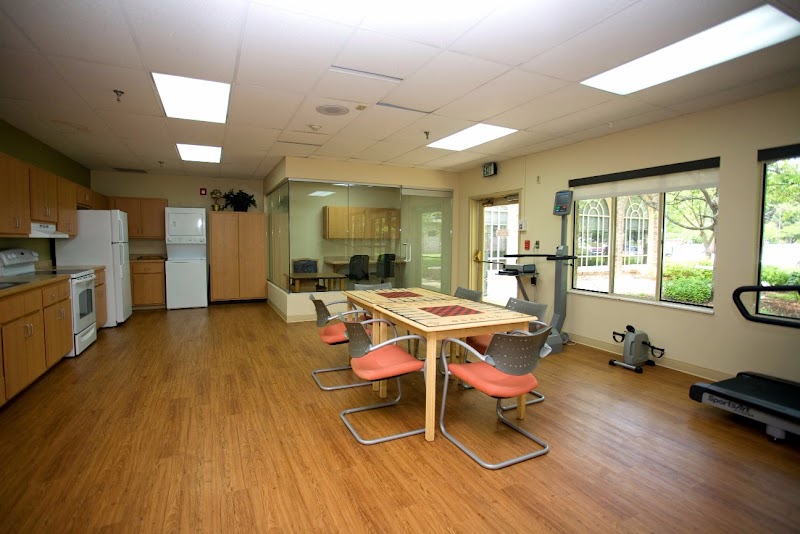
How is Allison Pointe Healthcare Center Staffed?

CMS rates ALLISON POINTE HEALTHCARE CENTER's staffing level at 2 out of 5 stars, which is below average compared to other nursing homes. Staff turnover is 44%, compared to the Indiana average of 46%. This relatively stable workforce can support continuity of care.

What Have Inspectors Found at Allison Pointe Healthcare Center?

State health inspectors documented 89 deficiencies at ALLISON POINTE HEALTHCARE CENTER during 2022 to 2025. These included: 1 Immediate Jeopardy (the most serious level, indicating potential for serious harm or death), 2 that caused actual resident harm, and 86 with potential for harm. Immediate Jeopardy findings are rare and represent the most serious regulatory concerns. They require immediate corrective action.
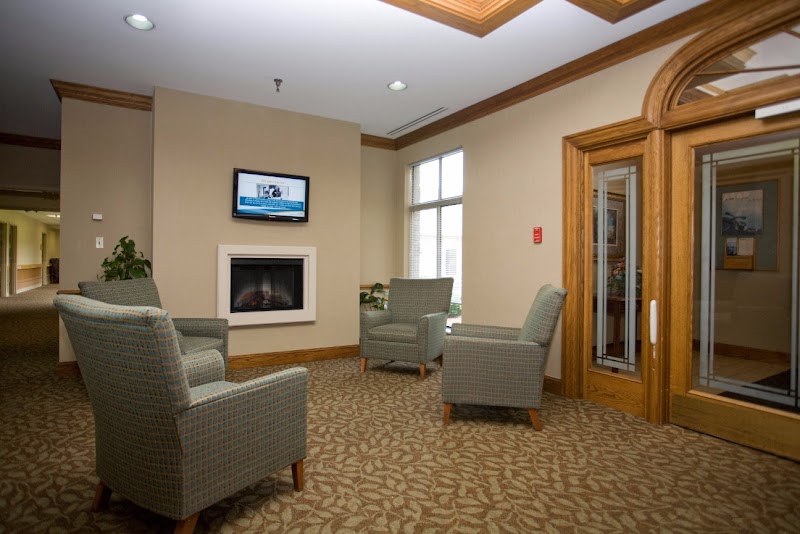
Who Owns and Operates Allison Pointe Healthcare Center?

ALLISON POINTE HEALTHCARE CENTER is owned by a for-profit company. For-profit facilities operate as businesses with obligations to shareholders or private owners. The facility is operated by COMMUNICARE HEALTH, a chain that manages multiple nursing homes. With 159 certified beds and approximately 100 residents (about 63% occupancy), it is a mid-sized facility located in INDIANAPOLIS, Indiana.

How Does Allison Pointe Healthcare Center Compare to Other Indiana Nursing Homes?

Compared to the 100 nursing homes in Indiana, ALLISON POINTE HEALTHCARE CENTER's overall rating (2 stars) is below the state average of 3.1, staff turnover (44%) is near the state average of 46%, and health inspection rating (1 stars) is much below the national benchmark.

What Should Families Ask When Visiting Allison Pointe Healthcare Center?

Based on this facility's data, families visiting should ask: "What changes have been made since the serious inspection findings, and how are you preventing similar issues?" "Can you walk me through typical staffing levels on day, evening, and night shifts?" "Can I visit during a mealtime to observe dining assistance and food quality?" "How do you handle medical emergencies, and what is your hospital transfer rate?" These questions are particularly relevant given the facility's Immediate Jeopardy citations and the below-average staffing rating.

Is Allison Pointe Healthcare Center Safe?

Based on CMS inspection data, ALLISON POINTE HEALTHCARE CENTER has documented safety concerns. Inspectors have issued 1 Immediate Jeopardy citation (the most serious violation level indicating risk of serious injury or death). The facility has a 2-star overall rating and ranks #100 of 100 nursing homes in Indiana. Families considering this facility should ask detailed questions about what corrective actions have been taken since these incidents.

Do Nurses at Allison Pointe Healthcare Center Stick Around?

ALLISON POINTE HEALTHCARE CENTER has a staff turnover rate of 44%, which is about average for Indiana nursing homes (state average: 46%). Moderate turnover is common in nursing homes, but families should still ask about staff tenure and how the facility maintains care continuity when employees leave.

Was Allison Pointe Healthcare Center Ever Fined?

ALLISON POINTE HEALTHCARE CENTER has been fined $56,381 across 1 penalty action. This is above the Indiana average of $33,643. Fines in this range indicate compliance issues significant enough for CMS to impose meaningful financial consequences. Common causes include delayed correction of deficiencies, repeat violations, or care failures affecting resident safety. Families should ask facility leadership what changes have been made since these penalties.

Is Allison Pointe Healthcare Center on Any Federal Watch List?

ALLISON POINTE HEALTHCARE CENTER is not on any federal watch list. The most significant is the Special Focus Facility (SFF) program, which identifies the bottom 1% of nursing homes nationally based on persistent, serious quality problems. Not being on this list means the facility has avoided the pattern of deficiencies that triggers enhanced federal oversight. This is a positive indicator, though families should still review the facility's inspection history directly.