ALTENHEIM HEALTH & LIVING COMMUNITY
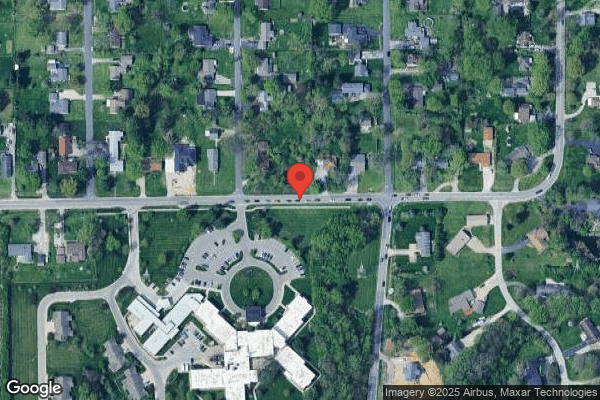

3525 E HANNA AVE, INDIANAPOLIS, IN 46237 (317) 788-4261
Government - County 87 Beds CARDON & ASSOCIATES Data: November 2025
Trust Grade
70/100
#114 of 505 in IN
Last Inspection: July 2024

Within standard 12-15 month inspection cycle. Federal law requires annual inspections.

Overview

Altenheim Health & Living Community in Indianapolis has a Trust Grade of B, which indicates it is a good option for families, falling into the solid choice category. It ranks #114 out of 505 facilities in Indiana, placing it in the top half, and #5 out of 46 in Marion County, meaning there are only four local options that are better. The facility is improving overall, with issues decreasing from three in 2024 to two in 2025. However, staffing is a concern, rated at just 1 out of 5 stars, with a turnover rate of 61%, significantly higher than the Indiana average of 47%. Notably, there were no fines recorded, which is a positive sign, but RN coverage is below average as it is less than 76% of facilities statewide. Specific incidents include a failure to maintain an effective pest control program, resulting in rodent issues affecting multiple residents, and not properly documenting resident belongings during admission and discharge, which could lead to lost items. While the facility excels in quality measures, it does have weaknesses, particularly in staffing and some operational procedures that need attention.

Trust Score
B
70/100
In Indiana
#114/505
Top 22%
Safety Record
Low Risk
No red flags
Inspections
Getting Better
3 → 2 violations
Staff Stability
⚠ Watch
61% turnover. Above average. Higher turnover means staff may not know residents' routines.
Penalties
✓ Good
No fines on record. Clean compliance history, better than most Indiana facilities.
Skilled Nurses
⚠ Watch
Each resident gets only 26 minutes of Registered Nurse (RN) attention daily — below average for Indiana. Fewer RN minutes means fewer trained eyes watching for problems.
Violations
⚠ Watch
14 deficiencies on record. Higher than average. Multiple issues found across inspections.
★★★★☆
4.0
Overall Rating
★☆☆☆☆
1.0
Staff Levels
★★★★★
5.0
Care Quality
★★★★☆
4.0
Inspection Score
Stable
2024: 3 issues
2025: 2 issues

The Good

  • 5-Star Quality Measures · Strong clinical quality outcomes
  • Full Sprinkler Coverage · Fire safety systems throughout facility
  • No fines on record

Facility shows strength in quality measures, fire safety.

The Bad

Staff Turnover: 61%

15pts above Indiana avg (46%)

Frequent staff changes - ask about care continuity

Chain: CARDON & ASSOCIATES

Part of a multi-facility chain

Ask about local staffing decisions and management

Staff turnover is elevated (61%)

13 points above Indiana average of 48%

The Ugly 14 deficiencies on record

Jul 2025 1 deficiency
CONCERN (D) 📢 Someone Reported This

A family member, employee, or ombudsman was alarmed enough to file a formal complaint

Potential for Harm - no one hurt, but risky conditions existed

Pharmacy Services (Tag F0755)

Could have caused harm · This affected 1 resident

Based on interview and record review, the facility failed to provide pharmaceutical services (including procedures that assured the accurate receiving and dispensing of drugs) to meet the needs of res...

Read full inspector narrative →
Based on interview and record review, the facility failed to provide pharmaceutical services (including procedures that assured the accurate receiving and dispensing of drugs) to meet the needs of residents for 2 of 3 residents reviewed for pharmacy services (Resident B and Resident C).Findings include:During an interview on 7/29/25 at 11:45 a.m., the Director of Nursing (DON) indicated Resident B was erroneously discharged home with Resident C's Novalog (insulin) pen and the nurse should have verified the name on the medication. During an interview on 7/29/25 at 2:48 p.m., LPN 1 indicated she was the nurse who discharged the Resident B home. She removed the insulin pens which were labeled with the resident's identification sticker on the outside of the bag, and she did not check the labels on the medication itself. She indicated she should have checked inside of the bags for the labels on the actual insulin pens. On 7/29/25 at 12:13 p.m., Resident B's clinical record was reviewed. The diagnoses included, but were not limited to diabetes mellitus and dependence on renal dialysis.A 7/7/25 order indicated the resident was prescribed 5 units of Novolog via FlexPen 3 times a day, and 20 units of Lantus via insulin pen once a day.During an interview on 7/30/25 at 12:23 p.m., the DON indicated she did not know if the medication came packaged incorrectly from the pharmacy or if a staff member placed the insulin pen in the incorrect bag. On 7/30/25 at 12:45 p.m., the DON provided the facility policy, Discharge Planning, dated 6/4/19, and indicated it was the policy currently being used. A review of the policy did not indicate the need for staff to confirm medication labels when residents' received discharge medications for home. This deficient practice was corrected on 7/14/25 after the facility implemented a systemic plan of correction that included the following actions: staff was educated on ensuring residents who discharged with insulin had the correct medications, with ongoing monitoring and audits.This citation relates to Complaint 2562216.3.1-25(p)
Feb 2025 1 deficiency
CONCERN (D) 📢 Someone Reported This

A family member, employee, or ombudsman was alarmed enough to file a formal complaint

Potential for Harm - no one hurt, but risky conditions existed

Deficiency F0761 (Tag F0761)

Could have caused harm · This affected 1 resident

Based on observation, interview, and record review, the facility failed to ensure prescription injectable medication was secured for 1 of 1 random observations. (Resident B) Findings include: On 2/24/...

Read full inspector narrative →
Based on observation, interview, and record review, the facility failed to ensure prescription injectable medication was secured for 1 of 1 random observations. (Resident B) Findings include: On 2/24/25 at 8:16 a.m., two sealed enoxaparin sodium (prescription blood thinner injection) 30 milligrams (mg) per 0.3 milliliter (ml) injections were observed lying on a shelf in Resident B's closet. During an interview on 2/24/25 at 8:27 a.m., LPN 1 indicated the enoxaparin 30 mg/0.3 ml injections should have been locked in the medication cart and not left in Resident B's closet. On 2/24/25 at 11:48 a.m., the Director of Nursing (DON) provided a copy of an undated facility policy, titled Drug Storage, and indicated this was the current policy used by the facility. A review of the policy indicated medications are stored in a medication cart or other secured area. This citation relates to Complaint IN00453284. 3.1-25(m)
Oct 2024 1 deficiency
CONCERN (D) 📢 Someone Reported This

A family member, employee, or ombudsman was alarmed enough to file a formal complaint

Potential for Harm - no one hurt, but risky conditions existed

Pressure Ulcer Prevention (Tag F0686)

Could have caused harm · This affected 1 resident

Based on interview and record review, the facility failed to provide care and services for a resident admitted with a pressure ulcer for 1 of 3 residents reviewed for pressure ulcers. Treatments were ...

Read full inspector narrative →
Based on interview and record review, the facility failed to provide care and services for a resident admitted with a pressure ulcer for 1 of 3 residents reviewed for pressure ulcers. Treatments were not completed as ordered and care plans were not developed. (Resident B) Findings include: During an interview on 10/10/24 at 10:14 a.m., Licensed Practical Nurse (LPN) 1 indicated she would have checked the physician's orders for treatment orders, special repositioning instructions, and medications for wound care. If a wound treatment was not signed off as completed on the electronic medical record (EMR), then the wound treatment was not completed. The clinical record for Resident B was reviewed on 10/10/24 at 1:28 p.m. The diagnoses included, but were not limited to, physical debility, diabetes, and malnutrition. An admission Minimum Data Set (MDS) assessment, dated 8/22/24, indicated Resident B was admitted with one unhealed stage 1 pressure ulcer (a reddened area of skin that does not change color when palpated). Hospital discharge orders, dated 8/16/24, indicated apply barrier cream to the deep tissue injury (a pressure ulcer that cannot be staged because the depth and damage under the skin cannot be evaluated) along the sacral region and reposition every two hours. A Weekly Skin Assessment, dated 8/16/24, indicated Resident B had a pressure wound to the tailbone area that measured 1.3 cm (centimeters) by 2.4 cm with the letter P drawn over the tailbone area of the picture to indicate pressure as instructed on the form. A physician's order started on 8/26/24, indicated cleanse sacral wound with wound cleanser, pat dry, apply medihoney (ointment applied to wound base to improve healing), cover with foam dressing, change every day and as needed. The dressing was to be completed on day shift. The Medication Administration Record (MAR), dated 8/26/24 through 9/9/24, indicated Resident B's sacral wound treatment was not completed on 8 of 14 days as follows: - 8/26/24, not administered due to new order. - 8/27/24, not administered due to Resident B was unavailable. - 8/28/24, not administered due to Resident B was up in chair all shift. - 8/29/24, not administered due to Resident B was unavailable. - 9/2/24, blank. - 9/4/24, not administered due to previous shift. - 9/5/24, not administered due to first shift. - 9/6/24, blank. During an interview on 10/10/24 at 1:40 p.m., the Regional Nurse indicated the sacral wound should have been measured at least weekly and the sacral dressings should have been completed as ordered by the physician. The clinical record for Resident B lacked a care plan for a sacral pressure wound. The clinical record for Resident B lacked a physician's order to turn Resident B side to side starting, on 8/16/24. On 10/11/24 at 10:30 a.m., the Regional Nurse provided a copy of a facility policy, titled Wound Management Policy, dated 2/1/19, and indicated this was the current policy used by the facility. A review of the policy indicated the wound team would observe pressure areas to provide oversight of the care plan interventions and to ensure the resident's condition was accurately assessed in a timely manner. The Interdisciplinary Team would document the wound assessment weekly in the medical record. This Federal Tag relates to Complaints IN00444835 and IN00443767. 3.1-40(a)(2)
Jul 2024 1 deficiency
CONCERN (D)

Potential for Harm - no one hurt, but risky conditions existed

Deficiency F0698 (Tag F0698)

Could have caused harm · This affected 1 resident

**NOTE- TERMS IN BRACKETS HAVE BEEN EDITED TO PROTECT CONFIDENTIALITY** Based on interview and record review, the facility failed to ensure care and services for residents with dialysis were provided ...

Read full inspector narrative →
**NOTE- TERMS IN BRACKETS HAVE BEEN EDITED TO PROTECT CONFIDENTIALITY** Based on interview and record review, the facility failed to ensure care and services for residents with dialysis were provided for 3 of 4 residents reviewed for dialysis services. Daily weights as ordered by the physician, related to the resident's dialysis services, were not obtained and monitored. (Resident 54, Resident 59, Resident 67) Findings include: 1. On 7/9/24 at 2:41 p.m., Resident 54's clinical record was reviewed. The diagnoses included, but were not limited to, dependence on renal dialysis (process by which dissolved substances are removed from an individual's body by diffusion from one fluid compartment to another across a semipermeable membrane) and stage 5 chronic kidney disease (also known as end-stage kidney disease where the kidneys are severely damaged and can no longer perform their functions). The Annual Minimum Data Set (MDS) assessment, dated 5/24/24, indicated Resident 54 was cognitively intact and renal failure, End Stage Renal Disease (ESRD), stage 5 chronic renal failure, and was dependent upon dialysis. Resident 54's care plan included, but were not limited to the following: - .Problem start date: 5/16/24; Resident receives Hemodialysis due to end stage renal disease and is at risk for complications. Goal target date: 9/8/24; Resident will have effective fluid management, hemodynamically stable, without complications. Approach start date: 5/16/24; Report fluid excess (weight gain .) - .Problem start date: 8/11/23; Resident is at risk for weight loss [related to] chronic kidney disease. Goal target date 9/8/24; Resident will not have significant weight changes through next review. Approach start date: 8/11/23; Monitor resident's weight, notify physician of any significant weight changes . Physician Orders included, but were not limited to: - .daily weight, notify [Physician] if weight gain greater than 3 pounds overnight or 5 pounds in one week. Start date 2/28/24 . - .Resident to receive dialysis at the [facility] on Tuesday, Thursday, and Saturday. Start date 2/28/24 and no stop date . On 7/16/24 at 11:20 a.m., the Director of Nursing Services (DNS) provided copies of the Treatment Administration Records. A review of the records indicated the physician's prescribed daily weights, as it related to the dialysis services, were documented. The following documents identified the dates and the nursing staff's reasons the weights had not been performed. - from 2/28/24 to 3/28/24, the record lacked 4 daily weights: 3/14/24 - Not administered: Resident unavailable 3/15/24 - record lacked a reason for not obtaining the weight 3/17/24 - Not administered: On hold 3/18/24 - Not administered: Unable to obtain [weight] - from 3/29/24 to 4/28/24, the record lacked 5 daily weights: 3/29/24 - Not administered: day-shift 4/7/24 - record lacked a reason for not obtaining the weight 4/17/24 - Not administered: Resident unavailable 4/21/24 - record lacked a reason for not obtaining the weight 4/26/24 - record lacked a reason for not obtaining the weight - from 4/29/24 to 5/28/25, the record lacked 4 daily weights: 5/5/24 - record lacked a reason for not obtaining the weight 5/12/24 - Not administered: Resident unavailable 5/19/24 - Not administered: On hold 5/26/24 - Not administered: Weight not obtained - from 5/29/24 to 6/28/24, the record lacked 5 daily weights: 5/30/24 - Not Administered: Resident unavailable 6/10/24 - record lacked a reason for not obtaining the weight 6/25/24 - record lacked a reason for not obtaining the weight 6/26/24 - Not administered: Resident unavailable 6/28/24 - Not administered: nurse completed - from 6/29/24 to 7/10/24, the record lacked 1 daily weight: 7/5/24 - Not administered: Other During an interview on 7/10/24 at 9:15 a.m., Licensed Practical Nurse (LPN) 3 indicated Resident 54 was dialysis dependent and staff were to monitor his weights daily. During an interview on 7/12/24 at 10:07 a.m., Resident 54 indicated the dialysis staff weighed him during his dialysis sessions. Sometimes the nursing staff had weighed him on his non-dialysis days, his weight was not taken on a daily basis. 2. On 7/9/24 at 3:04 p.m., Resident 59's clinical record was reviewed. The diagnoses included, but were not limited to, dependence on renal dialysis and ESRD. The Quarterly MDS assessment, dated 4/23/24, indicated Resident 59 was moderately cognitively intact and had ESRD, renal disease, and was dependent upon dialysis. Resident 59's care plan included, but were not limited to, the following: - .Problem start date: 5/26/24; Resident receives Hemodialysis due to end stage renal disease and is at risk for complications. Goal target date: 9/26/24; Resident will have effective fluid management, hemodynamically stable, without complications. Approach start date: 5/26/24; Report fluid excess [weight gain] . - .Problem start date: 6/19/23; Resident has experienced significant weight loss. Goals target date: 9/26/24; Resident will have no further significant weight loss through next review. Approach: Monitor/record weight routinely, notify [Physician] of any significant changes . Physician orders included, but were not limited to: - .daily weight, notify [Physician] if weight gain greater than 3 pounds overnight or 5 pounds in one week. Start date 5/15/24 with no end date noted . - .Resident to receive dialysis at [dialysis provider], on Monday, Wednesday, and Friday .start date 5/15/24 with no end date noted . On 7/16/24 at 11:20 a.m., the DNS provided copies of the Treatment Administration Records. A review of the records indicated the physician's prescribed daily weights, as it related to the dialysis services, were documented. The following documents identified the dates and the nursing staff's reasons the weights had not been performed. - from 5/15/24 to 5/31/24, the record lacked 3 daily weights: 5/18/24 - record lacked a reason for not obtaining the weight 5/19/24 - Not administered: On hold 5/26/24 - Not administered: Weight not obtained - from 6/1/24 to 6/30/24, the record lacked 1 daily weight: 6/18/24 - Not administered: Resident unavailable - from 7/1/24 to 7/10/24, the record lacked 1 daily weight: 7/2/24 - Not administered: Other During an interview on 7/10/24 at 9:20 a.m., LPN 3 indicated Resident 59 was dialysis dependent and staff were to monitor her weights daily. During an interview on 7/12/24 at 12:30 p.m., Resident 59 indicated she was weighed during her dialysis sessions. Resident 59 indicated she had not been weighed by the nursing facility staff. 3. On 7/9/24 at 2:55 p.m., Resident 67's clinical record was reviewed. The diagnoses included, but were not limited to, dependence on renal dialysis and ESRD. The Quarterly MDS assessment, dated 5/13/24, indicated Resident 67 was cognitively intact and had ESRD and was dependent upon dialysis. Resident 67's care plan included but was not limited to the following: - .Problem start date: 3/4/24; Resident receives Hemodialysis due to end stage renal disease and is at risk for complications. Goal target date: 8/15/24; Resident will have effective fluid management, hemodynamically stable, without complications. Approach start date: 3/4/24; Report fluid excess [weight gain] . Physician orders included, but were not limited to: - .daily weight, notify [Physician] if weight gain greater than 3 pounds overnight or 5 pounds in one week. Start date 3/5/24 with no end date noted . - .Resident to receive dialysis at [dialysis provider], on Monday, Wednesday, and Friday .start date 3/5/24 with no end date noted . On 7/16/24 at 11:20 a.m., the DNS provided copies of the Treatment Administration Records. A review of the records indicated the physician's prescribed daily weights, as it related to the dialysis services, were documented. The following documents identified the dates and the nursing staff's reasons the weights had not been performed. - from 3/5/24 to 3/31/24, the record lacked 8 daily weights: 3/5/24 - record lacked a reason for not obtaining the weight 3/10/24 - record lacked a reason for not obtaining the weight 3/11/24 - record lacked a reason for not obtaining the weight 3/12/24 - record lacked a reason for not obtaining the weight 3/13/24 - record lacked a reason for not obtaining the weight 3/19/24 - Not administered: did not get out of bed 3/21/24 - Not administered: Resident unavailable 3/31/24 - record lacked a reason for not obtaining the weight - from 4/1/24 to 4/30/24, the record lacked 4 daily weights: 4/7/24 - record lacked a reason for not obtaining the weight 4/18/24 - Not administered: Resident unavailable 4/21/24 - record lacked a reason for not obtaining the weight 4/30/24 - Not administered: previous shift - from 5/1/24 to 5/31/24, the record lacked 5 daily weights: 5/2/24 - Not administered: Resident unavailable 5/14/24 - record lacked a reason for not obtaining the weight 5/18/24 - record lacked a reason for not obtaining the weight 5/19/24 - Not administered: On hold 5/26/24 - Not administered: weight not obtained - from 6/1/24 to 6/30/24, the record lacked 1 daily weight: 6/13/24 - Not administered: Resident unavailable -from 7/1/24 to 7/10/24, the record lacked 2 daily weights: 7/2/24 - Not administered: Other 7/6/24 - Not administered: Resident unavailable During an interview on 7/10/24 at 9:50 a.m., LPN 3 indicated Resident 67 was dialysis dependent and staff were to monitor her weights daily. During an interview on 7/12/24 at 9:45 a.m., Resident 67 indicated the dialysis staff weighed her during the dialysis session. The nursing staff generally did not weigh her. During an interview on 7/11/24 at 1:05 p.m., the DNS indicated staff were to follow the physician's orders regarding resident's daily weights related to their dialysis services. The resident's Treatment Administration Records identified the physician prescribed daily weights that had not been obtained. During an interview on 7/16/24 at 11:00 a.m., the Corporate Clinical Support Director indicated not all of the resident's prescribed daily weights were obtained. The dialysis protocol was to monitor the resident's weights. On 7/11/24 at 2:55 p.m., the DNS provided a copy of the Hemodialysis policy, dated 6/4/19, and indicated it was the current policy in use by the facility. A review of the policy indicated, .will ensure that residents who require dialysis receive such services, consistent with professional standards of practice, the comprehensive person-centered care plan . On 7/11/24 at 1:50 p.m., the DNS provided a copy of the Protocol for Following Physician Orders policy, dated 4/3/17, and indicated it was the current policy in use by the facility. A review of the policy indicated, .It is the goal of [NAME] to provide care to our facility residents that will promote support for the optimal quality of life for the resident .associates .will provide the appropriate physician prescribed care to residents .all licensed staff will verify and follow the physician orders as written .the resident's plan of care will reflect the physician's orders and direction for the resident's plan of care . 3.1-37(a)
Apr 2024 1 deficiency
CONCERN (E) 📢 Someone Reported This

A family member, employee, or ombudsman was alarmed enough to file a formal complaint

Potential for Harm - no one hurt, but risky conditions existed

Deficiency F0925 (Tag F0925)

Could have caused harm · This affected multiple residents

**NOTE- TERMS IN BRACKETS HAVE BEEN EDITED TO PROTECT CONFIDENTIALITY** Based on observation, interview, and record review, the facility failed to ensure an effective pest control program was maintain...

Read full inspector narrative →
**NOTE- TERMS IN BRACKETS HAVE BEEN EDITED TO PROTECT CONFIDENTIALITY** Based on observation, interview, and record review, the facility failed to ensure an effective pest control program was maintained and the facility was free of rodents affecting 5 of 8 residents reviewed. (Resident D, Resident E, Resident J, Resident K, Resident M) Findings include: During the initial tour, on 4/1/24 from 9:26 a.m. to 9:50 a.m., Housekeeping (HSK) 2 indicated there were issues with mice in several resident rooms. The Maintenance Department Director was notified of the mice. The following was observed during the facility tour: 1. room [ROOM NUMBER] was observed to have one resident who resided in the room. The following was observed: - Resident J had a dresser with multiple drawers near the entry door and approximately 6 feet from the resident's bed. Inside the bottom drawer were multiple folded towels and wash cloths. Visible on the towels and wash cloths were multiple small black rice-like substances. 2. room [ROOM NUMBER] was observed to have two residents who resided in the room. The following was observed: - On the floor inside Resident K's closet, located near the entry door, was a 6 inch bait trap (mouse trap) partially covered by a dark colored piece of clothing. On the dresser stand, approximately 5 feet from the resident's bed, was a mini-refrigerator unit. Near and on top of the mini-refrigerator unit were multiple small black rice-like substances. During an interview at that time, Resident K indicated about a week or so ago there was a live mouse near the refrigerator unit and walking around on the floor in his room. - Visible on the windowsill, located next to Resident M's bed were multiple small black rice-like substances. On the other side of Resident M's bed was a three-drawer bedside table. Inside the second drawer were multiple small black rice-like substances. During an interview at that time, Resident M indicated several days ago, he saw multiple mice on the windowsill and on the floor between the two resident's beds. 3. room [ROOM NUMBER] was observed to have two residents who resided in the room. The following was observed: - Resident D had an over-the bed table next to bed. On top of the over-the bed table was a medium-sized uncovered plastic tub. Inside the tub was an unopened plastic wrapped sleeve that held chocolate stuffed cookies. At the top of the sleeve of cookies was a dime-sized hole in the plastic wrap and the top part of a cookie had been chewed. At the bottom of the tub were multiple small black rice-like substances. During an interview at that time, Resident D indicated there had been mice in his room over the past several months. About 2-3 weeks ago there was a live mouse under his pillow while he was resting in bed. Resident D indicated he was unable to catch it. - Resident E's nightstand was located next to the bed. The third drawer of the nightstand had multiple small black rice-like substances. During an interview at that time, Resident E indicated there were problems with mice. During an interview on 4/1/24 at 9:55 a.m., LPN (Licensed Practice Nurse) 3 indicated in the recent past there were several resident rooms where mice droppings were observed. The Maintenance Director was notified of the mice droppings. During an interview and facility tour on 4/1/24 at 12:30 p.m., the Director of Nursing Services (DNS) indicated the rodent/pest control provider had been treating the mice infestation for several months. The provider had treated the building twice weekly from early December to mid-February. Since that time, the provider had not seen any evidence of new mice in the building and so the scheduled treatment was changed to monthly. During a facility tour at that time, the DNS indicated she was unaware of additional mice issues again. During an interview on 4/1/24 at 1:07 p.m., the Maintenance Director indicated there was a mice infestation that started several months ago. The pest/rodent provider has been conducting the mice eradication since December 2023. They were coming to the building twice weekly. Since mid-February, the infestation had decreased and so the provider conducts the inspections monthly. The Maintenance Director indicated over the past couple of months, he had caught 157 mice. The mice infestation was on the A and B halls. On 4/1/24 at 1:20 p.m., the DNS provided a copy of the [Provider] Pest Sighting/Evidence Log. A review of the log indicated the following: Date Pest/issue Exact location 12/26/23 mice Resident rooms - 1119, 1098, 1099, 1093 12/27/23 mice Resident room - 2120 12/27/23 mice Resident room - 1122 1/8/24 mice Resident room [ROOM NUMBER] 1/9/24 mice Resident rooms 1116, 1117, 1127, 1115, 1122, 1124 1/15/24 mice Resident rooms 1082, 2115 1/16/24 mice Resident room [ROOM NUMBER] 1/24/24 mice Resident room [ROOM NUMBER] 1/25/24 mice Resident room [ROOM NUMBER] 2/2/24 mice Resident rooms 1077, 1075 On 4/1/24 at 1:40 p.m., the DNS provided a copy of the Customer Service Report. A review of the report indicated the provider implemented or continued the rodent program on the following dates: 1/2/24; 1/5/24; 1/10/24; 1/16/24; and 1/30/24. The provider indicated no sightings of rodent activity were visible on the following dates: 1/12/24; 1/19/24; 1/23/24; 2/2/24; 2/6/24; 2/9/24; 2/13/24; 2/14/24; 2/23/24; 3/13/24; and 3/15/24. On 4/1/24 at 2:15 p.m., the DNS provided an undated statement, titled Mouse Identification, and indicated it was a summary of the facility's process for eradicating the mice infestation. A review of the document indicated, December 5, 2023 - [provider] commenced treatments for activity [evidence of mice in the facility] two times per week. Per verbal agreement, [provider] would continue treating two times per week unless no activity was noted for 3 weeks. On 2/13/24, there was no noted activity for 4 weeks. The treatment was changed back to the regular once per month schedule. [Provider] treated the facility on 2/14/24; 2/23/24; 3/13/24; and 3/15/24 with no findings. During an interview at that time, the DNS indicated she was unaware of additional mice issues since mid March. Staff were to report all mice issues so that it could be addressed. On 4/1/24 at 11:33 a.m., the Administrator provided an undated copy of the [Provider] Pest Elimination Scope of Service policy and indicated it was the current policy in use by the facility. A review of the policy indicated, .[Provider] will proactively eliminate the pests you are concerned about .the facility will be serviced monthly .Rodent program is an integrated system that combines patented rodent station technology with discreet devices, regular service visits and detailed inspections .conduct a thorough inspection .to identify rodent breeding areas and facility access points .inspect interior .to identify current rodent issues as well as structural and sanitation issues . This citation relates to Compliant IN00429968. 3.1-19(f)(4)
Jun 2023 2 deficiencies
CONCERN (D)

Potential for Harm - no one hurt, but risky conditions existed

Comprehensive Care Plan (Tag F0656)

Could have caused harm · This affected 1 resident

**NOTE- TERMS IN BRACKETS HAVE BEEN EDITED TO PROTECT CONFIDENTIALITY** Based on observation, interview, and record review, the facility failed to ensure physician orders for skin treatment services w...

Read full inspector narrative →
**NOTE- TERMS IN BRACKETS HAVE BEEN EDITED TO PROTECT CONFIDENTIALITY** Based on observation, interview, and record review, the facility failed to ensure physician orders for skin treatment services were accurately provided and recorded for 2 of 7 residents reviewed. (Resident 174, Resident 25) Findings include: 1. During an interview on 5/30/23 at 1:57 p.m., Resident 174 indicated he was admitted to the facility with a sore spot on his right outer ankle area and that staff treat the area every Tuesday and Thursday. On 6/2/23 at 10:00 a.m., Resident 174's clinical record was reviewed. Resident 174 was admitted to the facility on [DATE]. The diagnoses included, but were not limited to, disorder of the skin and diabetes. The admission MDS (Minimum Data Set) assessment, dated 4/18/23, indicated Resident 174 was cognitively intact and was receiving applications of ointment/medications for skin conditions. Resident 174's care plan included, but was not limited to, Problem: Resident has skin breakdown to outer ankle; start date: 4/12/23; Goal: Area will resolve without complication; Target date: 7/30/23; Approach: pressure reducing/redistribution cushion in chair/wheelchair; pressure reducing/redistribution mattress on bed; Turn and reposition every 2 hours with avoidance of pressure to affected area; weekly skin checks by licensed nurse . Physician orders included, but were not limited to, betadine (povidone-iodine) [OTC] solution; 10%; amt [amount]: apply a small amount topically 3x/week T [Tuesday], Th [Thursday], Sat [Saturday] for preventing bacterial infection. Apply to R [right] lateral ankle wound/scab. Start date: 4/12/23 - open ended [no end date]. The April 2023 Medication Administration Record (MAR) indicated Resident 174's right ankle was treated with betadine every Tuesday and Thursday from 4/13/23 thru 4/27/23. The May 2023 MAR indicated Resident 174's right ankle was treated with betadine every Tuesday and Thursday from 5/2/23 thru 5/30/23. The June 2023 MAR indicated Resident 174's right ankle was treated with betadine on Thursday, 6/1/23. On 6/2/23 at 11:42 a.m., Resident 174's right outer ankle area was observed. During an interview at that time, the Unit Manager indicated Resident 174 had a physician's order for betadine treatments to the healing right outer ankle area. Resident 174 was admitted with a traumatic injury as a result from a fall that affected the outer ankle area. During an interview on 6/5/23 at 1:36 p.m., the DNS (Director of Nursing Services) indicated Resident 174's physician's betadine treatment order for the right outer ankle area was supposed to be two times per week. The nursing staff should have consulted with the prescribing provider to determine the frequency for which the treatment was to be provided and then update the clinical record to ensure the record was clear and accurate. 2. During an interview on 5/31/23 at 9:04 a.m., Resident 25 indicated she had a sore below her right knee and staff wrapped her lower leg every day. On 6/5/23 at 8:34 a.m., Resident 25's clinical record was reviewed. The diagnoses included, but were not limited to, unspecified open wound on the lower leg; lower extremity arterial disease; and disorders of the skin and subcutaneous tissue. The Annual MDS (Minimum Data Set) assessment, dated 4/13/23, indicated Resident 25 was cognitively intact and was receiving applications of ointment/medications for skin conditions. Resident 25's care plan included, but was not limited to, Problem: Resident has s/s [signs and symptoms] of infection to right lower leg; start date: 5/19/23; Goal: Infection will resolve without complications; Target date: 6/2/23; Approach: administer antibiotics as ordered; monitor for any adverse side effects and notify MD [Medical Doctor] if any occur .treatment as ordered . The Physician's progress note, dated 5/25/23 at 7:15 p.m., indicated .right lower leg: clean wound with wound cleaner or NS [normal saline]; apply 0.1 gentamicin cream [antibiotic used to stop the growth of certain bacterial infections]; cover with ABD [abdominal treatment pads] and secure with kerlix. Change daily and prn [as needed]. The MAR indicated Physician orders included, but were not limited to, gentamicin cream; 0.1%; amt: dime size amount to wound; topical; frequency: once - one time; special instructions: cleanse areas with wound cleaner then apply to wound beds on rt [right] lower extremity, apply ABD and kerlix daily and prn; diagnosis: unspecified skin changes; date created: 5/26/23; verified date: 5/26/23. The 5/5/23 to 6/5/23 MAR document lacked any verification that the gentamicin cream was applied to Resident 25's lower extremity. During an interview on 6/5/23 at 2:50 p.m., the DNS (Director of Nursing Services) indicated on 5/25/23 Resident 25's physician placed a new order for gentamicin cream to be applied to the resident's lower right extremity daily. The order was data entered into the electronic clinical record as a one-time application rather than daily as prescribed by the physician. The DNS indicated the medication was applied daily to Resident 25's lower extremity even though the clinical record failed to reflect the medication administration. The clinical record should have accurately reflected the physician's order. During an interview on 6/6/23 at 9:20 a.m., Qualified Medication Aide 3 indicated if a medication or treatment order discrepancy was noted, the nurse would be notified. The nurse would then seek clarification from the physician. The medication or treatment would not be administered until the discrepancy was clarified. During an interview on 6/6/23 at 9:35 a.m., Licensed Practical Nurse 2 indicated physician's orders were to be reviewed and reconciled prior to providing a treatment. If a discrepancy was noted, the physician would be contacted to clarify the order prior to providing the treatment. If the treatment was given, the MAR would be completed by the licensed staff indicating the treatment had been performed. On 6/2/23 at 2:10 p.m., the DNS provided a copy of the Protocol for Following Physician Orders policy, dated 4/3/2017, and indicated it was the current policy in use by the facility. A review of the policy indicated, Policy statement: it is the goal of [NAME] to provide care to our facility residents that will promote support for the optimal quality of life for the residents. Policy: it is the policy of [NAME] and associates that we will provide the appropriate physician prescribed care to residents in our communities. The facility patient care, therapy and pharmacy services will reflect the orders and plan of care of the prescribing physician. Procedure: all licensed staff will verify and follow physician orders as written . On 6/2/23 at 3:05 p.m., the DNS provided a copy of the Care Plans - Comprehensive policy, dated October 2009, and indicated it was the current policy in use by the facility. A review of policy indicated, .an individualized comprehensive care plan that .meets the resident's medical, nursing .is developed for each resident .care plans are revised as information about the resident and the resident's condition change . 3.1-35(g)(2)
CONCERN (E) 📢 Someone Reported This

A family member, employee, or ombudsman was alarmed enough to file a formal complaint

Potential for Harm - no one hurt, but risky conditions existed

Medical Records (Tag F0842)

Could have caused harm · This affected multiple residents

**NOTE- TERMS IN BRACKETS HAVE BEEN EDITED TO PROTECT CONFIDENTIALITY** Based on record review and interview, the facility failed to inventory and document resident belongings upon admission and disch...

Read full inspector narrative →
**NOTE- TERMS IN BRACKETS HAVE BEEN EDITED TO PROTECT CONFIDENTIALITY** Based on record review and interview, the facility failed to inventory and document resident belongings upon admission and discharge for 4 of 4 residents reviewed. (Resident B, Resident C, Resident D, Resident E) Findings include: 1. On 5/30/23 at 12:30 p.m., Resident B's clinical record was reviewed. Resident B admitted to the facility on [DATE] and discharged on 2/8/23. An inventory sheet was not completed in Resident B's clinical record. 2. On 6/2/23 at 11:30 a.m., Resident C's clinical record was reviewed. Resident C admitted to the facility on [DATE] and discharged on 4/2/23. An inventory sheet was not completed in Resident C's clinical record. 3. On 6/2/23 at 11:45 a.m., Resident D's clinical record was reviewed. Resident D admitted to the facility on [DATE] and discharged on 3/26/23. An inventory sheet was not completed in Resident D's clinical record. 4. On 6/2/23 at 12:00 p.m., Resident E's clinical record was reviewed. Resident E admitted to the facility on [DATE] and discharged on 2/17/23. An inventory sheet was not completed in Resident E's clinical record. During an interview on 6/5/23 at 9:30 a.m., the DON indicated that she was unable to locate inventory sheets for the four residents. The DON stated that there was an observation in the electronic record to open on admission to inventory new residents' personal belongings and that a paper copy of inventoried items would also be acceptable but was unable to locate either for Resident B, Resident C, Resident D, or Resident E. On 6/5/23 at 1:30 p.m., the DON provided a copy of the facility policy titled Personal Property, dated as revised for April 2013. The policy indicated that .5. The resident's personal belongings and clothing shall be inventoried and documented upon admission and as such items are replenished. This Federal tag relates to Complaint IN00405626. 3.1-9(g)
Jan 2023 1 deficiency
CONCERN (D) 📢 Someone Reported This

A family member, employee, or ombudsman was alarmed enough to file a formal complaint

Potential for Harm - no one hurt, but risky conditions existed

Deficiency F0602 (Tag F0602)

Could have caused harm · This affected 1 resident

Based on interview and record review, the facility failed to protect the residents right to be free from misappropriation of property for 1 of 3 residents reviewed for misappropriation of property. A ...

Read full inspector narrative →
Based on interview and record review, the facility failed to protect the residents right to be free from misappropriation of property for 1 of 3 residents reviewed for misappropriation of property. A resident's narcotic pain medication was unaccounted for. (Resident B) Finding includes: During an interview on 1/27/23 at 8:50 a.m., QMA 1 (Qualified Medication Aide) indicated Resident B's narcotic pain medication was unaccounted for a month ago. She worked that morning and as she was getting report from the nurse, the night shift QMA indicated that narcotic pain medication had been delivered for Resident B, and she was not able to locate the medication. During an interview on 1/27/23 at 10:25 a.m., the DON (Director of Nursing) indicated the narcotic pain medication for Resident B was delivered and was unaccounted for. The staff that signed for the medication was terminated because she did not follow procedure when the medication was delivered. The staff did not immediately secure the narcotics in the narcotic lock box on the medication cart. She placed the unsecured medication delivery tote outside the medication storage room. Later that morning, the medication could not be accounted for. The pharmacy verified the narcotic pain medication was delivered. The staff member should have locked the medication in the narcotic lock box on her medication cart. The clinical record for Resident B was reviewed on 1/31/23 at 9:52 a.m. The diagnoses included, but were not limited to, left below knee amputation and chronic pain syndrome. A Significant Change MDS (Minimum Data Set) assessment, dated 1/4/23, indicated Resident B was cognitively intact and had occasional, moderate, pain that did not interfere with his day-to-day activities. The Physician's orders included, but were not limited to: Oxycodone (narcotic pain medication) 10 mg (milligrams) orally every 4 hours as needed for chronic pain syndrome, initiated 12/27/22. A pharmacy packing slip, dated 12/23/22, indicated 24 tablets of oxycodone 10 mg were delivered on 12/24/22. A police incident report, dated 12/24/22, indicated incident type: theft of prescription with a case number. On 1/31/23 at 9:53 a.m., the DON provided a copy of a facility policy, titled Abuse, Neglect and Misappropriation Prohibition and Prevention Policy, dated 6/4/19, and indicated this was the current policy used by the facility. A review of the policy indicated misappropriation of resident property is defined as deliberate misplacement, exploitation, or wrongful, temporary, or permanent use of a resident's belongings or money without the resident's consent. This Federal tag relates to Complaint IN00397745 3.1-28(a)
Jul 2022 6 deficiencies
CONCERN (D)

Potential for Harm - no one hurt, but risky conditions existed

Comprehensive Care Plan (Tag F0656)

Could have caused harm · This affected 1 resident

Based on observation, interview, and record review, the facility failed to implement the plan of care for 1 of 7 residents reviewed for pressure ulcers. A physician's order for specialized cushion was...

Read full inspector narrative →
Based on observation, interview, and record review, the facility failed to implement the plan of care for 1 of 7 residents reviewed for pressure ulcers. A physician's order for specialized cushion was not followed. (Resident B) Findings include: On 7/8/22 at 3:05 p.m., observed Resident B's powerchair. A spectrum foam cushion was observed on the seat portion of the powerchair. No other powerchair cushion was visible. The clinical record for Resident B was reviewed on 7/8/22 at 9:51 a.m. The diagnosis included, but was not limited to, diabetes mellitus with other circulatory complications. The Quarterly MDS (Minimum Data Set) assessment, dated 6/22/22, indicated Resident B was at risk of developing a pressure ulcer. The care plan, initially dated 3/31/21, updated on 7/6/22, and valid through 10/6/22, indicated Resident is at risk of skin breakdown R/T [related to]: pain, incontinence, DM [diabetes mellitus], debility, noncompliance with preventative interventions such as ted hose and turning/repositioning and hoyer lifts for transfers . Nursing progress notes, titled Wound Rounds, indicated: -On 6/30/22 at 9:00 a.m., .resident seen at this time .wounds evaluated .all areas epithelialized [restoration of damaged skin] and discharged from wound services. Due to high risk of recurrence r/t [related to] compliance inconsistency to recommendation of not sitting for extended periods .Gel or Roho cushion [specialized pressure redistribution cushion designed to prevent and decrease the development of pressure ulcers] to powerchair for pressure reduction . On 6/23/22 at 9:00 a.m., the Wound Physician documented the following: plan .upgrade powerchair cushion to gel or Roho .upgrade powerchair cushion for improved pressure redistribution . On 6/30/22 at 9:00 a.m., the Wound Physician documented the following: plan .upgrade powerchair cushion to gel or Roho .areas are resolved; due to inconsistency of offloading compliance, recurrence is likely . On 7/8/22 at 3:30 p.m., the DNS (Director of Nursing Services) provided a copy of the EquaGel Straight Comfort Wheelchair Equal Pressure GL 56000-31-520 cushion purchase order. A review of the purchase order indicated the cushion was ordered on 7/7/22 at 3:17 p.m. During an interview with the DNS at that time, the spectrum foam cushion observed on Resident B's powerchair was the one that came with the chair and was not the one ordered by the Physician. The Wound Physician's order for the gel cushion was just ordered yesterday [7/7/22]. On 7/12/22 at 11:10 a.m., the Corporate Clinical Specialist provided a copy of the Protocol for Following Physician Orders policy, dated 4/3/17, and indicated it was the current policy in use by the facility. A review of the policy indicated, .we will provide the appropriate physician prescribed care to residents in our communities .all licensed staff will verify and follow the physician orders written . This Federal tag relates to Complaint IN00383057. 3.1-35(g)(2)
CONCERN (D)

Potential for Harm - no one hurt, but risky conditions existed

Incontinence Care (Tag F0690)

Could have caused harm · This affected 1 resident

Based on interview and record review, the facility failed to provide the appropriate treatment and services for a resident with a history of UTIs (urinary tract infections) in a timely manner. The fac...

Read full inspector narrative →
Based on interview and record review, the facility failed to provide the appropriate treatment and services for a resident with a history of UTIs (urinary tract infections) in a timely manner. The facility failed to obtain the collection of a STAT (immediate) urine sample as ordered for a UA (urinalysis) for 1 of 2 residents reviewed for UTIs (urinary tract infections). (Resident 46) Finding includes: On 7/7/22 at 11:50 A.M., Resident 46's clinical record was reviewed. The Quarterly MDS (Minimum Data Set) assessment, dated 6/16/22, indicated Resident 46 was cognitively intact. Resident 46's diagnoses included, but were not limited to, UTI, acute kidney failure, and end stage renal disease with dependence on renal dialysis. On 7/8/22 at 2:00 P.M., a new physician's order was noted for Resident 46, a review of the order indicated, Please collect urine sample STAT [immediate] for lab pick up. I&O [in and out catheterization by means of a one time non-anchored catheter] cath only. Special instructions: May d/c [discontinue] order once collected. The order stated the start date was 7/8/22 and the time the order was created and verified was 12:37 P.M. On 7/11/22 at 9:15 A.M., Resident 46's electronic medication administration record (eMAR) indicated that a STAT I and O catheterization order was still an active order. The clinical record lacked documentation that a urine sample had been obtained or that the NP (Nurse Practitioner) or MD had been notified. During an interview on 7/11/22 at 9:30 A.M., LPN 1 indicated that she did not know of any current lab orders pending for Resident 46. LPN 1 then checked the eMAR upon being queried and noted that Resident 46 had a pending UA order. LPN 1 then indicated it was a STAT order when she was queried again. LPN 1 stated that as a STAT lab, the collection of the urine sample should be attempted immediately and that she would try once Resident 46 was back from hemodialysis. On 7/111/22 at 10:30 A.M., Resident 46's clinical record was reviewed. The progress notes included, but was not limited to: -7/10/22 at 11:05 A.M., a nursing progress note indicated that I and O catheterization for Resident 46 had been attempted but nurse was .unable to obtain due to thick mucous in catheter. Encouraged fluids. -7/11/22 at 9:40 A.M., a nursing progress note indicated that Stat urine unable to be obtained. NP notified. keep order and try after returning from dialysis[.] -7/11/22 at 10:06 A.M., a progress note from the nurse practitioner stated Writer made aware that staff was unable to obtain urine sample due to HD [hemodialysis] and low urine output. Will order STAT CBC [complete blood count, which monitors hemoglobin, white blood cell count, etc.] for comparison until urine is able to be obtained. On 7/12/22 at 2:35 P.M., the DON provided a urinalysis result, dated 7/12/22, which indicated that Resident 46 was positive for a UTI. During an interview on 7/11/22 at 9:57 A.M., the DON indicated that the expected time frame for blood draws ordered as STAT should be completed within four hours and that for a UA it would depend on whether it was ordered I and O catheterization or clean catch but that it should be obtained as quickly as possible. On 7/11/22 at 12:35 P.M., the DON provided a policy titled Diagnostic Services, dated 6/6/19, and indicated it was the policy currently in use. The policy stated that .8. Orders for diagnostic services will be promptly carried out as instructed by the physician's order. 9. Emergency requests must be labeled STAT to assure that prompt action is taken. 3.1-41(a)(2)
CONCERN (D)

Potential for Harm - no one hurt, but risky conditions existed

Deficiency F0698 (Tag F0698)

Could have caused harm · This affected 1 resident

Based on interview and record review, the facility failed to perform dialysis assessments for 1 of 2 residents reviewed for dialysis. Pre and Post Dialysis assessments were not completed. (Resident 46...

Read full inspector narrative →
Based on interview and record review, the facility failed to perform dialysis assessments for 1 of 2 residents reviewed for dialysis. Pre and Post Dialysis assessments were not completed. (Resident 46) Finding includes: On 7/7/22 at 11:50 A.M., Resident 46's clinical record was reviewed. The Quarterly MDS (Minimum Data Set) assessment, dated 6/16/22, indicated Resident 46 was cognitively intact. Resident 46's diagnoses included, but were not limited to, acute kidney failure and end stage renal disease with dependence on renal dialysis. Resident 46 received dialysis treatment three days a week (Monday, Wednesday, and Friday). The Physician's Orders included, but were not limited to: - Complete the Pre Dialysis Assessment observation before treatment on Mondays, Wednesdays, and Friday, ordered on 4/13/22. - Complete the Post Dialysis Assessment observation after treatment on Mondays, Wednesdays, and Fridays, ordered on 4/13/22. On 7/12/22 at 1:15 P.M., Resident 46's pre and post dialysis assessments were reviewed. The following assessments were missing: -4/15/22 (Friday) the clinical record lacked a Post Dialysis Assessment. -4/22/22 (Friday) the clinical record lacked a Post Dialysis Assessment. -5/6/22 (Friday) the clinical record lacked a Post Dialysis Assessment. -5/9/22 (Monday) the clinical record lacked a Post Dialysis Assessment. -5/11/22 (Wednesday) the clinical record lacked a Pre and Post Dialysis Assessment. -5/13/22 (Friday) the clinical record lacked a Pre and Post Dialysis Assessment. -5/16/22 (Monday) the clinical record lacked a Pre and Post Dialysis Assessment. -5/18/22 (Wednesday) the clinical record lacked a Pre and Post Dialysis Assessment. -5/20/22 (Friday) the clinical record lacked a Pre and Post Dialysis Assessment. -5/23/22 (Monday) the clinical record lacked a Post Dialysis Assessment. -5/30/22 (Monday) the clinical record lacked a Post Dialysis Assessment. -6/24/22 (Friday) the clinical record lacked a Post Dialysis Assessment. -6/29/22 (Wednesday) the clinical record lacked a Pre Dialysis Assessment. -7/1/22 (Friday) the clinical record lacked a Pre and Post Dialysis Assessment. -7/6/22 (Wednesday) the clinical record lacked a Pre and Post Dialysis Assessment. -7/8/22 (Friday) the clinical record lacked a Post Dialysis Assessment. -7/11/22 (Monday) the clinical record lacked a Post Dialysis Assessment. During an interview on 7/11/22 at 9:57 A.M., the DON indicated that some Pre and Post Dialysis assessments were missing from Resident 46's clinical record and that they should have been completed. On 7/11/22 at 12:27 P.M., a policy titled Hemodialysis Policy dated 6/4/19 was provided by the Regional Director of Operations; she indicated that this was the policy currently in use. The policy stated that staff caring for residents with ESRD (end-stage renal disease), including residents who are receiving dialysis care shall .4. Complete a pre- and post- dialysis assessment. 3.1-37(a)
CONCERN (D)

Potential for Harm - no one hurt, but risky conditions existed

Food Safety (Tag F0812)

Could have caused harm · This affected 1 resident

**NOTE- TERMS IN BRACKETS HAVE BEEN EDITED TO PROTECT CONFIDENTIALITY** Based on observation, interview, and record review the facility failed to ensure food was stored in a sanitary manner for 1 of 2...

Read full inspector narrative →
**NOTE- TERMS IN BRACKETS HAVE BEEN EDITED TO PROTECT CONFIDENTIALITY** Based on observation, interview, and record review the facility failed to ensure food was stored in a sanitary manner for 1 of 2 observations of the resident's snack refrigerator. Food items were not discarded by the manufacturer's pre-printed use by date and the food items lacked a label to indicate whom the items belonged to. (Rehabilitation Unit) Findings include: On 7/6/22 at 10:50 a.m., during the initial facility tour with the Dietary Manager (DM), observed the Rehabilitation Unit resident snack refrigerator, located behind the nurses station. Inside the resident snack refrigerator, the following food items were observed: - One unopened 8 ounce bottle of Novasource Renal and the manufacturer's pre-printed best by - 7/1/22 date, located near the top of the bottle, was visible. The bottle lacked a resident's name to identify to whom it belonged and was past the manufacturer's use by date. - Three unopened 8 ounce bottles of Nepro with carb steady therapeutic nutrition and the manufacturer's pre-printed best by - 7/1/22 date, located near the top of each bottle, was visible. The bottles lacked a resident's name to identify to whom it belonged and was past the manufacturer's use by date. During an interview at that time, the DM indicated the resident snack refrigerator was for resident food items only and all were to be labeled to indicate to whom the items belonged. All food items were to be monitored and discarded when past the use by date. The Rehabilitation Unit resident snack refrigerator was available for residents residing on that unit. On 7/6/22 at 2:13 p.m., the Corporate Dietary Consultant provided a copy of the Use and Storage of Food/Beverage Brought in for Residents policy, dated 1/30/18, and indicated it was the current policy in use by the facility. A review of the policy indicated, .the food procurement, storage, handling, serving and consumption policies and practices required by local, state, and federal regulation are followed by [NAME] Community .Members of Community staff will be designated to check resident refrigerators for proper temperatures, food containment and quality, and timely disposal of food and beverages per this policy .foods requiring refrigeration will be received by the charge nurse for labeling, dating and storage .staff will examine food for quality (packaging, appearance) to identify any potential concerns . On 7/8/22 at 2:00 p.m., a review of the retail Food Establishment Sanitation Requirements Title 10 IAC 7-24, effective November 13, 2004, indicated .may not exceed a manufacturer's use by date . On 7/8/22 at 3:00 p.m., a review of the retail Food Establishment Sanitation Requirements Title 10 IAC 7-24, effective November 13, 2004, indicated .refrigerated, ready to eat, potentially hazardous food prepared and held in a retail food establishment for more than twenty-four (24) hours shall be clearly marked to indicate the date or day by which the food shall be consumed on the premises .discarded . 3.1-21(i)(2) 3.1-21(i)(3)
CONCERN (E)

Potential for Harm - no one hurt, but risky conditions existed

Garbage Disposal (Tag F0814)

Could have caused harm · This affected multiple residents

**NOTE- TERMS IN BRACKETS HAVE BEEN EDITED TO PROTECT CONFIDENTIALITY** Based on observation, interview, and record review, the facility failed to ensure the area surrounding the dumpster containers w...

Read full inspector narrative →
**NOTE- TERMS IN BRACKETS HAVE BEEN EDITED TO PROTECT CONFIDENTIALITY** Based on observation, interview, and record review, the facility failed to ensure the area surrounding the dumpster containers were free of rubbish and all dumpster containers were kept closed when not in use for 1 of 2 observations. Findings include: On 7/6/22 from 10:40 a.m. to 10:45 a.m., during the initial facility tour with the Dietary Manager (DM), observed the dumpster area, located adjacent to and near the kitchen's back door. The following was observed: 1. The compactor (dumpster machine) door was observed to not be closed. Inside the compactor, multiple filled trash bags were visible. No staff were visible in the area at that time. 2. The grease dumpster was located next to the compactor. The grease dumpster was approximately ¼ full of used grease and the lid was observed to not be closed. No staff were visible in the area at that time. 3. The following debris was observed surrounding the compactor and grease dumpster containers: multiple used plastic gloves; two soiled incontinent products; [NAME] scratch off lottery tickets; multiple cigarette butts; plastic bags; and partially filled plastic trash bags. No staff were visible in the area at that time. 4. The cardboard recycle dumpster unit was approximately 20 feet from the compactor and grease dumpster area. The cardboard recycle dumpster was observed to have 2 separate top loading lids. The lid on the right side of the dumpster was observed to not be closed and inside the dumpster were multiple cardboard boxes. No staff were visible in the area at that time. During an interview at that time, the DM indicated the doors and lids for each dumpster container was to be kept closed when not in use. The area surrounding the dumpster's were to be kept clean and free of debris. On 7/7/22 at 2:06 p.m., the Corporate Dietary Consultant provided a copy of the Environmental Sanitation/Infection Control policy, dated 2012, and indicated it was the current policy in use by the facility. A review of the document indicated, .trash and refuse is kept in a secure area to avoid infestation from pests and animals .all trash bags are leak-proof and are securely closed to avoid any spillage .all trash bags are placed in a dumpster or large receptacle .no trash bags are left on the ground .the dumpster lid is closed after the trash bag is deposited . On 7/8/22 at 10:00 a.m., a review of the Retail Food Establishment Sanitation Requirements - Title 410 IAC 7-24, effective November 13, 2004, indicated, .receptacles and waste handling units for refuse, recyclables and returnables shall be kept covered with tight-fitting lids or doors if kept outside .accumulation of debris .are minimized .effective cleaning is facilitated around .the unit . 3.1-21(i)(2) 3.1-21(i)(5)
CONCERN (E)

Potential for Harm - no one hurt, but risky conditions existed

Deficiency F0925 (Tag F0925)

Could have caused harm · This affected multiple residents

**NOTE- TERMS IN BRACKETS HAVE BEEN EDITED TO PROTECT CONFIDENTIALITY** Based on observation, interview, and record review, the facility failed to maintain an effective pest control program to ensure ...

Read full inspector narrative →
**NOTE- TERMS IN BRACKETS HAVE BEEN EDITED TO PROTECT CONFIDENTIALITY** Based on observation, interview, and record review, the facility failed to maintain an effective pest control program to ensure the facility was free of insects in 1 of 2 halls observed for pests. (Hall A) Findings include: During an interview on 7/6/22 at 10:15 a.m., Resident J indicated she had seen ants and gnats in her bathroom. On 7/11/22 at 1:25 p.m., the clinical record of Resident J was reviewed. The diagnoses included, but were not limited to, need for assistance with personal care, bipolar disorder, and anxiety disorder. A Quarterly Minimum Data Set (MDS) assessment, dated 6/1/22, indicated Resident J was cognitively intact. During an observation on 7/6/22 from 11:00 a.m. to 11:15 a.m., observed Hall A, a minimum of 40 flying ants at the end of Hall A on the floor near the exit door, across from room [ROOM NUMBER]. Some of the flying ants were observed to be alive, while most were not observed to be moving. During an observation on 7/7/22 at 10:33 a.m., observed Hall A a minimum of 40 flying ants on the floor, in the hall next to the exit door in front of room [ROOM NUMBER], room [ROOM NUMBER], and room [ROOM NUMBER]. Some of the flying ants were observed to be alive and some of them were observed to not be moving. During an observation on 7/8/22 at 9:00 a.m., observed Hall A a minimum of 20 flying ants on the floor, in the hall next to the exit door across from room [ROOM NUMBER]. All of the flying ants were observed to not be moving. During an interview on 7/7/22 at 11:00 a.m., the facility pest control personal indicated the insects on the Hall A floor, were flying ants. During an interview on 7/8/22 at 10:22 a.m., the Director of Nursing indicated she was unaware of the flying ants in Hall A. Work orders, dated January 1, 2022 - July 10, 2022, indicated the following: Work order: #14808, undated, indicated ants were in room [ROOM NUMBER]. Work order: #14816, undated, indicated room [ROOM NUMBER] needed to be sprayed for ants. Work order: #14817, undated, indicated room [ROOM NUMBER] had bugs everywhere. Work order: #14530, undated, indicated ants were in most rooms and hallway, A and B wing. Work order: #14535, undated, indicated ants were on floor and on the wall in room [ROOM NUMBER] Work order: #14525, undated, indicated ants were coming in under PTAC (heating and cooling) unit in room [ROOM NUMBER]. Work order: #14641, undated, indicated ants were in room [ROOM NUMBER]. Work order: #14652, undated, indicated ants were all over, room [ROOM NUMBER] Work order: #14653, undated, indicated ants were all over room [ROOM NUMBER] Work order: #14478, undated, indicated room [ROOM NUMBER] had ants, resident wanted traps. On 7/11/22 at 12:55 p.m., the Director of Nursing provided a policy titled: Homelike Environment, dated August 2009, and indicated it was the current policy being used by the facility. A review of the policy indicated .2. the facility staff and management shall maximize, to the extent possible the characteristics of the facility that reflect a personalized homelike setting. These characteristics include, a. cleanliness and order. This Federal tag relates to Complaints IN00383966 and IN00383773. 3.1-19(f)(4)
Understanding Severity Codes (click to expand)
Life-Threatening (Immediate Jeopardy)
J - Isolated K - Pattern L - Widespread
Actual Harm
G - Isolated H - Pattern I - Widespread
Potential for Harm
D - Isolated E - Pattern F - Widespread
No Harm (Minor)
A - Isolated B - Pattern C - Widespread

Questions to Ask on Your Visit

  • "Why is there high staff turnover? How do you retain staff?"
  • "Can I speak with families of current residents?"
  • "What's your RN coverage like on weekends and overnight?"

Our Honest Assessment

Strengths
  • • No major safety red flags. No abuse findings, life-threatening violations, or SFF status.
  • • No fines on record. Clean compliance history, better than most Indiana facilities.
Concerns
  • • 14 deficiencies on record. Higher than average. Multiple issues found across inspections.
  • • 61% turnover. Above average. Higher turnover means staff may not know residents' routines.
Bottom line: Mixed indicators with Trust Score of 70/100. Visit in person and ask pointed questions.

About This Facility

What is Altenheim Health & Living Community's CMS Rating?

CMS assigns ALTENHEIM HEALTH & LIVING COMMUNITY an overall rating of 4 out of 5 stars, which is considered above average nationally. Within Indiana, this rating places the facility higher than 99% of the state's 100 nursing homes. This rating reflects solid performance across the metrics CMS uses to evaluate nursing home quality.
How is Altenheim Health & Living Community Staffed?

CMS rates ALTENHEIM HEALTH & LIVING COMMUNITY's staffing level at 1 out of 5 stars, which is much below average compared to other nursing homes. Staff turnover is 61%, which is 15 percentage points above the Indiana average of 46%. High turnover can affect care consistency as new staff learn residents' individual needs. RN turnover specifically is 70%, which is notably high. RNs provide skilled clinical oversight, so turnover in this role can affect medical care quality.

What Have Inspectors Found at Altenheim Health & Living Community?

State health inspectors documented 14 deficiencies at ALTENHEIM HEALTH & LIVING COMMUNITY during 2022 to 2025. These included: 14 with potential for harm.

Who Owns and Operates Altenheim Health & Living Community?

ALTENHEIM HEALTH & LIVING COMMUNITY is owned by a government entity. Government-operated facilities are typically run by state, county, or municipal agencies. The facility is operated by CARDON & ASSOCIATES, a chain that manages multiple nursing homes. With 87 certified beds and approximately 78 residents (about 90% occupancy), it is a smaller facility located in INDIANAPOLIS, Indiana.

How Does Altenheim Health & Living Community Compare to Other Indiana Nursing Homes?

Compared to the 100 nursing homes in Indiana, ALTENHEIM HEALTH & LIVING COMMUNITY's overall rating (4 stars) is above the state average of 3.1, staff turnover (61%) is significantly higher than the state average of 46%, and health inspection rating (4 stars) is above the national benchmark.

What Should Families Ask When Visiting Altenheim Health & Living Community?

Based on this facility's data, families visiting should ask: "How do you ensure continuity of care given staff turnover, and what is your staff retention strategy?" "Can you walk me through typical staffing levels on day, evening, and night shifts?" "Can I visit during a mealtime to observe dining assistance and food quality?" "How do you handle medical emergencies, and what is your hospital transfer rate?" These questions are particularly relevant given the facility's high staff turnover rate and the below-average staffing rating.

Is Altenheim Health & Living Community Safe?

Based on CMS inspection data, ALTENHEIM HEALTH & LIVING COMMUNITY has a clean safety record: no substantiated abuse findings (meaning no confirmed cases of resident harm), no Immediate Jeopardy citations (the most serious violation level indicating risk of serious injury or death), and is not on the Special Focus Facility watch list (a federal program monitoring the lowest-performing 1% of nursing homes). The facility has a 4-star overall rating and ranks #1 of 100 nursing homes in Indiana. While no facility is perfect, families should still ask about staff-to-resident ratios and recent inspection results during their visit.

Do Nurses at Altenheim Health & Living Community Stick Around?

Staff turnover at ALTENHEIM HEALTH & LIVING COMMUNITY is high. At 61%, the facility is 15 percentage points above the Indiana average of 46%. Registered Nurse turnover is particularly concerning at 70%. RNs handle complex medical decisions and coordinate care — frequent RN changes can directly impact care quality. High turnover means new staff may not know residents' individual needs, medications, or preferences. It can also be disorienting for residents, especially those with dementia who rely on familiar faces. Families should ask: What is causing the turnover? What retention programs are in place? How do you ensure care continuity during staff transitions?

Was Altenheim Health & Living Community Ever Fined?

ALTENHEIM HEALTH & LIVING COMMUNITY has no federal fines on record. CMS issues fines when nursing homes fail to meet care standards or don't correct problems found during inspections. The absence of fines suggests the facility has either maintained compliance or corrected any issues before penalties were assessed. This is a positive indicator, though families should still review recent inspection reports for the full picture.

Is Altenheim Health & Living Community on Any Federal Watch List?

ALTENHEIM HEALTH & LIVING COMMUNITY is not on any federal watch list. The most significant is the Special Focus Facility (SFF) program, which identifies the bottom 1% of nursing homes nationally based on persistent, serious quality problems. Not being on this list means the facility has avoided the pattern of deficiencies that triggers enhanced federal oversight. This is a positive indicator, though families should still review the facility's inspection history directly.