ARLINGTON PLACE HEALTH CAMPUS
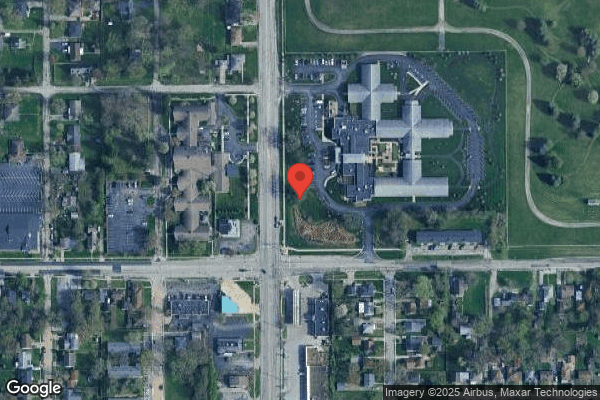
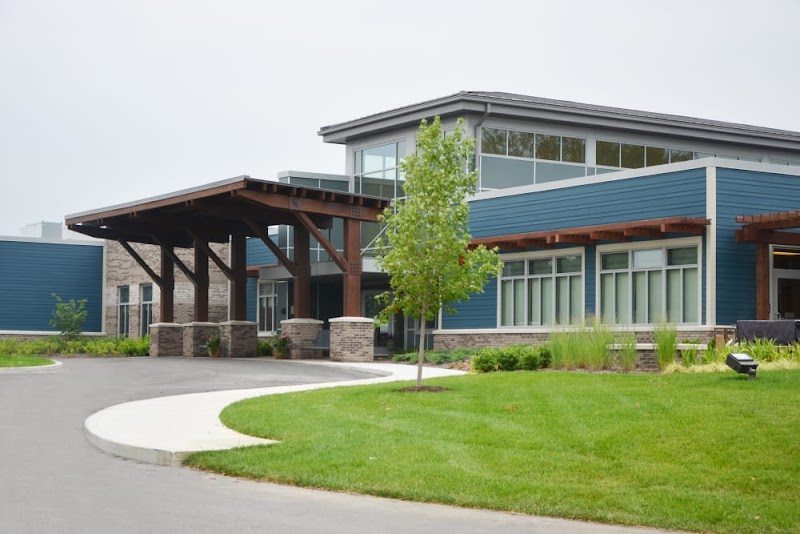
1635 N ARLINGTON AVE, INDIANAPOLIS, IN 46218 (317) 353-6000
For profit - Partnership 84 Beds TRILOGY HEALTH SERVICES Data: November 2025
Trust Grade
58/100
#213 of 505 in IN
Last Inspection: October 2024

Within standard 12-15 month inspection cycle. Federal law requires annual inspections.

Overview

Arlington Place Health Campus has received a Trust Grade of C, which means it is average compared to other nursing homes. It ranks #213 out of 505 facilities in Indiana, placing it in the top half, and #14 of 46 in Marion County, indicating only one local option is better. The facility is improving, with issues decreasing from 18 in 2023 to just 4 in 2024. Staffing is relatively stable with a turnover rate of 27%, which is well below the state average of 47%, but it has a below-average staffing rating of 2 out of 5 stars. Notably, the facility has not incurred any fines, which is a positive sign. However, there are some concerns. A serious incident occurred when a resident was not given prescribed pain medication, leading to uncontrolled pain. Additionally, there were issues regarding staff not wearing proper beard coverings in the kitchen, which could affect food safety for all residents. Residents also reported instances of staff being distracted by their phones during meal service, which contributed to delays and dissatisfaction. Overall, while there are strengths in staffing stability and no fines, families should be aware of these weaknesses when considering Arlington Place Health Campus.

Trust Score
C
58/100
In Indiana
#213/505
Top 42%
Safety Record
Moderate
Needs review
Inspections
Getting Better
18 → 4 violations
Staff Stability
✓ Good
27% annual turnover. Excellent stability, 21 points below Indiana's 48% average. Staff who stay learn residents' needs.
Penalties
✓ Good
No fines on record. Clean compliance history, better than most Indiana facilities.
Skilled Nurses
⚠ Watch
Each resident gets only 28 minutes of Registered Nurse (RN) attention daily — below average for Indiana. Fewer RN minutes means fewer trained eyes watching for problems.
Violations
⚠ Watch
32 deficiencies on record. Higher than average. Multiple issues found across inspections.
★★★☆☆
3.0
Overall Rating
★★☆☆☆
2.0
Staff Levels
★★★★★
5.0
Care Quality
★★☆☆☆
2.0
Inspection Score
Stable
2023: 18 issues
2024: 4 issues

The Good

  • 5-Star Quality Measures · Strong clinical quality outcomes
  • Low Staff Turnover (27%) · Staff stability means consistent care
  • Full Sprinkler Coverage · Fire safety systems throughout facility
  • No fines on record
  • Staff turnover is low (27%)

    21 points below Indiana average of 48%

Facility shows strength in quality measures, staff retention, fire safety.

The Bad

3-Star Overall Rating

Near Indiana average (3.1)

Meets federal standards, typical of most facilities

Chain: TRILOGY HEALTH SERVICES

Part of a multi-facility chain

Ask about local staffing decisions and management

The Ugly 32 deficiencies on record

1 actual harm
Oct 2024 4 deficiencies
CONCERN (D) 📢 Someone Reported This

A family member, employee, or ombudsman was alarmed enough to file a formal complaint

Potential for Harm - no one hurt, but risky conditions existed

Transfer Requirements (Tag F0622)

Could have caused harm · This affected 1 resident

Based on interview and record review, the facility failed to timely inform a resident and the State Ombudsman Agency of a facility-initiated discharge due to payment coverage, that was initiated follo...

Read full inspector narrative →
Based on interview and record review, the facility failed to timely inform a resident and the State Ombudsman Agency of a facility-initiated discharge due to payment coverage, that was initiated following a resident being discharged to an acute care hospital for a medical change of condition, for 1 of 4 residents reviewed for transfer and discharge rights (Resident C). Findings include: The clinical record for Resident C was reviewed on 10/16/24 at 3:05 p.m. The diagnoses included, but were not limited to, pressure ulcer of left and right buttocks. He was discharged to an acute care hospital due to a change of condition on 2/8/24. A Social Services Comprehensive Note, dated 12/22/23, indicated Resident C anticipated remaining in the facility long-term. A nursing progress note, dated 2/8/24 at 4:30 p.m., indicated Resident C remained hypotensive (low blood pressure) and his temperature had decreased. He was showing signs and symptoms of sepsis. Emergency Medical Services were called. A nursing progress note, dated 2/8/24 at 5:18 p.m., indicated Emergency Medical Services had arrived and Resident C was transported to an acute care hospital. The clinical record contained a Notice of Transfer or Discharge, dated 2/8/24, which indicated Resident C was being transferred to another health facility. The reason for transfer or discharge was that the transfer or discharge was necessary to meet the resident's welfare and the resident's needs could not be met in the facility. A copy of the facility bed hold policy was sent with Resident C upon transfer. The clinical record did not contain any further Notice of Transfer or discharge date d after 2/8/24. A Discharge Return Anticipated Minimum Data Set (MDS) assessment, completed 2/8/24, indicated Resident C was discharged to an acute care hospital. His short-term memory was intact and there was no active discharge plan in place to return to the community. An acute care hospital in-patient palliative care note, dated 2/14/24, indicated Resident C was admitted to the acute care hospital on 2/8/24. The social determinants of health were Resident C had to find a new extended care facility as the one he had been residing at was no longer covered in network with his insurance. The facility electronic health record did not contain information or documentation that Resident C had been informed that he would not be residing at the facility due to insurance coverage or issued a new Notice of Transfer or Discharge due to non-payment. During an interview on 10/15/24 at 1:22 p.m., State Ombudsman (SO) 10 indicated Resident C had been sent to the hospital due to health issues and while in the hospital the facility had taken Resident C's belongings to him and informed him, he was discharged . During an interview on 10/17/24 at 11:17 a.m., the Social Service Director (SSD) indicated Resident C had been discharged from the facility due to financial reasons. During an interview on 10/17/24 at 1:23 p.m., Resident C indicated he was sent to the hospital, on 2/8/24, due to a urinary tract infection. He was hospitalized several times during his stay at the facility and was allowed to return to the facility after each of the hospitalizations. Resident C was unaware he would not be returning to the facility until the Administrator and the Director of Nursing brought his belongings to the hospital, on 2/19/24, and informed Resident C he was discharged . During an interview on 10/17/24 at 1:55 p.m., the Administrator (ADM) indicated, on 2/19/24, he and the Director of Nursing (DON) had taken Resident C's belongings to the hospital and informed Resident C he was discharged from the facility. Resident C had become upset and told us to leave his room. At the time of Resident C's discharge, on 2/8/24, Resident C had been private pay. Resident C had been discharged because he had not paid to hold the bed privately. During an interview on 10/17/24 at 3:03 p.m., SO 10 indicated she had been involved with Resident C due to a previous facility- initiated 30-day discharge notice. She had been present at an Appeal Hearing about the involuntary discharge, on 2/7/24, and the case had been dismissed by the Administrative Law Judge. Resident C had been discharged to an acute care hospital the next day, 2/8/24. On 2/9/24, SO 10 went to the facility to visit Resident C and was told he had been sent to the hospital for health reasons. SO 10 went to the facility to visit Resident C, on 2/13/24, when she went to his room it was empty and she was told Resident C was still in the hospital. SO 10 was not informed, at that time, Resident C would not be returning to the facility. On 2/20/24, SO 10 received a call from Resident C informing her the facility had brought his belongings to the hospital and told him he had been discharged . During an interview on 10/18/24, Nurse Consultant (NC) 1 indicated Resident C belongings had been taken to him on the eleventh day of his hospital stay. On 10/17/24 at 2:54 p.m., the Administrator provided the Guidelines for Transfer and Discharge Policy, last reviewed 12/31/23, which read, .The resident has the right to refuse involuntary transfer out of, or discharge from, the facility under certain circumstances Purpose According to federal regulations, the facility must permit each resident to remain in the facility, and not transfer or discharge the resident from the facility unless: 1. The transfer or discharge is necessary for the resident's welfare and the resident's needs cannot be met in the facility. 2. The transfer or discharge is appropriate because the resident's health has improved sufficiently so that the resident no longer needs the service provided by the facility. 3. The safety of individuals in the facility is endangered. 4. The health of the individuals in the facility is endangered. 5. The resident had failed, after reasonable and appropriate notice, to pay for [or to have paid under Medicare or Medicaid] a stay at the facility. 6. The facility ceases to operate .Procedures 1. Non-Emergency Transfer or Discharges .This portion of the policy applies to transfers or discharges that are initiated by the facility, not by the resident or the resident's representative. The Social Service Designee or other designated staff member should manage all non-emergency transfers or discharges. Procedure should include: a. Notify the resident in writing, and in know, a family member or legal representative, 30 days in advance, of the transfer or discharge, the effective date of transfer or discharge, the location to which the resident is transferred or discharged , and the reason for the transfer or discharge, according to the criteria for transfer or discharge. Exceptions to the 30-day requirement are if/ when a resident is endangering the health or safety of themselves or others, when a resident's health has improved to allow an immediate transfer, or when a resident's urgent medical needs require immediate transfer, and when a resident has not resided in the facility for 30 days .b. Record the reason for, the effective date of transfer or discharge, and the location to which the resident is being transferred or discharged in the medical record and on a discharge form or a letter. Give a copy of the discharge notice to the resident and his/her family legal representative D. Provide the resident with a statement of the right to appeal the action to the state agency designated for such appeals, along with the name, address, and phone number of the State long-term care ombudsman . On 10/18/24 at 11:07 a.m., NC 1 provided the Bed Hold Policy, last reviewed on 11/1/16, which read, .The campus will properly inform residents in advance of their option to make bed-hold payments as well as the amount of the facility's charge to hold a bed. For this optional payment, the campus must make clear that the resident/ responsible party must affirmatively elect to make them prior to being billed . Procedures 1. Private Pay Residents if the resident leaves the campus for hospitalization .if the resident is not eligible for or receiving Medicaid benefits, and upon notification agrees to resident's bed will be reserved through payment of the basic rate .If the resident elects to not reserve his/ her bed, then the resident will be discharged from the campus and readmission to the facility shall be subject to bed availability. 2. Medicaid Assistance Residents If the Resident is eligible for or is receiving Medicaid assistance, and the Resident leaves the Facility for hospitalization or therapeutic leave, the Resident's bed will be reserved for the applicable number of days paid for a reserved bed under the State Medicaid program .If the period of hospitalization or therapeutic leave exceeds the maximum time for reservation of the Resident's bed under the Medicaid program or the Medicaid program does not cover hospital or therapeutic leaves, the Resident will be entitled to the first available accommodation suitable for the Resident's level of care if the Resident requires the Facility's services . This citation relates to Complaint IN00440998. 3.1-12(a)(7) 3.1-12(a)(10)
CONCERN (D) 📢 Someone Reported This

A family member, employee, or ombudsman was alarmed enough to file a formal complaint

Potential for Harm - no one hurt, but risky conditions existed

Incontinence Care (Tag F0690)

Could have caused harm · This affected 1 resident

**NOTE- TERMS IN BRACKETS HAVE BEEN EDITED TO PROTECT CONFIDENTIALITY** Based on interview and record review, the facility failed to accurately monitor urinary output and to monitor for symptoms of ur...

Read full inspector narrative →
**NOTE- TERMS IN BRACKETS HAVE BEEN EDITED TO PROTECT CONFIDENTIALITY** Based on interview and record review, the facility failed to accurately monitor urinary output and to monitor for symptoms of urinary tract infections for residents with urinary catheters for 2 of 3 residents reviewed for urinary catheters (Resident C and Resident E). Findings include: 1. The clinical record for Resident C was reviewed on 10/16/24 at 3:05 p.m. The diagnoses included, but were not limited to, pressure ulcer of left and right buttocks. A care plan, with start date of 6/16/23, indicated Resident C had a urinary catheter due to neurogenic bladder and stage 4 (full thickness) wound. The goal was for him to be free of adverse effects from catheter use. The interventions included, but were not limited to, observe for any signs of complications such as urinary tract infections and record urinary output. A physician's order, dated 11/10/23, indicated to monitor output every shift. A physician's order, dated 11/10/23, indicated Foley catheter care was to be completed each shift. The February 2024 Treatment Administration Record (TAR) indicated Foley catheter care was provided each shift from 2/1/24 through 2/8/24. The February 2024 TAR indicated Resident C's urinary output(s) were as follows: 2/1/24 - day shift- medium, evening shift - large, night shift - medium/400 milliliters (ml), 2/2/24 - day shift- 1200 ml, evening shift- large, night shift- large, 2/3/24 - day shift- large, evening shift - medium/ 600 ml, night shift- large, 2/4/24 - day shift- medium, evening shift- medium /550 ml, night shift- large, 2/5/24 - day shift- large, evening shift- 800 ml, night shift- large, 2/6/24 - day shift- large, evening shift- large, night shift- large, 2/7/24 - day shift- large, evening shift- large, night shift- large, and 2/8/24- day shift- large. A nursing progress note, dated 2/6/24 at 6:10 a.m., indicated Resident C had some blood in his urinary catheter. The physician was notified and would continue to monitor. The clinical record did not contain any further nursing progress notes addressing Resident C's urine from 2/6/24 at 6:10 a.m. until 2/8/24 at 2:58 p.m. A nursing progress note, dated 2/8/24 at 2:58 p.m., indicated the nurse practitioner had seen Resident C related to dark amber urine and blood noted in urine on 2/6/24. An order was received to complete a urinalysis with culture and sensitivity. Resident C was discharged to an acute care hospital on 2/8/24 for treatment of a urinary tract infection. 2. The clinical record for Resident E was reviewed on 10/15/24 at 12:49 p.m. The diagnoses included, but were not limited to, neurogenic bladder. An Annual Minimum Data Set (MDS) assessment, completed 7/15/24, indicated Resident E had moderately impaired cognition and an indwelling urinary catheter. A physician's order, dated 9/5/24, indicated to monitor urinary output every shift. The order was discontinued on 10/9/24. A physician's order, dated 9/5/24, indicated to provided catheter care every shift. The order was discontinued on 10/9/24. A care plan, last reviewed 9/25/24, indicated Resident E had a suprapubic (catheter inserted into bladder through the lower abdomen) catheter due to having a neurogenic bladder. The goal was for her to be free from adverse effects from catheter use. The interventions included, but were not limited to, record urinary output and observe for any signs of complications such as urinary tract infections. The October 2024 TAR indicated Resident E had catheter care completed each shift, from 10/1/24 through 10/5/24, when she went to an acute care hospital. The October 2024 TAR indicated the urinary output(s) were as follows: 10/1/24 - day shift- resident unavailable, evening shift- large, night shift- medium, 10/2/24 - day shift- medium, evening shift- large, night shift- medium, 10/3/24 - day shift- small/ 300 ml, evening shift- large, night shift- medium, 10/4/24 - day shift- resident unavailable, evening shift- 800 ml, night shift- medium, and 10/5/24- day shift- resident unavailable. Resident E returned from the acute care hospital on [DATE]. The October 2024 TAR did not contain any further documentation that catheter care was completed, or urinary output was recorded from 10/9/24 through 10/21/24. During an interview on 10/21/24 at 12:30 p.m., Certified Resident Medication Assistant (CRMA) 5 indicated urinary catheters are emptied each shift, and the amount of urine should be documented in milliliters (ml). During an interview on 10/21/24 at 12:41 p.m., Certified Resident Care Assistant (CRCA) 6 indicated urine output was measured in milliliters each shift. During an interview on 10/21/24 at 4:17 p.m., the Administrator indicated urinary output from catheters should be emptied and measured in milliliters at the end of each shift. On 10/21/24 at 2:00 p.m., Nurse Consultant 1 provided the Suprapubic Catheter Care Standard Operating Procedure, last reviewed 12/31/23, which read, . Overview To prevent skin irritation around the stoma site and to prevent infection of the resident's urinary tract .General Guidelines . Observe the resident's urine level for noticeable increases or decreases . Check the urine for unusual appearance .maintain an accurate record of the residents daily output, if indicated .Observe the resident for signs and symptoms of urinary tract infection and urinary retention .empty the collection bag each shift and prn [as needed] . 5. The following information as applicable should be recorded in the resident's medical record .Character of urine, such as color [straw-colored, dark, or red], clarity [cloudy, solid particles, or blood], and odor .Any problems or complaints made by resident during the procedure. 6. Notify the physician of any abnormalities in the skin assessment or character of urine . This citation relates to Complaint IN00440998. 3.1-41(a)(2)
CONCERN (D)

Potential for Harm - no one hurt, but risky conditions existed

Infection Control (Tag F0880)

Could have caused harm · This affected 1 resident

4. The clinical record for Resident 2 was reviewed on 10/15/24 at 1:02 p.m. The diagnoses included, but were not limited to, dysphagia (inability to swallow) and attention to gastrostomy (feeding tube...

Read full inspector narrative →
4. The clinical record for Resident 2 was reviewed on 10/15/24 at 1:02 p.m. The diagnoses included, but were not limited to, dysphagia (inability to swallow) and attention to gastrostomy (feeding tube placed in stomach). An Annual Minimum Data Set (MDS) assessment, completed 7/25/24, indicated he received nutrition through a feeding tube and was dependent on staff for bathing, toileting, and dressing. A physician's order, dated 8/3/24, indicated staff were to use enhanced barrier precautions, wear a gown and gloves at minimum, during high-contact care activities. A care plan, last reviewed on 8/6/24, indicated Resident 2 required enhanced barrier precautions (EBP) during high-contact care related to the presence of a feeding tube. The goal was the risk of transmission of infection would be minimized with the use of EBP. The interventions included, but were not limited to, utilize gown and gloves per EBP policy during high contact ADL care such as dressing, toileting, and bathing. On 10/15/24 at 1:02 p.m., Resident 2's room was observed. There was a sign posted at the entrance of the room which indicated Resident 2 required EBP during care and a storage bin with disposable isolation gowns was present inside of the room. On 10/21/24 at 10:25 a.m., Certified Resident Care Assistant (CRCA) 4 was observed providing care to Resident 2. CRCA 4 was turning Resident 2 in bed and changing his bed linens and brief. CRCA 4 was not wearing a gown while providing care to Resident 2. During an interview on 10/21/24 at 10:35 a.m., CRCA 4 indicated she should have donned a gown prior to providing care to Resident 2. On 10/21/24 at 4:00 p.m., the Director of Nursing provided the Enhanced Barrier Precautions Standard Operating Procedure, effective 4/1/24, which read, .Enhanced Barrier Precautions will be in place during high-contact care activities residents with the following conditions .All Residents with indwelling medical devices .Personal Protective Equipment [PPE] should be used even if blood and body fluid exposure is not anticipated. a. At minimum, staff shall wear gloves and gowns during high-contact care activities . High- contact care activities include but are not limited to morning and evening ADL care, toileting, and showers 3.1-18(b)(2) 3.1-18(l) Based on observation, interview, and record review, the facility failed to ensure infection control was maintained with hand hygiene during medication administration for 3 of 4 residents observed and failed to ensure staff donned a gown prior to providing activities of daily living (ADL) care for a resident with enhanced barrier precautions (EBP) for 1 of 3 residents reviewed for transmission-based precautions. (Residents 2, 9, 31, and 91) Findings include: 1. An observation was conducted of a medication administration with Licensed Practical Nurse (LPN) 6 for Resident 31 on 10/17/24 at 8:47 a.m. LPN 6 was observed at the medication cart preparing the resident's medication. During that time, she had pulled all the medications from the cart, touched the computer mouse, cups, and water pitcher. She then grabbed a straw and unwrapped the paper wrapper touching the end piece of the straw the resident would place in his mouth with her bare hands. After, LPN 6 was observed entering the resident's room and administering the medications to the resident. The resident did utilize the straw in the cup of water to drink from it. LPN 6 then washed her hands. There was no observation of hand hygiene prior to the administration of the medications to the resident. 2. An observation was made of a medication administration for Resident 9 with LPN 6 on 10/17/24 at 9:05 a.m. LPN 6 was observed at the medication cart preparing the resident's medication. During that time, LPN 6 had dropped a pill medication on the floor. She then picked up the pill medication with her bare hands and placed it on the medication cart. After, she donned on gloves and discarded the pill medication in the sharps container. She then doffed off the gloves and continued preparing the medications. There were no observations of LPN 6 utilizing hand hygiene after she picked up the pill medication off the floor nor prior or after donning and doffing gloves. She then went to the resident's room and obtained the resident's vitals utilizing a dynamap machine (electronic machine to obtain blood pressure, pulse, oxygen saturations and temperature). After, she donned on gloves and obtained the resident's blood sugar utilizing a glucometer. She then doffed her gloves and washed her hands. There was no hand hygiene prior to touching the resident nor donning of gloves. 3. An observation was made of a medication administration for Resident 91 with LPN 6 on 10/17/24 at 11:54 a.m. LPN 6 was observed pulling Resident 91's insulin from the medication cart and entered the resident's room. LPN 6 donned on gloves and administered insulin to the resident. After, LPN 6 doffed her gloves and washed her hands. There was no observation of LPN 6 utilizing hand hygiene prior to donning on her gloves. An interview was conducted with the Nurse Consultant (NC) 1 on 10/17/24 at 3:52 p.m. She indicated LPN 6 should have utilized hand hygiene after picking the pill off the floor. Hand hygiene should be utilized before and after donning and doffing gloves. A medication administration policy was provided by the Nurse Consultant (NC) 1 on 10/17/24 at 3:52 p.m. It indicated the following, .A. Preparation .2) Handwashing and Hand Sanitization: The person administering medication adheres to good hand hygiene: before beginning a medication pass, prior to handing any medication, after coming into direct contract with a resident, before and after administration .B. Administration .8) Hand hygiene is performed before putting on examination gloves .
CONCERN (F)

Potential for Harm - no one hurt, but risky conditions existed

Food Safety (Tag F0812)

Could have caused harm · This affected most or all residents

Based on observation, interview, and record review, the facility failed to ensure beard coverings were worn by the dietary staff with facial hair. This has a potential to affect 42 of 42 residents tha...

Read full inspector narrative →
Based on observation, interview, and record review, the facility failed to ensure beard coverings were worn by the dietary staff with facial hair. This has a potential to affect 42 of 42 residents that receive food prepared in the kitchen. Findings include: An observation was made of the Kitchen with the Director of Food Services on 10/15/24 at 11:44 a.m. During the tour, [NAME] 5 was observed at the food preparation area preparing the lunch meal. [NAME] 5 had facial hair on his lip and chin with no beard covering. An interview was conducted with the Director of Food Services on 10/15/24 at 11:55 a.m. He indicated [NAME] 5 should be wearing a beard covering. A [NAME] and Mustache policy was provided by the Administrator on 10/17/24 at 11:30 a.m. It indicated, .Policy. [NAME] and mustache hair must be covered while in kitchen food product areas. Facial hair restraints are required in any production area. Purpose. Beards and mustache must be covered while in kitchen food product areas. Facial hair restraints are required in any food production area. Facial hair is not exempt from the hair restraining standard . 3.1-21(i)(2) 3.1-21(i)(3)
Jul 2023 8 deficiencies
CONCERN (D)

Potential for Harm - no one hurt, but risky conditions existed

Grievances (Tag F0585)

Could have caused harm · This affected 1 resident

Based on observation, interview and record review, the facility failed to initiate a grievance for a resident, to address grievances, to follow up on a resident's grievance, and to ensure their grieva...

Read full inspector narrative →
Based on observation, interview and record review, the facility failed to initiate a grievance for a resident, to address grievances, to follow up on a resident's grievance, and to ensure their grievance policy included all necessary components for 2 of 4 residents reviewed for abuse and 1 resident reviewed for choices. (Resident 20, 31, and 38) Findings include: 1. The clinical record for Resident 20 was reviewed on 7/19/23 at 9:24 a.m. The Resident's diagnosis included, but were not limited to, end stage renal disease and diabetes. A Quarterly Minimum Data Set Assessment, completed 5/10/23, indicated he was cognitively intact. He could make his needs and wants known and understand what was being said to him, and that he received dialysis. During an interview on 7/19/23 at 9:57 a.m., Resident 20 indicated he was very upset because the facility owed him money and was not giving it back to him. He had attempted to pay his bill and had been informed by the business office that he had a credit to his bill of about $7,000.00. He had asked for a refund but had not received it. During an interview on 7/20/23 at 11:38 a.m., the BOM (Business Office Manager) indicated that Resident 20 did have a credit to his billing account. She had reached out to the corporate office about the credit. During an interview on 7/21/23 at 1:06 p.m., Resident 20 indicated he had attempted to pay his bill 4 months ago and was told that he did not owe anything, he had a credit to his account. He had spoken with the Business Office Manager about his bill about a month ago and was told he had a credit of around $7,000.00. He asked about a refund and the Business Office Manager had told him that since she was new and was not sure how to go about getting a refund for him, she would contact the corporate office. He had also asked the current SSD (Social Service Director) about his money and was told he would have to talk with the business office. During an interview on 7/21/23 at 3:14 p.m., the SSD indicated that Resident 20 had spoken to him about an outstanding credit to his bill about 2 weeks ago. He had not created a grievance about the concern. The SSD had encouraged Resident 20 to take up the issue with the business office. 2. The clinical record for Resident 31 was reviewed on 7/19/23 at 10:45 a.m. The resident's diagnosis included, but was not limited to, end stage renal disease. The Quarterly MDS (Minimum Data Set), completed on 6/18/23, indicated Resident 31 was cognitively intact. An interview was conducted with Resident 31 on 7/19/23 at 9:04 a.m. She indicated the staff do not make her bed in the morning and she has repeatedly asked for it to be done. She goes to dialysis on Mondays, Wednesdays and Fridays and was gone from 4:30 a.m. to 10:30 a.m., on those days. The staff make her roommate's bed every morning, but do not make hers. She knows it might be a petty request, but she has asked housekeeping and nursing staff who was responsible for it and why can't her bed be made. The staff will not address her concern with bed making. This has been going on for a couple of months. The June and July 2023 grievances report provided by Nurse Consultant 1 on 7/21/23 at 10:43 a.m., did not include concerns with bed making for Resident 31. Observations were made of Resident 31's room on 7/21/23 at 9:29 a.m., 7/21/23 at 11:35 a.m., and 7/24/23 at 10:26 a.m. Resident 31 was not present in her room. The resident's bed was not made, but her roommate's bed was. An interview was conducted with Housekeeper 4 on 7/24/23 at 10:28 a.m. She indicated Resident 31 had discussed with her about the bed making and who was responsible for making the beds. She had told her housekeeping does not make the residents' beds. Housekeeper 4 had not told anyone about the discussion she had with Resident 31, because she had overheard the resident speaking with another staff member about it. An interview was conducted with Certified Resident Care Assistant (CRCA) 3 on 7/24/23 at 10:51 a.m. She indicated she was the CRCA for Resident 31 that day. She had not made the resident's bed that morning. She does not like to make the resident's bed while she was present in her room. She makes the resident's bed after lunch while the resident sits in the front lobby. 3. The clinical record for Resident 38 was reviewed on 7/18/23 at 2:00 p.m. Her diagnoses included, but were not limited to, intellectual disability and epilepsy. The 6/6/23 admission MDS (Minimum Data Set) assessment indicated she had a BIMS (brief interview for mental status) score of 14, indicating she was cognitively intact. An interview was conducted with Resident 38 on 7/18/23 at 2:14 p.m. She indicated another resident, Resident 1, called her an ***hole on 7/16/23 in the dining room. This made her feel upset. Resident 38 didn't tell anyone that day, because she was too upset about it, but informed CNA (Certified Nursing Assistant) 15 the next day, on 7/17/23. CNA 15 responded by telling Resident 38 not to pay any attention to Resident 1. There was no information in the clinical record to indicate follow up on Resident 38's verbal grievance. An interview was conducted with the ED (Executive Director) on 7/18/23 at 2:45 p.m., at which time, Resident 38's verbal grievance was discussed. He indicated this was the first he'd heard of it, and would have staff look further into it. On 7/21/23 at 1:05 p.m., the ED provided a list of all resident grievances from May, 2023 to present. There was no grievance for Resident 38. An interview was conducted with the ED on 7/20/23 at 3:46 p.m. He indicated he signed off on all grievances in the facility and he had no grievances for Resident 38. CNA 15 should have reported it to their supervisor on 7/17/23, when Resident 38 told her about it. The SSD (Social Services Director) looked into it after it was reported to the ED on 7/18/23. The 7/20/23 social services note, written by the SSD, read, .followed up with resident about a curse word being said to her by another resident. Per staff who interviewed resident on 7/18/23. Resident was ok & not concerned about what was said to her. When writer spoke to her today. Resident said she felt scared & threaten [sic] at that moment. At this time she does not have those feelings. An interview was conducted with the SSD on 7/21/23 at 2:05 p.m. He indicated he was unaware of the situation until 7/18/23. He indicated he would have liked to have known if Resident 38 was emotionally disturbed by the incident. She had an intellectual disability, so that was a concern. The facility needed to address it, because it could have progressed. Resident 38 may have wanted to react. When he followed up with Resident 38 on 7/20/23, he told her to sit with other residents in the dining room who are more courteous and respectful. He was going to make sure he had a presence in the dining room to calm things down. CNA 15 should have informed the ED of Resident 38's allegation. He was not surprised Resident 1 would say something like this to Resident 38, but he'd never heard Resident 1 curse at anyone before. An interview was conducted with the ED on 7/21/23 at 11:04 a.m. He indicated when a resident verbally indicated a grievance, the process was for the resident to inform staff, so staff could enter the grievance electronically. He was unsure if a resident could fill out a grievance by themselves. An interview was conducted with the SSD on 7/21/23 at 11:15 a.m. He indicated the process for a CNA to complete a grievance for a resident was for the CNA to put it on notebook paper and leave it in the mailbox of any staff member who had access to fill out an electronic grievance, such as himself, the ED, DON, or one of the nurses. A resident had to file a grievance with staff, but there was no way for a resident to file a grievance anonymously. An observations of the front desk was made with the SSD on 7/21/23 at 11:16 a.m. The Guest Relations staff member, who sat at the front desk, provided a copy of a resident grievance form that she found in the top right desk drawer of the reception desk. There was no sign of availability on the desk, and the drawer was inaccessible to residents or visitors. The Resident Concern Process policy was provided by the ED on 7/21/23 at 12:00 p.m. It read, Purpose To provide a process for handling, tracking and resolving customer concerns to provide excellence in customer service. Procedures .3. The facility staff will follow the Resident Concern Process flow chart when any concern or complaint is voiced 5. Enter the concern using the desktop icon labeled 'Resident Concern Form.' All concerns should be entered electronically 6. Concerns are reviewed in morning meeting, noting new entries and assigning them for follow up and resolution .11. The Social Services Director will monitor for follow through and resolution with Executive Director support. The policy did not reference notifying a resident of their right to file a grievance; how to file a grievance anonymously; preventing further potential violations of any resident right; or maintaining evidence demonstrating the result of all grievances for a period of no less than 3 years from the issuance of the grievance decision. An interview was conducted with the SSD on 7/21 at 2:16 p.m. He reviewed the Resident Concern Process policy and indicated he did not see where it referenced notifying a resident of their right to file a grievance; how to file a grievance anonymously; preventing further potential violations of any resident right; or maintaining evidence demonstrating the result of all grievances for a period of no less than 3 years from the issuance of the grievance decision. 3.1-7(a)(2) 3.1-7(b)
CONCERN (D)

Potential for Harm - no one hurt, but risky conditions existed

Deficiency F0657 (Tag F0657)

Could have caused harm · This affected 1 resident

Based on interview and record review, the facility failed to ensure that care plan meetings were conducted quarterly for 1 of 1 resident reviewed for care planning (Resident 20). Findings include: Th...

Read full inspector narrative →
Based on interview and record review, the facility failed to ensure that care plan meetings were conducted quarterly for 1 of 1 resident reviewed for care planning (Resident 20). Findings include: The clinical record for Resident 20 was reviewed on 7/19/23 at 9:24 a.m. The Resident's diagnosis included, but were not limited to, end stage renal disease and diabetes. A Quarterly Minimum Data Set Assessment, completed 5/10/23, indicated he was cognitively intact. He could make his needs and wants known and understand what was being said to him, and that he received dialysis. During an interview on 7/19/23 at 9:24 a.m., Resident 20 indicated he had not attended any care plan meetings. During an interview on 7/21/23 at 10:20 a.m., NC (Nurse Consultant) 1 indicated the last care plan meeting note in the medical record was dated 1/23/23. During an interview on 7/21/23 at 10:45 a.m., the SSD indicated he was unaware of why a care plan meeting had not been held for Resident 20 since 1/23/23. On 7/21/23 at 11:12 a.m., the SSD provided the Resident's First Meeting Guidelines Policy, last revised 4/25/22, which read .To facilitate communication and participation regarding the resident's plan of care, medical condition and care needs between the resident, family, residents representative and care givers .Subsequent meeting for non-Medicare Residents should be conducted at a minimum of quarterly and with significant change . Director of Social Services or designee should send invitations to the residents notifying them of the date and time of the conference as far in advance as possible . 3.1-35(c)(2)
CONCERN (D)

Potential for Harm - no one hurt, but risky conditions existed

ADL Care (Tag F0677)

Could have caused harm · This affected 1 resident

Based on observation, interview and record review, the facility failed to provide showers as ordered for 1 of 4 residents reviewed for Activities of Daily Living (ADL). (Resident 45) Findings include...

Read full inspector narrative →
Based on observation, interview and record review, the facility failed to provide showers as ordered for 1 of 4 residents reviewed for Activities of Daily Living (ADL). (Resident 45) Findings include: The clinical record for Resident 45 was reviewed on 7/19/23 at 1:45 p.m. The resident's diagnosis included, but was not limited to, dementia. The Admissions MDS (Minimum Data Set), completed on 4/13/23, indicated Resident 45 was severely cognitively impaired. The resident was total dependence of 1 staff person with bathing and was needing extensive assistance of one staff person with personal hygiene and dressing. An ADL care plan dated 4/18/23 indicated the resident was to receive assistance for ADL tasks. The resident's clinical record did not include a care plan that included interventions in place to address refusals of showers nor preference of a bed bath instead of shower. A physician order dated 4/11/23 indicated the resident was to receive showers Mondays and Thursdays on day shift. A physician order dated 4/11/23 indicated the resident is to be changed from day to night clothes (and vice versa) in the am (a.m.) and pm (p.m.). An observation was made of Resident 45 on 7/18/23 at 1:43 p.m. The resident was lying in bed. During a Confidential Interview, they indicated Resident 45 does not receive his showers. The June 2023 bathing report was provided by the Corporate MDS Clinical support on 7/21/23 at 11:45 a.m. It indicated the following days resident did not receive a shower as ordered: Thursday - 6/1/23 bed bath completed, Monday - 6/5/23 bed bath completed, Thursday - 6/8/23 bathing was not provided, Monday - 6/12/23 bed bath completed, Thursday - 6/15/23 other bathing completed, Thursday - 6/22/23 - bed bath completed, Monday - 6/26/23 - partial bed bath, Thursday - 6/29/23 - partial bed bath, The June 2023 shower sheets was provided by Nurse Consultant 1 on 7/24/23 at 1:36 p.m. It indicated the following days showers were not provided: Thursday 6/1/23 - no shower sheet provided, Monday 6/5/23 - resident refused bathing, Thursday 6/8/23 - resident refused bathing, Monday 6/12/23 - resident refused bathing , Thursday 6/15/23 - did not specify type of bathing, Thursday 6/22/23 - bed bath completed, Thursday 6/29/23 - bed bath completed, The bathing report for July 2023 was provided by the Corporate MDS Clinical Support on 7/21/23 at 11:45 a.m. It indicated the following days showers were not provided: Monday - 7/3/23 - bathing did not occur, Monday - 7/10/23 partial bed bath, Thursday - 7/13/23 partial bed bath, The July 2023 shower sheets was provided by Nurse Consultant 1 on 7/24/23 at 1:36 p.m. It indicated the following days showers were not provided: Monday - 7/3/23 - no shower sheet provided, Thursday - 7/6/23 - Family provided shower, Monday - 7/10/23 - no shower sheet provided, Thursday 7/13/23 - bed bath completed, An interview was conducted with Nurse Consultant 1 on 7/24/23 at 1:40 a.m. She was unable to find shower sheets for some of the days. The activities staff had completed a bathing preference assessment on 5/26/23 with the resident. He preferred to receive bed baths. Resident 45's Representative was notified and was okay with the resident receiving bed baths. She was unsure why the clinical record had a physician order to ensure showers were completed on Mondays and Thursdays. The resident's clinical record did not include documentation Resident 45's Representative was aware of the resident's preference of bed baths instead of showers. The physician order to receive showers on Mondays and Thursdays was not discontinued. 3.1-38(a)(2)(a)
CONCERN (D)

Potential for Harm - no one hurt, but risky conditions existed

Accident Prevention (Tag F0689)

Could have caused harm · This affected 1 resident

Based on observation, interview and record review, the facility failed to ensure fall interventions were implemented for 1 of 2 residents reviewed for falls and failed to properly orient and train vol...

Read full inspector narrative →
Based on observation, interview and record review, the facility failed to ensure fall interventions were implemented for 1 of 2 residents reviewed for falls and failed to properly orient and train volunteers, who would be assisting residents with mobility affecting 1 of 3 residents reviewed for ADLs (activities of daily living) (Resident 5 and 45) Findings include: 1. The clinical record for Resident 45 was reviewed on 7/19/23 at 1:45 p.m. The resident's diagnosis included, but was not limited to, dementia. The Admissions MDS (Minimum Data Set), completed on 4/13/23, indicated Resident 45 was severely cognitively impaired. A fall care plan dated 4/6/23 indicated Resident 45 was a risk for falling and needed assistance with mobility. The interventions put in place for fall prevention included but was not limited to, non skid socks initiated on 4/10/23, visual signage to use call light initiated on 6/24/23, non slip grip to wheelchair seat initiated on 6/27/23, and urinal at bedside initiated on 7/12/23. A fall event dated 6/24/23 indicated the resident had a fall while transferring self to toilet without assistance. The resident was attempting to self transfer to toilet. The new interventions put in place was for visual reminders to use call light for assistance. A fall event dated 6/27/23 indicated the resident had a fall while transferring self to toilet without assistance. The resident was found sitting on floor of the bathroom with wheelchair. The resident had slipped out of the wheelchair. The new intervention was for non-slip grip to wheelchair seat. A fall event dated 7/2/23 indicated the resident had an unwitnessed fall on 7/2/23. It indicated resident had fallen in the bathroom. The root cause was the resident self transfers to the toilet without assistance. The new interventions put in place was urinal to be placed at bedside. Observations were made of the resident in his room on 7/18/23 at 1:43 p.m., and 7/20/23 at 10:35 a.m. The resident was observed lying in his bed. The resident was not wearing non skid socks nor a urinal was placed at bedside. An observation made of Resident 45 in his room with Qualified Medication Assistant (QMA) 2 on 7/20/23 at 11:07 a.m. The resident was observed lying in bed with white socks on that were not non slip, and there was no urinal observed at bedside. QMA 2 indicated at that time, the resident had been wearing shoes prior to placement in bed, so the staff would not have put non-slid socks on at that time. QMA 2 was able to locate a urinal in the bathroom. 2. The clinical record for Resident 5 was reviewed on 7/19/23 at 9:45 a.m. Her diagnoses included, but were not limited to: acute kidney failure, polyneuropathy, chronic obstructive pulmonary disease, morbid obesity, hyperlipidemia, atrial flutter, depression, spinal stenosis, hypertension, lymphedema, and degenerative joint disease. The 7/7/23 functional impairment care plan for Resident 5 indicated she required extensive/total assistance with transfers, bed mobility, and toileting, keeping in mind that ADL ability could fluctuate frequently. The 7/4/23 admission MDS (Minimum Data Set) assessment indicated she required limited assistance (resident highly involved in activity, staff providing guided maneuvering of limbs or other non weight bearing assistance) of one staff person for locomotion on and off the unit. She had a BIMS (brief interview for mental status) score of 14, indicating she was cognitively intact. The 7/20/23, 6:04 a.m. nurse's note read, Resident states, 'left great toe was in pain and that resident's toe was hit on door during transfer from Bingo on 7/19/23. redness, swelling and unable to do ROM [range of motion] on left great toe. PRN [as needed] pain med given and effective. New order noted for STAT [without delay] Left foot Xray x [times] 3 views complete. Notifications made. The 7/20/23, 2:55 p.m. nurse's note, written by LPN (Licensed Practical Nurse) 6 read, left toe xr [x-ray] result sent to NP [nurse practitioner.] new orders for WBAT [weight bearing as tolerated,] wrap with kerlix as tolerated and referral to ortho [orthopedics.] resident made aware. verbalizes understanding. An interview was conducted with Resident 5 on 7/25/23 at 1:15 p.m. She indicated one of the younger male volunteers who was in the facility last week was pushing her back into her room and her left foot hit the side of the doorway. Her foot was on the foot pedal at the time. When it hit, it didn't hurt too bad, but then once in her room after 30 or 40 minutes, it started throbbing and sweating. She had on a sock and it took her and a staff member to get it off, because it hurt that bad to even have it touched with a sock. It felt better now, but she still had a twinge of pain. The volunteer group in the facility were all very helpful, and she didn't blame the young volunteer for her broken toe. An interview was conducted with the AD (Activity Director,) DON (Director of Nursing,) and ED (Executive Director) on 7/25/23 at 2:23 p.m. The AD indicated a specific organization was currently volunteering in the facility for several weeks this summer from 6/24/23 through 7/27/23. The organization sent 5-7 volunteers, including 5 children under the age of 18 with 2 adults, weekly. The AD did an orientation and tour with the organization's group leader in approximately May, 2023 and sent a volunteer packet for completion. She spoke with the group leader over the phone about any requirements and types of activities the campers would be doing. The individual campers didn't go through any type of training. The AD would give the group a list of activities to do each day like watering plants in the courtyards, talking with residents, one on one activities with residents such as playing cards or board games. One resident watched a movie in the movie room with a camper. Campers also assisted in transporting residents in their wheel chairs to and from their rooms. The campers did not receive specific training on transporting them in their wheel chairs, but the AD would inform the campers if they felt uncomfortable doing anything, like putting a resident's feet on their wheelchair pedals, to come and find a staff member. The AD gave a copy of the Volunteer Handbook and volunteer application to the head person from the organization, but did not give each camper an application or handbook. The AD did not go over the Volunteer Handbook with campers. The AD provided a copy of the Volunteer Handbook on 7/25/23 at 2:50 p.m. The Key Points portion of the handbook had a section entitled Wheelchair Safety that read, When working with and/or transporting residents in wheelchairs, please follow the [name of facility] safety procedures for your own safety as well as the safety of the resident Enter and exit an area slowly, making sure that you look in all directions. There is a danger of running into other residents if caution is not used. Do not cut corners. Keep the resident's arms and hands within the chair-watch elbows when rounding a corner. Make sure the resident's feet are securely on the pedals. An interview was conducted with Volunteer 9 on 7/25/23 at 3:05 p.m. in the activity room. She indicated she arrived at the facility this week to volunteer. No one had given her the Volunteer Handbook or went over it with her. Their contact person from their organization informed their group where to show up, discussed appropriate dress, but nothing about transporting residents in their wheel chair. The Volunteer policy was provided by the ED on 7/25/23 at 3:10 p.m. The ED indicated the organization currently volunteering in the facility were considered visitors, not volunteers. It read, A volunteer is a community member who seeks involvement with the Campus specifically to complete a volunteer task that may include 1-1 contact with a resident. They: Complete a volunteer application .Receive a volunteer welcome packet .In contrast, a visitor is a community member who enters the Campus primarily to be with a loved one, or to provide very infrequent visits for the residents with no or minimal interaction Each volunteer/group will be interviewed, oriented, trained, and supervised. A fall policy was provided by Nurse Consultant 2 on 7/20/23 at 1:30 p.m. It indicated .Purpose Trilogy health Services (THS) strive to maintain a hazard free environment, mitigate fall risk factors and implement preventative measures. THS recognizes even the most vigilant efforts may not prevent all falls and injuries. In those cases, intensive efforts will be directed toward minimizing or preventing injury .Procedure: 1. The fall risk assessment is included as part of the admission and Quarterly Nursing Observation and other Events/Observations in EHR [Electronic Health Record]: a. Identified risk factors should be evaluated for the contribution they may have to the resident's likelihood of falling. b. Care plan interventions should be implemented that address the resident's risk factors . 3.1-45(a)(1) 3.1-45(a)(2)
CONCERN (D)

Potential for Harm - no one hurt, but risky conditions existed

Deficiency F0760 (Tag F0760)

Could have caused harm · This affected 1 resident

Based on interview and record review, the facility failed to hold a dose of intravenous vancomycin (antibiotic) as instructed by the pharmacy and to communicate the status of needed vancomycin level r...

Read full inspector narrative →
Based on interview and record review, the facility failed to hold a dose of intravenous vancomycin (antibiotic) as instructed by the pharmacy and to communicate the status of needed vancomycin level results to the pharmacy and physician so that an ordered dose of intravenous vancomycin could be administered for 1 of 1 resident reviewed for dialysis (Resident 20). Findings include: The clinical record for Resident 20 was reviewed on 7/19/23 at 9:24 a.m. The Resident's diagnosis included, but were not limited to, end stage renal disease and diabetes. He was admitted to an acute care hospital on 7/1/23 and returned to the facility following hospitalization on 7/4/23. A Quarterly Minimum Data Set Assessment, completed 5/10/23, indicated he was cognitively intact. He could make his needs and wants known and understand what was being said to him, and that he received dialysis. An acute care hospital physician's progress note, dated 7/4/23 at 2:01 p.m. read .patient who presented with complaints of fever and was admitted with a principle diagnosis of Sepsis without acute organ dysfunction, due to unspecified organism .febrile state noted to resolve with antibiotic use .right femoral dialysis access was removed 7/3, patient to be on vancomycin for 1 week after, discharge 07/05 when we are sure his dialysis center his[sic] going to go to their[sic] aware of need for 1 week of vancomycin . The Current Discharge Medication List sent from the acute care hospital on 7/4/23 indicated Resident 20 was to receive vancomycin in dextrose 5% (type of intravenous fluid) 1 gram/250 ml (milliliter). Inject 1,000 mg into the vein 3 time a week for 4 days. Give after dialysis, on dialysis days only (Tuesday, Thursday, and Saturday). Start taking on July 6, 2023. A nursing progress note, dated 7/4/23 at 9:53 p.m., indicated that Resident 20 was alert and oriented times 3 and had returned from the hospital with an order for vancomycin intravenous which was to be administered at dialysis. A physician's order dated 7/6/23 indicated a vancomycin trough level was to be drawn on 7/6/23 before Resident 20 received dialysis. A physician's order, dated 7/6/23, indicated vancomycin 1,000 mg was to be given intravenously at dialysis. This order was placed on hold on 7/7/23 and discontinued on 7/8/23. An Outpatient Dialysis Flowsheet, dated 7/6/23, indicated that at 8:40 a.m., Resident 20 had received 1,000 mg of vancomycin IV (Intravenously). A lab report, dated 7/7/23, indicated that the vancomycin trough, collected on 7/6/23, was unsatisfactory due to improper collection tube received. Please enter a new order and recollect. The July 2023 MAR (Medication Administration Record) indicated that the 7/8/23 dose of vancomycin 1,000 mg was placed on hold. A physician's order, dated 7/8/23, indicated a vancomycin peak and a vancomycin trough were to be drawn on 7/8/23 due to a sample error. A Dialysis Center Communication Form, dated 7/8/23, indicated that Vancomycin 1 gram (1,000 mg) was administered IV at dialysis. A physician's order, dated 7/11/23, indicated to send a plain red top tube to dialysis for lab work on 7/11/22. A Lab Report, dated 7/12/23, indicated a vancomycin trough level was critically high at 22.5. A physician's order, dated 7/13/23, indicated a vancomycin trough level was to be done and may be processed as STAT (right away). A nursing progress note dated 7/13/23 at 5:55 a.m. read .Sent tubes for lab draw for stat vancomycin trough. Dialysis drew labs. Specimens properly inverted and centrifuged according.[sic] Pending labs to be picked up. During an interview on 7/21/23 at 2:02 p.m., LT (Lab Technician) 20 indicated the lab had received a blood sample for a vancomycin trough level on 7/6/23, which they were unable to process. The lab has also received a blood sample for vancomycin trough which was drawn on 7/11/23. The lab received it on 7/12/23 via a courier service since the lab itself is located in another state. The critically high results of the 7/11/23 vancomycin level had been called to the facility on 7/12/22 at 2:17 p.m. The lab had not received any other blood samples for vancomycin levels on Resident 20. The lab does not perform vancomycin peak levels and does not perform STAT lab orders for the facility because of being too far away from the facility to perform these tests timely. During an interview on 7/21/23 at 3:03 p.m., NC (Nurse Consultant) 11 indicated that when a lab is ordered STAT the facility would call the lab and the lab would arrange a courier to take the sample to a local hospital to be completed. During an interview on 7/24/23 at 10:30 a.m., RP (Registered Pharmacist) 21 indicated the pharmacy had sent two 1 gram doses of vancomycin to the facility on 7/5/23. The pharmacy was to adjust the vancomycin doses based on Resident 20's vancomycin levels. On 7/5/23, the pharmacy had inquired about a stop date for the vancomycin and was sent a progress note which indicated that the vancomycin should have been given for 4 days. A 7/11/23 vancomycin trough level of 22.5 had been received by the pharmacy. RP 21 had called the facility on 7/17/23 to inquire if there were any other vancomycin trough levels available so that she could adjust the next dose of vancomycin which Resident 20 was to receive. There were no other vancomycin trough levels available. The dose the provider had wanted Resident 20 to receive had not been provided by the pharmacy due to vancomycin levels not being available for dosing. During an interview on 7/25/23 at 12:34 p.m., NP (Nurse Practitioner) 22 indicated she had been informed that the 7/6/23 vancomycin trough level was unable to be completed by the lab. She had told the facility she would suggest not administering the vancomycin to Resident 20 on 7/8/23, but had the facility call the pharmacy, since the pharmacy was adjusting the dosage of vancomycin. The pharmacy had agreed the 7/8/23 dose of vancomycin should have been held. The 7/8/23 vancomycin dose should not have been given. She had not been informed that the vancomycin dose was administered on 7/8/23, but she would have liked to have known. On 7/12/23, NP 22 had been informed of the critically high vancomycin trough level and had instructed the facility to let the pharmacy know. On 7/25/23 at 3:39 p.m., the Director of Nursing Services provided the Medication Administration Policy, last revised November 2018, which read .Medications are administered in accordance with written orders of the prescriber . On 7/25/23 at 1:12 p.m., Nurse Consultant 2 provided the Provider Notification Guidelines Policy, last reviewed 12/31/22, which read .To ensure the resident's physician or practitioner is aware of all diagnostic testing results or change in condition in a timely manner to evaluate conditions for need of provision of appropriate interventions of care .ordered lab and/or other diagnostic tests should be completed in a timely manner .all other test results or order request may be faxed to the physician/provider's office during office hours .Faxed test results or order requests should indicate the staff member's name sending the results request and the time sent .Attempts to notify the physician/ provider and their response should be documented in the resident electronic health record . 3.1-48(c)(2)
CONCERN (D)

Potential for Harm - no one hurt, but risky conditions existed

Laboratory Services (Tag F0770)

Could have caused harm · This affected 1 resident

Based on interview and record review, the facility failed to timely obtain lab, as ordered by a physician, and to timely report lab results to providers for 1 of 1 resident reviewed for dialysis (Resi...

Read full inspector narrative →
Based on interview and record review, the facility failed to timely obtain lab, as ordered by a physician, and to timely report lab results to providers for 1 of 1 resident reviewed for dialysis (Resident 20). Findings include: The clinical record for Resident 20 was reviewed on 7/19/23 at 9:24 a.m. The Resident's diagnosis included, but were not limited to, end stage renal disease and diabetes. He was admitted to an acute care hospital on 7/1/23 and returned to the facility following hospitalization on 7/4/23. A Quarterly Minimum Data Set Assessment, completed 5/10/23, indicated he was cognitively intact. He could make his needs and wants known and understand what was being said to him, and that he received dialysis. The Current Discharge Medication List sent from the acute care hospital on 7/4/23 indicated Resident 20 was to receive vancomycin in dextrose 5% (type of intravenous fluid) 1 gram/250 ml (milliliter). Inject 1,000 mg into the vein 3 time a week for 4 days. Give after dialysis, on dialysis days only (Tuesday, Thursday, and Saturday). Start taking on July 6, 2023. A physician's order, dated 7/8/23, indicated a vancomycin peak and a vancomycin trough were to be drawn on 7/8/23 due to a sample error. A physician's order, dated 7/11/23, indicated to send a plain red top tube to dialysis for lab work on 7/11/22. A Lab Report, dated 7/12/23, indicated a vancomycin trough level was critically high at 22.5. A physician's order, dated 7/13/23, indicated a vancomycin trough level was to be done and may be processed as STAT (right away). A nursing progress note dated 7/13/23 at 5:55 a.m. read .Sent tubes for lab draw for stat vancomycin trough. Dialysis drew labs. Specimens properly inverted and centrifuged according. [sic] Pending labs to be picked up. During an interview on 7/21/23 at 2:02 p.m., LT (Lab Technician) 20 indicated the lab had received a blood sample for a vancomycin trough level on 7/6/23, which they were unable to process. The lab has also received a blood sample for vancomycin trough which was drawn on 7/11/23. The lab received it on 7/12/23 via a courier service since the lab itself is located in another state. The critically high results of the 7/11/23 vancomycin level had been called to the facility on 7/12/22 at 2:17 p.m. The lab had not received any other blood samples for vancomycin levels on Resident 20. The lab does not perform vancomycin peak levels and does not perform STAT lab orders for the facility because of being too far away from the facility to perform these tests timely. During an interview on 7/24/23 at 10:30 a.m., RP (Registered Pharmacist) 21 indicated the pharmacy was to adjust the vancomycin doses based on Resident 20's vancomycin levels. A 7/11/23 vancomycin trough level of 22.5 had been received by the pharmacy. RP 21 had called the facility on 7/17/23 to inquire if there were any other vancomycin trough levels available so that she could adjust the next dose of vancomycin which Resident 20 was to receive. There were no other vancomycin trough levels available. On 7/25/23 at 1:12 p.m., Nurse Consultant 2 provided the current Ordering Lab Tests Policy which read .STAT lab testing is prioritized over routine testing, and will be done in an expedited and timely manner. Stat eligible tests include .Therapeutic Drug Monitoring Tests [Vancomycin .] .Once the specimen has been collected, call .Customer Care Team to arrange for transport of your STAT specimen[s] to the STAT partner with which we contracted for you .Results for STAT testing are reported within 4 hours of contacted[sic] for your request for STAT testing .all results for STAT testing will be faxed to your location by the STAT provider and/or upon completion . On 7/25/23 at 1:12 p.m., Nurse Consultant 2 provided the Provider Notification Guidelines Policy, last reviewed 12/31/22, which read .To ensure the resident's physician or practitioner is aware of all diagnostic testing results or change in condition in a timely manner to evaluate conditions for need of provision of appropriate interventions of care .ordered lab and/or other diagnostic tests should be completed in a timely manner .all other test results or order request may be faxed to the physician/provider's office during office hours .Faxed test results or order requests should indicate the staff member's name sending the results request and the time sent .Attempts to notify the physician/ provider and their response should be documented in the resident electronic health record . 3.1-49(a)
CONCERN (E)

Potential for Harm - no one hurt, but risky conditions existed

Resident Rights (Tag F0550)

Could have caused harm · This affected multiple residents

6. The clinical record for Resident 14 was reviewed on7/19/23 at 11:03 a.m. The Resident's diagnosis included, but were not limited to, diabetes and anemia. A Quarterly MDS Assessment, completed 5/13/...

Read full inspector narrative →
6. The clinical record for Resident 14 was reviewed on7/19/23 at 11:03 a.m. The Resident's diagnosis included, but were not limited to, diabetes and anemia. A Quarterly MDS Assessment, completed 5/13/23, indicated she was cognitively intact. 7. The clinical record for Resident 31 was reviewed on 7/19/23 at 10:45 a.m. The resident's diagnosis included, but was not limited to, end stage renal disease. The Quarterly MDS (Minimum Data Set), completed on 6/18/23, indicated Resident 31 was cognitively intact. On 7/24/23 at 11:36 a.m., Resident 14 and Resident 31 were interviewed. Resident 14 indicated the staff are frequently on their phones while in the dining room. The residents in the dining room have to wait until the staff are done on their phones to have drinks served to them. The staff share information about residents of the building while in the dining room. Resident 31 indicated that the Dietary Manager has been rude to her when she has asked for substitutes during meals. 8. A resident council meeting was conducted on 7/18/23 at 2:31 p.m., with the attendance of Resident's 1, 5, 8, 14, 29, 19, and 31. The council indicated the CRCA staff were rude and disrespectful. They lack training in providing care to someone that has disabilities and diseases. An interview was conducted with the Director of Nursing Services on 7/25/23 at 3:30 p.m. She indicated the staff have been educated on care needs, resident rights and abuse. The Resident Rights Guidelines policy was provided by NC (Nurse Consultant) 1 on 7/25/23 at 8:44 a.m. It read, Our residents have aright to .a. Be treated with dignity and respect .f. Be treated fairly, courteously and with respect by all staff. 3.1-3(a) 3.1-3(t) Based on observation, interview and record review, the facility failed to ensure residents were treated with respect and dignity for 2 of 2 residents reviewed for abuse, 2 of 4 residents reviewed for dignity, 1 of 3 residents reviewed for ADLs (activities of daily living,) and 6 of 7 residents that attended in resident council. (Resident 's 1, 5, 8, 14, 21, 29, 19, 31, and 38) Findings include: 1. The clinical record for Resident 21 was reviewed on 7/18/23 at 10:45 a.m. The resident's diagnosis included, but was not limited to, stroke with hemiplegia affecting left side. The Quarterly MDS (Minimum Data Set), completed on 6/17/23, indicated Resident 21 was moderately cognitively impaired. The resident needs extensive assistance of one staff person with dressing. The clinical record for Resident 29 was reviewed on 7/20/23 at 11:45 a.m. The resident's diagnosis included, but was not limited to, heart failure. The Quarterly MDS (Minimum Data Set), completed on 6/27/23, indicated Resident 29 was cognitively intact. An interview was conducted with Resident 21 on 7/18/23 at 11:10 a.m. She indicated Certified Resident Care Assistant (CRCA) 5 was rough during care. She does not place my bra on correctly, and it hurts. This has been reported recently, but it still continues to go on. The CRCA she had today was gentle with the bra placement, but CRCA 5 was not when she does it. She did not want to receive care by CRCA 5. An observation and interview was conducted with Resident 21 and Family Member (FM) 7 on 7/21/23 at 9:41 a.m. Resident 21 indicated her bras were too small. At that time, the resident had lifted up her shirt, and an observation was made of the resident's bra. The sports bra the resident was currently wearing did not appear to be too small. The resident indicated CRCA 5 was rough putting on her bra causing pain to her affected arm. FM 7 indicated after the last reported incident about rough care with bra placement by CRCA 5, FM 7 had purchased larger sports bras for the resident instead of buying bras that snap in the front or back. FM 7 did not believe CRCA 5 was abusive she thought the larger bras would address the problem. The plan as of now, CRCA 5 will not provide care any longer to Resident 21. An interview was conducted with CRCA 5 via phone on 7/21/23 at 2:41 p.m. She indicated FM 7 sits out the clothes Resident 21 was to wear every day. The clothes that was sat out for the resident was what CRCA 5 placed on the resident. Since the previous incident with care concerns, she had not provided care to the resident until last week. CRCA 5 had received education and training on assistance with dressing a resident that has hemiplegia prior to providing care to the resident last week. During care, the resident had not voiced any concerns with care that she received by her. An interview was conducted with Resident 29 on 7/24/23 at 9:48 a.m. She indicated she was Resident 21's roommate. She has overheard verbal interactions between the staff and Resident 21. She was unable to identify which staff members, but the staff were not nice to Resident 21. They are disrespectful. Resident 21 can be loud and obnoxious at times, but she was not cognitively intact. The resident will turn on her call light and ask for something from the staff. The staff will then tell her roommate no and just be quiet. The staff will then leave the room and never return to provide her roommate what she has requested. That happens all the time. The staff appear to be agitated with Resident 21 during interactions and not trained how to address a resident in her condition. She did not believe the staff were abusive, but disrespectful. The investigation of the reportable incident was provided by the Executive Director on 7/26/23 at 10:36 p.m. The investigation indicated a teachable moment was provided to the CRCA 5. It indicated .What's Expected: CRCA [5] should explain to the resident what care they are there to perform to providing ADL care. When a resident reports pain/discomfort during ADL care, CRCA should stop, ensure safety, and notify the nurse prior to continuing care. CRCA should being by dressing the affected/impaired side first to promote the highest level of functioning and comfort during ADL care. 2. The clinical record for Resident 49 was reviewed on 7/18/23 at 11:00 a.m. The resident's diagnosis included, but was not limited to, heart failure. The Admissions MDS (Minimum Data Set), completed on 6/17/23, indicated Resident 49 was moderately cognitively impaired. The resident needs extensive assistance of one staff person with toileting. An interview was conducted with Resident 49 on 7/18/23 at 10:49 a.m. She indicated a couple of weeks ago, she had received care by a male CRCA she did not know his name, but was very rude and rough during toileting care. She indicated the CRCA while assisting her with toileting made statements to her, you need to do this stuff yourself. Staff don't have time for this. The CRCA then wiped her with a paper towel instead of toilet paper. She has not had the CRCA since. She indicated it was not CRCA 22 nor CRCA 23, because they are pleasant. An interview was conducted with the Executive Director and the Assistant Director of Nursing Services (ADNS) on 7/18/23 at 11:26 a.m. The ADNS indicated she was unsure who the male CRCA was that provided care to Resident 49. The only male CRCAs the facility has was CRCA 22 and CRCA 23. An interview was conducted with Nurse Consultant 1 on 7/24/23 at 4:00 p.m. The facility has made the assumption it was a former male employee that had provided care to Resident 49. 3. The clinical record for Resident 5 was reviewed on 7/19/23 at 9:45 a.m. Her diagnoses included, but were not limited to: acute kidney failure, polyneuropathy, chronic obstructive pulmonary disease, morbid obesity, hyperlipidemia, atrial flutter, depression, spinal stenoises, hypertension, lymphedema, and degenerative joint disease. The 7/7/23 functional impairment care plan for Resident 5 indicated she required extensive/total assistance with transfers, bed mobility, and toileting, keeping in mind that ADL ability could fluctuate frequently. The 7/4/23 admission MDS (Minimum Data Set) assessment indicated she had a BIMS (brief interview for mental status) score of 14, indicating she was cognitively intact. An observation and interview was conducted with Resident 5 on 7/19/23 at 9:51 a.m. She was lying in bed. Her legs were very dry and chafing, but had a moisturizing treatment applied to them. She indicated one day last week, she pressed her call light because she needed to use the bedpan. She was soaking wet, because she didn't feel it coming out. When the CNA (Certified Nursing Assistant) came to the room, she asked her to change her brief and informed her she needed to use the commode to have a bowel movement. The CNA left the room and said they would be back, but by the time the CNA returned, she had a bowel movement in the bed. The CNA was mad at me and snatched on my leg. Resident 5 informed her it hurt, but then she she snatched on the other leg. When the CNA was putting the brief on, Resident 5 informed her it hurt when she wiped her, but the CNA didn't pay any attention to me. I was crying, in tears. Resident 5 informed the CNA of her age and that she didn't appreciate being treated like this. Resident 5 could not recall the CNA's name, but gave a physical description of her. Resident 5 indicated she didn't think the CNA had enough training, like she didn't know any better, but when I told her it hurt, it still hurt, not empathizing with the patient at all. Resident 5 informed the nurse on duty at the time of what happened, who was the same nurse working the unit now. An interview was conducted with LPN 11 on 7/19/23 at 10:06 a.m. She indicated she remembered the incident Resident 5 was referencing and she informed LPN 6 of it. Resident 5 asked LPN 11 if she could help her out, because she didn't feel clean, like there was some paper stuck to her after getting her brief changed. Resident 11 wasn't crying at the time, but she looked serious, saying she needed some help. LPN 11 assisted Resident 5 and she did have a piece of tissue stuck on her. LPN 11 got a wash cloth, washed her up real good,' and let LPN 6 know that Resident 5 felt like the CNA was rough with her. LPN 11 didn't know who the CNA was. Resident 5 informed LPN 11 that she thought the CNA scratched her with her nails. LPN 11 changed Resident 5's brief 2 more times that day, looked for scratches, but she didn't find any scratches on her. An interview was conducted with LPN 6 on 7/19/23 at 10:10 a.m. She indicated she remembered the incident. The CNA involved was CNA 5, who was currently suspended. A telephone interview was conducted with CNA 5 on 7/21/23 at 2:42 p.m. She indicated she'd worked at the facility for 7 years. She'd cared for Resident 5 only one time, and it was in bed. She change her brief. Resident 5 responded pretty good. Resident 5 cried sometimes, but CNA 5 was unsure why she was crying. CNA 5 asked Resident 5 why she was crying and Resident 5 responded by requesting her to just shut her door. Resident 5 did not say anything to CNA 5 about her fingernails that day. CNA 5 indicated she had a layover on her fingernails that were about an inch past the tip of her finger. CNA 5 never found out why Resident 5 was crying, and no one ever discussed her care of Resident 5 with her until this interview. 4. The clinical record for Resident 38 was reviewed on 7/18/23 at 2:00 p.m. Her diagnoses included, but were not limited to, polyneuropathy. The 6/2/23 admission assessment indicated to provide assistance as needed for bed mobility, eating, toileting, and transfers. The 6/6/23 admission MDS (Minimum Data Set) assessment indicated she required extensive assistance of 2 staff for bed mobility and transfers and was totally dependent on one staff person for toileting. She had a BIMS (brief interview for mental status) score of 14, indicating she was cognitively intact. An interview was conducted with Resident 38 on 7/18/23 at 2:08 p.m. She indicated the staff at the facility did not treat her with dignity and respect. The previous night, around 1:00 a.m., she had to go to the restroom, so she pressed her call light. The CNA came into her room and told her that she didn't need to push her call light every time she needed to get up, and that she could get out of bed on her own. Resident 38 did not recall the CNA's name, but gave a physical description of her. On 7/24/23 at 4:00 p.m., NC (Nurse Consultant) 1 provided the name and phone number of the CNA who worked Resident 38's unit the night shift of 7/17/23 into 7/18/23. It was CNA 5. A telephone interview was conducted with CNA 5 on 7/25/23 at 9:40 a.m. She indicated she did not provide care for Resident 38 on the night shift of 7/17/23, nor did she work that unit. 5. The clinical record for Resident 1 was reviewed on 7/19/23 at 10:20 a.m. Her diagnoses included, but were not limited to, hypertension. The 4/9/23 Quarterly MDS (Minimum Data Set) assessment indicated she had a BIMS (brief interview for mental status) score of 15, indicating she was cognitively intact. An interview was conducted with Resident 1 on 7/19/23 at 10:23 a.m. She indicated the past couple of mornings, the CNA had been rough with her, but she couldn't remember her name. The CNA wouldn't answer her questions. She's been terribly frustrated. The CNA was rushing with me. It hurt. It took a while for Resident 1's body to loosen up. She knew it was hurting me. The CNA raised her voice and I don't do well with that. It's more the tone and way she talks to me. I'm not stupid. She's forceful that way .She is my favorite, just rough and rude lately.
CONCERN (E)

Potential for Harm - no one hurt, but risky conditions existed

Quality of Care (Tag F0684)

Could have caused harm · This affected multiple residents

4. The clinical record for Resident 14 was reviewed on 7/19/23 at 11:03 a.m. The Resident's diagnosis included, but were not limited to, diabetes and anemia. A care plan, initiated 11/7/2019, indicate...

Read full inspector narrative →
4. The clinical record for Resident 14 was reviewed on 7/19/23 at 11:03 a.m. The Resident's diagnosis included, but were not limited to, diabetes and anemia. A care plan, initiated 11/7/2019, indicated Resident 14 was at risk for hypo (low) and hyperglycemia (high blood sugar) due to her diagnosis of diabetes. The goal was for her to be free of symptoms of hypo/hyperglycemia. The interventions included, monitor blood sugars as ordered by the physician and to administer medications per physician's orders, initiated 11/7/2019. A physician's order, dated 12/21/22, indicated Resident 14 was to receive Basaglar insulin 24 units each evening between 7:00 p.m. and 10:00 p.m. The insulin was to be held if her blood sugar was below 110. The June and July 2023 MAR (Medication Administration Records) indicated the 24 units of Basaglar insulin was administered as follows: 6/7/23- 24 units administered- blood sugar recorded was 108, 6/8/23- 24 units administered- blood sugar recorded was 85, 6/17/23- 24 units administered- blood sugar recorded was 101, and 7/17/23- 24 units administered- blood sugar recorded was 98. During an interview on 7/24/23 at 2:02 p.m., LPN (Licensed Practical Nurse) 11 indicated that when a physician's order indicated to hold insulin for a blood sugar below 110, the dose of insulin should not be given when blood sugars are below 110. 3.1-37 3. The clinical record for Resident 31 was reviewed on 7/19/23 at 10:45 a.m. The resident's diagnoses included, but was not limited to, end stage renal disease and type 2 diabetes. The Quarterly MDS (Minimum Data Set), completed on 6/18/23, indicated Resident 31 was cognitively intact. A physician order dated 6/9/23 indicated Resident 31 was to receive a sliding scale of humalog insulin before each meal. The humalog insulin sliding scale was the following: blood sugar reading of 151 to 200 = 2 units of insulin, blood sugar reading of 201 to 250 = 4 units of insulin, blood sugar reading of 251 to 300 = 6 units of insulin, blood sugar reading of 301 to 350 = 8 units of insulin, and blood sugar greater than 351 medical provider was to be notified The July 2023 Medication Administration Record indicated the following days and meals the staff had not obtained a blood sugar reading to administer insulin if appropriate to Resident 31: 7/3/23 - dinner meal - no reason given, 7/15/23 - breakfast meal - staff documented unavailable, 7/19/23 - dinner meal - staff documented unavailable, and 7/21/23 - lunch meal - staff documented LOA (leave of absence) The July 2023 Intake Report for Resident 31 indicated the following days, and the percentages of the meal the resident had eaten: 7/3/23 - dinner meal = 26-50%, 7/15/23 - breakfast meal = 76-100%, 7/19/23 - dinner meal = 76-100% and 7/21/23 - lunch meal = 76-100% An interview was conducted with Resident 31 prior to the noon lunch meal in the community activities room on 7/21/23 at 11:17 a.m. Resident 31 indicated she was to receive insulin 3 times a day, but she does not receive the insulin at times due to not being on the unit. She attends activities and hangs out in the front lobby to socialize with peers most days. The nursing staff have told her if she was not on the unit at the time of insulin administration they were not going to hunt her down, even though she has observed her peers receiving medications while they are off the unit. During an interview with Director of Nursing on 7/26/23 at 1:00 p.m., the nursing staff had attempted to obtained the 7/21/23 lunch meal blood sugar reading, but it was after the lunch meal. The resident was outside at that time. Based on observation, interview, and record review, the facility failed to timely address a resident's lower extremity edema, timely schedule an orthopedic appointment, to obtain blood sugar readings and administer insulin before meals as ordered, and failed to hold insulin when blood sugar results were below 110, as ordered by the physician, for 1 of 1 resident reviewed for edema, 1 of 3 residents reviewed for ADLs (activities of daily living), 1 of 1 resident reviewed for insulin, and 1 of 5 residents reviewed for unnecessary medications (Residents 5, 14, 31, and 38) Findings include: 1. The clinical record for Resident 38 was reviewed on 7/18/23 at 2:00 p.m. Her diagnoses included, but were not limited to, polyneuropathy. The 7/15/23 skilled nursing assessment indicated she had +1 pitting edema (up to 2 mm of depression, rebounding immediately) in her left and right lower legs. There was no information, including in the progress notes or physician's orders, in the clinical record indicating the lower extremity edema was addressed or that the physician was notified. The 6/6/23 admission MDS (Minimum Data Set) assessment indicated she had a BIMS (brief interview for mental status) score of 14, indicating she was cognitively intact. An interview and observation was conducted with Resident 38 on 7/18/23 at 2:18 p.m. She was sitting in her wheel chair in her room. She was wearing ballet type slippers. Both feet were puffy. She was not wearing any tubi-grips or compression stockings. Resident 38 took off her left slipper to display how swollen her foot was. She indicated her feet were swollen, and she couldn't put on her shoes. She informed nursing last week, on 7/13/23, but it hadn't been addressed. Her feet hurt when she stood up and put pressure on them. She'd tried to put on her shoes twice since 7/13/23, but was unable to get them on, because they were too swollen, and she didn't want to force them into her shoes. Nursing was informed of Resident 38's edema concerns immediately after the above interview. The 7/18/23 physician's order read, Apply tubi-grip to BLE [bilateral lower extremities] each morning before rising. Remove ted hose at bedtime Twice A Day. An interview and observation was conducted with Resident 38 on 7/19/23 at 3:22 p.m. She was sitting in her wheel chair in her room. She was wearing tubi-grips on both legs/feet with gripper socks over them. Resident 38 indicated nursing put the tubi-grips on her yesterday before dinner and they'd been on ever since. They were itchy and starting to hurt. No one removed them last night at bedtime, and she didn't know they were supposed to be removed. An interview was conducted with QMA (Qualified Medication Aide) 2 on 7/19/23 at 3:46 p.m. He indicated he thought the ted hose portion of the order may be a typo and that her tubi-grips should have been taken off last night, as they typically remove a resident's tubi-grips at night. The 7/18/23, 4:48 p.m. nurse's note, recorded as a late entry by LPN (Licensed Practical Nurse) 6 on 7/19/23 at 4:57 p.m., read, resident requests compression hose due to edema in bilateral lower extremities. NP [Nurse Practitioner] made aware. New orders for tubi-grips to BLE until ted hose arrive. Resident made aware and verbalizes understanding. The 7/20/23 NP note read, .The chief complaint for this visit is Medical Management - BLE Edema .Nursing requested resident be seen for increasing BLE edema, TED hose have been ordered. She has history of seizure disorder, she denies cough, shortness of breath or other concern, denies numbness or tingling. She 2+ pitting edema to BLE and feet. Orders placed for Torsemide 20 mg daily. During the visit she is alert and oriented, appears comfortable .Skin: Warm, Dry, Fragile, toe infection. Extremities: PPP [progressive pigmented purpura], Edema +:2, BLE .Assessment/Treatment Plan Diagnosis R600: Localized edema (Start Torsemide 20 mg daily) .Verification of Necessity: In my judgement as the physician/provider, the care provided today required professional assessment, planning, management, or monitoring. 2. The clinical record for Resident 5 was reviewed on 7/19/23 at 9:45 a.m. Her diagnoses included, but were not limited to: acute kidney failure, polyneuropathy, chronic obstructive pulmonary disease, morbid obesity, hyperlipidemia, atrial flutter, depression, spinal stenoises, hypertension, lymphedema, and degenerative joint disease. The 7/7/23 functional impairment care plan for Resident 5 indicated she required extensive/total assistance with transfers, bed mobility, and toileting, keeping in mind that ADL ability could fluctuate frequently. The 7/4/23 admission MDS (Minimum Data Set) assessment indicated she had a BIMS (brief interview for mental status) score of 14, indicating she was cognitively intact. The 7/20/23, 6:04 a.m. nurse's note read, Resident states, 'left great toe was in pain and that resident's toe was hit on door during transfer from Bingo on 7/19/23. redness, swelling and unable to do ROM [range of motion] on left great toe. PRN [as needed] pain med given and effective. New order noted for STAT [without delay] Left foot Xray x [times] 3 views complete. Notifications made. The 7/20/23, 2:55 p.m. nurse's note, written by LPN (Licensed Practical Nurse) 6 read, left toe xr [x-ray] result sent to NP [nurse practitioner.] new orders for WBAT [weight bearing as tolerated,] wrap with kerlix as tolerated and referral to ortho [orthopedics.] resident made aware. verbalizes understanding. The physician's orders indicated a referral to ortho for fracture of distal 1st phalanx, starting 7/20/23. There was no information in the clinical record indicating an orthopedic appointment was scheduled for her. An interview was conducted with LPN 6 on 7/25/23 at 1:05 p.m. She indicated she spoke with Resident 5 about an orthopedic appointment on 7/20/23. Resident 5 informed her she would let her know which orthopedic physician/clinic she would like to use, but Resident 5 hadn't yet let her know, and LPN 6 hadn't followed up with her about the appointment since. LPN 6 went into Resident 5's room all the time. An interview was conducted with Resident 5 on 7/25/23 at 1:15 p.m. She indicated no one had discussed anything with her about an orthopedic appointment. If the facility was supposed to set one up, she didn't know about it. She was supposed to be leaving the facility to go home this coming Friday. She would be fine with the facility choosing an orthopedic physician for her and setting up the appointment, even if the appointment was scheduled for after she went home.
May 2023 2 deficiencies
CONCERN (D) 📢 Someone Reported This

A family member, employee, or ombudsman was alarmed enough to file a formal complaint

Potential for Harm - no one hurt, but risky conditions existed

Resident Rights (Tag F0550)

Could have caused harm · This affected 1 resident

Based on observation, interview, or record review, the facility failed to ensure a resident was treated with respect and dignity for 1 of 3 residents reviewed for abuse. (Resident K) Findings include:...

Read full inspector narrative →
Based on observation, interview, or record review, the facility failed to ensure a resident was treated with respect and dignity for 1 of 3 residents reviewed for abuse. (Resident K) Findings include: The clinical record for Resident K was reviewed on 5/24/23 at 12:00 p.m. Her diagnoses included, but were not limited to, chronic obstructive pulmonary disease, hypertension, heart failure, anxiety, depression, and chronic kidney disease. A care plan, last reviewed/revised 5/18/23, indicated she had impaired functional status in regards to bed mobility, transfers, toileting, and eating. She required assistance with bed mobility, transfers, eating, and toilet use. An interview was conducted with Resident K on 5/24/23 at 12:04 p.m. She indicated she was verbally abused by CNA (Certified Nursing Assistant) 5. CNA 5 had an attitude with her when she was in her room earlier this month to provide care. CNA 5 informed Resident K of her (CNA 5's) age and that she was a grown a** woman, just like her. Resident K was trying to inform CNA 5 what she needed, when CNA 5 informed her she knew how to do her job. I said okay and shut up. Resident K found it very disrespectful, and it made her feel threatened. This wasn't the first time CNA 5 was disrespectful to her. CNA 5 was unavailable for interview. The employee file for CNA 5 was provided by the DVP (Divisional [NAME] President) on 5/23/23 at 4:31 p.m. The file include a personnel action form. The form indicated the change type was termination with a termination date of 5/12/23. The termination action reason was misconduct. The comment section of the form read, .On 5/5/23 resident was caring for a resident who previously expressed concerns with this caregiver, during that care employee proceeded to tell the resident that although she didn't like what she said and complained to corporate about that she would provide her care, she then proceeded to tell the resident that she was a grown a** woman and didn't need to be told what to do and that she knew how to provide her care. That was corroborated by witness statement as the employee repeated the story to a coworker after completion of care Employee terminated at this time for misconduct related to inappropriate conversation with resident during care regarding a previously reported concern . The 5/9/23 to 5/12/23 Statement of Witness form for the 5/5/23 incident involving Resident K was provided by the CS (Clinical Support) on 5/24/23 at 2:08 p.m. It read, .Resident reported that on Friday 5/5/23 she was on the phone with family, a newer CNA was on her assignment and he did not know it was ok to interrupt her (which she stated was okay and that has been resolved), the night shift started after shift change and resident put her call light on to get help with HS [bedtime] routine and [name of CNA 5] answered her light. She told the resident 'if I was on evenings and didn't do you, you would complain on me, I don't like what you reported to corporate and state but I'm going to help you momma '[CNA 5 then got staff member [name of CNA 7] to assist her with transfer and bed mobility, they assisted her into bed at that time. [Name of CNA 7] went back to her assignment and when [name of CNA 5] was finished with care she then came over to tell [name of CNA 7] 'I told her about herself that I don't appreciate what she said about me and I know how to care for them and I'm a grown woman '[Name of CNA 5] was interviewed by DHS/ED [Director of Health Services/Executive Director,] she did share that she had that conversation with the resident When [name of CNA 7] was interviewed, she did mirror the statement provided by [name of CNA 5] and assistance she provided and did confirm that [name of CNA 5] did tell her their conversation. The Resident Rights Guidelines was provided by the CS on 5/24/23 at 1:44 p.m. It read, Our residents have a right to .a. Be treated with dignity and respect .e. Freedom to talk with staff and express concerns/grievances without fear of reprisal. f. Be treated fairly, courteously and with respect by all staff. This Federal tag relates to Complaint IN00408462. 3.1-3(t)
CONCERN (D) 📢 Someone Reported This

A family member, employee, or ombudsman was alarmed enough to file a formal complaint

Potential for Harm - no one hurt, but risky conditions existed

Quality of Care (Tag F0684)

Could have caused harm · This affected 1 resident

**NOTE- TERMS IN BRACKETS HAVE BEEN EDITED TO PROTECT CONFIDENTIALITY** 3. The clinical record for Resident G was reviewed on 5/23/23 at 11:48 a.m. Resident G's diagnoses included, but not limited to,...

Read full inspector narrative →
**NOTE- TERMS IN BRACKETS HAVE BEEN EDITED TO PROTECT CONFIDENTIALITY** 3. The clinical record for Resident G was reviewed on 5/23/23 at 11:48 a.m. Resident G's diagnoses included, but not limited to, chronic kidney disease/end stage renal disease, diabetes type II, congestive heart failure, anemia, and hemiplegia (difficulty or inability to move half of body) affecting the left side. Resident G admitted to the facility on [DATE] with two pressure ulcers (one on the coccyx and the other on the right heel) Resident G's admission MDS (Minimum Data Set) dated 4/14/23 indicated, she was cognitively intact, required extensive assistance of two persons for bed mobility and transfers; and was totally dependent on one person for locomotion off the unit. A facility Lift Evaluation dated 4/10/23 indicated, Resident G was not: ambulatory, able to be transferred with limited assistance, able to reliably stand and pivot, or able to maintain a sitting position without assistance. Per the evaluation, Resident G required the use of the total mechanical lift. A nursing note dated 4/16/23 at 2:35 p.m. indicated, During patient care large hematoma/blister[sic, hematoma, a collection of blood within a body of tissue, worse than a bruise) noted to interior right calf approx [sic, approximate] size of a baseball. The nurse placed an abdominal pad over the site and wrapped it in kerlix. The note indicated, Resident G denied pain, discomfort, unable to recall hitting her leg on anything, or was aware of the hematoma. An IDT (Interdisciplinary Team) note dated 4/18/23 at 10:13 a.m. indicated, Resident G had a hematoma noted to her posterior right leg and required a total mechanical lift for transfers. The note indicated, although no recent trauma noted, resident states legs rest at location of pole coinciding with bruise/hematoma, thin fragile skin with history of new and recurrent impairments, on HD[sic, hemodialysis] and also receives eliquis[sic, a blood clotting inhibitor] . The IDT note did not indicate any staff interviews had been conducted to investigate the cause of the hematoma. A wound care note dated 4/18/23 at 10:46 a.m. indicated, on Resident G's right lower extremity a hematoma currently measured 14 cm(centimeters) by 15 cm and extended out from the leg by 3.5 cm. They noted a thin layer of epithelial tissue covering the hematoma which moved when palpated. The underlying hematoma was dark purple and firm. The dressing that was present had a moderate amount of serosanginous( sic, blood mixed with clear fluid) drainage. The area around the hematoma was lighter blue with possible hemosiderin staining (darkly colored reside visible through skin caused by leaked blood from capillaries and the breaking down of blood cells). The resident denied pain in the hematoma. A Nurse Practitioner's (NP) note recorded as a late entry on 4/21/23 at 10:50 a.m. and dated as 4/20/23 at 10:50 a.m. indicated, Resident G's comorbidities were all stable and well managed at that time. Additionally, Nursing reports resident has large hematoma to right shin, found on Tuesday from an unknown source, fluid filled previously, now has burst, draining serosang[sic, serosanginous] fluid, patient reports area painful. BLE[sic, bilateral lower extremity] unchanged from previous assessments. Unable to get US [sic, ultrasound] imaging today, will sent to ED[sic, emergency department] for eval[sic, evaluation]. A Statement of Witness Form was provided on 5/24/23 by Clinical Support (CS). The form was dated 4/18/23 and indicated, the interviewee was Resident G. When asked if any trauma, falls, issues with foot pedals had occurred over the weekend the resident could not recall. The form was not signed by Resident G nor the witness to the statement. It was only signed by the DON (Director of Nursing), but not dated. The Witness Form stated, All Statement of Witness Forms must be signed by the Interviewee, Witness and the Interviewer/Preparer prior to submission. An Anonymous interview indicated, when Resident G was asked about what happened to her right lower leg, she indicated, when at the facility, they used a mechanical lift for transfers and a male CNA (Certified Nursing Assistant) had crushed her leg using the lift causing the hematoma. Resident G's son indicated, he (the male who was utilizing the lift when the trauma occurred) was recklessly swinging her while in the mechanical lift. An interview with Resident G was conducted on 5/23/23 at 3:53 p.m. Resident G indicated, the hematoma on her right leg was caused by the gentleman who was operating the mechanical lift. She stated, he had got me into it and was trying to get me into a specialty chair in dialysis room. All I know is my leg got slammed into a piece of equipment. I said, Ouch and told him it hurt. She indicated, no one looked at it. She was unsure if the person worked for the dialysis center or the facility. Additionally, she indicated, she was now fearful of the total mechanical lifts and will not go in one again. An interview with the Dialysis Center Manager (DCM) within the facility where Resident G received her dialysis was conducted on 5/24/23 at 10:29 a.m. indicated, usually the staff from the facility do not enter the dialysis center except when they needed assistance with their total mechanical lift or to assist in pulling a resident up in the chair. Resident G was on the dialysis schedule for Tuesday, Thursday, and Saturday runs. The last time she had received dialysis prior to the hematoma being identified was 4/15/23 and a male dialysis employee worked on that day and time. An interview with DON was conducted on 5/24/23 at 1:19 p.m. DON indicated, she had not spoke with the dialysis center concerning Resident G's hematoma. She indicated, there was nothing on her run sheets and no interviews had been conducted with the dialysis center concerning Resident G's hematoma. An interview with DON conducted on 5/24/23 at 2:18 p.m. indicated, when asked about how she had identified that Resident G's hematoma location matched up with the pole on the overhead lift when allegedly Resident G was unable to recall the incident per the nursing notes, DON indicated, it was a likely scenario based on her requiring a total mechanical lift, dialysis, and was on Eliquis. When asked if she had provided additional education to the staff regarding safety/care needed when lifting residents with such comorbities, she indicated, no. When asked if Resident G had other hematoma's on her as a result of the usual operation of the overhead lift, DON indicated, no, but she had other skin issues. Resident G's wound management in the clinical record only identified the pressure wounds on her coccyx and heel. Resident G's clinical record did not contain any further evaluations of the hematoma nor were there any additional measurements. A Guidelines for Resident utilizing a Lift policy was provided on 5/23/23 at 4:14 p.m. from Clinical Support (CS). The policy indicated, Purpose To ensure the safety of residents and staff when performing lift transfer tasks .All devices are safe to be used by one staff member per manufactures guidelines. Staff should see the assistance of a second person for those resident's care planned for assistance of two with the lifting device or as needed for safe handling. A Bruise, Rash, Lesion, Skin Tear, Laceration Assessment Guidelines policy was received on 5/24/23 at 1:44 p.m. from CS. The policy indicated, May complete Bruise event in EHR (electronic health record) by an RN/LPN [sic, registered nurse/licensed practical nurse] if the bruise warrants documentation due to extent and/or location. This Federal tag relates to Complaints IN00408462 and IN00408256. 3.1-37(a) Based on observation, interview, and record review, the facility failed to provide care in a manner that promoted a residents' physical, mental, and psychosocial well being for a resident who experienced pain during dressing and a resident who suffered a hematoma during care, and to thoroughly investigate and determine the root-cause of a resident's hematoma as to prevent such an injury/trauma from further occurrences for 1 of 3 residents reviewed for safe transportation to and from dialysis and 2 of 3 residents reviewed for abuse. (Residents B, D, and G) Findings include: 1. The clinical record for Resident B was reviewed on 5/23/23 at 11:00 a.m. Her diagnoses included, but were not limited to: morbid obesity, atrial fibrillation, rheumatoid arthritis, gout, hypertension, glaucoma, and end stage renal disease. The 3/23/23 Quarterly MDS (Minimum Data Set) assessment indicated she had a BIMS (brief interview for mental status score) of 12, indicating she was moderately cognitively impaired. She required extensive assistance of 2 persons for bed mobility, transfers, toileting, and personal hygiene. A care plan, last reviewed/revised 5/4/23, indicated she had impaired functional status. An intervention was for required staff to provide assistance with bed mobility, transfers, eating, and toilet use. An observation and interview was conducted with Resident B on 5/23/23 at 1:09 p.m. in her room. She indicated staff helped her with getting dressed, in and out of bed, and with toileting. She went to dialysis 3 times a week. She pointed to an area on her lower right leg and indicated at first she had a small bump on that area of her leg, but then it turned into a much larger bump and now there was a hole there. She remembered being in bed in her room doing something and hit her leg on the wooden footboard of her bed. Resident B's bed had a wooden footboard that stuck out on the sides further than the edge of the mattress. The 4/17/23, 11:53 a.m. nurse's note, written by LPN (Licensed Practical Nurse) 2, read, Resident noted to have hematoma 5.5 x 7.5 cm on RLE [right lower extremity.] Purple and blue in color. Assisted resident into bed and elevated extremity. Applied wrapped ice pack. Resident requested PRN (as needed) pain medication with pain of 5/10. Notified DHS [Director of Health Services] and POA [Power of Attorney.] Will cont. [continue] to monitor. An interview was conducted with LPN 2 on 5/24/23 at 11:20 a.m. She indicated when she came into work at 6:00 a.m. on 4/17/23, Resident B was already at dialysis. When a dialysis staff member brought Resident B back to the unit later that morning, and they collaborated care, the staff member informed her that Resident B was complaining of leg pain after her dialysis treatment, when transferred from the dialysis chair into her wheel chair. Resident B didn't usually like to lie down after dialysis, but that day, she did, because her leg hurt. LPN 2 assessed her leg and there was a hematoma, looked bruised. She put ice on it and asked Resident B what happened. Resident B informed her that earlier that morning, CNA 5 lifted her legs out and it hurt. LPN 2 informed the oncoming nurse, LPN 3, of the area and to monitor it. The next time LPN 2 came into work, Resident B was in the hospital. LPN 2's understanding was that Resident B's leg injury occurred when CNA 5 assisted Resident B with getting up and ready for dialysis the morning of 4/17/23. The 4/17/23, 4:39 p.m. nurse's note, written by LPN 3, read, resident noted yelling in extreme pain r/t [related to] hematoma on right inner calf. Hematoma has enlarged since first noted site remains dark purple/black .sent to [name of local hospital] for eval [evaluation] and tx [treatment.] An interview was conducted with LPN 3 on 5/23/23 at 2:37 p.m. She indicated Resident B had a small area on her leg, but by the end of the shift, it was the size of a golf ball, so they sent her to the hospital. LPN 2 informed her of the area during shift report on 4/17/23 and that CNA (Certified Nursing Assistant) 5 was rough with Resident B during care. CNA 5's employment had since been terminated from the facility. An interview was conducted with the DON (Director of Nursing) on 5/24/23 at 10:39 a.m. She indicated after speaking with LPN 2, it was her understanding CNA 5 was getting Resident B out of bed and it hurt her leg, that Resident B didn't swing her legs like she usually did and it hit the side of the bed. She wrote an IDT (Interdisciplinary Team) note about it. The 4/19/23 IDT note, written by the DON, read, Resident with hematoma presenting to RLE in a.m., area increased in size with reports of pain/discomfort as day went on, resident without recent history of fall or trauma, unable to identify cause other than noting area after staff assisted with bilateral leg mobility from lying to sitting per usual routine. Resident on anticoagulant history with recent complicated hospitalizations and repeat HD [hemodialysis] access revision procedures. Resident to ER [emergency room] for eval and treat as indicated, will update plan of care with additional needs upon return. The 4/17/23 to 4/21/23 hospital notes indicated Resident B was admitted to the emergency department on 4/17/23 with a hematoma of the right lower leg. The discharge summary read, Hospital Course: .presented with complaints of leg pain and was admitted with a principal diagnosis of hematoma of right lower leg. CTA [computed tomography angiography] runoff noted evolving hematoma right lateral leg. 6.5 x 4.1 x 7.4 cm. Hemoglobin on admission 11.9. Noted history of frequent falls. All anticoagulation home Eliquis held .Patient will need to continue hold Eliquis for 4 more days and have it restarted in outpatient setting. The 4/17/23 skin integrity event, closed by the DON on 4/19/23, described the bruise to Resident B's right lower extremity as purple-black, ecchymosis-large irregularly formed hemorrhagic area with swelling and moderate pain. New interventions to be taken to aide in healing and prevent reoccurrence included turn with care interventions. 2. The clinical record for Resident D was reviewed on 5/23/23 at 11:21 a.m. Her diagnoses included, but were not limited to: hemiplegia and hemiparesis, following cerebral infarction affecting left non-dominant side, Alzheimer's disease, dementia, morbid obesity, and chronic kidney disease. The 3/17/23 Quarterly MDS (Minimum Data Set) assessment indicated she had a BIMS (brief interview for mental status score) of 12, indicating she was moderately cognitively impaired. She required extensive assistance of 1 person for dressing. A care plan, last reviewed/revised 5/4/23, indicated she had impaired functional status. An interview was conducted with Resident D on 5/23/23 at 2:05 p.m. She indicated she'd lived at the facility for the past 3 years. She'd been physically abused in the facility by CNA (Certified Nursing Assistant) 4, who pulled on her arm when providing her care, as recently as 3 weeks ago. She had a bruise on her left arm from CNA 4 pulling on it and wanted the bruise to be observed. She hadn't told anyone about CNA 4 pulling on her arm. An observation of Resident D's arm and interview was conducted with Resident D and the DON (Director of Nursing) on 5/23/23 at 2:16 p.m. The DON assisted Resident D with getting her left arm out of her shirt sleeve to observe her bare arm. There was a dark, raised area on the upper part of her left arm. The DON indicated it always looked like that. A family member, present in the facility, joined in on the observation and indicated her arm always looked like that, and that Resident D would tell her if something was wrong. Resident D indicated CNA 4 pulled on her arm and she didn't like it. Resident D indicated other staff were more easy with her when providing care. An interview was conducted with CNA 4 by telephone on 5/23/23 at 3:33 p.m. She indicated she'd worked at the facility for 7 years. Resident D required staff assistance for all of her activities of daily living. Resident D always complained to her of her arm hurting. I tell her I have to lift it a little to get her bra on. CNA 4 put Resident D's bra and shirt on at the same time, so she didn't have to do it twice. Resident D complained of her arm hurting as recently as last week or this week. CNA 4 informed the nurse on duty of Resident D's arm pain, but was unsure which nurse. No one had ever shown CNA 4 a new technique for how to put on Resident D's bra without it causing her pain. She's been saying this for 2 or 3 years. CNA 4 had previously offered for Resident D to not wear a bra. Resident D wore bras that pulled over her head, not ones that snapped in the back or front. It's not a problem when the snap is in the back. CNA 4 never spoke with anyone about Resident D getting bras with snaps instead of pullovers. Resident D's clothes were already picked out by family on a hanger in her cabinet, so she just put those on her, instead of further discussing it with family or nurse management. An interview was conducted with LPN (Licensed Practical Nurse) 2 on 5/24/23 at 11:20 a.m. She indicated Resident D sometimes informed her that her left arm hurt and would ask for a pain pill. After getting dressed in her room, she would come out to the nurse's station and inform her that her left foot or arm hurt. LPN 2 would regularly ask about the location and intensity of the pain, but not what happened to cause the pain. I would say once a week either her arm or foot hurts right after getting dressed. An interview was conducted with the DON (Director of Nursing) on 5/24/23 at 9:28 a.m. She indicated she spoke with Resident D and family about Resident D's bras. They were going to try to get her a sports bra that closed in the front. CNA 4 should be informing someone if Resident D is complaining of pain in her arm every time she gets her dressed, but she has never said anything about it. The Abuse and Neglect Procedural Guidelines was provided by the Clinical Support on 5/24/23 at 144 p.m. It read, Prevention i. Assure that prevention techniques are implemented in the campus. Identify, correct, and intervene in situations where abuse and/or neglect are more likely to occur. These may include but are not limited to, an analysis of: .2. Assigned staff demonstrate knowledge of individual resident needs.
Apr 2023 5 deficiencies 1 Harm
SERIOUS (G) 📢 Someone Reported This

A family member, employee, or ombudsman was alarmed enough to file a formal complaint

Actual Harm - a resident was hurt due to facility failures

Deficiency F0697 (Tag F0697)

A resident was harmed · This affected 1 resident

Based on interview and record review, the facility failed to administer a narcotic pain medication, as ordered by the physician. This failure resulted in a resident having uncontrolled pain and mental...

Read full inspector narrative →
Based on interview and record review, the facility failed to administer a narcotic pain medication, as ordered by the physician. This failure resulted in a resident having uncontrolled pain and mental distress for 1 of 1 resident randomly observed for pain (Resident B). Findings include: The clinical record for Resident B was reviewed on 4/24/23 at 11:15 a.m. The Resident's diagnosis included, but was not limited to, arthritis of multiple sites and cervical disc disorder. A care plan, dated 4/11/22, indicated she was at risk for general pain and discomfort due to cervical myelopathy and arthritis. The goal was for her pain to be at a tolerable level with interventions. The approaches, dated 4/11/22, indicated to administer medications as ordered and notify MD for any side effects observed or lack of effectiveness, remove old patch before placing new patch on, attempt non-pharmacological interventions, notify MD of increased pain, observe for and record verbal or non-verbal signs of pain, and reposition as needed. A care plan, dated 8/31/22, indicated her cognitive functions were intact and that she was alert and oriented. The goal was for her cognitive functions would remain intact. A physician's order, dated 2/9/23, indicated Resident B was to receive one tablet of oxycodone-acetaminophen (narcotic pain medication) 5-325 mg (milligram) every 4 hours routinely. It was discontinued on 4/21/23. An Annual MDS (Minimum Data Set) Assessment, completed 4/3/23, indicated Resident B was cognitively intact and received narcotic medication daily. A progress note, written 4/13/23 at 11:06 by NP (Nurse Practitioner) 10 indicated Resident B's pain appeared well managed on the current regimen and the oxycodone- acetaminophen 5-325mg every 4 hours would be continued. Her chronic pain was stable. During an interview on 4/24/23 at 1:59 p.m., Resident B indicated she did not receive her scheduled pain medication over the past weekend. Her pain was worse than bad, at time causing her to cry. She had asked why she was not receiving her scheduled pain medication, and no one seemed to know. The staff had told her it was discontinued, and they didn't know why. Resident B normally did not got headaches but had experienced headaches over the weekend and was unable to watch her television programs, which she loved, because of the headaches. She was in pain from her toes up. She had family visit over the weekend and she did get up in her wheelchair. She tried to act normal because she did not want her family to worry, but her family had asked her what was wrong. She had told her family she was hurting. She had been unable to eat because of the pain. She had felt horrible all weekend. She had been given Tylenol because the nurses told her that was all she had ordered for pain. The Tylenol did not help control her pain. Resident B had told the nurse this morning about her uncontrolled pain and not getting her pain medications. He had fixed the problem and she was receiving her scheduled pain medication again. The April 2023 MAR (Medication Administration Record) indicated that Resident B had received her oxycodone- acetaminophen 5-325mg as scheduled from April 1, 2023, through April 21,2023 at 8:00 a.m. A physician's order, dated 4/24/23, indicated Resident B was to receive 1 tablet of oxycodone-acetaminophen 5-325 mg every 4 hours routinely. During an interview on 4/25/23 at 10:15 a.m., Pharmacy Technician 6 indicated the pharmacy had not received an order that the oxycodone- acetaminophen had been discontinued and was unsure why Resident B had not received the medication as ordered. On 4/25/23 at 10:39 a.m., LPN (Licensed Practical Nurse) 3 and the DNS (Director of Nursing Services) were interviewed. LPN 3 indicated on Friday 4/21/23 the computer system was malfunctioning. The order for the oxycodone-acetaminophen 5-325mg must have been accidentally discontinued while they were attempting to fix the problem. The DNS indicated she remembered the problem with the computer system. During an interview on 4/25/23 at 1:24 p.m., LPN 3 indicated that when he started his shift that morning Resident B had told him she had not received her pain medication all weekend and that she was aching from her toes up. He had gotten the medication restarted. During an interview on 4/25/23 at 1:25 p.m., Resident B indicated that the nursing staff had not asked what her pain level or pain intensity was over the weekend. During an interview on 4/25/23 at 1:54 p.m., RN (Registered Nurse) 2 indicated that he had worked the 3rd shift on 4/22 and 4/23/23. He had cared for Resident B. Resident B had being upset about not receiving her scheduled pain medications. RN 2 did not know who discontinued the oxycodone- acetaminophen or why it had been discontinued. He had wondered why she had gone from oxycodone to Tylenol as it seemed like a big change to him. It had not been passed on to him in report. RN 2 could tell that Resident B was in pain. He had not called anyone to ask about the oxycodone being discontinued. During an interview on 4/25/23 at 2:11 p.m., QMA (Qualified Medication Aide) 4 indicated he had worked on the 2nd shift over the past weekend. He not asked Resident B about her pain. He noticed that her oxycodone had been discontinued but assumed the physician had just stopped it. During an interview on 4/25/23 at 2:55 p.m., NP (Nurse Practitioner) 10 indicated was made aware that day of Resident B not receiving her scheduled oxycodone over the past weekend due to a computer error. NP 10 had not been on-call during the past weekend but had reviewed the call log and there had been no calls received about Resident B. NP 10 would have wanted to know about Resident B being in pain and would have immediately restarted the oxycodone- acetaminophen. On 4/25/23 at 2:43 p.m., the Director of Nursing Services provided the Guidelines for Pain Observation and Management policy, last reviewed 12/31/22, which read .If there is a change in pain indicators or verbalizations from resident, a pain event form will be completed to indicate change and care plan updated .educate the resident/ family/ care givers on the pain management interventions and importance of notifying staff of changes in pain status .implement the care plan approached to assist with pain management . 3.1-37(a)
CONCERN (D) 📢 Someone Reported This

A family member, employee, or ombudsman was alarmed enough to file a formal complaint

Potential for Harm - no one hurt, but risky conditions existed

Deficiency F0554 (Tag F0554)

Could have caused harm · This affected 1 resident

Based on observation, interview and record review, the facility failed to have the interdisciplinary (IDT) team determine and document timely that self administration of medications and treatments wer...

Read full inspector narrative →
Based on observation, interview and record review, the facility failed to have the interdisciplinary (IDT) team determine and document timely that self administration of medications and treatments were clinically appropriate for 1 of 3 residents randomly observed during review of dialysis. (Resident E) Findings include: The clinical record for Resident E was reviewed on 4/25/23 at 11:45 a.m. The resident's diagnosis included, but was not limited to, end stage renal disease. An observation of Resident E in his room was made on 4/25/23 at 12:23 p.m. The resident's bedside table was observed with the following medications: 1 bottle of Robitussin, 1 bottle of Tums and a foiled package with yellow-white in color pill medications. An interview was conducted with Resident E at that time. He indicated the nursing staff were aware of medications in his room. The resident's family brought in the medications, so he could take for stomach ache and cough. The resident placed foil package of pills in his drawer. The resident's clinical record did not indicate the IDT team had determined the resident was able to store and take the medications observed at his bedside safely without the assistance of nursing staff. An interview was conducted with License Practical Nurses (LPN) 3 at 4/25/23 at 12:35 p.m. He indicated he was Resident E's nurse and was unaware Resident E had medications in his room. An interview was conducted with the Director of Nursing on 4/25/23 at 12:38 p.m. She indicated after reviewing of Resident E's chart, she was unable to locate a self medication assessment that had been conducted to determine if Resident E could self administer medications. She will have Resident E assessed for self administer medications. A Self-Administration of Medication policy was provided by the Director of Nursing on 4/25/23 at 1:37 p.m. IT indicated .Purpose: To ensure the safe administration of medication for residents who request to self-medicate or when self-medication is a part of their plan of care. Procedures 1. Residents requesting to self-medicate or has self-medication as a part of their plan of care shall be assessed using the observation Trilogy-Self Administration of Medication within the electronic health record. Results of the assessment will be presented to the physician for evaluation and an order for self-medication. a. The order should include the type of medication(s) the resident is able to self-medicate, .2. The resident and/or family/responsible party will be informed of the results of the assessment and whether the resident has been determined to safely self-administer medications. 3. The medication will be kept in a locked drawer in the resident's room. The resident will maintain the key, as well as, a key will be maintained by the license nurse and or QMA [Qualified Medication Aide] 6. A Self-Medication plan of care will be initiated and updated as indicated. 7. The Assessment will be reviewed quarterly, and PRN [as needed] with change of condition. 8. The assessment will be documented in the EHR [electronic health record] . 3.1-11
CONCERN (D) 📢 Someone Reported This

A family member, employee, or ombudsman was alarmed enough to file a formal complaint

Potential for Harm - no one hurt, but risky conditions existed

Notification of Changes (Tag F0580)

Could have caused harm · This affected 1 resident

Based on interview and record review, the facility failed to timely notify the medical provider of a chest x-ray result for 1 of 3 residents reviewed for change of condition. (Resident D) Findings inc...

Read full inspector narrative →
Based on interview and record review, the facility failed to timely notify the medical provider of a chest x-ray result for 1 of 3 residents reviewed for change of condition. (Resident D) Findings include: The clinical record for Resident D was reviewed on 4/24/23 at 11:30 a.m. The resident's diagnoses included, but were not limited to, sepsis and pneumonia. A medical provider visit note from Nurse Practitioner 10 dated 4/4/23 indicated Resident D .now has increased BLE [bilateral lower extremities] edema, and SOB [shortness of breath] that is more than normal. She is on 3 liters of oxygen per NC [nasal cannula]. She had cold symptoms last week, now no longer has cough, but feels worse, she has diffuse wheezing. She appears ill .Will obtain CXR [chest X-ray] and labs. Added Torsemide for edema. A Radiology report dated 4/4/23 at 8:24 p.m., for Resident D indicated a chest x-ray had been obtained, and the results were bilateral pneumonia in the lungs. An interview was conducted with License Practical Nurse (LPN) 11 on 4/45/23 at 3:16 p.m. She indicated she was Resident D's evening shift nurse on 4/4/23. The radiology service company had obtained the chest x-ray on her shift that day. She had not seen the results come through at the nurse's station fax machine. She was unaware the results had been faxed to the facility that evening. Normally, she would have entered the results in Tele med (electronic service for providers). An interview was conducted with Registered Nurse (RN) 9 on 4/25/23 at 4:28 p.m. He indicated he was unaware of Resident D's change of condition, and an chest x-ray was obtained for suspicion of pneumonia. He would have followed up for the radiology report results if he was aware. An interview was conducted with Nurse Practitioner 10 on 4/25/23 at 3:32 p.m. She indicated she would have liked to have been notified regarding the radiology report Resident D had pneumonia in her lungs. An interview was conducted with the Director of Nursing on 4/26/23 at 8:49 a.m. She indicated the radiology report result was faxed in the administration office instead of nurse's station fax machine. The nursing staff do have access to that office. The radiology service company was not located in Indiana and results were reported at 9:24 p.m., instead of 8:24 p.m., due to the service location was an hour behind Indiana time. A physician provider notification policy was provided by the Director of Nursing on 4/25/23 at 3:10 p.m. It indicated Purpose. To ensure the resident's physician or practitioner (may include NP [Nurse Practitioner], PA [Physician Assistant], or clinical nurse specialist) is aware of all diagnostic testing results or change in condition in a timely manner to evaluate condition for need of provision of appropriate interventions for care. Procedures. 1. Resident assessments for change in condition, .or ordered lab and/or other diagnostic tests should be completed in a timely manner. 2. The provider should be notified of critical lab results or an immediate need by phone as soon as the results are known with a response received before the call is completed when possible .3. Prompt notification to practitioner of radiology results that fall outside of clinical normal reference range, or reference range for resident .6. During non-office hour times the nurse should notify the physician/provider by phone of abnormal lab results or the need for physician/provider intervention . This Federal Tag relates to Complaint IN00406352. 3.1-5(a)(3)
CONCERN (D) 📢 Someone Reported This

A family member, employee, or ombudsman was alarmed enough to file a formal complaint

Potential for Harm - no one hurt, but risky conditions existed

Respiratory Care (Tag F0695)

Could have caused harm · This affected 1 resident

Based on interview and record review, the facility failed to obtain physician orders for a resident provided oxygen therapy for 1 of 3 residents reviewed for change of condition. (Resident D) Finding...

Read full inspector narrative →
Based on interview and record review, the facility failed to obtain physician orders for a resident provided oxygen therapy for 1 of 3 residents reviewed for change of condition. (Resident D) Findings include: The clinical record for Resident D was reviewed on 4/24/23 at 11:30 a.m. The resident's diagnoses included, but were not limited to, sepsis and pneumonia. A physician order dated 2/16/23 indicated Resident D was to receive 3 liters of oxygen as needed. That order was discontinued on 3/3/23. A nursing progress note dated 3/3/23 indicated Resident D had returned from a hospital stay. Visit notes by Nurse Practitioner (NP) 10 dated 3/6/23, 3/13/23, and 3/28/23 indicated Resident D was using oxygen. A visit note by NP 10 dated 4/4/23 indicated Resident D was on 3 liters of oxygen. An April 2023 vitals report indicated the following days Resident D was using on 2 liters of oxygen: 4/2/23, 4/3/23 and 4/4/23 The resident's clinical record did not indicate the resident had physician orders for oxygen therapy. An interview was conducted with Physical Therapist 7 on 4/4/23 at 10:14 a.m. She indicated the resident was usually on 2-3 liters of oxygen. An interview was conducted with Clinical Support 13 on 4/26/23 at 10:49 a.m. She indicated she was unable to provide physician orders for oxygen therapy for Resident D. An Administration of Oxygen policy was provided by Director of Nursing on 4/26/23 at 11:45 a.m. It indicated .1. Verify physician's order for the procedure. 2. In cases of emergency oxygen may be administered as a nursing intervention until a physician order may be obtained . This Federal Tag relates to Complaint IN00406352. 3.1-47(a)(6)
CONCERN (D) 📢 Someone Reported This

A family member, employee, or ombudsman was alarmed enough to file a formal complaint

Potential for Harm - no one hurt, but risky conditions existed

Deficiency F0760 (Tag F0760)

Could have caused harm · This affected 1 resident

Based on interview and record review, the facility failed to ensure staff were not presetting more than one resident's medication during a medication administration resulting in a resident receiving t...

Read full inspector narrative →
Based on interview and record review, the facility failed to ensure staff were not presetting more than one resident's medication during a medication administration resulting in a resident receiving the wrong medication for 1 of 3 residents reviewed. (Resident C) Findings include: The clinical record for Resident C was reviewed on 4/25/23 at 9:30 a.m. The resident's diagnosis included, but was not limited to, acute kidney failure. A nursing progress note for Resident C dated 4/12/23 at 8:00 p.m. It indicated Per QMA [Qualified Medication Aide] 12 resident was administered meds for [Resident G] by her, this writer assessed resident's vitals and noticed a drop from 124/70 HR 64 [heart rate] (vitals upon administration per QMA) to 103/53 HR 38-42 within 20-30 minutes of medication error, resident complained of feeling dizzy, wobbly, headache and chest pain. 911 called and transported to [name of hospital] . Hospital records dated 4/12/23 indicated Resident C arrived to emergency room at 8:09 p.m. The resident was given in error 9 medications that were not ordered for him. The resident had complaints of being shaky. Labs were obtained during hospitalization. The resident was discharged on 4/12/23 at 10:53 p.m., Resident C's condition was stable and was discharged back to facility. The resident's blood pressure was 115/56 and heart rate was 75 at the time of discharge. The investigation for the medication error was provided by the Director of Nursing on 4/25/23 at 9:07 a.m. It indicated Resident C had received the following evening medications that was ordered for Resident G: 20 milligrams of Atorvastatin (cholesterol medication), 8 milligrams of Doxazosin (hypertension medication), 30 milligrams of Duloxetine (antidepressant medication), 300 milligrams of Gabapentin (anticonvulsant medication), 100 milligrams of Labetalol (hypertension medication), 2 tabs of Senna docusate (laxative medication), and 100 milligrams of Hydralazine (hypertension medication) Resident C was suppose to receive the following medications: 80 milligrams of Atorvastatin, 0.2 milligrams of Clonidine, 5 milligrams of Eliquis, 3 units of humalog, 50 milligrams of Metoprolol tartrate, 10 milligrams Glipizide, 50 milligrams of Hydralazine An interview was conducted with Resident C on 4/24/23 at 2:44 p.m. He indicated he had received the wrong medications and was sent to hospital for evaluation to monitor his blood pressure. During his hospitalization, he was monitored due to low blood pressure, and then he was sent back to the facility. The worst of it all was receiving the laxative. He had gastrointestinal issues all night into the next day. It was embarrassing. He has always believed the staff should come in and ask him his name prior to handing him a cup of pills to take. Some times the staff will have his name on the medication cup and other times they don't. The resident was grateful that it did not cause him serious harm. An interview was conducted with Certified Resident Medication Aid (CRMA) 12 on 4/25/23 at 2:30 p.m. She indicated she had preset Resident C and Resident G's medications. She had gotten distracted and picked up the wrong medication cup to administer medications to Resident C on error. She does not normally preset more than one resident's medications. She had realized what she had done soon after. Resident C was a dialysis patient and was already a little groggy from that service and with the combination of medications given; the nursing staff thought it was best to send him out to the hospital for evaluation. She was thankful the resident was okay. A medication administration policy was provided by the Director of Nursing on 4/25/23 at 9:07 a.m. It indicated .Policy. Medications are administered as prescribed in accordance with good nursing principles and practices and only by persons legally authorized to do so .The facility has sufficient personnel and a medication distribution system to ensure safe administration of medications without unnecessary interruptions .4) Five Rights - right resident, right drug, right dose, right route, and right time, are applied for each medication being administered. A triple check of these 5 Rights is recommended at three steps in the process of preparation of a medication administration: (1) when the medication is selected, (2) when the dose is removed from the container, and finally (3) just after the dose is prepared and the medication put away . A additional medication administration policy was provided by Director of Nursing on 4/25/23 at 9:07 a.m. It indicated .Additional Procedural Med Pass Guidelines: Never prepare medications for more than one resident at a time . This Federal Tag relates to Complaint IN00406606. 3.1-48(a)(c)(2)
Mar 2023 1 deficiency
CONCERN (E) 📢 Someone Reported This

A family member, employee, or ombudsman was alarmed enough to file a formal complaint

Potential for Harm - no one hurt, but risky conditions existed

Transfer Requirements (Tag F0622)

Could have caused harm · This affected multiple residents

Based on observation and record review, the facility failed to ensure the notice of transfer or discharge documentation included the reason for the transfer/discharge for 3 of 3 residents reviewed for...

Read full inspector narrative →
Based on observation and record review, the facility failed to ensure the notice of transfer or discharge documentation included the reason for the transfer/discharge for 3 of 3 residents reviewed for hospitalization. (Residents B, C, and L) Findings include: 1. The clinical record for Resident C was reviewed on 3/14/23 at 10:21 a.m. Resident C's diagnoses included, but not limited to,congestive heart failure, fluid overload, generalized anxiety disorder, and chronic atrial fibrillation . A nursing note dated 3/11/23 at 3:22 p.m. indicated, Resident C had complained of excessive fatigue and shortness of breath. Resident B's skin was pale and clammy and her hand grip was weak. Resident B's family was informed of her status and requested for her to be sent to the hospital. A nursing note dated 3/11/23 at 3:46 p.m. indicated, Resident C was sent to the hospital. An observation of Resident C's Notice of Transfer or Discharge form on 3/14/23 at 1:18 p.m. indicated, Resident C was sent to the local hospital on 3/11/23. In the section of the form for Reason for Transfer or Discharge (Must select one of the reasons below), none of the boxes were checked. 2. The clinical record for Resident B was reviewed on 3/14/23 at 10:51 a.m. Resident B's diagnoses included, but not limited to, diabetes type II, congestive heart failure (CHF), and asthma. A nursing note dated 2/21/2023 at 4:35 p.m. recorded as a late entry on 3/13/2023 at 1:47 p.m. indicated, a nurse had alerted the writer that they were unable to obtain a pulse oximeter reading that was within normal limits. The Director of Health Services (DHS) and writer obtained a below normal oxygen reading and placed the resident on oxygen via nasal cannula. A pulse oximetery reading was attempted again but still indicated low oxygen. A non-rebreather mask was placed on Resident C which improved the oxygen reading slightly. Resident B was sent to the hospital for further assessment and treatment. An observation of Resident B's Notice of Transfer or Discharge form on 3/14/23 at 1:18 p.m. indicated, Resident B was sent to the local hospital on 2/21/23. In the section of the form for Reason for Transfer or Discharge (Must select one of the reasons below), none of the boxes were checked. 3. The clinical record for Resident L was reviewed on 3/13/23 at 11:55 a.m. Resident L's diagnoses included, but not limited, to hemiplegia following cerebral infarction affecting right side, CHF, and end stage renal failure. A nursing note dated 2/26/2023 at 8:07 a.m. indicated, Resident L was found to be lethargic and unable to verbally respond to questions. His eyes were closed but when asked to look at writer he complied. Resident L did not have any facial drooping noted but, was unable to squeeze the nurse's hands or hold a cup. Resident was sent to the hospital for further evaluation and treatment. An observation of Resident L's Notice of Transfer or Discharge form on 3/14/23 at 1:18 p.m. indicated, Resident L was sent to the local hospital on 2/26/23. In the section of the form for Reason for Transfer or Discharge (Must select one of the reasons below), none of the boxes were checked. A Guidelines for Transfer and Discharge policy and procedure was received on 3/14/23 at 1:58 p.m. from DHS. The policy and procedure indicated, Procedures .2. Emergency Transfers/Discharges Emergency transfers should occur only for medical reasons, or for the immediate safety and welfare of a resident .Emergency transfer procedures should include the following: a. Nursing should obtain physicians' orders for emergency transfer or discharge and may include stating the reason for the transfer or discharge is necessary on an emergency basis . e. Nursing should document information regarding the transfer in the medical record. This Federal tag relates to Complaint IN00402750 3.1-12
Feb 2023 2 deficiencies
CONCERN (D) 📢 Someone Reported This

A family member, employee, or ombudsman was alarmed enough to file a formal complaint

Potential for Harm - no one hurt, but risky conditions existed

Deficiency F0557 (Tag F0557)

Could have caused harm · This affected 1 resident

Based on interview and record review, the facility failed to ensure a resident's right to be treated with respect and dignity by 2 (CRCAs) Certified Resident Care Assistants arguing over a resident's ...

Read full inspector narrative →
Based on interview and record review, the facility failed to ensure a resident's right to be treated with respect and dignity by 2 (CRCAs) Certified Resident Care Assistants arguing over a resident's care (Resident B) in front of the resident for 1 of 3 residents reviewed for dignity. Findings include: The clinical record for Resident B was reviewed on 2/2/23 at 1:20 p.m. The diagnoses included, but were not limited to, respiratory failure with hypoxia, history of tracheostomy (an incision in the windpipe made to relieve an obstruction to breathing) complication, and anxiety disorder. A Quarterly (MDS) Minimum Data Set assessment, dated 1/1/23, indicated Resident B was cognitively intact. An interview conducted with Resident B, on 2/2/23 at 3:25 p.m., indicated when she was in another room previously there were 2 CRCAs that were in her room and made comments in front of her such as you take too much time or I don't have time. They were referring to how long it took to care for Resident B. She requested to no longer have the 2 CRCAs (CRCA 3 and CRCA 4) care for her. There was another occasion with CRCA 4 coming into her room at 12:30 p.m. and commented why are you still in bed? CRCA 4 then went on to say, I'm going to lunch and didn't proceed to get Resident B up out of bed. An interview conducted with the Executive Director (ED), on 2/3/23 at 11:55 a.m., indicated Resident B told her the 2 CRCAs were arguing about her care in front of her. The ED spoke with Resident B, CRCA 3, and CRCA 4. Resident B commented on how she didn't like the 2 CRCAs and said their actions were not appropriate. The ED stated, that's true, it wasn't appropriate. The situation could have been discussed outside of Resident B's room but not in front of them. CRCA 4 was legally deaf and speaks in a higher tone. Resident B had a particular time when she wanted to go to bed while on a previous hallway. Her preference apparently changed when she went onto the other hallway but the staff, CRCA 3 and CRCA 4, were discussing the changing of the time Resident B wanted to go to bed. The ED commented that doesn't matter. If Resident B wanted to go to bed you assist them to bed upon request. The ED indicated she spoke with CRCA 3 and CRCA 4 in regard to customer service concerns, but nothing was put in writing. An interview conducted with the Director of Nursing (DON), on 2/3/23 at 2:40 p.m., indicated there was no policy in regard to dignity. It goes underneath resident rights. This Federal tag relates to Complaints IN00376002 and IN00400238. 3.1-3(a)(1) 3.1-3(t)
CONCERN (D) 📢 Someone Reported This

A family member, employee, or ombudsman was alarmed enough to file a formal complaint

Potential for Harm - no one hurt, but risky conditions existed

Pharmacy Services (Tag F0755)

Could have caused harm · This affected 1 resident

**NOTE- TERMS IN BRACKETS HAVE BEEN EDITED TO PROTECT CONFIDENTIALITY** Based on interview and record review, the facility failed to administer medications to two residents which were available in the...

Read full inspector narrative →
**NOTE- TERMS IN BRACKETS HAVE BEEN EDITED TO PROTECT CONFIDENTIALITY** Based on interview and record review, the facility failed to administer medications to two residents which were available in the facility's emergency drug kit (EDK) for 2 of 4 residents reviewed for discharge rights. (Resident L and D) Findings include: 1. The clinical record for Resident L was reviewed on 2/3/23 at 9:51 a.m. Resident L's diagnoses included, but not limited to, sepsis, pneumocytosis (an infection of the lungs), acute respiratory failure with hypoxia, and kidney transplant recipient. Resident L was admitted to the facility on [DATE]. A physician's order dated 12/9/22 indicated, Resident L was to receive one 875 mg/125 mg(milligram) tablet of amoxicillin-pot clavulanate( sic, an antibiotic, Augmentin) twice a day orally. Resident L's December MAR (medication administration record) was reviewed on 2/3/23. The MAR indicated, Resident L had not received the morning dose of the amoxicillin-pot clavulanate on 12/10/22. Under the reasons/comments section of the MAR, it indicated, the 12/10/22 morning dose was Drug/Item Unavailable. An interview with DON (Director of Nursing) was conducted on 2/3/23 at 2:26 p.m. indicated, the amoxicillin-pot clavulanate 825 mg/125 mg tablet was available in the facility's EDK at the time and should have been administered to Resident L. 2. The clinical record for Resident D was reviewed on 2/3/23 at 2:00 p.m. The diagnoses included, but were not limited to, encephalopathy, pneumonia, anemia, heart failure, diabetes mellitus, and pulmonary hypertension. Resident D was admitted to the facility on [DATE] from the hospital. A care plan, dated 2/3/23, indicated Resident D had a potential for experiencing symptoms of fatigue, weakness, and confusion related to anemia. An approach was listed to administer medications as ordered. A physician order, dated 1/21/23, indicated the use for carvedilol (blood pressure medication) 3.125 milligrams (mg) twice daily. The electronic medication administration record (EMAR) for January 2023 indicated the carvedilol 3.125 mg was not administered for the evening dose on 1/21/23 due to waiting on pharmacy fill. A physician order, dated 1/21/23, indicated the use for pantoprazole (medication that reduces the amount of acid your stomach makes) 40 mg twice daily. The EMAR for January of 2023 indicated the pantoprazole 40 mg was not administered for the evening dose on 1/21/23 due to waiting on pharmacy fill. A physician order, dated 1/21/23, indicated the use for simvastatin (is a statin, a type of lipid-lowering medication) 20 mg at bedtime. The EMAR for January of 2023 indicated the simvastatin 20 mg was not administered for the evening dose on 1/21/23 due to waiting on pharmacy fill. A physician order, dated 1/21/23, indicated the use for torsemide (diuretic medication used to treat fluid overload due to heart failure, kidney disease, and liver disease and high blood pressure) 20 mg twice daily. The EMAR for January of 2023 indicated the torsemide 20 mg was not administered for the evening dose on 1/21/23 due to waiting on pharmacy fill. An interview conducted with the Director of Nursing (DON), on 2/3/23 at 2:25 p.m., indicated that carvedilol 3.125 mg, simvastatin 20 mg, pantoprazole 40 mg, and torsemide 20 mg were all available in the emergency drug kit. 3.1-25(a)
Jun 2021 10 deficiencies
CONCERN (D)

Potential for Harm - no one hurt, but risky conditions existed

Grievances (Tag F0585)

Could have caused harm · This affected 1 resident

Based on interview and record review the facility failed to promptly resolve a grievance for 1 of 1 resident reviewed for personal property (Resident 2) Findings include: The clinical record for Resid...

Read full inspector narrative →
Based on interview and record review the facility failed to promptly resolve a grievance for 1 of 1 resident reviewed for personal property (Resident 2) Findings include: The clinical record for Resident 2 was reviewed on 6/16/21 at 12:19 p.m. The diagnoses included, but were not limited to, Parkinson's disease and dementia. The clinical record contained an Annual MDS (Minimum Data Set) Assessment, completed 2/24/21, which indicated he had severely impaired cognition and needed extensive assistance of 1 staff member for personal hygiene. During an interview on 6/16/21 at 12:19 p.m., FM (Family Member) 17 indicated that he had a lot of belongings disappear during the last few months. He was missing a quilt and an electric razor. She had told them about the missing items, but they had not gotten back to her. A progress note, dated 4/19/21 at 11:24 a.m., indicated that he was missing a wheelchair, a handmade quilt, and a razor. The IDT (Interdisciplinary Team) would be informed and would follow up on the concern. During an interview on 6/17/21 at 11:57 a.m., the ED (Executive Director) indicated there were no grievance forms for the last 3 months for Resident 2. She was not aware that he had any missing items. The normal procedure was to check the inventory sheet to see if the missing items were listed and then to replace them. If the items were not on the inventory sheet, then they were investigated on a case-by-case basis. On 6/17/21 at 2:07 p.m., the CS (Clinical Support) provided the Resident Concern Process Policy, effective date 11/13/2019, which read .Purpose To provide a process for handling, tracking and resolving customer concerns to provide excellence in customer service. Procedure .5. Enter the concern using the desktop icon labeled 'Resident Concern Form'. All concerns should be entered electronically .6. Concerns are reviewed in morning meeting, noting new entries, and assigning them for follow up and resolution. 7. Follow up from the department leader will occur within 24 - 48 with resolution entered . 8. The Executive Director will review and manage the follow up of the concerns .10. The department leader will document the resolution on the concern form using an addendum when needed and will follow up with the person reporting the concern to explain the resolution 3.1-7(a)(2)
CONCERN (D)

Potential for Harm - no one hurt, but risky conditions existed

Transfer Requirements (Tag F0622)

Could have caused harm · This affected 1 resident

Based on interview and record review, the facility failed to utilize interfacility transfer forms for 1 of 2 residents reviewed for hospitalization. (Resident 25) Findings include: The clinical recor...

Read full inspector narrative →
Based on interview and record review, the facility failed to utilize interfacility transfer forms for 1 of 2 residents reviewed for hospitalization. (Resident 25) Findings include: The clinical record for Resident 25 was reviewed on 6/16/21 at 10:28 a.m. Resident 25's diagnosis included, but were not limited to, obstructive uropathy. A nursing note dated 3/24/2021 at 7:04 p.m., indicated, Resident had a small amount of emesis noted. [sic] Right side facial drooping. Resident became unresponsive. Unable to get BP [sic, blood pressure]. NP [sic, Nurse Practitioner] and family notified. [sic] Received new orders to send to ER [sic, emergency room] for evaluation. The clinical record did not contain a transfer form or complete documentation as to what information was provided to the receiving provider for Resident 25's transfer on 3/24/21. The clinical record did contain a Notice of Transfer or discharge date d 3/24/21 which indicated, in the section of Name of Facility being Transferred To as Hospital and the Address of Facility Being Transferred To section was left blank. An interview was conducted with DON (Director of Nursing) on 6/18/21 at 11:26 a.m. She indicated all transfer information provided to the receiving facility should be scanned into the resident's clinical record and all forms should be completely filled out. 3.1-12(a)(3) 3.1-12(a)(6)(B)
CONCERN (D)

Potential for Harm - no one hurt, but risky conditions existed

Deficiency F0638 (Tag F0638)

Could have caused harm · This affected 1 resident

Based on interview and record review, the facility failed to thoroughly complete Quarterly MDS (Minimum Data Set) assessments by not having resident participation for 2 of 2 residents reviewed for res...

Read full inspector narrative →
Based on interview and record review, the facility failed to thoroughly complete Quarterly MDS (Minimum Data Set) assessments by not having resident participation for 2 of 2 residents reviewed for resident assessment. (Residents 37 and 42) Findings include: 1. The clinical record for Resident 42 was reviewed on 6/15/21 at 2:43 p.m. The diagnoses included, but were not limited to, end stage renal disease and diabetes. The 5/25/21 Quarterly MDS assessment indicated no BIMS (brief interview for mental status), or mood interview was conducted, and that Resident 42 did not participate in the assessment. The 2/22/21 Quarterly MDS assessment indicated a BIMS of 5, a mood interview score of 01, and that Resident 42 participated in the assessment. An interview was conducted with the MDS Coordinator on 6/16/21 at 3:17 p.m. She indicated social services was responsible for conducting the BIMS and mood interviews, and the facility hadn't had a social services director for a while, so the interviews were not completed as part of their assessment. By the time she found out there were no interviews, it was too late, as the assessment reference dates had passed. Resident 42 should have participated in her assessment. 2. The clinical record for Resident 37 was reviewed on 6/16/21 at 10:07 a.m. The diagnosis included, but were not limited to, osteoarthritis. The 5/21/21 Quarterly MDS assessment indicated no BIMS (brief interview for mental status), or mood interview was conducted, and that Resident 37 did not participate in the assessment. The 4/21/21 Quarterly MDS assessment indicated a BIMS of 15, a mood interview score of 05, and that Resident 37 participated in the assessment. An interview was conducted with the MDS Coordinator on 6/16/21 at 3:17 p.m. She indicated social services was responsible for conducting the BIMS and mood interviews, and the facility hadn't had a social services director for a while, so the interviews were not completed as part of their assessment. By the time she found out there were no interviews, it was too late, as the assessment reference dates had passed. Resident 37 should have participated in his assessment. The Long-Term Care Facility Resident Assessment Instrument 3.0 User's Manual Version 1.17.1 from October 2019 read, Most residents are able to attempt the Brief Interview for Mental Status (BIMS). A structured cognitive test is more accurate and reliable than observation alone for observing cognitive performance. Without an attempted structured cognitive interview, a resident might be mislabeled based on his or her appearance or assumed diagnosis. Structured interviews will efficiently provide insight into the resident's current condition that will enhance good care Most residents who are capable of communicating can answer questions about how they feel. Obtaining information about mood directly from the resident, sometimes called 'hearing the resident's voice,' is more reliable and accurate than observation alone for identifying a mood disorder Residents who actively participate in the assessment process and in developing their care plan through interview and conversation often experience improved quality of life and higher quality care based on their needs, goals, and priorities. 3.1-31(d)(3)
CONCERN (D)

Potential for Harm - no one hurt, but risky conditions existed

Deficiency F0645 (Tag F0645)

Could have caused harm · This affected 1 resident

**NOTE- TERMS IN BRACKETS HAVE BEEN EDITED TO PROTECT CONFIDENTIALITY** Based on interview and record review, the facility failed to submit a new Level I screen for 1 of 1 resident reviewed for PASRR ...

Read full inspector narrative →
**NOTE- TERMS IN BRACKETS HAVE BEEN EDITED TO PROTECT CONFIDENTIALITY** Based on interview and record review, the facility failed to submit a new Level I screen for 1 of 1 resident reviewed for PASRR (Pre-admission Screening Resident Review.) (Resident 5) Findings include: The clinical record for Resident 5 was reviewed on 6/17/21 at 3:01 p.m. The diagnoses included, but were not limited to: paranoid schizophrenia, bipolar disorder, and mild intellectual disability. He was admitted to the facility on [DATE]. The 1/15/21 PASRR Level I outcome read, Level I Outcome: Refer for Level II Onsite. Rationale: A PASRR Level II evaluation must be conducted. That evaluation will occur as an onsite/face-to-face evaluation. The 1/27/21 PASRR II read, You have the diagnoses of Paranoid Schizophrenia and Bipolar Disorder. You also have a diagnosis of Mild Intellectual Disability. You had IQ testing on 08/26/2000 and received an IQ score of 65. Your developmental condition has affected your life skills including your ability to live by yourself, self-care, self-direction, learning functional academics, work, understanding and using language, and health and safety .You are taking Depakote and Zyprexa. You reported a history of psychiatric hospitalizations and you were at [name of psychiatric hospital in Indianapolis from 1980-1993 You fall into the category of having a diagnosis that the PASRR program was designed to assess. Your condition is likely to require expert treatment in the future You have a diagnosis of Intellectual Disability that was diagnosed before age [AGE] and caused three or more adaptive limitations. You meet PASRR criteria for a serious mental illness because of your diagnoses, a history of inpatient psychiatric treatment, and need mental health services and medication management You meet state medical necessity criteria based on your level of care form and this assessment and are approved for 120 days for ongoing medical, medication, rehab, and daily care needs, effective 1/15/21. The 1/28/21 Notice of PASRR Level II Outcome indicated the PASRR determination was for short-term approval without specialized services and the short term approval would end on 5/15/21. The PASRR Outcome Explanation Notice of Short-Term Nursing Facility Approval read, The short term approval will end on the Date Short Term Approval Ends listed on the Notice of PASRR Level II Outcome that came with this letter. If you or your care provider thinks you need to stay after that date, a nursing facility staff member must submit a new Level I screen to Maximus. The new Level screen must be submitted no later than 10 days before the Date Short Term Approval Ends. There was no new Level I screen, due to Resident 5 remaining in the facility after his short-term approval ended, found in Resident 5's clinical record. An interview was conducted with the Social Services Support on 6/18/21 at 10:33 a.m. He indicated Resident 5 did not receive any specialized services or mental health services since residing in the facility, and it was his understanding a new PASRR Level I screen should have been submitted 10 days prior to the 5/15/21 short term approval end date.
CONCERN (D)

Potential for Harm - no one hurt, but risky conditions existed

ADL Care (Tag F0677)

Could have caused harm · This affected 1 resident

**NOTE- TERMS IN BRACKETS HAVE BEEN EDITED TO PROTECT CONFIDENTIALITY** 2. The clinical record for Resident 2 was reviewed on 6/16/21 at 12:19 p.m. The Resident's diagnoses included, but were not limi...

Read full inspector narrative →
**NOTE- TERMS IN BRACKETS HAVE BEEN EDITED TO PROTECT CONFIDENTIALITY** 2. The clinical record for Resident 2 was reviewed on 6/16/21 at 12:19 p.m. The Resident's diagnoses included, but were not limited to, Parkinson's disease and dementia. The clinical record contained an Annual MDS (Minimum Data Set) Assessment, completed 2/24/21, which indicated he had severely impaired cognition and needed extensive assistance of 1 staff member for personal hygiene. A care plan, dated 9/13/2018, indicated he needed assistance with ADL care due to his Parkinson's disease. The goal was for him to maintain the highest level of functional and cognitive status. The approaches included, but were not limited to, provide assistance with ADL care to include assist with eating, toileting, bed mobility, transfers, wheelchair mobility and ambulation. On 6/15/21 at 2:15 p.m., Resident 2 was observed laying in his bed. He had a hospital gown on and there was a heavy growth of beard present on his face. There was redness present around his mouth and on his chin. During an interview on 6/16/21 at 11:56 a.m., FM (Family Member) 17 indicated he was often had an unkept appearance and was unshaved. On 6/16/21 at 2:37 p.m., he was observed laying in his bed with a red t-shirt on and no pants. He continued to have a heavy growth of beard on his face. He had redness on his face by his mouth and on his chin. On 6/17/21 at 10:48 a.m., he was observed sitting in a broda chair in his room. He had a heavy growth of beard on his face and redness continued to be present by his mouth and on his chin. During a random, volunteered interview on 6/17/21 at 10:48 a.m., Resident 37 indicated Resident 2 was an easy-going guy. A hospice aide would come in routinely and help clean him up and shave him, which he really seemed to enjoy. During an interview on 6/17/21 at 11:01 a.m., CRCA (Certified Resident Care Assistant) 11 indicated she assisted with his care often. He did not refuse any care. He was a very nice and pleasant man. She did not shave him because the hospice aide did that for him. She believed the redness on his face was from razor burn from the last time he was shaved. During an interview on 6/18/21 at 8:38 a.m., FM 17 indicated that he had shaved every day when he lived at home. He enjoyed being clean shaved and getting cleaned up. During an interview on 6/18/21 at 10:19 a.m., Hospice Aide 15 indicated she had provided care for the past week. He had not refused any care for her. She had not shaved him because the facility nursing assistant had told her that if he was shaved to often then his skin would be irritated. She had shaved him today. 3. The clinical record for Resident 18 was reviewed on 6/15/21 at 2:58 p.m. The Resident's diagnosis included, but were not limited to, unspecified hearing loss and spinal stenosis. She was admitted to the facility on [DATE]. The clinical record contained an admission MDS (Minimum Data Set) Assessment, completed 1/20/21, which indicated she was cognitively intact and her ability to hear was adequate with the use of hearing aids. She needed extensive assistance of 1 staff member with personal hygiene. A Quarterly MDS Assessment, completed 4/22/21, indicated she was moderately cognitively impaired and had moderate hearing impairment when using her hearing aids. She needed extensive assistance of 1 staff member with personal hygiene. A care plan, dated 1/15/21, indicated she had hearing loss and declined to wear hearing aids consistently. The goal was for her to be able to effectively communicate her want and needs daily and to participate in her plan of care daily. The approaches included, but were not limited to, encourage to wear hearing aids. On 6/16/21 at 10:48 a.m., she was observed laying in her bed with a hospital gown on. She was yelling out loudly that there was something wrong with her back. RN (Registered Nurse) 13 assisted to reposition her and spoke loudly when addressing her. During an interview on 6/16/21 at 3:16 p.m., RN 13 indicated that she did not use hearing aids. During an interview on 6/18/21 at 11:35 a.m., Resident 18 indicated that she had hearing aids and she thought they were in her dresser and that they were broken. She wished someone would fix them. During an interview on 6/18/21 at 12:05 p.m., the DSS (Director of Social Services) indicated he was unaware if she had hearing aids. During an interview on 6/18/21 at 12:15 p.m., the DON (Director of Nursing) indicated the hearing aids were being stored in Resident 18's assisted living apartment. She had not worn them consistently and the facility was afraid they would get lost, so they placed them in the assisted living apartment for safe keeping. On 6/18/21 at 12:18 p.m., the DON was observed assisting her to place her hearing aids. She informed the DON that they would need new batteries. The DON placed new batteries in the hearing aids and placed them into her ears. She informed the DON that the TV was too loud. The TV was turned down and she was able to hear when spoken to in a slightly loud tone of voice. She indicated that the hearing aids were working just fine and thanked the DON for helping her. During an interview on 6/21/21 at 10:24 a.m., CRCA (Certified Resident Care Assistant) 7 indicated that she did not have hearing aids. During an interview on 6/21/21 at 10:29 a.m., Resident 18 indicated she did not have her hearing aids in. They did help her hear, but she could not put them in by herself and didn't know where they were. She would wear them if someone would put them in. 3.1-38 (a)(3)(D) 3.1-38(b)(1) Based on observation, interview, and record review, the facility failed to shave a resident daily, utilize a resident's hearing aids, and remove and clean a resident's dentures for 3 of 4 residents reviewed for ADLs (activities of daily living.) (Residents 2, 18, and 23) Findings include: 1. The clinical record for Resident 23 was reviewed on 6/16/21 at 12:00 p.m. The diagnoses included, but were not limited to, hemiplegia and hemiparesis. The 4/29/21 Quarterly MDS (Minimum Data Set) assessment indicated he required extensive assistance of 2 persons for bed mobility, transfers, dressing, and personal hygiene. The ADL care plan, revised 6/12/21, indicated the goal was for him to have his ADL needs met safely by staff. An interview was conducted with Family Friend 18 on 6/16/21 at 12:24 p.m. She indicated staff was not soaking his dentures at night and putting them in in the morning. An interview was conducted with CRCA (Certified Resident Care Assistant) 6 on 6/17/21 at 2:23 p.m. She indicated Resident 23 wore dentures daily and staff was responsible for putting them in and cleaning them at night. An observation of Resident 23 was made with CRCA 6 on 6/17/21 at 2:24 p.m. He was lying in bed, with his dentures in place in his mouth. An observation of Resident 23 was made on 6/18/21 at 3:06 p.m. He was lying in bed, with his dentures in place in his mouth. An observation of Resident 23 was made on 6/21/21 at 10:03 a.m. He was lying in bed, sleeping, with his mouth closed. His pink denture case on his dresser was empty. An interview was conducted with CRCA 7 on 6/21/21 at 10:08 a.m. She indicated she and CRCA 3 gave Resident 23 a bed bath earlier that morning, but neither of them put his dentures in his mouth. She stated, I think those are his own teeth. An observation of Resident 23 was made with CRCA 7 on 6/21/21 at 10:08 a.m. CRCA 7 attempted to open Resident 23's mouth with her hand, but he wouldn't open it. On the way out of the room, she picked up his pink denture case from his dresser and shook it. It was empty. She stated, We didn't put them in this morning. They must have already been in. An interview was conducted with CRCA 3 on 6/21/21 at 10:16 a.m. He indicated night shift was responsible for getting him up and dressed. Resident 23's dentures were already in place, when he assisted with his bed bath earlier that morning. An observation of Resident 23 was made with LPN (Licensed Practical Nurse) 5 on 6/22/21 at 9:50 a.m. His dentures were in his mouth. On 6/22/21 at 9:52 a.m., an interview was conducted with CRCA 4, who was assigned to Resident 23 that morning. She indicated she got to the facility at 6:00 a.m. and hadn't been in Resident 23's room yet. On 6/22/21 at 10:42 a.m., an interview was conducted with CRCA 3, who was also working on Resident 23's hall that day. He indicated Resident 23's dentures were already in, when he got there this morning. There was a sign posted at the nurse's desk on Resident 23's hall indicating Resident 23 was an Early Riser and to dress and leave in bed. An interview was conducted with LPN 5 on 6/22/21 at 9:54 a.m. She indicated CRCA 2 was the night shift CRCA assigned to Resident 23, when she arrived at the facility at 6:00 a.m. that day. An interview was conducted with CRCA 2 on 6/22/21 at 10:49 a.m. She indicated she'd been working the night shift, about 5 nights a week, usually on Resident 23's hall, for over 2 months and would arrive at 10:00 p.m. She indicated there were 4 residents she got dressed and ready in the morning, including Resident 23. She would wash him up and put on his clothes. She stated, I don't know who cleans the dentures. They're in all night. I've never tried to take his dentures out and clean them I didn't even know he had dentures.
CONCERN (D)

Potential for Harm - no one hurt, but risky conditions existed

Quality of Care (Tag F0684)

Could have caused harm · This affected 1 resident

2. The clinical record for Resident 2 was reviewed on 6/16/21 at 12:19 p.m. The Resident's diagnoses included, but were not limited to, Parkinson's disease and dementia. The clinical record contained ...

Read full inspector narrative →
2. The clinical record for Resident 2 was reviewed on 6/16/21 at 12:19 p.m. The Resident's diagnoses included, but were not limited to, Parkinson's disease and dementia. The clinical record contained an Annual MDS (Minimum Data Set) Assessment, completed 2/24/21, which indicated he had severely impaired cognition and needed extensive assistance of 1 staff member for personal hygiene. On 6/15/21 at 2:15 p.m., Resident 2 was observed laying in his bed. He had a hospital gown on and there was a heavy growth of beard present on his face. There was redness present around his mouth and on his chin. On 6/16/21 at 2:37 p.m., he was observed laying in his bed with a red t shirt on and no pants. He continued to have a heavy growth of beard on his face. He had redness on his face by his mouth and on his chin. On 6/17/21 at 10:48 a.m., he was observed sitting in a broda chair in his room. He had a heavy growth of beard on his face and redness continued to be present by his mouth and on his chin. During an interview on 6/17/21 at 11:01 a.m., CRCA (Certified Resident Care Assistant) 11 indicated she assisted with his care often. He did not refuse any care. He was a very nice and pleasant man. She did not shave him because the hospice aide did that for him. She believed the redness on his face was from razor burn from the last time he was shaved. During an interview on 6/18/21 at 10:19 a.m., Hospice Aide 15 indicated she had provided care for the past week. He had not refused any care for her. She had not shaved him because the facility nursing assistant had told her that if he was shaved to often then his skin would be irritated. She had shaved him today and the redness on his face had gotten worse. She had informed the facility nurse about the worsening redness. The clinical record did not contain any documentation about the redness or irritation around his mouth or chin. During an interview on 6/18/21 at 2:30 p.m., RN (Registered Nurse) 12 indicated today was the first day she had cared for him this week and had just found out about the redness today. She had contacted the physician to get the order to treat it. A physician's order, dated 6/18/21, indicated to apply ketoconazole cream (anti-fungal cream) to his face 2 times daily for 4 weeks for seborrheic dermatitis (skin rash). During an interview on 6/18/21 at 3:45 p.m., NP (Nurse Practitioner) 10 indicated that she had not been made aware of the redness on his face until 6/18/21. If she had been made aware of the rash when it started, she would have ordered the treatment sooner. On 6/21/21 at 1:52 p.m., CS (Clinical Support) provided the Bruise, Rash, Lesion, Skin Tear, Laceration Assessment Guideline Policy, effective 5/10/2016, which read . Purpose Utilized to describe and monitor bruises, rashes, lesions, skin tears, and lacerations. Procedures .Rash / Lesion 1. May complete Rash/ Lesion Event in EHR [electronic health record] by an RN/ LPN if the rash/ lesion warrants documentation due to the extent and or location . 2. complete one event for each rash / lesion. 3. One weekly follow-up assessment may be completed to ensure rash/ lesion is resolved, healing, or became a chronic skin condition. If further follow-up is needed, documentation may be placed in a progress note . 3.1-37(a) Based on observation, interview, and record review, the facility failed to administer a resident's medications, as ordered, and timely address skin irritation on a resident's face for 1 of 2 residents reviewed for skin conditions and 1 of 5 residents reviewed for unnecessary medications. (Residents 2 and 42) Findings include: 1. The clinical record for Resident 42 was reviewed on 6/21/21 at 2:35 p.m. The diagnoses included, but were not limited to, type 2 diabetes and end stage renal disease. The dialysis care plan, revised 6/12/21, indicated to coordinate care with the dialysis center. The physician's orders indicated a dialysis chair time of 11:00 a.m. on Mondays, Wednesdays and Fridays. They indicated for 667 mg of calcium acetate three times daily with meals; 300 mg of Neurontin three times daily on Sunday, Monday, Wednesday, and Friday; 5 Units of Novolog three times daily before meals; and 2, 4, 6, 8, or 10 Units of Novolog per sliding scale for blood sugar readings between 150 and 400 after checking her blood sugar three times daily before meals. The June 2021 MAR (medication administration record) indicated she was not administered the 12:00 p.m. to 1:30 p.m. dose of calcium acetate on the following dates: 6/2/21, 6/4/21, 6/7/21, 6/9/21, 6/11/21, 6/14/21, 6/16/21, and 6/18/21 due to being unavailable at dialysis. It indicated she was not administered the 12:00 p.m. to 1:30 p.m. dose of Neurontin or 5 Units of Novolog or the sliding scale Novolog on the following dates: 6/2/21, 6/4/21, 6/7/21, 6/11/21, 6/14/21, 6/16/21, and 6/18/21 due to being unavailable at dialysis. An interview was conducted with the ADON (Assistant Director of Nursing) on 6/21/21 at 3:15 p.m. She indicated, as far as she knew, nursing was to treat all residents who are out of the facility for dialysis and unable to receive their medication as a leave of absence. An interview was conducted with the Dialysis Manager and ADON on 6/21/21 at 3:45 p.m. The Dialysis Manager indicated they did not administer Resident 42 her calcium, Neurontin, or insulin during her dialysis sessions. The ADON indicated the nurse practitioner was aware Resident 42 was not receiving the medications during dialysis but would have her put in an order to hold them. An interview was conducted with NP 11 on 6/21/21 at 3:50 p.m. She indicated nursing should hold the medications during dialysis, but should administer them later, upon return. She was unaware Resident 42 was not receiving doses of Neurontin, Novolog, and calcium on her dialysis days. The Medication Administration policy was provided by the Clinical Support on 6/22/21 at 9:22 a.m. It read, For residents not in their rooms or otherwise unavailable to receive medication on the pass, the MAR is 'flagged.' After completing the medication pass, the facility medication administration personnel returns to the missed resident to administer the medication.
CONCERN (D)

Potential for Harm - no one hurt, but risky conditions existed

Deficiency F0694 (Tag F0694)

Could have caused harm · This affected 1 resident

Based on observation, interview, and record review the facility failed to change a PICC line intravenous catheter dressing timely for 1 of 1 resident observed for intravenous therapy (Resident 49) Fin...

Read full inspector narrative →
Based on observation, interview, and record review the facility failed to change a PICC line intravenous catheter dressing timely for 1 of 1 resident observed for intravenous therapy (Resident 49) Findings include: The clinical record for Resident 49 was reviewed on 6/16/21 at 9:46 a.m. The Resident's diagnoses included, but were not limited to, cancer of the duodenum and gastrostomy malfunction. A physician's order, dated 5/28/21, indicated the PICC line dressing was to be changed every 5 days. A care plan, dated 6/1/21, indicated he had an IV line present. The goal was that he would not exhibit signs of complications from IV. The approaches included, but were not limited to, IV site care as ordered. On 6/17/21 at 9:10 a.m., his PICC line dressing was observed. The bottom of the dressing was starting to pull away from the skin and the date on the dressing was 6/7/21. On 6/17/21 at 9:54 a.m., the PICC line site was observed with RN (Registered Nurse) 14, who indicated the date present on the PICC line dressing was dated 6/7/21. On 6/17/21 at 10:00 a.m., the DON (Director of Nursing) provided the Infection Control Policy, revised December 2015, which read .Catheter Site Dressing Regimes . 4. Change TMS (Transparent Semi-Permeable Membrane) dressing on CVAD's (Central Vascular Access Device) every 5 to 7 days or PRN (as needed) if damp, loosened, or visible soiled. This does not require a prescriber's order . 3.1-47(a)(2)
CONCERN (D)

Potential for Harm - no one hurt, but risky conditions existed

Deficiency F0761 (Tag F0761)

Could have caused harm · This affected 1 resident

Based on observation and interview, the facility failed to assure medications were labeled and stored appropriately for 3 residents randomly observed for medication storage (Resident 9, 18, and 33) Fi...

Read full inspector narrative →
Based on observation and interview, the facility failed to assure medications were labeled and stored appropriately for 3 residents randomly observed for medication storage (Resident 9, 18, and 33) Findings include: On 6/22/21 at 11:30 a.m., the first medication cart for the 200 hallway was randomly observed with RN (Registered Nurse) 14 and QMA (Qualified Medication Aide) 21. The top draw of the medication cart contained 3 unlabeled plastic pill cups, filled with medications. During an interview on 6/22/21 at 11:30 a.m., RN 14 indicated the plastic cups contained medications for Resident 9, Resident 18, and Resident 33. She had been unable to locate the residents in their rooms to administer their medications and had placed them in the top of the medication cart to give later. QMA 21 was also using the medication cart to pass medications, however she had not prepared the medications present in the plastic cups. On 6/21/21 at 9:26 a.m., the CS (Clinical Support) provided the Medication Administration General Guidelines Policy, revised November 2018, which read .Policy Medication are administered as prescribed in accordance with good nursing principles and practices .Procedures .B. Administration .4. When medications are administered by mobile cart and taken to resident's location .medications are administered at the time they are prepared. Medications are not pre-poured either in advance of the med pass or for more than one resident at a time . 3.1-25(b)(5)
CONCERN (D)

Potential for Harm - no one hurt, but risky conditions existed

Infection Control (Tag F0880)

Could have caused harm · This affected 1 resident

2. The clinical record for Resident 14 was reviewed on 6/16/21 at 2:30 p.m. Resident 14's diagnoses included, but not limited to, hemiparesis to left side of body, atrial fibrillation, cerebral infarc...

Read full inspector narrative →
2. The clinical record for Resident 14 was reviewed on 6/16/21 at 2:30 p.m. Resident 14's diagnoses included, but not limited to, hemiparesis to left side of body, atrial fibrillation, cerebral infarction (stroke), and heart failure. An observation was made on 6/21/21 at 2:10 p.m., of CRCA (Certified Resident Care Assistant) 8. CRCA 8 was asked to provide care to Resident 14. CRCA 14 entered Resident 14's room, donned gloves, provided peri-care, removed gloves and placed them in the garbage. She then grabbed the bagged garbage and the lunch tray, exited Resident 14's room, walked to the dirty utility room, opened the door and disposed of the garbage and tray, exited dirty utility room, walked over to and began opening cabinets located in the nursing station looking for a roll of garbage bags. CRCA 8 did not perform hand hygiene prior to donning gloves nor after removing her gloves. An interview with CRCA 8 was conducted on 6/21/21 at 2:28 p.m. She indicated, she had just started her shift and just forgot to perform hand hygiene prior to donning the gloves and after doffing the gloves. The Center for Diseases and Control's (CDC) website for Hand Hygiene Guidance indicated, Healthcare personnel should use an alcohol-based hand rub or wash with soap and water for the following clinical indications: -Immediately before touching a patient -Before performing an aseptic task (e.g., placing an indwelling device) or handling invasive medical devices -Before moving from work on a soiled body site to a clean body site on the same patient -After touching a patient or the patient's immediate environment -After contact with blood, body fluids, or contaminated surfaces -Immediately after glove removal. 3.1-18(b)(1) 3.1-18(l) Based on observation, interview, and record review, the facility failed to cleanse the hub of an insulin pen prior to withdrawing insulin, appropriately perform hand hygiene and change disposable gloves, and properly prevent and/or contain COVID-19 for 1 of 4 residents reviewed for infection control and 1 of 4 residents randomly observed for medication pass. (Residents 7 and 14) Findings include: 1. The clinical record for Resident 7 was reviewed on 6/18/21 at 9:05 a.m. The Resident's diagnosis included, but were not limited to, diabetes and hypertension. On 6/18/21 at 9:05 a.m., RN (Registered Nurse) 20 was randomly observed administering medications to Resident 7. She performed hand hygiene and obtained the oral medications from the medication cart. She then performed hand hygiene and donned a pair of disposable gloves. She obtained an insulin pen from the medication cart and an insulin syringe, indicating that the insulin pen was not working correctly, and she was going to draw the rest of the insulin from the pen with the syringe to administer. She picked at the hub of the insulin syringe with her gloved index finger and then used the insulin syringe to draw the insulin from the pen. She did not cleanse the insulin pen hub with alcohol prior to drawing out the insulin. She then entered Resident 7's room with the medications to administer and the dynamap (vital signs) machine while still wearing the disposable gloves. She obtained her blood pressure and a cup of yogurt from the refrigerator in her room. She then gave her the oral medications. She went to the hallway and opened the medication cart to obtain a new blood glucose machine strip to use to check her blood sugar, shutting and locking the medication cart when she was done. She then obtained her blood sugar. She did not change gloves or perform hand hygiene prior to obtaining the blood sugar. She then administered the insulin. She did not change gloves or perform hand hygiene prior to or after administering the insulin. She then administered the eye drops, touching the residents upper eye lids while administering the drops to assist with keeping her eyes open. She did not change her gloves or perform hand hygiene prior to administering the eye drops. She then removed her gloves, gathered her supplies, and left the room. During an interview on 6/18/21 at 9:20 a.m., RN 20 indicated she should have changed her gloves and performed hand hygiene prior to obtaining the blood sugar and administering the insulin. On 6/18/21 at 11:30 a.m., the DON (Director of Nursing) provided the current Eyedrop Administration Policy which read Eyedrop Administration . 6. Wash hands thoroughly. 7. Put on examination glove . On 6/18/21 at 11:30 a.m., the DON provided the Accuchecks Policy, revised 9/18/2018, which read .Policy Guidelines for performance of accuchecks and glucometer maintenance. Procedure .2. Appropriate infection control technique shall be followed during testing procedure On 6/21/21 at 9:26 a.m., the CS (Clinical Support) provided the Medication Administration General Guidelines Policy, revised November 2018, which read .Policy Medication are administered as prescribed in accordance with good nursing principles and practices .Procedures .2. Handwashing and hand sanitization. The person administering medications adheres to good hand hygiene . 8. Hand hygiene is performed before putting on examination gloves and upon removal for administration of topical, opthlalmic, injectable, enteral, rectal, and vaginal medications .
CONCERN (E)

Potential for Harm - no one hurt, but risky conditions existed

Food Safety (Tag F0812)

Could have caused harm · This affected multiple residents

**NOTE- TERMS IN BRACKETS HAVE BEEN EDITED TO PROTECT CONFIDENTIALITY** Based on observation and interview, the facility failed to ensure food was properly stored related to undated, expired, and unla...

Read full inspector narrative →
**NOTE- TERMS IN BRACKETS HAVE BEEN EDITED TO PROTECT CONFIDENTIALITY** Based on observation and interview, the facility failed to ensure food was properly stored related to undated, expired, and unlabeled foods in nursing unit refrigerators. This had a potential to affect 44 of 48 residents in the facility. Findings include: An observation of the [NAME] Lane unit refrigerator was made on 6/21/21 at 2:45 p.m. with RN (Registered Nurse) 13. Inside the refrigerator was: - 13 containers of Diabetisource nutrition with an expiration date of 11/3/20. - Two individual packages of Hot Pockets without a resident label nor an expiration date. -An opened and frozen bottle of water with MJ room [ROOM NUMBER] handwritten on the label in the freezer without an opened date. An observation of the [NAME] Way unit refrigerator was made on 6/21/20 at 3:04 p.m. with DM (Dietary Manager). Inside the refrigerator was: -Two frozen thin crust, pepperoni pizzas with a best by date of 1/2/20 and no resident label. -A frozen cheeseburger macaroni meal labeled room [ROOM NUMBER] without a resident label. -A frozen angel hair marinara meal without a resident label. -Three frozen baked ziti meals without a resident label. - A frozen coconut chickpea curry meal without a resident label and an expiration date of July 2019. -An opened container of orange sherbet with Resident 10's name handwritten on the top and without an opened date. An interview with DM was conducted on 6/21/21 at 3:14 p.m. DM indicated, it was the dietary departments responsibility to ensure the items in the unit refrigerators are labeled with a resident's name when necessary, have opened dates, and to remove expired items. He stated, when residents bring outside food items in and require refrigeration, the previously prepared items need to be labeled with resident's name and date it was brought in. Previously prepared foods (i.e. leftovers) can be held for 3 days then disposed of; unopened prepackaged frozen items are to be labeled with resident's name and date brought in; all opened items need to have the resident's name and date opened. None of the frozen meals or Hot Pockets were items the facility supplied, they were either resident's items or staff's items. Staff is not allowed to store their food items in the unit refrigerators. A Food Labeling and Dating Policy was provided by MDSC (Minimum Data Set Consultant) on 6/21/21 at 3:29 p.m. It indicated, Any food product removed from its original container, has a broken seal, has been processed in any way must have a label. 1. Item Name 2. Date and Time the food was labeled 3. Use BY date 4. Initials of the person labeling the item 5. Securely cover the food item . The facility could not provide a policy for food brought in by visitors/residents. 3.1-21(i)(3)
Understanding Severity Codes (click to expand)
Life-Threatening (Immediate Jeopardy)
J - Isolated K - Pattern L - Widespread
Actual Harm
G - Isolated H - Pattern I - Widespread
Potential for Harm
D - Isolated E - Pattern F - Widespread
No Harm (Minor)
A - Isolated B - Pattern C - Widespread

Questions to Ask on Your Visit

  • "Can I speak with families of current residents?"
  • "What's your RN coverage like on weekends and overnight?"

Our Honest Assessment

Strengths
  • • No fines on record. Clean compliance history, better than most Indiana facilities.
  • • 27% annual turnover. Excellent stability, 21 points below Indiana's 48% average. Staff who stay learn residents' needs.
Concerns
  • • 32 deficiencies on record, including 1 serious (caused harm) violation. Ask about corrective actions taken.
  • • Grade C (58/100). Below average facility with significant concerns.
Bottom line: Mixed indicators with Trust Score of 58/100. Visit in person and ask pointed questions.

About This Facility

What is Arlington Place Health Campus's CMS Rating?

CMS assigns ARLINGTON PLACE HEALTH CAMPUS an overall rating of 3 out of 5 stars, which is considered average nationally. Within Indiana, this rating places the facility higher than 0% of the state's 100 nursing homes. This mid-range rating indicates the facility meets federal standards but may have areas for improvement.
How is Arlington Place Health Campus Staffed?

CMS rates ARLINGTON PLACE HEALTH CAMPUS's staffing level at 2 out of 5 stars, which is below average compared to other nursing homes. Staff turnover is 27%, compared to the Indiana average of 46%. This relatively stable workforce can support continuity of care.

What Have Inspectors Found at Arlington Place Health Campus?

State health inspectors documented 32 deficiencies at ARLINGTON PLACE HEALTH CAMPUS during 2021 to 2024. These included: 1 that caused actual resident harm and 31 with potential for harm. Deficiencies causing actual harm indicate documented cases where residents experienced negative health consequences.
Who Owns and Operates Arlington Place Health Campus?

ARLINGTON PLACE HEALTH CAMPUS is owned by a for-profit company. For-profit facilities operate as businesses with obligations to shareholders or private owners. The facility is operated by TRILOGY HEALTH SERVICES, a chain that manages multiple nursing homes. With 84 certified beds and approximately 60 residents (about 71% occupancy), it is a smaller facility located in INDIANAPOLIS, Indiana.
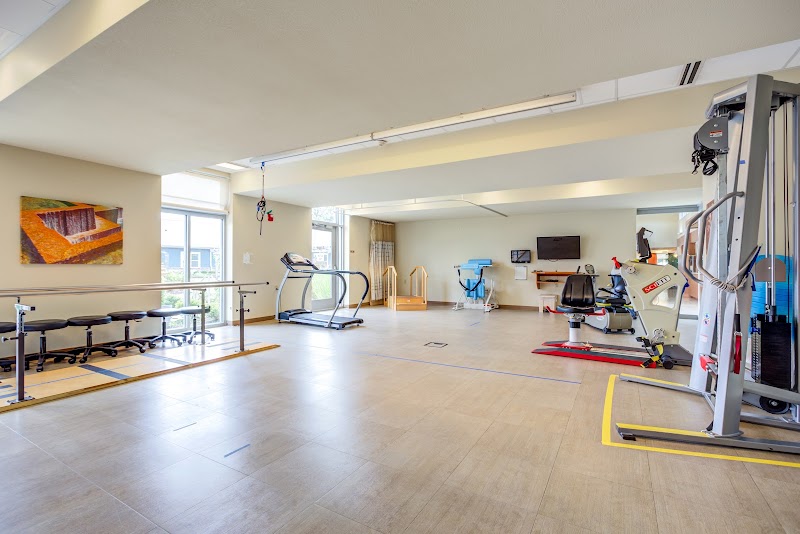
How Does Arlington Place Health Campus Compare to Other Indiana Nursing Homes?

Compared to the 100 nursing homes in Indiana, ARLINGTON PLACE HEALTH CAMPUS's overall rating (3 stars) is below the state average of 3.1, staff turnover (27%) is significantly lower than the state average of 46%, and health inspection rating (2 stars) is below the national benchmark.

What Should Families Ask When Visiting Arlington Place Health Campus?

Based on this facility's data, families visiting should ask: "Can you walk me through typical staffing levels on day, evening, and night shifts?" "Can I visit during a mealtime to observe dining assistance and food quality?" "How do you handle medical emergencies, and what is your hospital transfer rate?" "Can I speak with family members of current residents about their experience?" These questions are particularly relevant given the below-average staffing rating.

Is Arlington Place Health Campus Safe?

Based on CMS inspection data, ARLINGTON PLACE HEALTH CAMPUS has a clean safety record: no substantiated abuse findings (meaning no confirmed cases of resident harm), no Immediate Jeopardy citations (the most serious violation level indicating risk of serious injury or death), and is not on the Special Focus Facility watch list (a federal program monitoring the lowest-performing 1% of nursing homes). The facility has a 3-star overall rating and ranks #100 of 100 nursing homes in Indiana. While no facility is perfect, families should still ask about staff-to-resident ratios and recent inspection results during their visit.

Do Nurses at Arlington Place Health Campus Stick Around?

Staff at ARLINGTON PLACE HEALTH CAMPUS tend to stick around. With a turnover rate of 27%, the facility is 19 percentage points below the Indiana average of 46%. Low turnover is a positive sign. It means caregivers have time to learn each resident's needs, medications, and personal preferences. Consistent staff also notice subtle changes in a resident's condition more quickly. Registered Nurse turnover is also low at 17%, meaning experienced RNs are available to handle complex medical needs.

Was Arlington Place Health Campus Ever Fined?

ARLINGTON PLACE HEALTH CAMPUS has no federal fines on record. CMS issues fines when nursing homes fail to meet care standards or don't correct problems found during inspections. The absence of fines suggests the facility has either maintained compliance or corrected any issues before penalties were assessed. This is a positive indicator, though families should still review recent inspection reports for the full picture.

Is Arlington Place Health Campus on Any Federal Watch List?

ARLINGTON PLACE HEALTH CAMPUS is not on any federal watch list. The most significant is the Special Focus Facility (SFF) program, which identifies the bottom 1% of nursing homes nationally based on persistent, serious quality problems. Not being on this list means the facility has avoided the pattern of deficiencies that triggers enhanced federal oversight. This is a positive indicator, though families should still review the facility's inspection history directly.