
BETHANY VILLAGE

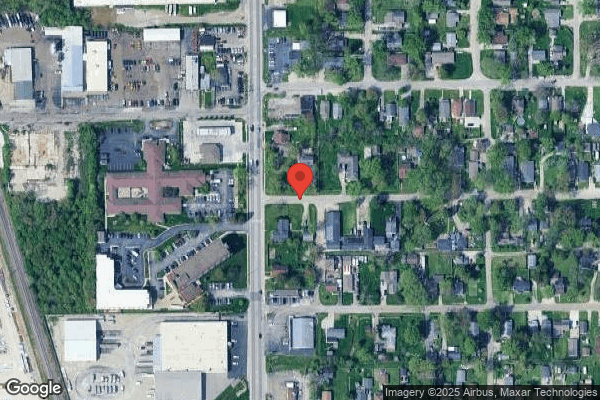
3518 S SHELBY ST, INDIANAPOLIS, IN 46227 (317) 783-4042
For profit - Corporation 100 Beds AMERICAN SENIOR COMMUNITIES Data: November 2025
Trust Grade
65/100
#218 of 505 in IN
Last Inspection: September 2024

Within standard 12-15 month inspection cycle. Federal law requires annual inspections.

Overview

Bethany Village in Indianapolis has a Trust Grade of C+, indicating a decent quality of care that is slightly above average. It ranks #218 out of 505 facilities in Indiana, placing it in the top half, and #15 out of 46 in Marion County, which means there are only 14 local options that perform better. The facility is improving, with reported issues decreasing from 7 in 2024 to 2 in 2025. However, staffing is a concern, rated at just 1 out of 5 stars, and the turnover rate of 51% is around the Indiana average. While there have been no fines, which is a positive sign, the facility has faced significant issues such as unaccounted withdrawals from resident trust accounts and safety hazards like a rubber hose obstructing walkways, highlighting both strengths and weaknesses in their operations.

Trust Score
C+
65/100
In Indiana
#218/505
Top 43%
Safety Record
Low Risk
No red flags
Inspections
Getting Better
7 → 2 violations
Staff Stability
⚠ Watch
51% turnover. Above average. Higher turnover means staff may not know residents' routines.
Penalties
✓ Good
No fines on record. Clean compliance history, better than most Indiana facilities.
Skilled Nurses
⚠ Watch
Each resident gets only 24 minutes of Registered Nurse (RN) attention daily — below average for Indiana. Fewer RN minutes means fewer trained eyes watching for problems.
Violations
⚠ Watch
18 deficiencies on record. Higher than average. Multiple issues found across inspections.
★★★☆☆
3.0
Overall Rating
★☆☆☆☆
1.0
Staff Levels
★★★★★
5.0
Care Quality
★★★☆☆
3.0
Inspection Score
Stable
2024: 7 issues
2025: 2 issues

The Good

  • 5-Star Quality Measures · Strong clinical quality outcomes
  • Full Sprinkler Coverage · Fire safety systems throughout facility
  • No fines on record

Facility shows strength in quality measures, fire safety.

The Bad

3-Star Overall Rating

Near Indiana average (3.1)

Meets federal standards, typical of most facilities

Staff Turnover: 51%

Near Indiana avg (46%)

Higher turnover may affect care consistency

Chain: AMERICAN SENIOR COMMUNITIES

Part of a multi-facility chain

Ask about local staffing decisions and management

The Ugly 18 deficiencies on record

Jul 2025 1 deficiency
CONCERN (D) 📢 Someone Reported This

A family member, employee, or ombudsman was alarmed enough to file a formal complaint

Potential for Harm - no one hurt, but risky conditions existed

Medical Records (Tag F0842)

Could have caused harm · This affected 1 resident

Based on interview and record review, the facility failed to ensure a resident's medical record was complete and accurate when the resident discharged against medical advice for 1 of 3 residents revie...

Read full inspector narrative →
Based on interview and record review, the facility failed to ensure a resident's medical record was complete and accurate when the resident discharged against medical advice for 1 of 3 residents reviewed for discharges. (Resident B) Findings include:During an interview on 7/24/25 at 10:56 a.m., Resident B indicated, on 6/18/25, he left the facility with his sister against medical advice. Resident B was unhappy with his care since his admission the previous night. Resident B had been made aware of the risk of discharging against medical advice but didn't care.The clinical record for Resident B was reviewed on 7/24/25 at 11:10 a.m. The diagnoses included, but were not limited to, acute osteomyelitis, acquired absence of right leg below knee, and diabetes.A progress note, dated 6/17/25 at 10:15 p.m., indicated Resident B arrived at the facility and was transferred to bed. Resident B did not have any complaints of pain.The clinical record lacked a progress note describing the details of Resident B's discharge against medical advice.During an interview on 7/24/25 at 11:32 a.m., the Director of Nursing (DON) indicated, on 6/18/25 at approximately 10:00 a.m., Resident B left the facility with his sister against medical advice. Resident B and his sister notified the staff and the DON as they were leaving the facility. The nurse should have entered a progress note in Resident B's medical record when he left the facility against medical advice. On 7/24/25 at 12:07 p.m., the DON provided a copy of a facility policy, titled Discharge Against Medical Advice, dated 7/2025, and indicated this was the current policy used by the facility. A review of the policy indicated when a resident chooses to discharge against medical advice, documentation in the resident's medical record should indicate the facility staff attempted to provide other options to the resident and informed the resident of the potential risks of leaving against medical advice.This citation relates to Complaint 1685013.3.1-50(a)(1)3.1-50(a)(2)
Jan 2025 1 deficiency
CONCERN (E) 📢 Someone Reported This

A family member, employee, or ombudsman was alarmed enough to file a formal complaint

Potential for Harm - no one hurt, but risky conditions existed

Deficiency F0602 (Tag F0602)

Could have caused harm · This affected multiple residents

Based on interview and record review, the facility failed to ensure the resident trust accounts were safeguarded to prevent misappropriation for 6 of 6 residents reviewed for misappropriation of prope...

Read full inspector narrative →
Based on interview and record review, the facility failed to ensure the resident trust accounts were safeguarded to prevent misappropriation for 6 of 6 residents reviewed for misappropriation of property. Cash was withdrawn from resident trust accounts and was unaccounted for. (Resident B, Resident C, Resident D, Resident E, Resident F, Resident G) Findings includes: 1. During an interview on 1/28/25 at 9:04 a.m., Resident B indicated he thought there had been a discrepancy in his trust account but couldn't remember the details of the discrepancy. On 1/28/25 at 9:30 a.m., the Administrator provided a copy of an incident report, dated 12/19/24 at 3:01 p.m., with three withdrawal slips. A review of the incident report and withdrawal slips indicated money was withdrawn from Resident B's account as follows: - On 11/30/24, Resident B withdrew fifty dollars from his account. The money was disbursed by an unknown person (signature illegible) and the witness signature indicated Qualified Medication Aide (QMA) 3. The withdrawal slip was numbered 272023. - On 12/15/24, Resident B withdrew twenty dollars from his account. The money was disbursed by LPN 2. The withdrawal slip was numbered 272060. - On an unknown date Resident B withdrew fifty dollars. The money was disbursed by the Business Office Manager and the witness signature indicated Licensed Practical Nurse (LPN) 3. The withdrawal slip was numbered 201268. Resident B's signature did not match on any of the three slips. An undated written statement indicated LPN 3 did not sign the withdrawal slips, dated 11/30/24, 12/15/24, nor the undated withdrawal slip. Signed by LPN 3. The clinical record for Resident B was reviewed on 1/28/25 at 10:02 a.m. The diagnoses included, but were not limited to, hemiplegia and hemiparesis, osteoporosis, and epilepsy. A quarterly Minimum Data Set (MDS) assessment, dated 11/5/24, indicated Resident B was cognitively intact. The facility was unable to identify the person who signed the withdrawal slips. 2. On 1/28/25 at 9:30 a.m., the Administrator provided a copy of an incident report, dated 12/19/24 at 3:01 p.m., with three withdrawal slips. A review of the incident report and withdrawal slips indicated money was withdrawn from Resident C's account as follows: - On 11/19/24, Resident C withdrew fifty dollars from her account. The money was disbursed by an unknown person (illegible signature) and the witness signature indicated QMA 3. The withdrawal slip was numbered 271993. - On 11/30/25, Resident C withdrew ten dollars from her account. The money was disbursed by an unknown person (illegible signature). The withdrawal slip was numbered 272025 - On 12/12/24, Resident C withdrew fifty dollars from her account. The disbursed by signature indicated QMA 3 and an unknown witness (illegible signature). The withdrawal slip was numbered 272064. Resident C's signatures did not match on the slips. A written statement from QMA 3, dated 12/19/24, indicated QMA 3 never gave money to Resident C, signed by QMA 3. During an interview on 1/28/25 at 11:00 a.m., the Administrator indicated, on 12/18/24, Resident C's family member notified the facility that Resident C received a delinquency letter regarding her resident trust account, and she didn't think that was correct. The facility was unable to identify the person who signed the withdrawal slips. 3. On 1/28/25 at 9:30 a.m., the Administrator provided a copy of an incident report, dated 12/19/24 at 3:01 p.m., with a withdrawal slip. A review of the incident report and withdrawal slips indicated money was withdrawn from Resident D's account as follows: - On 12/8/24, Resident D withdrew fifty dollars from his account. The money was disbursed by an unknown person (illegible signature) and an unknown witness (illegible signature). The withdrawal slip was numbered 272061. The resident/representative signature was illegible. The facility was unable to identify the person who signed the withdrawal slips. 4. On 1/28/25 at 9:30 a.m., the Administrator provided a copy of an incident report, dated 12/19/24 at 3:01 p.m., with a withdrawal slip. A review of the incident report and withdrawal slips indicated money was withdrawn from Resident E's account as follows: - On 12/14/24, Resident E withdrew twenty-five dollars from his account. The disbursed by signature indicated LPN 2 and an unknown witness (illegible signature). The withdrawal slip was numbered 272059. During an interview on 1/28/25 at 11:20 a.m., LPN 2 indicated she did not sign the withdrawal slip, dated 12/14/24, for Resident E's twenty-five dollar withdrawal. The facility was unable to identify who signed the withdrawal slip. 5. On 1/28/25 at 9:30 a.m., the Administrator provided a copy of an incident report, dated 12/19/24 at 3:01 p.m., with two withdrawal slips. A review of the incident report and withdrawal slips indicated money was withdrawn from Resident F's account as follows: - On 11/6/24, Resident F withdrew fifty dollars from his account. The money was disbursed by the Business Office Manager with an unknown witness (illegible signature). - On 12/8/24, Resident F withdrew fifty dollars from his account. The money was disbursed by an unknown person (illegible signature) with an unknown witness (illegible signature). Resident F's signatures did not match on the slips. The facility was unable to identify who signed the withdrawal slips. 6. On 1/28/25 at 9:30 a.m., the Administrator provided a copy of an incident report, dated 12/19/24 at 3:01 p.m., with two withdrawal slips. A review of the incident report and withdrawal slips indicated money was withdrawn from Resident G's account as follows: - On 12/14/24, Resident G withdrew fifty dollars from her account. The disbursed by signature indicated LPN 2 with an unknown witness (illegible signature). The withdrawal slip was numbered 272058. The facility was unable to identify who signed the withdrawal slips. During an interview, on 1/28/25 at 11:00 a.m., the Administrator indicated during an investigation into the resident trust accounts, the facility identified 6 residents with withdrawals from their resident trust accounts that didn't seem right. The staff who's signatures are on the withdrawal slips were interviewed and each of them indicated the signatures were forged. The money was replaced by the facility because it was unaccounted for. On 1/28/25 at 1:34 p.m., the Administrator provided a copy of a facility policy, titled Abuse Prohibition, Reporting, and Investigation, dated 6/2023, and indicated this was the current policy used by the facility. A review of the policy indicated it was the policy of the facility to provide an environment that was free from misappropriation of resident property. This deficient practice was corrected on 12/23/24 after the facility implemented a systemic plan of correction that included the following actions: all staff were educated to ensure process and policy for dispensing resident funds was followed with ongoing monitoring and audits. This citation relates to Complaint IN00449665. 3.1-28(a)
Sept 2024 7 deficiencies
CONCERN (D)

Potential for Harm - no one hurt, but risky conditions existed

Deficiency F0558 (Tag F0558)

Could have caused harm · This affected 1 resident

Based on observation, interview, and record review, the facility failed to ensure reasonable accommodation of needs for 1 of 8 residents observed. A call light was not within reach. (Resident 86) Find...

Read full inspector narrative →
Based on observation, interview, and record review, the facility failed to ensure reasonable accommodation of needs for 1 of 8 residents observed. A call light was not within reach. (Resident 86) Finding includes: On 9/10/24 at 1:45 p.m., observed Resident 86 in bed. Resident 86's call light was hanging over the bed and was on the floor next to the residents bed, out of the reach of the reach of the resident. During an interview at that time, the Assistant Director of Nursing (ADON) indicated the call light should have been within the reach of the resident. On 9/10/24 at 11:52 a.m., the DON provided a policy titled Resident [NAME] of Rights, dated 12/2017, and indicated it was the current policy being used by the facility. A review of the policy indicated, .(b. the resident has the right to a dignified existence, self-determination, and communication with and access to persons and services inside and outside the community . 3.1-3(v)(1)
CONCERN (D)

Potential for Harm - no one hurt, but risky conditions existed

Transfer Notice (Tag F0623)

Could have caused harm · This affected 1 resident

Based on interview and record review, the facility failed to ensure that written notification was provided to the Office of the State Long-Term Care Ombudsman for 1 of 4 residents reviewed for written...

Read full inspector narrative →
Based on interview and record review, the facility failed to ensure that written notification was provided to the Office of the State Long-Term Care Ombudsman for 1 of 4 residents reviewed for written transfer and discharge notification. (Resident 39) Finding includes: On 9/5/24 at 1:05 p.m., Resident 39's clinical record was reviewed. The diagnoses include, but were not limited to, delusional disorder, severe dementia with agitation, and mood disturbance. The Quarterly Minimum Data Set (MDS) assessment, dated 8/1/24, indicated Resident 39 was severely cognitively impaired. 1. The ASC (American Senior Communities) Hospital ER (Emergency Room/Department) Transfer Form, dated 3/18/24, indicated Resident 39 was transferred to the hospital Emergency Department on 3/18/24 at 8:06 a.m. The transfer was a facility-initiated transfer. 2. The ASC Hospital ER Transfer Form, dated 3/19/24, indicated Resident 39 was transferred to a psychiatric hospital on 3/19/24 at 2:30 p.m. The transfer was a facility-initiated transfer. 3. The ASC Hospital ER Transfer Form, dated 4/27/24, indicated Resident 39 was transferred to a psychiatric hospital on 4/27/24 at 7:40 p.m. The transfer was a facility-initiated transfer. 4. The ASC Hospital ER Transfer Form, dated 5/22/24, indicated Resident 39 was transferred to the ER and then transferred to a psychiatric facility on 5/22/24 at 2:30 p.m. The transfer was a facility-initiated transfer. The clinical record lacked documentation that the Office of the State Long-Term Care Ombudsman was notified, in writing, that Resident 39 had been transferred to another facility in March 2024, April 2024, and May 2024. During an interview on 9/10/24 at 12:31 p.m., the Social Service Director indicated Resident 39's transfer to the Emergency Department and to a psychiatric facility was a facility-initiated transfer. The Office of the State Long-Term Care Ombudsman had not been notified of Resident 39's facility-initiated transfers to another facility in March 2024, April 2024, and May 2024. During an interview on 9/10/24 at 1:00 p.m., the Administrator indicated the facility lacked a specific policy regarding the Office of the State Long-Term Care Ombudsman notification of a resident's facility-initiated transfer to another facility. 3.1-12(a)(6)(A)
CONCERN (D)

Potential for Harm - no one hurt, but risky conditions existed

Assessment Accuracy (Tag F0641)

Could have caused harm · This affected 1 resident

Based on interview and record review, the facility failed to ensure an accurate Minimum Data Set (MDS) assessment was completed for 2 of 4 residents reviewed for accuracy of MDS assessments. Falls wer...

Read full inspector narrative →
Based on interview and record review, the facility failed to ensure an accurate Minimum Data Set (MDS) assessment was completed for 2 of 4 residents reviewed for accuracy of MDS assessments. Falls were not coded correctly. (Resident 35, Resident 92) Findings include: 1. The clinical record of Resident 35 was reviewed on 9/5/24 at 1:45 p.m. The diagnoses included, but were not limited to, Parkinson's disease, unsteadiness on feet, repeated falls, generalized muscle weakness, syncope and collapse, and difficulty in walking not. A Fall Event, dated 7/9/24, indicated an unwitnessed fall. Resident 35 had left shoulder pain that required x-rays to rule out fracture. A Quarterly MDS assessment, dated 8/7/24, indicated Resident 35 had not had any falls since their prior MDS assessment, a Quarterly MDS assessment, dated for 5/10/24. During an interview on 9/9/24 at 10:50 a.m., the MDS Coordinator indicated the MDS assessment, dated 8/7/24, should have indicated Resident 35 had experienced falls. 2. The clinical record of Resident 92 was reviewed on 9/5/24 at 1:03 p.m. The diagnoses included, but were not limited to, chronic obstructive pulmonary disease, unspecified dementia, generalized muscle weakness, and age-related physical debility. A Fall Event, dated 7/7/24, indicated a witnessed fall where Resident 92 stood and fell close to a nursing station. A Fall Event, dated 7/13/24, indicated a witnessed fall where Resident 92 stood from her chair and fell. A Fall Event, dated 7/21/24, indicated an unwitnessed fall where Resident 92 was found by staff sitting on the floor of their room. A Significant Change MDS assessment, dated 7/22/24, indicated Resident 92 had not had any falls since their prior MDS assessment, a Significant Change assessment, dated for 5/19/24. During an interview on 9/9/24 at 9:46 a.m., the MDS Coordinator indicated the MDS assessment, dated 7/22/24, should have indicated Resident 92 had experienced falls. During an interview on 9/9/24 at 10:50 a.m., the MDS Coordinator indicated the facility followed RAI (Resident Assessment Instrument) guidelines for MDS assessments. 3.1-31(d)
CONCERN (D)

Potential for Harm - no one hurt, but risky conditions existed

Pressure Ulcer Prevention (Tag F0686)

Could have caused harm · This affected 1 resident

Based on observation, interview, and record review, the facility failed to provide services to a resident with an ulcer on her right heel for 1 of 3 residents reviewed for pressure ulcers. (Resident 8...

Read full inspector narrative →
Based on observation, interview, and record review, the facility failed to provide services to a resident with an ulcer on her right heel for 1 of 3 residents reviewed for pressure ulcers. (Resident 86) Finding includes: On 9/6/24 at 10:15 a.m., observed Resident 86's right heel to have an uncovered wound. The area was not wrapped with gauze (a protective covering). On 9/9/24 at 9:33 a.m., observed Resident 86's right heel. The wound on the right heel was observed to be uncovered. On 9/9/24 at 11:22 a.m., observed the wound on Resident 86's right heel to not be wrapped in gauze. On 9/10/24 at 10:30 a.m., the clinical record for Resident 86 was reviewed. The diagnosis, included but was not limited to, type II Diabetes Mellitus. A Quarterly Braden Score (a risk assessment tool that predicts the likelihood of developing pressure ulcers), dated 8/15/24 indicated Resident 86 had a very high risk for pressure ulcers. A Physicians Order, dated 8/27/24, indicated cleanse right heel with normal saline, pat dry, apply collagen to wound bed, cover with board gauze every three days. During an interview on 9/9/24 at 11:25 a.m., the Assistant Director of Nursing indicated the wound on Resident 86's heel should have been wrapped and was unsure why it was not wrapped during the observations. On 9/8/24 at 3:45 p.m., the Executive Director provided a policy titled Skin Management Program, dated 5/2022, and indicated it was the current policy being used by the facility. A review of the policy indicated Purpose: To promote the prevention of pressure ulcers/injury development; promote the healing of existing pressure ulcers and prevent development of additional pressure ulcer injury.4. preventative measures and treatments will be implemented as appropriate. 3.1-40(a)(2)
CONCERN (D) 📢 Someone Reported This

A family member, employee, or ombudsman was alarmed enough to file a formal complaint

Potential for Harm - no one hurt, but risky conditions existed

Deficiency F0761 (Tag F0761)

Could have caused harm · This affected 1 resident

Based on observation, record review, and interview, the facility failed to ensure a treatment cart was locked and secured for 1 of 1 random observations. (Memory Care Treatment Cart) Findings include:...

Read full inspector narrative →
Based on observation, record review, and interview, the facility failed to ensure a treatment cart was locked and secured for 1 of 1 random observations. (Memory Care Treatment Cart) Findings include: On 9/6/24 from 9:00 a.m. to 9:15 a.m., during medication administration pass observation, on the memory care unit, observed an unlocked treatment cart with no staff present in the area. Multiple residents were observed wandering around the unit. The treatment cart was easily opened. Inside the unlocked cart, the following medicated treatments, included but were not limited to: - Two tubes containing 30 grams of Nystatin Topical Cream (a medicated cream was used to treat fungal or yeast infections on your skin). The tube of medicated cream indicated .keep out of reach . - One tube containing one ounce of vagisil cream (anti-itch medication). The label on the tube of medicated cream indicated .keep out of reach . - One fourteen ounce jar of Aquaphor healing ointment. The label on the ointment indicated .keep out of reach . During an interview on 9/6/24 at 9:10 a.m., LPN 3 indicated the treatment cart should have been locked. During an interview on 9/6/24 at 9:39 a.m., the Executive Director indicated the treatment cart should have been locked. On 9/6/24 at 1:44 p.m., the DON provided a document that indicated there were 20 of 25 cognitively impaired self-mobile residents residing on the Memory Care Unit. On 9/6/24 at 9:52 a.m., the Director of Nursing provided a policy titled Storage and Expiration Dating of Medications and Biologicals, dated 8/1/24, a review of the policy indicated .5. Facility should ensure that all medications and biologicals, including treatment items, are securely stored in a locked cabinet/cart or locked medication room that is inaccessible by residents and visitors. 3.1-25(m)
CONCERN (D)

Potential for Harm - no one hurt, but risky conditions existed

Safe Environment (Tag F0921)

Could have caused harm · This affected 1 resident

**NOTE- TERMS IN BRACKETS HAVE BEEN EDITED TO PROTECT CONFIDENTIALITY** Based on observation, record review, and interview, the facility failed to ensure a homelike atmosphere for 1 of 8 rooms observe...

Read full inspector narrative →
**NOTE- TERMS IN BRACKETS HAVE BEEN EDITED TO PROTECT CONFIDENTIALITY** Based on observation, record review, and interview, the facility failed to ensure a homelike atmosphere for 1 of 8 rooms observed for a homelike setting. Drywall was missing. (room [ROOM NUMBER], Resident 86) Finding included: During a tour of the facility on 9/4/24 at 10:30 a.m., observed a six inch by six inch hole in room [ROOM NUMBER]. The hole was in the drywall above the residents room light. The hole was observed to have exposed wires. During an interview at that time, the Resident 86 who resided in that room was unaware of how long the hole with exposed wires had been there. On 9/5/24 at 9:00: a.m., observed the same. On 9/6/24 at 10:30 a.m., observed the same. On 9/9/24 at 9:57 a.m., observed the same. During an interview on 9/9/24 at 10:01 a.m., the Executive Director indicated she was not aware of the hole in room [ROOM NUMBER]. The Executive Director indicated the facility did not currently have a maintenance director. 3.1-19(f)
CONCERN (E)

Potential for Harm - no one hurt, but risky conditions existed

Accident Prevention (Tag F0689)

Could have caused harm · This affected multiple residents

Based on observation, interview, and record review, the facility failed to ensure the facility was free from accident hazards for 1 of 1 observation, potentially affecting 36 of 56 self-mobile residen...

Read full inspector narrative →
Based on observation, interview, and record review, the facility failed to ensure the facility was free from accident hazards for 1 of 1 observation, potentially affecting 36 of 56 self-mobile residents residing in the facility. A rubber hose used for fish tank maintenance was located on the floor in the middle of a walkway area that was used by the residents. (500 hall) Finding includes: During an observation, on 9/6/24 from 9:00 a.m. to 9:13 a.m., the following was observed on the 500-hall floor space between the resident pantry and the resident lounge area: - A dark colored rubber hose, approximately one inch in diameter and approximately 25 feet in length, was observed in the middle of the walkway that ran from the resident pantry room (on the left side of the hall) to the resident lounge (on the right side of the hall) of the 500-hall. - Approximately ten feet from the lounge area, the dark colored rubber hose was observed to be curled onto itself which raised the hose approximately two inches from the floor. - Approximately eight feet from the lounge area, the dark colored rubber hose was raised above the floor approximately three inches from the floor. - Multiple residents were observed watching television in the resident lounge. - No staff were visible in the area where the dark colored rubber hose was located. - No caution signs were visible in the hallway near where the dark colored rubber hose was located. On 9/6/24 at 9:14 a.m., LPN 2 was observed walking from the lounge area toward the nurse's station located across from the resident pantry room. During an interview at that time, LPN 2 indicated she was unsure if any caution signs should have been placed near the rubber hose to alert residents of a potential trip hazard. During an interview on 9/6/24 at 9:50 a.m., the Administrator indicated the rubber hose should not have been placed in the middle of the walkway on the 500-hall. The hallway was to be kept clear of any potential tripping hazards. Caution signs should have been in place to alert residents of a potential tripping hazard. On 9/6/24 at 1:44 p.m., the Director of Nursing Services provided a document that indicated there were 36 of 56 self-mobile (ability to move independently without staff assistance) residents who had access to the 500-hall. On 9/6/24 at 2:16 p.m. the Administrator provided a copy of the American Senior Communities General Health and Safety Policies, dated 12/2023, and indicated it was the current policy in use by the facility. A review of the policy indicated, .all recognized safety and health hazards shall be eliminated or controlled as quickly as possible .must be kept free and clean of extraneous materials that could create a health hazard or cause an accident . 3.1-45(a)(1)
Dec 2023 3 deficiencies
CONCERN (D) 📢 Someone Reported This

A family member, employee, or ombudsman was alarmed enough to file a formal complaint

Potential for Harm - no one hurt, but risky conditions existed

Incontinence Care (Tag F0690)

Could have caused harm · This affected 1 resident

Based on observation, interview, and record review, the facility failed to provide care and services to a resident with a suprapubic catheter (a urinary catheter that is inserted through the skin and ...

Read full inspector narrative →
Based on observation, interview, and record review, the facility failed to provide care and services to a resident with a suprapubic catheter (a urinary catheter that is inserted through the skin and advanced to the bladder to drain urine) for 1 of 3 residents reviewed. (Resident C) Finding includes: During an interview on 11/29/23 at 9:41 a.m., Resident C indicated the catheter bag should have been hung under the wheelchair. At that time, observed the top half of a urinary drainage bag sticking out of a tight pocket on the back of Resident C's wheelchair. The bottom half of the drainage bag appeared to have been stuffed into the pocket so the urine only be emptied into the top half of the drainage bag. The top half of the drainage bag appeared to be full and was connected to a dense, clear plastic tube that extended from the catheter drainage bag on the back of the wheelchair, down and under the wheelchair and to Resident C's left pant leg. The length of the plastic tube from the drainage bag to Resident C's left pant leg was also full of yellow fluid. Resident C was not sure how long ago the catheter bag was placed in the back pocket of the wheelchair but could remember it was placed there by staff that provided assistance earlier that morning. Resident C was not able to remember if she had been treated for a urinary tract infection recently but was tested for a urinary tract infection. During an interview on 11/29/23 at 10:04 a.m., QMA 1 (Qualified Medication Aide) indicated Resident C's catheter bag should have been placed below the Resident C's bladder. QMA 1 was not sure how long the catheter bag was in the back pocket of Resident C's wheelchair. During an interview on 11/29/23 at 10:05 a.m., CNA 1 (Certified Nursing Aide) indicated Resident C's catheter bag was placed in the back pocket of the wheelchair by night shift. Night shift ended at 7:00 a.m. The catheter bag was like that when CNA 1 came on to work. The clinical record for Resident C was reviewed on 12/1/23 at 10:28 a.m. The diagnoses included, but were not limited to, breast cancer, neurogenic bladder, and atrial fibrillation. A quarterly MDS (Minimum Data Set) assessment, dated 10/29/23, indicated Resident C was severely cognitively impaired and had a urinary catheter. A progress note, dated 11/7/23 at 11:49 a.m., indicated new orders for a urinalysis with culture and sensitivity was ordered. A nurse practitioner progress note, dated 11/8/23 at 5:48 a.m., indicated on 11/7/23, a urinalysis with culture and sensitivity was ordered due to behaviors. A social services note, dated 11/8/23 at 9:48 a.m., indicated Resident C was putting feces on her face, hair, and mouth, and cursing and yelling at staff. Attempted to clean Resident C three times and was successful. Resident has order for a urinalysis to check for infection. The clinical record lacked a urinalysis being collected on 11/7/23. A progress note, dated 11/10/23 at 1:35 p.m., (3 days after the urinalysis was initially ordered) indicated collected urine correctly by foley catheter. A lab result, dated 11/13/23 at 5:38 a.m., indicated a urinalysis was collected on 11/10/23. Three or more organisms were identified suggesting contamination at collection. Suggest repeat culture. Verified 11/11/23 at 2:07 p.m. The lab was first printed at the facility on 11/13/23 at 5:38 a.m. A lab result, dated 11/16/23 at 5:19 a.m., indicated a urinalysis was collected on 11/14/23 (7 days after the urinalysis was initially ordered). Three or more organisms were identified suggesting contamination at collection. Suggest repeat culture. Verified on 11/15/23 at 10:51 a.m. The lab was first printed at the facility on 11/16/23 at 5:19 a.m. A physician's order initiated on 11/17/23, indicated repeat urinalysis with culture and sensitivity. The physician's order had not been completed or discontinued as of 12/1/23. On 12/1/23 at 1:10 p.m., the facility was unable to provide a policy by survey exit. This tag relates to Complaint IN00416420. 3.1-41(a)(2)
CONCERN (D) 📢 Someone Reported This

A family member, employee, or ombudsman was alarmed enough to file a formal complaint

Potential for Harm - no one hurt, but risky conditions existed

Tube Feeding (Tag F0693)

Could have caused harm · This affected 1 resident

Based on observation, interview, and record review, the facility failed to provide care and services for a resident that required continuous g-tube (gastric tube that is inserted into the skin and adv...

Read full inspector narrative →
Based on observation, interview, and record review, the facility failed to provide care and services for a resident that required continuous g-tube (gastric tube that is inserted into the skin and advanced to the stomach used to provide nutrients) feedings for 1 of 2 residents reviewed. (Resident B) Finding includes: On 11/29/23 at 9:49 a.m., observed Resident B laying in bed with the head of bed elevated. Next to Resident B's bed, at the top of a pole approximately 6 feet tall, was a hard plastic bottle with approximately 900 ml (milliliters) of tan liquid. The label on the plastic bottle indicated Glucerna 1.5 (a tube feeding used for residents with diabetes), dated 11/28/23 at 8:30 a.m., (approximately 25 hours before observation), and administer 50 ml per hour. The hard plastic bottle held 1000 ml of feeding. Next to the bottle was a clear plastic bag approximately half full with clear liquid. The label on the clear bag indicated Resident B and 45 ml per hour. There was a thin tube coming from the bottom of the plastic bag and plastic bottle that came together and down into a g-tube pump (mechanical pump that administers tube feeding and water flushes at a rate and in intervals ordered by the physician. The pump is set by the nurse). The pump's screen indicated the feeding rate was set to 50 ml per hour and the water flush was set to 45 ml per hour. A thin tube coming from the bottom of the pump extended under Resident B's blanket. On 11/29/23 at 10:59 a.m., Resident B was lying in bed with the head of the bed elevated. Resident B's g-tube feeding was turned on and feeding was being administered. CNA 1 (Certified Nursing Aide) used the bed control and laid Resident B to a flat position. At that time, CNA 2 was standing approximately 5 feet from Resident B, and indicated Resident B's g-tube feeding should have been placed on hold before she was laid flat. Then CNA 1 indicated a nurse had to put the g-tube feeding on hold. With Resident B still lying flat, CNA 1 stood next to Resident B's bed and CNA 2 left the room to get a nurse. After approximately 60 seconds, CNA 2 returned with the ADON (Assistant Director of Nursing). The ADON indicated Resident B's g-tube feeding should have placed on hold before laying the bed to a flat position. The ADON walked to the g-tube pump to place the g-tube feeding on hold. Then, the ADON pressed a button, on the pump, to flush the feeding tube with water. After approximately 15 seconds, the flush completed. The ADON placed the pump on hold and disconnected the feeding tube from Resident B's g-tube. At that time, the ADON indicated Resident B should not have received a water flush while she was lying flat. The feeding should have been placed on hold. The ADON was not sure why the date on the plastic bottle indicated the bottle was opened and hung for approximately 25 hours and only 100 ml of feeding was used from the bottle. According to the administration rate the bottle would have ran out approximately 5 hours ago. The feeding bottle and bag of water flush should have been labeled with Resident B's name, the date and time the bottle was opened and hung on the pole, what was being administered, the prescribed feeding rate, and the nurse that hung the bottle should have initialed the label. The ADON indicated she would ask the nurses who hung the feeding bottle. On 11/29/23 at 11:21 a.m., the ADON entered Resident B's room carrying a new bottle of tube feeding, a new clear bag with the thin tubes and indicated she could not find any nurse that opened and hung Resident B's bottle of tube feeding, dated 11/28/23 at 8:30 a.m., the ADON opened and hung a new bottle of tube feeding and bag of water flush. On 12/1/23 at 8:20 a.m., observed Resident B's g-tube feeding bottle that was hung on a pole next to the bed. The bottle, dated 12/1/23 at 6:45 a.m. (approximately 1.5 hours prior to observation), indicated Glucerna 1.5 administered at 50 ml per hour. The tube feeding bottle was full with 1000 ml tan fluid. Next to the hard plastic bottle of tube feeding was a clear plastic bag, dated 12/1/23 at 6:45 a.m. The bag was filled to the lid with clear fluid. The tube feeding pump was turned on and tube feeding was moving down the tube toward Resident B. A piston syringe (large syringe used to administer water flushes and medication though the g-tube) was sitting on Resident B's bedside table. The piston syringe was not dated. At that time, LPN 1 (Licensed Practical Nurse) entered Resident B's room. LPN 1 was not able to explain why Resident B's g-tube feeding was opened and hung, on 12/1/23 at 6:45 a.m., but the bottle of feeding and water flush bag were both full according to the manufacturer's label on the bottle. LPN 1 indicated according to the date and time the bottle was opened and hung, the bottle should have had approximately 925 ml remaining in the bottle. LPN 1 brought an unopened bottle of Glucerna 1.5 to compare the amount of feeding in the opened bottle with the unopened bottle. When LPN 1 compared the bottles next to each other, both bottles appeared to be filled with the same amount of fluid. LPN 1 was not sure if or when the g-tube feeding pump had been serviced to ensure the pump worked properly. The clinical record for Resident B was reviewed, on 11/29/23 at 12:14 p.m. The diagnoses included, but were not limited to, subarachnoid hemorrhage, diabetes, aphasia (difficulty communicating effectively), and dysphagia (difficulty swallowing effectively). A quarterly MDS (Minimum Data Set) assessment, dated 10/20/23, indicated Resident B was severely cognitively impaired and received tube feeding. A current physician's order initiated, on 10/9/23, indicated Glucerna 1.5 administered at 50 ml per hour. A current physician's order initiated, on 10/9/23, indicated flush g-tube with 45 ml every hour. A current physician's order initiated, on 7/26/23, indicated Resident B could not have anything by mouth. On 11/30/23 at 8:30 a.m., the DON (Director of Nursing) provided a copy of a facility document, titled Enteral Tube Procedure, dated 1/2010, and indicated this was the current skills competency for a licensed nurse. A review of the document indicated maintain the head of the bed at 30 degrees at all times. 3.1-44(a)(2)
CONCERN (D) 📢 Someone Reported This

A family member, employee, or ombudsman was alarmed enough to file a formal complaint

Potential for Harm - no one hurt, but risky conditions existed

Infection Control (Tag F0880)

Could have caused harm · This affected 1 resident

Based on observation, interview, and record review, the facility failed to ensure that a glucometer (machine used to test a resident's blood sugar by blood drop), that was used for multiple residents,...

Read full inspector narrative →
Based on observation, interview, and record review, the facility failed to ensure that a glucometer (machine used to test a resident's blood sugar by blood drop), that was used for multiple residents, was disinfected before entering a resident's room to test the resident's blood sugar for 1 of 1 observations. (Resident B, QMA 1) Finding includes: On 11/29/23 at 1:07 p.m., observed QMA 1 (Qualified Medication Aide) take a glucometer, test strip (a small strip inserted into the glucometer where a blood drop is applied so the glucometer can give a blood sugar result), alcohol wipe, and a lancet (small device used to puncture the skin so a blood drop can be collected) out of the medication cart on the 100 hall. QMA 1 gathered the supplies and walked away from the cart toward resident rooms. QMA 1 entered Resident B's room and indicated she entered Resident B's room to check Resident B's blood sugar with the supplies she carried. QMA 1 indicated she last disinfected the glucometer around 9:00 a.m. when she checked the last blood sugar. QMA 1 then exited Resident B's room and walked back to the medication cart on 100 hall. QMA 1 opened a germicidal bleach wipe and wiped the glucometer until the entire glucometer was wet. QMA 1 set the glucometer down directly on the medication cart surface without a barrier. After waiting approximately 4 minutes (appropriate waiting time for the germicidal bleach wipe), QMA 1 indicated she was ready to check Resident B's blood sugar now. The glucometer that QMA 1 took to Resident B's room to check Resident B's blood sugar was used for all the residents, on the 100 hall, that required a finger to be punctured to collect a blood drop. At that time, the ADON (Assistant Director of Nursing) indicated the glucometer should have been placed on a clean barrier after the glucometer was disinfected with the germicidal bleach wipe, the glucometer should have been disinfected before QMA 1 walked into Resident B's room when QMA 1 was initially going to check Resident B's blood sugar. During an interview on 11/30/23 at 11:47 a.m., the DON (Director of Nursing) indicated there were 4 residents that resided on the 100 hall that required a finger stick, with a lancet, to collect the drop of blood for the glucometer reading. On 11/30/23 at 8:30 a.m., the DON provided a copy of a document, titled Blood Glucose Meter Cleaning/Disinfecting and Testing, dated 7/2011, and revised, on 10/17/23. A review of the document indicated place a paper towel, plastic cup, or other clean barrier on a hard surface. Wipe entire surface of the glucometer with a germicidal wipe approved for use on a glucometer and allow the surface to remain wet for 3 minutes. Place cleaned glucometer on the paper towel, in the plastic cup, or on the clean barrier. Allow the glucometer to completely dry. This tag relates to Complaint IN00416420. 3.1-18(b)(1)
Sept 2023 2 deficiencies
CONCERN (D)

Potential for Harm - no one hurt, but risky conditions existed

Comprehensive Care Plan (Tag F0656)

Could have caused harm · This affected 1 resident

Based on observation, interview, and record review, the facility failed to ensure a resident centered comprehensive care plan was developed for 1 of 3 residents reviewed for wanderguards and 1 of 5 re...

Read full inspector narrative →
Based on observation, interview, and record review, the facility failed to ensure a resident centered comprehensive care plan was developed for 1 of 3 residents reviewed for wanderguards and 1 of 5 residents reviewed for oxygen therapy. A care plan for wanderguards and C-PAP machine use was not developed. (Resident 78, Resident 83) Findings include: 1. On 9/27/23 at 11:41 a.m., Resident 78 was observed in the activity room. Resident 78 was observed wearing wanderguard device (a device allows an individual the freedom to move about the unit yet remain safe if they attempt to leave the area) on his right ankle. On 9/27/23 at 12:54 p.m., Resident 78's clinical record was reviewed. The diagnosis included, but was not limited to, dementia. Physician orders included, but were not limited to, wanderguard .start date: 8/4/23 and no end date noted. The August 2023 MAR/TAR (Medication Administration Record/Treatment Administration Record) indicated starting on 8/4/23 Resident 78's wanderguard was in position on a daily basis. The September 2023 MAR/TAR indicated Resident 78's wanderguard was in position on a daily basis. The admission Minimum Data Set (MDS) assessment, dated 7/28/23, indicated Resident 78 was severely cognitively impaired. The clinical record lacked a care plan related to Resident 78's wanderguard. Resident 78's Elopement Risk Assessment, dated 8/7/23, indicated Resident 78 was assigned a wanderguard. During an interview on 9/28/23 at 3:45 p.m., the Memory Care Coordinator indicated Resident 78 had been exhibiting exit seeking behaviors. On 8/4/23, the physician ordered a wanderguard monitor for Resident 78. The care plan should have been updated at the time of the physician's order for the placement of the wanderguard. 2. On 9/26/23 at 10:34 a.m., Resident 83 was observed in his room and resting on his bed. A C-PAP machine (continuous positive airway pressure therapy system) was observed at the bedside. The machine was turned to the on position with the tubing going from the machine to the C-PAP mask. The C-PAP mask was in place on Resident 83's face. On 9/26/23 at 11:16 a.m., the same was observed. On 9/28/23 at 3:43 p.m., Resident 83's clinical record was reviewed. The diagnoses included, but were not limited to, dementia, sleep apnea (potentially serious sleep disorder in which breathing repeatedly stops and starts), and asthma. Physician orders included, but were not limited to, C-PAP machine, setting at 11.0, on at bedtime and off in the morning, start date: 7/19/23 and no end date noted. The July 2023 MAR/TAR (Medication Administration Record/Treatment Administration Record) indicated starting on 7/19/23 Resident 83 utilized the C-PAP treatment on a daily basis. The August 2023 MAR/TAR indicated Resident 83 utilized the C-PAP treatment on a daily basis. The September 2023 MAR/TAR indicated Resident 83 utilized the C-PAP treatment on a daily basis. The Quarterly Minimum Data Set (MDS) assessment, dated 9/12/23, indicated Resident 83 was moderately cognitively impaired. The clinical record lacked a care plan related to Resident 83's C-PAP use. During an interview on 9/28/23 at 3:50 p.m., Resident 83 indicated he had used the C-PAP machine for a long time and was able to independently put the mask on and take it off as needed. During an interview on 9/28/23 at 3:55 p.m., the Memory Care Coordinator indicated Resident 83's physician ordered the C-PAP machine on 7/19/23 due to sleep apnea. Resident 83 had been using the C-PAP machine since that time. Resident 83 was able to independently put the C-PAP mask on and take it off. The care plan should have been updated when the physician ordered the C-PAP machine. On 9/28/23 at 4:00 p.m., the Memory Care Coordinator provided a copy of the IDT (Interdisciplinary team) Comprehensive Care Plan Policy, dated August 2023, and indicated it was the current policy in use by the facility. A review of the policy indicated, .the care plan must include measurable goals and resident specific interventions based on resident needs and preferences to promote the resident's highest level of functioning including medical, nursing, mental, and psychosocial well-being .care plan problems, goals, and interventions musts be reviewed and revised by the interdisciplinary team periodically . 3.1-35(a)
CONCERN (E)

Potential for Harm - no one hurt, but risky conditions existed

Respiratory Care (Tag F0695)

Could have caused harm · This affected multiple residents

Based on observation, interview, and record review, the facility failed to date and label oxygen tubing for 4 of 5 residents reviewed for oxygen. (Resident 148, Resident 63, Resident 36, Resident 146)...

Read full inspector narrative →
Based on observation, interview, and record review, the facility failed to date and label oxygen tubing for 4 of 5 residents reviewed for oxygen. (Resident 148, Resident 63, Resident 36, Resident 146) Finding includes: 1. During an interview on 9/26/23 at 8:55 a.m., Resident 148 indicated he constantly needed the oxygen delivery from the machine and nasal cannula. On 9/26/23 at 11:00 a.m., Resident 148 was observed in bed in his room receiving 2 liters of oxygen via a nasal cannula from an oxygen concentrator machine (a machine that takes in air from the room to filter out nitrogen in order to provide higher amounts of oxygen for oxygen therapy). The oxygen humidifier bottle and oxygen tubing were not labeled with a time or date. On 9/27/23 at 8:20 a.m., Resident 148 was observed in his room receiving 2 liters of oxygen via a nasal cannula from an oxygen concentrator. The oxygen humidifier bottle and oxygen tubing were not labeled with a time or date. On 9/28/23 at 1:30 p.m., Resident 148's clinical record was reviewed. The physician's orders included, but were not limited to: - 2 liters oxygen per nasal cannula, dated 9/5/23. - Change oxygen tubing and humidity, clean concentrator and filter, once a day on Sunday, dated 9/6/23. 2. On 9/26/23 at 12:19 p.m., Resident 63 was observed in his. The resident was sitting in his wheelchair, receiving 2 liters of oxygen via a nasal cannula from an oxygen concentrator, The oxygen humidifier bottle and oxygen tubing were not labeled with a time or date. On 9/27/23 at 8:30 a.m., Resident 63 was observed in room receiving 2 liters of oxygen via a nasal cannula from an oxygen concentrator. The oxygen humidifier bottle and oxygen tubing were not labeled with a time or date. 3. On 9/26/23 at 1:35 p.m., Resident 36 was observed in bed in his room receiving 2 liters of oxygen via a nasal cannula from an oxygen concentrator machine. The oxygen humidifier bottle and oxygen were not labeled with a time or date. On 9/27/23 at 8:44 a.m., Resident 36 was observed in his room receiving 2 liters of oxygen via a nasal cannula from an oxygen concentrator. The oxygen humidifier bottle and oxygen tubing were not labeled with a time or date. 4. On 9/26/23 at 1:53 p.m., Resident 146 was observed in bed in his room receiving 2 liters of oxygen via a nasal cannula from an oxygen concentrator machine. The oxygen humidifier bottle and oxygen tubing were not labeled with a time or date. On 9/27/23 at 8:15 a.m., Resident 146 was observed in his room receiving 2 liters of oxygen via a nasal cannula from an oxygen concentrator, The oxygen humidifier bottle and oxygen tubing were not labeled with a time or date. On 9/27/23 at 9:00 a.m., Resident 146's clinical record was reviewed. The physician orders included, but were not limited to: - Oxygen at 2 liters per nasal cannula, every shift, dated 9/14/23. - Change oxygen tubing and humidity, clean concentrator and filter, once a day on Sundays, dated 9/14/23. On 9/27/23 at 8:40 a.m., License Practical Nurse (LPN) 2, indicated she did not see a date on oxygen tubing for Resident 146 and Resident 148, but it was changed every Sunday. On 9/28/23 at 11:20 a.m., the Director of Nursing (DON) indicated the oxygen tubing should have been labeled. On 9/28/23 at 10:20 a.m., the Director of Nursing, provided a copy of facilities Oxygen Therapy and Devices policy, undated, and indicated it was the currently used by the facility. A review of policy indicated, .Nasal Cannula, Change out weekly and PRN [as needed] . Place in a labeled bag when not in use . 3.1-47(a)(6)
Aug 2022 4 deficiencies
CONCERN (D)

Potential for Harm - no one hurt, but risky conditions existed

Comprehensive Care Plan (Tag F0656)

Could have caused harm · This affected 1 resident

Based on observation, interview, and record review, the facility failed to implement a care plan for a high risk fall, cognitively impaired resident, for 1 of 6 residents reviewed for falls. (Resident...

Read full inspector narrative →
Based on observation, interview, and record review, the facility failed to implement a care plan for a high risk fall, cognitively impaired resident, for 1 of 6 residents reviewed for falls. (Resident 39) Finding includes: On 8/8/22 at 9:43 a.m., observed Resident 39 in his room. The resident was resting in his bed. A body pillow was observed on the residents bed. On 8/9/22 at 2:15 p.m., observed Resident 39 in his room, the resident was attempting to get out of bed without assistance. No staff were observed to be around at that time. The bed was without a body pillow. The resident's legs were hanging on the side of the bed and his feet were touching the floor. CNA 4 was observed to enter the room and assist the resident back to the bed. During an interview at that time, CNA 4 indicated the body pillow was removed from the resident's bed so that they could assist with his meal. The body pillow should have been put back on the bed. During an interview on 8/11/22 at 9:34 a.m., CNA 6 indicated staff knew how to take care of each individual resident by using the task sheets. The task sheets were kept at the nurse's station in a book. During an interview on 8/9/22 at 2:20 p.m., DON indicated the body pillow should have been put on the resident's bed before staff left the room after lunch. On 8/9/22 at 1:33 p.m., Resident 39's clinical record was reviewed. The diagnosis included, but was not limited to, repeated falls. The Quarterly MDS (Minimum Data Set) assessment, dated 6/15/22, indicated Resident 39's cognitive status was moderately impaired. The assessment indicated Resident 39 had two or more falls since admission. A care plan, with a start date of 3/10/22 and current through 9/15/22, indicated the resident was at risk for falls. The interventions included, but were not limited to, body pillow to the open side of the bed to enhance bed boundaries. A task sheet for the 500 hall, undated, indicated Resident 39 was HIGH risk fall and was to have a body pillow to the open side of the bed to enhance bed boundaries. On 8/10/22 at 8:47 a.m., the Administrator provided a policy titled, Fall Management Program, dated November 2017, and indicated it was the current policy being used by the facility. A review of the policy indicated: Procedure Fall: Facilities must implement .fall prevention plans for each resident at risk for falls or with a history of falls. 3.1-35(g)(2)
CONCERN (D)

Potential for Harm - no one hurt, but risky conditions existed

Deficiency F0698 (Tag F0698)

Could have caused harm · This affected 1 resident

Based on interview and record review, the facility failed to ensure pre and post dialysis assessments were completed for 1 of 1 residents reviewed for dialysis. (Resident 50) Finding includes: On 8/9/...

Read full inspector narrative →
Based on interview and record review, the facility failed to ensure pre and post dialysis assessments were completed for 1 of 1 residents reviewed for dialysis. (Resident 50) Finding includes: On 8/9/22 at 1:46 p.m., Resident 50's clinical record was reviewed. The Annual MDS (Minimum Data Set) assessment, dated 6/17/22, indicated Resident 50 was cognitively intact. Resident 50's diagnoses included, but were not limited to, end stage renal disease, acute kidney failure, and dependence on renal dialysis. Resident 50 received dialysis treatment three days a week (Monday, Wednesday, and Friday). The Physician's Orders included, general hemodialysis three times a week (Monday, Wednesday, and Friday) and to send a sack lunch with resident. On 8/10/22 at 1:15 p.m., Resident 50's Dialysis Appointment Assessments were reviewed; the following assessments were missing: - On 6/17/22 (Friday) the clinical record lacked a Dialysis Appointment Assessment. - On 6/20/22 (Monday) the clinical record lacked a Dialysis Appointment Assessment. - On 7/6/22 (Wednesday) the clinical record lacked a Dialysis Appointment Assessment. - On 7/8/22 (Friday) the clinical record lacked a Dialysis Appointment Assessment. - On 8/3/22 (Wednesday) the clinical record lacked a Dialysis Appointment Assessment. - On 8/5/22 (Friday) the clinical record lacked a Dialysis Appointment Assessment. During an interview on 8/11/22 at 10:23 a.m., LPN 5 (Licensed Practical Nurse) indicated that Resident 50 should have a Dialysis Appointment Assessment completed each day he goes to dialysis. During an interview on 8/11/22 at 10:44 a.m., the Director of Nursing (DON) indicated that some of the Dialysis Appointment Assessments were missing from Resident 50's clinical record and that there should be one Dialysis Appointment Assessment completed each day he goes to dialysis. On 8/10/22 at 9:30 a.m., the DON provided a policy titled: Dialysis Care, dated November 2017, and indicated that it was the policy currently is use. The policy indicated that, The facility will assure .ongoing assessment of the resident's condition and monitoring for complications before and after dialysis treatments . and An assessment of the resident will be completed upon return from each dialysis visit . 3.1-37(a)
CONCERN (E)

Potential for Harm - no one hurt, but risky conditions existed

Deficiency F0727 (Tag F0727)

Could have caused harm · This affected multiple residents

Based on record review and interview, the facility failed to provide 8 continuous hours of Registered Nursing services seven days a week for 6 of 30 days reviewed. Findings include: On 8/9/22 at 9:40 ...

Read full inspector narrative →
Based on record review and interview, the facility failed to provide 8 continuous hours of Registered Nursing services seven days a week for 6 of 30 days reviewed. Findings include: On 8/9/22 at 9:40 a.m., the Administrator provided a copy of the Report of Nursing Staff Directly Responsible for Resident Care document for the previous 30 calendar days, 7/10/22 through 8/8/22. A review of the report indicated the following data for each calendar day: facility census; shift hours: day (7:00 a.m. to 3:00 p.m.), evening (3:00 p.m. to 11:00 p.m.), and night (11:00 p.m. to 7:00 a.m.); number of Registered Nurses (RN) who worked that shift; and the number of hours worked. A review of the report indicated the following: 1. On 7/10/22, the report lacked documentation to indicate any RN coverage was provided. The facility census was 84. 2. On 7/15/22, the report lacked documentation to indicate any RN coverage was provided. The facility census was 87. 3. On 7/29/22, the report lacked documentation to indicate any RN coverage was provided. The facility census was 86. 4. On 8/3/22, the report lacked documentation to indicate any RN coverage was provided. The facility census was 87. 5. On 8/6/22, during the night shift, one RN had worked 1 of the required 8 continuous hours (11:00 p.m. to 12:00 a.m.) for that day. The facility census was 88. 6. On 8/7/22, the report indicated one RN had worked 7 of the required 8 continuous hours (12:00 a.m. to 7:00 a.m.) for that day. The facility census was 88. During an interview on 8/7/22 at 10:15 a.m., the Administrator indicated the facility census was 87. During an interview on 8/10/22 at 11:48 a.m., the Administrator indicated the facility lacked the required 8 hours of continuous RN coverage for 6 of 30 days between 7/10/22 and 8/8/22. The facility lacked a specific facility policy regarding the required 8 hours of continuous RN coverage. 3.1-17(b)(3)
CONCERN (E)

Potential for Harm - no one hurt, but risky conditions existed

Food Safety (Tag F0812)

Could have caused harm · This affected multiple residents

**NOTE- TERMS IN BRACKETS HAVE BEEN EDITED TO PROTECT CONFIDENTIALITY** Based on observation, interview, and record review, the facility failed to ensure food was served in a sanitary manner for 4 of ...

Read full inspector narrative →
**NOTE- TERMS IN BRACKETS HAVE BEEN EDITED TO PROTECT CONFIDENTIALITY** Based on observation, interview, and record review, the facility failed to ensure food was served in a sanitary manner for 4 of 4 kitchen observations. Dietary staff's hair was not restrained, food was not covered or dated, and perishable foods were not discarded. (Cook 1, Dietary Aide 2, Dietary Aide 3, Findings include: 1. On 8/7/22 from 9:20 a.m. to 9:35 a.m., during the initial kitchen tour with [NAME] 1, the following was observed: -Cook 1 was walking near the steamtable. The steamtable held the breakfast hot foods until they were prepared, plated, and transported to the residents. [NAME] 1 was also observed walking through out the kitchen area; including walking into the walk-in refrigerator and freezer units and retrieved foods from the reach-in refrigerator. [NAME] 1 was observed wearing baseball cap and face mask. [NAME] 1's hair, below the baseball cap, was 3/4 inch in length and was observed to not be covered. [NAME] 1's facial hair, located between the ears and the face mask, was observed to be to be 1/2 inch in length and observed to not be covered. -Dietary Aide 2 was walking near the steamtable. The steamtable held the breakfast hot foods until they were prepared, plated, and transported to the residents. Dietary Aide 2 was observed putting the left over breakfast foods into the refrigerator units. Dietary Aide 2 was observed wearing a face mask. Dietary Aide 2's facial hair, located between the ears and face mask, was observed to be 1/2 inch in length and observed to not be covered. - The kitchen's walk-in refrigerator, located near the meal prep table was observed. Inside the refrigerator unit, a tray of 10 uncooked eggs were observed. One eggshell was observed to be cracked and the egg contents, yolk and egg whites, were visible. The egg material had a dried-out appearance. During an interview at that time, [NAME] 1 indicated he was unaware how long the cracked egg was in the refrigerator and the egg should have been thrown out. - In the kitchen's reach-in refrigerator, located near the steamtable, two small cups of pureed [NAME] slaw were observed. The cups lacked a cover and a label to identify what the items were and the dates they were placed into the refrigerator. One covered pan, approximately 4 inches wide by 12 inches long and 3 inches deep in size was observed. The pan was filled with a white colored substance. The pan lacked a label to identify what the item was and when it was placed into the refrigerator. 2. On 8/7/22 from 11:40 a.m. to 12:20 p.m., during a follow-up kitchen observation, the following was observed: -Cook 1 was at the steamtable which held the noon meal hot foods. [NAME] 1 was observed taking the noon meal's hot food temperatures, plating the foods, and then preparing foods for transport to the residents. [NAME] 1 was observed wearing baseball cap and face mask. [NAME] 1's hair, below the baseball cap, was 3/4 inch in length and was observed to not be covered. [NAME] 1's facial hair, located between the ears and the face mask, was observed to be 1/2 inch in length, and was observed to not be covered. -Dietary Aide 2 was at the food prep table, located near the steamtable which held the noon meal's hot foods, and was preparing the resident's juice glasses. Dietary Aide 2 then placed the resident food trays, from the steamtable, into the transport cart for delivery to the residents. Dietary Aide 2 was observed wearing a face mask. Dietary Aide 2's facial hair, located between the ears and face mask, was observed to be 1/2 inch in length and observed to not be covered. -The BOM (Business Office Manager) was observed at the food prep table, located near the steamtable, that held the noon meal's hot foods, and was making peanut butter and jelly sandwiches and turkey with cheese sandwiches for the noon meal. The BOM was observed wearing a hair net. The BOM was observed to have multiple loose hairs, approximately 4 inches in length, hanging outside of the hair net that was located 1 inch above the ears and 3 inches above the neck hair line. The loose hairs were observed to not be covered. 3. On 8/7/22 from 1:25 p.m. to 1:30 p.m., during a follow-up kitchen observation, the following was observed: -Cook 1 was walking near the steamtable where the noon meal had been prepared, plated, and transported to the residents. [NAME] 1 was also observed walking through out the kitchen area where the supper meal was being prepared. [NAME] 1 was observed wearing baseball cap and face mask. [NAME] 1's hair, below the baseball cap, was 3/4 inch in length and was observed to not be covered. [NAME] 1's facial hair, located between the ears and the face mask, was observed to be 1/2 inch in length and was observed to not be covered. -Dietary Aide 2 was walking through out kitchen and was preparing the resident food transport cart for food delivery to the residents. Dietary Aide 2 was observed wearing a face mask. Dietary Aide 2's facial hair, located between the ears and face mask, was observed to be 1/2 inch in length and was observed to not be covered. 4. On 8/10/22 from 1:25 p.m. to 1:35 p.m., during a follow-up kitchen observation, the following was observed: -Dietary Aide 3 was observed near the steamtable where the noon meal had been prepared, plated, and ready to be transported to the residents. Dietary Aide 3 was also observed walking through out the kitchen area where the evening meal was being prepared. Dietary Aide 3 was observed wearing a hair net and a face mask. Dietary Aide 3's hair, below the hair net, was observed to be 2 1/2 inches in length and was observed to not be covered. Dietary Aide 3's facial hair, located between the ears and the face mask, was observed to be 1/2 inch in length, and was observed to not be covered. During an interview on 8/7/22 at 1:35 p.m., [NAME] 1 indicated all staff, while in the kitchen, were to have their hair covered. During an interview on 8/10/22 at 1:40 p.m., Dietary Aide 3 indicated kitchen staff were to have their hair covered. On 8/10/22 at 4:00 p.m., the Administrator provided a copy of the Culinary Personal Hygiene policy, dated June 2021, and indicated it was the current policy in use by the facility. A review of the document indicated, .wear a clean hat and/or hair restraint .employees with facial hair should also wear a beard restraint . On 8/10/22 at 4:00 p.m., the Administrator provided a copy of the Food Storage policy, dated June 2021, and indicated it was the current policy in use by the facility. A review of the policy indicated, .perishable foods .to retain nutritive value and quality .foods should be covered or wrapped tightly .labeled, dated . On 8/10/22 at 4:05 p.m., a review of the Retail Food Establishment Sanitation Requirements Title 410 IAC 7-24, effective November 13, 2004, indicated, .food employees shall wear hair restraints .hair coverings or nets, beard restraints . On 8/10/22 at 4:15 p.m., a review of the Retail Food Establishment Sanitation Requirements Title 410 IAC 7-24, effective November 13, 2004, indicated .eggs .potentially hazardous food .held in a retail food establishment .discarded .potential hazardous food .means a food that is natural .in raw shell eggs, the growth of Salmonella enteritidis [an infection commonly caused by contaminated food or water] .refrigerated, ready-to-eat, potentially hazardous food prepared and held in a retail food establishment for more than twenty-four (24) hours shall be clearly marked to indicate the date or day by which the food shall be consumed on the premises .discarded .food shall be protected from contamination by storing the food as follows: .(5). In packages, covered containers, or wrappings .wrap food tightly to prevent cross contamination . 3.1-21(i)(2) 3.1-21(i)(3)
Understanding Severity Codes (click to expand)
Life-Threatening (Immediate Jeopardy)
J - Isolated K - Pattern L - Widespread
Actual Harm
G - Isolated H - Pattern I - Widespread
Potential for Harm
D - Isolated E - Pattern F - Widespread
No Harm (Minor)
A - Isolated B - Pattern C - Widespread

Questions to Ask on Your Visit

  • "Can I speak with families of current residents?"
  • "What's your RN coverage like on weekends and overnight?"

Our Honest Assessment

Strengths
  • • No major safety red flags. No abuse findings, life-threatening violations, or SFF status.
  • • No fines on record. Clean compliance history, better than most Indiana facilities.
Concerns
  • • 18 deficiencies on record. Higher than average. Multiple issues found across inspections.
Bottom line: Mixed indicators with Trust Score of 65/100. Visit in person and ask pointed questions.

About This Facility

What is Bethany Village's CMS Rating?

CMS assigns BETHANY VILLAGE an overall rating of 3 out of 5 stars, which is considered average nationally. Within Indiana, this rating places the facility higher than 0% of the state's 100 nursing homes. This mid-range rating indicates the facility meets federal standards but may have areas for improvement.

How is Bethany Village Staffed?

CMS rates BETHANY VILLAGE's staffing level at 1 out of 5 stars, which is much below average compared to other nursing homes. Staff turnover is 51%, compared to the Indiana average of 46%. RN turnover specifically is 60%, which is notably high. RNs provide skilled clinical oversight, so turnover in this role can affect medical care quality.

What Have Inspectors Found at Bethany Village?

State health inspectors documented 18 deficiencies at BETHANY VILLAGE during 2022 to 2025. These included: 18 with potential for harm.

Who Owns and Operates Bethany Village?

BETHANY VILLAGE is owned by a for-profit company. For-profit facilities operate as businesses with obligations to shareholders or private owners. The facility is operated by AMERICAN SENIOR COMMUNITIES, a chain that manages multiple nursing homes. With 100 certified beds and approximately 87 residents (about 87% occupancy), it is a mid-sized facility located in INDIANAPOLIS, Indiana.

How Does Bethany Village Compare to Other Indiana Nursing Homes?

Compared to the 100 nursing homes in Indiana, BETHANY VILLAGE's overall rating (3 stars) is below the state average of 3.1, staff turnover (51%) is near the state average of 46%, and health inspection rating (3 stars) is at the national benchmark.

What Should Families Ask When Visiting Bethany Village?

Based on this facility's data, families visiting should ask: "Can you walk me through typical staffing levels on day, evening, and night shifts?" "Can I visit during a mealtime to observe dining assistance and food quality?" "How do you handle medical emergencies, and what is your hospital transfer rate?" "Can I speak with family members of current residents about their experience?" These questions are particularly relevant given the below-average staffing rating.

Is Bethany Village Safe?

Based on CMS inspection data, BETHANY VILLAGE has a clean safety record: no substantiated abuse findings (meaning no confirmed cases of resident harm), no Immediate Jeopardy citations (the most serious violation level indicating risk of serious injury or death), and is not on the Special Focus Facility watch list (a federal program monitoring the lowest-performing 1% of nursing homes). The facility has a 3-star overall rating and ranks #100 of 100 nursing homes in Indiana. While no facility is perfect, families should still ask about staff-to-resident ratios and recent inspection results during their visit.

Do Nurses at Bethany Village Stick Around?

BETHANY VILLAGE has a staff turnover rate of 51%, which is 5 percentage points above the Indiana average of 46%. Moderate turnover is common in nursing homes, but families should still ask about staff tenure and how the facility maintains care continuity when employees leave.

Was Bethany Village Ever Fined?

BETHANY VILLAGE has no federal fines on record. CMS issues fines when nursing homes fail to meet care standards or don't correct problems found during inspections. The absence of fines suggests the facility has either maintained compliance or corrected any issues before penalties were assessed. This is a positive indicator, though families should still review recent inspection reports for the full picture.

Is Bethany Village on Any Federal Watch List?

BETHANY VILLAGE is not on any federal watch list. The most significant is the Special Focus Facility (SFF) program, which identifies the bottom 1% of nursing homes nationally based on persistent, serious quality problems. Not being on this list means the facility has avoided the pattern of deficiencies that triggers enhanced federal oversight. This is a positive indicator, though families should still review the facility's inspection history directly.