BRICKYARD HEALTHCARE - BROOKVIEW CARE CENTER
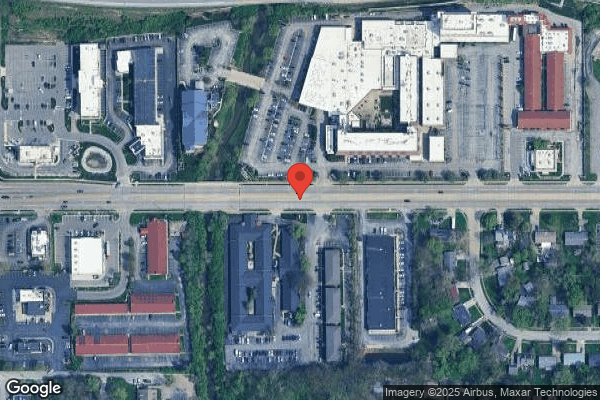
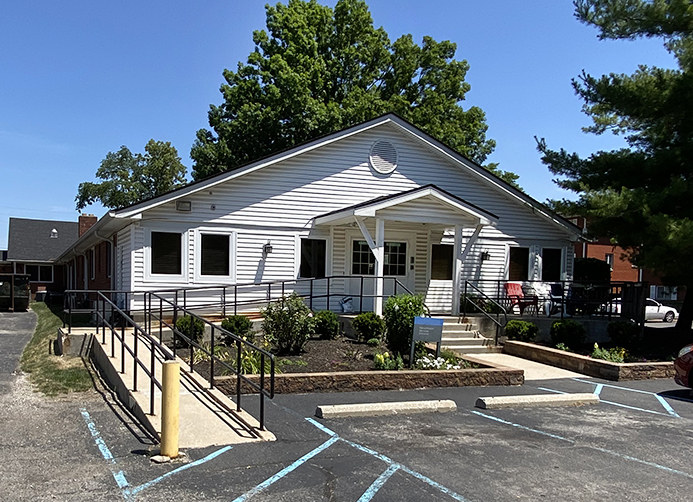
7145 E 21ST STREET, INDIANAPOLIS, IN 46219 (317) 356-0977
For profit - Corporation 136 Beds BRICKYARD HEALTHCARE Data: November 2025
Trust Grade
60/100
#220 of 505 in IN
Last Inspection: December 2024

Within standard 12-15 month inspection cycle. Federal law requires annual inspections.

Overview

Brickyard Healthcare - Brookview Care Center has a Trust Grade of C+, which means it is slightly above average but not outstanding. It ranks #220 out of 505 facilities in Indiana, placing it in the top half, and #16 out of 46 in Marion County, indicating only 15 local options are better. The facility's trend is stable, with 39 issues identified in both 2024 and 2025 without any significant improvement or decline. Staffing is rated average with a turnover rate of 44%, which is below the state average, suggesting that employees tend to stay longer than in many other facilities. The home has not incurred any fines, which is a positive sign, and there is a good level of RN coverage, ensuring that more serious health issues can be promptly addressed. However, there are significant concerns. Recent inspections revealed that dietary practices were not properly followed, such as failing to date opened food items and allowing personal items to be stored incorrectly. Additionally, residents reported a lack of dignity and respect from staff, with one resident hearing staff yelling at each other in the hallways. While the quality measures rating is excellent, the health inspection score is below average, indicating that while some aspects of care are strong, there are serious areas requiring improvement.

Trust Score
C+
60/100
In Indiana
#220/505
Top 43%
Safety Record
Low Risk
No red flags
Inspections
Holding Steady
7 → 7 violations
Staff Stability
○ Average
44% turnover. Near Indiana's 48% average. Typical for the industry.
Penalties
✓ Good
No fines on record. Clean compliance history, better than most Indiana facilities.
Skilled Nurses
✓ Good
Each resident gets 43 minutes of Registered Nurse (RN) attention daily — more than average for Indiana. RNs are trained to catch health problems early.
Violations
⚠ Watch
39 deficiencies on record. Higher than average. Multiple issues found across inspections.
★★★☆☆
3.0
Overall Rating
★★★☆☆
3.0
Staff Levels
★★★★★
5.0
Care Quality
★★☆☆☆
2.0
Inspection Score
Stable
2024: 7 issues
2025: 7 issues

The Good

  • 5-Star Quality Measures · Strong clinical quality outcomes
  • Full Sprinkler Coverage · Fire safety systems throughout facility
  • No fines on record
  • Staff turnover below average (44%)

    4 points below Indiana average of 48%

Facility shows strength in quality measures, fire safety.

The Bad

3-Star Overall Rating

Near Indiana average (3.1)

Meets federal standards, typical of most facilities

Staff Turnover: 44%

Near Indiana avg (46%)

Typical for the industry

Chain: BRICKYARD HEALTHCARE

Part of a multi-facility chain

Ask about local staffing decisions and management

The Ugly 39 deficiencies on record

Aug 2025 1 deficiency
CONCERN (D) 📢 Someone Reported This

A family member, employee, or ombudsman was alarmed enough to file a formal complaint

Potential for Harm - no one hurt, but risky conditions existed

Tube Feeding (Tag F0693)

Could have caused harm · This affected 1 resident

Based on observation, interview, and record review, the facility failed to ensure a resident with a gastrostomy (feeding) tube received flushes per the physician's orders for 1 of 3 residents reviewed...

Read full inspector narrative →
Based on observation, interview, and record review, the facility failed to ensure a resident with a gastrostomy (feeding) tube received flushes per the physician's orders for 1 of 3 residents reviewed for feeding tubes. (Resident D)Findings include:The clinical record for Resident D was reviewed on 8/27/25 at 3:10 p.m. The diagnoses included, but were not limited to, muscle weakness, dysphagia, diabetes mellitus, and gastrostomy status. A Quarterly Minimum Data Set (MDS) assessment, dated 6/27/25, indicated Resident D had a feeding tube and received greater than 51% of their nutrition via the feeding tube. A care plan for tube feeding, initiated 4/14/25, indicated Resident D required tube feeding related to dysphagia. The interventions included, but were not limited to, see physician orders for current feeding orders and indicated Resident D was dependent with receiving tube feeding and water flushes. A current physician's order, dated 6/23/25, indicated the use of tube feeding to run at 65 milliliters (mLs) per hour and water flushes of 50 mL per hour. An observation was conducted of Resident D, on 8/27/25 at 1:50 p.m., with Registered Nurse (RN) 2. RN 2 pushed a button on the feeding pump to display the amount of water flushes Resident D was receiving. The pump was set to administer 60 mL per hour of water flushes and was confirmed by RN 2. An observation was conducted of Resident D, on 8/27/25 at 4:13 p.m., with Nurse 3. Nurse 3 pushed a button of the feeding pump to display the amount of water flushes Resident D was receiving. The pump was set to administer 60 mL per hour of water flushes and was confirmed by Nurse 3. A policy entitled Care and Treatment of Feeding Tubes, revised August 2024, was provided by the Director of Nursing on 8/27/25 at 5:00 p.m. The policy indicated feeding tubes would be utilized according to physician orders and direction for staff to provide care to the feeding tube that included, but were not limited to, frequency of and volume for flushing. This citation is related to Intake 2572707. 3.1-46(a)(2)
May 2025 2 deficiencies
CONCERN (D) 📢 Someone Reported This

A family member, employee, or ombudsman was alarmed enough to file a formal complaint

Potential for Harm - no one hurt, but risky conditions existed

Quality of Care (Tag F0684)

Could have caused harm · This affected 1 resident

Based on interview and record review, the facility failed to ensure a resident was transported to appointments regarding a tunneled catheter removal for 1 of 3 residents reviewed for appointments. (Re...

Read full inspector narrative →
Based on interview and record review, the facility failed to ensure a resident was transported to appointments regarding a tunneled catheter removal for 1 of 3 residents reviewed for appointments. (Resident B) Findings include: The clinical record for Resident B was reviewed on 5/27/25 at 10:30 a.m. The diagnoses included, but were not limited to, anoxic brain damage (brain being deprived of oxygen), tracheostomy status ((surgically created hole in the neck that connects to the trachea (windpipe) to help a person breathe)), gastrostomy status (tube inserted through the abdomen and into the stomach), and osteomyelitis of vertebra (infection of the bone). A care plan, dated 4/15/25, indicated Resident B was on intravenous (IV) antibiotics related to an infection. The interventions included, but were not limited to, observing the IV dressing, changing the IV dressing and IV tubing as directed, monitor for signs and symptoms of infection, and monitor for signs of leaking at the IV side, edema at the IV insertion site, and/or any leaking of IV fluid out of the insertion site. A physician note, dated 4/29/25, indicated Resident B was scheduled for a tunneled catheter removal on 5/6/25 in the interventional radiology department at a local hospital. A progress note, dated 5/6/25 at 1:44 p.m., indicated Resident B's appointment was rescheduled due to a transportation issue. A progress note, dated 5/12/25 at 11:13 a.m., indicated Resident B's appointment was missed due to the transportation company arriving at the facility early. The transportation company left and never returned to take Resident B to his scheduled appointment. An interview was conducted with Registered Nurse (RN) 1 on 5/27/25 at 11:54 a.m. She indicated, on 5/6/25, she realized the transportation company didn't arrive at the facility to transport Resident B to his appointment and it was getting close to his appointment time. RN 1 contacted the transportation company, and they indicated Resident B was not on the list to be transported on 5/6/25. On 5/12/25, the transportation company arrived but it was around 11:00 a.m. and the appointment was for 1:00 p.m. RN 1 was under the impression Family Member 2 wanted to accompany Resident B to his appointments. Since Family Member 2 was not there, RN 1 instructed the transportation company to return later to pick up Resident B. The transportation company never returned to pick up Resident B for his appointment on 5/12/25. RN 1 indicated she did not call Family Member 2 to confirm if they were accompanying Resident B to his appointment. An interview was conducted with Family Member 2 on 5/27/25 at 11:39 a.m. She indicated Resident B had experienced missed appointments for the removal of his IV access on 5/6/25 and 5/12/25. On 5/12/25, she was told the transportation company arrived early and the facility staff didn't have Resident B go to the appointment because it was too early. So, the appointment was cancelled due to Family Member 2 not being there. Family Member 2 indicated she did not need to be there. Resident B was just to undergo the removal of his IV access. An appointment was scheduled, on 5/29/25, for Resident B's tunneled catheter removal. An interview conducted with the Director of Nursing (DON), on 5/27/25 at 2:22 p.m., indicated there was no facility policy regarding resident appointments. This citation is related to Complaint IN00459452. 3.1-37(a)
CONCERN (D) 📢 Someone Reported This

A family member, employee, or ombudsman was alarmed enough to file a formal complaint

Potential for Harm - no one hurt, but risky conditions existed

Deficiency F0694 (Tag F0694)

Could have caused harm · This affected 1 resident

Based on observation, interview, and record review, the facility failed to ensure a resident with an intravenous (IV) access had orders for continued care for the IV access for 1 of 1 resident reviewe...

Read full inspector narrative →
Based on observation, interview, and record review, the facility failed to ensure a resident with an intravenous (IV) access had orders for continued care for the IV access for 1 of 1 resident reviewed for IV access. (Resident B) Findings include: The clinical record for Resident B was reviewed on 5/27/25 at 10:30 a.m. The diagnoses included, but were not limited to, anoxic brain damage (brain being deprived of oxygen), tracheostomy status ((surgically created hole in the neck that connects to the trachea (windpipe) to help a person breathe)), gastrostomy status (tube inserted through the abdomen and into the stomach), and osteomyelitis of vertebra (infection of the bone). A physician order, dated 4/3/25, indicated the administration of Ertapenem Sodium Solution Reconstituted (broad spectrum antibiotic); administer one gram IV in the evening for an infection for six weeks. An IV care plan, dated 4/15/25, indicated Resident B was on IV antibiotics related to an infection. The interventions included, but were not limited to, observing the IV dressing, changing the IV dressing and IV tubing as directed, monitor for signs and symptoms of infection, and monitor for signs of leaking at the IV side, edema at the IV insertion site, and/or any leaking of IV fluid out of the insertion site. The April 2025 electronic medication administration record (EMAR) indicated Resident B's left chest single lumen PICC (peripherally inserted central catheter; form of IV access that can be used for an extended period) dressing was to be changed on a routine basis while in use. The order start date was 4/4/25 and discontinued on 5/2/25. The April 2025 EMAR indicated Resident B's left chest singe lumen PICC was to be observed every shift for signs and symptoms of infection. The order start date was 4/4/25 and discontinued on 5/2/25. A physician note, dated 4/29/25, indicated Resident B was scheduled for a tunneled catheter removal on 5/6/25 in the interventional radiology department at a local hospital. A progress note, dated 5/2/25, indicated Resident B's left chest singe lumen PICC was not a PICC. An appointment for the removal of the tunneled catheter line was scheduled for 5/6/25. The electronic health record indicated the following appointments were scheduled for Resident B's removal of the tunneled catheter, but the procedure was not able to be completed on 5/6/25 and 5/12/25. An appointment was scheduled for Resident B's tunneled catheter removal on 5/29/25. An observation was conducted of Resident B, on 5/27/25 at 11:25 a.m., with the Director of Nursing (DON). An IV access was still noted on Resident B's left chest. There was a dressing observed to the IV access with a written date of 5/21/25. The DON indicated the residents with an IV access should have monitoring and dressing changes conducted. There were no current orders reflective of the care and maintenance of the IV site to include any dressing changes, flushes to the IV access, and/or monitoring for any complications of the IV site. An interview conducted with the DON, on 5/27/25 at 2:24 p.m., indicated there was no documentation to reflect the dressing changes and/or monitoring of the IV access currently in the electronic health record for Resident B. A policy entitled Intravenous Therapy, undated, was provided by the DON on 5/27/25 at 2:22 p.m. The policy indicated the following, .12. A doctor's order is obtained before starting IV therapy . 13. IV sites are checked every four (4) hours or as per facility protocol and PRN [as needed] for signs and symptoms of infection or inflammation . 15. IV documentation is recorded in the nurses' notes and/or Medication Administration Record . 16. The nurse will notify the practitioner to assess the need for continuation of the catheter if not being used for IV fluids or medications and will discontinue as per the practitioner's order This citation is related to Complaint IN00459452. 3.1-47(a)(2)
Mar 2025 2 deficiencies
CONCERN (D) 📢 Someone Reported This

A family member, employee, or ombudsman was alarmed enough to file a formal complaint

Potential for Harm - no one hurt, but risky conditions existed

Resident Rights (Tag F0550)

Could have caused harm · This affected 1 resident

Based on interview and record review, the facility failed to ensure a resident's call light was responded to in a timely manner, resulting in the resident experiencing anxiety, related to concerns reg...

Read full inspector narrative →
Based on interview and record review, the facility failed to ensure a resident's call light was responded to in a timely manner, resulting in the resident experiencing anxiety, related to concerns regarding her health for 1 of 3 resident reviewed for staffing to meet resident needs. (Resident C) Findings include: In an interview with Resident C on 3-4-25 at 10:10 a.m., she indicated she has resided at the facility for about 6 years and typically was treated very well by staff and staff typically were very attentive to her, including with call light response. About two or so weeks ago, [I] had been sent to ER [emergency room] for a nosebleed. After I got back here, around 4:00 a.m., my heart started thumping real hard and I turned on my call light to have the nurse come and check on me and get my vital signs. Not a soul showed up until after the day shift got here, somewhere around 7:00 a.m. It kind of scared me and my roommate. Who knows what could have happened to me? And it worries me that this type of thing could happen to someone else, too, that might be worse off than me. She indicated in the over five years she has been here, nothing like this has occurred before or since. She shared she had spoken to several people in management, including the new Director of Nursing (DON) who assured her things will be better. On 3-4-25 at 11:58 a.m., the Corporate Nurse provided a copy of a Grievance Form, dated 2-20-25, which indicated the Social Services Designee received a grievance from Resident C, on 2-20-25, regarding her call light not being responded to by facility staff, from when she activated it at 4:00 a.m., until 7:00 a.m., on 2-20-25. This concern was shared with the DON. The form documented the DON resolved the concern on 2-21-25, with an explanation provided of, Employees were written up after complete thorough investigation was done. In an interview with the DON on 3-4-25 at 12:15 p.m., she indicated she had spoken with Resident C on 2-20-25, about her call light not being answered for several hours. She indicated both Resident C and her roommate were both very alert and oriented and did not have a history of telling lies about the staff. I met with the nurse and aide that worked the night before [2-19-25 into 2-20-25]. Both of them said they didn't think her call light was on. The nurse wrote a statement on the write-up, but refused to sign it. I explained to both of them this type of thing is considered neglect and it is taken very seriously. They understand they are at the point where if anything else happens, they will be terminated. I decided not to terminate them, but to give them an opportunity for improvement. On 3-4-25 at 12:37 p.m., the DON provided copies of documents entitled, 3 Step Employee Memorandum, for Licensed Practical Nurse (LPN) 4 and Certified Nurse Aide (CNA) 5. The documents indicated, Describe the incident in detail .Failed to answer call light in a timely manner, and indicated this was a failure to perform assigned duties in an appropriate manner or at assigned times. In the section identified as Corrective Action To Be Taken (State corrective action you feel the employee may take to eliminate the problem.), it indicated for both employees, You must do purposely [sic] rounding on shift. All call lights must be answered in a timely manner. All assigned job duties must be completed on shift. Notify work colleague when taking scheduled break. LPN 4 handwrote a comment of, Resident's light was not on. Call light sounds on East Wing. East Wing nurse stated she did not see light. I also have two halls at night so am not on hall at all times. The signature line for LPN 4 was unsigned by LPN 4, but had a handwritten notation of, Refused to Sign. CNA 5's document did not have any employee comment, but in the employee signature area of the document, it indicated the counseling was conducted by phone. Both documents were signed by two facility supervisors. In an interview on 3-4-25 at 2:20 p.m., with the Corporate Nurse, she indicated education was conducted on responding to call lights with the nurse and aide at the time of their counseling. The remainder of the staff were receiving education on this topic from the Executive Director and the new DON on a one-on-one basis, to be able to set goals individually with each employee. She indicated the Executive Director and DON are about half-way through the employee list at this point and there will be an all-staff meeting on 3-6-25, which was planned prior to this survey, to address a number of issues, including but not limited to, responding to call lights in a timely manner. The clinical record of Resident C was reviewed on 3-3-25 at 3:38 p.m. Her diagnoses included, but were not limited to congestive heart failure, diabetes with neuropathy, morbid obesity and end stage renal with dialysis. Her most recent Minimum Data Set assessment, dated 12-30-24, indicated she was cognitively intact. This citation is related to Complaint IN00454054. 3.1-3(t)
CONCERN (D) 📢 Someone Reported This

A family member, employee, or ombudsman was alarmed enough to file a formal complaint

Potential for Harm - no one hurt, but risky conditions existed

Deficiency F0625 (Tag F0625)

Could have caused harm · This affected 1 resident

Based on interview and record review, the facility failed to provide 1 of 3 residents, reviewed for transfers, a copy of the facility's bed hold policy prior to transferring to an area hospital. (Resi...

Read full inspector narrative →
Based on interview and record review, the facility failed to provide 1 of 3 residents, reviewed for transfers, a copy of the facility's bed hold policy prior to transferring to an area hospital. (Resident D) Findings include: The clinical record of Resident D was reviewed on 3-4-25 at 10:57 a.m. Her diagnoses included, but were not limited to, Wernicke's encephalopathy, CVA (cardiovascular accident or stroke) with left sided hemiparesis and hemiplegia, dysphagia (difficulty swallowing), gastrostomy (gastric feeding tube), and moderate protein-calorie malnutrition. A review of Resident D's progress notes indicated she had pulled out her gastric feeding tube, on 3-2-25, and was sent to an area hospital to have it replaced. A document, identified as a nursing home to hospital transfer form, was completed on 3-2-25 at 5:50 a.m. It indicated the reason for the transfer as Resident pulled out G-tube. The clinical record failed to have a copy of the bed hold policy in place and was unable to be provided by the facility prior to the exit of the survey. In an interview on 3-4-25 at 10:25 a.m., with Registered Nurse (RN) 3, she indicated when a resident was sent out to the emergency room, the nursing staff were to complete and send with the resident a copy of the bed hold policy and the state transfer paperwork. In an interview with the Corporate Nurse on 3-4-25 at 2:17 p.m., she indicated the facility does not have a specific policy regarding the use of the transfer-discharge paperwork, but follows the state and federal regulations and utilizes the state paperwork, including the bed hold documentation. We are to send that with the resident to the hospital and keep a copy for the chart. This citation is related to Complaint IN00454054. 3.1-12(a)(25)(A) 3.1-12(a)(25)(B)
Jan 2025 2 deficiencies
CONCERN (D) 📢 Someone Reported This

A family member, employee, or ombudsman was alarmed enough to file a formal complaint

Potential for Harm - no one hurt, but risky conditions existed

Investigate Abuse (Tag F0610)

Could have caused harm · This affected 1 resident

Based on interview and record review, the facility failed to thoroughly investigate an allegation of misappropriation of property for 1 of 3 residents reviewed for abuse. (Resident D) Findings include...

Read full inspector narrative →
Based on interview and record review, the facility failed to thoroughly investigate an allegation of misappropriation of property for 1 of 3 residents reviewed for abuse. (Resident D) Findings include: The clinical record for Resident D was reviewed on 1/21/25 at 1:00 p.m. The diagnoses included, but were not limited to, dementia. A Facility Reported Incident [FRI] was reported to the Indiana Department of Health, dated 12/30/24, indicating an incident had occurred, on 12/30/24, with Resident D. A brief description of the allegation indicated Resident D reported his wallet, credit card, and insurance card was taken. The follow up to the incident indicated Staff and resident interviews completed with no concerns. Credit card has been canceled and new [insurance] card ordered. Facility to replace wallet . The investigation to the reported incident was provided by the Administrator on 1/21/25 at 2:00 p.m. The investigation included resident interviews that were conducted during the investigation. The resident interview questions were the following: 1. Has staff, a resident, or anyone else here, abused you - this includes verbal, physical, or sexual abuse? If yes ask who the abuser was, what happened, when it occurred, where it happened, and how often .Did you tell staff? If yes, ask who the resident told. Report immediately to the administrator . 2. Have you seen any resident here being abused? If yes ask who the abuser was, what happened, when it occurred, where it happened, and how often .a. Did you tell staff? If yes, ask who the resident told. Report immediately to the administrator . The investigation did not include interviews that were conducted with the residents related to misappropriation of property. An interview was conducted with the Administrator on 1/21/25 at 3:08 p.m. She indicated the investigation for Resident D was completed. There were two allegations reported on 12/30/24. An allegation of abuse and an allegation of misappropriation of property. The staff that conducted interviews with the residents must have been asking only the abuse questions. An abuse policy was provided by the Executive Director on 1/21/25 at 11:40 a.m. It indicated the following, .Policy: It is the policy of this facility to provide protections for the health, welfare and rights of each resident by developing and implementing written policies and procedures that prohibit and prevent abuse, neglect, exploitation and misappropriation of resident property .V. Investigation of alleged abuse, neglect and exploitation. A. An immediate investigation is warranted when suspicion of abuse, neglect or exploitation or reports of abuse, neglect or exploitation occur. B. Written procedures for investigations include: 1. Identifying staff responsible for the investigation . 3. Investigating different types of alleged violations; 4. Identifying and interviewing all involved persons, including the alleged victim, alleged perpetrator, witnesses, and others who might have knowledge of the allegations; 5. Focusing the investigation on determining if abuse, neglect, exploitation, and/or mistreatment has occurred, the extent, and cause; and 6. Providing complete and thorough documentation of the investigation . This citation is related to Complaint IN00451414. 3.1-28(d)
CONCERN (D) 📢 Someone Reported This

A family member, employee, or ombudsman was alarmed enough to file a formal complaint

Potential for Harm - no one hurt, but risky conditions existed

Pharmacy Services (Tag F0755)

Could have caused harm · This affected 1 resident

Based on interview and record review, the facility failed to ensure that a narcotic pain medication was placed in a controlled substance lock box upon being delivered to the facility and to ensure the...

Read full inspector narrative →
Based on interview and record review, the facility failed to ensure that a narcotic pain medication was placed in a controlled substance lock box upon being delivered to the facility and to ensure the oncoming and off going licensed personnel signed the controlled drug shift audit form when completing the controlled drug audit each shift for 1 of 3 residents reviewed for pain medications (Resident E). Findings include: The clinical record for Resident E was reviewed on 1/21/25 at 11:15 a.m. The diagnoses included, but were not limited to, diabetes and chronic non-pressure skin ulcers of the left leg. An admission Minimum Data Set (MDS) assessment, completed 10/14/24, indicated she was cognitively intact and received scheduled pain medications. A care plan, last revised on 11/1/24, indicated Resident E was at risk for pain related to wounds on legs and toes and diabetes. The goal was for her to not have interruptions in normal activities due to pain. The interventions included, but were not limited to, administer analgesics (pain medication) as ordered by the physician. A physician's order, dated 1/14/25, indicated she was to receive fentanyl (narcotic pain medication) transdermal patch 25 micrograms (mcg) per hour. One patch was to be applied transdermal (on the skin) every three days. This order was discontinued on 1/16/25. A physician's order, dated 1/16/25, indicated she was to receive fentanyl transdermal patch 25 micrograms (mcg) per hour. One patch was to be applied transdermal every three days. An electronic medication administration record (EMAR) note, dated 1/15/25 at 12:56 p.m., indicated the fentanyl transdermal patch was not administered due to it being on order from the pharmacy. A Physician's Assistant Follow Up Visit note, dated 1/15/25, indicated resident E was evaluated for follow up of pain management. Fentanyl patches were not yet available from pharmacy, so she would continue the previous regimen until fentanyl patches are obtained. Resident E had no acute complaints at that time. Staff reported no other acute care concerns. Resident E appeared comfortable and in no acute distress. On 1/21/25 at 1:25 p.m., the Administrator provided the investigation file for Indiana State Reportable, dated 1/15/25, which indicated while counting narcotics during shift change, it was noted there were four fentanyl patches 25 mcg missing for one resident. The count was re-conducted with no change in the outcome. The Director of Nursing Services and the Administrator were notified of the missing medication. The investigation file contained a packing slip from the facility pharmacy, dated 1/14/25, which indicated that four fentanyl transdermal patches, 25 mcg, were sent to the facility from the pharmacy. During an interview on 1/21/25 at 1:50 p.m., the Administrator indicated Resident E's fentanyl patches, and the narcotic count sheet were missing. The fentanyl patches were left on the nursing station unattended. The facility was investigating to determine what happened to the fentanyl patches. The nurses' who had access to the medications when they were delivered had been drug tested with negative results. During an interview on 1/21/25 at 2:03 p.m., Pharmacy Technician 10 indicated that four fentanyl 25 mcg patches were sent to the facility and signed for by Registered Nurse (RN) 2. On 1/21/25 at 2:35 p.m., the [NAME] Hall narcotic book was observed with RN 3. The Emergency Kit and Controlled Drug- Shift Audit form for January 2025 was observed. There were no signatures present for the oncoming nurse, on 1/14/25 night shift, the oncoming nurse on 1/15/25 day shift, the oncoming nurse on 1/16/24 day shift, and 1/16/25 off going nurse on evening shift. During an interview on 1/21/25 at 2:35 p.m., RN 3 indicated the blanks on the Emergency Kit and Controlled Drug- Shift Audit form was because the staff had not signed the form. During an interview on 1/21/25 at 2:41 p.m., RN 2 indicated she had received the pharmacy delivery on the night shift of 1/14/25. The delivery was very large that night because there had been a new admission on the [NAME] Hall. RN 2 could not specifically recall if she had received Resident E's fentanyl patches due to the amount of medication she had received that night. RN 2 had left all the delivered medication on the nurses' station so that the other nurses could come pick up the medications for their halls. Since there were so many medications delivered for the [NAME] Hall, RN 2 had placed all the [NAME] Hall medications in a bag and taken them to the [NAME] Hall nurses' station. There had not been anyone at the [NAME] Hall nurses' station when she dropped off the bag of medications. RN 2 had told the [NAME] Hall nurse she put the medications that had been delivered at the [NAME] nurses' station when they passed in the hallway. RN 2 was not sure what happened to Resident E's fentanyl patches after she took them to the [NAME] Hall nurses' station. The controlled medications were counted between each shift. After the controlled medication count, the oncoming and off going nurse should sign the Emergency Kit and Controlled Drug Shift Audit form at the front the narcotic book. During an interview on 1/21/25 at 3:15 p.m., Unit Manager (UM) 4 indicated the facility staff had searched the facility thoroughly and had not been able to find Resident E's fentanyl patches. There had been a lot of medications delivered on the night shift, of 1/14/25, including multiple other narcotics. All the other narcotics were accounted for. UM 4 was unsure where the fentanyl patches could have gone. She questioned if they may have been thrown away because the fentanyl patches are normally delivered in a small plastic sleeve, which may have gotten stuck on something. UM 4 had educated the nursing staff about double checking and ensuring that all medications they sign for are present prior to signing the delivery forms. On 1/21/25 at 11:40 a.m., the Corporate Support Health Care Administrator provided the Narcotic Pain Patch Policy, last revised February 2023, which read .It is the policy of this facility to maintain records of all Narcotic patches at the time of receiving in the facility until destruction .Narcotic patches will be kept in a controlled substance lock box and reconciled at the end of each shift between the charge nurse responsible and the charge nurse taking responsibility of the medications . Both nurses will sign the shift change log verifying the count is accurate at the time of the reconciliation . This citation is related to Complaint IN00451414. 3.1-25(e)(2) 3.1-25(e)(3)
Dec 2024 3 deficiencies
CONCERN (D)

Potential for Harm - no one hurt, but risky conditions existed

Quality of Care (Tag F0684)

Could have caused harm · This affected 1 resident

Based on interview and record review, the facility failed to ensure a medication was administered as ordered for 1 of 1 resident reviewed for dialysis. (Resident 71) Findings include: The clinical re...

Read full inspector narrative →
Based on interview and record review, the facility failed to ensure a medication was administered as ordered for 1 of 1 resident reviewed for dialysis. (Resident 71) Findings include: The clinical record for Resident 71 was reviewed on 12/20/24 at 2:00 p.m. The diagnoses included, but were not limited to, amputation of right leg and renal dialysis. A hospital discharge, dated 9/17/24, indicated the resident was to receive one tablet of 500/125 milligrams of amoxicillin clavulanate at bedtime in the evening after dialysis, and one tablet of 500 milligrams of amoxicillin one hour prior to appointment. A physician order, dated 12/6/24, indicated the resident was to receive four tablets of 500 milligrams of amoxicillin one hour prior to dialysis every Tuesday, Thursday, and Saturday. The December 2024 Medication Administration Record indicated the resident had received the 500 milligrams of amoxicillin one hour prior to dialysis every Tuesday, Thursday and Saturday. An interview was conducted with the Director of Nursing on 12/19/24 at 2:36 p.m. She indicated the resident had a recent hospitalization, and the staff activated the wrong amoxicillin order. The resident should be receiving one tablet of 500/125 milligrams of amoxicillin clavulanate at bedtime in the evening after dialysis. 3.1-37(a)
CONCERN (D)

Potential for Harm - no one hurt, but risky conditions existed

Safe Environment (Tag F0921)

Could have caused harm · This affected 1 resident

2. On 12/16/24 at 3:40 p.m. an observation of Resident 48's room revealed their call light was missing its button cover. An observation conducted on 12/17/24 at 2:35 p.m., revealed Resident 48's call...

Read full inspector narrative →
2. On 12/16/24 at 3:40 p.m. an observation of Resident 48's room revealed their call light was missing its button cover. An observation conducted on 12/17/24 at 2:35 p.m., revealed Resident 48's call light was still missing its button cover. An interview was conducted, on 12/18/24 at 1:57 p.m., with Certified Nurse Aide (CNA) 1. CNA 1 pushed Resident 48's call light and indicated the call light was broken and would be getting a new one. On 12/20/24 at 1:50 p.m. the [NAME] President of Risk and Regulatory (VPRR) indicated there was not a specific call light policy and it would fall under standards of care. On 12/20/24 at 1:50 p.m., the Executive Director provided the current Facility Maintenance Guidelines and Procedure which read, .Staff should place items they find in the normal course of their day in the TELS [sic] Work Order System when found as well as placing items in the system when residents make requests . 3.1-19(u)(1) Based on observation, interview, and record review, the facility failed to have a functional call light in a resident's room and timely replace cove base at the base of a toilet for 2 of 7 residents observed for environment. (Resident 13 and 48) Findings include: 1. On 12/17/24 at 1:46 p.m., Resident 13's bathroom was observed. The elevated concrete base of the toilet was exposed and missing the cove base. Resident 13 indicated that it looked dirty and had been that way for a while. On 12/20/24 at 11:06 a.m., an environmental tour was conducted with the Maintenance Supervisor (MS). Resident 13's bathroom was observed, the elevated concrete toilet base was missing the cove base. During an interview on 12/20/24 at 11:45 a.m., the MS indicated the concrete base had been painted in November 2024 and then repainted again recently. Replacement of the cove base must have been missed. He did not believe there was a work order to replace the cove base.
CONCERN (E)

Potential for Harm - no one hurt, but risky conditions existed

Food Safety (Tag F0812)

Could have caused harm · This affected multiple residents

Based on observation, interview, and record review the facility failed to label refrigerated food with date opened, appropriately store frozen food, appropriately restrain facial hair of dietary staff...

Read full inspector narrative →
Based on observation, interview, and record review the facility failed to label refrigerated food with date opened, appropriately store frozen food, appropriately restrain facial hair of dietary staff with the use of a beard restraint, and store personal belongings away from drying rack of clean dishes. This had the potential to affect 67 of 74 residents in the facility. Findings include: A tour of the kitchen was conducted, on 12/16/24 on 10:20 a.m., with the Dietary Manager (DM). Inspection of the walk-in freezer revealed packaging of frozen corn dogs left open to air. The DM indicated that the packaging should not be open to air. Inspection of refrigerated foods revealed three bags of undated bags of lettuce, visible discoloration of lettuce was present in one of three bags. The DM indicated the date must have rubbed off the bags of lettuce and discarded them. [NAME] 2 had a full goatee and was not wearing a beard restraint while in the kitchen. A jacket was observed hanging on a chair adjacent to a drying rack of clean dishes. The DM indicated that the jacket belonged to one of the facility's cooks and it should not be there. On 12/17/24 at 11:40 a.m., the kitchen was entered for a second tour and [NAME] 2 was observed with a full goatee without a beard restraint. On 12/19/24 at 10:20 a.m., the kitchen was entered and [NAME] 2 was observed wearing a beard restraint covering his goatee. An interview was conducted with the DM, on 12/19/24 at 10:22 a.m., regarding the use of beard restraints. The DM indicated their policy states facial hair was to be a quarter of an inch to require the use of a beard restraint. A policy for Dietary Employee Personal Hygiene, dated 2022, was provided by the Director of Nursing on 12/19/24 at 10:38 a.m. The policy states, .Hair restraints . a. All dietary staff must wear hair restraints (e.g., hairnet, hat and/or beard restraint) to prevent hair from contacting food. b. Head coverings must be clean . A policy for Food Safety Requirements, dated 2024, was provided by the Director of Nursing on 12/19/24 at 10:38 a.m. The policy states, Facility staff shall inspect all food, food products, and beverages for safe transport and quality upon delivery/receipt and ensure timely and proper storage . iv. Labeling, dating, and monitoring refrigerated food, including, but not limited to leftovers, so it is used by its use-by date, or frozen (where applicable)/discarded; and v. Keeping foods covered or in tight containers . 3.1-21(i)(3)
Sept 2024 3 deficiencies
CONCERN (D) 📢 Someone Reported This

A family member, employee, or ombudsman was alarmed enough to file a formal complaint

Potential for Harm - no one hurt, but risky conditions existed

Resident Rights (Tag F0550)

Could have caused harm · This affected 1 resident

Based on interview and record review, the facility failed to ensure a resident's right to be treated with respect and dignity by a staff member who forcefully attempted to get a resident with a decrea...

Read full inspector narrative →
Based on interview and record review, the facility failed to ensure a resident's right to be treated with respect and dignity by a staff member who forcefully attempted to get a resident with a decreased ability to perform activities of daily living (ADLs) to perform her own incontinent care for 1 of 3 residents reviewed for abuse. (Resident D) Findings include: The clinical record for Resident D was reviewed on 9/20/24 at 1:55 p.m. Her diagnoses included, but were not limited to, asthma, morbid obesity, and hypertensive urgency. A minimum data set assessment, dated 8/11/24, indicated Resident D was moderately cognitively impaired and was dependent on assistance for bathing/showering, dressing, and toileting. She required partial to moderate assistance with personal hygiene. An interview with Resident D was conducted on 9/20/24 at 2:27 p.m. She indicated, on 8/20/24, she required assistance with incontinent care and requested for two people to help her. When her nurse came in to assist, she grabbed her arm and placed a cold, wet towel in her hand and forcefully took her arm down to her pelvic area. She indicated the nurse said if her arm can reach down there then she can clean herself up and she didn't have any aliments with her arms. She indicated this interaction made her feel very upset, degraded, and humiliated. She indicated that she still feels sad about the incident and it was uncalled for. An interview with the Executive Director (ED) was conducted on 9/20/24 at 2:00 p.m. She indicated the incident was about a resident who needed assistance with incontinent care and stated she needed two people to assist her. According to her, she believed the physician's assistant and a certified nursing assistant were in the resident's room when the nurse came in to assist her. She indicated the nurse grabbed the resident's arm and guided her arm to her pelvic area to assist her with her rehabilitation efforts and for her to wipe herself. She indicated when she spoke with Resident D, she indicated the nurse was forceful. This citation is related to Complaint IN00442213. 3.1-3(a) 3.1-3(t)
CONCERN (D) 📢 Someone Reported This

A family member, employee, or ombudsman was alarmed enough to file a formal complaint

Potential for Harm - no one hurt, but risky conditions existed

Investigate Abuse (Tag F0610)

Could have caused harm · This affected 1 resident

Based on interview and record review, the facility failed to thoroughly investigate an allegation of abuse for 1 of 3 residents reviewed for abuse. (Resident D) Findings include: The clinical record f...

Read full inspector narrative →
Based on interview and record review, the facility failed to thoroughly investigate an allegation of abuse for 1 of 3 residents reviewed for abuse. (Resident D) Findings include: The clinical record for Resident D was reviewed on 9/20/24 at 1:55 p.m. Her diagnoses included, but were not limited to, asthma, morbid obesity, and hypertensive urgency. A minimum data set assessment, dated 8/11/24, indicated Resident D was moderately cognitively impaired and was dependent on assistance for bathing/showering, dressing, and toileting. She required partial to moderate assistance with personal hygiene. An interview with Resident D was conducted on 9/20/24 at 2:27 p.m. She indicated, on 8/20/24, she required assistance with incontinent care and requested for two people to help her. When her nurse came in to assist, she grabbed her arm and placed a cold, wet towel in her hand and forcefully took her arm down to her pelvic area. She indicated the nurse said if her arm can reach down there then she can clean herself up and she didn't have any aliments with her arms. She indicated this interaction made her feel very upset, degraded, and humiliated. She indicated she still felt sad about the incident and it was uncalled for. An interview with the Executive Director (ED) was conducted on 9/20/24 at 2:00 p.m. She indicated the incident was about a resident who needed assistance with incontinent care and stated she needed two people to assist her. According to her, she believed the physician's assistant (PA) and a certified nursing assistant (CNA) were in the resident's room when the nurse came in to assist her. She indicated the nurse grabbed the resident's arm and guided her arm to her pelvic area to assist her with her rehabilitation efforts and for her to wipe herself. She indicated when she spoke with Resident D, she indicated the nurse was forceful. An incident report, dated 8/20/24, was received on 9/20/24 at 3:41 p.m. It indicated, on 8/20/24 at 1:30 p.m., a CNA stated another employee was utilizing inappropriate language and made contact with Resident D's arm. The immediate action taken was the initiation of an investigation and a full skin assessment was completed. Preventive measures taken indicated the investigation was initiated, social services notified to follow for signs and symptoms of psychosocial distress, and care plans were reviewed and updated. The follow-up, dated 8/26/24, indicated all staff was educated on abuse prohibition. All interview able residents were interviewed, psychosocial wellbeing was completed with no signs of distress, and care plans were reviewed and updated as needed. The investigation file for the incident was received on 9/20/24 at 10:03 a.m. from the ED. The file did not contain a statement from the PA even though she was a witness to the incident. It did not contain a written statement from Resident D. The ED indicated she had spoken with the resident but did not get her statement in writing. There was no statement from the CNA that reported the incident. An Abuse, Neglect and Exploitation policy was received on 9/19/24 at 11:08 a.m., from the Director of Nursing Services. The policy indicated, It is the policy of this facility to provide protections for the health, welfare and rights of each resident by developing and implementing written policies and procedures that prohibit and prevent abuse, neglect, exploitation .Investigation of Alleged Abuse, Neglect and Exploitation .an immediate investigation is warranted when suspicion of abuse, neglect or exploitation, or reports of abuse, neglect or exploitation occur .Written procedures for investigations include .Identifying and interviewing all involved persons, including the alleged victim, alleged perpetrator, witnesses, and others who might have knowledge of the allegations .Providing complete and thorough documentation of the investigation. This citation is related to Complaint IN00442213. 3.1-28(a) 3.1-28(d)
CONCERN (D) 📢 Someone Reported This

A family member, employee, or ombudsman was alarmed enough to file a formal complaint

Potential for Harm - no one hurt, but risky conditions existed

Deficiency F0740 (Tag F0740)

Could have caused harm · This affected 1 resident

Based on interview and record review, the facility failed to identify individualized approaches of care for a resident with a diagnosis of dementia with agitation and to prevent a resident's distress ...

Read full inspector narrative →
Based on interview and record review, the facility failed to identify individualized approaches of care for a resident with a diagnosis of dementia with agitation and to prevent a resident's distress for 1 of 3 residents reviewed for abuse. (Resident C) Findings include: The clinical record for Resident C was reviewed on 9/20/24 at 10:00 a.m. His diagnoses included, but were not limited to, dementia with moderate agitation, cerebral amyloid angiopathy (a condition that causes bleeding inside the brain and damages brain tissue leading to the loss of the ability to think), and reactive emotional distress. He was admitted to the facility, on 7/18/24, and moved to the locked memory unit, on 7/24/24, per a physician's note. A physician's order to give one 25 mg (milligrams) tablet of quetiapine (medication used to treat psychosis, schizophrenia, bipolar disorder and depression) as needed every 12 hours for delirium was placed on 7/18/24. A physician's assistant (PA) progress note, dated 7/19/24 at midnight, indicated Resident C was admitted to the facility following a recent hospitalization for placement to an extended care facility. Neurological testing revealed moderate dementia with agitation and reactive emotional distress as well as REM (rapid eye movement) behavior disorder (a sleep disorder that involves abnormal movements, behaviors, emotions, perceptions and dreams that occur while falling asleep, sleeping, between sleep stages or during arousal from sleep). He had increased behavioral disturbances at home with agitation and aggression which was noted on his outpatient psychiatry appointment on 6/4/24. On 7/23/24, the order for Resident C's 25 mg of quetiapine, as needed every 12 hours, was discontinued. The PA progress note, dated 7/24/24 at midnight, indicated the reason for the acute visit was per staff's request as Resident C exhibited increased anxiety and was moved to the locked memory care unit. The clinical record did not contain any behavior notes until 7/26/24. A behavior note, dated 7/26/24 at 2:26 p.m., indicated Resident C was seen in the hall walking completely naked. When he was approached, he was visibly upset and started to swing at staff with closed fists. Resident C's baseline care plan did not reference his behaviors (swinging closed fists at staff), nor did it contain interventions to the behaviors. The PA progress note, dated 7/30/24 at midnight, indicated Resident C was evaluated for intermittent behavior issues. Staff noted the resident was sometimes agitated and aggressive with staff and had displayed intermittent erratic behaviors throughout the day. He responded with some verbal antagonism to the instructions by staff and his aggression is concerning. No changes to his medication regime were attempted at the time but may consider the potential for an as needed medication for agitation/aggression if the behaviors persisted or worsened. On 8/2/24, a physician's order for 25 mg of quetiapine to be given at bedtime for depression and agitation was placed. The PA progress note, dated 8/2/24 at midnight, indicated per the family's request, Resident C's buspirone (used to treat anxiety) was discontinued, but resident will likely need another medication in its place to help manage mood/behaviors given continued breakthrough agitation and behavior issues per staff. On 8/11/24, Resident C's order for 25 mg of quetiapine at bedtime was discontinued. On 8/13/24, a physician's order was placed for Resident C. It indicated to give 25 mg of quetiapine every 12 hours as needed. The order was discontinued on 8/14/24. On 8/15/24, a physician's order was placed for Resident C to receive one 25 mg tablet of quetiapine at bedtime. The order was discontinued on 8/23/24. Resident C's care plan, dated 8/19/24, indicated he had a history of behaviors which included removing his cardiac monitor related to having dementia. The interventions included, but were not limited to, attempt interventions before the behavior begins, offer him something he liked as a diversion, and to speak to him in an unhurried, calm voice. The care plan did not indicate what he liked to be used as a diversion, nor did it indicate he was physically aggressive (swinging closed fists) or what made him agitated. A physician's progress note, effective date of 8/19/24 at midnight, indicated Patient has advanced dementia. He has associated psychotic symptoms with intermittent hallucinations. He also has episodes of agitation. There is also associated general anxiety and insomnia. A self-reported incident, dated 8/29/24, indicated at approximately 2:30 p.m., Resident C who had a severe cognitive deficit was in the common dining room on the reflections unit. Resident C was being re-directed from a behavior and made contact with Resident B's head with a closed hand. The residents were immediately separated. Resident C was placed on one-on-one observation until he was sent to the hospital for evaluation. Resident B was assessed, and no injuries were noted. An interview with QMA 3 (qualified medication assistant 3), conducted on 9/20/24 at 9:38 a.m., indicated she was the only staff member present when Resident C hit Resident B on 8/29/24. She indicated a group of female residents and Resident C (who is male) were in the common dining room talking and listening to music. She indicated she was tending to a resident just outside of the common dining room when she heard Resident C yell out SHHH really loud. She indicated the sound alerted her that something was wrong. She indicated she had told Resident C to come out of the dining room as to re-direct him and when she did Resident C banged his hand on table making a loud noise which startled the female residents. He proceeded to ask the female residents for their cups so he could throw it at QMA 3. QMA 3 indicated, Resident C had said something to the effect of 'someone give me something to throw at this b****'. She indicated he was all worked up and needed to call for help, so she had turned from Resident B (whom she had been assisting) and was just heading to the nursing office when she heard Resident B say 'OW, stop that! When she turned around, Resident C had grabbed both of Resident B's arms with his one hand and she saw him hit her. She stated, he hit her three times. She indicated she did not see the first hit but assumed that was why Resident B had yelled out ow. She did witness the second hit, and he had a closed fist and when he went to hit her, he drew his arm back to strike her and made contact. He hit her in the face/head. She indicated she ran over trying to get him to release her arms and that was when he hit her for the third time. She stated she finally got him off of her and told Resident B to go down the hallway and away from him. He then turned to the other ladies in the room, so she told them to get on other side of table. She wanted to let him focus on her so he wouldn't target the other residents. He was screaming and hollering. She managed to call for help and when help arrived, he was still physically aggressive. She indicated the loudness of the noise from them talking just triggered him. She knew this from a prior experience with Resident C. She indicated when he moved in, she was in Resident C's room talking to his wife when he did the shhh thing and his wife had stated he does that when things are too loud for him. Resident C's treatment administration record (TAR), for August 2024, indicated for behavior monitoring related to the use of psychotropic medications. There weren't any behaviors noted for the month nor were there any intervention attempts noted. An interview with the Director of Nursing Services (DNS) was conducted on 9/20/24 at 11:39 a.m. She indicated Resident C was seen by neurology at the Veterans Administration but did not know what/if any recommendations were indicated as his wife took him to those appointments. She indicated his care plan should have addressed his behaviors upon admission given he was admitted with dementia with agitation. A Behavioral Health Services policy was received on 9/20/24 at 11:53 a.m. It indicated, It is the policy of this facility to ensure all resident receive necessary behavioral health services to assist them in reaching and maintain their highest level of mental and psychosocial functioning .The facility will ensure that necessary behavioral health care services are person-centered and reflect the resident's goals for care, while maximizing the resident's dignity, autonomy, privacy, socialization, independence, choice, and safety .The assessment and care plan will include goals that are person-centered and individualized .Staff will .obtain history from medical records, the resident, and as appropriate the resident's family and friends, regarding mental, psychosocial, and emotional health .Monitor the resident closely for expressions or indications of distress .Accurately document the changes, including the frequency of occurrence and potential triggers in the resident's record .Evaluate resident and care plan routinely to ensure the approaches are meeting the needs of the resident .The care plan shall .have interventions that are person-centered, evidence-based, trauma informed, and in accordance with professional standards of practice .be reviewed and revised as needed, such as when interventions are not effective or when the resident experiences a change in condition 3.1-37(a) 3.1-43(a)(2)
Jun 2024 1 deficiency
CONCERN (D) 📢 Someone Reported This

A family member, employee, or ombudsman was alarmed enough to file a formal complaint

Potential for Harm - no one hurt, but risky conditions existed

Accident Prevention (Tag F0689)

Could have caused harm · This affected 1 resident

Based on interview and record review, the facility failed to ensure follow up to a resident that was unable to be located in the facility during the night for 1 of 4 residents reviewed for accidents. ...

Read full inspector narrative →
Based on interview and record review, the facility failed to ensure follow up to a resident that was unable to be located in the facility during the night for 1 of 4 residents reviewed for accidents. (Resident B) Findings include: The clinical record of Resident B was reviewed on 6/4/24 at 1:28 p.m. The diagnoses included, but were not limited to, hypertension, muscle weakness, alcohol abuse, and diabetes mellitus. A significant change minimum data set (MDS) assessment, dated 3/28/24, indicated Resident B was cognitively intact, utilized a wheelchair, received daily injections of insulin, administration of a diuretic, administration of a hypoglycemic medication, and administration of an opioid medication. A release of responsibility for therapeutic home visits form, dated for March, April, and May of 2024, indicated Resident B signed out of the facility on a leave of absence for 9 days in March, 7 days in April, and one day in May. There were no leave of absence forms for Resident B dated June of 2024. A progress note, dated 6/2/24 at 10:42 p.m., indicated Resident B left the facility and would not be redirected per policy or sign out that he was taking a leave of absence. A progress note, dated 6/2/24 at 11:37 p.m., indicated Resident B returned to the facility. A progress note, dated 6/3/24 at 10:30 p.m., indicated the following, . Resident B was not in his room when writer did rounds to check residents. Per CNA [certified nursing aide] resident was not here since Sunday [6/2/24]. Writer checked the sign in/out book and no sign out under the resident's name . There was no indication that staff knew of Resident B's whereabouts as to when he left the facility, if medications were retrieved for Resident B to take while he was out of the facility, and where Resident B was in case of any emergency. An interview conducted with Resident B, on 6/4/24 at 11:10 a.m., indicated he was in the process of moving to a different facility. He indicated he was allowed to have a certain number of days out of the year to utilize as a leave of absence. He would let the facility staff know when he was planning to take a leave of absence. He would sign in and out of the leave of absence book. He commented on how he left the facility last night but did not have any medications to take while he was on a leave of absence. He was planning to return to the facility sometime on 6/4/24. An interview conducted with the Director of Nursing (DON), on 6/4/24 at 11:29 a.m., indicated she was concerned when she read the progress note about staff not being able to find Resident B in his room. She was concerned about where he could be regarding his medications, care for himself, etc. Resident B does like to go on a leave of absence quite often and it's not uncommon for him to do so. An interview conducted with the DON, on 6/4/24 at 2:58 p.m., indicated the receptionist did see the resident leave the facility on 6/3/24 in the evening time. The receptionist did not let the staff know Resident B had left and she was educated about the policy and procedure for when a resident leaves the facility. A policy titled Therapeutic Leave, undated, was provided by the DON on 6/4/24 at 2:54 p.m. The policy indicated the following, .2. The facility will coordinate with the resident and/or representative the length of time the resident will be gone to ensure that adequate amounts and appropriate medication is ready for administration while on the leave .4. The facility will document in the medical record the resident's leave of absence and any education given to the resident and/or representative prior to the leave .6. If a resident has not returned from therapeutic leave as expected, the facility will attempt to contact the resident and resident representative and document attempts in the medical record 3.1-45(a)(2)
Nov 2023 5 deficiencies
CONCERN (D)

Potential for Harm - no one hurt, but risky conditions existed

Grievances (Tag F0585)

Could have caused harm · This affected 1 resident

**NOTE- TERMS IN BRACKETS HAVE BEEN EDITED TO PROTECT CONFIDENTIALITY** 2. The clinical record for Resident G was reviewed on 11/13/23 at 2:03 p.m. The Resident's diagnosis included, but were not limi...

Read full inspector narrative →
**NOTE- TERMS IN BRACKETS HAVE BEEN EDITED TO PROTECT CONFIDENTIALITY** 2. The clinical record for Resident G was reviewed on 11/13/23 at 2:03 p.m. The Resident's diagnosis included, but were not limited to, hypertension and diabetes. An admission MDS (Minimum Data Set) Assessment, completed 9/9/23, indicated Resident G was cognitively intact. During an interview on 11/13/23 at 1:55 p.m., Resident G indicated he was missing a prayer book. He had told a staff member at the nurses' station that it was missing about 2 weeks ago. During an interview on 11/13/23 at 1:55 p.m., Visitor 6 indicated that he had brought the prayer book to Resident G and was surprised it had not been found yet. During an interview on 11/14/23 at 3:25 p.m., the DON (Director of Nursing) indicated there were no grievance forms on file in the last month for Resident G. During an interview on 11/17/23 at 11:41 a.m., LPN (Licensed Practical Nurse) 2 indicated she had not been made aware that Resident G was missing a prayer book and If Resident G had informed a staff member, a grievance form should have been completed at that time. A grievance policy was provided by the Director of Nursing on 11/16/23 at 9:32 a.m. It indicated .Policy: It is the policy of this facility to support each resident's and family member's right to voice grievances without discrimination, reprisal or fear of discrimination or reprisal .Procedure: .The staff member receiving receiving the grievance will record the nature and specifics of the grievance on the designated grievance form, or assist the resident or family member to complete the form. Take any immediate actions needed to prevent further potential violations of any resident right .Forward the grievance form to the Grievance Official as soon as practicable. The Grievance Official will take steps to resolve the grievance, and record information about the grievance, and those actions on the grievance form . 3.1-7(a)(2) Based on interview and record review, the facility failed to ensure a residents' grievances were addressed and timely complete a grievance form for 1 of 1 resident reviewed for missing property and 1 of 3 residents reviewed for dignity. (Residents B and G) Findings include: 1. The clinical record for Resident B was reviewed on 11/13/23 at 1:39 p.m. The diagnosis included, but was not limited to: anxiety disorder. The resident was admitted to the facility on [DATE]. A 10/19/23 admission Minimum Data Set (MDS) Assessment, indicated Resident B's cognition was intact. An interview was conducted with Resident B on 11/13/23 at 2:21 p.m. He indicated he had reported to the Administrator In Training (AIT) shortly after he was admitted , License Practical Nurse (LPN) 10 was rude to him, and she continues to be rude. An interview was conducted with the AIT on 11/15/23 at 2:36 p.m. She indicated Resident B had reported to her LPN 10 had been rude to him shortly after he was admitted . She had not filled out a grievance for the concern. She believed, he was just aggravated about being in the facility.
CONCERN (D)

Potential for Harm - no one hurt, but risky conditions existed

Deficiency F0657 (Tag F0657)

Could have caused harm · This affected 1 resident

Based on interview and record review, the facility failed to follow up with a resident's representative regarding their care plan meeting for 1 of 1 resident reviewed for care planning. (Resident H) F...

Read full inspector narrative →
Based on interview and record review, the facility failed to follow up with a resident's representative regarding their care plan meeting for 1 of 1 resident reviewed for care planning. (Resident H) Findings include: The clinical record for Resident H was reviewed on 11/14/23 at 11:00 a.m. Her diagnoses included, but were not limited to, dementia. She resided on the memory care unit of the facility. The 8/17/23 care plan meeting minutes indicated Resident H's plan of care was reviewed in detail with Family Member 12 by phone. The 11/2/23 care plan meeting minutes indicated the plan of care was reviewed in detail per the IDT (interdisciplinary team.) Resident H's guardian was invited, but did not attend. An interview was conducted with Family Member 12 on 11/14/23 at 11:45 a.m. He indicated the facility sent him a care plan invitation informing him of the date of Resident H's most recent care plan and for him to call the facility for a specific time slot. He called the facility, left a message, and they never returned his call. This was a couple of weeks ago, and the care plan had come and gone without his participation. An interview was conducted with the DON (Director of Nursing) on 11/14/23 at 3:24 p.m. She indicated their previous Business Office Assistant sent out care plan invitations, but she stopped working at the facility a couple of months ago, and it had been a group effort since. The MDSC (Minimum Data Set Assessment Coordinator) usually stayed on top of it. An interview was conducted with the MDSC on 11/16/23 at 2:33 p.m. She indicated she did not send out care plan invitations, but she did put the dates on the calendar for the Business Office Manager to review and mail out invitations to family. They wanted the family to call to schedule a care plan meeting. Once they did, they usually spoke with social services, and if social services was unavailable, the call would go to her. She was not made aware Family Member 12 called to schedule. She thought their social services director left around the time of Resident H's care plan meeting, so she was unsure who would have taken Family Member 12's message. On 11/15/23 at 2:40 p.m., the MDSC provided the 10/23/23 care plan invitation mailed to Family Member 12. It indicated the meeting was scheduled for 11/2/23 and to please contact social services at the facility's phone number for Resident H's scheduled time. The Care Planning-Resident Participation policy was provided by the DON on 11/16/23 at 9:28 a.m. It read, The facility will discuss the plan of care with the resident and/or representative at regularly scheduled care plan conferences, and allow them to see the care plan, initially, at routine intervals, and after significant changes. The facility will make an effort to schedule the conference at the best time of the day for the resident/resident's representative.
CONCERN (D)

Potential for Harm - no one hurt, but risky conditions existed

Incontinence Care (Tag F0690)

Could have caused harm · This affected 1 resident

Based on observation, interview and record review, the facility failed to ensure a resident's catheter was flushed as ordered; the catheter tubing not touching the ground or kinked and good hygiene pr...

Read full inspector narrative →
Based on observation, interview and record review, the facility failed to ensure a resident's catheter was flushed as ordered; the catheter tubing not touching the ground or kinked and good hygiene practices during catheter care with the removal of a soiled brief for 1 of 1 residents reviewed for catheter. (Resident 56) Findings include: The clinical record for Resident 56 was reviewed on 11/13/23 at 1:39 p.m. The diagnoses included, but were not limited to: urogenital implants and obstructive and reflux uropathy (structural or functional/blockage of urinary tract). A Quarterly 10/11/23 Minimum Data Set (MDS) Assessment, indicated Resident 56's cognition was intact. A bladder care plan dated 12/8/23 indicated the resident had an indwelling catheter. The staff was to provide catheter care every shift. A physician order dated 5/18/23 indicated the resident had 20 french Foley catheter. A physician order dated 5/18/23 indicated the resident was to receive Foley catheter care every shift. A physician order dated 10/20/23 indicated the resident's catheter was to be irrigated with 60 milliliters of acetic acid at night. The November 2023 Medication/Treatment Record (MAR/TAR) indicated the resident's catheter had not been irrigated with 60 milliliters of acetic acid on 11/14/23 and 11/15/23. A random observation was made of Resident 56 on 11/13/23 at 11:50 a.m. The resident was in his wheelchair in the hallway with his catheter tubing observed dragging on the ground. An observation was made of Resident 56 on 11/13/23 at 1:39 p.m. The resident was in his wheelchair with shorts on. The resident's tubing was curled up and strapped to his leg. The tubing was observed with reddish-orange urine puddled and trapped through the looped tubing. An interview was conducted with Resident 56 on 11/13/23 at 1:40 p.m. He indicated he did not like the catheter tubing to be looped on his leg, and he would need to request for someone to flush the catheter. An observation was made of catheter care on Resident 56 with License Practical Nurse (LPN) 7 on 11/15/23 at 10:19 a.m. The resident was in bed at that time. The catheter tubing had yellow urine running through it. LPN 7 was observed removing the tape and pulling the resident's brief down away from the resident's body. The brief was observed with a brown liquid substance on the inside of the brief. LPN 7 had indicated the brown substance was not stool; it was discharge. She then was observed providing catheter care and infection control was maintained through out the care. She then placed the soiled brief back on the resident and retaped it. At that time, LPN 7 had reported to the resident she would have a Certified Nursing Assistant (CNA) come back in and change the resident's soiled brief. An interview was conducted with LPN 7 on 11/15/23 at 10:56 a.m. She indicated the resident's acetic acid irrigation medication to irrigate the catheter was not available on 11/14/23 and 11/15/23 to provide irrigation to Resident 56's catheter. The medical provider had not been made aware, but has been notified that day. The medical provider has placed a hold on the irrigation until the medication arrives. A catheter policy was provided by the Director of Nursing on 11/16/23 at 9:32 a.m. It indicated .Policy: It is the policy of this facility to ensure that residents with indwelling catheters receive appropriate catheter care and maintained their dignity and privacy when indwelling catheters are in use. 3.1-41(a)(2)
CONCERN (E) 📢 Someone Reported This

A family member, employee, or ombudsman was alarmed enough to file a formal complaint

Potential for Harm - no one hurt, but risky conditions existed

Resident Rights (Tag F0550)

Could have caused harm · This affected multiple residents

**NOTE- TERMS IN BRACKETS HAVE BEEN EDITED TO PROTECT CONFIDENTIALITY** Based on interview and record review, the facility failed to ensure the residents' dignity was maintained by staff not being res...

Read full inspector narrative →
**NOTE- TERMS IN BRACKETS HAVE BEEN EDITED TO PROTECT CONFIDENTIALITY** Based on interview and record review, the facility failed to ensure the residents' dignity was maintained by staff not being respectful for 6 of 69 residents reviewed for dignity. (Residents' B, C, D, E, G, and H) Findings include: 1. The clinical record for Resident G was reviewed on 11/13/23 at 2:03 p.m. The Resident's diagnosis included, but were not limited to, hypertension and diabetes. An admission MDS (Minimum Data Set) Assessment, completed 9/9/23, indicated Resident G was cognitively intact. During an interview on 11/13/23 at 2:03 p.m., Resident G indicated that he had overheard the staff of the facility yelling at each other in the hallways. He had heard the staff being disrespectful of each other in the hallways. 2. The clinical record for Resident E was reviewed on 11/13/23 at 2:39 p.m. The diagnosis included, but was not limited to: falls. An interview was conducted with Resident E on 11/13/23 at 2:17 p.m. She indicated the staff are rude in the facility. She had pushed her call light and ask a staff member for a writing pen. After the staff member left the room, the resident had overheard another staff member that was standing in the hallway; state to the staff member that just left her room, What does that woman want now? She felt that was disrespectful the the staff member making that comment about her. It made her feel uncomfortable to ask for anything from the staff. 3. The clinical record for Resident B was reviewed on 11/13/23 at 1:39 p.m. The diagnosis included, but was not limited to: anxiety disorder. The resident was admitted to the facility on [DATE]. A 10/19/23 admission Minimum Data Set (MDS) Assessment, indicated Resident B's cognition was intact. An interview was conducted with Resident B on 11/13/23 at 2:21 p.m. He indicated he had reported to the Administrator In Training (AIT) shortly after he was admitted , License Practical Nurse (LPN) 10 was rude to him, and she continues to be rude. During care recently, LPN 10 had stated to him don't talk to me while she was providing care. After speaking with other staff about her rudeness, he was told by the staff that was just how she is. An interview was conducted with Resident C on 11/13/23 at 2:30 p.m. He indicated he had witnessed LPN 10 stating to Resident B, not to speak to her while she was providing care. During a resident council meeting on 11/13/23 at 2:34 p.m., the council indicated some staff are respectful and some staff are not. 5. The clinical record for Resident D was reviewed on 11/14/23 at 8:39 a.m. The diagnosis included, but was not limited to: stroke. An interview was conducted with Resident D on 11/14/23 at 10:44 a.m. She indicated some staff are disrespectful and unpleasant. You never know what mood they will be in. 6. An interview was conducted with Family Member 12 on 11/14/23 at 11:39 a.m. He indicated some of the staff treated residents with dignity and respect, but some did not. Maybe once a week, he heard staff use vulgar, unprofessional language, including cursing, within earshot of Resident H and other residents. An interview was conducted with the Director of Nursing (DON) and Executive Director (ED) on 11/17/23 at 12:08 p.m. The ED indicated the staff morale has been good in the facility, but they have had to let go a couple of staff members that were not good fit for the facility. The facility was currently working on team building and has started a committee to boost staff morale. The staff have been educated on good customer service and abuse, and it will continue. A Promoting/Maintaining Resident Dignity policy was provided by the DON on 11/16/23 at 9:32 a.m. It indicated Policy: It is the practice of this facility to protect and promote resident rights and treat each resident with respect and dignity as well as care for each resident in a manner and in an environment, that maintains or enhances resident's quality of life by recognizing each resident's individuality. Compliance Guidelines: All staff members are involved in providing care to residents to promote and maintain resident dignity and respect resident rights .When interacting with a resident, pay attention to the resident as an individual. Respond to requests for assistance in a timely manner. Explain care of procedures to the resident before initiating the activity. Staff members do not talk to each other while performing a task for the resident as if the resident is not there. Conversation should be resident focused and resident centered .Speak respectfully to residents; avoid discussions about residents that may be overheard . The resident rights policy was provided by the DON on 11/16/23 at 9:23 a.m. It indicated .Respect and dignity. The resident has a right to be treated with respect and dignity . This citation relates to complaint IN00418192. 3.1-3(t)
CONCERN (E)

Potential for Harm - no one hurt, but risky conditions existed

Deficiency F0744 (Tag F0744)

Could have caused harm · This affected multiple residents

**NOTE- TERMS IN BRACKETS HAVE BEEN EDITED TO PROTECT CONFIDENTIALITY** 3. The clinical record for Resident 60 was reviewed on 11/14/23 at 9:44 a.m. The Resident's diagnosis included, but were not lim...

Read full inspector narrative →
**NOTE- TERMS IN BRACKETS HAVE BEEN EDITED TO PROTECT CONFIDENTIALITY** 3. The clinical record for Resident 60 was reviewed on 11/14/23 at 9:44 a.m. The Resident's diagnosis included, but were not limited to, Dementia with agitation. An admission MDS (Minimum Data Set) Assessment, completed 8/8/23, indicated Resident 60 had severely impaired cognition, wandered without a purpose 4 to 6 days during the 7-day observation period, required supervision with walking 10 feet, and needed set up assist with eating. A physician's order, dated 8/1/23, indicated she was to receive divalproex Sodium (seizure medication used to stabilize mood) 125 mg each morning and 250 mg each bedtime for dementia and psychotic disturbance. A care plan, initiated 8/4/23, indicated Resident 60 was at risk for elopement related to stating she was leaving and going home and wandering. The goal was for her to remain safe during her placement at the facility. The interventions, initiated 8/4/23, were to access for secure unit, involve her in preferred activities, redirect her from the doors, and take picture of her and update the elopement book. An intervention, initiated 8/7/23, was to place a Roam Alert. A behavior charting progress note, dated 8/10/23 at 7:46 p.m., read .Describe Behavior/Mood: Resident [60] in another resident room. [Other] Resident stated yelling get out. Writer responded immediately and resident [60] was holding one of [other]resident stuffed animals. Writer attempted to ask resident [60] for animal when resident [60] swung toy at writer knocking off my glasses. Resident [60] then lost balance hitting her upper back on dresser in room. Resident [60] continue to try and swing animal at writer. Writer called for assist and left room. Resident [60] then picked up my glasses and putting them in her pocket and came out into hallway. Staff asked resident [60] for glasses, and she stated no they are mine. Staff walked with resident [60] up and down hallway several times. Staff able to remove glasses from pocket and take resident to her room. Resident was then assisted into bed There were no new interventions added to the at risk for elopement/ wandering care plan after the behavior incident on 8/10/23. A care plan, initiated 8/12/23, indicated Resident 60 has a potential for drug related complications due to the use of psychotropic medication, anti- depressant medication, anti-psychotic medication, and mood stabilizer. The goal was for her to be free of psychotropic drug related complications. The intervention, initiated 8/12/23, included but were not limited to, observe for side effects of and report to the physician. provide medications as ordered by physician and evaluate for effectiveness. A care plan, initiated 8/12/23, indicated that Resident 60 had a physical functioning deficit related to her self-care. The goal was for her to improve her level of physical functioning. The interventions included, but were not limited to, eating assistance of set up and supervision. A care plan, initiated 8/12/23, indicated Resident 60 had cognitive loss/ dementia and impaired cognitive function related to dementia. The goal was for her to communicate her basic needs daily. The interventions, initiated 8/12/23, included but were not limited to, administer medications as ordered, assist with ADL (Activities of Daily Living), involve in enjoyable activities which orient to reality and don't depend on orientation, and to offer reminders which assist her in orientation. A Change of Condition note, dated 9/26/2023 at 2:20 p.m., indicated Resident 60 had wandered into another resident's room. The other resident was calling for someone to come and remove Resident 60. Upon entering the room, it was noted that Resident 60 was crying. The staff indicated the other resident had made contact with Resident 60 on her left hand and buttocks. No injuries were noted, and Resident 60 was placed on 15-minute checks. A physician's order, dated 9/26/23, indicated Resident 60 was to receive divalproex sodium oral capsules delayed release sprinkles 250 mg each morning for dementia. There were no new nonpharmacological interventions added to the elopement/ wandering care plan after the behavior incident on 9/26/23. A counseling and psychiatric consent, dated 10/2/23, indicated Resident 60 could receive psychiatric consults and counselling. A Physician's progress note, dated 10/2/23, indicated Resident 60 had increased agitation and restlessness over the last few weeks. Her mood was stable at the time. Depakote (divalproex sodium) dose was recently increased to 250 mg twice daily. Psychiatry services following and assisting with management. The behavior monitoring documentation for September, October, and November 2023 were reviewed. Behaviors of wandering had been documented on the following days: behaviors of wandering, crying, repeated movements have been documented on 9/4, 9/5, 9/6, 9/7, 9/11, 9/12, 9/15, 9/20, 9/21, 9/23, 9/24, 9/26, 9/27, 10/2, 10/4, 10/5, 10/10, 10/11, 10/17, 10/18, 10/24, 10/25, 10/26, 10/28, and 10/29/23. The interventions used to assist with managing wandering behavior were to redirect or toilet. On 11/14/23 at 9:44 a.m., Resident 60 was observed sitting in the activity room with her head down and her eyes closed. She was not watching the television program. On 11/15/23 at 10:09 a.m., Resident 60 was observed sleeping in her bed. On 11/15/23 at 2:30 p.m., Resident 60 was observed sleeping in her bed. During an interview on 11/15/23 at 2:44 p.m., QMA (Qualified Medication Aide) 4 and CNA (Certified Nursing Assistant) 5 indicated that Resident 60 wandered around the memory care unit often when she was first admitted . The wandering had gotten better recently. They had tried to label her room with bright flowers, but she did not recognize them. Normally, when Resident 60 wandered into another resident's room, the other resident would just call out to have her removed. On 11/16/23 at 10:24 a.m., Resident 60 was laying in her bed with her eyes closed. A staff member was cutting her fingernails and indicated that Resident 60 was sleepy today. During an interview on 11/16/23 at 10:32 a.m., CNA 3 indicated that Resident 60 had been having a decline in her ability to feed herself for the past couple of weeks and now needed the staff to feed her. Resident 60's wandering had improved recently. When Resident 60 wandered, CNA would redirect her at time by walking with her around the unit to see if Resident 60 needed something. At times CNA 3 would sit and talk with Resident 60 for a while, which seemed to calm her. Resident 60 would also sit and watch the television for a short while. CNA 3 did not recall stop signs or door signs being used to keep Resident 60 from entering rooms. During an interview on 11/16/23 at 2:26 p.m., the Memory Care Coordinator and the DON indicated that Resident 60 had been increasingly lethargic for the last couple of days and the Nurse Practitioner had been informed. The DON indicated that she was unaware of why new non-pharmacological interventions had not been done prior to the increase of the divalproex sodium. Resident 60 had not been seen by the psychiatry provider since the consent had been signed on 10/2/23. On 11/16/23 at 2:00 p.m., the DON provided the current Dementia Care Policy which read, It is the policy of this facility to provide the appropriate treatment and services to every resident who displays signs of, or is diagnosed with dementia, to meet his or her highest practicable physical, mental, and psychosocial well-being .1. The facility will assess, develop, and implement care plans through an interdisciplinary tem (IDT) approach that includes the resident, their family, and/or resident representative, to the extent possible .3. The care plan interventions will be related to each resident's individual symptomology and rate of dementia .4. Care and services will be person-centered and reflect each resident's individual goals while maximizing the resident's dignity, autonomy, privacy, socialization, independence, choice, and safety .5. Individualized, non-pharmacological approaches to care will be utilized, to include meaningful activities aimed at enhancing the resident's well-being .8. Appropriate referrals will be made if current interventions are ineffective or resident shows a decline in psychosocial, mood, or behavioral status . 3.1-37(a) Based on observation, interview, and record review, the facility failed to provide residents on the memory care unit with a consistent activity program that considered their cognitive status; update a resident's dementia care plan to include specific interventions used to address her crying out during group settings; attempt non-pharmacological interventions prior to increasing a psychotropic medication; and timely update the plan of care for a resident with wandering behaviors for 2 of 3 residents reviewed for dementia care and 24 of 24 residents on the memory care unit. (Residents H, 10, 40, 60, 52, 126) Findings include: 1. The Memory Care Unit activity calendar, posted on the wall of the unit, was provided by the DON (Director of Nursing) on 11/17/23 at 12:47 p.m. It indicated the activity on 11/13/23 at 2:00 p.m. was creative art. An observation was made on 11/13/23 at 2:01 p.m. Resident 10 was walking up the hallway from her room. She passed by 3 people, including 2 residents and one staff member. She asked each of them why it was so boring here. There was no creative art activity occurring on the unit at this time. The Memory Care Unit activity calendar indicated the activities scheduled for 11/14/23 were: chair exercise at 9:00 a.m., coffee & chat at 10:00 a.m., and trivia at 11:00 a.m. An interview with the AIT (Administrator in Training) and observation was made on 11/14/23 at 9:44 a.m. There were 10 residents sitting in the activity room. I Love [NAME] was playing on the television. The AIT was sitting with the residents. The AIT indicated they were watching a little t.v. until the next activity at 10:00 a.m. The AIT indicated she did not normally work on this unit and normally worked at the front of the facility. She made rounds regularly, but did not normally sit on this unit and watch television with the residents. She was unsure who some of the residents were in the room with her. Resident 60 was sitting in a black vegan leather chair in the corner, with her head down and eyes closed. On 11/14/23 at 10:00 a.m., the AIT stood up and announced that I Love [NAME] was over; that chair exercises were done; and it was now time for the next activity. She walked out of the activity room for about 30 seconds, came back, and sat back down in activity room. Resident H and Resident 10 were present in the room, not watching television. As of 11/14/23 at 10:07 a.m., residents were still in the activity room with the television on, as coffee & chat had not yet began. An interview was conducted with Family Member 14 on 11/14/23 at 10:12 a.m. in Resident 126's room after leaving the activity room. She indicated Resident 126 had only been at the facility for 10 days and she'd visited about 4 times thus far. She never saw any activities on the unit during her 4 visits. He was either sleeping in bed or sitting in the t.v. room. On 11/14/23 at 10:17 a.m., residents were still sitting in the activity/t.v. room, as coffee & chat had not yet begun. An observation of trivia in the dining room was made on 11/14/23 between 10:40 a.m. and 10:55 a.m. The residents who were previously in the activity room were now in the dining room across the hall having coffee. The AIT was sitting at the front of the dining room asking trivia questions aloud. The following trivia questions were asked to the residents with the following responses: What is the smallest unit of memory? None of the residents knew the answer. The AIT informed them the answer was helobite. One resident asked what a helobite was. The AIT answered, I don't know. What is the hottest planet in the solar system? Two residents answered the sun. The AIT reminded them since the question asked planet, the answer could not be sun, and informed them the answer was [NAME]. How many Lord of the Rings films are there? None of the residents knew the answer. The AIT informed them the answer was three. Which animal is on the Porsche logo? One of the residents answered two. Another resident answered [NAME]. The AIT informed them the answer was a horse. What does BMW stand for? None of the residents knew the answer. The AIT informed them the answer was Bavarian Motor Works. Which country invented tea? One of the residents knew the answer was China. This was the only trivia questioned answered correctly by a resident during the trivia observation. Which bone are babies born without? None of the residents knew the answer. The AIT informed them the answer was knee cap. Which planet has the most gravity? None of the residents knew the answer. The AIT informed them the answer was [NAME]. Which American state is the largest? One resident answered Texas, and one resident answered California. The AIT informed them the answer was Alaska. What is the smallest country in the world? None of the residents knew the answer. The AIT informed them the answer was Vatican City. What is the world's longest river? One of the residents answered Amazon. The MCD (Memory Care Director) answered Nile, which was correct. How many Pyramids of [NAME] were made? The MCD immediately responded 3, which was correct. What is the national dish of Spain? One resident guessed lasagna. None of the residents knew the answer. The AIT informed them the answer was paella. Who wrote [NAME] Holmes? None of the residents knew the answer. The AIT informed them the answer was [NAME]. When was Nike founded? None of the residents knew the answer. The AIT informed them the answer was 1971. What is the tallest building in the world? None of the residents knew the answer. The AIT informed them the answer was Burj [NAME]. Which mammal has no vocal cords? None of the residents knew the answer. The AIT informed them the answer was a giraffe. An observation of 4 residents, including Resident 10, in the activity room was made on 11/15/23 at 9:24 a.m. The AIT (Administrator in Training) was also present. There was an exercise program playing on the television. Only one resident was participating with the AIT in the exercises. Two of the residents, including Resident 10, were sitting with their eyes closed. No one was actively encouraging the 3 nonparticpating residents to participate. Resident H and Resident 126 both entered the activity room at 9:26 a.m. Resident 40 was not present during this observation. On 11/15/23 at 9:33 a.m. an interview and observation was conducted with Resident 40 in her room. She was sitting in her wheel chair. She indicated she had a shower earlier this morning, did not know chair exercises were occurring in the activity room, and that no one asked her if she'd like to participate. During an interview with CNA (Certified Nursing Assistant) 13 on 11/15/23 at 9:42 a.m., she indicated she assisted Resident 40 with her shower after coming into work, then took her to breakfast. On 11/15/23 at 9:35 a.m., Resident 40 asked where the exercises were occurring and if she could participate. This information was immediately relayed to QMA (Qualified Medication Aide) 4. QMA 4 assisted Resident 40 into the activity room near the television. Resident 40 began participating by moving her feet up and down to the beat, crossing her arms over her chest, and bopping her head in her wheel chair, mimicking the exercise instructor on the television. An interview was conducted with QMA 4 in the presence of CNA 13 on 11/15/23 at 10:40 a.m. QMA 4 indicated she worked on the memory care unit 3-4 days a week and worked a lot of double shifts. CNA 13 and CNA 3 were the primary CNAs who worked on the unit. It was usually her, 2 CNAs, and the MCD who worked on the unit during the day. As far as activities on the unit, coffee was usually served around this time, the 10:00 a.m. hour, and it was hit or miss once that was over. CNA 3 and CNA 13 were good at getting residents bathed, toileted, and dressed. They could do activities with the residents sometimes, but not morning chair exercises, because the CNAs were still busy with ADLs and her with administering medications. A lot of residents went to therapy and didn't want to do chair exercises upon return. They had a variation of residents on the unit, but most of those activities are too high functioning for these residents, like the trivia game yesterday. Residents needed more sensory type activities. They had maybe a half hour available in the morning to actually sit with residents. Normally, residents were either in their rooms by themselves or in the activity room with the television on. The MCD didn't return to the unit from morning meeting until around 10:00 a.m., when she did the coffee activity with them. The MCD would do another group activity with residents in the afternoon, like puzzles or coloring. There was no structured, ongoing activity program on the unit. The chair exercise activity that occurred earlier today was not a normal thing on the unit. They needed an actual staff member, designated for activities on the unit, if regular, consistent activities were to occur. An interview was conducted with CNA 13 on 11/15/23 at 10:40 a.m. in the presence of QMA 4. She indicated she worked on the memory care unit of the facility 3 to 4 days a week. She and the other CNA tried to help with activities, but they did not have time to do anything regularly. The chair exercise activity that occurred earlier today was not a normal thing on the unit. Normally, after assisting residents with getting up and dressed for the day, after breakfast, they would take them back to their room or into the activity room to watch television. She didn't think the activities on the unit were at their level, like bowling. There was no activity aide for the memory care unit. She told the MCD they needed someone to activities on the unit, because she did not have time to do activities and provide care to residents. An observation was made on the way into the MCD's office to conduct an interview with her on 11/15/23 at 1:43 p.m. There were 10 residents sitting in the activity room with the television on. No staff were present in the room with them. An interview was conducted with the MCD on 11/15/23 at 1:43 p.m. She indicated she normally conducted the activity program on the unit. When she began working at the facility in May, 2023, there was an activity assistant on the unit who only did activities, but they hadn't worked at the facility for a couple of months now. They hadn't had anyone designated for activities since then. They tried to chip in and do it. The residents enjoyed trivia and she thought the questions being asked during trivia were for seniors, but not necessarily cognitively impaired residents. The hour of 1:00 p.m. to 2:00 p.m. was down time. They just had Westerns playing on the television, because that was a time to provide toileting to residents after lunch. She stated, I can't be 10 different places at once. I need a 9:00 a.m. activity person and someone to do room visits. 2. The clinical record for Resident 52 was reviewed on 11/14/23 at 11:00 a.m. Her diagnoses included, but were not limited to: dementia, mood disorder, and major depressive disorder. Her impaired cognition care plan, revised 9/15/23, indicated she had difficulty making herself understood. Interventions were to anticipate her care needs and help her as needed. There was no intervention to provide soothing touch or to provide one on one attention. Her dementia with incidents of rejecting or resisting care care plan, revised 9/15/23, indicated she may cry out or yell while receiving care such as changing soiled clothing, trying to hit or kick staff. an intervention was to provide soothing touch and reassurance while assisting with care. It did not reference crying or yelling out during group activities/settings. An observation of a group trivia activity was made in the dining room of the memory care unit on 11/14/23 at 10:40 a.m. Resident 52 began yelling out at the table at which she was sitting with other residents. An observation of Resident 52 was made on 11/14/23 at 11:12 a.m. She was no longer in the group trivia activity in the dining room with the other residents. She was sitting by herself in her wheel chair in the hallway outside of the dining room. She was crying and yelling out for her mother. The AIT (Administrator in Training) came out of the dining room, into the hallway and attempted to calm her. After a few minutes of the AIT attempting to calm her, the AIT returned to the dining room, and Resident 52 continued to cry and yell out for her mother. Shortly thereafter, QMA 4 approached Resident 52 in the hallway, began rubbing her back, and attempting to calm her. QMA 4 then assisted Resident 52 down the hall near the nurse's station and provided her more direct attention. Resident 52 began calming down when QMA 4 rubbed her back. An interview was conducted with QMA 4 on 11/15/23 at 10:40 a.m. QMA 4 indicated she worked on the memory care unit 3-4 days a week and worked a lot of double shifts. She indicated she was unsure how Resident 52 got from the dining room into the hallway during trivia yesterday and left by herself. She stated, That hurt me. It wasn't right to leave her in the hallway. Someone could have come to her and asked her to watch Resident 52 instead of leaving her alone in the hallway. Some of the other staff would leave Resident 52 in an a group environment that was upsetting to her. When Resident 52 yelled out in group settings, it upset the other residents in the group, and then Resident 52 would just get louder. She tried to deescalate those situations by removing Resident 52 from the upsetting environment and providing her one on one attention, like she did yesterday. An interview was conducted with CNA 13 on 11/15/23 at 10:40 a.m. She indicated she worked on the memory care unit of the facility 3 to 4 days a week. When she removed Resident 52 from a group activity for yelling out, she didn't leave her alone. On Monday, 11/13/23, Resident 52 was screaming and hollering, during a group setting, so QMA 4 asked her if she'd bring Resident 52 to her near the nurse's station to provide her one on one attention. The MCD stopped CNA 13 from removing her from the room and informed her she was going to redirect her instead. An interview was conducted with the MCD on 11/15/23 at 1:43 p.m. She indicated Resident 52's yelling out was part of her disease process. She didn't want staff to remove her from the group setting right away. She liked to redirect her 3 times before removing her. She knew the other residents get upset and everything, but she didn't want to isolate her. Yesterday during trivia, the MCD asked one of the CNAs to come and get Resident 52 from the group, but she wasn't sure what they were going to do with her. She assumed they would take her to her room. She didn't know why Resident 52 was left alone in the hallway to cry out. The 11/1/23 psychiatry note read, Staff Report: Staff report the patient has been speaking with more word salad since she last returned from the hospital, just over a month ago. Over the last couple of weeks she has been getting gradually louder and louder. She begins to yell words that do not make sense. This occurs in all areas of the unit and at anytime. Very unpredictable. Today she got so loud that it began to agitate the residents around her and some felt she was yelling at them. She had to be removed from the dining room as staff was not able to settle her down. Frequently they are able to encourage her to stop yelling and she may take the volume down but most often she does not. They utilize many distraction techniques. [NAME] does this even when laying in her bed with the lights dimmed. She does it at night as well. Her roommate handles this very well at present.
Dec 2022 1 deficiency
CONCERN (D) 📢 Someone Reported This

A family member, employee, or ombudsman was alarmed enough to file a formal complaint

Potential for Harm - no one hurt, but risky conditions existed

Free from Abuse/Neglect (Tag F0600)

Could have caused harm · This affected 1 resident

Based on interview and record review the facility failed to prevent verbal abuse and provide psychosocial support to a resident after a nurse yelled, cussed and argued with the resident and took the r...

Read full inspector narrative →
Based on interview and record review the facility failed to prevent verbal abuse and provide psychosocial support to a resident after a nurse yelled, cussed and argued with the resident and took the resident's items away from her for 1 of 6 residents reviewed for abuse (Resident G). Finding include: Review of the facility reportable's on 12/7/22 at 2:25 p.m., indicated the the facility reported to the Indiana Department of Health on 10/13/22 at 4:40 p.m., that LPN 1 was rude to Resident G. There were two staff statements in the investigation and were as followed: 1.) CNA 4 statement (no date or time) indicated on 10/12/22 around 7:00 p.m., LPN 1 snatched Resident G's property out of her hands and told her that it was not her belongings and called her a b----, LPN 1 was yelling and cursing at the resident. After everything calmed down LPN 1 realized that the property she took from the resident was not stolen and was Resident G's property, LPN 1 gave the resident 5 dollars to buy more snacks. 2.) CNA 8 statement dated 10/17/22 (no time), indicated LPN 1 took Resident G's Halloween bucket and the resident was trying to get it back. Resident G called LPN 1 a b---- and LPN 1 replied your mothers a b----. During an interview with LPN 9 on 12/7/22 at 2:58 p.m., indicated on 10/12/22 she was leaving work and Resident G was in the front lobby with two CNA's, the resident was yelling and cussing saying they stole my pumpkin. There was a police officers leaving the building. During an interview with QMA 10 on 12/8/22 at 12:08 p.m., indicated on 10/12/22 she heard yelling and screaming coming from Resident G's room. QMA 10 indicated a staff member stepped out of the resident's room and waved for me to come to the room. LPN 1 was telling Resident G to give her the pumpkin and Resident G told her it was her pumpkin and was yelling and cussing. LPN 1 stated to the resident I am not your mother f----- b----. QMA 10 had LPN 1 leave the room. The resident was yelling I bought this stuff with my own money call the police. QMA 10 called the Administrator and he told me to go ahead and call the police so the resident would calm down. The resident wanted to leave the facility so I had the CNA's pack her belongings. The police came and would not take the resident because she had no family and no where to go. Two CNA's went to the store and bought Resident G another pumpkin. Resident G was crying and a CNA told the resident she would get her some candy to put in her pumpkin and the resident started calming down. During an interview with CNA 11 on 12/8/22 at 1:04 p.m., indicated on 10/12/22, she did not witness the incident between Resident G and LPN 1 except at the end of the argument and she seen LPN 1 snatch the resident's snacks out of her hand. The resident was crying so CNA 11 went and bought the resident some snacks. During an interview with CNA 7 on 12/8/22 at 1:05 p.m., indicated she could not remember the specific date of the incident, but she heard yelling and came out of another resident's room to see what was going on. Resident G was yelling LPN 1 took her pumpkins. CNA 7 heard LPN say I am sick of this b----. During an interview with CNA 8 on 12/8/22 at 1:11 p.m., indicated on 10/12/22 she witnessed LPN 1 snatched Resident G's pumpkin out of her hand. Resident G was cussing and LPN 1 said to the resident your mother is a mother f----. LPN 1 was cussing at Resident G while QMA 10 was on the phone with the Administrator. During an interview with LPN 2 on 12/8/22 at 1:19 p.m., indicated on 10/12/22 LPN 1 and Resident G was arguing. LPN 1 took Resident G's belongings and told her that she had stolen them. Resident G was saying it was her belongings. LPN 1 called Resident G a b---- and a liar. QMA 10 had LPN 1 leave the room and told her she was not allowed to say that to the resident. Resident G wanted to the police called so she could leave the facility, but the police came and did not do anything. When LPN 1 realized the belongings were Resident G's she gave the resident either 5 or 10 dollars to replace the items. During an interview with the Unit Manager on 12/8/22 at 2:25 p.m., indicated on 10/13/22, Resident G reported to her that LPN 1 had called her a b---- on 10/12/22. I reported it immediately to the Administrator. During an interview with CNA 4 on 12/8/22 at 2:27 p.m., indicated on 10/12/22, Resident G came back to the facility from a store, the resident had bought two Halloween pumpkins. LPN 1 snatched them from her and said she had stolen them. CNA 4 heard LPN 1 cuss at the resident. During an interview with the Administrator on 12/9/22 at 1:00 p.m., the facilities expectation when verbal abuse occurs would be the incident would be reported to me immediately. The charge nurse would of been responsible for supervision of staff on that shift for identifying inappropriate staff behaviors. The Social Service Director would be responsible to provide psychosocial assessment and support to Resident G after the incident on 10/12/22. During an interview with the Director Of Nursing (DON) on 12/9/22 at 1:32 p.m., indicated there was no psychosocial assessment or support provided to Resident G after the incident on 10/12/22. Review of the record of Resident G on 12/8/22 at 11:55 a.m., indicated the resident's diagnoses included, but were not limited to, muscle wasting and atrophy, anxiety disorder, traumatic brain injury, hemiplegia and hemiparesis following cerebrovascular disease affecting right dominant side, muscle weakness, hypertension, major depression disorder, insomnia, depression and chronic obstructive disease. The admission Minimum Data Set (MDS) for Resident G, dated 9/19/22, indicated the resident was cognitively intact for daily decision making. The abuse policy provided by the DON on 12/7/22 at 12:00 p.m., indicated the facility would provide protections for the health, welfare and rights of each resident. Verbal abuse means the use of oral, written or gestured communication or sounds that willfully includes disparaging and derogatory terms to residents. The facility would assign responsibility for the supervision of staff on all shifts to identify inappropriate staff behaviors. The facility would make efforts to ensure all residents are protected from physical and psychosocial harm. Examine the alleged victim for any signs of injury, including a physical examination or psychosocial assessment if needed. This Federal tag relates to Complaint IN00396362. 3.1-27(b)
Jul 2022 19 deficiencies
CONCERN (D)

Potential for Harm - no one hurt, but risky conditions existed

Resident Rights (Tag F0550)

Could have caused harm · This affected 1 resident

**NOTE- TERMS IN BRACKETS HAVE BEEN EDITED TO PROTECT CONFIDENTIALITY** Based on observation, interview, and record review, the facility failed to ensure a resident's dignity was maintained by not rem...

Read full inspector narrative →
**NOTE- TERMS IN BRACKETS HAVE BEEN EDITED TO PROTECT CONFIDENTIALITY** Based on observation, interview, and record review, the facility failed to ensure a resident's dignity was maintained by not removing hospital bands for 1 of 3 residents reviewed for dignity. (Resident 50) Findings include: The clinical record for Resident 50 was reviewed on 7/6/22 at 2:00 p.m. The diagnosis included but was not limited to: stroke. An Annual Minimum Data Set (MDS) assessment dated [DATE], indicated Resident 50's cognition was intact. A nursing progress note dated 7/2/22, indicated Resident 50 had returned from the hospital by stretcher. An observation was made of Resident 50 in her room on 7/6/22 at 2:36 p.m. She had 2 hospital bands on her left wrist. At that time, the resident indicated the hospital bands had been on since she had returned from the hospital. She would like for the hospital bands to be removed, but the staff haven't taken them off. She indicated she was unable. An observation was made of Resident 50 in her room with Certified Nursing Assistant (CNA) 11 on 7/12/22 at 10:30 a.m. Resident 50's left wrist was observed with two hospital bands. CNA 11 indicated the nursing staff have to remove the hospital bracelets. An interview was conducted with License Practical Nurse (LPN) 12 on 7/12/22 at 11:21 a.m. She indicated the nurses and/or cnas are able to remove the residents' hospital bands. A Promoting/Maintaining Resident Dignity policy was provided by Director of Nursing on 7/12/22 at 4:00 p.m. It indicated .Policy: It is the practice of this facility to protect and promote resident rights and treat each resident with respect and dignity as well as care for each resident in a manner and in an environment, that maintains or enhances resident's quality of life by recognizing each resident's identity .Groom and dress residents according to resident preference . 3.1-3(a)
CONCERN (D)

Potential for Harm - no one hurt, but risky conditions existed

Deficiency F0558 (Tag F0558)

Could have caused harm · This affected 1 resident

Based on observation, interview, and record review, the facility failed to provide a resident with a wheelchair in good repair for 1 of 2 residents reviewed for environment (Resident 19). Findings inc...

Read full inspector narrative →
Based on observation, interview, and record review, the facility failed to provide a resident with a wheelchair in good repair for 1 of 2 residents reviewed for environment (Resident 19). Findings include: The clinical record for Resident 19 was reviewed on 7/7/22 at 11:12 a.m. The Resident's diagnosis included, but were not limited to, diabetes and depression. A Quarterly MDS (Minimum Data Set) Assessment, completed 4/14/22, indicated he was cognitively intact. During an interview on 7/7/22 at 11:12 a.m., Resident 19 indicated his wheelchair was in poor repair. The wheelchair arms had no padding and it hurt to keep his arms on them. The seat of the wheelchair was sagging. He had put a towel under the seat pad to try to give it some extra padding. His wheelchair was observed to have ripped fabric on the arms with no padding present. The seat had a towel under the seat cushion. During an interview on 7/13/22 1:24 p.m., Resident 19 indicated his wheelchair was uncomfortable to sit in. It had been this way for quite a while. He had told many of the staff members about it being uncomfortable and broken. On 7/13/22 at 1:42 p.m., the Acting Maintenance Director indicated Resident 19's wheelchair arms where not padded and the seat was worn and sagging. It should have been repaired or replaced. He had not been made aware. 3.1-3(v)(1)
CONCERN (D)

Potential for Harm - no one hurt, but risky conditions existed

Safe Environment (Tag F0584)

Could have caused harm · This affected 1 resident

Based on observation, interview, and record review, the facility failed to timely address a malfunctioning bathroom door for 1 of 2 residents reviewed for environment (Resident 35). Findings include: ...

Read full inspector narrative →
Based on observation, interview, and record review, the facility failed to timely address a malfunctioning bathroom door for 1 of 2 residents reviewed for environment (Resident 35). Findings include: The clinical record for Resident 35 was reviewed on 7/6/22 at 11:36 a.m. The Resident's diagnosis included, but were not limited to, diabetes and depression. An Annual MDS Assessment, completed 4/21/22, indicated she was cognitively intact. During an interview on 7/07/22 at 11:29 a.m., Resident 35 indicated that the bathroom door has been hard to close. It had been that way for several months. The door rubbed on the floor when she tried to close it. She had a hard time closing it for privacy when she was using the bathroom. The Maintenance Director had looked at it a couple of weeks ago, but it had still not been fixed. The door was observed to scrape the floor when it was being opened or closed. There were marks on the floor from the door. On 7/13/22 at 1:31 p.m., the Acting Maintenance Director observed Resident 34's bathroom door and indicated it did need adjusted. On 7/13/22 at 1:50 p.m., the Acting Maintenance Director provided a work order, dated 5/3/22, which indicated Resident 34's bathroom door was rubbing on the floor. During an interview on 7/13/22 at 1:50 p.m., the Acting Maintenance Director indicated he would have expected the bathroom door to have been fixed by now. 3.1-19(f)
CONCERN (D)

Potential for Harm - no one hurt, but risky conditions existed

Report Alleged Abuse (Tag F0609)

Could have caused harm · This affected 1 resident

Based on interview and record review, the facility failed to immediately report an allegation of abuse to the Administrator for 2 of 4 residents reviewed for abuse. (Residents 19 and 44) Findings incl...

Read full inspector narrative →
Based on interview and record review, the facility failed to immediately report an allegation of abuse to the Administrator for 2 of 4 residents reviewed for abuse. (Residents 19 and 44) Findings include: The clinical record for Resident 44 was reviewed on 7/7/22 at 11:05 a.m. The diagnoses included, but were not limited to, major depressive disorder. The 5/5/22 Quarterly MDS (Minimum Data Set) assessment indicated Resident 44 had a BIMS (brief interview for mental status) score of 11, indicating he was mildly cognitively impaired. The clinical record for Resident 19 was reviewed on 7/7/22 at 11:00 a.m. The diagnoses included, but were not limited to, post-traumatic stress disorder. The 4/14/22 Quarterly MDS (Minimum Data Set) assessment indicated Resident 19 had a BIMS (brief interview for mental status) score of 12, indicating he was mildly cognitively impaired. Residents 19 and 44 were roommates at the facility. An interview was conducted with Resident 19 on 7/7/22 at 11:06 a.m. He indicated he once had an altercation with Resident 44 a couple of months ago. One night, while sleeping, Resident 19's television was on level 27, which wasn't loud at all. Resident 44 decided to come over to his side of the room and turn it off or down but wasn't sure which. That woke him up, because in the process of doing so, Resident 44 bumped into his bed. Resident 19 saw that Resident 44 was trying to do something to his remote, so Resident 19 reached for his remote from Resident 44, and in the process of doing so, pulled Resident 44 to the ground. Resident 19 didn't think Resident 44 was hurt, but Resident 44 whined for a couple days, just complaining. Resident 19 thought Resident 44 left to tell the nurse, but no one ever followed up with him about the incident. Resident 19 stated, He knew it was his fault and had no business coming over there. An interview was conducted with Resident 44 on 7/12/22 at 10:55 a.m. He indicated there was an incident with Resident 19 at least a couple of months ago. Resident 19 was sort of sleeping, and his television was really loud. The remote was on Resident 19's bed, so Resident 44 grabbed it to turn it down. Resident 19 then grabbed his arm and pulled him to ground. Resident 44 informed the nurse of what happened, that Resident 19 grabbed his arm and pulled him to the ground but didn't remember who the nurse was. She just told me to go back to my room. No one ever followed up with him about the incident at the time it happened. An interview was conducted with the ED (Executive Director) on 7/7/22 at 11:54 a.m. He indicated he didn't have any incidents involving Resident 19 and Resident 44. He was informed of the incident involving the remote control at this time. The ED indicated he was unaware of the incident and would start an investigation. An observation and interview was conducted with Resident 44 and the ED on 7/12/22 at 11:27 a.m. The ED asked Resident 44 if he'd told anyone about the incident. Resident 44 informed the ED he'd told the nurse but could not remember whom. Resident 44 then gave a brief description of the nurse. An interview was conducted with the NC (Nurse Consultant) and ED (Executive Director) on 7/12/22 at 12:00 p.m. The NC indicated, given the BIMS scores of Residents 19 and 44, Resident 44's inability to identify to whom specifically he reported the incident, and Resident 19 merely thinking Resident 44 reported the incident, they couldn't be certain Resident 44 ever reported the incident. The Abuse, Neglect and Exploitation policy was provided by the ED on 7/6/22 at 11:07 a.m. It read, Willful means the individual must have acted deliberately, not that the individual must have intended to inflict injury or harm Physical Abuse includes, but is not limited to hitting, slapping, punching, biting, and kicking. It also includes controlling behavior through corporal punishment The facility will have written procedures that include: 1. Reporting of all alleged violations to the Administrator, state agency, adult protective services and to all other required agencies (e.g., law enforcement when applicable) within specified timeframes: a. Immediately, but not later than 2 hours after the allegation is made, if the events that cause the allegation involve abuse or result in serious bodily injury . 3.1-28(c)
CONCERN (D)

Potential for Harm - no one hurt, but risky conditions existed

Deficiency F0620 (Tag F0620)

Could have caused harm · This affected 1 resident

**NOTE- TERMS IN BRACKETS HAVE BEEN EDITED TO PROTECT CONFIDENTIALITY** Based on interview and record review, the facility failed to timely complete an inventory of a resident's personal belongings fo...

Read full inspector narrative →
**NOTE- TERMS IN BRACKETS HAVE BEEN EDITED TO PROTECT CONFIDENTIALITY** Based on interview and record review, the facility failed to timely complete an inventory of a resident's personal belongings for 1 of 1 resident reviewed for personal property (Resident 80). Findings include: The clinical record for Resident 80 was reviewed on 7/6/22 at 2:50 p.m. The Resident's diagnosis included, but were not limited to, depression and anemia. He was admitted to the facility on [DATE]. A Quarterly MDS (Minimum Data Set) Assessment, completed 6/6/22, indicated his cognition was intact. During an interview on 7/6/22 at 2:50 p.m., Resident 80 indicated he had lost two electric razors since he had been at the facility. He was not sure if someone had taken them, or they had been lost. He would like to have them back because that was how he preferred to shave. on 7/8/22 at 2:09 p.m., the ED (Executive Director) provided the inventory list of Resident 80's belongings. It did not contain his name or any signatures. On 5/25/22 there had been 2 items added to the form. There were no other items listed. During an interview on 7/12/22 at 1:51 p.m., the ED and the DON (Director of Nursing) indicated that the inventory list should have been completed upon admission. They were unaware of Resident 80 ever having an electric razor or that it was missing. On 7/12/22 at 2:44 p.m., the ED provided the current Resident Personal Belongings Policy which read .It is the policy of this facility to protect the resident's right to possess personal belongings such as clothing and furnishings for their use while in the facility and assure the personal belongings and/ or possessions are rightfully returned to the resident .All resident personal items will be inventoried at the time of admission by the social services designee, or another designated staff member and documentation shall be retained in the medical record . 3.1-9(g)
CONCERN (D)

Potential for Harm - no one hurt, but risky conditions existed

Deficiency F0655 (Tag F0655)

Could have caused harm · This affected 1 resident

**NOTE- TERMS IN BRACKETS HAVE BEEN EDITED TO PROTECT CONFIDENTIALITY** Based on interview and record review, the facility failed to ensure a resident and/or representative was informed and provided a...

Read full inspector narrative →
**NOTE- TERMS IN BRACKETS HAVE BEEN EDITED TO PROTECT CONFIDENTIALITY** Based on interview and record review, the facility failed to ensure a resident and/or representative was informed and provided a written copy of the developed baseline care plan for 1 of 2 residents reviewed for baseline care plan. (Resident 185) Findings include: The clinical record for Resident 185 was reviewed on 7/7/22 at 2:00 p.m. The diagnosis included but was not limited to: amputation. The resident was admitted to the facility on [DATE]. The baseline care plan for Resident 185 in the clinical record did not have Resident 185 nor his representative's signatures indicating they had attended or had been provided a written summary. An interview was conducted with Resident 185 and Family Member 13 on 7/7/22 at 1:52 p.m. Resident 185 and Family Member 13 indicated they had not been to a care plan meeting nor had been given a copy of the baseline care plan. An interview was conducted with the Nurse Consultant on 7/8/22 at 2:25 p.m. She indicated she was unable to locate signatures of resident participation to the baseline care plan for Resident 185. The baseline care plan should be completed within 48 hours. The Baseline care plan policy was provided by the Executive Director on 7/8/22 at 3:08 p.m. It indicated .Policy: The facility will develop and implement a baseline care plan for each resident that includes the instructions needed to provide effective and person-centered care of the resident that meet professional standards of quality care. Policy Explanation and Compliance Guidelines .4. A written summary of the baseline care plan shall be provided to the resident and representative in a language that resident/representative can understand. The summary shall include, at a minimum, the following: a. The initial goals of the resident. b. A summary of the resident's medications and dietary instructions. c. Any services and treatments to be administered by the facility and personnel acting on behalf of the facility. 5. A supervising nurse or MDS nurse/designee is responsible for providing the written summary of the baseline care plan to the resident and representative. This will be provided by completion of the comprehensive care plan. 6. The person providing the written summary of the baseline care plan shall: a. obtain a signature from the resident/representative to verify that the summary was provided. b. Make a copy of the summary for the medical record .
CONCERN (D)

Potential for Harm - no one hurt, but risky conditions existed

Deficiency F0659 (Tag F0659)

Could have caused harm · This affected 1 resident

**NOTE- TERMS IN BRACKETS HAVE BEEN EDITED TO PROTECT CONFIDENTIALITY** Based on interview and record review, the facility failed to assure that a wound dressing was completed by a licensed nurse for ...

Read full inspector narrative →
**NOTE- TERMS IN BRACKETS HAVE BEEN EDITED TO PROTECT CONFIDENTIALITY** Based on interview and record review, the facility failed to assure that a wound dressing was completed by a licensed nurse for 1 of 3 residents reviewed for skin conditions (Resident 80). Findings include: The clinical record for Resident 80 was reviewed on 7/6/22 at 2:50 p.m. The Resident's diagnosis included, but were not limited to, depression and anemia. He was admitted to the facility on [DATE]. A Quarterly MDS (Minimum Data Set) Assessment, completed 6/6/22, indicated his cognition was intact. A care plan, initiated 5/11/22, indicated he had an alteration in skin integrity due to a non-pressure related infection to his left lower leg. The goal, initiated 5/11/22, was for the affected area will be heal without complications. The interventions, initiated 5/11/22, were for nursing to administer antibiotics as ordered, conduct weekly skin inspections, and provide treatments as ordered. A physician's order, dated 6/15/22, indicated that Santyl ointment (an ointment for debriding wounds) was to be applied to his left lower leg each day shift for wound care. A physician's order, dated 6/30/22, indicated that Santyl ointment should be applied to his left lower leg every 2 days, covered with calcium alginate (wound dressing) and a dry dressing. On 7/6/22 at 2:50 p.m., Resident 80 was observed sitting in a wheelchair in his room. A wound was present on his left lower leg. It was approximately the size of a nickel and had yellow slough (dead tissue) present in the wound. There was no dressing on the wound. During an interview on 7/6/22 at 2:50 p.m., Resident 80 indicated the dressing on his leg did not always get changed. The July 2022 MAR (Medication Administration Record) indicated that the physician's order for Santyl ointment to left lower leg daily had been signed as completed on 7/1, 7/5, and 7/7/22 by QMA (Qualified Medication Aide) 6. The dressing had been signed as completed on 7/11/22 by QMA 8. The July 2022 MAR indicated that the physician's order for Santyl ointment, covered with calcium alginate and a dry dressing, every 2 days had been completed on 7/1, 7/5, and 7/7/22 by QMA 6. The dressing had been signed as completed on 7/11/22 by QMA 8. During an interview on 7/11/21 at 3:49 p.m., the Medical Records Director indicated that QMA's did not perform dressing changes. They were able to provide topical ointments for things like rashes and preventative ointments. During an interview on 7/12/22 at 10:38 a.m., QMA 6 indicated she did not typically change his dressing. She normally would clean the wound and apply the ointment, but one of the nurses would come to apply the dressing to the wound. During an interview on 7/12/22 at 11:35 a.m., QMA 8 indicated she had completed his dressing on 7/11/22. On 7/12/22 at 1:42 p.m., Resident 80's left lower leg was observed with the DON (Director of Nursing). She indicated that he had a foam dressing present on his left lower leg. Foam dressings were not the same as dry dressings. The QMA should not have administered the treatment to his leg. On 7/12/22 at 2:58 p.m., the DON provided the current Qualified Medication Aide Scope of Practice Policy which read .The following tasks are within the scope of practice for the QMA[sic] unless prohibited by facility policy . Apply topical medications to minor skin conditions such as dermatitis, scabies, pediculosis, fungal-infection, psoriasis, eczema, first degree burns and stage one decubiti ulcer .The following tasks shall NOT [sic] be included in the QMA[sic] scope of practice . Administering a treatment that involves advanced skin conditions . 3.1-35(g)(2)
CONCERN (D)

Potential for Harm - no one hurt, but risky conditions existed

Quality of Care (Tag F0684)

Could have caused harm · This affected 1 resident

**NOTE- TERMS IN BRACKETS HAVE BEEN EDITED TO PROTECT CONFIDENTIALITY** Based on observation, interview, and record review, the facility failed to perform a wound dressing, as ordered by the physician...

Read full inspector narrative →
**NOTE- TERMS IN BRACKETS HAVE BEEN EDITED TO PROTECT CONFIDENTIALITY** Based on observation, interview, and record review, the facility failed to perform a wound dressing, as ordered by the physician, for 1 of 3 residents reviewed for skin conditions (Resident 80). Findings include: The clinical record for Resident 80 was reviewed on 7/6/22 at 2:50 p.m. The Resident's diagnoses included, but were not limited to, depression and anemia. He was admitted to the facility on [DATE]. A Quarterly MDS (Minimum Data Set) Assessment, completed 6/6/22, indicated his cognition was intact. A care plan, initiated 5/11/22, indicated he had an alteration in skin integrity due to a non-pressure related infection to his left lower leg. The goal, initiated 5/11/22, was for the affected area will be heal without complications. The interventions, initiated 5/11/22, were for nursing to administer antibiotics as ordered, conduct weekly skin inspections, and provide treatments as ordered. A physician's order, dated 6/15/22, indicated that Santyl ointment (an ointment for debriding wounds) was to be applied to his left lower leg each day shift for wound care. A physician's order, dated 6/30/22, indicated that Santyl ointment should be applied to his left lower leg every 2 days, covered with calcium alginate (wound dressing) and a dry dressing. On 7/6/22 at 2:50 p.m., Resident 80 was observed sitting in a wheelchair in his room. A wound was present on his left lower leg. It was approximately the size of a nickel and had yellow slough (dead tissue) present in the wound. There was no dressing on the wound. During an interview on 7/6/22 at 2:50 p.m., Resident 80 indicated the dressing on his leg did not always get changed. The July 2022 MAR (Medication Administration Record) indicated that the physician's order for Santyl ointment to left lower leg daily had been signed as completed on 7/1, 7/2, 7/3, 7/4, 7/5, 7/6, 7/7, 7/8, 7/9, 7/10, and 7/11/2022. The July 2022 MAR indicated that the physician's order for Santyl ointment, covered with calcium alginate and a dry dressing, every 2 days had been completed on 7/1, 7/3, 7/5, 7/7, 7/9, and 7/11/22. During an interview on 7/12/22 at 11:35 a.m., QMA (Qualified Medication Aide) 8 indicated she had completed his dressing on 7/11/22. On 7/12/22 at 1:42 p.m., Resident 80's left lower leg was observed with the DON (Director of Nursing). She indicated that he had a foam dressing present on his left lower leg. Foam dressings were not the same as dry dressings. The QMA should not have administered the treatment to his leg. On 7/12/22 at 2:44 p.m., the DON provided the current Clean Dressing Change Policy which read .Physician's orders will specify type of dressing and frequency of changes . Apply topical ointments or creams and dress the wound as ordered . 3.1-37(a)
CONCERN (D)

Potential for Harm - no one hurt, but risky conditions existed

Deficiency F0685 (Tag F0685)

Could have caused harm · This affected 1 resident

**NOTE- TERMS IN BRACKETS HAVE BEEN EDITED TO PROTECT CONFIDENTIALITY** 2. The clinical record for Resident 50 was reviewed on 7/6/22 at 2:00 p.m. The diagnosis included but was not limited to: stroke...

Read full inspector narrative →
**NOTE- TERMS IN BRACKETS HAVE BEEN EDITED TO PROTECT CONFIDENTIALITY** 2. The clinical record for Resident 50 was reviewed on 7/6/22 at 2:00 p.m. The diagnosis included but was not limited to: stroke. An Annual Minimum Data Set (MDS) assessment dated [DATE], indicated Resident 50's cognition was intact. A Request for Services/ Consultation dated 5/16/22 indicated Resident 50 would like eye care. An eye consultation dated 11/18/21 indicated Resident 50 had received a diagnosis of presbyopia (unable to clearly see objects close up). She was prescribed a new prescription, but the resident had declined new glasses. An interview was conducted with Resident 50 on 7/6/22 at 2:40 p.m. She indicated she needed glasses, but she does not qualify to get glasses. An interview was conducted with Resident 50 with Social Services Director (SSD) on 7/12/22 at 9:57 a.m. Resident 50 indicated she would like glasses, but she thought she would have to pay for them. SSD indicated she would look into it for her. An interview was conducted with SSD on 7/12/22 at 10:00 a.m. She indicated Resident 50 is like that. She refused the glasses at the consultation because she thought it would cost her money. A lot of residents are like that here. She was not the SSD at the time of the resident's consultation and unaware the resident wanted new glasses. A Hearing and Vision Services policy was provided by the Director of Nursing on 7/12/22 at 4:00 p.m. It indicated .Policy: It is the policy of this facility to ensure that all residents have access to hearing and vision services and receive adaptive equipment as indicated .3. The social worker/social designee is responsible for assisting residents, and their families in locating and utilizing any available resources (e.g., Medicare or Medicaid program payment, local health organizations offering items and services which are available free to the community), for the provision of the vision and hearing services the resident needs . 3.1-39(a)(1) Based on interview and record review, the facility failed to address a resident's hearing difficulty and follow up with a resident after a vision consult for 2 of 3 residents reviewed for communication and sensory. (Resident 19 and 50) Findings include: 1. The clinical record for Resident 19 was reviewed on 7/7/22 at 11:00 a.m. The diagnosis included, but were not limited to, post-traumatic stress disorder. The 11/3/21, 1/15/22, and 4/14/22 Quarterly MDS (Minimum Data Set) assessments indicated he had minimal difficulty hearing with no hearing aide. The impaired hearing care plan, revised 7/7/22, indicated an intervention was hearing consultation as needed. An interview was conducted with Resident 19 on 7/7/22 at 11:20 a.m. Resident 19 requested questions be repeated several times during this interview. He indicated his hearing was going down very rapidly. He spoke to nursing about it and was told to inform Veteran's Affairs (VA) the next time he went. An interview was conducted with the SSD (Social Services Director) on 7/11/22 at 12:34 p.m. She indicated Resident 19 went to the VA, who provided their own audiology services. She met with the VA LCSW (Licensed Clinical Social Worker) monthly to discuss residents. An interview was conducted with the SSD on 7/11/22 at 2:15 p.m. She indicated the clinical nurse at the VA had access to MDS assessments, so they could address Resident 19's minimal hearing difficulty or inform the facility if they wanted the facility to address it. An interview was conducted with the VA LCSW on 7/11/22 at 2:18 p.m. in the presence of the SSD. She indicated when they do oversight, there were specific things they looked for, but they didn't review hearing. When the facility identified a problem, the nursing home owns the care. If the resident mentioned it during a VA oversight visit, they could address it, but they didn't provide oversight of every little thing. In Resident 19's situation, there was a couple of different ways his hearing difficulty could be addressed. The facility should address it, but if he wanted to come to the VA to see audiology, that was fine, but he could also see the facility's provider. She was not previously informed of Resident 19's hearing difficulty, and this was her first time discussing it. An interview was conducted with the NC (Nurse Consultant) on 7/12/22 at 10:07 a.m. She indicated Resident 19 had minimal hearing difficulty since he'd been there, and she was unaware what had been done to address it.
CONCERN (D)

Potential for Harm - no one hurt, but risky conditions existed

Deficiency F0692 (Tag F0692)

Could have caused harm · This affected 1 resident

Based on observation, interview, and record review, the facility failed to provide nutritional supplements and food, as preferred, for 1 of 2 residents reviewed for nutrition (Resident 9). Findings in...

Read full inspector narrative →
Based on observation, interview, and record review, the facility failed to provide nutritional supplements and food, as preferred, for 1 of 2 residents reviewed for nutrition (Resident 9). Findings include: The clinical record for Resident 9 was reviewed on 7/6/22 at 2:42 p.m. The Resident's diagnoses included, but were not limited to, abnormal weight loss and adult failure to thrive. A care plan, initiated 3/28/2018, indicated he was at risk for malnutrition due to a history of inadequate food and beverage intake. He was underweight. The goal, revised on 7/8/22, was for him to maintain his nutritional status and body weight without unexplained significant changes. The interventions included, but were not limited to, serve his diet as ordered, initiated 3/28/18, observe meal consumption, revised 12/10/18, provide assistance with meals, initiated 3/28/18, provide food substitutes, initiated 3/28/18, and provide supplements between meals as ordered, revised 12/10/18. A physician's order, dated 3/11/22, indicated he was to receive Ensure 2 times a day, as a supplement, with meals. A Quarterly MDS (Minimum Data Set) Assessment, completed 4/8/22, indicated he was cognitively intact. He required extensive assistance with eating and had unintentionally lost more that 5 percent of his body weight in 1 month or more than 10 present of his body weight in 3 months. During an interview on 7/6/22 at 2:42 p.m., Resident 9 indicated the portion sizes of meals were small and that the staff would not bring him more food when he asked. He was to get Ensure with breakfast and dinner. He only got it randomly. During an interview on 7/8/22 at 1:36 p.m., Resident 9 indicated he had not received his supplement that morning and that he has asked about it. His lunch had been okay, but he was still hungry. LPN (Licensed Practical Nurse) 7 was informed he was still hungry and wanted more to eat. During an interview on 7/8/22 at 3:14 p.m., Resident 9 indicated he had not received anything additional to eat and the staff had not talked with him about still being hungry. During an interview on 7/8/22 at 3:18 p.m., LPN 7 indicated she had informed his CNA (Certified Nursing Assistant) and she was unsure why she had not followed up with him. She had already left for the day. During an interview on 7/11/22 at 11:20 a.m., LPN 2 indicated that she had given him his supplement that morning. She made sure he got it when she worked. She had heard that he did not always receive them. During an interview on 7/11/22 at 3:07 p.m., Resident 9 indicated that he had the most trouble getting his supplements on the weekends. He received it fairly regularly during the week. During an interview on 7/12/22 at 11:13 a.m., the Dietary Manager indicated that he was to get 2 bowls of oatmeal each morning, and 2 fried eggs when eggs are served. If he wanted more, then the cnas could come to the kitchen and get more. During an interview on 7/12/22 at 11:25 a.m., Resident 9 indicated he did not receive 2 bowls of oatmeal that morning. On 7/12/22 at 2:44 p.m., the Director of Nursing provided the Nutritional Management Policy which read .The facility provides care and services to each resident to ensure the resident maintains acceptable parameters of nutritional status in the context of his or her overall condition . A systemic approach is used to optimize each resident's nutritional status .developing and consistently implementing pertinent approaches. Monitoring the effectiveness of interventions and revising them as necessary . 3.1-46(a)(1) 3.1-46(a)(2)
CONCERN (D)

Potential for Harm - no one hurt, but risky conditions existed

Deficiency F0697 (Tag F0697)

Could have caused harm · This affected 1 resident

**NOTE- TERMS IN BRACKETS HAVE BEEN EDITED TO PROTECT CONFIDENTIALITY** Based on observation, interview, and record review, the facility failed to adequately monitor and manage a resident's hand pain ...

Read full inspector narrative →
**NOTE- TERMS IN BRACKETS HAVE BEEN EDITED TO PROTECT CONFIDENTIALITY** Based on observation, interview, and record review, the facility failed to adequately monitor and manage a resident's hand pain for 1 of 2 residents reviewed for pain. (Resident 54) Findings include: The clinical record for Resident 54 was reviewed on 7/7/22 at 10:15 a.m. The diagnoses included, but were not limited to: peripheral vascular disease, type 2 diabetes, end stage renal disease, bilateral above knee amputations, and amputated digits of right and left hands. He was admitted to the facility on [DATE]. The 5/20/22 admission MDS (Minimum Data Set) assessment indicated he had frequent pain. The pain made it hard to sleep at night and limited his day-to-day activities. The intensity of his pain was 8 on a scale of 1 to 10. He had a BIMS (brief interview for mental status) score of 15, indicating he was cognitively intact. An interview was conducted with Resident 54 on 7/7/22 at 10:27 a.m. He indicated he had pain in both hands, and they hurt all the time. The pain care plan indicated he was at risk for pain related to bilateral above knee amputations, peripheral vascular disease in his hand with wounds on his left finger and right fingers amputated. The goal was to maintain an adequate level of comfort as evidenced by no signs or symptoms of unrelieved pain or distress or verbalizing satisfaction with level of comfort. Interventions were to evaluate and establish level of pain on numeric scale/evaluation tool and to evaluate the need for routinely scheduled medications rather than PRN (as needed) pain medication administration. The physician's orders indicated to administer 1000 mg (milligrams) of Acetaminophen as needed, effective 5/14/22. There were no regularly scheduled pain medications and no orders for regularly scheduled pain assessments. His scheduled dialysis days were Mondays, Wednesdays, and Fridays at 9:00 a.m. The vitals section of electronic medical record indicated pain evaluations on a 1 to 10 numeric scale on the following dates and times at the following levels in June and July 2022: 7/11/22 at 10:26 a.m., level 0 6/27/22 at 9:04 p.m., level 1 6/27/22 at 8:56 p.m., level 4 6/25/22 at 4:29 p.m., level 0 6/25/22 at 2:05 p.m., level 2 6/19/22 at 5:19 a.m., level 0 6/18/22 at 11:10 p.m., level 6 6/13/22 at 12:03 a.m., level 0 6/12/22 at 10:01 p.m., level 7 The June 2022 and July 2022 MARs (medication administration records) indicated the as needed Tylenol was signed off as given and effective only once in July 2022 thus far on 7/11/22 at 7:40 a.m. and 4 times in June 2022 on 6/12/22 at 10:01 p.m., 6/18/22 at 11:10 p.m., 6/25/22 at 2:05 p.m., and 6/27/22 at 10:56 p.m. An interview was conducted with Resident 54 on 7/12/22 at 3:33 p.m. He indicated he was currently in pain at a level of 10 on a scale of 1 to 10. The location of his pain was in both hands. He stated, I tell them all the time. They know. They give me Tylenol. The Tylenol works for a minute, but it doesn't keep the pain away. It comes right back. He'd asked about getting something stronger and they just walk away. An interview was conducted with LPN (Licensed Practical Nurse) 2 on 7/12/22 at 3:44 p.m. She indicated he'd never informed her he had pain all the time. His dialysis center called and informed her he was uncomfortable there, so she began giving him PRN Tylenol before he went to dialysis. She asked him about pain, but he never verbally told her about any pain. Only dialysis informed her of any pain, and it was from being in the chair at dialysis, nothing about his hands. An interview was conducted with RN (Registered Nurse) 3 on 7/12/22 at 3:44 p.m. She indicated Resident 54 never informed her of any pain in his hands. He may have said he was uncomfortable after dialysis, but nothing about pain in his hands. An observation and interview was conducted with Resident 54 and RN 3 on 7/12/22 at 3:48 p.m. RN 3 asked Resident 54 if his hands hurt. Resident 54 replied, Every day. RN 3 asked him if he wanted some Tylenol for now and to have the NP (nurse practitioner) come see him tomorrow to discuss his pain. Resident 54 agreed. An interview was conducted with the DON (Director of Nursing) on 7/12/22 at 3:55 p.m. She indicated the interventions on his pain care plan meant to do a pain scale on admission and with any PRN medication administration. The NP would be the one to evaluate the need for routine pain medications, which considered the amount of PRN medications administered. She was unaware of any pain in his hands. An interview was conducted with NP 4 on 7/13/22 at 10:03 a.m. She indicated she'd been working at the facility since April 2022. She saw Resident 54 on 7/7/22, but he didn't really complain of pain in his hands. After he had his fingers amputated, his hand had been healing pretty well. He hadn't really complained of much pain to her. He had 2 new spots on his hand that were black, which they were going to monitor, but if it didn't get better, they might have to be amputated. An interview was conducted with LPN 5 in the presence of NP 4 on 7/13/22 at 12:00 p.m. LPN 4 indicated Resident 54 hadn't been on any narcotics since he'd been there. He always told everybody he couldn't feel in his hands. He'd never complained of pain in his hands, just numbness. He was currently at dialysis, but was expecting him back around 2:00 p.m. or 3:00 p.m. An interview was conducted with NP 4 in the presence of LPN 5 on 7/13/22 at 12:00 p.m. NP 4 indicated when she saw him on 7/7/22, he was eating, and she was maybe interrupting him. She was going to follow up with him about his pain when he returned from dialysis. In regard to LPN 2 indicating she was administering PRN Tylenol to him regularly before dialysis and the MAR not indicating as such, NP 4 indicated she relied on the MAR quite a bit to assist her in evaluating his pain. Pain was very personal to a patient. The Pain Management policy was provided by the DON on 7/13/22 at 8:39 a.m. It read, The facility must ensure that pain management is provided to residents who require such services, consistent with professional standards of practice, the comprehensive person-centered care plan, and the residents goals and preferences Recognize when the resident is experiencing pain and identify circumstances when the pain can be anticipated the facility in collaboration with the attending physician/prescriber, other health care professionals and the resident and/or the resident's representative will develop, implement, monitor and revise as necessary interventions to prevent or manage each individual resident's pain beginning at admission Facility staff will reassess resident's pain management for effectiveness and/or adverse consequences . 3.1-37(a)
CONCERN (D)

Potential for Harm - no one hurt, but risky conditions existed

Deficiency F0698 (Tag F0698)

Could have caused harm · This affected 1 resident

**NOTE- TERMS IN BRACKETS HAVE BEEN EDITED TO PROTECT CONFIDENTIALITY** Based on observation, interview, and record review, the facility failed to monitor and document assessment of a resident's dialy...

Read full inspector narrative →
**NOTE- TERMS IN BRACKETS HAVE BEEN EDITED TO PROTECT CONFIDENTIALITY** Based on observation, interview, and record review, the facility failed to monitor and document assessment of a resident's dialysis access site for 1 of 1 resident reviewed for dialysis. (Resident 54) Findings include: The clinical record for Resident 54 was reviewed on 7/7/22 at 10:15 a.m. The diagnoses included, but were not limited to: peripheral vascular disease, type 2 diabetes, end stage renal disease, bilateral above knee amputations, and amputated digits of right and left hands. He was admitted to the facility on [DATE]. The dialysis care plan initiated 5/8/22 indicated his dialysis days were Mondays, Wednesdays, and Fridays. There was an intervention to check the access site daily in his left arm fistula for signs of infection, like redness, hardness, swelling, pain, drainage, elevated temperature, and body chills. The physician's orders indicated his scheduled dialysis days were at 9:00 a.m. There was an order to check fistula for bruit and thrill, every shift, effective 7/8/22, and an order that read, Emergency Protocol for Fistula/Graft: If bleeding occurs at needle sites any time after dialysis, apply pressure with clean gauze for 5-10 minutes. Repeat until bleeding stops. If this intervention does not control the bleeding a physician should be notified every shift for fistula, effective 7/8/22. The 5/20/22 admission MDS (Minimum Data Set) assessment indicated he had a BIMS (brief interview for mental status) score of 15, indicating he was cognitively intact. An interview and observation was conducted with Resident 54 on 7/12/22 at 3:26 p.m. His access site was on his right arm, not left like the care plan indicated. He indicated no one at the facility ever checked his access site. He stated, Never. They don't look at it at all. Only I or dialysis takes the tape off. An interview was conducted with LPN (Licensed Practical Nurse) 5 on 7/13/22 at 12:40 p.m. She indicated she checked Resident 54's access site for bruit and thrill everyday she worked but didn't document it anywhere before it went onto the MAR (medication administration record) on 7/8/22. An interview was conducted with the DON (Director of Nursing) on 7/13/22 at 2:24 p.m. She indicated they were not monitoring and documenting bruit and thrill prior to 7/8/22. She stated, Mistakes happen. 3.1-37(a)
CONCERN (D)

Potential for Harm - no one hurt, but risky conditions existed

Pharmacy Services (Tag F0755)

Could have caused harm · This affected 1 resident

**NOTE- TERMS IN BRACKETS HAVE BEEN EDITED TO PROTECT CONFIDENTIALITY** Based on interview and record review, the facility failed to ensure a new admitted resident's medications were available timely ...

Read full inspector narrative →
**NOTE- TERMS IN BRACKETS HAVE BEEN EDITED TO PROTECT CONFIDENTIALITY** Based on interview and record review, the facility failed to ensure a new admitted resident's medications were available timely for 1 of 6 residents reviewed for unnecessary medications. (Resident 185) Findings include: The clinical record for Resident 185 was reviewed on 7/7/22 at 2:00 p.m. The diagnosis included but was not limited to: amputation. The resident was admitted to the facility on [DATE]. A clinical admission evaluation note dated 6/18/22 at 5:00 p.m., indicated the resident had been admitted by stretcher in the facility. The hospital discharge paperwork dated 6/18/22 indicated Resident 185's daily medications list included, but were not limited to the following: - 400 milligrams of acyclovir (antiviral medication) two times a day, - 100 milligrams of doxycycline (antibiotic) twice a day for 2 days, - 0.6 milliliters of Lovenox (blood thinning medication) twice a day, - 60 milligrams of nifedipine (high blood pressure medication) daily, The June 2022 Medication Administration Record (MAR) indicated Resident 185 had not receive medications on the following days: - 400 milligrams of acyclovir (Zovirax) - missed 6/19/22 and 6/20/22 - 0.6 milliliters of Lovenox - missed 2 dosages on 6/19/22 - 60 milligrams of nifedipine - missed 6/19/22 dosage, - 100 milligrams of doxycycline twice a day - missed 2 dosages on 6/19/22 and 1 dose on 6/20/22, A nursing progress note dated 6/20/22 at 8:19 p.m., indicated During this am [a.m.], 3 medications, nifedipine and Zovirax [acyclovir] were still awaiting for delivery . A MAR progress note dated 6/20/22 at 9:11 p.m., indicated the 400 milligrams of acyclovir was not administered due to it was on order. An interview was conducted with Resident 185 and Family Member 13 on 7/7/22 at 1:52 p.m. Resident 185 and Family Member (FM) 13 indicated there had been a delay receiving medications the first few days when Resident 185 was admitted . A pharmacy document was provided by the Nurse Consultant on 7/13/22 at 10:27 a.m. It indicated .On 6/18/ [22] in the late evening we got several orders for [Resident 185]. On the 19th in the morning we got several cancels and changes. It appears that perhaps the orders inputted on the 18th were not correct or needed to be altered. We did send some meds on 19th on the run. Below is an outline of how we got the resident's orders submitted to use via PCC [Point Click Care] . nifedipine 10 mg [milligrams] new: 6/18 - 9:31 p.m., Cancel - same order: 6/19 - 11:09 a.m., nifedipine 60 mg new: 6/19 - 11:12 a.m., sent on 6/19 - 14-day supply on card, acyclovir 400 mg - new: 6/18 - 9:32 p.m., cancel - same order: 6/18 - 9:34 p.m., acyclovir 400 mg tabs - 800 mg dose new order: 6/18 - 9:34 p.m., cancel - same order: 6/19 - 11:05 a.m., acyclovir 400 mg -1 bid [twice a day]: new: 6/19 - 11:06 a.m. This did not get keyed or sent., doxycycline 100 mg new: 6/19 - 11:18 a.m. This was sent on 6/19 run - order specified 2-day supply for therapy, Enoxaparin [lovenox] 60 mg inj [injection]: new: 6/18 9:50 p.m., This was sent on 6/19 run . An interview was conducted with the Nurse Consultant on 7/13/22 at 10:28 a.m. She indicated she had spoken to the pharmacy regarding the delay of receiving Resident 185's medications. The electronic medication system had shown the resident's medications were ordered on 6/18/22 - 6/19/22, but then discharged in error. The system had then shown the resident had readmitted . They are working on the glitch in the system. 3.1-25(a) 3.1-25(b)
CONCERN (D)

Potential for Harm - no one hurt, but risky conditions existed

Deficiency F0790 (Tag F0790)

Could have caused harm · This affected 1 resident

**NOTE- TERMS IN BRACKETS HAVE BEEN EDITED TO PROTECT CONFIDENTIALITY** 2. The clinical record was reviewed on 7/7/22 at 12:10 p.m. The Resident's diagnoses included, but were not limited to, fatty li...

Read full inspector narrative →
**NOTE- TERMS IN BRACKETS HAVE BEEN EDITED TO PROTECT CONFIDENTIALITY** 2. The clinical record was reviewed on 7/7/22 at 12:10 p.m. The Resident's diagnoses included, but were not limited to, fatty liver and hypertension. He was admitted to the facility on [DATE]. An admission MDS (Minimum Data Set) Assessment, completed 4/19/22, indicated he was cognitively intact. A care plan, initiated 4/23/22, indicated that he was at risk for dental problems related to his dependency for oral care. The goal was for him to be free of complications related to dental or oral issues. The interventions, initiated 4/23/22, were to assist with oral care as needed, inspect oral cavity for bleeding of gums or other issues, and refer to dental services as needed. During an interview on 7/7/22 at 12:10 p.m., Resident 26 indicated he had requested to see the dentist at the facility. He was informed that Veteran Administration (VA) had denied this service for him. He was having problems with his lower right molars. It was very painful when he chewed, and that meat would get stuck in his right molars. When that happened, it would bring tears to his eyes and felt like he was being caught on a hook. He needed to have an all-around evaluation of his teeth to see what was going on and develop a plan to fix them. On 7/13/22 at 9:00 a.m., the Social Services Director provided the dental service consent form, dated 7/11/22, which indicated he would like to receive dental services at the facility. During an interview on 7/13/22 at 12:10 p.m., the Director of Social Services indicated that she had Resident 26 sign a dental consent to receive services at the facility. He had expressed that he had wanted to see the dentist previously, not been able to be seen because of him receiving hospice services During an interview on 7/13/22 at 2:05 p.m., Resident 26 indicated he had recently signed a consent form to receive dental services at the facility. When he was admitted he was on hospice services. He had been recently discharged from hospice services. His VA contract did not provide automatic dental services at the facility, he would need to see the facilities dentist. On 7/11/22 at 10:27 a.m., the Social Services Director provided the current Dental Services Policy which read .Policy: it is the policy of this facility to assist residents in obtaining routine .and emergency dental services .Definitions .'Emergency dental services' includes services needed to treat an episode of acute pain in teeth, gums, or palate; broken, or otherwise damaged teeth, or any problem in the oral cavity that required immediate attention by a dentist .4. The facility will, if necessary or requested, assist the resident with making dental appointment and arranging transportation to and from the dental services location . 3.1-24(a)(2) 3.1-24(b) Based on observation, interview, and record review, the facility failed to provide routine dental services and emergency dental services for a resident who experienced pain with chewing for 2 of 6 residents reviewed for dental status and services. (Resident 26 and 69) Findings include: 1. The clinical record for Resident 69 was reviewed on 7/7/22 at 1:50 p.m. The diagnosis included, but were not limited to, diabetes. She was admitted to the facility on [DATE]. The 6/6/22 admission MDS (Minimum Data Set) assessment indicated she had a BIMS (brief interview for mental status) score of 15, indicating she was cognitively intact. An observation and interview was conducted with Resident 69 on 7/7/22 at 2:01 p.m. She indicated she had a tooth that needed pulled and pointed to a bottom molar on the left side of her mouth. An interview was conducted with the SSD (Social Services Director) on 7/8/22 at 2:57 p.m. She indicated when a resident was admitted to the facility, a dental consent was completed to indicate whether they accepted or refused dental services in the facility. There was no dental consent in Resident 69's medical record to indicate whether she accepted or refused dental services in the facility. On 7/11/22 at 10:27 a.m., the SSD (Social Services Director) provided a blank dental consent. There was a section to select whether a resident chose 1 of 3 dental programs or did not wish to receive any on-site dental services and declined all services. An interview was conducted with the SSD on 7/11/22 at 10:37 a.m. She indicated she was unable to locate a dental consent for Resident 69, but if she wanted signed up, she could be. When she explained everything to Resident 69 after admission, Resident 69 did not accept or decline dental services, and said she would let the facility know if she needed services. On 7/11/22 at 2:30 p.m., the SSD provided an undated New Admission/Care Strategies Template Social Services Assessment form for Resident 69. There was a handwritten note at the bottom that read, Resident was asked about ancillary services. Resident say [sic] that she will let staff know if she decides service, follow up w/resident [with resident.] An interview was conducted with Resident 69 on 7/8/22 at 2:51 p.m. She indicated she wanted to receive dental services in the facility now and when she was admitted .
CONCERN (D)

Potential for Harm - no one hurt, but risky conditions existed

Dental Services (Tag F0791)

Could have caused harm · This affected 1 resident

**NOTE- TERMS IN BRACKETS HAVE BEEN EDITED TO PROTECT CONFIDENTIALITY** 2. The clinical record for Resident 45 was reviewed on 7/7/22 at 3:00 p.m. The diagnosis included but was not limited to: dement...

Read full inspector narrative →
**NOTE- TERMS IN BRACKETS HAVE BEEN EDITED TO PROTECT CONFIDENTIALITY** 2. The clinical record for Resident 45 was reviewed on 7/7/22 at 3:00 p.m. The diagnosis included but was not limited to: dementia. The resident was admitted to the facility on [DATE]. An Admissions Minimum Data Set (MDS) assessment dated [DATE], indicated Resident 45 was cognitively impaired. A care plan date 5/15/22 indicated Resident 45 was at risk for dental problems related to natural teeth loss with only a few teeth remaining .Interventions .Refer for dental services as needed . An interview was conducted with Guardian 15 on 7/7/22 at 3:29 p.m. She indicated Resident 45 was needing to be seen by a dentist. She had mentioned to staff that she would like for her to be seen by dentist. An interview was conducted with the Social Services Director on 7/12/22 at 9:45 a.m. She indicated Resident 45 had declined dental services. At that time, SSD provided a dental consent form. The consent indicated a marked box that stated Resident 45 did not wish to receive dental services dated 5/10/22 with Guardian 15's signature. An interview was conducted with Guardian 15 on 7/13/22 at 9:44 a.m. She indicated she did want Resident 45 to receive dental services. She had been asking staff to have the resident seen by a dentist since admission. She cannot recall signing the consent refusing those services. That was an error if she had. 3.1-24(b) Based on observation, interview, and record review, the facility failed to provide dental services to 2 of 6 residents reviewed for dental status and services. (Resident 45 and 54) Findings include: 1. The clinical record for Resident 54 was reviewed on 7/7/22 at 10:15 a.m. The diagnoses included, but were not limited to, end stage renal disease. He was admitted to the facility on [DATE]. The 5/20/22 admission MDS (Minimum Data Set) assessment indicated he had no natural teeth in his mouth and had a BIMS (brief interview for mental status) score of 15, indicating he was cognitively intact. An observation and interview was conducted with Resident 54 on 7/7/22 at 10:19 a.m. He had no teeth or dentures in his mouth. He indicated he wouldn't mind looking into getting dentures. The 5/8/22 dental care plan indicated he was at risk for dental problems related to being edentulous and not having dentures. There was an intervention to refer for dental services as needed. An interview was conducted with the SSD (Social Services Director) on 7/8/22 at 2:57 p.m. She indicated when a resident was admitted to the facility, a dental consent was completed to indicate whether they accepted or refused dental services in the facility. Resident 54 never informed her he wanted dentures. There was no dental consent in Resident 54's medical record to indicate whether he accepted or refused dental services in the facility. On 7/11/22 at 10:27 a.m., the SSD (Social Services Director) provided a blank dental consent. There was a section to select whether a resident chose 1 of 3 dental programs or did not wish to receive any on-site dental services and declined all services. On 7/11/22 at 2:30 p.m., the SSD provided an undated New Admission/Care Strategies Template Social Services Assessment for Resident 54. There was a handwritten note at the bottom that read, Resident was asked about services provided at facility. Resident sates he only wants podiatry and eye services. An interview was conducted with Resident 54 on 7/12/22 at 3:24 p.m. He indicated he declined dental services upon admission, but he informed staff later that he changed his mind, because he couldn't eat a lot of the harder foods here, but no one ever came back to follow up with him about it. An interview was conducted with the SSD on 7/11/22 at 10:27 a.m. She indicated Resident 54 declined dental services upon admission, but there was no documentation to indicate that. She spoke with him this morning, and he informed her he could use some dentures, so she was going to add him to the dental list.
CONCERN (D)

Potential for Harm - no one hurt, but risky conditions existed

Infection Control (Tag F0880)

Could have caused harm · This affected 1 resident

Based on observation, interview, and record review, the facility failed to maintain infection control practices during a COVID-19 pandemic by failing to assure signage was posted on the 2 residents do...

Read full inspector narrative →
Based on observation, interview, and record review, the facility failed to maintain infection control practices during a COVID-19 pandemic by failing to assure signage was posted on the 2 residents doors indicating they were in droplet plus transmission based precautions and to assure that disposable gloves were worn during administration of a nasal spray for 2 of 2 residents reviewed for transmission based precautions and 1 resident randomly observed during medication pass. (Resident 40, 79 and 18) Findings include: 1. The clinical record for Resident 40 was reviewed on 7/7/22 at 9:58 a.m. The Resident's diagnoses included, but were not limited to, depression and dementia. A physician's order, dated 7/5/22, indicated he was to receive droplet/contact isolation due to a positive diagnosis of COVID-19. PPE (Personal Protective Equipment) including a N95 mask, face shield, gown and gloves were to be worn when entering room and with all care and/or when touching him or his belongings. On 7/7/22 at 9:58 a.m., his room door was observed to have a personal protective equipment container hanging from the door. The door did not have a sign indicating the type of transmission-based precaution, or the type of personal protective equipment which was to be donned prior to entering the room. On 7/11/22 at 11:30 a.m., the door to his room was observed. There was no sign on the door indicating what type of transmission-based precautions, or the type of personal protective equipment which was to be donned prior to entering the room. 2. The clinical record for Resident 79 was reviewed on 7/7/22 at 10:12 a.m. The Resident's diagnoses included, but were not limited to, dementia and anxiety. A physician's order, dated 6/30/22, indicated she was to receive droplet/ contact isolation due to a positive diagnosis of COVID-19. PPE (Personal Protective Equipment) including a N95 mask, face shield, gown and gloves were to be worn when entering room and with all care and/or when touching her or her belongings. On 7/7/22 at 10:12 a.m., her room door was observed to have a personal protective equipment container hanging from the door. The door did not have a sign indicating the type of transmission-based precautions, or the type of personal protective equipment which was to be donned prior to entering the room. On 7/11/22 at 11:30 a.m., the door to her room was observed. There was no sign on the door indicating what type of transmission-based precautions, or the type of personal protective equipment which was to be donned prior to entering the room. During an interview on 7/11/22 at 2:13 p.m., the Nurse Consultant indicated there should be a sign, instructing what type of isolation precautions were needed, present on the room doors of residents in isolation precautions. 3. The clinical record for Resident 18 was reviewed on 7/12/22 at 8:08 a.m. The Resident's diagnosis included, but was not limited to, allergic rhinitis (runny nose). A physician's order, dated 6/29/22, indicated she was to receive fluticasone propionate suspension (allergy nasal spray) 1 spray into each nostril one time daily. On 7/12/22 at 8:08 a.m., LPN (Licensed Practical Nurse) 22 was observed administering medications to Resident 18. She performed hand hygiene with alcohol-based hand sanitizer and removed the medication from the medication cart. She then entered the room and gave Resident 18 her medications. She then administered the fluticasone propionate suspension into each nostril. She did not don disposable gloves prior to administering the nasal spray. She then went to the bathroom, washed her hands with soap and water, and exited the room. During an interview on 7/12/22 at 8:15 a.m., LPN 22 indicated she normally wore gloves when administering nasal spray. During an interview on 7/12/22 at 10:55 a.m., the Director of Nursing indicated that wearing gloves during the administration of nasal spray would be best practice. On 7/7/22 at 8:50 a.m., the Executive Director provided the current Isolation Precautions Policy which read .Information, regarding the particular type of precautions to be utilized will be communicated through verbal report, written in-house communications forms, and signage . 3.1-18(b)
CONCERN (E)

Potential for Harm - no one hurt, but risky conditions existed

Deficiency F0657 (Tag F0657)

Could have caused harm · This affected multiple residents

**NOTE- TERMS IN BRACKETS HAVE BEEN EDITED TO PROTECT CONFIDENTIALITY** 3. The clinical record for Resident 80 was reviewed on 7/6/22 at 2:50 p.m. The Resident's diagnosis included, but were not limit...

Read full inspector narrative →
**NOTE- TERMS IN BRACKETS HAVE BEEN EDITED TO PROTECT CONFIDENTIALITY** 3. The clinical record for Resident 80 was reviewed on 7/6/22 at 2:50 p.m. The Resident's diagnosis included, but were not limited to, depression and anemia. He was admitted to the facility on [DATE]. A Quarterly MDS (Minimum Data Set) Assessment, completed 6/6/22, indicated his cognition was intact. A Care Planning Participation Record, dated 6/10/22, indicated an interdisciplinary team meeting was held. The did not contain information that Resident 80 was invited or attended the meeting. During an interview on 7/6/22 at 2:56 p.m., Resident 80 indicated he had never attended a care plan meeting. He would have liked to attend so that he could know what was going on with his care. During an interview on 7/8/22 at 11:48 a.m., the MDS Coordinator indicated he had not attended the care plan meeting. 4. The clinical record for Resident 35 was reviewed on 7/6/22 at 2:00 p.m. The diagnosis included but was not limited to: lupus. An Annual Minimum Data Set (MDS) assessment dated [DATE], indicated Resident 35's cognition was intact. An interview was conducted with Resident 35 on 7/6/22 at 3:22 p.m. She indicated she hadn't been invited to a care plan meeting in a while. An interview was conducted with the MDS Coordinator on 7/8/22 at 11:35 a.m. She indicated residents are invited to the care plan meetings. The care plan meetings are documented on a paper form inside the paper chart and/or a progress note was documented in the resident's electronical clinical record. The paper form would indicate if the resident attended or refused. The care plan participation records for Resident 35 were provided by the Executive Director on 7/8/22 at 2:10 p.m. The care plan meetings for Resident 35 conducted on 9/1/21, 11/24/21, 2/22/22, and 5/13/22, did not indicate the resident attended or did not attend the care plan meeting. The Care Planning-Resident participation policy was provided by the ED (Executive Director) on 7/8/22 at 3:08 p.m. It read, This facility supports the resident's right to be informed of, and participate in, his or her care planning and treatment (implementation of care) 9. The facility will discuss the plan of care with the resident and/or representative at regularly scheduled care plan conferences, and allow them to see the care plan initially, at routine intervals, and after significant changes. The facility will make an effort to schedule the conference at the best time of the day for the resident/resident's representative. The facility will obtain a signature from the resident and/or resident representative after discussion or viewing of the care plan. 10. If the participation of the resident and/or resident representative is determined not practicable for the development of the resident's care plan, an explanation will be documented in the resident's medical record. 3.1-35(d)(1) 3.1-35(d)(2)(B) Based on interview and record review, the facility failed to invite residents to participate in their care plan meetings for 4 of 6 residents reviewed for care plan participation. (Residents' 35, 54, 69, 80) Findings include: 1. The clinical record for Resident 54 was reviewed on 7/7/22 at 10:15 a.m. The diagnoses included, but were not limited to, end stage renal disease. He was admitted to the facility on [DATE]. The 5/20/22 admission MDS (Minimum Data Set) assessment indicated he had a BIMS (brief interview for mental status) score of 15, indicating he was cognitively intact. An interview was conducted with Resident 54 on 7/7/22 at 10:17 a.m. He indicated he did not recall ever having a care plan meeting at the facility. An interview was conducted with the MDS Coordinator on 7/8/22 at 11:35 a.m. She indicated care plan meetings were held quarterly. Care plan meetings for newly admitted residents were scheduled within 7 days after completion of the admission MDS assessment. Residents were invited, and the care plan participation record indicated whether a resident attended or refused to attend. The 5/19/22 care plan participation record indicated 4 members of the IDT (interdisciplinary team) participated in his care plan development. The resident/representative participation section of the record was blank. The comments section read, Plan of care reviewed per IDT. Goals and approaches updated. Code status is DNR [do not resuscitate.] An interview was conducted with the MDS Coordinator on 7/8/22 at 11:43 a.m. She indicated neither Resident 54 nor a representative was present at the 5/19/22 care plan meeting, but she could not remember why, because it was too long ago. An interview was conducted with the NC (Nurse Consultant) on 7/8/22 at 2:20 p.m. She indicated there was no care plan invitation for Resident 54, as they just started the process of sending invitations to residents/representatives beginning with the July 2022 care plan meetings. An interview was conducted with Resident 54 on 7/12/22 at 3:23 p.m. He indicated he was never invited to his 5/19/22 care plan meeting, and the only thing to which he was invited in the facility was activities. 2. The clinical record for Resident 69 was reviewed on 7/7/22 at 1:50 p.m. The diagnoses included, but were not limited to, diabetes. She was admitted to the facility on [DATE]. The 6/6/22 admission MDS (Minimum Data Set) assessment indicated she had a BIMS (brief interview for mental status) score of 15, indicating she was cognitively intact. An interview was conducted with Resident 69 on 7/7/22 at 2:00 p.m. She indicated she never had a care plan meeting at the facility. The 6/13/22 care plan participation record indicated 5 members of the IDT (interdisciplinary team) participated in her care plan development. The resident/representative participation section of the record was blank. The comments section read, Plan of care reviewed per IDT. Goals and approaches updated. Code status is full code. An interview was conducted with the MDS Coordinator on 7/8/22 at 11:35 a.m. She indicated care plan meetings were held quarterly. Care plan meetings for newly admitted residents were scheduled within 7 days after completion of the admission MDS assessment. Residents were invited, and the care plan participation record indicated whether a resident attended or refused to attend. The MDS Coordinator reviewed Resident 69's 6/13/22 care plan participation record and indicated neither Resident 69 nor a representative attended, and she did not know why. An interview was conducted with the NC (Nurse Consultant) on 7/8/22 at 2:20 p.m. She indicated there was no care plan invitation for Resident 69, as they just started the process of sending invitations to residents/representatives beginning with the July 2022 care plan meetings. An interview was conducted with Resident 69 on 7/8/22 at 2:50 p.m. She indicated she was not invited to her 6/13/22 care plan meeting and was unaware the meeting took place. She would have liked to have been there. She stated, It's like not inviting the groom to the wedding.
CONCERN (E)

Potential for Harm - no one hurt, but risky conditions existed

ADL Care (Tag F0677)

Could have caused harm · This affected multiple residents

**NOTE- TERMS IN BRACKETS HAVE BEEN EDITED TO PROTECT CONFIDENTIALITY** 5. The clinical record for Resident 80 was reviewed on 7/6/22 at 2:50 p.m. The Resident's diagnosis included, but were not limit...

Read full inspector narrative →
**NOTE- TERMS IN BRACKETS HAVE BEEN EDITED TO PROTECT CONFIDENTIALITY** 5. The clinical record for Resident 80 was reviewed on 7/6/22 at 2:50 p.m. The Resident's diagnosis included, but were not limited to, depression and anemia. He was admitted to the facility on [DATE]. A Quarterly MDS (Minimum Data Set) Assessment, completed 6/6/22, indicated his cognition was intact. He required extensive assistance of 1 staff member for personal hygiene, including shaving. On 7/6/22 at 2:50 p.m., Resident 80 was observed sitting in a wheelchair in his room. He had a heavy growth of beard present on his face. During an interview on 7/6/22 at 2:50 p.m., Resident 80 indicated he had never worn a beard, but his electric razor was missing, so he had not shaved in a while. One of the girls had helped him shave with a regular razor a couple of weeks ago. On 7/11/22 at 11:15 a.m., Resident 80 was observed sitting on the bed in his room. He continued to have a heavy growth of beard. He indicated no one had helped him shave. During an interview on 7/12/22 at 10:38 a.m., QMA 6 indicated that Resident 80 would allow the staff to shave him. Shaving of the men was usually done on their shower days. 6. The clinical record for Resident 72 was reviewed on 7/12/22 at 11:30 p.m. The diagnosis included, but was not limited to: hemiplegia. An Admissions Minimum Data Set (MDS) assessment dated [DATE], indicated Resident 72 was cognitively intact. The resident needed extensive assistance with personal hygiene that required 2 staff person assistance and bathing was total dependence. A July 2022 bathing log indicated Resident 72 received showers on Monday and Thursday evenings. She had received showers on 7/4/22, 7/7/22 and 7/11/22. An observation was made of Resident 72 on 7/8/22 at 3:00 p.m. The resident's fingernails were observed long in length. The right hand was in a a splint and her fingernails were observed digging in the splint. Resident 72 indicated she had repeatly asked staff to cut her fingernails, and they will not do it. An interview was conducted with the Nurse Consultant on 7/11/22 at 2:00 p.m. She indicated nail care was provided during showers. Observations were made of Resident 72 on 7/11/22 at 2:16 p.m., and 7/12/22 at 10:31 a.m. The resident's nails were observed long in length. The right hand was in a splint and her fingernails were observed digging in the splint. Resident 72 indicated she would like her fingernails trimmed. An observation was made of Resident 72 with Certified Nursing Assistant (CNA) 14 on 7/12/22 at 10:50 a.m. Resident 72's fingernails were observed with CNA 14. At that time, Resident 72 indicated she has asked staff to trim her fingernails, but they will not do it. CNA 14 indicated she would cut her fingernails. A nail care policy was provided on 7/12/22 at 4:00 p.m. It indicated .Policy: The purpose of this procedure is to provide guidelines for the provision of care to a resident's nails for good grooming and health. Policy Explanation and Compliance Guidelines: .2. Routine cleaning and inspection of nails will be provided during ADL [Activities of Daily Living] care on an ongoing basis. 3. Routine nail care, to include trimming and filing, will be provided. Nail care will be provided as the need arises . A Promoting/Maintaining Resident Dignity policy was provided by Director of Nursing on 7/12/22 ta 4:00 p.m. It indicated .Policy: It is the practice of this facility to protect and promote resident rights and treat each resident with respect and dignity as well as care for each resident in a manner and in an environment, that maintains or enhances resident's quality of life by recognizing each resident's identity .Groom and dress residents according to resident preference . 3.1-38(a)(3)(D) 3.1-38(a)(3)(E) 3.1-38(b)(2) Based on observation, interview, and record review, the facility failed to provide bathing, shaving and nail care as necessary to 6 of 9 residents reviewed for ADLs (activities of daily living.) (Residents 19, 54, 69, 72, 80 and 132) Findings include: 1. The clinical record for Resident 19 was reviewed on 7/7/22 at 11:00 a.m. The diagnosis included, but were not limited to, post-traumatic stress disorder. The 4/14/22 Quarterly MDS (Minimum Data Set) assessments indicated he required total dependence of one staff person for bathing. The physical functioning deficit care plan indicated an intervention was to assist with transfers as needed to prevent accidents/injuries. It did not reference bathing specifically. An observation and interview was conducted with Resident 19 on 7/7/22 at 11:04 a.m. He indicated his last shower was 3 or 4 weeks ago. He would like one at least once a week. He was unsure when he was scheduled to be showered. Resident 19's hair looked greasy and matted during this interview. The tasks section of the electronic health record indicated his shower schedule was Tuesdays and Fridays on day shift. He received showers on the following dates in the 30 days prior to and including 7/11/22: 6/14/22, 6/24/22, 7/1/22, and 7/8/22. He refused showers on the following dates: 6/21/22, 6/28/22, and 7/5/22. An interview was conducted with Resident 19 on 7/12/22 at 4:19 p.m. He indicated he did not receive the 4 showers or refuse the 3 times indicated in his record. He only refused once and received a shower twice in the last 30 days. 2. The clinical record for Resident 54 was reviewed on 7/7/22 at 10:15 a.m. The diagnoses included, but were not limited to, end stage renal disease and bilateral above knee amputations. He was admitted to the facility on [DATE]. The 5/20/22 admission MDS (Minimum Data Set) assessment indicated he required total dependence of 2 plus staff persons for bathing. He had a BIMS (brief interview for mental status) score of 15, indicating he was cognitively intact. The physical functioning deficit care plan indicated an intervention was to assist with transfers as needed. It did not reference bathing specifically. An interview was conducted with Resident 54 on 7/7/22 at 10:13 a.m. He indicated staff washed him up in bed somewhat, but he hadn't had a shower in about a month. He would like one. He didn't know his shower schedule. The tasks section of the electronic medical record indicated his shower schedule was Mondays and Thursdays on evening shift. He received showers on the following days from 6/13/22 to 7/12/22: 6/13/22, 6/16/22, 6/20/22, 6/23/22, 6/27/22, 6/30/22, 7/4/22, and 7/7/22. An interview was conducted with Resident 54 on 7/12/22 at 3:20 p.m. He indicated he did not receive the showers indicated in his medical record, and he'd never refused a shower. He stated, That record is a bold face lie. 3. The clinical record for Resident 69 was reviewed on 7/7/22 at 1:50 p.m. The diagnoses included, but were not limited to, diabetes. She was admitted to the facility on [DATE]. The 6/6/22 admission MDS (Minimum Data Set) assessment indicated she required total dependence of 2 plus staff persons for bathing. She had a BIMS (brief interview for mental status) score of 15, indicating she was cognitively intact. The 6/9/22 physical functioning deficit care plan indicated she had a self-care impairment related to weakness and debility, recent sepsis, and limited use of her right arm. An interview was conducted with Resident 69 on 7/7/22 at 1:51 p.m. She indicated it had been a couple of weeks since she'd had a shower. At least once a week would be nice. The tasks section of the electronic medical record indicated her shower schedule was Tuesdays and Fridays on evening shift. She received showers on the following days from 6/14/22 through 7/8/22: 6/14/22, 6/17/22, 6/21/22, 6/24/22, 6/28/22, 7/1/22, 7/5/22, and 7/8/22. An interview was conducted with the Resident 69 on 7/11/22 at 2:03 p.m. She indicated her medical record was a blatant misrepresentation. I'm totally shocked at the claim. She felt like her hair was grungy. She did not get a shower on 7/8/22. She asked an aide about a shower once, and was told oh sure, let me check the schedule, and she left and never came back. The Resident Showers policy was provided by the DON (Director of Nursing) on 7/12/22 at 11:47 a.m. It read, Resident will be provided showers as per request or as per facility schedule protocols and based upon resident safety. 4. The clinical record for Resident 132 was reviewed on 7/6/22 at 3:00 p.m. The diagnosis included, but were not limited to, hypertension. The 6/23/22 admission MDS (Minimum Data Set) assessment indicated he required extensive assistance of one person for personal hygiene. He had a BIMS (brief interview for mental status) score of 15, indicating he was cognitively intact. The 6/28/22 physical functioning deficit care plan indicated he had a self-care impairment related to muscle weakness and debility associated with recent illness. It did not reference nail care. An observation and interview was conducted with Resident 132 on 7/6/22 at 3:06 p.m. His fingernails on both hands were very long, and he had 3 lacerations on right wrist. He indicated he needed his fingernails trimmed or filed. He scratched himself on his right wrist while he was asleep. When he woke up, he had blood under his fingernails. An observation of Resident 132 was made with LPN (Licensed Practical Nurse) 2 on 7/12/22 at 2:03 p.m. Resident 132 was sitting on the side of his bed. His fingernails on both hands were still very long. He displayed his fingernails to LPN 2 and pointed to the areas on his right wrist where he scratched/cut himself. LPN 2 asked Resident 132 if he wanted his fingernails cut. Resident 132 informed LPN 2 that he'd asked previously and was told there were no clippers. LPN 2 informed him that she would cut them. An interview was conducted with the NC (Nurse Consultant) on 7/11/22 at 1:58 p.m. She indicated nursing could trim fingernails, and it was generally done during bathing.
CONCERN (E)

Potential for Harm - no one hurt, but risky conditions existed

Deficiency F0925 (Tag F0925)

Could have caused harm · This affected multiple residents

Based on observation, interview, and record review, the facility failed to timely address a pest control issue of ants in memory care unit dining room with the potential to affect 21 of 79 residents r...

Read full inspector narrative →
Based on observation, interview, and record review, the facility failed to timely address a pest control issue of ants in memory care unit dining room with the potential to affect 21 of 79 residents residing at the facility. Findings include: On 7/6/22 at 11:53 a.m., the memory care unit dining room was observed. There was food debris present on the tables and floor. There were multiple small, black ants crawling on the 2 of the tables and on the floor of the room. On 7/7/22 at 9:45 a.m., the memory care dining room was observed. There were small black ants crawling on the floor of the dining room by the outside wall which overlooked the courtyard. They were present on both sides of the exit door to the dining room. There was food debris present on the floor and the tables. On 7/7/22 at 12:20 p.m., the memory care dining room was observed. There were residents eating lunch in the dining room. Food debris was present on the floor and ants were crawling on the food debris present on the floor under a table where the 2 residents were eating. On 7/8/22 at 11:13 a.m., the memory care dining room was observed with the Maintenance Director. He indicated that there were ants crawling on the tables and on the floor by the outside wall of the dining room. There was food debris present on the floor and tables, and that the food debris would attract the ants to the dining room. He had not been made aware of ants being in the dining room before today. On 7/13/22 at 2:26 p.m., the Executive Director provided the pest control invoices for April and May 2022. He indicated that the invoices did not show the ants in the memory care dining room had been previously treated. 3.1-19(f)(4)
Understanding Severity Codes (click to expand)
Life-Threatening (Immediate Jeopardy)
J - Isolated K - Pattern L - Widespread
Actual Harm
G - Isolated H - Pattern I - Widespread
Potential for Harm
D - Isolated E - Pattern F - Widespread
No Harm (Minor)
A - Isolated B - Pattern C - Widespread

Questions to Ask on Your Visit

  • "Can I speak with families of current residents?"
  • "What's your RN coverage like on weekends and overnight?"

Our Honest Assessment

Strengths
  • • No major safety red flags. No abuse findings, life-threatening violations, or SFF status.
  • • No fines on record. Clean compliance history, better than most Indiana facilities.
  • • 44% turnover. Below Indiana's 48% average. Good staff retention means consistent care.
Concerns
  • • 39 deficiencies on record. Higher than average. Multiple issues found across inspections.
Bottom line: Mixed indicators with Trust Score of 60/100. Visit in person and ask pointed questions.

About This Facility

What is Brickyard Healthcare - Brookview's CMS Rating?

CMS assigns BRICKYARD HEALTHCARE - BROOKVIEW CARE CENTER an overall rating of 3 out of 5 stars, which is considered average nationally. Within Indiana, this rating places the facility higher than 0% of the state's 100 nursing homes. This mid-range rating indicates the facility meets federal standards but may have areas for improvement.
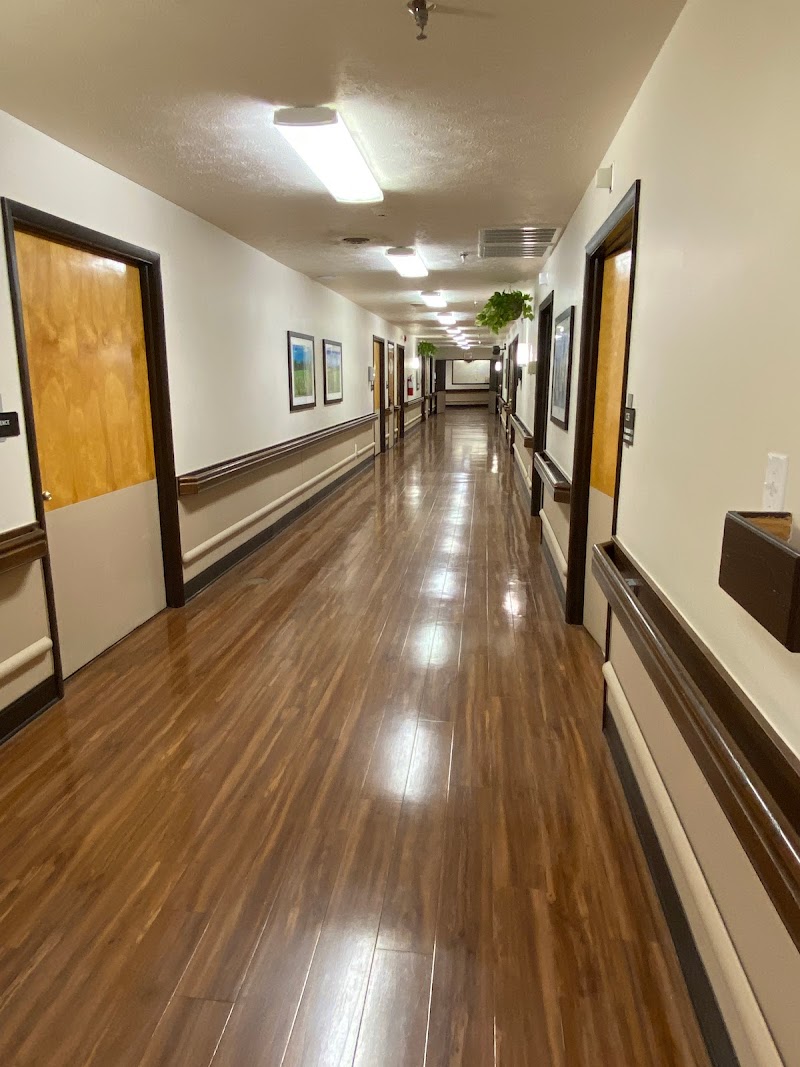
How is Brickyard Healthcare - Brookview Staffed?

CMS rates BRICKYARD HEALTHCARE - BROOKVIEW CARE CENTER's staffing level at 3 out of 5 stars, which is average compared to other nursing homes. Staff turnover is 44%, compared to the Indiana average of 46%. This relatively stable workforce can support continuity of care.

What Have Inspectors Found at Brickyard Healthcare - Brookview?

State health inspectors documented 39 deficiencies at BRICKYARD HEALTHCARE - BROOKVIEW CARE CENTER during 2022 to 2025. These included: 39 with potential for harm.
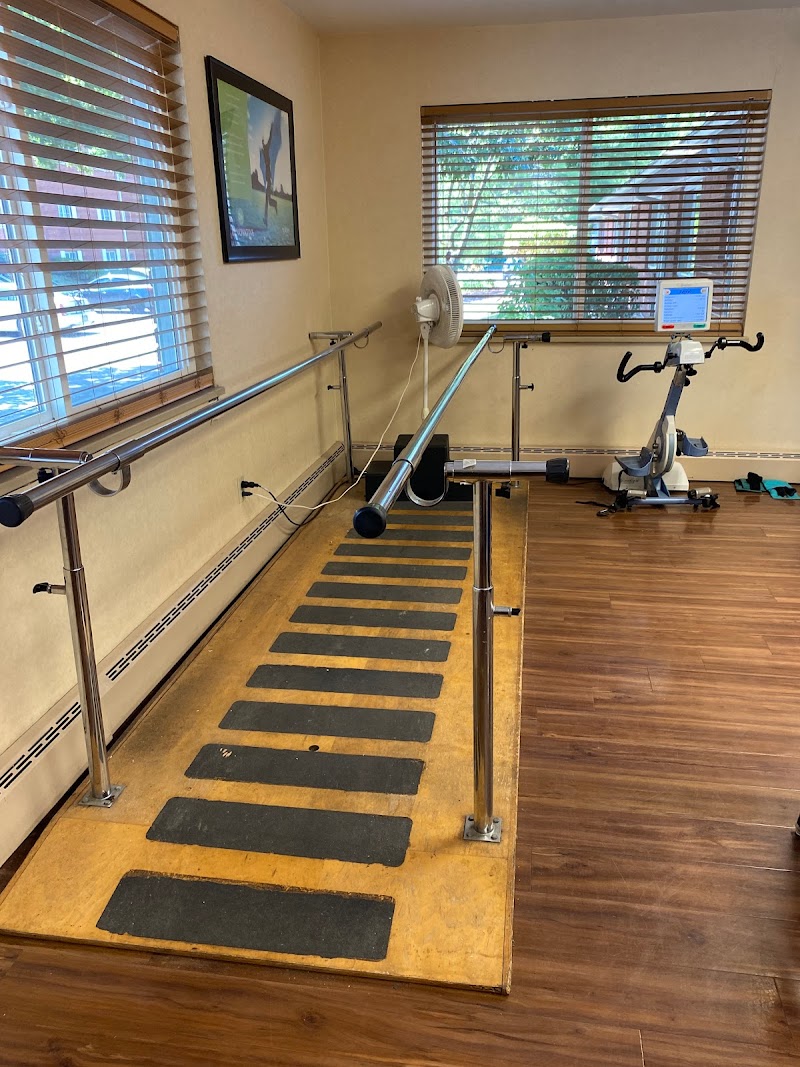
Who Owns and Operates Brickyard Healthcare - Brookview?

BRICKYARD HEALTHCARE - BROOKVIEW CARE CENTER is owned by a for-profit company. For-profit facilities operate as businesses with obligations to shareholders or private owners. The facility is operated by BRICKYARD HEALTHCARE, a chain that manages multiple nursing homes. With 136 certified beds and approximately 79 residents (about 58% occupancy), it is a mid-sized facility located in INDIANAPOLIS, Indiana.
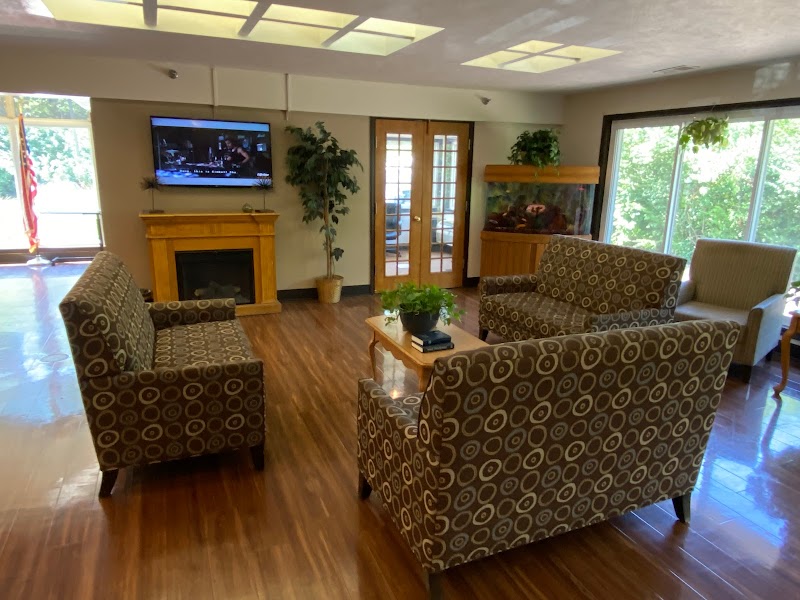
How Does Brickyard Healthcare - Brookview Compare to Other Indiana Nursing Homes?

Compared to the 100 nursing homes in Indiana, BRICKYARD HEALTHCARE - BROOKVIEW CARE CENTER's overall rating (3 stars) is below the state average of 3.1, staff turnover (44%) is near the state average of 46%, and health inspection rating (2 stars) is below the national benchmark.

What Should Families Ask When Visiting Brickyard Healthcare - Brookview?

Based on this facility's data, families visiting should ask: "Can I visit during a mealtime to observe dining assistance and food quality?" "How do you handle medical emergencies, and what is your hospital transfer rate?" "Can I speak with family members of current residents about their experience?"

Is Brickyard Healthcare - Brookview Safe?

Based on CMS inspection data, BRICKYARD HEALTHCARE - BROOKVIEW CARE CENTER has a clean safety record: no substantiated abuse findings (meaning no confirmed cases of resident harm), no Immediate Jeopardy citations (the most serious violation level indicating risk of serious injury or death), and is not on the Special Focus Facility watch list (a federal program monitoring the lowest-performing 1% of nursing homes). The facility has a 3-star overall rating and ranks #100 of 100 nursing homes in Indiana. While no facility is perfect, families should still ask about staff-to-resident ratios and recent inspection results during their visit.

Do Nurses at Brickyard Healthcare - Brookview Stick Around?

BRICKYARD HEALTHCARE - BROOKVIEW CARE CENTER has a staff turnover rate of 44%, which is about average for Indiana nursing homes (state average: 46%). Moderate turnover is common in nursing homes, but families should still ask about staff tenure and how the facility maintains care continuity when employees leave.

Was Brickyard Healthcare - Brookview Ever Fined?

BRICKYARD HEALTHCARE - BROOKVIEW CARE CENTER has no federal fines on record. CMS issues fines when nursing homes fail to meet care standards or don't correct problems found during inspections. The absence of fines suggests the facility has either maintained compliance or corrected any issues before penalties were assessed. This is a positive indicator, though families should still review recent inspection reports for the full picture.

Is Brickyard Healthcare - Brookview on Any Federal Watch List?

BRICKYARD HEALTHCARE - BROOKVIEW CARE CENTER is not on any federal watch list. The most significant is the Special Focus Facility (SFF) program, which identifies the bottom 1% of nursing homes nationally based on persistent, serious quality problems. Not being on this list means the facility has avoided the pattern of deficiencies that triggers enhanced federal oversight. This is a positive indicator, though families should still review the facility's inspection history directly.