BRICKYARD HEALTHCARE - CHURCHMAN CARE CENTER
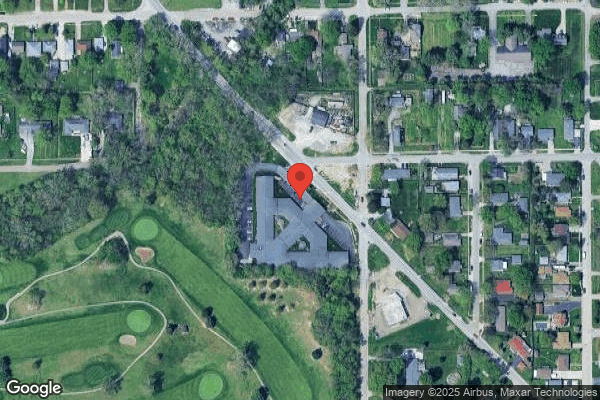
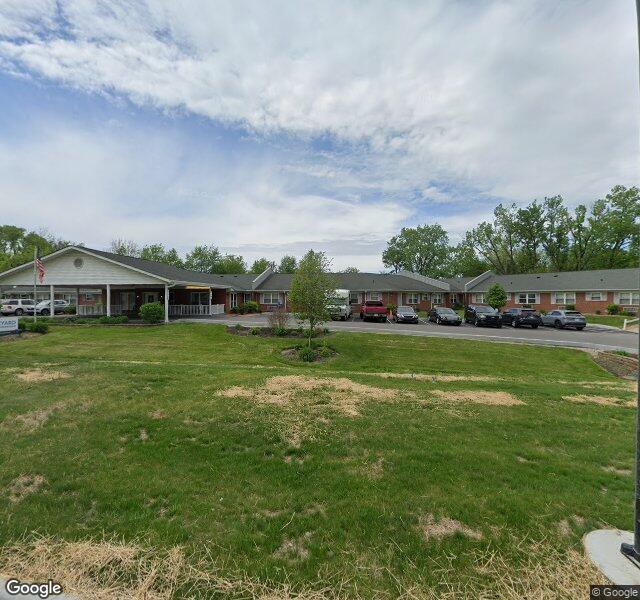
2860 CHURCHMAN AVE, INDIANAPOLIS, IN 46203 (317) 787-3451
For profit - Corporation 115 Beds BRICKYARD HEALTHCARE Data: November 2025 2 Immediate Jeopardy citations
Trust Grade
0/100
#426 of 505 in IN
Last Inspection: October 2024

Within standard 12-15 month inspection cycle. Federal law requires annual inspections.

Overview

Brickyard Healthcare - Churchman Care Center has received a Trust Grade of F, indicating significant concerns about its quality of care. It ranks #426 out of 505 in Indiana, placing it in the bottom half of facilities in the state, and #40 out of 46 in Marion County, suggesting very limited local options that are better. While the facility's trend is improving, having reduced issues from 12 in 2024 to just 1 in 2025, it still faces serious challenges, including a high staffing turnover rate of 59%, above the state average of 47%. There are also concerning fines of $25,298, which is higher than 91% of Indiana facilities, indicating ongoing compliance issues. Notably, there have been critical incidents, including a resident with a history of elopement leaving the facility unsupervised for two days, and a staff member physically abusing a resident during a verbal altercation. On the positive side, the facility has average RN coverage, which is essential for identifying and addressing health issues, but the overall environment raises serious red flags for prospective families.

Trust Score
F
0/100
In Indiana
#426/505
Bottom 16%
Safety Record
High Risk
Review needed
Inspections
Getting Better
12 → 1 violations
Staff Stability
⚠ Watch
59% turnover. Above average. Higher turnover means staff may not know residents' routines.
Penalties
✓ Good
$25,298 in fines. Lower than most Indiana facilities. Relatively clean record.
Skilled Nurses
○ Average
Each resident gets 34 minutes of Registered Nurse (RN) attention daily — about average for Indiana. RNs are the most trained staff who monitor for health changes.
Violations
⚠ Watch
21 deficiencies on record. Higher than average. Multiple issues found across inspections.
★☆☆☆☆
1.0
Overall Rating
★☆☆☆☆
1.0
Staff Levels
★★★☆☆
3.0
Care Quality
★★☆☆☆
2.0
Inspection Score
Stable
2024: 12 issues
2025: 1 issues

The Good

  • Full Sprinkler Coverage · Fire safety systems throughout facility
  • No fines on record

Facility shows strength in fire safety.

The Bad

1-Star Overall Rating

Below Indiana average (3.1)

Significant quality concerns identified by CMS

Staff Turnover: 59%

13pts above Indiana avg (46%)

Frequent staff changes - ask about care continuity

Federal Fines: $25,298

Below median ($33,413)

Moderate penalties - review what triggered them

Chain: BRICKYARD HEALTHCARE

Part of a multi-facility chain

Ask about local staffing decisions and management

Staff turnover is elevated (59%)

11 points above Indiana average of 48%

The Ugly 21 deficiencies on record

2 life-threatening 1 actual harm
Feb 2025 1 deficiency
CONCERN (D) 📢 Someone Reported This

A family member, employee, or ombudsman was alarmed enough to file a formal complaint

Potential for Harm - no one hurt, but risky conditions existed

Report Alleged Abuse (Tag F0609)

Could have caused harm · This affected 1 resident

Based on interview and record review, the facility failed to thoroughly report all known information regarding an allegation of abuse at the time the allegation was reported to the state health depart...

Read full inspector narrative →
Based on interview and record review, the facility failed to thoroughly report all known information regarding an allegation of abuse at the time the allegation was reported to the state health department for 2 of 3 residents reviewed for abuse. (Resident B, Resident C) Findings include: During an interview on 2/10/25 at 8:04 a.m., Resident B indicated a few weeks ago, Resident C was in bed and waved Resident B into Resident C's room. Resident B walked into Resident C's room, pulled his pants down and exposed himself to Resident C. During an interview on 2/10/25 at 8:17 a.m., the Director of Nursing (DON) indicated, on 1/12/25, during evening shift she received a phone call from LPN 1 that Resident B was found in Resident C's room. Resident B had his pants down and was receiving oral sex from Resident C. The state health department reportable incident regarding Resident C performing oral sex on Resident B was reviewed, on 2/10/25 at 11:21 a.m. The incident indicated, on 1/12/25 at 8:10 a.m., both residents were found making inappropriate contact. The follow-up to the incident report, dated 1/17/25, indicated the investigation concluded that inappropriate touching occurred between both residents. During an interview on 2/10/25 at 11:08 a.m., CNA 1 indicated she walked into Resident C's room and Resident B was standing with his back toward the door and his pants were down. When he turned toward the door, she saw Resident C performing oral sex on Resident B. CNA 1 reported what she saw to LPN 1. On 2/10/25 at 11:11 a.m., the Administrator provided the Abuse, Neglect and Exploitation policy, revised 2/2023. The policy indicated allegations of abuse were reported to the state survey agency. This citation relates to Complaint IN00451109. 3.1-28(c)
Nov 2024 1 deficiency
CONCERN (D) 📢 Someone Reported This

A family member, employee, or ombudsman was alarmed enough to file a formal complaint

Potential for Harm - no one hurt, but risky conditions existed

Free from Abuse/Neglect (Tag F0600)

Could have caused harm · This affected 1 resident

Based on interview and record review, the facility failed to protect the resident's right to be free from physical abuse by a QMA (Qualified Medication Aide) for 1 of 1 residents reviewed for abuse. (...

Read full inspector narrative →
Based on interview and record review, the facility failed to protect the resident's right to be free from physical abuse by a QMA (Qualified Medication Aide) for 1 of 1 residents reviewed for abuse. (Resident D, QMA 4) Findings include: During an interview on 11/21/24 at 12:07 p.m., RN 2 indicated Resident D was hitting QMA 4 when QMA 4 picked up a chair for protection. QMA 4 then moved towards Resident D with the chair and put the chair against his neck. RN 2 told QMA 4 to stop, RN 2 notified the Director of Nursing (DON) immediately. During an interview on 11/21/24 at 12:13 p.m., Licensed Practical Nurse (LPN) 3 indicated she observed Resident D become upset. Resident D had begun to yell out and was hitting the wall at that time. QMA 4 approached Resident D to take him to his room when Resident D punched QMA 4. QMA 4 backed up and grabbed a folded metal chair and physically placed it onto Resident D's upper chest just below his neck. LPN 3 yelled out to QMA 4 to stop and move away. LPN 3 then reported the incident to the DON immediately. LPN 3 indicated that all QMA 4 had to do was walk away from Resident D. LPN 3 indicated that QMA 4 had ample time to walk away, QMA 4 just wanted to show she was in control. LPN 3 indicated that QMA 4's actions stopped being self defense the minute she approached Resident D with the folded metal chair and pressed it against his upper torso and neck. During an interview on 11/21/24 at 12:45 p.m., the DON and Executive Director (ED) indicated that nursing staff reported that QMA 4 had abused Resident D while trying to remove Resident D from the nurse's station. Resident D was hitting the wall and yelling and QMA 4 made physical contact with Resident D with a folded metal chair. The DON and ED indicated that all staff knew Resident D and his behaviors. The DON and ED further indicated all staff knew the proper steps to deescalate Resident D. The DON indicated the proper solution was for QMA 4 to just walk away. At that time, the DON and ED provided the facility reportable incident, dated 11/20/24. The reportable incident indicated on 11/20/24 QMA 4 placed a folding chair against Resident D's chest after QMA 4 was struck by Resident D. The DON and ED also provided an interview with QMA 4 conducted by the facility on 11/20/24 at 8:15 a.m. QMA 4 indicated on 11/20/24, Resident D was hitting the wall and knocked over a bedside table. QMA 4 indicated that Resident D was behind the nurses station and QMA 4 was trying to get Resident D away from the nurse's station. Resident D had begun hitting and kicking. QMA 4 then grabbed a folded metal chair to block Resident D's hits and kicks. The clinical record for Resident D was reviewed on 11/21/24 at 1:33 p.m. The diagnoses included, but were not limited to, epilepsy, Bipolar Disorder, hypertension, intellectual disabilities, and dysphagia. The Annual MDS (Minimum Data Set) assessment, dated 9/23/24, indicated Resident D was rarely understood and had severe cognitive impairment. A Care Plan, revised 10/10/24, indicated Resident D had physical aggression towards staff, screaming/yelling out, and not allowing staff to put clothing up or other things off the floor. The interventions included, but were not limited to, allow resident time to calm down and reapproach. On 11/21/24 at 1:11 p.m., a policy titled Abuse, Neglect and Exploitation with a revision date of February 2023, and indicated it was the current policy used by facility. Review of a current policy, indicated the following: Abuse, means the willful infliction of injury, unreasonable confinement, intimidation, or punishment with resulting physical harm, pain or mental anguish, which can include staff to resident abuse certain resident to resident altercations. Abuse also includes deprivation by an individual, including a caretaker, of goods or services that are necessary to attain or maintain physical, mental, and psychosocial well-being. Instances of abuse of all residents, irrespective of any mental or physical condition, cause physical harm, pain or mental anguish. It includes verbal abuse, sexual abuse, physical abuse, and mental abuse facilitated or enabled through the use of technology This deficient practice was corrected on 11/20/24 after the facility implemented a systemic plan of correction that included the following actions: all staff were educated on the abuse policy with ongoing monitoring and audits. This citation relates to Complaint IN00447653. 3.1-27(a)(1)
Oct 2024 10 deficiencies
CONCERN (D)

Potential for Harm - no one hurt, but risky conditions existed

Deficiency F0554 (Tag F0554)

Could have caused harm · This affected 1 resident

Based on observation, interview, and record review, the facility failed to ensure a self medication administration assessment was completed for 1 of 1 residents randomly observed with medications left...

Read full inspector narrative →
Based on observation, interview, and record review, the facility failed to ensure a self medication administration assessment was completed for 1 of 1 residents randomly observed with medications left at bedside. Finding includes: During an observation on 10/16/24 at 9:38 a.m., Resident 30 was sitting up on the side of the bed. The following items were observed sitting on top of table in front of television: - One medication bottle of Simbrinza Ophthalmic Suspension 1-0.2%, for the treatment of glaucoma. - One medication bottle of Lantanoprost Solution 0.0005%, for the treatment of glaucoma. During an observation on 10/17/24 at 8:38 a.m., a small plastic medication cup with multiple unidentified tablets and capsules were observed sitting on the table in front of the television. During an interview at that time, Resident 30 indicated that he had to eat breakfast before he could take his medication, so the nurse left them for him. During an observation on 10/21/24 at 10:50 a.m., the following was observed sitting on top of refrigerator in Resident 30's room: - One medication bottle of Simbrinza Ophthalmic Suspension 1-0.2%, for the treatment of glaucoma. - One medication bottle of Lantanoprost Solution 0.0005%, for the treatment of glaucoma. On 10/21/24 at 11:03 a.m., Resident 30's clinical record was reviewed. The clinical record lacked a self-administration medication assessment. During an interview on 10/21/24 at 10:55 a.m., Qualified Medication Aide (QMA) 5 indicated medications should not be left in resident rooms. During interview on 10/21/24 at 11:30 a.m., the Director of Nursing indicated that it was not acceptable for staff to leave medication in resident rooms. The DON indicated Resident 30 did not have a medication self-administration assessment. On 10/21/24 at 11:30 a.m., the Director of Nursing provided a policy titled Medication Administration Policy, dated 2024, and indicated it was the policy currently in use for the facility. The policy indicated, 18. Observe resident consumption of medication. 3.1-11(a)
CONCERN (D)

Potential for Harm - no one hurt, but risky conditions existed

Transfer Notice (Tag F0623)

Could have caused harm · This affected 1 resident

Based on interview and record review, the facility failed to ensure that written Notice of Transfer and Discharge was provided to the resident's representative and to the Office of the State Long-Term...

Read full inspector narrative →
Based on interview and record review, the facility failed to ensure that written Notice of Transfer and Discharge was provided to the resident's representative and to the Office of the State Long-Term Ombudsman for 1 of 6 residents reviewed for written transfer and discharge notification. (Resident 31) Finding includes: On 10/17/24, at 2:00 p.m., Resident 31's clinical record was reviewed. The diagnoses included, but were not limited to, congestive heart failure and type 2 diabetes. The face sheet indicated Resident 31 had a resident representative. The Annual Minimum Data Set (MDS) assessment, dated 8/22/24, indicated Resident 31 was cognitively intact. The clinical record's census tab indicated Resident 31 was transferred to the hospital emergency department on 8/5/24. The Notice of Transfer or Discharge document, dated 8/5/24, indicated Resident 31 was transferred to the hospital emergency department for a facility-initiated hospital transfer on 8/5/24. Resident 31 was provided a copy of the transfer document at the time of his transfer. On 10/21/24 at 1:45 p.m., the Administrator provided a copy of the facility's August 2024 monthly report submitted to the Office of the State Long-Term Ombudsman. The report indicated Resident 31 was transferred to the hospital on 8/5/24. The monthly report did not included a copy of Resident 31's Notice of Transfer and Discharge document. The monthly report lacked specific details for the transfer including the reason for transfer, bed hold policy, and appeal rights. The clinical record lacked documentation that the written Notice of Transfer and Discharge document was provided to the resident's representative and to the Office of the State Long-Term Ombudsman for the facility-initiated hospital transfer on 8/5/24. During an interview on 10/16/24 at 1:17 p.m., Resident 31 indicated he was transferred to the hospital this past August. During an interview on 10/18/24 at 8:43 a.m., the Director of Nursing Services (DNS) indicated Resident 31 was transferred to the hospital emergency department on 8/5/24. The facility lacked verification that the written Notice of Transfer and Discharge document was provided to the resident's representative and to the Office of the State Long-Term Ombudsman for the facility-initiated hospital transfer on 8/5/24. During an interview on 10/21/24 at 2:05 p.m., the Social Service Director indicated the Notice of Transfer and Discharge document was not included in the monthly report that was sent to the Ombudsman. The monthly report provided to the ombudsman only included the date and location of the transfer. On 10/21/24 at 9:12 a.m., the Regional Director of Clinical Operations provided a copy of the Transfer and Discharge (including AMA [Against Medical Advice]) policy, dated 2024, and indicated it was the current policy in use by the facility. A review of the policy indicated, .The facility's transfer/discharge notice will be provided to the resident and the resident's representative in a language and manner in which they can understand .copies of notices for emergency transfers to the Ombudsman . 3.1-12(a)(6)(A)(iii)
CONCERN (D)

Potential for Harm - no one hurt, but risky conditions existed

Comprehensive Care Plan (Tag F0656)

Could have caused harm · This affected 1 resident

Based on observation, interview, and record review, the facility failed to implement the comprehensive care plan for 1 of 2 residents reviewed for falls. (Resident 7) Finding includes: On 10/16/24 at ...

Read full inspector narrative →
Based on observation, interview, and record review, the facility failed to implement the comprehensive care plan for 1 of 2 residents reviewed for falls. (Resident 7) Finding includes: On 10/16/24 at 10:00 a.m., observed Resident 7's in bed. The bed was observed to be elevated (approximately 4 feet from the floor) and was not in the the lowest position. On 10/17/24 at 11:23 a.m., observed Resident 7's in bed. The bed was observed to be elevated (approximately 4 feet from the floor) and was not in the lowest position. On 10/21/24 at 8:45 a.m., observed Resident 7 in bed. The bed was observed to be elevated and was not in the lowest position. During an interview on 10/21/24 at 8:45 a.m., RN 4 indicated Resident 7's bed should always be in the lowest position. On 10/21/24 at 9:30 a.m., the clinical record for Resident 7 was reviewed. The diagnosis included, but was not limited to, dementia. The Annual Minimum Data Set assessment, dated 9/11/24, indicated Resident 7 required extensive assist with bed mobility and transfers. A Care plan, dated 2/20/23, indicated Resident 7 was at risk for falls. The interventions included, but were not limited to, keep bed in low position, dated 9/18/24. On 10/21/24 at 9:05 a.m., the Regional Director of Clinical Operations provided a policy titled Comprehensive Care Plans, dated 2024, a review of the policy indicated Policy: It is the policy of this facility to develop and implement a comprehensive person-centered care plan for each resident .3. The comprehensive care plan will describe, at minimum, the following . a. The services that are to be furnished to attain or maintain the resident's highest practicable physical, .well being. 3.1-35(g)(2)
CONCERN (D)

Potential for Harm - no one hurt, but risky conditions existed

Pharmacy Services (Tag F0755)

Could have caused harm · This affected 1 resident

Based on interview and record review, the facility failed to document the drug dispositions for 1 of 3 closed record residents reviewed. (Resident 49) Finding includes: On 10/18/24 at 10:35 a.m., the ...

Read full inspector narrative →
Based on interview and record review, the facility failed to document the drug dispositions for 1 of 3 closed record residents reviewed. (Resident 49) Finding includes: On 10/18/24 at 10:35 a.m., the clinical record of Resident 49 was reviewed. The diagnoses included, but were not limited to, paraplegia (paralysis of the legs and lower body), hepatitis C (a viral infection that affects the liver), and acquired absence of bilateral legs above the knee. A physician's order summary report of medications, dated for active orders as of 10/14/24, included, but were not limited to: - acidophilus probiotic blend 1 mcg (microgram) for probiotic - atorvastatin calcium 20 mg (milligram) for hyperlipidemia (high levels of fat in blood) - bacitracin ointment 500 unit/gm (gram) for wound care - benzocaine-menthol-zinc chloride gel 20-0.26-0.15 % for tooth pain - diazepam 5 mg for anxiety/seizures - docusate sodium 100 mg for constipation - ferrous sulfate 325 mg for iron supplementation - fluticasone propionate nasal suspension 93 mcg for nasal congestion - gabapentin 600 mg for pain - ibuprofen 400 mg for pain - Lidoderm patch 5 % for costochondritis (inflammation of the cartilage that connects your ribs to your breastbone) - linaclotide 145 mcg for irritable bowel syndrome - methadone hydrochloride 5 mg for substance abuse/pain - oxybutynin chloride extended release 5 mg for urinary incontinence - oxycodone hydrochloride 5 mg for spinal cord injury - oyster shell calcium 500 mg for supplement - sofosbuvir-Velpatasvir 400-100 mg for viral hepatitis C - trazodone hydrochloride 50 mg for depression - vitamin D3 1.25 mg for supplement A progress note, dated 10/14/24 at 5:47 p.m., indicated Resident 49 left the facility via bus and had been discharged with medication to home. Resident 49's record lacked documentation listing any name, type, or amount of medications that were sent home with the resident or resident's representative. During an interview on 10/18/24 at 10:50 a.m., the Regional Director of Clinical Operations (RDOC) indicated that the facility lacked documentation for drug dispositions for Resident 49. During an interview on 10/18/24 at 1:10 p.m., the RDOC indicated that the facility lacked a specific policy for drug dispositions. 3.1-25(s)
CONCERN (D)

Potential for Harm - no one hurt, but risky conditions existed

Deficiency F0761 (Tag F0761)

Could have caused harm · This affected 1 resident

Based on observation, interview, and record review, the facility failed to ensure a medication cart was locked for 1 of 4 medication carts observed. (B Hall Medication Cart) Finding includes: On 10/16...

Read full inspector narrative →
Based on observation, interview, and record review, the facility failed to ensure a medication cart was locked for 1 of 4 medication carts observed. (B Hall Medication Cart) Finding includes: On 10/16/24 from 9:25 a.m. until 9:40 a.m., observed an unlocked medication cart on the B hall. The cart was easily opened and no staff were visible in the area. The medication cart contained multiple resident's medications. The medications located inside the medication cart, included but was not limited to: - haloperidol 5 mg (milligram), a medication used to treat nervous, emotional and mental conditions. - metronidazol, a medication used to treat infections. - metoprolol 2.5 mg, a medication used to treat high blood pressure. - Eliquis 2.5 mg, a medication used to prevent blood clots from forming. During an interview on 10/16/24 at 9:45 a.m., the Medical Records Director indicated the medication cart should have been locked. On 10/17/24 at 10:53 a.m., the Regional Director of Clinical Services provided a policy titled Medication Storage, dated February, 2024, and indicated it was the current policy being used by the facility. A review of the policy indicated .1. a. All drugs and biologicals will be stored in locked compartments (i.e., medication carts .). 3.1-25(m)
CONCERN (D)

Potential for Harm - no one hurt, but risky conditions existed

Infection Control (Tag F0880)

Could have caused harm · This affected 1 resident

Based on interview and record review, the facility failed to ensure residents were provided a two-step Mantoux skin test (tool used for screening for tuberculosis) upon admission for 3 of 5 residents ...

Read full inspector narrative →
Based on interview and record review, the facility failed to ensure residents were provided a two-step Mantoux skin test (tool used for screening for tuberculosis) upon admission for 3 of 5 residents reviewed for tuberculosis skin tests. (Resident 32, Resident 33, and Resident 44) Findings include: 1. On 10/16/24 at 10:30 a.m., Resident 32's clinical record was reviewed. Resident 32's diagnoses included, but were not limited to, COPD, chronic kidney disease, and type 2 diabetes. Resident 32's clinical record lacked any documentation of a first step or a second step Mantoux skin test upon admission. 2. On 10/16/24 at 11:15 a.m., Resident 33's clinical record was reviewed. Resident 33's diagnoses included, but were not limited to, COPD, encephalopathy (a syndrome of brain dysfunction), and alcoholic liver disease. Resident 33's clinical record lacked any documentation of a first step or a second step Mantoux skin test upon admission. 3. On 10/16/24 at 11:00 a.m., Resident 44's clinical record was reviewed. Resident 44's diagnoses included, but were not limited to, chronic respiratory failure, tracheostomy status, and type 2 diabetes. Resident 44's clinical record lacked any documentation of a first step or a second step Mantoux skin test upon admission. During an interview on 10/18/24 at 1:40 p.m., the RDCO (Regional Director of Clinical Operations) indicated that Mantoux skin tests should be given upon admission. On 10/21/24 at 1:30 p.m., the Administrator provided an undated policy titled, Resident Screening for Tuberculosis, and indicated it was the policy currently in use by the facility. A review of the policy indicated that the facility screens for tuberculosis in accordance with state requirements and tuberculin skin tests must be completed within three months prior to admission or upon admission. 3.1-18(b)(1)
CONCERN (D)

Potential for Harm - no one hurt, but risky conditions existed

Safe Environment (Tag F0921)

Could have caused harm · This affected 1 resident

Based on observation, interview, and record review, the facility failed to ensure biohazard materials were stored behind a locked door for 1 of 1 biohazard rooms observed. (B Hall) Finding included: O...

Read full inspector narrative →
Based on observation, interview, and record review, the facility failed to ensure biohazard materials were stored behind a locked door for 1 of 1 biohazard rooms observed. (B Hall) Finding included: On 10/16/24 at 10:45 a.m., observed an unlocked biohazard room located on the B hall. No staff were present in the area. A sign posted on the door indicated caution biohazard materials, soiled utility, keep door locked. The door was unlocked and easily opened. Inside the room observed a large canister full of soiled linen. The room had a strong odor of urine. During an interview on 10/16/24 at 11:00 a.m., the Medical Records Director indicated the biohazard room should be locked. On 10/17/24 at 10:53 a.m., the Regional Director of Clinical Operations provided a copy of a policy titled Medical Waste, dated 2024, and indicated it was the current policy being used by the facility. A review of the policy indicated Policy: It is the policy of this facility to ensure that regulated medical waste is managed, handled, stored, and transported as per Federal, State and local guidance and regulations. 3.1-19(f)
CONCERN (E)

Potential for Harm - no one hurt, but risky conditions existed

Food Safety (Tag F0812)

Could have caused harm · This affected multiple residents

Based on observation, interview, and record review, the facility failed to ensure food was prepared in a sanitary manner for 2 of 2 kitchen observations. Hair was not covered. (Dietary Manager) Findi...

Read full inspector narrative →
Based on observation, interview, and record review, the facility failed to ensure food was prepared in a sanitary manner for 2 of 2 kitchen observations. Hair was not covered. (Dietary Manager) Findings include: On 10/16/24 from 9:08 a.m. to 10:00 a.m., observed the Dietary Manager in the kitchen food preparation area where food had been prepared for the morning meal and shipment of supplies were being put away. The Dietary Manager was observed to be lacking a hair net with hair measuring approximately one forth of an inch over the entire head. On 10/16/24 from 11:45 a.m. to 12:45 p.m., the Dietary Manager was observed in the kitchen assisting with food preparation for the noon meal. The Dietary Manager was observed to be lacking a hair net. During an interview on 10/16/24 at 12:45 p.m., the Dietary Manager indicated hair nets should be worn. During an interview on 10/17/24 at 2:58 p.m., the Regional Director for Clinical Operations indicated all kitchen staff preparing food should have been wearing hair nets. On 10/16/24 at 12:46 p.m., the Regional Director of Clinical Operations provided a copy of Food Safety requirement, dated 2024, and indicated it was the current policy in use by the facility. A review of the policy indicated, page 3 section 7.e . Hairnets should be worn when cooking, preparing, or assembling food, such as stirring pots or assembling the ingredients of a salad, . On 10/17/24 at 2:00 p.m., a review of the Indiana Food Establishment Sanitation Requirements, Title 410 IAC 7-24, effective November 13, 2004, indicated, (b)food employees shall wear hair restraints, such as hats, hair coverings or nets .that are designed and worn to effectively keep their hair from contacting .exposed food . 3.1-21(i)(2) 3.1-21(i)(3)
CONCERN (E)

Potential for Harm - no one hurt, but risky conditions existed

Deficiency F0883 (Tag F0883)

Could have caused harm · This affected multiple residents

Based on interview and record review, the facility failed to have residents sign the appropriate consent or refusal forms for pneumococcal vaccinations upon admission for 4 of 5 residents reviewed for...

Read full inspector narrative →
Based on interview and record review, the facility failed to have residents sign the appropriate consent or refusal forms for pneumococcal vaccinations upon admission for 4 of 5 residents reviewed for immunization records. (Resident 3, Resident 32, Resident 33, and Resident 44) Findings include: 1. On 10/16/24 at 10:45 a.m., Resident 3's clinical record was reviewed. Resident 3's diagnoses included, but were not limited to, COPD (a lung disease that makes it difficult to breathe), chronic hepatitis C (a viral infection that affects the liver), and unspecified kidney injury. On 10/17/24 at 8:30 a.m., the DON (Director of Nursing), provided a copy of Resident 3's pneumococcal vaccine consent form. A review of the form indicated it was signed as verbal from POA [Power of Attorney] and was undated. 2. On 10/16/24 at 10:30 a.m., Resident 32's clinical record was reviewed. Resident 32's diagnoses included, but were not limited to, COPD, chronic kidney disease, and type 2 diabetes. On 10/17/24 at 8:30 a.m., the DON provided a copy of Resident 32's pneumococcal vaccine consent form. A review of the form indicated it was signed by the resident and was undated. 3. On 10/16/24 at 11:15 a.m., Resident 33's clinical record was reviewed. Resident 33's diagnoses included, but were not limited to, COPD, encephalopathy (a syndrome of brain dysfunction), and alcoholic liver disease. On 10/17/24 at 8:30 a.m., the DON provided a copy of Resident 33's pneumococcal consent form. A review of the form indicated it was signed by the DON for [Resident 33] and was dated 10/16/24. 4. On 10/16/24 at 11:00 a.m., Resident 44's clinical record was reviewed. Resident 44's diagnoses included, but were not limited to, chronic respiratory failure, tracheostomy status, and type 2 diabetes. On 10/17/24 at 8:30 a.m., the DON provided a copy of Resident 44's pneumococcal consent form. A review of the form indicated it was signed by two staff witnesses and was dated for 10/16/24. During an interview on 10/18/24 at 1:40 p.m., the RDCO (Regional Director of Clinical Operations) indicated that the forms should have been signed upon admission. The consent forms records were requested on 10/16/24 at the end of the first day of the survey and were provided on the morning of 10/17/24. All of the forms were dated for 10/16/24 or were undated, and the RDCO indicated that any undated areas on forms were also from 10/16/24. On 10/16/24 at 10:15 a.m., the DON provided an undated policy titled, Pneumococcal Vaccine (Series) and indicated it was the policy currently in use by the facility. A review of the policy indicated that each resident is to be assessed for pneumococcal immunizations upon admission and that a consent form shall be signed prior to the administration of the vaccine. 3.1-13(a)
CONCERN (E)

Potential for Harm - no one hurt, but risky conditions existed

Deficiency F0887 (Tag F0887)

Could have caused harm · This affected multiple residents

Based on interview and record review, the facility failed to have residents sign the appropriate consent or refusal forms for Covid-19 (SARS-CoV-2) vaccinations upon admission for 4 of 5 residents rev...

Read full inspector narrative →
Based on interview and record review, the facility failed to have residents sign the appropriate consent or refusal forms for Covid-19 (SARS-CoV-2) vaccinations upon admission for 4 of 5 residents reviewed for immunization records. (Resident 3, Resident 32, Resident 33, and Resident 44) Findings include: 1. On 10/16/24 at 10:45 a.m., Resident 3's clinical record was reviewed. Resident 3's diagnoses included, but were not limited to, COPD (a lung disease that makes it difficult to breathe), chronic hepatitis C (a viral infection that affects the liver), and unspecified kidney injury. On 10/17/24 at 8:30 a.m., the DON (Director of Nursing), provided a copy of Resident 3's Covid-19 vaccine consent form. A review of the form indicated it was signed as verbal from POA [Power of Attorney] and was undated. 2. On 10/16/24 at 10:30 a.m., Resident 32's clinical record was reviewed. Resident 32's diagnoses included, but were not limited to, COPD, chronic kidney disease, and type 2 diabetes. On 10/17/24 at 8:30 a.m., the DON provided a copy of Resident 32's Covid-19 vaccine consent form. A review of the form indicated it was signed by the resident and was dated 10/16/24. 3. On 10/16/24 at 11:15 a.m., Resident 33's clinical record was reviewed. Resident 33's diagnoses included, but were not limited to, COPD, encephalopathy (a syndrome of brain dysfunction), and alcoholic liver disease. On 10/17/24 at 8:30 a.m., the DON provided a copy of Resident 33's Covid-19 consent form. A review of the form indicated it was signed by the DON for [Resident 33] and was dated 10/16/24. 4. On 10/16/24 at 11:00 a.m., Resident 44's clinical record was reviewed. Resident 44's diagnoses included, but were not limited to, chronic respiratory failure, tracheostomy status, and type 2 diabetes. On 10/17/24 at 8:30 a.m., the DON provided a copy of Resident 44's Covid-19 consent form. A review of the form indicated it was signed by two staff witnesses and was undated. During an interview on 10/18/24 at 1:40 p.m., the RDCO (Regional Director of Clinical Operations) indicated that the forms should have been signed upon admission. The consent forms records were requested on 10/16/24 at the end of the first day of the survey and were provided on the morning of 10/17/24. All of the forms were dated for 10/16/24 or were undated, and the RDCO indicated that any undated areas on forms were also from 10/16/24. On 10/16/24 at 10:15 a.m., the DON provided an undated policy titled, Covid-19 Vaccination and indicated it was the policy currently in use by the facility. A review of the policy indicated residents are to be offered immunizations for Covid-19 and that a consent form shall be signed prior to the administration of the vaccine.
Jan 2024 1 deficiency
CONCERN (D) 📢 Someone Reported This

A family member, employee, or ombudsman was alarmed enough to file a formal complaint

Potential for Harm - no one hurt, but risky conditions existed

Free from Abuse/Neglect (Tag F0600)

Could have caused harm · This affected 1 resident

Based on interview and record review, the facility failed to protect a resident's right to be free from sexual abuse by another resident for 1 of 3 residents reviewed. A male resident entered a female...

Read full inspector narrative →
Based on interview and record review, the facility failed to protect a resident's right to be free from sexual abuse by another resident for 1 of 3 residents reviewed. A male resident entered a female resident's room and exposed himself and masturbated. (Resident B, Resident C) Finding includes: During an interview on 1/31/24 at 8:29 a.m., Resident B indicated several weeks ago, on night shift, Resident C entered Resident B's room pulled out his (Resident C) penis and started to masturbate. Resident B got up off of her bed and left her room to get a nurse. During an interview on 1/31/24 at 9:30 a.m., the Administrator indicated on 12/2/23 at approximately 11:30 p.m., the Administrator was made aware that Resident C entered Resident B's room in his wheelchair, exposed himself, and started to masturbate in front of Resident B. Resident B immediately got up and pushed Resident C's wheelchair out of Resident B's room. Then Resident B left her room to get a nurse. During the investigation Resident C admitted to exposing himself and masturbating in Resident B's room. On 1/31/24 at 10:06 a.m., the Administrator provided a copy of a facility reportable incident report, dated 12/3/23, which indicated on 12/2/23 at 11:30 p.m., Resident C wheeled into Resident B's room and began touching himself inappropriately. Resident B left her room. Resident C apologized and was redirected to Resident C's room where privacy was established. Resident C remained on one-on-one supervision until his planned discharge. The clinical record for Resident B was reviewed on 1/31/24 at 9:04 a.m. The diagnoses included, but were not limited to, major depression, anxiety, and alcohol dependence. An Annual MDS (Minimum Data Set) assessment, dated 1/11/24, indicated Resident B was moderately cognitively impaired. The clinical record for Resident C was reviewed on 1/31/24 at 12:16 p.m. The diagnoses included, but were not limited to, schizoaffective disorder, malnutrition, and reduced mobility. An admission MDS assessment, dated 11/1/23, indicated Resident C was cognitively intact. On 1/31/24 at 8:49 a.m. the Assistant Director of Nursing provided an undated copy of a facility policy, titled Abuse, Neglect and Exploitation, and indicated this was the current policy used by the facility. A review of the policy indicated it was the policy of the facility to prevent abuse. The deficient practice was corrected on 12/3/23 after the facility implemented a systemic plan that included the following actions: the facility inserviced the staff on resident abuse, interviewed residents about abuse, and ongoing monitoring of resident behaviors, interventions, and social service follow-up. The Federal tag relates to Complaint IN00423163. 3.1-27(a)(1)
Dec 2023 1 deficiency
CONCERN (D)

Potential for Harm - no one hurt, but risky conditions existed

Deficiency F0578 (Tag F0578)

Could have caused harm · This affected 1 resident

Based on interview and record review, the facility failed to ensure a Resident's Advanced Directive (code status) preference was documented accurately in the clinical record for 1 of 24 residents revi...

Read full inspector narrative →
Based on interview and record review, the facility failed to ensure a Resident's Advanced Directive (code status) preference was documented accurately in the clinical record for 1 of 24 residents reviewed for Advanced Directives. (Resident 36) Finding includes: On 11/28/23 at 11:29 a.m., Resident 36's clinical record was reviewed. The admission MDS (Minimum Data Set) assessment, dated 9/27/23, indicated Resident 36 was cognitively intact. The main screen tab portion of the electronic clinical record included an overview of Resident 36's vital information. A review of the tab indicated Resident 36's code status (decision regarding health care intervention) as full code (meaning a desire for all life sustaining measures to be implemented). The Physician Orders, dated 9/29/23 and with no end date noted, indicated Resident 36 was a full code. Resident 36's care plan indicated .Focus: I have an Advance Directive as evidenced by: DNR [Do Not Attempt Resuscitation], POST [Indiana Physician Orders for Scope of Treatment] form, date initiated: 9/11/23 and current through 12/25/23. Goal: Patient's wishes will be honored. Interventions: obtain Advance Directive with physician order and resident/responsible party signature . On 10/6/23, the POST form was completed, signed, and dated by Resident 36 and the attending Physician. A review of the document indicated the designated code status preference was Do Not Attempt Resuscitation/DNR. No other POST form was provided. The POST form, dated 10/6/23, was uploaded into Resident 36's electronic clinical record on 10/16/23. Resident 36's preferred DNR code status, as indicated by the care plan dated 9/11/23 and the POST form dated 10/6/23, was not accurately reflected in the electronic clinical record until 11/28/23. During an interview on 11/28/23 at 3:21 p.m., the Corporate Nursing Supervisor indicated that Resident 36's code status preference was DNR. The completed POST form, dated 10/6/23, had been uploaded into the clinical record on 10/16/23. However; the clinical record had not been updated to reflect Resident 36's DNR code status preference until 11/28/23. During an interview on 11/29/23 at 9:15 a.m., Resident 36 indicated some time ago the DNR code status paperwork was completed and provided to the facility. During an interview on 11/30/23 at 10:11 a.m., RN (Registered Nurse) 2 indicated the Resident's designated code status preference was listed on the main screen tab portion of the electronic clinical record. Staff retrieved the code status information for each resident from that portion of the resident's clinical record. On 11/28/23 at 3:44 p.m., the Director of Nursing Services provided a copy of the Resident's Rights Regarding Treatment and Advance Directives policy, dated 2023, and indicated it was the current policy in use by the facility. A review of the document indicated, .it is the policy of this facility to support and facilitate a resident's right to request, refuse and /or discontinue medical or surgical treatment and to formulate an advance directive. Definitions: Advance directive is a written instruction, such as a living will or durable power of attorney for health care, recognized under State law (whether statutory or as recognized by the courts of the State), relating to the provision of health care when the individual is incapacitated .Should the resident have an advance directive, copies will be make and placed on the chart as well as communicated to the staff . 3.1-4(f)(4)(A)(ii)
Aug 2023 1 deficiency 1 IJ
CRITICAL (J) 📢 Someone Reported This

A family member, employee, or ombudsman was alarmed enough to file a formal complaint

Immediate Jeopardy (IJ) - the most serious Medicare violation

Accident Prevention (Tag F0689)

Someone could have died · This affected 1 resident

Based on interview and record review, the facility failed to provide supervision to prevent an elopement for 1 of 3 residents reviewed for elopement. A resident diagnosed with schizoaffective disorder...

Read full inspector narrative →
Based on interview and record review, the facility failed to provide supervision to prevent an elopement for 1 of 3 residents reviewed for elopement. A resident diagnosed with schizoaffective disorder bipolar type and dementia, had a history of elopement and attempted to leave the facility 12 days prior, left the facility. The resident's whereabouts were unknown for 2 days when the resident was located by a bystander. The resident was confused and physically and verbally combative with EMS (Emergency Medical Services), had to be restrained and required inpatient psychiatric treatment. (Resident B) This deficient practice resulted in an Immediate Jeopardy. The Immediate Jeopardy began on, 8/25/23 at approximately 4:30 p.m., when the facility failed to provide supervision to prevent an elopement. This resulted in a resident who left the facility without staff and the resident's whereabouts were unknown for 2 days. The [NAME] President and Director of Nursing were notified of the Immediate Jeopardy on 8/29/23 at 5:30 p.m. The Immediate Jeopardy was removed, and the deficient practice corrected, on 8/26/23, prior to the start of the survey and was therefore Past Noncompliance. Finding includes: During an interview on 8/29/23 at 8:38 a.m., the [NAME] President indicated Resident B left the facility, on 8/25/23 at 4:38 p.m. Resident B was located, on 8/27/23 at approximately 5:24 p.m. Resident B received a new debit card and got upset that he was not allowed to keep it per his guardian. The facility was notified by a bystander that Resident B was located. The facility sent 2 staff members to get Resident B, but once staff arrived to pick him up, Resident B refused to come back and became combative with the staff and started cursing. The police arrived, and Resident B was taken to a hospital. During an interview on 8/29/23 at 2:15 p.m., RN 1 (Registered Nurse) indicated she was Resident B's nurse when he left the facility. CNA 1 (Certified Nursing Aide) took Resident B's dinner tray to his room and when CNA 1 went back to collect the tray, Resident B was not in his room. CNA 1 noticed the tray had not been touched. RN 1 was notified that Resident B could not be located at approximately 9:30 p.m. RN 1 called 911 because the staff was not sure how long Resident B had been gone. RN 1 indicated she was told he was seen walking across the street, on 8/25/23 at approximately 4:38 p.m. During an interview on 8/29/23 at 2:32 p.m., CNA 1 indicated she delivered a meal tray to Resident B's room. Resident B was not in his room at that time. Just before CNA 1 delivered Resident B's meal tray, CNA 1 saw Resident B walking in the hall. When CNA 1 returned to Resident B's room to collect the meal tray she noticed the meal tray had not been touched and Resident B was not in his room. CNA 1 notified a QMA (Qualified Medication Aide) that CNA 1 was not able to locate Resident B. Then CNA 1 walked the halls of the inside of the facility but didn't see Resident B. CNA 1 thought since she reported this to the QMA, she did not need to do anything else, so CNA 1 went to provide other residents care. CNA 1 started charting when she finished providing care and realized she hadn't seen Resident B. CNA 1 went to check Resident B's room again and Resident B was not there. CNA 1 notified RN 1 that CNA 1 was unable to locate Resident B. CNA 1 indicated she watched the video footage from earlier in the day. Resident B was sitting outside on the front (unsecured) patio. Several staff members walked past him while he was outside unattended. When another resident turned his wheelchair away from Resident B, Resident B stood up and walked across the street. On 8/27/23, the staff were told from now on residents need to use the courtyard to sit outside not the front porch. The clinical record for Resident B was reviewed on 8/29/23 at 8:45 a.m. The diagnoses included, but were not limited to, schizoaffective disorder bipolar type, alcohol abuse, cocaine abuse, and cognitive communication deficit. A Quarterly MDS (Minimum Data Set) assessment, dated 7/18/23, indicated Resident B was cognitively intact and had moderate signs of depression. An Order Appointing Temporary Guardian, dated 12/7/22, indicated the welfare of Resident B required immediate action. Immediate and irreparable injury to Resident B could result before notice and a hearing could be held because of Resident B's need for immediate medical attention. Resident B lacked capacity to consent to such treatment. A Psychiatric admission History and Physical, dated 5/1/23 at 9:52 p.m., indicated Resident B was admitted for paranoid and delusional thinking on an EDO (Emergency Detention Order). The EDO stated actively psychotic - continues to be paranoid and delusional, impulsive, agitated. He is labile, paranoid, and impulsive with poor insight and needed ongoing inpatient psychiatric care as he remained disorganized. Additionally, it was stated that there was reason to believe Resident B could harm himself or others. Resident B required locked restraints in the emergency room. A Nurse Practitioner note, dated 7/6/23, indicated Resident B expressed frustration over being at the facility. Resident B wanted to be transferred to a boarding house. Resident B had a lengthy inpatient psychiatric hospitalization for paranoid and delusional thinking. Resident B attempted suicide by overdose 3 times and set fire to a group home in April of 2023. A psychotherapy progress note, dated 7/24/23, indicated target symptoms and current severity (measured on a scale of 0-10; 0 indicated no symptoms and 10 indicated maximum severity). Anxiety 6/10, depression 7/10, withdrawal/isolation 5/10, hopelessness 6/10, paranoia 0/10, delusions 0/10, auditory hallucination 5/10. Plan: continue treatment plan created, on 6/15/23. A psychotherapy progress note, dated 8/7/23, indicated target symptoms and current severity. Anxiety 7/10 (more severe), depression 8/10 (more severe), withdrawal/isolation 6/10, paranoia 5/10, delusions 5/10, auditory hallucinations 7/10. Plan: continue treatment plan created, on 6/15/23. Each of these symptoms were more severe than the previous psychiatric progress note, dated 7/24/23. A progress note, dated 8/13/23 at 12:37 p.m., indicated Resident B was at the reception area and attempted to follow peers out the front door when redirected by receptionist. Resident B became agitated and started screaming at the receptionist. Resident B picked up a LOA (leave of absence) book and slammed it on counter and stated, why can't I leave. A progress note, dated 8/25/23 at 11:15 a.m., indicated writer informed (name of guardian service), in detail, regarding Resident B's financial issues with his debit card. Resident B received two additional debit cards and writer gave them to the Executive Director. Writer informed guardian service that Resident B was extremely frustrated and upset that he was unable to get a hold of his guardian to be able to spend his money on cigarettes, clothes, and other things that he would like. A progress note, dated 8/25/23 at 10:00 p.m., indicated it was reported to this nurse Resident B was missing. Staff did room to room search at this time. Was last seen in courtyard at approximately 5:00 p.m., wearing jeans and a black shirt. A progress note, dated 8/25/23 at 11:00 p.m., indicated writer called guardian services to report that Resident B left the facility and has not returned. Resident B was aware that he was unable to leave the facility without the guardians permission. A progress note, dated 8/27/23 at 5:39 p.m., indicated writer received call from a financial service located approximately 3 miles from the facility. Resident B went there to withdraw money from his account. Writer arranged transportation for Resident B to be brought back to the facility. A progress note, dated 8/27/23 at 5:49 p.m., indicated QMA 1 (Qualified Medication Aide) reported Resident B to be very combative at financial service location. 911 called and Resident B was transferred from financial service to a hospital. On 8/29/23 at 1:00 p.m., a hospital emergency department note, dated 8/27/23 at 6:21 p.m., was reviewed. The note indicated Resident B presented to the ED (emergency department) by EMS for confusion and agitation. Resident B was reported to have eloped from a facility as he has a known diagnosis of dementia. Resident B had reportedly been walking the street for the past several days and was found by a bystander who requested EMS. EMS found Resident B to be quite combative both verbally and physically. Resident B required restraints to the ambulance stretcher for Resident B's increased safety. On arrival to the ED, Resident B was yelling profanities at staff, and verbally and physically aggressive. Resident B was placed in four-point restraints for Resident B's and staff's safety. During an interview on 8/29/23 at 3:54 p.m., the DON (Director of Nursing) indicated Resident B should not have been outside on the front patio without supervision if he was an elopement risk. On 8/29/23 at 5:30 p.m., the DON provided a copy of an undated facility policy, titled Elopements and Wandering Residents, and indicated this was the current policy used by the facility. A review of the policy indicated this facility ensures that resident who exhibit wandering behavior and or are at risk for elopement receive adequate supervision to prevent accidents. The past noncompliance Immediate Jeopardy began on 8/25/23. The Immediate Jeopardy was removed and the deficient practice corrected by 8/26/23 after the facility implemented a systemic plan that included the following actions: in-services related to procedures for elopements, leave of absences, care plans, and guardians. This Federal tag relates to Complaint IN00416202. 3.1-45(a)(2)
Aug 2023 2 deficiencies 1 IJ
CRITICAL (J) 📢 Someone Reported This

A family member, employee, or ombudsman was alarmed enough to file a formal complaint

Immediate Jeopardy (IJ) - the most serious Medicare violation

Free from Abuse/Neglect (Tag F0600)

Someone could have died · This affected 1 resident

Based on interview and record review, the facility failed to protect the resident's right to be free from physical abuse from a staff member related to a staff member pushing a resident to the floor a...

Read full inspector narrative →
Based on interview and record review, the facility failed to protect the resident's right to be free from physical abuse from a staff member related to a staff member pushing a resident to the floor after a verbal altercation, for 1 of 4 residents reviewed for abuse. A facility staff member failed to react and respond to a resident's behavior appropriately and professionally, resulting in the staff member purposefully pushing the resident to the ground. (Resident B) This deficient practice resulted in an Immediate Jeopardy. The Immediate Jeopardy began on, 7/27/23 at approximately 8:00 p.m., when the facility failed to protect the resident's right to be free from physical abuse. The Administrator, Director of Nursing, the Regional Director of Clinical Operations, Area [NAME] President, and [NAME] President were notified of the Immediate Jeopardy, on 8/22/23 at 2:15 p.m. The Immediate Jeopardy was removed on 8/24/23 at 11:30 a.m., and the deficient practice corrected on 8/9/23, prior to the start of the survey and was therefore Past Noncompliance. Finding includes: During an interview on 8/21/23 at 8:26 a.m., the Unit Manager indicated there was an abuse allegation made by Resident B against LPN 1 (Licensed Practical Nurse). The allegation was that LPN 1 pushed Resident B down. During an interview on 8/21/23 at 8:33 a.m., Resident B indicated a staff member was trying to come into her room and pushed her down to the floor. Resident B fell and hurt her left hip, but she didn't have to go to the hospital. Resident B couldn't remember the staff member's name. During an interview on 8/21/23 at 8:52 a.m., the Administrator indicated on 8/8/23, she was informed of an allegation that LPN 1 pushed Resident B. The Administrator immediately suspended LPN 1 and began an investigation. CNA 2 (Certified Nursing Aide) and CNA 3 heard LPN 1 tell LPN 2 that she pushed Resident B. CNA 1 was in Resident B's room with LPN 1 while they were looking for cigarettes. CNA 1 turned her head away from LPN 1 and Resident B. CNA 1 reported she saw Resident B fall face forward onto the bed. The Administrator terminated LPN 1 on 8/11/23, when the investigation was completed and the allegation was substantiated. During an interview on 8/21/23 at 9:17 a.m., CNA 2 indicated Resident B went into another resident's room and took a can of soda and some cigarettes while CNA 2 and CNA 3 were providing care to another resident. CNA 2 notified LPN 1. LPN 1 said she was going to get those f****** cigarettes. LPN 1 asked CNA 1 to go with her to Resident B's room. CNA 2 and CNA 3 heard LPN 1 tell LPN 2 that Resident B grabbed her shirt while LPN 1 was trying to search Resident B's room. LPN 1 said she wasn't going to let that big b***** do that to her, so LPN 1 pushed that b***** across the f****** floor and Resident B can pick herself up. Resident B told CNA 2 that LPN 1 pushed her hard and hurt her back. LPN 1 continued to work as Resident B's nurse for the rest of CNA 2's shift. CNA 2 did not report to the Administrator until the next day (7/28/23). During an interview on 8/21/23 at 9:38 a.m., CNA 1 indicated LPN 1 asked CNA 1 to go with her to Resident B's room. LPN 1 was going to look for cigarettes. When LPN 1 started looking in Resident B's closet, Resident B grabbed LPN 1's shirt. At that time, CNA 1 turned around to look behind Resident B's bed and when CNA 1 turned back around, Resident B was falling onto the bed. Resident B landed with her knees on the floor and face first onto bed. CNA 1 was going to help Resident B, but LPN 1 told CNA 1 to leave Resident B on the floor. Resident B was still on the floor when LPN 1 and CNA 1 walked out of the room and closed the door. Approximately 10 minutes later, CNA 1 heard LPN 1 say that b**** was probably still getting herself up off the floor. CNA 1 did not report this to a manager until the next day (7/28/23). During an interview on 8/22/23 at 8:16 a.m., CNA 3 indicated she had to write a statement. CNA 2 and CNA 3 wrote the statement together. CNA 3 did not see LPN 1 push Resident B. CNA 2 and CNA 3 finished providing care to another resident. When they were walking out of that resident's room, LPN 1 said Resident B had a hold of her, but LPN 1 got those f****** cigarettes. Then LPN 1 said Resident B was probably still getting herself off the ground. Resident B's door was closed so CNA 3 indicated she opened the door and saw Resident B getting up off the floor. Resident B's knees were on the floor and her arms were on the bed. CNA 3 didn't help Resident B get up because she was getting up on her own. At that time, Resident B said LPN 1 pushed her. Then CNA 2 and CNA 3 went outside with some residents and LPN 1 was outside bragging about pushing Resident B down. LPN 1 said that b**** grabbed a hold of her, so LPN 1 pushed her down and said don't f****** touch me b****. CNA 3 indicated she didn't report this to the Administrator because LPN 1 was telling LPN 2. CNA 2 and CNA 3 thought the nurse would report it. They should have been reported the incident immediately. Resident B said LPN 1 pushed her so hard she almost broke her back. During an interview on 8/22/23 at 8:30 a.m., LPN 2 indicated on 7/27/23, LPN 1 told LPN 2 that she had been jacked up by Resident B. Resident B pulled LPN 1 up by her shirt. Then LPN 1 grabbed LPN 2's shirt collar to show LPN 2 how Resident B grabbed her shirt. The clinical record for Resident B was reviewed on 8/21/23 at 12:51 p.m. The diagnoses included, but were not limited to, anxiety, depression, and schizophrenia. An admission MDS (Minimum Data Set) assessment, dated 6/2/23, indicated Resident B was moderately cognitively impaired and was having hallucination and delusions. A witness statement, dated 7/28/23, indicated Resident B took soda and cigarettes from another resident. LPN 1 searched Resident B and then started looking in Resident B's closet. Resident B started hitting LPN 1 and CNA 1 started searching behind Resident B's bed. Resident B told LPN 1 the cigarettes belonged to her. Then CNA 1 saw Resident B fall face first into the bed. Resident B said LPN 1 hit her. Then CNA 1 and LPN 1 walked out of the room. LPN 1 closed the door. After that, CNA 1 heard LPN 1 tell another nurse what happened. A witness statement, dated 7/28/23, indicated CNA 2 heard LPN 1 say she was going to get those mother f****** cigarettes. CNA 1 told CNA 2 that Resident B grabbed LPN 1. CNA 1 turned to look for more cigarettes and then Resident B was flying across the room and face down on the bed. A few minutes later, LPN 1 was outside telling LPN 2. LPN 1 said she wasn't letting that b**** get her, so LPN 1 pushed Resident B's a** across the floor. During an interview on 8/21/23 at 1:02 p.m., the SSD (Social Service Director) indicated she didn't know very much information about the allegation that LPN 1 pushed Resident B because she didn't work that day. The SSD heard Resident B had another resident's cigarettes and that became a struggle. The SSD also heard that Resident B pushed LPN 1, so LPN 1 pushed Resident B. On 8/21/23 at 9:04 a.m., the Administrator provided a copy of an undated facility policy, titled Abuse, Neglect, and Exploitation, and indicated this was the current policy used by the facility. A review of the policy indicated the facility will prohibit and prevent abuse. The past noncompliance Immediate Jeopardy began on 7/27/23. The Immediate Jeopardy was removed and the deficient practice corrected by 8/9/23 after the facility implemented a systemic plan that included the following actions: in-services related to procedures for resident abuse, resident behaviors, and ongoing monitoring. This Federal tag relates to Complaint IN00415035. 3.1-27(a)(1)
SERIOUS (G) 📢 Someone Reported This

A family member, employee, or ombudsman was alarmed enough to file a formal complaint

Actual Harm - a resident was hurt due to facility failures

Deficiency F0740 (Tag F0740)

A resident was harmed · This affected 1 resident

**NOTE- TERMS IN BRACKETS HAVE BEEN EDITED TO PROTECT CONFIDENTIALITY** Based on interview and record review, the facility failed to develop a behavioral health care plan that included person-centered...

Read full inspector narrative →
**NOTE- TERMS IN BRACKETS HAVE BEEN EDITED TO PROTECT CONFIDENTIALITY** Based on interview and record review, the facility failed to develop a behavioral health care plan that included person-centered interventions to reduce or prevent intrusive, physically violent, and verbally aggressive behaviors for 1 of 4 residents reviewed for behavioral health services. This deficient practice resulted in one resident being pulled out of bed and one resident being hit repetitively. (Resident C, Resident D, Resident E) Finding includes: During an interview on 8/21/23 at 10:22 a.m., LPN 3 (Licensed Practical Nurse) indicated Resident C was aggressive with staff and other residents. If someone looked at him, Resident C would yell or ball his fist. Resident C would get physical with other residents. Resident C was physically aggressive with Resident D. During an interview on 8/21/23 at 11:27 a.m., Administrator 2 indicated the police were called to the facility approximately 37 times, over a 4 month period, because of Resident C's behaviors. About a month ago, at the beginning of July, Resident C became physically aggressive with Resident D. Two days after he became aggressive with Resident D, Administrator 2 was notified by floor staff that Resident C was going into Resident D's room again and yelling he wanted Resident D dead. Administrator 2 went to Resident C's room and Resident C told Administrator 2 to get the f*** out of his room. Administrator 2 exited the room and Resident C came out of his room and stomped his feet and then charged at Administrator 2. The police had to take him down to the ground. Resident C was removed from the facility with police assistance and was taken to a hospital. During an interview on 8/21/23 at 3:03 p.m., the Regional Nurse indicated there were two separate incidents between Resident C and Resident E. The first incident was when Resident E was sitting in his wheelchair and Resident C walked up to Resident E and punched him. Resident E fell out of his wheelchair. Resident E complained of pain in his ribs and needed x-rays. The second incident was when Resident C and Resident E were both outside in the smoking area with staff present. Resident E punched Resident C and they got into a fight. Before staff could get to them Resident C was on top of Resident E punching him. During an interview on 8/22/23 at 11:16 a.m., CNA 2 (Certified Nurse Aide) indicated Resident E told her Resident C hit him so hard Resident C fell out of his wheelchair. Resident E told CNA 2 that he was scared to death. Resident E wanted to press charges. During an interview on 8/22/23 at 3:35 p.m., LPN 1 indicated there were so many incidents of resident to resident abuse in that facility and nothing was ever done. Resident C hit Resident E so hard he fell out of his wheelchair. LPN 1 wasn't on the unit the day Resident C dragged Resident D out of bed and on to the floor, but LPN 1 got in report that Resident D was sent to the hospital the day that happened. LPN 1 was Resident D's nurse the next day and LPN 1 sent Resident C to the hospital again. LPN 1 also got in report that Resident D had not eaten, drank anything, nor smoked a cigarette the entire day. Resident D also complained of pain and didn't want to be touched. LPN 1 knew Resident D had already been sent to the hospital the day he was attacked but Resident D was not acting himself. If Resident D didn't want to do anything else, he would have at least went to smoke a cigarette. There was definitely a change in condition in Resident D. Resident D's brother was not happy when LPN 1 called to notify him that Resident D was being sent to the hospital. Resident D's brother was not aware Resident D was dragged out of bed. It sounded like the facility gave the impression that Resident D was the aggressor. Resident C's room was directly across the hall from Resident D's room. During an interview on 8/23/23 at 9:12 a.m., RN 1 (Registered Nurse) indicated she was Resident E's nurse the day the Resident C walked up and punched Resident E. Resident E was sitting in his wheelchair and Resident C walked up and punched him. Resident E fell out of his wheelchair to the floor. Staff were able to intervene after Resident E was on the floor. Resident C continued to be aggressive toward Resident E and was difficult to redirect. Resident E complained of pain in his ribs, so the facility ordered x-rays for him. Resident E does complain of generalized pain but this time he specifically complaint of pain in his ribs. RN 1 was not sure what happened the second time Resident C and Resident E had a physical altercation. The clinical record for Resident C was reviewed on 8/21/23 at 10:42 a.m. The diagnoses included, but were not limited to, Alzheimer's disease, dementia, anxiety, depression, bipolar disorder, psychotic disorder, schizophrenia, intermittent explosive disorder, impulsiveness, and intellectual disability. A Quarterly MDS (Minimum Data Set) assessment, dated 6/26/23, indicated Resident C was cognitively intact. Resident C had hallucinations, verbal behavioral symptoms directed toward others, and wandered. A progress note, dated 4/19/23 at 4:10 p.m., indicated writer heard loud yelling coming from hallway. Writer went to see what was happening. Resident C observed yelling at Resident E and attempting to hit Resident E. Staff members noted standing between residents keeping them apart. Writer and the Administrator attempted to redirect Resident C, Resident C continued yelling that Resident E threatened Resident C's life and family, and Resident C was going to [NAME] Resident E. Writer and Administrator continued to redirect Resident C to his room on the other unit. Resident C then sat on his bed and continued to shout that he was going to [NAME] Resident E. A progress note, dated 4/20/23 at 8:06 a.m., indicated writer spoke with Resident C about his violent behavior towards Resident E. Writer educated resident that aggressive behaviors towards others would not be tolerated. Resident C agreed to not be violent towards staff or other residents. Writer also spoke with Resident C about his inappropriate sexual behaviors towards female staff. A therapy note, dated 4/24/23, indicated assessed Resident C's mental health and recent events. Discussed a recent altercation where he assaulted another resident. Patient reported the incident incorrectly and blamed the other resident, however when challenged by therapist, he admitted to assaulting the other resident. Target Symptoms and current severity on a scale of 0 (no symptoms) to 10 (maximum severity): anxiety 5/10, depression 5/10, withdrawal/isolation 0/10, panic 0/10, hopelessness 0/10, rumination (engaging in a repetitive negative thought process) 6/10, inappropriate behavior 0/10, agitation 6/10, verbal aggression 5/10, physical aggression 6/10, interpersonal problems 6/10, poor self-esteem 0/10, paranoia 0/10, delusions 7/10, auditory hallucinations 0/10, visual hallucinations 0/10, disorganized thinking 7/10, hypomania/mania 0/10, sleep disturbance 4/10, appetite disturbance 0/10, adjustment 2/10, pain exacerbation 0/10, somatization 0/10, tearful affect 0/10. Continue current plan created, on 3/29/23. A therapy note, dated 5/4/23, indicated Resident C reports that when he leaves his room other resident bother him. Resident C reported paranoia that he believes other residents are trying to get rid of him by the bubonic plague, a heart attack, or colon cancer. Target symptoms and current severity on a scale of 0 (no symptoms) to 10 (maximum severity): anxiety 5/10, depression 6/10, withdrawal/isolation 4/10, panic 0/10, hopelessness 0/10, rumination 6/10, inappropriate behaviors 0/10, agitation 3/10, verbal aggression 2/10, physical aggression 2/10, interpersonal problems 6/10, poor self-esteem 0/10, paranoia 6/10, delusions 7/10, auditory hallucinations 0/10, visual hallucinations 0/10, disorganized thinking 7/10, hypomania/mania 0/10, sleep disturbance 4/10, appetite disturbance 0/10, adjustment 4/10, pain exacerbation 0/10, somatization 0/10, tearful affect 0/10. Depression, withdrawal/isolation, paranoia, and adjustment symptoms were more severe compared to the severity scores, on 4/24/23. Continue treatment plan created, on 3/29/23. A progress note, dated 5/11/23 at 10:53 a.m., indicated during a supervised smoke break, Resident C was approached by Resident E and Resident E made contact to the right side of Resident C's face with a closed fist. Resident C then made contact to Resident E with a closed fist to his head and ribs. Resident C placed on 15-minute checks. A progress note, dated 5/11/23 at 12:20 p.m., indicated writer met with resident due to verbal aggression and homicidal behaviors towards another resident. Resident states that he was going to cut another residents head off and burn it. A progress note, dated 5/11/23 at 1:29 p.m., indicated writer spoke with Resident C's guardian. Writer informed guardian that due to Resident C's homicidal ideations today. Writer informed guardian that all documents were sent to the hospital and Resident C had been approved for hospitalization. A psychiatric evaluation, dated 5/12/23, indicated Resident C was admitted via power of attorney guardian for psychosis, schizoaffective disorder, intermittent explosive disorder, intellectual disability, mood affect disorder, anxiety disorder, impulsiveness, agitation, violent behaviors, Parkinson's, Alzheimer's, and dementia. Resident C had been physically aggressive and making homicidal statements towards other individuals. Resident C stated that he was going to cut their heads off and burn their heads. Resident C is in need of rapid emergent mental health stabilization due to the fact that he was a harm and danger to others. Past psychiatric history included, but was not limited to, inpatient hospitalization for mental health from 7/20/22 through 7/29/22, 10/19/22 through 10/28/22, and 2/28/23 through 3/16/23. Resident C failed outpatient treatment and has historical diagnoses of bipolar disorder, Alzheimer's dementia with signs and symptoms of verbal aggression, impulsivity, mania, with suicidal and homicidal ideations. A history and physical, dated 5/13/23, indicated Resident C presented with acute homicidal ideations, verbal aggression, impulsive behaviors, and mania. He had been verbally making homicidal statements toward others stating that he was going to cut their heads off and burn them. A therapy note, dated 5/25/23, indicated target symptoms and current severity from 0 (no symptoms) to 10 (maximum severity): anxiety 5/10, depression 6/10, withdrawal/isolation 4/10, panic 0/10, hopelessness 0/10, rumination 6/10, inappropriate behaviors 0/10, agitation 3/10, verbal aggression 2/10, physical aggression 2/10, interpersonal problems 6/10, poor self-esteem 0/10, paranoia 6/10, delusions 7/10, auditory hallucinations 0/10, visual hallucinations 0/10, disorganized thinking 7/10, hypomania/mania 0/10, sleep disturbance0/10, appetite disturbance 0/10, adjustment 4/10, pain exacerbation 0/10, somatization 0/10, tearful affect 0/10. Continue treatment plan created, on 3/29/23. A progress note, dated 6/22/23 at 9:30 a.m., indicated Resident C was actively engaging in auditory hallucinations. Resident C was verbally aggressive towards staff and other residents. Resident C was exhibiting signs of paranoid ideations as he stated, everyone is out to get me. Resident C continues to have outbursts as he engages in loud self-talk when no one else is around. A progress note, dated 6/24/23 at 2:19 a.m., indicated Resident C was asking staff and residents for cigarettes. Resident C grew angry when told no and that residents are not allowed to smoke at this time. Resident C began storming around facility yelling f*** you all and threatened another resident by telling her he was going to kill her and called her a b****. Police were discussing incident with Resident C. A progress note, dated 6/24/23 at 3:30 p.m., indicated Resident C was screaming at the nurses station for staff to give him cigarettes during non-smoking times. Resident C continues to act verbally aggressive to staff when reminded about scheduled smoking times screaming f*** you all. Police and emergency medical team were called. A progress note, dated 6/30/23 at 12:00 p.m., indicated writer met with Resident C due to Resident C being verbally aggressive, homicidal, and suicidal. Resident C threatened to kill the Executive Director and a CNA (Certified Nursing Aide). Resident C indicated why not he had nothing to live for. When asked if he had a plan resident indicated not right now, I will let you know. Writer will follow up. A progress note, dated 6/30/23 at 3:06 p.m., indicated writer spoke with caseworker regarding Resident C would be receiving a 30-day notice of discharge due to verbal and physical behaviors towards other residents and staff. Writer informed caseworker of the numerous times the police had been called on Resident C due to his threatening, verbally aggressive behaviors. A progress note, dated 7/2/23 at 10:57 p.m., indicated Resident C began being verbally aggressive and threatening when asked to lower his voice due to another resident using phone at A wing nurses station. Resident C stated he was going f*** up everybody here and he could go anyplace he wanted to go in this facility. Resident C would kill anyone trying to stop him. Resident C kept yelling he was a man, and he would be respected. Resident C finally calmed down and left the unit. Staff unable to redirect Resident C. A therapy note, dated 7/6/23, indicated processed the discharge paperwork that Resident C was served, on 7/3/23. Resident C became very belligerent when speaking about this situation and had to be redirected to lower his voice several times, which he was receptive to. Resident C does not plan to discharge from the facility willingly within 30 days and believes he was being wrongly asked to leave the premises. Resident C reported frustrations and complaint related to living in a communal environment. Resident C denied any auditory hallucinations and visual hallucinations and paranoia. Indicated target symptoms and current severity from 0 (no symptoms) to 10 (maximum severity): anxiety 6/10, depression 6/10, withdrawal/isolation 4/10, panic 0/10, hopelessness 0/10, rumination 6/10, inappropriate behaviors 6/10, agitation 6/10, verbal aggression 6/10, physical aggression 4/10, interpersonal problems 6/10, poor self-esteem 0/10, paranoia 6/10, delusions 7/10, auditory hallucinations 0/10, visual hallucinations 0/10, disorganized thinking 7/10, hypomania/mania 0/10, sleep disturbance 0/10, appetite disturbance 0/10, adjustment 4/10, pain exacerbation 0/10, somatization 0/10, tearful affect 0/10. Due to ongoing symptomology, therapist will create a new treatment plan at next encounter. A progress note, dated 7/7/23 at 6:32 a.m., indicated Resident C was walking down the hall when he was witnessed going into Resident D's room. Resident C grabbed Resident D and pulled him out of his bed and onto the floor. Resident D was crying, and staff told Resident C to go to his room. Nurse on B-wing called Executive Director and she was unable talk at that time. Nurse phoned other members of management for further instructions. The manager stated they wanted Resident C removed from the building. When the police arrived, they stated they could not arrest Resident C due to his mental state. The police said both Resident C and Resident D needed to go to the hospital. When the ambulance arrived, they assessed Resident D while on the floor and transferred Resident D from the floor to the stretcher. Resident C continued to come out into the hall and was yelling yeah he did it and he would do it again. Phoned the Director of Nursing, guardian, and doctor on call. Police called for another ambulance to come to transport Resident C to hospital. When the ambulance arrived Resident C continued to refuse. At that time management was working on getting someone to come and do one on one observation with Resident C. Resident C was yelling at one of the CNA's stating you're all just a bunch of 'b******* and h*** so why don't you come to my room and f*** me. This is the language Resident C continued to use and was offensive to everyone. Resident C continued to pace back and forth. Earlier that day, Resident C was outside and stated he was going to kill a m***********. Nurse sat with Resident C in hopes he would calm down. Resident C presented to be very angry and was shaking with closed fists. After Resident D was taken to hospital Resident C stayed in his room with the exception of one time he came to the nurse's station asking for snacks. A progress note, dated 7/7/23 at 11:04 a.m., indicated Resident C began aggressively threatening staff and being verbally abusive to residents and staff when asked to calm down. Resident C proceeded to curse and stated he didn't give a f***. Resident C indicated if he had his gun he would blow all of our heads off and cut all of our throats. Resident C proceeded to verbally yell out sexual threats stating to staff that she need to f*** him and go to his room and Resident C would pull her pants down if she act like she didn't know how to f*** him. Resident C proceeded to walk around yelling and was verbally abusive. A progress note, dated 7/9/23 at 7:12 p.m., indicated staff witnessed Resident C going into Resident D's room. Staff intervened and separated the two. The Administrator went to talk to Resident C about not going into Resident D's room. Resident C proceeded to scream at the Administrator to get out and Resident C was going to slit her throat if she didn't leave. Police and emergency medical service called. Police intervened when Resident C charged the Administrator with a closed fist. Police transported Resident C to the hospital. Hospital aware that we are not taking resident back to facility. The clinical record for Resident D was reviewed on 8/21/23 at 12:23 p.m. The diagnoses included, but were not limited to, hemiplegia following a stroke affecting right dominant side (was not able to move right arm, hand, nor right leg), depression, and bipolar disorder. Resident D was on hospice. A Quarterly MDS assessment, dated 5/3/23, indicated Resident D was not cognitively intact. A progress note, dated 7/8/23 at 8:08 p.m., indicated at this time the nurse from other unit stated to writer Resident C was witnessed going into Resident D's room and pulled Resident D from his bed onto the floor. After Resident C pulled Resident D to floor, Resident C was in hallway yelling he would do it again, Resident C cursed and called Resident D curse names. Management instructed nurse to call the police and have Resident C removed from the building. While comforting Resident C on the floor, this writer phoned police and ambulance. When police arrived, they stated they were not able to remove him from the building due to it being a private matter and there advice was to have both Resident C and Resident D sent to the hospital. Writer explained Resident C and Resident D were in their rooms waiting on ambulance to arrive so Resident D could be transported to the hospital. Writer assessed Resident D while waiting and did not find and injuries. Resident D was on the floor crying and attempts were made to console Resident D. When ambulance arrived, Resident D was then taken to the hospital. At this time resident on floor was crying and staff made attempts to console. Resident C stood in the doorway to his room and continued to yell and scream. Resident C was instructed to stay in room. Door was open and CNAs were in room with Resident C while he continued to curse and yell obscenities from his room. Resident C continued to threaten to strike Resident D again and also to strike staff. Police returned to facility and questioned why only Resident D was sent to the hospital. Writer explained management was attempting to provided one on one observation. The clinical record for Resident E was reviewed on 8/21/23 at 11:40 a.m. Diagnoses included, but were not limited to, dementia, age related cognitive decline, and schizophrenia. A Quarterly MDS assessment, dated 2/15/23, indicated Resident E was moderately cognitively impaired. A progress note, dated 4/19/23 at 4:32 p.m., indicated Resident E was sitting on his wheelchair in hallway. Resident C walked up and told Resident E that Resident C was done threatening Resident E and then hit him on his head. Resident E did not say anything to Resident C. Staff separated Resident C and Resident E. 15 minutes checks were implemented. A care plan, dated 3/24/23 and current through 7/10/23, indicated Resident C had mental health needs that would be adequately met at the skilled nursing facility related to diagnoses of schizoaffective disorder, bipolar disorder, anxiety, depression, and aggressive behaviors. The interventions included, to provide Resident C with opportunity to express mental health needs to staff and skilled nursing staff will provide routine opportunities to identify mental health needs of Resident C. During an interview on 8/21/23 at 1:02 p.m., the Social Service Director indicated Resident C threatened to kill the staff. The staff were scared of Resident C and would avoid him. On the day the police removed Resident C from the facility, the staff were very scared. Resident C's aggressive behavior had been happening at least twice weekly for a few weeks. Before that Resident C had threatening behavior. The staff should have monitored for verbally aggressive, physically aggressive behaviors, and paranoia. Resident C should have had a care plan that identified behaviors and included person-centered interventions to reduce or prevent his behaviors. On 8/21/23 at 4:35 p.m., the Administrator provided a copy of an undated facility policy, titled Behavioral Health Services, and indicated this was the current police used by the facility. A review of the policy indicated the facility staff will implement person-centered care approaches designed to meet the individual goals and needs of each resident. 3.1-37(a)
Jun 2023 1 deficiency
CONCERN (D) 📢 Someone Reported This

A family member, employee, or ombudsman was alarmed enough to file a formal complaint

Potential for Harm - no one hurt, but risky conditions existed

Comprehensive Care Plan (Tag F0656)

Could have caused harm · This affected 1 resident

Based on interview and record review, the facility failed to ensure the plan of care was implemented for 1 of 3 residents reviewed. Physician's orders for insulin were not followed. (Resident B) Findi...

Read full inspector narrative →
Based on interview and record review, the facility failed to ensure the plan of care was implemented for 1 of 3 residents reviewed. Physician's orders for insulin were not followed. (Resident B) Findings include: On 5/31/23 at 11:00 a.m., the Interm DON indicated on 4/21/23 at 11:40 a.m., RN 1 had made a medication error . The Interim DON indicated RN 1 gave Resident B 60 units of Humalog (short acting insulin) instead of Lantus (slow acting insulin). After the administration of the incorrect insulin, Resident B was given some juice and Resident B indicated he was beginning to feel funny. Emergency services were called and a blood sugar (BS) was taken prior to transfer to hospital and it was 199. The clinical record for Resident B was reviewed on 5/31/23 at 1:30 p.m. The diagnoses included, but were not limited to, diabetes mellitus, morbid obesity, and chronic respiratory failure. A review of Resident B's insulin orders, included, but were not limited to: - Glargine Solution (Lantus) Injection (insulin) 100 units subcutaneous two times a day, initiated 8/17/22. - Humalog Solution 100/ml inject per sliding scale, initiated 4/4/23. The After Care Summary from the hospital for Resident B indicated, it was noted to be a non emergency visit. Resident B was to remain in the emergency room for 4 hours to recheck his blood sugars. On 6/1/23 at 2:30 p.m., the Medication Administration Policy, undated, was reviewed. The Interim DON indicated this was the policy currently in use. The policy included, but was not limited to, to compare medication source with MAR (Medication Administration Record) to verify resident name, medication name, form, dose, route, and time. The deficient practice was corrected by 4/24/23 after the facility implemented a systemic plan that included the following actions: nursing staff in-service regarding medication administration with sign-in sheets, verification of medication administration skills by written exam and demonstration, ongoing monitoring/auditing of insulin administration, and referral to the QAPI program for follow-up and continued monitoring. This Federal tag relates to complaint IN00408725. 3.1-35(g)(2)
Nov 2022 3 deficiencies
CONCERN (D)

Potential for Harm - no one hurt, but risky conditions existed

Comprehensive Care Plan (Tag F0656)

Could have caused harm · This affected 1 resident

Based on observation, interview, and record review, the facility failed to ensure a person-centered comprehensive care plan was developed and implemented for 1 of 2 residents (Resident 29) reviewed fo...

Read full inspector narrative →
Based on observation, interview, and record review, the facility failed to ensure a person-centered comprehensive care plan was developed and implemented for 1 of 2 residents (Resident 29) reviewed for limited range of motion requiring the use of a splint and for 1 of 2 residents (Resident 34) reviewed for transmission-based precautions. Findings include: 1. On 11/2/22 at 10:55 a.m., observed Resident 29 resting in her bed after the nursing staff completed the resident's morning care. The nursing staff applied a splint onto Resident 29's right hand and wrist area. On 11/3/22 at 11:30 a.m., observed Resident 29 resting in her bed after the nursing staff completed the resident's morning care. The nursing staff had applied a splint onto Resident 29's right hand and wrist area. On 11/7/22 at 3:07 p.m., observed Resident 29 sitting in her electric wheelchair near the nurse's station. Resident 29 had a splint in place at the right and left hand and wrist areas. On 11/9/22 at 1:54 p.m. Resident 29's clinical record was reviewed. The diagnoses included, but were not limited to, quadriplegia (paralysis of all four limbs) and injury at C6 level of cervical spinal cord (affects the cord near the base of the neck that can result in loss of sensation or function of everything in the body from the top of the ribcage on down, including all four extremities). On 11/4/22, the Physician orders included, but were not limited to, hand splint with meals .resident requires total assist with transfer, bed mobility, toileting, dressing/grooming and bathing ADLs [activity of daily living] r/t [related to] complete quadriplegia due to C6 cervical spinal injury . On 11/7/22, the Physician orders were updated to include splint to left wrist on when up in chair. On 11/9/22, the Physician orders were updated to include splint on right wrist when up in chair. The Quarterly MDS (Minimum Data Set) assessment, dated 9/17/22, indicated Resident 29 was cognitively intact and had limited range of motion of all extremities. The clinical record lacked a person-centered comprehensive care plan that addressed the bilateral splints for Resident 29's hand and wrist areas. During an interview on 11/2/22 at 11:00 a.m., Resident 29 indicated she had a C6 level of cervical spinal cord injury which resulted in quadriplegia. Resident 29 had worn splints for her right and left arm and wrist areas for years. The splints were to be put on in the morning and taken off at bedtime. During an interview on 11/7/22 at 4:11 p.m., the Corporate Compliance Director indicated Resident 29's clinical record lacked a comprehensive care plan that addressed Resident 29's bilateral splints for her hands and wrist areas. Resident 29 had utilized splints for both arms and wrist areas since 2016 and should have had splint care plans in place since that time. 2. On 11/2/22 at 11:15 a.m., observed Resident 34's room door to be closed. Observed a sign posted on the door which read Contact isolation. Next to the door was a plastic bin that contained PPE (personal protective equipment) supplies (gowns, gloves, and masks). On 11/3/22 at 10:56 a.m., observed Resident 34's room door to be closed. Observed a sign posted on the door which read Contact isolation. Next to the door was a plastic bin that contained PPE supplies. On 11/7/22 at 3:16 p.m., observed Resident 34's room door to be closed. Observed a sign posted on the door which read Contact isolation. Next to the door was a plastic bin that contained PPE supplies. On 11/3/22 at 11:00 a.m., Resident 34's clinical record was reviewed. The diagnosis included, but was not limited to, Candida auris (fungus which grows as yeast that is spread by direct contact). The Physician orders, dated 8/30/22 with no end date noted, indicated Resident 34 was to be in contact isolation for Candida auris. The Quarterly MDS (Minimum Data Set) assessment, dated 9/12/22, indicated Resident 34 was cognitively intact. The clinical record lacked a person-centered comprehensive care plan that addressed the contact isolation for Resident 34. During an interview on 11/2/22 at 11:00 a.m., LPN (Licensed Practical Nurse) 2 indicated Resident 34 was in contact isolation due to Candida auris. Everyone who entered Resident 34's room was to wear a gown, gloves, and mask. During an interview on 11/2/22 at 11:22 a.m., Resident 34 indicated he had been in contact isolation for a while because of a yeast infection. During an interview on 11/7/22 at 10:30 a.m., CNA (Certified Nursing Assistant) 1 indicated Resident 34 was in isolation. During an interview on 11/7/22 at 10:49 a.m., the DNS (Director of Nursing Services) indicated Resident 34 was in isolation due to colonized Candida auris and would require long term isolation. Staff were to wear gowns, gloves and masks when providing personal care to Resident 34. A comprehensive Candida auris isolation care plan should have been developed and implemented when Resident 34 was diagnosed with the infection and subsequently placed into isolation on 8/30/22. On 11/7/22 at 11:30 a.m., the DNS provided a copy of the Comprehensive Care Plans policy, dated 2022, and indicated it was the current policy in use by the facility. A review of the policy indicated, .to develop and implement a comprehensive person-centered care plan for each resident .that includes measurable objectives and timeframe to meet a resident's medical, nursing, and mental and psychosocial needs .care plan will be reviewed and revised by the interdisciplinary team . On 11/9/22 at 10:00 a.m., the CDC (Center for Disease Control and Prevention) guidance located at https://www.cdc.gov/infectioncontrol/guidelines/isolation/index.html, updated on 7/12/22, for Candida auris was reviewed. A review of the guidance indicated, .contact precautions or enhanced barrier precautions [infection control intervention designed to reduce transmission of multi-resistant organisms (MDROs)] in nursing homes .involve gown and glove use during high-contact resident care activities for residents known to be colonized .can last indefinitely due to the type of infection . 3.1-35(b)(1)
CONCERN (D)

Potential for Harm - no one hurt, but risky conditions existed

Deficiency F0727 (Tag F0727)

Could have caused harm · This affected 1 resident

Based on record review and interview, the facility failed to provide 8 continuous hours of Registered Nursing (RN) services seven days a week for 3 of 31 days reviewed. Finding includes: On 11/3/22 a...

Read full inspector narrative →
Based on record review and interview, the facility failed to provide 8 continuous hours of Registered Nursing (RN) services seven days a week for 3 of 31 days reviewed. Finding includes: On 11/3/22 at 3:30 P.M., the Director of Nursing provided the daily staffing sheets. A review of the October daily staffing sheets indicated the following: On 10/6/22, the report lacked documentation to indicate any RN coverage was provided. On 10/15/22, the report indicated an RN was in orientation on the floor but lacked any other documentation to indicate valid RN coverage was provided. On 10/16/22, the report indicated an RN was in orientation on the floor but lacked any other documentation to indicate valid RN coverage was provided. During an interview on 11/7/22 at 10:25 A.M., the Administrator indicated that they followed the facility assessment for total direct care hours and that at least one RN was to be present daily. During an interview on 11/7/22 at 11:15 A.M., with the DON indicated that a RN in orientation did not count towards the 8 hours of RN services. On 11/9/22 at 11:05 A.M., the Administrator was unable to provide documentation of at least 8 hours of RN services on 10/6/22, 10/15/22, and 10/16/22. 3.1-17(b)(3)
CONCERN (D)

Potential for Harm - no one hurt, but risky conditions existed

Safe Environment (Tag F0921)

Could have caused harm · This affected 1 resident

**NOTE- TERMS IN BRACKETS HAVE BEEN EDITED TO PROTECT CONFIDENTIALITY** Based on observation, interview, and record review, the facility failed to provide a clean and sanitary environment for resident...

Read full inspector narrative →
**NOTE- TERMS IN BRACKETS HAVE BEEN EDITED TO PROTECT CONFIDENTIALITY** Based on observation, interview, and record review, the facility failed to provide a clean and sanitary environment for residents for 1 of 20 rooms observed during the initial pool. (room [ROOM NUMBER], Resident 32, Resident 61) Findings include: On 11/1/22 at 11:04 a.m., during a tour of the facility, observed a brown liquid substance on the commode in room [ROOM NUMBER]. room [ROOM NUMBER] was shared room by two residents, Resident 32 and Resident 61. The brown substance was in the commode and on the back of the seat of the commode. A thick formed brown substance was observed on the floor next to the commode. Several brown splash areas were observed on the wall and on the underside of the toilet seat cover. On 11/2/22 at 1:00 p.m., observed a brown substance on the commode in room [ROOM NUMBER]. The brown substance was in the commode and on the back of the seat of the commode. A thick brown formed substance was observed on the floor next to the commode. Several brown splash areas were observed on the wall and on the underside of the toilet seat cover. On 11/3/22 at 11:05 a.m., observed a brown substance on the commode in room [ROOM NUMBER]. The brown substance was in the commode and on the back of the seat of the commode. The brown substance was observed on the floor at the side of the commode. Several areas of pea sized liquid brown splash areas were observed on the wall and on the underside of the toilet seat cover. On 11/3/22 at 2:07 p.m., observed a brown substance between the commode seat and the commode lid in room [ROOM NUMBER]. Several areas of pea sized liquid brown splash areas were observed on the wall. Resident 32 indicated she often had explosive diarrhea. I wish they could get the toilet clean. Most of the time they do not clean the bathroom. Maybe one time a week. On 11/7/22 at 8:30 a.m., observed a brown substance between the commode seat and commode lid in room [ROOM NUMBER]. The toilet seat had a liquid splatter of a brown substance. Several areas of pea sized brown liquid splatter were observed on the wall. On 11/9/22 at 2:00 p.m., the clinical record of Resident 32 was reviewed. An Annual MDS (Minimum Data Set) assessment, dated 11/1/22, indicated Resident 32 had mild cognitive impairment. During an interview on 11/7/22 at 9:30 a.m., the Administrator indicated Resident 32 often had explosive diarrhea. The Certified Nursing Assistants were usually good at cleaning up the bathroom after each episode of diarrhea. On 11/3/22 at 1:40 p.m., the Administrator provided a policy titled Routine Bathroom Cleaning, dated July, 2019, and indicated it was the current policy being used by the facility. A review of the policy, indicated Procedure .Clean walls .Clean entire toilet. 3.1-19(f)
Understanding Severity Codes (click to expand)
Life-Threatening (Immediate Jeopardy)
J - Isolated K - Pattern L - Widespread
Actual Harm
G - Isolated H - Pattern I - Widespread
Potential for Harm
D - Isolated E - Pattern F - Widespread
No Harm (Minor)
A - Isolated B - Pattern C - Widespread

Questions to Ask on Your Visit

  • "What changes have you made since the serious inspection findings?"
  • "What safeguards are in place to prevent abuse and neglect?"
  • "Why is there high staff turnover? How do you retain staff?"
  • "Can I speak with families of current residents?"
  • "What's your RN coverage like on weekends and overnight?"

Our Honest Assessment

Strengths
  • • Licensed and certified facility. Meets minimum state requirements.
Concerns
  • • Multiple safety concerns identified: Federal abuse finding, 2 life-threatening violation(s), 1 harm violation(s), $25,298 in fines. Review inspection reports carefully.
  • • 21 deficiencies on record, including 2 critical (life-threatening) violations. These warrant careful review before choosing this facility.
  • • $25,298 in fines. Higher than 94% of Indiana facilities, suggesting repeated compliance issues.
  • • Grade F (0/100). Below average facility with significant concerns.
Bottom line: This facility has a substantiated abuse finding. Extreme caution advised. Explore alternatives.

About This Facility

What is Brickyard Healthcare - Churchman's CMS Rating?

CMS assigns BRICKYARD HEALTHCARE - CHURCHMAN CARE CENTER an overall rating of 1 out of 5 stars, which is considered much below average nationally. Within Indiana, this rating places the facility higher than 0% of the state's 100 nursing homes. A rating at this level reflects concerns identified through health inspections, staffing assessments, or quality measures that families should carefully consider.

How is Brickyard Healthcare - Churchman Staffed?

CMS rates BRICKYARD HEALTHCARE - CHURCHMAN CARE CENTER's staffing level at 1 out of 5 stars, which is much below average compared to other nursing homes. Staff turnover is 59%, which is 13 percentage points above the Indiana average of 46%. High turnover can affect care consistency as new staff learn residents' individual needs.

What Have Inspectors Found at Brickyard Healthcare - Churchman?

State health inspectors documented 21 deficiencies at BRICKYARD HEALTHCARE - CHURCHMAN CARE CENTER during 2022 to 2025. These included: 2 Immediate Jeopardy (the most serious level, indicating potential for serious harm or death), 1 that caused actual resident harm, and 18 with potential for harm. Immediate Jeopardy findings are rare and represent the most serious regulatory concerns. They require immediate corrective action.

Who Owns and Operates Brickyard Healthcare - Churchman?

BRICKYARD HEALTHCARE - CHURCHMAN CARE CENTER is owned by a for-profit company. For-profit facilities operate as businesses with obligations to shareholders or private owners. The facility is operated by BRICKYARD HEALTHCARE, a chain that manages multiple nursing homes. With 115 certified beds and approximately 78 residents (about 68% occupancy), it is a mid-sized facility located in INDIANAPOLIS, Indiana.

How Does Brickyard Healthcare - Churchman Compare to Other Indiana Nursing Homes?

Compared to the 100 nursing homes in Indiana, BRICKYARD HEALTHCARE - CHURCHMAN CARE CENTER's overall rating (1 stars) is below the state average of 3.1, staff turnover (59%) is significantly higher than the state average of 46%, and health inspection rating (2 stars) is below the national benchmark.

What Should Families Ask When Visiting Brickyard Healthcare - Churchman?

Based on this facility's data, families visiting should ask: "What changes have been made since the serious inspection findings, and how are you preventing similar issues?" "What safeguards and monitoring systems are in place to protect residents from abuse or neglect?" "How do you ensure continuity of care given staff turnover, and what is your staff retention strategy?" "Can you walk me through typical staffing levels on day, evening, and night shifts?" These questions are particularly relevant given the facility's Immediate Jeopardy citations, the substantiated abuse finding on record, the facility's high staff turnover rate, and the below-average staffing rating.

Is Brickyard Healthcare - Churchman Safe?

Based on CMS inspection data, BRICKYARD HEALTHCARE - CHURCHMAN CARE CENTER has documented safety concerns. The facility has 1 substantiated abuse finding (meaning confirmed case of resident harm by staff or other residents). Inspectors have issued 2 Immediate Jeopardy citations (the most serious violation level indicating risk of serious injury or death). The facility has a 1-star overall rating and ranks #100 of 100 nursing homes in Indiana. Families considering this facility should ask detailed questions about what corrective actions have been taken since these incidents.

Do Nurses at Brickyard Healthcare - Churchman Stick Around?

Staff turnover at BRICKYARD HEALTHCARE - CHURCHMAN CARE CENTER is high. At 59%, the facility is 13 percentage points above the Indiana average of 46%. High turnover means new staff may not know residents' individual needs, medications, or preferences. It can also be disorienting for residents, especially those with dementia who rely on familiar faces. Families should ask: What is causing the turnover? What retention programs are in place? How do you ensure care continuity during staff transitions?

Was Brickyard Healthcare - Churchman Ever Fined?

BRICKYARD HEALTHCARE - CHURCHMAN CARE CENTER has been fined $25,298 across 2 penalty actions. This is below the Indiana average of $33,332. While any fine indicates a compliance issue, fines under $50,000 are relatively common and typically reflect isolated problems that were subsequently corrected. Families should ask what specific issues led to these fines and confirm they've been resolved.

Is Brickyard Healthcare - Churchman on Any Federal Watch List?

BRICKYARD HEALTHCARE - CHURCHMAN CARE CENTER is not on any federal watch list. The most significant is the Special Focus Facility (SFF) program, which identifies the bottom 1% of nursing homes nationally based on persistent, serious quality problems. Not being on this list means the facility has avoided the pattern of deficiencies that triggers enhanced federal oversight. This is a positive indicator, though families should still review the facility's inspection history directly.