BRICKYARD HEALTHCARE - WILLOW SPRINGS CARE CENTER
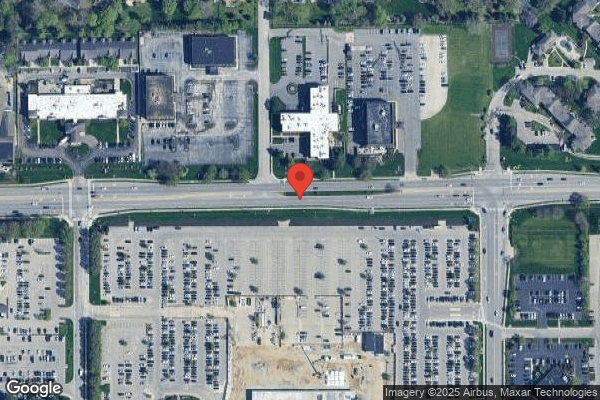
2002 WEST 86TH STREET, INDIANAPOLIS, IN 46260 (317) 872-8811
For profit - Corporation 134 Beds BRICKYARD HEALTHCARE Data: November 2025 1 Immediate Jeopardy citation
Trust Grade
21/100
#433 of 505 in IN
Last Inspection: May 2025

Inspected within the last 6 months. Data reflects current conditions.

Overview

Brickyard Healthcare - Willow Springs Care Center has received a Trust Grade of F, indicating significant concerns about the quality of care provided. Ranked #433 out of 505 facilities in Indiana, they fall within the bottom half of all nursing homes in the state and #41 out of 46 in Marion County, suggesting limited local options for better care. The facility is showing some improvement in compliance issues, as the number of problems dropped from 20 in 2024 to 13 in 2025. However, staffing remains a concern with a rating of 2 out of 5 stars and a high turnover rate of 63%, which is above the state average. The facility has faced $17,131 in fines, higher than 85% of Indiana facilities, indicating ongoing compliance issues. Specific incidents reported include a critical failure to respond to a resident's change in condition, leading to neglect and the resident's subsequent hospitalization and passing. Additionally, smoking materials were improperly stored, posing safety risks, and there were issues with maintaining a clean environment, as multiple residents' rooms were found dirty and unsanitary. While there are some strengths, such as average RN coverage, families should weigh these serious concerns when considering this facility for their loved ones.

Trust Score
F
21/100
In Indiana
#433/505
Bottom 15%
Safety Record
High Risk
Review needed
Inspections
Getting Better
20 → 13 violations
Staff Stability
⚠ Watch
63% turnover. Above average. Higher turnover means staff may not know residents' routines.
Penalties
⚠ Watch
$17,131 in fines. Higher than 95% of Indiana facilities. Major compliance failures.
Skilled Nurses
○ Average
Each resident gets 37 minutes of Registered Nurse (RN) attention daily — about average for Indiana. RNs are the most trained staff who monitor for health changes.
Violations
⚠ Watch
43 deficiencies on record. Higher than average. Multiple issues found across inspections.
★☆☆☆☆
1.0
Overall Rating
★★☆☆☆
2.0
Staff Levels
★★★☆☆
3.0
Care Quality
★☆☆☆☆
1.0
Inspection Score
Stable
2024: 20 issues
2025: 13 issues

The Good

  • Full Sprinkler Coverage · Fire safety systems throughout facility
  • No fines on record

Facility shows strength in fire safety.

The Bad

1-Star Overall Rating

Below Indiana average (3.1)

Significant quality concerns identified by CMS

Staff Turnover: 63%

17pts above Indiana avg (46%)

Frequent staff changes - ask about care continuity

Federal Fines: $17,131

Below median ($33,413)

Minor penalties assessed

Chain: BRICKYARD HEALTHCARE

Part of a multi-facility chain

Ask about local staffing decisions and management

Staff turnover is elevated (63%)

15 points above Indiana average of 48%

The Ugly 43 deficiencies on record

1 life-threatening
Jul 2025 3 deficiencies
CONCERN (D) 📢 Someone Reported This

A family member, employee, or ombudsman was alarmed enough to file a formal complaint

Potential for Harm - no one hurt, but risky conditions existed

Deficiency F0627 (Tag F0627)

Could have caused harm · This affected 1 resident

Based on interview and record review, the facility failed to allow a resident to return to the facility where the resident had resided for several months without documentation of any needs or behavior...

Read full inspector narrative →
Based on interview and record review, the facility failed to allow a resident to return to the facility where the resident had resided for several months without documentation of any needs or behaviors which were not previously present and could not be met by the facility for 1 of 3 residents reviewed for an inappropriate discharge. (Resident B)Findings include: An email from the local hospital, dated 7/10/25, indicated Resident B was sent to the emergency room due to alleged aggression at the facility where he resided. The psychiatric department cleared him while in the emergency room to return to the facility. The facility refused to accept him back. The clinical record for Resident B was reviewed on 7/22/25 at 1:15 p.m. The diagnoses included, but were not limited to, Parkinson's disease, dementia, metabolic encephalopathy, bipolar disorder, and the need for assistance with personal care.Resident B was admitted to the facility, on 3/24/25, from a psychiatric hospital.The nursing progress notes, dated 3/24/25 to 4/24/25, indicated Resident B had behaviors of cussing at the staff, being aggressive with the staff, refusing to take his medications, refusing to allow staff to change his wet bed linens, calling the staff the N word, and he was physically and verbally abusive toward the staff members. The nursing progress notes did not include any documentation Resident B was putting other residents in danger.A nursing progress note, dated 4/24/25, indicated Resident B was admitted to a psychiatric hospital for the behaviors he had been displaying. A nursing progress note, dated 5/1/25 at 7:22 p.m., indicated Resident B was re-admitted to the facility after a psychiatric hospital stay for behaviors. A Nurse Practitioner's (NP) note, dated 5/5/25, indicated the resident was being seen for a re-admission to the facility from a psychiatric hospital stay from 4/24/25 to 5/1/25. He was started on Divalproex (a medication used as a mood stabilizer for persons with a diagnosis of bipolar disorder) and his quetiapine (a medication used to treat psychosis, delusions and hallucinations) was increased during his stay at the hospital. The NP note lacked documentation Resident B's needs could not be met at this facility.The nursing progress notes, dated 5/1/25 to 5/7/25, indicated Resident B had behaviors of hitting and scratching staff members, using racial slurs to staff members and calling them the N word. He would spit out his medications. When Resident B attempted to get a female resident's attention, she dismissed him and he became angry, aggressive, and attempted to grab and scratched her right forearm. He yelled negative verbalizations at her in the hallway. When interventions were ineffective, the police were called, and Resident B attempted to punch a police officer. A physician's order was obtained to send him out for a psychiatric evaluation related to being a continued harm to himself and other people despite de-escalation and redirection. A progress nursing note, dated 5/14/25 at 3:33 p.m., indicated Resident B was re-admitted to the facility after a recent psychiatric hospital stay. A NP note, dated 5/15/25, indicated the resident was visited for re-admission back into the facility from a psychiatric hospital stay for behaviors. He was content with all male care givers and none of his psych medications were changed. The psychiatric team had questioned if his Sinemet (a medication used to treat Parkinson's disease) could have been the cause of his behaviors. A neurology consultation would be scheduled. The NP note lacked documentation Resident B's needs could not be met at this facility.The clinical record lacked documentation the facility had scheduled a neurology consultation or had tried to implement all male caregivers for Resident B's care. A physician's note, dated 5/16/25, indicated the resident was sent to a psychiatric hospital for being verbally and physically aggressive. Multiple attempts to redirect him failed and he was at risk to himself and to the staff. He had some changes completed for his mental health treatments. He calmed down some and was eventually transferred back to the facility for further care of his chronic medical conditions. He had his psychiatric medications increased during his hospital stay from 4/24/25 to 5/1/25. The physician's note lacked documentation Resident B's needs could not be met at this facility or documentation Resident B was putting other residents in danger.The nursing progress notes, dated 5/14/25 to 5/30/25, indicated Resident B was displaying behaviors of calling staff members the N word, using racial slurs toward staff members, and being aggressive and punching staff. He was touching the staff's private areas while they were providing personal care for him, telling the staff to suck his private parts, punching staff members in between their legs, verbalizing sexually inappropriate comments to the staff and being verbally abusive to staff. A nursing progress note, dated 5/30/25, indicated Resident B had new episodes of physical aggression, sexual inappropriateness, and used racial slurs throughout the day. A physician's order was received to send the resident out for an acute psychiatric episode.The nursing progress notes did not include any documentation Resident B was putting other residents in danger.A nursing progress note, dated 5/31/25, indicated Resident B was sent out to a psychiatric hospital due to behaviors.A nursing progress note, dated 6/25/25 at 3:48 p.m., indicated Resident B was re-admitted back to the facility from the psychiatric hospital. He would now always require two caregivers. Resident B presented with aggressive and sexually inappropriate behaviors toward staff members. The clinical record lacked documentation to indicate the facility tried to implement 1 of the 2 staff members required to provide care to Resident B would be a male caregiver.A NP note, dated 6/26/25, indicated the resident was re-admitted yesterday after being sent to a psychiatric hospital due to inappropriate verbal and physical aggression toward female staff. The resident had bipolar disorder with some psychosis, dementia, and Parkinson's disease.A low dose of haloperidol, 0.5 mg ordered twice daily in the morning and at night to assist with behavior since the patient is on an oral female staff unit. being made for the patient to go to a different facility with all males. Since he returned, he had stood in the hallway with only his brief on yelling at the staff and was verbally and physically inappropriate with the female staff. The NP note lacked documentation Resident B's needs could not be met at this facility or documentation Resident B was putting other residents in danger.A physician's note, dated 6/27/25, indicated the resident was sent to the hospital due to being verbally and physically aggressive. Multiple attempts to redirect him failed. He was at risk to himself and the staff. He had increased agitation and restlessness and was physically, verbally, and sexually aggressive. He was asking his care givers to perform sexual requests on him. He refused his medications. There was some mental health changes to his treatment made, then he was transferred back to the facility. The physician's note lacked documentation Resident B's needs could not be met at this facility or documentation Resident B was putting other residents in danger.The nursing progress notes, dated 6/25/25 to 7/4/25, indicated Resident B refused lab draws, was aggressive and physical with the staff members, and said racial slurs to them. A nursing progress note, dated 7/4/25, indicated Resident B kicked an aide in the middle of her chest, grabbed her arm, scratched her on the right upper arm, spit at her and said multiple racial slurs. The police were called, and a physician's order was given to send the resident out to a different psychiatric hospital. The nursing progress notes did not include any documentation Resident B was putting other residents in danger.A nursing progress note, dated 7/7/25, indicated Resident B was re-admitted to the facility. He refused his skin assessment. A physician's progress note, dated 7/8/25, indicated the resident was sent to the hospital because he was being verbally and physically aggressive with staff. He was confused at the time of the history and physical exam. The physician's note lacked documentation Resident B's needs could not be met at this facility or documentation Resident B was putting other residents in danger.A nursing progress note, dated 7/9/25 at 11:00 a.m., indicated Resident B was roaming the hallways. While in the dining room, he spit on another resident. While the nurse was attempting to remove him from the dining room, he grabbed her breasts and private area. The unit manager was called and arrived in the resident's room to speak to him. He called the unit manager the N word, swatted his hand into the Social Worker's face and hit the Director of Nursing. Interventions were ineffective, so the resident was sent to the emergency room for an evaluation and treatment. A nursing progress note, dated 7/9/25, indicated the resident was discharged to the emergency room.Resident B's record lacked documentation he was allowed to return to the facility after he was sent to the emergency room on 7/9/25. A document, titled Admissions/Marketing Referral Intake Form, dated 7/9/25 and provided by the Director of Nursing on 7/23/25 at 12:30 p.m., indicated Resident B was hospitalized for behaviors. He had been a previous admission and had refused care. The notes section indicated Upon entering hospital room of [Name of Resident], resident was in restraints, resident asked Nurse 'What do want N*****?' Nurse read notes about resident kicking at nurse and spitting on a security officer. Resident also swung on EMS [Emergency Medical Service] driver.The document was dated the same day the resident was sent to the hospital and indicated the resident had been a previous admission and had refused care. The document did not indicate Resident B was a current resident.During an interview, on 7/23/25 at 12:31 p.m., the Director of Nursing indicated the Admissions/Marketing Referral Intake Form was an assessment completed by LPN 1 on Resident B which determined he could not come back to the facility. During an interview, on 7/22/25 at 12:58 p.m., CNA 2 indicated Resident B only had behaviors toward the females. He never had any problems with the resident while he was providing care for him. During an interview, on 7/22/25 at 3:21 p.m., the Director of Nursing indicated LPN 1 went to assess the resident at the hospital prior to him returning to the facility. He was in need of antipsychotic medication as well as restraints to protect the safety and well-being of the hospital staff in the emergency room. Resident B had indicated he wanted to hurt the security guard who put him in the emergency room bed. The facility was seeking a new place for Resident B to stay due to his behavioral outbursts. On 6/25/25, he was supposed to be admitted to a sister facility with an all-male behavioral unit. While EMS was in route with Resident B, the facility was contacted and told the accepting facility was full, so Resident B was brought back to their facility. After the resident was sent to the hospital, on 7/9/25, the facility refused to accept him back because they could not meet his needs due to, he was in restraints at the hospital. The facility worked to get placement for him at a sister facility. The hospital called the sister facility who indicated they had accepted him, but the next day they decided he could not come because he did not have a payor source. Throughout his admission at the facility, the social worker had tried many facilities to move him to because they were not able to meet his needs.During an interview, on 7/30/25 at 10:40 a.m., the LTC Ombudsman indicated the facility had never contacted her for assistance with Resident B's care or behaviors. Her job is to be a resource and an advocate. If the facility would have reached out, she would have helped find Resident B a facility more suitable to meet his needs and behaviors. The current facility assessment, dated 8/8/24, indicated .The purpose of this assessment is to determine what resources are necessary to care for our residents competently during both day-to-day operations (including nights and weekends) and emergencies.This facility assessment will be used to: Inform staffing decisions to ensure that there are a sufficient number of staff with the appropriate competencies and skill sets necessary to care for its residents' needs as identified through assessments and plans of care; Consider specific staffing needs for each resident unit in the facility and adjust as necessary based on any changes to its resident population.Behavioral/Mental Health was 38 residents in the facility.Services and Care We Offer Based On Our Resident's Needs.Behavioral and Mental Health Specific Care of Practices: Manage the medical conditions and medication-related issues causing psychiatric symptoms and behavior, identify and implement interventions to help support individuals with issues such as dealing with anxiety, care of someone with cognitive impairment, care of individuals with depression, trauma/PTSD, other psychiatric diagnoses, intellectual or developmental disabilities. Diseases/Conditions & Physical/Cognitive Disabilities for Which We Provide Care: Psychiatric/Mood Disorders-Psychosis (Hallucinations, Delusions, etc.), Impaired Cognition, Mental Disorder, Depression, Bipolar Disorder (i.e., Mania/Depression), Schizophrenia, Post Traumatic Stress Disorder, Anxiety Disorder, Behavior that Needs Interventions.Behavioral/Mental Health Providers: Psychiatrists-One and Licensed Counselors-One.Information About Our Staffing Patterns.Behavioral Health Services: Staffing is adequate for caring for residents with dementia, mental health conditions or history of trauma.A current facility policy, titled Transfer and Discharge (including AMA), undated and provided by the Director of Nursing on 7/22/25 at 1:29 p.m., indicated .It is the policy of this facility to permit each resident to remain in the facility, and not transfer or discharge the resident from the facility, except in limited circumstances. This policy applies to all residents regardless of their payment source.The facility will evaluate and determine the level of care needed for the resident prior to admission to ensure the facility's ability to meet the resident's needs. 2. Once admitted , the resident has the right to remain at the facility unless their transfer or discharge meets one of the following specified exemptions: a. The transfer or discharge is necessary for the resident's welfare and the resident's needs cannot be met in the facility .The safety of individuals in the facility is endangered due to the clinical or behavioral status of the resident .The facility's transfer/discharge notice will be provided to the resident and resident's representative in a language and manner in which they can understand. The notice will include all of the following at the time it is provided: a. The specific reason and basis for transfer or discharge. b. The effective date of transfer or discharge. c. The specific location (such as the name of the new provider or description and/or address if the location is a residence) to which the resident is to be transferred or discharged . d. An explanation of the right to appeal the transfer or discharge to the State .Generally, the notice must be provided at least 30 days prior to a transfer or discharge of the resident. Exceptions to the 30-day requirement apply when the transfer or discharge is affected because: a. The health and/or safety of individuals in the facility would be endangered due to the clinical or behavioral status of the resident .Emergency Transfers to Acute Care.The resident will be permitted to return to the facility upon discharge from the acute care setting. Not permitting a resident to return following hospitalization constitutes a discharge. j. Because the facility was able to care for the resident prior to hospitalization or therapeutic leave, documentation related to the basis for discharge will clearly show why the facility can no longer care for the resident.This citation relates to Complaint 1369834.3.1-12(a)(5)(A)
CONCERN (D) 📢 Someone Reported This

A family member, employee, or ombudsman was alarmed enough to file a formal complaint

Potential for Harm - no one hurt, but risky conditions existed

Deficiency F0628 (Tag F0628)

Could have caused harm · This affected 1 resident

Based on interview and record review, the facility failed to ensure a resident, the resident's representative, and the Office of the State LTC Ombudsman was notified, provided the necessary paperwork,...

Read full inspector narrative →
Based on interview and record review, the facility failed to ensure a resident, the resident's representative, and the Office of the State LTC Ombudsman was notified, provided the necessary paperwork, and was involved in the discharge process before a resident was sent to the emergency room and was not permitted to return for 1 of 3 resident reviewed the for discharge process. (Resident B)Findings include:An email from the local hospital, dated 7/10/25, indicated Resident B was sent to the emergency room due to alleged aggression at the facility where he resided. The psychiatric department cleared him while in the emergency room to return to the facility. The facility refused to accept him back. The clinical record for Resident B was reviewed on 7/22/25 at 1:15 p.m. The diagnoses included, but were not limited to, Parkinson's disease, dementia, metabolic encephalopathy, bipolar disorder, and the need for assistance with personal care.Resident B was admitted to the facility, on 3/24/25, from a psychiatric hospital.A social worker progress note, dated 4/23/25 at 4:30 p.m., indicated she attempted to call Resident B's son to participate in a care plan meeting, but his children were unreachable. The resident needed a guardian. She would continue to contact his children. The clinical record did not indicate the attempts the facility had made to obtain a guardian for Resident B.A nursing progress note, dated 4/24/25, indicated Resident B was admitted to a psychiatric hospital for the behaviors he had been displaying. A nursing progress note, dated 5/1/25 at 7:22 p.m., indicated Resident B was re-admitted to the facility after a psychiatric hospital stay for behaviors. The nursing progress notes, dated 5/7/25, indicated a physician's order was obtained to send Resident B out for a psychiatric evaluation.A progress nursing note, dated 5/14/25 at 3:33 p.m., indicated Resident B was re-admitted to the facility after a recent psychiatric hospital stay.A nursing progress note, dated 5/31/25, indicated Resident B was sent out to a psychiatric hospital due to behaviors.A nursing progress note, dated 6/25/25 at 3:48 p.m., indicated Resident B was re-admitted back to the facility from the psychiatric hospital.A nursing progress note, dated 7/4/25, indicated Resident B kicked an aide in the middle of her chest, grabbed her arm, scratched her on the right upper arm, spit at her and said multiple racial slurs. The police were called, and a physician's order was given to send the resident out to a different psychiatric hospital. A nursing progress note, dated 7/7/25, indicated Resident B was re-admitted to the facility.A nursing progress note, dated 7/9/25, indicated the resident was discharged to the emergency room.Resident B's record lacked documentation he was allowed to return to the facility after he was sent to the emergency room on 7/9/25. A document, titled Admissions/Marketing Referral Intake Form, dated 7/9/25 and provided by the Director of Nursing on 7/23/25 at 12:30 p.m., indicated Resident B was hospitalized for behaviors. He had been a previous admission and had refused care.The document was dated the same day the resident was sent to the hospital and indicated the resident had been a previous admission and had refused care. The document did not indicate Resident B was a current resident.During an interview, on 7/23/25 at 12:31 p.m., the Director of Nursing indicated the Admissions/Marketing Referral Intake Form was an assessment completed by LPN 1 on Resident B which determined he could not come back to the facility. During an interview, on 7/22/25 at 3:21 p.m., the Director of Nursing indicated after the resident was sent to the hospital, on 7/9/25, the facility refused to accept him back because they could not meet his needs due to, he was in restraints at the hospital. The facility was seeking a new place for Resident B to stay due to his behavioral outbursts. On 6/25/25, he was supposed to be admitted to a sister facility with an all-male behavioral unit. While EMS was in route with Resident B, the facility was contacted and told the accepting facility was full, so Resident B was brought back to their facility. The facility worked to get placement for him at a sister facility. The hospital called the sister facility who indicated they had accepted him, but the next day they decided he could not come because he did not have a payor source. Throughout his admission at the facility, the social worker had tried many facilities to move him to because they were not able to meet his needs.During an interview, on 7/23/25 at 2:51 p.m., the Social Service Director indicated she did not play any role in the discharge planning for Resident B because his discharge was an unplanned discharge. She did not notify the family (his sons) regarding the unplanned discharge because they lived out of state. They did not return calls to the facility even when the facility left messages for them.During an interview, on 7/30/25 at 10:40 a.m., the LTC Ombudsman indicated the facility had never contacted her for assistance with Resident B's care or behaviors. Her job is to be a resource and an advocate. If the facility would have reached out, she would have helped find Resident B a facility more suitable to meet his needs and behaviors. There was no documentation in the medical record to indicate the facility had tried to obtain a guardian for the resident, had provided the resident with a 30-day discharge at any time during his stay, provided the necessary paperwork for the appeals process, or had involved the Office of the State LTC Ombudsman in the resident's care or discharge planning prior to sending Resident B to the emergency room for an evaluation and not permitting him to return to the facility.The current facility assessment, dated 8/8/24, indicated .The purpose of this assessment is to determine what resources are necessary to care for our residents competently during both day-to-day operations (including nights and weekends) and emergencies.This facility assessment will be used to: Inform staffing decisions to ensure that there are a sufficient number of staff with the appropriate competencies and skill sets necessary to care for its residents' needs as identified through assessments and plans of care; Consider specific staffing needs for each resident unit in the facility and adjust as necessary based on any changes to its resident population.Behavioral/Mental Health was 38 residents in the facility.Services and Care We Offer Based On Our Resident's Needs.Behavioral and Mental Health Specific Care of Practices: Manage the medical conditions and medication-related issues causing psychiatric symptoms and behavior, identify and implement interventions to help support individuals with issues such as dealing with anxiety, care of someone with cognitive impairment, care of individuals with depression, trauma/PTSD, other psychiatric diagnoses, intellectual or developmental disabilities. Diseases/Conditions & Physical/Cognitive Disabilities for Which We Provide Care: Psychiatric/Mood Disorders-Psychosis (Hallucinations, Delusions, etc.), Impaired Cognition, Mental Disorder, Depression, Bipolar Disorder (i.e., Mania/Depression), Schizophrenia, Post Traumatic Stress Disorder, Anxiety Disorder, Behavior that Needs Interventions.Behavioral/Mental Health Providers: Psychiatrists-One and Licensed Counselors-One.Information About Our Staffing Patterns.Behavioral Health Services: Staffing is adequate for caring for residents with dementia, mental health conditions or history of trauma.A current facility policy, titled Transfer and Discharge (including AMA), undated and provided by the Director of Nursing on 7/22/25 at 1:29 p.m., indicated .The facility's transfer/discharge notice will be provided to the resident and resident's representative in a language and manner in which they can understand. The notice will include all of the following at the time it is provided: a. The specific reason and basis for transfer or discharge. b. The effective date of transfer or discharge. c. The specific location (such as the name of the new provider or description and/or address if the location is a residence) to which the resident is to be transferred or discharged . d. An explanation of the right to appeal the transfer or discharge to the State .Generally, the notice must be provided at least 30 days prior to a transfer or discharge of the resident. Exceptions to the 30-day requirement apply when the transfer or discharge is affected because: a. The health and/or safety of individuals in the facility would be endangered due to the clinical or behavioral status of the resident .Emergency Transfers to Acute Care.The resident will be permitted to return to the facility upon discharge from the acute care setting. Not permitting a resident to return following hospitalization constitutes a discharge. j. Because the facility was able to care for the resident prior to hospitalization or therapeutic leave, documentation related to the basis for discharge will clearly show why the facility can no longer care for the resident.This citation relates to Complaint 1369834.3.1-12(a)(6)(A)(ii)3.1-12(a)(6)(A)(iii)3.1-12(a)(6)(A)(iv)
CONCERN (D) 📢 Someone Reported This

A family member, employee, or ombudsman was alarmed enough to file a formal complaint

Potential for Harm - no one hurt, but risky conditions existed

Deficiency F0657 (Tag F0657)

Could have caused harm · This affected 1 resident

**NOTE- TERMS IN BRACKETS HAVE BEEN EDITED TO PROTECT CONFIDENTIALITY** Based on interview and record review, the facility failed to ensure a person-centered, comprehensive care plan was reviewed by t...

Read full inspector narrative →
**NOTE- TERMS IN BRACKETS HAVE BEEN EDITED TO PROTECT CONFIDENTIALITY** Based on interview and record review, the facility failed to ensure a person-centered, comprehensive care plan was reviewed by the Interdisciplinary team (IDT) and updated to reflect the behavior care needs for 1 of 3 residents reviewed for care plans. (Resident B)Findings include:The clinical record for Resident B was reviewed on 7/22/25 at 1:15 p.m. The diagnoses included, but were not limited to, Parkinson's disease, dementia, metabolic encephalopathy, bipolar disorder, and the need for assistance with personal care.Resident B was admitted to the facility on [DATE].A care plan, dated 3/25/25, indicated Resident B had behavioral symptoms related to bipolar disorder as evidence by racial slurs and derogatory comments directed at staff, verbal and physical aggression towards staff, making contact with others, throwing items, and refusing care at times. The interventions included, but were not limited to, 3/25/25, to administer medications as ordered and monitor/document for side effects and effectiveness, care in pairs, provide opportunity for positive interaction and attention, stop and talk with him, discuss the resident's behavior to him and explain and reinforce why his behavior was inappropriate and unacceptable, intervene as necessary to protect the rights and safety of others, approach and speak in a calm manner, divert his attention, remove him from the situation and take him to an alternative location as needed, monitor his behavior episodes and attempt to determine the underlying cause of the behavior, consider the location, time of the day, and the persons involved in the behavior, and document the behavior and the potential causes of that behavior. 5/8/25, give the resident his space as needed.A Nurse Practitioner's (NP) progress note, dated 5/5/25, indicated the resident was seen for a re-admission to the facility from a psychiatric hospital stay from 4/24/25 to 5/1/25.A NP's progress note, dated 5/15/25, indicated the resident was seen for a re-admission to the facility from a psychiatric hospital stay. He was content with all male care givers.A NP progress note, dated 6/26/25, indicated the resident was seen for re-admission after a psychiatric hospital stay.Resident B's clinical record lacked IDT progress notes after each re-admission from the psychiatric hospitalizations to indicate the care plan had been reviewed and revised with new or modified interventions for Resident B's behaviors to be effectively managed. During an interview, on 7/23/25 at 4:00 p.m., the Regional [NAME] President of Operations indicated the care plans were to be reviewed and updated upon re-admission to the facility if needed. A current facility policy, titled Care Plan Revisions Upon Status Change, undated and provided by the Director of Nursing on 7/23/25 at 3:45 p.m., indicated .The purpose of this procedure is to provide a consistent process for reviewing and revising the care plan for those residents experiencing a status change.The comprehensive care plan will be reviewed, and revised as necessary, when a resident experiences a status change .Interdisciplinary Team will discuss the resident condition and collaborate on intervention options. c. The team meeting discussion will be documented in the nursing progress notes. d. The care plan will be updated with the new or modified interventions. e. Staff involved in the care of the resident will report resident response to new or modified interventions This citation relates to Complaint 1369834.3.1-35(e)
May 2025 10 deficiencies
CONCERN (D)

Potential for Harm - no one hurt, but risky conditions existed

Deficiency F0558 (Tag F0558)

Could have caused harm · This affected 1 resident

Based on observation, interview and record review, the facility failed to ensure the call system was within reach for 1 of 8 residents reviewed for accommodation of needs. Findings include: During an ...

Read full inspector narrative →
Based on observation, interview and record review, the facility failed to ensure the call system was within reach for 1 of 8 residents reviewed for accommodation of needs. Findings include: During an interview, on 4/30/25 at 10:43 a.m., Resident 8 indicated she was left wet and was not changed as often as she needed. During an observation, on 5/5/25 at 2:13 p.m., Resident 8 was sitting in her wheelchair in her room. She was alert and able to voice her needs. Resident 8 indicated she was wet and did not have the call light. The call light was not in view or reach of the resident. The resident indicated she was aware of when she needed to use the restroom. During an observation and interview, on 5/5/25 at 2:15 p.m., CNA 10 found the call light behind the resident and out of reach. CNA 10 indicated the call light was supposed to be left where the resident could reach it. The clinical record for Resident 8 was reviewed on 5/7/25 at 8:46 a.m. The diagnoses included, but were not limited to, hypertension, weakness, and hemiplegia and hemiparesis (weakness and paralysis on the left side) following cerebral infarction (stroke). A care plan, dated 3/26/25, indicated the resident had a communication problem and to leave the call light in reach of the resident. A care plan, dated 3/26/25, indicated Resident 8 had bladder incontinence related to a need for assistance with toileting due to impaired mobility. The care plan did not address leaving the call light in reach. A current facility policy, titled Call Lights: Accessibility and Timely Response, dated 2024 and received from the Executive Director on 5/6/25 at 12:14 p.m., indicated .Staff will ensure the call light is within reach of resident and secured, as needed This citation relates to Complaints IN00451279 and IN00451331. 3.1-3(v)(1)
CONCERN (D) 📢 Someone Reported This

A family member, employee, or ombudsman was alarmed enough to file a formal complaint

Potential for Harm - no one hurt, but risky conditions existed

Deficiency F0628 (Tag F0628)

Could have caused harm · This affected 1 resident

**NOTE- TERMS IN BRACKETS HAVE BEEN EDITED TO PROTECT CONFIDENTIALITY** Based on interview and record review, the facility failed to ensure the ombudsman was notified after a discharge and there was d...

Read full inspector narrative →
**NOTE- TERMS IN BRACKETS HAVE BEEN EDITED TO PROTECT CONFIDENTIALITY** Based on interview and record review, the facility failed to ensure the ombudsman was notified after a discharge and there was documentation the bed hold policy was provided to a resident for 3 of 5 residents reviewed for hospitalization. (Resident 19, 173 and 27) Findings include: 1. The clinical record for Resident 19 was reviewed on 5/5/25 at 9:31 a.m. The diagnoses included, but were not limited to, cognitive communication deficit, muscle weakness, and vitamin D deficiency. A nursing progress note, dated 1/14/25, indicate the resident had jerking movements with coffee ground secretions in her mouth. The physician was notified, and the resident was sent to the hospital. There was no documentation the bed hold information was provided to the resident. A transfer form, dated 1/14/25, indicated the resident was transferred to the hospital due to jerking movements and coffee ground emesis. There was no documentation the bed hold information was provided to Resident 19 in the record. 2. The clinical record for Resident 173 was reviewed on 5/5/25 at 9:09 a.m. The diagnoses included, but were not limited to, respiratory failure with hypoxia, dysphagia, and hemiplegia (paralysis on one side of the body) and hemiparesis (weakness on one side of the body). A nursing progress note, dated 4/20/25, indicated the residents' respiratory status was declining and Resident 173 was transferred to the hospital. There was no documentation the bed hold information was provided to the resident. A completed transfer form was not located in the resident's record. There was no documentation the bed hold information was provided to the resident in the record.3. The clinical record for Resident 27 was reviewed on 5/2/25 at 11:01 a.m. The diagnoses included, but were not limited to, chronic respiratory failure with hypoxia, end stage renal disease, and major depressive disorder. a. Resident 27 was discharged from the facility on 10/30/24 and returned on 11/7/24. A document, titled Ombudsman Notice of Resident Discharges, for the month of October 2024, did not indicate the Ombudsman was not notified of Resident 27's discharge, as the resident was not identified on the notice. b. Resident 27 was transferred to the hospital on [DATE] and returned to the facility on [DATE]. The electronic health record did not indicate the bed hold policy had been given to Resident 27 at the time of the transfer. During an interview, on 5/5/25 at 10:24 a.m., Clinical Support 2 indicated transfer forms and bed hold policies were filled out and sent to the hospital with the residents. Staff did not document in the electronic health record the forms were given to the residents at the time of transfer. During an interview, on 5/5/25 at 10:22 a.m., the Director of Nursing (DON) indicated she was not sure if the ombudsman was notified. During an interview, on 5/5/25 at 10:24 a.m., Clinical Support 2 indicated Resident 27 was not on the ombudsman notification list for the month of October 2024. A document, titled Family of Social Service Administration, last updated October 2024, indicated .Dear Nursing Home Administrator: As you know, CMS requires nursing facilities to notify the Long-Term Care (LTC) Ombudsman of the majority of residents' transfers and discharges .When a resident is transferred on an emergency basis to an acute care facility and expected to return, the SLTCO must be notified. Information from facilities regarding emergency transfers should be provided in a monthly list to the SLTCO, which should include residents' names, dates of transfer, facilities to which residents were transferred, and reasons for the transfers A current facility policy, titled Bed Hold Notice, dated as last revised 2025 and received from the Executive Director (ED) on 5/6/25 at 12:14 p.m., indicated .It is the policy of this facility to provide written information to the resident and/or the resident representative regarding the bed hold practices both well in advance, and at the time of, a transfer for hospitalization or therapeutic leave .The facility will keep a signed and dated copy of the bed-hold notice information given to the resident and/or resident representative A current facility policy, titled Transfer and Discharge, dated as last revised 2025 and received from the ED on 5/6/25 at 12:14 p.m., indicated .The facility will maintain evidence that the notice was sent to the Ombudsman .Provide notice of transfer and the facility's bed hold notice policy to the resident and representative as indicated .The Social Service Director, or designee, will provide copies of notices for emergency transfers to the Ombudsman .such as in a list of residents on a monthly basis 3.1-12(a)(6)(A)(iv) 3.1-12(a)(25)(A) 3.1-12(a)(25)(B)
CONCERN (D)

Potential for Harm - no one hurt, but risky conditions existed

Assessment Accuracy (Tag F0641)

Could have caused harm · This affected 1 resident

Based on observation, interview and record review, the facility failed to ensure the Minimum Data Set (MDS) assessment was correctly coded for 3 of 3 residents reviewed for resident assessments. (Resi...

Read full inspector narrative →
Based on observation, interview and record review, the facility failed to ensure the Minimum Data Set (MDS) assessment was correctly coded for 3 of 3 residents reviewed for resident assessments. (Resident 38, 4 and 222) Findings include: 1. The clinical record for Resident 38 was reviewed on 5/2/25 at 11:45 a.m. The diagnoses included, but were not limited to, hypertension, end stage renal disease, and hyperlipidemia. An MDS assessment, dated 4/16/25, indicated Resident 38 did not receive dialysis. A nursing progress note, dated 5/2/25 at 11:45 a.m., indicated the resident did receive dialysis. During an interview, on 5/2/25 at 11:45 a.m., the MDS Coordinator indicated the resident did receive dialysis and the resident should have been marked as receiving dialysis on the MDS assessment. 2. During an observation and interview, on 4/30/25 at 3:05 p.m., Resident 4 was lying in her bed with bilateral bed rails in the raised position. Resident 4 indicated she used the bed rails to assist with bed mobility and for support when getting out of bed. The clinical record for Resident 4 was reviewed on 5/6/25 at 10:00 a.m. The diagnoses included, but were not limited to, morbid obesity, muscle weakness, and abnormalities of gait and mobility. An admission MDS assessment, dated 11/27/24, did not indicate bed rails were in use. A quarterly MDS assessment, dated 4/24/25, did not indicate bed rails were in use. Resident 4's care plans did not include interventions related to the use of bed rails. 3. During an observation, on 4/30/25 at 11:33 a.m., Resident 222 was lying in bed with bilateral bed rails in the raised position. The clinical record for Resident 222 was reviewed on 5/5/25 at 10:08 a.m. The diagnoses included, but were not limited to, insomnia, major depressive disorder, and anemia. An admission MDS assessment, dated 4/28/25, did not indicate bed rails were in use. Resident 222's care plans did not include interventions related to the use of bed rails. During an interview, on 5/6/25 at 9:20 a.m., the Director of Nursing (DON) indicated the residents' care plans would indicate the use of bed rails. A document, titled Long-Term Care Facility Resident Assessment Instrument 3.0 User's Manual, Version 1.20.1, indicated .nursing homes are responsible for ensuring that all participants in the assessment process have the requisite knowledge to complete an accurate assessment 3.1-31(c)(1)
CONCERN (D)

Potential for Harm - no one hurt, but risky conditions existed

PASARR Coordination (Tag F0644)

Could have caused harm · This affected 1 resident

**NOTE- TERMS IN BRACKETS HAVE BEEN EDITED TO PROTECT CONFIDENTIALITY** Based on interview and record review, the facility failed to ensure a new pre-admission screening and resident review (PASARR) w...

Read full inspector narrative →
**NOTE- TERMS IN BRACKETS HAVE BEEN EDITED TO PROTECT CONFIDENTIALITY** Based on interview and record review, the facility failed to ensure a new pre-admission screening and resident review (PASARR) was completed after the number of approved days expired for 1 of 1 resident reviewed for PASARR. (Resident 35) Findings include: The clinical record for Resident 35 was reviewed on [DATE] at 10:47 a.m. The diagnoses included, but were not limited to, bipolar disorder, post-traumatic stress disorder (PTSD), and autistic disorder. A notice of PASARR level I screen outcome, dated [DATE], indicated the PASARR level I determination was a temporary approval of 60 days. If you or your care provider thinks you need to stay longer than the number of approved days listed on the PASARR level I screen outcome which came with this letter, a nursing facility staff member must submit a new level I screen to Maximus. This must be completed by or before the last approved day. A new level 1 PASARR was not resubmitted after 60 days. During an interview, on [DATE] at 10:14 a.m., the Social Services Director (SSD) indicated a new PASARR was not completed. During an interview, on [DATE] at 10:16 a.m., the Minimum Data Set (MDS) Coordinator indicated the PASARR level I was completed but only approved for 60 days. The facility should have submitted another one. During an interview, on [DATE] at 12:02 p.m., a PASARR help desk staff member indicated a level of care determination would not trump the most recent level I PASARR. A PASARR level I with an approval period of 60 days must be followed up on and was no longer valid after 60 days. A new PASARR screening would need to be resubmitted. A current facility policy, titled Resident assessment - Coordination with PASARR Program, dated 2024 and received from Clinical Support 2, indicated .All applicants to this facility will be screened for serious mental disorders or intellectual disabilities and related conditions in accordance with the State's Medicaid rules for screening 3.1-16(d)(1)(A) 3.1-16(d)(1)(B)
CONCERN (D)

Potential for Harm - no one hurt, but risky conditions existed

Comprehensive Care Plan (Tag F0656)

Could have caused harm · This affected 1 resident

Based on interview and record review, the facility failed to develop and implement a comprehensive person-centered care plan for a resident with a diagnosis of epilepsy who received medications for se...

Read full inspector narrative →
Based on interview and record review, the facility failed to develop and implement a comprehensive person-centered care plan for a resident with a diagnosis of epilepsy who received medications for seizure control for 1 of 2 residents reviewed for comprehensive care plans. (Resident 23) Findings include: The clinical record for Resident 23 was reviewed on 5/2/25 at 10:47 a.m. The diagnoses included, but were not limited to, epilepsy with status epilepticus (seizures which are not well controlled and complicated by prolonged seizure events), aphasia following cerebral infarction (a language disorder following a stroke) and hemiplegia and hemiparesis following cerebral infarction (weakness and paralysis on one side of the body following a stroke). A quarterly Minimum Data Set (MDS) assessment, dated 3/27/25, indicated the resident had a diagnosis of seizure disorder or epilepsy. A physician's order, dated 4/17/25, indicated to give Depakote Sprinkles (a medication for seizures) 125 milligrams (mg) once a day for epilepsy. A physician's order, dated 4/17/25, indicated to give lacosamide (a medication for seizures) 200 mg twice a day for epilepsy. A physician's order, dated 4/17/25, indicated to give levetiracetam (a medication for seizures) 750 mg twice a day for epilepsy. A seizure care plan was not located in the resident's record. During an interview, on 5/6/25 at 2:34 p.m., the Director of Nursing indicated the resident previously had a seizure care plan in the facility's old system. A current facility policy titled, Comprehensive Care Plans dated 2025 and received from Corporate Support Nurse on 05/07/25 at 9:50 a.m., indicated, .It is the policy of this facility to develop and implement a comprehensive person-centered care plan .that includes measurable objectives and timeframe's to meet a resident's medical, nursing, and mental and psychosocial needs and ALL services that are identified in the resident's comprehensive assessment and meet professional standards of quality 3.1-35(a) 3.1-35(b)(1)
CONCERN (D)

Potential for Harm - no one hurt, but risky conditions existed

Accident Prevention (Tag F0689)

Could have caused harm · This affected 1 resident

Based on interview and record review, the facility failed to complete an elopement assessment accurately to ensure hazard risks were evaluated, analyzed, and interventions were implemented for 1 of 4 ...

Read full inspector narrative →
Based on interview and record review, the facility failed to complete an elopement assessment accurately to ensure hazard risks were evaluated, analyzed, and interventions were implemented for 1 of 4 residents reviewed for accidents hazards. (Resident 35) Findings include: The clinical record for Resident 35 was reviewed on 5/2/25 at 10:47 a.m. The diagnoses included, but were not limited to bipolar disorder, post-traumatic stress disorder (PTSD), and autistic disorder. A hospital discharge report, dated 12/24/24, indicated the resident presented to the hospital with burns on her bottom. The resident's caregiver indicated the resident eloped from home frequently and had been gone for several days. A facility elopement assessment, dated 1/15/25, indicated the resident had no history of elopement or an attempted elopement while at home. A progress note, dated 1/16/25, indicated the resident's caregiver stated the resident eloped from home frequently and had been missing from home for several days. The resident came back home with burns on her bottom. During an interview, on 5/6/25 at 2:36 p.m., the Social Services Director (SSD) indicated the resident was not in the elopement book. The nurse completed the elopement assessment incorrectly and it should have indicated the resident did have a history of eloping at home. She was not aware the resident had eloped prior to coming to the facility. Moving forward, the facility needed to monitor Resident 35. A current facility policy, titled Elopements and Wandering Residents, dated 2024 and received from the Clinical Support Nurse 2 indicated .Residents will be assessed for risk of elopement and unsafe wandering upon admission and throughout their stay by the interdisciplinary care plan team 3.1-45(a)(1) 3.1-45(a)(2)
CONCERN (D)

Potential for Harm - no one hurt, but risky conditions existed

Pharmacy Services (Tag F0755)

Could have caused harm · This affected 1 resident

Based on observation, interview and record review, the facility failed to ensure staff followed facility policy and procedure for reconciliation of controlled substances for 2 of 6 medication carts re...

Read full inspector narrative →
Based on observation, interview and record review, the facility failed to ensure staff followed facility policy and procedure for reconciliation of controlled substances for 2 of 6 medication carts reviewed for controlled medications. (South and Southwest) Findings include: 1. During an observation of medication storage, on 5/5/25 at 1:33 p.m., the South medication cart had the following: a. A document, titled CONTROLLED SUBSTANCE SHIFT CHANGE COUNT RECORD, for February 2025, indicated: On 2/1/25, the form was missing the signature for the off-going nurse from 6:30 a.m. to 6:30 p.m. On 2/6/25, the form was missing the signature for the on-coming nurse from 6:30 a.m. to 6:30 p.m., and the off-going nurse from 6:30 a.m. to 6:30 p.m. On 2/9/25, the form was missing the signature for the on-coming nurse from 6:30 p.m. to 6:30 a.m. On 2/10/25, the form was missing the signature for the off-going nurse from 6:30 p.m. to 6:30 a.m., the on-coming nurse from 6:30 a.m. to 6:30 p.m., and the off-going nurse from 6:30 a.m. to 6:30 p.m. On 2/11/25, the form was missing the signature for the off-going nurse from 6:30 p.m. to 6:30 a.m. On 2/14/25, the form was missing the signature for the on-coming nurse from 6:30 p.m. to 6:30 a.m. On 2/15/25, the form was missing the signature for the off-going nurse from 6:30 p.m. to 6:30 a.m. There were an additional 5 missing signatures for the on-coming and/or off-going nurses from 2/22/25 to 2/28/25. b. A document, titled CONTROLLED SUBSTANCE SHIFT CHANGE COUNT RECORD, for April 2025, indicated: On 4/1/25, the form was missing the signature for the off-going nurse from 6:30 p.m. to 6:30 a.m., and the on-coming shift from 6:30 p.m. to 6:30 a.m. On 4/2/25, the form was missing the signature for the off-going nurse from 6:30 p.m. to 6:30 a.m. On 4/3/25, the form was missing the signature for the on-coming nurse from 6:30 p.m. to 6:30 a.m. On 4/4/25, the form was missing the signature for the off-going nurse from 6:30 p.m. to 6:30 a.m. On 4/18/25, the form was missing the signature for the off-going nurse from 6:30 a.m. to 6:30 p.m. c. A document, titled CONTROLLED SUBSTANCE SHIFT CHANGE COUNT RECORD, for May 2025, indicated: On 5/1/25, the form was missing the signatures for the off-going nurse from 6:30 p.m. to 6:30 a.m., the on-coming nurse from 6:30 a.m. to 6:30 p.m., and the off-going nurse from 6:30 a.m. to 6:30 p.m. On 5/2/25, the form was missing the signature for the on-coming nurse from 6:30 p.m. to 6:30 a.m. On 5/3/25, the form was missing the signature for the off-going nurse from 6:30 p.m. to 6:30 a.m. 2. During an observation of medication storage, on 5/5/25, the Southwest medication cart had the following: a. A document, titled CONTROLLED SUBSTANCE SHIFT CHANGE COUNT RECORD, for May 2025, indicated: On 5/2/25, the form was missing the signature for the on-coming nurse from 6:30 p.m. to 6:30 a.m. On 5/3/25, the form was missing the signature for the off-going nurse from 6:30 p.m. to 6:30 a.m. During an interview, on 5/5/25 at 1:51 p.m., LPN 6 indicated staff were supposed to count the narcotics with the other nurse and sign the narcotic log before they left their shift and when they came on shift. A current facility document, titled CONTROLLED SUBSTANCE SHIFT CHANGE COUNT RECORD, undated and received from the Corporate Support Nurse 2 on 5/5/25 at 1:50 p.m., indicated .Signing below acknowledges that you have counted the controlled drugs on hand and have found that the quantity of each medication is in agreement with the quantity stated on the Controlled Substance Shift Change Count Records A current facility policy, titled Controlled Substance Administration & Accountability, dated 2025 and received from the Executive Director on 5/6/25 at 12:14 p.m., indicated .two licensed nurses account for all controlled substances and access keys at the end of each shift 3.1-25(e)(2) 3.1-25(e)(3)
CONCERN (D)

Potential for Harm - no one hurt, but risky conditions existed

Deficiency F0757 (Tag F0757)

Could have caused harm · This affected 1 resident

Based on interview and record review, the facility failed to ensure baseline Abnormal Involuntary Movement Scale (AIMS) assessments were completed for evaluation of adverse reactions related to antips...

Read full inspector narrative →
Based on interview and record review, the facility failed to ensure baseline Abnormal Involuntary Movement Scale (AIMS) assessments were completed for evaluation of adverse reactions related to antipsychotic medication use for 2 of 5 residents reviewed for unnecessary medications. (Resident 4 and 222) Findings include: 1. The clinical record for Resident 4 was reviewed on 5/6/25 at 10:00 a.m. The diagnoses included, but were not limited to, acute and chronic respiratory failure with hypoxia and major depressive disorder. A physician's order, dated 11/14/24, indicated Resident 4 was prescribed Latuda (an antipsychotic medication) 60 milligrams (mg) daily at bedtime. A care plan, dated 11/15/24, indicated Resident 4 used psychotropic medications with an intervention to monitor adverse reactions including, but not limited to, tardive dyskinesia (repetitive involuntary movements). Resident 4's assessments from 11/13/24 to 4/30/25 did not include a baseline AIMS assessment. 2. The clinical record for Resident 222 was reviewed on 5/5/25 at 10:08 a.m. The diagnoses included, but were not limited to, insomnia and major depressive disorder. A physician's order, dated 4/24/25, indicated Resident 222 was prescribed Aripiprazole (an antipsychotic medication) 10 mg daily. A physician's order, dated 4/30/25, indicated to monitor for side effects of antipsychotic medications, including but not limited to, EPS (extrapyramidal symptoms), which could include involuntary movements. A care plan, dated 4/24/25, indicated Resident 222 was on antipsychotic therapy related to major depressive disorder with an intervention to monitor side effects of the medication. Resident 222's assessments from 4/23/25 to 5/5/25 did not include a baseline AIMS assessment. During an interview, on 5/5/25 at 3:30 p.m., the Director of Nursing indicated an AIMS assessment was not completed upon admission for Resident 4 or Resident 222. A current facility policy, titled Use of Psychotropic Medication(s), dated as last revised 2025 and received from the Executive Director on 5/6/25 at 12:14 p.m., indicated .Residents who receive an antipsychotic medication will have an Abnormal Involuntary Movement scale (AIMS) test performed when indicated .The effects of the psychotropic medications on a resident's physical, mental and psychosocial well-being will be evaluated on an ongoing basis, such as .Upon physician evaluation (routine and as needed) .During MDS review .In accordance with nurse assessments and medication monitoring parameters consistent with clinical standards of practice 3.1-48(a)(3)
CONCERN (D)

Potential for Harm - no one hurt, but risky conditions existed

Deficiency F0761 (Tag F0761)

Could have caused harm · This affected 1 resident

**NOTE- TERMS IN BRACKETS HAVE BEEN EDITED TO PROTECT CONFIDENTIALITY** Based on observation, interview and record review, the facility failed to ensure medications were stored in their original packa...

Read full inspector narrative →
**NOTE- TERMS IN BRACKETS HAVE BEEN EDITED TO PROTECT CONFIDENTIALITY** Based on observation, interview and record review, the facility failed to ensure medications were stored in their original packaging, open dates were placed on medications, and discontinued medications were removed from the cart for 2 of 3 medication carts reviewed for medication storage. (200-unit and 300-unit) Findings include: 1. During an observation, on [DATE] at 1:19 p.m., with RN 8, the 200-unit medication cart had the following: a. one bottle of latanoprost 0.005% eye drops without an open date. b. one bottle of liquid protein 30 ounces opened without a resident's name. c. 19 pills not in a package loose in the drawers. During an interview, on [DATE] at 1:26 p.m., RN 8 indicated the eye drops should have had an opened date, and the liquid protein was for a resident who had discharged . She was supposed to give the liquid protein to the resident at discharge, or it should have been discarded. During an interview, on [DATE] at 1:45 p.m., the Corporate Support Nurse 2 indicated there should not be free (unpackaged) pills in the cart. 2. During an observation, on [DATE] at 1:59 p.m., with LPN 6, the 300-unit north cart had the following: a. one bottle of latanoprost 0.005% eye drops without an open date. b. one bottle of olopatadine 0.1% eye drops without an open date. c. one bottle of carboxymethylcellulose eye drops without an open date. At that time, LPN 6 indicated the resident had discharged from the facility and the medication should have been removed from the cart. d. one bottle of moxifloxacin 0.5% eye drops without an open date. The medication had a discontinued date of [DATE]. LPN 6 indicated the medication had been discontinued. e. one container of potassium chloride 10% solution without an open date. f. one container of lactulose without an open date. g. 16 pills not in a package loose in the drawers. During an interview, on [DATE] at 2:07 p.m., LPN 6 indicated staff were supposed to place open dates on the medications when they were opened. A current facility policy, titled Medication Administration, dated 2025 and received from Corporate Support Nurse 2 on [DATE] at 1:25 p.m., indicated .All unused, contaminated, or expired prescription drugs shall be disposed of A current facility policy, titled Labeling of Medications and Biologicals, dated 2025 and received from the Executive Director on [DATE] at 12:14 p.m., indicated .All medications and biologicals used in the facility will be labeled in accordance with current state and federal regulations to facilitate consideration of precautions and safe administration of medications 3.1-25(j) 3.1-25(o) 3.1-25(p) 3.1-25(r)
CONCERN (D)

Potential for Harm - no one hurt, but risky conditions existed

Infection Control (Tag F0880)

Could have caused harm · This affected 1 resident

Based on observation, interview and record review, the facility failed to ensure enhanced barrier precautions (EBP) signs were posted, Personal Protective Equipment (PPE) was available and worn, and m...

Read full inspector narrative →
Based on observation, interview and record review, the facility failed to ensure enhanced barrier precautions (EBP) signs were posted, Personal Protective Equipment (PPE) was available and worn, and medications were prepared in a sanitary manner for 3 of 3 residents reviewed for infection control. (Resident 47, 6 and 10) Findings include: 1. During an observation, on 5/2/25 at 10:35 a.m., LPN 6 was observed to provide wound care to the pressure wound on the back of Resident 47's left upper thigh. LPN 6 was observed to clean the wound, starting in the center of the wound bed and moving outward. She was observed to move back into the wound bed using the same gauze dressing to finish cleaning the wound. She was not observed to discard the dressing and use a new gauze dressing when she returned to the wound bed to clean it. After cleaning the wound, LPN 6 was observed to use a towel, which was on the bedside table, to pat dry the wound. She completed the wound care and secured a dressing to the area. LPN 6 was not observed to wear a gown at any time during wound care. The clinical record for Resident 47 was reviewed on 5/1/25 at 11:01 a.m. The diagnoses included, but were not limited to, chronic obstructive pulmonary disease (COPD), back pain, and obesity. A physician's order, dated 5/1/25, indicated .Enhanced Barrier Precautions: Sign outside resident's room. Gown and Gloves for high contact resident care activities. Used for residents with known MDRO or have an increased risk of MDRO acquisition (Residents with wounds or indwelling medical devices). Face shield should be used for any tasks that have a high potential of splash or spray The care plans for Resident 47 did not address the use of enhanced barrier precautions. During an interview, on 5/2/25 at 11:08 a.m., LPN 6 indicated the wound was supposed to be cleaned from the inside to the outside. A EBP sign was not posted, and she was not aware of the PPE which should be used for enhanced barrier precautions. During an interview, on 5/2/25 at 11:09 a.m., the Director of Nursing indicated there was not a sign posted, related to Resident 47's enhanced barrier precautions, a sign was there. The nurse was not aware of the enhanced barrier precautions in place. The Director of Nursing indicated she would replace the sign. 2. During an observation, on 5/6/25 at 8:26 a.m., RN 8 was observed preparing medications for Resident 6. During the preparation of the medications the nurse was observed dropping one tablet onto her medication cart. She picked up the medication with her fingers and put the pill into the medication cup. During an interview, on 5/6/25 at 8:31 a.m., RN 8 indicated she picked up the pill with her fingers after it had fallen on the medication cart surface. It was not the correct infection control procedure, and she should have replaced the medication.3. During an observation and interview, on 4/30/25 at 10:29 a.m., Resident 10 was in her room, lying in bed. Wound supplies, which consisted of Betadine, Sure prep wipes, sterile water, and absorbent dressings were sitting on top of the dresser. Resident 10 indicated she had wounds on her vagina and butt. She indicated the staff did treatments on the wounds. When asked if the nurses wore gowns and gloves while performing treatments on her wounds, Resident 10 replied no, they only wear gloves. No EBP sign was observed on the resident's door or in her room and PPE was not observed outside of the resident's room. The clinical record for Resident 10 was reviewed on 5/2/25 at 1:31 p.m. The diagnoses included, but were not limited to, type 2 diabetes, hemiplegia and hemiparesis following cerebral infarction affecting the right side, and lack of coordination. A physician's order, dated 4/29/25, indicated wound care was to be completed every day. A physician's order, dated 5/1/25, indicated Resident 10 was placed on EBP. The order indicated a sign needed to be outside the resident's room and a gown and gloves were to be worn for high contact resident care activities. The order for wound care to be completed daily was started three days before the order for EBP. Resident 10's care plans did not include EBP at the time the care plan for her pressure ulcer was initiated on 3/31/25. The discontinued orders, for Resident 10, indicated EBP had not been ordered, at any time, prior to 5/1/25. During an interview, on 5/5/25 at 11:07 a.m., Clinical Support 3 indicated EBP orders would be initiated when a wound had started and the order for EBP should have been initiated before 5/1/25. During an interview, on 5/7/25, the Infection Preventionist (IP) indicated a resident would need EBP if they had wounds. A sign would be posted on the resident's door and an EBP cart for PPE supplies would be outside of the resident's room. A current facility document, titled Validation Checklist Wound Care, indicated .Reviewed physician's order .donned appropriate personal protective equipment .Cleanse wound thoroughly .taking care not to contaminate other skin surfaces or other surfaces of the wound A current facility policy, titled Destruction of Unused Drugs, dated 2025 and received from Corporate Support Nurse 2 on 5/7/25 at 1:25 p.m., indicated .taking care not to touch medication with bare hands A current facility policy, titled Enhanced Barrier Precautions, dated as last revised 2025 and received from Clinical Support 2 on 5/7/25 at 3:32 p.m., indicated .It is the policy of this facility to implement enhanced barrier precautions for the prevention of transmission of multidrug-resistant organisms .[Enhanced barrier precautions] (EBP) refers to an infection control intervention designed to reduce transmission of multidrug-resistant organisms that employs targeted gown and gloves use during high contact resident care activities .An order for enhanced barrier precautions will be obtained for residents with any of the following .Wounds .Enhanced barrier precautions should be used .until resolution of the wound A current facility policy, titled Personal Protective Equipment, dated as last revised May 2024 and received from the ED on 5/6/25 at 12:14 p.m., indicated .All staff who have contact with residents and/or their environments must wear person protective equipment as appropriate during resident care activities and at other times which exposure to blood, body fluids .is likely .Gloves .Wear gloves when direct contact with blood, body fluid .non-intact skin .is anticipated .Gowns .Wear gowns to protect arms, exposed body areas, and clothing from contamination with blood, body fluids A current facility policy, titled Infection Prevention and Control Program, undated and received from the ED upon entrance, indicated .All staff shall use personal protective equipment (PPE) according to established facility policy governing the use of PPE 3.1-18(b)(1)(A) 3.1-18(b)(2)
Jun 2024 14 deficiencies
CONCERN (D)

Potential for Harm - no one hurt, but risky conditions existed

Deficiency F0557 (Tag F0557)

Could have caused harm · This affected 1 resident

2. During an observation, on 6/26/28 at 11:00 a.m., the resident was sitting in his wheelchair wearing shorts and a hospital gown. The resident indicated he did not have any clean shirts because his n...

Read full inspector narrative →
2. During an observation, on 6/26/28 at 11:00 a.m., the resident was sitting in his wheelchair wearing shorts and a hospital gown. The resident indicated he did not have any clean shirts because his new shirts had been missing for at least 3 weeks. He indicated he really wanted his shirts back because they were all wicking fabric rather than cotton. The clinical record for Resident 42 was reviewed on 6/26/24 at 11:18 a.m. The diagnoses included, but were not limited to, anoxic brain damage, stage 4 pressure ulcer of sacral region, diabetes mellitus with diabetic neuropathy, muscle weakness, old myocardial infarction, mild cognitive impairment, history of other mental and behavioral disorders, and vascular disorder of intestine with colostomy. There was no inventory sheet in the electronic medical record. An undated inventory sheet, provided by Clinical Support Nurse on 6/28/24 at 8:15 a.m., indicated the resident had 8 shirts, 8 shorts, and 5 pairs of socks. A second inventory sheet, dated 6/27/27, provided by Clinical Support Nurse on 6/28/24 at 8:15 a.m., indicated the resident currently had 7 shirts, 1 pair of shorts, and 2 pairs of socks. During an interview, on 6/26/24 at 11:06 a.m., the resident indicated his clothing was labeled with his name on admission and many items were missing for about 3 weeks. He received one shirt back on Friday. His mother had started doing his laundry to try to decrease the missing items. He had to wear a hospital gown whenever he did not have clean clothes, and he preferred his own clothes because he only liked wicking material because he was frequently hot in the facility. During an interview, on 6/27/24 at 1:24 p.m., the resident's mother indicated a staff member from laundry took the clothing she had brought in for him on admission, on 5/30/24, to label the items with the facility's labels. All the clothing already had his name on it when they went down to the laundry. Most of his shirts had been missing since shortly after admission. She had gone down to laundry with staff to look for the items, on 6/17/24, but did not find anything. She had inquired again about the clothing on 6/21/24 and was told she would need to bring in receipts to show what she had spent on the items. During an interview, on 6/28/24 at 11:47 a.m., the Executive Director (ED) and Clinical Support Nurse indicated all but 2 shirts had been found on 6/27/24, and a new inventory sheet had been completed. The facility would be reimbursing the mother for the remaining missing items. A current policy, titled Resident Personal Belongings, not dated and received from the Clinical Support Nurse on 6/28/24 at 12:25 p.m., indicated .It is the policy of this facility to protect the resident's rights to possess personal belongings such as clothing and furnishings for their use while in the facility and assure the personal belongings and/or possessions are rightfully returned to the resident, or to the resident's representative in the event of the resident's death or discharge from the facility .All resident possessions, regardless of their apparent value to others, will be treated with respect .The facility will support the resident's right to retain and use personal possessions to promote a homelike environment and maintain their independence .All resident personal items will be inventoried at the time of admission by the social services designee, or another designated staff member and documentation shall be maintained in the medical record .Additional possessions brought in during the duration of the individual's stay shall be added to the existing personal belongings inventory listing .The facility will ensure resident belongings are kept in a neat and orderly fashion and maintained in each resident's room .The facility will exercise reasonable care for the protections of the resident's property from loss or theft 3.1-3(t) 3.1-3(v)(1) Based on observation, interview and record review, the facility failed to ensure residents were dressed in their own clothing instead of hospital gowns and to ensure the residents' clothing were located or replaced for 2 of 3 residents reviewed for resident rights. (Resident 46 and 42) Findings include: 1. During an observation and interview, on 6/25/24 at 10:50 a.m., Resident 46 was sitting up in his bed and was wearing a hospital gown. He indicated the only clothing he had now was the hospital gowns. He did not put his name on his clothes, and they were missing from laundry. During an interview, on 6/25/24 at 4:07 p.m., the Social Services Designee (SSD) indicated she was not aware the resident was wearing hospital gowns. The clinical record for Resident 46 was reviewed on 6/26/24 at 1:28 a.m. The diagnoses included, but were not limited to, cerebral infarction due to occlusion or stenosis of small arteries, generalized muscle weakness, generalized anxiety disorder, and major depressive disorder. A personal inventory list for Resident 46, dated 5/20/24, indicated the resident had two pairs of blue sweatpants, one yellow shirt, one pair of navy-blue shorts and one pair of gray shorts. The inventory list was not in the electronic health record (EHR) and the Clinical Support Nurse indicated the form was in the Medical Records room and had not been scanned into the EHR yet. The personal inventory list showed the resident had clothes at admission. During an observation, on 6/26/24 at 10:26 a.m., Resident 46 was wearing a yellow shirt and blue pants and was standing next to the window in his room. During an observation, on 6/27/24 at 2:09 p.m., Resident 46 was propelling himself in his wheelchair in the hallway and was wearing a white t-shirt and green plaid pants. During an interview, on 6/26/24 at 10:24 a.m., the SSD indicated the resident's clothes were in the laundry and they had not been labeled yet. During an interview, on 6/27/24 at 2:12 p.m., the Director of Nursing (DON) indicated the facility had clothes which did not belong to any resident, and they were able to use those clothes for Resident 46. The resident did not have clothes for a long time and wore hospital gowns until someone finally brought the resident clothes. The resident did not have a care plan to wear hospital gowns. During an interview, on 6/27/24 at 4:31 p.m., the Executive Director (ED) indicated the resident's clothes were labeled when he arrived at the facility and the labels fell off. The SSD went to the laundry and found the resident's clothes. Today, he was wearing clothing which was not on his inventory list. They were able to find clothes in his size today.
CONCERN (D)

Potential for Harm - no one hurt, but risky conditions existed

Deficiency F0578 (Tag F0578)

Could have caused harm · This affected 1 resident

**NOTE- TERMS IN BRACKETS HAVE BEEN EDITED TO PROTECT CONFIDENTIALITY** Based on interview and record review, the facility failed to ensure a resident's code status was reviewed and updated after retu...

Read full inspector narrative →
**NOTE- TERMS IN BRACKETS HAVE BEEN EDITED TO PROTECT CONFIDENTIALITY** Based on interview and record review, the facility failed to ensure a resident's code status was reviewed and updated after returning from an inpatient hospitalization for 1 of 4 residents reviewed for advanced directives. (Resident 39) Finding includes: The clinical record for Resident 39 was reviewed on 6/26/24 at 10:43 a.m. The diagnoses included, but were not limited to, muscle atrophy, type 2 diabetes mellitus, diabetic polyneuropathy, depressive disorder, bipolar disorder, generalized anxiety disorder, and agoraphobia with panic disorder. A hospital Discharge summary, dated [DATE], indicated the resident was a full code. A POST (Physician Orders for Scope of Treatment) form, dated 4/4/23, indicated the resident was a no code. The resident's face sheet showed the resident was a full code During an interview, on 6/26/24 at 10:55 a.m., the Director of Nursing (DON) indicated the resident was listed as a full code when she returned from the inpatient hospitalization. The electronic health record did not include information if the resident's code status and POST form were reviewed when the resident returned from the hospitalization. The resident was interviewed and wanted to be a no code as the POST form on 4/4/23 had indicated. A current policy, titled Residents' Rights Regarding Treatment and Advance Directives, not dated and received from the Clinical Support Nurse on 6/28/24 at 4:56 p.m., indicated .It is the policy of this facility to support and facilitate a resident's right to request, refuse and/or discontinue medical or surgical treatment and to formulate an advance directive .'Advance directive' is a written instruction, such as a living will or durable power of attorney for health care, recognized under State law .relating to the provision of health care when the individual is incapacitated .On admission, the facility will determine if the resident has executed an advance directive, and if not, determine whether the resident would like to formulate an advance directive .During the care planning process, the facility will identify, clarify, and review with the resident or legal representative whether they desire to make any changes related to any advance directives 3.1-4(f)(4)(A)(ii) 3.1-4(f)(5)
CONCERN (D)

Potential for Harm - no one hurt, but risky conditions existed

Transfer Notice (Tag F0623)

Could have caused harm · This affected 1 resident

Based on interview and record review, the facility failed to notify the ombudsman when a resident was hospitalized and discharged for 1 of 3 residents reviewed for hospitalization. (Resident 254) Find...

Read full inspector narrative →
Based on interview and record review, the facility failed to notify the ombudsman when a resident was hospitalized and discharged for 1 of 3 residents reviewed for hospitalization. (Resident 254) Finding includes: The clinical record for Resident 254 was reviewed on 6/25/24 at 2:44 p.m. The diagnoses included, but were not limited to, respiratory failure with hypoxia (absence of enough oxygen to sustain bodily functions), unstageable pressure ulcer of sacral region, anxiety disorder, depression, bradycardia (slow heart rate), and anemia. A nursing progress note, dated 6/14/24 at 5:58 a.m., indicated the resident was transferred to the hospital. The Nurse Practitioner (NP) and the Director of Nursing (DON) were notified. The electronic medical record did not include notification or indicate a copy of the notice was sent to the Office of the State Long-Term Care Ombudsman at the time of the transfer to the hospital or later when the resident was discharged . During an interview, on 6/28/24 at 11:52 a.m., the Clinical Support Nurse indicated the facility had provided all the transfer and discharge paperwork and no notice to the ombudsman was found or provided. A current policy, titled Transfer and Discharge (Including AMA) Policy, not dated and received from the Clinical Support Nurse on 6/27/24 at 2:20 p.m., indicated .will provide copies of notices for emergency transfers to the Ombudsman .In situations where the facility has decided to discharge the resident while the resident is still hospitalized , the facility will send a notice of discharge to the resident and must also send a copy of the discharge notice to a representative of the Office of the State Long-Term Care Ombudsman 3.1-12(a)(6)(A)(iv)
CONCERN (D)

Potential for Harm - no one hurt, but risky conditions existed

Deficiency F0625 (Tag F0625)

Could have caused harm · This affected 1 resident

Based on interview and record review, the facility failed to provide the facility's bed hold policy to 2 of 3 residents reviewed for discharge. (Residents 254 and 154) Findings include: 1. The clinica...

Read full inspector narrative →
Based on interview and record review, the facility failed to provide the facility's bed hold policy to 2 of 3 residents reviewed for discharge. (Residents 254 and 154) Findings include: 1. The clinical record for Resident 254 was reviewed on 6/25/24 at 2:44 p.m. The diagnoses included, but were not limited to, respiratory failure with hypoxia (absence of enough oxygen to sustain bodily functions), unstageable pressure ulcer of sacral region, anxiety disorder, depression, bradycardia (slow heart rate), and anemia. A nursing progress note, dated 6/14/24 at 5:58 a.m., indicated the resident was transferred to the hospital. The Nurse Practitioner (NP) and the Director of Nursing (DON) were notified. The electronic medical record did not include the facility's bed hold policy was provided to the resident or resident's representative at the time of the transfer to the hospital or later when the resident was discharged . During an interview, on 6/28/24 at 11:52 a.m., Clinical Support Nurse indicated the facility had provided all the transfer and discharge paperwork, and a facility bed hold policy was not found in the paperwork or provided to the resident. 2. The clinical record for Resident 154 was reviewed on 6/25/24 at 4:01 p.m. The diagnoses included, but were not limited to, dementia unspecified severity without behavioral disturbance, mood disturbance and anxiety, atherosclerosis of the native arteries of the left leg with ulceration of heel and mid foot, type 2 diabetes with foot ulcer and circulatory complications, dysphagia, morbid severe obesity due to excess calories, and pneumonia. A progress note, dated 6/7/2024 at 11:01 a.m., indicated the resident was noted to have coffee ground emesis and bowel movement. The resident was sent to the local emergency room for further evaluation. A hospital note, dated 6/17/24, indicated the resident had bilateral pneumonia and was treated and returned to the facility. The electronic medical record did not include the facility's bed hold policy was provided to the resident or resident's representative at the time of the transfer to the hospital. During an interview, on 6/28/24, the Clinical Support Nurse indicated there were no transfer documents or bed hold policy found in the electronic health record. A facility bed hold policy was not found in the paperwork or provided to the resident. A current policy, titled Transfer and Discharge (including AMA), not dated and received from the Clinical Support Nurse on 6/27/24 at 2:20 p.m., indicated .emergency transfers or discharges .initiated by the facility or medical reasons to an acute care setting such as a hospital, for the immediate safety and welfare of a resident (nursing responsibilities unless otherwise specified) .obtain physicians' orders for emergency transfer or discharge is necessary on an emergency basis .the original copies of the transfer form and Advanced Directives accompany the resident .copies are retained in the medical record .provide a notice of transfer and the facility's bed hold policy to the resident and representative as indicated .the social services director, or designee, will provide copies of notices for emergency transfers to Ombudsman, but they may be sent when practicable, such as in a list of residents on a monthly basis, long as the list meets all the requirements for content of such notices 3.1-12(a)(25(A) 3.1-12(a)(25(B)
CONCERN (D)

Potential for Harm - no one hurt, but risky conditions existed

Quality of Care (Tag F0684)

Could have caused harm · This affected 1 resident

Based on interview and record review, the facility failed to ensure routine blood sugars for an insulin dependent diabetic were obtained for 1 of 2 residents reviewed for quality of care. (Resident 26...

Read full inspector narrative →
Based on interview and record review, the facility failed to ensure routine blood sugars for an insulin dependent diabetic were obtained for 1 of 2 residents reviewed for quality of care. (Resident 260) Findings include: During an interview, on 6/28/24 at 8:48 a.m., Resident 260 indicated her glucose monitoring system sensor had not been in place for over a week and no staff had been checking her blood sugar. The resident indicated she had been trying to watch what she ate since she did not know what her blood sugar was running. The clinical record for Resident 260 was reviewed on 6/26/24 at 12:41 p.m. The diagnoses included, but were not limited to, periprosthetic fracture around the internal prosthetic right hip joint, stage 4 pressure ulcer of sacral region, and type 2 diabetes mellitus. Physician's orders, dated 6/7/24, included, but were not limited to, the following: a. To apply a Freestyle Libre 2 Reader Device (Continuous Blood Glucose System Receiver) sensor to the upper extremity topically on the day shift every 14 days and as needed for diabetic monitoring, and to call the provider for a blood sugar less than 60 and greater than 400. b. Lantus Solostar Subcutaneous Solution Pen-injector 100 unit/ml (Insulin Glargine), inject 12 units subcutaneously at bedtime. c. Metformin (a medication for diabetes) HCl 500 mg, 1 tablet by mouth two times a day. A vitals record, dated 6/1/24 through 6/27/24, indicated the resident had a blood sugar of 139 on 6/8/2024 at 12:14 p.m., and 181 on 6/22/2024 at 3:57 p.m. There were no other blood sugars documented in the electronic medical record. During an interview, on 6/28/24 at 11:09 a.m., LPN 12 (Unit Manager for the 200 hall) indicated she was calling the pharmacy to check on obtaining a sensor for the resident. She was unaware it had been over a week since the resident had a sensor in place and the staff should have assessed her blood sugar with the facility glucometer in the meantime. Routine glucose monitoring was typical for residents on insulin and blood sugars should be recorded in the electronic medical record. During an interview, on 6/28/24 at 11:50 a.m., the Clinical Support Nurse indicated she could only find 2 blood sugars recorded for the resident for the month of June. There was no order for routine glucose checks or to use the glucometer when the sensor was unavailable. She indicated there was no documentation of the physician being notified of the sensor being unavailable or the lack of glucose monitoring orders for the resident while on daily insulin with a stage 4 pressure ulcer. A current policy, titled Continuous Glucose Monitors, not dated and received from the Clinical Support Nurse on 6/28/24 at 8:15 a.m., indicated .Continuous glucose monitor values will be recorded as part of daily vital signs .An adequate supply of CGM sensors/transmitters will be kept on hand for a resident with physician orders. CGM sensors/transmitters will be reordered and stored 3.1-37(a)
CONCERN (D)

Potential for Harm - no one hurt, but risky conditions existed

Deficiency F0691 (Tag F0691)

Could have caused harm · This affected 1 resident

Based on observation, interview, and record review, the facility failed to address the incontinence care of a resident with a colostomy in a timely manner for 1 of 1 resident reviewed for colostomy ca...

Read full inspector narrative →
Based on observation, interview, and record review, the facility failed to address the incontinence care of a resident with a colostomy in a timely manner for 1 of 1 resident reviewed for colostomy care. (Resident 42) Finding includes: During an observation, on 6/25/24 at 11:35 a.m., Resident 42 returned from therapy where his colostomy bag had ruptured. The resident was in his wheelchair with a foul smelling, stool-stained shirt. Licensed Practical Nurse (LPN) 8 came into his room and acknowledged the resident's need for a colostomy bag and clothing change, his discomfort, and his need to get back into bed. LPN 8 indicated she would be back as soon as the Certified Nursing Assistant (CNA) was available. The resident indicated to please hurry because he was very uncomfortable with the bowel movement on his abdomen. During an observation, on 6/25/24 at 11:45 a.m., the resident pushed his call light and called out for help. He indicated the smell was bothering him, he was very uncomfortable, and indicated again to please hurry. LPN 8 was at the computer in the nurses' station. CNA 9 was with Resident 30 with the door closed. During an observation, on 6/25/24 at 12:02 p.m., CNA 9 got on the elevator to go to laundry to get clothes for Resident 30. She did not indicate she was aware of Resident 42's situation, or the LPN needed her assistance. During an observation, on 6/25/24 at 12:07 p.m., Resident 42 continued to loudly call out for help and indicated he could not wait any longer. LPN 8 went back into the room and indicated the CNA was still with another resident. LPN 8 returned to the nurse's station. The resident continued to yell for help, express his discomfort, and for staff to hurry up until 12:17 p.m., when CNA 9 entered his room with the Hoyer lift (mechanical lift device). The clinical record for Resident 42 was reviewed on 6/26/24 at 11:18 a.m. The diagnoses included, but were not limited to, anoxic brain damage, stage 4 pressure ulcer of sacral region, diabetes mellitus with diabetic neuropathy, muscle weakness, old myocardial infarction, mild cognitive impairment, history of other mental and behavioral disorders, and vascular disorder of intestine with colostomy. A Minimum Data Set (MDS) assessment, dated 6/7/24, indicated the resident was dependent for transfers, toileting hygiene, and dressing. A physician's order, dated 5/30/24, indicated to change the colostomy bag every 3 days and as needed (PRN). A physician's order, dated 5/30/24, indicated ileostomy care every shift and PRN. A care plan, dated 5/31/24 and revised on 6/14/24, indicated the interventions were to observe the ostomy bag for leakage or a broken seal, to provide ostomy care daily and PRN, toileting assistance of extensive assist of 1-2 as needed, transfers with a total assist of 2 staff utilizing mechanical lift, and to provide thorough skin care after incontinent episodes. During an interview, on 6/25/24 at 11:25 a.m., Resident 42 indicated the staff were often too busy and could not get to him quickly since there were usually only 2 staff on the floor. During an interview, on 6/28/24 at 11:18 a.m., CNA 9 indicated the resident required the assistance of 2 staff members with the Hoyer lift for all transfers. She indicated if they really needed extra help on the unit there were always other staff they could call from the other unit. The facility indicated they did not have a bladder program and/or incontinence program policy they could provide. 3.1-47(a)(3)
CONCERN (D)

Potential for Harm - no one hurt, but risky conditions existed

Respiratory Care (Tag F0695)

Could have caused harm · This affected 1 resident

Based on observation, record review and interview, the facility failed to ensure a resident received the ordered oxygen flow and the portable oxygen tank contained oxygen for 1 of 2 residents reviewed...

Read full inspector narrative →
Based on observation, record review and interview, the facility failed to ensure a resident received the ordered oxygen flow and the portable oxygen tank contained oxygen for 1 of 2 residents reviewed for respiratory care. (Resident 10) Finding includes: During an observation, on 6/24/24 at 2:46 p.m., the resident was sitting in her wheelchair in her room with her nasal cannula attached to a portable tank. The tank was empty. During an observation, on 6/27/24 at 10:36 a.m., the resident was resting in bed and watching tv. The oxygen tubing was off the resident and on the floor. The clinical record for Resident 10 was reviewed on 6/26/24 at 9:59 a.m. The diagnoses included, but were not limited to, heart failure, atrial septal defect (heart defect) cardiomegaly, hypertension (high blood pressure), chronic respiratory failure with hypoxia, pulmonary embolism (blood clot) without acute cor-pulmonale, chronic pain, and TIA (trans ischemic attack). A physician's order, dated 5/14/24, indicated continuous oxygen at 2 liters per nasal cannula. Call the physician if the oxygen saturations were below 90%. During an interview, on 6/24/24 at 2:46 p.m., CNA 10 indicated the resident's portable tank was empty and she was to receive 1.5 liters per nasal cannula. During an interview, on 6/27/24 at 10:37 a.m., Nurse 7 indicated she had not noticed the oxygen was off on the resident when she was in the room. A current policy, titled Oxygen Administration, dated 2024 and received from the Clinical Support Nurse on 6/27/24 at 11:00 a.m., indicated .oxygen is administered under orders of a physician, except in the case of emergency .in such case, oxygen is administered and orders for oxygen are obtained as soon as practicable when the situation is under control 3.1-47(a)(6)
CONCERN (D)

Potential for Harm - no one hurt, but risky conditions existed

Deficiency F0700 (Tag F0700)

Could have caused harm · This affected 1 resident

2. During an observation, on 6/26/24 at 9:39 a.m., Resident 22 was lying in bed with a quarter upper side rail on both sides of the bed in the raised position. During an observation, on 6/27/24 at 1:5...

Read full inspector narrative →
2. During an observation, on 6/26/24 at 9:39 a.m., Resident 22 was lying in bed with a quarter upper side rail on both sides of the bed in the raised position. During an observation, on 6/27/24 at 1:59 p.m., the resident was lying in bed with both upper side rails in the raised position. The clinical record for Resident 22 was reviewed on 6/26/24 at 9:18 a.m. The diagnoses included, but were not limited to, fracture of left femur with routine healing, difficulty in walking, unsteadiness on feet, lack of coordination, unspecified fall, chronic peripheral venous insufficiency, history of traumatic brain injury, asthma, dementia with anxiety, depression, and aggression, and nontraumatic chronic subdural hemorrhage. A care plan, initiated on 6/13/24 and revised on 6/23/24, did not include side rails. The electronic medical record did not include a physician's order or consent for side rails. During an interview, on 6/28/24 at 11:45 a.m., the Clinical Support Nurse indicated the facility did not have a signed consent or an order for the bed rails and they were unable to provide a copy. A current policy, titled Proper Use of Bed Rails, not dated and received by the Clinical Support Nurse on 6/28/24 at 12:57 p.m., indicated .It is the policy of this facility to utilize a person-centered approach when determining the use of bed rails .As part of the resident's comprehensive assessment, the following components will be considered when determining the resident's needs, and whether or not the use of bed rails meets those needs .Informed consent from the resident or resident representative must be obtained .Upon receiving informed consent, the facility will obtain a physician's order for the use of the specified bed rail 3.1-45(a)(1) Based on observation, interview and record review, the facility failed to ensure side rail assessments and consents were completed prior to the use of side rails for 2 of 2 residents reviewed for accident hazards. (Resident 46 and 22) Findings include: 1. During an observation, on 6/25/24 at 10:38 a.m., Resident 46 was sitting up in his bed and indicated he did not use the two upper quarter side rails which were in the raised position. The clinical record for Resident 46 was reviewed on 6/26/24 at 10:28 a.m. The diagnoses included, but were not limited to, generalized anxiety disorder, major depressive disorder, and cerebral infarction due to an occlusion or stenosis of small arteries. The physician's orders did not include an order for side rails. The electronic health record did not include a side rail assessment or consent. During an interview, on 6/28/24 at 11:35 a.m., the Clinical Support Nurse indicated there was no side rail consent or assessment for Resident 46 because he was not supposed to have side rails. She thought maybe the staff switched beds and sometimes the Certified Nursing Assistants (CNAs) would put the residents in a different bed although she was not sure what happened.
CONCERN (D)

Potential for Harm - no one hurt, but risky conditions existed

Drug Regimen Review (Tag F0756)

Could have caused harm · This affected 1 resident

Based on interview and record review, the facility failed to ensure a clinical rationale was provided for a decline of a gradual dose reduction of an antipsychotic medication for 1 of 5 residents revi...

Read full inspector narrative →
Based on interview and record review, the facility failed to ensure a clinical rationale was provided for a decline of a gradual dose reduction of an antipsychotic medication for 1 of 5 residents reviewed for unnecessary medications. (Resident 37) Finding includes: The clinical record for Resident 37 was reviewed on 6/25/24 at 3:45 p.m. The diagnoses included, but were not limited to, malignant neoplasm of prostate, type 2 diabetes with other diabetic kidney complications, dysphagia, dementia in other diseases with anxiety and behavioral disturbances, bilateral osteoarthritis of the hip, and depression. A physician's order, dated 12/5/23, indicated Seroquel (quetiapine) (an antipsychotic medication) 25 mg (milligrams) twice daily. A pharmacist report provided to the Medical Director and DON (Director of Nursing), dated 6/4/24, indicated a dose reduction of quetiapine was recommended. There were 2 choices to complete for the provider to decline or to agree with the dose reduction. If the reduction was declined due to contraindication the clinical rationale was to be provided. A handwritten note on the right side of the form indicated contraindicated per nurse practitioner. There was no clinical rationale for the contraindication. There were no progress notes with clinical rationale to support the contraindication of the dosage reduction. During an interview, on 6/28/24 at 3:04 p.m., the Clinical Support Nurse indicated there was no clinical rationale to support the contraindication of the dosage reduction. A current policy, titled Use of Psychotropic Medication, not dated and received from the Clinical Support Nurse on 6/28/24 on 3:10 p.m., indicated .Residents who use psychotropic drugs shall receive gradual dose reductions, unless clinically contraindicated, in an effort to discontinue these drugs 3.1-48(b)(2)
CONCERN (D)

Potential for Harm - no one hurt, but risky conditions existed

Deficiency F0761 (Tag F0761)

Could have caused harm · This affected 1 resident

Based on observation, interview and record review, the facility failed to ensure medications were labeled with an open date, to ensure medication labels were legible, to dispose of expired medications...

Read full inspector narrative →
Based on observation, interview and record review, the facility failed to ensure medications were labeled with an open date, to ensure medication labels were legible, to dispose of expired medications, and to return or dispose of medications after a resident discharged for 3 of 3 medication carts reviewed for medication storage and labeling. (second and third floor carts) Findings include: 1. During an observation, on 6/26/24 at 8:35 a.m., with the Director of Nursing present, one second floor medication cart was found to have an open bottle of amantadine (a medication used for Parkinson's disease) 50 milligrams/milliliter. The bottle had approximately 75 milliliters (ml) of 200 ml left in the bottle. The Director of Nursing was observed to write an open date on the bottle at the time, she dated the bottle as opened 6/1/24. An open bottle of Nystatin (an antifungal) 100000 units was found open without an open date. There was approximately 95 ml of 100 ml left in the bottle. During an interview, on 6/26/24 at 8:35 a.m., the Director of Nursing indicated liquid medications should be dated when they are opened. 2. During an observation, on 6/26/24 at 8:52 a.m., with LPN 5 in attendance, the third-floor north cart was found to have a 100 ml bottle of diazepam. The bottle had been opened and was found without a date when it was opened. The bottle contained approximately 70 ml of 100 ml left in the bottle. The label was found to be illegible. Upon receipt of a copy of the label, the facility had blackened out the name of the resident. The resident was discharged from the facility on 5/29/24. During an interview, on 6/26/24 at 8:52 a.m., LPN 5 indicated the bottle should have been labeled with an open date. 3. During an observation, on 6/26/24 at 8:59 a.m., with LPN 4, the third-floor west medication cart was found to have at 160 ml bottle of Tussin (a cough medication) opened and without an open date. The bottle had close to 138 ml remaining. A 30 ml bottle of morphine sulfate (a narcotic) was found open with approximately 30 ml remaining in the bottle. The manufacturers expiration date was 1/14/24. A 30 ml bottle of morphine sulfate was found sealed and with a manufacturer's expiration date of 6/11/24. During an interview, on 6/26/24 at 8:59 a.m., LPN 4 indicated open bottles should be labeled with an open date and the expired medications should have been removed from the medication cart. A current facility policy, titled Medication Storage, dated as revised in 2/24 and received from the Director of Nursing on 6/26/24 at 9:20 a.m., indicated .discontinued, outdated, defective, or deteriorated medications with worn, illegible, or missing labels. These medications are destroyed in accordance with our Destruction of Unused Drugs Policy 3.1-25(j) 3.1-25(o) 3.1-25(p) 3.1-25(q) 3.1-25(r)
CONCERN (D)

Potential for Harm - no one hurt, but risky conditions existed

Dental Services (Tag F0791)

Could have caused harm · This affected 1 resident

Based on interview and record review, the facility failed to follow up with dental recommendations for oral hygiene and the resident's request to obtain dentures for 1 of 4 residents reviewed for dent...

Read full inspector narrative →
Based on interview and record review, the facility failed to follow up with dental recommendations for oral hygiene and the resident's request to obtain dentures for 1 of 4 residents reviewed for dental services. (Resident 39) Finding includes: During an interview, on 6/25/24 at 11:01 a.m., Resident 39 indicated she was on the list to get her teeth done. She had broken teeth and did not know what the dental plan included. She wanted to get her teeth pulled and have dentures held in place by a few dental implants. The clinical record for Resident 39 was reviewed on 6/26/24 at 10:43 a.m. The diagnoses included, but were not limited to, type 2 diabetes mellitus, depressive disorder, agoraphobia, and diabetic polyneuropathy. A dental note, dated 5/21/24, indicated the resident was missing 19 teeth, had one fractured tooth with an abscess and had two teeth with mobility. The resident had poor oral hygiene and needed assistance to brush her teeth twice daily. The resident wanted a full mouth extraction and dentures retained by implants. The dentist advised against a full mouth extraction. The resident was adamant she wanted dentures. The dentist spoke with the Social Services Designee (SSD) at check out. The plan was routine exams and to have 3 hygiene visits in the next 6 months without the dentist present. A physician's note, dated 5/24/24, indicated the resident had right jaw and ear pain during chewing. The resident indicated the pain was better when not chewing. The resident had gingivitis and dental caries. The dental caries affected most of the teeth on the lower jaw and was worse on the right side. A care plan, dated 4/14/24 and last revised on 6/19/24, indicated the resident had a physical functioning deficit related to mobility impairment and self-care impairment related to muscle weakness. The interventions included, but were not limited to, oral care assistance as needed and dental exams as necessary. The care plans did not include the resident's need to have assistance with brushing her teeth twice daily and the request for her to have her teeth extracted. The care plans did not include the resident's pain while chewing and the dental caries. There were no social services notes to document the findings or the recommendations from the dental appointment on 5/21/24. During an interview, on 6/26/24 at 11:16 a.m., the SSD indicated she was not aware of the dentist not wanting to pull the resident's teeth. She did not look at the dental notes after the visits and the notes went to the medical record department. The medical records staff would follow up with dental recommendations and upload the notes to the electronic health record. During an interview, on 6/26/24 at 2:58 p.m., the Clinical Support Nurse indicated the SSD should follow up after the dental appointments for any recommendations. During an interview, on 6/26/24 at 2:59 p.m., the Director of Nursing (DON) indicated if she had known the resident wanted her teeth pulled, she would have made sure the resident had a dental appointment. There was no care plan in place for the missing teeth, fractured teeth and need to have assistance with brushing her teeth twice daily due to the poor oral hygiene. A current policy, titled Dental Services, not dated and received from the Clinical Support Nurse on 6/27/24 at 11:55 a.m., indicated .It is the policy of this facility to assist residents in obtaining routine .and emergency dental care .'Routine dental services' means an annual inspection of the oral cavity for signs of disease, diagnosis of dental disease, dental radiographs as needed, dental cleaning, fillings .minor partial or full denture adjustments, smoothing of broken teeth, and limited prosthodontic procedures .taking dental impressions for dentures and fitting dentures .The dental needs of each resident are identified through the physical assessment and MDS assessment processes, and are addressed in each resident's plan of care .Oral/dental status shall be documented according to assessment findings .Oral and denture care shall be provided in accordance with identified needs and as specified in the plan of care .The Social Services Director maintains contact information for providers of dental services that are available to facility residents at a nominal cost .The facility will, if necessary or requested, assist the resident with making dental appointments and arranging transportation to and from the dental services location .All actions and information regarding dental services, including any delays related to obtaining dental services, will be documented in the resident's medical record 3.1-24(a) 3.1-24(b)
CONCERN (D) 📢 Someone Reported This

A family member, employee, or ombudsman was alarmed enough to file a formal complaint

Potential for Harm - no one hurt, but risky conditions existed

Food Safety (Tag F0812)

Could have caused harm · This affected 1 resident

Based on observation, interview and record review, the facility failed to ensure refrigerator temperatures were monitored and remained below 41 degrees Fahrenheit for 2 of 3 refrigerators in the kitch...

Read full inspector narrative →
Based on observation, interview and record review, the facility failed to ensure refrigerator temperatures were monitored and remained below 41 degrees Fahrenheit for 2 of 3 refrigerators in the kitchen. Finding includes: During an observation, on 6/24/24 at 11:09 a.m., the temperature in the refrigerator across from the walk-in refrigerator had a temperature of 48 degrees Fahrenheit. A refrigerator across from the dishwasher area had no internal thermometer and the inside temperature was warm to touch. The refrigerator was storing drinks. The temperature logs on the refrigerators indicated missing temperatures on 6/19/24, 6/20/24, 6/21/24, 6/22/24, 6/23/24, and 6/24/24. During an interview, on 6/26/24 at 10:16 a.m., the Dietary Manager and Dietitian indicated the drinks were removed from the refrigerator. The refrigerator was having issues. A pan under the unit was collecting a clear fluid. A current policy, titled Food Safety Requirements, dated 2024 and received from the Clinical Support Nurse on 6/27/24 at 11:53 a.m., indicated .facility staff shall inspect all food, food product and beverages for safe transport and quality upon delivery/receipt and ensure timely and proper storage .foods that require refrigeration shall be refrigerated immediately upon receipt or placed in the freezer, whichever is applicable .practices to maintain safe refrigerated storage include: monitoring food temperatures and functioning of the refrigeration equipment daily and at routine intervals during all hours of operation 3.1-21(i)(3)
CONCERN (D)

Potential for Harm - no one hurt, but risky conditions existed

Medical Records (Tag F0842)

Could have caused harm · This affected 1 resident

Based on interview and record review, the facility failed to ensure documentation in the Medication and Treatment Administration Record (MAR/TAR) was accurate and correct for 2 of 2 residents reviewed...

Read full inspector narrative →
Based on interview and record review, the facility failed to ensure documentation in the Medication and Treatment Administration Record (MAR/TAR) was accurate and correct for 2 of 2 residents reviewed for documentation. (Residents 6 and 45) Findings include: 1. The clinical record for Resident 6 was reviewed on 6/26/24 at 3:24 p.m. The diagnoses included, but were not limited to, personal history of other mental and behavioral disorders, type 2 diabetes, psychotic disturbance, mood disturbance, and anxiety. A physician's order, initiated on 3/29/24, indicated to give 7 units of insulin and it should be given at the start of the nocturnal tube feeding. A physician's order, initiated on 4/1/24, indicated to change the tube feeding administration every night shift. A physician's order, initiated on 4/1/24, indicated to check residual (amount of food/nutrition formula left in the stomach) every shift. A physician's order, initiated on 4/1/24, indicated to check the G-tube placement every day and night shift. A physician's order, initiated on 4/4/24, indicated to flush the G-tube before and after enteral feeding (feeding through the G-tube) twice a day. A progress note, dated 6/17/24 and documented by the Nurse Practitioner (NP) indicated the reason for the visit was G-tube dislodgement. The note indicated the resident reported the tube fell out. The MAR indicated the above physician's orders related to the G-tube were signed off as completed from 6/18/24 through 6/24/24 when the resident no longer had a G-tube in place. During an interview, on 6/24/24 at 8:37 a.m., LPN 7 indicated she signed off the MAR/TAR because she did not want to go against the MAR. It was brought to her attention on 6/24/24 and she was aware the G-tube had been pulled out. During an interview, on 6/26/24 at 8:34 a.m., LPN 6 indicated she must have been moving too fast. The resident did not let anyone touch or see the G-tube site. She indicated she did not think he had a G-tube anymore. She charted in error on the G-tube orders. During an interview, on 6/26/24 at 8:50 a.m., LPN 5 indicated she was moving too fast, and the documentation was an error for all the G-tube entries. The resident did not have a G-tube presently. It had been dislodged. During an interview, on 6/27/24 at 10:10 a.m., the NP indicated she did not discontinue the G-tube orders because she did not see them. 2. The clinical record for Resident 45 was reviewed on 6/24/24 at 11:57 a.m. The diagnoses included, but were not limited to, burns involving less the 10% of the body surface, skin transplant status, and personal history of physical injury and trauma. A physician's order, initiated on 4/19/24, indicated to give two (2) Melatonin (a supplement to help with sleep) 3 milligrams (mg) tablets at bedtime for insomnia. There was no documentation of administration on 6/18/24. A physician's order, initiated on 4/8/24, indicated to give Tamsulosin 0.4 mg for benign prostatic hyperplasia. The medication was scheduled to be administered at bedtime. There was no documentation of administration on 6/18/24. A physician's order, initiated on 4/17/24, indicated to give Trazadone 150 mg for insomnia. The medication was scheduled to be administered at bedtime. There was no documentation of administration on 6/18/24. A physician's order, initiated on 4/16/24, indicated to give two (2) acetaminophen (Tylenol) 500 mg for pain. The medication was scheduled to be administered at 8:00 p.m. There was no documentation of administration on 6/18/24. A physician's order, initiated on 4/26/24, indicated to give oxycodone 10 mg three times a day. The medication was scheduled to be administered at 8:00 a.m., 3:00 p.m., and 10:00 p.m. There was no documentation of administration on 6/18/24 and 6/19/24 at 10:00 p.m. During an interview, on 6/28/24 at 8:22 a.m., the Corporate Support Nurse indicated medication was to be documented after administration, unless an urgent issue came up, but it did need to be documented. A facility policy, titled Documentation in Medical Record, dated 2024 and received from the Corporate Support Nurse on 6/26/24 at 2:25 p.m., indicated .Documentation shall be completed at the time of service, but no later than the shift in which the .care service occurred .False information shall not be documented .Documentation shall be timely 3.1-50(a)(2)
CONCERN (D)

Potential for Harm - no one hurt, but risky conditions existed

Deficiency F0849 (Tag F0849)

Could have caused harm · This affected 1 resident

**NOTE- TERMS IN BRACKETS HAVE BEEN EDITED TO PROTECT CONFIDENTIALITY** Based on interview and record review, the facility failed to ensure staff effectively transcribed a pain medication ordered by t...

Read full inspector narrative →
**NOTE- TERMS IN BRACKETS HAVE BEEN EDITED TO PROTECT CONFIDENTIALITY** Based on interview and record review, the facility failed to ensure staff effectively transcribed a pain medication ordered by the hospice provider and failed to communicate when the resident was found on the floor after a possible fall during end-of-life care for 1 of 1 resident reviewed for hospice. (Resident 53) Finding includes: The clinical record for Resident 53 was reviewed on [DATE] at 12:29 p.m. The diagnoses included, but were not limited to, malignant neoplasm of the esophagus, emphysema, anxiety disorder, and osteoarthritis. A care plan, dated [DATE], indicated the resident was at risk for falls related to deconditioning and gait and balance problems associated with weakness related to the cancer process. The interventions included, but were not limited to, assessing for pain, assessing for medication side effects, keeping personal items available and in easy reach or provide a Reacher, and keep the environment well-lit and free of clutter. A hospice order sheet, dated [DATE], indicated to give morphine concentrate 20 milligram(mg)/milliliter(ml) 15 mg every 6 hours as needed for pain. A facility medication administration record (MAR), dated [DATE], indicated to give morphine concentrate solution 20 mg/ml, 15 mg by mouth every 2 hours as needed for pain. The hospice orders and the facility orders for the morphine concentrate solution did not match. The resident had received 4 doses of the as needed morphine concentrate, on [DATE] between 4:46 a.m. and 3:20 p.m. This was a time span of 10 and a half hours, and the resident should have only received 2 doses of the as needed morphine according to the hospice orders. A hospice note, dated [DATE] at 3:07 p.m., indicated a visit was made to assess the resident. The resident was sitting in her bed and had oxygen at 3 liters per nasal cannula. Her respirations were 22 and labored. The physician was called to discuss the conflicting physician orders on the facility MAR and the hospice documentation. New orders for morphine concentrate and lorazepam were given to the facility. At the end of the visit, the resident was talking and smiling at the hospice nurse. The facility staff were informed to call the hospice with any questions or new symptoms. A facility progress note, dated [DATE] at 9:30 p.m., indicated the resident was found deceased on the floor next to her bed at 8:50 p.m. Prior to passing, the resident had used the bed side commode with the Certified Nursing Assistant (CNA) and was trying to use her tablet. The progress note did not include what position the resident was found on the floor and if this could have been a fall. A hospice note, dated [DATE] at 9:11 p.m., indicated the facility nurse reported the resident had expired. The hospice note did not include the facility found the resident on the floor. During an interview, on [DATE] at 10:54 a.m., the hospice nurse indicated she did not recall the resident falling or being told the resident was on the floor. The hospice staff would do an assessment for a fall follow up if there was a suspected fall and a death visit. During an interview, on [DATE] at 10:59 a.m., the hospice clinical manager indicated the hospice notes did show the morphine solution was ordered for 15 mg every 6 hours as needed. When the facility reported the resident's death on [DATE], they just reported the resident died and did not report the resident was on the floor. During an interview, on [DATE] at 2:08 p.m., Licensed Practical Nurse (LPN) 8 indicated she worked the evening Resident 53 died. The resident was found during rounds and was on the floor next to her bed. She was lying on her back next to the bed. She had been on her tablet and looked like she slid out of the bed. During an interview, on [DATE] at 3:56 p.m., the Clinical Support Nurse indicated the order for morphine 15 mg every 2 hours prn had been transcribed incorrectly and should have been morphine 15 mg every 6 hours as needed for pain according to the hospice notes. A current policy, titled Coordination of Hospice Services, not dated and received from the Clinical Support Nurse on [DATE] at 12:55 p.m., indicated .When a resident chooses to receive hospice care and services, the facility will coordinate and provide care in cooperation with hospice staff in order to promote the resident's highest practicable physical, mental and psychosocial well-being .The facility maintains written agreements with hospice providers that specify the care and services to be provided and the process for hospice and nursing home communication of necessary information regarding the resident's care .The facility and hospice provider will coordinate a plan of care and will implement interventions in accordance with the resident's needs, goals, and recognized standards of practice in consultation with the resident's attending physician/practitioner and resident's representative, to the extent possible .The hospice provider retains primary responsibility for the provision of hospice care and services that are necessary for the care of the resident's terminal illness and related conditions .The facility retains primary responsibility for implementing those aspects of care that are not related to the duties of the hospice .The facility will communicate with hospice and identify, communicate, follow and document all interventions put into place by hospice and the facility .The plan of care will include directives for managing pain and other uncomfortable symptoms and will be revised and updated as necessary .The facility will monitor for medications and medical supplies to ensure they are provided by hospice as indicated in the plan of care for palliation and management of terminal illness .All residents receiving hospice will continue to receive the same facility services as residents who have not elected hospice. This includes but is not limited to the following .medication regimen review 3.1-37(a)
Mar 2024 3 deficiencies
CONCERN (D) 📢 Someone Reported This

A family member, employee, or ombudsman was alarmed enough to file a formal complaint

Potential for Harm - no one hurt, but risky conditions existed

Safe Environment (Tag F0584)

Could have caused harm · This affected 1 resident

Based on observation, interview, and record review, the facility failed to maintain a clean environment for 1 of 4 resident rooms and bathrooms reviewed. (Resident B and C) Findings include: During a ...

Read full inspector narrative →
Based on observation, interview, and record review, the facility failed to maintain a clean environment for 1 of 4 resident rooms and bathrooms reviewed. (Resident B and C) Findings include: During a telephone interview on 03/12/24 at 9:38 a.m., the family member for former Resident D indicated the resident's bathroom had not been cleaned and smelled of mold. During an observation on 03/12/24 at 10:42 a.m., the room of Residents B and C was found to have food on the floor on Resident C's side, as well as a pillow without a pillow case on the floor propped up by the trash can, a towel on the floor at the foot of the bed, three blue caps from lancets on the floor, a plastic cup, a snack chip bag, a plastic spoon and two Styrofoam cups were found under the bed of Resident C. The shared bathroom smelled of urine, had a brown substance on the outside of the toilet bowl and ties from a dressing were on the floor under the sink. During an interview on 03/12/24 at 10:51 a.m., the Assistant Director of Nursing indicated one housekeeper was in the facility early that day and the second one just came in. The resident's room and bathroom should not have been left in that manner. During an interview on 03/14/24 at 3:52 p.m., the Executive Director indicated the two residents (B and C) that had the dirty room, were that way. Staff would clean the room and the residents would mess it up an hour later. A facility policy titled, Resident Rights undated and received from the Executive Director on 03/14/24 at 5:48 p.m., indicated .The resident has a right to a safe, clean, comfortable and homelike environment This citation relates to Complaint IN00429481. 3.1-19(f)
CONCERN (D) 📢 Someone Reported This

A family member, employee, or ombudsman was alarmed enough to file a formal complaint

Potential for Harm - no one hurt, but risky conditions existed

Quality of Care (Tag F0684)

Could have caused harm · This affected 1 resident

Based on interview and record review, the facility failed to ensure a physician's order for an X-ray was completed for a resident after a fall for 1 of 3 residents reviewed for quality of care. (Resid...

Read full inspector narrative →
Based on interview and record review, the facility failed to ensure a physician's order for an X-ray was completed for a resident after a fall for 1 of 3 residents reviewed for quality of care. (Resident B) Finding includes: The record for Resident B was reviewed on 03/12/24 at 11:38 a.m. Diagnoses included, but were not limited to, chronic obstructive pulmonary disease (COPD), heart failure, and a fracture to his right lower extremity. A progress note, dated 12/27/23 at 12:00 a.m., by the Nurse Practitioner (NP) indicated Resident B had fallen and initially did not have complaints of pain. He began to complain of pain in his legs, both shoulders and his back. He rated the pain at 10 out of 10. The NP note indicated .imaging: X-ray of spine, bilateral shoulders, and bilateral lower extremities for post-fall A progress note, dated 12/27/23 at 3:00 p.m., titled, IDT FALL, indicated the resident was to have X-ray imaging of the shoulders and ankle. A progress note, dated 12/27/2023 at 7:01 p.m., indicated Resident B had complained of ankle and shoulder pain due to a fall on 12/26/23. The rounding NP requested for an x-ray to be done. resident complained of ankle & shoulder pain around morning, due to fall yesterday. There were no X-ray results found in the resident's record. There was no order for the X-rays found in the resident's orders. During an interview on 03/14/24 at 9:36 a.m., Corporate Support Nurse 1 indicated she could not find the X-ray result. During an interview on 03/14/24 at 5:11 p.m., Corporate Support Nurse 2 indicated the X-ray should have been done and facility staff needed to follow physician's orders. A facility policy titled, Provision of Physician Ordered Services, dated 02/2023 and received from the Executive Director on 03/14/24 at 5:48 p.m., indicated .Facility will maintain a schedule of diagnostic tests (laboratory and radiology) in accordance with the physician's orders .Qualified nursing personnel will submit timely requests for physician orders services (laboratory, radiology, consultations) to the appropriate entity 3.1-37(a)
CONCERN (D) 📢 Someone Reported This

A family member, employee, or ombudsman was alarmed enough to file a formal complaint

Potential for Harm - no one hurt, but risky conditions existed

Respiratory Care (Tag F0695)

Could have caused harm · This affected 1 resident

Based on observation, interview, and record review, the facility failed to properly store nebulizer equipment in a sanitary manner on two separate occasions for 1 of 1 resident observed with respirato...

Read full inspector narrative →
Based on observation, interview, and record review, the facility failed to properly store nebulizer equipment in a sanitary manner on two separate occasions for 1 of 1 resident observed with respiratory equipment. (Resident B) Finding includes: During an observation on 03/12/24 at 10:36 a.m., a nebulizer machine for Resident B was found on the resident's bed. One end of the tubing was attached to the machine and the other end was noted to be lying on the floor. The mask was not observed to be found. During an observation on 03/14/24 at 10:55 a.m., Resident B's nebulizer machine was observed on the nightstand. The tubing was attached and hanging down the front of the nightstand. The mask was attached to the other end. It was not found to be stored in a bag. During an interview, on 03/12/24 at 10:51 a.m., the Assistant Director of Nursing indicated nebulizer tubing should not be on the floor and it should have been placed in a bag. The record for Resident B was reviewed on 03/12/24 at 11:38 a.m. Diagnoses included, but were not limited to, chronic obstructive pulmonary disease (COPD), heart failure, and a fracture to his right lower extremity. A physician's order, initiated on 09/30/23, indicated to give albuterol sulfate 0.083% 2.5 milligrams/3 milliliters via nebulizer every four (4) hours for chronic obstructive pulmonary disease. The times for the administration were listed as: 4:00 a.m., 8:00 a.m., 12:00 p.m., 4:00 p.m. and 8:00 p.m. A facility policy titled, Nebulizer Therapy dated 2023 and received from the Executive Director on 03/14/24 at 5:48 p.m., indicated .Once completely dry, store the nebulizer cup and the mouthpiece in a zip lock bag 3.1-47(a)(6)
Feb 2024 2 deficiencies
CONCERN (D) 📢 Someone Reported This

A family member, employee, or ombudsman was alarmed enough to file a formal complaint

Potential for Harm - no one hurt, but risky conditions existed

Deficiency F0602 (Tag F0602)

Could have caused harm · This affected 1 resident

Based on interview and record review, the facility failed to protect residents from misappropriation of theft of personal property when a housekeeping employee removed a drink from a resident's refrig...

Read full inspector narrative →
Based on interview and record review, the facility failed to protect residents from misappropriation of theft of personal property when a housekeeping employee removed a drink from a resident's refrigerator and crackers from a container on top of the resident's refrigerator while the resident was out of the room for 1 of 3 residents reviewed for misappropriation of property. The deficient practice was corrected on 1/30/24, prior to the start of the survey, and was therefore past noncompliance. Finding includes: An Incident Report to the Indiana State Department of Health, dated 1/27/24, indicated Resident 18 voiced, to the CNA, she witnessed the housekeeper take a soda and crackers from her room. The clinical record for Resident 18 was reviewed on 2/13/24 at 1:35 p.m. The diagnoses included, but were not limited to, fracture of tibia or fibula (leg bone) following insertion of orthopedic implant, fracture to the upper and lower end of the right fibula, and methadone dependence. The resident had a Brief Interview for Mental Status (BIMS-an assessment tool used to screen and identify the cognitive condition of residents) on 12/4/23. The resident's score indicated she was cognitively intact. During an interview, on 2/13/24 at 2:38 p.m., the Executive Director indicated the incident with Housekeeper 6 happened on the weekend. Housekeeper 6 was immediately suspended and the contracted company he was employed through was informed. He did not return to the facility. During a telephone interview, on 2/13/24 at 2:55 p.m., Housekeeper 6 indicated he did not take anything from the resident, but he was informed there was a video of him taking the items. During a telephone interview, on 2/13/24 at 2:58 p.m., the Housekeeping Supervisor indicated there was a video, she watched the video, she still had the video, and Housekeeper 6 one hundred percent took the items from the resident's room. During an observation, on 2/13/24 at 3:01 p.m., the video was reviewed. Housekeeper 6 was observed to remove a drink from the refrigerator, he closed the refrigerator door, then reached up to the top of the refrigerator and took something from a container/bag then exited the room with a drink in the crook of his elbow. During an interview, on 2/13/24 at 3:04 p.m., the Housekeeping Supervisor indicated the person in the video was Housekeeper 6, he was easily identified as it was a clear video and it showed his face. A statement provided by the contract company indicated .I [name of Housekeeper 6] did not take anything from the Residents REFRIGERATOR when I was cleaning the room don't need to take Anything from anyone A facility policy, titled .Abuse, Neglect and Exploitation, dated 2023 and received from the Executive Director on 2/12/24 at 9:26 a.m., indicated .It is the policy of this facility to provide protections for the health, welfare and rights of each resident by developing and implementing written policies and procedures that prohibit and prevent abuse, neglect, exploitation and misappropriation of resident property .Misappropriation of Resident Property means the deliberate misplacement, exploitation, or wrongful, temporary or permanent, use of a resident's belongings or money without the resident's consent The deficient practice was corrected by 1/30/24 after the facility implemented a systemic plan which included the following actions: the facility investigated the incident involving the theft from Resident 18's room, educated the staff on misappropriation of property, completed interviews with residents on missing items, began continuing audits of resident interviews for missing items, provided psychosocial support for the resident, replaced the missing items and Housekeeper 6 was terminated from employment on 1/30/24. 3.1-28(a)
CONCERN (D) 📢 Someone Reported This

A family member, employee, or ombudsman was alarmed enough to file a formal complaint

Potential for Harm - no one hurt, but risky conditions existed

Accident Prevention (Tag F0689)

Could have caused harm · This affected 1 resident

Based on observation, interview and record review, the facility failed to ensure a safe medication administration when two (2) pills, in a clear cup, were found sitting on a resident's bed for 2 of 2 ...

Read full inspector narrative →
Based on observation, interview and record review, the facility failed to ensure a safe medication administration when two (2) pills, in a clear cup, were found sitting on a resident's bed for 2 of 2 residents reviewed for accidents hazards. (Resident 4 and 5) Finding includes: During a random observation, on 2/13/24 at 3:51 p.m., two (2) white tablets, with black print L025 on the pills, were found sitting on Resident 4's bed. Resident 4 was not in the room, and his roommate (Resident 5) was alone in the room. The clinical record for Resident 4 was reviewed on 2/13/24 at 4:10 p.m. The diagnoses included, but were not limited to, paraplegia (paralysis of the legs and lower body), gout, and end stage renal disease. Resident 4 did not have an order to self-administer medications. Resident 4 did not have an assessment to self-administer medications. A physician's order, initiated on 2/6/24, indicated to give Sevelamer (controls phosphorus levels for patients with chronic kidney disease and on dialysis) two tablets of 800 milligrams (mg) three times a day. During an interview, on 2/13/24 at 3:51 p.m., Resident 5 indicated the medication was not his. Resident 4 was at dialysis, and he did not know when the pills were put on the bed. During an interview, on 2/13/24 at 3:51 p.m., LPN 3 indicated the medications were not to be left at the bedside. A facility policy, titled Resident Self-Administration of Medication, dated as revised in February 2023 and received from the Director of Nursing on 2/13/24 at 4:02 p.m., indicated .A resident may only self-administer medications after the facility's interdisciplinary team has determined which medications may be self-administered safety .The results of the interdisciplinary team assessment are recorded on the Medication Self-Administration Assessment Form, which is placed in the resident's medical record 3.1-45(a)(2)
Jan 2024 1 deficiency
CONCERN (D) 📢 Someone Reported This

A family member, employee, or ombudsman was alarmed enough to file a formal complaint

Potential for Harm - no one hurt, but risky conditions existed

Quality of Care (Tag F0684)

Could have caused harm · This affected 1 resident

**NOTE- TERMS IN BRACKETS HAVE BEEN EDITED TO PROTECT CONFIDENTIALITY** Based on interview and record review, the facility failed to ensure the staff notified the physician when the staff were unable ...

Read full inspector narrative →
**NOTE- TERMS IN BRACKETS HAVE BEEN EDITED TO PROTECT CONFIDENTIALITY** Based on interview and record review, the facility failed to ensure the staff notified the physician when the staff were unable to obtain a seal on a wound VAC (Vacuum-Assisted Closure) (a device which decreases air pressure on the wound to help it heal more quickly), of the need to alter treatment, and to get a physician's order when the treatment was changed to a wet-to-dry dressing for 1 of 3 residents reviewed for quality of care. (Resident B) Findings include: During an interview, on 01/25/24 at 11:41 a.m., RN 1 indicated she was not able to seal the wound VAC, so she applied a wet to dry dressing. She did not notify the physician. She did not think about asking another nurse to assist her with the wound VAC. At the time, the facility was using contract nurses, and she did not think they were knowledgeable with wound VACs. The clinical record for Resident B was reviewed on 01/26/24 at 10:57 a.m. The diagnoses included, but were not limited to, encounter for surgical aftercare following surgery on the skin and subcutaneous tissue, hidradenitis suppurativa (a painful, long-term skin condition which causes skin abscesses and scarring on the skin), and diabetes mellitus. Resident 2 admitted to the facility on [DATE]. At the time of his admission to the facility, he had a Negative Pressure Wound VAC in place and working. A physician's order indicated to change the wound VAC to the right axilla (arm pit) every Monday and Thursday. A nursing progress note, dated 08/24/23, indicated the resident arrived at the facility, from the hospital, with a wound VAC to the right upper extremity. A nursing progress note, dated 08/26/23 at 7:57 p.m., indicated RN 1 was unable to obtain a proper seal on the wound VAC dressing and a wet to dry dressing was applied to the wound. There was no note to show the physician had been notified. A nursing progress note, dated 08/27/23 at 2:33 a.m., indicated RN 1 was unable to obtain a proper seal on the wound VAC dressing and a wet to dry dressing was applied to the wound. There was no note to show the physician had been notified. Resident B's clinical record did not have a physician's order for the wet to dry dressing. A nursing progress note, dated 08/28/23 at 7:19 a.m., indicated a licensed staff member would redress the wound VAC that morning. The Medication Administration and Treatment Record indicated the wound VAC was changed on 08/28/23. Nursing progress notes, dated 08/29/23 to Resident B's discharge to the hospital on [DATE], indicated the resident refused to have the wound VAC dressing changed. During an interview, on 01/25/24 at 9:55 a.m., the Director of Nursing indicated Resident B arrived at the facility with a Negative Pressure Wound VAC, but the adapter for the connecting tube did not work and the facility had to order another wound VAC. During an interview, on 01/25/24 at 11:52 a.m., the Corporate Support Nurse indicated the facility policy was a wet to dry dressing should be placed if a wound therapy could not be resumed within two hours. The facility did not have a physician's order to place a wet-to-dry dressing. During an interview, on 01/26/24 at 8:30 a.m., the Corporate Support Nurse indicated neither she nor the Director of Nursing were notified there was an issue with the wound vacuum, or they would have addressed the problem. She indicated the facility policy to apply a wet to dry dressing was not a physician's order. During an interview, on 01/26/24 at 10:07 a.m., the Corporate Support Nurse indicated the facility did not have a policy for physician's orders, only a policy on admission orders. She provided a policy titled admission Orders and indicated it addressed the need for a physician's order. A facility policy, titled admission Orders, dated February 2023 and received from the Corporate Support Nurse on 01/26/24 at 10:07 a.m., indicated .A physician, physician assistant, nurse practitioner or clinical nurse specialist must provide written and/or verbal orders for the resident's immediate care and needs A facility policy, titled Notification of Changes, dated October 2022 and received from the Corporate Support Nurse on 01/26/24 at 4:32 p.m., indicated .Circumstances requiring notification include .Circumstances that require a need to alter treatment .This may include .New treatment This citation relates to Complaint IN00416641. 3.1-37(a)
Aug 2023 1 deficiency
CONCERN (D) 📢 Someone Reported This

A family member, employee, or ombudsman was alarmed enough to file a formal complaint

Potential for Harm - no one hurt, but risky conditions existed

Safe Environment (Tag F0921)

Could have caused harm · This affected 1 resident

**NOTE- TERMS IN BRACKETS HAVE BEEN EDITED TO PROTECT CONFIDENTIALITY** Based on observation, interview and record review, the facility failed to contain their trash in the appropriate trash container...

Read full inspector narrative →
**NOTE- TERMS IN BRACKETS HAVE BEEN EDITED TO PROTECT CONFIDENTIALITY** Based on observation, interview and record review, the facility failed to contain their trash in the appropriate trash container for 3 of 6 hallways and failed to ensure 1 of 2 shower rooms were not flooding into the hallway when in use during a review of the environment. Findings include: 1. On 8/27/23 at 8:33 p.m., upon entering the third floor, off the elevator, there was a large clear see-through bag filled with smaller clear see-through bags of trash sitting on the floor by the elevator. There were large clear see-through bags filled with smaller clear see-though bags of trash sitting on the floor at the corner of the hallway down from the resident shower room door, at the corner of the hallway next to the door with the name roof access room and next door to room [ROOM NUMBER]. At 8:38 p.m., when the staff on the third floor was picking the trash bags up, they were asked where those trash bags were to be placed after being picked up from each individual room but, none of the staff would answer the question. During an interview, on 8/30/23 at 2:47 p.m., CNA 1 with the Area [NAME] President of Clinical Operations in attendance indicated she threw her trash in the soiled utility room, after it was picked up from each room, where it was supposed to be taken. 2. On 8/27/23 at 8:33 p.m., upon entering the third floor, off the elevator, there was a bath blanket spread out lengthwise in the middle of the hallway directly in front of the shower. During an interview, on 8/27/23 at 8:40 p.m., CNA 3 was standing in front of the shower room. After knocking, the shower door was opened, the shower room floor had standing water in it from stall number 3 to the shower room door, which ran out into the middle of the hallway. At that time, CNA 3 indicated the shower drains were clogged and the shower floor flooded, then water ran into the middle of the hallway. The shower had been like that for a few weeks. He had not notified the maintenance department because he thought they knew it already. A current policy, titled Soil Linens and Trassh Containers, dated 2023, provided by the Area [NAME] President of Clinical Operations on 8/29/23 at 3:15 p.m., indicated .Policy Explanation and Compliance Guidelines: 1. Soiled utility rooms shall be used for storing soiled linen and trash This Federal tag relates to Complaint IN00410777. 3.1-19(f)(5)
Jun 2023 2 deficiencies 1 IJ
CRITICAL (J) 📢 Someone Reported This

A family member, employee, or ombudsman was alarmed enough to file a formal complaint

Immediate Jeopardy (IJ) - the most serious Medicare violation

Free from Abuse/Neglect (Tag F0600)

Someone could have died · This affected 1 resident

**NOTE- TERMS IN BRACKETS HAVE BEEN EDITED TO PROTECT CONFIDENTIALITY** Based on interview and record review, the facility failed to ensure a resident was free from neglect when a facility staff membe...

Read full inspector narrative →
**NOTE- TERMS IN BRACKETS HAVE BEEN EDITED TO PROTECT CONFIDENTIALITY** Based on interview and record review, the facility failed to ensure a resident was free from neglect when a facility staff member failed to thoroughly assess the resident, report accurate information to the management staff regarding the resident's condition, and notify the physician timely when the resident experienced a change of condition for 1 of 3 residents reviewed for neglect (Resident B). Resident B coded and was sent to the hospital where she later passed away. The Immediate Jeopardy began on [DATE], between 8:00 and 8:30 a.m., when a CNA noticed Resident B was not responding as normal and went to the Assistant Director of Nursing (ADON) office for help after she had notified LPN 1 and did not feel LPN 1 took her seriously. LPN 1 indicated to the ADON she checked the resident, and her vitals were within normal limits and her blood sugar was low. At approximately 11:30 a.m., the CNA contacted the ADON for help a second time due to the resident was still declining and LPN 1 was not responding to the CNAs request to re-evaluate the resident, the resident then coded, was sent to the hospital, and later passed away. The Executive Director (ED) and Director of Nursing (DON) were notified of the immediate jeopardy at 4:25 p.m., on [DATE]. The immediate jeopardy was removed on [DATE], but noncompliance remained at the lower scope and severity level of isolated, no actual harm with potential for more than minimal harm that is not immediate jeopardy. Finding includes: An anonymous complaint sent to the Indiana Department of Health indicated, on [DATE], it was reported to the nurse a female resident was not responding several times, the resident then coded and died from neglect. The record for Resident B was reviewed on [DATE] at 9:35 a.m. Diagnoses included, but were not limited to, nonrheumatic mitral (valve) stenosis, nonrheumatic aortic (valve) stenosis, atrial fibrillation, atherosclerotic heart disease of native coronary artery without angina pectoris, hypertension, end stage renal disease, anemia in chronic kidney disease, hypotension of hemodialysis, dependence on renal dialysis, personal history of sudden cardiac arrest, dependence on supplemental oxygen, and chronic respiratory failure with hypoxia. The progress notes for Resident B were reviewed and indicated the following: a. On [DATE] at 7:58 a.m., entered as a late entry on [DATE] at 4:35 p.m., LPN 1 indicated she went to give medications to the resident when the resident was observed lethargic. Vital signs were taken, and the resident's blood pressure was 77/44. The resident was given her medications along with her midodrine medication she received three times a day (a medication used to treat orthostatic hypotension which was a sudden fall in blood pressure which occurred when a person assumed a standing position). The resident was able to swallow her pills whole with water. b. On [DATE] at 7:59 a.m., entered as a late entry on [DATE] at 4:51 p.m., LPN 1 indicated the resident's oxygen was 67% and her oxygen was turned up to 5 lpm (liters per minute). Her oxygen returned to 97% then went back to 87% on 5 lpm currently at that time. c. On [DATE] at 11:50 a.m., entered as a late entry on [DATE] at 11:39 a.m., the ADON (Assistant Director of Nursing) indicated at approximately 11:40 a.m., she was notified by the floor CNAs to assess the resident. Resident was found lethargic and unresponsive to sternal rub. The resident's vital signs were checked, and the resident was found to be hypotensive and hypoxic. The ADON ran down the hall to get the physician. LPN 1 was notified to call 911. Emergency interventions were implemented once no pulse was detected. Code Blue was called, crash cart was obtained, and compressions were initiated. EMS arrived at approximately 12:05 p.m. and took over emergency interventions. d. On [DATE] at 12:00 p.m., entered as a late entry on [DATE] at 12:14 p.m., the Unit Manager indicated at approximately 11:51 a.m., she was notified by the ADON to come help with an emergency. She went to get the Ambu bag and crash cart. Approximately 12:09 p.m., LPN 1 started giving compressions. At 12:10 p.m., the DON took over for the nurse and at 12:16 p.m., EMS arrived. e. On [DATE] at 12:08 p.m., entered as a late entry on [DATE] at 11:34 p.m., the DON indicated a code blue was called overhead. He entered the resident's room and relieved the staff nurse doing compressions until EMS arrived. f. On [DATE] at 2:19 p.m., LPN 1 documented the resident was observed cold, diaphoretic, lethargic and unresponsive. Vital signs were unstable with a blood pressure of 77/44, pulse was 41 and was weak and thready. Blood sugar was 148 at 7:00 a.m., and 223 at 11:20 a.m. She called for help from the ADON and physician. The resident's oxygen saturation was 46% on 5 lpm per mask. Compressions were started by LPN 1, then the DON took over compressions as LPN 1 went to call 911. EMS arrived on site and took over. The resident was unstable when she left. The vital signs for Resident B, on [DATE], were reviewed and the following were documented: a. On [DATE] at 7:00 a.m., the resident's blood pressure was 99/55, respirations were 18 breaths per minute, heart rate was 59 beats per minute, oxygen saturation was 67% with oxygen via nasal cannula, and her blood sugar was 148. b. On [DATE] at 9:22 a.m., the resident's blood pressure was 132/52, heart rate was 86 beats per minute, and her blood sugar was 148. c. On [DATE] at 11:54 a.m., the resident's blood pressure was 77/44, respirations were 18 breaths per minute, heart rate was 58 beats per minute, oxygen saturation was 55% with oxygen via nasal cannula, and her blood sugar was 223. A written statement by CNA 2, undated, indicated she went to check on Resident B and get her ready for dialysis. She noticed she was not herself and notified the nurse. The nurse went to check on her, indicated everything was normal and gave her medications. She still was not acting herself; she did not see the nurse, so she went the Unit Manager. The Unit Manager found the nurse, the nurse said her blood sugar was low, so the resident was given sugar water. She was asked to keep an eye on the resident. She noticed how loud she was snoring and told the nurse something was wrong, and she was not any better. The nurse said when the sugar was low it took a minute to get back up. CNA 2 saw the ADON and asked her to please come look at the resident as she was not herself. The ADON took all vitals and had the doctor come to her room. A written statement by the Unit Manager, dated [DATE], indicated CNA 2 told her Resident B was not acting right. She went to the resident's room. She asked the resident's nurse what was wrong and was told her blood sugar was low. The Unit Manager could not get the resident to drink orange juice, so she gave her some sugar water. She said the resident's name and the resident responded. She then left and went to morning meeting. After morning meeting, she heard a call from the ADON, there was an emergency upstairs. The physician, ADON, and CNA were in the resident's room. Code blue was called, and she went to get the crash cart and AED. Emergency Medical Services (EMS) arrived and took over compressions. A written statement by the ADON, dated [DATE], indicated at 8:00 a.m., she was informed by the floor nurse Resident B had a low blood sugar. She went to the resident's room and noted the resident was verbally responsive and able to drink a cup of orange juice and took a few bites of her breakfast. She informed the resident's nurse to monitor for signs and symptoms of hypoglycemia. After morning meeting, she returned to the floor and was informed by the resident's nurse the resident was stable. At approximately 11:40 a.m., the second floor CNAs approached her in her office and requested her to come assess the resident because they were concerned, their reports to the nurse were not being acknowledged and the resident was lethargic. When she arrived in the room, the resident was lethargic and not responding to her name or sternal rubs. LPN 1 had followed her into the room. She asked LPN 1 what the resident's last blood pressure was and was told it was in the 140's. The ADON left the room to obtain a stethoscope, manual blood pressure cuff, and other equipment to assess the resident. The resident's blood pressure when taken with the manual cuff was 70/42. The ADON had a hard time obtaining the resident's oxygen saturation and asked LPN 1 what the resident's oxygen saturation was this morning. LPN 1 indicated it was 67% and she had bumped the resident oxygen up to 5 lpm from her ordered 2 lpm via nasal cannula. The ADON asked LPN 1 if she notified the physician regarding the low oxygen level and if she had reassessed the resident. LPN 1 did not directly answer and began to get off the subject. The second floor CNA remained with the resident while the ADON ran to get the physician. Emergency interventions were immediately implemented. A hospital ER (Emergency Room) Exam and Disposition, dated [DATE] at 1:36 p.m., indicated Resident B was brought into the ER, on [DATE] at 12:55 p.m., for a cardiac arrest (no respirations and no pulse). She did not feel well that morning and did not go to dialysis. According to the physician at the facility, who came with the resident to the ER, she had an episode of being short of breath and complained of shortness of breath, then began having agonal respirations. After the EMS (Emergency Medical Services) arrived at the facility, the resident was intubated by the physician attending to her care while at the facility. EMS ran the code, while the physician intubated her. When she was received in the ER, she was unresponsive, with an ET (Endotracheal tube-to help a resident breathe easier) and CPR (Cardiopulmonary Resuscitation) was in progress. Her respirations became agonal, then she cardiac arrested at that the facility. The ER physician indicated it was unclear how long Resident B was down, but she received three doses of epinephrine (a medication, which helps start a resident's heart after it had stopped). She had a brief second round of CPR in the ER after arriving at the hospital. Resident B passed away on [DATE] at 2:08 a.m. A hospital Discharge summary, dated [DATE] at 6:46 p.m., indicated Resident B presented to the ER after being seen by the facility physician for complaints of not feeling well. The resident had agonal breathing and quickly developed cardiac arrest for 35-40 minutes. Resuscitation efforts were achieved on arrival to the ER, then she had a second cardiac arrest in the ER, which lasted less than 10 minutes. She was placed on four pressor medications (medications used to help keep her blood pressure up). She was intubated and shocked at the facility. The resident remained unresponsive without any sedation. Her condition continued to deteriorate overnight and even though she was on the ventilator for breathing support, she continued to desaturate and was unable to obtain adequate oxygenation. She passed away on [DATE]. Resident B's number one diagnosis was acute hypoxic respiratory failure due to cardiac arrest. During an interview, on [DATE] at 11:18 a.m., CNA 3 indicated on [DATE], before breakfast, she went into Resident B's room to get her up for dialysis and she would not get up because she was in a deep sleep and would not open her eyes, which was not normal for her. She immediately went to LPN 1, who was the resident's nurse and informed her the resident was not acting like herself. She and CNA 2 went back into her room, between 8:00 and 8:30 a.m., to try to get her up and she was still in the deep sleep and was clammy. CNA 2 immediately went to LPN 1 and informed her the resident was not right and she was clammy. LPN 1 told CNA 2 the resident's vital signs were fine. CNA 2 told LPN 1 again this was not the normal for this resident. Before 9 a.m., CNAs 2 and 3 went to ask the Unit Manager to assess the resident because they did not believe LPN 1 was doing everything she could for Resident B. The Unit Manager (UM) and the Assistant Director of Nursing (ADON) went to her room to check on her, then they left the floor. The UM gave the resident some sugar water for her low blood sugar. CNAs 2 and 3 went to LPN 1, two to three additional times to tell her Resident B's condition was declining. They believed LPN 1 was not responding to their updates on the resident's condition. When the ADON came back to the floor before lunch, CNA 2 asked her to assess the resident because her condition was declining, and LPN 1 was not responding to their requests to help Resident B. The ADON and the resident's physician went to her room and were preparing to start a code on her. 911 had been called, LPN 1 was doing chest compressions, then the DON took over for her, while the ADON and the physician was at the head of the bed with the ambu mask. During an interview, on [DATE] at 11:38 a.m., the Unit Manager indicated on [DATE] at approximately 8:00 a.m., CNA 2 asked her to assess Resident B because she was a little bit out of it. The resident could talk, and her blood sugar was 67. She told LPN 1 to give the resident some sugar water because she would not drink the orange juice. She went to the morning meeting at approximately 9:00 a.m., and got out at approximately 10:30 a.m. She went on to do other things, while the ADON went to her office. At approximately 11:51 a.m., a call came over the overhead speakers for a Code Blue for the second floor. When she got to Resident B's room, CNA 2, RN 3, and the resident's physician was in the room with the resident. The physician was listening to the resident's lungs, the ADON was feeling for a pulse and CNA 2 was doing whatever they asked her to do. 911 was called. Approximately 12:00 p.m., she went and got the ambu bag, the crash cart, and the AED machine. LPN 1 started CPR, then the DON took over the compressions and the ADON was using the ambu bag. The resident was going downhill before EMS arrived. EMS took over once they arrived at the facility. LPN 1 was terminated from the facility for Neglect and Gross Misconduct and the incident with Resident B played a part in her being terminated from the facility. During an interview, on [DATE] at 12:21 p.m., the ADON indicated on [DATE] between 8:00 a.m., and 8:30 a.m., CNA 2 and 3 came to her and asked her to check Resident B. The ADON was told Resident B had a low blood sugar. She did not verify the resident had a low blood sugar that morning. The Unit Manager gave the resident sugar water and told the CNAs to make sure she ate her breakfast. The ADON went to the morning meeting around 9:00 a.m., and got out around 11:00 a.m., and at 12:00 p.m., she went to her office. She was retrieved from her office by CNA 2 and 3 to assess Resident B because they had asked LPN 1 to check on her throughout the morning and she would not do it. As soon as she went into the room, LPN 1 followed her in the room. Resident B was not responding to verbal stimuli or a hard sternal rub. Her blood pressure was super low and her oxygen (O2) was in the 70's on 5 L/min (liters/minute) of oxygen. The physician order was for 2 L/min. When she asked LPN 1 why she was on 5 L/min, LPN 1 indicated her O2 sats were low (67%) that morning, so she bumped her oxygen up to 5 L/min. LPN 1 had told the ADON the resident's blood sugar was low that morning not her oxygen level. She placed her on a non-rebreather oxygen mask, then ran to get the resident's Physician, who was in the building at that time. When the ADON was questioning LPN 1 regarding the resident's condition status, between 8:00 a.m. and 8:30 a.m., LPN 1 should have given her the correct information about her oxygen levels being low instead of her blood sugar being low, because she would have been sent out to the hospital then. The ADON indicated this was plain and simple Neglect of a resident by LPN 1. LPN 1 had issues prior to that incident, she was given verbal counseling for issues such as; leaving medications at the bedside and not communicating resident information with the other shift. She openly admitted she did not listen to the resident's lungs because she did not have a stethoscope to listen to them. The physician assessed Resident B, a code was called, 911 was called, and they coded the resident for 30 minutes until EMS got there and took over. The AED machine shocked the resident after the EMS got to the facility. EMS was coding her on the way to the hospital and her physician intubated her prior to leaving the facility and followed her to the hospital. After EMS left with the resident, the ADON went to her office and immediately started writing her statement of the account of what happened that day. She had a sick feeling in the pit of her stomach about LPN 1, so she looked up her Nursing license and discovered she had a probationary nursing license which she did not know about. She immediately went to the DON to inform him of LPN 1 having a probationary license since 2016, which he was not aware of either. During an interview, on [DATE] at 2:59 p.m., the DON (Director of Nursing) and ED (Executive Director) were in attendance. The HR Manager was responsible for pulling the licenses and certificates and notifying the DON of any issues with those prior to hiring the individuals. The DON indicated he was not aware LPN 1 had a probationary license. The HR Manager never told him LPN 1 had a probationary license since 2016. When he asked the HR Manager why she did not tell him LPN 1 had a probationary license, she indicated she thought LPN 1 had told him. He should have been writing quarterly follow-ups on her to the Indiana State Board of Nursing. When he asked LPN 1 why she did not tell him she had a probationary Nursing license, she indicated she was going to tell him when he had to fill out her Quarterly probation performance report. At that time, the ED indicated she was not aware LPN 1 had a probationary license either. LPN 1 was terminated for using her personal cell phone in front of residents and attendance issues. During an interview, on [DATE] at 3:20 p.m., with the DON and ED in attendance. The DON indicated LPN 1's duties included, but were not limited to, passing medications including controlled substances, completing assessments of residents such as skin and change of condition, documenting in the resident records, overseeing and supervising CNA's and QMA's, and calling the physician for orders. During an interview, on [DATE] at 11:30 a.m., LPN 1 indicated she always took her residents' vital signs when she first came on duty. Resident B's blood pressure (BP) at 6:15 a.m., was 137/53, then at 8:00 a.m., her BP was 77/40 and her blood sugar was 147. Breakfast came, but the resident did not eat. When she administered the resident's medications to her at approximately 8:00 a.m., she was not responding, so she had to give her a hard sternal rub to get her to wake up and take her medications. When she went down to the resident's room at the time the ADON and the physician was in her room, she was snoring, then she started having agonal breathing. She did not know the UM gave the resident sugar water for a low blood sugar. She did not send her out to the hospital for a condition change because the nurses were not allowed to call 911 or send residents out to the hospital until they contacted the DON first, according to the hidden policy. LPN 1 indicated a hidden policy was a policy which was not an official policy, but it was a note written by the DON for the staff to follow. During an interview, on [DATE] at 3:01 p.m., CNA 2 indicated Resident B had an appointment the morning of [DATE], so she had to get her up and ready. She was not talking and would not wake up for her, which was unusual, so she went to get CNA 3 to ask her if she was able to wake the resident up. CNA 2 went to get LPN 1 to inform her Resident B did not look good and was not acting like herself and she was clammy. Between 8:00 a.m. and 11:00 a.m., CNA 2 tried to feed the resident, but she would not wake up to eat. She was able to hear her snoring while in another resident's room which was not normal for her. She went to LPN 1 again trying to get some help for the resident because she did not look good. LPN 1 indicated the resident's vital signs were good. CNA 2 had the UM go look at the resident and she gave her some sugar water because she had gotten information her blood sugar was low. She asked LPN 1 to assess Resident B once again, but LPN 1 never went into the resident's room to assess her. When the ADON got back into her office, from the morning meeting, CNA 2 and CNA 3 went to her office and asked her to go assess Resident B due to LPN 1 was not assessing her when she was told there was a change in her condition. The resident ended up being coded shortly thereafter. LPN (Licensed Practical Nurse) 1's nursing license indicated, on [DATE], Reinstatement of a Suspended License Once the Board Feels the Licensee is able to Practice with Reasonable Skill and Safety Probation. A facility document indicated LPN 1 was terminated for Category I, which was gross misconduct due to her failing her 90-day probationary period related to not following up with a provider on a resident status decline and she had multiple verbal counseling moments/teachable moments to correct performance as evident by phone usage while on the floor and leaving medications at the bedside. A current policy, titled Notification of Changes, dated [DATE] and provided by the DON on [DATE] at 2:08 p.m., indicated Policy: The purpose of this policy is to ensure the facility promptly .consults the resident's physician; and notifies, consistent with his or her authority .when there is a change requiring notification. Definitions: 'Life-Threatening conditions .Need to alter treatment significantly' means a need to stop a form of treatment because of adverse consequences (such as adverse drug reaction), or commence a new form of treatment to deal with a problem (for example the use of any medical procedure, or therapy that has not been used on that resident before) .Circumstances requiring notification include .Significant change in resident's physical, mental or psychosocial condition such as deterioration in health, mental or psychosocial status. This may include: Life-threatening conditions, or Clinical complications. Circumstances that require a need to alter treatment. This may include: New treatment. Discontinuation of current treatment due to: Adverse consequences. Acute condition. Exacerbation of a chronic condition. A transfer or discharge of the resident from the facility .Competent individuals: The facility must still contact the resident's physician and notify resident's representative, if known A current policy, titled Abuse, Neglect and Exploitation dated [DATE] and provided by the ED on [DATE] at 4:16 p.m., indicated Policy: It is the policy of this facility to provide protections for the health, welfare and rights of each resident by developing and implementing written policies and procedures that prohibit and prevent abuse, neglect, exploitation and misappropriation of resident property .'Neglect' means failure of the facility, its employees, or service providers to provide goods and services to a resident that are necessary to avoid physical harm, pain, mental anguish, or emotional distress .IV. Identification of Abuse, Neglect and Exploitation .B. Possible indicators of abuse include, but are not limited to .8. Failure to provide care needs such as comfort, safety, feeding, bathing, dressing, turning & [and] positioning The Immediate Jeopardy that began on [DATE] was removed on [DATE] when all nursing staff were educated on what to do for a resident with a change of condition, educated on reporting accurate information about a resident's condition to the management staff, management staff were educated to verify the information given from nursing staff was accurate and staff were educated to notify the physician when a change a condition had occurred. This Federal tag relates to Complaints IN00409512 and IN00409907. 3.1-27(a)(3)
CONCERN (D) 📢 Someone Reported This

A family member, employee, or ombudsman was alarmed enough to file a formal complaint

Potential for Harm - no one hurt, but risky conditions existed

Deficiency F0839 (Tag F0839)

Could have caused harm · This affected 1 resident

**NOTE- TERMS IN BRACKETS HAVE BEEN EDITED TO PROTECT CONFIDENTIALITY** Based on interview and record review, the facility failed to ensure a staff member had the appropriate qualifications and curren...

Read full inspector narrative →
**NOTE- TERMS IN BRACKETS HAVE BEEN EDITED TO PROTECT CONFIDENTIALITY** Based on interview and record review, the facility failed to ensure a staff member had the appropriate qualifications and current license to perform the duties of a Licensed Practical Nurse (LPN) during the 69 day time period she was hired at the facility and failed to ensure the management staff was aware a LPN was working with a probationary nursing license during the 51 day time period she was hired at the facility for 2 of 2 staff reviewed for staff qualifications.(Employee 6 and LPN 1) Findings include: 1. An anonymous complaint sent to the Indiana Department of Health indicated Employee 6 was the nurse who was arrested for not being a nurse, and who had stolen license numbers. She was reported on the news, on [DATE], for frequently working as a nurse. During an interview, on [DATE] at 2:08 p.m., the ED (Executive Director) and the DON (Director of Nursing) was in attendance. The ED indicated Employee 6 was working at the facility as an LPN, but no one in the management staff had any idea she was working as an LPN without a valid Nursing license. The DON indicated he received a phone call from corporate the day he walked Employee 6 out ([DATE]). He walked the employee out of the facility immediately, but the corporate office did not explain to the ED or DON why until after she was terminated and walked out of the facility. She was hired on [DATE]. During an interview, on [DATE] at 2:27 p.m., the DON, ED, and Human Resource (HR) manager were in attendance. The HR manager indicated she could not remember what explanation Employee 6 told her for the reason there was a difference between her last name on her job application and her Nursing license. The HR manager did not verify Employee 6's name on her Nursing license she provided prior to her being hired. The ED indicated at that time, Employee 6 had three different Social Security numbers using three different peoples' names, five different drivers' licenses and one Nursing license, so she did not even know if her true name was the one, she had on her job application or not. At that time, the DON indicated he walked her out, on [DATE], without any knowledge as to why he was terminating her. During an interview, on [DATE] at 2:59 p.m., the DON indicated the HR manager was waiting for Employee 6's fingerprint background check to come back, but she never received them. Employee 6 had an appointment to go get her fingerprint background check completed. During an interview, on [DATE] at 3:20 p.m., the ED and DON were in attendance. The ED indicated Employee 6 was hired for employment in [DATE], but she never came to work for the facility, so she had to be terminated from their system. She was rehired in [DATE] as a LPN. The DON indicated she worked as an LPN completing LPN duties which included, but were not limited to, the following: passing medications including insulin and controlled substances, completing assessments of residents' skin and changes in condition, documenting in resident records', overseeing and supervising CNA's and QMA's, and calling physicians for orders. A record review of Employee 6's employee file was completed on [DATE] at 3:15 p.m. a. Employee 6's date of hire was [DATE] and her termination date was [DATE]. b. Employee 6 indicated on her job application she attended a Community College in Knoxville, Tennessee for 1 year to earn her LPN degree. She had worked at another facility from 2018 to that present time frame. c. She had two Indiana State Police background checks indicating they were Inconclusive Results-Fingerprint Recommended dated [DATE] and [DATE]. The background check requesting fingerprints, dated [DATE], had a birthdate ending in 1975 and the background check requesting fingerprints, dated [DATE], had a birthdate ending in 1973. The month and day were the same, but the years were different on the two fingerprint background checks. d. There was a registration appointment document indicating Employee 6 had an appointment, on [DATE] at 12:30 p.m., to get her fingerprint background check completed, but there were never any results from this background check given to the facility. There was a copy of a receipt from where the fingerprint background check was paid for on [DATE], so she could get the background check completed, but the facility never got the fingerprint results given to them. e. The Licensed Practice Nurse license Employee 6 was using indicated a different last name from the name on her employment application with her name on her application in parenthesis next to the name on the license. The license indicated she had received the license on [DATE], and she also had a compact license (a license in which she could go from state to state and work without retesting for a new license if that state was one of the compact licensing states). f. Employee 6 had State of Indiana tax forms she had completed on [DATE] and [DATE]. Both of those documents had different social security numbers on them. g. On [DATE], she was given an educational moment for complaints from residents and residents' family members, the residents were given the wrong medication during medication pass, and she had left her medication cart unlocked. h. A document, titled Job Description, for Nurse Staff LPN was signed by Employee 6 and the HR manager on [DATE]. The Job Description indicated Employee 6 provided nursing care to residents under the direction of a supervisor and as prescribed by the residents' Physician and in accordance with the standards of nursing practices and regulations and directed by a supervisor. Essential Job duties included but were not limited to the following: supervise under the direction of a supervisor, other professional and non-professional staff in the day-to-day delivery of resident care. Monitor resident activity and provide nursing care directed by a supervisor and according to the Physician's order, care plans, established standards and facility policies. Communicate with residents, family members, other interdisciplinary team members and management. Prepare and administer medications under the direction of a supervisor and as ordered by the residents' Physician in accordance with nursing standards and facility policy. Signed, dated, and performed all charting and record keeping in accordance with established policies and procedures. Assisted the supervisor as directed and participated in developing and implementing a written care plan for individual residents that addressed the needs of the resident. She must have adhered to the company's Code of Conduct and Business Ethics policy including documentation and reporting responsibilities. The qualifications she had to meet were high school diploma or equivalent and she must have held and maintained a current license to practice as an LPN in the State of Indiana. 2. An anonymous complaint sent to the Indiana Department of Health indicated, on [DATE], it was reported to the nurse a female resident was not responding several times, the resident then coded and died from neglect. A CNA noticed Resident B was not responding as normal and went to the Assistant Director of Nursing (ADON) office for help after she had notified LPN 1 and did not feel LPN 1 took her seriously. LPN 1 indicated to the ADON she checked the resident, and her vitals were within normal limits and her blood sugar was low. At approximately 11:30 a.m., the CNA contacted the ADON for help a second time due to the resident was still declining and LPN 1 was not responding to the CNAs request to re-evaluate the resident, the resident then coded, was sent to the hospital, and later passed away. During an interview, on [DATE] at 11:38 a.m., the Unit Manager indicated LPN 1 was terminated from the facility for Neglect and Gross Misconduct and the incident with Resident B played a part in her being terminated from the facility. During an interview, on [DATE] at 12:21 p.m., the ADON indicated the incident with Resident B involving LPN 1 was plain and simple neglect of a resident. LPN 1 had issues prior to the incident, she was given verbal counseling for issues such as leaving medications at the bedside and not communicating resident information with the other shift. After EMS left with Resident B, the ADON went to her office and immediately started writing her statement of the account of what happened that day. She had a sick feeling in the pit of her stomach about LPN 1, so she looked up her nursing license and discovered she had a probationary nursing license which she did not know about. She immediately went to the DON to inform him of LPN 1 having a probationary license since 2016, which he was not aware of either. During an interview, on [DATE] at 2:59 p.m., the DON and ED were in attendance. The HR Manager was responsible for pulling the licenses and certificates and notifying the DON of any issues with those prior to hiring the individuals. The DON indicated he was not aware LPN 1 had a probationary license. The HR Manager never told him LPN 1 had a probationary license since 2016. When he asked the HR Manager why she did not tell him LPN 1 had a probationary license, she indicated she thought LPN 1 had told him. He should have been writing quarterly follow-ups on her to the Indiana State Board of Nursing. When he asked LPN 1 why she did not tell him she had a probationary Nursing license, she indicated she was going to tell him when he had to fill out her Quarterly probation performance report. At that time, the ED indicated she was not aware LPN 1 had a probationary license either. LPN 1 was terminated for using her personal cell phone in front of residents and attendance issues. During an interview, on [DATE] at 3:20 p.m., with the DON and ED in attendance. The DON indicated her duties included, but were not limited to, passing medications including controlled substances, completing assessments of residents such as skin and change of condition, documenting in the resident records, overseeing and supervising CNA's and QMA's, and calling physicians for orders. A record review of LPN 1's employee record was completed on [DATE] at 3:30 p.m. a. LPN 1's start date was [DATE] and her termination date was [DATE]. b. LPN 1's nursing license indicated, on [DATE], Reinstatement of a Suspended License Once the Board Feels the Licensee is able to Practice with Reasonable Skill and Safety Probation. c. An education moment, dated [DATE], indicated LPN 1 was educated for not adhering to the policies and procedures when she did not chart all the necessary information as to the continuity of care and for a resident's safety when a resident had a fall while out for an appointment. She failed to document a progress report or a skin event for abrasions to the resident's knees in the resident's records in the computer. d. A facility document indicated LPN 1 was terminated for Category I, which was gross misconduct due to her failing her 90-day probationary period related to not following up with a provider on a resident status decline and she had multiple verbal counseling moments/teachable moments to correct performance as evident by phone usage while on the floor and leaving medications at the bedside. e. A document, titled Job Description, for Nurse Staff LPN was signed by LPN 1 and the HR manager on [DATE]. The Job Description indicated LPN 1 provided nursing care to residents under the direction of a supervisor and as prescribed by the residents' physician and in accordance with the standards of nursing practices and regulations and directed by a supervisor. Essential Job duties included but were not limited to the following: supervise under the direction of a supervisor, other professional and non-professional staff in the day-to-day delivery of resident care. Monitor resident activity and provide nursing care directed by a supervisor and according to the Physician's order, care plans, established standards and facility policies. Communicate with residents, family members, other interdisciplinary team members and management. Prepare and administer medications under the direction of a supervisor and as ordered by the residents' Physician in accordance with nursing standards and facility policy. Signed, dated, and performed all charting and record keeping in accordance with established policies and procedures. Assisted the Supervisor as directed and participated in developing and implementing a written care plan for individual residents that addressed the needs of the resident. She must have adhered to the company's Code of Conduct and Business Ethics policy including documentation and reporting responsibilities. The qualifications she had to meet were high school diploma or equivalent and she must have held and maintained a current license to practice as an LPN in the State of Indiana. During an interview, on [DATE] at 11:30 a.m., LPN 1 indicated she was terminated from the facility because she did not tell the management staff, she was working with a probationary nursing license. This Federal tag relates to Complaint IN00409907. 3.1-14(s)
Mar 2023 6 deficiencies
CONCERN (D)

Potential for Harm - no one hurt, but risky conditions existed

Deficiency F0657 (Tag F0657)

Could have caused harm · This affected 1 resident

Based on observation, interview and record review, the facility failed to update and revise a care plan for 1 of 18 residents reviewed for comprehensive care plans. (Resident 58) Findings include: Dur...

Read full inspector narrative →
Based on observation, interview and record review, the facility failed to update and revise a care plan for 1 of 18 residents reviewed for comprehensive care plans. (Resident 58) Findings include: During an observation and interview, on 03/21/23 at 11:02 a.m., Resident 58 shook her head back and forth which indicated no when asked if she had a indwelling Foley catheter. The record for Resident 58 was reviewed on 3/27/23 at 9:22 a.m. Diagnoses included, but were not limited to, quadriplegia (inability to move all 4 limbs). A Minimum Data Set (MDS) assessment, dated 2/10/23, indicated no indwelling catheter (Foley catheter) for Resident 58 and the resident had moderately impaired cognition. A care plan, dated 1/13/23, indicated Resident 58 had an alteration in elimination of bowel and bladder, was unaware of voiding sensation, and used of Foley catheter. During an interview, on 03/22/23 at 10:55 a.m., Licensed Practical Nurse (LPN) 3 indicated Resident 58 did not currently have a Foley/indwelling catheter. When Resident 58 returned from the hospital, she did not have a Foley/indwelling catheter. During an interview, on 03/22/23 at 1:08 p.m., the Director of Nursing (DON) indicated Resident 58's Foley catheter/indwelling catheter was discontinued at the hospital and Resident 58 did not have a catheter in place at this time. A current policy, titled Care Plan Revisions Upon Status Change, dated 10/2022 and received from the DON on 3/27/23 at 10:17 a.m., indicated .The comprehensive care plan will be reviewed, and revised as necessary, when a resident experiences a status change .The care plan will be updated with the new or modified interventions 3.1-35(d)(2)(B)
CONCERN (D)

Potential for Harm - no one hurt, but risky conditions existed

Respiratory Care (Tag F0695)

Could have caused harm · This affected 1 resident

Based on observation, interview and record review, the facility failed to label and date oxygen tubing and equipment for 2 of 2 residents reviewed for oxygen therapy. (Resident 2 and 58) Findings incl...

Read full inspector narrative →
Based on observation, interview and record review, the facility failed to label and date oxygen tubing and equipment for 2 of 2 residents reviewed for oxygen therapy. (Resident 2 and 58) Findings include: 1. During an observation, on 03/20/23 at 11:00 a.m., Resident 2 was noted to be with a tracheostomy and oxygen mask over the tracheostomy with no date on the tubing or the mask. During an observation, on 03/20/23 at 11:01 a.m., Resident 2 was noted to be with a tracheostomy and oxygen mask over the tracheostomy with no date on the tubing or the mask. During an observation, on 03/21/23 at 2:25 p.m., Resident 2 was noted to be in her wheelchair with a tracheostomy mask over her tracheostomy with no date on the mask. During an observation and interview, on 03/22/23 at 10:10 a.m., Licensed Practical Nurse (LPN) 3 observed Resident 2's oxygen mask and tubing and indicated the oxygen mask or tubing was not dated and the oxygen mask and tubing should be dated when it was changed. The record for Resident 2 was reviewed on 3/24/23 at 3:32 p.m. Diagnoses included, but were not limited to, acute respiratory failure (no breathing) with hypoxia (low oxygen level). The Minimum Data Set (MDS) assessment, dated 2/9/23, indicated Resident 2 had moderately impaired cognition and used oxygen therapy. A care plan, initiated on 02/08/2, indicated the resident was at risk for alteration in respiratory status due to a tracheotomy (a small tube in the neck placed for breathing), risk for shortness of breath, and acute respiratory failure (no breathing). A physician's order, dated 12/23/21, indicated to change and date all oxygen tubing and humidification weekly. 2. During an observation, on 03/20/23 at 12:29 p.m., Resident 58's tracheostomy mask was noted over the tracheostomy with no date on the oxygen tubing. During an observation and interview, on 03/22/23 at 9:18 a.m., LPN 2 observed the oxygen tubing with no date and indicated the oxygen tubing and tracheostomy mask was supposed to be dated. The record for Resident 58 was reviewed on 3/27/23 at 9:22 a.m. Diagnoses included, but were not limited to, acute respiratory failure (no breathing) and hypoxia (low oxygen level). The Minimum Data Set (MDS) assessment, dated 2/10/23, indicated Resident 58 had a moderately impaired cognition. A physician's order, dated 2/25/23, indicated to change and date all oxygen tubing and humidification weekly. A current policy, titled Oxygen Administration, dated as last reviewed 2022 and received from the Director of Nursing (DON) on 3/27/23 at 10:17 a.m., indicated .Change oxygen tubing and mask/cannula weekly and as needed if it becomes soiled or contaminated 3.1-47(a)(6)
CONCERN (D)

Potential for Harm - no one hurt, but risky conditions existed

Deficiency F0761 (Tag F0761)

Could have caused harm · This affected 1 resident

Based on observation, interview and record review, the facility failed to measure and record daily temperatures in 1 of 2 medication storage refrigerators. (200-unit refrigerator) Finding includes: Du...

Read full inspector narrative →
Based on observation, interview and record review, the facility failed to measure and record daily temperatures in 1 of 2 medication storage refrigerators. (200-unit refrigerator) Finding includes: During an observation of the 200-unit medication storage refrigerator with the Unit Manager, on 03/23/23 at 8:55 a.m., a posting was observed on the refrigerator indicating the temperature of the refrigerator needed to be between 40-46 degrees Fahrenheit. There was no temperature log to show the temperatures had been checked at least daily. During an interview, on 03/24/23 at 8:48 a.m., the Corporate Support Nurse indicated the staff had not been checking the temperatures. Logs were to be kept for one (1) year. A current policy, titled Storage of Medication Requiring Refrigeration, dated as last reviewed in 2022 and was provided by the Executive Director on 03/23/23 at 12:31 p.m., indicated .The temperature to be monitored daily to ensure proper temperature control and documented on the temperature log with date, time, and signature of person performing the check clearly written .The monthly log will be kept on the outside of the refrigerator 3.1-25(m)
CONCERN (D)

Potential for Harm - no one hurt, but risky conditions existed

Food Safety (Tag F0812)

Could have caused harm · This affected 1 resident

Based on observation, interview and record review, the facility failed to store food in accordance with professional standards for food service safety regarding unit snack/nutritional refrigerators te...

Read full inspector narrative →
Based on observation, interview and record review, the facility failed to store food in accordance with professional standards for food service safety regarding unit snack/nutritional refrigerators temperatures and cleanliness for 2 of 2 snack refrigerators reviewed. (3rd floor and 2nd floor) Findings include: During an observation of unit snack/nutritional refrigerators, on 03/23/2023 at 10:41 a.m., with the Director of Maintenance (DOM), the following were observed: 1. In the 3rd floor refrigerator/freezer, multiple bottles of Glucerna were observed in refrigerator portion of the unit, however the temperature of the unit could not be determined due to there was no thermometer in the refrigerator. The freezer portion of the unit was observed to contain a heavy buildup of ice accumulation. During an interview, 3 (three) unidentified nursing staff, present at the nursing station at this time, denied knowledge of who was responsible for monitoring the unit refrigerators or where temperature logs were kept. 2. In the 2nd floor refrigerator/freezer, multiple bottles of Glucerna were observed in the refrigeration portion of the unit, however the temperature of the unit could not be determined due to there was no thermometer in the refrigerator. The floor of the refrigerator was heavily soiled with a dark brown substance. The interior of the freezer portion of the unit was covered with a heavy accumulation of ice. A clear plastic bag contained 2 unmarked breakfast sandwiches and 2 additional breakfast sandwiches were wrapped in a gray, plastic grocery sack. A brown c-fold paper towel had been inserted in the bag containing a resident name. No date was observed. All 4 breakfast sandwiches were discolored, had ice crystals, and had obvious signs of freezer burn. During an interview, 4 (four) unidentified nursing staff, present at the nursing station at this time, denied knowledge of who was responsible for monitoring the unit refrigerators or where temperature logs were kept. During an interview, the DON indicated he was unaware there was no thermometer in the refrigerators or who was responsible to monitor the units. A current policy, titled Monitoring of Cooler/Freezer Temperatures, dated as last reviewed in 2023 and received from the ED on 03/23/2023 at 2:31 p.m., indicated .It is the policy of this facility to maintain temperatures of coolers and freezers at the appropriate temperature to promote food safety .Logs for recording temperatures for each refrigerator or freezer will be posted in a visible location outside the freezer or refrigerator unit. a. Temperatures will be check and logged at least twice per day by designated personnel. b. Logs will be changed out and filed each month. 2. Thermometers shall be placed inside each cooler/freezer and calibrated at least once per week. 3. All refrigerated storage must be maintained at or below 41 F (Fahrenheit) .4. All frozen storage must be maintained at or - 4 F (Fahrenheit) .Refrigerated food shall be labeled, dated, and monitored so that it is used by the use by date, frozen, or discarded, whichever is applicable 3.1-21(i)(3)
CONCERN (E)

Potential for Harm - no one hurt, but risky conditions existed

Accident Prevention (Tag F0689)

Could have caused harm · This affected multiple residents

Based on observation, interview and record review, the facility failed to ensure smoking paraphernalia (cigarettes, lighters, matches) were stored with facility staff between smoking times for 5 of 9 ...

Read full inspector narrative →
Based on observation, interview and record review, the facility failed to ensure smoking paraphernalia (cigarettes, lighters, matches) were stored with facility staff between smoking times for 5 of 9 residents reviewed for accident hazards. (Residents 12, 48, 10, 119, 22) Findings include: 1. During a random observation, on 03/20/23 at 10:41 a.m., Resident 12 was observed to have a pack of cigarettes stored in a stocking on his left leg. During an observation, on 03/20/2023 at 10:15 a.m., Resident 12 was observed propelling himself in a wheelchair towards his room. At the top of his sock, was tucked a red package of cigarettes. The record for Resident 12 was reviewed on 03/24/23. Diagnosis included, but were not limited to, chronic obstructive pulmonary disease (COPD), lymphedema (swelling due to lymph build up) and depressive disorder. A Minimum Data Set (MDS) assessment, dated 01/04/23, indicated Resident 12 had a BIMS (Brief Interview for Mental Status) score of 13 which meant he was cognitively intact. A care plan, initiated on 09/26/22, indicated storage of smoking materials per policy. During an interview, on 03/21/2023 at 2:02 p.m., Resident 12 was again observed to have a red package of cigarettes and a disposable lighter tucked into the top portion of his sock. The resident indicated he kept his smoking materials with him on his person or in his room. He used to have to keep the smoking materials at the nursing station, however, he was not required to do that anymore. Resident 12 was unable to remember when this changed. During an interview, on 03/23/23 at 3:08 p.m., Resident 12 indicated he kept his cigarettes and lighter in his pocket. 2. The record for Resident 48 was reviewed on 03/27/23. Diagnoses included, but were not limited to, COPD, chronic pain, and depressive disorder. A MDS assessment, dated 02/25/23, indicated Resident 48 had a BIMS of 15 which meant he was cognitively intact. A care plan, initiated on 11/04/22, indicated storage of smoking materials per policy. During an interview, on 03/21/23 at 2:04 p.m., Resident 48 was observed resting in his room. He indicated he did have his cigarettes and lighter with him. They used to have to store the items with the nurse, but they did not store them with the nurse anymore. 3. The record for Resident 10 was reviewed on 03/27/23. Diagnoses included, but were not limited to, COPD, asthma, and emphysema. A MDS assessment, dated 03/07/23, indicated Resident 10 had a BIMS of 15 which meant she was cognitively intact. A care plan, initiated on 03/21/23, indicated storage of smoking materials per policy. During an interview, on 03/23/23 at 3:08 p.m., Resident 10 indicated she kept her cigarettes and lighter stored in a compartment in her walker. 4. The record for Resident 119 was reviewed on 03/27/23. Diagnoses included, but were not limited to, hypertension, diabetes mellitus type 2, and other pulmonary embolism (a sudden blockage of the arteries in the lungs). A MDS assessment, dated 03/25/23, indicated Resident 119 had a BIMS of 15 which meant he was cognitively intact. A care plan, initiated on 03/21/23, indicated storage of smoking materials per Living policy. During an interview, on 03/23/23 at 3:08 p.m., Resident 119 indicated he kept his cigarettes and lighter in his pocket. 5. The record for Resident 22 was reviewed on 03/27/23. Diagnoses included, but were not limited to, seizures, major depressive disorder, and weakness. A MDS assessment, dated 03/08/23, indicated Resident 22 had a BIMS of 15 which meant he was cognitively intact. A care plan, initiated on 11/04/22, indicated to review the smoking policy with the patient. During an interview, on 03/23/23 at 3:08 p.m., Resident 22 indicated he kept his cigarettes and lighter in his pocket. During an interview, on 03/21/23 at 2:01 p.m., LPN 1 indicated cigarettes and lighters were not turned into or stored with nursing. During an interview, on 03/23/23 at 3:22 p.m., the Corporate Support Nurse indicated the residents were all independent with smoking and did not store their smoking materials with the staff. A current policy, titled Resident Smoking, dated as last reviewed in 2022 and was provided by the Executive Director on 03/23/23 at 12:31 p.m., indicated .Smoking materials of all residents will be maintained by nursing staff 3.1-45(a)(1)
CONCERN (E)

Potential for Harm - no one hurt, but risky conditions existed

Safe Environment (Tag F0921)

Could have caused harm · This affected multiple residents

Based on observation, interview and record review, the facility failed to maintain a sanitary homelike environment for 6 of 6 residents observed for environment. (Resident 65, 67, 170, 39, 18 and 58) ...

Read full inspector narrative →
Based on observation, interview and record review, the facility failed to maintain a sanitary homelike environment for 6 of 6 residents observed for environment. (Resident 65, 67, 170, 39, 18 and 58) Findings include: 1. During an observation, on 03/21/23 at 8:41 a.m., Resident 65's room was found to have debris (trash) on the floor. 2. During an observation, on 03/20/23 at 11:32 a.m., Resident 67's room was found to have debris and food on the floor. 3. During an observation, on 03/23/23 at 9:32 a.m., Resident 170's room was found to have used wet towels and wash cloths on the floor by the door. During an interview, on 03/23/23 at 9:33 a.m., License Practical Nurse (LPN) 2 indicated dirty linens were not to be left on the floor. 4. During an observation, on 03/20/23 at 10:03 a.m., Resident 39's room had debris under the bed to include medication cups and burnt popcorn on the floor under the window. 5. During an observation, on 03/22/23 at 1:21 p.m., Resident 18's box fan was noted to have the fan blades covered in a gray dust like substance and a gray dust like substance on the fan blade exterior cover. During an observation, on 03/23/23 at 11:55 a.m., Resident 18's box fan was noted to have the blades covered in a gray dust like substance and a gray dust like substance on the fan blade exterior cover. During an interview, on 03/27/23 at 2:46 p.m., Resident 18 indicated his family had cleaned the box fan about 3 months ago and he could not remember staff ever cleaning the box fan in his room. During an interview, on 03/27/23 at 8:58 a.m., the Housekeeping Manager (HM) indicated cleaning of the fans should be done monthly. Resident 18's fan needed to be cleaned because it was dirty on the outside. 6. During an observation, on 03/22/23 at 2:30 p.m., Resident 58's desktop fan was noted to have a gray dust like substance on the fan blades and on the fan cover. During an observation, on 03/23/23 at 10:05 a.m., Resident 58's desktop fan was noted to have a gray dust like substance on the fan blades and on the fan cover. During an observation and interview, on 03/27/23 at 9:04 a.m., the HM observed Resident 58's desktop fan and indicated it needed to be cleaned. During an interview, on 03/27/23 at 9:52 a.m., the Director of Nursing (DON) indicated there should not be a gray dust like substance on the outside of the fan or blades. During an interview, on 03/20/23 at 2:25 p.m., the DON indicated it was difficult to get housekeeping staff hired and housekeeping was a contract company. A current policy, titled Safe and Homelike Environment, dated as last reviewed in 2022 and received from the Corporate Support Nurse on 03/23/23 at 12:10 p.m., indicated .In accordance with residents' rights, the facility will provide a safe, clean, comfortable and homelike environment .Housekeeping .services will be provided as necessary to maintain a sanitary, orderly and comfortable environment A current policy, titled Residents Rights, dated as last reviewed in 2022 and received from the Corporate Support Nurse on 03/23/23 at 12:10 p.m., indicated .The resident has a right to a safe, clean, comfortable and homelike environment A current policy, titled Handling Soiled Lined, dated as last reviewed in 2022 and received from the Executive Director on 03/24/23 at 2:40 p.m., indicated .It is the policy of this facility to handle, store, process and transport linen in a safe and sanitary method to prevent the spread of infection .Used or soiled linen shall be collected at the bedside (or point of use .) .and placed in a linen bag or designated lined receptacle .Soiled linen shall not be kept in the resident's room or bathroom This Federal tag relates to Complaint IN00403228. 3.1-19(f)(5) 3.1-19(g)(1)
Jan 2023 1 deficiency
CONCERN (E) 📢 Someone Reported This

A family member, employee, or ombudsman was alarmed enough to file a formal complaint

Potential for Harm - no one hurt, but risky conditions existed

Safe Environment (Tag F0584)

Could have caused harm · This affected multiple residents

**NOTE- TERMS IN BRACKETS HAVE BEEN EDITED TO PROTECT CONFIDENTIALITY** Based on observation, interview and record review, the facility failed to ensure temperatures of resident rooms were maintained...

Read full inspector narrative →
**NOTE- TERMS IN BRACKETS HAVE BEEN EDITED TO PROTECT CONFIDENTIALITY** Based on observation, interview and record review, the facility failed to ensure temperatures of resident rooms were maintained at a temperature of 71-81 degrees Fahrenheit for 7 of 71 occupied rooms reviewed for comfortable temperatures. (Rooms 210, 208, 225, 236, 237, 334 and 310) Findings include: During a walk-through of the facility, on 01/10/2023 beginning at 9:10 a.m., with the Maintenance Director in attendance the following resident rooms were found to be below 71 degrees Fahrenheit. a. room [ROOM NUMBER] was found to have a temperature of 70 degrees Fahrenheit. b. room [ROOM NUMBER] was found to have a temperature of 70.6 degrees Fahrenheit. c. room [ROOM NUMBER] was found to have a temperature of 70.5 degrees Fahrenheit. d. room [ROOM NUMBER] was found to have a temperature of 67 degrees Fahrenheit, the resident was observed up in a chair with a blanket across her lap. e. room [ROOM NUMBER] was found to have a temperature of 70.2 degrees Fahrenheit. f. room [ROOM NUMBER] was found to have a temperature of 70.8 degrees Fahrenheit. g. room [ROOM NUMBER] was found to have a temperature of 70.4 degrees Fahrenheit. During an interview, on 01/10/2023 at 9:03 a.m., the Director of Nursing indicated concerns were reported about the heat, it was adjusted daily 3-4 times a day, depending on the temperature outside. During an interview, on 01/10/2023 at 9:11 a.m., Resident B indicated it waskind of cold in his room. The temperature of the room was 70 degrees Fahrenheit. The resident was observed in bed with blankets covering him. During an interview, on 01/10/2023 at 9:15 a.m., Resident D indicated she was freezing to death and to check her room temperature. The temperature of her room was 71.1 degrees Fahrenheit. During an interview, on 01/10/2023 at 9:21 a.m., the Maintenance Director indicated the temperature needed to be kept between 71-81 degrees Fahrenheit. The resident rooms did not have individual thermostats, the thermostat was in the common hallway. During an interview, on 01/10/2023 at 9:25 a.m., Resident J indicated it was cold in his room and he had three (3) blankets on him currently. The temperature of his room was 74.1 degrees Fahrenheit. During an interview, on 01/10/2023 at 9:28 a.m., Resident K indicated the temperature of his room was good for him, he liked it cooler. The temperature of his room was 70.8 degrees Fahrenheit. During an interview, on 01/10/2023 at 12:41 p.m., Resident B indicated his room felt chilly and cold and all the staff could do was cover him with blankets. He reported the coldness of the room to the CNA and nursing staff over the weekend. At the time of the interview, Resident B was observed in bed, uncovered, wearing pajama pants and a shirt. During an interview, on 01/10/2023 at 12:47 p.m., Resident E indicated her room was too cold and she did report it to the nursing staff last Friday. The resident was observed up in a wheelchair, with a blanket across her legs, a shirt with a hood pulled up on her head. She was wearing a hat under the hood. She indicated she was wearing the hat because she was cold. During an interview, on 01/10/2023 at 2:30 p.m. Resident F was observed up in the hall with a knit hat on her head and a blanket around her shoulders. She indicated, via interpretation of a family member, her room was cold all weekend. During an interview, on 01/10/2023 at 2:45 p.m., Resident H indicated his room was cold and it was cold yesterday. At the time, the resident was observed in bed wearing a hooded shirt. The hood was over his head, and he was covered in a blanket and holding the blanket close to his chin. During an interview, on 01/10/2023 at 3:44 p.m., the Executive Director indicated the temperatures were monitored daily and changed. It was a centralized system. The residents which had concerns about their room temperatures were offered to be moved to warmer rooms but only one (1) resident chose to move to a new room. There were no assessments completed related to temperature levels and the effects on residents, the facility just communicated with the residents. A facility policy, titled Safe and Homelike Environment dated 2022 and provided by the Director of Nursing on 01/10/2023 at 1:41 p.m., indicated .The facility will maintain comfortable and safe temperature levels .The facility should strive to keep the temperature .between 71 and 81 degrees Fahrenheit .If and when a resident prefers his or her room temperature be kept below 71 degrees Fahrenheit, or above 81 degrees Fahrenheit, the facility will assess the safety of this practice on the resident and the resident's roommate This Federal tag relates to Complaint IN00398865. 3.1-19(h)
Understanding Severity Codes (click to expand)
Life-Threatening (Immediate Jeopardy)
J - Isolated K - Pattern L - Widespread
Actual Harm
G - Isolated H - Pattern I - Widespread
Potential for Harm
D - Isolated E - Pattern F - Widespread
No Harm (Minor)
A - Isolated B - Pattern C - Widespread

Questions to Ask on Your Visit

  • "What changes have you made since the serious inspection findings?"
  • "Why is there high staff turnover? How do you retain staff?"
  • "Can I speak with families of current residents?"
  • "What's your RN coverage like on weekends and overnight?"

Our Honest Assessment

Strengths
  • • Licensed and certified facility. Meets minimum state requirements.
Concerns
  • • Multiple safety concerns identified: 1 life-threatening violation(s). Review inspection reports carefully.
  • • 43 deficiencies on record, including 1 critical (life-threatening) violation. These warrant careful review before choosing this facility.
  • • $17,131 in fines. Above average for Indiana. Some compliance problems on record.
  • • Grade F (21/100). Below average facility with significant concerns.
Bottom line: Trust Score of 21/100 indicates significant concerns. Thoroughly evaluate alternatives.

About This Facility

What is Brickyard Healthcare - Willow Springs's CMS Rating?

CMS assigns BRICKYARD HEALTHCARE - WILLOW SPRINGS CARE CENTER an overall rating of 1 out of 5 stars, which is considered much below average nationally. Within Indiana, this rating places the facility higher than 0% of the state's 100 nursing homes. A rating at this level reflects concerns identified through health inspections, staffing assessments, or quality measures that families should carefully consider.
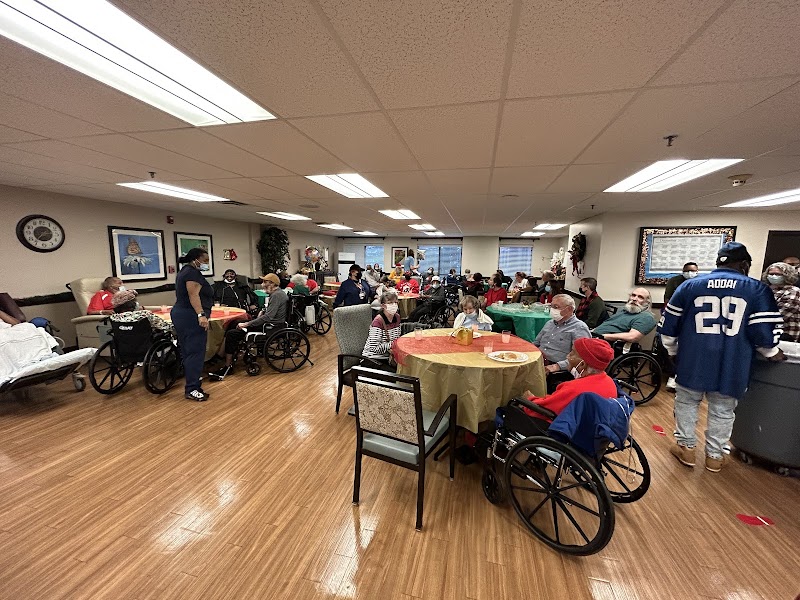
How is Brickyard Healthcare - Willow Springs Staffed?

CMS rates BRICKYARD HEALTHCARE - WILLOW SPRINGS CARE CENTER's staffing level at 2 out of 5 stars, which is below average compared to other nursing homes. Staff turnover is 63%, which is 17 percentage points above the Indiana average of 46%. High turnover can affect care consistency as new staff learn residents' individual needs.

What Have Inspectors Found at Brickyard Healthcare - Willow Springs?

State health inspectors documented 43 deficiencies at BRICKYARD HEALTHCARE - WILLOW SPRINGS CARE CENTER during 2023 to 2025. These included: 1 Immediate Jeopardy (the most serious level, indicating potential for serious harm or death) and 42 with potential for harm. Immediate Jeopardy findings are rare and represent the most serious regulatory concerns. They require immediate corrective action.
Who Owns and Operates Brickyard Healthcare - Willow Springs?

BRICKYARD HEALTHCARE - WILLOW SPRINGS CARE CENTER is owned by a for-profit company. For-profit facilities operate as businesses with obligations to shareholders or private owners. The facility is operated by BRICKYARD HEALTHCARE, a chain that manages multiple nursing homes. With 134 certified beds and approximately 69 residents (about 51% occupancy), it is a mid-sized facility located in INDIANAPOLIS, Indiana.
How Does Brickyard Healthcare - Willow Springs Compare to Other Indiana Nursing Homes?

Compared to the 100 nursing homes in Indiana, BRICKYARD HEALTHCARE - WILLOW SPRINGS CARE CENTER's overall rating (1 stars) is below the state average of 3.1, staff turnover (63%) is significantly higher than the state average of 46%, and health inspection rating (1 stars) is much below the national benchmark.

What Should Families Ask When Visiting Brickyard Healthcare - Willow Springs?

Based on this facility's data, families visiting should ask: "What changes have been made since the serious inspection findings, and how are you preventing similar issues?" "How do you ensure continuity of care given staff turnover, and what is your staff retention strategy?" "Can you walk me through typical staffing levels on day, evening, and night shifts?" "Can I visit during a mealtime to observe dining assistance and food quality?" These questions are particularly relevant given the facility's Immediate Jeopardy citations, the facility's high staff turnover rate, and the below-average staffing rating.

Is Brickyard Healthcare - Willow Springs Safe?

Based on CMS inspection data, BRICKYARD HEALTHCARE - WILLOW SPRINGS CARE CENTER has documented safety concerns. Inspectors have issued 1 Immediate Jeopardy citation (the most serious violation level indicating risk of serious injury or death). The facility has a 1-star overall rating and ranks #100 of 100 nursing homes in Indiana. Families considering this facility should ask detailed questions about what corrective actions have been taken since these incidents.

Do Nurses at Brickyard Healthcare - Willow Springs Stick Around?

Staff turnover at BRICKYARD HEALTHCARE - WILLOW SPRINGS CARE CENTER is high. At 63%, the facility is 17 percentage points above the Indiana average of 46%. High turnover means new staff may not know residents' individual needs, medications, or preferences. It can also be disorienting for residents, especially those with dementia who rely on familiar faces. Families should ask: What is causing the turnover? What retention programs are in place? How do you ensure care continuity during staff transitions?

Was Brickyard Healthcare - Willow Springs Ever Fined?

BRICKYARD HEALTHCARE - WILLOW SPRINGS CARE CENTER has been fined $17,131 across 1 penalty action. This is below the Indiana average of $33,250. While any fine indicates a compliance issue, fines under $50,000 are relatively common and typically reflect isolated problems that were subsequently corrected. Families should ask what specific issues led to these fines and confirm they've been resolved.

Is Brickyard Healthcare - Willow Springs on Any Federal Watch List?

BRICKYARD HEALTHCARE - WILLOW SPRINGS CARE CENTER is not on any federal watch list. The most significant is the Special Focus Facility (SFF) program, which identifies the bottom 1% of nursing homes nationally based on persistent, serious quality problems. Not being on this list means the facility has avoided the pattern of deficiencies that triggers enhanced federal oversight. This is a positive indicator, though families should still review the facility's inspection history directly.