CHALET REHABILITATION AND HEALTHCARE CENTER
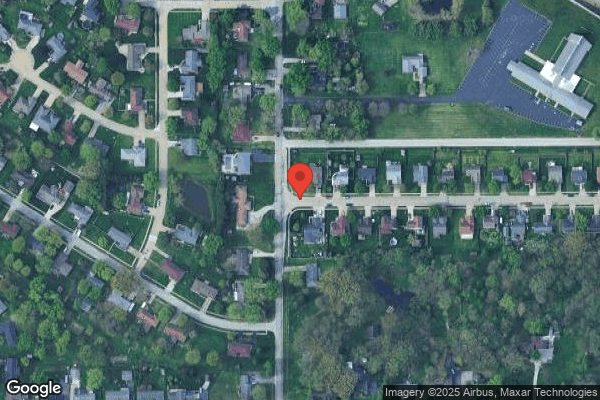
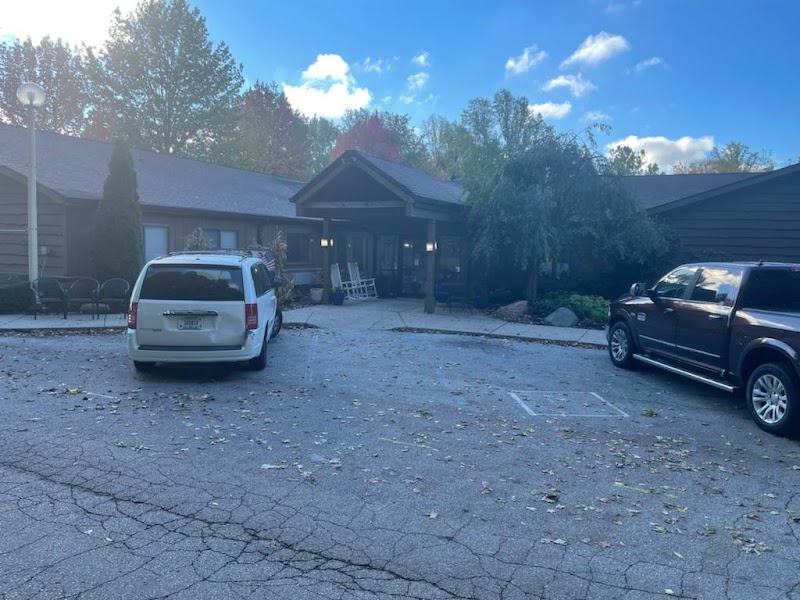
4851 TINCHER RD, INDIANAPOLIS, IN 46221 (317) 856-4851
For profit - Corporation 88 Beds CASTLE HEALTHCARE Data: November 2025
Trust Grade
75/100
#132 of 505 in IN
Last Inspection: April 2025

Within standard 12-15 month inspection cycle. Federal law requires annual inspections.

Overview

Chalet Rehabilitation and Healthcare Center has earned a Trust Grade of B, which indicates it is a good facility and a solid choice for care. It ranks #132 out of 505 facilities in Indiana, placing it in the top half, and #7 out of 46 in Marion County, suggesting only six local options are better. However, the facility's trend is worsening, with issues increasing from 1 in 2024 to 4 in 2025. Staffing is a concern, as it received a low rating of 1 out of 5 stars, and while turnover is slightly below the state average at 46%, there is less RN coverage than 82% of state facilities, which limits oversight. Notably, there were incidents of unsanitary food storage, including unmarked expired items, and issues with cleanliness in residents' rooms, where dirty commodes were reported and liquid spills were left unattended. Overall, while Chalet has strengths in its trust grade and ranking, families should be aware of the staffing challenges and specific cleanliness concerns.

Trust Score
B
75/100
In Indiana
#132/505
Top 26%
Safety Record
Low Risk
No red flags
Inspections
Getting Worse
1 → 4 violations
Staff Stability
⚠ Watch
46% turnover. Above average. Higher turnover means staff may not know residents' routines.
Penalties
✓ Good
No fines on record. Clean compliance history, better than most Indiana facilities.
Skilled Nurses
⚠ Watch
Each resident gets only 21 minutes of Registered Nurse (RN) attention daily — below average for Indiana. Fewer RN minutes means fewer trained eyes watching for problems.
Violations
⚠ Watch
14 deficiencies on record. Higher than average. Multiple issues found across inspections.
★★★★☆
4.0
Overall Rating
★☆☆☆☆
1.0
Staff Levels
★★★★★
5.0
Care Quality
★★★★☆
4.0
Inspection Score
Stable
2024: 1 issues
2025: 4 issues

The Good

  • 5-Star Quality Measures · Strong clinical quality outcomes
  • Full Sprinkler Coverage · Fire safety systems throughout facility
  • No fines on record

Facility shows strength in quality measures, fire safety.

The Bad

Staff Turnover: 46%

Near Indiana avg (46%)

Higher turnover may affect care consistency

Chain: CASTLE HEALTHCARE

Part of a multi-facility chain

Ask about local staffing decisions and management

The Ugly 14 deficiencies on record

Apr 2025 4 deficiencies
CONCERN (D)

Potential for Harm - no one hurt, but risky conditions existed

Deficiency F0558 (Tag F0558)

Could have caused harm · This affected 1 resident

Based on observation, record review, and interview, the facility failed to ensure reasonable accommodation of needs for 1 of 18 residents observed for call light access. (Resident 52) Finding includes...

Read full inspector narrative →
Based on observation, record review, and interview, the facility failed to ensure reasonable accommodation of needs for 1 of 18 residents observed for call light access. (Resident 52) Finding includes: On 3/30/25 at 8:36 a.m., Resident 52 was observed sitting up in his wheelchair in his room. The touch pad call light was observed to be wrapped around and clipped to the plug in cord at the foot of the bed between Resident 52's bed and the wall, out of reach of Resident 52. On 3/31/25 at 9:12 a.m., Resident 52 was observed in bed with the touch pad call light wrapped up and attached with a clip to the plug in cord at the foot of bed between the bed and the wall, out of reach of Resident 52. During an interview at that time, Resident 52 indicated he was unable to reach the call light. During an interview on 3/31/25 at 9:20 a.m., RN 2 indicated that the call light was not in within Resident 52's reach. During an interview on 3/31/25 at 9:23 a.m., the Director of Nursing (DON) indicated that Resident 52 could not reach his call light. During an observation on 4/2/25 at 9:02 a.m., Resident 52 was observed in bed with his eyes closed. The touch pad call light was observed to be lying on the floor. During an interview on 4/2/25 at 9:12 a.m., RN 2 indicated that Resident 52's call light was not accessible to the resident. The clinical record for Resident 52 was reviewed on 3/31/25 at 10:30 a.m., the diagnoses included, but were not limited to, severe protein calorie malnutrition and heart valve replacement. On 3/31/25 at 10:11 a.m., the Regional Support provided an undated Call Light Policy and indicated it was the current policy in use by the facility. The policy indicated call lights would be accessible when in the room. 3.1-3(v)(1)
CONCERN (D)

Potential for Harm - no one hurt, but risky conditions existed

Assessment Accuracy (Tag F0641)

Could have caused harm · This affected 1 resident

Based on interview and record review, the facility failed to ensure Minimum Data Set (MDS) assessment was correctly coded to reflect the hospice election status for 1 of 2 residents reviewed for hospi...

Read full inspector narrative →
Based on interview and record review, the facility failed to ensure Minimum Data Set (MDS) assessment was correctly coded to reflect the hospice election status for 1 of 2 residents reviewed for hospice. (Resident 44) Finding includes: On 4/2/25 at 11:41 a.m., the clinical record of Resident 44 was reviewed. The diagnosis included, but was not limited to, acute kidney failure. A physician's order, dated 8/8/24, indicated Resident 44 was admitted hospice. An annual MDS assessment, dated 1/16/25, indicated Resident 44 was not receiving hospice services. During an interview on 4/2/25 at 10:57 a.m., the MDS Coordinator indicated Resident 44 had been receiving hospice services for a long time and indicated MDS assessment should have been updated. During an interview on 4/2/25 at 11:02 a.m., the Executive Director indicated the facility followed the RAI (Resident Assessment Instrument) manual regarding MDS assessment accuracy. On 4/2/25 at 12:01 p.m., the Executive Director provided a copy of the CMS RAI Version 3.0 Manual (Center for Medicare and Medicaid Services Resident Assessment Instrument), dated October 2019, and indicated it was the current manual in use by the facility. A review of the manual indicated, if a nursing home resident elects the hospice benefit, the nursing home is required to complete an MDS . 3.1-31(d)
CONCERN (D)

Potential for Harm - no one hurt, but risky conditions existed

Comprehensive Care Plan (Tag F0656)

Could have caused harm · This affected 1 resident

**NOTE- TERMS IN BRACKETS HAVE BEEN EDITED TO PROTECT CONFIDENTIALITY** Based on observation and interview, the facility failed to ensure a person-centered comprehensive care plan was accurately devel...

Read full inspector narrative →
**NOTE- TERMS IN BRACKETS HAVE BEEN EDITED TO PROTECT CONFIDENTIALITY** Based on observation and interview, the facility failed to ensure a person-centered comprehensive care plan was accurately developed or implemented for residents' advanced directives, for 3 of 18 residents reviewed for advanced directive preferences. (Resident 23, Resident 29, Resident 281) Finding includes: 1. On [DATE] at 10:45 a.m., Resident 23's clinical record was reviewed. Resident 23's diagnoses included, but were not limited to, chronic obstructive pulmonary disorder and chronic pancreatitis. A physician's order, dated [DATE] and with no end date, indicated that Resident 23 had an advanced directive, or code status, of do not resuscitate or DNR (a medical order that instructs medical professionals not to attempt CPR if a patient's heart stops beating or breathing; this allows the patient to die naturally). A POST (Indiana Physician Orders for Scope of Treatment) form, prepared [DATE], indicated Resident 23 had selected do not attempt resuscitation/DNR. The form was signed by the resident. The care plan for Resident 23 lacked a section reflecting the resident's advanced directive preferences. 2. On [DATE] at 11:00 a.m., Resident 29's clinical record was reviewed. Resident 29's diagnoses included, but were not limited to, chronic respiratory failure, congestive heart failure, and type 2 diabetes mellitus. A physician's order, dated [DATE] and with no end date, indicated Resident 29 had an advanced directive, or code status, of CPR (cardiopulmonary resuscitation, also called a full code status, where the medical order indicates to attempt CPR if resident is without pulse and breath). A POST form, prepared [DATE], indicated Resident 29 had selected to attempt resuscitation/CPR if found without pulse and breath. The form was signed by the resident. The care plan for Resident 29 lacked a section reflecting resident's advanced directive preferences. 3. On [DATE] at 11:30 a.m., Resident 281's clinical record was reviewed. Resident 281's diagnoses included, but were not limited to, COPD, congestive heart failure, and chronic kidney disease. A physician's order, dated [DATE] and with no end date, indicated Resident 281 had an advanced directive, or code status, of DNR. A POST form, prepared [DATE], indicated Resident 281 had selected do not attempt resuscitation/DNR. The form was signed by the resident. The care plan for Resident 281 lacked a section reflecting resident's advanced directive preferences. During an interview on [DATE] at 10:30 a.m., the DON (Director of Nursing) indicated that advanced directive preferences should be included on residents' care plans. On [DATE] at 1:35 p.m., the DON provided an undated policy titled Care Plans Protocol, and indicated that it was the policy currently in use by the facility. A review of the policy indicated that the care plan must include measurable goals and resident specific interventions based on resident needs and preferences to promote the resident's highest level of functioning including medical, nursing, mental, and psychosocial well-being and care plans should be completed or modified timely. 3.1-35(a)
CONCERN (D)

Potential for Harm - no one hurt, but risky conditions existed

Deficiency F0657 (Tag F0657)

Could have caused harm · This affected 1 resident

**NOTE- TERMS IN BRACKETS HAVE BEEN EDITED TO PROTECT CONFIDENTIALITY** Based on interview and record review, the facility failed to ensure an advanced directive care plan was updated when the residen...

Read full inspector narrative →
**NOTE- TERMS IN BRACKETS HAVE BEEN EDITED TO PROTECT CONFIDENTIALITY** Based on interview and record review, the facility failed to ensure an advanced directive care plan was updated when the resident's code status preference was changed for 1 of 18 residents reviewed. (Resident 7) Finding includes: On [DATE] at 9:55 a.m., Resident 7's clinical record was reviewed. The diagnosis included, but was not limited to, chronic obstructive pulmonary disease. Current Physician orders, dated [DATE], included, but was not limited to, Code Status: CPR (cardiopulmonary resuscitation), start date [DATE] with no end date noted. The annual Minimum Data Set (MDS) assessment, dated [DATE], indicated Resident 7 was cognitively intact. Resident 7's care plan included, but was not limited to, .[Resident 7] has an established advanced directive of POST [Indiana Physician Orders for Scope of Treatment] form indicating DNR [do not attempt resuscitation/do not resuscitate] code status. The care plan was initiated on [DATE] and was considered current through [DATE]. On [DATE] at 12:55 p.m., the Executive Director provided a copy of Resident 7's hospital discharge summary document. A review of the document, dated [DATE], indicated Resident 7's code status preference was attempt resuscitation/CPR [full code status]. The POST form, signed by Resident 7 on [DATE], indicated Resident 7 had chosen Attempt Resuscitation/CPR. The clinical record lacked a revised code status care plan for Resident 7 whose code status preference, dated [DATE], was changed from DNR to full code status. During an interview on [DATE] at 10:51 a.m., Resident 7 indicated she had changed her code status preference from DNR to full code at the end of January. During an interview, on [DATE] at 10:00 a.m., the Director of Nursing (DON) indicated Resident 7's care plan should have been updated at the time the resident's code status preference was changed from DNR to full code. On [DATE] at 1:35 p.m., the DON provided an undated copy of the Care Plans Protocol and indicated that it was the current policy in use by the facility. A review of the document indicated, .the care plan should be revised on an on-going basis to reflect changes in the resident, and the care the resident is receiving . 3.1-35(d)(1) 3.1-35(d)(2)(B)
Jan 2024 1 deficiency
CONCERN (D) 📢 Someone Reported This

A family member, employee, or ombudsman was alarmed enough to file a formal complaint

Potential for Harm - no one hurt, but risky conditions existed

Report Alleged Abuse (Tag F0609)

Could have caused harm · This affected 1 resident

Based on interview and record review the facility failed to ensure staff reported an allegation of physical abuse immediately for 1 of 3 residents reviewed for abuse. (Resident B) Finding includes: Du...

Read full inspector narrative →
Based on interview and record review the facility failed to ensure staff reported an allegation of physical abuse immediately for 1 of 3 residents reviewed for abuse. (Resident B) Finding includes: During an interview on 1/3/24 at 1:27 p.m., the Administrator indicated on 12/30/23, an allegation was made that LPN 1 (Licensed Practical Nurse) witnessed LPN 2 and QMA 1 (Qualified Medication Aide) abruptly put Resident B in bed. Once Resident B was in bed, he sat up and LPN 2 kicked Resident B. It was alleged this took place a couple weeks ago but unfortunately it was not reported until 12/30/23. During an interview on 1/4/24 at 9:50 a.m., LPN 1 indicated approximately 2 to 3 weeks ago, on evening shift after 7:00 p.m., Resident B was on the floor, on his knees, at the foot of his bed. He had a small can in his hand that LPN 1 thought was shaving cream. LPN 1 asked LPN 2 and QMA 1 to help get Resident B off the floor and into his bed. LPN 1, LPN 2, and QMA 1 entered Resident B's room to get him up and LPN 2 indicated that Resident B's legs needed to be straightened first. After Resident B's legs were straightened, QMA 1 put an arm under Resident B's left armpit and LPN 2 put an arm under Resident B's right armpit and each of them grabbed the back of Resident B's pants. Then LPN 2 and QMA 1 flung Resident B's upper body into his bed with Resident B's legs still hanging off the bed. LPN 1 described flung as rough. When LPN 2 and QMA 1 flung Resident B into bed, Resident B hit his head on the right siderail. Once Resident B hit his head, Resident B sat up and threw the can he had been holding. The can grazed QMA 1, so QMA 1 immediately left the room. Then Resident B and LPN 2 had a back and forth. LPN 1 described the back and forth as talking at each other instead of to each other. LPN 2 was speaking English at Resident B and Resident B was speaking Spanish at LPN 2. LPN 2 was telling Resident B to be quiet. LPN 2 seemed frustrated. Then, LPN 2 extended her left leg out and kicked Resident B in the lower right shin as they were still going back and forth. LPN 1 indicated the kick didn't seem forceful, but it seemed purposeful. At that time, there was no reason for LPN 2 to extend her leg and make any contact with Resident B's leg. LPN 1 put Resident B's legs in bed, made sure Resident B was comfortable, and LPN 1 and LPN 2 left the room and went to the nurse's station. LPN 1 should have reported that she witnessed LPN 2 kick Resident B immediately but was afraid of retaliation. The clinical record for Resident B was reviewed on 1/4/24 at 1:57 p.m. The diagnoses included, but were not limited to, dementia, cerebral infarct, and cognitive communication deficit. An admission MDS (Minimum Data Set) assessment, dated 9/6/23, indicated Resident B was severely cognitively impaired. On 1/3/24 at 10:36 a.m., the DON (Director of Nursing) provided a copy of a facility policy, titled Abuse and Incident Reporting to IDOH (Indiana Department of Health), dated 5/12/23, and indicated this was the current policy used by the facility. A review of the policy indicated physical abuse included kicking. The facility will ensure that all alleged violations of abuse are reported immediately to the administrator and to other officials according to state and federal regulations. 3.1-28(c)
Sept 2023 1 deficiency
CONCERN (E) 📢 Someone Reported This

A family member, employee, or ombudsman was alarmed enough to file a formal complaint

Potential for Harm - no one hurt, but risky conditions existed

Food Safety (Tag F0812)

Could have caused harm · This affected multiple residents

Based on observation, interview, and record review the facility failed to ensure food was stored in a sanitary manner for 1 of 1 kitchen observations. Food was not dated. Finding includes: During the ...

Read full inspector narrative →
Based on observation, interview, and record review the facility failed to ensure food was stored in a sanitary manner for 1 of 1 kitchen observations. Food was not dated. Finding includes: During the initial tour of the kitchen on 9/13/23 from 9:01 a.m. until 9:40 a.m., the freezer and refrigerator were observed. Inside the freezer the following was observed: - A large clear plastic opened bag, undated, that contained 1 chicken breast that was observed to be covered with small ice crystals. - A large clear plastic opened bag, undated, that contained green vegetables that was observed to have small ice crystals throughout the bag. Inside the refrigerator the following was observed: - An opened, undated, glass 32 ounce container. The glass container was half full of great value pickles with a use by date of 6/18/23. - An opened, undated, clear plastic 30 ounce container. The plastic container was half full of mayonnaise. - An opened, undated, clear plastic gallon container. The gallon container was 3/4 full of unsweet tea with a best by date of 2/18/23. - An opened, undated, clear plastic 74 ounce container. The plastic container was 3/4 full of maraschino cherries. - An opened, undated, glass 16 ounce jar. The glass jar was 1/2 full of pickle relish. - An opened, undated, plastic 128 ounce container. The plastic container was 1/4 full of mayonnaise. The Dietary Manager was unable to locate a use by or expiration date printed on the plastic container. - An opened, undated, clear plastic 32 ounce container. The container was 1/2 full of crushed garlic. - An opened, undated, plastic 128 ounce container. The container was 1/2 full of ranch salad dressing. The Dietary Manager was unable to locate a use by or expiration date printed on the plastic container. During an interview on 9/13/23 at 9:04 a.m., the Dietary Manager indicated any food items that were opened should have been dated for the date they were opened. The Dietary Manager was not sure what the expiration dates were for the 128 ounce container of ranch dressing or the 128 ounce container of mayonnaise. The Dietary Manager needed to call the company. On 9/13/23 at 11:48 a.m., the Regional Nurse provided a copy of a facility policy, titled Safe Food Handling, dated 9/1/21, and indicated this was the current policy used by the facility. A review of the policy indicated all foods will be covered and dated. This Federal tag relates to Complaint IN00412623. 3.1-21(i)(2) 3.1-21(i)(3)
Jun 2023 5 deficiencies
CONCERN (D)

Potential for Harm - no one hurt, but risky conditions existed

Deficiency F0558 (Tag F0558)

Could have caused harm · This affected 1 resident

Based on observation and interview, the facility failed to provide a reasonable accommodation of needs for 1 of 24 residents reviewed. A call light was out of reach. (Resident 25) Findings include: On...

Read full inspector narrative →
Based on observation and interview, the facility failed to provide a reasonable accommodation of needs for 1 of 24 residents reviewed. A call light was out of reach. (Resident 25) Findings include: On 6/26/23 from 9:30 a.m. until 9:45 a.m., Resident 25 was observed in her room sitting in a broda chair with both eyes closed. The chair was facing the door to the resident's room. The chair was next to the resident's bed. The residents call light was observed to be out of the reach of the resident. On 6/26/23 from 10:30 a.m. until 10:45 a.m., observed Resident 25 in her room. The resident's call light was out of the reach of the resident. On 6/27/23 from 11:22 a.m. until 11:45 a.m., observed the same. On 6/28/23 from 9:30 a.m. until 9:45 a.m., observed the same. On 6/29/23 from 8:20 a.m. until 8:40 a.m., observed the same. During an interview on 6/26/23 at 9:45 a.m., LPN 1 indicated due to impaired cognition Resident 25 never used her call light. During an interview on 6/27/23 at 11:25 a.m., Resident 25's room mate indicated Resident 25 did not always have her call light in reach. During an interview on 6/28/23 at 8:20 a.m., the Director of Nursing (DON) indicated all residents should have a call light in reach. There was no reason for a resident to have a call light out of reach. On 6/28/23 at 8:28 a.m., the DON provided a policy titled Call light Policy, dated November 2020, and indicated it was the current policy being used by the facility. A review of the policy indicated Purpose: To respond to the resident's requests and needs in timely manner .4. Call lights will be kept within the residents reach when in room .6. Check to ensure the call light is in the resident's reach prior to leaving room . 3.1-3(v)(1)
CONCERN (D)

Potential for Harm - no one hurt, but risky conditions existed

Comprehensive Care Plan (Tag F0656)

Could have caused harm · This affected 1 resident

Based on interview and record review, the facility failed to develop and implement a comprehensive care plan for monitoring the side effects of psychotropic and antipsychotic medications for 1 of 5 re...

Read full inspector narrative →
Based on interview and record review, the facility failed to develop and implement a comprehensive care plan for monitoring the side effects of psychotropic and antipsychotic medications for 1 of 5 residents reviewed for medication monitoring. (Resident 71) Finding includes: On 6/28/23 at 4:15 p.m., Resident 71's clinical record was reviewed. The diagnoses included, but were not limited to, post-traumatic stress disorder (PTSD), dementia in other diseases classified elsewhere, mild, with anxiety; unspecified mood (affective) disorder, and generalized anxiety disorder. Physician orders included, but were not limited to: - donepezil HCL (for treatment of behavioral and cognitive effects of cognitive effects of dementia) tablet - give 5 mg (milligrams) by mouth one time a day for mood disorder, start date 2/20/23 and no stop date noted; - fluoxetine HCL (antidepressant) 20 mg capsule - give 1 dose by mouth one time a day for mood disorder, start date 2/20/23 and no stop date noted; and - zyprexa (antipsychotic) oral tablet 2.5 mg - give 1 tablet by mouth one time a day for mood disorder, start date 2/20/23 and no stop date noted. The Quarterly MDS (Minimum Data Set) assessment, dated 6/9/23, indicated Resident 71 was severely cognitively impaired, had anxiety disorder, PTSD, unspecified mood (affective) disorder, and dementia in other diseases classified elsewhere, mild, with anxiety. Resident received antipsychotic and antidepressant medications. Resident 71's care plan indicated: -Resident is at risk of adverse reactions r/t [related to] antipsychotic medications, start date 3/29/23 and target date 8/13/23 .will have no adverse reactions noted r/t psychotropic/antipsychoactive medications through next review .target date 8/13/23 .; -Antidepressant medication use .start date 3/29/23 .; and -Antipsychotic medication use .start date 3/29/23 . The clinical record indicated Resident 71's Physician prescribed zyprexa, donepezil HCL, and fluoxetine HCL on 2/20/23. The comprehensive care plan for monitoring the side effects of those medications were not initiated until 3/29/23. During an interview on 6/29/23 at 1:11 p.m., the Director of Nursing Services (DNS) indicated the medication monitoring should have been included as part of the comprehensive care plan when those medications were prescribed. On 6/29/23 at 12:50 p.m., the DNS provided an undated copy of the Care Plans Protocol and indicated it was the current policy in use by the facility. A review of the policy indicated, .care plan be completed or modified within 7 days of Completion date of comprehensive assessments. Facilities should also evaluate the appropriateness of the care plan .care plans should be revised on an on-going basis to reflect changes in the resident the care the resident is receiving .must describe the services that are to be furnished to attain or maintain the resident's highest practicable physical, mental and psychosocial well-being . 3.1-35(a)
CONCERN (D)

Potential for Harm - no one hurt, but risky conditions existed

Laboratory Services (Tag F0770)

Could have caused harm · This affected 1 resident

Based on interview and record review, the facility failed to obtain orders for a laboratory services for 3 of 3 residents reviewed. (Resident 28, Resident 29, Resident 71). Findings include: 1. On 6/...

Read full inspector narrative →
Based on interview and record review, the facility failed to obtain orders for a laboratory services for 3 of 3 residents reviewed. (Resident 28, Resident 29, Resident 71). Findings include: 1. On 6/26/23 at 11:45 a.m., Resident 28's clinical record was reviewed. Resident 28's diagnosis included, but was not limited to, Type II diabetes melllitus (a chronic condition that happens because of a problem in the way the body regulates and uses sugar as a fuel). Resident 28's physician orders were reviewed. Resident 28 had an order with an active status for an Hgb A1C test for every 3 months; the order date was for 2/8/23 and the order lacked a start date or an end date. On 6/29/23 at 9:55 a.m., Resident 28's pharmacy recommendations were reviewed. A pharmacy record review, dated for 4/20/23, indicated missing lab results for Resident 28. The recommendation stated, Resident [28] has a lab order for an AC [the A1C test-also known as the hemoglobin A1C or HgbA1c test-is a simple blood test that measures your average blood sugar levels over the past 3 months] to be drawn q [every] 3 months. Results were unavailable in the record at the time of review. The pharmacy recommendation also included the following handwritten statements of, initial lab order on 2/8/23 and April draw performed on 4/28/23. On 6/29/23 at 1:05 p.m., the DON (Director of Nursing) indicated that Resident 28's Hgb A1C blood draw laboratory test should have been entered with a start date and should have been drawn when the order was placed in February. 2. On 6/28/23 at 2:31 p.m. the clinical record of Resident 29 was reviewed. The diagnosis included, but was not limited to, Diabetes Mellitus with diabetic autonomic (poly) neuropathy (a type of nerve damage caused by diabetes). Physician orders included, but were not limited to to the following: -Lab - A1C [a simple blood test that measures your average blood sugar levels over the past three months to help the health care team manage diabetes] every three months due 11/21/22 every 90 days .start date 11/18/2022 and no stop date noted .; The monthly Consultant Pharmacist Recommendation documents indicated the following: - The monthly pharmacy review, dated 1/19/23, indicated Resident has a lab order for A1C q [every] 3 months ordered on 11/18/22 for draw on 11/21/22. Results were unavailable in the record at time of review. Please follow up with lab to have results forwarded or lab scheduled to be drawn. - The monthly pharmacy review, dated 6/19/23, indicated Resident has a lab order for A1C q [every] 3 months that was due in May. Results were unavailable in the record at time of review. Please follow up with lab to have results forwarded or lab scheduled to be drawn. During an interview on 6/29/23 at 2:47 p.m., the Director of Nursing Services (DNS) indicated Resident 29's physician orders for the A1C labs should have been drawn and monitored. 3. On 6/28/23 at 4:15 p.m. the clinical record of Resident 71 was reviewed. The diagnosis included, but were not limited to, Type 2 Diabetes Mellitus (DM) with diabetic neuropathy (a type of nerve damage caused by diabetes), Type 2 DM with unspecified complications, and acute kidney failure. The monthly Consultant Pharmacist Recommendation document, dated 6/19/23, indicated This resident has diabetes with no A1C level [a simple blood test that measures your average blood sugar levels over the past three months to help the health care team manage diabetes] available from the past 6 months. Please consider A1C level at this time and every 6 months thereafter . During an interview on 6/29/23 at 2:47 p.m., the Director of Nursing Services (DNS), indicated Resident 71 should have had scheduled routine AIC lab draws. During an interview, on 6/30/23 at 8:47 a.m., the DNS indicated nursing staff should have clarified with Resident 71's physician and obtained the routine A1C lab draws. On 6/29/23 at 12:00 p.m., the DNS provided a copy of the Physician Orders Policy/Guidelines document, dated November 2022, and indicated it was the current policy in use by the facility. A review of the policy indicated, .physician orders are reviewed and noted accordingly per licensed nursing staff .nursing responsibilities: current medications orders plus allergies and pertinent laboratory test results .new orders will be reconciled by 2 nurses to verify accuracy . On 6/30/23 at 9:05 a.m., the Administrator provided a copy of the Diagnostic - Laboratory - Radiology policy, dated November 2022, and indicated it was the current policy in use by the facility. A review of the policy indicated.The facility will provide or obtain laboratory services to meet the needs of its residents and will be responsible for the quality and timeliness of the services .the facility will file in the resident's clinical record .diagnostic reports . 3.1-49(a)
CONCERN (E)

Potential for Harm - no one hurt, but risky conditions existed

Safe Environment (Tag F0921)

Could have caused harm · This affected multiple residents

**NOTE- TERMS IN BRACKETS HAVE BEEN EDITED TO PROTECT CONFIDENTIALITY** Based on observation, interview, and record review, the facility failed to provide a clean homelike environment for 4 of 24 room...

Read full inspector narrative →
**NOTE- TERMS IN BRACKETS HAVE BEEN EDITED TO PROTECT CONFIDENTIALITY** Based on observation, interview, and record review, the facility failed to provide a clean homelike environment for 4 of 24 rooms observed. Liquid was on the floor and commodes were dirty. (Resident 24, Resident 182, room [ROOM NUMBER], room [ROOM NUMBER], room [ROOM NUMBER]) Findings include: 1. On 6/28/23 from 10:30 a.m. until 10:40 a.m., a thick clear, slick liquid was observed on the floor in front of Resident 24's bathroom. No staff were present. At 10:45 a.m., Housekeeper 2 was observed to clean the area. Housekeeper 2 indicated that Resident 24 spits on the floor. On 6/29/23 from 11:06 a.m. until 11:10 a.m., a thick clear, slick liquid was observed on the floor in the hall next to the beauty shop. 2. During an interview 6/29/23 at 10:30 a.m., Resident 182 indicated his commode had been nasty since he had been admitted to the facility. On 6/30/23 at 9:45 a.m., observed the commode in room [ROOM NUMBER] to have a dark brown area approximately 1/4 inch in width, on the floor surrounding the commode. On 6/30/23 at 10:00 a.m., observed the commode in room [ROOM NUMBER] to have a dark brown area approximately 1/4 inch in width, on the floor surrounding the commode. On 6/30/23 at 10:10 a.m., observed the commode in room [ROOM NUMBER] to have a dark brown area approximately 1/4 inch in width, on the floor surrounding the commode. During an interview on 6/30/23 at 10:11 a.m., Housekeeper 2 indicated she was not sure what the substance on the floor surrounding the commode was or how to remove it. During an interview on 6/30/23 at 10:12 a.m., Housekeeper 3 indicated several commodes had the same dark brown area surrounding the commode. Staff were supposed to put a work order in when they see it. During in interview on 6/30/23 at 10:15 a.m., the Housekeeping Supervisor indicted she tried to use a tool (putty knife) to remove the stained area. She indicated, It's the caulking it needed to be replaced. Maintenance would be who needed to replace the caulking. We would have normally put in a work order. During an interview at 10:30 a.m., the Maintenance Director indicated he did not have any current work orders and was unaware of the areas around the commodes. On 6/30/23 at 11:40 a.m., the current work orders were reviewed. The current work orders lacked any orders to fix the commodes. On 6/30/23 at 11:14 a.m., the Director of Nursing provided a policy titled Safe/Clean Environment, dated 11/2020, and indicated it was the current policy being used by the facility. A review of the policy indicated .5. The facility will provide a safe, functional, sanitary, and comfortable environment for residents, staff, and the public. 3.1-19(f)
MINOR (C)

Minor Issue - procedural, no safety impact

Staffing Information (Tag F0732)

Minor procedural issue · This affected most or all residents

Based on observation, interview, and record review, the facility failed to ensure the daily posted nurse staffing reflected the actual hours worked by staff for 5 of 5 days during the survey. Finding...

Read full inspector narrative →
Based on observation, interview, and record review, the facility failed to ensure the daily posted nurse staffing reflected the actual hours worked by staff for 5 of 5 days during the survey. Finding includes: During an observation on 6/26/23 at 11:00 a.m., the posted daily staffing lacked actual hours worked by staff. On 6/27/23 at 8:30 a.m., the same was observed. On 6/28/23 at 9:00 a.m., the same was observed. On 6/29/23 at 8:45 a.m., the same was observed. On 6/30/23 at 8:10 a.m., the same was observed. During an interview on 6/30/23 at 9:15 a.m., the DON (Director of Nursing) indicated the facility should have included the actual hours worked on the daily staffing postings. On 6/30/23 at 1:15 p.m., the DON provided a policy, dated as revised on 11/2022 and titled, Nursing Services - Nurse Staffing Information, and indicated it was the policy currently in use. The policy indicated, The facility will post the following information daily: .c. The total number and the actual hours worked .
Apr 2023 2 deficiencies
CONCERN (D) 📢 Someone Reported This

A family member, employee, or ombudsman was alarmed enough to file a formal complaint

Potential for Harm - no one hurt, but risky conditions existed

Deficiency F0635 (Tag F0635)

Could have caused harm · This affected 1 resident

Based on interview and record review, the facility failed to ensure physician orders for immediate care were obtained following a new admission for 1 of 3 residents reviewed for new admission orders. ...

Read full inspector narrative →
Based on interview and record review, the facility failed to ensure physician orders for immediate care were obtained following a new admission for 1 of 3 residents reviewed for new admission orders. Orders for tracheostomy care were not obtained. (Resident B) Finding includes: During an interview on 4/14/23 at 10:44 a.m., LPN 1 (Licensed Practical Nurse) indicated Resident B had a tracheostomy. LPN 1 would have followed physician's orders for trach (tracheostomy) care and suctioning. Resident B should have had physician's orders for trach suctioning and trach care. During an interview on 4/14/23 at 11:05 a.m., the ADON (Assistant Director of Nursing) indicated she was at the facility working when Resident B admitted . He should have had orders for trach care and trach suctioning. The clinical record for Resident B was reviewed on 4/14/23 at 11:54 a.m. The diagnoses included, but were not limited to, diabetes insipidus and traumatic subdural hemorrhage. A progress note, dated 3/31/23 at 7:18 p.m., indicated Resident B was admitted to the facility. Resident B on 3 L (liters) of oxygen per minute via tracheostomy. A progress note, dated 4/1/23 at 11:10 a.m., (15 hours after arrival) indicated Resident B was sent out to the hospital due to low oxygen saturation. The saturation were steady at 87% on 4 liters per minute of oxygen. They went up to 90% then back down to 87%. Also, Resident B's temperature climbed to 100.9 and back down to 99.1. On call and mother-in-law was notified. The clinical record lacked a physician's order for trach care and trach suctioning. On 4/17/23 at 10:30 a.m., the Regional Nurse provided a copy of an undated facility policy, titled Tracheostomy Care Suctioning, Cleaning, and Changing Type, and indicated this was the current policy used by the facility. A review of the policy indicated purpose was to maintain an unobstructed airway for the maintenance of ventilation. This Federal tag relates to Complaint IN00405625. 3.1-30(a)
CONCERN (D) 📢 Someone Reported This

A family member, employee, or ombudsman was alarmed enough to file a formal complaint

Potential for Harm - no one hurt, but risky conditions existed

Pharmacy Services (Tag F0755)

Could have caused harm · This affected 1 resident

Based on interview and record review, the facility failed to ensure routine medications were delivered for 1 of 3 residents reviewed for new admissions. (Resident B) Finding includes: During an interv...

Read full inspector narrative →
Based on interview and record review, the facility failed to ensure routine medications were delivered for 1 of 3 residents reviewed for new admissions. (Resident B) Finding includes: During an interview on 4/14/23 at 10:44 a.m. LPN 1 indicated the nurse that admitted Resident B should have had the new admission medications delivered stat (right away) to ensure the medications were delivered timely. During an interview on 4/17/23 at 10:15 a.m., the Regional Nurse indicated Resident B's medication were not delivered from the pharmacy until he had been sent to the emergency department. The clinical record for Resident B was reviewed on 4/14/23 at 11:54 a.m. The diagnoses included, but were not limited to, diabetes insipidus and traumatic subdural hemorrhage. A progress note, dated 3/31/23 at 7:18 p.m., indicated Resident B arrived via ambulance on a stretcher. Resident B on 3 liters of oxygen per minute via trach (tracheostomy). Mother-in-law at bedside. Resident B appears comfortable and has no signs and symptoms of discomfort. Resident B and mother-in-law oriented to room, call light, television, and phone. No concerns voiced at this time. A progress note, dated 4/1/23 at 11:10 a.m., (15 hours after arrival) indicated Resident B was sent out to the hospital due to low oxygen saturation. The saturation were steady at 87% on 4 liters per minute of oxygen. They went up to 90% then back down to 87%. Also, Resident B's temperature climbed to 100.9 and back down to 99.1. On call and mother-in-law was notified. The hospital discharge orders, dated 3/31/23, included, but were not limited to: Lacosamide (a medication used to treat seizures) 200 mg (milligrams) tablet, give 1 tablet by g-tube (tube inserted into the abdomen that extends to the stomach) every 12 hours. Last administered, on 3/31/23 at 5:57 a.m. Next dose due, on 3/31/23 in the evening. Levalbuterol (a medication used to treat bronchospasms) 1.25 mg/3ml (milliliter) inhalation solution, give 3 ml's inhaled every 6 hours. Last dose administered, on 3/31/23 at 12:20 p.m. Next dose due, on 3/31/23 in the evening. Levetiracetam (a medication used to treat seizures) 750 mg tablet, administer 2 tablets by g-tube 2 times daily. Last dose administered 3/31/23 at 9:07 a.m. Next dose due, on 3/31/23 in the evening. The physician's orders included, but were not limited to: Start 4/1/23, levalbuterol inhalation 1.25 mg/3ml, administer 3ml via trach every 6 hours. Start 4/1/23, levetiracetam 750 mg, administer 1500mg via g-tube two times daily for seizures. Start 4/1/23, Vimpat (lacosamide) 10mg/ml, administer 20 ml's via g-tube two times daily for seizures. The MAR (Medication Administration Record) for March 2023 indicated Resident B did not receive the evening dose of levalbuterol 1.25mg/3 ml inhalation, levetiracetam 1500 mg via g-tube, nor Vimpat 20 ml's. The MAR for April 2023 indicated Resident B did not receive levetiracetam 1500 mg via g-tube, on 4/1/23 at 9:00 a.m., did not receive Vimpat 20 ml's via g-tube, on 4/1/23 at 8:00 a.m., and did not receive levalbuterol 1.25 mg/3ml inhalation, on 4/1/23 at 12:00 a.m., and 6:00 a.m., as ordered by the physician. On 4/17/23 at 2:00 p.m., the Regional Nurse provided a copy of a facility policy, titled Standard Daily Delivery Cut-Off Times, dated 3/2021, and indicated this was the current policy used by the facility. A review of the policy indicated general process for admissions requires: all orders must be entered and confirmed in the electronic medical record for processing by 8:00 p.m., to make standard evening delivery. new orders entered and confirmed after the cut-off time of 8:00 p.m., may not be delivered until the following day's scheduled delivery unless immediate need is communicated to the pharmacy staff. Facility staff must call to request stat delivery. This Federal tag relates to Complaint IN00405625. 3.1-25(a)
Mar 2023 1 deficiency
CONCERN (D) 📢 Someone Reported This

A family member, employee, or ombudsman was alarmed enough to file a formal complaint

Potential for Harm - no one hurt, but risky conditions existed

Notification of Changes (Tag F0580)

Could have caused harm · This affected 1 resident

Based on interview and record review, the facility failed to notify the physician when a resident made the decision to leave the facility against medical advice for 1 of 3 residents reviewed for physi...

Read full inspector narrative →
Based on interview and record review, the facility failed to notify the physician when a resident made the decision to leave the facility against medical advice for 1 of 3 residents reviewed for physician notification. (Resident B) Finding includes: During an interview on 3/9/23 at 8:54 a.m., a family member indicated she was made aware Resident B left the faciity on 1/7/23 at 10:17 a.m. The clinical record for Resident B was reviewed on 3/9/23 at 9:08 a.m. The diagnoses included, but were not limited to, traumatic brain injury, schizophrenia, and bipolar disorder. An Annual MDS (Minimum Data Set) assessment, dated 12/30/22, indicated Resident B was cognitively intact. A progress note, dated 1/7/23 at 1:02 p.m., indicated Resident B left AMA (against medical advice) this morning, Resident B was seen this morning by staff at the gas station. Staff offered to give Resident B a ride back to the facility and Resident B agreed. This writer called sister to notify of AMA. During an interview on 3/9/23 at 12:34 p.m., the ADON (Assistant Director of Nursing) indicated Resident B approached her and indicated he wanted to leave. The ADON advised Resident B that he should not leave the facility. Resident B insisted on leaving, so she explained this would be considered leaving the facility against medical advice. She indicated to Resident B that he would need to sign the AMA document. Resident B refused to sign the document and left the facility. The ADON did not call the emergency contact nor the physician when Resident B made her aware that he wanted to leave AMA. On 3/10/23 at 11:53 a.m., the Director of Nursing provided a copy of an undated facility policy, titled Physician Notification Orders Guidelines, and indicated this was the current policy used by the facility. A review of the policy indicated the nurse should not hesitate to contact the attending physician at any time for a problem which in his or her judgement requires immediate medical attention. This Federal tag relates to Complaint IN00403489. 3.1-5(a)(2)
Understanding Severity Codes (click to expand)
Life-Threatening (Immediate Jeopardy)
J - Isolated K - Pattern L - Widespread
Actual Harm
G - Isolated H - Pattern I - Widespread
Potential for Harm
D - Isolated E - Pattern F - Widespread
No Harm (Minor)
A - Isolated B - Pattern C - Widespread

Questions to Ask on Your Visit

  • "Can I speak with families of current residents?"
  • "What's your RN coverage like on weekends and overnight?"

Our Honest Assessment

Strengths
  • • No major safety red flags. No abuse findings, life-threatening violations, or SFF status.
  • • No fines on record. Clean compliance history, better than most Indiana facilities.
Concerns
  • • 14 deficiencies on record. Higher than average. Multiple issues found across inspections.
Bottom line: Generally positive indicators. Standard due diligence and a personal visit recommended.

About This Facility

What is Chalet Rehabilitation And Healthcare Center's CMS Rating?

CMS assigns CHALET REHABILITATION AND HEALTHCARE CENTER an overall rating of 4 out of 5 stars, which is considered above average nationally. Within Indiana, this rating places the facility higher than 99% of the state's 100 nursing homes. This rating reflects solid performance across the metrics CMS uses to evaluate nursing home quality.
How is Chalet Rehabilitation And Healthcare Center Staffed?

CMS rates CHALET REHABILITATION AND HEALTHCARE CENTER's staffing level at 1 out of 5 stars, which is much below average compared to other nursing homes. Staff turnover is 46%, compared to the Indiana average of 46%.

What Have Inspectors Found at Chalet Rehabilitation And Healthcare Center?

State health inspectors documented 14 deficiencies at CHALET REHABILITATION AND HEALTHCARE CENTER during 2023 to 2025. These included: 13 with potential for harm and 1 minor or isolated issues.
Who Owns and Operates Chalet Rehabilitation And Healthcare Center?

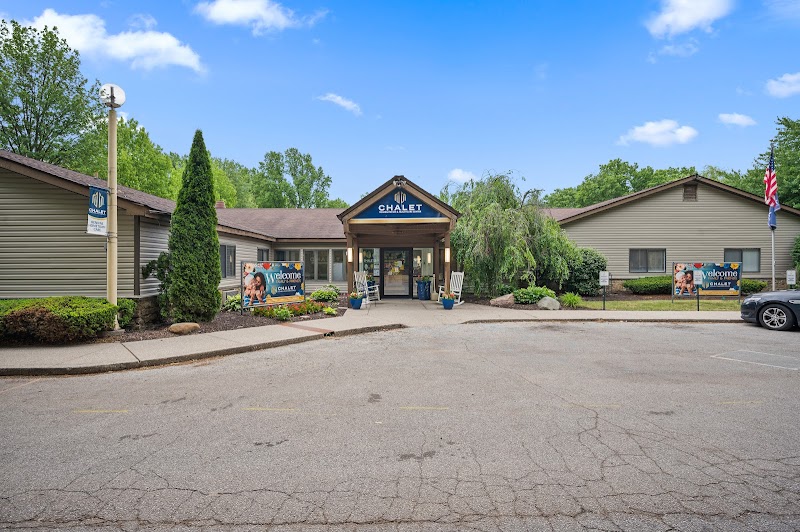
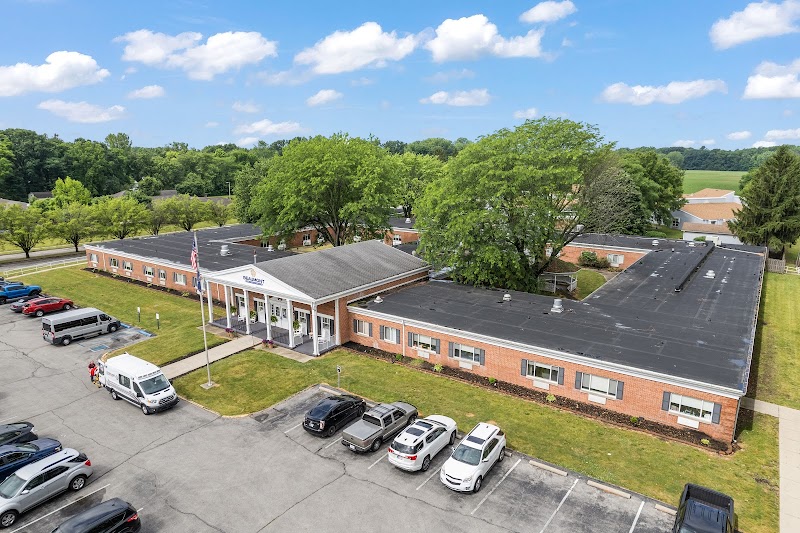
CHALET REHABILITATION AND HEALTHCARE CENTER is owned by a for-profit company. For-profit facilities operate as businesses with obligations to shareholders or private owners. The facility is operated by CASTLE HEALTHCARE, a chain that manages multiple nursing homes. With 88 certified beds and approximately 73 residents (about 83% occupancy), it is a smaller facility located in INDIANAPOLIS, Indiana.
How Does Chalet Rehabilitation And Healthcare Center Compare to Other Indiana Nursing Homes?

Compared to the 100 nursing homes in Indiana, CHALET REHABILITATION AND HEALTHCARE CENTER's overall rating (4 stars) is above the state average of 3.1, staff turnover (46%) is near the state average of 46%, and health inspection rating (4 stars) is above the national benchmark.

What Should Families Ask When Visiting Chalet Rehabilitation And Healthcare Center?

Based on this facility's data, families visiting should ask: "Can you walk me through typical staffing levels on day, evening, and night shifts?" "Can I visit during a mealtime to observe dining assistance and food quality?" "How do you handle medical emergencies, and what is your hospital transfer rate?" "Can I speak with family members of current residents about their experience?" These questions are particularly relevant given the below-average staffing rating.

Is Chalet Rehabilitation And Healthcare Center Safe?

Based on CMS inspection data, CHALET REHABILITATION AND HEALTHCARE CENTER has a clean safety record: no substantiated abuse findings (meaning no confirmed cases of resident harm), no Immediate Jeopardy citations (the most serious violation level indicating risk of serious injury or death), and is not on the Special Focus Facility watch list (a federal program monitoring the lowest-performing 1% of nursing homes). The facility has a 4-star overall rating and ranks #1 of 100 nursing homes in Indiana. While no facility is perfect, families should still ask about staff-to-resident ratios and recent inspection results during their visit.

Do Nurses at Chalet Rehabilitation And Healthcare Center Stick Around?

CHALET REHABILITATION AND HEALTHCARE CENTER has a staff turnover rate of 46%, which is about average for Indiana nursing homes (state average: 46%). Moderate turnover is common in nursing homes, but families should still ask about staff tenure and how the facility maintains care continuity when employees leave.

Was Chalet Rehabilitation And Healthcare Center Ever Fined?

CHALET REHABILITATION AND HEALTHCARE CENTER has no federal fines on record. CMS issues fines when nursing homes fail to meet care standards or don't correct problems found during inspections. The absence of fines suggests the facility has either maintained compliance or corrected any issues before penalties were assessed. This is a positive indicator, though families should still review recent inspection reports for the full picture.

Is Chalet Rehabilitation And Healthcare Center on Any Federal Watch List?

CHALET REHABILITATION AND HEALTHCARE CENTER is not on any federal watch list. The most significant is the Special Focus Facility (SFF) program, which identifies the bottom 1% of nursing homes nationally based on persistent, serious quality problems. Not being on this list means the facility has avoided the pattern of deficiencies that triggers enhanced federal oversight. This is a positive indicator, though families should still review the facility's inspection history directly.