CREEKSIDE HEALTH AND REHABILITATION CENTER

3114 EAST 46TH STREET, INDIANAPOLIS, IN 46205 (317) 920-7888
For profit - Corporation 120 Beds TLC MANAGEMENT Data: November 2025
Trust Grade
45/100
#232 of 505 in IN
Last Inspection: January 2025

Within standard 12-15 month inspection cycle. Federal law requires annual inspections.

Overview

Creekside Health and Rehabilitation Center has received a Trust Grade of D, which indicates below-average performance with some concerns regarding care quality. It ranks #232 out of 505 facilities in Indiana, placing it in the top half, and #17 out of 46 in Marion County, meaning there are only 16 local facilities rated higher. Unfortunately, the trend is worsening, with the number of issues increasing from 9 in 2023 to 10 in 2025. Staffing is a concern here, as the facility has a 60% turnover rate, which is above the state average of 47%, and it provides less RN coverage than 88% of Indiana facilities. Specific incidents noted include a failure to provide adequate assistance for a resident, leading to a fall and a fracture, and a lack of timely COVID-19 testing for symptomatic staff, which increased exposure risks for residents. While there are strengths, such as having no fines recorded and excellent quality measures, the facility's serious issues and staffing turnover warrant careful consideration.

Trust Score
D
45/100
In Indiana
#232/505
Top 45%
Safety Record
Moderate
Needs review
Inspections
Getting Worse
9 → 10 violations
Staff Stability
⚠ Watch
60% turnover. Above average. Higher turnover means staff may not know residents' routines.
Penalties
✓ Good
No fines on record. Clean compliance history, better than most Indiana facilities.
Skilled Nurses
⚠ Watch
Each resident gets only 29 minutes of Registered Nurse (RN) attention daily — below average for Indiana. Fewer RN minutes means fewer trained eyes watching for problems.
Violations
⚠ Watch
40 deficiencies on record. Higher than average. Multiple issues found across inspections.
★★★☆☆
3.0
Overall Rating
★★★☆☆
3.0
Staff Levels
★★★★★
5.0
Care Quality
★★☆☆☆
2.0
Inspection Score
Stable
2023: 9 issues
2025: 10 issues

The Good

  • 5-Star Quality Measures · Strong clinical quality outcomes
  • Full Sprinkler Coverage · Fire safety systems throughout facility
  • No fines on record

Facility shows strength in quality measures, fire safety.

The Bad

3-Star Overall Rating

Near Indiana average (3.1)

Meets federal standards, typical of most facilities

Staff Turnover: 60%

14pts above Indiana avg (46%)

Frequent staff changes - ask about care continuity

Chain: TLC MANAGEMENT

Part of a multi-facility chain

Ask about local staffing decisions and management

Staff turnover is elevated (60%)

12 points above Indiana average of 48%

The Ugly 40 deficiencies on record

2 actual harm
Aug 2025 1 deficiency
CONCERN (D) 📢 Someone Reported This

A family member, employee, or ombudsman was alarmed enough to file a formal complaint

Potential for Harm - no one hurt, but risky conditions existed

Resident Rights (Tag F0550)

Could have caused harm · This affected 1 resident

Based on observation, interview, and record review, the facility failed to ensure a resident was treated with dignity and respect for 1 of 4 residents reviewed for dignity. (Resident B)Findings includ...

Read full inspector narrative →
Based on observation, interview, and record review, the facility failed to ensure a resident was treated with dignity and respect for 1 of 4 residents reviewed for dignity. (Resident B)Findings include: The clinical record for Resident B was reviewed on 8/21/25 at 12:10 p.m. The diagnoses included, but were not limited to, depression and pain in the right knee. A Quarterly Minimum Data Set assessment, completed 8/5/25, indicated he was moderately cognitively impaired and had severe signs and symptoms of depression.A Psychological Progress Note, dated 8/12/25, indicated he was oriented to person, place, and had mild impairment in thought process. On 8/21/25 at 12:40 p.m., Resident B was observed in his room. He was sitting in his wheelchair by his bed, and the room door was closed. Certified Nurse Aide (CNA) 2 opened the door without knocking. CNA 2 asked Resident B if he was okay and if he had his call light. Resident B responded that he was fine. CNA 2 exited the room, closing the door behind her. Resident B indicated the staff come into his room often without knocking and it bothered him. He wished they would knock before coming in. Resident B then began speaking about his pain medications and indicated the staff did not administer his pain medication correctly. Qualified Medication Aide (QMA) 3 knocked and entered the room as Resident B was discussing his pain medication and sternly told Resident B No we don't. QMA 3 indicated she had Resident B's methadone (routine pain medication). Resident B asked about having his oxycodone (narcotic pain medication). QMA 3, in a sharp tone, informed him that he had his oxycodone earlier in the day and did Resident B want his methadone, if not she would put refused and throw it away. Resident B indicated he would take his methadone and QMA 3 administered the medication to him. QMA 3 then left the room. Resident B became tearful and indicated the staff spoke to him that way all the time. He felt that it was disrespectful. The staff would talk to him like there was something wrong with him and respond like he (the resident) did not know what he was talking about. During an interview on 8/21/25 at 1:00 p.m., CNA 2 indicated she was sorry for busting in the door without knocking. CNA 2 had been worried Resident B did not have his call light and should have knocked before entering. During an interview on 8/21/25 at 1:06 p.m., QMA 3 indicated Resident B asked every day about the pain medications and thought he was getting the wrong medications. She educated him on his medications before giving them.During an interview on 8/22/25 at 12:39 p.m., the Director of Nursing and the Executive Director indicated they expected staff to knock before entering a room and staff should speak to and treat residents with dignity and respect. On 8/21/25 at 11:04 a.m., the Director of Nursing provided the Resident Rights Policy, implemented 3/5/24, which indicated . The resident has a right to be treated with respect and dignity .This citation relates to Complaint 2580039. 3.1-3(a)3.1-3(t)
May 2025 2 deficiencies
CONCERN (D) 📢 Someone Reported This

A family member, employee, or ombudsman was alarmed enough to file a formal complaint

Potential for Harm - no one hurt, but risky conditions existed

Notification of Changes (Tag F0580)

Could have caused harm · This affected 1 resident

Based on interview and record review, the facility failed to timely notify a resident's representative of a medication change for 1 of 3 residents reviewed for changes of condition. (Resident C) Findi...

Read full inspector narrative →
Based on interview and record review, the facility failed to timely notify a resident's representative of a medication change for 1 of 3 residents reviewed for changes of condition. (Resident C) Findings include: The clinical record for Resident C was reviewed on 5/27/25 at 10:55 a.m. The diagnoses included, but were not limited to, dementia and rheumatoid arthritis. A Quarterly Minimum Data Set (MDS) assessment, completed 4/9/25, indicated Resident C was cognitively intact. A progress note, dated 1/15/25, indicated nursing staff had reported increased confusion and lethargy since taking Baclofen (a muscle relaxant) 10 milligrams (mg). Due to the resident's fatigue, there was a concern for the use of multiple medications at the same time, and several medications were discontinued, including Baclofen. A progress note, dated 5/6/25, indicated Resident C was experiencing chronic muscle spasms and was taking Tizanidine (medication used to treat muscle spasms) to manage her pain. The resident continued to experience muscle spasms and pain despite the use of the medication. Due to the ineffectiveness of the Tizanidine, Baclofen was to be restarted. A physician's order, dated 5/5/25, indicated to give Baclofen 5 mg, three times a day for muscle spasms. The clinical record for Resident C did not contain documentation of notification to the resident's representative of the new order for Baclofen 5 mg. A physician's order, dated 5/7/25, indicated to increase the dosage of Baclofen to 10 mg, three times a day for spasms. The clinical record for Resident C did not contain documentation of notification to the resident's representative of the new order for Baclofen 10 mg. The clinical record included special instructions on the resident profile that indicated to notify the family of any medication changes for Resident C. A nursing note, dated 5/9/25 at 3:30 p.m., indicated Resident C appeared confused and semi-conscious throughout the shift. The on-call physician, Director of Nursing (DON), and family were notified, and orders were received to decrease the resident's Baclofen to 5 mg, three times a day. A nursing note, dated 5/10/25 at 7:50 a.m., indicated Resident C's daughter wanted the resident sent to the emergency room (ER) due to slurred speech she had witnessed via phone call. Licensed Practical Nurse (LPN) 4 went to the resident's room and found the resident in bed making clear, but repetitive statements, and seemed confused. The resident's vital signs were taken, and she was transferred to the ER at a local hospital. The physician, DON, and family were notified. A nursing note, dated 5/10/25 at 3:00 p.m., indicated Resident C was being admitted to the local hospital for poly pharmaceuticals (the concurrent use of multiple medications), acute encephalopathy (altered mental status), and hypertensive urgency (severely elevated blood pressure). Hospital records, dated 5/10/25, indicated Resident C was admitted to the ER for acute metabolic encephalopathy (altered mental status) in relation to increased Baclofen dosing. During a confidential interview on 5/27/25 at 1:46 p.m., an anonymous source indicated Resident C's family had not been notified of the resident being restarted on Baclofen on 5/6/25 or of the dosage increase on 5/7/25. During an interview conducted on 5/27/25 at 2:55 p.m. with LPN 4, she indicated Resident C's representative was not notified of the medication (Baclofen) being started on 5/6/25. The resident continued to have pain after starting Baclofen, on 5/6/25, so the dosage was increased. It was LPN 4's understanding that the Nurse Practitioner was to notify the family of medication changes. During an interview on 5/27/25 at 3:15 p.m., the DON indicated nursing staff was to notify resident's family of medication changes when the resident was not their own person. A Notification Changes Policy, last revised 10/21/24, was provided by the DON on 5/27/25 at 3:44 p.m. It indicated .The purpose of this policy is to ensure the facility promptly informs the resident, consults the resident's physician; and notifies, consistent with his or her authority, the resident's representative when there is a change requiring notification .Circumstances requiring notification include: .3. Circumstances that require a need to alter treatment. This may include: a. New treatment b. Discontinuation of current treatment due to: i. Adverse consequences ii. Acute condition. iii. Exacerbation of a chronic condition . This citation relates to Complaint IN00459359. 3.1-5(a)(3)
CONCERN (D) 📢 Someone Reported This

A family member, employee, or ombudsman was alarmed enough to file a formal complaint

Potential for Harm - no one hurt, but risky conditions existed

Deficiency F0628 (Tag F0628)

Could have caused harm · This affected 1 resident

Based on interview and record review, the facility failed to document the reason for transferring a resident to a local hospital and ensured communication to the receiving health facility for 1 of 3 r...

Read full inspector narrative →
Based on interview and record review, the facility failed to document the reason for transferring a resident to a local hospital and ensured communication to the receiving health facility for 1 of 3 residents reviewed for discharge rights. (Resident B) Findings include: The clinical record for Resident B was reviewed on 5/27/25 at 10:30 a.m. The diagnoses included, but were not limited to, multiple sclerosis and hypertension. A care plan, last revised on 4/15/25, indicated Resident B's plan was to discharge home with her spouse. The goal was for her to be discharged home. The interventions included, but were not limited to, arrange for and set up community resources and to educate her on her clinical condition and medications as needed. A Medicare Part A Discharge Minimum Data Set (MDS) assessment, completed 5/5/25, indicated Resident B's Medicare Part A payment coverage ended on 5/5/25. A physician's order, dated 5/5/25, indicated Resident B was to be evaluated and treated by hospice services. A physician's order, dated 5/5/25, indicated she was not to be resuscitated (DNR). A Physician's Narrative Progress Note, effective 5/5/25 at 9:18 a.m., indicated Resident B had been seen for lethargy, difficulty swallowing medications, and having hallucinations. Resident B was no longer able to participate in therapy. A discussion was held with Resident B's family member and an acute work up in the facility was offered verses a palliative (end of life) care and hospice option were offered. Resident B's family member would like to make her mother comfortable. New orders were discussed with nursing staff and a plan for hospice care was discussed with social services. A physician's order, dated 5/6/25, indicated to admit Resident B to a local hospice service. A Nursing Progress Note, dated 5/6/25, indicated Resident B had staples removed from her left below the knee amputation site and the surgical incision was proximal (together). There were no open areas noted and the skin around the incision site was dry and flakey. Resident B had tolerated the procedure with no difficulty. A Nursing Progress note, dated 5/6/25 at 11:30 p.m., indicated Registered Nurse (RN) 3 had been instructed to send Resident B to the emergency room due to a decline in her condition. The clinical record did not contain a physician's order to send Resident B to the hospital, on 5/6/25, and did not contain a Situation, Background, Assessment, and Recommendation (SBAR) form indicating the decline in her condition. A Nursing Progress note, dated 5/7/25 at 1:38 a.m., indicated the emergency room (ER) nurse had contacted the facility to ask why Resident B was sent to the ER. A Nursing Progress note, dated 5/7/25 at 2:02 a.m., indicated the acute care hospital social worker had called with questions about Resident B and requested to speak to the Director of Nursing. The Director of Nursing was notified. A Nursing Progress note, dated 5/7/25 at 10:24 a.m., indicated Resident B had returned from the hospital. She was conscious but not alert. There were no new orders received from the hospital. During an interview on 5/27/25 at 11:15 a.m., Family Member (FM) 10 indicated Resident B had been sent to the ER, the night of 5/6/25, due to an outstanding bill with the facility. Resident B had a change in condition and was unable to return home when her therapy was over. The facility's Social Services Director (SSD) and Business Office Manager (BOM) had spoken with FM 10 about an outstanding balance. FM 10 had made the facility aware that she was attempting to contact an attorney to obtain guardianship of Resident B so she could access Resident B's funds and pay the outstanding balance. The facility had informed FM 10 that if the balance was not paid by midnight, on 5/6/25, that Resident B would be discharged to an inpatient hospice program. During an interview on 5/27/25 at 12:14 p.m., Licensed Practical Nurse (LPN) 5 indicated normally when a resident was sent to the hospital, an SBAR form was completed to communicate the reason for the transfer or the change in condition. Resident B did not have an SBAR in her medical record for the transfer on 5/6/25. During an interview on 5/27/25 at 3:00 p.m., the SSD indicated Resident B had not been issued a 30-day discharge notice. Her stay at the facility had been financially covered by Medicare Part A. Her condition had declined, and she was no longer able to participate in therapy. The Nurse Practitioner had approached the SSD, on 5/5/25, and requested that Resident B be referred to hospice. The SSD had made contact with a hospice company that provided services at the facility about a referral. The SSD had also spoken with Resident B's family about hospice and about an outstanding balance. The SSD had suggested that an inpatient hospice may be an option for Resident B due to her outstanding balance. Resident B's family had been working with the facility to provide payment. The SSD was unsure why Resident B had been sent to the ER at the late hour on 5/6/25. During an interview on 5/27/25 at 3:07 p.m., the Director of Nursing (DON) indicated Resident B had been transferred to the ER, on 5/6/25, so that she could be admitted to the hospital's inpatient hospice. Resident B had experienced a gradual change in condition and the DON was expecting Resident B to be transferred to an inpatient hospice. The DON had been made aware that Resident B was still at the facility in the late evening, on 5/6/25, and had instructed the nurse on duty to send Resident B to the ER department so that she could be admitted to an inpatient hospice. The DON was not sure of the admission process for inpatient hospice and had been concerned that transportation had not come to transport Resident B. During an interview on 5/27/25 at 3:07 p.m., the BOM indicated that a 30-day notice had not been issued to Resident B. There was an outstanding balance on Resident B's account. During an interview on 5/27/25 at 3:07 p.m., the Executive Director (ED) indicated the facility was attempting to assist the family from accruing a large bill. During an interview on 5/28/25 at 9:22 a.m., RN 3 indicated she had been Resident B's nurse during the night shift of 5/6/25. She had been instructed by the DON to send Resident B to the ER right after she had started her shift. RN 3 was not sure why Resident B was sent to the hospital. The hospital nurse and the hospital social worker called the facility after Resident B arrived at the hospital to ask why she had been sent to the hospital. Resident B returned to the facility on 5/7/25 at around 5:00 a.m. During an interview on 5/28/25 at 10:00 a.m., LPN 2 indicated she had cared for Resident B during the evening shift on 5/6/25. There were no acute changes in Resident B on the evening of 5/6/25. LPN 2 had been informed that Resident B may be transferred out of the building to an acute inpatient hospice service but had not been transferred during the evening shift. Resident B had been stable when LPN 2 ended her shift on 5/6/25. Nothing acute happened during the shift. During an interview on 5/28/25 at 11:05 a.m., the ED indicated there was some confusion with Resident B's transfer on 5/6/25. The facility was trying to do the right thing so that the family would not accrue a large bill. During an interview on 5/28/25 at 11:13 a.m., FM 10 indicated she had not had a formal discharge meeting. While FM 10 was visiting with Resident B, the evening of 5/6/25, a nurse had informed her that if payment of the outstanding balance was not received by midnight that night, Resident B would be discharged . During an interview on 5/28/25 at 12:35 p.m., the DON indicated the clinical record did not include information about what information was sent to the hospital with Resident B on 5/6/25. On 5/27/25 at 3:44 p.m., the DON provided the Transfer and Discharge (including AMA) Policy, last reviewed 2/5/25, that indicated .Once admitted , the resident has the right to remain at the facility unless their transfer or discharge meets one of the following specified exemptions: a. The transfer or discharge is necessary for the resident's welfare and the resident's needs cannot be met in the facility. b. The transfer or discharge is appropriate because the resident's health has improved sufficiently so that the resident no longer needs the services provided by the facility. c. The safety of individuals in the facility is endangered due to the clinical or behavioral status of the resident. d. The health of the individuals in the facility would otherwise be endangered. e. The resident has failed, after reasonable and appropriate notice, to pay or have paid under Medicare or Medicaid for his or her stay at the facility .f. The facility ceases to operate .4. Generally, the notice must be provided at least 30 days prior to a transfer or discharge of the resident. 10. a. The facility will obtain a physician's order for emergency transfer or discharge, stating the reason the transfer or discharge is necessary on an emergency basis .f. Document assessment findings and other relevant information regarding the transfer in the medical record . This citation relates to Complaint IN00459914. 3.1-12(a)(4)(A) 3.1-12(a)(4)(E) 3.1-12(a)(5) 3.1-12(a)(6)(B)
Mar 2025 2 deficiencies
CONCERN (D) 📢 Someone Reported This

A family member, employee, or ombudsman was alarmed enough to file a formal complaint

Potential for Harm - no one hurt, but risky conditions existed

Deficiency F0655 (Tag F0655)

Could have caused harm · This affected 1 resident

Based on interview and record review, the facility failed to ensure 1 of 3 residents reviewed for pressure ulcers had a baseline care plan developed and implemented within 48 hours of admission. (Resi...

Read full inspector narrative →
Based on interview and record review, the facility failed to ensure 1 of 3 residents reviewed for pressure ulcers had a baseline care plan developed and implemented within 48 hours of admission. (Resident D) Findings include: The clinical record of Resident D was reviewed on 3-12-25 at 9:25 a.m. His diagnoses included, but were not limited to metabolic encephalopathy, atherosclerotic heart disease, high blood pressure and cognitive impairment following cerebrovascular disease. His admission Minimum Data Set (MDS) assessment, dated 2-26-25, indicated he had severe cognitive impairment and was admitted with a stage 2 pressure ulcer. A review of his admission nursing assessment, dated 2-21-25, indicated he was admitted to the facility with a pressure ulcer to the coccyx. A review of Resident D's care plans indicated there was not a baseline care plan developed for Resident D related to skin concerns or pressure ulcers. In an interview with the Wound Nurse on 3-12-25 at 1:05 p.m., she indicated she and the MDS staff were responsible for developing care plans for any skin related issues. In an interview with the Director of Nursing on 3-12-25 at 2:15 p.m., she indicated a month or so ago, she identified an issue with care plans, including baseline care plans, not being conducted routinely by the floor nurses. She shared this issue was put into QAPI (Quality Assurance and Performance Improvement, a process to improve the quality of care and safety in nursing homes) and yesterday, 3-11-25, the facility held an in-service educational offering, dealing with baseline care plans, in addition to other issues. I tell the nurses that all of them can put care plans into the record, not just the MDS staff. She indicated baseline care plans were a part of the admission nursing assessment document and only required the nurse to electronically click on the areas of concern. She added when she reviewed Resident D's chart, the staff had obtained an assessment of the wound to his coccyx, notified the doctor and family and had care orders, but there was an absence of baseline care plans. It looks like they did everything they should have, except for the [baseline] care plans. In an interview on 3-12-25 at 2:53 p.m., with the Executive Director, she indicated the facility held an in-service educational offering on 1-14-25, with the licensed nurses on admission Assessment and Care Plans, and yesterday, 3-11-25, another in-service educational offering addressed baseline care plans. She provided an attendance sign-in sheet, from 1-14-25, which indicated it was attended by 11 nursing staff persons. On 3-12-25 at 2:53 p.m., the Executive Director provided a copy of a policy and procedure, dated 12/2022, entitled, admission of Resident. It indicated its purpose as, To facilitate a smooth transition into a healthcare environment, to help alleviate concerns and answer questions the resident and family may have [and] to gather comprehensive information as a basis for the planning of care .Conduct the initial interview and nursing history .Conduct a head-to-toe observation/assessment. Identify functional abilities, needs, or problems .initiate a plan of care. On 3-12-25 at 1:33 p.m., the Executive Director provided a copy of a policy, dated 10/2022, entitled, Care Planning. This policy indicated, It is the policy of this facility to develop a comprehensive plan of care that is individualized, and reflective of the resident's goals, preferences, and services that are to be provided to attain or maintain the resident's highest practical physical, mental, and psychosocial well-being .A baseline plan of care will include at a minimum and will be completed within 48 hours of admission: physician orders, dietary orders, therapy services, social services .initial goals based on admission orders . This citation relates to Complaint IN00454080. 3.1-30(a)
CONCERN (D) 📢 Someone Reported This

A family member, employee, or ombudsman was alarmed enough to file a formal complaint

Potential for Harm - no one hurt, but risky conditions existed

Comprehensive Care Plan (Tag F0656)

Could have caused harm · This affected 1 resident

Based on interview and record review, the facility failed to ensure 1 of 3 residents reviewed for pressure ulcers had a comprehensive care plan developed and implemented. (Resident D) Findings include...

Read full inspector narrative →
Based on interview and record review, the facility failed to ensure 1 of 3 residents reviewed for pressure ulcers had a comprehensive care plan developed and implemented. (Resident D) Findings include: The clinical record of Resident D was reviewed on 3-12-25 at 9:25 a.m. His diagnoses included, but were not limited to metabolic encephalopathy, atherosclerotic heart disease, high blood pressure and cognitive impairment following cerebrovascular disease. His admission Minimum Data Set (MDS) assessment, dated 2-26-25, indicated he had severe cognitive impairment and was admitted to the facility with a stage 2 pressure ulcer. A review of his admission nursing assessment, dated 2-21-25, indicated he was admitted to the facility with a pressure ulcer to the coccyx. A review of Resident D's care plans indicated there was not any type of care plan developed for Resident D related to skin concerns or pressure ulcers. In an interview with the Wound Nurse on 3-12-25 at 1:05 p.m., she indicated she and the MDS staff were responsible for developing care plans for any skin related issues. In an interview with the Director of Nursing on 3-12-25 at 2:15 p.m., she indicated a month or so ago, she identified an issue with care plans not being conducted routinely by the floor nurses. She shared this issue was put into QAPI (Quality Assurance and Performance Improvement, a process to improve the quality of care and safety in nursing homes). I tell the nurses that all of them can put care plans into the record, not just the MDS staff. She indicated baseline care plans are a part of the admission nursing assessment document and only requires the nurse to electronically click on the areas of concern. She added when she reviewed Resident D's chart, the staff had obtained an assessment of the wound to his coccyx, notified the doctor and family and had care orders, but there was an absence of baseline care plans. It looks like they did everything they should have, except for the care plans. In an interview on 3-12-25 at 2:53 p.m., with the Executive Director, she indicated the facility held an in-service educational offering on 1-14-25, with the licensed nurses on admission Assessment and Care Plans, and yesterday, 3-11-25, another in-service educational offering addressed baseline care plans. She provided an attendance sign-in sheet, from 1-14-25, which indicated it was attended by 11 nursing staff persons. On 3-12-25 at 2:53 p.m., the Executive Director provided a copy of a policy and procedure, dated 12/2022, entitled, admission of Resident. It indicated its purpose as, To facilitate a smooth transition into a healthcare environment, to help alleviate concerns and answer questions the resident and family may have [and] to gather comprehensive information as a basis for the planning of care .Conduct the initial interview and nursing history .Conduct a head-to-toe observation/assessment. Identify functional abilities, needs, or problems .initiate a plan of care. On 3-12-25 at 1:33 p.m., the Executive Director provided a copy of a policy, dated 10/2022, entitled, Care Planning. This policy indicated, It is the policy of this facility to develop a comprehensive plan of care that is individualized, and reflective of the resident's goals, preferences, and services that are to be provided to attain or maintain the resident's highest practical physical, mental, and psychosocial well-being .The facility may utilize a completed comprehensive plan of care, if present in the initial 48 hours, in place of a Baseline Plan of Care/Summary. The comprehensive care plan will include a summary of the assessment of the Resident's: needs, strengths, goals, life history, personal and cultural preferences, MDS findings .The resident's care plan will contain measurable objectives and timeframes to meet a resident's medical, nursing, and mental and psychosocial needs .A baseline plan of care will include at a minimum and will be completed within 48 hours of admission: physician orders, dietary orders, therapy services, social services .initial goals based on admission orders . This citation relates to Complaint IN00454080. 3.1-35(a) 3.1-35(b)(1) 3.1-35(b)(2) 3.1-35(c)(1)
Jan 2025 5 deficiencies 1 Harm
SERIOUS (G)

Actual Harm - a resident was hurt due to facility failures

Accident Prevention (Tag F0689)

A resident was harmed · This affected 1 resident

Based on observation, interview, and record review, the facility failed to provide a resident with adequate assistance of two staff members for bed mobility during perineal care resulting in a fall fr...

Read full inspector narrative →
Based on observation, interview, and record review, the facility failed to provide a resident with adequate assistance of two staff members for bed mobility during perineal care resulting in a fall from bed, and ensure a transfer from the wheelchair to the toilet was performed in accordance with the plan of care for 2 of 4 residents reviewed for accidents and 1 of 5 residents reviewed for Activities of Daily Living (ADLs). This deficient practice resulted in Resident 60 falling and sustaining a fracture of the left upper arm. (Resident 1, Resident 60, and Resident B) Findings include: 1a. The clinical record for Resident 60 was reviewed on 1/9/25 at 9:55 a.m. The diagnoses included, but were not limited to, bone density disorder, abnormalities of gait and mobility, muscle weakness, difficulty in walking, and stroke with hemiplegia (paralysis one side of body) affecting left non-dominant side. The Annual Minimum Data Set (MDS) assessment, dated 8/7/24, indicated Resident 60 was cognitively intact. The resident had impairment on upper and lower of one side of the body. The resident's functional status of toilet transfers and sit-to-stand function was substantial maximal assistance. The caregiver does more than half of the assistance. The Quarterly MDS assessment, dated 11/4/24, indicated the resident was cognitively intact. The resident's functional status of toilet transfers was dependent. The caregiver does all the effort. A fall care plan, date initiated 2/1/19, indicated, I am at risk for falls related to Lt. [left] sided hemiparesis, history of falls .Goal. My care plan interventions will minimize my risk for falls resulting serious injury . An ADLs care plan, dated 6/25/24, indicated, I need assistance with my ADLS; bed mobility, eating, toileting, transferring, dressing and grooming and bathing, related to activity intolerance, muscle weakness, lack of coordination, left side hemiplegia/hemiparesis . The resident's interventions included, but were not limited to, gait belt utilized with transfers, date initiated of 5/1/24, and assistance with transfers utilizing two staff members initiation date of 8/2/21. A care plan, dated 6/25/24, indicated, I am at risk for pathological fractures d/t [due to] dx [diagnosis] of osteopenia [bone density is lower than normal/bone loss]. A progress note, dated 10/10/24 at 11:15 a.m., indicated Resident 60 had fallen. Description of fall: Seen resident accompanied by Physical Therapist [PT] in the bathroom, Per PT, they were transferring resident from toilet to her wheelchair when she lost her balance and fell hit her head in the door [sic]. Per resident she lost her balance and hit her head in the door. Range of motion; mental status, neurochecks if unwitnessed or hit head; injuries: witnessed fall, ROM [range of motion] wnl [within normal limits], swelling on forehead noted, Per resident she lost her balance and fell hit her head in the door [sic]. Immediate intervention: Assisted back resident to her chair, vital signs and neuro [neurological] checks initiated, noted to have swelling on resident forehead, ice pack applied over forehead. Physician notification . informed and recommend having CT [medical image scan] head for the resident since she was on blood thinner [sic] A nursing note, dated 10/10/24 at 8:27 p.m., indicated, Res. [Resident 60] returned from hospital visit r/t [related to] fall with head contusion [bruise]. CT of head & spine with no findings, no new orders received. Res. alert & orientated x3 [times 3], extensive assist x 2 [two] to bed .Will continue to observe with 3 [three] day follow up fall observation. An Interdisciplinary Team fall note, dated 10/11/24 at 9:25 a.m., indicated .Summary of the fall: Patient [Resident 60] lost footing during the fall. Root cause of fall: Patient lost footing while being transferred to toilet. Intervention and care plan updated: OT [Occupational Therapy] to evaluate and treat for transfers to/from toilet. An Occupational Therapy evaluation, dated 10/11/24 at 12:56 p.m., indicated .Patient [Resident 60] demonstrates decreased strength and indep [independence] with toilet transfer. Recommend 2 [two] person assist with gait belt and one step cues for proper foot placement .Pt [patient] had a fall on 10/10 during transfer off toilet . A nursing note, dated 10/20/24 at 2:00 p.m., indicated, Resident was transferring from w/c [wheelchair] to toilet, her foot was buckled and staff had to put resident down on floor. Fall was witnessed, resident didn't touch the floor. VS [vital signs] WNL [within normal limits], no injuries noted after fall . A nursing note, dated 10/21/24 at 7:31 a.m., indicated, .Resident seen in bed, complain of left shoulder pain, swelling noted .[medical provider] informed with order for Left shoulder X-ray requested. A radiology report for Resident 60, dated 10/21/24 at 9:25 a.m., indicated, .Findings: There is an acute fracture proximal left humerus. There is mild displacement . A nursing note, dated 10/21/24 at 11:20 a.m., indicated, Left Shoulder x-ray: Conclusion: Acute Fracture Proximal left humerus. [name of medical providers] informed and order to send resident to ER [emergency room] . A Facility Reported Incident [FRI] was reported to the Indiana Department of Health, dated 10/21/24, indicated an incident had occurred, on 10/20/24, with Resident 60. The resident's knees gave out during a transfer from wheelchair to toilet resulting with an acute fracture and displacement of the proximal humerous. The follow up on the report indicated, Resident returned from the ER [emergency room] with orders to follow up with orthopedics for treatment .Resident pain assessed every shift and scheduled and PRN [as needed] pain medications administered as ordered. Resident was previously noted as requiring assistance of two for transfers. An IDT review of the resident's fall history and mobility determined that the resident is unable to safely transfer to the toilet with an assist of two. As a result, a new intervention was put in place for toileting with a bedpan and assistance of two for bed mobility, along with the use of a hoyer lift [mechanical lift] for transfers . A care plan, dated 10/22/24, indicated, I have a traumatic fracture/pathological fracture of the left proximal humerus [the top portion of the upper arm bone] . The investigation into Resident 60's fall was provided by the Director of Nursing (DON), on 1/15/25 at 10:55 a.m., and included, but was not limited to, the following: A written statement by Certified Nurse Aide (CNA) 1, dated 10/20/24, indicated, I [CNA 1] went to take [Resident 60] to bathroom. She had stated she was ok [okay] to stand she stood .but her foot gave out as she was standing she fell on my leg. I made sure she was off my foot after she fell on my foot and went to get nurse. She was already complaining about pain on her left arm when we was [sic] getting her up for morning care we let nurse know she was complaining asap. A staff education form for CNA 1, dated 10/21/24, indicated .Safe transfers. This includes the following areas: 1. Area for Improvement: a) following resident plan of care. b) using a gait belt with all transfers .2. Necessary Steps for Improvement: a) Use the Kardex located in [electronic medical chart] dashboard to find resident transfer/care information. b) Get report from the Charge nurse to stay informed of resident changes . Hospital records, date of arrival on 10/21/24, and discharged on 10/21/24, indicated .[Resident 60] presenting today with concerns of left arm pain and a fall. Report from EMS [Emergency Medical Services] which he received from the facility states that they were attempting to move patient in bed when they pulled on her left arm. X-ray at facility confirmed she had a broken humerus. However patient tells me that she fell in the bathroom either today or a few days ago on the wet tile. She reports since then her arm has been hurting. Patient arrives with left arm pain .She has some bruises that appear to be in late stages of healing on her face so we will obtain basic CT head and neck imaging as well. admission was considered so further work-up was obtained. Please refer to ED [emergency department] course for additional details on this work-up .Workup here notable for a mildly displaced fracture through the proximal neck of the left humerus. Patient was placed in a sling here and referred to orthopedic for further observation. Basic labs with no emergent abnormalities .At this point I do think she is safe and stable for discharge at this time. We need to follow-up closely with orthopedics .Clinical Impression 1. Fall, initial encounter 2. Other closed nondisplaced fracture of proximal end of left humerus . An interview was conducted with the Therapy Director on 1/15/25 at 11:41 a.m. She indicated the staff should be utilizing gait belts while transferring residents. Resident 60 did have a fall with a PT in the bathroom on 10/10/24. After that fall, the resident's ability to safely transfer was evaluated. It was determined Resident 60 was a two person assist with transfers. After the resident's fall with the nursing staff on 10/20/24; the resident was evaluated. Resident 60 transfers now utilizing a mechanical lift due to her decline and unable to safely transfer. During an interview on 1/15/25 at 12:47 p.m., Resident 60 indicated she fell in the bathroom when a CNA was transferring her to the toilet. There was only one staff person assisting her with the transfer, and the resident was not wearing a gait belt. Resident 60 had lost her balance and fell. The CNA called for help, and a nurse came into the bathroom to assist. During that time, the nurse had pulled on her left arm to help the CNA get her up. The fall resulted with a broken left arm. She was sent to the hospital. She did not have to have surgery, but she did have to be seen by an orthopedic specialist for a while. An interview was conducted with CNA 1 on 1/15/25 at 1/15/25. She indicated she was transferring Resident 60 when she had fallen while transferring her to the toilet. During that time, CNA 1 was the only staff person conducting the transfer. She had utilized the back of the resident's pants to assist with the transfer. The resident's leg gave out, and Resident 60 fell on CNA 1's leg and her foot. The resident did not fall on the floor. After, CNA 1 had called for the nurse, and she came into the bathroom to assist with the removal of the resident off CNA 1's foot and leg. The nurse had placed her arms underneath the resident's arm to assist the resident to stand up. CNA 1 had not worked with Resident 60 prior to that day. She did receive report by staff prior to working on the hallway, but she was not told the resident was a two person assist with transfers until after the resident had fallen. She would have never transferred Resident 60 without assistance of another staff person if she had known. 1b. The clinical record for Resident B was reviewed on 01/10/25 at 1:35 p.m. The diagnoses included, but were not limited to, hemiplegia (a condition causing paralysis or weakness on one side of the body) secondary to a CVA (cerebral vascular accident). A random observation of Resident B being transferred from his wheelchair to the toilet was made with CNA 2 and the Wound Nurse on 1/13/25 at 11:23 a.m. During the observation, a gait belt was not utilized during the transfer. Resident B indicated at that time; he was not having a good day with transferring. An interview was conducted with the DON on 1/15/25 at 3:25 p.m. She indicated the nursing staff were to utilize gait belts when transferring residents. A Use of Gait Belt policy was provided by the DON, on 1/15/25 at 10:55 a.m., and it indicated the following, .Policy: It is the policy of this facility to use gait belts with residents that cannot independently ambulate or transfer for the purpose of safety .Compliance Guidelines: 1. Each nursing department employee will be given a gait belt during orientation. 2. All employees will receive education on the proper use of gait belt during orientation and annually. 3. It will be the responsibility of each employee to ensure they have it available for use at all times when at work. 4. Any and all repairs needed or issues with gait belt will be reported to the supervisor immediately for replacement. 5. Failure to use gait belt properly may result in termination. The Indiana State Department of Health Nurse Aide Curriculum, revised November 19, 2015, indicated the following, .PROCEDURE #24: USING A GAIT BELT TO ASSIST WITH AMBULATION .3. Place belt around resident's waist with the buckle in front and adjust to a snug fit ensuring that you can get your hands under the belt .4. Assist the resident to stand on count of three .6. Stand to side and slightly behind resident while continuing to hold onto belt .PROCEDURE #26: TRANSFER TO WHEELCHAIR .2. Place wheelchair on resident's unaffected side .4. Stand in front of resident and apply gait belt around the resident's abdomen 2. The clinical record for Resident 1 was reviewed on 1/8/25 at 3:01 p.m. The diagnoses included, but were not limited to, cerebral palsy and aphasia (inability to speak). A care plan, last revised on 7/1/24, indicated he required total assistance with activities of daily living due to his diagnosis of cerebral palsy. The goal was for him to allow staff to render needed care daily. The interventions included, but were not limited to, total assist of two staff members for bed mobility. A care plan, last revised on 6/19/23, indicated he was at risk for falls related to cerebral palsy and total assistance with all transfers. The goal was the care plan interventions would minimize the risk to no serious injuries. The interventions included, but were not limited to, place in the center of the bed for positioning. A Quarterly MDS assessment, completed 11/10/24, indicated he rarely/never made himself understood. He was dependent on staff for bed mobility and toilet hygiene. A progress note, dated 12/10/24 at 6:43 p.m., indicated Resident 1 had a witnessed fall. The CNA was turning Resident 1 while changing him when he slipped from the bed. There was no change in his assisted range of motion, no pain with passive range of motion, neurological checks were initiated, and there was no change in his mental status or consciousness. A Fall Interdisciplinary Team Note, dated 12/11/24 at 9:49 a.m., indicated the summary of the fall was Resident 1 slid from the bed when turned by the CNA to provide perineal care. The root cause of the fall was one person assisting with perineal care. The interventions and care plan update included the staff were educated on providing care. During an interview on 1/14/25 at 3:30 p.m., the Director of Nursing indicated the CNA was changing Resident 1, who had a low air loss mattress. He got too close to the side of the mattress and just slid out. There should have been two staff members providing care. On 1/15/25 at 10:15 a.m., the Director of Nursing provided the Fall Investigation and Risk Evaluation, last revised June 2022, which read .It is the policy of this facility to provide an environment that is free from accident hazards over which the facility has control and provides supervision and assisted devices to prevent avoidable accidents .The residents will have a care plan developed that includes the resident's complications and risks, an attainable and measurable goal, and individualized interventions to decrease their risk of falls .'Avoidable Accident' means that an accident occurred because the facility failed to .Implement interventions, including adequate supervision and assistive devices, consistent with a resident's needs, goals, care plan and current professional standards of practice in order to eliminate the risk, if possible, and, if not, reduce the risk of and accident .Monitor the effectiveness of the interventions and modify the care plan as necessary, in accordance with current professional standards of practice .'Supervision/Adequate Supervision' refers to an intervention and means of mitigating the risk of an accident. Facilities are obligated to provide adequate supervision to prevent accidents. Adequate supervision is determined by assessing the appropriate level and number of staff required, the competency and training of the staff, and frequency of supervision needed. This determination is based on the individual resident's assessed needs and identified hazards in the resident environment 3.1-45(a)(2)
CONCERN (D)

Potential for Harm - no one hurt, but risky conditions existed

Deficiency F0657 (Tag F0657)

Could have caused harm · This affected 1 resident

**NOTE- TERMS IN BRACKETS HAVE BEEN EDITED TO PROTECT CONFIDENTIALITY** Based on interview and record review, the facility failed to ensure care plan meetings were conducted quarterly for 2 of 2 resid...

Read full inspector narrative →
**NOTE- TERMS IN BRACKETS HAVE BEEN EDITED TO PROTECT CONFIDENTIALITY** Based on interview and record review, the facility failed to ensure care plan meetings were conducted quarterly for 2 of 2 residents reviewed for care plan meetings (Resident 63 and Resident 95). Findings include: 1. The clinical record for Resident 63 was reviewed on 1/9/25 at 2:46 p.m. The diagnosis included, but were not limited to, depression and hypertension. An Annual Minimum Data Set (MDS) assessment, completed 10/25/24, indicated he was cognitively intact. The clinical record contained a Multidisciplinary Care Conference Summary, dated 2/26/23. A Social Services Assessment, dated 11/19/24, indicated that Resident 63 was invited to his scheduled care plan meeting. During an interview on 1/9/25 at 2:46 p.m., Resident 63 indicated that he was unsure of the last time he was invited to a care plan meeting, it may have been over a year ago. During an interview on 01/14/25 at 10:42 a.m., the Social Service Director (SSD) indicated a care plan meeting was held on 2/14/24 and 11/19/24. There were no other care plan meetings held between 2/14/24 and 11/19/24. 2. The clinical record for Resident 95 was reviewed on 01/10/25 12:45 p.m. The diagnoses included, but were not limited to, hypertension, cocaine abuse, hemiplegia and hemiparesis following a cerebral infarction, and diabetes. A Quarterly Minimum Data Set assessment, completed 10/09/24, indicated she was cognitively intact. During an interview on 01/09/25 at 10:53 a.m., Resident 95 indicated she did not know what a care plan meeting was, and she had not been invited to one since she had been at the facility. Records regarding Resident 95's care plan meetings were provided by the Director of Nursing (DON) on 01/14/25 at 9:07 a.m. Records included a multidisciplinary care conference summary dated 04/02/2024, a social services assessment dated [DATE], and a progress note, dated 01/13/25, indicating a care plan invitation had been extended to Resident 95's daughter. During an interview on 01/14/25 at 10:42 a.m., the SSD indicated care plan meetings were supposed to occur quarterly. They have not occurred timely due to excess workload in the facility. On 01/10/25 at 2:00 p.m., the Executive Director provided a Care Planning-Resident Participation Policy, date implemented 11/01/2023. It indicated, .This facility supports the resident's right to be informed of, participate in, his or her care planning and treatment (implementation of care) . 10. The facility will discuss the plan of care with the resident and/or representative at regularly scheduled care plan conferences, and allow them to see the care plan, initially, at routine intervals, and after significant changes. The facility will make an effort to schedule the conference at the best time of the day for the resident/resident's representative . 3.1-35(d)(2)(B)
CONCERN (D)

Potential for Harm - no one hurt, but risky conditions existed

ADL Care (Tag F0677)

Could have caused harm · This affected 1 resident

Based on observation, interview, and record review, the facility failed to provide routine oral care and appropriate incontinence care timely to 1 of 5 residents reviewed for Activities of Daily Livin...

Read full inspector narrative →
Based on observation, interview, and record review, the facility failed to provide routine oral care and appropriate incontinence care timely to 1 of 5 residents reviewed for Activities of Daily Living (ADL) care (Resident B). Findings include: The clinical record for Resident B was reviewed on 01/10/25 at 1:35 p.m. The diagnoses included, but were not limited to, hemiplegia (a condition causing paralysis or weakness on one side of the body) secondary to a CVA (cerebral vascular accident). A Quarterly Minimum Data Set (MDS) assessment, completed 10/25/24, indicated he was cognitively intact, had impairment on one side of the upper extremity, required supervision or touching assistance from staff with oral care, and required substantial/maximal assistance with toileting hygiene. A care plan, created on 02/06/24, indicated Resident B had a problem with oral health related to carious (decayed), and missing teeth. The goal was his oral health will not decline. The interventions, created on 02/06/24, were to assist him with oral care two times a day with a.m. and p.m. care. He was to receive his medications as ordered. He would report oral pain, bleeding gums, red inflamed tongue, white patches in oral cavity, or change in his ability to chew food. He would be referred to the dentist as needed. A care plan, created on 02/06/24, indicated Resident B was incontinent of bowel and bladder at times related to functional incontinence, decreased mental awareness, mobility, and personal unwillingness. The goal was for his functional incontinence to be managed through the care plan as evidenced by Resident B would continue to have continent episodes. The interventions, created on 02/06/24, were to assist resident with clothing adjustment, cleansing, and transfers during toileting. The staff would encourage/remind resident to wear his incontinence products for management of his incontinence. Staff would assist resident with incontinence care and apply barrier cream as needed. During an interview on 01/09/25 at 9:47 a.m., Resident B indicated the staff do not help brush his teeth. On 01/09/25 at 9:58 a.m., Resident B indicated one of the aides told him to have a bowel movement in his brief in the bed because she didn't want to get him up. During an interview on 01/13/25 at 9:41 a.m., Resident B indicated staff did not help brush his teeth when they had provided a.m. care that morning or the morning before. Visible white debris was observed on the resident's lower teeth. Resident B indicated he put his call light on last night, and nobody came. My brief wasn't changed until this morning before breakfast. On 01/13/25 at 11:20 a.m., Resident B indicated his brief had not been changed since that morning before breakfast, record review of the task administration record indicated the last time Resident B had been toileted was on 1/13/2025 at 6:56 a.m. On 01/13/25 at 11:23 a.m., Certified Nurse Aide (CNA) 2 was observed providing incontinent care for Resident B. Resident B was wheeled into his shared bathroom by CNA 2. Hand hygiene was performed, and gloves were donned. CNA 2 assisted Resident B to stand (by holding onto back of waistband), pivot, and sit gently onto the toilet. His brief was removed and was visibly heavily saturated with urine. CNA 2 used a wet wash rag and soap to wipe the resident's perineal area and then applied barrier cream. Significant moisture was present on scrotum. Licensed Practical Nurse (LPN) 4 was present to assess a moisture associated skin damage wound on the coccyx. CNA 2 and LPN 4 assisted Resident B to stand from toilet and moisture was observed dripping from Resident B's scrotum onto the floor. A new brief was applied without the cleansing of or drying of the resident's genitalia. During an interview on 01/13/25 at 2:05 p.m., CNA 2 indicated the process for providing perineal care was to pull foreskin of the penis back and clean around it, and to use wipes or a wash rag when a resident has a bowel movement. During an interview on 01/13/25 at 2:10 p.m., CNA 3 indicated the residents get changed every two hours. On 01/14/25 at 10:26 a.m., Resident B indicated his teeth had not been brushed that morning. During an interview on 01/14/25 at 10:36 a.m., CNA 2 indicated she had not brushed Resident B's teeth, and that night shift should have done it because he was a get-up. Night shift was supposed to get them up and prepare them for the day every morning. During an interview with the Director of Nursing (DON) on 01/14/25 at 3:01 p.m., she indicated residents should receive oral care assistance in the mornings if needed. She also indicated staff should be checking every two hours to see if incontinent residents are wet or need changed. A perineal care policy was provided by the DON on 01/13/25 at 3:49 p.m. It indicated, .12. Males . g. Cleanse the shaft of the penis, using downward strokes toward the scrotum . h. cleanse the scrotum, using a clean portion of the washcloth, new washcloth or new disposable wipe with each stroke . i. pat dry . On 1/14/25 at 3:28 p.m., the DON provided the Personal Hygiene Policy, last revised 6/2021, which read .1. Personal hygiene will be performed 2 times daily in the morning and before bed . 4. Personal hygiene may include, but is not limited to . a. Oral care . This citation relates to Complaint IN00446265. 3.1-38(a)(3)(A) 3.1-38(a)(3)(C)
CONCERN (D)

Potential for Harm - no one hurt, but risky conditions existed

Deficiency F0698 (Tag F0698)

Could have caused harm · This affected 1 resident

Based on interview and record review, the facility failed to ensure pre and post assessments were conducted for a resident receiving dialysis for 1 of 1 resident reviewed for dialysis. (Resident 43) F...

Read full inspector narrative →
Based on interview and record review, the facility failed to ensure pre and post assessments were conducted for a resident receiving dialysis for 1 of 1 resident reviewed for dialysis. (Resident 43) Findings include: The clinical record for Resident 43 was reviewed on 1/9/25 at 1:55 p.m. The diagnoses included, but were not limited to, end stage renal disease. A dialysis care plan, dated 10/25/24, indicated I [Resident 43] have end stage kidney disease requiring dialysis. I no longer have any urinary output. I have a fistula in my left arm. The goal was to remain free of infection through the next review utilizing my care plan interventions. The interventions included I will report and you will observe for side effects of dialysis such as change in level of consciousness, cramping, fatigue, headaches, itching, and bleeding . A physician order, dated 12/31/21, indicated the resident received dialysis Mondays, Wednesdays, and Fridays at 10:30 a.m. The November 2024, December 2024, and January 2025 pre and post dialysis assessments for Resident 43 were reviewed. The following day(s) indicated the pre and/or post dialysis assessments were not located in the clinical record: 11/20/24 - pre dialysis assessment, 11/24/24 - post dialysis assessment, 11/26/24 - post dialysis assessment, 12/6/24 - pre dialysis assessment, 12/11/24 - post dialysis assessment, 12/16/24 - post dialysis assessment, and 1/13/25 - post dialysis assessment. An interview was conducted with the Director of Nursing (DON) on 1/14/25 at 2:57 p.m. She indicated she was unable to locate the missing pre and post dialysis assessments for Resident 43 in November 2024, December 2024, and January of 2025. The staff should be doing pre and post dialysis assessments for residents' receiving dialysis. A dialysis policy was provided by the DON on 1/14/25 at 2:00 p.m. It indicated, .Policy: It is the desire of this facility to provide appropriate care for end stage renal disease (ERSD) residents receiving dialysis. Staff caring for residents receiving dialysis outside the facility will be trained and educated in the special needs of these residents . Residents receiving hemodialysis will receive appropriate monitoring and care from the facility and the dialysis provider in order to coordinate care. To set appropriate guidelines for monitoring the health and safety of residents receiving dialysis care .Pre and Post Dialysis: 1. A [name of corporation] pre-dialysis assessment will be completed before dialysis. This includes . a. level of consciousness, b. vital signs, c. breath sounds, d. skin, vascular access, f. edema, g. signs and symptoms of infection, h. Complaints such as chest pain, shortness of breath, cough, i. Assess resident for nausea, vomiting, constipation, diarrhea, abdominal pain, itching, bleeding, change in urine output amount or appearance, or falls. Any abnormalities will be communicated by the charge nurse to the dialysis center. The facility will communicate any prn [as needed] medications given before dialysis. 2. A [name of corporation] post dialysis form will be completed after dialysis and compared to the pre-assessment. Any abnormal assessment findings will be reported to the physician or NP [Nurse Practitioner] 3.1-37(a)
CONCERN (E)

Potential for Harm - no one hurt, but risky conditions existed

Resident Rights (Tag F0550)

Could have caused harm · This affected multiple residents

Based on interview and record review, the facility failed to ensure residents were treated with dignity and respect for 5 of 6 residents reviewed for dignity. (Residents' 13, 24, 37, 43, and 95) Findi...

Read full inspector narrative →
Based on interview and record review, the facility failed to ensure residents were treated with dignity and respect for 5 of 6 residents reviewed for dignity. (Residents' 13, 24, 37, 43, and 95) Findings include: 1. A resident council meeting was conducted on 1/09/25 at 11:05 a.m. The resident attendees in the meeting were the following: Residents' 13, 16, 17, 33, 34, 39, 43, 55, 65, 79, 85, and 94. During the meeting the resident council indicated the staff do not respect and/or maintain the residents' dignity. The staff need sensitivity training. They do not have any compassion for the residents. The staff were rude with bad attitudes and disrespectful. During sleeping hours, the staff speak to one another in loud voices along with laughing and yelling down the hallway. The residents overhear inappropriate comments made by the staff as the following, I don't want to work on 200 hall. I don't get paid enough for this. I only get 20 minutes per resident to assist with getting residents up, so no I don't have time to wash your hair. I am the only one here. The staff turn off call lights and never return to provide the service that had been requested. The residents' feel they do not have a choice if they eat in his or her room or dining room. The staff walk in and report the resident will have to go to the dining room to eat his or her meal. 2. During an interview on 1/09/25 at 9:58 a.m., Resident 24 indicated one of the Certified Nurse Aides (CNAs) had told him to have a bowel movement in the bed, because they did not want to get him up to the toilet. The clinical record for Resident 24 was reviewed on 1/13/25 at 10:00 a.m. The Quarterly Minimum Data Set (MDS) assessment, dated 10/25/24, indicated Resident 24 was cognitively intact. 3. During an interview on 1/09/25 at 10:46 a.m., Resident 95 indicated she had issues with the third shift turning off her call light and not providing the incontinent care she needed. The clinical record for Resident 95 was reviewed on 1/13/25 at 10:05 a.m. The Quarterly MDS assessment, dated 10/9/24, indicated Resident 95 was cognitively intact. 4. During an interview on 1/9/25 at 2:19 p.m., Resident 13 indicated during shift changes it sounded like there was a party going on. The staff talk too loudly, socializing with each other. The staff will turn off the call light and do not do what was initially requested. The clinical record for Resident 13 was reviewed on 1/13/25 at 10:10 a.m. The Annual MDS assessment, dated 11/4/24, indicated Resident 13 was cognitively intact. 5. During an interview on 1/09/25 at 3:42 p.m., Resident 43 indicated the nursing staff had attitudes when they talk with her and that they don't like to help her in her wheelchair. The clinical record for Resident 43 was reviewed on 1/13/25 at 10:15 a.m. The Quarterly MDS assessment, dated 11/26/24, indicated Resident 43 was cognitively intact. 6. During an interview with Resident 37 on 1/10/25 at 11:40 a.m., she indicated at times, if she hits her call light the staff will come in turn off the call light and walk out of the room. They do not return to provide the service she had requested. The clinical record for Resident 37 was reviewed on 1/13/25 at 10:20 a.m. The Annual MDS assessment, dated 11/11/24, indicated Resident 37 had moderate cognitive impairment. An interview was conducted with the Director of Nursing on 1/15/24 at 2:47 p.m. She indicated she has been working with staff on providing good customer service. She has been conducting in-service training related to dignity and customer service since October of 2024. A resident rights policy was provided by the Executive Director on 1/14/25 at 2:37 p.m. It indicated, .Policy .The resident has the right to a dignified existence, self-determination, and communication with and access to persons and services inside and outside the facility .4. Respect and dignity. The resident has a right to be treated with respect and dignity, including . c. The right to reside and receive services in the facility with reasonable accommodation of resident needs and preferences, except when to do would endanger the health or safety of the resident or other residents .5. Self-determination. The resident has the right to and the facility must promote and facilitate resident self-determination through support of resident choice, including but not limited to .b. The resident has the right to make choices about aspects of his or her life in the facility that are significant to the resident . 3.1-3(t)
Dec 2023 8 deficiencies
CONCERN (D)

Potential for Harm - no one hurt, but risky conditions existed

Comprehensive Care Plan (Tag F0656)

Could have caused harm · This affected 1 resident

Based on interview and record review, the facility failed to ensure a resident had a care plan to address his seizure diagnosis for 1 of 5 residents reviewed for unnecessary. (Resident 74) Findings in...

Read full inspector narrative →
Based on interview and record review, the facility failed to ensure a resident had a care plan to address his seizure diagnosis for 1 of 5 residents reviewed for unnecessary. (Resident 74) Findings include: The clinical record for Resident 74 was reviewed on 11/30/23 at 9:55 a.m. His diagnoses included, but were not limited to: bilateral above knee amputation, type 2 diabetes mellitus, and congestive heart failure. The 9/21/23 Quarterly MDS (Minimum Data Set) Assessment indicated he had a BIMS (brief interview for mental status score) of 15, indicating he was cognitively intact. An interview was conducted with Resident 74 on 11/30/23 at 10:00 a.m. He indicated he went to the hospital because he had a seizure. The seizure was a few days after falling backwards in his wheel chair and hitting his head. He was now taking medication to address his seizures and hadn't had any since. The 9/5/23 hospital notes read, .presented on 9/5/2023 c/o [complaints of Seizures (Seizure today during rehab [rehabilitation]at ECF [extended care facility,] EMS [emergency medical services] report postictal [period that begins when a seizure subsides and ends when the patient returns to baseline] upon arrival, 2nd seizure en route resolved with 5 mg Versed [medication used to treat anxiety and cause drowsiness .] Assessment/Plan 1. Seizures: Presented from facility after having a seizure. He also seized en route to ED [emergency department ]a. New this morning, patient reports having fallen and hit his head twice in the past 2 weeks (most recently on Sunday.) b. EEG [electroencephalography-recording of brain activity] results pending. c. Cont [Continue] Keppra d. Seizure precautions. The physician's orders and December, 2023 MAR (medication administration record) indicated he was receiving 500 mg of levetiracetam (anticonvulsant medication) twice a day for seizures, effective 9/7/23. The 9/22/23 neurology note indicated he had a past medical history of seizures and was currently taking 500 mg of Keppra (name brand for leviteracetam) twice a day without issue. Resident 74's care plans did not address his seizure diagnosis. An interview was conducted with the NC (Nurse Consultant) on 12/5/23 at 12:40 p.m. She reviewed Resident 74's care plans and 9/22/23 neurology note and indicated he did not currently have a care plan to address his seizure diagnosis, but he should, and she was going to create it now. The NC provided the Comprehensive Care Plans policy on 12/5/23 at 1:35 p.m. It read, It is the policy of this facility to develop and implement a comprehensive person-centered care plan for each resident, consistent with resident rights, that includes measurable objectives and timeframes to meet a resident's medical, nursing, and mental and psychosocial needs that are identified in the resident's comprehensive assessment. 3.1-35(a)
CONCERN (D) 📢 Someone Reported This

A family member, employee, or ombudsman was alarmed enough to file a formal complaint

Potential for Harm - no one hurt, but risky conditions existed

Deficiency F0657 (Tag F0657)

Could have caused harm · This affected 1 resident

**NOTE- TERMS IN BRACKETS HAVE BEEN EDITED TO PROTECT CONFIDENTIALITY** Based on interview and record review, the facility failed to ensure a resident's care plan included non-pharmacological interven...

Read full inspector narrative →
**NOTE- TERMS IN BRACKETS HAVE BEEN EDITED TO PROTECT CONFIDENTIALITY** Based on interview and record review, the facility failed to ensure a resident's care plan included non-pharmacological interventions for pain management and ensure care plan meetings were completed quarterly and when a resident had a significant change for 3 of 24 residents' care plans reviewed. (Residents' 30, 57 and G) Findings include: 1. The clinical record for Resident 30 was reviewed on 11/29/23. Resident 30's diagnoses included, but not limited to, diabetes type II, pain in right shoulder, pain in left shoulder, generalized muscle weakness, and other reduced mobility. During a resident council meeting held on 11/28/23 at 2:11 p.m., Resident 30 indicated, she can't always make it down to the activity room for activities related to her pain. An interview with Resident 30 conducted on 11/29/23 at 9:56 a.m. indicated, she has arthritis pain and requested for her physician to increase her dose of pain medication however, the physician had explained she was on a high dose of pain medication already. Resident 30 indicated, her pain medication does not always relieve her pain enough to go to activities or meetings. A MDS (Minimum Data Set) note dated 10/30/2023 at 11:10 a.m. indicated, Patient states medications are somewhat effective in managing pain. Resident 30's last pain evaluation was completed on 5/18/23. Resident 30's care plan for pain was reviewed on 12/4/23. A care plan dated 11/22/17, indicated, Resident 30 was at risk for chronic pain related to osteoarthritis and included, but no limited to, interventions such as, pain medications will be administered as ordered and requested, observe to determine if she was experiencing non-verbal signs of pain, and to decrease the external stimulation as much as possible. A care plan initiated 11/4/22 indicated, Resident 30 was currently prescribed an opioid medication. Interventions included, but not limited to, teach me and I will participate in non-pharmacological approaches to pain reduction. Resident 30's care plans did not contain person-centered non-pharmacological approaches to be attempted (other than to decrease external stimuli) to decrease her pain, nor did the care plan address a re-evaluation of the effectiveness of the intervention(s) after attempting non-pharmacological approaches nor after pain medication was administered. A Pain policy received on 12/4/23 at 12:10 from DON (Director of Nursing) indicated, the purpose was To establish guidelines to measure a resident's level of pain. To provide optimal comfort through a pain control plan, which is established with the members of the health care team .1. Residents will have a pain evaluation completed upon admission, quarterly, and when the resident experiences new pain in a different location .3. Residents will have pain assessed routinely with each dose of pain medication given .7. The pain scale will be used to determine the effectiveness of pain interventions .9. The resident will have a care plan developed for their pain control with established interventions, and this will be reviewed on a quarterly basis and as needed . 2. The clinical record for Resident 57 was reviewed on 12/4/23. Resident 57's diagnoses included, but not limited to, Parkinson's disease, history of falling, difficulty in walking, and cognitive communication deficit. Resident 57 had a significant change MDS completed on 10/9/23 related to being placed on hospice. An interview with CDSS (Corporate Director of Social Services) conducted on 12/5/23 at 10:22 a.m. indicated, a care plan meeting should be completed within 14 days after a resident has a significant change MDS completed. In a later interview on the same day at 10:54 a.m., she indicated, Resident 57 had not had a care plan meeting since September of 2023, but should have had a care plan meeting since the significant change. A Comprehensive Care Plan policy received on 12/5/23 indicated, It is the policy of this facility to develop and implement a comprehensive person-centered care plan for each resident .that includes measurable objectives and timeframes to meet a resident's medical, nursing, and mental and psychosocial needs .The comprehensive care plan will describe, at a minimum, the following: a. The services that are to be furnished to attain or maintain the resident's highest practicable physical, mental, and psychosocial well-being . f. Resident specific interventions that reflect the resident's needs and preferences . A Care Plan Revisions Upon Status Change policy received on 12/5/23 indicated, The comprehensive care plan will be reviewed, and revised as necessary, when a resident experiences a status change. 3. The clinical record for Resident G was reviewed on 11/30/23 at 9:43 a.m. The resident's diagnosis included, but was not limited to, cord compression (pressure on spinal cord). The resident was admitted to the facility on [DATE]. A quarterly Minimum Data Set (MDS) assessment, dated 8/9/23, indicated Resident G was moderately cognitive impaired. An interview was conducted with Resident G on 11/30/23 at 9:43 a.m. He indicated he had not had any care plan meetings. A care conference summary dated 3/20/23 was provided by the Executive Director on 12/1/23 at 9:49 a.m. It indicated a care plan meeting had been conducted with the resident's family. The medical record did not indicate any additional quarterly care plan meetings were conducted with the resident nor his family. An interview was conducted with Social Services Director 2 on 12/1/23 at 3:43 p.m. He indicated Resident G had only had a care plan meeting on admission. He should have had additional care plan meetings. He has been reaching out to residents and their families to catch up. A care plan meeting and invitations policy was provided by the Assistant Director of Nursing on 12/5/23 at 9:18 a.m. It indicated .Policy: It is the policy of this facility to invite residents and/or resident representative(s) to resident care plan meetings. Responsible: Social Services Director (SSD)/Designee; MDS Coordinator. Procedure: 1. The SSD/Designee will obtain a list of proposed dates for resident care plan meetings. 2. SSD/Designee will send a standard letter to the Resident Representative or place a call to schedule the care plan meeting and will alert the resident within 72 hours of the meeting where the meeting will take place and at what time. 3. The SSD/Designee will document that the letter was sent or the phone call was made and the response received from the resident or resident representative. 4. The Resident and/or the Resident Representative will sign the care plan to verify the attendance at the care plan meeting and it will be documented in the Care Plan meeting note that they attended. 5. If the Resident and/or Resident Representative decline the invitation to attend the care plan meeting, they will be offered a copy of the care plan and sign that they received it. If they do not want a copy of the care plan it will be documented in the Care Plan meeting note that they declined to attend and declined a copy of the care plan . 3.1-35(a) 3.1-35(b) 3.1-35(c) 3.1-35(d)(2)(B)
CONCERN (D) 📢 Someone Reported This

A family member, employee, or ombudsman was alarmed enough to file a formal complaint

Potential for Harm - no one hurt, but risky conditions existed

Quality of Care (Tag F0684)

Could have caused harm · This affected 1 resident

Based on observation, interview, and record review, the facility failed to: administer a resident's morning medications timely for 1 of 3 residents reviewed for ADLs (Activities of Daily Living) (Resi...

Read full inspector narrative →
Based on observation, interview, and record review, the facility failed to: administer a resident's morning medications timely for 1 of 3 residents reviewed for ADLs (Activities of Daily Living) (Resident EE); adequately document a resident's behaviors per the facility's behavior documentation policy for 1 of 5 residents reviewed for unnecessary medications (Resident EE); ensure a resident's pain was managed per the facility's pain management policy; coordinate care for a resident on hospice services (Resident 57) for 1 of 1 residents reviewed for hospice; and perform neurochecks following a resident's unwitnessed fall with head injury (Resident 57) for 1 of 3 residents reviewed for accidents. Findings include: 1. The clinical record for Resident EE was reviewed on 11/30/23 at 2:28 p.m. Resident EE's diagnoses included, but not limited to, chronic obstructive pulmonary disease (COPD), congestive heart failure (CHF), diabetes type II, depression, anxiety, and chronic kidney disease. An interview with Resident EE conducted on 12/1/23 at 10:35 a.m. indicated, she had not received her morning medications as of yet. An interview with Resident EE conducted on 12/1/23 at 11:37 a.m. indicated, she had received her morning medications and the nurse had applied lotion to her legs. An interview with DON (Director of Nursing) conducted on 12/5/23 at 1:03 p.m. indicated, when administering a medication, for it to be considered on time, the medication can be administered one hour prior to the administration time and/or up to an hour after the administration time on the MAR. A December 2023 MAR (medication administration record) for Resident EE's current medications with administration times was provided by ADON (Assistant Director of Nursing) on 12/5/23 at 1:20 p.m. According to Resident EE's December 2023 MAR, the following medications were to be administered at 8 a.m. daily: allopuinol (for gout), amlodipine (for hypertension), cholecalciferol (vitamin D3), escitalopram (an antidepressant), polyethylene glycol (a stool softener), and a mulitvitamin. According to Resident EEs December 2023 MAR, the following medications were to be administered at 9 a.m. daily: Lasix (a diuretic), omeprazole (decreases stomach acid), Prostat (a supplement), hydralazine (used to treat hypertension), buspirone (used to treat anxiety/depression), and acetaminophen. On the 2023 December MAR for Resident EE, the above mentioned medication's administration on 12/1/23 did not have a circle/mark nor an explanation documented as to why they were administered late. A Medication Administration policy received on 12/5/23 at 1:20 p.m. from ADON (Assistant Director of Nursing) indicated, Medication(s) are to be administered no sooner than sixty (60) minutes prior and no later than sixty (60) minutes after scheduled time i. Medication(s) ordered for specific times or before/after meals should be administered based on those times .Document any scheduled medication(s) that is withheld, refused, or given at a different time than scheduled i. MAR/eMAR should have the licensed nurse/authorized personnel initials circled/marked for the medication(s) with and [sic, an] explanation documented in the appropriate designated area on MAR/eMAR . 2. A physician's order for Resident EE dated 11/29/23 indicated, to give one tablet of Wellbutrin SR (an antidepressant) 100 mg once a day. According to Resident EE's clinical record, she was also prescribed escitaloproam oxalate (an anti-depressant) 20 mg for depression. Resident EE's care plan dated 4/15/20, revised on 10/24/23 indicated, she was at risk for side effects related to the use of antidepressants and antianxiety medications. Interventions included, but not limited to, the use of psychotropic medications will be reviewed quarterly by a pharmacist and the interdisciplinary team to ensure the need for continued use and the appropriateness for a gradual dose reduction and the facility will observe for changes in my behaviors and revise/update my care plan as needed. Resident EE care plan dated 4/9/20 and revised on 2/23/23 indicated, she was at risk of having signs and symptoms of depression like sad mood, tearfulness, and isolation. Interventions included, but not limited to, the facility will observe for changes in my depression symptoms. Resident EE's behavior monitoring task documentation for the last 60 days was provided on 12/4/23 at 12:10 p.m. by DON. Under the task of behavior monitoring, it included which behavior symptoms were exhibited, what triggered the behavior, and which behavior interventions were used. According to this documentation, Resident EE had no behavior symptoms from 10/1/23 until present with the exception of 11/18/23 at 8:19 p.m. where she was observed frequently crying. A quarterly MDS assessment completed on 11/15/23 indicated her PHQ9 was 0 with no behaviors. The PHQ9 indicated the severity of depression. A score of 0-4 is none. A review of Resident EE's social services behavior notes was conducted on 12/1/23 at 2:19 p.m. There weren't any other social services behavior notes as per the facility's behavior documentation policy other than the one near the end of November/beginning of December. An interview with SSD (Social Services Director) conducted on 12/1/23 at 2:33 p.m. indicated, he had made the one behavior note in Resident EE's chart related to finding out that on 11/18/23 she was tearful and perhaps that was the reason Resident EE's psychologist added another anti-depressant. He indicated, he just sees her when she is due for an assessment which is done quarterly. The note he wrote in November 2023 had not indicated an increase in signs/symptoms of depression but rather just the diagnoses related to it. A follow-up evaluation note from Resident EE's behavioral health services group dated 6/22/23 indicated, Patient denied feeling depressed . no behavioral assessment have been completed in 30/60 days .no psychotropic medication changes are recommended at this time. A follow-up evaluation note from Resident EE's behavioral health services group dated 8/1/23 indicated, Patient indicated she has been in good spirits .no behavioral assessment have been completed in 30/60 days. Patient believes her mood is stable at this time .no psychotropic medication changes are recommended at this time. A follow-up evaluation note from Resident EE's behavioral health services group dated 11/27/23 indicated, Patient's affect appeared sad/down. She was sitting in her room after breakfast with her door shut, lights off, and curtains down .Patient admitted feeling increasingly sad, down, and depressed .denied any specific triggering events .admitted to crying often .no behavioral assessments have been completed in 30/60 days .Plan: 1. Start Wellbutrin SR . A Protocol for Behavior Documentation policy was received on 12/4/23 at 12:10 p.m. from DON indicated, The CNA's [sic, certified nursing assistants] will document behaviors in POC [sic, point of care] when behaviors occur. The CNA will notify the nurse of the behavior. The nurse or social service will complete the Behavior Sheet upon being notified of or witnessing a behavior Social Services will follow-up documentation of behaviors under progress notes utilizing the Behavior Note .Social Services will complete a progress note at the end of the 2 weeks of routine documentation with the determination of whether or not a behavior management program is needed. The Behavior Management Team Review will be utilized .Copies of the behavior management plan will be kept in a binder at nurses station if desired to allow access to all staff to the interventions for the resident on the behavior management program .Behavior care plans will be initiated by Social Services, they will include the behavior symptoms and interventions for the symptoms specific to the resident. 3. The clinical record for Resident 30 was reviewed on 11/29/23. Resident 30's diagnoses included, but not limited to, diabetes type II, pain in right shoulder, pain in left shoulder, generalized muscle weakness, and other reduced mobility. During a resident council meeting held on 11/28/23 at 2:11 p.m., Resident 30 indicated, she can't always make it down to the activity room for activities related to her pain. An interview with Resident 30 conducted on 11/29/23 at 9:56 a.m. indicated, she has arthritis pain and requested for her physician to increase her dose of pain medication however, the physician had explained she was on a high dose of pain medication already. Resident 30 indicated, her pain medication does not always relieve her pain enough to go to activities or meetings. A MDS (Minimum Data Set) note dated 10/30/2023 at 11:10 a.m. indicated, Patient states medications are somewhat effective in managing pain. Resident 30's last pain evaluation was completed on 5/18/23. Resident 30's November 2023 MAR (medication administration record) indicated, on the following dates, her pain rating (0 to 10, 10 being worst pain ever experienced) prior to receiving her Norco pain medication was a 5 or above at some point in the day: 11/11, 11/2, 11/3, 11/6, 11/7, 11/8, 11/9, 11/11, 11/12, 11/14, 11/15, 11/16, 11/17, 11/20, 11/21, 11/22, 11/23, 11/25, 11/26, 11/27, 11/28, 11/29, and 11/30. No re-evaluations of her pain after receiving her pain medication was documented. On the following dates, she had a pain rating of 5 or higher two/three times in the day prior to her pain medication being administered: 11/16, 11/20, 11/23, 11/25, 11/26, 11/28, and 11/30. Resident 30's care plan for pain was reviewed on 12/4/23. A care plan dated 11/22/17, indicated, Resident 30 was at risk for chronic pain related to osteoarthritis and included, but no limited to, interventions such as, pain medications will be administered as ordered and requested, observe to determine if she was experiencing non-verbal signs of pain, and to decrease the external stimulation as much as possible. A care plan initiated 11/4/22 indicated, Resident 30 was currently prescribed an opioid medication. Interventions included, but not limited to, teach me and I will participate in non-pharmacological approaches to pain reduction. Resident 30's care plans did not contain person-centered non-pharmacological approaches to be attempted (other than to decrease external stimuli) to decrease her pain, nor did the care plan address a re-evaluation of the effectiveness of the intervention(s) after attempting non-pharmacological approaches nor after pain medication was administered. A Pain policy received on 12/4/23 at 12:10 from DON (Director of Nursing) indicated, the purpose was To establish guidelines to measure a resident's level of pain. To provide optimal comfort through a pain control plan, which is established with the members of the health care team .1. Residents will have a pain evaluation completed upon admission, quarterly, and when the resident experiences new pain in a different location .3. Residents will have pain assessed routinely with each dose of pain medication given .7. The pain scale will be used to determine the effectiveness of pain interventions .9. The resident will have a care plan developed for their pain control with established interventions, and this will be reviewed on a quarterly basis and as needed . 4. The clinical record for Resident 57 was reviewed on 12/4/23. Resident 57's diagnoses included, but not limited to, Parkinson's disease, history of falling, difficulty in walking, and cognitive communication deficit. Resident 57 had a significant change MDS completed on 10/9/23 related to being placed on hospice. An observation of Resident 57's hospice binder was conducted on 12/5/23 at 10:40 a.m. Inside Resident 57's hospice binder were some handwritten nursing and nursing aide notes, as well as chaplain notes. The binder did not contain a signed consent for hospice services between Resident 57 and/or representatives and the hospice nor a hospice plan of care with interventions indicating the care or services they will provide for Resident 57. At the same time as the observation, ADON was unable indicate which days the hospice provider came to the facility as she was unable to locate a schedule for Resident 57's hospice. A Coordination of Hospice Services policy was received on 12/5/23 at 12:02 p.m. from ADON. It indicated, when a resident chooses to receive hospice care and services, the facility will coordinate and provide care in cooperation with hospice staff in order to promote the resident's highest practicable physical, mental, and psychosocial well-being .The plan of care will identify the care and services that each entity will provide in order to meet the needs of the resident and his/her expressed desire for hospice care .The facility will communicate with hospice and identify, communicate, follow and document all intervention put into place by hospice and the facility. The facility will monitor and evaluate the resident's response to the hospice care plans .The plan of care will include directives for managing pain and other uncomfortable symptoms and will be revised and updated as necessary . A Comprehensive Care Plan policy received on 12/5/23 indicated, It is the policy of this facility to develop and implement a comprehensive person-centered care plan for each resident .that includes measurable objectives and timeframes to meet a resident's medical, nursing, and mental and psychosocial needs .The comprehensive care plan will describe, at a minimum, the following: a. The services that are to be furnished to attain or maintain the resident's highest practicable physical, mental, and psychosocial well-being . f. Resident specific interventions that reflect the resident's needs and preferences . 5. A fall note for Resident 57 was dated 11/20/2023 at 2:26 p.m. It indicated, Resident 57 had an unwitnessed fall his room near the bathroom door. The back of his head was bleeding. The fall was unwitnessed and had hit the back of his head which was found to be bleeding. He was sent to the local emergency room for treatment. He was not admitted to the hospital but rather later returned to the facility. A nurse note dated 11/21/23 at 1:53 p.m. indicated, Resident 57's vital signs were within normal limits, no signs/symptoms of pain, his neurochecks were within normal limits, and was resting in his recliner. A review of Resident 57's electronic charting for neuro-assessments was completed on 12/4/23 at 4:02 p.m. and indicated, no other neurochecks had been completed following his fall on 11/20/23 despite his fall being unwitnessed. The most recent fall risk assessment for Resident 57 was completed in May 2023 and at that time his fall risk was low. An interview with DON conducted on 12/4/23 at 4:40 p.m. indicated, neurochecks should have been completed for Resident 57 following his fall on 11/20/23. A Fall Investigation and Risk Evaluation policy received on 12/1/23 at 9:52 a.m. from ED (Executive Director)indicated, Residents will be evaluated at a minimum upon admission, quarterly, and with a significant change in the resident that may change their risk for falls .4. The assessment of the resident after al fall should include .c. Neuro checks if the fall was unwitnessed or an injury to the head is suspected or observed . This citation relates to complaint IN00411851. 3.1-25(b)(3) 3.1-43(a) 3.1-37(a)
CONCERN (D)

Potential for Harm - no one hurt, but risky conditions existed

Accident Prevention (Tag F0689)

Could have caused harm · This affected 1 resident

Based on observation, interview, and record review, the facility failed to timely implement a resident's fall intervention; update a resident's care plan with identified safety interventions to preven...

Read full inspector narrative →
Based on observation, interview, and record review, the facility failed to timely implement a resident's fall intervention; update a resident's care plan with identified safety interventions to prevent accidents; and appropriately implement a safety intervention to prevent accidents for 2 of 3 residents reviewed for accidents. (Residents 74 and L) Findings include: 1. The clinical record for Resident 74 was reviewed on 11/30/23 at 9:55 a.m. His diagnoses included, but were not limited to: bilateral above knee amputation, type 2 diabetes mellitus, and congestive heart failure. The at risk for falls care plan, revised 10/11/23, indicated he was at risk for falls related to him being a bilateral amputee and a history of falling. The 9/21/23 Quarterly MDS (Minimum Data Set) Assessment indicated he had a BIMS (brief interview for mental status score) of 15, indicating he was cognitively intact. An interview was conducted with Resident 74 on 11/30/23 at 10:00 a.m. He indicated he fell backwards in his wheel chair twice, and hit his head, because he didn't have any anti-tippers (optional safety anti-tilt mechanism to prevent a wheelchair from tipping over backwards) on his wheel chair. The facility did not put anti-tippers on his wheel chair until his daughter came to the facility and complained about it. He stated, I don't have legs, so I'm top heavy, and fall backwards. One of the times was with a transportation service person, who let him fall. The other time was when being weighed in the hallway. He told the staff member he tipped over easily, but she said not to worry, because I got you. The CNA (Certified Nursing Assistant) pushed him up on the scale and sure enough, the wheel chair tipped backwards. He fell and hit his head, and the CNA fell too. He had a headache after the second fall. He did not have anti-tippers on his wheelchair either time. Now that he had anti-tippers, he didn't have any problems with falling backwards. He had a seizure a few days after the second fall. The physician at the hospital told him the seizure was most likely because I hit my head. He'd since been on anticonvulsant medication and hadn't had any subsequent seizures. The 8/16/23, 12:13 p.m. fall note read, Time of fall; location of fall; vital signs: approximately around noon, writer notified by [name of transportation company] driver that resident had fell outside in the van. 136/80 [blood pressure,] 80 [pulse,] 16 [respirations,] 98.1 [temperature,] 96% RA [oxygen saturation-room air.] Description of fall: Resident fell backwards, in the wheelchair while being transported up the ramp, resulting in hitting his head. c/o [complains of] dizziness reported. Range of motion; mental status, neurochecks if unwitnessed or hit head; injuries: Upper extremities WNL [within normal limits,] resident hit his head, mental status WNL Immediate intervention: neuro assessment perform, v/s [vital signs] Physician notification; family (responsible party notification: MD, DON [Director of Nursing,] emergency contact. The 8/17/23 Fall IDT [Interdisciplinary Team] Note read, Summary of the fall: Resident fell backwards, in the wheelchair while being transported up the ramp, Root cause of fall: isolated incident Intervention and care plan updated: Transportation company to be educated on safe transfers. The 8/21/23 nurse's note, written by the ADON (Assistant Director of Nursing,) read, Narrative: Phoned [name of transportation company] and spoke with rep. [representative] advised that I was following up on fall incident that occurred on 8/16 and offered to provide wheelchair ramp safety education. Rep attempted to transfer to manager. Manager was unavailable at this time. Writer was provided with email to forward education information and advised that manager will follow up with me once available. Educational tools emailed to [email address to transportation company.] There was no subsequent nurse's note referencing follow up with the manager at the transportation company. An interview was conducted with the ADON on 12/1/23 at 11:22 a.m. She indicated transportation staff was who pushed Resident 74 up the ramp, into their van. The facility staff went outside to assess him after the fall, but none of the facility staff saw the actual fall. Resident 74 was okay and still wanted to go to his appointment. From what she recalled being told, the transportation driver moved to the side when Resident 74 fell backwards and hit his head. They didn't consider anti-tippers to his wheel chair as an intervention afterwards, because it wouldn't have stopped the fall, so we just did education. She spoke to the manager of the company and sent over information on how to safely roll up a ramp. On 12/5/23 at 1:43 p.m., an interview was conducted with the manager of the transportation company used during Resident 74's 8/16/23 fall. She indicated the facility staff sent over education on how to safely roll a resident up a ramp in their wheel chair, but their staff already knew how to do that, as this was what they did all day long. They had video footage of Resident 74's fall. The driver was pushing Resident 74 up the ramp in his wheel chair. Once the driver began strapping the wheel chair into the van, the front 2 wheels of the wheel chair came up off the floor and the wheel chair started to roll backwards, as Resident 74 was kind of top heavy. The driver caught Resident 74 and assisted him to the ground. The driver was behind Resident 74 the whole time. This occurred while securing the back part of the wheel chair to the van. The driver never made it to the front of the wheel chair to secure it, because the front wheels lifted up before he made it to the front. Since this happened in the parking lot of the facility, facility staff came to assist with picking him up. It might have been helpful to have anti-tippers, especially with someone with no legs. The 9/3/23, 11:46 a.m. fall note read, Time of fall; location of fall; vital signs: CNA attempting to get residents weight, pushed wheelchair up incline and wheelchair flipped backwards and resident and CNA fell on floor. Description of fall: CNA attempting to get residents weight, pushed wheelchair up incline and wheelchair flipped backwards and resident and CNA fell on floor. Range of motion; mental status, neurochecks if unwitnessed or hit head; injuries: ROM [range of motion] WNL, alert and oriented, neuros and v/s initiated. Immediate intervention: weights to be completed via hoyer Physician notification; family (responsible party notification: MD, DON, and fam [family] notified. The 9/3/23 fall assessment read, Nursing Description: CNA attempting to get residents weight, pushed wheelchair up incline and wheelchair flipped backwards and resident and CNA fell on floor. Resident Description: Resident stated that CNA wheeled him up the wheelchair scale and the wheelchair and himself fell backwards hitting his head Other Info-resident bilateral amputee making wheelchair top heavy. The 9/5/23 Fall IDT Note read, Summary of the fall: CNA attempting to get residents weight, pushed wheelchair up incline and wheelchair flipped backwards and resident and CNA fell on floor. Root cause of fall: Intervention and care plan updated: OT TO EVAL RES FOR W/C [wheel chair] POSITIONING. The 9/5/23 Change of Condition assessment indicated he had a seizure in the morning and a second uncontrolled seizure lasting over a minute. He was sent to the emergency room. The 9/5/23 hospital notes read, .presented on 9/5/2023 c/o [complaints of] Seizures (Seizure today during rehab [rehabilitation]at ECF [extended care facility,] EMS [emergency medical services] report postictal [period that begins when a seizure subsides and ends when the patient returns to baseline] upon arrival, 2nd seizure en route resolved with 5 mg Versed [medication used to treat anxiety and cause drowsiness .] Assessment/Plan 1. Seizures: Presented from facility after having a seizure. He also seized en route to ED [emergency department ]a. New this morning, patient reports having fallen and hit his head twice in the past 2 weeks (most recently on Sunday.) b. EEG [electroencephalography-recording of brain activity] results pending. c. Cont [Continue] Keppra d. Seizure precautions. The 9/6/23, 3:52 p.m. nurse's note read, Narrative: Residents daughter and advised that resident would be returning from the hospital within the couple of days and wanted to request a careplan to address some concerns. Advised that I would have social services reach out to schedule a meeting. The 9/7/23, 4:16 p.m. nurse's note indicated his admission assessment for his return to the facility was completed. There were no progress notes referencing anti-tippers or wheel chair adjustments between 9/7/23 and 9/11/23. The 9/11/23 multidisciplinary care conference summary read, Nursing Summary 1. Problems/Concerns-Daughters wanted to know what interventions were in place to keep resident from falling out of wheelchair Restorative Care/PT [physical therapy]/ OT [occupational therapy] 1. Problems/Concerns-Resident still receiving OT/PT. Therapy has updated precautions and interventions since most recent hospitalization related to a seizure/fall. Therapy has ordered anti-tippers for resident's wheelchair. Therapy also recommends obtaining his weights via the Hoyer lift instead of on a scale. Staff to accompany resident to all appointments and transportation staff to load resident with 2 person assist to prevent any future falls. An interview was conducted with PT 12 on 12/5/23 at 9:38 a.m. She indicated Resident 74 was on caseload during both his 8/16/23 and 9/3/23 falls. She heard he fell with transportation, but therapy did not do an analysis of his 8/16/23 fall with transportation, as no one asked her about looking at his wheelchair after the 8/16/23 fall with transportation. She didn't didn't know much about the first fall, whether it had something to do with the person pushing him or whether the chair tipped backwards, but I wasn't informed, so. She thought anti-tippers needed to be in place after falling backwards, and she didn't know why they weren't implemented after the first fall. Resident 74 was a bigger guy, had gained a lot of weight and the anti-tippers could have been placed after the 8/16/23 fall. She was present at the 9/11/23 care plan meeting and his daughter was asking about wheelchair adjustments and that's when the anti-tippers were suggested. They asked maintenance to add anti-tippers because his center of gravity was much different. They ended up putting those on that day. 2. The clinical record for Resident L was reviewed on 11/29/23 at 2:00 p.m. Her diagnoses included, but were not limited to, hemiplegia, hemiparesis, and morbid obesity. The 11/10/23 Quarterly MDS (Minimum Data Set) Assessment indicated she had a BIMS (brief interview for mental status score) of 15, indicating she was cognitively intact. An interview was conducted with Resident L on 11/29/23 at 2:03 p.m. She indicated she had an appointment one day, and the CNA (Certified Nursing Assistant) who was supposed to go with her was unable to go, so the facility van driver, Van Driver 14, was going to take her. Van Driver 14 told her she needed to get up and dressed to get there on time. At the time, her power wheelchair was new. They were rushing, rushing, rushing. When getting into the van, Van Driver 14's foot got stuck underneath her wheel chair. There was something sticking out inside of the van. Her old wheelchair fit past this piece with no issues, but her new chair didn't, and it tore up my leg. She had to get 17 stitches. Normally, Van Driver 14 guided her verbally on what she needed to do with her wheel chair, but this time, he didn't do that. When Van Driver 14 reached over to strap her wheelchair into the van, he accidentally hit her arm, which caused her to accidentally hit the button on her chair to make it go forward, causing her to hit the piece sticking out with her left leg. There was blood everywhere after getting out of the van. She went to the hospital and never hurt so bad in my life. Shortly after the van accident, she also had to get 28 stitches in her right leg from another incident in her room. Resident L showed pictures of the stitches in her legs on her cell phone. The 10/9/23, 10:03 a.m. nurse's note read, Narrative: Resident was in the facility van for an appointment. She hit her knee while trying to navigate her electric chair. Her Left knee is open and heavily bleeding. Writer and other staff applied pressure to wound and wrapped it tightly to slow the bleeding. Area was not able to be measured at the time. Resident was transported to [name of local hospital] via ambulance, for treatment and evaluation. Face sheet and orders were sent. Family was notified of incident via phone. The 10/9/23 incident analysis indicated on 10/9/2023, an environmental screen was completed. No sharp or protruding objects were noted in the van or on resident's wheel chair. On 10/12/2023, Resident L was provided education by the ADON (Assistant Director of Nursing.) She educated resident to allow bus driver to assist with safe repositioning of her wheel chair on the van and allow the bus driver to provide instructions on how to adjust wheelchair while in the van. An interview was conducted with Van Driver 14 on 12/4/23 at 12:11 a.m. He indicated he began working at the facility 5 months after they opened as a CNA, and started driving the van 3 years ago. He recalled the incident on the van with Resident L. She rolled up inside the bus, but didn't cut her chair off. She went backwards a bit, then forward and hit the stationary chair inside the van with her left leg and that's how she opened her leg. He was behind her wheel chair at the time, getting ready to strap in her wheel chair. When he got to the front of her wheel chair, he saw the blood coming from her left leg, and told her she had to get back out of the van. He didn't see her leg actually hit the stationary chair inside the van, just saw her go forward, so that must be when she hit it. An observation of the facility van was made with Van Driver 14 on 12/4/23 at 12:20 p.m. There were 2 stationary seats, one on each side of the van, directly behind the driver and front passenger seats. Van Driver 14 pointed to the seat behind the driver's seat and indicated that was the seat on which she hit her leg. It was a vegan leather type material. Van Driver 14 indicated, if you had fragile skin, the material was hard enough to tear it. When she got in, she was going kind of fast and her wheel chair speed wasn't turned down low. Since the incident, he now made sure she and other residents had their chair turned down to the slowest speed prior to getting onto the ramp. He would rather for them to go slower than for them to have an accident. Neither Resident L nor Van Driver 14 made sure of that that day. The 10/9/23 through 10/11/23 hospital notes read, .presented as a trauma 1 due to a bleeding left lower extremity laceration with a tourniquet placed in the field. Patient states that she was initially on her way to a doctor's appointment earlier this morning when she cut her leg on a chair in the transport van taking her from her ECF [extended care facility] to her appointment. States that she did not fall, hit her head, or lose consciousness. She initially presented to OSH [outside hospital] where the laceration was closed primarily and no imaging was obtained. Peer outside documentation the wound was hemostatic, and the patient returned to her ECF. EMS [emergency medical services] was called later this afternoon due to concern that the left lower extremity laceration was continuing to bleed. Upon arrival of EMS it was noted that the patient's wound dressing from earlier was saturated in blood and there was bleeding noted to be coming from the incision that was closed by suture, and due to concern for high amount of bleeding a tourniquet was placed high on the left lower extremity. The patient received 100 mcg of fentanyl in transit due to pain she experienced after the tourniquet was placed. She remained hemodynamically stable in transit. Upon arrival in the trauma Bay ATLS primary and secondary survey were conducted with revealed a large assumed to be deep laceration on the distal LLE [lower left extremity]which was closed with suture but had blood coming from the wound between sutures. The tourniquet was taken down at 1836 (6:36 p.m.) with no significant change in blood output from the incision. Distal pulses were present bilaterally after tourniquet was taken down. approximately 5-6 sutures were removed from the laceration to explore the wound and source of bleeding, and bedside cautery and suture ligation was used to gain hemostatisis in the wound. The bleeding from the laceration appeared to be venous in nature and was appropriately stopped with cautery and suture ligation, and wrapped in pressure dressing. Resident L's care plans, including the assistance with ADLs (activities of daily living) and skin condition care plans, did not reference ensuring her motorized wheel chair was turned down to the lowest speed when getting into the facility van and turned off once inside. Her ADL care plan, last reviewed 11/27/23, indicated she used a manual wheelchair, as she exceeded the weight limit for use of her power chair, and was not updated to include her current use of a power chair. The 10/12/23, 4:53 p.m. nurse's note read, Pt. [Patient] returned from hospital this evening. Drsg. [Dressing] remains c/d/i [clean/dry/intact] to LLE. No bleeding noted. Pt. denies pain or discomfort. 72 hr f/u [follow up] continues for readmission. v/s [vital signs] noted and remain stable. An interview and observation was conducted with Resident L on 12/4/23 at 10:51 a.m. She indicated she was in her room and threw a pillow onto her bed, but the pillow began to fall off the bed, so she rolled up to catch it, but didn't catch it, and when she backed up from the bed, she heard the blood dripping from her right leg. Her right leg hit the bar underneath the side of her bed. Resident L pointed to the white bars along the underside of her bed. She was in the room by herself at the time this occurred. She thought the facility needed to put something, maybe a rubber piece, over the white bars along the underside of her bed where she hit her leg. The 11/6/23, 8:18 p.m. incident analysis read, Nursing Description: resident screaming for this nurse to come quick. Resident Description: resident stated that she was throwing a pillow onto the bed and her leg was caught under the bed 11/6/2023-this writer summoned to resident room, upon entering copious amount of blood on the floor and coming from resident right lower extremity. Area cleanse pressure applied, 911 call call director of nursing, unit manager, family and doctor's office called. 911 arrived escorted resident to emergency room. 11/9/2023- Environmental screen completed. No sharp protruding objects noted. Resident legs have been wrapped with Kerlix and ace/coban to keep in place and are serving as a protectant at this time. Derma savers are on order to assist with further leg protections. Staff education began regarding use of derma savers once they arrive and the importance of encouraging resident to allow staff to apply a form of protection for her lower extremities. The 11/6/23 Emergency Department note read, .pt[patient] was in her wheelchair reaching down for a pillow when her r [right] fell down and got cut on the bedframe. pt has an open laceration to r shin .ED Disposition: Other: [Name of physician] at the bedside for laceration repair. The 11/10/23 wound note indicated a laceration to right shin after repair in emergency wound .Patient bumped her leg into something while in wheelchair, was sent to emergency room for evaluation and repair. There are multiple interrupted style sutures in place reapproximating the flap to edges. An interview was conducted with the DON (Director of Nursing) and NC (Nurse Consultant) on 12/4/23 at 12:55 p.m. The NC indicated after Resident L's van accident, they educated drivers on adjusting the speed of her power chair, but the intervention didn't make it's way onto a care plan. When informed of Resident L wanting padding for the bars on the underside of her bed where she hit her leg, the NC indicated they could get pool noodles to cover the bars. The DON indicated when she spoke with Driver 14, he informed her he instructed Resident L to hold on, but she went into the van anyway. The ADL care plan, revised 11/27/23, had an intervention for polyethylene foam to left, right and foot of rail on bed, initiated 12/4/23 by the DON. An interview and observation was made with Resident L in her room on 12/5/23 at 12:00 p.m. There were red foam noodles on the foot of her bed, but nothing along the bars on the underside of the bed where Resident L hit her leg or as indicated in the care plan. She was unaware the red noodles had been placed on the foot of her bed. Resident L indicated the noodles needed to on the side where she hit her leg. An interview was conducted with the ED (Executive Director) on 12/5/23 at 12:35 p.m. She indicated the Assistant ED placed the noodles on the foot of her bed yesterday and was supposed to do the sides too. She called the ED at this time and informed him he needed to put noodles on the sides as well. After getting off the phone, the ED indicated the Assistant ED misunderstood the instructions yesterday, but would do the sides now. The Fall Investigation and Risk Evaluation policy was provided by the ED on 12/1/23 at 9:52 a.m. It read, 9. The Interdisciplinary Team will review the fall and determine the root cause to the extent possible. 10. Update the care plan with new intervention(s) as indicated. 3.1-45(a) 3.1-45(b)
CONCERN (D)

Potential for Harm - no one hurt, but risky conditions existed

Deficiency F0698 (Tag F0698)

Could have caused harm · This affected 1 resident

Based on interview and record review, the facility failed to check assess a dialysis fistula as ordered by the physician and to complete post dialysis assessments timely for 1 of 1 resident reviewed f...

Read full inspector narrative →
Based on interview and record review, the facility failed to check assess a dialysis fistula as ordered by the physician and to complete post dialysis assessments timely for 1 of 1 resident reviewed for dialysis (Resident 36). Findings include: The clinical record for Resident 36 was reviewed on 12/1/23 at 2:10 p.m. The Resident's diagnosis included, but were not limited to, chronic kidney disease and anemia. A care plan, last revised 8/12/22, indicated Resident 36 had end stage kidney disease and required dialysis. The goal was for him to remain free from infection, The approaches included that he would attend dialysis on scheduled days and times, initiated 10/20/23, and that his AV (connection of artery and vein) fistula was in his left upper arm, initiated 10/20/23. A physician's order, dated 1/18/23, indicated the check the bruit (sound of blood flow) and thrill (vibration felt) of dialysis fistula every shift. A physician's order, dated 2/21/23, indicated he was to receive hemodialysis on Monday, Wednesday, and Friday. A Quarterly MDS (Minimum Data Set) Assessment, completed 11/4/23, indicated Resident 36 was severely cognitively impaired and received dialysis services. The November and December 2023 TAR (Treatment Administration Record) did not contain documentation that the bruit and thrill were checked on the following days: 11/2/23- night shift, 11/4/23- evening and night shifts, 11/5/23- evening shift, 11/10/23- evening shift, 11/16/23- evening shift, 11/17/23- evening and night shift, 11/18/23- evening shift, 11/19/23- evening shift, 11/20/23- night shift, 11/21/23- evening shift, 11/23/23- evening and night shift, 12/1/23- night shift, and 12/4/23- evening shift. The clinical record for Resident 36 did not contain post dialysis assessments on 11/21/23, 11/27/23, and 11/29/23. During an interview on 12/05/23 at 8:47 a.m., LPN (Licensed Practical Nurse) 3 indicated that normally a pre dialysis assessment was completed prior to him going to dialysis and sent with him to the dialysis center. The nurse was to complete a post dialysis assessment when he returned. LPN 3 believed the fistula was checked each shift. On 12/1/23 at 3:24 p.m., the Executive Director provided the Dialysis policy, last revised April 2022, which read .Residents receiving hemodialysis will receive appropriate monitoring and care from the facility and the dialysis provider in order to coordinate care .Monitoring of the dialysis fistula will be completed by the nurse assigned to the resident .1. Listen using a stethoscope for the bruit and lightly palpate for the thrill once each shift. 2. Document the presence or absence of the bruit and thrill on the treatment record each shift . pre-dialysis assessments will be completed before dialysis .post dialysis form will be completed after dialysis . 3.1-37(a)
CONCERN (D)

Potential for Harm - no one hurt, but risky conditions existed

Deficiency F0761 (Tag F0761)

Could have caused harm · This affected 1 resident

**NOTE- TERMS IN BRACKETS HAVE BEEN EDITED TO PROTECT CONFIDENTIALITY** Based on observation, interview, and record review, the facility failed to ensure medications stored in the facility's medicatio...

Read full inspector narrative →
**NOTE- TERMS IN BRACKETS HAVE BEEN EDITED TO PROTECT CONFIDENTIALITY** Based on observation, interview, and record review, the facility failed to ensure medications stored in the facility's medication carts were not expired and/or had current orders for their use and vacu-tainers used for blood collection were not expired for 2 of 4 medication rooms and 4 of 8 medication carts reviewed. Findings include: 1. An observation of a medication cart on the 400 hallway with LPN (Licensed Practical Nurse) 3 was conducted on [DATE] at 11:13 a.m. Inside the medication cart was a bottle of Tylenol 325 mg tablets for Resident 62. The bottle of Tylenol tablets indicated, the expiration date was [DATE]. An interview with LPN 3 conducted at the same time as the observation, indicated, the expired medication should have been removed from the medication cart. 2. An observation of a medication cart on the 100 hallway with LPN 10 was conducted on [DATE] at 11:50 a.m. Inside the medication cart was a bottle of Chloroseptic throat spray 1.4% for Resident 49. A review of Resident 49's current medication orders with LPN 10 conducted at the same time as the observation, indicated, Resident 49 did not have a current physician's medication order for Chloroseptic throat spray. 3. An observation of the 100 hallway medication room was conducted on [DATE] with LPN 10 at 11:54 a.m. In a cabinet inside the medication room was a plastic bag containing blood specimen tubes and tourniquets. Upon review of the yellow-topped blood specimen tubes, it was observed that two of the tubes had an expiration date of [DATE]. A Guidelines for Medication Storage and Labeling policy received on [DATE] at 12:30 p.m. from DON (Director of Nursing) indicated, Medication and biologicals are stored safely, securely, and properly, following manufacturer's recommendations or those of the supplier .All discontinued, outdated or deteriorated medication will be destroyed or sent back to the pharmacy 3.1-25(b) 3.1-25(o)
CONCERN (E) 📢 Someone Reported This

A family member, employee, or ombudsman was alarmed enough to file a formal complaint

Potential for Harm - no one hurt, but risky conditions existed

Resident Rights (Tag F0550)

Could have caused harm · This affected multiple residents

Based on interview and record review, the facility failed to ensure residents' respect and dignity was maintained by staff not being respectful and ensuring a resident was able to exercise her right t...

Read full inspector narrative →
Based on interview and record review, the facility failed to ensure residents' respect and dignity was maintained by staff not being respectful and ensuring a resident was able to exercise her right to vote for 1 of 23 residents reviewed for activities and 26 of 104 residents reviewed for dignity. (Residents' B, C, D, E, F, G, H, J, K, L, M, N, P, Q, R, S, T, V, W, X, Y, Z, BB, CC, DD, EE, and FF) Findings include: 1a. A resident council meeting was conducted on 11/28/23 at 2:30 p.m. The residents that attended the meeting was the following: B, C, D, E, F, G, J, K, L, M, N, P, Q, R, S, T, V, W, X, Y, Z, BB, and CC. During the meeting, the council indicated they do not feel the staff are respectful. Some staff use foul language and are on their personal cell phones during care. They do not respond to the call lights timely. The staff will come into the residents' rooms turn off their call lights and then immediately leave the room without providing the service that was needed. 1b. A Quarterly Minimum Data Set (MDS) assessment, dated 10/2/23, indicated Resident FF was cognitively intact. An interview was conducted with Resident FF on 11/29/23 at 11:20 a.m. She indicated the Certified Nursing Assistants (CNA)s staff are rude and disrespectful. They will be in the room providing care and always on their cell phones. They are very inconsiderate. The CNAS will come into the room turn off the call light, and leave the room without provided the assistance needed. 1c. A Quarterly Minimum Data Set (MDS) assessment, dated 9/4/23, indicated Resident H was cognitively intact. An interview was conducted with Resident H on 11/29/23 at 2:16 p.m. She indicated some nurses are hateful. She had spoken to one of the nurses regarding propping her feet up due to swelling in her feet. She didn't feel she was being mean about it, but she really wanted assistance with getting her feet up. The nurse did not assist and stated to her in a hateful tone, she was speaking mean to her and left the room. She called and told her family about the attitude of that nurse. The family then called and spoke to that nurse. The nurse reported to her family she was the one that was being mean. After, the resident stopped a male staff person coming down the hallway, and he assisted with raising her bed. The resident indicated that's all she wanted assistance with. I don't want to be fussing and arguing with the staff. 1d. A Quarterly Minimum Data Set (MDS) assessment, dated 11/15/23, indicated Resident EE was moderately impaired. An interview was conducted with Resident EE on 11/29/23 at 2:34 p.m. She indicated there are long delays in call light response times by the staff. The staff turn their name badges around, so the residents' are unable to identify who assist them. One evening the week of Thanksgiving, a staff member had stated to her that she had put her call light on 3 times in the past 15 minutes, and she wasn't going to keep coming into her room to answer her call light. 1e. A Quarterly Minimum Data Set (MDS) assessment, dated 10/18/23, indicated Resident DD was severely impaired. An interview was conducted with Resident DD's Representative on 11/29/23 at 4:11 p.m. The resident's family had come in to visit Resident DD. Resident DD was observed sitting in the dining room with her dinner tray in front of her, but not eating. A staff member was sitting next to the resident eating a meal. At that time, the staff member requested the family assist the resident with her dinner meal while the staff member sat there eating. 1f. A quarterly Minimum Data Set (MDS) assessment, dated 8/9/23, indicated Resident G was moderately cognitive impaired. An interview was conducted with Resident G on 11/30/23 at 9:32 a.m. He indicated one day the week of Thanksgiving, he was told by a nurse the CNA staff were arguing about who was going to come down to his room to feed him. The nurse stated aides don't want to feed you, so she had come to assist him. 2. During the resident council meeting conducted on 11/28/23 at 2:30 p.m., the council indicated some residents were not given the opportunity to vote for the November 7, 2023 election for the mayor. Resident B indicated she had wanted to vote, but was unable to do so. She had asked about it and was told she needed to get down to activities, because they were doing it right then. She was never told when or where to go to vote. At that time, a CNA staff member was pushing her down to the activities, and then she was told by another staff member it was too late to vote. She missed out on voting that day. An interview was conducted with the Resident Council President (RCP) on 11/29/23 at 11:48 a.m. she indicated the process in place for residents to have the opportunity to vote was not organized, and some residents missed out on the opportunity. She can recall being told about the election a few weeks prior the election was coming, but no follow up was done to where, when or what to do if a resident chose to vote. She had asked the Assistant Executive Director (AED) when and where, and if she had not asked the AED she wanted to vote; she believed she would not have gotten to do it. An interview was conducted with AD at 12/1/23 at 11:30 a.m. She indicated she had a few weeks prior her activity staff and herself went to each resident room and asked if they would like to participate in voting in the election for mayor. All the residents denied wanting to participate in voting due to it was for the mayor, and they didn't know who was running. The residents voiced since the election was not to vote for the president they did not wish to vote. Since she did not have anyone that wanted to vote; she did not make arrangements for anyone to come to the facility. The AD indicated the activities staff asked the residents verbally about voting. She was unable to provide any documentation the activities staff spoke to all the residents in the facility about voting. An interview was conducted with the Executive Director (ED) and the AED on 12/1/23 at 2:03 p.m. They had heard from the AD there was no residents wished to vote for the election. The AED indicated the day before the election there was a couple of residents that inquired about voting. He called and received by email applications for absentee ballots for those residents that decided to vote. ED and AED went around that day to all the residents rooms and asked verbally all the residents if they wanted to vote. AED and ED was unable to provide documentation they asked all the residents to vote. The AED provided residents' applications for absentee ballots filled out to vote on 12/1/23 at 2:30 p.m. Resident B did fill out an application for absentee ballot for November 7, 2023 election. An interview was conducted with Resident B with AED on 12/1/23 at 2:45 p.m. She indicated she was unable to vote that day. She was told by staff it was too late when she was headed down there. AED was unsure why she was unable to vote that day. A Voting and Absentee Ballots policy was provided by the ED on 12/1/23 at 12:19 p.m. It indicated .It is the policy of this facility to assist and inform all residents of any upcoming elections and offer assistance in obtaining needed materials to vote, however the resident must make all voting choices on his/her own accord. Procedures - .2. Determine which residents wish to vote and compile a list of names. 3. Provide assistance to ensure that the residents are currently listed with the local voter's registration office. 4. Periodically reassess residents' interest in active voting. 5. Request absentee ballots and check to ensure that each resident receives his/her ballot .9. Coordinate assistance at polls as per residents' needs or requests. A Resident Rights policy was provided by the ED on 12/1/23 at 12:19 p.m. It indicated .The resident has right to exercise his or her rights as a citizen or resident of the facility and as a citizen of the United States .Dignity. The facility must promote care for residents in a manner and in an environment that maintains or enhances each resident's dignity and respect in full recognition of his or her individuality . This citation relates to complaint IN00411851. 3.1-3(t)
CONCERN (E) 📢 Someone Reported This

A family member, employee, or ombudsman was alarmed enough to file a formal complaint

Potential for Harm - no one hurt, but risky conditions existed

Deficiency F0565 (Tag F0565)

Could have caused harm · This affected multiple residents

Based on interview and record review, the facility failed to follow up with resolutions to grievances reported in resident council for 3 of 3 resident council minutes reviewed. (Residents' B, C, D, E,...

Read full inspector narrative →
Based on interview and record review, the facility failed to follow up with resolutions to grievances reported in resident council for 3 of 3 resident council minutes reviewed. (Residents' B, C, D, E, F, G, J, K, L, M, N, P, Q, R, S, T, V, W, X, Y, Z, BB, and CC) Findings include: The September 2023, October 2023, and November 2023 Resident Council Minutes were provided by the Executive Director on 11/28/23 at 1:10 p.m. The minutes indicated the following grievances discussed: September 2023 Resident Council Minutes: A resident stated she wanted her name removed from the scheduled exercise class on the activity's calendar. A resident had not received her prizes she won from bingo activity. October 2023 Resident Council Minutes: Old business: Nursing: Staff talking about residents in the hallway and the conversations are overheard by residents. Activities: Residents want their winnings after playing bingo. Kitchen: Residents requesting breakfast for dinner Housekeeping: Request for staff utilize bleach to clean rooms. New business: Nursing: Certified Nursing Aides (CNA)s leave without finishing their jobs. Maintenance: Gnats flying in the dining room. November 2023 Resident Council Minutes: Old Business: Nursing: Staff are on their phones a lot. Kitchen: Food not appealing, residents' want breakfast for dinner, and residents' want to invite dietitian at the next meeting Activities: Resident wants her name removed from the exercise class on the activity calendar and a resident had not received her prizes from bingo. New business: Nursing: CNAS in resident's room looking out window while resident sleeping. Staff are not available at nurse's station when residents need help. A resident council meeting was conducted on 11/28/23 at 2:30 p.m. The residents that attended the meeting was the following: B, C, D, E, F, G, J, K, L, M, N, P, Q, R, S, T, V, W, X, Y, Z, BB, and CC. The resident council indicated the council meets monthly, and the Activities Director (AD) attends the meetings. The AD documents the content discussed in the meetings. During the meetings, grievances are reported, but they do not receive any follow up with resolutions to their grievances discussed in the meetings. The council indicated they do not feel the staff are respectful. Some staff use foul language and are on their personal cell phones during care. They do not respond to the call lights timely. The staff will come into the residents' rooms turn off their call lights and then immediately leave the room without providing the service that was needed. An interview was conducted with the Resident Council President on 11/29/23 at 11:48 a.m. She indicated grievances discussed in the resident council monthly meetings are turned in to the appropriate person by the AD. The council does not receive follow up with resolutions to grievances/concerns discussed in the council meetings. An interview was conducted with the Activities Director on 12/1/23 at 11:30 a.m. She indicated she does sit in and write down the discussions at the monthly resident council meetings. After the meetings, she fills out the grievance forms and gives the forms to the appropriate department the grievances are referring to. She does not provide follow up to the grievances that were discussed in the council. The September 2023 and October 2023 resident council grievances were provided by the Executive Director on 12/1/23 at 2:00 p.m. The following grievances were the following: September 2023: A resident council grievance dated 9/22/23 indicated the council had concerns with staff gossiping, talking on cell phones in rooms, and call light response times. The conclusion to the investigation of the concern indicated no specific details regarding staff or hallway provided. Staff education provided. Upon observation not able to confirm concern. The resident response to resolution indicated no further concerns note. A resident council grievance dated 9/22/23 indicated the grievance was the residents want breakfast once a month for dinner. The conclusion to the investigation of the concern indicated The dietary department provides a resident choice meal monthly that is chosen during resident council. The request for a breakfast meal to be provided for dinner will be provided for the October 2023 resident choice meal .The resident/resident representative response to resolution: No further concerns . October 2023: A grievance by Resident F dated 10/20/23 indicated a resident was asked to leave the resident council meeting and Resident F did not feel it was right. During investigation, the resident was rude and yelling out during resident council meeting and was asked to leave. The conclusion to the investigation the resident apologized for her behavior. The Executive Director did not provide any additional grievances that were reported by the resident council in September 2023, October 2023 or November 2023. A Resident Council policy was provided Executive Director on 12/1/23 at 12:19 p.m. It indicated Purpose: to establish guidelines for assisting residents with the development and facilitation of a Resident Council in order to voice concerns, make recommendations, and participate in resolution of concerns .Policy: It is the policy of the facility to encourage and support a Resident Council for the purpose of protecting and preserving resident rights and to afford residents a forum to voice and discuss alleged concerns, resident rights or other problems and to participate in the resolution. The Resident Council shall also be encouraged to make recommendations regarding facility operations, quality of life issues and resident care .Any suggestions, concerns or view of the Resident Council presented to the Administrator or other facility staff will be reviewed and acted upon. The Administrator/Executive Director will respond to all written recommendations and concerns of the council, in writing, and in accordance with the facility grievance policy . A grievance policy was provided by the Nurse Consultant on 12/4/23 at 2:30 p.m. It indicated .Policy: It is the policy of this facility to thoroughly investigate all grievances and provide a prompt resolution regarding the resident's rights. The facility respects the resident's/resident representative's right to file a grievance and can do so without the fear of reprisal or mistreatment . This citation relates to complaint IN00421422. 3.1-3(l)
Mar 2023 1 deficiency
CONCERN (D) 📢 Someone Reported This

A family member, employee, or ombudsman was alarmed enough to file a formal complaint

Potential for Harm - no one hurt, but risky conditions existed

Deficiency F0745 (Tag F0745)

Could have caused harm · This affected 1 resident

**NOTE- TERMS IN BRACKETS HAVE BEEN EDITED TO PROTECT CONFIDENTIALITY** 2. The clinical record for Resident D was reviewed on 3/14/23 at 11:30 a.m. The diagnoses for Resident D included, but were not ...

Read full inspector narrative →
**NOTE- TERMS IN BRACKETS HAVE BEEN EDITED TO PROTECT CONFIDENTIALITY** 2. The clinical record for Resident D was reviewed on 3/14/23 at 11:30 a.m. The diagnoses for Resident D included, but were not limited to, hemiplegia. The resident's admission date was 11/28/20. A Quarterly Minimum Data Set (MDS) assessment, dated 2/4/23, indicated Resident D was cognitively intact. A social services progress note dated 10/12/22 indicated .Writer submitted online referral to [oral surgery facility] .Writer to call to follow up on referral if office has not called by next week. A social services progress note dated 10/21/2022 indicated Resident D's dental appointment was scheduled for a consultation prior to extractions on 12/22/22 at 12:45 p.m. A social services progress note dated 12/22/22 indicated the transportation services that was scheduled by the facility to take Resident D to her dental appointment did not show up to take her. Resident D's dental appointment had been rescheduled for 2/15/23 at 10:30 a.m. A nursing progress note dated 2/15/23 indicated Resident D had missed her dental appointment today. The oral surgery facility indicated the medical provider will not provide services to her, because she had not shown up to her scheduled appointments. She would need to find another oral surgeon for dental services. An interview was conducted with Resident D and Family Member 15 on 3/14/23 at 11:48 a.m. Resident D indicated transportation was arranged and provided by the facility for outside appointments. The transportation service the facility uses a lot of times does not show up to take her to her outside appointments or staff don't tell her they are there and they leave without her. About a month ago, she had a scheduled dental appointment, and the staff had not notified her the transportation service had arrived to pick her up. Receptionist 10 had trouble reaching staff when she called back to the unit to notify the staff the transportation service had arrived to take the her. The resident was told the unit phone was on mute. The transportation service had left by the time the resident found out they were here to take her, and she missed another scheduled dental appointment. Family Member 15 indicated the oral surgeon was upset; because Resident D had already missed scheduled appointments and refused to reschedule any future appointments. He had to start all over again and look for another oral surgeon to get Resident D's tooth extraction. Resident D does not refuse to go to her appointments. Transportation has always been the problem. This problem with transportation has been on going for years for all outside appointments. An interview was conducted with Receptionist 10 on 3/14/23 at 12:23 p.m. She indicated about a month ago Resident D had a dental appointment, and she did miss the appointment. The transportation service had arrived and Receptionist 10 had called back on the unit by phone, but staff would not pick up to notify the resident she needed to come up to the front to go to her appointment. She had tried to notify the unit utilizing the overhead system, group text, and calling back to unit by phone and was unable to reach the nursing staff. Receptionist 10 walked back to the unit to notify the staff, but by the time she returned to the lobby the transportation service had left. The volume had been turned down on the unit's phone, so staff could not hear the phone ringing. The transportation service will only wait 15 minutes for the resident, and then they leave. Resident D had come to the lobby shortly after and was very upset that she had missed her dental appointment. An interview was conducted with the Executive Director 1 on 3/14/23 at 2:02 p.m. The facility uses a transportation service or the facility bus for residents that have outside appointments. Resident D had missed a dental appointment about a month ago. The resident was unable to use the bus for outside appointments due to her size, and the motorized wheelchair weight. She has to use the transportation service, but the service does not always show up to take her. The resident's dental appointment was rescheduled. The dental policy was provided by the Executive Director on 3/14/23 at 12:50 p.m. It indicated .Dental, Vision, Hearing, Podiatry Services .Policy. It is the policy of this facility to assure all resident's with dental, vision, hearing, or podiatry needs are seen by the Consultants in these areas .11. The facility will assist a resident in arranging for transportation to and from outside ancillary service providers as recommended . This Federal Tag relates to complaint IN00400626. 3.1-34(a)(1) 3.1-34(a)(2) Based on observation, interview, and record review, the facility failed to coordinate mental health services between facility providers for 1 of 3 residents reviewed for mental health services and ensure residents received recommended dental services timely for 2 of 3 residents reviewed for dental services. (Resident B and Resident D) Findings include: 1. a) The clinical record for Resident B was reviewed on 3/14/23 at 11:20 a.m. His diagnoses included, but were not limited to, mood disorder with depression and insomnia. He was admitted to the facility on [DATE]. The depression care plan indicated he was at risk of having signs and symptoms of depression like loss of interest in activities, loss of appetite, sleeplessness, and feeling down. The goal was for his depression symptoms to be managed through his care plan interventions. Interventions were to receive his medications as ordered and to receive/participate in mental health services as ordered/needed. The antidepressant medications care plan indicated he was at risk for adverse effects related to his use of antidepressant medications. The goal was for him to have no adverse effects from the use of his medication to treat his mental health and psychological well being. Interventions were to receive his medications as ordered and for him to report and the facility to observe for adverse side effects including agitation, irritability, and anxiety. The 1/20/23, 3:36 p.m. social services note read, Writer met with resident today. He states that he has a diagnosis of depression and does not know why he is not on any antidepressants. Writer explained that it appears that he is on Wellbutrin for mood and trazodone for insomnia. Resident states that he was put on Wellbutrin years ago to help with smoking cessation not depression. Resident states that depression runs in his family and everyone else takes an antidepressant so he feels that he should as well. Writer asked if resident was having depressive symptoms or mood changes. Resident stated that he is not sleeping well and he is depressed because he has a diagnosis of depression. Writer asked if he had any other mood concerns other than not sleeping well and if there are any recent changes that might be exacerbating symptoms? Resident replied, I don't know, I'm just depressed. Resident also denies any thoughts of self harm. Resident made the remark If I went to a doctor for a broken leg they would treat that, why won't they treat my depression. Just because I don't want to kill my self, everyone feels I am not depressed. Writer advised that Nursing, MD, and Psych [psychiatric/psychological] provider would be notified. Resident is agreeable to be seen by psych services as next visit and is agreeable to counseling a services referral. The 1/23/23 psyche note read, Chief Complaint: 'I get more and more depressed by the day.' HPI [History of Present Illness:] Patient is seen on this date. Patient voiced that he was depressed and upset he was not on anti-depressant. Patient was still initially in denial that Wellbutrin is for depression although he admitted being on a higher dose in the past and not being depressed .Due the patient being limited on psychotropic medications due to his chronic medical concerns, this provider discussed increasing Wellbutrin only at this time. Patient did admit being on a higher dose of this medication in the past, but reports it was reduced at a hospital when he had Covid. Patient was receptive to increasing Wellbutrin at this time. This provider also encouraged the patient to work on healthy coping skills/behavioral interventions to work on improving his depression Plan: .4) Discontinue Wellbutrin XL 300 mg qd [every day.] 5) Start Wellbutrin XL (not SR or regular) 450 mg po [by mouth] qd Monitor for progress and medication side effects. Provide psychoeducation, supportive therapy and reassurance. The physician's orders indicated the Wellbutrin was increased from 300 mg qd to 450 mg qd, effective 1/24/23. The 1/25/23 physician note, written by Physician 12, indicated Resident B was being seen due to complaints of worsening of his depression, with a history of depression for 10 years. He was currently on Wellbutrin, but Resident B did not think it was helpful. The assessment and plan section of the note indicated safety measures were addressed and would refer to psyche for his depressive disorder. The 1/26/23 NP (nurse practitioner) note, written by NP 13, indicated Resident B was being seen for an acute visit for depression. Psych recently increased his Wellbutrin to 450 mg daily, but Resident B reported it was not effective for him and was originally prescribed for smoking cessation, not depression. He reported his mother and sister both took Prozac. Resident B was encouraged to give the increased dose of Wellbutrin time to notice efficacy and if no improvement in mood, Prozac may be an option for him. Resident B reported depression and sleep disturbances. The assessment and plan section of the note indicated for his depression that Resident B was encouraged to give the new dose of Wellbutrin 2 weeks to take effect and psych was following him. The 2/2/23 NP note, written by NP 13, indicated Resident B was seen for an acute visit for depression. Resident B reported his increased dose of Wellbutrin was not effective for him and was frustrated because he did not want to be on Wellbutrin and would like a different antidepressant. He reported his mother and sister both took Prozac with great efficacy. He reported depression and sleep disturbances. The assessment and plan section of the note indicated for his depression to decrease the Wellbutrin XL back to 300 mg qd; to start Prozac 20 mg qd; and that psych was following him. The physician's orders and February, 2023 MAR indicated the Wellbutrin XL was decreased from 450 mg qd to 300 mg qd, effective 2/3/23 and Prozac 20 mg qd was started 2/3/23. The 2/9/23 NP note, written by NP 13, indicated Resident B was seen for an acute visit for depression. Resident B reported his mood had been the best in several months and wished to continue the taper off Wellbutrin. The assessment and plan section of the note indicated for his depression to decrease the Wellbutrin XL to 150 mg qd for 7 days, then discontinue and to continue the Prozac 20 mg qd and consider and increase in Prozac next week; and that psych was following him. The physician's orders indicated to administer 150 mg of Wellbutrin XL starting 2/10/23 with a discontinue date of 2/9/23. The February, 2023 MAR indicated he received his last 300 mg dose of Wellbutrin XL on 2/9/23 and no Wellbutrin XL, starting 2/10/23. The 2/13/23 NP note, written by NP 13, indicated Resident B was seen for an acute visit for depression and pain management. He was recently started on Prozac and also on a taper off of Wellbutrin. he reported significant improvement with Prozac and again requested his Prozac dose be increased. The assessment and plan section of the note indicated for his depression to decrease the Wellbutrin XL 150 mg qd for 7 days, then discontinue; to continue the Prozac at 20 mg qd and consider an increase next week; and that psych was following him. The physician's orders regarding the Wellbutrin XL did not change from 2/9/23, as he continued to no longer receive the medication. The February, 2023 MAR indicated he received his last 20 mg administration of Prozac on 2/13/23, and began receiving 30 mg of Prozac qd, starting 2/14/23. The 2/20/23 NP note, written by NP 13, indicated Resident B was seen for an acute visit for depression and congestion. He reported noticing significant improvement with Prozac as it was increased to 30 mg last week. The assessment and plan section of the note indicated for his depression to continue Prozac 30 mg qd and that psych was following him. The 2/22/23 social services behavior note read, Description of the behavior: Resident was yelling at staff, threw pills, and was difficult to redirect last evening. Resident was upset about missed dental appointment and feeling that staff is not addressing his cold symptoms. Resident ordered OTC [over the counter] meds [mediations] online himself and took pill prior to obtaining MD order. See behavior sheet for details. Root Cause of behavior: resident upset about dental appt [appointment] and had feelings that nothing was being done about his cold symptoms. Resident has a dx [diagnosis] of depression and had recent psychoactive medication changes. Intervention: Staff attempted to redirect by educating resident on following md orders, staff attempted to reason with resident, asked him to calm down, offered reassurance but was difficult to redirect. Resident was redirected to his room and calmed down after resident was later reproached by staff. Outcome and Prevention: Resident was seen by NP on 2/20 [2/20/23] and Flonase was ordered. MD and Psych services notified of behaviors on 2/20/23. Mucinex order was given and psych services to see resident at next visit on 2/23/23. Dental appt was scheduled for 3/2/23 - facility to transport resident. Staff to continue to monitor. The 2/23/23 psych note read, Patient is seen today as a crisis visit per staff request. Patient was seen on 1/23/23 Since our last visit, the PCP [Primary Care Physician] NP made major psychotropic medication changes that were unknown to this team and staff members. Patient made complaints of chronic depressive symptoms reportedly. Patient is limited on psychotropic medication changes due to his medical concerns. Patient is also very focused on his on Wellbutrin. PCP NP significantly decreased and discontinued the patient's Wellbutrin within 7 days. The patient was not aware it was discontinued. He said he was told it was 'being adjusted' only. Patient was aware of the new Prozac order. PCP NP started this medication at a higher dose and increased it to 30 mg po qd within 10 days. Patient has been having significant mood/anger issues since that time. He has been dealing with depressive symptoms for quite some time. His sleep issues are also chronic Patient wants his Wellbutrin order restarted. This provider voiced the Prozac is not appropriate for him. He also explained it was increased too quickly, and this will cause mood issues, insomnia and possible hgb/NA [hemoglobin/sodium] concerns. Patient was receptive to discontinuing this medication Depression: depressed mood, Anhedonia [lack of pleasure], self isolating. Mood: irritable, angry, easily provoked, mood swings. Anxiety: persistent worrying, ruminating thoughts Sleep: chronic issues, problems falling asleep, problems staying asleep. Behavioral Issues: verbal aggression, gestures of aggression Patient has been angry, argumentative and even threw a cup at staff yesterday. These behaviors are abnormal for him Wellbutrin XL .PCP NP decreased and discontinued this medication earlier this month. This was not known to the patient or this team PCP NP start Prozac at 20 mg qd on 2/3/23 and increased it aggressively to 30 mg qd on 2/13/23. These order changes were not known by this team until yesterday Plan: 1) PLEASE NOTE ON THE PATIENT'S CHART THAT NO PROVIDERS SHOULD MAKE PSYCHOTROPIC MEDICATION CHANGES UNLESS IT IS AN [name of psych provider] PROVIDER. 2) Discontinue Prozac 30 mg po qd due to excessive dosing/side effect risk/mood concerns. 3) Start Prozac 20 mg po qd X [times] 3 days and then discontinue. Patient understood and agreed to this medication change. 4) Resume Wellbutrin XL 300 mg (not 450 mg) po qd for depression at this time. Patient wants his Wellbutrin resumed. 5) Patient understood that no further psychotropic medication changes will be made or recommended until his lab results are known and if the resuming of Wellbutrin is not effective for him Monitor for progress and medication side effects. Provide psychoeducation, supportive therapy and reassurance. The February, 2023 MAR indicated the Wellbutrin XL was restarted at 300 mg qd on 2/24/23 and the Prozac was decreased from 30 mg qd to 20 mg qd on 2/24/23. An interview was conducted with SSA (Social Services Assistant) 2 on 3/14/23 at 1:18 p.m. She indicated her understanding of Resident B's situation was that psych was seeing him and his Wellbutrin was switched by the facility's NP and he was having different side effects. She thought nursing was responsible for coordinating care between psych and and the facility's primary care providers. The facility had GDR (gradual dose reduction) meetings monthly and they were going to start having the facility's NP start attending, so that they and psyche could be on the same page. It hadn't happened yet, but that was the plan moving forward, probably starting with next month's meeting. The Medically Related Psychosocial Needs policy was provided by ED (Executive Director) 1 on 3/14/23 at 1:03 p.m. It read, Medically related Social Service goals: .10. Provision of services for special population .c. Mentally ill Residents .11. Communicating residents' social service needs to other disciplines and coordinating efforts to meet those needs. 12. Integration of social service plan in the resident's overall health care plan. 1. b) The clinical record for Resident B was reviewed on 3/14/23 at 11:20 a.m. His diagnoses included, but were not limited to, mood disorder with depression and insomnia. He was admitted to the facility on [DATE]. The 10/11/22 dental note, from the facility's dental provider, indicated he had decay and a retained root. It read, Doctors note Tooth #5 has gross distal decay, nonrestorable. Patient states teeth hurt all the time and he would like them removed and a denture placed. Left a referral at the home for extractions. Emergency Exam Patient presents for a limited exam with discomfort; Probable cause - broken tooth; Location - lower. Patient is currently taking OTC [over the counter] pain medicine for this condition. Area has been a problem for a few days. The following course of treatment was recommended - Extraction. The 10/12/22 social service note indicated, Referral to oral surgeon was given by [name of facility dental provider] during 10/11/22 visit. Writer submitted online referral to [name of oral surgeon provider.] Writer to call to follow up on referral if office has not called by next week. The 12/22/22 social services note read, [Name of transportation company] did not show for resident's scheduled appointment today. Writer spoke with [name of staff member from oral surgeon provider] - appt [appointment] was rescheduled for 2/16/23. The 2/10/23 social services note read, Writer called [name of transportation company] spoke with [name of transportation company staff member] - transport scheduled for dental appt on 2/16/23 @ 12:45 at [name of oral surgeon provider.] pick up time is 12pm. Trip ID 2636639. The 2/21/23 social services note read, Resident became upset this evening related to not going to his dentist appointment last week (see behavior sheet dated 2/21/23). Writer assured resident that the reason he was unable to go to the appointment would be investigated and writer would attempt to reschedule again in the AM as oral surgeon's office is closed for the evening. Writer called [name of transportation company] spoke with [name of transportation company staff member,] she states that there was a scheduling error on [name of transportation company's] end. It appears that duplicate transport was made on 2/15 and 2/16 and the rep [representative] canceled both dates rather than just the duplicate. [Name of transportation company's staff member] apologized for the inconvenience. The 2/22/23 social services note read, Writer called [name of another dental provider,] spoke with [name of dental provider's staff member,] due to a cancellation there is an appointment in the office tomorrow at 10am. [Name of staff member] states that MD may do extractions in office tomorrow if medical records are reviewed and it is deemed safe - [Name of staff member] provided fax number to send info [information.] Writer met with resident this AM and informed him that [name of dental provider] has an appointment available tomorrow morning. Resident stated that he would rather make an appointment with [name of different dental provider] as he was seen there previously. Resident is not sure if extractions could be done in the office but would like to be seen by [name of provider] anyway. Writer also addressed resident having the right to see his preferred dentist. Resident stated that he thought he could only see [name of facility dental provider.] Writer advised that [name of facility dental provider] care is usually convenient for residents as they visit the facility for routine care but resident has the option to see his preferred dentist if he chooses. Resident has not asked to see another dentist in the past. Writer offered to call [name of facility dental provider] to end dental services an continue routine care with his preferred dentist. Resident stated that he wanted to leave [name of facility dental provider] dental care in place and also see [name of another dental provider] to review her recommendations for oral surgery. Writer called [name of other dental provider] - spoke with [name of other provider's staff member] she states [name of dental provider] has availability on 3/2/23 @ 8am. Rep states that [name of dental provider] does some extractions in office but also may referral out if necessary. Rep requested that dental referral information be faxed to [dental provider's fax number.] The 2/22/23 social services behavior note indicated a dental appointment was scheduled for 3/2/23 and the facility was to transport the resident there. An interview was conducted with Resident B on 3/14/23 at 1:51 p.m. He indicated his tooth hurts all the time, and pointed to a tooth on the bottom, right side of his mouth. He was unsure exactly which tooth it was. Transportation did not pick him up for his December, 2022 or his February, 2023 appointments, and the 3/2/23 appointment was not confirmed by the facility. He went to the 3/2/23 appointment, but when he arrived, he was told the facility did not confirm the appointment, so it needed rescheduled. He couldn't believe he had to wait 2 months, twice, for the first 2 appointments. He had a weakened immune system and needed any infection he may have taken care of immediately. He informed nursing four times a day, upon receiving his medications, about his tooth pain, because they always brought him ice water with his medications, and he informed them he couldn't drink ice water due to the pain it caused his tooth. He had another appointment scheduled for 3/22/23, but was uncertain whether it would happen either. An interview was conducted with SSA (Social Services Assistant) 2 on 3/14/23 at 1:18 p.m. She indicated she was unsure what happened with his 3/2/23 appointment, but that transportation did not show up for his December, 2022 and February, 2023 appointments. She stated, We have a lot of issues with transportation, mostly due to staffing. They had a facility bus, but only one driver, who usually took residents to their regularly scheduled appointments, like dialysis.
Aug 2022 21 deficiencies 1 Harm
SERIOUS (G)

Actual Harm - a resident was hurt due to facility failures

Deficiency F0740 (Tag F0740)

A resident was harmed · This affected 1 resident

2. The clinical record for Resident 30 was reviewed on 8/5/22 at 9:16 a.m. Resident 30's diagnoses included, but not limited to, bipolar disorder and schizophrenia. Resident 30's quarterly MDS (minim...

Read full inspector narrative →
2. The clinical record for Resident 30 was reviewed on 8/5/22 at 9:16 a.m. Resident 30's diagnoses included, but not limited to, bipolar disorder and schizophrenia. Resident 30's quarterly MDS (minimum data set) dated 6/1/22 indicated, Resident 30 was cognitively intact, had no delirium or behaviors. Resident 30's care plan dated 5/17/22 indicated, she displayed the following behaviors: hitting at others, yelling out, and inappropriate remarks relate to her diagnoses of schizophrenia and bipolar disorder. Interventions included, but not limited to, to receive psychiatric services as needed, social services to intervene when needed, and redirection when behavior begins. A behavior sheet dated 5/11/22 indicated, staff walking by patient in [sic] hall. patient[sic] put her hand up as to hit staff,[sic] staff moved out of the way. Therapy staff stated[sic] did you think she was going to hit you.[sic] Staff stated [sic] she hit me the other day. [sic]Patient stated[sic] 'Yes I know I hit you'. The intensity score on the behavior sheet indicated 3. Interventions used and their outcomes were: - Approached in calm manner; outcome was behavior unchanged - Identified self; outcome was behavior unchanged - Established eye contact; outcome was behavior unchanged The solution was Staff to avoid contact with patient Resident 30's May MAR (medication administration record) and TAR (treatment administration record) were reviewed 8/5/22 at 9:16 a.m. Neither the MAR nor the TAR contained any documentation of any behavior monitoring for the month of May 2022. Resident 30's May 2022 behavior tracker under tasks in the electronic charting system was received on 8/5/22 at 1:10 p.m. from ED (Executive Director) indicated, on 5/16/22 at 9:55 a.m., Resident 30 displayed no behavior symptoms. Resident 30's behavior tracker for the past 30 days did not contain any documentation. An interview with CNA (certified nursing assistant) 3 was conducted on 8/05/22 at 10:54 a.m. CNA 3 indicated, Resident 30 still displays some behaviors such as cursing at staff and motioning as though she was going to hit you. CNA 3 stated, when she displayed those behaviors, he would just tell the nurse when they happen. An interview with LPN (licensed practical nurse) 4 was conducted on 8/05/22 at 10:57 a.m. LPN 4 indicated, when a behavior symptom occurs, the behavior should be documented in the behavior binder or in the electronic charting system as a behavior note. An interview with DON (Director of Nursing) was conducted on 8/05/22 at 11:06 a.m. DON indicated, the behavior binders on the units contain the behavior care plans, interventions, and a list of known behaviors, but to her knowledge it did not contain behavior notes. She further indicated, if the resident has a behavior, it should be placed in the electronic charting system under the behavior sheet assessment. Based on interview and record review, the facility failed to implement their Behavior Management policy and review and revise behavioral health care plans, which had not been effective, for a resident's behavior of rummaging for linens and combativeness, which resulted in escalating physical behaviors and the resident being sent to the emergency room for due to pain and swelling of her left ankle and arm. (Resident 55, 30 and 37). Findings include: 1. The clinical record for Resident 55 was reviewed on 8/3/22 at 10:04 a.m. The Resident's diagnosis included, but were not limited to, mood disorder, expressive and receptive aphasia (inability to speak or understand what is said), and dementia with behavioral disturbances. A Quarterly MDS (Minimum Data Set) Assessment, completed 3/11/22, indicated she had unclear speech, and was usually able to understand what was said to her. She was sometimes able to make herself understood and was severely cognitively impaired. A care plan, last revised on 4/26/22, indicated she had behavioral symptoms such as rummaging through linen closets, yelling, agitation, combativeness such as hitting, kicking, and slapping, disrobing, throwing bed linens, refusal of care and medications, refusing to allow staff to take meal trays or clean her room, and only allowing certain certified nursing assistants to provide care for her. She had a diagnosis of mood disorder. The goal was for her behavioral symptoms to be managed through her care plan interventions. The interventions were to allow her to express her feelings, created 4/20/21, approach her from the front and make sure to have her attention, created 4/20/21, not to rush her and allow her time to express her wants, created 6/14/21, explain that my behaviors are not appropriate, created 4/20/21, if she was choosing not to have care to come back at a later time and re-approach, created 4/20/21, offer her alternative care choices to achieve the same outcome, created 4/20/21, Offer to change her brief using the stand-up lift rather than in bed, created 6/14/21, implement her communication care plan, created 4/20/21, medications as ordered, created 4/20/21, mental health services as indicated, created 4/20/21, and when agitated allow her time to calm and reapproach at a later time, created 4/20/21. A psychiatric provider behavioral health follow up evaluation, dated 5/24/22, read .HPI [sic]: Patient is seen on this date .the patient continues to refuse all medications per staff report. Staff reported the patient has refused all of her medications both tablet and liquid for several months. Staff reported family is aware of this .Patient was calm today, unable to elaborate on issues or concerns. Patient is aggressive at times, refuses all medications. She often isolates to herself/[sic] room. Discussed discontinuing psychotropics with the treatment team as she has refused them for several months and family is aware. Treatment team was aggregable to this today .Plan: 1) Discontinue psychotropic medications as the patient continues to refuse all medications .3) If the patient becomes explosive/[sic] unable to redirect her, please consider having admitted to an inpatient psychiatric unit . A behavior sheet, dated 5/26/22 at 4:03 p.m., indicated she had displayed the behaviors of hitting others, scratching others two to three times. The intensity of the behaviors was severe. The interventions used to decrease the behavior were to approach in a calm manner, which did not change the behavior. The interventions of not arguing or confronting her and replacing the certified nursing assistant with additional staff had shown an improvement in the behavior. The comments were that the behavior had occurred when she was being washed on the toilet. She had expressive aphasia and continued to attempt nonsensical communication. A nurse note, dated 6/9/22 at 6:01 p.m. read resident went behind the wall of nurses station,[sic] to remove linen off of cart,[sic] cna[sic] told resident that she could not remove anything off of cart,[sic] resident started pulling linen cart in hallway,[sic] cart leaning[sic] resident grab[sic] cart and cna[sic], another cna[sic] had to assist cna[sic], resident had pad in her hand swung[sic] around and hit this nurse in the face, resident seen earlier removing several sheets[sic] gowns and pads of[sic] linen closet and taking to her room,[sic] placed call to unit manager to inform of situation. placed[sic] call to daughter had[sic] to leave message to call facility as soon as possible. unit[sic] manager called this writer after speaking with director of nursing 911[sic] was called to transport resident to hospital for evaluation. daughter[sic] returned call was[sic] informed of situation, stated that she was on her way. 911[sic] arrived resident[sic] would not let this writer or 911[sic] entered[sic] room, daughter arrived [sic] would not let her in at first [sic] eventually allowed daughter in room, eventually resident placed on stretcher and transported to .emergency room . A behavior sheet, dated 6/9/22, at 9:55 p.m., indicated she had displayed the behaviors of hoarding, hitting others, scratching others, and grabbing others. The intensity of the behaviors was severe. The interventions used to decrease the behaviors were to approach in a calm manner, identify self, establish eye contact, call her by name, use simple sentences, not to argue or confront, and talk with her. The behaviors remained unchanged using these interventions. The comment were that she was sent out for a psychiatric evaluation. An acute care hospital emergency department provided notes, dated 6/9/22 at 6:18 p.m., indicated Resident 55 presented to the emergency department for evaluation of pain in her right ankle and right shoulder. She was in an altercation with her staff from her facility. She had mild swelling over her right ankle. The Xray results did not show acute fracture or dislocation. She returned to the facility from the Emergency Department visit. An Individualized Mental Health Safety Plan, dated 6/9/22, indicated she had been seen by a behavioral health crisis center. Her early warning signs that a crisis may be developing were communication issues. She had both expressive and receptive limits due to a history of a stroke and aphasia and conflicts with staff who are not skilled at solving problems or resolving conflict amicably. Her coping strategies were deep breathing, removing herself from the stress or conflict, listening to music, and distraction. The coping strategies had not been added to the care plan for behaviors. A nurse note, dated 6/28/22 at 10:15 p.m., indicated she was in the linen closet and was told staff would get her what she wanted. She was not to go into the linen closet. She started to swing at the nurse and nursing assistants in an aggressive manor. She refused care from all staff. A nurse note by LPN (Licensed Practical Nurse) 22, dated 7/25/22 at 4:30 a.m., read Pt[sic] was upset about it[sic] not being any pads on the unit and having a sheet on her bed instead. She was in[sic] chair and proceeded to go to the linen closet and both linen bins in hall to look[sic] herself. I went over to 100 hall to get pads out the closet for her,[sic]she wasn't happy with me getting the pads. [sic]And proceeded to go in other patients rooms looking for pads. I found her in another residents room, room number .taking there[sic] pad and i[sic] took the pad from her and she proceeded to swing and try and[sic] fight me. I was trying to get her out[sic] the residents room and she proceeded to hit and swing on[sic] me as i[sic] pulled her wheelchair from the back to removed her from his room. She stood in front of his door turning[sic] knob trying to reenter[sic], I was holding the door so she couldn't enter. I had to end up going through the residents bathroom and coming out of another room, room . to get away from her. She kept going into different residents rooms and when i[sic] was pulling her out she was fighting and swinging at me. I ended up having to go into another residents room . to keep her from being violent with me,[sic] I went through the bathroom and came out . to get away from her. I myself [sic]and the other aides tried to accommodate her and she refused care from everyone. I tried to talk and accommodate[sic] to her but she was chasing me and being violent. A nurse note, dated 7/25/22 at 10:59 a.m., indicated a new physician's order was received to send Resident 55 to the emergency room for evaluation and treatment due to pain and swelling to left ankle and arm. An Emergency Department Provider Note, dated 7/25/22 at 10:08 a.m., indicated Resident 55 was seen for evaluation of arm injury that was first noticed this morning. EMS (Emergency Medical Services) reports picking her up at her nursing home where she was found on her bed and complained of right wrist swelling, left ankle pain, and left ring finger pain. According to the EMS the nursing home does not know what transpired. The clinical impression was left ankle swelling, left hand pain, swelling of right wrist, and alleged assault. On 8/8/22 at 10:33 a.m., the Executive Director provided the Behavior Management Record for Resident 55 for June and July 2022 which indicated she had the diagnosis of mood disorder with depressive features and vascular dementia with behavioral disturbances. The behaviors she was known to exhibit were combativeness, refusal of care and medications, rummaging and hoarding, yelling, and screaming, and throwing objects. Behaviors of rummaging, hoarding, and combativeness were documented as occurring on the following days: 6/9/22- behavior of combativeness, refusal of care or medications, rummaging and hoarding. The reason for the behavior was unknown. The approaches uses were to identify self, approach calmy. make eye contact, talk calmly, and leave and then return, which were not effective. She was sent out 911. 6/13/22- behaviors of combativeness and refusal of care or medications. The reason for the behavior was unknown. The approaches used were to approach and speak calmly and call daughter, which were not effective. 6/29/22- behaviors were noted to occur at 3 different times of day. the behaviors displayed were combativeness and refusal of care or medications. The reasons for the behaviors were unknown. The approached used were to call daughter, leave and reapproach in a few minutes, approach calmly, which was effective 1 of the 3 times. 7/6/22- behavior of combativeness. The reason was toileting. The approaches used were to talk calmly and review care being given, which were effective. During an interview on 8/3/22 at 9:36 a.m., FM (Family Member) 20 indicated that Resident 55 had begun having behaviors about linen when the facility rules changed, and she was no longer able to go to the linen closets to get her own linens. Resident 55 did not understand why she could not continue to get the linens on her own. She had been sent to the emergency room after a tussle about linens in June 2022. The facility had called the police on her that time, and she was sent for a psychiatric evaluation. On 7/25/22 there was another tussle over linens. They had taken the pad she had found from her. Resident 55 had said they were physical with her and were pulling her wheelchair back. Her hand and ankle were swollen. The morning after it happened, she was in pain and had one of the nursing assistance call me, during the conversation she complained of pain in her arm. FM 20 then requested the nursing assistant to tell the nurse to send Resident 55 to the hospital. The nurse called FM 20, wondering why Resident 55 needed sent to the hospital. FM 20 told her about Resident 55's pain in her hand. Resident 55 was then sent to the emergency room. While she was at the hospital Resident 55 expressed, she was afraid to return to the facility. FM 20 had reached out to find out answers about what happened in June but is seemed to her that the facility was blaming Resident 55 for the problem. If her bed wasn't made the way she wanted it, what was she expected to do. During an interview on 8/4/22 at 11:02 a.m., LPN 22 indicated she was the nurse caring for Resident 55 on the night of 7/25/22. She had went to another unit to get a pad for Resident 55's bed. When she returned, Resident 55 did not want the pad she had brought. Resident 55 had gone into another resident's room and had found a pad. LPN 22 had noticed that Resident 55 had some of the other resident's clothes in her hand along with the pad. LPN 22 took the pad and clothing out of Resident 55's hand. Resident 55 targeted LPN 22 after taking the items. Resident 55 started swinging her left hand and came after LPN 22. LPN 22 was attempting to pull Resident 55's wheelchair from behind to remove her from another resident's room. Resident 55 had tried to hit LPN 22 and LPN 22 had to let go of the wheelchair and move around to keep from getting hit by Resident 55. After LPN 22 had removed Resident 55 from the other resident's room, Resident 55 tried to re-enter the room. LPN 22 went into the room and shut the door LPN 22 held the other resident's room door closed with her foot. She waited for a little while and exited through an adjoining room. When LPN 22 came back into the hallway, she noticed that Resident 55 was trying to go back into the other resident's room. LPN 22 went back into the other resident's room and shut the door again. Resident 55 was beating at the door trying to get into the room. LPN 22 stayed in the other resident's room for a couple of minutes and then exited through the adjoining room again. Resident 55 saw LPN 22 exit the adjoining room and focused on LPN 22 and came down the hallway after LPN 22 backing her into a different room. LPN 22 shut the door of the room and Resident 55 started beating at the door and yelling. LPN 22 went through an adjoining room and came back into the hallway. LPN 22 attempted to talk with Resident 55 to calm her but was unsuccessful and left the unit to find help. Other staff went to try to help Resident 55 but were not successful. LPN 22 explained that staff always get into it with Resident 55 about the linen carts. Resident 55 would charge at them when they redirected her from the carts. The staff would try to talk with Resident 55 when she was having behaviors and try to diffuse the situation by accommodating her needs. Resident 55 displayed the worst behaviors when trying to get linens. The staff took her day by day with Resident 55. During an interview on 8/4/22 at 11:37 a.m., CNA (Certified Nursing Assistant) 23 indicated she had been caring for Resident 55 on the night of 7/25/22. She had assisted Resident 55 with incontinent care and gotten her into her wheelchair while changing her bed. CNA 23 had put a clean sheet on the bed but did not have a pad available to use. CNA 23 explained to Resident 55 that she would bring one when the linen was delivered from laundry. Resident 55 had refused to get back into bed. LPN 22 had gone to a different unit to get a pad for the bed. CNA 23 had left the room and went to provide care for another resident. CNA 23 had not witness the incident between Resident 55 and LPN 22. She was told about it after it happened and went to try to assist Resident 55, but Resident 55 had gone back to her room and refused care. During an interview on 8/5/22 at 9:21 a.m., LPN 24 indicated Resident 55 had behaviors daily. She would refuse care and go in and out of other resident's rooms to find linen. The staff would try to provide her with linen, but she would not always take it from them. LPN 24 had never witness any staff member be abusive toward Resident 55 but had witnessed Resident 55 hitting staff. During an interview on 8/5/22 at 9:28 a.m., LPN 25 indicated Resident 55 would often have behaviors, she would throw things at the staff and start screaming and that she had seen the staff display a lot of patience while caring for Resident 55. During an interview on 8/5/22 at 9:44 a.m., the SSD (Social Services Director) indicated Resident 55's behaviors were reviewed in IDT's (Interdisciplinary Team) morning stand up meeting almost daily. She reviewed the behaviors on a daily basis. Most of Resident 55's behaviors involved refusing care and there were behaviors about linens. Every 2 weeks the psychiatric team would meet and go over the residents who needed to be seen. Resident 55's behaviors seemed to be affected by her communication deficit. Resident 55 had trouble communicating her needs to staff but seemed to be able to communicate her needs so that her daughter understood. The staff had tried using the communication book to communicate with her, but she was not able to effectively utilize it. The IDT team reviewed her behaviors and what interventions had worked and were trying to develop a new plan. The only new intervention that had been somewhat effective was to call her daughter when she was having a behavior. She had been seen by the psychiatric physician. 3. The clinical record for Resident 37 was reviewed on 8/3/22 at 10:28 a.m. The diagnoses for Resident 37 included, but was not limited to, stage 4 chronic kidney disease and receptive-expressive language disorder. A Quarterly Minimum Data Set (MDS) assessment, dated 6/13/22, indicated Resident 37 was cognitively impaired. A care plan last review date of 6/14/22, indicated I [Resident 37] have behavioral symptoms such as making inappropriate sexual remarks to staff during care related to a cognitive deficit. A nursing note dated 5/16/22 indicated Pt [patient] (Resident 37) noted to have inappropriate sexual advances towards staff on multiple occasions. Expressed per staff and also per spouse . A nursing note dated 6/7/22 indicated .Pt. has expressed sexually inappropriate gestures toward staff. Pt. is mostly redirectable. No aggressive behavior noted. A behavior sheet dated 6/7/22 indicated Resident 37 had sexually inappropriate behavior. The sheet noted, .RN [Registered Nurse] not able to determine what contributed to behavior. Behaviors happens in pt. room during care. Remarks are made towards CNA [Certified Nursing Assistant]. A nursing note dated 8/3/22 indicated .Resident's was more confused and aggressive today during cares, wife tries to instruct resident during cares while CNA's attempt to do cares on resident, resident seems to get more angry and confused trying to listen to his wife and the cna's during cares, cares was completed today. A nursing note dated 8/4/22 indicated .Cna states resident was being inappropriate during cares, he felt on her buttocks. The resident's clinical record did not include behavior sheets on 5/16/22, 8/3/22, or 8/4/22, nor continuing monitoring every shift conducted after each behavior incident. An interview was conducted with License Practical Nurse (LPN) 22 on 8/5/22 at 10:57 a.m. She indicated she had heard about Resident 37's sexual inappropriate behaviors, but had not observed any incidents herself. An interview was conducted with the Social Services Director on 8/5/22 at 2:58 p.m. She indicated she was currently working on improvement of the behavior management program. An interview was conducted with the Director of Nursing (DON) and the Nurse Consultant on 8/5/22 at 3:30 p.m. The DON indicated the staff would complete a behavior sheet after an incident, and then the behavior would be added in the task tab. The behavior would then be monitored and documented in the task tab every shift. She was unable to find any behavior sheets for the 5/16/22, 8/3/22 and 8/4/22 incidents nor monitoring of Resident 37's behaviors conducted every shift. A Behavior Management Policy was provided by the Executive Director on 8/5/22 at 8:57 a.m. It indicated .Policy: To ensure the resident receives effective treatment and interventions for behavior and mood symptoms. To ensure the resident is receiving the necessary medication at the lowest effective dose to treat their symptoms. Procedure: 1. The CNA will document behaviors in the Electronic Medical Record when behaviors occur. The CNA will notify the nurse of the behavior. 2. The nurse or social service will complete the behavior sheet upon being notified of or witnessing a behavior .5. Social Services will complete follow-up documentation of behaviors under progress notes. 6. Residents that are on Behavior Management Programs will have documentation of behavior symptoms completed every shift by the nursing staff on Point of Care. This will allow for accurate documentation and assessment of the resident's behaviors, and therefore appropriate follow-up by the Interdisciplinary team. 7. Residents that have a new behavior will have documentation on behaviors on the Point of Care for two weeks to determine if the behavior is ongoing. This will allow for appropriate assessment of the behavior 10. Criteria for the Behavior Management Program would include: a) Behaviors that present a risk of danger or harm to the resident, b) Behaviors that present a risk of danger or harm to others, c) Behaviors that fringe upon the rights of others, or is so disruptive that is interferes with the rights and dignity of others. d) Behaviors that significantly reduce staff ability to provide care . 3.1-37(a)
CONCERN (D)

Potential for Harm - no one hurt, but risky conditions existed

Deficiency F0554 (Tag F0554)

Could have caused harm · This affected 1 resident

Based on observation, interview, and record review, the facility failed to ensure a resident was determined clinically appropriate by the Interdisciplinary team (IDT) to self-administer medications fo...

Read full inspector narrative →
Based on observation, interview, and record review, the facility failed to ensure a resident was determined clinically appropriate by the Interdisciplinary team (IDT) to self-administer medications for 2 of 2 residents observed with medications left at bedside during random observations. (Residents 308 and 73) Findings include: 1. During an interview with Resident 308, a random observation was made on 8/3/22 at 9:29 a.m., of Resident 308's bedside table. On the bedside table was a plastic medication cup which contained 10 unidentified pills. Resident 308 indicated, he had been in the bathroom when the nurse came in to administer his morning medications so the nurse left the medications for him to take when he was out of the bathroom. An interview with Licensed Practical Nurse (LPN) 45 was conducted on 8/3/22 at 9:52 a.m. LPN 45 indicated, when she had gone into Resident 308's room with his medications, he was in the bathroom and so she left the medication cup with the pills on his bedside table for him to take when he was done in the bathroom. LPN 45 stated, she should not have left them in the room and that it was a lapse in judgement. Resident 308's clinical record was reviewed on 8/3/22 and did not contain a completed self-administration of medication assessment. 2. During an interview with Resident 73, a random observation was made on 8/03/22 at 10:13 a.m. of Resident 73's bedside table. On her bedside table, was a plastic medication cup which contained 2 unidentified tablets. The interview with Resident 73 continued when LPN 4 came into the room, grabbed the medication cup with the tablets, and stated to Resident 73 that when she was ready to eat breakfast she will return with the medications in the cup because she can't leave them there. LPN 4 referred to the medications in the medication cup as her phosphate binders. Resident 73's clinical record was reviewed on 8/3/22 and did not contain a completed self-administration of medication assessment. A Medication Administration policy was received from ED (Executive Director) on 8/8/22 at 2:51 p.m. The policy indicated, x. Licensed nurse/authorized personnel MUST stay with resident to ensure medication(s) are completely ingested . 3.1-11
CONCERN (D)

Potential for Harm - no one hurt, but risky conditions existed

Grievances (Tag F0585)

Could have caused harm · This affected 1 resident

**NOTE- TERMS IN BRACKETS HAVE BEEN EDITED TO PROTECT CONFIDENTIALITY** Based on observation, interview, and record review, the facility failed to thoughoughly investigate grievances of damaged proper...

Read full inspector narrative →
**NOTE- TERMS IN BRACKETS HAVE BEEN EDITED TO PROTECT CONFIDENTIALITY** Based on observation, interview, and record review, the facility failed to thoughoughly investigate grievances of damaged property and of staff using inappropriate language when addressing a resident, inform a resident of their right to obtain a copy of the results of the grievance investigation, and to ensure prompt resolution of a resident's grievance regarding his missing wheel chair for 2 of 3 residents reviewed for personal property. (Resident 57 and 41) Findings include: 1. The clinical record for Resident 57 was reviewed on [DATE] at 12:11 p.m. The Resident's diagnosis included, but were not limited to, diabetes and anxiety. He was admitted to the facility on [DATE]. A care plan, initiated [DATE] and last revised on [DATE], indicated that he had signs and symptoms of anxiety like restlessness, agitation, and excessive worrying and paranoia. The goal, last revised on [DATE], was that his symptoms will be managed through use of the care plan interventions. The interventions included, but were not limited to, allow me to ventilate my anxiety as needed, initiated [DATE], reassurance as needed, initiated [DATE], remind me of using relaxation strategies such as massage, talk in soothing voice, soft music, sounds, deep breathing, initiated [DATE], when I am anxious, and reapproach later for completion of tasks, initiated [DATE]. An admission MDS (Minimum Data Set) Assessment, completed [DATE], indicated he was cognitively intact and that it was very important for him to take care of his personal belongings and to have a place to lock his things and keep them safe. His mood score was 3, indicating possible signs of minimal depression A care plan, initiated [DATE] and last revised on [DATE], indicated he had behavioral symptoms such as having an unrealistic need to control his environment. He had a history of making frequent false allegations against the staff and exhibited paranoid behaviors. The goal, last revised on [DATE], was for his behavioral symptoms would be managed through care plan interventions as evidenced by having less than 3 episodes per week. The interventions included, but were not limited to, allow me to express my feelings, initiated [DATE], mental health services as indicated, initiated [DATE], offer me alternative care choices to achieve the same outcome, initiated [DATE], staff to provide care for me in pairs, initiated [DATE]. An Initial Psychiatric Evaluation, dated [DATE], indicated that he was referred by social services and was stable with no new issues. He reports that he is fine. He was a new admission to the facility. He denied any feelings of sadness, depression, or anxiety at this time. He was in good spirits and was open to seeing someone from psych on an as needed basis. He was made aware to inform social services if behavioral health services are needed. A Quarterly MDS Assessment, completed [DATE], indicated he was cognitively intact and able to make himself understood and to understand what was being said to him. His mood score was 0, indicating no signs of possible depression. A psychiatric health provider follow up evaluation note, dated [DATE], indicated that he was referred by social services for an acute issue and ongoing issues. A Quarterly MDS Assessment, completed on [DATE], indicated he was cognitively intact and was able to make himself understood and to understand what was being said to him. His mood score was 12, indicating signs of possible moderate depression. During an interview on [DATE] at 12:22 p.m., Resident 57 indicated that he had brought concerns about missing and damaged items, the staff being disrespectful and making derogatory verbal comments to him, and that his bank account, cell phone, and computer had been hacked to the social services director and had not received any resolution to his concerns. He felt that the staff were dismissive of any concern he had. On [DATE] at 9:30 a.m., the ED (Executive Director) provided a grievance from [DATE], which was a concern about a staff member being disrespectful and yelling at Resident 57. The grievance had been investigated as a possible abuse allegation and was found to be unsubstantiated. During an interview on [DATE] at 1:46 p.m., Resident 57 indicated he felt that his bank account had been hacked due to some transaction from a grocery store that had not been authorized and he had not received the good that had been ordered using his name and debit card. The bank had frozen his accounts due to the concern. He needed to go to the bank to unfreeze the accounts but was having trouble with transportation. He also needed a valid ID when he went to the bank and his driver's license had expired. He had been unable to pay his bill at the facility since [DATE]. When he brought concerns up, he was frequently told that the concerns were not the facilities concern. He had asked the facility for assistance obtaining a new driver's license many times and explained that it was needed to unfreeze his bank account. Being in this position was embarrassing to him. The facility had offered to assist with making arrangements for him to look for placement at another facility multiple times. He did not want to move to a different facility because he had made such gains with the facilities therapy department. He was open to doing anything to be able to stay at the facility. During an interview on [DATE] at 2:59 p.m., the ED, NC (Nurse Consultant) and the DON (Director of Nursing) indicated that he frequently made false allegations and there were no further grievances for Resident 57. The only grievance had been the one in [DATE]. During an interview on [DATE] at 3:16 p.m., the SSD (Social Services Director) indicated she remembered that shortly after she began working at the facility, he had voiced a concern about a CNA (Certified Nursing Assistant) intentionally bumping into his chair and completing a grievance of the event. He had voiced concerns on multiple occasions about his computer and cell phone being hacked. He was also concerned that the smart tv in his room had been hacked. He had a history of making false accusations. She felt he may have seen things on the television and adapted them into his personal situation. The Corporate IT (Information Technology) department had looked into the concerns of hacking and did not find that the building had been hacked in any way. She did have several other grievance forms which had been completed for him. On [DATE] at 10:26 a.m., the ED provided 3 additional grievance forms for Resident 57. A Grievance form, dated [DATE], was identified as being re-written due to the previous form being lost. It indicated the grievance as dents in Resident 57's personal refrigerator, gas in water bottles, his laptop had been hit by someone, and that a care giver had tried to steal a ring off of his finger. The departments who were responsible for investigating the grievance and following up were Administer and Social Services. The investigation was that the water bottles had been inspected and all were sealed and not tampered with. Damaged property cannot be determined to be damaged by staff and that he had signed admission packet stating damaged or lost property was not the responsibility of the facility. All staff were to provide care in pairs due to false allegations and resident behaviors. The findings / conclusions were that the complaints were not substantiated at that time. Resident 57 was offered assistance transferring to another facility and he declined due to liking the therapy department. A copy of the grievance had not been given to the him because he had not requested a copy. A Grievance form. dated [DATE], described that Resident 57 reported that a CNA had followed him down the hall and bumped into his wheelchair. He felt this was due to him not liking her boyfriend. The department responsible for investigating the grievance was the nursing department. The investigation was that the suspected CNA was not in the building on the date the occurrence allegedly happened. The video cameras were reviewed and the CNA in question was not seen on the hallway. She had not been in the facility since [DATE]. Resident 57 reported that he must have been dreaming. A copy of the grievance had not been given to the him because he had not requested a copy. A Grievance form, dated [DATE], which indicated that a nurse with long braids and nails had come into his room around 7:00 a.m. with his medications. He had informed the nurse that he needed to have a bowel movement and the nurse said to him I don't' deal with that'. A CNA had come to help him to the toilet. He had requested that a new bandage be applied to his wound because the current one would not stay on. The nurse had said she did not do wound care. He had been told by the nurse I'm not your child or your (expletive) and the nurse had left the room. He had also reported being hacked on a social media app. The departments responsible for the investigation were nursing and social services. The investigation was that Resident 57 reported that the treatment was completed by the nurse. He denied referring to the nurse as the (expletive). He went on the say that he had been hacked and received an email from a social media app endorsing that black people are ruining America and sound byte of the President but could not find the video in his computer. The findings / conclusion were that the nurse was in the middle of medication pass and got the caregiver to provide care promptly. The treatment was completed. Social Services had addressed the social media app hacking with Resident 57. He could not locate the app on his phone. He did not appear to have an account and the video could not be located. The grievance was not confirmed. The resolution was that he was informed of the follow up and no further grievances were voices. He reported being confused about the social media [NAME] and indicated that all evidence of the [NAME] had disappeared. A copy of the grievance had not been provided to the resident because he had not requested a copy. During an interview on [DATE] at 4:12 p.m., Resident 57 indicated that his personal refrigerator used to set on the floor. The staff would run into the front of it with the mechanical full body lift when they transferred him to and from bed. It had become scratched and had multiple dents on the front of it. He had bought the refrigerator brand new and liked to keep his things nice. It had upset him when the staff ran into it and felt they were not being respectful of his belongings. His computer been knocked off of the table when a nurse bumped into it with her bottom while providing care. He had informed the previous social services director and she had not gotten back with him. The facility had never offered to replace anything that was broken or damaged. He was unaware that he had signed a document upon admission which prevented him from holding the facility accountable for missing or broken items. If he had known, he would not have signed it. He had not been told that he could request a copy of the grievance resolution. If he would have known, he would have requested copies. During an interview on [DATE] at 4:48 p.m., the ED indicated that his grievances had been addressed by the former and current SSD and the former Administrator in Training. Resident 57 did not know what had happened to his laptop. The facility could not prove that the staff actually damaged it and it could have been brought to the facility with scratches and dents or that he could have run into it with his electric wheelchair and caused the dents. The admission agreement does indicate that the facility is not responsible, but if we investigated and found staff had done something then we would have addressed the issue. The facility had offered him assistance in relocating to a different facility many times. During an interview on [DATE] at 9:46 a.m., OT (Occupational Therapist) 12 indicated that she felt he had displayed less paranoia that in the past. He had brought up concerns, but usually spoke with them in general terms and did not offer specifics. He struggled with changes and needed redirection often. He responded well when the therapy staff encouraged him to focus on the things he could change and control. There were no concerns with how he operated his electric wheelchair. She had never seen him run into anything with it and he was very cautious and displayed very good safety awareness when operating it. During an interview on [DATE] at 10:09 a.m. PT (Physical Therapist) 25 indicated he had brought up concerns to him about his devices being hacked. When Resident 57 brought up those types of concerns, he would redirect him to focusing on his therapy and toward things he does have control over. His ability to recall information was good, he was able to recall conversations was good. He had not noted any cognitive issues with Resident 57 since his return from his most recent hospitalization about a month and a half ago. He felt he was at his baseline. During an interview on [DATE] at 10:27 a.m., the SSD indicated Resident 57 had brought up needing a new driver's license around [DATE]. She had worked with him to start an application for public transit services. When he displayed paranoia, she would talk with him and try to help him sort things out. She recalled the grievance which was filed on [DATE] and that nursing had done the majority of the investigation. She did not see that the statement the nurse had made toward him was addressed on the grievance form. Resident 57 had been questioned about using racial slurs, but that was not what the concern was about. During an interview on [DATE] AT 11:05 a.m., the DON (Director of Nursing) indicated that she did not investigate the grievance but was aware of the investigation. The nurse who had completed the investigation was currently on leave. The nurse mentioned in the grievance has been talked to and had indicated that he had called her the racial slur. She had reported that she redirected him by telling him that what he said was not nice and what her name was. She did not have any documents, other than the grievance form, which detailed the investigation of the [DATE] grievance and that it would have been helpful for that information to be placed on the grievance form. On [DATE] at 8:45 a.m., the ED provided the Inventory Sheet of Resident 57's personal belongings, which indicated the refrigerator have been brought into the facility on [DATE]. During an interview on [DATE] at 3:03 p.m., the psychiatry councilor indicated she had seen him 3 times. She had done his intake assessment on [DATE]. She was working with him on dealing with his anxiety. He had a diagnosis of adjustment disorder. His form of thoughts was logical, he did appear apprehensive and irritable. He had told her about his devices being hacked and that he had contacted the police who had told him to contact the FBI and Homeland Security, which he had done. She had been concerned that some mental health issues could be going on, so she researched what should be done if someone suspected there computer had been hacked. She found that the recommended course of action was to contact the FBI. During an interview on [DATE] at 3:23 p.m., the SSD indicated that when she went over grievances with a resident, she did not ask residents if they would like a copy. She knew that the right to obtain a copy of the grievance form was posted in the building. She did not inform them of their right to have a copy verbally. She would normally only give a copy if requested. 2. The clinical record for Resident 41 was reviewed on [DATE] at 11:45 a.m. The diagnoses included, but were not limited to, chronic pain. He was admitted to the facility on [DATE]. The [DATE] Inventory sheet indicated he had several articles of clothing, a gray cane, a walker, a bed side commode, and a black wheel chair. The [DATE] Quarterly MDS assessment indicated he had a BIMS (brief interview for mental status score) of 15, indicating he was cognitively intact. An observation was made on [DATE] at 11:47 a.m. in Resident 41's room. He was lying in bed. There was a black wheel chair with a blue seat cushion in his room that had a left foot pedal with a calf rest. An interview was conducted with Resident 41 on [DATE] at 11:47 a.m. He indicated the wheel chair in his room was not his wheel chair and was way too small for him. He slid right out of it. He brought his own folding wheel chair to the facility from home, but it went missing when staff took it to clean it at the end of February, 2022, and he never got it back. An interview was conducted with Resident 41 on [DATE] at 11:07 a.m. He indicated he'd spoken to the DON (Director of Nursing,) SSD (Social Services Director,) and an endless amount of nursing staff about his missing wheel chair. Staff have known about the missing wheel chair ever since it went missing. His wheel chair was wider and taller than the one currently in his room, and he was able to sit in his. An interview was conducted with LPN (Licensed Practical Nurse) 8 and UM (Unit Manager) 2 on [DATE] at 11:25 a.m. LPN 8 indicated Resident 41 had told nursing about a missing wheel chair, but no one knew anything about a missing a wheel chair, and it was one of the stories he tells. UM 2 indicated if he had a wheel chair that went missing, they would have been able to find it, because it would be bigger and it wouldn't blend in. You'd know. An interview was conducted with the PTD (Physical Therapy Director) on [DATE] at 1:45 p.m. She indicated Resident 41's family brought in a personal wheel chair for him a couple of months after he admitted . An interview was conducted with OT (Occupational Therapist) 12 on [DATE] at 1:55 p.m. She indicated when Resident 41 discharged from therapy in December, 2021, he had 2 wheel chairs in his room, a high back wheel chair with which he discharged from therapy and his personal wheel chair. An interview was conducted with the SSD on [DATE] at 3:12 p.m. She indicated she'd talked to Resident 41 about his missing wheel chair quite a bit. There was a grievance filed on it, and she spoke with therapy about it, but was unsure of the resolution. On [DATE] at 10:27 a.m., the ED provided the [DATE] Grievance Form for Resident 41's missing wheel chair. It read, Description of Grievance: personal wheel chair is missing. He reports that staff took the wheel chair one night to clean it and he never got it back. He is asking for his wheel chair to be replaced with a w/c [wheel chair] that fits him. The Investigation section of the grievance form read, Staff do not recall what happened. They thought they returned all wheel chairs to each resident. [Name of Resident 41] advised his w/c has his name engraved underneath and on the sides in silver and black marker. Unit searched and all other chairs looked at for the markings described to identify the chair. The Findings/Conclusions section of the form read, Was not able to locate a black w/c that fits description given by [name of Resident 41.] [Name of Resident 41] was provided a wheel chair that fits him and is in good working order for his daily use. The Resident/Resident Representative Response to Resolution section of the grievance form read, Unable to locate w/c as resident describes. Provided w/ [with] w/c per therapy, properly fitting. On [DATE] at 2:44 p.m., the SSD provided the [DATE] Grievance Form for Resident 41's missing wheel chair with a different Resident/Resident Representative Response to Resolution section. This form's section read, A chair was provided until his chair was located. He didn't want a permanent replacement. He only wants his chair and was open to a temp [temporary] replacement. An interview was conducted with LPN 8 on [DATE] at 10:57 a.m. at the nurse's station. She indicated Resident 41 had an appointment today at 12:30 p.m., so therapy provided him with a new wheel chair, since he would be traveling out of the facility. The back on the wheelchair that had been in his room was too low, per Resident 41. On [DATE] at 10:57 a.m., CNA (Certified Nursing Assistant) 9 approached the nurses station and informed LPN 8 that the chair provided by therapy today would not lock. LPN 9 instructed CNA 8 to have therapy show her how to use it. On [DATE] at 11:06 p.m., CNA 9 approached the nurses station again and informed LPN 8 the back of the wheel chair given to Resident 41 today wasn't sitting up properly. LPN 8 left the nurses station to check on Resident 41 and then returned to the nurse's station. Upon return, LPN 8 indicated Resident 41 insisted the newest chair wasn't supporting his legs, so they were going to get him another wheel chair. An observation and interview was conducted with Resident 41 on [DATE] at 11:28 a.m. in his room. He was alone in his room, sitting in a high back wheel chair. Both of his feet were resting on the extended left foot pedal of the wheel chair. The right foot pedal did not match the left foot pedal as it did not extend outward, like the left one. There was another high back wheel chair behind him with no foot pedals. Resident 41 indicated he was uncomfortable in the chair and stated, They just left me like this. On [DATE] at 11:34 a.m., CNA 10 entered the room. CNA 10 indicated the right foot pedal was broken and didn't work. Resident 41 informed everyone in the room he was agitated and not prepared for his appointment. His legs were uncomfortable and his back hurt. The bus driver, who was taking Resident 41 to his appointment, entered the room. The bus driver indicated Resident 41 informed him at 8:30 a.m. this morning that the wheel chair in his room was uncomfortable, so he asked nursing for another wheel chair. On [DATE] at 11:43 a.m., CNA 11 entered the room and repositioned Resident 41 in the wheel chair in which he was currently sitting. While adjusting him, both of his feet came off of the left foot pedal. Then the bus driver, who had since exited the room, reentered the room with a matching right foot pedal. Then UM 2 entered the room with LPN 8. UM 2 announced, We have 10 minutes to figure this out. An interview was conducted with the PTD (Physical Therapy Director) on [DATE] at 1:45 p.m. She indicated Resident 41 was currently on physical therapy caseload, as of last week. He was evaluated on [DATE] and scheduled for 3 times weekly for 30 days. A CNA came to see her about 10:45 a.m. today, informed her Resident 41 had an appointment, and they couldn't lock the high back wheel chair. The PTD went to look at it. It wasn't engaging enough, so she provided another high back wheel chair, and informed nursing if it didn't work, his appointment may have to be canceled. Everyone needed a way to go out, in general. A stretcher could relieve a lot of issues. She didn't find out about him having an appointment to go out to until today at 10:45 a.m. If nursing wanted therapy's opinion on how to transport a resident out, they would give it, but they didn't consult on every resident. An interview was conducted with Resident 41 on [DATE] at 2:30 p.m. He indicated he want his wheel chair back or reimbursement. An interview was conducted with the SSD on [DATE] at 2:45 p.m. She indicated in March, 2022, Resident 41 seemed okay with the resolution, but over time not so much. On [DATE] at 10:33 a.m., the ED provided a copy of the current Grievance Policy, last revised [DATE], which read . Policy: It is the policy of this facility to thoroughly investigate all grievances and provide a prompt resolution regarding the resident's rights. The facility respects the resident's/ resident representative's right to file a grievance and can do so without fear of reprisal or mistreatment .1. The facility will notify residents/ resident representative individually or through postings located in prominent areas throughout the facility .4. The facility will, as necessary, take immediate action to prevent further potential violations of any resident right while the alleged violation is being investigated. 5. The facility will ensure that all written grievance decisions include: a. the date the grievance was received, b. A summary statement of the resident's grievance, c. steps taken to investigate the grievance, a summary of the pertinent findings; or d. Conclusions regarding the resident's concern(s), e. A statement as to whether the grievance was confirmed or not confirmed, f. Any corrective action take or to be taken by the facility as a result of the grievance, g. the date the written decision was issued .12. Within 5 business days of the date the Grievance form was filed, the Grievance Official will inform the resident/ resident representative of the results of the investigation. The resident/ resident representative will be informed of their right to obtain a written copy of the grievance decision and it will be provided at the resident/ resident representative's request . 3.1-7(a)(1) 3.1-7(a)(2) 3.1-7(b)
CONCERN (D)

Potential for Harm - no one hurt, but risky conditions existed

Report Alleged Abuse (Tag F0609)

Could have caused harm · This affected 1 resident

Based on interview and record review, the facility failed to timely report an allegation of abuse for 1 of 4 residents reviewed for abuse. (Resident 5) Findings include: The clinical record for Resid...

Read full inspector narrative →
Based on interview and record review, the facility failed to timely report an allegation of abuse for 1 of 4 residents reviewed for abuse. (Resident 5) Findings include: The clinical record for Resident 5 was reviewed on 8/3/22 at 2:26 p.m. The diagnoses for Resident 5 included, but were not limited to, type 2 diabetes mellitus and anxiety. An annual Minimum Data Set (MDS) assessment, dated 4/22/22, indicated Resident 5 was cognitively intact. A care plan dated 6/25/21, revision on 3/9/22 indicated I [Resident 5] display the following behavior [refusing back brace] Embellishing situations in an effort to seek attention. A care plan dated 9/2/21 indicated I have behavioral symptoms such as (exhibiting anxious behaviors to gain attention, I will go to multiple staff members with fictitious complaints toward other staff, I will make complaints to multiple staff members even when they have been addressed. I have a diagnosis of Anxiety, insomnia, and Major Depressive D/O [disorder] recurrent mild, Mood D/O due to known physiological condition with depressive features. A grievance form dated 6/20/22 indicated .Grievance: During incontinence care the water felt hotter than normal. The CNA was tall and light skin and the other aid .Investigation: The CNA said she did not think the water was hot it felt the same as normal. No redness noted to skin upon nurse assessment. Findings/Conclusions: Water temp [temperatures] randomly checked. All temps within normal temperature ranges. Water temps checked weekly. Randomly throughout the week. Skin rechecked 6/21/22 [symbol 0 with line through it] redness noted .Resolution. No further concerns, maintenance director talked to resident, and she voiced no further concerns . An interview was conducted with Resident 5 on 8/2/22 at 11:46 a.m. She indicated she had been abused by a CNA during care. Approximately a month to month in half ago, a CNA (Certified Nursing Assistant) had burnt her private areas during a shower. The water was too hot. As soon as the water was on her privates she jerked back. The staff are aware and assessed her skin after. The CNA has not worked with her since the incident. She had also discussed what had happened during a care plan meeting recently with the presence of Ombudsman 5. Ombudsman 5 had typed up a paper with concerns discussed at the meeting. At that time, the resident provided a paper titled, Care Plan Meeting for [Resident 5] dated 7/19/22. Concerns [Resident 5] may want to discuss: .4) physical abuse (hot water on genitals during shower care) . An interview was conducted with the Director of Nursing (DON) and the Executive Director (ED) on 8/2/22 at 3:45 p.m. The DON indicated there was a grievance written by nursing from Resident 5 regarding the water temperature was too hot during incontinent care. The ED indicated a skin assessment was conducted and water temperatures were checked. The resident at that time had not indicated she was abused, so it had not been reported. The ED stated she would report to Indiana Department of Health. An interview was conducted with the Social Services Director on 8/4/22 at 2:04 p.m. She indicated a care plan meeting had been conducted with Resident 5 on 7/19/22. Ombudsman 5 and ED was also present at that meeting. During that meeting, the resident had spoken about the care that had been provided during incontinence care, and the water was too hot. The resident was upset when she had spoken about the incident and was not happy with the care that had been provided at that time. The resident described the incident as the CNA had wrung the wash cloth out and hot water had landed on her genitals. The SSD indicated the resident had not stated she felt abused nor had she asked if the resident felt she had been abused. An interview was conducted with Ombudsman 5 on 8/4/22 at 4:09 p.m. He indicated he had been present during a care plan meeting with Resident 5 on 7/19/22. The ED also was present during the meeting. The resident was upset while discussing the incident regarding the incontinence care, with the hot water. The staff at that time, indicated the incident had already been investigated. An abuse policy was provided by the ED on 8/2/22 at 1:55 p.m. It indicated .Policy: This facility's policy is the resident has the right to be from verbal, sexual, physical and mental abuse, involuntary seclusion, corporal punishment and misappropriation of resident property in accordance with all stated (sic) and federal regulations. Resident must not be subjected to abuse by anyone, including, but not limited to, facility staff, other residents, consultants or volunteers, staff of other agencies serving the resident, family members or legal guardians, friends or other individuals. Purpose: This policy's purpose is to ensure that resident rights are protected by providing a method for investigation and reporting of allegations of mistreatment, neglect, abuse, including injuries of unknown source, unusual occurrences and misappropriation of resident property. Definitions: Abuse: the willful infliction of injury, unreasonable confinement, intimidations or punishment with resulting physical pain or mental anguish .Neglect: This occurs on an individual basis when a resident is not cared for in one or more areas. Neglect is also lack of attentiveness, carelessness or failure to provide timely, consistent, safe, adequate services, treatment and care, including but not limited to: activities of daily living. The absence of reasonable accommodation of individual needs and preferences may result in neglect. And neglect is the failure to provide goods and services necessary to avoid physical harm, pain, mental anguish, or emotional distress .7. The facility will ensure that all allegations of mistreatment, neglect or abuse, including injuries of unknown source, are reported immediately to the Administrator of the facility and to other officials in accordance with federal/state law through established procedures. The Administrator and/or other officials shall notify State officials in accordance with guidelines which according to CMS [The Centers for Medicare and Medicaid Services] Federal guidelines .(i) Report all alleged violations of abuse, neglect, exploitation or mistreatment, including injuries of unknown source and misappropriation of resident property immediately but not later than 2 hours. (ii) If no serious bodily injury; or does not involve abuse, report not later than 24 hours . 3.1-28(c)
CONCERN (D)

Potential for Harm - no one hurt, but risky conditions existed

Investigate Abuse (Tag F0610)

Could have caused harm · This affected 1 resident

**NOTE- TERMS IN BRACKETS HAVE BEEN EDITED TO PROTECT CONFIDENTIALITY** Based on interview and record review, the facility failed to thoroughly investigate an allegation of abuse timely for 1 of 4 res...

Read full inspector narrative →
**NOTE- TERMS IN BRACKETS HAVE BEEN EDITED TO PROTECT CONFIDENTIALITY** Based on interview and record review, the facility failed to thoroughly investigate an allegation of abuse timely for 1 of 4 residents reviewed for abuse. (Resident 5) Findings include: The clinical record for Resident 5 was reviewed on 8/3/22 at 2:26 p.m. The diagnoses for Resident 5 included, but were not limited to, type 2 diabetes mellitus and anxiety. An annual Minimum Data Set (MDS) assessment, dated 4/22/22, indicated Resident 5 was cognitively intact. A care plan dated 6/25/21, revision on 3/9/22 indicated I [Resident 5] display the following behavior [refusing back brace] Embellishing situations in an effort to seek attention. A care plan dated 9/2/21 indicated I have behavioral symptoms such as (exhibiting anxious behaviors to gain attention, I will go to multiple staff members with fictitious complaints toward other staff, I will make complaints to multiple staff members even when they have been addressed. I have a diagnosis of Anxiety, insomnia, and Major Depressive D/O [disorder] recurrent mild, Mood D/O due to known physiological condition with depressive features. An interview was conducted with Resident 5 on 8/2/22 at 11:46 a.m. She indicated she had been abused by a CNA (Certified Nursing Assistant) during care. Approximately a month to month in half ago, a CNA had burnt her private areas during a shower. The water was too hot. As soon as the water was on her privates she jerked back. The staff are aware and assessed her skin after. The CNA has not worked with her since the incident. She had also discussed what had happened during a care plan meeting recently with the presence of Ombudsman 5. Ombudsman 5 had typed up a paper with concerns discussed at the meeting. At that time, the resident provided a paper titled, Care Plan Meeting for [Resident 5] dated 7/19/22. Concerns [Resident 5] may want to discuss: .4) physical abuse (hot water on genitals during shower care) . An interview was conducted with the Director of Nursing (DON) and the Executive Director (ED) on 8/2/22 at 3:45 p.m. The DON indicated there was a grievance written by nursing from Resident 5 regarding the water temperature was too hot during incontinent care. The ED indicated a skin assessment was conducted and water temperatures were checked. An interview was conducted with the Social Services Director (SSD) on 8/4/22 at 2:04 p.m. She indicated a care plan meeting had been conducted with Resident 5 on 7/19/22. Ombudsman 5 and ED was also present at that meeting. During the meeting, the resident had spoken about the care that had been provided during incontinence care, and the water was too hot. The resident was upset when she had spoken about the incident and was not happy with the care that had been provided at that time. The resident described the incident as the CNA had wrung the wash cloth out and hot water had landed on her genitals. An interview was conducted with Ombudsman 5 on 8/4/22 at 4:09 p.m. He indicated he had been present during a care plan meeting with Resident 5 on 7/19/22. The ED also was present during the meeting. The resident was upset while discussing the incident regarding the incontinence care, and the hot water. The staff at that time, indicated the incident had already been investigated. A grievance form dated 6/20/22 indicated .Grievance: During incontinence care the water felt hotter than normal. The CNA was tall and light skin and the other aid has a tiger tattoo on her face .Investigation: The CNA said she did not think the water was hot it felt the same as normal. No redness noted to skin upon nurse assessment. Findings/Conclusions: Water temp [temperatures] randomly checked. All temps within normal temperature ranges. Water temps checked weekly. Randomly throughout the week. Skin rechecked 6/21/22 [symbol 0 with line through it] redness noted .Resolution. No further concerns, maintenance director talked to resident, and she voiced no further concerns . The grievance form and the investigation was provided by the ED on 8/2/22 at 4:00 p.m. It included the following: grievance form, resident room numbers and water temperatures obtained, and Resident 5's skin assessment dated [DATE]. The investigation did not include the following: statements by both described CNAs providing the incontinent care, (CNA 23 and CNA 24), and interviews by other staff and residents An interview was conducted with the SSD on 8/9/22 at 2:46 p.m. The SSD indicated Resident 5's grievance and the investigation that was provided was the completed investigation at that time. After the incident was reported to Indiana State Department of Health on 8/2/22, a new investigation was being conducted. An abuse policy was provided by the ED on 8/2/22 at 1:55 p.m. It indicated .Policy: This facility's policy is the resident has the right to be from verbal, sexual, physical and mental abuse, involuntary seclusion, corporal punishment and misappropriation of resident property in accordance with all stated (sic) and federal regulations. Resident must not be subjected to abuse by anyone, including, but not limited to, facility staff, other residents, consultants or volunteers, staff of other agencies serving the resident, family members or legal guardians, friends or other individuals. Purpose: This policy's purpose is to ensure that resident rights are protected by providing a method for investigation and reporting of allegations of mistreatment, neglect, abuse, including injuries of unknown source, unusual occurrences and misappropriation of resident property .10. The facility will keep evidence that all alleged violation are thoroughly investigated and will prevent further potential abuse while the investigation is in the process . 3.1-28(d)
CONCERN (D)

Potential for Harm - no one hurt, but risky conditions existed

Transfer Notice (Tag F0623)

Could have caused harm · This affected 1 resident

Based on interview and record review, the facility failed to timely provide the long-term care ombudsman with notice of a facility-initiated transfer or discharge for 1 of 2 residents reviewed for dis...

Read full inspector narrative →
Based on interview and record review, the facility failed to timely provide the long-term care ombudsman with notice of a facility-initiated transfer or discharge for 1 of 2 residents reviewed for discharge (Resident 57). Findings include: The clinical record for Resident 57 was reviewed on 8/2/22 at 12:11 p.m. The Resident's diagnosis included, but were not limited to, diabetes and anxiety. A Quarterly MDS Assessment, completed on 6/17/22, indicated he was cognitively intact and was able to make himself understood and to understand what was being said to him. During an interview on 8/2/22 at 12:12 p.m., Resident 57 indicated he had been given a 30-day notice by the facility for non-payment. He was given the notice on 7/19/22 and the effective date of his discharge was 8/18/22. He had not filed an appeal timely but was having a meeting with the ombudsman and the facility, to discuss his options, on 8/4/22. During an interview on 8/4/22 at 3:52 p.m., Ombudsman 5 indicated the Notice of Transfer or Discharge had not been received by his office. The facility was required to inform the Long-Term Care Ombudsman when issuing a 30-Day notice. During an interview on 8/5/22 at 2:30 p.m., the Nurse Consultant indicated there was no documentation in the medical record that the Notice of Transfer or Discharge had been sent to the Long-Term Care Ombudsman when it was issued or that Resident 57's physician had been made aware of the notice. The Ombudsman's office should have been notified. On 8/8/22 at 4:25 p.m., the Executive Director provided the Notice of Transfer or Discharge Policy, last revised June 2021, which read .It is the policy this facility to assist with resident as directed by the Administrator should a Notice of Transfer or Discharge become necessary .8. The nursing facility must place a copy of the notice in the resident's medical record and transmit/ provide a copy to the following .d. The local Long-Term Care Ombudsman program for any facility- initiated transfer .e. The person or agency responsible for the resident's placement, maintenance, and care in the facility .g. The resident's physician when the transfer or discharge is necessary due to .111. The resident has failed, after reasonable and appropriated notice, to pay for (or have paid under Medicate or Medicaid) a stay in the facility .h. Record the reason in the medical record . 3.1-12(a)(6)(A)
CONCERN (D)

Potential for Harm - no one hurt, but risky conditions existed

Assessment Accuracy (Tag F0641)

Could have caused harm · This affected 1 resident

**NOTE- TERMS IN BRACKETS HAVE BEEN EDITED TO PROTECT CONFIDENTIALITY** 2.The clinical record for Resident 67 was reviewed on 8/2/22 at 2:28 p.m. The diagnosis for Resident 67 included, but was not li...

Read full inspector narrative →
**NOTE- TERMS IN BRACKETS HAVE BEEN EDITED TO PROTECT CONFIDENTIALITY** 2.The clinical record for Resident 67 was reviewed on 8/2/22 at 2:28 p.m. The diagnosis for Resident 67 included, but was not limited to, depressed mood. A PASRR Level I Screen for Resident 67 dated 8/21/21 indicated level II was not required. The level I had record of a diagnosis Adjustment Disorder with depressed mood. The screen indicated if changes occur a new screen must be submitted. An admissions Minimum Data Set (MDS) assessment, dated 8/23/21, indicated Resident 67 did not have a psychotic disorder. An annual MDS assessment, dated 6/24/22, indicated Resident 67 was diagnosed with depression and a psychotic disorder. An interview was conducted with the Nurse Consultant on 8/9/22 at 4:00 p.m. She indicated after reviewing Resident 67's clinical record, she was unable to locate any diagnosis of a psychotic disorder. The annual MDS was incorrect. 3.1-31(d) Based on observation, interview, and record review, the facility failed to ensure accuracy of a resident's MDS (Minimum Data Set) assessment for 1 of 4 residents reviewed for dental services and 1 of 2 residents reviewed for Preadmission Screening and Resident Review (PASRR), (Resident 41 and 67). Findings include: 1. The clinical record for Resident 41 was reviewed on 8/2/22 at 11:45 a.m. The diagnoses included, but were not limited to, chronic pain. He was admitted to the facility on [DATE]. The 11/5/21 admission MDS assessment indicated he did not have any obvious or likely cavities or broken natural teeth. The 6/9/22 Quarterly MDS assessment indicated he had a BIMS (brief interview for mental status score) of 15, indicating he was cognitively intact. An observation and interview was conducted with Resident 41 on 8/2/22 at 11:58 a.m. He opened his mouth and had several missing teeth, broken teeth, and brownish black teeth on top and bottom. He indicated he took 7 or 8 pills at a time, when taking his medication, and some of the pills would get stuck in the cavities in his mouth. After taking his medication, an hour or two later, a pill would fall out of a tooth. His teeth were cutting into his gums, and it was causing him pain. An interview was conducted with the Case Manager in the MDS office on 8/4/22 at 2:18 p.m. She indicated she assisted with MDS assessments. The nurse who completed the dental section of Resident 41's 11/5/22 admission MDS assessment was a nurse navigator who went to several facilities and conducted MDS assessments. An observation of Resident 41's oral cavity was made with the Case Manager and RN (Registered Nurse) 15 on 8/4/22 at 2:29 p.m. The Case Manager indicated she saw a broken tooth in the front of his mouth. Resident 41 informed the Case Manager and RN 15 the pain came from the cuts in his mouth, if he took a cold drink, ate something hot, chewing, biting his lip, teeth cutting into his gums, trying to close his mouth, and clenching his teeth. He stated, It's just not good, you know.
CONCERN (D)

Potential for Harm - no one hurt, but risky conditions existed

Deficiency F0655 (Tag F0655)

Could have caused harm · This affected 1 resident

**NOTE- TERMS IN BRACKETS HAVE BEEN EDITED TO PROTECT CONFIDENTIALITY** Based on interview and record review, the facility failed to inform the resident and/or their representative of the baseline car...

Read full inspector narrative →
**NOTE- TERMS IN BRACKETS HAVE BEEN EDITED TO PROTECT CONFIDENTIALITY** Based on interview and record review, the facility failed to inform the resident and/or their representative of the baseline care plan nor provided a written summary of the baseline care plan as evidenced by the clinical record not containing evidence the summary was given to the resident and/or resident representative for 1 of 4 residents reviewed for care plans. (Resident 80) Findings include: The clinical record for Resident 80 was reviewed on 8/5/22 at 1:53 p.m. Resident 80's diagnoses included, but not limited to, heart failure, cognitive communication deficit, diabetes type II, and muscle weakness. Resident 80 was admitted to the facility on [DATE]. Resident 80's clinical record did not contain evidence the baseline care plan was reviewed with Resident 80 nor her representative. An interview with MDSC (Minimum Data Set Coordinator) was conducted on 8/05/22 at 2:22 p.m. MDSC indicated, she and the Case Manager are responsible for the baseline and comprehensive care plans. MDSC further indicated, she could not identify when or if the baseline care plan was reviewed with Resident 80 and/or her representative in the clinical record. A Care Planning policy was received on 8/5/22 at 2:22 p.m. from ED (Executive Director). The policy indicated, Baseline Plan of Care .5. The resident/resident representative will receive at least a summary of the Baseline Plan of Care .6. The Baseline Care Plan summary will be covered in the Living Well meeting and documented in the Electric Health Record. 3.1-30(a)
CONCERN (D)

Potential for Harm - no one hurt, but risky conditions existed

ADL Care (Tag F0677)

Could have caused harm · This affected 1 resident

**NOTE- TERMS IN BRACKETS HAVE BEEN EDITED TO PROTECT CONFIDENTIALITY** Based on observation, interview, and record review, the facility failed to ensure personal hygiene assistance was provided to a ...

Read full inspector narrative →
**NOTE- TERMS IN BRACKETS HAVE BEEN EDITED TO PROTECT CONFIDENTIALITY** Based on observation, interview, and record review, the facility failed to ensure personal hygiene assistance was provided to a resident, who were dependent on staff for ADLs (activities of daily living) related to a female resident having chin/neck hair for 1 of 1 residents reviewed for ADLs. (Resident 80) Findings include: The clinical record for Resident 80 was reviewed on 8/5/22 at 1:53 p.m. Resident 80's diagnoses included, but not limited to, heart failure, cognitive communication deficit, diabetes type II, and muscle weakness. Resident 80 was admitted to the facility on [DATE]. Resident 80's admission MDS (minimum data set) dated 7/8/22 indicated, Resident 80 required extensive assistance of two persons for bed mobility and bathing; extensive assistance of one person for personal hygiene; and was totally dependent on the assistance of two persons for dressing and bathing. An observation of Resident 80 was made on 8/05/22 at 2:05 p.m. Resident 80 had chin/neck hair. She indicated, staff had never offered to shave her chin/neck hair, but her niece had shaved it for her in the past when she had visited. An observation of Resident 80 was made on 8/08/22 at 10:47 a.m. Resident 80 still had chin/neck hair present. She indicated, she received a bath the previous day, but the staff member had not offered to shave her chin/neck hair for her. She indicated, she would not refuse for assistance with the chin/neck hair removal. A Personal Hygiene policy was received on 8/8/22 at 11:01 a.m. The policy indicated, 1. Personal hygiene will be performed 2 times daily in the morning and before bed .4. Personal hygiene may include, but is not limited to: a. Oral Care b. Washing face and hands c. Washing axcillary[sic, armpits] area and perineum[sic, area between anus and scrotum in males and anus and vulva in females] area . g. Shaving . 3.1-38(a)(3)
CONCERN (D)

Potential for Harm - no one hurt, but risky conditions existed

Quality of Care (Tag F0684)

Could have caused harm · This affected 1 resident

3. The clinical record for Resident 57 was reviewed on 8/2/22 at 12:11 p.m. The Resident's diagnosis included, but were not limited to, diabetes and anxiety. A Quarterly MDS (Minimum Data Set) Assessm...

Read full inspector narrative →
3. The clinical record for Resident 57 was reviewed on 8/2/22 at 12:11 p.m. The Resident's diagnosis included, but were not limited to, diabetes and anxiety. A Quarterly MDS (Minimum Data Set) Assessment, completed on 6/17/22, indicated he was cognitively intact and was able to make self-understood and to understand what was being said to him. A physician's progress note, dated 7/14/22, indicated he was being seen for a right toe wound. He is concerned about a possible infection of the right toe. The physical exam showed the right great toe had redness, warmth, and an open wound. The assessment and Plan was that he had an infected abrasion of right great toe and was to receive Keflex (antibiotic) twice daily for 5 days to treat the infection. A physician's order, dated 7/14/22, indicated he was to be given Keflex 500mg (milligram) two times a day every 5 days for toe wound infection. The July 2022 MAR (Medication Administration Record) indicated he had received the Keflex on the evening shift of 7/14/22, the day and evening shift of 7/19/22, and the day and evening shift of 7/24/22. A physician's order dated 7/23/22, indicated he was to receive Betadine (antiseptic solution) to his right great toe. It was to be covered with an ABD pad (type of dressing) and secured with kerlix (wrap dressing) and tape. It was to be changed each night shift. During an interview on 8/2/22 at 12:13 p.m., Resident 57 indicated he had no feeling in his right foot. His left leg had been amputated recently due to a non-healing wound and that he now had a wound on his right great toe. The treatment to the wound did not always get completed timely. During an interview on 8/4/22 at 1:45 p.m., the NC (Nurse Consultant) indicated the physician's order for Keflex had been transcribed incorrectly into the electronic medical record and should have been administered as ordered by the physician. A nursing progress note, dated 8/7/22 at 2:59 p.m., read resident did not get scheduled treatment to his foot on midnight shift, this nurse was unable to get to treatment today. The August TAR (Treatment Administration Record) indicated the treatment to his right great toe was not signed off as completed on 8/6/22 and 8/7/22. During an interview on 8/8/22 at 4:25 p.m., Resident 57 indicated his dressing on his right toe did not get changed on 8/6/22 or 8/7/22. During an interview on 8/9/22 at 4:10 p.m., the NC indicated the treatment to his right great toe should have been completed as ordered by the physician. 3.1-37 Based on interview and record review, the facility failed to notify the medical provider of abnormal blood pressure readings, administer medications as ordered, and a wound treatment as ordered for 2 of 5 residents reviewed for unnecessary medications and 1 of 1 resident reviewed for accidents (Resident 5, 20 and 57) Findings include: 1. The clinical record for Resident 5 was reviewed on 8/3/22 at 2:26 p.m. The diagnoses for Resident 5 included, but were not limited to, type 2 diabetes mellitus and anxiety. A care plan dated 6/8/22 indicated I am at risk for my blood sugars to fluctuate related to hypoglycemia A physician order dated 7/26/21 indicated staff was to obtain blood sugars from Resident 5 before meals and at night. A physician order dated 9/8/21 indicated Resident 5 was to receive 15 units of humalog insulin 3 times a day. The staff was not to administer if the residents blood sugar was less than 150. A physician order dated 7/27/21 indicated resident was to receive a sliding scale of humalog insulin 3 times a day. The sliding scale was the following: 251-300 = 2 units, 301-350 = 4 units, 351-400 = 6 units. A physician order dated 9/8/21 indicated staff was to administer 36 units of glargine insulin at bedtime. A physician order dated 7/27/21 indicated the resident was to receive 5 milligrams of glipzide daily. The July 2022 and August 2022 Medication Administration Record indicated the following days, shifts, and blood sugar readings, the staff had administer the 15 units of humalog not as ordered: 7/3/22 1:00 p.m. - blood sugar 149, 7/9/22 1:00 p.m. - blood sugar 141, 7/10/22 1:00 p.m. - blood sugar 126, 7/11/22 4:00 p.m. - blood sugar 147, 7/14/22 - 9:00 a.m. - blood sugar 144, 4:00 p.m. - blood sugar 152, 7/15/22 - 9:00 a.m. - blood sugar 117, 7/16/22 - 9:00 a.m. - blood sugar 117, 1:00 p.m. - blood sugar 154, 7/17/22 - 9:00 a.m. - blood sugar 120, 1:00 p.m. - blood sugar 114, 7/19/22 - 9:00 a.m. - blood sugar 140, 4:00 p.m. - blood sugar 103, 7/20/22 - 1:00 p.m. - blood sugar - 124, 4:00 p.m. - blood sugar 124, 7/21/22 - 9:00 a.m. - blood sugar 110, 1:00 p.m. - blood sugar 114, 7/22/22 - 9:00 a.m. - blood sugar 119, 4:00 p.m. - blood sugar 124, 7/23/22 - 9:00 a.m. - blood sugar 147, 1:00 p.m. - blood sugar 147, 7/24/22 - 9:00 a.m. - blood sugar 142, 7/25/22 - 9:00 a.m. - blood sugar 138, 4:00 p.m. - blood sugar 143, 7/27/22 - 4:00 p.m. - blood sugar 142, 7/28/22 - 9:00 a.m. - blood sugar 129, 7/31/22 - 9:00 a.m. - blood sugar 127, 1:00 p.m. - blood sugar 154, 8/1/22 - 4:00 p.m. - blood sugar 133, and 8/2/22 - 9:00 a.m. - blood sugar 135 An interview was conducted with the Director of Nursing and the Nurse Consultant on 8/9/22 at 3:28 p.m. The Nurse Consultant indicated the staff should not be administering the 15 units of humalog if the resident's blood sugar is less than 150. 2. The clinical record for Resident 20 was reviewed on 8/9/22 at 8:52 a.m. The diagnosis for Resident 20 included, but was not limited to, type 2 diabetes mellitus. A care plan last review date of 6/2/22 indicated I am at risk for my blood sugars to fluctuate related to DX [diagnosis] DM 2 [diabetes mellitus type 2]. I tend to get upset with nursing staff when I refuse a meal and they do not administer my insulin because my blood sugar is low. Interventions .Check my blood sugars as ordered A care plan last review date of 6/2/22 indicated I have essential hypertension of unknown origin. Interventions .I will take my antihypertensive medication(s) as ordered . A physician order dated 5/11/22 indicated staff was to give 12.5 milligrams of carvedilol tablets twice a day. The order indicated call MD [medical doctor] if systolic blood pressure was [symbol for greater than] 160 or diastolic blood pressure was [symbol for greater than] 100. The July 2022 Medication Administration Record (MAR) indicated the following days, shifts and blood pressures that were not within the parameter, and the medical provider was not notified as ordered: 7/14/22 - 9:00 a.m. - 173/78, 7/15/22 - 9:00 a.m. - 171/91, 7/17/22 - 7:00 p.m. - 170/78, 7/21/22 - 9:00 a.m. - 171/77, 7/23/22 - 9:00 a.m. - 169/72, and 7:00 p.m. - 169/72, 7/24/22 - 9:00 a.m. - 169/72, and 7:00 p.m. - 169/72, 7/28/22 - 7:00 p.m. - 162/81 and 7/29/22 - 9:00 a.m. - 163/87 The August 2022 Medication Administration Record (MAR) indicated the following days, shifts and blood pressures that were not within the parameter, and the medical provider was not notified as ordered: 8/3/22 - 7:00 p.m. - 168/68 and 8/9/22 - 9:00 a.m. - 163/76 An interview was conducted with the Director of Nursing on 8/9/22 at 11:03 a.m. She indicated she was unable to locate any notes in Resident 20's clinical record the medical provider was notified the resident's systolic blood pressure was greater than 160.
CONCERN (D)

Potential for Harm - no one hurt, but risky conditions existed

Deficiency F0685 (Tag F0685)

Could have caused harm · This affected 1 resident

Based on interview and record review, the facility failed to ensure a hearing consultation was arranged for a resident with hearing loss for 1 of 3 residents reviewed for vision and hearing. (Resident...

Read full inspector narrative →
Based on interview and record review, the facility failed to ensure a hearing consultation was arranged for a resident with hearing loss for 1 of 3 residents reviewed for vision and hearing. (Resident 37) Findings include: The clinical record for Resident 37 was reviewed on 8/3/22 at 10:28 a.m. The diagnoses for Resident 37 included, but was not limited to, stage 4 chronic kidney disease and receptive-expressive language disorder. A Quarterly Minimum Data Set (MDS) assessment, dated 6/13/22, indicated Resident 37 was cognitively impaired. A medical provider comprehensive review of chronic conditions note dated 7/8/22 indicated Resident 37 had hearing loss. The plan indicated Consult audiology for hearing aid consultation. An interview was conducted with Family Member 14 on 8/3/22 at 10:51 a.m. She indicated the resident had hearing loss and needed hearing aides replaced. He had some prior to admission to facility. An ear doctor had been in approximately a month ago and cleaned his ears. She had stated she would have him looked at to get new hearing aides. Family Member 14 had not heard anything about the consult since that day. The ancillary report was provided by the Executive Director on 8/4/22 at 11:15 a.m. It indicated audiology had been in the facility on 8/2/22. An interview was conducted with the Social Services Director on 8/5/22 at 2:34 p.m. She indicated the medical provider group usually sends her emails when ancillary services are needed. She had not received an email that indicating Resident 37 needed to be seen by audiology. A hearing services policy was provided by the Executive Director on 8/8/22 at 10:27 a.m. It indicated .Policy. It is the policy of this facility to assure all resident's with .hearing .needs are seen by the consultation in these areas .4. The Social Service Director or Designee shall be responsible for coordinating the ancillary service provider's visit as necessary. Nursing and Social Services will communicate to ensure all residents needing to be seen are on the list . 3.1-39(a)
CONCERN (D)

Potential for Harm - no one hurt, but risky conditions existed

Pressure Ulcer Prevention (Tag F0686)

Could have caused harm · This affected 1 resident

Based on observation, interview, and record review, the facility failed to ensure the placement of prevalon boots as ordered for 1 of 1 residents reviewed for pressure. (Resident 47) Findings include:...

Read full inspector narrative →
Based on observation, interview, and record review, the facility failed to ensure the placement of prevalon boots as ordered for 1 of 1 residents reviewed for pressure. (Resident 47) Findings include: The clinical record for Resident 47 was reviewed on 8/2/22 at 3:00 p.m. The diagnosis for Resident 47 included, but was not limited to, cerebral palsy. A physician order dated 3/24/20 indicated Resident 47 was to wear prevalon boots (pressure relief boots) at all times for preventative measures. Observations were made of Resident 47 on 8/2/22 at 3:04 p.m., and 8/3/22 at 10:54 a.m. The resident was not observed with prevalon boots on his feet. An observation was made of Resident 47 with Certified Nursing Assistant (CNA) 6 on 8/3/22 at 3:35 p.m. The resident was not observed wearing prevalon boots on his feet. An interview was conducted with License Practical Nurse (LPN) 7 on 8/3/22 at 3:45 p.m. She indicated Resident 47 does not wear prevalon boots on his feet. After reviewing of his orders, she indicated the resident did have an order to wear the prevalon boots at all times. She would find him some. 3.1-40(2)
CONCERN (D)

Potential for Harm - no one hurt, but risky conditions existed

Deficiency F0688 (Tag F0688)

Could have caused harm · This affected 1 resident

Based on observation, interview, and record review, the facility failed to ensure the placement of a resident's hand splint and carrot splint (a device placed in contracted hand) in his palm per the p...

Read full inspector narrative →
Based on observation, interview, and record review, the facility failed to ensure the placement of a resident's hand splint and carrot splint (a device placed in contracted hand) in his palm per the plan of care for 1 of 1 residents reviewed for limited range of motion (ROM). (Resident 47) Findings include: The clinical record for Resident 47 was reviewed on 8/2/22 at 3:00 p.m. The diagnosis for Resident 47 included, but was not limited to, cerebral palsy. An Occupational Therapy plan of treatment dated 10/20/20 indicated .Pt referred to skilled occupational therapy to assess pt's new L (left) resting hand splint and educate caregivers on wear schedule Assessment Summary .Clinical Impressions: PT to wear L resting hand splint for up to 8 hours/day with monitoring for signs/symptoms of pain or skin irritation and any change of ROM . A care plan for activities of daily living (ADLS) assistance for Resident 47 dated 10/15/21, indicated .Pt [patient] tolerate up to 8 hours of left resting hand splint to maintain ROM and skin integrity .Slide blue carrot into right hand, small end will between thumb and palm . Observations were made of Resident 47 on 8/2/22 at 3:04 p.m., and 8/3/22 at 10:54 a.m. The resident was not observed with a left hand splint nor a carrot splint in right hand. An observation was made of Resident 47 with Certified Nursing Assistant (CNA) 6 on 8/3/22 at 3:35 p.m. The resident was not observed with a hand splint on his left hand nor a carrot split in his right hand. An interview was conducted with License Practical Nurse (LPN) 7 on 8/3/22 at 3:45 p.m. She indicated Resident 47 does not wear any splints in his right or left hands. An interview was conducted with the Therapy Director on 8/5/22 at 1:57 p.m. She indicated she did not see any recommendations by therapy to wear a carrot splint in his right hand, but he was to wear the left hand splint up to 8 hours a day. An interview was conducted with the Nurse Consultant on 8/8/22 at 3:10 p.m. She indicated the staff should be following the resident's plan of care. A care planning policy was provided by the Executive Director on 8/5/22 at 2:22 p.m. It indicated, .Policy: It is the policy of this facility to develop a comprehensive plan of care that is individualized, and reflective of the resident's goals, preferences, and services that are to be provided to attain or maintain the resident's highest practical physical, mental and psychosocial well-being . 3.1-42(a)(2)
CONCERN (D)

Potential for Harm - no one hurt, but risky conditions existed

Deficiency F0692 (Tag F0692)

Could have caused harm · This affected 1 resident

Based on observation, interview, and record review, the facility failed to follow through with a dietician requested reweigh for 1 of 4 residents reviewed for nutrition. (Resident 106) Findings includ...

Read full inspector narrative →
Based on observation, interview, and record review, the facility failed to follow through with a dietician requested reweigh for 1 of 4 residents reviewed for nutrition. (Resident 106) Findings include: The clinical record for Resident 106 was reviewed on 8/8/22 at 2:00 p.m. The diagnoses included, but were not limited to, Alzheimer's disease. The nutrition care plan, revised 3/22/22, indicated an intervention was to review her weight. The Weights and Vitals Summary of the clinical record indicated a weight of 170.1 pounds on 6/7/22 and a weight of 147 pounds on 7/1/22, a 13.6% loss. The 7/19/22 dietary note, written by the RD (Registered Dietician,) read, July reweight requested. There were no reweights in the clinical record after the 7/1/22 weight of 147 pounds. An interview and observation was conducted with LPN (Licensed Practical Nurse) 8 on 8/8/22 at 2:31 p.m. at the nurse's desk. She indicated CNAs (Certified Nursing Assistants) usually do reweighs. She reviewed Resident 106's weights in the clinical record and indicated she thought the 147 pound weight on 7/1/22 was wrong, and she would reweigh her. LPN 8 left the nurse's desk to assist QMA (Qualified Medication Aide) 19 with weighing Resident 106, who was in her wheel chair, on the scale located near the nurse's desk. LPN 8 announced a weight of 191. 6 pounds. The tag on Resident 106's wheel chair read 46 pounds. LPN 8 indicated Resident 106's weight was 145.6 pounds, but was going to have the wheel chair weighed again. An interview was conducted with UM (Unit Manager) 2 on 8/8/22 at 3:23 p.m. She indicated she weighed Resident 106 on 7/20/22 at 162.1 pounds, and documented another July, 2022 weight for 155.4 pounds. She should have documented the 2 additional July, 2022 weights in Resident 106's clinical record, but didn't. Resident 106 was reviewed in NAR (Nutrition at Risk) meetings. The last NAR meeting was 7/29/22, but she was unable to attend. UM 2 provided 2 Shift Report Sheets on 8/8/22 at 3:23 p.m. One had a handwritten weight of 162.1 with a handwritten date of 7/20/21. The other had a handwritten weight of 155.4 with a date of July 2022. An interview was conducted with the Registered Dietician on 8/8/22 at 3:30 p.m. She indicated she never received the requested reweigh for Resident 106. Resident 106 was reviewed in NAR meetings, but she didn't have an updated weight for her. The last NAR meeting was 8/4/22, where both she and UM 2 were present. They discussed Resident 106's intakes, supplements, and skin. UM 2 was going to ask the staff to get a reweight, but she hadn't yet heard back. The last weight she had for Resident 106 was 147 pounds on 7/1/22. She had nothing in her notes about any additional July, 2022 weights. 3.1-46(a)(1)
CONCERN (D)

Potential for Harm - no one hurt, but risky conditions existed

Deficiency F0698 (Tag F0698)

Could have caused harm · This affected 1 resident

Based on interview and record review, the facility failed to ensure assessments were conducted for a resident with a fistula for dialysis and pre and post assessments on dialysis day and to ensure a p...

Read full inspector narrative →
Based on interview and record review, the facility failed to ensure assessments were conducted for a resident with a fistula for dialysis and pre and post assessments on dialysis day and to ensure a physician's order for a fistulagram was made timely for 2 of 2 residents reviewed for dialysis. (Resident 37 and 73) Findings include: 1. The clinical record for Resident 37 was reviewed on 8/3/22 at 10:28 a.m. The diagnosis for Resident 37 included, but was not limited to, stage 4 chronic kidney disease. A Quarterly Minimum Data Set (MDS) assessment, dated 6/13/22, indicated Resident 37 was cognitively impaired. A care plan dated 3/24/22 indicated I [Resident 37] a fistula in my Lt [left] arm for possible dialysis. Interventions .Check the bruit and thrill [blood flow through a fistula] q [every] shift . A nursing note dated 7/26/22 indicated the resident was to receive dialysis services starting on 7/29/22 at 4:30 p.m. An interview was conducted with Family Member 14 on 8/3/22 at 10:35 a.m. She indicated Resident 37 had started dialysis on 7/29/22. He was scheduled to go on Mondays, Wednesdays and Fridays. The resident's clinical record did not indicate assessments were conducted every shift of his thrill and bruit in June 2022 and July 2022 nor a pre and post assessment on 7/29/22. During an interview, conducted on 8/5/22 at 3:35 p.m., the Nurse Consultant indicated she was unable to locate assessments conducted for Resident 37's fistula nor a pre and post assessment on 7/29/22. She indicated the staff was to follow the plan of care, and should have been conducting the assessments for his fistula every shift and before and after assessments on dialysis days. 2. An interview with Resident 73 was conducted on 8/03/22 at 10:11 a.m. She indicated, she had been to the hospital three times recently related to right arm swelling. She stated the fistula in her right upper arm had not been working and she needed to have a fistulagram, but it hadn't been scheduled yet. She indicated, the facility keeps saying They are working on it. She stated, the swelling had been going on for three weeks. An observation made at the same time as the interview with Resident 73, found her right arm was noticeably swollen from her upper arm down to her hand and fingers. The clinical record for Resident 73 was reviewed on 8/4/22 at 1:06 p.m. Resident 73's diagnoses included, but not limited to, heart failure, diabetes type II, end-stage renal disease, and dependence on renal dialysis. A nursing note dated 7/13/2022 at 4:35 p.m. indicated, the results from a right upper extremity venous Doppler were negative for a blood clot. A nursing note dated 7/19/2022 at 7:30 a.m. indicated, an order was received for venous Doppler to be performed related to increased swelling to the resident's right upper extremity. A nursing note dated 7/24/2022 at 2:35 p.m., indicated, Resident 73's right arm was noted to be swollen, the physician had been made aware and Resident 73 denied pain at that time. A nursing note dated 7/24/2022 at 7:13 a.m. indicated, Resident 73 had returned to the facility after midnight from the hospital related to swelling in right upper extremity. The nursing note stated, Resident has lymphedema to right arm,[sic] writer elevated arm on pillow. N.N.O[sic, no new orders] per discharge paper work.[sic] follow up with nephrologist regarding fistula per instructions. A nursing note dated 7/25/2022 at 2:55 p.m. indicated, an order was placed from Resident 73's nephrologist to send the resident to the hospital for evaluation and treatment for noted swelling to her right upper arm. The discharge summary from the local hospital dated 7/25/22 indicated, to follow up with the specialist in 3-5 days and stated, IR [sic, Interventional Radiology] will call to schedule Fistulagram[sic, a procedure to look at the blood flow in a fistula]. A nursing note dated 7/30/2022 at 3:34 p.m., indicated, Resident 73's arm still very swollen. A nursing note dated 8/2/2022 at 7:02 p.m. indicated, the dialysis nurse called the facility and voiced dialysis clinic is in the process of getting an appointment for patient's right arm/dialysis site to be evaluated and they will contact facility with appointment time when applicable. An interview with Resident 73's dialysis center's charge nurse (DRN 1) was conducted on 8/04/22 at 1:23 p.m. DRN 1 indicated, Resident 73 is a new patient to them at the center as her previous center closed as of the end of July 2022. She indicated, they had noticed Resident 73's right arm was very swollen which is where she had her dialysis fistula. They were concerned and had called the previous dialysis center to get more information. The previous center had told them, Resident 73's swollen arm was not a new finding. Regardless of that information, the new dialysis center had sent out a request for Resident 73 to have a fistulagram. The fistulagram referral was sent out on 8/2/22, but as of present, had not been scheduled. An interview with UM (Unit Manager) 2 was conducted on 8/4/22 at 2:57 p.m. UM 2 indicated, when a resident had returned from the hospital, it is treated similar to a new admission where the discharge summary was reviewed, any new orders are reviewed with physician and then placed in their system. All new orders are reviewed again the next by the next shifts nurse, and lastly reviewed also by the nursing managers to ensure all orders have been addressed. She indicated, the hospital's discharge instruction for the Interventional radiology to schedule a fistulagram should have been follow up on within the same week as the hospital discharge. A dialysis policy was provided by the Executive Director on 8/5/22 at 2:22 p.m. It indicated, .Purpose: Residents receiving hemodialysis will receive appropriate monitoring and care from the facility and the dialysis provider in order to coordinate care. To set appropriate guidelines for monitoring the health and safety of residents receiving dialysis care .Assessment: Monitoring of the dialsis fistula will be completed by the nurse assigned to the resident .Document the presence or absence of the bruit and thrill on the treatment record each shift .Pre and Post Dialysis: 1. A TLC pre-dialysis assessment will be completed before dialysis 2. A TLC post dialysis form will be completed after dialysis and compared to the pre-assessment . 3.1-37(a) 3.1-37(b)
CONCERN (D)

Potential for Harm - no one hurt, but risky conditions existed

Deficiency F0775 (Tag F0775)

Could have caused harm · This affected 1 resident

Based on interview and record review, the facility failed to ensure laboratory results were maintained in the clinical record for 1 of 5 residents reviewed for unnecessary medications. (Resident 83) F...

Read full inspector narrative →
Based on interview and record review, the facility failed to ensure laboratory results were maintained in the clinical record for 1 of 5 residents reviewed for unnecessary medications. (Resident 83) Findings include: The clinical record for Resident 83 was reviewed on 8/9/22 at 9:55 a.m. The diagnoses included, but were not limited to: muscle spasms, mood disorder, hyperlipidemia, hypertension, and delusional disorder. The August, 2022 physician's orders indicated to administer one 5mg tablet of Baclofen twice daily; one 10 mg tablet of escitalopram daily; one 40 mg tablet of Lipitor daily; one 2.5 mg tablet of Norvasc daily; and one 0.5 mg tablet of Risperdal daily. The 5/2/22 Note To Attending Physician/Prescriber read, Lab Monitoring Recommended. Labs: no recent labs for chronic disease. Recommend specific labs to monitor drugs and disease state to ensure therapeutic efficacy with minimal risk of adverse events. Orders: CMP [complete metabolic panel,,] A1C [ blood test that measures your average blood sugar levels over the past 3 months,] lipid panel. The Physician/Prescriber Response section of the note was signed as agree on 5/12/22. There were no CMP, A1C, or lipid panel results in the clinical record. The 7/4/22 Note To Attending Physician/Prescriber read, Lab Monitoring Recommended. Labs: no recent labs for chronic disease. Recommend specific labs to monitor drugs and disease state to ensure therapeutic efficacy with minimal risk of adverse events. Orders: CMP, A1C, lipid panel. The Physician/Prescriber Response section of the note was signed as agree on 7/12/22. There were no CMP, A1C, or lipid panel results in the clinical record. On 8/9/22 at 4:20 p.m., the NC (Nurse Consultant) provided the 5/18/22 A1C, CMP, and lipid panel results and the 7/13/22 A1C, CMP, and lipid panel results. An interview was conducted with the DON (Director of Nursing) on 8/9/22 at 2:50 p.m. She indicated the CMP, A1C, and lipid panel labs were all completed in May, 2022 and then again in July, 2022. She'd been educating staff on the importance of keeping the lab results in the chart. That was probably why pharmacy recommended the same labs be drawn in July, 2022 as they recommended in May, 2022. Not having the results in the chart was causing confusion for everyone. The Laboratory Test Processing and Reporting policy was provided by the NC on 8/9/22 at 4:09 p.m. It read, Test results are promptly reported to the physician/clinician who ordered them (or other clinician on call), and their response documented in the medical record. 3.1-49(f)(4)
CONCERN (D)

Potential for Harm - no one hurt, but risky conditions existed

Dental Services (Tag F0791)

Could have caused harm · This affected 1 resident

**NOTE- TERMS IN BRACKETS HAVE BEEN EDITED TO PROTECT CONFIDENTIALITY** Based on observation, interview, and record review, the facility failed to timely address a resident's dental condition for 2 of...

Read full inspector narrative →
**NOTE- TERMS IN BRACKETS HAVE BEEN EDITED TO PROTECT CONFIDENTIALITY** Based on observation, interview, and record review, the facility failed to timely address a resident's dental condition for 2 of 4 residents reviewed for dental status and services. (Resident 41 and 57) Findings include: 1. The clinical record for Resident 41 was reviewed on 8/2/22 at 11:45 a.m. The diagnoses included, but were not limited to, chronic pain. He was admitted to the facility on [DATE]. The 10/28/21 dental consent indicated he consented to receive dental services while at the facility. The physician's orders indicated, Podiatry, Dental, Audiology, Optometrist and Mental Health Care to evaluate and treat as indicated, effective 10/27/21. The 11/5/21 admission MDS assessment indicated he did not have any obvious or likely cavities or broken natural teeth. The 6/9/22 Quarterly MDS assessment indicated he had a BIMS (brief interview for mental status score) of 15, indicating he was cognitively intact. An observation and interview was conducted with Resident 41 on 8/2/22 at 11:58 a.m. He opened his mouth and had several missing teeth, broken teeth, and brownish black teeth on top and bottom. He indicated he took 7 or 8 pills at a time, when taking his medication, and some of the pills would get stuck in the cavities in his mouth. After taking his medication, an hour or two later, a pill would fall out of a tooth. His teeth were cutting into his gums, and it was causing him pain. He informed nursing about it the previous week, and was told they would schedule an appointment for him, but no one ever followed up with him. An observation of Resident 41's oral cavity was made with the Case Manager and RN (Registered Nurse) 15 on 8/4/22 at 2:29 p.m. The Case Manager indicated she saw a broken tooth in the front of his mouth. Resident 41 informed the Case Manager and RN 15 the pain came from the cuts in his mouth, if he took a cold drink, ate something hot, chewing, biting his lip, teeth cutting into his gums, trying to close his mouth, and clenching his teeth. He stated, It's just not good, you know. The 7/28/22 NP (Nurse Practitioner) note read, Pt [Patient] does request dentist appt [appointment] for oral pain and cracked teeth. No s/s [signs/symptoms] of dental infection Assessment and Plan: .8. Cracked tooth - Outpatient dental referral. The physician's orders indicated, Dentist referral outpatient for cracked tooth pain, effective 7/28/22. The 7/28/22 nurse's note, written by LPN (Licensed Practical Nurse) 13, read, Resident has referral to see dentist outpatient d/t [due to] cracked tooth. Spoke with resident and does not have a preference on which dentist to go to. Will find dentist for resident. An interview was conducted with Resident 41 on 8/4/22 at 11:02 a.m. He indicated no one had yet followed up with him on a dental appointment. He was concerned with how he would get to a dental appointment once scheduled, because he was having wheel chair issues. His mouth began bleeding a couple of months ago. He would use the camera on his phone to see from where the blood was coming. He thought it was coming from his right cheek. He mentioned his teeth problems to nursing months ago. His teeth hurt right now. If he at something cold or hot, it was instant pain. He was ready to take a fork and butter knife and do his own surgery. Sometimes he clenched his teeth when startled and during meals, and it hurt. An interview was conducted with UM (Unit Manager) 2 on 8/4/22 at 11:32 a.m. She indicated she had looked up phone numbers of dentists who accepted Medicaid, and gave the phone numbers to LPN 13 to schedule an appointment for him. She was unsure if an appointment was scheduled. During the interview, UM 2 and LPN 8 reviewed the appointment calendar through November, 2022 and were unable to locate a scheduled dentist appointment for Resident 41. An interview was conducted with LPN 13 on 8/4/22 at 11:49 a.m. She indicated she left the 7/28/22 dental order and dentist phone numbers in a binder for the next shift to schedule, because she received the order in the late afternoon. An interview was conducted with UM 2 on 8/4/22 at 1:55 p.m. She indicated she spoke with the evening shift nurse who worked the day the order was received. The appointment was scheduled for 8/5/22 at 12:30 p.m. UM 2 was unsure when the appointment was made. On 8/4/22 at 1:59 p.m., an interview was conducted with the Office Manager of the dentist office at which Resident 41 had a scheduled appointment. She indicated the appointment was just made today. An interview was conducted with Resident 41 on 8/4/22 at 2:25 p.m. He indicated no one had followed up with him on a dentist appointment, was unaware he had one scheduled for the following day, and questioned for what time it was scheduled. On 8/4/22 at 11:15 a.m., the ED (Executive Director) provided a list of residents who saw or were scheduled to see the facility dentist since 5/1/22. Resident 41 was on the list to be seen as a new patient on 8/10/22. An interview was conducted with Resident 41 on 8/8/22 at 2:55 p.m. He indicated no one informed him he was scheduled to see the facility dentist on 8/10/22, and had never seen the facility dentist previously. An interview was conducted with the SSD (Social Services Director) on 8/5/22 at 3:13 p.m. She indicated the dental provider put Resident 41 on the list to be seen on 8/10/22. She was unsure how newly admitted residents were placed on the list to be seen when Resident 41 was admitted in October, 2021, because she didn't work at the facility yet. Her process was to put residents on the list to be seen right away after admission, if they consented to be seen. 2. The clinical record for Resident 57 was reviewed on 8/2/22 at 12:11 p.m. The Resident's diagnosis included, but were not limited to, diabetes and anxiety. An admission MDS (Minimum Data Set) Assessment, completed 10/4/2021, indicated the was cognitively intact and he had no broken natural teeth. A physician's progress note, dated 3/3/22, indicated he had poor dentition and needed a dental referral. A physician's progress note, dated 4/26/22, indicated Resident 57 complained of a of a broken tooth which had developed swelling and tenderness around the tooth and was having pain while chewing. The assessment and plan was that he had a toothache and a dental abscess. A dental appointment was to be made by the facility. OraJel gel was ordered to be given every 4 hours as needed. Augmentin (antibiotic) was to be given twice daily for 7 days. A physician's progress note, dated 5/3/22, indicated he was being seen for a follow up of his dental infection. The assessment and plan was to schedule a dental appointment and continue the use of the Orajel and Augmentin. A physician's progress note, dated 7/5/22, indicated that he had a cracked tooth, and a dental appointment was to be made as soon as possible. A physician's order, dated 7/5/22, indicated he was to receive Xylocaine Dental Solution (pain medication) every 3 hours as needed for oral pain or discomfort for 14 days. A physician's progress note, dated 7/14/22, indicated he reported oral abnormalities and teeth abnormalities. The assessment and plan were that he had a cracked tooth, and a dental appointment was to be scheduled as soon as possible. During an interview on 8/2/22 at 12:11 p.m., Resident 57 indicated he had been asking to see a dentist for several months. His teeth were cracked and breaking off. He had been told there was no way to get him to the dentist because his wheelchair would not fit in the facility bus. On 8/2/22 at 12:11 p.m., Resident 57's teeth were observed. The molars on the left were cracked and black in appearance. During an interview on 8/5/22, the SSD (Social Service Director) indicated she had been made aware of his need to see the dentist on 7/14/22. There were limited choices available to him for transportation to the dentist due to the size of his wheelchair. He had been scheduled to see the in-house dentist on 8/10/22. On 8/8/22 at 10:27 a.m., the Executive Director provided the Dental, Vision, Hearing, Podiatry Services Policy, last revised on 7/2018, which read . It is the policy of this facility to assure all residents with dental, vision, hearing, or podiatry needs are seen by the Consultants in these areas .11. The facility will assist a resident in arranging for transportation and from outside ancillary service providers as recommended . 3.1-24
CONCERN (E)

Potential for Harm - no one hurt, but risky conditions existed

Deficiency F0657 (Tag F0657)

Could have caused harm · This affected multiple residents

**NOTE- TERMS IN BRACKETS HAVE BEEN EDITED TO PROTECT CONFIDENTIALITY** 4. The clinical record for Resident 80 was reviewed on 8/5/22 at 1:53 p.m. Resident 80's diagnoses included, but not limited to,...

Read full inspector narrative →
**NOTE- TERMS IN BRACKETS HAVE BEEN EDITED TO PROTECT CONFIDENTIALITY** 4. The clinical record for Resident 80 was reviewed on 8/5/22 at 1:53 p.m. Resident 80's diagnoses included, but not limited to, heart failure, cognitive communication deficit, diabetes type II, and muscle weakness. Resident 80 was admitted to the facility on [DATE]. Resident 80's admission MDS (minimum data set) dated 7/8/22 indicated, Resident 80 required extensive assistance of two persons for bed mobility and bathing; extensive assistance of one person for personal hygiene; and was totally dependent on the assistance of two persons for dressing and bathing. An interview with PT (physical therapy) Director was conducted on 8/05/22 at 1:20 p.m. PT Director indicated, therapy services was asked to evaluate Resident 80 in the beginning of July 2022. Resident 80 received therapy services from her admission through 7/15/22. During Resident 80's time with therapy, the insurance company deemed she was not experiencing significant gains and therapy services were stopped. PT Director indicated, at the time therapy services were stopped, Resident 80 required extensive physical assistance with most activities of daily living, required a sling lift for transfers, and was not safe to discharge home. Resident 80's care plan dated 7/12/22 indicated, she needed assistance with ADLs (activities of daily living) related to activity intolerance with a goal of to maintain perineal hygiene, adjust clothes before and after using the toilet, commode, or bedpan at an independent level using her care plan interventions. Interventions included, but not limited to, position herself on the toilet and will be able to go to the bathroom independently. Resident 80's care plan did not include any further ADL needs nor did address her need for a sling lift or assistance with bed mobility, transfers, personal hygiene, dressing or bathing. Resident 80's care plan dated 7/14/22 indicated, she had an indwelling Foley catheter (urinary catheter) with a goal to have it removed when medically indicated. A physician's order dated 7/6/22 indicated, to remove Resident 80's Foley catheter. An observation of Resident 80 made on 8/02/22 at 11:39 a.m. found she did not have an indwelling Foley catheter. An interview with MDSC (minimum data set Coordinator) conducted on 8/05/22 at 2:22 p.m. indicated, Resident 80's care plan should have been updated to reflect her current needs and interventions. She further indicated, she care planned Resident 80 in regards for her future goals. The care plan did not reflect Resident 80's current needs and/or interventions in respect to activities of daily living. She further indicated, the care plan for the Foley catheter should have been removed from her care plan. A care planning policy was provided by the Executive Director on 8/5/22 at 2:22 p.m. It indicate .Policy: It is the policy of this facility to develop a comprehensive plan of care that is individualized, and reflective of the resident's goals, preferences, and services that are to be provided to attain or maintain the resident's highest practical physical, mental and psychosocial well-being .Procedure: .2. The resident/resident representative will be invited to each care plan meeting to ensure they are fully aware, informed and participate in his/her health status/medical condition .13. The resident/resident representative will have the care plan reviewed with them: a. The facility will print a copy of the care plan and will go over the care plan with the resident/resident representative; the resident/resident representative will sign the care plan signature with the content. The signature page of the care plan will be scanned into the electronic medical record. b. If the resident/resident representative declines to participate in care planning or the care plan reviews, documentation will be placed in the resident medical record that the resident and resident representative was offered to participate and declines .14. The comprehensive care plan will be completed within 7 days after completion of the comprehensive MDS [Minimum Data Set assessment] .17. The comprehensive care plan will be reviewed and updated after each quarterly and comprehensive MDS assessment. 3.1-35(d)(1)(2)(B) 3.1-35(d)(2) 2. The clinical record for Resident 67 was reviewed on 8/2/22 at 2:28 p.m. The diagnosis for Resident 67 included, but was not limited to, depressed mood. An interview was conducted with Resident 67 on 8/2/22 at 2:28 p.m. He indicated he had not had a care plan meeting. A care plan meeting for Resident 67 was conducted on 11/18/21. 3. The clinical record for Resident 26 was reviewed on 8/2/22 at 2:40 p.m. The diagnosis for Resident 26 included, but was not limited to, anxiety disorder. An interview was conducted with Resident 26 on 8/2/22 at 2:45 p.m. He indicated he had not been invited to a care plan meeting. He would like be attend if they have one. A care plan meeting for Resident 26 was conducted on 12/4/20. An interview was conducted with the Nurse Consultant on 8/3/22 at 10:46 a.m. She indicated she was unable to locate any current care plan meetings that had been held for Resident 26 and 67. Based on interview and record review, the facility failed to revise a resident's care plan to address her refusal of medication, to revise a resident's care plan to reflect the current needs of the resident and to ensure care plan meetings were conducted with the participation of residents and/or resident's representatives for 1 of 4 residents reviewed for nutrition and 3 of 3 residents reviewed for care planning (Resident 26, 67, 80 and 88). Findings include: 1. The clinical record for Resident 88 was reviewed on 8/2/22 at 2:34 p.m. The diagnoses included but were not limited to, dementia and hyperthyroidism. The vitals section of the clinical record indicated a weight of 150.4 pounds on 7/11/22 and a weight of 133 pounds on 8/4/22, an 11.6% loss. The 6/7/22 NP (Nurse Practitioner) note indicated she was seen for hyperthyroidism and had lost 23 pounds since December, 2021. The Assessment and Plan section indicated to Methimazole Tablet 10 mg daily and that she was refusing to take her oral medications. The July and August, 2022 MARs (medication administration records) indicated she refused the Methimazole 18 times between 7/1/22 and 8/4/22. An interview was conducted with LPN (Licensed Practical Nurse) 7 on 8/8/22 at 4:00 p.m. She indicated she would put Resident 88's medication in ice cream or oatmeal and she'll eat it all. She usually worked in the evenings, but Resident 88 often refused her medications during the day shift. She stated, If they just put it in ice cream, she'd take it. She was unsure if there was an order to take her medication with ice cream or oatmeal, but was pretty sure she'd spoken with the nurse practitioner about it, and she was okay with it. The behavior, thyroid function, and nutrition care plans did not reference her refusal to take her medication or any interventions to address it.
CONCERN (E)

Potential for Harm - no one hurt, but risky conditions existed

Deficiency F0679 (Tag F0679)

Could have caused harm · This affected multiple residents

Based on observation, interview, and record review, the facility failed to provide an ongoing activity program for 5 of 5 cognitively impaired residents on the 400 hall reviewed for activities. (Resid...

Read full inspector narrative →
Based on observation, interview, and record review, the facility failed to provide an ongoing activity program for 5 of 5 cognitively impaired residents on the 400 hall reviewed for activities. (Residents 3, 18, 33, 61, and 100) Findings include: 1. The clinical record for Resident 3 was reviewed on 8/8/22 at 10:02 a.m. The diagnoses included, but were not limited to, hypertension. The 7/25/22 Quarterly MDS (Minimum Data Set) assessment indicated she had a BIMS (brief interview for mental status score) of 5, indicating she was severely cognitively impaired. The 5/20/22 activity care plan indicated she needed assistance to and from activities and would benefit from invites and 1:1 visits with staff. The July and August, 2022 activity logs were provided by the AIT (Administrator in Training) on 8/8/22 at 2:42 p.m. They did not indicate any activity attendance or participation. An observation was made on 8/5/22 at 10:55 a.m. She was sitting in her wheel chair in the lounge area of the 400 hall. She was facing the television, with her head down and eyes closed. There were no activities occurring on the unit. An observation was made on 8/8/22 at 11:04 a.m. in thee lounge area of the 400 hall. She was sitting in her wheel chair in front of the television. Her eyes were closed and she was not watching television. An observation was made on 8/9/22 at 11:54 a.m. She was sitting in her wheel chair in the lounge area of the 400 hall in front of the television. Her head was down and her eyes were closed. There were no activities occurring on the unit. An observation was made on 8/9/22 at 1:32 p.m. She was sitting in her wheel chair in the lounge area of the 400 hall in front of the television. Her head was down and she was not watching television. 2. The clinical record for Resident 18 was reviewed on 8/2/22 at 12:20 p.m. The diagnoses included, but were not limited to, heart failure, anxiety, and depression. The 5/26/22 Quarterly MDS (Minimum Data Set) assessment indicated she had a BIMS (brief interview for mental status score) of 7, indicating she was severely cognitively impaired. The 4/13/22 activity care plan, revised 12/6/21, indicated she would benefit from invites and reminders to attend activities of her choice. She enjoyed bingo, pokeno games, and religious programs. The July and August, 2022 activity logs were provided by the AIT (Administrator in Training) on 8/8/22 at 2:42 p.m. The did not indicate any activity attendance or participation. An interview was conducted with Resident 18 on 8/2/22 at 12:29 p.m. She was sitting in her wheel chair in her room. She indicated the facility did not have any activities, and if they did, she'd never been to any. She loved bingo, but they didn't have it. 3. The clinical record for Resident 33 was reviewed on 8/8/22 at 10:50 a.m. The diagnoses included, but were not limited to, Alzheimer's disease, depression, and psychotic disorder. The 6/3/22 Quarterly MDS (Minimum Data Set) assessment indicated she had a BIMS (brief interview for mental status score) of 7, indicating she was severely cognitively impaired. The 10/19/20 activity care plan, revised 7/27/22, indicated she benefited from personal invites to scheduled activities and needed assistance and verbal cueing at times. She enjoyed listening to old school music and enjoyed doing crafts. The staff would encourage her to take an active role and deciding activities to participate in such as nails, bingo, cooking club, visits, bible study, special entertainment, and games. The July and August, 2022 activity logs were provided by the AIT (Administrator in Training) on 8/8/22 at 2:42 p.m. The did not indicate any activity attendance or participation. An observation was made on 8/8 at 11:04 a.m. in the lounge area of the 400 hall. The television was on, but she was not watching it, and her eyes were closed. 4. The clinical record for Resident 61 was reviewed on 8/2/22 at 3:00 p.m. The diagnoses included, but were not limited to, Alzheimer's disease, depression, and psychotic disorder. The 6/21/22 Quarterly MDS (Minimum Data Set) assessment indicated she had a BIMS (brief interview for mental status score) of 00, indicating she was severely cognitively impaired. The 2/21/20 activity care plan, revised 9/20/21, indicated she enjoyed live entertainment and happy hour, live music performers, and small appropriate sensory groups. The July and August, 2022 activity logs were provided by the AIT (Administrator in Training) on 8/8/22 at 2:42 p.m. They did not indicate any activity attendance or participation. An observation was made on 8/2/22 at 3:17 p.m. She was sitting in her wheel chair in the lounge area of the 400 hall. The television was on, but she was not watching it. There were 5 other residents present in the area and only one of them was looking at the television. There were no activities occurring on the unit. An observation was made on 8/5/22 at 10:55 a.m. She was sitting in her wheel chair in her room. Her head was down and eyes were closed. There were no activities occurring on the unit. An observation was made on 8/8/22 at 11:04 a.m. in the lounge area of the 400 hall. The television was on, but Resident 61 was not watching, and her eyes were closed. 5. The clinical record for Resident 100 was reviewed on 8/8/22 at 10:00 a.m. The diagnoses included, but were not limited to, dementia. The 7/13/22 Quarterly MDS (Minimum Data Set) assessment indicated she had a BIMS (brief interview for mental status score) of 2, indicating she was severely cognitively impaired. The 12/14/19 activity care plan, revised 4/27/22, indicated she would benefit from person encouragement and reminders to activities. During groups she would benefit from simple directions, repeats and assistance as needed. Encourage her to actively participate in the activities of her choosing like bingo and watching western movies She would attend 2 or 3 group activities of her choice including crafts, sensory programs, and exercises. The July and August, 2022 activity logs were provided by the AIT (Administrator in Training) on 8/8/22 at 2:42 p.m. They did not indicate any activity attendance or participation. An observation was made on 8/5/22 at 10:55 a.m. in the lounge area of the 400 hall. She was sitting in her wheel chair. The television was son, but her back was to the television and her eyes were closed. An observation was made on 8/8/22 at 11:04 a.m. in the lounge area of the 400 hall. The television was on, but her eyes were closed and she was not watching. An interview was conducted with LPN (Licensed Practical Nurse) 8 on 8/5/22 at 10:57 a.m. She indicated Resident 61 just wants something to do. She would travel off the unit in her wheel chair and someone from another unit would bring her back. Resident 61's children informed her she used to be a secretary and in the military, so they would let her pretend to type on the keyboard sometimes. There could be more activities on the unit. They used to regularly have activities on the other end of the dining room, but there were no group activities on the unit now. They used to have trivia, Bible study, and nails, but when activity staff started leaving the department, the activity staff stopped coming to the unit. There used to be an activity person for each unit and large group activities like bingo or happy hour in the main activity room. Sometimes she would sing for residents and they would clap and participate. Residents, like Resident 3, Resident 33, and Resident 100 liked being out of their rooms and in the lounge area. Residents 3, 18, 33, 61, and 100 would all participate in Bible study if they had it. Residents 61 and 18 would both participate in trivia or nail care, if it was happening. No activities like that had occurred on the unit in the past 3 weeks. She'd noticed, since the decline in activities, the residents had been wanting to leave the dining room more when waiting for meals to be served, wanting to move around and do something. On those days, staff was constantly redirecting them, asking them to sit down and please not leave the dining room before the meal was served. If they were engaged in an activity, they wouldn't be trying to leave the dining room, and it would be more conducive for nursing staff not having to redirect so often. She stated, I think they're bored. An interview was conducted with LPN 8 on 8/8/22 at 11:27 a.m. She indicated Residents 3, 18, 33, 61, and 100 weren't likely to go to another hall for activities, stay, and participate. They needed to figure out how to have activities on their hall. They used to have movies, nail care, Bible study, arts and crafts. She hadn't seen anything like that going on in the 3 weeks she'd been back at the facility working 3 days a week on day shift. Residents 3, 18, 33, 61, and 100 could use more activities, because it would be something for them to do. She and the other nursing staff were busy, providing care and they didn't really have the time to do activities with residents. Having someone specific coming to the unit for activities would really help and prevent nursing from having to make sure where residents were at all times. A CNA could do activities, but there would need to be an extra CNA on the unit for that. They had several residents on the unit who required extensive care. An interview was conducted with CNA 20 on 8/8/22 at 11:36 a.m. She indicated she'd been working at the facility since the beginning of July, 2022. She did not have time to do group activities on the 400 hall. They would need an extra CNA for that, as the 400 hall was a busy unit. Residents required more checks and changes, lifts for transfers, and assistance with feeding. An interview was conducted with the Interim AD (Activity Director) on 8/8/22 at 12:08 p.m. He indicated he just started in the position on 8/2/22. He was an Administrator in Training and had never been an AD prior to last week. He'd participated in activities on Memory Care Units before, but never created an activity program for one. Music trivia, crafts, coloring, and hands on activities would be good for cognitively impaired residents. Since he'd been at the facility, most of the activities occurred on the 100 hall. An interview was conducted with AA (Activity Assistants) 17 and 18 on 8/8/22 at 1:45 p.m. in activity room. AA 17 indicated she'd worked at the facility since January, 2022. They hadn't done very many activities specific to cognitively impaired residents or on the 400 hall. They hadn't had an AD (Activity Director) since June, 2022. The current AD just came last week, and there were only 2 activity assistants, including her. They spent more time on the 200 hall with the more cognitively intact residents, because they really want to do activities, but the residents on the 400 hall needed stimulation. We just cant be 2 places at once. They needed at least 2 more staff in thee activity department. If they had 2 more, they could split up and someone could go to the 400 hall, so there could be ongoing activities. The Activities Program policy was provided by the AIT on 8/8/22 at 2:42 p.m. It read, It is the policy of this facility to provide, based on the comprehensive assessment, care plan, and preferences for each resident, an ongoing program that supports each resident in their choice of activities, both facility-sponsored group and independent activities designed to meet the interests and support the physical, mental, and psychosocial well-being of each resident, encouraging both independence and interaction in the community Responsibilities: .Assuring residents requiring one to one intervention receive timely and appropriate activity programs. Providing individualized and modified programs to residents with special needs. Resident's with special needs may be, but are not limited to cognitively impaired, hearing impaired, intellectual/developmental disability, or whose diagnosis inhibits them from participating in traditional activities programs Recording the attendance of residents at all activities, including independent leisure pursuits based on their preferences and interests. 3.1-33(a)
CONCERN (F)

Potential for Harm - no one hurt, but risky conditions existed

Deficiency F0886 (Tag F0886)

Could have caused harm · This affected most or all residents

Based on interview and record review, the facility failed to initiate outbreak testing timely by not testing staff members with signs/symptoms of COVID-19 immediately thus increasing the potential exp...

Read full inspector narrative →
Based on interview and record review, the facility failed to initiate outbreak testing timely by not testing staff members with signs/symptoms of COVID-19 immediately thus increasing the potential exposure risk to nursing home residents who resided in the facility. (123 residents) Findings include: The Employee Heath Line Listing was provided on 8/9/22 at 2:35 p.m. by DON (Director of Nursing). It indicated, the following staff members had signs/symptoms of COVID-19, the dates the signs/symptoms began, what the sign/symptoms were, and their respective POC (Point of Care) COVID-19 testing dates: - SM (Staff Member) 1; slight cough started on 6/27/22; tested positive for COVID-19 on 7/1/22. - SM 2; slight cough started on 6/28/22; tested positive for COVID-19 on 7/1/22. - SM 3; slight cough started on 6/29/22; tested positive for COVID-19 on 7/5/22. - SM 4; sneezing and cough on 7/4/22; tested positive for COVID-19 on 7/5/22. - SM 5; allergy like symptoms on 7/6/22; tested positive for COVID-19 on 7/12/22. The facility provided a list of all staff members and their COVID-19 vaccination status on 8/2/22 at 1:55 p.m. by ED (Executive Director). According to the vaccination status form, the staff members (SM) vaccination status was as follows: - SM 1 was completely vaccinated but the box for booster dose was left blank. - SM 2 was completely vaccinated but the box for booster dose was left blank. - SM 3 was completely vaccinated but the box for booster dose was left blank. - SM 4 was completely vaccinated but the box for booster dose was left blank. - SM 5 was completely vaccinated but the box for booster dose was left blank. The facility began outbreak testing on 7/8/22. The ED provided the list of 100 hallway residents that were tested for COVID-19 on 7/8/22 on 8/9/22 at 3:50 p.m. A list of residents of confirmed COVID-19 cases in the last four weeks was provided by ED on 8/9/22 at 3:50 p.m. The list identified 3 residents with confirmed positive tests for COVID-19 which were contracted while in the facility. The respective COVID-19 positive dates and units they resided on were as follows: - 7/2/22; 300 hallway - 7/4/22; 400 hallway - 7/14/22; 300 hallway An interview with DON (Director of Nursing) conducted on 8/9/22 at 3:46 p.m. indicated, no COVID-19 outbreak testing was performed on the 200, 300, or 400 hallways at that time because the contact tracing the facility had performed indicated the first few staff members who came up positive were traced back to where they thought they had possibly contracted the virus and worked primarily on the 100 hallway. DON indicated, it wasn't until a couple of other staff member's, who did not primarily work on the 100 hallway, COVID-19 tests came back positive on 7/5/22 that she thought to start outbreak testing. A COVID-19 Testing of Staff and Residents policy was received on 8/9/22 at 3:30 p.m. from DON. The policy indicated, Testing .Individuals tested .Prioritizing Individuals for testing should begin with individuals with signs/symptoms of COVID-19 first, and then perform testing triggered by an outbreak .Staff with symptoms or signs of COVID-19, regardless of vaccination status, must be tested immediately and are expected to be restricted from the facility pending the results of COVID-19 testing. If COVID-19 is confirmed, staff should follow Centers for Disease Control and Prevention (CDC) guidance Interim Guidance for Managing Healthcare Personnel with SARS-CoV-2 Infection or Exposure to SARS-CoV-2[sic] .Testing of Staff and Residents in Response During an Outbreak Investigation A new COVID-19 infection in any staff or any nursing home-onset COVID-19 infection in a resident triggers an outbreak investigation .Upon identification of a single new case of COVID-19 infection in any staff or residents, testing should begin immediately.
MINOR (C)

Minor Issue - procedural, no safety impact

Deficiency F0680 (Tag F0680)

Minor procedural issue · This affected most or all residents

Based on observation, interview, and record review, the facility failed to ensure the activities program was directed by a qualified professional for 103 of 103 residents in the facility. Findings inc...

Read full inspector narrative →
Based on observation, interview, and record review, the facility failed to ensure the activities program was directed by a qualified professional for 103 of 103 residents in the facility. Findings include: The Employee Records form was provided by the ED (Executive Director) on 8/5/22 at 8:37 a.m. They indicated the Interim AD (Activity Director) began working at the facility on 2/14/22. An interview was conducted with the Interim AD on 8/8/22 at 12:08 p.m. He indicated he just started in the position on 8/2/22. He was an Administrator in Training and had never been an AD prior to last week. Someone else was filling in prior, but was unsure whom. He'd participated in activities, but never had to create an activity program. He received a Bachelor's Degree in marketing and management in 2019. He had not completed a state approved activities training course. He had participated in community activities at a previous job, but did not have one year of full time experience in activities. An interview was conducted with AA (Activity Assistants) 17 on 8/8/22 at 1:45 p.m. in activity room. AA 17 indicated she'd worked at the facility since January, 2022. They hadn't had an AD (Activity Director) since June, 2022. The current AD just came last week, and there were only 2 activity assistants, including her. They needed at least 2 more staff in the activity department. If they had 2 more, they could split up and someone could go to the 400 hall, so there could be ongoing activities. The ED provided the Position History for the AD prior to the current Interim AD. It indicated she was employed at the facility from 11/1/21 through 6/15/22. The Activities Program policy was provided by the AIT (Administrator in Training) on 8/8/22 at 2:42 p.m. It read, The activities program must be directed by a qualified professional who is a qualified therapeutic recreation specialist or an activities professional that has the following qualifications: Is a licensed or registered, if applicable, by the state in which practicing; and Is eligible for certification as a therapeutic recreation specialist or as an activities professional by a recognized accrediting body on or after October 1, 1990; or Has two years of experience in a social or recreational program within the last 5 years one of which was full-time in a therapeutic activities program; or Is qualified occupational therapist or occupational therapy assistant; or Has completed a training course approved by the State. This Federal Tag relates to complaint IN00386617. 3.1-33(e)
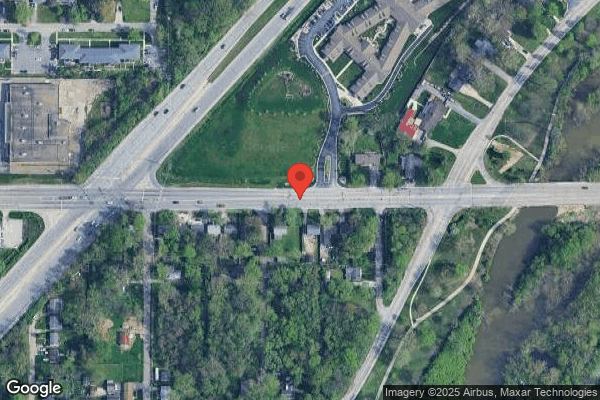
Understanding Severity Codes (click to expand)
Life-Threatening (Immediate Jeopardy)
J - Isolated K - Pattern L - Widespread
Actual Harm
G - Isolated H - Pattern I - Widespread
Potential for Harm
D - Isolated E - Pattern F - Widespread
No Harm (Minor)
A - Isolated B - Pattern C - Widespread

Questions to Ask on Your Visit

  • "Why is there high staff turnover? How do you retain staff?"
  • "Can I speak with families of current residents?"
  • "What's your RN coverage like on weekends and overnight?"

Our Honest Assessment

Strengths
  • • No fines on record. Clean compliance history, better than most Indiana facilities.
Concerns
  • • 40 deficiencies on record, including 2 serious (caused harm) violations. Ask about corrective actions taken.
  • • Grade D (45/100). Below average facility with significant concerns.
  • • 60% turnover. Above average. Higher turnover means staff may not know residents' routines.
Bottom line: Trust Score of 45/100 indicates significant concerns. Thoroughly evaluate alternatives.

About This Facility

What is Creekside Center's CMS Rating?

CMS assigns CREEKSIDE HEALTH AND REHABILITATION CENTER an overall rating of 3 out of 5 stars, which is considered average nationally. Within Indiana, this rating places the facility higher than 0% of the state's 100 nursing homes. This mid-range rating indicates the facility meets federal standards but may have areas for improvement.

How is Creekside Center Staffed?

CMS rates CREEKSIDE HEALTH AND REHABILITATION CENTER's staffing level at 3 out of 5 stars, which is average compared to other nursing homes. Staff turnover is 60%, which is 14 percentage points above the Indiana average of 46%. High turnover can affect care consistency as new staff learn residents' individual needs. RN turnover specifically is 56%, which is notably high. RNs provide skilled clinical oversight, so turnover in this role can affect medical care quality.

What Have Inspectors Found at Creekside Center?

State health inspectors documented 40 deficiencies at CREEKSIDE HEALTH AND REHABILITATION CENTER during 2022 to 2025. These included: 2 that caused actual resident harm, 37 with potential for harm, and 1 minor or isolated issues. Deficiencies causing actual harm indicate documented cases where residents experienced negative health consequences.

Who Owns and Operates Creekside Center?

CREEKSIDE HEALTH AND REHABILITATION CENTER is owned by a for-profit company. For-profit facilities operate as businesses with obligations to shareholders or private owners. The facility is operated by TLC MANAGEMENT, a chain that manages multiple nursing homes. With 120 certified beds and approximately 105 residents (about 88% occupancy), it is a mid-sized facility located in INDIANAPOLIS, Indiana.

How Does Creekside Center Compare to Other Indiana Nursing Homes?

Compared to the 100 nursing homes in Indiana, CREEKSIDE HEALTH AND REHABILITATION CENTER's overall rating (3 stars) is below the state average of 3.1, staff turnover (60%) is significantly higher than the state average of 46%, and health inspection rating (2 stars) is below the national benchmark.

What Should Families Ask When Visiting Creekside Center?

Based on this facility's data, families visiting should ask: "How do you ensure continuity of care given staff turnover, and what is your staff retention strategy?" "Can I visit during a mealtime to observe dining assistance and food quality?" "How do you handle medical emergencies, and what is your hospital transfer rate?" "Can I speak with family members of current residents about their experience?" These questions are particularly relevant given the facility's high staff turnover rate.

Is Creekside Center Safe?

Based on CMS inspection data, CREEKSIDE HEALTH AND REHABILITATION CENTER has a clean safety record: no substantiated abuse findings (meaning no confirmed cases of resident harm), no Immediate Jeopardy citations (the most serious violation level indicating risk of serious injury or death), and is not on the Special Focus Facility watch list (a federal program monitoring the lowest-performing 1% of nursing homes). The facility has a 3-star overall rating and ranks #100 of 100 nursing homes in Indiana. While no facility is perfect, families should still ask about staff-to-resident ratios and recent inspection results during their visit.

Do Nurses at Creekside Center Stick Around?

Staff turnover at CREEKSIDE HEALTH AND REHABILITATION CENTER is high. At 60%, the facility is 14 percentage points above the Indiana average of 46%. Registered Nurse turnover is particularly concerning at 56%. RNs handle complex medical decisions and coordinate care — frequent RN changes can directly impact care quality. High turnover means new staff may not know residents' individual needs, medications, or preferences. It can also be disorienting for residents, especially those with dementia who rely on familiar faces. Families should ask: What is causing the turnover? What retention programs are in place? How do you ensure care continuity during staff transitions?

Was Creekside Center Ever Fined?

CREEKSIDE HEALTH AND REHABILITATION CENTER has no federal fines on record. CMS issues fines when nursing homes fail to meet care standards or don't correct problems found during inspections. The absence of fines suggests the facility has either maintained compliance or corrected any issues before penalties were assessed. This is a positive indicator, though families should still review recent inspection reports for the full picture.

Is Creekside Center on Any Federal Watch List?

CREEKSIDE HEALTH AND REHABILITATION CENTER is not on any federal watch list. The most significant is the Special Focus Facility (SFF) program, which identifies the bottom 1% of nursing homes nationally based on persistent, serious quality problems. Not being on this list means the facility has avoided the pattern of deficiencies that triggers enhanced federal oversight. This is a positive indicator, though families should still review the facility's inspection history directly.