EAGLE VALLEY MEADOWS
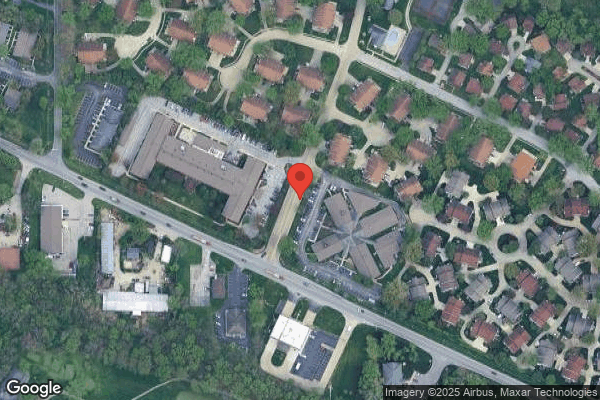
3017 VALLEY FARMS RD, INDIANAPOLIS, IN 46214 (317) 293-2555
For profit - Corporation 114 Beds AMERICAN SENIOR COMMUNITIES Data: November 2025
Trust Grade
60/100
#236 of 505 in IN
Last Inspection: June 2024

Within standard 12-15 month inspection cycle. Federal law requires annual inspections.

Overview

Eagle Valley Meadows has a Trust Grade of C+, which indicates that it is slightly above average among nursing homes. It ranks #236 out of 505 facilities in Indiana, placing it in the top half, and #18 out of 46 in Marion County, meaning only a few local options are better. The facility is improving, having reduced issues from 18 in 2024 to just 1 in 2025. However, staffing is a concern with a 2/5 rating and a turnover rate of 47%, which is on par with the state average. While there have been no fines reported, which is a positive sign, there have been issues such as insufficient staff during certain shifts, which could impact care for residents, and improper storage of medications that poses risks for all residents receiving medications. Additionally, there were concerns regarding pest control in the kitchen, indicating a need for better cleanliness and maintenance practices. Overall, while there are strengths like no fines and improving trends, families should be aware of staffing challenges and some environmental issues.

Trust Score
C+
60/100
In Indiana
#236/505
Top 46%
Safety Record
Low Risk
No red flags
Inspections
Getting Better
18 → 1 violations
Staff Stability
⚠ Watch
47% turnover. Above average. Higher turnover means staff may not know residents' routines.
Penalties
✓ Good
No fines on record. Clean compliance history, better than most Indiana facilities.
Skilled Nurses
○ Average
Each resident gets 37 minutes of Registered Nurse (RN) attention daily — about average for Indiana. RNs are the most trained staff who monitor for health changes.
Violations
⚠ Watch
37 deficiencies on record. Higher than average. Multiple issues found across inspections.
★★★☆☆
3.0
Overall Rating
★★☆☆☆
2.0
Staff Levels
★★★★★
5.0
Care Quality
★★☆☆☆
2.0
Inspection Score
Stable
2024: 18 issues
2025: 1 issues

The Good

  • 5-Star Quality Measures · Strong clinical quality outcomes
  • Full Sprinkler Coverage · Fire safety systems throughout facility
  • No fines on record

Facility shows strength in quality measures, fire safety.

The Bad

3-Star Overall Rating

Near Indiana average (3.1)

Meets federal standards, typical of most facilities

Staff Turnover: 47%

Near Indiana avg (46%)

Higher turnover may affect care consistency

Chain: AMERICAN SENIOR COMMUNITIES

Part of a multi-facility chain

Ask about local staffing decisions and management

The Ugly 37 deficiencies on record

Aug 2025 1 deficiency
CONCERN (E) 📢 Someone Reported This

A family member, employee, or ombudsman was alarmed enough to file a formal complaint

Potential for Harm - no one hurt, but risky conditions existed

Deficiency F0725 (Tag F0725)

Could have caused harm · This affected multiple residents

Based on observations, interviews, and record review, the facility failed to ensure sufficient staffing was provided to meet resident care needs. This deficient practice had the potential to affect 20...

Read full inspector narrative →
Based on observations, interviews, and record review, the facility failed to ensure sufficient staffing was provided to meet resident care needs. This deficient practice had the potential to affect 20 of 20 residents who resided in the secured memory care unit and 1 of 3 residents reviewed for NOMNC notification. (Residents 17 and B)Findings include:1. On 7/27/25 at 11:00 a.m., the day shift time and attendance records for nursing staff assignments on the 6:00 a.m. -2:00 p.m. shift, with a resident census of 77, were reviewed. According to the timesheets, the following staff were physically present in the building during the 6-2 shift:Licensed Nurses:Registered Nurse (RN) 9: 6:52 a.m. - 2:52 p.m.Licensed Practical Nurse (LPN) 11: 7:45 a.m. - 11:40 a.m.LPN 12: 6:42 a.m. - 2:01 p.m.LPN 13: 5:44 a.m. - 2:13 p.m.Certified Nursing Assistants (CNAs):CNA 14: 5:44 a.m. - 10:00 p.m.CNA 15: 6:01 a.m. - 2:10 p.m.CNA 16: 5:56 a.m. - 10:00 p.m.CNA 17: 6:06 a.m. - 4:12 p.m.CNA 18: 6:04 a.m. - 2:11 p.m.The total actual CNA worked hours for the 6-2 shift was 72.43 hours, resulting in a staff-to-resident ratio of 0.94 hours per resident day (HPRD) for direct care staff. According to CMS expectations and industry benchmarks, this HPRD was below the recommended level of 1.5 - 2.0 HPRD for CNA coverage, not including licensed nursing staff.Multiple CNA and licensed nurse shift start times varied and overlapped slightly, with one licensed nurse, LPN 11, leaving the building prior to the end of the scheduled shift at 11:40 a.m., further reducing licensed coverage.This level of staffing did not reflect a sufficient number of qualified nursing personnel to meet the scheduled and unscheduled care needs of 77 residents, which included, but was not limited to, assistance with activities of daily living (ADLs), timely incontinence care, hydration needs, and a clean/comfortable homelike environment. On 7/27/25 at 10:12 a.m., Resident 17 was observed lying in bed with blankets over her. The room was very warm. She had a red face, and her lips were dry and cracked. She had long facial hair. Her bedside table was out of reach. On the table was a cup of warm water dated 7/23/25. On 7/28/25 at 10:30 a.m., Resident 17 was observed lying in bed with blanket over her. She continued to have a red face, and her lips were dry and cracked. She had long facial hair. Her bedside table was out of reach. She continued to have a cup of warm water with the date of 7/23/25 written on the cup. On 7/29/25 at 9:45 a.m., Resident 17 was observed lying in bed with a blanket over her. She had a face, and her lips were dry and cracked. She had long facial hair. Her bedside table was out of reach. She had a cup of water at her bedside that had warm water, and the cup did not have a date on it. On 7/30/25 a record review was completed for Resident 17. She had the following diagnoses which included but were not limited to Alzheimer's disease, schizophrenia, seizures, anxiety disorder, hypertension, and osteoarthritis. During an interview on 7/30/25 at 1:37 p.m., the Administrator (ADM) was notified of some staffing and environmental concerns and conducted a walk through in the memory care unit. The ADM indicated staffing was set to daily census and acuity needs. The CNAs in memory care did not utilize assignment sheets, but provided care based off the Resident Profile and should follow a CNA To Do List.On 8/1/25 at 8:40 a.m., the ADM provided a copy of the CNA To Do List which was reviewed at that time. The Day and Evening shift To Do List was broken into five sections: 1. Tasks before breakfast, (11 items) 2. Tasks after breakfast, (11 items) 3. Tasks after lunch, (9 items) 4. Tasks upon arrival and prior to evening meal, (13 items) and 5. Tasks after dinner, (13 items) for a total of 57 tasks. The list was not broken up or assigned shift by shift.The Night Shift To DO List was considerably shorter with only 18 tasks which included, but were not limited to: incontinent checks, safety rounds, wheelchair cleaning per schedule and ensuring supplies were stocked for the next shift. Several resident's wheelchairs were observed dirty and in disrepair during the survey.Considering a day shift, from 6:00 a.m., until 2:00 p.m. in the memory care unit, (addressing resident behaviors as needed) there were 31 tasks to be completed which included, but were not limited to: review CNA sheets (which were not available), ensure all residents are provided A.M. cares and up for breakfast, completing charting, ensure beds are made, pass ice water, turn and reposition dependent residents, toileting, showers and empty trash. Ice water was not observed passed in memory care during the survey period. Showers were not observed in progress until after 7/29/25 when it was brought to staff attention. Multiple personal hygiene and oral care concerns were observed. Cross reference F584, F677, and F692.2. On 7/29/25 at 11:19 a.m., Resident B's record was reviewed. He had been a short-stay rehab resident with diagnoses which included, but were not limited to, Parkinson's disease, Type 2 diabetes mellitus without complication and anxiety disorder.A NOMNC dated 4/20/25, was not signed as acknowledged by Resident B until 4/21/25, as the requirement states, residents must receive at least 48 hours notice for noncoverage. During an interview on 7/29/25 at 2:21 p.m., the Administrator (ADM) indicated, Resident B's NOMNC was faxed to the facility after business hours on a Friday, and there were no administrative or Social Service staff in over the weekend to check the fax and notify Resident B. 3. Resident Council Minutes were reviewed from September 2024 until July 2025. The following was noted:On 9/3/24 twelve residents were in attendance for the meeting. Previous concerns from 8/2024, which included, but were not limited to, need more nursing staff . were discussed but the resolution was not accepted and at the time of the meeting, the residents complained again that they needed more nursing staff. On 10/1/24 fourteen residents were in attendance for the meeting. Concerns for adequate nursing staff from the previous meeting was reviewed, but again not resolved, as they resident requested more nursing staff at the October meeting as well. On 3/4/25 fifteen residents were in attendance for the meeting. At that time, they brought up concerns for adequate nursing staff and requested, if the facility could please provide more staff on the halls. The council received a response, dated 3/5/25, which indicated, continue to actively interview applicants. Halls are staffed adequately to census. On 6/3/25 eleven residents were in attendance for the meeting. at that time they brought up concerns that weekend staff were not answering all lights and were on their cellphones. 4. Resident/Family grievances were reviewed from January 2025 until July 2025. The following was noted and revealed unresolved, ongoing concerns related to incontinent care, call light response time, and customer service. On 1/7/25, Resident stated that staff takes a long time to change her . On 1/11 and 1/12 2025, Residents POA [power of attorney] came to visit both days in afternoon. Both days she came, she noticed [the resident] was incontinent of bowel and bladder. On Sunday, POA notified nurse that urine was not accumulating in drainage bag, the nurse then told her she noticed it as well, but no action was taken to fix the problem. On 1/15/25 a resident expressed concerns for incontinent care and customer service was slow. On 2/14/25 a resident expressed concerns for slow call light response time. On 2/26/25 a resident complained, the turned on the call light and he didn't see staff turn off light but they did pick up a blanket off the floor and place it at the foot of the bed and didn't bother to even ask if he needed anything, staff later apologized and stated, the shift was ending and they had things to get done. On 2/20/25 a complaint was filed on behalf of a resident which indicated, resident reported that [named resident] is being change/cleaned up in the mornings between 5 a.m. and 7 a.m., but no one is changing her after that until the evening around 9 p.m.On 2/20/25 a resident expressed concerns for incontinence, incontinent care with ADLs did not receive water, aides said they would return but did not. On 3/24/25 a resident complained, strong odor in room, resident roommate needs a shower, couldn't eat breakfast in room due to odor.On 3/31/25 a family member complained on behalf of their loved one, concerns about checking and changing every 2 hours since she cannot push her call light button. Concerned about wound/skin breakdown with positioning.On 3/31/25 a resident expressed concerns that a CNA comes in with his phone in his hand [and] told he would clean [the resident] with wipes instead of warm soapy water. Resident feels wipes not good for him. On 4/3/25 a resident expressed concerns for, slow on incontinent care. On 4/17/25 a complaint on behalf of a resident indicated, he has to wait to get incontinent care . On 4/4/25 a resident expressed concerns, overnight staff slow on answering call light. On 6/3/25 a resident complained that staff overnight were not filling up oxygen tanks. On 6/28/25 a complaint on behalf of a resident indicated, they didn't get a breathing treatment until after waiting for over an hour. On 7/15/25 concerns on behalf of a resident were noted, oxygen tanks were not being checked/changed every 4 hours, and the residents oxygen tanks had been found empty on three separate occasions. During a confidential interview, it was noted there were not enough nursing staff to get what needed to be done completed or at least completed in an effective and appropriate manner. There were too many high acuity residents for so few aides, and ADLs often went undone. On 7/31/25 at 1:10 p.m. the ADM provided a copy of current facility policy titled, Staffing Policy, revised 9/2018. The policy indicated, The staffing policy of ASC is to maintain adequate staffing in each facility . Home Office and facility leadership determine the budgeted staffing for all department during budget meetings . adjustments/changes to the budgeted staffing PPD amount can be adjusted anytime based on specific circumstances . and increase in acuity of levels of the residents. This additional staffing coverage is determined at the discretion of the Executive Director and the Facility based interdisciplinary team During the survey entrance conference on 7/27/25 at 10:00 a.m., a copy of the Facility Assessment Tool was requested and provided. The Assessment was dated 8/2024 and indicated, the average daily census was 72 . minimum staffing required (these requirements may fluctuate due to PPD and census) Licensed Nurse Staff: 2 on day, 2 on evening and 1 on nights. Non-Licensed Staff (CNA): 5 on days, 5 on evening and 3 on nights. Qualified Mediation Aides (QMA): 1 per shift . On the weekends there is an assigned nurse on call who would fill vacant shifts from call-outs This citation relates to Complaints IN00162849 and IN00162850.3.1-17(a)
Oct 2024 6 deficiencies
CONCERN (D) 📢 Someone Reported This

A family member, employee, or ombudsman was alarmed enough to file a formal complaint

Potential for Harm - no one hurt, but risky conditions existed

Deficiency F0554 (Tag F0554)

Could have caused harm · This affected 1 resident

Based on observation, interview, and record review, the facility failed to ensure medication was not left at bedside without a self-medication assessment for 1 of 1 resident reviewed for medication se...

Read full inspector narrative →
Based on observation, interview, and record review, the facility failed to ensure medication was not left at bedside without a self-medication assessment for 1 of 1 resident reviewed for medication self-administration (Resident B). Findings include: On 10/10/24 at 10:16 a.m., Ventolin (albuterol) and Symbicort inhalers were observed on Resident B's over the bed table. On 10/10/24 at 11:24 a.m., Resident B's self-administration assessment was reviewed. It indicated on 9/5/24, she was approved to self-administer bacitracin (topical antibiotic) to her nose. No other medications were listed to self-administer. A current policy, titled, General Dose Preparation and Medication Administration, dated 4/30/24, was provided by the DON, on 10/10/24 at 11:30 a.m., a review of the policy indicated, .Verify each time a medication is administered that it is the correct medication, at the correct dose, at the correct route, at the correct rate, at the correct time, for the correct resident This citation relates to Complaint IN00443579. 3.1-11
CONCERN (D) 📢 Someone Reported This

A family member, employee, or ombudsman was alarmed enough to file a formal complaint

Potential for Harm - no one hurt, but risky conditions existed

Deficiency F0692 (Tag F0692)

Could have caused harm · This affected 1 resident

**NOTE- TERMS IN BRACKETS HAVE BEEN EDITED TO PROTECT CONFIDENTIALITY** Based on observation, interview, and record review, the facility failed to ensure a resident, (Resident B) was comprehensively a...

Read full inspector narrative →
**NOTE- TERMS IN BRACKETS HAVE BEEN EDITED TO PROTECT CONFIDENTIALITY** Based on observation, interview, and record review, the facility failed to ensure a resident, (Resident B) was comprehensively assessed for her nutritional status and person centered interventions were implemented for 1 of 3 residents reviewed for nutrition. Findings include: During an interview on 10/9/24 at 11:36 a.m., Resident B indicated, she did not like the food and was tired of only being able to receive hamburgers as food substitutes. She was supposed to be on a low sodium diet, but did not feel like she had been provided with a variety of options or healthier options. Resident B indicated when she asked for alternative food options, staff told her the alterative menu would also be a hamburger. Resident B indicated she had never been visited by the Registered Dietician (RD). She wanted the RD to see her, review her new low sodium diet, and give more options than just a hamburger. On 10/9/24 at 1:11 p.m., Resident B's lunch tray was observed, and the meal had been consumed. Resident B pointed to her ticket which indicated she received a hamburger again. She indicated she ate it because she was hungry and when she asked about an alternative the nurse said it might be a while before she could get anything else. On 10/9/24 at 11:40 a.m., Resident B's medical record was reviewed. She was a long-term care resident who had diagnoses which included but not limited to, acute on chronic congestive heart failure, type II diabetes mellitus and anxiety. An admission Minimum Data Set (MDS) assessment, dated 8/18/24, indicated Resident B was cognitively intact. Her nutrition assessment, section K, was completed by the MDS Coordinator (MDSC) on 8/15/24. Section K indicated Resident B's height and weight, but weight gain and/or weight loss was listed as unknown. An admission Initial Nutrition Review, dated 8/12/24, was completed by the Culinary Dietary Manager (CDM). The Nutrition Review indicated, Resident B received a regular diet, and disliked pork and salty foods. Resident B's goal for nutritional health was, healthy heart diet. Resident B's record lacked documentation that a Nutrition Focused Physical Exam (NFPE) and/or a Estimated Nutrient Needs Assessment had been completed. A nursing progress note, dated 9/28/24 at 1:07 a.m., indicated, Resident B had complained of chest pain and was sent to the Emergency Department (ED). A corresponding hospital Discharge summary, dated [DATE], indicated Resident B presented to the ED with complaints of chest pain and trouble breathing.diet is high salt as she cannot be on a heart healthy diet at her facility . patient was evaluated by medical nutrition and educated on a low salt diet and weight loss strategies. Patient's presentation was thought to be in part due to high sodium intake from diet . Barriers to care: availability of low salt diet . Active issues requiring follow-up: Acute on chronic heart failure . needs to be on a low salt diet to prevent exacerbation of heart failure Resident B's current physician's orders were reviewed, and she had a Regular Diet order dated 8/7/24 with no specifications of low-salt. Resident B's comprehensive care plans were reviewed. She had a care plan initiated 8/13/24 which indicated she was at risk for unintentional weight loss, but that weight loss would be warranted. Interventions included, but were not limited to monitor her weight, notify doctor of weight changes and provide diet per doctor's orders. Resident B's care plans lacked documentation of revisions to address what kind of weight loss may be warranted, goals for weight loss, preferences for a low salt diet and or interventions to address known behaviors related to her nutrition management. Resident B's weight was obtained upon admission on [DATE] but had not been taken since. During an interview on 10/9/24 at 1:57 p.m., the Regional Registered Dietician Consultant (RRDC) indicated, upon admission, a resident should be seen by the CDM within the first business day to obtain diet orders and preferences. After admission, but within 14 days, the resident should be assessed and evaluated by the RD. The RRDC reviewed Resident B's MDS and nutritional assessments and indicated, it appeared that the RD had not been to see Resident B since her admission. The MDS should trigger the comprehensive care plan, and additional revisions would have been made after the RD assessed the resident. On 10/9/24 at 2:40 p.m., the Director of Nursing Services (DNS) provided a copy of current facility policy title, Nutrition Review and Assessment, revised 9/2024. The policy indicated, .It is the policy of American Senior Communities that each resident and/or family will be interviewed to determine preferences surrounding meals as well as to assess nutrition status and factors that may pout the resident at risk for altered nutrition . A Nutritional Focused Physical Exam (NFPE) will be completed by the Registered Dietician upon admission and additionally at the RD's clinical discretion. The NFPE is used to assess the resident for fat and/or muscle wasting to determine nutritional status and to assist in developing an appropriate nutrition plan of care . The RD, or designee will complete the Estimated Nutrient Needs observation following admission and with each comprehensive assessment but, no less that annually . Information from the Initial Nutrition Review, Malnutrition Screening Tool, Estimated Nutrient Needs, Nutritional Focused Physical Exam, interviews with the resident . will all be used to complete the . Resident centered care plan and to update the tray ticket system This citation relates to Complaint IN00443579. 3.1-46
CONCERN (D) 📢 Someone Reported This

A family member, employee, or ombudsman was alarmed enough to file a formal complaint

Potential for Harm - no one hurt, but risky conditions existed

Deficiency F0726 (Tag F0726)

Could have caused harm · This affected 1 resident

Based on observation, interview, and record review, the facility failed to ensure staff were competent with medication administration for 2 of 2 residents observed for medication administration (Resid...

Read full inspector narrative →
Based on observation, interview, and record review, the facility failed to ensure staff were competent with medication administration for 2 of 2 residents observed for medication administration (Residents B and E) Findings include: On 10/10 24 at 10:09 a.m., LPN 8 was observed at the B Hall Medication Cart. During a medication administration for Resident B, LPN 8 provided a Symbicort inhaler (treats asthma and COPD-chronic obstructive pulmonary disease), the resident took a puff of the inhaler. Immediately after, LPN 8 provided albuterol (treats asthma and COPD) and Spirva (dilates bronchial passage ways) with no delay between puffs. He provided water for the resident to rinse her mouth. She swallowed the water. On 10/10/24 at 10:35 a.m., LPN 8 was observed preparing medication for Resident E. He was observed pouring 15 mL (milliliters) Robitussin (cough suppressant) into a medication cup. He was observed lifting the round cardboard from the touch of the bottle with his bare fingers. He double checked the level of medication at eye-level and indicated 15 mL. The physician's order indicated the resident received 10 mL Robitussin. On 10/10/24 at 10:39 a.m., LPN 8 started to provide the 15 mL to Resident E. He was asked to confer in the hallway. He insisted the medication was at 10 mL until he removed his cell phone and used the flashlight to illuminate the markings on the side of the medication cup. Afterward, he indicated he needed readers (magnifying glasses). The correct amount of Robitussin was provided to the resident. A current policy, titled, General Dose Preparation and Medication Administration, dated 4/30/24, was provided by the DON, on 10/10/24 at 11:30 a.m., A review of the policy indicated, .Medications should not come in contact with any surface except for the medication cup .Facility staff should avoid touching the medication with bare hands when opening a bottle .Facility staff should verify that the medication name an dose are correct when compared to the medication order on the medication administration record This citation relates to Complaint IN00443579. 3.1-14(k)
CONCERN (D) 📢 Someone Reported This

A family member, employee, or ombudsman was alarmed enough to file a formal complaint

Potential for Harm - no one hurt, but risky conditions existed

Pharmacy Services (Tag F0755)

Could have caused harm · This affected 1 resident

Based on observation, interview, and record review, the facility failed to ensure medications were provided according to the physician's order (Resident B) for 1 of 2 residents reviewed for medication...

Read full inspector narrative →
Based on observation, interview, and record review, the facility failed to ensure medications were provided according to the physician's order (Resident B) for 1 of 2 residents reviewed for medication administration. Findings include: On 10/10/24 at 9:45 a.m., Resident B expressed concern about missing some of her medications. She indicated she missed her clonazepam (antianxiety) four times this week. On 10/10/24 at 11:24 a.m., Resident B's October Medication Administration Record (MAR) was reviewed for missing medications. According to the MAR: a. Her clonazepam 1 mg, a scheduled IV tablet (controlled substance), was not given on 10/3/24 at 10:00 p.m., 10/4/24 at 2:00 p.m. and 10:00 p.m., 10/7/24 at 2:00 p.m. and 10:00 p.m., 10/8/24 at 10:00 p.m., and 10/9/24 at 10:00 p.m. b. Her dicyclomine tablet (for irritable bowel), 20 mg was not given on 10/3/24 at 10:00 p.m., 10/4/24 at 10:00 p.m., 10/7/24 at 10:00 p.m., 10/8/24 at 10:00 p.m., 10/9/24 at 10:00 p.m., and 10/10/24 at 8:00 a.m. c. Her dorzolamide-timolol 2-0.5 % (treat glaucoma) was not given at 7:00 p.m. on 10/3/24, 10/4/24, 10/7/24, 10/8/24, and 10/9/24. d. Her hydrocodone-acetaminophen 10-325 mg, schedule II tablet (controlled substance) was not given on 10/3/24 at 10:00 p.m., 10/4/24 at 2:00 p.m. and 10:00 p.m., 10/7/24 at 2:00 p.m. and 10:00 p.m., 10/8/24 and 10/9/24 at 10:00 p.m. e. Her symbicort (budesonide-formoterol) aerosol inhaler was not given at 7:00 p.m. on 10/3/24, 10/4/24, 10/7/24 and 10/9/24. f. Her trazodone tablet (treats depression and anxiety) 100 mg was not given on 10/3/24, 10/4/24, 10/7/24, 10/8/24 and 10/9/24. g. Her albuterol inhaler was not given on 10/5/24 at 6:00 p.m. A current policy titled, General Dose Preparation and Medication Administration, dated 4/30/24, was provided by the DON, on 10/10/24 at 11:30 a.m., A review of the policy indicated, .Verify each time a medication is administered that it is the correct medication, at the correct dose, at the correct route, at the correct rate, at the correct time, for the correct resident This citation relates to Complaint IN00443579. 3.1-48(c)(1)
CONCERN (D) 📢 Someone Reported This

A family member, employee, or ombudsman was alarmed enough to file a formal complaint

Potential for Harm - no one hurt, but risky conditions existed

Infection Control (Tag F0880)

Could have caused harm · This affected 1 resident

Based on observation, interview, and record review, the facility failed to prevent the potential for the spread of a highly contagious virus when staff failed to perform hand hygiene and don personal ...

Read full inspector narrative →
Based on observation, interview, and record review, the facility failed to prevent the potential for the spread of a highly contagious virus when staff failed to perform hand hygiene and don personal protective equipment (PPE) in a COVID-19 positive isolation room for 2 of 2 days of observation. This deficient practice had the potential to effect 22 of 78 residents who resided on the D-hall of the facility. Findings include: During an interview on 10/9/24 at 11:36 a.m., Resident B indicated she was worried about catching COVID-19 because she knew staff were not using the appropriate PPE to enter isolation rooms. She indicated she often sat at the nurses station and watched as staff entered COVID-19 positive rooms and they did not put on a gown, gloves or new masks. On 10/9/24 at 1:30 p.m., Resident C's room was observed from the hallway. The door was open, but there was a bright red sign which indicated PPE was required to enter the room due to droplet isolation precautions. On 10/9/24 at 1:48 p.m., Certified Nursing Assistant (CNA) 6 entered Resident C's room. She did not perform hand hygiene, don a gown, gloves, N-95 or eye protection. She exited the room with a lunch tray, and carried the uncovered tray don't he hall, past the nurse station and down the hallway to the dining room where she placed the tray into a rolling cart. On 10/9/24 at 2:00 p.m., Resident C's room was observed from the hallway. There was no waste basket for discarded PPE inside the room. On 10/10/24 at 8:58 a.m., CNA 6 and CNA 7 entered Resident C's room to provider her breakfast tray. Neither CNA performed hand hygiene, donned gowns, gloves, N-95s or eye protection. CNA 6 and 7 exited the room. Neither CNA performed hand hygiene before they continued to other resident's rooms to distribute breakfast trays. During an interview on 10/10/24 at 9:00 a.m., the Director of Nursing Services (DNS) indicated, all staff and visitors should don appropriate PPE and perform hand hygiene before entering a covid positive and/or any isolation room. The DNS immediately educated the two CNAs. On 10/9/24 at 1:28 p.m., Resident C's record was reviewed. She was a long-term care resident with diagnoses which included, but were not limited to, vascular dementia (a degenerative brain disease which affects conitive function and memory) and a history of cancer. A nursing progress note, dated 10/2/24 at 10:19 a.m., indicated Resident C had complained of a sore throat. She was tested for COVID-19 and found to be positive. She was placed in isolation. During an interview on 10/10/24 at 11:07 a.m., the Infection Preventionist (IP) indicated, Resident C had been on Memory Care, but was moved to a room on the D-hall before staff knew she was positive. When residents on the memory care unit started to test positive, Resident C and her roommate were tested due to contact tracing. Resident C tested positive, but her roommate was negative. Resident C's roommate had not become symptomatic and therefore had not been tested since her initial contact test. The IP indicated staff should perform hand hygiene before and after leaving any room and should follow all PPE precautions as indicated by the signs on the resident's doors. On 10/9/24 at 2:43 p.m., the Executive Director (ED) provided a copy of current facility policy titled, Standard and Transmission-Based Precautions (Isolation) Policy, revised 4/2024. The policy indicated, .Purpose: to implement appropriate transmission-based precautions to prevent the transmission of infection . Always assume that every resident is potentially infected or colonized with an organism that could be transmitted in the healthcare setting . hand hygiene [should be completed] after touching resident surroundings (objects surfaces in the resident's environment) . Covid-19 positive resident . HCP [healthcare provider] should wear an N95 or higher-level respirator, eye protection . gloves and gown when caring for these residents . PPE must be appropriately doffed and discarded in trash prior to leaving room This citation relates to Complaint IN00443579. 3.1-18(a)
CONCERN (E) 📢 Someone Reported This

A family member, employee, or ombudsman was alarmed enough to file a formal complaint

Potential for Harm - no one hurt, but risky conditions existed

Deficiency F0761 (Tag F0761)

Could have caused harm · This affected multiple residents

**NOTE- TERMS IN BRACKETS HAVE BEEN EDITED TO PROTECT CONFIDENTIALITY** Based on observations, interviews, and record reviews, the facility failed to ensure all medications and treatments were stored ...

Read full inspector narrative →
**NOTE- TERMS IN BRACKETS HAVE BEEN EDITED TO PROTECT CONFIDENTIALITY** Based on observations, interviews, and record reviews, the facility failed to ensure all medications and treatments were stored and labeled properly for the facility in 1 of 1 medication storage rooms and 1 of 1 medication carts reviewed. This deficient practice had the potential to affect 78 of 78 residents that resided in the facility who received medications. Findings include: On [DATE] at 9:57 a.m., the medication storage room was observed with Director of Nursing (DON). The medication storage room was observed to have a large quantity of various medications and treatments which needed to be returned. The medications were stacked and scattered throughout the room. There were two full bins which overflowed on to the counter and floor and one sink was observed to be full of medications which overflowed into the second sink. The DON stated all the medications observed came off the medication carts this week. The DON indicated one bag of medication was mixed in with the to-be-returned to pharmacy medication and should not have been there. The DON indicated that the Medical Records Coordinator (MRC) was responsible for loading medication into the system to initiate the pharmacy return process. The medication refrigerator had Aplisol (an injectable solution to test for tuberculosis) with an arrival date of [DATE], with no open date. The DON indicated that she would dispose of it. On [DATE] at 10:49 a.m., the B Hall medication cart was reviewed with Licensed Practical Nurse (LPN) 8. The medications reviewed were as follows: Resident B had brimonidine/ bromidine 0.2% (a type of eye drop) no open date, manufactures expiration date 04/2026. Medication to stay on cart until manufactures expiration date. Resident F had latanoprost 0.005% (a type of eye drop) with no open date, manufactures expiration date 12/2026. Resident G had latanoprost 0.005% with an open date of [DATE], manufacture expiration date 10/2026. During an interview, on [DATE] at 11:30 a.m., the DON indicated, eye drops need to have open dates. When asked about why the medication storage was in disarray, the DON indicated, the MCR had left the position on [DATE]. The their absence, the facility relied on a Float MRC, but they only came to the facility once every 2 weeks to fill in until they could fill the position. The DON indicated, the facility staff looked at orders, but did not scan them into the computer. They were a paperless facility and the DON expected the nursing staff to scan in documents as needed. During an interview on [DATE] at 3:08 p.m., the Float MRC indicated, he had only been at the facility a couple of times since the previous medical records person left on [DATE]. No one from the building had requested him to return to the building. He indicated he scanned documents into the resident's electronic medical records and did nothing with medication storage or the medications that needed to be returned to the pharmacy. The facility would take care of the pharmacy returns. He was not made aware of the need to scan documents before they could be returned to the pharmacy. He indicated he did not have daily duties at the facility, he only did billing. On [DATE] at 11:30 a.m., the DON provided a copy of current facility policy titled, Storage and Expiration Dating of Medications and Biologicals, dated [DATE]. The policy indicated, .facility should ensure that medications and biologicals are stored in an orderly manner in cabinets, drawers, carts, refrigerators/freezers, of sufficient size to prevent crowding .facility should ensure that medications and biologicals that: (1) have an expired date on the label; (2) have been retained longer than recommended by manufacturer or supplier guidelines; or (3) have been contaminated or deteriorated, are stored separate from other medications until destroyed or returned to the pharmacy or supplier .when an ophthalmic solution or suspension has a manufacture shortened beyond use date once opened, facility staff should record the date opened and the date to expire on the container On [DATE] at 12:25 p.m., the DON provided a copy of current facility policy titled, Returning Medications to the Pharmacy, dated [DATE]. The policy indicated, .if returns are permitted under applicable law, facility should return medications with any associated paperwork or documentation to pharmacy immediately after such medications have been discontinued This citation relates to Complaint IN00443579. 3.1-25(j) 3.1-25(m) 3.1-25(n)
Aug 2024 1 deficiency
CONCERN (D) 📢 Someone Reported This

A family member, employee, or ombudsman was alarmed enough to file a formal complaint

Potential for Harm - no one hurt, but risky conditions existed

Resident Rights (Tag F0550)

Could have caused harm · This affected 1 resident

Based on observation, interview, and record review, the facility failed to maintain the dignity and the right to refuse services of 1 of 5 residents reviewed for resident rights (Resident S). Findings...

Read full inspector narrative →
Based on observation, interview, and record review, the facility failed to maintain the dignity and the right to refuse services of 1 of 5 residents reviewed for resident rights (Resident S). Findings include: On 8/20/24 at 11:43 a.m., during an initial observation and interview, Resident S was observed the resident lying in bed. The call light was within reach on the right side of her bed attached to her bed rail. She was on a low air loss mattress to facilitate comfort and prevent skin breakdown. The resident was cognitively intact, alert, and pleasant. The resident indicated she was able to stand and transfer to her wheelchair with assistance from the staff. She preferred to have meals in her room, but she was able to go to the dining room. The resident indicated on 8/17/24 (she was unsure of the time), she was in the lobby with her daughter, and she removed her oxygen tubing from her nose because she did not feel any air in the tube. She indicated Licensed Practical Nurse (LPN) 5 was sitting at the nurse's desk and she asked the nurse three times for help. She indicated LPN 5 yelled at Resident S and told her she was not her nurse. Another nurse, she did not recall the nurse's name, came to the area she was at and filled the portable oxygen tank for her. Later in the evening Registered Nurse (RN) 6 came into her room to give her the evening dose of medications. Resident S saw LPN 5 come into the room with RN 6. Resident S indicated she yelled at LPN 5 to get out of her room. She told LPN 5 she did not want her in her room because she was upset over the conversation she had with her earlier at the nurse's station about her oxygen. LPN 5 yelled at Resident S and said she was not going anywhere and continued to play on her phone. Resident S indicated she knew she should not have done it, but she picked up her styrofoam water cup and threw the water towards LPN 5. The cup hit the floor and splashed onto the nurse's pants. LPN 5 threatened to call the police and remained in the room. On 8/20/24 at 2:00 p.m., the medical record of Resident S was reviewed. Diagnosis included but were not limited to: Chronic obstructive pulmonary disease (COPD) (a group of diseases that cause airflow blockage and breathing-related problems) with (acute) exacerbation (sudden worsening), morbid (severe) obesity due to excess calories, type 2 diabetes mellitus without complications (a disease that occurs when your blood glucose, also called blood sugar, is too high), hypertensive heart disease with heart failure, chronic systolic (congestive) heart failure (a group of heart problems that occur when high blood pressure is present over a long period of time), anxiety disorder (a feeling of fear, dread, and uneasiness). An admission Minimum Data Set (MDS) assessment, dated 8/13/24, indicated the resident was cognitively intact. A care plan, dated 8/20/2024, indicated. Resident experienced behavior expressions such as at times cursing and yelling at staff, throwing cups at staff, refusing when offered a shower/bathing and then making accusations of staff not offering or bathing her, refusing peri care when staff offer stating No, I am asleep or No not right now and then accusing staff of not giving peri care. Approaches with start date of 8/20/2024 included continue with care in pairs, ensure safety, allow resident time to cool off, provide calm, unhurried, and supportive approach, notify family of refusals, notify MD of refusals, and remove from immediate area to further evaluate needs. On 8/20/24 at 2:31 p.m., during an interview with the Administrator. She indicated a care plan meeting with the resident and her daughter was completed on 8/17/24. She indicated the resident had said a nurse had spoken inappropriately to her and suggestions for her care were discussed. The Administrator indicated she had not received any reports from the DON or the Assistant DON (ADON), regarding reports of verbal abuse to a resident. She indicated if a resident was care planned for care to be provided in pairs it is for a specific reason. The staff member could ask another person to stand in the room if it was a non-clinical issue as a witness. A non-medical person could be a stand in if there was a need. She indicated Resident S had made false accusations against the staff and she was care planned for all care to be administered with two persons. A review of the progress notes lacked documentation of a care plan meeting on the date specified by the Administrator. On 8/20/24 at 2:45 p.m., during an interview with the DON and the Administrator. The DON indicated she had not received a report of anyone submitting a complaint about a nurse. She then indicated LPN 5 had called her regarding a situation with Resident S. She indicated Resident S, had yelled at her and she was 5 seconds from calling the police because the resident threw water on her. She indicated RN 6 was administering medication and she was there as a witness. She was on her phone looking up the resident's medication when the resident threw water on her. The DON acknowledged the nurse should have left the room when told to leave by the resident. The Administrator indicated the resident yelled and cursed at the staff and told false allegations about the staff. She indicated this was the first time she had heard about the incident; however, the staff should not be assaulted by the residents. The DON was unable to indicate why the nurse felt threatened to the point she would believe she needed to call the police for protection. The DON indicated she had not reported this to the Administrator, and she had not completed any employee education. The Administrator indicated the facility provided customer service education to all staff. On 8/21/24 at 10:31 a.m., during an interview with CNA 8. She indicated she has had education regarding dealing with residents with behaviors. She indicated she would leave the room if a resident request her to leave. If she was asked to be second person to assist and the resident asked her to leave, she would leave and ask another CNA to assist. On 8/21/24 at 10:43 a.m., during an interview with RN 9. She indicated she had no issues with residents refusing care. On August 17th she worked with Resident S for the first time and indicated the resident was very pleasant. She indicated she had received education on how to work with residents with behaviors and residents with dementia. She indicated if a resident asked her to leave their room, she would explain why she needed to be there. If the resident became upset, she would try to calm them but at some point, she would leave and ask another staff member to assist. On 8/21/2024 at 12:30 p.m., the provided an undated document titled, Your Rights and Protections as a Nursing Home Resident, and indicated it was the policy currently being used by the facility. The policy indicated, .At a minimum, Federal law specifies that nursing homes must protect and promote the following rights of each resident. You have the right to .Be treated with respect: You have the right to treated with dignity and respect .Be free from Abuse and Neglect .You have the right to be free from verbal abuse .Make complaints .You have the right to make a complaint to the staff of the nursing home, or any other person This citation relates to Complaint IN00441304. 3.1-3(a)(1)
Jun 2024 9 deficiencies
CONCERN (D)

Potential for Harm - no one hurt, but risky conditions existed

Deficiency F0558 (Tag F0558)

Could have caused harm · This affected 1 resident

Based on observation, interview, and record review, the facility failed to ensure a resident had a bariatric bed with mobility bars and her call light was in reach for 1 of 5 resident reviewed for acc...

Read full inspector narrative →
Based on observation, interview, and record review, the facility failed to ensure a resident had a bariatric bed with mobility bars and her call light was in reach for 1 of 5 resident reviewed for accommodation of needs (Resident 43). Findings include: On 6/2/24 at 11:23 a.m., Resident 43 was observed lying on her left side on the edge of her mattress. The upper portion of her mattress was outside of the bed frame. Her call light was observed on the floor. On 6/3/24 at 2:18 p.m., Resident 43's was in her room, in her wheelchair, and her call light was observed on the floor. On 6/4/24 at 10:04 a.m., Resident 43 was in her room, in her wheelchair, and her call light was observed on the floor. On 6/5/24 at 9:39 a.m., Resident 43 was observed sitting on the edge of her bed with her feet on the floor. Her mattress was observed to be askew, the top portion of the mattress was outside of the bed frame. She indicated she wanted mobility bars to be able to move easier in bed. On 6/5/24 at 10:27 a.m., Resident 43's record was reviewed. On 5/1/23 her weight was recorded as 382 pounds. Her diagnoses included, but were not limited to, obesity, sleep apnea (breathing difficulty during sleep), congestive heart disease (heart disease), chronic obstruction pulmonary disease (COPD), acute respiratory failure with hypoxia (not enough oxygen in the blood), diabetes mellitus (blood sugar disorder), and schizophrenia (mental illness involving difficulty with thought, emotion, and behavior). A care plan, dated 8/14/23, indicated Resident 43 required assistance with activities of daily living (ADL) including bed mobility, transfers, eating and toileting related to impaired mobility, congestive obstructive pulmonary disease (COPD), shortness of breath while lying flat, respiratory failure, and congestive heart failure. The goal was to support resident because she had a desire to improve her current functional status. A nursing approach was to assist with bed mobility as needed. A fall care plan, dated 8/3/24, indicated Resident 43 was at risk for falls. The goal was to reduce fall risk factors. A nursing approach indicated to keep the call light in reach. A call light care plan goal, dated 8/3/24, indicated Resident 43 would use the call light for assistance appropriately. A nursing approach indicated she would be educated on the importance of using the call light for assistance and be able to express herself as necessary. On 6/5/24 at 10:17 a.m., the Director of Nursing Services (DNS) indicated she did not know if Resident 43 had a bariatric bed (a wider, reinforced bed with a thicker, sturdier mattress for resident's over 350 pounds), and she would look into bed rails (aid in improving mobility). On 6/5/24 at 11:54 a.m., the DNS indicated the facility changed Resident 43's standard bed for a bariatric bed and provided her with bed rails for her mobility in bed. On 6/4/24 at 3:28 p.m., the Executive Director (ED) indicated the facility did not have a policy for call lights, but indicated the call light device should have been in reach of the resident to use. On 6/6/24 at 12:03 p.m., a policy for resident's accommodation of needs and appropriate mattress use was requested. The DNS indicated the facility did not those policies. 3.1-3(v)(1)
CONCERN (D)

Potential for Harm - no one hurt, but risky conditions existed

PASARR Coordination (Tag F0644)

Could have caused harm · This affected 1 resident

Based on record review and interview, the facility failed to assess 1 of 4 residents for coordination of preadmission screening and resident review (PASARR) who required a referral for a level II asse...

Read full inspector narrative →
Based on record review and interview, the facility failed to assess 1 of 4 residents for coordination of preadmission screening and resident review (PASARR) who required a referral for a level II assessment based on medical diagnoses and medication usage (Residents 64). Findings include: On 6/5/24 at 9:49 a.m., a record review was completed for Resident 64. He had the following diagnoses which included, but were not limited to, metabolic encephalopathy (a chemical imbalance in the brain), psychotic disorder with delusions due to known physiological condition, anxiety disorder, and depression. Resident 64 had a level I. The level I lacked information to include resident's mental illness diagnosis and use of Haldol (a psychotropic medication used to treat mental and mood disorders). This information would have triggered a level II to be completed if, not omitted. A policy titled, PASRR Policy, was provided by the Director of Nursing Services (DNS) on 6/5/24 R 11:55 a.m. It indicated, .Any resident with an intellectual, mental disability or related condition will be referred to the designated mental health or intellectual disability authority with a significant change in mental or physical status .
CONCERN (D)

Potential for Harm - no one hurt, but risky conditions existed

ADL Care (Tag F0677)

Could have caused harm · This affected 1 resident

Based on observation and interview, the facility failed to provide nail care for a resident who was unable to care for his own nail care for 1 of 4 residents (Resident 67) reviewed for activities of d...

Read full inspector narrative →
Based on observation and interview, the facility failed to provide nail care for a resident who was unable to care for his own nail care for 1 of 4 residents (Resident 67) reviewed for activities of daily living (ADLS). Findings include: During an observation on 6/3/24 at 9:40 a.m., Resident 67's nails were long and dirty. When asked if he wanted his nails that long, he indicated he called his daughter to have her cut them, but she was too busy working. During an observation on 6/4/24 at 3:25 p.m., Resident 67's nails were still long and dirty. During an observation on 6/5/24 at 9:41 a.m., Resident 67's nails were long and dirty. A record review was completed on 6/5/24 at 10:30 a.m. He had the following diagnoses which included but were not limited to malignant neoplasm of the prostate (cancer), anemia, hypertension, and age-related physical debility. During an interview with the DNS on 6/5/24 at 9:41 a.m., she was informed of resident's nails being long and dirty. She indicated she would inform the nurse to trim his nails or she would trim them herself. Resident 67 had a care plan, dated 4/15/24 and it indicated, Resident requires assistance with ADLS . His interventions included .Assist with bathing as needed per resident preference. Offer shower two times per week, partial bath in between . A policy titled, Resident Rights with no date was provided by the Regional Director of Clinical Services on 6/5/24 at 3:10 p.m. It indicated, .Receive the services and/or items included in the plan of care . 3.1-38(a)(3)
CONCERN (D)

Potential for Harm - no one hurt, but risky conditions existed

Respiratory Care (Tag F0695)

Could have caused harm · This affected 1 resident

**NOTE- TERMS IN BRACKETS HAVE BEEN EDITED TO PROTECT CONFIDENTIALITY** Based on observation, interview, and record review, the facility failed to ensure residents who needed respiratory equipment had...

Read full inspector narrative →
**NOTE- TERMS IN BRACKETS HAVE BEEN EDITED TO PROTECT CONFIDENTIALITY** Based on observation, interview, and record review, the facility failed to ensure residents who needed respiratory equipment had the equipment they needed and the equipment was covered when not in use for 2 of 2 residents reviewed for respiratory equipment (Resident 43 and 106). Findings include: 1. On 6/2/24 at 11:23 a.m., Resident 43's respiratory equipment was observed. She was observed to be on 4 liters of oxygen per minute by nasal cannula and had a BIPAP machine (non-invasive ventilator to assist with breathing) on her bedside table. Respiratory tubing was observed leading into a plastic bag, there was no BIPAP mask in the plastic bag. Resident 43 indicated a CNA (Certified Nursing Aide) threw it away and she was unable to use her BIPAP machine at night. On 6/3/24 at 2:19 p.m., the BIPAP mask was observed to be missing. The resident indicated she asked for another BIPAP mask. On 6/4/24 at 10:04 a.m., Resident 43 did not have a BIPAP mask in the plastic bag with the BIPAP tubing. She was unable to use it. On 6/5/24 at 9:30 a.m., Resident 43 did not have a BIPAP mask in the plastic bag with the BIPAP tubing. She was unable to use it. She indicated the facility staff did not order a BIPAP mask for her. On 6/4/24 at 2:19 p.m., Resident 43's record was reviewed. She was admitted on [DATE]. On 5/1/23, and her weight was recorded as 382 pounds. Her diagnoses included, but were not limited to, obesity, sleep apnea (breathing difficulty during sleep), congestive heart disease (heart disease), chronic obstruction pulmonary disease (COPD), acute respiratory failure with hypoxia (not enough oxygen in the blood), diabetes mellitus (blood sugar disorder), and schizophrenia (mental illness involving difficulty with thought, emotion, and behavior). A respiratory care plan, dated 8/14/23, indicated Resident 43 had a potential for impaired gas exchange related to obesity, acute respiratory failure, sleep apnea (stop breathing while asleep), COPD with shortness of breath while lying flat, was on continuous oxygen, pulmonary edema (too much fluids in the lungs), and history of cerebral vascular accident (stroke). The goal was for her to will adequate respiratory functions as evidenced by decreased or absence of dyspnea (difficulty with breathing), improved breath sounds, decreased or absence of shortness of breath, and improved oximetry (blood oxygen levels) results. Nursing approaches included, but were not limited to, administer oxygen as ordered - 4 liters per minute per nasal cannula and BIPAP (non-invasive ventilator to assist with breathing). A perfusion (blood flow) care plan, dated 8/14/23, indicated Resident 43 was at risk for ineffective tissue perfusion related to hypertension (HTN), history of cerebral vascular accident, and sleep apnea. The goal was to maintain adequate tissue perfusion. A nursing approach indicated the use of her BIPAP machine with observations of pallor, cyanosis (blue tint to skin), shortness of breath, headache, abnormal lung sounds and oxygen saturation (measurement of oxygen in the blood). A physician's order, dated 1/18/24, indicated Resident 43's BIPAP machine and mask be cleaned daily with soap and water. A physician's order, dated 4/23/24, indicated Resident 43's BIPAP should have been on at bedside and removed upon waking. On 6/5/24 at 10:17 a.m., the DNS indicated she did not know if Resident 43 had a bariatric bed and she indicated she would look into mobility bars for her. She indicated she was unaware Resident 43 was missing her BIPAP mask for multiple nights. She indicated she did the ordering and had not ordered a BIPAP mask for her. On 6/5/24 at 11:57 a.m., the Director of Nursing Services (DNS) indicated she provided a BIPAP mask for Resident 43 and Resident 43 should have had the BIPAP mask the whole time because she had physician orders to use it every night. 2. On 6/2/24 at 1:21 p.m., Resident 53's nebulizer mask was observed uncovered on top of his bedside table drawer. He indicated the CPAP mask was also in the drawer. On 6/4/24 at 11:16 a.m., Resident 53's CPAP mask was observed uncovered on top of his bedside table drawer. On 6/5/24 at 9:36 a.m., Resident 53's nebulizer mask and CPAP mask was observed uncovered on top of his bedside table drawer. On 6/6/24 at 12:08 p.m., Resident 53's record was reviewed. He was admitted on [DATE]. His diagnoses included, but were not limited to, chronic obstructive pulmonary disease (COPD), obstructive sleep apnea (OSA), morbid obesity (complex chronic disease with a body mass index above 40), and diabetes mellitus (blood sugar disorder). His physician orders, dated 12/20/23, indicated to use a CPAP at bedtime and remove upon waking. His physician orders, dated 12/20/23, indicated to use albuterol sulfate 0.63 mg via nebulizer treatment every 6 hours as needed. A respiratory care plan, dated 12/20/23, indicated Resident 53 had potential for impaired gas exchange related to COPD with shortness of breath while lying flat, chronic and other pulmonary manifestations related to radiation and obstructive sleep apnea, obesity, and CPAP use. The goal was for him to have adequate respiratory function. A nursing approach indicated to use the CPAP with nebulizer treatments as ordered. On 6/4/24 at 12:43 p.m., a respiratory equipment policy was requested from the DNS. It was not provided. On 6/5/24 at 10:21 a.m., a respiratory equipment policy was requested from the DNS. It was not provided. A procedure, titled, Bi-Level Therapy, with no date, was provided by the DNS, on 6/5/24 at 1:06 p.m. It did not provide any information about caring for the BIPAP mask when not in use. A procedure, titled, CPAP Therapy, with no date, was provided by the DNS, on 6/5/24 at 1:06 p.m. It did not provide any information about caring for the BIPAP mask when not in use. 3.1-47(a)(6)
CONCERN (D)

Potential for Harm - no one hurt, but risky conditions existed

Infection Control (Tag F0880)

Could have caused harm · This affected 1 resident

Based on observation, interview and record review, the facility failed to ensure appropriate personal protective equipment (PPE) was utilized during high contact resident care, to prevent the potentia...

Read full inspector narrative →
Based on observation, interview and record review, the facility failed to ensure appropriate personal protective equipment (PPE) was utilized during high contact resident care, to prevent the potential for the spread of infection for a resident for (Resident 62) who had an open wound with recurrent infections for 1 of 2 residents reviewed for enhanced barrier precautions (EBP). Findings include: During a random observation on 6/4/24 at 9:43 a.m., Resident 62 was observed in the spa room on the secured memory care unit, where she received a shower from an unidentified nursing assistant (CNA). The CNA did not have an isolation gown or gloves on as she conducted Resident 62's shower. Resident 62 was seated on a shower chair, and evidence of stool incontinence was present by smell and stool was observed on the shower floor near the drain. When asked where the Resident's wound was, the CNA gently asked the resident to lean forward, and with her bare hand lifted the skin of her right buttock to reveal the wound. The wound dressing was not in place and the open wound was in direct contact with the shower chair. The wound edges were regular but appeared macerated and there was a scant amount of green drainage present inside the wound. When asked why the CNA did not have a gown or gloves, or other PPE on, she indicated, it was too hot in the shower room. On 6/4/24 at 2:00 p.m., Resident 62's medical record was reviewed. She was a long-term care resident with diagnoses which include, but were not limited to, dementia (a degenerative brain disease which affects cognitive function and memory), cellulitis (bacterial skin infection), lymphedema (a chronic condition that causes swelling in the body due to a buildup of lymph fluid) and reduced mobility. On 4/22/24 a new open area was discovered on her right buttock. On 4/24/24 the Nurse Practitioner (NP) ordered an x-ray of the right hip for the suspicion of possibly infected hardware. The results were received and concluded evidence of degenerative join disease, no fracture, and did not indicate any sign/symptom of infection. On 4/25/24 at 8:06 a.m., the Interdisciplinary Team (IDT) determined the root cause of her facility acquired pressure ulcer had developed from friction caused by scooting on her wheelchair. There were no signs or symptoms of infection and the Np ordered medihoney to the area and equagel cushion. On 5/7/24 Resident 62 was placed in enhanced barrier precautions due to a wound infection. A wound round note, dated 6/4/24, indicated the history of the wound as follows: On 4/30/24 - reviewed right hip x-ray, no hardware noted in x-ray and no abnormalities. Nursing reports after investigation area started as blister most likely from friction of patient placing self in wheelchair and rubbing on arm rest and also witnessed by staff scooting self in wheelchair could also cause friction. On 5/7/24 - suspect wound DTI [deep tissue injury] now presenting as unstageable, wound worsening this week. A new antibiotic was ordered and she was started on Doxceycycline 100mg twice a day for 7 days as well as a topical antibiotic of 500mg of crushed flagyl to the wound bed twice a day for 7 days. On 5/28/24 - suspect root cause of wound could be a cyst or abscess. A CT was ordered and scheduled for 6/6/24. A nursing progress note, dated 5/13/24 at 10:24 a.m., indicated the treatment to her right buttocks was completed with drainage and odor noted present. A nursing progress note, dated 6/3/24 at 11:00 a.m., indicated, the treatment to her right buttock wound was completed. A foul odor and copious amounts of green drainage was noted. On 6/4/24 the wound team restarted Resident 62 on an antibiotic Doxycycline 100mg twice a day for 10 days related to cellulitis. Resident 62's had a comprehensive care plan which was initiated on 5/5/24 related to her infected pressure ulcer. The care plan indicated she was at risk for becoming colonized with Mulit-drug-Resistant Organisms (MDROs) and required enhanced barrier precautions for her protection. Interventions for this plan of care included, but were not limited to, wear gown and gloves prior to high contact resident care activities. On 6/6/24 at 11:00 a.m., the Director of Nursing Services provided a copy of current facility policy titled, Standard and Transmission-Based Precautions (Isolation) Policy, reviewed, 4/24/24. The policy indicated, .Enhanced Barrier Precautions expands the use of PPE beyond situations in which exposure to blood and body fluid is anticipated, it refers to the use of gown and gloves during high-contact resident care activities that provide opportunities for transfer of MDROs to staff hands and clothing . Use of Personal Protective Equipment- Gown and Gloves during high-contact resident care activities: dressing, bathing/showering 3.1-18(a)
CONCERN (E)

Potential for Harm - no one hurt, but risky conditions existed

Safe Environment (Tag F0584)

Could have caused harm · This affected multiple residents

**NOTE- TERMS IN BRACKETS HAVE BEEN EDITED TO PROTECT CONFIDENTIALITY** Based on observation, interview, and record reviews, the facility failed to provide a safe, clean, comfortable environment to en...

Read full inspector narrative →
**NOTE- TERMS IN BRACKETS HAVE BEEN EDITED TO PROTECT CONFIDENTIALITY** Based on observation, interview, and record reviews, the facility failed to provide a safe, clean, comfortable environment to ensure pest control interventions were effective for 5 of 5 months of recommendations reviewed. This deficiency had the potential to affect 75 of 75 residents residing in the facility. Findings include: 1. During a kitchen tour, on 6/2/24 at 10:47 a.m., several dozen flying insects were observed alighting from clean dishes when the clean dish shelf was slightly wiggled. On 6/2/24 at 10:48 a.m., [NAME] 16 indicated she had seen flying insects all around the kitchen. On 6/2/24 at 10:49 a.m., the Dietary Manager (DM) indicated she had seen the Maintenance Man (MM) using a vacuum device to remove the flying insects. On 6/2/24 at 10:57 a.m., the DM indicated the large tub under the 3 compartment sink was there because the sink leaked. The tub was observed with standing water. On 6/2/24 at 11:00 a.m., a wet blanket was observed around the bottom of the ice machine in the kitchen. The DM indicated the blanket was there because the ice machine leaked. On 6/2/24 at 11:02 a.m., small flying insects were observed flying in the kitchen. On 6/2/24 at 11:03 a.m., the DM indicated a local pest control company was in the facility about a month ago. The pest technician showed her how to clean the drains in the kitchen. She indicated she cleaned a lot of junk out of 3 drains in the kitchen using a toilet brush, but the flying insects came back. 2. On 6/2/24 at 11:47 a.m., Resident 7's room was observed. Her mattress, without a mattress cover, had a dark stain in the middle of the mattress. Over 50 flying insects were observed on the mattress, on top of the stain. Flying insects were observed flying in her room. On 6/2/24 at 1:43 p.m., Resident 7 was observed in her room with her back to her bed. The stain on Resident 7's mattress was observed to be cleaned but the flying insects were still observed to be on the mattress where it had been cleaned. On 6/3/24 at 1:59 p.m., the Housekeeping Supervisor provided documentation, dated 6/2/24, Resident 7's mattress had been discarded and replaced. Her room was deep cleaned to include drawers where she had old snacks and food, drawing bugs and used placeware. Her curtains were changed. 3. On 6/2/24 at 11:59 a.m., Resident 65 indicated he had gnats in his room with a lot of gnats in the bathroom. Flying insects were observed in his room at this time. 4. On 6/2/24 at 12:04 p.m., Resident 12 was observed in his bed. His room was observed with flying insects. The floor had food debris, possibly crushed potato chips. 5. On 6/2/24 at 1:21 p.m., Resident 53 indicated he had gnats in his room. Flying insects were observed in his room at this time. 6. On 6/3/24 at 10:31 a.m., Resident 124 was observed to swat away flying insects during an interview. He indicated that was another thing he had concerns about was all these gnats. 7. On 6/3/24 at 1:51 p.m., Resident 25's record was reviewed. Her diagnoses included, but were not limited to, myxedema coma (severe hypothyroidism leading to decreased mental status, hypothermia and slowing of function in multiple organs), seizures (uncontrolled electrical activity between brain cells that causes temporary abnormalities in muscle tone or movements), and dystonia (uncontrollable muscle contractions). On 6/3/24 at 2:23 p.m., flying insects were observed in Resident 25's room. She was in bed with her eyes closed, she was unarousable with her mouth open. On 6/4/24 at 9:53 a.m., Resident 25 was observed in her room, in her bed with her eyes closed and her mouth open. She was unarousable with her mouth open. Two flying insects were observed on her blanket and one flying insect was observed on her pillow 8. On 6/4/24 at 10:12 a.m., Qualified Medication Aide (QMA) 9 was observed to provide medications for several residents. On 6/4/24 at 10:26 a.m., QMA 12 was observed to swat away a flying insect as she was preparing medications for Resident 13. On 6/4/24 at 10:32 a.m., QMA 12 was observed to swat away a flying insect as she was preparing medications for Resident 13. On 6/4/24 at 10:47 a.m., QMA 12 was observed entering Resident 53's restroom to wash her hands. A flying insect was observed in the room. 9. On 6/10/23 at 4:08 p.m., a Resident Grievance form, dated 6/2/24, was reviewed for Resident 226. It indicated the resident reported an insect was on her. She saved it in a napkin. The ED spoke with the resident and the insect was a winged ant. The resident's room was deep cleaned. 10. On 6/10/23 at 4:10 p.m., a Resident Grievance form, dated 4/23/24, was reviewed for a resident no longer residing in the building. The resident complained of gnats. No follow-up for gnats was noted. 11. On 6/10/24 at 4: 15 p.m., the Resident Council Meeting Minutes were reviewed. a. On 4/2/24, the Resident Council indicated the gnats were getting better. b. On 6/4/24, a statement in the minutes, indicated, .chemicals received soon for more treatments for gnats On 6/2/24 at 12:42 p.m., the pest control documentation from the local pest company used by the facility was provided by the Executive Director (ED). The Pest Control Documents indicated, dated 1/11/24, indicated the targeted pests were mice and cockroaches. The structural and sanitation concerns that could cause pest problems found and provided to the facility were as follows with the pest company recommendations: a. Interior kitchen area had floor tiles or baseboards loose and or missing. Recommendation was made to repair floor tiles and baseboards to eliminate potential pest harborage and breeding sites. b. Front door an exit door did not close to seal properly with a ¼ gap or greater existing. Recommendation was made to install/replace door sweep. c. Rear door floor tiles or baseboards were loose or missing. Recommendation was made to repair the tiles and baseboards to eliminate potential pest harborage and breeding sites. d. Interior kitchen issues, the floor drains were in need of cleaning. All of the floor drains in the kitchen had a thick layer of biofilm built up inside them that needed scrubbed out and cleaned thoroughly. Recommendation was made to clean in and around drains frequently to help prevent pest breeding sites. e. In the kitchen, underneath the dish sink, a recommendation was made that the area needed cleaned thoroughly as there was some standing water and a lot of grease and grime built up on the baseboards. Recommendation was made to address the sanitation issues. The Pest Control Documents indicated, dated 2/28/24, indicated the targeted pests were mice, cockroaches, and large flies. The structural and sanitation concerns that could cause pest problems found and provided to the facility were as follows with the pest company recommendations: a. Interior kitchen area had floor tiles or baseboards loose and/or missing. Recommendation was made to repair to eliminate potential pest harborage and breeding sites. b. Rear door floor tiles or baseboards were loose or missing. Recommendation was made to repair the tiles and baseboards to eliminate potential pest harborage and breeding sites. c. Interior kitchen issues, the floor drains were in need of cleaning. Recommendation was made to clean in and around drains frequently to help prevent pest breeding sites. The Pest Control Documents indicated, dated 3/29/24, indicated the targeted pests were mice and cockroaches. The pest activity found was in the interior kitchen area, small flies were found during pest control service. There were quite a few small flies noted. The structural and sanitation concerns that could cause pest problems found and provided to the facility were as follows with the pest company recommendations: a. Interior kitchen area had floor tiles or baseboards loose and or missing. Recommendation was made to repair the tiles and baseboards to eliminate potential pest harborage and breeding sites. b. Interior kitchen issues, the floor drains were in need of cleaning. Recommendation was made to clean in and around drains frequently to help prevent pest breeding sites. The Pest Control Documents indicated, dated 4/30/24, indicated the targeted pests were mice, cockroaches, and large flies. a. Interior kitchen area had floor tiles or baseboards loose and or missing. Recommendation was made to repair the tiles and baseboards to eliminate potential pest harborage and breeding sites. b. Interior kitchen issues, the floor drains were in need of cleaning. Recommendation was made to clean in and around drains frequently to help prevent pest breeding sites. c. Underneath the dish sinks, there was a lot of grease and dirt build up on the floor and on the walls. Recommendation was made to address these sanitation issues. d. Behind the cooler and the ice machine there was some grease and dirt build up. Recommendation was made to address this sanitation issue. The Pest Control Documents indicated, dated 4/30/24, indicated the local pest control technician indicated he had a conversation the Executive Director, .about the ongoing small fly issue, took a walk through of [sic] the kitchen and showed her all of the sanitation issues relating to the small flies, the floor drains being the main issues. I also pulled one of the covers off and showed the Executive Director and some of the kitchen staff the biofilm build up within a couple of the floor drains The Pest Control Documents indicated, dated 5/3/24, indicated the targeted pests were small flies. The structural and sanitation concerns that could cause pest problems found and provided to the facility were as follows with the pest company recommendations: a. Interior kitchen area had floor tiles or baseboards loose and/or missing. Recommendation was made to repair the tiles and baseboards to eliminate potential pest harborage and breeding sites. c. Interior kitchen area underneath the dish sink and some of the prep equipment, there was a lot of standing water. Recommendation was made to address this sanitation issue. d. Pest control company actions taken: Cleaned the drains and areas that were causing the small fly issue and fogged the kitchen to reduce the population. Pest activity was found during service. The Pest Control Documents indicated, dated 5/31/24, indicated the targeted pests were mice, cockroaches, and large flies. The structural and sanitation concerns that could cause pest problems found and provided to the facility were as follows with the pest company recommendations: a Small flies were noted during pest control service in the kitchen, specifically by the dish area. There were quite a few small flies harboring by the trash cans and the garbage disposal. b. Interior kitchen area had a hole/gap noted above the dish area. There were holes in the wall paneling that need fixed. Recommendation was made to seal the gap to prevent pest entry or harborage. Floor tiles or baseboards were loose or missing. Recommendation was made to repair tiles or baseboards to eliminate potential pest harborage or breeding sites. b. Interior hallways had holes and gaps noted in the hallway by the back door, kitchen, and the laundry room. There was a lot of messed up drywall by the floor wall junction. Recommendation was made to seal the holes to prevent pest entry or harborage. c. Front door entry point exit door did not close or seal properly and had a ¼ gap or greater exists. Recommendation was made to install replace door sweep. d. Interior kitchen area had grease build up in/on/by under the cook line there was grease build up on the floor. Recommendation was made to clean buildup. e. Under the dish area, there was some sort of grease and grime build up on the floor and the wall that had attracted small flies. Recommendation was made to address the sanitation issue. f. Under the dish machine there was grease, grime and food build up on the underside of the dish machine that needs cleaned. Recommendation was made to address this sanitation issue. On 6/5/24 at 11:54 a.m., the Director of Nursing Services (DNS) indicated the facility was unable to provide any Maintenance Man's (MM) records of insect control. They had a pest company come out twice a month. The MM had ordered drain insect repellent, and it arrived 6/5/24. On 6/5/24 at 2:57 p.m., the ED provided a receipt for drain insect repellent. It was dated 5/31/24, for Drain [NAME] (drain fly treatment, attacks and consumes organic breeding grounds for drain flies, sewer flies, fruit flies, gnats and other common drain-dwelling pests). On 6/6/24 at 11:15 a.m., the ED indicated she was not satisfied with the facility's current local pest control company efforts. The facility had been using this pest control company twice a month, she wanted to change their schedule to every other week. She had been looking into using another pest control company. She indicated the MM acquired the drain pest control solution from another company. The MM would return from vacation next week and would instill the drain pest control solution. A current policy, titled, Pest Control, dated 9/23, was provided by the ED, on 6/4/24 at 3:28 p.m. A review of the policy indicated, .Purpose of the Policy: To provide an environment free of pests and rodents. Policy: The facility will maintain an effective pest control program so that the facility is free of pests and rodents .The facility should have a contract with a Pest Control Operator (PCO) .The PCO will make regular scheduled visits and additional visits as needed 3.1-19(a)(4) 3.1-19(f)(4) 3.1-19(f)(5)
CONCERN (E)

Potential for Harm - no one hurt, but risky conditions existed

Deficiency F0761 (Tag F0761)

Could have caused harm · This affected multiple residents

Based on observations, the facility failed to label and date medications when opened and remove expired medications from use for 2 of 4 medication carts and 1 of 1 refrigerator. Findings include: 1. ...

Read full inspector narrative →
Based on observations, the facility failed to label and date medications when opened and remove expired medications from use for 2 of 4 medication carts and 1 of 1 refrigerator. Findings include: 1. A hall medication cart a. Resident 64 had a vial of Haldol in the medication cart. The vial was a one time use only and lacked a date when opened. b. Resident 2 had breo in the medication cart. It lacked a date when opened. 2. B hall medication cart a. A bottle of Systane eye drops was in the medication cart. It did not have a label on the bottle. b. Resident 226 had a bottle of Systane eye drops in the medication cart with no date to indicate when it was opened. 3. Refrigerator had the following: a. Resident 54 had 2 bottles of lorazepam in the refrigerator. One bottle lacked a date to indicate when it was opened. The other bottle was opened on 2/22/24 that had expired. b. Resident 6 had a bottle of lorazepam in the refrigerator. It lacked a date to indicate when it was opened. c. There was a bottle of lorazepam in the refrigerator. It lacked a label on the bottle. A medication storage guidance was provided by the director of nursing services (DNS) on 6/5/24 at 11:56 a.m., it indicated Ativan oral solution, .store original . date when opened and discard 90 days after opening. Protect from light . 3.1-25(j) 3.1-25(m) 3.1-25(n)
CONCERN (E)

Potential for Harm - no one hurt, but risky conditions existed

Food Safety (Tag F0812)

Could have caused harm · This affected multiple residents

Based on observation, interview, and record review, the facility failed to ensure linens were not contaminated for 4 of 12 residents during dining service (Resident 3, 9, 7, 21, and 46) and failed to ...

Read full inspector narrative →
Based on observation, interview, and record review, the facility failed to ensure linens were not contaminated for 4 of 12 residents during dining service (Resident 3, 9, 7, 21, and 46) and failed to ensure kitchen temperature logs were completed. Findings include: 1 On 6/2/24 at 12:18 p.m., the Social Services Director (SSD) was observed bringing tablecloths and clothing protectors into the dining room. She was holding them up against her body and sleeve. She indicated she was just making sure everyone had tablecloths and clothing protectors. On 6/2/24 at 12:20 p.m., the SSD was observed putting a table cloths on a table while Resident 9 was sitting at the table, then she provided him with a clothing protector. On 6/2/24 at 12:23 p.m., the SSD was observed to pick up trash from the dining room floor and threw it away. She did not do any hand hygiene and put a table cloth on Resident 21's table and provided clothing protectors for Resident 21, Resident 46, Resident 7, and Resident 3. A current policy, titled, Laundry/Linen dated 12/2021, was provided by the Executive Director (ED), on 6/4/24 at 3:28 p.m. A review of the policy indicated, .To ensure the proper care and handling of linen and laundry to prevent the spread of infection .Clean linen must be protected from soiling or contamination .Clean linen should be carried away from body to prevent contamination A current policy, titled, Hand Hygiene Policy dated 12/2021, was provided by the Executive Director (ED), on 6/4/24 at 3:28 p.m. A review of the policy indicated, .to provide a standardized approach to Hand hygiene to reduce or minimize the transmission of infection from potential microorganism on the hands of all employees .American Senior Communities will follow the Centers for Disease and Prevention (CDC) guidelines for the standards of hand hygiene 2. During a kitchen tour, on 6/2/24 at 10:36 a.m., several temperature (temp) logs were observed incomplete. a. The Prep Cooler had no morning temps for 6/1/24 or 6/2/24. b. The High Temperature Dish Machine had no temp logs for morning, lunch, or dinner on 6/1/24. A current policy, titled, Food Storage, dated 5/23, was provided by the Executive Director (ED), on 6/4/24 at 3:28 p.m. A review of the policy indicated, .Thermometers should be checked utilizing an internal thermometer at least two times each day. Temperatures should be recorded prior to breakfast preparation and again prior to dinner service. 3.1-19(l) 3.1-21(i)(2)
CONCERN (E)

Potential for Harm - no one hurt, but risky conditions existed

Deficiency F0882 (Tag F0882)

Could have caused harm · This affected multiple residents

Based on observation, interview and record review, the facility failed to designate an Infection Preventionist (IP) who was available for a minimum of 20 hours a week and did not share the duties/resp...

Read full inspector narrative →
Based on observation, interview and record review, the facility failed to designate an Infection Preventionist (IP) who was available for a minimum of 20 hours a week and did not share the duties/responsibilities of other departments, to ensure daily monitoring and implementation of the Infection Control and Prevention program for 5 of 5 months reviewed. This deficient practice had the potential to affect 75 of 75 residents who resided in the facility: Findings include: Upon survey entrance, name and certification of the facilities IP was requested and provided. The Executive Director (ED) indicated the facility's IP was Licensed Practical Nurse, (LPN) 4, who also served as the full time Minimum Data Set (MDS) Coordinator. On 6/4/24 at 10:24 a.m., the Regional IP Consultant (RIPC) indicated the facility had been without a full-time IP for a couple of months, but he came to the building about 1-2 times a month in order to update the infection tracking binder, complete the infection mapping and antibiotic stewardship reports. The RIPC indicated, his time in the building was less than 20 hours per week, but in the absence of a full-time IP, the MDSC was responsible for the daily implementation and oversight of the program. During an interview on 6/4/24 at 1:34 p.m., with the RIPC and the MDSC present, the MDSC indicated, she did have an IP certification and had temporarily filled the position in January. The MDSC indicated, she spent the majority of her time on MDS tracking, scheduling and assessment submission. She also helped out with weekly wound rounds. On 6/6/24 at 10:07 a.m., the Facility Assessment was reviewed. The assessment was dated 1/23/24 and LPN 4 signed as the IP. Standard competencies for the IP position indicated, .Infection control and prevention program, daily surveillance of infection completed . Further, the assessment indicated the facility required a full-time IP and that, .if answered yes, they may not share other duties During an interview on 6/6/24 at 11:36 a.m., the IP program and position vacancy was reviewed with the ED. The ED indicated, in the absence of a full-time IP staff, the facility had the RIPC help out and the MDSC cover daily tasks. When the Facility assessment specifications were reviewed, the ED agreed that if the MDSC had been asked to fill the role of the IP, another staff member should have been appointed to fill the MDSC role, so that the IP would not share duties to maintain a comprehensive and effective daily program implementation.
Mar 2024 1 deficiency
CONCERN (D) 📢 Someone Reported This

A family member, employee, or ombudsman was alarmed enough to file a formal complaint

Potential for Harm - no one hurt, but risky conditions existed

Accident Prevention (Tag F0689)

Could have caused harm · This affected 1 resident

**NOTE- TERMS IN BRACKETS HAVE BEEN EDITED TO PROTECT CONFIDENTIALITY** Based on observation, interview, and record review, the facility failed to ensure failed to ensure fall interventions were perso...

Read full inspector narrative →
**NOTE- TERMS IN BRACKETS HAVE BEEN EDITED TO PROTECT CONFIDENTIALITY** Based on observation, interview, and record review, the facility failed to ensure failed to ensure fall interventions were personalized, implemented, and care planned for 1 of 3 residents reviewed for accidents (Resident B). Findings include, An Indiana State Department of Health Survey Report System report, dated 3/6/24 at 8:26 a.m., indicated Resident B had an unwitnessed fall with injury, and was unable to explain how incident happened. Resident B had an acute oblique distal clavicle fracture and was sent to the emergency room (ER) once results received. All interventions were in place prior to fall to include call light in reach and non-skid footwear, call before you fall signage, and body pillow. On 3/11/24 a follow up indicated the root cause of the fall was determined to be resident attempting to go to work. An anonymous interview indicated Resident B had fallen 3 times while in the care of the facility where she had resided less than 3 weeks. On Sunday 3/3/24 the family was informed the resident had fallen during the night and had a small cut they had put a Band-Aid on, no other injuries. Family members visited Resident B on Monday evening and she seemed fine. She had physical therapy (PT), occupational therapy (OT), and speech therapy (ST) on Monday and Tuesday mornings. When the family visited on Tuesday the resident had bruising around her left eye and was complaining of shoulder pain. The facility gave the resident an ice pack for the shoulder pain, the family requested an x-ray. On Wednesday morning 3/6/24 Resident B's family was informed the x-ray showed a fractured clavicle bone. When the family arrived at the facility Wednesday morning the resident was badly bruised around the left side of her neck, face, ear, and had a knot on her head. The Executive Director (ED) said the resident had not fallen again and the bruising was delayed from the fall on Sunday. Therapists said the bruising and knot on her head were not present on Tuesday. Resident B was transported to a local hospital where she was diagnosed with a broken nose and urinary tract infection (UTI). During an interview on 3/25/24 at 1:29 p.m., Resident B's family member indicated, the resident had fallen during the night Sunday 3/3/24 around 11 p.m. When he visited during the day on Monday the resident had a small laceration and a tiny Band-Aid on her forehead, there was no bruising, no complaints that her nose or shoulder hurt, and she was moving her arms without problem. When the family member visited on Tuesday the laceration was still covered, he could not remember if there was bruising. On Wednesday morning 3/6/24 he received a call from facility stating the resident was being sent to a local hospital due to an x-ray showing a broken clavicle. After the resident was settled in the hospital the husband went back to the facility and spoke with the therapists caring for Resident B, all of whom indicated they had not observed bruising on Tuesday morning during therapy. X-rays were ordered on Tuesday afternoon or evening after Resident B had complaint of shoulder pain. The family member indicated he did not believe the resident could have completed some of the therapy activities on Monday and Tuesday with a broken clavicle. The family member indicated the Speech Therapist had a disagreement with the Executive Director (ED) of facility in front of him. The Speech Therapist thought the resident had another fall; the ED indicated she believed the floor nurse that no other fall had happened after 3/3/24. The emergency room (ER) physician indicated Resident B had to have had another fall in facility, there was no way the injuries were a delayed reaction from a fall 3 day prior on Saturday 3/3/24. Upon arrival at the ER the resident was also found to have a broken nose. Resident B's family member indicated the resident had a history of falls while living at home and on 1/6/24 had surgery to relieve pressure to the brain after a fall with a subdural hematoma (pool of blood between the brain and it's outermost covering). Resident B fell tell twice in the first few days in the facility, and staff had spoken to him about moving the resident to the secured memory wing for increased observation and programming but never did. The family member indicated he was upset Resident B had been put into a dangerous situation in the facility with no close monitoring or useful interventions such as bed or chair alarms or fall mats beside the bed in case she fell. A pillow had been added to her bed, but the resident would just push it out of the way or climb over it, and he did not remember seeing a sign in the resident's room that indicated call before you fall. Resident B was alert, confused, impulsive, did not understand she was in danger of falling, and did not understand to use a call light to call for help even when instructed to do so. When Resident B left the faciity on 3/6/24 there was a huge knot bigger than a golf ball on the top of her head, and black and dark purple bruising that extended from the top of her head, around the back of her head, her left ear, over the left side of the neck, extended to her collar bone on the chest, and her left eye was black and blue and almost swollen shut. Resident B was not on blood thinners. Now 21 days after the resident was reported as having fallen, she continued to have a large knot on the top of her head and bruising from the top of her head down onto left shoulder, although the color had faded and was mostly green and yellowish. A hospital report, admission date 3/6/24, indicated an [AGE] year-old female, with a history to include dementia and recent subdural hematoma status post emergent craniotomy on 1/6/24, presenting for evaluation of clavicle injury after a fall. The patient was currently living in a nursing home. Most recently had a fall 3 days ago. Imaging was done this morning at the facility and showed findings concerning left clavicle fracture. Family deny any mental status changes though note patient has significant bruising of the face for which she has not had any head imaging. Given current facility was unable to care for patient, suspect she will likely require admission to hospital. CT scans (computed tomography scan used to obtain internal images of the body) of the head and face indicated large left frontal scalp/subgaleal hematoma, mildly displaced fractures of the right nasal bone, and extensive left facial, periorbital, and ventral neck soft tissue edema. Assessment plan diagnoses included dementia, sepsis (worsening alerted mental status, increased falls, tachycardia, or elevated pulse up to 102 upon admission) secondary to UTI, scalp hematoma, nasal fractures, and recurrent falls. Resident B's record was reviewed on 3/24/24 at 7:23 a.m. Diagnoses on Resident B's profile included, but were not limited to, dementia without behavioral disturbance, repeated falls, and a prior intracranial injury. An admission MDS (Minimum Data Set) assessment completed on 2/23/24, assessed the resident as having the ability to make herself understood and to understand others. BIMS score 9/15 indicated moderate cognitive impairment. Partial to moderate assistance to go from sit to stand position, and substantial assistance of staff required to transfer from chair to chair or chair to bed. History of falls in the past month and 6 months prior to admission and 2 or more falls since admission. Physician's orders for Resident B, dated 2/16/24, ordered PT, ST, and OT 5 times a week for 4 weeks, and Aspirin delayed release 81 milligram (mg), 1 tablet, daily. Specific activity level for being up ad lib (as wanted or needed) or in a wheelchair had not been checked. An Observation (assessment) tab in EMR, dated 2/16/24 at 1:35 p.m., included a John Hopkins Fall Risk Assessment Tool admission assessment that indicated a history of one or more falls within the previous 6 months, score 20 indicated high risk for falls. An Event (incident) tab in the electronic medical record (EMR), dated 2/17/24 at 8:26 a.m., indicated resident found on buttocks, no injuries noted, on blood thinners, neuro checks initiated, resident stated she was trying to get her remote control from her dresser and slipped and fell. New interventions: educated the resident to use call light before transferring. A fall care plan for Resident B, initiated 2/17/24, indicated the resident was at risk for falls due to a history of falls, age greater than 80, incontinence, medications, requires assistance with ADLs, mobility, transfers and ambulation, unsteady gait, altered awareness of immediate physical environment, post traumatic seizures, muscle weakness, lack of coordination, unsteadiness on feet, abnormalities of gait and mobility, and dementia. The goal was for fall risk factors to be reduced in an attempt to avoid significant fall related injury. Standard approaches observed for all residents at risk for falls dated 2/17/24 included therapy screen, personal items in reach, non-skid footwear, environmental changes, and call light in reach. A late progress note, created on 2/19/24 at 10:32 a.m., by Licensed Practical Nurse (LPN) 5, effective date 2/17/24 at 8:45 a.m., indicated Resident B was found on floor while during rounds, resident states she was trying to get her remote from her dresser and her legs became weak. Resident brought to common area. A late progress note, created on 2/19/24 at 10:40 a.m. by LPN 5 with an effective date of 2/17/24 at 3:39 p.m., indicated a post fall follow up note. Vital signs had been obtained and recorded; neuro checks were being completed. There were no changes noted in neuro checks that shift, no changes in resident condition including range of motion (ROM) or new pain noted that shift, and fall interventions were in place per the plan of care. A late progress note, created on 2/19/24 at 10:40 a.m. by LPN 5 with an effective date of 2/18/24 at 10:40 a.m., indicated a post fall follow up note. Vital signs had been obtained and recorded, neuro checks were being completed, no changes noted in neuro checks that shift, no changes in resident condition including range of motion (ROM) or new pain noted that shift, and fall interventions were in place per the plan of care. A late progress note, created on 2/19/24 at 10:42 a.m. by LPN 5 with an effective date of 2/18/24 at 6:41 p.m., indicated a post fall follow up note. Vital signs had been obtained and recorded, neuro checks were being completed, no changes noted in neuro checks this shift, no changes in resident condition including range of motion (ROM) or new pain noted that shift, and fall interventions were in place per the plan of care. An Interdisciplinary Team (IDT) fall review note, dated 2/19/24 at 11:22 a.m., indicated the resident had fallen in her room. Immediate/short term interventions put in place at time of the fall: resident assessed and assisted to common area. Determined root cause of fall: resident had diagnosis of dementia causing her to need consistent re-direction and assistance for activities of daily living (ADL's) and resident was new to facility and maybe a contributing factor as well. Intervention put in place to address root cause of fall: body pillow to maintain tactile boundaries. A progress note, dated 2/20/24 at 6:08 a.m., indicated Resident B was seen on her left side lying on the floor near her wheelchair and to her bed. Resident could not say anything about the fall due to her mental condition, she was placed near to nurse's station for monitoring. Staff were to anticipate her needs and continue to monitor. An IDT fall review note, dated 2/20/24 at 11:14 a.m., indicated the resident was found lying on the floor in her room. Immediate/short term interventions put in place at time of the fall was that the resident was assessed and assisted to wheelchair and in common area with staff supervision. Determined root cause of fall: resident had diagnosis of dementia in other diseases classified elsewhere, unspecified severity, without behavioral disturbance, psychotic disturbance, mood disturbance, and anxiety causing resident to require more supervision, encouragement, and staff cues. Intervention put in place to address root cause of fall: IDT believed resident would benefit from possible room/unit move to the cottage (secured memory care unit) as the cottage provides a small structured unit which may assist in keeping resident from sustaining unwitnessed falls as the environment on the cottage is [NAME] and peaceful, also staff will be able to keep resident in common area for sufficient staff supervision. An Event (incident) tab in the electronic medical record (EMR), dated 2/20/24 at 6:08 a.m., indicated an unwitnessed fall without injury. Resident found on side, no injuries noted, on blood thinners, neuro checks initiated, resident trying to transfer from bed to wheelchair. New interventions: resident in common area with staff supervision. Fall Event form, dated 3/3/24 at 11:30 am, indicated unwitnessed fall in resident room, found lying on her right side, resident could not explain the situation prior to fall due to her mental status having dementia. Unsure if resident hit her head, resident not experiencing pain, resident not experiencing pain with range of motion or movement, and no documentation of injury to include abrasions or bruising. An Event (incident) tab in the electronic medical record (EMR), dated 3/3/24 at 11:30 p.m., indicated resident found lying on right side, laceration, on blood thinners, cannot explained the situation prior to fall due to her mental status having dementia. Monitor Resident every 15 minutes and onward. A New Skin Event form, dated 3/4/24 at 11:10 a.m., indicated Resident B had a laceration to forehead post fall, new wound in middle of forehead related to a fall, measured 2 cm x 2 cm. New treatment was to cleanse area pat dry apply steri-strips. Preventative measures put into place: weekly skin assessments, proper fall interventions in place. A progress note, dated 3/4/24 at 1:27 a.m., indicated Resident B had earlier experienced an un-witnessed fall, she was seen by Registered Nurse (RN) 8 right side lying with blood from her injured forehead. Resident was immediately helped and moved to her wheelchair. Wound care was completed for a 2 centimeter (cm) laceration to her forehead. Pressure was applied to her wound until bleeding stopped, then steri-strips were placed. Staff would continue to monitor and anticipate resident needs. A progress note, dated 3/4/24 at 8:07 a.m., indicated Resident B had been up that morning with ST. The 2 cm laceration to her forehead remained present and steri-strips in place. An IDT fall review note, dated 3/4/24 at 10:45 a.m., indicated the resident was found lying on the floor in her room. A laceration noted to her forehead. No x-ray obtained, and no ER evaluation. Immediate/short term interventions put in place at time of the fall: resident assessed and assisted to wheelchair and brought to common area. Determined root cause of fall: poor safety awareness determined by resident's current diagnosis of dementia in other diseases classified elsewhere, unspecified severity, without behavioral disturbance, psychotic disturbance, mood disturbance, and anxiety. Resident required significant staff redirection, cueing and supervision as it related to falls. Intervention put in place to address root cause of fall: resident to be out of room when up. Orders updated with new interventions, and care plan updated. An Initial Wound Review Note, dated 3/4/24 at 11:19 a.m., indicated laceration to middle forehead. New interventions initiated: steri-strips to area and to be observed every shift. A physician's order for Resident B, dated 3/4/24, ordered non-skid strips at bedside, and monitor steri-strips to forehead for signs or symptoms of infection/warmth/redness, and allow to fall off do not pull off. An Observation (assessment) tab in EMR, dated 3/4/24 at 8:52 a.m., included a Weekly Skin and Vital Sign Assessment that indicated a laceration to forehead, no bruises. A progress notes, dated 3/5/24 at 2:19 a.m., RN 8 documented resident was cooperative during the delivery of care, no noted signs or symptoms of delayed injuries related to fall. Steri-strips to her forehead still intact and no noted increased redness and swelling to affected area, Staff anticipated to her needs and wants, will continue to monitor. A late progress note created on 3/5/24 at 8:20 p.m. by LPN 5, effective date 3/5/24 at 2:19 p.m., indicated swelling and bruising to left side of face remains related to fall. A progress note, dated 3/5/24 at 8:55 p.m., indicated swelling and bruising on the left side of face remained related to fall. A progress note, dated 3/6/24 at 12:09 a.m., indicated no noted increased redness and swelling to her skin laceration at her forehead, noted bruises and swelling to her left eye related to previous fall, no complaints of pain or discomfort. A Lab/Radiology Results Notification, dated 3/6/24 at 8:26 a.m., indicated left shoulder acute oblique distal clavicle fracture. Order obtained to send resident to ER for evaluation and treatment. A physician's order for Resident B, dated 3/6/24, indicated to send Resident B to the ER for evaluation and treatment. A progress note, dated 3/6/24 at 8:38 a.m., indicated x-ray of left shoulder complete and noted with acute oblique clavicle fracture. The family was made aware and in facility to accompany resident to ER. Resident was noted with increased bruising to left side of face. Laceration to mid forehead remained clean, dry, and intact (CDI). Resident B expressed pain to the area to forehead with pain medication provided. The resident transported by facility transport in a wheelchair to a local hospital. A late entry progress note created on 3/6/24 at 6:27 p.m. by LPN 5, effective date 3/05/2024 at 3:43 p.m., indicated resident had complaint of pain to left shoulder, physician notified and order for x ray given. An Observation (assessment) tab in EMR, dated 3/6/24 at 8:32 a.m., included a Hospital-ER Transfer Form that indicated send Resident B to the ER for eval and treat. Primary diagnosis unspecified intracranial injury with loss of consciousness status unknown, sequela. Condition requiring transfer: acute clavicle fracture, laceration to forehead and increased bruising to face. Resident has diagnosis of dementia. Facility transport to hospital (not ambulance or family). Baseline: alert, oriented, and follows commands. Non-ambulatory. At risk of falls. A late entry Weekly Skin and Vital Sign Assessment, created on 3/6/24 at 6:23 p.m. by LPN 4, indicated an open area/laceration mid forehead. No documentation of bruising. Speech Therapy notes indicated, a. On 3/4/24, indicated fall risk, safety poor, no contraindications present. Patient with confusion noted. Had fall with a 2 cm head laceration overnight, dressing in place. Resident stated she was dancing at a wedding and fell. The resident actively participated with skilled interventions and compliant with skilled interventions. Total treatment 25 minutes. b. On 3/5/24 indicated fall risk, safety poor, no contraindications present. Patient seen in room, actively participated with skilled interventions and complaint with skilled interventions. Skilled instructions included use memory book; maximum cues needed for orientation/recall. Total treatment 27 minutes. c. On 3/6/24 indicated fall risk, safety poor, no contraindications present. Patient needed cues for sequencing and reasoning this date, worse than baseline function. Resident with complaints of pain to head and noted swelling/bruising, brought resident to nursing for assessment and treatment. Total treatment 25 minutes. Physical Therapy notes indicated, a. On 3/4/24 indicated precautions for fall risk, no contraindications present. Resident with 1 reported fall in room last night sustaining abrasion to left eyebrow. Therapy focused on transfer training to improve sidestep and proper feet and hand placement to effectively complete sit to stand and gait with front wheeled walker, distance of 25 feet x 2. Resident actively participated in skilled interventions. Total treatment 30 minutes. b. On 3/5/24 indicated precautions for fall risk, no contraindications present. Therapy focused on surface to surface transfers with increased cuing. Resident actively participated with skilled interventions, completed 25 feet x 4 with front wheeled walker. Total treatment 30 minutes. Occupational Therapy notes indicated, a. On 3/4/24 indicated fall risk, decreased safety awareness, no contraindications present. Resident completed bilateral upper extremity strengthening with use of moderate resistance band with supervision, resident completed 2 sets of 15 reps. Resident completed sit to stand transfers with minimum to moderate cuing for hand placement. Good response to session interventions. Total treatment 30 minutes. b. On 3/5/24 indicated fall risk, decreased safety awareness, no contraindications present. Resident approached for treatment session with husband concerned of swollen/bruised side of face. Resident with documented fall Sunday night. Sudden onset bruising. Resident in bed, nurse notified. Resident completed sitting up on side of bed with moderate assistance with extra time and effort. Resident reporting left shoulder pain. Resident returned to supine and notified nurse. Will hold treatment until x-ray is completed on left shoulder. Total treatment 15 minutes. Care plan interventions added after falls included 2/19/24 body pillow, 2/20/24 speak with family about a move to the cottage for a smaller unit, 2/23/24 call before you fall sign, and 3/4/24 out of room when awake. The 2/19/24 intervention of body pillow was ineffective as the resident had a second fall on 2/20/24, the 2/20/24 intervention of moving the resident to the cottage unit was not completed, call light in reach and fall before you call interventions were not personalized as the resident had dementia and could not understand. The 3/4/24 physician's order for non-skid strips at bedside was not added to the care plan. Colored pictures of the resident injuries were provided by family. The first picture, dated 3/6/24, when Resident B was preparing to leave for the hospital showed dark purple discoloration from approximately 2 inches into the hairline, down through the left eyebrow onto the left cheek. There was also dark purple discoloration above the left side of the top lip and on the front of the throat. The second picture was taken in the ER on [DATE] showed dark purple discoloration further into the hairline, down through the left eyebrow onto the left cheek, above the left side of the top lip and on the front of the throat and spreading into surrounding tissue. A third picture, dated 3/8/24, showed extensive dark purple discoloration covering almost the entirety of the residents left top and side of her head, left side of her face, front and left side of her neck down to clavicle and onto left shoulder. There was also a large circular knot on the top left side of her head. The family indicated they had a hard time believing the edema and bruising were from the fall on 3/3/24 considering how it progressively became worse so quickly. The Family member indicated, they had requested bed rails, a fall mat on the floor, and more effective interventions as instructing the resident to use the call light would not have been effective due to her dementia, and there was never a sign in her room that said call before you fall although it would not have been an effective intervention either. During an interview on 3/25/24 at 9:22 a.m., the Therapy Director indicated he had observed Resident B on 3/4/24 and she had a steri strip on lower part of the forehead above her eyebrow, there was no bruising noted. Documentation of therapy notes on 3/4/24 indicated the resident had participated in therapy without concern to include using Thera bands, sit to stand, and ambulation with a walker, there was no documentation for complaints of shoulder pain or of new or worsening bruising. On the morning of 3/5/34 PT documented resident participation in session, sit to stand and ambulation of 25 ft x 4 with 4-wheeled walker, no documentation of pain or new/worsening bruising. Later on, 3/5/24 OT notes indicated the session was shortened due to resident complaint of shoulder pain, nursing notified, documented bruising. On 3/6/24 ST treated resident early am, resident engaged in card game, pt with complaints of pain to head, noted swelling and bruising. During an interview on 3/25/24 at 3:18 p.m., the Director of Nursing Services (DNS) indicated Resident B had a history of multiple falls at home and was admitted from the hospital post fall at home with injury that she thought required surgery to her head to included drilling [NAME] holes to relieve the pressure. The resident was alert with confusion, had a dementia diagnosis, and she did not believe the resident would have remembered to follow directions such as call before you get up. The DNS indicated she was not sure the documented interventions such as skid strips on the floor were implemented, talk with family regarding secured memory care unit, body pillow was actually implemented, or why the interventions were not replaced with other documented interventions when found to be ineffective. Indicated she thought the care plans for falls were all the same upon admit, then the Minimum Data Set (MDS) nurse would update the care plans as needed. Nurses were responsible for documentation in the resident medical records in real time, it was not appropriate to back date information from prior dates or weeks ago. The IDT was responsible for adding new care plan interventions when reviewing falls. The DNS indicated Resident B had fallen during the night on 3/4/24 Sunday going into Monday and had received a 2 cm laceration on mid to upper forehead which nursing had covered with steri strips. On 3/5/24 the resident displayed bruising around her left eye, there was no other bruising or a knot on her head. On 3/5/24 during therapy the resident had started complaining of left shoulder pain, an x-ray was ordered, and the results came back on 3/6/24 with a diagnosis of a clavicle fracture. Upon discharge the morning of 3/6/24, Resident B still just had bruising around the left eye, and some mild swelling on top of the left shoulder. The DNS indicated she was informed of the resident having a broken nose when speaking to the family a few days after the resident was discharged to the hospital. When asked if staff had requested a CT scan of the head considering the resident's recent medical history, the DNS indicated she personally had not requested to have resident sent for a head CT after she fell on 3/4/24 and hit her head, but thought nursing might have asked and MD. DNS indicated to her knowledge the resident had not had an additional fall after 3/3/24, she could not account for the extensive bruising the resident experienced that was documented upon arrival to the ER. On 3/25/24 at 2:20 p.m., the DNS provided a Fall Management Policy, dated 8/2022, and indicated the policy was the one currently being used by the facility. The policy indicated, It is the policy of [facility name] to ensure residents residing within the facility receive adequate supervision and or assistance to prevent injury related to falls .Facilities must implement comprehensive, resident-centered fall prevention plans for each resident at risk for falls or with a history of falls . Post fall 1. Any resident experiencing a fall will be assessed immediately by the charge nurse for possible injuries and necessary treatment will be provided .5. A fall event will be initiated as soon as the resident has been assessed and cared for. The report must be completed in full in order to identify possible root causes of the fall and provide immediate interventions. 6. All falls will be discussed by the interdisciplinary team [IDT] at the 1st IDT meeting after the fall to determine root cause and other possible interventions to prevent future falls .The care plan will be reviewed and updated as necessary . On 3/25/24 at 2:20 p.m., the DNS provided a Resident Change of Condition Policy, dated 11/2018, and indicated the policy was the one currently being used by the facility. The policy indicated, It is the policy of this facility that all changes in resident condition will be communicated to the physician and family/responsible party, and that appropriate, timely, and effective intervention takes place .a. Any sudden or serious change in a resident's condition manifested by marked change in physical or mental behavior will be communicated to the physician .d. All nursing actions/interventions will be documented in the medical record as soon as possible after resident needs have been met .3. Non-Urgent Medical Change a. All symptoms and unusual signs will be documented in the medical record and communicated to the attending physician promptly. Non-urgent changes are a minor change in physical and mental behavior, abnormal laboratory and x-ray results that are not life threatening. b. The nurse in charge is responsible for notification of physician and family/responsible party prior to end of assigned shift when a significant change in the resident's condition is noted .g. The licensed nurse responsible for the resident will continue assessment and documentation in the medical record every shift until the resident's condition has stabilized. This citation relates to Complaint IN00430399. 3.1-45(a)
Mar 2024 1 deficiency
CONCERN (D) 📢 Someone Reported This

A family member, employee, or ombudsman was alarmed enough to file a formal complaint

Potential for Harm - no one hurt, but risky conditions existed

Deficiency F0692 (Tag F0692)

Could have caused harm · This affected 1 resident

**NOTE- TERMS IN BRACKETS HAVE BEEN EDITED TO PROTECT CONFIDENTIALITY** Based on observation, interview, and record review, the facility failed to ensure a resident did not have significant weight los...

Read full inspector narrative →
**NOTE- TERMS IN BRACKETS HAVE BEEN EDITED TO PROTECT CONFIDENTIALITY** Based on observation, interview, and record review, the facility failed to ensure a resident did not have significant weight loss for 1 of 8 residents reviewed for weight loss (Resident L). Findings include: On 3/7/24 at 11:29 a.m., Resident L was observed as Activity Assistance (AA) 9 assisted Resident L to a dining room chair. Resident L was observed walking on her own with a walker. AA 9 gave her a coloring page and crayons. She indicated lunch would be arriving soon. On 3/7/24 at 12:20 p.m., Resident L was observed to receive a regular lunch of three large sweet and sour meatballs, a deep fried eggroll, sugar snap peas, steamed rice, mandarin oranges, and vanilla ice cream. No one cut-up her food for her. No staff member directed, cued, or assisted her with eating. During a limited interview during lunch, on 3/7/24 at 12:35 p.m., Resident L indicated she was having trouble chewing her food and she did not like it. She had been observed taking very few and small bites from the eggroll and chewed for a long time. AA 9 asked Resident L what she wanted to eat. Licensed Practical Nurse (LPN) 4 responded for her, she will eat a peanut butter and jelly sandwich. Then, Resident L asked for a banana. On 3/7/24, AA 9 left to get alternative food for Resident L. She returned at 12:49 p.m. She provided the sandwich and a banana. Resident L took one bite of the sandwich, but she actively ate all of the banana. AA 9 provided another banana, and Resident L ate all of it too. On 3/7/24 at 10:35 a.m., Resident L's record was reviewed. She was admitted to the secured area of the facility on 12/21/23. Her diagnoses included, but were not limited to, encephalopathy (brain dysfunction due to a brain condition), Alzheimer's disease (progressive mental deterioration), and dementia ([loss of intellectual functioning, memory, and abstract thinking), dated 12/21/23. A new diagnosis, dated 1/19/24, was unspecified severe protein-calorie malnutrition (obvious significant muscle wasting, loss of subcutaneous fat). An admission progress note, dated 12/21/23, indicated Resident L's diet was a mechanical soft diet (soft and easy to swallow foods). A weight loss care plan, dated 12/21/23, indicated Resident L was at risk for unintentional weight loss related to Alzheimer's disease, dementia, chronic kidney disease (mild to moderate damage of the kidneys), and GERD (gastroesophageal reflux disease: condition where acidic gastric fluid flows backward into the esophagus). She received a regular diet with poor PO (by mouth) intake. A goal was to have a slow weight gain to reach a desired BMI of greater than or equal to 23. The approaches to this care plan, dated 12/27/23, included to provide Ensure Plus (concentrated calorie and protein beverage) 237 milliliters (mL) three times a day, fortified cereal at breakfast, and fortified pudding at lunch and dinner. A care plan, dated 12/21/23, indicated Resident L required assistance and/or monitoring AM/PM care, hydration, elimination, and nutrition. A care plan, dated 12/22/23, indicated Resident L required assistance with activities of daily living (ADLs) including bed mobility, transfers, toileting, and eating. The goal indicated Resident L had a desire to improve her current functional status. An approach indicated to assist her with eating and drinking as needed. A Medicare Charting Note, dated 12/26/23 at 9:41 a.m., indicated Resident L fed herself with set-up help. A Nutrition admission Assessment, dated 12/27/24 at 12:03 p.m., indicated diagnoses that may increase nutritional risk included, but not limited to, encephalopathy, Alzheimer's disease, dementia, hyperlipidemia (high concentrations of fat in the blood), hypertension (high blood pressure), chronic kidney disease, stage 3, vitamin D deficiency. Her current body weight was 70.4 pounds on 12/22/24 with a BMI (body mass index) as an underweight status for advanced age. The physician's orders were atorvastatin (lower cholesterol levels), Vitamin D3, Vitamin B12, and omeprazole (treats acid reflux). Resident L received a regular diet. Her estimated nutritional needs were 1120-1184 k/cal/kg (unit of measure for 1000 calories per kilogram by body weight), 32-38 grams of protein, 1120-1184 cc/kcal (milliliters) fluids. The resident may not meet her estimated needs. Recommend fortified cereal at breakfast, fortified pudding at lunch, and Ensure Plus 237 mL every day at breakfast to aid in kcal needs. Recent labs were reviewed with a glucose level of 55. The current nutritional goal was for the resident have a slow weight gain to reach a desire BMI of 23 and for the resident to consume more than 75% of at least two meals. The Registered Dietitian was to follow weights, average PO intake, and honor dietary preferences. A Nurse Practitioner (NP) 13 note, dated 12/28/24 at 1:05 p.m., indicated Resident L had no loss of appetite. Her Complete Metabolic Panel (CMP) lab, dated 12/28/24, indicated her glucose level was 55. No follow-up was observed in the medical record. The Registered Dietician's note (RD), dated 1/3/24, indicated RD 12 had a nutrition observation of Resident L. Her physician orders indicated a regular diet with Ensure Plus, 237 mL, dated 1/11/24, twice daily. On 3/7/24 at 3:19 p.m., the DNS provided the electronic Medical Administration Record (MAR) for Resident L's consumption of Ensure Plus nutritional supplement. It was ordered on 1/11/24. The January 2024 MAR indicated Resident L's Ensure Plus was not administered due to refusal on 1/11, 1/20, 1/24, 1/25, 1/27, 1/28, 1/30, and 1/31/24. The February 2024 MAR indicated Resident L's Ensure Plus was not administered due to refusal on 2/1, 2/5, 2/6, 2/7, 2/8, 2/10, 2/11, 2/13, 2/14, 2/19, 2/20, 2/21, 2/22, 2/24, and 2/25/24. The March 2024 MAR indicated Resident L's Ensure Plus was not administered due to refusal on 3/4, 3/5, 3/6, and 3/7/24. On 3/7/24 at 3:26 p.m., Resident L's admission Minimum Data Set (MDS), dated [DATE], indicated her cognitive skills for daily decision making was severely impaired. Her eating performance indicated she needed partial/moderate assistance. Another physician's order indicated Mirtazapine tablet (antidepressant) 7.5 mg, dated 2/20/24, at bedtime for an appetite stimulant. Her weight, on admission, was 70.4 pounds. Her weight on 1/21/24 was 69.6 pounds, on 2/6/24 was 61.8 pounds, and on 3/4/24 was 57.4 pounds. She lost 13 pounds in 74 days, 18.5% of her body weight. Her POC (point-of-care) charting for eating indicated Resident L had set-up and supervision only from 3/1/24 to 3/7/24. A Medicare Charting note, dated 3/5/24 at 9:43 a.m., indicated Resident L needed extensive assistance with ADLs. Her meal consumption was 0-25%. A progress note, dated 3/5/24 at 9:54 a.m., indicated Resident L fed herself with set-up help, appetite poor, with supplements in place but refused. On 3/7/24 at 11:15 a.m., the Executive Director (ED) provided a document listing the resident's in the facility that needed or may have needed assistance with eating. Resident L was not on that list. On 3/7/24 at 1:40 p.m., the Director of Nursing Services (DNS) provided the discharge notes from the local hospital, with a discharge date of 12/21/23. The Final Report indicated Resident L's diet was listed as a general diet, but also indicated FEN (fluid, electrolytes, nutrition): Dysphagia, Level 6 diet (soft and bite sized pieces of food, used if not able to bite off pieces of food safely but are able to chew bite sized pieces down into little pieces that are safe to swallow). The DNS indicated the mechanical soft diet, found in the admission progress note, could have come from the hospital discharge report. On 3/7/24 at 1:43 p.m., RD 12 indicated she had observed Resident L eating before and did not see her choking on her food. On 3/7/24 at 2:00 p.m., the DNS indicated Resident L's diet from the hospital was a dysphagia level 6 diet for regular food. She indicated the RD told her level 6 diet meant soft food, bite sized pieces. On 3/7/24 at 3:58 p.m., RD 12 indicated the facility should have contacted her if Resident L's weight changed. She was a slow eater and picked at her food, she ate her food with small bites. She was given pudding for a soft consistency food. Her BMI was 11 and should have been 23 or above. Her hospital discharge notes indicated she was an IDDSI (International Dysphagia Diet Standardization Initiative) Level 6. The facility should have called the hospital for clarification since it indicated a general diet and a Level 6 diet. On 3/6/24, the ED provided a potential for abuse reportable that the facility deemed not substantiated. Review of the reportable showed, information from CNA 10, in writing to the DNS, indicating after assisting another (unidentified) resident with eating CNA observed Resident L's food was sitting in front of her and she had not touched the food. CNA 10 helped Resident L eat a little since the resident usually did not eat. CNA 10 indicated when feeding Resident L, she would take little bites, even if she said no. CNA 10 indicated she saw the resident had lost weight so CNA 10 encouraged the resident to eat, and she opened her mouth when CNA 10 gave her some food. On 3/8/24 at 1:46 p.m., the ED provided the Speech Therapy evaluation from 12/22/23 to 1/20/24. A review of this document indicated her diagnoses were, .Alzheimer's disease with late onset .cognitive communication deficit .Global Deterioration Scale (GDS) - 5/7 - Mod-Sev cognitive decline .How often does patient function safely without additional assistance/supervision due to cognitive deficits? = 0-25% of the time .Pt able to follow directions for daily tasks will set up and verbal cues On 3/7/24, a feeding assistance policy was requested from the ED and not received prior to exit. This citation relates to Complaint IN0428412. 3.1-46(a)(1)
Aug 2023 1 deficiency
CONCERN (E) 📢 Someone Reported This

A family member, employee, or ombudsman was alarmed enough to file a formal complaint

Potential for Harm - no one hurt, but risky conditions existed

Safe Environment (Tag F0584)

Could have caused harm · This affected multiple residents

A. Based on observation, interview, and record review, the facility failed to ensure all resident rooms were adequately cleaned for 19 of 20 residents reviewed for cleanliness and home-like environmen...

Read full inspector narrative →
A. Based on observation, interview, and record review, the facility failed to ensure all resident rooms were adequately cleaned for 19 of 20 residents reviewed for cleanliness and home-like environment (Resident B, C, D, E, G, H, J, L, N, O, P, Q, R, S, T, U, V, W, and X). B. Based on observation, interview, and record review, the facility failed to ensure a memory care (MC) resident's refrigerator did not contain spoiled, undated food for 1 of 1 MC refrigerators reviewed for spoiled, undated food (Resident D) and failed to ensure other resident refrigerators had completed refrigerator temperature sheets for 4 of 4 residents' refrigerator observed (Resident F, J, and L). C. Based on observation, interview, and record review, the facility failed to keep a hall clear of open soiled bags of linen and trash outside a resident's room for 1 of 15 resident rooms observed (Resident M). Findings include: A. On 8/17/23 at 9:35 a.m., during a general observation of the building, only one housekeeping cart was observed by a resident's room on the B Wing. On 8/17/23, during a continuous observation of the MC common areas and MC resident rooms from 10:09 a.m., to 10:37 a.m. These issues were observed: a. A partially crushed, plastic drinking cup was observed, on the floor, in the MC lounge. b. Resident N had a lot of dead bugs in her rectangular bathroom light cover. c. Resident D's refrigerator top was covered in dust. Her over the bed table was cracked badly on one end and had no trim around it. The 2 layers of wood were exposed. Resident D indicated that she used to that a nice over the bed table, but someone came and took her table and left her with this one. The over the bed table was not clean. The two cup holders on her recliner had the debris from food in them. d. Resident C indicated she and Resident D used to have trash cans in their rooms. Now, there was nowhere to throw any trash. There were no trash cans observed in their rooms. e. In a shared bathroom, by Resident C and Resident D, trash and debris were observed on the floor and fecal matter was observed inside the toilet on the side of the bowl. f. Resident E's room had dust and debris all over the floor. She indicated the floor was not clean. Her bathroom sink was dirty, a bottle cap was observed obscuring the sink's drain. Dried food debris was observed in the corner of the bathroom. The bathroom floor was sticky. g. Resident O's room had debris on the floor. There were a lot of bugs in her rectangular bathroom light, and something that looked like a string. h. Resident P's room had debris on the floor, needed swept and mopped. There was glitter, on the floor, by the PTAC (personal heating and air conditioning unit). i. Resident P and Resident B's shared bathroom was observed to have yellow and brown spots, on the floor, near the toilet. Resident B indicated the bathroom needed cleaned. j. Resident Q and Resident R's shared room had debris on the floor. k. The MC Activity/Dining Room had some a few paper bits and a little food on the floor, mostly under the tables. On 8/17/23, during a continuous observation of the B Wing, resident rooms were observed from 10:38 a.m. to 10:53 a.m. a. Resident G and Resident H's room had debris on the floor. Resident H had debris between his bed and the wall, a bottle cap and bed controls were observed. Resident H's strips are loose and lifting from the floor in front of the bed. They were a potential tripping hazard. Resident H's bed was observed with black bits of debris on his bed. Their bathroom floor was not clean. b. Resident T and Resident U's floor was not clean. Used tissues and a snack wrapper was on the floor. c. A shared bathroom for Resident S, Resident T, and Resident U was observed with a urine hat (for collection of urine) with a toilet paper roll in it. A shower in the bathroom had used, wadded-up paper towels in it. The shower floor was dirty. d. Resident S' room floor was sticky. On 8/17/23, during a continuous observation of the D Wing, resident rooms were observed from 11:23 a.m., to 11:38 a.m. a. Resident J indicated her room was not exactly clean. Paper bits were observed on her floor. b. Resident V's room had a used disposable glove on the bottom of the over the bed table. Under her bed were two open packages of disposable briefs, and small, plastic bag of clothes. c. Resident J and Resident V shared a bathroom with Resident L and Resident W. The bathroom had an excrement odor. The toilet bowl was unflushed with green water and feces. The toilet side of the bathroom was in semi-darkness due to a light being very dim. d. Resident X and Resident W room had bits of paper and a folded Hoyer pad (used with equipment to lift residents) on the floor. The D Wing hallway had bits of paper debris on the floor. e. Resident L's room had used tissues, part of a plastic wrapper, and bits of paper on the floor. On 8/17/23 at 11:57 p.m., Resident Y's bathroom smelled badly. She indicated she took herself to the bathroom and was able to change her own disposable briefs. The facility did not give her plastic bags to seal the odors in. She has to wait for housekeeping to come and empty it. It was observed full with one disposable brief fallen to the floor. On 08/17/23 at 12:07 p.m., the Housekeeping/Laundry Supervisor (HLS) indicated she was working alone today. A full-time housekeeper, Housekeeper 6 was off today. Another full-time housekeeper, Housekeeper 7 was off because she was in a full-time CNA class this week. She was interviewing for four part-time housekeepers. The HLS indicated she was trying to run through all the rooms today, but the Activity Director took some of the residents to the State Fair today. So, the HLS did the Coffee Hour activity for her. She noted another activity aide was in the CNA class too. The HLS indicated some of the rooms weren't very clean. She planned to do the D Wing first, then the A Wing, B Wing, and MC last. No staff were observed assisting her. On 08/17/23 at 2:27 p.m., the Executive Director (ED) indicated the facility had an opening for one part-time housekeeper. A job description titled, Housekeeping Aide, dated 12/2014, was provided by the ED, on 8/17/23 at 1:21 p.m. A review of the job description indicated, .The Housekeeping Aide provides cleaning services for a safe, sanitary, comfortable, and homelike environment for resident, staff, and the public A current policy titled, SNF/Housekeeping, dated 12/21, was provided by the ED, on 08/17/23 at 1:21 p.m. A review of the policy indicated, .Resident rooms .Clean and disinfect restroom, replenish soap paper towels and toilet tissue, clean/disinfect horizontal surfaces including commonly touch [sic] items, clean over bed light and bedside table, remove refuse/clean container/replace liner, sweep and mop floor B. On 8/17/23 at 10:13 a.m., Resident D's refrigerator smelled bad upon opening. There was undated, spoiled restaurant food in a black and clear container. An open, undated can of partially dried out Vienna sausages. There was no temperature sheet to monitor safe temperatures for stored food. On 8/17/23 at 10:24 a.m., Resident E's refrigerator had no temperature sheets to monitor safe temperatures for stored food. On 8/17/23 at 10:38 a.m., Resident F's refrigerator temperature sheet was missing the temperature for 8/16/23. On 08/17/23 at 11:24 a.m., Resident J's refrigerator temperature sheet was missing the temperature for 8/8/23, 8/12/23 and 8/13/23. On 08/17/23 at 11:38 a.m., Resident L's refrigerator temperature sheet was missing the temperature for 8/11/23, 8/12/23, and 8/13/23. On 8/17/23 at 12:11 p.m., the Housekeeper Laundry Supervisor (HLS) indicated the housekeeping staff should have been checking the temperatures on the resident refrigerators daily. On 8/17/23 at 4:10 p.m., the Director of Nursing (DON) indicated she was unable to determine what the spoiled, undated food was in the black and clear restaurant container. On 08/17/23 at 1:21 p.m., the Executive Director (ED) indicated she was unable to find a resident refrigerator policy, but indicated there should have been some way to ensure the resident foods were safe to eat when stored in a personal refrigerators. C. On 8/17/23 at 11:50 a.m., outside Resident M's room, a large, open bag of soiled linen and a large, open bag of trash were observed. The bags were not full but observed laying on the carpet. They had fallen over. A current policy, titled, Laundry/Linen, dated 12/2021, was provided by the Executive Director (ED), on 8/17/23 at 1:21 p.m. A review of the policy indicated, .Soiled linen .Place in container in soiled linen room for holding until picked up by laundry A job description titled, Charge Nurse, dated 1/2014, was provided by the ED, on 8/17/23 at 1:21 p.m. A review of the job description indicated, .The Charge Nurse .Coordinates resident care and non-resident care (cleaning, etc.) This Federal tag relates to Complaint IN00413195. 3.1-18(a) 3.1-19(f)(5)
May 2023 5 deficiencies
CONCERN (D) 📢 Someone Reported This

A family member, employee, or ombudsman was alarmed enough to file a formal complaint

Potential for Harm - no one hurt, but risky conditions existed

Quality of Care (Tag F0684)

Could have caused harm · This affected 1 resident

Based on interview and record review, the facility failed to honor a resident's request for a shower when staff determined the were unable to transfer a resident without a mechanical lift and failed t...

Read full inspector narrative →
Based on interview and record review, the facility failed to honor a resident's request for a shower when staff determined the were unable to transfer a resident without a mechanical lift and failed to ensure a new bruise was charted as a non-pressure skin impairment after an allegation of being dropped during the transfer attempt for 1 of 3 residents reviewed for quality of care (Resident B). Findings include: During a confidential interview, it was indicated, Resident B was dropped during a transfer into a shower chair. Because staff were unable to get her to the shower, they gave her a bed bath instead, even though the resident requested and preferred a shower. A picture, dated 5/28/23 at 5:32 p.m., was provided. It revealed an irregular shaped bruise, purple in color, located on Resident B's right inner thigh. During an interview on 5/4/23 at 11:38 a.m., Certified Nurse Aide (CNA) 12 indicated she and another CNA went to give Resident B a shower. Once they attempted to sit her up in bed, they realized she was too heavy, and they could not get her to the shower. They gave the resident a bed bath instead. Resident B kept asking for a shower, but CNA 12 told her she was too heavy, and they could not get her into the chair. CNA 12 indicated it was the first time she worked with Resident B, and she was unaware what the resident's transfer status was. Since she and the other CNA could not get her up, they just gave her a bed bath instead. During the bed bath, Resident B was ok, and let CNA 12 complete the task because she wanted to get clean. But she kept asking for a shower. CNA 12 indicated a resident's transfer status should be documented on the resident care sheet, but Resident B's status was not listed. The nurse was on break so she could not verify the resident's transfer status. During an interview on 5/4/23 at 11:45 a.m., CNA 13 indicated, another CNA had asked her to go help transfer Resident B to the shower chair. When CNAs 12 and 13 attempted to transfer Resident B, they felt she was too heavy and unable to stand up on her own, so they put her back in bed. CNA 12 performed a bed bath. CNA 13 indicated she had not worked with Resident B before and did not know what her transfer status was. A resident's transfer status was supposed to be on their resident care sheet, but since Resident B was not on her assignment, she did not have one. CNA 13 indicated if transfer status was not listed on the resident care sheet, then she could ask the nurse, but the nurse had been on break at the time of Resident B's bath. During an interview on 5/4//23 at 11:57 a.m., Licensed Practical Nurse (LPN) 14 indicated, on the night of Resident B's incident, he had just come back off of a break. One of the CNAs told him Resident B was complaining that she had been dropped. LPN 14 went to check on Resident B and started a skin assessment where he noted some discoloration to her inner thigh. He was unable to complete the assessment as Resident B began to make sexually inappropriate comments. While LPN 14 indicated he did notify the Executive Director (ED) and physician, he did not ask another nurse to complete the assessment. When asked to describe the area of discoloration, LPN 14 indicated, the area was not a bruise as he documented in the progress note, but it appeared to be more like stretch marks. During an interview on 5/4/23 at 1:26 p.m., the ED indicated staff should honor resident's rights and preferences as long as it did not put them or the resident at risk or in danger. On 5/4/23 at 10:25 a.m., Resident B's medical record was reviewed. She had diagnoses which included, but were not limited to, metabolic encephalopathy (a problem in the brain caused by a chemical imbalance in the blood. The imbalance is caused by an illness or organs that are not working as well as they should), chronic respiratory failure and atrial fibrillation (an irregular, often rapid heartbeat). An admission Minimum Data Set (MDS) assessment, dated 3/13/23, indicated Resident B was cognitively intact but required maximum assistance or was totally dependent on staff for all her activities of daily living (ADLs). An initial assessment titled, Preferences for Customary Routine and Activities, dated 3/13/23 at 11:16 a.m., indicated it was very important to be able to choose between a shower, bed bath or sponge bath, and she preferred to take showers. A nursing progress note, dated 3/28/23 at 8:53 p.m., indicated a CNA notified the nurse, Resident B alleged that she had been dropped from the shower chair. They initiated a skin assessment and no noted injuries were found. A nursing progress note dated 3/28/23 at 9:00 p.m., indicated bruising was noted to Resident B's upper right thigh and groin area, but she began to use sexually inappropriate language and the nurse was unable to complete the assessment. The record lacked documentation of a New Skin Event to document the bruise. During an interview on 5/4/23 at 1:26 p.m., the ED indicated Resident B alleged, she was dropped during a transfer from the shower chair. The ED indicated an investigation was conducted but found no evidence to support the allegation of a fall or that the resident was dropped. At that time, she provided the investigation file for review. The investigation included a Skin Sweep Tool, conducted by LPN 14, which indicated Resident B's skin was clean, dry and intact. It did not note the bruise which was documented in the nursing progress note. Resident B's comprehensive care plans were reviewed and lacked documentation of person-centered revisions to include her transfer status, or shower preferences. Cross reference F689. On 5/5/23 at 12:12 p.m., the DHS provided a copy of current facility policy titled, Resident Rights, revised 11/16. The policy indicated, .all staff members recognize the rights of residents at all times and residents assume their responsibilities to enable personal dignity, wellbeing, and proper delivery of care On 5/5/23 at 12:12 p.m., the DHS provided a copy of current facility policy titled, Skin Management, revised 5/22. The policy indicated, .all newly identified area after admission will be documented on the New Skin Event On 5/5/23 at 12:12 p.m., the DHS provided a copy of current, but undated facility guidelines titled, Resident Care Sheet Guidelines, which indicated .Resident Care Sheets will be emailed to the facility each day at 5 a.m. Date is pulled each day at 1:30 a.m. directly from the matrix care plan approaches with the included on profile box checked . minimal data on the resident care sheets should include: transfer with assist of/use of On 5/5/23 at 12:12 p.m., the DHS provided a copy of current facility policy titled, IDT [interdisciplinary team] Comprehensive Care Pan Policy, revised 10/19. The policy indicated, .care plan problems, goals, and interventions will be updated based on changes in resident assessment/conditions, resident preferences or family input . This Federal tag relates to Complaint IN00407493. 3.1-37(a)
CONCERN (D) 📢 Someone Reported This

A family member, employee, or ombudsman was alarmed enough to file a formal complaint

Potential for Harm - no one hurt, but risky conditions existed

Accident Prevention (Tag F0689)

Could have caused harm · This affected 1 resident

Based on observation, interview, and record review, the failed to ensure a resident was transferred by a mechanical lift as assessed by therapy for 1 of 3 residents reviewed for accidents (Resident B)...

Read full inspector narrative →
Based on observation, interview, and record review, the failed to ensure a resident was transferred by a mechanical lift as assessed by therapy for 1 of 3 residents reviewed for accidents (Resident B), facility failed to ensure fall interventions and follow up were in place for 2 of 3 residents reviewed for accidents (Residents E and F), and the facility failed to ensure medication was not left on the medication cart unsupervised around residents for 1 of 1 random observation (Residents W and M). Findings include: 1. During a confidential interview, it was indicated, Resident B was dropped during a transfer into a shower chair. A picture, dated 5/28/23 at 5:32 p.m., was provided. It revealed an irregular shaped bruise, purple in color, located on Resident B's right inner thigh. During an interview on 5/4/23 at 11:38 a.m., Certified Nurse Aide (CNA) 12 indicated she and another CNA went to give Resident B a shower. Once they attempted to sit her up in bed, they realized she was too heavy, and they could not get her to the shower. They gave the resident a bed bath instead. Resident B kept asking for a shower, but CNA 12 told her she was too heavy, and they could not get her into the chair. CNA 12 indicated it was the first time she worked with Resident B and she was unaware what the resident's transfer status was. Since she and the other CNA could not get her up, they just gave her a bed bath instead. During the bed bath, Resident B was ok, and let CNA 12 complete the task because she wanted to get clean. But she kept asking for a shower. CNA 12 indicated a resident's transfer status should be documented on the resident care sheet, but Resident B's status was not listed. The nurse was on break so she could not verify the resident's transfer status. During an interview on 5/4/23 at 11:45 a.m., CNA 13 indicated, another CNA had asked her to go help transfer Resident B to the shower chair. When CNAs 12 and 13 attempted to transfer Resident B, they felt she was too heavy and unable to stand up on her own, so they put her back in bed. CNA 12 performed a bed bath. CNA 13 indicated she had not worked with Resident B before and did not know what her transfer status was. A resident's transfer status was supposed to be on their resident care sheet, but since Resident B was not on her assignment, she did not have one. CNA 13 indicated if transfer status was not listed on the resident care sheet, then she could ask the nurse, but the nurse had been on break at the time of Resident B's bath. During an interview on 5/4/23 at 12:25 p.m., Occupational Therapist, (OT) 15 indicated Resident B had received therapy and while she required maximum assistance of two or more staff during therapy, the nursing staff had been educated to use a mechanical or Hoyer lift when transferring Resident B. OT 15 provided a copy of an OT progress note, dated 3/29/23, which indicated, .continue mechanical lift for all transfers During an interview on 5/4/23 at 12:52 p.m., the Director of Nursing Services, (DNS) indicated Resident B was non-weight bearing and impulsive which made her transfer status more complicated. A resident's transfer status should be included on the resident care sheet. After the initial therapy screen, therapy recommended the transfer status, and it was added to the care sheet. The DNS provided a copy of Resident B's care sheet which would have been current on the date of the incident, 3/27/23. The care sheet did not include her transfer status and the DNS indicated she did not know why. DNS indicated, CNAs should check the care sheet for resident needs and preferences, and if something was not included they should wait for the nurse to confirm. During an interview on 5/4/23 at 1:26 p.m., the ED indicated staff should honor resident's rights and preferences as long as it did not put them or the resident at risk or in danger. She did not know why Resident B's transfer status was not included on her care sheet. If the CNAs did not feel safe to transfer her alone, they could have waited for the nurse to confirm transfer status or help with the transfer. On 5/4/23 at 10:25 a.m., Resident B's medical record was reviewed. She had diagnoses which included, but were not limited to, metabolic encephalopathy (a problem in the brain caused by a chemical imbalance in the blood. The imbalance is caused by an illness or organs that are not working as well as they should), chronic respiratory failure and atrial fibrillation (an irregular, often rapid heartbeat). An admission Minimum Data Set (MDS) assessment, dated 3/13/23, indicated Resident B was cognitively intact but required maximum assistance or was totally dependent on staff for all her activities of daily living (ADLs). During an interview on 5/4/23 at 1:26 p.m., the ED indicated Resident B alleged, she was dropped during a transfer from the shower chair. The ED indicated an investigation was conducted but found no evidence to support the allegation of a fall or that the resident was dropped. At that time, she provided the investigation file for review. Resident B's comprehensive care plans were reviewed and lacked documentation of person-centered revisions to include her transfer status, or shower preferences. On 5/5/23 at 12:12 p.m., the DHS provided a copy of current, but undated facility guidelines titled, Resident Care Sheet Guidelines, which indicated .Resident Care Sheets will be emailed to the facility each day at 5 a.m. Date is pulled each day at 1:30 a.m. directly from the matrix care plan approaches with the included on profile box checked . minimal data on the resident care sheets should include: transfer with assist of/use of On 5/5/23 at 12:12 p.m., the DHS provided a copy of current facility policy titled, IDT [interdisciplinary team] Comprehensive Care Plan Policy, revised 10/19. The policy indicated, .care plan problems, goals, and interventions will be updated based on changes in resident assessment/conditions, resident preferences or family input . 2. On 5/5/23 at 9:30 a.m., Resident E's record was reviewed. She was a long term care resident who resided on the secured memory care unit with diagnoses which included, but were not limited to, frontotemporal neurocognitive disorder, dementia, and major depressive disorder. A nursing progress note dated, 4/25/23 at 10:39 a.m., indicated Resident E had an unwitnessed fall in her room. She was noted to be on the floor and had sustained abrasions above her left eye and in the middle of her forehead. An Interdisciplinary (IDT) nursing progress note, dated 4/26/23 at 3:43 p.m., indicated Resident E had sustained a hematoma to her forehead and an abrasion above her left eye. A new intervention put in place to address the root cause of the fall was to have Psych review the resident's medications. [Even though Resident E's medication regimen had been reviewed 2 days prior by the pharmacist with no noted irregularities]. While Resident E's comprehensive fall risk care plan was updated on 4/26/23 to include the new intervention for medication review by Psychiatry (Psych), the record lacked documentation of the referral and/or review. On 5/5/23 at 12:32 p.m., the Director of Nursing Services (DNS) provided a copy of Resident E's most recent Psych evaluation/progress note. The note lacked documentation of Resident E's recent fall with injury, and/or a review of her medications. The DNS indicated it appeared that the intervention for psych referral to review her medications had not been completed. 3. On 5/5/23 at 10:00 a.m., Resident F's medical record was reviewed. She was a long term care resident who resided on the secured memory care unit with diagnoses which included but were not limited to, vascular dementia, lung cancer and chronic obstructive pulmonary disease (COPD). A nursing progress note, dated 4/9/23 at 4:28 p.m., indicated Resident F had an unwitnessed fall in her room. Resident F stated she slightly hit her head of her TV stand, but no injuries were noted at that time. An IDT nursing progress note, dated 4/10/23 at 11:01 p.m., indicated a new intervention put in place to address the root cause of the fall was to encourage the resident to be in common areas. A nursing progress note, dated 4/16/23 at 6:14 a.m., indicated Resident F had another unwitnessed fall in her room. Resident F indicated she had attempted to get in her wheelchair and fell. An IDT nursing progress note, dated 4/17/23 at 10:57 a.m., indicated a new intervention to address the root cause of her fall was to apply non-skid strips to the floor beside her bed. Resident F had a comprehensive fall risk care plan dated 9/23/22. The care plan was updated to include the new interventions listed above (encourage her to common area and non-skid strip to the floor). The care plan also included, but were not limited to, additional interventions such as to have her call light within reach and to keep her pathway free of clutter. On 5/5/23 at 10:07 a.m., Resident F was observed for fall interventions. Upon entrance onto the secured memory care unit, and activity was observed to take place in the common area with several residents in attendance. Resident F was observed in her room. She laid in bed and was easily aroused to the call of her name. She wore a hospital gown and was covered by a blanket. There was a heavy smell of urine and her bedsheet, and blanket were observed to be saturated with urine. Resident F indicated, no one had come for her yet. As for her fall interventions, her call light was not within reach, as it was observed to hand down the wall in between the wall and mattress and rested on the floor under the bed. Her pathway was not free from clutter, as her wheelchair was observed directly beside the bed, as well as her overbed table, and an oxygen concentrator was beside her bed as well. She was undressed and soiled with urine, therefore, unable to be in a common area, and there were no non-skid strips installed to the floor next to her bed. During an interview on 5/5/23 at 10:17 a.m., Activity Assistant (ACT) 16 indicated Resident F was not asked to participate in activities or in the common area because she had not been gotten up for the day. ACT 16 indicated she was also a Resident Aide (RA) and was waiting to complete her CNA certification, so she often helped get Resident F ready and offered to assist her at that time. On 5/5/23 at 10:25 a.m., Resident F was observed with the DNS present. The DNS indicated that her fall interventions were not in place and indicated that was problematic since Resident F was capable and often got out of bed on her own. Secondly, the DNS indicated Resident F appeared to be soaking wet which was unacceptable since it was so late into the morning. Often there was only 1 CNA on the floor in memory care, but that day they, had the liberty of two aides. The DNS immediately requested an aide to help get Resident F cleaned up. The DNS indicated, Resident F would often refuse help or assistance to get cleaned up, but if that was the case, she should have been notified to help with encouraging the resident to get cleaned up and/or they could try to call the family who was also very involved. On 5/5/23 at 12:12 p.m., the DHS provided a copy of current facility policy titled, Resident Rights, revised 11/16. The policy indicated, .all staff members recognize the rights of residents at all times and residents assume their responsibilities to enable personal dignity, wellbeing, and proper delivery of care On 5/5/23 at 12:12 p.m., the DHS provided a copy of current, but undated facility guidelines titled, Resident Care Sheet Guidelines, which indicated .Resident Care Sheets will be emailed to the facility each day at 5 a.m. Date is pulled each day at 1:30 a.m. directly from the matrix care plan approaches with the included on profile box checked . minimal data on the resident care sheets should include: fall interventions . safety interventions 4. On 5/4/23 at 4:20 p.m., Resident W was observed standing near the medication cart during medication administration. She kept pointing to the third drawer. LPN 8 opened the drawer and Resident W pointed to a plastic bag of medications. LPN 8 indicated to her it was not time for her medications. Resident W remained by the medication cart. On 5/4/23 at 4:30 p.m., LPN 8 pulled Metformin (treats type 2 diabetes) 500 milligrams (mg) for Resident M and put it into a medication cup. Then she poured 15 milliliters (mL) of Lactulose on top of the Metformin pill. She indicated it was a mistake. She pulled another Metformin 500 mg from the medication cart and placed it in a medication cup. Then, poured 15 ml of Lactulose in a separate medication cup. She closed down her computer and locked the medication cart, but left the Metformin/Lactulose mixture on top of the medication cart. She went to Resident M's room. Resident W was still by the medication cart. After providing Resident M with his medication, LPN 8 came back to the medication cart. She indicated she should not have left the Metformin/Lactulose mixture on the cart when she walked away especially with a resident with severe cognitive impairment standing next to the cart. On 5/5/23 at 12:30 pm., the Minimum Data Set Coordinator (MDSC) indicated Resident W was nonverbal and her Brief Interview for Mental Status (BIMS) for was 5, meaning the resident had severe cognitive impairment. On 5/4/23 at 4:22 p.m., the Medication Administration policy was requested from the DNS. After reviewing the policy, it did not address unattended medications. A current policy, titled, General Dose Preparation and Medication Administration, dated 1/1/22, was provided by the DNS, on 5/5/23 at 11:41 a.m. A review of the policy indicated, .Facility staff should comply with Facility policy, Applicable Law and the State Operations Manual when administering medications This Federal tag relates to Complaints IN00407796 and IN00407493. 3.1-14(i) 3.1-45(a)(1) 3.1-45(a)(2)
CONCERN (D) 📢 Someone Reported This

A family member, employee, or ombudsman was alarmed enough to file a formal complaint

Potential for Harm - no one hurt, but risky conditions existed

Incontinence Care (Tag F0690)

Could have caused harm · This affected 1 resident

Based on observation, interview, and record review, the facility failed to ensure timely incontinent care was provided for 3 of 3 residents reviewed for quality of treatment (Residents G, F, and D). F...

Read full inspector narrative →
Based on observation, interview, and record review, the facility failed to ensure timely incontinent care was provided for 3 of 3 residents reviewed for quality of treatment (Residents G, F, and D). Findings include: 1. On 5/4/23 at 10:05 a.m., Resident G was observed in her room. She sat up in bed with her eyes open. At that time, she was alert, engaged, and able to answer questions appropriately. Resident G indicated she had to wait a long time for assistance to go to the bathroom. Sometimes as long as 4 hours, and it had caused her to have accidents often. As she spoke, her mouth sounded dry, and she licked her lips often. Resident G indicated she was thirsty, but she tried not to drink too much because that made her have to go to the bathroom. A full bottle of water and a full Styrofoam cup of water was observed on her bedside table. 2. On 5/5/23 at 10:07 a.m., Resident F was observed in her room. She laid in bed and was easily aroused to the call of her name. She wore a hospital gown and was covered by a blanket. There was a heavy smell of urine and her bedsheet, and blanket were observed to be saturated with urine. Resident F indicated, no one had come for her yet. On 5/5/23 at 10:19 a.m., Resident F was observed with Activity Assistant 16 who indicated it appeared the resident had not been changed since the previous day. The amount of urine soaked through her brief, and the blanket that covered her made her think she had not been changed since Activity Assistant 16 changed her before leaving the day prior around 3:00 p.m. Even though Resident F would sometimes refuse certain people to help her, she had a good report with her and often helped. Activity Assistant 16 asked Resident F when she had been changed, and the resident indicated, not since yesterday. On 5/5/23 at 10:25 a.m., Resident F was observed with the DNS present. The DNS indicated Resident F appeared to be soaking wet which was unacceptable since it was so late into the morning. Often there was only 1 CNA on the floor in memory care, but that day they, had the liberty of two aides. The DNS immediately requested an aide to help get Resident F cleaned up. The DNS indicated, Resident F would often refuse help or assistance to get cleaned up, but if that was the case, she should have been notified to help with encouraging the resident to get cleaned up and/or they could try to call the family who was also very involved. In further review of Resident F's record, her CNA point of care (POC) charting was reviewed. On 5/5/23 at 9:43 a.m., a CNA carted, Resident F received a full shower that morning, after having received a partial bed bath even earlier that morning at 1:01 a.m. On 5/5/23 at 10:50 a.m., the DNS indicated, the CNA attempted to help get her cleaned up and she had refused so the DNS would attempt to call her family. When asked if it appeared that Resident F had been provided a shower that morning, the DNS indicated no, she was too wet, and that amount of urine did not lead her to believe she had been showered. When the POC record was reviewed with the DNS, she indicated she did not know why the aid charted a shower, but she would find out. Resident F's comprehensive care plans were reviewed, and while there were plans of care to address several behaviors concerns, none of the behaviors and/or revisions included documentation of her refusal to receive assistance with ADL and/or incontinent care. 3. During an interview, on 5/4/23 at 1:16 p.m., Resident D indicated her brief was soiled with urine and feces. About an hour ago, an unidentified Dietary Aide (DA) picked up her lunch tray. Resident D asked her to let the nurse know she needed a pain pill and needed cleaned up from a brief soiled with urine and feces. She indicated she did not want to turn over because she did not want to press the feces onto her surgical incision. The DA indicated she would get someone to come in for the resident. On 5/4/23 at 12:27 p.m., Resident D's medical record was reviewed. Her diagnoses included, but were not limited to, lumbar spondylolisthesis (condition in which a vertebra in the lumbar spine slips forward out of position onto the bone below it) and stenosis (abnormal narrowing of the lumbar spinal canal) with neurogenic claudication (results from compression of the spinal nerves in the lumbar spine causing pain and weakness), and thoracolumbar (middle and lower back) spinal instabilities. On 4/30/23 at 3:10 p.m., Resident D was admitted to the facility via a stretcher with two emergency medical technicians (EMTs) present. Resident was able to voice all needs and concerns. She had a surgical incision to mid-back with current dressing intact. Pharmacy made aware. A current care plan, dated 5/1/23, indicated Resident D required assistance with toileting due to occasional incontinence, impaired mobility, and pain. She had a history of falling and was taking a diuretic. A staffing approach was to assist with toileting and incontinent care as needed. A Nurse Practitioner (NP) progress note, on 5/1/2023 at 8:14 a.m., indicated Resident D's hospital Magnetic Resonance Imaging (MRI) demonstrated multilevel stenosis both in the cervical (neck) spine as well as the thoracic (chest) and lumbar (lower back) spine. In the lower thoracic spine, she has a calcified disc degenerative disc changes) with spinal cord signal change (caused from chronic compression) and what appears to be the most severe stenosis. Status post (a surgical procedure that a patient has experienced previously): A transpedicular (surgical approach) discectomy (removal of the disc between vertebra) for resection (to remove all or part) of this calcified disk fragment from a bilateral (both sides approach)approach. A decompression (to relieve pressure) from T9 (thoracic vertebral body 9) down to L3 (lumbar vertebral body 3) due her multilevel stenosis and a fusion (placing bone between two bony surfaces) from T8 to the pelvis. This surgery was completed on 4/21/23, it was complicated by anemia (reduced number of red blood cells). On 5/4/23 at 11:38 a.m., the Director of Nursing Services (DNS) indicated the DA should have told a nurse about the resident's need for pain management and the nurse could have told the Certified Nursing Aide (CNA) about her being soiled. A current policy, titled, Bowel and Bladder Program, dated 5/2019, was provided by the DNS, on 5/523 at 12:12 p.m. A review of the policy indicated, .If a resident is totally incontinent and unable to be placed on a toilet or bedpan, resident should be checked and changed every two hours This Federal tag relates to Complaint IN00407796. 3.1-37(a)
CONCERN (D) 📢 Someone Reported This

A family member, employee, or ombudsman was alarmed enough to file a formal complaint

Potential for Harm - no one hurt, but risky conditions existed

Deficiency F0697 (Tag F0697)

Could have caused harm · This affected 1 resident

Based on observation, interview, and record review, the facility failed to ensure severe pain was controlled for 1 of 3 residents reviewed for pain management (Resident D). Findings include: On 5/4/3...

Read full inspector narrative →
Based on observation, interview, and record review, the facility failed to ensure severe pain was controlled for 1 of 3 residents reviewed for pain management (Resident D). Findings include: On 5/4/34 at 1:16 p.m., Resident D indicated she arrived to the facility on 4/30/23 about 3:00 p.m She asked for oxycodone later in the evening and during the night because her back surgery pain was 10 on a 0 to 10 pain scale. She was not given any pain medication on 4/30/23. She indicated she finally got pain medication the next morning about 10:00 a.m. Resident D indicated her brief was soiled with urine and feces. About an hour ago, an unidentified Dietary Aide (DA) picked up her lunch tray. Resident D asked her to let the nurse know she needed a pain pill and needed cleaned up from a brief soiled with urine and feces. She indicated she did not want to turn over because she did not want to press the feces onto her surgical incision. The DA indicated she would get someone to come in for the resident. On 5/4/23 at 1:34 p.m., the Director of Nursing Services (DNS) indicated the facility had oxycodone in the Emergency Drug Kit (EDK). The facility required two facility staff nurses to be available to pull pain management narcotics from the EDK. On 4/30/23, on the evening and night shift, there was only one facility staff nurse at the facility. The other nurses were from an agency. Therefore, the facility staff nurse was unable to pull pain management narcotics from the EDK for Resident D's 10 of 10 pain. She indicated she did not get a call from the evening or night nurses requesting another facility staff nurse. She indicated she could have come in to be the second facility staff nurse, so the oxycodone could have been pulled for Resident 10's severe pain. On 5/4/23 at 12:27 p.m., Resident D's medical record was reviewed. Her diagnoses included, but were not limited to, lumbar spondylolisthesis (condition in which a vertebra in the lumbar spine slips forward out of position onto the bone below it) and stenosis (abnormal narrowing of the lumbar spinal canal) with neurogenic claudication (results from compression of the spinal nerves in the lumbar spine causing pain and weakness), and thoracolumbar (middle and lower back) spinal instabilities. On 4/30/23 at 3:10 p.m., Resident D was admitted to the facility via a stretcher with two emergency medical technicians (EMTs) present. Resident D was able to voice all needs and concerns. She had a surgical incision to mid-back with current dressing intact. Pharmacy was made aware. Resident D's Medication Administration Record (MAR) indicated no medications were provided on 4/30/23. The first oxycodone was provided on 5/1/23. Her pain management medication orders, dated 4/30/23, included, but were not limited to, oxycodone (opioid pain reliever) 15 milligram (mg) tablet every 4 hours as needed for mild to moderate pain, and oxycodone 30 mg tablet every 4 hours as needed for severe pain. A Nurse Practitioner (NP) progress note, on 5/1/2023 at 8:14 a.m., indicated Resident D's hospital Magnetic Resonance Imaging (MRI) demonstrated multilevel stenosis both in the cervical (neck) spine as well as the thoracic (chest) and lumbar (lower back) spine. In the lower thoracic spine, she has a calcified disc degenerative disc changes) with spinal cord signal change (caused from chronic compression) and what appears to be the most severe stenosis. Status post (a surgical procedure that a patient has experienced previously): A transpedicular (surgical approach) discectomy (removal of the disc between vertebra) for resection (to remove all or part) of this calcified disk fragment from a bilateral (both sides approach)approach. A decompression (to relieve pressure) from T9 (thoracic vertebral body 9) down to L3 (lumbar vertebral body 3) due her multilevel stenosis and a fusion (placing bone between two bony surfaces) from T8 to the pelvis. This surgery was completed on 4/21/23, it was complicated by anemia (reduced number of red blood cells). On 5/5/23 at 11:36 a.m., the DNS indicated the facility staff should have called her and she could have been the second nurse to pull pain medications or they could have called another facility nurse to come in to be the second nurse to be able to pull narcotics for Resident D. The Emergency Drug Kit (EDK) policy indicated the facility required two facility staff nurses to pull narcotics from the EDK. A current policy, titled, Pain Management Policy, dated 4/2023, was provided by the DNS, on 5/5/23 at 12:16 p.m. A review of the policy indicated, .It is the policy of American Senior Communities to provide the necessary care and service to attain or maintain the highest practicable physical, mental, and psychosocial wellbeing, including pain management .Interviewable Resident - Pain medications will be prescribed and given based upon the intensity of the pain as follows using the verbal descriptive, numerical scale (1-10) .Severe = (6-8), Very severe, horrible = (9-10) .The physician will be notified of unrelieved or worsening pain .Documentation of administration of ordered PRN [as needed] pain medication will be documented on the Electronic Medication Administration Record (EMAR) . A current policy, titled, Emergency Medication Supplies (Emergency Kits), dated 5/1/21, was provided by the DNS, on 5/5/23 at 11:41 a.m. A review of the policy indicated, .The Emergency medication Supply (Emergency Kit) should be stored in known, secured, location(s) per Facility policy with immediate access only by authorized Facility personnel .The Emergency Kit is sealed and stored in a secured area to prevent unauthorized access and to assure a proper environment for the preservation of the medication, but in such a manner to allow immediate access by authorized staff .Doses of medication shall be administered by the same authorized nurse who removed the dose from the Emergency Kit .Schedule III - V Controlled Substances .In order to request authorization form Pharmacy to remove a Schedule II - V controlled substance from Facility's Controlled Substance emergency Kit, first call Pharmacy to obtain a verbal authorization .Once Facility staff receives the authorization release from he Pharmacy. Facility staff may access the medically necessary Schedule II - V controlled substance from Facility's Emergency Medication Supply A current policy, titled, Automated Medication Dispensing Systems (AMDS), dated 1/4/23, was provided by the DNS, on 5/5/23 at 11:41 a.m. A review of the policy indicated, .Per applicable law Facilities may use an AMDS to access .emergency medications .When a facility that has adopted a policy to have another nurse witness the removal of a controlled substance from the AMDS, but a witness is unavailable before the dose is administered, the nurse removing the dose should have a nurse on the unit or the nursing supervisor verify .the medication .the strength .dosage form .the quantity removed .The verification by the unit nurse or supervisor should be documented in the resident's medication record .Upon receipt of a new medication order, Facility staff should obtain the number of doses necessary to cover the period of time from the administration of the first dose until the pharmacy has processed the medication order and makes it available in the system for dispensing or delivers the medication .Controlled substances for interim or emergency orders must be authorized by the pharmacist before removal A current policy, titled, EDK Removal: Controlled Substances, dated 2018, was provided by the DNS, on 5/5/23 at 11:41 a.m. A review of the policy indicated, .The Nurse: Obtains a prescription for the controlled substance and faxes it to the pharmacy .and documents the order in the MAR. Calls pharmacy to indicated that an authorization to remove medication form the EDK is needed. The Pharmacy: Verifies that the new prescription is valid .Provides the nurse an authorization code to withdrawal the medication via phone or fax. The Nurse (& witness): Completes all of the information on the appropriate Ekit Withdrawal Authorization Log. Removes the correct medication from the EDK. Places the yellow (bottom) copy of the Withdrawal Log in the EDK to be returned to the pharmacy . This Federal tag relates to Complaint IN00407796. 3.1-14(i) 3.1-37(a)
CONCERN (D) 📢 Someone Reported This

A family member, employee, or ombudsman was alarmed enough to file a formal complaint

Potential for Harm - no one hurt, but risky conditions existed

Deficiency F0726 (Tag F0726)

Could have caused harm · This affected 1 resident

**NOTE- TERMS IN BRACKETS HAVE BEEN EDITED TO PROTECT CONFIDENTIALITY** Based on observation, interview, and record review, the facility failed to ensure staff were competently qualified to administer...

Read full inspector narrative →
**NOTE- TERMS IN BRACKETS HAVE BEEN EDITED TO PROTECT CONFIDENTIALITY** Based on observation, interview, and record review, the facility failed to ensure staff were competently qualified to administer physician ordered medications, to dispose of medications correctly, to secure medications and personal information, and to clean the glucometer correctly for 2 of 2 medication administration observations (Residents M, W, X, P, and S). Findings include: 1. On 5/4/23 at 4:30 p.m., Licensed Practical Nurse (LPN) 8 was preparing medication for Resident M. The physician order indicated give 22.5 milliliters (mL) Lactulose solution (laxative) 10 milligram (mg) /15 mL. She was observed pouring 15 mL in a medication cup and provided it to the resident. Resident M was observed to swallow it. On 5/4/23 at 4:40 p.m., after a conversation, LPN 8 indicated she had made a mistake with the amount of Lactulose she provided for Resident M. LPN 8 was not observed to administer the remaining Lactulose dose ordered. On 5/4/23 at 5:38 p.m., the Director of Nursing Services (DNS) indicated LPN 8 should have provided the correct dosage by double checking the order and what she dispensed into the medication cup. When her error was pointed out, she should have provided the remaining medication per the physician's order. During an interview, on 5/5/23 at 12:13 p.m., Resident M indicated he did not get any further dose of Lactulose yesterday evening. A current policy titled, General Dose Preparation and Medication Administration, dated 1/1/22, was provided by the DNS on 5/5/23 at 11:41 a.m. A review of the policy indicated, .Facility staff should verify that the medication name and dose are correct when compared to the medication order on the medication administration record A current policy, titled, Medication Errors, dated 11/2018, was provided by the DNS on 5/5/23 at 12:12 p.m. A review of the policy indicated, .The DNS will be notified of the error, resident condition 2a. On 5/4/23 at 4:20 p.m., Resident W was observed standing near the medication cart during medication administration. She kept pointing to the third drawer. LPN 8 opened the drawer and Resident W pointed to a plastic bag of medications. LPN 8 indicated to her it was not time for her medications. Resident W remained by the medication cart. On 5/4/23 at 4:30 p.m., LPN 8 pulled Metformin (treats type 2 diabetes) 500 mg for Resident M and put it into a medication cup. Then, she poured 15 mL of Lactulose on top of the Metformin pill. She indicated it was a mistake. She pulled another Metformin 500 mg from the medication cart and placed it in a medication cup. Then, poured 15 ml of Lactulose in a separate medication cup. She closed down her computer and locked the medication cart but left the Metformin/Lactulose mixture on top of the medication cart. She went to Resident M's room. Resident W was still by the medication cart. After providing Resident M with his medication, she came back to the medication cart. She indicated she should not have left the Metformin/Lactulose mixture on the cart when she walked away especially with a resident with severe cognitive impairment standing next to the cart. She picked up the Metformin/Lactulose mixture and walked into a resident room near the medication cart. Resident X was in her bed and LPN 8 used her bathroom to dispose of the medication mixture. She poured the Lactulose into the resident's sink and rinsed it down, and dumped the metformin pill into the toilet and flushed it. She did not knock on Resident X's door or ask permission to enter. On 5/5/23 at 11:26 a.m., the DNS indicated once LPN 8 poured the lactulose solution on top of the Metformin pill, she should have disposed of the pill in the sharps container and poured the liquid in the toilet. On 5/5/23 at 12:23 p.m., the Assistant Director of Nursing Services (ADNS) indicated the resident who was standing by the medication cart yesterday was Resident W. She was admitted on [DATE] and was able to follow commands. On 5/5/23 at 12:30 pm., the Minimum Data Set Coordinator (MDSC) indicated Resident W was nonverbal and her Brief Interview for Mental Status (BIMS) for was 5, meaning the resident had severe cognitive impairment. 2b. On 5/4/23 at 4:58 p.m., LPN 8 pulled medication for Resident P. She unlocked the medication cart and unlocked the narcotic area. She put Vimpat (Schedule V Controlled Substance for seizures) 200 mg into a medication cup. She took it to Resident P's room and Resident P refused the medication. LPN 8 was observed entering Resident X's room again. She did not knock or request entry. The Assistance Director of Nursing Services (ADNS) was with her. She indicated that with a narcotic medication disposal 2 nurses must be present. The Vimpat pill was put into Resident X toilet and flushed. On 5/4/23 at 5:40 p.m., the DNS indicated narcotics needed two nurses to dispose of it. But, for narcotics, it should have been disposed of in the Drug Buster solution (used to destroy medications). On 5/5/23 at 12:29 p.m., the ADNS indicated she should have had LPN 8 put the Vimpat in the Drug Buster solution. On 5/5/23 at 11:32 a.m., the DNS indicated the ADNS should have educated LPN 8 to use the Drug Buster solution for the narcotic and not flush it in the toilet. On 5/4/23 at 4:22 p.m., the Medication Administration policy was requested from the DNS. After reviewing the policy, it did not address unattended medications. A current policy, titled, General Dose Preparation and Medication Administration, dated 1/1/22, was provided by the DNS, on 5/5/23 at 11:41 a.m. A review of the policy indicated, .Facility staff should comply with Facility policy, Applicable Law and the State Operations Manual when administering medications A current policy, titled, Controlled Substance Destruction, dated 4/18, was provided by the DNS, on 5/5/23 at 12:12 p.m. A review of the policy indicated, .Discontinued controls will be destroyed .by two licensed nurses .Facility-approved commercially available drug disposal kits Disposal of Controlled Substances, (September 9, 2014) was retrieved on 5/9/2023 from the DEA (Drug Enforcement Administration) Diversion website. The guidance included, .The method of destruction shall be consistent with the purpose of rendering all controlled substances to a non-retrievable state in order to prevent diversion of any such substance to illicit purposes and to protect the public health and safety .A long-term care facility may dispose of controlled substances in Schedules II, III, IV, and V on behalf of an ultimate user who resides, or has resided, at such long-term care facility by transferring those controlled substances into an authorized collection receptacle located at that long-term care facility. When disposing of such controlled substances by transferring those substances into a collection receptacle, such disposal shall occur immediately the DEA does not believe that ''sewering'' (disposal down a drain or toilet) would render a pharmaceutical controlled substance ''non-retrievable 3. On 5/4/23 at 4:30 p.m., LPN 8 indicated the medication cart had one glucometer (device for measuring blood sugar) for all the diabetic (blood sugar disorder) residents on the hall to share. The glucometer was kept in the top right drawer of the medication cart. The drawer was observed to be dirty, with something splashed inside it. She placed it on the top front, right corner of the medication cart. She did not clean it before taking it into Resident M's room and laying it on his over the bed table. She used the glucometer on Resident M to measure his blood sugar and laid it back on the same place on the over the bed table. She collected the glucometer and paraphernalia and left the room. Back at the medication cart, she laid the soiled glucometer back on the top front, right corner. She opened a bleach germicidal wipe and wiped it for 5 seconds and laid it back on the medication cart in the same place, soiling it again. On 5/4/23 at 5:35 p.m., LPN 8 indicated she should have cleaned the glucometer before using it and should not have laid the soiled glucometer on the resident's over the bed table. She should have cleaned the glucometer with bleach wipes for 20 seconds. On 5/5/23 at 11:25 a.m., the DNS indicated the glucometer should have been cleaned with a bleach wipe for 3 minutes and she should have laid it on a clean barrier while in the resident's room. A procedure, titled, Blood Glucose Meter Cleaning/Disinfecting and Testing, dated 5/3032, was provided by the DNS, on 5/5/23 at 12:13 p.m. A review of the procedure indicated, .Place a paper towel, plastic cup, or other clean barrier on hard surface. [NAME] gloves. Obtain germicidal wipe approved for the glucometer .disinfecting wipe is Clorox Bleach Germicidal Wipes. Wipe entire external surface of the blood glucose meter with wipes for 3 minutes .Place cleaned meter on paper towel, in plastic cup, or on clean barrier. Allow meter to completely dry .Leave paper towel, plastic cup or barrier that was used to allow the cleaned meter dry. This will be used to place the used glucometer on upon returning from resident room .Proceed to resident room with cleaned meter .Place a clean paper towel, plastic cup, or clean barrier on a hard surface. Place cleaned glucometer on paper towel, plastic cup, or clean barrier .Perform skin puncture by using a lancet .Place glucometer with test strip near blood droplet, the test strip will act as a wick and absorb blood .Wait for test results .Exit room .Place glucometer on paper towel, plastic cup, or other barrier that was left on medication cart .Clean blood glucose meter after u/prior to using on next resident . Obtain germicidal wipe approved for the glucometer .disinfecting wipe is Clorox Bleach Germicidal Wipes 4. On 5/5/23 at 10:16 a.m., Qualified Medication Aide (QMA) 9 pulled 4 medications for Resident S. He placed folic acid 1 mg (supplement), Thera-M (supplement), nicotine patch 14 mg, and hydrocodone acetaminophen (narcotic pain reliever) 5/325 mg in a medication cup. On 5/5/23 at 10:24 a.m., QMA 9 walked away from the unlocked medication cart with the computer screen still displaying Resident S' personal health information (PHI) and entered Resident S' room. He was no longer in line of sight of the medication cart. On 5/4/23 at 10:27 a.m., upon returning to the medication cart, QMA 9 indicated he should have locked the medication cart and should have closed the computer screen to conceal Resident S' PHI. On 5/5/23 at 11:33 a.m., the DNS indicated QMA 9 should have blocked or minimized the computer screen and locked his medication cart when he was away from it. On 5/4/23 at 4:22 p.m., the Medication Administration policy was requested from the DNS. After reviewing the policy, it did not address unlocked medication cart or PHI displayed. A current policy, titled, General Dose Preparation and Medication Administration, dated 1/1/22, was provided by the DNS, on 5/5/23 at 11:41 a.m. A review of the policy indicated, .Facility staff should comply with Facility policy, Applicable Law and the State Operations Manual when administering medications This Federal tag relates to Complaint IN00407796. 3.1-14(i) 3.1-18(a) 3.1-25(m) 3.1-37(a) 3.1-45(a)(1) 3.1-45(a)(2)
Mar 2023 7 deficiencies
CONCERN (D)

Potential for Harm - no one hurt, but risky conditions existed

Deficiency F0578 (Tag F0578)

Could have caused harm · This affected 1 resident

**NOTE- TERMS IN BRACKETS HAVE BEEN EDITED TO PROTECT CONFIDENTIALITY** Based on observation, interview and record review, the facility failed to ensure a resident's, (Resident 31) comprehensive care ...

Read full inspector narrative →
**NOTE- TERMS IN BRACKETS HAVE BEEN EDITED TO PROTECT CONFIDENTIALITY** Based on observation, interview and record review, the facility failed to ensure a resident's, (Resident 31) comprehensive care plan was updated to reflect the change of his Advance Directive status and wishes, and failed to ensure a physician's order was obtained for a resident (Resident 66) who received hospice care and had an Out of Hospital Do Not Resuscitate (DNR) form for 1 of 3 residents reviewed for Advance Directives. Findings include: 1. On [DATE] at 11:52 a.m., Resident 31 was initially observed. He sat upright on the edge of his bed; he was alert and oriented. During the interview he was asked if he had advance directive plans and he indicated that there was a recent meeting where he decided to change his status like his brother to a Do Not Resuscitate (DNR). On [DATE] at 12:00 p.m., Resident 31's medical record was reviewed for advance directive status. He had a Physician Order for Scope of Treatment (POST) which indicated he was a DNR status, while his comprehensive care plan indicated Resident 31 preferred to be a full code. During a follow up interview, on [DATE] at 11:10 a.m., Resident 31 was observed. He laid on top of his bed, neat clean and odor free. When asked about his advance directive preference, since his physician order and care plan did not match, Resident 31 indicated he would like to be a full code, I want them to do everything they can do, and he motioned with his hands up and down in a fist, mimicking CPR compressions. On [DATE] 11:00 a.m., Resident 31's medical record was reviewed. He was a long-term care resident with active diagnoses which included, but were not limited to, unspecified dementia, vascular dementia and mild intellectual disabilities. A quarterly Minimum Data Set (MDS) assessment was dated [DATE] and indicated Resident 31 was moderately cognitively impaired. His POST form was dated [DATE] and indicated DNR status. A corresponding physician's order, dated, [DATE] also reflected his DNR wishes. Resident 31 had a comprehensive care plan, initiated [DATE], which indicated he preferred to have a full code status. During an interview on [DATE] at 11:28 a.m., Resident 31's POA (power of attorney) indicated, Resident 31 had good and bad days with his mentality, and changed his mind a lot. It was part of his disease process related to his dementia. The family, and Resident 31 had a care plan meeting a while back where his code status had been changed, with Resident 31 present and agreeable, to a DNR status. The POST form was signed at that time, and it was the POA's expectation that his care plan would be updated to match the order. During an interview on [DATE] at 11:34 a.m., the Social Service Regional Support (SSRS) indicated, when a resident's code status changed, and a new POST form indicated something different than the previous wish, the social service department would need to be notified and the care plan revised to reflect the resident's change of status. On [DATE] at 12:08 p.m., the SSRS provided a copy of current facility policy titled, Physician's Order for Scope of Treatment (POST), revised 3/2022. The policy indicated, .reviewing [POST]: A patient's POST should ne reviewed in the following circumstances: .the resident's treatment preferences change . initiating a POST form: a POST form may be reviewed with the resident as a part of the advance care planning process . If a resident (or if the resident lacks decision making capacity, the legally recognized healthcare decision maker) wishes to complete a POST form during the resident's stay, provide a POST form for the physician, advance practice nurse or physician assistant and the resident/legally designated health care decision maker to discuss, fill out and sign . Implementing/Maintaining a POST form: . ensure that the resident's wishes are accurately reflected in the plan of care 2. On [DATE] at 11:35 a.m., Resident 66's medical record was reviewed. The diagnoses included, but was not limited to, chronic respiratory failure with hypoxia (low oxygen levels), chronic obstructive pulmonary disease, and diabetes. Resident 66's medical profile indicated he was a hospice care recipient and was a DNR. A completed Out of Hospital Do Not Resuscitate Declaration document, dated [DATE], was in the resident's hard/paper chart. This document indicated the resident's choice was not to be resuscitated. It was signed by the resident, and had 2 witness signatures. It was also signed by an attending physician. Resident 66's care plan, dated [DATE] and last revised [DATE], indicated Resident/legal representative prefers a DNR code status. The physician's order set did not contain an order for any code status. On [DATE] at 2:44 p.m., during an interview, the Director of Nursing Services (DNS) indicated Resident 66 did not have a code status order in his physician's orders, it should have been entered on [DATE]. On [DATE] at 11:05 a.m., the DNS provided a policy, dated as revised 2/23, titled Advanced Directives. This current policy indicated, .Out of Hospital Do Not Resuscitate Declaration and order form .A physician's order indicating the resident's decision regarding CPR [cardiopulmonary resuscitation] will be added to the physician's orders 3.1-4(d) 3.1-4((l)(4) 3.1-38(f)
CONCERN (D)

Potential for Harm - no one hurt, but risky conditions existed

Deficiency F0657 (Tag F0657)

Could have caused harm · This affected 1 resident

Based on observation, interview, and record review, the facility failed to ensure a resident's care plan was updated after removal of a nephrostomy tube for 1 of 1 residents reviewed for urinary cathe...

Read full inspector narrative →
Based on observation, interview, and record review, the facility failed to ensure a resident's care plan was updated after removal of a nephrostomy tube for 1 of 1 residents reviewed for urinary catheters (Resident 21). Findings include: On 3/13/23 at 11:28 a.m., during a random interview and observation, Resident 21 was seated in a wheelchair, in her room. She wore a hospital gown and a blue sweater. A small catheter bag, which contained clear yellow liquid, was observed on the resident's lap. A larger urinary catheter bag, which was covered for dignity, was attached underneath her wheelchair. Resident 21 indicated she had a suprapubic (catheter inserted through the abdomen to the bladder) fastened under her chair, the smaller bag was a drain to her kidney. She did have two drains, one to each kidney but the urologist was able to remove one. On 3/16/23 at 10:14 a.m., Resident 21's medical record was reviewed. The diagnoses included but were not limited to sepsis (severe systemic infection), chronic kidney disease, neuromuscular dysfunction of bladder, and adult failure to thrive. A nurse's progress note, dated 2/13/23 at 3:51 p.m., indicated Resident 21 had returned from a follow-up appointment with new orders and follow-up appointments. One nephrostomy tube was removed from her left back. Continue to flush other tube twice a day as directed. Appointments and orders noted as directed. A care plan, with a start date of 8/27/22, and edited 3/13/23, indicated Resident 21 required bilateral nephrostomy tubes. The diagnoses included history of sepsis, likely urinary, adult failure to thrive, CKD (chronic kidney disease) stage 3 (advanced), malnutrition, neurogenic bladder requiring suprapubic, paraplegia below the waist, and impaired mobility. The goal, with a target date of 5/14/23, indicated Resident 21 would have nephrostomy tubes managed appropriately as evidenced by: not exhibiting signs of infection or trauma. On 3/17/23 at 9:24 a.m., during an interview, the Director of Nursing Services (DNS) indicated Resident 21's care plan should have been updated after one of the nephrostomy tubes had been removed. On 3/15/23 at 11:24 a.m., the DNS provided a policy, dated as revised on 10/19, titled IDT [interdisciplinary] Comprehensive Care Plan Policy. This current policy indicated, .Care plan problems, goals, and interventions will be updated on changes in resident assessment/condition, resident preferences or family input 3.1-35(d)(2)(B)
CONCERN (D)

Potential for Harm - no one hurt, but risky conditions existed

Quality of Care (Tag F0684)

Could have caused harm · This affected 1 resident

**NOTE- TERMS IN BRACKETS HAVE BEEN EDITED TO PROTECT CONFIDENTIALITY** Based on observations, interview, and record review, the facility failed to identify change in condition and ensure timely trans...

Read full inspector narrative →
**NOTE- TERMS IN BRACKETS HAVE BEEN EDITED TO PROTECT CONFIDENTIALITY** Based on observations, interview, and record review, the facility failed to identify change in condition and ensure timely transfer to the hospital after residents experienced change of condition for 2 of 3 residents reviewed for hospitalizations (Residents 16 and 26). Findings include: 1. On 3/14/23 at 10:22 a.m., Resident 16 was initially observed. He laid in his bed which was in a raised position, slightly higher than regular height. Although the head of his bed was elevated, he asked that it be raised higher to make it easier for him to speak. There was a long flexible arm device attached to the left side bedrail and positioned directly near his mouth. He was observed to be overweight, and indicated he was unable to move due to being quadriplegic. He wore a nasal cannula (NC) which was hooked up to a concentrator beside his bed set at 4 liters (L). He indicated he had gotten an infection in his spine which gradually paralyzed him, most recently he had lost even more control of his hands and arms. He was soft spoken, and hard to understand which he also indicated was a part of his paralysis. When asked how he got the staffs' attention if he needed assistance since he could not use a traditional call light or call out for help, he indicated the arm device beside his face was a call light and demonstrated by placing his mouth over the open mouthpiece and blew into the tube, which illuminated his call light. Resident 16 indicated he wanted to get up out of bed, it was harder for staff to help him up since he was bigger and needed 2-3 people sometimes to get him into his chair. Then after he was up for a while he needed to be laid back down when his back started to hurt, and he sometimes had to wait a long time. During the interview, Housekeeper (HK) 17 entered Resident 16's room to answer his call light (which he had illuminated a few minutes earlier). He told he would like to get up and HK 17 indicated she would go inform the nursing staff. Shortly after, less than 5 minutes, Certified Nursing Assistant (CNA) 16 entered the room and turn off the call light. Resident 16 indicated he would like to try to get up in his chair. CNA 16 indicated she would go and get supplies and additional staff assistance and return as soon as she could. She did not offer Resident 16 any fluids at that time. On 3/14/23 at 1:39 p.m., Resident 16 was observed. He remained in bed, but at this time received a visit from a Speech Therapist (ST) but they would be done in about 10 minutes. On 3/14/23 at 1:49 p.m., Resident 16 remained in bed and indicated he was unable to finish with his ST as he was very tired and had trouble answering her questions, I couldn't say what I wanted to. He indicated he was still waiting for assistance to get up out of bed. During an interview on 3/14/23 at 1:50 p.m., CNA 18 indicated she and another CNA attempted to get him up a little earlier, but he had been asleep. It was difficult to wake him, and when they did, he said he did not want to get up. On 3/14/23 at 2:00 p.m., Resident 16 remained in bed and indicated he was thirsty and asked for a drink of his Ensure, which was on his bedside table. When asked if Resident 16 had eaten lunch, and/or what it had been, he struggled to keep his eyes open, and struggled to find words to answer. He nodded off asleep. He aroused easily to his name, and when asked if was tired, he indicated he was. His speech was observed to be at a much slower pace than earlier in the morning and as he spoke it was in and out of consciousness as he continued to nod off but woke himself back up to continue. Resident 16 indicated he thought he may be more tired through the day since he was awake a lot during the night, and instead of helping him sleep, staff preferred it so that he was less of a burden during the day. Resident 16 indicated he felt like maybe he had too much medicine, recently his Gabapentin, which can make him sleepy, was doubled. On 3/14/24 at 2:06 p.m., CNA 19 entered Resident 16's room and indicated his call light was on and asked what he needed. Resident 16 indicated he did not remember turning it on, but he would like to get up. When CNA 19 was asked, if Resident 16 appeared and sounded normal, she indicated, no, he seems too sleepy. CNA 19 indicated she would let him nap and check on him later. CNA 19 exited the room after turning off his call light. She did not offer him any fluids at that time and did not indicate she would inform the nurse of his excessive drowsiness. On 3/14/23 at 2:07 p.m., CNA 19 was observed as she exited Resident 16's room and entered another resident's room and closed the door. On 3/14/23 at 2:08 p.m. Licensed Practical Nurse (LPN) 20 was informed Resident 16 was having trouble staying awake. On 3/14/23 at 2:11 p.m., LPN 20 entered Resident 16's room. He called the resident's name, and he woke slowly, he asked why he was so sleepy, and Resident 16 indicated he did not know, and it feels like I'm in suspended animation. LPN 20 left the room to get a rolling vitals machine. On 3/14/23 at 2:13 p.m., LPN 20 re-entered Resident 16's room and began by checking his blood pressure (BP). LPN 20 had to fully lift and manipulate the resident's right arm and placed the BP cuff. The initial BP reading was: 86/41, LPN 20 indicated that it was too low. He moved the BP cuff to the resident's left arm and the reading was: 110/51. LPN 20 indicated it was a little better but still low. LPN 20 placed a pulse/oxygen (O2) oximeter (a medical device that measure pulse and blood oxygen saturation levels) on Resident 16's left pointer finger. LPN 20 had to uncurl the resident's fingers, as Resident 16 could not open his palm. His initial oxygen level was 85%. LPN 20 adjusted the O2 NC and raised the resident's head of bed, and Resident 16's O2 level came up to 96%. Resident 16 indicated his blood pressure readings were usually in the 130's over 80's, and as he spoke, he continued to struggle to find words and stay awake, he requested some water. On 3/14/23 at 2:30 p.m., LPN 20 came back with a Styrofoam cup of water and a straw and assisted Resident 16 to take a drink. He took a long drink. LPN 20 rechecked his BP and the reading was 84/39. LPN 20 indicated he did not know why the BP was so low, but Resident 16 did not seem at his baseline and this excessive sleepiness and lethargy was not normal, so he was going to go call the on-call doctor or NP (Nurse Practitioner). On 3/14/23 at 2:48 p.m., LPN 20 was at the nurses' station and indicated the NP had given a new order to send Resident 16 to the hospital for further eval since his BP was low and he had an elevated carbon dioxide level from a recent lab. A copy of the lab results was requested at that time. On 2/15/23 at 2:00 p.m., Resident 16's medical record was reviewed. He was a long-term care resident with active diagnoses which included, but were not limited to, chronic obstructive pulmonary disease (COPD), shortness of breath (SOB), acute and chronic respiratory failure with hypoxia, acute on chronic congestive heart failure, dependency on supplemental oxygen, paraplegia, muscle weakness, and morbid obesity. He admitted on [DATE] after an earlier acute hospital stay on 11/3/22 when he was found to have severe volume overload, severe hypercarbia, and there were also likely components of an opioid overdose (summarized below in an initial NP H&P). Shortly after his admission he was transferred back to the hospital (summarized below) and re-admitted on [DATE]. At that time, the social service director visited with him and indicated he had lost all control of his arms and hands. The Social Service Director offered him emotional support and a referral for a psychological consult, but he declined at that time. A nursing progress note, dated 1/17/23 at 1:08 a.m., indicated Resident 16 was alert and oriented with below the neck paralysis. The record lacked documentation of MD/NP or IDT (interdisciplinary team) follow up to address Resident 16 progressive paraplegia. An initial visit from the NP was conducted on 12/2/22 at 6:11 p.m., (the NP note was recorded late on 1/15/23 at 6:11 p.m.). The NP note indicated, .Resident was seen for physician Initial H&P [history and physical]. Resident was seen for physician multiple co-morbidities at high risk., Resident is a new patient to provider . Hospital History: Patient is highly complex, originally admitted to [St. [NAME]] with volume overload, severe hypercarbia [elevated carbon dioxide] and opioid overdose. Diuresed [to lower volume overload] and titrated [measured/deliberate decreased) down on narcotics and on BiPap support. Patient then arrived to Eagle Valley Meadows 11/16/22 and sent out 11/17/22 to [local hospital] for acute BOS, positive DVT [deep vein thrombosis, a medical condition that occurs when a blood clot forms in a deep vein] on Eliquis [an anticoagulant medication] with concern for respiratory distress and PE [pulmonary Embolism, a sudden blockage in your pulmonary arteries, the blood vessels that send blood to your lungs]. He was treated for UTI [urinary tract infection], CHF and PE/DVT. He returned to facility 11/22/22 and was sent out same day per patient demand and stated he did not like the bed and wanted to return to hospital. Returned to facility with new LAL [low air loss] mattress and larger bed ordered and in place A nursing progress note, dated 2/25/23 at 12:06 a.m., indicated Resident 16 was resting in bed with his eyes closed. Patient was somnolent (excess sleepiness) and was not easily aroused. The nurse had gone to him his pills and noted that he was confused, cursed at the writer and held the pills in mouth and was unable to follow one step commands. Writer asked resident to say his name to which resident replied Shut the f*** up repeatedly, which was unusual for resident. His vital signs were within normal limits and his catheter tube was not kinked but was flowing well with amber color urine in bag. On-call contacted and recommends sending resident to ER [Emergency Room] for evaluation. Resident refused to go to ER at this time and the on-call was notified via a voice message. When the nurse went to reassess the resident, he could then state name, location, and year. The record lacked documentation of MD/NP or IDT (interdisciplinary team) follow up related to the 2/25/23 change of condition. On 3/14/23 at 3:00 p.m., LPN 20 provided a copy of Resident 16's lab which noted his carbon dioxide (CO2) levels. The lab was dated 2/28/23 at 4:29 p.m. and indicated his CO2 was elevated at 45 with a normal range of 21-33 and his chloride was at Reporting Limit (this is the lowest concentration that would be reported by the laboratory) at 88, on a range of 98-110. The record lacked documentation of follow-up for these lab results, until the CO2 levels were used as a determining factor to send Resident 16 to the hospital on 3/14/23. A nursing progress note, dated 3/5/23 at 4:31 p.m., indicated Resident 16's C&S (culture and sensitivity test of a urine sample to determine cause of infection) were received this shift. The results were called into the doctor and a new order for Macrobid (an antibiotic medication) 100 mg (milligrams) 3 times a day for 7 days. He was placed in contact isolation due to ESBL in his urine. (Extended-spectrum beta-lactamases (ESBLs) are enzymes that confer resistance to most beta-lactam antibiotics). A nursing progress note dated 3/14/23 at 3:33 p.m., indicated, Resident 16 was hard to stay aroused, upon assessment resident BP: 90/51, 108/53, NP was aware of resident's condition, order to send resident to the ER to treat and eval. Resident refused to go to ER, this writer educated resident on how important it was to go to ER to get treated and eval resident agreed. Resident 16 had a physician's order for scheduled Hydrocodone-Acetaminophen (a narcotic pain medication) 5-325 mg with instructions to give 2 tablets every 6 hours for pain. Resident 16 was scheduled to receive his narcotic pain medication on the following 6-hour schedule: 5:00 a.m., 11:00 a.m., 5:00 p.m., and 11:00 p.m. The March MAR (medication administration record) was reviewed and reconciled with the controlled substance record (CSR) and indicated the following: 3/13/23 MAR 5:00 a.m., administered with no concerns. 11:00 a.m., administered 2 and 26 minutes late at 1:26 p.m. 5:00 p.m., administered 3 hours late at 8:00 p.m. 11:00 p.m., charted late at 12:44 a.m. the following morning, with a note that it was administered on time at 11:00 p.m. 3/13/23 CSR 5:00 a.m., reconciled to MAR with no concern. 11:00 a.m., reconciled to MAR as removed at 11:00 a.m., although above administered at 1:26 p.m. 5:00 p.m., lacked documentation of a 5:00 p.m. administration, but an 8:00 p.m., late administration of the 5:00 p.m. was recorded. 3/14/23 MAR 12:45 a.m., (as noted above) the previous evening's ee:00 p.m. dose was charted late but administered on time. 5:00 a.m., administered with no concerns. 11:00 a.m., administered with no concerns. 5:00 p.m., LOA (leave of absence) Hospital. 11:00 p.m., LOA Hospital 3/14/23 CSR 5:00 a.m., administered 25 minutes early at 4:35 p.m. 11:00 a.m., administered an hour early at 10:00 a.m. 5:00 p.m., LOA Hospital 11:00 p.m., LOA Hospital Resident 16 had a comprehensive care plan initiated 11/17/22 which indicated he was at risk for pain due to his diagnoses. An intervention for this plan of care included, but was not limited to, observe for adverse side effects of pain medication including, but not limited to over sedation, constipation, skin rash, nausea/vomiting, loss of appetite, change in mental status, stomach upset. Document abnormal findings and notify MD The comprehensive care plan lacked person-centered revision/interventions to address Resident 16's previous opioid overdose. Further the comprehensive care plan lacked person-centered revision/interventions to address Resident 16's dependence on his adaptive blow-call-light device. Resident 16 remained in the hospital for the until the end of the survey period. 2. On 3/16/23 at 2:00 p.m., Resident 26's medical record was reviewed. He was a long-term care resident with diagnoses which included, but were not limited to, methicillin-resistant Staphylococcus aureus, (MRSA, a type of bacteria that is resistant to several antibiotics), bilateral above the knee amputation, phantom limb syndrome, type II diabetes mellitus and UTI, peripheral vascular disease and history of stroke. He had an active physician's order for Eliquis (an anticoagulant medication) and received 2.5 mg, twice a day. A nursing progress note dated 2/3/23 at 1:28 a.m., indicated, Resident earlier experiencing n/v [nausea/vomiting] with coffee ground color emesis in large quantity, he stated he was not feeling ok, and were [was] given PRN [as needed] Zofran . on-call notified Resident 26's MAR was reviewed and revealed, the PRN Zofran had been administered 2/2/23 at 11:14 p.m., 2 hours and 14 minutes prior to the on-call being notified. A physician notification text threat was provided by the DON on 3/16/23 at 2:45 p.m. The communication was not initiated until 2/3/23 at 1:28 a.m. At that time, the on-call ordered a gastric occult blood test and a CBC (comprehensive blood count). A stool sample and CBC lab were collected on 2/3/23 at 7:07 a.m. The CBC results were received on 2/3/23 at 8:40 p.m. with a critical hemoglobin (HGB) level of 6.2, when the range should be 14-18. A nursing progress note, dated 2/4/23 at 2:17 a.m., indicated, the on-call was notified of the critical value of HGB and elevated white blood cell count (WBC). At that time the on-call placed a STAT (immediate) repeat HGB level. A nursing progress note dated 2/4/23 at 7:26 p.m., indicated, the nurse received a call from a lab technician who reported a critical HGB level of 5.5. The on-call was paged, and an order was given to send the resident to the hospital. The corresponding lab was dated 2/4/23 and indicated the STAT HGB critical value was reported to the facility 2/4/23 at 2:48 p.m., A Hospital Transfer Form was dated 2/4/23 at 6:29 p.m., 3 hours and 41 minutes after the lab results were received an order was obtained to send the resident out. The corresponding Hospital Treatment Record was reviewed and indicated, Resident 26 arrived to the ER with complaints of low HGB and dark stool the day before. An abdominal CT (computed tomography, a medical procedure that uses a computer linked to an x-ray machine to make a series of detailed pictures of areas inside the body), the right SFA (superficial femoral artery) appeared occluded (blocked) at its origin. There was a significant stenosis (narrowing) of the left SFA near its origin. The right SFA occlusion appeared new when compared to a 2/20/21 and a vascular surgeon was recommended for follow up. Additionally, he received two blood transfusions while in the ER. He was diagnoses with an acute kidney injury, a complicated UTI, and anemia. During an interview on 3/17/23 at 11:26 a.m., a final review of above timeline with conducted with the Director of Nursing (DON). At that time, the DON indicated ER Transfer forms are opened when the resident is being prepared to leave. Although the record lacked documentation of what time Resident 26 left the building, the closest time would have been recorded on the transfer form, and the DON indicated he should have been sent out sooner than 3 hours and 41 minutes after the lab was received. Further, the DON indicated the MD should have been notified immediately of the coffee ground emesis at the time it happened, and not have waited until more than 2 hours later. On 3/16/23 at 11:10 a.m., the DON provided a copy of current facility policy titled, Resident Change of Condition), revised 11/2018. The policy indicated, .it is the policy of this facility that all changes in resident condition will be communicated to the physician and family/responsible party, and that appropriate, timely and effective intervention takes place . Acute Medical Change: any sudden change in a resident's condition manifested by marked change in physical or mental behavior will be communicated to the physician 3.1-37(a)
CONCERN (D)

Potential for Harm - no one hurt, but risky conditions existed

Accident Prevention (Tag F0689)

Could have caused harm · This affected 1 resident

Based on observation, interview, and record review, the facility failed to implement interventions to prevent the potential for falls for a resident who had a history of falls with fracture for 1 of 4...

Read full inspector narrative →
Based on observation, interview, and record review, the facility failed to implement interventions to prevent the potential for falls for a resident who had a history of falls with fracture for 1 of 4 residents reviewed for accidents (Resident 34). Findings include: During an observation on 3/17/23 at 1:12 p.m., Resident 34 was observed lying in bed. She had a low air mattress, regular size with grab bars. The mattress did not have bolsters (build up edges for boundaries) on it. During an observation on 3/20/23 at 12:57 p.m., Resident 34 was observed lying in bed. She had a regular low air loss mattress without bolsters. A comprehensive record review was completed for Resident 34 on 3/20/23 at 9:32 a.m. She had diagnoses which included, but were not limited to, senile degeneration of the brain, fracture of the right femur, protein-calorie malnutrition, dementia, osteoporosis, and muscle weakness. On 8/8/22, Resident had a fall and was sent to the hospital for surgical repair of her right femur. Resident 34 returned to the facility on 8/12/22. An Interdisciplinary Team (IDT) progress note, dated 8/7/22 at 10:45 a.m., indicated Resident 34 slid off of her bed and onto the floor. The progress note indicated a body pillow was placed as the immediate intervention for tactile boundaries. A bari-bed with bolster was ordered to allow resident more space to stretch out while lying in bed. Resident 34's comprehensive care plan was reviewed and lacked documentation that the interventions of adding a bari-bed with bolsters was added. During an interview on 3/20/23 at 9:46 a.m., the Director of Nursing Services (DNS) indicated Resident 34's hospice company changed her bed back to a regular size bed. The DNS indicated she notified the hospice company to bring a bari-bed with bolsters. She indicated the bed was ordered. A policy titled, IDT (interdisciplinary team) Comprehensive Care Plan Policy, dated 1/2010 was provided by the DNS (Director of Nursing Services) on 3/15/23 at 11:42 a.m. The policy indicated, .It is the policy of the facility that each resident will have a comprehensive person-centered care plan developed based on comprehensive assessment. The care plan will include measurable goals and resident specific interventions based on resident needs and preferences to promote the resident's highest level of functioning included medical, nursing, mental and psychosocial needs 3.1-45(a)
CONCERN (D)

Potential for Harm - no one hurt, but risky conditions existed

Deficiency F0745 (Tag F0745)

Could have caused harm · This affected 1 resident

Based on observation, interview, and record review, the facility failed to provide treatments/services for a resident who had a diagnosis of Post-Traumatic Stress Disorder (PTSD) for 1 of 1 residents ...

Read full inspector narrative →
Based on observation, interview, and record review, the facility failed to provide treatments/services for a resident who had a diagnosis of Post-Traumatic Stress Disorder (PTSD) for 1 of 1 residents reviewed for PTSD (Resident 56) Findings include: On 3/14/23 at 9:36 a.m., Resident 56 was observed sitting up in a standard chair with bright tape on the arms of the chair in her room. The door to the room was shut. On 3/15/23 at 10:32 a.m., Resident 56 was observed lying in bed on her right side. Her eyes were closed. On 3/15/23 at 2:34 p.m., Resident 56 was observed sitting up in a chair in her room. The door to her room was shut. On 3/16/23 at 9:23 a.m., Resident 56 was observed sitting up in a chair in her room. The door to the room was shut. On 3/16/23 at 12:16 p.m., Resident 56 was observed sitting up in her wheelchair in the dining room. She was alert and did not display any behaviors. On 3/20/23 at 9:51 a.m., Resident 56 was observed sitting in the lounge area with other residents. She was alert and did not display any behaviors. On 3/15/23 at 2:02 p.m., a comprehensive record review was completed for Resident 56. She had the following diagnoses which included, but were not limited to, Alzheimer's disease, encephalopathy, hypertension, debility, Post-Traumatic Stress Disorder (PTSD), and psychotic disorder with delusions. Resident 56's care plan lacked information pertaining to Resident 56's PTSD to include triggers associated with the diagnosis and interventions to address the PTSD. Her behavior care did not address an intervention to leave resident in her room due to over stimulation when with other residents. Resident 56 was prescribed prazosin (a medication that can be used to treat PTSD-associated nightmares), 1 milligram (mg) at bedtime for PTSD. During an interview with Resident 56's spouse on 3/15/23 at 11:20 a.m., he indicated he was not aware that Resident 56 had been diagnosed with PTSD. During an interview with Licensed Practical Nurse (LPN) 5 on 3/15/23 at 2:22 p.m., she indicated Resident 56 stayed in her room due to overstimulation when she was with others. Resident 56's roommate kept the door to her room shut. Resident 56 was fed in her room due to increased behaviors when she was with other residents. Resident 56 was fed by staff. During an interview with Social Service Director (SSD) 7 on 3/16/23 at 11:12 a.m., she indicated that Resident 56 was followed by a mental health provider. The provider added a diagnosis of PTSD as the resident was often combative when she was provided with care of her peri area. SSD 7 provided a psychiatry progress note on 3/16/23 at 3:25 p.m. The note indicated Resident 56 was stable at baseline continued to display physical aggression with peri care. This was an ongoing behavior as resident was calm and cooperative with care until staff did peri care or attempts to remove Resident 56's clothes. Planned to introduce a low dose of prazosin to address possible PTSD symptoms. A policy titled, IDT (interdisciplinary team) Comprehensive Care Plan Policy, dated 1/2010 was provided by the DNS (Director of Nursing Services) on 3/15/23 at 11:42 a.m. The policy indicated, .It is the policy of the facility that each resident will have a comprehensive person-centered care plan developed based on comprehensive assessment. The care plan will include measurable goals and resident specific interventions based on resident needs and preferences to promote the resident's highest level of functioning included medical, nursing, mental and psychosocial needs 3.1-34(a)
CONCERN (D)

Potential for Harm - no one hurt, but risky conditions existed

Deficiency F0761 (Tag F0761)

Could have caused harm · This affected 1 resident

Based on observation and interview, the facility failed to properly label medications for 2 of 2 residents randomly observed during a medication storage observation (Residents 21 and Resident 4) . Fi...

Read full inspector narrative →
Based on observation and interview, the facility failed to properly label medications for 2 of 2 residents randomly observed during a medication storage observation (Residents 21 and Resident 4) . Findings include: 1. During an observation on 3/15/23 at 8:55 a.m., Resident 21 had an order for thera-M 9mg/400mcg by mouth daily. RN 9 removed the bottle of medication from the cart. The bottle lacked a prescription label. It had her name on it. 2. During an observation on 3/16/23 at 11:43 a.m., Resident 4 had a box with her name on it. LPN 5 indicated these medications were stored in the narcotic box. She had two boxes. One was 1:3 releaf oil. The other was social CBD. LPN 5 indicated one goes on her skin and the other was oral. The medications lacked a prescription label. On 3/17/23 at 10:20 a.m., a policy titled, General Dose Preparation and Medication Administration, was provided by the DNS (Director of Nursing Services). The policy indicated, .Facility staff should not administer a medication if the medication or prescription label is missing or illegible. 3.1-25(j) 3.1-25(m) 3.1-25(n)
CONCERN (E)

Potential for Harm - no one hurt, but risky conditions existed

Pharmacy Services (Tag F0755)

Could have caused harm · This affected multiple residents

**NOTE- TERMS IN BRACKETS HAVE BEEN EDITED TO PROTECT CONFIDENTIALITY** Based on record review and interview, the facility failed to reconcile and document the disposition of medications for 4 of 5 di...

Read full inspector narrative →
**NOTE- TERMS IN BRACKETS HAVE BEEN EDITED TO PROTECT CONFIDENTIALITY** Based on record review and interview, the facility failed to reconcile and document the disposition of medications for 4 of 5 discharged residents reviewed for discharge (Residents 64, 67, 68, and 69). Findings include: 1. On [DATE] at 10:51 a.m., Resident 64's medical record was reviewed. He had the following diagnoses, which included, but were not limited to, diabetes type II, congestive heart failure, essential hypertension, major depression, anxiety bi-polar disorder, osteoarthritis of the knee, and reduced mobility. Resident 64's medication regimen included acetaminophen, atorvastatin, biofreeze, clopidogrel, cyclobenzaprine, doxycycline, escitalopram oxalate, ferrous sulfate, gabapentin, insulin lispro, Levemir insulin, melatonin, metformin, metoprolol tartrate, nitroglycerin, pantoprazole, quetiapine, ranolazine, tamsulosin, thera-M vitamin, tramadol, and zinc. 2. On [DATE] at 10:35 a.m., Resident 67's medical record was reviewed. She had the following diagnoses, but not limited to Alzheimer's disease, unspecified dementia, muscle weakness, essential hypertension, difficulty walking, vitamin deficiency and constipation. Resident 67's medication regimen included acetaminophen, calcium, vitamin b-12, lisinopril, and senna. 3. On [DATE] at 9:54 a.m., Resident 68's medical record was reviewed. She had the following diagnoses, but not limited to COPD (chronic obstructive pulmonary disease), essential hypertension, and anxiety disorder. Resident 68's medication regimen included acetaminophen, anoro ellipta, budesonide, buspirone, duloxetine, hydroxyzine, ipratropium-albuterol, metoprolol, pantoprazole, prednisone, proair digihaler, and saline nasal mist. 4. On [DATE] at 10:17 a.m., Resident 69's medical record was reviewed. He had the following diagnoses, but not limited to fracture of right femur, muscle weakness, difficulty walking, neuropathy, depression, constipation, and pain. Resident 69's medication regimen included acetaminophen, acyclovir, bupropion, calcium, vitamin D, vitamin B-12, Eliquis, fluoxetine, gabapentin, and sennosides-docusate sodium. During an interview with the ED (Executive Director) on [DATE] at 11:52 a.m., she indicated the facility was unable to provide documentation of the disposition of medications for Residents 64, 67, 68 and 69. A policy titled, Disposal/Destruction of Expired or Discontinued Medications dated [DATE], was provided by the DNS (Director of Nursing Services) on [DATE] at 1:00 p.m. The policy indicated . the facility should enter the following information on the drug destruction form when medications are destroyed: resident's name, name and strength of medication, prescription number, amount of medication destroyed, date of destruction, signature of witness and method of destruction, including donation as permitted by applicable law 3.1-25(a) 3.1-25(b)(l) 3.1-25(c)
Dec 2022 2 deficiencies
CONCERN (D) 📢 Someone Reported This

A family member, employee, or ombudsman was alarmed enough to file a formal complaint

Potential for Harm - no one hurt, but risky conditions existed

Deficiency F0657 (Tag F0657)

Could have caused harm · This affected 1 resident

**NOTE- TERMS IN BRACKETS HAVE BEEN EDITED TO PROTECT CONFIDENTIALITY** Based on observation, interview and record review, the facility failed to update a care plan and put measures in place to preven...

Read full inspector narrative →
**NOTE- TERMS IN BRACKETS HAVE BEEN EDITED TO PROTECT CONFIDENTIALITY** Based on observation, interview and record review, the facility failed to update a care plan and put measures in place to prevent falls for a resident who had multiple times during her stay at the facility (Resident B). Findings include: During an anonymous interview, Resident B's family member indicated she had fallen multiple times. She had spoken with the Director of Nursing (DON) and Executive Director (ED) many times. She was told the staff would be educated and care plans would be put into place. She just wanted the resident to have received the care she deserved. On 12/28/22 at 10:00 a.m., the medical record for Resident B was reviewed. The record indicated Resident B was admitted on [DATE] and discharged home with family and home hospice services on 12/12/22. The diagnoses included, but were not limited to, dementia and senile degeneration of the brain. The resident was impulsive and lacked safety awareness due to her dementia. A care plan, initiated 8/11/22, indicated Resident B was at risk for falls due to dementia, impaired mobility, weakness and occasional incontinence. The resident attempted to ambulate frequently. The short term goal, target date 1/18/23, indicated the resident's fall risk factors would be reduced in an attempt to avoid significant fall related injuries. The interventions added after falls were as follows: 12/6/22 scoop mattress; 11/28/22 arrange for early get up time per reference [sic] of resident and fall mat. The only edit dates on the care plan were 11/28/22 and 12/6/22. The care plan did not indicate the resident had actually fallen and no additional post fall care plan was initiated. An interdisciplinary team (IDT) note, created 9/2/22 at 11:34 p.m., indicated on 9/1/22 at 12:47 p.m., Resident B was attempting to sit in a regular chair, in the TV (television) room, while the lights were dimmed. She missed the chair and slid down to the floor, per staff interview, lights were dimmed to help calm residents after lunch. The care plan interventions to address the root cause were to make sure there was adequate lighting in the TV room at all times during the day and refer resident to optometry for decreased peripheral vision. On 9/16/22 an IDT note indicated Resident B fell at 4:59 p.m. Resident B was walking into the dining room area, another resident was getting up from a chair, in the dining area, and pushed the chair out from the table obstructing the walkway. Resident B was walking passed the chair that was pushed out from the table, tripped over the chair, and fell to her buttocks. Immediate/short term interventions in place at time of the fall included free environment of clutter, un-obstruct walkway by pushing chair back up to the table and obtain labs to rule out any infection. An IDT note, dated 9/20/22 at 9:03 a.m. and recorded as Late Entry on 9/21/22 at 12:08 p.m., indicated Resident B had a fall on 9/19/22 at 7:06 p.m. Staff witnessed the resident ambulating out of room doorway into the hallway. Staff observed resident having an unsteady gait, so staff rushed to resident to attempt to prevent a fall, however per interview resident was falling to the floor. Staff was able to catch resident and lowered resident to the floor. On 9/25/22 an IDT note indicated at 5:00 p.m., Resident B had a fall. The resident was ambulating without assistance became unsteady and fell to the floor, in the common area. Interventions were to include therapy to evaluate and treat, and resident was given a wheelchair. On 9/25/22 at 5:50 p.m., a nurse progress note indicated Resident B had a witnessed fall on 9/25/22. Resident was ambulating on the unit, became unsteady, and fell to floor before staff were able to assist resident back to the wheelchair. Resident B was fully dressed with non-skid footwear in place as ordered. The resident expressed pain to the right leg. A nurse progress note, dated 9/26/22 at 6:30 a.m., indicated Resident B's daughter was on site to shower the resident and then taking resident to the emergency room for evaluation of recent falls. While bathing, daughter found 2 areas of bruising on the resident. One on the right shoulder and one on the right hip. Daughter stated they would be checked in the emergency room (ER). On 10/9/22 at 8:24 p.m., a nurse progress note indicated Resident B had an unwitnessed fall at 5:20 p.m. Resident B's family came in after being called and was upset that this was the 6th fall in 2 months. The family was informed the concern would be discussed with therapy in the morning. On 10/27/22 an IDT fall note indicated Resident B had a fall on 10/26/2022 at 6:00 a.m. and interventions would be determined. On 10/28/22 at 10:28 a.m., an IDT note indicated Resident B attempted to ambulate from wheelchair without asking for assistance, stood up attempt to ambulate and tripped over foot pedals. Immediate/short term interventions put in place at time of the fall were to be, Add foot pedal cushion to wheelchair to prevent resident from tripping over foot pedals. The root cause of fall was determined to be Resident B had attempted to ambulate without assistance, stood up from wheelchair and tripped over foot pedal. Intervention to be put in place to address the root cause of fall were add wheelchair cushion/padding to foot pedals, verify and check orders were updated with new interventions, Care plan was updated, and the resident's profile / care sheets were updated. On 11/16/22 at 12:35 a.m., an IDT note indicated Resident B attempted to transfer self out of bed without asking for assistance became weak and fell. Immediate/short term intervention put in place at time of the fall was a body pillow placed for tactile boundaries. On 11/24/22 at 2:00 p.m., Resident B slid from the wheelchair to the floor and was lying front of vending machine. Immediate/short term interventions put in place at time of the fall included: pathways free of clutter, non-skid footwear, toilet upon rising before and after meals and at bedtime, fall mat, body pillow, 1/2 lap tray to wheelchair, hipsters if resident allows, labs/clinical, therapy to evaluate, therapy to downgrade, and ensure adequate lighting. On 12/6/22 at 4:00 a.m., a nurses note indicated Resident B was found by night shift on the floor with the mattress near her bed. She was lying on her left side asleep and her head on the pillow. The Certified Nurse Assistant (CNA) helped to place her back on the bed, did not complaint of (c/o) pain during movement. A thorough physical and neurological assessment was completed and there were no noted injuries to her extremities with vital signs within normal limits. The as needed (PRN) Lorazepam (anti-anxiety medication) was given and was somewhat effective. On 12/8/22 at 9:44 a.m., an IDT Fall Review Note, recorded as Late Entry on 12/9/22 at 12:50 p.m., indicated Resident B fell on [DATE] at 5:15 p.m. Resident B was noted on buttocks with legs straight sitting at dining room entrance. Interventions put in place at time of the fall included: scoop mattress, high-back wheelchair, arrange for early get up per resident's preference, fall mat, body pillow, 1/2 lap tray to wheel chair, toilet upon rising between meals and at bedtime, non-skid footwear, anti-rolls backs to wheel chair, hipsters in place as resident allows. On 11/28/22 an Event note indicated Resident B had a fall on 11/28/22 at 6:04 a.m. The intervention indicated add to the night shift get up list. On 12/28/22 at 2:15 p.m., during an interview, the DON indicated she did not know if Resident B needed a care plan which stated she had actually fell. The care plan Potential for Falls was the only one she had. She would have to check the policy. The care plan should have been updated after each fall. A policy titled, Fall Management Policy, was provided by the ED on 12/22/22 at 2:00 p.m. It indicated, .A fall event will be initiated as soon as the resident has been assessed and cared for. All falls will be discussed by the interdisciplinary team (IDT) at the first IDT meeting after the fall to determine the root cause and other possible interventions to prevent future falls. The fall event will be reviewed by the team, the IDT note will be written, the care plan will be reviewed and updated, as necessary and hot charting will be initiated post fall This Federal tag relates to Complaints IN00394438 and IN00393410. 3.1-35(c)(1)
CONCERN (D) 📢 Someone Reported This

A family member, employee, or ombudsman was alarmed enough to file a formal complaint

Potential for Harm - no one hurt, but risky conditions existed

Quality of Care (Tag F0684)

Could have caused harm · This affected 1 resident

**NOTE- TERMS IN BRACKETS HAVE BEEN EDITED TO PROTECT CONFIDENTIALITY** 2. On 12/28/22 at 11:00 a.m., a comprehensive record review was completed for Resident C. She had the following diagnoses, but n...

Read full inspector narrative →
**NOTE- TERMS IN BRACKETS HAVE BEEN EDITED TO PROTECT CONFIDENTIALITY** 2. On 12/28/22 at 11:00 a.m., a comprehensive record review was completed for Resident C. She had the following diagnoses, but not limited to frontotemporal neurocognitive disorder (the result of damage to the neurons to the frontal and temporal lobes of the brain), encephalopathy (a disease in which the functioning of the brain is affected by some agent or condition (such as viral infection or toxins in the blood)), hypertension, major depressive disorder, hyperlipidemia (an abnormally high concentration of fats or lipids in the blood), dementia, vitamin D deficiency, and unspecified mood disorder. Resident C had a fall on 10/17/22 at 1:34 a.m. She was found on the floor in her room. The fall was unwitnessed. No injury was observed with the fall. An intervention was added to her care plan to place a pad next to her bed. Resident C had a fall on 12/11/22 at 2:10 p.m. She was found on the floor in her room. The fall was unwitnessed. No injury was observed with the fall. An intervention was added to her care plan for her to wear hipsters (shorts with pads to protect the hips from injuries with falls). During an interview with the DNS on 12/22/22 at 1:29 p.m., she indicated that neurological assessments should have been completed with both of Resident C's falls since they were unwitnessed. She was unable to provide documentation to indicate that neurological assessments were completed after these falls. A policy titled, Fall Management Policy, was provided by the ED on 12/22/22 at 2:00 p.m. It indicated, Any resident experiencing a fall will be assessed immediately by the charge nurse for possible injuries and necessary treatment will be provided. A neurological assessment will be initiated on all unwitnessed falls This Federal tag relates to Complaints IN00394438 and IN00393410. 3.1-37(a) Based on interview and record review, the facility failed to complete and document follow-up neurological check assessments after falls for 2 of 3 residents reviewed for post fall assessments (Residents B and C). Findings include: 1. During an anonymous interview, Resident B's family member indicated she had fallen multiple times. She had spoken with the Director of Nursing (DON) and Executive Director (ED) many times. She was told the staff would be educated. She just wanted the resident to have received the care she deserved. On 12/28/22 at 10:00 a.m., the medical record for Resident B was reviewed. The record indicated Resident B was admitted on [DATE] and discharged home with family and home hospice services on 12/12/22. The diagnoses included, but were not limited to, dementia and senile degeneration of the brain. The resident was impulsive and lacked safety awareness due to her dementia. On 11/29/22 at 12:08 p.m , a Post Fall Follow-up note indicated Neuro checks were being completed. Resident B's record lacked neurological documentation sheets for the 11/29/22 fall. On 12/6/22 at 4:00 a.m., a nurses note indicated Resident B was found by night shift on the floor with the mattress near her bed. She was lying on her left side asleep and her head on the pillow. The Certified Nurse Assistant (CNA) helped to place her back on the bed, did not complaint of (c/o) pain during movement. A thorough physical and neurological assessment was completed and there were no noted injuries to her extremities with vital signs within normal limits. The as needed (PRN) Lorazepam (anti-anxiety medication) was given and was somewhat effective. Resident B's record lacked neurological documentation sheets for the 12/6/22 fall or post fall monitoring. On 12/8/22 at 9:44 a.m., an interdisciplinary team (IDT) note, Fall Review Note, recorded as Late Entry on 12/9/22 at 12:50 p.m., indicated Resident B fell on [DATE] at 5:15 p.m. Resident B was noted on her buttocks with her legs straight sitting at dining room entrance. The resident did not have injuries and neuro checks were within normal limits. Resident B's record lacked neurological documentation sheets for the 12/7/22 fall or post fall monitoring. On 12/28/22 all neuro check documentation for all of Resident B's falls were requested. The Director of Nursing (DON) provided Neurological (Neuro) Check Sheets for the falls of 9/25/22, 10/9/22, 11/15/22, and 11/24/22. She indicated those were the only neuro assessments she was able to find. The documents indicated the post fall assessments were to be completed every 8 hours for 72 hours after falls. The assessment sheet for the fall of 9/25/22 had missing documentation for 9/26/22: 2 p.m. to 10 p.m., 10 p.m. to 6 a.m., 9/27 6 a.m. to 2 p.m., 2 p.m. to 10 p.m., and 9/28: 2 p.m. to 10 p.m. and 10 p.m. to 6 a.m. The post fall documentation from the fall on 10/9/22, lacked documentation assessments were completed for the 10 p.m. to 6 a.m. shift on 10/11/22, the 2 p.m. to 10 p.m. shift on 10/12/22 or the 10 p.m. to 6 a.m. shift on 10/12/22. The post fall documentation from the fall on 11/15/22, lacked documentation assessments were completed on 11/16/22 on the 1 hour check for 11/16/22 6:00 p.m. check. The post fall assessments for the fall on 11/24/22 lacked documentation on 11/27/22 for the 2 p.m. to 10 p.m. shift. Resident B's record lacked documentation of neuro checks for unwitnessed falls on 10/26/22, 11/28/22, 12/6/22 or 12/7/22.
Jun 2019 3 deficiencies
CONCERN (D)

Potential for Harm - no one hurt, but risky conditions existed

Comprehensive Care Plan (Tag F0656)

Could have caused harm · This affected 1 resident

Based on interview, and record review, the facility failed to ensure comprehensive care plans were completed for residents with history of, recent or current urinary tract infections (UTI) for 2 of 2 ...

Read full inspector narrative →
Based on interview, and record review, the facility failed to ensure comprehensive care plans were completed for residents with history of, recent or current urinary tract infections (UTI) for 2 of 2 residents reviewed for UTI's (Resident 38 and 40). Findings include: 1. On 6/21/19 at 4:11 p.m., Resident 38's diagnoses included, but were not limited to, urinary tract infection, dementia (mental process marked by memory disorder, personality changes, and impaired reasoning), bipolar disorder (suffering from both manic and depressive episodes, or manic ones only), Alzheimer's disease (progressive mental deterioration due to degeneration of the brain), and cognitive communication deficit (impaired functioning of thought, experience and senses). On 6/21/19 at 10:42 a.m., a physician's order indicated for Resident 38 to be given Keflex (an antibiotic to fight infection) 500 mg, every 6 hours, from 6/18/19 to 6/25/19, for urinary tract infection (UTI). A review of Resident 38's care plans showed no care plan for urinary tract infections. On 6/27/19 at 11:35 a.m., lab results for a urine culture (growing of bacteria for identification) identified E. coli (Escherichia coli, a bowel bacteria) in Resident 38's urine. During an interview, on 6/26/19 at 9:50 a.m., the Administrator indicated there was no care plan for Resident 38's UTI. It was usually done by the medical records person, but that was a vacant position now. Going forward, the Minimum Data Set (MDS) Coordinator would be doing it. 2. On 6/21/19 at 1:48 p.m., Resident 40's diagnoses included, but were not limited to, urinary tract infection (UTI), dysuria (discomfort while urinating), chronic kidney disease, cognitive communication deficit (impaired functioning of thought, experience and senses), major depressive disorder, and anxiety disorder. On 6/21/19 at 1:50 p.m., a physician's order indicated for Resident 40 to be given Keflex (an antibiotic to fight infection) 500 mg, every 6 hours, from 6/2/19 to 6/11/19, for urinary tract infection. A review of Resident 40's record showed no care plan for urinary tract infections. During an interview, on 6/26/19 at 9:50 a.m., the Administrator indicated there was no care plan for Resident 40's UTI. A current policy, titled, IDT Comprehensive Care Plan Policy, dated 11/2018, was provided by the Administrator, on 6/26/19 at 2:00 p.m. A review of the policy indicated, It is the policy of this facility that each resident will have a comprehensive person-centered care plan developed based on comprehensive assessment. The care plan will include measurable goals and resident specific interventions based on resident needs and preferences to promote the residents highest level of functioning including medical, nursing, mental and psychosocial needs. 3.1-35(a) 3.1-35(b)(1)
CONCERN (D)

Potential for Harm - no one hurt, but risky conditions existed

Accident Prevention (Tag F0689)

Could have caused harm · This affected 1 resident

2. On 06/26/19 at 8:22 a.m., during a medication pass observation, Resident 16 was seated in her wheelchair, on the A Hall. Licensed Practical Nurse (LPN) 8 asked Resident 16 if she was ready to take ...

Read full inspector narrative →
2. On 06/26/19 at 8:22 a.m., during a medication pass observation, Resident 16 was seated in her wheelchair, on the A Hall. Licensed Practical Nurse (LPN) 8 asked Resident 16 if she was ready to take her medication. The resident indicated she was. LPN 8 then opened the medication cart, took a bottle of Miralax powder from the bottom drawer and mixed a preparation of Miralax (a laxative), 17 gms (grams, a unit of measurement), into a glass of water. She did not bring Resident 16's profile, or medication regimen up on the computer screen. LPN 8 opened a drawer of the medication cart, and took out two clear, unmarked, plastic medication cups, containing numerous pills and capsules. She handed Resident 16 each of the 3 cups, one at a time and she swallowed the contents. On 06/27/19 at 11:03 a.m., Resident 16's medical review, of the Minimum Data Set assessment, significant change dated 03/22/19, indicated she had a moderate cognitive impairment. 3. On 06/26/19 at 8:23 a.m., during a medication observation, LPN 8 prepared medications for Resident 33, on the medication cart. She made reference to the orders on the computer screen, and indicated his wife gave him his eye ointment and protein supplements (lacrilube and Active Life Protein Supplement). She documented the medications as given. She then removed the resident's scheduled morning oral medications from the cart, crushed them, and placed them in a medication cup of applesauce. LPN 8 entered Resident 33's room, greeted his wife, and handed her the cup of applesauce containing the medications. LPN 8 checked Resident 33's oxygen saturation , and left the room. Resident 33's wife was not observed administering the medication. On 06/27/19 at 11:05 a.m., Resident 33's medical record review, of the quarterly Minimum Data Set assessment, dated 04/19/19, indicated he had a sever cognitive impairment. On 06/27/19 at 09:43 a.m., during an interview, the Assistant Director of Nursing services indicated nurses administering medications must follow the 5 Rights of Nursing Administration. On 06/26/19 at 2:00 p.m., the Administrator provided a current policy, dated 12/16, titled Medication Pass Procedure. This policy indicated, .Perform the 5 Rights of Medication, Right Resident, Medication, Dose, Route, and Time .Observed taking medications-not left at bedside 3.1-45(a)(1) 3.1-45(a)(2) Based on observation, interview, and record review, the facility failed to ensure medications were secure for 1 of 24 residents reviewed for secured medications (Resident 20), and failed to follow the five rights of medication administration (the right patient, the right drug, the right, dose, the right route, and the right time) for 2 of 6 residents observed for medication administration (Resident 16, and 33). Findings include: 1. On 6/21/19 at 9:15 a.m., a medication cup with pills inside was observed in Resident 20's room. It was on the bedside table, with a glass of water. The nurse was not in the room. Resident 20 picked up the medication cup, with one red and white pill, one white pill, one purple pill, and one peach pill, and swallowed them with a drink of water. On 6/21/19 at 4:15 p.m., Resident 20's record indicated his diagnoses included, but were not limited to, bipolar II disorder (bipolar spectrum disorder which includes at least one episode of hypomania and at least one episode of major depression), psychotic disorder (severe mental disorder that causes abnormal thinking and perceptions), delusional disorder (a belief or impression that is firmly maintained despite being contradicted by what is generally accepted as reality), aphasia (loss of speech), dysphasia (difficulty in swallowing), and dementia (mental process marked by memory disorders, personality changes and impaired reasoning). On 6/24/19 at 2:48 p.m., the Minimum Data Set (MDS) was reviewed. On the quarterly assessment, dated 3/27/19, Resident 20's Brief Interview for Mental Status (BIMS) indicated he was severely cognitively impaired. On 6/25/19 at 1:43 p.m., Licensed Practical Nurse (LPN) 5 indicated the morning medication for Resident 20 were: a. One red and white pill, she identified as docusate sodium 100 mg (prevents constipation). b. One white pill, she identified as Tylenol 500 mg (pain reliever). c. One purple pill, she identified as Caltrate-600 + D (supplement). d. One peach pill, she identified as an aspirin 81 mg (anti-coagulant). During an interview, on 6/25/19 at 1:54 p.m., the Regional Consultant indicated medications should not have been left at the bedside. During an interview, on 6/25/19 at 3:17 p.m., the Administrator indicated medications should not be left at the bedside. On 6/26/19 at 9:44 a.m., the Administrator provided documentation of residents residing in the main population, not the secured unit, who were care planned for wandering. These residents were Resident 35, 37, 50, 59, 65, 72, 76, and 90. During an interview, on 6/26/19 at 10:50 a.m., the Director of Nursing Services (DNS) indicated Registered Nurse (RN) 11 was assigned to the B Hallway medication cart, and put Resident 20's medication in his room when he was not in there. She informed RN 11 to never leave medications at the bedside. On 6/26/19 at 11:28 a.m., the Administrator provided a copy of the electronic medication administration record (eMAR). RN 11 had electronically signed out morning medications for Resident 20. They were: docusate sodium 100 mg, Tylenol 500 mg, Caltrate-600 + D, and aspirin 81 mg. A current policy, titled, 5.3 Storage and Expiration Dating of Medications, Biologicals, Syringes and Needles, dated 4/5/19, was provided by the Administrator on 6/26/19 at 9:25 a.m. A review of the policy indicated, Facility should ensure that all medications and biologicals, including treatment items, are securely stored in a locked cabinet/cart or locked medication room that is inaccessible by residents and visitors
CONCERN (E)

Potential for Harm - no one hurt, but risky conditions existed

Deficiency F0583 (Tag F0583)

Could have caused harm · This affected multiple residents

Based on observation and interview, the facility failed to properly destroy empty medication dispense cards to prevent information access for 7 of 50 residents residing on the A and B Halls (Residents...

Read full inspector narrative →
Based on observation and interview, the facility failed to properly destroy empty medication dispense cards to prevent information access for 7 of 50 residents residing on the A and B Halls (Residents 35, 58, 87, 93 and 3 unidentified residents). Findings include: On 06/26/19 at 8:30 a.m., 4 empty medication cards were observed on top of the Hall B medication cart. The nurse was not present. The cards contained the residents' name, room number, name of the medication, and dose, for Residents 35, 58, 87, and 93. On 06/26/19 at 8:36 a.m., during a medication pass observation, Licensed Practical Nurse 8 threw 3 empty medication cards, for unidentified residents, into the trash can, on the side of the A Hall medication cart. She used her ink pen to mark through the residents' names. On 06/26/19 at 8:39 a.m., a second observation was made of the 4 medication cards on top of Hall B medication cart. The nurse was still not present. The cards were now standing on end, against a binder. The residents' information was visible. On 06/26/19 at 8:45 a.m., during an observation of the medication cards, on the B Hall medication cart, with the Director of Nursing Services (DNS), she indicated the cards should not have been left on top of the medication cart, or disposed of in the trash. On 06/26/19 at 11:46 a.m., during an interview, the DNS indicated the correct procedure to discard medication cards was, once medication cards were empty, the top section, with resident information (name and prescription information), should have been torn off, and placed in the document shred box. Then the bottom of the card (without any identifying information) could have been placed in the regular trash. The facility did not have a policy on shredded or discarded medication cards, but the nurses had been instructed in the procedure. 3.1-3(o)
Understanding Severity Codes (click to expand)
Life-Threatening (Immediate Jeopardy)
J - Isolated K - Pattern L - Widespread
Actual Harm
G - Isolated H - Pattern I - Widespread
Potential for Harm
D - Isolated E - Pattern F - Widespread
No Harm (Minor)
A - Isolated B - Pattern C - Widespread

Questions to Ask on Your Visit

  • "Can I speak with families of current residents?"
  • "What's your RN coverage like on weekends and overnight?"

Our Honest Assessment

Strengths
  • • No major safety red flags. No abuse findings, life-threatening violations, or SFF status.
  • • No fines on record. Clean compliance history, better than most Indiana facilities.
Concerns
  • • 37 deficiencies on record. Higher than average. Multiple issues found across inspections.
Bottom line: Mixed indicators with Trust Score of 60/100. Visit in person and ask pointed questions.

About This Facility

What is Eagle Valley Meadows's CMS Rating?

CMS assigns EAGLE VALLEY MEADOWS an overall rating of 3 out of 5 stars, which is considered average nationally. Within Indiana, this rating places the facility higher than 0% of the state's 100 nursing homes. This mid-range rating indicates the facility meets federal standards but may have areas for improvement.
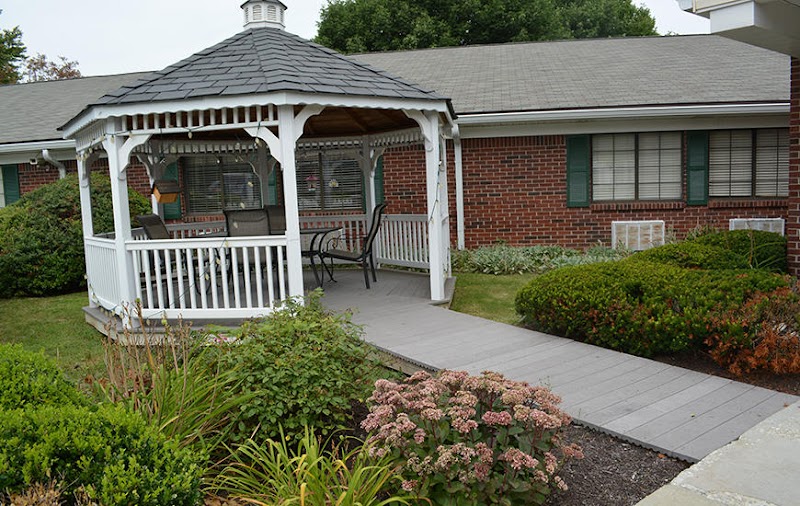
How is Eagle Valley Meadows Staffed?

CMS rates EAGLE VALLEY MEADOWS's staffing level at 2 out of 5 stars, which is below average compared to other nursing homes. Staff turnover is 47%, compared to the Indiana average of 46%.

What Have Inspectors Found at Eagle Valley Meadows?

State health inspectors documented 37 deficiencies at EAGLE VALLEY MEADOWS during 2019 to 2025. These included: 37 with potential for harm.
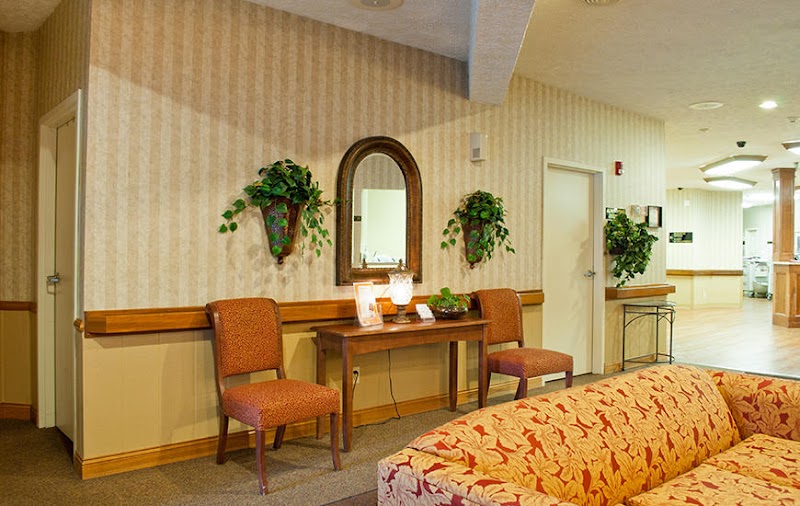
Who Owns and Operates Eagle Valley Meadows?

EAGLE VALLEY MEADOWS is owned by a for-profit company. For-profit facilities operate as businesses with obligations to shareholders or private owners. The facility is operated by AMERICAN SENIOR COMMUNITIES, a chain that manages multiple nursing homes. With 114 certified beds and approximately 79 residents (about 69% occupancy), it is a mid-sized facility located in INDIANAPOLIS, Indiana.
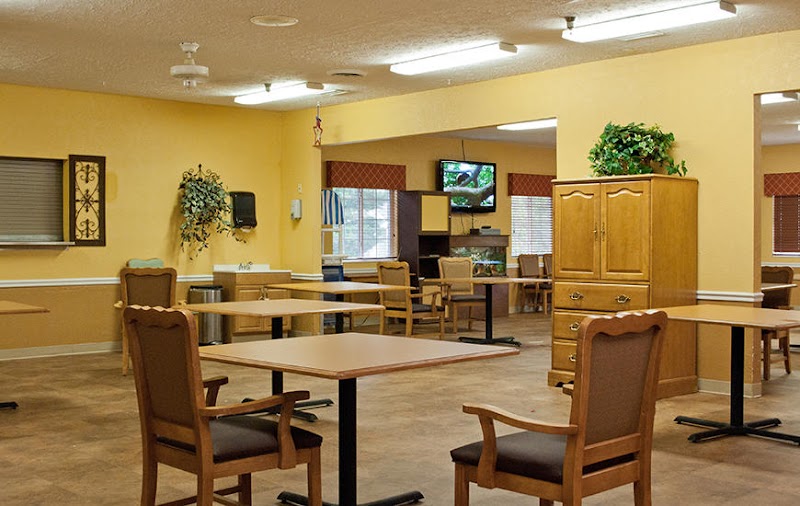
How Does Eagle Valley Meadows Compare to Other Indiana Nursing Homes?

Compared to the 100 nursing homes in Indiana, EAGLE VALLEY MEADOWS's overall rating (3 stars) is below the state average of 3.1, staff turnover (47%) is near the state average of 46%, and health inspection rating (2 stars) is below the national benchmark.

What Should Families Ask When Visiting Eagle Valley Meadows?

Based on this facility's data, families visiting should ask: "Can you walk me through typical staffing levels on day, evening, and night shifts?" "Can I visit during a mealtime to observe dining assistance and food quality?" "How do you handle medical emergencies, and what is your hospital transfer rate?" "Can I speak with family members of current residents about their experience?" These questions are particularly relevant given the below-average staffing rating.

Is Eagle Valley Meadows Safe?

Based on CMS inspection data, EAGLE VALLEY MEADOWS has a clean safety record: no substantiated abuse findings (meaning no confirmed cases of resident harm), no Immediate Jeopardy citations (the most serious violation level indicating risk of serious injury or death), and is not on the Special Focus Facility watch list (a federal program monitoring the lowest-performing 1% of nursing homes). The facility has a 3-star overall rating and ranks #100 of 100 nursing homes in Indiana. While no facility is perfect, families should still ask about staff-to-resident ratios and recent inspection results during their visit.

Do Nurses at Eagle Valley Meadows Stick Around?

EAGLE VALLEY MEADOWS has a staff turnover rate of 47%, which is about average for Indiana nursing homes (state average: 46%). Moderate turnover is common in nursing homes, but families should still ask about staff tenure and how the facility maintains care continuity when employees leave.

Was Eagle Valley Meadows Ever Fined?

EAGLE VALLEY MEADOWS has no federal fines on record. CMS issues fines when nursing homes fail to meet care standards or don't correct problems found during inspections. The absence of fines suggests the facility has either maintained compliance or corrected any issues before penalties were assessed. This is a positive indicator, though families should still review recent inspection reports for the full picture.

Is Eagle Valley Meadows on Any Federal Watch List?

EAGLE VALLEY MEADOWS is not on any federal watch list. The most significant is the Special Focus Facility (SFF) program, which identifies the bottom 1% of nursing homes nationally based on persistent, serious quality problems. Not being on this list means the facility has avoided the pattern of deficiencies that triggers enhanced federal oversight. This is a positive indicator, though families should still review the facility's inspection history directly.