EVERGREEN CROSSING AND THE LOFTS
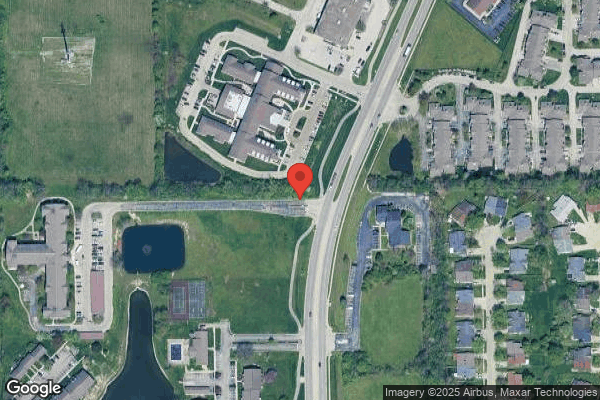
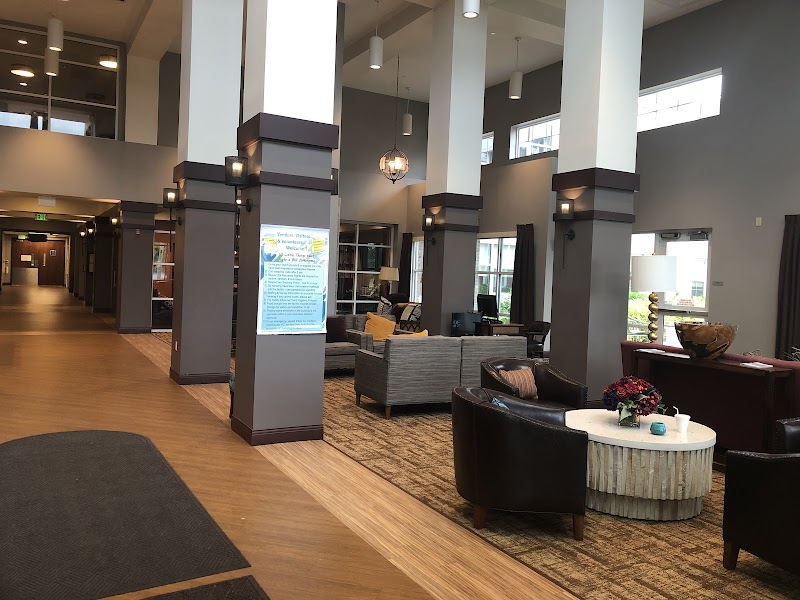
5404 GEORGETOWN ROAD, INDIANAPOLIS, IN 46254 (317) 291-5404
For profit - Corporation 109 Beds COMMUNICARE HEALTH Data: November 2025
Trust Grade
43/100
#346 of 505 in IN
Last Inspection: February 2025

Within standard 12-15 month inspection cycle. Federal law requires annual inspections.

Overview

Evergreen Crossing and The Lofts has received a Trust Grade of D, indicating below-average performance and some concerning issues. It ranks #346 out of 505 facilities in Indiana, placing it in the bottom half, and #30 out of 46 in Marion County, meaning there are fewer local options that perform better. The facility is trending in a worsening direction, with the number of issues increasing from four in 2024 to six in 2025. Staffing is somewhat stable, with a turnover rate of 43%, which is slightly better than the state average, but the overall staffing rating is only 2 out of 5 stars. There are several concerning incidents reported, including the facility's failure to provide timely treatment for a resident after a fall, resulting in a broken hip that the family was not informed about until days later. Additionally, medications and wound treatments were not secured properly, posing safety risks, and there were observations of staff not following proper hygiene practices when serving meals, which can lead to infection spread. While the quality measures rating is decent at 4 out of 5 stars, families should weigh these strengths against the significant weaknesses highlighted in the inspection findings.

Trust Score
D
43/100
In Indiana
#346/505
Bottom 32%
Safety Record
Moderate
Needs review
Inspections
Getting Worse
4 → 6 violations
Staff Stability
○ Average
43% turnover. Near Indiana's 48% average. Typical for the industry.
Penalties
⚠ Watch
$9,750 in fines. Higher than 94% of Indiana facilities. Major compliance failures.
Skilled Nurses
⚠ Watch
Each resident gets only 28 minutes of Registered Nurse (RN) attention daily — below average for Indiana. Fewer RN minutes means fewer trained eyes watching for problems.
Violations
⚠ Watch
26 deficiencies on record. Higher than average. Multiple issues found across inspections.
★★☆☆☆
2.0
Overall Rating
★★☆☆☆
2.0
Staff Levels
★★★★☆
4.0
Care Quality
★★☆☆☆
2.0
Inspection Score
Stable
2024: 4 issues
2025: 6 issues

The Good

  • 4-Star Quality Measures · Strong clinical quality outcomes
  • Full Sprinkler Coverage · Fire safety systems throughout facility
  • No fines on record
  • Staff turnover below average (43%)

    5 points below Indiana average of 48%

Facility shows strength in quality measures, fire safety.

The Bad

2-Star Overall Rating

Below Indiana average (3.1)

Below average - review inspection findings carefully

Staff Turnover: 43%

Near Indiana avg (46%)

Typical for the industry

Federal Fines: $9,750

Below median ($33,413)

Minor penalties assessed

Chain: COMMUNICARE HEALTH

Part of a multi-facility chain

Ask about local staffing decisions and management

The Ugly 26 deficiencies on record

1 actual harm
Feb 2025 6 deficiencies
CONCERN (D)

Potential for Harm - no one hurt, but risky conditions existed

Comprehensive Care Plan (Tag F0656)

Could have caused harm · This affected 1 resident

Based on observation, interview, and record review, the facility failed to ensure a comprehensive and individualized care plan was developed for a resident with behaviors related to wandering, adjustm...

Read full inspector narrative →
Based on observation, interview, and record review, the facility failed to ensure a comprehensive and individualized care plan was developed for a resident with behaviors related to wandering, adjustment to new living conditions and personal hobbies for 1 of 1 residents reviewed for elopement, (Resident 88) and failed to implement a comprehensive care plan for a resident who admitted to the facility with a trans metatarsal amputation (TMA) ( a surgical procedure that involves the removal of the distal portion of the metatarsal bones in the foot) for 1 of 5 residents reviewed (Resident 196). Findings include: 1. On 2/24/25 at 11:36 a.m., Resident 88 was observed through his open door. He refused to allow entrance and instead of answering questions, he became agitated and demanded that he get his bicycle back. He adamantly declared he was a cyclist, his bicycle had been confiscated from him, that he was being kept against his will, and institutionalized. Resident 88 was observed to wear slick-styled nylon sports pants and wore cleats. A wanderguard bracelet was observed around his left ankle. During an interview on 2/24/25 at 11:40 a.m., Licensed Practical Nurse (LPN) 13 indicated sometimes Resident 88 got upset and demanded to get his bike. It was best to just let him blow off steam because he was very hard to redirect, and the staff were not sure what other approaches to take with him since they could not offer him his bike. On 2/26/25 at 10:18 a.m., Resident 88 was observed as he held his arms out wide and jogged up and down the hallway making swishing sounds as if he was an airplane. During an interview on 2/26/25 at 11:09 a.m., the Social Service Director (SSD) indicated when Resident 88 first got to the facility he had a hard time adjusting to the new environment and would become very upset that he was not allowed to ride his bicycle. He made statements about wanting to leave to go get the bike, so the decision was made to place a wandergard on him. After a couple weeks, he seemed to adjust and she did not consider him at risk for elopement any longer. She did not know if he still had a wanderguard in place, and had not heard form nursing staff if he continued to have any behaviors. On 2/26/25 at 1:04 p.m., Resident 88 was observed as he continued to jog and weave up and down the halls with his arms out and made airplane sounds. During an interview on 2/27/25 at 9:08 a.m., the [NAME] President of Risk, provided an elopement assessment, dated 1/29/25, which indicated Resident 88 was at risk for elopement. He was assessed after his first several days when he began to make statements about getting out to catch the bus and go to his apartment to get his bike. He was adamant about being a cyclist and wanting to ride, and talked constantly about how much he rode his bike. Resident 88 was very fit, and liked to stay moving. On 2/25/25 at 1:46 p.m., Resident 88's medical record was reviewed. He was a long-term care resident with diagnoses which included, but were not limited to, cerebral amyloid angiopathy (CAA, a condition in which proteins called amyloid build up on the walls of the arteries in the brain causing bleeding into the brain), alcohol abuse, and unspecified dementia. His admission Minimum Data Set (MDS) assessment, dated 1/31/25, did not indicate any wandering behaviors noted in the 7-day look back window. His behavior monitoring was reviewed from the time of his admission through 2/25/25 and lacked documentation of behaviors of wandering. A care plan, dated 1/30/25, indicated he wandered aimlessly from place to place and interventions included but were not limited to,offering structured activities, but lacked revision to include person-centered preferences for his hobbies. Overall, his comprehensive care plan and lacked implementation of an individualized, person-centered plan of care to address his hobby of being a cyclist, fitness enthusiasm, and/or interventions to help address his irritation about not being able to ride his bike. 2. On 2/26/25 at 11:27 a.m., a record review was completed for Resident 196. He had the following diagnoses which included but were not limited to end stage renal disease, trans metatarsal amputation (TMA), hypertension, left above the knee amputation, and major depressive disorder. Resident 196's care plan lacked a care plan problem of TMA. During an interview with the [NAME] President of Risk Management, she indicated she could not find a care plan for TMA for Resident 196. On 2/27/25 at 10:35 a.m., a policy titled, Plan of Care overview was provided by the [NAME] President of Risk Management on 2/27/25 at 10:35 a.m. It indicated, .The facility will provide an Registered Nurse (RN) assessment of the resident as an on-going, periodic review that provide the foundation for the resident focused care and the care planning process. 3.1-35(a)
CONCERN (D)

Potential for Harm - no one hurt, but risky conditions existed

Deficiency F0657 (Tag F0657)

Could have caused harm · This affected 1 resident

Based on observation, interview, and record review, the facility failed to reassess the effectiveness of interventions and review and revise a resident's care plan (Resident 28 and Resident 241) for 2...

Read full inspector narrative →
Based on observation, interview, and record review, the facility failed to reassess the effectiveness of interventions and review and revise a resident's care plan (Resident 28 and Resident 241) for 2 of 23 residents reviewed for care plan revision. Findings include: 1. Resident 28's medical record was reviewed. She was a long-term care resident whose diagnoses included, but were not limited to, hemiplegia (paralysis of one side of the body), and dysphagia (difficulty swallowing.). A social service note that was a summary of a care plan meeting, dated 8/2/24, indicated they reviewed dietary concerns and Resident 28 indicated she cannot chew the food. Resident 28 had a care plan with a revision date of 9/16/24 that indicated the Resident was at nutritional risk due to poorly fitting dentures and a mechanically altered diet. The care plan lacked documentation of interventions related to the resident's complaints of chewing or swallowing noted. Resident 28 had an order, dated 9/18/24, that indicated she was on a regular texture diet. Resident 28 had a care plan with a revision date of 9/28/23 that indicated the resident had poor fitting dentures. The care plan lacked documentation of interventions related to the resident's complaints of chewing or swallowing noted. On 2/26/25 at 1:01 p.m., Resident 28 indicated it took her so long to chew up bacon and other tough meats. She indicated she cannot eat a lot of the food they brought because it is too hard and hurt her gums when she chewed. 2. Resident 241's medical record was reviewed. He was a long-term care resident whose diagnoses included but were not limited to, sepsis (a life-threatening condition that occurs when the body's immune system overreacts to an infection, leading to widespread inflammation and organ damage) and open wounds. A skin and wound note, dated 11/12/24, indicated it was recommended Resident 241 wear pressure relieving boots while in bed. A skin and wound note, dated 12/17/24, indicated Resident 241 refused to wear his heel boot. A skin and wound note, dated 1/17/25, indicated Resident 241 would not allow the Nurse Practitioner (NP) to put heel boots on him. A nursing note from 2/20/25 indicated Resident 241 refused to wear his pressure-relieving boots for both heels. Resident 241 had a care plan with a revision date of 2/19/25 that indicated he has episodes of refusing medications, refusing care, wound care and interventions. All interventions related to this care plan were dated 2/7/24. Upon review it was found that there was no care plan interventions related to the resident's regular refusal of pressure relieving boots and no interventions outlining what staff should do when the resident refuses to wear pressure relieving boots. On 2/28/25 at 11:57 a.m., a policy related to care plan revision was requested. Registered Nurse (RN) 11 indicated they could not find a policy specifically related to care plan revision at this time. 3.1-35(c)(1)
CONCERN (D)

Potential for Harm - no one hurt, but risky conditions existed

Accident Prevention (Tag F0689)

Could have caused harm · This affected 1 resident

**NOTE- TERMS IN BRACKETS HAVE BEEN EDITED TO PROTECT CONFIDENTIALITY** Based on observation, interview, and record review, the facility failed to prevent the potential for accidents when call lights ...

Read full inspector narrative →
**NOTE- TERMS IN BRACKETS HAVE BEEN EDITED TO PROTECT CONFIDENTIALITY** Based on observation, interview, and record review, the facility failed to prevent the potential for accidents when call lights were observed out of reach, neurological checks were not completed, for 3 of 3 residents reviewed for accidents (Residents 10, 142, and 15), and failed to ensure medications were not left at bedside for 1 of 3 residents reviewed for accidents (Resident 10). Findings include: 1. On 2/25/25 at 9:23 a.m., Resident 10 was observed. She was reclined in her bed with the head of the bed (HOB) slightly elevated. She held a piece of toast, but her eyes were closed, and she appeared to be asleep. A half-eaten plate of breakfast was observed on her overbed table. Her call light was observed on the floor to the left side of her bed, out of her line of sight, and out of reach. On 2/25/25 at 9:50 a.m., Resident 10's breakfast tray had been removed, but her call light remained on the floor. On 2/26/25 at 9:58 a.m., Resident 10 was observed. She sat on the right edge of her low air loss mattress, her bare feet on the floor. She leaned back and rested an elbow near the edge of the bed and indicated, I'm slipping. Her call light was observed on the floor on the left side of the bed. The call light was pushed and within a few minutes, nursing staff answered the light and helped reposition Resident 10 into the middle of her bed, with the HOB elevated to a sitting position and rolled the over-bed table so that she could eat sitting up in bed. During an interview on 2/26/25 at 10:05 a.m., the Minimum Data Set Coordinator (MDSC) indicated Resident 10 had left-sided paralysis/weakness after a stroke, and should not have been positioned on the side of the bed since she has a hard time sitting with correct posture and her call light should be within reach of her right had so that she could access and use it at any time. On 2/26/25 at 10:10 a.m., Resident 10 was being assisted to reposition in bed. Two pills were observed on top of the drawers beside her bed. During an interview on 2/26/25 at 10:15 a.m., the MDSC indicated the pills should not have been left on her dresser. She did not know if they were left, or if the Resident put them there. During an interview on 2/26/25 at 10:36 a.m., the MDSC indicated she checked with the nurse, and they were not able to identify the pills which were found at Resident 10's bedside. On 2/26/25 at 11:39 a.m., Resident 10's medical record was reviewed. She was a long-term care resident with diagnoses which included, but were not limited to, hemiplegia/hemiparesis (weakness/paralysis) after cerebral infarction (stroke), muscle weakness, and lack of coordination. A care plan, revised 3/13/24, indicated she was at risk for falls related to weakness, incontinence and psychotropic drug use. Interventions included, but were not limited to, place call bell within reach and ensure resident wore non-skid foot ware. A nursing progress note, dated 10/8/24 at 9:23 a.m., indicated Resident 10 had an unwitnessed fall in her room after she attempted to go to the bathroom without assistance. She complained of pain in her left arm and an x-ray was ordered. A nursing progress note, dated 10/11/24 at 2:58 p.m., indicated, Resident 10 had been seen by an orthopedic doctor and diagnosed with a horizontal fracture of the humeral metaphysis. A Stop & Watch follow up visit, dated 10/14/24, indicated Resident 10 had a fall last week and sustained a horizontal fracture through the proximal humeral metaphysis. She was seen and treated at a local orthopedic urgent care center and received orders for an immobilizer sling and ice to the area 2 to 3 times daily for 3 to 5 days. A care plan, revised 11/19/24, indicated she had an activities of daily living (ADL) self-care performance deficit related to hemiplegia, and that she prefers to lean and slouch in wheelchair related to stroke. Interventions included, but were not limited to, her need for substantial to maximum assistance to go from lying in bed to sitting on the edge of the bed but did not detail or include set up details related to her positioning/slouching/posture. A nursing progress note, dated 12/5/24 at 1:54 p.m., indicated Resident 10 had an unwitnessed fall in her bathroom as she attempted to transfer herself from the toilet to her wheelchair. A nursing progress note, dated 2/14/25 at 12:50 p.m., indicated Resident 10 had an unwitnessed fall and indicated she tried to get out of bed to go smoke. She did not wait for the staff to come to her room once her call light was pressed. A neurological assessment tool was opened on 2/14/25 but the assessment was incomplete at the time of review. Resident 10 did not have an assessment/evaluation, care plan or physician's order to have/keep medications at bedside. 2. On 2/25/25 at 9:23 a.m., Resident 142 was observed. She was covered up in bed, faced away from the door, and the lights were off. She rested on her left side. Her call light was observed to be on the floor on the right side of her bed, out of sight and out of reach. On 2/26/25 at 10:54 a.m., Resident 142 was observed. She was seated in her wheelchair at the foot of her bed, and the wheelchair breaks were engaged. An over-bed table was placed in front of her. Her call light was on the floor behind her, at the head of her bed. During an interview on 2/26/25 at 10:55 a.m., Resident 142 indicated she had just returned from dialysis, and was waiting for staff to bring her re-warmed breakfast tray for her. Resident 10 indicated she had a fall at home and sustained a back fracture which brought her to the facility for rehab. She indicated she had fallen since being admitted to the facility. She indicated she used the call light, but it was taking too long and she couldn't wait any longer before she thought she would have an incontinent accident. She attempted to get to the bathroom herself but fell in front of the bathroom door. On 2/26/25 at 10:59 a.m., the MDSC [NAME] a breakfast tray for Resident 10. She helped set up her plate and asked if Resident 10 needed anything before she left. The MDSC did not look for or place the call light within reach. On 2/25/25 at 12:54 p.m., Resident 142's medical record was reviewed. She was a long-term care resident with a diagnosis which included, but was not limited to, a wedge compression fracture of the second lumbar vertebra. A nursing progress note dated 2/4/25 at 10:02 a.m., indicated Resident 142 was on the bathroom floor. She was found lying on her left side and verbalized she fell while she attempted to transfer to the toilet. An IDT progress note, dated 2/5/25 at 10:01 a.m., indicated a new intervention was put in place to remind the resident to ask for help to transfer. A nursing progress note, dated 2/23/25 at 1:30 p.m. indicated Resident 142 was found lying on the floor. She indicated she attempted to stand and transfer herself to her recliner but fell. An IDT progress note dated 2/24/25 at 6:45 p.m., indicated a new intervention was put in place to place her call light within reach. Neurological assessment tools were opened for her 2/4/25 and 2/23/25 falls but were incomplete at the time of the review. Resident 142 had a comprehensive care plan revised 2/1/25 which indicated she had an ADL self care performance deficit and required substantial to maximum assistance with toilet transfers. 3. On 2/24/25 at 10:47 a.m., Resident 15 was observed. She sat up in bed with the HOB elevated and her over-bed table in front of her. Her call light was observed clipped to right corner of the mattress sheet which was out of the resident's line of sight. Resident 15 indicated she could not reach the light because she could not move/extend/reach her arms in that direction. On 2/26/25 at 10:16 a.m., Resident 15 was observed. She was reclined in bed and indicated she had her call light hidden under her blanket, so it would not get misplaced. On 2/26/25 at 12:57 p.m., Resident 15 was observed. She was reclined in her bed, with the HOB elevated at approximately a 45-degree angle. She was positioned high up on the mattress and held the mobility rail tightly. Resident 15 indicated she felt she was in an awkward position after some of the nurse aides had cleaned her up and changed her brief. Resident 15 indicated they forgot to put her call light back within her reach. The call light was observed wrapped around the bottom rail of the mobility bar on the left side of her bed and hung to the floor. Resident 15 indicated she was afraid to fall, and that was why she held onto the mobility bar. On 2/27/25 at 9:08 a.m., the [NAME] President of Risk provided a copy of current, but undated, facility policy titled, Fall Prevention and Management. The policy indicated, .it is the policy of this facility to provide resident centered care that meets the psychosocial, physical and emotional needs and concerns of the residents. Fall prevention and management is the process of identifying risk factors that can minimize the potential for falls and also a process to manage a resident's care if a fall occurs . attempt to put an intervention in place that could prevent further falls . If the resident hit their head or the fall was unwitnessed, complete Neuro Checks per policy On 2/27/25 at 9:08 a.m., the [NAME] President of Risk provided a copy of current, but undated, facility policy titled, Resident Rights. The policy indicated, .Resident will be treated with dignity and respect including but not limited to . to have a method to communicate needs to staff, call light or bell access will be within reach of the resident as one method to communicate needs to staff 3.1-45(a)
CONCERN (D)

Potential for Harm - no one hurt, but risky conditions existed

Deficiency F0692 (Tag F0692)

Could have caused harm · This affected 1 resident

Based on observation, interview, and record review, the facility failed to ensure a resident without teeth or dentures was provided interventions to ensure the resident was able to eat and did not hav...

Read full inspector narrative →
Based on observation, interview, and record review, the facility failed to ensure a resident without teeth or dentures was provided interventions to ensure the resident was able to eat and did not have significant weight loss of 11 percent over 6 months for 1 of 5 residents reviewed for nutrition (Resident 28). Findings include: On 2/24/25 at 10:52 a.m., Resident 28 was observed as she sat up in her bed, she appeared thin and petite in stature. Licensed Practical Nurse (LPN) 12 was in the room checking to see if she had eaten her lunch. LPN 12 indicated Resident 28's family had brought her lunch before she left the resident's room. Resident 28 had her over the bed table in front of her with a Styrofoam tray with several pieces of fried catfish, fried whole chicken wings, and other assorted fried sides on it. Resident 28 indicated she could not eat the food in front of her because it was too hard for her to chew. Resident 28 opened her mouth to show that she had no natural teeth and did not have dentures in place. The resident indicated she had dentures, but she had not had them for a while. She indicated she liked the Glucerna (a nutrition supplement) shakes, but she did not always get them. Resident 28 indicated she was concerned because she had started to notice that she had lost weight. During an interview on 2/25/25 at 12:59 p.m. CNA 10 indicated Resident 28 did not have any teeth on top or bottom and did not have top or bottom dentures. On 2/25/25 at 1:08 p.m., Resident 28's lunch tray was delivered. She was served a cheeseburger whole, fried tater tots, coleslaw, and mixed fruit. Resident 28 was picking at the food, she indicated the hamburger meat was alright, but she could not eat the tater tots, coleslaw, or fruit because they were too hard for her to chew without her teeth. She indicated she wanted new dentures, but she could not afford them. During an interview on 2/26/25 at 1:12 p.m. LPN 12 indicated she normally would wait to see how much the residents would eat and then she would offer them the shake. LPN 12 indicated the Glucerna shakes do not come on the residents' tray, the nurses gave them. On 2/26/25 at 1:21 p.m., Resident 28's lunch tray was delivered. She was served a piece of ham whole, mashed potatoes, mixed vegetables, a roll, and a dessert. The resident indicated she could not chew the ham or the vegetables because they were too hard to chew, and they choked her up. The Administrator had brought her a peanut butter and jelly sandwich whole as a substitute. Resident 28 indicated she believed if she had her dentures, she would be able to eat more because she would be able to chew up the food better. On 2/25/25 at 12:26 p.m., Resident 28's medical record was reviewed. She was a long-term care resident whose diagnoses included, but were not limited to, hemiplegia (paralysis of one side of the body) and dysphagia (difficulty swallowing.). Dental documents, dated 5/30/24, indicated Resident 28 had full upper dentures that were rubbing on the left side of her gums present, but no lower dentures were present. Resident 28 had an order, dated 6/28/24, to be evaluated and treated by speech therapy. A speech therapy note, dated 6/28/24, indicated Resident 28 expressed a desire to upgrade her diet to a regular diet so she could get bacon for breakfast. Resident 28 had an order, dated 7/4/24, that indicated speech therapy had upgraded the resident's diet from advanced dysphagia (a modified diet designed for individuals with moderate to severe difficulty swallowing, residents who are on this diet receive ground meats and moist foods) to a regular texture diet. Resident 28 had an order, dated 7/5/23, for monthly weights. A speech therapy note, dated 7/9/24, indicated Resident 28 complained of mouth soreness to the facilities Nurse Practitioner (NP). A Speech therapy note, dated 7/15/24, indicated Resident 28 continued to complain of difficulty chewing and swallowing certain foods. A speech therapy note, dated 7/16/24, indicated the speech therapist cut Resident 28's sandwich into quarters for safe oral intake. A speech therapy note, dated 7/17/24, indicated Resident 28 was assisted in setting up her tray prior to her meal, which included cutting of solid foods to ensure safe oral intake. A speech therapy discharge note, dated 7/17/24, indicated Resident 28 should be a set up assist with meals. On 8/3/24 Resident 28 weighed 118.6 pounds. A social services note that was a summary of a care plan meeting, dated 8/2/24, indicated they had reviewed dietary, and the resident indicated she could not chew the food. A weight change note dated 9/11/24 indicated the resident weighed 111 pounds, which was a loss of 6.4% in the past thirty days. It was recommended that the Resident be weighed weekly. Resident 28's medical record showed she was weighed on 9/18/24, 10/10/24, 11/6/24, 11/12/24, 12/5/24, 12/17/24, 12/24/24, 12/31/24, 1/7/25, 1/14/25 and 2/3/25, which indicated the resident was not weighed weekly consistently. Resident 28 had an order, dated 9/18/24, that indicated she was on a regular texture diet. A weight change note dated 12/17/24 indicated the Residents' weight triggered for significant weight loss of 5% in the last thirty days. It was recommended that the Resident be seen during Nutritionally at Risk (NAR) rounds for weekly weight and intake review. On 1/7/25 Resident 28 weighed 106.8 pounds. A weight change note, dated 1/17/25, indicated the Residents' weight triggered for significant weight loss of 10% since 8/3/24. The note indicated no new recommendations were warranted. On 1/14/25 Resident 28 weighed 109.6 pounds. On 2/3/25 Resident 28 weighed 104.8 pounds, which is a 11.64 % loss in six months. This fluctuation indicated the Residents weight had not been stable for 30 days. An annual Health Risk Assessment (HRA) note, dated 2/11/25, indicated Resident 28 had been upgraded to a regular texture diet, her appetite was poor, and she disliked the food. Her weight was 104.8 pounds and her BMI was 19. Notable 10% weight loss over 180 days and no current interventions were noted. A weight change note, dated 2/24/25, indicated Resident 28's weight from 2/3/24 triggered for significant weight loss of 10% in the past 180 days. The note indicated the Residents' meal intake was variable and the resident's weight had been stable for the last 30 days, but it had been trending down. During an interview on 2/28/25 at 11:48 a.m. Qualified Medication Aide (QMA) 15 indicated when a resident was a set up assist with meals the staff member who served the tray to that resident was expected to open any drinks, take off any plastic coverings, salt and pepper the food upon request, and cut up solid foods into bite size pieces to ensure safe oral intake. On 2/28/25 at 11:57 a.m., a policy for nutrition management, weight loss management and set up assist with meals were requested. RN 11 indicated they were unable to find policies that related to the care areas that were requested. 3.1-46
CONCERN (D)

Potential for Harm - no one hurt, but risky conditions existed

Deficiency F0757 (Tag F0757)

Could have caused harm · This affected 1 resident

Based on record review and interview, the facility failed to hold medications when a resident's vital signs were outside of the ordered parameters for 3 of 5 residents reviewed for unnecessary medicat...

Read full inspector narrative →
Based on record review and interview, the facility failed to hold medications when a resident's vital signs were outside of the ordered parameters for 3 of 5 residents reviewed for unnecessary medications (Resident 196, 59, and 195). Findings include: 1. On 2/26/25 at 11:27 a.m., a record review was completed for Resident 196. He had the following diagnoses which included, but were not limited to, end stage renal disease, trans metatarsal amputation (TMA), hypertension, left above the knee amputation, and major depressive disorder. He had an order, dated 1/29/25, for metoprolol succinate (a blood pressure medication) extended release oral tablet 24 hour, 25 milligrams (mg) to give 1 tablet in the evening every Monday, Wednesday, and Friday. The medication was to be held for systolic less than 110 and/or pulse less than 60. The Medication Administration Record (MAR) indicated Resident 196 was given the medication on 2/3/25 when his blood pressure was 102/83, on 2/5/25 when his blood pressure was 110/68, and on 2/7/25 when his blood pressure was 93/58. On 2/17/25, 2/19/25, 2/21/25, and 2/24/25 metoprolol was administered without obtaining a blood pressure prior to administering. 2. On 2/26/25 at 1:00 p.m., a record review was completed for Resident 59. She had the following diagnoses which included, but were not limited to, end stage renal disease, type 2 diabetes mellitus, dementia, anxiety, and depression. She had an order for midodrine (a blood pressures medication) oral tablet 10 mg to give 1 tablet orally every 8 hours as needed for systolic blood pressure less than 110. The MAR indicated she did not receive the medication when her blood pressure was below 110 on the following days. On 10/17/24 her blood pressure was 108/68. 3. On 2/26/25 at 10:25 a.m., a record review was completed for Resident 195. He had the following diagnoses which included end stage renal disease, heart failure, and muscle weakness. Resident 195 had an order for hydralazine (a blood pressure medication) 25 mg to be given by mouth three times daily for hypertension, hold for systolic blood pressure less than 110. The MAR indicated on 2/19/25, 2/20/25, 2/21/25, 2/22/25, and 2/24/25, Resident 195 received the medication without having his blood pressure obtained. On 2/27/25 at 1:30 p.m., during an interview with the [NAME] President of Risk Management, she indicated staff did not understand the orders. On 2/27/25 at 10:34 a.m., a policy titled, Physician Orders was provided by the [NAME] President of Risk Management. It indicated, .The nurse that takes the physician order will be responsible for executing the order or provide for the safe hand-off to the next nurse 3.1-48(a)(1) 3.1-48(a)(2) 3.1-48(a)(3) 3.1-48(a)(4) 3.1-48(a)(5) 3.1-38(a)(6)
CONCERN (D)

Potential for Harm - no one hurt, but risky conditions existed

Deficiency F0761 (Tag F0761)

Could have caused harm · This affected 1 resident

**NOTE- TERMS IN BRACKETS HAVE BEEN EDITED TO PROTECT CONFIDENTIALITY** Based on observation and interview, the facility failed to date multi-dose vials of tuberculin serum and failed to remove expire...

Read full inspector narrative →
**NOTE- TERMS IN BRACKETS HAVE BEEN EDITED TO PROTECT CONFIDENTIALITY** Based on observation and interview, the facility failed to date multi-dose vials of tuberculin serum and failed to remove expired insulins from the medication cart for 2 of 3 refrigerators observed for medication storage and 1 of 3 medication carts observed for medication storage. Findings include: On [DATE] at 10:22 a.m., the Health unit medication room refrigerator was observed. A vial of Aplisol (tuberculin serum) was in the refrigerator with no date to indicate when it was opened. Health unit medication cart number 2 contained 2 insulin pens belonging to Resident 26. One insulin pen Semglee (insulin) 100 unit/ml opened on [DATE] and the other was Lispro (insulin) 100 unit/ml opened on [DATE]. Heritage unit medication room refrigerator had a vial of Tubersol (tuberculin serum) 5 unit/0.1mg with no date to indicate when it was opened. During an interview with Licensed Practical Nurse 7, she indicated the insulin pens were only good for 30 days. A policy titled, Storage of Medications, was provided by the [NAME] President of Risk Management on [DATE] at 9:08 a.m. The policy indicated, .Expiration dates (beyond use dates) of dispensed medications shall be determined by the pharmacist at the time of dispensing. Drugs dispensed in the manufacturer's original container will be labels with the manufacturer's expiration date. Certain medications or package types, such as intravenous solutions (IV), multiple dose injectable vials, ophthalmic, nitroglycerin tablets, and blood sugar testing solution and strips require and expiration date shorter than the manufacturer's expiration date once opened to ensure medication purity and potency 3.1-25(j) 3.1-25(m) 3.1-25(n)
Nov 2024 2 deficiencies
CONCERN (D) 📢 Someone Reported This

A family member, employee, or ombudsman was alarmed enough to file a formal complaint

Potential for Harm - no one hurt, but risky conditions existed

Notification of Changes (Tag F0580)

Could have caused harm · This affected 1 resident

2. On 11/15/24 at 11:04 a.m., a record review was completed for Resident D. She had the following diagnoses which included but were not limited to hypertension (a chronic medical condition where the p...

Read full inspector narrative →
2. On 11/15/24 at 11:04 a.m., a record review was completed for Resident D. She had the following diagnoses which included but were not limited to hypertension (a chronic medical condition where the pressure in your blood vessels is consistently too high), hyperlipidemia (high levels of lipids, or fats, in the blood, also known as high cholesterol), peripheral vascular disease (a condition that occurs when blood vessels narrow or become blocked, reducing blood flow to the body), diaper dermatitis (a common skin condition that occurs in the diaper area), amputation of right leg above the knee, and need for assistance with personal care. She had an order, dated 3/26/24, to cleanse both buttock with soap and water, pat dry, apply zinc oxide paste, leave open to air at bedtime and as needed. She had an order, dated 10/23/24, for a skin sub in place on her right buttock. It indicated to not remove the skin sub (a treatment that targets the layer of tissue just below the skin surface, typically involving injections or procedures that deliver substances directly into the fatty layer beneath the epidermis) and nurse practitioner would change one weekly on Tuesday. If the secondary dressing became soiled, the nurse was to remove and replace the dressing. It also indicated not to remove anything under the steristrips and if entire dressing came off for any reason revert back to collagen particles daily until nurse practitioner saw her again. She had an order, dated 10/29/24, for an indwelling catheter. A progress noted, dated 11/12/24 at 12:16 a.m., per the nurse practitioner indicated the resident had a stage 3 (full thickness tissue loss where subcutaneous fat may be visible but bone, tendon, or muscle are not exposed) pressure ulcer, measured 2.5 cm (centimeters) by 3.0 cm by 0.1 cm. On 9/7/24 at 10:24 p.m., a nurse's progress note indicated the resident was observed to have a stage 2 wound on right buttock. Nurse applied collagen wound filler and covered with pink dressing. The nurse educated resident regarding turning and repositioning every 2 hours and to alert staff when she was wet. The nurse indicated the wound care team was notified. The record lacked documentation of notification of physician and family representative. On 11/15/24 at 10:43 a.m., during an observation of the pressure ulcer with LPN 61. LPN 61 removed the secondary dressing. The skin sub was not intact. LPN 61 indicated the nurse practitioner was notified the sub came off. The ulcer was observed and noted to be a large red open area with a large amount of blood draining from a pinpointed area in the bottom of the ulcer. LPN 61 indicated the indwelling catheter was for wound healing. The record lacked documentation that the physician was notified of the change in Resident D's condition in relation to the development of a new pressure ulcer. A policy titled, Notification of Change of Condition with no date, provided by the RCS on 11/15/24 at 1:12 p.m. It indicated, .Circumstances that require a need to alter treatment which may include: a new treatment, discontinuation of current treatment, adverse consequences, acute condition, exacerbation of a chronic condition . This citation relates to Complaint IN00447263. 3.1-3(a)(3) Based on observation, interview, and record review, the facility failed to ensure the physician was notified of a change in a reesident's condition related to the development of new impairments to their skin for 2 of 3 residents reviewed for pressure ulcers (Resident B and D). Findings include: 1. On 11/15/24 at 10:35 a.m., Resident B's medial record was reviewed. She was a long-term care resident with diagnoses which included, but were not limited to, unspecified dementia (a degenerative brain disease which affects memory and cognitive functioning), chronic obstructive pulmonary disease (COPD, a lung disease which makes it hard to breath), and hypertensive (high blood pressure) heart disease. Resident B had a discharge Minimum Data Set (MDS) assessment, dated 11/1/24, which indicated she discharged with a new unstageable (full-thickness pressure injuries in which the base is obscured by slough and/or eschar) pressure ulcer. A nursing progress note, dated 10/18/24 at 4:27 p.m., indicated a CNA notified the nurse of a new wound. The nurse assessed and cleansed the area, then notified the wound team and family. The record lacked documentation the physician was notified of Resident B's change in skin condition. A progress note, dated 10/22/24 at 7:06 a.m., indicated Resident B was seen for a consult on a new wound.Resident consulted for a new unstageable pressure injury on coccyx. Resident previously had stage 2 [partial thickness loss of dermis presenting as a shallow open ulcer with a red or pink wound bed] pressure injury in same area, however, healed on 8/23. Resident wound was found by nursing staff on 10/18. During an interview on 11/15/24 at 1:17 p.m., the Regional Clinical Support (RCS) indicated she could not find documentation that the physician was notified on 10/18/24 when the wound was found. Cross Reference F686.
CONCERN (D) 📢 Someone Reported This

A family member, employee, or ombudsman was alarmed enough to file a formal complaint

Potential for Harm - no one hurt, but risky conditions existed

Pressure Ulcer Prevention (Tag F0686)

Could have caused harm · This affected 1 resident

Based on observation, interview, and record review, the facility failed to prevent the development of a new pressure ulcer for a resident with a history of pressure ulcers and ensure timely assessment...

Read full inspector narrative →
Based on observation, interview, and record review, the facility failed to prevent the development of a new pressure ulcer for a resident with a history of pressure ulcers and ensure timely assessment and treatment of the new pressure ulcer for 1 of 3 residents reviewed for pressure ulcers (Resident B) . Findings include: On 11/15/24 at 9:55 a.m., Resident B was observed in her room. She was in her bed with the head of her bed (HOB) elevated at approximately a 45-degree angle, and she was positioned on her left side with pillows propped under her right hip/buttock area. She was awake and alert to herself only as she was pleasantly confused and unable to engage in conversation or answer yes/no questions. During an interview on 11/15/24 at 10:00 a.m., Licensed Practical Nurse (LPN) 67 indicated, Resident B had recently returned from the hospital after she had been sent out for the wound. LPN 67 indicated she had not worked with Resident B for a while since she had been off work and the resident was in the hospital, but LPN 67 was surprised to learn that her wound had gotten bad so fast. LPN 67 indicated Resident B was totally dependent on staff for all her care needs but was pleasant and compliant, and she never refused to reposition in bed or offload as needed. On 11/15/24 at 10:00 a.m., Resident B's pressure ulcer area was observed with LPN 67. LPN 67 indicated the Wound Nurse Practitioner (W-NP) had been in that morning for wound rounds and a new treatment had been placed on the Resident's bottom. A square white bandage was observed in place on Resident B's lower sacrum/coccyx area with the current date. There was a small amount of red colored drainage at the edge of the bandage and on the clean brief. LPN 67 indicated the red stains were drainage from the wound. During an interview on 11/15/24 at 11:45 a.m., LPN 24 indicated, Resident B was very dependent on staff for care. She could not do anything on her own. She required total assistance to eat, to turn in bed, for hygiene, everything. LPN 24 indicated she was concerned when she found the wound because Resident B never refused care and was always compliant with the turn and reposition protocol. During an interview on 11/15/24 at 12:05 p.m., Certified Nursing Assistant (CNA) 25 indicated Resident B was very sweet. She was totally dependent on staff for all her needs, but it was never a problem because she was very pleasant and complaint. On 11/15/24 at 10:35 a.m., Resident B's medial record was reviewed. She was a long-term care resident with diagnoses which included, but were not limited to, unspecified dementia (a degenerative brain disease which affects memory and cognitive functioning), chronic obstructive pulmonary disease (COPD, a lung disease which makes it hard to breath), hypertensive (high blood pressure) heart disease. Resident B had a discharge Minimum Data Set (MDS) assessment, dated 11/1/24, which indicated she discharged with a new unstageable (full-thickness pressure injuries in which the base is obscured by slough and/or eschar) pressure ulcer. Resident B had a comprehensive care plan originally created on 10/26/21 which indicated she was at risk for altered skin integrity due to her immobility. Interventions for this plan of care included, but were not limited to, turn and reposition as needed, complete weekly skin checks, and to provide an appropriate off-loading mattress. Resident B had a comprehensive care plan originally created 10/26/21, and revised 11/14/24 which indicated she had a Activities of Daily Living (ADL) self-performance deficient related to weakness, obesity and limited mobility. Interventions for this plan of care included, but were not limited to, her need for the use of a Hoyer lift for all transfers, she needed total assist from at least 2 staff for toileting and incontinent care, and required total assistance from staff to move from a laying to sitting position and total staff assistance to roll left and right. Resident B's care plan lacked documentation of evidence of refusal of care, incontinent check/change care, turning or repositioning, offloading procedures and/or other interventions to prevent skin breakdown. Resident B's Point of Care documentation was reviewed and lacked documentation or evidence that she refused turn/reposition, offloading hygiene, or incontinent care. During an interview on 11/15/24 at 12:10 p.m., the W-NP indicated she and the wound team completed quarterly skin assessment on every resident. Additionally, the W-NP indicated she came to the building every Tuesday and Friday to assess all residents on wound rounds. A nursing progress note dated 10/18/24 at 4:27 p.m., indicated a CNA notified the nurse of a new wound. The nurse assessed and cleansed the area, then notified the wound team and family. The record lacked documentation the physician was notified of Resident B's change in skin condition. The record lacked documentation that a temporary treatment and or follow up notification to the physician was in place to prevent the wound from worsening. A progress note, dated 10/22/24 at 7:06 a.m., indicated Resident B was seen for consult on a new wound.Resident consulted for a new unstageable pressure injury on coccyx. Resident previously had stage 2 [partial thickness loss of dermis presenting as a shallow open ulcer with a red or pink wound bed] pressure injury in same area, however, healed on 8/23. Resident wound was found by nursing staff on 10/18. Resident noted to have wound covered in slough. NP performed sharp debridement and was able to remove some necrotic tissue. Resident still with adhered slough. Recommend medical grade honey for autolytic debridement The wound measured 4 centimeters (cm) long by 4 cm wide and 0.3 cm deep. The W-NP gave now orders to: cleanse with 0.125% Dakins solution, apply Medical grade honey, Skin prep surrounding tissue or periwound to base of the wound, and secure with Bordered foam. Change daily and as needed. The record lacked documentation Resident B was seen, or attempted to be seen on Friday, 10/25/24. A progress note, dated 10/29/24 at 12:26 p.m., indicated, .Resident consulted for continued care and management of an unstageable pressure injury on coccyx. Resident previously had stage 2 pressure injury in same area, however, healed on 8/23. Resident wound was found by nursing staff on 10/18. Resident wound is worsening today. NP noted significant change in resident wound this week with malodorous drainage and necrotic tissue covering wound bed. Recommend wound culture at this time and starting on empiric ATB [antibiotic medication]. Spoke with Primary NP about starting ATB ASAP [as soon as possible]. Sharp debridement performed and some slough was able to be removed. Recommend cleansing with Dakins and packing wound with Dakins moistened gauze with santyl for enzymatic debridement The wound was assessed and found to have worsened and measured, 6 cm long by 5 cm wide and 4 cm deep. The wound had undermining from 12 o'clock to 4 o'clock with a depth of 2 cm and there was a heavy amount of Serosanguineous drainage. A progress note, dated 11/1/24 at 12:35 p.m., indicated, .on today's evaluation 11/1/24 have more than tripled in overall size. Wound presents malodorous, has a copious amount of brown drainage, and is fully compromised with slough and eschar to the wound base. Wound also has undermining from 12 o'clock to 12 o'clock. Periwound presents with excoriation and slough. Staff report a wound culture was obtained; results pending . Due to significant worsening appearance .in a short period of time and workup needed to rule out osteomyelitis, necrotizing fasciitis, and other localized wound infections, I recommend the patient be sent to the hospital for further evaluation and treatment A corresponding hospital record, dated 11/1/24 at 7:34 p.m., indicated, Resident B was found to be septic from a multifocal infection from the sacral wound and a urinary tract infection (UTI). She was diagnosed with a stage IV (full thickness tissue loss with exposed bone, tendon, or muscle where slough or eschar may be present on some parts of the wound bed) pressure ulcer on her sacrum which measured 10 cm long by 6 cm wide with foul smelling exudate. CT imaging showed questionable small gas containing fluid collection measuring 3.8 cm along the right posterolateral coccyx, phlegmon vs [versus] developing abscess A wound vac was placed. A Hospital Geriatric Medicine and Wound Care Consultation, dated 11/8/24 at 3:57 p.m., indicated, . [Facility's Director of Nursing (DON)] tells me that it [the coccyx wound] went from small to very large in a very short amount of time. Patient was seen by W-NP at facility . she is dependent for ADLS . severe wound with significant necrotic material, debrided aggressively at bedside today and with the revealed extensive tunneling across the right gluteus >15 cm with necrotic adipose and muscle and physical exam findings consistent with skin failure . wound appears to be terminal . do not expect wound to heal During an interview on 11/15/24 at 12:10 p.m., the W-NP indicated she was notified that Resident B's wound re-opened on 10/22/24. When asked if she was notified the day the wound was found, on 10/18/22, the W-NP indicated, no, that was a Friday, and she would have been in the building and gone to see the wound if she had known about it. If the wound was found after she left the facility, she would have requested the nurse to send her a picture, and would have ordered a temporary treatment to put in place until she could get to the facility to assess the wound in person. The W-NP indicated she saw the wound on 10/22/24 and put initial treatments in place. She came back the next week on 10/29/24 and was shocked, it was black and looked like a huge hole. The W-NP ordered a wound culture and started her on a prophylactic antibiotic. The W-NP indicated, the facility contacted her again that same week because it just seemed like it was getting bigger. A colleague of the W-NP went to assess Resident B on 11/1/24 and decided she needed to be sent to the hospital for further evaluation and treatment. When asked if anyone saw Resident B on 10/25/24, the W-NP did not know. On 11/15/24 at 10:38 a.m., the Administrator (ADM) provided a copy of current but undated facility policy titled, Skin Care & Wound Management Overview. The policy indicated, .The facility staff strives to prevent resident/patient skin impairment and to promote the healing of existing wounds. The interdisciplinary team works with the resident/patient and/or family/responsible party to identify and implement interventions to prevent and treat potential skin integrity issues. The Interdisciplinary team evaluated, and documents identified skin impairments and pre-existing signs to determine the type of impairment, underlying condition(s) contributing to it and description of impairment to determine appropriate treatment . prevention .evaluate for consistent implementation of interventions and effectiveness at clinical meeting . Treatment . select and complete the appropriate form a. Pressure Ulcer Documentation. Complete for all pressure ulcers . obtain a physician's order . monitor and document progress On 11/15/24 at 1:12 p.m., the RCS provided a copy of current but undated facility policy titled, Notification of Change of Condition. The policy indicated, .the physician is to be notified when circumstances that require a need to alter treatment which may include: a new treatment, discontinuation of current treatment, adverse consequences, acute condition, exacerbation of a chronic condition This citation relates to Complaint IN00447263. 3.1-40(a)(1) 3.1-40(a)(2) 3.1-40(a)(3)
Mar 2024 1 deficiency
CONCERN (D) 📢 Someone Reported This

A family member, employee, or ombudsman was alarmed enough to file a formal complaint

Potential for Harm - no one hurt, but risky conditions existed

Deficiency F0661 (Tag F0661)

Could have caused harm · This affected 1 resident

Based on record review and interview, the facility failed to ensure residents' discharge instructions accurately reflected their reconciled medications to ensure residents were sent home with an accur...

Read full inspector narrative →
Based on record review and interview, the facility failed to ensure residents' discharge instructions accurately reflected their reconciled medications to ensure residents were sent home with an accurate quantity of medications for 2 of 3 residents reviewed for discharge (Resident B and D). Findings include: 1. On 3/6/24 at 11:00 a.m., a comprehensive record review was completed for Resident B. He had the following diagnoses which included but not limited to peripheral vascular disease (PVD, a slow and progressive circulation disorder), type 2 diabetes, hyperlipidemia (HLD), morbid obesity, right above knee amputation (AKA), and polyneuropathy (a condition in which a person's peripheral nerves are damaged). Resident discharged from the facility on 2/1/24. He was discharged to the community. A medication discharge form was present in the record. Three medications lacked a quantity of the medication that was sent with him. The medications were 1. Ozempic (a medication used weekly to treat diabetes), 2. NovoLog pen (insulin), and 3. insulin glargine solution (used to treat diabetes). 2. On 3/6/24 at 10:07 a.m., a comprehensive record review was completed for Resident D. He had the following diagnoses which included but not limited to type 2 diabetes, hemiplegia (paralysis on one side of the body), cerebral infarction (occurs because of disrupted blood flow to the brain due to problems with the blood vessels that supply it), hyperlipidemia (HLD), constipation, polyneuropathy, and hypertension. Resident discharged from the facility on 1/31/24. He was discharged to the community. A medication discharge form was present in the record. The medication names were listed on the form with directions; however, the quantity of each medication was lacking. The medications were clopidogrel (an antiplatelet), Lantus (an insulin), multivitamin, Ozempic, pantoprazole (a medication for acid reflux), miralax (for constipation), sodium chloride spray (for dry, stuffy nose), zinc (a supplement), acetaminophen (for pain), amlodipine (for hypertension), ascorbic acid (a supplement), carvedilol (used for hypertension), ibuprofen (for pain), and vitamin D (a supplement). During an interview with the ED (Executive Director) on 3/6/24 at 12:00 p.m., she indicated when they send a resident home, they send all of the residents medications with them unless they leave against medical advice (AMA) then they get 3 days of medications. A policy title, Medications upon Discharge, was provided by the ED on 3/6/24 at 11:40 a.m. It indicated, .Documentation should include the name of the medication, dose, and number of pills/amount of liquids sent with the resident/representative in the medical record This citation relates to complaint IN00428091. 3.1-36(a)(2)
Feb 2024 1 deficiency
CONCERN (D) 📢 Someone Reported This

A family member, employee, or ombudsman was alarmed enough to file a formal complaint

Potential for Harm - no one hurt, but risky conditions existed

Grievances (Tag F0585)

Could have caused harm · This affected 1 resident

Based on observation, interview, and record review, the facility failed to ensure grievances that had been filed on behalf of a resident were documented, followed up with, and resolved for 1 of 1 resi...

Read full inspector narrative →
Based on observation, interview, and record review, the facility failed to ensure grievances that had been filed on behalf of a resident were documented, followed up with, and resolved for 1 of 1 resident reviewed for grievances (Resident D). Findings include: During a confidential interview, it was indicated, Resident D's family had voiced their concerns related to Resident D's care many times and to many staff members. On 2/6/24 at 10:35 a.m., Resident D's medical record was reviewed. The record lacked documentation of Grievance Forms being filed regarding the resident. On 2/7/24 at 8:13 a.m., grievances related to Resident D were requested. On 2/7/24 at 12:05 p.m., the Executive Director (ED) provided 1 Grievance Form dated 1/5/24. The ED indicated the Director of Nursing kept separate documentation in nurses' notes related to her direct follow up with Resident D and his family. The family provided a copy of a grievance filed on 11/7/23 which indicated, .[Resident D] was found in the bed completely saturated in urine up to the middle of his back (t-shirt) as well as stool (loose) throughout diaper. He was put to bed in his shirt and not a gown . it is apparent he was not changed by the night shift this morning based on the condition of his diaper and bed sheets . [Resident D] should be checked every two hours while in bed as well as sitting in his broad chair to help prevent future bladder infections (UTIs) Resident D's record lacked documentation of follow up or resolution for the grievance filed on 11/7/23. On 2/7/24 at 12:05 p.m., the ED provided a copy of current facility policy titled, Resident Grievance Indiana, reviewed 5/30/19. The policy indicated, .It is the policy of this facility to provide resident centered care that meets the psychosocial, physical, and emotional needs and concerns of the resident. This facility will provide a venue for residents, and others involved in patient care, to voice concerns, complaints, or grievances to facility leadership and external parties . the facility will make available to all resident posting in a prominent location in the facility information of the right to file grievances orally or in writing; the right to file grievances anonymously; contact information for the grievance official; a reasonable time from for completing the review of the grievance; the right to obtain a written decision regarding the grievance. And contact information of independent entities with whom grievances may be filed . upon receipt of an oral, written or anonymous grievance submitted by a resident, the grievance official will take immediate action to prevent further potential violations of any resident right while the alleged violation is being investigated, if indicated 3.1-7(a)(2) 3.1-7(b)
Dec 2023 5 deficiencies
CONCERN (D) 📢 Someone Reported This

A family member, employee, or ombudsman was alarmed enough to file a formal complaint

Potential for Harm - no one hurt, but risky conditions existed

Resident Rights (Tag F0550)

Could have caused harm · This affected 1 resident

**NOTE- TERMS IN BRACKETS HAVE BEEN EDITED TO PROTECT CONFIDENTIALITY** Based on observation, interview, and record review, the facility failed to care for a resident in a manner that preserved the re...

Read full inspector narrative →
**NOTE- TERMS IN BRACKETS HAVE BEEN EDITED TO PROTECT CONFIDENTIALITY** Based on observation, interview, and record review, the facility failed to care for a resident in a manner that preserved the resident's dignity when she did not receive incontinence care in a timely manner for 1 of 5 residents reviewed for quality of care (Resident F). Findings include, During a random observation on [DATE] at 11:52 a.m., Resident F was observed lying in bed, head of the bed in high position, the resident had slid down, pink silk-like nightgown bunched around her waist, and covers over her lower legs. The resident was observed wearing a saturated adult brief, and there was a strong smell of urine permeating the room. The resident indicated she had used her call light to summons staff at 8:30 a.m. before breakfast was served to assist her as she was incontinent of both urine and stool, but she was still waiting to be changed. The television (tv) remote was observed on the floor on the back side of the bed with the back off and batteries on the floor, she was holding the remote to the bed, and her call light was hanging down from the top of the right beside rail out of sight and reach of the resident. On [DATE] at 9:30 a.m., Resident F was observed lying in bed wearing a pink silk-like gown, awake and talkative. The resident's breakfast tray was observed to be on an over-the-bed tray in front of the resident, resident indicated she had just already finished eating. Resident F indicated she was wet with urine and dirty with stool and had used her call light and requested to be changed since 4:45 a.m. but was still waiting. A packet of peri wipes was observed on the bed near the residents left hip. On [DATE] at 3:24 p.m., Resident F was observed sitting in an electric wheelchair at the foot of her bed. The resident was wearing a pink silk-like gown and had a strong smell of urine. The resident indicated she was sleepy, ready to lay back down, and she needed her brief changed. Resident F's record was reviewed on [DATE] at 11:23 a.m. Diagnoses on Resident F's profile included, but were not limited to, acute kidney failure (condition in which the kidneys can't filter waste from the blood), and anxiety disorder (mental health disorder characterized by feelings of worry, anxiety, or fear that are strong enough to interfere with one's daily routine). Physician's orders, dated [DATE], indicated resident was capable of understanding rights and responsibilities, resident was capable of making her own health decisions, and maintain comfort and dignity. A physician's history and physical, dated [DATE], indicated the resident had a diagnosis of dysuria (painful or difficult urination). A nurse practitioner (NP) progress notes, dated [DATE], indicated the resident had no dysuria, and frequency and urgency of urination was normal. Nursing progress notes, dated [DATE] - [DATE], lack documentation of the resident being incontinent of bladder and bowel, or nursing care provided. A 7-Day admission assessment, completed on [DATE], indicated the resident was alert and oriented times 3 (person, place and time), incontinent of urine daily with some control, and wore pull ups. There was no apparent pattern for bowel elimination, and no bowel incontinence. Resident required extensive assistance (assist) or total dependence for transfers and was independent or modified independence with cognitive skills. A care plan, dated [DATE], indicated the resident had occasional bowel/bladder incontinence related to impaired mobility. Interventions included check and change, or toilet as needed. An annual MDS (Minimum Data Set) assessment, completed on [DATE], assessed the resident as having the ability to make herself understood and to understand others. BIMS (Brief Interview for Mental Status) score 13/15 indicated the resident was cognitively intact. The resident was frequently incontinent of bladder and bowel. A care plan, dated [DATE], indicated the resident had a self-care performance functional deficit. Interventions included the resident required substantial/maximal assist with toileting hygiene. During a conversation with a family member on [DATE] at 9:28 a.m., she indicated in her opinion there was not enough CNAs to change the resident's brief timely, she had not observed nurses answering the call lights, and the resident was not strong enough to self-transfer safely. There were times when the resident would call the daughter at work and ask her to call the nurse as her pull up would be full and spilling urine and/or stool onto the bed. During an interview on [DATE] at 10:20 a.m., the Electronic Health Record Coordinator (EHRC) 122 indicated she did not routinely work in the facility, but she had seen Resident F's call light on in the past few days when the resident was in bed so assumed she could use it to call for assistance as needed. On [DATE] at 11:26 a.m., the [NAME] President (VP) of Risk Management and Performance Improvement provided a Routine Resident Care policy, undated, and indicated to policy was the one currently being used by the facility. The policy indicated, It is the policy of this facility to promote resident centered care by attending to the total medical, nursing, physical, emotional, mental, social, and spiritual needs and honor resident lifestyle preferences while in the care of this facility .Licensed staff will include the following services based upon their scope of practice, but not limited to .h. Maintain nursing skills for appropriate areas of care management including, but not limited to: i. bowel and bladder management .2. Provide routine daily care by a certified nursing assistant .h. toileting, providing care for incontinence with dignity and maintaining skin integrity .3. Unlicensed staff b. routine care by a nursing assistant including but is not limited to the following .4. toileting . On [DATE] at 11:26 a.m., the VP of Risk Management and Performance Improvement provided a Resident Rights policy, undated, and indicated to policy was the one currently being used by the facility. The policy indicated, 1. Residents will be treated with dignity and respect including but not limited to .c. To have a method of communicate needs to staff i. Call light or bell access will be within reach of the resident as one method to communicate needs to staff 1. Staff will answer call needs promptly 2. Any staff within the vicinity will answer a call light a. Notify the appropriate personnel for care needed that may not be immediately remedied including by not limited to 1. toileting . This citation relates to Complaint IN00423579. 3.1-3(t) 3.1-3(v)(1)
CONCERN (D) 📢 Someone Reported This

A family member, employee, or ombudsman was alarmed enough to file a formal complaint

Potential for Harm - no one hurt, but risky conditions existed

Pressure Ulcer Prevention (Tag F0686)

Could have caused harm · This affected 1 resident

**NOTE- TERMS IN BRACKETS HAVE BEEN EDITED TO PROTECT CONFIDENTIALITY** A. Based on observation, interview, and record review, the facility failed to ensure effective interventions were in place to pr...

Read full inspector narrative →
**NOTE- TERMS IN BRACKETS HAVE BEEN EDITED TO PROTECT CONFIDENTIALITY** A. Based on observation, interview, and record review, the facility failed to ensure effective interventions were in place to prevent a resident, (Resident E) from developing new pressure ulcers for 1 of 3 resident reviewed for pressure ulcers. B. Based on observation, interview, and record review, the facility failed to ensure appropriate hand hygiene and application of the correct treatment were provided during a wound treatment observation (Resident 18) for 1 of 3 resident reviewed for pressure ulcers. Findings include: A. An anonymous complaint indicated, .Resident E admitted to the facility with no skin issues and left with 5 wounds. On 12/13/23 at 10:08 a.m., Resident E's medical record was reviewed. She admitted to the facility on [DATE] with diagnoses which included, but were not limited to, end stage hypertensive kidney disease and heart failure. An admission nursing assessment dated [DATE] indicated, Resident E did not have and open areas, but was at risk for the development of pressure ulcers. Interventions in place/will be out in place indicated, NA. Her mattress type was coded as a low air-loss mattress. An admission nursing progress note dated 9/21/23 at 10:14 p.m., indicated, Resident E was bedfast. An admission skin and wound note dated 9/22/23 at 1:34 a.m., indicated, .noted to have no wounds or skin concerns at this time . Resident E preferred a bed bath at least three times a week A baseline care plan, initiated 9/22/23, indicated Resident E was at risk for skin integrity related to fragile skin and the interventions in place at that time were; off-loading cushion to chair and mattress to bed, nutritional consult and complete skin assessments. A nursing progress note, dated 9/29/23 at 10:38 p.m., indicated, Open areas found on patient's buttock this evening by CNA [certified nursing aide] and reported to writer . area cleaned and applied heavy barrier house cream to area . wound care consult requested Corresponding Skin Grid Pressure details, dated 9/29/23, indicated: a. New area, left buttock, pressure, 4.0 cm (centimeters) long (L), by 4.0 cm wide (W), stage II (loss of partial thickness of the skin including epidermis and part of the superficial dermis). b. New area, right buttock, pressure, 1.0 cm L, by 0.5 cm W, stage II. c. New area, right buttock, pressure, 0.2 cm L, by 0.5 cm W, stage II. Four days after the areas were found, the Wound Consult assessed Resident E on 10/3/23 at 5:31 a.m., and revealed the areas were larger, .Resident consulted for continued care and management of stage III [loss of full thickness of the skin that might involve the subcutaneous fat] pressure injury to the coccyx, stage III pressure injury to left lateral buttock and stage III pressure injury to left medial buttock . a. Wound #1: Stage III pressure ulcer, left medial buttock. Measured: 3 cm L, by 2 cm W and 01. Cm deep (D). Calculated area is 6 square (sq) cm. b. Wound #2: Stage III pressure ulcer, left lateral buttock. Measured 3 cm L, by 3 cm W. Calculated area is 9 sq cm. c. Wound #3: Unstageable (stage is unclear due to the base of the wound being covered by dead skin) pressure ulcer, right buttock. Measured 4 cm L, by 9.5 cm W and 0.1 cm D. d. Wound #4: Stage III pressure ulcer, coccyx. Measured 4 cm L, by 0.5 cm W and 0.1 CM D. Calculated area is 2 sq cm. .patient continues on an alternating air/low air mattress for pressure redistribution. Ensure settings are maintained at an appropriate level based on the patient's needs and body habitus. The patient has a pressure injury. Recommend ongoing pressure reduction and turning/repositioning precautions per protocol, including pressure reduction to the heels and all bony prominences. All prevention measures were discussed with the staff at the time of the visit. The Patient is incontinent of urine and stool and is at an increased risk of skin breakdown. Recommend continued ongoing interventions and protocols for swift incontinence management. Resident E's Point of Care (POC) responses were reviewed from the time of her admission on [DATE] until the discovery of the new pressure areas on 9/29/23, which revealed the following: a. A completed bed bath was provided on 9/25/23 and 9/28/23. b. Bed Mobility lacked documentation for 9 of 27 observations and an additional 9 of 27 observations indicated she required extensive assistance and/or total dependence. c. Bowel & Bladder lacked documentation for 9 of 27 observations. 16 of the 27 observations indicated she had been incontinent of both bowel and bladder while she used an incontinent brief. d. on 9/28/23- 2 of 3 observations for section GG for personal hygiene indicated she was totally dependent; the third observation was black. General POC documentation for personal hygiene lacked documentation for 10 of 23 observations. e. on 9/28/23- 1 of 3 observations for section GG indicated she required total assistance to roll left and right. The second observation was coded, NA, and the third observation was left black. The record lacked documentation of Resident E being turned and repositioned, per shift, as needed, every two hours .etc. On 12/13/23 at 2:20 p.m., the [NAME] President of Risk Management (VPRM) provided copies of Resident E's shower sheets, which were reviewed at that time. Shower sheets dated 9/25/23 at 11:30 a.m., and 9/28/23 at 10:45 a.m., corresponded to the POC response above. A shower sheet dated 9/29/23 at 8:35 p.m., indicated, Resident E's family was present and gave bed bath and provided care. The record lacked documentation of education provided to the family for proper and appropriate skin care to prevent skin breakdown. A shower sheet dated 10/1/23 at 8:30 p.m., indicated, Resident E's family gave her a bed bath and night care. The record lacked documentation of education provided to the family for proper and appropriate skin care to prevent the worsening of skin breakdown for the newly acquired skin breakdown. Resident E's baseline care plan and/or comprehensive care plans, lacked revision to include education provided to resident and/or family for proper and appropriate skin care to prevent new/worsening areas. New physician's order was placed on 9/29/23 which indicated, a. Right buttock; cleanse with soap and water. Pat gently, apply triad twice a day and as needed, leave open to air. b. Left buttock; cleanse with soap and water. Pat gently, apply triad twice a day and as needed, leave open to air. c. Intergluteal Cleft; cleanse with soap and water. Pat gently, apply triad twice a day and as needed, leave open to air. Resident E's Medication/Treatment Administration Record (MAR/TAR) were reviewed: a. 2 of 6 treatments for the right buttock were not checked off. b. treatment for the left buttock was not checked off for 10/3/23 day shift. c. treatment for the intergluteal cleft was not checked off for 10/3/23 day shift. During an interview on 12/13/23 at 2:27 p.m., the VPRM indicated, Resident E received facility protocol interventions upon admission which included a pressure reducing cushion to her wheelchair and a low air-loss mattress for her bed. Assistance with turning and repositioning at least every two hours was standard practice. On 12/13/23 at 3:11 p.m., the VPRM provided a copy of current but undated facility policy titled, Skin Care & Wound Management Overview. The policy indicated, .The facility staff strives to prevent resident/patient skin impairment and to promote the healing of existing wounds . Skin care and wound management program includes, but is not limited to . application of treatment protocols based on clinical best practice standards from promoting wound healing . develop a care plan with individualized interventions to address risk factors, communicate risk factors and interventions to the care giving team .document treatment on the TAR This citation relates to Complaint IN00418496. B. On 12/12/23 at 2:44 p.m., Resident 18's record was reviewed. She was admitted on [DATE]. Her diagnoses included, but were not limited to, stage four (bone exposed) pressure ulcer of the sacral region, it was present on admission. A physician order, dated 7/26/23, indicated to cleanse her sacrum with wound cleanser or normal saline (NS) and pat dry. Apply collagen particles (spherically designed particles of collagen) to wound bed, cover with calcium alginate AG (sterile antimicrobial fiber-structured alginate with high absorbency) and cover with bordered foam daily and as needed (PRN) for soilage. A physician order, with no date, indicated wound care consult. A physician order, dated 9/30/23, indicated Resident 18 had a skin sub (skin substitute dressing) placed on sacrum. The Healing Partner Nurse Practitioner (NP) to changed weekly on Tuesday. If dressing becomes soiled may remove top layer and replace calcium alginate and bordered foam. A skin care plan, dated 9/8/23, indicated she was a risk for altered skin integrity related to fragile skin. Resident 18 had wounds to her sacrum. An intervention was to administer treatments as ordered by the medical provider. A care plan, dated 9/8/23, indicated she had wounds to her sacrum. An intervention was to treatments as ordered by the medical provider. On 12/11/23 at 3:44 p.m., Licensed Practical Nurse (LPN) 95 and Qualified Medical Aide (QMA) 37 were checking Resident 18. Her brief was observed very full with urine and feces (BM). LPN 95 indicated the BM was up between her legs on her mons (skin above the pubic protuberance). She wiped some of the BM away and changed gloves. BM was observed down her posterior (back) thighs to the mid-thigh area. LPN 95 was observed to wipe the BM toward the sacral dressing that was open at the bottom. She removed the dressing. When the BM was no longer visible, she wiped the bilateral (both) legs, between the legs at the vulva, and then, blotted the wound with the soiled wash cloth. She did not change gloves, and did not complete hand hygiene. She laid a towel on the resident's bed. She pulled an already open package of calcium alginate AG (provides stimulation and speeds wound repair), gauze squares, a sealed, sterile collagen square (for wound healing), and a border dressing from the wound treatment drawer and laid them on the towel. She changed gloves, but did not complete hand hygiene. She sprayed DermaKlenz directly on the pressure ulcer, blotted it with a gauze square, then put on the collagen square and the border dressing. The calcium alginate was not used. On 12/11/23 at 4:01 p.m., after placing the border dressing, she did not change gloves or perform hand hygiene, and changed the half sheet under the resident with the help of QMA 37. Her heels were floated with a pillow, her blanket was replaced, and her call light was provided. Then, she removed her gloves and did not performed hand hygiene. She placed Resident 18's top blanket on her. On 12/11/23 at 4:07 p.m., LPN 95 was observed washing her hands in Resident 18's bathroom. She turned the water off with her bare hand and dried her hands on paper towels. On 12/13/23 at 11:44 a.m., the Assistance Director of Nursing (ADON) indicated hand washing should have been completed after every glove change. She indicated during hand washing, the faucet should have been turned off with a paper towel. A current policy, titled, Standard Precautions, dated 6/24/21, was provided by the [NAME] President of Risk Management and Performance Improvement (VP RMPI), on 12/13/23 at 3:11 p.m. A review of the policy indicated, .Hand hygiene is a simple but effective way to prevent the spread of infections .Handwashing with soap and water .The second most effective method for reducing the number of germs on the hands of healthcare workers .When to perform Hand Hygiene .after contact with blood, body fluids or excretions, mucous membranes, non-intact skin, or wound dressings .Examples include by not limited to use after dressing change .When hands move from a contaminated body site to a clean body site during patient care .Examples include but not limited to performing a dressing change .perineal (peri) care then performing a dressing change .after glove removal .Using liquid soap and water .dry hands thoroughly with a clean paper towel .turn off faucet with clean dry paper towel - discard 3.1-40(a)(2)
CONCERN (D)

Potential for Harm - no one hurt, but risky conditions existed

Menu Adequacy (Tag F0803)

Could have caused harm · This affected 1 resident

**NOTE- TERMS IN BRACKETS HAVE BEEN EDITED TO PROTECT CONFIDENTIALITY** Based on observation, interview, and record review, the facility failed to ensure a resident (Resident 41) who had a history of ...

Read full inspector narrative →
**NOTE- TERMS IN BRACKETS HAVE BEEN EDITED TO PROTECT CONFIDENTIALITY** Based on observation, interview, and record review, the facility failed to ensure a resident (Resident 41) who had a history of weight loss was provided with the appropriate supplemental health shake and was served meals according to her preferences for 1 of 3 residents reviewed for nutrition. Findings include: On 12/11/23 at 10:09 a.m., Resident 41 was observed in her room. She sat of the edge of her bed with an over-bed table in front of her. Resident 41 indicated she did not like breakfasts because she always got eggs, or stuff with gravy and she did not like gravy. She was supposed to get a milkshake twice a day, but sometimes she didn't and did not like the flavor they had. She would prefer strawberry, or banana flavored. No supplement shake or banana was observed at that time. On 12/11/23 at 12:06 p.m., Resident 41 had a visitor, and she indicated she had offered her lunch since she did not like what it was. Resident 41 and her visitor indicated she had not been offered an alternative when she complained and gave the tray to her visitor. No supplement shake or banana was observed at that time. On 12/12/23 at 9:26 a.m., Resident 41 was observed in her room, seated at the edge of her bed. Her over-bed table and breakfast tray remained. She indicated she had been given eggs, but she did not like eggs. The ground meat was too spicey, and the pancakes were O.K. Approximately 50% of her plate appeared to have been eaten. No supplement shake or banana was observed at that time. On 12/12/23 at 2:17 p.m., Resident 41 remained seated on the edge of her bed with her over-bed table in front of her. Less than 50% of her lunch appeared to have been consumed. Resident 41 indicated she did not like the lunch. There was brown gravy observed on her chopped meat, and Resident 41 indicated she did not like brown gravy. No supplement shake or banana was observed at that time. On 12/12/23 at 2:22 p.m., Qualified Medication Aide (QMA) 29 indicated Resident 41 was a picky eater and if there was one thing on her plate she did not like, she would probably not eat the rest of it. On 12/23/23 at 9:27 a.m., Resident 41's breakfast tray was observed. She had been given eggs, toast, and biscuits with sausage gravy. She had eaten less than 25% of the meal and indicated she did not like it. Her meal ticket was observed and indicated that morning's breakfast was supposed to have been, cottage cheese, hot cereal and a hashbrown. She indicated she would have liked to have the cottage cheese. Her meal ticket indicated, her preferences were no gravy, no eggs, no oatmeal. No supplement shake or banana was observed at that time. On 12/13/23 at 2:44 p.m., Resident 41'a lunch tray was observed. It appeared she had eaten less than 25% and she had not been provided an ice cream. An Ensure supplement shake was observed on her tray but remained full at that time, and no banana was observed. On 12/14/23 at 12:03 p.m., Resident 41's over-bed table was observed with a bowl of old oatmeal. It had not been eaten. On 12/14/23 at 12:13 p.m., Resident 41's medical record was reviewed. She was a long-term care resident with diagnoses which include, but were not limited to, malignant neoplasm (cancerous tumor) of the colon, Type II Diabetes (a dysfunction of the body's ability to regular blood sugar levels) and high blood pressure (HTN). She had a carbohydrate consistent diet with dysphagia (trouble swallowing) texture and thin liquids. She had a diet order for provide Glucerna supplement shake to promote weight gain. An annual nutritional assessment, dated 9/22/23, indicated, she was at nutritional risk due to NSTEMI (Non-ST-elevation myocardial infarction (NSTEMI) is a type of heart disease involving partial blockage of one of the coronary arteries, causing reduced flow of oxygen-rich blood to the heart muscle), respiratory failure, colon cancer, atrial fibrillation (abnormal heartbeat), diabetes, hypertensive emergency, cognitive communication deficit, HTN, anemia, edentulous, therapeutic mechanically altered diet, cerebral infarction affecting right dominant side, and she was on a planned significant weight gain diet. A comprehensive care plan, dated 9/20/21, indicated, Resident 41 was at nutritional risk. Interventions for the plan of care included, but were not limited to, provide meals per diet order and provide supplements per medical provider's orders. A comprehensive care plan, dated 1/10/22, indicated Resident 41 had diabetes. Interventions for the plan of care included, but were not limited to, provide diet as ordered, offer substitutes per preference. A comprehensive care plan, dated 9/5/22, indicated, Resident 41 had a behavior problem related to disease process and she would at sometimes refuse meals and alternatives . Interventions included, but were not limited to, honor resident's preferred choices. On 12/14/23 at 3:11 p.m., the [NAME] President of Risk Management (VPRM) provided a copy of Resident 41's food preference assessment dated [DATE]. The assessment indicated; Resident 41 disliked: scrambled eggs with an asterisk note to serve cottage cheese instead of scrambled eggs. She disliked brown gravy, sausage gravy and poultry gravy and she disliked oatmeal cereal. Special requests to be served everyday included, but was not limited to, a banana. On 12/14/23 at 3:11 p.m., the VPRM provided a copy of a current facility policy titled, Dining and Food Preferences, revised 9/2017. The policy indicated, .Individualized dining, food, and beverage preferences are identified for all resident/patients . the individual tray assembly ticket will identify all food items appropriate for the resident/patient based on diet order, allergies & intolerances and preferences 3.1-20(i)(1) 3.1-20(i)(4)
CONCERN (E)

Potential for Harm - no one hurt, but risky conditions existed

Accident Prevention (Tag F0689)

Could have caused harm · This affected multiple residents

**NOTE- TERMS IN BRACKETS HAVE BEEN EDITED TO PROTECT CONFIDENTIALITY** Based on observation, interview, and record review, the facility failed to ensure all medications and wound treatment solutions ...

Read full inspector narrative →
**NOTE- TERMS IN BRACKETS HAVE BEEN EDITED TO PROTECT CONFIDENTIALITY** Based on observation, interview, and record review, the facility failed to ensure all medications and wound treatment solutions were secured in the public hallway and in the resident rooms (Resident 11, 18, 5, and 21). Findings include: 1. On 12/11/23 at 9:40 a.m., Dakin's solution (denatures protein, loosening slough and rendering it more easily removed from the wound .improves the mechanical debridement due to the desiccative nature of Dakin's solution and adhesion of tissue to each gauze used) bottle was observed on her bedside table. On 12/12/23 at 2:44 p.m., Resident 18's record was reviewed. She was admitted on [DATE]. Her diagnoses included, but were not limited to, stage four (bone exposed) pressure ulcer of the sacral region, it was present on admission. A physician order, dated 7/26/23, indicated to cleanse her sacrum with wound cleanser or normal saline (NS) and pat dry. Apply collagen particles to wound bed, cover with calcium alginate AG and cover with bordered foam daily and as needed (PRN) for soilage. A physician order, with no date, indicated wound care consult. A physician order, dated 9/30/23, indicated Resident 18 had a skin sub (skin substitute dressing) placed on sacrum. The Healing Partner Nurse Practitioner (NP) to changed weekly on Tuesday. If dressing becomes soiled may remove top layer and replace calcium alginate and bordered foam. A skin care plan, dated 9/8/23, indicated she was a risk for altered skin integrity related to fragile skin. Resident 18 had wounds to her sacrum. An intervention was to administer treatments as ordered by the medical provider. On 12/12/23 at 2:59 p.m., the [NAME] President of Risk Management and Performance Improvement (VP RMPI) indicated Resident 18 did not have an assessment for medications in her room. 2. On 12/11/23 at 9:51 a.m., hydrophilic wound dressing cream (to manage low to moderate levels of exudate to facilitate autolytic debridement) was observed on Resident 5's bedside table. On 12/12/23 at 3:27 p.m., Resident 5's record was reviewed. She was admitted on [DATE]. Her brief interview for mental status (BIMS) indicated she had severe cognitive impairment. Her diagnoses included, but were not limited to, dementia (progressive, degeneration brain disorder) and chronic obstructive pulmonary disease (COPD) (lung disease). A physician's order, dated 1/6/22, apply barrier cream to bilateral (both) buttocks and sacrum every shift and PRN for impaired skin and prevention. A physician's order, dated 8/5/22, Resident 5 was incapable of understanding rights and responsibilities. A physician's order, dated 8/5/22, Resident 5 was incapable of making her own health decisions. A physician's order, dated 4/19/23, Calmoseptine external ointment 0.44-20.6 % (Menthol-Zinc Oxide (moisture barrier), apply to buttock topically every shift for preventative care. A care plan, dated 1/12/23, indicated Resident 5 had impaired cognitive function related to dementia. A care plan, dated 4/19/23, indicated Resident 5 was at risk for altered skin integrity. On 12/12/23 at 2:59 p.m., the VP RMPI indicated Resident 5 did not have an assessment for medications in her room. 3. On 12/11/23 at 10:04 a.m., a bottle of Tylenol (pain reliever) was observed in Resident 21's room on a table near her Christmas tree. On 12/11/23 at 4:13 p.m., a bottle of Tylenol was observed in Resident 21's room on a table near her Christmas tree. On 12/12/23 at 3:15 p.m., Resident 21's record was reviewed. She was admitted on [DATE]. Her diagnoses included, but were not limited to, dementia and psychotic disturbance. Her care plan, dated 10/18/23, indicated she wandered aimlessly from place to place. Her goal indicated she would wander without injury. On 12/12/23 at 2:59 p.m., the VP RMPI indicated Resident 21 did not have an assessment for medications in her room. 4. On 12/11/23 at 10:01 a.m., an unopened single-packet of cyclosporine ophthalmic 0.05% (an immunomodulator to decrease eye swelling) was observed on the floor beside the treatment cart in the Lofts 2. The medication cart was down the hall, the Qualified Medication Aide (QMA) was administering medications. She was not aware of the medication on the floor. On 12/13/23 at 9:52 a.m., Resident 11's record was reviewed. She was admitted on [DATE]. Her diagnoses included, but were not limited to, retinal detachments (layer of tissue at the back of the eye pulls away from the layer of blood vessels that provides it with oxygen) and bipolar disorder (both maniac and depressives episodes). A physician's order, dated 11/3/23, indicated to used cyclosporine ophthalmic emulsion 0.05%, instill 1 drop in both eyes every morning and at bedtime for eye health. On care plan, dated 12/12/23, indicated Resident 11 used anti-psychotic medication. On 12/11/23 at 10:50 a.m., QMA 90 was observed at the medication when it was put back into place, next to the treatment cart. The cyclosporine ophthalmic was observed underneath it. She was asked about the medication under the cart, she indicated she did not know it was on the floor. She indicated it was Resident 11's eye treatment drops. She picked it up and placed it back in the dated and labeled box in the medication cart. On 12/12/23 at 2:59 p.m., the VP RMPI indicated Resident 21 did not have an assessment for medications in her room. On 12/13/23 at 2:59 p.m., Resident 63's record was reviewed. He was admitted on [DATE]. His diagnoses included, but were not limited to, schizoaffective disorder (disorder that causes altered thinking, feeling, and behavior) and borderline intellectual functioning (decreased reasoning and judgment). A physician's order, dated 1/11/22, indicated Resident 63 used psychotropic medication related to schizoaffective disorder, bipolar affective disorder, and borderline intellectual functioning. A care plan, dated 1/11/22, indicated Resident 63 wandered aimlessly from place to place. A goal was for him to wander without injury. A care plan, dated 10/7/20, indicated Resident 63 had impaired cognitive function, poor short-term and long-term memory and poor decision making skills related to impaired cognition. On 12/11/23 at 11:49 a.m., Resident 52's record was reviewed. She was admitted on [DATE]. Her brief interview of mental status (BIMS) indicated she had severe cognitive impairment. Her diagnoses included, but were not limited to, dementia (progressive and degenerative brain disorder) and psychotic disturbance. Her care plan, dated 10/18/23, indicated she wandered aimlessly from place to place. The goal was for her to wander without injury. A current policy, titled, Routine Resident Care, with no date, was provided by the [NAME] President of Risk Management and Performance Improvement (VP RMPI), on 12/13/23 at 3:11 p.m. A review of the policy indicated, .It is the policy of this facility to promote resident centered care by attending to the total medical, nursing, physical, emotion, mental, social, and spiritual needs and honor resident lifestyle preference while in the car of this facility On 12/13/23 at 3:11 p.m., the [NAME] President of Risk Management (VPRM) provided a copy of current facility policy titled, Storage of Mediations, revised 8/2020. The policy indicated, Medications and biologicals are stored safely, securely and properly, following manufacture's recommendations or those of the supplier 3.1-45
CONCERN (E)

Potential for Harm - no one hurt, but risky conditions existed

Food Safety (Tag F0812)

Could have caused harm · This affected multiple residents

**NOTE- TERMS IN BRACKETS HAVE BEEN EDITED TO PROTECT CONFIDENTIALITY** B. During a random observation of meal trays being served on the Lofts 2 hallway on 12/11/23 at 1:10 p.m., Certified Nursing Ass...

Read full inspector narrative →
**NOTE- TERMS IN BRACKETS HAVE BEEN EDITED TO PROTECT CONFIDENTIALITY** B. During a random observation of meal trays being served on the Lofts 2 hallway on 12/11/23 at 1:10 p.m., Certified Nursing Assistant (CNA) 89 was observed to distribute 13 meal tray in resident rooms. CNA 89 was observed to take meal trays from the metal kitchen cart, enter resident rooms, place meal trays on the over-the-bed tables, remove insulated plate covers, remove cling wrap from bowls, plastic lids from plastic cups, take paper wrappers off and place straws in drinks, unwrap silverware, and open salt and pepper and sprinkle onto resident food per request. CNA 89 was observed to place her hand in a spider-like position on top of bowls and drinks when she positioned them on the trays and contaminated them. CNA 89 and Qualified Medication Aide (QMA) 90 were observed to pull Resident 18 up in the bed when delivering her tray, the second one off the metal kitchen cart. CNA 89 was not observed to wear gloves, sanitize, or wash her hands during this time. CNA 89 was observed to enter Resident 46's room with the 3rd tray off the metal kitchen cart. As the aide placed his lunch tray on his over-the-bed table, Resident 46 was overheard stating he did not want the lunch tray as he had other food for lunch. CNA 89 was observed to leave the resident room with the tray and placed in back into the metal kitchen cart among other resident lunch trays not yet served. During an interview on 12/13/23 10:32 a.m., QMA 90 indicated, she routinely worked on the Lofts 2 hallway passing medications. Indicated, her hallway was routinely staffed with only her and an aide, therefore during mealtimes the CNA would pass meal trays, and she would assist with passing of meal trays only if she had time. Alcohol based hand sanitizer (ABHS) was supposed to be used on the staff hands between each resident when passing meal trays, hands should be washed versus ABHS if they got contaminated with fluids. QMA 90 indicated, if bed linens were touched or a resident was assisted to position in bed, the hands should be washed. All resident meal trays were supposed to be passed before resident trays were picked up from their rooms and put back onto the metal kitchen cart to prevent cross contamination. On 12/13/23 at 3:11 p.m., the [NAME] President (VP) of Risk Management and Performance Improvement provided a Standard Precautions policy, dated 6/24/21, and indicated the policy was the one currently being used by the facility. The policy indicated, Practicing hand hygiene is a simple but effective way to prevent the spread of infections by breaking the chain of infection. Proper cleaning of hands can prevent the spread of germs .The facility will adhere to CDC guidelines and recommendations for hand hygiene unless otherwise explicitly stated .When to perform hand hygiene A. Before eating/before feeding or assisting in dining room and tray pass B. Before and after direct contact with resident's intact skin 1. Examples include but not limited to taking B/P, lifting, repositioning in bed .D. After contact with inanimate objects including medical equipment in the immediate vicinity of the residents . C. On 12/11/23 at 11:28 a.m., Resident 13 was observed to propel her wheelchair down the hallway and position herself in front of an ice chest stand in the middle of the [NAME] 2 hallway. The resident stood up using the ice chest stand for leverage, took her blue plastic personal cup that had been placed beside her hip when sitting in the wheelchair, lifted the split igloo ice chest lid, dipped 2 scoops of ice from the ice chest, and when pouring ice into her cup tapped the scoop on top of her cup. CNA 89 was observed to walk past Resident 13 getting ice on her own three times, she was not observed to assist the resident or attempt to stop the resident from getting ice on her own. When Resident 13 had finished filling her plastic glass and motioned for visitor to assist with closing the ice chest lid, CNA 89 stopped and indicated to resident she should not be getting ice out of the ice chest by herself. Resident 13 sat back down in her wheelchair, wedged the plastic cup back beside her hip in the wheelchair, and wheeled herself away. CNA 89 was observed to continue passing meal trays, she was not observed to report resident contaminating the ice or taking the ice chest to have the ice replaced. During an interview on 12/11/23 at 10:35 a.m., the Wound Nurse indicated, residents were not allowed to get ice out of the ice chest by themselves to prevent contaminating the ice chest and for safety reasons. On 12/15/23 at 9:05 a.m., the VP of Risk Management and Performance Improvement provided a General Hydration Services policy, undated, and indicated the policy was the one currently being used by the facility. The policy indicated, It is the policy of this facility to promote resident centered care by providing adequate fluids for hydration in consideration of health needs and resident preference .3) Observe eating and drinking providing modifications as needed 4) Provide fresh water at bedside in the proper consistency, if appropriate .6) Provide resident preferences as able to promote adequate hydration . On 12/15/23 at 9:48 a.m., the Administrator indicated, the facility did not have a specific policy regarding the ice chests used to provide ice and ice water to the residents on the hallway. 3.1-21(i)(3) A. Based on observation and interview, the facility failed to distribute food under sanitary conditions by performing proper hand hygiene during meal service for 9 of 9 residents in the Lofts dining room (several unidentified residents and Resident 64). B. Based on observation and interview, the facility failed to distribute, serve food, and store used room trays under sanitary conditions and perform proper hand hygiene during meal service for 13 of 13 residents receiving meal tray in their room on the Lofts 2 hallway. C. Based on observation and interview, the facility failed to maintain sanitary conditions for use of an ice chest on the Lofts 2 hallway for 1 of 1 random observation (Resident 13). Findings include: A. On 12/11/23, during a continuous observation, from 12:44 p.m. to 12:59 p.m., Certified Nursing Aide (CNA) 89 was observed. At 12:44 p.m., she pulled up the sleeves on her clinical jacket. She did not gel or wash her hands. She was waiting for Dietary Aide (DA) 35 to fill a resident's plate. She received one food tray and then another food tray and placed them in the metal food cart on her left, for distribution to the resident's who chose to eat lunch in their rooms. She was observed placing a third food tray into the food cart. On 12/11/23 at 12:52 p.m., her right hand was observed to rest on the empty food cart to her right, fingers tapping on top. She was observed putting another food tray in food cart to her left. Her right hand was again resting on the resident-side food cart. Then placed another food tray on the food distribution cart. She pulled up the sleeve of her jacket again. She did not complete hand hygiene, and placed another food tray on the food cart. On 12/11/23 at 12:56 p.m., CNA 89's hand was resting on the food cart to her right. On 12/11/23 at 12:58 p.m., she did not complete hand hygiene before serving Resident 64 his lunch tray in the dining room. On 12/11/23 at 12:59 p.m., CNA 89 completed hand hygiene, then pulled her sleeve up again, and put another food tray on the food cart. Her right hand was observed on top of the food cart to her left, then to the food cart on her right. Then, put another food tray in the food cart on her left. Her right hand was again observed on the food cart to her right. With no hand hygiene, she provided lunch to Resident 35 in the dining room. On 12/11/23 01:07 p.m , CNA 89 was observed to wash her hands, she turned the faucet off with her bare hand. Then, dried her hands on a paper towel. Her left hand was observed to touch the food cart on her left. Her right hand rested on her hip, then touched the food cart on her right side. She was not observed to wash her hands before leaving the area to distribute the food trays inside the cart. On 12/11/23 at 1:14 p.m., CNA 121 was observed to pull up her chair as she sat down to assisted Resident 60 with eating. Without hand hygiene, she provided ice cream, opened the green Jello. A current policy, titled, Standard Precautions, dated 6/24/21, was provided by the [NAME] President of Risk Management and Performance Improvement (VP RMPI), on 12/13/23 at 3:11 p.m. A review of the policy indicated, .Hand hygiene is a simple but effective way to prevent the spread of infections .Handwashing with soap and water .The second most effective method for reducing the number of germs on the hands of healthcare workers .When to perform Hand Hygiene .before feeding or assisting in dining room and tray pass .Using liquid soap and water .dry hands thoroughly with a clean paper towel .turn off faucet with clean dry paper towel - discard
Jul 2023 7 deficiencies
CONCERN (D)

Potential for Harm - no one hurt, but risky conditions existed

Comprehensive Care Plan (Tag F0656)

Could have caused harm · This affected 1 resident

Based on interview and record review, the facility failed to develop a care plan for a resident taking an anticonvulsant medication for 1 of 5 residents reviewed for unnecessary medications (Resident ...

Read full inspector narrative →
Based on interview and record review, the facility failed to develop a care plan for a resident taking an anticonvulsant medication for 1 of 5 residents reviewed for unnecessary medications (Resident 89). Findings include: Resident 89's record was reviewed on 7/26/23 at 2:57 p.m. His diagnoses included, but were not limited to, respiratory failure, end stage renal disease (severe kidney dysfunction), and diabetes mellitus (blood sugar disorder). His diagnoses did not include epilepsy, seizures, or bipolar disorder. A physician's order indicated Resident 89 received lamotrigine (anticonvulsant) 25 mg, give one tablet by mouth, one time a day for seizure/bipolar (seizure - a sudden uncontrolled burst of electrical activity in the brain causing changes in behavior, movements, feelings and levels of consciousness)/(bipolar - both manic and depressive episodes, or manic episodes only). His care plans were reviewed, no care plan for the use of lamotrigine, epilepsy, seizures, or bipolar disorder was found. On 7/31/23 at 11:58 a.m., Resident 89's July Medication Administration Record (MAR) was reviewed. Lamotrigine tablets 25 mg were given once a day from 7/1/23 to 7/31/23. On 7/31/23 at 12:26 p.m., the [NAME] President of Risk Management (VPRM) indicated Resident 89 had a non-traumatic traumatic brain injury (TBI). He was on the lamotrigine as a prevention for seizure activity. He had no history of seizures. She indicated he should have had a care plan for lamotrigine as a prevention for seizures. A current policy, titled, Plan of Care Overview, with no date, was provided by the VPRM, on 7/31/23 at 1:05 p.m. A review of the policy indicated, .Care Plan is the written treatment provided for a resident that is resident-focused and provides for optimal personalized care .It is the policy of this facility to provide resident centered care that meets the psychosocial, physical and emotional needs and concerns of the residents. Safety is a primary concerns for our residents, staff and visitors .The facility will provide an RN [registered nurse] assessment of the resident as an on-going, periodic review that provides the foundation for resident focused care and the care planning process .incorporate the resident's personal and cultural preferences in developing goals of care .Members of the care planning team will coordinate care to meet resident preferences and care needs utilizing a holistic approach to care 3.1-35(a) 3.1-35(b)(1)
CONCERN (D)

Potential for Harm - no one hurt, but risky conditions existed

Deficiency F0657 (Tag F0657)

Could have caused harm · This affected 1 resident

**NOTE- TERMS IN BRACKETS HAVE BEEN EDITED TO PROTECT CONFIDENTIALITY** 2. On 7/27/23 at 8:47 a.m., Resident 84 was observed in her room as she laid in bed. She was able to speak some broken English, ...

Read full inspector narrative →
**NOTE- TERMS IN BRACKETS HAVE BEEN EDITED TO PROTECT CONFIDENTIALITY** 2. On 7/27/23 at 8:47 a.m., Resident 84 was observed in her room as she laid in bed. She was able to speak some broken English, and with a translation software, she was able to communicate. She indicated she was from Mexico. Her room lacked decorations or personalized items of her heritage. There was an activity calendar in her room but printed in English. Resident 84 indicated she mostly stayed in her room and watched videos on her phone in Spanish. Sometimes she visited her neighbor who also spoke Spanish, but that was it. On 7/27/23 at 8:50 a.m., Registered Nurse (RN) 38 entered Resident 84's room. She used her cell phone to connect with a Spanish interpreter. Resident 84 indicated her stomach hurt, and she did not want to eat the breakfast because she did not like it. She did not want to take her medicine without eating first but had not eaten breakfast. Instead of the pancakes she was brought, Resident 84 requested 2 fried eggs. RN 38 indicated she would call and order 2 fried eggs. During the conversation, Resident 84 became tearful and covered her face with her hand. During an interview on 7/27/23 at 9:04 a.m., RN 38 indicated she did not know if Resident 84 liked pancakes or the breakfast which had been served, but she would try to order 2 fried eggs as she had requested. During an interview on 7/28/23 at 4:14 p.m., Resident 84's guardian indicated she did not believe staff utilized the language interpreter line as often as they should, otherwise staff may have been aware Resident 84 did not eat the food because she did not like it. The language barrier seemed like an issue and although several care plan conferences had been held, it seemed as if staff understood what Resident 84 wanted but never followed through. It was also difficult for her to participate in activities that were scheduled as they were all English/American based. During an interview on 7/31/23 at 11:05 a.m., Activity Assistant 40 indicated, he had worked with Resident 84 a few times and although she spoke Spanish, he was able to communicate with her via a translating app on his phone. She would come down for some activities, like Cinco-de-Mayo. He indicated there was no activity calendar in Spanish at that time. On 7/27/23 at 9:15 a.m., Resident 84's medical record was reviewed. She was a long-term care resident with diagnoses which included, but were not limited to, major depressive disorder, diabetes, and delusional disorder. A Diet History/Food Preference assessment dated [DATE] indicated, Resident 84's food preferences were obtained by her guardian, which included, but were not limited to, Mexican cultured food, soups, beans and small snacks. Although an initial Activity Preference, dated 9/27/22, was completed, it indicated the resident refused and/or were, not assessed. Her comprehensive care plans lacked revision to include documentation of her cultural preferences, heritage and/or customs, food and activity preferences. Cross reference F699. On 7/28/23 at 10:13 a.m., the vice President of Risk Management, (VPRM) provided a copy of current, but undated facility policy, titled, Plan of Care Overview. The policy indicated, .for the purpose of this policy the Plan of Care, also Care Plan is the written treatment provided for a resident that is resident-focused and provides for optimal personalized care . It is the policy of this facility to provide resident centered care that meets the psychosocial, physical and emotional needs and concerns of the residents . planning includes the provisions of services to enable the resident to love with dignity and supports the resident's goals, choices and preferences . the facility will . incorporate the resident's personal and cultural preferences in developing goals of care 3.1-35(d)(2)(B) Based on observation, interview, and record review, the facility failed to ensure residents' care plans were updated to include person-centered culturally competent accommodations for 2 of 3 residents reviewed for culturally competent nursing services (Residents 84 and 42). Findings include: 1. On 7/24/23 at 12:54 p.m., Resident 42 was observed sitting on the edge of his bed. He was dressed and groomed appropriately. When asked questions, he indicated, no English. He did not use any other English words. He was not engaged in any activity at all. He just stared with his eyes open. He was unable to see or communicate and did not indicate or point to the language line information on his wall. Paper signs were observed on Resident 42's wall for the Language Line to reach an interpreter with a specific number for this resident. On 7/26/23 at 12:30 p.m., 7/27/23 at 3:05 p.m., and 7/28/23 at 9:56 a.m., Resident 42 was observed sitting on the edge of his bed. He was dressed and groomed appropriately. He was not engaged in any activity at all. He just stared with his eyes open. He was unable to see or communicate. Resident 42's record was reviewed on 7/28/23 at 1:54 p.m. His diagnoses included, but were not limited to, end stage renal disease, kidney transplant, unspecified visual loss, cataract, and diabetes mellitus (blood sugar disorder). His communication care plan, dated 2/22/23, indicated he had a language barrier due to speaking Arabic. Use the Language Line Solutions. The goal was to maintain or improve his current level of communication. The nursing intervention only provided the phone number for the Language Line. His impaired visual function care plan, dated 6/29/23, indicated blindness, cataracts, diabetes mellitus retinopathy, and retinal detachment. The nursing interventions were, I am blind, provide large print reading materials as needed, and read menus/letters, mail related to impaired sight. It did not indicate he only spoke Arabic and the Language Line Solutions needed to be utilized when reading to him. His cultural preference care plan, dated 3/1/23, only indicated he disliked pork. The nursing intervention indicated to, do not give pork. His activity care plan, dated 10/15/21, indicated he had little or no activity involvement. A nursing intervention indicated to interview and determine resident activity preferences and use the Language Line Solutions to access an interpreter when needed. On 7/28/23 at 9:48 a.m., the Activity Director (AD) indicated she offered Resident 42 coffee and donuts. Him sitting on the side of the bed was his normal. He gets one on one to help him with getting dressed, that involves sensory and touching. She used the language line. He understood a little English. He only said one or two words in English. On 7/28/23 at 9:53 a.m., the Social Services Director (SSD) indicated he could talk into his phone and listen to movies. His phone was set to the Arabic language. Other activity assistants would assist him with his phone and use the language line. On 7/28/23 at 12:38 p.m., the AD indicated Resident 42 was completely blind. But sometimes came to the community area to listen to music. She was observed to call the Language Line. She put in the resident's number and asked for an Arabic interpreter. a. She asked him how was his day? He responded he went to an appointment today and no one spoke Arabic. He did not understand anything about his doctor's visit. b. She asked were there an activities he would like to do? He responded why had there not been any coffee. She told him the facility was out of coffee. c. She asked were there an activities he would like to do? He responded louder music, and he would like Braille books. He would like anything to read. d. She asked what was his favorite thing to do? He responded raise the volume of the music. e. She asked about his mood, how was he feeling? He responded he was used to sitting alone. He received his strength from God. On 7/31/23 at 9:31 a.m., the [NAME] President of Risk Management (VPRM) indicated she and the Administrator used the language line to talk with Resident 42. He indicated he did not read or write. The VPRM indicated she would order a recorded book and headphones for him. On 7/31/23 at 9:42 a.m., the VPRM indicated the facility ordered him an electronic tablet. It would be used to download Arabic books when it arrives. She verified Arabic books were available and she would be able to get the Qur'an on the electronic tablet for him to listen to. On 7/31/23 at 9:44 a.m., the Administrator indicated it was her expectation that the Activity Director (AD) and the Social Service Director (SSD) know the resident's likes and dislikes and have the items of what they like to do. He had only one person who knew him and had no family the facility was aware of. The facility should have known that he could not read or write. Cross reference F699.
CONCERN (D)

Potential for Harm - no one hurt, but risky conditions existed

Pressure Ulcer Prevention (Tag F0686)

Could have caused harm · This affected 1 resident

**NOTE- TERMS IN BRACKETS HAVE BEEN EDITED TO PROTECT CONFIDENTIALITY** Based on interview and record review, the facility failed to ensure licensed nursing staff assessed and documented wound accurat...

Read full inspector narrative →
**NOTE- TERMS IN BRACKETS HAVE BEEN EDITED TO PROTECT CONFIDENTIALITY** Based on interview and record review, the facility failed to ensure licensed nursing staff assessed and documented wound accurately for 2 of 2 residents reviewed for wound care (Resident 65 and 305). Findings include: 1. A comprehensive record review was completed on 7/27/23 at 1:35 p.m. Resident 305 admitted to the facility on [DATE]. Her diagnoses included, but were not limited to, type 2 diabetes, hypertension, pressure ulcers, feeding tube, anxiety, and chronic respiratory failure. Resident 305's hospital discharge record was reviewed on 7/27/23 at 2:35 p.m. Her discharge documents from the hospital indicated she had stage 4 (full-thickness skin loss extending through the fascia with considerable tissue loss where there might be possible involvement of the muscle, bone, tendon, or joint) pressure ulcer to her sacrum and a stage 4 pressure ulcer to her right ischium (in the pelvis). Her admission assessment to the facility indicated she had skin areas noted. Description indicated other wound. The nurse indicated the area was new as of 7/19/23 and that it was a non-pressure injury. The location was the right buttock and only 1 pressure ulcer on the assessment. 2. A comprehensive record review was completed on 7/27/23 at 11:30 a.m. Resident 65 admitted to the facility on [DATE]. His diagnoses included, but were not limited to, type 2 diabetes mellitus, hyperlipidemia, anemia, hypothyroidism, pressure ulcer of the left buttock and left heel and chronic kidney disease. Resident 65's admission assessment indicated he had excoriated skin concerns on his right rear thigh, left rear leg, and left lower leg. He had pressure ulcers to his left heel and sacrum. The nurse indicated there was only 1 pressure ulcer to the left heel. The left buttock was not assessed. A policy titled, Skin Care and Wound Management Overview, with no date was provided by the [NAME] President of Risk Management (VPRM) on 7/28/23 at 10:32 a.m. It indicated, .Each resident/patient is evaluated upon admission and weekly thereafter for changes in skin condition. Complete an admission Observation Tool. Identify areas of skin impairment and pre-existing signs ). 3.1-40
CONCERN (D)

Potential for Harm - no one hurt, but risky conditions existed

Respiratory Care (Tag F0695)

Could have caused harm · This affected 1 resident

Based on observation, record review, and interview, the facility failed to ensure proper cleaning and maintenance of respiratory equipment for 1 of 3 residents reviewed for respiratory care (Resident ...

Read full inspector narrative →
Based on observation, record review, and interview, the facility failed to ensure proper cleaning and maintenance of respiratory equipment for 1 of 3 residents reviewed for respiratory care (Resident 8). Finding includes: On 7/24/23 at 2:34 p.m., 7/26/23 at 10:23 a.m., and 7/26/23 at 2:15 p.m., Resident 8's oxygen concentrator was noted to have a brown dried substance all down the front, sides, and back of it. The oxygen concentrator filter was covered in dust. Resident 8's record was reviewed on 7/26/23 at 9:43 a.m. The profile indicated the resident diagnoses included, but were not limited to, chronic obstructive pulmonary disease (COPD- a group of diseases that cause airflow blockage and breathing related problems) and type II diabetes mellitus (a chronic condition that affects the way the body processes blood sugar). A quarterly Minimum Data Set (MDS) assessment, dated 5/8/23, indicated the resident was cognitively intact and received oxygen therapy. A care plan, dated 1/06/22, indicated the resident has oxygen therapy related to CHF (congestive heart failure) and COPD. Interventions included but were not limited to, 2L(liters) by nasal route for hypoxia (absence of enough oxygen in the tissues to sustain bodily functions) and COPD. A physician's order, dated 6/18/23, indicated clean oxygen concentrator filter with soap and water weekly and prn (as needed) every night shift every Sunday for oxygen care. During an interview, on 7/26/23 at 2:15 p.m., Resident 8 indicated she had never seen anyone clean her oxygen concentrator or the filter. She indicated staff changed out the tubing, but that was it. During an interview, on 7/26/23 at 2:24 p.m., Unit Manager indicated it appeared as if Resident 8's oxygen concentrator filter had not been cleaned and the concentrator was dirty. She assumed that the respiratory company cleaned the equipment when they came monthly. She was unaware the resident had an order to have the filter cleaned weekly and as needed. The Unit Manager indicated she would have this taken care of immediately. On 7/27/23 at 10:15 a.m., Resident 8 had a different oxygen concentrator in her room and was clean and the filter was also noted to be clean. The resident indicated that staff had brought in the new equipment yesterday afternoon. On 7/27/23 at 9:55 a.m., the [NAME] President of Risk Management (VPRM) provided an undated document, titled, Oxygen Therapy Using Concentrators, and indicated it was the policy currently being used by the facility. The policy indicated, .a. Filters and machines are to be cleaned once a week .b. Clean the surface of the machine with an EPA approved disinfectant 3.1-47(a)(6)
CONCERN (D)

Potential for Harm - no one hurt, but risky conditions existed

Deficiency F0699 (Tag F0699)

Could have caused harm · This affected 1 resident

**NOTE- TERMS IN BRACKETS HAVE BEEN EDITED TO PROTECT CONFIDENTIALITY** Based on observation, interview, and record review, the facility failed to ensure residents received appropriate person-centered...

Read full inspector narrative →
**NOTE- TERMS IN BRACKETS HAVE BEEN EDITED TO PROTECT CONFIDENTIALITY** Based on observation, interview, and record review, the facility failed to ensure residents received appropriate person-centered culturally competent accommodations for 2 of 3 residents reviewed for culturally competent nursing services (Residents 84 and 42). Findings include: 1. On 7/27/23 at 8:47 a.m., Resident 84 was observed in her room as she laid in bed. She was able to speak some broken English, and with a translation software, she was able to communicate. At that time, she indicated she did not feel well, and rubbed her stomach, and rubbed her head. She indicated through the translator and with hand gestures, that she felt sick to her stomach and thought she might throw up. Her room was very warm and the thermostat on her wall read 83 degrees Fahrenheit (F). She indicated she wanted her room hot and had opened her window. She indicated she was from Mexico and preferred it to be warm. Her room lacked decorations or personalized items of her heritage. There was an Activity calendar in her room, but printed in English. Resident 84 indicated she mostly stayed in her room and watched videos on her phone in Spanish. Sometimes she visited her neighbor who also spoke Spanish, but that was it. On 7/27/23 at 8:50 a.m., Registered Nurse (RN) 38 entered Resident 84's room. She used her cell phone to connect with a Spanish interpreter. Resident 84 indicated her stomach hurt, and she did not want to eat the breakfast because she did not like it. She indicated she did not want to take her medicine without eating first but had not eaten breakfast. Instead of the pancakes she was brought, Resident 84 requested 2 fried eggs. RN 38 indicated she would call and order 2 fried eggs. During the conversation, Resident 84 became tearful and covered her face with her hand. During an interview on 7/27/23 at 9:04 a.m., RN 38 indicated Resident 84 always kept her room hot, a lot of older people liked their rooms hot. RN 38 did not know if Resident 84 like pancakes or the breakfast which had been served, but she would try to order 2 fried eggs as she had requested. During an interview on 7/28/23 at 4:14 p.m., Resident 84's guardian indicated, she did not believe staff utilized the language interpreter line as often as they should, otherwise staff may have been aware Resident 84 did not eat the food because she did not like it. The language barrier seemed like an issue and although several care plan conferences had been held, it seemed as if staff understood what Resident 84 wanted but never followed through. It was also difficult for her to participate in activities that were scheduled as they were all English/American based. On 7/31/23 at 10:19 a.m., Resident 84 was observed. She appeared in better spirits and sat up in bed to have a conversation. Her bedside table was observed with an empty bowl of oatmeal and a banana. Through a translator, Resident 84 indicated, she had eaten the oatmeal so she could get her medicine, but she did not like it. Again, she requested fried eggs. She indicated she was from Mexico and preferred spicy foods and more staples from her country like rice and beans. She liked stews and soups as well. On 7/31/23 at 10:22 a.m., Certified Nursing Aid (CNA) 24 entered Resident 84's room and asked her, in English, if she was done with breakfast. Resident 84 handed her the empty bowl and banana. She indicated, no like. CNA 24 did not ask if Resident 84 would like anything else. During an interview on 7/31/23 at 10:26 a.m., Dietary Aid (DA) 39 was observed as she returned a hall-tray cart to the dining room. She indicated, usually by the time the staff picked up breakfast it was too late to order additional breakfast. Because it was late morning, lunch was already being prepared and DA 39 was not sure if Resident 84 could get 2 fried eggs, but she would check with the Dietary Manager. On 7/31/23 at 10:28 a.m., DA 39 returned from the kitchen and indicated, the Dietary Manager, (DM) was preparing lunch at that time, and as she was the only cook, could not prepare 2 fried eggs, but she would be happy to do so after lunch. During an interview on 7/31/23 at 11:05 a.m., Activity Assistant 40 indicated, he had worked with Resident 84 a few times and although she spoke Spanish, he was able to communicate with her via a translating app on his phone. She would come down for some activities, like Cinco-de-Mayo. He indicated there was no activity calendar in Spanish at that time. On 7/31/23 at 11:30 a.m., Activity Assistant 40 provided a copy of the April, May, and June Activity Calendars which were reviewed at this time. The April 2023 calendar lacked inclusionary activities for Hispanic and Spanish speaking residents. The May 2023 calendar lacked inclusionary activities for Hispanic and Spanish speaking residents. The June 2023 calendar lacked inclusionary activities for Hispanic and Spanish speaking residents. On 7/27/23 at 9:15 a.m., Resident 84's medical record was reviewed. She was a long-term care resident with diagnoses which included, but were not limited to, major depressive disorder, diabetes, and delusional disorder. A copy of her diet/menu cars was provided by the Administrator on 7/31/23 at 11:30 a.m. Although her ticket indicated she preferred boiled or fried eggs, Resident 84 was not observed to received either (without direct request) throughout the survey period. Her nursing progress notes were reviewed and lacked documentation of her cultural preferences, heritage and/or customs. A Diet History/Food Preference assessment dated [DATE] indicated, Resident 84's food preferences were obtained by her guardian, which included, but were not limited to, Mexican cultured food, soups, beans and small snacks. Although an initial Activity Preference, dated 9/27/22, was completed, it indicated the resident refused and/or were, not assessed. The record lacked documentation of additional Activity Preference reviews/assessments. Her comprehensive care plans lacked revision to include documentation of her cultural preferences, heritage and/or customs. 2. On 7/24/23 at 12:54 p.m., Resident 42 was observed sitting on the edge of his bed. He was dressed and groomed appropriately. When asked questions, he indicated, no English. He did not use any other English words. He was not engaged in any activity at all. He just stared with his eyes open. He was unable to see or communicate and did not indicate or point to the language line information on his wall. Paper signs were observed on Resident 42's wall for the Language Line to reach an interpreter with a specific number for this resident. On 7/26/23 at 12:30 p.m., Resident 42 was observed sitting on the edge of his bed. He was dressed and groomed appropriately. He was not engaged in any activity at all. He just stared with his eyes open. He was unable to see or communicate. On 7/27/23 at 3:05 p.m., Resident 42 was observed sitting on the edge of his bed. He was dressed and groomed appropriately. He was not engaged in any activity at all. He just stared with his eyes open. He was unable to see or communicate. On 7/28/23 at 9:56 a.m., Resident 42 was observed sitting on the edge of his bed. He was dressed and groomed appropriately. He was not engaged in any activity at all. He just stared with his eyes open. He was unable to see or communicate. Resident 42's record was reviewed on 7/28/23 at 1:54 p.m. His diagnoses included, but were not limited to, end stage renal disease, kidney transplant, unspecified visual loss, cataract, and diabetes mellitus (blood sugar disorder). His communication care plan, dated 2/22/23, indicated he had a language barrier due to speaking Arabic. Use the Language Line Solutions. The goal was to maintain or improve his current level of communication. The nursing intervention only provided the phone number for the Language Line. His impaired visual function care plan, dated 6/29/23, indicated blindness, cataracts, diabetes mellitus retinopathy, and retinal detachment. The nursing interventions were, I am blind, provide large print reading materials as needed, and read menus/letters, mail related to impaired sight. It did not indicate he only spoke Arabic and the Language Line Solutions needed to be utilized when reading to him. His cultural preference care plan, dated 3/1/23, only indicated he disliked pork. The nursing intervention indicated to, do not give pork. His activity care plan, dated 10/15/21, indicated he had little or no activity involvement. A nursing intervention indicated to interview and determine resident activity preferences and use the Language Line Solutions to access an interpreter when needed. A progress note, dated 5/24/23 at 11:06 a.m., indicated Resident 42 was legally blind. A nurse practitioner's progress note, dated 7/12/23 at 3:52 p.m., indicated her assessment and plan was Resident 42's depression had improved. He needed therapy, outside time, increased use of the interpreter line, and psychotherapy. On 7/28/23 at 9:48 a.m., the Activity Director (AD) indicated she offered Resident 42 coffee and donuts. Him sitting on the side of the bed was his normal. He gets one on one to help him with getting dressed, that involves sensory and touching. She used the language line. He understood a little English. He only said one or two words in English. On 7/28/23 at 9:53 a.m., the Social Services Director (SSD) indicated he could talk into his phone and listen to movies. His phone was set to the Arabic language. Other activity assistants would assist him with his phone and use the language line. On 7/28/23 at 12:38 p.m., the AD indicated Resident 42 was completely blind. But sometimes came to the community area to listen to music. She was observed to call the Language Line. She put in the resident's number and asked for an Arabic interpreter. a. She asked him how was his day? He responded he went to an appointment today and no one spoke Arabic. He did not understand anything about his doctor's visit. b. She asked were there an activities he would like to do? He responded why had there not been any coffee. She told him the facility was out of coffee. c. She asked were there an activities he would like to do? He responded louder music, and he would like Braille books. He would like anything to read. d. She asked what was his favorite thing to do? He responded raise the volume of the music. e. She asked about his mood, how was he feeling? He responded he was used to sitting alone. He received his strength from God. On 7/31/23 at 9:31 a.m., the [NAME] President of Risk Management (VPRM) indicated she and the Administrator used the language line to talk with Resident 42. He indicated he did not read or write. The VPRM indicated she will order a recorded book and headphones for him. On 7/31/23 at 9:42 a.m., the VPRM indicated the facility ordered him an electronic tablet. It would be used to download Arabic books when it arrives. She verified Arabic books were available and she would be able to get the Qur'an on the electronic tablet for him to listen to. On 7/31/23 at 9:44 a.m., the Administrator indicated it was her expectation that the Activity Director (AD) and the Social Service Director (SSD) know the resident's likes and dislikes and have the items of what they like to do. He had only one person who knew him and had no family the facility was aware of. The facility should have known that he could not read or write. On 7/31/23 at 10:10 a.m., the SSD indicated in her role as Social Services Director, she took care of his ancillary care services. If an ancillary service made a recommendation, she would follow-up with implementation Before and after his kidney transplant, he had a lot of appointments, a specialized Gatorade, and other drinks. He was ok after the transplant for activities. He liked the saxophone. The saxophone player came once a month. That was the only activity that he liked that she was aware of. A current policy, titled, Trauma Informed Care, dated 10/2/22, was provided by the VPRM, on 7/31/23 at 9:59 a.m. A review of the policy indicated, .Cultural Competence is defined as the capacity for individuals and organizations to work and communicate effectively in cross-cultural situation. Policies, structures, practices, procedures, and dedicated resources can support this capacity. Cultural and linguistic competency occurs through adopting and implementing strategies to ensure appropriate awareness of, attitudes toward, and actions about diverse populations, cultures, and language A current policy, titled, Plan of Care Overview, with no date, was provided by the VPRM, on 7/31/23 at 1:05 p.m. A review of the policy indicated, .Care Plan is the written treatment provided for a resident that is resident-focused and provides for optimal personalized care .It is the policy of this facility to provide resident centered care that meets the psychosocial, physical and emotional needs and concerns of the residents. Safety is a primary concerns for our residents, staff and visitors .The facility will provide an RN [registered nurse] assessment of the resident as an on-going, periodic review that provides the foundation for resident focused care and the care planning process .incorporate the resident's personal and cultural preferences in developing goals of care .Members of the care planning team will coordinate care to meet resident preferences and care needs utilizing a holistic approach to care
CONCERN (D)

Potential for Harm - no one hurt, but risky conditions existed

Food Safety (Tag F0812)

Could have caused harm · This affected 1 resident

Based on observation, interview, and record review, the facility failed to ensure proper handwashing for 1 of 2 dining observations, failed to ensure proper handling of food during 1 of 2 dining obser...

Read full inspector narrative →
Based on observation, interview, and record review, the facility failed to ensure proper handwashing for 1 of 2 dining observations, failed to ensure proper handling of food during 1 of 2 dining observations, and facility further failed to ensure beard restraints were worn in the kitchen and dining room during for 2 of 2 random kitchen and dining room observations. Findings include: 1. During a dining observation, on 7/24/23 at 12:32 p.m., the Director of Public Relations washed her hands for less than 20 seconds. She walked to the counter to wait for a tray to serve, she pulled her phone out of her back pant pocket, looked at her phone then placed it in her back pant pocket. She then obtained a tray and served a resident her tray of food and drinks. 2. During a dining observation, on 7/24/23 at 12:40 p.m., the Director of Public Relations washed her hands for less than 20 seconds and served a resident their lunch tray. 3. During a dining observation, on 7/24/23 at 12:48 p.m., the Director of Nursing (DON) served a resident his lunch tray, she sat the tray on the table and adjusted her glasses on her face. She picked up the resident's spoon and placed the food on it and fed the resident. She gave the resident one bite of food and walked over to another resident and touched her blanket and adjusted her pillow. The DON touched another resident on the shoulder and picked up her Styrofoam cup asking the resident if she wanted something else to drink. No hand sanitizer or handwashing was observed during this time. During an interview, on 7/26/23 at 10:42 a.m., LPN 13 indicated handwashing for less than 20 seconds was not enough. During an interview, on 7/27/23 at 11:53 a.m., the Dietary Manager indicated staff should be washing their hands for at least 20 seconds and should not be touching their phone, face, or other residents when serving in the dining room. On 7/26/23 at 2:33 p.m., the [NAME] President of Risk Management (VPRM) provided a document, with a revised date of 4/1/17, titled, Standard Precautions, and indicated it was the policy currently being used by the facility. The policy indicated, .II. When to perform Hand Hygiene .B. Before and after direct contact with a resident's intact skin .D. After contact with inanimate objects including medical equipment in the immediate vicinity of the residents .F. For care between residents .4. Rub hands vigorously for at least 20 seconds, covering all surfaces of the hands, tops of hands and fingers, and wrists 4. During a random dining observation, on 7/26/23 at 12:25 p.m., [NAME] 32 was observed to be serving food onto residents' plates and his mustache was exposed. A beard restraint was on but was not covering all his facial hair. 5. During a kitchen observation, on 7/27/23 at 11:53 a.m., [NAME] 31 was pureeing food for the residents and his beard restraint was fully covering his facial hair. His mustache was exposed. During an interview, on 7/27/23 at 12:28 p.m., the Dietary Manager indicated staff was to wear hair and beard restraints when preparing and serving food. She indicated the male staff were wearing beard restraints, but their mustaches were exposed. On 7/28/23 at 1:37 p.m., the Administrator provided a document, titled Dining Service Department, the document was an in-service attendance record and indicated dietary staff were educated on facial hair and that it needs to be properly restrained. The in-service was conducted on 7/28/23 at 8:00 a.m. On 7/28/23 at 10:13 a.m., the VPRM provided a document, with a revised date of 9/17, titled, Staff Attire, and indicated it was the policy currently being used by the facility. The policy indicated, .1. All staff members will have their hair off the shoulders, confined hair net or cap, and facial hair properly restrained 3.1-21(i)(3)
CONCERN (E)

Potential for Harm - no one hurt, but risky conditions existed

Accident Prevention (Tag F0689)

Could have caused harm · This affected multiple residents

**NOTE- TERMS IN BRACKETS HAVE BEEN EDITED TO PROTECT CONFIDENTIALITY** A. Based on observation, interview, and record review, the facility failed to prevent the potential for accidents for a resident...

Read full inspector narrative →
**NOTE- TERMS IN BRACKETS HAVE BEEN EDITED TO PROTECT CONFIDENTIALITY** A. Based on observation, interview, and record review, the facility failed to prevent the potential for accidents for a resident who was at risk for falls for 1 of 13 residents reviewed for smoking, (Resident 47), and the facility failed to ensure adequate assessments and/or monitoring tools were implemented to ensure residents who smoked had the ability to smoke safely and demonstrated the ability to keep their smoking materials safely secured for 6 of 13 residents reviewed for smoking (Residents 47, 18, 61, 202, 213, and 81). B. Based on observation, interview, and record review, the facility failed to prevent the potential for accidents by maintaining a safe water temperature range for 4 of 15 residents reviewed for accidents (Residents 23, 38, 36, and 17). C. Based on observation, interview, and record review, the facility failed to prevent the potential for accidents by adequately monitoring a resident during medication administration to ensure the medications were taken, and not spit out, forgotten, or hidden for 1 of 15 residents reviewed for accidents (Resident 84). Findings include: A1. On 7/26/23 at 12:00 p.m., Resident 47 was observed attempting to reenter the facility from the smoking area. An unknown staff member was holding the door for Resident 47 as she approached the threshold in her motorized scooter. When Resident 47 went over the threshold with the wheels of her chair, she tipped backwards in the chair and would have fallen backwards to the ground if the unknown staff member did not intercept and stop her from tipping backwards. Resident 47 expressed fear of falling in the future. On 7/26/23 at 12:20 p.m., the Administrator and [NAME] President of Risk Management were made aware of Resident 47 tipping backwards. The [NAME] President of Risk Management immediately implemented a measure to prevent further tipping backwards. Resident 47 had a fall care plan, dated 10/11/22, indicating she was at risk for falls. The care plan did not address the risk of falls from her wheelchair. Resident was at risk for tipping related to the distribution of her weight related to the amputations. During an observation and interview on 7/31/23 at 11:14 a.m., Resident 47 was observed as she was assisted by a staff member back inside from the smoking area. Resident 47 indicated she required assistance to exit and enter the building from the smoking area. Her cigarettes and lighter were observed on the seat of her wheelchair with her. She indicated she always kept her smoking materials with her. On 7//26/23 at 2:00 p.m., a record review was completed. Resident 47 had the following diagnoses, but not limited to amputation of both legs above the knee, seizures, asthma, diabetes type 2, major depressive disorder and cerebral infarction (stroke). She had a smoking assessment, dated 7/12/23, indicating she was independent with the need for adaptive equipment. Her care plan, dated 10/11/22, lacked documentation of resident requiring assistance in and out to smoke. The care plan lacked documentation of resident's ability to safeguard his cigarettes and lighter from others. A2. During an interview on 7/26/23 at 2:10 p.m., Resident 18 indicated he kept his smoking materials in his room, in a nightstand, and at that time, a single cigarette was observed in his shirt pocket. On 7/26/2312:00 p.m., Resident 18's medical record was reviewed. He had diagnoses which included, but were not limited to, to acute kidney failure, atrial fibrillation, type 2 diabetes mellitus, essential hypertension, anxiety disorder, and chronic obstructive pulmonary disease. A smoking assessment, dated 7/3/23, indicated he had vision problems and required one-on-one assistance with his adaptive equipment and smoking. He had a comprehensive care plan, revised 3/16/23, indicated he was independent with smoking. The care plan lacked documentation of resident's ability to safeguard cigarettes from others, and an intervention indicated provide______ during smoke times, but had not been specified. A3. During an observation and interview on 7/26/23 at 1:03 p.m., Resident 61 indicated she required a staff member to push her in her wheelchair to the smoking area, entering and exiting to the smoking area and back to her room. Resident 18 indicated staff would not take her out on the evening shift. On 7/26/23 at 2:45 p.m., a comprehensive record review was completed. She had the following diagnoses, but not related to hemiplegia, visual disturbance, GERD (gastro-esophageal reflux disease), major depressive disorder, general anxiety disorder, agoraphobia, and cerebral infarction. She had an overdue smoking assessment, dated 4/19/23 indicated she was independent with the use of adaptive equipment. She had a comprehensive care plan, dated, 4/19/23, which lacked documentation of the need for her to have assistance to and from the smoking area. Her care plan lacked documentation of resident's ability to safeguard smoking materials from others. A4. During an observation and interview with Resident 202 on 7/27/23 at 1:09 p.m. while she was smoking a cigarette. Resident 202 indicated she kept her smoking materials on her, and she required assistance getting in and out of the smoking door. She indicated she waited on staff to come and get her to come back in the building. A comprehensive record review was completed on 7/27/23 at 1:45 p.m. Resident 202 had the following diagnoses but not limited to heart failure, end stage renal disease, anemia, cardiac defibrillator, and major depression. Resident 202 had a smoking assessment, dated 7/25/23, indicating she was independent with need for adaptive equipment. Her care plan, dated 7/25/23, indicated she was independent with smoking. Resident interventions lacked resident required assistance to and from the smoking area. It lacked documentation of resident's ability to safely store her smoking materials. A5. During an observation and interview with Resident 213 on 7/28/23 at 1:14 p.m. Resident 213 was outside smoking a cigarette. She indicated she could not exit and enter the building from the smoking area and required assistance. Resident 213 indicated she kept her smoking materials with her. A record review was completed on 7/31/23 at 9:45 a.m. Resident 213 had the following diagnoses, but not limited to chest pain, GERD (gastro-esophageal reflux disease), hypothyroidism, anemia, and vitamin D deficiency. Resident 213 had a smoking assessment completed on 7/25/23 indicating she was independent with adaptive equipment needs. Her care plan, dated 7/25/23, lacked documentation of an intervention of resident requiring assistance exiting and entering from the smoking area. The care plan lacked documentation of resident's ability to safeguard her smoking materials. A6. A record review completed on 7/27/23 at 2:00 p.m., indicated Resident 81 was a smoker. His last smoking assessment was dated 4/25/23 and indicated he was safe to smoke independently. His next smoking assessment was overdue. C. On 7/27/23 at 8:47 a.m., Resident 84 was observed in her room as she laid in bed. She was able to speak some broken English, and with a translation software, she was able to communicate. At that time, she indicated she did not feel well, rubbed her stomach, and rubbed her head. She indicated through the translator and with hand gestures, that she felt sick to her stomach and thought she might throw up. She indicated she wanted pain medication. At that time, a small beige oval pill was observed on her pillowcase, and a second, identical pill was observed on her floor near the foot of her bed. When Resident 84 lifted her shirt to rub her stomach (indicating pain) a small circular white pill was observed on her stomach. On 7/27/23 at 8:50 a.m., Registered Nurse (RN) 38 was notified of Resident 84's pain, and that several pills were observed. At that time, RN 38 went immediately to Resident 84 and removed the pills. RN 38 used her cell phone to connect with a Spanish interpreter. Resident 84 indicated her stomach hurt, and she did not want to eat the breakfast because she did not like it. She indicated she did not want to take her medicine without eating first but had not eaten breakfast. Instead of the pancakes she was brought, Resident 84 requested 2 fried eggs. RN 38 indicated she would call and order 2 fried eggs. During the conversation, Resident 84 became tearful and covered her face with her hand. During an interview on 7/27/23 at 9:04 a.m., RN 38 pulled Resident 84's medication cards and indicated, the 2 oval pills were mirtazapine (an antidepressant medication) 15mg (milligrams), and the small white pill ropinirole (a medication used to treat Parkinson's and restless leg syndrome). During an interview on 7/28/23 at 11:45 a.m., the [NAME] President of Risk Management (VPRM) indicated she had interviewed several nurses and Qualified Medication Aids (QMA) who worked with Resident 84. It was revealed, Resident 84 often took her medications by pouring them into her hand and taking one pill at a time with bites of food. It was thought perhaps some of the pills spilled as she brought her hand to her mouth. During an interview on 7/28/23 at 4:14 p.m., Resident 84's guardian indicated she was not surprised to hear some medication had been found in the resident's room. The guardian indicated she had found medication before and let the nurses know. Particularly, Resident 84 would hide her evening pills in the second drawer of her dresser and take them when she wanted to, closer to her bedtime. Evening medication administration usually happened around 6 to 7 p.m., and because Resident 84 thought they made her sleepy, she would often hide her pills to take them later. Resident 84's guardian had even asked the prescribing psychiatrist to ensure they wrote her new prescription for Zyprexa (an antipsychotic medication) to be scheduled at 10:00 p.m., to help meet Resident 84's preference to receive her medications later in the evening. On 7/31/23 at 10:19 a.m., Resident 84 was observed. She appeared in better spirits and sat up in bed to have a conversation. Resident 84 was informed of the conversation with her guardian and with Resident 84's permission, her second dresser drawer was observed. Under some napkins there were 14 unidentified pills/tablets. Resident 84 indicated she saved the pills for nighttime as they were meant to help her with her headaches and to be able to sleep. On 7/31/23 at 11:15 a.m., Resident 84's second drawer was observed with the VPRM, who removed the medication and indicated she would identify them and talk with the nurses about a different approach. On 7/31/23 at 11:40 a.m., the VPRM provided a list of medications found in Resident 84's drawer which included: a. 2 Remeron (an antidepressant) 15mg, for which she had an active physician's order. b. 1 Calcium Citrate (calcium supplement) 250mg, for which she had an active physician's order. c. 1 B-12 vitamin tablet 1000 micrograms (mcg), for which she had an active physician's order. d. 1 prenatal supplement, for which she had an active physician's order. e. 2 Acarbose (an anti-diabetic medication) 25mg, for which she had an active physician's order. f. 1 Trazadone (an antidepressant and sedative medication) 50mg, for which she had an active physician's order. g. 1 Celebrex (an anti-inflammatory pain medication) 100 mg, for which she had an active physician's order. h. 2 Zoloft (an antidepressant medication) 100mg, for which she had an active physician's order. i. 1 Tessalon [NAME] (a cough suppressant medication), which she did not have an active physician's order for. j. 1 Amitriptyline (an antidepressant and nerve pain medication), which she did not have an active physician's order for. k. 1 Omeprazole (medication used to treat heart burn), which she did not have an active physician's order for. During a follow up interview on 7/31/23 at 4:18 p.m., Resident 84's guardian indicated she visited Resident 84 the previous Friday on 7/28/23. During the visit, she found a cup of pills hidden in a drawer and she turned them over to the nurse at that time. On 7/27/23 at 9:15 a.m., Resident 84's medical record was reviewed. She was a long-term care resident with diagnoses which included, but were not limited to, major depressive disorder, diabetes, and delusional disorder. Her nursing progress notes were reviewed and lacked documentation of her preference to take medications at a certain time, refusing medication, and/or hiding medication in her room. Resident 84 was not granted a physician order to have medication at bedside or to self-administer her own medications. Her comprehensive care plans lacked revision to include her personal preferences or specific choices for when and how she received her medications. On 7/27/23 at 12:37 p.m., the VPRM provided a copy of current, but undated facility policy titled, Medication Administration. The policy indicated, It is the policy of this facility to provide resident centered care that meets the psychosocial, physical, and emotional needs and concerns of the residents. Safety of residents, visitors and employees is a top priority . bb. remain with resident until the medication is swallowed, cc. do not leave medications at bedside 3.1-45(a)(1) 3.1-45(a)(2) B1. During an observation on 7/24/23 at 11:00 a.m. Resident 23's bathroom sink was felt to be too hot to touch and burned the skin. Resident 23's record was reviewed on 7/26/23 at 12:48 p.m. A quarterly Minimum Data Set (MDS) assessment, dated 5/8/23, indicated Resident 23 was cognitively intact and required a two-person physical assistance with bed mobility and transfers. She required one-person physical assistance with toilet use. Resident 23 had a diagnoses which included, but were not limited to, end stage renal disease (occurs when the kidneys are no longer able to work at a level needed for day to day life), dependence on renal dialysis (a treatment to clean your blood when your kidneys are not able to), and chronic obstructive pulmonary disease (a group of lung disease that block airflow and make it difficult to breathe). During an interview on 7/24/23 at 11:00 a.m., Resident 23 indicated she had noticed the water temperature was often too hot but was able to turn on the cold water to mix with the hot water. She had not told anyone about the hot water temperature. B2. During an observation on 7/24/23 at 11:05 a.m., Resident 17's bathroom sink was felt to be too hot to touch and burned the skin. Resident 17's record was reviewed on 7/27/23 at 10:08 a.m. A quarterly MDS assessment, dated 5/23/23, indicated Resident 17 had a severe cognitive impairment and required a two-person physical assistance with bed mobility, transfers, and toilet use. Resident 17 diagnoses which included, but were not limited to, hemiplegia and hemiparesis (hemiplegia refers to a severe or complete loss of strength, whereas hemiparesis refers to a relatively mild loss of strength), cerebral infarction (occurs a result of disrupted blood flow to the brain due to problems with the blood vessels that supply it), and type II diabetes mellitus (a chronic condition that affects the way the body processes blood sugar). B3. During an observation on 7/24/23 at 11:10 a.m., Resident 38's bathroom sink was felt to be too hot to touch and burned the skin. Resident 38's record was reviewed on 7/27/23 at 9:29 a.m. An annual MDS assessment, dated 7/3/23, indicated Resident 38 had a moderate cognitive impairment and required a one-person physical assistance with bed mobility, toilet use, and dressing. Resident 38 had diagnoses which included, but were not limited to, hemiplegia and hemiparesis (hemiplegia refers to a severe or complete loss of strength, whereas hemiparesis refers to a relatively mild loss of strength), cerebral infarction (occurs a result of disrupted blood flow to the brain due to problems with the blood vessels that supply it), and paroxysmal atrial fibrillation (an irregular, often rapid heart rate that commonly causes poor blood flow). During an interview on 7/24/23 at 11:10 a.m., Resident 38 indicated he had noticed the water temperature was too hot. B4. During an observation on 7/24/23 at 11:15 a.m., Resident 36's bathroom sink was felt to be too hot to touch and burned the skin. Resident 36's record was reviewed on 7/27/23 at 9:44 a.m. A quarterly MDS assessment, dated 7/5/23, indicated Resident 36 had a severe cognitive impairment and required a two-person physical assistance with bed mobility, transfer, toilet use, and dressing. Resident 36 had diagnoses which included, but were not limited to, Parkinson's disease (a disorder of the central nervous system that affects movement, often including tremors) and chronic congestive heart failure (a long-term condition that happens when your heart can't pump blood well enough to give your body normal supply). During an interview on 7/24/23 at 11:56 a.m., LPN 13 indicated she was not aware of any resident complaints related to hot water temperatures. On 7/24/23 at 1:23 p.m., the Maintenance Technician was observed as he tested the water temperature in Resident 23's bathroom. He turned on the faucet, filled a Styrofoam cup with hot water and placed in thermometer in the cup. The Maintenance Technician indicated he did not obtain water temperature by holding his thermometer under the running water because it took too long. During an interview on 7/24/23 at 1:23 p.m., the Maintenance Technician indicated the water temperatures should be maintained between 115 to 120 degrees F (Fahrenheit). He had not observed water temperature issues in the building and was not aware of any mixing valve issue. The following water temperatures were obtained by the technician with the facility thermometer: a. room [ROOM NUMBER]'s bathroom sink hot water temperature measured 122 degrees F. b. room [ROOM NUMBER]'s bathroom sink hot water temperature measured 122 degrees F. c. room [ROOM NUMBER]'s bathroom sink hot water temperature measured 124 degrees F. d. room [ROOM NUMBER]'s bathroom sink hot water temperature measured 122 degrees F. The administrator provided a piece of paper with hot water temperatures dated 7/24/23 at 1:10 p.m. The piece of paper indicated additional rooms throughout the facility with elevated hot water temperatures. The paper indicated: a. room [ROOM NUMBER]'s bathroom sink hot water temperature measured 128 degrees F. b. room [ROOM NUMBER]'s bathroom sink hot water temperature measured 128 degrees F. c. room [ROOM NUMBER]'s bathroom sink hot water temperature measured 130 degrees F. During an interview on 7/24/23 at 1:41 p.m., the Administrator indicated, a service person had been called and would be at the facility soon to turn down the water temperature. During an interview on 7/24/23 at 2:57 p.m., the Maintenance Director indicated, a service company had been out to the facility and lowered the mixing valve temperature in the building. He indicated the temperature was too hot and should be below 120 degrees F. When asked how water temperatures should be monitored/checked, he indicated the Maintenance Technician should have turned on the water faucet and let the water run for a little while to reach maximum temperature, then the thermometer should be placed under running water. On 7/24/23 at 3:10 p.m., the Administrator provided an undated document, titled, Resources, and indicated it was the policy currently being used by the facility. The policy indicated, . 1. Hot water temperature meets regulatory requirements .3. IN 100-120F
Feb 2023 4 deficiencies 1 Harm
SERIOUS (G) 📢 Someone Reported This

A family member, employee, or ombudsman was alarmed enough to file a formal complaint

Actual Harm - a resident was hurt due to facility failures

Quality of Care (Tag F0684)

A resident was harmed · This affected 1 resident

**NOTE- TERMS IN BRACKETS HAVE BEEN EDITED TO PROTECT CONFIDENTIALITY** Based on interview and record review, the facility failed to ensure a resident who was at high risk for falls had a timely treat...

Read full inspector narrative →
**NOTE- TERMS IN BRACKETS HAVE BEEN EDITED TO PROTECT CONFIDENTIALITY** Based on interview and record review, the facility failed to ensure a resident who was at high risk for falls had a timely treatment after a fall which resulted in actual harm when staff continued to transfer him in and out of bed, he was taken to participate in therapy, and his mobile x-ray was canceled after no physician's order could be provided to the x-ray technician for 1 of 3 residents reviewed for falls (Resident D). Findings include: During a phone interview on 1/27/23 at 11:05 a.m., Resident D's family member indicated an e-mail grievance had been sent to the facility Administrator on 1/10/23 regarding a delay in treatment for Resident D after a fall. According to the family member, they called to check in on Resident D on 12/31/22 and he complained of pain at that time. It wasn't until 1/3/23 when x-ray results were received and revealed a broken hip that the family member was notified of the fall and a new order had been given to send him to the hospital. The family member indicated Resident D had complained of pain for several days and wondered why he had not been sent out earlier. The staff just said, Resident D had refused to go to the hospital, which was odd, because when the family member spoke to him, Resident D indicated he was in pain and waiting for treatment. If the facility had called sooner, the family member indicated they would have been able to convince him to go to the hospital. When the family member was notified of the fall, they were told he fell from his bed after reaching for his urinal which he was accustomed to using, so the family member wondered why it was out of reach. Further, the family member complained that the bed controls had not worked, so there was no way to know if his bed was lowered. Often when the family member visited, his bed was at regular height. The family member indicated one of Resident D's friends came to visit him and noted he was in pain and complained that it was taking too long to get help. The family member also wondered if his several room moves contributed to his confusion and fall. He was originally put in a room upstairs, then he was told he needed to move rooms for new residents, but he would be put in a bigger room. He was moved a third time to a room at the end of the hall, where the service lights weren't working so he had to call out for help a lot. During a phone interview on 1/31/23 at 2:00 p.m., a former co-worker and close friend indicated she visited Resident D on afternoon of New Year's Eve, 12/32/23. When she arrived, he was sitting up in a chair and complained of pain, so she did not visit for long. She asked what happened, and he indicated he fell. She asked if he was still getting physical therapy and he said, yes- they took him down earlier. A nurse came in the room, and she told her that Resident D was complaining of pain because he fell he and wanted to get back in bed. When asked about Resident D's bed position, the friend indicated it was a regular bed, not too high and not too low. Resident D's friend indicated the resident was not one to complain much, but he was uncomfortable enough that he asked for pain medicine. On 1/31/23 at 2:32 p.m., a phone interview was conducted with Resident D, who no longer resided in the facility. Resident D indicated he did remember being at Evergreen and that he fell out of bed. He indicated, I fell out of bed, I just rolled over and fell out, it didn't feel good at all, and it hurt for days. I think I was sleeping and just rolled over. He did not remember how he got off the floor or back in bed. He indicated he was at another facility still rehabilitating from the fall. On 1/27/23 at 8:30 a.m., Resident D's medical record was reviewed. Resident D had been admitted to the facility on [DATE] after an acute hospital stay. A hospital discharge report, dated 10/28/22, indicated Resident D had been treated for breakthrough seizures which resulted in a fall with a hematoma (A pool of mostly clotted blood that forms in an organ, tissue, or body space) to his forehead. A physical therapy note on the discharge report indicated, some confusion, but pleasant .Sat [on the] edge of bed with assist of 1 today but [unable] to tolerate transfer to stand, stating his right leg felt too weak and 'I will fall.' He is considered a high fall risk currently due to his dependent mobility level and poor safety awareness Upon admission to Evergreen, Resident D had diagnoses which included, but were not limited to hemiplegia and hemiparesis (muscle weakness or partial paralysis on one side of the body) following cerebral infarction (stroke) which affected his right/dominant side, epilepsy, unsteadiness on his feet and anxiety. An admission nursing evaluation, which also included the 48-hour baseline care plan, was dated 10/28/23. The baseline care plan indicated Resident D had experienced a fall within the previous 30 days but did not make a note of his head injury. Interventions from the baseline care plan were as follows; Ensure resident was wearing appropriate non-skid footwear, refer to therapy, place call bell within reach, room to be well let and free of clutter, assist with ADLs (activities of daily living), bed in lowest position, remind resident to call for assistance. Further, the baseline care plan indicated bed assist bars were in place. An admission fall risk assessment, dated 10/28/22, indicated Resident D was at risk for falls and gave instructions to proceed to the care plan. Resident D's care plans lacked documentation that he had a vagal nerve stimulator placed as preventative equipment to treat his epilepsy and seizure disorder, which also placed him at a greater risk for falls. Resident D's care plan lacked documentation of his bowel/bladder status, level or frequency of incontinence, and/or his use of and preference for a urinal at his bedside. A Nurse Practitioner (NP) progress note, dated 11/8/22 at 9:59 a.m., indicated, Resident D was being seen for an initial psychiatric consult. Resident D had increased anxiety and yelled out frequently, often for something he could reach, other times for assistance that he was unable to do alone. Resident D indicated he did not remember yelling out loudly. His medications were reviewed, and a new order was given to start Buspar (an anti-anxiety medication that can cause some people to become dizzy, lightheaded, drowsy, or less alert than they are normally). A nursing progress note, dated 12/23/22 at 3:37 p.m., indicated, Resident D was noted to have loud outbursts every 15-30 minutes and put his call light on. Staff would enter the room, and he would not remember putting the light on. He was checked for incontinence as he wore briefs. Resident D's therapy progress notes were reviewed and indicated the following: A Speech Therapy (ST) noted, dated 12/31/22 at 11:28 a.m., indicated, Patient stated he had a fall reaching for his urinal earlier this morning and was requesting something for pain. Nursing was immediately notified and stated not being aware of his fall. A Physical Therapy (PT) note, dated 12/31/22 at 2:26 p.m., indicated, transferred with maximum assistance from bed to wheelchair (wc) and wc to bed. Patient needed moderate assistance for supine to sit and moderate assistance for sit to supine getting lower extremities into bed as well. Patient needing visual cues for sequencing/safety and patient yelling out wincing due to pain throughout each transfer. Patient completed 15' (feet) on sci-fit (a specialized piece of therapy equipment similar to a seated bike and row machine) on level 2, with his left lower extremity and both upper extremities to improve strength, range of motion and endurance. Patient reported severe pain in right hip/thigh area due to fall. Per nursing nothing was reported. Patient was unable to extend right knee past 40 degrees today without pain increasing and patient resisting. Patient completed bilateral lower extremity exercises in sitting to improve strength and range of motion. Patient did what he could tolerate. Patient nurse notified of change in transfers and range of motion. A ST progress note, dated 1/2/23 at 1:54 p.m., indicated Resident D had increased confusion. A ST progress note, dated 1/3/23 at 4:03 p.m., indicated Resident D was seen in bed that day due to increased pain in his leg. During an interview on 1/27/23 at 12:21 p.m., PT 50 indicated she had worked with Resident D on 12/31/22 and put the above progress note in. She indicated, she saw him earlier in the day, before lunch time. She went down to get him that day and remembered his bed was at a normal height, not lowered, and not left very high. Ne needed maximum assistance to transfer into his wheelchair. He went to therapy and participated but with decreased ability, they only worked his left side since his right leg hurt. She took him back to the nurses' station and reported his pain, and the nurse was unaware of any new pain. A late entry nursing progress note was dated effective as of 12/31/22 at 2:50 p.m. but had been created 1/6/2023 at 3:03 p.m. The note indicated Resident D had no pain, even though ST and PT both reported pain in his right hip on 12/31/22 before lunch. A late entry nursing progress note was dated effective as of 12/31/22 at 3:03 p.m. but had been created 1/2/2023 at 10:46 a.m. The note indicated Resident D had no pain, even though ST and PT both reported pain in his right hip on 12/31/22 before lunch. A late entry nursing progress note was dated effective as of 12/31/22 at 4:35 p.m. but had been created 1/1/2023 at 4:55 p.m. The note was a post fall evaluation which indicated the physician had been notified of the fall on 12/31/22 at 1:30 a.m., and Resident D complained of pain in his right hip. A late entry nursing progress note was dated effective as of 12/31/22 at 8:32 p.m. but had been created 1/2/2023 at 9:00 a.m. The note indicated, update to note: resident did fall. Upon further investigation, resident did admit to falling. Resident states he was in bed, reaching for his urinal and slid out of bed. When sliding out of bed resident states he hit his hip on the bed. Mild pain of 2, [as needed] given and effective. In house NP notified and ordered x-ray due to pain A late entry nursing progress note was dated effective as of 12/31/22 at 8:35 p.m. but had been created 1/4/2023 at 3:11 p.m., family aware. A late entry nursing progress note was dated effective as of 12/31/22 at 8:40 p.m. but had been created 1/3/2023 at 3:30 p.m the note indicated .spoke with NP and advised [a contracted mobile x-ray company] could not come out prior to 1/1/244 resident denies going to ER to be evaluated NP resident and family aware Resident D's completed and discontinued physician orders were reviewed. An order for Resident D's right hip/pelvis was not placed until 1/3/23 at 10:45 a.m. The x-ray was ordered due to fall, pain and decreased mobility. He had an order for Acetaminophen (Tylenol) 325 mg (milligrams) with instructions to give 2 tablets every 6 hours as needed for pain, which was only administered once in the month of December on the 31st at 7:34 p.m. On 11/28/22, Resident D had a procedure to pace Vagal Nerve Stimulator, (VNS- an implanted medical device placed by a surgeon near the collarbone to help control seizure activity via electrical stimulation) and had been given a 6 tablet prescription for Oxycodone (a narcotic pain medication) 5 mg every 6 hours as needed for pain. Although a pharmacy prescription summary was provided, no physician's ordered was placed in his record for the Oxycodone, therefore, no corresponding Medication Administration Record, (MAR) was available to verify the administration. The 6th and final tablet was signed out on 1/2/23 at 1:00 p.m., even though no pain was indicated on his MAR. On 2/1/23 at 2:50 p.m., the [NAME] President of Compliance and Internal Operations for mobile x-ray company provided recorded phone messages and internal notes related to Resident D's x-ray orders. A phone recording, timestamped 12/31/22 at 8:46 p.m., (approximately 9 hours after ST initially reported acute pain to nursing), Registered Nurse (RN) 50 called and ordered a regularly scheduled x-ray. At 8:52 p.m., six minutes later, she called back to verify the right hip had been requested. A phone recording, timestamped 1/1/23 at 3:24 p.m., Licensed Practical Nurse (LPN) 52 called to inquire when they would be coming to complete Resident D's x-ray. His appointment was located in the system as a routine x-ray scheduled for Tuesday 1/3/23, to which LPN 52 indicated, oh no, no. He's complaining of pain, his family is here. We need that called in STAT, they are going to take him to the hospital, but he has dementia .so he needs to be going to the hospital right now Representative 53 checked to see if there was an x-ray technician in the area and re-ordered the x-ray from routine to STAT (immediately). LPN 52 asked for an estimated time of arrival and Representative 53 indicated, the technologist is going to reach out to your facility to give you guys an ETA on when they are on the way to the facility, I can't guarantee a time frame they are going to be the ones to give the ETA, I do need to let you guys know there is only one tech and its extremely busy in the area so it could be a later than usual ETA. LPN 52 entered a late corresponding nursing progress note, dated effective 1/1/23 at 7:21 p.m., but created 1/3/23 at 4:08 p.m., which indicated, several attempts to call the mobile x-ray company were made and there were two patients before Resident D. A phone recording on 1/1/23 at 5:11 p.m., was the assigned x-ray technician, Tech 54 who called internally to see if Resident D's x-ray could be rescheduled due to care trouble. Representative 55 indicated she would tell the facility it would be tomorrow. Representative 55 called Evergreen on 1/1/23 at 5:16 p.m. but the call went unanswered. A mobile x-ray company GPS transmitter indicated X-Ray Tech 56 arrived to Evergreen on 1/2/23 at 5:47 p.m., and left at 6:17 p.m. The X-ray order was cancelled at that time due to no physician order for the exam was on the resident's file. A phone recording on 1/3/23 at 9:32 a.m., was Nurse Practitioner 56 who called to inquire about Resident D's x-ray. Representative 58 explained a technician had been out the day before but was unable to complete the x-ray because there was not a doctor's order so the exam was cancelled. NP 56 re-ordered the exam STAT and indicated, can we please order that STAT because we are going to end up taking our patient to the ER. On 1/3/23 at 10:28 a.m., the x-ray was performed and the results were received at 10:41 a.m., which revealed, an acute subcapital fracture proximal right femur with angulation and superior displacement of distal fragment. A nursing progress note, dated 1/2/23 at 8:49 a.m., indicated Resident D complained of mild pain, and his PRN medication was administered. However, there was no documentation on his Medication Administration Record (MAR) that the medication was administered. On 1/3/23 at 11:44 a.m., .patient alert and oriented has pain but continues to refuse any pain medication . New orders were given to send Resident D to the ER where he was admitted to the hospital for evaluation and treatment, approximately 72 hours after Resident D initially complained of pain. During an interview on 2/1/23 at 2:22 p.m., NP 57 indicated she had been notified of Resident D's complaints on pain on the evening of 12/31/22. By that time, he had self-reported a fall, so NP 57 ordered an x-ray. Initially he did not want to go to the hospital, and when she came in to see him on 1/3/23 a STAT x-ray was reordered because there was some mix up with the x-ray company, but throughout those day he never complained of pain. During an interview on 2/2/23 at 10:15 a.m., Certified Nursing Assistant (CNA) 14 indicated she worked with Resident D on New Year's Eve and her ADL charting activity was reviewed with her. She indicated Resident D called out for help a lot and often forgot that he had. He was used to using the urinal by himself. CNA 14 indicated she had finished working with another resident and was taking some trash out when she heard Resident D call out, Help! Nurse nurse! She indicated when she entered his room, she found him on the floor and asked, oh my god, what happened? and he only said, I fell. She went to get help and it took three staff member to get him off the floor. During an interview on 2/2/23 at 10:39 a.m., Qualified Medication Aid, (QMA) 26 indicated she did not know Resident D had a fall until therapy reported it to her and she went to tell her nurse. QMA 26 indicated PT came down to get him and took him to therapy like usual, but when they returned the therapist indicated Resident D had complained of pain and could not continue. During a follow up interview on 2/2/23 at 2:23 p.m., CNA 14 indicated she may have remembered wrong and wanted to clarify that she did not find Resident D on the floor, but instead it appeared that he was slipping out of his chair and was almost on the ground, when she went in and was able to assist him back into his chair. On 2/2/23 at 2:33 p.m., the RN Divisional Risk Strategist provided a copy of the post fall investigation which included the following phone statements: a. RN 50 who indicated, [Resident D] did not fall on my shift, he said he was in pain after therapy, I went to assess him, I called [NP 57] she ordered an x-ray, I asked him did he want to go to the hospital and he said no. [Refer above: ST progress note reported pain to nursing on 12/32/22 at 11:28 a.m., and RN 50 did not call mobile x-ray to place the x-ray request until 12/31/22 at 8:46 p.m.] b. QMA 26 who indicated, He did not fall on my shift, I helped him in his chair, and he did complain of pain and we told the nurse. c. NP 57 who indicated, A nurse called me and stated he was in pain, I don't remember what nurse, but I gave an order for an x-ray, I did not order STAT because his pain was mild, at that time they did not know he had called. They also called to tell me that the x-ray had not been done and I told them to send him to the ER they called and told me he refused. I came in and saw him and encouraged him to go to ER and he refused, I put in an order for a STAT x-ray. d. Electronic Health Record Coordinator, (EHR) 7 who indicated, I came in Saturday 12/31/22 afternoon/evening. When I first came in, I did my rounds on the unit, I was not working the cart- I was helping on call person [nurse]. RN 50 stated patient was getting x-ray on patient due to pain states had fall. I asked her to come with me to patient's room, patient self-reported fall and instructed RN 50 to complete charting for fall- resident state he did not have pain at that time and refused to go to hospital. On 2/2/23 at 2:45 p.m., The RN Divisional Risk Strategist provided copies of an in-service sign in sheet, dated 11/28/22, and in-service material. At this time, she indicated, nursing staff had been in-serviced on the provided material upon Resident D's return from a procedure where he had a vagal nerve stimulator (VNS) placed for his epilepsy and seizure activity. She highlighted a portion of the training which stated, .all nursing staff must be aware that his seizures and VNS cause him to be at a higher risk for falls. Ensure that side effect monitor is in place, call light remains in reach, frequently used items (magnet, remote, cell phone, water, urinal wheelchair) are within reach, nonskid footwear as tolerated, environment clutter free, bed is locked, reminders to call for assistance as needed On 1/31/23 at 2:00 p.m., the Administrator, (ADM) provided a copy of current facility policy titled, Fall Prevention and Management, revised 6/1/22. The policy indicated, Is it the policy of this facility to provide resident centered care that meets the psychosocial, physical, and emotional needs and concerns of the residents. Fall prevention and management is the process of identifying risk factors that can minimize the potential for falls and also a process to manage a resident's care if a call occurs . If the resident is identified to be at risk for fall, a care plan should be initiated that includes a plan to potentially diminish the risk of falls. The care plan can include interventions that address environmental factors, ADL factors, risk factors that result from dementia and other mental diagnosis, medical diagnosis that put the resident at higher risk. Issues such as toileting, eating, transferring, and impulsiveness should be considered. The care plan can address furniture arrangements, footwear, medications that can cause dizziness, drowsiness and instability. The care plan should also address how the resident can be transferred in and out of bed as well as how the resident can ambulate and move around the facility. The care plan should be reviewed and updated as needed with each change of condition On 1/31/23 at 2:00 p.m., the Administrator, (ADM) provided a copy of current, but undated facility policy titled, Urinal: Placement of. The policy indicated, If is the policy of this facility to provide resident centered care that meets the psychosocial, physical and emotional needs and concerns of the residents. Safety is a primary concern for our residents, staff and visitors . Self-Care: resident may be able to remove urinal himself and/or advise when he is finished, provide standby assist as needed, remain with resident if unable to advise when he is finished and provide privacy if you stay with resident, remove urinal On 2/1/23 at 3:50 p.m., the RN Divisional Risk Strategist provided a copy of current facility policy titled, Laboratory and Radiological Services and Results Reporting, revised 6/13/22. The policy indicated, .It is the policy of this facility to provide resident centered care that meets the psychosocial, physical, and emotional needs and concerns of the residents . the facility will have an on-going written agreement with a qualified laboratory(ies) and radiology units to provide services to meet the needs of the resident population . the facility will collaborate with the lab and/or radiology unit to provide reports to the facility in a timely manner On 2/1/23 at 3:50 p.m., the RN Divisional Risk Strategist provided a copy of the current Radiology Service Agreement, dated 2/25/21. The Agreement indicated, . all orders must include the exams to be performed, the number of views to be taken, the medical necessity of the exam, and if x-ray, why is was ordered to be done portably. As the legal custodian of the patient's medical records Facility will obtain and store within each patient's chart the signature of the practitioner who ordered that exam. Facility agrees to provide all required information and documentation for proper billing and/or related audits in a timely manner This Federal tag related to Complaint IN00399180. 3.1-37(a) 3.1-37(b)
CONCERN (D) 📢 Someone Reported This

A family member, employee, or ombudsman was alarmed enough to file a formal complaint

Potential for Harm - no one hurt, but risky conditions existed

Comprehensive Care Plan (Tag F0656)

Could have caused harm · This affected 1 resident

**NOTE- TERMS IN BRACKETS HAVE BEEN EDITED TO PROTECT CONFIDENTIALITY** Based on interview and record review, the facility failed to ensure a person centered care plan was developed and implemented fo...

Read full inspector narrative →
**NOTE- TERMS IN BRACKETS HAVE BEEN EDITED TO PROTECT CONFIDENTIALITY** Based on interview and record review, the facility failed to ensure a person centered care plan was developed and implemented for 1 of 3 residents reviewed for respiratory (Resident F). Findings include: On 1/30/23 at 11:51 a.m., Resident F's medical record was reviewed. The resident was admitted to the facility on [DATE]. The diagnoses included, but were not limited to end stage renal disease, hypertensive heart and chronic kidney disease with heart failure and stage 5 renal disease, diabetes, heart failure and epilepsy. A copy of Resident F's Oxygen Therapy care plan was provided by the Regional Director of Clinical Services on 2/1/23 at 11:47 a.m. The care plan, dated 10/11/22, indicated, (Name of Resident F) has Oxygen Therapy. The goal indicated Resident will have no s/sx [signs and symptoms] of poor oxygen absorption through the review date. The review date was listed as 2/5/23. The interventions were: [left blank] L [liters] by [left blank] route for Hypoxia & [left blank] DX [diagnoses], Give medications as ordered by physician. Monitor/document side effects and effectiveness. Monitor for s/sx of respiratory distress and report to MD PRN: Respirations, Pulse oximetry, Increased heart rate (Tachycardia), Restlessness, Diaphoresis, Headaches, Lethargy, Confusion, Atelectasis, Hemoptysis, Cough, Pleuritic pain, Accessory muscle usage, Skin color. Resident non-compliant with 02 at times will continue praise when in compliance. During an interview, on 2/1/23 at 8:36 a.m., the Divisional Risk Strategist indicated the care plan should have been person centered without blanks in the text. On 2/1/23 at 9:51 a.m., the Administrator provided a current, undated, policy, titled Plan of care Overview. This policy indicated .for the purpose of this policy the Plan of Care, also Care Plan is written treatment provided for a resident that is resident-focused and provides for optimal personalized care .Care plan documents are resident specific/resident focused This Federal regulation relates to Complaint IN00400296. 3.1-35(a) 3.1-35(d)(2)(B)
CONCERN (D) 📢 Someone Reported This

A family member, employee, or ombudsman was alarmed enough to file a formal complaint

Potential for Harm - no one hurt, but risky conditions existed

Respiratory Care (Tag F0695)

Could have caused harm · This affected 1 resident

**NOTE- TERMS IN BRACKETS HAVE BEEN EDITED TO PROTECT CONFIDENTIALITY** Based on and record review and interview, the facility failed to ensure a resident with a tracheostomy (surgical opening in the ...

Read full inspector narrative →
**NOTE- TERMS IN BRACKETS HAVE BEEN EDITED TO PROTECT CONFIDENTIALITY** Based on and record review and interview, the facility failed to ensure a resident with a tracheostomy (surgical opening in the neck to enable breathing) had clear respiratory orders and plans of care for 1 of 1 residents reviewed for tracheostomies (Resident F). Findings include: On [DATE] at 11:51 a.m., Resident F's medical record was reviewed. The resident was admitted to the facility on [DATE]. The diagnoses included, but were not limited to end stage renal disease, hypertensive heart, chronic kidney disease with heart failure and stage 5 renal disease, diabetes, heart failure, and epilepsy. A care plan, dated [DATE], indicated, (Name of Resident F) has Oxygen Therapy. The goal indicated, Resident will have no s/sx [signs and symptoms] of poor oxygen absorption through the review date. The review date was listed as [DATE]. The interventions were: [left blank] L [liters] by [left blank] route for Hypoxia & [left blank] DX [diagnoses], Give medications as ordered by physician. Monitor/document side effects and effectiveness. Monitor for s/sx of respiratory distress and report to MD PRN: Respirations, Pulse oximetry, Increased heart rate (Tachycardia), Restlessness, Diaphoresis, Headaches, Lethargy, Confusion, Atelectasis, Hemoptysis, Cough, Pleuritic pain, Accessory muscle usage, Skin color. Resident non-compliant with O2 at times will continue praise when in compliance. A Nurse Practitioner (NP) note, dated [DATE], indicated, Informed by nursing that resident was having difficulty breathing. Upon assessment, resident appeared to be in distress with labored breathing, having a difficult time to catch a breath, her O2 saturation was between 94-96% on oxygen NC [nasal cannula], oxygen mask was applied to help resident to catch a breath. Her blood sugar was 141, hypertensive B/P [blood pressure] 225/150, tachycardic HR [heart rate]125. Resident has a trach [tracheostomy], capped. She was able to shake her head for yes and no answers, alert. She admitted to facility on [DATE] after hospitalization in an LTACH facility. A Nurse Practitioner (NP) note, dated [DATE], indicated, Follow-up visit for readmission Patient .was sent out to the ED [emergency room] for SOB [shortness of breath]. Chest x-ray done in the hospital showed diminished lung volumes with patchy left lower lobe interstitial markings. Patient PMH [history] includes ESRD [end stage renal disease] on HD [dialysis], chronic combined systolic and diastolic heart failure, T2DM [diabetes] with CKD [chronic kidney disease], acute hypoxic respiratory failure with tracheostomy, HTN [high blood pressure], HLD [high cholesterol], anemia, status epilepticus, dementia, debility. Patient was diagnosed with hospital acquired pneumonia with concern for multi-drug resistant pathogens. She was treated with IV antibiotics and returned to facility once medical stable A nurse's progress note, dated [DATE] at 1:53 p.m., indicated the resident complained of shortness of breath (SOB). The assessment indicated vitals oxygen saturation (SAT) 99%. Labored breathing and bilateral wheezing lung sounds. The resident denied pain, breathing treatment (tx) administered. Daughter present and phoned for ambulance. Patient transferred to local hospital. A physician consult progress note, dated [DATE] at 9:54 p.m., indicated, diagnosis: acute respiratory failure, .patient sent out to hospital 2 times already for respiratory distress - now visibly using accessory muscles and wheezing. Tachypneic, SP02 99% on 4L. Unclear etiology, needs further imaging and urgently. Send out to ED[emergency room] .may go to alternative facility. A nurse progress note, dated [DATE] at 10:09 p.m., indicated, Resident is gasping, SOB, few minutes after coming from the hospital. Resident is visibly using accessory muscles and wheezing. Resident been assessed via telehealth convergence system and order the patient to go to different hospital for treatment. Resident went back to [name of hospital] per daughter. On [DATE] a Hospital note indicated, Patient presents via EMS [emergency medical service] secondary to respiratory distress reportedly DTs assisted ventilations and round with a GCS [glascow comma scale] of 3 recently discharged from this emergency department several hours ago. Physical exam acute distress awake responding to voice diminished breath sounds on the left but clear on the right neuro nonfocal patient was placed on 50% trach collar with a no assisted ventilations maintained her sat well. Will check labs CT scan head unclear etiology of respiratory difficulty question cardiac event versus seizure will admit to Medicine for further observation and evaluation. On [DATE] at 2:19 p.m., Qualified Medication Aid (QMA) 12 provided a copy of Resident F's hospital discharge papers, dated [DATE]. Page 85 indicated, .Assessment Plan: Agree with disposition to facility with RT VFs unable to fully abduct. Do not recommend capping trial or decannulation at this time as this may further respiratory distress given limited air movement due to abduction. Due to concern for pulmonary infection, would defer any intervention or capping trial in the acute setting Will schedule patient for outpatient follow-up with Otolaryngology-Head and Neck Surgery A nurse's progress note indicated, late entry, on [DATE] at 3:35 a.m. the QMA (Qualified Medication Aid) came and got the nurse to check on Resident F. Resident F was breathing but not responding to verbal. Vital signs were obtained, blood pressure 100/72 , pulse rate 60, respirations 14, oxygen saturation was not able to get right away. Called Nurse on Lofts (upper floor of the facility) to come assist with resident, also . When nurse from upstairs came the resident's oxygen saturation was 60. Resident F then stopped breathing. A code blue was called and the nurse from upstairs started CPR. Resident F was a full code. The nurse did ambu bag, nurse from upstairs did compressions. 911 was called. EMT arrived and took over CPR. On [DATE] at 11:45 a.m., during an interview, the Infection Preventionist, Licensed Practical Nurse (LPN) 6, indicated she usually worked day shift, but she was at the facility when Resident F had coded, about 3:00 a.m., on [DATE]. Resident F had been in her room, on the Health Hall, and LPN 6 was on another hall, in the bathroom. Certified Nurse Aid (CNA) 14 came knocking at the bathroom door. She indicated she went to answer Resident F's call light and she was acting funny. LPN 6 asked her what that meant. CNA 14 indicated Resident F was awake, her eyes were open, but she was not talking. LPN 6 indicated she suctioned the resident's trach, checked her vital signs and got a blood sugar. Then her head went to the side, her eyes closed, and she stopped breathing. Qualified Medication Aid (QMA) 12 brought the code cart in and she opened the drawer and got the ambu bag, there may have been one already in the room, but she didn't look. Resident F normally wore a nasal cannula but did not like it and would take it off. She bagged her using room air and did not connect the bag to the oxygen. QMA 12 had called 911, they did maybe three cycles of CPR and the EMT's showed up and took over. She did not see what they did, she just moved out of the way. The EMT's were familiar with the resident because they have had to come before- when she gets obstructed. She got obstructed a lot A review of the most current physician's order set for the month of November included, but were not limited to, O2 (oxygen) via nasal cannula (delivered through a tube into nose) with humidifier, start at 2 liters to keep saturation above 90 % as needed for respiratory distress. Full code status. Additional trach care orders: pulse ox (oxygen saturation measurement) and O2 (oxygen) monitoring every shift and as needed (PRN), suction PRN, respiratory therapist to see to change inner cannula/trach, then schedule monthly, same size and one smaller/type trach, obturator (used to reinsert), lubrication kit, and large syringe for cuff inflation at bedside at all times, please obtain humidifier for trach, provide trach care every shift and as tolerated, provide manual inflation of the lungs prior to suctioning patient trach using ambu bag (deep bag inflation), change aerosol mask, O2/nebulizer tubing, humidification bottle, storage bag, and clean filter every week, change trach monthly (first change must be done by MD or EMT), change trach ties daily and prn, change inner cannula #6 portex every day and prn, inner cannula changed daily and prn, trach q [every] shift and prn, Trach size 6 inner cannula size 6 Portex (name brand) uncuffed, trach: ambu bag, oxygen (e.g., E-Cylinder), suction canister and catheters in room at all times, trach care: change trach dressing, remove and inspect inner cannula-change or clean (if non-disposable) every shift and prn, lavage with normal saline for thick secretions, change trach ties if heavily soiled, suction trach prn. An order dated [DATE] indicated cool mist via airvo (machine to provide high flow warmed and humidified respiratory gases) or air compressor, bleed in the O2 as needed start at 2 liters, keep oxygen saturation above 90%. Wean prn if sat above 90%. Check sat prn and every shift. A second airvo order, dated [DATE], indicated airvo flow of 25 to keep oxygen sat above 90% at bedtime. This order was initialed as provided on the night of [DATE]. On [DATE] at 10:08 a.m., the Administrator provided a respiratory ticket which indicated an airvo machine was delivered to the facility and set up by the Respiratory Consultant on [DATE]. A respiratory therapist consult note, dated [DATE] at 1:30 p.m., indicated set up airvo in room. Pt [patient] not available, flow was set at 25 and orders to read O2 to keep sat > 90%. Trach in-service was done with nursing service. On [DATE] at 1:57 p.m., during an interview, the Divisional Risk Strategist (DRS) indicated a resident with a tracheostomy should only have only had a nasal cannula if trach was capped. There was no order to cap the trach or documentation it was capped. The order to wean the oxygen didn't make sense. They couldn't wean O2 only a respiratory therapist could do that. If they wanted to decrease or increase the oxygen they would have had to call the doctor for an order each time. Their documentation of oxygen saturation did not show what amount of oxygen the resident was receiving at the time the saturation was obtained, just the method by which it was delivered, such as nasal cannula or trach collar (looked at documentation on record). The oxygen saturation documentation reviewed with the DRS, as documented on the resident's record from [DATE] to [DATE] varied from 94% to 100% with different modes of oxygenation varying from room air, trach, oxygen from nasal cannula, and oxygen from mask. The DRS indicated the documentation was inconsistent, staff had not documented the delivery system accurately. The resident had an order for nasal cannula because that was what she preferred, she did not have an order for a trach collar or mask. On [DATE] at 10:03 a.m., during a telephone interview, the Respiratory Consultant indicated she was familiar with Resident F. On [DATE] she set up an airvo machine in the resident's room. There was no airvo in the room prior. No airvo had been delivered to the resident or the facility in October when the airvo PRN order had been written. She had delivered supplies to the resident weekly for her trach. Airvo tubing connects directly to the trach with secure tubing. Oxygen and humidity were provided by the machine. The trached resident had to have oxygen and humidity provided through the trach site. A nasal cannula (in the nose) could only be used to administer oxygen if the trach were capped off. Resident F did not have a capped trach, she needed to use a trach collar (special fitting mask over her trach). She provided an education in-service, for the staff when she set up the machine. This was the only in-service she had been asked to provide in 2022. On [DATE] at 10:50 a.m., during a telephone interview, the resident's daughter indicated, Resident F had come to the facility from an acute long term care hospital (LTAC Name). At the LTAC they sometimes would cap her trach so she could talk. When finished talking they removed the cap and administered oxygen, to her trach, so she could breath. She got short of breath when she tried to talk. Her trach was never capped at this facility. They had gotten use to how she talked and could understand her. Sometimes she had oxygen on, but they usually told her she didn't need oxygen. They had an oxygen collar, they could put over her trach, connected to the concentrator, sometimes they had oxygen tube for her nose. She was short of breath a lot. They would leave her light on all the time and not answer it. She would have to call family or the ambulance for herself when she got short of breath and needed help and needed help. She regrets not being able to move her elsewhere. She had contacted several places, but it was hard to find a place that would take a patient with a trach. If she had not been there she would still be alive. On [DATE] at 10:09 a.m., during an interview with the NP, she indicated, Resident F was one of the few trachs they had had. Her trach was capped. When she was at the hospital, the goal was to remove the trach, but they couldn't because she couldn't breathe. She came in for rehab. She went to the emergency room multiple times while she was at the facility. She felt like she (the resident) may have had some anxiety. She had started her (the resident) on hydroxyzine. She had oxygen orders and suctioning as needed. She was only at the facility for a month or so and was seen, by her, her several times. She went from an LTAC to there. When she complained of not being able to breath and staff would suction and get nothing back. Only used machine when her oxygen was low. Most of the times when her oxygen was low, she was sent to the hospital. Her lungs were diminished, and she was sent out for pneumonia. She was capped most the time. They would put the nasal cannula on during suctioning. She felt like a lot of the breathing was related to anxiety. Her vital signs were fine. They recommended sending resident to a facility where they have respiratory therapy. On [DATE] at 10:00 a.m., the Regional Director of Clinical Services provided a current, undated, policy, from the O2 Safe Solutions policy and procedure manual titled, Tracheostomy Care, indicated, .Objective: To keep the inner cannula of the tracheotomy tube clear of dried retained secretions and surrounding tissue clean and free from infections This Federal regulation relates to Complaint IN00400296. 3.1-47(a)(4) 3.1-47(a)(5) 3.1-47(a)(6)
CONCERN (E) 📢 Someone Reported This

A family member, employee, or ombudsman was alarmed enough to file a formal complaint

Potential for Harm - no one hurt, but risky conditions existed

Pharmacy Services (Tag F0755)

Could have caused harm · This affected multiple residents

**NOTE- TERMS IN BRACKETS HAVE BEEN EDITED TO PROTECT CONFIDENTIALITY** 3. A comprehensive record review was completed for Resident N on 2/323 at 10:12 a.m. She had the following diagnoses but not lim...

Read full inspector narrative →
**NOTE- TERMS IN BRACKETS HAVE BEEN EDITED TO PROTECT CONFIDENTIALITY** 3. A comprehensive record review was completed for Resident N on 2/323 at 10:12 a.m. She had the following diagnoses but not limited to End Stage Renal Disease (ESRD, the final permanent stage of chronic kidney disease), Chronic Obstructive Pulmonary Disease (COPD, a chronic inflammatory lung disease that causes airflow blockage and breathing related problems), polyneuropathy (many nerves in different parts of the body are involved), Obstructive Sleep Apnea (OSA, a sleep-related disorder that involves a decrease or complete halt in airflow despite an ongoing effort to breathe), and hyperlipidemia (the blood has too many lipids in the blood). Resident N had an order for hydrocodone-acetaminophen oral tablet 10-325mg, give one tablet four times daily for pain. Resident N discharged from the facility on 1/26/23. A review of a narcotic dispense report provided by the pharmacy indicated on 1/25/23 hydrocodone-APAP 10-325mg tablets, amount 56 tablets was sent to the facility from the pharmacy. On 2/3/23 at 2:35 p.m., the Divisional Risk Strategist provide a copy of Resident N's controlled drug administration tablet record. The record indicated in writing, D/C (discontinue) home 1/26/23. Below the writing there was a signature that was illegible and a date of 1/26/23. The bottom of the record indicated to write in the date of discontinuance, amount remaining, disposition of the medication, date of disposition, and authorized signature. All areas were blank. On 2/3/23 at 3:33 p.m., the Divisional Risk Strategist indicated the hydrocodone was sent with Resident N upon discharge from the facility. On 2/4/23, at the survey exit, the Regional Risk Strategist was unable to provide a copy of Resident N's Medication Release Form. A policy titled, Discharge with Medications, was provided by the Administrator on 2/3/23 at 2:00 p.m. The policy indicated . the nurse documents the number of doses of each medication discharged to the patient or responsible party on the Medication Release Form A policy titled, Controlled Substance Disposal, was provided by the Administrator on 2/2/23 at 2:00 p.m. The policy indicated . Medications classified as controlled substances by the Drug Enforcement Administration (DEA) are subject to special handling, storage, disposal, and recordkeeping in the facility in accordance with federal and state laws and regulations Based on interview and record review, the facility failed to ensure controlled narcotic was correctly documented upon administration to ensure proper reconciliation of the class two controlled substance for 4 of 5 residents reviewed for unnecessary medications, (Residents D, E, N, and L). Findings include: 1. On 1/27/23 at 8:30 a.m., Resident D's medical record was reviewed. Resident D had been admitted to the facility on [DATE] after an acute hospital stay. A hospital discharge report, dated 10/28/22, indicated Resident D had been treated for breakthrough seizures which resulted in a fall with a hematoma (A pool of mostly clotted blood that forms in an organ, tissue, or body space) to his forehead. On 11/28/22, Resident D had a procedure to pace Vagal Nerve Stimulator (VNS- an implanted medical device placed by a surgeon near the collarbone to help control seizure activity via electrical stimulation). Resident D was prescribed 6 tablets of Oxycodone (a narcotic pain medication) 5 milligrams (mg) every 6 hours as needed for pain. Although a pharmacy prescription summary was provided, no physician's ordered was placed in his record, therefore there was no corresponding Medication Administration Record (MAR) to verify the administration. The controlled drug narcotic count sheet indicated his Oxycodone had been administered first on 11/3022 at 8:00 p.m., but was not administered again 12/9/22 at 1:00 a.m. On 12/11/22 two tablets were administered; one at 10 a.m., and a second at 3:00 p.m., which was only 5 hours, not 6 as ordered. The first tablet was signed out on 12/18/22 at 8:00 p.m., while the 6th and final tablet was signed out on 1/2/23 at 1:00 p.m., still with no MAR record for verification. 2. On 1/30/23 at 9:00 a.m., Resident E's medical record was reviewed. He was a long-term care resident with diagnoses, which included, but were not limited to, peripheral vascular disease and amputation of his right leg. He had physician's order for Oxycodone 10 mg as needed every 4 hours, which was discontinued on 1/20/23 when the order was changed from as needed to scheduled and was still active at the time of the review. A review and reconciliation of his controlled substance count sheet (Narc sheet) and MAR revealed multiple discrepancies of times when his narcotic was counted off on the Narc sheet, but not recorded as administered on his MAR, duplicated documentation and PRN administration without complaints of pain. Discrepancies included, but were not limited to the following examples: September 2022: (counted off the Narc sheet but not documented on the MAR) a. On the 1st, 1 tablet was counted off on the Narc sheet at 11:00 p.m., but there was no documentation it was administered on the MAR. b. On the 15th, 5 tablets were counted off on the Narc sheet at 3:00 a.m., 7:00 a.m., 11:30 a.m., 3:30 p.m., and 7:30 p.m., but there was no documentation the tablets were administered on the MAR. c. On the 23rd, 5 tablets were counted off on the Narc sheet at 5:00 a.m., 9:00 a.m., 2:00 p.m., 6:00 p.m., and 10:00 p.m., but there was no documentation it was administered on the MAR. October 2022: (duplicated documentation from different prescriptions) On October 3rd, 2022, two pills were signed out on the same time but from two separate prescriptions (RX) bingo cards: a. A count sheet for Oxycodone RX number ending in 327: one tablet was counted out at 8:00 a.m. b. A count sheet for Oxycodone RX number ending in 724: one tablet was counted out at 8:00 a.m. November 2022: (administered PRN without complaints of pain) a. On the 2nd, 6 tablets were counted off the Narc sheet at 1:30 a.m., 5:30 a.m., 9:00 a.m., 1:00 p.m., 5:00 p.m., and 9:00 p.m., the record lacked documentation of complaints of pain, pain level, or reason for administration. 4. During a review of the narcotic medication binder on the Health Hall, on 1/30/23 at 10:27 a.m., Licensed Practical Nurse (LPN) 17 indicated it was not complete. She was observed to sign out two narcotic medications without the observation of providing the narcotic medication to the resident. She indicated that morning, she provided 2 narcotics for Resident L and did not sign them out; Oxycodone 10 mg (Schedule II narcotic analgesic controlled substance: high potential of abuse) and Lyrica 75 mg (Schedule V controlled substance: low substance abuse medication). On 2/2/23 at 9:09 a.m., the Administrator provided the Medication Administration Record (MAR) for Resident L. It indicated to provide oxycodone 10 mg. Orders indicated to give 1 tablet by mouth three times a day for pain, and pregabalin (Lyrica) 75 mg: give 1 capsule by mouth every morning and at bedtime for pain/restless legs (syndrome). On 2/1/23 at 3:16 p.m., Resident L's record was reviewed. She was admitted on [DATE]. Her diagnoses included, but were not limited to, cervical spinal fusion (the joining of 2 or more neck vertebra to prevent movement), cervical disc disorder with radiculopathy (pinched nerve in the neck), and chronic pain. On 1/31/23 at 2:33 p.m., the Division Risk Strategist (DRS) indicated as soon as the nurse removed a narcotic from the medication cart she should have signed it out immediately in the narcotic binder. A current policy, titled, Medication Administration, with no date, was provided by the Division Risk Strategist (DRS), on 1/31/23 at 9:53 a.m. A review of the policy indicated, .Narcotics will be signed out when given .Documentation of medications will follow accepted standards of nursing practice A current policy, titled, Medication Controlled Drugs and Security, dated 7/25/2018, was provided by the facility's executive staff. A review of the policy indicated, .Schedule Drugs of Controlled drugs: also known as narcotics - Drugs that have been classified by a Schedule of 1 -5 by the Drug Enforcement Administration (DEA) according to their potential for abuse, misuse, and ability to create dependence including physical and psychological dependence .Safety is a primary concern for our residents, staff and visitors. Narcotics, schedule or controlled drugs are medication that pose a high risk for addiction when improperly taken, and are known to depress the respiratory system which, if taken inappropriately could lead to overdose up to and including death. For this reason, narcotics will be kept under double lock and will be counted by on-coming and off-going nurse at the end of each shift and before keys are passed to net shift. The purpose of this policy is to provide direction for the nurse regarding processes of operation for the administration and control of narcotics, depressants, and stimulant drugs and to provide maximum safety for resident and nursing personnel .Narcotics will be counted at change of shift and upon being relieved from duty, the qualified staff shall transfer the key to the qualified staff accepting responsibility of the count .Controlled drugs as well as the controlled drug count sheets and cards, are counted every shift change by the nurse reporting on duty with the nurse reporting off duty .The inventory of the controlled drugs, count sheets and number of cards must be recorded on the narcotic records and signed for correctness of count A current policy, titled, Clinical Documentation Standards, with no date, was provided by the Administrator, on 1/31/23 at 3:31 p.m. A review of the policy indicated, .Nurses will follow the basic standard of practice for documentation including but not limited to providing a timely and accurate account of resident information in the medical record, documenting legibly in English using only acceptable medical abbreviations .Each resident will have medical record maintained in accordance with state and federal guideline and will be kept secure, will be easily accessible and systematically organized per regulatory requirements .Avoid overuse of Late Entries (LE) .Late entries may be confusing contradictory and only used sparingly A current policy, titled, Controlled Substance Disposal, dated 8/2020, was provided by the Administrator, on 2/2/23 at 2:00 p.m. A review of the policy indicated, .Disposition is documented on the facility's Drug Destruction log or similar form .The licensed nurse(s) and pharmacist witnessing the destruction ensure that a minimum, the following information is entered on the facility's Drug Destruction log or similar form .date of destruction .resident's name .name and strength of medication .prescription number .amount of medication destroyed .signature of witness .Accountability records for controlled substances that are disposed of or destroyed are maintained with the unused supply until it is destroyed or disposed of and then stored for two years or per applicable law and regulation This Federal regulation relates to Complaints IN00398951, IN00400347 and IN00400636. 3.1-25(o) 3.1-25(p) 3.1-25(q) 3.1-25(r) 3.1-25(s)(1) 3.1-25(s)(2) 3.1-25(s)(3) 3.1-25(s)(4) 3.1-25(s)(5) 3.1-25(s)(6) 3.1-25(s)(7) 3.1-25(s)(8)
Understanding Severity Codes (click to expand)
Life-Threatening (Immediate Jeopardy)
J - Isolated K - Pattern L - Widespread
Actual Harm
G - Isolated H - Pattern I - Widespread
Potential for Harm
D - Isolated E - Pattern F - Widespread
No Harm (Minor)
A - Isolated B - Pattern C - Widespread

Questions to Ask on Your Visit

  • "Can I speak with families of current residents?"
  • "What's your RN coverage like on weekends and overnight?"

Our Honest Assessment

Strengths
  • • 43% turnover. Below Indiana's 48% average. Good staff retention means consistent care.
Concerns
  • • 26 deficiencies on record, including 1 serious (caused harm) violation. Ask about corrective actions taken.
  • • Grade D (43/100). Below average facility with significant concerns.
Bottom line: Trust Score of 43/100 indicates significant concerns. Thoroughly evaluate alternatives.

About This Facility

What is Evergreen Crossing And The Lofts's CMS Rating?

CMS assigns EVERGREEN CROSSING AND THE LOFTS an overall rating of 2 out of 5 stars, which is considered below average nationally. Within Indiana, this rating places the facility higher than 0% of the state's 100 nursing homes. A rating at this level reflects concerns identified through health inspections, staffing assessments, or quality measures that families should carefully consider.
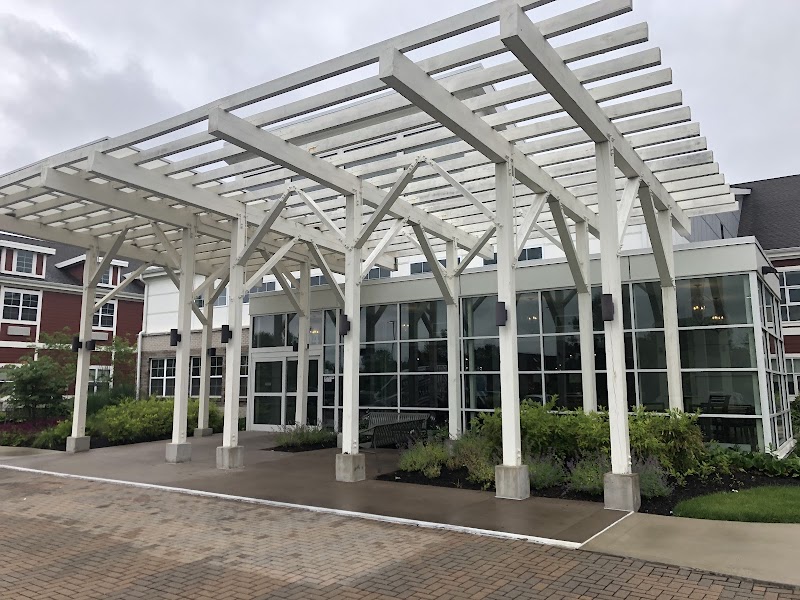
How is Evergreen Crossing And The Lofts Staffed?

CMS rates EVERGREEN CROSSING AND THE LOFTS's staffing level at 2 out of 5 stars, which is below average compared to other nursing homes. Staff turnover is 43%, compared to the Indiana average of 46%. This relatively stable workforce can support continuity of care.

What Have Inspectors Found at Evergreen Crossing And The Lofts?

State health inspectors documented 26 deficiencies at EVERGREEN CROSSING AND THE LOFTS during 2023 to 2025. These included: 1 that caused actual resident harm and 25 with potential for harm. Deficiencies causing actual harm indicate documented cases where residents experienced negative health consequences.
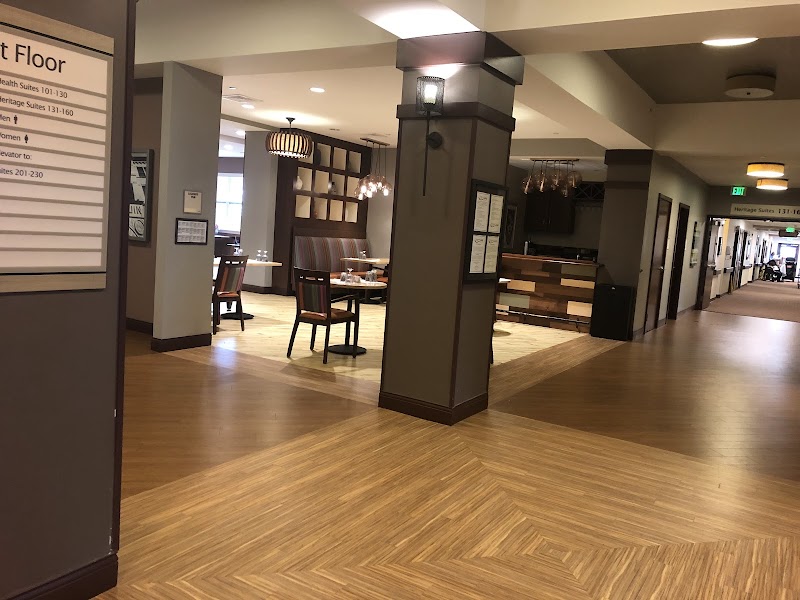
Who Owns and Operates Evergreen Crossing And The Lofts?

EVERGREEN CROSSING AND THE LOFTS is owned by a for-profit company. For-profit facilities operate as businesses with obligations to shareholders or private owners. The facility is operated by COMMUNICARE HEALTH, a chain that manages multiple nursing homes. With 109 certified beds and approximately 99 residents (about 91% occupancy), it is a mid-sized facility located in INDIANAPOLIS, Indiana.
How Does Evergreen Crossing And The Lofts Compare to Other Indiana Nursing Homes?

Compared to the 100 nursing homes in Indiana, EVERGREEN CROSSING AND THE LOFTS's overall rating (2 stars) is below the state average of 3.1, staff turnover (43%) is near the state average of 46%, and health inspection rating (2 stars) is below the national benchmark.

What Should Families Ask When Visiting Evergreen Crossing And The Lofts?

Based on this facility's data, families visiting should ask: "Can you walk me through typical staffing levels on day, evening, and night shifts?" "Can I visit during a mealtime to observe dining assistance and food quality?" "How do you handle medical emergencies, and what is your hospital transfer rate?" "Can I speak with family members of current residents about their experience?" These questions are particularly relevant given the below-average staffing rating.

Is Evergreen Crossing And The Lofts Safe?

Based on CMS inspection data, EVERGREEN CROSSING AND THE LOFTS has a clean safety record: no substantiated abuse findings (meaning no confirmed cases of resident harm), no Immediate Jeopardy citations (the most serious violation level indicating risk of serious injury or death), and is not on the Special Focus Facility watch list (a federal program monitoring the lowest-performing 1% of nursing homes). The facility has a 2-star overall rating and ranks #100 of 100 nursing homes in Indiana. While no facility is perfect, families should still ask about staff-to-resident ratios and recent inspection results during their visit.

Do Nurses at Evergreen Crossing And The Lofts Stick Around?

EVERGREEN CROSSING AND THE LOFTS has a staff turnover rate of 43%, which is about average for Indiana nursing homes (state average: 46%). Moderate turnover is common in nursing homes, but families should still ask about staff tenure and how the facility maintains care continuity when employees leave.

Was Evergreen Crossing And The Lofts Ever Fined?

EVERGREEN CROSSING AND THE LOFTS has been fined $9,750 across 1 penalty action. This is below the Indiana average of $33,176. While any fine indicates a compliance issue, fines under $50,000 are relatively common and typically reflect isolated problems that were subsequently corrected. Families should ask what specific issues led to these fines and confirm they've been resolved.

Is Evergreen Crossing And The Lofts on Any Federal Watch List?

EVERGREEN CROSSING AND THE LOFTS is not on any federal watch list. The most significant is the Special Focus Facility (SFF) program, which identifies the bottom 1% of nursing homes nationally based on persistent, serious quality problems. Not being on this list means the facility has avoided the pattern of deficiencies that triggers enhanced federal oversight. This is a positive indicator, though families should still review the facility's inspection history directly.