ST AUGUSTINE HOME FOR THE AGED
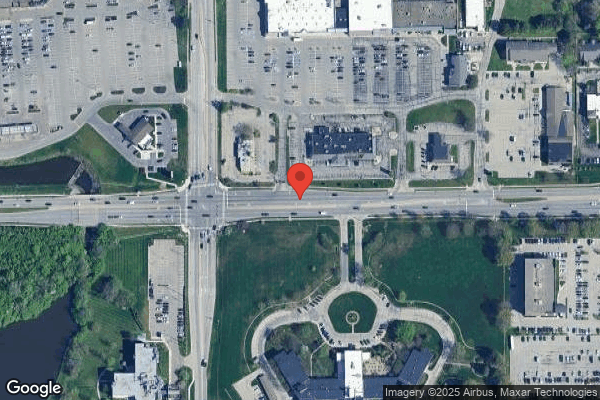

2345 W 86TH ST, INDIANAPOLIS, IN 46260 (317) 415-5767
Non profit - Corporation 23 Beds Independent Data: November 2025
Trust Grade
85/100
#96 of 505 in IN
Last Inspection: September 2024

Within standard 12-15 month inspection cycle. Federal law requires annual inspections.

Overview

St. Augustine Home for the Aged has a Trust Grade of B+, indicating it is above average and recommended for families seeking care. It ranks #96 out of 505 facilities in Indiana, placing it in the top half of the state, and #4 out of 46 in Marion County, meaning only three local options are rated higher. The facility is showing improvement, with issues decreasing from five in 2024 to one in 2025. Staffing is a strong point, rated 5/5 stars with a turnover rate of 35%, which is significantly lower than the state average of 47%. Notably, there have been no fines, and the facility has better RN coverage than 90% of Indiana facilities, ensuring high-quality care. However, there are some concerns. An incident was reported in 2024 where a CNA was accused of physical abuse against a resident, which led to the aide's termination. Additionally, there was a lapse in having a licensed administrator for several months, which could affect all residents. Lastly, there was a failure to document a resident's advanced directives properly, which raises questions about the management of critical medical decisions. Overall, while the facility has strong staffing and care ratings, families should be aware of these past issues.

Trust Score
B+
85/100
In Indiana
#96/505
Top 19%
Safety Record
Low Risk
No red flags
Inspections
Getting Better
5 → 1 violations
Staff Stability
○ Average
35% turnover. Near Indiana's 48% average. Typical for the industry.
Penalties
✓ Good
No fines on record. Clean compliance history, better than most Indiana facilities.
Skilled Nurses
✓ Good
Each resident gets 119 minutes of Registered Nurse (RN) attention daily — more than 97% of Indiana nursing homes. RNs are the most trained staff who catch health problems before they become serious.
Violations
⚠ Watch
15 deficiencies on record. Higher than average. Multiple issues found across inspections.
★★★★★
5.0
Overall Rating
★★★★★
5.0
Staff Levels
★★★★★
5.0
Care Quality
★★★★☆
4.0
Inspection Score
Stable
2024: 5 issues
2025: 1 issues

The Good

  • 5-Star Staffing Rating · Excellent nurse staffing levels
  • 5-Star Quality Measures · Strong clinical quality outcomes
  • Full Sprinkler Coverage · Fire safety systems throughout facility
  • No fines on record
  • Staff turnover below average (35%)

    13 points below Indiana average of 48%

Facility shows strength in staffing levels, quality measures, fire safety.

The Bad

Staff Turnover: 35%

11pts below Indiana avg (46%)

Typical for the industry

The Ugly 15 deficiencies on record

Jan 2025 1 deficiency
CONCERN (D) 📢 Someone Reported This

A family member, employee, or ombudsman was alarmed enough to file a formal complaint

Potential for Harm - no one hurt, but risky conditions existed

Free from Abuse/Neglect (Tag F0600)

Could have caused harm · This affected 1 resident

Based on observation, interview and record review, the facility failed to protect the resident's right to be free from physical abuse by a CNA for 1 of 2 residents reviewed for abuse. (Resident B) The...

Read full inspector narrative →
Based on observation, interview and record review, the facility failed to protect the resident's right to be free from physical abuse by a CNA for 1 of 2 residents reviewed for abuse. (Resident B) The deficient practice was corrected on 9/25/24, prior to the start of the survey, and was therefore past noncompliance. Finding includes: A document, titled Indiana State Department of Health Survey Report System, indicated on 9/17/24 at approximately 7:45 a.m., the Executive Director (ED) was notified Resident B alleged CNA 1 knocked me out. The resident's description of the aide involved was consistent with the description of CNA 1. Later in the day on 9/17/24, a discoloration and raised area presented on Resident B's forehead. Staff interviews confirmed the raised area on Resident B's forehead was not present on the previous shift. The evidence pointed toward the resident's description of the incident to be accurate. CNA 1 was terminated. A handwritten facility statement dated 9/17/24 at 7:30 p.m. and signed by RN 2 indicated Resident B's left eye was slightly swollen. When asked if it hurt, he indicated no, but that's where she hit me. He described the staff member who hit him as that tall, big black one on night shift A handwritten facility statement, dated 9/17/24, and signed by CNA 3 indicated at approximately 2:30 a.m., CNA 3 was on her way to check on a resident when she observed CNA 1 coming out of Resident B's room. CNA 1 was complaining he called her N*****. RN 4 came from the west side of the facility and CNA 1 complained to her Resident B called her a N****** and lied on her indicating she had hit him on the face. CNA 1 and RN 4 went to Resident B's room at that time. When the two of them came back later, RN 4 indicated the resident was having a behavior and called her a N***** also and he did not want to see the two of them again. RN 4 indicated she would document his behavior. A typed facility statement, dated 9/17/24, and signed by RN 5 indicated that morning just past 7:00 a.m., the Director of Nursing (DON) and herself was exiting the elevator when they were approached by CNA 1. CNA 1 was visibly upset, appeared to be crying or had been crying, and was loudly expressing her frustration regarding Resident B. She asked to speak to RN 5 and the DON. CNA 1 spoke about an incident which occurred that morning at approximately 3:00 a.m. When she answered Resident B's call light and he realized it was her, he called her a racial slur. The night nurse was in the hall listening to the exchange, entered the room and he called her a N***** as well. CNA 1 was expressing her frustration this was not the first time he had used this language directed at staff. She felt like he got away with it and nothing was done about it. The DON attempted to calm CNA 1 down. CNA 1 indicated the resident said she had hit him. CNA 1 continued to voice her frustrations because Resident B got away with calling staff racial slurs, lied on her, and almost got her fired. The DON reminded CNA 1; Resident B was on the list which required staff to care in pairs because he did have those known behaviors. A handwritten facility statement, dated 9/17/24, and signed by CNA 1 indicated at approximately 3:00 or 3:30 a.m., Resident B turned his call light on, and she responded. When she opened his door, Resident B indicated N***** I want the nurse get out of my room. She left his room and closed the door. RN 4 was a few feet away behind her and heard the interaction between the resident and CNA 1. A handwritten facility statement, undated, and signed by CNA 7 indicated when she walked into Resident B's room to get him up, he indicated the big, tall girl hit him in the face. He placed his hand on his face where he indicated she hit him. He indicated he would only talk to another nurse, not the one that came in with the girl who hit him. A handwritten facility statement, dated 9/17/24, and signed by RN 8 indicated at the start of her shift, a CNA indicated to her Resident B wanted to talk to the morning nurse. Resident B indicated to RN 8 his night shift CNA (CNA 1) hit him in his forehead. Upon assessing the area, there was no redness or bruise discovered. He indicated he was in the bathroom, pulled the call light, the night aide came into the bathroom, and stated what the F do you want? He indicated the same night shift CNA (CNA 1) was also mean to his wife when she was a resident at the facility. A typed facility statement, undated, and signed by CNA 9 indicated she gave Resident B a shower on the evening of 9/16/24 around 9:00 p.m., and he did not have any skin issues. He did not have any bump or bruise anywhere on his face. On 9/17/24, she observed he had a bump on his forehead. She asked him if he fell. He indicated no he had not and late last night a big woman came into his room and told him to go to bed. She punched him with her fist. A handwritten statement, dated 9/17/24, and signed by RN 4 indicated Resident B requested the nurse at approximately 4:00 a.m. Upon entering the resident's room, he showed frustration and verbalized he did not feel I was the nurse. He began to explain he was knocked out cold just prior to the nurse's arrival. He indicated RN 4 would not believe him either because you're a N***** too. The nurse assessed the resident with no visible injuries to his face, chest or arms. He indicated CNA 1 hit him in the head. The resident did not know the nurse was standing outside of his room observing the interaction between he and CNA 1. RN 4 overheard the resident referring to CNA 1 as the racial slur N***** and a Big black girl. Both staff members exited his room after completing the tasks which needed to be completed. A document, titled PCE-Skin Assessment, dated 9/18/24 at 1:56 p.m., indicated a skin assessment was completed on Resident B. The skin evaluation indicated his left side of his forehead had a 1.5 cm (centimeter) by 1.5 cm brown discoloration with a 0.5 cm circular area of protrusion observed. The record for Resident B was reviewed on 1/13/25 at 12:14 p.m. The diagnoses included, but were not limited to, moderate dementia with mood disturbance, osteoarthritis, abnormal weight loss, nutritional anemia, major depressive disorder, and adult failure to thrive. A nursing progress note, dated 9/17/24 at 3:39 a.m., indicated Resident B pulled his call light and immediately upon the staff member's entrance into his room, he referred to the staff member as a N*****. He indicated he did not need help from either one of them and you people are all alike. You are going to h*** for being a N*****. He continued to demean staff and say cruel things to staff, so they exited the room. A nursing progress note, dated 9/17/24 at 9:08 a.m., indicated the resident voiced being upset with the night shift staff last night. A nursing progress note, dated 9/18/24 at 7:00 a.m., indicated the resident had some slight discoloration to his left frontal forehead observed with tenderness when touched. A nursing progress note, dated 9/18/24 at 8:43 p.m., indicated there was slight swelling observed above his left eye. A nursing progress note, dated 9/19/24 at 7:08 a.m., indicated there was slight swelling observed above his left eye. During an interview, on 1/10/25 at 1:01 p.m., the Human Resource Director indicated CNA 1 was terminated due to the facility's findings during the investigation. Resident B had called CNA 1 a name and he had a mark on his head discovered through their investigation. During an interview, on 1/10/25 at 1:09 p.m., the Executive Director (ED) indicated CNA 1 was terminated for abuse. Resident B's story stayed consistent every time he told it. A knot with discoloration did form on his forehead the day after CNA 1 took care of him, which was not there on the previous shift. During an interview, on 1/13/25 at 11:15 a.m., Resident B indicated he was hit by a staff member, but it was so long ago he did not remember the description of the girl. He heard she no longer worked at the facility, and he was glad. During an interview, on 1/13/25 at 2:15 p.m., the Human Resource Director indicated CNA 1 was terminated for abuse for hitting Resident B on the forehead above his eye. There were inconsistencies in CNA 1 and RN 4's statements, while Resident B's statement stayed consistent and never changed. During an interview, on 1/13/25 at 2:15 p.m., the Director of Nursing (DON) indicated a consideration looked at prior to terminating CNA 1, was the resident was supposed to be cared for in pairs and there was no one else in the room with her to verify she did not hit Resident B. CNA 1 did not follow their policy and procedure of caring for residents in pairs when it was care planned to do so. A document, titled CNA 1's Status for 9/19/2024, dated 9/19/24, indicated CNA 1 was terminated on 9/19/24. She was not eligible for rehire. Her termination was involuntary. She was terminated at the conclusion of an abuse investigation and the abuse allegations against her were found to be substantiated. A current facility policy, titled Abuse, Neglect, Mistreatment and Misappropriation of Resident Property, dated 1/2018 and provided by the ED on 1/10/25 at 1:09 p.m., indicated .Abuse is the willful infliction of injury, unreasonable confinement, intimidation, or punishment with resulting physical harm, pain or mental anguish .Abuse includes .physical abuse .Willful, as used in this definition of abuse, means the individual must have acted deliberately, not that the individual must have intended to inflict injury or harm .Physical abuse: includes hitting, slapping, pinching, and kicking. It also includes controlling behavior through corporal punishment A current facility policy, titled Resident's [NAME] of Rights, dated 4/2017 and provided by the ED on 1/10/25 at 1:09 p.m., indicated The Resident has the right to a dignified existence that will provide and maintain a supportive environment to promote self-esteem and personal dignity and to ensure that the Resident and civil rights are respected and protected .Personal Rights 1. The Resident has the right to honor and respect at all times and under all circumstances, to courteous and equal consideration from all with whom they come in contact in view of God's creative love for them. Thus, the Resident has the right to expect available care, treatment, services or accommodation to be provided when indicated without consideration based on race, color, creed, sexual orientation, national origin or the nature of the source of payment for care The deficient practice was corrected, by 9/25/24, after the facility implemented a systemic plan that included resident interviews, staff interviews, CNA 1 was terminated and a resident abuse in-service was completed for all employees. This citation relates to Complaint IN00449365. 3.1-27(a)(1)
Sept 2024 5 deficiencies
CONCERN (D)

Potential for Harm - no one hurt, but risky conditions existed

Deficiency F0578 (Tag F0578)

Could have caused harm · This affected 1 resident

**NOTE- TERMS IN BRACKETS HAVE BEEN EDITED TO PROTECT CONFIDENTIALITY** Based on interview and record review, the facility failed to ensure a resident's code status was obtained and accurately documen...

Read full inspector narrative →
**NOTE- TERMS IN BRACKETS HAVE BEEN EDITED TO PROTECT CONFIDENTIALITY** Based on interview and record review, the facility failed to ensure a resident's code status was obtained and accurately documented in the clinical record for 1 of 1 resident reviewed for advanced directives. (Resident 171) Finding includes: The clinical record for Resident 171 was reviewed on [DATE] at 2:58 p.m. The diagnoses included, but were not limited to, hypertension, severe protein-calorie malnutrition, hemorrhage from respiratory passages, and anemia. Resident 171 was admitted to the facility on [DATE]. A document, titled Long-Term Care Patient Summary, with post-acute care discharge instructions, dated [DATE], indicated Resident 171 did not have advanced directives. A document, titled Indiana Physician Orders for Scope of Treatment (POST), was prepared on [DATE]. The designation of the resident's preferences related to, attempt resuscitation/CPR, or do not attempt resuscitation/DNR was left blank. A code status was not documented on the face sheet. There was no order addressing code status found in the record. A baseline care plan meeting, completed on [DATE], lacked documentation to show a discussion was had with the resident or resident representative regarding code status preferences. A code status preference was not documented in the care plan for Resident 171. During an interview, on [DATE] at 3:00 p.m., RN 3 indicated a newly admitted resident should have a code status preference documented in their clinical record within 24 hours after being admitted . If a code status was not present in the clinical record, staff would treat the resident as a full code and would perform CPR. During an interview, on [DATE] at 3:06 p.m., the Director of Nursing (DON) indicated Resident 171 did not have a code status documented in his clinical record. The DON was not aware if the resident's preferences was to attempt resuscitation/CPR, or do not attempt resuscitation/DNR due to it was left blank on the POST form. Residents were seen by the physician within 72 hours after admission and a code status would then be documented in the clinical record. The POST form in the clinical record was from Resident 171's previous place of residence. During an interview, on [DATE] at 3:05 p.m., the DON indicated the Social Service Director (SSD) had seen the original POST form for Resident 171 in the clinical record and did not initiate the code status process upon admission. A current policy, titled Advance Directive, dated as last revised 8/2017 and received from the DON on [DATE] at 11:18 a.m., indicated .Document on admission, that Advance Directives exist and place a copy of the Advance Directives in the Resident Medical Record .As Advance Directive are completed or modified, a current copy is kept within the Medical/Nursing Chart .Assist with communication of the Advance Directives, as necessary, to physician, Home staff, hospital staff, Resident, Resident Representative and Family according to Resident's desires 3.1-4(f)(4)(A)(ii) 3.1-4(f)(5)
CONCERN (D)

Potential for Harm - no one hurt, but risky conditions existed

Quality of Care (Tag F0684)

Could have caused harm · This affected 1 resident

3. The clinical record for Resident 11 was reviewed on 9/17/24 at 2:41 p.m. The diagnoses included, but were not limited to, unspecified dementia, hyperlipidemia, age related osteoporosis, and unspeci...

Read full inspector narrative →
3. The clinical record for Resident 11 was reviewed on 9/17/24 at 2:41 p.m. The diagnoses included, but were not limited to, unspecified dementia, hyperlipidemia, age related osteoporosis, and unspecified atherosclerosis of native arteries of bilateral legs. A physician's order, with a start date of 7/1/24, indicated if a gain or loss of 4 pounds since the last weight, then weigh 4 days consecutively and notify provider if the gain or loss was valid. A vitals log indicated the following weights: On 7/1/2024, the weight was 157.0 pounds. On 8/1/2024, the weight was 156.7 pounds. On 9/1/2024, the weight was 161.5 pounds. On 9/1/24, the resident gained 4.8 pounds compared to the last weight. There was no documentation in the record to indicate the resident had been weighed for 4 days after the weight gain or notification to the provider of the gain had occurred. During an interview, on 9/19/24 at 3:07 p.m., the Director of Nursing (DON) indicated she did not see documentation to indicate the resident was weighed for those 4 days per the order. During an interview, on 9/20/24 at 10:52 a.m., the DON indicated the expectation was staff would follow the physician's orders and if they had any questions, they would call the physician. A current facility policy, titled WEIGHT, LOSS OR GAIN, dated as revised in 8/2018 and received from the Director of Nursing on 9/20/24 at 11:10 a.m., indicated .A Resident with weight gain should be assessed and monitored for signs and symptoms of Congestive Heart Failure A current facility policy, titled Weights, Techniques, dated as revised 8/2018 and received from the Director of Nursing on 9/20/24 at 11:11 a.m., indicated .Residents with a three to five (3-5) lb. loss or gain are reported to the nurse, Supervisor of Director of Nursing A current facility policy, titled Congestive Heart Failure, dated as reviewed 1/2023 and received from the Director of Nursing on 9/19/24 at 2:24 p.m., indicated .In the event of any symptoms of CHF (Congestive Heart Failure) of a Resident, the Physician, Resident Representative, Family will be notified by the Charge Nurse under whose supervision the Resident has been delegated, immediately .Common symptoms are .Weight gain A current facility policy, titled BOWEL AND BLADDER PROGRAM SCHEDULE, was received from the Director of Nursing on 9/20/24 at 11:11 a.m. The policy did not address a bowel protocol. 3.1-37(a) Based on interview and record review, the facility failed to ensure a resident was assessed and treated for constipation, to ensure a resident was assessed for complications of congestive heart failure and to notify the physician of weight gains outside of the physician's ordered parameters for 3 of 3 residents reviewed for quality of care. (Resident 12, 18 and 11) Finding includes: 1. The clinical record for Resident 12 was reviewed on 9/17/24 at 2:31 p.m. The diagnoses included, but were not limited to, chronic respiratory failure with hypoxia, asthma, and constipation. The bowel movement documentation indicated the resident had not had a bowel movement from 8/27/24 to 8/31/24 (5 days). There was no abdominal assessment noted in the record. A physician's order, initiated on 8/31/23, indicated .BOWEL CONSTIPATION PROTOCOL: do not go more than 2 days without a bowel movement, take Miralax 17 grams in 8 ounces of fluids as needed for constipation A physician's order, initiated on 6/21/24, indicated to give half a scoop of Miralax 17 grams in the morning for constipation. A physician's order, initiated on 4/19/24, indicated to give Senna-Docusate Sodium 8.6-50 milligram tablet as needed for constipation twice a day. A physician's order, initiated on 4/19/24, indicated to give Senna-Docusate Sodium 8.6-50 milligrams daily for constipation. A care plan, initiated on 3/30/22, indicated the resident had a potential for constipation related to decreased mobility and medications. Interventions included, but were not limited to, administer stool softener/ laxative as ordered, monitor for symptoms of constipation such as abdominal pain, a distended abdomen and bowel sounds, and administer as needed medications (to promote a bowel movement) after three days. During an interview, on 9/20/24 at 8:45 a.m., RN 1 indicated bowel movements were to be charted by the CNA. The nurse would talk with the resident and ask when they last had a bowel movement. If no bowel movement after three days, then the bowel assessment was to be done and charted in the notes. If the resident had an order for medication the nurse was to administer the medication. If there was no order, the nurse would contact the physician. During an interview, on 9/20/24 at 3:55 p.m., the Director of Nursing indicated she was not able to find documentation of a bowel movement from 8/27/24 to 8/31/24 or an assessment which was completed. The staff should ask the resident if they have had a bowel movement (if not documented) and then follow the facility bowel movement protocol. The protocol consisted of increasing fluids and assessing the bowel sounds. 2. The clinical record for Resident 18 was reviewed on 9/17/24 at 3:33 p.m. The diagnoses included, but were not limited to, congestive heart failure, chronic respiratory failure with hypoxia, and chronic kidney disease. The documented weights indicated the resident weighed 165.3 pounds on 9/2/24 and 170.4 pounds on 9/3/24 which indicated a gain of 5.1 pounds in a 24-hour period. There was no assessment of the lung sounds, edema, or chest pain found in the record. There was no documentation the weight was rechecked for accuracy and there was no note to indicate the physician had been informed of the weight gain. A physician's order, dated 5/31/24, indicated to weigh the resident daily in the morning and to report to the physician a weight gain of greater than three pounds in 24 hours or five pounds in a week for a diagnosis of congestive heart failure. A physician's order, initiated 7/4/24, indicated to encourage a fluid restriction of 1500 milliliters (ml) daily for chronic heart failure. A current care plan, revised on 12/4/23, indicated the resident was at risk for complications due to congestive heart failure, atrial fibrillation and hypertension. She would be free of complications and have clear lung sounds and the heart rate and rhythm would be within normal limits. Interventions included, but were not limited to, monitor for difficulty breathing, weight gain, edema and chest pain, contact the physician as indicated, and weight monitoring as ordered. A current care plan, revised on 8/7/24, indicated the resident was at risk for dehydration related to diuretic therapy, edema, hypertension, congestive heart, and a history of hyponatremia (low sodium levels) with a fluid restriction. Interventions included, but were not limited to, monitor weights as ordered and consult the physician as indicated. During an interview, on 9/20/24 at 8:45 a.m., RN 6 indicated residents with a diagnosis of congestive heart failure (CHF) should have their oxygen saturation levels assessed per physician's order. Daily weights were to be completed, and the physician notified if there was a weight gain. A respiratory assessment was to be done, a reweigh of the resident, and check the resident for edema and skin turgor. An SBAR (a type of assessment to relay information to the physician) should be completed. If after notifying the physician there were new orders, carry out the orders and continue to monitor the resident.
CONCERN (D)

Potential for Harm - no one hurt, but risky conditions existed

Incontinence Care (Tag F0690)

Could have caused harm · This affected 1 resident

Based on interview and record review, the facility failed to ensure urinary output was monitored as ordered by the physician for 1 of 1 resident reviewed for catheter care. (Resident 18) Finding inclu...

Read full inspector narrative →
Based on interview and record review, the facility failed to ensure urinary output was monitored as ordered by the physician for 1 of 1 resident reviewed for catheter care. (Resident 18) Finding includes: The clinical record for Resident 18 was reviewed on 9/17/24 at 3:33 p.m. The diagnoses included, but were not limited to, cerebral ischemia (acute brain injury from impaired blood flow to the brain), heart failure, and chronic respiratory failure with hypoxia (a condition which occurs from lack of oxygen in the blood). A care plan, initiated on 4/27/23, indicated the resident had an indwelling catheter related to bladder obstruction and urinary retention. The interventions included, but were not limited to, monitor and document urinary output per the facility policy. A physician's order, initiated on 4/6/23, indicated to record urinary output every shift. The Medication and Treatment Record, for August 2024, was missing urinary output documentation on the night shift for August 1st, the evening shift on August 18th, the night shift on August 21st, and the day shift on August 27th. During an interview, on 9/20/24 at 8:45 a.m., RN 1 indicated urinary output was to be documented on the Medication Administration Record. A current facility policy, titled .INTAKE AND OUTPUT, dated as last revised in 01/2024 and received from the Infection Preventionist on 9/20/24 at 4:40 p.m., indicated .To ensure adequate hydration levels of certain Residents and to assist in their assessment and management by using I & O (intake and output) record .I&O records are kept on Residents with the following .Foley catheters .record output from catheters 3.1-41(a)(2)
CONCERN (D)

Potential for Harm - no one hurt, but risky conditions existed

Respiratory Care (Tag F0695)

Could have caused harm · This affected 1 resident

Based on observation, interview and record review, the facility failed to ensure oxygen tubing was dated for the day it was changed for 3 of 3 residents reviewed for respiratory care. (Residents 18, 1...

Read full inspector narrative →
Based on observation, interview and record review, the facility failed to ensure oxygen tubing was dated for the day it was changed for 3 of 3 residents reviewed for respiratory care. (Residents 18, 12 and 10) Findings include: 1. During an observation, on 9/17/24 at 9:35 a.m., Resident 18 was observed in a recliner in her room. She was found to be using supplemental oxygen at two (2) liters per minute through a nasal cannula. The oxygen line did not have a date to show when the oxygen tubing had been changed. The clinical record for Resident 18 was reviewed on 9/17/24 at 3:33 p.m. The diagnoses included, but were not limited to, cerebral ischemia (acute brain injury from impaired blood flow to the brain), heart failure, and chronic respiratory failure with hypoxia (a condition which occurs from lack of oxygen in the blood). A physician's order, initiated on 7/11/24, indicated to provide oxygen at two (2) liters per minute via nasal cannula for chronic respiratory failure with hypoxia. 2. During an observation, on 9/16/24 at 10:33 a.m., Resident 12 was up in sitting up in her room. She was found to be using supplemental oxygen at two (2) liters per minute through a nasal cannula. The oxygen line did not have a date to show when the oxygen tubing had been changed. The clinical record for Resident 12 was reviewed on 9/17/24 at 2:31 p.m. The diagnoses included, but were not limited to, chronic respiratory failure with hypoxia, asthma, and chronic obstructive pulmonary disease (COPD). A physician's order, initiated on 3/12/23, indicated to change and date the oxygen tubing and storage bags every evening shift on Tuesday. A care plan, revised on 5/29/24, indicated the resident had a potential for respiratory complications due to COPD, asthma, chronic respiratory failure with hypoxia, pulmonary fibrosis, and chronic heart failure. She required supplemental oxygen. 3. During an observation, on 9/16/24 at 12:19 p.m., Resident 10 was up in a high back wheelchair in the dining area. He was found to be using supplemental oxygen at two (2) liters per minute through a nasal cannula. The oxygen line did not have a date to show when the oxygen tubing had been changed. The clinical record for Resident 10 was reviewed on 9/20/24 at 12:02 p.m. The diagnoses included, but were not limited to, hypoxemia, heart failure, and obstructive sleep apnea (a sleep disorder which occurs when the upper airway partially or completely collapses during sleep, interrupting breathing). A physician's order, initiated on 8/5/20, indicated the resident may use oxygen at two liters per minute. A care plan, revised on 9/4/24, indicated the resident required supplemental oxygen to maintain adequate oxygenation. During an interview, on 9/17/24 at 2:27 p.m., the Director of Nursing indicated the oxygen tubing should be changed weekly, and the tubing should be labeled with the date it was changed. A current facility policy, titled OXYGENATOR, dated as last revised in 8/18 and received from RN 1 on 9/18/24 at 10:46 a.m., indicated .Nasal cannula/face mask and humidifier must be changed weekly 3.1-47(a)(6)
CONCERN (D)

Potential for Harm - no one hurt, but risky conditions existed

Infection Control (Tag F0880)

Could have caused harm · This affected 1 resident

Based on interview and record review, the facility failed to monitor the use of antibiotics including the use of standardized tools for the appropriateness of antibiotics prescribed for 1 of 5 residen...

Read full inspector narrative →
Based on interview and record review, the facility failed to monitor the use of antibiotics including the use of standardized tools for the appropriateness of antibiotics prescribed for 1 of 5 residents reviewed for unnecessary medications. (Resident 11) Finding includes: The clinical record for Resident 11 was reviewed on 9/17/24 at 2:41 p.m. The diagnoses included, but were not limited to vitamin D deficiency, hypertension, polyosteoarthritis, and age-related osteoporosis. A physician's order, with a start date of 7/23/24, indicated the resident took Keflex (an antibiotic) oral capsule 250 milligrams (mg). During an interview, on 9/20/24 at 3:27 p.m., the Director of Nursing (DON) indicated their physician did the tracking for antibiotics. She was not aware of anybody who did surveillance using the McGeer criteria (surveillance definitions used to identify infections) in the facility. The nurses would report the signs and symptoms to the physician but did not use a specific protocol. There was no documentation of a surveillance tool used for the resident. A current policy, titled Antibiotic Stewardship Program, dated 1/2024 and received from the DON on 9/20/24 at 3:45 p.m., indicated .Infection preventionist - coordinates all antibiotic stewardship activities, maintains documentation, and serves as a resource for all clinical staff .Licensed nurses participate in the program through assessment of residents and following protocols as established by the program. 4. The program includes antibiotic use protocols and a system to monitor antibiotic use .The facility uses the (CDC's NHSN Surveillance Definitions, updated McGeer criteria, or other surveillance tool) to define infections .Documentation related to the program is maintained by the Infection Preventionist, including, but not limited to .assessment forms .antibiotic use protocols/algorithms .data collection forms for antibiotic use, process, and outcome measures A current policy, titled Infection Prevention and Control Program, dated 1/2024 and received from the DON on 9/20/24 at 3:45 p.m., indicated .The RNs and LPNs participate in surveillance through assessment of residents and reporting changes in condition to the residents' physician's and management staff, per protocol for notification of changes and in-house reporting of communicable diseases and infections .Antibiotic use protocols and a system to monitor antibiotic use will be implemented as part of the antibiotic stewardship program. C. The infection preventionist, with oversight from the Director of Nursing, serves as the leader of the antibiotic stewardship program 3.1-18(b)(1)(A) 3.1-18(b)(1)(B) 3.1-18(b)(1)(C)
Jul 2023 4 deficiencies
CONCERN (D)

Potential for Harm - no one hurt, but risky conditions existed

Investigate Abuse (Tag F0610)

Could have caused harm · This affected 1 resident

**NOTE- TERMS IN BRACKETS HAVE BEEN EDITED TO PROTECT CONFIDENTIALITY** Based on interview and record review, the facility failed to thoroughly investigate an allegation and immediately take action to...

Read full inspector narrative →
**NOTE- TERMS IN BRACKETS HAVE BEEN EDITED TO PROTECT CONFIDENTIALITY** Based on interview and record review, the facility failed to thoroughly investigate an allegation and immediately take action to prevent further abuse or mistreatment from occurring while the investigation was in progress for 1 of 1 resident reviewed regarding abuse or mistreatment. (Resident 10) Finding includes: The record for Resident 10 was reviewed on 07/07/2023 at 2:21 p.m. Diagnoses included, but were not limited to, dementia with mood disturbance, anxiety disorder, major depressive disorder, total retinal detachment affecting the right eye, general muscle weakness, unsteadiness on feet, and repeated falls. A current MDS (Minimum Data Set) assessment, dated 05/30/2023, indicated the resident had a BIMs (Brief Interview for Mental Status) score of 9, indicating the resident demonstrated a cognitive impairment. A progress note, dated 02/19/2023 at 7:00 p.m., indicated Late Entry .Writer spoke to Resident in regard to her complaint of left wrist pain. There was noticeable redness on her left small finger and knuckle area. When she was asked what happened, she stated, a staff member pulled her very roughly and hurt her wrist. There is no evidence of swelling, redness or swelling on her wrist . An Incident Report to the Indiana State Department of Health, dated 02/19/2023 and provided by the Administrator on 07/10/2023 at 2:31 p.m., indicated on 02/19/2023, Administrator notified this evening that (Resident 10) alleged the woman in the 'yellow hat' was rough with her. (Resident 10) claimed her wrist was sore. The type of injury to the resident was described as .her left wrist was sore. No swelling or visible marks noted. Some redness noted to her left pinkie finger. Preventative measures were identified as There is a staff member that wears a head covering and was assigned to the resident's care. Staff member was sent home pending the outcome of our investigation. The identity of the CNA believed to be involved was revealed by the HRD (Human Resources Director) during an interview on 07/10/2023 at 2:42 p.m. CNA 13 had worked at the facility since 06/09/2015 and according to the HRD had been a [NAME] employee with no complaints of her care to residents during her employment. The HRD indicated CNA 13 was sent home on the evening of 02/19/2023 and resigned her position on 02/23/2023. The actual working hours of CNA 13 was requested and received from Clinical Nurse 12 on 07/10/2023 at 9:22 a.m. According to the timesheets, CNA 13 worked a double shift, clocking in on 02/18/2023 at 2:45 p.m., and clocking out 02/19/2023 at 7:10 a.m. The CNA returned to the facility again on 02/19/2023 at 2:20 p.m., to work her normal evening shift. The CNA was observed to have clocked out at 9:25 p.m., when she was directed to leave the facility pending the investigation. A review of the facility's investigation of the allegation, received from the facility Administrator on 07/10/2023 at 2:31 p.m., contained a typed, unidentified statement, which the facility indicated was a statement from dayshift LPN 4. This statement indicated This morning (Resident 10) reported to me (LPN) that 'the CNA with a yellow band on her head twisted my hand when getting me up to use the bathroom'. When asked when this happened (Resident 10) replied 'at 3 in the morning' .Res (resident's) left wrist slightly red in color. No other signs of abuse seen at that time. During an interview, on 07/11/2023 at 11:25 a.m., Clinical Nurse 12 indicated Sister 1 was informed of the allegation sometime in the morning of 02/19/2023 by LPN 4, but she was unaware of the exact time. Sister 1 indicated she would take care of it and documented the note in Resident 10's clinical record as a late entry at 7:00 p.m., the same day. During an interview, on 07/11/2023 at 2:12 p.m., Sister 1 indicated she had written the late entry in the progress notes, dated 02/19/2023 at 7:00 p.m., however she was unable to recall the time she initially had been notified of Resident 10's allegation on the morning of 02/19/2023. Sister 1 was unable to remember when or who originally informed her of the allegation. When asked the name of the unidentified LPN who authored the unidentified statement contained in the investigation materials, she indicated she was unable to recall. No reason was given when asked why CNA 13 was allowed to return to work on the evening shift of 02/19/2023. The overall facility investigation lacked documentation including interviews with other residents living around or on the same unit as Resident 10 and CNA 13 was allowed to return to the facility on [DATE] to care for residents until the CNA was sent home from the facility at 9:25 p.m. A current policy, titled Abuse, Neglect and Exploitation, received from the Administrator on 07/11/2023 at 2:27 p.m., indicated It is the policy of this home to provide protections for the health, welfare and rights of each resident by developing and implementing written policies and procedures that prohibit abuse, neglect, exploitation and misappropriation of resident property .Investigation of alleged abuse, neglect and exploitation .An immediate investigation is warranted when suspicion of abuse, neglect or exploitation or reports of abuse, neglect or exploitation occur .Protection of Resident .The home will make efforts to ensure all residents are protected from physical and psychosocial harm, as well as additional abuse, during and after the investigation. Examples include but are not limited to: Responding immediately to protect the alleged victim and integrity of the investigation .room or staffing, if necessary, to protect the resident(s) from the alleged perpetrator 3.1-28(d)
CONCERN (D)

Potential for Harm - no one hurt, but risky conditions existed

Deficiency F0637 (Tag F0637)

Could have caused harm · This affected 1 resident

Based on record review and interview, the facility failed to ensure a significant change Minimum Data Set (MDS) assessment was completed for a resident with a fall resulting in injury, left sided weak...

Read full inspector narrative →
Based on record review and interview, the facility failed to ensure a significant change Minimum Data Set (MDS) assessment was completed for a resident with a fall resulting in injury, left sided weakness, and increased behavioral issues for 1 of 3 residents reviewed for MDS assessments. (Resident 7) Finding includes: The record for Resident 7 was reviewed on 07/07/23 at 10:26 a.m. Diagnoses included, but were not limited to, cerebral infarction (stroke), dementia, and repeated falls. A nursing progress note, dated 5/16/22 at 1:22 a.m., indicated the resident fell resulting in an injury on the back and a raised area on the back of the head. The initial neurological checks were within normal limits. A physician's progress note, dated 5/16/23 at 10:15 a.m., indicated the spouse noticed differences in the resident's neurological status and was concerned. The facility called 911 for further evaluation. A progress note, dated 5/23/23 at 5:10 p.m., indicated the resident was re-admitted into the facility and the MD (Medical Doctor) was notified of the return. A progress note, dated 5/24/23 at 10:30 a.m., indicated the resident was making sexual comments to staff members. A physician's note, dated 5/26/23 at 10:00 a.m., indicated the resident returned from the hospital which determined the diagnoses of a stroke which resulted in left sided weakness and encephalopathy (altered mental status). A physician's note, dated 6/20/23 at 10:00 a.m., indicated care for the resident had been complicated due to inappropriate statements and new actions of sexual nature such as grabbing staff members. The resident had residual left sided hemiparesis (weakness). During an interview, on 07/10/23 at 11:54 a.m., the MDS Coordinator indicated the resident should have had a significant change MDS assessment completed after the resident had declines in more than one area of the health including left sided weakness and increased behavioral issues. A current policy, titled CHANGE IN RESIDENT CONDITION OR STATUS, dated as revised on 08/2018 and received from DON (Director of Nursing) on 7/11/23 at 1:40 p.m., indicated .The MDS Coordinator is to be notified (ASAP) of any physical or mental changes in a Resident so that the need for a Significant Change MDS may be determined 3.1-31(d)(1)
CONCERN (D)

Potential for Harm - no one hurt, but risky conditions existed

Deficiency F0727 (Tag F0727)

Could have caused harm · This affected 1 resident

Based on interview and record review, the facility failed to ensure a Registered Nurse was in the facility for 8 hours during a 24-hour period for 9 days of the first quarter of 2023 reviewed for suff...

Read full inspector narrative →
Based on interview and record review, the facility failed to ensure a Registered Nurse was in the facility for 8 hours during a 24-hour period for 9 days of the first quarter of 2023 reviewed for sufficient staffing. (2/4, 2/5, 2/18, 2/19, 2/25, 2/26 and 3/5, 3/11, 3/19) Finding includes: A Payroll-Based Journal (PBJ) Staffing report, for the first quarter of 2023, indicated the facility failed to have Registered Nurse coverage for 02/4, 2/5, 2/18, 2/19, 2/25, 2/26, 3/5, 3/11, and 3/19. During a record review, on 07/11/2023 at 10:19 a.m., the actual worked staffing schedules indicated there was no RN coverage for 02/4, 2/5, 2/18, 2/19, 2/25,2/26, 3/5, 3/11, and 3/19. During an interview, on 07/07/23 at 11:56 a.m., the Facility Scheduler indicated the PBJ staffing showed there was no RN staffing coverage for 6 days in February and 3 days in March. She would have to get with the Human Resources Director to verify if the information on the PBJ was correct. During an interview, on 07/07/2023 at 3:41 p.m., the Human Resources Director indicated they did not have RN coverage on the weekends in February and March due to nursing shortage. She indicated the reporting on the PBJ Staffing report was correct. She confirmed the dates with no RN scheduled or worked were 02/4, 2/5, 2/18, 2/19, 2/25,2/26, 3/5, 3/11, and 3/19. She was aware there needed to be RN coverage every day for 8 consecutive hours a day. She indicated the issue was discussed with the Leadership Team and the Facility Scheduler. During an interview, on 07/10/2023 at 11:45 a.m., the Human Resource Director indicated herself and the Administrator were not aware of the RN staffing issues until after the dates had happened. A current policy, titled RN Administrative Rotation, dated 06/2023 and received from Human Resources Director on 07/11/23 at 10:00 a.m., indicated .To ensure there is a minimum of 8 hours of Registered Nurse (RN) coverage on the weekends and holidays. The administrative RN staff shall rotate the responsibility of ensuring there is proper RN coverage of at least 8 hours per day on Saturdays, Sundays, and Holidays. The RN on duty shall have in his/her possession a designated work phone from the end of the business day on Friday to the beginning of the business day on Monday and on assigned holidays. In the event that there are less than 8 RN hours scheduled on a Saturday, Sunday or Holiday, the RN on duty will be required to report to work for an 8-hour shift. The RN may replace another workday in the same pay period with this shift if his/her job duties permit. The scheduler will make every attempt to schedule a minimum of 8 hours RN coverage. In the event of call off on a Saturday, Sunday, or Holiday resulting in fewer than 8 hours of RN coverage, the Scheduler shall make every effort to replace the call off with another RN. Should RN coverage not be found, the RN on duty shall report to work for a minimum of 8 hours . 3.1-17(b)(3)
CONCERN (D)

Potential for Harm - no one hurt, but risky conditions existed

Pharmacy Services (Tag F0755)

Could have caused harm · This affected 1 resident

Based on observation, interview and record review, the facility failed to ensure medications were disposed of according to regulations and standards of practice for 1 of 5 residents reviewed for medic...

Read full inspector narrative →
Based on observation, interview and record review, the facility failed to ensure medications were disposed of according to regulations and standards of practice for 1 of 5 residents reviewed for medication observation. (Resident 21) Findings include: During a medication observation, on 07/07/23 at 9:48 a.m., LPN 10 prepared the following medications for Resident 21: furosemide (a medication used to decrease fluid in the body) 20 mg (milligrams), acetaminophen (a mild pain medication) 500 mg, prednisone (a steroid) 5 mg, apixaban (a blood thinner) 2 mg, amiodarone HCL (used for an irregular heartbeat) 200 mg and mixed with pudding. The resident refused the medications due to nausea. The nurse took the medication into the soiled utility room and flushed them down the hopper (a flushing rim sink used for disposal of blood or body fluids) (e.g., bedpan washing). During an interview, on 07/07/23 at 10:00 a.m., LPN 10 indicated she had disposed of them in the hopper before. During an interview, on 07/10/23 at 11:30 a.m., LPN 4 indicated she disposed of refused medications in the biohazard needle container. During an interview, on 07/11/23 at 10:55 a.m., the Director of Nursing indicated the facility did not have a policy for drug destruction and did not know where the logs were kept for destruction. She was not aware if the staff logged the medications which had been destroyed. During an interview, on 07/11/23 at 11:08 a.m., Clinical Nurse 3 brought policies for medication disposal and indicated the Drug Buster (a liquid used to dispose of medications) should have been used to dispose of the medications. During an interview, on 07/11/23 at 11:27 a.m., Clinical Nurse 12 indicated she would destroy medications in the Drug Buster. She indicated LPN 10 should have disposed of the medications in the Drug Buster. A current policy, titled Discontinued Medications, dated as reviewed on 5/16/19 and received from the Clinical Nurse on 07/11/23 at 11:00 a.m., .discontinued medications not returned to the pharmacy are destroyed in accordance with the Medication Destruction Policy .if in question please refer to State and Federal laws regarding medication disposal 3.1-25(o)
Jul 2022 5 deficiencies
CONCERN (D)

Potential for Harm - no one hurt, but risky conditions existed

Respiratory Care (Tag F0695)

Could have caused harm · This affected 1 resident

2. During an observation, on 06/28/22 at 11:54 a.m., Resident 20 was observed sitting in a recliner in her room. She was observed using oxygen via nasal cannula. The oxygen tubing was not dated. Durin...

Read full inspector narrative →
2. During an observation, on 06/28/22 at 11:54 a.m., Resident 20 was observed sitting in a recliner in her room. She was observed using oxygen via nasal cannula. The oxygen tubing was not dated. During an observation, on 06/29/22 at 8:44 a.m., Resident 20 was observed walking in the hall with a portable oxygen tank on her walker. The oxygen tubing was not dated. During an observation, on 06/29/22 at 12:59 p.m., Resident 20 was observed in her room. She was receiving oxygen via nasal cannula. The oxygen tubing was not dated. During an observation, on 06/30/22 at 8:51 a.m., Resident 20 was observed sitting in a recliner in her room. She was observed using oxygen via nasal cannula from a portable tank. The oxygen tubing was not dated. The concentrator tubing was also checked and the tubing was found without a date on the tubing. During an interview, on 06/30/22 at 8:53 a.m., LPN 1 indicated oxygen tubing was to be changed weekly and the lines are to be dated at that time. During an observation, on 06/30/22 at 8:55 a.m., with LPN 1 in attendance, the oxygen tubing for both the concentrator and the portable were found to be missing a label to indicated when the line had been changed. At that time, LPN 1 indicated the lines were not dated. The record for Resident 20 was reviewed on 06/28/22 at 1:49 p.m. Diagnoses included, but were not limited to, chronic heart failure, dementia and chronic kidney disease. A physician's order, initiated on 05/29/22, indicated the resident may have oxygen at 2L for 24 hours. If needed longer or at a higher amount, notify MD/NP. The oxygen saturation measurements were reviewed and indicated the resident was at 97 percent with oxygen via nasal cannula on 06/29/22 at 5:57 p.m., 98 percent on 06/29/22 at 10:05 a.m., on room air, 99 percent with oxygen via nasal cannula on 06/28/22 at 6:19 p.m., and 94 percent with oxygen via nasal cannula on 06/28/22 at 11:31 a.m. During an interview, on 06/30/22 at 9:19 a.m., the Director of Nursing indicated oxygen tubing was to be changed and dated with the date and nebulizer mask and spacer should have been stored in a bag. A current facility policy, titled OXYGENATOR, dated as revised in 06/2022 and provided by the Director of Nursing on 07/01/22 at 11:47 a.m., indicated .Affix nasal cannula to humidifier, date and change weekly A current facility policy, titled Administering Medications Through A Small Volume (Handheld) Nebulizer, dated as revised on 06/22 and provided by the Director of Nursing on 07/01/22 at 11:50 a.m., indicated .store in plastic bag with the resident's name and the date on it 3.1-47(a)(6) Based on observation, interview and record review, the facility failed to ensure oxygen tubing was dated after being changed and failed to ensure a nebulizer mask and spacer (a device which helps medication get into the lungs) were stored in a sanitary manor in between treatments for 2 of 2 residents reviewed for respiratory care. (Resident 22 and 20) Findings include: 1. On 06/28/22 at 11:31 a.m., Resident 22's nebulizer mask and spacer were observed uncovered on her dresser and her oxygen tubing did not have a date to indicate when the tubing was last changed. On 06/29/22 at 9:37 a.m., her nebulizer mask and spacer were observed not covered and on her bed side dresser next to her breathing treatment machine. Her oxygen tubing was also not dated. The record for Resident 22 was reviewed on 6/29/22 at 2:35 p.m. Diagnoses included, but were not limited to, COPD (Chronic Obstructive Pulmonary Disease), panic disorder and anxiety. A current physician's order, dated 01/28/22, indicated the resident could have oxygen at 2 to 5 liters and to notify the physician if a higher level was needed. A current physician's order, dated 03/17/22, indicated the resident received Ipratropium-Albuterol solution (a medication used to enlarge air passages in the lungs making breathing easier) 3 milliliters orally inhaled every six hours for COPD. A current physician's order, dated 03/22/22, indicated to change the resident's oxygen tubing every Tuesday evening. A MAR (Medication Administration Record) for 06/22 was reviewed and indicated the resident received her Ipratropium-Albuterol solution as ordered by the physician from 06/01/22 through 06/29/22. During an interview, on 06/30/22 at 11:45 a.m., LPN 2 indicated the resident's nebulizer mask and spacer should be stored in a bag in between uses and when oxygen tubing was changed weekly it should be dated.
CONCERN (D)

Potential for Harm - no one hurt, but risky conditions existed

Deficiency F0700 (Tag F0700)

Could have caused harm · This affected 1 resident

Based on observation, interview and record review, the facility failed to obtain a physician's order, assessment and consent for the use of side rails for 1 of 2 residents reviewed for accidents. (Res...

Read full inspector narrative →
Based on observation, interview and record review, the facility failed to obtain a physician's order, assessment and consent for the use of side rails for 1 of 2 residents reviewed for accidents. (Resident 12) Finding includes: During an observation, on 06/28/22 at 10:50 a.m., Resident 12 was observed resting in bed with a quarter side rail raised on each side of the bed. During an observation, on 06/29/22 at 1:25 p.m., Resident 12 was observed resting in bed with a quarter side rail raised on each side the bed. During an observation, with CNA 3 in attendance, on 06/30/22 at 1:48 p.m., Resident 12 was observed resting in bed with side rails raised on both sides of the bed. At that time, CNA 3 indicated the resident had 2 side rails. The record for Resident 12 was reviewed on 06/28/22 at 2:15 p.m. Diagnoses included, but were not limited to, muscle weakness, other abnormalities of gait and mobility and Alzheimer's disease. A current care plan, dated as revised on 10/20/21, indicated the resident was at risk for falls and to use side rails as ordered. There was no order for side rails found in the record. There was no assessment for side rails found in the record. There was no consent for side rails found in the record During an interview, on 07/01/22 at 11:05 a.m., the Director of Nursing indicated the facility was unable to find consents for side rails, they did not have an assessment or an order for side rails and they did need to have those items for bed rail use. A current facility policy, titled BED RAIL USE, dated as revised in 08/2018 and provided by the Director of Nursing on 07/01/22 at 11:47 a.m., indicated .Assess the resident for risk of entrapment from bed rails prior to installation .Obtain informed consent .Obtain physician order 3.1-45 (a)(2)
CONCERN (D)

Potential for Harm - no one hurt, but risky conditions existed

Deficiency F0757 (Tag F0757)

Could have caused harm · This affected 1 resident

Based on record review and interview, the facility failed to hold a medication as ordered by the physician for 1 of 5 residents reviewed for unnecessary medications. (Resident 22) Finding includes: Th...

Read full inspector narrative →
Based on record review and interview, the facility failed to hold a medication as ordered by the physician for 1 of 5 residents reviewed for unnecessary medications. (Resident 22) Finding includes: The record for Resident 22 was reviewed on 6/29/22 at 2:35 p.m. Diagnoses included, but were not limited to, COPD (Chronic Obstructive Pulmonary Disorder), anxiety, hypertension and CHF (Congestive Heart Failure). A physician's order, dated 06/06/22 and discontinued on 06/09/22, indicated the resident was to receive Spironolactone tablet (a medication used to treat high blood pressure and heart failure) 25 milligrams two times a day and was to be held for a SBP (systolic blood pressure - the top number which measured the amount of force the heart exerts on the walls of the arteries each time it beats) less than 110. The MAR (Medication Administration Record) was reviewed for 06/22 and indicated the medication was administered on the following days: 1. 06/06/22 at 3:30 p.m., BP was 95/66. 2. 06/07/22 at 8:30 a.m., BP was 103/66. A current care plan, dated 01/29/22 and revised on 02/09/22, indicated the resident had a diagnoses of hypertension and interventions included, but were not limited to, administer antihypertensive medications as ordered. A current care plan, dated 02/16/22 and revised on 06/23/22, indicated the resident was receiving Spironolactone related to CHF. Interventions included, but were not limited to, administer medication as ordered. During an interview, on 06/30/22 at 4:10 p.m., the Director of Nursing indicated the resident should not have received the diuretic medication when the resident's BP was outside of the parameters as ordered by the physician and it was her expectation for nursing to follow physician's orders as documented. A current facility policy, titled Physician Orders, dated as revised on 08/2018 and provided by the Director of Nursing on 07/01/22 at 2:45 p.m., indicated .Purpose: to ensure that each resident receives the appropriate treatment and medication 3.1-48(a)(1) 3.1-48(a)(3)
CONCERN (D)

Potential for Harm - no one hurt, but risky conditions existed

Deficiency F0761 (Tag F0761)

Could have caused harm · This affected 1 resident

Based on observation, record review and interview, the facility failed to monitor temperatures for the nutrition refrigerator and the medication refrigerator located in the medication storage room for...

Read full inspector narrative →
Based on observation, record review and interview, the facility failed to monitor temperatures for the nutrition refrigerator and the medication refrigerator located in the medication storage room for 2 of 2 refrigerators reviewed for storage. (2 East Unit ) Finding includes: During an observation, on 06/30/22 at 10:04 a.m., the two refrigerators in the 2 East Medication Storage room were found to have missing temperature checks. A facility document, titled 2 East Supplement Refrigerator Temp Log - January 2022 to December 2022 was missing staff signatures on 06/03, 06/10, 06/11, 06/12, 06/15, 06/17, 06/18, 06/19, 06/20, 06/21, 06/23, 06/24, 06/25, 06/27, 06/28, 06/29 and 06/30/22. A facility document, titled 2 East Refrigerator Temp Log - January 2022 to December 2002, were missing staff signatures on 06/03, 06/11, 06/18, 06/19, 06/20, 06/21, 06/22, 06/23, 06/24, 06/25, 06/28 and 6/29/22. During an interview, on 06/30/22 at 10:04 a.m., LPN 2 indicated the night shift staff were supposed to check the refrigerators every night at 11:00 p.m. The facility failed to check the medication and food refrigerator in the 2 east medication room. A current facility policy, titled Storage of Medications and Biological, dated as reviewed 05/16/18 and received from the Director of Nursing on 07/01/22 at 10:26 a.m., indicated .In accordance with State and Federal laws, manufacturer recommendations or supplier recommendations, the facility must store all medication and biologicals in locked compartments, or storage rooms under proper temperature controls, and permit only authorized personnel to have access to the keys .Refrigerators and freezers used to store drug products are required to maintain the product temperature between the limits as defined on the label .a. Regular maintenance protocols and operating procedures should be in place .iv. Manual temperature checks should be performed per facility policy 3.1-25(m)
CONCERN (F)

Potential for Harm - no one hurt, but risky conditions existed

Deficiency F0837 (Tag F0837)

Could have caused harm · This affected most or all residents

Based on interview and record review, the facility failed to employ a licensed facility Administrator for the period of February 2022 through the exit date of the survey, July 1, 2022. This deficient ...

Read full inspector narrative →
Based on interview and record review, the facility failed to employ a licensed facility Administrator for the period of February 2022 through the exit date of the survey, July 1, 2022. This deficient practice had the potential to affect 25 of 25 residents residing in the facility. Finding includes: During an interview, on 07/01/2022 at 3:43 p.m., the Mother of the facility indicated the previous Administrator had been terminated the end of February 2022 and the facility had been without an Administrator since. Mother indicated she was licensed in two other states, but not Indiana. She had applied to the Indiana Professional Licensing (IPL) board to transfer her license to the state of Indiana at the end of April but had not heard back. She last called to check on the status of her application a week and a half ago and was told the process could take another 7 to 10 days. When questioned, at this time, regarding an interim administrator, Mother denied having an interim Administrator, adding the facility had researched other sources like agency to fill the vacancy, but the agency did not have anyone to provide for them. A current facility policy, titled Administrator Policy, dated as revised on 06/2022 and provided by the Director of Nursing on 07/01/2022 at 3:43 p.m., indicated .the President of the Home's Corporation may serve provisionally within the state of Indiana guidelines. During this time, efforts will be made to secure a permanent Administrator. 3.1-13(q) 3.1-13(t)(1) 3.1-13(t)(2)
Understanding Severity Codes (click to expand)
Life-Threatening (Immediate Jeopardy)
J - Isolated K - Pattern L - Widespread
Actual Harm
G - Isolated H - Pattern I - Widespread
Potential for Harm
D - Isolated E - Pattern F - Widespread
No Harm (Minor)
A - Isolated B - Pattern C - Widespread

Questions to Ask on Your Visit

  • "Can I speak with families of current residents?"
  • "What's your RN coverage like on weekends and overnight?"

Our Honest Assessment

Strengths
  • • Grade B+ (85/100). Above average facility, better than most options in Indiana.
  • • No major safety red flags. No abuse findings, life-threatening violations, or SFF status.
  • • No fines on record. Clean compliance history, better than most Indiana facilities.
  • • 35% turnover. Below Indiana's 48% average. Good staff retention means consistent care.
Concerns
  • • 15 deficiencies on record. Higher than average. Multiple issues found across inspections.
Bottom line: Generally positive indicators. Standard due diligence and a personal visit recommended.

About This Facility

What is St Augustine Home For The Aged's CMS Rating?

CMS assigns ST AUGUSTINE HOME FOR THE AGED an overall rating of 5 out of 5 stars, which is considered much above average nationally. Within Indiana, this rating places the facility higher than 99% of the state's 100 nursing homes. This rating reflects solid performance across the metrics CMS uses to evaluate nursing home quality.

How is St Augustine Home For The Aged Staffed?

CMS rates ST AUGUSTINE HOME FOR THE AGED's staffing level at 5 out of 5 stars, which is much above average compared to other nursing homes. Staff turnover is 35%, compared to the Indiana average of 46%. This relatively stable workforce can support continuity of care.

What Have Inspectors Found at St Augustine Home For The Aged?

State health inspectors documented 15 deficiencies at ST AUGUSTINE HOME FOR THE AGED during 2022 to 2025. These included: 15 with potential for harm.

Who Owns and Operates St Augustine Home For The Aged?

ST AUGUSTINE HOME FOR THE AGED is owned by a non-profit organization. Non-profit facilities reinvest revenue into operations rather than distributing to shareholders. The facility operates independently rather than as part of a larger chain. With 23 certified beds and approximately 15 residents (about 65% occupancy), it is a smaller facility located in INDIANAPOLIS, Indiana.

How Does St Augustine Home For The Aged Compare to Other Indiana Nursing Homes?

Compared to the 100 nursing homes in Indiana, ST AUGUSTINE HOME FOR THE AGED's overall rating (5 stars) is above the state average of 3.1, staff turnover (35%) is significantly lower than the state average of 46%, and health inspection rating (4 stars) is above the national benchmark.

What Should Families Ask When Visiting St Augustine Home For The Aged?

Based on this facility's data, families visiting should ask: "Can I visit during a mealtime to observe dining assistance and food quality?" "How do you handle medical emergencies, and what is your hospital transfer rate?" "Can I speak with family members of current residents about their experience?"

Is St Augustine Home For The Aged Safe?

Based on CMS inspection data, ST AUGUSTINE HOME FOR THE AGED has a clean safety record: no substantiated abuse findings (meaning no confirmed cases of resident harm), no Immediate Jeopardy citations (the most serious violation level indicating risk of serious injury or death), and is not on the Special Focus Facility watch list (a federal program monitoring the lowest-performing 1% of nursing homes). The facility has a 5-star overall rating and ranks #1 of 100 nursing homes in Indiana. While no facility is perfect, families should still ask about staff-to-resident ratios and recent inspection results during their visit.

Do Nurses at St Augustine Home For The Aged Stick Around?

ST AUGUSTINE HOME FOR THE AGED has a staff turnover rate of 35%, which is about average for Indiana nursing homes (state average: 46%). Moderate turnover is common in nursing homes, but families should still ask about staff tenure and how the facility maintains care continuity when employees leave.

Was St Augustine Home For The Aged Ever Fined?

ST AUGUSTINE HOME FOR THE AGED has no federal fines on record. CMS issues fines when nursing homes fail to meet care standards or don't correct problems found during inspections. The absence of fines suggests the facility has either maintained compliance or corrected any issues before penalties were assessed. This is a positive indicator, though families should still review recent inspection reports for the full picture.

Is St Augustine Home For The Aged on Any Federal Watch List?

ST AUGUSTINE HOME FOR THE AGED is not on any federal watch list. The most significant is the Special Focus Facility (SFF) program, which identifies the bottom 1% of nursing homes nationally based on persistent, serious quality problems. Not being on this list means the facility has avoided the pattern of deficiencies that triggers enhanced federal oversight. This is a positive indicator, though families should still review the facility's inspection history directly.