FOREST CREEK VILLAGE
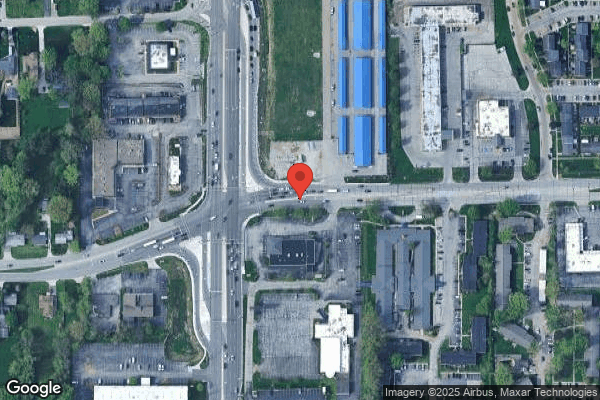

525 E THOMPSON RD, INDIANAPOLIS, IN 46227 (317) 787-8253
For profit - Corporation 128 Beds AMERICAN SENIOR COMMUNITIES Data: November 2025
Trust Grade
50/100
#347 of 505 in IN
Last Inspection: January 2025

Within standard 12-15 month inspection cycle. Federal law requires annual inspections.

Overview

Forest Creek Village has a Trust Grade of C, which means it is average and falls in the middle of the pack compared to other nursing homes. It ranks #347 out of 505 facilities in Indiana, placing it in the bottom half, and #31 out of 46 in Marion County, indicating that only a few local options are better. The facility is trending worse, with issues increasing from 8 in 2024 to 18 in 2025. Staffing is a weak point with a rating of 1 out of 5 stars and a turnover rate of 50%, which is average for the state but still concerning. Notably, there were sanitation issues in the kitchen, including unclean floors and staff not covering their hair during food preparation, and residents experienced a concerning medication error rate of 16%, which significantly exceeds acceptable levels. While there are no fines on record, suggesting compliance with regulations, families should weigh these strengths and weaknesses carefully when considering this facility for their loved ones.

Trust Score
C
50/100
In Indiana
#347/505
Bottom 32%
Safety Record
Low Risk
No red flags
Inspections
Getting Worse
8 → 18 violations
Staff Stability
⚠ Watch
50% turnover. Above average. Higher turnover means staff may not know residents' routines.
Penalties
✓ Good
No fines on record. Clean compliance history, better than most Indiana facilities.
Skilled Nurses
⚠ Watch
Each resident gets only 29 minutes of Registered Nurse (RN) attention daily — below average for Indiana. Fewer RN minutes means fewer trained eyes watching for problems.
Violations
⚠ Watch
32 deficiencies on record. Higher than average. Multiple issues found across inspections.
★★☆☆☆
2.0
Overall Rating
★☆☆☆☆
1.0
Staff Levels
★★★★★
5.0
Care Quality
★★☆☆☆
2.0
Inspection Score
Stable
2024: 8 issues
2025: 18 issues

The Good

  • 5-Star Quality Measures · Strong clinical quality outcomes
  • Full Sprinkler Coverage · Fire safety systems throughout facility
  • No fines on record

Facility shows strength in quality measures, fire safety.

The Bad

2-Star Overall Rating

Below Indiana average (3.1)

Below average - review inspection findings carefully

Staff Turnover: 50%

Near Indiana avg (46%)

Higher turnover may affect care consistency

Chain: AMERICAN SENIOR COMMUNITIES

Part of a multi-facility chain

Ask about local staffing decisions and management

The Ugly 32 deficiencies on record

Jun 2025 5 deficiencies
CONCERN (D) 📢 Someone Reported This

A family member, employee, or ombudsman was alarmed enough to file a formal complaint

Potential for Harm - no one hurt, but risky conditions existed

Comprehensive Care Plan (Tag F0656)

Could have caused harm · This affected 1 resident

Based on observation, interview, and record review, the facility failed to ensure person-centered care plan interventions were implemented for a resident with a high risk for a falls for 1 of 3 reside...

Read full inspector narrative →
Based on observation, interview, and record review, the facility failed to ensure person-centered care plan interventions were implemented for a resident with a high risk for a falls for 1 of 3 residents reviewed for falls. (Resident B) Findings include: On 6/23/25 at 11:08 a.m., observed Resident B's lying in bed. The bed was approximately two feet from the floor, not in the lowest position. At that time, Qualified Medication Aide (QMA) 1 entered Resident B's room and indicated the bed should not have been left that high. The clinical record for Resident B was reviewed on 6/23/25 at 9:29 a.m. The diagnoses included, but were not limited to, congestive heart failure, diabetes, and respiratory failure. A quarterly Minimum Data Set (MDS) assessment, dated 6/4/25, indicated Resident B was moderately cognitively impaired and had a history of two or more falls with one injury while a resident at the facility. A care plan, dated 3/6/25, indicated Resident B was at risk for falls. The interventions included, but were not limited to, bed in lowest position. A current physician's order, dated 3/17/25, indicated Resident B's bed was to be in the lowest position. On 6/24/25 at 8:32 a.m., the Director of Nursing provided a copy of a facility policy, titled Comprehensive Care Plan Policy, dated 8/2023, and indicated this was the current policy used by the facility. A review of the policy indicated it was the policy of the facility that every resident would have a person-centered care plan developed and implemented. This citation relates to Complaint IN00461240. 3.1-35(g)(2)
CONCERN (D) 📢 Someone Reported This

A family member, employee, or ombudsman was alarmed enough to file a formal complaint

Potential for Harm - no one hurt, but risky conditions existed

Deficiency F0804 (Tag F0804)

Could have caused harm · This affected 1 resident

Based on observation, interview, and record review, the facility failed to ensure residents received meals that were palatable and at a proper temperature for 2 of 4 residents reviewed for palatabilit...

Read full inspector narrative →
Based on observation, interview, and record review, the facility failed to ensure residents received meals that were palatable and at a proper temperature for 2 of 4 residents reviewed for palatability and proper temperature of food. (Resident C, Resident D) Findings include: On 6/23/25 at 8:35 a.m. until 8:45 a.m., observed a metal cart sitting in the hallway with a meal tray for Resident C. At that time, CNA 2 indicated the meal trays had been delivered to the hall at approximately 8:30 a.m. and then CNA 2 walked away from the cart. On 6/23/25 at 8:50 a.m., observed CNA 1 remove a meal tray for Resident C and deliver it to Resident C's room. CNA 1 removed the lid from the plate and asked Resident C to let him know if she needed anything else. CNA 1 left Resident C's room. On 6/23/25 at 8:51 a.m. observed Resident C try to cut a sausage link on her plate with a fork but was not able to do so. Resident C had a frustrated look on her face and tasted the scrambled eggs. At that time, Resident C indicated she rarely received hot food because the food sat in the hallway. Resident C indicated her food was cold and she couldn't cut the sausage because it was like rubber. On 6/23/25 at 8:54 a.m., observed Resident D sitting on her bed with her meal tray on her table sitting in front of her. Resident D ate approximately fifty percent of the meal and had a balled up napkin sitting on the food. At that time, Resident D indicated her food wasn't hot again and she didn't want to eat it. Resident D had not asked for her meal to be reheated because it took too long. On 6/24/25 at 8:32 a.m., the Director of Nursing provided a copy of a facility policy, titled Food Temperatures, dated 5/2025, and indicated this was the current policy used by the facility. A review of the policy indicated all hot and cold food would be served to the resident at a temperature that was considered palatable at the time the resident received the food. This citation relates to Complaint IN00461884. 1.3-21(a)(2)
CONCERN (D) 📢 Someone Reported This

A family member, employee, or ombudsman was alarmed enough to file a formal complaint

Potential for Harm - no one hurt, but risky conditions existed

Infection Control (Tag F0880)

Could have caused harm · This affected 1 resident

Based on observation, interview, and record review, the facility failed to ensure enhanced barrier precautions (the use of gown and gloves during high contact resident care activities for residents th...

Read full inspector narrative →
Based on observation, interview, and record review, the facility failed to ensure enhanced barrier precautions (the use of gown and gloves during high contact resident care activities for residents that are at increased risk to transfer or become infected with multi-drug resistant organisms) were implemented for a resident with an indwelling urinary catheter for 1 of 3 residents reviewed for infection control. (Resident B) Findings include: On 6/23/25 at 8:58 a.m., observed Licensed Practical Nurse (LPN) 1 and CNA 1 transferring Resident B to the bed with a mechanical lift. Hanging on the door inside Resident B's room, personal protective equipment was observed with individually wrapped plastic gowns, gloves, and masks. Once Resident B was transferred to bed, observed LPN 1 hang Resident B's urinary catheter bag on the bed frame below the mattress. LPN 1 was wearing gloves but no gown and CNA 1 was not wearing gloves nor gown. During an interview on 6/23/25 at 9:14 a.m., CNA 1 indicated staff should have been wearing a gown and gloves when transferring Resident B. The clinical record for Resident B was reviewed on 6/23/25 at 9:29 a.m. The diagnosis included, but was not limited to, obstructive uropathy. A quarterly Minimum Data Set (MDS) assessment, dated 6/4/25, indicated Resident B had an indwelling urinary catheter. A Care Plan, dated 6/13/25, indicated Resident B was at risk of transferring or becoming colonized with a multi-drug resistant organism and required enhanced barrier precautions because Resident B had an indwelling urinary catheter. The interventions included, but were not limited to, enhanced barrier precautions. On 6/24/25 at 8:32 a.m., the Director of Nursing provided a copy of a facility policy, titled Enhanced Barrier Precautions, dated 3/2025, and indicated this was the current policy used by the facility. A review of the policy indicated wear gown and gloves for a resident with an indwelling urinary catheter during transfers. This citation relates to Complaints IN00461240 and IN00461884. 3.1-18(b)(1)
CONCERN (D) 📢 Someone Reported This

A family member, employee, or ombudsman was alarmed enough to file a formal complaint

Potential for Harm - no one hurt, but risky conditions existed

Safe Environment (Tag F0921)

Could have caused harm · This affected 1 resident

Based on observation and interview, the facility failed to ensure a sanitary environment for the residents for 1 of 1 random observations. Findings include: During the initial tour of the 100 Hall on ...

Read full inspector narrative →
Based on observation and interview, the facility failed to ensure a sanitary environment for the residents for 1 of 1 random observations. Findings include: During the initial tour of the 100 Hall on 6/23/25 from 8:30 a.m. until 8:35 a.m., observed buildup of an unknown black substance along the floorboards and the floorboard trim throughout the 100 hall. On 6/23/25 at 11:30 a.m., observed approximately six inches of the black substance along the floorboards and the floor trim be scraped up. The substance was thick, black, and tar like with hair and other debris mixed with it. At that time the Director of Nursing indicated that should have been scraped up when the housekeeper cleaned the floor. During an interview on 6/23/25 at 11:41 a.m., the Housekeeping Supervisor indicated the floors are cleaned daily and the staff should be scraping the buildup off the floor at that time. On 6/24/25 at 12:10 p.m., the facility was unable to provide a policy by survey exit. This citation relates to Complaints IN00461884 and IN00461240. 3.1-19(f)
CONCERN (E) 📢 Someone Reported This

A family member, employee, or ombudsman was alarmed enough to file a formal complaint

Potential for Harm - no one hurt, but risky conditions existed

Food Safety (Tag F0812)

Could have caused harm · This affected multiple residents

Based on observation, interview, and record review the facility failed to ensure food was served in a sanitary environment for 1 of 2 kitchen observations. The kitchen floors were dirty. Findings inc...

Read full inspector narrative →
Based on observation, interview, and record review the facility failed to ensure food was served in a sanitary environment for 1 of 2 kitchen observations. The kitchen floors were dirty. Findings include: During the initial tour of the kitchen on 6/23/25 from 8:26 a.m. until 8:32 a.m., observed buildup of an unknown dark substance, dust, debris, a screwdriver, and several plastic lids under a freezer of the main kitchen area. A buildup of dust and debris under the shelves in the dry storage room was observed. At that time, the dietary supervisor indicated the floors under the freezer and in the dry storage room should have been cleaned. On 6/24/25 at 11:45 a.m., the Director of Nursing provided a copy of a facility policy, titled Cleaning Floors, Tables, and Chairs, dated 7/2015, and indicated this was the current policy used by the facility. A review of the policy indicated kitchen floors will be kept clean and sanitary. This citation relates to Complaint IN00461884. 3.1-21(i)(2) 3.1-21(i)(3)
May 2025 7 deficiencies
CONCERN (D) 📢 Someone Reported This

A family member, employee, or ombudsman was alarmed enough to file a formal complaint

Potential for Harm - no one hurt, but risky conditions existed

Deficiency F0554 (Tag F0554)

Could have caused harm · This affected 1 resident

Based on observation, interview, and record review, the facility failed to ensure a self medication administration assessment was completed for 1 of 1 residents observed with medications at the bedsid...

Read full inspector narrative →
Based on observation, interview, and record review, the facility failed to ensure a self medication administration assessment was completed for 1 of 1 residents observed with medications at the bedside. (Resident C) Findings include: On 5/20/25 at 8:36 a.m., observed a small pill cup with a round brown tablet sitting on Resident C's bedside table. Resident C was resting in bed. During an interview on 5/20/25 at 8:37 a.m., LPN 2 indicated the brown tablet was senna (medication used to treat constipation) 8.6 milligrams (mg) and should not have been left in Resident C's room. The clinical record for Resident C was reviewed on 5/20/25 at 9:43 a.m. The diagnoses included, but were not limited to, diabetes and metabolic encephalopathy. A quarterly Minimum Data Set (MDS) assessment, dated 3/28/25, indicated Resident C had minimum cognitive impairment. The clinical record lacked a self medication administration assessment. During an interview on 5/21/25 at 12:45 p.m., the Director of Nursing (DON) indicated there was no self medication administration assessment completed for Resident C. On 5/21/25 at 8:17 a.m., the Director of Nursing (DON) provided a copy of a facility policy, titled Self Administration of Medications, dated 1/2015, and indicated this was the current policy used by the facility. A review of the policy indicated if a resident desires to participate in self-administration, the Interdisciplinary Team will assess the competence of the resident to participate by completing the Self-Administration of Medication Assessment observation. This citation relates to Complaint IN00458632 3.1-11(a)
CONCERN (D) 📢 Someone Reported This

A family member, employee, or ombudsman was alarmed enough to file a formal complaint

Potential for Harm - no one hurt, but risky conditions existed

Assessment Accuracy (Tag F0641)

Could have caused harm · This affected 1 resident

Based on interview and record review, the facility failed to ensure an accurate Minimum Data Set (MDS) assessment was completed for a resident that was admitted with an indwelling urinary catheter for...

Read full inspector narrative →
Based on interview and record review, the facility failed to ensure an accurate Minimum Data Set (MDS) assessment was completed for a resident that was admitted with an indwelling urinary catheter for 1 of 3 residents reviewed for accuracy of the MDS assessment. (Resident F) Findings include: The clinical record was reviewed for Resident F on 5/20/25 at 11:50 a.m. The diagnoses included, but were not limited to, neurogenic bladder, severe morbid obesity, and diabetes. An admission Observation, dated 3/28/25, indicated Resident F was admitted with an indwelling urinary catheter An admission MDS assessment, dated 4/4/25, indicated Resident F did not have an indwelling urinary catheter when he was admitted . A physician's order, initiated on 3/28/25 and discontinued on 4/10/25, indicated Resident F had an indwelling urinary catheter. During an interview on 5/21/25 at 9:25 a.m., RN 1 indicated Resident F's MDS assessment should have indicated he had an indwelling urinary catheter. On 5/21/25 at 12:58 p.m., reviewed the Resident Assessment Instrument (RAI) Manual, dated 10/2023. A review of the RAI Manual indicated if a resident used an indwelling urinary catheter at any time in the seven days prior to the assessment date it should be documented on the MDS assessment. This citation relates to Complaint IN00458632. 3.1-31(d)
CONCERN (D) 📢 Someone Reported This

A family member, employee, or ombudsman was alarmed enough to file a formal complaint

Potential for Harm - no one hurt, but risky conditions existed

Respiratory Care (Tag F0695)

Could have caused harm · This affected 1 resident

Based on observation, interview, and record review, the facility failed to ensure oxygen tubing had been changed, a nebulizer machine was cleaned, and the nebulizer tubing was changed for 3 of 3 resid...

Read full inspector narrative →
Based on observation, interview, and record review, the facility failed to ensure oxygen tubing had been changed, a nebulizer machine was cleaned, and the nebulizer tubing was changed for 3 of 3 residents reviewed. (Resident B, Resident D, Resident E) Findings include: 1. On 5/20/25 at 8:43 a.m., Resident B's nebulizer machine (small machine used to administer liquid inhalation medications) was observed to be stained a purplish color and dusty. The nebulizer machine was sitting on the floor next to the heating unit under the window. A clear tube extended from the nebulizer machine up and connected to a clear face mask shaped to fit over the nose and mouth with a small chamber to hold the liquid inhalation solution. The nebulizer face mask was not in a bag but was lying directly on the heating unit. The nebulizer face mask was dated 4/13/25. During an interview on 5/20/25 at 8:51 a.m., LPN 1 indicated a nebulizer machine should not have been placed on the floor and oxygen tubing, the nebulizer tubing, and mask should have been changed weekly. The clinical record for Resident B was reviewed on 5/20/25 at 10:37 a.m. The diagnoses included, but were not limited to, chronic obstructive pulmonary disorder, dementia, and morbid obesity. A current physician's order, intiated 4/30/25, indicated ipratropium-albuterol (prescription medication used to help breathe more easily) 0.5mg (milligrams)/3 ml (milliliter) inhalation solution administer one vial by nebulizer every four hours. 2. On 5/20/25 at 8:54 a.m., observed a blue oxygen concentrator sitting next to Resident D's bed. A clear tube connected to the oxygen concentrator extended to a clear plastic water bottle (humidity) with a green lid. The water bottle was dated 3/25/25. Another clear tube connected to the water bottle extended approximately 6 feet and then around Resident D's ears and into the nose (nasal canula). The nasal canula tubing was dated 3/20/25. The clinical record for Resident D was reviewed on 5/21/25 at 10:17 a.m. The diagnosis included, but was not limited to, chronic obstructive pulmonary disorder. A current physician's, initiated 12/6/24, indicated Oxygen 1 liter per minute every shift. 3. On 5/20/25 at 9:06 a.m., observed Resident E lying in bed with a nebulizer mask (a mask shaped to fit over the nose and mouth) placed over Resident E's mouth with mist of nebulizer solution spraying out into the open air. There was no staff present in Resident E's room for approximately one minute. The oxygen concentrator was sitting on the floor next to Resident E's bed. A clear tube connected to the oxygen concentrator extended to a clear plastic bottle (humidity) with a green lid. The water bottle was dated 4/21/25. The clinical record for Resident E was reviewed on 5/21/25 at 8:39 a.m. The diagnoses included, but were not limited to, encephalopathy, neurogenic bladder, and chronic obstructive pulmonary disease. The current physician's orders included, but were not limited to: - Change nebulizer tubing one time weekly, initiated 3/6/25. - Change oxygen tubing and humidity one time weekly, initiated 3/6/25. During an interview on 5/21/25 at 11:40 a.m., the Director of Nursing (DON) indicated she was unaware of a policy for changing the oxygen and nebulizer tubing and humidity, but the oxygen tubing, nebulizer tubing, and mask should have been changed weekly. On 5/21/25 at 1:00 p.m., the facility was unable to provide a policy regarding changing oxygen tubing, nebulizer tubing and nebulizer face mask. This citation relates to Complaint IN00458538. 3.1-47(a)(6)
CONCERN (D) 📢 Someone Reported This

A family member, employee, or ombudsman was alarmed enough to file a formal complaint

Potential for Harm - no one hurt, but risky conditions existed

Deficiency F0761 (Tag F0761)

Could have caused harm · This affected 1 resident

Based on observation, interview, and record review, the facility failed to ensure prescription medications were secured for 2 of 2 random observations. Two prescription medications were sitting on top...

Read full inspector narrative →
Based on observation, interview, and record review, the facility failed to ensure prescription medications were secured for 2 of 2 random observations. Two prescription medications were sitting on top of an unlocked medication cart in a high traffic resident area unsupervised by staff; and two vials of a prescription aerosol medication were sitting in a resident's room who was not prescribed the aerosol medication. (Resident B) Findings include: 1. During an observation on 5/20/25 at 8:05 a.m., observed the west 200 hall medication cart to be unlocked and sitting against the wall near the nurses station. There was no staff supervising the medication cart. On top of the medication cart, observed a white plastic bottle labeled H-Chlor12 0.125% (prescription wound cleanser used to prevent infection) with approximately two ounces of solution remaining in the bottle and a full plastic bottle labeled lactulose (prescription medication used to treat hepatic encephalopathy and constipation) 10 grams (gm)/15 milliliters (ml) solution. During an interview on 5/20/25 at 8:07 a.m., LPN 1 indicated lactulose and H-chlor12 should have been secured and the medication cart should have been locked or supervised by staff. 2. On 5/20/25 at 8:43 a.m., observed two unopened clear plastic vials of albuterol inhalation solution (prescription aerosol medication to help breathe more easily) 0.63 milligrams (mg)/3 ml sitting next to Resident B's nebulizer mask on top of the heater unit under the window. During an interview on 5/20/25 at 8:51 a.m., LPN 1 indicated the albuterol inhalation solution should have been secured in the medication cart. The clinical record for Resident B was reviewed on 5/20/25 at 10:37 a.m. The diagnoses included, but were not limited to, chronic obstructive pulmonary disorder, dementia, and morbid obesity. A current physician's order, initiated 4/30/25, indicated ipratropium-albuterol (prescription medication used to help breathe more easily) 0.5 mg/3 ml inhalation solution administer one vial by nebulizer every four hours. The clinical record for Resident B lacked a physician's order for albuterol inhalation solution 0.63 mg/3 ml. On 5/21/25 at 8:17 a.m., the Director of Nursing (DON) provided a copy of a facility policy, titled Medication Storage and Expiration Policy, dated 11/2024, and indicated this was the current policy used by the facility. A review of the policy indicated medications including treatment items should be stored in a locked cabinet/cart or locked medication room that is inaccessible by residents and visitors. This citation relates to Complaint IN00458632. 3.1-25(m)
CONCERN (D) 📢 Someone Reported This

A family member, employee, or ombudsman was alarmed enough to file a formal complaint

Potential for Harm - no one hurt, but risky conditions existed

Medical Records (Tag F0842)

Could have caused harm · This affected 1 resident

Based on interview and record review, the facility failed to ensure documentation was complete and accurate for 2 of 4 residents reviewed for documentation. (Resident B, Resident F) Findings include: ...

Read full inspector narrative →
Based on interview and record review, the facility failed to ensure documentation was complete and accurate for 2 of 4 residents reviewed for documentation. (Resident B, Resident F) Findings include: 1. On 5/20/25 at 8:43 a.m., observed Resident B's dirty nebulizer machine (small machine used to administer liquid inhalation medications) sitting on the floor next to the heat unit under the window. A clear tube extended from the nebulizer machine up and connected to a clear face mask shaped to fit over the nose and mouth with a small chamber to hold the liquid inhalation solution. The nebulizer face mask was not in a bag but was lying directly on the heat unit. The nebulizer face mask was dated 4/13/25. The clinical record for Resident B was reviewed on 5/20/25 at 10:37 a.m. The diagnoses included, but were not limited to, chronic obstructive pulmonary disorder, dementia, and morbid obesity. The current physician's orders indicated: - Ipratropium-albuterol (prescription medication used to help breathe more easily) 0.5 milligrams (mg)/3 milliliters (ml) inhalation solution administer one vial by nebulizer every four hours, initiated 4/30/25. The Medication Administration Record (MAR), dated 5/1/25 at 12:00 a.m. through 5/20/25 at 8:00 a.m., indicated ipratropium-albuterol 0.5mg/3ml nebulizer solution, document pulse, respirations, and breath sounds before administration and breath sounds and minutes of therapy after administration. The MAR lacked completed documentation for the administrations of ipratropium-albuterol 0.5mg/3ml nebulizer solution as follows: - On 5/2/25 at 12:00 a.m., left blank. - On 5/2/25 at 4:00 p.m., pulse and respirations before administration were left blank. - On 5/9/25 at 12:00 a.m., breath sounds before administration, breath sounds after administration, and minutes of treatment were left blank. - On 5/11/25 at 8:00 a.m., left blank. - On 5/11/25 at 12:00 p.m., left blank. - On 5/12/25 at 12:00 a.m., left blank. - On 5/12/25 at 4:00 p.m., breath sounds after administration and minutes of treatment were left blank. - On 5/12/25 at 8:00 p.m., breath sounds after administration and minutes of treatment were left blank. - On 5/13/25 at 4:00 p.m., breath sounds after administration and minutes of treatment were left blank. - On 5/13/25 at 8:00 p.m., breath sounds after administration and minutes of treatment were left blank. - On 5/14/25 at 8:00 a.m., breath sounds after administration and minutes of treatment were left blank. - On 5/14/25 at 12:00 p.m., minutes of treatment was left blank. - On 5/14/25 at 4:00 p.m., breath sounds after administration and minutes of treatment were left blank. - On 5/14/25 at 8:00 p.m., breath sounds after administration and minutes of treatment were left blank. - On 5/16/25 at 8:00 a.m., minutes of treatment was left blank. - On 5/16/25 at 12:00 p.m., minutes of treatment was left blank. - On 5/16/25 at 4:00 p.m., minutes of treatment was left blank. - On 5/16/25 at 8:00 p.m., minutes of treatment was left blank. - On 5/17/25 at 8:00 a.m., minutes of treatment was left blank. - On 5/17/25 at 12:00 p.m., minutes of treatment was left blank. - On 5/17/25 at 8:00 p.m., minutes of treatment was left blank. - On 5/18/25 at 8:00 a.m., minutes of treatment was left blank. - On 5/19/25 at 8:00 a.m., left blank. 2. The clinical record for Resident F was reviewed on 5/20/25 at 11:50 a.m. The diagnoses included, but were not limited to, neurogenic bladder, severe morbid obesity, and diabetes. The physician's orders indicated: - Record urine output from urinary catheter every shift, initiated on 3/28/25 and discontinued on 4/10/25. The Treatment Administration Record (TAR), dated 4/1/25 at 7:00 a.m. through 4/10/25 at 3:00 p.m., lacked documentation that the urinary output was measured as follows: - On 4/3/25 there was no documentation for day shift. - On 4/4/25 there was no documentation for day shift. - On 4/9/25 there was no documentation for night shift. During an interview on 5/21/25 at 11:40 a.m., the Director of Nursing (DON) indicated the facility did not have a policy on documentation, but all documentation should have been completed. This citation relates to Complaint IN00458632 3.1-50(a)(1) 3.1-50(a)(2)
CONCERN (D) 📢 Someone Reported This

A family member, employee, or ombudsman was alarmed enough to file a formal complaint

Potential for Harm - no one hurt, but risky conditions existed

Infection Control (Tag F0880)

Could have caused harm · This affected 1 resident

Based on observation, interview, and record review, the facility failed to implement infection control practices for 3 of 3 residents reviewed for infection control. A nebulizer machine and tubing wer...

Read full inspector narrative →
Based on observation, interview, and record review, the facility failed to implement infection control practices for 3 of 3 residents reviewed for infection control. A nebulizer machine and tubing were not maintained in a sanitary manner, a catheter bag was on the floor, and soiled linens, and a brief were not disposed of in a sanitary manner. (Resident B, Resident E, Resident F) Findings include: 1. On 5/20/25 at 8:43 a.m., observed Resident B's dirty nebulizer machine (small machine used to administer liquid inhalation medications) sitting on the floor next to the heat unit under the window. A clear tube extended from the nebulizer machine up and connected to a clear face mask shaped to fit over the nose and mouth with a small chamber to hold the liquid inhalation solution. The nebulizer face mask was not in a bag but was lying directly on the heat unit. The nebulizer face mask was dated 4/13/25. During an interview on 5/20/25 at 8:51 a.m., LPN 1 indicated Resident B's nebulizer machine should not have been placed on the floor and should have been cleaned. The nebulizer mask should have been placed in a bag not left lying out on the heat unit. The clinical record for Resident B was reviewed on 5/20/25 at 10:37 a.m. The diagnoses included, but were not limited to, chronic obstructive pulmonary disorder, dementia, and morbid obesity. A current physician's, initiated 4/30/25, indicated ipratropium-albuterol (prescription medication used to help breathe more easily) 0.5mg/3ml inhalation solution administer one vial by nebulizer every four hours. 2. On 5/20/25 at 9:06 a.m., observed Resident E's urinary catheter bag sitting directly on the floor with approximately 400 milliliters (ml) of yellow liquid inside. On 5/20/25 at 9:07 a.m., Qualified Medication Aide (QMA) 1 indicated Resident E's catheter bag should not have been left on the floor. The clinical record for Resident E was reviewed on 5/21/25 at 8:39 a.m. The diagnoses included, but were not limited to, encephalopathy and neurogenic bladder. An admission Minimum Data Set (MDS) assessment, dated 3/12/25, indicated Resident E was admitted with an indwelling urinary catheter. A current physician's order, initiated 3/6/25, indicated Foley catheter size 14 French scale (Fr) with 10 milliliter (ml) balloon. During an interview on 5/20/25 at 9:03 a.m., RN 1 indicated catheter bags should not be touching the floor. 3. On 5/20/25 at 8:11 a.m., observed a soiled brief, gown, and linen lying on the floor in Resident G's room. Resident G was not in his room. During an interview on 5/20/25 at 8:13 a.m., CNA 1 indicated Resident G's brief, gown, and linen were soiled with urine and should not have been left on the floor. The clinical record for Resident G was reviewed on 5/20/25 at 9:32 a.m. The diagnoses included, but were not limited to, lung cancer, dementia, and dysphagia. A quarterly MDS assessment, dated 4/4/25, indicated Resident G was always incontinent of bladder. On 5/21/25 at 12:35 p.m., the Director of Nursing (DON) provided a copy of a facility policy, titled Nursing Department Infection Control, dated 12/2024, and indicated this was the current policy used by the facility. A review of the policy indicated urinary drainage tubes and bags should not touch the floor. Bag/contain contaminated linen. Store equipment in a way that prevents contamination. Administer treatment according to professional standards. This citation relates to Complaint IN00458538. 3.1-18(b)(1)
CONCERN (D) 📢 Someone Reported This

A family member, employee, or ombudsman was alarmed enough to file a formal complaint

Potential for Harm - no one hurt, but risky conditions existed

Deficiency F0925 (Tag F0925)

Could have caused harm · This affected 1 resident

Based on observation, interview, and record review, the facility failed to ensure the facility was free from roaches for 1 of 1 random observations. Finding includes: On 5/20/25 at 9:09 a.m., observe...

Read full inspector narrative →
Based on observation, interview, and record review, the facility failed to ensure the facility was free from roaches for 1 of 1 random observations. Finding includes: On 5/20/25 at 9:09 a.m., observed a brown cockroach crawling on the floor outside a resident's room. At that time, Resident H indicated he had seen a roach near his door. On 5/21/25 at 8:15 a.m., the Administrator provided a copy of a facility policy, titled Pest Control, dated 9/2023, and indicated this was the current policy used by the facility. A review of the policy indicated the facility will maintain an effective pest control program so that the facility is free from pests. This citation relates to Complaint IN00458615 3.1-19(f)(4)
Mar 2025 4 deficiencies
CONCERN (D) 📢 Someone Reported This

A family member, employee, or ombudsman was alarmed enough to file a formal complaint

Potential for Harm - no one hurt, but risky conditions existed

Deficiency F0554 (Tag F0554)

Could have caused harm · This affected 1 resident

Based on observation, interview, and record review, the facility failed to ensure self-administration medication assessments were complete for 1 of 1 residents observed with medications at the bedside...

Read full inspector narrative →
Based on observation, interview, and record review, the facility failed to ensure self-administration medication assessments were complete for 1 of 1 residents observed with medications at the bedside. (Resident E). Findings include: On 3/14/25 at 8:09 a.m., observed a small purple pill, a small white pill, and a yellow capsule sitting inside a small plastic medication cup on Resident E's bedside table. There was no staff in Resident E's room. During an interview on 3/14/25 at 8:25 a.m., LPN 1 indicated the three pills that were left in the plastic cup on Resident E's bedside table should not have been left in his room. On 3/14/25 at 9:29 a.m. Resident E's clinical record was reviewed. The diagnoses included, but were not limited to, diabetes and thyroid disorder. The clinical record lacked a self-administration medication assessment. On 3/14/25 at 12:10 p.m., the DON indicated Resident E did not have a self-administration medication assessment and the medications should not have been left at the bedside. On 3/14/25 at 9:15 a.m., the Director of Nursing (DON) provided a copy of a facility policy, titled Medication Storage and Expiration Policy, dated 11/2024, and indicated this was the current policy used by the facility. A review of the policy indicated medication should be stored in a locked cabinet/cart or locked medication room that is inaccessible by residents and visitors. This citation relates to Complaint IN00455414. 3.1-11(a)
CONCERN (D) 📢 Someone Reported This

A family member, employee, or ombudsman was alarmed enough to file a formal complaint

Potential for Harm - no one hurt, but risky conditions existed

Deficiency F0761 (Tag F0761)

Could have caused harm · This affected 1 resident

Based on observation, interview, and record review the facility failed to ensure medications were dated when opened for 1 of 3 medication carts reviewed for medication storage. (200 Hall Medication Ca...

Read full inspector narrative →
Based on observation, interview, and record review the facility failed to ensure medications were dated when opened for 1 of 3 medication carts reviewed for medication storage. (200 Hall Medication Cart) Findings include: On 3/14/25 at 7:23 a.m., observed Wixela 250/50 mcg (micrograms) (prescription inhaler used for chronic obstructive pulmonary disease) sitting inside a clear baggy in the top drawer of the 200 hall medication cart. The label on the Wixela inhaler indicated Resident B, 60 doses were filled, on 1/22/25, and 47 doses remained. There was no opened date written anywhere on the inhaler package nor the inhaler itself. A Lantus Solostar 100 unit/ml (milliliter) insulin pen was observed sitting in the top drawer of the medication cart. The seal was broken on the Lantus Solostar insulin pen. There was no opened date written anywhere on the Lantus Solostar label nor on the insulin pen itself. During an interview on 3/14/25 at 7:47 a.m., RN (Registered Nurse) 1 indicated the Lantus Solostar insulin pen and the Wixela inhaler should have been dated when they were opened. On 3/14/25 at 9:15 a.m., the Director of Nursing provided a copy of a facility policy, titled Medication Storage and Expiration Policy, dated 11/2024, and indicated this was the current policy used by the facility. A review of the policy indicated the date opened should be documented on the primary medication container (vial, bottle, inhaler) when the medication had a shortened expiration date once opened. This citation relates to Complaint IN00455414. 3.1-25(j)
CONCERN (D) 📢 Someone Reported This

A family member, employee, or ombudsman was alarmed enough to file a formal complaint

Potential for Harm - no one hurt, but risky conditions existed

Infection Control (Tag F0880)

Could have caused harm · This affected 1 resident

Based on observation, interview, and record review, the facility failed to implement infection control practices for 1 of 1 random observations. Staff did not perform hand hygiene prior to putting on ...

Read full inspector narrative →
Based on observation, interview, and record review, the facility failed to implement infection control practices for 1 of 1 random observations. Staff did not perform hand hygiene prior to putting on and taking off gloves and did not remove gloves prior to exiting the room. (Resident D, LPN 1) Findings include: On 3/14/25 at 7:58 a.m., observed LPN (Licensed Practical Nurse) 1 walk into Resident D's room holding two insulin pens. LPN 1 told Resident D she was going to administer his insulin. LPN 1 put on a pair of clean gloves and administered the insulin to Resident D. No hand hygiene was observed. Then LPN 1 walked out of Resident D's room and removed the dirty gloves. At that time, LPN 1 indicated she should have performed hand hygiene before she put on the gloves and after she removed the gloves. LPN 1 should have removed the gloves before she left Resident D's room. On 3/14/25 at 9:15 a.m., the Director of Nursing (DON) provided a copy of a skills competency, titled Insulin Pen Administration, dated 10/2019, and indicated this was the current skills competency used by the facility. A review of the competency indicated 4. perform hand hygiene, 5. explain procedure, 6. put on gloves, 21. remove gloves and perform hand hygiene. On 3/14/25 at 9:15 a.m., the DON provided a copy of a facility policy, titled Infection Prevention and Control Program Policy, dated 5/2023, and indicated this was the current policy used by the facility. A review of the policy indicated prevention of the spread of infections is accomplished by the core principles of infection control including, but not limited to, hand hygiene and standard precautions. This citation relates to Complaint IN00455414. 3.1-18(b)(1)
CONCERN (E) 📢 Someone Reported This

A family member, employee, or ombudsman was alarmed enough to file a formal complaint

Potential for Harm - no one hurt, but risky conditions existed

Unnecessary Medications (Tag F0759)

Could have caused harm · This affected multiple residents

Based on observation, interview, and record review, the facility failed to ensure residents were free of a medication error rate greater than 5 percent for 4 of 25 opportunities, resulting in a medica...

Read full inspector narrative →
Based on observation, interview, and record review, the facility failed to ensure residents were free of a medication error rate greater than 5 percent for 4 of 25 opportunities, resulting in a medication error rate of 16 percent. Resident B , Resident C) Findings include: 1. On 3/14/25 at 7:23 a.m., observed RN 1 administer Wixela 250/50 micrograms (mcg) (prescription metered dose inhaler used to treat asthma and chronic obstructive pulmonary disease) and Incruse Ellipta 62.5 mcg (prescription metered dose inhaler used to treat chronic obstructive pulmonary disease) to Resident B. RN 1 did not ask Resident B to rinse her mouth with water and spit the water out before RN 1 left Resident B's room. At that time, RN 1 indicated he had finished administering Resident B's medications. RN 1 didn't need to have Resident B rinse her mouth and spit after he administered Wixela nor Incruse. The instructions for use for Wixela 250/50 mcg were reviewed on 3/14/25 at 9:00 a.m. A review of the instructions indicated rinse mouth with water after breathing in the medicine. Spit out the water. Do not swallow. On 3/14/25 at 11:52 a.m., the Director of Nursing (DON) provided a copy of a skills competency, titled Meter Dose Inhaler Delivery, dated 9/2023, and indicated this was the current skills competency used by the facility. A review of the skills competency indicated once the medication is administered, have the resident wash their mouth out with water or mouthwash and spit it out. 2. On 3/14/25 at 7:45 a.m., observed RN 1 administer 34 units of Lantus Solostar 100 units/ml (milliliter) (prescription long acting insulin administered from an insulin pen) and 21 units of Humalog KwikPen 200 units/ml (prescription fast acting insulin administered from an insulin pen) to Resident C without priming either insulin pen. At that time, RN 1 indicated he did not need to prime the Lantus Solostar insulin pen nor the Humalog KwikPen before administering the insulin. The instructions for use of Lantus Solostar were reviewed on 3/14/25 at 9:09 a.m. A review of the instructions indicated dial a test dose of two units then press the injection button all the way in and check to see that insulin comes out of the needle. The instruction for use of Humalog KwikPen were reviewed on 3/14/25 at 9:10 a.m. A review of the instructions indicated prime before each injection. Priming the pen means removing the air from the needle and cartridge. If the pen is not primed the resident may receive too much or too little insulin. On 3/14/25 at 9:15 a.m., the DON provided a copy of a skills competency, titled Insulin Pen Administration, dated 10/2019, and indicated this was the current skills competency used by the facility. A review of the competency indicated prime the pen by dialing two units and push the end of the pen to push out the two units. A small drop of insulin should be visible. If insulin does not appear, repeat. This citation relates to Complaint IN00455414. 3.1-48(c)(1)
Jan 2025 2 deficiencies
CONCERN (D)

Potential for Harm - no one hurt, but risky conditions existed

Accident Prevention (Tag F0689)

Could have caused harm · This affected 1 resident

Based on observation, interview, and record review, the facility failed to ensure potentially hazardous materials were kept secure behind locked doors to prevent resident's access to the materials for...

Read full inspector narrative →
Based on observation, interview, and record review, the facility failed to ensure potentially hazardous materials were kept secure behind locked doors to prevent resident's access to the materials for 2 of 2 observations. Finding included: On 1/27/25 at 9:05 a.m., observed the door to the Soiled Utility Room on the west hall across from the laundry room to be unlocked with no staff in the immediate area. In the room, four full sharps containers were observed. One sharps container was not secured and was lying on its side with used needles exposed. During an interview on 1/27/25 at 9:10 a.m., the Maintenance Director indicated that the door to the Soiled Utility Room was supposed to be locked. During an observation on 1/27/25 at 10:00 a.m., the door to Soiled Utility Room was observed to be unlocked with no staff in the area. During an interview on 1/27/25 at 10:11 a.m., Director of Nursing (DON), indicated that the door was supposed to be locked. On 1/27/25 at 10:52 a.m., the DON provided, a copy of American Senior Communities Policy title: Bloodborne Pathogens Exposure Control Plan (ECP), revised date of, 12/2023, and indicated it was the current document in use by the facility. A review of the Policy documented, . The facility will provide a safe and healthy work environment for all personnel. The Exposure Control Plan is provided to eliminate or minimize occupational exposure to bloodborne pathogens in accordance with OSHA standards . and . Procedure 1, section 6, Infectious Waste indicated, .a. Properly seal sharps container . 3.1-45(a)(1)
CONCERN (D)

Potential for Harm - no one hurt, but risky conditions existed

Pharmacy Services (Tag F0755)

Could have caused harm · This affected 1 resident

Based on interview and record review, the facility failed to document the drug dispositions for 2 of 3 residents reviewed for drug disposition. (Resident 295, Resident 91) Findings included: 1. On 1/2...

Read full inspector narrative →
Based on interview and record review, the facility failed to document the drug dispositions for 2 of 3 residents reviewed for drug disposition. (Resident 295, Resident 91) Findings included: 1. On 1/29/25 at 10:35 a.m., the clinical record of Resident 295 was reviewed. The diagnoses included, but were not limited to, Alzheimer's disease and transient cerebral ischemic attack. A physician's order summary report of medications, dated for active orders as of 6/16/24, included, but were not limited to: - Eliquis 6 mg (milligrams) for transient cerebral ischemic attack - Norvasc 10 mg for hypertension - Vitamin D3 for vitamin D deficiency A progress note, dated 12/27/24 at 3:04 p.m., indicated Resident 295 was transferred to another facility along with her medications. Resident 295's clinical record lacked documentation listing any name, type, or amount of medications that were sent home with the resident or resident's representative. During an interview on 1/29/25 at 10:50 a.m., the Regional Director of Nursing indicated that the facility lacked documentation for drug dispositions for Resident 295. 2. On 1/29/25 at 10:35 a.m., the clinical record of Resident 91 was reviewed. The diagnoses included, but were not limited to, schizophrenia and anxiety disorder. A physician's order summary report of medications, dated for active orders as of 9/3/24, included, but were not limited to: - Clozapine 200 mg for schizophrenia - Miralax 17 gram for constipation - Terbinafine HCl 250 mg for fungal infection - Sertraline 50 mg for depression A progress note, dated 12/2/24 at 8:00 a.m., indicated Resident 91 was discharged home with family. The clinical record lacked documentation listing any name, type, or amount of medications that were sent home with the resident or resident's representative. During an interview on 1/29/25 at 10:50 a.m., the Regional Director of Nursing indicated the facility lacked documentation for drug dispositions for Resident 91. On 1/28/25 at 2:30 p.m., the Director of Nursing provided a policy titled Drug Disposition Policy, dated November, 2024, and indicated it was the current policy being used by the facility. A review of the policy indicated Procedure: 6. The record of Product Destruction form will be printed and signed by the licensed nurse and witness. 7. The record of Product Destruction form will be placed in the resident's clinical record. 3.1-25(s)(2) 3.1-25(s)(5)
Oct 2024 1 deficiency
CONCERN (D) 📢 Someone Reported This

A family member, employee, or ombudsman was alarmed enough to file a formal complaint

Potential for Harm - no one hurt, but risky conditions existed

Deficiency F0659 (Tag F0659)

Could have caused harm · This affected 1 resident

Based on interview and record review, the facility failed to ensure that a staff member (QMA 2) followed pain medication administration protocols by administering a controlled substance on the wrong d...

Read full inspector narrative →
Based on interview and record review, the facility failed to ensure that a staff member (QMA 2) followed pain medication administration protocols by administering a controlled substance on the wrong day at the wrong time for 1 of 3 residents reviewed for pain medications. (Resident B) Finding includes: On 10/24/24 at 9:00 a.m., Resident B's clinical record was reviewed. The diagnoses included, but were not limited to, respiratory failure, COPD (a lung disease that makes it difficult to breathe), opioid dependence, and hepatitis C (a viral infection that affects the liver). A physician's order report, dated 9/1/24 to 10/24/24 indicated: Fentanyl (a potent synthetic schedule II controlled opioid drug given for pain relief) was prescribed on 9/26/24 with a stop date of 9/29/24. Staff were to apply the 12 mcg (micrograms) Fentanyl transdermal patch once every three days and to rotate the site of application. A new physician order, dated 9/29/24 with no end date, indicated apply Fentanyl 12 mcg transdermal patch every three days and rotate the site. The old patch was to be removed and disposed of properly. A progress note, dated 9/29/24 at 1:22 p.m., indicated that Resident B requested that staff give her the old Fentanyl patch when patches were changed. Resident B stated that her insurance paid for the patches and Resident B should be able to keep them. Nursing staff explained they had to be removed and disposed of according to rules and guidelines. During an interview on 10/24/24 at 9:20 a.m., Resident B indicated that about 3 weeks ago her Fentanyl pain patch was not put on correctly and said she did not get the medications. During an interview on 10/24/24 at 10:35 a.m., the DON (Director of Nursing) indicated that Resident B received a new order for Fentanyl transdermal patches at the end of September. The DON further indicated that Resident B had let staff know that QMA 2 had removed the old patch, the first patch ordered, placed on 9/26/24, with a new Fentanyl patch on the evening of 9/28/24. Resident B informed nursing staff of this the next day on 9/29/24. QMA 2 did sign it out of the paper narcotic tracking book but did not inform licensed nursing staff, a supervisor, or the physician. The Fentanyl patch was not ordered to be changed until the next day. When the resident made staff aware; they informed the physician and were told to keep the patch placed on 9/28/24 on the resident until 10/2/24 and then to keep to the schedule as ordered every three days. On 10/24/24 at 11:30 a.m., the DON provided a copy of a policy dated 12/1/07 and titled General Dose Preparation and Medication Administration, and indicated it was the policy currently in use by the facility. A review of the policy indicated that prior to administration of medications facility staff should take all measures required by facility policy, including verifying the correct time of medication administration. This citation relates to Complaint IN00445164. 3.1-35(g)(2)
Feb 2024 7 deficiencies
CONCERN (D)

Potential for Harm - no one hurt, but risky conditions existed

Deficiency F0578 (Tag F0578)

Could have caused harm · This affected 1 resident

Based on interview and record review, the facility failed to ensure an Advanced Directive (code status) preference was documented accurately in the clinical record for 1 of 24 residents reviewed for A...

Read full inspector narrative →
Based on interview and record review, the facility failed to ensure an Advanced Directive (code status) preference was documented accurately in the clinical record for 1 of 24 residents reviewed for Advanced Directives. (Resident 196) Finding includes: On 2/12/24 at 8:50 a.m., Resident 196's clinical record was reviewed. The admission MDS (Minimum Data Set) assessment, dated 1/28/24, indicated Resident 196 was moderately cognitive impaired. The main screen tab portion of the electronic clinical record included an overview of Resident 196's vital information. A review of the tab indicated Resident 196's Advanced Directive (code status - decision regarding health care intervention) as DNR (Do Not Attempt Resuscitation - meaning no desire for life sustaining measures to be implemented). The Physician Orders, dated 1/24/24 and with no end date noted, indicated Resident 196 was a full code (desire for all life sustaining measures to be implemented). Resident 196's care plan, start date: 2/5/24 and valid through 6/27/24, indicated .problem: Resident/legal representative has formulated an advanced directive: DNR .goal: preference in regard to advanced directives will be honored .approach: ensure the POST [Indiana Physician Orders for Scope of Treatment] form is completed fully and integrated in physician's orders . On 2/13/24 at 10:35 a.m., the Director of Nursing Services (DNS) provided a copy of Resident 196's POST form. A review of the document indicated on 2/1/24 the POST form was completed, signed, and dated by Resident 196's Power of Attorney and the attending Physician. A review of the document indicated the designated code status preference was Do Not Attempt Resuscitation/DNR. No other POST form was provided. The POST form, dated 2/1/24, was provided to the facility on 2/2/24 and was uploaded into Resident 196's electronic clinical record on 2/13/24. Resident 196's clinical record was not consistent with the Resident's preferred DNR code status. Resident 196's preferred DNR code status was indicated by the POST form, dated 2/1/24, and by the care plan, dated 2/5/24. The DNR code status was not accurately reflected in the electronic clinical record until 2/13/24 when the updated physician's order was recorded. During an interview on 2/13/24 at 9:00 a.m., Licensed Practical Nurse (LPN) 4 indicated Resident 196's preferred code status was DNR as indicated by the POST form. The physician's orders indicated the resident was a full code. The clinical record was inconsistent. The Physician Orders should have been updated to reflect the preferred DNR code status. During an interview on 2/13/24 at 10:26 a.m., the DNS indicated the physician's orders should have been updated at the time the DNR POST form was received. During an interview on 2/13/24 at 3:15 p.m., Resident 196's representative indicated the Resident's preferred code status was that of a DNR. When the POST form was completed, it was provided to the facility. On 2/13/24 at 10:35 a.m., the DNS provided a copy of the Advanced Directives (POST, DNR, Health Care Rep) policy, dated July 2023, and indicated it was the current policy in use by the facility. A review of the document indicated, .it is the policy of this facility to provide information to resident/resident representative his/her rights to formulate advanced directives .if a resident has a valid Advanced Directive, the facility's care will reflect the resident's wishes as expressed in the Directive .the POST forms will be honored and executed .Physician's orders indicating the decisions made on the POST form will be added to the resident's admitting orders . 3.1-4(f)(5)
CONCERN (D)

Potential for Harm - no one hurt, but risky conditions existed

Assessment Accuracy (Tag F0641)

Could have caused harm · This affected 1 resident

Based on interview and record review, the facility failed to ensure the Minimum Data Set (MDS) assessment was accurate for 1 of 2 residents reviewed for hospice. (Resident 32) Finding includes: On 2/1...

Read full inspector narrative →
Based on interview and record review, the facility failed to ensure the Minimum Data Set (MDS) assessment was accurate for 1 of 2 residents reviewed for hospice. (Resident 32) Finding includes: On 2/12/24 at 1:46 p.m., the clinical record of Resident 32 was reviewed. The diagnosis included, but was not limited to, dementia. The Physician's Orders included, but were not limited, admit to hospice services due to dementia, initiated 3/27/23, with no end date was noted. Resident 32's care plan included, but was not limited to, .start date 3/1/23 problem: Resident requires hospice R/T [related to] progressing dementia .target date 2/27/24 goal: advanced directive wishes will be honored .approach: resident requires hospice R/T progressing dementia . The Annual Minimum Data Set (MDS) assessment, dated 2/6/24, indicated Resident 32 was severely cognitive impaired and was not receiving hospice services. The Quarterly MDS assessment, dated 11/14/23, indicated Resident 32 was severely cognitive impaired and was not receiving hospice services. During an interview on 2/13/24 at 9:30 a.m., Licensed Practical Nurse (LPN) 4 indicated Resident 32 had been receiving hospice services since March of 2023. During an interview on 2/13/24 at 3:17 p.m., the MDS Coordinator indicated the MDS assessments dated 2/6/24 and 11/14/23 were coded incorrectly. Resident 32 had been receiving hospice services since March of 2023 and the MDS assessments should have reflected the same. On 2/14/24 at 9:40 a.m., the Director of Nursing Services provided a copy of the Resident Assessment (RAI) Medicare MDS Scheduling policy, dated April 2023, and indicated it was the current policy in use by the facility. A review of the document indicated, .It is the policy .to assess the clinical condition of beneficiaries by completing MDS assessment . 3.1-31(d)
CONCERN (D) 📢 Someone Reported This

A family member, employee, or ombudsman was alarmed enough to file a formal complaint

Potential for Harm - no one hurt, but risky conditions existed

Tube Feeding (Tag F0693)

Could have caused harm · This affected 1 resident

Based on observation, interview, and record review, the facility failed to provide services to ensure a gastrostomy site dressing was changed for a resident with a g-tube used for enteral feedings for...

Read full inspector narrative →
Based on observation, interview, and record review, the facility failed to provide services to ensure a gastrostomy site dressing was changed for a resident with a g-tube used for enteral feedings for 1 of 3 residents reviewed for gastrostomy services. (Resident B) Findings included: During an interview on 2/12/24 at 10:48 a.m., Resident B indicated the facility had not changed his gastrostomy tube (g-tube) dressing recently. Resident B indicated the facility had not changed the dressing daily like they are supposed to. During an observation on 2/11/24 at 1:00 p.m., observed Resident B's g-tube dressing to be undated. During an observation on 2/12/24 at 10:30 a.m., observed Resident B's g-tube dressing to be undated. During an observation on 2/13/24 at 11:00 a.m., observed Resident B's g-tube dressing to be undated. During an interview on 2/13/24 at 11:15 a.m., LPN 3 indicated Resident B's g-tube dressing should have been dated after each dressing change. On 2/11/24 at 11:00 a.m., the clinical record of Resident B was reviewed. The diagnosis included, but was not limited to, dysphasia. A care plan, dated 1/8/24 and current through 4/8/24 indicated Resident B was at risk for complications related to g-tube feeding. The interventions included, but were not limited to, cleanse around site as ordered and observe the site for signs of infection; redness, warmth, and malodorous drainage. A physicians order, dated 1/6/24 with no end date, indicated: Cleanse G-Tube site with soap and water, pat dry and apply gauze every shift. On 2/13/24 at 10:24 a.m., the Director of Nursing provided a policy titled Dressing Change Clean Technique (incision or wound), dated November 2011, and indicated it was the current policy being used by the facility. A review of the policy indicated to date and initial new dressings. This citation relates to Complaint IN00426983. 3.1-44(a)(2)
CONCERN (D)

Potential for Harm - no one hurt, but risky conditions existed

Deficiency F0761 (Tag F0761)

Could have caused harm · This affected 1 resident

Based on observation, interview, and record review, the facility failed to ensure medications were labeled with an open date for 1 of 3 medication carts observed. (Moving Forward/Split Cart) Finding ...

Read full inspector narrative →
Based on observation, interview, and record review, the facility failed to ensure medications were labeled with an open date for 1 of 3 medication carts observed. (Moving Forward/Split Cart) Finding includes: On 2/13/24 at 8:50 a.m., the Moving Forward/Split Cart was observed. In the cart, three opened vials of Insulin Lispro (a short acting medication to treat Diabetes Mellitus) 100 units/ml (milliliter) and one opened Insulin Glargine (a long acting medication to treat Diabetes Mellitus) Flex Pen 100 units/ml were observed. The vials and Flex Pen were not labeled to indicate the date the medication was opened. During an interview at that time, LPN 8 indicated the vials should have been dated at the time they were opened. On 2/13/24 at 10:24 a.m., the Director of Nursing provided a policy titled, Storage and Expiration Dating of Medications, Biologicals, dated January 2002, and indicated it was the current policy being used by the facility. A review of the policy indicated 5. Once any medication or biological package is opened; Facility should follow manufacturer or supplier guidelines with respect to expirations dates for open medications. Facility staff should record the date opened on the primary medication container (vial, bottle, inhaler) when the medication has a shortened expiration date once opened or opened. 3.1-25(k)
CONCERN (D)

Potential for Harm - no one hurt, but risky conditions existed

Medical Records (Tag F0842)

Could have caused harm · This affected 1 resident

Based on observation, interview, and record review, the facility failed to accurately and completely document services provided for 1 of 2 residents reviewed for catheter care. (Resident 88) Findings...

Read full inspector narrative →
Based on observation, interview, and record review, the facility failed to accurately and completely document services provided for 1 of 2 residents reviewed for catheter care. (Resident 88) Findings include: On 2/11/24 at 1:20 p.m., Resident 88 was observed resting in bed. An indwelling urinary catheter (a medical device that helps drain urine from the bladder) was connected to the catheter tubing which was connected to the catheter drainage bag (a medical bag that held urine) was observed. On 2/14/24 at 9:22 a.m. Resident 88's clinical record was reviewed. The diagnoses included, but were not limited to, malignant neoplasm of prostate (prostate cancer); neuromuscular dysfunction of bladder (urinary condition where people lack bladder control); and urine retention (difficulty urinating and completely emptying the bladder). The admission Minimum Data Set (MDS) assessment, dated 1/25/24, indicated Resident 88 was moderately cognitively intact and had an indwelling urinary catheter. Resident 88's care plan indicated .Problem start date: 11/20/23 .Resident requires an indwelling urinary catheter .Goal target date: 4/18/24 .Resident will have catheter care managed appropriately as evidenced by: not exhibiting signs or urinary tract infection or urethral trauma .Approach: start date: 11/20/23 .change catheter per MD order . Physician orders included, but were not limited to, cath [catheter] orders: change foley catheter and urinary drainage bag monthly; once a day on the 8th of the month .start date: 1/8/24 and no end date noted . The January 2024 Treatment Administration Record (TAR) lacked facility staff's initials that indicated the urinary catheter and urinary drainage bag was changed. The February 2024 TAR lacked facility staff's initials that indicated the urinary catheter and urinary drainage bag was changed. During an interview on 2/14/24 at 11:00 a.m., Resident 88 indicated the catheter had not been changed since prior to his admission about 3 months ago. During an interview on 2/14/24 at 11:58 a.m., LPN 8 indicated on 2/8/24 Resident 88's catheter and drainage bag was changed. However, the TAR document had not been signed off and no other documentation was available that would indicate the physician's order had been followed. During an interview on 2/14/24 at 3:42 p.m., the Director of Nursing Services (DNS) indicated the facility lacked documentation that the catheter and drainage bag had been changed in accordance with the physician's order for January and February of 2024. Staff were to follow the physician's order. On 2/15/24 at 8:53 a.m., the DNS provided a copy of the Indwelling Urinary Catheter policy, dated December 2012, and indicated it was the current policy in use by the facility. A review of the document indicated, .confirm physician orders .including catheters . On 2/15/24 at 3:00 p.m., a review of Basic Healthcare Documentation Standards indicated .entries are dated and authenticated by the author. Documentation is made at the time service is provided . 3.1-50(a)(1)
CONCERN (E)

Potential for Harm - no one hurt, but risky conditions existed

Food Safety (Tag F0812)

Could have caused harm · This affected multiple residents

Based on observation, interview, and record review, the facility failed to ensure foods were served in a sanitary and safe manner for 3 of 4 kitchen observations. Staff hair was not covered while in t...

Read full inspector narrative →
Based on observation, interview, and record review, the facility failed to ensure foods were served in a sanitary and safe manner for 3 of 4 kitchen observations. Staff hair was not covered while in the kitchen food preparation area. (Cook 5, Dietary Staff 6) Findings include: 1. During the initial kitchen observation on 2/11/24 from 9:35 a.m. to 9:45 a.m., observed [NAME] 5 walking throughout the kitchen area. [NAME] 5 had hair pulled from the front to the back of the head and hair in front of and behind the ears. The hair was observed to not be covered. 2. During a follow up kitchen observation on 2/11/24 from 12:20 p.m. to 12:30 p.m., the following was observed: - [NAME] 5 was working at the steam table where the noon meal was being held. [NAME] 5 was observed obtaining the noon meal starting temperatures. [NAME] 5's hair was pulled from the front to the back of the head and hair in front of and behind the ears. The hair was not observed to be covered. - Dietary Aide 6 was observed walking throughout the kitchen area and at the steam table where the noon meal was being held. Dietary Aide 6 was observed to have bangs, approximately 2 inches in length, hanging over the forehead area. The bangs were observed to not be covered. 3. During a follow up kitchen observation on 2/11/24 from 1:20 p.m. to 1:25 p.m., the following was observed: - [NAME] 5 was at the steam table the noon meal was being held and was observed plating the noon meal. [NAME] 5's hair was pulled from the front to the back of the head and hair in front of and behind the ears. The hair was not observed to be covered - Dietary Aide 6 was observed at the steam table area where the noon meal was being held and being plated. Dietary Aide 6 was observed to have bangs, approximately 2 inches in length, hanging over the forehead area. The bangs were observed to not be covered. During an interview at that time, the Dietary Manager (DM) indicated all hair was to be covered while in the kitchen. On 2/12/24 at 2:19 p.m., the DM provided a copy of the Culinary Personnel Hygiene policy, dated May 2023, and indicated it was the current policy in use by the facility. A review of the document indicated, .Employees will maintain good personal hygiene to prevent food contamination .all employees working in the culinary department must wear a clean hair restraint which effectively covers all hair . On 2/12/24 at 3:30 p.m., a review of the Indiana Food Establishment Sanitation Requirements, Title 410 IAC 7-24, effective November 13, 2004, indicated, .food employees shall wear hair restraints, such as hats, hair coverings or nets .that are designed and worn to effectively keep their hair from contacting .exposed food . 3.1-21(i)(2) 3.1-21(i)(3)
MINOR (C)

Minor Issue - procedural, no safety impact

Staffing Information (Tag F0732)

Minor procedural issue · This affected most or all residents

Based on observation, interview, and record review, the facility failed to ensure the posted nurse staffing included the actual worked by nursing hours and was updated daily for 3 of 5 days observed d...

Read full inspector narrative →
Based on observation, interview, and record review, the facility failed to ensure the posted nurse staffing included the actual worked by nursing hours and was updated daily for 3 of 5 days observed during the survey. Findings included. On 2/11/24 at 8:45 a.m., the Staff Posting Report, dated 2/9/24, was observed in the front lobby. The posted Staff Nursing Hours were observed to not indicate the actual hours worked and was not observed to be updated to the current date (2/11/24). On 2/12/24 at 8:30 a.m., the Staff Posting Report was observed to not indicate the actual hours worked. On 2/13/24 at 10:33 a.m., the Staff Posting Report was observed to not indicate the actual hours worked. During an interview at that time RN 2 indicated the only posted nursing hours were kept in the front of the facility in the main lobby. During an interview on 2/13/24 at 10:45 a.m., the Director of Nursing indicated she was not aware the actual worked hours were to be listed on the posted Staff Nursing Hours. On 2/13/24 at 11:00 a.m., the Director of Nursing provided a policy titled Posted Nurse Staffing Data, dated July 2019 and indicated it was the current policy being used by the facility. A review of the policy indicated, Procedure: .1. d. The total number of actual hours worked by the following categories of licensed and unlicensed nursing staff directly responsible for resident care per shift: i. Registered nurses ii. Licensed nurses iii. Certified nurse aides.
Jul 2023 1 deficiency
CONCERN (D) 📢 Someone Reported This

A family member, employee, or ombudsman was alarmed enough to file a formal complaint

Potential for Harm - no one hurt, but risky conditions existed

Deficiency F0602 (Tag F0602)

Could have caused harm · This affected 1 resident

**NOTE- TERMS IN BRACKETS HAVE BEEN EDITED TO PROTECT CONFIDENTIALITY** Based on interview and record review, the facility failed to protect the residents right to be free from misappropriation of pro...

Read full inspector narrative →
**NOTE- TERMS IN BRACKETS HAVE BEEN EDITED TO PROTECT CONFIDENTIALITY** Based on interview and record review, the facility failed to protect the residents right to be free from misappropriation of property for 2 of 3 residents reviewed. A resident's pension check and a resident's insurance checks were deposited in a facility account and then withdrawn. Both residents were deceased at the time of the deposits and withdrawal. (Resident B, Resident C) Finding includes: During an interview on [DATE] at 9:41 a.m., the Administrator indicated the Business Office Manager took a pension check addressed to Resident B and an insurance check addressed to Resident C and cashed them, then withdrew the money. Both Resident B and Resident C were deceased at the time of the deposits and withdrawals. The Business Office Manager was terminated. During an interview on [DATE] at 9:50 a.m., the Regional Business Office Specialist indicated the Business Office Manager was the only person that would have had access to those checks and known how to deposit and make withdrawals. On [DATE] at 10:30 a.m., the Regional Business Office Specialist provided a copy of 5 checks. A review of the checks indicated: A check, dated [DATE], indicated pay to the order of Resident B in the amount of $1,212.92. On the back of the check, observed a stamp that indicated pay to the order of the facility for deposit only. Deposited on [DATE]. The signature on the back of the check was Resident B's name. A check, dated [DATE], indicated pay to the order of Resident C in the amount of $68.55. On the back of the check, observed a stamp that indicated pay to the order of the facility for deposit only. The signature was not legible. Deposited on [DATE]. A check, dated [DATE], indicated pay to the order of the estate of Resident C in the amount of $125.00. On the back of the check, observed a stamp that indicated pay to the order of the facility for deposit only. Deposited on [DATE]. A check, dated [DATE], indicated pay to the order of Resident B care of facility in the amount of $245.33. On the back of the check, observed a stamp that indicated pay to the order of the facility for deposit only. Deposited on [DATE]. A check, dated [DATE], indicated pay to the order of Resident B in the amount of $1,212.92. On the back of the check, observed a stamp that indicated pay to the order of the facility for deposit only. Deposited on [DATE]. On [DATE] at 10:30 a.m., the Regional Business Office Specialist provided a copy of 2 banking withdrawal slips. A review of the banking withdrawal slips indicated: A banking withdrawal slip, dated [DATE], indicated the facility hereby request the amount of $ 1009.00. The signature was not legible. A banking withdrawal slip, dated [DATE], indicated the facility hereby request the amount of $1,855.00. The signature was not legible. On [DATE] at 12:15 p.m., the Administrator provided a copy of a facility policy, dated 6/2023, titled Abuse Prohibition, Reporting, and Investigation, and indicated this was the current policy used by the facility. A review of the policy indicated it is the policy of the company that each resident is free from misappropriation of property. The deficient practice was corrected on [DATE] after the facility implemented a systemic plan that included the following actions: in-service related to procedures for resident trust accounts and ongoing monitoring. This Federal tag is related to Complaint IN00407187. 3.1-28(a)
Mar 2023 4 deficiencies
CONCERN (D)

Potential for Harm - no one hurt, but risky conditions existed

Free from Abuse/Neglect (Tag F0600)

Could have caused harm · This affected 1 resident

Based on record review and interview, the facility protect the residents right to be free from physical and verbal abuse by another resident for 1 of 1 allegations of abuse reviewed. (Resident 9, Resi...

Read full inspector narrative →
Based on record review and interview, the facility protect the residents right to be free from physical and verbal abuse by another resident for 1 of 1 allegations of abuse reviewed. (Resident 9, Resident 24) Findings include: On 3/6/23 at 9:22 a.m., a facility reported incident was reviewed. The incident, dated 2/22/23, indicated Resident 24 resided in the room across the hall from Resident 9. Resident 24 heard Resident 9 yelling from her room and went to her room and cursed at her and threw items from Resident 9's room at Resident 9. The area around Resident 9's left eye was reddened. Resident 24 was upset because resident 9 was yelling. On 3/8/23 at 9:33 a.m., the clinical record of Resident 9 was reviewed. The diagnoses included, but were not limited to, hemiplegia and hemiparesis. A skin assessment, dated 2/22/23, indicated Marks and swollen right eye from altercation from other resident [Resident 24]. On 3/8/23 at 10:40 a.m., the clinical record of Resident 24 was reviewed. The diagnoses included, but were not limited to, paranoid schizophrenic, dementia, and anxiety. A Quarterly Minimum Data Set (MDS) assessment, dated 3/10/23, indicated Resident 24 had no cognitive impairment. A Progress Note, dated 2/22/23 at 5:25 p.m., indicated writer was stopped by Nurse Aide In Training (NAIT) was requesting to come help with Resident 24. The resident was back in his room at that time. Resident 24 was being verbally aggressive towards floor staff. When asked what was going on Resident 24 stated Do you hear that? Staff educated resident on physical aggression and verbal aggression to other residents. Intervention was ineffective at this time. Resident 24 then stated If I could get closer to her I will hurt her. Staff attempted to re-educate again on physical aggression. Intervention continues to be ineffective. Resident again stated If I get close to her , I will hurt her. Attempted again to redirect. Resident stated I don't care, call the f****** cops. A Progress Note, dated 2/22/23 at 5:12 p.m., indicated Resident 24 was being physically and verbally aggressive towards another resident across the hall from him. He threw cups and trash at her. When questioned he said she deserved it and would continue to do it if she did not be quiet. Nursing and the Social Serves Director (SSD) attempted to calm Resident 24, but Resident 24 still was insistent on harming Resident 9 if he had the opportunity. Currently on one-one with staff. On 3/8/23 at 8:47 a.m., observed Resident 24 in his room with his radio on with the volume on high. Resident 24's room mate, Resident 39, had his TV on with very loud volume. During an interview, at that time, Resident 24 indicated he wanted to throw a can of shaving cream at Resident 39. His [Resident 39] TV is way to loud, I [Resident 24] try to be nice, but if they are not nice, I don't have to be. On 3/8/23 at 9:42 a.m., the Administrator provided a policy titled Abuse Prohibition, Reporting, and Investigation, dated February 2010, and indicated it was the current policy being used by the facility. A review of the policy, indicated Policy: It is the policy of American Senior Communities to provide each resident with an environment that is free from abuse ., this includes but is not limited to verbal abuse and physical abuse . 3.1-27(a)(1) 3.1-27(b)
CONCERN (D)

Potential for Harm - no one hurt, but risky conditions existed

Respiratory Care (Tag F0695)

Could have caused harm · This affected 1 resident

Based on observation, interview, and record review, the facility failed to ensure emergency tracheostomy (trach) supplies were available at bedside for 1 of 1 residents reviewed for respiratory care. ...

Read full inspector narrative →
Based on observation, interview, and record review, the facility failed to ensure emergency tracheostomy (trach) supplies were available at bedside for 1 of 1 residents reviewed for respiratory care. (Resident 131) Findings include: On 3/6/23 at 9:00 a.m., a family interview was conducted at Resident 116's bedside. The resident's family member was at bedside and indicated this place is not set up for this (trach care). During an observation at that time, a small bedside table with emergency tracheostomy supplies inside the drawers was observed. The drawer contained a size 6 tracheostomy tube. The drawer lacked a smaller size in the event the resident would accidentally or intentionally pull out the current size 6 tracheostomy tube. No other tube was visible in the residents drawer. On 3/6/23 at 10:10 a.m., Resident 131's clinical record was reviewed. The diagnoses included, but were not limited to, chronic respiratory failure and tracheostomy status. An admission Minimum Data Set (MDS) assessment, dated 3/5/23, indicated Resident 131's cognitive status was moderately impaired. The Physicians orders for March 2023, included, but were not limited to: Trach orders, Ambu bag, small trach and same size trach at beside every shift. Type/size of trach 6.0 Bivona uncuffed. During an interview on 3/6/23 at 9:16 a.m., the Director of Nursing (DON) indicated the smaller trach was supposed to be available in the drawer next to the resident. During an interview on 3/10/23 at 8:45 a.m., Licensed Practical Nurse 5, indicated emergency trach supplies are stored at bedside. If she pulls it out and the smaller size is not available, she would use the currant size in the drawer. During an interview on 3/10/23 at 9:00 a.m., Registered Nurse 6 indicated the trach supplies are always kept at bedside. A care plan, dated 3/7/23 and current through 6/7/23, the resident requires a tracheostomy. The interventions included, but were not limited to, trach care as ordered. During an interview on 3/9/23 at 11:22 a.m., the Director of Nursing indicated a policy for trach supply storage was not available. 3.1-47(a)(4)
CONCERN (D)

Potential for Harm - no one hurt, but risky conditions existed

Deficiency F0761 (Tag F0761)

Could have caused harm · This affected 1 resident

3. On 3/8/23 from 8:12 a.m. until 8: 15 a.m., observed LPN 4 (Licensed Practical Nurse) administering medications on the 100 hall. LPN 4 was observed to leave the medication cart unlocked with the med...

Read full inspector narrative →
3. On 3/8/23 from 8:12 a.m. until 8: 15 a.m., observed LPN 4 (Licensed Practical Nurse) administering medications on the 100 hall. LPN 4 was observed to leave the medication cart unlocked with the medication drawers facing out toward the hallway. LPN 4 left the medication cart unattended while assisting residents with their medications in their rooms. At that time, multiple self-mobile residents were observed to pass by the medication cart. There were no other staff members observed in the area at that time. During an interview on 3/8/23 at 1:43 p.m., the Administrator indicated that the medication carts should have been locked when there were no licensed personnel with direct visual contact of the medication cart. During an interview on 3/8/23 at 1:43 p.m., the DON (Director of Nursing) indicated the medication carts should have been locked when there were no licensed personnel with direct visual contact of the medication cart. During an interview on 3/8/23 at 1:43 p.m., the DON indicated there are 8 self-mobile cognitively impaired residents residing on the 100 hall. On 3/8/23 at 1:43 p.m., the DON provided a copy of the medication storage policy, revision dated 1/1/13, and titled: General Dose Preparation and Medication Administration, and indicated it was the current policy followed by the facility. The policy indicated, .7. Facility should ensure that medication carts are always locked when out of sight or unattended. 3.1-25(m) Based on observation, interview, and record review, the facility failed to ensure medication and treatment carts were locked for 2 of 2 treatment carts and 1 of 4 medication carts observed. (100 hall treatment cart, 200 hall treatment cart, 100 hall medication cart) Findings include: 1. During a random continuous observation on 3/8/23 from 8:45 a.m. until 9:03 a.m., a treatment cart on the 100 hall next to the nurses station was observed to be unlocked and unsupervised. During that time, from 8:50 am. until 9:25, no staff were observed near the cart. Several residents in wheel chairs were observed ambulating past the unlocked cart. The unlocked cart contained, but was not limited, to the following prescribed medicated treatments. a. 1 - thirty-gram tube ketoconazole (a medicated cream to treat skin infections caused by fungus) 2% cream b. 1 - thirty-gram tube containing collagenase santyl (a medicated ointment that removes dead tissue from wounds to promote healing) ointment 250 units c. 4 - 1/2 - one hundred gram tubes of diclofenac (a medicated ointment used to treat pain) 1% gel d. 2- bottles of Gentiam [NAME] (a medication used to treat fungus infections of the skin) 2% During an interview on 3/8/23 at 9:03 a.m., Certified Nursing Aide (CNA) 2, indicated the treatment cart should have been locked. During an interview on 3/8/23 at 9:08 a.m., Qualified Medicine Assistant (QMA) 3, indicated the treatment cart was supposed to be locked. QMA 3 was not observed to lock the cart at that time. 2. During a random continuous observation on 3/8/23 from 1:35 p.m. until 2:10 p.m., the treatment cart located on the 200 hall across from the mechanical room, was observed to be unlocked. No staff was observed to be in view of the cart. The unlocked treatment cart contained, but was not limited to the following prescribed medicated treatments: a. 1 - one ounce bottle of skin integrity hydrogel. b. 2 - bottles of Gentiam Violot 2%. c. 3- one hundred gram tubes of diclofenac 1% gel d. 2 - tubes of ketoconazole 2% cream During an interview on 3/8/23 at 2:00 p.m., CNA 7 indicated she was not sure where the nurse was, and indicated this is the time they all usually go on break. During an interview on 3/8/23 at 2:15 p.m., the Unit Manager, indicated the treatment cart should have been locked. During in interview on 3/8/23 at 11:09 a.m., the Administrator indicated 17 of 69 residents are cognitively impaired and self-mobile, that do not reside in memory care or moving forward (locked unit).
CONCERN (D) 📢 Someone Reported This

A family member, employee, or ombudsman was alarmed enough to file a formal complaint

Potential for Harm - no one hurt, but risky conditions existed

Safe Environment (Tag F0921)

Could have caused harm · This affected 1 resident

Based on observation, interview, and record review, the facility failed to ensure a resident's room was free of spills, was in good sanitary condition, and presented a comfortable living condition for...

Read full inspector narrative →
Based on observation, interview, and record review, the facility failed to ensure a resident's room was free of spills, was in good sanitary condition, and presented a comfortable living condition for 1 of 24 residents rooms observed. (Resident J) Findings include: On 3/6/23 at 12:04 p.m., observed Resident J resting in bed. The following was observed at his bedside: - Jevity 1.5 cal was being administered at 60 milliliter (ml) per hour through Resident J's gastrostomy tube (g-tube - a tube inserted through the wall of the abdomen directly into stomach). The Jevity bag was hanging on a medication pole and the tubing was connected from the bag to Resident J's g-tube site located on his abdomen. The medication pole had multiple splashes of a dried tan residue adhered to the lower fourth of the pole and on the legs. - Oxygen (O2) was being administered at 2 liters per nasal cannula from the concentrator (a machine that takes in air from the room and filters out nitrogen; the process provides higher amounts of oxygen needed for oxygen therapy). The concentrator was located next to a medication pole. The concentrator had multiple splashes of a dried tan residue adhered to the machine. - On the floor near Resident J's bed, next to the concentrator machine, and around the medication pole were multiple dried splashes of a dried tan residue adhered to the floor. On 3/6/23 at 1:05 p.m., the same was observed. On 3/7/23 at 11:13 a.m., the same was observed. On 3/8/23 at 2:10 p.m., the same was observed. During an observation with the Unit Manager, on 3/8/23 at 2:18 p.m., the same was observed. During an interview at that time, the Unit Manager indicated that's nasty. The Unit Manager indicated she was aware of the mess as she saw it earlier that morning and was unsure whose responsibility it was to keep the area clean. During an interview on 3/9/23 at 9:05 a.m., the Administrator indicated Resident J's floor and medical equipment should have been kept clean. On 3/10/23 at 9:45 a.m., the Administrator provided a copy of the Daily Cleaning Procedure document, dated 12/2021 and indicated it was the current procedure used by the facility. A review of the document indicated, .mop flooring to include under beds, corners, edging and under chairs/equipment .conduct final inspection . This Federal tag is related to Complaint IN00403245. 3.1-19(f)
Dec 2022 1 deficiency
CONCERN (D) 📢 Someone Reported This

A family member, employee, or ombudsman was alarmed enough to file a formal complaint

Potential for Harm - no one hurt, but risky conditions existed

Pharmacy Services (Tag F0755)

Could have caused harm · This affected 1 resident

Based on interview and record review, the facility failed to provide pain medication as ordered for 1 of 3 residents reviewed for medication administration. (Resident B) Findings include: On 12/27/22 ...

Read full inspector narrative →
Based on interview and record review, the facility failed to provide pain medication as ordered for 1 of 3 residents reviewed for medication administration. (Resident B) Findings include: On 12/27/22 at 1:40 p.m., Resident B's clinical records were reviewed. The diagnoses included, but were not limited to, persistent vegetative state, cerebral infarction, and cognitive communication deficit. The physician's orders included, but was not limited to, Morphine sulfate (narcotic pain medication) 100 mg (milligrams)/ 5 ml (milliliter), give 0.75 ml three times a day. The December 2022 MAR (Medication Administration Record) indicated Resident B did not receive the Morphine from 11/29/22 through 12/11/22. A review of facility and pharmacy correspondence, dated 10/6/22, indicated the DNS (Director of Nursing Services) advised the facility's pharmaceutical company that Resident B's morphine pain medications not being delivered. The pharmacy indicated the prescription for the morphine needed to have prior authorization. On 12/2822 at 1:30 p.m., the DON indicated that on 11/8/22, Resident B's Morphine was pulled from the EDK (emergency drug kit) to cover the rejected Medicaid PA (prior approval). The DON indicated the facility had sent two proofs of delivery needed and a pay type change from Medicare to Medicaid who then rejected it. The DON indicated that on 11/30/22 the pharmacy canceled the medication refill because they were still waiting on a PA for the medication. On 12/11/22 the facility agreed to pay for the morphine. On 12/27/22 at 1:00 p.m. the DON provided a copy of the facility/policy for new orders for schedule II controlled substances, revision date 10/31/16, and indicated this was the current policy used by the facility. A review of the policy indicated if pharmacy cannot obtain coverage by a third payer for the medication, the medication will not be provided to the resident unless either facility or resident (or responsible party) agrees in writing to pay for such medication. Authorized facility staff may receive a third party payment rejection notice via e-mail . This Federal tag relates to Complaint IN00396803. 3.1-25(a)
Understanding Severity Codes (click to expand)
Life-Threatening (Immediate Jeopardy)
J - Isolated K - Pattern L - Widespread
Actual Harm
G - Isolated H - Pattern I - Widespread
Potential for Harm
D - Isolated E - Pattern F - Widespread
No Harm (Minor)
A - Isolated B - Pattern C - Widespread

Questions to Ask on Your Visit

  • "Can I speak with families of current residents?"
  • "What's your RN coverage like on weekends and overnight?"

Our Honest Assessment

Strengths
  • • No major safety red flags. No abuse findings, life-threatening violations, or SFF status.
  • • No fines on record. Clean compliance history, better than most Indiana facilities.
Concerns
  • • 32 deficiencies on record. Higher than average. Multiple issues found across inspections.
  • • Grade C (50/100). Below average facility with significant concerns.
Bottom line: Mixed indicators with Trust Score of 50/100. Visit in person and ask pointed questions.

About This Facility

What is Forest Creek Village's CMS Rating?

CMS assigns FOREST CREEK VILLAGE an overall rating of 2 out of 5 stars, which is considered below average nationally. Within Indiana, this rating places the facility higher than 0% of the state's 100 nursing homes. A rating at this level reflects concerns identified through health inspections, staffing assessments, or quality measures that families should carefully consider.

How is Forest Creek Village Staffed?

CMS rates FOREST CREEK VILLAGE's staffing level at 1 out of 5 stars, which is much below average compared to other nursing homes. Staff turnover is 50%, compared to the Indiana average of 46%.

What Have Inspectors Found at Forest Creek Village?

State health inspectors documented 32 deficiencies at FOREST CREEK VILLAGE during 2022 to 2025. These included: 31 with potential for harm and 1 minor or isolated issues.

Who Owns and Operates Forest Creek Village?

FOREST CREEK VILLAGE is owned by a for-profit company. For-profit facilities operate as businesses with obligations to shareholders or private owners. The facility is operated by AMERICAN SENIOR COMMUNITIES, a chain that manages multiple nursing homes. With 128 certified beds and approximately 91 residents (about 71% occupancy), it is a mid-sized facility located in INDIANAPOLIS, Indiana.
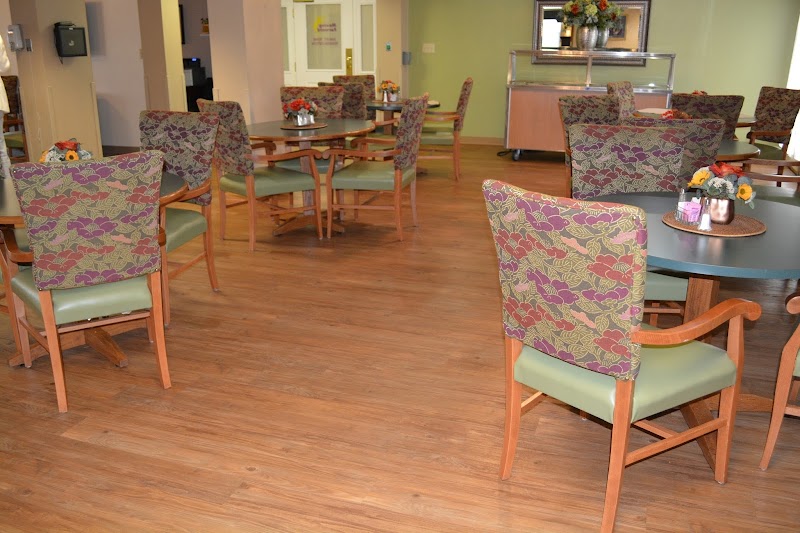
How Does Forest Creek Village Compare to Other Indiana Nursing Homes?

Compared to the 100 nursing homes in Indiana, FOREST CREEK VILLAGE's overall rating (2 stars) is below the state average of 3.1, staff turnover (50%) is near the state average of 46%, and health inspection rating (2 stars) is below the national benchmark.

What Should Families Ask When Visiting Forest Creek Village?

Based on this facility's data, families visiting should ask: "Can you walk me through typical staffing levels on day, evening, and night shifts?" "Can I visit during a mealtime to observe dining assistance and food quality?" "How do you handle medical emergencies, and what is your hospital transfer rate?" "Can I speak with family members of current residents about their experience?" These questions are particularly relevant given the below-average staffing rating.

Is Forest Creek Village Safe?

Based on CMS inspection data, FOREST CREEK VILLAGE has a clean safety record: no substantiated abuse findings (meaning no confirmed cases of resident harm), no Immediate Jeopardy citations (the most serious violation level indicating risk of serious injury or death), and is not on the Special Focus Facility watch list (a federal program monitoring the lowest-performing 1% of nursing homes). The facility has a 2-star overall rating and ranks #100 of 100 nursing homes in Indiana. While no facility is perfect, families should still ask about staff-to-resident ratios and recent inspection results during their visit.

Do Nurses at Forest Creek Village Stick Around?

FOREST CREEK VILLAGE has a staff turnover rate of 50%, which is about average for Indiana nursing homes (state average: 46%). Moderate turnover is common in nursing homes, but families should still ask about staff tenure and how the facility maintains care continuity when employees leave.

Was Forest Creek Village Ever Fined?

FOREST CREEK VILLAGE has no federal fines on record. CMS issues fines when nursing homes fail to meet care standards or don't correct problems found during inspections. The absence of fines suggests the facility has either maintained compliance or corrected any issues before penalties were assessed. This is a positive indicator, though families should still review recent inspection reports for the full picture.

Is Forest Creek Village on Any Federal Watch List?

FOREST CREEK VILLAGE is not on any federal watch list. The most significant is the Special Focus Facility (SFF) program, which identifies the bottom 1% of nursing homes nationally based on persistent, serious quality problems. Not being on this list means the facility has avoided the pattern of deficiencies that triggers enhanced federal oversight. This is a positive indicator, though families should still review the facility's inspection history directly.