HARCOURT TERRACE NURSING AND REHABILITATION
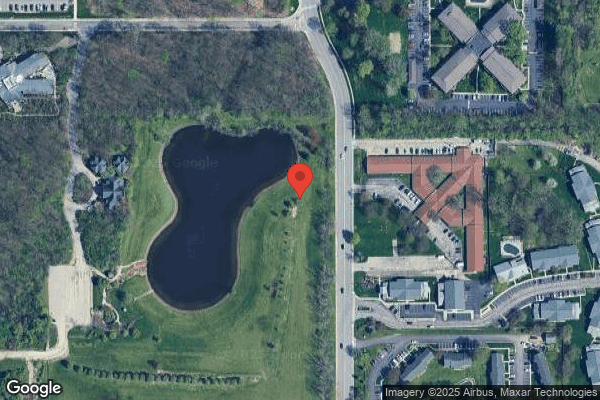
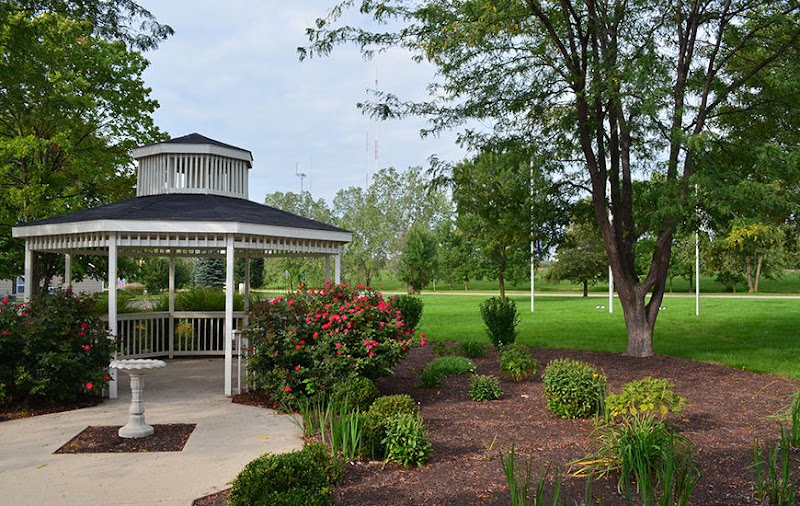
8181 HARCOURT RD, INDIANAPOLIS, IN 46260 (317) 872-7261
For profit - Corporation 110 Beds AMERICAN SENIOR COMMUNITIES Data: November 2025
Trust Grade
65/100
#144 of 505 in IN
Last Inspection: January 2025

Within standard 12-15 month inspection cycle. Federal law requires annual inspections.

Overview

Harcourt Terrace Nursing and Rehabilitation has a Trust Grade of C+, indicating it is decent and slightly above average compared to other facilities. It ranks #144 out of 505 in Indiana, placing it in the top half of nursing homes in the state, and #9 out of 46 in Marion County, meaning only eight local options are better. Unfortunately, the facility's trend is worsening, with reported issues increasing from three in 2024 to six in 2025. Staffing has a rating of 2 out of 5 stars with a turnover rate of 38%, which is better than the state average, suggesting some stability among staff, but there is room for improvement. Notably, there have been serious concerns, such as a resident fracturing their wrist during an altercation due to inadequate dementia care, and failures in monitoring and administering medications for residents with critical health conditions. While there are no fines on record and average RN coverage, the facility's shortcomings in care processes and safety should be carefully considered.

Trust Score
C+
65/100
In Indiana
#144/505
Top 28%
Safety Record
Moderate
Needs review
Inspections
Getting Worse
3 → 6 violations
Staff Stability
○ Average
38% turnover. Near Indiana's 48% average. Typical for the industry.
Penalties
✓ Good
No fines on record. Clean compliance history, better than most Indiana facilities.
Skilled Nurses
○ Average
Each resident gets 30 minutes of Registered Nurse (RN) attention daily — about average for Indiana. RNs are the most trained staff who monitor for health changes.
Violations
⚠ Watch
29 deficiencies on record. Higher than average. Multiple issues found across inspections.
★★★★☆
4.0
Overall Rating
★★☆☆☆
2.0
Staff Levels
★★★★★
5.0
Care Quality
★★★☆☆
3.0
Inspection Score
Stable
2024: 3 issues
2025: 6 issues

The Good

  • 5-Star Quality Measures · Strong clinical quality outcomes
  • Full Sprinkler Coverage · Fire safety systems throughout facility
  • No fines on record
  • Staff turnover below average (38%)

    10 points below Indiana average of 48%

Facility shows strength in quality measures, fire safety.

The Bad

Staff Turnover: 38%

Near Indiana avg (46%)

Typical for the industry

Chain: AMERICAN SENIOR COMMUNITIES

Part of a multi-facility chain

Ask about local staffing decisions and management

The Ugly 29 deficiencies on record

1 actual harm
Jul 2025 1 deficiency
CONCERN (D) 📢 Someone Reported This

A family member, employee, or ombudsman was alarmed enough to file a formal complaint

Potential for Harm - no one hurt, but risky conditions existed

Safe Environment (Tag F0921)

Could have caused harm · This affected 1 resident

**NOTE- TERMS IN BRACKETS HAVE BEEN EDITED TO PROTECT CONFIDENTIALITY** Based on observation, interview and record review, the facility failed to ensure a clean, sanitary, and homelike environment was...

Read full inspector narrative →
**NOTE- TERMS IN BRACKETS HAVE BEEN EDITED TO PROTECT CONFIDENTIALITY** Based on observation, interview and record review, the facility failed to ensure a clean, sanitary, and homelike environment was provided for 1 of 12 rooms reviewed for environment. (room [ROOM NUMBER]) Findings include: During an observation, on 7/2/25 at 9:18 a.m., room [ROOM NUMBER] had an old urine smell to it. There were approximately 7 different flies in the room. 2 flies were crawling on top of Resident B as he was sleeping. There were also 2 flies in his cup of juice and a sock on his bedside table. The bedside commode had a very small amount of dark yellow urine in the basin. In room [ROOM NUMBER]'s bathroom, there was a dried, dark drown substance smeared on the toilet with 2 flies crawling on the substance. There was also a puddle of liquid on the floor with dark yellow liquid on the trash can liner. Resident B and C resided in room [ROOM NUMBER]. The clinical record for Resident B was reviewed on 7/2/25 at 10:15 a.m. The diagnoses included, but were not limited to, dementia, osteoarthritis, and encephalopathy (a brain disease which could cause confusion). A current care plan, last revised on 6/20/25, indicated Resident B required assistance with toileting due to decreased mobility, weakness, and incontinence. Interventions included, but were not limited to, assistance with incontinence care as needed. The clinical record for Resident C was reviewed on 7/2/25 at 10:15 a.m. The diagnoses included, but were not limited to, dementia, chronic kidney disease stage 3, and depressive episodes. A current care plan, last revised on 5/13/25, indicated Resident C required assistance with toileting due to decreased mobility, weakness, incontinence, and the diagnoses of dementia. Interventions included, but were not limited to, assistance with incontinence care as needed. During an interview, on 7/2/25 at 9:25 a.m., Qualified Medication Assistant (QMA) 2 indicated there were several flies in the room. Staff were supposed to clean out the basin after each use of the bedside commode. During an interview, on 7/2/25 at 9:35 a.m., Certified Nursing Assistant (CNA) 3 indicated there was usually a liner placed in the bedside commode and staff would change it after each use. When CNA 3 went into the bathroom, she was observed to shoo away a fly and indicated the dark brown substance on the toilet appeared to be feces. During an interview, on 7/2/25 at 9:38 a.m., Housekeeper 4 indicated she was not sure the last time the bathroom was cleaned. She was usually just a fill in and it appeared to her that the dark brown substance on the toilet appeared to be feces. During an interview, on 7/2/25 at 10:10 a.m., the Executive Director (ED) indicated the housekeepers cleaned up messes, but the CNAs could clean up if the resident had an incontinence episode. During an interview, on 7/2/25 at 12:15 p.m., the ED indicated they did not have a policy which included providing a homelike environment, but it was a mission for the facility. A current facility policy, titled Resident Rights, dated as last reviewed on 7/2023 and received from the Director of Nursing on 7/2/25 at 11:50 a.m., indicated .All staff members recognize the right of residents at all times and residents assume their responsibilities to enable dignity, wellbeing, and proper delivery of care This citation relates to Complaint IN00462246. 3.1-19(f)(5)
Jan 2025 5 deficiencies
CONCERN (D)

Potential for Harm - no one hurt, but risky conditions existed

Deficiency F0583 (Tag F0583)

Could have caused harm · This affected 1 resident

Based on observation, interview and record review, the facility failed to ensure a resident's right to privacy was provided during personal care for 1 of 3 residents reviewed for resident rights. (Res...

Read full inspector narrative →
Based on observation, interview and record review, the facility failed to ensure a resident's right to privacy was provided during personal care for 1 of 3 residents reviewed for resident rights. (Resident 376) Findings include: During an observation, on 1/27/25 at 10:54 a.m., LPN 5 entered Resident 376's room to administer a gastrostomy tube (a feeding tube inserted into the abdomen directly into the stomach) bolus (a method of administering liquid food directly into the stomach) of Jevity 1.5 (a nutrition supplement). The resident's door was left open. LPN 5 pulled the resident's cover back and lifted his gown exposing his abdomen. The privacy curtain in the resident's room was not closed and three people walked by the resident's room. The clinical record for Resident 376 was reviewed on 1/23/25 at 3:42 p.m. The diagnoses included, but were not limited to, acute respiratory failure with hypoxia (low levels of oxygen in your body tissue), convulsions, congestive heart failure, dysphagia (difficulty swallowing), and atrial fibrillation. During an interview, on 1/27/25 at 11:35 a.m., the Assistant Director of Nursing (ADON) indicated while providing care to a resident, the resident's door should be closed for privacy and the door was not closed. During an interview, on 1/28/25 at 3:22 p.m., the Director of Nursing (DON) indicated the facility did not have a policy on providing privacy for a resident. A current facility policy, titled Resident Rights, dated 11/2011 and received from the DON on 1/22/25 at 11:30 a.m., indicated .The Resident has a right to a dignified existence, self-determination and communication with, and access to, persons and services inside and outside the Facility 3.1-3(p)(4)
CONCERN (D)

Potential for Harm - no one hurt, but risky conditions existed

Deficiency F0657 (Tag F0657)

Could have caused harm · This affected 1 resident

Based on observation, interview and record review, the facility failed to ensure a comprehensive care plan was developed for a resident with a hand splint for 1 of 4 residents reviewed for care plans....

Read full inspector narrative →
Based on observation, interview and record review, the facility failed to ensure a comprehensive care plan was developed for a resident with a hand splint for 1 of 4 residents reviewed for care plans. (Resident 33) Findings include: During an observation, on 1/22/25 at 12:10 p.m., Resident 33 was sitting in the dining room. Unit Manager 4 entered the dining room and placed a blue hand splint on the resident's right hand. During an observation, on 1/23/25 at 11:00 a.m., the resident was sitting in the activity room, and a hand splint was on her right hand. During an observation, on 1/27/25 at 10:27 a.m., the resident was sitting in the activity room, and a hand splint was on her right hand. The clinical record for Resident 33 was reviewed on 1/23/25 at 3:19 p.m. The diagnoses included, but were not limited to, transient ischemic attack (temporary disruption in the blood supply to a part of the brain), hypertension, anxiety disorder, and major depressive disorder. The electronic medical record did not include a physician's order or a care plan for a right-hand splint. During an interview, on 1/28/25 at 2:29 p.m., the Director of Nursing (DON) indicated the resident did not have a care plan for the hand splint prior to 1/27/25. During an interview, on 1/28/26 at 2:34 p.m., the DON indicated the facility did not have any additional care plan policies. A current facility policy, titled IDT Comprehensive Care Plan policy, dated as revised 8/2023 and received from the Clinical Support Nurse on 1/28/25 at 11:50 a.m., indicated .Care plan review will be interdisciplinary and should include .nursing .therapy .MDS 3.1-35(a) 3.1-35(b)(1)
CONCERN (D)

Potential for Harm - no one hurt, but risky conditions existed

Pharmacy Services (Tag F0755)

Could have caused harm · This affected 1 resident

Based on interview and record review, the facility failed to ensure pharmaceutical services were obtained timely to support a resident's healthcare needs for 1 of 1 resident reviewed for pharmacy serv...

Read full inspector narrative →
Based on interview and record review, the facility failed to ensure pharmaceutical services were obtained timely to support a resident's healthcare needs for 1 of 1 resident reviewed for pharmacy services. (Resident 376) Findings include: The clinical record for Resident 376 was reviewed on 1/23/25 at 3:42 p.m. The diagnoses included, but were not limited to, convulsions, congestive heart failure, emphysema, and encephalopathy (a change in your brain function due to injury or disease). A care plan, dated 3/8/24, indicated the resident was at risk for injury related to seizure activity. Interventions included, but were not limited to, administer medications as ordered. A physician's order, dated 1/9/25, indicated to give Lacosamide (an anticonvulsant medication) 10 milligrams (mg)/ 1 milliliter (ml) solution twice a day. The physician's order for Lacosamide 10 mg/1 ml solution was ordered on 1/9/25 and was not available until 1/22/25. The resident received his first dose on 1/22/25 at 11:05 a.m. The resident missed 26 doses of the medication. During an interview, on 1/27/25 at 9:53 a.m., Registered Nurse (RN) 6 indicated if the resident was out of medication, she would check the Pyxis (a medication dispensing system), call the pharmacy, and would notify the Executive Director (ED) and Director of Nursing (DON). The resident was prescribed the medication for seizures and missing the medication for so long could cause the resident to have a seizure. During an interview, on 1/28/25 at 10:40 a.m., the DON indicated if a medication was not available for a resident, she would reach out to pharmacy and notify the physician. She would check with the physician to ask if an alternate medication could be given until the ordered medication was delivered. The facility would monitor seizure activity and wait on medication. During an interview, on 1/28/25 at 2:00 p.m., the DON indicated the medication should not have been unavailable for days. A current facility skill competency checklist (provided as the medication administration policy), titled Medication Administration, dated as last revised 7/2023 and received from the Executive Director on 1/28/25 at 3:40 p.m., did not address missing multiple doses of a scheduled medication. 3.1-25(a) 3.1-25(g)(1) 3.1-25(g)(2) 3.1-25(g)(3)
CONCERN (D)

Potential for Harm - no one hurt, but risky conditions existed

Medication Errors (Tag F0758)

Could have caused harm · This affected 1 resident

Based on interview and record review, the facility failed to ensure residents were assessed for side effects of antipsychotic medications with the Abnormal Involuntary Movement Scale (AIMS) according ...

Read full inspector narrative →
Based on interview and record review, the facility failed to ensure residents were assessed for side effects of antipsychotic medications with the Abnormal Involuntary Movement Scale (AIMS) according to the policy and procedure for 2 of 5 residents reviewed for unnecessary medications. (Resident 37 and 45) Findings include: 1. The clinical record for Resident 37 was reviewed on 1/27/25 at 10:44 a.m. The diagnoses included, but were not limited to, Alzheimer's disease with early onset, type 2 diabetes mellitus with diabetic polyneuropathy, dementia with other behavioral disturbance and agitation, bipolar disorder, mood disorder, generalized anxiety disorder, and moderate recurrent major depressive disorder. A care plan, dated 10/10/23, indicated the resident was at risk for adverse side effects related to the use of psychotropic medication, antipsychotic, antidepressant and antianxiety medication. A physician's order, dated 1/1/24, indicated to give risperidone (an atypical antipsychotic medication) 0.5 milligrams (mg) twice a day. A physician's order, dated 5/2/24, indicated to give sertraline (a depression medication) 100 mg once a day. A physician's order, dated 6/4/24, indicated to give buspirone (an anxiety medication) 5 mg twice a day. An AIMS assessment, dated 1/2/24 at 10:50 a.m., indicated an involuntary movement score of 3. An AIMS assessment, dated 8/27/24 at 3:28 p.m., indicated an involuntary movement score of 0. During an interview, on 1/24/25 at 3:15 p.m., the Director of Nursing (DON) indicated she did not find an AIMS assessment completed between January and August. She indicated an AIMS assessment should have been completed every six months. 2. The clinical record for Resident 45 was reviewed on 1/27/25 at 8:43 a.m. The diagnoses included, but were not limited to, vascular dementia with other behavioral disturbance, type 2 diabetes mellitus with complications, depressive episodes, anxiety disorder, psychotic disorder with delusions due to known physiological condition, recurrent moderate major depressive disorder, and violent behavior. A care plan, dated 3/8/24, indicated the resident was at risk for adverse side effects related to the use of psychotropic medication, antidepressant, and antipsychotic medications. A physician's order, dated 3/8/24, indicated to give divalproex (a seizure medication also used for mood) 250 mg twice a day. A physician's order, dated 3/8/24, indicated to give risperidone (an atypical antipsychotic medication) 1 mg every 6 hours as needed. A physician's order, dated 3/9/24, indicated to give sertraline (a depression medication) 75 mg once a day. An AIMS assessment, dated 7/8/24 at 10:51 a.m., indicated an involuntary movement score of 0. During an interview, on 1/27/25 at 11:57 a.m., the Clinical Support Nurse indicated she could not find an admission AIMS assessment and one should have been completed when the resident was admitted in March. A current facility policy, titled Documentation Guidelines for Nursing, dated as revised 7/2024 and received from the Clinical Support Nurse on 1/28/25 at 2:12 p.m., indicated .AIMs-every 6 months for residents receiving antipsychotics .Also complete with new order 3.1-48(3)
CONCERN (D)

Potential for Harm - no one hurt, but risky conditions existed

Medical Records (Tag F0842)

Could have caused harm · This affected 1 resident

Based on interview and record review, the facility failed to ensure documentation was complete and accurately reflected the care provided for 2 of 2 residents reviewed for accurate documentation. (Res...

Read full inspector narrative →
Based on interview and record review, the facility failed to ensure documentation was complete and accurately reflected the care provided for 2 of 2 residents reviewed for accurate documentation. (Resident 55 and 18) Findings include: 1. The clinical record for Resident 55 was reviewed on 1/27/24 2:52 p.m. The diagnoses included, but were not limited to, diabetes mellitus, dementia, and hypertension. A care plan, dated 7/25/23, indicated the resident was at risk for altered nutritional status related to dementia, hypertension, and schizophrenia. Interventions included, but were not limited to, offer bedtime snacks. A physician's order, dated 11/7/23, indicated to administer a bedtime snack to the resident. The January 2025 Medication/Treatment record indicated snacks were not administered because they were not available on January 6th, 13th, 15th and 20th. The documentation indicated that the resident was given 0 (zero) bedtime snacks on those days. 2. The clinical record for Resident 18 was reviewed on 1/28/25 at 3:03 p.m. The diagnoses included, but were not limited to, hypertension, chronic kidney disease, and Alzheimer's dementia. A physician's order, dated 8/14/24, indicated to administer a bedtime snack to the resident. The January 2025 Medication/Treatment record indicated snacks were not administered because they were not available on January 6th, 13th, and 15th. The documentation indicated that the resident was given 0 (zero) bedtime snacks on those days. During an interview, on 1/28/25 at 8:53 a.m., the Corporate Support Nurse indicated bedtime snacks were available on the unit. She spoke with the nurse who had documented they were not available and was told they did not have snacks in the unit. The nurse indicated she just found something to give the residents. A facility skills competency checklist, titled Medication Administration, dated as last revised 7/2023 and received from the Executive Director on 1/28/25 at 3:40 p.m., indicated .administration will be documented on the MAR .TAR (Medication and Treatment Administration Record) after given The checklist did not address documentation of accurate information on the MAR/TAR. 3.1-50(a)(2)
Oct 2024 2 deficiencies
CONCERN (D) 📢 Someone Reported This

A family member, employee, or ombudsman was alarmed enough to file a formal complaint

Potential for Harm - no one hurt, but risky conditions existed

Deficiency F0554 (Tag F0554)

Could have caused harm · This affected 1 resident

Based on observation, interview and record review, the facility failed to ensure a resident had been assessed to self-administer medications for 1 of 1 resident reviewed for medication administration....

Read full inspector narrative →
Based on observation, interview and record review, the facility failed to ensure a resident had been assessed to self-administer medications for 1 of 1 resident reviewed for medication administration. (Resident B) Finding includes: During an interview and observation, on 10/23/24 at 9:16 a.m., Resident B was up in her room. A clear plastic cup was noted on the table with approximately eight pills in the cup. Resident B indicated the nurse brought the medications to her when she was bathing or dressing and she was to take the medications when she ate, so the nurse left the pills in the room. The resident's breakfast tray was noted to be on the table and untouched. The clinical record for Resident B was reviewed on 10/23/24 at 10:27 a.m. The diagnoses included, but were not limited to, type 2 diabetes mellitus, end stage renal disease, and chronic systolic heart failure. There was no physician's order, care plan or assessment to indicate the resident was able to self-administer medications found in the record. During an interview, on 10/23/24 at 9:45 a.m., RN 1 indicated she went to administer medications to Resident B this morning and was called out of the room. She indicated she was going to return to the room, and she should not have left the medications in the room. The resident did not have an order, an assessment, or a care plan for self-administration of medications. During an interview, on 10/23/24 at 11:08 a.m., the Director of Nursing indicated Resident B did not have a physician's order, care plan or self-administration assessment. A current facility policy, titled Self Administration of Medications, dated as last reviewed 1/2015 and received from the Director of Nursing on 10/23/24 at 1:32 p.m., indicated .If a resident desires to participate in self-administration, the Interdisciplinary Team will assess the competence of the resident to participate by completing the Self-Administration of Medication Assessment observation .A physician order will be obtained specifying the resident's ability to self-administer medications .The resident's care plan will be updated to include self administration 3.1-11(a)
CONCERN (D) 📢 Someone Reported This

A family member, employee, or ombudsman was alarmed enough to file a formal complaint

Potential for Harm - no one hurt, but risky conditions existed

Food Safety (Tag F0812)

Could have caused harm · This affected 1 resident

Based on observation, interview and record review, the facility failed to ensure cups were free of film/build up from hard water prior to using the cups to serve drinks to residents for 1 of 1 dishwas...

Read full inspector narrative →
Based on observation, interview and record review, the facility failed to ensure cups were free of film/build up from hard water prior to using the cups to serve drinks to residents for 1 of 1 dishwasher reviewed. Finding includes: During an observation of the kitchen, on 10/23/24 at 8:59 a.m., clean cups were found to be stored in the dishwasher room. They were stored bottom up in large plastic dishwasher crates in a shallow square container with wheels that set up off the floor approximately six inches. There were 18 of 29 cups found to have a white film in the bottom, inside of the cups. The film could be scrapped off the bottom of the cup. There were also an additional 9 of 9 cups with handles, found stored in a separate dishwasher crate, also containing a film at the bottom. During an interview, on 10/23/24 at 9:01 a.m., Dietary Staff 2 indicated the cups were used to serve fluids. The Kitchen Manager supplied the salt, and they were out of salt. All the cups had been washed. During a random observation, on 10/23/24 at 9:09 a.m., Resident B was observed to move his bedside table with his breakfast tray on top of the table, into the hall, by his door. One of the two cups on the tray was found to have a white film on the inside bottom of the cup. During an interview, on 10/23/24 at 9:06 a.m., the Executive Director indicated the facility did use the cups for serving fluids. During an observation, on 10/23/24 at 9:12 a.m., Resident C was found to have two empty cups on his tray. Both cups were found to have a white film on the inside bottom of the cups. During an interview, on 10/23/24 at 9:16 a.m., Resident D indicated the facility was using dirty cups. During an interview, on 10/23/24 at 9:33 a.m., the Executive Director indicated salt was needed to soften the water. The staff could wash/scrub the film out of the cups by hand when there was no salt. During an interview, on 10/23/24 at 10:51 a.m., the Executive Director indicated the facility had hard water, once the staff soaked the cups the film would come out. During an observation, of the mid-day meal on the Memory Care Unit, on 10/23/24 at 1:27 p.m., Resident E was observed to have a cup of water. A white film was observed, inside the cup, at the bottom. During an observation, of the mid-day meal on the Memory Care Unit, on 10/23/24 at 1:28 p.m. Resident F was observed to have a cup of water with a noted white film, inside the cup, at the bottom. During the exit conference, on 10/24/24 beginning at 10:51 a.m., the Executive Director indicated the facility had hard water and the film was the sanitizer. A current facility policy, titled Cleaning Dishes, dated as last revised in 4/2024 and received from the Director of Nursing on 10/23/24 at 1:44 p.m., indicated .Scrape, rinse or soak items before washing .Check each rack for soiled items as it comes out of the machine .Run dirty items through again until they are clean This citation relates to Complaint IN00445242. 3.1-21(i)(3)
Jul 2024 1 deficiency 1 Harm
SERIOUS (G) 📢 Someone Reported This

A family member, employee, or ombudsman was alarmed enough to file a formal complaint

Actual Harm - a resident was hurt due to facility failures

Deficiency F0744 (Tag F0744)

A resident was harmed · This affected 1 resident

**NOTE- TERMS IN BRACKETS HAVE BEEN EDITED TO PROTECT CONFIDENTIALITY** Based on interview and record review, the facility failed to ensure effective person-centered dementia care was provided to a re...

Read full inspector narrative →
**NOTE- TERMS IN BRACKETS HAVE BEEN EDITED TO PROTECT CONFIDENTIALITY** Based on interview and record review, the facility failed to ensure effective person-centered dementia care was provided to a resident with known physically aggressive behaviors for 2 of 5 residents reviewed for dementia care. (Residents H and J) This deficient practice resulted in an altercation between Resident H and J. Resident J received a fractured left wrist and a laceration above his right eye. The deficient practice was corrected on 7/10/24, prior to the start of the survey, and was therefore past noncompliance. Findings include: A facility document, titled Indiana State Department of Health Survey Report System, indicated on 7/2/24 at 9:30 p.m., Resident J complained of arm pain after an interaction with Resident H. Resident J received a fractured ulna (left wrist bone) during the altercation with Resident H. Resident H was sent to a psychiatric hospital for evaluation and treatment. A facility document, titled Event Report, dated 7/1/24 at 7:00 p.m., indicated Resident H was in the dining room hitting other residents in the face. He was removed from the dining room and redirected to his room. He was given medication, then he calmed down. There were other residents affected by his behavior. The other residents were redirected to their rooms to ensure safety. The interventions put into place to prevent another behavior were to administer medications as ordered, redirect to his room, and 15-minute checks for increased surveillance. The facility's investigation indicated an altercation between Residents H and J occurred, on 7/1/24 at approximately 7:00 p.m., on the men's memory care cottage. Staff on the unit were interviewed and no one witnessed the altercation. CNA 2 heard a noise down the hall, went to determine what it was, and observed Residents H and J in the hallway talking to one another. Resident J was asking Resident H to get away from him and indicated Resident H had hit him causing the laceration to his face. On 7/2/24, Resident J complained of left arm pain and the nurse observed his arm to be swollen. X-ray results indicated he had a fractured left wrist. 1. The clinical record for Resident H was reviewed on 7/23/24 at 10:29 a.m. The diagnoses included, but were not limited to, neurocognitive disorder with Lewy bodies, psychotic disorder with delusions due to known physiological conditions, schizophrenia, generalized anxiety disorder, major depressive disorder, sleep disorders, and other symptoms and signs involving cognitive functions and awareness. A care plan addressed the resident enjoyed dancing, riding motorcycles, boating, camping and hunting. The approaches included, but were not limited to, 10/23/23, staff would provide the resident with opportunities to utilize strengths, staff would provide the resident with the needed materials to practice his strengths. A care plan addressed the resident enjoyed the following types of activities. He enjoyed reading magazines, loved dogs and listening to music such as classic rock, country and 80's music. He enjoyed watching the local news and westerns on TV. He enjoyed outside activities but had a history of eloping during outside activities. He enjoyed reminiscing on his past experiences. He was in the Army. The approaches included, but were not limited to, 10/23/23, give verbal reminders to resident to remind him of activities of his interest, provide assistance to activities as needed, provide independent supplies for room as needed. A nursing progress note, dated 10/23/23 at 12:40 a.m., indicated Resident H was being very combative. The nurse attempted to redirect the resident, but he went into the TV room, attempted to open the window, and became very combative. He went to the unit's back door and started pushing on it and was redirected to his room. The resident came from his room and as the nurse was walking the resident hit the nurse with a punch. The nurse asked the resident kindly to go get some rest, but the resident went to the nurse's cart and began removing medication cups from the cart and throwing them on the floor. The nurse redirected him to his room, then he came out of his room with a foot pedal in his hand, hiding it at his back, and began swinging it at the nurse, while she was washing her hands in the dinner area sink. The nurse hurriedly came behind the resident, took the foot pedal from him, and redirected him to his room. A nursing progress note, dated 10/27/23 at 12:50 a.m., indicated the resident was going into other residents' rooms. He was redirected by staff to go back to his room. The resident came out of his room walked down the hallway, grabbed the pill crusher off the nurses' cart and attempted to hit staff with it. Staff were unable to get the pill crusher from the resident, so 911 was called. The resident went back to his room. A care plan addressed the problem of the resident exhibited cognitive impairment as evidenced by the resident was severely impaired. The approaches included, but were not limited to, 10/27/23, encourage participation in daily activities particularly regarding orientation, socialization and stimulation, encourage social interaction, give the resident choices throughout the day regarding decisions as able to do so, provide simple instructions and repeat as needed. A nursing progress note, dated 10/30/23 at 8:13 a.m., indicated the resident continued to wander into other residents' rooms. A nursing progress note, dated 10/31/23 at 1:26 p.m., indicated the resident was observed removing the mop from the housekeeping cart. The staff member asked the resident for the mop back and grabbed the handle of the mop, then the resident grabbed the staff member's hand in an aggressive manner and squeezed. The nurse asked the resident calmly to show the staff member how to use the mop and he demonstrated how to use it, then she asked if she was able to use it and he provided the nurse with the mop and walked away. A nursing progress note, dated 11/7/23 at 7:03 a.m., indicated the resident continued to be combative toward peers and staff. The resident attempted to physically hit staff and was involved in several verbal altercations with peers. The resident had to be redirected by staff several times, refused care/hygiene attempts, and was being closely supervised by staff. A nursing progress note, dated 11/7/23 at 2:09 p.m., indicated the resident continued to wander around the unit, going in and out of other residents' room at times and continued to be combative with staff. The resident was given personal space when he became aggressive. A care plan addressed the problem the resident would engage in verbal and/or physical aggression towards staff and/or other residents. He may throw furniture, break items, and try to fight staff members. The approaches included, but were not limited to, 11/7/23, staff members would offer the resident an appropriate activity of the resident's preference, staff members would offer the resident personal space to help the resident calm down, staff members would redirect the resident as needed. A care plan addressed the problem the resident had episodes of intrusive wandering and aggressive episodes toward staff members when providing redirection from other residents' room. The approaches included, but were not limited to, 11/07/23, door identifier to reorient the resident to his room. 11/8/23, staff will offer the resident an activity of their choice. A care plan addressed the problem the resident had signs and symptoms of mood distress. He had a diagnosis of Lewy body dementia and received an antipsychotic medication. Approaches included, but were not limited to, 11/10/23, administer medications and monitor and record effectiveness, encourage the resident to become involved with physical activities and social interactions, obtain a psych consult or psychosocial therapy. A nursing progress note, dated 11/11/23 at 7:30 p.m., indicated the resident spent part of the shift in his room asleep and later came out just before midnight and began pushing and banging on the unit exit door, and depressing the door latch. Any attempt to redirect the resident, he would ball his fist up and attempted to drive his knee into anyone who tried to redirect him. He did this on several occasions and had to be re-redirected. The resident did not take re-direction well and any attempt to further assess the resident failed. A nursing progress note, dated 11/18/23 at 8:41 a.m., indicated Resident H was observed walking the halls and carrying a foot pedal for a wheelchair. He struck another resident with the foot pedal then another resident in a different room began to insert himself into the situation causing Resident H to become even more agitated. He swung the foot pedal even more, refused redirection, continued to carry the foot pedal around and banged it on the walls. The other resident moved away from the initial conflict and allowed Resident H to wander around giving him space to vent. The intervention was somewhat effective. A care plan addressed the problem the resident would engage in verbal and/or physical aggression towards staff and/or other residents. He may throw furniture, break items, and try to fight staff members. The approaches included, but were not limited to, 11/20/23, staff members would monitor the resident closely to prevent any unsafe episodes. 11/20/23, staff members would offer a snack/beverage of his interest. A social service progress note, dated 11/22/23 at 9:16 a.m., indicated the Social Worker met with the resident to check his psychosocial status. Resident H indicated he missed his twin brother who has passed away. His daughter was called to ask her to bring pictures of his brother in and the psychiatric physician was asked to evaluate and treat the resident. A nursing progress note, dated 11/24/23 at 2:08 p.m., indicated the resident was transported for a psychiatric evaluation by ambulance. A care plan addressed the problem the resident had difficulty making himself understood. Approaches included, but were not limited to, the following: 11/28/23, allow the resident time to speak and avoid interruption, provide a quiet, non-hurried environment, free of background noises and distractions, remind the resident to speak slowly and clearly, repeat what the resident said to validate. A psychiatric hospital note indicated Resident H was admitted on [DATE] and discharged on 12/13/23, for aggression and paranoia. His coping strategies were walking around, singing and dancing, having a snack, sitting with staff and peers, and he liked helping others or being social. A nursing progress note, dated 12/13/23 at 9:39 p.m., indicated Resident H returned to the facility from a psychiatric hospital stay. He was confused and required extra time and guidance with directions. A psychiatric progress note, dated 12/19/23, indicated Resident H was being seen for his initial visit with the psychiatric physician services to assess his current psychiatric status. He had multiple psychiatric hospitalizations with the most recent one on 11/24/23. He was admitted to the facility on [DATE]. He was referred to the psychiatric physician services for management of dementia with behaviors. He was cognitively impaired, speech and thought processes were disorganized and nonsensical. The nursing staff reported the resident had been agitated and physically aggressive towards other residents. Prior to the hospitalization, he threatened to use a foot pedal and pill crusher towards another resident. A nursing progress note, dated 12/30/23 at 11:51 a.m., indicated the nurse was in the common area of the unit when she heard a noise like glass breaking. A CNA called her to the man cave area of the memory care-secured unit where Resident H had picked up a chair and used it to break out a window, then he threw a cup of lemonade on the nurse. The physician was called, and a new order was given for Haldol (an antipsychotic medication) 5 mg (milligrams) for one dose. A psychiatric progress note, dated 1/2/24, indicated Resident H was being seen for a routine follow-up visit to assess his current psychiatric status. The nursing staff reported he had been intrusively wandering and was easily agitated. He had physical aggression and threw a chair through a window on his memory care-secured unit. He was confused at his baseline and his speech was disorganized. Past psychiatric hospitalizations included, but were not limited to, 8/4/23 to 10/16/23 and 11/24/23 to 12/13/23. A nursing progress note, dated 1/9/24 at 3:23 p.m., indicated the resident threw water from the mop on other residents, but he was able to be redirected to his room. A psychiatric progress note, dated 2/5/24, indicated Resident H was being seen for mood and behavioral issues. He was minimally cooperative with the mental status examination. He was positive for visual hallucinations. His insight and judgement were severely impaired. A social service progress note, dated 2/15/24 at 12:21 p.m., indicated the resident was seen by the psychiatric physician. The resident demonstrated confusion with agitation and aggressive behavior, which had been disruptive to the residents on the male memory care-secured unit. A psychiatric progress note, dated 2/20/24, indicated Resident H was being seen to assess his current psychiatric status. His speech was disorganized. He had a history of inpatient psychiatric admissions for psychosis. A nursing progress note, dated 2/26/24 at 4:55 a.m., indicated the resident was found sitting on his roommate's legs. They were fully clothed. The incident appeared to be both the residents' ideas because both residents were observed attempting to get up from a sitting position. They both appeared confused and Resident H was taken to another room. A nursing progress note, dated 2/26/24 at 1:38 p.m., indicated the resident took a mop from the housekeeping staff and hit the staff in the head with the mop. He attempted to hit other residents with the mop but was redirected by staff. A psychiatric general note, dated 2/26/24, indicated Resident H was being physically aggressive towards staff and another resident. His behavior was disruptive and non-pharmacological interventions attempted three times but were ineffective. A telephone order for Haldol 5 mg now for one dose. A nursing progress note, dated 2/27/24 at 9:35 p.m., indicated Resident H was intrusively wandering into another resident's room, while the resident was lying down. The resident got up and began to make contact with the resident. Both residents were scuffling with each other. The residents were separated, and Resident H was redirected and was administered a PRN (as needed) medication. A psychiatric progress note, dated 2/28/24, indicated Resident H was being seen to assess his current psychiatric status. The nursing staff indicated the resident continued to exhibit physical aggression. He was restless and intrusive. The Haldol given on 2/26/24, was effective. A nursing progress note, dated 3/1/24 at 2:16 p.m., indicated the staff was attempting to provide care to the resident and the resident refused. As staff was walking away to allow a cool-off period, the resident made contact with the staff's shoulder. The staff redirected the resident and allowed him personal space to cool-off. A psychiatric general note, dated 3/1/24, indicated Resident H was delusional, hitting staff and barricading himself in his room. He pushed the medication cart into the nurse. A Haldol dose was given and was effective. Haldol was scheduled to be given for three days. He may benefit from a psychiatric stay for further evaluation if the current medication regimen was ineffective. A social service progress note, dated 3/1/24 at 2:18 p.m., indicated the Social Worker notified Resident H's daughter regarding the resident being admitted for an inpatient psychiatric stay. The resident's daughter agreed. A nursing progress note, dated 3/1/24 at 6:49 p.m., indicated the resident was sent to the psychiatric hospital for evaluation and treatment. A psychiatric hospital note indicated Resident H was admitted on [DATE] and discharged on 3/7/24, for agitation with physical aggression. While hospitalized , the hospital staff reported he displayed behaviors of increased intrusive wandering and physical aggression with staff. He had delusions and believed staff members were trying to harm or kill him. He refused his medications on occasion and became combative depending on the staff member's approach. He was in others' space at times. The staff members had tried to redirect the resident using redirection and reassurance, without success in improving his behaviors. An Interdisciplinary Team (IDT) progress note, dated 3/19/24 at 9:22 a.m., indicated the resident entered another resident's room and started pushing chairs around, then he tried to throw a chair. Staff redirected him several times to get him out of the resident's room. A care plan addressed the problem the resident would engage in verbal and/or physical aggression towards staff and/or other residents. He may throw furniture, break items, and try to fight staff members. The approaches included, but were not limited to, 3/19/24, the resident would continue to be seen by psychiatric services. 3/20/24, weighted blanket as needed for anxiety. A psychiatric progress note, dated 3/21/24, indicated the resident was being seen for mood and behavioral issues. The staff reported the resident demonstrated irritability and aggressive behavior toward staff. During the session, he presented himself as depressed, minimally cooperative, and when asked if he was getting along with others, he shook his head no and pointed to a staff member in the room. An IDT progress note, dated 3/29/24 at 10:02 a.m., indicated Resident H entered another resident's room and put on that resident's shoes. That resident told Resident H to take off his shoes, then Resident H hit the other resident and he fell on the floor during the altercation. Staff redirected the two residents and escorted Resident H to his own room. A nursing progress note, dated 4/4/24 at 12:19 a.m., indicated the resident was walking up and down the unit hallway and opening some of the residents' doors and waking them up. The residents were complaining about his intrusiveness, and he was repeatedly redirected, but he would not comply with any attempts to redirect him. He balled his fist up to hit whoever tried to redirect him. He would not comply with any attempts at redirection. He was offered snacks and juices to drink, which he ate it all up, then started walking again and intruded into things and other residents' rooms. He got on the floor twice and got himself up out of anger. As he continued to walk up and down the hallway, he attempted to pull the side rails from the walls. He went to the man cave sat for a while, then got a wheelchair and started rolling it. He ran the wheelchair into the nurses' station door and ran the wheelchair into a CNA. He was redirected. A PRN order for Haldol was ordered, but not given because the resident went to his room as he was redirected to do so and fell asleep. Any attempts to get his vitals, he balled his fist up as if he was going to hit the staff members. A psychiatric progress note, dated 4/4/24, indicated the resident was being seen for mood and behavioral issues. The resident was being seen due to staff request. The staff reported Resident H had pushed a wheelchair into staff and had been wandering into other residents' rooms. A nursing progress note, dated 4/6/24 at 2:00 p.m., indicated the resident wandered up and down the hallway after lunch and was found in another resident's room. He had taken some of that resident's candy. When the nurse asked the resident to come out of the resident's room, he threw the candy down on the floor and walked out of the room. He would not allow the CNAs to help change him. A nursing progress note, dated 4/8/24 at 1:44 p.m., indicated Resident H went into another resident's room and slept in his bed. He would not come out. He refused to allow the nurse to take his vitals for his weekly skin assessment. He eventually went to his room and laid down. A psychiatric progress note, dated 4/9/24, indicated the resident was being seen to assess his current psychiatric status. Staff reported he was physically aggressive at times. A psychiatric progress note, dated 4/18/24, indicated the resident was being seen for mood and behavioral issues. The staff reported Resident H had been pulling railings off the walls. The resident had a maladaptive communication and comprehension issue, which negatively impacted his treatment. A nursing progress note, dated 5/8/24 at 10:02 a.m., indicated the resident came out of his room for breakfast and while staff was passing out trays he made contact with the staff member's face twice. He then went into another resident's room and made contact with the resident. When redirected he went into the hallway and made contact with a different resident's stomach. A nursing progress note, dated 6/2/24 at 1:34 p.m., indicated the resident was walking around, being aggressive, trying to fight staff and a resident. The physician was called, and an order was given for Zyprexa (an atypical antipsychotic medication) 2.5 mg. The medication was given, and the resident appeared to be a little calmer. A nursing progress note, dated 6/5/24 at 2:30 p.m., indicated the resident was intrusively wandering, then became combative with another resident when staff attempted to redirect him out of the resident's room. He was also combative with staff members and became physically violent with staff members while using current interventions to remove him from the resident's room. The staff were unable to redirect the resident safely. He was allowed to remain inside the resident's room with the door closed. A nursing progress note, dated 6/5/24 at 3:45 p.m., indicated the resident was given as needed (PRN) medication ordered by the psychiatric physician. The resident became aggressive while staff were checking on him for safety and he proceeded to punch the staff member in the face. For safety measures pending an evaluation by a psychiatric hospital, the resident was placed on one-on-one supervision. The resident continued to barricade himself in his room and refused to come out of room. A psychiatric progress note, dated 6/6/24, indicated Resident H was being seen for mood and behavioral issues. The staff reported the resident recently engaged in physical aggression with two other residents. The staff reported nothing appeared to trigger the aggressive behavior. A psychiatric hospital note indicated Resident H was admitted on [DATE] and discharged on 6/19/24, for confusion and aggression. His coping strategies were socializing and interacting with staff and participating in activities he was able to follow. A care plan addressed the problem the resident would engage in verbal and/or physical aggression towards staff and/or other residents. He may throw furniture, break items, and try to fight staff members. The approaches included, but were not limited to, 6/6/24, offer cool down period as needed for behaviors. 6/6/24, PRN medication as ordered. A nursing progress note, dated 6/19/24 at 1:48 p.m., indicated Resident H returned from a psychiatric hospital stay. The resident was pleasant. A psychiatric progress note, dated 6/20/24, indicated the resident was being seen for mood and behavioral issues. The staff reported Resident H just returned from a week psychiatric stay due to his combative behaviors. A nursing progress note, dated 6/22/24 at 1:31 p.m., indicated the resident was wandering into another resident's room. A Qualified Medication Aide (QMA) attempted to redirect the resident to his room when he balled his fist up and made contact with the QMA's face. The nurse heard the QMA's scream for help and assisted the QMA with the redirection of the resident to his room. While assisting the resident to his room, he showed signs of aggravation. A nursing progress note, dated 6/22/24 at 10:29 p.m., indicated a staff member attempted to get a urinalysis on the resident, but he showed signs of agitation, and he refused his medication in the evening. A psychiatric progress note, dated 6/25/24, indicated the resident was being seen to assess his current psychiatric status. He had multiple hospitalizations. He recently returned from a psychiatric hospital stay where he was admitted for agitation and physical aggression towards staff and other residents. A care plan addressed the problem the resident had episodes of intrusive wandering and aggressive episodes toward staff members when providing redirection from other residents' room. The approaches included, but were not limited to, 6/25/24, allow the resident space and validate his frustrations. 6/25/24, approach the resident calmly when assisting him away from other residents' rooms. 6/25/24, offer assistance to resident to his room/bathroom and dining room when he was wandering aimlessly in the hallway. A significant change Minimum Data Set (MDS) assessment, dated 6/26/24, indicated Resident H had physical behavioral symptoms which placed others at a significant risk for physical injury. The resident wandered and significantly intruded on the privacy or activities of others. A nursing progress note, dated 7/2/24 at 7:26 a.m., indicated the resident continued his intrusive wandering into other residents' rooms. When attempting to redirect the resident, he would become aggressive, and ball up his fist up to strike. He was presently calm, snacks were provided, and he was walking throughout the unit dinner area and hallway with no issues at that time. A nursing progress note, dated 7/2/24 at 8:47 a.m., indicated the resident was being combative and attempting to hit staff members and other residents. A one-time order for Haldol 5 mg was given. A nursing progress note, dated 7/2/24 at 9:38 a.m., indicated the resident was observed sitting in the man cave and was observed grabbing another resident's walker by the activities area. The staff member went to tell the nurse and heard a loud noise. The nurse observed Resident H lying on his back near the couch and lift. The resident got himself off the ground and into a chair. He had complaints of back pain, and a knot was observed on the back of his head. His blood pressure (BP) was 69/46 and a manual BP was 78/48. He became less alert and non-reactive to the sternum rub. The resident was sent out by 911 to the hospital. A nursing progress note, dated 7/2/24 at 9:40 p.m., indicated the resident returned from the hospital and was placed on one-on-one supervision until he was able to be evaluated by psychiatric services or transferred out to a psychiatric hospital. An Interdisciplinary Team progress note, dated 7/2/24 at 8:00 a.m., indicated Resident H was being combative with peers. The immediate interventions were redirection, separation and assist to assigned room. The root cause of his behavioral expression was he was unable to voice his wants and needs effectively, had a diagnosis of dementia, psychotic disorder, schizophrenia, and over stimulation. The resident did not believe his peers belonged in his home. The preventative interventions related to the above root cause was determined to be redirecting the resident to his room and belongings, redirecting the resident to activities going on at that time, assess the resident for unmet needs, order obtained for Risperidone (an antipsychotic medication) and Haldol, the resident was to be checked by the behavioral and medication review, and continue 15-minute checks for increased surveillance. A nursing progress note, dated 7/3/24 at 5:07 p.m., indicated Resident H was transferred to a psychiatric hospital. A care plan addressed the problem the resident had episodes of intrusive wandering and aggressive episodes toward staff members when providing redirection from other residents' room. The approaches included, but were not limited to, 7/2/24, assist the resident to a less stimulating environment (he enjoyed being outside or in his room) and offer one on one conversation (he enjoyed talking about his old motorcycles). 7/3/24, the resident was to have a private room. A care plan addressed the problem the resident would engage in verbal and/or physical aggression towards staff and/or other residents. He may throw furniture, break items, and try to fight staff members. The approaches included, but were not limited to, 7/2/24, dim lights and/or assist resident to less stimulating location such as outdoor patio or his room and validate his frustrations. 7/3/24, 15-minute checks. 2. The clinical record for Resident J was reviewed on 7/23/24 at 2:05 p.m. The diagnoses included, but were not limited to, dementia with agitation, fracture of the lower end of the left ulna, secondary malignant neoplasm of the brain, malignant neoplasm of part of the bronchus or lung, and weakness. An admission MDS assessment, dated 6/10/24, indicated the resident did not display any physical or verbal type of behavior toward other residents or staff. He did display wandering type behavior which significantly intruded on the privacy and activities of others. A physician's progress note, dated 7/2/24, indicated Resident J was seen for left lower arm pain. The resident reported getting in an altercation with another resident. He had pain and swelling to his left forearm and the area was tender to touch. A surgical consult, dated 7/10/24, indicated Resident J presented in the physician's office for a wrist injury, which he injured approximately two and a half weeks ago. He experienced pain and limited use of his left wrist. X-rays indicated he had a fractured left wrist. He was placed in a splint for the next four weeks. During an interview, on 7/19/24 at 2:38 p.m., Resident J indicated Resident H and two other men were in his room and Resident H was sitting on his bed. He told the men to get out of his room. The next thing he knew Resident H and him was wrestling on the bed in his room. When he got up, he had pain in his left wrist. During an interview, on 7/23/24 at 2:41 p.m., Employee 3 indicated there were no activities after 5:00 p.m. The facility was low on activity staff, and they tried to fill in with CNAs who had a day off when they were able to. Some days when there were no activity staff available, the CNAs on the memory care unit were responsible for completing the activities for the day. Resident H responded better when he was doing one-on-one activities. During an interview, on 7/23/24 at 3:31 p.m., CNA 4 indicated Resident H wandered into other residents' rooms. He hit staff and resisted care at times. He did not take redirection well. She was scared of him because he would use his balled-up fist and hit the staff during care. He fought with almost all the residents on the memory care unit. Staff did not do any activities after 5:00 p.m. He was very hard to care for because of his combativeness. During an interview, on 7/23/24 at 3:45 p.m., RN 5 indicated Resident H did wander intrusively into other residents' room. He was combative with the staff. He was strong and quick with his fists. The deficient practice was corrected by 7/10/24, after the facility implemented a systemic plan that included the following actions: Resident H was admitted to an inpatient psychiatric unit for treatment, all residents' safety was ensured, residents were interviewed for abuse, skin assessments were completed on residents, staff were in-serviced on abuse prevention and behavior management and interventions, 1:1 observations collected daily and reviewed by the IDT team for any concerns or changes needed to the plan of care. This [TRUNCATED]
Dec 2023 6 deficiencies
CONCERN (D)

Potential for Harm - no one hurt, but risky conditions existed

Deficiency F0582 (Tag F0582)

Could have caused harm · This affected 1 resident

Based on record review and interview, the facility failed to ensure there was documentation to show the resident/representative made the choice about the Skilled Nursing Facility Advance Beneficiary N...

Read full inspector narrative →
Based on record review and interview, the facility failed to ensure there was documentation to show the resident/representative made the choice about the Skilled Nursing Facility Advance Beneficiary Notice of Non-coverage (SNF ABN) and to ensure the resident's financial representative was notified of the SNF ABN for 2 of 3 residents reviewed for beneficiary notification. (Resident 6 and 56) Findings include: 1. The SNF ABN for Resident 6 indicated the resident no longer required skilled nursing care and did not need skilled rehabilitation on a daily basis. Beginning on 11/19/23, the resident's stay would not be covered under Medicare. The options indicated the resident/representative was to check only one box and the facility could not choose a box for the resident/representative. Option 2 was checked to indicate the resident/representative wanted the care listed above and did not want Medicare billed. The resident/representative understood they may be billed now because they were responsible for the payment of the care. They could not appeal because Medicare would not be billed. The facility did not have documentation to show the resident/representative had chosen option 2 on the SNF ABN. 2. The SNF ABN for Resident 56 indicated the resident no longer required skilled nursing care and did not need skilled rehabilitation on a daily basis. Beginning on 11/23/23, the resident's stay would not be covered under Medicare. The options indicated the resident/representative was to check only one box and the facility could not choose a box for the resident/representative. Option 2 was checked to indicate the resident/representative wanted the care listed above and did not want Medicare billed. The resident/representative understood they may be billed now because they were responsible for the payment of the care. They could not appeal because Medicare would not be billed. The facility contacted Resident 56's healthcare representative by telephone and mailed the paperwork to the healthcare representative and did not include the resident's financial representative. The facility did not have documentation to show the resident/representative had chosen option 2 on the SNF ABN. During an interview, on 12/11/23 at 12:21 p.m., the Business Office Manager (BOM) indicated the SNF ABN should have been sent to the resident's financial representative. During an interview, on 12/11/23 at 12:23 p.m., the BOM indicated if the resident's representative would not come to the facility, then they would complete a phone call about the SNF ABN. The Social Services Director (SSD) would complete the phone call. During an interview, on 12/11/23 at 3:02 p.m., the SSD indicated she was not aware she would need to document or make a progress note about the conversation with the resident's representative about the option they chose for the SNF ABN form. She did not have any documentation to provide to show the option was chosen by the representative and not the facility. During an interview, on 12/11/23 at 4;19 p.m., the SSD indicated the facility did not have a policy on beneficiary notices. She was only verbally instructed by the facility on how to complete the process. 3.1-4(f)(3)
CONCERN (D)

Potential for Harm - no one hurt, but risky conditions existed

PASARR Coordination (Tag F0644)

Could have caused harm · This affected 1 resident

Based on interview and record review, the facility failed to initiate a new PASARR (Preadmission Screening and Resident Review) level I when a resident was started on a new psychotropic medication for...

Read full inspector narrative →
Based on interview and record review, the facility failed to initiate a new PASARR (Preadmission Screening and Resident Review) level I when a resident was started on a new psychotropic medication for 2 of 2 residents reviewed for PASARR. (Resident 44 and 38) Findings include: 1. The record for Resident 44 was reviewed on 12/8/23 at 10:25 a.m. Diagnoses included, but were not limited to, dementia, major depression with agitation, bipolar disorder, and other personality and behavioral disorder. A PASARR level I, dated 4/18/2019, indicated the resident had one mental health diagnoses of personality change and was not taking any antipsychotic medications. A PASARR level II, dated 8/11/22, indicated the resident was added a bipolar diagnosis and was not taking any antipsychotic medications. A physician's order, with a start date of 9/2/22 and an end date of 9/21/23, indicated the resident took Olanzapine (an antipsychotic medication) 5 milligrams (mg) at bedtime. There was no new PASARR done after the resident was started on an antipsychotic medication. During an interview, on 12/8/23 at 2:06 p.m., the SSD (Social Service Director) indicated Resident 44 did not have a new PASARR completed after he was started on the antipsychotic medication. The resident should have had another PASARR. During an interview, on 12/11/23 at 5:16 p.m., the DON (Director of Nursing) indicated Resident 44 did not have a PASARR redone after the medication was started and they should have completed another PASARR.2. The record for Resident 38 was reviewed on 12/8/23 at 3:38 p.m. Diagnoses included, but were not limited to, chronic respiratory failure, hypertension, edema (swelling), psychotic disorder with delusions, and anxiety disorder. A PASARR level I, dated 1/12/23, indicated the resident was not on mental health medications. The mental health diagnoses were depression. A physician's order, dated 11/7/23, indicated buspirone (an antianxiety medication) 10 mg (milligrams) tablet give 1 tablet three times a day. A physician's order, dated 11/7/23, indicated haloperidol lactate concentrate 2mg/ml (an antipsychotic medication) 10 mg tablet give 1 tablet three times a day. During an interview, on 12/11/23 at 3:00 p.m., the DON indicated a new PASARR level I was not completed when the buspirone and haloperidol was ordered. During an interview, on 12/11/23 at 3:30 p.m., the SSD indicated a new PASARR Level I should have been completed when the resident started on buspirone (antianxiety) and haloperidol (antipsychotic). She should have completed a new PASARR level I when new medications or a diagnosis was added to the resident. A current policy, titled PAS Paperwork, received by the Executive Director on 12/11/23 at 4:54 p.m., indicated .Pre-admission Screening (PAS) is a requirement for Nursing Facilities in the State of Indiana .The Pre-admission Screening process determines the need for placement in a nursing facility and is two-fold. In Indiana, the State wants to be sure that placement is most appropriate for the individual person and to assure that any psychiatric and/or development needs are addressed in the facility .The Level I is to be completed with clinical information from the following: Social Services Director/Assistant: Will complete the sections of the Level I and Level of Care assessment that involve psychiatric/behavioral or discharge planning questions 3.1-16(d)(1)(A) 3.1-16(d)(1)(B)
CONCERN (D)

Potential for Harm - no one hurt, but risky conditions existed

Deficiency F0698 (Tag F0698)

Could have caused harm · This affected 1 resident

Based on interview and record review, the facility failed to ensure there was documentation in the Electronic Health Record to include if the resident went to the scheduled dialysis treatments for 1 o...

Read full inspector narrative →
Based on interview and record review, the facility failed to ensure there was documentation in the Electronic Health Record to include if the resident went to the scheduled dialysis treatments for 1 of 2 residents reviewed for dialysis. Resident 39) Finding includes: The record for Resident 39 was reviewed on 12/7/23 at 10:38 a.m. Diagnoses included, but were not limited to, end stage renal disease, type 2 diabetes mellitus, congestive heart failure, generalized anxiety disorder, and chronic embolism and thrombosis of the right jugular vein. A physician's order, dated 6/20/23, indicated dialysis days on Monday, Wednesdays, and Fridays with a chair time of 9:15 a.m. The was no documentation in the Electronic Health Record (EHR) for 11/15/23, 11/22/23, 11/24/23 and 11/29/23 to indicate if the resident went to dialysis or did not go to dialysis. There were no progress notes, no dialysis events, and no dialysis communication form. There was no event for dialysis on 10/30/23, 11/6/23, 11/8/23, 11/10/23, 11/13/23, 11/27/23, 11/29/23 or 12/4/23 for the dialysis treatment. The facility provided a dialysis communication form, dated 11/29/23, with no resident name on the form. During an interview, on 12/11/23 at 11:57 a.m., the Clinical Support Nurse indicated the facility policy did indicate an event had to be completed when the resident went to dialysis. The dialysis facility was more concerned with the dialysis communication form which included the pre and post vital signs. During an interview, on 12/11/23 at 3:45 p.m., the Director of Nursing (DON) indicated the facility had no documentation on the dates in November listed above to show if the resident went to dialysis or not. The DON did not know if the resident went to dialysis or not on the dates in November. A current policy, titled Dialysis Care, dated as revised on 11/2017 and received from the Clinical Support Nurse on 12/8/23 at 12:38 p.m., indicated .to ensure that residents requiring dialysis receive such services, consistent with professional standards of practice, the comprehensive person-centered care, and the resident's goal and preferences. The facility will assure that each resident receives care and services for the provision of hemodialysis and/or peritoneal dialysis consistent with professional standards of practice including .Ongoing assessment of the resident's condition and monitoring for complications before and after dialysis treatments received at a certified dialysis facility .Ongoing communication and collaboration with the dialysis facility regarding dialysis care and services .For those residents receiving dialysis at a certified dialysis facility .An assessment of the resident will be completed upon return from each dialysis visit to include vital signs and assessment of the site including bruit and thrill [if applicable], drainage and general condition .A dialysis event will be initiated in EMR [electronic medical record] to include time of transfer and completed on return to the unit .The facility will employ a method of communication between the facility and the dialysis center to relay changes in condition and response to treatment 3.1-37(a)
CONCERN (D)

Potential for Harm - no one hurt, but risky conditions existed

Pharmacy Services (Tag F0755)

Could have caused harm · This affected 1 resident

Based on observation, record review and interview, the facility failed to ensure the narcotic count sheets were signed by two nurses to verify the correct count of controlled substances between shifts...

Read full inspector narrative →
Based on observation, record review and interview, the facility failed to ensure the narcotic count sheets were signed by two nurses to verify the correct count of controlled substances between shifts for 2 of 3 medication carts reviewed. (the women's memory care medication cart and the [NAME] bend #2 medication cart) Findings include: 1. During an observation, on 12/7/23 beginning at 11:03 a.m., the following was observed on the Shift Change Verification of Controlled Substances form, dated December 2023, for the women's memory care unit: a. The form was labeled the Cedar Bay unit for December 2023. a. The same nurse signed the on-coming nurse space and the off-going nurse space for the night shift on December 2. b. There were no nurse signatures on the day shift and evening shift for December 5. c. The same nurse signed as the on-coming and off-going nurse for the evening shift on December 6. d. There was only one nurse signature on the on-coming nurse space and no signature for the off-going nurse for the day shift on December 7. e. There was only one nurse signature on the off-going nurse space and no signature for the on-coming nurse on the evening shift for December 7. 2. During an observation, on 12/7/23 beginning at 12:11 p.m., the following was observed on the Shift Change Verification of Controlled Substances form for the [NAME] Bend #2 medication cart: a. The form did not include the month or the name of the unit. b. The same nurse signed as the on-coming and off-going nurse for the evening and night shift for the 6th. c. A different nurse signed as the on-coming and off-going nurse for the day shift on the 7th. During an interview, on 12/7/23 at 11:40 a.m., the Assistant Director of Nursing (ADON) indicated the facility had agency staff working on December 5, 2023, there were no nurse signatures on the count shift for December 5 and there should have been. The count should be verified between two different nurses. A current policy, titled LTC [long term care] Facility's Pharmacy Services and Procedures Manual, dated as revised on 8/07/2023 and received from the Director of Nursing (DON) on 12/7/23 at 12:30 p.m., indicated .Facility should ensure that all controlled substances are stored in a manner that maintains their integrity and security 3.1-25(e)(2) 3.1-25(e)(3)
CONCERN (E)

Potential for Harm - no one hurt, but risky conditions existed

Quality of Care (Tag F0684)

Could have caused harm · This affected multiple residents

Based on interview and record review, the facility failed to ensure weights and physician notification were completed as ordered for residents with congestive heart failure (CHF), to document accu che...

Read full inspector narrative →
Based on interview and record review, the facility failed to ensure weights and physician notification were completed as ordered for residents with congestive heart failure (CHF), to document accu checks (finger stick blood sugars) and insulin administration and failed to ensure a resident with routine orders for Ativan and morphine received the medication as ordered for 4 of 4 residents reviewed for quality of care. (Resident 8, 10, 75 and 81) Findings include: 1. The record for Resident 8 was reviewed on 12/07/23 at 9:39 a.m. Diagnoses included, but were not limited to, chronic (congestive) systolic heart failure and chronic kidney disease stage 3. A physician's order, dated to 10/19/23, indicated to obtain daily weights for congestive heart failure and to notify the physician for a weight gain of 3 pounds in a day or 5 pounds in a week. A Medication Administration Record (MAR), dated 10/1/23 to 10/31/23, indicated 4 missing weights for 10/14, 10/15, 10/16, and 10/19/2023. There was incomplete information on 10/3, 10/4, 10/5, and 10/6/23. A MAR, dated 11/1/23 to 11/30/23, indicated there was incomplete information for the daily weights on 11/1, 11/7, 11/9, 11/10, 11/13, 11/14, 11/15, 11/17, 11/19, 11/21, 11/22, and 11/26 through 11/30/23. The MAR indicated there was a weight of 102 pounds recorded on 11/6/23 and a weight of 105.5 pounds recorded on 11/7/23. A loss of 3.5 pounds was incorrectly documented for the weight gain of 3.5 pounds. There was no documentation the physician was notified of the weight gain. A weight of 96.6 pounds was documented on 11/12/23 and on 11/13/23 a weight of 100 was recorded. The gain of 3.4 pounds was not documented on the record. There was no documentation the physician was notified of the weight gain. A MAR, dated 12/1/23 to 12/31/23, indicated there was incomplete information for 12/1/23 and no weights recorded for 12/2 through 12/7/23. A physician's encounter summary-progress note, dated 12/5/23, indicated the resident's assessment and plan for congestive heart failure was to monitor for shortness of breath, increased edema, and continue to monitor weight. During an interview, on 12/7/23 at 2:00p.m., the Director of Nursing (DON) indicated the information should be complete and weights should be documented daily on the MAR. 2. The record for Resident 10 was reviewed on 12/8/23 at 10:27 a.m. Diagnoses included, but were not limited to, congestive heart failure, diabetes, hypertension, and atrial fibrillation. A care plan, dated as revised on 7/1/22, indicated the resident was at risk for fluid imbalance related to congestive heart failure. The interventions included, but were not limited to, weigh every Monday, Wednesday, and Friday. A physician's order, dated 12/2/22, indicated to weigh on Monday, Wednesday, and Friday and to notify the physician if there was a 5-pound increase in one week. The MAR, dated 8/8/23 through 12/7/23, indicated the resident missed weights on 8/9/23, 9/14/23, 11/1/23, 11/3/23, 11/7/23, and 12/4/23. During an interview, on 12/6/23 at 10:10 a.m., the Assistant Director of Nursing (ADON) indicated residents with congestive heart failure need to be weighed by 6:00 a.m. When a resident refused to be weighed, the staff should attempt multiple times and notify the physician if the resident continued to refuse. 3. The record for Resident 75 was reviewed on 12/07/23 at 9:47 a.m. Diagnoses included, but were not limited to, type II diabetes mellitus. A physician's order, dated 10/20/23, indicated Humalog Kwik pen insulin 100 units/ml, to administer 10 units 3 times daily. A physician's order, dated 10/16/23 to 11/21/23, indicated Humalog U-100 Insulin per sliding scale. A physician's order, dated 11/29/23, indicated Lantus Solostar U-100, to administer 10 units at bedtime. A physician's order, dated 11/30/23, indicated accu-checks before all meals and to call the MD if the blood sugar was less than 70 or greater than 400. A MAR, dated 10/1/23 to 10/31/23, indicated there was no documentation on 10/23/23 at 4:00 p.m., 10/24/23 at 7:00 a.m., and 10/30/23 at 4:00 p.m., for the Humalog 10 units. There was no documentation on 10/20/23 at 4:00 p.m., 10/23/23 at 4:00 p.m., 10/24/23 at 7:00 a.m., and 10/30/23 at 4:00 p.m., for the sliding scale insulin. A MAR, dated 11/1/23 to 11/30/23, indicated there was no documented administration of the Humalog 10 units at 7:00 a.m., on 11/6, 11/12, and 11/18/23. There was no documented administration of the Humalog 10 units at 11:00 a.m., on 11/5 and 11/12/23. There was no documented administration of the Humalog 10 units at 4:00 p.m., on 11/7, 11/9, 11/11, 11/12, 11/13, 11/16, 11/17, 11/20, 11/21, 11/23, and 11/25/23. A MAR, dated 12/1/23 to 12/31/23, indicated there were missing accu checks at 5:00 p.m., and 8:00 p.m., on 12/7/23. There was missing documentation of the Humalog 10 units at 7:00 a.m., on 12/2, and 12/6/23. There was missing documentation for the Humalog 10 units at 4:00 p.m., on 12/3 and 12/7/23. During an interview, on 12/11/23 at 3:00 p.m., the DON indicated the blood sugars and insulin administration should have been documented on the MAR. 4. The record for Resident 81 was reviewed on 12/7/23 at 10:39 a.m. Diagnoses included, but were not limited to, Alzheimer's disease, hearing loss, low back pain, acute kidney failure, dislocation of the right hip, and a cognitive communication deficit. A physician's order, dated 11/19/23, indicated to admit to hospice. A physician's order, dated 11/20/23, indicated to admit to hospice with a diagnosis of senile degeneration of the brain. A physician's order, dated 11/23/23, indicated to give lorazepam concentrate (an antianxiety) 0.25 milliliter (ml) every 4 hours routinely for anxiety and agitation. A physician's order, dated 11/23/23, indicated to give lorazepam concentrate 0.25 ml every 2 hours as needed for anxiety and agitation. A physician's order, dated 11/23/23, indicated to give morphine (a narcotic pain medication) 0.25 ml every 4 hours routinely for pain and shortness of breath. A physician's order, dated 11/23/23, indicated to give morphine 0.25 ml every 2 hours as needed for pain and shortness of breath. A hospice note, dated on 11/23/23 at 12:48 p.m., indicated the resident was not eating or drinking, and appeared to be transitioning. Comfort medications were ordered. The facility was encouraged to call hospice with any changes. The medication changes included morphine concentrate and to administer 0.25 ml. A MAR, dated 11/01/23 through 11/24/23, indicated the resident received a dose of the routine morphine on 11/23/22 at 5:00 p.m., and it was administered late. The routine dose of the morphine scheduled for 11/23/23 at 9:00 p.m. was not given due to the medication was not available. The routine doses of the morphine scheduled for 11/24/23 at 1:00 a.m., 5:00 a.m., and 9:00 a.m., were not given due to the medication was not available. The MAR, dated 11/1/23 through 11/24/23, indicated the resident received one dose of the lorazepam on 11/23/23 at 5:00 p.m. and it was administered late. The routine dose of the lorazepam scheduled for 11/23/23 at 9:00 p.m. was not administered due to the medication was not available. The routine doses of the lorazepam scheduled for 11/24/23 at 1:00 a.m., 5:00 a.m., and 9:00 a.m., were not given due to the medication was not available. During an interview, on 12/8/23 at 11: 58 a.m., the Clinical Support Nurse indicated the routine lorazepam and morphine were not administered since the facility did not have the morphine or the lorazepam in the facility emergency drug kit. The lorazepam was on back order. The facility did not notify the hospice of the medications not being available. A current policy, titled Hospice Policy, dated as revised on 8/19 and received from the Director of Nursing on 12/11/23 at 1:48 p.m., indicated .It is the policy of this facility that when a resident elects the hospice benefit that the contracted hospice company and facility will coordinate to establish both a person centered plan of care reflecting the physical, spiritual, mental and psychosocial needs of the resident as well as a pattern of communication between the hospice company, healthcare professionals, facility staff and resident/representative .Facility staff will contact the hospice company with any significant change in the resident's condition .The Social Services Director or designee will act as the Hospice Coordinator which will be responsible for the following functions .Communicating with hospice representatives and other healthcare providers participating in the provision of care for the terminal illness, related conditions, and other conditions, to ensure quality of care for the patient and family The facility did not have a weight policy for congestive heart failure. 3.1-37(a)
CONCERN (E)

Potential for Harm - no one hurt, but risky conditions existed

Deficiency F0761 (Tag F0761)

Could have caused harm · This affected multiple residents

Based on observation, interview and record review, the facility failed to ensure medications administered orally were separated from topical medications, to store cleaning supplies separately from med...

Read full inspector narrative →
Based on observation, interview and record review, the facility failed to ensure medications administered orally were separated from topical medications, to store cleaning supplies separately from medications, medication carts were clean and free of loose medications, medications were not relabeled for use for another resident, opened medications were dated, medications were stored in the refrigerator until opened, discontinued and expired medications were disposed of routinely and medication storage refrigerators were clean for 3 of 3 medication carts reviewed and 1 of 1 medication storage rooms reviewed. (The women's memory care medication cart, the men's memory care medication cart, the [NAME] Bend medication cart #2 and the women's memory care medication storage room). Findings include: 1. During a medication cart observation with the Assistant Director of Nursing (ADON), on 12/7/23 at 11:03 a.m., the women's memory care unit cart was observed to have the following: a. The top left drawer had bisacodyl (a stool softener) suppositories sitting next to one bottle of eye drops and sitting on top of mirtazapine (an antidepressant) oral tablets. There was a box of alcohol prep pads next to sertraline (an antidepressant) oral tablets. Liquid Refresh (an eye lubricant) eye drops were sitting next to oral mirtazapine tablets. b. The second left drawer had 7 loose pills and dirty debris and foil on the bottom. c. The third left drawer had Micro kill bleach wipes next to polyethylene glycol (a treatment for constipation) oral liquid. There was one box of lidocaine topical patches next to the oral medications. d. The second right drawer had lots of dirt, debris and one loose white pill on the bottom. There was one bottle of Humalog insulin for Resident 75 opened and not dated. One multidose vial of insulin lispro for Resident 134 with her name marked out and Resident 75's name handwritten on the label. One multidose vial of fluphenazine (an antipsychotic injection) opened and not dated. During an interview, on 12/7/23 at 11:28 a.m., the ADON indicated the insulin for Resident 134 should not have been relabeled with Resident 75's name. She was not aware the eye drops and topicals could not be stored with the oral medications. 2. During a medication cart observation with LPN 2, on 12/7/23 at 11:30 a.m., the following was observed: a. The top left drawer had one box of bisacodyl suppositories stored next to nitroglycerin sublingual (a medication for chest pain given under the tongue). There was two loose pills and debris on the bottom of the drawer. There was one bottle of calcitonin-salmon (nasal spray for pain relief) not opened for Resident 78 with a sticker to keep in the refrigerator until opened. b. The second left drawer had multiple loose white pills on the bottom of the drawer. c. The third left drawer had one bottle of a Ocusoft scrub (an eyelid cleanser) and nicotine topical patches next to the cards of oral medications. The bottom of the drawer had dirt and debris all over. d. The fourth left drawer had oral medications next to an enema kit and lidocaine topical patches. There was also a bottle of the Ocusoft scrub, fluticasone (allergy relief) nasal spray, and a bottle of oral liquid antacid all together. e. The top right drawer had a glucometer sitting directly on the bottom of the drawer and there were a pair of fingernail clippers right next to the glucometer. f. The second right locked controlled substance drawer had one card of lorazepam (an antianxiety medication) 0.5 milligram (mg) for Resident 50 with the foil removed and tape on the back of dose 4 and a pill under the tape. It also had one card of lorazepam 0.5 mg for Resident 8 with the foil removed and tape placed over the dose 17 and a pill under the tape. 3. During an observation, on 12/7/23 at 11:57 a.m., with the ADON, the medication room near the women's memory care unit was observed to have the following: a. A plastic bin approximately 18 inches tall with expired and discontinued medication cards and medication bottles which were overflowing and stacked to approximately 24 inches over the top of the bin. b. There was a cardboard box on the floor with two Binax (covid tests) kits in the box with an expiration date of 6/11/23. There was one package of cigarettes on top of the Binax kits. c. The medication refrigerator had at least 8 dead flies on the bottom drawer. During an interview, on 12/7/23 at 12: 09 p.m., the ADON indicated the pharmacy made daily deliveries and should pick up the expired and discontinued medications daily, but the nurses had to scan them first and were behind on getting the medications scanned. 4. During a medication storage observation, on 12/7/23 at 12:11 p.m., with the ADON, the following were observed for the [NAME] Bend cart #2: a. The bottom right drawer had 9 loose on the bottom. There was lots of dirt and debris on the bottom. b. The second right locked controlled medication drawer had one card of tramadol (narcotic pain reliever) 50 mg for Resident 23 with torn foil and tape on the back of doses 6 and 7 with a pill under the tape. c. The top drawer had yellow, red, and brown substances all over the sides and bottom of the drawer. There was one glucometer sitting directly on top of the sticky yellow, red, and brown substances. There was also one breo inhaler not packaged sitting on top of the yellow, red, and brown substances. A current policy, titled LTC [long term care] Facility's Pharmacy Services and Procedures Manual, revised on 8/07/2023 and received from the Director of Nursing (DON) on 12/7/23 at 12:30 p.m., indicated .sets forth the procedures relating to the storage and expiration dates of medications. biologicals, syringes and needles .Facility should ensure that medications and biologicals are stored in an orderly manner in cabinets, drawers, carts, refrigerators/freezers of sufficient size to prevent crowding .Facility should ensure that external use medications and biologicals are stored separately from internal use medications and biologicals .Topical [external] use medications or other medications should be stored separately from oral medications when infection control issues may be a consideration .Facility should ensure that test reagents, germicides, disinfectants, and other household substances are stored separately from medications .Facility staff should record the date opened on the primary medication container .when the medication has a shortened expiration date once opened .If a multi-dose vial of an injectable medication has been opened or accessed .the vial should be dated and discarded within 28 days unless the manufacturer specifies a different [shorter or longer] date for that opened vial .Facility should destroy and reorder medications and biologicals with soiled, illegible, worn, makeshift, incomplete, damaged or missing labels or cautionary instructions .Facility should ensure that resident medication and biological storage areas are locked and do not contain non-medication/biological items .Facility should ensure that no transfers between containers are performed by non-Pharmacy personnel .Facility should ensure that medications and biologicals are stored at their appropriate temperatures .Facility should ensure that all controlled substances are stored in a manner that maintains their integrity and security .Facility should ensure that medications and biologicals for expired or discharged or hospitalized residents are stored separately, away from use, until destroyed or returned to the provider .Facility should destroy or return all discontinued, outdated/expired, or deteriorated medications or biologicals in accordance with Pharmacy return/destruction guidelines and other Applicable Law .Facility personnel should inspect nursing station storage areas for proper storage compliance on a regularly scheduled basis .Facility should request that Pharmacy perform a routine nursing unit inspection for each nursing station in Facility to assist Facility in complying with its obligations pursuant to Applicable Law relating to the proper storage, labeling, security and accountability of medications and biologicals . 3.1-25(j) 3.1-25(o) 3.1-25(p) 3.1-25(r)
Oct 2023 3 deficiencies
CONCERN (D) 📢 Someone Reported This

A family member, employee, or ombudsman was alarmed enough to file a formal complaint

Potential for Harm - no one hurt, but risky conditions existed

Safe Environment (Tag F0584)

Could have caused harm · This affected 1 resident

Based on observation, interview and record review, the facility failed to provide an environment free of odors on the south hall and around the nursing station on the skilled unit for 1 of 3 units rev...

Read full inspector narrative →
Based on observation, interview and record review, the facility failed to provide an environment free of odors on the south hall and around the nursing station on the skilled unit for 1 of 3 units reviewed for environment. (Willow Bend Unit) Findings include: During a walk through of the facility, on 10/23/23 at 9:27 a.m., a very strong smell of urine was noted in the south hall of the skilled care unit (Willow Bend Unit). The smell was strongest between rooms 15-18. During an interview, on 10/23/23 at 9:32 a.m., RN 5 indicated staff was changing residents at the time and then walked down the hall. She returned at 9:33 a.m., and indicated she would call housekeeping and locate the source of the urine smell and have it cleaned if needed. She then walked down the hall towards the end to a room on the left and knocked on the door, and again returned and indicated the smell was coming from that room, the resident refused care and was care planned for refusing care. During a random walk through of the [NAME] Bend Unit, on 10/24/23 at 8:33 a.m., a smell of urine was noted at the nursing station and in the south hall of the unit. During a walk through of the facility, on 10/25/23, the [NAME] Bend Unit had an odor of urine around the nursing station and down the south hall. During an interview, on 10/25/23 at 8:13 a.m., RN 5 indicated the odor was from Resident D. Staff could not get the resident cleaned up until she let them. RN 5 went down the hall to the resident's room. Resident D told RN 5 to get out of her room, she was sleeping. On 10/25/23 at 1:26 p.m., the smell of urine was noted while walking toward the [NAME] Bend Unit from the Moving forward unit. The odor was detected at rooms 9-10 and continued around the corner and down the south hall. During an interview, on 10/25/23 at 2:05 p.m., Resident E indicated he felt his room was kept clean, but occasionally there was an odor in the hall, it may be urine. During an interview, on 10/25/23 at 2:13 p.m., Resident F indicated he felt the facility did keep his room clean. There was an odor when staff took him out of his room. During an interview, on 10/25/23 at 2:29 p.m., Resident G indicated there was a strong urine odor in the hall where his room was located. During an interview, on 10/26/23 at 3:56 p.m., the Executive Director was made aware of the odor in the hall of the [NAME] Bend Unit. He indicated the odor was due to Resident D and her refusal of care. During an interview, on 10/26/23 at 8:53 a.m., Resident D indicated she did receive bed baths 1-2 times a week. She did refuse care. She indicated housekeeping came in daily and cleaned her room. They sweep and mop. Housekeeping had already been in her room that morning. The room had a slight odor of urine. There was an empty soda bottle under the bed, straws in packaging on the floor under the bedside table, straw packaging (no straws) were also found on the floor, a mustard packet which was unopened was also found on the floor. During an interview, on 10/26/23 at 9:04 a.m., Housekeeping Staff 9 indicated she had not cleaned Resident D's room yet. She had only removed the trash from the room. A current policy, titled CONTROLLING ODORS IN YOUR COMMUNITY, undated and received from the Corporate Support Nurse on 10/26/23 at 12:14 p.m., indicated .Odors should always be treated and removed at the source where they are generated This Federal Tag relates to Complaint IN00418060. 3.1-19(f)(5)
CONCERN (D) 📢 Someone Reported This

A family member, employee, or ombudsman was alarmed enough to file a formal complaint

Potential for Harm - no one hurt, but risky conditions existed

Free from Abuse/Neglect (Tag F0600)

Could have caused harm · This affected 1 resident

Based on observation, interview and record review, the facility failed to protect a resident from abuse when the resident was reported to have been hit in the back of the head/neck by a staff member f...

Read full inspector narrative →
Based on observation, interview and record review, the facility failed to protect a resident from abuse when the resident was reported to have been hit in the back of the head/neck by a staff member for 1 of 3 residents reviewed for abuse. The deficient practice was corrected on 10/13/23, prior to the start of the survey, and was therefore past noncompliance. Finding includes: An Incident Report to the Indiana Department of Health, dated 10/8/23, indicated the Executive Director was notified by staff another resident made contact with a resident in the TV room. They type of injury was redness to the back of the neck. The action taken by facility included ensuring resident safety, the Executive Director was notified, the employee was immediately suspended pending an investigation. The investigation was to include staff and resident interviews and skin assessments for residents who were unable to be interviewed. During an observation, on 10/23/23 at 3:49 p.m., Resident B was up in a recliner in the television room (also referred to as Man Cave and Theater Room) on the men's memory care unit. The resident had a dedicated CNA at his side. The resident was clean and dry, wearing nonskid socks. The television was on, but the resident appeared to be restless in his seat. The resident was alert with confusion and did not make sense when conversation was attempted. The record for Resident B was reviewed on 10/24/23 at 9:00 a.m. Diagnoses included, but were not limited to, unspecified dementia with other behavioral disturbance, generalized anxiety disorder, and nontraumatic subdural hemorrhage. The resident had a score of 01 on the Basic Interview for Mental Status (BIMS-an assessment of a resident's cognitive functioning) completed on 8/25/23. A score of 01 indicated the resident was severely cognitively impaired. A nursing note, documented by the Memory Care Support Specialist (MCSS) on 10/8/23 at 5:40 p.m., indicated Resident B's Power of Attorney (POA) was notified of an allegation her spouse had been hit in the back of the head. The POA notified the MCSS of Resident B's history of brain bleeds and requested the physician be notified of the history. The Nurse Practitioner was notified, and staff was to continue to monitor the resident and send him out for further care if a change in condition was observed. A facility statement indicated Activity Assistant 6 was interviewed about the incident on 10/8/23. Activity Assistant 6 indicated he was trying to get Resident B into the Man Cave (theater area/tv room) due to the resident going around the dining room and attempting to grab other residents' food and drinks. He did grab him by the arm to direct him into the Man Cave to set him in his chair. He indicated he did not strike the resident on his head or any part of his body and was only directing him into the room and the chair. The statement was dated 10/10/23 at 1:30 p.m. and was signed by the Executive Director. A facility statement indicated Activity Aid 6 was witnessed, at the end of the lunch period, to have slapped Resident B in the back of the neck to make him sit down in the theater room chair by the window. The observation was reported to the Director of Nursing, Executive Director, and the Activities Manager. The statement was signed by Therapy Aid 7 on 10/8/23. A facility document, titled Skin Sweep Tool, dated 10/8/23, indicated the only skin issue found on Resident B was a bruise on his inner right elbow area. There was no time noted of the form to indicated how long after the reported incident the skin check had been completed. A document, titled Resident Abuse Questionnaire, was part of the investigation of Activity Aid 6. The answer to question four (4) .Made you feel uncomfortable (touched you inappropriately) . was answered .Yes, he speaks aggressively. He has not touched him inappropriately The answer to question five (5) .Have you seen or heard of any resident being treated in any of these ways was answered .He speaks to other residents in a mean manner The document was for the interview of Resident C on 10/8/23 and the interviewer's printed name on the form belonged to the MCSS. A document, titled Resident Abuse Questionnaire, was part of the investigation of Activity Aid 6. The answer to question five (5) .Have you seen or heard of any resident being treated in any of these ways was answered .physically aggressive .grab and force other residents in their seats The answer to question six (6) .Did you tell anyone about what happened .What was their response was answered Staff, they do not listen and tells him to be quiet The document was for the interview of Resident D on 10/8/23 and the interviewer's printed name on the form belonged to the MCSS. A facility document, titled Employee Communication Form, indicated on 10/8/23 at 12:30 p.m., Activity Aid 6 had violated the policy with inappropriate behavior toward a resident. The details of the incident were .Staff member was seen by another staff member smacking resident on head/neck in man cave. Upon investigation other residents stated he had aggressive language and behavior toward other resident The employee was suspended on 10/8/23 and terminated from employment on 10/13/23. The document was signed by the Executive Director and the MCSS on 10/13/23. A facility document, titled Employee Communication Form, dated 5/18/23 indicated Activity Aid 6 had previously been suspended for violation of the abuse policy. He was suspended pending an investigation of alleged resident abuse. After the investigation, it was determined there was no abuse. There was no further action required. The form was signed by the Executive Director and Activity Aid 6 on 5/26/23. During an interview, on 10/23/23 at 9:50 a.m., the Executive Director indicated the incident should not have been reported as a resident-to-resident event. It was a staff member who made contact with the resident. The staff member was no longer employed with the facility. The facility was unable to substantiate the abuse allegation but during the investigation other things did come up. The resident did have a red mark on his neck, but it dissipated. The Executive Director indicated it was the Activity Assistant's word against another employee's word and no other abuse issues were reported on the activity assistant. The staff member was terminated from employment for other issues, on 10/13/23, when the investigation was completed. The staff member was immediately removed from the building, after the incident, and did not return. During an interview, on 10/24/23 at 2:19 p.m., Therapy Assistant 7 indicated during the lunch period she looked up and in the line of her vision toward the theater she observed Activity Assistant 6 hit Resident B in the back of the neck to get him to sit down. Activity Assistant 6 was telling the resident to sit down and to stop. This was when he hit him in the back of the neck. Resident B did sit down. Resident B was up about 15 minutes later and when he passed by, she noticed how red he was on the back of his neck. She indicated she was not able to leave the unit as she was the only CNA on the unit. She did call and report it to the Director of Nursing. She was told she needed to report the incident to the Executive Director and the Director of Nursing would give her the number. It took about an hour, and she had not heard back from the Director of Nursing, so she called the Memory Care Support Specialist (MCSS) and reported the incident to her. The MCSS asked her to write up a statement. She did write up a statement and clocked out to go home when the MCSS contacted her and let her know the Executive Director was on his way to the facility and to stay so he could talk to her. She did remain and did speak with the Executive Director. During a telephone interview, on 10/25/23 at 10:08 a.m., the spouse of Resident B indicated she had never had concerns of abuse in the facility until she was made aware a staff member was involved in an incident with her spouse. Her spouse had been hit by a staff member. She had not witnessed any abuse during visits, but it was concerning. During an interview, on 10/25/23 at 1:11 p.m., the Director of Nursing indicated, in regard to the incident, anyone could accuse/say something about another person, and she would agree with the Executive Director the situation was one person's word against another person's word. During an interview, on 10/26/23 at 8:18 a.m., the MCSS indicated she received a call on Sunday, 10/8/23, around 2:30 p.m. Therapy Assistant 7 told her what she had witnessed. The MCSS contacted the Director of Nursing, and she informed the Activity Aid to clock out, explained the situation to him, and informed him an investigation was to be started. She arrived at the facility around 3:00-3:30 p.m. She indicated she had also informed the Executive Director of the situation. She did look at the resident and did not observe any marks, the back of his neck was a little red and by the time she left the facility, at about 6:00 p.m., the area had returned to normal color. The MCSS indicated the employee had an allegation prior. He had said something, but no one witnessed it. It was reported to her the day after it happened, and she had reported it to the Director of Nursing and Executive Director. There was no friction between the Activity Assistant and the Therapy Assistant. She described the Therapy Assistant/CNA as work driven, she cared about her residents, was personable and built relationships with the families she had contact with. During an interview, on 10/26/23 at 8:42 a.m., LPN 4 indicated Activity Assistant 6 and Therapy Assistant 7, to her knowledge, got along, but she did not observe them interacting together much. During an interview, on 10/26/23 at 8:47 a.m., QMA 8 indicated Activity Assistant 6 and Therapy Assistant/CNA 7 worked in different departments, they seemed friendly when she did see them. A current policy, titled Abuse Prohibition, Reporting, and Investigation, dated as last revised June 2023 and received from the Director of Nursing on 10/26/23 at 10:59 a.m., indicated .It is the policy of American Senior Communities to provide each resident with an environment that is free from abuse .this includes but is not limited to verbal abuses .physical abuse, mental abuse .Physical Abuse-A willful act against a resident .Examples may include .slapping, punching The deficient practice was corrected by 10/13/23, after the facility implemented a systemic plan that included the following actions: The facility investigated the incident involving Resident B and Activity Aid 6, educated the staff on abuse prohibition and reporting, provided Resident B with a dedicated staff member to care for him and assist him, assessed Resident B for injury, assessed Resident B post incident for psychosocial effects related to the incident and terminated Activity Aid 6 from employment on 10/13/23. This Federal Tag relates to Complaint IN00419181. 3.1-27(a)(1)
CONCERN (D) 📢 Someone Reported This

A family member, employee, or ombudsman was alarmed enough to file a formal complaint

Potential for Harm - no one hurt, but risky conditions existed

Deficiency F0761 (Tag F0761)

Could have caused harm · This affected 1 resident

**NOTE- TERMS IN BRACKETS HAVE BEEN EDITED TO PROTECT CONFIDENTIALITY** Based on observation, interview and record review, the facility failed to ensure medications were stored safely in the original ...

Read full inspector narrative →
**NOTE- TERMS IN BRACKETS HAVE BEEN EDITED TO PROTECT CONFIDENTIALITY** Based on observation, interview and record review, the facility failed to ensure medications were stored safely in the original containers until the time of administration for 12 of 17 residents on the [NAME] Cottage Memory Care Unit. (Residents 2, 3, 4, 5, 6, 7, 8, 9, 10, 11, 12 and 13) Finding includes: During an observation, on 10/25/23 at 8:42 a.m., QMA 3 was observed to remove a clear plastic medication cup of medications from the top drawer of the medication cart. She was not observed to set up the medications individually using the computer or medication cards to prep the medications. The drawer of the medication cart contained multiple cups of medications with names written on each cup. QMA 3 indicated there were 10 cups of medications in the drawer. Before the QMA could answer any questions, LPN 4, who had been standing approximately three feet behind the QMA approached the medication cart and indicated to the QMA medications could not be set up in cups, they needed to be prepped one at a time. The QMA indicated oh. The drawer contained 12 cups of medications, each with a resident's name written on the cups. The policy for medication administration and a list of medications in each cup was requested of LPN 4. During an interview, on 10/25/23 at 1:11 p.m., the Director of Nursing indicated the facility did not have a policy which addressed setting up more than one medication at a time. During an interview, on 10/25/23 at 2:40 p.m., the Director of Nursing indicated the facility staff was not able to identify the medications found in the cups, only a pharmacist could. She indicated the medications had not been administered, they had been discarded. A facility document, titled Medication Pass Procedure, dated as last reviewed 12/2016 and provided by the Director of Nursing on 10/26/23 at 10:59 a.m., did not address setting up medications. 3.1-25(b)(4) 3.1-25(b)(5)
Jul 2023 1 deficiency
CONCERN (D) 📢 Someone Reported This

A family member, employee, or ombudsman was alarmed enough to file a formal complaint

Potential for Harm - no one hurt, but risky conditions existed

Deficiency F0558 (Tag F0558)

Could have caused harm · This affected 1 resident

Based on observation, interview and record review, the facility failed to ensure call lights were within reach for 4 of 43 residents reviewed for call lights. (Residents C, D, E and F) Findings includ...

Read full inspector narrative →
Based on observation, interview and record review, the facility failed to ensure call lights were within reach for 4 of 43 residents reviewed for call lights. (Residents C, D, E and F) Findings include: 1. During an observation, on 07/19/23 at 10:01 a.m., Resident C was observed resting in bed with the head of the bed up. The call light/pad was observed on the right side of the head of the bed between the mattress and the bed rail, out of Resident E's vision and reach. On 07/19/23 at 10:04 a.m., CNA 2 entered the room and during an interview indicated the call light was to be within reach of the resident. During an observation, on 7/20/23 at 10:05 a.m., Resident C was observed in bed, the call light/pad was pinned to the head of the bed to the right of the resident. It was high up, out of vision and out of the resident's reach. On 07/20/23 at 10:06 a.m., QMA 4 came to the room and asked the resident if he could see or reach the call button and Resident C shook his head to indicate no. The record for Resident C was reviewed on 07/20/23 at 10:46 a.m. Diagnoses included, but were not limited to, hemiplegia and hemiparesis (weakness and paralysis on one side), aphasia (difficulty speaking), and contracture of the right hand. A care plan, initiated on 12/29/14, indicated the resident was at risk for falls and the call light was to be in reach. A care plan, initiated on 01/07/15, indicated the resident had impaired vision and the call light was to be kept in reach. 2. During an observation, on 07/20/23 at 10:01 a.m., Resident D was observed up in a chair in their room. The call light was observed lying on the floor close to the roommate's bed and out of Resident D's reach. During an interview, on 07/20/23 at 10:02 a.m., CNA 3 indicated it must have fallen on the floor. The record for Resident D was reviewed on 07/20/23 at 10:37 a.m. Diagnoses included, but were not limited to, hemiplegia and hemiparesis following cerebrovascular disease (paralysis and weakness on one side of body), contracture to left elbow, and heart failure. A care plan, initiated on 07/13/11, indicated the resident was a risk for falls and the call light was to be in reach. 3. During an observation, on 07/20/23 at 10:09 a.m., Resident E was observed resting in a low bed, the call light cord was observed to run from the wall to the foot of the bed. During an interview, on 07/20/23 at 10:10 a.m., CNA 3 indicated the resident could not reach the call light. The record for Resident E was reviewed on 07/20/23 at 10:51 a.m. Diagnoses included, but were not limited to, vascular dementia with agitation, Alzheimer's disease with late onset, and seizures. A care plan, initiated on 09/25/19, indicated the resident was at risk for falls and the call light was to be in reach. 4. During an observation, on 07/21/23 at 8:38 a.m., Resident F was observed in bed. The call light was located with the cord hanging at the top of the head of the bed and the light button was between the mattress and headboard. During an interview, on 07/21/23 at 8:39 a.m., CNA 5 indicated she had not been in the room yet (today). She had been educated on call lights before and it should have been in the resident's reach. The record for Resident F was reviewed on 07/21/23 at 9:03 a.m. Diagnoses included, but were not limited to, age related nuclear cataract bilateral (cataracts in both eyes), muscle weakness, and difficulty walking. A care plan, initiated on 06/27/18, indicated the resident was a high risk for falls and the call light was to be in reach. A care plan, initiated on 06/27/18, indicated the resident had impaired vision due to cataracts and the call light was to be in reach. During an interview, on 07/20/23 at 1:48 p.m., the Director of Nursing indicated the facility did not have a call light policy, but her expectation was the residents were to have the call light in reach. This Federal tag relates to Complaint IN00409963. 3.1-3(v)(1)
Sept 2022 10 deficiencies
CONCERN (D)

Potential for Harm - no one hurt, but risky conditions existed

Deficiency F0559 (Tag F0559)

Could have caused harm · This affected 1 resident

Based on interview and record review, the facility failed to ensure the resident or responsible party was notified of a room change before the change occurred for 1 of 1 resident reviewed for room cha...

Read full inspector narrative →
Based on interview and record review, the facility failed to ensure the resident or responsible party was notified of a room change before the change occurred for 1 of 1 resident reviewed for room changes. (Resident 39) Finding includes: The record for Resident 39 was reviewed on 9/25/22 at 1:20 p.m. Diagnoses included, but were not limited to, diabetes, end stage renal disease (condition in which a person's kidneys cease functioning) and glaucoma (eye conditions which damage the optic nerve). A significant change in condition Minimum Data Set (MDS) assessment, dated 9/12/22, indicated Resident 39 had a mild cognitive impairment, mild depression and a visual impairment. A Hospital ER (Emergency Room) Transfer Form, dated 7/8/22 at 11:09 a.m., indicated Resident 39 was transferred to the hospital on 7/8/22, and a Bed Hold policy would be provided at the time of hospital transfer. The Hospital ER transfer form further indicated the purpose of the Bed Hold policy was to provide guidance to the facility staff for holding a bed during a resident transfer. The form lacked indication Resident 39 received notification in writing of a notification of a room change. A copy of Resident 39's room change notifications for 6/15/22, 7/13/22 and 9/15/22 was requested and no copies were provided. The SSD (Social Services Director) indicated the facility did not have written documentation Resident 39 was notified of a room change prior to a room change. The facility used the bed hold policy. During an interview, on 9/19/22 at 9:22 a.m., Resident 39 indicated he had gone to the hospital and when he returned to the facility, he had been moved to a different room. He was upset the facility did not notify him first and when he entered his room, his belongings were just placed in random spots. He had difficulty seeing related to his glaucoma so he had a difficult time finding his clothes and phone charger. He just wanted to be informed prior to moving into a new room and to be able to maintain as much independence as possible. During an interview, on 9/23/22 at 9:27 a.m., Corporate Social Services (CSS) indicated Resident 39 had a few room changes. On 6/15/22, Resident 39 requested to move to a private room. On 7/13/22, Resident 39 was moved to a different room because he was hospitalized and his payment source had changed. Resident 39 was given a bed hold policy but CSS was unable to verify if Resident 39 was given notice he would be moved to a new room. Resident 39 was temporarily moved to another room, on 9/15/22, after he returned from the dialysis center, due to the death of Resident 39's roommate. The CSS indicated residents should be notified of a room change prior to moving a resident. During an interview, on 9/22/22 at 2:30 p.m., the Director of Nursing (DON) indicated a notification of room change would be a verbal notification with the staff documenting in the resident's chart. She was not aware if Resident 39 was notified of the room change when he left or returned to the facility. Resident 39 was moved due to a change in insurance. A copy of the notification of room change policy was requested and was not provided prior to exit. 3.1-3(v)(2)
CONCERN (D)

Potential for Harm - no one hurt, but risky conditions existed

Deficiency F0578 (Tag F0578)

Could have caused harm · This affected 1 resident

Based on observation, interview and record review, the facility failed to ensure a newly admitted resident's advanced directive was obtained from a reliable family member, the hospital or the previous...

Read full inspector narrative →
Based on observation, interview and record review, the facility failed to ensure a newly admitted resident's advanced directive was obtained from a reliable family member, the hospital or the previous hospice company for 1 of 19 residents reviewed for advance directives. (Resident 78) Finding includes: On 9/19/22 at 12:28 p.m., during a random observation, Resident 78 was confused as to time and place. She was not able to be interviewed. The record for Resident 78 was reviewed on 9/21/22 at 10:07 a.m. Diagnoses included, but were not limited to, dementia with behavioral disturbance and heart disease. The discharge hospital documentation indicated Resident 78 had been living at home with her husband under hospice care with (Name of Hospice). She had a fall in the home where she had sustained multiple injuries which included a fractured knee and finger. The resident had a POLST (physician's orders for life sustaining treatment) form and orders for do not resuscitate. It was decided for comfort care only in the hospital and transfer to a nursing facility upon discharge. The hospice company was contacted to obtain the correct medication list, as the husband was unable to provide. Additional notes from the hospital indicated the family was agreeable to comfort based care while in the hospital. Case Management was to help with discharge plans and admission to (Name of Facility) with DNR/DNI (do not resituate; do not intubate). An admission note, dated 8/29/22 at 3:00 p.m., indicated the resident was transferred to facility via ambulance and was accompanied by 2 paramedics. The resident was alert and oriented to her name, with some confusion noted. The resident was a full code due to no signed DNR (do not resuscitate). The resident's code status, on the physician's orders, face sheet and care plan was listed as full code. A Physician's note, dated 9/1/22, indicated the resident was seen at the facility with her daughter present. The daughter indicated the resident was a DNR but the husband wanted her to be a full code. The daughter expected her to reside at the facility for life. The resident had been on home hospice. The most recent hospital H&P [history and physical], last progress notes, labs and advanced directive records were requested for assistance with completing/recompleting POLST. A care plan, dated 9/01/22, indicated the resident/legal representative preferred a full code status and had a history of receiving in home hospice services with name of (Hospice Company) for additional help at home. The goal was the resident/legal representative preferences in regards to code status would be honored. A Social Service note, dated 9/01/22 at 11:03 a.m., indicated spoke with husband who .stated they live in a condo and [Name of Hospice Company] was providing care 3x/week (ADLs, bathing, etc.) A Social Service note, dated 9/12/22 at 11:30 a.m., indicated the resident would like to return home to condo with her spouse and resume hospice services. Social Services (SS) discussed the history of Hospice Services and asked if Advanced Directives were ever discussed, the spouse indicated 'no'. Reviewed Code Status (currently a Full Code). The spouse indicated he wanted her to remain a full code at this time. SS recommended Advanced Directives continue to be discussed with the resident and family due to her age and overall frail condition. A Social Service note, dated 9/20/22 at 10:50 a.m., indicated the resident's family had decided for the resident to remain in long term care and resume services from [Name of Hospice Company]. SS was unable to connect with the spouse and contacted the resident's daughter. The daughter indicated she did not think the resident should return home with the spouse, should stay in the facility and resume hospice service at facility. On 9/22/22, the resident's code status was changed in the medical record to Code Status: DNR. A new POST form was signed by the resident's spouse on 9/22/22 and scanned into the record. During an interview, on 9/20/22 at 10:15 a.m., the Consultant Social Services (CSS) indicated the facility did not have any Advanced Directives or POST form for the resident. She was not a hospice resident at this facility. She was a full code. The facility did not have a full time Social Service Director. The position had been managed by the corporate office until they had found someone. During an interview via conference call, on 9/21/22 at 10:20 a.m., the (Name of Hospice Company) Nurse and Coordinator indicated Resident 78 came off home hospice (revoked) on 8/25/22 per husband request as he was taking her to the hospital for treatment. The resident had a POST form, signed by the husband on 6/22/22, for a DNR. The hospice company had not been notified she was at a long term facility and they had not been contacted to see her there or provide any information. A current facility policy, titled Physician's order for Scope of Treatment (POST), dated August, 2013 and provided by the Director of Nursing (DON) on 9/26/22 at 12:22 p.m., indicated .For residents admitting with an existing POST form: The admitting nurse will note the existence of the POST form .the current original form is placed in the resident's record .Physician's orders indicating the decisions made on the POST form will be added to the resident's admitting orders .The POST will be honored during the initial comprehensive assessment period (14 days) even if the attending physician has not yet formally reviewed the form 3.1-4(f)(4)(A)(ii) 3.1-4(f)(4)(B)
CONCERN (D)

Potential for Harm - no one hurt, but risky conditions existed

Safe Environment (Tag F0584)

Could have caused harm · This affected 1 resident

Based on observation, interview and record review, the facility failed to provide a safe, clean and comfortable interior environment for 1 of 1 hallway (Willow Bend) and 1 of 2 residents room. (Reside...

Read full inspector narrative →
Based on observation, interview and record review, the facility failed to provide a safe, clean and comfortable interior environment for 1 of 1 hallway (Willow Bend) and 1 of 2 residents room. (Resident 39 and 72) Findings include: 1. During an observation, on 9/19/22 at 9:30 a.m., the [NAME] Bend Hallway was found on both sides to be cluttered with patient care transfer equipment, a cleaning cart, a food service cart, a wheelchair, a Broda chair, a delivery cart and personal protective equipment carts. The record for Resident 39 was reviewed. Diagnoses included, but were not limited to, end stage renal disease (kidneys cease functioning), diabetes, visual disturbances, glaucoma (eye condition which damage the optic nerve), heart failure (occurs when the heart muscle doesn't pump blood as well) and muscle weakness. A Functional Assessment, completed on 9/6/22 at 3:42 p.m., indicated Resident 39 used a manual wheelchair and required supervision or touching assistance during activity. A care area assessment (CAA), dated 9/16/22, indicated Resident 39 had mild cognitive impairment, visual impairment and required assistance with all aspects of activities of daily living (ADL's). A care plan, dated 9/21/22 at 9:27 p.m., indicated Resident 39 had impaired vision related to the diagnosis of Glaucoma. The care plan directed staff to provide an environment free of clutter and to ensure the floor was free of foreign objects. A Fall Risk Assessment, dated 9/22/22 at 6:48 p.m., indicated Resident 39 was a high fall risk. A Physician's Order report, dated 9/26/22, indicated Resident 39 used a wheelchair and walker. During observation of the [NAME] Bend Hallway, on 9/19/22 at 10:26 a.m., to 10:50 a.m., revealed to have multiple pieces of patient care equipment, carts, and personal protective equipment bins blocking the hallway making it difficult for Resident 39 to wheel himself through. a. A Hoyer lift b. A Ez Stand patient lift c. Medication cart d. 22-inch Broda Chair e. Three isolation PPE carts f. Food Service tall metal cart g. A housekeeper and cleaning cart h. Delivery cart with a standing trapeze device i. Wheelchair During an interview, on 9/19/22 at 9:45 a.m., Resident 39 indicated the staff encouraged him to be independent as possible and to propel himself down to the nurse's station when he went out for dialysis. It had become difficult at times because his vision was blurred, it was difficult to see objects until he was right up near them. During an interview, on 9/21/22 at 11:13 a.m., Housekeeper staff indicated she tried to keep the cleaning cart near the door of the resident's room and not take it inside. During an interview, on 9/21/22 at 11:20 a.m., the Maintenance Director indicated the nursing staff were responsible to storing the equipment after use. During an interview, Registered Nurse (RN) 22 indicated her expectation for staff would be to store equipment at the end of [NAME] Bend hallway or keep all equipment and carts to one side of the hallway to ensure residents were able to ambulate safely down the hallways. During an interview, on 9/22/22 at 2:30 p.m., The Director of Nursing (DON) indicated her expectation for staff would be to properly store equipment for residents. 2. During an observation, on 9/19/22 at 12:27 p.m., Resident 72's room was found to be visibly dirty. The garage can was overflowing with paper garbage and used paper towels on the floor. The mattress next to Resident 72's bed on the floor had a greater than 12 inch area with a dry fluid and black visible dirt in the center of the mattress. Resident 72's dresser had the bottom two drawers broken fronts which were unable to close all the way. During the observation more than 10 small black tiny flying insects were found landing on Resident 72 and his tube feeding equipment. The floor in Resident 72's room was found to be 50 percent dirty with dried brown color liquid stain, papers, and black colored dirt. During an observation, on 9/19/22 at 12:44 p.m., Resident 72's hospital gown and top and bottom sheet were soiled with a wet brown color substance which had an unpleasant smell. Resident 72's ostomy appliance bag was not connected to the resident. The facility's Deep Cleaning Calendar for residents room, dated 9/22, indicated Resident 72's room was to be deep cleaned on 9/18/22. The record for Resident 72 was reviewed. Diagnoses included, but were not limited to, dementia, ischemic colitis (constriction of the blood vessels supplying the colon) with ileostomy (where the small bowel (small intestine) was diverted through an opening in the abdomen. A care plan, dated 9/26/22, indicated Resident 72 required assistance with ADL's. During an interview, on 9/19/22, Resident 72's family member indicated she had concerns about the flying insects and the dirty environment in the resident's room. She worried about infection for Resident 72 with his room dirty. Her preference for Resident 72 would be for his room to be kept clean and in good condition. During an interview, on 9/22/22 at 11:13 a.m., Housekeeping Staff 1 verified the [NAME] Bend hallway and Resident 72's room had small flying bugs and Resident 72's room did not appear to have been deep cleaned. During an interview, on 9/21/22 at 11:20 a.m., the Maintenance Director indicated concerns had been reported around a month ago and the facility had a pest company assess the facility and applied treatment. He had not heard any recent concerns regarding the flying insects. During an interview, on 9/22/22 at 2:30 p.m., the DON indicated she expected staff to clean equipment if it was visibly dirty. The concerns around a dirty environment or equipment was the bacteria, germs and in general infection control. The facility failed to clean patient care equipment appropriately and everyone was responsible for cleaning equipment or reporting to the appropriate person. The facility Cleaning Guideline, undated, directed staff to clean residents room daily and deep cleaning once a month. The staff were further directed to clean and disinfect horizontal services which included commonly touched items, over the bed light, and bedside table, and remove refuse, and mop floor. The policy further directed staff if the room was missed for deep cleaning it was to be scheduled for the next day or assigned. 3.1-19(f)(4) 3.1-19(f)(5)
CONCERN (D)

Potential for Harm - no one hurt, but risky conditions existed

ADL Care (Tag F0677)

Could have caused harm · This affected 1 resident

Based on observation, interview and record review, the facility failed to provide assistance with activities of daily living, related to shaving and dressing, in a timely manor, for 2 of 3 residents r...

Read full inspector narrative →
Based on observation, interview and record review, the facility failed to provide assistance with activities of daily living, related to shaving and dressing, in a timely manor, for 2 of 3 residents reviewed for activities of daily living care. (Resident 5 and 43) Findings include: 1. During an observation, on 09/21/2022 at 9:18 a.m., Resident 5 was sitting, in his wheelchair, in the activity room. He was wearing a light gray T-shirt with stains on the front. During an observation, on 09/22/2022 at 2:51 p.m., the resident was sitting up, in bed, with his eyes closed. He was wearing the same stained light gray T-shirt. During an observation, on 09/23/2022 at 9:57 a.m., the resident was lying, in his bed, resting with his eyes closed. He was wearing the same light gray T-shirt with coffee and other food stains on the front. During an interview, at that time, the Assistant Director of Nursing (ADON) indicated it was her expectation for the CNA (Certified Nursing Assistant) providing ADL (activities of daily living) care to put clean clothes on the residents each day. The record for Resident 5 was reviewed on 09/21/2022 at 11:38 a.m. Diagnoses included, but were not limited to, dementia, stroke and muscle weakness. A quarterly MDS (Minimum Data Set) assessment, dated 09/12/2022, indicated the resident required extensive assistance with dressing. A current care plan, dated 02/04/2020, indicated the resident required assistance with ADL's including dressing, grooming and hygiene as needed. 2. During an observation, on 09/19/2022 at 12:07 p.m., Resident 43 was in his bed, his head was elevated and he was wearing a hospital gown with stains and crumbs on the front of the gown. His chin area had approximately 1/4 inch of facial hair growth noted. A sign above the resident's bed on the wall indicated PLEASE SHAVE RESIDENT DAILY!! PER FAMILY REQUEST! During an observation, on 09/20/22 at 10:11 a.m., the resident had the same amount of facial hair as the day before. The record for Resident 43 was reviewed on 09/20/2022 at 12:06 p.m. Diagnoses included, but were not limited to, stroke, hypertension and contractures (occurs when connective tissue in the body becomes very stiff which greatly restricts movement of the affected area). A MDS assessment, dated 09/04/2022, indicated the resident required extensive assistance with dressing and personal hygiene. A current care plan, dated 12/19/2014, indicated the Family wants resident shaved every day starting 07/19/2022. During an interview, on 09/23/2022 at 9:35 a.m., the ADON indicated shaving was part of ADL care. During an interview, on 09/23/2022 at 2:16 p.m., CNA 20 indicated she would shave a resident when they looked like they needed it and it was part of her morning care. A current document, titled Certified Nursing Assistant (CNA) Position Description, dated as revised 10/2014 and provided by the DON (Director of Nursing) on 09/23/22 at 1:50 p.m., indicated .Assists in activities of daily living (ADLs) including .grooming, dressing .Grooming - Shaves A current document, titled A.M. Care .Skills Validation - CNA, dated as reviewed on 04/2012 and provided by the MDS Coordinator on 09/23/22 at 2:00 p.m., indicated .Procedure steps .Shave resident as needed .Assist resident with dressing A current facility policy, titled Resident Rights, dated as revised 11/16 and provided by the DON on 09/23/2022 at 3:06 p.m., indicated .All staff members recognize the rights of residents at all times .enable personable dignity, well being, and proper delivery of care 3.1-38(a)(2)(A) 3.1-38(a)(3)(D)
CONCERN (D)

Potential for Harm - no one hurt, but risky conditions existed

Quality of Care (Tag F0684)

Could have caused harm · This affected 1 resident

Based on observation, interview and record review, the facility failed to provide appropriate positioning for 2 of 22 residents who were reviewed for positioning. (Resident 46 and 72) Findings includ...

Read full inspector narrative →
Based on observation, interview and record review, the facility failed to provide appropriate positioning for 2 of 22 residents who were reviewed for positioning. (Resident 46 and 72) Findings include: 1. On 9/19/22 at 10:57 a.m., Resident 46 was observed seated, in the lounge, in her Broda chair. Her head was pressed against the left side of chair, her legs were crossed and hung over the leg rest, and her bottom was at the edge of the chair. Her brief was exposed. She was observed to have poor positioning with poor posture. She was slouched and leaning to the left side of the Broda chair. The back of chair was in upright position and the resident appeared unable to reposition herself in the chair. On 9/20/22 at 1:39 p.m., during an observation of the lunch service, Resident 46 was seated in her Broda chair with the back of the chair in an upright position. Her legs hung down over the left side of the chair, her head pressed into the left side, and her left upper arm and elbow pressed into the arm rest of chair. Resident 46's hips were six inches away from the back of the chair. On 9/20/22 at 2:16 p.m., during an observation and interview with Registered Nurse (RN) 15, she indicated the resident was crunched down in the Broda chair, her upper arm was pressed into the arm rest, and her bottom was down to the edge of the chair. RN 15 indicated the resident was not properly positioned in the Broda chair, and the Broda chair was too big for Resident 46. RN 15 indicated she was not aware of the resident being evaluated by occupational therapy or if she had a seating assessment completed. The record for Resident 46 was reviewed. Diagnoses included, but were not limited to, Alzheimer's disease (a progressive disease which destroys memory and other important mental functions) and muscle weakness. A Fall Risk Assessment, dated 7/25/22, indicated Resident 46 was a high fall risk. A Quarterly Minimum Data Set (MDS) assessment, dated 8/1/22, indicated Resident 46 required extensive assist of two staff for transfers. A care plan indicated Resident 46 required assistance with activities of daily living (ADL's) including bed mobility and transfers. The care plan indicated the resident required staff assist of two to use a Hoyer lift for all transfers, to utilize a Broda chair, to place the resident at 75 to 90 degrees when eating and for therapy to screen quarterly and as needed. The Care Profile, printed on 9/21/22 at 6:32 a.m., indicated Resident 46 required a Hoyer lift with all transfers and two staff present and to utilize a Broda chair. During an interview, on 9/21/22 at 8:25 a.m., the Director of Therapy (DOT) indicated she was not aware of any request for a seating or equipment assessment for Resident 46. The resident could be at risk for pressure sores, falls, or injuries if the Broda chair was too big. The DOT indicated staff should contact Hospice regarding her Broda chair to obtain additional orders because currently this was a facility chair. The Broda chair look to big for Resident 46. During an interview, on 9/21/22 at 8:44 a.m., the MDS nurse indicated at the 8/22, care conference with the Hospice agency, the facility requested a Broda chair for positioning to be ordered. The Broda chair Resident 46 was utilizing belonged to the facility and had not been assessed by the therapy department. No staff reported concerns about the resident's positioning while in her chair. 2. During an observation, on 9/19/22 at 12:30 p.m., Resident 72 was observed with his head resting on the wall and scooted down in bed with his hips 6 inches past the crease of the bed. His upper body at less than a 10-degree angle while the bed was positioned at a 80 degree angle. His ankles were crossed over each other and his legs hung over the exit side of the bed. Resident 72's ankles or heals were not floated. During an observation, on 9/20/22 at 1:28 p.m., Resident 72 was observed to be scooted down in his bed, his head was resting on the wall and his feet dandling over the exit side of bed. His chin was tucked down to his chest. Two nursing assistants walked by the resident's room and did not enter or offer to reposition the resident. The record for Resident 72 was reviewed. Diagnoses included, but were not limited to, dementia and adult failure to thrive (poor nutrition, weight loss, inactivity, depression and decreasing functional ability). A significant change in status Minimum Data Set (MDS) assessment, dated 8/27/22, indicated Resident 72 required total dependence of two staff with bed mobility and transfers. A Care Profile, printed on 9/21/22 at 6:32 a.m., indicated Resident 72 required the head of the bed to be elevated, off load with wedge cushion or pillows while in bed, wedge cushion while in wheelchair, scoop mattress, and Dycem (Non-Slip products) in the wheelchair. The resident stood and pivoted for all transfers with two staff members. A care plan, dated 3/8/22, indicated Resident 72 was at risk for further skin breakdown due to decreased mobility, incontinence, use of a wheelchair, poor nutrition, potential for friction, and chronic back pain. The resident was non-complaint with care, floating heels, and was non-compliant with turning and repositioning. The approaches included, but were not limited to, off load with wedge cushion or pillows while in bed, pressure reducing/redistribution mattress on the bed, encourage the resident to turn and reposition at least every 2 hours and provide assistance as needed. Physician's orders, dated 9/22, indicated Resident 72 had the following orders: a. Scoop mattress to be in place. b. Place the resident's bed against the wall and float heels at all times while in bed. c. An order was placed, on 9/22/22, to have occupational therapy (OT) to evaluate and treat. d. An order was placed, on 9/22/22, to have OT to treat five times a week for 12 weeks for positioning. The Treatment Administration Record (TAR), dated 9/22, indicated Resident 46 had his heels floated at all times while in bed with no refusals recorded. During an interview, on 9/21/22 at 1:47 p.m., RN 22 indicated her expectations for staff would be to ensure the resident was repositioned appropriately as needed, at least offer to reposition, manage his pain and behaviors. Resident 72 had been having less refusal of care and less behavior over the last few weeks. During an interview, on 9/22/22 at 2:30 p.m., the Director of Nursing Services (DNS) indicated her expectation for staff would be to position residents for comfort and transfer to a chair if needed. Positioning was important to help prevent skin breakdown, prevent pain and improve circulation. The facility policy, titled Positioning, dated 4/12, directed staff for a Fowler position to ensure resident was comfortable and to ensure resident's shoulders and hips were aligned and to use supportive padding. 3.1-37(a)
CONCERN (D)

Potential for Harm - no one hurt, but risky conditions existed

Deficiency F0688 (Tag F0688)

Could have caused harm · This affected 1 resident

Based on observation, interview and record review, the facility failed to apply a left hand splint and a left ankle/foot splint to prevent further contractures and increase further range of motion for...

Read full inspector narrative →
Based on observation, interview and record review, the facility failed to apply a left hand splint and a left ankle/foot splint to prevent further contractures and increase further range of motion for 1 of 3 resident reviewed for range of motion. (Resident 76) Finding includes: During an observation, on 09/19/2022 at 11:37 a.m., Resident 76 was sitting in her wheelchair watching television. She did not have her left hand splint or her left ankle/foot splint in place. During an interview, at that time, the resident indicated her splints were always missing and she had not had it on for months. During an observation, on 09/26/22 at 9:45 a.m., 11:59 p.m., and 2:06 p.m., the resident was observed not to have her left hand splint or her left ankle/foot splint in place. The record for Resident 76 was reviewed on 09/19/2022 at 1:30 p.m. Diagnoses included, but were not limited to, stroke, hemiplegia and hemiparesis (weakness or inability to move one side of the body) following a stroke and contractures. A current physician's order, dated 05/10/2018, indicated the resident was to wear a left ankle/foot splint for 4-6 hours every day to improve range of motion, positioning and comfort. A current physician's order, dated 01/03/2019, indicated the resident was to wear a left resting hand splint with finger separator for 5-7 hours every day and placement was to be checked every day. It was to be placed on at 8:00 a.m., and off at 3:00 p.m. A current care plan, dated 06/27/2011, indicated the resident needed assistance with activities of daily living related to limited range of motion and was to wear a left hand splint with finger separators for 5-7 hours. The hand splint intervention was initiated on 08/12/2020. During an interview, on 09/26/2022 at 2:06 p.m., the resident indicated she has not worn her foot splint in a long time. During an interview, on 09/21/22 at 2:52 p.m., the Occupational Therapist indicated the resident was supposed to wear her hand and leg splint. During an interview, on 09/26/2022 at 2:38 p.m., the MDS (Minimum Data Set) Coordinator indicated she had not seen the resident wearing her leg splint in the last few days and she did not see her have her hand splint in place today. A current facility policy, titled Restorative Nursing Program, dated as revised on 11/2018 and provided by the MDS Coordinator on 09/26/22 at 12:13 p.m., indicated .Process .Programs may also be initiated following cessation of skilled therapy .Restorative nursing programs include .Splint or Brace assistance 3.1-42(a)(2)
CONCERN (D)

Potential for Harm - no one hurt, but risky conditions existed

Tube Feeding (Tag F0693)

Could have caused harm · This affected 1 resident

Based on observations, interview and record review, the facility failed to ensure the head of bed (HOB) was properly elevated during infusion of a Gastrostomy tube (GT) feeding for 1 of 1 resident rev...

Read full inspector narrative →
Based on observations, interview and record review, the facility failed to ensure the head of bed (HOB) was properly elevated during infusion of a Gastrostomy tube (GT) feeding for 1 of 1 resident reviewed for tube feeding. (Resident 72) Finding includes: During an observation, on 9/19/22 at 9:30 a.m., Resident 72 was observed in his room, lying in bed, with the bed raised to a 45-degree angle. He had shifted down to the crease of the bed. His upper body had shifted to the left side of his bed with his head rested on the wall and his feet hanging over the right side of the bed. Resident 72 had a tube feeding being administered during this time. The tube feeding pole and pump was caked with dry tan color formula. During an observation, on 9/20/22 at 8:56 a.m., Resident 72 was observed lying in bed connected to a tube feeding. The tube feeding pump was alarming with an error message displayed which indicated a hold error. During an interview, on 9/20/22 at 9:00 a.m., Resident 72's nurse indicated the tube feeding pump had been alarming and indicated a hold error. The hold error message was displayed when the pump had been holding for 10 minutes. During an observation and interview, on 9/21/22 at 8:25 a.m., the Speech Language Therapist (SLP) indicated Resident 72 had a diagnosis of dysphagia, received tube feeding, and the HOB was at a 20-degree angle and the tube feeding was running. The SLP indicated the resident could be at risk for aspiration pneumonia (occurs when food or liquid was breathed into the airways or lungs, instead of being swallowed). During an observation and interview, on 9/21/22 at 8:30 a.m., the Director of Therapy indicated Resident 72's HOB was elevated to a 20-23 degree angle while the tube feeding was being administered. The resident was at risk for aspiration when bed was not positioned correctly. During an observation, on 9/21/22 at 8:30 a.m., the surveyor prompted Nursing Assistant (NA) 18 to elevate Resident 72's head of bed to a 30 degree angle. The record for Resident 72 was reviewed. Diagnoses included, but were not limited to, dementia, oropharyngeal dysphagia (swallowing problems occurring in the mouth or the throat), and adult failure to thrive (poor nutrition, weight loss, inactivity, depression and decreasing functional ability). A care plan, dated 3/8/22, indicated Resident 72 was at risk for complications related to enteral feeding. The care plan directed staff to elevate the head of bed. A physician's progress note for acute visit, dated 8/25/22, indicated the resident was assessed after return from a hospitalization related to hyperkalemia and treated for acute kidney injury (sudden episode of kidney failure or kidney damage which happens within a few hours or a few days.) A significant change in status Minimum Data Set (MDS) assessment, dated 8/27/22, indicated Resident 72 was on a Gastrostomy tube (GT) - (a medical device used to provide liquid nourishment, fluids, and medications by passing the oral intake) feeding. A Care Area Assessment (CAA), dated 8/27/22, indicated Resident 72 was a total assist of two staff for bed mobility and transfers, and received 26 to 50 percent of his calories and 501 cc or more a day of fluids from tube feedings. A Dietitian Review report, dated 8/30/22 at 10:31 a.m., indicated Resident 72 had a significant change related to a hospital visit. Resident 72's weight was 159 pounds. An Enteral Administration History, dated 9/22, indicated Resident 72 had the following orders: a. Enteral feeding continuous of Osmolite 1.5 90 milliliter (ml) per hour on at 6:00 p.m., and off at 10:00 a.m., with 180 ml of water flushes every three hours during feedings. b. To check for placement of tube, check residual and hold if residual was greater than 100 ml. c. To flush the G-tube with at least 60 ml of water before and after medication administration. A care plan, with a revised date of 9/22/22, indicated Resident 72 was at risk for aspiration related to enteral feeding and directed staff to elevate the head of bed to at least 30 degrees. A Care Profile, printed date of 9/21/22 at 6:32 a.m., directed staff to elevate the head of bed. The Care Profile lacked indication the HOB was to be elevated at a 30-degree angle. A nursing progress note, dated 9/24/22 at 6:00 p.m., indicated Resident 72 had not been completely chewing his food and begun to pocket his food on the side of his mouth. A nursing progress note, dated 9/25/22 at 10:38 a.m., indicated Resident 72 was found lethargic (lack of energy), altered mental status, poor skin turgor, and oxygen saturations (blood oxygen) level of 88 percent on room air (normal level of oxygen is 95% or higher). The resident was sent to the emergency room (ER) for evaluation. During an interview, on 9/21/22 at 1:42 p.m., Registered Nurse (RN) 15 indicated the resident's head of bed should be elevated to a 45 degree angle. During an interview, on 9/21/22 at 1: 47 p.m., RN 22 indicated her expectation for staff would be to ensure the resident's head of bed was elevated to 30 to 45 degrees while connected to tube feeding. The NAs should review the resident profile list for guidance on activities of daily living and care before providing care. RN 22 indicated the resident's care profile lacked direction to elevate the head of bed to 30 to 45 degrees while the tube feeding was running. During an interview, on 9/22/22 at 2:30 p.m., the Director of Nursing Services (DNS) indicated she expected staff to position Resident 72 with the head of the bed elevated to a 30-45-degree angle while the tube feeding was running. During an interview, on 9/23/22 at 9:39 a.m., the MDS nurse indicated Resident 72 received most of his calories from his tube feeding. The resident was sent to the hospital in 8/22, due to the resident stopped eating, was not taking fluids and was not waking up. The facility's policy, titled Enteral Therapy, with a revised date of 1/16, indicated the licensed nurse with other healthcare team members must carefully monitor the resident's response to the enteral feedings and feeding techniques. The facility policy directed staff to observe closely for any adverse effects to the feeding procedures but lacked direction for positioning of the resident during tube feeding. 3.1-44(a)(2)
CONCERN (D)

Potential for Harm - no one hurt, but risky conditions existed

Medication Errors (Tag F0758)

Could have caused harm · This affected 1 resident

Based on interview and record review, the facility failed to follow their own policy for Federal guidelines for admission medication regimen review related to an appropriate diagnosis for use of an an...

Read full inspector narrative →
Based on interview and record review, the facility failed to follow their own policy for Federal guidelines for admission medication regimen review related to an appropriate diagnosis for use of an anti-psychotic medication for 1 of 5 residents reviewed for unnecessary medications. (Resident 78) Finding includes: The record for Resident 78 was reviewed on 9/21/22 at 10:07 a.m. Diagnoses included, but were not limited to, dementia and heart disease. The admission date was 8/29/22. An admission order indicated May receive psych services. The medical record did not contain any notes from a psych doctor's visit. Resident 78's medication list included, but were not limited to, an order, dated 8/30/22, for risperidone (an anti-psychotic medication) 0.25 mg (milligram) tablet, once a day. The indication for use was listed as cachexia (a general state of ill health involving weight loss and muscle loss). A second order, dated 8/30/22, for the same medication, indicated risperidone 0.5 mg tablet, at bedtime for vascular dementia with behavioral disturbance. A monthly pharmacy review note, dated 9/12/22 at 4:40 p.m., indicated the medication regimen was reviewed by the consultant pharmacist. See report for any noted irregularities. Upon request the facility provided a copy of the consultant pharmacy's report. The report indicated for the anti-psychotic drug risperidone, if the current therapy continued the resident needed a supportive diagnosis, to keep the facility within compliance. During an interview, on 9/23/22 at 11:27 a.m., the Director of Nursing (DON) indicated the resident had only had one pharmacy review, because she was a new admission. They could not change the diagnoses on the record without an evaluation from the psych doctor. The psych doctor came into the facility every week and would see Resident 78 on the next visit. A current facility policy, titled Medication Regimen Reviews and Pharmacy Recommendations, dated as revised 10/18 and provided by the facility on 9/26/22 at 12:14 p.m., indicated .The drug regimen of each resident must be reviewed at least once a month by a licensed pharmacist .The Consultant Pharmacist recommendations will be reviewed by the Director of Nursing and the Attending Physician will be notified promptly of any recommendations needing immediate attention .admission Medication Regimen Review: An admission drug regimen review must be conducted upon admission, or as close to the actual time of admission as possible on a Medicare Part A stay. This will be done to identify, prevent, and address 'in a timely manner' any potential or actual clinically significant medication issues. Clinically significant means a potential or actual issue that warrants physician communication and completion of the physician's prescribed/recommended actions by midnight of the next calendar day 3.1-48(a)(4)
CONCERN (D)

Potential for Harm - no one hurt, but risky conditions existed

Safe Environment (Tag F0921)

Could have caused harm · This affected 1 resident

Based on observation, interview, and record review, the facility failed to ensure appropriate interventions were taken to reduce the risk for infection for a resident who used a tube feeding and the e...

Read full inspector narrative →
Based on observation, interview, and record review, the facility failed to ensure appropriate interventions were taken to reduce the risk for infection for a resident who used a tube feeding and the equipment was observed soiled while the resident was administered the tube feeding for 1 of 1 resident observed for a sanitary environment (Resident 72) Finding includes: On 9/19/22 at 9:30 a.m., Resident 72 was observed connected to his tube feeding. The tube feeding pole, base and infusion pump were soiled with dry caked on tan colored tube feeding formula. On 9/19/22 at 12:36 p.m., Resident 72 was observed lying in bed and not connected to his tube feeding. The tube feeding pole, base and infusion pump were soiled with dry caked on tan colored tube feeding formula. On 9/20/22 at 8:56 a.m., Resident 72 was observed lying in bed, connected to his tube feeding, and a hold error message was displayed on the infusion pump. The tube feeding pole, base and infusion pump were soiled with dry caked on tan colored tube feeding formula. On 9/20/22 at 1:30 p.m., during an observation and interview of Resident 72's tube feeding equipment, RN 15 verified the equipment was soiled with dry tube feeding formula and it was all staffs responsibility to clean the equipment when dirty. The record for Resident 72 was reviewed. Diagnoses included, but were not limited to, dementia, oropharyngeal dysphagia (swallowing problems occurring in the mouth or the throat), and adult failure to thrive (poor nutrition, weight loss, inactivity, depression and decreasing functional ability). A significant change in status Minimum Data Set (MDS) assessment, dated 8/27/22, indicated the resident was on a gastrostomy tube (GT) (a medical device used to provide liquid nourishment, fluids, and medications by passing the oral intake) feeding. A Care Area Assessment (CAA), dated 8/27/22, indicated the resident was a total assist of two staff for bed mobility and transfers, and received 26 to 50 percent of his calories and 501 cc or more a day of fluids from tube feeding. A care plan, with a revised date of 9/22/22, indicated Resident 72 was on a tube feeding for nutritional needs but lacked direction to staff to ensure the tube feeding equipment was kept clean. A Care Profile, printed date of 9/21/22 at 6:32 a.m., lacked indication Resident 72 was to have tube feeding as prescribed and to ensure the tube feeding equipment was kept clean. During an interview, on 9/21/22 at 1:47 p.m., the Registered Nurse (RN) 22 indicated her expectation for staff would be to ensure if you spilt something or it leaked, it would be cleaned up when it happened or as needed. RN 22 indicated the night shift should be cleaning the tube feeding equipment. During an interview, on 9/22/22 at 2:30 p.m., the Director of Nursing Services (DNS) indicated her expectations for all staff was to ensure the resident equipment including tube feeding equipment was kept clean and when visibly soiled with formula to clean it up immediately. Concerns regarding not keeping the equipment clean would present an infection control risk for the resident. A facility policy on cleaning of tube feeding and patient care equipment was requested on 9/25/22 and 9/26/22 and was not provided by the time of exit. 3.1-19(f)(5)
CONCERN (E)

Potential for Harm - no one hurt, but risky conditions existed

Infection Control (Tag F0880)

Could have caused harm · This affected multiple residents

Based on observation, interview and record review, the facility failed to develop and implement written policies and procedures for infection control, to contain the spread of the Covid-19 virus, when...

Read full inspector narrative →
Based on observation, interview and record review, the facility failed to develop and implement written policies and procedures for infection control, to contain the spread of the Covid-19 virus, when the facility failed to ensure staff and a vendor wore appropriate personal protective equipment (PPE) when entering a resident's room who was on precautions in accordance with the Center for Disease Control (CDC) and Centers for Medicare & Medicaid Services (CMS) guidelines for COVID-19. This had the potential to affect all the residents who resided on the [NAME] Bend Hallway. Finding includes: During an observation, on 9/19/12 at 10:00 a.m., Resident 331's room was open and had signs taped on the door for droplet precautions and PPE was required to enter the room. A PPE storage bin was outside the door to the left side of door frame. No garbage can was on Resident 331's side of the room to put used PPE in after removing. The resident's privacy curtain was pulled to separate him from his roommate. During an observation, on 9/19/12 at 10:39 a.m., a durable medical equipment (DME) vendor was found outside Resident 331's room. The resident was lying in bed not wearing a mask. The DME vendor proceeded to walk into Resident 331's room multiple times carrying in pieces of a floor standing trapeze bar for Resident 331. The DME vendor was within four feet of Resident 331 and when he left the resident's room he did not sanitize his hands. During an interview, on 9/19/22 at 10:50 a.m., the DME vendor indicated he was not directed he needed to wear PPE to enter Resident 331's room or he was on precautions. During an observation, on 9/19/22 at 11:25 a.m., Registered Nurse (RN) 11 was observed assisting Resident 331 to reposition his personal items within reach next to his bed. RN 11 walked out of Resident 331's room into the hallway, wearing a yellow gown, N95 mask, gloves, and face shield. RN 11 was directed by RN 15 to go back into Resident 331's room to remove her PPE. RN 11 indicated there are no garbage cans in the room to throw PPE away in. The record for Resident 331 was reviewed. Diagnoses included, but were not limited to, osteonecrosis (painful condition which occurred when the blood supply to the head of the femur (thighbone) was disrupted) due to previous trauma of right femur, acute respiratory failure (respiratory system cannot adequately provide oxygen to the body), with hypoxia (low levels of oxygen in your body tissues). A care plan, dated 9/17/22, indicated the resident was at risk for COVID-19 infection related to national pandemic and directed staff to encourage and assist the resident with mask usage and social distancing. The resident was restricted to his room in droplet isolation for ten days due to potential exposure to COVID-19 prior to admission. The care plan directed staff to provide droplet precautions for 10 days with all services provided in the room, educate the resident and visitors on droplet precautions. A Care Profile, date printed 9/21/22 at 6:32 a.m., indicated Resident 331 was on droplet precautions for at least 10 days with all services provided in the room. During an interview, on 9/22/22 at 8:47 a.m., the Executive Director (ED) indicated it was the responsibility of the staff to remind vendors of the precautions required to enter a room. It was hard for people to see the precautions and PPE signage when it was printed on white paper and placed on a white door. During an interview, on 9/22/22 at 9:20 a.m., the Infection Preventionist (IP) and Assistant Director of Nursing (ADON) indicated she had made new stop signs and hung on the doors of residents who required precautions to help with reminding staff of the appropriate PPE usage. It was an ongoing battle to remind and educate staff of the use of PPE. The nursing staff should have informed the DME vendor and the nursing staff of required precautions when observed. A gown, mask, gloves and goggles should be worn by any staff or visitor who entered the room. During an interview, on 9/22/22 at 2:30 p.m., the Director of Nursing (DON) indicated she expected staff to correct staff or vendors to wear the appropriate PPE and follow the precautions as indicated on the door. Coaching and counseling would be provided to individuals not following precaution. Education was provided at skills upon hire, at skills validation monthly, and education was provided daily if needed. The facility failed to ensure proper PPE was used in rooms where residents were on precautions or on isolation. During an interview, on 9/26/22 at 10:00 a.m., the DON and IP ADON indicated the county had a high transmission rate and the facility was testing twice a week for COVID-19. The IP ADON indicated one facility staff person had tested positive recently who had demonstrated symptoms. The facility policy, titled Infection Prevention System of Surveillance, dated 3/22, indicated the facility would identify infections and prevent the spread of infections. The facility policy indicated the staff would implement actions or intervention necessary to prevent the spread of infections which included standard and transmission-based precautions. 3.1-18(b)
Understanding Severity Codes (click to expand)
Life-Threatening (Immediate Jeopardy)
J - Isolated K - Pattern L - Widespread
Actual Harm
G - Isolated H - Pattern I - Widespread
Potential for Harm
D - Isolated E - Pattern F - Widespread
No Harm (Minor)
A - Isolated B - Pattern C - Widespread

Questions to Ask on Your Visit

  • "Can I speak with families of current residents?"
  • "What's your RN coverage like on weekends and overnight?"

Our Honest Assessment

Strengths
  • • No fines on record. Clean compliance history, better than most Indiana facilities.
  • • 38% turnover. Below Indiana's 48% average. Good staff retention means consistent care.
Concerns
  • • 29 deficiencies on record, including 1 serious (caused harm) violation. Ask about corrective actions taken.
Bottom line: Mixed indicators with Trust Score of 65/100. Visit in person and ask pointed questions.

About This Facility

What is Harcourt Terrace Nursing And Rehabilitation's CMS Rating?

CMS assigns HARCOURT TERRACE NURSING AND REHABILITATION an overall rating of 4 out of 5 stars, which is considered above average nationally. Within Indiana, this rating places the facility higher than 99% of the state's 100 nursing homes. This rating reflects solid performance across the metrics CMS uses to evaluate nursing home quality.
How is Harcourt Terrace Nursing And Rehabilitation Staffed?

CMS rates HARCOURT TERRACE NURSING AND REHABILITATION's staffing level at 2 out of 5 stars, which is below average compared to other nursing homes. Staff turnover is 38%, compared to the Indiana average of 46%. This relatively stable workforce can support continuity of care.

What Have Inspectors Found at Harcourt Terrace Nursing And Rehabilitation?

State health inspectors documented 29 deficiencies at HARCOURT TERRACE NURSING AND REHABILITATION during 2022 to 2025. These included: 1 that caused actual resident harm and 28 with potential for harm. Deficiencies causing actual harm indicate documented cases where residents experienced negative health consequences.
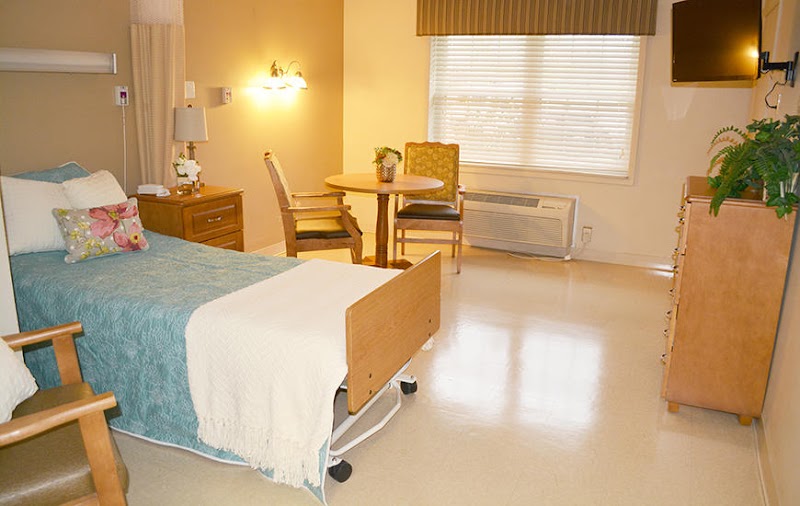
Who Owns and Operates Harcourt Terrace Nursing And Rehabilitation?

HARCOURT TERRACE NURSING AND REHABILITATION is owned by a for-profit company. For-profit facilities operate as businesses with obligations to shareholders or private owners. The facility is operated by AMERICAN SENIOR COMMUNITIES, a chain that manages multiple nursing homes. With 110 certified beds and approximately 73 residents (about 66% occupancy), it is a mid-sized facility located in INDIANAPOLIS, Indiana.
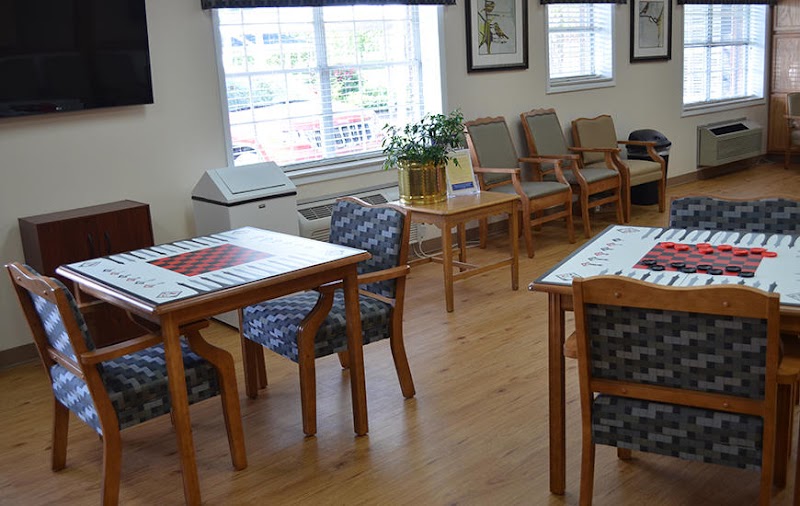
How Does Harcourt Terrace Nursing And Rehabilitation Compare to Other Indiana Nursing Homes?

Compared to the 100 nursing homes in Indiana, HARCOURT TERRACE NURSING AND REHABILITATION's overall rating (4 stars) is above the state average of 3.1, staff turnover (38%) is near the state average of 46%, and health inspection rating (3 stars) is at the national benchmark.

What Should Families Ask When Visiting Harcourt Terrace Nursing And Rehabilitation?

Based on this facility's data, families visiting should ask: "Can you walk me through typical staffing levels on day, evening, and night shifts?" "Can I visit during a mealtime to observe dining assistance and food quality?" "How do you handle medical emergencies, and what is your hospital transfer rate?" "Can I speak with family members of current residents about their experience?" These questions are particularly relevant given the below-average staffing rating.

Is Harcourt Terrace Nursing And Rehabilitation Safe?

Based on CMS inspection data, HARCOURT TERRACE NURSING AND REHABILITATION has a clean safety record: no substantiated abuse findings (meaning no confirmed cases of resident harm), no Immediate Jeopardy citations (the most serious violation level indicating risk of serious injury or death), and is not on the Special Focus Facility watch list (a federal program monitoring the lowest-performing 1% of nursing homes). The facility has a 4-star overall rating and ranks #1 of 100 nursing homes in Indiana. While no facility is perfect, families should still ask about staff-to-resident ratios and recent inspection results during their visit.

Do Nurses at Harcourt Terrace Nursing And Rehabilitation Stick Around?

HARCOURT TERRACE NURSING AND REHABILITATION has a staff turnover rate of 38%, which is about average for Indiana nursing homes (state average: 46%). Moderate turnover is common in nursing homes, but families should still ask about staff tenure and how the facility maintains care continuity when employees leave.

Was Harcourt Terrace Nursing And Rehabilitation Ever Fined?

HARCOURT TERRACE NURSING AND REHABILITATION has no federal fines on record. CMS issues fines when nursing homes fail to meet care standards or don't correct problems found during inspections. The absence of fines suggests the facility has either maintained compliance or corrected any issues before penalties were assessed. This is a positive indicator, though families should still review recent inspection reports for the full picture.

Is Harcourt Terrace Nursing And Rehabilitation on Any Federal Watch List?

HARCOURT TERRACE NURSING AND REHABILITATION is not on any federal watch list. The most significant is the Special Focus Facility (SFF) program, which identifies the bottom 1% of nursing homes nationally based on persistent, serious quality problems. Not being on this list means the facility has avoided the pattern of deficiencies that triggers enhanced federal oversight. This is a positive indicator, though families should still review the facility's inspection history directly.