
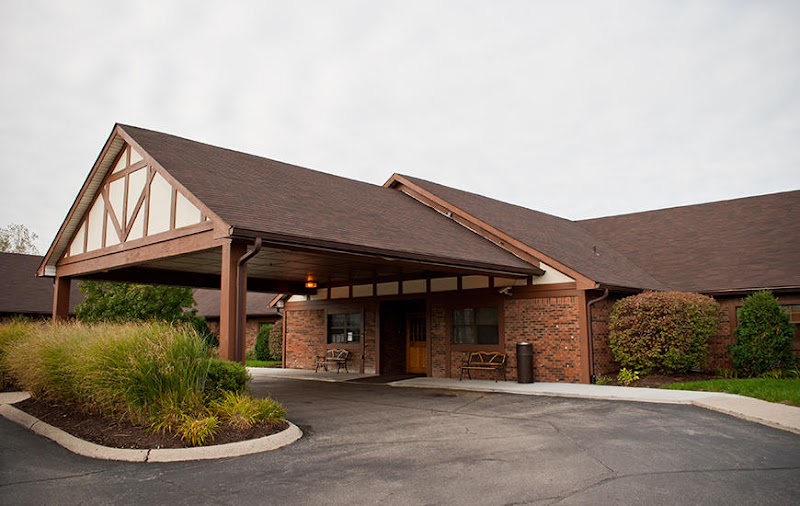
HARRISON TERRACE

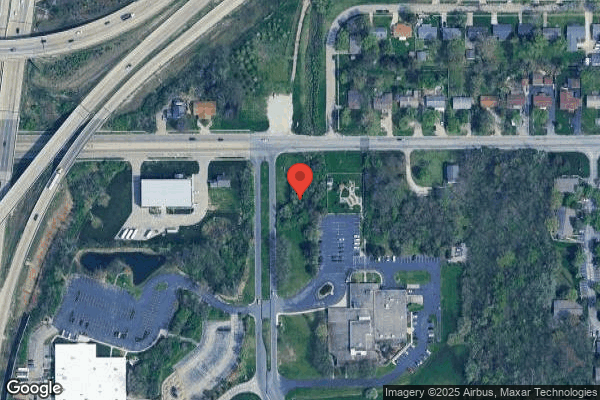
1924 WELLESLEY BLVD, INDIANAPOLIS, IN 46219 (317) 353-6270
Government - County 110 Beds AMERICAN SENIOR COMMUNITIES Data: November 2025
Trust Grade
65/100
#249 of 505 in IN
Last Inspection: August 2024

Within standard 12-15 month inspection cycle. Federal law requires annual inspections.

Overview

Harrison Terrace in Indianapolis has a Trust Grade of C+, indicating it is slightly above average but not without room for improvement. It ranks #249 out of 505 facilities in Indiana, placing it in the top half, and #19 out of 46 in Marion County, meaning only a few local options are better. The facility’s trend is improving, with issues decreasing from seven in 2024 to three in 2025. Staffing rates are solid, with a turnover rate of 44%, which is better than the state average, and there have been no fines reported, a positive sign. However, there are some concerning issues noted by inspectors, including unclean ice machines and a kitchen with flying insects, which could pose health risks. Overall, while there are strengths such as decent staffing and no fines, families should be aware of the cleanliness problems that need addressing.

Trust Score
C+
65/100
In Indiana
#249/505
Top 49%
Safety Record
Low Risk
No red flags
Inspections
Getting Better
7 → 3 violations
Staff Stability
○ Average
44% turnover. Near Indiana's 48% average. Typical for the industry.
Penalties
✓ Good
No fines on record. Clean compliance history, better than most Indiana facilities.
Skilled Nurses
⚠ Watch
Each resident gets only 27 minutes of Registered Nurse (RN) attention daily — below average for Indiana. Fewer RN minutes means fewer trained eyes watching for problems.
Violations
⚠ Watch
20 deficiencies on record. Higher than average. Multiple issues found across inspections.
★★★☆☆
3.0
Overall Rating
★★★☆☆
3.0
Staff Levels
★★★★★
5.0
Care Quality
★★☆☆☆
2.0
Inspection Score
Stable
2024: 7 issues
2025: 3 issues

The Good

  • 5-Star Quality Measures · Strong clinical quality outcomes
  • Full Sprinkler Coverage · Fire safety systems throughout facility
  • No fines on record
  • Staff turnover below average (44%)

    4 points below Indiana average of 48%

Facility shows strength in quality measures, fire safety.

The Bad

3-Star Overall Rating

Near Indiana average (3.1)

Meets federal standards, typical of most facilities

Staff Turnover: 44%

Near Indiana avg (46%)

Typical for the industry

Chain: AMERICAN SENIOR COMMUNITIES

Part of a multi-facility chain

Ask about local staffing decisions and management

The Ugly 20 deficiencies on record

Sept 2025 3 deficiencies
CONCERN (D) 📢 Someone Reported This

A family member, employee, or ombudsman was alarmed enough to file a formal complaint

Potential for Harm - no one hurt, but risky conditions existed

ADL Care (Tag F0677)

Could have caused harm · This affected 1 resident

Based on observation, interview, and record review, the facility failed to ensure a resident had his face washed and shaved for 1 of 3 residents reviewed for activities of daily living (ADL) care. (Re...

Read full inspector narrative →
Based on observation, interview, and record review, the facility failed to ensure a resident had his face washed and shaved for 1 of 3 residents reviewed for activities of daily living (ADL) care. (Resident K) Findings include: The clinical record for Resident K was reviewed on 9/2/25 at 10:55 a.m. The diagnoses included, but were not limited to, dementia and acute osteomyelitis. A care plan, last reviewed/revised on 8/21/25 and obtained from the electronic health record on 9/4/25 at 9:19 a.m., indicated Resident K needed assistance with ADL care. The goal was for him to maintain his current functional status. The interventions included, but were not limited to, assisting with bathing as needed, assisting with dressing, grooming and hygiene as needed, and encouraging him to do as much for himself as possible. A care plan, last reviewed/revised on 8/21/25 and obtained from the electronic health record on 9/4/25 at 9:19 a.m., indicated Resident has a DX [Diagnosis] of Vascular Dementia. Resident has impaired daily decision-making skills and poor insight into care. Resident will refuse medications or allow staff to get him out of bed at times. Resident will not allow staff to turn or reposition. Per the family resident has always been very cautious of taking medications and believed that taking vitamins was the way to maintain good health. Resident will also refuse showers at times. resident is continuously putting on his call light stating that his TV is messed up despite staff turning TV back to preferred channel each time. Resident will not have any negative side effects due to medication refusals. On 9/2/25 at 10:55 a.m., Resident K was observed lying in bed. He had a heavy growth of beard on his face with dry flakey skin in his beard. On 9/3/25 at 10:01 a.m., Resident K was observed lying in his bed. He was unshaved and had dry, flakey skin in his beard and food on his face. During an interview on 9/4/25 at 11:28 a.m., Certified Nurse Aide (CNA) 16 indicated she sometimes provided care for Resident K. He required extensive assistance with ADL care. He would sometimes refuse care, but she had not known him to refuse to wash his face or shave. He would refuse to use deodorant. Residents were usually shaved on their shower days. On 9/4/25 at 3:00 p.m., Resident K was observed lying in bed. He was unshaved and had dry skin and food stuck in his beard and on the corners of his mouth. He indicated he used to get shaved. During an interview on 9/4/25 at 3:06 p.m., Registered Nurse 18 indicated Resident K's shower days were on Wednesday and Saturday on evening shift. On 9/5/25 at 11:20 a.m., Resident K was observed sitting in his wheelchair wearing a black t-shirt. He was unshaved and had dry skin in his beard. There were dried skin flakes present by the collar of his shirt, under his chin. The corners of his mouth were red. During an interview on 9/5/25 at 11:26 a.m., Licensed Practical Nurse (LPN) 14 indicated there was dried skin in Resident K's beard and probably flakes of potato chips that he liked to eat. Resident K was picky about things. He had previously lived off the grid. During an observation on 9/5/25 at 2:24 p.m., the Director of Nursing Services (DNS) obtained a warm washcloth and gently washed Resident K's face. This citation relates to Intake 1576791.3.1-38(a)(3)(A)3.1-38(a)(3)(D)
CONCERN (D) 📢 Someone Reported This

A family member, employee, or ombudsman was alarmed enough to file a formal complaint

Potential for Harm - no one hurt, but risky conditions existed

Deficiency F0744 (Tag F0744)

Could have caused harm · This affected 1 resident

**NOTE- TERMS IN BRACKETS HAVE BEEN EDITED TO PROTECT CONFIDENTIALITY** Based on interview and record review, the facility failed to timely develop and implement an individualized plan of care for a r...

Read full inspector narrative →
**NOTE- TERMS IN BRACKETS HAVE BEEN EDITED TO PROTECT CONFIDENTIALITY** Based on interview and record review, the facility failed to timely develop and implement an individualized plan of care for a resident with dementia who displayed a new behavior of making physical contact with peers for 2 of 3 residents reviewed for abuse (Resident B and Resident C). Findings include: 1a. The clinical record for Resident C was reviewed on 9/2/25 at 11:37 a.m. The diagnoses included, but were not limited to, dementia, anxiety, and insomnia. He was admitted to the facility on [DATE]. 1b. The clinical record for Resident B was reviewed on 9/3/25 at 8:55 a.m. The diagnoses included, but were not limited to, dementia with psychotic disturbances and psychotic disorder with delusions. The resident was admitted to the facility on [DATE]. Resident C had room changes on the following dates: 5/27/25, 7/1/25, 7/16/25, 7/24/25, and 7/25/25.A Social Service Progress Note, dated 7/24/25 at 12:11 p.m., indicated Resident C's daughter gave approval for him to move rooms. A Social Service Progress Note, dated 7/25/25 at 2:57 p.m., indicated Resident C was moved to room [ROOM NUMBER] due to him not being compatible with his peer. A New/Worsening/High Risk Behavior Event, dated 7/28/25 at 3:15 p.m., indicated Resident C was in the dining area. Another resident was banging a toy on the table. Resident C grabbed the other resident by the wrists to get the toy out of their hands. The residents were separated, and Resident C was able to go to his room, away from stimulation. The intervention put into place to prevent another behavior was for Resident C to have his medications evaluated. An Interdisciplinary Team (IDT) note, dated 7/29/25 at 9:46 a.m., indicated Resident C was in the dining area when another resident grabbed an item and banged the item on the table. In an effort to stop the other resident from banging, Resident C made contact with the other resident's wrist. Both residents were immediately separated and placed in their rooms in a less stimulating environment. The assessment of potential correlation to the root cause was overstimulation in the common area. Resident C was to have labs completed and to be seen by the physician and the psychiatric provider. Resident C has had multiple room moves due to incompatible roommate. The root cause of behavioral expression was Resident C has diagnoses of dementia, cognitive impairment, and insomnia. Resident C was still adjusting to community, peers and new environment. Resident C may have been experiencing overstimulation in the dining room. Resident space invaded and peer banging on table. The preventative intervention relating to above root cause was Resident C being redirected to room to decrease overstimulation. Resident C will undergo a medication review and labs. He was added to the physician and psychiatric provider list. Resident C will have increased supervision when the other resident was present. A New/ Worsening/ High Risk Behavior Event, dated 7/29/25 at 6:46 p.m., indicated Resident C was in the dining area when another resident entered Resident C's personal space. The environment was quiet and calm. The event occurred in the common area. Resident C asked the other resident to get out of his personal space. The other resident did not respond and got closer. Resident C then grabbed the other resident in an attempt to move the other resident out of his way. The two residents were separated. The physician and family of Resident C were notified. The intervention put into place to prevent another behavior was for Resident C to be evaluated by the Psychiatric Nurse Practitioner. The clinical record did not contain a care plan addressing Resident C's new behavior of grabbing another resident. A Quarterly Minimum Data Set (MDS) assessment, completed 7/31/25, indicated he was severely cognitively impaired. He had displayed physical behaviors, such as hitting, kicking, pushing, or grabbing others, one to three days during the seven day look back period. He was able to independently perform a sit to stand transfer and independently able to walk 150 feet in the corridor. A Psychiatric Provider Progress Note, dated 7/31/25 at 7:07 a.m., indicated the visit was a New Patient Visit. Nursing staff reported ongoing anxiety and aggression since admission, including incidents of grabbing peers. Resident C has required six room changes due to behavioral disruptions and was currently awaiting a room move into a private room. Staff report no signs of depression, sleep disturbances, appetite changes, or hallucinations. Resident C will be started on lorazepam (anti-anxiety medication) 0.5 milligrams (mg) twice daily to target anxiety and reduce agitation. The clinical record did not contain a care plan addressing Resident C receiving lorazepam. The clinical record did not contain a care plan addressing anxiety and agitation. On 7/31/25, Resident C was moved to a different room without a roommate. A Physician's Progress Note, dated 8/1/25 at 9:35 a.m., indicated the reason for the visit was for medication review, increased agitation, and anxiety. The facility requested Resident C to be seen for medicine review. Resident C had labs received 7/30/25. He was noted with increased agitation and anxiety by facility staff. He was moved to a private room and was started on lorazepam 0.5 mg twice daily, thus resolving his agitation. A care plan, last reviewed 8/4/25, indicated Resident C had cognitive loss/ dementia and was moderately to severely impaired. The goal was for him to continue to participate in daily decisions as able and to remain alert and oriented at current status. The interventions included to encourage participation in daily activities particularly regarding orientation, socialization and stimulation. Give him choices throughout the day regarding decisions. Provide him with prompts and cues as needed. Provide him with simple instructions and repeat them as needed. A Psychiatric Provider Progress Note, dated 8/7/25 at 7:04 a.m., indicated lorazepam was initiated at the last visit to target anxiety and reduce agitation. Nursing staff reported no ongoing anxiety or aggression since lorazepam initiation and no observed side effects. Staff reported no signs of depression, sleep disturbances, appetite changes, or hallucinations. On 8/13/25, Resident B was admitted to the facility and placed with Resident C as his roommate. A Nursing Progress Note, dated 8/14/25 at 1:52 a.m., indicated on 8/14/25 at 1:47 a.m., Resident C was seen pulling Resident B by his shirt to the doorway of the room. Resident B claimed that Resident C had made contact with him. The residents were immediately separated. One-on-one attention was given to each resident. Both residents were assessed and placed on increased supervision. Resident C never appeared upset or angry, just confused. Suggested intervention was a room move. A care plan, dated 8/15/25, indicated Resident C had behavioral symptoms. Resident C had diagnoses of dementia, anxiety, and insomnia. He was at risk for peer incidents due to perceived invasion of personal space and overstimulation in busy environments. Resident C was also at risk for increased confusion or sundowning (confusion in the evening) and may attempt to make contact with peers in an attempt to redirect them. The goal was for staff to prevent triggering situations that provoke or encourage him to attempt to redirect peers through physical contact. The interventions included to build coping skills and non-physical communication methods with resident when he attempts to make contact with peers, give medications as ordered, promote respectful environment and reduce any potential triggers. The clinical record did not contain a care plan addressing Resident C's incompatibility, agitation, or aggression with roommates. A reportable incident to the Indiana Department of Health, dated 8/14/25, indicated [Resident B] claimed to staff that roommate, [Resident C] made contact with him.Immediate Action Taken: Staff immediately separated residents. Staff moved [Resident C] to room [number].Follow up: 8/19/25 Based on investigation, it is unsubstantiated that contact was made by [Resident C] to [Resident B] as described by [Resident B]. Based on investigation, [Resident C] assisted [Resident B] out of the room by resident's shirt. During this assistance, neither resident showed any signs of symptoms of psychosocial distress. According to [Resident B's Representatives] resident has a hx [history] of delusions, as referenced by [Resident B's Representatives] in other settings. In interviews with [Resident B] he has had conversations that are conflicting due to his dx [diagnoses] of dementia with psychotic disturbances, UTI [Urinary Tract Infection] and psychotic disorder with delusions . The reportable incident investigation was provided by the Administrator on 9/3/25 at 9:00 a.m. It included, but was not limited to, the following documents: A statement by Licensed Practical Nurse (LPN) 10, dated 8/17/25, indicated, On the evening of 8/13/25 this writer heard commotion down the hallway of the Meridian unit, noticed resident [C] pulling another resident [B] through the doorway of their shared room, the resident being pulled was on the floor on his back with his shirt up over his head while the other resident has both hands on his shirt pulling him. I got up and yelled for the nurse on the other unit while running to the area where the resident was now on the floor on his back leaning slightly against the wall by this time the other resident had let go of the resident's shirt. The scene was this - small/moderate amount of blood under the resident who had been pulled to the doorway, foley catheter on the floor inside room hooked to bed with the bulb inflated with small amount of urine in the catheter bag. Residents bed was in the lowest position, light in room was on. Resident that was on the floor had a polo type shirt on and a disposable brief along with non-slip socks. When asked resident that was on the floor what happened he said ‘I was shot in the back I think,' nurse from other unit suggested this writer contact Administrator and DNS [Director of Nursing Services] immediately. Called facility Administrator explained what happened and she said, ‘I am getting clothes on, It will take me about 30 minutes to drive in.' CNA [Certified Nurse Aide] and nurse from other unit assisted patient that was on the floor to his bed his v/s [vital signs] were taken and we assessed his body for any open areas or bruising, two small purple bruises noted on bruise of nose and the sclera [the white outer layer of the eyeball] was red. Went back and talked to the resident after he was in bed and when asked what happened he stated, ‘some man got me.' Administrator came in and advised we put him in another room for the night, his bed was moved, staff was sitting in doorway of his room for the shift.An interview was conducted with LPN 10 on 9/3/25 at 10:36 a.m. She indicated, on the night of 8/13/25, she had been sitting at the nurse's station when she had heard a commotion meaning a rustling noise down the hallway. She looked up and saw Resident B was on the floor being pulled out of his room by his roommate, Resident C, by his shirt. She yelled out for LPN 9 to assist her and ran down to Resident B and Resident C's room. The residents were not observed yelling or aggressive toward one another. During that time, she had observed blood on the floor and Resident B's Foley catheter was out and the bulb still inflated. Resident B's nose was bruised, and his eye was red. Resident B had pointed to his roommate and stated, he shot me in the back. Resident C did not respond when he was asked what happened. She had not observed Resident C being aggressive to other residents before. Resident B had fallen a couple hours prior due to getting himself up without assistance to use the bathroom. After she had assessed, he did not have any injuries from the fall. Resident C was moved to another room after the incident. Later, Resident B was sent out to the hospital for an evaluation, because his blood pressure was elevated. During an interview on 9/3/25 at 2:48 p.m., CNA 11 indicated she worked with Resident C previously. She had not been informed that Resident C had a history of putting his hands on other residents. During an interview on 9/3/25 at 2:50 p.m., CNA 13 indicated she worked with Resident C previously. She was not aware that he had a history of putting his hands on other residents. During an interview on 9/3/25 at 2:14 p.m., the Dementia Care Director (DCD) indicated Resident C had several room moves due to not being compatible with roommates. The rooms at the facility were small spaces and it could be challenging to find compatible roommates. Resident C displayed sundowning in the evening with increased confusion. Resident C's behaviors seemed to be a side effect of the confusion. Resident C had worked with troubled youth in his past and was prone to trying to help others. The lorazepam had been started due to increased anxiety. During an interview on 9/4/25 at 10:28 a.m., the Social Services Director (SSD) indicated a care plan had not been initiated when the new behaviors of grabbing other residents were observed on 7/28/25 and 7/29/25. The IDT team had met and reviewed the behaviors. During an interview on 9/4/25 at 11:53 a.m., Nurse Practitioner (NP) 8 indicated she had seen Resident C, on 7/31/25, and had started lorazepam for his anxiety and agitation. NP 8 was aware that Resident C had several room changes since his admission and understood at the time of her, 7/31/25, visit with Resident C, that he was to get a private room as an intervention for his anxiety and agitation. Resident C's behavior toward Resident B, on 8/14/25, was not normal behavior for Resident C. On 9/4/25 at 8:28 a.m., the Administrator provided the Behavior Management Policy, revised August 2022, which indicated .It is the policy of American Senior Communities to provide behavior interventions for residents with problematic or distressing behaviors. Interventions provided are both individualized and non pharmacological and part of a supportive physical and psychosocial environment that is directed toward preventing, relieving and/or accommodating a resident's behavioral expression.1. Care plans should be initiated for any behavioral expression that is problematic or distressing to the resident, other residents or caregivers. Care plan interventions should be individualized and non pharmacological interventions which address both proactive and responsive interventions. 2. Care plans should be initiated when a resident is receiving a psychotropic medication used to treat either mood or behavior. The care plan should clearly identify the specific mood, thought process or behavioral expression which the prescriber has identified as the indication for use of the psychotropic medication.7. Direct care staff will be educated as to the interventions for residents reviewed by the IDT.This citation relates to Intake 2591193 and Intake 2589663.3.1-37(a)
CONCERN (E) 📢 Someone Reported This

A family member, employee, or ombudsman was alarmed enough to file a formal complaint

Potential for Harm - no one hurt, but risky conditions existed

Safe Environment (Tag F0921)

Could have caused harm · This affected multiple residents

**NOTE- TERMS IN BRACKETS HAVE BEEN EDITED TO PROTECT CONFIDENTIALITY** Based on observation and interview, the facility failed to ensure the facility was free of odor, clean and in good repair with l...

Read full inspector narrative →
**NOTE- TERMS IN BRACKETS HAVE BEEN EDITED TO PROTECT CONFIDENTIALITY** Based on observation and interview, the facility failed to ensure the facility was free of odor, clean and in good repair with linens and walls for 4 of 4 residents reviewed for physical environment. (Residents' D, F, G, and H) Findings include: A. During the initial tour of the facility on 9/2/25 at 9:55 a.m., the main entry smelled strongly of urine. Upon entering the Meridian Hills Unit, the floor in the hallway was sticky, especially around rooms [ROOM NUMBERS]. The floor between the entrance door and the nurse's station had an approximate six-inch black spot. There was a wet floor sign in the dining room beside the spot. During an observation on 9/2/25 at 2:28 p.m., the floor on the Meridian Hills Unit, between the entrance door and the nurse's station, had an approximate six-inch black spot. During a Confidential Interview 20, they indicated the Meridian Unit does have a urine odor. B. Upon entering the Mapleton Unit on 9/2/25 at 9:57 a.m., a strong urine odor was noted. An observation was conducted of the Mapleton Unit on 9/2/25 at 10:59 a.m. The unit smelled strong of urine odor. Upon entering the Mapleton Unit on 9/4/25 at 2:26 p.m., a strong urine odor was noted. C. An observation was conducted of Resident G's room on 9/5/25 at 1:11 p.m. The door frame to the bathroom was observed with chips and scratches. The bed linen had a small hole in the top right corner. During a Confidential Interview 21, they indicated the Meridian Unit recently had a urine odor when you walk in the unit. The floors were dirty, linens were worn with holes, the rooms are not kept tidy with throwing of used gloves, dirty briefs and clothing on the floor. An environmental tour was conducted, on 9/8/25 at 11:00 a.m., with the Maintenance Supervisor (MS) and the Administrator. An observation was made of Resident G's room. The bathroom door frame was observed with chips and scratches on it. A used glove was lying on the floor below the bathroom sink. During that time, the resident's linen on his bed was observed. A small hole was in the linen on the top right corner. The MS reported the top of the door frame was chipped by the door closing and the bottom half was from wheelchairs hitting it. The dirty glove on the floor at that time was removed and discarded. Next, Resident D's room was observed. The chair rail along the wall had scrapes and chips and missing a piece of the chair rail by the bed. After, Resident H's room was observed. The walls were observed with two scrapes and paint missing. An interview was conducted with the Administrator and the MS on 9/8/25 at 11:15 a.m. The Administrator indicated she had been working with the housekeeping department to replace the older linen. She recently had the floors cleaned. An interview was conducted with the MS on 9/8/25 at 11:59 a.m. He indicated the repairs were completed in the resident's room on an as needed basis. The residents' families and the staff fill out work orders that were located at the nurse's station if they observe rooms that need to be repaired. The facility does not have a policy for homelike environment. This citation relates to Intake 1576791. 3.1-19(f)(5)
Aug 2024 7 deficiencies
CONCERN (D)

Potential for Harm - no one hurt, but risky conditions existed

Notification of Changes (Tag F0580)

Could have caused harm · This affected 1 resident

Based on interview and record review, the facility failed to ensure the medical provider was notified for blood sugars exceeding the parameter as ordered for 1 of 5 residents reviewed for unnecessary ...

Read full inspector narrative →
Based on interview and record review, the facility failed to ensure the medical provider was notified for blood sugars exceeding the parameter as ordered for 1 of 5 residents reviewed for unnecessary medications. (Resident 45) Findings include: The clinical record for Resident 45 was reviewed on 8/27/24 at 12:30 p.m. The diagnoses included, but were not limited to, diabetes mellitus and dementia. A care plan, dated 3/15/21, indicated, Resident is at risk for adverse effects of hyperglycemia or hypoglycemia related to use of glucose lowering medication and/or diagnosis of diabetes mellitus, insulin dependent .medications as ordered . A physician order, dated 5/20/21, indicated the staff was to obtain the resident's blood sugars twice a day. The staff was to notify the medical provider if the resident's blood sugar reading was greater than 300 or less than 70. A physician order, dated 12/19/22, indicated the resident was to receive 28 units of glargine (long acting) insulin daily. The August 2024 Medication Administration Record (MAR) indicated the following days and times the resident's blood sugar reading was greater than 300: 8/1/24 at 4:00 p.m. = blood sugar reading of 345, 8/7/24 at 4:00 p.m. = blood sugar reading of 319, 8/10/24 at 4:00 p.m. = blood sugar reading of 320, and 8/11/24 at 4:00 p.m. = blood sugar reading of 308. The resident's clinical record did not indicate the medical provider was notified of the blood sugar readings that were greater than 300. An interview was conducted with the Director of Nursing on 8/28/24 1:27 p.m. She indicated she was unable to provide documentation the staff notified the medical provider when the resident's blood sugar was greater than 300 on 8/1/24, 8/7/24, 8/10/24 and 8/11/24. 3.1-5(a)(3)
CONCERN (D)

Potential for Harm - no one hurt, but risky conditions existed

Quality of Care (Tag F0684)

Could have caused harm · This affected 1 resident

Based on interview and record review, the facility failed to ensure orthostatic blood pressures (a measurement of blood pressure while a person is lying, sitting, and standing) were completed as per a...

Read full inspector narrative →
Based on interview and record review, the facility failed to ensure orthostatic blood pressures (a measurement of blood pressure while a person is lying, sitting, and standing) were completed as per a physician's order for 1 of 5 residents reviewed for unnecessary medications. (Resident 17) Findings include: The clinical record for Resident 17 was reviewed on 8/26/24 at 2:33 p.m. The diagnoses included, but were not limited to, chronic kidney disease, generalized anxiety disorder, and hypertension. An August 2024 pharmacy consultation report for Resident 17 indicated Resident 17 received doxazosin (a medication used to treat high blood pressure) 6 mg (milligrams) every morning for hypertension. It indicated doxazosin should be avoided in older adults due to the risk for adverse effects (e.g., orthostatic hypotension). The recommendation was to consider discontinuing doxazosin and if needed to control blood pressure, then initiate lisinopril (a medication used to lower blood pressure) 10 mg daily and to titrate as tolerated. The recommendations were accepted on 8/15/24, with the modification to check orthostatic vital signs and to discuss possible discontinuation of doxazosin with the family and to slow [sic, arrow pointing downward] titrate. A progress note, dated 8/19/2024 at 1:35 p.m., indicated new orders were received to check orthostatic blood pressures daily prior to medication administration for 14 days and to notify medical doctor or nurse practitioner if systolic (the pressure in the arteries when you heart beats and pump blood out into the body) was greater than 170 mm Hg (millimeters of mercury) or less than 100 mm Hg. It also indicated to administer 4 mg of doxazosin by mouth every morning and give 10 mg of lisinopril by mouth daily. The August 2024 medication administration record (MAR) for the orthostatic blood pressure readings, which were reviewed on 8/26/24 at 2:33 p.m., indicated only one blood pressure reading each day (August 20, 21, 22, 23, 24, and 25) and did not indicate if the blood pressure reading was conducted while lying, sitting, or standing. A progress note, dated 8/20/2024 at 1:43 p.m., indicated Resident 17's orthostatic blood pressures were: sitting - 128/65 laying [sic, lying]- 134/72 standing - 138/80 A progress note, dated 8/21/2024 at 8:17 a.m., and recorded as a late entry on 8/26/2024 at 4:16 p.m., indicated Resident 17's orthostatic blood pressures were: laying 168/87 [sic] sitting 158/82 standing - 150/78 The clinical record for Resident 17 did not contain orthostatic blood pressure readings on 8/22/24. A progress note, dated 8/23/2024 at11:32 a.m., and recorded as a late entry on 8/26/2024 at 4:17 p.m., indicated Resident 17's orthostatic blood pressures were: l [sic, lying]- 150/74 sitting - 146/82 standing, - 150/88 A progress note, dated 8/26/2024 at 11:58 a.m., indicated Resident 17's orthostatic blood pressures were: sitting - 136/74 standing 140/82 laying[sic] - 134/86 The clinical record for Resident 17 did not contain orthostatic blood pressure readings on 8/24/24 or 8/25/24. An interview with the Director of Nursing (DON) was conducted on 8/27/24 at 10:01 a.m. She indicated if a resident had an order for orthostatic blood pressures, it would be the expectation to perform blood pressure checks while the resident is lying down, then sitting, then standing and the blood pressure readings for each position need to be documented in the medical record as lying, sitting and standing. The DON indicated; the facility did not have a policy on conducting orthostatic blood pressures. 3.1-37(a)
CONCERN (D) 📢 Someone Reported This

A family member, employee, or ombudsman was alarmed enough to file a formal complaint

Potential for Harm - no one hurt, but risky conditions existed

Incontinence Care (Tag F0690)

Could have caused harm · This affected 1 resident

Based on interview and record review, the facility failed to ensure effective services for monitoring, assessment, and care was provided to relieve constipation for a resident who was incontinent of b...

Read full inspector narrative →
Based on interview and record review, the facility failed to ensure effective services for monitoring, assessment, and care was provided to relieve constipation for a resident who was incontinent of bowel and had a history of constipation, partial bowel obstruction, and ileus for 1 of 6 residents reviewed for constipation. (Resident B) Findings include: The clinical record for Resident B was reviewed on 8/26/24 at 3:08 p.m. The diagnoses included, but were not limited to, dementia, history of partial intestinal obstruction, and constipation. A discharge Minimum Data Set (MDS) assessment, dated 3/28/24, indicated always incontinent of bowel and bladder and required maximum assistance of the staff for toileting. A physician's order, dated 11/9/23, indicated Miralax (laxative) 17 grams should be administered daily as needed (PRN) for constipation. The order did not include sufficient information to define as needed or to determine the specific frequency for administration of the PRN medication. A physician's order, dated 12/12/23, indicated a Dulcolax (laxative) suppository 10 milligrams (mg) should be administered rectally daily at bedtime as needed for constipation. The order did not include sufficient information to define as needed or to determine the specific frequency for administration of the PRN medication. The hospital radiology reports and physician progress notes, dated from 12/15/23 through 1/25/24, indicated Resident B had a history of an ileus (an intestinal blockage) and constipation that was effectively relieved with the use of Miralax and Dulcolax suppositories. A care plan, last reviewed on 1/26/24, indicated that Resident B was at risk for constipation due to dementia, with a goal they would have a soft formed bowel movement at least every three days. The approaches included to perform an abdominal assessment if no bowel movement in four days for bowel sounds, abdominal distention, hyper (louder and more frequent) and hypo (less active) bowel sounds, abdominal pain or tenderness. Document the findings and notify the physician (MD) of abnormal findings, administer medications as ordered, document abnormal findings and notify MD, encourage fluids, monitor bowel function, and notify MD if no bowel movement after the third day. The comprehensive plan of care, dated 1/26/24, did not include interventions to evaluate or monitor the resident for signs and symptoms of ileus or partial bowel obstruction. The nursing progress notes, the Medication Administration Records (MAR), the bowel records, dated from 2/2/24 through 3/14/24, indicated Resident B experienced constipation that was effectively relieved with the use of Miralax and Dulcolax suppositories. The bowel record, dated from 3/15/24 through 3/18/24, indicated Resident B did not have a bowel movement. The MAR, dated 3/18/24, indicated Miralax or Dulcolax was not administered when the resident experienced three days of constipation in accordance with the physician orders and the plan of care. The bowel records, dated 3/19/24 at 11:15 p.m., indicated Resident B had a large bowel movement. The bowel records, dated from 3/22/24 through 3/24/24, indicated Resident B Resident B did not have a bowel movement. The MAR, dated 3/24/24, indicated Miralax or Dulcolax was not administered when the resident experienced three days of constipation in accordance with the physician orders and the plan of care. The bowel record, dated 3/25/24, indicated Resident B did not have a bowel movement. The MAR, dated 3/25/24, indicated Miralax or Dulcolax was not administered when the resident experienced four days of constipation. The nursing assessments and progress notes, dated 3/25/24, did not include documentation to determine an abdominal assessment was performed or the physician was notified when the resident experienced four days of constipation. The bowel record, dated 3/26/24, indicated Resident B did not have a bowel movement. The MAR, dated 3/26/24, indicated Miralax or Dulcolax was not administered when the resident experienced five days of constipation. The nursing assessments and progress notes, dated 3/26/24, did not include documentation to determine an abdominal assessment was performed or the physician was notified when the resident experienced five days of constipation. During an interview on 8/29/24 at 11:46 a.m., the Clinical Nurse Consultant (CNC) indicated Resident B had a history of an ileus and an extensive history of constipation. During an interview on 8/28/24 at 2:43 p.m., Licensed Practical Nurse (LPN) 6 indicated that Resident B had issues with constipation since her admission to the facility. When Resident B became constipated an as needed laxative was given. LPN 6 reviewed the Bowel Report each shift she worked, and normally did not count documentation of a small bowel movement when determining if an as needed laxative needed to be given. During an interview on 8/28/24 at 4:11 p.m., the Director of Nursing (DON) indicated that small bowel movements were counted when determining the need for as needed laxatives. The bowel report should be run daily. During an interview on 8/29/24 at 9:27 a.m., LPN 7 indicated Resident B was often on the bowel report. If a resident had no bowel movement for three days, an as needed laxative was given, if no results by the fourth day, then the physician was notified. Resident B should have been closely monitored for bowel movements due to her history of constipation. On 8/27/24 at 11:09 a.m., the DON provided the current Bowel Elimination policy that read .It is the policy to to ensure that each resident maintains a safe and health bowel elimination pattern . 3. Bowel assessment will be completed based upon each resident's specific plan of care and documented in the EMR [Electronic Medical Record]. 4. Bowel movements will be recorded on the facility EMR and/ or record daily by the direct care staff. 5. A resident bowel report will be completed by the assigned charge nurse of resident [s] who have not had a bowel movement for 3 consecutive days. 6. Any resident not having a bowel movement for 3 consecutive days, will be given a laxative or stool softener, as prescribed by the physician, at the end of the 3rd day. 7. Resident [s] no [sic] having results from the laxative or stool softener will be given a [sic] enema, if ordered by the physician. 8. If by the 4th afternoon, the resident [s] has not had results, the nurse will do an abdominal assessment, chart the results of the assessment, and notify the physician for further order . This citation relates to Complaint IN00436961. 3.1-37(a)
CONCERN (D)

Potential for Harm - no one hurt, but risky conditions existed

Deficiency F0692 (Tag F0692)

Could have caused harm · This affected 1 resident

Based on observation, interview, and record review, the facility failed to ensure a resident receiving dialysis services was provided the therapeutic diet as ordered. (Resident 31) Findings include: ...

Read full inspector narrative →
Based on observation, interview, and record review, the facility failed to ensure a resident receiving dialysis services was provided the therapeutic diet as ordered. (Resident 31) Findings include: The clinical record for Resident 31 was reviewed on 8/23/24 at 1:30 p.m. The diagnoses included, but were not limited to, dementia and end stage renal disease. A care plan, dated 11/7/18, indicated, Resident presents for nutritional risk r/t [related to] dx [diagnosis] of renal osteodystrophy [abnormal bone growth] and needs for HD [hemodialysis] to fluctuate r/t [related to] changes in fluid volumes .Approach .start date 11/30/23 ice cream with every meal .start date 10/9/22 soft & bite sized diet with no oranges, OJ [orange juice], bananas, spinach, beets, baked or sweet potatoes . A dialysis care plan, dated 11/7/18, indicated the resident was at risk for complications. The resident received dialysis on Tuesdays, Thursdays, and Saturdays. She had a left upper chest port and left arm fistula. The interventions on the care plan included, but were not limited to, the staff was to provide diet as ordered. An observation was conducted of Resident 31 eating breakfast on 8/28/24 at 8:29 a.m. The resident was observed being assisted by Certified Nurse Aide (CNA) 4 with breakfast. The resident was not observed being fed ice cream with her breakfast bowl. A cup with a lid containing an orange liquid was sitting in front of the resident at the table. CNA 4 then removed the breakfast bowl from the table and walked away. At that time, the resident picked up the cup with the lid and drank the orange liquid. CNA 4 then returned to the table. CNA 4 indicated, at that time, the drink sitting in front of the resident was orange juice. She was unaware the resident was on dialysis and was not supposed to receive orange juice. After, CNA 4 removed the resident from the table and took her out of the dining area. During that time, License Practical Nurse (LPN) 3 indicated CNA 4 was new to the unit and was unaware Resident 31 was to receive cranberry juice and not orange juice. The resident was a good eater, and she would eat everything the dietary department brought her. The dietary staff did not bring ice cream for the resident to eat that morning as ordered. If dietary brought the ice cream; she would have eaten it. An interview was conducted with the Culinary Manager on 8/28/24 at 8:56 a.m. She indicated the dietary staff had forgot to send the ice cream down to Resident 31. A diet orders policy was provided by the Director of Nursing on 8/28/24 at 3:00 p.m. It indicated, .Policy: In order to help maintain/improve nutrition and quality of life, liberalized diets will be offered. The Registered Dietitian, or designee, will evaluate the need for more restricted diet therapy according to each resident's individual medical condition, needs, desires, and rights . 3.1-46(a)(2)
CONCERN (F)

Potential for Harm - no one hurt, but risky conditions existed

Food Safety (Tag F0812)

Could have caused harm · This affected most or all residents

2. A random observation of the Meridian unit ice machine was conducted on 8/27/24 at 9:52 a.m. The ice machine was observed having a blanket/towel on the floor in front on the ice machine. The ice mac...

Read full inspector narrative →
2. A random observation of the Meridian unit ice machine was conducted on 8/27/24 at 9:52 a.m. The ice machine was observed having a blanket/towel on the floor in front on the ice machine. The ice machine had dust and dried droplets of a reddish substance visible on its outer surfaces. The lid of the ice machine was opened to view the cleanliness of the inside. The inside of the ice machine contained a black substance on the area where the ice drops into the storage bin. An interview and observation with the Interim Administrator were conducted immediately following the observation of the ice machine. He indicated, the maintenance department was responsible for the cleaning and sanitation of the ice machines. An interview with Maintenance Supervisor (MS) was conducted on 8/27/24 at 1:28 p.m. He indicated the last time the Meridian unit ice machine was cleaned was on July 8, 2024. He indicated TELS (a building management system) had the cleaning and sanitation of the ice machines scheduled for every three months or quarterly. He indicated if the machine was not keeping temperature, it can cause mold to grow much quicker. He indicated the towel on the floor in front of the ice machine was there due to the unit having draining issues that he had yet to work on. He indicated the ice machine probably needed to be replaced. A copy of the TELS ice machine maintenance was provided by the Interim Administrator on 8/27/24 at 10:18 a.m. It indicated to check filters (if present), clean coils, sanitize interior and delime as necessary. This was to be conducted every 3 months. The instructions included, but were not limited to, sanitize interior of ice machine per manufacturer's instructions and to clean out and sanitize the ice bin. The manufacturer's instructions were provided by the Interim Administrator on 8/27/24 at 1:15 p.m. They indicated De-scale and sanitize the ice machine every six months for efficient operation. If the ice machine requires more frequent de-scaling, consult a qualified service company to test the water quality .An Extremely dirty ice machine must be taken apart for de-scaling and sanitizing .Detailed De-scaling and Sanitizing Procedures .Ice machine sanitizer disinfect and removes algae and slime. 3.1-21(i)(1) 3.1-21(i)(2) 3.1-21(i)(3) Based on observation, interview and record review, the facility failed to ensure the flooring, and the ceiling vents were kept clean in the kitchen and to ensure an ice machine on the Meridian unit was kept clean and sanitary by having a black substance growing on internal components within the ice bin. This had a potential to affect 70 of 70 residents that consume food from the kitchen had the potential to affect 23 of 23 residents who reside on the Meridian unit. (Facility) Findings include: 1. An observation was made of the kitchen with the Culinary Manager on 8/23/24 at 11:23 a.m. The dishwasher area's flooring along the back wall under the dishwasher was observed with a black substance on it. The ceiling vents above the food prep area was observed with a gray substance within the metal plates of the vent. During a kitchen tour with the Culinary Manager on 8/27/24 at 11:30 a.m., the dishwasher area flooring was observed with a black substance along the back wall under the dishwasher. Ceiling vents in the food prep area were observed with a gray substance within the metal plates of the vent. An interview was conducted with the Culinary Manager on 8/27/24 at 11:30 a.m. She indicated she had received a power washer, and it should remove the black substance. The ceiling vents were cleaned by the maintenance department, and she was unsure when the last time the ceiling vents were cleaned. The July 2024 and August 2024 cleaning schedules were provided by the Interim Administrator on 8/28/24 at 10:01 a.m. The cleaning schedules indicated on Saturdays the staff were to clean the wall and baseboard behind the dishwasher. The staff were to clean and mop the dishwasher area daily. An interview was conducted with the Interim Administrator on 8/27/24 at 1:24 p.m. He indicated the maintenance department was looking into the last date the overhead vents in the kitchen were cleaned. The Culinary Manager had completed a kitchen inspection log and had noticed the flooring under the dishwasher needed to be scrubbed prior to the kitchen tour. At the time of exit on 8/29/24, the Interim Administrator had not provided documentation regarding the last time the ceiling vents were cleaned by the maintenance department. A floor care policy was provided by the Interim Administrator on 8/27/24 at 2:53 p.m. It indicated .Policy: Kitchen floors and floor care equipment will be well maintained, clean, and odor free. Procedure. 1. Floors will be swept at a minimum of twice daily and mopped with appropriate floor cleaning solution at least once daily, or more frequently as needed. A desk brush should be used to scrub floors of build-up and debris, as needed .
CONCERN (F)

Potential for Harm - no one hurt, but risky conditions existed

Garbage Disposal (Tag F0814)

Could have caused harm · This affected most or all residents

Based on observation and interview, the facility failed to ensure trash was contained in receptacles for 70 of 70 residents in the facility. Findings include: During a kitchen tour with the Culinary...

Read full inspector narrative →
Based on observation and interview, the facility failed to ensure trash was contained in receptacles for 70 of 70 residents in the facility. Findings include: During a kitchen tour with the Culinary Manager, on 8/27/24 at 11:23 a.m., two outside dumpsters were observed. One of the dumpster's had one sliding side door opened with trash bags inside. The ground around the dumpsters and along the fence line in the parking lot was observed with paper and plastic debris, medication cups and gloves scattered around the dumpsters and grass area. The Culinary Manager indicated the sliding side doors should be shut, and the maintenance department maintains the surrounding area around the dumpsters and the grass area. An observation was made of the dumpster area with the Maintenance Supervisor on 8/27/24 at 11:46 a.m. The dumpster area and grass area along the fence was observed with plastic bottles, paper product debris, medication cups, gloves, plastic silverware, food wrappers and cups. An interview was conducted with the Maintenance Supervisor on 8/27/24 at 11:50 a.m. He indicated the maintenance department was responsible for maintaining the grounds. He does not observe the surrounding area by the dumpsters on a regular basis. 3.1-21(i)(5)
CONCERN (F)

Potential for Harm - no one hurt, but risky conditions existed

Deficiency F0925 (Tag F0925)

Could have caused harm · This affected most or all residents

Based on observation, interview, and record review, the facility failed to ensure the kitchen was free of flying insects. This had a potential to affect 70 to 70 residents that receive food out of the...

Read full inspector narrative →
Based on observation, interview, and record review, the facility failed to ensure the kitchen was free of flying insects. This had a potential to affect 70 to 70 residents that receive food out of the kitchen. Findings include: An observation was made of the kitchen with the Culinary Manager on 8/23/24 at 11:23 a.m. The dishwasher area and the storage area was observed with flying insects. During a kitchen tour with the Culinary Manager, on 8/27/24 at 11:23 a.m., the dishwasher area and the back door area was observed with flying insects. A red bucket containing soiled rags was observed with flying insects sitting on top of the soiled rags. At that time, the Culinary Manager grabbed a trash bag and removed the soiled rags from the bucket disrupting the flying insects. Several flying insects were observed flying from the bucket. After, the food prep area wall was observed with one flying insect. An interview was conducted with the Culinary Manager on 8/27/24 at 11:30 a.m. She indicated the flying insects had been in the kitchen area for at least two weeks. The rags should have not been left in the bucket. The exterminator service visit, dated 6/4/24, indicated the kitchen area was observed with small flies in the dishwasher area. Please clean in and around drains frequently to help prevent pest breeding sites. The exterminator service visit, dated 8/5/24, indicated no rodent or insect activity. 3.1-19(f)(4)
Jun 2023 3 deficiencies
CONCERN (D)

Potential for Harm - no one hurt, but risky conditions existed

Quality of Care (Tag F0684)

Could have caused harm · This affected 1 resident

**NOTE- TERMS IN BRACKETS HAVE BEEN EDITED TO PROTECT CONFIDENTIALITY** Based on interview and record review, the facility failed to complete an admission assessment and monitor a resident's blood pre...

Read full inspector narrative →
**NOTE- TERMS IN BRACKETS HAVE BEEN EDITED TO PROTECT CONFIDENTIALITY** Based on interview and record review, the facility failed to complete an admission assessment and monitor a resident's blood pressure, as care planned, for 1 of 2 residents reviewed for hospitalization. (Resident F) Findings include: The clinical record for Resident F was reviewed on 6/1/23 at 11:56 a.m. Her diagnoses included, but were not limited to: hypertension, dementia, type 2 diabetes mellitus, seizures, hyperlipidemia, aortic stenosis, and anxiety disorder. She was admitted to the facility on [DATE]; discharged from the facility to a psychiatric hospital on 5/3/23; readmitted to the facility on [DATE]; and discharged to the hospital on 5/13/23. Resident F's 12/14/22 original admission assessment included an assessment of the following: mental/neurological status, eyes, ears, nose and throat, respiratory, cardiovascular, gastrointestinal, genitourinary, musculoskeletal, skin, and pain. There was no 5/11/23 admission/readmission assessment in Resident F's clinical record. The 5/11/23, 2:06 p.m. nurse's note read, MD her [sic] to evaluate resident upon return from [name of psychiatric hospital] stay and resident continues to remain delusional and states she is not [name of Resident F] she is [name of famous singer] and is up pacing the halls and persistent delusions of place. New order to increase Abilify to 5mg q [every] day and to give an extra 4mg x [times] 1. MD and sister, [name of sister], aware of current plan of care. The 5/11/23 physician evaluation was not available in Resident F's clinical record. The 1/5/23, last reviewed/revised 6/1/23, at risk for ineffective tissue perfusion care plan indicated the goal was to maintain adequate tissue perfusion as evidenced by blood pressure within normal limits for resident, no change in mental status, no complaints of dizziness/lightheadedness/syncope, or edema. An approach was to monitor her vital signs, starting 1/5/23. The physician's orders indicated she was taking a carvedilol 25 mg tablet twice a day for hypertension from 3/7/23 through 5/3/23, which was restarted upon her 5/11/23 readmission. She was taking a Norvasc 10 mg tablet once a day for hypertension from 3/9/23 through 5/3/23 and a Losartan 50 mg tablet once day for hypertension starting 5/11/23. The Administration History report from 4/1/23 through 6/2/23 indicated her blood pressure was being taken and documented daily with the administration of her Carvedilol until she discharged from the facility on 5/3/23. There were no documented blood pressures on the report after her 5/11/23 readmission to the facility. An interview was conducted with the ADON (Assistant Director of Nursing) on 6/1/23 at 2:48 p.m. She indicated they completed admission assessments on residents who were newly admitted or readmitted every shift for 72 hours, which included vital signs. Nursing should be documenting the vitals under the vitals section of the electronic health record, including blood pressure. The ADON reviewed Resident F's clinical record at this time and indicated the only documented blood pressure she could find after Resident F's 5/11/23 readmission to the facility was the one from the 5/13/23 nurse's note when she was sent to the hospital. The 5/13/23, 6:50 a.m. nurse's note read, upon nurse assessment, resident showing change in condition, previous accu [blood sugar checks] 72, 79, resident unable to answer questions or commands from staff, unsteady gait, slurred speech, vitals 156/119 [blood pressure.] pr [pulse rate] 131, r [respirations] 14, temp [temperature] 97.9, md notified of change, order given to send to ER [emergency room] for assessment, sister [name of sister] notified, don [director of nursing] notified, report called to [name of staff member at local hospital,] resident picked up by ambulance at this time, stable upon transfer. The 5/13/23, 1:14 p.m. nurse's note read, resident to be admitted to [name of local hospital] for elevated blood pressure. The every shift for 72-hour nursing assessments referenced by the ADON were documented in the 5/12/23, 12:08 a.m. progress note, the 5/12/23, 11:56 a.m. progress note, and the 5/12/23, 7:54 p.m. progress note. All 3 notes indicated vital signs were assessed and documented in the vital sign section of the EHR (electronic health record) and were within normal limits. The vitals section of the EHR did not include documented blood pressures for the above 3 assessments. An interview was conducted with the DON (Director of Nursing) on 6/2/23 at 11:16 a.m. She reviewed Resident F's clinical record and indicated she was unable to locate an admission assessment for her 5/11/23 readmission to the facility. She expected one to have been completed. The purpose of the admission assessment was to have a current plan of care since readmission. She spoke to nursing about Resident F and was informed the vitals were taken, but not documented. Prior to Resident F discharging from the facility on 5/3/23, her blood pressures were taken and documented with the administration of medication, but upon her 5/11/23 readmission, the EHR was not set up that way. The 5/13/23 hospital notes indicated she presented to the emergency department for altered mental status. The ED note for 5/13/23 at 7:12 a.m. read, Today she has no hypoxia but is still profoundly hypertensive requiring nicardipine drip, admission and will get MRI as an inpatient. Her blood pressures in the emergency department on 5/13/23 were as follows at the following times: 7:16 a.m. @ 134/79, 8:26 a.m. @ 219/92, 8:31 am 226/100, 8:46 a.m. @ 223/102, 9:17 a.m. @ 213/110, 9:32 a.m. @ 202/97, and 9:47 a.m. @ 231/93. The clinical impression was listed as, 1. Encephalopathy 2. History of seizure disorder 3. Hypertensive emergency. The Nursing Admission/Return admission Policy and Procedure was provided by the DON on 6/2/23 at 10:39 a.m. It read, Resident admission to the nursing unit: .3. Admitting nurse must interview resident and/or family in order to accurately complete the admission assessment (admission Observation) Nursing assessment/documentation at admission: 1. All residents will be assessed at least every shift for the first 72 hours following admission. Documentation will be related to pertinent health conditions, including vital signs, pain symptoms, orientation to surroundings, and any physical complaints he/she may have Initial nursing assessment: admission Observation 1. The initial nursing assessment must be completed within the 1st 24 hours of admission (initiated by the admitting nurse .) 3.1-37(a)
CONCERN (D)

Potential for Harm - no one hurt, but risky conditions existed

Deficiency F0697 (Tag F0697)

Could have caused harm · This affected 1 resident

**NOTE- TERMS IN BRACKETS HAVE BEEN EDITED TO PROTECT CONFIDENTIALITY** Based on interview and record review, the facility failed to assess a resident's pain that included location and intensity of th...

Read full inspector narrative →
**NOTE- TERMS IN BRACKETS HAVE BEEN EDITED TO PROTECT CONFIDENTIALITY** Based on interview and record review, the facility failed to assess a resident's pain that included location and intensity of the resident's pain when staff provided an as needed (PRN) pain medication, and ensure nonpharmacological interventions were provided to address a resident's pain for 1 of 1 resident reviewed for pain. (Resident 4) Findings include: The clinical record for Resident 4 was reviewed on 5/31/23 at 12:30 p.m. The diagnosis for Resident 4 included, but was not limited to, chronic pain. The Quarterly MDS (Minimum Data Set) Assessment completed on 5/8/23 indicated Resident 4 was moderately impaired. A pain care plan dated 2/15/23 indicated .Resident is at risk for pain related to: hx [history] of vascular wounds, dementia, BLE [bilateral lower extremities] chronic pain. Resident may refuse to get out of bed at times and yells out for assistance maybe related to pain Approach: reposition resident for comfort as tolerated. Observe for adverse side effects of pain medication including, but not limited to over sedation, constipation, skin rash, nausea/vomiting, loss of appetite, change in mental status, stomach upset. Document abnormal findings and notify MD [medical doctor]. Notify MD if pain is unrelieved and/or worsening. Assist with positioning to comfort. Document effectiveness of prn medications. Administer meds as ordered. Observe for non verbal signs of pain: changes in breathing, vocalizations, mood/behavior changes, eyes change expression, sad/worried face, crying, teeth clenched, changes in posture. Offer non pharmacological interventions such as quiet environment, rest, shower, back rub, reposition . An interview was conducted with Resident 4 on 5/31/23 at 12:24 p.m. He indicated his bottom was in moderate pain all the time. A physician order dated 2/3/23 indicated staff was to monitor effectiveness of routine pain medication every shift. The staff was to mark a yes or a no on electronic medication administration record (MAR). If the resident indicated a no a pain assessment was to be conducted. A physician order dated 2/15/23 indicated Resident 4 was to receive 325 milligrams of Tylenol for mild pain every 6 hours as needed. A physician order dated 2/17/23 indicated the resident was to receive 1/2 tablet of 5-325 milligrams of hydrocodone every 12 hours for chronic pain. A physician order dated 2/17/23 indicated Resident 4 was to receive 5-325 milligrams of hydrocodone every 4 hours as needed. A pain assessment dated [DATE] indicated Resident 4 had experienced frequent mild pain in the last 5 days. The assessment indicated Resident 4 did not indicate his pain was affecting his sleep or daily activities. The May 2023 MAR for Resident 4 indicated the following days Resident 4 had received as needed hydrocodone and did not include a location of the resident's pain, intensity of his pain on all administrations of as needed pain medication administrations nor nonpharmacological interventions attempted: 5/6/23 at 2:12 a.m., = reason given - documented as pain - and medication was effective, 5/15/23 at 12:34 p.m., = reason given - documented as pain - and medication was effective, 5/15/23 at 4:47 p.m., = reason given- documented as buttocks - and medication was effective, & 5/16/23 at 5:56 a.m., and 5:31 p.m., = reason given - documented as pain - and medication was effective. The MAR indicated Resident's routine pain medication was effective on 5/6/23, 5/15/23 and 5/16/23. The residents clinical record did not include nonpharmacological interventions attempted on 5/6/23, 5/15/23, nor 5/16/23 to address the resident's pain. An interview was conducted with the Director of Nursing on 6/2/23 at 8:53 a.m. She indicated she was unable to provide staff assessments of the residents' pain intensity or location of his pain on the following days the resident received as needed hydrocodone: 5/6/23 at 2:12 a.m., 5/15/23 at 12:34 p.m., and 5/16/23 5:56 a.m., and 5:31 p.m. She did not have documentation on 5/15/23 the resident's intensity of his buttock pain. The staff follow the plan of care and do not document nonpharmacological interventions that were attempted to address Resident 4's pain. A pain management policy was provided by the Regional [NAME] President Director of Operations on 5/8/23 at 10:58 a.m. It indicated .Policy: It is the policy of American Senior Communities to provide the necessary care and services to maintain the highest practicable physical, mental, and psychosocial wellbeing, including pain management. 1. Residents are assessed for pain upon admission, weekly, and during medication administration as outlined below. 2. The following will be used when assessing pain. Nursing admission Observation, Weekly Summary, IDT [Interdisciplinary Team] Pain Interview, Ongoing nursing assessments can also be documented in matrix progress notes or matrix vitals. 3. Interviewable Resident - Pain medications will be prescribed and given based upon the intensity of the pain as follows using the verbal descriptive, numerical scale (1-10) or Wong-Baker FACES Scale 7. Residents receiving routine pain medication should be assessed each shift by the charge nurse during rounds and/or medication pass. 8. Documentation of administration of ordered PRN pain medication will be documented on the Electronic Medication Administration Record (EMAR). 9. Additional information including, but not limited to reasons for administration, and effectiveness of pain medications will be documented on the Electronic Medication Administration Record (EMAR) . 3.1-37(a)
CONCERN (D) 📢 Someone Reported This

A family member, employee, or ombudsman was alarmed enough to file a formal complaint

Potential for Harm - no one hurt, but risky conditions existed

Deficiency F0744 (Tag F0744)

Could have caused harm · This affected 1 resident

**NOTE- TERMS IN BRACKETS HAVE BEEN EDITED TO PROTECT CONFIDENTIALITY** 2. The clinical record for Resident B was reviewed on 6/2/23 at 9:48 a.m. Resident B's diagnoses included, but not limited to, a...

Read full inspector narrative →
**NOTE- TERMS IN BRACKETS HAVE BEEN EDITED TO PROTECT CONFIDENTIALITY** 2. The clinical record for Resident B was reviewed on 6/2/23 at 9:48 a.m. Resident B's diagnoses included, but not limited to, anxiety disorder and dementia. Resident B's quarterly MDS (Minimum Data Set) dated 5/17/23 indicated, Resident B was unable to complete the cognitive assessment related to refusal or the resident provided nonsensical answers. Resident B's cognitive pattern was described as fluctuates with inattention and disorganized thinking. Resident B required supervision with set up for locomotion on/off the unit and for walking in the corridors. A nursing note dated 2/1/2023 at 11:51 p.m. indicated, Resident B wandered the unit this evening, entered peers rooms multiple times, wanting to sit/lay down in the beds. Staff redirected to her room and assisted into bed. A nursing note dated 2/3/2023 at 1:33 a.m. indicated, Resident B has been restless this shift, has wandered the unit entering peers rooms multiple times, wanting to sit/lay down in the beds. Staff has redirected to her room and assisted into bed, multiple times. A Behavior Communication Note (recorded as late entry on 2/5/2023 at 6:11 p.m.) dated 2/3/2023 at 6:09 p.m. indicated the following: Date and Time of behavioral expression: 02/03/2023 01:33 AM Location of expression: Mapleton unit Describe the specific behavioral expression: [sic, Resident B's name] has been restless this shift, has wandered the unit entering peers rooms multiple times, wanting to sit/lay down in the beds. Staff has redirected to her room and assisted into bed, multiple times. [sic, Resident B's name] is currently resting in her bed with eyes closed. Interventions attempted: Redirected to her bed Effectiveness of Interventions: somewhat effective Suggestions/Other information: None An IDT (Interdisciplinary Team) note dated 3/15/2023 at 3 p.m. indicated, IDT met for behavior management on this date regarding Resident B and discussed a medication review which was denied related to Resident B remained restless with noted frequent pacing. A nursing note dated 5/28/2023 at 5:31 a.m. indicated, Resident B was found lying on the bed with another female resident in her room at 3.am [sic]. Resident was redirected back to her room. An IDT note dated 5/30/23 at 10:13 a.m. indicated the following: Resident found in bed with another female in the middle of the night. Immediate interventions: Redirected resident back to her room . Potential correlation(s) to root cause: Dementia and anxiety Root cause of behavioral expression: Resident has little stimulation throughout the day. Describe preventative intervention relating to above root cause: Walk client throughout the day Care plan updated and current interventions revised as applicable: Yes The nursing and/or IDT notes did not indicate if Resident B's representative was notified of each occurrence nor the other resident's representatives whose rooms Resident B had entered, sat or whose beds she had lay. Resident B's care plan dated 4/8/22 identified Resident B had a behavior in which they may show increased signs/symptoms of anxiety as evidenced by increased pacing, facial grimacing, dwelling at exits, and repetitive speech. Resident may follow peers around Cottage. Resident has a diagnosis of anxiety. Interventions included, medications per order, offer resident to sit with robotic pet, offer resident a shower to help relieve signs/symptoms of anxiety, and offer books with cats in them or other activities that have cats in them. Resident B's care plan dated 12/8/21 indicated, Resident has a diagnosis of Dementia and was at risk of having altercations with her peers related to: attempts to take food/items that belong to peers, attempts to get in peer's beds at times, and attempts to touch a babydoll that another resident was holding. Interventions added on 6/5/23 included, but not limited to, remove resident from area of peer and redirect to activities of interest i.e., walk, music, watching TV or electronic cat, stuffed bear or baby doll that resident can hold. Resident B's care plan dated 8/31/21 indicated, Resident may intrusively wander at times and look for a place to rest but will also wander in and out of peers' rooms looking for her stuffed cat or laying in their beds. Interventions included, but not limited to, assist resident back to room, assist resident to activity of choice, offer resident snack of choice, offer a shower to help relieve anxiety. An interview with CNA (Certified Nursing Assistant) 7 was conducted on 6/2/23 at 10:03 a.m. CNA 7 indicated, Resident B wanders every night and has been found in other residents' beds. CNA 7 indicated; she was working the night of 5/28/23 when Resident B was found in Resident C's bed. She indicated; she was approached by CNA 8 asking her for assistance with getting Resident B out of Resident C's bed. When she arrived at the room, both residents were sleeping in the same bed, fully clothed. CNA 7 stated, Resident B intrusively wanders into other residents' rooms all the time and seems to have a 'favorite' room which was the first room next to the exit leaving the unit and near the front entrance. She further indicated, Resident B's behaviors of intrusive wandering and lying in peers' beds (occupied and unoccupied) has been getting more frequent. An interview with CNA 8 was conducted on 6/5/23 at 10:05 a.m. CNA 8 indicated; Resident B was an extreme wanderer. She gets into bed with everyone and on 5/28/23 at about 3:30 a.m. she found Resident B in bed with Resident C. She stated both residents were both under the covers and asleep. CNA 8 indicated; she was surprised to see Resident B under the covers because usually she would lay on top of the covers. When she pulled the covers back, she could see both residents were clothed and not touching each other. In fact, they were back-to-back in the bed. She then left the room and got Resident B's aide and the nurse to assist with getting Resident B back to her own room. CNA 8 indicated; Resident B intrusively wanders into everyone's room. She believes Resident B's behaviors are excessive and it was becoming more difficult to get her out of the other residents' beds. CNA 8 indicated she had called the Executive Director (ED) during the night to report the incident because it was strange to me because she was under the covers. An interview with CNA 6 was conducted on 6/2/23 at 10:27 a.m. CNA 6 indicated; she had worked on Mapleton (where Resident B, C, and 10 reside) yesterday. She indicated, there were several residents who wander into other resident's rooms on the unit and Resident B has climbed into bed with other residents. She indicated; Resident B seemed to really like getting into bed with Resident 10. An observation of Resident B was conducted on 6/2/23 at 10:56 a.m. She was observed walking out of Resident 10 and 18's room. Residents 10 and 18's room did not have a stop sign across their door. An interview with DON (Director of Nursing) and ED was conducted on 6/2/23 at 2:15 p.m. DON indicated; they follow the plan of care when it comes to dealing with residents' behaviors. She stated the main goal was to redirect the resident. She indicated when a resident has displayed a behavior, the expectation was for the nurse to place a behavior communication note in the progress notes. When asked how any other staff member such as CNAs would document on behaviors, she indicated, the CNA or other staff member would inform the nurse and the nurse would document the behavior. She indicated; she did not believe residents with dementia who wander into another resident's room was considered intrusive unless an event occurred. When asked how they track the behaviors frequency, the effectiveness of interventions, what interventions were utilized for each resident, she indicated, they review the progress notes daily. The ED indicated, she could see how Resident B's behaviors of wandering into other resident rooms and lying in other residents' beds had been considered her baseline. A Behavior Management policy was provided by ED on 6/2/23 at 11:43 a.m. The policy indicated, to provide behavior interventions for residents with problematic or distressing behaviors. Interventions provided are both individualized and non pharmacological and part of a supportive physical and psychosocial environment that is directed toward preventing, relieving and/or accommodating a resident's behavioral expressions . 1. Care plans should be initiated for any behavioral expression that is problematic or distressing to the resident, other resident or caregivers. Care plan interventions should .address both proactive and responsive interventions . 3. When a behavioral expression occurs, the staff communicates to the nurse what behavior occurred. The nurse records the behavior in Matrix [sic, their charting system]. 4. If the behavioral expression is new, worsening, or high risk, the nurse will record the behavior using the New/Worsening Behavior Event .New/Worsening behaviors include .b. behaviors that are directed at another resident . c. behaviors that are increasing in either frequency or severity d. Behaviors that have potential for risk to others including sexual advances, intrusive wandering, exit seeking and chronic combativeness with care . 6. Residents with documented behaviors will have a Behavioral Health Monthly Review. This review includes evaluation of behaviors which have occurred that month and that interventions for behavioral expressions are current and effective. This Federal tag relates to Complaint IN00409906. 3.1-37(a) Based on observation, interview, and record review, the facility failed to provide residents with an identified diagnosis of dementia and the need for close supervision as to prevent them from wandering into the rooms of other residents for 2 of 4 residents reviewed for abuse. (Resident B and D) Findings include: 1. The clinical record for Resident D was reviewed on 5/31/23 at 11:30 a.m. The diagnoses for Resident D included, but were not limited to, dementia, mood disturbance, anxiety, obsessive-compulsive disorder, restlessness and agitation. A care plan, initiated 4/26/22, indicated Resident D may become upset with redirection as exhibited by using inappropriate language with staff at times. He at times may experience feelings of loss of independence due to skilled nursing facility placement. The goal was for him to have no negative outcomes related to behavioral expressions. The interventions were to encourage him by using phrases that emphasize choices, initiated 4/26/22, and male staff member to redirect as available with therapeutic conversations, initiated 7/20/22. A care plan, initiated 7/25/22, indicated Resident D attempted to take peers' personal care items at times. He may become preoccupied with grooming and cleanliness, such as repetitive tooth brushing, hand washing, and requests for multiple showers. He may utilize multiple tubes of toothpaste and multiple toothbrushes per day. He becomes upset if staff attempt to secure his toothbrush and toothpaste. He becomes upset if staff disturbs his towels, washcloths or any toiletry items. He may enter peers' rooms and attempt to take their toiletry items. He could become disoriented in his environment and becomes anxious when redirected. Resident D had a diagnosis of dementia and obsessive-compulsive disorder. The goal was for him not to take peers' personal items. The approaches included, but were not limited to, when he attempts to take peers' items offer him the opportunity to engage in hygiene tasks such as brushing teeth, showering, brushing his hair with his own items, initiated 7/25/23, room sign to door, 8/31/22, encourage him to keep toiletry items in walker basket during meals, initiated 10/27/22, offer occupational task to redirect such as folding napkins or clothing protectors, initiated 11/6/22, offer showers on Sundays, initiated 11/28/22, psychiatric physician to review as indicated, initiated 1/19/23, Offer walking or physical activities when he begins to wander into peers' rooms, initiated 2/1/23. The Quarterly MDS (Minimum Data Set) Assessment completed on 2/1/23 indicated Resident D was moderately impaired. The resident's functional abilities required supervision, oversite for walking in a room walking in a corridor, locomotion on and off unit with no impairments to upper or lower extremities, and used a walker for ambulation. A physician's order, dated 3/11/23, indicated he was to receive sertraline (anti-depressant medication) 200 mg (milligram) once daily for obsessive- compulsive disorder. A behavior progress note dated 3/18/23 indicated Resident D had been wandering in and out of residents' rooms. A care plan, initiated 3/20/23, indicated that Resident D would make comments to peers that they found offensive, intrusive wandering into peers' rooms and disrobe at times. The intrusive wandering places resident at higher risk for resident-to-resident altercations. He rummages through peers' personal items and taking peers items. He has increased anxiety and will attempt to take peers' drinks at times. He has a diagnosis of dementia and personality disorder. The goal was for him to have no negative outcomes related to his wandering. The interventions, initiated 3/20/23, were to redirect with diversional activity such as painting or sketching, offer snacks and drinks, offer to have him walk off of the cottage, offer one on one conversations, place on 15 minute checks, initiated 3/29/23, created occupational tasks such as assisting with setting up dining room, initiated 4/3/23, administer scheduled anti- anxiety medication, initiated 4/4, have him assist with making beds, initiated 4/26/23, place on 15 minute checks, initiated 5/3/23, and when increased wandering occurs assess for any unmet needs such as hunger, thirst, or toileting, initiated 5/8/23. A behavior progress note dated 3/20/23 indicated Resident D had been intrusive wandering in residents' rooms uninvited on 3/18/23 and 3/19/23. A behavior progress note dated 3/25/23 indicate Resident D was intrusive wandering in resident's rooms. A nursing note dated 3/26/23 indicated the resident was intrusive wandering in a resident's room while the other resident had visitors. A behavior progress note dated 3/28/23 indicated the resident was intrusive wandering in and out of residents' rooms. A physician's order, dated 3/28/23, indicated he was to receive Ativan (anti-anxiety medication) 0.5 mg twice daily, as needed, for 7 days. A behaviors progress note dated 3/29/23 indicated the resident continues to intrusive wander in and out of residents' rooms. A physician's order, dated 3/30/23, indicated his sertraline was to be decreased to 100 mg once daily and he was to receive Paxil (anti-depressant medication) 5 mg daily for depression. A behavior progress note dated 4/1/23 indicated the resident going through roommate's clothes and in roommates' personal space while he was trying to sleep . A physician's order, dated 4/4/23, indicated he was to receive Ativan 0.5 mg twice daily in the morning and evening. A behavior progress note dated 4/6/23 indicated the resident was going into peers' rooms attempting to take peers personal items from rooms and became upset with staff when staff attempted to redirect telling staff they are insane and need to be locked up in a mental hospital .Resident kept insisting on going in peer rooms to read personal books . A progress note date 4/7/23 indicated resident was going to an inpatient psychiatric hospital due to difficulty with redirection and disrobing. On 4/21/23, Resident D returned from the inpatient psychiatric hospital. A physician's order, dated 4/21/23, indicated he was to receive nortriptyline (anti-depressant medication) 25 mg daily for depression. This medication was discontinued on 4/27/23. A behavior progress note dated 4/25/23 dated 7:00 p.m., indicated Resident D was intrusive wandering in other resident's room and room pulling cable cords on wall. The staff had redirected 3 times out of the room. The staff had given medications, offered snacks and drinks, and the interventions were not effective. A nursing progress note dated 4/26/23 at 5:49 a.m., indicated the QMA [Qualified Medication Aide] on night shift reported resident had to have direct supervision because of intrusive wandering into another resident's room. He has been awake all night and needed redirection throughout the night. He had kept the other resident up all night. The other resident had told staff he would use a stick to make contact with Resident D if Resident D kept coming in the other resident's room. A physician's order, dated 4/26/23, indicated he was to receive trazadone (anti-depressant medication) 25 mg daily for generalized anxiety disorder. A physician's order, dated 4/26/23, indicated he was to receive Ativan 0.5 mg twice daily, as needed, for anxiety. A nursing progress note dated 4/27/23 at 5:17 a.m., indicated Resident D was intrusive wandering, but took redirection well. An Interdisciplinary Team note dated 4/27/23 indicated Resident D had behaviors of intrusive wandering and would be transferred to Mapleton Cottage that day. A nursing progress note dated 4/27/23 at 8:09 p.m., indicated Resident D had been very active, walking about the unit, entering all rooms with the stop signs, open and closing doors. He had testing locked doors. Redirections have not been successful for more than a minute or two at a time. Staff has offered snacks and fluids; activities staff took him for a walk off the unit. He was asked if he could sort papers, he refused stating he was too busy. Has stood in the middle of the short hallway, doing standing exercises with his walker. The physician was notified of wandering and exit seeking behaviors. A progress note for Resident D dated 4/28/23 at 9:06 p.m., indicated Resident D continued to intrusively wander in and out of rooms of female peers. He would enter a room and then will turn around and walk out. Has been very focused on past experience of being asked to leave his apartment. Staff has provided reassurance that he does not have to leave here. He was attempting to rearrange the furniture in the dining room. He was offered yarn and asked to roll into a ball, but stated he would do that later, he was busy. He was provided a snack and fluids. He continues to ambulate on unit. A behavior event progress note for Resident D dated 4/28/23 at 9:23 p.m., indicated Resident D had entered a peer's room multiples times and when asked to leave, states he was tired and was going to bed. He tried to lay down on the second bed in the peer's room. The staff provided assistance to his room and reoriented to the location of the bathroom, call light and his bed with each redirection, within minutes he enters the peers room again. During the last entry Resident D began talking of reimbursing the peer for any problems. When redirection was attempted, he grabbed the doorknob holding tight and stated he wasn't leaving he was going to go to bed. Resident D was educated that his room was next door, again directed him back to his room, where he pulled the call lights out of the walls and attempted to pull call box off the wall. A sandwich and fluids were offered in the dining room. Resident D sat in dining room and ate his snack then he went back to his peer's room and opened the door. Peer yelled at Resident D to leave their room and told him to stop coming in because they were trying to sleep. Resident D was redirected back to the dining room, where he straightened a ball of yarn for a few minutes. A nursing progress note for Resident D dated 4/30/23 at 1:38 p.m., indicated Resident D was going in and out of rooms. Resident trying to pull stuff off the wall. Resident redirected several times to his room but will keep coming out. A behavior progress note for Resident D dated 5/1/23 at 1:24 a.m., indicated Resident D continues to intrusively wander in and out residents' rooms waking up other residents. The staff offered activities, snacks and fluids. The interventions were effective but had to be attempted numerous times. A behavior progress note for Resident D dated 5/1/23 indicated, he was exhibiting behaviors of intrusive wandering. He was clogging toilets and smearing feces. He was redirected and provided one on one support. The root cause of the behavior was a change in units and cognitive decline. His medications were reviewed, and he was given as needed medications. A behavior expression note for Resident D dated 5/2/23 indicated .Resident was hit on the head by his peer when he tried entering peer's room. No injury or redness to head .Resident redirected to room with staff closely monitoring . A nursing progress note dated 5/4/23 indicated Resident D continues to enter the rooms of peers, even if doors are closed or he has been asked not to enter. He states he has to get something out of the rooms when staff attempts to redirect him. He remains on 15-minute checks. A behavior expression note dated 5/8/23 indicated Resident D had walked into female peer's room while she was undressing. A physician's order, dated 5/11/23, indicated to give trazadone 75 mg each bedtime for generalized anxiety disorder. A physician's order, dated 5/14/23, indicated he was to receive Ativan 0.25 mg twice daily as needed for generalized anxiety disorder. A behavior note dated 5/15/23 indicated Resident D was intrusive wandering. He was transferred to a new unit. A nursing progress note for Resident D dated 5/16/23 indicated Staff overheard this resident and peer resident raising their voices in peer's room and upon entering the room both CNAs observed this resident standing next to peer's bed with blood on his lower lip and peer resident was in his own bed. One CNA immediately took this resident out of the room to the nurse's station for further assessment and the other CNA stayed with peer resident in his room. It should be noted that this resident was previously in this room as he has had a recent room change. This resident has increased staff supervision . An IDT note for Resident D dated 5/16/23 indicated the resident was placed on one-on-one supervision. A nursing progress note, dated 5/17/23 at 5:54 a.m., indicated Resident D had a restful night and slept in the common area in a recliner. One-on-one monitoring was done throughout the night shift. A physician's order, dated 5/18/23, indicated he was to receive Rexulti (anti-psychotic medication) 0.25 mg twice daily for major depressive disorder. A nursing progress note, dated 5/19/23 at 1:51 p.m., indicate Resident D continued with one-on-one supervision, with no distress. He had no intrusive wandering behaviors. A nursing progress note, dated 5/20/23 at 8:22 a.m., indicated Resident D continued with one-on-one supervision. He was ambulating continuously on the cottage; activities had been encouraged and were effective for a short time. He was focusing on brushing teeth, getting into the sink and cabinets and thinking of various tasks he needed to do. A physician's order, dated 5/21/23, indicated to increase Rexulti to 0.5 mg twice daily. A nursing progress note, dated 5/24/23 at 3:54 p.m., indicated Resident D continued to receive one-on-one care and was in a pleasant mood, with not agitation or behaviors. A physician's order, dated 5/25/23, indicated to increase his Ativan 0.5 mg every 6 hours as needed, for generalized anxiety disorder. The nursing progress notes from 5/25/23 through 6/2/23 indicated continued one-on-one supervision and did not contain any documentation of further intrusive wandering behaviors. During an interview on 6/02/23 at 10:27 a.m., CNA (Certified Nursing Assistant) 6 indicated Resident D frequently wandered into other resident's rooms. During an interview on 6/5/23 at 10:13 a.m., CNA 5 indicated that Resident D did have wandering behaviors and the staff tried to keep him busy. Resident D was currently receiving one-on-one care due to his wandering behaviors. An interview was conducted with Social Services Director 2 on 6/5/23 at 11:13 a.m. She indicated Resident D first resided on the [NAME] unit. He continued to have wandering and disrobing behaviors, so he was sent for a psych stay in early April 2023. After he returned from the psych stay, Resident D did have continued behaviors with intrusively wandering in and out of residents' rooms. Another resident had gotten upset with Resident D's wandering in his room, so it had been decided to transfer Resident D to Mapleton Unit, which is larger and had more space to wander in the common areas. The residents that reside on the Mapleton unit also were less cognitively intact and may not be bothered by Resident D's intrusive wandering. There were some residents that already live on the Mapleton Unit who also had wandering behaviors. One of the residents on Mapleton was upset that Resident D was continuing going in and out of her room. On 5/2/23, he had attempted to go into her room, and she got upset and swatted Resident D in the back of the head after staff redirected Resident D way from the other resident's doorway. It then was decided to transfer Resident D back to the [NAME] Unit. The resident who had previously been upset about Resident D's wandering had been moved off the [NAME] Unit. After Resident D returned to the [NAME] Unit, he did continue to have intrusive wandering behaviors. The staff attempted multiple interventions, but Resident D was very restless. The management staff would assist with taking him off the unit for errands with them or to walk. After the management staff left for the day, the staff on the unit continued to monitor him and provide interventions. On 5/16/23, the CNAs were providing care to another resident and had heard loud voices coming from the room across the hall. The CNAs went into Resident G's room and observed Resident D with a bloody lip while standing at the bedside, and Resident G was in bed. Resident D had wandered into Resident G's room and startled Resident G while he was sleeping. Resident G accidentally hit Resident D on the lip. Resident G was not aggressive, and it was not intentional. Resident D was placed on one-on-one supervision and was currently still receiving one-on-one care. During an interview on 6/5/23 at 2:33 p.m., the Psychiatric Physician indicated that Resident D was a very complex patient. Resident D suffered from 5 mental health issues simultaneously, dementia, depression, obsessive- compulsive disorder, generalized anxiety disorder, and delusions which had started this year. There had been multiple attempts to adjust his medications to an optimal dose and regimen since Resident D had been admitted to the facility. Resident D's behaviors were routine based and predictable. During an interview on 6/5/23 at 2:33 p.m., the DON (Director of Nursing) indicated that when Resident got up from sleeping, he was constantly on the move. Resident D became fixated on certain thing due to his OCD (obsessive - compulsive disorder).
Jul 2021 7 deficiencies
CONCERN (D)

Potential for Harm - no one hurt, but risky conditions existed

Transfer Requirements (Tag F0622)

Could have caused harm · This affected 1 resident

Based on interview and record review the facility failed to ensure that information necessary to meet the resident's needs was provided to the receiving provider for 1 of 1 resident reviewed for hospi...

Read full inspector narrative →
Based on interview and record review the facility failed to ensure that information necessary to meet the resident's needs was provided to the receiving provider for 1 of 1 resident reviewed for hospitalization (Resident 112) Findings include: The clinical record for Resident 112 was reviewed on 7/9/21 at 2:33 p.m. The diagnoses included, but were not limited to, Alzheimer's disease and anxiety disorder. A progress note, dated 6/1/21 at 7:38 p.m., indicated he was transferred to an acute care psychiatric hospital due to an increase in behaviors. The clinical record did not contain a transfer form or documentation of what information had been sent to the acute care psychiatric hospital. During an interview on 7/9/21 at 3:30 p.m., the DNS (Director of Nursing Services) indicated that a transfer form had not been completed. On 7/9/21 at 3:30 p.m., the DNS provided the Hospital Discharge/ Transfer Policy, revised February 2019, which read .Policy It is the Policy of this facility to make the transition for residents transferring from one facility to another safe and to provide for continuity of care and services in a manner that minimized resident anxiety as much as possible . Nursing will complete an Emergency transfer observation and attach copies of the following information from the resident medical record: Face Sheet, H&P/ Physician notes, current orders, CCD [continuity of care document] .Advanced Directives, Vaccination Records, Advanced directives form as applicable, Comprehensive Care Plan, Pertinent labs, Notice of Transfer/ Discharge, Bed hold Policy . 3.1-12(a)(3)
CONCERN (D)

Potential for Harm - no one hurt, but risky conditions existed

Deficiency F0657 (Tag F0657)

Could have caused harm · This affected 1 resident

Based on observation, interview, and record review the facility failed to update a dental care plan timely for 1 of 5 residents reviewed for ADL care (Resident 9) Findings include: The clinical record...

Read full inspector narrative →
Based on observation, interview, and record review the facility failed to update a dental care plan timely for 1 of 5 residents reviewed for ADL care (Resident 9) Findings include: The clinical record for Resident 9 was reviewed on 7/7/21 at 10:48 a.m. The diagnoses included, but were not limited to, dementia with behavioral disturbance and dysphagia. An admission MDS (Minimum Data Set) Assessment, completed 7/8/2020, indicated he had no natural teeth present in his mouth. A care plan, with a start dated of 7/2/2020, indicated he was edentulous and utilized upper and lower dentures. The goal was for him to have clean, properly fitting dentures and the approaches included, but were not limited to, assure that device is present before meals and obtain dental consults as indicated. The care plan had been reviewed on 4/25/21. On 7/7/21 at 2:19 p.m., he was observed in the unit dining room. He had no dentures present in his mouth. During an interview on 7/8/21 at 10:55 a.m., CNA (Certified Nursing Assistant) 20 indicated that his teeth were out at the dentist getting fixed. During an interview on 7/8/21 at 2:15 p.m., UM (Unit Manager) 5 indicated that his top denture plate had been broken since he had come to the unit. The bottom plate was recently broken, and his family were aware. On 7/8/21 at 2:29 p.m., the DNS (Director of Nursing Services) provided a progress note, dated 7/7/2020, which indicated that his upper dentures had been broken and that the family had been made aware. They had chosen not to have him see a dentist at that time. On 7/8/21 at 3:26 p.m., the MDSC (Minimum Data Set Coordinator) provided the IDT Care Plan Review Policy, updated October 2017, which read .Procedure .1. Prior to the Meeting: IDT [Interdisciplinary Team] members must ensure the following . Comprehensive Person-Centered Care Plan has been reviewed and revised, incorporating updated goals, interventions, preferences, strengths, and weaknesses based on assessment findings . 3.1-35(d)(2)(B)
CONCERN (D)

Potential for Harm - no one hurt, but risky conditions existed

Quality of Care (Tag F0684)

Could have caused harm · This affected 1 resident

2. The clinical record for Resident 35 was reviewed on 7/12/21 at 10:49 a.m. Resident 35's diagnoses included, but not limited to, dementia, delusional disorder, diabetes type II, hypertension, and ch...

Read full inspector narrative →
2. The clinical record for Resident 35 was reviewed on 7/12/21 at 10:49 a.m. Resident 35's diagnoses included, but not limited to, dementia, delusional disorder, diabetes type II, hypertension, and chronic atrial fibrillation. A physician's order dated 3/18/21 indicated for metoprolol tartrate (a blood pressure medication) 50 milligrams, twice a day, by mouth. Special instructions read: If systolic blood pressure is greater than 160 mm/Hg (millimeters of mercury), Recheck in 1 hour. The MAR (medication administration record) for May and June 2021 was received on 7/8/21 from MDSC (Minimum Data Sheet Coordinator). Resident 35's systolic blood pressure was above 160 mm/Hg on the following days: -5/4/21 morning reading 163/78 -5/5/21 morning reading 161/74 -5/11/21 morning reading 169/90 -5/16/21 evening reading 168/78 -5/18/21 morning reading 180/87 -5/18/21 evening reading 168/72 -5/20/21 morning reading 165/82 -6/1/21 morning reading 183/66 -6/1/21 evening reading 164/80 -6/5/21 morning reading 175/89 -6/6/21 morning reading 182/72 -6/15/21 morning reading 172/83 -6/20/21 morning reading 182/72 -6/20/21 evening reading 164/74 -6/21/21 morning reading 173/90 -6/26/21 morning reading 172/88 Resident 35's clinical record including, but not limited to, MARs, TARs (treatment administration record) nor vitals record indicated her blood pressure had been rechecked an hour later on the days her blood pressure was elevated above 160 mm/Hg. An interview with DON (Director of Nursing) was conducted on 7/12/21 at 11:24 a.m. DON indicated physician's orders should be followed and the clinical record should indicate when orders are completed. 3.1-37(a) 3.1-50(a)(1) 3.1-50(a)(2) Based on observation, interview, and record review the facility failed to address a skin tear timely for 1 of 4 residents reviewed for skin condition, and to ensure a resident received care in accordance with physician's orders to repeat blood pressure reading based on the physician's orders for 1 of 5 residents reviewed for unnecessary medications. (Resident 22 and 35) Findings include: 1. The clinical record for Resident 22 was reviewed on 7/6/21 at 12:15 p.m. The diagnoses included, but were not limited to, vascular dementia and diabetes. On 7/7/21 at 12:15 p.m., he was observed in the unit dining room at a dining table. He had a scabbed area on his right outer wrist. On 7/7/21 at 2:07 p.m., he was observed lying in bed wearing a short-sleeved t shirt. The scabbed area was visible on his right outer wrist. On 7/8/21 at 9:16 a.m., he was observed lying in bed wearing a long-sleeved t shirt. The scabbed area was visible on his right outer wrist. During an interview on 7/8/21 at 9:23 a.m., RN (Registered Nurse) 4 indicated the scabbed area may have been from a skin tear. He often received skin tears when he attempted to transfer himself without help. The area had not been documented in the clinical record. Normally, a skin tear should be documented, and the family and physician notified for a treatment order, if needed. She would document the area, contact the family and the physician. On 7/8/21 at 10:32 a.m., the DNS (Director of Nursing Services) provided the Skin Management Program Policy, revised July 2021, which read .Purpose: To promote the prevention of pressure ulcers/ injury development; promote healing of existing pressure ulcers/ injuries and prevent development of additional pressure ulcer / injury .PROCEDURE FOR ALTERATIONS IN SKIN INTEGRITY- PRESSURE AND NON-PRESSURE 1. Alterations in skin integrity will be reported to the MD/NP, the resident and/ or resident representatives well as to the direct care staff. 2. Treatment orders will be obtained from MD/NP 4. All newly identified areas after admission will be documented on the New Skin Event .
CONCERN (D)

Potential for Harm - no one hurt, but risky conditions existed

Deficiency F0692 (Tag F0692)

Could have caused harm · This affected 1 resident

Based on interview and record review, the facility failed to ensure fluid intakes were accurately monitored for dialysis residents' that have fluid restriction orders for 2 of 2 residents reviewed for...

Read full inspector narrative →
Based on interview and record review, the facility failed to ensure fluid intakes were accurately monitored for dialysis residents' that have fluid restriction orders for 2 of 2 residents reviewed for dialysis. (Resident 38 and Resident 52) Findings include: 1. The clinical record for Resident 38 was reviewed on 7/7/21 at 9:30 a.m. The diagnoses for Resident 38 included but were not limited to: type 2 diabetes mellitus and chronic kidney disease. A care plan dated 11/7/18 indicated Resident is at risk for fluid imbalance due to: dementia, dialysis, fluid restriction .Approach .1500 ml [milliliters] fluid restriction daily r/t [related to] dialysis .Record intake . A physician order dated 3/20/19 indicated Resident 38 was on a fluid restriction. She was to receive only 1500 ml of fluids a day. The fluid amounts were divided as the following: 240 ml of fluids were provided at each meal, In between meals fluids received by nursing : day shift: 300 ml of fluids, evening shift 300 ml of fluids, and evening shift 180 ml of fluids. The July 2021 Medication Administration Record (MAR) indicated the following documented days, fluids provided with meals, in between meals and total of fluid amounts per day by the nursing staff to Resident 38: 7/1/21 - 240 ml at each meal with a total of 720 ml, in between meals a total of 720 ml. The documented total of fluids received that day was 1500 ml. 7/2/21 - 240 ml at each meal with a total of 720 ml, in between meals a total of 780 ml. The documented total of fluids received that day was 1500 ml. 7/3/21 - 480 ml total fluids at meals, in between meals a total of 600 ml, and a total for that day was 1500 fluids, 7/4/21 - 240 ml at each meal with a total of 720 ml, in between meals a total of 780 ml. The documented total amount of fluids received that day was 1500 ml., 7/5/21 - 240 ml at each meal with a total of 720 ml, in between meals a total of 780 ml. The documented total of fluids received that day was 1500 ml., 7/6/21 - 240 ml at each meal with a total of 720 ml, in between meals a total of 780 ml. The documented total of fluids received that day was 1500 ml., and 7/7/21 - 240 ml at each meal with a total of 720 ml, in between meals a total of 780 ml. The documented total of fluids received that day was 1500 ml. The fluid intakes and vital records indicated the following additional fluid totals per day Resident 38 had received by the Certified Nursing Assistance's (CNA) staff. 7/1/21 - 1,120 ml, 7/2/21 - 960 ml, 7/3/21 - 720 ml, 7/4/21 - 760 ml, 7/5/21 - 960 ml, 7/6/21 - 960 ml, and 7/7/21 960 ml 2. The clinical record for Resident 52 was reviewed on 7/7/21 at 1:30 p.m. The diagnoses for Resident 52 included but were not limited to: type 2 diabetes mellitus and end stage renal disease. A care plan dated 6/18/21 indicated Resident is at risk for fluid imbalance due to: diuretic use, dementia, fluid restriction, dialysis .Approach .Record intake. A care plan dated 6/4/21 indicated Resident is receiving hemodialysis and is at risk for complications such as fluid imbalance .end stage renal .pitting edema .Approach .Monitor fluid intake. A physician order dated 6/9/21 indicated Resident 52 was to be on a 1500 ml per day fluid restriction. The resident was to receive 240 ml of fluid with each meal and 300 ml of fluid in between meals by nursing. A physician order dated 6/4/21 indicated nursing staff was to document all fluids taken with medications every shift. The July 2021 MAR indicated the following days, fluid amounts given per shift and total of fluid amounts given per day the nursing staff had provided fluids to Resident 52: 7/1/21 - day shift = no recorded fluid amounts recorded, evening shift = 2,040 ml, night shift = 420 ml, the total of fluids with all meals = 720 ml and a total of 1500 ml fluids provided on all shifts that day, 7/2/21 - day shift = 1,020 ml, evening shift = 1,020 ml, night shift = 180 ml, total of fluids provided at meals that day = 720 ml, total of fluids in between meals = 780 ml and total of 1500 ml of fluids provided on all three shifts that day, 7/3/21 - day shift = 960 ml, evening shifts = 2,040 ml, night shift = 1,680 ml, and a total of 1500 ml of fluids provided on all three shifts that day, 7/4/21 - day shift = 780 ml, evening shift = 780 ml, night shift = 1680 ml, and total fluids provided on all shifts at meals = 720 ml , 780 ml in between meals and total of 1500 ml of fluids that day. 7/5/21 - day shift = 780 ml, evening shift = 2,040 ml, night shift = 1,680 ml, a total of 720 ml of fluids with meals that day, a total of 780 ml in between meals and a total of 1,500 ml fluids provided that day, 7/6/21 - day shift = 780 ml, evening shift = 680 ml, night's shift = 180 ml, total fluids with meals = 720 ml, fluids in between meals = 780 ml, and a total of 1500 ml fluids provided that day, and 7/7/21 - day shift = 780 ml, evening shift = 1,080 ml, night shift = 1,680 ml, a total of 720 ml of fluids with meals, and a total of 1500 ml fluids provided that day. The July 2021 MAR indicated the following fluids given to Resident 52 by the nursing staff with his medication administrations: 7/1/21 = 600 ml, 7/2/21 = 720 ml, 7/3/21 = 480 ml, 7/4/21 = 360 ml, 7/5/21 = 540 ml, 7/6/21 = 360 ml, and 7/7/21 = 120 ml, The fluid intakes and vital records indicated the following additional fluid totals per day Resident 52 had received by the CNA staff: 7/1/21 - 1,440 ml, 7/2/21 - 960 ml, 7/3/21 - 720 ml, 7/4/21 - 720 ml, 7/5/21 - 1,200 ml, 7/6/21 - 840 ml, and 7/7/21 - 960 ml An interview was conducted with License Practical Nurse (LPN) 2 and Unit Manager (UM) 1 on 7/8/21 at 3:29 p.m. UM 1 and LPN 2 indicated the nursing staff document on the MAR the fluids that the nurses' give to Resident 52 and 38. The fluids entered by the CNAs are additional fluids provided to Resident 52 and 38. Those fluid totals are not added to what the nurses are providing. After reviewing of the residents' MARS, UM 1 indicated education needed to be provided to ensure the nursing staff are entering accurate fluid amounts. An interview was conducted with the Director of Nursing on 7/8/21 at 4:00 p.m. She indicated the staff are documenting the fluids provided in different areas of the residents' chart. Resident 38 and Resident 52's fluid amounts are not accurate. 3.1-46(a)(2)
CONCERN (D)

Potential for Harm - no one hurt, but risky conditions existed

Deficiency F0761 (Tag F0761)

Could have caused harm · This affected 1 resident

Based on observation, interview, and record review, the facility failed to ensure controlled medications were double locked in 1 of 3 medication carts within the facility. Findings include: An observa...

Read full inspector narrative →
Based on observation, interview, and record review, the facility failed to ensure controlled medications were double locked in 1 of 3 medication carts within the facility. Findings include: An observation of the Mapleton unit's medication cart made on 7/12/21 at 9:45 a.m , with QMA (Qualified Medication Assistant) 15, indicated the narcotic medication box's lid was able to be lifted up giving access to the controlled medications inside the drawer. An interview with QMA 15 was conducted immediately after the observation. She indicated the controlled medication lock box should have been locked. A Storage and Expiration Dating of Medications, Biologicals, Syringes and Needles policy was received on 7/12/21 at 10:10 a.m. from NC (Nurse Consultant) 16. It indicated, 3. General Storage Procedures 3.1 Facility should store Schedule II- V Controlled Substances, in a separate compartment within the locked medication carts and should have a different key or access device, i.e. 3.1.1 Store all drugs and biologicals in locked compartments, including the storage of Schedule II-V medications in separately locked, permanently affixed compartments, permitting only authorized personnel to have access . 3.1-25(n)
CONCERN (D)

Potential for Harm - no one hurt, but risky conditions existed

Food Safety (Tag F0812)

Could have caused harm · This affected 1 resident

Based on observation, interview, and record review, the facility failed to serve food in accordance with professional standards for food service safety by having fruit cups left open to air on a meal ...

Read full inspector narrative →
Based on observation, interview, and record review, the facility failed to serve food in accordance with professional standards for food service safety by having fruit cups left open to air on a meal cart while pushing the cart down a residential hallway during lunch service for 21 residents who reside on Mapleton unit. Findings include: An observation was made on 7/6/21 at 12:09 p.m. of the Mapleton unit's lunch service. A multishelf cart was utilized to hold resident's meals, a tray of fruit cups, and beverages. The multishelf cart did not have sides or door to protect its contents from the environment. On the middle shelf, was a tray of fruit cups with wadded up plastic wrap at one end. The fruit cups were left open to air as staff and residents walked by the cart. Then AA (Activities Assistant) 12, wheeled the meal cart out of the dining room and down the Mapleton unit hallway to deliver meals to other residents. An interview with ED was conducted on 7/6/21 at 12:32 p.m He indicated, the fruit cups should have had individual covers or the plastic wrap should have been kept over the fruit cups while on the cart. The Retail Food Manual of Indiana indicated, 410 IAC 7-24-179 Food display Sec. 179. (a) Except for nuts in the shell and whole, raw fruits and vegetables that are intended for hulling, peeling, or washing by the consumer before consumption, food on display shall be protected from contamination by the use of: (1) packaging; (2) counter, service line, or salad bar food guards; (3) display cases; or (4) other effective means . 3.1-21(i)(3)
CONCERN (D)

Potential for Harm - no one hurt, but risky conditions existed

Infection Control (Tag F0880)

Could have caused harm · This affected 1 resident

**NOTE- TERMS IN BRACKETS HAVE BEEN EDITED TO PROTECT CONFIDENTIALITY** Based on observation, interview, and record review, the facility failed to properly prevent and/or contain COVID-19 regarding in...

Read full inspector narrative →
**NOTE- TERMS IN BRACKETS HAVE BEEN EDITED TO PROTECT CONFIDENTIALITY** Based on observation, interview, and record review, the facility failed to properly prevent and/or contain COVID-19 regarding infection control not being maintained by not donning the appropriate PPE (Personal Protective Equipment) when entering a resident's room that is under droplet precautions for 1 of 2 residents during dining observation and 1 of 2 residents during random observations. (Residents 213 and 214) Findings include: 1. An observation was made on 7/6/21 at 12:09 p.m. during lunch service. AA (Activities Assistant) 12 wheeled the Mapleton unit's meal cart down the hallway and stopped by Resident 213's room. AA 12 donned an isolation gown, shoe covers, and gloves. AA 12 had on a surgical mask when she entered into Resident 213's room to deliver the lunch meal. After exiting Resident 213's room, she did not perform hand hygiene. She then grabbed the handle to the meal cart and wheeled it down the hallway past two rooms prior to stopping at a wall mounted hand sanitizer station and then performed hand hygiene. 2. A random observation was made on 7/07/21 at 10:48 a.m. of DM (Dietary Manager) 14. DM 14 was inside Resident 213's room wearing a gown, gloves, surgical mask and eye protection. DM 14 was not wearing an N 95 mask. An interview was conducted with DM 14 immediately following the observation. She indicated type of mask she should have worn into Resident 213's contact isolation room was an N 95 mask and not the surgical mask she was wearing. The clinical record for Resident 213 was reviewed on 7/12/21. Resident 213 was admitted to the facility on [DATE] and had not received the COVID-19 vaccine nor had a COVID-19 infection in the last 90 days. Resident 213's room door had signage indicating her room was under contact precautions. 3. A random observation was made on 7/06/21 at 12:40 p.m. of KS (Kitchen Staff) 13. KS 13 had entered into Resident 214's room. KS 13 did not don gloves, a gown nor a N95 mask prior to entering Resident 214's room. KS 13 had on a surgical mask. An interview with KS 13 was conducted immediately following the observation. He indicated he was not aware that Resident 214's room was under droplet precautions nor that he had to put on PPE prior to entering the room. Resident 214's clinical record was reviewed on 7/12/21. Resident 214 was admitted to the facility on [DATE] and had not received the COVID-19 vaccine nor had a COVID-19 infection in the last 90 days. Resident 214's room door had signage indicating her room was under contact precautions. A COVID-19 admission Criteria policy was received on 7/7/21 from DON (Director of Nursing). It indicated, All new admissions and readmissions will be placed in observation on droplet plus precautions for 14 days except for the following situations: The admission/readmission that is COVID-19 recovered and within 90 days of last COVID positive test. The admission/readmission is fully vaccinated and have not had prolonged close contact with someone with COVID-19 infection in the prior 14 days. 4. A random observation was made on 7/7/21 at 10:30 a.m. Resident 214 was asleep and sitting in chair in front of nursing station with her surgical mask pulled down below her nose and chin. QMA (Qualified Medication Assistant) 15 was sitting at the nursing station and did not attempt to redirect Resident 214 back to her room nor to adjust her face mask. A random observation was made on 7/7/21 at 10:38 a.m. of two staff members, IPNC (Infection Prevention Nurse Consultant) 17 and UM (Unit Manager) 1 attempting to have Resident 214 get up and go back to her room. Resident 214 refused. The staff members then readjusted her mask, so it covered her nose. The staff members then left the resident sitting in the same location as before. No further interventions were attempted to isolate the resident from other residents. Observation of Resident 214 sitting in front of the nursing station with her mask pulled down below her nose was made on 7/7/21 10:50 a.m. An interview was conducted on 7/7/21 at 10:54 a.m. with IPNC. She indicated they had been trying to get resident to stay in her room since she is was on contact precautions or at least to have her face mask on when she was out of her room. She explained, Resident 214 had become agitated with staff in the past when trying to redirect her and the intervention was to re-approach at a later time. 3.1-18(b)(1) 3.1-18(b)(2)
Understanding Severity Codes (click to expand)
Life-Threatening (Immediate Jeopardy)
J - Isolated K - Pattern L - Widespread
Actual Harm
G - Isolated H - Pattern I - Widespread
Potential for Harm
D - Isolated E - Pattern F - Widespread
No Harm (Minor)
A - Isolated B - Pattern C - Widespread

Questions to Ask on Your Visit

  • "Can I speak with families of current residents?"
  • "What's your RN coverage like on weekends and overnight?"

Our Honest Assessment

Strengths
  • • No major safety red flags. No abuse findings, life-threatening violations, or SFF status.
  • • No fines on record. Clean compliance history, better than most Indiana facilities.
  • • 44% turnover. Below Indiana's 48% average. Good staff retention means consistent care.
Concerns
  • • 20 deficiencies on record. Higher than average. Multiple issues found across inspections.
Bottom line: Mixed indicators with Trust Score of 65/100. Visit in person and ask pointed questions.

About This Facility

What is Harrison Terrace's CMS Rating?

CMS assigns HARRISON TERRACE an overall rating of 3 out of 5 stars, which is considered average nationally. Within Indiana, this rating places the facility higher than 0% of the state's 100 nursing homes. This mid-range rating indicates the facility meets federal standards but may have areas for improvement.

How is Harrison Terrace Staffed?

CMS rates HARRISON TERRACE's staffing level at 3 out of 5 stars, which is average compared to other nursing homes. Staff turnover is 44%, compared to the Indiana average of 46%. This relatively stable workforce can support continuity of care.

What Have Inspectors Found at Harrison Terrace?

State health inspectors documented 20 deficiencies at HARRISON TERRACE during 2021 to 2025. These included: 20 with potential for harm.

Who Owns and Operates Harrison Terrace?

HARRISON TERRACE is owned by a government entity. Government-operated facilities are typically run by state, county, or municipal agencies. The facility is operated by AMERICAN SENIOR COMMUNITIES, a chain that manages multiple nursing homes. With 110 certified beds and approximately 75 residents (about 68% occupancy), it is a mid-sized facility located in INDIANAPOLIS, Indiana.

How Does Harrison Terrace Compare to Other Indiana Nursing Homes?

Compared to the 100 nursing homes in Indiana, HARRISON TERRACE's overall rating (3 stars) is below the state average of 3.1, staff turnover (44%) is near the state average of 46%, and health inspection rating (2 stars) is below the national benchmark.

What Should Families Ask When Visiting Harrison Terrace?

Based on this facility's data, families visiting should ask: "Can I visit during a mealtime to observe dining assistance and food quality?" "How do you handle medical emergencies, and what is your hospital transfer rate?" "Can I speak with family members of current residents about their experience?"

Is Harrison Terrace Safe?

Based on CMS inspection data, HARRISON TERRACE has a clean safety record: no substantiated abuse findings (meaning no confirmed cases of resident harm), no Immediate Jeopardy citations (the most serious violation level indicating risk of serious injury or death), and is not on the Special Focus Facility watch list (a federal program monitoring the lowest-performing 1% of nursing homes). The facility has a 3-star overall rating and ranks #100 of 100 nursing homes in Indiana. While no facility is perfect, families should still ask about staff-to-resident ratios and recent inspection results during their visit.

Do Nurses at Harrison Terrace Stick Around?

HARRISON TERRACE has a staff turnover rate of 44%, which is about average for Indiana nursing homes (state average: 46%). Moderate turnover is common in nursing homes, but families should still ask about staff tenure and how the facility maintains care continuity when employees leave.

Was Harrison Terrace Ever Fined?

HARRISON TERRACE has no federal fines on record. CMS issues fines when nursing homes fail to meet care standards or don't correct problems found during inspections. The absence of fines suggests the facility has either maintained compliance or corrected any issues before penalties were assessed. This is a positive indicator, though families should still review recent inspection reports for the full picture.

Is Harrison Terrace on Any Federal Watch List?

HARRISON TERRACE is not on any federal watch list. The most significant is the Special Focus Facility (SFF) program, which identifies the bottom 1% of nursing homes nationally based on persistent, serious quality problems. Not being on this list means the facility has avoided the pattern of deficiencies that triggers enhanced federal oversight. This is a positive indicator, though families should still review the facility's inspection history directly.