HAWTHORNE HEALTHCARE CENTER
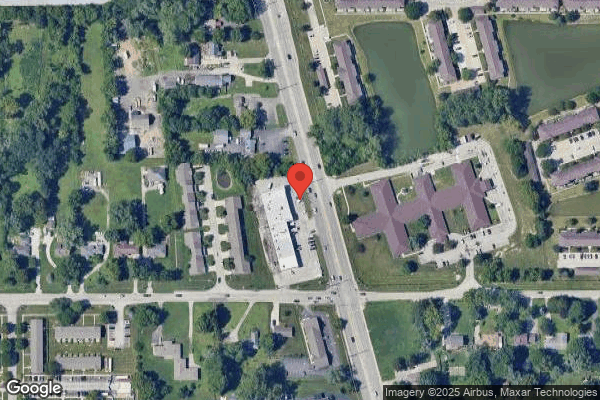
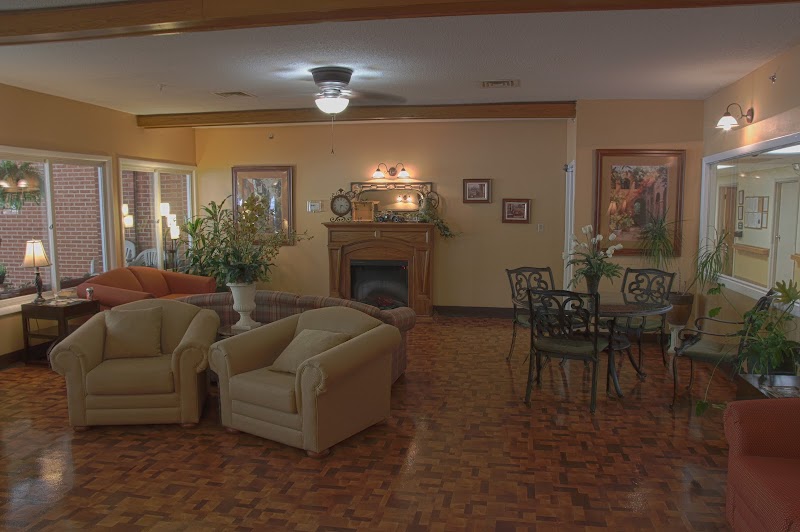
7465 MADISON AVE, INDIANAPOLIS, IN 46227 (317) 788-3000
For profit - Corporation 88 Beds COMMUNICARE HEALTH Data: November 2025 1 Immediate Jeopardy citation
Trust Grade
23/100
#352 of 505 in IN
Last Inspection: November 2024

Within standard 12-15 month inspection cycle. Federal law requires annual inspections.

Overview

Hawthorne Healthcare Center has received a Trust Grade of F, indicating significant concerns about the quality of care provided. Ranking #352 out of 505 facilities in Indiana places it in the bottom half, and it is #32 out of 46 in Marion County, meaning there are many better options nearby. The facility is reportedly improving, with issues decreasing from 24 in 2024 to just 1 in 2025. However, staffing is a notable weakness, with a low rating of 1 out of 5 stars and a high turnover rate of 70%, far exceeding the state average of 47%. There are no fines recorded, which is a positive sign, and RN coverage is average, suggesting some level of oversight. However, there are serious concerns, as a cognitively impaired resident was able to leave the facility unsupervised, and there were significant medication errors involving a resident with a severe infection. Additionally, food sanitation practices were found lacking, with staff not properly covering facial hair in the kitchen. Overall, while there are some improvements, potential families should weigh these serious issues when considering Hawthorne Healthcare Center.

Trust Score
F
23/100
In Indiana
#352/505
Bottom 31%
Safety Record
High Risk
Review needed
Inspections
Getting Better
24 → 1 violations
Staff Stability
⚠ Watch
70% turnover. Very high, 22 points above average. Constant new faces learning your loved one's needs.
Penalties
✓ Good
No fines on record. Clean compliance history, better than most Indiana facilities.
Skilled Nurses
○ Average
Each resident gets 38 minutes of Registered Nurse (RN) attention daily — about average for Indiana. RNs are the most trained staff who monitor for health changes.
Violations
⚠ Watch
29 deficiencies on record. Higher than average. Multiple issues found across inspections.
★★☆☆☆
2.0
Overall Rating
★☆☆☆☆
1.0
Staff Levels
★★★★★
5.0
Care Quality
★★☆☆☆
2.0
Inspection Score
Stable
2024: 24 issues
2025: 1 issues

The Good

  • 5-Star Quality Measures · Strong clinical quality outcomes
  • Full Sprinkler Coverage · Fire safety systems throughout facility
  • No fines on record

Facility shows strength in quality measures, fire safety.

The Bad

2-Star Overall Rating

Below Indiana average (3.1)

Below average - review inspection findings carefully

Staff Turnover: 70%

24pts above Indiana avg (46%)

Frequent staff changes - ask about care continuity

Chain: COMMUNICARE HEALTH

Part of a multi-facility chain

Ask about local staffing decisions and management

Staff turnover is very high (70%)

22 points above Indiana average of 48%

The Ugly 29 deficiencies on record

1 life-threatening 1 actual harm
Apr 2025 1 deficiency 1 IJ
CRITICAL (J) 📢 Someone Reported This

A family member, employee, or ombudsman was alarmed enough to file a formal complaint

Immediate Jeopardy (IJ) - the most serious Medicare violation

Accident Prevention (Tag F0689)

Someone could have died · This affected 1 resident

Based on observation, interview, and record review, the facility failed to provide supervision to prevent a cognitively impaired resident who resided on the secured memory care unit from exiting the f...

Read full inspector narrative →
Based on observation, interview, and record review, the facility failed to provide supervision to prevent a cognitively impaired resident who resided on the secured memory care unit from exiting the facility property without staff knowledge. The resident was found approximately 1.5 miles from the facility. (Resident B) This deficient practice resulted in an Immediate Jeopardy. The Immediate Jeopardy began on, 4/13/25 at approximately 1:00 a.m., when the facility failed to provide supervision to a cognitively impaired resident, that resided on the memory care unit, to prevent an elopement. The Administrator, Director of Nursing, and Regional Director of Nursing were notified of the Immediate Jeopardy on 4/22/25 at 12:35 p.m. The Immediate Jeopardy was removed, and the deficient practice corrected, 4/14/24, prior to the start of the survey and was therefore Past Noncompliance. Findings include: On 4/22/25 at 8:48 a.m., the Administrator provided a copy of a facility reportable incident, dated 4/13/25 at 4:45 a.m. A review of the reportable incident indicated Resident B walked out of the facility through an emergency exit door. Resident B was located and returned to the facility by the police. On 4/22/25 at 9:00 a.m., the Administrator provided a copy of the following staff witness statements: - CNA 1, dated 4/13/25, indicated CNA 1 left the secured memory care unit to go outside to her car. On CNA 1's walk back into the facility she was made aware that Resident B exited the facility. CNA 1 was told Resident B tried to exit the secured memory care unit using the front entrance to the unit but when staff heard Resident B knocking on that door they redirected him to his room. Then the alarm on the emergency exit door located at the back of the unit had begun to sound. - CNA 2, undated, indicated CNA 2 heard a door alarm sounding, so CNA 2 went to the secured memory care unit and the emergency exit door at that back of the unit was open. The clinical record for Resident B was reviewed on 4/22/25 at 9:08 a.m. The diagnoses included, but were not limited to, Alzheimer's disease and dementia. An order appointing guardian over ward, dated 7/18/23, indicated Resident B was an incapacitated person and was appointed a guardian over person and estate. A Nursing admission Evaluation, dated 4/9/25 at 4:59 p.m., indicated Resident B had not shown exit seeking behavior since admission, but had a history of wandering, exit seeking behaviors, elopement, and told the nurse he wanted to go home. A Brief Interview for Mental Status (BIMS) assessment, dated 4/10/25, indicated Resident B was severely cognitively impaired. A care plan, dated 4/9/25, indicated Resident B was at risk for an elopement. The interventions included, but were not limited to, provide diversionary activities as needed (initiated 4/9/25), redirect Resident B when appropriate and assess for hunger, thirst, ambulation, and toileting needs (initiated 4/9/25). A care plan, dated 4/10/25, indicated Resident B required a secured unit. The interventions included, but were not limited to, educate Resident B and Resident B's representative of the need for a secured unit to maintain Resident B's safety (initiated 4/10/25) and provide diversionary activities as needed (initiated 4/10/25). A progress note, dated 4/9/25 at 6:33 p.m., indicated Resident B's family had come to visit and stated that Resident B was exit seeking and that when Resident B realized that he could not get out of the facility, he would start screaming. Writer assured family that Resident B was in a safe, secure environment. Resident B's son stated that Resident B exited their home and was picked up wandering the streets. A progress note, dated 4/10/25 at 11:04 p.m., indicated Resident B had been exit seeking multiple times throughout shift. Staff continued re-directing resident which was somewhat effective. A progress note, dated 4/12/25 at 11:40 a.m., indicated Resident B was confused and wandering that morning and asked about leaving. A progress note, dated 4/13/25 at 5:23 a.m., indicated Resident B had exited the facility and was returned to the facility by police escort. During an interview on 4/22/25 at 10:43 a.m., the Administrator indicated, on 4/13/25 at approximately 1:15 a.m., he was notified that staff were unable to locate Resident B. Resident B was located approximately 1.5 miles north on a main road. The CNA that was working on the secured memory care unit that night had a personal emergency and had to leave the secured memory care unit to go outside to her car. There were no staff members on the secured memory care unit when Resident B exited the facility through the emergency exit door on the secured memory care unit. On 4/22/25 at 11:00 a.m., the path Resident B walked when he exited the facility was observed. From the facility Resident B walked north on the main road. There was a concrete sidewalk and parking lots that lined the road for the entire distance. The area that the Administrator reported Resident B was located by the police was near a busy intersection approximately 1.5 miles from the facility. On 4/23/25 at 10:30 a.m., the Administrator provided the as worked clinical schedule, dated 4/12/25. A review of the schedule indicated CNA 1 was the only CNA schedule for the 500 hall (secured memory care unit). On 4/22/25 at 9:00 a.m., the Administrator provided a copy of an undated facility policy, titled Elopement Prevention and Management Overview, and indicated this was the current policy used by the facility. A review of the policy indicated an elopement is defined as a resident that leaves the premises or a safe area without authorization or any necessary supervision and places the resident at risk for harm. The past noncompliance Immediate Jeopardy began on 4/13/25. The Immediate Jeopardy was removed and the deficient practice corrected by 4/14/25 after the facility implemented a systemic plan that included the following actions: audits of elopement evaluations and care plans, inservicing staff on elopement procedures, and ongoing monitoring. This citation relates to Complaint IN00457472. 3.1-45(a)(2)
Nov 2024 3 deficiencies
CONCERN (D)

Potential for Harm - no one hurt, but risky conditions existed

Comprehensive Care Plan (Tag F0656)

Could have caused harm · This affected 1 resident

Based on observation, interview, and record review, the facility failed to ensure a comprehensive person-centered care plan was developed for 1 of 2 residents reviewed for catheter care. (Resident 3) ...

Read full inspector narrative →
Based on observation, interview, and record review, the facility failed to ensure a comprehensive person-centered care plan was developed for 1 of 2 residents reviewed for catheter care. (Resident 3) Finding includes: On 11/6/24 at 11:20 a.m., Resident 3 was observed resting in bed using his laptop computer. A covered urinary catheter bag was observed hanging on the bed frame. On 11/7/24 at 9:21 a.m., Resident 3 was observed resting in bed using his laptop computer. A covered urinary catheter bag was observed hanging on the bed frame. During an interview at that time, Resident 3 indicated he had the indwelling urinary catheter for about a month. On 11/8/24 at 10:00 a.m., Resident 3's clinical record was reviewed. The diagnosis included, but was not limited to, neuromuscular dysfunction of bladder (a condition that causes bladder control issues due to damage to the nervous system). The Quarterly Minimum Data Set (MDS) assessment, dated 8/27/24, indicated Resident 3 was cognitively intact. Physician's orders included, but were not limited to, indwelling urinary catheter, start date of 10/1/24, and with no end date noted. Resident 3's clinical record lacked a comprehensive person-centered care plan related to the indwelling urinary catheter. During an interview on 11/8/24 at 11:34 a.m., the Corporate Clinical Nurse Consultant indicated Resident 3 had an indwelling urinary catheter since 10/1/24. No indwelling urinary catheter care plan had been developed for Resident 3. A care plan should have been developed. On 11/13/24 at 8:25 a.m., the Corporate Clinical Nurse Consultant provided a copy of Plan of Care Overview policy, dated 2017, and indicated it was the current policy in use by the facility. A review of the document indicated, .written treatment provided for a resident that is resident-focused and provides for optimal personalized care . 3.1-35(b)(1)
CONCERN (E)

Potential for Harm - no one hurt, but risky conditions existed

Food Safety (Tag F0812)

Could have caused harm · This affected multiple residents

Based on observation, interview, and record review, the facility failed to ensure food was served in a sanitary manner for 3 of 4 kitchen observations. Staff hair was not covered while in the kitchen....

Read full inspector narrative →
Based on observation, interview, and record review, the facility failed to ensure food was served in a sanitary manner for 3 of 4 kitchen observations. Staff hair was not covered while in the kitchen. (Dietary [NAME] 2) Findings include: On 11/6/24 from 11:20 a.m. to 11:23 a.m., Dietary [NAME] 2 was observed walking near the steam table area, located next to the grill and steamer, where the noon foods were being held. Dietary [NAME] 2 was observed to have facial hair, approximately one-half inch in length, above and below the lips. The facial hair was observed to not be covered. During a follow-up kitchen observation on 11/6/24 from 11:35 a.m. to 11:40 a.m., Dietary [NAME] 2 was observed at the steam table area taking the noon meal starting temperatures and plating the noon meal. Dietary [NAME] 2 was observed to have facial hair, approximately one-half inch in length, above and below the lips. The facial hair was observed to not be covered. On 11/6/24 from 12:12 p.m. to 12:20 p.m., Dietary [NAME] 2 was observed at the steam table plating the noon meal. Dietary [NAME] 2 was then observed taking the noon meal ending temperatures. Dietary [NAME] 2 was observed to have facial hair, approximately one-half inch in length, above and below the lips. The facial hair was observed to not be covered. During an interview at that time, the Regional Dietary Consultant indicated that staff hair, including facial hair, was to be kept covered while in the kitchen. On 11/6/24 at 12:45 p.m., the Administrator provided a copy of the Staff Attire policy, dated September 2017, and indicated it was the current policy in use by the facility. A review of the policy indicated, .all staff members will have their hair .confined in a hair net .and facial hair properly restrained . On 11/6/24 at 3:00 p.m., a review of the Retail Food Establishment Sanitation Requirements Title 410 IAC 7-24, effective November 13, 2004, indicated, .food employees shall wear hair restraints such as .hair coverings or nets, beard restraints .that are designed and worn to wear effectively keep their hair from contacting .exposed food . 3.1-21(i)(2) 3.1-21(i)(3)
MINOR (C)

Minor Issue - procedural, no safety impact

Garbage Disposal (Tag F0814)

Minor procedural issue · This affected most or all residents

Based on observation, interview, and record review, the facility failed to ensure the ground next to the kitchen's rear door was free from rubbish and failed to ensure the dumpster sliding side panel ...

Read full inspector narrative →
Based on observation, interview, and record review, the facility failed to ensure the ground next to the kitchen's rear door was free from rubbish and failed to ensure the dumpster sliding side panel door was kept closed when not in use for 2 of 3 observations. Findings include: 1. During the initial facility tour with the Dietary Manager on 11/6/24 at 9:35 a.m., the following was observed: - On the ground just outside the kitchen's rear door was a large cardboard box that had unidentifiable debris inside the uncovered box. On the ground near the box, the following was observed: used cups, rags, and other various unidentifiable debris. - The dumpster container area, located approximately 100 yards from the kitchen's rear door was observed. The dumpster area had 2 large dumpster containers. The east dumpster container had 2 sliding side panel doors. The sliding side panel door on the left side of the dumpster container was observed to not be closed. No staff were visible in the area at that time. 2. During a follow up observation on 11/7/24 at 4:50 p.m., the dumpster area was observed. The dumpster area had 2 large dumpster containers. The east dumpster container had 2 sliding side panel doors. The sliding side panel door on the left side of the dumpster container was observed to not be closed. No staff were visible in the area at that time. During an interview on 11/8/24 at 2:54 p.m., the Dietary Manager indicated the dumpster container lids and sliding side panel doors were to be kept closed when not in use. All debris should be placed into the dumpster containers. On 11/6/24 at 12:45 p.m., the Administrator provided a copy of the Environment policy, dated September 2017, and indicated it was the current policy in use by the facility. A review of the policy indicated, .all trash will be properly disposed of in external receptacles (dumpsters) and the surrounding area will be free of debris . On 11/6/24 at 3:15 p.m., a review of the Retail Food Establishment Sanitation Requirements Title 410 IAC 7-24, effective November 13, 2004, indicated, .receptacles and waste handling units for refuse, recyclables and returnables shall be kept covered with tight-fitting lids or doors if kept outside . 3.1-21(i)(5)
Aug 2024 3 deficiencies
CONCERN (D) 📢 Someone Reported This

A family member, employee, or ombudsman was alarmed enough to file a formal complaint

Potential for Harm - no one hurt, but risky conditions existed

Notification of Changes (Tag F0580)

Could have caused harm · This affected 1 resident

Based on interview and record review, the facility failed to notify a resident's guardian prior to a transfer for 1 of 3 residents reviewed for transfers requirements. (Resident D) Finding includes: T...

Read full inspector narrative →
Based on interview and record review, the facility failed to notify a resident's guardian prior to a transfer for 1 of 3 residents reviewed for transfers requirements. (Resident D) Finding includes: The clinical record for Resident D was reviewed on 8/19/24 at 1:16 p.m. The diagnoses included, but were not limited to, epilepsy, alcohol dependence, and vascular dementia. An Order Appointing Guardian Over Incapacitated Person, dated 2/22/23, indicated a guardian was appointed on 2/22/23. A progress note, dated 7/18/24 at 9:34 a.m., indicated Resident D discharged to another facility. All Resident D's belongings were sent with Resident D. The clinical record lacked documentation the guardian was notified prior to Resident D's discharge. During an interview on 8/20/24 at 10:00 a.m., Corporate Nurse 1 indicated there was no additional documentation regarding Resident D's discharge. During an interview on 8/20/24 at 10:45 a.m., LPN 1 indicated Resident D's guardian should have been notified before he was transferred. On 8/20/24 at 10:27 a.m., Corporate Nurse 1 provided a copy of an undated policy, titled Admission, Discharge, and Transfer, and indicated this was the current policy used by the facility. A review of the policy indicated notify the resident and the resident's representative of the transfer or discharge and the reasons for the move in writing and in a language and manner they understand. Record the reasons for the transfer or discharge in the medical record. This citation relates to Complaint IN00441243. 3.1-5(a)(4)
CONCERN (D) 📢 Someone Reported This

A family member, employee, or ombudsman was alarmed enough to file a formal complaint

Potential for Harm - no one hurt, but risky conditions existed

Transfer Notice (Tag F0623)

Could have caused harm · This affected 1 resident

Based on interview and record review, the facility failed to provide a written Notice of Transfer/Discharge to the resident's representative prior to a discharge for 1 of 3 residents reviewed for tran...

Read full inspector narrative →
Based on interview and record review, the facility failed to provide a written Notice of Transfer/Discharge to the resident's representative prior to a discharge for 1 of 3 residents reviewed for transfer and discharge requirements. (Resident D) Finding includes: The clinical record for Resident D was reviewed on 8/19/24 at 1:16 p.m. The diagnoses included, but were not limited to, epilepsy, alcohol dependence, and vascular dementia. An Order Appointing Guardian Over Incapacitated Person, dated 2/22/23, indicated a guardian was appointed, on 2/22/23. A progress note, dated 7/18/24 at 9:34 a.m., indicated Resident D discharged to another facility. All Resident D's belongings were sent with Resident D. The clinical record lacked documentation the written Notice of Transfer/Discharge was provided to the resident's representative prior to the discharge. During an interview on 8/20/24 at 10:00 a.m., Corporate Nurse 1 indicated there was no additional documentation regarding Resident D's discharge. On 8/20/24 at 10:27 a.m., Corporate Nurse 1 provided a copy of an undated policy, titled Admission, Discharge, and Transfer, and indicated this was the current policy used by the facility. A review of the policy indicated record the reasons for the transfer or discharge in the medical record. This citation relates to Complaint IN00441243. 3.1-12(a)(6)(A)(iii)
CONCERN (D) 📢 Someone Reported This

A family member, employee, or ombudsman was alarmed enough to file a formal complaint

Potential for Harm - no one hurt, but risky conditions existed

Medical Records (Tag F0842)

Could have caused harm · This affected 1 resident

Based on interview and record review, the facility failed to ensure resident's records were complete and accurate for 2 of 3 residents reviewed. Medications were not documented when administered. (Res...

Read full inspector narrative →
Based on interview and record review, the facility failed to ensure resident's records were complete and accurate for 2 of 3 residents reviewed. Medications were not documented when administered. (Resident B, Resident C) Finding includes: 1. The clinical record for Resident B was reviewed on 8/19/24 at 10:42 a.m. The diagnoses included, but were not limited to, gastroesophageal reflux disease and dystonia. The physician's orders included, but were not limited to: - Carbidopa-Levodopa (medication used to treat central nervous system disorders) 25/250 mg (milligrams) tablet, give one tablet by mouth every three hours, started on 1/19/24. - Hydrocodone/Acetaminophen (narcotic pain reliever) 5/325 mg tablet, give one tablet by mouth every 6 hours for pain, started on 7/22/24. - Omeprazole (medication used for acid reflux) 20 mg delayed release capsule, give one capsule by mouth in the morning, started on 1/19/24. The August 2024 MAR (Medication Administration Record), dated from 8/17/24 at 12:00 a.m., through 8/17/24 at 9:00 p.m., indicated Resident B did not receive the following medications in accordance with the physician's orders: - Carbidopa-Levodopa 25/250 mg at 12:00 a.m., 3:00 a.m., and 6:00 a.m. - Hydrocodone/Acetaminophen 5/325 mg at 12:00 a.m. and 8:00 a.m. - Omeprazole 20 mg at 8:00 a.m. During an interview on 8/20/24 at 8:35 a.m., Corporate Nurse 1 indicated Resident B's medications were administered. The staff should have documented the medication administration when they were administered. 2. The clinical record for Resident C was reviewed on 8/20/24 at 8:46 a.m. The diagnoses included, but were not limited to, diabetes, morbid obesity, and depression. The physician's orders included, but were not limited to: - Furosemide (medication used to remove excess fluid) 40 mg tablet, give one tablet by mouth one time a day, started on 8/14/24. - Amlodipine (medication used to lower blood pressure) 10 mg tablet, give one tablet by mouth one time a day, started 8/14/24. - Doxepin (medication used to treat depression) 100 mg capsule, give one capsule by mouth at bedtime, started on 8/13/24, - Clonazepam (medication used to treat anxiety) 1 mg tablet, give one tablet by mouth one time a day, started on 8/14/24. - Insulin glargine (long acting insulin used to treat diabetes) 100 units/ml (units/milliliter), inject 10 units subcutaneously (under the skin into the fat) at bedtime, started on 8/13/24. - Trulicity (medication used to treat diabetes) 3 mg/0.5 ml, inject 3 mg subcutaneously in the morning every Friday, started on 8/16/24. - Insulin lispro (fast acting insulin used to treat diabetes) 100 units/ml, inject subcutaneously three times daily per sliding scale, started on 8/13/24. - Oxycodone/Acetaminophen (narcotic pain medication) 5/325 mg tablet, give one tablet by mouth three times daily, started on 8/14/24. The August 2024 MAR (Medication Administration Record), dated from 8/15/24 at 8:00 a.m., through 8/18/24 at 8:00 p.m., indicated Resident C did not receive the following medications in accordance with the physician's orders: - Furosemide 40 mg tablet on 8/15/24 at 8:00 a.m. - Amlodipine 10 mg tablet on 8/15/24 at 8:00 a.m. - Doxepin 100 mg capsule on 8/16/24 at 8:00 p.m., 8/17/24 at 8:00 p.m., and 8/18/24 at 8:00 p.m. - Clonazepam 1 mg tablet on 8/15/24 at 8:00 a.m. - Insulin glargine 100 units/ml on 8/16/24 at 8:00 p.m., 8/17/24 at 8:00 p.m., and 8/18/24 at 8:00 p.m. - Trulicity 3 mg/0.5ml on 8/16/24 at 8:00 a.m. - Insulin lispro 100 units/ml on 8/15/24 at 8:00 a.m. and 12:00 p.m., 8/16/24 at 8:00 a.m., 12:00 p.m., and 5:00 p.m., 8/17/24 at 5:00 p.m., and 8/18/24 at 5:00 p.m. - Oxycodone/Acetaminophen 5/325mg tablet, on 8/15/24 at 8:00 a.m., and 12:00 p.m. During an interview on 8/20/24 at 8:35 a.m., Corporate Nurse 1 indicated Resident C's medications were administered. The staff should have documented the medication administration when they were administered. The Corporate Nurse provided a copy of an undated facility policy, titled Medication Administration, and indicated this was the current policy used by the facility. A review of the policy indicated administer medications as prescribed by the provider and medications will be charted when given. This citation relates to Complaint IN00441229. 3.1-50(a)
Aug 2024 5 deficiencies
CONCERN (D) 📢 Someone Reported This

A family member, employee, or ombudsman was alarmed enough to file a formal complaint

Potential for Harm - no one hurt, but risky conditions existed

Report Alleged Abuse (Tag F0609)

Could have caused harm · This affected 1 resident

Based on observation, interview, and record review, the facility failed to notify the state health department of an injury of unknown origin for 1 of 3 residents reviewed for abuse. Staff observed a s...

Read full inspector narrative →
Based on observation, interview, and record review, the facility failed to notify the state health department of an injury of unknown origin for 1 of 3 residents reviewed for abuse. Staff observed a scrape with swelling and bruising to the nose and left eye but did not know how the injury occurred. (Resident M) Finding included: The clinical record for Resident M was reviewed on 8/1/24 at 1:30 p.m. The diagnoses included, but were not limited to, autistic disorder, intellectual disability, and epilepsy. A Quarterly MDS (Minimum Data Set) assessment, dated 7/13/24, indicated Resident M was severely cognitively impaired. A physician's telephone order, dated 7/24/24, indicated x-ray of nose. The order was discontinued. A physician's verbal order, dated 7/25/24 at approximately 3:00 a.m., indicated x-ray of nose due to swelling, mass, lump. An x-ray result, dated 7/25/24 at 9:45 a.m., indicated exam of nasal bones for nasal pain. There was no fracture, dislocation, nor bony destructive lesion noted. Paranasal air cells demonstrate no specific abnormality. No acute traumatic osseous abnormality. A progress note, dated 7/25/24 at 1:17 p.m., indicated the DON observed Resident M bump into a wall while ambulating. The Nurse Practitioner was notified and gave a new physician's order for an x-ray. The progress note was entered into the electronic medical record on 8/1/24 at 1:18 p.m. (7 days after the x-ray was ordered) A weekly skin assessment, dated 7/29/24 at 11:27 a.m., indicated Resident M did not refuse a skin assessment. Resident M did not have any skin alterations noted. The weekly skin assessment was completed by the DON. During an interview on 8/1/24 at 1:43 p.m., the Activity Director indicated Resident M looked like he had a broken nose because his nose was swollen, cut, and bruised. The Activity Director couldn't remember the exact date she first saw the injury but was sure it was before Resident M moved to the 600 hall on 7/24/24. During an interview on 8/1/24 at 2:17 p.m., the Administrator indicated, during the morning clinical meeting, on 7/25/24, he was made aware of a scratch and some discoloration on Resident M's nose. The nurse got a physician's order for an x-ray of Resident M's nose to make sure there was no further injury. The Administrator needed to speak with the DON to find out if the DON found anyone that knew what happened. This would have been considered an injury of unknown origin. During an interview on 8/1/24 at 2:34 p.m., the DON indicated on the morning of 7/25/24, she was going outside to take a break when she watched Resident M bump into a wall. It was possible that Resident M's nose had swelling, a cut, and bruising before the DON saw Resident M bump into the wall. The DON may not have been notified of any injury prior to that. The DON should have documented the injury and entered a progress note the morning she watched Resident M bump into the wall, so the medical record was accurate. During an interview on 8/1/24 at 2:54 p.m., CNA 10 indicated on 7/24/24 at approximately 3:00 p.m., Resident M's left eye was black, his nose was swollen, cut, and bruised. Resident M's nose looked crooked like it was broken. CNA 10 reported this to RN 9 but didn't feel like the injury was taken seriously. During an observation on 8/2/24 at 7:30 a.m., Resident M was sitting in his room. Observed a small scratch and discoloration along the bridge and to the left side of Resident M's nose. On 8/2/24 at 11:15 a.m., the Corporate Nurse provided a copy of an undated facility policy, titled Indiana Abuse and Neglect and Misappropriation of Property, and indicated this was the current policy used by the facility. A review of the policy indicated all allegations involving injuries of unknown injury will be reported to the state. 3.1-28(c)
CONCERN (D) 📢 Someone Reported This

A family member, employee, or ombudsman was alarmed enough to file a formal complaint

Potential for Harm - no one hurt, but risky conditions existed

Investigate Abuse (Tag F0610)

Could have caused harm · This affected 1 resident

Based on observation, interview, and record review, the facility failed to investigate an injury of unknown origin when a resident was observed to have a scrape on his nose with swelling and bruising ...

Read full inspector narrative →
Based on observation, interview, and record review, the facility failed to investigate an injury of unknown origin when a resident was observed to have a scrape on his nose with swelling and bruising on his nose and left eye for 1 of 3 residents reviewed for abuse. (Resident M) Finding includes: The clinical record for Resident M was reviewed, on 8/1/24 1:30 p.m. The diagnoses included, but were not limited to, autistic disorder, intellectual disability, and epilepsy. A quarterly MDS (Minimum Data Set) assessment, dated 7/13/24, indicated Resident M was rarely/never understood. A physician's phone order, dated 7/24/24, indicated x-ray of the nose. A physician's verbal order, dated 7/25/24, indicated x-ray of nose due to swelling, mass, lump. An x-ray result, dated 7/25/24 at 9:45 a.m., indicated exam of nasal bones for nasal pain. There was no fracture, dislocation, nor bony destructive lesion noted. Paranasal air cells demonstrate no specific abnormality. No acute traumatic osseous abnormality. A progress note, dated 7/25/24 at 1:17 p.m., indicated the DON (Director of Nursing) observed Resident M bump into a wall while ambulating. The Nurse Practitioner was notified and gave a new physician's order for an x-ray. This progress note was entered into the electronic medical record on 8/1/24 at 1:18 p.m. (7 days after the x-ray was ordered) During an interview on 8/1/24 at 2:17 p.m., the Administrator indicated, during the morning clinical meeting, on 7/25/24, he was made aware of a scratch and some discoloration on Resident M's nose. The nurse got a physician's order for an x-ray of Resident M's nose to make sure there was no further injury. The Administrator needed to speak with the DON (Director of Nursing) to find out if the DON found anyone that knew how the scrape, swelling, and bruising to Resident M's nose happened. This would have been considered an injury of unknown origin. During an interview on 8/1/24 at 2:34 p.m., the DON indicated, on the morning of 7/25/24, she was going outside to take a break when she watched Resident M bump into a wall. The DON may not have been made aware of the scrape with swelling and bruising to Resident M's nose and eye prior to Resident M bumping the wall. The DON should have documented the injury and entered a progress note the morning she watched Resident M bump into the wall, so the medical record was accurate. During an interview on 8/1/24 at 2:54 p.m. CNA 10 (Certified Nursing Aide) indicated, on 7/24/24 at approximately 3:00 p.m. Resident M's left eye was black, his nose was swollen, cut, and bruised. Resident M's nose looked crooked like it was broken. CNA 10 reported this to RN 9 but didn't feel like the injury was taken seriously. During an observation on 8/2/24 at 7:30 a.m., Resident M was sitting in his room. Observed a small scratch and discoloration along the bridge and to the left side of Resident M's nose. On 8/2/24 at 11:15 a.m., the Corporate Nurse provided a copy of an undated facility policy, titled Indiana Abuse and Neglect and Misappropriation of Property, and indicated this was the current policy used by the facility. A review of the policy indicated all allegations involving injuries of unknown origin will be investigated. On 8/2/24 at 11:35 a.m., the facility had not identified the source of the cut, swelling, and bruising to Resident M's nose and left eye by survey exit. 3.1-28(d)
CONCERN (D) 📢 Someone Reported This

A family member, employee, or ombudsman was alarmed enough to file a formal complaint

Potential for Harm - no one hurt, but risky conditions existed

Deficiency F0625 (Tag F0625)

Could have caused harm · This affected 1 resident

Based on interview and record review, the facility failed to provide the written bed hold policy prior to leaving the facility or at any time after for 2 of 3 residents reviewed for transfers and disc...

Read full inspector narrative →
Based on interview and record review, the facility failed to provide the written bed hold policy prior to leaving the facility or at any time after for 2 of 3 residents reviewed for transfers and discharges. (Resident D, Resident E) Finding included: 1. The clinical record for Resident D was reviewed on 7/31/24 at 11:40 a.m. The diagnoses included, but were not limited to, end stage renal disease, fistula of intestine, and dysphagia. A quarterly MDS (Minimum Data Set) assessment, dated 4/24/24, indicated Resident D was moderately cognitively impaired. A progress note, dated 7/27/24 at 9:40 p.m., indicated Resident D called 911 and asked to be sent to the hospital. Resident D complained of nausea and vomiting and pain at his port site. The clinical record lacked documentation that the written bed hold policy was provided to the resident at the time of transfer or anytime after. During an interview on 7/31/24 at 3:24 p.m., the DON (Director of Nursing) indicated when Resident D called 911 so he could go to the hospital, the staff should have provided a bed hold policy to Resident D before he left the facility. If the nurse sent the bed hold policy, the nurse should have documented a progress note that indicated the document was sent.2. The record for Resident E was reviewed on 7/31/24 at 2:02 p.m. The diagnosis included, but was not limited to, wounds on bilateral thumbs. A progress note, dated 7/27/24 at 7:20 p.m., indicated Resident E was to sent to the hospital per his request. He complained of bilateral hand pain, inflammation, and redness at the site. The record lacked documentation the resident was given the written bed-hold policy information at time of transfer or at any time after. The resident was his own responsible party. On 7/31/24 at 2:20 p.m., the Administrator provided a copy of an undated facility policy, titled Transfer and Discharge Policy, and indicated this was the current policy used by the facility. A review of the policy indicated when an acute transfer occurs, present the acute transfer letter to the resident prior to the transfer. Discuss the transfer and transfer letter with the resident or responsible party if the resident is incapable of understanding or the transfer is an emergency. The resident's bed will be held while the facility representative contacts the resident or responsible party to discuss bed hold. This Federal tag relates to Complaint IN00439096. 3.1-12(a)(25) 3.1-12(a)(26)
CONCERN (D) 📢 Someone Reported This

A family member, employee, or ombudsman was alarmed enough to file a formal complaint

Potential for Harm - no one hurt, but risky conditions existed

Deficiency F0761 (Tag F0761)

Could have caused harm · This affected 1 resident

Based on observation, interview, and record review, the facility failed to ensure medications were secured and labeled for 1 of 1 medication rooms and 1 of 1 random observations. Controlled substances...

Read full inspector narrative →
Based on observation, interview, and record review, the facility failed to ensure medications were secured and labeled for 1 of 1 medication rooms and 1 of 1 random observations. Controlled substances were not double locked and TPN was not labeled and dated. (Resident P, Resident D) Finding included: 1. During an observation on 8/1/24 at 1:38 p.m., an unlocked medication refrigerator was inside the South Medication Room. Inside the refrigerator, observed a clear plastic bag sitting in a pink bin with other medications. The label on the bag, dated 7/30/24, indicated Resident P with a prescription number, Ativan (a controlled anti-anxiety/anti-seizure medication) 2 mg/ml (milligrams/milliliter), inject 0.5 ml (1 mg) intramuscularly (into the muscle) as needed for seizures. The bag contained 5 capped 1 ml vials of liquid. At that time, QMA 1 indicated the Ativan injections should be locked in the lock box in the refrigerator not laying in the pink bin with the other medications. On 8/1/24 at 9:11 a.m., the Administrator provided a copy of a policy, dated 9/2018, titled Storage of Medications, and indicated this was the current policy used by the facility. A review of the policy indicated controlled substances that require refrigeration are stored within a locked box attached to the inside of the refrigerator. 2. During an observation on 7/31/24 at 9:09 a.m., a clear plastic bag that contained 1400 ml of yellowish liquid was hanging on a pole in Resident D's room. The bag was labeled Resident D with a prescription number, TPN (total parental nutrition) 2:1, total bag volume 1660 ml, volume to be infused 1560 ml, and instructions to infuse 1560 ml over 24 hours. The bag of TPN was not labeled with any initials nor the date it was hung. During an interview on 7/31/24 at 9:25 a.m., the DON (Director of Nursing) indicated Resident D's TPN should have been labeled with the nurses initials and dated for the date it was administered. The TPN should have been taken down when Resident D went out to the hospital, on 7/27/24. (4 days before the observation and interview) On 8/2/24 at 11:35 a.m., the facility was unable to provide a policy regarding labeling medications. 3.1-25(j) 3.1-25(m) 3.1-25(n)
CONCERN (E) 📢 Someone Reported This

A family member, employee, or ombudsman was alarmed enough to file a formal complaint

Potential for Harm - no one hurt, but risky conditions existed

Resident Rights (Tag F0550)

Could have caused harm · This affected multiple residents

Based on record review and interview, the facility failed to ensure resident rights were maintained related to being able to go outside in the facility courtyard unsupervised during non-smoking times ...

Read full inspector narrative →
Based on record review and interview, the facility failed to ensure resident rights were maintained related to being able to go outside in the facility courtyard unsupervised during non-smoking times for 5 of 5 residents reviewed for resident rights. (Residents F, Resident G, Resident H, Resident J, Resident K) Findings Include: 1. During an interview with Resident K on 8/1/24 at 1:00 p.m., he indicated could only go outside in the courtyard during smoking times. He indicated this changed after there was a fight in the gazebo and the Executive Director would not let anyone go out without supervision. Those residents who got in the fight aren't here anymore so residents should be able to go outside. He stated I don't want to be inside all the time with TV. He wanted to go outside and enjoy the beautiful weather. He indicated if you signed out you could go off the property to smoke. 2. During an interview with Resident F on 8/1/24 at 1:14 p.m., he indicated he had been informed by facility staff he was not allowed to go outside to the courtyard to get fresh air at any time unless he was supervised. He stated the heat helps my arthritis pain. The record for Resident F was reviewed on 8/1/24 at 1:43 p.m. A Quarterly Minimum Data Set (MDS) Assessment, dated 7/11/24, indicated the resident was cognitively intact and felt it was very important to go outside and get fresh air when the weather was good. A care plan, dated 7/23/24, indicated the resident had a concern of psychosocial well-being with a goal that the resident would report decreased feelings of social isolation by next review. Interventions included, but not limited to, observe resident for signs and symptoms of new onset of psychosocial issues and initiate resident specific interventions. 3. During an interview on 8/1/24 at 1:08 p.m., Resident G indicated she could not go outside except during smoking times without supervision. Facility staff had informed her of this a few weeks ago. She stated it's just not right. The record for Resident G was reviewed on 8/1/24 at 1:49 p.m. A Quarterly MDS assessment, dated 5/10/24, indicated the resident was cognitively intact. An MDS assessment, dated 4/10/24, indicated the resident felt it was very important to go outside to get fresh air when the weather was good. A care plan, dated 7/30/24, indicated the resident had a problem of at risk for impaired psychosocial well-being related to negative interactions with peers with a goal the resident will report maintained/improved psychosocial well-being. 4. During an interview with Resident H on 8/1/24 at 1:15 p.m., he indicated he was not allowed to go outside unless it was smoking time or his wife was with him. He was newly admitted and was informed this on admission. The record for Resident H was reviewed on 8/1/24 at 1:52 p.m. An admission MDS assessment, dated 7/24/24, indicated the resident was cognitively intact and it was very important to go outside to get fresh air when the weather was good. A care plan, dated 7/22/24, indicated at risk for psychosocial well being with a goal the resident would report decreased feelings of social isolation. 5. During an interview with Resident J on 8/1/24 at 1:33 p.m., he indicated he cannot go outside in the courtyard unless it is supervised smoking times. The rules had changed so often it was hard to keep up. The record for Resident J was reviewed on 8/1/24 at 1:58 p.m. An MDS assessment, dated 7/24/24, indicated the resident was cognitively intact and felt it was very important to go outside to get fresh air when the weather was nice. During an interview with CNA 6 on 8/1/24 at 1:33 p.m., she indicated residents cannot go outside in the courtyard at any time unless they are supervised. During an interview with the Executive Director on 8/1/24 at 2:25 p.m., he indicated the residents had designated smoking times and could be outside during those times. Residents were not allowed in the courtyard unless they were supervised, even if they were cognitively intact. There had been a resident to resident altercation out there so their could not be large groups outside without supervision. 3.1-3(u)(1)
Jul 2024 4 deficiencies
CONCERN (D) 📢 Someone Reported This

A family member, employee, or ombudsman was alarmed enough to file a formal complaint

Potential for Harm - no one hurt, but risky conditions existed

Notification of Changes (Tag F0580)

Could have caused harm · This affected 1 resident

Based on observation, interview, and record review, the facility failed to notify the physician when staff found a large knife in the drawer of a resident with a history of suicidal ideations and suic...

Read full inspector narrative →
Based on observation, interview, and record review, the facility failed to notify the physician when staff found a large knife in the drawer of a resident with a history of suicidal ideations and suicidal attempts for 1 of 3 residents reviewed. (Resident B) Finding includes: During an interview 7/17/24 at 8:19 a.m., CNA 1 indicated, on 7/2/24 at approximately 12:15 a.m., Resident B asked CNA 1 to count some money that she kept in a drawer. When CNA 1 opened the drawer CNA 1 saw a large butcher knife. CNA 1 removed the knife and notified LPN 1 and the DON (Director of Nursing). The DON told CNA 1 to put the knife in the medication room and the DON would take care of it. CNA 1 put the knife in the medication room next to a pink plastic wash basin. On 7/17/24 at 8:32 a.m., during an observation of the medication room a pink plastic wash basin was sitting in a cabinet above the sink. Under the pink basin, observed a large metal knife with a dark handle. The blade on the knife was approximately 10 inches long and approximately 2 inches tall. The clinical record for Resident B was reviewed on 7/17/24 at 11:00 a.m. The diagnoses included, but were not limited to, major depressive disorder with psychotic symptoms, panic disorder, assaultive behavior, suicidal ideation, and post-traumatic stress disorder. A Quarterly MDS (Minimum Data Set) assessment, dated 5/11/24, indicated Resident B was cognitively intact with moderate depression. A History and Physical, dated 12/27/23, indicated Resident B presented from an outside hospital after presenting to them after an attempted suicide by overdose at a hotel. A Psychiatric Progress Note, dated 1/28/24, indicated Resident B was seen for reevaluation of history of suicide attempts, suicidal ideation, agitation, and physical aggression. Resident B overdosed on an antidepressant on 12/22/23. Resident B overdosed on a handful of antidepressant per Resident B's report because she wanted to sleep and not wake up again after having an argument with her daughter. Resident B reported a history of four suicide attempts and a history of multiple psychiatric hospitalizations in the past. A Hospital History and Physical, dated 2/16/24, indicated Resident B was having thoughts of self-harm. She was very impulsive, and Resident B had insomnia. A facility progress note, dated 2/14/24 at 10:56 a.m., indicated Resident B stated she was not happy with the medication regimen for depression and anxiety. Resident B wanted an antidepressant three times daily. Educated Resident B that was not the ordered dose. Resident B stated she had been on it for years and knew how to take it. Resident B previously had a psychiatric visit for attempting to overdose on the antidepressant. The clinical record for Resident B lacked documentation of physician notification when a large knife was found in her drawer on 7/2/24. During an interview on 7/17/24 at 12:38 p.m., the DON indicated the physician should have been notified when the knife was found in Resident B's room. On 7/16/24 at 11:20 a.m., the Administrator provided a copy of an undated facility policy, titled Behavior Management General, and indicated this was the current policy used by the facility. A review of the policy indicated it is the policy of the facility to identify and safely manage resident who may present a danger to themselves or others. Contact the physician for new onset or unusual behaviors. This citation relates to Complaint IN00438670. 3.1-5(a)(2)
CONCERN (D) 📢 Someone Reported This

A family member, employee, or ombudsman was alarmed enough to file a formal complaint

Potential for Harm - no one hurt, but risky conditions existed

Report Alleged Abuse (Tag F0609)

Could have caused harm · This affected 1 resident

**NOTE- TERMS IN BRACKETS HAVE BEEN EDITED TO PROTECT CONFIDENTIALITY** Based on interview and record review, the facility failed to report an allegation of abuse to the state health department for 1 ...

Read full inspector narrative →
**NOTE- TERMS IN BRACKETS HAVE BEEN EDITED TO PROTECT CONFIDENTIALITY** Based on interview and record review, the facility failed to report an allegation of abuse to the state health department for 1 of 3 allegations reviewed. A resident with a history of IV (intravenous) drug use made an allegation that a nurse supplied heroin to the resident. (Resident C) Finding includes: During an interview on [DATE] at 5:22 a.m., Resident C indicated she remembered being sent to the emergency department at night on [DATE]. Resident C was told she required CPR (cardiopulmonary resuscitation) and Narcan (medication used to reverse opioid overdose). Resident C snorted heroin (an opioid schedule 1 controlled substance). Resident C got the heroin from someone at the facility but would not say who she got it from because she already told the Administrator and DON (Director of Nursing). During an interview on [DATE] at 6:27 a.m., the Administrator indicated Resident C required CPR in early July and was sent to the emergency department. The facility believed she had taken illegal drugs that night. Initially, Resident C would not tell the facility where she got the drugs. Then on [DATE] Resident C told him she got the drugs from LPN 1. LPN 1 was suspended and the Administrator started an investigation. The clinical record for Resident C was reviewed on [DATE] at 11:21 a.m. An admission MDS (Minimum Data Set) assessment, dated [DATE], indicated Resident C was moderately cognitively impaired. During an interview on [DATE] at 12:42 p.m., the Administrator indicated he did not think the allegation made by Resident C against LPN 1 needed to be reported to the state health department. The investigation into the allegation was ongoing. On [DATE] at 11:05 a.m., the Administrator provided a copy of an undated facility policy, titled Occurrence Incident Reporting, and indicated this was the current policy used by the facility. A review of the policy indicated a level 2 incident is considered more serious or an incident that resulted in harm and should be reported as applicable to state authorities. This citation relates to Complaint IN00438670. 3.1-28(c)
CONCERN (D) 📢 Someone Reported This

A family member, employee, or ombudsman was alarmed enough to file a formal complaint

Potential for Harm - no one hurt, but risky conditions existed

Deficiency F0742 (Tag F0742)

Could have caused harm · This affected 1 resident

Based on observation, interview, and record review, the facility failed to implement a care plans with person-centered interventions for a resident diagnosed with suicidal ideations and a history of t...

Read full inspector narrative →
Based on observation, interview, and record review, the facility failed to implement a care plans with person-centered interventions for a resident diagnosed with suicidal ideations and a history of trauma and suicide attempts for suicidal ideations and suicide attempts for 1 of 3 residents reviewed. Staff found a large knife in the resident's drawer during care. (Resident B) Finding included: During an interview 7/17/24 at 8:19 a.m., CNA 1 indicated on 7/2/24 at approximately 12:15 a.m., Resident B asked CNA 1 to count some money that she kept in a drawer. When CNA 1 opened the drawer CNA 1 saw a large butcher knife. CNA 1 removed the knife and notified LPN 1 and the DON (Director of Nursing). The DON told CNA 1 to put the knife in the medication room and the DON would take care of it. CNA 1 put the knife in the medication room next to a pink plastic wash basin. On 7/17/24 at 8:32 a.m., during an observation of the medication room a pink plastic wash basin was sitting in a cabinet above the sink. Under the pink basin, observed a large metal knife with a dark handle. The blade on the knife was approximately 10 inches long and approximately 2 inches tall. The clinical record for Resident B was reviewed on 7/17/24 at 11:00 a.m. The diagnoses included, but were not limited to, major depressive disorder with psychotic symptoms, panic disorder, assaultive behavior, suicidal ideation, and post-traumatic stress disorder. A quarterly MDS (Minimum Data Set) assessment, dated 5/11/24, indicated Resident B was cognitively intact with moderate depression. A History and Physical, dated 12/27/23, indicated Resident B presented from an outside hospital after presenting to them after an attempted suicide by overdose at a hotel. A Psychiatric Progress Note, dated 1/28/24, indicated Resident B was seen for reevaluation of history of suicide attempts, suicidal ideation, agitation, and physical aggression. Resident B overdosed on an antidepressant on 12/22/23. Resident B overdosed on a handful of antidepressant per Resident B's report because she wanted to sleep and not wake up again after having an argument with her daughter. Resident B reported a history of four suicide attempts and a history of multiple psychiatric hospitalizations in the past. A Hospital History and Physical, dated 2/16/24, indicated Resident B was having thoughts of self-harm. She was very impulsive and Resident B had insomnia. A facility progress note, dated 2/14/24 at 10:56 a.m., indicated Resident B stated she was not happy with the medication regimen for depression and anxiety. Resident B wanted an antidepressant three times daily. Educated Resident B that was not the ordered dose. Resident B stated she had been on it for years and knew how to take it. Resident B previously had a psychiatric visit for attempting to overdose on the antidepressant. The clinical record for Resident B lacked a care plan with person-centered interventions for suicidal ideations. The clinical record for Resident B lacked a care plan with person-centered interventions for suicide attempts. During an interview on 7/17/24 at 12:38 p.m., the DON indicated Resident B should have had care plans with person-centered interventions for suicidal ideations and suicide attempts. On 7/17/24 at 11:20 a.m., the Administrator provided a copy of an undated policy, titled Behavior Management General, and indicated this was the current policy used by the facility. A review of the policy indicated complete a care plan, update with changes and or new behaviors. Include specific interventions. This citation relates to Complaint IN00438670. 3.1-43(a)(1)
CONCERN (D) 📢 Someone Reported This

A family member, employee, or ombudsman was alarmed enough to file a formal complaint

Potential for Harm - no one hurt, but risky conditions existed

Administration (Tag F0835)

Could have caused harm · This affected 1 resident

**NOTE- TERMS IN BRACKETS HAVE BEEN EDITED TO PROTECT CONFIDENTIALITY** Based on interview and record review, the facility administration failed to maintain the mental and physical wellbeing of reside...

Read full inspector narrative →
**NOTE- TERMS IN BRACKETS HAVE BEEN EDITED TO PROTECT CONFIDENTIALITY** Based on interview and record review, the facility administration failed to maintain the mental and physical wellbeing of residents for 1 of 3 residents reviewed. An allegation of abuse was made against a nurse but was not reported to the state health department and the nurse was not reported to the police. (Resident C) Finding included: During an interview, on [DATE] at 5:22 a.m. Resident C indicated she remembered being sent to the emergency department at night on [DATE]. Resident C was told she required CPR (cardiopulmonary resuscitation) and Narcan (medication used to reverse opioid overdose). Resident C snorted heroin (an opioid schedule 1 controlled substance). Resident C got the heroin from someone at the facility but would not say who she got it from because she already told the Administrator and DON (Director of Nursing). During an interview on [DATE] at 6:27 a.m., the Administrator indicated Resident C required CPR in early July and was sent to the emergency department. The facility believed she had taken illegal drugs that night. Initially, Resident C would not tell the facility where she got the drugs. Then on [DATE], Resident C told him she got the drugs from LPN 1 (Licensed Practical Nurse). LPN 1 was suspended, and I started an investigation. On [DATE] at 11:05 a.m., the Administrator provided a copy of an Indianapolis Metro Police Department Southeast District Information Card, dated [DATE], and indicated this was the police report regarding the allegation made by Resident C against LPN 1. A review of the document indicated incident type: property disposal. On [DATE] at 11:05 a.m., the Administrator provided a copy of an undated facility policy, titled Occurrence Incident Reporting, and indicated this was the current policy used by the facility. A review of the policy indicated a level 2 incident is considered more serious or an incident that resulted in harm and should be reported as applicable to state authorities. This citation relates to Complaint IN00438670. 3.1-13(q)
Jul 2024 1 deficiency
CONCERN (D) 📢 Someone Reported This

A family member, employee, or ombudsman was alarmed enough to file a formal complaint

Potential for Harm - no one hurt, but risky conditions existed

Deficiency F0740 (Tag F0740)

Could have caused harm · This affected 1 resident

**NOTE- TERMS IN BRACKETS HAVE BEEN EDITED TO PROTECT CONFIDENTIALITY** Based on interview and record review, the facility failed to provide behavioral health services to maintain residents highest pr...

Read full inspector narrative →
**NOTE- TERMS IN BRACKETS HAVE BEEN EDITED TO PROTECT CONFIDENTIALITY** Based on interview and record review, the facility failed to provide behavioral health services to maintain residents highest practicable well-being for 2 of 3 residents reviewed. Residents with a known history of resident to resident altercations lacked interventions to prevent aggressive behaviors and a resident with a history of drinking alcohol in the facility did not have a plan for treatment and prevention for a substance use disorder. (Resident B, Resident C) Finding included: 1. During an interview on 7/3/24 at 11:53 a.m., the Activity Director indicated Resident B was outside in the courtyard on his way to smoke. Resident C walked up behind Resident B and threatened Resident B. Resident C said if Resident B didn't get out of Resident C's way he would . and then Resident B stood up. At that time, Resident C lunged at Resident B and they both went down to the ground. Neither resident hit the other. They were separated immediately. The Activity Director was not aware of another time when either resident was aggressive with another resident. During an interview on 7/3/24 at 11:59 a.m., QMA 1 (Qualified Medication Aide) indicated she heard someone yell a resident had fallen outside. QMA 1 looked and saw Resident C on top of Resident B on the ground holding on to each other but not hitting each other. The Activity Director was separating Resident B and Resident C and QMA 1 immediately went to assist. During an interview on 7/3/24 at 12:36 p.m., the Administrator indicated he witnessed an incident approximately a year ago when another resident told Resident B to get out of the way and Resident B stood up in a defensive stance and was verbally defensive. During an interview on 7/5/24 at 9:22 a.m., the Social Service Director indicated she went to speak with Resident B almost immediately after the incident with Resident C. Resident B was agitated and upset and said he wasn't going to let anyone push him around. Resident B was not able to recall the details of what happened with Resident C. Then, the Social Service Director went to speak to Resident C. Resident C's hair was disheveled from the tussle. Resident C told the Social Service Director that Resident B pushed him, Resident C wasn't going to take that, and Resident C would kill Resident B. The Social Service Director went back to speak with Resident B and Resident C a little while later and neither resident could recall the incident. The clinical record for Resident B was reviewed on 7/3/24 at 12:08 p.m. The diagnoses included, but were not limited to, dementia, Wernicke's encephalopathy, and anxiety disorder. A quarterly MDS (Minimum Data Set) assessment, dated 6/18/24, indicated Resident B was moderately cognitively impaired. A progress note, dated 4/13/24 at 1:00 p.m., indicated Resident B had a verbal disagreement with another resident. The residents were immediately separated. Law enforcement notified. Guardian gave permission for resident to be moved to another room. A progress note, dated 7/3/24 at 8:30 a.m., indicated Resident B was outside for a smoke break when Resident C said if Resident B didn't move. Then, Resident B stood up and made physical contact with Resident C. Both residents ended up on the ground before supervising staff were able to reach the residents. The residents were immediately separated. Resident B's clinical record lacked interventions for a history of resident to resident aggression. The clinical record for Resident C was reviewed on 7/3/24 at 12:15 p.m. The diagnoses included, but were not limited to, dementia and traumatic brain injury. A quarterly MDS assessment, dated 5/15/24, indicated Resident C was moderately cognitively impaired. A progress note, dated 3/3/24 at 11:40 a.m., indicated Resident C was observed being verbally aggressive in a common area. Resident C was educated on importance of being respectful to peers while in common areas. The DON was notified. Resident C's clinical record lacked interventions for a history of resident to resident aggression. 2. During an interview on 7/5/24 at 9:22 a.m., the Social Service Director indicated she was aware of one time when Resident B was intoxicated. Resident B hid a bottle of alcohol in the toilet tank. The Activity Director caught him with the alcohol in May. Resident B was also sent out to the hospital and diagnosed with alcohol intoxication in April. During an interview 7/5/24 on 9:42 a.m., the Activity Director indicated she found a glass bottle of liquor in the back of Resident B's toilet. Resident B smelled like alcohol and was trying to wash vomit off of his clothes. Resident B was intoxicated. The Activity Director reported to the Administrator and the Director of Nursing. The clinical record for Resident B was reviewed on 7/3/24 at 12:08 p.m. The diagnoses included, but were not limited to, alcohol dependence with alcohol induced persistent dementia and Wernicke's encephalopathy. A quarterly MDS assessment, dated 6/18/24, indicated Resident B was moderately cognitively impaired. A progress note, dated 4/16/24 at 4:24 p.m., indicated Resident B was sent to the emergency room this morning for a fall. Resident B was brought back to the facility during this shift with a diagnosis of alcohol intoxication. Resident B drank mouthwash overnight to the point of intoxication. A progress note, dated 5/3/24 at 2:51 p.m., indicated on 5/1/24, staff reported to writer there was a smell of smoke coming from Resident B's room. Upon entering the room, Resident B was in the bathroom with the tank lid removed and Resident B had vomited and was trying to wash out his clothes. Staff reported Resident B was intoxicated. A post fall evaluation, dated 4/14/24, indicated Resident B was drunk. A hospital Discharge summary, dated [DATE], indicated a diagnosis of acute alcohol intoxication. An alcohol, serum plasma laboratory result, dated 4/16/24 at 10:02 a.m., indicated Resident B's blood alcohol level was 262.0 mg/dl (milligrams per decaliter). The normal range was less than 10.0 mg/dl. The clinical record lacked a plan for prevention and treatment of Resident B's substance use disorder. During an interview on 7/5/24 at 1:27 p.m., the Director of Nursing indicated Resident B should have had a care plan for hiding the liquor in the back of his toilet and smelling like alcohol. On 7/5/24 at 2:32 p.m., the Director of Nursing provided a copy of an undated facility policy, titled Behavior Management, and indicated this was the current policy used by the facility. A review of the policy indicated update the care plan with changes and or new behaviors. Include resident specific interventions. 3.1-37(a)
Jun 2024 4 deficiencies 1 Harm
SERIOUS (G) 📢 Someone Reported This

A family member, employee, or ombudsman was alarmed enough to file a formal complaint

Actual Harm - a resident was hurt due to facility failures

Deficiency F0760 (Tag F0760)

A resident was harmed · This affected 1 resident

**NOTE- TERMS IN BRACKETS HAVE BEEN EDITED TO PROTECT CONFIDENTIALITY** Based on observation, interview and record review, the facility failed to prevent significant medication errors when a resident ...

Read full inspector narrative →
**NOTE- TERMS IN BRACKETS HAVE BEEN EDITED TO PROTECT CONFIDENTIALITY** Based on observation, interview and record review, the facility failed to prevent significant medication errors when a resident diagnosed with C. diff (Clostridium difficile is a germ that causes inflammation of the colon and can be life threatening.) only received 8 of 39 doses of vancomycin (antibiotic used to treat intestinal infections). (Resident B) Finding included: During an interview, on 6/12/24 at 9:24 a.m. Resident B indicated Resident B had an infection but wasn't sure if he received all of his medications. The clinical record for Resident B was reviewed on 6/13/24 at 10:15 a.m. The diagnoses included, but were not limited to, fracture of right humerus, diabetes, and atrial fibrillation. An admission MDS (Minimum Data Set) assessment, dated 6/3/24, indicated Resident B was cognitively intact and frequently incontinent of bowel. A hospital Discharge summary, dated [DATE], indicated Resident B's primary diagnoses included, but were not limited to, diarrhea secondary to C. diff. Resident B was to continue oral vancomycin capsule (antibiotic used to treat intestinal infections) 125 mg (milligrams) orally 4 times daily for 12 days. An Inter-Facility Infection Control Transfer Form, dated 5/29/24, indicated Resident B had an active C. diff. infection and was in contact precautions at the hospital. Current Physician's orders included, but were not limited to: Vancomycin capsule 125 mg, give 1 capsule by mouth 4 times daily for infection for 12 days, initiated on 5/29/24. The June 2024 Medication Administration Record indicated Vancomycin 125 mg capsule orally 4 times daily: 6/1/24 at 9:00 a.m., not documented 6/1/24 at 12:00 p.m., not documented 6/1/24 at 5:00 p.m., awaiting pharmacy 6/1/24 at 9:00 p.m., awaiting pharmacy 6/2/24 at 9:00 a.m., awaiting pharmacy 6/2/24 at 12:00 p.m., awaiting pharmacy 6/2/24 at 5:00 p.m., not documented 6/2/24 at 9:00 p.m., not documented 6/3/24 at 9:00 a.m., administered 6/3/24 at 12:00 p.m., administered 6/3/24 at 5:00 p.m., on order 6/3/24 at 9:00 p.m., on order 6/4/24 at 9:00 a.m., not documented 6/4/24 at 12:00 p.m., not documented 6/4/24 at 5:00 p.m., not documented 6/4/24 at 9:00 p.m., not documented 6/5/24 at 9:00 a.m., not documented 6/5/24 at 12:00 p.m., not documented 6/5/24 at 5:00 p.m., not documented 6/5/24 at 9:00 p.m., not documented 6/6/24 at 9:00 a.m., not documented 6/6/24 at 12:00 p.m., not documented 6/6/24 at 5:00 p.m., administered 6/6/24 at 9:00 p.m., administered 6/7/24 at 9:00 a.m., on order 6/7/24 at 12:00 p.m., on order 6/7/24 at 5:00 p.m., on order 6/7/24 at 9:00 p.m., not documented 6/8/24 at 9:00 a.m., medication not available 6/8/24 at 12:00 p.m., medication not available 6/8/24 at 5:00 p.m., medication not available 6/8/24 at 9:00 p.m., medication not available 6/9/24 at 9:00 a.m., administered 6/9/24 at 12:00 p.m., administered 6/9/24 at 5:00 p.m., administered 6/9/24 at 9:00 p.m., administered 6/10/24 at 9:00 a.m., not documented 6/10/24 at 12:00 p.m., not documented 6/10/24 at 5:00 p.m., on order A pharmacy proof of delivery form indicated: Prescription number 5648946 was for Resident B's vancomycin 25mg/ml (milliliter) oral solution and 150ml bottle was delivered, on 6/1/24 at 5:23 a.m. (2 days after the physicians order was initiation) Prescription number 5666204 was for Resident B's vancomycin 25mg/ml oral solution and 150ml bottle was delivered, on 6/7/24 at 3:00 a.m. Prescription number 5676012 was for Resident B's vancomycin 25mg/ml oral solution and 150ml bottle was delivered, on 6/11/24 at 2:43 a.m. (approximately 8 hours after the physicians order was completed) On 6/13/24 at 1:34 p.m., inside the medication room refrigerator observed: A white plastic 150 ml (milliliter) bottle with a label that indicated prescription number 5648946, Resident B, Vancomycin 25 mg/ml oral solution give 5 ml (125 mg) orally 4 times daily for 12 days for infection. The bottle had not been opened. A white plastic 150 ml bottle with a label that indicated prescription number 5666204, Resident B, Vancomycin 25 mg/ml oral solution give 5 ml (125mg) orally 4 times daily for 12 days for infection. The bottle had not been opened. A white plastic 150 ml bottle with a label that indicated prescription number 5676012, Resident B, Vancomycin 25 mg/ml oral solution give 5 ml (125mg) orally 4 times daily for 12 days for infection. The bottle had been opened and contained approximately 140 ml fluid. During an interview on 6/17/24 at 8:34 a.m., the Director of Nursing indicated the pharmacy delivered vancomycin solution for Resident B instead of capsules because the pharmacy did not carry vancomycin capsules. The physician should have been notified. During an interview on 6/17/24 at 8:57 a.m., the Assistant Director of Nursing indicated she was also the Infection Preventionist. Staff should have clarified the physicians order for Vancomycin with the physician and pharmacy since oral solution was sent instead of capsules and the physicians order should have been updated in the medical record and the medication administration record. The Infection Preventionist or another nurse should have clarified what infection the antibiotic was treating. On 6/13/24 at 9:48 a.m., the Administrator in Training provided a copy of an undated facility policy, titled Medication Administration. A review of the policy indicated documentation of medications will follow accepted standards of nursing practice. This Federal tag relates to Complaint IN00433061. 3.1-48(c)(2)
CONCERN (D) 📢 Someone Reported This

A family member, employee, or ombudsman was alarmed enough to file a formal complaint

Potential for Harm - no one hurt, but risky conditions existed

Deficiency F0849 (Tag F0849)

Could have caused harm · This affected 1 resident

Based on interview and record review the facility failed to notify hospice when a resident received new physicians orders for intravenous (into the vein) antibiotics. (Resident C) Finding included: Du...

Read full inspector narrative →
Based on interview and record review the facility failed to notify hospice when a resident received new physicians orders for intravenous (into the vein) antibiotics. (Resident C) Finding included: During an interview on 6/14/24 at 1:57 p.m., Family member 1 indicated Resident C was on hospice services and was supposed to start an oral antibiotic on 5/24/24. Several day later, on approximately 5/29/24, Family member 1 received a phone call from a nurse at the facility that indicated Resident C had a midline placed (an intravenous catheter inserted into the upper arm, into a vein, and extends to the armpit area) and was started on an intravenous antibiotic. Family member 1 was concerned because he wasn't sure hospice was made aware of that before Resident C's midline was placed and wasn't sure if Resident C received the oral antibiotic. During an interview on 6/17/24 at 11:16 a.m. the Hospice VP (Vice President) indicated Resident C started hospice services due to Fornier's gangrene (an acute necrotic infection of the scrotum, penis, or perineum). When a resident starts hospice services the hospice company takes over care of the resident including prescribing new physician orders. The hospice RN (Registered Nurse) case manager gave a new physicians order for doxycycline (antibiotic) 100 mg (milligrams) twice daily to start, on 5/24/24 until 6/5/24, for cough and respiratory infection. At some point, Resident C had a midline placed and was started on a different antibiotic. Hospice was not notified for several days. When hospice was notified, the facility indicated the physicians order for doxycycline was never transcribed to the electronic medical record. The clinical record for Resident C was reviewed on 6/17/24 at 9:50 a.m. The diagnoses included, but were not limited to, obstructive uropathy, diabetes, and polymyalgia rheumatica. A quarterly MDS (Minimum Data Set) assessment, dated 2/23/24, indicated Resident C was cognitively intact. A physicians order initiated on 4/17/24, indicated admit to hospice. A physicians order initiated on 5/29/24, indicated levofloxacin (antibiotic) 750 mg/150 ml (milliliters) intravenously one time a day every 7 days for infection. This order was discontinued on 6/2/24, when the hospice doctor was made aware of the physicians order. A physicians order initiated on 6/3/24, indicated levofloxacin 750 mg/150 ml intravenously one time daily for infection. This order was discontinued on 6/5/24. A hospice visit note, dated 5/24/24, indicated Resident C's lung sounds were course on the right with crackles throughout. Resident C was having cough with yellow sputum. A new physicians order was written for doxycycline 100 mg orally twice daily for 10 days. Orders were written and given to facility nurse along with all updates. Hospice nurse called and left message with Family member 1 with updates. During an interview on 6/17/24 at 10:16 a.m., the Director of Nursing indicated hospice should have been notified before starting the levofloxacin. On 6/17/24 at 1:23 p.m., the Administrator provided a copy of a Hospice Service Agreement, dated 1/2020, and indicated this was the current hospice service agreement used for the hospice provider. A review of the hospice service agreement indicated the plan of care will be written in collaboration with the hospice interdisciplinary team, the facility staff, the hospice patient or hospice patient's representative, and the physician, based on the needs of the hospice patient. Any change in the plan of care will be discussed with the hospice patient or the hospice patient's representative, and the facility representatives, and must be approved by hospice before implementation. 3.1-37(a)
CONCERN (E) 📢 Someone Reported This

A family member, employee, or ombudsman was alarmed enough to file a formal complaint

Potential for Harm - no one hurt, but risky conditions existed

Medical Records (Tag F0842)

Could have caused harm · This affected multiple residents

Based on interview and record review, the facility failed to ensure accurate and complete documentation on the medication administration record and the treatment administration record for 5 of 5 resid...

Read full inspector narrative →
Based on interview and record review, the facility failed to ensure accurate and complete documentation on the medication administration record and the treatment administration record for 5 of 5 residents reviewed for medication administration. (Resident B, Resident D, Resident E, Resident F, Resident G) Finding included: 1. During an interview, on 6/12/24 at 9:24 a.m. Resident B indicated Resident B wasn't sure if he received all of his medications. The clinical record for Resident B was reviewed on 6/13/24 at 10:15 a.m. The diagnoses included, but were not limited to, fracture of right humerus, diabetes, and atrial fibrillation. An admission MDS (Minimum Data Set) assessment, dated 6/3/24, indicated Resident B was cognitively intact and frequently incontinent of bowel. The physicians orders included, but were not limited to: - Atorvastatin (medication used to treat high cholesterol) 20 mg (milligram) tablet orally at bedtime, started on 5/30/24 with no end date noted. - Cholecalciferol (vitamin D3 supplement) 25 mcg (microgram) tablet orally once daily for supplement, started on 5/30/24 with no end date noted. - Ferrous sulfate (iron supplement) 325 mg tablet orally once daily for iron, started on 5/30/24. - Insulin glargine (long acting insulin used to treat diabetes) 100 units/ml (milliliter) inject 10 units subcutaneously in the morning, started on 6/12/24 with no end date noted. - Multivitamin with minerals 2 tablets orally in the evening for supplement, started on 5/30/24 with no end date noted. - Pantoprazole (medication used to treat gastroesophageal disease) 20 mg tablet orally once daily, started on 5/30/24 with no end date noted. - Spironolactone (medication used to treat fluid retention) 25 mg tablet orally in the morning for 14 days, started on 5/31/24 with no end date noted. - Tamsulosin (medication used to treat urinary retention) 0.4 mg give 2 capsules in the evening, started on 5/30/24 with no end date noted. - Apixaban (medication used to thin blood) 5 mg tablet orally every 12 hours, started on 5/30/24 with no end date noted. - Calcium 600-D3 (calcium vitamin D supplement) orally twice daily as supplement, started on 5/30/24 with no end date noted. - Furosemide (medication used to treat fluid retention) 40 mg orally twice daily, started on 5/30/24 with no end date noted. - Gabapentin (medication used to treat neuropathy) 300 mg orally three times daily, started on 5/30/24 with no end date noted. - Humalog Kwikpen (fast acting insulin used to treat high blood sugar) 100 units/ml inject subcutaneously (under the skin) per sliding scale before meals and at bedtime, started on 5/30/24 with no end date noted. - Vancomycin (antibiotic used to treat intestinal infections) 125 mg capsule orally four times daily for 12 days, start on 5/29/24 with no end date noted. - Cleanse right forearm with wound cleanser. Apply xeroform to base of the wound, secure with ABD and rolled gauze. Change daily and as needed, started on 6/1/24 and discontinued on 6/11/24. - Cleanse right hand area with wound cleanser. Apply xeroform to base of the wound, secure with rolled gauze, change daily and as needed, started on 6/1/24 and discontinued, on 6/11/24. - Diabetic foot care every shift, start on 5/30/24 with no end date noted. The June 2024 MAR (Medication Administration Record) lacked documentation for the following medication administrations: - Atorvastatin 20 mg, on 6/2/24, 6/6/24, and 6/7/24 - Cholecalciferol 25 mcg tablet, on 6/6/24 - Ferrous sulfate 325 mg tablet, on 6/4/24 and 6/6/24 - Insulin glargine 100 units/ml, on 6/12/24. - Pantoprazole 20 mg tablet, on 6/6/24. - Spironolactone 25 mg tablet, on 6/6/24. - Tamsulosin 0.4 mg capsules, on 6/2/24. - Apixaban 5 mg, on 6/2/24 at 9:00 p.m., 6/6/24 at 9:00 a.m., 6/7/24 at 9:00 p.m. - Calcium 600 plus D3 tablet, on 6/2/24 evening dose, 6/4/24 morning dose, 6/6/24 morning dose. - Furosemide 40 mg tablet, on 6/2/24 evening dose and 6/6/24 morning dose. - Gabapentin 300 mg capsule, on 6/2/24 evening dose, 6/4/24 afternoon dose, 6/6/24 morning and afternoon dose. - Humalog Kwikpen 100 units/ml and blood sugar readings, on 6/1/24 at 7:30 a.m., 6/1/24 at 11:30 a.m., 6/1/24 at 4:30 p.m., 6/1/24 at 8:00 p.m., 6/2/24 at 4:30 p.m., 6.2.24 at 8:00 p.m., 6/3/24 at 4:30 p.m., 6/3/24 at 8:00 p.m., 6/4/24 at 7:30 a.m., 6/4/24 at 11:30 a.m., 6/6/24 at 7:30 a.m., 6/6/24 at 11:30 a.m., 6/7/24 at 7:30 a.m., 6/7/24 at 11:30 a.m., 6/8/24 at 7:30 a.m., 6/8/24 at 11:30 a.m., 6/8/24 at 4:30 p.m., 6/8/24 at 8:00 p.m., 6/9/24 at 4:30 a.m., 6/9/24 at 8:00 p.m., 6/10/24 at 4:30 p.m., 6/10/24 at 8:00 p.m. - Vancomycin 125 mg capsule, on 6/1/24 at 9:00 a.m., 6/1/24 at 12:00 p.m., 6/2/24 at 5:00 p.m., 6/2/24 at 9:00 p.m., 6/4/24 at 9:00 a.m., 6/4/24 at 12:00 p.m., 6/4/24 at 5:00 p.m., 6/4/24 at 9:00 p.m., 6/5/24 at 9:00 a.m., 6/5/24 at 12:00 p.m., 6/5/24 at 5:00 p.m., 6/5/24 at 9:00 p.m., 6/6/24 at 9:00 a.m., 6/6/24 at 12:00 p.m., 6/7/24 at 9:00 p.m., 6/10/24 at 9:00 a.m., 6/10/24 at 12:00 p.m. The June 2024 TAR (Treatment Administration Record) lacked documentation of the following treatment administrations: - Cleanse right forearm area with wound cleanser, apply xeroform to base of the wound, secure with ABD and rolled gauze, change daily, on 6/1/24, 6/2/24, 6/4/24, 6/6/24, 6/7/24, 6/8/24, 6/9/24, 6/10/24. - Cleanse right hand area with wound cleanser, apply xeroform to base of the wound, secure with ABD and rolled gauze, change daily, on 6/1/24, 6/2/24, 6/4/24, 6/6/24, 6/7/24, 6/8/24, 6/9/24, 6/10/24. 2. During an interview on 6/12/24 at 8:59 a.m., Resident D indicated the facility ran out of my baclofen.- Resident D hadn't had his muscle relaxer for almost 3 days and had muscle spasms. The clinical record for Resident D was reviewed on 6/12/24 at 3:16 p.m. The diagnoses included, but were not limited to, congestive heart failure, mononeuropathy, and intervertebral disc disorder. A quarterly MDS assessment, dated 4/27/24, indicated Resident D was cognitively intact. Current physicians orders included, but were not limited to: - Duloxetine (medication used to treat depression) 60 mg capsule, give 120 mg orally in the morning, started on 8/30/23 with no end date noted. - Insulin glargine 100 units/ml injection, inject 15 units subcutaneously at bedtime, started on 5/22/24 with no end date noted. - Jardiance (medication used to treat diabetes) 10 mg tablet orally once daily, started on 9/29/23 with no end date note. - Lasix 20 mg tablet orally in the morning, started on 8/30/23 with no end dated noted. - Linzess (medication used to treat irritable bowel syndrome and constipation) 145 mcg capsule orally in the morning, started on 12/4/23 with no end date noted. - Melatonin extended release (medication used to treat insomnia) 10 mg tablet orally at bedtime, started on 4/9/24 with no end date noted. - Norvasc (medication used to treat high blood pressure) 5 mg tablet orally in the afternoon, started on 8/30/23 with no end date noted. - Obtain blood sugar at bedtime, started on 11/21/23 with no end date noted. - Ocusolft lid scrub (used to cleanse eye lids) apply to both eye lids in the morning, started on 8/30/23 with no end date noted. - Omeprazole (medication used to treat gastroesophageal reflux disease) 20 mg capsule orally in the morning, started on 8/30/23 with no end date noted. - Trulicity (medication used to treat diabetes) pen injector 3mg/0.5ml, inject 3 mg subcutaneously in the morning every Monday, started on 9/4/23 with no end date noted. - Carvedilol (medication used to treat high blood pressure and help with other heart problems) 25 mg tablet orally twice daily, started 8/29/23 with no end date noted. - Senna (medication used to treat constipation) 8.6 mg tablet, two tablets orally twice daily, started on 8/29/23 with no end date noted. - Gabapentin 300mg capsule orally three times daily, started on 8/29/23 with no end date noted. - Hydrocodone/acetaminophen (prescription narcotic medication used to treat pain) 7.5 mg/325 mg tablet orally every 6 hours for pain, started on 5/3/24 and discontinued, on 6/7/24. - Hydrocodone/acetaminophen 7.5 mg/325 mg tablet orally every 8 hours for pain, started on 6/7/24 with no end date noted. - Float heels while in bed every shift for prevention, started on 9/28/23 with no end date noted. The June 2024 MAR lacked documentation for the following medication administrations: - Duloxetine 60 mg capsule, on 6/4/24 and 6/6/24. - Insulin glargine 100 units/ml injection, on 6/3/24 and 6/9/24. - Jardiance 10 mg tablet, on 6/4/24 and 6/6/24. - Lasix 20 mg tablet, on 6/4/24 and 6/6/24. - Linzess 145 mcg capsule, on 6/4/24 and 6/6/24. - Melatonin extended release 10 mg tablet, on 6/7/24. - Norvasc 5 mg tablet, on 6/4/24 and 6/6/24 - Obtain blood sugar at bedtime, 6/3/24 and 6/7/24. - Ocusolft lid scrub, on 6/4/24, 6/6/24, and 6/10/24. - Omeprazole 20 mg capsule, on 6/4/24 and 6/6/24. - Trulicity pen injector 3mg/0.5ml, on 6/3/24. - Carvedilol 25 mg tablet, on 6/4/24 morning dose, 6/6/24 morning dose, and 6/7/24 evening dose. - Senna 8.6 mg tablet, on 6/4/24 morning dose, 6/6/24 morning dose, 6/7/24 evening dose. - Gabapentin 300 mg capsule, on 6/4/24 morning dose, 6/4/24 afternoon dose, 6/6/24 morning dose, 6/6/24 afternoon dose, 6/7/24 bedtime dose. - Hydrocodone/acetaminophen 7.5mg/325mg, on 6/2/24 at 6:00 a.m., 6/4/24 at 6:00 a.m., 6/4/24 at 6:00 p.m., 6/5/24 at 6:00 p.m., 6/6/24 at 12:00 p.m., and 6/6/24 at 6:00 p.m. - Hydrocodone/acetaminophen 7.5mg/325mg tablet, on 6/7/24 6:00 p.m. The June 2024 TAR lacked documentation of the following treatment administrations: - Float heels while in bed every shift for prevention, on 6/1/24 night shift, 6/2/24 evening shift, 6/3/24 evening shift, 6/4/24 day shift, 6/6/24 day shift, 6/7/24 day shift, 6/9/24 day shift, 6/9/24 night shift, 6/10/24 day shift, 6/11/24 day shift, 6/12/24 day shift. 3. During an interview on 6/12/24 at 9:50 a.m., Resident E indicated Resident E had diabetes. There were a couple times when staff told Resident E that a medication was not in. The clinical record for Resident E was reviewed on 6/12/24 at 9:54 a.m. The diagnoses included, but were not limited to, morbid obesity, diabetes, depression, and physical debility. A quarterly MDS assessment, dated 4/26/24, indicated Resident E was cognitively intact. Current physicians orders included, but were not limited to: - Assess blood glucose once daily for diabetes, started on 8/30/23 with no end date noted. - Atorvastatin 40 mg tablet orally at bedtime, started on 11/20/23 with no end date noted. - Ferrous sulfate 325 mg tablet orally in the morning, started on 4/5/24 with no end date noted. - Imodium (medication used to treat diarrhea) 2 mg tablet orally once daily, started on 8/12/23 with no end date noted. - Lantus solostar pen-injector (long acting insulin used to treat diabetes) 100 units/ml, inject 35 units subcutaneously at bedtime, notify physician if blood sugar is less than 70 or greater than 400, started on 12/20/23 with no end date noted. - Metoprolol succinate extended release (medication used to treat high blood pressure) 25 mg tablet orally in the morning, started on 8/30/24 with no end date noted. - Mirtazapine (medication used to improve appetite) 7.5 mg tablet orally in the morning, start on 4/5/24 with no end date noted. - Pantoprazole delayed release (medication used to treat gastroesophageal reflux disease) 40 mg tablet orally in the morning, started on 8/30/23 with no end date noted. - Sertraline (medication used to treat depression) 50 mg tablet orally once daily, started on 12/27/23 with no end date noted. - Trulicity subcutaneous pen-injector 3mg/0,5ml, inject 3 mg subcutaneously in the morning every Monday, started on 12/25/23 with no end date noted. - Symbicort aerosol (inhaler used to treat chronic obstructive pulmonary disorder) 80/4.5mcg inhaler, 2 puffs inhaled orally twice daily, started on 6/29/23 with no end date noted. - Acetaminophen (medication used to treat pain) 325 mg tablet, give two tablets orally three times daily, started on 8/29/23 with no end date noted. - Cleanse sacrum area with wound cleanser, apply medical grade honey (ointment used to improve wound healing) to base of the wound, secure with bordered foam, change daily and as needed, started on 4/6/24 with no end date noted. - Resident to have prevalon boots (foam boots to relieve pressure) on while in bed and care not being provided every shift, started on 12/14/23 with no end date noted. The June 2024 MAR (Medication Administration Record) lacked documentation for the following medication administrations: - Atorvastatin 40 mg tablet orally at bedtime, on 6/1/24, 6/2/24, and 6/9/24. - Ferrous sulfate 325 mg tablet, on 6/1/24 and 6/9/24. - Imodium 2 mg tablet orally once daily, on 6/1/24 and 6/9/24. - Lantus solostar pen-injector 100 units/ml, 6/1/24, 6/2/24, 6/9/24, and 6/10/24. - Metoprolol succinate extended release 25 mg tablet, on 6/1/24 and 6/9/24. - Mirtazapine 7.5 mg tablet, on 6/1/24 and 6/9/24. - Pantoprazole delayed release 40 mg tablet, on 6/1/24 and 6/9/24. - Sertraline 50 mg tablet, on 6/1/24 and 6/9/24. - Trulicity subcutaneous pen-injector 3mg/0,5ml injection, 6/3/24. - Symbicort aerosol 80/4.5mcg inhaler, on 6/1/24 morning dose, 6/1/24 evening dose, 6/2/24 evening dose, 6/9/24 morning dose, 6/9/24 evening dose. - Acetaminophen 325 mg tablet, on 6/1/24 morning dose, 6/1/24 afternoon dose, 6/1/24 bedtime dose, 6/2/24 bedtime dose, 6/9/24 morning dose, 6/9/24 afternoon dose, 6/9/24 bedtime dose. The June 2024 TAR (Treatment Administration Record) lacked documentation of the following treatment administrations: - Cleanse sacrum area with wound cleanser, apply medical grade honey (ointment used to improve wound healing) to base of the wound, secure with bordered foam, change daily, on 6/1/24, 6/4/24, 6/5/24, 6/6/24, 6/7/24, 6/8/24, 6/9/24, 6/10/24, and 6/12/24. - Resident to have prevalon boots foam boots to relieve pressure) on while inn bed and care not being provided every shift, on 6/1/24 day shift, 6/1/24 evening shift, 6/2/24 evening shift, 6/2/24 night shift, 6/3/24 evening shift, 6/4/24 day shift, 6/6/24 day shift, 6/7/24 day shift, 6/7/24 evening shift, 6/8/24 day shift, 6/9/24 day shift, 6/9/24 evening shift, 6/9/24 night shift, 6/10/24 day shift, 6/12/24 day shift. 4. The clinical record for Resident F was reviewed, on 6/13/24 at 8:47 a.m. Diagnoses included, but were not limited to, diabetes, metastatic lung cancer, and neurogenic bladder. An admission MDS assessment, dated 3/27/24, indicated Resident F was cognitively intact. Current physicians orders included, but were not limited to: - Levothyroxine (medication used to treat hypothyroidism) 50 mcg tablet in the morning, started on 3/22/24 and discontinued on 5/31/24. - Metoprolol succinate extended release 25mg tablet orally in the morning, started on 3/22/24 and discontinued, on 5/31/24. - Oxybutynin extended release (medication used to treat urinary retention) 10 mg tablet orally in the morning, started on 4/11/24 with a stop date of 4/18/24. - Pantoprazole 40 mg tablet orally once daily, started on 3/22/24 and discontinued, on 5/31/24. - Apixaban 5 mg tablet orally twice daily, started on 3/22/24 and discontinued, on 5/31/24. - Bupropion extended release (medication used to treat depression) 150 mg tablet orally twice daily, started on 3/22/24 and discontinued, on 5/31/24. - Measure and record catheter output every shift, started on 3/22/24 and discontinued, on 5/4/24. - Check blood sugar before meals, started on 3/28/24 and discontinued, on 5/31/24. - Cleanse left buttock area with wound cleanser, apply calcium alginate to base of the wound, secure with bordered foam, change daily and as needed, started on 3/23/24 and discontinued, on 4/19/24. The April 2024 MAR lacked documentation for the following medication administrations: - Levothyroxine 50 mcg tablet, on 4/12/24, 4/14/24, and 4/27/24. - Metoprolol succinate extended release 25 mg tablet, on 4/27/24. - Pantoprazole 40 mg tablet orally once daily, on 4/17/24. - Apixaban 5 mg tablet orally twice daily, on 4/17/24 morning dose, 4/27/24 morning dose, and 4/27/24 evening dose. - Bupropion extended release 150 mg tablet, on 4/17/24 morning dose. - Measure and record catheter output every shift, on 4/2/24 evening shift, 4/5/24 day shift, 4/5/24 day shift, 4/11/24 night shift, 4/12/24 evening shift, 4/13/24 day shift, 4/17/24 day shift, 4/20/24 evening shift, 4/25/24 evening shift, 4/27/24 day shift. - Check blood sugar before meals, on 4/2/24 at 4:30 p.m., 4/5/24 at 7:30 a.m., 4/7/24 at 7:30 a.m., 4/7/24 at 11:30 a.m., 4/12/24 at 7:30 a.m., 4/12/24 at 11:30 a.m., 4/12/24 at 4:30 p.m., 4/13/24 at 7:30 a.m., 4/13/24 at 11:30 a.m., 4/16/24 at 11:30 a.m., 4/17/24 at 7:30 a.m., 4/17/24 at 11:30 a.m., 4/20/24 at 4:30 p.m., 4/24/24 at 7:30 a.m., 4/24/24 at 11:30 a.m., 4/25/24 at 4:30 p.m., 4/27/24 at 11:30 a.m. The April 2024 TAR lacked documentation of the following treatment administrations: - Cleanse left buttock area with wound cleanser, apply calcium alginate to base of the wound, secure with bordered foam, change daily, on 4/1/24, 4/5/24, 4/12/24, 4/13/24, 4/17/24. 5. The clinical record for Resident G was reviewed on 6/12/24 at 10:28 a.m. The diagnoses included, but were not limited to, paraplegia, diabetes, and post-traumatic stress disorder. An admission MDS (Minimum Data Set) assessment, dated 2/16/24, indicated Resident G was cognitively intact and Resident G admitted with an unhealed stage 4 pressure ulcer. Current physicians orders included, but were not limited to: - Basaglar Kwikpen (long acting insulin used to treat diabetes) 100 units/ml pen-injector, inject 14 units subcutaneously at bedtime, started on 3/29/24 and discontinued, on 5/31/24. - Fluticasone suspension (medication for allergies) 50 mcg nasal spray, 1 spray in each nostril one time a day, started on 3/28/24 and discontinued, on 5/31/24. - Venlafaxine (medication used to treat depression) 75 mg tablet orally once daily, started on 3/28/24 and discontinued, on 5/31/24. - Methenamine Hippurate (long term antibiotic used to treat urinary tract infections) 1 gram tablet orally twice daily, started on 3/28/24 and discontinued, on 5/31/24. - Vancomycin intravenous 1.5 gram, use 250 ml intravenously twice daily, started on 4/4/24 and discontinued, on 4/14/24. - Vancomycin intravenous 1.5 gram, use 250 ml intravenously twice daily until 5/6/24, started on 4/14/24 with end date of 5/6/24 - Xtampza extended release (narcotic pain medication) 12 hour abuse deterrent 9 mg capsule orally twice daily, started on 4/5/24 and discontinued, on 5/31/24. - Cleanse sacrum with wound cleanser, apply medical grade honey, silver alginate to base of the wound, secure with bordered foam, change daily and as needed, started on 3/30/24 and discontinued, on 5/31/24. The April 2024 MAR lacked documentation for the following medication administrations: - Basaglar Kwikpen 100 units/ml pen-injector, on 4/6/24 and 4/12/24. - Fluticasone suspension 50 mcg nasal spray, on 4/12/24. - Venlafaxine 75 mg tablet, on 4/2/24 and 4/12/24. - Vancomycin intravenous 1.5 gram, on 4/5/24 at 11:00 a.m., 4/8/24 at 11:00 p.m., 4/11/24 at 11:00 a.m., 4/12/24 at 11:00 a.m. - Vancomycin intravenous 1.5 gram, on 4/16/24 evening dose, 4/18/24 morning dose. The April 2024 TAR lacked documentation of the following treatment administrations: - Cleanse sacrum with wound cleanser, apply medical grade honey, silver alginate to base of the wound, secure with bordered foam, on 4/12/24, 4/15/24, 4/16/24, 4/20/24. During an interview, on 6/13/24 at 11:05 a.m., the Director of Nursing indicated the MARS and TARS should have been filled out completely and accurately. On 6/13/24 at 9:48 a.m., the Administrator in Training provided a copy of an undated policy, titled Medication Administration, and indicated this was the current policy used by the facility. A review of the policy indicated documentation of medication will be current for medication administration and documentation of medication will follow accepted standards of nursing practice. This Federal tag relates to Complaint IN00433647 3.1-50(a)
CONCERN (E) 📢 Someone Reported This

A family member, employee, or ombudsman was alarmed enough to file a formal complaint

Potential for Harm - no one hurt, but risky conditions existed

Infection Control (Tag F0880)

Could have caused harm · This affected multiple residents

**NOTE- TERMS IN BRACKETS HAVE BEEN EDITED TO PROTECT CONFIDENTIALITY** Based on observation, interview, and record review the facility failed to implement transmission-based precautions for a residen...

Read full inspector narrative →
**NOTE- TERMS IN BRACKETS HAVE BEEN EDITED TO PROTECT CONFIDENTIALITY** Based on observation, interview, and record review the facility failed to implement transmission-based precautions for a resident admitted to the facility diagnosed with C. difficile (Clostridium edificial is a germ that causes inflammation of the colon, can be transmitted by person-to-person contact as well as contact with inanimate objects, and can be life threatening. Clostridium difficile can live outside the body on inanimate objects for several months.) for 1 of 4 residents reviewed for infection control. (Resident B) Finding includes: During an interview on 6/12/24 at 9:24 a.m., Resident B indicated Resident B had an infection but wasn't sure if he received all of his medications. The clinical record for Resident B was reviewed on 6/13/24 at 10:15 a.m. The diagnoses included, but were not limited to, fracture of right humerus, diabetes, and atrial fibrillation. An admission MDS (Minimum Data Set) assessment, dated 6/3/24, indicated Resident B was cognitively intact and frequently incontinent of bowel. A Hospital Discharge summary, dated [DATE], indicated Resident B's primary diagnoses included, but were not limited to, diarrhea secondary to C. diff. (Clostridium difficile). Resident B was to continue oral Vancomycin capsule (antibiotic used to treat intestinal infections) 125 mg (milligrams) orally 4 times daily for 12 days. An Inter-Facility Infection Control Transfer Form, dated 5/29/24, indicated Resident B had an active C. diff. infection and was in contact precautions at the hospital. Resident B's clinical record lacked a physician's order for transmission-based precautions. During an interview on 6/14/24 at 11:13 a.m., CNA 1 indicated she provided bowel incontinence care for Resident B several times since Resident B was admitted . CNA 1 provided incontinence care two times on 6/14/24 and Resident B's bowel movements were diarrhea like thick diarrhea that was orange in color. CNA 1 never wore personal protective equipment into Resident B's room. CNA 1 was never made aware that Resident B was on any transmission based precautions nor that Resident B was diagnosed with C. diff. During an interview on 6/14/24 at 11:16 a.m., the Housekeeping Supervisor indicated the housekeeping department was not notified that Resident B was on any transmission based precautions nor that Resident B had C. diff. During an interview on 6/14/24 at 12:54 p.m., the DON (Director of Nursing) indicated she was not aware Resident B had C. diff when he was admitted . Resident B should have had a physician's order for contact precautions for C. diff. and the doctors order for vancomycin should have indicated it was for C. diff. On 6/14/24 at 1:24 p.m., the Administrator in Training provided a copy of a facility policy, titled Infection Prevention Program, dated 6/6/23, and indicated this was the current policy used by the facility. A review of the policy indicated prevention of spread of infections is accomplished by implementation of transmission based precautions as appropriate with treatment and follow up. 3.1-18(b)(1)
Mar 2024 1 deficiency
CONCERN (D) 📢 Someone Reported This

A family member, employee, or ombudsman was alarmed enough to file a formal complaint

Potential for Harm - no one hurt, but risky conditions existed

Report Alleged Abuse (Tag F0609)

Could have caused harm · This affected 1 resident

Based on interview and record review, the facility failed to ensure an allegation of abuse was reported to the Administrator for 1 of 3 allegations of abuse reviewed. (Resident B, Resident C) Finding ...

Read full inspector narrative →
Based on interview and record review, the facility failed to ensure an allegation of abuse was reported to the Administrator for 1 of 3 allegations of abuse reviewed. (Resident B, Resident C) Finding included: During an interview on 3/14/24 at 1:52 p.m., LPN 1 indicated she did not notice anything out of the ordinary with Resident B during LPN 1's shift, on 3/3/24. LPN 1 did not witness the incident between Resident B and Resident C, but Resident B was being rude and pushing his way through other residents near the door that leads out to the smoking area. LPN 1 did not hear Resident B threaten to kill Resident C, but Resident B had threatened to kill other residents in the past. Multiple people reported this to the DON. During an interview on 3/14/24 at 2:58 p.m., QMA 1 indicated on 3/3/24, Resident C was trying to go outside to smoke and Resident B didn't think Resident C was going fast enough and Resident B bumped into Resident C which started an argument. Resident B told Resident C that Resident B was going to kill Resident C. QMA 1 ran to Resident B and Resident C. LPN 1 told Resident B it was not okay to talk to other residents that way. Resident B looked at QMA 1 and appeared mad. QMA 1 told Resident B not to hit QMA 1 and Resident B told QMA 1 he wouldn't hit QMA 1, Resident B would kill QMA 1 too. Resident B was placed on 1-on-1 for a few hours. A few hours later, QMA 1 noticed Resident B was alone in his room. Resident B and Resident C had another incident several months ago which was very similar to this incident. During an interview on 3/15/24 at 9:21 a.m., QMA 2 indicated on 3/3/24, Resident B threatened Resident C that Resident B was going to kill Resident C. When QMA 1 intervened, Resident B told QMA 1 that Resident B would kill QMA 1, too. During an interview on 3/15/24 at 9:35 a.m., the DON indicated on 3/3/24 at approximately 11:06 a.m., the DON was notified that Resident B became aggravated and shoved his way through other residents to get to the door that leads out to the smoking area. When Resident B was shoving his way through the other residents, Resident B made contact with Resident C's arm. The DON was not notified that Resident B threatened to kill Resident C. The clinical record for Resident B was reviewed on 3/14/24 at 10:42 a.m. The diagnoses included, but were not limited to, dementia, depression, and bipolar disorder. An Annual MDS (Minimum Data Set) assessment, dated 1/26/24, indicated Resident B was moderately cognitively impaired. A care plan, dated 2/16/21 and current through 5/5/24, indicated Resident B had homicidal ideations. Resident B threatened and physically assaulted a staff member. The interventions included, but were not limited to, provide 1-on-1 observation per physician's order, and monitor behavioral episodes and attempt to determine underlying causes. A Nurse Practitioner Progress note, dated 3/4/24 at 4:32 p.m., indicated spoke with Resident B via video visit regarding incident that occurred yesterday with Resident C. Resident B reported Resident C got on Resident B's nerves. A Psychiatric progress note, dated 3/11/24 at 11:22 p.m., indicated continued to apply supportive approach and active listening to help Resident B feel validated while addressing incident with another resident. Suggested that Resident B avoid being in the same proximity with the other resident to avoid future conflict. The clinical record for Resident C was reviewed on 3/15/24 at 1:16 p.m. The diagnoses included, but were not limited to, anorexia, alcohol abuse, and cirrhosis of the liver. A Quarterly MDS assessment, dated 2/12/24, indicated Resident C was not cognitively impaired. A progress note, dated 3/3/24 at 11:40 a.m., indicated Resident C was observed being verbally aggressive in a common area. Resident C was educated on importance of being respectful to peers while in common areas. The DON was notified. During an interview on 3/15/24 at 10:07 a.m., the Administrator indicated he was never made aware that Resident B threatened to kill Resident C nor that Resident B made contact with Resident C's arm. The staff chose to place Resident B on 1-on-1 observation on their own. The staff should have reported that Resident B threatened to kill Resident C and that Resident B made contact with Resident C's arm. On 3/14/24 at 10:00 a.m., the DON provided a copy of an undated facility policy, titled Abuse and Neglect and Misappropriation of Property, and indicated this was the current policy used by the facility. A review of the policy indicated each allegation of abuse will be identified and reported to the supervisor and investigated timely. The supervisor or designee will notify the DON and the Administrator of the allegation immediately. The Administrator will direct the investigation. This citation relates to Complaint IN00429727. 3.1-28(c)
Feb 2024 3 deficiencies
CONCERN (D)

Potential for Harm - no one hurt, but risky conditions existed

Deficiency F0698 (Tag F0698)

Could have caused harm · This affected 1 resident

Based on interview and record review, the facility failed to provide services for residents who required dialysis for 1 of 2 residents reviewed. Dialysis access sites were not monitored. (Resident 49)...

Read full inspector narrative →
Based on interview and record review, the facility failed to provide services for residents who required dialysis for 1 of 2 residents reviewed. Dialysis access sites were not monitored. (Resident 49) Findings include: On 1/30/24 at 2:37 p.m., the clinical record of Resident 49 was reviewed. The diagnoses included, but were not limited to, end stage renal disease (ESRD), chronic kidney disease, and dependence on renal dialysis. The Quarterly Minimum Data Set (MDS) assessment, dated 1/16/24, indicated Resident 49 was cognitively intact and was dependent on dialysis. Resident 49's care plan included, but was not limited to: Resident is currently on dialysis therapy related to ESRD, initiated 11/10/23 and current through 4/15/24. The interventions included, but were not limited to, report abnormal findings, evaluate resident following dialysis treatment, report abnormal findings, listen for bruit (the swishing sound heard over the site using a stethoscope) and thrill (the vibration felt by the flow of blood at dialysis site). Resident 49's clinical record lacked documentation regarding nursing staff having monitored and documented the dialysis site, bruit, and thrill. During an interview on 1/31/24 at 11:55 a.m., the Director of Nursing Services (DNS) indicated the nursing staff had not been monitoring Resident 49's dialysis site. During an interview on 1/31/24 at 3:25 p.m., Resident 49 indicated the nursing staff were not monitoring the dialysis site or the bruit and thrill. On 1/31/24 at 11:55 a.m., the DNS provided an undated copy of the Hemodialysis Care and Monitoring policy and indicated it was the current policy in use by the facility. A review of the policy indicated, .signs and symptoms to monitor .lack of bruit heard or thrill palpated at the site .general VAD [vascular access devise] care and precautions: monitor for infection, thrill .bruit .post-dialysis-nurse to complete the post dialysis evaluation from the dialysis center to include but not limited to: thrill absence or presence; bruit absence . 3.1-37(a)
CONCERN (D) 📢 Someone Reported This

A family member, employee, or ombudsman was alarmed enough to file a formal complaint

Potential for Harm - no one hurt, but risky conditions existed

Medical Records (Tag F0842)

Could have caused harm · This affected 1 resident

Based on interview and record review, the facility failed to accurately and completely document services provided for 2 of 22 residents reviewed. Catheter care was not documented, medication administr...

Read full inspector narrative →
Based on interview and record review, the facility failed to accurately and completely document services provided for 2 of 22 residents reviewed. Catheter care was not documented, medication administration was not documented. Resident B, Resident C Findings include: 1. On 1/29/2024 at 2:50 p.m., the clinical record for Resident B was reviewed. The diagnoses included, but were not limited to, retention of urine and obstructive and reflux uropathy (difficulty passing urine). The Quarterly Minimum Data Set (MDS) assessment, dated 1/26/2024, indicated Resident B was cognitively intact and had an indwelling urinary catheter. Resident B's care plan, dated initiated on 4/10/2023 and current through 4/24/2024, indicated Focus: The resident has indwelling catheter [related to] obstructive uropathy .Interventions/Tasks: provide catheter care every shift and PRN . Physician orders included, but was not limited to, foley [urinary] catheter [a medical device that helps drain urine from the bladder] care every shift and PRN [as needed] with soap and water. Secure straps if applicable, document [urine] output every shift .start date 4/7/2023 . No stop date was indicated. The November 2023 Treatment Administration Record (TAR) lacked facility staff's initials that indicated catheter care was provided and urine output amount was recorded for the following dates: - 11/1/2023 - day shift; - 11/8/2023 - day shift; - 11/9/2023 - day shift; - 11/15/2023 - evening shift; - 11/17/2023 - day shift; - 11/20/2023 - day shift; - 11/21/2023 - day shift; - 11/22/2023 - day shift; - 11/22/2023 - evening shift; - 11/23/2023 - evening shift; - 11/24/2023 - day shift; - 11/26/2023 - day shift - 11/28/2023 - day shift; - 11/29/2023 - day shift; - 11/30/2023 - day shift; and - 11/30/2023 - evening shift. The December 2023 TAR lacked facility staff's initials that indicated catheter care was provided and urine output amount was recorded for the following dates: - 12/1/2023 - day shift; - 12/1/2023 - night shift; - 12/3/2023 - day shift; - 12/4/2023 - day shift; - 12/5/2023 - day shift; - 12/6/2023 - day shift; - 12/7/2023 - day shift; - 12/8/2023 - evening shift; - 12/10/2023 - day shift; - 12/11/2023 - evening shift; - 12/15/2023 - day shift; - 12/16/2023 - day shift; - 12/17/2023 - day shift; - 12/19/2023 - day shift; - 12/20/2023 - day shift; - 12/20/2023 - night shift - 12/21/2023 - day shift; - 12/21/2023 - night shift; - 12/23/2023 - day shift; - 12/25/2023 - evening shift; - 12/26/2023 - day shift; and - 12/28/2023 - day shift. The January 2024 TAR lacked facility staff's initials that indicated catheter care was provided and urine output amount was recorded for the following dates: - 1/3/2024 - day shift; - 1/3/2024 - evening shift; - 1/3/2024 - night shift; - 1/4/2024 - day shift; - 1/4/2024 - night shift; - 1/7/2024 - day shift; - 1/8/2024 - day shift; - 1/9/2024 - day shift; - 1/9/2024 - evening shift; - 1/10/2024 - day shift; - 1/11/2024 - day shift; - 1/11/2024 - evening shift; - 1/11/2024 - night shift; - 1/12/2024 - night shift; - 1/13/2024 - day shift; - 1/18/2024 - day shift; - 1/18/2024 - night shift; - 1/19/2024 - night shift; and - 1/23/2024 - night shift During an interview on 1/31/2024 at 11:55 a.m., the Director of Nursing Services (DNS) indicated Resident B's November, December, and January MAR documents lacked multiple staff signatures to signify catheter care had been provided to the resident. The DNS indicated Resident B was to have catheter care provided during each shift as indicated by the Physician's orders. On 1/31/2024 at 2:04 p.m., the DNS provided a copy of the Catheter Care policy, dated 4/20/2017, and indicated it was the current policy in use by the facility. A review of the policy indicated, .Catheter care is performed at least twice daily on residents that have indwelling catheters, for as long as the catheter is in place . 2. On 1/29/2024 at 9:48 a.m., the clinical record for Resident C was reviewed. The diagnoses included, but were not limited to, glaucoma and hypertension. The Quarterly Minimum Data Set (MDS) assessment, dated 1/3/2024, indicated Resident C was cognitively intact. Resident C's care plan, dated initiated on 5/25/2023 and current through 4/4/2024, indicated Focus: The resident has hypertension disease process .Interventions/Tasks: administer medications per medical provider's orders . Physician Orders included, but were not limited to, the following: - Lantanoprost ophthalmic solution 0.005%, install 1 drop in both eyes at bedtime for eye health, start date 8/29/2023, no end date noted; - Clonidine HCl 0.1mg. (milligram), 1 tablet by mouth every morning and at bedtime for HTN (hypertension), start date 8/30/2023, no end date noted; - Ferrous Sulfate tablet, 325 (65 Fe) mg, 1 tablet two times per day for anemia, start date 11/29/2023, no end date noted; - Benzonatate capsule 100 mg. 1 capsule three time a day for cough, start date 11/25/2023, stop date 1/11/2024; - Benzonatate capsule 100 mg. 1 capsule three time a day for cough, start date 1/11/2024, no end date noted; and - Atorvastatin Calcium tablet 40 mg. 1 tablet at bedtime for HLD (hyperlipidemia), start date 8/29/2023, no end date noted. The January 2024 Medication Administration Record (MAR) lacked facility staff's initials that indicated the Physician's prescribed medications were not administered and recorded for the following dates: - Lantanoprost ophthalmic solution 0.005%, install 1 drop in both eyes at bedtime for eye health on 1/6/2024; 1/15/2024; and 1/22/2024; - Clonidine HCl 0.1 mg. (milligram), 1 tablet by mouth every morning and at bedtime for HTN (hypertension) on 1/6/2024; 1/15/2024; and 1/22/2024; - Ferrous Sulfate tablet, 325 (65 Fe) mg, 1 tablet two times per day for anemia on 1/22/2024; - Benzonatate capsule 100 mg. 1 capsule three time a day for cough 1/5/2024 morning dose; 1/6/2024 evening dose; 1/11/2024 morning dose; 1/12/2024 afternoon dose; 1/13/2024 afternoon dose ; 1/21/2024 afternoon dose; and 1/22/2024 evening dose; and - Atorvastatin Calcium tablet 40 mg. 1 tablet at bedtime 1/6/2024; 1/15/2024; 1/22/2024. During an interview on 1/28/2024 at 9:05 a.m., Resident C indicated she had not received all her medications. During an interview on 2/1/2024 at 11:05 a.m., the Director of Nursing Services (DNS) indicated the facility lacked the documentation that would indicate Resident C had received all her medications. All medications were to be administered as ordered by the physician and if it was not administered, then the clinical record should have been updated to reflect the same. On 2/2/2024 at 8:02 a.m., the DNS provided a copy of the General Guidelines for Medication Administration policy, dated September 2018, and indicated it was the current policy in use by the facility. A review of the policy indicated, .medications are administered as prescribed in accordance with good nursing principles and practices .always employ the MAR [Medication Administration Record] during medication administration . On 2/2/2024 at 3:00 p.m., a review of Basic Healthcare Documentation Standards indicated .entries are dated and authenticated by the author. Documentation is made at the time service is provided . This citation tag relates to Complaint IN00426929. 3.1-50(a)(1)
CONCERN (E)

Potential for Harm - no one hurt, but risky conditions existed

Food Safety (Tag F0812)

Could have caused harm · This affected multiple residents

Based on observation, interview, and record review, the facility failed to ensure foods were served in a sanitary and safe manner for 4 of 4 kitchen observations. Staff hair was not covered while in t...

Read full inspector narrative →
Based on observation, interview, and record review, the facility failed to ensure foods were served in a sanitary and safe manner for 4 of 4 kitchen observations. Staff hair was not covered while in the kitchen food preparation area. (Dietary Staff 2, [NAME] 3, and Dietary Staff 4) Findings include: 1. During the initial kitchen tour with [NAME] 3, on 1/28/24 from 10:15 a.m. to 10:30 a.m., the following was observed: - Dietary Staff 2 was observed walking through out the kitchen area and was washing the breakfast meal dishes. Observed Dietary Staff 2 to have facial hair, approximately 1/2 inch in length, above and below the lip area. The facial hair was observed to not be covered. - [NAME] 3 was observed walking through out the kitchen area. Observed [NAME] 3 to have facial hair, approximately 1/2 inch in length, above and below the lip area. [NAME] 3 also was observed to have hair, approximately 1/4 inch in length, on top of his head. The hair was observed to not be covered. 2. During a follow up kitchen observation, on 1/28/24 from 11:30 a.m. to 11:35 a.m., the following was observed: - Dietary Staff 2 was observed walking through out the kitchen area and was preparing the noon meal drinks for the residents. Dietary Staff 2's facial hair was observed to not be covered. - [NAME] 3 was observed at the steam table where the noon meal was being held and was observed taking and recording the noon meal starting food temperatures. [NAME] 3's hair was observed to not be covered. 3. During a follow up kitchen observation, on 1/28/24 from 12:40 p.m. to 12:45 p.m., the following was observed: - Dietary Staff 2 was observed near the steam table where the noon meal was being held. Dietary Staff 2's facial hair was observed to not be covered. - Dietary Staff 4 was observed at the steam table and was plating the resident's noon meal. Dietary Staff 4 was observed to have multiple loose hairs, approximately 4 inches in length, at the neckline and in front of both ears. The hair was observed to not be covered. - [NAME] 3 was observed at the steam table where the noon meal was being held and was observed taking and recording the noon meal ending food temperatures. [NAME] 3's hair was observed to not be covered. 4. During a follow up kitchen observation, on 1/29/24 from 3:25 p.m. to 3:30 p.m., the following was observed: - Dietary Staff 2 was observed walking through out the kitchen area. Observed Dietary Staff 2 to have facial hair, approximately 1/2 inch in length, above and below the lip area. The facial hair was observed to not be covered. - Dietary Staff 4 was observed walking through out the kitchen area. Dietary Staff 4 was observed to have multiple loose hairs, approximately 4 inches in length, at the neckline and in front of both ears. The hair was observed to not be covered. During an interview on 1/28/24 at 3:40 p.m., the Dietary Manager indicated staff hair was to be covered while in the kitchen. On 1/30/24 at 10:30 a.m., the Director of Nursing Services provided a copy of the Staff Attire policy, dated September 2017, and indicated it was the current policy in use by the facility. A review of the policy indicated, .all staff members will have their hair off the shoulders, confined in a hair net or cap, and facial hair properly restrained . On 1/30/24 at 3:30 p.m., a review of the Indiana Food Establishment Sanitation Requirements, Title 410 IAC 7-24, effective November 13, 2004, indicated, .food employees shall wear hair restraints, such as hats, hair coverings or nets .that are designed and worn to effectively keep their hair from contacting .exposed food . 3.1-21(i)(2) 3.1-21(i)(3)
Mar 2023 4 deficiencies
CONCERN (D)

Potential for Harm - no one hurt, but risky conditions existed

Deficiency F0554 (Tag F0554)

Could have caused harm · This affected 1 resident

Based on observation, interview, and record review, the facility failed to ensure a self administration medication assessment was completed for 1 of 1 residents observed with medications at bedside. (...

Read full inspector narrative →
Based on observation, interview, and record review, the facility failed to ensure a self administration medication assessment was completed for 1 of 1 residents observed with medications at bedside. (Resident 30) Finding includes: During an interview on 3/17/23 at 11:11 a.m., in Resident 30's room, a medical basin was observed under the residents bed. The basin contained the following medical items: 1. 1 thirty five ounce tube of iodosorb iodine gel (anti-infective) 2. 1 open bottle containing 20 tablets of ibuprofen 200 mg (nonsteroidal anti-inflammatory drug) 3. 1 tube of silva kollagen 1.5 grams (anti-microbial) 4. 1 tube of medihoney gel 1.5 grams (wound and burn dressing) On 3/17/23 at 12:22 p.m., the clinical record of Resident 30 was reviewed. The diagnosis included but was not limited to, acute kidney failure. A Brief Interview for Mental Status assessment, dated 1/3/23, indicated Resident 30 was cognitively intact. Resident 30's clinical record lacked a self administration assessment. Physician's orders, dated March 2023, indicated Resident 30 did not have an order for any of the medications observed under the bed in a basin. During an interview on 3/17/23 at 11:15 a.m., Resident 30 indicated he self administered the ibuprofen if he had a migraine. During an interview on 3/17/23 at 11:30 a.m., RN 2 indicated the medication should not have been left at bedside. RN 2 also indicated Resident 30 does not have a physicians order for ibuprofen or the treatment supplies. RN 2 was not sure where the treatment supplies came from. During an interview on 3/17/23 at 11:45 a.m., the Director of Nursing indicated the medication should not have been left in the residents room. On 3/17/23 at 1:22 p.m., the Director of Nursing provided a policy titled, Storage of Medications, dated September 2018, and indicated it was the current policy being used by the facility. A review of the policy indicated, .2 .Medication rooms, carts, and medication supplies are locked when they are not attended by persons with authorized access. 3.1-11(a)
CONCERN (D)

Potential for Harm - no one hurt, but risky conditions existed

Assessment Accuracy (Tag F0641)

Could have caused harm · This affected 1 resident

Based on interview and record review, the facility failed to ensure an accurate Minimum Data Set (MDS) assessment was completed for 1 of 1 residents reviewed for wandering and exit-seeking behaviors. ...

Read full inspector narrative →
Based on interview and record review, the facility failed to ensure an accurate Minimum Data Set (MDS) assessment was completed for 1 of 1 residents reviewed for wandering and exit-seeking behaviors. (Resident 29) Finding includes: The clinical record for Resident 29 was reviewed on 3/15/23 at 11:05 a.m. The diagnoses included, but were not limited to, unspecified anxiety disorder and psychotic disorder with delusions due to known psychological condition. A Quarterly MDS assessment, dated for 3/1/23, indicated Resident 29 had not exhibited any wandering behaviors. A review of Resident 29's progress notes indicated the following: - A behavior note, dated 2/27/23 at 1:54 p.m., indicated resident exhibiting exit seeking behaviors. Verbal redirection and diversional activities ineffective. Provider and Psych NP (Nurse Practitioner) notified. Order received to place resident on 1:1 observation for safety. - A nurses note, dated 2/28/23 at 2:45 p.m., indicated a message was left for Psych NP related to resident's increased behaviors, continued exit seeking, and insomnia. Resident remains 1:1 at this time. A review of Resident 29's Wandering Observation Tool assessments, which include questions assessing risk factors for wandering and elopement, indicated the following: - A Wandering Observation Tool with an effective date of 2/27/23 at 1:00 p.m., indicated the resident was a high risk for elopement and unsafe wandering. During an interview on 3/20/23 at 11:09 a.m., the DON (Director of Nursing) and the Corporate Nurse both indicated that the Quarterly MDS assessment for 3/1/23 was inaccurate and should have indicated that Resident 29 had wandering and exit seeking behaviors during the assessment period. On 3/20/23 at 11:20 a.m., the Corporate Nurse indicated a specific MDS policy was not available. At that time, the Corporate Nurse provided an untitled position description for the Resident Assessment Coordinator staff with a date of June 2019. The resident assessment coordinator position description included the statement that this individual .is responsible for accurate and timely completion of MDS assessments . 3.1-31(d)
CONCERN (D)

Potential for Harm - no one hurt, but risky conditions existed

Deficiency F0761 (Tag F0761)

Could have caused harm · This affected 1 resident

**NOTE- TERMS IN BRACKETS HAVE BEEN EDITED TO PROTECT CONFIDENTIALITY** Based on observation, interview, and record review, the facility failed to ensure a treatment cart containing medication, was lo...

Read full inspector narrative →
**NOTE- TERMS IN BRACKETS HAVE BEEN EDITED TO PROTECT CONFIDENTIALITY** Based on observation, interview, and record review, the facility failed to ensure a treatment cart containing medication, was locked and secure for 1 of 4 treatment carts observed. (400 Hall Treatment Cart) Findings include: During a random observation on 3/17/23 from 11:30 a.m. until 11:45 a.m., the treatment cart next to room [ROOM NUMBER], was observed to be unlocked. No staff were visible near the unlocked cart. The treatment cart was observed to contain, but was not limited to, the following items: 1. 1 full box of alcohol swabs 2. 1/2 box of betadine swab sticks 3. 1 tube of nystatin (antifungal medication) cream 30 grams 4. 30 gram tube of clobetasol propionate (an ointment used to treat dry, red skin) 0.05% 5. 1 bottle of nystatin powder 6. 80 gram tube of triamciplone acetonide (an ointment used to treat dry, red skin) cream 0.1% During an interview at that time, the Regional Nurse indicated the treatment cart should have been locked. During an interview on 3/17/23 at 11:45 a.m., Registered Nurse 2 indicated she should have locked the treatment cart before entering a resident's room. During an interview on 3/17/23 at 11:55 a.m., the Director of Nursing indicated the treatment cart should have been locked. On 3/17/23 at 1:22 p.m., the Director of Nursing provided a policy titled, Storage of Medications, dated September 2018, and indicated it was the current policy being used by the facility. A review of the policy indicated .2 .Medication rooms, carts, and medication supplies are locked when they are not attended by persons with authorized access. 3.1-25(m)
CONCERN (D)

Potential for Harm - no one hurt, but risky conditions existed

Deficiency F0773 (Tag F0773)

Could have caused harm · This affected 1 resident

Based on interview and record review, the facility failed to ensure that a new physician prescribed blood draw was obtained, as indicated by the laboratory services directive and by the facility polic...

Read full inspector narrative →
Based on interview and record review, the facility failed to ensure that a new physician prescribed blood draw was obtained, as indicated by the laboratory services directive and by the facility policy, for 1 of 5 residents reviewed for laboratory services. (Resident 7) Findings include: Resident 7's clinical record was reviewed on 3/17/23 at 1:05 p.m. The diagnoses, included but were not limited to, seizures (sudden, uncontrolled body movements and changes in behavior that occur because of abnormal electrical activity in the brain), Wernicke's Encephalopathy (degenerative brain disorder caused by the vitamin B1, may result from alcohol abuse, and caused by altered mental status), bipolar disorder, altered mental status, chronic kidney disease, major depression, alcohol dependence with alcohol induced dementia, and encephalopathy (any brain disease that alters brain function or structure). Physician Orders included, but were not limited to: -ammonia level q [every] 6 months one time a day every 6 month(s) starting on the 8th for 1 day for Depakote use .order date 7/7/2022 .start date 7/8/2022 .[no end date] . -divalproex sodium tablet (Depakote) delayed release .250 mg [milligrams] .give 1 tablet by mouth two times a day for bipolar disorder .order date 2/22/2021 .start date 2/22/202 .[no end date] . -topamax (topiramate) oral tablet 25 mg .give 1 tablet by mouth at bedtime for migraines .order date 7/13/2022 .start date 7/13/2022 .[no end date] . On 7/8/22 at 4:15 a.m., Resident 7's ammonia blood level was drawn. On 7/11/22 at 1:30 p.m., Resident 7's ammonia blood level report was received by the facility. A review of the report indicated, .test name problem .Ammonia specimen hemolyzed [red blood cells in the sample burst .preventing a test result] .order for ammonia to be redrawn on the next laboratory day .any questions contact the laboratory . The clinical record lacked the required subsequent ammonia blood level test, as indicated by the 7/11/22 laboratory instructions. On 1/13/23 at 4:20 a.m., Resident 7's ammonia blood level was drawn. On 1/13/23 at 2:30 p.m., Resident 7's ammonia blood level report was received. A review of the report indicated Resident 7's ammonia blood level was out of normal range with a score of 88. The normal ammonia blood level range was from 18 to 75. During an interview on 3/20/23 at 12:24 p.m., the Corporate Nurse indicated a follow-up ammonia blood level test should have been drawn immediately as indicated by the laboratory instructions received on 7/11/22. On 3/20/23 at 4:00 p.m., a review of the GoodRx health report indicated, .Depakote can cause high ammonia levels in your blood. Ammonia is a waste product your body makes when you digest protein. If your body can't get rid of ammonia, it can build up in the blood and cause serious health problems. This includes brain damage, coma, and even death in serious cases. The risk of high ammonia levels with Depakote is higher if you're also taking a medication called topiramate (Topamax) . On 3/20/23 at 11:45 a.m., the Corporate Nurse provided a copy of the Policies and Standard Procedures for Physician Orders, dated 3/2/2022, and indicated it was the current policy in use by the facility. A review of the policy indicated, .Execution of Order and Notifications .the nurse that takes the physician order will be responsible for executing the order or provide for the safe hand-off to the next nurse .contact laboratory services .as required to executive the medical order .the MAR/TAR [Medication Administration Record / Treatment Administration Record] should automatically be updated with the new orders if a schedule has been assigned .notify internal staff of changes/updates as appropriate .notify attending or other providers as appropriate .document contacts in the medical record . 3.1-49(f)(2)
Understanding Severity Codes (click to expand)
Life-Threatening (Immediate Jeopardy)
J - Isolated K - Pattern L - Widespread
Actual Harm
G - Isolated H - Pattern I - Widespread
Potential for Harm
D - Isolated E - Pattern F - Widespread
No Harm (Minor)
A - Isolated B - Pattern C - Widespread

Questions to Ask on Your Visit

  • "What changes have you made since the serious inspection findings?"
  • "Why is there high staff turnover? How do you retain staff?"
  • "Can I speak with families of current residents?"
  • "What's your RN coverage like on weekends and overnight?"

Our Honest Assessment

Strengths
  • • No fines on record. Clean compliance history, better than most Indiana facilities.
Concerns
  • • Multiple safety concerns identified: 1 life-threatening violation(s), 1 harm violation(s), Payment denial on record. Review inspection reports carefully.
  • • 29 deficiencies on record, including 1 critical (life-threatening) violation. These warrant careful review before choosing this facility.
  • • Grade F (23/100). Below average facility with significant concerns.
  • • 70% turnover. Very high, 22 points above average. Constant new faces learning your loved one's needs.
Bottom line: Trust Score of 23/100 indicates significant concerns. Thoroughly evaluate alternatives.

About This Facility

What is Hawthorne Healthcare Center's CMS Rating?

CMS assigns HAWTHORNE HEALTHCARE CENTER an overall rating of 2 out of 5 stars, which is considered below average nationally. Within Indiana, this rating places the facility higher than 0% of the state's 100 nursing homes. A rating at this level reflects concerns identified through health inspections, staffing assessments, or quality measures that families should carefully consider.
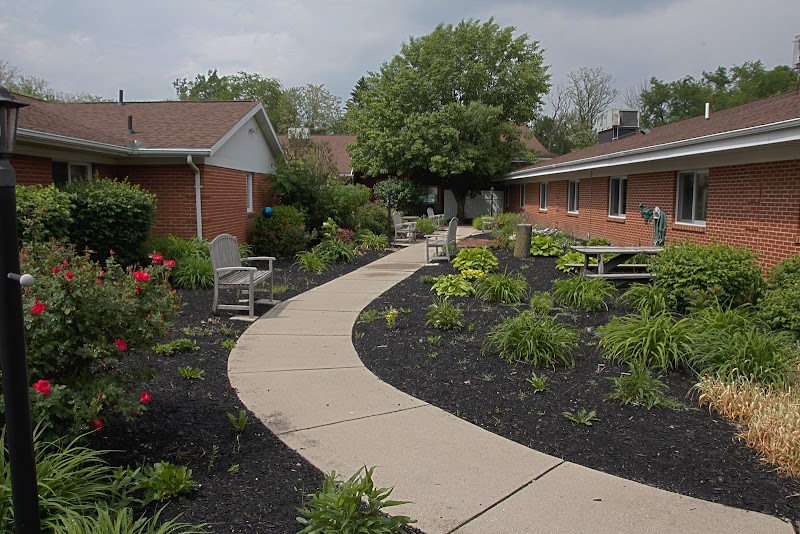
How is Hawthorne Healthcare Center Staffed?

CMS rates HAWTHORNE HEALTHCARE CENTER's staffing level at 1 out of 5 stars, which is much below average compared to other nursing homes. Staff turnover is 70%, which is 24 percentage points above the Indiana average of 46%. High turnover can affect care consistency as new staff learn residents' individual needs. RN turnover specifically is 86%, which is notably high. RNs provide skilled clinical oversight, so turnover in this role can affect medical care quality.

What Have Inspectors Found at Hawthorne Healthcare Center?

State health inspectors documented 29 deficiencies at HAWTHORNE HEALTHCARE CENTER during 2023 to 2025. These included: 1 Immediate Jeopardy (the most serious level, indicating potential for serious harm or death), 1 that caused actual resident harm, 26 with potential for harm, and 1 minor or isolated issues. Immediate Jeopardy findings are rare and represent the most serious regulatory concerns. They require immediate corrective action.

Who Owns and Operates Hawthorne Healthcare Center?

HAWTHORNE HEALTHCARE CENTER is owned by a for-profit company. For-profit facilities operate as businesses with obligations to shareholders or private owners. The facility is operated by COMMUNICARE HEALTH, a chain that manages multiple nursing homes. With 88 certified beds and approximately 63 residents (about 72% occupancy), it is a smaller facility located in INDIANAPOLIS, Indiana.
How Does Hawthorne Healthcare Center Compare to Other Indiana Nursing Homes?

Compared to the 100 nursing homes in Indiana, HAWTHORNE HEALTHCARE CENTER's overall rating (2 stars) is below the state average of 3.1, staff turnover (70%) is significantly higher than the state average of 46%, and health inspection rating (2 stars) is below the national benchmark.

What Should Families Ask When Visiting Hawthorne Healthcare Center?

Based on this facility's data, families visiting should ask: "What changes have been made since the serious inspection findings, and how are you preventing similar issues?" "How do you ensure continuity of care given staff turnover, and what is your staff retention strategy?" "Can you walk me through typical staffing levels on day, evening, and night shifts?" "Can I visit during a mealtime to observe dining assistance and food quality?" These questions are particularly relevant given the facility's Immediate Jeopardy citations, the facility's high staff turnover rate, and the below-average staffing rating.

Is Hawthorne Healthcare Center Safe?

Based on CMS inspection data, HAWTHORNE HEALTHCARE CENTER has documented safety concerns. Inspectors have issued 1 Immediate Jeopardy citation (the most serious violation level indicating risk of serious injury or death). The facility has a 2-star overall rating and ranks #100 of 100 nursing homes in Indiana. Families considering this facility should ask detailed questions about what corrective actions have been taken since these incidents.

Do Nurses at Hawthorne Healthcare Center Stick Around?

Staff turnover at HAWTHORNE HEALTHCARE CENTER is high. At 70%, the facility is 24 percentage points above the Indiana average of 46%. Registered Nurse turnover is particularly concerning at 86%. RNs handle complex medical decisions and coordinate care — frequent RN changes can directly impact care quality. High turnover means new staff may not know residents' individual needs, medications, or preferences. It can also be disorienting for residents, especially those with dementia who rely on familiar faces. Families should ask: What is causing the turnover? What retention programs are in place? How do you ensure care continuity during staff transitions?

Was Hawthorne Healthcare Center Ever Fined?

HAWTHORNE HEALTHCARE CENTER has no federal fines on record. CMS issues fines when nursing homes fail to meet care standards or don't correct problems found during inspections. The absence of fines suggests the facility has either maintained compliance or corrected any issues before penalties were assessed. This is a positive indicator, though families should still review recent inspection reports for the full picture.

Is Hawthorne Healthcare Center on Any Federal Watch List?

HAWTHORNE HEALTHCARE CENTER is not on any federal watch list. The most significant is the Special Focus Facility (SFF) program, which identifies the bottom 1% of nursing homes nationally based on persistent, serious quality problems. Not being on this list means the facility has avoided the pattern of deficiencies that triggers enhanced federal oversight. This is a positive indicator, though families should still review the facility's inspection history directly.