MAJESTIC CARE OF SOUTHPORT
8549 S MADISON AVE, INDIANAPOLIS, IN 46227 (317) 881-9164
For profit - Corporation 140 Beds MAJESTIC CARE Data: November 2025 3 Immediate Jeopardy citations
Trust Grade
0/100
#367 of 505 in IN
Last Inspection: October 2024

Within standard 12-15 month inspection cycle. Federal law requires annual inspections.

Overview

Majestic Care of Southport has received a Trust Grade of F, indicating significant concerns about its operations and care quality. Ranking #367 out of 505 facilities in Indiana places it in the bottom half, and it's #33 out of 46 in Marion County, which means there are many better options available locally. While the facility is reportedly improving, with issues decreasing from 10 in 2024 to 3 in 2025, the overall situation still raises alarms. Staffing is a notable weakness, with a low rating of 1 out of 5 stars and a troubling turnover rate of 69%, significantly higher than the state average. Additionally, the facility has been fined $66,411, which is concerning as it is higher than 96% of Indiana facilities, suggesting ongoing compliance issues. Several critical incidents have been reported, including a failure to provide necessary transportation for residents to dialysis, leading to emergency care for some. There were also serious concerns regarding the safety of resident transport, resulting in injuries. Another alarming incident involved neglecting to follow a physician's orders for a resident with a serious infection, leading to hospitalization and death. While the facility has some strengths, such as a high rating for quality measures, these serious deficiencies cannot be overlooked when considering care options for your loved one.

Trust Score
F
0/100
In Indiana
#367/505
Bottom 28%
Safety Record
High Risk
Review needed
Inspections
Getting Better
10 → 3 violations
Staff Stability
⚠ Watch
69% turnover. Above average. Higher turnover means staff may not know residents' routines.
Penalties
✓ Good
$66,411 in fines. Lower than most Indiana facilities. Relatively clean record.
Skilled Nurses
⚠ Watch
Each resident gets only 26 minutes of Registered Nurse (RN) attention daily — below average for Indiana. Fewer RN minutes means fewer trained eyes watching for problems.
Violations
⚠ Watch
30 deficiencies on record. Higher than average. Multiple issues found across inspections.
★★☆☆☆
2.0
Overall Rating
★☆☆☆☆
1.0
Staff Levels
★★★★★
5.0
Care Quality
★☆☆☆☆
1.0
Inspection Score
Stable
2024: 10 issues
2025: 3 issues

The Good

  • 5-Star Quality Measures · Strong clinical quality outcomes
  • Full Sprinkler Coverage · Fire safety systems throughout facility
  • No fines on record

Facility shows strength in quality measures, fire safety.

The Bad

2-Star Overall Rating

Below Indiana average (3.1)

Below average - review inspection findings carefully

Staff Turnover: 69%

23pts above Indiana avg (46%)

Frequent staff changes - ask about care continuity

Federal Fines: $66,411

Above median ($33,413)

Moderate penalties - review what triggered them

Chain: MAJESTIC CARE

Part of a multi-facility chain

Ask about local staffing decisions and management

Staff turnover is elevated (69%)

21 points above Indiana average of 48%

The Ugly 30 deficiencies on record

3 life-threatening 1 actual harm
Feb 2025 1 deficiency
CONCERN (D) 📢 Someone Reported This

A family member, employee, or ombudsman was alarmed enough to file a formal complaint

Potential for Harm - no one hurt, but risky conditions existed

Medical Records (Tag F0842)

Could have caused harm · This affected 1 resident

Based on interview and record review, the facility failed to ensure a resident's transfer to the emergency department was documented in the medical record for 1 of 3 residents reviewed for documentati...

Read full inspector narrative →
Based on interview and record review, the facility failed to ensure a resident's transfer to the emergency department was documented in the medical record for 1 of 3 residents reviewed for documentation. (Resident B) Findings include: During an interview on 2/26/25 at 8:10 a.m., Resident B's daughter indicated, on 2/21/25 at approximately 3:00 p.m., she noticed Resident B was lethargic, so she called 911 to have Resident B sent to the emergency department. The clinical record for Resident B was reviewed on 2/26/25 at 8:20 a.m. The diagnoses included, but were not limited to, bladder cancer, asthma, and chronic atrial fibrillation. A hospital palliative care note, dated 2/23/25 at 2:19 p.m., indicated, on 2/21/25, Resident B presented to the emergency department with altered mental status and was admitted to hospital. During an interview on 2/26/25 at 9:10 a.m., the Director of Nursing indicated the nurse that was caring for Resident B, when she was transferred to the emergency department, should have documented a note in Resident B's record regarding the transfer. On 2/26/25 at 11:57 a.m., the Administrator provided a copy of facility policy, titled Transfer Discharge, dated 1/2/24, and indicated this was the current policy used by the facility. A review of the policy indicated document relevant information regarding the transfer in the medical record. This citation relates to Complaint IN00454230. 3.1-50(a)(1) 3.1-50(a)(2)
Feb 2025 2 deficiencies
CONCERN (D) 📢 Someone Reported This

A family member, employee, or ombudsman was alarmed enough to file a formal complaint

Potential for Harm - no one hurt, but risky conditions existed

Free from Abuse/Neglect (Tag F0600)

Could have caused harm · This affected 1 resident

Based on interview and record review, the facility failed to protect a resident's right to be free from verbal and physical abuse when a resident cursed at and spit at another resident for 1 of 3 resi...

Read full inspector narrative →
Based on interview and record review, the facility failed to protect a resident's right to be free from verbal and physical abuse when a resident cursed at and spit at another resident for 1 of 3 residents reviewed for abuse. (Resident B, Resident C) Findings include: During an interview on 2/17/25 at 9:20 a.m., Resident B indicated, on 1/22/25 or 1/23/25 at approximately 6:30 p.m., Resident B was with other residents waiting to go outside to smoke. Resident C wheeled up to Resident B and called her a b**** and then said Resident B knew what the f*** Resident C was talking about. Resident B got scared and started wheeling back to her room. Resident C wheeled after her. Resident B was afraid Resident C was going to hit her. Resident B got to her room and Resident C continued to yell and curse at her. LPN 2 came and told Resident C to go to the nursing station. Resident D and Resident E wheeled up to Resident B's room to talk to her. A little while after that, Resident B was sitting near her door talking with Resident D and Resident E when Resident C wheeled up again and called Resident B a b**** and told Resident B she was going to break her neck. Then Resident C spit on Resident B. Resident B had been scared since then. At that time, Resident B became tearful and indicated she didn't feel safe, she was afraid of Resident C, and there was nothing preventing Resident C from coming back to her room if Resident C wanted to. During an interview on 2/17/25 at 9:48 a.m., Resident D indicated he saw Resident C in her wheelchair chase after Resident B. Then Resident B was sitting in her wheelchair at her door when Resident C wheeled up and was yelling and cursing. Resident C spit on Resident B's leg. During an interview on 2/17/25 at 9:55 a.m., Resident E indicated he watched Resident C chase Resident B about a month ago. It started in the hallway so Resident B went to her room. A few minutes later, Resident E was in the hallway next to Resident B's room when he watched Resident C spit on Resident B. Resident D was with Resident E when it happened. The clinical record for Resident B was reviewed on 2/17/25 at 10:15 a.m. The diagnoses included, but were not limited to, anxiety, depression, and psychotic disorder. An annual Minimum Data Set (MDS) assessment, dated 12/15/24, indicated Resident B was cognitively intact. A Progress Note, dated 1/22/25 at 11:05 p.m., indicated Resident B was argumentative with Resident C. Resident B was yelling at Resident C to get away from her. Resident C wheeled past Resident B's room and started yelling at her. Then both residents began yelling at each other. LPN 1 encouraged Resident B to fill out a report. A Progress Note, dated 1/28/25 at 2:57 a.m., Resident B requested the nurse call the Nurse Practitioner to get her medication for nervousness. Resident B was nervous because of the altercation with Resident C last Thursday (1/23/25). The clinical record for Resident C was reviewed on 2/17/25 at 10:55 a.m. The diagnoses included, but were not limited to, schizophrenia, alcohol abuse, psychoactive substance abuse, and dementia. A quarterly MDS assessment, dated 10/30/24, indicated Resident C was moderately cognitively impaired. A Progress Note, dated 1/22/25 at 11:00 p.m., indicated Resident C had become agitated with Resident B. Resident C was very argumentative with Resident B. Resident C was redirected to her room then Resident C came back out into the hallway and started yelling at Resident B and attempted to spit on Resident B. Resident C was redirected to her room. A psychiatric progress note, dated 1/23/25 at 12:00 a.m., indicated staff report Resident C threatened to spit on Resident B with no known provocation. The clinical record for Resident D was reviewed on 2/17/25 at 11:04 a.m. A quarterly MDS assessment, dated 12/24/24, indicated Resident D was cognitively intact. The clinical record for Resident E was reviewed on 2/17/25 at 11:05 a.m. A quarterly MDS assessment, dated 12/16/24, indicated Resident E was cognitively intact. During an interview on 2/17/25 at 11:32 a.m., LPN 1 indicated she heard Resident C call Resident B a b**** and then told Resident B she was going to spit on her. Then Resident C spit at Resident B, but the spit didn't touch Resident B. On 2/17/25 at 8:50 a.m., the Director of Nursing provided a copy of a facility policy, titled Abuse, Mistreatment, Neglect, Exploitation, and Misappropriation, dated 9/6/24, indicated this was the current policy used by the facility. A review of the policy indicated residents have the right to be free from abuse. This citation relates to Complaint IN00452293. 3.1-27(a)(1) 3.1-27(b)
CONCERN (D) 📢 Someone Reported This

A family member, employee, or ombudsman was alarmed enough to file a formal complaint

Potential for Harm - no one hurt, but risky conditions existed

Report Alleged Abuse (Tag F0609)

Could have caused harm · This affected 1 resident

Based on interview and record review, the facility failed to report an allegation of abuse to the state health department when a resident cursed at and spit at another resident for 1 of 3 residents re...

Read full inspector narrative →
Based on interview and record review, the facility failed to report an allegation of abuse to the state health department when a resident cursed at and spit at another resident for 1 of 3 residents reviewed for abuse. (Resident B, Resident C) Findings include: During an interview on 2/17/25 at 9:20 a.m., Resident B indicated, on 1/22/25 or 1/23/25 at approximately 6:30 p.m., Resident C called Resident B a b****. Then Resident C spit on Resident B. The clinical record for Resident C was reviewed on 2/17/25 at 10:55 a.m. The diagnoses included, but were not limited to, schizophrenia, alcohol abuse, psychoactive substance abuse A Progress Note, dated 1/22/25 at 11:00 p.m., indicated Resident C had become agitated with Resident B. Resident C was argumentative with Resident B. Resident C was redirected to her room then Resident C came back into the hallway and started yelling at Resident B and attempted to spit on Resident B. Resident C was again redirected to her room. Director of Nursing notified. During an interview on 2/17/25 at 11:06 a.m., the Administrator indicated he received a phone call from LPN 1 that there had been a verbal altercation between two residents. It should have been reported. During an interview on 2/17/25 at 11:32 a.m., LPN 1 indicated she heard Resident C call Resident B a b****. Then LPN 1 watched Resident C spit at Resident B. If LPN 1 would not have been right there, Resident C would have been able to get to Resident B to spit on her. LPN 1 did not report this until the next day when the Administrator called her. LPN 1 was not sure if anyone else reported this when it happened. During an interview on 2/17/25 at 1:37 p.m., LPN 2 indicated she did not see Resident C spit at Resident B. LPN 2 couldn't remember if LPN 1 told her about Resident C spitting at Resident B. LPN 2 thought she might have reported this to the Administrator and Director of Nursing but wasn't sure. On 2/17/25 at 8:50 a.m., the Director of Nursing provided a copy of a facility policy, titled Abuse, Mistreatment, Neglect, Exploitation, and Misappropriation, dated 9/6/24, and indicated this was the current policy used by the facility. A review of the policy indicated all allegations of abuse must be reported immediately to the Administrator or designee. This Federal tag relates to Complaint IN00452293. 3.1-28(c)
Oct 2024 8 deficiencies
CONCERN (D)

Potential for Harm - no one hurt, but risky conditions existed

Resident Rights (Tag F0550)

Could have caused harm · This affected 1 resident

Based on observation, interview, and record review, the facility failed to ensure residents were treated with dignity for 1 of 12 residents observed during the noon meal. Staff did not sit to assist r...

Read full inspector narrative →
Based on observation, interview, and record review, the facility failed to ensure residents were treated with dignity for 1 of 12 residents observed during the noon meal. Staff did not sit to assist residents with their meal. (Resident 60) Finding includes: During a dining observation on 10/7/24 at 12:10 p.m., Unit Manager (UM) 2 assisted Resident 60 with the noon meal while standing over Resident 60. UM 2 was not observed to be seated. During an interview on 10/7/24 at 12:48 p.m., the Director of Nursing (DON) indicated that staff should be sitting at eye level but not standing while assisting residents with meals. During an interview on 10/7/24 at 12:50 p.m., UM 2 indicated staff should be sitting at eye level when assisting residents with meals. On 10/8/24 at 8:50 a.m., Resident 60's clinical record was reviewed. The diagnosis included but was not limited to, Alzheimer's disease. A Quarterly Minimum Data Set (MDS) assessment, dated 9/18/24, indicated the resident had severe cognitive impairment and required extensive assistance with eating. On 10/7/24 at 12:56 p.m., the DON provided a copy of a policy titled Dignity, revised on 1/2/24, and indicated it was the policy currently being followed by the facility. A review of the policy indicated it was the practice of the facility to protect and promote resident rights and treat each resident with respect and dignity as well as care for each resident in a manner and in an environment that maintains or enhances resident's quality of life by recognizing each resident's individuality. 3.1-3(a)
CONCERN (D)

Potential for Harm - no one hurt, but risky conditions existed

Deficiency F0558 (Tag F0558)

Could have caused harm · This affected 1 resident

Based on observation, interview, and record review, the facility failed to provide reasonable accommodation of needs for 1 of 4 residents reviewed for environment. Call lights were not within reach. (...

Read full inspector narrative →
Based on observation, interview, and record review, the facility failed to provide reasonable accommodation of needs for 1 of 4 residents reviewed for environment. Call lights were not within reach. (Resident 8) Findings include: During an observation on 10/7/24 from 11:47 a.m. to 11:55 a.m., Resident 8 was observed resting in bed. Resident 8's call light was observed mounted to the wall between Resident 8's bed and the roommate's bed. The call light cord was attached to the wall mount and the other end of the cord was observed lying on the floor behind Resident 8's headboard. The call light was out of reach of Resident 8. During an interview at that time, Resident 8 indicated she was not able to find her call light. During an interview on 10/7/24 at 11:58 a.m., RN 3 indicated all call lights were to be kept within reach of the resident. During an observation on 10/8/24 from 9:13 a.m. to 9:20 a.m., Resident 8 was observed resting in bed. Resident 8's call light was observed mounted to the wall between Resident 8's bed and the roommate's bed. The call light cord was attached to the wall mount and the other end of the cord was observed lying on the floor behind Resident 8's headboard. The call light was out of reach of Resident 8. During an interview on 10/8/24 at 9:22 a.m., Unit Manager 2 indicated Resident 8's call light was supposed to be kept within reach of the resident. On 10/9/24 at 3:00 p.m., Resident 8's clinical record was reviewed. The diagnoses included, but were not limited to, history of falling and anemia. The Annual Minimum Data Set (MDS) assessment, dated 8/22/24, indicated Resident 8 was moderately cognitively intact. Resident 8's care plan, revised on 6/13/24, indicated the resident was at risk for falls. Interventions, dated 10/16/23, included keep call light .within reach. During an interview on 10/10/24 at 3:05 p.m., the Director of Nursing Services indicated call lights were to be kept within reach of the resident. On 10/10/24 at 8:30 a.m., the Director of Nursing Services provided a copy of the Resident Rights policy, dated 12/12/23, and indicated it was the current policy in use by the facility. A review of the policy indicated, .Safe environment: the resident has a right to a safe .environment . On 10/10/24 at 8:30 a.m., the Director of Nursing Services provided a copy of the Call Lights policy, dated 12/12/23, and indicated it was the current policy in use by the facility. A review of the policy indicated, .Staff will ensure the call light is within reach of resident .The call system will be accessible to residents while in their bed . 3.1-3(v)(1)
CONCERN (D)

Potential for Harm - no one hurt, but risky conditions existed

Transfer Notice (Tag F0623)

Could have caused harm · This affected 1 resident

Based on interview and record review, the facility failed to ensure that written Notice of Transfer and Discharge was provided to the resident and the resident's representative for 1 of 6 residents re...

Read full inspector narrative →
Based on interview and record review, the facility failed to ensure that written Notice of Transfer and Discharge was provided to the resident and the resident's representative for 1 of 6 residents reviewed for transfers and discharges. (Resident 10) Finding includes: On 10/10/24 at 9:57 a.m., Resident 10's clinical record was reviewed. The diagnoses included, but were not limited to, diabetes, COPD (Chronic Obstructive Pulmonary Disease, a lung disease that makes it difficult to breathe), heart disease, and risk for falls. Resident 10's face sheet identified a family member as the resident's representative. The clinical record's Census tab indicated Resident 10 had been transferred to the hospital emergency department on 5/23/24. A progress note, dated 5/23/24 at 2:52 p.m., indicated [Resident 10] returned from ED [Emergency Department] . The clinical record lacked documentation that the written Notice of Transfer and Discharge was provided to the resident and the resident's representative for the facility-initiated hospital transfer on 5/23/24. During an interview on 10/10/24 at 1:15 p.m., Unit Manager 2 indicated Resident 10 was transferred to the hospital emergency department on 5/23/24. The facility was unable to provide verification that the written Notice of Transfer and Discharge was provided to the resident and the resident's representative for the facility-initiated hospital transfer on 5/23/24. On 10/11/24 at 8:10 a.m., the Administrator provided a copy of the Transfer & Discharge policy, dated 12/12/23, and indicated it was the current policy in use by the facility. A review of the policy indicated, .Emergency Transfers/Discharges: initiated by the facility for medical reasons to an acute care setting such as a hospital .provide a notice of transfer and the facility's bed hold policy to the resident and representative .ombudsman .The facility's transfer/discharge notice will be provided to the resident and the resident's representative in a language and manner in which they can understand . 3.1-12(a)(6)(A)(i) 3.1-12(a)(6)(A)(ii)
CONCERN (D)

Potential for Harm - no one hurt, but risky conditions existed

Deficiency F0625 (Tag F0625)

Could have caused harm · This affected 1 resident

**NOTE- TERMS IN BRACKETS HAVE BEEN EDITED TO PROTECT CONFIDENTIALITY** Based on interview and record review, the facility failed to ensure written bed hold notifications were provided to the resident...

Read full inspector narrative →
**NOTE- TERMS IN BRACKETS HAVE BEEN EDITED TO PROTECT CONFIDENTIALITY** Based on interview and record review, the facility failed to ensure written bed hold notifications were provided to the resident and to the resident's representative for 1 of 6 residents reviewed for transfers. (Resident 10). Finding includes: On 10/10/24 at 1:15 p.m., Resident 10's clinical record was reviewed. The diagnoses included, but were not limited to, COPD (a lung disease that makes it difficult to breathe), heart failure, and type 2 diabetes. The clinical record's census tab indicated Resident 10 had been transferred to the hospital emergency department on 5/23/24. A progress note, dated 5/23/24 at 2:52 p.m., indicated [Resident 10] returned from ED [Emergency Department] . The clinical record lacked documentation that the written bed hold notification was provided to Resident 10 or to the resident's representative for the hospital transfer on 5/23/24. During an interview on 10/10/24 at 1:15 p.m., Unit Manager 2 indicated Resident 10 was transferred to the hospital emergency department on 5/23/24. The facility lacked verification that the written bed hold notification was given to the resident and their representative. On 10/11/24 at 8:10 a.m., the Administrator provided a copy of the [NAME] Care Bed Hold policy, dated 1/2/24, and indicated it was the current policy in use by the facility. A review of the policy indicated that the resident and the resident's representative would be provided the bed hold policy at the time of the hospital transfer or therapeutic leave, or would be provided written notice within 24 hours for an emergency transfer of the resident, and that the facility would keep a signed and dated copy of the bed-hold notice information given to the resident and /or resident representative in the resident's file. 3.1-12(a)(25) 3.1-12(a)(26)
CONCERN (D)

Potential for Harm - no one hurt, but risky conditions existed

Comprehensive Care Plan (Tag F0656)

Could have caused harm · This affected 1 resident

Based on observation, interview, and record review, the facility failed to develop a comprehensive person centered care plan for a resident who refused care for 1 of 1 residents reviewed for Activitie...

Read full inspector narrative →
Based on observation, interview, and record review, the facility failed to develop a comprehensive person centered care plan for a resident who refused care for 1 of 1 residents reviewed for Activities of Daily Living. (Resident 62) Finding includes: On 10/7/24 at 10:16 a.m., observed Resident 62 in his room. The resident was in bed and awake. A strong foul smell was noted inside the room. On 10/8/24 at 10:22 a.m., observed Resident 62 in his room. A strong foul odor was noted in the residents room. On 10/9/24 at 9:00 a.m., observed Resident 62 in his room. A strong foul odor was noted in the resident's room. On 10/7/24 at 11:00 a.m., the clinical record of Resident 62 was reviewed. The diagnosis included but was not limited to, morbid (severe) obesity. A care plan, dated 7/19/24, indicated Resident 62 required assistance with activities of daily living secondary to diagnosis of acute on chronic respiratory failure, heart failure, morbid obesity, decreased mobility. The interventions included, but was not limited to, requires the assistance of one staff. The clinical record lacked a person centered care plan that included the refusal of showers and refusal of other care. During an interview on 10/9/24 at 9:10 a.m., the Director of Nursing indicated Resident 62 refused care, including showers. On 10/9/24 at 9:30 a.m., the DON indicated a care plan for Resident 62's refusal of care was not available. On 10/10/24 at 9:49 a.m., the DON provided a policy titled Comprehensive Care Plan, dated 1/2/24, and indicated it was the current policy being used by the facility. A review of the policy indicated, .3. The comprehensive care plan will describe, at the minimum, the following: .b. Any services that would otherwise be furnished, but are not provided due to the resident's exercise of his or her right to refuse treatment. 3.1-35(a)
CONCERN (D)

Potential for Harm - no one hurt, but risky conditions existed

Deficiency F0692 (Tag F0692)

Could have caused harm · This affected 1 resident

Based on interview and record review, the facility failed to ensure weekly weights were recorded in the clinical record and failed to monitor a resident's weight for significant weight changes for 1 o...

Read full inspector narrative →
Based on interview and record review, the facility failed to ensure weekly weights were recorded in the clinical record and failed to monitor a resident's weight for significant weight changes for 1 of 3 residents reviewed for nutrition. (Resident 23) Finding includes: On 10/8/24 at 3:14 p.m., Resident 23's clinical record was reviewed. The diagnoses included, but were not limited to, Huntington's Disease, diabetes, dementia, asthma, and abnormal weight loss. The Registered Dietician assessment, dated 8/29/24, indicated Resident 23 had a history of abnormal weight loss and required assistance with meals. The clinical record lacked additional dietician evaluations or dietary notes. Physician orders, dated 9/13/24 with no end date noted, indicated weekly weights. Resident 23's care plan, revised on 10/7/24, indicated Resident 23 had a potential nutritional risk related to abnormal weight loss and malnutrition. The care plan goal included will not exhibit significant weight loss. Interventions initiated on 9/25/24 included weights as ordered/indicated, notify MD [physician] of significant weight changes .Registered Dietician to evaluate and make diet changes/recommendations as needed. Resident 23's September 2024 Treatment Administration Record (TAR) indicated weekly wt [weight] one time a day every Friday, start date: 9/13/24. A review of the TAR record indicated clinical staff signed the document on 9/13/24, 9/20/24, and 9/27/24, which signified the weekly weights were obtained. The TAR record lacked the actual weekly recorded weight amounts for those specific dates. Resident 23's Vital Record weight report indicated the following: - On 8/26/24 at 1:19 p.m., Resident 23's weight was 141.4 pounds. - On 9/2/24 at 1:07 p.m., Resident 23's weight was 141.0 pounds; a 0.4-pound loss between 8/26/24 and 9/2/24. - On 10/1/24 at 7:55 a.m., Resident 23's weight was 151.8 pounds; a 10.8-pound weight gain between 9/2/24 and 10/1/24. - On 10/2/24 at 12:48 p.m., Resident 23's weight was 127.2 pounds, a 24.6-pound weight loss between 10/1/24 and 10/2/24. The clinical record lacked documentation that weekly weights were recorded as prescribed by the physician. The clinical record lacked documentation that the physician was notified of the significant weight changes. The clinical record lacked documentation that monitoring for the weight fluctuations had been identified and corresponding interventions were implemented. During an interview on 10/9/24 at 8:45 a.m., Qualified Medication Aide (QMA) 4 indicated resident weights were to be recorded in the Vital Record weight report tab in the electronic clinical record. During an interview on 10/9/24 at 10:45 a.m., the Assistant Director of Nursing Services (ADNS) indicated Resident 23's clinical record indicated the staff signatures on the TAR record reflected the weekly weights had been taken. However, the actual weight amounts had not been recorded in the clinical record. The ADNS indicated perhaps there was a problem with the weight scale machine which caused the weight fluctuations for 10/1/24 and 10/2/24 recorded weights. The record lacked evidence of any updated weight monitoring or interventions for Resident 23. During an interview on 10/11/24 at 10:20 a.m., the Director of Nursing Services indicated the weekly weights should have had data entered into the clinical record. All documentation entered into the record was to be accurate. No additional assessments or interventions were implemented as a result of Resident 23's weight changes. On 10/10/24 at 9:55 a.m., the Director of Nursing Services provided a copy of the Nutrition Management policy, dated 12/12/23, and indicated it was the current policy in use by the facility. A review of the policy indicated, .the resident's nutritional care .will be reviewed .as needs/interventions change .at least monthly to provide nutrition assessment/recommendations for those residents determined to be at risk . On 10/11/24 at 10:20 a.m., the Regional Clinical Consultant provided a copy of the Physician Orders policy, dated 12/12/23, and indicated it was the current policy in use by the facility. A review of the policy indicated, .to provide a reliable process for the proper and consistent provision of physician ordered services according to professional standards of quality .documentation .will be maintained in the resident's clinical record . 3.1-46(a)(1)
CONCERN (D)

Potential for Harm - no one hurt, but risky conditions existed

Pharmacy Services (Tag F0755)

Could have caused harm · This affected 1 resident

Based on interview and record review, the facility failed to document the drug disposition records for 2 of 2 records reviewed for discharged residents. (Resident 77, Resident 78) Findings include: 1....

Read full inspector narrative →
Based on interview and record review, the facility failed to document the drug disposition records for 2 of 2 records reviewed for discharged residents. (Resident 77, Resident 78) Findings include: 1. On 10/10/24 at 9:45 a.m., the clinical record of Resident 77 was reviewed. The diagnoses included, but were not limited to, COPD (a lung disease that makes it difficult to breathe) and type 2 diabetes. A physician's order summary report of medications, dated for active orders as of 9/1/24, included but were not limited to: - acetaminophen 500 mg (milligrams) for pain, fever, or headache - cholecalciferol (vitamin D3) 1,000 units for vitamin deficiency - insulin glargine subcutaneous solution 20 units injection for diabetes - insulin lispro subcutaneous solution with a sliding scale (dosage varied based on blood sugar at time of administration) for diabetes - metformin hydrochloride 500 mg for diabetes - sertraline hydrochloride 50 mg for depression - sodium chloride 1,000 mg for hyponatremia (low sodium levels) - solifenacin succinate 5 mg for bladder spasm A progress note, dated 9/1/24 at 5:20 a.m., indicated that resident had passed away at facility. Resident 77's clinical record lacked documentation of medications being sent back to the pharmacy or destroyed. 2. On 10/10/24 at 10:00 a.m., the clinical record of Resident 78 was reviewed. The diagnoses included, but were not limited to, COPD (a lung disease that makes it difficult to breathe) and unspecified heart failure. A physician's order summary report of medications, dated for active orders as of 6/1/24, included but were not limited to: - acetaminophen 650 mg for general discomfort - atorvastatin calcium 40 mg for high cholesterol - benztropine mesylate 1 mg for neurologic/mood - Combivent Respimat inhalation 20-100 mcg (micrograms) for shortness of breath/COPD - Eliquis 5 mg for blood thinner - fluticasone propionate nasal spray 50 mcg for allergies - gavilax powder 17 gm (gram) for constipation - melatonin 3 mg for other sleep disorders - metoprolol succinate 25 mg for hypertensive heart disease - paliperidone 1.5 mg for schizophrenia - paliperidone palmitate IM (intramuscular) suspension 234 mg/1.5 mL (milliters) for schizophrenia - saline nasal solution for sinus congestion - sennosides docusate sodium 8.6-50 mg for constipation A progress note, dated 7/12/24, indicated Resident 78 was discharged from facility with all medications and belongings. Resident 78's clinical record lacked documentation of a medication release form listing all medications that were sent home with the resident or resident's representative. During an interview on 10/10/24 at 9:17 a.m., the Director of Nursing (DON) indicated that they lacked documentation for the drug dispositions for Resident 77 and Resident 78. On 10/11/24 at 10:35 a.m., the Regional Clinical Consultant (RCC) provided a policy titled Medication Returns, Credits, and Destruction, dated 2/1/18, and indicated it was the current policy being used by the facility. A review of the policy indicated that all items returned to the pharmacy must be logged on a medication return form; the facility was to send the white and yellow copies of the triplicate forms, and they were to keep the pink copy at the facility for their records. 3.1-25(o) 3.1-25(s)
CONCERN (D)

Potential for Harm - no one hurt, but risky conditions existed

Menu Adequacy (Tag F0803)

Could have caused harm · This affected 1 resident

Based on observation, interview, and record review, the facility failed to ensure a current menu was posted for 1 of 1 meal observed. Posted menus were incorrect. Finding includes: During an observa...

Read full inspector narrative →
Based on observation, interview, and record review, the facility failed to ensure a current menu was posted for 1 of 1 meal observed. Posted menus were incorrect. Finding includes: During an observation on 10/7/24 at 12:33 p.m., a posted menu was observed on the entry way of the main dining room. The posted menu indicated it was week 4. The menu indicated today's lunch consisted of turkey, carrots, mashed potatoes, and a roll. On 10/7/24 at 12:45 p.m., observed a menu posted on the wall on the entrance to the B wing. The posted menu indicated it was week 3. The menu indicated today's lunch on 10/7/24 consisted of cheesy ham and macaroni, spinach, corn bread, and pineapple tidbits. On 10/7/24 from 12:33 p.m. until 1:00 p.m., observed the facility staff serving the main dining room trays for the noon meal. The meal received by the residents included, brochette chicken, parmesan noodles, green beans, and a dinner roll. During an interview on 10/7/24 at 12:50 p.m., the Staff Scheduler indicated the posted menu's should reflect what was currently being served. During an interview on 10/7/24 at 1:09 p.m., the Dietary Manager indicated the current posted menu should have indicated, day two of week one. The posted menu's should have been changed on 10/5/24. On 10/9/24 at 9:15 a.m., during Resident Council meeting, Resident 48 indicated the residents never knew what they were having for meals until they receive their meal tray. Resident 48 indicated the posted menu was always wrong. On 10/7/24 at 1:43 p.m., the Executive Director provided a policy titled Menus, dated 10/2022, and indicated it was the current policy being used by the facility. A review of the policy indicated .6. Menus will be served as written, unless a substitution is provided in response to preference . 8. Menus will be posted in the Dining Services department, dining rooms and resident/patient care areas . 3.1-20(k)
Apr 2024 2 deficiencies
CONCERN (D) 📢 Someone Reported This

A family member, employee, or ombudsman was alarmed enough to file a formal complaint

Potential for Harm - no one hurt, but risky conditions existed

Report Alleged Abuse (Tag F0609)

Could have caused harm · This affected 1 resident

Based on interview and record review, the facility failed to ensure allegations of abuse were reported to the State Survey Agency for 2 of 3 allegations of abuse reviewed. (Resident B, Resident C) Fin...

Read full inspector narrative →
Based on interview and record review, the facility failed to ensure allegations of abuse were reported to the State Survey Agency for 2 of 3 allegations of abuse reviewed. (Resident B, Resident C) Findings include: 1. During an interview on 4/17/24 at 9:05 a.m., the Social Service Director indicated on approximately 4/2/24, Resident B made an abuse allegation that a black, female staff member hit him in the back of the head. The facility was not able to substantiate the allegation. During an interview on 4/18/24 at 1:00 p.m., Resident B indicated a staff member smacked the back of his head after they had an argument. Resident B did not know if the staff was a nurse or CNA (Certified Nursing Aide), was not able to provide a physical description, and was not sure of the date nor time. During an interview on 4/18/24 at 1:55 p.m., the Administrator indicated on 4/1/24, Resident B made an allegation that a staff member hit him. The Administrator indicated the facility investigated the allegation but were not able to substantiate the abuse allegation. The abuse allegation should have been reported to the State Survey Agency but was not. The clinical record for Resident B was reviewed on 4/18/24 at 1:05 p.m. The diagnoses included, but were not limited to, anxiety and depression. A Quarterly MDS (Minimum Data Set) assessment, dated 2/23/24, indicated Resident B was severely cognitively impaired. A progress note, dated 4/1/24 at 4:01 p.m., indicated Resident B reported a staff member hit him. The nurse assessed Resident B. The social worker, Administrator, and DON (Director of Nursing) were notified. On 4/19/24 at 10:15 a.m., the Administrator provided a copy of a document, titled Report a Concern, dated 4/2/24, and indicated the was this was the concern form that was filled out after Resident B made an allegation of abuse. A review of the document indicated the alleged abuse occurred, on 4/1/24 at approximately 4:00 p.m. when a staff member hit Resident B while providing care. 2. During an interview on 4/17/24 at 9:05 a.m., the Social Service Director indicated Resident C made an allegation that a staff member was rough while providing care. RN 1 (Registered Nurse) came to morning meeting and reported the allegation to the Social Service Director and the Social Service Director asked RN 1 to get a statement from Resident C and report the allegation to the Administrator. The Administrator spoke to Resident C, but the Social Service Director did not know the details of that conversation. During an interview on 4/18/24 at 1:55 p.m., the Administrator indicated Resident C made an allegation that a staff member did not provide care in a slow and gentle manner on 3/29/24 at approximately 5:00 a.m. Resident C asked the staff member to slow down but the staff member did not listen. The Administrator indicated the facility was not able to substantiate the allegation of abuse. The clinical record for Resident C was reviewed on 4/19/24 at 9:30 a.m. The diagnoses included, but were not limited to, alcohol abuse, altered mental status, and major depression. An admission MDS assessment, dated 1/6/24, indicated Resident C was cognitively intact. The electronic medical record did not include sufficient documentation to determine the specific details of the abuse allegation that was made by Resident C on 3/29/24. On 4/19/24 at 10:15 a.m., the Administrator provided a copy of a document, titled Report a Concern, dated 3/29/24, and indicated this was the concern form that was filled out after Resident C made an allegation of abuse. A review of the document indicated the alleged abuse occurred, on 3/29/24 at approximately 5:00 a.m. when a staff member continued to provide care in a manner that was too fast and not gentle enough after Resident C asked the staff member to slow down. On 4/17/24 at 3:05 p.m., the Director of Nursing provided a copy of a facility policy, titled Abuse Prevention Program, dated 3/2021, and indicated this was the current policy used by the facility. A review of the policy indicated when an alleged case of abuse is reported, the Administrator or designee will notify the State certification agency responsible for surveying the facility. This citation relates to Complaints IN00432582 and IN00432713. 3.1-28(c)
CONCERN (D) 📢 Someone Reported This

A family member, employee, or ombudsman was alarmed enough to file a formal complaint

Potential for Harm - no one hurt, but risky conditions existed

Deficiency F0742 (Tag F0742)

Could have caused harm · This affected 1 resident

**NOTE- TERMS IN BRACKETS HAVE BEEN EDITED TO PROTECT CONFIDENTIALITY** Based on observation, interview, and record review, the facility failed to provide care and services for a resident diagnosed wi...

Read full inspector narrative →
**NOTE- TERMS IN BRACKETS HAVE BEEN EDITED TO PROTECT CONFIDENTIALITY** Based on observation, interview, and record review, the facility failed to provide care and services for a resident diagnosed with PTSD (Post Traumatic Stress Disorder) for 1 of 3 residents reviewed.(Resident D) Finding includes: During an interview on 4/17/24 at 11:23 a.m. Resident F indicated the facility had a major illegal drug and alcohol problem. Resident D drank alcohol in the facility and supplied other resident with alcohol. Resident F reported this to the Administrator. During an interview on 4/17/24 at 12:06 p.m. Resident G indicated Resident G witnessed Resident D offer alcohol to other residents. Resident G reported this to the Administrator. During an interview on 4/18/24 at 1:55 p.m., the Administrator indicated he was aware of allegations of illegal drug and alcohol use in the facility. He indicated the facility had never caught anyone doing drugs inside the facility. Staff did find a bottle of vodka in Resident D's room. At that time, the Administrator pulled a small clear bottle out of his desk drawer. The bottle was unopened, clear, plastic 200 ml (milliliters) container with a red label of [NAME] premium blend Vodka. During an interview on 4/19/24 at 8:23 a.m., Resident D indicated he brought Vodka into the facility and got drunk. During an interview on 4/19/24 at 8:28 a.m., the Social Service Director indicated Resident D was caught with Vodka and the Vodka was removed from his room. After the Vodka was found, Resident D's independent LOA (leave of absence) was discontinued. An independent LOA is not always based on a resident's BIMS (Brief Interview for Mental Status) score. On 3/1/24, Resident D requested to go to the hospital shortly after he had been drinking in the facility and was having increased hallucinations. The clinical record for Resident D was reviewed on 4/19/24 at 9:40 a.m. The diagnoses included, but were not limited to, schizophrenia, major depression, psychoactive substance abuse, and alcohol dependence. An admission MDS (Minimum Data Set) assessment, dated 2/8/24, indicated Resident D was moderately cognitively impaired. The diagnoses did not include post-traumatic stress disorder. A psychiatric progress note, dated 2/9/24, indicated Resident D's overall history, symptoms, and current presentation appears consistent with post traumatic stress disorder. Established diagnoses list included, but was not limited to, post-traumatic stress disorder. A Quarterly MDS assessment, dated 3/13/24, did not include the diagnosis of post-traumatic stress disorder. Resident D's clinical record lacked a person-centered care plan for post-traumatic stress disorder. During an interview on 4/22/24 at 9:05 a.m., the Administrator indicated Resident D should have had a person-centered care plan for post-traumatic stress disorder. On 4/17/24 at 9:18 a.m., the Director of Nursing provided a copy of a facility policy, titled Mood and Behavior Management, dated 7/2018, and indicated this was the current policy used by the facility. A review of the policy indicated it was the policy of the facility to provide interventions that are specific to the resident's individualized needs. 3.1-43(a)(1)
Nov 2023 4 deficiencies
CONCERN (D)

Potential for Harm - no one hurt, but risky conditions existed

Report Alleged Abuse (Tag F0609)

Could have caused harm · This affected 1 resident

Based on interview and record review, the facility failed to ensure an incident of alleged resident physical abuse was reported to the State Survey Agency for 1 of 1 residents reviewed for reporting r...

Read full inspector narrative →
Based on interview and record review, the facility failed to ensure an incident of alleged resident physical abuse was reported to the State Survey Agency for 1 of 1 residents reviewed for reporting resident abuse. (Resident 43) Finding includes: During an interview on 11/13/23 at 9:30 a.m., Resident 43 indicated a CNA (Certified Nurse Aide) 4 had recently smacked her in the head. Resident 43 indicated that she had reported the incident to the charge nurse. During an interview on 11/13/23 at 10:00 a.m., the DON (Director of Nursing), indicated the allegation was not reported to the State Survey Agency and that it should have been reported. On 11/13/23 at 2:30 p.m., Resident 43's clinical record was reviewed. The Quarterly Minimum Data Set (MDS) assessment, dated 10/30/23, indicated Resident 43 was cognitively intact. On 11/14/23 at 11:30 a.m., the DON provided a copy of the facility reportable incident and associated investigation. The incident occurred on 11/7/23 at 6:30 p.m. and it was reported to Administrator and DON on 11/8/23 during morning meeting at 9:00 a.m. It was reported to the State Agency on 11/13/23. On 11/13/23 at 11:00 a.m., the DON provided a copy of abuse policy titled Abuse Prevention Program, dated for March 2021, and indicated that it was the policy currently in use by the facility. A review of the policy indicated, When an alleged or suspected case of mistreatment, neglect, injuries of an unknown source, or abuse is reported, the facility Administrator, DON, or individuals designated will immediately (not to exceed 24 hours if the event does not result in serious bodily injury .notify the following persons or agencies of such [an] incident: 1. The State licensing/certification agency responsible for surveying/licensing the facility 3.1-28(c)
CONCERN (D)

Potential for Harm - no one hurt, but risky conditions existed

Tube Feeding (Tag F0693)

Could have caused harm · This affected 1 resident

Based on observation, interview, and record review, the facility failed to verify placement of an enteral tube prior to administering medications for 1 of 2 enteral tube medication administrations obs...

Read full inspector narrative →
Based on observation, interview, and record review, the facility failed to verify placement of an enteral tube prior to administering medications for 1 of 2 enteral tube medication administrations observed. (Resident 58) Findings include: On 11/15/23 at 8:40 a.m., Licensed Practical Nurse (LPN) 2 was observed to administer medication to Resident 58 per enteral tube (jejunostomy feeding tube). LPN 2 was observed to not verify the placement of the enteral tube prior to administering the medication. During an interview, at that time, LPN 2 indicated she was not sure if the placement of the tube needed to be verified. On 11/15/23 at 9:00 a.m., the clinical record of Resident 58 was reviewed. The diagnosis included, but was not limited to, gastrostomy. A quarterly Minimum Data Set (MDS) assessment, dated 10/29/23, indicated Resident 58 was moderately cognitively impaired and required a feeding tube. A Physicians order, initiated 5/26/23, indicated check placement of tube [enteral] prior to administration of medications. A care plan, dated 5/26/23 and current through 11/26/23, indicated, Resident 58 is at risk for complications. Resident 58 requires tube feeding, related to NPO (nothing by mouth) status. The interventions included, but were not limited to, tube feeding and water flushes as per physician orders. Check for tube placement and gastric contents per facility protocol and record. On 11/15/23 at 11:22 a.m., the Director of Nursing provided a policy titled, Medication Administration Via Enteral Tube, undated, and indicated it was the current policy being used by the facility. A review of the policy indicated 9. Procedure: h. Enteral tube placement must be verified prior to administering any fluids or medication. 3.1-44(a)(2)
CONCERN (D)

Potential for Harm - no one hurt, but risky conditions existed

Respiratory Care (Tag F0695)

Could have caused harm · This affected 1 resident

**NOTE- TERMS IN BRACKETS HAVE BEEN EDITED TO PROTECT CONFIDENTIALITY** Based on observation, interview, and record review, the facility failed to ensure tracheostomy supplies were kept at the bedside...

Read full inspector narrative →
**NOTE- TERMS IN BRACKETS HAVE BEEN EDITED TO PROTECT CONFIDENTIALITY** Based on observation, interview, and record review, the facility failed to ensure tracheostomy supplies were kept at the bedside for 1 of 2 residents reviewed for tracheostomy care. (Resident 231) Finding includes: On 11/15/23 at 10:54 a.m., Resident 231's clinical record was reviewed. The diagnoses included, but were not limited, to the following: tracheostomy (a procedure to help air and oxygen reach the lungs by creating an opening into the trachea (windpipe) from outside the neck, a person with a tracheostomy breathes through a tracheostomy tube inserted in the opening), chronic respiratory failure with hypoxia (not enough oxygen in the blood), and nontraumatic intracranial hemorrhage (damage to the blood vessel walls). Physician orders, effective 10/30/23 with no identified end dates, included but were not limited to the following: - Tracheostomy size 7. - Keep a spare tracheostomy of same size and one size smaller at bedside every shift. - Oxygen at 4 liters per minute via tracheostomy collar every shift. The admission Minimum Data Set (MDS) assessment, dated 11/12/23, indicated Resident 231 utilized oxygen therapy and tracheostomy care. Resident 231's care plan included, but was not limited to: Resident has a tracheostomy, at risk for complications for impaired breathing mechanics, initiated 10/31/23 and valid through 1/28/24. The interventions included, but were not limited to, size and type of trach tube (Portex 7 disposable) and tracheostomy care as ordered. On 11/15/23 at 10:45 a.m., observed Resident 231 resting in bed with a tracheostomy tube and oxygen, at 4 liters per minute via tracheostomy collar, in place. On 11/15/23 at 11:45 a.m., Unit Manager 3 was observed checking the availability of the required tracheostomy supplies that were to be kept at Resident 231's bedside. Unit Manager 3 found one unused size 7 Portex disposable tracheostomy tube in a box inside a plastic bag hanging on the wall near the resident's headboard. No other tracheostomy tubes were found at the bedside. During an interview on 11/15/23 at 11:50 a.m., Unit Manager 3 indicated Resident 231's tracheostomy size was a 7. At least two spare tracheostomy tubes were to be kept at the bedside. One tracheostomy tube should be the resident's current tracheostomy size and the other one was to be one size smaller. Unit Manager 3 indicated the smaller sized tracheostomy tube was not found in Resident 231's room. On 11/16/23 at 8:30 a.m., the Administrator provided a copy of the [NAME] Care Policy and Procedure: Trach Care policy, dated 5/27/21, and indicated it was the current policy in use by the facility. A review of the policy indicated, .trached patients are to have an unopened next size down tracheostomy tube at the bedside or taped to the head of the bed . 3.1-47(a)(4)
CONCERN (E)

Potential for Harm - no one hurt, but risky conditions existed

Food Safety (Tag F0812)

Could have caused harm · This affected multiple residents

Based on observation, interview, and record review, the facility failed to ensure food was served in a sanitary manner for 3 of 3 kitchen observations. Mouse droppings were in the dry storage room und...

Read full inspector narrative →
Based on observation, interview, and record review, the facility failed to ensure food was served in a sanitary manner for 3 of 3 kitchen observations. Mouse droppings were in the dry storage room under cereal and crackers boxes, hair nets were not properly covering hair. (Dietary Manager, Staff 6 Findings include: On 11/13/23 from 10:20 a.m. to 10:30 a.m., during the initial kitchen tour with the DM (Dietary Manager) the following was observed: - Staff 6 was observed walking throughout the kitchen where food preparation was being performed, with a hair net on top of her head leaving the hair on the back of her head exposed approximately 1 foot of mixed braided hair uncovered. The DM, while on initial tour was also observed with a hair net on top of his head leaving hair on the back of his head approximately 4 inches long not covered. The DM was observed to return to food preparation with his hair uncovered. - In the dry storage room rodent traps were noted to be in place, while one trap under the cereal and crackers boxes had multiple mouse droppings observed. During an interview at that time, the DM indicated It could very well be mouse droppings. On 11/13/23 at 12:03 p.m., the Executive Director provided the Pest Control Program from, signed and dated 10/17/23 with documentation to pest control activity in facility indicating an ongoing pest control and observations dated from 9/17/23 until 11/12/23. On 11/14/23 at 8:20 a.m., observed mouse droppings in the dry storage area. On 11/14/23 at 8:25 a.m., the DM was observed with a hair net on top of his head leaving the back of his hair uncovered approximately 4 inches. During an interview on 11/14/23 at 8:27 a.m., the Executive Director indicated, Yes, I do see them I will have traps checked and area cleaned. On 11/15/23 at 9:20 a.m., observed the DM walking throughout the kitchen with a hair net on top of his head leaving approximately 4 inches on the back of his head uncovered. During an interview at that time, the District Manager indicated the DM did not have his hair net on properly. On 11/15/23 at 10:12 a.m., the DNS (Director of Nursing Services) provided a copy of the Healthcare Services Group Staff Attire Police, revised 9/2017 and indicated it was the current policy in use by the facility. A review of the policy indicated, .All staff members will have hair off the shoulders, confined in a hair net or cap and all facial hair properly restrained . On 11/15/23 at 10:21 a.m., the DNS provided a copy of the Healthcare Services Group Environment Policy, revised 9/2017 and indicated it was the current policy pin use by the facility, .The Dining Services Director will ensure that the kitchen is maintained in a clean and sanitary manner, including floors, walls, ceilings, lighting and ventilation . The Dining Services Director will ensure that a routine cleaning schedule is in place for all cooking equipment, food storage areas and surfaces . 3.1-21(i)(2) 3.1-21(i)(3)
Jun 2023 2 deficiencies 1 Harm
SERIOUS (G) 📢 Someone Reported This

A family member, employee, or ombudsman was alarmed enough to file a formal complaint

Actual Harm - a resident was hurt due to facility failures

Deficiency F0742 (Tag F0742)

A resident was harmed · This affected 1 resident

Based on observation, interview, and record review, the facility failed to ensure a female resident, diagnosed with depression, anxiety, PTSD (post-traumatic stress disorder), and delusions disorder r...

Read full inspector narrative →
Based on observation, interview, and record review, the facility failed to ensure a female resident, diagnosed with depression, anxiety, PTSD (post-traumatic stress disorder), and delusions disorder received treatment and services to attain the highest practicable mental and psychosocial well-being for 1 of 3 residents reviewed for mental health treatment. This resulted in the resident requiring inpatient psychiatric treatment. (Resident B) Finding includes: During an interview on 6/19/23 at 10:30 a.m., observed Resident B sitting outside, alone, in the front parking lot of the facility, smoking a cigarette. She had a disheveled appearance with her wig half on and taped to her head. Resident B appeared to be anxious, guarded, and paranoid. At that time, Resident B indicated Resident E was her roommate and Resident E had been putting bed bugs on her. There were multiple residents throwing bed bugs on Resident B outside in the smoking area. There were multiple nights when someone went into Resident B's room at night, while she was sleeping, and threw bed bugs on her. She has not been able to prove it to any staff because by the time she wakes up the bugs are gone. Resident B's son had a fragile X chromosome and she watched him die. Resident B indicated she had never threatened anyone verbally nor physically. Resident B indicated she was getting ready to start medical school. The clinical record for Resident B was reviewed on 6/19/23 at 1:48 p.m. The diagnoses included, but were not limited to, post-traumatic stress disorder, anxiety disorder, and psychotic disorder with delusions. A Quarterly MDS (Minimum Data Set) assessment, dated 3/24/23, indicated Resident B was cognitively intact. A behavioral health progress note, dated 3/13/23 at 12:00 a.m., indicated Resident B had past trauma because she was a hostage. On 11/16/22, a NPIQ (Neuropsychiatric Inventory Questionnaire is a questionnaire that assesses neuropsychiatric symptoms of the resident over the past month) was completed and indicated Resident B had moderate neuropsychiatric symptoms with dysphoria, anxiety, and irritability/lability. On that day, staff reported feeling A Little Stressed when providing care to Resident B. On 3/13/23, another NPIQ was completed and indicated severe neuropsychiatric symptoms with delusions, hallucinations, and agitation. On that day, staff reporting feeling Very Stressed when providing care to Resident B. Resident B's mood was irritable and manic. Resident B was having tactile and visual hallucinations and distressful, persecutorial, and paranoid delusions. Resident B's insight and judgement became severely impaired. Also indicated, Resident B presented in an agitated mood with irritable affect. Resident B expressed delusions, paranoia, and visual hallucinations of bed bugs saying they were in her nose and biting her face. Resident B had multiple sores on her face. Clinician asked Resident B was agitated, verbally aggressive, and endorsed psychosis. Discussed this with the SSD (Social Service Director) and the SSD stated that she was trying to get Resident B into inpatient psychiatric hospital. A progress note, dated 3/13/23 at 11:21 a.m., indicated Resident B noted with significant behavior changes this morning. During conversation with writer Resident B was talking to voices that were not present. When Resident B was asked about these voices she explained that the voices were coming from the kitchen. Resident B stated that the environment was noisy but no one noise was present. She is noted scratching all over her face. She stated that her skin has broken out due to this facility. Resident B has a history of using heavy amounts of make-up which she does not remove daily. Resident B also stated that she believed her hip hardware had come out of place and was causing pain and discomfort. Resident B stood up and requested that writer palpate area at which time writer noted no changes or abnormalities. On 3/12/23 Resident B called emergency services related to hip pain. Resident B was transported to the emergency department where she was evaluated, X-rays were completed, and no fracture or dislocation was noted. Resident B also received Dilaudid and Zofran during the emergency department visit. Resident B returned to facility. Resident B stated that she had been told that she will be discharged to the streets. When writer reassures her that she is not being discharged she then stated that she wanted to leave and discharge to another facility. Writer reassured Resident B that we want to make sure she is safe and comfortable, provided personal space. Resident B purchased an energy drink and went to her room. The Nurse Practitioner and Psych services were notified of behavior changes. Social Services noted of request to transfer facilities A progress note, dated 3/13/23 at 11:38 a.m., indicated Resident B with psychosis type behavior this morning. She was going down the hallway on A Wing and then to B Wing with raised voice. Multiple staff members attempted to redirect and calm down without success. Resident B went outside to smoke. She returned to the A wing nurse's station with shrilled voice saying that there were bugs in her room that were eating her, and she just needed somewhere to relax and be left alone to call. She claimed that staff burst in on her in the bathroom and started pouring diarrhea water on her head and wig. Resident B stated that someone confiscated her cigarettes, and she wanted them back. Resident B had cigarettes within the last hour because she had gone out to smoke. She was noted by the Executive Director that she was talking with someone that was not present about I am not going to throw up, just leave me alone. When approached Resident B stated that she was talking with someone who told her it was okay to puke. She insisted on going to the hospital over the weekend because her hip popped out. Nursing attempted to treat in house, and she was insistent. SSD has spoken with her several times and expressed that she might need inpatient treatment. SSD standing with resident and placed hand on handle of wheelchair, and Resident B said, please don't do that. She expressed that she was unhappy here and a staff member expressed that if she was unhappy there were women's shelters that could help her. She then started talking about her handicapped son that she can't care for because of her condition and that his dad is abusing him. SSD expressed to her that she needed to notify authorities to assist because of her current condition and she said that she had. Resident B recently told the psychologist that she was in the witness protection program. A behavioral health progress note, dated 3/23/23 at 1:00 a.m., indicated Resident B was assessed in room. She continues to fidget. Staff reported Resident B told another patient that she was going to shoot all the nursing staff with a gun. When asked Resident B about this, she denied accusation. Stated she has never told anyone anything like that. Staff reported Resident B's behavior has become more erratic. Encouraged staff to monitor patients behaviors. A progress note, dated 4/10/23 at 5:31 p.m., indicated Resident B noted to have hallucinations and hearing voices. Resident B stated that someone was messing with her hair and her earbuds. Resident B also was seen yelling at someone stating get the F off of me when there was no one there. Writer attempted to reassure Resident B that no one was there. A progress note, dated 4/11/23 at 3:28 p.m., indicated Resident B was observed in hallway talking to pictures on the wall. When asked Resident B stated, I know them. Resident B continued conversation for 3-5 minutes with the pictures. Then, Resident B went outside. A behavioral health progress note, dated 4/12/23 at 1:00 a.m., indicated during the session Resident B presented as anxious, with anxious/worried affect. Staff requested this appointment for Resident B due to reported visual hallucinations. Resident B described a hole in her wall and something from the hole as eating the top of my head. She complained of bed bugs despite staff denying her having the bugs after investigating for the pests. Resident B denied visual hallucinations stating, If so, I'd say something. She reported rekindling her relationship with her adoptive son and wanting to leave the facility in 2-3 weeks. Will follow up with staff SSD. A progress note, dated 5/9/23 at 2:47 p.m., indicated Resident B was seen walking down the hallway yelling at the wall. When asked what's wrong, Resident B replied, They need to stop touching me. No one was present nor touched her. Resident B continued to have loud outburst throughout the day and was not able to be redirected. A progress note, dated 5/9/23 at 3:19 p.m., indicated Resident B approached writer in social service office. Resident B stated she didn't feel. Resident B was very tearful and anxious and not easily altered with 1:1. Writer observed Resident B talking to people not in the room. Resident B stated, stop bothering me and No, I don't want to do an AB workout right now. Resident B continues to ramble non sensical. Resident B has been noted with ongoing episodes of delusions and hallucinations. The Unit Manager was made aware and Resident B agreed to possible inpatient psychiatric care. SSA contacted a psychiatric facility with referral. A behavioral health progress note, dated 5/24/23 at 1:00 a.m., indicated during session Resident B presented as anxious, with congruent affect. Resident B discussed moving rooms due to perceived issues with her roommate. Resident B was delusional throughout the session and stated she had called the FBI over perceived injustices and bed bugs in her room. Diagnosis updated to reflect Delusional Disorder, Persecutory type. During an interview on 6/20/23 at 8:32 a.m., the Unit Manager indicated she was not sure what Resident B's diagnosis of PTSD was from nor what any triggers were. Resident B's behaviors have been ongoing for over a month. During an interview on 6/20/23 at 8:35 a.m., the Social Service Director indicated she wasn't sure why Resident B was diagnosed with PTSD. She believed Resident B had been raped several times. The Social Service Director was not sure of any triggers. Resident B was suffering from psychosis back in March of 2023. A referral was sent to a psychiatric facility, but Resident B was never sent to a psychiatric facility. The Social Service Director did not have any denial from the psychiatric facility, so she was not sure why Resident B was not sent to the psychiatric facility, but should have been followed up on. The Social Service Director was not aware of any treatment changes at that time back in March of 2023 when Resident B was suffering from the delusions and hallucinations. On 6/19/23 at 2:17 p.m., the Administrator provided a copy of a facility policy, titled Mood and Behavior Management, dated April 2022, and indicated this was the current policy used by the facility. A review of the policy indicated it is the policy of the facility to provide interventions for all residents with behavioral and or mood indicators that may be problematic or distressing. Residents are provided interventions that are specific to the resident's individualized needs. 3.1-43(a)(1)
CONCERN (D) 📢 Someone Reported This

A family member, employee, or ombudsman was alarmed enough to file a formal complaint

Potential for Harm - no one hurt, but risky conditions existed

Free from Abuse/Neglect (Tag F0600)

Could have caused harm · This affected 1 resident

Based on observation, interview, and record review, the facility failed to protect the resident's right to be free from verbal and physical abuse by a resident to other residents for 4 of 4 residents ...

Read full inspector narrative →
Based on observation, interview, and record review, the facility failed to protect the resident's right to be free from verbal and physical abuse by a resident to other residents for 4 of 4 residents reviewed for abuse. A resident verbally abused 3 residents and physically abused one resident. (Resident B, Resident C, Resident D, Resident E, Resident F) Finding includes: During an interview on 6/19/23 at 10:06 a.m., LPN 1 (Licensed Practical Nurse) indicated Resident B had an incident over the weekend. She hit Resident C and yelled at other residents. During an interview on 6/19/23 at 10:30 a.m., observed Resident B sitting outside, alone, in the front parking lot of the facility, smoking a cigarette. She had a disheveled appearance with her wig half on and taped to her head. Resident B appeared to be anxious, guarded, and paranoid. At that time, Resident B indicated Resident E was her roommate and Resident E had been putting bed bugs on her. There were multiple residents throwing bed bugs on Resident B outside in the smoking area. She indicated there were multiple nights when someone went into her room at night, while she was sleeping, and threw bed bugs on her. She had not been able to prove it to any staff because by the time she woke up the bugs were gone. Resident B indicated she had never threatened anyone verbally nor physically. During an interview on 6/19/23 at 11:16 a.m., Resident C indicated a couple days ago, he was coming in from smoking when Resident B wheeled up to him and stopped. Resident B was cursing at him but didn't make any sense. Then, Resident B slapped Resident C, on the left side of his face, with the back of her hand. Resident C's glasses went off of his face and his hat fell off. Resident C's face turned red, and his left eye hurt for a little while. There were multiple times when Resident B went outside and flipped out on everyone outside. During an interview on 6/19/23 at 11:19 a.m. Resident D indicated over the weekend, Resident D was walking toward the nurses station. Resident B wheeled up and said something, but Resident D ignored Resident B. Then, Resident B said she was going to hit Resident D. Resident D was holding her walker and tried to make a fist to protect herself. Then, Resident B called Resident D a b**** and wheeled down the hall yelling n***** at the staff. Resident D was not sure where Resident B went after she started yelling at the staff. During an interview on 6/19/23 at 11:50 a.m., Resident E indicated she was the previous roommate of Resident B. Resident B was not allowed in Resident E's room anymore because Resident B threatened to kill Resident E. This past Saturday (6/17/23), Resident E was sitting on her bed when Resident B walked over to Resident E's side of the room with a piece of glass and Resident B told Resident E she was going to cut Resident E with the glass and Resident E would not wake up. Then, Resident B told Resident E not to go out to the smoking area again. Resident B walked back to her side of the room. Resident E immediately got on her scooter and went to the nurse's station to tell the nurse what happened. Resident B went down the hall and threatened to hit Resident D. Then, Resident B wheeled up to Resident C and hit him and his hat went to the floor. Resident B left in an ambulance and came back that same night. Resident B was not supposed to come back into this room again, but that same night she came back into this room to get a couple personal items. Resident B was not accompanied by any staff. Resident B had been telling people Resident E threw bed bugs on her and had been calling Resident E a fat n*****. During an interview on 6/19/23 at 11:57 a.m., Resident F indicated over the weekend, she was outside with other residents smoking. Resident B came out and started talking about the FBI (Federal Bureau of Investigation) and some other stuff. A CNA (Certified Nursing Aide) came and stood at the door approximately 6 feet away from Resident B. Resident B started yelling at us and said we were molesting her in her head. After a few minutes of listening to Resident B, Resident F told Resident B to shut up. Resident B kept talking nonsensical and threatened to break Resident F's neck. Resident B called everyone outside n******. Resident B had talked about the FBI multiple times. Resident B told Resident F several times that she needed to take our phones because the FBI was listening to us through our phones. Resident F thought the staff was scared of Resident B that day. During an interview on 6/19/23 at 12:15 p.m., the Administrator indicated Resident B had an altercation with other residents over the weekend. Resident B was placed on 1:1 observation at that time and should have been on 1:1 observation since then. Resident B had never been aggressive with other residents. The clinical record for Resident B was reviewed on 6/19/23 at 1:48 p.m. The diagnoses included, but were not limited to, post-traumatic stress disorder, anxiety disorder, and delusional disorder. A Quarterly MDS (Minimum Data Set) assessment, dated 3/24/23, indicated Resident B was cognitively intact. A progress note, dated 6/17/23 at 4:40 p.m., indicated writer observed, Resident B verbally abuse and threaten Resident D. Resident B stated she will smack Resident D and raised her hand in an attempt to smack Resident D. Resident B then rolled up the hall toward the smoking area. Resident B deliberately ran into Resident C's wheelchair then raised her hand and smacked Resident C on left side of his face sending Resident C's hat flying off his head and oxygen tank hitting the ground. Resident B then proceeded to the smoke area screaming profanity with writer running behind trying to redirect Resident B and ensure the safety of other residents. Resident B proceeded to the smoke area where she verbally abused Resident F and threatened to break Resident F's neck. A progress note, dated 6/17/23 at 6:47 p.m., indicated was reported that Resident B went on to Resident E's side of room. Resident B threaten to cut Resident E with a round mirror at night when she is asleep. Resident E told Resident B to get away. Then Resident B went down hallway and was arguing with Resident D and drew back to hit her. Then, Resident B went down hallway and hit Resident C in the head. Then went out to patio. Resident B was sent to the emergency department. The clinical record for Resident C was reviewed on 6/20/23 at 1:24 p.m. The diagnoses included, but were not limited to, dependent personality disorder and depression. A Quarterly MDS assessment, dated 4/25/23, indicated Resident C was cognitively intact. A care plan, dated 6/20/23 and current through 9/12/23, indicated Resident is at risk for potential psychosocial well-being problem related to being slapped by another resident in the facility. Interventions included, but were not limited to, when conflict arises remove residents to a calm safe environment and allow to vent/share feelings. A progress note, dated 6/17/23 at 4:39 p.m., indicated Resident C was returning from smoke area toward his room when Resident B deliberately ran into Resident C's wheelchair. Resident B then raised her and smacked Resident C on left side of his face sending his hat flying off his head and oxygen tank hitting the ground. Resident C was assessed for injury writer noticed Resident C's face red on left side. Resident C complained of pain and was given as needed pain medication. A progress note, dated 6/17/23 at 7:00 p.m., indicated Resident C was feeling better. The left side of Resident C's face was no longer red and no injury, no complaints of pain at this time. Resident C lying in bed relaxed watching television. A progress note, dated 6/19/23 at 4:02 p.m., indicated Resident C was watching TV. He said that his face hurt a little, but nursing had addressed the pain. The clinical record for Resident D was reviewed on 6/20/23 at 1:35 p.m. The diagnoses included, but were not limited to, depression and history of falls. An admission MDS assessment, dated 3/14/23, indicated Resident D was not cognitively intact. A care plan, dated 6/20/23 and current through 9/19/23, indicated Resident D is at risk for psychosocial well-being problem related to being threatened by another resident in the facility. Interventions included, but were not limited to, encourage Resident D to report concerns immediately to staff and when conflict arises remove residents to a calm safe environment and allow to vent/share feelings. A progress note, dated 6/20/23 at 11:13 a.m., indicated follow up from weekend incident. Resident D stated her and Resident B had a verbal altercation. Residents were immediately separated. The clinical record for Resident E was reviewed, on 6/20/23 at 1:15 p.m. The diagnoses included, but were not limited to, bipolar disorder, depression, and anxiety. A Quarterly MDS assessment, dated 2/7/23, indicated Resident E was cognitively intact. A care plan, dated 6/20/23 and current through 7/19/23, indicated Resident E exhibits a potential for psychosocial well-being problem related to being threatened by Resident B in facility. Interventions included, but were not limited to, alert staff immediately to concerns and when conflict arises, remove residents to a calm safe environment and allow to vent/share feelings. A progress note, dated 6/20/23 at 11:01 a.m., indicated follow up from weekend. Met to discuss Resident E was in a verbal altercation with Resident B. Resident E stated the aggressor approached with a broken mirror. The clinical record of Resident F was reviewed on 6/20/23 at 1:07 p.m. The diagnoses included, but were not limited to, major depression, anxiety, and schizophrenia. A brief interview for mental status, dated 6/6/23, indicated Resident F was cognitively intact. A care plan, dated 6/20/23 and current through 6/22/23, indicated Resident F is at risk for potential psychosocial well-being problem related to being threatened by Resident B. Interventions included, but were not limited to, Resident F encouraged to alert staff immediately to concerns and when conflict arises, remove residents to a calm safe environment and allow to vent/share feelings. A progress note, dated 6/20/23 at 11:12 a.m., indicated follow up from weekend incident, Resident F stated her and Resident B had a verbal altercation. On 6/20/23 at 9:10 a.m., the Administrator provided a copy of a facility policy, titled Abuse Prevention Program, dated 3/2021, and indicated this was the current policy used by the facility. A review of the policy indicated residents have the right to be free from abuse. 3.1-27(a)(1) 3.1-27(b)
May 2023 2 deficiencies 2 IJ (1 affecting multiple)
CRITICAL (J) 📢 Someone Reported This

A family member, employee, or ombudsman was alarmed enough to file a formal complaint

Immediate Jeopardy (IJ) - the most serious Medicare violation

Accident Prevention (Tag F0689)

Someone could have died · This affected 1 resident

Based on observation, interview, and record review, the facility failed to ensure staff were properly securing the bus safety latch before transporting residents for 3 of 3 residents reviewed for acci...

Read full inspector narrative →
Based on observation, interview, and record review, the facility failed to ensure staff were properly securing the bus safety latch before transporting residents for 3 of 3 residents reviewed for accidents hazards. Resident D sustained fractures to both legs. Resident B sustained minor injuries. (Resident D, Resident B, Resident E) This deficient practice resulted in an Immediate Jeopardy. The Immediate Jeopardy began, on 12/29/22 at approximately 5:00 p.m. when the facility failed to secure a resident's wheelchair prior to transporting that resident in the facility bus. The Administrator was notified of the Immediate Jeopardy on 5/30/23 at 4:40 p.m. The Immediate Jeopardy was removed on 5/31/23 at 3:30 p.m., but noncompliance remained at a lower scope and severity level of isolated, no actual harm with potential for more than minimal harm that is not Immediate Jeopardy. Findings include: 1. During an interview on 5/30/23 at 12:12 p.m., Resident D indicated the Maintenance Director was driving the facility bus when Resident D was being transported. The Maintenance Director stopped the bus and Resident D fell forward out of his wheelchair and the wheelchair moved forward. Resident D's legs were pinned between his motorized wheelchair and the bus seat. He indicated his wheelchair wasn't secured to the floor either. Resident D indicated the Maintenance Director was in a hurry. Resident D indicated he didn't put his wheelchair seat buckle on because he was used to being strapped in once on the bus. Resident D thought his right leg looked like the bone was going to come out. The Maintenance Director did not secure Resident D's motorized wheelchair to the bus floor. The Maintenance Director did not put the seat belt on Resident D. During an interview on 5/30/23 at 12:49 p.m., the Maintenance Director indicated Resident D was sitting in his motorized wheelchair while being transported in the facility bus. The Maintenance Director was driving and came to a stop. Resident D flipped out of the wheelchair. This was not the Maintenance Director's first time driving the facility bus to transport residents. The clinical record for Resident D was reviewed on 5/30/23 at 3:13 p.m. The diagnoses included, but were not limited to, paraplegia and post traumatic stress disorder. A Quarterly MDS (Minimum Data Set) assessment, dated 4/12/23, indicated Resident D was cognitively intact. A hospital progress note, dated 12/29/22 at 6:19 p.m., indicated Resident D presented to the emergency department after he fell forward from his wheelchair because he was not secured in the transport van. Noted twisted legs. A hospital progress note, dated 1/1/23 at 11:16 a.m., indicated Resident D sustained a right tibial shaft fracture (right lower leg), a left femur fracture (left upper leg), and a left tibial fracture just below the knee. 2. During an interview on 5/26/23 at 11:01 a.m. Family Member 1 indicated she was with Resident B, on the facility bus, when the bus driver crossed a median and Resident B fell out of his wheelchair. Resident B hit his head, had a cut on his elbow, and a cut on his finger. Resident B also told Family Member 1 that his neck was hurt. The bus driver didn't have Resident B strapped in. The bus driver told her the straps didn't work. During an interview on 5/26/23 at 12:32 p.m., Bus Driver 1 indicated she was transporting Resident B on 5/15/23 when he slid out of his wheelchair when she made a wide turn. Resident B's wheelchair was secured to the floor but the seat belt that was supposed to secure Resident B was broken so she did not apply the seatbelt. The bus driver thought the seat belt was fixed, on May 17 or 18, 2023, when she used the bus again for transportation. The clinical record for Resident B was reviewed on 5/26/23 at 12:45 p.m. The diagnoses included, but were not limited to, heart failure and end stage renal disease. An admission MDS assessment, dated 5/4/23, indicated Resident B was cognitively intact. A progress note, dated 5/15/23 at 4:13 p.m., indicated skin assessment was completed on Resident B. A skin tear was noted on Resident B's right elbow and his right 5th finger. A progress note, dated 5/15/23 at 4:59 p.m., indicated Resident B had an appointment and was being transported by the facility bus. When the bus came to a construction site, the bus driver had to make a u turn and Resident B's wheelchair fell over. Resident B indicated that he hit his head and that he was having neck pain. The Nurse Practitioner was notified, and a physician's order were received for a cervical spine x-ray. Staff educated on importance of making sure residents are properly secured on bus during transports. 3. On 5/30/23 at 1:43 p.m., Resident E was sitting in a wheelchair on the facility bus. Bus Driver 1 was observed to attempt to secure Resident E and the wheelchair in the facility bus. First, Bus Driver 1 moved Resident E's wheelchair into position to be secured. Second, she pulled a strap, with a hook at the end, up from the floor and attached the hook to the wheelchair's wheel. Then, she tightened the strap. This was repeated for each wheel until the wheelchair was secured to the bus floor. Next, she pulled a seat belt from above Resident E's left side down across his chest and another seat belt up from the floor on Resident E's right side. Each seat belt had a buckle attached to the end. She connected the buckles near Resident E's right thigh. After that she indicated Resident E was secured with the seat belts and ready for transport, observed the seat belt that came up from the floor, easily, come apart when slight pressure was applied. At that time, Bus Driver 1 indicated the seat belt was not broken. The clinical record for Resident E was reviewed on 5/30/23 at 3:31 p.m. The diagnoses included, but were not limited to, paraplegia and post traumatic stress disorder. A Quarterly MDS assessment, dated 3/30/23, indicated Resident E was cognitively intact. On 5/30/23 at 4:32 p.m., the Administrator provided a copy of an undated document, titled employee training orientation, and indicated this was the employee training completed to transport residents in the facility bus. A review of the document indicated the safety gear on the facility van is to be inspected before and after each use. Ensure the resident is secure and double check all locks and restraints. The Immediate Jeopardy, that began on 12/29/22, was removed on 5/31/23 when the facility inserviced the staff on transporting residents in the facility bus via wheelchair to ensure they are secured properly, but the noncompliance remained at the lower scope and severity of no actual harm with potential for more than minimal harm that is not Immediate Jeopardy because a systemic plan of correction had not been developed and implemented to prevent recurrence. 3.1-45(a)(1)
CRITICAL (K) 📢 Someone Reported This

A family member, employee, or ombudsman was alarmed enough to file a formal complaint

Immediate Jeopardy (IJ) - the most serious Medicare violation

Deficiency F0698 (Tag F0698)

Someone could have died · This affected multiple residents

**NOTE- TERMS IN BRACKETS HAVE BEEN EDITED TO PROTECT CONFIDENTIALITY** Based on interview and record review, the facility failed to provide transportation to and from dialysis for 7 of 7 residents re...

Read full inspector narrative →
**NOTE- TERMS IN BRACKETS HAVE BEEN EDITED TO PROTECT CONFIDENTIALITY** Based on interview and record review, the facility failed to provide transportation to and from dialysis for 7 of 7 residents reviewed. Four residents missed dialysis appointments and required emergency care due to decline in condition. (Resident B, Resident C, Resident F, Resident G, Resident H, Resident J, Resident K) This deficient practice resulted in an Immediate Jeopardy. The Immediate Jeopardy began on, [DATE] at approximately 8:00 a.m. when the facility failed to provide transportation to and from dialysis for 2 residents. The Administrator and the Regional Nurse were notified of the Immediate Jeopardy on [DATE] at 1:30 p.m. The Immediate Jeopardy was removed on [DATE] at 9:45 a.m., but noncompliance remained at a lower scope and severity level of isolated, no actual harm with potential for more than minimal harm that is not Immediate Jeopardy. Findings include: 1. During an interview on [DATE] at 11:36 a.m., the Administrator indicated the transportation company that was supposed to transport Resident C to dialysis called the facility to let them know they had a staff member call off of work so they would not be able to transport Resident C. Resident C required a stretcher for transport. The facility was unable to reschedule transportation for Resident C to go to dialysis. Resident C died at the emergency department. During an interview on [DATE] at 12:32 p.m., Bus Driver 1 indicated Resident C required a stretcher for his transportation so she would not have been able to transport Resident C in the facility bus. The clinical record for Resident C was reviewed on [DATE] at 1:15 p.m. The diagnoses included, but were not limited to, heart failure, diabetes mellitus, and chronic kidney disease. An admission MDS (Minimum Data Set) assessment, dated [DATE], indicated Resident C was cognitively intact and was receiving dialysis while a resident at the facility. The Physician's Orders included, but were not limited to: Hemodialysis, five times a week, Monday through Friday, initiated [DATE]. No discontinue date. Appointment on [DATE] for hemodialysis. A progress note, dated [DATE] at 11:17 a.m., indicated Resident C's daughter was contacted to notify her that resident does not have transportation set up for dialysis and did not attend dialysis today. The plan to be set up for dialysis was Monday, Wednesday, and Friday for the next two weeks, beginning Wednesday [DATE]. A progress note, dated [DATE] at 10:58 a.m., indicated Resident C denied any nausea this morning and did not show signs or symptoms of not receiving dialysis. A progress note, dated [DATE] at 5:46 a.m., indicated Resident C complained of upset stomach and lower back pain. As needed medication given, but no change. Resident C's vitals were checked oxygen saturation was 88 percent at 3 LPM (liters per minute of supplemental oxygen), bumped oxygen up to 4 LPM. Oxygen saturation at 99 percent on 4 LPM upon first check. Rechecked 2 hours later oxygen saturation at 93 percent on 4 LPM, then oxygen saturation dropped to 88 percent on 4 LPM. Resident C was pale with bluish lips. A progress note, dated [DATE] at 8:45 a.m., indicated Resident C complained of upset stomach. This writer went to Resident C's room to administer morning medications and medication for upset stomach. Resident C took all of his medications without issues, followed by 8 ounces of water. This writer noticed Resident C was very pale in color and mottling (discoloration to the skin when the body starts directing blood to the vital organs) had started in Resident C's bilateral lower extremities. Vitals taken oxygen saturation at 90 percent on 2 LPM, respirations were labored at 14 per minute, the head of bed was raised, and findings reported to the Unit Manager. Upon Unit Manager assessing Resident C, the decision was made to call 911 for evaluation. This writer went back to Resident C's room with crash cart and to stay with Resident C until paramedics arrived. While waiting for the paramedics to arrive, Resident C stopped breathing. CPR (cardiopulmonary resuscitation) began immediately until paramedics, and fire department arrived. Code blue was called, care passed on to paramedics upon their arrival. Resident C's family notified of condition. Resident C did not receive a dialysis treatment, on [DATE], [DATE], [DATE]. Resident C was sent to the emergency department, on [DATE], where he died. 2. During an interview on [DATE] at 11:01 a.m., Family Member 1 indicated she believed her husband had missed one or two dialysis treatments. She asked why the facility bus didn't take Resident B to the dialysis treatment, but she didn't get an answer. Resident B had been receiving dialysis Monday through Friday at the facility. On [DATE], Family Member 1 went to the nurse to ask about Resident B not receiving the dialysis treatment and was told Resident B was going to be sent to the emergency department when he returned from another appointment. At the hospital, the hospital doctor told her Resident B had 4 liters of fluid removed. Normally Resident B had 1 liter of fluid removed at each dialysis treatment. She indicated Resident B was still at the hospital on that date ([DATE]). During an interview on [DATE] at 11:36 a.m., the Administrator indicated the transportation company that was supposed to transport Resident B did not show up on the morning of [DATE]. She indicated the facility attempted to contact them for a reason but did not get an answer. She indicated the facility attempted to find transportation for Resident B but was unsuccessful. During an interview on [DATE] at 12:32 p.m., Bus Driver 1 indicated she had not been asked to transport Resident B to dialysis until [DATE]. Resident B was sent to the hospital and admitted a couple days before that, so she didn't transport Resident B on [DATE]. Bus Driver 1 worked the morning of [DATE]. She had to leave at 10:00 a.m., to take another resident to an appointment. She was never asked to transport Resident B to dialysis on [DATE]. The clinical record for Resident B was reviewed on [DATE] at 12:45 p.m. The diagnoses included, but were not limited to, heart failure, diabetes mellitus, and end stage renal disease. An admission MDS assessment, dated [DATE], indicated Resident B was cognitively intact and received dialysis while a resident at the facility. The Physician's Orders, included, but were not limited to: Hemodialysis, 5 times a week, Monday through Friday, dated [DATE] through [DATE]. Hemodialysis, three times a week, Tuesday, Thursday, Saturday, initiated [DATE]. A progress note, dated [DATE] at 6:23 a.m., indicated staff called transportation company due to Resident B had a scheduled pick up time of 6:00 a.m., and transport had not arrived. The transport company was not able to provide an estimated time of arrival for transportation. A progress note, dated [DATE] at 4:24 p.m., Resident B returned from appointment and was complaining of shortness of breath. The Nurse Practitioner was notified and gave verbal order to send Resident B to the emergency department. Resident B did not receive a dialysis treatment on [DATE] and [DATE]. Resident B was transferred to the emergency department on [DATE]. 3. During an interview on [DATE] at 8:35 a.m., the MDS Coordinator indicated Resident F missed dialysis treatments because the facility could not get transportation nor an appointment for his dialysis treatments. Resident F was discharged to another facility to receive routine dialysis treatments there. The clinical record for Resident F was reviewed on [DATE] at 9:27 a.m. The diagnoses included, but were not limited to, end stage renal disease and heart failure. An Annual MDS assessment, dated [DATE], indicated Resident F was cognitively intact. The Physician's orders, included, but were not limited to: Hemodialysis 5 times a week Monday through Friday, initiated on [DATE] and discontinued on [DATE]. A progress note, dated [DATE] at 3:32 p.m., indicated Resident F did not receive a dialysis treatment. A progress note, dated [DATE] at 3:34 p.m., indicated Resident F's mother was contacted, but there was no answer. Voicemail was left to inform her that as of now Resident F didn't have a dialysis chair. A progress note, dated [DATE] at 11:30 a.m., indicated Resident F was showing signs and symptoms of not receiving the dialysis treatments. A progress note, dated [DATE] at 2:00 p.m., indicated Resident F was transported to the emergency department via ambulance. A progress note, dated [DATE] at 11:11 p.m., Resident F returned from the emergency department. Resident F did not receive a dialysis treatment. Resident F did not receive a dialysis treatment on [DATE], [DATE], and [DATE]. Resident F was transferred to another facility to receive routine dialysis treatments on [DATE]. 4. During an interview on [DATE] at 8:35 a.m., the MDS Coordinator indicated Resident G missed dialysis treatments. Resident G's normal schedule for dialysis treatments was on Mondays, Wednesdays, and Fridays. The clinical record of Resident G was reviewed on [DATE] at 10:00 a.m. The diagnoses included, but were not limited to, acute kidney failure, chronic respiratory failure, and heart failure. A Brief Interview For Mental Status (BIMS), dated [DATE], indicated Resident G was severely cognitively impaired. The Physician's orders included, but were not limited to: Hemodialysis 3 times weekly Monday through Friday, initiated on [DATE] and discontinued on [DATE]. A Physician's progress note, dated [DATE] at 4:37 p.m., indicated Resident G had a half run of hemodialysis completed on [DATE]. Resident G had not been dialyzed since [DATE]. Today Resident G feels positive for cough and feels getting fluid up with heavy breathing and having back pain. Resident G had fluid overload with acute respiratory failure due to last half run hemodialysis was on [DATE]. Will plan for transfer to the emergency department for further management. Resident G did not receive dialysis treatments on [DATE], [DATE], and [DATE]. 5. During an interview on [DATE] at 8:35 a.m., the MDS Coordinator indicated Resident H missed dialysis treatments due to not having an appointment available. Resident H was transferred to another facility to receive routine dialysis treatments. The clinical record for Resident H was reviewed on [DATE] at 10:06 a.m. The diagnoses included, but were not limited to, heart failure, end stage renal disease, and acute respiratory failure. A Quarterly MDS assessment, dated [DATE], indicated Resident H was cognitively intact. The Physician's orders, included, but were not limited to: Hemodialysis 5 times a week Monday through Friday, initiated on [DATE] and discontinued on [DATE]. Resident H did not receive dialysis treatments on [DATE], [DATE], [DATE], and [DATE]. Resident H was discharged to another facility to receive routine dialysis, on [DATE]. 6. During an interview on [DATE] at 8:35 a.m., the MDS Coordinator indicated Resident J missed dialysis treatments. Resident J was discharged to another facility to receive routine dialysis treatments. The clinical record for Resident J was reviewed on [DATE] at 9:45 a.m. The diagnoses included, but were not limited to, dependence on renal dialysis and acute respiratory failure. A BIMS, dated [DATE], indicated Resident J was severely cognitively impaired. The Physician's orders included, but were not limited to: Hemodialysis Monday through Friday, initiated on [DATE] and discontinued on [DATE]. Resident J did not receive a dialysis treatment on [DATE], [DATE], and [DATE]. Resident J was discharged to another facility on [DATE]. 7. During an interview on [DATE] at 8:35 a.m., the MDS Coordinator indicated Resident K missed dialysis treatments because he had a tracheostomy (a tube that enters the front of the neck and into the windpipe to allow air to fill the lungs). Resident K was discharged to another facility to receive routine dialysis treatments. The clinical record for Resident K was reviewed on [DATE] at 9:13 a.m. The diagnoses included, but were not limited to, heart failure and end stage renal disease. A Quarterly MDS assessment, dated [DATE], indicated Resident K was cognitively intact. The Physician's orders included, but were not limited to: Hemodialysis 3 times a week on Mondays, Wednesdays, and Fridays, initiated on [DATE]. A progress note, dated [DATE] at 3:47 p.m., indicated Resident AK's wife was notified the facility was not able to accommodate dialysis due to Resident AK having a tracheotomy. Resident AK would have to go to another facility for dialysis. Resident AK did not receive a dialysis treatment on [DATE] and [DATE]. Resident AK discharged to another facility on [DATE]. During an interview on [DATE] at 8:35 a.m., the MD'S Coordinator indicated dialysis was not provided in the facility after [DATE]. On [DATE] at 11:30 a.m., the Administrator provided a copy of a facility policy, titled Dialysis Care, dated 7/2020, and indicated this was the current policy used by the facility. A review of the policy indicated the facility will assure that each resident that requires dialysis services, receives such services that are consistent with the professional standards. The Immediate Jeopardy, that began on [DATE], was removed on [DATE] when the facility inserviced the staff on dialysis care, adverse effects of missed dialysis treatments, and implemented a plan for dialysis residents when transportation does not arrive, but the noncompliance remained at the lower scope and severity of no actual harm with potential for more than minimal harm that is not Immediate Jeopardy because a systemic plan of correction had not been developed and implemented to prevent recurrence. This Federal tag relates to Complaint IN 00409435 3.1-37(a)
Dec 2022 7 deficiencies 1 IJ
CRITICAL (J) 📢 Someone Reported This

A family member, employee, or ombudsman was alarmed enough to file a formal complaint

Immediate Jeopardy (IJ) - the most serious Medicare violation

Quality of Care (Tag F0684)

Someone could have died · This affected 1 resident

**NOTE- TERMS IN BRACKETS HAVE BEEN EDITED TO PROTECT CONFIDENTIALITY** Based on interview and record review, the facility failed to provide care as directed by the physician for a resident receiving ...

Read full inspector narrative →
**NOTE- TERMS IN BRACKETS HAVE BEEN EDITED TO PROTECT CONFIDENTIALITY** Based on interview and record review, the facility failed to provide care as directed by the physician for a resident receiving dialysis and had MRSA (methicillin resistant staphylococcus aureus) bacteremia (blood infection). A central venous catheter was not removed, antibiotics were not administered, and laboratory tests were not completed for 1 of 3 residents reviewed for quality of care. This deficient practice resulted in the resident being readmitted to the hospital and died. (Resident B) This deficient practice resulted in an Immediate Jeopardy. The Immediate Jeopardy began, on [DATE], when the staff failed to follow physician's orders for a resident diagnosed with MRSA bacteremia the required labs were not drawn, antibiotics were not given, and the central venous catheter was not removed. The resident was readmitted to the hospital and died on [DATE]. The Administrator and DON (Director of Nursing) were notified of the Immediate Jeopardy on [DATE] at 4:09 P.M. The Immediate Jeopardy was removed on [DATE] at 5:00 p.m., but noncompliance remained at the lower scope and severity level of isolated, no actual harm with potential for more than minimal harm that is not Immediate Jeopardy. Finding includes: During an interview on [DATE] at 9:28 a.m., the Director of Nursing indicated the physician's order for daptomycin (intravenous antibiotic) for Resident B was originally supposed to stop on [DATE] but was updated to stop on [DATE]. The reason for the change was unknown. Resident B's labs were not completed nor was the central line removed on [DATE]. The clinical record for Resident B was reviewed on [DATE] at 10:40 a.m. The diagnoses included, but were not limited to, acute kidney failure and dependence on renal dialysis. An admission MDS (Minimum Data Set) assessment, dated [DATE], indicated Resident B was cognitively intact, did not have a multi-drug resistant organism, and had received dialysis prior to and after admitting to the facility. A care plan, dated [DATE] and current through [DATE], indicated Resident B required intravenous antibiotics due to bacteremia. The interventions included, but were not limited to, administer intravenous antibiotics as ordered and observe for adverse side effects, and keep site clean and dry, and labs as ordered A care plan, dated [DATE] and current through [DATE], indicated Resident B required hemodialysis. The interventions included, but were not limited to, Dialysis Days: Monday through Friday (in house), and check and change dressing daily at access site and document. A progress note, dated [DATE] at 9:34 a.m., indicated Resident B was crying out with neck pain that feels like spasms. On call NP (Nurse Practitioner) notified. New order received for a muscle relaxant. A progress note, dated [DATE] at 2:06 p.m., indicated Resident B continued to have severe neck pain resident showed no signs of relief. NP requested Resident B to be sent out to the emergency room. A Nurse Practitioner progress note, dated [DATE] at 7:09 p.m., indicated Resident B was seen for extreme pain. Resident B was visited and was yelling in pain. Resident B remarked pain was located in her neck. Also nursing noting oxygen saturation was 74 percent and oxygen was needed to bring oxygen saturation up. Resident was sent to emergency room for evaluation. A hospital progress note, dated [DATE] at 3:57 p.m., indicated Resident B presented to the emergency department with complaints of neck pain and hypoxia. Resident B had positive blood cultures secondary to MRSA. An Infectious Disease progress note, dated [DATE] at 9:39 a.m., indicated the impression/plan was for the following: 1. MRSA bacteremia with fever on admission and positive blood cultures on [DATE], [DATE], [DATE], and [DATE]. Concern for tunneled dialysis catheter as probable source. The dialysis catheter was removed on [DATE] with thick exudate, and the tip culture was positive. Blood cultures were negative on [DATE], [DATE], [DATE], and [DATE]. A transthoracic echocardiogram (ultrasound of the heart through the chest) negative for vegetations. A transesophageal echocardiogram (a probe inserted into the esophagus that provides a picture of the heart using sound waves) valves normal. Hospital lab results, dated [DATE] at 5:10 a.m., indicated white blood cell count was 10.8 (normal range 5-10) A hospital discharge medication list, dated [DATE] at 3:02 p.m., indicated to start daptomycin (an antibiotic) 8 mg (milligrams)/kg (kilogram) equals 750 mg in sodium chloride 50 ml (milliliters) intravenous piggyback every other day for 10 days. Start on [DATE]. The current physician's orders included, but were not limited to: Start [DATE], daptomycin infuse 750 mg intravenously every other day for infection. Give 8 mg/kg in 50 ml sodium chloride IVPB (intravenous piggyback) for 10 days. This order was updated on [DATE] at 9:54 a.m., by the Medical Records Coordinator to include: Start [DATE], daptomycin infuse 750 mg intravenously every other day for infection until [DATE]. Give 8 mg/kg in 50 ml sodium chloride IVPB for 10 days. A fax transmission of a hand written prescription from the Infectious Disease Physician, dated [DATE] at 12:26 p.m., indicated, 1. Daptomycin 750 mg Q [every] 48 after HD [hemodialysis] end of therapy [DATE]. 2. Weekly labs Q [every] Monday fax to [Infectious Disease fax number] cbc w/diff [complete blood count with differential], cmp [comprehensive metabolic panel], cpk [creatinine phosphokinase]. 3. Tunneled small bore line in L [left] IJ [internal jugular] will need removed by Interventional Radiology. Orders placed for removal after [DATE]. Will ask IR [Interventional Radiology] staff to call nursing staff. Please do not leave in place after 9/20! DX [diagnosis] MRSA Bacteremia. If no one calls from IR [Interventional Radiology] for tunneled cath [catheter] removal, please call our office at [Infectious Disease phone number] and we will assist you. The [DATE] Medication Administration Record indicated Resident B received daptomycin 750 mg intravenously on [DATE], [DATE], [DATE], [DATE], and [DATE]. On [DATE] and [DATE], the daptomycin was on order. A Pharmacy Drug Regimen Review Progress Note, dated [DATE] at 4:59 p.m., indicated a full chart review was completed. An SBAR (situation, background, assessment, recommendation) note, dated [DATE] at 9:33 a.m., indicated there had been a change in condition, shortness of breath and oxygen saturation of 88 percent while on oxygen via nasal cannula. Resident sent to emergency room for evaluation and treatment as indicated. Hospital lab results, dated [DATE] at 11:00 a.m., indicated white blood count 19.6 (normal range 5-10). A hospital progress note, dated [DATE] at 11:01 a.m., indicated chief complaint was shortness of breath. While at dialysis Resident B became short of breath 1 hour into treatment. Medic stated dialysis usually runs for 3 hours. Staff placed Resident B on 4 liters of oxygen by nasal cannula due to oxygen saturation in the 80's. Right tunneled central venous catheter with loose dressing. A hospital history and physical progress note, dated [DATE] at 2:30 p.m., indicated discharged from hospital 3 weeks ago after episode of Staphylococcus septicemia. discharged with central venous catheter and antibiotics. Patient was sent to emergency department from her dialysis today due to severe dyspnea. Central venous catheter was still present. A hospital Discharge summary, dated [DATE] at 4:30 a.m., indicated Resident B's primary admission diagnosis was MRSA bacteremia. Resident B presented to the hospital with a chief complaint of shortness of breath and was admitted for MRSA bacteremia. Initially found to be hypoxic. Blood cultures collected on admission and became positive for MRSA. Transesophageal echocardiogram performed on [DATE] and revealed multiple mitral valve vegetations. On [DATE] at 1:54 a.m., respirations ceased. Preliminary cause of death was MRSA bacteremia, infective endocarditis, and multiple embolic strokes. The clinical record lacked a physician's order to administer daptomycin 750 mg intravenously after [DATE] and for the central venous catheter to remain in place after [DATE]. The clinical record lacked documentation of physician notification for [DATE] and [DATE] when the daptomycin was on order from the pharmacy and not administered. The clinical record lacked lab results from [DATE] and [DATE] and lacked documentation that lab results were faxed to the Infectious Disease doctor. The clinical record lacked pharmacy recommendation after the drug regimen review on [DATE]. During an interview on [DATE] at 2:16 p.m., the Medical Records Coordinator indicated she was the Medical Record Coordinator at the time Resident B was readmitted with the physician's order for daptomycin. She did not remember changing or updating the daptomycin order. She had updated physician's orders from the facility's physician but had not changed or updated orders from an outside physician. On [DATE] at 10:05 a.m., the Regional Nurse provided a copy of an undated facility policy, titled Medication Orders, and indicated this was the current policy used by the facility. A review of the policy indicated medications should be administered only upon the signed order of a person lawfully authorized to prescribe. The Immediate Jeopardy, that began on [DATE], was removed on [DATE] when the facility inserviced the facility staff following physician orders and following policies and procedures for transcribing physician orders, but the noncompliance remained at the lower scope and severity of no actual harm with potential for more than minimal harm that is not Immediate Jeopardy because a systemic plan of correction had not been developed and implemented to prevent recurrence. This Federal tag relates to Complaint IN00392014. 3.1-37(a)
CONCERN (D) 📢 Someone Reported This

A family member, employee, or ombudsman was alarmed enough to file a formal complaint

Potential for Harm - no one hurt, but risky conditions existed

Notification of Changes (Tag F0580)

Could have caused harm · This affected 1 resident

Based on interview and record review, the facility failed to notify the physician when a resident refused to have labs completed for 1 of 3 residents reviewed for physician notification. (Resident D) ...

Read full inspector narrative →
Based on interview and record review, the facility failed to notify the physician when a resident refused to have labs completed for 1 of 3 residents reviewed for physician notification. (Resident D) Finding includes: The clinical record for Resident D was reviewed on 12/8/22 at 10:49 a.m. The diagnoses included, but were not limited to, paraplegia, end stage renal disease, and osteomyelitis. A Brief Interview for Mental Status, dated 12/7/22, indicated Resident D was cognitively intact The Physician's orders included, but were not limited to: CBC (complete blood count), CMP (comprehensive metabolic panel), TSH (thyroid stimulating hormone), Vitamin D level, and a lipid panel, started 11/2/22 and discontinued 11/3/22. A lab report, dated 11/2/22 at 11:30 a.m., indicated Resident D refused lab work for today. We will try to obtain specimens two more times and then the order will be discontinued due to resident wishes. Please inform physician of Resident D's refusal for lab work. Tests ordered: CBC, CMP, TSH, Vitamin D level, and lipid panel. Reviewed by nurse practitioner on 11/9/22. During an interview on 12/9/22 at 4:09 p.m., the Director of Nursing indicated she was unable to locate lab results for Resident D from 11/2/22 because Resident D refused the lab draw. If the lab wasn't drawn the doctor should have been notified. The clinical record for Resident D lacked lab results and physician notification the lab was not completed for 11/2/22. On 12/9/22 at 2:00 p.m., the Administrator provided a copy of an undated facility policy, titled Notification of Change, and indicated this was the current policy used by the facility. A review of the policy indicated circumstances requiring notification included, but were not limited to, a need to alter treatment. This Federal tag relates to Complaint IN00392014. 3.1-5(a)(3)
CONCERN (D) 📢 Someone Reported This

A family member, employee, or ombudsman was alarmed enough to file a formal complaint

Potential for Harm - no one hurt, but risky conditions existed

Deficiency F0694 (Tag F0694)

Could have caused harm · This affected 1 resident

**NOTE- TERMS IN BRACKETS HAVE BEEN EDITED TO PROTECT CONFIDENTIALITY** Based on observation, interview, and record review, the facility failed to provide care in accordance with physicians orders for...

Read full inspector narrative →
**NOTE- TERMS IN BRACKETS HAVE BEEN EDITED TO PROTECT CONFIDENTIALITY** Based on observation, interview, and record review, the facility failed to provide care in accordance with physicians orders for IV (intravenous) lines for 3 of 3 residents reviewed. Physician's orders were not followed for removal, dressings, medications, and IV tubing were not dated or initialed. (Resident C, Resident, Resident E) Findings include: 1. During an interview on 12/13/22 at 8:11 a.m., Resident E indicated he had an IV line that had to be taken out at the hospital, but he couldn't remember how long ago. He thought it might have been infected. The clinical record for Resident E was reviewed on 12/13/22 at 8:15 a.m. The diagnoses included, but were not limited to, paraplegia, end stage renal disease, and diabetes. A Significant Change MDS (Minimum Data Set) assessment, dated 10/18/22, indicated Resident E was cognitively intact. A hospital Discharge summary, dated [DATE], indicated please remove triple lumen (central venous catheter with 3 separate ports to administer fluids or medications) catheter on 7/5/22. A nursing admission/re-admission evaluation, dated 6/29/22, indicated Resident E returned from the hospital. A triple lumen PICC (a small catheter inserted into the skin on the upper arm, into a vein, and then advances to the opening of the heart) in right clavicle (not on the arm, but the area the top of the chest meets the shoulder) for IV antibiotics through 7/5/22 for suspected bacteremia. The July 2022 Medication Administration Record indicated: Resident E's CVC (central venous catheter) was flushed daily with 10 ml (milliliters) of normal saline from 7/6/22 through 7/16/22. Resident E's CVC dressing was changed on 7/1/22, 7/8/22, and 7/15/22. The clinical record lacked documentation that Resident E's CVC was discontinued on 7/5/22 and physician notification for the continued use of the CVC. During an interview on 12/13/22 at 3:37 p.m., the DON indicated Resident E's CVC should have been removed on July 5, 2022, if that was what the physician's ordered. 2. On 12/8/22 at 9:26 a.m., Resident D's antibiotic CVC dressing to her right subclavian area (right upper chest/shoulder area) was observed with RN 1 (Registered Nurse). The dressing was undated and not initialed by a nurse. An IV pole with an empty, plastic, pouch hanging from the top was observed. The empty pouch was not labeled with a date or time of administration. IV tubing was observed to be connected to the empty pouch. The tube hung from the pouch and was wrapped up over the pole. The end of the tubing was hanging from the top of the IV pole and the end of the IV tubing was uncapped. The tubing was undated, untimed, and not initialed by a nurse. At that time, Resident D indicated the staff rarely changed her IV dressings. RN 1 indicated the antibiotic CVC dressing and the IV tubing should have been dated and initialed. The end of the IV tubing should have been capped. RN 1 was not aware of the date of the most recent antibiotic CVC dressing change. RN 1 did not remove the the empty medication pouch or the unlabeled and uncapped IV tubing. On 12/8/22 at 1:35 p.m., Resident D's antibiotic CVC dressing was observed. The dressing was undated and did not have a nurse's initials. During an interview on 12/7/22 at 9:28 a.m., the Director of Nursing indicated Resident D's antibiotic CVC dressing should have been dated for the day it was applied and initialed by the nurse that changed the dressing. She indicated nurses do not do anything without a physician's order. The clinical record for Resident D was reviewed on 12/8/22 at 10:49 a.m. The diagnoses included, but were not limited to, paraplegia, end stage renal disease, and osteomyelitis. A Brief Interview for Mental Status, dated 12/7/22, indicated Resident D was cognitively intact. The current Physician's orders included, but were not limited to: Start 12/5/22, For PICC (peripherally inserted central catheter) or midline (a small tube inserted into the skin, into a vein, and advanced to just below the armpit) with intermittent therapy and will be accessed more often than every 24 hours: Flush with 10 ml of normal saline before and after therapy for IV use zosyn (antibiotic medication). Start 12/5/22, For PICC or midline with intermittent therapy and will be accessed more often than every 24 hours: Flush with 10 ml normal saline before and after therapy every shift for IV use every shift without antibiotic administration. Start 12/5/22, Monitor Midline for patency and signs of swelling, redness, and pain/discomfort at the insertion site every shift for IV/PICC/midline use. Notify NP (Nurse Practitioner) / MD (medical doctor) of any abnormal signs noted. Start 12/6/22, For PICC or midline with intermittent therapy and will be accessed more often than every 24 hours: Flush with 10 ml of normal saline before and after therapy one time a day every other day for iv antibiotic daptomycin Start 12/9/22, PICC/Midline change dressing every week with central line occlusive dressing every day shift, every Friday. Resident D's clinical record indicated a midline was monitored for signs of swelling, redness, and pain/discomfort at the insertion site. Resident D did not have a midline or PICC line. 3. On 12/7/22 at 8:58 a.m., Resident C's IV access site to the left antecubital (area on the inner fold of the arm) was observed. The IV access site dressing was undated, did not have a nurse's initials, and was taped down across the top and bottom of the dressing with paper tape. At that time, Resident C indicated he received IV fluids for a couple days. The nurse had to put tape on the IV dressing because it was coming off. He could not remember when the dressing was changed. He wasn't sure how long he had the IV access site and thought the nurse told him it was going to be removed yesterday (12/6/22). During an interview 12/7/22 at 9:05 a.m., LPN 1 (Licensed Practical Nurse) indicated Resident C's IV access site dressing should have been dated and initialed for the date it was applied. The IV dressing should not have been taped down. She indicated If the dressing was coming off or dislodged, it should have been replaced. She indicated there was an order to remove the iv access site yesterday (12/6/22). During an interview on 12/7/22 at 9:28 a.m., the Director of Nursing indicated Resident C's IV access dressing should have been dated for the day it was applied and initialed by the nurse that applied the dressing. The dressing should have been replaced with another dressing if it was dislodged. The dressing should not have been taped down. During an interview on 12/7/22 at 9:45 a.m., the NP (Nurse Practitioner) indicated Resident C was supposed to receive IV fluids over 3 days and she thought the nursing staff would removed the IV after the fluids were completed. The nursing staff left a note for her to write an order to discontinue the IV, so she wrote an order to discontinue the IV on 12/6/22. The clinical record for Resident C was reviewed on 12/7/22 at 9:50 a.m. The diagnoses included, but were not limited to, diabetes mellitus and chronic kidney disease stage 4. An admission MDS assessment, dated 11/30/22, indicated Resident C was moderately cognitively impaired. An NP progress note, dated 12/1/22 at 7:15 a.m., indicated Resident C had recent lab work done which was abnormal. Discussed with Resident C the elevated creatinine and blood urea nitrogen. The plan included, normal saline 250 ml bolus (a single dose given all at once), normal saline 75 ml for 48 hours. A progress note, dated 12/1/22 at 10:54 a.m., indicated the Director of Nursing placed a 22 gauge (size) IV in the left antecubital on first attempt. Flushed with no signs of infiltration. An NP progress note, dated 12/6/22 at 4:18 p.m., indicated to discontinue peripheral IV. A progress note, dated 12/7/22 at 9:11 a.m., indicated IV line discontinued. No active bleeding noted. Pressure dressing applied. The Physician's orders included, but were not limited to: Start 12/1/22, normal saline flush solution 0.9% (sodium chloride flush) use 750 ml, intravenously one time for dehydration. Start 12/2/22, sodium chloride solution 0.9 % use 75 ml per hour intravenously one time a day for dehydration for 2 days. Start 12/2/22, peripheral (relating to the iv site on the arm) IV dressing change as needed for dislodgement/soilage every day shift every 3 days. Document observation of IV site in progress note Start 12/1/22, monitor IV for patency and signs of swelling, redness, and pain/discomfort and the insertion site every shift for IV use for 3 days. Notify NP/MD (medical doctor) of any abnormal signs noted. Start 12/6/22, discontinue peripheral IV. Start 12/7/22, discontinue peripheral IV. The December 2022 Medication Administration Record indicated Resident C received 750 ml normal saline 0.9% on 12/1/22. The clinical record lacked documentation that Resident C received IV fluids continuously for 48 hours, the IV site dressing was changed every 24 hours after 12/4/22, and notification of the physician for the continued use of the IV site. On 12/7/22 at 12:02 p.m., the Administrator provided a copy of an undated facility policy titled, Intravenous Therapy, and indicated this was the current policy used by the facility. A review of the policy indicated, all IV tubing is to be labeled with date, time, and initials. In the event an IV is left in place longer than 72 hours, IV site care will be done every 24 hours. The nurse will notify the practitioner to assess the need for continuation of the catheter if not being used for IV fluids or medications. This Federal tag relates to Complaint IN00392014 3.1-47(a)(2)
CONCERN (D) 📢 Someone Reported This

A family member, employee, or ombudsman was alarmed enough to file a formal complaint

Potential for Harm - no one hurt, but risky conditions existed

Deficiency F0698 (Tag F0698)

Could have caused harm · This affected 1 resident

Based on observation, interview, and record review, the facility failed to ensure care for residents who received dialysis was provided consistent with professional standards for 3 of 4 residents revi...

Read full inspector narrative →
Based on observation, interview, and record review, the facility failed to ensure care for residents who received dialysis was provided consistent with professional standards for 3 of 4 residents reviewed for dialysis. Dialysis CVC (Central Venous Catheter, a small tube inserted into the skin, into a vein, and advanced to the heart) dressings were not changed per manufacture's instructions, the clinical record lacked person centered care plans, and assessments of the sites were not completed. (Resident D, Resident F, Resident E) Findings include: 1. On 12/8/22 at 9:26 a.m., Resident D's dialysis CVC dressing to her right upper chest shoulder area was observed with RN 1 (Registered Nurse). The dialysis CVC dressing was dated 12/5/22 but was not initialed by a nurse. The dressing was raised around the catheter site and the edge was raised approximately one half inch, so that the dressing was not intact with the skin. The lumens of the dialysis CVC were not wrapped with gauze. At that time, Resident D indicated the staff rarely changed her catheter dressing. RN 1 indicated she needed to check with dialysis to see if the dialysis CVC dressing was okay to be raised off the skin and open to air. She was not sure how often the dressing was supposed to be changed. During an interview on 12/7/22 at 8:49 a.m., RN 1 indicated if she had a concern with a resident's dialysis catheter dressing, she would notify the dialysis staff to come check it when they were in the facility. She was not sure how often the dressing changes were completed. If a dressing came off on a weekend, she would tell the dialysis staff when they came in on Monday morning. During an interview on 12/7/22 at 9:28 a.m., the Director of Nursing indicated the floor nurses were not supposed to touch the dialysis catheter dressings. If the dialysis catheter dressings were dislodged, the staff should notify dialysis and the doctor for further instruction and notify the dialysis staff. The nurses do not do anything without a physician's order. The clinical record for Resident D was reviewed on 12/8/22 at 10:49 a.m. The diagnoses included, but were not limited to, paraplegia, end stage renal disease, and osteomyelitis. A Brief Interview for Mental Status, dated 12/7/22, indicated Resident D was cognitively intact A hospital x-ray result, dated 11/5/22, indicated right internal jugular dialysis catheter in the right atrium. Additional right internal jugular catheter in the superior vena cava. The physician's orders included, but were not limited to: Start 12/5/22, dialysis site observation as needed. Start 12/6/22, dialysis site observation one time a day. Start 12/7/22, hemodialysis per physician order Monday through Friday at (name of in house dialysis). A care plan, dated 11/2/22 and current through 2/15/23, indicated Resident D required hemodialysis. The interventions included, but were not limited to, check, and change dressing daily at access site and document, and dialysis days: was left blank. The clinical record for Resident D lacked a current physician's orders for monitoring for complication related to hemodialysis and a person centered care plan for dialysis that indicated dialysis days, blood pressure parameters, weight parameters, and the current dressing change schedule. During an interview on 12/8/22 at 10:12 a.m., the Dialysis Tech indicated she was able to complete dressing changes without the dialysis nurse in the facility. She was familiar with Resident D. She had not been made aware of Resident D's dialysis catheter dressing being dislodged. The dialysis catheter dressing changes were completed once weekly unless the dressing was dislodged. If something was wrong with Resident D's dialysis catheter dressing, she would change it tomorrow at dialysis. During an interview on 12/8/22 at 11:56 a.m., the Dialysis Nurse indicated the dressings to the dialysis catheters should be occlusive (not open to air). The dressing changes are completed every Monday unless the dressing would be dislodged or dirty. If the catheter dressings were to become dislodged or dirty, the nurses that work in the facility should have a physician's order to clean and change a dressing as needed when the dialysis staff were not in the facility. If air is able to get underneath the catheter dressing the dressing should be changed because there would be an increased risk for infection. On 12/8/22 at 1:35 p.m., Resident D's dialysis CVC dressing was observed. The dressing was still raised around the catheter and the edge was raised approximately one half inch, so that it was not intact with the skin leaving the catheter site open to air. The lumens were not wrapped with gauze. On 12/9/22 at 12:22 p.m., Resident D's dialysis CVC dressing was observed. The catheter dressing was raised up off the skin, so the catheter site was open to air. The edge of the bandage was bunched up and a gauze pad was almost outside the transparent dressing. The lumens were not wrapped with gauze. On 12/9/22 at 12:42 p.m., Resident D's dialysis CVC dressing was observed with the Unit Manager and the Director of Nursing . The Unit Manager indicated the dressing looked okay to her. At that time, the Dialysis Nurse entered Resident D's room and indicated she knew Resident D's dressing was not intact with the skin and left it that way. She did not have any concern with the dressing in that condition. The Dialysis Nurse indicated she would change the dressing now. On 12/9/22 at 12:58 p.m., the Dialysis Nurse was observed to return to Resident D's room to complete a dialysis CVC dressing change with the DON. The Dialysis Nurse carried the supplies for the dressing change into Resident D's room. The supplies were in an open plastic bag and she had an open box of gloves. The Dialysis Nurse applied a new surgical mask to Resident D's face to cover her nose and mouth and donned a new mask for herself. She was observed to use alcohol based hand sanitizer and donned non-sterile gloves from the open box. The Dialysis Nurse removed the old transparent dressing. At that time, she indicated she did not need to use sterile gloves for the dressing change, she had never used sterile gloves for dialysis or dialysis catheter dressing changes, and the dialysis company does not provide sterile gloves. At that time, the DON indicated the facility deferred to the dialysis company's policies regarding the dialysis CVC dressing changes and sterile supplies were not needed because this was a clean dressing change not sterile. The Dialysis Nurse agreed with the DON. The Dialysis Nurse removed her gloves and used alcohol based hand sanitizer and donned clean gloves. She cleaned the catheter site in a circular motion from the point of entry at the entrance to the skin outward a chlorhexidine (antiseptic) swab. The chlorhexidine disc remained in place at the point of the catheter's entry into Resident D's body. The Dialysis Nurse removed her gloves, used alcohol based hand sanitizer, donned clean gloves, and then covered the site with a transparent dressing. She initialed and dated a small sticky strip, placed it on the dressing, removed her gloves, used hand sanitizer again. At that time, Resident D indicated she had never seen the staff change their gloves this many times when they changed her dressings. During an interview on 12/13/22 at 12:03 p.m., the DON indicated she was not able to locate the manufacturer information for Resident D's dialysis CVC, nor when it was placed. She was not familiar with the terms tunneled (the catheter is surgically inserted into the skin and tunneled through fat tissue, then inserted into a large vein and advanced to the heart) nor cuffed (a cuff on the catheter left approximately 1-2 centimeters under the skin. Once in place and well healed, can help hold the catheter in place and reduce the risk for infection) when she discussed the dialysis catheters. The DON indicated the dialysis facility did not have the information either, but indicated they were all the same. The Glidepath long-term dialysis catheter instructions for use were reviewed on 12/14/22 at 8:00 a.m. A review of the instructions indicated Care and Maintenance: For dressing changes use aseptic technique, proper hand hygiene, and clean gloves to access catheter and remove old dressing. Sterile gloves for dressing changes, exit site cleaning, use aseptic technique, clean the exit site at each dialysis treatment, cover the exit site with sterile, transparent, semipermeable dressing. The Medcomp long-term hemodialysis instructions for use was reviewed on 12/14/22 at 8:11 a.m. A review of the instructions indicated, Site Care: If profuse perspiration or accidental wetting compromises adhesion of dressing, the medical or nursing staff must change the dressing under sterile conditions. 2. During an interview on 12/9/22 at 2:40 p.m., Resident F indicated when she first admitted to the facility, she had a CVC that was used for hemodialysis before she start peritoneal dialysis. The dialysis catheter was in her right upper chest. Her doctor removed the dialysis CVC about 3 weeks after she admitted to the facility. The staff never checked the CVC site and did not complete any dressing change on it. At that time, Resident F pulled her shirt down to expose her right upper chest and shoulder and there was not a dialysis CVC in place. The clinical record for Resident F was reviewed on 12/9/22 at 2:42 p.m. The diagnoses included, but were not limited to, end stage renal disease and dependence on renal dialysis. An admission MDS (Minimum Data Set) assessment, dated 9/14/22, indicated Resident F was cognitively intact. A nurse's progress note, dated 9/7/22 at 8:05 p.m., indicated Resident F admitted . Resident F was alert and oriented times 4 (person, place, time, event). Respirations were even and unlabored at rest with use of oxygen per nasal cannula. Resident F has a dialysis port to right upper chest area and a peritoneal dialysis catheter to the mid left abdomen. During an interview on 12/14/22 at 10:43 a.m., the Director of Nursing indicated she was not able to locate any documentation on Resident F's dialysis CVC to the right upper chest nor any documentation regarding its removal. The clinical record for Resident F lacked a physician's orders for care and services for the dialysis CVC, or monitoring for signs of infection, bleeding, patency, dislodgement, and care 3. On 12/7/22 at 9:12 a.m., Resident E's dialysis CVC dressing to the right upper chest area was observed. The dressing was dated 12/5/22 and was raised up off the skin around the catheter and the edges were not intact with the skin. The lumens were not wrapped with gauze. Resident E had just returned from dialysis. On 12/8/22 at 9:52 a.m., Resident E's dialysis dressing was observed. The dressing was not intact with the skin and the lumens of the catheter were not wrapped with gauze. On 12/9/22 at 12:58 p.m., the Dialysis Nurse indicated she had never used sterile gloves to change dialysis CVC dressings. The dialysis company did not supply sterile gloves. At that time, the Director of Nursing indicated sterile gloves were not needed for a dialysis CVC dressing changes because it was a clean dressing change. On 12/13/22 at 8:11 a.m., Resident E's dialysis CVC dressing was observed. The dressing was intact with the skin and dated 12/12/22. The lumens of the catheter were wrapped with gauze and secured with tape. The manufacturer of the dialysis CVC was Medcomp. At that time, Resident E indicated the dialysis staff told him they did an audit on the dressings and they did his dressing differently this time. The clinical record for Resident E was reviewed on 12/13/22 at 8:15 a.m. The diagnoses included, but were not limited to, paraplegia, end stage renal disease, and diabetes. A Significant Change MDS assessment, dated 10/18/22, indicated Resident E was cognitively intact. The clinical record for Resident E lacked a person-centered care plan that indicated blood pressure parameters, weight parameters, and current dialysis schedule. The Medcomp long-term hemodialysis instructions for use was reviewed on 12/14/22 at 8:11 a.m. A review of the instructions indicated, Site Care: If profuse perspiration or accidental wetting compromises adhesion of dressing, the medical or nursing staff must change the dressing under sterile conditions. On 12/7/22 at 12:02 p.m., the Administrator provided a copy of a facility policy, titled Dialysis Care, dated 7/2020, and indicated this was the current policy used by the facility. A review of the policy indicated the policy is to ensure that residents requiring dialysis receive such services, consistent with their plan of care. A physician orders will be received at time of admission specific to the resident including, site access care. This Federal tag relates to Complaint IN00392014. 3.1-37(a)
CONCERN (D) 📢 Someone Reported This

A family member, employee, or ombudsman was alarmed enough to file a formal complaint

Potential for Harm - no one hurt, but risky conditions existed

Deficiency F0808 (Tag F0808)

Could have caused harm · This affected 1 resident

Based on observation, interview, and record review, the facility failed to ensure a resident was provided a therapeutic diet as prescribed by the physician for 1 of 3 residents reviewed. A renal diet ...

Read full inspector narrative →
Based on observation, interview, and record review, the facility failed to ensure a resident was provided a therapeutic diet as prescribed by the physician for 1 of 3 residents reviewed. A renal diet was not provided. (Resident F) Finding included: During an interview on 12/9/22 at 2:40 p.m., Resident F indicated the staff had been sending her foods that she was not supposed to eat. The staff brought her potatoes on her meal trays so many times, she asked them to put a note on her menu to not bring potatoes anymore. She was supposed to be on a renal diet. She reported this to the nurse in the past. She just returned from an appointment, so her lunch tray was still in her room and covered. At that time, Resident F's lunch tray was observed. On the plate was French fries. Resident F indicated they brought her potatoes again. Resident F's lunch ticket, dated Friday 12/9/22, indicated regular renal, send hot water, no strawberries, oranges, potatoes, and cucumbers. The clinical record for Resident F was reviewed on 12/9/22 at 2:42 p.m. The diagnosis included, but was not limited to, end stage renal disease. An admission MDS (Minimum Data Set) assessment, dated 9/14/22, indicated Resident F was cognitively intact. The Physician's orders included, but were not limited to: Start 10/11/22, renal diet, regular texture, thin consistency. During an interview on 12/13/22 at 10:27 a.m., Dietary [NAME] 1 indicated a resident on a renal diet should avoid mashed potatoes. She wasn't sure about other foods that should be avoided when on a renal diet. During an interview on 12/13/22 at 10:32 a.m., Dietary Aide 1 indicated a resident on a renal diet should avoid tomatoes and any tomato products. She wasn't sure about other foods that should be avoided when on a renal diet. During an interview on 12/13/22 at 10:38 a.m., the Acting Dietary Manager indicated the dietary staff were contracted. The dietary staff had not been in-serviced on a regular basis. They were in-serviced when a concern was brought to their attention. On 12/13/22 at 10:00 a.m., the Administrator provided a copy of an undated facility policy, titled Therapeutic Diet Orders, and indicated this was the current policy used by the facility. A review of the policy indicated the facility provides all residents with foods in the appropriate form and/or the appropriate nutritive content as prescribed by a physician and/or assessed by the interdisciplinary team to support the resident's treatment/plan of care, in accordance with his/her goals and preferences. This Federal tag relates to Complaint IN00392014. 1.3-21(b)
CONCERN (E) 📢 Someone Reported This

A family member, employee, or ombudsman was alarmed enough to file a formal complaint

Potential for Harm - no one hurt, but risky conditions existed

Deficiency F0726 (Tag F0726)

Could have caused harm · This affected multiple residents

**NOTE- TERMS IN BRACKETS HAVE BEEN EDITED TO PROTECT CONFIDENTIALITY** Based on observation, interview, and record review, the facility failed to ensure the nursing staff were competent to transcribe...

Read full inspector narrative →
**NOTE- TERMS IN BRACKETS HAVE BEEN EDITED TO PROTECT CONFIDENTIALITY** Based on observation, interview, and record review, the facility failed to ensure the nursing staff were competent to transcribe physician's orders, provide care for CVC's (central venous catheters), and IV (intravenous) access sites for 4 of 8 residents reviewed. (Resident B, Resident E, Resident D, Resident C) Finding includes: 1. During an interview on 12/7/22 at 9:28 a.m., the Director of Nursing indicated the physician's order for daptomycin (intravenous antibiotic) for Resident B was originally supposed to stop on 9/20/22 but was updated to stop on 9/28/22. The reason for the change was unknown. Resident B's labs were not completed nor was the central line removed on 9/20/22. The clinical record for Resident B was reviewed on 12/7/22 at 10:40 a.m. The diagnoses included, but were not limited to, acute kidney failure and dependence on renal dialysis. An admission MDS (Minimum Data Set) assessment, dated 8/17/22, indicated Resident B was cognitively intact, did not have a multi-drug resistant organism and had received dialysis prior to and after admitting to the facility. A hospital discharge medication list, dated 9/9/22 at 3:02 p.m., indicated to start daptomycin (an antibiotic) 8 mg (milligrams)/kg (kilogram) equals 750 mg in sodium chloride 50 ml (milliliters) intravenous piggyback every other day for 10 days. Start on 9/10/22. The current physician's orders included, but were not limited to: Start 9/10/22, daptomycin infuse 750 mg intravenously every other day for infection. Give 8 mg/kg in 50 ml sodium chloride IVPB (intravenous piggyback) for 10 days. This order was updated on 9/12/22 at 9:54 a.m. by the Medical Records Coordinator to include: Start 9/12/22, daptomycin infuse 750 mg intravenously every other day for infection until 9/28/22. Give 8 mg/kg in 50 ml sodium chloride IVPB for 10 days. A fax transmission of a hand written prescription from the Infectious Disease Physician, dated 9/12/22 at 12:26 p.m., indicated, 1. Daptomycin 750 mg Q [every] 48 after HD [hemodialysis] end of therapy 9/20/22. 2. Weekly labs Q [every] Monday fax to [Infectious Disease fax number] cbc w/diff [complete blood count with differential], cmp [comprehensive metabolic panel], cpk [creatinine phosphokinase]. 3. Tunneled small bore line in L [left] IJ [internal jugular] will need removed by Interventional Radiology. Orders placed for removal after 9/20/22. Will ask IR [Interventional Radiology] staff to call nursing staff. Please do not leave in place after 9/20! DX [diagnosis] MRSA Bacteremia. If no one calls from IR [Interventional Radiology] for tunneled cath [catheter] removal, please call our office at [Infectious Disease phone number] and we will assist you. The September 2022 Medication Administration Record indicated Resident B received daptomycin 750 mg intravenously on 9/14/22, 9/16/22, 9/18/22, 9/20/22, and 9/26/22. On 9/10/22 and 9/12/22, the daptomycin was on order. A hospital history and physical progress note, dated 9/27/22 at 2:30 p.m., indicated discharged from hospital 3 weeks ago after episode of Staphylococcus septicemia. discharged with central venous catheter and antibiotics. Patient was sent to emergency department from her dialysis today due to severe dyspnea. Central venous catheter was still present. The clinical record lacked a physician's order to administer daptomycin 750 mg intravenously after 9/20/22 and for the central venous catheter to remain in place after 9/20/22. The clinical record lacked documentation of physician notification for 9/10/22 and 9/12/22 when the daptomycin was on order from the pharmacy and not administered. The clinical record lacked lab results from 9/19/22 and 9/26/22 and lacked documentation that lab results were faxed to the Infectious Disease doctor. During an interview on 12/7/22 at 2:16 p.m., the Medical Records Coordinator indicated she was the Medical Record Coordinator at the time Resident B was readmitted with the physician's order for daptomycin. She did not remember changing or updating the daptomycin order. She had updated physician's orders from the facility's physician but had not changed or updated orders from an outside physician. On 12/9/22 at 10:05 a.m., the Regional Nurse provided a copy of an undated facility policy, titled Medication Orders, and indicated this was the current policy used by the facility. A review of the policy indicated medications should be administered only upon the signed order of a person lawfully authorized to prescribe. 2. During an interview on 12/13/22 at 8:11 a.m., Resident E indicated he had iv access that had to be taken out at the hospital, but he couldn't remember how long ago. He thought it might have been infected. The clinical record for Resident E was reviewed on 12/13/22 at 8:15 a.m. The diagnoses included, but were not limited to, paraplegia, end stage renal disease, and diabetes. A Significant Change MDS assessment, dated 10/18/22, indicated Resident E was cognitively intact. A hospital Discharge summary, dated [DATE], indicated please remove triple lumen (venous catheter with 3 separate ports to administer fluids or medications) catheter on 7/5/22. A nursing admission/re-admission evaluation, dated 6/29/22, indicated Resident E returned from the hospital with a triple lumen PICC (a small catheter inserted into the skin on the upper arm, into a vein, and then advanced to the opening of the heart) in right clavicle (not on the arm, a central venous catheter is placed in the veins of the neck, groin, or chest) for IV antibiotics through 7/5/22 for suspected bacteremia. The July 2022 Medication Administration Record indicated: Resident E's central line was flushed with 10 ml (milliliters) of normal saline from 7/6/22 through 7/16/22. Resident E's central line dressing was changed on 7/1/22, 7/8/22, and 7/15/22. The clinical record lacked documentation that Resident E's central venous catheter was discontinued on 7/5/22. The clinical record lacked documentation of physician notification to assess for the need for continuation of the central venous catheter when not being used for IV fluids nor medications. The clinical record lacked a physician's order to monitor the correct type of catheter access. Resident E admitted with a CVC not a PICC. During an interview on 12/13/22 at 3:37 p.m., the DON indicated Resident E's CVC should have been removed on July 5, 2022, if that was what the physician's ordered. On 12/7/22 at 12:02 p.m., the Administrator provided a copy of an undated facility policy, titled Intravenous Therapy, and indicated this was the current policy used by the facility. A review of the policy indicated the nurse will notify the practitioner to assess the need for continuation of the catheter if not being used for IV fluids or medications and will discontinue as per the practitioner's order. 3. During an interview on 12/7/22 at 8:49 a.m., RN 1 indicated if she had a concern with a resident's dialysis catheter dressing, she would notify the dialysis staff to come check it when they were in the facility. She was not sure how often the dressing changes were completed. If a dressing came off on a weekend, she would tell the dialysis staff when they came in on Monday morning. During an interview on 12/7/22 at 9:28 a.m., the Director of Nursing indicated the floor nurses were not supposed to touch the dialysis catheter dressings. If the dialysis catheter dressings were dislodged, the staff should notify dialysis and the doctor for further instruction and notify the dialysis staff. The nurses do not do anything without a physician's order. She indicated an antibiotic CVC dressing should have been dated for the day it was applied and initialed by the nurse that changed the dressing. She indicated nurses do not do anything without a physician's order. On 12/8/22 at 9:26 a.m., Resident D's antibiotic CVC dressing to her right subclavian area (right upper chest/shoulder area) was observed with RN 1 (Registered Nurse). The dressing was undated and not initialed by a nurse. An IV pole with an empty, plastic, pouch hanging from the top was observed. The empty pouch was not labeled with a date or time of administration. IV tubing was observed to be connected to the empty pouch. The tube hung from the pouch and was wrapped up over the pole. The end of the tubing was hanging from the top of the IV pole and the end of the IV tubing was uncapped. The tubing was undated, untimed, and not initialed by a nurse. At that time, Resident D indicated the staff rarely changed her IV dressings. RN 1 indicated the antibiotic CVC dressing and the IV tubing should have been dated and initialed. The end of the IV tubing should have been capped. RN 1 was not aware of the date of the most recent antibiotic CVC dressing change. RN 1 did not remove the the empty medication pouch or the unlabeled and uncapped IV tubing. At that time, Resident D's dialysis CVC dressing to her right upper chest shoulder area was observed with RN 1 (Registered Nurse). The dialysis CVC dressing was dated 12/5/22 but was not initialed by a nurse. The dressing was raised around the catheter site and the edge was raised approximately one half inch, so that the dressing was not intact with the skin. The lumens of the dialysis CVC were not wrapped with gauze. At that time, Resident D indicated the staff rarely changed her catheter dressing. RN 1 indicated she needed to check with dialysis to see if the dialysis CVC dressing was okay to be raised off the skin and open to air. She was not sure how often the dressing was supposed to be changed. During an interview on 12/8/22 at 10:12 a.m., the Dialysis Tech indicated she was able to complete dressing changes without the dialysis nurse in the facility. She was familiar with Resident D. She had not been made aware of Resident D's dialysis catheter dressing being dislodged. The dialysis catheter dressing changes were completed once weekly unless the dressing was dislodged. If something was wrong with Resident D's dialysis catheter dressing, she would change it tomorrow at dialysis. During an interview on 12/8/22 at 11:56 a.m., the Dialysis Nurse indicated the dressings to the dialysis catheters should be occlusive (not open to air). The dressing changes are completed every Monday unless the dressing would be dislodged or dirty. If the catheter dressings were to become dislodged or dirty, the nurses that work in the facility should have a physician's order to clean and change a dressing as needed when the dialysis staff were not in the facility. If air is able to get underneath the catheter dressing the dressing should be changed because there would be an increased risk for infection. On 12/8/22 at 1:35 p.m., Resident D's dialysis CVC dressing was observed. The dressing was still raised around the catheter and the edge was raised approximately one half inch, so that it was not intact with the skin leaving the catheter site open to air. The lumens were not wrapped with gauze. On 12/9/22 at 12:22 p.m., Resident D's dialysis CVC dressing was observed. The catheter dressing was raised up off the skin, so the catheter site was open to air. The edge of the bandage was bunched up and a gauze pad was almost outside the transparent dressing. The lumens were not wrapped with gauze. On 12/9/22 at 12:42 p.m., Resident D's dialysis CVC dressing was observed with the Unit Manager and the Director of Nursing . The Unit Manager indicated the dressing looked okay to her. At that time, the Dialysis Nurse entered Resident D's room and indicated she knew Resident D's dressing was not intact with the skin and left it that way. She did not have any concern with the dressing in that condition. The Dialysis Nurse indicated she would change the dressing now. On 12/9/22 at 12:58 p.m., the Dialysis Nurse was observed to return to Resident D's room to complete a dialysis CVC dressing change with the DON. The Dialysis Nurse carried the supplies for the dressing change into Resident D's room. The supplies were in an open plastic bag and she had an open box of gloves. The Dialysis Nurse applied a new surgical mask to Resident D's face to cover her nose and mouth and donned a new mask for herself. She was observed to use alcohol based hand sanitizer and donned non-sterile gloves from the open box. The Dialysis Nurse removed the old transparent dressing. At that time, she indicated she did not need to use sterile gloves for the dressing change, she had never used sterile gloves for dialysis or dialysis catheter dressing changes, and the dialysis company does not provide sterile gloves. At that time, the DON indicated the facility deferred to the dialysis company's policies regarding the dialysis CVC dressing changes and sterile supplies were not needed because this was a clean dressing change not sterile. The Dialysis Nurse agreed with the DON. The Dialysis Nurse removed her gloves and used alcohol based hand sanitizer and donned clean gloves. She cleaned the catheter site in a circular motion from the point of entry at the entrance to the skin outward a chlorhexidine (antiseptic) swab. The chlorhexidine disc remained in place at the point of the catheter's entry into Resident D's body. The Dialysis Nurse removed her gloves, used alcohol based hand sanitizer, donned clean gloves, and then covered the site with a transparent dressing. She initialed and dated a small sticky strip, placed it on the dressing, removed her gloves, used hand sanitizer again. At that time, Resident D indicated she had never seen the staff change their gloves this many times when they changed her dressings. During an interview on 12/13/22 at 12:03 p.m., the DON indicated she was not able to locate the manufacturer information for Resident D's dialysis CVC, nor when it was placed. She was not familiar with the terms tunneled (the catheter is surgically inserted into the skin and tunneled through fat tissue, then inserted into a large vein and advanced to the heart) nor cuffed (a cuff on the catheter left approximately 1-2 centimeters under the skin. Once in place and well healed, can help hold the catheter in place and reduce the risk for infection) when she discussed the dialysis catheters. The DON indicated the dialysis facility did not have the information either, but indicated they were all the same. The Glidepath long-term dialysis catheter instructions for use were reviewed on 12/14/22 at 8:00 a.m. A review of the instructions indicated Care and Maintenance: For dressing changes use aseptic technique, proper hand hygiene, and clean gloves to access catheter and remove old dressing. Sterile gloves for dressing changes, exit site cleaning, use aseptic technique (a method used to prevent contamination with microorganisms), clean the exit site at each dialysis treatment, cover the exit site with sterile, transparent, semipermeable dressing. The Medcomp long-term hemodialysis instructions for use was reviewed on 12/14/22 at 8:11 a.m. A review of the instructions indicated, Site Care: If profuse perspiration or accidental wetting compromises adhesion of dressing, the medical or nursing staff must change the dressing under sterile conditions The clinical record for Resident D was reviewed on 12/8/22 at 10:49 a.m. The diagnoses included, but were not limited to, paraplegia, end stage renal disease, and osteomyelitis. A Brief Interview for Mental Status, dated 12/7/22, indicated Resident D was cognitively intact. The current Physician's orders included, but were not limited to: Start 12/5/22, For PICC (peripherally inserted central catheter) or midline (a small tube inserted into the skin, into a vein, and advanced to just below the armpit) with intermittent therapy and will be accessed more often than every 24 hours: Flush with 10 ml of normal saline before and after therapy for IV use zosyn (antibiotic medication). Start 12/5/22, For PICC or midline with intermittent therapy and will be accessed more often than every 24 hours: Flush with 10 ml normal saline before and after therapy every shift for IV use every shift without antibiotic administration. Start 12/5/22, Monitor Midline for patency and signs of swelling, redness, and pain/discomfort at the insertion site every shift for IV/PICC/midline use. Notify NP (Nurse Practitioner) / MD (medical doctor) of any abnormal signs noted. Start 12/6/22, For PICC or midline with intermittent therapy and will be accessed more often than every 24 hours: Flush with 10 ml of normal saline before and after therapy one time a day every other day for iv antibiotic daptomycin Start 12/9/22, PICC/Midline change dressing every week with central line occlusive dressing every day shift, every Friday. Resident D's clinical record indicated a midline was monitored for signs of swelling, redness, and pain/discomfort at the insertion site. Resident D did not have a midline or PICC line. 4. On 12/7/22 at 8:58 a.m., Resident C's IV access site to the left antecubital (area on the inner fold of the arm) was observed. The IV access site dressing was undated, did not have a nurse's initials, and was taped down across the top and bottom of the dressing with paper tape. At that time, Resident C indicated he received IV fluids for a couple days. The nurse had to put tape on the IV dressing because it was coming off. He could not remember when the dressing was changed. He wasn't sure how long he had the IV access site and thought the nurse told him it was going to be removed yesterday (12/6/22). During an interview 12/7/22 at 9:05 a.m., LPN 1 (Licensed Practical Nurse) indicated Resident C's IV access site dressing should have been dated and initialed for the date it was applied. The IV dressing should not have been taped down. She indicated If the dressing was coming off or dislodged, it should have been replaced. She indicated there was an order to remove the iv access site yesterday (12/6/22). During an interview on 12/7/22 at 9:28 a.m., the Director of Nursing indicated Resident C's IV access dressing should have been dated for the day it was applied and initialed by the nurse that applied the dressing. The dressing should have been replaced with another dressing if it was dislodged. The dressing should not have been taped down. During an interview on 12/7/22 at 9:45 a.m., the NP (Nurse Practitioner) indicated Resident C was supposed to receive IV fluids over 3 days and she thought the nursing staff would removed the IV after the fluids were completed. The nursing staff left a note for her to write an order to discontinue the IV, so she wrote an order to discontinue the IV on 12/6/22. The clinical record for Resident C was reviewed on 12/7/22 at 9:50 a.m. The diagnoses included, but were not limited to, diabetes mellitus and chronic kidney disease stage 4. An admission MDS assessment, dated 11/30/22, indicated Resident C was moderately cognitively impaired. An NP progress note, dated 12/1/22 at 7:15 a.m., indicated Resident C had recent lab work done which was abnormal. Discussed with Resident C the elevated creatinine and blood urea nitrogen. The plan included, normal saline 250 ml bolus (a single dose given all at once), normal saline 75 ml for 48 hours. A progress note, dated 12/1/22 at 10:54 a.m., indicated the Director of Nursing placed a 22 gauge (size) IV in the left antecubital on first attempt. Flushed with no signs of infiltration. An NP progress note, dated 12/6/22 at 4:18 p.m., indicated to discontinue peripheral IV. A progress note, dated 12/7/22 at 9:11 a.m., indicated IV line discontinued. No active bleeding noted. Pressure dressing applied. The Physician's orders included, but were not limited to: Start 12/1/22, normal saline flush solution 0.9% (sodium chloride flush) use 750 ml, intravenously one time for dehydration. Start 12/2/22, sodium chloride solution 0.9 % use 75 ml per hour intravenously one time a day for dehydration for 2 days. Start 12/2/22, peripheral (relating to the iv site on the arm) IV dressing change as needed for dislodgement/soilage every day shift every 3 days. Document observation of IV site in progress note Start 12/1/22, monitor IV for patency and signs of swelling, redness, and pain/discomfort and the insertion site every shift for IV use for 3 days. Notify NP/MD (medical doctor) of any abnormal signs noted. Start 12/6/22, discontinue peripheral IV. Start 12/7/22, discontinue peripheral IV. The December 2022 Medication Administration Record indicated Resident C received 750 ml normal saline 0.9% on 12/1/22. The clinical record lacked documentation that Resident C received IV fluids continuously for 48 hours, the IV site dressing was changed every 24 hours after 12/4/22, and notification of the physician for the continued use of the IV site. On 12/7/22 at 12:02 p.m., the Administrator provided a copy of an undated facility policy titled, Intravenous Therapy, and indicated this was the current policy used by the facility. A review of the policy indicated, all IV tubing is to be labeled with date, time, and initials. In the event an IV is left in place longer than 72 hours, IV site care will be done every 24 hours. The nurse will notify the practitioner to assess the need for continuation of the catheter if not being used for IV fluids or medications. This Federal tag relates to Complaint IN00392014. 3.1-14(a)(1)
CONCERN (F) 📢 Someone Reported This

A family member, employee, or ombudsman was alarmed enough to file a formal complaint

Potential for Harm - no one hurt, but risky conditions existed

Deficiency F0838 (Tag F0838)

Could have caused harm · This affected most or all residents

Based on interview and record review, the facility failed to thoroughly conduct and document a facility-wide assessment based on the residents needs and the required resources to provide the care and ...

Read full inspector narrative →
Based on interview and record review, the facility failed to thoroughly conduct and document a facility-wide assessment based on the residents needs and the required resources to provide the care and services needed. This had the potential to affect 86 of 86 residents residing in the facility. Findings include: On 12/9/22 at 2:30 p.m., the Administrator provided a copy of the Facility Assessment Tool, dated 10/25/22, and indicated it was the current and completed facility assessment in use by the facility. A review of the document included the following: - The Facility Assessment was completed on 10/25/22. Staff members involved in the completion of the Facility Assessment included the Administrator, Director of Nursing, Governing Body Representative, and the Medical Director. - Section 3.3 lacked documented description for how you determine and review individual staff assignments for coordination and continuity of care for residents within and across the staff assignments. - Section 3.4 lacked documented description for how staff training/education and competencies that are necessary to provide the level and types of support and care needed for the resident population. - Section 3.5 lacked documented description for how you for evaluate what policies and procedures may be required for the provision of care and how you ensure those meet current professional standards of practice. - Section 3.6 lacked documented description of the plan to recruit and retain enough medical practitioners (e.g. physicians, nurse practitioners) who are adequately trained and knowledgeable in the care of the resident population, including how you will collaborate with them to ensure that the facility has appropriate medical practices for the needs and scope of your population. - Section 3.7 lacked documented description for how management and staff familiarize themselves with what they should expect from medical practitioners and other healthcare professionals related to standards of care and competencies necessary to provide the level and types of support and care needed for the resident population. - Section 3.9 lacked documented .lists of contracts, memoranda of understanding, or other agreements with third parties to provide services or equipment to the facility during both normal operations and emergencies. - Section 3.10 lacked documented .list of health information technology resources, such as systems for electronically managing resident records and electronically sharing information with other organizations. - Section 3.11 lacked documented evaluation process for the .infection prevention and control program that included effective systems for preventing, identifying, reporting, investigating, and controlling infections and communicable diseases for residents, staff, volunteers, visitors, and other service providers under contractual arrangement that meet accepted national standards. - Section 3.12 lacked documented .facility-based and community-based risk assessment, utilizing an all-hazards approach (an integrated approach focusing on capacities and capabilities critical to preparedness for a full spectrum of emergencies and natural disasters). During an interview on 12/14/22 at 10:03 a.m., the Regional Administrator indicated the facility assessment should have been completed. On 12/14/22 at 11:45 a.m., the facility was unable to provide a policy regarding the facility assessment tool. This Federal tag relates to Complaint IN00392014.
Sept 2022 2 deficiencies
CONCERN (D)

Potential for Harm - no one hurt, but risky conditions existed

Accident Prevention (Tag F0689)

Could have caused harm · This affected 1 resident

Based on record review and interview, the facility failed to implement new interventions to prevent falls for 1 of 4 residents reviewed for falls. (Resident 11) Findings include: On 9/26/22 at 10:33 a...

Read full inspector narrative →
Based on record review and interview, the facility failed to implement new interventions to prevent falls for 1 of 4 residents reviewed for falls. (Resident 11) Findings include: On 9/26/22 at 10:33 a.m., the clinical record of Resident 11 was reviewed. The diagnoses included, but were not limited to, muscle weakness and frequent falls. A Quarterly Minimum Data Set (MDS) assessment, dated 6/27/22, indicated Resident 11 had severe cognitive impairment and the resident had two or more falls since admission. The Interdisciplinary Team (IDT) progress notes included, but were not limited to: On 2/14/22 at 9:42 a.m., indicated on 2/13/22 the resident was found on the bathroom floor. The resident indicated she fell while attempting to pull up her pants. On 4/20/22 at 9:32 a.m., indicated on 4/19/22 the resident was found lying on her left side next to her bed. On 5/3/22 at 9:19 a.m., indicated on 5/2/22 the resident had an unwitnessed fall, the resident was attempting to ambulate to the bathroom with no assistance. On 6/1/22 at 11:28 a.m., indicated the resident had an unwitnessed fall on 5/29/22. Resident 11 was attempting to take herself to the bathroom unassisted. An IDT progress note, dated 7/1/22 at 9:24 a.m., indicated Resident 11 had an unwitnessed fall on 6/30/22. The resident was attempting to take self to the bathroom unassisted. An IDT progress note, dated 8/17/22 at 11:08 a.m., indicated Resident 11 had an unwitnessed fall earlier in the day. Resident had attempted to transfer self to the wheelchair. No injuries noted. The fall care plan, dated 7/24/2020 and current through 9/27/22, lacked an updated intervention to prevent further falls following Resident 11's falls on 2/13/2/2, 4/19/22, 5/2/22, 5/29/22, 6/30/22, and 8/17/22. During an interview, on 9/27/22 at 12:00 p.m., the Administrator indicated the fall care plan should have been updated after every fall. During an interview, on 9/2722 at 12:00 p.m., the Director of Nursing indicated the fall care plan should have been updated after every fall. On 9/26/22 at 10:30 a.m., the Administrator provided a policy titled Fall Management, dated October 2019, and indicated it was the current policy being used by the facility. A review of the policy indicated Fall Management, .4. All falls will be discussed by the interdisciplinary team to determine root cause and other possible interventions to prevent future falls.The care plan will be reviewed and updated, as necessary. 3.1-45(a)
CONCERN (D)

Potential for Harm - no one hurt, but risky conditions existed

Tube Feeding (Tag F0693)

Could have caused harm · This affected 1 resident

Based on observation, interview, and record review, the facility failed to ensure a resident's enteral feeding (tube feeding) was administered as indicated by the physician's order for 1 of 3 resident...

Read full inspector narrative →
Based on observation, interview, and record review, the facility failed to ensure a resident's enteral feeding (tube feeding) was administered as indicated by the physician's order for 1 of 3 residents reviewed for tube feedings. (Resident 5) Findings include: On 9/21/22 from 10:40 a.m. to 10:45 a.m., observed Resident 5 resting in bed. Next to the bed was an IV pole with an electronic IV pump attached. The IV pump had a bag, one half full of tan colored liquid; the tube feeding bag was labeled as Jevity 1.5 (a prescribed liquid nourishment administered through a tube that is placed directly into the stomach through an abdominal wall incision for administration of food, fluids, and medications) and indicated that the rate of administration of the tube feeding was 45 ml/hr (milliliter per hour). The tubing was attached to Resident 5 and the device was on and running; the electronic display indicated that the tube feeding was running at a rate of 45 ml/hr. On 9/21/22 from 1:40 p.m. to 1:45 p.m., observed Resident 5 resting in bed. Next to the bed was an IV pole with an electronic IV pump attached. The IV pump had a bag, one half full of tan colored liquid; the tube feeding bag was labeled as Jevity 1.5 and indicated that the rate of administration of the tube feeding was 45 ml/hr. The tubing was attached to Resident 5 and the device was on and running; the electronic display indicated that the tube feeding was running at a rate of 45 ml/hr. On 9/22/22 from 9:45 a.m. to 9:50 a.m., observed that Resident 5 was not in room. Next to the bed was an IV pole with an electronic IV pump attached. The IV pump had a bag, 3/4 full of tan colored liquid; the tube feeding bag was labeled as Jevity 1.5 and indicated that the rate of administration of the tube feeding was 45 ml/hr. The electronic display indicated that the tube feeding was last running at a rate of 45 ml/hr. During an interview on 9/22/22 at 10:00 a.m., LPN (Licensed Practical Nurse) 1 indicated that Resident 5's tube feeding order was for Jevity 1.5 at 75 ml/hr from the hours of 5:00 p.m. through 9:00 a.m. LPN 1 observed the pump in Resident 5's room and further indicated that the IV pump was last running at 45 ml/hr and the tube feeding bag was labeled for 45 ml/hr which was not the correct rate. On 9/22/22 at 11:25 a.m., Resident 5's clinical record was reviewed. The diagnoses included, but were not limited to, cerebral infarction (a stroke) and hemiplegia (muscle weakness or partial paralysis on one side of the body) affecting left non-dominant side. Resident 5's diet order was NPO (nothing by mouth) with a start date of 8/26/22 and no end date. A Physician order, dated 9/15/22 with no end date listed, indicated Resident 5 was prescribed an enteral feed order for every evening and night shift for Jevity 1.5 at 75 ml/hr to start at 5:00 p.m. and to be off at 9:00 a.m. During an interview on 9/22/22 at 1:30 p.m., the Administrator indicated that the observed tube feeding rate was not correct for the resident. On 9/23/22 at 8:45 a.m., the Administrator provided a copy of the Enteral Feeding policy, dated November 2018, and indicated it was the current policy in use by the facility. A review of the policy indicated that tube feeding orders are to be confirmed by the nurse to include the correct volume and rate of administration. 3.1-47(a)(2)
Understanding Severity Codes (click to expand)
Life-Threatening (Immediate Jeopardy)
J - Isolated K - Pattern L - Widespread
Actual Harm
G - Isolated H - Pattern I - Widespread
Potential for Harm
D - Isolated E - Pattern F - Widespread
No Harm (Minor)
A - Isolated B - Pattern C - Widespread

Questions to Ask on Your Visit

  • "What changes have you made since the serious inspection findings?"
  • "Why is there high staff turnover? How do you retain staff?"
  • "Can I speak with families of current residents?"
  • "What's your RN coverage like on weekends and overnight?"

Our Honest Assessment

Strengths
  • • Licensed and certified facility. Meets minimum state requirements.
Concerns
  • • Multiple safety concerns identified: 3 life-threatening violation(s), 1 harm violation(s), $66,411 in fines, Payment denial on record. Review inspection reports carefully.
  • • 30 deficiencies on record, including 3 critical (life-threatening) violations. These warrant careful review before choosing this facility.
  • • $66,411 in fines. Extremely high, among the most fined facilities in Indiana. Major compliance failures.
  • • Grade F (0/100). Below average facility with significant concerns.
Bottom line: This facility has 3 Immediate Jeopardy findings. Serious concerns require careful evaluation.

About This Facility

What is Majestic Care Of Southport's CMS Rating?

CMS assigns MAJESTIC CARE OF SOUTHPORT an overall rating of 2 out of 5 stars, which is considered below average nationally. Within Indiana, this rating places the facility higher than 0% of the state's 100 nursing homes. A rating at this level reflects concerns identified through health inspections, staffing assessments, or quality measures that families should carefully consider.
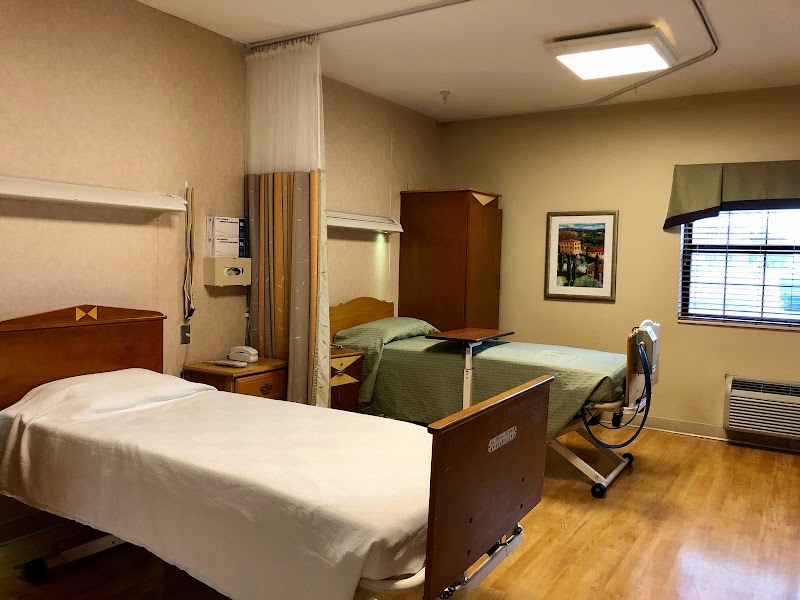
How is Majestic Care Of Southport Staffed?

CMS rates MAJESTIC CARE OF SOUTHPORT's staffing level at 1 out of 5 stars, which is much below average compared to other nursing homes. Staff turnover is 69%, which is 23 percentage points above the Indiana average of 46%. High turnover can affect care consistency as new staff learn residents' individual needs. RN turnover specifically is 77%, which is notably high. RNs provide skilled clinical oversight, so turnover in this role can affect medical care quality.

What Have Inspectors Found at Majestic Care Of Southport?

State health inspectors documented 30 deficiencies at MAJESTIC CARE OF SOUTHPORT during 2022 to 2025. These included: 3 Immediate Jeopardy (the most serious level, indicating potential for serious harm or death), 1 that caused actual resident harm, and 26 with potential for harm. Immediate Jeopardy findings are rare and represent the most serious regulatory concerns. They require immediate corrective action.
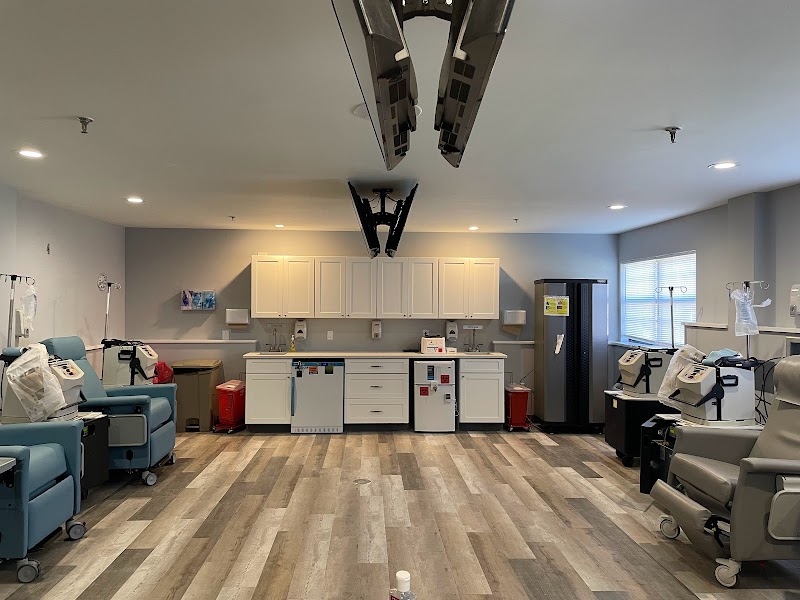
Who Owns and Operates Majestic Care Of Southport?

MAJESTIC CARE OF SOUTHPORT is owned by a for-profit company. For-profit facilities operate as businesses with obligations to shareholders or private owners. The facility is operated by MAJESTIC CARE, a chain that manages multiple nursing homes. With 140 certified beds and approximately 79 residents (about 56% occupancy), it is a mid-sized facility located in INDIANAPOLIS, Indiana.

How Does Majestic Care Of Southport Compare to Other Indiana Nursing Homes?

Compared to the 100 nursing homes in Indiana, MAJESTIC CARE OF SOUTHPORT's overall rating (2 stars) is below the state average of 3.1, staff turnover (69%) is significantly higher than the state average of 46%, and health inspection rating (1 stars) is much below the national benchmark.

What Should Families Ask When Visiting Majestic Care Of Southport?

Based on this facility's data, families visiting should ask: "What changes have been made since the serious inspection findings, and how are you preventing similar issues?" "How do you ensure continuity of care given staff turnover, and what is your staff retention strategy?" "Can you walk me through typical staffing levels on day, evening, and night shifts?" "Can I visit during a mealtime to observe dining assistance and food quality?" These questions are particularly relevant given the facility's Immediate Jeopardy citations, the facility's high staff turnover rate, and the below-average staffing rating.

Is Majestic Care Of Southport Safe?

Based on CMS inspection data, MAJESTIC CARE OF SOUTHPORT has documented safety concerns. Inspectors have issued 3 Immediate Jeopardy citations (the most serious violation level indicating risk of serious injury or death). The facility has a 2-star overall rating and ranks #100 of 100 nursing homes in Indiana. Families considering this facility should ask detailed questions about what corrective actions have been taken since these incidents.

Do Nurses at Majestic Care Of Southport Stick Around?

Staff turnover at MAJESTIC CARE OF SOUTHPORT is high. At 69%, the facility is 23 percentage points above the Indiana average of 46%. Registered Nurse turnover is particularly concerning at 77%. RNs handle complex medical decisions and coordinate care — frequent RN changes can directly impact care quality. High turnover means new staff may not know residents' individual needs, medications, or preferences. It can also be disorienting for residents, especially those with dementia who rely on familiar faces. Families should ask: What is causing the turnover? What retention programs are in place? How do you ensure care continuity during staff transitions?

Was Majestic Care Of Southport Ever Fined?

MAJESTIC CARE OF SOUTHPORT has been fined $66,411 across 2 penalty actions. This is above the Indiana average of $33,743. Fines in this range indicate compliance issues significant enough for CMS to impose meaningful financial consequences. Common causes include delayed correction of deficiencies, repeat violations, or care failures affecting resident safety. Families should ask facility leadership what changes have been made since these penalties.

Is Majestic Care Of Southport on Any Federal Watch List?

MAJESTIC CARE OF SOUTHPORT is not on any federal watch list. The most significant is the Special Focus Facility (SFF) program, which identifies the bottom 1% of nursing homes nationally based on persistent, serious quality problems. Not being on this list means the facility has avoided the pattern of deficiencies that triggers enhanced federal oversight. This is a positive indicator, though families should still review the facility's inspection history directly.