


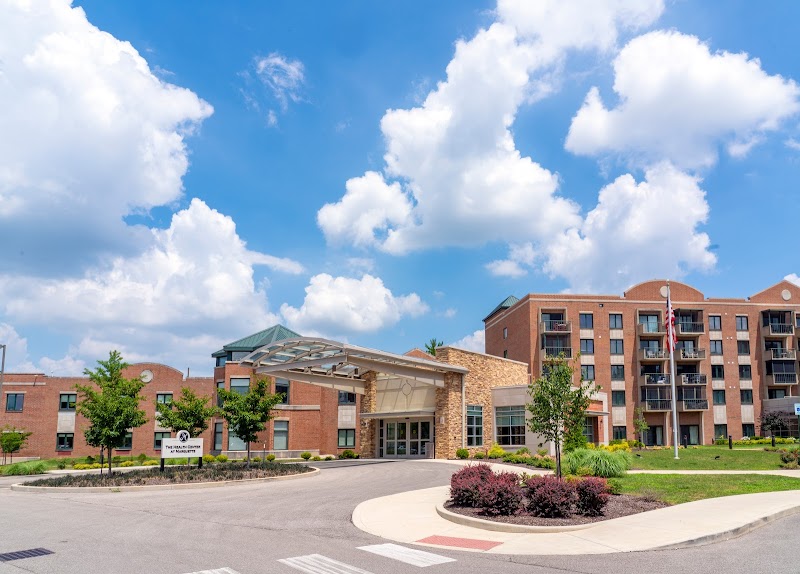
MARQUETTE

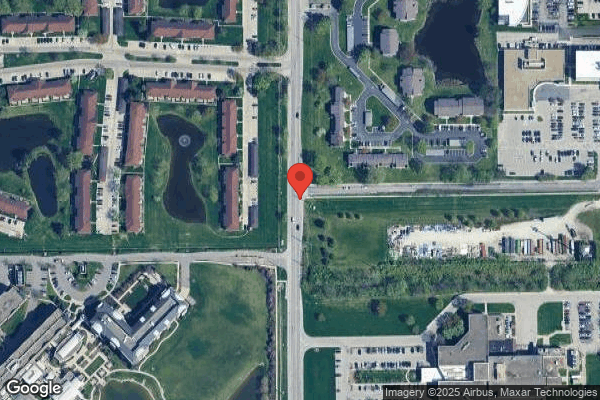
8140 TOWNSHIP LINE RD, INDIANAPOLIS, IN 46260 (317) 875-9700
Non profit - Corporation 57 Beds Independent Data: November 2025
Trust Grade
50/100
#162 of 505 in IN
Last Inspection: February 2025

Within standard 12-15 month inspection cycle. Federal law requires annual inspections.

Overview

Marquette nursing home has a Trust Grade of C, which means it is average-neither great nor terrible compared to other facilities. It ranks #162 out of 505 in Indiana, placing it in the top half of the state, and #10 out of 46 in Marion County, indicating that only nine local options are better. Unfortunately, the facility is experiencing a worsening trend, with the number of reported issues increasing from 5 in 2024 to 9 in 2025. On a positive note, staffing is a strong point, with a 5-star rating and a turnover rate of 30%, significantly lower than the state average of 47%. However, there have been serious incidents, such as a resident sustaining a fracture due to improper transfer procedures and another being dropped during a lift transfer, highlighting areas of concern in resident safety. Despite these weaknesses, there are no fines on record, and the facility has more RN coverage than 83% of Indiana nursing homes, which can help catch potential problems.

Trust Score
C
50/100
In Indiana
#162/505
Top 32%
Safety Record
High Risk
Review needed
Inspections
Getting Worse
5 → 9 violations
Staff Stability
○ Average
30% turnover. Near Indiana's 48% average. Typical for the industry.
Penalties
✓ Good
No fines on record. Clean compliance history, better than most Indiana facilities.
Skilled Nurses
✓ Good
Each resident gets 61 minutes of Registered Nurse (RN) attention daily — more than 97% of Indiana nursing homes. RNs are the most trained staff who catch health problems before they become serious.
Violations
⚠ Watch
28 deficiencies on record. Higher than average. Multiple issues found across inspections.
★★★★☆
4.0
Overall Rating
★★★★★
5.0
Staff Levels
★★★★★
5.0
Care Quality
★★☆☆☆
2.0
Inspection Score
Stable
2024: 5 issues
2025: 9 issues

The Good

  • 5-Star Staffing Rating · Excellent nurse staffing levels
  • 5-Star Quality Measures · Strong clinical quality outcomes
  • Full Sprinkler Coverage · Fire safety systems throughout facility
  • No fines on record
  • Staff turnover below average (30%)

    18 points below Indiana average of 48%

Facility shows strength in staffing levels, quality measures, fire safety.

The Bad

Staff Turnover: 30%

15pts below Indiana avg (46%)

Typical for the industry

The Ugly 28 deficiencies on record

4 actual harm
Jun 2025 1 deficiency 1 Harm
SERIOUS (G) 📢 Someone Reported This

A family member, employee, or ombudsman was alarmed enough to file a formal complaint

Actual Harm - a resident was hurt due to facility failures

Accident Prevention (Tag F0689)

A resident was harmed · This affected 1 resident

**NOTE- TERMS IN BRACKETS HAVE BEEN EDITED TO PROTECT CONFIDENTIALITY** Based on observation, interview and record review, the facility failed to ensure hospital recommendations related to transfers w...

Read full inspector narrative →
**NOTE- TERMS IN BRACKETS HAVE BEEN EDITED TO PROTECT CONFIDENTIALITY** Based on observation, interview and record review, the facility failed to ensure hospital recommendations related to transfers were followed to ensure a resident was free of accidents for 1 of 2 residents reviewed for accidents. (Resident B) This deficient practice resulted in Resident B sustaining an acute distal tibia fracture (a break in the lower end of the tibia, often near the ankle joint). Findings include: During an observation, on 6/10/25 at 10:43 a.m., Resident B was sitting in a wheelchair, her right lower extremity was noted to be in a cast, and she was wearing a brace around her mid-section. A facility reported incident (FRI) indicated, on 5/21/25, the CNA assisted Resident B with ambulating to the toilet. During ambulation, the resident fell toward her right side and her right ankle appeared to roll. Resident B voiced complaints of right ankle pain. The clinical record for Resident B was reviewed on 6/10/25 at 10:20 a.m. The diagnoses included, but were not limited to, wedge compression fracture of third lumbar vertebra, wedge compression fracture of second lumbar vertebra, and wedge compression fracture of T9-T10 vertebra. A preadmission hospital occupational therapist progress note, dated 5/16/25, indicated .Restrictions/Precautions .2 staff assist for safety . The equipment used during therapy was a gait belt and rolling walker.PLEASE NOTE: If this patient is discharged from acute care prior to the next treatment session, this note will serve as the discharge summary indicating the patient's current functional status A preadmission hospital physical therapist progress note, dated 5/16/25, indicated .Restrictions/Precautions .2 staff assist for safety .Transfers .Stand Pivot .Moderate Assistance .Transfer Comment .With rolling walker from bed to chair .Gait .Distance 3 ft (feet) .PLEASE NOTE: If this patient is discharged from acute care prior to the next treatment session, this note will serve as the discharge summary indicating the patient's current functional status Resident B was admitted to the facility on [DATE]. A facility document, titled Pre-admission NEEDS ASSESSMENT, dated 5/20/25, indicated the resident was a fall risk and used a wheelchair, a walker, and was full weight bearing. A facility fall-risk assessment, dated 5/20/25, indicated the resident was chair bound. A Basic Interview for Mental Status (BIMS) assessment, dated 5/26/25, indicated Resident B had severe cognitive impairment. A nursing progress note, dated 5/21/25 at 4:59 p.m., indicated the nurse was called to the room and the resident was noted to be lying straight out on her back. The CNA reported Resident B stood with the walker, took a step, and began to fall toward the right. Resident B had her nonskid socks and her TLSO brace (a brace used to limit motion in the thoracic, lumbar, and sacral regions of the spine) on. There was no documentation in Resident B's clinical record to indicate more than one (1) staff member was present to assist Resident B. A typed statement from CNA 2, undated, indicated CNA 2 entered Resident B's room at approximately 2:20 p.m. The resident asked to use the restroom. A walker labeled Therapy was placed in front of Resident B. Resident B stood up, walked to the bathroom, used the bathroom, and washed her hands. On the way back to her recliner, the resident's ankle .folded towards her left ankle . and the resident fell. The CNA called out for help. The nurse responded with another nurse and another CNA. The resident was assessed and the three staff members transferred the resident, using a gait belt, to the bed. An x-ray report of the right ankle, dated 5/21/25, indicated Resident B had sustained an acute distal tibia fracture. During an interview, on 6/10/25 at 11:48 a.m., LPN 2 indicated when she arrived at the room on the day of the incident, Resident B was lying on the floor between her bed and the bathroom. The resident was laying on her back and she was wearing her TLSO brace. Resident B was assisted off the floor by three staff using a gait belt. During an interview, on 6/10/25 at 1:46 p.m., the Therapy Manager indicated Resident B had been evaluated by therapy the same day as the fall. Resident B was a moderate to maximum transfer to the wheelchair due to the resident's cognition. Resident B's gait (manner of walking/moving) was zero feet, and her wheelchair mobility was 10 feet. She indicated prior to the fall Resident B should have been in a wheelchair. During a telephone interview, on 6/10/25 at 1:51 p.m., CNA 2 indicated she had walked into the resident's room about 2:30 p.m., a walker was located beside the bedside table and in reach of the resident. The resident requested to use the bathroom. The CNA indicated she was going to get assistance from another staff member, but Resident B had already stood up. CNA 2 indicated she could not leave the resident and did not want to be direct with the resident. She did not know the resident or how Resident B would react. She assisted the resident to the bathroom. Once Resident B was finished and a couple feet away from her recliner, the resident fell towards her right, onto her right hip. CNA 2 indicated Resident B was using the walker and the CNA did not have a gait belt at that time. There was a walker and a wheelchair in the room. This was her first time assisting Resident B. She indicated the facility did have sheets which told the CNA's how to transfer residents, but there was no documentation related to Resident B on the sheet. During an interview, on 6/10/25 at 2:13 p.m., the Director of Nursing (DON) indicated the facility did encourage the use of gait belts. Prior to Resident B's fall and per the hospital, the resident was a moderate to max assist (50-75 percent of the work was completed by the care provider or assistive device). The facility would have initially used the hospital transfer status, received from the hospital in report. CNAs were educated on transfers upon hire and there were gait belts in every resident room. A current facility policy, titled Safe Lifting and Movement of Residents, dated as last revised July 2017 and received from the Director of Nursing on 6/10/25 at 3:19 p.m., indicated .In order to protect the safety and well-being of staff and residents, and to promote quality of care, this facility uses appropriate techniques and devices to lift and move residents .Resident safety, dignity, comfort and medical conditions will be incorporated into goals and decisions regarding the safe lifting and moving of residents A current facility policy, titled ABUSE PREVENTION PROGRAM, dated May 2023 and received from the Director of Nursing on 6/10/25 at 3:18 p.m., indicated .Neglect is defined as failure of the facility, its employees or service providers, to provide goods and services necessary to avoid physical harm, pain, mental anguish or emotional distress 3.1-45(a)(2)
Feb 2025 8 deficiencies
CONCERN (D)

Potential for Harm - no one hurt, but risky conditions existed

Deficiency F0582 (Tag F0582)

Could have caused harm · This affected 1 resident

Based on interview and record review, the facility failed to provide a Notice of Medicare Non-Coverage (NOMNOC) document and a Skilled Nursing Facility Advance Beneficiary Notice of Non-Coverage (SNF ...

Read full inspector narrative →
Based on interview and record review, the facility failed to provide a Notice of Medicare Non-Coverage (NOMNOC) document and a Skilled Nursing Facility Advance Beneficiary Notice of Non-Coverage (SNF ABN) document prior to the end of service date for 1 of 3 residents reviewed for beneficiary notification. (Resident 44) Findings include: The NOMNOC and SNF ABN documents for Resident 44 were reviewed on 2/4/25 at 8:50 a.m. a. The NOMNOC document indicated Resident 44's Medicare Part A coverage of services would end on 8/22/24 and Medicare would not pay for the current Medicare skilled services after the date of 8/22/24. The document indicated Resident 44 had the right to request an appeal. The appeal would need to be requested no later than noon of the day before the effective end of service date of 8/22/24. Resident 44 was provided with the NOMNOC document on 9/9/24, 13 days after the end of service date. b. The SNF ABN document indicated Resident 44's Medicare Part A Skilled coverage of services would end on 8/21/24 and beginning on 8/23/24, the services of Physical Therapy and Occupational Therapy would be out of pocket cost. Resident 44 was provided with the SNF ABN document on 9/9/24, 15 days after the end of service date. During an interview, on 2/3/25 at 9:09 a.m., the Social Service Director indicated therapy staff were out of town when Resident 44's beneficiary notices were due. The documents should have been provided to the resident 48 hours prior to the end of service date to give the resident time to appeal the decision. A current facility policy, titled Medicare Advance Beneficiary and Medicare Non-Coverage Notices, dated as last revised September 2022 and received from the Director of Nursing on 2/4/25 at 11:00 a.m., indicated .Residents are informed in advance when changes will occur to their bill .The facility issues the Skilled Nursing Facility Advance Beneficiary Notice (CMS form 10055) for the following triggering events .Termination-In the situation in which the facility proposes to stop furnishing all extended care items or services to a beneficiary because it expects that Medicare will not continue to pay for the items or services that a physician has ordered and the beneficiary would like to continue receiving the care, the SNF ABN is issued to the beneficiary before such extended care items or services are terminated .If the resident's Medicare covered Part A stay or when all of the Part B therapies are ending, a Notice of Medicare Non-Coverage (CMS form 10123) is issued to the resident at least two calendar days before benefits end 3.1-4(f)(1)(A) 3.1-4(f)(1)(B) 3.1-4(f)(2)
CONCERN (D)

Potential for Harm - no one hurt, but risky conditions existed

Deficiency F0583 (Tag F0583)

Could have caused harm · This affected 1 resident

Based on observation, interview and record review, the facility failed to ensure privacy was provided during a medication administration for 1 of 1 resident reviewed for privacy. (Resident 19) Finding...

Read full inspector narrative →
Based on observation, interview and record review, the facility failed to ensure privacy was provided during a medication administration for 1 of 1 resident reviewed for privacy. (Resident 19) Findings include: During an observation, on 1/30/25 at 10:41 a.m., Resident 19 was sitting in a wheelchair on her side of a shared room. QMA 5 was observed to administer eye drops to Resident 19. The privacy curtain had not been pulled to obscure the view of a visitor on the other side of the shared room. The visitor had an unobstructed view of the care being provided to Resident 19. At that time, QMA 5 indicated the privacy curtain should have been closed when providing all care. During an interview, on 2/4/25 at 3:19 p.m., the Director of Nursing indicated the facility followed the state and federal regulations. A current facility policy, titled Resident Rights, dated as revised in February 2021 and received from the Director of Nursing on 1/31/25 at 8:55 a.m., indicated .Federal and state laws guarantee certain basic rights to all residents of this facility. These rights include the residents' right to .privacy and confidentiality 3.1-3(p)(2) 3.1-3(p)(4)
CONCERN (D)

Potential for Harm - no one hurt, but risky conditions existed

Deficiency F0657 (Tag F0657)

Could have caused harm · This affected 1 resident

Based on interview and record review, the facility failed to ensure care plan meetings were scheduled with the resident and/or resident's representative for 2 of 8 residents reviewed for care plan mee...

Read full inspector narrative →
Based on interview and record review, the facility failed to ensure care plan meetings were scheduled with the resident and/or resident's representative for 2 of 8 residents reviewed for care plan meetings. (Resident 36 and 37) Findings include: 1. During an interview, on 1/30/25 at 10:33 a.m., a family member for Resident 36 indicated they had not attended a care plan meeting for a year. The clinical record for Resident 36 was reviewed on 2/3/25 at 9:11 a.m. The diagnoses included, but were not limited to, severe dementia with mood disturbance, major depressive disorder, and mood disorder. The last documented care plan meetings were held on 3/14/24 and 6/28/24. 2. During an interview, on 1/30/25 at 10:29 a.m., a family member for Resident 37 indicated they had not had a care plan meeting in a year. The clinical record for Resident 37 was reviewed on 2/3/25 at 9:15 a.m. The diagnoses included, but were not limited to, age-related physical debility, constipation, and pain. The last documented care plan meeting was held on 5/6/24. During an interview, on 2/3/25 at 9:12 a.m., the Social Services Worker indicated care plan conferences were to be completed quarterly and a note was to be put into the medical record. During an interview, on 2/3/25 at 12:02 p.m., the Social Services Worker indicated she did not have any care plan notes for the missed care plan meetings. She did talk with the families and if they told her everything was o.k. or if they did not want a care plan meeting then she did not schedule a meeting. She was aware that a care plan meeting needed to be done, and the invite to the meeting needed to be sent to the responsible party/Power of Attorney and the resident. If they did not want to attend, she was to document the information. During an interview, on 2/4/25 at 3:19 p.m., the Director of Nursing indicated the facility followed the state and federal regulations. A current facility policy, titled Care Planning, dated as revised in March 2022 and received from the Executive Director on 2/3/25 at 1:34 p.m., indicated .The interdisciplinary team is responsible for the development of the resident care plans 3.1-35(a) 3.1-35(d)(2)(B)
CONCERN (D)

Potential for Harm - no one hurt, but risky conditions existed

Quality of Care (Tag F0684)

Could have caused harm · This affected 1 resident

Based on interview and record review, the facility failed to ensure the physician was notified when blood sugars were out of the physician ordered parameters for 1 of 1 resident reviewed for quality o...

Read full inspector narrative →
Based on interview and record review, the facility failed to ensure the physician was notified when blood sugars were out of the physician ordered parameters for 1 of 1 resident reviewed for quality of care. (Resident 34) Findings include: The clinical record for Resident 34 was reviewed on 2/3/25 at 1:32 p.m. The diagnoses included, but were not limited to, type 2 diabetes, edema, and chronic kidney disease. A physician's order, dated 7/8/24, indicated to obtain Accu Checks (blood sugar checks) 4 times a day and to call the physician when the blood sugars were less than 70 or greater than 400. A review of Resident 34's blood sugars indicated the following results: On 12/18/24, the resident's blood sugar was 69. On 12/28/24, the resident's blood sugar was 65. On 12/28/24, the resident's blood sugar was 425. On 1/5/25, the resident's blood sugar was 51. There was no documentation the physician was notified of the blood sugars which were out of the physician ordered parameters found in the resident's record. During an interview, on 2/4/25 at 3:18 p.m., the Director of Nursing (DON) indicated she could not find any notification for the blood sugars and the nurse should have notified the physician. During an interview, on 2/5/25 at 11:09 a.m., the DON indicated she could not find any notifications for the blood sugars in the record. A current facility policy, titled Charting and Documentation, dated as revised in 2017 and received from the DON on 2/4/25 at 3:17 p.m., indicated .Documentation of procedures and treatments will include care-specific details, including .notification of family, physician or other staff, if indicated 3.1-37(a)
CONCERN (D)

Potential for Harm - no one hurt, but risky conditions existed

Deficiency F0692 (Tag F0692)

Could have caused harm · This affected 1 resident

Based on interview and record review, the facility failed to ensure staff obtained a resident's weight weekly to monitor for weight loss according to the physician's order and to correctly document th...

Read full inspector narrative →
Based on interview and record review, the facility failed to ensure staff obtained a resident's weight weekly to monitor for weight loss according to the physician's order and to correctly document the weights in the medical record for 1 of 3 residents reviewed for nutrition. (Resident 8) Findings include: The clinical record for Resident 8 was reviewed on 2/4/25 at 1:29 p.m. The diagnoses included, but were not limited to, Barrette's esophagus, anorexia, and nutritional deficiency. A nutritional note, dated 9/12/24, indicated the Registered Dietitian (RD) recommended to begin weekly weights for closer weight loss monitoring. A progress note, dated 9/12/24, indicated a new order had been placed for weekly weights. A physician's order indicated Resident 8 was to be weighed weekly in the morning, every Monday, for weight loss starting 9/16/24. A nutritional note, dated 11/7/24, indicated the RD would continue weekly weights for closer monitoring and would follow up with Resident 8's intakes, weekly weights, and labs as available. The resident's medical record was missing documentation for the weekly weights in the months of September, November, January, and February. A review of a weight summary indicated that the facility did not obtain weekly weights in the months of September, November, December, January, and February. During an interview, on 2/4/25 at 2:21 p.m., Licensed Practical Nurse 4 indicated when a resident had an order for weekly weights, the weights were documented on a form kept at the nurse's station and given to the unit manager when completed. During an interview, on 2/4/25 at 2:24 p.m., the Assistant Director of Nursing (ADON) indicated the weekly weight order should have been discontinued because Resident 8 was no longer followed by the RD. During an interview, on 2/4/25 at 3:18 p.m., the Director of Nursing (DON) indicated the resident was no longer being followed by the RD and the weekly weights should have been discontinued in October. She indicated the RD reviewed the note from 11/7/24 and acknowledged she documented to continue the weekly weights but given the stable weights the RD should have discontinued the order for the weekly weights. The order remained active, and the weights should have continued to be obtained according to the order. During an interview, on 2/4/25 at 3:39 p.m., the RD indicated the order for weekly weights should have been discontinued. The RD did not remove orders from the clinical record and noticed the order was still active when she visited Resident 8 in November. The RD documented to continue the weekly weights because the order was still active, and she thought the facility was still monitoring Resident 8's weights. A current facility policy, titled Nutrition Risk and Weight Loss Management, dated as last reviewed/revised February 2024 and received from the DON on 2/5/25 at 8:20 a.m., indicated .Nursing assistant or designated personnel will weigh residents per policy .Residents are weighed at least monthly unless there is a physician's order otherwise. The IDT or RD can request weights be completed weekly for monitoring as a nursing measure A current facility policy, titled Charting and Documentation, dated as revised 2017 and received from the DON on 2/4/25 at 3:17 p.m., indicated .Documentation in the medical record will be objective .complete, and accurate 3.1-46(a)(1)
CONCERN (D)

Potential for Harm - no one hurt, but risky conditions existed

Respiratory Care (Tag F0695)

Could have caused harm · This affected 1 resident

Based on observation, interview and record review, the facility failed to ensure a physician's order was clear and accurate related to the correct oxygen liter flow rate for 1 of 2 residents reviewed ...

Read full inspector narrative →
Based on observation, interview and record review, the facility failed to ensure a physician's order was clear and accurate related to the correct oxygen liter flow rate for 1 of 2 residents reviewed for respiratory care. (Resident 10) Findings include: During an observation, on 1/31/25 at 9:58 a.m., Resident 10's oxygen flow rate was on 2-liters. The clinical record for Resident 10 was reviewed on 2/3/25 at 1:30 p.m. The diagnoses included, but were not limited to, chronic obstructed pulmonary disease (COPD), chronic respiratory failure, and essential hypertension. A physician's order, dated 1/8/25, indicated the oxygen flow rate was to be at 4 liters per minute via nasal cannula. The order summary indicated the oxygen flow rate was to be at 2 liters per minute via nasal cannula. The order had 2 different oxygen liter flow rates. During an interview, on 2/3/25 at 1:48 p.m., Licensed Practical Nurse (LPN) 3 indicated the oxygen order was not a titration order. She thought the resident was to be on 4 liters but did not see the 2 liters listed in the order summary. She would have to clarify the order because she was not sure. During an interview, on 2/3/25 at 1:55 p.m., the Director of Nursing (DON) indicated she was not sure what the oxygen flow rate was supposed to be, and she would have to check. During an interview, on 2/3/25 at 2:11 p.m., the DON indicated Resident 10 was supposed to be on 4 liters of oxygen. A facility policy, titled Oxygen Administration, dated as revised in October 2010 and received from the DON on 2/4/25 at 3:20 p.m., indicated .Turn on the oxygen. Unless otherwise ordered, start the flow of oxygen at the rate per physician order 3.1-47(a)(6)
CONCERN (D)

Potential for Harm - no one hurt, but risky conditions existed

Deficiency F0810 (Tag F0810)

Could have caused harm · This affected 1 resident

Based on observation, interview and record review, the facility failed to ensure a two (2) handle cup was available for a resident's coffee for 1 of 1 resident reviewed for adaptive equipment. (Reside...

Read full inspector narrative →
Based on observation, interview and record review, the facility failed to ensure a two (2) handle cup was available for a resident's coffee for 1 of 1 resident reviewed for adaptive equipment. (Resident 1) Findings include: During an observation of the morning meal, on 2/3/25 at 8:35 a.m., Resident 1 was observed in the dining room. She had two handle cups for her milk, juice and water with lids, but an insulated cup with only one handle for coffee. During an interview, on 2/3/25 at 8:25 a.m., the Dietary Manager (DM) indicated she was aware the resident needed two (2) handle cups for her drinks, but she did not think about the coffee and the facility did not have a two-handle insulated cup. The therapy department indicated the resident needed two handle cups to hold the cup better. She would need to talk with management because the facility would need to order the cup. During an observation, on 2/5/25 at 8:33 a.m., Resident 1 was in the dining room eating her meal without assistance. She was noted to have milk, juice and water in two handle cups, but no coffee. During an interview, on 2/5/25 at 8:33 a.m., the Dietary Manager indicated Resident 1 did not have coffee because the facility did not have insulated cups with two handles and coffee could not be put in the regular two handle cups because the heat from the coffee could be felt through the cups. The clinical record for Resident 1 was reviewed on 2/5/25 at 8:53 a.m. The diagnoses included, but were not limited to, weakness, heart failure, and a need for assistance with personal care. A care plan, initiated on 12/5/24 and dated as last revised on 2/3/25, indicated the resident was at a nutritional risk and she was to use adaptive equipment to assist with feeding herself. A facility document, titled Occupational Therapy Treatment Encounter Note(s), with a date of service of 1/2/25 indicated an order was written for two handle mugs with lids to increase the resident's independence, oral intake, and to decrease spillage. A physician's order, initiated on 1/31/25, indicated 2 handle mugs with all meals. During an interview, on 2/4/25 at 1:06 p.m., the Therapy Manager indicated the resident was using two handle cups to promote independence with activities of daily living (basic self-care tasks performed daily such as eating). The resident was currently using two handle cups with no lids when she was discharged from therapy. A current facility policy, titled Activities of Daily Living (ADLs), Supporting, dated as revised in March 2018 and received from the Director of Nursing on 2/4/25 at 3:19 p.m., indicated .Residents will be provided with care, treatment and services to ensure that their activities of daily living (ADLs) do not diminish 3.1-21(h)
CONCERN (D)

Potential for Harm - no one hurt, but risky conditions existed

Medical Records (Tag F0842)

Could have caused harm · This affected 1 resident

Based on interview and record review, the facility failed to ensure documentation was complete and accurately reflected the care provided for 2 of 2 residents reviewed for accurate documentation. (Res...

Read full inspector narrative →
Based on interview and record review, the facility failed to ensure documentation was complete and accurately reflected the care provided for 2 of 2 residents reviewed for accurate documentation. (Resident 46 and 1) Findings include: 1. The clinical record for Resident 46 was reviewed on 2/5/25 at 10:19 a.m. The diagnoses included, but were not limited to, insomnia, chronic kidney disease, and fever. A physician's order, initiated on 1/3/25, indicated to give Dayvigo (a medication used to treat insomnia) 10 milligrams at bedtime for insomnia. Documentation of the administration of the medication was not charted on 1/10/25 and 1/25/25. A physician's order, initiated on 1/3/25, indicated to monitor the resident's vital signs twice a day. Documentation of the treatment was not charted on the Medication and Treatment record for 1/31/25 for the second shift. 2. The clinical record for Resident 1 was reviewed on 2/5/25 at 8:53 a.m. The diagnoses included, but were not limited to, weakness, heart failure, and a need for assistance with personal care. A physician's order, initiated on 11/29/24, indicated to monitor for signs and symptoms of side effects from psychoactive drugs every shift and to notify the physician if side effects were present. There was no documentation for the monitoring found in the MAR/TAR for 12/5/24, 12/11/24 or 12/18/24 for the evening shift. A physician's order, initiated on 11/29/24, indicated to monitor for signs and symptoms of anti-coagulant medications (used to thin the blood) every shift. There was no documentation for the monitoring found in the MAR/TAR for 12/5/24, 12/11/24 or 12/18/24 for the evening shift. A physician's order, initiated on 11/29/24, indicated to assess the resident for pain every shift. There was no documentation for the assessment found in the MAR/TAR for 12/5/24, 12/11/24 or 12/18/24 for the evening shift. A physician's order indicated the resident was to be weight bearing (standing/walking) as tolerated on her bilateral lower extremities every shift. There was no documentation for the monitoring found in the MAR/TAR for 12/5/24, 12/11/24 or 12/18/24 for the evening shift. During an interview, on 2/5/25 at 9:19 a.m., the Assistant Director of Nursing indicated the facility determined a need to implement checking the documentation in the Medication and Treatment records due to missing documentation. A current facility policy, titled Charting and Documentation, dated as last revised in July of 2017 and received from the Director of Nursing on 2/4/25 at 3:17 p.m., indicated .The following information is to be documented in the resident medical record .Medications administered .Treatments or services preformed 3.1-50(a)(1) 3.1-50(a)(2)
Jan 2024 5 deficiencies 1 Harm
SERIOUS (G) 📢 Someone Reported This

A family member, employee, or ombudsman was alarmed enough to file a formal complaint

Actual Harm - a resident was hurt due to facility failures

Accident Prevention (Tag F0689)

A resident was harmed · This affected 1 resident

**NOTE- TERMS IN BRACKETS HAVE BEEN EDITED TO PROTECT CONFIDENTIALITY** 2. An Indiana Department of Health Intake Information report indicated Resident B had been dropped after a staff member improper...

Read full inspector narrative →
**NOTE- TERMS IN BRACKETS HAVE BEEN EDITED TO PROTECT CONFIDENTIALITY** 2. An Indiana Department of Health Intake Information report indicated Resident B had been dropped after a staff member improperly secured him to a lift. The clinical record for Resident B was reviewed on 1/16/24 at 11:23 a.m. The diagnoses included, but were not limited to, paroxysmal atrial fibrillation, type 2 diabetes mellitus with neuropathy, idiopathic autonomic neuropathy, and ataxic gait. An admission Minimum Data Set (MDS) assessment, dated 7/28/23, indicated the resident did not experience cognitive impairment. Section GG (functional abilities and goals) indicated the resident required partial/moderate assistance with toilet transfers and the helper did less than half of the effort. A nursing progress note, dated 8/12/23 at 10:00 a.m., indicated the CNA 3 notified LPN 2 the resident was on the floor in his bathroom. The CNA indicated while transferring him on the sit-to-stand lift from the toilet, the resident fell off the stand-up lift. The resident was laying on his right side with the back of his head against the door frame and his feet on the stand-up lift. The resident was alert, confused, stated he felt sleepy, and his head hurt. The resident sustained a laceration of the right temple area and a skin tear to the right upper arm. The resident was transported to the emergency room. An interdisciplinary team review of falls and skin events, dated 8/12/23 at 10:00 a.m., indicated CNA 3 noted the resident was starting to slip through the sit-to-stand lift sling. The CNA went immediately behind the resident and braced the resident's fall with her body. The resident hit his head and right elbow on the sit-to-stand lift when the resident was being assisted down to the floor. A hospital emergency room note, dated 8/12/23 at 10:51 a.m., indicated Resident D was alert and pleasant, received routine anti-coagulants, and had sustained a 3.0 cm (centimeter) head laceration which required four sutures and a 5.0 cm right forearm laceration that required four sutures. A nursing progress note, dated 8/12/23 at 10:30 p.m., indicated the resident returned from the hospital. He had sutures to the right top of his head and a dressing to the right elbow. A nursing progress note, dated 8/13/23 at 5:32 a.m., indicated the resident was alert and oriented times 3, and denied pain and discomfort. The laceration to the right temple area had 9 sutures intact. The skin tear to the right forearm had 9 sutures intact. During an interview, on 1/18/24 at 11:54 a.m., the ADON (Assistant Director of Nursing) indicated the resident was assisted by one CNA and should have been assisted by 2. The resident did have a recommendation from therapy to transfer with a full body lift and not the sit-to-stand lift. He would refuse the full body lift and request the sit-to-stand lift. He had more syncopal episodes after his fall from the sit-to-stand lift. 3. During an observation, on 1/18/24 at 3:18 p.m., the Resident H was found sitting in a sling used for the mechanical lift. The resident was in the sling at the highest position with CNA 6 brushing her hair. During an interview, on 1/18/24 at 3:19 p.m., CNA 6 indicated she did not know the policy for using the facility mechanical lifts. CNA 6 was the resident's hospice CNA, and she did this all the time. LPN 8 indicated she asked if the staff could help, and CNA 6 indicated she did not need help. The clinical record for Resident H was reviewed on 1/16/24 at 3:13 p.m. The diagnoses included, but were not limited to, multiple sclerosis, anxiety disorder, depressive disorder, pain, and osteoporosis. A physician's order, dated 3/8/23, indicated to admit the resident to hospice. A facility document, titled Resident Information Sheet, dated 1/16/24, indicated the resident transferred using a Hoyer lift (mechanical lift). A Quarterly Minimum Data Set (MDS) assessment indicated the resident was dependent (helper did all the effort) to move from a lying position to a sitting position. A hospice interdisciplinary care plan, dated 2/21/22, indicated to transfer the resident with a Hoyer lift and assist of 2 from bed to chair only. A facility care plan, dated as revised on 11/26/23, indicated the resident was at risk for falls. The interventions included, but were not limited to, educate the resident, family, and caregivers about safety reminders and what to do if a fall occurred. The Hoyer pad was to be removed from under the resident while up in the Broda chair. A facility care plan, dated as revised on 11/26/23, indicated the resident had a self-care performance deficit. The interventions included, but were not limited to, communicate any changes in status to hospice services and nurse and to promote dignity by ensuring privacy. During an interview, on 1/18/24 at 3:20 p.m., LPN 8 indicated the CNA who used the mechanical lift alone was from hospice. The facility policy stated when you use a mechanical lift you needed to have 2 staff assisting with the transfer to be safe. During an interview, on 1/18/24 at 3:33 p.m., LPN 8 indicated the Director of Nursing (DON) had asked the hospice CNA if she was supposed to transfer a resident in a lift without help and CNA 6 indicated per the hospice policy she could. During an interview, on 1/18/24 at 3:47 p.m., the DON indicated she called the hospice supervisor, made hospice aware of the facility lift transfer, and if CNA 6 used a lift they should have assistance. A current policy, titled Using a Mechanical Lifting Machine, received from the ADON on 1/18/24 at 11:23 a.m., indicated .the purpose of this procedure is to establish the general principles of safe lifting using a mechanical lift .at least two (2) nursing assistants are needed to safely move a resident with a mechanical lift .mechanical lifts maybe used for tasks that require lifting a resident from the floor, transferring a resident from bed to chair, lateral transfers, lifting limbs, toileting or bathing or repositioning .types of lifts that may be available in the facility are .floor-based full body sling lifts, overhead full body sling lifts and sit to stand lifts A current policy, titled Fall Prevention and Management, dated as revised 6/2021 and received from the Clinical Support Nurse on 1/16/24 at 11:47 p.m., indicated .It is the policy of our community to ensure a safe environment with lease restrictive measurers while promoting the highest possible level of independence and quality of life .An intercepted fall occurs when the resident would have fallen if he or she had not caught him/herself or had not been intercepted by another person - this is still considered a fall. The fall risk evaluation will be completed upon admission, quarterly, annually, and/or if a change in condition requiring completion of a new MDS occurs (Significant Change MDS) and when a fall occurs. An evaluation of all the causal factors leading to a resident fall should be completed .Head to toe evaluation by a licensed nurse is completed before the resident is moved .Emergency care will be provided to the resident following appropriate procedures if necessary. Emergency care will be provided to any resident who has head trauma unless the physician, resident, or family refuses such treatment. Documentation will include report/event report completion, the nurse's notes, and a fall investigation This Federal tag relates to Complaint IN00416352. 3.1-45(a)(2) Based on observation, interview and record review, the facility failed to ensure dependent residents who required staff assistance with mobility and assistive devices, received adequate supervision and assistance to prevent falls and failed to ensure staff used a mechanical lift with assistance for 3 of 3 residents reviewed for accidents. (Resident C, B and H) This deficient practice resulted in Resident C being hospitalized for treatment of a blunt carotid artery occlusion injury and fractures of the neck, spine, left femur, and two fractures of the right foot. This deficient practice resulted in Resident B receiving a laceration with sutures to the right top of his head and to the right elbow. Findings include: 1. A facility reportable incident report, dated 6/24/23 at 11:01 p.m., indicated Resident C experienced a fall while showering in her restroom (assisted). Following the fall/shower, the resident was noted with increased pain/swelling to left knee and complaint of neck pain during the nursing assessment. The resident was transported to the hospital for further evaluation and treatment. A written statement of events, untitled, dated 6/24/23 and not timed, by Certified Nurse Aide (CNA) 4 indicated CNA 4 was giving Resident C a shower between 7:00 to 7:30 p.m. The resident was placed on the shower chair. The CNA turned around and took the soap off the paper towel dispenser. When the CNA turned around, the resident was slipping out of the shower chair. The CNA tried to rush to her and ended up slipping causing the chair to come off its legs and tilt backwards. The resident hit her head. CNA 4 placed her hand on the back of the resident's neck and the other under her thigh. The CNA positioned the resident back on the shower chair and noticed the resident had blood on the top of her head. CNA 4 continued to give the resident a shower and rinsed the blood from the resident's head. She then transferred the resident into her wheelchair and pushed the resident to the side of her bed. The CNA bumped the resident's knee on the bathroom door frame. CNA 4 dressed the resident and transferred the resident into her bed. The resident was complaining of pain. A written statement of events, untitled, undated, and not timed, by LPN 5, indicated LPN 5 went into the pantry to get applesauce and found CNA 4 putting ice in a small trash bag. The CNA explained it was for Resident C and the CNA thought she bumped the resident's leg on the doorway. LPN 5 went into the resident's room and asked the resident what happened. The resident indicated she fell. The nurse asked the CNA if she fell, and the CNA stated she did not fall. When LPN 5 was completing her assessment, she noticed a small bag of ice on the resident's neck and the resident's forehead was bleeding with a small hematoma. The clinical record for Resident C was reviewed on 1/16/24 at 10:06 a.m. The diagnoses included, but were not limited to, dementia, depression, and osteogenesis imperfecta (inherited disorder characterized by fragile bones). An admission Minimum Data Set (MDS) assessment, dated 3/23/23, indicated the resident was rarely/never understood. Her cognitive skills for decision making were severely impaired. She was dependent on staff for showering, bathing, and transfers. A care plan, initiated on 3/15/23, indicated the resident was at risk for falls. The interventions included, but were not limited to, educate on the importance of maintaining a safe environment, evaluate fall risk on admission and when needed, educate the resident and representative regarding the proper use of mobility devices, alert the provider if a fall occurred, and initiate frequent neuro checks and bleeding evaluation per the facility protocol. A nursing progress note, dated 6/24/23 at 10:00 p.m., documented as a late entry, indicated the nurse was informed by CNA 4 she bumped the resident's knee on the bathroom door after completing a shower when exiting the bathroom. The CNA indicated Resident C needed ice. LPN 5 asked the resident if she was okay, and the resident stated she fell. LPN 5 noted the resident had pain to the left knee, a small skin tear to the right upper arm with a small amount of bleeding, and the left hand was discolored. The nurse did a head-to-toe assessment and noted the resident had a hematoma with a small laceration on the forehead. A hospital report, dated 6/25/23 at 12:27 a.m., indicated the resident arrived at the emergency department by the Emergency Medical Services (EMS), the resident sustained a fall at the nursing home, the resident's history was unclear, and the resident did not normally ambulate independently. The report indicated EMS staff were told the resident received a bath and 15 minutes later, the facility staff found the resident lying in bed in the fetal position, crying for help, and the resident indicated she had fallen. The facility staff reported to EMS the resident had sustained a forehead contusion, a scalp laceration, and left leg edema. A facility post event Interdisciplinary Team (IDT) note, dated 6/28/23 at 11:36 p.m., indicated the type of event was an intercepted fall. CNA 4 was assisting the resident with a shower. CNA 4 turned to the sink to grab soap and the resident started to slip out of the shower chair. CNA 4 was assisting the resident back in the shower chair and the chair tipped backwards. The CNA grabbed the resident around the back and neck area to prevent the resident from falling hard on the floor. The resident was assisted upright in the shower chair and the shower was completed. The CNA assisted the resident into her wheelchair. While exiting the bathroom, the CNA hit the resident's knee on the door frame. The resident was assisted into bed and complained of knee pain. A head-to-toe assessment found a hematoma, skin tear, and pain to the knee. A hospital report, dated 7/7/23 at 3:33 p.m., indicated the final discharge diagnoses included a C1 fracture (a bone which begins at the base of your skull and often caused by trauma to the back of the head), Dens fracture type II (a break which occurred through a specific part of the second bone in the neck), Biffl Gr 4 Rt VA occlusion (illustrates the spectrum of blunt cerebrovascular injury), L1 compression fracture (bottom part of the thoracic spine, occurs from too much pressure on the vertebral body), Left medial (towards the middle) and lateral (away from the middle) femoral condyle (ball-shape located at the end of the femur, thigh bone) fractures and right 5th proximal phalanx(bone located tip of foot) and metatarsal (large bone in the foot) shaft fracture. A Certified Nursing Assistant (CNA) job description signed on 6/1/23 by CNA 4, indicated the essential job duties included, but were not limited to, assisting with resident with room moves, transfers, reports changes in condition or new concerns to the nurses, and other duties assigned by the nurse within the CNA scope of practice. During an interview, on 1/17/24 at 9:18 a.m., the Director of Nursing (DON) indicated, on 6/24/23 at 10:00 p.m., the nurse on duty contacted her and indicated the CNA gave Resident C a shower. When CNA 4 was assisting the resident to her bed, CNA 4 bumped the resident's knee on the door frame. The DON asked the nurse if she had concerns with the resident and the nurse stated the resident was in bed. The nurse went to assess the resident and noticed something on her hand and on her head. The DON asked the nurse if the resident was in pain and talked to CNA 4 asking if the resident fell. CNA 4 indicated the resident did not fall. The CNA was giving the resident a shower and the resident was sitting on the shower chair. CNA 4 turned to get the soap. When CNA 4 turned around, the resident was slipping out of the chair. The CNA hurried over to help the resident and repositioned her back into the shower chair. CNA 4 then took the resident out of the bathroom and bumped her knee on the door. The DON asked the nurse to do a head-to-toe assessment and the nurse found a small laceration on top of her head and a small skin tear on the resident's right hand. The left knee had some swelling, and the resident was complaining of neck pain. The DON told the nurse to notify the physician and send the resident to the hospital. The DON called the daughter multiple times until she was able to talk to her and explained to the daughter, she was going to further investigate the incident. The resident was at the hospital from [DATE] to 7/7/23. During an interview, on 1/17/24 at 10:16 a.m., the DON indicated the resident had a hematoma on the top of her head not on the forehead and the resident did not fall. The DON thought this was an isolated incident and would consider this an intercepted fall. The staff were not educated, only CNA 4. During an interview, on 1/17/24 at 11:28 a.m., the DON indicated what was reported to her was the resident did not fall. During an interview, on 1/17/24 at 11:59 a.m., LPN 5 indicated around 8:30 p.m., she was getting pudding out of the pantry and saw CNA 4 putting ice in a plastic trash bag for Resident C. CNA 4 had bumped the resident's knee on the door coming out of the bathroom. LPN 5 and CNA 4 went to the resident's room and found the resident asleep in the bed. The nurse pulled down the blanket, did not see anything, and left the room to give medications. LPN 5 returned to the room around 9:00 p.m. She did a head-to-toe assessment and asked the resident what happened. Resident C indicated she fell and was in pain. LPN 5 called the DON who instructed her to call the physician and send the resident to the hospital. During an interview, on 1/20/24 at 2:50 p.m., a family member of Resident C indicated there was confusion on what had happened to the resident. The facility contacted the family member, on 6/24/23 at 10:58 p.m., by voice mail. The facility was sending the resident out to the hospital due to complaints of neck pain. At first, the family member was told by the facility staff a CNA was giving the resident a shower and, on the way, out of the bathroom bumped the resident's knee on the door frame. The resident at the time of the transfer should have been assisted by more than one staff member. When the resident was assessed in the emergency room, the resident was found to have a contusion on the front of her head and one on the back of the head, a C1 fracture, a left distal femur fracture, and a potential right femoral neck fracture. The resident had not been the same cognitively since the fall.
CONCERN (D)

Potential for Harm - no one hurt, but risky conditions existed

Deficiency F0625 (Tag F0625)

Could have caused harm · This affected 1 resident

Based on interview and record review, the facility failed to ensure the bed hold policy was provided to the resident and/or responsible party at the time of the hospital transfer for 1 of 1 resident r...

Read full inspector narrative →
Based on interview and record review, the facility failed to ensure the bed hold policy was provided to the resident and/or responsible party at the time of the hospital transfer for 1 of 1 resident reviewed for hospitalization. (Resident 54) Finding includes: The record for Resident 54 was reviewed on 1/18/24 at 2:34 p.m. Diagnoses included, but were not limited to, acute respiratory failure, congestive heart failure (CHF), atrial fibrillation, atherosclerotic heart disease of native coronary artery (a narrowing of the artery), hypertensive heart, and chronic kidney disease. A nursing progress note dated 11/16/23 at 10:41 a.m., Licensed Practical Nurse (LPN) 2 indicated the resident had an oxygen saturation of 65 to 78 percent on 4 liters of oxygen. The resident was tired with rapid breathing, shaking, and back pain. The Nurse Practitioner was called, and an order was received to send the resident to the hospital for evaluation. The resident's daughter who was also the resident's power of attorney was called and updated on the resident's condition and the order to transfer the resident to the hospital. There was no bed hold policy or transfer documentation in the record. During an interview, on 1/18/23 at 3:30 p.m., the ADON (Assistant Director of Nursing) indicated she was unable to find any documentation the bed hold policy was provided to the resident or resident representative when the resident was hospitalized . She indicated when a resident transferred to the hospital a bed hold policy and resident information should be given to the resident/resident representative. A current policy, titled Transfer or Discharge, Facility-Initiated, dated 10/2022 and received from the ADON on 1/18/24 at 5:25 p.m., indicated .residents who are sent emergently to an acute care setting, these scenarios are considered facility-initiated transfers, NOT discharges, the resident's return is generally expected .notice of transfer is provided to the resident/representative as soon as practicable before the transfer and to the long-term care (LTC) ombudsman when practicable (e.g. in a monthly list of residents that includes all notice content requirements) .notice of facility bed-hold and return policies are provided to the resident and representative within 24 hours of emergency transfer .notices are provided in a form and manner that the resident can understand, taking into account the resident's educational level, language, communication barriers, and physical or mental impairments .nursing notes will include documentation of appropriate orientation and preparation of the resident prior to transfer or discharge 3.1-12(a)(25)(A) 3.1-12(a)(25)(B) 3.1-12(a)(26)
CONCERN (D) 📢 Someone Reported This

A family member, employee, or ombudsman was alarmed enough to file a formal complaint

Potential for Harm - no one hurt, but risky conditions existed

Quality of Care (Tag F0684)

Could have caused harm · This affected 1 resident

**NOTE- TERMS IN BRACKETS HAVE BEEN EDITED TO PROTECT CONFIDENTIALITY** Based on observation, interview and record review, the facility failed to ensure a resident with compression gloves had a physic...

Read full inspector narrative →
**NOTE- TERMS IN BRACKETS HAVE BEEN EDITED TO PROTECT CONFIDENTIALITY** Based on observation, interview and record review, the facility failed to ensure a resident with compression gloves had a physician's order, a care plan and staff were educated on the use of the compression gloves for 1 of 2 residents reviewed for edema (Resident B), and failed to ensure an unlicensed staff member did not move a resident before reporting an incident and having the resident assessed for 1 of 3 residents reviewed for accidents. (Resident C) Findings include: 1. During an observation, on 1/11/24 at 12:09 p.m., the Resident B was noted to have edema in his hands with compression gloves on both hands. During an observation, on 1/16/24 at 2:29 p.m., the resident did not have compression gloves on his hands. His bilateral hands are edematous. The clinical record for Resident B was reviewed on 1/16/24 at 11:23 a.m. The diagnoses included, but were not limited to, paroxysmal atrial fibrillation, type 2 diabetes mellitus with neuropathy, and idiopathic peripheral autonomic neuropathy. There was no physician's order for the compression gloves. A therapy progress note, dated 12/26/23, indicated the DON (Director of Nursing) and the NP (Nurse Practitioner) requested bilateral compression gloves for increased swelling in the resident's hands. The Occupational Therapy Assistant applied bilateral compression gloves with ¾ finger length to allow for monitoring of the fingertips. The resident was educated on the purpose of the compression gloves. There was no documentation the staff was educated on the use of the compression gloves. A review of the Medication Administration and Treatment Records, for 12/2023 through 1/17/24, indicated the compression gloves were not documented in the records. There was no care plan for the use of compression gloves. During an interview, on 1/18/24 at 1:24 p.m., the ADON (Assistant Director of Nursing) indicated the resident had the compression gloves for edema in his hands. The compression gloves were not documented on the medication or treatment records. She was not aware of how the information for donning and doffing the compression gloves were shared with staff.2. A facility reportable incident report, dated 6/24/23 at 11:01 p.m., indicated Resident C experienced a fall while showering in her restroom (assisted). Following the fall/shower, the resident was noted with increased pain/swelling to left knee and complaint of neck pain during the nursing assessment. The resident was transported to the hospital for further evaluation and treatment. A written statement of events, untitled, dated 6/24/23 and not timed, by Certified Nurse Aide (CNA) 4 indicated CNA 4 was giving Resident C a shower between 7:00 to 7:30 p.m. The resident was placed on the shower chair. The CNA turned around and took the soap off the paper towel dispenser. When the CNA turned around, the resident was slipping out of the shower chair. The CNA tried to rush to her and ended up slipping causing the chair to come off its legs and tilt backwards. The resident hit her head. CNA 4 placed her hand on the back of the resident's neck and the other under her thigh. The CNA positioned the resident back on the shower chair and noticed the resident had blood on the top of her head. CNA 4 continued to give the resident a shower and rinsed the blood from the resident's head. She then transferred the resident into her wheelchair and pushed the resident to the side of her bed. The CNA bumped the resident's knee on the bathroom door frame. CNA 4 dressed the resident and transferred the resident into her bed. The resident was complaining of pain. The statement did not indicate the CNA notified the nurse before moving the resident or continuing the shower. A written statement of events, untitled, undated, and not timed, by LPN 5, indicated LPN 5 went into the pantry to get applesauce and found CNA 4 putting ice in a small trash bag. The CNA explained it was for Resident C and the CNA thought she bumped the resident's leg on the doorway. LPN 5 went into the resident's room and asked the resident what happened. The resident indicated she fell. The nurse asked the CNA if she fell, and the CNA stated she did not fall. When LPN 5 was completing her assessment, she noticed a small bag of ice on the resident's neck and the resident's forehead was bleeding with a small hematoma. The statement did not indicate how long after the shower the nurse was told the resident needed to be assessed. The clinical record for Resident C was reviewed on 1/16/24 at 10:06 a.m. The diagnoses included, but were not limited to, dementia, depression, and osteogenesis imperfecta (inherited disorder characterized by fragile bones). An admission Minimum Data Set (MDS) assessment, dated 3/23/23, indicated the resident was rarely/never understood. Her cognitive skills for decision making were severely impaired. She was dependent on staff for showering, bathing, and transfers. A care plan, initiated on 3/15/23, indicated the resident was at risk for falls. The interventions included, but were not limited to, alert the provider if a fall occurred, and initiate frequent neuro checks and bleeding evaluation per the facility protocol. A nursing progress note, dated 6/24/23 at 10:00 p.m., documented as a late entry, indicated the nurse was informed by CNA 4 she bumped the resident's knee on the bathroom door after completing a shower when exiting the bathroom. The CNA indicated Resident C needed ice. LPN 5 asked the resident if she was okay, and the resident stated she fell. LPN 5 noted the resident had pain to the left knee, a small skin tear to the right upper arm with a small amount of bleeding, and the left hand was discolored. The nurse did a head-to-toe assessment and noted the resident had a hematoma with a small laceration on the forehead. The progress notes did not indicate the time the head-to-toe assessment was completed. A hospital report, dated 6/25/23 at 12:27 a.m., indicated the resident arrived at the emergency department by the Emergency Medical Services (EMS), the resident sustained a fall at the nursing home, the resident's history was unclear, and the resident did not normally ambulate independently. A facility post event Interdisciplinary Team (IDT) note, dated 6/28/23 at 11:36 p.m., indicated the type of event was an intercepted fall. CNA 4 was assisting the resident with a shower. CNA 4 turned to the sink to grab soap and the resident started to slip out of the shower chair. CNA 4 was assisting the resident back in the shower chair and the chair tipped backwards. The CNA grabbed the resident around the back and neck area to prevent the resident from falling hard on the floor. The resident was assisted upright in the shower chair and the shower was completed. The CNA assisted the resident into her wheelchair. While exiting the bathroom, the CNA hit the resident's knee on the door frame. The resident was assisted into bed and complained of knee pain. A head-to-toe assessment found a hematoma, skin tear, and pain to the knee. The post fall note did not include how the time difference between the intercepted fall and the nursing head-to-toe assessment. There were no progress notes found in the resident's record to indicate the time the resident was sent out to the emergency department. A Certified Nursing Assistant (CNA) job description signed on 6/1/23 by CNA 4, indicated the essential job duties included, but were not limited to, assisting with resident with room moves, transfers, reports changes in condition or new concerns to the nurses, and other duties assigned by the nurse within the CNA scope of practice. A General Orientation Verification form, signed by CNA 4 on 6/6/23, indicated accidents were to be reported immediately to the supervisor. During an interview, on 1/17/24 at 9:18 a.m., the Director of Nursing (DON) indicated, on 6/24/23 at 10:00 p.m., the nurse on duty contacted her and indicated the CNA gave Resident C a shower. When CNA 4 was assisting the resident to her bed, CNA 4 bumped the resident's knee on the door frame. The DON asked the nurse if she had concerns with the resident and the nurse stated the resident was in bed. The nurse went to assess the resident and noticed something on her hand and on her head. The DON asked the nurse if the resident was in pain and talked to CNA 4 asking if the resident fell. CNA 4 indicated the resident did not fall. The CNA was giving the resident a shower and the resident was sitting on the shower chair. CNA 4 turned to get the soap. When CNA 4 turned around, the resident was slipping out of the chair. The CNA hurried over to help the resident and repositioned her back into the shower chair. CNA 4 then took the resident out of the bathroom and bumped her knee on the door. The DON asked the nurse to do a head-to-toe assessment and the nurse found a small laceration on top of her head and a small skin tear on the resident's right hand. The left knee had some swelling, and the resident was complaining of neck pain. The DON told the nurse to notify the physician and send the resident to the hospital. The DON called the daughter multiple times until she was able to talk to her and explained to the daughter, she was going to further investigate the incident. The resident was at the hospital from [DATE] to 7/7/23. During an interview, on 1/17/24 at 11:28 a.m., the DON indicated what was reported to her was the resident did not fall. During an interview, on 1/17/24 at 11:59 a.m., LPN 5 indicated around 8:30 p.m., she was getting pudding out of the pantry and saw CNA 4 putting ice in a plastic trash bag for Resident C. CNA 4 had bumped the resident's knee on the door coming out of the bathroom. LPN 5 and CNA 4 went to the resident's room and found the resident asleep in the bed. The nurse pulled down the blanket, did not see anything, and left the room to give medications. LPN 5 returned to the room around 9:00 p.m. She did a head-to-toe assessment and asked the resident what happened. Resident C indicated she fell and was in pain. LPN 5 called the DON who instructed her to call the physician and send the resident to the hospital. During an interview, on 1/20/24 at 2:50 p.m., a family member of Resident C indicated there was confusion on what had happened to the resident. The facility contacted the family member, on 6/24/23 at 10:58 p.m., by voice mail. The facility was sending the resident out to the hospital due to complaints of neck pain. At first, the family member was told by the facility staff a CNA was giving the resident a shower and, on the way, out of the bathroom bumped the resident's knee on the door frame. The resident at the time of the transfer should have been assisted by more than one staff member. When the resident was assessed in the emergency room, the resident was found to have a contusion on the front of her head and one on the back of the head, a C1 fracture, a left distal femur fracture, and a potential right femoral neck fracture. The resident had not been the same cognitively since the fall. A current policy, titled Using a Mechanical Lifting Machine, received from the ADON on 1/18/24 at 11:23 a.m., indicated .the purpose of this procedure is to establish the general principles of safe lifting using a mechanical lift .at least two (2) nursing assistants are needed to safely move a resident with a mechanical lift A current policy, titled Fall Prevention and Management, dated as revised 6/2021 and received from the Clinical Support Nurse on 1/16/24 at 11:47 p.m., indicated .An intercepted fall occurs when the resident would have fallen if he or she had not caught him/herself or had not been intercepted by another person .An evaluation of all the causal factors leading to a resident fall should be completed .Head to toe evaluation by a licensed nurse is completed before the resident is moved . Documentation will include report/event report completion, the nurse's notes, and a fall investigation This Federal tag relates to Complaint IN00416352. 3.1-37(a)
CONCERN (D)

Potential for Harm - no one hurt, but risky conditions existed

Deficiency F0692 (Tag F0692)

Could have caused harm · This affected 1 resident

Based on interview and record review, the facility failed to notify the physician of a significant weight change and a 5 pound or more weight gain per the physician's orders for 2 of 3 residents revie...

Read full inspector narrative →
Based on interview and record review, the facility failed to notify the physician of a significant weight change and a 5 pound or more weight gain per the physician's orders for 2 of 3 residents reviewed for nutrition. (Resident D and 26) Findings include: 1. The record for Resident D was reviewed on 1/16/24 at 2:29 p.m. Diagnoses included, but were not limited to, muscle weakness, pain, anxiety disorder, and depression. A care plan indicated the resident was at nutrition risk. The interventions included, but were not limited to, monitor weights as ordered. The resident had the following weights: 1. On 10/22/23, the resident's weight was 109.0 pounds. 2. On 1/8/24, the resident's weight was 95.0 pounds. The resident had a 12.84% weight loss in 3 months. There was no documentation of the physician being notified of the significant weight loss. A nursing progress note, dated as a late entry on 1/16/24 at 1:00 p.m., indicated the Assistant Director of Nursing (ADON) discussed the resident's weight loss and no new orders were received. During an interview, on 1/16/24 at 4:35 p.m., the ADON indicated she notified the Nurse Practitioner (NP) and the Registered Dietician (RD) of the weight change. When residents have a significant weight loss, the resident needed to be re-weighed and the physician notified. The ADON indicated she spoke with the NP, on 1/9/24, and did not chart the conversation until 1/16/24 at 1:00 p.m. 2. The record for Resident 26 was reviewed on 1/17/24 at 10:25 a.m. Diagnoses included, but were not limited to, unspecified CHF (congestive heart failure), unspecified dementia, and hypertension. A current order, with a start date of 11/28/23, indicated to weigh the resident every day at the same time of day with the same scale. Notify the physician of a 3-pound weight gain in 24 hours or a 5-pound weight gain in 1 week. A weight log indicated the following: 1. On 11/29/23, the resident's weight was 140.3 pounds. 2. On 12/1/23, the resident's weight was 145.0 pounds. 3. On 12/1/23, the resident's weight was 146.8 pounds. There was a greater than 5-pound weight gain in less than 1 week from 11/29/23 to 12/1/23 and no notification to the provider was found in the resident's electronic chart. During an interview, on 1/17/24 at 3:35 p.m., the DON (Director of Nursing) indicated the provider signed the CHF log when they came in and when they notified the provider. During an interview, on 1/18/24 at 9:52 a.m., the ADON (Assistant Director of Nursing) indicated she could not find the CHF log for the time period the weight gain occurred. A current policy, titled Weight Assessment and Intervention, dated as revised 3/2022 and received from the DON on 1/17/24 at 3:41 p.m., indicated .Weights are recorded in each unit's weight record chart and in the individual's medical record. Any significant weight change since last weight assessment is retaken for confirmation. If the weight is verified, nursing will notify the dietitian. Unless notified of significant weight change, the dietitian will review the unit weight record monthly to follow individual weight trends over time. The threshold for significant unplanned and undesired weight loss will be based on the following criteria .1 month - 5% weight loss is significant; greater than 5% is severe. 3 months - 7.5% weight loss is significant; greater than 7.5% is severe. 6 months - 10% weight loss is significant; greater than 10% is severe A current policy, titled Heart Failure-Clinical Protocol, dated as revised 11/2018 and received from the DON on 1/18/24 at 4:00 p.m., indicated .Daily weight monitoring may be ordered for residents with heart failure. Notification of significant weight changes to be followed per physician's order. 3.1-46(a)(1)
CONCERN (E)

Potential for Harm - no one hurt, but risky conditions existed

Respiratory Care (Tag F0695)

Could have caused harm · This affected multiple residents

Based on observation, interview and record review, the facility failed to ensure oxygen tubing was dated and a physician's order for oxygen was obtained for 4 of 5 residents reviewed for respiratory c...

Read full inspector narrative →
Based on observation, interview and record review, the facility failed to ensure oxygen tubing was dated and a physician's order for oxygen was obtained for 4 of 5 residents reviewed for respiratory care. (Residents 6, 41, 206 and 10). Findings include: 1. During an observation, on 1/11/24 at 1:53 p.m., the oxygen tubing and humidifier bottle for Resident 6 was not dated. The record for Resident 6 was reviewed on 1/16/24 at 10:23 a.m. Diagnoses included, but were not limited to, shortness of breath, history of acute respiratory failure with hypoxia, and unspecified congestive heart failure. A current order, with a start date of 11/2/23, indicated to change and date oxygen tubing and humidifier bottle in the evenings every Wednesday. During an interview, on 1/11/24 at 2:46 p.m., the Clinical Support Nurse indicated the oxygen tubing was not dated. 2. During an observation, on 1/11/24 at 2:38 p.m., Resident 41 was wearing oxygen, and the oxygen tubing was not dated. The record for Resident 41 was reviewed on 1/16/24 at 9:22 a.m. Diagnoses included, but were not limited to, chronic respiratory failure with hypoxia and anxiety disorder. There was no physician's order for the resident to wear oxygen or to change the oxygen tubing. During an interview, on 1/16/24 at 11:38 a.m., the DON (Director of Nursing) indicated there was not an order for the resident to wear oxygen. 3. During an observation, on 1/16/24 at 12:35 p.m., the oxygen tubing for Resident 206 was not dated. The record for Resident 206 was reviewed on 1/16/24 at 2:23 p.m. Diagnoses included, but were not limited to, sepsis, type 2 diabetes, and history of trans ischemic attack (TIA). A current order, with a start date of 1/9/24, indicated the resident wore oxygen at 2 liters per minute continuously. A current order, with a start date of 1/9/24, indicated to change the oxygen tubing weekly every Wednesday night. During an interview, on 1/11/24 at 2:48 p.m., the Clinical Support Nurse indicated the resident's oxygen tubing was not dated. 4. During an observation, on 1/11/24 at 2:38 p.m., Resident 10 was not wearing oxygen and the oxygen tubing and humidifier bottle was not dated. The record for Resident 10 was reviewed on 1/12/24 at 9:22 a.m. Diagnoses included, but were not limited to congestive heart failure, atrial fibrillation, and obstructive sleep apnea. A physician's order, dated 10/3/23, indicated oxygen at 2 liters per nasal cannula during the day as tolerated. A physician's order, dated 11/2/23, indicated to change the oxygen tubing twice a week. During an interview, on 1/11/24 at 1:32 p.m., LPN 2 indicated she did not know why the resident was not wearing his oxygen and the oxygen tubing was not dated. The oxygen tubing was changed by the night shift nurse and should be dated and initialed. A current policy, titled Oxygen Administration, dated as revised 10/2010 and received from the Clinical Support Nurse on 1/11/24 at 3:38 p.m., indicated .The purpose of this procedure is to provide guidelines for safe oxygen administration .Verify that there is a physician's order for this procedure. Review the resident's care plan to assess of any special needs of the resident. Assemble the equipment and supplies as needed .Check the tubing connected to the oxygen cylinder to assure that it is free of kinks. Tubing will be changed routinely and as needed/indicated 3.1-47(a)(6)
Nov 2022 2 deficiencies 1 Harm
SERIOUS (G) 📢 Someone Reported This

A family member, employee, or ombudsman was alarmed enough to file a formal complaint

Actual Harm - a resident was hurt due to facility failures

Accident Prevention (Tag F0689)

A resident was harmed · This affected 1 resident

**NOTE- TERMS IN BRACKETS HAVE BEEN EDITED TO PROTECT CONFIDENTIALITY** Based on observation, interview and record review, the facility failed to report a fall on the date of the fall, failed to docum...

Read full inspector narrative →
**NOTE- TERMS IN BRACKETS HAVE BEEN EDITED TO PROTECT CONFIDENTIALITY** Based on observation, interview and record review, the facility failed to report a fall on the date of the fall, failed to document assessments and neurological checks after a fall and failed to transfer a resident using the correct transfer equipment after a fall for 1 of 3 residents reviewed for accidents. (Resident C) Resident C did not receive fall follow up monitoring for side effects related to a fall and was found to have a fracture to the right clavicle six (6) days after the fall. Finding includes: On 11/28/22 at 11:36 a.m., Resident C was observed in a Broda chair, slightly reclined, alone in her room. She appeared clean and dry, with her call light in reach. The resident did not respond to conversation. The record for Resident C was reviewed on 11/28/22 at 2:04 p.m. Diagnoses included, but were not limited to, unspecified dementia severe with anxiety, unspecified dementia severe with mood disturbance and age-related physical debility. The Minimum Data Set assessment, dated 06/10/22, indicated Resident C had a Brief Interview for Mental Status score of 01. (BIMS- screening tool used to assist with identifying a resident's current cognition, scores close to 0 indicate severe cognitive impact). An undated care plan indicated Resident C was as risk for falling due to impaired balance/mobility, vision, and cognition. An intervention indicated .Assist with mobility as needed. 3/18/21 Use Hoyer (full body mechanical lift) .as indicated .Status: Active (Current) There was no progress note related to the resident's fall on 10/29/22. There was no assessment of Resident C found in the record on the date of the fall on 10/29/22. There were no fall follow-up checks related to the fall on 10/29/22, 10/30/22 or 10/31/22. There was no initial neurological check for the fall, found in the record. There were no neurological rechecks related to the fall on 10/29/22 or the following 72 hours. The vital signs charted into the record on 10/29/22, was a blood pressure at 12:59 p.m., a heart rate at 12:15 p.m., a temperature at 12:59 p.m., an oxygen saturation at 12:59 p.m., and pain at 11:29 a.m. A progress note, dated 11/03/22 at 3:35 p.m., written by LPN 1 indicated .Writer was called down to resident's room by CNA staff. Writer went to room and upon assessment writer noticed skin discoloration and swelling to resident's right shoulder, right humerus, and right clavicle. Writer noticed resident facial grimacing occurring as writer was completing skin assessment .informed DON (Director of Nursing) .Hospice and NP (Nurse Practitioner) .family made aware .received new order for x-rays .to right shoulder, right humorous and right clavicle .V/S WNL (vital signs within normal limits) A progress note, dated 11/04/22 at 4:00 p.m., and entered on 11/28/22 at 11:32 a.m., titled IDT Review (Interdisciplinary Review), written by the Assistant Director of Nursing indicated .LATE ENTRY .Type of Event: Trauma to right shoulder on 11/3/22 .ROOT CAUSE: Trauma related to possible unwitnessed fall/advanced age and frailty A CNA work list, provided by the Director of Nursing on 11/29/22 at 12:05 p.m., indicated Resident C was to be transferred using a full body lift. A document, provided by the Director of Nursing on 11/29/22 at 9:59 a.m., titled Skilled Nursing Visit Note (name of company) Hospice indicated .Date of Visit 10/31/22 .Integumentary (skin) .Pallor .Warm .Dry .Loose/Lacks tone An untitled document, provided by the Director of Nursing on 11/28/22 at 4:30 p.m., indicated .Appt. Date/Time 11/03/22 11:46 a.m .female .is being seen today for reports of new onset right arm pain this am .Nurse was called to room when pt (patient) was moaning this morning during cares c/o (complaint of) her right arm hurting .On assessment nurse found scattered bruising to right shoulder and right upper back .The right shoulder was also noted to be swollen .No known falls or injuries have been reported .Will obtain XR (x-ray) of right humerus, right shoulder and right clavicle .Differentials include trauma related to unwitnessed fall, transfer trauma or spontaneous injury due to advance frailty The document was signed by the Nurse Practitioner 5 on 11/03/22 at 12:22 p.m. An x-ray result, provided by the Director of Nursing on 11/29/22 at 10:55 a.m., indicated Date of Service 11/03/22 .Conclusion: Fractured Clavicle A document, dated 11/04/22, provided by the Director of Nursing on 11/29/22 at 9:59 a.m., titled Event Report (Quality Assurance/Confidential) indicated Resident C fell on [DATE] at 7:30 a.m. There was no injury noted, neuro (Neurological) checks were within normal limits for the resident and range of motion was within normal limits. Resident C's vital signs were documented on the sheet. The physician and responsible party were notified on 11/03/22. A head-to-toe assessment was completed. The immediate intervention was the resident was moved to the nurse's station. The document had LPN 2's printed name on the signature line. The resident was unable to state if she was alright. The form was signed by the Director of Nursing on 11/04/22. A document, provided by the Director of Nursing on 11/28/22 at 4:30 p.m., titled Investigation Conclusion Statement indicated Interviewed Nurses/CNAS assigned to resident 11/3, 11/4 . (CNA 4) called 11/3/22 via phone with other members of management present. Asked .if she had noticed any changes .CNA stated she had not seen anything on the resident when initially asked. CNA was asked to confirm how resident was to be transferred and CNA stated she sometimes use the stand-lift, sometimes picks up resident or use (name of full body lift) by herself. CNA was asked if resident had anything on right side of her forehead and CNA stated, yes where she picked a mole off, I told the nurse. I informed CNA she needed to come in on 11/4/22 to discuss .regarding the resident. CNA agreed. CNA did not come in but placed a letter under DON (Director of Nursing) door On the same document it was noted LPN 2 was called on 11/04/22 and she was asked if there were any changes with Resident C .she was not aware of anything. Asked nurse did resident have a fall and nurse stated yes. She stated fall was on 10/29 and that CNA came to report that resident slid down from her chair. Nurse stated she completed assessment and vitals. No visual skin changes During a telephone interview, on 11/28/22 at 2:59 p.m., the family member of Resident C indicated he believed the last fall was when the resident injured her shoulder and the Director of Nursing had investigated the fall. He indicated the resident did get really agitated and it had been happening a lot lately. During an interview, on 11/28/22 at 3:40 p.m., LPN 1 indicated CNA 3 informed her Resident C had bruising. LPN 1 went to the resident's room and performed an assessment and found bruising at the right shoulder area. She notified the Director of Nursing. LPN 1 indicated the resident did not fall on her shift. The resident was still in bed when she was notified of the injury and went to assess her. During a telephone interview, on 11/28/22 at 3:49 p.m., CNA 4 indicated she was walking in the hall when she observed Resident C on the floor. She reported the resident on the floor to LPN 2. She did assist LPN 2 to get the resident off the floor and into the Broda chair (a wheelchair which tilts, reclined and had footrests). She did not observed LPN 2 to assess Resident C's vital signs. CNA 4 indicated LPN 2 asked her not to say anything and CNA 4 informed LPN 2 she did what she was supposed to do, she reported it to the nurse. During an interview, on 11/29/22 at 8:42 a.m., the Director of Nursing indicated the facility was not aware Resident C had fallen until they began interviewing staff. They have an event report filled out by LPN 2 and the interdisciplinary team did make a note of the fall. Upon investigation related to an injury to the right shoulder, they interviewed LPN 2, due to lack of documentation, to find out if Resident C had fallen. LPN 2 did inform the facility of the fall during the interview. The interview took place on 11/04/22, via telephone. The facility could not determine if the shoulder/clavicle fracture was a result of the fall. The hospice provider was in around 11/01/22 and assessed the resident. They did not find any bruising or signs of injury. On 11/03/22, CNA 3 reported to LPN 1 of bruising she found. LPN 2 requested the Director of Nursing observed the injury and the Director of Nursing noted the bruising. She did interview a CNA and found the CNA reported using a stand-up lift. The resident was to be transferred using a full body lift, not a stand-up lift. The improper transfer may have been a cause of the injury. The CNA had provided a written statement and then later verbally spoke of the fall. The CNA was asked to come into the facility and write a statement, instead she slid a written statement under the Director of Nursing's door. The Director of Nursing indicated LPN 2 should have written a progress note and notify the physician, as well as the family. During an interview, on 11/29/22 at 9:59 a.m., the Director of Nursing indicated the event report was not completed by LPN 2 until 11/04/22 and should have been completed on the day of the fall. The neurological checks and fall follow-up monitoring should have been completed for 72 hours after the fall. The family and physician were notified on 11/03/22; they should have been notified the day of the fall. Neurological checks were not completed because they were not aware of the fall until after the 72 hours had passed. The facility had an Interdisciplinary Team meeting around 11/06/22, but the documentation was not entered into the record until 11/28/22 because they were working on a plan of correction until 11/28/22. During a telephone interview, on 11/29/22 at 10:18 a.m., LPN 2 indicated Resident C had an un-witnessed fall on 10/29/22. The CNA came and informed her the resident fell. The resident was found on her back perpendicular to the Broda chair, and it looked like she slid out of the chair. She assessed the resident's vital signs, did the initial neurological check and then both her and the CNA transferred the resident into the Broda chair by lifting the resident. She lifted Resident C from under her arms and the CNA lifted the resident at the knees. She believed the resident was a fully body mechanical lift but there was no lift pad in the chair and the resident only weighed about 80 pounds. She did complete the initial neurological check on the resident but was unable to indicate where the documentation could be found and believed it was documented on paper. She did not notify the physician or family because she was busy, and the day got away from her. She did forget to document a progress note. Her responsibility was to do an assessment, do the neurological checks and to make a note. She did go to the facility, on 11/04/22, to complete the event report. The resident fell on a Saturday (10/29/22) and she did not report it. The first notification of the fall, to the facility, was on 11/04/22. A facility policy, titled FALL PREVENTION AND MANAGEMENT, dated as last reviewed June of 2021, and provided by the Director of Nursing on 11/28/22 at 4:30 p.m., indicated .Steps following a fall .Head to toe evaluation by a licensed nurse if completed before resident is moved .If the fall is unwitnessed neurological assessments will be conducted according to the neurological assessment policy .Documentation will include incident report/event report completion, the nurse's notes, and a fall investigation .Follow up resident assessment and documentation for seventy-two (72) hours will be completed in the medical record A facility policy, titled ABUSE PREVENTION PROGRAM, dated May 2017 and provided by the Director of Nursing on 11/29/22 at 12:05 p.m., indicated .Neglect .failure of the facility, its employees or service providers, to provide .services necessary to avoid physical harm, pain, mental anguish or emotional distress A facility policy, titled Neurological Assessment, dated as reviewed in May 2018 and provided by the Director of Nursing on 11/29/22 at 10:54 a.m., indicated .The purpose of this procedure is to provide guidelines for a neurological assessment .when following an unwitnessed fall .Neurological assessments are indicated .Following an unwitnessed fall .assessments will be documented on the neurological assessment tool .and completed as follows .Every 15 minutes for 60 minutes (1 hour) .Every 30 minutes for 60 minutes (1 hour) .Every 60 minutes for 120 minutes (2 hours) .Every shift for 72 hours This Federal tag relates to Complaint IN00395442. 3.1-45(a)(1) 3.1-45(a)(2)
CONCERN (D) 📢 Someone Reported This

A family member, employee, or ombudsman was alarmed enough to file a formal complaint

Potential for Harm - no one hurt, but risky conditions existed

Notification of Changes (Tag F0580)

Could have caused harm · This affected 1 resident

**NOTE- TERMS IN BRACKETS HAVE BEEN EDITED TO PROTECT CONFIDENTIALITY** Based on interview and record review, the facility failed to notify the physician and resident representative of an unwitnessed ...

Read full inspector narrative →
**NOTE- TERMS IN BRACKETS HAVE BEEN EDITED TO PROTECT CONFIDENTIALITY** Based on interview and record review, the facility failed to notify the physician and resident representative of an unwitnessed fall until six (6) day after the event had occurred for 1 of 3 residents reviewed for notification of change. (Resident C) Finding includes: The record for Resident C was reviewed on 11/28/22 at 2:04 p.m. Diagnoses included, but were not limited to, unspecified dementia severe with anxiety, unspecified dementia severe with mood disturbance and age-related physical debility. There was no documentation in the record to indicate the physician or resident representative had been notified of the fall on the day of the incident, 10/29/22. During an interview, on 11/29/22 at 8:42 a.m., the Director of Nursing indicated the facility was not aware Resident C had fallen until during an investigation related to an injury to the resident's right shoulder. They interviewed LPN 2 and found out Resident C had fallen. They had an event report filled out by LPN 2 and the interdisciplinary team did make a note of the fall. LPN 2 informed the facility of the fall during the interview, on 11/04/22, via telephone. LPN 2 should have written a progress note and notify the physician, as well as the family. During an interview, on 11/29/22 at 9:59 a.m., the Director of Nursing indicated the event report was not completed by LPN 2, until 11/04/22, and it should have been completed on the day of the fall. The family and physician were notified on 11/03/22; they should have been notified the day of the fall. During a telephone interview, on 11/29/22 at 10:18 a.m., LPN 2 indicated Resident C had an un-witnessed fall on 10/29/22. She indicated she did not notify the physician or family because she was busy, and the day got away from her. She forgot to document a progress note. Her responsibility was to do an assessment, do the neurological checks and to make a note. She did go to the facility on [DATE] to complete the event report. The resident fell on a Saturday (10/29/22) and she did not report it. The first notification of the fall, to the facility, was on 11/04/22. A facility policy, titled Change in a Resident's Condition or Status, dated as revised in February 2021 and provided by the Director of Nursing on 11/29/22 at 10:54 a.m., indicated .The nurse will notify the resident's attending physician or physician on all when there has been a(an) .accident or incident involving the resident This Federal tag relates to Complaint IN00395442. 3.1-5(a)(1)
Nov 2022 12 deficiencies 1 Harm
SERIOUS (G)

Actual Harm - a resident was hurt due to facility failures

Pressure Ulcer Prevention (Tag F0686)

A resident was harmed · This affected 1 resident

Based on observation, interview and record review, the facility failed to ensure residents at risk for development of pressure ulcers received the necessary care, treatment and services, consistent wi...

Read full inspector narrative →
Based on observation, interview and record review, the facility failed to ensure residents at risk for development of pressure ulcers received the necessary care, treatment and services, consistent with professional standards of practice, to prevent worsening of a pressure ulcer and promote healing for 1 of 3 residents reviewed for pressure ulcers. (Resident 73) Resident 73 had developed a pressure ulcer at the facility and wound was discovered as a stage 2. Finding includes: During the initial tour of the facility, on 10/27/2022 at 1:00 p.m., Resident 73 was observed sitting, in a reclining Broda chair, in her room. A pressure reducing cushion was in the seat of the chair and a low air mattress was on the resident's empty bed. The resident did not respond to her name being called or a knock on the room door. The CNA (Certified Nursing Assistant) care sheet, on this date, was obtained from the unit nurse which indicated the resident was a mechanical lift transfer and required turning and repositioning every 2 hours. The record for Resident 73 was reviewed on 10/28/2022 at 3:32 p.m. Diagnosis included, but were not limited to, dementia, hemiplegia following a cerebral infarction (stroke) affecting the left side, age related physical debility, sacral pressure ulcer stage 3, abnormality of gait and contracture of the left hand. admission physician's orders, included, but were not limited to, Weekly Visual Skin Assessment - Complete a Head-to-toe Visual Skin Assessment with the resident shower 1 (time) every Week - Note Intact Skin IF THE RESIDENT HAS ANY NOTED OPEN AREAS, SKIN BREAKDOWN, BRUISES, OR IF SKIN INTEGRITY IS COMPROMISED . The resident's skin care regime, at the time of admission, indicated a physician's order to Cleanse perineum with soap et (and) water. Rinse. Dry et apply calazime (a skin protectant paste) bid (twice a day) et prn (when necessary) after incont (incontinent) episodes. A Nursing Evaluation, dated 06/17/2022, indicated the condition of the resident's skin at the genitals, perineal and buttock areas had some redness and described the area as follows: Type - rash Body part - groin/pubic area Location - back Appearance - healing Odor - none Drainage - none Drainage appearance - clear Length - 2 cm (centimeters) Width - 1 cm Depth - 0.1 cm Shower sheets completed on the date of discovery of the pressure ulcer, and the week following, titled Care giver Body Check Worksheet, indicated the following: On 06/17/2022, to the question of any rashes?, the staff completing the worksheet answered yes, with the location being the butt. On 06/21/2022, to the question of Any open lesions, cuts, lacerations, or skin tears?, staff completing the worksheet answered yes, and to the question of Any open ulcers?, staff completing the worksheet answered no. The first full description of the pressure ulcer, dated 06/24/2022, 7 days following the discovery of the initial stage 2 pressure ulcer, described the wound as a stage 3 with tissue type as Pale Pink Non-granulating = 10% and Slough [NAME] Fibrinous = 90%. The current plan and comments included, .New area noted to buttocks . The pressure ulcer measured, on this date, 2 cm by 1.5 cm with a depth of 0.2 cm and a scant amount of serosanguinous drainage. The first physician's order related to the pressure ulcer was dated 06/22/2022 and indicated to Cleanse area to sacrum with normal saline, pat dry, apply skin prep to periwound, apply saline moistened hydrofera blue (a bacteriostatic foam dressing), ring out excess saline and to cover with bordered foam . On 11/02/2022 at 11:31 a.m., the pressure ulcer was observed. Resident 73 was lying in bed and turned to her left side. When the resident's brief was removed by the wound nurse, a stage 3 pressure ulcer was seen at the sacral/coccyx area. The wound, when measured at this time by the wound nurse, measured 1 cm in length with a width of 0.5 cm and a depth of 0.3 cm. The wound edges were clean and well approximated with dark brown to black tissue covered the wound base. No drainage was noted at the time of the observation. During an interview, on 10/28/2022 at 11:00 a.m., the wound nurse reviewed the images of the pressure ulcer and indicated Resident 73 had developed the pressure ulcer at the facility and wound was discovered as a stage 2 on 06/17/2022. The resident was totally dependent on staff for activities of daily living and was incontinent of bowel and bladder. At the time of discovery, the wound measured to be 2 cm (centimeter) in length by 1 cm in width and 0.1 cm in depth. A current facility policy, titled Pressure Ulcer Prevention and Skin Management, dated as last revised June 2021 and received from the Assistant Director of Nursing on 11/01/2022 at 12:25 p.m., indicated .Program Overview - Each health center is to implement a pressure ulcer prevention and management program. The program shall emphasize prevention of pressure ulcers. All pressure ulcers will be managed to promote optimal healing 3.1-40(a)(2)
CONCERN (D)

Potential for Harm - no one hurt, but risky conditions existed

Resident Rights (Tag F0550)

Could have caused harm · This affected 1 resident

Based on observation, interview and record review, the facility failed to ensure residents were assisted to eat, in the dining room, with dignity, when staff stood over them during the meal for 1 of 1...

Read full inspector narrative →
Based on observation, interview and record review, the facility failed to ensure residents were assisted to eat, in the dining room, with dignity, when staff stood over them during the meal for 1 of 11 randomly observed resident for meal service. (Resident 69) Finding includes: On 10/31/22 from 11:35 a.m. to 12:13 p.m., during a random dining observation, 11 residents were observed to be seated in the dining room waiting for lunch to be served. Resident 69 was observed as she sat in a Broda (specialized high-back) chair at the dining table, in the second-floor main dining room. On 10/31/22 at 12:16 p.m., Licensed Practical Nurse (LPN) 2 was observed as she stood up next to the left side of Resident 69, were she was seated. The resident's meal tray was served to the table. LPN 2 opened the containers and prepped the meal by removing the lids and plastic wrap from the dishes, to assist the resident. LPN 2 then stood over Resident 69, when she placed bites of food in her mouth. At 12:22 p.m., LPN 2 sat down on the stool and finished assisting the resident with her meal. During an interview, on 10/4/22 at 2:14 p.m., the Director of Nursing (DON) indicated staff should sit down when feeding a resident for dignity reasons. A current policy, titled Assistance with Meals, dated 3/22 and received from the DON on 11/1/22, indicated .for residents who cannot feed themselves would be fed with attention to safety, comfort, and dignity . The policy directed staff to not stand over the resident while assisting them with eating. 3.1-3(t)
CONCERN (D)

Potential for Harm - no one hurt, but risky conditions existed

Comprehensive Assessments (Tag F0636)

Could have caused harm · This affected 1 resident

Based on interview and record review, the facility failed to complete the Comprehensive Annual 14-day Assessment in accordance with the Resident Assessment Instrument (RAI) for 2 of 11 residents revie...

Read full inspector narrative →
Based on interview and record review, the facility failed to complete the Comprehensive Annual 14-day Assessment in accordance with the Resident Assessment Instrument (RAI) for 2 of 11 residents reviewed for comprehensive assessments. (Resident 16 and 17) Findings include: 1. A review of the Minimum Data Set (MDS) admission Assessment-14 day for Resident 16 indicated an ARD with a created date of 6/7/22, and submission date of 7/18/22. A review of the medical record showed the admission MDS Assessment for Resident 16 had not been completed or submitted in accordance with the RAI manual. 2. A review of the MDS admission Assessment-14 day for Resident 17 indicated an ARD with a created date of 3/9/22, observation date of 3/29/22, and submission date of 5/2/22. A review of the medical record showed the admission MDS Assessment for Resident 17 had not been completed or submitted in accordance with the RAI manual. During an interview, on 11/1/22 at 9:58 a.m., the MDS Coordinator indicated the 14-day annual assessment had not been completed or submitted on time. The facility got behind on submissions due to illness within the department. During an interview, on 11/1/22 at 2:09 p.m., the Director of Nursing (DON) indicated the facility would refer to the RAI for the timing of submissions. During an interview, on 11/01/22 at 2:46 p.m., the Administrator indicated he was not aware of any recent concerns in the last few months regarding late MDS submissions. The facility had not completed audits or reviewed MDS submission in the QAPI program. During an interview, on 11/1/22 at 4:33 p.m., the DON indicated the Corporate MDS Coordinator had identified a concern regarding late submission of the MDS. The facility policy, titled MDS completion and submission Timeframes, dated as revised on 7/17, indicated the facility would conduct and submit resident assessment in accordance with current federal and state submission timeframes. 3.1-31(b) 3.1-31(d)(1)
CONCERN (D)

Potential for Harm - no one hurt, but risky conditions existed

Deficiency F0638 (Tag F0638)

Could have caused harm · This affected 1 resident

Based on interview and record review, the facility failed to complete and submit the Quarterly 14-day Assessment in accordance with the Resident Assessment Instrument (RAI) for 1 of 11 residents who w...

Read full inspector narrative →
Based on interview and record review, the facility failed to complete and submit the Quarterly 14-day Assessment in accordance with the Resident Assessment Instrument (RAI) for 1 of 11 residents who were reviewed for Quarterly assessments. (Resident 17) Finding includes: A review of the Minimum Data Set (MDS) Quarterly Assessment-14 day for Resident 17, dated 6/20/22, was created on 5/31/22, and had a submission date of 7/25/22. A review of the MDS Quarterly Assessment-14 day for Resident 17, dated 9/13/22, was created on 10/3/22, and had a submission date of 10/18/22. During an interview, on 11/1/22 at 9:58 a.m., the MDS Coordinator indicated the 14-day quarterly assessment had not been completed or submitted on time. The facility got behind on submission due to illness within the department. During an interview, on 11/1/22 at 2:09 p.m., the Director of Nursing (DON) indicated the facility would refer to the RAI for the timing of submissions. During an interview, on 11/01/22 at 2:46 p.m., the Administrator indicated he was not aware of any recent concerns in the last few months regarding late MDS submissions. The facility had not completed audits or reviewed MDS submission in the QAPI program. During an interview, on 11/1/22 at 4:33 p.m., the DON indicated the Corporate MDS Coordinator had identified a concern regarding late submission of the MDS. A current facility policy, titled MDS completion and submission Timeframes, dated as revised 7/17, indicated the facility would conduct and submit resident assessment in accordance with current federal and state submission timeframes. 3.1.-31(d)(3)
CONCERN (D)

Potential for Harm - no one hurt, but risky conditions existed

Quality of Care (Tag F0684)

Could have caused harm · This affected 1 resident

**NOTE- TERMS IN BRACKETS HAVE BEEN EDITED TO PROTECT CONFIDENTIALITY** Based on interview and record review, the facility failed to identify a change of condition, ensure the physician's order was fo...

Read full inspector narrative →
**NOTE- TERMS IN BRACKETS HAVE BEEN EDITED TO PROTECT CONFIDENTIALITY** Based on interview and record review, the facility failed to identify a change of condition, ensure the physician's order was followed, and ensure the physician was notified of a change of condition for 1 of 2 residents reviewed for quality of care. (Resident 28) Finding includes: The record for Resident 28 was reviewed on 10/27/22 at 3:09 p.m. Diagnoses included, but were not limited to, chronic kidney disease (disease of the kidneys leading to renal failure), congestive heart failure (when the heart can not pump enough blood), acute respiratory failure (when fluid builds up in the air sacs in your lungs), sepsis (complication of an infection), cardiogenic shock (when your heart cannot pump enough blood and oxygen to the brain and other vital organs), multiple myeloma (cancer of plasma cells) and bacteremia (presence of bacteria in the bloodstream). A care plan, with a printed date of 11/2/22 at 11:21 a.m., indicated to: a. Administer medications as ordered. b. Assess vital signs, labs, and weights as ordered and notify the physician as indicated. c. Observe for complications of chest pain, dyspnea, edema, wheezing, and consult the physician as indicated. The vital signs for Resident 28 were reviewed and indicated the following: a. On 10/20/22 at 8:45 p.m., her blood pressure was 119/68. b. On 10/21/22 at 10:22 p.m., her blood pressure was 104/55. c. On 10/21/22 at 8:45 p.m., her blood pressure was 107/72. d. On 10/22/22 at 10:22 p.m., her blood pressure was 104/55. e. On 10/22/22 at 12:51 p.m., her blood pressure was 99/56. f. On 10/23/22 at 8:23 p.m., her blood pressure was 99/58. g. On 10/23/22 at 2:53 p.m., her blood pressure was 76/46. h. On 10/23/22 at 7:51 p.m., her blood pressure was 77/44. A nurse progress note, dated 10/22/22 at 5:31 a.m., indicated Resident 28 had no complaints of pain, discomfort, or distress. A condition change nurse progress note, dated 10/23/22 at 10:23 p.m., indicated Resident 28 had a change of condition. Her blood pressure was 77/50, heart rate was 60 and respirations were 16. Resident 28 had a history of renal failure, was very pale and was not eating or drinking. The physician and health representative were notified and she was sent to the hospital for evaluation. A review of Resident 28's record indicated the physician was not notified on 10/23/22, until eight hours after her blood pressure was first recorded low at 76/46 at 2:53 p.m. A Hospital Discharge summary, dated [DATE] at 11:00 a.m., indicated Resident 28 was brought to the Emergency Department by Emergency Medical Services for weakness and had shortness of breath for the past few days which worsened on 10/28/22. The Discharge Summary indicated Resident 28 had been admitted to the hospital for septic shock presumably due to a complicated urinary tract infection with a history of extended spectrum beta-lactamase (ESBL). The resident did present to the Emergency Department with hypotension (low blood pressure) and required intravenous (IV) fluids and antibiotics. The urine culture had no growth to the date of discharge date . The diltiazem (antihypertensive drug) was changed from an immediate release to an extended release since her blood pressures were on the lower side. A nurse note, dated 11/1/22 at 3:29 p.m., indicated Resident 28 had an admitting diagnosis of hypotension and acute renal failure. During an interview, with the Director of Nursing (DON) and Assistant Director of Nursing (ADON) on 11/2/22 at 9:26 a.m., they indicated Resident 28 had multiple hospital admission during the stay at the facility. The DON indicated Resident 28 was a risk for hospitalization related to her kidney failure. When Resident 28 had a change in condition, her blood pressure and pulse were affected. During an interview, on 11/2/22 at 4:55 p.m., the DON indicated Resident 28 had an order for staff to monitor her blood pressure and hold her diltiazem when her systolic blood pressure was below 90. During an interview, on 11/3/22 at 10:53 a.m., the DON indicated the physician was not notified when Resident 28 had a blood pressure of 76/46 recorded at 2:53 p.m., and a blood pressure of 77/44 at 7:51 p.m. Her expectation for staff would be to notify the physician with changes of condition and document in the resident's progress note. A current facility policy, titled Acute Condition Change - Clinical Protocol, with a revised date of 8/18, indicated nursing staff would make a detailed observation and collect pertinent information to report to the physician. The nursing staff would contact the physician based on the urgency for the situation. 3.1-37(a)
CONCERN (D)

Potential for Harm - no one hurt, but risky conditions existed

Deficiency F0697 (Tag F0697)

Could have caused harm · This affected 1 resident

Based on observation, interview and record review, the facility failed to ensure the physician was notified when a medication was not filled by the pharmacist upon their admission as ordered to help a...

Read full inspector narrative →
Based on observation, interview and record review, the facility failed to ensure the physician was notified when a medication was not filled by the pharmacist upon their admission as ordered to help address pain for 1 of 1 new resident reviewed for pain management. (Resident 193) Finding includes: During the initial tour of the facility, on 10/27/2022 at 11:38 a.m., alert and oriented Resident 193 was found in her room, sitting in a wheelchair. During an interview, at this time, the resident indicated she was new to the facility. She had recently suffered a stroke which had affected her left arm and leg, leaving her without movement to the left side of her body. During the interview, Resident 193 continually adjusted her left arm, rubbed her arm and attempted to hold her arm in place while she grimaced in pain. When questioned, the resident indicated she had increasing pain to her left shoulder and arm following her stroke which caused her to be unable to sit up in her chair for long periods of time. The record for Resident 193 was reviewed on 10/31/2022 at 10:02 a.m. Diagnosis included, but were not limited to, hypertension, obesity, seizures, hemorrhagic cerebral vascular event (stroke) with residual deficits and left side hemiplegia. Resident 193's baseline plan of care was received and reviewed on 11/03/2022 at 9:31 a.m. A problem of Pain Management with a goal of Experience less pain was observed. Interventions to this goal included, but were not limited to, drug interventions, assess pain tolerance and non-drug interventions. At the time of her admission, initial physician orders included an order for baclofen (a muscle relaxant) 20 mg (milligrams) three times a day for muscle spasms. A physician progress note, dated 10/28/2022 at 2:44 p.m., indicated .Left frontal hemorrhagic CVA (stroke) with left sided neglect, hemiparesis, spasticity, and contracture to the left hand. Baclofen 20 mg tid (three times a day) stopped on admission by pharmacist and hasn't had for a week so will restart 5 mg tid x 3 days, then 10 mg po (by mouth) tid x 3 days, then 20 mg po tid. Called and left message for pharmacist that she is to be on both due to significant spasticity . During an interview, on 11/02/2022 at 2:06 p.m., the ADON indicated discharge orders from the hospital, at the time, the resident was admitted to the facility included baclofen 20 mg three times a day, however this medication was not filled by the pharmacy due to an interaction with another muscle relaxant the resident was also prescribed. Documentation lacked the physician was aware the resident was not receiving the baclofen as ordered from the time of admission until reordered by the physician on 10/28/2022. A current facility policy regarding development of initial baseline plans of care was requested on 11/02/2022 at 3:34 p.m., however the policy and procedure was not received prior to, or at the time of exit from the facility on 11/04/2022 at 5:05 p.m. 3.1-37(a)
CONCERN (D)

Potential for Harm - no one hurt, but risky conditions existed

Deficiency F0757 (Tag F0757)

Could have caused harm · This affected 1 resident

Based on interview and record review, the facility failed to monitor a resident's blood pressure as ordered by the physician when administering a mediation used to treat high blood pressure for 1 of 5...

Read full inspector narrative →
Based on interview and record review, the facility failed to monitor a resident's blood pressure as ordered by the physician when administering a mediation used to treat high blood pressure for 1 of 5 residents reviewed for unnecessary medications. (Resident 87) Finding includes: The record for Resident 87 was reviewed on 10/31/22 at 2:43 p.m. Diagnoses included, but were not limited to, high blood pressure and heart failure. A current care plan, undated, indicated the resident had a diagnoses of hypertension and heart failure. Interventions included, but were not limited to, administer medications as ordered. A physician's order, dated 10/14/22, indicated the resident was to receive Hydrochlorothiazide (a medication used to treat high blood pressure and heart failure) 12.5 milligrams every day for heart failure and to hold the medication if the resident's systolic blood pressure (the top number of a blood pressure which measures the amount of pressure in your arteries) was less than 100. The MAR (Medication Administration Record) was reviewed, for 10/22, and there were not any documented blood pressure readings correlated to when the resident received the Hydrochlorothiazide. During an interview, on 10/31/22 at 2:30 p.m., the Director of Nursing indicated there was not any documentation the resident's blood pressure was taken at the time when the medication was administered but it was her assumption nursing would take the resident's blood pressure prior to giving the medication. A current policy, titled Administering Medications, dated as revised 12/2012 and provided by the Director of Nursing on 11/01/22 at 2:30 p.m., indicated .3. Medications must be administered in accordance with the orders .8. The following information must be checked/verified for each resident prior to administering medications: b. Vital signs, if necessary 3.1-48(a)(3)
CONCERN (D)

Potential for Harm - no one hurt, but risky conditions existed

Medication Errors (Tag F0758)

Could have caused harm · This affected 1 resident

Based on interview and record review, the facility failed to ensure the diagnoses were appropriate for the use of psychotropic medications for 2 of 5 residents reviewed for unnecessary medications (Re...

Read full inspector narrative →
Based on interview and record review, the facility failed to ensure the diagnoses were appropriate for the use of psychotropic medications for 2 of 5 residents reviewed for unnecessary medications (Residents 69 and 75). Findings include: 1. The record for Resident 69 was reviewed on 10/27/22 at 1:34 p.m. Diagnoses included, but were not limited to, depression (a mood disorder which causes a persistent feeling of sadness and loss of interest), vascular dementia (decline in thinking skills caused by conditions which block or reduce blood flow to various regions of the brain), bipolar (a disorder associated with episodes of mood swings ranging from depressive lows to manic highs) and anxiety. Physician's orders indicated Resident 69 had orders for: a. Depakote Sprinkles (used to treat mental, mood conditions (such as manic phase of bipolar disorder) 125 mg (milligram) capsule, delayed release (2 capsules (250 mg)) by mouth twice a day. b. Buspirone (used to treat anxiety disorders ) 7.5 mg tablet (1 tab) tablet by mouth twice a day. c. Oxycodone 5 mg tablet (2.5 mg (1/2 tablet)) every four hours as needed for pain. d. Aripiprazole (an antipsychotic) 2 mg tablet (1) tablet. e. Lorazepam (an anti-anxiety) 2 mg/mL oral concentrate (0.5 mL) two times a day and as needed every four hours for anxiety and restlessness. A care plan indicated the resident had: a. Resident 69 was at risk for side effects from psychotropic medications. The care plan indicated to monitor for side effects, complete AIMS, pharmacy consult, GDR all psychotropic medications, monitor targeted behaviors and obtain consents for psychotropic medications. b. A mood disorder and manic episodes, bipolar disorder, anxiety and insomnia. The care plan indicated she had anxious expressions at times displayed by biting her nails, yelling out, garbled verbal noises, crying and combative with care. She took an anti-convulsant (Depakote) and lorazepam. Staff were to give the medications as ordered and to observe and notify the physician as needed for potential side effects. During an interview, with the Director of Nursing (DON), Assistant Director of Nursing (ADON) and the Consulting Pharmacist (CP), on 11/2/22 1:15 p.m., the DON and ADON indicated no risk and benefits was completed for Resident 69 who had taken antipsychotics. 2. The record for Resident 75 was reviewed on 11/02/22 at 12:00 p.m. Diagnoses included, but were not limited to, dementia, restlessness and agitation and senile degeneration of the brain. A care plan indicated the resident had anxiety and directed staff to administer medication per physician's order and for staff to monitor for potential side effects and report to the physician. Physician's orders, dated 7/7/22, indicated Resident 75 was prescribed: a. Seroquel (an antipsychotic) 25 mg tablet by mouth daily for restlessness and agitation. b. Fentanyl (a narcotic) 12 mcg/hour patch for anxiety disorder. A Medication Management Review (MMR) report, dated 9/21/22, had recommended a gradual dose reduction of the Seroquel for Resident 75. During an interview, on 11/2/22 1:15 p.m., the Pharmacist indicated the Seroquel was being used for restlessness and agitation and was an off label use for Resident 75. Anxiety was the wrong diagnosis used for Fentanyl. During an interview, with the DON, ADON and the CP, on 11/2/22 1:15 p.m., the CP indicated the Seroquel was being used for restlessness and agitation and was an off label use for Resident 75. The anxiety was the wrong diagnosis for Fentanyl. The DON and ADON indicated no risk and benefits was completed for Resident 75 who had taken antipsychotics. During an interview, the hospice Nurse Practitioner (NP) indicated she had seen Resident 75 in September for a recertification visit. The resident did not make eye contact or communicate with her during the visit. No medication changes had been made since March of 2022. The family had requested to not have a reduction in Resident 75's medication. A recent publication of PDR.net indicated .Seroquel (quetiapine) was indicated for the treatment of bipolar disorder, including mania, bipolar depression and major depressive disorder .the black box warning indicated antipsychotics are not approved for the treatment of dementia-related psychosis in geriatric patients and the use of Seroquel in this population should be avoided if possible due to an increase in morbidity and mortality . A recent publication of PDR.net indicated .Depakote was indicated for the treatment of bipolar disorder including mania .the black box warning indicated antipsychotics are not approved for the treatment of dementia-related psychosis in geriatric patients and the use of Depakote in this population should be avoided if possible due to an increase in morbidity and mortality A current policy, titled Antipsychotic Medication Use, with a revision date of 12/16, indicated antipsychotic medications would be prescribed at the lowest possible dosage for the shortest period of time and or subject to a gradual dose reduction and review. Additionally, antipsychotic medication would not be used for symptoms of restlessness, impaired memory, anxiety, insomnia, crying alone, nervousness and uncooperativeness. 3.1-48(a)(4)
CONCERN (D)

Potential for Harm - no one hurt, but risky conditions existed

Unnecessary Medications (Tag F0759)

Could have caused harm · This affected 1 resident

Based on observation, record review and interview, the facility failed to ensure a medication error rate of less than 5 percent, based on medication errors observed during 3 of 31 opportunities for er...

Read full inspector narrative →
Based on observation, record review and interview, the facility failed to ensure a medication error rate of less than 5 percent, based on medication errors observed during 3 of 31 opportunities for errors, during a random medication administration observation, resulting in a medication error rate of 9.68 percent. (Residents 146, 143 and 86) Findings include: 1. During a random medication administration observation, beginning on 11/1/2022 at 8:30 a.m., Licensed Practical Nurse (LPN) 3 was observed to prepare levothyroxine (a thyroid hormone) 100 mcg (microgram) tablet and punched it out into a medication cup for Resident 146. LPN 3 poured a cup of water, locked the medication cart and computer, picked up the medication up containing Resident 146's medication, and walked into her room were Resident 146 was seated in her recliner. On 11/1/22 at 8:31 a.m., LPN 3 gave Resident 146 her levothyroxine medication and held a cup of water for her to drink. At 8:33 a.m., Resident 146's breakfast tray had been delivered into her room and was set up for her to eat. Resident 146 was observed, at 8:39 a.m., to be eating her breakfast. During an interview, at this time, LPN 3 indicated she was unsure Resident 146 had a specific time to administer her levothyroxine medication. Her breakfast had been delivered. Resident 146's order did not have a specific time for administration of medication, because she had a window from 6:00 a.m., to 10:00 a.m. The record for Resident 146 was reviewed on 11/1/22, at 8:35 a.m. A physician's order indicated the resident was to receive levothyroxine 100 mcg tablet one time daily for hypothyroidism. A Medication Summary document from electronic medical record, dated 10/22, indicated Levothyroxine should be taken by mouth as directed by the doctor, on an empty stomach, and 30 minutes to 1 hour before breakfast. The summary further indicated, the absorption of levothyroxine in the stomach was decreased when taken at the same time as calcium, iron, some foods and other drugs. 2. During a medication observation, beginning on 11/1/22 at 8:52 a.m., LPN 3 was observed to prepare 10 medications for Resident 143. LPN 3 reviewed the orders for Resident 143 and punched the medications into a medication cup. One of the order's indicated she was to take Methotrexate three 2.5 mg (milligram) tablets. LPN 3 was unable to locate the medication in the med cart and she indicated she would have to contact the pharmacy because the medication was not available. The record for Resident 143 was reviewed on 11/1/22 at 10:00 a.m. A physician's order indicated the resident was to receive Methotrexate three 2.5 mg tablets for rheumatoid arthritis (a chronic inflammatory disorder affecting many joints). A Medication Summary document from electronic medical record, dated 3/22, indicated Methotrexate was used to treat rheumatoid arthritis During an interview, on 11/2/22 at 1:00 p.m., the Director of Nursing (DON) indicated staff should administer medication as ordered by the physician and pharmacy recommendations. The DON would not indicate her expectation for administering Levothyroxine and food intake when asked. 3. During a medication administration observation, on 10/31/22 at 12:22 p.m., LPN 1 dialed the amount of insulin needed to cover the resident's blood sugar from the resident's Kwik pen (a pre filled cartridge of insulin which is attached to a needle for administration) and indicated she was ready to give the resident her insulin. She was not observed to prime (remove the air) from the insulin needle. During an interview, at that time, LPN 1 indicated she was not aware she needed to prime the needle and she was never educated on the process. The record for Resident 86 was reviewed on 10/31/22 at 3:00 p.m. Diagnoses included, but were not limited to, diabetes mellitus, hypertension (high blood pressure) and pain. A physician's order, dated 10/30/22, indicted the resident was to receive insulin at 7:30 a.m., 12:30 a.m., and 5:30 p.m., dependent upon the resident's blood sugar at that time. A current policy, titled Insulin Pen Administration, dated as revised on 08/2017 and provided by the Director of Nursing on 11/01/22 at 2:30 p.m., indicated .9. Attach the needle to the end of the pen and prime pen. 10. Prime pen by dialing the dose knob to select 2 units. Then hold pen upright and tap cartridge to remove any air bubbles. Net depress the dose knob until 0 is seen in the dose window and hold doses knobby for 5 seconds. You should see insulin at the tip of the needle. A current policy, titled Administering medications, dated 12/12, indicated medications must be administered in accordance with the order including any required time frame. 3.1-48(c)(1)
CONCERN (D)

Potential for Harm - no one hurt, but risky conditions existed

Food Safety (Tag F0812)

Could have caused harm · This affected 1 resident

Based on observation, interview and record review, the facility failed to ensure proper hand hygiene was completed with the distribution of food and assistance with feeding in accordance with the prof...

Read full inspector narrative →
Based on observation, interview and record review, the facility failed to ensure proper hand hygiene was completed with the distribution of food and assistance with feeding in accordance with the professional standards for food service safety for 2 of 2 staff members randomly observed during food service. (An unidentified staff member and LPN 2) Findings include: 1. During an observation, on 10/31/22 at 12:06 p.m., an unidentified staff member walked into the dining room, up to the food service window. She used her right hand to sweep over her bangs and tucked hair behind her right ear. The staff member grabbed a tray with a resident's lunch and left the dining room to carry to the room. She did not perform hand hygiene at no time after she touched her hair and before she grabbed the resident's tray. 2. During an observation, on 10/31/22 at 12:15 p.m., Licensed Practical Nurse (LPN) 2 was observed to walk next to Resident 69 with a glove on her right hand, bent over and picked up a knitted blanket off the floor behind her. At 12:16 p.m., LPN 2 touched her N95 mask with her right gloved hand. LPN 2 then started to remove the lids and plastic wrap from the food items, picked up the spoon and started to feed Resident 69. LPN 2 did not perform hand hygiene at any time after she picked up the blanket off the floor. During an observation, on 10/31/22 at 12:29 p.m., Resident 69's blanket had fallen on the floor behind her. At 12:30 p.m., LPN 2 reached down to the floor with her right hand and placed the blanket on the back of Resident 69's chair. LPN 2 did not perform hand hygiene at any time after she picked up the blanket off the floor. During an interview, on 10/4/22 at 2:14 p.m., the Director of Nursing (DON) indicated staff should perform hand hygiene before they assisted Resident 69 with meals, when they picked up an object off the floor or when touching their hair or mask. A current policy, titled Assistance with Meals, dated 3/22, indicated employees would engage in hand hygiene after contact with objects or after personal contact with hair, face, or personal protective equipment. 3.1-21(i)(3)
CONCERN (E)

Potential for Harm - no one hurt, but risky conditions existed

MDS Data Transmission (Tag F0640)

Could have caused harm · This affected multiple residents

Based on interview and record review, the facility failed to complete, encode and transmit a Discharge Minimum Data Set (MDS) assessment for 10 of 11 residents reviewed for resident assessment. (Resid...

Read full inspector narrative →
Based on interview and record review, the facility failed to complete, encode and transmit a Discharge Minimum Data Set (MDS) assessment for 10 of 11 residents reviewed for resident assessment. (Resident 1, 2, 3, 4, 5, 6, 7, 8, 11 and 16) Findings include: 1. A review of the MDS Discharge Assessment-14 day for Resident 1 indicated a discharge date of 5/24/22, was created on 10/28/22, and had not been submitted at the time of the survey. A review of the medical record indicated the Discharge MDS for Resident 1 had not been submitted in accordance with the RAI manual. 2. A review of the MDS Discharge Assessment-14 day for Resident 2 indicated a discharge date of 6/29/22, was created on 10/28/22, and had not been submitted at the time of the survey. A review of the medical record indicated the Discharge MDS for Resident 2 had not been submitted in accordance with the RAI manual. 3. A review of the MDS Discharge Assessment-14 day for Resident 3 indicated a discharge date of 6/16/22, and submission date of 10/28/22. A review of the medical record indicated the Discharge MDS for Resident 3 had not been submitted in accordance with the RAI manual. 4. A review of the MDS Discharge Assessment-14 day for Resident 4 indicated a discharge date of 6/21/22, and submission date of 10/31/22. A review of the medical record indicated the Discharge MDS for Resident 4 had not been submitted in accordance with the RAI manual. 5. A review of the MDS Discharge Assessment -14 day for Resident 5 indicated a discharge date of 6/20/22, and submission date of 10/28/22. A review of the medical record indicated the Discharge MDS for Resident 5 had not been submitted in accordance with the RAI manual. 6. A review of the MDS Discharge Assessment-14 day for Resident 6 indicated a discharge date of 6/28/22, was created on 10/28/22, and had not been submitted at the time of the survey. A review of the medical record indicated the Discharge MDS for Resident 6 had not been submitted in accordance with the RAI manual. 7. A review of the MDS Discharge Assessment-14 day for Resident 7 indicated a discharge date of 8/15/22, and submission date of 10/28/22. A review of the medical record indicated the Discharge MDS for Resident 7 had not been submitted in accordance with the RAI manual. 8. A review of the MDS Discharge Assessment -14 day for Resident 8 indicated a discharge date of 9/6/22, and submission date of 10/20/22. A review of the medical record indicated the Discharge MDS for Resident 8 had not been submitted in accordance with the RAI manual. 9. A review of the MDS Discharge Assessment-14 day for Resident 11 indicated a discharge date of 7/7/22, and the discharge had not been submitted at the time of the survey. A review of the medical record indicated the MDS for Resident 11 had not been completed or submitted in accordance with the RAI manual. 10. A review of the MDS Discharge Assessment-14 day for Resident 16 indicated an ARD with a date of 6/24/22, was created on 10/31/22, and had not been submitted at the time of the survey. A review of the medical record indicated the MDS for Resident 16 had not been completed or submitted in accordance with the RAI manual. During an interview, on 11/1/22 at 9:58 a.m., the MDS Coordinator indicated the 14-day discharge assessment had not been completed or submitted on time. The facility got behind on submission due to illness within the department. During an interview, on 11/1/22 at 2:09 p.m., the Director of Nursing (DON) indicated the facility would refer to the RAI for the timing of submissions. During an interview, on 11/01/22 at 2:46 p.m., the Administrator indicated he was not aware of any recent concerns in the last few months regarding late MDS submissions. The facility had not completed audits or reviewed MDS submission in the QAPI program. During an interview, on 11/1/22 at 4:33 p.m., the DON indicated the Corporate MDS Coordinator had identified a concern regarding late submission of the MDS. During an interview, on 11/1/22 at 3:33 p.m., the Administrator indicated if the resident's discharges were submitted late, it could affect the facility census and cause an error on the Payroll Based Journal (PBJ) report. A current facility policy, titled MDS completion and submission Timeframes, dated as revised 7/17, indicated the facility would conduct and submit resident assessment in accordance with current federal and state submission timeframes. 3.1-31(b)
CONCERN (E)

Potential for Harm - no one hurt, but risky conditions existed

Accident Prevention (Tag F0689)

Could have caused harm · This affected multiple residents

**NOTE- TERMS IN BRACKETS HAVE BEEN EDITED TO PROTECT CONFIDENTIALITY** Based on observation, interview and record review, the facility failed to ensure staff followed fall interventions and completed...

Read full inspector narrative →
**NOTE- TERMS IN BRACKETS HAVE BEEN EDITED TO PROTECT CONFIDENTIALITY** Based on observation, interview and record review, the facility failed to ensure staff followed fall interventions and completed a root cause analysis for 4 of 4 residents reviewed for accidents. (Resident 17, 32, 35 and 69 ) Findings include: 1. During an observation, on 10/21/22 at 9:31 a.m., Resident 17 was found seated, in her Broda chair, leaning over to her left side of the arm rest. During an observation, on 10/28/22 at 10:34 a.m., Resident 17 was observed lying, in bed, facing the wall covered with a blanket. At the foot end of the blanket, the call light was attached to her blanket. The fall mat was standing up on its side next to the wall away from Resident 17. The record for Resident 32 was reviewed on 10/31/22 at 10:30 a.m. Diagnoses included, but were not limited to, dementia and a history of falls. An Event report, dated 8/29/22 at 12:20 p.m., indicated Resident 17 had an unwitnessed fall and was found on the floor in front of the closet in her room. Immediate interventions were implemented to provide 30-minute checks for days. A Unit Manager Event Review report, dated 8/29/22, indicated Resident 17 was confused and had a fall. The report indicated the root cause for the fall was staff performance and a new intervention was for staff education to be provided. An Event report, dated 10/15/22 at 7:00 p.m., indicated Resident 17 had an unwitnessed fall and was found on the floor. Immediate interventions were implemented to provide one to one supervision, promptly lay down after meals and frequent checks. A Unit Manager Event Review report, dated 10/15/22, indicated Resident 17 was confused and had a fall. The report lacked indication a root cause was completed, or a new intervention was placed after review. A fall risk assessment was completed, on 10/17/22, and indicated Resident 17 was a high risk for falls. A care plan, with a print date of 11/3/22, indicated Resident 17 had a risk for falls related to impaired balance, impaired cognition and a history of falling. The care plan indicated: a. Not to leave the resident alone in her room when up in her wheelchair. b. Assist with mobility as needed. c. Assist to walk as desired. d. Obtain a soft touch call light. e. Keep the bed in a low position. f. Do not leave her alone in the bathroom. g. Anticipate needs as indicated and give frequent cues. h. Identify specific interventions to aid in prevention of falls. i. Place the call system and most frequently used items within reach of the resident. j. Bed against the wall and a fall mat beside the bed. k. Check and change each round and toilet as needed. l. Promptly lay down after meals. During an interview, with Director of Nursing (DON) and Assistant Director of Nursing (ADON) on 11/3/22 at 9:30 a.m., the DON indicated she was not sure if a call light to the end of a blanket would work for alerting the staff if Resident 17 was to attempt to get out of bed. The fall mat should be placed next to Resident 17 while she was in bed and staff would provide checks throughout the day to ensure she was safe. 2. During an observation, on 11/1/22 at 10:19 a.m., Resident 32 was observed, in the hallway, directly in front of the nursing station. A hospice nurse was observed standing in front, to the left side of the nursing station, just past the wall and out of view of the resident. No staff were observed in either hallway which had direct view of the resident. Resident 32 was in her wheelchair, her wheels were unlocked when she attempted to stand and hit her head on the sling attachment bar of the Hoyer lift. The stabilizing leg was stuck between the wheels. She sat back down in her wheelchair and continued to push the wheel but was unable to move the chair free. Resident 35 stood back up and attempted to step away unsteadily from the wheelchair. Resident 35 was prompted to sit down and staff were prompted to intervene and assist the resident. The record for Resident 32 was reviewed on 11/1/22 at 10:30 a.m. Diagnoses included, but were not limited to, dementia, aphasia (a loss of ability to understand or express speech). A Quarterly Minimum Data Set (MDS) assessment, dated 10/17/22, indicated Resident 32 had a severe cognitive impairment with inattention, disorganized thinking, had two falls and impaired vision. She required extensive physical assistance of one staff for assistance with transfers and locomotion on the unit. A care plan indicated Resident 32 was at risk for falls due to impaired balance, impaired cognition, history of falling, and impaired vision. The care plan indicated: a. Provide cues and supervision while ambulating. b. Obtain a soft touch call light. c. Encourage activities in the afternoon. d. Provide Resident 32 orientation to the room and call system. e. Use fall mat at bedside. f. Keep bed in low position. g. Bed against the wall. h. Dycem in recliner. i. Offer to toilet after meals. A Unit Manager Event Review report, dated 5/20/22, indicated Resident 32 had a fall. She was found on the floor by housekeeping staff playing with hats. The root cause determined Resident 32 had a diagnosis of dementia and was reaching, forgets limitation and had poor safety judgement. A wheelchair evaluation was added as an intervention. A nurse progress note, dated 6/6/22 at 1:45 p.m., indicated Resident 32 had an unwitnessed fall and was found in her room, on the floor. Interventions added for Resident 32 was for the staff to place the call light in reach. A nurse progress note, dated 7/3/22 at 7:45 a.m., indicated Resident 32 had an unwitnessed fall and was found down, on the floor, in the hallway. Interventions added for Resident 32 was for the staff to place the call light in reach. An Event report, dated 8/25/22 at 2:05 p.m., indicated Resident 32 was found on the floor, in her room, asleep with her blanket over her. A Unit Manager Event Review report, dated 8/25/22, indicated Resident 32 had a fall. A new intervention was added to offer Resident 35 a coca cola and to assist to toilet at bedtime and early morning. The review lacked indication a root cause was completed. A post fall follow up progress note, dated 10/29/22, indicated Resident 32 had a fall in the second-floor hallway, on 10/28/22 at 6:00 p.m., when she was found lying on her left side in front of her wheelchair yelling out for help. The progress notes further indicated 15-minute checks was initiated. Resident 32's care profile, undated, indicated she was a fall risk, put the bed in the low position and against the wall, fall mat at bedside, a soft touch call light, wheelchair within reach of the bed, dycem to recliner and a nightlight in her room. The care profile lacked indication staff were to offer a coca cola, provide cues and supervision while ambulating. A root cause analysis was requested and not provided for the falls on 6/6/22, 7/3/22 and 8/25/22. During an interview, on 11/1/22 at 10: 22 a.m., Nursing Assistant (NA) indicated Resident 32 had her wheelchair stuck in the Hoyer lift leg and could have fallen if staff did not intervene. During an interview, on 11/1/22 at 10:25 a.m., the Assistant Director of Nursing (ADON) indicated Resident 32 was at risk for falls and had fallen in the past. Resident 32 was able to ambulate at times but used the handrails for support. Resident 32 could have fallen and sustained an injury when she got her wheelchair stuck in the Hoyer lift and attempted to free it on her own. The Hoyer lift should have been stored in the appropriate resident's bathroom instead of in the hallway. During an interview, on 11/3/22 at 9:30 a.m., the DON and ADON indicated Resident 32 was a fall risk and required assistance from staff for transfers. The staff should keep the call light within reach for Resident 32 to use and staff should be providing checks throughout the day for safety. 3. During an observation, on 10/27/22 at 12:42 p.m., Resident 35 was found sitting up with the head of the bed up. She was observed, above her left eye, to have a one and half inch bruise and down past her left cheek was red and bruised. She had an abrasion on the bridge of her nose. Above her left eye were five steri-strips, soaked through with blood, which covered a wound. During an observation, on 10/28/22 at 9:36 a.m., Resident 35 was heard yelling out please, please, help, help. Upon entering Resident 35's room, she was observed seated in her reclining chair, in her room, with the feet elevated. The call light was hanging over the bedrail of her bed more than 9 feet away from the resident. No staff were observed near her room. During an observation, on 10/28/22 at 10:46 a.m., Resident 35 was found lying in her bed with her eyes closed. Her call light was found lying on the floor near the top right wheel of the exit side of the bed. The bed was in the low position. During an observation, on 11/1/22 at 9:45 a.m., Resident 35 was heard calling out help, help me and was found in her room seated in the reclining chair with the footrest elevated. The over the bed table was positioned over her lower legs. She had both her legs over the left side of her footrest. Her call light was tucked inside the cushion on the left side of the reclining chair beneath her left hip. Resident 35 indicated she was tired and wanted to go to bed. The record for Resident 35 was reviewed on 10/31/22 at 9:30 a.m. Diagnoses included, but were not limited to, dementia and repeated falls. A Quarterly Minimum Data Set (MDS) assessment, dated 8/4/22, indicated Resident 35 had a severe cognitive impairment and demonstrated no behaviors. She required extensive physical assistance of one staff person to assist with bed mobility, transfers, locomotion, dressing, toileting and personal hygiene. She had falls with injuries and used a wheelchair for locomotion. A care plan indicated Resident 35 was a fall risk and indicated to: a. Apply anti-rollbacks to wheelchair. b. Keep bed against the wall c. Place Fall mat at bedside. d. On 12/4/21, staff were to keep her wheelchair within reach when she was in bed. e. On 11/26/21, staff were to obtain a soft touch call light. f On 11/28/21, staff were to offer and assist resident to lay down after meals. g. On 11/27/21, staff were to assist her to wear hipsters to aide in prevention of hip injury and apply in a.m. h. Place the call system and most frequently used items within resident's reach. i. Provide resident orientation to room and call system. j. On 1/17/21, staff were to offer and assist with toileting a minimum of every two hours while awake. k. On 12/10/21, staff were to encourage and assist resident to sit in her recliner after dinner. l. On 12/13/21, therapy was to provide dycem for wheelchair. m. On 11/29/21, staff were to ensure bed controls are secured in appropriate and safe place while resident was in bed. n. On 12/15/21, staff were to supervise resident during meals. o. On 10/1/22, staff were to offer, Resident 35, 15-minute checks until management review and allow to sleep as long as possible before meals. Resident 35's care profile, undated, indicated she was a fall risk and needed antiroll backs to the wheelchair, bed in the lowest position, fall mat at bedside, a soft touch call light, wheelchair within reach of the bed, and dycem to the wheelchair. Staff were to place the call light and items used frequently within reach, encourage activities, supervise during meals, lay down after meals, offer early bedtime, offer to get up if awake and not to leave the resident alone in the bathroom. A review of the facility's falls, in the past 6 months, indicated Resident 35 had 11 falls from May to October 2022. A Resident Incident Assessment indicated Resident 35 had an unwitnessed fall on 5/25/22 at 4:00 p.m., when she was found sitting, in her bathroom, on the floor. She sustained skin tears to her left knee and elbow. Post fall interventions included to have the resident, in her wheelchair, at the nurse's station and to have a call light in reach when in her room. A Resident Incident Assessment indicated Resident 35 had an unwitnessed fall on 6/2/22 at 10:10 a.m., when she was found lying on the left side, on her floor, near her bed. Post fall, the facility added interventions to place her bed against the wall and the aide was too standby when the resident was toileting. A Resident Incident Assessment indicated Resident 35 had a fall on 7/16/22 at 10:00 a.m., at the nurse's station. The resident pushed against the wall, tilted her wheelchair and fell on her left side. She hit the outer left side of her eye and sustained a skin tear to her left knee. Post fall 30-minute checks were added to Resident 35 interventions. A Resident Incident Assessment indicated Resident 35 had a fall, in the hallway, on 8/4/22 at 2:30 p.m. The resident was incontinent of loose stool at the time of fall. She sustained a 1.0 cm laceration to her left forehead and her left knee was skinned. Post fall additional interventions of 15-minute checks for 15 days were added. She was also sent to the emergency room for evaluation. A Unit Manager Event Review report, dated 8/4/22, indicated Resident 35 had a fall with injury. The report indicated the root cause was related to toileting, weakness, poor safety judgement and wheelchair not dumped. The report indicated a new intervention was initiated by the facility for staff to offer to lie down after activities and provide 15 minute checks. An occupational therapy (OT) initial assessment, dated 7/28/22, indicated they had completed a wheelchair evaluation due to the history of frequent falls. The assessment indicated Resident 35 was a fall risk and had precautions for falls, cognitive impairment and she was hard of hearing. OT indicated the resident to have 24/7 nursing assistance. An OT daily treatment note, dated 8/10/22, indicated Resident 35 had an unwitnessed fall on 8/2/22, when she attempted to stand from her wheelchair. Her leg rests were not in place at the time of the fall. Staff were educated on the importance of leg rest for fall prevention. A Resident Incident Assessment indicated Resident 35 had a fall, on 8/23/22 at 4:00 p.m., where she was found in her room on floor. Post fall additional interventions of frequent checks, with nurse, and spoke to son were added. A Unit Manager Event Review report, dated 8/23/22, indicated Resident 35 had a fall. The report indicated a lack of a root cause. A new intervention for staff to encourage short sleep cycles (naps) during the daytime hours. A Resident Incident Assessment indicated Resident 35 had a fall, on 9/1/22 at 8:00 p.m. She was found by a Certified Nursing Assistant (CNA) on the floor in her room. Resident 35 had sustained an abrasion to her left elbow. Post fall interventions added for Resident 35 were one-to-one supervision, frequent checks, bed in low position with a fall mat in place, call light in reach and toilet every two hours. A Unit Manager Event Review report, dated 9/1/22, indicated Resident 35 had a fall with a head injury. The report indicated the root cause was related to staff performance. The report lacked a new intervention was initiated by the facility. A Resident Incident Assessment indicated the resident had a witnessed fall in her bathroom, on 9/16/22 at 7:30 a.m., when she fell off the toilet after she had bent down to pull up her pants. She sustained a 2.5 cm (centimeter) by 5 cm laceration to the left side of her forehead and a skin tear to the bridge of her nose. the resident had steri-strips and dressing applied to her injuries. Post fall interventions added for Resident 35 were one-to-one supervision, frequent checks, bed in low position with a fall mat in place, call light in reach and toilet every two hours. The assessment lacked indication Resident 35 had been evaluated at the emergency room after she sustained a head injury. A Unit Manager Event Review report, dated 9/16/22, indicated Resident 35 had a fall with injury. The report indicated the root cause was related to toileting, balance and staff performance. A new intervention of staff education was indicated for Resident 35. A Resident Incident Assessment indicated Resident 35 had a fall, on 10/1/22 at 11:15 a.m., in a room when she had propelled herself and flipped the wheelchair over on top of herself. Post fall, the facility placed an intervention to take resident to bed per her request. A Unit Manager Event Review report, dated 10/1/22, indicated Resident 35 had a fall with injury. The report lacked indication of a root cause. A Resident Incident Assessment indicated Resident 35 had a fall at the nurse's station, on 10/27/22 at 7:00 a.m. Resident 35 was up in her wheelchair when she attempted to get out of the chair and landed on her face. She sustained a 0.1 cm by 0.1 cm by 0.1 cm laceration to her forehead. The facility added the intervention for staff to clean wound and apply steri -strips. A root cause analysis was requested and not provided for the fall on 10/27/22. 4. During an observation, on 10/27/22 at 2:05 p.m., Resident 69 had significant amount of bruising to her right side of her face which covered from her jaw line up past her forehead. A large black colored bump was just above her right eyebrow. She had her right hand up to her forehead rubbing the black colored bump. During an observation, on 10/28/22 from 9:25 a.m., to 9:53 a.m., Resident 69 was seated in a reclining Broda chair at the nursing station, rubbing her forehead and eye. She had facial grimacing while she was rubbing her head. No staff were observed at the nurse's station until 9:53 a.m., when an aide came up to take Resident 69 back to her room. The record for Resident 69 was reviewed on 10/31/22 at 9:30 a.m. Diagnoses included, but were not limited to, dementia, subdural hemorrhage, muscle weakness, macular degeneration and repeated falls. Resident 69's care profile, undated, indicated she was a fall risk and staff were to keep the bed in the lowest position, use a fall mat at bedside, place in recliner when in room and the resident was not to be in her wheelchair alone when she was in her room. The staff were to use Dycem to the wheelchair when she was in her room alone, offer activities, put the bed next to the wall and use a soft touch call light. A Physical Therapy (PT) Discharge summary, dated [DATE], indicated Resident 69 had dementia with memory impairment and was a fall risk. She had a right arm fracture on 2/24/22. A physician progress note, dated 9/9/22 at 9:49 a.m., indicated Resident 69 was hospitalized from [DATE] to 5/28/22, for an unwitnessed fall resulting in right temporal and tentorial subdural hematomas. She sustained a left maxillary fracture and a left periorbital hematoma. Resident 69 had fractures of the first and second vertebral body and a right first rib fracture. An Event Report, dated 10/18/22, indicated Resident 69 had an unwitnessed fall with a right side hematoma. The resident was found face down, on the floor of the room, in front of the Broda chair. The root cause indicated the resident scooted forward. Interventions added to Resident 39 was for staff to provide 15-minute checks for three days. A Unit Manager Event Review report, dated 10/19/22, indicated Resident 69 had a fall with injuries. The report indicated the root cause was related to decreased safety awareness. The report lacked indication new interventions were added after the manager review. An Event Report, dated 10/19/22 at 8:10 a.m., indicated Resident 69 had an unwitnessed fall and was found lying on her right side on the floor near her chair. She had a 4 cm by 4 cm hematoma to her right side of head and bruising to her forehead and under her right eye. Interventions prior to the fall included to assess for pain, use specialized call light and keep the call light within reach. Immediate interventions implemented were for the staff to get the resident up right before meals and neuro checks were initiated. A Unit Manager Event Review report, dated 10/19/22, indicated Resident 69 had a fall with injuries. The report indicated the root cause was related to decreased safety awareness. The report lacked indication new interventions were added after the manager review. An Occupational Therapy evaluation, dated 11/1/22, indicated Resident 69 was a fall risk, had an overall decrease in overall strength and functional activity tolerance. She received daily assistance with all self-care task and functional mobility. During an interview, on 11/3/22 at 10:45 a.m., the ADON indicated the Administrator was the person at the facility to report incidents related to falls and fractures. The incident investigation report lacked indications Resident 69 sustained fractures after her fall on May 23, 2022. Resident 69 was a fall risk and sustained a hematoma on 10/19/22. During an interview, on 11/3/22 at 10:45 a.m., the DON indicated her expectation for staff would be to follow the residents care plan and provide the supervision and assistance as directed for each resident. During an interview, on 11/4/22 at 4:30 p.m., the Administrator indicated the facility had identified resident falls as a concern and was currently reviewed in the quality assurance and performance improvement (QAPI) meetings. A review of the falls in the last six months for second floor report, undated, indicated a total of 87 falls had occurred from 4/2/22 to 10/27/22. A current facility policy, titled Falls and Fall Risk, Managing, dated 3/18, indicated staff were to identify interventions related to the resident's specific risk and causes to try to prevent the resident from falling and to try to minimize complications from falling. 3.1-45(a)(2)
Understanding Severity Codes (click to expand)
Life-Threatening (Immediate Jeopardy)
J - Isolated K - Pattern L - Widespread
Actual Harm
G - Isolated H - Pattern I - Widespread
Potential for Harm
D - Isolated E - Pattern F - Widespread
No Harm (Minor)
A - Isolated B - Pattern C - Widespread

Questions to Ask on Your Visit

  • "Can I speak with families of current residents?"
  • "What's your RN coverage like on weekends and overnight?"

Our Honest Assessment

Strengths
  • • No fines on record. Clean compliance history, better than most Indiana facilities.
  • • 30% turnover. Below Indiana's 48% average. Good staff retention means consistent care.
Concerns
  • • Multiple safety concerns identified: 4 harm violation(s). Review inspection reports carefully.
  • • 28 deficiencies on record, including 4 serious (caused harm) violations. Ask about corrective actions taken.
  • • Grade C (50/100). Below average facility with significant concerns.
Bottom line: Mixed indicators with Trust Score of 50/100. Visit in person and ask pointed questions.

About This Facility

What is Marquette's CMS Rating?

CMS assigns MARQUETTE an overall rating of 4 out of 5 stars, which is considered above average nationally. Within Indiana, this rating places the facility higher than 99% of the state's 100 nursing homes. This rating reflects solid performance across the metrics CMS uses to evaluate nursing home quality.

How is Marquette Staffed?

CMS rates MARQUETTE's staffing level at 5 out of 5 stars, which is much above average compared to other nursing homes. Staff turnover is 30%, compared to the Indiana average of 46%. This relatively stable workforce can support continuity of care.

What Have Inspectors Found at Marquette?

State health inspectors documented 28 deficiencies at MARQUETTE during 2022 to 2025. These included: 4 that caused actual resident harm and 24 with potential for harm. Deficiencies causing actual harm indicate documented cases where residents experienced negative health consequences.

Who Owns and Operates Marquette?

MARQUETTE is owned by a non-profit organization. Non-profit facilities reinvest revenue into operations rather than distributing to shareholders. The facility operates independently rather than as part of a larger chain. With 57 certified beds and approximately 53 residents (about 93% occupancy), it is a smaller facility located in INDIANAPOLIS, Indiana.

How Does Marquette Compare to Other Indiana Nursing Homes?

Compared to the 100 nursing homes in Indiana, MARQUETTE's overall rating (4 stars) is above the state average of 3.1, staff turnover (30%) is significantly lower than the state average of 46%, and health inspection rating (2 stars) is below the national benchmark.

What Should Families Ask When Visiting Marquette?

Based on this facility's data, families visiting should ask: "Can I visit during a mealtime to observe dining assistance and food quality?" "How do you handle medical emergencies, and what is your hospital transfer rate?" "Can I speak with family members of current residents about their experience?"

Is Marquette Safe?

Based on CMS inspection data, MARQUETTE has a clean safety record: no substantiated abuse findings (meaning no confirmed cases of resident harm), no Immediate Jeopardy citations (the most serious violation level indicating risk of serious injury or death), and is not on the Special Focus Facility watch list (a federal program monitoring the lowest-performing 1% of nursing homes). The facility has a 4-star overall rating and ranks #1 of 100 nursing homes in Indiana. While no facility is perfect, families should still ask about staff-to-resident ratios and recent inspection results during their visit.

Do Nurses at Marquette Stick Around?

MARQUETTE has a staff turnover rate of 30%, which is about average for Indiana nursing homes (state average: 46%). Moderate turnover is common in nursing homes, but families should still ask about staff tenure and how the facility maintains care continuity when employees leave.

Was Marquette Ever Fined?

MARQUETTE has no federal fines on record. CMS issues fines when nursing homes fail to meet care standards or don't correct problems found during inspections. The absence of fines suggests the facility has either maintained compliance or corrected any issues before penalties were assessed. This is a positive indicator, though families should still review recent inspection reports for the full picture.

Is Marquette on Any Federal Watch List?

MARQUETTE is not on any federal watch list. The most significant is the Special Focus Facility (SFF) program, which identifies the bottom 1% of nursing homes nationally based on persistent, serious quality problems. Not being on this list means the facility has avoided the pattern of deficiencies that triggers enhanced federal oversight. This is a positive indicator, though families should still review the facility's inspection history directly.