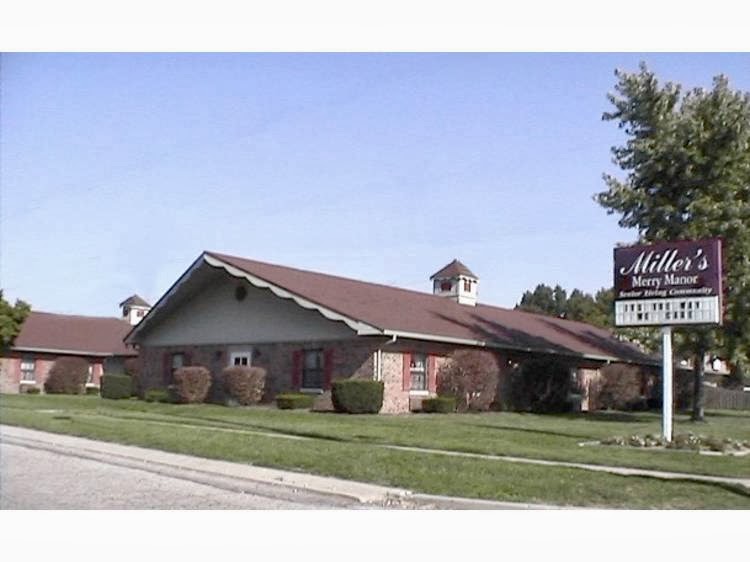
MILLER'S MERRY MANOR
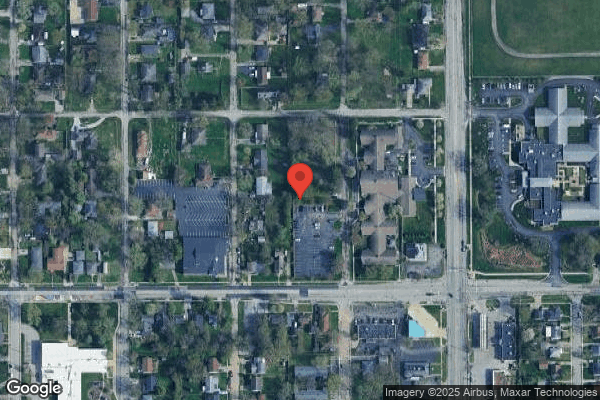
1651 N CAMPBELL ST, INDIANAPOLIS, IN 46218 (317) 357-8040
For profit - Corporation 114 Beds MILLER'S MERRY MANOR Data: November 2025

Trust Grade
50/100
#270 of 505 in IN
Last Inspection: June 2024

Within standard 12-15 month inspection cycle. Federal law requires annual inspections.

Overview

Miller's Merry Manor in Indianapolis has a Trust Grade of C, which means it is average and in the middle of the pack when compared to other nursing homes. It ranks #270 out of 505 facilities in Indiana, placing it in the bottom half, and #20 out of 46 in Marion County, indicating that only a few local options are better. The facility is improving, having reduced issues from three in 2024 to one in 2025. Staffing is a strength with a 4 out of 5 rating and good RN coverage that exceeds 82% of state facilities, but the turnover rate is at 55%, which is average. While there have been no fines, a serious concern was noted where a resident developed a stage three pressure injury due to inadequate monitoring and care, and there were failures in hand hygiene practices that could pose infection risks. Overall, while the home has strengths in staffing and no fines, families should be aware of serious care issues that need attention.

Trust Score
C
50/100
In Indiana
#270/505
Bottom 47%
Safety Record
Moderate
Needs review
Inspections
Getting Better
3 → 1 violations
Staff Stability
⚠ Watch
55% turnover. Above average. Higher turnover means staff may not know residents' routines.
Penalties
✓ Good
No fines on record. Clean compliance history, better than most Indiana facilities.
Skilled Nurses
✓ Good
Each resident gets 55 minutes of Registered Nurse (RN) attention daily — more than average for Indiana. RNs are trained to catch health problems early.
Violations
⚠ Watch
24 deficiencies on record. Higher than average. Multiple issues found across inspections.
★★★☆☆
3.0
Overall Rating
★★★★☆
4.0
Staff Levels
★★★★☆
4.0
Care Quality
★★★☆☆
3.0
Inspection Score
Stable
2024: 3 issues
2025: 1 issues

The Good

  • 4-Star Staffing Rating · Above-average nurse staffing levels
  • 4-Star Quality Measures · Strong clinical quality outcomes
  • Full Sprinkler Coverage · Fire safety systems throughout facility
  • No fines on record

Facility shows strength in staffing levels, quality measures, fire safety.

The Bad

3-Star Overall Rating

Near Indiana average (3.1)

Meets federal standards, typical of most facilities

Staff Turnover: 55%

Near Indiana avg (46%)

Frequent staff changes - ask about care continuity

Chain: MILLER'S MERRY MANOR
Part of a multi-facility chain

Ask about local staffing decisions and management

Staff turnover is elevated (55%)

7 points above Indiana average of 48%

The Ugly 24 deficiencies on record

1 actual harm
Jun 2025 1 deficiency
CONCERN (D) 📢 Someone Reported This

A family member, employee, or ombudsman was alarmed enough to file a formal complaint

Potential for Harm - no one hurt, but risky conditions existed

Infection Control (Tag F0880)

Could have caused harm · This affected 1 resident

Based on observation, interview, and record review, the facility failed to ensure hand hygiene was performed after doffing gloves for 1 of 1 resident reviewed for urinary catheter and 1 of 2 residents...

Read full inspector narrative →
Based on observation, interview, and record review, the facility failed to ensure hand hygiene was performed after doffing gloves for 1 of 1 resident reviewed for urinary catheter and 1 of 2 residents observed for blood sugar testing. (Resident B and Resident C) Findings include: 1. The clinical record for Resident B was reviewed on 6/23/25 at 8:45 a.m. The diagnoses included, but were not limited to, retention of urine and benign prostatic hyperplasia (BPH). A care plan, initiated 1/21/25, indicated Resident B required the use of a urinary catheter related to a diagnosis of benign prostatic hyperplasia (enlarged prostate) with neurogenic bladder. The goal was for his urinary catheter to be maintained per plan of care and for him to remain free from catheter related complications. The interventions included, but were not limited to, provide catheter care each shift and provide Enhanced Barrier Precautions (EBP). On 6/26/25 at 11:15 a.m., Licensed Practical Nurse (LPN) 2 was observed providing catheter care for Resident B. LPN 2 prepared the area and performed hand hygiene with alcohol-based hand gel. She donned a disposable gown and gloves. LPN 2 then provided catheter care. Upon completion of catheter care, LPN 2 emptied the basin of water and placed the soiled linen into a plastic bag. She held the plastic bag of soiled linen while she doffed her gloves and gown. LPN 2 did not perform hand hygiene after removing her soiled gloves and gown. She then opened the door of the room and stepped into the hallway. She opened the soiled utility linen closet and placed the soiled linen into the linen barrel, shut the door, and performed hand hygiene. 2. The clinical record for Resident C was reviewed on 6/25/25 at 10:00 a.m. The diagnoses included, but were not limited to, diabetes mellitus. An observation of glucometer testing (the testing of one's blood sugar) was conducted with LPN 6 on 6/25/25 at 10:32 a.m. LPN 6 performed hand hygiene upon arrival to the medication cart to gather Resident C's supplies. LPN 6 brought the resident's supplies to his location and performed hand hygiene. She then donned gloves and inserted testing strips into the glucometer, performed a finger stick on Resident C, and tested the resident's blood sugar. After the reading was completed, LPN 6 removed her gloves and wheeled the resident out of the room. LPN 6 then arrived at the medication cart and labeled the test strip container she had used and began disinfecting Resident C's glucometer. LPN 6 did not perform hand hygiene after removing her gloves or before exiting the room. During an interview with LPN 6 on 6/25/25 at 10:39 a.m., she indicated she sometimes disinfects the glucometers without gloves on while she was in the hall because staff were not allowed to wear gloves while in the hall. A Use of Medical Gloves Policy, dated 6/9/10, was provided by the Executive Director on 6/26/25 at 2:12 p.m. It indicated, . Gloves are worn to provide a protective barrier and prevent gross contamination of the hands when touching blood, body fluids, specimen collection, secretions, excretions, mucus membranes and non-intact skin .Guidelines: .D. Gloves should be removed and hands washed with soap and water immediately after glove removal .hand rub with alcohol gel may be used only if soap and water is not available upon removal of gloves . This citation relates to Complaint IN00457558. 3.1-18(l)
Jun 2024 3 deficiencies 1 Harm
SERIOUS (G)

Actual Harm - a resident was hurt due to facility failures

Pressure Ulcer Prevention (Tag F0686)

A resident was harmed · This affected 1 resident

**NOTE- TERMS IN BRACKETS HAVE BEEN EDITED TO PROTECT CONFIDENTIALITY** Based on observation, interview, and record review, the facility failed to ensure staff accurately identified and monitored skin...

Read full inspector narrative →
**NOTE- TERMS IN BRACKETS HAVE BEEN EDITED TO PROTECT CONFIDENTIALITY** Based on observation, interview, and record review, the facility failed to ensure staff accurately identified and monitored skin impairment for a cognitively impaired, dependent resident at risk to develop pressure injuries, failed to ensure interventions for effective pressure relief, and to promote healing, were implemented when an area of concern on the resident's skin was reported to a nurse, and failed to ensure care and services were provided to prevent the pressure injury from deteriorating for 1 of 2 residents reviewed for skin integrity (Resident 50). This deficient practice resulted in Resident 50 developing a facility-acquired stage three (full thickness tissue loss) pressure injury. Findings include: The clinical record for Resident 50 was reviewed on 6/11/24 at 3:00 p.m. The resident's admitting diagnoses included, but were not limited to, adult failure to thrive, moderated protein-calorie malnutrition, and Alzheimer's disease. He was admitted to the facility on [DATE]. A Braden Scale Assessment (assessment to predict pressure ulcer risk), completed 2/8/24, indicated he was at high risk for pressure ulcer development due to decreased mobility, having occasional moisture of the skin, and being bed and chair fast. A care plan, initiated 2/8/24, indicated that Resident 50 was at risk for skin breakdown due to urinary and fecal incontinence, impaired mobility, decreased functional ability, and previously healed wounds to the left buttock and palm of hand. The goal was to provide preventative measures in an attempt to avoid skin breakdown. The interventions included, but were not limited to, monitor skin daily during care, initiated 2/8/24, notify physician and family of any change in skin integrity, initiated 2/8/24, and skin assessment at least weekly by nurse, initiated 2/8/24. A Quarterly MDS (Minimum Data Set) Assessment, completed 6/5/24, indicated his cognition was severely impaired, he required maximal assistance of staff for toileting, bathing, dressing, turning in bed, and transfers. He was totally incontinent of bowel and bladder. He did not have a pressure ulcer and was at risk of developing pressure ulcers. Weekly skin assessments were completed by LPN (Licensed Practical Nurse) 5 on 5/26/24, 6/2/24, and 6/9/24 which indicated he did not have any new skin breakdown or pressure ulcer. A physician's order, dated 6/10/24, indicated to cleanse wound on right buttock with normal saline, pat dry, apply Medi honey (wound treatment gel) and alginate (wound dressing) into the wound bed, apply skin prep to surrounding area and cover with a bordered foam dressing daily and as needed for soiling or dislodgement. A Pressure Injury Assessment, dated 6/11/24, indicated the pressure injury was originally noted on 6/10/24 and located on lower right buttock and was a stage 3 that was new and acquired in-house. The wound bed exhibited 1-25% necrosis (dead tissue). Ecchymosis (bruised/ discolored) surrounding wound. There was light drainage and no odor. The physician and family were notified of the pressure injury. On 6/14/24 at 2:04 p.m., Resident 50's right buttock wound was observed with the DON (Director of Nursing) and the WN (Wound Nurse). Resident 50 was resting on a low air loss mattress. The dressing was removed, and the wound was approximately the size of a silver dollar. The wound bed had necrotic tissue which was light brown and soft in appearance. There was a thin line of pink colored tissue surrounding the wound bed and the skin surrounding the wound was flesh tone. The WN completed the dressing as ordered by the physician. During an interview on 6/14/24 at 2:04 p.m., the DON and the WN indicated there was necrotic tissue present in the wound bed of the pressure ulcer on the right buttock. The DON and WN had been informed of the pressure ulcer when it was about this size. They were unsure as to why it was not found or reported earlier. The staff could have assumed it was the moisture associated skin damage which had been treated on the left hip and healed in May 2024 and thought they knew about the area. During an interview on 6/14/24 at 2:15 p.m., CNA (Certified Nursing Assistant) 3 indicated she had cared for Resident 50 about a week ago and had noticed an area on his right buttock. CNA 3 had informed LPN (Licensed Practical Nurse) 4. During an interview on 6/14/24 at 2:20 p.m., LPN 4 indicated she had not been told about any skin concerns until the WN informed after the WN had found the wound on the right buttock. LPN 4 was not aware of any skin issues prior to being told by the WN. During an interview on 6/14/24 at 2:53 p.m., LPN 5 indicated she had completed the weekly skin assessment during the night shift on 6/9/24. She had not seen any new skin areas. There was one skin area that was being treated on his left buttock. She did not recall a skin area on Resident 50's right buttock. She did not always turn the lights on all the way, which could have affected it. LPN 5 had not been informed of any new skin areas by the nursing staff during her shift. During an interview on 6/14/24 at 03:47 p.m., the DON indicated that a low air loss mattress had been obtained for Resident 50 the day the pressure ulcer on his right buttock was found. Resident 50 was receiving barrier cream to the area prior to the pressure ulcer being found. On 6/14/24 at 3:20 p.m., the Executive Director provided the Skin Management Program policy, dated 8/14/2014, which read .It is our policy to assess for and reduce risk factors that may contribute to the development of pressure ulcers and other skin alterations unless the individual's condition demonstrates that the development is clinically unavoidable .A comprehensive head to toe skin assessment [inspection] will be completed by a licensed nurse upon admission/ return, and at least weekly thereafter . Residents who received assistance with bathing and/or peri-care will be observed daily by nursing staff and any notation of red areas, open areas, skin tears, bruises, rashes, abrasions, excoriations or other alterations will be reported to the licensed nurse for further assessment . Notification/ communication will occur with the resident/ sponsor and physician when there is a change in condition and /or change in treatment plan .Nursing staff will communicate changes via the 24 hour condition report . DON or designee will be alerted to all new skin alterations via the EMR [sic] dashboard and the 24 hr. report and will oversee that all assessment and documentation is completed 3.1-40(a)(1) 3.1-40(a)(2)
CONCERN (D)

Potential for Harm - no one hurt, but risky conditions existed

Assessment Accuracy (Tag F0641)

Could have caused harm · This affected 1 resident

**NOTE- TERMS IN BRACKETS HAVE BEEN EDITED TO PROTECT CONFIDENTIALITY** Based on observation, interview, and record review, the facility failed to timely complete a Significant Change of Status MDS (M...

Read full inspector narrative →
**NOTE- TERMS IN BRACKETS HAVE BEEN EDITED TO PROTECT CONFIDENTIALITY** Based on observation, interview, and record review, the facility failed to timely complete a Significant Change of Status MDS (Minimum Data Set) Assessment for a resident receiving hospice services and to ensure a Minimum Data Set (MDS) Assessment was accurately completed for dental issues for 1 of 1 resident reviewed for Resident Assessment (Resident 45) and 1 of 1 resident reviewed for dental (Resident 16). Findings include: 1. The clinical record for Resident 45 was reviewed on 6/13/24 at 10:00 a.m. The Resident's diagnoses included, but were not limited to, lung cancer and failure to thrive. He was admitted to the facility on [DATE]. A physician's order, dated 4/17/24, indicated that Resident 45 was admitted to hospice services. The clinical record did not contain a Significant Change of Status MDS that had been completed within 14 days of the hospice admission. During an interview on 6/13/24 at 11:44 a.m., the MDSC (Minimum Data Set Coordinator) indicated that a Significant Change of Status MDS should have been completed when Resident 45 began receiving hospice care. The facility used the RAI (Resident Assessment Instrument) Manual as the policy for completing the MDS. 2. The clinical record for Resident 16 was reviewed on 6/11/23 at 1:40 p.m. Resident 16's diagnosis included, but was not limited to, chronic obstructive pulmonary disorder. The MDS assessments dated 12/5/23 and 6/6/24 indicated Resident 16 was not edentulous. An observation was made of Resident 16 on 6/11/24 at 1:48 p.m. The resident was observed in bed. The resident was observed with no teeth. The resident indicated he had been edentulous for over 10 years. A dental visit for Resident 16 was provided by the Social Services Director on 6/13/24 at 10:57 a.m. It indicated the resident was edentulous and not a good candidate for dentures. An interview was conducted with the MDS Coordinator on 6/13/24 at 2:27 p.m. She indicated the resident does not have teeth. She had updated the resident's medical record to reflect the resident does not have teeth. The Long-Term Care Facility Resident Assessment Instrument 3.0 User 's Manual, Version 1.18.11 October 2023 read . If a nursing home resident elects the hospice benefit, the nursing home is required to complete an MDS Significant Change in Status Assessment (SCSA) .
CONCERN (D)

Potential for Harm - no one hurt, but risky conditions existed

Infection Control (Tag F0880)

Could have caused harm · This affected 1 resident

Based on observation, interview, and record review, the facility failed to use gloves and perform hand hygiene when providing care to a resident whose leg was bleeding in the common area of the unit f...

Read full inspector narrative →
Based on observation, interview, and record review, the facility failed to use gloves and perform hand hygiene when providing care to a resident whose leg was bleeding in the common area of the unit for 1 of 1 resident randomly observed. (Resident 40) Findings include: The clinical record for Resident 40 was reviewed on 6/11/24 at 1:40 p.m. Her diagnosis included, but were not limited to, Alzheimer's disease. She resided on the memory care unit of the facility. An observation of Resident 40 and interview with CNA (Certified Nursing Assistant) 1 was conducted on 6/11/24 at 1:41 p.m. Resident 40 was sitting down on the couch in the television area located in the middle of the unit. Resident 40 pulled her right pant leg up to her knee and began scratching her leg. There was blood dripping down Resident 40's right leg near the inner side of her calf area. CNA (Certified Nursing Assistant) 1 was sitting at the nurse's desk and informed of the blood on Resident 40's right leg. CNA 1 indicated she would inform the nurse. CNA 1 got up from the nurse's desk, came over to Resident 40 at the couch, and bent down with tissue paper and a pair of gloves in her hands. CNA 1 used the tissue paper with her bare right hand to wipe the blood from Resident 40's right leg and did not put on the gloves she had in her left hand. After wiping, she folded the tissue paper in half, walked down the hall to the unit exit doors, punched the code into the keypad to exit the unit, and exited the unit. CNA 1 did not wash her hands after she wiped the blood from Resident 40's leg and prior to exiting the unit. An interview was conducted with the DON (Director of Nursing) on 6/11/24 at 3:45 p.m. She indicated after speaking with staff about the above observation, she thought there was an infection control issue regarding glove use and hand hygiene. The Hand Washing and Hand Asepsis policy was provided by the ED (Executive Director) on 6/12/24 at 11:40 a.m. It read, To provide protection for resident and staff when performing direct care procedure. To ensure that hands remain clean so as to assist in maintenance of a clean environment and assist in the prevention of and the transmission of disease and infection. This facility follows the recommendations for handwash and hand hygiene recommended by the CDC (Centers for Disease Control ) SPECIFIC TIMES HANDS MUST BE WASHED: .Before and after direct resident contact. The Use of Medical Gloves policy was provided by the ED on 6/12/24 at 3:50 a.m. It read, Medical glove use by HCW's [health care workers] is recommended for two main reasons: 1) to reduce the risk of contaminating the HCW's hands with blood and other body fluids, 2) to reduce the risk of the germ dissemination to the environment and the transmission from the HCW's to the patient and vice versa, as well as from one patient to another. Gloves are worn to provide a protective barrier and prevent gross [sic] contamination of the hands when touching blood, body fluids, specimen collection, secretions, excretions, mucus [sic] membranes and non-intact skin .Gloves should be removed and hands washed with soap and water immediately after glove removal. (Hand washing with soap and water is highly recommended when gloves are removed because of a tear or puncture and the HCW has had contact with blood or another body fluid, hand rub with alcohol gel may be used only if soap and water is not available upon removal of gloves.) 3.1-18(b)(1) 3.1-18(l)
May 2023 10 deficiencies
CONCERN (D)

Potential for Harm - no one hurt, but risky conditions existed

Grievances (Tag F0585)

Could have caused harm · This affected 1 resident

**NOTE- TERMS IN BRACKETS HAVE BEEN EDITED TO PROTECT CONFIDENTIALITY** Based on interview and record review, the facility failed to take prompt efforts to resolve an oral grievance from a resident re...

Read full inspector narrative →
**NOTE- TERMS IN BRACKETS HAVE BEEN EDITED TO PROTECT CONFIDENTIALITY** Based on interview and record review, the facility failed to take prompt efforts to resolve an oral grievance from a resident regarding missing clothing items for 1 of 1 residents reviewed for personal property. (Resident 6) Finding include: The clinical record for Resident 6 was reviewed on 5/17/23 at 4:29 p.m. Resident 6's diagnoses included, but not limited to, diabetes type II, hypertension, non-pressure chronic ulcer of the left foot, cardiomegaly (enlarged heart), and chronic kidney disease. The quarterly MDS (Minimum Data Set) dated 3/31/23 indicated, Resident 6 was cognitively intact and could make daily healthcare decisions for himself. An admission MDS dated [DATE] indicated, his preferences for how important it was for him to: choose what clothes to wear, to take care of his personal belongings or things; and importance of having a place to lock his things up to keep them safe was very important Resident 6's care plan dated 12/30/22 indicated, He had expressed during the assessment process that it was important to him to take care of his personal belongings. Some interventions were to discuss with the resident regarding placement of items in room, assistance with securing items as needed, and to ensure family/friend was invited to care plan meetings. An interview with Resident 6 was conducted on 5/16/23 at 9:23 a.m. Resident 6 indicated, a week ago his [NAME] kit (containing his soap, shower wash and shampoo) went missing from the top of his bedside night stand along with a can of orange soda. Additionally, he indicated about three months ago, when he had moved from one room to his present room, his clothing had gone missing. He stated he was missing 10 pairs of underwear, pants, shirts, and a jogging suit. He stated that now he and his roommate will not leave the room unattended for fear that more of their items would be taken. An interview with ED (Executive Director) was conducted on 5/17/23 at 11:53 a.m. ED indicated, the facility did not have any grievance forms from Resident 6 within the last year. An interview with Resident 6's family member (FM 7) conducted on 5/17/23 at 2:38 p.m. indicated, her father had been moved from one room to his present room and when they moved him, his clothing did not get moved with him. She stated, he had told his nurse as well as the oncoming shift's nurse of the fact that he was missing his clothing. He was told by the nurses that they must have been left in his closet in his old room and would check to see if they were still there but, when they did check, his clothing was not there. The nurses then told Resident 6 that perhaps laundry had taken them. FM 7 indicated, she was unable to visit her dad for a couple weeks after his room move but when she did visit, she noticed that her dad's outfit was unclean and he was now wearing incontinence briefs. When she asked him about his appearance, he told her that his clothing was still missing which included all of his underwear so he had to wear the incontinent briefs as underwear. FM 7 stated, on that day, she went and spoke with his nurse who indicated, they would have to look into it. FM 7 indicated, she had received a phone call from the facility regarding his lost clothes. FM 7 indicated, the person who called her identified themselves as the business office manager and told her the facility was unable to locate his clothing and because they were not labeled with his name, that there was nothing they could do about it. FM 7 indicated, the person who called her also asked if she had a receipt for the missing clothing, but FM 7 no longer had the receipt. FM 7 indicated, her dad was missing 2 ten packs of underwear, 2 jogging suits, and some tops and bottoms from Wal-mart. Additionally, she stated that even his orthotic inserts he had for his shoe was missing. An interview with Social Services Director (SSD) conducted on 5/17/23 at 3:27 p.m. indicated, she was not made aware of Resident 6 missing clothing items, a can of orange soda, or his [NAME] kit. A Grievance Procedure policy was received on 5/17/23 at 11:35 a.m. from ED. The policy indicated, the facility strives to address all resident concerns and complaints immediately to the satisfaction of the resident and/ or family. Residents and families are encouraged to speak to any staff whenever their expectations of care and service are not met so immediate action can be taken .Miller's Merry Manor will investigate, act upon and resolve to the best of our ability any resident or family concern/grievance that cannot be immediately resolved .Procedure .Resident may verbally file a grievance with any staff member or may request a specific staff member to speak to .Any alleged violations involving neglect, abuse .and/or misappropriation of resident property will be reported immediately to the administrator .Follow up with the involved party will be completed until the concern is resolved to the satisfaction of the resident and/or involved party and documented on the form .Staff will be trained upon hire and throughout employment on how to receive grievance voiced by residents and/or family members. 3.1-7(a) 3.1-7(b)
CONCERN (D)

Potential for Harm - no one hurt, but risky conditions existed

Respiratory Care (Tag F0695)

Could have caused harm · This affected 1 resident

Based on observation, interview and record review, the facility failed to ensure a humidifier was provided for a resident using oxygen therapy for 1 of 1 resident reviewed for oxygen. (Resident 21) F...

Read full inspector narrative →
Based on observation, interview and record review, the facility failed to ensure a humidifier was provided for a resident using oxygen therapy for 1 of 1 resident reviewed for oxygen. (Resident 21) Findings include: The clinical record for Resident 21 was reviewed on 5/16/23 at 9:44 a.m. The diagnoses included, but were not limited to, chronic pain, obstructive sleep apena, chronic respiratory failure and Chronic Obstructive Pulmonary Disease (COPD). A respiratory care plan for Resident 21 dated 12/8/22 indicated the staff was to administer oxygen, medications and treatments as ordered. A physician order dated 12/8/23 indicated .Check oxygen flow rate: tank level; tube patency; portable/concentrator function; humidifier level every 4 hr. A physician order dated 12/11/22 indicated the staff was to change humidifier and clean concentrator filter every Sunday on night shift. A physician order dated 12/8/23 indicated Resident 21 was to receive 4 liters of continuous oxygen. An observation was made of Resident 21 on 5/16/23 at 9:44 a.m. The resident was observed with a nasal cannula in his nose and oxygen was running through it. Resident 21 indicated at that time, the staff do not always replace the humidifier on the concentrator of the oxygen unit. His nose gets dry. It feels good when he does have it. The humidifier bottle was observed empty. An observation was made of Resident 21 on 5/17/23 at 11:35 a.m. The resident's oxygen concentrator was observed with an empty humidifier bottle. The resident indicated at that time, the staff had not changed out the humidifier. An interview was conducted with License Practical Nurse (LPN) 5 on 5/17/23 at 11:45 a.m. She indicated she was Resident 21's nurse that day. The humidifier was changed every Sunday night. She was unsure why it had not been done. 3.1-47(6)
CONCERN (D)

Potential for Harm - no one hurt, but risky conditions existed

Deficiency F0697 (Tag F0697)

Could have caused harm · This affected 1 resident

Based on interview and record review, the facility failed to address a resident's pain utilizing nonpharmacological interventions for 1 of 1 residents reviewed for pain. (Resident 21) Findings include...

Read full inspector narrative →
Based on interview and record review, the facility failed to address a resident's pain utilizing nonpharmacological interventions for 1 of 1 residents reviewed for pain. (Resident 21) Findings include: The clinical record for Resident 21 was reviewed on 5/16/23 at 9:44 a.m. The diagnoses included, but were not limited to, chronic pain, obstructive sleep apena, chronic respiratory failure and Chronic Obstructive Pulmonary Disease (COPD). A pain care plan for Resident 21 dated 12/9/22 indicated the goal was for the resident's pain would be at a tolerable level. The interventions were the following: .Assess pain using the 0-10 scale [1 being the least amount of pain and 10 being the most amount of pain]. , Instruct resident to take pain medication before pain becomes severe to achieve better pain control, . Administer pain medication as per MD orders and note the effectiveness, Document/Report complaints & non-verbal signs of pain . A physician order dated 5/11/23 indicated Resident 21 was to receive Biofreeze on both knees four times a day for pain. A physician order dated 4/14/23 indicated Resident 21 was to receive 325 milligrams of Tylenol for pain management three times a day. The May 2023 Medication Administration Record (MAR) indicated the following days and shifts the resident indicated he was in pain, and the pain severity level: 5/1/23 = a.m., - pain level of 6, mid day - pain level of 6, night - pain level 3, 5/2/23 = a.m., - pain level of 6, mid day - pain level of 7, night - pain level 3, 5/3/23 = a.m., - pain level of 6, mid day - pain level of 6, night, 5/4/23 = a.m., - pain level of 6, mid day - pain level of 5, night - pain level 2, 5/5/23 = a.m., - pain level of 7, mid day - pain level of 6, night - pain level 2, 5/7/23 = a.m., - pain level of 2, 5/8/23 = a.m., - pain level of 8, mid day - pain level of 6, night - pain level 1, 5/9/23 = a.m., - pain level of 7, mid day - pain level of 6, 5/10/23 = a.m., - pain level of 8, mid day - pain level of 6, night - pain level 2, 5/11/23 = a.m., - pain level of 7, mid day - pain level of 6, night - pain level 1, 5/12/23 = night - pain level 2, 5/15/23 = a.m., - pain level of 6, mid day - pain level of 8, 5/16/23 = a.m., - pain level of 7, mid day - pain level of 8, 5/17/23 = a.m., - pain level of 7, mid day - pain level of 6, and 5/18/23 = a.m. - pain level of 9 An interview was conducted with Resident 21 on 5/16/23 at 9:41 a.m. He indicated he has pain in his lower extremities. The staff give him Tylenol to address his pain, but it does not relieve his pain. The resident reported at that time, his pain in his lower legs were at a pain severity of a 9. The resident's clinical record did not indicate nonpharmacological interventions were provided to address a resident's pain. An interview was conducted with License Practical Nurse (LPN) 5 on 5/17/23 at 11:45 a.m. She indicated the resident does complain about his pain in his legs. The resident receives Tylenol and Biofreeze topically for pain management. The resident was not compliant with wearing his CPAP [Continuous Positive Airway Pressure] during the times of sleeping, so the medical provider can not order any additional stronger pain medications due to the concern with affecting the resident's breathing. An interview was conducted with the Director of Nursing on 5/17/23 at 3:33 p.m. She indicated the staff should be offering, providing and documenting nonpharmacologiccal interventions to address Resident 21's pain. 3.1-37(a)
CONCERN (D)

Potential for Harm - no one hurt, but risky conditions existed

Deficiency F0744 (Tag F0744)

Could have caused harm · This affected 1 resident

**NOTE- TERMS IN BRACKETS HAVE BEEN EDITED TO PROTECT CONFIDENTIALITY** Based on observation, interview, and record review, the facility failed to provide appropriate dementia care services to 1 of 6 ...

Read full inspector narrative →
**NOTE- TERMS IN BRACKETS HAVE BEEN EDITED TO PROTECT CONFIDENTIALITY** Based on observation, interview, and record review, the facility failed to provide appropriate dementia care services to 1 of 6 residents reviewed for dementia care. (Resident 24) Findings include: The clinical record for Resident 24 was reviewed on 5/16/23 at 9:20 a.m. Her diagnoses included, but were not limited to, Alzheimer's disease and dementia. The undated memory care functional maintenance plan indicated, Late state dementia. Cognition is severely impaired. Lack awareness on the effects that actions have on objects or other people. Able to use simple communication. Needs to feel stable. Can perform gross motor movements and is mobile (may be able to sit, stand, walk). Maximum assistance with all activities of daily living to prevent falls and wandering. The cognition care plan, last reviewed 4/18/23, indicated interventions were to ensure staff explain procedures at initiation of each interaction with resident and allow time to process and to gently redirect activities when resident makes inappropriate actions. An observation of the memory care unit was made on 5/16/23 at 9:24 a.m. Resident 24 was sitting at a table in the dining room. She had an abrasion above her left eye. There was a Christmas tree in the television lounge area of the unit, decorated in red, white, and blue holiday decorations. The decorations were bows, [NAME], and stars that did not include any hooks or sharp objects. The 5/13/23, 4:30 p.m. nursing occurrence initial assessment, written by LPN (Licensed Practical Nurse) 8, indicated Resident 24 had a fall with injury in the hallway by the television lounge. The type of injury sustained was a bruise/hematoma and abrasion. It read, resident pulled decorations of [sic] the tree in the lounge writer tried to get decorations from resident then resident started to walk in a fast pace went to help resident to slow down when resident was approached the resident jerked away and fell to the floor assisted resident up in chair noticed resident's nose was bleeding from the right nostril applied a gauze had moderate amount of bleeding before it stopped has abrasion above left eye and a red bruise under left eye. The 5/15/23 nurse practitioner note read, Plan: s/p [status post] witnessed fall. Neuro [neurological] check at baseline. Remains ambulatory w/o [without] assistive. Abrasion x [times] 2 above L [left] eye and at corner of L [left] eye. Will add bacitracin. Fall precautions. Encourage safe and supportive environment. The 5/15/23 post occurrence IDT (Interdisciplinary Team) & fall risk assessment indicated the root cause was, as resident was being approached by staff, she jerked away causing her to lose her balance and fall to the floor. The IDT recommendations were, staff education, if resident has something in her hands to go ahead and allow her to keep it until she puts it down. Don't try and take it away from her, unless it will cause someone or herself harm. An interview was conducted with the SSD (Social Services Director) on 5/18/23 at 10:25 a.m. She indicated she was part of the 5/15/23 IDT review of Resident 24's fall. The facility did not currently have a memory care director for the unit. She would have let Resident 24 take the decorations and retrieve them later. An interview was conducted with the DON (Director of Nursing) on 5/18/23 at 10:34 a.m. She indicated she was not present in the facility when Resident 24 fell. Resident 24 was really upset about it. It was hard to redirect her. My fix was let her have the decorations, and we'll redirect her later. It wasn't worth Resident 24 getting upset or causing her any distress. An interview was conducted with LPN 8 on 5/18/23 at 10:56 a.m. She indicated she worked the memory care unit of the facility over the weekend and there was an incident with Resident 24. LPN 8 was standing in the common area across from the television lounge when she saw Resident 24 rip a piece of [NAME] off the tree. LPN 8 did not want the tree to fall on Resident 24. Resident 24 began walking in a fast pace away from the tree, and LPN 8 was going to try and get her to sit down. When LPN 8 approached her, it startled Resident 24. Resident 24 started fighting me, grabbing at me. LPN 8 was trying to calm her down, but Resident 24 jerked away. I was hanging onto her in like a hug, but not a tight hug. Afterwards, LPN 8 thought she should have just left it alone, as the decorations weren't that important. By the time LPN 8 got to Resident 24, she was already away from the tree, so she should have just left it alone. LPN 8 thought Resident 24 hit her head on the floor, because when she got up, there was blood coming from her nose. LPN 8 was the only staff member on the unit at the time, as the CNA (Certified Nursing Assistant) on duty was on break. The Specialty Unit Responding to Feelings policy was provided by the DON on 5/18/23 at 2:03 p.m. It read, Things Not To Do: a. Don't argue with the person. This always makes the situation worse. Furthermore, it is important to remember that a person with dementia no longer has the ability to be rational or logical to the extent you do. b. Don't order the person around. Few of us like to [sic] bossed around and the person with dementia is no exception. Even when your words are not understood, your tone of voice will be. c. Don't tell the person what he or she can't do. State directions positively instead of negatively. Instead of 'You can't go outside now,' try 'Let's sit down here and look at these pictures.' The Specialty Unit Communication Techniques for Alzheimer's Residents policy was provided by the DON on 5/18/23 at 2:03 p.m. It read, Approach from the front and at eye level Most importantly, 'BE PATIENT AND CONVEY LOVE WITH EACH INTERACTION.' The Specialty Unit Behaviors-What Can We Do? policy was provided by the DON on 5/18/23 at 2:03 p.m. It read, First and foremost, determine who the problem is a problem for. Is it endangering the resident or another resident? Or is it simply annoying you? Is it socially unacceptable? Is it altering the function of the unit or disrupting anyone in any way? .Resisting care-This is often a result of improper approach. 3.1-37(a)
CONCERN (D)

Potential for Harm - no one hurt, but risky conditions existed

Deficiency F0757 (Tag F0757)

Could have caused harm · This affected 1 resident

Based on interview and record review, the facility failed to ensure a resident was free of unnecessary mediations with antibiotic usage for 1 of 1 residents reviewed for antibiotic medications. (Resid...

Read full inspector narrative →
Based on interview and record review, the facility failed to ensure a resident was free of unnecessary mediations with antibiotic usage for 1 of 1 residents reviewed for antibiotic medications. (Resident 1) Findings include: The clinical record for Resident 1 was reviewed on 5/16/23 at 10:00 a.m. The diagnoses included, but were not limited to, chronic respiratory failure and chronic obstructive pulmonary disease (COPD). A physician order dated 6/4/22 indicated Resident 1 was to receive 250 milligrams of Azithromycin once a day every Monday, Wednesday and Friday for prevention. The June 2022 Infection Surveillance Data Collection Form indicated Resident 1's signs and symptoms of the resident's infection was cough and COPD. This was an ongoing prophylactic antibiotic. It did not meet criteria for antibiotic usage. A physician order dated 10/14/22 indicated Resident 1 was to receive 300 milligrams of Cefdinir daily until 10/18/22. Stop Azithromycin while taking Cefdinir. Azithromycin will resume after the completion of Cefdinir. The October 2022 Infection Surveillance Data Collection Form indicated Resident 1's signs and symptoms of the resident's infection was COPD exacerbation. The October 2022 Medication Administration Record (MAR) indicated Resident 1 had received Azithromycin antibiotic on Mondays, Wednesdays, and Fridays 10/3/22 through 10/31/22. The Azithromycin medication had not been stopped on 10/15/22, 10/16/22, 10/17/22, and 10/18/22 as ordered. An interview was conducted with Director of Nursing (DON) on 5/18/23 at 2:03 p.m. She indicated the resident does see an outside physician that ordered the prophylactic antibiotic. Normally, the Infection Preventionist would notify the Medical Director (MD) about the prophylactic antibiotic order. The MD would then contact the outside physician/specialist to clarify if it was truly necessary to start a prophylatic antibiotic. She was unable to find documentation the discussion had taken place. Resident 1 has been on the prophylactic a long time and continues receiving Azithromycin Mondays, Wednesdays and Fridays. The residents that have used prophylactic antibiotics are not normally kept on them as long as Resident 1 has been on the preventive antibiotic. Resident 1 had received the Azithromycin and the Cefdinir antibiotics at the same time in October 2022. The Azithromycin had not been stopped on 10/14/22 as ordered. 3.1-48(a)(2)(4)
CONCERN (D)

Potential for Harm - no one hurt, but risky conditions existed

Unnecessary Medications (Tag F0759)

Could have caused harm · This affected 1 resident

Based on observation, interview and record review, the facility failed to ensure a medication error rate of less than 5 percent for 1 of 4 residents observed during medication pass. There were 25 oppo...

Read full inspector narrative →
Based on observation, interview and record review, the facility failed to ensure a medication error rate of less than 5 percent for 1 of 4 residents observed during medication pass. There were 25 opportunities with 2 errors resulting in an 8% medications error rate. The errors involved 1 resident (Resident 3) in the sample of 4. Findings include: The clinical record for Resident 3 was reviewed on 5/19/23. Resident 3's diagnoses included, but not limited to, chronic obstructive pulmonary disease (COPD), diabetes type II,, and Alzheimer's disease. A physician's order dated 11/2/22 indicated, to give Resident 3 one 2.5 mg(milligram) of Zyprexa (antipsychotic) ODT (orally disintegrating tablet) every Wednesday for dementia with delusions. A physician's order dated 11/3/22 indicated to give Resident 3 one 5 mg Zyprexa tablet ODT on Monday, Tuesday, Thursday, Friday, Saturday, and Sunday and an order for Flovent 110 mcg (micrograms). An observation of LPN (licensed Practical Nurse) 6 was conducted on 5/18/23 at 9:29 a.m. LPN 6 was administering Resident 3's medications which included, but not limited to, the Zyprexa and Flovent. The box for the Flovent indicated, to rinse the patients mouth with water and to spit the water out after administering the Flovent. LPN 3 took all the oral medications, including the Zyprexa ODT tablet, and placed them into a plastic sleeve and crushed the medications. She placed the crushed medications into vanilla pudding and administered them to the resident. After taking the crushed oral medications, Resident 3 then inhaled her dose of Flovent and took a sip of water. Resident 3 did not rinse and spit after the inhaler and she swallowed the Zyprexa tablet instead of letting it disintegrate in her mouth. An interview with Pharmacist 2 was conducted on 5/18/23 at 10:30 a.m. Pharmacist 2 indicated, Zyprexa ODT should not be administered when crushed and swallowed as that will affect the absorption of the medication. An interview with DON (Director of Nursing) conducted on 5/18/23 at 2:12 p.m. indicated, when administering an inhaled medication which indicated a need to rinse and spit after taking the medication, it would not suffice to only take a sip of water and the resident should have been instructed to rinse then spit out the water. A Medication Administration Procedure policy was received 5/19/23 at 10:19 a.m. from DON. The policy indicated, Altering of medication: Ensure that there is a physician's order stating it is acceptable to crush tablets of open medication capsules and give with food substance. If a medication should not be crushed or altered contact physician for al alternate medication or liquid equivalent. 3.1-48(c)(1) 3.1-48(c)(2)
CONCERN (D)

Potential for Harm - no one hurt, but risky conditions existed

Deficiency F0825 (Tag F0825)

Could have caused harm · This affected 1 resident

**NOTE- TERMS IN BRACKETS HAVE BEEN EDITED TO PROTECT CONFIDENTIALITY** Based on interview and record review, the facility failed to provide a speech evaluation, as ordered by the physician, for a res...

Read full inspector narrative →
**NOTE- TERMS IN BRACKETS HAVE BEEN EDITED TO PROTECT CONFIDENTIALITY** Based on interview and record review, the facility failed to provide a speech evaluation, as ordered by the physician, for a resident requesting a diet upgrade for 1 of 1 resident reviewed for nutrition (Resident 48). Findings include: The clinical record for Resident 48 was reviewed on 5/16/23 at 8:32 a.m. The Resident's diagnosis included, but was not limited to, dysphagia (trouble swallowing). A physician's order, dated 8/14/2020, indicated he was to receive a mechanical soft and no added salt diet. A care plan, initiated 8/25/2020, indicated he was at nutritional risk related to being on a mechanically altered and therapeutic diet. He was non-compliant with diet and would eat foods that the family provided, such as pork rinds. He had experienced weight fluctuations. The goal was for him to consume meals of foods and beverages that he selected and for him to be served his diet as ordered. The interventions, initiated 7/14/2020, were to serve his diet as ordered, have him select his own menu, and monitor weight and intake. A Speech Therapy Discharge summary, dated [DATE], indicated that he was able to follow safety strategies for safe swallowing with 75% accuracy with moderate verbal cues. He was educated that a mechanical soft diet was the safest to decrease aspiration (food going into lungs) risk. A physician's order, dated 1/19/23, indicated speech therapy was to evaluate and treat as indicated. The order was discontinued on 1/25/23. A Quarterly MDS (Minimum Data Set) Assessment, completed 3/13/23, indicated he had moderately impaired cognition. On 5/16/23 at 8:32 a.m., Resident 48 was observed sitting in his wheelchair in his room. There was a box of individual potato chips bags on his bed. He indicated he wanted to eat hamburgers, but the facility would not give them to him. During an interview on 5/18/23 at 9:24 a.m., Resident 48 indicated he had not been seen by speech therapy. He often requested hamburgers and was told he could not have them because he couldn't swallow. He had not has a swallowing test since he had been at the facility. During an interview on 5/18/23 at 9:30 a.m , the Dietary Manager indicated that Resident 48 frequently asked for hamburgers. He was offered mechanical soft (ground up) hamburger on a bun but refused them. He was not safe to have a regular hamburger because he ate so fast. During an interview on 5/18/23 at 9:54 a.m., the Therapy Coordinator indicated there was no documentation that a speech eval was completed in January 2023. During an interview on 5/18/23 at 11:10 a.m., ST (Speech Therapist) 4 indicated she had screened him in March 2023 and felt he was on the appropriated diet. She was not sure if Resident 48 would be safe to eat a hamburger, it would have to be cooked right so that it was tender. He may be able to if it were cut in half or quarters, but she had not evaluated him, so she could not recommend he received hamburgers that were not mechanically altered. In order to upgrade Resident 48's diet so that he could have hamburger which were not mechanically altered, ST 4 would need to evaluate him and try the hamburger to see if he tolerated it. A Modified Barium Swallow test would be helpful to determine his swallowing ability. During an interview on 5/18/23 at 11:49 a.m., the DON (Director of Nursing) indicated Resident 48 had an order for speech therapy in January 2023. The order had not been properly communicated to the therapy department and had not been completed. Resident 48 frequently ate things like pork rinds, chips, and candy bars. To her knowledge, Resident 48 had not been treated for aspiration pneumonia during his time at the facility. On 5/18/23 at 2:05 p.m., the DON provided the New Order policy last updated 3/23/18, which read . To ensure physician orders are transcribed correctly and carried out per plan by a licensed nurse .Make a progress note to indicate that physician order was obtained and why. Use the note titled 'Communication of new or changed plan of care/ orders' to ensure that appropriate notification is completed . 3.1-23(a)(1)
CONCERN (D)

Potential for Harm - no one hurt, but risky conditions existed

Infection Control (Tag F0880)

Could have caused harm · This affected 1 resident

Based on observation, interview, and record review, the facility failed to maintain an infection prevention and control program by not ensuring: a urinary catheter bag was off of the floor for 1 of 1 ...

Read full inspector narrative →
Based on observation, interview, and record review, the facility failed to maintain an infection prevention and control program by not ensuring: a urinary catheter bag was off of the floor for 1 of 1 residents reviewed for urinary catheter (Resident 14 ); medication cups, water cups, and plastic sleeves which are used to crush medications in were not handled in a manner to prevent staff from placing fingers and/or fingernails inside the cup or a disposable plastic pouch for 2 of 4 residents observed during medication administration (Residents 36, 56, and 3 ); and not performing proper hand hygiene prior to donning and doffing of gloves for 1 of 4 residents reviewed for medication administration (Resident 33) Findings include: 1. An observation of Resident 14 was conducted on 5/16/23 at 10:11 a.m. The bottom of Resident 14's urinary catheter bag was touching the bedside mat which was on the floor next to his bed. An observation of Resident 14 was conducted on 5/17/23 at 9:31 a.m. Resident 14 was sitting in his wheelchair and the bottom of his urinary catheter bag was on the floor under his wheelchair. A physician's order dated 8/7/21 indicated, to ensure Resident 14's catheter bag was below his waist, covered, and tubing is not touching the floor. Resident 14's most recent care plan was reviewed on 5/17/23. It indicated, Resident 14 required a urinary catheter related to bladder retention. Some of the interventions included, to maintain the urinary bag below bladder level to facilitate urine flow and to provide measures to prevent excessive pulling/tension on catheter tubing. A Foley Catheter Care & Maintenance policy was received on 5/17/23 at 11:35 a.m. from ED (Executive Director). The policy indicated, Placement of Catheter Tubing Procedure .When in bed of wheel chair .position tubing with no tension .ensure bag or tubing is not touching floor. 2. a. An observation of LPN (Licensed Practical Nurse) 5 administering medications to Resident 36 was conducted on 5/18/23 at 9:01 a.m. When LPN 5 went to grab a plastic medication cup to dispense the resident's medications into she grabbed the medication cup by placing her index finger inside the cup and her thumb on the outside of the cup in a pinching manner. Also, when she went to grab a cup to place water in for the resident to take their medications she grabbed the cup by its rim which is were the resident's mouth would touch when drinking from the cup. b. An observation of LPN 5 administering medications to Resident 56 was conducted on 5/18/23 at 9:16 a.m. When LPN 5 went to grab a plastic medication cup to dispense the resident's medications into she grabbed the medication cup by placing her index finger inside the cup and her thumb on the outside of the cup in a pinching manner. Also, when she went to grab a cup to place water in for the resident to take their medications she grabbed the cup by its rim which is were the resident's mouth would touch when drinking from the cup. c. An observation of LPN 6 administering medications to Resident 3 was conducted on 5/18/23 at 9:29 a.m. LPN 6 dispensed Resident 3's pills into a medication cup then grabbed a disposable plastic pouch used to crush medications in and placed her fingernail inside of the pouch to open the plastic pouch up so she could pour the tablets into the pouch. She then placed the plastic pouch into the crushing tool. After the pills were sufficiently crushed, she again placed her fingernail into the pouch to open it up so she could pour the contents of the pouch into a medication cup. 3. An observation of LPN 5 administering insulin to Resident 33 was conducted on 5/18/23 at 12:04 p.m. After performing the blood glucose check on Resident 33, LPN 5 walked out of the resident's room, removed her gloves, and preceded to draw up the Humalog to administer to the resident. LPN 5 did not perform hand hygiene after doffing her gloves. After drawing up the required amount of Humalog, she proceeded into Resident 33's room. She donned a pair of gloves and administered the medication. LPN 5 did not perform hand hygiene prior to donning her gloves. After administering the insulin, LPN 5 exited Resident 33's room, disposed of the syringe, and removed her gloves. She did not perform hand hygiene after leaving the room and doffing her gloves. An interview with DON (Director of Nursing) was conducted on 5/18/23 at 2:12 p.m. DON indicated, all medication and/or water cups should be handled so that the part of the cup the resident places their lips on is not contaminated and/or touched nor should fingers or fingernails be placed inside of a medication and/or water cup as well as the disposable plastic pouch used to crush medications. A Use of Medical Gloves policy was received on 5/19/23 at 10:19 a.m. from DON. The policy indicated, Gloves are worn to reduce the likelihood that hands of personnel contaminated with microorganisms form a resident or a fomite (any substance that absorbed and transmits infectious material) can transmit these microorganisms to another resident .hands should be washed initially prior to putting on the gloves .Gloves should be removed and hands washed with soap and water immediately after glove removal. 3.1-18(a) 3.1-18(l)
CONCERN (D)

Potential for Harm - no one hurt, but risky conditions existed

Antibiotic Stewardship (Tag F0881)

Could have caused harm · This affected 1 resident

Based on interview and record review, the facility failed to track and monitor antibiotic usage to ensure resident's did not receive prophylactic antibiotics for 1 of 1 residents reviewed for antibiot...

Read full inspector narrative →
Based on interview and record review, the facility failed to track and monitor antibiotic usage to ensure resident's did not receive prophylactic antibiotics for 1 of 1 residents reviewed for antibiotic medications. (Resident 1) Findings include: The clinical record for Resident 1 was reviewed on 5/16/23 at 10:00 a.m. The diagnoses included, but were not limited to, chronic respiratory failure and chronic obstructive pulmonary disease (COPD). A physician order dated 6/4/22 indicated Resident 1 was to receive 250 milligrams of Azithromycin once a day every Monday, Wednesday and Friday for prevention. The June 2022 Infection Surveillance Data Collection Form indicated Resident 1's signs and symptoms of the resident's infection was cough and COPD. This was an ongoing prophylactic antibiotic. The form indicated it did not meet criteria for antibiotic usage. The July 2022, August 2022, September 2022, October 2022, November 2022, December 2022, January 2023, February 2023, March 2023, April 2023, and May 2023 Infection Surveillance Data Collection Forms did not include tracking or monitoring of Resident 1's Azithromycin antibiotic. A physician order dated 10/14/22 indicated Resident 1 was to receive 300 milligrams of Cefdinir daily until 10/18/22. Stop Azithromycin while taking Cefdinir. Azithromycin will resume after the completion of Cefdinir. The October 2022 Infection Surveillance Data Collection Form indicated Resident 1's signs and symptoms of the resident's infection was COPD exacerbation. An interview was conducted with Director of Nursing (DON) on 5/18/23 at 2:03 p.m. She indicated she was handling the antibiotic stewardship program due to the Infection Preventionist (IP) was on leave. The facility uses Mcgreers to determine if a resident's infection meets the criteria to treat with an antibiotic. If the resident's infection does not meet utilizing labs/x-rays and signs and symptoms the antibiotic was not normally started or if it was started discontinued. Resident 1 does have an outside physician that ordered the Azithromycin antibiotic to be used as a preventive for infection. In the cases, of outside providers ordering prophylactic antibiotics to residents; once aware the IP would notify the Medical Director (MD). The MD would address with the outside physician/specialist about the usage of the prophylactic antibiotic to determine if it was necessary to start. She was unable to provide documentation the discussion took place with Resident 1's outside physician/specialist. The IP should have been tracking and monitoring Resident 1's antibiotic. The resident's antibiotic usage should have been documented on July 2022, August 2022, September 2022, October 2022, November 2022, December 2022, January 2023, February 2023, March 2023, April 2023, and May 2023 infection surveillance forms. The Infection Control Surveillance Program policy was provided by the Executive Director on 5/16/23 at 10:35 a.m. It indicated .1. Purpose: .To establish an infection control and prevention process for residents residing in the facility .Surveillance components will include Investigation, Clinical records and documentation, on-site monitoring, data analysis, reporting, implementation of program changes as needed. 2. Procedure A. The Initial Infection Assessment located in the electronic medical record (EMR) will be completed by the Charge Nurse when a resident is placed on an antibiotic. B. Daily Infection Assessments will be completed while a resident is receiving an antibiotic or presenting with infection systems. This documentation is completed via a daily infection assessment or the daily Medicare documentation assessment. C. During the course of treatment, and while the resident is receiving an antibiotic the Infection Control Coordinator will review the EMR for Infection Assessments and monitor for appropriate treatment and management of the infection or condition of warranting the use of antibiotics and treatment. D. Each resident be tracked by the Infection Control Coordinator until the course of treatment and symptoms have resolved. This tracking may include reviewing culture reports, progress notes, AM meeting attendance, chart review, walking rounds or direct observations and interview of residents/staff. E. At the end of each month, the Infection Control Coordinator will collect information contained in the infection assessments, and the list this information classified into either a true infection or symptoms requiring treatment per physician or provider assessment and clinical judgement .Individual and group action plans will be developed based upon information from this data collection. 3. Documenting Surveillance data A. Information on the line/listing form will include - I. Resident name. II. Signs and symptoms information. III. Infection type, IV. Date signs/symptoms were first noted. V. Any culture or x-ray results. VI. Antibiotic/Antimicrobial name and dosage. VII. Antibiotic/Antimicrobial start and stop date. VIII. Isolation type of required. IX. Verification of true infection/meets infection criteria definition. B. To determine if data is a true infection - a complete review of the infection criteria guideline must be completed . The Antibiotic Stewardship program was provided by Executive Director on 5/16/23 at 10:35 a.m. It indicated .It is the policy of the Miller's Health Systems, Inc. to utilize an Antimicrobial and Antibiotic Stewardship Program based upon the guidance and recommendations of the CDC [The Centers for Disease Control and Prevention and within CMS [The Centers for Medicare & Medicaid Services] proposed guidelines .On a monthly basis, antibiotic/antimicrobial use will be reviewed by the Consultant Pharmacist, ICPO [Infection Control and Prevention Officer], DON and Medical Director. Results of this review will then be presented to the QAPI [Quality Assurance and Performance Improvement] meeting as appropriate. If this review finds that a particular clinician is prescribing antibiotics outside of the appropriate use indicators, the Pharmacy Consultant or Medical Director at his/her discretion may inform the associate clinical of the need for further compliance need. Continued non-compliance may result in a need to alter provider privileges in the facility. Any discrepancies of the review will also be included in the QAPI program log and interventions initiated to demonstrate a good faith effort to correct inappropriate use of antibiotics .
MINOR (B)

Minor Issue - procedural, no safety impact

MDS Data Transmission (Tag F0640)

Minor procedural issue · This affected multiple residents

Based on interview and record review, the facility failed to timely complete and transmit discharge tracking forms for 5 of 17 resident reviewed for Minimum Data Set Assessments (Resident 12, 23, 53, ...

Read full inspector narrative →
Based on interview and record review, the facility failed to timely complete and transmit discharge tracking forms for 5 of 17 resident reviewed for Minimum Data Set Assessments (Resident 12, 23, 53, 59, and 60). Findings include: 1. Resident 23 was discharged from the facility on 12/19/22. The clinical record did not contain a discharge tracking record that had been transmitted to CMS (Center for Medicare and Services). 2. Resident 60 was discharged from the facility on 1/19/23. The clinical record did not contain a discharge tracking record that had been transmitted to CMS. 3. Resident 59 was discharged from the facility on 1/24/23. The clinical record did not contain a discharge tracking record that had been transmitted to CMS. 4. Resident 12 was discharged from the facility on 1/26/23. The clinical record did not contain a discharge tracking record that had been transmitted to CMS. 5. Resident 53 was discharged from the facility on 1/26/23. The clinical record did not contain a discharge tracking record that had been transmitted to CMS. During an interview on 5/18/23 at 10:53 a.m., the Minimum Data Set Coordinator indicated the discharge tracking forms should have been completed in the clinical record and transmitted to CMS timely. The facility used the Resident Assessment Instrument Manual as the policy for completing MDS Assessments. The current Resident Assessment Instrument Manual was retrieved from the CMS website on 5/19/23 and read .09. Discharge Assessment-Return Not Anticipated . Must be completed when the resident is discharged from the facility and the resident is not expected to return to the facility within 30 days . Must be complete . within 14 days after the discharge date .Must be submitted within 14 days after the MDS completion date .
Jul 2021 10 deficiencies
CONCERN (D)

Potential for Harm - no one hurt, but risky conditions existed

Resident Rights (Tag F0550)

Could have caused harm · This affected 1 resident

Based on observation, interview, and record review, the facility failed to provide dignity to a resident during dining and by not timely removing a resident's hospital bracelet with identifying inform...

Read full inspector narrative →
Based on observation, interview, and record review, the facility failed to provide dignity to a resident during dining and by not timely removing a resident's hospital bracelet with identifying information on it for 2 of 2 residents reviewed for dignity. (Residents 41 and 117) Findings include: 1. The clinical record for Resident 41 was reviewed on 7/20/21 at 12:00 p.m. The diagnoses included, but were not limited to: dementia, Down syndrome, and dysphagia. She resided on the memory care unit of the facility. The physician's orders indicated she was on a pureed diet. The ADL (activities of daily living) care plan, initiated 11/11/20, indicated she needed extensive assistance with eating and drinking. An observation of the lunch meal service was conducted on 7/20/21 at 12:07 p.m. During the service, BNA (Basic Nurse Aide) 17 was assisting Resident 41 to eat by standing over her and placing bites of food into her mouth with silverware. BNA 17 was not seated next to Resident 41 while assisting her to eat. She was observed consistently standing over her, assisting, from 12:16 p.m. until 12:53 p.m. The MCSS (Memory Care Support Specialist) and CNA (Certified Nurse Aide) 18 were present in the dining room throughout this observation, assisting with clearing off tables and fulfilling any resident requests. Neither CNA 18 nor the MCSS addressed BNA 17 standing over Resident 41, rather than being seated next to her. There was another resident sitting, eating her lunch, across from Resident 41 at the table. There were 2 chairs available during this lunch meal at a table next to the nurses station on the unit. The SSD (Social Services Director) came into the dining room at 12:51 p.m. to wash her hands at the sink directly in front of the table at which Resident 41 and BNA 17 were. The SSD did not address BNA 17 standing over Resident 41. At 12:53 p.m., Resident 41 and another resident were the only 2 residents left in the dining room, leaving many chairs available in the dining room for BNA 17 to use. An interview was conducted with the MCSS on 7/20/21 at 12:57 p.m. She indicated staff typically sat down to assist a resident to eat, and was unsure why BNA 17 did not. An interview was conducted with BNA 17 on 7/20/21 at 12:58 p.m. at the nurses desk of the memory care unit, next to the table with the 2 available chairs. She indicated it was her first day working on the memory care unit. She usually sat down to assist residents to eat, but there weren't any other chairs available in the dining room for her to sit down, and she didn't use one of the available chairs at the table by the nurse's station, because she figured Resident 41 was hungry, so she just went ahead and assisted her to eat. An interview was conducted with the SSD on 7/20/21 at 3:19 p.m. She indicated she would re-educate the MCSS on the staff sitting while assisting residents to eat and making sure there were adequate number of chairs available during dining. 2. The clinical record for Resident 117 was reviewed on 7/20/21 at 10:10 a.m. The diagnoses included, but were not limited to, dementia. He was admitted to the facility from the hospital on 7/9/21. He resided on the memory care unit of the facility. The ADL (activities of daily living) care plan, initiated 7/9/21, indicated he needed assistance with all of his activities of daily living with a goal for his needs to be anticipated and/or met. The task log in the electronic health record indicated Resident 117 received staff assistance with 8 showers/baths since admission. An observation of Resident 117 was made on 7/20/21 at 10:20 a.m. He was still wearing his hospital bracelet on his left wrist. The 7/12/21 physician note read, . Pt. [Patient] resides in secured unit at ECF [extended care facility] due to underlying dementia and need for controlled environment for safety, care, and treatments. An observation of Resident 117 was made on 7/21/21 at 11:29 a.m. He was still wearing his hospital bracelet on his wrist. There were reddish, brown splatters on it. An interview was conducted with Resident 117 on 7/21/21 at 11:29 a.m. He indicated he would like his hospital bracelet removed. No one had offered to remove it, and he hadn't asked, because, I don't feel like arguing with them. An interview was conducted with the DON (Director of Nursing) on 7/21/21 at 11:35 a.m. She indicated hospital bracelets should be removed from residents the day of admission, because there is no use for it at the facility. An observation of Resident 117 in his hospital bracelet was made with the DON on 7/21/21 at 11:37 a.m. The DON asked Resident 117 if he would like it removed. Resident 117 calmly and politely responded in the affirmative. The DON then asked Resident 117 if it would be okay for her to remove it. Again, Resident 117 calmly and politely responded in the affirmative. The DON informed Resident 117 she would return to remove the bracelet, and left the room. An observation of the DON removing Resident 117's hospital bracelet was made on 7/21/21 at 11:48 a.m. The DON came into Resident 117's room with a pair of scissors and again asked him if she could remove his bracelet. Resident 117 calmly and politely responded in the affirmative, and the DON removed the bracelet. Resident 117 rubbed his wrist and stated, It feels better. An observation of the removed bracelet had reddish brown splatters over it, and included his name, date of birth , and other information that had begun to fade. The Resident Dignity policy was provided by the SSD (Social Services Director) on 7/20/21 at 3:35 p.m. It read, Social Services monitors for and addresses practices encountered which detract from resident dignity Social Services will monitor for facility practices which enhance and promote resident dignity Social Services will use advocacy to address staff or visitor behaviors which detract from resident dignity. 3.1-3(t)
CONCERN (D)

Potential for Harm - no one hurt, but risky conditions existed

Deficiency F0554 (Tag F0554)

Could have caused harm · This affected 1 resident

**NOTE- TERMS IN BRACKETS HAVE BEEN EDITED TO PROTECT CONFIDENTIALITY** Based on observation, interview, and record review, the facility failed to have the interdisciplinary team determine and documen...

Read full inspector narrative →
**NOTE- TERMS IN BRACKETS HAVE BEEN EDITED TO PROTECT CONFIDENTIALITY** Based on observation, interview, and record review, the facility failed to have the interdisciplinary team determine and document that self administration of medications was clinically appropriate for 1 of 1 residents randomly observed. (Resident 13) Findings include: The clinical record for Resident 13 was reviewed on 7/20/21 at 9:15 a.m. The resident's diagnosis included, but was not limited to Alzheimer's Disease. The Annual MDS (Minimum Data Set) assessment dated [DATE], indicated Resident 13 was cognitively intact. The July 2021 Medication Administration Record (MAR) indicated Resident 13 received the following medications in the morning: 1 tablet of 10 milligrams of amlodipine beslate, 1 tablet of 600-400 milligrams of Calcium Caronate-Vitamin D3, 1 tablet of 5 milligrams of Cyclobenzapine, 1 capsule of 250 milligrams of Florastor, 1 tablet of 5-325 milligrams of hydrocodone, 1 tablet of I-Vite supplement, 1 capsule of 500 milligrams of keflex, 1 tablet of 10 milligrams of lisinopril, 1 tablet of 8.6-50 milligrams of senna, An observation was made of Resident 13 on 7/20/21 at 9:31 a.m. She was sitting in a chair beside a bedside table. The top of the table had a medication cup with pill medications, a container of yogurt and a spoon sitting in front of the resident. The resident was observed spooning the yogurt with pills and placing them in her mouth. There was no staff present in the room during that time. The resident indicated she takes her medications all the time with no staff present. The pills in the cup were her morning medications and vitamins. An interview was conducted with Qualified Nursing Aide (QMA) 10 on 7/20/21 at 10:40 a.m. She indicated she does not stay in the room with Resident 13 while she takes her medications. An interview was conducted with the Director of Nursing on 7/20/21 at 10:51 a.m. She indicated Resident 13 did not have a completed self medication assessment. She should not be left unattended with medications. A Self Medication of Meds Procedure & Assessments policy was provided by the Director of Nursing on 7/20/21 at 11:46 p.m. It indicated A. Purpose 1. To assess resident ability to self-administer medications in a safe manner .C .1. Any resident expressing a desire to self-administer medications must review and sign a Self-Administration request form. 2. An assessment of the residents abilities to self-administer meds will be completed prior to initiation of training. 3. Training for self-administration will begin after the HCP [Health Care Personnel] team, Physician and responsible party have deemed appropriate. 4. As additional drugs or treatment are ordered for the resident, steps 2 and 3 will be repeated. 5. Until a determination is made the facility will administer all medications. 6. Controlled substances will be automatically denied from self-med programs . 3.1-11(a)
CONCERN (D)

Potential for Harm - no one hurt, but risky conditions existed

Abuse Prevention Policies (Tag F0607)

Could have caused harm · This affected 1 resident

Based on interview and record review, the facility failed to implement written policies and procedures to prohibit and prevent abuse, neglect, and exploitation of residents by not ensuring an agency C...

Read full inspector narrative →
Based on interview and record review, the facility failed to implement written policies and procedures to prohibit and prevent abuse, neglect, and exploitation of residents by not ensuring an agency Certified Nursing Assistant (CNA) had received inservice training on resident abuse for 1 of 10 staff members reviewed for annual trainings.(Resident 61) Findings include: An interview with Resident 61 was conducted on 7/20/21 at 10:05 a.m. Resident 61 indicated, a female staff member had scared her. She stated, A couple months ago, she took me to the shower and she was very rough with me. She pulled out all my earrings and my nose ring. She was scrubbing so hard. It was like she was mad at me or something. I have refused showers so she doesn't give me a shower. She is here today and has a bun on her head and is wearing a flowered shirt. I didn't tell anyone because I'm scared that she will get back at me. Resident 61's clinical record was reviewed on 7/21/21 at 9:08 a.m. Resident 61's diagnoses included, but not limited to, bipolar disorder, anxiety, and toxic encephalopathy. A interview with Regional consultant (RC) was conducted on 7/20/21 at 11:01 a.m. She indicated, CNA (Certified Nursing Assistant) 21 was possibly the staff member Resident 61 had described. An incident report was provided on 7/21/21 at 10:21 a.m. from Administrator. It indicated, the immediate action taken was an investigation was initiated and the staff member was immediately suspended pending the investigation. The preventive measure taken were: investigation initiated and Social Services visited with resident to provide emotional support. A review of employee training records was conducted on 7/22/21 at 2:23 p.m. CNA 21 was agency personnel and did not have an employee training record in the facility. An interview with Administrator was conducted on 7/22/21 at 3:36 p.m. He indicated, his assumption was that the healthcare staffing agency provided the abuse inservice trainings required by the facility prior to the employee starting at the facility. An interview with Administrator was conducted on 7/22/21 at 4:23 p.m. He indicated, he had reached out to the healthcare staffing agency and they were unable to provide what trainings/inservices on abuse CNA 21 had or had not received at the present time. The Abuse Prohibition, Reporting, and Investigation policy was provided on 7/21/21 by Administrator. It indicated, Employment Procedures: .2. All employees, as part of their General Orientation, will receive inservice training in Recognizing Abuse To whom to report abuse, and when How to protect residents from immediate danger Intervention techniques to be used with residents exhibiting aggressive or catastrophic reactions Their responsibility upon witnessing abuse Expected cooperation in investigation Their responsibility and how to report a reasonable suspicion of a crime against a resident to the Indiana State Department of Health and the local law enforcement agency. Note: Ongoing inservice education will be scheduled for all staff every six month for resident abuse and at least annually for the Elder Justice Law and reporting reasonable suspicions of a crime. 3.1-28(a)
CONCERN (D)

Potential for Harm - no one hurt, but risky conditions existed

Transfer Requirements (Tag F0622)

Could have caused harm · This affected 1 resident

Based on interview and record review the facility failed to ensure that information necessary to meet the resident's needs was provided to the receiving provider for 1 of 1 resident reviewed for hospi...

Read full inspector narrative →
Based on interview and record review the facility failed to ensure that information necessary to meet the resident's needs was provided to the receiving provider for 1 of 1 resident reviewed for hospitalization (Resident 17) Findings include: The clinical record for Resident 17 was reviewed on 7/21/21 at 2 p.m. The diagnoses included, but were not limited to, dementia and dysphagia. A progress note dated 4/19/2021 at 1:59 p.m. indicated, Resident 17 returned from scheduled appointment at the hospital. The progress note reported, Other on 04/18/2021 11:45 PM [sic]. A physician's progress note dated, 4/19/2021 at 4:19 p.m., indicated, Resident 17 had had a fall over the weekend and went to the local Emergency Department (ED). Resident 17 was noted to have Left pubis fracture. She was sent back with Norco (pain medication) script, on bed rest, and follow up with Orthopedics on 4/22/21. The clinical record did not contain a transfer form or documentation of what information had been sent to the hospital's Emergency Room. During an interview on 7/21/21 at 2:57 p.m. with NC she indicated the clinical record does not contain a transfer form or documentation indicating what information was sent to the ED regarding the fall on 4/18/21. A Transfer too Hospital policy was received on 7/21/21 at 3:32 p.m. from NC. It indicated, Transfers to hospital A. Complete and print the Transfer to Hospital Assessment in PCC [sic, Point Click Care]. Complete and print an SBAR [sic, Situation, Background, Assessment, Recommendation] from the eInteract change of condition evaluation. B. Print a Transfer/Discharge report .C. Complete paper version Bedhold/Transfer notice and make a copy for the paper chart. D. Print a res/rep [sic, resident/representative] careplan summary from pt [sic, patient] dashboard . 3.1-12(a)(3)
CONCERN (D)

Potential for Harm - no one hurt, but risky conditions existed

Assessment Accuracy (Tag F0641)

Could have caused harm · This affected 1 resident

3. The clinical record for Resident 37 was reviewed on 7/20/21 at 12:58 p.m. The Resident's diagnosis included, but were not limited to, dysphagia and cerebral infarction (stroke) An Annual MDS (Minim...

Read full inspector narrative →
3. The clinical record for Resident 37 was reviewed on 7/20/21 at 12:58 p.m. The Resident's diagnosis included, but were not limited to, dysphagia and cerebral infarction (stroke) An Annual MDS (Minimum Data Set) Assessment, completed 3/5/21, indicated she weighed 115 pounds. A Quarterly MDS Assessment, completed 6/5/21, indicated she weighed 135 pounds. A care plan, initiated 3/19/20, indicated she needed limited to extensive assist with eating and drinking and often refused care. The clinical record contained a weight of 115 pounds, obtained on 5/27/20, and 135 pounds, obtained on 1/22/21. There were no weights documented from 5/27/20 through 1/22/21 and no weights documented after 1/22/21. During an interview on 7/22/21 at 3:20 p.m., the DM (Dietary Manager) indicated Resident 37 refused weights often. The weights used in the Quarterly and Annual MDS were the most recent weights on file. During an interview on 7/22/21 at 3:20 p.m., the MDSC (Minimum Data Set Coordinator) indicated that the Quarterly and Annual MDS were inaccurate and should have been coded using dashes since the weight information was not obtained in the 30 days prior to the ARD (Assessment Reference Date). The Long-Term Care Facility Resident Assessment Instrument 3.0 User's Manual Version 1.17.1 from October 2019 for section I indicated, Identify diagnoses: The disease conditions in this section require a physician-documented diagnosis (or by a nurse practitioner, physician assistant, or clinical nurse specialist if allowable under state licensure laws) in the last 60 days. Medical record sources for physician diagnoses include progress notes, the most recent history and physical, transfer documents, discharge summaries, diagnosis/ problem list, and other resources as available. If a diagnosis/problem list is used, only diagnoses confirmed by the physician should be entered Determine whether diagnoses are active: Once a diagnosis is identified, it must be determined if the diagnosis is active. Active diagnoses are diagnoses that have a direct relationship to the resident's current functional, cognitive, or mood or behavior status, medical treatments, nursing monitoring, or risk of death during the 7-day look-back period. Based on interview and record review, the facility failed to ensure accuracy of MDS (Minimum Data Set) assessments for 2 of 2 residents reviewed for resident assessment and 1 of 3 residents reviewed for nutrition. (Residents 37, 42, and 61) Findings include: 1. The clinical record for Resident 61 was reviewed on 7/20/21 at 11:13 a.m. The diagnoses included, but were not limited to, bipolar disorder and depressive disorder. The 5/25/21 Notice of PASRR (Pre admission Screening Resident Review) Level II Outcome indicated she had short term approval and a current mental health diagnosis of bipolar disorder. The 6/25/21 Significant Change MDS assessment indicated Resident 61 had not been evaluated by the Level II PASSR and determined to have a serious mental illness in section A of the assessment. An interview was conducted with the MDS Coordinator on 7/21/21 at 10:40 a.m. She reviewed Resident 61's 5/25/21 Level II assessment and indicated her 6/25/21 Significant Change MDS assessment should indicate she had been evaluated by the Level II PASSR and determined to have a serious mental illness. The Long-Term Care Facility Resident Assessment Instrument 3.0 User's Manual Version 1.17.1 from October 2019 for Section A read, Code 1, yes: if PASRR Level II screening determined that the resident has a serious mental illness and/or ID/DD [Intellectual Disability/Developmental Disability] or related condition, and continue to A1510, Level II Preadmission Screening and Resident Review (PASRR) Conditions. 2. The clinical record for Resident 42 was reviewed on 7/20/21 at 2:53 p.m. The diagnoses included, but were not limited to, bipolar disorder. The physician's orders indicated she was to receive 10 mg of Zyprexa, an antipsychotic medication, daily for bipolar disorder, effective 11/25/20. The June, 2021 MAR (medication administration record) indicated she received Zyprexa daily during the month, except on 6/22/21 due to being in the hospital. The 5/10/21 psychological medication management note, written by Nurse Practitioner 19, read, [Name of Resident 42] resides secure Memory unit at [name of facility.] This is mthly [monthly] f/u [follow up] on Bipolar ds [disease,] on mono tx [treatment] with zyprexa IMP/DX [Impression/Diagnoses]: Bipolar illness-stable . The 6/5/21 Quarterly and 6/10/21 Quarterly MDS assessments did not indicate a diagnosis of bipolar disorder in Section I of the assessment. An interview was conducted with the MDS Coordinator on 7/21 at 10:40 a.m. She indicated she was unsure if Resident 42's bipolar diagnosis should have been included on her 6/5/21 and 6/10/21 Quarterly MDS assessments.
CONCERN (D)

Potential for Harm - no one hurt, but risky conditions existed

ADL Care (Tag F0677)

Could have caused harm · This affected 1 resident

Based on observation, interview, and record review the facility failed to provide routine nail care and scheduled showers and shampoos for 3 of 8 residents reviewed for ADL care (Resident 37, 39, and ...

Read full inspector narrative →
Based on observation, interview, and record review the facility failed to provide routine nail care and scheduled showers and shampoos for 3 of 8 residents reviewed for ADL care (Resident 37, 39, and 64) Findings include: 1. The clinical record for Resident 37 was reviewed on 7/20/21 at 12:58 p.m. The Resident's diagnosis included, but were not limited to, dysphagia and cerebral infarction (stroke) A Quarterly MDS (Minimum Data Set) Assessment, completed 6/5/21, indicated that was cognitively impaired and needed extensive assistance of 1 person for personal hygiene and total assistance of 1 person for bathing. A care plan, initiated 3/19/2020, indicated she needed assistance with all ADL (Activities of Daily Living) since her recent medical event and being in a weakened state. The goal was for her need to be anticipated and / or met and interventions included for staff to assess and honor my preferences and for therapy to evaluate per physician's order. On 7/20/21 at 12:01 p.m., Resident 37 was observed lying in bed. She was wearing a hospital gown and her hair was braided, with approximately 2 inches of new hair grown from the end of the braid to her scalp. She indicated she was not getting the care she needed and that her hair had not been washed or done in a long time. On 7/21/21 at 9:45 a.m., she was observed in her bed. Her hair continued to be in the grown-out braids. During an interview on 7/22/21 at 9:20 a.m., QMA (Qualified Medication Aide) 22 indicated that Resident 37 received completed bed baths instead of showers due to her not liking to get up using the mechanical lift. She did not believe she had been to the beauty shop for quite a while due to not liking to get into the wheelchair. When she provided bed baths for her, she would wash her hair while she was in bed using a bathing cap. I am not sure if anyone has tried to rebraid her hair. On 7/22/21 at 11:02 a.m., the DON provided the shower schedule which indicated her showers were scheduled 2 times weekly on Sunday and Wednesday evenings and that showers should be charted, and shower sheets were to be completed with each shower. On 7/22/21 at 11:02 a.m., the DON provided her shower sheets for June and July 2021, which indicated that she had received bed baths as follows: 6/6/21- bed bath provided with no indication if hair was washed, 6/9/21- bed bath provided with indication that hair was not washed, 6/13/21- resident refused bed bath, 6/16/21- bed bath provided with no indication if hair was washed, 6/20/21- bed bath provided with indication that hair was washed, 6/23/21- bed bath provided with indication that hair was not washed, 6/27/21- bed bath provided with indication that hair was washed, 6/30/21- bed bath provided with indication that hair was washed, 7/4/21- bed bath provided with indication that hair was not washed, 7/7/21- resident refused bed bath, 7/11/21- bed bath provided with no indication if hair was washed, 7/14/21- no indication that bed bath was provided or that hair was washed, 7/18/21- bed bath provided with no indication that hair was washed, and 7/21/21- no indication that bed bath was provided or that hair was washed. 2. The clinical record for Resident 39 was reviewed on 7/20/21 at 2:59 p.m. The Resident's diagnosis included, but were not limited to, hypertension and history of cerebral infarction (stroke). A Quarterly MDS Assessment, completed 7/6/21, indicated that she was severely cognitively impaired, and needed total assistance of 1 person for bathing. A care plan, initiated on 9/19/2019, indicated she needed assistance with all ADL care since her recent medical event and being in a weakened state. The goal was for her needs to be anticipated and met and the interventions were for staff to assess and honor her preferences and for therapy to evaluate per physician orders. On 7/20/21 at 2:53 p.m., Resident 39 was observed sitting in her wheelchair in the hallway. Her hair was falling out of a ponytail and had a dirty appearance. On 7/22/21 at 11:20 a.m., she was observed in the activity room. She had an unkept appearance and her hair continued to be in a ponytail. On 7/22/21 at 11:02 a.m., the DON provided the shower schedule which indicated her showers were scheduled 2 times weekly on Sunday and Wednesday evenings and that showers should be charted in the POC (Point of Care) system. On 7/23/21 at 10:30 a.m., the NC provided the POC shower documentation for June and July 2021 which indicated she had received a shower on 6/4/21, 6/9/21, 6/18/21, 7/9/21, 7/10/21, 7/13/21, and 7/18/21. She had not received a shower, as scheduled, on 6/1/21, 6/6/21, 6/13/21, 6/16/21, 6/20/21, 6/23/21, 6/27/21, 7/4/21, 7/7/21, 7/11/21, 7/14/21, and 7/21/21 During an interview on 07/23/21 at 12:08 p.m., QMA (Qualified Medication Aide) 22 indicated that she was to receive her showers on evening shifts and that she had not known her to refuse them. 3. The clinical record for Resident 64 was reviewed on 7/20/21 at 10:15 a.m. The Resident's diagnosis included, but were not limited to, hypertension and muscle weakness. A Quarterly MDS Assessment, completed 7/6/21, indicated that she was cognitively impaired and needed extensive assistance with personal hygiene. A care plan, initiated 7/15/20, indicated she needed assistance with her ADL care due to her weakened state. The goal was for her needs to be anticipated and met and the interventions were for staff to assess and honor her preferences and for therapy to evaluate per physician orders. On 7/20/21 at 10:15 a.m., she was observed laying in her bed. Her fingernails were very long and has a dark substance caked under the tips of nails. There was pink fingernail polish present on her nails with approximately 1/4 of an inch of new growth present on the nail bed before the polish color began. Her left eye has redness present on the lower eye lid and some dried drainage present on the top eye lashes. 07/21/21 08:43 a.m., She was observed lying in bed. Her nails continued to be long. The thumb nail on the left hand was cracked. The dark substance continued to be present under the tips of her nails. Her left eye continued to have a yellow substance on upper eye lid at the lash line. During an interview on 07/21/21 at 10:24 a.m., CNA (Certified Nursing Assistant) 30 indicated she cared for Resident 64 often. Her eyes were red off and on at times. She wondered if it was because sometimes, she had bowel incontinence and will put her hands in it. During an interview on 7/21/21 at 10:50 a.m., LPN (Licensed Practical Nurse) 31 indicated she tended to rub her eyes and the redness was a chronic condition. She was receiving hospice services and had a hospice cna which assists with care twice weekly. During an interview on 7/21/21 at 1:31 p.m., QMA 22 indicated that her nails were done by activities. If she was providing care for her then she would clean under them and may file them a little. She had not done patient care on her in a while On 07/21/21 at 1:44 p.m., Resident 64's nails were observed with QMA 32. She indicated that her nails were long and did need to be cleaned. She thought the activities department took care of her nails, but they did not do them very often. On 7/21/21 at 2:33 p.m., the DON (Director of Nursing) provided the Nail Care Policy, dated 1/01/2019, which read . Purpose To promote cleanliness, prevent infection and skin irritation, and to promote a positive self image. To assure that each resident will have a weekly inspection of nails at time of shower and/ or complete bed bath and when needed .3. Procedure .L. Fingernails should be trimmed at least weekly unless contraindicated. On 7/22/21 at 3:50 p.m., the NC (Nurse Consultant) provided the Bathing Policy, dated 5/31/2006, which read . 1. Bathing: A. Bathing helps keep skin health and prevents skin problems. State regulations say that a 'resident shall be bathed or assisted to bathe as frequently as is necessary, but at least twice weekly.' Bathing: 1. Cleanse the skin of perspiration, dirt, and germs. 2. Increases circulation to the skin. 3. Promotes resident comfort and wellbeing . 3.1-38(a)(3)
CONCERN (D)

Potential for Harm - no one hurt, but risky conditions existed

Quality of Care (Tag F0684)

Could have caused harm · This affected 1 resident

2. The clinical record for Resident 17 was reviewed on 7/21/21 at 2 p.m. The diagnoses included, but were not limited to, dementia, hypertension, and dysphagia. A physician's order to monitor the plac...

Read full inspector narrative →
2. The clinical record for Resident 17 was reviewed on 7/21/21 at 2 p.m. The diagnoses included, but were not limited to, dementia, hypertension, and dysphagia. A physician's order to monitor the placement of Clonidine patch every shift weekly and to notify MD (medical doctor) if unable to locate placement was placed on 3/12/21. A physician's order to apply a clonidine 0.3 mg/24 hr (milligrams per 24 hours) patch transdermally one time a day every 7 days and remove per schedule was placed on 8/6/20. Resident 17's MARs (Medication Administration Record) for May, June, and July 2021 were reviewed on 7/22/21 at 9:46 a.m. They indicated the following regarding the administration of the clonidine patch: -5/6/21-resident refused administration -5/13/21-hold/see progress note -5/20/21-resident refused administration -5/27/21-clonidine patch applied -6/3/21-clonidine patch applied -6/10/21-resident refused application -6/17/21-resident refused application -6/24/21-resident refused application -7/1/21-resident refused application -7/8/21-resident refused application -7/15/21-resident refused application 7/22/21-resident refused application Resident 17's progress notes did not contain a reason as to why the clonidine patch was held on 5/13/21. Resident 17's TARs (Treatment Administration Record) for May, June, and July 21 were reviewed on 7/22/21. They indicated the observations for location of clonidine patch/notify MD if unable to locate were completed on all days except: 5/11/21 on evening shift 7/2/21 on night shift 7/3/21 on night shift 7/7/21 on night shift 7/8/21 on night shift 7/9/21 on day and night shift 7/14/21 on night shift The May, June, and July TARs indicated the staff could locate the clonidine patch and/or the notification of the MD to the inability to locate the clonidine patch. Resident 17's progress notes from May to July 2021 did not contain notification of the MD for inability to locate the clonidine patch on the resident. An interview with Resident 17's MD was conducted on 7/22/21 at 10:33 a.m. She indicated that she had not been made aware of Resident 17's continued refusal of the clonidine patch but wished she had been notified. An interview with DON was conducted on 7/22/21 at 11:07 a.m. She indicated the monitor placement of clonidine patch/notify MD if unable to locate completion boxes on the TAR should not have been marked as completed when the resident had refused the patch. Resident 61's Care Plan indicated, MED DECLINES: I prefer to decline medication at times. I have been educated on the risk of not taking meds [sic, medications] as prescribed by my physician. Date Initiated: 04/17/2020. Interventions included, but not limited to, notify the physician of the refusal and reasons for refusal initiated on 4/17/20. 3. The clinical record for Resident 39 was reviewed on 7/20/21 at 2:59 p.m. The Resident's diagnosis included, but were not limited to, hypertension and history of cerebral infarction (stroke). A physician's order, dated 1/4/21, indicated to obtain a CMP (Complete Metabolic Panel), a TSH (Thyroid Stimulating Hormone), and a lipid panel on 1/6/21. The clinical record did not contain results of the CMP, TSH or lipid panel for 1/6/21. During an interview on 7/23/21 at 11:18 a.m., the DON (Director of Nursing) indicated the labs had not been obtained as ordered by the physician. The Antibiotic Stewardship policy was provided by the DON on 7/22/21 at 4:57 p.m. It read, Collaboratively, with the Medical Director Resident's Attending Physicians, the Consultant Pharmacist and the Administration of each facility every effort will be made to prevent the misuse or overuse of antimicrobials. A Medication Refusal policy was received from Administrator on 7/22/21 at 11:20 a.m. It indicated, Continued refusal of medications will be assessed by the licensed nurse and the physician will be notified .4. If a resident refuses administration of a medication three (3) consecutive days, the physician will be contacted and made aware of the refusal 7. If the medication refusal has the likelihood of causing significant discomfort or jeopardizes his/her health and safety, the physician will be contacted, and emergent interventions will be implemented as directed . On 7/23/21 at 11:23 p.m., the DON provided the New Order- Verbal/ Telephone Policy, dated 3/23/2018, which read .Purpose: A. To ensure physician orders are transcribed correctly and carried out per plan by a licensed nurse. 2. Procedure .e. Transcribe new order onto correct administration record as indicated. Follow order through to completion - make appointments, order labs . 3.1-37(a) Based on observation, interview, and record review, the facility failed to discuss and review a resident's medication allergy prior to administering the medication to her, to accurately document in the medical record the observations of a clonidine patch and failed to notify the physician of a resident's continued refusal of the clonidine patch based on the physician's orders and to timely obtain labs as ordered by the physician for 2 of 5 residents reviewed for unnecessary medications and 1 of 3 residents reviewed for hospitalziation. (Resident 17, 39 and 42) Findings include: 1. The clinical record for Resident 42 was reviewed on 7/20/21 at 2:53 p.m. The diagnoses included, but were not limited to, dementia and bipolar disorder. The physician's orders indicated she had an allergy to Macrobid, an antibiotic medication. The 6/19/21, 10:00 p.m. nurse's note read, Resident place 911 to EMS [emergency medical services]for back pain, Paramedics here to take Resident to hospital. Resident did not discuss health issues with this nurse before calling EMS. The 6/19/21 hospital after visit summary indicated for her to start taking two 100 mg of Macrobid daily due to a urinary tract infection. The 6/20/21 facility's Nursing-Outpatient/ER (Emergency Room) Return Assessment indicated she returned from the hospital on 6/20/21 at 5:20 a.m. with a new order for Macrobid. The assessment did not reference her known allergy to Macrobid, and indicated the attending physician was not notified. The June, 2021 MAR (medication administration record) indicated she received 2 administrations of Macrobid at the facility on 6/20/21, before it was changed to a different antibiotic. An interview was conducted with the DON (Director of Nursing) on 7/22/21 at 3:06 p.m. She indicated the hospital was informed of the resident's allergy to Macrobid, so was confused as to why it was prescribed. The 6/21/21 nurse practitioner note read, Pt [Patient] up to w/c [wheel chair,] self-propelling throughout the unit. No further back pain. Pt states she called 911 herself, as the nrsg [nursing] staff was not listening to her. In ER was started on macrobid, discussed with [name of physician.] Given extensive allergy list, antibiotics switched to fosfomycin .
CONCERN (D)

Potential for Harm - no one hurt, but risky conditions existed

Dental Services (Tag F0791)

Could have caused harm · This affected 1 resident

**NOTE- TERMS IN BRACKETS HAVE BEEN EDITED TO PROTECT CONFIDENTIALITY** Based on observation, interview and record review, the facility failed to timely address a resident's missing dentures for 1 of ...

Read full inspector narrative →
**NOTE- TERMS IN BRACKETS HAVE BEEN EDITED TO PROTECT CONFIDENTIALITY** Based on observation, interview and record review, the facility failed to timely address a resident's missing dentures for 1 of 1 residents reviewed for dental. (Resident 55) Findings include: The clinical record for Resident 55 was reviewed on 7/20/21 at 9:15 a.m. The resident's diagnosis included, but was not limited to hemiplegia. The Quarterly MDS (Minimum Data Set) assessment dated [DATE], indicated Resident 55 was cognitively impaired. A care plan dated 2/22/19 indicated Dental: I have potential for oral/dental problems. I wear upper and lower dentures . A dental exam dated 6/9/21 indicated Resident 55 was edentulous. She had dentures, but staff was unable to find them during the dental exam. The dentures were able to be replaced if needed. An interview was conducted with Family Member 11 on 7/20/21 at 10:00 a.m. He indicated Resident 55 has upper and lower dentures, but he had not seen her wear them for months. An observation was made of Resident 55 on 7/20/21 at 9:47 a.m. The resident was observed with no teeth in her mouth. An observation was made of Resident 55 in her room with Certified Nursing Assistant (CNA) 12 on 7/21/21 at 2:08 p.m. The resident was in her bed with no teeth in her mouth. CNA 12 was observed looking into Resident 55's dresser drawers and the bathroom for the resident's dentures. CNA 12 indicated at that time, she had been working in the facility for 2-3 months and had never seen Resident 55 with dentures. An interview was conducted with the Social Services Director on 7/21/21 at 2:19 p.m. She indicated she was unaware Resident 55's dentures were missing. An interview was conducted with the Director of Nursing on 7/21/21 at 2:44 p.m. She indicated the staff would start looking for Resident 55's missing dentures. A Missing Items policy was provided by the Administrator on 7/22/21 at 9:00 a.m. It indicated Purpose: To insure items reported missing by a resident or responsible party are investigated and addressed. Procedure: 1. Items reported missing will be documented on a concern form. The staff member receiving the concern will include any details regarding the missing item and any investigation completed by the staff member. 2. The concern form will be given to Social Service/or designee who will continue the investigation, including reviewing the resident's personal inventory sheet, interviewing other staff, Department Managers, and family for possible knowledge of reported missing item. 3. Social Service/or designee will report to the administrator results of investigation. 4. Social services/ or designee will follow up and report findings of the investigation to the resident and/or responsible party 3.1-24(a)((3)
CONCERN (D)

Potential for Harm - no one hurt, but risky conditions existed

Infection Control (Tag F0880)

Could have caused harm · This affected 1 resident

**NOTE- TERMS IN BRACKETS HAVE BEEN EDITED TO PROTECT CONFIDENTIALITY** 2. A random observation was made on 7/20/21 at 11:52 a.m. of Resident 275's wife sitting inside his room. At the time of the obs...

Read full inspector narrative →
**NOTE- TERMS IN BRACKETS HAVE BEEN EDITED TO PROTECT CONFIDENTIALITY** 2. A random observation was made on 7/20/21 at 11:52 a.m. of Resident 275's wife sitting inside his room. At the time of the observation, she was wearing a cloth mask. She was not wearing an isolation gown, gloves, a N95 mask nor eye protection. The clinical record for Resident 275 was reviewed on 7/22/21 at 3:52 p.m. Resident 275's diagnoses included, but not limited to, heart failure, chronic obstructive pulmonary disease, and emphysema. Resident 275 was admitted to the facility on [DATE]. His clinical record indicated he had refused the COVID-19 vaccination and had not had the COVID-19 infection in the last 90 days. Resident 275 was placed into Droplet Precautions for 14 days post admission per the facility's Admission/Readmissions During COVID-19 Pandemic policy. An interview with DON (Director of Nursing) was conducted on 7/20/21 at 11:58 a.m. She indicated anyone entering into Resident 275's room needed to wear the appropriate PPE for a droplet precaution room which included a N95 mask, eye protection, isolation gown, and gloves. The facility's visitor screening tool was reviewed on 7/20/21 at 11:56 a.m. It indicated Resident 275's wife was not fully vaccinated for COVID-19. The Indoor Visitation During COVID-19 policy was received by DON on 7/20/21 at 11:55 a.m. It indicated, 1. Visitation is limited to COVID negative or COVID-recovered residents, except for compassionate care circumstances .16. Residents in RED or YELLOW ZONE Precautions may not participate in Indoor Visitation except in the case of Compassionate Care Visits . The CDC (Center for Diseases and Control) website's Updated Healthcare Infection Prevention and Control Recommendations in Response to COVID-19 Vaccination last updated on 4/27/21 indicated, The safest approach is for everyone to maintain physical distancing and to wear source control. However, if the patient/resident is fully vaccinated, they can choose to have close contact (including touch) with their unvaccinated visitor(s) while both continue to wear well-fitting source control. 3. A random observation was made on 7/21/21 at 10:17 a.m. of BNA (Basic Nursing Assistant) 20. She was observed weighing Resident 205 on the scale in the television lounge on the 200 hall. Resident 205 was not wearing a mask while outside of her droplet isolation room. After weighing Resident 205, BNA 20 had walked her back down to her room and then entered the resident's droplet isolation room without donning an isolation gown or gloves. Resident 205's clinical record was reviewed on 7/22/21 at 4:07 p.m. Resident 205's diagnoses included, but not limited to, fracture of left humorous (upper arm) and left olecranon process (elbow). Resident 205 was admitted to the facility on [DATE]. Resident 205 refused the COVID-19 vaccine, nor had she had a COVID-19 infection 90 days prior to admission. Resident 205 was placed into Droplet Precautions for 14 days post admission per the facility's Admission/Readmissions During COVID-19 Pandemic policy. Interview with DON was conducted on 7/21/21 at 10:20 a.m., immediately following the observation. She indicated if a resident on droplet precautions must leave their room, the resident needed to don a face mask and preferably, the resident could have been weighed in her room. Hand Hygiene in the Healthcare setting at Centers for Disease Control and Prevention (CDC) at www.cdc.gov dated 1/30/20, was retrieved on 7/23/21. It indicated The Core Infection Prevention and Control Practices for Safe Care Delivery in All Healthcare Settings recommendations of the Healthcare Infection Control Practices Advisory Committee (HICPAC) include the following strong recommendations for hand hygiene in healthcare settings. Healthcare personnel should use an alcohol-based hand rub or wash with soap and water for the following clinical indications: Before performing an aseptic task .or handling invasive medical devices The Resident Admissions/Readmissions During COVID-19 Pandemic policy was received on 7/22/21 at 4:17 p.m. from Administrator. It indicated, 4. Admissions/readmissions- not fully vaccinated, regardless of negative test results or not, will be placed in droplet/contact precautions upon admission and will remain in TBP [sic, Transmission Based Precautions] for 14 days until facility is able to discontinue precautions based upon CDC strategies for discontinuing transmission-based precautions: a. Will be placed in a private room. b. Staff to wear full PPE, including N95 mask, gown, facesheild or goggles and gloves. c. No negative COVID test results prior to or during the 14 days post admission YELLOW ZONE will negate the requirement of this quarantine .8. Residents asympotmatic and in admission quarantine, will be weighed upon admission and weekly. Staff weighing the resident must wear full PPE, resident must wear a surgical mask and scales must be santitized after being weighed. 3.1-18(b)(2) Based on observation, interview, and record review, the facility failed to properly prevent and/or contain COVID-19 and ensure infection control was maintained by a visitor not donning the appropriate PPE (Personal Protective Equipment) when inside a resident's room and staff maintaining infection control by utilizing hand hygiene during catheter care. for 1 of 1 residents reviewed for catheter and 2 residents randomly observed for infection control (Resident 50, 275 and 205) Findings include: 1. The clinical record for Resident 50 was reviewed on 7/20/21 at 1:15 p.m. The resident's diagnosis included, but was not limited to neuromuscular dysfunction of bladder. A care plan dated 10/15/20 indicated Catheter: I require the use of a catheter due to urinary retention A physician order dated 2/27/21 indicated the staff was to provide catheter care every shift. An observation was made of catheter care to Resident 50 with Unit Manager 14, Registered Nurse (RN) 15, and License Practical Nurse (LPN) 16 on 7/22/21 at 2:30 p.m. RN 15 was observed donning on gown and gloves prior to entering Resident 50's room. She then entered the resident's room and washed her hands. After donning gloves, she went to the bedside and removed Resident 50's pants and her brief. She then removed the resident's drainage bag from a covering that was over it (dignity bag) that was touching the floor and hung the drainage bag on the rail of the bed. RN 15 then picked up the disposable wipes and opened the packaging. After, RN 15 was observed wiping the resident's catheter tubing from her labia in a downward motion. There was no observation of RN 15 doffing her gloves and using hand hygiene prior to cleaning the catheter tubing. An interview was conducting with RN 15 on 7/22/21 at 2:45 p.m. She indicated she would normally remove her gloves and wash her hands after removal of the resident's brief and touching the drainage bag.
CONCERN (D)

Potential for Harm - no one hurt, but risky conditions existed

Safe Environment (Tag F0921)

Could have caused harm · This affected 1 resident

Based on observation, interview, and record review, the facility failed to ensure resident's rooms were in good repair and a privacy curtain was clean for 3 of 10 residents rooms observed. (Resident 6...

Read full inspector narrative →
Based on observation, interview, and record review, the facility failed to ensure resident's rooms were in good repair and a privacy curtain was clean for 3 of 10 residents rooms observed. (Resident 6, 55, and 65) Findings include: The clinical record for Resident 55 was reviewed on 7/20/21 at 9:15 a.m. The resident's diagnosis included, but was not limited to hemiplegia. An observation was made of Resident 55's room on 7/20/21 9:47 a.m. The walls were observed gouged and missing paint by the head of the bed. An interview was conducted with Family Member 11 on 7/20/21 at 11:30 a.m. He indicated the resident's walls could be in better condition. The privacy curtain also had blood stains. During an environmental tour with Maintenance Supervisor and Housekeeper Supervisor on 7/22/21 at 10:10 a.m., Resident 55's room was observed. The walls by the head of the bed was gouged and unpainted. The privacy curtain was stained with a red substance. An interview was conducted with the Maintenance Supervisor and Housekeeper Supervisor on 7/22/21 at 10:30 a.m. He indicated he was unaware of the wall damage. The staff fill out work orders when the residents' rooms need repaired. The Housekeeper Supervisor indicated Resident 55's privacy curtain needed to be pulled down and cleaned due to soilage. Housekeeping inspects the curtains while cleaning the rooms. 2. The clinical record for Resident 65 was reviewed on 7/20/21 at 10:15 a.m. The resident's diagnosis included, but was not limited to anemia. 3. The clinical record for Resident 6 was reviewed on 7/20/21 at 9:15 a.m. The resident's diagnosis included, but was not limited to metabolic encephalopathy. An observation was made of Resident 65 and 6's bathroom. The paint was chipped by the soap dispenser on the wall. During an environmental tour with Maintenance Supervisor on 7/22/21 at 10:10 a.m., an observation was made of Resident 65 and 6's bathroom. The paint on the wall by the soap dispenser was chipped. An interview was conducted with the Maintenance Supervisor on 7/22/21 at 10:40 a.m. He indicated he was unaware of the wall missing paint in the resident's bathroom. He did not have a work order. A resident rooms maintenance policy was provided by the Administrator on 7/22/21 at 10:59 a.m. It indicated Monthly F General Room Condition (3). Check drapes and cubicle curtains for damage, tears, or loose hooks and repair if needed R. Windows and Privacy Curtains Every six months/annual/as needed procedure: 1) Privacy curtains will be laundered every six months or as needed to remain clean at all times . 3.1-19(e)
Understanding Severity Codes (click to expand)
Life-Threatening (Immediate Jeopardy)
J - Isolated K - Pattern L - Widespread
Actual Harm
G - Isolated H - Pattern I - Widespread
Potential for Harm
D - Isolated E - Pattern F - Widespread
No Harm (Minor)
A - Isolated B - Pattern C - Widespread

Questions to Ask on Your Visit

  • "Why is there high staff turnover? How do you retain staff?"
  • "Can I speak with families of current residents?"
  • "What's your RN coverage like on weekends and overnight?"

Our Honest Assessment

Strengths
  • • No fines on record. Clean compliance history, better than most Indiana facilities.
Concerns
  • • 24 deficiencies on record, including 1 serious (caused harm) violation. Ask about corrective actions taken.
  • • Grade C (50/100). Below average facility with significant concerns.
  • • 55% turnover. Above average. Higher turnover means staff may not know residents' routines.
Bottom line: Mixed indicators with Trust Score of 50/100. Visit in person and ask pointed questions.

About This Facility

What is Miller'S Merry Manor's CMS Rating?

CMS assigns MILLER'S MERRY MANOR an overall rating of 3 out of 5 stars, which is considered average nationally. Within Indiana, this rating places the facility higher than 0% of the state's 100 nursing homes. This mid-range rating indicates the facility meets federal standards but may have areas for improvement.
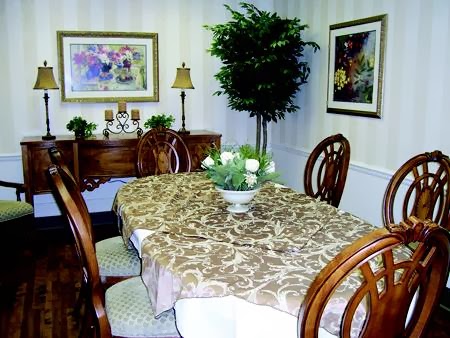
How is Miller'S Merry Manor Staffed?

CMS rates MILLER'S MERRY MANOR's staffing level at 4 out of 5 stars, which is above average compared to other nursing homes. Staff turnover is 55%, which is 9 percentage points above the Indiana average of 46%. High turnover can affect care consistency as new staff learn residents' individual needs.

What Have Inspectors Found at Miller'S Merry Manor?

State health inspectors documented 24 deficiencies at MILLER'S MERRY MANOR during 2021 to 2025. These included: 1 that caused actual resident harm, 22 with potential for harm, and 1 minor or isolated issues. Deficiencies causing actual harm indicate documented cases where residents experienced negative health consequences.

Who Owns and Operates Miller'S Merry Manor?

MILLER'S MERRY MANOR is owned by a for-profit company. For-profit facilities operate as businesses with obligations to shareholders or private owners. The facility is operated by MILLER'S MERRY MANOR, a chain that manages multiple nursing homes. With 114 certified beds and approximately 52 residents (about 46% occupancy), it is a mid-sized facility located in INDIANAPOLIS, Indiana.

How Does Miller'S Merry Manor Compare to Other Indiana Nursing Homes?

Compared to the 100 nursing homes in Indiana, MILLER'S MERRY MANOR's overall rating (3 stars) is below the state average of 3.1, staff turnover (55%) is near the state average of 46%, and health inspection rating (3 stars) is at the national benchmark.

What Should Families Ask When Visiting Miller'S Merry Manor?

Based on this facility's data, families visiting should ask: "How do you ensure continuity of care given staff turnover, and what is your staff retention strategy?" "Can I visit during a mealtime to observe dining assistance and food quality?" "How do you handle medical emergencies, and what is your hospital transfer rate?" "Can I speak with family members of current residents about their experience?" These questions are particularly relevant given the facility's high staff turnover rate.

Is Miller'S Merry Manor Safe?

Based on CMS inspection data, MILLER'S MERRY MANOR has a clean safety record: no substantiated abuse findings (meaning no confirmed cases of resident harm), no Immediate Jeopardy citations (the most serious violation level indicating risk of serious injury or death), and is not on the Special Focus Facility watch list (a federal program monitoring the lowest-performing 1% of nursing homes). The facility has a 3-star overall rating and ranks #100 of 100 nursing homes in Indiana. While no facility is perfect, families should still ask about staff-to-resident ratios and recent inspection results during their visit.

Do Nurses at Miller'S Merry Manor Stick Around?

Staff turnover at MILLER'S MERRY MANOR is high. At 55%, the facility is 9 percentage points above the Indiana average of 46%. High turnover means new staff may not know residents' individual needs, medications, or preferences. It can also be disorienting for residents, especially those with dementia who rely on familiar faces. Families should ask: What is causing the turnover? What retention programs are in place? How do you ensure care continuity during staff transitions?

Was Miller'S Merry Manor Ever Fined?

MILLER'S MERRY MANOR has no federal fines on record. CMS issues fines when nursing homes fail to meet care standards or don't correct problems found during inspections. The absence of fines suggests the facility has either maintained compliance or corrected any issues before penalties were assessed. This is a positive indicator, though families should still review recent inspection reports for the full picture.

Is Miller'S Merry Manor on Any Federal Watch List?

MILLER'S MERRY MANOR is not on any federal watch list. The most significant is the Special Focus Facility (SFF) program, which identifies the bottom 1% of nursing homes nationally based on persistent, serious quality problems. Not being on this list means the facility has avoided the pattern of deficiencies that triggers enhanced federal oversight. This is a positive indicator, though families should still review the facility's inspection history directly.