NORTH CAPITOL NURSING & REHABILITATION CENTER
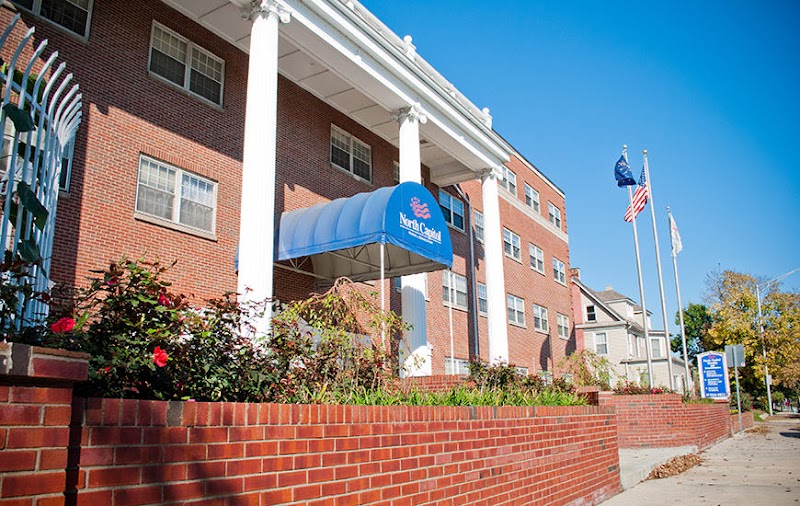
2010 N CAPITOL AVE, INDIANAPOLIS, IN 46202 (317) 924-5821
Government - County 123 Beds AMERICAN SENIOR COMMUNITIES Data: November 2025
Trust Grade
43/100
#373 of 505 in IN
Last Inspection: June 2024

Within standard 12-15 month inspection cycle. Federal law requires annual inspections.

Overview

North Capitol Nursing & Rehabilitation Center has a Trust Grade of D, which indicates below-average performance and suggests there are some notable concerns regarding care. They rank #373 out of 505 facilities in Indiana, placing them in the bottom half, and #34 out of 46 in Marion County, meaning there are only a few local options that perform better. The facility is improving overall, having reduced the number of issues from 13 in 2024 to just 1 in 2025. However, staffing is a weakness, with a low rating of 1 out of 5 stars and a turnover rate of 49%, which is close to the state average. Recent inspections revealed serious problems, including a resident falling out of bed and suffering significant injuries when care protocols were not followed, and improper food storage practices that could endanger residents' health. Additionally, the environment has been criticized for cleanliness and maintenance issues, with splintered furniture and stained linens noted in multiple rooms. While there are strengths in the quality measures scoring 5 out of 5, the facility still has significant weaknesses to address.

Trust Score
D
43/100
In Indiana
#373/505
Bottom 27%
Safety Record
Moderate
Needs review
Inspections
Getting Better
13 → 1 violations
Staff Stability
⚠ Watch
49% turnover. Above average. Higher turnover means staff may not know residents' routines.
Penalties
✓ Good
$8,190 in fines. Lower than most Indiana facilities. Relatively clean record.
Skilled Nurses
○ Average
Each resident gets 40 minutes of Registered Nurse (RN) attention daily — about average for Indiana. RNs are the most trained staff who monitor for health changes.
Violations
⚠ Watch
51 deficiencies on record. Higher than average. Multiple issues found across inspections.
★★☆☆☆
2.0
Overall Rating
★☆☆☆☆
1.0
Staff Levels
★★★★★
5.0
Care Quality
★★☆☆☆
2.0
Inspection Score
Stable
2024: 13 issues
2025: 1 issues

The Good

  • 5-Star Quality Measures · Strong clinical quality outcomes
  • Full Sprinkler Coverage · Fire safety systems throughout facility
  • No fines on record

Facility shows strength in quality measures, fire safety.

The Bad

2-Star Overall Rating

Below Indiana average (3.1)

Below average - review inspection findings carefully

Staff Turnover: 49%

Near Indiana avg (46%)

Higher turnover may affect care consistency

Federal Fines: $8,190

Below median ($33,413)

Minor penalties assessed

Chain: AMERICAN SENIOR COMMUNITIES

Part of a multi-facility chain

Ask about local staffing decisions and management

The Ugly 51 deficiencies on record

1 actual harm
Feb 2025 1 deficiency
CONCERN (D) 📢 Someone Reported This

A family member, employee, or ombudsman was alarmed enough to file a formal complaint

Potential for Harm - no one hurt, but risky conditions existed

Quality of Care (Tag F0684)

Could have caused harm · This affected 1 resident

**NOTE- TERMS IN BRACKETS HAVE BEEN EDITED TO PROTECT CONFIDENTIALITY** Based on interview and record review, the facility failed to timely identify and obtain physician's orders for a surgical wound ...

Read full inspector narrative →
**NOTE- TERMS IN BRACKETS HAVE BEEN EDITED TO PROTECT CONFIDENTIALITY** Based on interview and record review, the facility failed to timely identify and obtain physician's orders for a surgical wound that was present upon admission to the facility for 1 of 4 residents reviewed for wounds (Resident B). Findings include: The clinical record for resident B was reviewed on 2/6/25 at 11:30 a.m. The diagnoses included, but were not limited to, anal abscess (swollen area within body tissue, containing an accumulation of pus) and colostomy (colon was diverted to an artificial opening in the abdominal wall). She was admitted to the facility on [DATE]. An admission assessment, dated 1/13/25 at 8:04 p.m., indicated she had a wound on her right buttock which was 28 centimeters (cm) in length and 13 cm in width. The depth of the wound was eight cm. There were no other wounds identified on the admission assessment. A Nursing Progress Note, dated 1/13/25 at 9:54 p.m., indicated .This writer notified [name of hospital that discharged resident] . regarding treatment orders for resident .unable to find treatment orders but will reach out day shift and wound care regarding orders and have the orders faxed to facility [sic]. A Nursing Progress Note, dated 1/13/25 at 12:36 a.m., indicated the right buttock wound dressing was done with minimal drainage observed. An ostomy (surgically created opening) dressing was done. A care plan, initiated 1/14/25, indicated she was at risk for skin breakdown or further skin breakdown due to current skin impairment and impaired mobility. The goal was for her to be free from further skin breakdown. The interventions included, but were not limited to, preventive treatments as ordered, supplements as ordered, turn and reposition at least every two hours, and provide assistance as needed. A physician's order, dated 1/14/25, indicated to change colostomy bag daily. A physician's order, dated 1/14/25, indicated to provide ostomy care every shift and as needed. Assess the stoma (opening in the abdomen which is used to remove body waste, such as feces and urine, into a collection bag) site every shift for redness, drainage, swelling, warmth and skin integrity. A Nursing Progress Note, dated 1/14/25 at 2:57 p.m., indicated Resident B had an ostomy with a dehisced (separation or opening of a previously closed wound) wound on her abdomen. The clinical record did not contain a treatment order for the right buttock wound or the dehisced abdominal wound on Resident B's abdomen upon admission to the facility. A physician's order, dated 1/15/25, indicated to cleanse the buttock wound, pat dry, and lightly pack the wound with a quarter (1/4) strength Dakin's (antiseptic solution) soaked rolled gauze, cover with ABD (type of dressing), and secure with tape twice daily. A Nursing Progress Note, dated 1/15/25 at 11:02 p.m., indicated the abdominal assessment of an ileostomy (small intestine was diverted to an artificial opening in the abdominal wall) and colostomy. She had two ostomy bags. There was no redness or swelling observed in the area. An Interdisciplinary Team (IDT) Note, dated 1/16/25 at 1:45 p.m., indicated Resident B had a skin injury wound on her right buttock and right thigh. She was admitted to the facility with a diagnosis of anal abscess and type 2 diabetes and had surgical debridement (removal of damaged tissue). The treatment used for the wound was Dakin's solution. A Nursing Progress Note, dated 1/18/25 at 6:22 a.m., indicated the abdominal assessment of an ileostomy and colostomy. The stoma was pink. A Nursing Progress Note, dated 1/19/25 at 10:20 a.m., indicated Resident B's vital signs were within normal limits. She had no complaints about pain or discomfort. The Assistant Director of Nursing had contacted the facility to follow up on Resident B's surgical site related to possible worsened dehiscing due to surgery. Missing staples were observed at the mid abdominal area. Colostomy care was done, and colostomy bag was changed. A dressing was applied to the abdominal area, which was red and painful during treatment. The Nurse Practitioner was notified, and Resident B was sent to hospital. The Hospital- ER (Emergency Room) transfer form, dated 1/19/25, indicated the condition requiring an ER visit was a dehisced incision. The skin condition described at the time of transfer was missing staples. An Acute Care Hospital Colon Rectal Surgery Consult note, dated 1/20/25, indicated Resident B presented with a midline wound separation as well as newly diagnosed pneumonia. She had been having drainage into her wound and separation of the midline wound with surrounding redness and pain. The physical exam showed the abdomen as soft, with dehiscence of the inferior aspect of midline wound. The superior staples were intact. The colostomy was functioning and has surrounding erythema (redness). Resident B was re-admitted to the facility on [DATE]. An admission Minimum Data Set (MDS) assessment, completed 1/29/25, indicated Resident B was cognitively intact and dependent on toileting. During an interview on 2/6/25 at 2:15 p.m., Resident B indicated she had staples on her stomach when she first came to the facility. She had noticed some drainage from the staples before she went back to the hospital. She had told one of the nurses about the drainage. She was unsure how or when the staples were removed, she thought they just fell out. During an interview on 2/7/25 at 1:20 p.m., the Corporate Nurse Consultant (CNC) indicated when Resident B was admitted to the facility, on 1/13/25, there were two ostomy bags present on her abdomen. The discharge hospital had not sent any treatment orders with the discharge packet. Initially, the admitting nurse thought she had two ostomies. The Assistant Director of Nursing Services (ADNS) reached out to the discharging hospital, on 1/13/25, to obtain treatment orders for her wounds. A treatment order for her right buttock and thigh was obtained on 1/15/25. Treatment orders for Resident B's wounds should have been obtained upon admission. There was no physician's order present for the use of two ostomy bags. During an interview on 2/7/25 at 1:40 p.m., Licensed Practical Nurse (LPN) 2 indicated she had changed Resident B's colostomy bag. There were two ostomy bags present on Resident B's abdomen; one was covering her colostomy, and one bag was over the open, dehisced wound. LPN 2 had notified the former Director of Nursing. During an interview on 2/7/25 at 1:58 p.m., the ADNS indicated when Resident B was admitted to the facility, on 1/13/25, the nurses had assumed that the colostomy and wound adjacent to it were all part of the same area. Resident B had been sent to the facility with two ostomy bags present on the abdomen and both bags had stool in them. The staples on Resident B's abdomen had been covered with the adhesive wafer of the ostomy bag. On 1/19/25, the ADNS was contacted by the nurse on duty around 4:00 a.m. or 5:00 a.m. The nurse on duty was concerned Resident B's surgical wound was coming open. The ADNS was unsure why the nurse on duty had called her instead of the physician when she noticed a change in the wound. The ADNS had called the facility later in the morning, on 1/19/25, and had the staff check the wound. The physician had been notified of the change in appearance of the wound and Resident B had been sent to the acute care hospital for an evaluation. On 2/7/25 at 1:20 p.m., the CNC provided the Nursing Admission/Return admission Policy and Procedure, last reviewed July 2024, which read . to provide baseline and accurate documentation of the mental and physical condition of each resident admitted or readmitted to the facility . admission procedures will be followed for all new admissions including respite care .Initial nursing assessment: admission Observation .5. A thorough head to toe assessment [including skin] must be done at admission. Any alterations in skin integrity must be identified on nursing assessment. The physician must be notified for specific treatment orders . On 2/7/25 at 1:20 p.m., the CNC provided the Skin Management Program, last reviewed May 2022, which read .Procedure For Alteration In Skin Integrity- Pressure and Non-Pressure .1. Alterations in skin integrity will be reported to the MD/NP [sic], the resident and/or resident representative as well as to the direct care staff. 2. Treatment order will be obtained from the MD/NP [sic] . This citation relates to Complaint IN00452731. 3.1-37(a)
Sept 2024 2 deficiencies
CONCERN (D) 📢 Someone Reported This

A family member, employee, or ombudsman was alarmed enough to file a formal complaint

Potential for Harm - no one hurt, but risky conditions existed

Quality of Care (Tag F0684)

Could have caused harm · This affected 1 resident

**NOTE- TERMS IN BRACKETS HAVE BEEN EDITED TO PROTECT CONFIDENTIALITY** Based on interview and record review, the facility failed to ensure a resident who required follow-up care with an Ears, Nose, a...

Read full inspector narrative →
**NOTE- TERMS IN BRACKETS HAVE BEEN EDITED TO PROTECT CONFIDENTIALITY** Based on interview and record review, the facility failed to ensure a resident who required follow-up care with an Ears, Nose, and Throat (ENT) physician was provided transportation to those appointments 1 of 3 residents reviewed for quality of care. (Resident C) Findings include: The clinical record for Resident C was reviewed on 9/24/24 at 1:23 p.m. The diagnoses included, but were not limited to, malignant neoplasm of oropharynx (a type of head and neck cancer that starts in the middle part of the throat), tongue cancer, laryngectomy (removal of part or all the voice box), glossectomy (removal of part or all the tongue) and hydrocephalus (a buildup of extra fluid within the brain). A list of Resident C's appointments for the last six months was provided by Executive Director (ED) on 9/24/24 at 11:09 a.m. The list indicated in the last six months the resident had appointments on 4/5/24, 4/16/24, and 6/27/24. The resident required transportation to appointments and to be accompanied by a Respiratory Therapist (RT). The resident had a [NAME]-tube (a laryngectomy tube used for breathing and placed in a hole in the neck) and resided on the ventilator (Vent) unit. Resident C's clinical record indicated, under the orders section, he had an appointment scheduled for 4/5/24 at 8:00 a.m. at a local hospital for a PET scan (positron emission tomography, an imaging test that can create three dimensional [3D] pictures of the body's organs and tissues). A hospital Discharge summary, dated [DATE], indicated Resident C's discharge diagnoses included, but were not limited to, oropharynx cancer (dated 3/21/24). The hospital performed a chest CT (computed tomography, imaging used to obtain detailed internal images) on 3/21/24, which indicated a similar 7 mm (millimeter) pulmonary nodule and a similar 2.2 cm (centimeter) nodule along the left front thyroid lobe. The scheduled follow-up appointments were: - An ENT physician on 3/28/24 at 2:35 p.m., - A CT of the head on 4/22/24 at 2:20 p.m., and - A neurosurgical follow-up with testing on 4/22/24 at 2:30 p.m. A nursing note, dated 3/28/24 at 2:23 p.m., indicated Resident C went to the ENT physician's appointment that day. A nursing note, dated 3/29/24 at 7:11 a.m., indicated Resident C returned to facility and two additional appointments were noted for the resident to see ENT physician and the facility was to provide transportation. The clinical record did not indicate the dates of the two additional appointments, nor did it indicate when/if transportation had been set up for those appointments. A nursing note, dated 4/5/24 at 10:28 a.m., indicated no one showed up to transport resident (sic, Resident C) to his appointment. Writer will call to reschedule for another day. The clinical record did not indicate when/if transportation had been set up for the appointment. Resident C's clinical record did not indicate he had gone to the neurosurgical follow-up appointment, on 4/22/24, nor the head CT scheduled on 4/22/24. The clinical record did indicate an appointment was scheduled for Dr. (sic, doctor) (left blank) CT Scan following on the 5th floor suite 5100 on 4/22/24 at 1:30 p.m. Under special instructions it indicated an appointment, on April 22, 2024, at 355 [NAME] 16th street at 1:30 p.m. Another appointment listed in the orders section of the clinical record, indicated he was scheduled with the ENT physician, on 6/27/24 at 9:35 a.m., but the method of transportation was left blank. The clinical record did not indicate when/if transportation was scheduled. A nursing note, dated 6/7/24 at 2:17 p.m., indicated they were directed by the Respiratory Therapist (RT) manager, at the time, that Resident C's appointment with the on 6/13/24, needed to be rescheduled due because there was not an available RT to attend the appointment with the resident. The appointment was rescheduled for 6/27/24 at 9:35 a.m. The clinical record did not indicate when/if transport had been scheduled for the 6/27/24 appointment. A nursing note, dated 6/27/24 at 11:41, indicated, Resident C missed his appointment with the ENT physician related to transportation never showed up and the ENT physician's office called to reschedule the appointment. The appointment was rescheduled for 7/1/24 at 11:45 a.m. The clinical record did not indicate when/if transportation was set up for the appointment. Resident C's clinical record did not indicate he had made the, 7/1/24, appointment with the ENT physician. An interview with the ENT physician's office scheduler conducted on 9/24/24 at 2:59 p.m., indicated Resident C had no showed for the following appointments: 4/25/24, 6/27/24, 7/1/24, and 8/28/24. An interview with the ED was conducted on 9/25/24 at 10:51 a.m. He indicated the facility primarily used one provider for all transportation to/from the facility for appointments that cannot go by the facility's bus. He indicated, the facility did have another contract with another transportation provider, but that provider had not provided good service. Another interview with ED on the same day at 11:37 a.m., indicated the person who was responsible for ensuring a vent resident was supplied with an RT for transport to/from outside appointments was the facility's pervious RT manager. The ED indicated the previous RT manager failed to ensure that coordination of care and appointments were missed. An interview with the Director of Nursing (DON) was conducted on 9/25/24 at 12:15 p.m. She indicated, regarding Resident C's missed appointments for neurosurgical follow-up and the CT of the head, both on 4/22/24, it was the responsibility of the admitting nurse to review the discharge summary to ensure proper follow-up appointments are placed on the facility's schedule. She indicated not only should the admitting nurse review the discharge summary, but it should have been reviewed a second time. She indicated she had no idea how the appointments weren't placed on his schedule not once but twice. She indicated when an appointment was scheduled for a resident, a note should have been placed in the clinical record indicating the setup of transportation with who and what time and date. She indicated she was unaware of the ENT physician's appointment, on 4/25/24, but acknowledged the nursing note written, on 3/29/24, indicating two additional appointments were to occur. She stated it was reasonable to correlate the 4/25/24 appointment and the 6/13/24 appointment were the two additional appointments, but the agency nurse failed to ensure those appointments were communicated nor had transportation been set up. She indicated she was aware of the 7/1/24 appointment because of the missed transportation on 6/27/24. She stated she was unaware of why the resident did not make it to the appointment on 7/1/24. She did indicate it would be reasonable to ascertain the 8/28/24 appointment could have been a rescheduled appointment from the missed 7/1/24 appointment but was unsure who might have confirmed the appointment, on 8/28/24, as there were no notes regarding this appointment in his clinical record. An interview with the owner of the transportation service, contracted by the facility, conducted on 9/26/24 at 10:12 a.m., indicated, according to his records, the facility had not made any attempts for transportation services for Resident C for the appointments on 4/25/24, 6/13/24, 6/27/24, 7/1/24, and 8/28/24. A Scheduled Appointment Policy was provided, on 9/26/24 at 2:59 p.m., from the DON. The policy indicated, It is the policy of this facility that continuity of care and safety during resident's scheduled appointments outside the facility will be maintained .Upon receiving notification of a scheduled appointment, an order shall be written and entered into the orders section of the EMR [sic, electronic medical record] to communicate the pending appointment via the 'appointment flowsheet' in EMAR [sic electronic medication administration record] to the clinical staff. 2. The IDT [sic, interdisciplinary team] will review scheduled appointments for the day during the administrative meeting for transportation and follow-up .6. The licensed nurse will document resident status upon leave from the facility and upon return from leave, and any other pertinent information . This citation relates to Complaint IN00443023. 3.1-37(a) 3.1-37(b)
CONCERN (D) 📢 Someone Reported This

A family member, employee, or ombudsman was alarmed enough to file a formal complaint

Potential for Harm - no one hurt, but risky conditions existed

Accident Prevention (Tag F0689)

Could have caused harm · This affected 1 resident

Based on observation, interview, and record review, the facility failed to ensure a resident's safety when using a mechanical sling lift by a staff member not securing the sling clip to the peg on the...

Read full inspector narrative →
Based on observation, interview, and record review, the facility failed to ensure a resident's safety when using a mechanical sling lift by a staff member not securing the sling clip to the peg on the mechanical lift and causing a resident to fall to the floor for 1 of 3 residents reviewed for falls. (Resident K) Findings include: The clinical record for Resident K was reviewed on 9/26/24 at 10:21 a.m. His diagnoses included, but were not limited to, cerebral palsy (a congenital disorder of movement, muscle tone, or posture), muscular dystrophy (a group of genetic diseases that cause progressive weakness and loss of muscle mass), and contractures (a permanent or temporary shortening of muscles, tendons, skin, and other soft tissues that causes joints to stiffen and limit movement). A Physical Therapy Evaluation, dated 5/20/24, indicated Resident K required a mechanical lift for transfers. A nursing note, dated 9/23/24 at 9:49 a.m., indicated the nurse was alerted by a certified nursing assistant (CNA) that Resident K fell. The resident was lying on the floor in the entry to his room on his back. The CNA reported the strap clip on the sling had come undone and he fell to the floor. The resident reported, at time of the fall, he had pain in his head, neck and back. A small amount of blood was noted on the floor from behind his head. The resident was transferred to the local emergency room. He was admitted for unrelated issues. A demonstration of the facility's Maxi-lift (mechanical sling lift) operation was observed on 9/26/24 at 11:00 a.m. by the Director of Nursing and the Regional Nurse Consultant. They indicated two CNAs had placed Resident K into the Maxi-lift sling and while one of the CNAs was up by the resident's head with the unit's controller, the other CNA was by his feet. They indicated one of the clip straps came off the peg because the clip strap was not locked in place at the time but was rather placed on the peg without pulling the clip in a downward direction to lock it on the peg and the resident subsequently fell to the ground. When asked if this mechanical lift was new to the facility, they indicated it was not. The DON indicated until this event happened, she did not fully understand how that piece of equipment had fully operated. An interview with CNA 4 was conducted on 9/26/24 at 1:04 p.m. She indicated she had assisted Resident K with taking a shower and placed him into the mechanical sling lift to get him back to bed when one of the things fell off and the resident fell onto the floor hitting his head. When asked if the thing was one of the clip straps she indicted yes, it was. She indicated the clip did not break, but that it just came undone from the left post/peg. She indicated the clip strap would not lock onto the peg/post. She indicated she had experienced difficulties with some of the pad clips not locking prior to this event and thought it was just a bad pad. She indicated, she was trained previously on the operation of that lift and was retrained after the incident, but indicated even during the retraining, she had an issue with getting the clip to lock on the peg/post. She indicated prior to the incident Resident K was agitated and complained of pain and the staff was trying to get him back into bed. An instructional video for how to attach a clip sling like the ones used at the facility was accessed on 9/27/24 at 5:15 p.m., at https://vimeo.com/243747880 and indicated: 1. Place the clip from the sling onto the knob on the cradle ensuring to place the peg into the largest opening on the clip. 2. Pull down on the strap directly below the clip so the clip locks onto the peg. The clip will lock onto the peg when it is in the upper, smallest opening on the clip. 3. Gravity will allow the clip to stay secured on the top portion of the clip. 4. Always check and make sure each clip is securely attached prior to lifting the patient. This citation relates to Complaint IN00443958. 3.1-45(a)(1) 3.1-45(a)(2)
Jun 2024 11 deficiencies
CONCERN (D)

Potential for Harm - no one hurt, but risky conditions existed

Deficiency F0554 (Tag F0554)

Could have caused harm · This affected 1 resident

**NOTE- TERMS IN BRACKETS HAVE BEEN EDITED TO PROTECT CONFIDENTIALITY** Based on observation, interview and record review, the facility failed to have the Interdisciplinary team (IDT) determine and do...

Read full inspector narrative →
**NOTE- TERMS IN BRACKETS HAVE BEEN EDITED TO PROTECT CONFIDENTIALITY** Based on observation, interview and record review, the facility failed to have the Interdisciplinary team (IDT) determine and document a self medication assessment was clinically appropriate for 1 of 1 residents randomly observed with medications by their side in a common area. (Resident 18) Findings include: A random observation of Resident 18 was made on 5/28/24 at 11:12 a.m. Resident 18 was sitting in the common area/lounge on the second floor and on a table beside her was a medication cup with pills in it. The cup had several unidentified medication tablets in it. Resident 18 indicated, she questioned the number of medications in the cup and did not want to take medications without knowing what she was given. An interview with Licensed Practical Nurse (LPN 22) conducted on 5/28/24 at 11:17 a.m. indicated, she had given Resident 22 her morning medications and believed she had placed them in her mouth prior to leaving the resident. LPN 22 indicated, Resident 18 must have spit them out back into the cup after she left the resident. An interview with Resident 18 conducted on 5/28/24 at 11:19 a.m. indicated, she had not spit her medications out into the cup. She indicated, she had not attempted to take the medications as she was concerned with what medications they were. Resident 18's clinical record was reviewed on 5/29/24 at 1:21 p.m. Resident 18's diagnoses included, but not limited to, paranoid schizophrenia, anxiety disorder, and major depressive disorder. The clinical record for Resident 18 did not contain a Self-Administration of Medication assessment. A Quarterly Minimum Data Set, dated [DATE] indicated, Resident 18 had a moderate cognitive deficit. Resident 18's care plan reviewed at the same time as her clinical record did not contain a care plan regarding her being able to self-administer any medications. A Self-Administration of Medication policy received on 5/29/24 at 1:06 p.m. from Nurse Consultant indicated, Procedure: Alert residents will be informed of their right to self-administer medications upon admission. If a resident desires to participate in self-administration, the Interdisciplinary Team will assess the competence of the resident to participate by completing the 'Self-Administration of Medication Assessment' observation. A physician order will be obtained specifying the resident's ability to self-administer medications and, if necessary, listing which medication will be included in the self-administration plan .The resident will be assessed for continued self-administration of medications quarterly and with any significant change of condition. The resident's care plan will be updated to include self-administration. 3.1-11(a)
CONCERN (D) 📢 Someone Reported This

A family member, employee, or ombudsman was alarmed enough to file a formal complaint

Potential for Harm - no one hurt, but risky conditions existed

ADL Care (Tag F0677)

Could have caused harm · This affected 1 resident

Based on observation, interview, and record review, the facility failed to provide dependent residents with oral care, complete bed bath, hair care, and emptying of a bedside commode for 3 of 6 reside...

Read full inspector narrative →
Based on observation, interview, and record review, the facility failed to provide dependent residents with oral care, complete bed bath, hair care, and emptying of a bedside commode for 3 of 6 residents reviewed for activities of daily living (ADLs). (Resident D, Resident E, and Resident F) Findings include: 1. The clinical record for Resident D was reviewed on 5/31/24 at 3:05 p.m. The diagnoses included, but were not limited to, hypertension, congestive heart failure, diabetes mellitus, and muscle weakness. A care plan for skin integrity, dated 5/21/24, indicated Resident D had impaired skin integrity. He was on bedrest, limited in his ability to change positions, and a problem for shear and friction related to required maximum assistance with bed mobility. A physician order, dated 5/17/24, indicated to perform oral care three times a day. An observation conducted of Resident D, on 5/29/24 at 9:56 a.m., of a white coated substance to his tongue. An observation conducted of Resident D, on 5/29/24 at 10:43 a.m., of a white coated substance to his tongue. An observation conducted of Resident D, on 5/30/24 at 11:45 a.m., of a white coated substance to his tongue along with foam on the inside of his mouth. A skills competency form, review date of 03/2023, was provided by the Director of Nursing (DON) on 5/31/24 at 2:30 p.m. The form indicated to check teeth, mouth, tongue, and lips for odor, cracking, sores, bleeding, and discoloration. 2. The clinical record for Resident E was reviewed on 5/31/24 at 10:31 a.m. The diagnoses included, but were not limited to, chronic respiratory failure, tracheostomy status, dependence on ventilator, muscle weakness, morbid obesity, and diabetes mellitus. An ADL care plan, dated 8/4/22, indicated Resident E required assistance with ADLs including bed mobility, transfers, and toileting related to chronic respiratory failure, anxiety disorder, depression, and debility. An approach was listed to assist with toileting and/or incontinence care as needed. A quarterly minimum data set (MDS) assessment, dated 4/4/24, indicated Resident E was cognitively intact, needed substantial/maximal assistance with toileting hygiene and personal hygiene, and supervision/touching assistance with toilet transfer. An observation conducted of Resident E, on 5/28/24 at 12:15 p.m., of a yellow liquid present in the bedside commode in Resident E's room. Upon interviewing Resident E, she indicated she got up around 6:00 a.m. on 5/28/24 to utilize the bedside commode and it was not emptied at that time. An observation conducted of Resident E, on 5/28/24 at 2:25 p.m., of a yellow liquid still present in the bedside commode of Resident E's room. 3. The clinical record for Resident F was reviewed on 5/31/24 at 10:03 a.m. The diagnoses included, but were not limited to, respiratory failure, diabetes mellitus, obesity, tracheostomy status, gastrostomy status, and dependence on ventilator. An admission MDS assessment, dated 4/1/24, indicated Resident F was dependent for ADLs, totally incontinent of bowel, and an indwelling catheter. An ADL care plan, dated 3/28/24, indicated Resident F required assistance with ADLs including bed mobility, transfers, eating, and toileting related to mobility deficits, respiratory failure, obesity, ventilator status, and muscle weakness. The approach listed to assist with bathing as needed, assist with bed mobility as needed, and assist with toileting and/or incontinent care as needed. An observation conducted of Resident F, on 5/28/24 at 11:23 a.m., of a bed bath being provided by Certified Nursing Aide (CNA) 6. CNA 6 obtained a basin containing soapy water. She started utilizing a washcloth to Resident F's arms, abdomen, and frontal perineal area. CNA 6 obtained a basin of more water to continue to provide a bed bath to Resident F. CNA 6 positioned Resident F to the right side and proceeded to utilize the washcloth to the back, buttocks, and posterior thighs. CNA 6 indicated she completed the bed bath after placing a gown on Resident F and covering her up with a blanket. CNA 6 did not wash Resident F's face, hair, or both legs below the knees, and feet. Resident F's hair appeared greasy and unkept. CNA 6 indicated she attempted to provide all residents on the unit with a bed bath daily, but Tuesdays were Resident F's bathing days. An observation conducted of Resident F, on 5/29/24 at 10:38 a.m., noted her hair appeared greasy. An observation conducted of Resident F, on 5/31/24 at 2:00 p.m., noted her hair appeared greasy. Documents titled shower report were reviewed and indicated the last time a staff member checked to indicate Resident F had shampoo to their hair was 5/10/24. A skills competency form, dated 03/2023, was provided by the DON on 5/31/24 at 2:30 p.m. The form indicated to wash, rinse, and pat dry the face, neck, ears, behind ears, shoulder, underarm, arm, hand, fingers, abdomen, leg, foot, toes, neck, back, buttocks, and anal area. This citation relates to Complaint IN00433435. 3.1-38(a)(2)(A) 3.1-38(a)(2)(C) 3.1-38(a)(3)(A) 3.1-38(a)(3)(B) 3.1-38(a)(3)(C)
CONCERN (D)

Potential for Harm - no one hurt, but risky conditions existed

Pressure Ulcer Prevention (Tag F0686)

Could have caused harm · This affected 1 resident

**NOTE- TERMS IN BRACKETS HAVE BEEN EDITED TO PROTECT CONFIDENTIALITY** Based on observation, interview, and record review, the facility failed to ensure a low air loss mattress was functioning for 2 ...

Read full inspector narrative →
**NOTE- TERMS IN BRACKETS HAVE BEEN EDITED TO PROTECT CONFIDENTIALITY** Based on observation, interview, and record review, the facility failed to ensure a low air loss mattress was functioning for 2 of 2 residents reviewed for pressure ulcers. (Resident D and Resident 45) Findings include: 1. The clinical record for Resident D was reviewed on 5/31/24 at 3:05 p.m. The diagnoses included, but were not limited to, hypertension, congestive heart failure, diabetes mellitus, and muscle weakness. A care plan for skin integrity, dated 5/21/24, indicated Resident D had impaired skin integrity. He was on bedrest, limited in his ability to change positions, and a problem for shear and friction related to required maximum assistance with bed mobility. An approach was listed to utilize a pressure reducing/redistribution mattress on the bed/low air loss (LAL) mattress. An observation conducted of Resident D, on 5/29/24 at 9:56 a.m., laying on a mattress with a pump to the foot board. There were no lights on the pump to indicate it was on and functioning. An observation conducted of Resident D, on 5/29/24 at 10:43 a.m., laying in bed with the LAL mattress pump to the foot board not having lights on to indicate it was on and functioning. An observation conducted of Resident D, on 5/30/24 at 9:35 a.m., laying in bed with the LAL mattress pump remained without lights on to indicate it was on and functioning. An observation conducted of Resident D, on 5/30/24 at 11:45 a.m., laying in bed with the LAL mattress pump remained without lights on to indicate it was on and functioning. An interview conducted with Respiratory Therapist (RT) 5, on 5/30/24 at 12:10 p.m., indicated there are times where the lights would [NAME] and indicate the generator was activated. When that occurs, he would check resident rooms to ensure all items were working. RT 5 went to the outlet that the LAL mattress was plugged into, but it appeared that it wasn't plugged in entirely into the outlet. RT 5 placed the plug entirely into the outlet and the lights came on for Resident D's LAL mattress. The mattress was observed to be rising when the LAL mattress pump had lights on to indicate it was operational. 2. The clinical record for Resident 45 was reviewed on 5/31/24 at 10:09 a.m. The diagnoses included, but were not limited to, chronic respiratory failure, congestive heart failure, tracheostomy status, gastrostomy status, reduced mobility, muscle weakness, and epilepsy. A significant change minimum data set (MDS) assessment, dated 2/22/24, indicated Resident 45 was dependent on staff for activities of daily living care. A physician order, dated 3/27/24, indicated the utilization of a LAL mattress to Resident 45's bed. A care plan for skin integrity, revised 5/28/24, indicated Resident 45 had a history of impaired skin integrity/pressure injury to their left hip that had healed previously and a history of multiple pressure ulcers. A pressure reducing mattress/LAL mattress was listed as an approach. An observation conducted of Resident 45, on 5/29/24 at 10:33 a.m., with the LAL mattress pump, located on the foot board to the bed, was without lights to indicate it was on and functioning. An interview with RT 5, on 5/29/24 at 10:35 a.m., indicated that the plug came undone that connected to the pump of the LAL mattress. RT 5 plugged the cord into the pump and the lights came on to indicate the pump was on. Resident 45's mattress proceeded to raise after the cord was plugged back into the pump. A policy titled Skin Management Program, dated 5/22, was provided by the Director of Nursing (DON) on 5/31/24 at 2:30 p.m. The policy indicated the following, .PROCEDURE FOR WOUND PREVENTION .3. Interventions to prevent wounds from developing and/or promote healing will be initiated based upon the individual's risk factors to include but not limited to the following .All residents will have a pressure redistribution mattress .If resident prefers to utilize a mattress or cushion not provided by the facility this will be addressed in the residents care plan 3.1-40(a)(2)
CONCERN (D)

Potential for Harm - no one hurt, but risky conditions existed

Accident Prevention (Tag F0689)

Could have caused harm · This affected 1 resident

Based on observation, interview, and record review, the facility failed to ensure flooring was in good condition to prevent accident hazards for a resident that had tripped on loose flooring and had f...

Read full inspector narrative →
Based on observation, interview, and record review, the facility failed to ensure flooring was in good condition to prevent accident hazards for a resident that had tripped on loose flooring and had fallen for 1 of 2 residents reviewed for accidents. (Resident E) Findings include: The clinical record for Resident E was reviewed on 5/31/24 at 10:31 a.m. The diagnoses included, but were not limited to, chronic respiratory failure, tracheostomy status, dependence on ventilator, muscle weakness, morbid obesity, and diabetes mellitus. An ADL care plan, dated 8/4/22, indicated Resident E required assistance with ADLs including bed mobility, transfers, and toileting related to chronic respiratory failure, anxiety disorder, depression, and debility. An approach was listed to assist with toileting and/or incontinence care as needed. A quarterly minimum data set (MDS) assessment, dated 4/4/24, indicated Resident E was cognitively intact, needed substantial/maximal assistance with toileting hygiene and personal hygiene, and supervision/touching assistance with toilet transfer. An interview conducted with Resident E, on 5/28/24 at 12:15 p.m., indicated there was a piece of flooring that was not level. She tripped due to her shoe being caught on the floor due to a piece of flooring that was missing. She went to sit on the bed, that was not locked at that time, and she twisted and fell onto her bottom. She was able to see the subfloor due to the missing flooring. An observation conducted during the interview, noted a piece of wood flooring that was present underneath Resident E's wheels to the foot of her bed that were mismatched. Resident E indicated they put that newer flooring down after she fell. A fall event, dated 3/26/24, indicated Resident E had fallen onto the floor while transferring from wheelchair to bed. Resident E stated she tripped on a piece of impaired floorboard and the floorboard was loose. Maintenance was made aware of loose flooring, and they immediately fixed that floorboard. An interdisciplinary team (IDT) note, dated 3/27/24, indicated the root cause of Resident E falling was loose flooring. An interview conducted with Registered Nurse 2, on 5/30/24 at 11:40 a.m., indicated the flooring had been coming up throughout the unit. It started on the 4th floor and now it's on the unit that Resident E resided on. For some reason the floorboard came up and Resident E tripped on it causing her to fall. A policy titled Fall Management, revised 8/2022, was provided by the Executive Director on 5/31/24 at 8:52 a.m. The policy indicated the following, .It is the policy of [name of company/corporation] to ensure residents residing within the facility receive adequate supervision and or assistance to prevent injury related to falls 3.1-45(a)(1)
CONCERN (D)

Potential for Harm - no one hurt, but risky conditions existed

Incontinence Care (Tag F0690)

Could have caused harm · This affected 1 resident

Based on observation, interview, and record review, the facility failed to ensure infection control practices were maintained during incontinence care and ensure follow-up regarding changes in urinary...

Read full inspector narrative →
Based on observation, interview, and record review, the facility failed to ensure infection control practices were maintained during incontinence care and ensure follow-up regarding changes in urinary output from an indwelling urinary catheter for 1 of 2 residents reviewed for urinary catheter. (Resident F) Findings include: The clinical record for Resident F was reviewed on 5/31/24 at 10:03 a.m. The diagnoses included, but were not limited to, respiratory failure, diabetes mellitus, obesity, tracheostomy status, gastrostomy status, dependence on ventilator, and neuromuscular dysfunction of bladder. An admission MDS assessment, dated 4/1/24, indicated Resident F was dependent for ADLs, totally incontinent of bowel, and had an indwelling catheter. An ADL care plan, dated 3/28/24, indicated Resident F required assistance with ADLs including bed mobility, transfers, eating, and toileting related to mobility deficits, respiratory failure, obesity, ventilator status, and muscle weakness. The approach listed to assist with bathing as needed, assist with bed mobility as needed, and assist with toileting and/or incontinent care as needed. A care plan for indwelling urinary catheter, dated 3/28/24, indicated the approach of position the bag below the level of the bladder and report signs and symptoms of a urinary tract infection (UTI) that would include, but was not limited to, fever, foul odor, concentrated urine, or blood in urine. An observation conducted of Resident F, on 5/28/24 at 11:23 a.m., of a bed bath being provided by Certified Nursing Aide (CNA) 6. CNA 6 obtained a basin containing soapy water. She started utilizing a washcloth to Resident F's arms, abdomen, and frontal perineal area. CNA 6 proceeded to wipe Resident F's perineal area from front to back but did it back-to-back and utilized the same part of the washcloth both times. CNA 6 took the urinary catheter bag and placed it in between Resident F's legs and had the urinary catheter bag above the level of the bladder before placing the urinary catheter bag in between Resident F's legs. CNA 6 proceeded to turn Resident F to her right side, continued with the bed bath, and placed the urinary catheter bag above the level of the bladder and returned the urinary catheter bag back to the bed frame to where it was secured to the frame. The tubing to the urinary catheter bag contained a liquid that was milky and gray in color. An observation conducted of Resident F, on 5/29/24 at 10:38 a.m., of the tubing to the urinary catheter bag contained a liquid that was cloudy and dark yellow in color. An observation conducted of Resident F, on 5/31/24 at 2:00 p.m., noted Resident F's urinary catheter tubing did not contain liquid but contained clumps of a white substance. Registered Nurse (RN) 2 was present and indicated it appeared that there were clumps of sediment in Resident F's catheter tubing. The urinary catheter bag contained a darker yellow liquid with sediment located at the bottom. RN 2 indicated there was sediment within the tubing in clumps along with sediment within the urinary catheter bag. RN 2 indicated she was going to reach out to Resident F's physician to see about an order for irrigation to the urinary catheter. RN 2 stated there seems to be an issue with sediment occurring within the residents who have an indwelling urinary catheter for long periods of time. The most recent progress note in Resident F's clinical record, dated 5/21/24 at 6:09 p.m., indicated the urinary catheter was patent and flowing clear, yellow urine. A policy titled Change of Condition Policy, revised 11/2018, was provided by the Director of Nursing (DON) on 5/31/24 at 2:30 p.m. The policy indicated the following, .that all changes in resident condition will be communicated to the physician and family/responsible party, and that appropriate, timely, and effective intervention takes place 3.1-41(a)(2)
CONCERN (D)

Potential for Harm - no one hurt, but risky conditions existed

Respiratory Care (Tag F0695)

Could have caused harm · This affected 1 resident

Based on observation, interview, and record review, the facility failed to assess a resident with a tracheostomy (trach) after providing trach care for 1 of 1 residents reviewed for death; ensure infe...

Read full inspector narrative →
Based on observation, interview, and record review, the facility failed to assess a resident with a tracheostomy (trach) after providing trach care for 1 of 1 residents reviewed for death; ensure infection control practices were maintained during tracheostomy care (Resident D), and oxygen tubing/tracheostomy mask were changed as ordered (Resident E) for 2 of 3 residents reviewed for respiratory care. (Resident 60) Findings include: 1. An observation was conducted of tracheostomy (trach) care for Resident D, on 5/30/24 at 11:45 a.m., by Respiratory Therapist (RT) 4 and RT 5. The bedside table was noted with a tracheostomy kit that was unopened. RT 4 and RT 5 donned personal protective equipment (PPE) that included clean gloves, gown, and a facemask. RT 5 removed the inner cannula with his clean gloves and discarded of such in the trash can. RT 4 prepared to suction Resident D. RT 4 connected the suction catheter to the suction machine and proceeded to suction Resident D. Resident D started to cough and coughed up large amounts of mucous after being suctioned. Mucous was noted within Resident D's trach collar and his upper chest. RT 4 removed their gloves and performed hand hygiene. She removed the cover to the trach care kit and retrieved the sterile gloves. The cuffs of both gloves were sticking to the gloves. RT 4 proceeded to shake the gloves to get the cuff to loosen but the sterile part of the gloves were contacting her hands. Both gloves were donned, and a drape was set up by the trach kit on the bedside table. RT 5 proceeded to remove the soiled gauze from around Resident D's trach collar with the same gloves utilized to remove the inner cannula. RT 4 took the supplies from the trach kit and placed on the drape located on the bedside table next to the trach kit. RT 4 touched Resident D's trach collar with her left hand that was now considered clean. RT 4 took the saline gauze with her right hand and cleaned around the trach as well as the mucous that was hanging from the trach collar. RT 5 proceeded to remove the old trach collar since it was soiled with mucous and placed a new trach collar around Resident D's neck with the same gloves used for removing the inner cannula and removing the gauze around the trach site. RT 4 asked for the new inner cannula for Resident D's tracheostomy. RT 5 retrieved a new inner cannula by opening drawers to retrieve such, still in the package, and placed it on the bedside table, next to the trach kit with the same gloves worn. RT 4 took her sterile hand and grasped the package containing the inner cannula and asked RT 5 to open it for them. RT 5 opened the package of the inner cannula while RT 4 touched the inner cannula with her nonsterile right hand and placed the inner cannula into Resident D's tracheostomy. An interview conducted with RT 5, on 5/30/24 at 12:10 p.m., indicated, if requested, then there could be two respiratory therapists conducting tracheostomy care. A Respiratory Care: Competency Assessment Form, undated, was provided by Nurse Consultant on 5/30/24 at 2:28 p.m. The document indicated Tracheostomy Care On Ventilator Dependent Resident in the following order: Verify physician's order, Obtain all necessary equipment and supplies, Identify resident/self, Wash hands, practice universal precautions, and explain procedure, Position resident, Suction the trach, if necessary, using sterile technique, then wash hands, Aseptically open the sterile saline/water and evenly dispense it in two containers, Aseptically don sterile gloves, Remove the inner cannula with non-dominant hand, With dominant clean hand, insert the new disposable inner cannula, Remove the dressing from around the trach and discard with non-dominant hand, & Clean the area around the stoma by moistening the 4x4 gauze sponges with sterile saline/water. The tracheostomy care competency form indicated the trach care task was not completed in order and with proper infection control practices related to removing the inner cannula with clean gloves, not inserting new inner cannula right after the previous one was removed, not changing gloves and performing hand hygiene after removing inner cannula, touching a soiled gauze sponge around the trach site, obtaining a new trach collar and apply such trach collar after removal of soiled trach collar, and not ensuring sterile technique during trach care with shaking of sterile gloves that made contact with the hands of the staff. 2. The clinical record for Resident E was reviewed on 5/31/24 at 10:31 a.m. The diagnoses included, but were not limited to, chronic respiratory failure, tracheostomy status, dependence on ventilator, muscle weakness, morbid obesity, and diabetes mellitus. A quarterly minimum data set (MDS) assessment, dated 4/4/24, indicated Resident E was cognitively intact, needed substantial/maximal assistance with toileting hygiene and personal hygiene, and supervision/touching assistance with toilet transfer. A physician order, dated 1/9/23, indicated to change oxygen tubing once a week on Sundays. An observation conducted of Resident E, on 5/28/24 at 12:15 p.m., noted a trach collar worn that was dated for 5/8. An observation conducted of Resident E, on 5/28/24 at 2:25 p.m., noted with the same trach collar dated for 5/8. 3. The clinical record for Resident 60 was reviewed on 6/3/24 at 9:52 a.m. The diagnosis included, but was not limited to, tracheostomy. A physician order dated 4/9/24 indicated Resident 60 was to receive routine trach care. A nursing progress note written by License Practical Nurse (LPN) 7 dated 4/11/24 at 7:12 a.m. Res [resident] in bed resting peacefully .Trach intact, res was suctioned once this shift. Small white secretions obtained . An interview was conducted with LPN 7 on 6/3/24 at 11:04 a.m. She indicated on 4/11/24 approximately at 2:30 a.m., she was notified by the certified nursing assistant (CNA), Resident 60 had pulled out his trach. She then went in and placed the trach back in and his oxygen saturations were 96%. The resident was breathing fine for the rest of her shift which ended around 7:00 a.m. During her shift, she had administered medications and had taken his vitals. The resident was stable at that time. The resident's clinical record did not indicate an assessment after trach care was provided to Resident 60 that included pertinent information: trach care had been provided due to removal, the resident's tolerance of the procedure, the appearance of stoma, redness, and/or any concerns with trach care. An interview was conducted with the Director of Nursing on 6/3/24 at 11:23 a.m. She indicated she had been notified by LPN 7 via phone on 4/11/24, Resident 60 had removed his inner cannula of his trach, and she had to reinsert the inner cannula. A tracheostomy are policy was provided by the Director of Nursing on 6/3/24 at 11:30 a.m. It indicated .Documentation: document procedure, resident tolerance, and other pertinent information, including amount, color,, consistency of drainage, appearance of stoma, redness, tenderness, odors or other concerns . 3.1-47(a)(4) 3.1-47(a)(6)
CONCERN (D)

Potential for Harm - no one hurt, but risky conditions existed

Laboratory Services (Tag F0770)

Could have caused harm · This affected 1 resident

Based on interview and record review, the facility failed to timely obtain laboratory tests, as ordered by the physician, for 1 of 5 residents reviewed for unnecessary medications (Resident 5). Findin...

Read full inspector narrative →
Based on interview and record review, the facility failed to timely obtain laboratory tests, as ordered by the physician, for 1 of 5 residents reviewed for unnecessary medications (Resident 5). Findings include: The clinical record for Resident 5 was reviewed on 5/29/24 at 11:10 a.m. The Resident's diagnosis included, but were not limited to, diabetes, hypertension, and epilepsy. A care plan, initiated 10/29/18, indicated Resident 5 had ineffective tissue perfusion related to his diagnosis of hypertension, hyperlipidemia (high cholesterol), and history of stroke. The goal was for him to maintain adequate tissue perfusion as evidenced by blood pressure within normal limits for resident, no change in mental status, no complaints of dizziness/lightheadedness/syncope, and no edema. The interventions included, but were not limited to, obtain labs as ordered, initiated 10/29/18, and administer medications as ordered by the physician, initiated 10/29/18. A physician's order, dated 3/28/24, indicated he was to have a CBC (complete blood count) with differential, CMP (complete metabolic panel), HgbA1c (long term blood sugar level), TSH (thyroid stimulating hormone), and a vitamin D alpha hydroxy 25 (vitamin D level) obtained on the 4th Friday of March and September. The start date was 3/29/24. A physician's order, dated 3/28/24, indicated he was to have a valproic acid (antiseizure medication) level to be obtained on the 4th Friday of March, June, September, and December. The start date was 3/29/24. A physician's order, dated 3/28/24, indicated he was to have a lipid profile obtained on the 4th Friday of March. The start date was 3/29/24. The clinical record did not contain laboratory results for 3/29/24. During an interview on 5/30/24 at 1:29 p.m., the ADNS (Assistant Director of Nursing) indicated that the labs were not drawn on 3/29/24. She was unsure why the labs were not obtained. During an interview on 5/31/24 at 2:10 p.m., Laboratory Associate 20 indicated the laboratory did not have a record that any labs had been ordered to be obtained on 3/29/24. On 5/30/24 at 3:17 p.m., the Regional Nurse Consultant provided the Guidelines for Lab and Radiology Tracking, last reviewed April 2024, which read .All lab and /or radiology orders will be entered into MatrixCare Physician Orders upon receipt of order .the nurse entering the order is responsible for notifying the lab provider of the lab order by their preferred method .If any lab and/ or radiology test ordered are not resulted as expected, investigate and take the necessary steps to obtain the results . 3.1-49(a)
CONCERN (D)

Potential for Harm - no one hurt, but risky conditions existed

Infection Control (Tag F0880)

Could have caused harm · This affected 1 resident

2a. A medication administration observation was conducted on 5/28/24 at 1:01 p.m. with Licensed Practical Nurse (LPN) 20. LPN 20 was preparing Resident 22 medications for administration when he went t...

Read full inspector narrative →
2a. A medication administration observation was conducted on 5/28/24 at 1:01 p.m. with Licensed Practical Nurse (LPN) 20. LPN 20 was preparing Resident 22 medications for administration when he went to grab a medication cup, he placed his index finger inside the medication cup and thumb on the rim to separate the cups. He then popped the medication into the cup. As he picked up the medication cup to take to the resident, he placed his index finger inside the cup and pinched it between his index finger and thumb to carry it to Resident 22. 2b. A medication administration observation was conducted on 5/28/24 at 1:09 p.m. with LPN 20. LPN 20 was preparing Resident 6's medications for administration. Resident 6 required his medications be crushed prior to administration so LPN a grabbed plastic sleeve, which is used with the pill crusher, placed his index finger into the pill sleeve to open the pouch, and then dumped the medication into the pouch from the med cup. 2c. A medication administration observation was conducted on 5/28/24 at 1:12 p.m. with LPN 20. LPN 20 was preparing Resident 21's medications for administration. Resident 21 required her medications be crushed prior to administration so LPN a grabbed plastic sleeve, which is used with the pill crusher, placed his index finger into the pill sleeve to open the pouch, and then dumped the medication into the pouch from the med cup. 2d. A medication administration observation was conducted on 5/28/24 at 1:15 p.m. with LPN 20. LPN 20 was preparing Resident 41's medications for administration. Resident 41 required his medications be crushed prior to administration so LPN a grabbed plastic sleeve, which is used with the pill crusher, placed his index finger into the pill sleeve to open the pouch, and then dumped the medication into the pouch from the med cup and crushed two of the medications. Resident 41 also had a medication in a capsule form. LPN 20 after crushing the other medications, donned (to put on) a pair of gloves, opened the capsule with his gloved hands and poured its contents in with the other medications, then doffed his gloves (to take off), and administered the medications to Resident 41. LPN 20 did not perform hand hygiene prior to donning his gloves nor after doffing his gloves. An interview with Nurse Consultant (NC) conducted on 5/28/24 at 4:02 p.m. indicated, she was unable to find a facility policy regarding the not placing of fingers inside medication cups or pill crusher sleeve pouches. A Nursing Skills Competency for Gloves received on 5/28/24 at 4:07 p.m. from Director of Nursing (DON) indicated, Procedure Steps: 1. Perform hand hygiene. 2. [NAME] gloves . and after using gloves 8. Dispose of gloves in waste basket .9. Perform hand hygiene. An Infection Prevention and Control Program Policy received on 5/28/24 at 4:07 p.m. from Director of Nursing (DON) indicated, The facility shall establish and maintain infection prevention and control program .designed to provide a safe, sanitary .environment and help prevent the development and transmission of communicable diseases and infections .Goals .3. Implementation of acceptable standard of practice to correct problems related to infection control and prevention practices .Based on observation, interview, and record review, the facility failed to ensure infection control practices were maintained during medication administration, while providing a bed bath (Resident F), and ensure personal protective equipment (PPE) was available to utilize prior to entering a room on transmission-based precautions (TBP) (Residents' 6, 21, 22, 41 and 56). Findings include: 1. The clinical record for Resident F was reviewed on 5/31/24 at 10:03 a.m. The diagnoses included, but were not limited to, respiratory failure, diabetes mellitus, obesity, tracheostomy status, gastrostomy status, and dependence on ventilator. An admission MDS assessment, dated 4/1/24, indicated Resident F was dependent for ADLs, totally incontinent of bowel, and an indwelling catheter. An ADL care plan, dated 3/28/24, indicated Resident F required assistance with ADLs including bed mobility, transfers, eating, and toileting related to mobility deficits, respiratory failure, obesity, ventilator status, and muscle weakness. The approach listed to assist with bathing as needed, assist with bed mobility as needed, and assist with toileting and/or incontinent care as needed. An observation conducted of Resident F, on 5/28/24 at 11:23 a.m., of a bed bath being provided by Certified Nursing Aide (CNA) 6. CNA 6 obtained a basin containing soapy water. She started utilizing a washcloth to Resident F's arms, abdomen, and frontal perineal area. CNA 6 obtained a basin of more water to continue to provide a bed bath to Resident F while using the same gloves. CNA 6 positioned Resident F to the right side and proceeded to utilize the washcloth to wipe the anal area twice. CNA 6 was holding Resident F to their side with her right arm and used her left arm to take the same washcloth used to clean the anal area and proceed to wipe Resident F's posterior thighs. A skills competency document titled Bed Bath, review date of 03/2023, indicated to change gloves and complete hand hygiene after changing bath water as well as provide perineal care according to procedure. 3. The clinical record for Resident 56 was reviewed on 5/31/24 at 3:15 p.m. The diagnosis included, but was not limited to, klebsiella pneumonia. A physician order dated 5/28/24 indicated Resident 56 was to be in contact isolation for infections CRE (Carbapeneum-resistent enterobateriaceae) in sputum. A nursing progress note dated 5/31/24 indicated .Resident with orders for vancomycin and ceriminipine on isolation for klebsiella pneumoniae Stenotrophomonas corynebacteria . An observation of Resident 56's room on 5/31/24 at 11:00 a.m. The resident's room had a sign indicating the resident's room was in transmission based precautions. The sign indicated the room was in droplet and contact isolation.Everyone must: perform hand hygiene: when entering and exiting room and wear all PPE listed below: gown, N95 respirator, eye protection and gloves. There was no observation of available PPE to don prior to entry of the room. A cart that contained PPE was observed inside of the resident's room by the foot of the resident's bed. An interview was conducted with Respiratory Therapist (RT) 8 on 5/31/23 at 11:05 a.m. She indicated Resident 56 was in isolation, and she had donned the PPE that was in the resident's room by his bed. An observation was made of Resident 56's room with the Infection Preventionist on 5/31/24 at 11:10 a.m. She indicated Resident 56 was on droplet/contact isolation. The cart that contained PPE should be outside of the room not in the resident's room. The staff should be donning the PPE prior to entering the resident's room. An interview was conducted with Certified Nursing Aide (CNA) 9 on 5/31/24 at 11:15 a.m. CNA 9 indicated she had utilize the PPE inside of Resident 56's room. She had not been donning PPE prior to entering the resident's room. An interview was conducted with the Nurse Consultant on 5/31/24 at 2:22 p.m. She indicated Resident 56 was in contact isolation not droplet. The PPE should be located outside of the resident's room, so staff can don prior to entering the resident's room. At that time, she had provided the Contact Precautions signage. It indicated: Everyone must: Clean their hands (hand sanitizer or hand washing) before entering and when leaving the room. Put on gloves before room entry. Discard gloves before room exit. Put on a gown before room entry. Discard gown before room exit . A transmission-based precautions policy was provided by the Director of Nursing on 6/3/24 at 9:16 a.m. It indicated .Policy: The facility shall utilize the appropriate transmission-based precaution based on the means of transmission and the infectious agent or organism involved. The isolation precautions should be the least restrictive possible for the resident under the circumstances .Contact Precautions: refers to measures intended to prevent transmission of infectious agents by direct or indirect contact either with the resident or with the resident's environment. Use for resident(s) with known or suspected infection(s) or evidence with the spread of infection(s). These precautions are in addition to Standard Precautions .Use of Personal Protective Equipment - gown and gloves. Applies to anyone entering the room who may touch the resident or objects in the room should wear PPE. Perform Hand Hygiene prior to entering the room and before leaving room. Personal Protective Equipment (PPE) should be placed in a 3-drawer container or an over-the-door personal protection organizer isolation caddy. The 3-drawer container should be placed outside the room or just upon entrance to the room. The over-the-door isolation caddy should be placed on the outside of the door facing the hallway . 3.1-18(b)(2) 3.1-18(l)
CONCERN (D)

Potential for Harm - no one hurt, but risky conditions existed

Deficiency F0914 (Tag F0914)

Could have caused harm · This affected 1 resident

Based on observation, interview, and record review, the facility failed to ensure privacy curtains were present rooms shared by two resident for 4 of 15 residents reviewed for environment (Resident 14...

Read full inspector narrative →
Based on observation, interview, and record review, the facility failed to ensure privacy curtains were present rooms shared by two resident for 4 of 15 residents reviewed for environment (Resident 14, 36, 43, and 53). Findings include: 1a. The clinical record for Resident 14 was reviewed on 5/31/24 at 11:30 a.m. The Resident's diagnosis included, but was not limited to, hypertension. A Quarterly MDS (Minimum Data Set) Assessment, completed 3/4/24, indicated he was cognitively intact. 1b. The clinical record for Resident 36 was reviewed on 5/28/24 at 10:21 a.m. On 6/3/24 at 11:20 a.m., Resident 14 and Resident 36's room was observed with the ED (Executive Director). There was no privacy curtain present between the residents' beds. During an interview on 6/3/24 at 11:20 a.m., Resident 14 indicated the privacy curtain had been missing for quite a while. 2a. The clinical record for Resident 43 was reviewed on 5/29/24 at 11:32 a.m. The Resident's diagnosis included, but was not limited to, anoxic brain injury. 2b. The clinical record for Resident 53 was reviewed on 5/29/24 at 10:04 a.m. The Resident's diagnosis included, but was not limited to, diabetes. A Significant Change MDS Assessment, completed 4/1/24, indicated he had moderately impaired cognition. On 6/3/24 at 11:30 a.m., Resident 43 and Resident 53's room was observed with the ED. There was no privacy curtain present on the doorway side of Resident 53's bed. During an interview on 6/3/24 at 11:30 a.m., Resident 53 indicated a privacy curtain had not been present since he had been in the room. During an interview on 6/03/24 at 1:25 p.m., the ED indicated that resident rooms should have privacy curtains present. 3.1-19(l)(7)
CONCERN (E)

Potential for Harm - no one hurt, but risky conditions existed

Food Safety (Tag F0812)

Could have caused harm · This affected multiple residents

Based on observation, interview, and record review, the facility failed to properly store foods in the kitchen. This affected of 60 residents in the facility who eat food from the kitchen. Findings in...

Read full inspector narrative →
Based on observation, interview, and record review, the facility failed to properly store foods in the kitchen. This affected of 60 residents in the facility who eat food from the kitchen. Findings include: An initial tour of the kitchen was conducted on 5/28/24 at 10:11 a.m. with Registered Dietician (RD). During the initial tour the following was observed: In the walk-in fridge: - On a shelf in the fridge was a metal pan which contained a package of meat. RD indicated, at the time of the observation, the meat in the pan was thawing and should have been labeled with the kind of meat it was and a date indicating when it was taken out of the freezer to ensure its use within 72 hours of thawing. - Two unopened half gallons of lactose free milk where found to be expired. The expiration dates on the containers of lactose free milk were May 12, 2024 and May 11, 2024 respectively. - Sitting on the floor of the fridge in a milk crate were two unopened gallon jugs of milk. According to the RD at the time of the observation, no food items should be stored on the floor of the fridge. - On a multi-shelf rack within the fridge, a tray contained 2 glasses of pre-poured milk and 3 glasses of orange juice. The tray was labeled with a use by date of 5/20 and the glasses of milk and juice were not labeled. During the initial tour, it was observed that the Dietary Manager's (DM) mustache was not covered by a hair net and his mustache was more than a 1/4 inch long. DM indicated at the time of the observation, he was unaware of the need to also cover his mustache when wearing a beard net. During the initial tour, it was observed that a large trash can that was not in current use did not have a lid on it. A Food Storage policy received on 5/28/24 at 4 p.m. from RD indicated, Sufficient storage facilities are provided to keep foods safe, wholesome, and appetizing. Food is stored at an appropriate temperature and by methods designed to prevent contamination .6. Food is stored a minimum of 6 inches above the floor .on clean racks or other clean surfaces and protected from contamination .The food must clearly be labeled with the name of the product, the date it was prepared, and marked to indicated the date by which the food shall be consumed or discarded .Refrigerated, ready-to-eat, potentially hazardous food purchased from approved vendors shall be clearly marked with the date the original container is opened and the date by which the food shall be consumed or discarded. This opened food can be held at 41 degrees Fahrenheit or less for no more than 7 days and the date marked may not exceed the manufacturer's use-by-date .11. Refrigeration .f. All foods shall be covered or wrapped tightly, labeled, and dated .12 .d. Items that have been frozen and thawed should be used with 72 hours of being thawed, unless otherwise specified by the manufacturer. The Retail Food Establishment Sanitation Requirements Refuse, Recyclables and Returnables Section 392 indicated, (a) Receptacles and waste handling units for refuse, recyclables, and returnables shall be kept covered: (1) inside the retail food establishment if the receptacles and units: (A) contain food residue and are not in continuous use . 3.1-21(i)(3)
CONCERN (E)

Potential for Harm - no one hurt, but risky conditions existed

Safe Environment (Tag F0921)

Could have caused harm · This affected multiple residents

**NOTE- TERMS IN BRACKETS HAVE BEEN EDITED TO PROTECT CONFIDENTIALITY** Based on observation, interview, and record review, the facility failed to ensure a clean, comfortable, homelike environment rel...

Read full inspector narrative →
**NOTE- TERMS IN BRACKETS HAVE BEEN EDITED TO PROTECT CONFIDENTIALITY** Based on observation, interview, and record review, the facility failed to ensure a clean, comfortable, homelike environment related to splintered chair rails behind beds; scrapped walls with exposed drywall; phone [NAME] with exposed wires; not ensuring wheel chairs were clean; not assuring feeding pump poles were clean; bed linens, towels, and washcloths with stains; bedroom furniture on the vent unit with missing and scratched veneer; and floors with loose and missing tiles for 10 of 15 residents reviewed for environment (Resident D, 21, 24, 27, 28, 30, 36, 44, 53 and 55). Findings include: 1. On 5/28/24 at 10:28 a.m., Resident 44's room was observed. The chair rail behind his bed was splintered and broken. 2. On 5/28/24 at 10:21 a.m., Resident 36's room was observed. The wall by the sink was chipped and drywall was exposed. The chair rail behind his bed was broken and splintered. The telephone jack was pulled from the wall with wires exposed. 3. On 5/28/24 at 10:36 a.m., Resident 27's room was observed. The telephone jack was pulled from the wall with wires exposed. 4. On 5/28/24 at 11:10 a.m., Resident 28's room was observed. The chair rail behind the bed was broken and the paint on the wall at the back of the bed was scraped. 5. On 5/28/24 at 10:32 a.m., Resident 21 was observed sitting in her wheelchair at an activity in the common area. Her wheelchair had a dried orange substance splattered all over the wheels of the wheelchair. 6. On 5/29/24 at 10:04 a.m., Resident 53 was observed laying in his bed in his room. There was a brown stain present on his pillow case. There was an IV pole with a gastric feeding pump attached to it at his bedside. The base of the pole had brown stains and dried gastric tube feeding formula present on it. There were brown spots on the floor by the pole. 7. On 5/29/24 at 9:56 a.m., Resident D's room was observed. The floor of the room was missing pieces of flooring. The bedside table was worn, scratched, and missing pieces of the black veneer. 8. On 5/28/24 at 12:15 p.m., Resident 30 and Resident 42's room was observed. There were stains present on Resident 30's sheets. The floor had pieces of laminate flooring that did not match the rest of the floor. Resident 30 indicated that housekeeping rarely swept or mopped, and the clean sheets and towels were often stained. The flooring had come up and it was replaced with flooring that did not match. 9. On 5/28/24 at 11:56 a.m., Resident 55's room was observed. The foot board of the bed was crooked and not attached on one side. 10. On 5/28/24 at 11:53 a.m., Resident 24's room was observed. The flooring at the foot of the bed was loose and pulling up from the floor. The built in bedside storage table was worn, with scratches and missing pieces of black veneer. On 5/31/24 at 11:30 a.m., the clean linen cart on the vent unit was observed with RN (Registered Nurse) 2. There were wash cloths and towels on the clean linen care that had brown stains present on them. RN 2 indicated there had been a lot of complaints from the residents and families about the stained linen. RN 2 had noticed that the sheets, towels, washcloths and blankets were often stained and had made the laundry aware of the issue. On 5/31/24 at 2:00 p.m., RN 2 indicated that housekeeping on the vent unit had been a problem. The housekeepers seem to only sweep and go over the floors with a swifter looking device. The items in the rooms are not getting wiped down. The unit appeared dirty. She had brought up the lack of housekeeping and had been told there were staffing issues with housekeeping. On 6/3/24 at 11:13 a.m., an environmental tour was completed with the ED (Executive Director). Resident 44's room was observed and the chair rail behind the bed was broken and splintered. The ED indicated it should be fixed and that it was an ongoing problem in many of the rooms. Resident 36's room was observed and the chair rail behind the bed continued to be broken and splintered. The wall by the sink had chipped and exposed drywall. and the phone jack continued to have exposed wires. The ED indicated the area on the wall had been an ongoing problem and that the phone jack could be fixed. Resident 27's room was observed, and the phone jack had exposed wires. Resident 53's room was observed and the IV pole by the bed had brown spots and an old piece of plastic wrapped around the bottom of the pole. The ED indicated that the pole should be cleaned. Resident D's room was observed to be missing a 2-inch x 4-inch piece of flooring by the head of the bed. The furniture in the room was worn, scratched, and missing black veneer. The ED was unsure of when the furniture on the vent unit had last been replaced. Resident 30's room was observed to have mismatched flooring. The ED indicated that some of the flooring had become loose and had been replaced with the flooring that was available. Resident 55's room was observed, and the foot board was crooked on the end of the bed and the low air loss mattress pump was laying on the floor under the foot of the bed. The ED indicated he would have someone look at the bed and fix the foot board. Resident 24's room was observed to have flooring boards that were loose and pulling up from the floor. The built-in bedside table was worn, with scratches and missing pieces of black veneer. The ED indicated that the flooring should have been repaired. Deep cleaning of rooms was scheduled monthly. Resident 21 was observed in the common area of the dementia care unit sitting in her wheelchair. The wheelchair was observed to have dried, caked on food and an orange substance splattered on the wheels of her wheel chair. The ED indicated the wheelchair needed to be cleaned. During an interview on 6/3/24 at 3:03 p.m., Family Member 24 indicated that the bed linens were not always clean and had stains. The furniture on the vent unit was old and worn looking and could be replaced. On 6/3/24 at 1:25 p.m., the ED provide the schedule for deep cleaning of the resident rooms for March, April, and May 2024. The ED indicated that there were no logs available to track when deep cleaning of the resident rooms had been completed. On 6/3/24 at 1:25 p.m., the ED provided the Deep Cleaning Practices policy, last revised December 2021, which read Deep cleaning calendars should list rooms and area for each housekeeping assignment area. New calendars should be made out each month, and past months retained for at least 1 year. Each housekeeper when completing a deep clean shall fill out a quality control deep cleaning checklist signed and dated and provide it to the housekeeping supervisor upon completion of the deep clean. The deep cleaning checklist should be used for supervisor to utilize as an inspection tool to ensure the room has been cleaned within standards . 3.1-19(f)(5) 3.1-19(g)(4)
Aug 2023 1 deficiency
CONCERN (E) 📢 Someone Reported This

A family member, employee, or ombudsman was alarmed enough to file a formal complaint

Potential for Harm - no one hurt, but risky conditions existed

Deficiency F0925 (Tag F0925)

Could have caused harm · This affected multiple residents

Based on observation, interview, and record review, the facility failed to ensure an effective pest control program that included the elimination of clutter and debris for an area with a history of pe...

Read full inspector narrative →
Based on observation, interview, and record review, the facility failed to ensure an effective pest control program that included the elimination of clutter and debris for an area with a history of pest activity. This had the potential to affect 55 of 68 residents that reside in the facility. (Memory Care Unit and 200 Hallway) Findings include: An interview was conducted on 8/15/23 at 11:00 a.m., with Manager 2, who worked with the pest control company. He indicated there had been ongoing treatment for American cockroaches in the facility. The goal had been to conduct preventative measures and treat for such pests. There had been a concern with residents hoarding items to create clutter within their rooms. That can cause a barrier with treatment and not allow proper treatment to such area due to the clutter. An interview conducted with Resident B, on 8/15/23 at 12:00 p.m., indicated he had noticed cockroaches in his room and the 200-hallway on occasion. An interview conducted with Resident C, on 8/15/23 at 12:20 p.m., indicated she will see cockroaches, on occasion, in the common areas on the 200-hallway. An interview conducted with Certified Nursing Assistant (CNA) 4, on 8/15/23 at 12:24 p.m., indicated she had seen cockroaches in the facility but not recently. An observation conducted of the supply closest by the 200-hallway nurses' station, on 8/15/23 at 12:25 p.m., noted 2 boxes that were on the left side of the floor, a clothing basket with folded up socks, and another box to the right side of the floor. A fingernail sized pest proceeded to crawl towards the box on the right side of the floor. An interview conducted with Licensed Practical Nurse (LPN) 5, on 8/15/23 at 12:45 p.m., indicated Resident D, who's room was adjacent to the supply closet, stated there were bugs crawling on her. Upon inspection of her bed there appeared to be crawling pests to her bed. The bed was cleaned, and her room was deep cleaned. There have been no sightings of pests since that occurred last week. An observation conducted of the nursing supply closet by the Memory Care Unit, on 8/15/23 at 12:45 p.m., noted a box containing Ensure supplements on the floor along with decorations within the middle of the closet on the floor. The closet appeared cluttered. An observation conducted of the supply closet in the hallway of the Memory Care Unit, on 8/15/23 at 12:50 p.m., noted 2 racks of shelves with supplies and linens. There were 4 boxes on the floor, 3 totes on the floor, and 5 bags of clothing that were stacked on the boxes and totes. There were other boxes located within the center of the closet along with activity supplies that made the closet appear cluttered. A tour conducted with the Executive Director (ED), on 8/15/23 at 2:33 p.m., noted the same condition of the 200-hallway supply closet. An interview conducted with the ED, during the tour, indicated the areas need to be cleaned and decluttered. A Pest Control policy, dated 11/20, was provided by the ED on 8/15/23 at 1:10 p.m. The policy indicated the following, .The facility will have an effective pest control program so that the nursing home is free of pests and rodents .1. The facility maintains an agreement with a pest control Company to conduct a monthly and as needed service to assure that the facility is free of pests and rodents This Federal tag relates to Complaints IN00414312 and IN00414717. 3.1-19(f)(4)
Mar 2023 3 deficiencies
CONCERN (D) 📢 Someone Reported This

A family member, employee, or ombudsman was alarmed enough to file a formal complaint

Potential for Harm - no one hurt, but risky conditions existed

Deficiency F0557 (Tag F0557)

Could have caused harm · This affected 1 resident

Based on interview and record review, the facility failed to ensure a completed record of the resident's personal property was maintained for 1 of 3 residents reviewed for misappropriation of property...

Read full inspector narrative →
Based on interview and record review, the facility failed to ensure a completed record of the resident's personal property was maintained for 1 of 3 residents reviewed for misappropriation of property. (Resident B) Findings include: In an interview with a family member of Resident B on 3-20-23 at 3:08 p.m., she indicated during Resident B's stay at the facility, his belongings of clothing, eyeglasses, Bible, cell phone and wallet went missing and were not recovered. In an interview on 3-20-23 at 1:40 p.m., with the Assistant Director of Nursing (ADON), she indicated she was unable to find a personal inventory record in Resident Bs' chart, but one of the admitting nurses had documented his belongings in the nursing notes at admission. A nursing note, dated 10-3-23 at 9:07 p.m., and signed by LPN 3, indicated, Resident has a cell phone, wallet, and wedding ring. In an interview with the Executive Director (ED) on 3-21-23 at 2:05 p.m., he indicated he was unable to locate any grievances [reports of any type of resident concerns] during the time Resident B was at the facility. I could not locate any reports of missing items from either the resident or his family. Normally, we have the resident or their family fill out an Inventory Record, if they are capable of doing it. Any report we receive of lost or missing items, we immediately look into the situation and try to rectify it, but like I said, I couldn't find anything. On 3-21-23 at 2:20 p.m., the ED provided a copy of a policy entitled, Nursing Admission/Return Policy and Procedure, with a revision date of 2-2019. This policy indicated, It is the policy of American Senior Communities to provide baseline and accurate documentation of the mental and physical condition of each resident admitted or readmitted to the facility and to assist the resident and family with adjusting to the facility. admission procedures will be followed for all new admissions including respite care .Personal property inventory record: 1. Complete the personal property inventory form, listing all belongings. 2. Label clothing per facility policy. 3. Obtain resident/family signature. This Federal tag relates to Complaint IN00404118. 3.1-9(a) 3.1-9(b)
CONCERN (D) 📢 Someone Reported This

A family member, employee, or ombudsman was alarmed enough to file a formal complaint

Potential for Harm - no one hurt, but risky conditions existed

Notification of Changes (Tag F0580)

Could have caused harm · This affected 1 resident

Based on interview and record review, the facility failed to notify the physician or family of multiple medication administrations for an anti-convulsant that were not documented as administered for 1...

Read full inspector narrative →
Based on interview and record review, the facility failed to notify the physician or family of multiple medication administrations for an anti-convulsant that were not documented as administered for 1 of 3 residents reviewed for notification. (Resident B) Findings include: Resident B's clinical record was reviewed on 3-20-23 at 10:22 a.m. His diagnoses included, but were not limited to seizures and unspecified convulsions. In an interview with a family member on 3-20-23 at 3:08 p.m., she indicated Resident B had been diagnosed with seizure activity for over 20 years. A review of his Medication Administration Record (MAR) for December, 2022, revealed the following undocumented medication administrations, as evidenced by a blank entry in the block designated for the medication of levetiracetam [Keppra] 1500 milligrams twice daily at 8:00 a.m. and 8:00 p.m., by mouth, and a lack of any nursing progress notes related to the lack of medication administration on December 9, 11, 14, 16, 17, 20, 21, 22 and 23 at 8:00 a.m., and December 22 at 8:00 p.m. In an interview with LPN 4 on 3-20-23 at 1:32 p.m., she indicated she did not recall Resident B having any seizures that she was aware of during his stay at the facility, but recalled he was on Keppra as an anti-convulsant. She indicated Resident B was forgetful and very non-compliant with getting his dressings done, taking his medications and other care related issues. She indicated she had spoken with Resident B's family multiple times on the phone, usually because of notifying him about non-compliance with care. She did not indicate she documented these conversations in the resident's clinical record. On 3-21-23 at 11:30 a.m. and 2:10 p.m. the Executive Director (ED) was asked to provide any policies for medication administration, specific to how staff are to handle a situation when a medication is not given and if there are any documentation requirements or notification requirements to the resident's physician, pharmacy or resident/family that need to occur when this happens. No other policies specific to this request were provided, related to medication administration, were provided, except for the policy below. On 3-21-23 at 2:57 p.m., the ED provided a copy of a policy entitled, Medication Shortage/Unavailable Medications, with a revision date of 1-1-2013. This policy indicated, This Policy 7.0 sets forth procedures relating to the medication shortages and unavailable medications. 1. Upon discovery that facility has an inadequate supply of medication to administer to a resident, facility should immediately initiate action to obtain the medication from pharmacy .6. If the medication is unavailable from pharmacy due to formulary coverage, contraindication, drug-drug interaction, drug-disease interaction, allergy or other clinical reason, facility should collaborate with the pharmacy and physician/prescriber to determine therapeutic alternative .8. When a missed dose is unavoidable, facility nurse should document the missed dose and the explanation for such a missed dose on the MAR or TAR [treatment administration record] and in the nurse's notes per facility policy. Such documentation should include the following information: 8.1 A description of the circumstances of the medication shortage; 8.2 A description of pharmacy's response upon notification; and 8.3 Action(s) taken. This Federal tag relates to Complaint IN00404118. 3.1-5(a)(3)
CONCERN (D) 📢 Someone Reported This

A family member, employee, or ombudsman was alarmed enough to file a formal complaint

Potential for Harm - no one hurt, but risky conditions existed

Medical Records (Tag F0842)

Could have caused harm · This affected 1 resident

Based on interview and record review, the facility failed to ensure 1 of 3 residents reviewed for medications had accurate documentation to reflect a physician-ordered anti-convulsant medication was a...

Read full inspector narrative →
Based on interview and record review, the facility failed to ensure 1 of 3 residents reviewed for medications had accurate documentation to reflect a physician-ordered anti-convulsant medication was administered as ordered. (Resident B) Findings include: Resident B's clinical record was reviewed on 3-20-23 at 10:22 a.m. His diagnoses included, but were not limited to seizures and unspecified convulsions. In an interview with a family member on 3-20-23 at 3:08 p.m., she indicated Resident B had been diagnosed with seizure activity for over 20 years. A review of his Medication Administration Record (MAR) for December, 2022, revealed the following undocumented medication administrations, as evidenced by a blank entry in the block designated for the medication of levetiracetam [Keppra] 1500 milligrams twice daily at 8:00 a.m. and 8:00 p.m., by mouth, and a lack of any nursing progress notes related to the lack of medication administration on December 9, 11, 14, 16, 17, 20, 21, 22 and 23 at 8:00 a.m., and December 22 at 8:00 p.m. In an interview with LPN 4 on 3-20-23 at 1:32 p.m., she indicated she did not recall Resident B having any seizures that she was aware of during his stay at the facility, but recalled he was on Keppra as an anti-convulsant. She indicated Resident B was forgetful and very non-compliant with getting his dressings done, taking his medications and other care related issues. She indicated she had spoken with Resident B's family multiple times on the phone, usually because of notifying him about non-compliance with care. She did not indicate she documented these conversations in the resident's clinical record. On 3-21-23 at 11:30 a.m. and 2:10 p.m. the Executive Director (ED) was asked to provide any policies for medication administration, specific to how staff are to handle a situation when a medication is not given and if there are any documentation requirements or notification requirements to the resident's physician, pharmacy or resident/family that need to occur when this happens. No other policies specific to this request were provided, related to medication administration, were provided, except for the policy below. On 3-21-23 at 2:57 p.m., the ED provided a copy of a policy entitled, Medication Shortage/Unavailable Medications, with a revision date of 1-1-2013. This policy indicated, This Policy 7.0 sets forth procedures relating to the medication shortages and unavailable medications .8. When a missed dose is unavoidable, facility nurse should document the missed dose and the explanation for such a missed dose on the MAR or TAR [treatment administration record] and in the nurse's notes per facility policy. Such documentation should include the following information: 8.1 A description of the circumstances of the medication shortage; 8.2 A description of pharmacy's response upon notification; and 8.3 Action(s) taken. This Federal tag relates to Complaint IN00404118. 3.1-50(a)(1) 3.1-50(a)(2)
Mar 2023 9 deficiencies
CONCERN (D)

Potential for Harm - no one hurt, but risky conditions existed

Deficiency F0657 (Tag F0657)

Could have caused harm · This affected 1 resident

Based on interview and record review, the facility failed to ensure a resident was invited to participate in interdisciplinary care plan meetings for 1 of 1 resident reviewed for care planning (Reside...

Read full inspector narrative →
Based on interview and record review, the facility failed to ensure a resident was invited to participate in interdisciplinary care plan meetings for 1 of 1 resident reviewed for care planning (Resident 38). Findings include: The clinical record for Resident 38 was reviewed on 3/1/23 at 2:54 p.m. The Resident's diagnosis included, but were not limited to, chronic respiratory failure and hypertension. A Quarterly MDS (Minimum Data Set) Assessment, completed 1/18/23, indicated she was cognitively intact. During an interview on 3/1/23 at 2:54 p.m., Resident 38 indicated she had not attended an interdisciplinary care plan meeting for over a year. The clinical record did not contain any interdisciplinary care plan notes for the last 6 months. During an interview on 3/7/23 at 12:08 p.m., CS (Corporate Support) 1 indicated there were no care plan meeting notes present for Resident 38 for the last 6 months and that there was not documentation that she had been invited to care plan meeting during that time frame. On 3/7/23 at 12:36 p.m., the Executive Director provided the IDT (Interdisciplinary Team) Comprehensive Care Plan Policy, last reviewed October 2019, which read .Resident, resident's representative, or others as designated by resident will be invited to care plan review . 3.1-35(d)(2)(B)
CONCERN (D) 📢 Someone Reported This

A family member, employee, or ombudsman was alarmed enough to file a formal complaint

Potential for Harm - no one hurt, but risky conditions existed

Deficiency F0679 (Tag F0679)

Could have caused harm · This affected 1 resident

Based on observation, interview, and record review, the facility failed to ensure activities provided in the memory care unit was engaging to a cognitive impaired resident for 1 of 1 residents reviewe...

Read full inspector narrative →
Based on observation, interview, and record review, the facility failed to ensure activities provided in the memory care unit was engaging to a cognitive impaired resident for 1 of 1 residents reviewed for activities in the memory care unit. (Resident G) Findings include: The clinical record for Resident G was reviewed on 3/1/23 at 11:00 a.m. The diagnosis included, but was not limited to, dementia. A Quarterly 10/24/22 Minimum Data Set (MDS) assessment, indicated Resident G was severely cognitively impaired. An activities care plan for Resident G dated 2/10/23 indicated .Resident enjoys the following activities: watching movies with pop corn (classics), listening to music, playing board and card games, patio time, and socializing, family visit. Goals. Resident will participate in the daily cottage programming .Approach . Encourage resident to participate in activities he enjoys, such as watching TV (classics) listening to music, playing board and card games, patio time, and socializing . An observation was made of activities in the memory care unit dining room on 3/1/23 at 11:13 a.m. The television was on, and Resident G was observed with his head down and eyes closed. On 3/2/23 at 10:55 a.m., the memory care unit dining room was observed. A trivia activity was provided in the dining room. There were several resident's in attendance. The residents in the activity were observed looking down or sleeping. The trivia questions were being answered by the staff in the room without resident participation. On 03/03/23 at 10:59 a.m., an observation was made of the memory care activities held in the dining room. The residents in attendance were not observed participating in the exercise activity. An observation was made of activities held in the memory care dining room on 3/6/23 at 10:00 a.m. A news show was playing on the television, and Resident G was observed sitting in his wheelchair in the corner of the dining room furtherest from the television with head down and eyes closed. There was no observation of staff encouragement for the resident to participate. An observation was made of Resident G on 3/6/23 at 10:35 a.m. An exercise activity was being held, and Resident G had head down and eyes closed. There was no observation of encouragement for resident to participate. An observation was made of activities in memory care unit on 3/6/23 at 11:03 a.m. A talk show was observed on, and Resident G had his head down and eyes closed. There was no observation of staff encouragement for the resident to participate. On 3/6/23 at 11:20 a.m., an observation was made of the activities held in the memory care dining room. A trivia activity was being held. The Activity Assistant 16 was reading from the television the trivia questions in a monotone voice. The questions were unable to be heard by Resident G nor Resident 9. Resident G at that time was observed with head down and eyes closed. There was no observation of staff encouragement for Resident G to participate. An interview was conducted with the Memory Care Facilitator (MCF) and Corporate Support 1 on 3/7/23 at 2:40 p.m. MCF indicated she monitors and determines the activities that are being provided to the residents in the memory care cottage. She utilized a dementia program that was on the television, but it had been down for the past month. She had been pulling from a streaming service a senior trivia activity to take the place of the dementia related trivia activity that was normally used. A Meaningful Day Wellness Based Daily Template was provided by the MCF on 3/6/23 at 2:40 p.m. It indicted the curriculum to follow for providing activities in the memory care unit was the following: high energy activities was to be provided between the hours of 7:30 a.m.- 11:30 a.m., mid to high energy activities was to be provided from 12:30 p.m. - 5:00 p.m., and mid to low energy activities was to be provided between 5:30 p.m. through the last activity at 7:00 p.m. The template indicated .Continuously challenge yourself: 'Am I meeting my residents' needs? Are we creating meaningful moments? What can I do better?' 3.1-33(a) 3.1-33(b)
CONCERN (D) 📢 Someone Reported This

A family member, employee, or ombudsman was alarmed enough to file a formal complaint

Potential for Harm - no one hurt, but risky conditions existed

Quality of Care (Tag F0684)

Could have caused harm · This affected 1 resident

**NOTE- TERMS IN BRACKETS HAVE BEEN EDITED TO PROTECT CONFIDENTIALITY** 2. The clinical record for Resident G was reviewed on 3/1/23 at 11:00 a.m. The diagnosis included, but was not limited to, demen...

Read full inspector narrative →
**NOTE- TERMS IN BRACKETS HAVE BEEN EDITED TO PROTECT CONFIDENTIALITY** 2. The clinical record for Resident G was reviewed on 3/1/23 at 11:00 a.m. The diagnosis included, but was not limited to, dementia. A Quarterly 10/24/22 Minimum Data Set (MDS) assessment, indicated Resident G was severely cognitively impaired. A physician order dated 1/6/23 indicated Resident G was to receive 1 drop of artificial tears in both eyes three times a day. A physician order dated 1/6/23 indicated the resident was to receive 0.4 milligrams of tamsulosin at bedtime. A physician order dated 1/6/23 indicate Resident G was to receive 50 milligrams of trazadone at bedtime. The February 2023 Medication Administration Record indicated the following days Resident G had not received his trazadone and tamsulosin medications as ordered: tamsulosin: 2/1/23 - documented on hold, 2/3/23 - documented on hold, 2/6/23 - documented on hold, 2/7/23 - documented on hold, 2/9/23 - documented on hold, 2/11/23 - documented on hold, 2/12/23 - documented on hold awaiting pharm [pharmacy], 2/13/23 - documented on hold, 2/20/23 - documented on hold, 2/22/23 - documented on hold, 2/24/23 - documented on hold, 2/26/23 - documented on hold awaiting awaiting pharm, and 2/28/23 - documented on hold, trazadone: 2/7/23 - documented on hold, 2/9/23 - documented on hold, 2/10/23 - documented on hold, 2/11/23 - on hold awaiting pharm, 2/12/23 - on hold, and 2/13/23 - on hold, The resident's clinical record did not indicate the medical provider had been notified of unavailable tamsulosin and trazadone. The March 2023 Medication Administration Record indicated the following days Resident G had not received his trazadone, artificial tears and tamsulosin medications as ordered: tamsulosin: 3/1/23 - documented on hold, 3/2/23 - documented on hold, and 3/3/23 - documented on hold, trazadone: 3/3/23 - documented on hold, and 3/4/23 - on hold awaiting pharmacy to deliver artificial tears: 3/3/23 at 8:00 a.m., documented needs to be reordered ., 3/3/23 at 2:00 p.m. - documented waiting the order, 3/4/23 at 8:00 a.m., documented on hold, 3/4/23 at 2:00 p.m., - documented on hold, 3/4/23 at 8:00 p.m., - documented on hold, 3/5/23 at 8:00 a.m., documented awaiting delivery, 3/5/23 at 2:00 p.m., documented awaiting pharmacy to delivery, and 3/5/23 at 8:00 p.m., awaiting delivery. An interview was conducted with the Assistant Director of Nursing Services (ADNS) on 3/6/23 at 2:39 p.m. She indicated the staff should be ordering medications in 7-10 days remaining of a medication supply. An interview was conducted with the Interim Director of Nursing Services (IDNS) on 3/7/23 at 12:33 p.m. The pharmacy had sent last night Resident G's tamsulosin medication, but we are still waiting for his trazadone and artificial tears to be sent from pharmacy. This federal tag relates to Complaint IN00401372 and IN00395092. 3.1-37 Based on observation, interview, and record review, the facility failed to provide a resident's supplement, as ordered, to 1 of 1 resident reviewed for nutrition (Resident 61) and to administer medications as ordered for 1 of 6 residents reviewed for unnecessary medications. (Resident G) Findings include: 1. The clinical record for Resident 61 was reviewed on 3/1/23 at 11:00 a.m. His diagnoses included, but were not limited to: depression, gastro-esophageal reflux disease, moderate protein-calorie malnutrition, dysphagia, and dementia. He admitted to the facility on [DATE]. The vitals section of the electronic health record indicated the following weights on the following dates: 2/6/23 at 147 pounds; 1/26/23 at 143 pounds; 1/20/23 at 145 pounds; and 1/12/23 at 145 pounds with a BMI (body mass index) of 20.8. The 1/22/23 registered dietician nutrition review indicated he was receiving 237 ml of Ensure Plus twice daily in between meals with good acceptance of the supplements. His estimated nutritional needs were being met through diet and supplement intake. His weight was stable since admission. His current weight was 145 pounds on 1/20/23, but his usual body weight was 175 pounds. His BMI indicated his weight as healthy, on the low end of the range. The goal was for gradual weight gain to his usual body weight. There were nutritional interventions in place to promote weight gain. The care plan was reviewed and updated. The 1/9/23 nutrition care plan, last revised 2/10/23, indicated he admitted to the facility below his usual body weight of 175 pounds. The goal was for him to experience a gradual weight gain to his usual body weight. An approach was to offer his supplement per order. The physician's orders indicated to administer Ensure plus 237ml, twice a day between meals at 10:00 a.m. and 3:00 p.m. from 1/10/23 to 2/21/23; Fibersource 250 ml Twice A Day between 7:00 a.m. and 11:00 a.m. and between 5:00 p.m. and 10:00 p.m. from 2/22/23 to 2/28/23; and Ensure Plus 237 mL twice a day between meals, effective 3/1/23. The January and February, 2023 Dietary Administration History indicated the first Ensure plus order was not administered on the following dates due to being on order or reordered: twice on 2/6/23, twice on 2/8/23, twice on 2/10/23, twice on 2/13/23, twice on 2/15/23, twice on 2/17/23, twice on 2/18/23, twice on 2/19/23, twice on 2/20/23, and once on 2/21/23 for a total of 19 administrations. It indicated the Fibersource and second Ensure plus order were administered as ordered. An interview was conducted with Family Member 4 on 3/1/23 at 1:48 p.m. She indicated Resident 61 was supposed to get an Ensure protein supplement with each meal, but he was not receiving it. The facility had been giving him a fiber supplement, but he didn't need that, and needed the Ensure instead. An observation of Resident 61 was made on 3/2/23 at 3:20 p.m. He was sitting in his wheel chair in his room with a Fibersource supplement on his bedside table, not an Ensure plus. An interview was conducted with RN (Registered Nurse) 6 on 3/2/23 at 3:22 p.m. She indicated she was told the Fibersource was a generic substitution for the Ensure, so that's what they'd been giving him. RN 6 reviewed Resident 61's supplement orders at this time and indicated the Ensure supplements had been a hot topic lately, because many of them, including herself, did not realize that Fibersource could be substituted for Ensure. She was uncertain why he currently had Fibersource instead of Ensure or why the order was changed back to Ensure, effective 3/1/23, if Fibersource was a substitute. An interview was conducted with the RD (Registered Dietician) on 3/3/23 at 11:15 a.m. She indicated the facility was having a supply issue with the Ensure. Their supplier claimed to have sent a box of Boost, an Ensure substitute, but they did not have it. Resident 61's Ensure was discontinued on 2/21/23 and the Fibersource started, because of the supply issue. Resident 61 should have received a supplement instead of missing 19 administrations of Ensure plus in February, 2023. Their provider sent her a list of approved supplement substitutes, and Boost was a substitute for Ensure. She was not really sure, if Fibersource was a substitute for Ensure, but it was the same calorie wise. Fibersource was usually a substitute for Jevity. The RD provided the Supplements and Nourishments policy on 3/3/23 at 2:16 p.m. It read, It is the policy of this facility to ensure residents receive supplements and nourishments appropriate to their nutritional needs, physician's order, and preferences. PROCEDURE 1. Supplements and nourishments will be available in the facility.
CONCERN (D)

Potential for Harm - no one hurt, but risky conditions existed

Respiratory Care (Tag F0695)

Could have caused harm · This affected 1 resident

Based on observation, interview, and record review, the facility failed to ensure that hand hygiene was performed prior to donning sterile gloves and performing tracheostomy care of 1 of 1 resident re...

Read full inspector narrative →
Based on observation, interview, and record review, the facility failed to ensure that hand hygiene was performed prior to donning sterile gloves and performing tracheostomy care of 1 of 1 resident reviewed for tracheostomy care (Resident 28). Findings include: The clinical record for Resident 28 was reviewed on 3/1/23 at 11:38 a.m. The Resident's diagnosis included, but were not limited to, chronic respiratory failure and dependence on ventilator. A care plan, dated 9/3/2015, indicated Resident 28 was at risk for respiratory distress related to tracheostomy. The goal was for her to be free of respiratory distress. The approached included, but were not limited to, provide tracheostomy care as ordered, dated 9/3/2015). A physician's order, dated 8/10/22, indicated she was to receive tracheostomy care, per standard of practice, with sterile water, and normal saline every shift. On 3/3/23 at 11:10 a.m., RT (Respiratory Therapist) 7 was observed providing tracheostomy care to Resident 28. RT 7 washed her hands with soap and water and donned non-sterile disposable gloves. She placed the tracheostomy care kit from the drawer onto the bed side table and opened the tracheostomy care kit. She then opened the sterile water, which had been sitting on the bedside table, and poured sterile water into the reservoir in the kit tray. She removed the sterile gloves from the kit and unfolded them. She donned the sterile gloves over her non-sterile gloves. She did not remove her non-sterile gloves or perform hand hygiene prior to donning the sterile gloves. She performed tracheostomy care by wiping around the trach site, cleansing from the tracheostomy outward. She then applied a new gauze to the tracheostomy site. During an interview on 3/3/23 at 11:20 a.m., RT 7 indicated that she normally donned the sterile gloves over her non-sterile gloves when performing tracheostomy care. During an interview on 3/3/23 at 3:30 p.m., Nurse Consultant 2 indicated that the current tracheostomy care policy did indicated to perform hand hygiene prior to donning the sterile gloves. On 3/3/23 at 12:33 p.m., the Executive Director provided the Tracheostomy- Routine Care policy, last updated 3/2019, which read .4. Wash hands .7. Open sterile water/ saline, if not provided inside kit 8. Open commercial kit using aseptic technique. Empty contents onto drape 9. Aseptically put on sterile gloves and prepare field . On 3/6/23 at 3:26 p.m., the IDNS (Interim Director of Nursing Services) provided the Hand Hygiene Policy, last revised 12/2021, which read .5 moments of hand hygiene- a term that describes the hand hygiene opportunities that prevent infection transmission linked to healthcare activities . Before touching a resident . Before Clean/ Aseptic procedure .After body fluid exposure risk .After touching a resident .After touching resident surroundings .Indication for Hand-rubbing but not limited to .After contact with a resident's belongings, environmental surfaces .resident care equipment . 3.1-47(a)(4)
CONCERN (D) 📢 Someone Reported This

A family member, employee, or ombudsman was alarmed enough to file a formal complaint

Potential for Harm - no one hurt, but risky conditions existed

Deficiency F0697 (Tag F0697)

Could have caused harm · This affected 1 resident

Based on interview and record review, the facility failed to assess a resident's pain that included location of the pain, intensity of the pain and effectiveness of an as needed (PRN) pain medication,...

Read full inspector narrative →
Based on interview and record review, the facility failed to assess a resident's pain that included location of the pain, intensity of the pain and effectiveness of an as needed (PRN) pain medication, and provide non-pharmacological interventions to address the resident's pain for 1 of 2 residents reviewed for accidents. (Resident B) Findings include: The clinical record for Resident B was reviewed on 3/1/23 at 1:30 p.m. The diagnosis included, but was not limited to, dementia. The Admissions 12/13/22 Minimum Data Set (MDS) assessment, indicated Resident B was cognitively impaired. A pain care plan for Resident B dated 12/5/22 indicated Resident is at risk for pain related to complaints of back pain, debility, PVD [Peripheral Vascular Disease], dx [diagnosis] depression, dx pain, lumbar fracture .Approach .Assist with positioning to comfort. Document effectiveness of prn medications .Offer non- pharmacological interventions such as quiet environment, rest, shower, back rub, reposition . A physician order dated 12/6/22 indicated Resident B was to receive 5-325 milligrams of hydrocodone every 8 hours as needed. The order was discontinued on 1/18/23. A physician order dated 1/18/23 indicated Resident B was to receive 5-325 milligrams of hydrocodone every 8 hours needed. The order was discontinued on 2/6/23. A physician order dated 2/7/23 indicated Resident B was to receive 5-325 milligrams of hydrocodone every 6 hours as needed. The January 2023 Medication Administration Record (MAR) indicated the following days Resident B had received 5-325 milligrams of hydrocodone, and the intensity of the resident's pain was not assessed on the following days: 1/1/23 at 2:09 p.m., 1/7/23 at 9:16 a.m., and 1/13/23 at 1:00 p.m., The controlled substance record of 5-325 milligrams of hydrocodone for Resident B was provided by the Interim Director of Nursing (IDNS) on 3/2/23 at 2:50 p.m. It indicated the resident had received 5-325 milligrams of hydrocodone on the following days that was not documented on the January MAR that included assessments of intensity, pain location, and effectiveness of the resident's pain medication: 1/2/23 at 8:00 p.m., 1/3/23 at 8:00 p.m., 1/4/23 at 8:00 p.m., 1/5/23 at 8:00 p.m., 1/6/23 at 8:00 p.m., 1/7/23 at 12:00 p.m., 1/8/23 at 12:00 p.m., 1/9/23 at 8:00 p.m., 1/10/23 at 8:00 p.m., and 1/13/23 at 8:00 p.m. The February 2023 MAR indicated the following days Resident B had received 5-325 milligrams of hydrocodone and the intensity of the resident's pain was not assessed: 2/1/23 at 12:23 p.m., and 2/2/23 at 7:09 a.m. The controlled substance record of 5-325 milligrams of hydrocodone for Resident B was provided by the Interim Director of Nursing (IDNS) on 3/2/23 at 2:50 p.m. It indicated the resident had received 5-325 milligrams of hydrocodone on the following days that was not documented on the February MAR that included assessments of intensity, pain location, and effectiveness of the resident's pain medication: 2/2/23 at 1:00 p.m., 2/26/23 at 8:30 a.m., 2/26/23 at 8:00 p.m., 2/27/23 at 8:05 a.m., 2/27/23 at 8:00 p.m., 2/28/23 at 8:15 a.m., and 2/28/23 at 8:00 p.m. The March 2023 MAR indicated Resident B had not received 5-325 milligrams of hydrocodone as of March 2nd. The controlled substance record of 5-325 milligrams of hydrocodone for Resident B was provided by the Interim Director of Nursing (IDNS) on 3/2/23 at 2:50 p.m. It indicated the resident had received 5-325 milligrams of hydrocodone on 3/1/23 at 1:00 p.m. There was no documented assessment of intensity, location of pain and effectiveness of the resident's pain medication on 3/1/23 at 1:00 p.m. The resident's clinical record did include non-pharmacological interventions that were provided and evaluated for effectiveness to address the resident's pain. An interview was conducted with IDNS on 3/3/23 at 2:54 p.m. The staff are to follow the facility's pain policy. She was unable to provide documentation non-pharmacological interventions were provided by the staff, and if they were effective to address Resident B's pain. A pain management policy was provided by the IDNS on 3/2/23 at 2:50 p.m. It indicated .Policy: It is the policy of American Senior Communities to provide the necessary care and services to attain or maintain the highest practicable physical. mental, and psychosocial well being, including pain management. Procedure: 1. Residents are assessed for pain upon admission, weekly, and during medication administration as outlined below. 2. The following will be used when assessing pain .IDT [Interdisciplinary Team] Pain interview or PAINAD (Pain Assessment in Advanced Dementia Scale). Ongoing nursing assessment can also be documented in matrix progress notes or matrix vitals. 3. Interviewable Resident - Pain medications will be prescribed and given based upon the intensity of the pain as follows using the verbal descriptive, numerical scale (1-10) or Wong-Baker FACES Scale. Mild = (1-2) Moderate = (3-5) Severe = (6-8) Very Severe, Horrible = (9-10) .4. Non-Interviewable Resident - Pain medications will be prescribed and given upon nursing assessment of the following: non-verbal sounds (crying, whining, gasping, moaning, or groaning), Vocal complaints of pain (that hurts, ouch, stop), Facial expressions (grimaces, winces, wrinkled forehead, furrowed brow, clenched teeth), Protective body movements or postures (bracing, guarding, rubbing or massaging a body part, clutching or holding a body part during movement) .6. Physician orders for pain medication will be prescribed based upon the resident's intensity of pain, for example Tylenol for mild to moderate pain, Vicodin for severe to very severe pain .8. Documentation of administration of ordered PRN pain medication will initialed on the Medication Administration Record (MAR). 9. Additional information including, but not limited to reasons for administration, and effectiveness of pain medication will be documented on the Medication Administration (MAR), or on the facility specific pain management flow sheet . This federal tag relates to Complaint IN00402380. 3.1-37(a)
CONCERN (D)

Potential for Harm - no one hurt, but risky conditions existed

Deficiency F0757 (Tag F0757)

Could have caused harm · This affected 1 resident

Based on interview and record review, the facility failed to ensure a resident had adequate indication for use of an antibiotic, did not receive duplicate antibiotic therapy (Resident 58 and 31), and ...

Read full inspector narrative →
Based on interview and record review, the facility failed to ensure a resident had adequate indication for use of an antibiotic, did not receive duplicate antibiotic therapy (Resident 58 and 31), and to monitor a resident's medication by not timely obtaining a VPA (valproic acid) lab, as ordered, (Resident 47) for 3 of 5 residents reviewed for unnecessary medications. Findings include: 1. The clinical record for Resident 58 was reviewed on 3/2/23 at 2:39 p.m. Resident 58's diagnoses included, but not limited to, chronic obstructive pulmonary disease, obstructive sleep apnea, chronic kidney disease, diabetes type II, and syncope. A Nurse Practitioner's (NP) note dated 12/13/2022 at 12:01 p.m. indicated, Patient seen today for acute concern of cough, congestion, wheezing, fatigue, and chest pain. Patient reporting illness on 12/12/22 with STAT [sic, immediate] labs completed, CXR [chest x-ray]. WBC [white blood count] count on 12/12 is 5.1, and CXR was negative as well. Patient reported continued feeling of illness, fatigue, cough, congestion and right sided chest pain when breathing. Sputum is dark yellow in color, with reports of chills at times. Will add Doxycycline 100 mg BID[twice daily] x 7 days for high risk of Pneumonia . A physician's order dated 12/12/23 indicated, Resident 58 was to have a chest x-ray. The indication for the chest x-ray was wheezing. A physician's order dated 12/14/22 indicated, Resident 58 was to receive 100 mg (milligrams) of doxycycline monohydrate (antibiotic) every 12 hours for fourteen doses (7 days). The indication for the doxycycline's use was URI (upper respiratory infection). Resident 58's December 2022 MAR (medication administration record) indication, he had received doxycycline twice daily on the following dates: 12/14/22, 12/15/22, 12/16/22, 12/17/22, 12/18/22, and 12/19/22. An imaging report dated 12/13/23 indicated, Resident 58's chest x-ray did not indicate pneumonia. An interview with IP (Infection Preventionist) was conducted on 3/7/23 at 10:00 a.m. IP indicated, the facility utilizes McGeer's criteria to define a true infection. The McGeer's criteria table used by the facility was observed on 3/7/23. It indicated: Pneumonia (all 3 criteria must be present) 1. Interpretation of a chest radiograph as demonstrating pneumonia or the presence of a new infiltrate 2. At least 1 of the following respiratory subcriteria: - New or increased cough - New or increased sputum production - O2 saturation <94% on room air or a reduction in O2 saturation of >3% from baseline - New or changed lung examination abnormalities - Pleuritic chest pain - Respiratory rate of =25 breaths/min 3. At least 1 of the constitutional criteria: A. Fever - Single oral temperature >37.8°C (>100°F) OR - Repeated oral temperatures >37.2°C (99°F) or rectal temperatures >37.5°C (99.5°F) OR - Single temperature >1.1°C (2°F) over baseline from any site (oral, tympanic, axillary) B. Leukocytosis - Neutrophilia (>14,000 leukocytes/mm3) OR - Left shift (>6% bands or =1,500 bands/mm3) C. Acute change in mental status from baseline . 2. The clinical record for Resident 31 was reviewed on 3/3/23 at 3:12 p.m. Resident 31's diagnoses included, but not limited to, dementia with behavioral disturbances, type II diabetes, chronic kidney disease, and dysphagia (issues with eating/swallowing). A nursing note dated 1/30/2023 at 7:00 p.m. indicated, Resident has been in bed. Resident c/o[sic, complained of] pain in back. Biofreeze applied and was effective. Resident is alert but not talking much today. [sic, NP's first name] NP was in and gave new order to I&O[sic, in and out] cath[sic, catheter] x[sic, times] 1 now for UA/C&S [sic, urine analysis, culture and sensitivity]. Urine was milky with sediment noted. Strong odor . A physician's order dated 2/2/23 indicated Resident 31 was to receive 100 mg of Macrobid (antibiotic) every 12 hours for 10 days for a UTI (urinary tract infection). A physician's order dated 2/6/23 indicated for Resident 31 to receive Bactrim DS 800-160 mg (antibiotic) every 12 hours for 10 days for UTI. A urine culture and sensitivity report dated 2/5/23 indicated, Resident 31's urine analysis, culture and sensitivity from 1/30/23 grew two types bacteria. One was Proteus Mirabilis at a level greater then 100,000 CFU/ml (colony forming units per milliliter). The second was Citrobacter Freundii at 60-70,000 CFU/ml. Per the sensitivity report, the box for the use of Macrobid against Proteus Mirabilis was left blank and the box for Bactrim indicated, Proteus Mirabilis was resistant to that antibiotic. An interview with the facility's pharmacy was conducted on 3/6/23 at 10:16 a.m. They indicated, on Resident 31's urine culture and sensitivity report from 2/5/23, the box indicating the sensitivity of Bactrims use against Proteus Mirabilis being left blank indicated, the antibiotic was not tested against that bacteria therefore, the Bactrim should not be prescribed/used to treat the bacteria Proteus Mirabilis. A NP's note dated 2/6/2023 at 12:31 p.m. indicated, Resident 31 was seen that day for follow-up medical management and review after returning from ED (Emergency room). Per documentation, patient noted to have decreased appetite on 2/4/23, nursing unable to get patient to drink or eat, family notified, came in to see patient, and requested she be evaluated in ED. Patient was already being treated for UTI. She returned within hours, and was diagnosed with constipation, already receiving Miralax daily. Results for urine culture showed Proteus and CITROBACTER FREUNDII, added Bactrim BID for 10 days, increased Miralax to BID. A review of Resident 31's February 2023 MAR indicated, she received Macrobid and/or Bactrim DS on the following dates and times: Macrobid: - 2/1/23 at 8 p.m. - 2/2/23 at both 8 a.m. and 8 p.m. - 2/3/23 at both 8 a.m. and 8 p.m. - 2/4/23 at 8 a.m. - 2/6/23 at both 8 a.m. and 8 p.m. - 2/7/23 at 8 a.m. - 2/8/23 at both 8 a.m. and 8 p.m. - 2/9/23 at both 8 a.m. and 8 p.m. - 2/10/23 at both 8 a.m. and 8 p.m. Bactrim: - 2/6/23 at 8 p.m. - 2/7/23 at 8 a.m. - 2/8/23 at both 8 a.m. and 8 p.m. - 2/9/23 at both 8 a.m. and 8 p.m. - 2/10/23 at both 8 a.m. and 8 p.m. - 2/11/23 at both 8 a.m. and 8 p.m. - 2/12/23 at both 8 a.m. and 8 p.m. - 2/13/23 at both 8 a.m. and 8 p.m. - 2/14/23 at both 8 a.m. and 8 p.m. - 2/15/23 at both 8 a.m. and 8 p.m. - 2/16/23 at both 8 a.m. and 8 p.m. An interview with IP (Infection Preventionist) was conducted on 3/7/23 at 10:00 a.m. IP indicated, the facility utilizes McGeer's criteria to define a true infection. The McGeer's criteria table used by the facility was observed on 3/7/23. It indicated, for residents without an indwelling urinary catheter, the diagnosis of UTI in the revised McGeer criteria includes criteria from both 1 and 2. 1. At least 1 of the following subcriteria of signs or symptoms: - Acute dysuria or acute pain, swelling, or tenderness of the testes, epididymis, or prostate Or - Fever or leukocytosis and at least 1 of the following localizing urinary tract subcriteria Acute costovertebral angle pain or tenderness Suprapubic pain Gross hematuria New or marked increase in incontinence New or marked increase in urgency New or marked increase in frequency - In the absence of fever or leukocytosis, then 2 or more of the following localizing urinary tract subcriteria Suprapubic pain Gross hematuria New or marked increase in incontinence New or marked increase in urgency New or marked increase in frequency One of the following microbiological subcriteria 2. At least 100,000 CFU/ml of no more than 2 species of microorganisms in a voided urine sample At least 100 CFU/ml of any organism in a specimen collected by an in-and-out catheter. According to McGeer's criteria, Resident 31 should have been treated with an antibiotic for the Proteus Mirabilis infection in her urine but, not for the Citrobacter Freundii. An interview with NP was conducted on 3/6/23 at 11:49 a.m. NP indicated, she had been made aware of Resident 31 having foul smelling urine and altered mental status so she ordered a urine culture and sensitivity to be done. She indicated, she did not wait for the sensitivity to come back prior to ordering the Macrobid related to signs/symptoms of an UTI. NP indicated, she was not aware of McGeer's criteria for the definition of a true urinary tract infection nor that the facility was utilizing this criteria. After reviewing the sensitivity reports, she indicated, the Proteus Mirabilis was not treated correctly and going forward, she will order another urine culture and sensitivity and wait for results on sensitivity for required treatment. An Antibiotic Stewardship Program policy was received on 3/1/23 at 2:06 p.m. from ED (Executive Director). The policy indicated, Purpose of Policy: To provide a collaborative, interdisciplinary system for the optimization of antibiotic use, improving drug selection, slowing emergence of antimicrobial resistance, and improving resident/patient outcomes through adopting the Center of Disease Control (CDC) core elements for antibiotic stewardship for long term care.3. The clinical record for Resident 47 was reviewed on 3/6/23 at 11:14 a.m. His diagnoses included, but were not limited to: major depressive disorder, schizotypal disorder, dementia with behavioral disturbance, and paraphilia. The physician's orders indicated to administer a 250 mg tablet of Depakote (divalproex sodium-a combination of sodium valproate and valproic acid) twice a day for conversion disorder with seizures or convulsions, starting 11/22/22 through 1/30/23, and starting again on 1/30/23 ongoing. The orders indicated to obtain a valproc acid level [lab to measure the amount of valproic acid in the blood, required to maintain the drug within the recommended therapeutic range] and fax the results to a specific number, effective 12/19/22. The 12/16/22 psychiatry note indicated, Staff note pt [patient] has no current sexual behaviors and is cooperating with care most of the time .Pt reports depression is a problem for him. Sexual aggression is improving Order #1: VPA level next lab day and q [every] 3 mos [months ] Depakote; 250 mg PO [by mouth] bid [twice daily] in my professional opinion, dose reduction is contraindicated d/t [due to] high risk of sx [symptom] escalation. mood stabilization Continue Depakote 250 mg PO bid. There were no VPA lab results in Resident 47's electronic health record dated on or after the above 12/16/22 order. On 3/7/23 at 11:54 a.m., the IDNS (Interim Director of Nursing Services) provided the 12/19/22 Depakote lab result. It read, Unable to obtain specimen - 1st attempt the phlebotomist was unable to obtain an adequate sample for testing. A second phlebotomist will be sent. Thank you Nurse to reschedule. An interview was conducted with the IDNS on 3/7/23 at 11:54 a.m. She indicated Resident 47 was originally put on Depakote for moods, then someone documented it was for seizures. The last Depakote lab completed for him was dated 6/27/22, per their pharmacist. She reviewed Resident 61's labs and they did not indicate a 2nd attempt at the Depakote lab, nor did she find any verification there was follow up to a second attempt. Currently, the Assistant DNS was responsible for ensuring labs were done, but she was unsure who was responsible in December, 2022, when the Depakote/VPA lab was ordered. On 3/7/23 at 12:35 p.m., the IDNS provided the most recent VPA lab result for Resident 47. It was dated 6/27/22. The Labs and Diagnostics policy was provided by the IDNS on 3/6/2333 at 3:26 p.m. It read, It is the policy of [name of facility] to provide or obtain laboratory and diagnostic services to meet the needs of its residents. The facility is responsible for the quality and timeliness of the services. 3.1-48(a)(6)
CONCERN (D)

Potential for Harm - no one hurt, but risky conditions existed

Antibiotic Stewardship (Tag F0881)

Could have caused harm · This affected 1 resident

Based on interview and record review, the facility failed to implement an antibiotic stewardship program which contains protocols to ensure residents who require antibiotics are prescribed the appropr...

Read full inspector narrative →
Based on interview and record review, the facility failed to implement an antibiotic stewardship program which contains protocols to ensure residents who require antibiotics are prescribed the appropriate antibiotic, monitors/re-evaluates the use of antibiotics, provides appropriate indications for use, and failure to adhere to an algorithm for identification of a true infection for 2 of 5 residents reviewed for unnecessary medications. (Residents 58 and 31) Findings include: 1. The clinical record for Resident 58 was reviewed on 3/2/23 at 2:39 p.m. Resident 58's diagnoses included, but not limited to, chronic obstructive pulmonary disease, obstructive sleep apnea, chronic kidney disease, diabetes type II, and syncope. A Nurse Practitioner's (NP) note dated 12/13/2022 at 12:01 p.m. indicated, Patient seen today for acute concern of cough, congestion, wheezing, fatigue, and chest pain. Patient reporting illness on 12/12/22 with STAT [sic, immediate] labs completed, CXR [chest x-ray]. WBC [white blood count] count on 12/12 is 5.1, and CXR was negative as well. Patient reported continued feeling of illness, fatigue, cough, congestion and right sided chest pain when breathing. Sputum is dark yellow in color, with reports of chills at times. Will add Doxycycline 100 mg BID[twice daily] x 7 days for high risk of Pneumonia . A physician's order dated 12/12/23 indicated, Resident 58 was to have a chest x-ray. The indication for the chest x-ray was wheezing. A physician's order dated 12/14/22 indicated, Resident 58 was to receive 100 mg (milligrams) of doxycycline monohydrate (antibiotic) every 12 hours for fourteen doses (7 days). The indication for the doxycycline's use was URI (upper respiratory infection). The CDC (Centers for Disease and Control) website at https://www.cdc.gov/antibiotic-use/core-elements/pdfs/core-elements-antibiotic-stewardship-appendix-a-508.pdf, last accessed on 3/9/23, The Core Elements of Antibiotic Stewardship for Nursing Homes APPENDIX A: Policy and Practice Actions to Improve Antibiotic Use indicated, Antibiotic prescribing and use policies .Documentation of dose, duration, and indication. Specify the dose (including route), duration (i.e., start date, end date, and planned days of therapy), and indication, which includes both rationale (i.e., prophylaxis vs. therapeutic) and treatment site (i.e.,urinary tract, respiratory tract), for every course of antibiotics. This bundle of antibiotic prescribing elements should be documented for both nursing home-initiated antibiotic courses as well as courses continued in the nursing home which were initiated by a transferring facility or emergency department. Resident 58's December 2022 MAR (medication administration record) indication, he had received doxycycline twice daily on the following dates: 12/14/22, 12/15/22, 12/16/22, 12/17/22, 12/18/22, and 12/19/22. An imaging report dated 12/13/23 indicated, Resident 58's chest x-ray did not indicate pneumonia. An interview with IP (Infection Preventionist) was conducted on 3/7/23 at 10:00 a.m. IP indicated, the facility utilizes McGeer's criteria to define a true infection. The McGeer's criteria table used by the facility was observed on 3/7/23. It indicated: Pneumonia (all 3 criteria must be present) 1. Interpretation of a chest radiograph as demonstrating pneumonia or the presence of a new infiltrate 2. At least 1 of the following respiratory subcriteria: - New or increased cough - New or increased sputum production - O2 saturation <94% on room air or a reduction in O2 saturation of >3% from baseline - New or changed lung examination abnormalities - Pleuritic chest pain - Respiratory rate of =25 breaths/min 3. At least 1 of the constitutional criteria: A. Fever - Single oral temperature >37.8°C (>100°F) OR - Repeated oral temperatures >37.2°C (99°F) or rectal temperatures >37.5°C (99.5°F) OR - Single temperature >1.1°C (2°F) over baseline from any site (oral, tympanic, axillary) B. Leukocytosis - Neutrophilia (>14,000 leukocytes/mm3) OR - Left shift (>6% bands or =1,500 bands/mm3) C. Acute change in mental status from baseline . 2. The clinical record for Resident 31 was reviewed on 3/3/23 at 3:12 p.m. Resident 31's diagnoses included, but not limited to, dementia with behavioral disturbances, type II diabetes, chronic kidney disease, and dysphagia (issues with eating/swallowing). A nursing note dated 1/30/2023 at 7:00 p.m. indicated, Resident has been in bed. Resident c/o[sic, complained of] pain in back. Biofreeze applied and was effective. Resident is alert but not talking much today. [sic, NP's first name] NP was in and gave new order to I&O[sic, in and out] cath[sic, catheter] x[sic, times] 1 now for UA/C&S [sic, urine analysis, culture and sensitivity]. Urine was milky with sediment noted. Strong odor . A physician's order dated 2/2/23 indicated Resident 31 was to receive 100 mg of Macrobid (antibiotic) every 12 hours for 10 days for a UTI (urinary tract infection). A physician's order dated 2/6/23 indicated for Resident 31 to receive Bactrim DS 800-160 mg (antibiotic) every 12 hours for 10 days for UTI. A urine culture and sensitivity report dated 2/5/23 indicated, Resident 31's urine analysis, culture and sensitivity from 1/30/23 grew two types bacteria. One was Proteus Mirabilis at a level greater then 100,000 CFU/ml (colony forming units per milliliter). The second was Citrobacter Freundii at 60-70,000 CFU/ml. Per the sensitivity report, the box for the use of Macrobid against Proteus Mirabilis was left blank and the box for Bactrim indicated, Proteus Mirabilis was resistant to that antibiotic. An interview with the facility's pharmacy was conducted on 3/6/23 at 10:16 a.m. They indicated, on Resident 31's urine culture and sensitivity report from 2/5/23, the box indicating the sensitivity of Bactrims use against Proteus Mirabilis being left blank indicated, the antibiotic was not tested against that bacteria therefore, the Bactrim should not be prescribed/used to treat the bacteria Proteus Mirabilis. A NP's note dated 2/6/2023 at 12:31 p.m. indicated, Resident 31 was seen that day for follow-up medical management and review after returning from ED (Emergency room). Per documentation, patient noted to have decreased appetite on 2/4/23, nursing unable to get patient to drink or eat, family notified, came in to see patient, and requested she be evaluated in ED. Patient was already being treated for UTI. She returned within hours, and was diagnosed with constipation, already receiving Miralax daily. Results for urine culture showed Proteus and CITROBACTER FREUNDII, added Bactrim BID for 10 days, increased Miralax to BID. A review of Resident 31's February 2023 MAR indicated, she received Macrobid and/or Bactrim DS on the following dates and times: Macrobid: - 2/1/23 at 8 p.m. - 2/2/23 at both 8 a.m. and 8 p.m. - 2/3/23 at both 8 a.m. and 8 p.m. - 2/4/23 at 8 a.m. - 2/6/23 at both 8 a.m. and 8 p.m. - 2/7/23 at 8 a.m. - 2/8/23 at both 8 a.m. and 8 p.m. - 2/9/23 at both 8 a.m. and 8 p.m. - 2/10/23 at both 8 a.m. and 8 p.m. Bactrim: - 2/6/23 at 8 p.m. - 2/7/23 at 8 a.m. - 2/8/23 at both 8 a.m. and 8 p.m. - 2/9/23 at both 8 a.m. and 8 p.m. - 2/10/23 at both 8 a.m. and 8 p.m. - 2/11/23 at both 8 a.m. and 8 p.m. - 2/12/23 at both 8 a.m. and 8 p.m. - 2/13/23 at both 8 a.m. and 8 p.m. - 2/14/23 at both 8 a.m. and 8 p.m. - 2/15/23 at both 8 a.m. and 8 p.m. - 2/16/23 at both 8 a.m. and 8 p.m. An interview with IP (Infection Preventionist) was conducted on 3/7/23 at 10:00 a.m. IP indicated, the facility utilizes McGeer's criteria to define a true infection. The McGeer's criteria table used by the facility was observed on 3/7/23. It indicated, for residents without an indwelling urinary catheter, the diagnosis of UTI in the revised McGeer criteria includes criteria from both 1 and 2. 1. At least 1 of the following subcriteria of signs or symptoms: - Acute dysuria or acute pain, swelling, or tenderness of the testes, epididymis, or prostate Or - Fever or leukocytosis and at least 1 of the following localizing urinary tract subcriteria Acute costovertebral angle pain or tenderness Suprapubic pain Gross hematuria New or marked increase in incontinence New or marked increase in urgency New or marked increase in frequency - In the absence of fever or leukocytosis, then 2 or more of the following localizing urinary tract subcriteria Suprapubic pain Gross hematuria New or marked increase in incontinence New or marked increase in urgency New or marked increase in frequency One of the following microbiological subcriteria 2. At least 100,000 CFU/ml of no more than 2 species of microorganisms in a voided urine sample At least 100 CFU/ml of any organism in a specimen collected by an in-and-out catheter. According to McGeer's criteria, Resident 31 should have been treated with an antibiotic for the Proteus Mirabilis infection in her urine but, not for the Citrobacter Freundii. The CDC (Centers for Disease and Control) website at https://www.cdc.gov/antibiotic-use/core-elements/pdfs/core-elements-antibiotic-stewardship-appendix-a-508.pdf, last accessed on 3/9/23, Perform antibiotic time outs. It indicated, Antibiotics are often started empirically in nursing home residents when the resident has a change in physical or mental status while diagnostic information is being obtained. However, providers often do not revisit the selection of the antibiotic after more clinical and laboratory data (including culture results) become available. An antibiotic time out is a formal process designed to prompt a reassessment of the ongoing need for and choice of an antibiotic once more data is available including: the clinical response, additional diagnostic information, and alternate explanations for the status change which prompted the antibiotic start. Nursing homes should have a process in place for a review of antibiotics by the clinical team two to three days after antibiotics are initiated to answer these key questions: · Does this resident have a bacterial infection that will respond to antibiotics? · If so, is the resident on the most appropriate antibiotic(s), dose, and route of administration? · Can the spectrum of the antibiotic be narrowed or the duration of therapy shortened (i.e., de-escalation)? · Would the resident benefit from additional infectious disease/ antibiotic expertise to ensure optimal treatment of the suspected or confirmed infection? An interview with NP was conducted on 3/6/23 at 11:49 a.m. NP indicated, she had been made aware of Resident 31 having foul smelling urine and altered mental status so she ordered a urine culture and sensitivity to be done. She indicated, she did not wait for the sensitivity to come back prior to ordering the Macrobid related to signs/symptoms of an UTI. NP indicated, she was not aware of McGeer's criteria for the definition of a true urinary tract infection nor that the facility was utilizing this criteria. After reviewing the sensitivity reports, she indicated, the Proteus Mirabilis was not treated correctly and going forward, she will order another urine culture and sensitivity and wait for results on sensitivity for required treatment. An interview with IP was conducted on 3/7/23 at 10:00 a.m. IP indicated, antibiotic use within the facility gets reviewed against the McGeer's criteria for identification of a true infection and antibiotic use justification. If it does not meet McGeer's criteria, the facility notified the physician and received a rationale. A review of January, February, and March 2023 antibiotic use surveillence indicated, 8 infections did not meet McGeers criteria yet were treated with antibiotics. An Antibiotic Stewardship Program policy was received on 3/1/23 at 2:06 p.m. from ED (Executive Director). The policy indicated, Purpose of Policy: To provide a collaborative, interdisciplinary system for the optimization of antibiotic use, improving drug selection, slowing emergence of antimicrobial resistance, and improving resident/patient outcomes through adopting the Center of Disease Control (CDC) core elements for antibiotic stewardship for long term care .The facility shall establish key elements for antibiotic prescribing and a system to monitor and manage antibiotic use. Antibiotic stewardshipp refers to a set of commitments and activities designed to optimize the treatment of infections while reducing the adverse events associated with antibiotic use.
CONCERN (D)

Potential for Harm - no one hurt, but risky conditions existed

Deficiency F0883 (Tag F0883)

Could have caused harm · This affected 1 resident

**NOTE- TERMS IN BRACKETS HAVE BEEN EDITED TO PROTECT CONFIDENTIALITY** Based on interview and record review, the facility failed to timely administer a resident's influenza vaccination for 1 of 5 res...

Read full inspector narrative →
**NOTE- TERMS IN BRACKETS HAVE BEEN EDITED TO PROTECT CONFIDENTIALITY** Based on interview and record review, the facility failed to timely administer a resident's influenza vaccination for 1 of 5 residents reviewed for vaccination. (Resident 56) Findings include: The clinical record for Resident 56 was reviewed on 3/6/23 at 3:08 p.m. Her diagnoses included, but were not limited to, chronic respiratory failure, anoxic brain damage, dependence on respirator, and Alzheimer's disease. She was admitted to the facility on [DATE]. The physician's orders indicated she may have an annual flu vaccine, starting 3/1/22. Her 4/5/22 admission Agreement included an Influenza Vaccination Consent. The consent indicated she did not have any contraindications to receienving the influenza vaccine and wished to receive the influenza vaccine. It was docusigned by Resident 56 on 4/5/22 at 2:39 p.m. The Preventive Health Care section of the electronic health record indicated she received an influenza vaccine at the facility on 3/3/23. An interview was conducted with the IDNS (Interim Director of Nursing Services) on 3/6/23 at 3:38 p.m. She reviewed Resident 56's clinical record and indicated Resident 61 resided at the facility during flu season, which started in October, 2023, so she was unsure why she didn't receive the flu vaccine until 3/3/23. The Influenza (Flu) Vaccination (Resident) policy was provided by the IDNS on 3/1/23 at 11:06 a.m. It read, It is the policy of this facility that resident(s) will be offered influenza vaccination to help prevent the development and transmission of influenza vaccination to prevent influenza is particularly important for persons at risk for severe complications from influenza including residents of long-term care facilities. Routine annual influenza vaccination is recommended for all persons who do not have contraindications Vaccine should be administered during the current influenza season .Vaccine should be ideally administered by the end of October. 3.1-13(a)
CONCERN (E)

Potential for Harm - no one hurt, but risky conditions existed

Safe Environment (Tag F0921)

Could have caused harm · This affected multiple residents

Based on observation, interview, and record review, the facility failed to maintain a functional and sanitary environment by not assuring the resident rooms were routinely dusted for 3 of 3 residents ...

Read full inspector narrative →
Based on observation, interview, and record review, the facility failed to maintain a functional and sanitary environment by not assuring the resident rooms were routinely dusted for 3 of 3 residents observed for environment (Resident 54, 56, and 66), and that the kitchen floor was in good repair with the potential to affect 60 of 69 residents who reside at the facility. Findings include: 1 a. The clinical record for Resident 66 was reviewed on 3/1/23 at 10:52 a.m. The Resident's diagnosis included, but were not limited to, acute respiratory failure. On 3/2/23 at 1:22 p.m., Resident 66's room was observed. There was a purple fan on the windowsill. The fan grid had a large amount of dust present on the inside of the grid and there were pieces of dust, attached to the grid, which were moving being blown by the wind from the fan. On 3/3/23 at 1:30 p.m., Resident 66's room was observed. The purple fan was on the windowsill and continued to have a large amount of dust present on the inside of the grid. 1 b. The clinical record for Resident 56 was reviewed on 3/6/23 at 9:45 a.m. The Resident's diagnosis included, but were not limited to, acute and chronic respiratory failure and dependency on ventilator. On 3/6/23 at 9:45 a.m., Resident 56's room was observed. There was a box fan sitting on the windowsill. The fan grid had a large amount of grey dust clinging to the gid of the fan. 1c. The clinical record for Resident 54 was reviewed on 3/6/23 at 1:04 p.m. The Resident's diagnosis included, but were not limited to, chronic respiratory failure and tracheostomy. On 3/6/23 at 1:04 p.m., Resident 54's room was observed. There was a layer of dust coating the top of the bed side storage area. 2. On 3/7/23 at 9:41 a.m., the ED (Executive Director) provided the pest control log binder. The binder contained pest control visit notes, which indicated the following: On 10/26/22, the kitchen interior had floor tiles and baseboards which were loose or missing. Please repair to eliminate potential pest harborage/ breeding sites. On 11/29/22, the kitchen interior had floor tiles and baseboards which were loose or missing. Please repair to eliminate potential pest harborage/ breading site. On 1/31/23, the kitchen interior had floor tiles and base boards which were loose or missing. Please repair to eliminate potential pest harborage/ breeding site. On 2/23/22, the kitchen interior had loose floor times and missing baseboards separating from the walls which created a gap/ void for insect/ pest to harbor and nest. On 3/7/23 at 11:05 a.m., the facility kitchen was observed with the ED, the HS (Housekeeping Supervisor), and the MS (Maintenance Supervisor). The back door of the kitchen had broken ceramic tiles on the baseboard which exposed the plaster and a rusty piece of metal. The kitchen floor in the area of the serving window and steam table had 2 drains present in the floor. The ceramic tiles around each of the drains had cracks in them. The drain closest to the window had ceramic tiles which were not level and had shifted from the underlying subflooring. The MS indicated he had been aware of the cracked tiles around the floor drain since October 2022. The ED indicated that the floor and the baseboard were in need of repair. On 3/7/23 at 11:20 a.m., the third-floor ventilator unit was observed with the ED, HS, and MS. Resident 54's room was observed to continue to have a layer of dust present on the bedside storage area. Resident 66's room was observed to have a large amount of dust on the grid of the fan, and Resident 56's room was observed to have a large amount of dust stuck to the grid of the fan. The HS indicated that Resident 54's room could use a dusting. The ED indicated that the fans in Resident 56's and 66's rooms should be cleaned. On 03/7/23 at 11:40 a.m., the HS provided the Deep Cleaning Calendar for March 2023 which indicated that high dusting should be done in rooms on Monday of each week and that windows, blinds and air conditioning/ heating units should be cleaned each Friday. 3.1-19(e)
Jan 2023 1 deficiency 1 Harm
SERIOUS (G) 📢 Someone Reported This

A family member, employee, or ombudsman was alarmed enough to file a formal complaint

Actual Harm - a resident was hurt due to facility failures

Accident Prevention (Tag F0689)

A resident was harmed · This affected 1 resident

Based on interview and record review, the facility failed to ensure a dependent resident did not experience a fall from their bed that later resulted in a hospitalization with a nasal fracture, lip he...

Read full inspector narrative →
Based on interview and record review, the facility failed to ensure a dependent resident did not experience a fall from their bed that later resulted in a hospitalization with a nasal fracture, lip hematoma (solid swelling of clotted blood within the tissues), and a clavicle contusion (bruise) for 1 of 1 resident reviewed for accidents. (Resident B) Findings include: The clinical record for Resident B was reviewed on 1/3/23 at 11:46 a.m. The diagnoses included, but were not limited to, chronic respiratory failure with hypoxia, Alzheimer's disease with late onset, attention to tracheostomy, hemiplegia and hemiparesis, muscle weakness, contracture to left and right ankle, and malnutrition. A quarterly minimum data set (MDS) assessment, dated 10/5/22, indicated the inability to perform a mental status assessment, the need for total assistance of 2 staff person for bed mobility, transfers, toileting, and bathing. Also, the need for total assistance of one staff for dressing and personal hygiene. A fall event, dated 12/3/22 at 2:03 p.m., indicated a witnessed fall occurred. The document indicated Resident B had a witnessed fall to where they hit their head. There was a laceration and swelling along with pain. Resident B was nonverbal and unable to voice their needs and wants. Prior to the fall Resident B was lying in bed and after the fall the resident was positioned on the floor lying on their stomach. The summary on how the fall occurred indicated the following, she was providing incontinence care and had resident on her right side. when residents upper body began to slide out. She attempted to grab her, but she was too slippery [sic]. A progress note, dated 12/3/22 at 1:30 p.m., indicated the following, .Writer was notified by staff that the resident had fallen out of bed during check and change. The resident was visualized lying prone on the ground between the bed and window. She was dressed in only a gown and was disconnected from her vent. Writer rolled the resident over and unhooked her from the Gtube [gastrostomy tube] feeding. RT [Respiratory Therapist] stepped in and began to Ambu resident. Upon assessment, the resident sustained a laceration to her lip and hematoma to her forehead. At baseline resident is non verbal, unable to articulate orientation or follow commands An interview conducted with Certified Nursing Assistant (CNA) 2, on 1/3/23 at 12:18 p.m., indicated Resident B just slid off the mattress when she was providing care. Resident B had 2 padded things on both sides of her bed. She conducted care with the padded items on the bed because the resident doesn't have side rails. Resident B slid off towards the head of the bed. She was laying on her right side. She required total assistance with care and was not able to move. When she turned, the machine she was on had her coughing and it jerked her. When she jerked her whole body moved while she was on her side. She went headfirst when she fell. The bed was positioned flat. Resident B proceeded to be on her right side, coughed, and then slid while on her side. Resident B was on a special mattress for her skin, but her daughter put lotions and oils her up with Vaseline and stuff. The daughter does that often. Resident B's whole body was covered. CNA 2 wasn't sure if the daughter came in on 12/3/22. An interview conducted with Corporate Nurse 3 on 1/3/23 at 3:50 p.m. indicated Resident B was on a specialty mattress that had bolsters, but the bolsters were a part of the mattress and did not disconnect from the mattress. The mattress was described as having individual pockets that fill up with air and that didn't require the need to have any specialty instructions for any type of linen to place on the mattress. With the mattress the nursing staff would be able to place a fitted sheet to have linen underneath the resident. An interview conducted with Family Member (FM) 5, on 1/4/23 at 9:46 a.m., indicated she did not receive a phone call from the nursing facility in regards to Resident B falling from her bed. She received a phone call from the emergency room physician around 6:20 p.m. and was asked questions about Resident B. This was when she was made aware of Resident B being in the hospital. Resident B had been in the hospital at 4 hours at that point. FM 5 indicated Resident B flipped over the bolsters and hit the nightstand with the side of her face. The bed bolsters were not there to secure her while changing her. She was a 2-person assist with transfers and care. There was only 1 person caring for her. She was 183 pounds. The CNA rested Resident B's body against the bolsters and when the CNA pushed Resident B over, she landed over them and onto the floor. There was another CNA on the Ventilator unit that should have been in the room but they were not. Resident B had been at the facility since March of 2013. She ended up having a fractured nose, hematoma to her face, bilateral black eyes, and was unstable in the intensive care unit for days. Resident B was on a standard mattress while at the facility. The bed bolsters were just added protection. There were separate from the mattress and they attached to the bed frame. The bolsters were not meant for support. Resident B couldn't lift her legs nor her body. Her right side was contracted. Resident B had Aquafor but she was out of Aquafor. The last time she was there visiting Resident B was the day prior to the incident on 12/3/22. FM 5 doesn't recall what condition her skin was like at the hospital besides the swelling and bruising to her face. A hospital document, dated 12/3/22, indicated the following, .History and Physical .What was described to me is that while repositioning and turning her in the bed, the top half of her body got over the rail and she ultimately fell to the floor face first. After the event her vital signs were similar .Assessment/Plan .1. Trauma .has nasal fracture .lip hematoma, right periclavicular contusion A Skills Validation document titled OCCUPIED BED, dated 02/2010, was provided by the Executive Director on 1/3/23 at 2:27 p.m. The document indicated the following, .8. Lower head of bed .9. Drape resident .10. Turn resident on side, away from staff .11. Loosen bottom sheet and roll sheet toward resident tucking it snugly against the resident's back .12. Unfold clean bottom sheet on center of bed and fit corners over mattress .14. Slowly turn resident onto back then to other side over roll of linen .27. Document and report any unexpected findings This Federal tag relates to Complaints IN00397558 and IN00397604. 3.1-45(a)(1) 3.1-45(a)(2)
Feb 2020 23 deficiencies
CONCERN (D)

Potential for Harm - no one hurt, but risky conditions existed

Resident Rights (Tag F0550)

Could have caused harm · This affected 1 resident

Based on observation, interview, and record review, the facility failed to ensure residents' dignity were maintained by not removing hospital arm bands after hospitalizations for 2 of 2 residents revi...

Read full inspector narrative →
Based on observation, interview, and record review, the facility failed to ensure residents' dignity were maintained by not removing hospital arm bands after hospitalizations for 2 of 2 residents reviewed for dignity, and a staff person not sitting while assisting a resident to eat a meal for 1 of 4 residents randomly observed in the memory care dining room. (Resident QQ, RR, and SS) Findings include: 1. The clinical record for Resident QQ was reviewed on 2/4/20 at 12:15 p.m. The resident's diagnosis included, but was not limited to, cerebral infarction (stroke). Resident was returned to facility from hospital stay on 1/22/20. The Annual MDS (Minimum Data Set) assessment, dated 10/16/19, indicated resident's cognition was severely impaired. During an observation of the resident on 2/4/20 at 12:06 p.m., she had a white hospital arm band on her right arm. An interview was conducted with the Director of Nursing Services (DNS) on 2/10/20 at 11:25 a.m. The DNS confirmed with a staff person providing care to Resident QQ, that the resident did have a hospital armband on her right arm. The DNS indicated the resident's hospital arm band should have been removed. 2. The clinical record for Resident RR was reviewed on 2/4/20 at 11:04 a.m. The resident's diagnosis included, but was not limited to, hemiplegia. The resident's admission date was 1/10/20. The Annual MDS assessment, dated 1/17/20, indicated resident's cognition was severely impaired. During observations of Resident RR, on 2/4/20 at 11:04 a.m. and 2/7/20 at 11:34 a.m., the resident had hospital arm bands on his right and left arms. An observation was made of Resident RR with the DNS on 2/10/20 at 11:15 a.m. The resident had on his right arm a pink hospital arm band and white, pink, and yellow hospital arm bands on his left arm. An interview was conducted with the DNS on 2/10/20 11:20 a.m. She indicated the resident's hospital arm bands should have been removed. 3. The clinical record for Resident SS was reviewed on 2/6/20 at 12:30 p.m. The resident's diagnosis included, but was not limited to, dementia without behavioral disturbance. The Quarterly MDS assessment, dated 12/3/19, indicated the resident's cognition was severely impaired. During an observation of a lunch meal in the Memory Care dining room on 2/6/20 at 12:25 a.m., License Practical Nurse (LPN) 2 assisted Resident SS to eat her lunch meal. The LPN was standing next to the resident's chair while she provided bites of food to the resident with a spoon. An interview was conducted with the DNS on 2/6/20 at 1:33 p.m. She indicated LPN 2 should have been sitting while assisting Resident SS with her lunch meal. A Resident Rights policy was provided by DNS on 2/6/20 at 3:15 p.m. It indicated .Policy .All staff members recognize the rights of residents at all times and residents assume their responsibilities to enable personal dignity, well being, and proper delivery of care . 3.1-32(a)
CONCERN (D)

Potential for Harm - no one hurt, but risky conditions existed

Deficiency F0554 (Tag F0554)

Could have caused harm · This affected 1 resident

Based on observation, record review, and interview, the facility failed to ensure the clinical appropriateness of a resident to self administer a medication for 1 of 5 residents reviewed for medicatio...

Read full inspector narrative →
Based on observation, record review, and interview, the facility failed to ensure the clinical appropriateness of a resident to self administer a medication for 1 of 5 residents reviewed for medication administration. (Resident Z) Findings include: An observation was made on 2/6/20 at 11:25 a.m., of Licensed Practical Nurse (LPN) 6 administering medications to Resident Z. Upon entrance to the resident's room a bottle of Deep Sea Nasal spray was on top of the resident's bedside table. An observation was made on 2/6/20 at 11:40 a.m., with Assistant Director of Nursing Service (ADNS) of the resident's room. A bottle of Deep Sea Nasal spray was on top of the resident's bedside table. During an interview and record review with ADNS on 2/6/20 at 11:40 a.m., ADNS indicated Resident Z's clinical record did not contain a self-administration assessment completed for the Deep Sea Nasal spray and therefore the medication should have not been left at bedside. The Self Administration of Medications policy received on 2/6/20 at 1:29 p.m., from ADNS indicated, If a resident desires to participate in self-administration, the Interdisciplinary Team will assess the competence of the resident to participate by completing the Self-Administration of Medication Assessment observation. A physician order will be obtained specifying the resident's ability to self-administer medications and, if necessary, listing which medications will be included in the self-administration plan. The licensed nurse will instruct the resident regarding proper administration of medication. Storage of self-administered medication will comply with state and federal regulations. All bedside medications will be maintained in a secured location in the resident's room. The resident will be assessed for continued self-administration of medications quarterly and with any significant change of condition. The resident's care plan will be updated to include self administration. 3.1-11
CONCERN (D)

Potential for Harm - no one hurt, but risky conditions existed

Deficiency F0583 (Tag F0583)

Could have caused harm · This affected 1 resident

Based on observation and interview, the facility failed to protect personnel health information for 3 of 3 Residents reviewed for privacy (Resident JJ, KK, and ZZ) Findings include: 1. During an rando...

Read full inspector narrative →
Based on observation and interview, the facility failed to protect personnel health information for 3 of 3 Residents reviewed for privacy (Resident JJ, KK, and ZZ) Findings include: 1. During an random observation, on 02/05/2020 at 10:46 a.m., the 2nd floor nursing station was observed. A dry erase sign was noted to be hanging on a bulletin board at the nursing station. The sign was visible from the hallways around the nursing station. The sign was marked with black dry erase marker and read 209b- Resident JJ initials- LL (left lower) edema- Venous Doppler (type of test) - Awaiting ETA (Estimated Time Arrival), 203- Resident KK's initials- gross urine- UA (urinalysis) and C and S (Culture and Sensitivity), 211- Resident ZZ's initials- UTI (urinary tract infection)- ATB (antibiotic therapy)- continue antibiotics. a. The clinical record for Resident JJ was reviewed on 2/5/2020 at 10:56 a.m. The resident's diagnoses included, but were not limited to, acute and chronic respiratory failure. During an observation on 2/5/2020 at 10:56 a.m., Resident JJ's name was posted outside her door. b. The clinical record for Resident KK was reviewed on 2/5/2020 at 10:30 a.m. The resident's diagnosis included, but was not limited to, urinary tract infection. During an observation on 2/5/2020 at 10:30 a.m., Resident KK's name was posted outside his door. c. The clinical record for Resident ZZ was reviewed on 2/5/2020 at 11:20 a.m. The resident's diagnosis included, but was not limited to, urinary tract infection. During an observation on 2/5/2020 at 11:20 a.m., Resident ZZ's name was posted outside her door. During an interview on 2/5/2020 at 11:45 a.m., UM (Unit Manager) 21 indicated the sign was how the nursing staff communicated pertinent information about the residents and that it could be seen from the hallways. On 2/5/2020 at 2:19 p.m., the DNS (Director of Nursing Services) provided the Use and Disclosure of Protected Health Information policy indicated .Purpose of Policy: To ensure that the use and disclosure of Protected Health Information [PHI] is consistent with applicable laws, regulations and health information standards .Definition .Protected Health Information [PHI] means any personally identifiable health information related to an individual that can be used to identify a patient, and was created, used, or disclosed in the course of providing a health care service, such as diagnosis or treatment. PHI can be present in any form including verbal communication, written documentation, or transmitted by electronic communication. This includes any information about health status, provision of care, or health payment that can be linked to an individual . 3.1-3(o)
CONCERN (D)

Potential for Harm - no one hurt, but risky conditions existed

Safe Environment (Tag F0584)

Could have caused harm · This affected 1 resident

Based on observation, interview, and record review, the facility failed to ensure a resident was provided clean linen for 1 of 12 residents observed during an environmental tour. (Resident RR) Finding...

Read full inspector narrative →
Based on observation, interview, and record review, the facility failed to ensure a resident was provided clean linen for 1 of 12 residents observed during an environmental tour. (Resident RR) Findings include: The clinical record for Resident RR was reviewed on 2/4/20 at 11:04 a.m. The resident's diagnosis included, but was not limited to, hemiplegia (paralysis on one side of the body). The Annual MDS (Minimum Data Set) assessment, dated 1/17/20, indicated the resident's cognition was severely impaired. An observation of Resident RR was made on 2/4/20 at 11:06 a.m. and 3:40 p.m. The resident was lying in bed with a yellow stain on his pillow case. An interview was conducted with Resident RR's family member on 2/4/20 at 3:45 p.m. The family member indicated the resident's pillow cases were always dirty. During an environmental tour with the Maintenance Supervisor and Housekeeping Supervisor on 2/11/20 at 9:25 a.m., Resident RR's room was observed. The resident was lying in bed with a pillow case that had a yellow stain, and the comforter had red and yellow stains on it. An interview was conducted with the Housekeeping Supervisor on 2/11/2 at 9:50 a.m. She indicated she would let housekeeping know to keep an eye on his bedding. The housekeeping staff did not change dirty linens on the beds when resident's were in them. The nursing staff changed the bed linens if the resident's were in their beds and soiled. The laundry/linen policy was provided by the Director of Nursing Services on 2/10/20 at 2:58 p.m. It indicated .The laundry staff shall handle, store, process, and transport linen appropriately to prevent the spread of infection, in resident-care areas and in the laundry facility. Purpose: To ensure the proper care of linen and laundry to prevent the spread of infection . This Federal tag relates to complaint IN00317816. 3.1-19(f)(5)
CONCERN (D)

Potential for Harm - no one hurt, but risky conditions existed

Grievances (Tag F0585)

Could have caused harm · This affected 1 resident

**NOTE- TERMS IN BRACKETS HAVE BEEN EDITED TO PROTECT CONFIDENTIALITY** Based on interview and record review, the facility failed to make a prompt effort to resolve a resident's grievance for 1 of 4 r...

Read full inspector narrative →
**NOTE- TERMS IN BRACKETS HAVE BEEN EDITED TO PROTECT CONFIDENTIALITY** Based on interview and record review, the facility failed to make a prompt effort to resolve a resident's grievance for 1 of 4 residents reviewed for dignity. (Resident D) Findings include: The clinical record for Resident D was reviewed on 2/5/20 at 10:00 a.m. The resident's diagnosis included, but was not limited to, heart failure. She was admitted to the facility on [DATE]. The admission MDS (Minimum Data Set) assessment, dated 1/20/20, indicated the resident's cognition was intact. An interview was conducted with Resident D on 2/5/20 at 10:21 a.m. She indicated the facility staff did not treat her with respect and dignity. Shortly after she got to the facility, she asked one of the CNAs (Certified Nursing Assistants) for an extra blanket and was told, if she pulled up the blanket she already had, then she wouldn't be cold, and she was not given an extra blanket. Resident D could not recall which CNA did not give her a blanket, but was able to describe her. The resident informed another one of the facility staff members about the situation, but couldn't recall which one. She was able to describe her. The ED (Executive Director) provided 3 grievances for Resident D on 2/7/20 at 1:22 p.m. One was in regards to laundry, and 2 were in regards to medication. None of them referenced a CNA and a blanket. An interview was conducted with the ED on 2/7/20 at 1:27 p.m. The ED was informed of Resident D's concern with the CNA and the blanket. The ED indicated she was unaware of this concern, and perhaps the Therapy Director was the one informed of Resident D's concern, as she fit the description given by Resident D. An interview was conducted with the TD (Therapy Director) on 2/7/20 at 1:34 p.m. She indicated she was Resident D's Customer Care Companion, and the resident did inform her of the CNA/blanket issue on 1/31/20. She asked Resident D if she informed anyone of her concern and was told no, so she (TD) filled out a grievance form on 1/31/20 and placed it in the CCC's (Customer Care Coordinator's) mailbox. The TD did not recall discussing the blanket in morning meeting, but she definitely filled out the grievance for the blanket. She had not heard anything else about the blanket, since she filled out the grievance. An interview was conducted with the CCC on 2/7/20 at 1:42 p.m. She indicated nothing about Resident D and a blanket sounded familiar to her, and she never received a grievance about a blanket from the TD. An interview was conducted with Resident D on 2/7/20 at 2:14 p.m. She indicated no one ever followed up with her about the CNA/blanket issue. The Resident Concerns and Grievances policy was provided by the DNS (Director of Nursing Services) on 2/7/20 at 3:40 p.m. It indicated Resident, representative or family concerns/grievances occurring during the resident's stay shall be responded to promptly and without fear of reprisal or discrimination Responses to resident, representative and/or family shall be made as soon as possible and preferably immediately. Actions taken to resolve the complaint shall be made within 72 hours from the time the Concern/Grievance Form was received unless there is a compelling reason for delay. 3.1-7(a)(2)
CONCERN (D)

Potential for Harm - no one hurt, but risky conditions existed

Deficiency F0602 (Tag F0602)

Could have caused harm · This affected 1 resident

Based on interview and record review, the facility failed to assure residents were free of misappropriation of funds for 1 of 2 residents reviewed for misappropriation. (Resident MM) Findings include:...

Read full inspector narrative →
Based on interview and record review, the facility failed to assure residents were free of misappropriation of funds for 1 of 2 residents reviewed for misappropriation. (Resident MM) Findings include: The clinical record for Resident MM was reviewed on 2/7/2020 at 1:17 p.m. The resident's diagnosis included, but was not limited to, fracture on left foot. The admission MDS (Minimum Data Set) Assessment, dated 11/6/2019, indicated the resident's cognition was intact. During an interview on 2/7/2020 at 10:00 a.m., the ED (Executive Director) indicated Resident MM had an incident involving her debit card while she was a resident at the facility. On 2/7/2020 at 10:45 a.m., the ED provided the investigation file for the incident involving Resident MM's debit card. The investigation file included a brief investigation of the incident, dated 12/12/2019, which indicated Resident MM alleged that she gave her bank card to CNA (Certified Nursing Assistant) 20 and that CNA 20 had her bank card and had stolen her money. The immediate action taken was notification of the police and suspension of CNA 20 pending an investigation. The preventative measures taken was that in servicing was initiated on abuse, training, reporting, and prevention. The investigation file included an interview with Resident MM, which was conducted on 12/12/2019 at 4:30 p.m. The documentation of the interview indicated that Resident MM gave her debit card to CNA 20 so that she could go to the store for her and purchase a gift card for her granddaughter. She had also requested CNA 20 to get a money order for an attorney. She had given CNA 20 her debit card on either 11/30/2019 or 12/1/2019 to help her make the purchases, which CNA 20 had done. On 12/11/2019, a purchase was made at a grocery store, which she had not asked CNA 20 to do for her. CNA 20 had told her she did not have her card anymore. During an interview on 2/7/2020 at 2:50 p.m., the ED indicated that she had interviewed staff who had worked on the unit which Resident MM resided to determine if anyone had reported missing items or had grievances. She had instructed the Social Service Director to interview the residents who resided on the unit where CNA 20 worked. There were no other interviewable residents who had property missing. She had provided training that staff were not allowed to accept anything from residents and that the activity department was to be notified if residents needed items purchased for them. It was never okay for a staff member to accept a debit card from a resident. She indicated she was unsure if Resident MM had the debit card in her possession at the time she was interviewed and that Resident MM had not wanted assistance in locating the card, however, she had been assisted in canceling the debit card with the bank. During an interview on 2/10/2020 at 1:20 p.m., the CCC (Customer Care Coordinator) indicated that Resident MM did not have the debit card in her possession when she assisted her to cancel the card with her bank. On 2/4/2020 at 3:00 p.m., the ED provided the Abuse Prohibition, Reporting, and Investigation policy indicated .Policy: It is the policy of . to provide each resident with the environment that is free of abuse, neglect, misappropriation of resident property, and exploitation. This includes but is not limited to verbal abuse, sexual abuse, physical abuse, mental abuse, corporal punishment, and involuntary seclusions .[company name] will provide guidelines to facility staff to prohibit and prevent abuse, neglect, exploitation of residents and misappropriation of resident property .Definitions/ Examples of Abuse: Willful used in the definition of abuse means the individual must have acted deliberately, not that the individual intended to inflict injury or harm .Exploitation- The unfair treatment or use of a resident or taking a selfish or unfair advantage of a resident for personal gain through manipulation, intimidation, threats, or coercion. Examples include .Accepting from a resident or attempting to gain from a resident personal items or money thru persuasion, coercion, or sonication . This Federal Tag relates to complaint IN00318196. 3.1-28(a)
CONCERN (D)

Potential for Harm - no one hurt, but risky conditions existed

Transfer Notice (Tag F0623)

Could have caused harm · This affected 1 resident

Based on record review and interview, the facility failed to complete the State Transfer and Discharge notice form for 1 of 2 residents reviewed for discharge. (Resident Y) Finding includes: The recor...

Read full inspector narrative →
Based on record review and interview, the facility failed to complete the State Transfer and Discharge notice form for 1 of 2 residents reviewed for discharge. (Resident Y) Finding includes: The record for Resident Y was reviewed on 2/7/20 at 3:03 p.m. Diagnoses included, but were not limited to, left shoulder dislocation, left humerus fracture, hypertension, acute kidney failure, and muscle weakness. The Nurse Practitioner progress note, dated 11/13/19, indicated Patient seen today for discharge planning for pt.[sic, patient] transisitioning[sic] from SNF[sic, skilled nursing facility]. PCP[sic, primary care provider] f/u[sic, follow up] appointment to be scheduled. Pt.[sic, patient] referred home with PT/OT/SN[sic, physical therapy, occupational therapy and skilled nursing] for safe transition to home. He takes effort to travel. Resident verbalizes understanding of all discharge instructions. Pt.[sic] discharge initiated by facility due to violation of policy as per nursing he was found in his room snorting crushed Wellbutrin through a straw. Prescription is from outside provider [physician's name] whose staff has been notified of said abuse. Pt.[sic] will not be prescribed Wellbutrin or controlled medications by this provider with concern for acute abuse. The resident's clinical record lacked documentation to indicate the State Transfer and Discharge form was completed nor was a copy of the notice to discharge sent to the Office of the State Long-Term Care Ombudsman. An interview with the Director of Nursing Service (DNS) on 2/10/20 at 10:33 a.m., indicated the State Transfer or Discharge notice was not completed nor was a copy sent to the Ombudsman because she thought it was a resident initiated discharge. This Federal tag relates to complaint IN00318986 3.1-12(a)(5)
CONCERN (D)

Potential for Harm - no one hurt, but risky conditions existed

PASARR Coordination (Tag F0644)

Could have caused harm · This affected 1 resident

**NOTE- TERMS IN BRACKETS HAVE BEEN EDITED TO PROTECT CONFIDENTIALITY** 2. The clinical record for Resident X was reviewed on 2/7/20 at 9:35 a.m. The resident's diagnoses include, but were not limited...

Read full inspector narrative →
**NOTE- TERMS IN BRACKETS HAVE BEEN EDITED TO PROTECT CONFIDENTIALITY** 2. The clinical record for Resident X was reviewed on 2/7/20 at 9:35 a.m. The resident's diagnoses include, but were not limited to, major depressive disorder, cerebral infarction, psychotic disorder with delusions due to know physiological condition, aphasia, and dysphagia. The Quarterly Minimum Data Assessment, dated 1/27/20, indicated the resident's cognition was severely impaired. A Level I PASRR was completed on 7/27/19 at another facility prior to Resident X's admission. On the PASRR Level I, under the Diagnosis, Mental Health Diagnosis section, it indicated, No mental health diagnosis is known or suspected. The outcome rationale stated, The Level I screen indicates that a PASRR disability is not present because of the following reason: There is no evidence of a PASRR condition of an intellectual/developmental disability or a serious behavioral health condition. If changes occur or new information refutes these findings, a new screen must be submitted. An interview was conducted on 2/7/20 at 10:59 a.m., with FSSD (Floating Social Service Director). FSSD indicated prior to admission, the PASRR Level I screen should be checked against the resident's diagnoses. If the mental health diagnosis was indicated on the Level I and the determination of that Level I was still no Level II was needed, then that would be the determination. In this situation, however, the resident's Level I evaluation did not have the Mental Health diagnosis listed on it so a Level II evaluation should have completed for the resident. 3.1-16(d)(1) Based on interview and record review, the facility failed to refer a resident with a newly evident or possible serious mental disorder for review for 2 of 3 residents reviewed for PASRR (Pre admission Screening Resident Review.) (Residents F and X) Findings include: 1. The clinical record for Resident F was reviewed on 2/5/20 at 11:02 a.m. The resident's diagnosis included, but was not limited to, psychotic disorder. He was admitted to the facility on [DATE]. The 12/5/16 Notice of PASRR Level I Screen Outcome for Resident F read, Level I Outcome: No Level II Required -- No SMI [Serious Mental Illness)/ID [Intellectual Disability]/RC [Related Condition] Rationale: The Level I screen indicates that a PASRR disability is not present because of the following reason: There is no evidence of a PASRR condition of an intellectual/developmental disability or a serious behavioral health condition. If changes occur or new information refutes these findings, a new screen must be submitted. The notice indicated the only mental health medication he was on at the time of the assessment was Depakote. The physician's orders for Resident F indicated he began taking Zyprexa (antipsychotic medication) on 12/16/16, and was currently receiving Zyprexa for psychotic disorder with delusions. Resident F's face sheet indicated a diagnosis of psychotic disorder, effective 12/24/18. An interview was conducted with the FSSD (Floating Social Services Director) on 2/7/19 at 2:39 p.m. She indicated there were no subsequent screens for Resident F after his 12/5/16 Level I. A new Level I should have been completed after a new mental illness diagnosis or the addition of any medication that would be of concern, so Resident F should have had a new Level 1 completed. The Level I and Level II Update Quickguide was provided by the DNS (Director of Nursing Services) on 2/7/20 at 3:09 p.m. It indicated Level I's .Need to be reviewed with each MDS [Minimum Data Set assessment] (minimum of anually) to make sure the information is current. Looking at dx [diagnoses,] current psych [psychotropic] medications, and inpatient psych stays. If there are changes to Level I: 1. Update new Level I in ASCEND 2. ASCEND will indicate if a Level II is needed and notify Level II agency 3. If NOT a Level II the (sic) print Level I off and place in the medical record 4. If IS a Level II then refer to below once Level II documentation is obtained
CONCERN (D)

Potential for Harm - no one hurt, but risky conditions existed

Deficiency F0655 (Tag F0655)

Could have caused harm · This affected 1 resident

**NOTE- TERMS IN BRACKETS HAVE BEEN EDITED TO PROTECT CONFIDENTIALITY** Based on interview and record review, the facility failed to timely develop baseline care plans which included goals based on ad...

Read full inspector narrative →
**NOTE- TERMS IN BRACKETS HAVE BEEN EDITED TO PROTECT CONFIDENTIALITY** Based on interview and record review, the facility failed to timely develop baseline care plans which included goals based on admission orders for 1 of 1 resident reviewed for care plans and 1 of 1 resident reviewed for edema. (Resident HH and JJ) Findings include: 1. The clinical record for Resident HH was reviewed on 2/4/2020 at 3:10 p.m. The resident's diagnosis included, but was not limited to, diabetes. The admission MDS (Minimum Data Set) Assessment, dated 1/31/2020, indicated the resident's cognition was intact and the resident had been admitted to the facility on [DATE]. During an interview on 2/4/2020 at 3:21 p.m., Resident HH indicated she would like the staff to tell her what her blood sugar results were and how much insulin she was receiving. The clinical record contained a care plan, with a problem start date of 1/27/2020, which indicated Resident HH was at risk for adverse effects of hyperglycemia (high blood sugar) or hypoglycemia (low blood sugar) related to the use of glucose lowering medication and the diagnosis of diabetes. During an interview on 2/7/2020 at 11:09 a.m., the DNS (Director of Nursing Services) and MDSC (Minimum Data Set Coordinator) indicated there were no care plans developed prior to 1/27/2020 and that the baseline care plans should have been completed within 48 hours of admission. 2. The clinical record for Resident JJ was reviewed on 2/5/2020 at 10:56 a.m. The resident's diagnoses included, but were not limited to, acute and chronic respiratory failure. The admission MDS Assessment, dated 1/10/2020, indicated the resident's cognition was intact and the resident was admitted to the facility on [DATE]. During an interview on 2/5/2020 at 10:56 a.m., Resident JJ indicated that her left leg had been swollen for over a week. She was waiting for a scan to be done on it. The clinical record contained a physician's order, dated 1/3/2020, which indicated Resident JJ was to receive enoxaparin (an anticoagulant medication) 40 mg subcutaneously daily for DVT (Deep Vein Thrombosis) daily until 1/28/2020. The clinical record contained a care plan, dated 1/16/2020, which indicated Resident JJ was at risk for bleeding or bruising related to use of an antiplatelet medication. The clinical record lacked a care plan to address the resident's use of an anticoagulant medication from 1/3/2020 through 1/28/2020. During an interview on 2/11/2020 at 3:10 p.m., the DNS (Director of Nursing Services) indicated the enoxaparin had been ordered upon admission for a DVT prophylaxis and there was no other care plan addressing it's use prior to 1/16/2020. On 2/7/2020 at 2:50 p.m., the DNS provided the IDT Baseline Care Plan Policy indicated Policy: It is the policy of this facility that each resident will have an interdisciplinary baseline care plan developed within 48 hours of admission. The baseline care plan will be developed in collaboration with the resident, family and / or representative and direct care staff to incorporate findings based on the admission assessment, observations, interviews and resident preferences. The baseline care plan will include resident-centered goals and interventions relative to resident need and preferences to promote the residents highest level of functioning including medical, nursing, mental and psychosocial needs. Procedure .Baseline Care Plan will include, but not limited to the following: The resident's initial goals for care; the instructions needed to provide effective and person-centered care; the resident's immediate health and safety needs; Physician's orders .
CONCERN (D)

Potential for Harm - no one hurt, but risky conditions existed

Deficiency F0661 (Tag F0661)

Could have caused harm · This affected 1 resident

**NOTE- TERMS IN BRACKETS HAVE BEEN EDITED TO PROTECT CONFIDENTIALITY** Based on record review and interview, the facility failed to ensure a resident's discharge summary included the reconciliation o...

Read full inspector narrative →
**NOTE- TERMS IN BRACKETS HAVE BEEN EDITED TO PROTECT CONFIDENTIALITY** Based on record review and interview, the facility failed to ensure a resident's discharge summary included the reconciliation of post-discharge medications or a post-discharge plan of care addressing therapy and at home care needs for 1 of 2 residents reviewed for discharge. (Resident Y) Findings include: Resident Y's clinical record was reviewed on 2/7/20 at 3:03 p.m. The resident's diagnoses included, but not limited to, left shoulder dislocation, left humerus fracture, muscle weakness, and hypertension. A Physical Therapy plan of care, dated 11/8/19, from the Director of Nursing Service (DNS) indicated Resident Y was referred for physical therapy after suffering a left shoulder dislocation and numeral head fracture on 10/22/19, due to a fall on to the left shoulder. The necessity for therapy was related to the need for bilateral lower extremity strengthening. Without therapy patient will be at a risk for further functional decline and increased potential risk for falls. The skilled services focuses included, but not limited to, therapeutic exercise, neuromuscular re-education, gait training, and therapeutic activities. The frequency and duration was deemed 5 times a week for 12 weeks. An Occupational Therapy plan of care, dated 11/8/20, indicated the resident was referred for occupational therapy due to a decline in upper body functional use, balance, strength, and endurance with resulting decline in higher level ADL (activities of daily living)/mobility skills. The necessity for therapy was related to facilitate return independent function per prior level of function. Without occupational therapy services, the resident is at risk for falls with potential injury and failure to return back to safe independent living. The skilled services focuses included, but not limited to, electrical stimulation, ultrasound, therapeutic exercises, self care training, and orthotic management. The frequency and duration was 5 times a week for 12 weeks. A physician's order, dated 11/13/19, indicated the resident .may d/c[discharge] home w/ [with] home health services: SN/PT/OT[skilled nursing, physical therapy, occupational therapy] . The Discharge summary, dated [DATE], indicated the resident's recapitulation of stay as the admitting diagnoses was muscle weakness, left humerus fracture, and hypertension. Resident was alert and oriented with clear speech. The resident was sent home with a 3 day supply of medications and all his belongings. Staff provided verbal education to the resident and his family member on medication administration. The discharge summary did not contain any entries in the following sections: Customary routine, continence, cognitive patterns, dental, communication, nutrition, vision, pressure ulcer/injury, mood and behavior patterns, activity pursuits, psychosocial well being, physical functioning and structural problems nor a list treatment discharge orders, referrals/appointments for physical therapy, occupational therapy or skilled nursing. The medication section did not list the time of last administration, when next dose was due or reason for use. An interview was conducted on 2/11/20 at 9:52 a.m., with the CCS (Consultant for Clinical Services ) indicated the need for physical therapy, occupational therapy and skilled nursing should have been addressed on the discharge summary. If the resident had refused the services, then documentation of such refusal should have been documented in the clinical record even if only in nursing notes. An interview was conducted on 2/11/20 at 10:28 a.m., with CCS indicated the medication directions should contain in writing the frequency, reason for use, time of last admin, and when do next. Verbal education does not provide the needed information and should be documented in writing. An interview was conducted on 2/11/20 at 2:37 p.m., with the BOM(Business Office Manager). The BOM indicated the resident had Managed Medicaid and should have been discharged with all his medications instead of a 3 day supply since Managed Medicaid only will fill a prescription once in a 30 day period. The Discharge Planning Policy received on 2/11/20 from CCS, indicated 3. Appropriate referrals for home health care, obtaining medications, equipment, treatments will be made as indicated by the physician. 4. Education and teaching identified as needed (i.e. wound care, specialized diets, etc.) will be given to resident/representative or support person and documented in the medical record .6. For discharges with a physician's order to home; discharge instructions will be completed by the IDT [Interdisciplinary team] including medication list and follow up appointments as scheduled . This Federal tag relates to complaint IN00318986 3.1-36(a)(3)(b)
CONCERN (D)

Potential for Harm - no one hurt, but risky conditions existed

Accident Prevention (Tag F0689)

Could have caused harm · This affected 1 resident

Based on observation, interview, and record review, the facility failed to ensure a resident's assisted device of non-skid socks was in place for 1 of 1 resident reviewed for accident hazards. (Reside...

Read full inspector narrative →
Based on observation, interview, and record review, the facility failed to ensure a resident's assisted device of non-skid socks was in place for 1 of 1 resident reviewed for accident hazards. (Resident WW) Findings include: The clinical record for Resident WW was reviewed on 2/5/20 at 9:45 a.m. The resident's diagnoses included, but were not limited to, Alzheimer's disease and insomnia. The at risk for falls care plan, revised 2/5/20, indicated the Resident is at risk for falls related to impaired mobility, impaired cognition, medications that may increase her risk for falls and advanced age. Diagnoses include dementia and arthritis. Walks almost constantly until she is very tired. An intervention was to assess feet routinely to ensure non-skid socks/shoes were in place. During an observation, on 2/6/20 at 12:33 p.m., the resident was sitting in a chair in the activity area. She did not have on any shoes or non-skid socks. The resident was wearing a pair of regular blue socks. During an observation, on 2/6/20 at 12:41 p.m., the resident stood up from the chair in the activity area and walked down the hall with the MCF (Memory Care Facilitator.) The resident was not wearing any shoes or non-skid socks. During an observation, on 2/6/20 at 12:50 p.m., the resident walked back into the activity and dining area with LPN (Licensed Practical Nurse) 2. The resident was not wearing any shoes or non-skid socks. During an observation, on 2/6/20 at 3:37 p.m., the resident walked down the hallway in the same regular blue socks without non-skid socks or shoes. The resident continued to walk up and down the hall. An interview was conducted with the MCF on 2/6/20 at 3:42 p.m. She indicated Resident WW was not wearing non-skid socks, but she should be. The MCF had put the regular blue socks on the resident that morning between 7:00 a.m. and 8:00 a.m. There were no non-skid socks in the resident's drawer. The MCG meant to look for some, but had not had a chance to look for them. The Fall Management Program policy was provided by the DNS (Director of Nursing Services) on 2/6/20 at 4:06 p.m. It indicated Facilities must implement comprehensive, resident-centered fall prevention plans for each resident at risk for falls or with a history of falls. 3.1-45(a)(2)
CONCERN (D)

Potential for Harm - no one hurt, but risky conditions existed

Tube Feeding (Tag F0693)

Could have caused harm · This affected 1 resident

Based on observation, interview, and record review, the facility failed to administer a tube feeding as ordered for 1 of 2 residents reviewed for tube feeding (Resident FF) Findings include: The clini...

Read full inspector narrative →
Based on observation, interview, and record review, the facility failed to administer a tube feeding as ordered for 1 of 2 residents reviewed for tube feeding (Resident FF) Findings include: The clinical record for Resident FF was reviewed on 2/4/2020 at 11:21 a.m. The resident's diagnosis included, but was not limited to, dysphagia (inability to swallow). On 2/4/2020 at 11:21 a.m., the resident was observed in her room. She was lying in bed with her eyes open. She had a tube feeding pump on a pole by her bed. The pump indicated the feeding was on hold. There were no staff present in the room. On 2/4/2020 at 2:13 pm., the resident was observed in her room. She was lying in bed with her eyes closed. She had a tube feeding pump on a pole by her bed. The pump indicated the feeding was on hold with run time error and was not infusing. There were not staff present in the room. The clinical record contained a physician's order, dated 1/16/2020, which indicated Resident FF was to receive Jevity 1.2 Cal (lactose-reduced food with fiber) through her gastric tube at 65 ml (militer) an hour with 100 ml water flushes every 4 hours. The clinical record did not contain any information about why to tube feeding was on hold or a physician's order to hold the tube feeding on 2/4/2020. During an interview on 2/6/2020 at 3:10 p.m., the DNS (Director of Nursing Services) indicated she was unsure why the tube feeding had not been running as ordered. 3.1-44(a)(2)
CONCERN (D)

Potential for Harm - no one hurt, but risky conditions existed

Deficiency F0697 (Tag F0697)

Could have caused harm · This affected 1 resident

**NOTE- TERMS IN BRACKETS HAVE BEEN EDITED TO PROTECT CONFIDENTIALITY** Based on interview and record review, the facility failed to address a resident's pain timely for 1 of 1 residents reviewed for ...

Read full inspector narrative →
**NOTE- TERMS IN BRACKETS HAVE BEEN EDITED TO PROTECT CONFIDENTIALITY** Based on interview and record review, the facility failed to address a resident's pain timely for 1 of 1 residents reviewed for pain. (Resident VV) Findings include: The clinical record for Resident VV was reviewed on 2/4/20 at 11:15 p.m. The resident's diagnosis included, but was not limited to, orthopedic aftercare following surgical amputation. The resident's admission date was 1/30/20. The hospital Discharge summary, dated [DATE], indicated the resident was to received 15 milligrams of oxycodone every 4 hours as needed for severe pain, and 5-325 milligrams of oxycodone every 4 hours as needed for moderate pain. The discharge summary noted the prescriptions were printed. The 15 milligrams of oxycodone and 5-325 milligrams of percocet were discontinued on 1/31/20. A physician's order, dated 1/31/20, indicated the resident was to receive 10-325 milligrams of percocet every 4 hours for moderate pain. The January 2020 Medication Administration Record (MAR) indicated the resident received 10-325 milligrams of percocet on 1/31/20 at 11:31 a.m. and 7:11 p.m. During an interview on 2/4/20 at 11:26 a.m., the resident indicated there had been a long delay in getting his pain medication when he first arrived. The day he was transferred his written prescriptions from the hospital were wrapped up in his clothes which caused a mix up with the delivery of his pain medication to the facility. He had to go without pain medication the first afternoon he arrived into the next morning. He was in throbbing pain all night at a pain scale of 9 out of 10. The staff had called the doctor to get new prescriptions, but still there was a long delay to getting anything to help with the pain. A nursing progress note, dated 1/31/20 3:42 a.m., indicated .resident [VV] is alert and oriented x [times] 3. able to make want and needs known. c/o [complaints of] pain to rt [right] toe. phone call placed to pharmacy. spoke with pharmacist concerning pain medication. stated needed script. Phone call placed to MD. awaiting returning call at this time. resident made aware. resident is resting comfortably in bed. no noted distress. will continue to monitor . During an interview with the Director of Nursing Services (DNS) on 2/7/20 at 9:44 a.m., she indicated there had been a problem with the resident's pain medication on the first day he arrived. The hard copy scripts were misplaced by the resident, and the staff had to contact the doctor to get new scripts. The staff should have addressed the resident's pain that night. They could have pulled pain medication from the EDK (Emergency Drug Kit). A pain management policy was provided by the DNS on 2/7/20 at 10:26 a.m. It indicated .Policy: It is the policy of [name of corporation] to provide the necessary care and services to attain or maintain the highest practicable physical, mental an psychosocial well being. Including pain management. Procedures: 3. Interviewable Resident - Pain medications will be prescribed and given based upon intensity of the pain as follows: mild, moderate, severe, very severe, horrible .5. The physician will be notified unrelieved or worsening pain .11. The licensed nurse will monitor the efficacy of the analgesia and keep the physician informed of any indicators of drug or dosage change as it relates to the resident's pain management . 3.1-37(a)
CONCERN (D)

Potential for Harm - no one hurt, but risky conditions existed

Deficiency F0698 (Tag F0698)

Could have caused harm · This affected 1 resident

Based on interview and record review, the facility failed to ensure a resident was transported to dialysis timely for 1 of 1 residents reviewed for dialysis. (Resident PP) Findings include: The clinic...

Read full inspector narrative →
Based on interview and record review, the facility failed to ensure a resident was transported to dialysis timely for 1 of 1 residents reviewed for dialysis. (Resident PP) Findings include: The clinical record for Resident PP was reviewed on 2/5/20 at 10:15 a.m. The resident's diagnosis included, but was not limited to, end stage renal disease. A physician's order, dated 9/14/19, indicated the resident was to go to dialysis on Mondays, Wednesdays, and Fridays. A physician's order, dated 9/14/19, indicated the resident was to be transported to the dialysis center with the address and phone number. The resident was to be picked up at 6:50 a.m. A dialysis communication form for the resident, dated 2/3/20, indicated the resident was .late for tx [treatment], runs as long as possible. pt chair time starts @ [at] 7:35 a.m. - pt needs to be here by 7:15 a.m . A dialysis communication form for the resident, dated 2/10/20, indicated the resident .arrived late to tx, unable to run full tx time - please arrive by 7:15 [a.m.] for 7:30 [a.m.] chair time . During an interview with License Practical Nurse (LPN) 4, on 2/11/20 at 12:16 a.m., she indicated the bus driver that normally took the resident to her dialysis appointments was no longer there. Everyone was helping out to transport the resident to the appointments. The staff person that took the resident on 2/3/20 and 2/10/20 was unable to find the dialysis center and caused the resident to be late. During an interview with the Assisted Director of Nursing Services (ADNS) on 2/11/20 at 12:20 p.m., she indicated she was aware the resident was late getting to dialysis. The resident was about 30 minutes late. A Dialysis Care policy was provided by the Director of Nursing Services (DNS) on 2/11/20 at 4:38 p.m. It indicated .Policy: It is the policy of [name of corporation] to ensure that residents requiring dialysis receive such services, consistent with professional standards of practice, the comprehensive person-centered care, and the residents' goals and preferences. The facility will assure that each resident receives care and services for the provision of hemodialysis and/or peritoneal dialysis consistent with professional standards of practice including: Facility must assist resident to ensure that arrangements are provided to secure transportation to and from dialysis appointments. 3.1-37(a)
CONCERN (D)

Potential for Harm - no one hurt, but risky conditions existed

Pharmacy Services (Tag F0755)

Could have caused harm · This affected 1 resident

Based on interview and record review, the facility failed to ensure availability of medications for 1 of 5 residents reviewed for pharmacy services. (Resident F) Findings include: The clinical record ...

Read full inspector narrative →
Based on interview and record review, the facility failed to ensure availability of medications for 1 of 5 residents reviewed for pharmacy services. (Resident F) Findings include: The clinical record for Resident F was reviewed on 2/5/20 at 11:02 a.m. The resident's diagnosis included, but was not limited to, edema. The at risk for fluid imbalance care plan, revised 1/10/20, indicated an intervention was to administer medications as ordered. The current physician's order for Resident F, dated 11/17/18, indicated to administer lasix (diuretic medication) 40 mg daily. The January, 2020 and February, 2020 MARs (medication administration records) indicated the lasix was not given on 1/18/20, 2/3/20, and 2/4/20. An interview was conducted with the DNS (Director of Nursing Services) on 2/11/20 at 1:26 p.m. She indicated the lasix was not administered on 1/18/20, 2/3/20, and 2/4/20 due to unavailability from the pharmacy. She spoke with the ADNS (Assistant Director of Nursing Services) who informed her it was on order from the pharmacy on those dates. The Medication Shortages/Unavailable Medications policy was provided by the DNS on 2/11/20 at 2:55 p.m. It indicated Upon discovery that Facility has an inadequate supply of a medication to administer to a resident, Facility staff should immediately initiate action to obtain the medication from Pharmacy. 3.1-25(a)
CONCERN (D)

Potential for Harm - no one hurt, but risky conditions existed

Deficiency F0757 (Tag F0757)

Could have caused harm · This affected 1 resident

Based on interview and record review, the facility administered a resident's medication in excessive dosage by not holding it, as ordered, for 1 of 5 residents reviewed for unnecessary medications. (R...

Read full inspector narrative →
Based on interview and record review, the facility administered a resident's medication in excessive dosage by not holding it, as ordered, for 1 of 5 residents reviewed for unnecessary medications. (Resident F) Findings include: The clinical record for Resident F was reviewed on 2/5/20 at 11:02 a.m. The resident's diagnosis included, but was not limited to, hypertension. The ineffective tissue perfusion care plan, revised 1/10/20, indicated one of the the goals was for Resident F to maintain adequate tissue perfusion as evidenced by blood pressure within normal limits. An intervention was to administer his medications as ordered. The February, 2020 physician's orders indicated the resident was prescribed metoprolol 37.5 mg twice daily and to hold for a systolic blood pressure less than 120 or heart rate less than 60. The January, 2020 and February, 2020 MARs (medication administration records) indicated the metoprolol was administered on the following days with the following systolic blood pressures: 1/01/20 - 104 1/06/20 - 110 1/07/20 - 118 1/10/20 - 118 1/30/20 - 114 1/31/20 - 115 2/03/20 - 112 2/08/20 - 118 An interview was conducted with the DNS (Director of Nursing Services) on 2/11/20 at 11:30 a.m. She indicated the metoprolol should not have been administered when the resident's systolic blood pressure was under 120. The Medication Pass procedure was provided by the DNS on 2/11/20 at 1:26 p.m. It indicated, Perform the 5 rights of medication. Right Resident. Right Medication. Right Dose. Right Route. Right Time. 3.1-48(a)(1)
CONCERN (D)

Potential for Harm - no one hurt, but risky conditions existed

Medication Errors (Tag F0758)

Could have caused harm · This affected 1 resident

Based on interview and record review, the facility failed to document behaviors to support a failed gradual dose reduction for 1 of 5 residents reviewed for unnecessary medications (Resident NN) Findi...

Read full inspector narrative →
Based on interview and record review, the facility failed to document behaviors to support a failed gradual dose reduction for 1 of 5 residents reviewed for unnecessary medications (Resident NN) Findings include: The clinical record for Resident NN was reviewed on 2/11/2020 at 9:12 a.m. The resident's diagnosis included, but was not limited to, dementia with behavior disturbance. The physician's order, dated 1/31/2020, indicated the resident was to receive Seroquel (anti-psychotic medication) 250 mg (milligrams) once a day. A hand written physician's order, dated 2/7/2020, indicated to discontinue the current Seroquel Order and to increase Seroquel to 275 mg each day for psychosis, due to a failed GDR (Gradual Dose Reduction) During an interview on 2/11/2020 at 9:45 a.m., CNA (Certified Nursing Assistant) 22 indicated she had not seen any changes in the resident's behaviors in the past few weeks. During an interview on 2/11/2020 at 9:52 a.m., QMA (Qualified Medication Aide) 23 indicated she frequently worked on the unit and had not noticed any changed in the resident's behavior. He had acted the same since she had met him. On 2/11/2020 at 11:10 a.m., the ED (Executive Director) provide the psychiatric progress notes for Resident NN. A psychiatric progress note, dated 1/13/2019, indicated the resident received Seroquel for psychosis with no symptoms present and that his dose was going to be reduced from 275 mg each morning to 250 mg each morning for a gradual dose reduction. His sleep, appetite, and cognition were stable and his energy was good. A psychiatric progress note, dated 2/7/2020, indicated that staff had reported verbally that patient was having an increase in sexually aggressive remarks since his Seroquel had been reduced, and that he had had the same behavior in the past which created difficulties. The gradual dose reduction of Seroquel was considered failed due to concerns of him escalating with sexual aggression. The behavior monitoring logs for January 2020 and February 2020 were reviewed. The January behavior log for Resident NN's inappropriate behavior with females, indicated he had multiple incidents on 1/17/2020 during the day shift and multiple incidents on 1/21/2020 during the day shift. All of the other entries on the behavior log for January 2020 indicated the behavior had not been exhibited. The February behavior log for the resident's inappropriate behavior with females had no incidents recorded from 2/1/2020 through 2/10/2020. The progress notes for February 2020 were reviewed. There were no notes present indicating sexual aggression or the resident's inappropriate behavior with females. During an interview on 02/11/2020 at 12:28 p.m., the ADNS (Assistant Director of Nursing Services) indicated that if staff noted a change or increase in behaviors they should have been documented. On 2/11/2020 at 4:30 p.m., the DNS (Director of Nursing Services) provided the Behavior Management Policy indicated, Policy: It is the policy of [name of company] to provide behavior interventions for residents with problematic or distressing behaviors. Interventions provided are both individualized and non-pharmacological and part of a supportive physical and psychosocial environment that is directed toward preventing, relieving and/or accommodating a residents distressed behavior. Procedure .2 When a behavior occurs, the staff communicates to the nurse what behavior occurred. The nurse record the behavior on the monitoring form, if the resident is being monitored for the behavior, including what interventions were attempted during the episode and whether or not they were effective . 3.1-48 (b) (2)
CONCERN (D)

Potential for Harm - no one hurt, but risky conditions existed

Deficiency F0761 (Tag F0761)

Could have caused harm · This affected 1 resident

Based on observation, record review, and interview, the facility failed to ensure a multi-dose bottle of eye medication was used prior to the expiration date, controlled medications were double locked...

Read full inspector narrative →
Based on observation, record review, and interview, the facility failed to ensure a multi-dose bottle of eye medication was used prior to the expiration date, controlled medications were double locked in a medication cart, discontinued medications were removed from the medication cart, improper storage of medication, food stored in medication refrigerator, and the proper labeling of medications stored in 1 of 6 medication rooms and 2 of 9 medication carts throughout the facility. Findings include: 1. An observation of the 3rd floor Vent unit medication cart on 2/11/20 at 12:12 p.m., with LPN (Licensed Practical Nurse) 7 indicated the narcotic medication drawer's lid was able to be lifted up, without being unlocked, giving access to the controlled medications inside the drawer. 2. An observation of the 2nd floor medication cart on 2/11/20 at 1:10 p.m., with LPN 8 indicated, an opened bottle of docusate for Resident V was inside the medication cart. A record review conducted on 2/11/20 at 1:11 p.m., for the resident indicated a physician's order, dated 11/15/19, was to discontinue the docusate. An interview conducted on 2/11/10 at 1:13 p.m., with LPN 7 indicated the docusate should have been removed from the medication cart and destroyed. 3. Observation of the 2nd floor medication cart on 2/11/20 at 1:10 p.m., with LPN 8 indicated, an opened bottle of Hydrolyte thickened water with an open date of 2/3/20. The bottle was not labeled with a resident's name. An interview with LPN 8, at that same time and date as the observation, indicated the thickened water belonged to Resident U. The directions on the Hydrolyte thickened water indicated, Storage and handling: store in cold dry place. When ready to serve, chill, break seal, re-tighten cap, and shake well. Refrigerate unused portion, discard if not used within 10 days of opening. 4. An observation of the medication room on the 2nd floor with LPN 9 on 2/11/20 at 1:29 p.m., indicated the following: -Inside the medication refrigerator freezer were two frozen bottles of ice water and one bottle of frozen coke -Inside the medication refrigerator was an opened bottle of Latanprost 0.005% for Resident T labeled with an opened date of 11/13/19. An interview with the facility's pharmacy conducted on 2/11/20 at 2:27 p.m., indicated once a bottle of Latanprost has been opened and used for the first time the product should be used by or discarded after 28 days or 6 weeks depending on the manufacturer of the product. The Storage and Expiration of Medications, Biologicals, Syringes and Needles policy provided on 2/11/12 by the Director of Nursing Services (DNS) indicated, 3. General Storage Procedures: 3.1 Facility should store Schedule II controlled substances and other medication deemed by Facility to be at risk for abuse or diversion in a separate compartment within the food medication carts and should have a different key or access device .3.6 Facility should ensure that food is not to be stored in the refrigerator, freezer, or general storage areas where medications and bilogicals are stored .4. Facility should ensure that medications and bilogicals: 4.1 Have an Expiration date on the label; 4.2 Have not been retained longer than recommended by manufacturer or supplier guidelines; or, 4.3 Have not been contaminated or deteriorated, are stored separate from other medications until destroyed or returned to the pharmacy or supplier .6. Facility should destroy and reorder medications and biologicals with soiled, illegible, worn, makeshift, incomplete, damaged or missing labels . 11. Facility should ensure that medications and biologicals are stored at their appropriate temperatures according to the United States Pharmacopeia guidelines for temperature ranges .16. Facility should destroy or return all discontinued, outdated/expired, or deteriorated medications or biologicals in accordance with Pharmacy return/destruction guidelines and other Applicable Law, and in accordance with Policy 8.2 (Disposal/Destruction of Expired or Discontinued Medication) . 3.1-25
CONCERN (D)

Potential for Harm - no one hurt, but risky conditions existed

Deficiency F0804 (Tag F0804)

Could have caused harm · This affected 1 resident

2. During an interview on 2/5/20 at 10:56 a.m., with Resident W she indicated the food on her room trays were lukewarm by the time she was served her meals. On 2/6/20 at 12:20 p.m., during the lunch s...

Read full inspector narrative →
2. During an interview on 2/5/20 at 10:56 a.m., with Resident W she indicated the food on her room trays were lukewarm by the time she was served her meals. On 2/6/20 at 12:20 p.m., during the lunch service for the 3rd floor ventilation unit, a test tray was obtained. The RD tested the food temperatures from a test tray. The food temperature results were as followed: -Rib sandwich tested at 96 degrees Fahrenheit -Potatoes tested at 120 degrees Fahrenheit -Coleslaw tested at 52 degrees Fahrenheit -Canned peaches tested at 56 degrees Fahrenheit During an interview with RD on 2/6/20 at 12:23 p.m., she indicated the food temperatures for the test tray were not at the correct serving temperatures. The Food Temperatures policy was provided by the DNS (Director of Nursing Services) on 2/6/20 at 3:58 p.m. It read, All hot and cold food items will be served to the resident at a temperature that is considered palatable at the time the resident receives the food. 3.1-21(a)(2) Based on observation, interview, and record review, the facility failed to serve food at a safe and appetizing temperature for 2 of 4 residents reviewed for food value. (Resident D and W) Findings include: 1. An interview was conducted with Resident D on 2/5/20 at 10:29 a.m. She indicated she ate meals in her room on the 4th floor of the facility, and the food was served cold most of the time. On 2/6/20 at 3:28 p.m., she indicated she would have liked for the rib sandwich and cheesy potatoes to be hotter. The clinical record for Resident D was reviewed on 2/5/20 at 10:00 a.m. The resident's diagnosis included, but was not limited to, heart failure. The admission MDS (Minimum Data Set) assessment, dated 1/30/20, indicated the resident's cognition was intact. An observation of the 4th floor lunch tray delivery was made on 2/6/20 at 1:07 p.m. The rolling food cart was delivered to the 4th floor by the RD (Registered Dietician) on 2/6/20 at 1:07 p.m. The facility staff began delivering the trays to residents on 2/6/20 at 1:11 p.m. On 2/6/20 at 1:19 p.m., the RD tested the food temperatures from a test tray retrieved from the rolling food cart during tray delivery. The rib sandwich was 125.2 degrees Fahrenheit. The cheesy potatoes were 124 degrees Fahrenheit. The coleslaw was 58 degrees Fahrenheit. An interview was conducted with the RD on 2/6/20 at 1:19 p.m., immediately after she tested the food temperatures. She indicated hot foods were supposed to exceed 160 degrees Fahrenheit, and cold foods were supposed to be below 41 degrees Fahrenheit. The RD was unaware the food trays were being served at out of range temperatures. The above test tray was tasted on 2/6/20 at 1:25 p.m. The rib sandwich was not hot to taste, and the cheesy potatoes were cool to taste.
CONCERN (D)

Potential for Harm - no one hurt, but risky conditions existed

Deficiency F0807 (Tag F0807)

Could have caused harm · This affected 1 resident

Based on observation, interview, and record review, the facility failed to serve a resident cranberry juice, as ordered, for 1 of 7 residents reviewed for drinks/hydration services. (Resident B) Findi...

Read full inspector narrative →
Based on observation, interview, and record review, the facility failed to serve a resident cranberry juice, as ordered, for 1 of 7 residents reviewed for drinks/hydration services. (Resident B) Findings include: The clinical record for Resident B was reviewed on 2/5/20 at 12:00 p.m. The resident's diagnosis included, but was not limited to, dementia. The February, 2020 physician's orders for Resident B indicated the resident was to receive prune juice with breakfast and cranberry juice with lunch, effective 1/29/20. The 1/28/20 history of urinary tract infection care plan indicated an intervention was to encourage fluids. An observation of the Memory Care Unit lunch service was made on 2/5/20 at 12:21 p.m. Resident B was sitting at a table in the dining room. She had a tomato, cottage cheese, chicken and dumplings, oranges, a muffin, ice cream, a red drink, and water in front of her. She did not have any cranberry juice. On 2/5/20 at 12:36 p.m., RN 3 cleared Resident B's plate and glasses from the table. The resident never received her cranberry juice. An interview was conducted with CNA (Certified Nursing Assistant) 7 on 2/5/20 at 12:35 p.m. She indicated the red drink being served to residents was a fruit punch made from a package. An observation of the Memory Care Unit lunch service was made on 2/6/20 at 12:25 p.m. Resident B was not served cranberry juice before, during, or after her meal. The facility staff cleared Resident B's dishes from the table on 2/6/20 at 1:05 p.m., at which time, Resident B left the dining room without ever receiving her cranberry juice. An interview was conducted with the Memory Care Assistant 1 on 2/6/20 at 1:25 p.m. She indicated the dietary department sent everything up with the residents' trays. If cranberry juice was on the residents lunch ticket, then she should have received it. It was probably missed. The resident's 2/6/20 lunch meal ticket was reviewed with the Memory Care Assistant 1 on 2/6/20 at 1:25 p.m. The lunch meal ticket indicated the resident was to receive 6 ounces of cranberry juice with lunch. 3.1-46(b)
CONCERN (D)

Potential for Harm - no one hurt, but risky conditions existed

Infection Control (Tag F0880)

Could have caused harm · This affected 1 resident

Based on observation, interview, and record review, the facility failed to perform hand hygiene and glove changes appropriately during tracheostomy care for 1 of 3 residents reviewed for Respiratory C...

Read full inspector narrative →
Based on observation, interview, and record review, the facility failed to perform hand hygiene and glove changes appropriately during tracheostomy care for 1 of 3 residents reviewed for Respiratory Care (Resident W). Findings include: The clinical record for Resident W was reviewed on 2/11/2020 at 10:50 a.m. The resident's diagnoses included, but were not limited to, cerebral palsy and chronic respiratory failure. On 2/11/2020 at 10:30 a.m., RT (Respiratory Therapist) 5 was observed providing tracheostomy care for Resident W. RT 5 performed hand hygiene prior to beginning care. He donned non-sterile gloves and removed the soiled gauze pad from the tracheostomy site and changed the soiled disposable inner cannula. He opened the tracheostomy cleansing kit and prepared the tray by adding sterile normal saline. He continued to wear his soiled non-sterile gloves while preparing the tray. He donned sterile gloves over his soiled non-sterile gloves and proceeded to cleanse the tracheostomy site. After cleansing the tracheostomy site, he removed the sterile gloves and continued to wear the original soiled non-sterile gloves to change the tracheostomy ties. He removed the soiled non-sterile gloves and donned a new pair of non-sterile gloves without performing hand hygiene and applied a new gauze pad to the tracheostomy site. During an interview on 2/11/2020 at 10:45 a.m., RT 5 indicated that he normally put the sterile gloves on over his non-sterile gloves while performing tracheostomy care and that he should have performed hand hygiene when changing his gloves. During an interview on 2/11/2020 at 10:47 a.m., the ADNS (Assistant Director of Nursing Services) indicated that sterile gloves should not be placed over soiled non-sterile gloves. On 2/11/2020 at 11:10 a.m., the DNS (Director of Nursing Services) provided the Tracheostomy Routine care, Cleaning, Changing Inner Cannula, and Change Tracheostomy Ties Policy. It indicated Procedure steps .7. Open sterile water/ saline, if not provided inside kit 8. Open commercial kit using aseptic technique. Empty contents onto drape 9. Aseptically put on sterile gloves and prepare field. Follow Universal precautions and use gown, glove, and mask if needed 10. Remove the inner cannula. If the inner cannula is disposable, remove and dispose of it .12. Remove the soiled trachea dressing from around the stoma and discard. 13. Clean the area around the stoma .Cleaning inner cannula .Re-insert the inner cannula following the curvature of the neck 2. Apply a clean trachea dressing .5. Discard all used supplies into appropriate waste container 6. Perform hand hygiene . 3.1-18(l)
CONCERN (D)

Potential for Harm - no one hurt, but risky conditions existed

Safe Environment (Tag F0921)

Could have caused harm · This affected 1 resident

Based on observation, interview and record review, the facility failed to maintain the facility in good repair for 6 of 12 residents rooms observed during an environmental tour. (Resident LL, MM, OO, ...

Read full inspector narrative →
Based on observation, interview and record review, the facility failed to maintain the facility in good repair for 6 of 12 residents rooms observed during an environmental tour. (Resident LL, MM, OO, RR, VV, and WW) Findings include: 1. An observation was made of Resident LL's dresser in her room on 2/5/20 at 10:29 a.m. The dresser had a broken drawer and chipped laminate. 2. An observation was made of Resident MM's room on 2/4/20 at 11:21 a.m. The wall behind the bed was missing the wooden chair rail. 3. An observation was made of Resident OO's room on 2/5/20 at 2:22 p.m. The wooden chair rail was missing on the wall behind the bed, and the bottom of the wall had missing trim. 4. An observation was made of Resident RR's room on 2/4/20 at 11:06 a.m. There were nicks in flooring and missing floor tile under the air condition unit. 5. An observation was made of Resident VV's room on 2/4/20 at 11:36 a.m. The wall was missing paint by the sink and missing floor tiles under the sink. 6. An observation was made of Resident WW's bathroom on 2/05/20 at 9:55 a.m. The bathroom tile was coming off the wall. An environmental tour was conducted with the Maintenance Supervisor (MS) and the Housekeeping Supervisor (HS) on 12/11/20 at 9:25 a.m. During the tour Resident LL, MM, OO, RR, VV and WW's rooms were observed. The following was observed in each resident's room: Resident LL's room - dresser had a broken drawer and chipped laminate, Resident MM's room - missing the wooden chair rail on the wall, Resident OO's room - missing wooden chair rail and bottom trim piece that goes along the bottom of the wall, Resident RR's room - nicks in the flooring and missing floor tiles under the air condition, Resident VV's room - missing paint on the wall behind the sink and missing floor tiles, Resident WW's room - bathroom tiles were missing and coming off the wall and part of the ceiling hanging with a gouge in it. An interview was conducted with the MS during the tour on 12/11/20 at 9:45 a.m. He indicated he was unaware of the broken drawer in Resident LL's dresser. Resident VV's room had been repaired in November, and he just hadn't gotten to it to finish. Resident MM and OO's wooden chair rails were damaged by the residents' bed rising up and down, and it had been like that for a couple of weeks now. Resident RR's air condition was replaced about a year ago, and he just had not had the time to replace the flooring. He had received a work order approximately a week ago regarding Resident WW's bathroom needing repairs. MS indicated he has a new assistant that has been assisting with the repairs in the building. A Maintenance Request form for Resident WW's room was provided by the MS on 2/11/20 at 10:22 a.m. It indicated a repair request dated 2/3/20 for the ceiling tile needing to be replaced and wall needed painted. An environmental repair policy was provided by the Director of Nursing on 2/11/20 at 3:05 p.m. It indicated Painted/Stained Surfaces. Frequency: Monthly. Check painted and stained surfaces monthly for scuffing, deterioration, and peeling. Repaint .or touch up as needed . This Federal tag relates to complaint IN00317816. 3.1-19(e)
CONCERN (E)

Potential for Harm - no one hurt, but risky conditions existed

Food Safety (Tag F0812)

Could have caused harm · This affected multiple residents

Based on observation, interview, and record review, the facility failed to ensure clean dishes were stored properly in the kitchen and food was held at the proper temperature on the steam table. This ...

Read full inspector narrative →
Based on observation, interview, and record review, the facility failed to ensure clean dishes were stored properly in the kitchen and food was held at the proper temperature on the steam table. This had the potential to affect 11 of 101 residents in the facility. Findings include: A tour of the kitchen was conducted with the DM (Dietary Manager) on 2/4/20 at 10:50 a.m. There were clean white plates stored upward, not inverted and not covered, in the metal plate dispenser near the dishwasher. The dispenser was not in use at this time. The clean silverware holder contained 15 pieces of silverware. Eleven of the pieces of silverware were stored with the mouthpiece side upward, not handle side upward. A rolling cart in front of the dishwasher held clean red plates and bowls stored upward, not inverted, and were uncovered. There was debris inside of the top red bowl. The DM picked up the top red bowl and rubbed away the debris with her fingers. An interview was conducted with the DM on 2/4/20 at 10:50 a.m. She indicated the red dishes were stored upward, because they were getting ready to use them for the Memory Care Unit of the facility, but at night, the dishes were stored inverted. Food temperatures from the steam table were taken by the DM on 2/6/19 at 12:10 p.m., as she was preparing food trays for lunch service. The pureed rib temperature was 128 degrees Fahrenheit. The DM removed the pureed rib from the steam table and placed it into the oven. The pureed coleslaw temperature was 46.4 degrees Fahrenheit. The pan of pureed coleslaw was resting directly on top of the regular coleslaw. The Cleaning Dishes and Dish Machine policy was provided by the DNS (Director of Nursing Services) on 2/6/20 at 3:58 p.m. It read, Flatware will be run through the dish machine a second time, then transfered to a cylinder with mouthpiece down or other appropriate storage container. The Food Temperatures policy was provided by the DNS on 2/6/20 at 3:58 p.m. It read, Hot foods that are potentially hazardous will leave the kitchen (or steam table) at or above 135 [symbol for degrees] F [Fahrenheit,] and cold foods at or below 41 [symbol for degrees] F [Fahrenheit.] 3.1-21(i)(3)
Understanding Severity Codes (click to expand)
Life-Threatening (Immediate Jeopardy)
J - Isolated K - Pattern L - Widespread
Actual Harm
G - Isolated H - Pattern I - Widespread
Potential for Harm
D - Isolated E - Pattern F - Widespread
No Harm (Minor)
A - Isolated B - Pattern C - Widespread

Questions to Ask on Your Visit

  • "Can I speak with families of current residents?"
  • "What's your RN coverage like on weekends and overnight?"

Our Honest Assessment

Strengths
  • • Licensed and certified facility. Meets minimum state requirements.
Concerns
  • • 51 deficiencies on record, including 1 serious (caused harm) violation. Ask about corrective actions taken.
  • • Grade D (43/100). Below average facility with significant concerns.
Bottom line: Trust Score of 43/100 indicates significant concerns. Thoroughly evaluate alternatives.

About This Facility

What is North Capitol Nursing & Rehabilitation Center's CMS Rating?

CMS assigns NORTH CAPITOL NURSING & REHABILITATION CENTER an overall rating of 2 out of 5 stars, which is considered below average nationally. Within Indiana, this rating places the facility higher than 0% of the state's 100 nursing homes. A rating at this level reflects concerns identified through health inspections, staffing assessments, or quality measures that families should carefully consider.
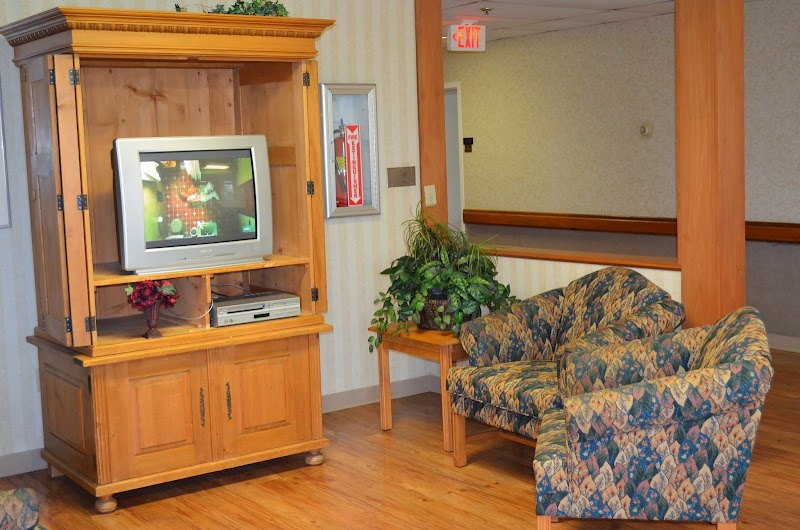
How is North Capitol Nursing & Rehabilitation Center Staffed?

CMS rates NORTH CAPITOL NURSING & REHABILITATION CENTER's staffing level at 1 out of 5 stars, which is much below average compared to other nursing homes. Staff turnover is 49%, compared to the Indiana average of 46%. RN turnover specifically is 86%, which is notably high. RNs provide skilled clinical oversight, so turnover in this role can affect medical care quality.

What Have Inspectors Found at North Capitol Nursing & Rehabilitation Center?

State health inspectors documented 51 deficiencies at NORTH CAPITOL NURSING & REHABILITATION CENTER during 2020 to 2025. These included: 1 that caused actual resident harm and 50 with potential for harm. Deficiencies causing actual harm indicate documented cases where residents experienced negative health consequences.
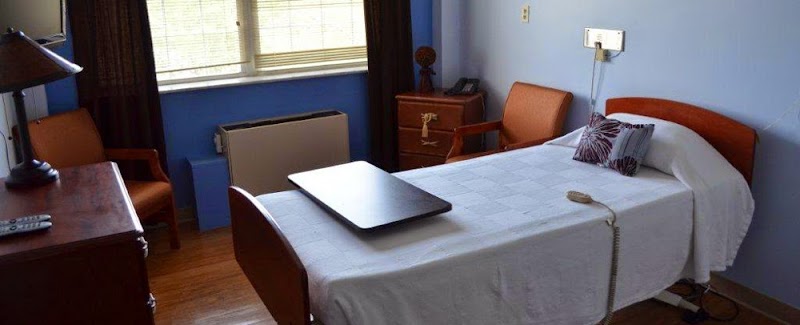
Who Owns and Operates North Capitol Nursing & Rehabilitation Center?

NORTH CAPITOL NURSING & REHABILITATION CENTER is owned by a government entity. Government-operated facilities are typically run by state, county, or municipal agencies. The facility is operated by AMERICAN SENIOR COMMUNITIES, a chain that manages multiple nursing homes. With 123 certified beds and approximately 63 residents (about 51% occupancy), it is a mid-sized facility located in INDIANAPOLIS, Indiana.
How Does North Capitol Nursing & Rehabilitation Center Compare to Other Indiana Nursing Homes?

Compared to the 100 nursing homes in Indiana, NORTH CAPITOL NURSING & REHABILITATION CENTER's overall rating (2 stars) is below the state average of 3.1, staff turnover (49%) is near the state average of 46%, and health inspection rating (2 stars) is below the national benchmark.

What Should Families Ask When Visiting North Capitol Nursing & Rehabilitation Center?

Based on this facility's data, families visiting should ask: "Can you walk me through typical staffing levels on day, evening, and night shifts?" "Can I visit during a mealtime to observe dining assistance and food quality?" "How do you handle medical emergencies, and what is your hospital transfer rate?" "Can I speak with family members of current residents about their experience?" These questions are particularly relevant given the below-average staffing rating.

Is North Capitol Nursing & Rehabilitation Center Safe?

Based on CMS inspection data, NORTH CAPITOL NURSING & REHABILITATION CENTER has a clean safety record: no substantiated abuse findings (meaning no confirmed cases of resident harm), no Immediate Jeopardy citations (the most serious violation level indicating risk of serious injury or death), and is not on the Special Focus Facility watch list (a federal program monitoring the lowest-performing 1% of nursing homes). The facility has a 2-star overall rating and ranks #100 of 100 nursing homes in Indiana. While no facility is perfect, families should still ask about staff-to-resident ratios and recent inspection results during their visit.

Do Nurses at North Capitol Nursing & Rehabilitation Center Stick Around?

NORTH CAPITOL NURSING & REHABILITATION CENTER has a staff turnover rate of 49%, which is about average for Indiana nursing homes (state average: 46%). Moderate turnover is common in nursing homes, but families should still ask about staff tenure and how the facility maintains care continuity when employees leave.

Was North Capitol Nursing & Rehabilitation Center Ever Fined?

NORTH CAPITOL NURSING & REHABILITATION CENTER has been fined $8,190 across 1 penalty action. This is below the Indiana average of $33,161. While any fine indicates a compliance issue, fines under $50,000 are relatively common and typically reflect isolated problems that were subsequently corrected. Families should ask what specific issues led to these fines and confirm they've been resolved.

Is North Capitol Nursing & Rehabilitation Center on Any Federal Watch List?

NORTH CAPITOL NURSING & REHABILITATION CENTER is not on any federal watch list. The most significant is the Special Focus Facility (SFF) program, which identifies the bottom 1% of nursing homes nationally based on persistent, serious quality problems. Not being on this list means the facility has avoided the pattern of deficiencies that triggers enhanced federal oversight. This is a positive indicator, though families should still review the facility's inspection history directly.