

ROSEGATE VILLAGE

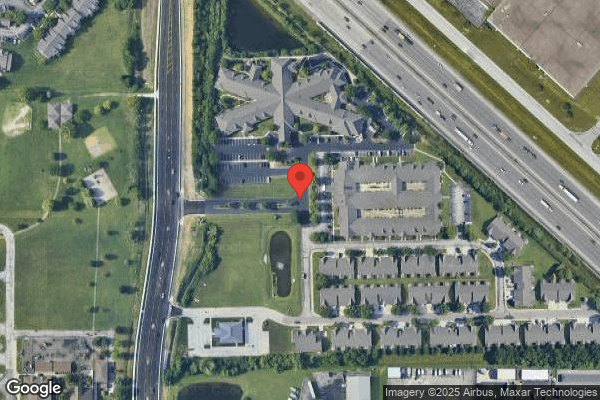
7510 ROSEGATE DR, INDIANAPOLIS, IN 46237 (317) 889-9300
For profit - Partnership 150 Beds AMERICAN SENIOR COMMUNITIES Data: November 2025
Trust Grade
75/100
#182 of 505 in IN
Last Inspection: November 2024

Within standard 12-15 month inspection cycle. Federal law requires annual inspections.

Overview

Rosegate Village in Indianapolis has received a Trust Grade of B, indicating it is a good option for families seeking care. With a state rank of #182 out of 505 facilities in Indiana, it places in the top half, and #11 out of 46 in Marion County means there are only 10 better local choices. However, the facility is currently worsening, with the number of issues increasing from 2 in 2024 to 3 in 2025. Staffing is a weakness, rated 1 out of 5 stars, with a turnover rate of 57%, which is higher than the state average. While there are no fines on record, which is a positive sign, there have been concerning incidents, such as food being served at unsafe temperatures and a CNA spitting in a resident's face. Additionally, there was a serious issue with medications being signed out for residents who were not present, raising questions about property misappropriation and staff integrity. Overall, while Rosegate Village shows some strengths, families should be aware of these significant weaknesses.

Trust Score
B
75/100
In Indiana
#182/505
Top 36%
Safety Record
Low Risk
No red flags
Inspections
Getting Worse
2 → 3 violations
Staff Stability
⚠ Watch
57% turnover. Above average. Higher turnover means staff may not know residents' routines.
Penalties
✓ Good
No fines on record. Clean compliance history, better than most Indiana facilities.
Skilled Nurses
⚠ Watch
Each resident gets only 26 minutes of Registered Nurse (RN) attention daily — below average for Indiana. Fewer RN minutes means fewer trained eyes watching for problems.
Violations
○ Average
6 deficiencies on record. Average for a facility this size. Mostly minor or procedural issues.
★★★★☆
4.0
Overall Rating
★☆☆☆☆
1.0
Staff Levels
★★★★★
5.0
Care Quality
★★★★☆
4.0
Inspection Score
Stable
2024: 2 issues
2025: 3 issues

The Good

  • 5-Star Quality Measures · Strong clinical quality outcomes
  • Full Sprinkler Coverage · Fire safety systems throughout facility
  • No fines on record

Facility shows strength in quality measures, fire safety.

The Bad

Staff Turnover: 57%

11pts above Indiana avg (46%)

Frequent staff changes - ask about care continuity

Chain: AMERICAN SENIOR COMMUNITIES

Part of a multi-facility chain

Ask about local staffing decisions and management

Staff turnover is elevated (57%)

9 points above Indiana average of 48%

The Ugly 6 deficiencies on record

Feb 2025 1 deficiency
CONCERN (D) 📢 Someone Reported This

A family member, employee, or ombudsman was alarmed enough to file a formal complaint

Potential for Harm - no one hurt, but risky conditions existed

Deficiency F0602 (Tag F0602)

Could have caused harm · This affected 1 resident

Based on interview and record review, the facility failed to protect the residents' rights to be free from misappropriation of property for 1 of 2 allegations of misappropriation of property. (RN 3, R...

Read full inspector narrative →
Based on interview and record review, the facility failed to protect the residents' rights to be free from misappropriation of property for 1 of 2 allegations of misappropriation of property. (RN 3, Resident D, Resident E) Findings include: During an interview on 2/20/25 at 9:40 a.m., the Administrator indicated that during a facility wide audit, it was brought to management's attention on 1/29/25 that a few narcotic count sheets, whose counts were correct and had been initially thought to be fine, appeared to have medications signed out for residents who had been out at the hospital at the time of the suspicious administration. The two suspicious narcotic administration sheets, one for Resident D and one for Resident E, had each been signed out by RN 3. RN 3 had a drug screening test on 1/29/25 after the reasonable suspicion was discovered from the medications signed out for residents who were not physically in the building. RN 3 tested positive for both opioids and benzodiazepines. RN 3 did not confess to taking the residents' medications, telling the Administrator RN 3 had taken hydrocodone from an old prescription that belonged to RN 3 and that RN 3 had taken Xanax from a family member's prescription. RN 3 was terminated for misappropriation of resident medications for the suspected drug diversion. On 2/20/25 at 11:55 a.m., the clinical records for Resident D was reviewed. The diagnoses for Resident D included, but were not limited to, chronic lymphocytic leukemia (a type of cancer that affects white blood cells), pneumonia, and congestive heart failure (a condition where the heart can't pump blood effectively). The Scheduled 5-Day MDS assessment, dated 1/21/25, indicated Resident D was cognitively intact. A physician's order, initiated 1/16/25, indicated Resident D had hydrocodone-acetaminophen 5-325 mg, ordered once as needed every six hours. Resident D's narcotic count sheet for the hydrocodone-acetaminophen 5-325 mg order had a tablet signed out on 1/28/25 at 8:00 a.m. by RN 3. Resident D was transferred out to the hospital on 1/21/25 and did not return to facility. On 2/20/25 at 11:55 a.m., the clinical records for Resident E was reviewed. The diagnoses for Resident E included, but were not limited to, sepsis (a severe potentially life-threatening infection) and congestive heart failure. The Significant Change in Status MDS assessment, dated 2/4/25, indicated that Resident E had severe cognitive impairment. A physician's order, initiated 1/3/25 and discontinued 1/30/25, indicated Resident E had oxycodone (a prescription-controlled opioid substance used to treat pain) 5 mg, ordered every four hours as needed. Resident E's narcotic count sheet for oxycodone 5 mg order had a tablet signed out for 1/8/25 at 8:00 a.m. by RN 3. Resident E was transferred out to the hospital on 1/7/25 and did not return to the facility until 1/29/25. During an interview on 2/20/25 at 11:05 a.m., the Administrator stated RN 3 did not ever admit to taking any medications, however, the drug diversions had most likely occurred based on the two narcotic sheets signed out by RN 3 for residents who were not in the building at the alleged administration time. On 2/20/25 at 11:05 a.m., the Administrator provide a copy of the facility's abuse policy, titled Abuse Prohibition, Reporting, and Investigation, dated for February 2010, and indicated it was the policy in use by the facility. A review of the policy indicated that residents are to be free from abuse, including, but not limited to, misappropriation of resident property. This citation relates to Complaints IN00451925 and IN00452436. 3.1-28(a)
Jan 2025 2 deficiencies
CONCERN (D) 📢 Someone Reported This

A family member, employee, or ombudsman was alarmed enough to file a formal complaint

Potential for Harm - no one hurt, but risky conditions existed

Free from Abuse/Neglect (Tag F0600)

Could have caused harm · This affected 1 resident

Based on interview and record review, the facility failed to protect the resident's right to be free from physical abuse when a CNA spit in a resident's face for 1 of 3 residents reviewed for abuse. (...

Read full inspector narrative →
Based on interview and record review, the facility failed to protect the resident's right to be free from physical abuse when a CNA spit in a resident's face for 1 of 3 residents reviewed for abuse. (Resident B, CNA 1) Findings include: On 1/15/25 at 8:23 a.m., the Director of Nursing (DON) provided a copy of a facility reportable incident, dated 12/23/24. A review of the incident report indicated CNA 1 spit in Resident B's face. The clinical record for Resident B was reviewed on 1/15/25 at 8:54 a.m. The diagnoses included, but were not limited to, stress compression fracture of first lumbar vertebrae and chronic obstructive pulmonary disorder. A Quarterly Minimum Data Set (MDS) assessment, dated 1/7/25, indicated Resident B was severely cognitively impaired. During an interview on 1/15/25 at 9:35 a.m., the Administrator indicated, on 12/23/24 at approximately 9:15 p.m., Licensed Practical Nurse (LPN) 1 called her to report that CNA 1 spit at Resident B. CNA 1 was terminated after the investigation was completed. During an interview on 1/15/25 at 9:58 a.m., LPN 1 indicated Resident B was being aggressive and combative with staff, so LPN 1 and three CNA's went in Resident B's room to try to provide care. During care Resident B slapped CNA 1 in the face. LPN 1 attempted to redirect Resident B, then Resident B spit in CNA 1's face. At that time, CNA 1 said oh no way and spit back in Resident B's face. LPN 1 immediately removed CNA 1 from Resident B's room. During an interview on 1/15/25 at 10:15 a.m., CNA 2 indicated she was at the nurse's station when CNA 1 walked to the nurse's station and said she had to go home because she spit in Resident B's face. On 1/15/25 at 10:20 a.m., the Administrator provided a copy of CNA 1's written statement, dated 12/23/24. A review of the written statement indicated when CNA 1 was providing care to Resident B, Resident B spit in CNA 1's face. CNA 1 spit back at Resident B. CNA 1 lost it for a minute. On 1/15/25 at 10:20 a.m., the Administrator provided a copy of LPN 1's written statement, dated 12/23/24. A review of the written statement indicated while LPN 1 was assisting with Resident B's care, Resident B spit in CNA 1's face. At that time, CNA 1 said oh no way and spit back in Resident B's face. An Employee Communication Form, dated 12/24/24, indicated CNA 1 spit at Resident B. CNA 1 statement confirmed the incident occurred. CNA 1 was notified by phone that the abuse allegation was substantiated and CNA 1 was terminated for violating the resident abuse policy. On 1/15/25 at 8:23 a.m., the DON provided a copy of a facility policy, dated 6/2023, titled Abuse Prohibition, Reporting, and Investigation, and indicated this was the current policy used by the facility. A review of the policy indicated it was the policy of the facility to provide each resident with an environment that is free from abuse. This citation relates to Complaint IN00450012. 3.1-27(a)(1)
CONCERN (D) 📢 Someone Reported This

A family member, employee, or ombudsman was alarmed enough to file a formal complaint

Potential for Harm - no one hurt, but risky conditions existed

Investigate Abuse (Tag F0610)

Could have caused harm · This affected 1 resident

Based on interview and record review, the facility failed to follow the abuse policy and ensure an alleged perpetrator of abuse was immediately removed from the facility for 1 of 3 allegations of abus...

Read full inspector narrative →
Based on interview and record review, the facility failed to follow the abuse policy and ensure an alleged perpetrator of abuse was immediately removed from the facility for 1 of 3 allegations of abuse reviewed. (CNA 1) Findings include: On 1/15/25 at 8:23 a.m., the Director of Nursing (DON) provided a copy of a facility reportable incident, dated 12/23/24. A review of the incident report indicated CNA 1 spit in Resident B's face. During an interview on 1/15/25 at 9:58 a.m., LPN 1 indicated Resident B was being aggressive and combative with staff, so LPN 1 and three CNA's went in Resident B's room to try to provide care. During care Resident B slapped CNA 1 in the face. LPN 1 attempted to redirect Resident B, then Resident B spit in CNA 1's face. At that time, CNA 1 said oh no way and spit back in Resident B's face. LPN 1 immediately removed CNA 1 from Resident B's room. LPN 1 went to the employee break room to call the Administrator and CNA 1 walked to the restroom, which was not in sight of the break room. When LPN 1 got to the nurse's station CNA 1 was walking out of the restroom. LPN 1 asked CNA 1 to write a statement then escorted her out of the facility. LPN 1 did not supervise CNA 1 after they left Resident B's room until after LPN 1 returned to the nurse's station and CNA 1 walked out of the restroom. During an interview on 1/15/25 at 10:15 a.m., CNA 2 indicated she was at the nurse's station when CNA 1 walked to the nurse's station and said she had to go home because she spit in Resident B's face. CNA 2 did not see CNA 1 at any point after she spit in Resident B's face until CNA 1 walked to the nurse's station. On 1/15/25 at 8:23 a.m., the DON provided a copy of a facility policy, dated 6/2023, titled Abuse Prohibition, Reporting, and Investigation, and indicated this was the current policy used by the facility. A review of the policy indicated any staff member implicated in the alleged abuse will be removed from the facility at once. This citation relates to Complaint IN00450012. 3.1-28(d)
Nov 2024 2 deficiencies
CONCERN (D)

Potential for Harm - no one hurt, but risky conditions existed

Transfer Notice (Tag F0623)

Could have caused harm · This affected 1 resident

Based on interview and record review, the facility failed to ensure that written Notice of Transfer and Discharge was provided to the resident and resident's representative for 3 of 3 residents review...

Read full inspector narrative →
Based on interview and record review, the facility failed to ensure that written Notice of Transfer and Discharge was provided to the resident and resident's representative for 3 of 3 residents reviewed for written transfer and discharge notification. The transfer and bed-hold appeal process was not provided to the resident or the resident representative. (Resident 42, Resident 107, Resident 279) Findings include: 1. On 10/30/24, at 4:30 p.m., Resident 42's clinical record was reviewed. The diagnoses included, but were not limited to, fractured femur (thighbone) and Alzheimer's disease. The face sheet indicated Resident 42 had a resident representative. The Significant Change Minimum Data Set (MDS) assessment, dated 10/21/24, indicated Resident 42 was severely cognitively impaired. The clinical record's census tab indicated Resident 42 was transferred to the hospital emergency department on 10/11/24. The ASC Hospital-ER (Emergency Room) Transfer Form document, dated 10/11/24, indicated Resident 42 was transferred to the hospital emergency department for a facility-initiated hospital transfer on 10/11/24 at 9:15 a.m. The document also indicated the following: -The resident representative was notified of Resident 42's condition, reason for transfer, and location of transfer. -The resident and the resident representative were provided the transfer form and the bed-hold policy. -The transfer form lacked specific details regarding the appeal rights, process, and contact information related to the bed-hold policy. 2. On 10/29/24 at 11:29 a.m., Resident 107's clinical record was reviewed. The diagnoses included, but were not limited to, fractured femur (thighbone) and Alzheimer's disease. The face sheet indicated Resident 107 had a resident representative. The Quarterly Minimum Data Set (MDS) assessment, dated 8/6/24, indicated Resident 107 was severely cognitively impaired. The clinical record's census tab indicated Resident 107 was transferred to the hospital emergency department on 4/26/24. The ASC Hospital-ER (Emergency Room) Transfer Form document, dated 4/26/24, indicated Resident 107 was transferred to the hospital emergency department for a facility-initiated hospital transfer on 4/26/24 at 12:00 p.m. The document also indicated the following: -The resident representative was notified of Resident 107's condition, reason for transfer, and location of transfer. -The resident and the resident representative were provided with the transfer form and the bed-hold policy. -The transfer form lacked specific details regarding the appeal rights, process, and contact information related to the bed-hold policy. 3. On 10/29/24, at 11:29 a.m., Resident 279's clinical record was reviewed. The diagnoses included, but were not limited to, malnutrition, COPD (Chronic Obstructive Pulmonary Disease), and persistent postprocedural fistula (a fistula that stems from an abscess or infection). The face sheet indicated Resident 279 had a resident representative. The New admission Minimum Data Set (MDS) assessment, dated 10/20/24, indicated Resident 279 was cognitively intact. The clinical record's census tab indicated Resident 279 was transferred to the hospital emergency department on 10/17/24. The ASC Hospital-ER (Emergency Room) Transfer Form document, dated 10/17/24, indicated Resident 279 was transferred to the hospital emergency department for a facility-initiated hospital transfer on 10/17/24 at 9:57 a.m. The document also indicated the following: -The resident representative was notified of Resident 279's condition, reason for transfer, and location of transfer. -The resident and the resident representative were provided with the transfer form and the bed-hold policy. -The transfer form lacked specific details regarding the appeal rights, process, and contact information related to the bed-hold policy. During an interview on 10/30/24 at 1:01 p.m., Resident 279 and his representative indicated on 10/17/24 the resident was transferred to the hospital. The facility informed them of the transfer; however, no written documentation of the transfer or the bed-hold policy was provided to them. During an interview on 10/31/24 at 11:18 a.m., the Director of Nursing Services (DNS) indicated Resident 42, Resident 107 and Resident 279 were facility-initiated transfers to the hospital emergency department. The ASC Hospital-ER Transfer Form document was provided to the residents and their resident representatives. The transfer document included the bed-hold policy; but lacked the following appeal process information: - The name, address (mail and email), telephone number of the State entity which receives such appeal hearing requests. - Information on how to obtain an appeal form. - Information on obtaining assistance in completing and submitting the appeal hearing request. - The name, address (mailing and email), and phone number of the representative of the Office of the State Long-Term Care Ombudsman. 3.1-12(a)(9)(D)
CONCERN (D) 📢 Someone Reported This

A family member, employee, or ombudsman was alarmed enough to file a formal complaint

Potential for Harm - no one hurt, but risky conditions existed

Medical Records (Tag F0842)

Could have caused harm · This affected 1 resident

Based on interview and record review, the facility failed to ensure complete and accurate documentation for 2 of 21 residents reviewed. (Resident B, Resident C) Findings include: 1. On 10/28/24 at 10:...

Read full inspector narrative →
Based on interview and record review, the facility failed to ensure complete and accurate documentation for 2 of 21 residents reviewed. (Resident B, Resident C) Findings include: 1. On 10/28/24 at 10:00 a.m., the clinical record of Resident C was reviewed. The diagnoses included, but were not limited to, end stage renal disease, myocardial infarction (a heart attack), COPD (a lung disease causing breathing difficulties), and dependence on renal dialysis (treatment that removes excess fluid, waste, and toxins from the blood). A physician's order report, dated for active orders for 10/1/24 through 10/31/24 included, but was not limited to: An order with a start date of 10/19/24 and a discontinued date of 10/20/24, to obtain a daily weight for Resident C with special instructions to notify MD (Medical Doctor) of a weight gain of three pounds in one day or of five pounds in a week once a day at 5:00 a.m. An order with a start date of 10/20/24 and no end date to obtain a daily weight for Resident C with special instructions to notify MD (Medical Doctor) of a weight gain of three pounds in one day or of five pounds in a week once a day on the 6:30 a.m. through 2:30 p.m. shift. A review of resident's vitals indicated a weight recorded for Resident C on 10/19/24 of 236 pounds. Resident C's record lacked documentation of any other recorded weights. During an interview the DON (Director of Nursing) indicated that the weights should have been obtained and recorded in the electronic healthcare record daily as ordered. 2. On 10/30/24 at 9:45 a.m., the clinical record of Resident B was reviewed. The diagnoses, included but were not limited to, disorders of bone density and structure, and osteopenia. A Hospice Note, dated 9/26/24 at 10:25 a.m., indicated bruising and pallor of the right lower extremity. Stat (immediate) x-ray ordered for bruising along entire right shin and knee. On 10/30/24 at 10:33 a.m., the Administrator provided a State Reportable Incident, dated 9/27/24. The reportable indicated during routine care, staff noted a new on-set of bruising to Resident B's right lower leg. Root cause determined to be osteopenic bones as well as chair positioning. The facility reportable indicated Resident B had bumped her leg on the table in the dining room. A Physicians Progress Note, dated 9/30/24 at 12:10 p.m., indicated a fracture of upper end of right tibia, traumatic bruising of multiple sites of the lower extremity. Resident B was frail with generalized osteoarthritis of multiple sites. A Care Plan, dated 8/10/20, indicated Resident B was at risk for skin beak down. The interventions included but were not limited to, assess and document skin condition weekly and as needed. Resident B's clinical record lacked documented weekly skin assessments for 9/16/24, 9/23/24, and 9/30/24. During an interview on 10/30/24 at 1:33 p.m., the Director of Nursing indicated the weekly skin assessments should have been documented in the residents clinical record. On 10/31/24 at 1:11 p.m., the Administrator provided a policy titled Documentation Guidelines for Nursing, dated July, 2024, and indicated it was the current policy being used by the facility. A review of the policy indicated Purpose: To accurately document in an organized manner all information related to the resident in the medical record. This Federal tag relates to Complaint IN00444626. 3.1-50(a)(1) 3.1-50(a)(2)
Jun 2023 1 deficiency
CONCERN (E) 📢 Someone Reported This

A family member, employee, or ombudsman was alarmed enough to file a formal complaint

Potential for Harm - no one hurt, but risky conditions existed

Food Safety (Tag F0812)

Could have caused harm · This affected multiple residents

Based on observation, interview, and record review, the facility failed to ensure foods were served in a sanitary and safe manner for 4 of 5 observations. Cold food was not maintained at or below 41 d...

Read full inspector narrative →
Based on observation, interview, and record review, the facility failed to ensure foods were served in a sanitary and safe manner for 4 of 5 observations. Cold food was not maintained at or below 41 degrees Fahrenheit, staff hair was not covered, food was not labeled and closed, and the dumpster lids were not closed. (Dietary Manager, [NAME] 2, [NAME] Aide 3) Findings include: 1. During the initial kitchen observation with [NAME] 2, on 6/20/23 from 11:20 a.m. to 12:20 p.m., the following starting temperatures were recorded for foods being held at the steam table unit for the noon meal: pureed bread was 130 degrees Fahrenheit (F); egg salad was 50 degrees F; pureed salad was 50 degrees F; and chopped hard boiled eggs were 52 degrees F During a follow up kitchen observation with [NAME] 2 and the Dietary Manager (DM), on 6/20/23 from 1:25 p.m. to 2:15 p.m., the following temperatures were recorded for foods being held at the steam table unit for the noon meal: lettuce was 51 degrees F; diced ham chunks were 52 degrees F; diced turkey chunks were 50 degrees F; shredded cheese was 54 degrees F; and egg salad was 50 degrees F; During an interview at that time, the DM indicated the holding food temperatures were to be at or below 41 degrees F for the cold foods. During a follow up kitchen observation with the DM, on 6/20/23 from 2:30 p.m. to 2:40 p.m., the following temperatures were recorded for foods having been held at the steam table unit for the noon meal: lettuce was 44 degrees F; diced ham chunks were 49 degrees F; diced turkey chunks were 52 degrees F; shredded cheese was 50 degrees F; chopped hard boiled eggs were 43 degrees F; and egg salad was 46 degrees F; During an interview at that time, the DM indicated the cold foods were not maintained at the required holding temperatures. 2. On 6/20/23 from 11:20 a.m. to 12:20 p.m., the Dietary Manager (DM) was observed walking through out the kitchen area. The DM was observed to have hair in front of the ears and at the neckline, approximately 2 inches in length, that was observed to not be covered. [NAME] 2 was observed walking through out the kitchen area. [NAME] 2 was observed to have hair braids from the top of her ears to the top of her head, that was observed to not be covered. [NAME] Aide 3 was observed walking through out the kitchen area. [NAME] Aide 3 was observed to have hair at the neckline that was approximately 3 inches in length and a short ponytail/bun just above the neckline that was observed to not be covered. The same was observed on 6/20/23 from 1:25 p.m. to 2:15 p.m., 6/20/23 from 2:30 p.m. to 2:40 p.m., and 6/21/23 from 9:30 a.m. to 9:40 a.m. On 6/21/23 at 9:38 a.m., a sign posted on an entrance/exit kitchen door was observed. A review of the sign indicated, Dietary personnel .Hairnet required. During an interview on 6/21/23 at 9:40 a.m., the DM indicated all staff hair was to be kept covered while in the kitchen. 3. On 6/21/23 at 9:30 a.m., the dry storage pantry area was observed with the Dietary Manager (DM). The following was observed: a. One large plastic bin next to the hand washing sink was half full of a white powdered substance. The bin's lid was observed to not be closed and it lacked a label to indicate what was inside the bin. b. In the dry storage area, observed 2 small plastic bins on a shelf. The bins were partially full of a white substance. The bin lids were observed to not be closed. During an interview at that time, the DM indicated the bins were to be kept closed and labeled to identify the container's contents. 4. On 6/21/23 at 9:36 a.m. the dumpster area, located approximately 30 feet from the kitchen's rear door, was observed with the Dietary Manager (DM). The following was observed: a. The dumpster area had 2 large dumpsters. The dumpster on the left was observed to have 4 top lids. Two of the four top lids were observed to not be closed. b. The area surrounding the dumpster area had multiple used plastic gloves, empty plastic gallon containers and other debris on the ground. c. A large uncovered plastic trash can was observed between the two dumpster containers. Inside the uncovered trash can was a partially filled plastic bag that held unidentifiable debris. During an interview at that time, the DM indicated the dumpster lids were to be kept closed and the area was to be kept free of debris. On 6/21/23 at 10:33 a.m., the Administrator provided a copy of the Culinary Personal Hygiene policy, dated May 2023, and indicated it was the current policy in use by the facility. A review of the policy indicated, .all employees working in the culinary department must wear a clean hair restraint which effectively covers all hair . On 6/21/23 at 10:33 a.m., the Administrator provided a copy of the American Senior Communities: Food Storage policy, dated May 2023, and indicated it was the current policy in use by the facility. A review of the policy indicated, .containers with covers must be used for .Bulk foods . On 6/21/23 at 10:51 a.m., the Administrator provided a copy of the FDA Food Code 2022, chapter 5, Water, Plumbing, and Waste policy and indicated it was the current policy in use by the facility. A review of the policy indicated, .receptacles and waste handling units for REFUSE .used with materials containing FOOD residue and used outside the FOOD ESTABLISHMENT shall be designed and constructed to have tight-fitting lids, doors, or covers . On 6/21/23 at 10:51 a.m., the DM provided a copy of the American Senior Communities: Food Temperatures policy, dated June 2023, and indicated it was the current policy in use by the facility. A review of the policy indicated, .the facility will maintain proper food temperature control to prevent food borne illness .cold food will be held at or below 41 degrees F . On 6/21/23 at 3:45 p.m., a review of the Indiana Food Establishment Sanitation Requirements, Title 410 IAC 7-24, effective November 13, 2004, indicated, .potentially hazardous food shall be maintained as follows .maintain food at a temperature of forty-one (41) degrees Fahrenheit or less .working containers holding food or food ingredients that are removed from their original packages for use in the retail food establishment, such as .flour .sugars .shall be identified with the common name of the food .such as .sugar .closed containers .food employees shall wear hair restraints .hair coverings or nets .that are designed and worn to wear effectively keep their hair from contacting .exposed food .receptacles and waste handling units for refuse, recyclables and returnables shall be kept covered with tight-fitting lids or doors if kept outside .accumulation of debris .are minimized .effective cleaning is facilitated around .the unit . This Federal tag is relates to Complaints IN00407655 and Complaint IN00408396. 3.1-21(i)(2) 3.1-21(i)(3) 3.1-21(i)(5)
Understanding Severity Codes (click to expand)
Life-Threatening (Immediate Jeopardy)
J - Isolated K - Pattern L - Widespread
Actual Harm
G - Isolated H - Pattern I - Widespread
Potential for Harm
D - Isolated E - Pattern F - Widespread
No Harm (Minor)
A - Isolated B - Pattern C - Widespread

Questions to Ask on Your Visit

  • "Why is there high staff turnover? How do you retain staff?"
  • "Can I speak with families of current residents?"
  • "What's your RN coverage like on weekends and overnight?"

Our Honest Assessment

Strengths
  • • No major safety red flags. No abuse findings, life-threatening violations, or SFF status.
  • • No fines on record. Clean compliance history, better than most Indiana facilities.
Concerns
  • • 57% turnover. Above average. Higher turnover means staff may not know residents' routines.
Bottom line: Generally positive indicators. Standard due diligence and a personal visit recommended.

About This Facility

What is Rosegate Village's CMS Rating?

CMS assigns ROSEGATE VILLAGE an overall rating of 4 out of 5 stars, which is considered above average nationally. Within Indiana, this rating places the facility higher than 99% of the state's 100 nursing homes. This rating reflects solid performance across the metrics CMS uses to evaluate nursing home quality.

How is Rosegate Village Staffed?

CMS rates ROSEGATE VILLAGE's staffing level at 1 out of 5 stars, which is much below average compared to other nursing homes. Staff turnover is 57%, which is 11 percentage points above the Indiana average of 46%. High turnover can affect care consistency as new staff learn residents' individual needs. RN turnover specifically is 56%, which is notably high. RNs provide skilled clinical oversight, so turnover in this role can affect medical care quality.

What Have Inspectors Found at Rosegate Village?

State health inspectors documented 6 deficiencies at ROSEGATE VILLAGE during 2023 to 2025. These included: 6 with potential for harm.

Who Owns and Operates Rosegate Village?

ROSEGATE VILLAGE is owned by a for-profit company. For-profit facilities operate as businesses with obligations to shareholders or private owners. The facility is operated by AMERICAN SENIOR COMMUNITIES, a chain that manages multiple nursing homes. With 150 certified beds and approximately 129 residents (about 86% occupancy), it is a mid-sized facility located in INDIANAPOLIS, Indiana.

How Does Rosegate Village Compare to Other Indiana Nursing Homes?

Compared to the 100 nursing homes in Indiana, ROSEGATE VILLAGE's overall rating (4 stars) is above the state average of 3.1, staff turnover (57%) is significantly higher than the state average of 46%, and health inspection rating (4 stars) is above the national benchmark.

What Should Families Ask When Visiting Rosegate Village?

Based on this facility's data, families visiting should ask: "How do you ensure continuity of care given staff turnover, and what is your staff retention strategy?" "Can you walk me through typical staffing levels on day, evening, and night shifts?" "Can I visit during a mealtime to observe dining assistance and food quality?" "How do you handle medical emergencies, and what is your hospital transfer rate?" These questions are particularly relevant given the facility's high staff turnover rate and the below-average staffing rating.

Is Rosegate Village Safe?

Based on CMS inspection data, ROSEGATE VILLAGE has a clean safety record: no substantiated abuse findings (meaning no confirmed cases of resident harm), no Immediate Jeopardy citations (the most serious violation level indicating risk of serious injury or death), and is not on the Special Focus Facility watch list (a federal program monitoring the lowest-performing 1% of nursing homes). The facility has a 4-star overall rating and ranks #1 of 100 nursing homes in Indiana. While no facility is perfect, families should still ask about staff-to-resident ratios and recent inspection results during their visit.

Do Nurses at Rosegate Village Stick Around?

Staff turnover at ROSEGATE VILLAGE is high. At 57%, the facility is 11 percentage points above the Indiana average of 46%. Registered Nurse turnover is particularly concerning at 56%. RNs handle complex medical decisions and coordinate care — frequent RN changes can directly impact care quality. High turnover means new staff may not know residents' individual needs, medications, or preferences. It can also be disorienting for residents, especially those with dementia who rely on familiar faces. Families should ask: What is causing the turnover? What retention programs are in place? How do you ensure care continuity during staff transitions?

Was Rosegate Village Ever Fined?

ROSEGATE VILLAGE has no federal fines on record. CMS issues fines when nursing homes fail to meet care standards or don't correct problems found during inspections. The absence of fines suggests the facility has either maintained compliance or corrected any issues before penalties were assessed. This is a positive indicator, though families should still review recent inspection reports for the full picture.

Is Rosegate Village on Any Federal Watch List?

ROSEGATE VILLAGE is not on any federal watch list. The most significant is the Special Focus Facility (SFF) program, which identifies the bottom 1% of nursing homes nationally based on persistent, serious quality problems. Not being on this list means the facility has avoided the pattern of deficiencies that triggers enhanced federal oversight. This is a positive indicator, though families should still review the facility's inspection history directly.