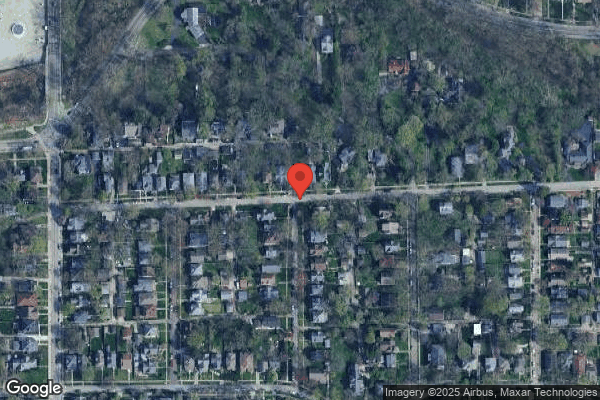
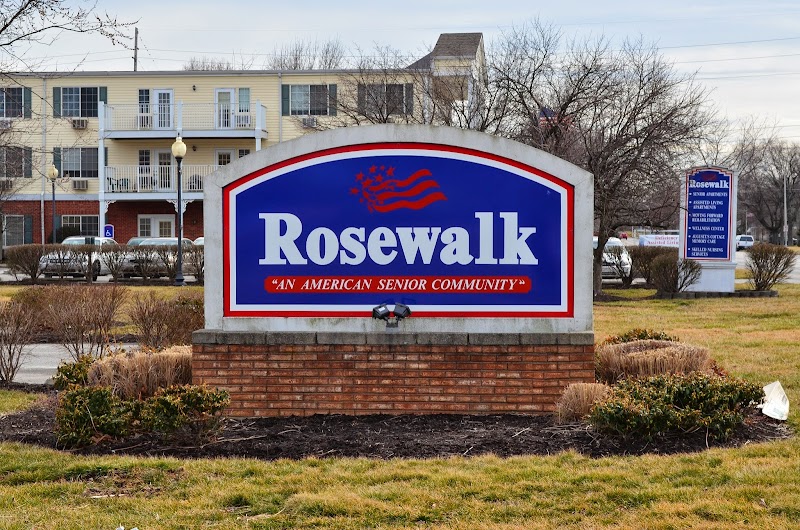
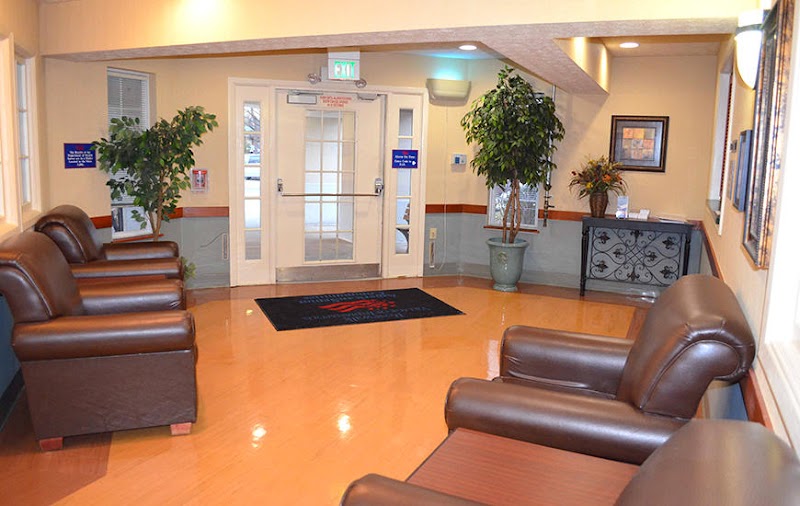
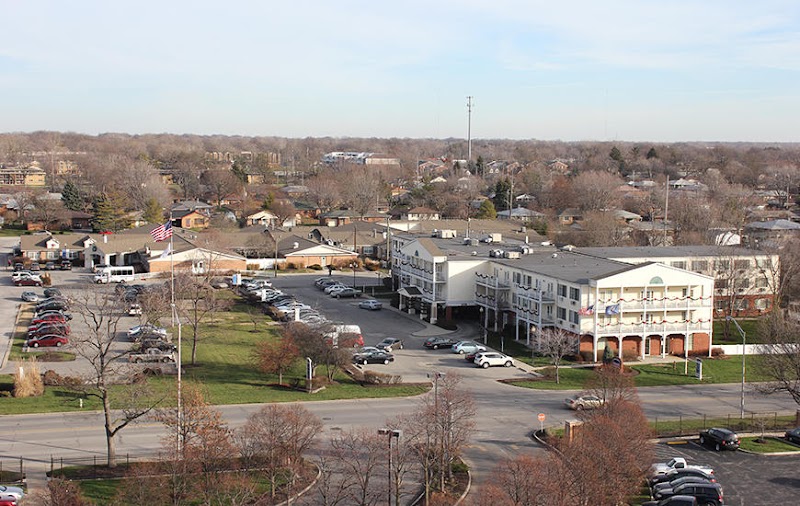
ROSEWALK VILLAGE

1302 N LESLEY AVE, INDIANAPOLIS, IN 46219 (317) 353-8061
Government - County 161 Beds AMERICAN SENIOR COMMUNITIES Data: November 2025
Trust Grade
40/100
#386 of 505 in IN
Last Inspection: March 2025

Within standard 12-15 month inspection cycle. Federal law requires annual inspections.

Overview

Rosewalk Village has a Trust Grade of D, indicating below-average performance and some concerns about care quality. It ranks #386 out of 505 facilities in Indiana, placing it in the bottom half of the state, and #35 out of 46 in Marion County, meaning there are only a few local options that are better. The facility is improving slightly, with the number of issues decreasing from 10 in 2024 to 9 in 2025. Staffing is a significant concern here, with a low rating of 1 out of 5 stars and a high turnover rate of 61%, compared to the state average of 47%, suggesting instability among staff. While the facility has not incurred any fines, it does have less RN coverage than 90% of Indiana facilities, meaning residents may not receive the same level of oversight and care. Specific incidents noted by inspectors include a serious issue where a resident who needed assistance with transfers was not handled according to their care plan, resulting in increased pain and a fracture. Additionally, there were concerns about expired food items being present in the kitchen, potentially affecting all residents who receive meals from there. Lastly, a staff member failed to practice proper hand hygiene before administering medication, which raises concerns about infection control. Overall, while there are strengths in quality measures, the weaknesses in staffing and specific care incidents are significant factors to consider.

Trust Score
D
40/100
In Indiana
#386/505
Bottom 24%
Safety Record
Moderate
Needs review
Inspections
Getting Better
10 → 9 violations
Staff Stability
⚠ Watch
61% turnover. Above average. Higher turnover means staff may not know residents' routines.
Penalties
✓ Good
No fines on record. Clean compliance history, better than most Indiana facilities.
Skilled Nurses
⚠ Watch
Each resident gets only 20 minutes of Registered Nurse (RN) attention daily — below average for Indiana. Fewer RN minutes means fewer trained eyes watching for problems.
Violations
⚠ Watch
27 deficiencies on record. Higher than average. Multiple issues found across inspections.
★★☆☆☆
2.0
Overall Rating
★☆☆☆☆
1.0
Staff Levels
★★★★★
5.0
Care Quality
★★☆☆☆
2.0
Inspection Score
Stable
2024: 10 issues
2025: 9 issues

The Good

  • 5-Star Quality Measures · Strong clinical quality outcomes
  • Full Sprinkler Coverage · Fire safety systems throughout facility
  • No fines on record

Facility shows strength in quality measures, fire safety.

The Bad

2-Star Overall Rating

Below Indiana average (3.1)

Below average - review inspection findings carefully

Staff Turnover: 61%

15pts above Indiana avg (46%)

Frequent staff changes - ask about care continuity

Chain: AMERICAN SENIOR COMMUNITIES

Part of a multi-facility chain

Ask about local staffing decisions and management

Staff turnover is elevated (61%)

13 points above Indiana average of 48%

The Ugly 27 deficiencies on record

1 actual harm
Mar 2025 9 deficiencies
CONCERN (D) 📢 Someone Reported This

A family member, employee, or ombudsman was alarmed enough to file a formal complaint

Potential for Harm - no one hurt, but risky conditions existed

Resident Rights (Tag F0550)

Could have caused harm · This affected 1 resident

Based on interview and record review, the facility failed to ensure residents' dignity was respected for 3 of 4 residents reviewed for abuse. (Residents' J, K, and L) Findings include: 1. The clinica...

Read full inspector narrative →
Based on interview and record review, the facility failed to ensure residents' dignity was respected for 3 of 4 residents reviewed for abuse. (Residents' J, K, and L) Findings include: 1. The clinical record for Resident K was reviewed on 3/10/25 at 10:00 a.m. The diagnoses included, but were not limited to, heart disease. A Quarterly Minimum Data Set (MDS) assessment, dated 1/8/25, indicated Resident K was cognitively intact. An interview was conducted with Resident K on 3/10/25 at 10:09 a.m. She indicated she had reported Licensed Practical Nurse (LPN) 22 to the Executive Director (ED). He was always hateful and rude towards her. LPN 22 was changing her humidifier for her oxygen, and during that time, the interaction between LPN 22 and Resident K was not respectful. LPN 22 had made rude statements to her and stuck up his middle finger. She had stated to him, you're not my daddy, and he responded, you're not my mama. She expected LPN 22 to apologize to Resident K for being treated that way, but she had not received an apology. LPN 22 no longer worked at the facility. A reportable incident to the Indiana Department of Health with an investigation file was provided, on 3/10/25 at 3:38 p.m., from the ED. The incident report, dated 2/4/25, indicated Resident K had reported customer care concerns with a staff member (LPN 22) on 2/3/25. The follow up completed indicated the other staff person, Certified Nurse Aide (CNA) 6, had been in the resident's room at the time of the incident and did not witness LPN 22 being rude to Resident K. The investigation file of the incident between LPN 22 and Resident K included, but was not limited to, the following documents: An e-mailed statement by CNA 6, dated 2/6/25, indicating she had asked LPN 22 to assist her with Resident K's roommate. During that time, she observed LPN 22 and Resident K bickering back-and-forth with each other. She did not hear any cussing during the interaction between LPN 22 and Resident K. She did hear Resident K request for LPN 22 not to speak to her. LPN 22's response was Okay. You don't want to talk to me. After, CNA 6 had exited the room first with LPN 22 coming from behind, so she had not observed LPN 22 sticking up his middle finger at Resident K prior to exiting the room. A typed statement by LPN 22, dated 2/3/25, indicated on 2/3/25 at approximately 5:00 a.m., he was in Resident K's room preparing to change out oxygen tubing and condenser water for Resident K. The resident, he believed, had gotten upset because she had been woken up while changing the oxygen supplies. The resident had declined for staff to change out her oxygen supplies at that time. LPN 22 had explained the oxygen items needed to be changed and exchange the old ones with new ones. CNA 6 provided care to Resident K's roommate and requested his assistance. During that time, Resident K was shouting random negative comments like you're not my dad so you can't tell me when to change anything. As LPN 22 was helping CNA 6, Resident K would say something negative towards LPN 22 about every two to three minutes, or so, with no reaction from LPN 22. LPN 22 and CNA 6 finished up with the roommate and as they both were walking out of the room and LPN 22 was pulling the door closed, Resident K yelled out she was going to tell everyone and today was LPN 22's last day. Typed resident statements were included in the investigation file. It indicated the following statements from Resident L and Resident J: Resident L was asked, Did nurse [LPN 22] ever cuss at you or made you feel upset? Resident L responded, When I'd [sic] didn't do what he wanted one day, we got into an argument, he was like, man F*** you. So, I told him, F*** you back. Resident J was asked, Did nurse [LPN 22] ever cuss at you or made you feel upset? Resident J responded, He is pushy and rude. Always trying to make me take stuff I don't want to take too forceful for me. 2. The clinical record for Resident J was reviewed on 3/10/25 at 12:00 p.m. The diagnoses included, but were not limited to, heart failure. A Significant Change MDS assessment, dated 1/14/25, indicated Resident J was cognitively intact. An interview was conducted with Resident J on 3/11/25 at 12:13 p.m. He indicated LPN 22 was pushy and demanding. He would wake him up in the middle of night and want him to do something. For example, Take a sip of water. If he declined, LPN 22 would not take no for an answer. Resident J had requested he did not want LPN 22 back in his room anymore due to being disrespectful. 3. The clinical record for Resident L was reviewed on 3/10/25 at 1:00 p.m. The diagnoses included, but were not limited to, quadriplegia. A Quarterly MDS assessment, dated 1/30/25, indicated Resident L was cognitively intact. An interview was conducted with Resident L on 3/11/25 at 2:19 p.m. He indicated he did have an argument with LPN 22 a while back. He rushes through care and doesn't listen. During an argument with LPN 22, he had stated to Resident L, shut the f*** up, and he responded, with repeating the same words he said back to him. The nurse just didn't want to listen to what he had to say. He had spoken to the Director of Nursing (DON) and the ED about the incident. LPN 22 was disrespectful. It was addressed and over now. It did not happen again. An interview was conducted with the ED on 3/13/25 at 9:49 a.m. He indicated he had completed the investigation into the reportable incident between Resident K and LPN 22. During the investigation, he had also spoken to Resident L and Resident J. A discussion with LPN 22 was provided and included education about his mannerisms. LPN 22 had stated to the ED he was just trying to coach the residents to have a better life and encourage them to be healthier. LPN 22 meant well, but he was disrespectful. LPN 22 has been on medical leave since the incident. A resident's rights policy was provided by the DON on 3/13/25 at 1:59 p.m. It indicated, .In accordance with this right to dignity and respect, residents are entitled to all of the freedom and privileges of any other citizen. The resident also has obligations and responsibilities to the Community staff and other residents .Every resident in a long-term care facility shall have at least the following rights . (18) Each resident shall be treated with consideration, respect, and full recognition of his dignity and individuality, including privacy in treatment and in care for his personal needs . This citation relates to complaint IN00451232. 3.1-3(t)
CONCERN (D)

Potential for Harm - no one hurt, but risky conditions existed

Deficiency F0558 (Tag F0558)

Could have caused harm · This affected 1 resident

Based on observation, interview, and record review, the facility failed to ensure a call light was in reach for 1 of 1 resident reviewed for call lights (Resident G). Findings include: The clinical r...

Read full inspector narrative →
Based on observation, interview, and record review, the facility failed to ensure a call light was in reach for 1 of 1 resident reviewed for call lights (Resident G). Findings include: The clinical record for Resident G was reviewed on 3/11/25 at 10:00 a.m. The diagnoses included, but were not limited to, anemia, cancer, heart failure, diabetes, hemiplegia caused by stroke (weakness on one side of the body), and depression. A Quarterly Minimum Data Set assessment, completed 12/20/24, indicated Resident G's preferred language was Spanish, and she needed an interpreter to communicate with doctors or health staff. It also indicated Resident G was cognitively intact with impairment of her right upper extremity. An observation was conducted of Resident G on 3/12/25 at 9:39 a.m. Resident G was in bed and her call light cord was attached to the wall mount on the wall next to the bed. The cord went behind the resident's bed, and it was hanging in front of the headboard near the ground on the right side of the bed. The call light was out of sight and out of reach of the resident. In an interview with Resident G on 3/12/25 at 9:39 a.m., the resident indicated she was aware she did not have her call light. Sometimes she has it and sometimes she does not. She indicated when she does have her call light, she knows how to use it. At 10:36 a.m., Laundry Aide 11 was asked to give Resident G her call light. Laundry Aide 11 then told Certified Nurse Aide (CNA) 9, who was in another resident room, that Resident G needed her call light handed to her. When CNA 9 came out of the resident's room, she was asked if Resident G used her call button to request help and CNA 9 indicated Resident G does use the call light. During an observation of Resident G on 3/12/25 at 1:46 p.m., her call light was still in the same place and positioned behind her bed as it was that morning. The Director of Nursing (DON) was interviewed in Resident G's room on 3/13/25 at 10:48 a.m. The resident's call light cord was observed plugged into the wall on top left side of the bed, underneath her pillow, out of sight, and out of reach. The DON indicated their policy indicates the call light should be within reach, and she believed the call light was currently in reach of the resident. The resident was asked, at that time, to reach for her call light. The resident pulled the pillow from behind her head, then placed the pillow back, and attempted to feel around for her call light. She was unable to reach the call light. The DON then grabbed the call light and handed it to the resident. During an interview with the DON on 3/13/25 at 1:05 p.m., she indicated they do not have a policy on call lights, and they just follow the standards of care for call light use and availability. 3.1-3(v)(1)
CONCERN (D) 📢 Someone Reported This

A family member, employee, or ombudsman was alarmed enough to file a formal complaint

Potential for Harm - no one hurt, but risky conditions existed

ADL Care (Tag F0677)

Could have caused harm · This affected 1 resident

Based on observation, interview, and record review, the facility failed to get residents up to a wheelchair and complete regular hair shampooing for 1 of 4 residents reviewed for ADLs (Activities of D...

Read full inspector narrative →
Based on observation, interview, and record review, the facility failed to get residents up to a wheelchair and complete regular hair shampooing for 1 of 4 residents reviewed for ADLs (Activities of Daily Living). (Resident G) Findings include: The clinical record for Resident G was reviewed on 3/11/25 at 10:00 a.m. The diagnoses included, but were not limited to, anemia, cancer, heart failure, diabetes, hemiplegia caused by stroke (weakness on one side of the body), and depression. A Quarterly Minimum Data Set assessment, completed 12/20/24, indicated Resident G's preferred language was Spanish, and she needed an interpreter to communicate with doctors or health staff. It also indicated Resident G was cognitively intact with impairment of her right upper extremity. On 3/12/25 at 9:39 a.m., Resident G was observed in her room, lying in bed wearing a hospital gown. The resident's hair was oily, stringy, and tangled in the back. She indicated she had not had a shower, a full bed bath, or her hair shampooed in about 10-12 days. She asked the staff to wash her hair, but they did not. The staff had not gotten her up to her wheelchair in a long time. She used to have a wheelchair in her room, but she had not seen it for many days. No wheelchair was observed in the room. She indicated she would like to get up to a wheelchair. She does remember the staff using a machine to get her up, but she has not seen the machine in a long time. During an interview on 3/12/25 at 11:46 a.m. with Licensed Practical Nurse (LPN) 10, she indicated the resident's showers were scheduled for Tuesdays and Fridays. While the resident does not frequently refuse care, she has been known to in the past. She could communicate well with Resident G, who makes her needs known well enough. The resident was a Hoyer lift with a two people assist to transfer and said there should be a wheelchair in the resident's room. The Assistant Director of Nursing Services (ADNS), who attended the interview, indicated the resident does have a wheelchair, but she does not know where it was. The resident had told them she likes to stay in a hospital gown and stay in bed. During an interview with Certified Nurse Aide (CNA) 9 on 3/12/25 at 1:55 p.m., she indicated she gave the resident a partial bed bath the day prior (3/11/25) because the resident requested a partial bed bath instead of a full one. During an observation and interview with Resident G on 3/13/25 at 9:53 a.m., she indicated she had not yet received a complete bed bath or shower this week, and her hair had still not been washed. Resident G's hair was very oily, stringy, matted, and now had some flakes of skin near her scalp. She indicated a wheelchair was now in her room, and it was the first time she had seen one in many days. She would like to get up to the wheelchair. The Director of Nursing (DON) provided shower sheets, on 3/13/25 at 10:48 a.m., which covered the period from 2/4/25 to 3/11/25. According to the shower sheet for 3/11/25, the CNA documented she had given the resident a complete bed bath and shampooed the resident's hair. Prior to the 3/11/25 documentation, the last time staff documented washing the resident's hair was on 2/25/25. During an interview with the Occupational Therapist (OT) on 3/13/25 at 9:11 a.m., she indicated she did a new evaluation with the resident, on 3/12/25, after the Speech Therapist (ST) referred the resident to her for evaluation for a wheelchair. The ST wanted the resident to be up in a wheelchair in the dining room for meals. She thought she had an 18-inch wheelchair but needed a larger one. The resident's wheelchair was not available when she did her evaluation, and she could not speak to what nursing had been doing to get the patient out of bed. The resident had a decline in bed mobility since she was last seen a year ago, had right arm hemiparesis (weakness), increased left arm weakness, and needed a different wheelchair. She communicated well with the resident using gestures and the resident understood more English than she speaks. She indicated the resident did seem receptive to using the wheelchair and she will be working on getting a larger wheelchair for the resident. During an interview with the ST on 3/13/25 at 9:24 a.m., she indicated she evaluated Resident G, on 3/4/25, to assess swallowing due to the resident's emergency oral surgery. She wanted to make sure the resident was on an appropriate diet. She indicated Resident G did not want to try a puree diet and wanted to stay on a regular diet. She wants her up in a wheelchair in the dining room for meals, just to get her out of her room. During an interview with the Therapy Manager on 3/13/25 at 9:30 a.m., she indicated when Resident G first admitted , she was using an 18-inch wheelchair, but therapy then put her in a 20-inch wheelchair, and that should be utilized by nursing staff currently. During an interview with the DON on 3/13/25 at 10:48 a.m., she indicated the ADNS had found the resident's wheelchair and put it in the room that morning. The wheelchair may not have been in the resident's room this week if it had been taken to be cleaned. She indicated the night shift CNAs have assigned room wheelchairs to wash on different days of the week. They take the wheelchair to the shower room, wash it, then line them up in the gym to dry overnight. They bring them back in the morning once they are dry, but if they forget, the day shift will come get them. Otherwise, the wheelchair stays in the resident's room when not being cleaned. She indicated this morning, the resident asked LPN 10 if she could get up to her wheelchair. However, when the DON came in later to assist, the resident told her she did not want to get up. Resident G was observed shaking her head no while the DON made this statement. A care plan for ADLs, dated 4/12/24, indicated Resident G required assistance with ADLs related to impaired mobility and the history of a cerebrovascular accident (stroke). Her ability to participate in ADL care fluctuated from the morning to evening, and day to day. The goal was for Resident G to have their needs met daily with staff assistance as evidenced by being neat, clean, well-groomed, and dressed appropriately. Resident G was a two-staff person assisting with the use of a Hoyer (mechanical) lift and assistance with bathing as needed per the resident's preference. The approach was to offer showers twice a week with a partial bed bath in between. A care plan approach, added 3/12/25, indicated Resident G preferred to stay in bed most of the time. A care plan, dated 5/7/24, indicated the resident had impaired mobility related to right side body weakness. The care plan approaches included, Encourage resident to participate in transfer and bed mobility activities .Notify therapy of declines in mobility or improvement in mobility. A physician order, initiated on 5/24/24, indicated the resident was to have a Hoyer (a mechanical device that helps move people with limited mobility) and two people assist with transfers to bed and wheelchair. Another order, initiated on 10/16/24, indicated that a foam cushion should be on the seat of the resident's wheelchair. A care plan, dated 6/10/24, indicated Resident G Refuses ADL care at times. The care plan approach was to Educate resident on the possible negative effects from refusing ADL care at times. During an interview with the DON on 3/13/25 at 1:05 p.m., she indicated they do not have a policy on ADLs, and that they just follow standards of care. This citation relates to Complaint IN00453820. 3.1-38(a)(2)(A) 3.1-38(a)(2)(B) 3.1-38(a)(3)(B)
CONCERN (D) 📢 Someone Reported This

A family member, employee, or ombudsman was alarmed enough to file a formal complaint

Potential for Harm - no one hurt, but risky conditions existed

Deficiency F0688 (Tag F0688)

Could have caused harm · This affected 1 resident

Based on observation, interview, and record review, the facility failed to ensure a resident with contractures (abnormal shortening or tightening of muscle tissue the renders the muscle highly resista...

Read full inspector narrative →
Based on observation, interview, and record review, the facility failed to ensure a resident with contractures (abnormal shortening or tightening of muscle tissue the renders the muscle highly resistant to stretching and can lead to permanent disability) received splint application as recommended by therapy staff for 1 of 2 residents reviewed for rehabilitation services. (Resident B) Findings include: The clinical record for Resident B was reviewed on 3/11/25 at 10:25 a.m. The diagnoses included, but were not limited to, hemiplegia (one-sided paralysis) and hemiparesis (one-sided muscle weakness) following cerebral infarction (stroke) affecting left non-dominant side, contracture of left wrist, contracture of left knee, contracture of left hand (fingers), contracture of left elbow, and muscle wasting and atrophy. An admission Minimum Data Set (MDS) assessment, dated 1/10/25, indicated Resident B was cognitively intact, had impairment on one side of the upper and lower extremity, substantial assistance with upper body dressing, and dependent for lower body dressing. An activities of daily living (ADL) care plan, initiated on 1/4/25 and revised on 1/16/25, indicated Resident B required assistance with ADLs related to weakness and impaired mobility due to contractures to the left wrist, left knee, left fingers, and left elbow. The approach included physical and occupational therapy as ordered/indicated but no utilization of a splint. A physical therapy note, dated 1/24/25, indicated restorative nursing program set up and training for bilateral lower extremity and range of motion exercises. Restorative nursing aide demonstrated good understanding of the program. An occupational therapy note, dated 2/2/25, indicated the resident will safely wear a grip hand splint and an elbow extension splint on the left elbow for up to four hours with minimal signs of redness, swelling, discomfort or pain to prevent progression of contractures. An interview conducted with Therapy Manager, on 3/10/25 at 10:45 a.m., indicated Resident B had contractures and was receiving therapy services. Resident B fired all the therapy staff but was agreeable to receive the application of a splint, and such was done by nursing staff. The therapy staff conducted an in-service with all the nursing staff to ensure proper application of the splints. The clinical record for Resident B, reviewed on 3/11/25 at 10:27 a.m., did not include any physician orders for the application of splints. The clinical record for Resident B did not include any care plan related to the application of splints. An observation and interview conducted with Resident B, on 3/10/25 at 11:45 a.m., indicated no splint was observed to the left hand. Resident B indicated he should have a splint for his left hand, but the staff never apply the splint. An observation and interview conducted with Resident B, on 3/11/25 at 3:39 p.m., indicated no splint was observed to the left hand. A policy entitled Restorative Nursing Program, revised 11/2018, was provided by the Director of Nursing on 3/11/25 at 2:08 p.m. The policy indicated the restorative nursing programs include active or passive range of motion and splint or brace assistance. The process of the program was coordinated, supervised and carried out by nursing staff. A resident-centered care plan will be developed by the nurse and include measurable objectives, specific interventions to maintain or improve function, or to prevent, to the extent possible, further declines in resident function. This citation relates to Complaint IN00452635. 3.1-42(a)(2)
CONCERN (D) 📢 Someone Reported This

A family member, employee, or ombudsman was alarmed enough to file a formal complaint

Potential for Harm - no one hurt, but risky conditions existed

Deficiency F0760 (Tag F0760)

Could have caused harm · This affected 1 resident

Based on observation, interview, and record review, the facility failed to hold insulin when a blood sugar was below the physician's prescribed perimeters for 1 of 1 randomly observed insulin administ...

Read full inspector narrative →
Based on observation, interview, and record review, the facility failed to hold insulin when a blood sugar was below the physician's prescribed perimeters for 1 of 1 randomly observed insulin administration (Resident 20). Findings include: The clinical record for Resident 20 was reviewed on 3/9/25 at 11:31 a.m. The diagnoses included, but were not limited to, diabetes. A care plan, dated 10/21/24, indicated she was at risk for adverse effects of hyperglycemia (high blood sugar), or hypoglycemia (low blood sugar) related to use of glucose lowering medication and diagnosis of diabetes. The goal was for her not to experience symptoms of hyperglycemia or hypoglycemia. The interventions included monitoring blood sugar and administer medications as ordered. A physician's order, dated 12/30/24, indicated she was to receive insulin lispro (fast acting insulin) 12 units three times a day with meals; hold if blood sugar was less than 150 milligrams per deciliter (mg/dL). On 3/9/25 at 11:31 a.m., Licensed Practical Nurse (LPN) 25 was randomly observed administering medications to Resident 20. LPN 25 performed a blood sugar check on Resident 20 with a reading of 122. She went to the medication cart and opened a new lispro insulin pen. She primed the pen with two units of insulin, looked at the Medication Administration Record to check the lispro insulin order, and then set the insulin pen to administer 12 units of insulin lispro. LPN 25 gathered her supplies and entered Resident 20's room. LPN 25 asked Resident 20 where she wanted to receive her insulin and Resident 20 indicated she would like the insulin shot in her left arm. LPN 25 cleansed an area on Resident 20's upper left arm with alcohol and was preparing to administer 12 units of lispro insulin to Resident 20. The insulin administration was stopped. During an interview on 3/9/25 at 11:55 a.m., LPN 25 indicated the physician's order for Resident 20 included to hold the lispro insulin if her blood sugar was less than 150. LPN 25 indicated Resident 20's insulin lispro, 12 units, should have been held and not given. On 3/12/25 at 11:00 a.m., the Clinical Nurse Consultant (CNC) provided the Medication Administration Skills Competency, last revised July 2023, which read .Perform the 5 rights of medications: Right Resident, Right Time, Right Dose, Right Route, Right Time . 3.1-48(c)(2)
CONCERN (D)

Potential for Harm - no one hurt, but risky conditions existed

Deficiency F0847 (Tag F0847)

Could have caused harm · This affected 1 resident

**NOTE- TERMS IN BRACKETS HAVE BEEN EDITED TO PROTECT CONFIDENTIALITY** Based on interview and record review, the facility failed to ensure a binding arbitration agreement was explained to the residen...

Read full inspector narrative →
**NOTE- TERMS IN BRACKETS HAVE BEEN EDITED TO PROTECT CONFIDENTIALITY** Based on interview and record review, the facility failed to ensure a binding arbitration agreement was explained to the resident representative and signed by the resident representative for 2 of 3 residents reviewed for arbitration agreements. (Resident 42 and Resident 88) Findings include: 1. The clinical record for Resident 42 was reviewed on 3/13/25 at 11:09 a.m. The diagnoses included, but were not limited to, dementia, age-related physical debility, hypertension, cognitive communication deficit, muscle weakness, and difficulty in walking. Resident 42 was admitted to the facility on [DATE]. An Order Appointing Temporary Guardian document, file date 10/23/24, indicated a temporary guardian was ordered for Resident 42. The powers of the guardian included, but were not limited to, to consent in writing to the medical or surgical treatment of Resident 42 and to enter into contracts for the admission of Resident 42 to any health care facility reasonably deemed necessary for the safety and well-being of Resident 42. The temporary guardian preceded for a period of 90 days. An admission Minimum Data Set (MDS) assessment, dated 11/4/24, indicated Resident 42 was severely cognitively impaired. An Arbitration Agreement, dated 10/31/24, indicated Resident 42 signed the arbitration agreement and initialed that she understood the nature of the agreement, understood she wasn't required to enter into the agreement, understood the right to terminate or withdraw from the agreement within 30 days of signing, and acknowledged she entered into the agreement freely and voluntarily. The document was also signed by admission Staff 3. admission Staff 3 signed the bottom of the Arbitration Agreement that indicated the following, .Acknowledgement: By signing below, I hereby attest that the Resident, who is in an alert and oriented state of mind, designated or authorized the above-named legal representative, in my presence, to sign this agreement on behalf of Resident An Order Appointing Guardian document, file date of 1/9/25, indicated Resident 42 was deemed incapable of managing their person and property because of a diagnosis of dementia and stroke. Resident 42 was rendered unable to make health care decisions on her own and found to be an incapacitated person. An interview conducted with admission Staff 3, on 3/13/25 at 10:20 a.m., indicated Resident 42 admitted to the facility with no power of attorney, no family, or any contact person. Resident 42 ended up being a candidate for a guardian and was appointed one, effective January of 2025. admission Staff 3 indicated she had to explain the agreement to Resident 42 about three times because it was difficult for Resident 42 to understand. 2. The clinical record for Resident 88 was reviewed on 3/13/25 at 10:58 a.m. The diagnoses included, but were not limited to, dementia, chronic pain, hypertension, age-related cognitive decline, and muscle weakness. Resident 88 was admitted to the facility on [DATE]. Resident 88's daughter was listed as her power of attorney (POA) for financial and health care purposes. An admission MDS assessment, dated 9/12/24, indicated Resident 88 was cognitively impaired. An Arbitration Agreement, dated 9/9/24, indicated Resident 88 signed the arbitration agreement and initialed that she understood the nature of the agreement, understood she wasn't required to enter into the agreement, understood the right to terminate or withdraw from the agreement within 30 days of signing, and acknowledged she entered into the agreement freely and voluntarily. The document was also signed by admission Staff 3. admission Staff 3 signed the bottom of the Arbitration Agreement that indicated the following, .Acknowledgement: By signing below, I hereby attest that the Resident, who is in an alert and oriented state of mind, designated or authorized the above-named legal representative, in my presence, to sign this agreement on behalf of Resident An interview conducted with admission Staff 3, on 3/13/25 at 10:20 a.m., indicated Resident 88's POA was her daughter. The POA had some personal items that came up and the daughter was unable to come into the facility and sign the paperwork that consisted of the binding arbitration agreement. So, admission Staff 3 contacted Resident 88's POA over the phone and the POA verbally stated it was okay for Resident 88 to sign the binding arbitration agreement. admission Staff 3 indicated there was an option to sign the binding arbitration agreement electronically.
CONCERN (E)

Potential for Harm - no one hurt, but risky conditions existed

Infection Control (Tag F0880)

Could have caused harm · This affected multiple residents

3. The clinical record for Resident 24 was reviewed on 3/9/25 at 12:00 p.m. The diagnoses included, but were not limited to, chronic pain. A physician order, dated 11/15/24, indicated Resident 24 was...

Read full inspector narrative →
3. The clinical record for Resident 24 was reviewed on 3/9/25 at 12:00 p.m. The diagnoses included, but were not limited to, chronic pain. A physician order, dated 11/15/24, indicated Resident 24 was to receive 1000 milligrams (mg) of Tylenol three times a day for moderate pain as needed (PRN). An observation was conducted of a medication administration for Resident 24 with Unit Manager (UM) 8 on 3/9/25 at 11:09 a.m. UM 8 was observed at the medication cart preparing to administer 1000 mg of Tylenol to Resident 24. UM 8 opened the medication cart and pulled a medication card out and popped two tablets of Tylenol in his bare hands. He then placed the two tablets in a medication cup and administered the medication to the resident. UM 8 had not utilized hand hygiene prior to preparing the medication administration. An interview was conducted with UM 8 on 3/9/25 at 11:15 a.m. He indicated he does not normally touch the medication with his bare hands. 4. The clinical record for Resident 2 was reviewed on 3/10/25 at 9:00 a.m. The diagnoses included, but were not limited to, renal disease. A Quarterly Minimum Data Set (MDS) assessment, dated 1/16/25, indicated Resident 2 was cognitively intact. A care plan, revision date of 1/23/25, indicated the resident required enhanced barrier precautions. The interventions included but were not limited to, the staff was to wear gown and gloves prior for high contact care activities. An observation was conducted of Resident 2 in her room on 3/10/25 at 9:15 a.m. The resident was observed in her bed wearing a gown. An enhanced barrier precaution sign was observed on her wall. The resident indicated, at that time, she had a port in her right leg for dialysis and a gastrostomy tube (surgically inserted tube in stomach). She will be going to dialysis soon. During that time, Certified Nurse Aide (CNA) 5 and CNA 7 had entered the resident's room and indicated they were going to get her ready for dialysis. The CNAs were observed going into the bathroom filling a basin of water and donning gloves. The CNAs were not observed donning on PPE prior to bathing and dressing the resident. An interview was conducted with Resident 2 on 3/11/25 at 12:19 p.m. She indicated the staff will don gloves, but do not don a gown while bathing and dressing her. A Standard and Transmission-Based Precautions (Isolation) Policy was provided by Director of Nursing on 3/11/25 at 2:08 p.m. It indicated, .hand hygiene . Perform hand hygiene: Before having direct contact with a resident .Enhanced Barrier Precautions (EBP): An intervention designed to reduce the transmission of resident organisms that employs targeted use of gown and glove use during high contact resident care activities. Enhanced Barrier Precautions expands the use of PPE beyond situations in which exposure to blood and body fluids is anticipated, it refers to the use of gown and gloves during high-contact resident are activities that provide opportunities for transfer of MDROs [multidrug resistant organism] to staff hands and clothing. Enhanced barrier precautions are used for: Resident(s) with chronic wounds and/or indwelling medical devices, regardless of their MDRO status . A hand hygiene policy was provided by the Director of Nursing on 3/11/25 at 2:08 p.m. It indicated, .Procedure: Healthcare personnel should use an alcohol-based hand rub or wash the soap and water for the following clinical indications .Immediately after glove or PPE removal .B. Indication for hand-rubbing but not limited to .Before and after removing glove . 3.1-18(b)(2) 3.1-18(l) Based on observation, interview, and record review, the facility failed to ensure infection control was maintained by not ensuring hand hygiene was performed prior to donning gloves, failed to utilize hand hygiene during a medication administration, popping pill medication in bare hands for 3 of 6 residents randomly observed for medication administration, and not donning personal protective equipment (PPE) during bathing and dressing for 1 of 1 resident reviewed for dialysis. (Resident 2, Resident 12, Resident 20, and Resident 24) Findings include: 1. The clinical record for Resident 20 was reviewed on 3/9/25 at 11:31 a.m. The diagnoses included, but were not limited to, diabetes. On 3/9/25 at 11:31 a.m., Licensed Practical Nurse (LPN) 25 was randomly observed performing a blood glucose check for Resident 20. LPN 25 gathered the supplies to conduct the blood glucose check from the medication cart, including a pair of disposable gloves. LPN 25 entered Resident 20's room and informed Resident 20 about the need to obtain a blood glucose check. LPN 25 donned the disposable gloves, cleansed Resident 20's finger with an alcohol swab, and performed the blood glucose check. LPN 25 did not perform hand hygiene prior to donning the disposable gloves. 2. The clinical record for Resident 12 was reviewed on 3/12/25 at 9:00 a.m. The diagnoses included, but were not limited to, hypertension. On 3/12/25 at 8:53 a.m., LPN 26 was randomly observed administering a nasal spray to Resident 12. LPN 26 gathered Resident 12's medications and nasal spray from the medication cart, along with a pair of disposable gloves. LPN 26 entered Resident 12's room and informed Resident 12 she had her medications and nasal spray. LPN 26 donned a pair of disposable gloves and administered Resident 12's nasal spray. LPN 26 then picked up the plastic cup of oral medications with her gloved hands and handed the cup to Resident 12. LPN 26 did not perform hand hygiene prior to donning the disposable gloves. During an interview on 3/12/25 at 9:05 a.m., LPN 26 indicated she normally performed hand hygiene prior to donning disposable gloves.
CONCERN (F)

Potential for Harm - no one hurt, but risky conditions existed

Food Safety (Tag F0812)

Could have caused harm · This affected most or all residents

Based on observation, interview, and record review, the facility failed to ensure expired food was disposed of timely with the potential to affect 98 of 98 residents that receive food from the kitchen...

Read full inspector narrative →
Based on observation, interview, and record review, the facility failed to ensure expired food was disposed of timely with the potential to affect 98 of 98 residents that receive food from the kitchen. (Facility) Findings include: The facility kitchen was observed with Culinary Aide 2 (CA) on 3/9/25 at 9:45 a.m. The inspection of the dry storage was conducted with CA 2. During an interview with CA 2, he indicated the top dates on the boxes were delivery dates and bottom dates were expiration dates. The following food items were observed outdated in the dry storage: One bag of graham cracker crumbs - expired 3/5/25, Eleven bags of sugar free Jell-O - expired 2/26/25, Fourteen bags of pork flavored gravy mix- expired 3/5/25, Six bags of cream soup base- expired 3/6/25, Brownie mix- opened 9/14/24 and expired 11/15/24, Cake mix- expired 8/28/24, Streusel topping- expired 11/8/24, Chocolate chips- expired 1/21/25, Two boxes of assorted Jell-O- expired 2/22/25, Twelve bags of vanilla pudding- expired 3/6/25, Cake mix- expired 2/28/25, Four bags of gravy mix- expired 2/28/25, Nine boxes of corn starch- expired 2/5/25, A container of peanut butter - expired 3/6/25, Rainbow sprinkles - expired 3/6/25, Large storage bin of oatmeal- expired 3/6/25, and Large storage bin of thickener- expired 3/1/25. During the inspection of the walk-in refrigerator, the Dietary Manager (DM) indicated the items that were expired should have been removed and disposed of properly. In the walk-in refrigerator, there were pies that were cut and ready for service. However, they were not covered while being stored in the walk-in refrigerator. The DM indicated the pies should have been covered while in the walk-in refrigerator. The following items were observed outdated in the walk-in refrigerator: Eight pre-made peanut butter and jelly sandwiches- expired 3/8/25, Box of green peppers- expired 2/25/25, Two bags of shredded lettuce- expired 3/4/25, Box of lettuce- expired 2/25/25, Shredded cheese- expired 1/25/25, and Six English cucumbers- expired 3/5/25. During an interview on 3/10/25 at 10:05 a.m., the DM indicated all expired food items had been removed. The DM was planning on conducting an in-service with staff, on 3/10/25, to ensure the policies were understood and followed. On 3/10/25 at 1:35 p.m., the food storage policy, revised 5/2023, was provided by the Executive Director. The policy indicated food should be covered and/or stored in covered containers. The food must be clearly labeled and dated with the date of preparation and the date the food should be discarded or consumed. Opened food should have the date marked and not exceed the manufacturer's use-by-date. During an interview on 3/13/25 at 11:16 a.m., the Director of Nursing indicated 98 residents receive a tray from the kitchen at each meal service. 3.1-21(i)(2) 3.1-21(i)(3)
MINOR (C)

Minor Issue - procedural, no safety impact

Staffing Information (Tag F0732)

Minor procedural issue · This affected most or all residents

Based on observation and interview, the facility failed to ensure postings of current daily working staff. This had the potential to affect 98 of 98 residents that reside in the facility. Findings in...

Read full inspector narrative →
Based on observation and interview, the facility failed to ensure postings of current daily working staff. This had the potential to affect 98 of 98 residents that reside in the facility. Findings include: Random observations were made of the facility on 3/09/25 at 10:35 a.m., 10:44 a.m., and 11:27 a.m. The posting of current daily working staff in the facility was dated 3/07/25. An interview was conducted, on 3/13/25 at 9:42 a.m., with the Nurse Schedule Coordinator (NSC). She indicated she completes the staffing sheets that are posted in the facility daily and leaves them for the night shift nurse to post them first thing the following morning. She indicated the night shift nurse forgot to remove the daily working staffing sheet, dated 3/07/25, and post the current staffing sheet. During an interview with the Executive Director (ED) on 3/13/25 at 10:10 a.m., he indicated the NSC usually posted the current daily working staff sheet. If it is a Saturday, nursing staff may forget to post the sheet. The NSC does come in on the weekends at times to help with supplies, so she will also post the daily work schedule if it had not been done. On 3/13/25 at 2:00 p.m., the Director of Nursing (DON) provided the Posted Nurse Staffing Data and Retention Requirements policy. It indicated, .Policy: It is the policy of [name of facility corporation] to make staffing information readily available in a readable format and publicly posted to residents and visitors at any given time .Procedure: 1. The facility must post the following information at the beginning of each shift. a. The facility name b. The current date c. Resident census d. The total number and actual hours worked by the following categories of licensed and unlicensed nursing staff directly responsible for resident care per shift: i. Registered nurses ii. Licensed practical nurses iii. Certified nurse aides .
Feb 2024 10 deficiencies
CONCERN (D)

Potential for Harm - no one hurt, but risky conditions existed

Deficiency F0561 (Tag F0561)

Could have caused harm · This affected 1 resident

Based on observation, interview, and record review, the facility failed to provide showers, as preferred, for 1 of 4 residents reviewed for ADL (Activities of Daily Living) care (Resident 45). Finding...

Read full inspector narrative →
Based on observation, interview, and record review, the facility failed to provide showers, as preferred, for 1 of 4 residents reviewed for ADL (Activities of Daily Living) care (Resident 45). Findings include: The clinical record for Resident 45 was reviewed on 2/7/24 at 11:22 a.m. The Resident's diagnosis included, but were not limited to, dermatitis and diabetes. A physician's order, dated 9/21/23, indicated to encourage showers 2 times weekly on Tuesday and Friday and to document any refusals. A Preferences for Customary Routine and Activities Observation, dated 1/15/24, indicated that it was very important to Resident 45 to choose between a tub bath, shower and bed bath. The type of bathing he was used to were showers. A Quarterly MDS (Minimum Data Set) Assessment, completed 1/16/24, indicated that he was cognitively intact and dependent on staff for bathing. A care plan, last reviewed on 1/29/24, indicated that Resident 45 had a self-care deficit related to weakness and decreased mobility. He needed assist with ADLs including bathing, dressing, grooming, personal hygiene, toileting, transfers, bed mobility, and eating. His ability fluctuated from morning to evening and day to day. The goal was for him to have his basic needs met daily with staff assist as evidenced by being neat, clean, well-groomed and dressed appropriately. The interventions included, but were not limited to, encourage showers biweekly, initiated 9/22/23, he preferred to wear hospital gown at times, initiated 10/4/22, and offer showers two times per week with partial bath in between, initiated 10/10/2019. On 2/7/24 at 11:22 a.m., Resident 45 was observed laying in bed in his room. He was wearing a hospital gown and had scattered small, scabbed areas on his forehead and around his nose and chin. His hair appeared greasy and unwashed. His skin was flakey and dry. He was scratching his face and arms. Resident 45 indicated his skin was itching and that he needed a shower. He could not remember the last time he had a shower. The staff gave him bed baths instead and he didn't feel like they got all of the soap off, which caused him to itch. He had taken a shower every day while he was at home. He had told the staff that he would like to have showers. On 2/8/24 at 2:47 p.m., Resident 45 was observed laying in his bed with his eyes closed. He was in a hospital gown and his hair appeared unwashed. During an interview on 2/09/24 at 10:40 a.m., Resident 45 indicated that he had not had a shower. He was observed laying in his bed. His hair looked greasy, and his face had flakey skin. During an interview on 2/09/24 at 10:41 a.m., CNA (Certified Nursing Assistant) 2 indicated Resident 45 received partial baths each morning and he received his showers on the evening shift. He did not normally refuse any care. On 2/12/24 at 8:59 a.m., the Nurse Consultant provided Resident 45's bathing documentation for January and February 2024, which indicated he had received complete bed baths instead of showers. The documentation did not indicate he had refused to be showered. 3.1-3(u)(1)
CONCERN (D)

Potential for Harm - no one hurt, but risky conditions existed

Assessment Accuracy (Tag F0641)

Could have caused harm · This affected 1 resident

Based on interview and record review, the facility failed to assess vision status, as instructed in the RAI (Resident Assessment Instrument) manual, while completing the MDS (Minimal Data Set) Assessm...

Read full inspector narrative →
Based on interview and record review, the facility failed to assess vision status, as instructed in the RAI (Resident Assessment Instrument) manual, while completing the MDS (Minimal Data Set) Assessments for 1 of 3 residents reviewed for vision (Resident 24). Findings include: The clinical record for Resident 24 was reviewed on 2/7/24 at 3:38 p.m. The Resident's diagnosis included, but were not limited to, diabetes and hypertension. An admission MDS (Minimum Data Set) Assessment, completed 6/16/23, indicated that Resident 24 was cognitively intact, had adequate vision, and did not wear glasses. A Consultation Note from an eye surgeon, dated 8/7/23, was provided on 2/12/24 at 4:18 p.m., by the Nurse Consultant. The consultation note indicated that Resident 24 had Combined Senile Cataracts in the right and left eyes. Resident 24 had experienced blurred vision for years and it was bothersome to Resident 24, affecting his ability to watch television and recognize faces from across the room. The plan was that the Cataract on his right eye was causing his decreased vision, but Resident 24 needed to have medical clearance prior to having the surgery. The cataract on the left eye was not to be removed due to corneal scaring on the left eye. Quarterly MDS Assessments, completed 9/5/23 and 11/29/23, indicated that he was cognitively intact, adequate vision, and did not wear glasses. During an interview on 2/7/24 at 3:38 p.m., Resident 24 indicated that he needed to see the eye doctor. He had cataracts and needed to have them checked. He was supposed to see the eye surgeon for a follow-up, but the appointment had been canceled. During an interview on 2/12/24 at 3:04 p.m., Resident 24 indicated that he did not wear glasses, but could not see the television very well because of the cataracts in his eye. He didn't turn the television on often, and when it was on, he normally was just listening to it. He couldn't always see fine details. During an interview on 2/13/24 at 10:35 a.m., the SSD (Social Services Director) indicated she completed the vision portion of the MDS Assessment. To complete the vision portion she would look at the residents' diagnosis in the chart and see if they wore glasses. If the resident did not have a diagnosis that would indicate visual impairment and did not wear glasses, then she would code vision as adequate. The SSD indicated she did not have the residents read anything while completing the vision portion of the MDS Assessment, that would be what an optometrist would do. During an interview on 2/13/24 at 10:45 a.m., the MDSC (Minimum Data Set Coordinator) indicated that she was unsure why Resident 24's vision had been coded as adequate and that the facility used the RAI Manual as the policy for completing the MDS. Current RAI Manual guidelines from October 2023 for completing vision read .Steps for Assessment 1. Ask family, caregivers, and/or direct care staff over all shifts, if possible, about the resident's usual vision patterns during the 7-day look-back period [e.g.[sic], if the resident is able to see newsprint, menus, greeting cards?]. 2. Then ask the resident about their visual abilities. 3. Test the accuracy of your findings: Ensure that the resident's customary visual appliance for close vision is in place .Ensure adequate lighting. Ask the resident to look at regular-size print in a book or newspaper. The ask the resident to read aloud, starting with larger headlines and ending with the finest, smallest print. If the resident is unable to read a newspaper, provide material with larger print, such as a flyer or large textbook .Code 0, adequate: if the resident sees fine detail, including regular print in newspapers/ books .
CONCERN (D)

Potential for Harm - no one hurt, but risky conditions existed

Comprehensive Care Plan (Tag F0656)

Could have caused harm · This affected 1 resident

2. The clinical record for Resident 24 was reviewed on 2/7/24 at 3:38 p.m. The Resident's diagnosis included, but were not limited to, diabetes and hypertension. A Quarterly MDS (Minimum Data Set) As...

Read full inspector narrative →
2. The clinical record for Resident 24 was reviewed on 2/7/24 at 3:38 p.m. The Resident's diagnosis included, but were not limited to, diabetes and hypertension. A Quarterly MDS (Minimum Data Set) Assessment, completed 11/29/23, indicated that he was cognitively intact. During an interview on 2/7/24 at 3:38 p.m., Resident 24 indicated that he needed to see the eye doctor. He had cataracts and needed to have them checked. He was supposed to see the eye surgeon for a follow-up, but the appointment had been canceled. During an interview on 2/12/24 at 11:11 a.m., the DNS (Director of Nursing Services) indicated that Resident 45 had been scheduled for an eye consult recently, but it had to be canceled because of transportation difficulties. On 2/12/24 at 4:18 p.m., the Nurse Consultant provided a Consultation Note from an eye surgeon, dated 8/7/23. The consultation note indicated that Resident 24 had Combined Senile Cataracts in the right and left eyes. Resident 24 had experienced blurred vision for years and it was bothersome to Resident 24, affecting his ability to watch television and recognize faces from across the room. The plan was that the Cataract on his right eye was causing his decreased vision, but Resident 24 needed to have medical clearance prior to having the surgery. The cataract on the left eye was not to be removed due to corneal scaring on the left eye. During an interview on 2/14/24 at 10:20 a.m., the DNS indicated there was not a care plan related to vision present in Resident 24's medical record. On 2/13/24 at 1:00 p.m., the Regional Infection Preventionist provided the IDT (Interdisciplinary Team) Comprehensive Care Plan Policy, last reviewed August 2023, which read .It is the policy of this facility that each resident will have an interdisciplinary comprehensive person-centered care plan developed and implemented based on Resident Assessment Instrument [RAI] process. The care plan must include measurable goals and resident specific interventions based on resident needs and preferences to promote the resident's highest well-being . 3.1-35(b)(1) Based on interview and record review, the facility failed to ensure a resident had a care plan to address his insomnia and create a vision careplan for a resident with visual difficulties for 1 of 5 residents reviewed for unnecessary medications and 1 of 4 residents reviewed for vision or hearing services. (Residents 24 and 66) Findings include: 1. The clinical record for Resident 66 was reviewed on 2/8/24 at 10:30 p.m. His diagnoses included, but were not limited to, dementia. The physician's orders indicated to administer one 5 mg tablet of melatonin at bedtime, starting 6/6/22, and half of a 50 mg tablet of trazodone at bedtime, starting 12/20/23. The 1/24/24 psychiatry note indicated to continue the Melatonin 5 mg every evening and the Trazodone 25 mg every evening, both for insomnia. It indicated a dose reduction for either medication was contraindicated due to high risk of symptom escalation. The February, 2024 MAR (medication administration record) indicated the Melatonin was not administered on 2/6/24 and 2/7/24 due to the medication being unavailable. It indicated the Trazodone was not administered on 2/5/24, 2/6/24, and 2/7/24 due to the medication being unavailable. An interview was conducted with the DNS (Director of Nursing Services) on 2/12/24 at 12:25 p.m. She indicated their process for ensuring medications were available for administration was to reorder them on time. She was unsure why the Melatonin and Trazodone was not administered on the above dates, as both medications were available in their emergency drug kit, so the nurse could have administered them. There was no care plan in Resident 66's clinical record to address his insomnia. An interview was conducted with the DNS on 2/12/23 at 2:20 p.m. She indicated the only care plan that referenced Resident 66's insomnia was an at risk for adverse side effects care plan related to the use of psychotropic medication which included the Trazodone for insomnia. The 11/11/22 at risk for adverse side effects related to use of psychotropic medication care plan, last revised 2/6/24, indicated an antidepressant medication for insomnia was added on 12/5/23. It did not include specific approaches to address Resident 66's insomnia.
CONCERN (D)

Potential for Harm - no one hurt, but risky conditions existed

Deficiency F0657 (Tag F0657)

Could have caused harm · This affected 1 resident

Based on interview and record review, the facility failed to invite a resident's representative to her care plan meetings for 1 of 2 residents reviewed for care planning. (Resident 1) Findings include...

Read full inspector narrative →
Based on interview and record review, the facility failed to invite a resident's representative to her care plan meetings for 1 of 2 residents reviewed for care planning. (Resident 1) Findings include: The clinical record for Resident 1 was reviewed on 2/7/23 at 3:00 p.m. Her diagnoses included, but were not limited to: hypertension, seizures, neuropathy, congestive heart failure, osteoarthritis, and diabetes mellitus. The 11/20/23 Significant Change MDS (Minimum Data Set) assessment indicated she had a BIMS (brief interview for mental status) score of 1, indicating she was severely cognitively impaired. Resident 1's face sheet in her electronic clinical record indicated her emergency contact, durable POA (power of attorney,) and health care representative was Family Member 13. It did not indicate the specific family member relationship between Resident 1 and Family Member 13. An interview was conducted with Family Member 13 on 2/7/24 at 3:15 p.m. He indicated he was not invited to routine care plan meetings by the facility. He received phone calls sometimes from an outside nurse who provided services at the facility, but nothing routine and scheduled by the facility. Ideally, it would be great to have them, so I know where things are at. The 7/5/23 IDT (Interdisciplinary Team) Care Plan Summary indicated the care plan meeting occurred on 7/5/23 at 11:29 a.m. and only the IDT was in attendance. It read, Resident's son has no questions or concerns at this time and did not want to participate in care plan meeting. The notes section read, Resident's son did not want to participate in care plan meeting. The 9/27/23 IDT Care Plan Summary indicated the care plan meeting occurred on 9/27/23 at 3:28 p.m. and only the IDT was in attendance. It read, Residents POA was invited to care plan meeting, however did not want to participate and had no questions or concerns. The notes section read, POA had no questions or concerns. There was no information in the electronic health record to indicate Family Member 13 was invited to the 7/5/23 and 9/27/23 care plan meetings prior to 7/5/23 and 9/27/23. An interview was conducted with the SSD (Social Services Director) on 2/8/24 at 2:51 p.m. She indicated care plan meetings were held whenever a resident wanted one, quarterly, and at significant change assessments. The SSA (Social Services Assistant) was in charge of care plan invitation to residents and families. A resident received a care plan invitation card and was verbally informed of the meeting. Family was called via telephone and if they indicated they wanted a meeting, they would give the resident a care plan card, but didn't actually mail a care plan invitation to the family. An interview was conducted with the SSA on 2/8/24 at 3:19 p.m. She indicated when she called family to invite them to care plan meetings, if they said they didn't have any questions or concerns and didn't want to participate, she completed the care plan summary observation in the electronic health record at that time. She did not recall speaking with Family Member 13 on 7/5/23 and 9/27/23. She was familiar with Resident 1, but not Family Member 13. Follow-up telephone interviews were conducted with Family Member 13 on 2/8/24 at 10:30 a.m. and 2/8/24 at 11:08 a.m. He indicated he was Resident 1's grandson, not Resident 1's son, and had tried to resolve that with the facility prior. He attended a meeting at the facility in the spring of 2023, when Resident 1's therapy was ending and in November, 2023 when Resident 1 moved to a different unit of the facility. He would be fine with doing the meetings over the phone, as he had to wait 20 to 30 minutes for both meetings for the staff to be ready. He was not invited to any meetings in between those times. He indicated he was reviewing his incoming call log for any missed or incoming calls on 9/27/23 and 7/5/23, and did not miss or receive any calls from the facility on either date. He had one missed call on 7/5/23 from his dentist, but no missed or incoming calls from the facility. He had no missed or incoming calls on 9/27/23 from the facility or anyone else. He had 3 different phone numbers for the facility saved into his phone, so he would know it was them calling. The IDT Comprehensive Care Plan policy was provided by the SSD on 2/8/24 at 3:24 p.m. It read, Purpose: Create an organized, resident-centered review on a routine basis to improve communication with residents, resident families and/or representative regarding the resident goals, total health status, including functional status, nutritional status, rehabilitation and restorative potential, ability to participate in activities, cognitive status, psychosocial status, sensory and physical impairments, as well as care and services provided to maintain or restore health and well-being, improve functional level or relieve symptoms. Improve relationships between resident, families and/or representative, and facility caregivers through understanding of resident's social history, culture and preferences to enhance the resident's life. Procedure: .Resident, resident's representative, or others as designated by resident will be invited to care plan review. The IDT Care Plan Review Guidelines was provided by the RIP (Regional Infection Preventionist) on 2/13/24 at 10:00 a.m. It read, Prior to the Meeting IDT members must ensure the following: .Care plan invitation has been mailed to the resident representative. 3.1-35(d)(2)(B)
CONCERN (D)

Potential for Harm - no one hurt, but risky conditions existed

ADL Care (Tag F0677)

Could have caused harm · This affected 1 resident

**NOTE- TERMS IN BRACKETS HAVE BEEN EDITED TO PROTECT CONFIDENTIALITY** 2. The clinical record for Resident 78 was reviewed on 2/12/24 at 2:14 p.m. Resident 78's diagnoses included, but not limited to...

Read full inspector narrative →
**NOTE- TERMS IN BRACKETS HAVE BEEN EDITED TO PROTECT CONFIDENTIALITY** 2. The clinical record for Resident 78 was reviewed on 2/12/24 at 2:14 p.m. Resident 78's diagnoses included, but not limited to, chronic respiratory failure, chronic kidney disease, major depressive disorder and psoriasis. An observation and interview with Resident 78 was conducted on 2/7/24 at 3:17 p.m. Resident 78 indicated, when she gets a bed bath or shower, the staff does not always offer to wash her hair or to trim her fingernails. She indicated, she had observed other residents getting a their hair washed by the shampoo cap method and would not mind having that done. She further indicated, because she has psoriasis on her scalp, it was important to have her hair washed. Resident 78 had long fingernails that appeared to have dark material stuck underneath them. When asked if she wanted them trimmed, she indicated, she would but no one had offered to trim them for her. Resident 78's care plan dated 9/1/23 and last reviewed/revised on 2/1/24 indicated, she required assistance with ADLs. Interventions, included but not limited to, Resident 78 required assistance of one person for bathing and grooming. A physician's order dated 9/18/23 indicated, Resident 78 was to use 2 % ketoconazole shampoo (an antifungal shampoo used to treat scaly areas on scalp), and to wash hair on shower days with the shampoo. A review of Resident 78's December 2023, January 2024, and February 2024 MAR/TARs (medication/treatment administration record) on 2/12/24 at 3:14 p.m. indicated, no administrations of the 2% Ketoconazole shampoo were documented. A review of Resident 78's point of care (POC) task for bathing/showers for December 2023, January 2024, and February 2024 did not indicate if the resident was offered a hairwashing/shampoo when receiving shower/baths. Resident 78's shower sheets for November 2023, December 2023, January 2024 and February 2024 were received from Nurse Consultant (NC) on 2/12/24 at 10:13 a.m. Resident 78 received a shampoo/hairwashing on the following dates: 11/2/23 11/9/23 11/13/23 2/2/24 The shower sheets did not indicate if the resident was offered and refused a hairwashing/shampoo on the dates in which she received a bed bath/shower. An interview with NC conducted on 2/9/24 at 4:09 p.m. indicated, residents were to offered hairwashing/shampoos and nail trimming with every complete bed bath/shower. 3. The clinical record for Resident 306 was reviewed on 2/12/24 at 12:16 p.m. Resident 306's diagnoses included, but not limited to, cellulitis of right lower limb, morbid obesity, lymphadema (localized swelling mostly in an arm or leg caused by a lymphatic system blockage), and unsteadiness on feet. An interview with Resident 306 conducted on 2/8/24 at 11:44 a.m. indicated, on the evening shift last night he had not received incontinence care and wasn't cleaned up until the next morning. He was unable to name the CNA as he could not see her name tag, but was familiar with her and could identify her if he saw her. An interview with Resident 306 conducted on 2/12/24 at 9:48 a.m. and 11:44 a.m. indicated, the CNA (Certified Nursing Assistant) on the evening shift of 2/7/24 had not performed incontinence care prior to leaving and he was left all night with feces in his depend brief. He indicated, he had placed his call light on prior to 8 p.m. because he wanted his cell phone plugged into the outlet to charge. The CNA came in and while in the room, has asked if he needed to be cleaned up to which he denied needing to be cleaned up at that time. Resident 306 stated this particular CNA usually will take her dinner break around 8 p.m. and when she returns from break, she would do her final rounds for the shift. He indicated, during the time his CNA was on break, he had placed his call light on again and a different CNA came in to answer the light. He stated to the CNA that he needed to be cleaned up. That CNA informed him that she was not 'in that area' but would let his CNA know about his need. Resident 306 indicated, he was waiting for his CNA to come back into his room after her break and didn't put his call light on because she would usually come in and do final rounds around 9 p.m., but on that evening, she never came back in. He stated, he would hear her walking down the hall with the linen can and even heard her in his next door neighbors room talking, but she never came back to his room that evening. She had always been precise in doing a final round on me but that night she didn't and I thought that was weird. Resident 306 indicated, he must have fallen asleep because the next thing he knew, it was morning time. He placed his call light on to be cleaned up and that was when CNA 9 came in to assist him. He indicated, CNA 9 was so shocked to see the state he was in, that he went to get UM (Unit Manager) 32. Resident 306 stated, you don't disrespect a resident like that. I was disappointed and disgusted. An interview with CNA 9 conducted on 2/12/24 at 11:27 a.m. indicated, he was Resident 306's CNA the morning after the the incident with the unnamed CNA. He was told the resident had a complaint about the lack of care he had received and that he needed to be changed. CNA 9 was doing his morning rounds but hadn't got down to Resident 306's room yet, but when he heard about the complaint, he went down to Resident 306's room to perform incontinence care. CNA 9 indicated, the care needed was more significant then what he thought and that was when he asked for UM 32 to come to the room (UM 32's office is right across the hall from his room). When asked what did it mean that the care needed was more significant, CNA 9 stated, the resident's bed was soaked with urine and the urine went up his back. Also, he had a large amount of feces in brief as well as up his back which indicated to him he hadn't been changed in a numerous amount of hours. Resident 306's care plan dated 2/5/24 indicated, he required assistance with ADLs related to weakness and decreased mobility secondary to having cellulitis on his right lower extremity, chronic lymphedema in bilateral lower extremities, morbid obesity, debility, and chronic venous insufficiency. An intervention placed on 2/8/24 indicated, to check every 2 hours, change as needed. The 2/5/24 care plan indicated, he was at risk for incontinence. One intervention was to Check every 2 hours for incontinence. A Bladder Continence Review completed on 2/5/24 indicated, Resident 306 was not mentally and/or physically aware of the need to void and able to use a toilet, commode, urinal, or bedpan. Also, the resident was not able to resist or inhibit the sensation of urgency, postpone, or delay voiding and urinate according to a timetable rather than surrender to the urge to void. 3.1-38(a)(3) 3.1-38(b) 3.1-38(3)(B)(D)(E) Based on observation, interview and record review, the facility failed to provide shampooing, toenail care, shaving, and incontinence care for 3 of 5 residents reviewed for Activities of Daily Living (ADL)s. (Resident 78, 97, and 306) Findings include: 1. The clinical record for Resident 97 was reviewed on 2/7/24 at 2:18 p.m. The diagnosis for Resident 97 included, but was not limited to, acute respiratory failure. The admission [DATE] Minimum Data Set (MDS) assessment indicated Resident 97 was cognitively intact. An ADL care plan dated 11/19/23 indicated the resident required assistance with ADL's. The approaches included but was not limited to, Assist with dressing/ grooming/hygiene as needed. The January 2024 shower sheets indicated the following days shampooing, nail care and shaving was not provided with bathing: 1/2/24, 1/5/24, 1/9/24, 1/12/24, 1/16/24, 1/19/24, 1/23/24, 1/27/24, and 1/30/24 The February 2024 shower sheets indicated on 2/2/24 and 2/6/24 a bed bath was provided. Shampooing, nail care and shaving was not provided with bathing: An observation was made of Resident 97 on 2/7/24 at 2:18 p.m. The resident was observed with inch in length gray chin hair, toe nails long in length and hair appeared to be greasy. The resident had indicated at that time, she was suppose to receive bathing twice a week. The staff had provided bathing, but had not been washing her hair nor shaving her chin. She would like her hair wash at least once a week and chin hair shaved as needed. She had been asking since December for her toenails to be trimmed. The resident had been told staff will not cut her toenails. She needed to see a podiatrist for her toe nails to be trimmed. She was told she was on the list. She had not seen anyone yet. An observation was made of Resident 97 on 2/12/24 at 12:20 p.m. The resident's toes were observed to be long in length and hair was greasy. An observation was made of Resident 97 with the Director of Nursing Services (DNS) on 2/12/24 at 2:37 p.m. The resident's toenails were long in length. The resident indicated she had been told recently by Social Services Director she had never been placed on the podiatrist list to receive toenail trimming. The DNS indicated staff are not suppose to cut toenails only the podiatrist. A Resident Rights policy was provided by the Regional Infection Preventionist (RIP) on 2/13/24 at 10:44 a.m. It indicated .The resident has the right to be treated with respect and dignity, including the right to: resident and receive services in the facility with reasonable accommodations of resident needs and preferences except when to do would endanger the health or safety of the resident or other residents .
CONCERN (D)

Potential for Harm - no one hurt, but risky conditions existed

Deficiency F0685 (Tag F0685)

Could have caused harm · This affected 1 resident

Based on observation, interview, and record review, the facility failed to timely follow through with obtaining hearing aides for 1 of 4 residents reviewed for vision or hearing services. (Resident 66...

Read full inspector narrative →
Based on observation, interview, and record review, the facility failed to timely follow through with obtaining hearing aides for 1 of 4 residents reviewed for vision or hearing services. (Resident 66) Findings include: The clinical record for Resident 66 was reviewed on 2/8/24 at 10:30 a.m. His diagnoses included, but were not limited to, dementia. The 10/7/21 communication care plan indicated he had some bilateral hearing loss and wore hearing aids. He received new hearing aids on 3/8/22. The goal was for him to hear and understand communication. An approach was to refer him to the audiologist/speech-language pathologist/speech therapist and follow recommendations, starting 10/7/21. The physician's orders indicated to place his hearing aids in his ears at the beginning of the day and on the charging dock at bedtime, starting 6/27/22. An observation of Resident 66 was made in the dining room on 2/8/24 at 10:43 a.m. He had a hearing aid in his left ear, but not in his right ear. An observation of Resident 66 was made on 2/9/24 at 3:18 p.m. He was sitting at a table in the dining room during an activity. He had a hearing aid in his left ear, but not in his right ear. The 12/7/23 progress note, written by the MCF (Memory Care Facilitator,) read, Residents hearing aid misplaced and unable to locate. This writer placed call to [name of provider] to order replacement. Resident will also receive a new set of hearing aids in January of 2024. Daughter aware. Will continue to monitor and follow up as needed. The 12/12/23, 4:05 p.m. progress note, recorded as a late entry on 12/18/23 at 4:05 p.m. by the MCF, read, Resident received hearing aid replacement on 12/12/23 by [name of hearing aid provider] mobile hearing. An interview was conducted with the MCF on 2/9/24 at 3:19 p.m. She indicated she remembered Resident 66 having a hearing aid for his right ear. She thought it was replaced once, but was now missing again. The left hearing aid was just replaced. A hearing aid provider who came to the facility informed her he would be eligible for a new set of hearing aids at a later date., but at the time, only the left hearing aid could be replaced, for which the facility paid. To her knowledge, the new set was supposed to be brought to the facility for Resident 66, so they'd just been using the left hearing aid until it arrived. On 2/9/24 at 3:33 p.m., a telephone interview was conducted with the Hearing Aid Dealer from the hearing aid provider referenced in the 12/7/23 and 12/12/23 progress notes. She indicated for Resident 66 to receive a new set of hearing aids, she first needed to come to the facility and conduct a hearing test on him. She could come as early as next week. Normally, she spoke with the MCF to set up a time to come to the facility. Currently, there was no appointment scheduled for Resident 66. The Vision and Hearing Services policy was provided by the DNS (Director of Nursing Services) on 2/12/24 at 2:20 p.m. It read, It is the policy of this facility to ensure that residents are provided with vision and hearing services as needed. 3.1-39(a)(1)
CONCERN (D)

Potential for Harm - no one hurt, but risky conditions existed

Accident Prevention (Tag F0689)

Could have caused harm · This affected 1 resident

Based on observation, interview and record review, the facility failed to ensure fall interventions were appropriately implemented for a resident that has a history of falling for 1 of 1 residents rev...

Read full inspector narrative →
Based on observation, interview and record review, the facility failed to ensure fall interventions were appropriately implemented for a resident that has a history of falling for 1 of 1 residents reviewed for accidents. (Resident 58) Findings include: The clinical record for Resident 58 was reviewed on 2/7/24 at 2:27 p.m. The diagnosis for Resident 58 included, but was not limited to, moderate dementia. The Quarterly 1/24/23 Minimum Data Set (MDS) assessment indicated Resident 58 was moderately impaired. A care plan date 7/24/19 indicated .Resident is at risk for falls related to weakness, decreased mobility and cognitive impairments .She requires assist with transfers, walking/locomotion, toileting and bed mobility. Resident has impaired balance/gait and hx [history] frequent falls, uses w/c [wheelchair] & walker . The approaches included but was not limited to, .assist x 1 (staff person) with transfers .assist x 1 with bathing/grooming . A therapy referral dated 10/13/23 indicated the resident needed services for safe transfers due to falling. An Occupational Therapy discharge summary provided by Therapy Director on 2/13/24 at 9:35 a.m., indicated Resident 58 was provided therapy services starting on 10/16/23 and ending on 11/14/23. The recommendation by therapy at that time of discharge was continue with current level of activity with supervision recommended for functional transfers due to assistance required with any loss of balance. An event report 11/13/23 indicated Resident 58 had a witnessed fall.Res [resident] was transferring to w/c [wheelchair] after taking shower. Sat on edge of w/c lost balance and was assisted to the floor. No injuries .Interventions was put into place to prevent another fall .Encourage resident to make sure back of both legs are in contact with w/c before sitting and continue to use brakes to avoid any chair movement . A nursing progress note dated 11/13/23 indicated Resident was finished with shower when she fell while sitting on wc [wheelchair], witnessed fall, no injury; res was not properly seated and was on the edge of the wc when she lowered to the ground by CNA [Certified Nurse Aide] as fall could not be prevented; res asst [assisted] from floor to wc after nurse assessment . An Interdisciplinary team note dated 11/14/23 indicated the root cause of the fall res was not properly positioned when attempting to sit down in wc .Intervention put in place to address root cause of fall: change roho cushion to foam cushion . An event dated 1/20/24 indicated the resident had a witnessed fall.Res had just went to restroom and I was helping her put on her pull up pants when she lost balance and I tried to guide her into the w/c but she fell on buttocks on floor . An IDT note dated 1/22/24 indicated .Res [resident] had a witnessed fall this shift. She had just came from the restroom and i was helping her put her pull up et [and] pants on when she lost her balance. I tried to guide her back into w/c but she fell to the floor .Immediate/short term interventions put in place at time of the fall: request wc drop [tilt wheelchair seat so seat is lower than back] (not warranted at this time) .Determine root cause of fall: res lost balance while nurse assist w [with] toileting; this is res 2nd fall while in bathroom .Intervention put in place to address root cause of fall: labs obtained following r [right] hip x-ray - results negative . An interview was conducted with Resident 58 on 2/8/24 at 2:27 p.m. She indicated she has had falls. The staff have dropped me during a transfer after voicing to the staff person she was going to fall. The staff do not use gait belts to transfer her. About 5 months ago, she had also had a fall in the shower room with a staff person present. An observation was made of Resident 58 with the Regional Infection Preventionist (RIP) on 2/9/24 at 3:32 p.m. The resident's wheelchair was observed. The RIP indicated the resident did not have a foam cushion in her wheelchair as indicated as a fall intervention, but he would get her one. An interview was conducted with License Practical Nurse (LPN) 8 on 2/12/24 at 3:57 p.m. She indicated she was the staff person that was transferring Resident 58 from the toilet to the wheelchair on 1/20/24 when she fell. The resident was in the bathroom sitting on the toilet with her call light on. She assisted the resident to a stand position. LPN 8 was unable to put a new brief on the resident due to the positioning of the wheelchair, so she requested the resident to walk toward the door to get away from the wheelchair. The resident was still in the bathroom, but had walked with non-slid socks on toward the doorway of the bathroom as LPN 8 had requested. During that time, the resident lost her balance and started sliding. LPN 8 then assisted the resident to the floor. She did not use a gait belt prior to asking resident to walk toward the doorway of the bathroom. An interview was conducted with the Physical Therapist Director on 2/13/24 at 9:26 a.m. The resident was picked up on caseload from 10/16/23 through 11/14/23. Resident 58 was not always complaint with asking for assistance by staff to transfer. At times, the resident believes she was able to transfer herself resulting in falling. She can successfully transfer without difficulty at times, but other times she loses her balance. The resident was unable to correct herself when she does lose her balance causing her to fall. She was discharged by therapy with supervision needed by a staff person with sit to stand and transfers and was currently still supervision by 1 staff person. Due to the resident being supervision with transfers; the staff need to utilize a gait belt during transfers with the resident. The fall the resident had in the shower room with a staff person on 11/13/23; the CNA should have positioned the resident further back in the chair and ensured the wheelchair brakes were locked. It had been decided even though she had the fall on 11/13/23, therapy would not be extended. She would be discharged as planned on 11/14/23; due to the error of the staff person during the transfer. A transfer to wheelchair procedure form was provided by the RIP on 2/13/24 at 10:44 a.m. It indicated .6. lock wheelchair wheels .11. Place gait belt around resident's waist. 12. Grasp belt securely on both sides .15. Help resident to pivot to front of wheelchair with back of resident's legs against wheelchair. 16. Ask resident to place hands on wheelchair arm rest, if able. 17. Gently lower resident into wheelchair. 18. Reposition resident with hips touching back of wheelchair. Make sure resident is comfortable . 3.1-45(a)(2)
CONCERN (D)

Potential for Harm - no one hurt, but risky conditions existed

Deficiency F0776 (Tag F0776)

Could have caused harm · This affected 1 resident

Based on interview and record review, the facility failed to timely schedule a mammogram, as ordered by the physician, for 1 of 4 residents reviewed for skin conditions (Resident 43) Findings include:...

Read full inspector narrative →
Based on interview and record review, the facility failed to timely schedule a mammogram, as ordered by the physician, for 1 of 4 residents reviewed for skin conditions (Resident 43) Findings include: The clinical record for Resident 43 was reviewed on 2/7/24 at 12:15 p.m. The Resident's diagnosis included, but were not limited to, anxiety and hypertension. An admission MDS (Minimum Data Set) Assessment, completed 11/29/23, indicated that she was cognitively intact. A progress note, dated 1/3/24 at 12:16 p.m., indicated that the nurse practitioner had given an order for a diagnostic mammogram. The order had been faxed to an outside provider so that an appointment could be scheduled. During an interview on 2/7/24 at 12:15 p.m., Resident 43 indicated that she had felt a lump in her left breast and had been asking to have a mammogram done for about 4 months. She had not had a mammogram yet and the lump was worrying her. During an interview on 2/8/24 at 3:45 p.m., the Regional Infection Preventionist indicated that the mammogram had not been completed as yet, it had just been scheduled for 4/4/24. During an interview on 2/9/24 at 11:00 a.m., Unit Manager 4 indicated that the original order had been for a diagnostic mammogram, however there was not enough information available to schedule a diagnostic mammogram, so a regular mammogram had to be scheduled instead. She did not remember the specific date when she had been informed of the need to change the type of mammogram. On 2/9/24 at 3:00 p.m., The Regional Infection Preventionist provided the Scheduled Appointment Policy, last reviewed April 2023, which read .It is the policy of this facility that continuity of care and safety during resident's scheduled appointments outside of the facility will be maintained . 3.1-49(g)
CONCERN (D)

Potential for Harm - no one hurt, but risky conditions existed

Safe Environment (Tag F0921)

Could have caused harm · This affected 1 resident

Based on observation and interview, the facility failed to ensure residents' rooms were in good repair and a call light was functioning as appropriate for 3 of 4 resident rooms were observed during a ...

Read full inspector narrative →
Based on observation and interview, the facility failed to ensure residents' rooms were in good repair and a call light was functioning as appropriate for 3 of 4 resident rooms were observed during a environmental tour. (Residents' 45, 57 and 71) Findings include: An observation was made of Resident 45's room on 2/7/24 at 11:22 a.m. The wall behind the bed was observed to be marred and scratched. An observation was made of Resident 71's room on 2/7/24 at 2:11 p.m. The resident's wall behind the bed was marred. An observation was made of Resident 57's room on 2/7/24 at 2:48 p.m. The resident's wall by the bed was marred. The resident indicated the wall had been marred and scratched for a few months. He reported the call light has to be pushed multiple times before it will turn on. He has to watch the light on the call light wall mount turn green indicating the call light was on. It does not turn on with one push. At that time, he pushed the call light button three times before the green light turned on. During an environmental tour with the Maintenance Director (MD) and the Housekeeping Supervisor (HS) on 2/13/24 at 10:28 a.m., Resident 57's room was observed. The wall behind the bed was marred. The MD indicated the resident's bed was hitting the walls. A brown foam piece was observed hanging on the back side of the resident's bed. The MD indicated he was currently placing the foam pieces behind the residents' beds to prevent the beds from hitting the walls. The MD pushed the resident's call light button twice before the green light would like up on the call light wall mount. He indicated he would replace the call light. He was unaware of Resident 57's wall damage and call light not working appropriately. Then, Resident 71's room was observed. The resident's wall behind the bed was observed to be marred and scratched. After, Resident 45's room was observed. The resident's wall behind the bed was observed to be marred. The MD was unaware of Resident 71 and 45's walls were marred and needed repair. 3.1-19(f)(5)
CONCERN (E)

Potential for Harm - no one hurt, but risky conditions existed

Quality of Care (Tag F0684)

Could have caused harm · This affected multiple residents

5. The clinical record for Resident 20 was reviewed on 2/8/24 at 2:28 p.m. Resident 20's diagnoses included, but not limited to, chronic obstructive pulmonary disease (COPD), chronic respiratory failu...

Read full inspector narrative →
5. The clinical record for Resident 20 was reviewed on 2/8/24 at 2:28 p.m. Resident 20's diagnoses included, but not limited to, chronic obstructive pulmonary disease (COPD), chronic respiratory failure, congestive heart failure (CHF), chronic kidney disease (CKD), and diabetes type II. A physician's order dated 1/29/24 indicated, Resident 20's diet included a fluid restriction. The total amount of fluid allowed per day was 1000 ml. The total amount of fluids allowed with meals was 500 ml and the total amount allowed between meals was 500 ml. The order included special instructions that read Special Instructions: Night Shift to calculate the 24 hr total by adding up FLUIDS consumed from the Vitals section plus mL's[sic] given between meals to come up with 24 hour total 166mL's[sic] allowed for each meal 166mL's[sic] allowed from nursing each shift Every Shift. The resident did not have a care plan in place to address the resident's noncompliance with fluid restriction as ordered. Resident 20's November and December 2023 Medication/Treatment Administration Record (MAR)(TAR) indicated the following total of all 3 shifts of fluid consumption during medication administrations were recorded: 11/2/23 - 240 ml of fluid consumed 11/3/23 - 500 ml of fluid consumed 11/6/23 - 120 ml of fluid consumed 11/8/23 - 500 ml of fluid consumed 11/9/23 - 60 ml of fluid consumed 11/15/23 - 1000 ml of fluid consumed 12/1/23 - 1500 ml of fluid consumed 12/7/23 - 1500 ml of fluid consumed 12/16/23- 1500 ml of fluid consumed 12/21/23 - 166 ml of fluid consumed 12/28/23 - 120 ml of fluid consumed The following were recorded fluid consumption per shift, and the resident's total fluid consumption in the 24 hour day: 11/2/23 - 6:00 a.m. - 2:00 p.m. = 452 ml consumption, 2:00 p.m. - 10:00 p.m. = 286 ml consumption, 10:00 p.m. - 6:00 a.m. = 240 ml consumption, the total amount of fluid consumption that day was documented as 240 ml. 11/3/23 - 6:00 a.m. - 2:00 p.m. = 498 ml consumption, 2:00 p.m. - 10:00 p.m. = 286 ml consumption, 10:00 p.m. - 6:00 a.m. = 166 ml consumption, the total amount of fluid consumption that day was documented as 1000 ml. 11/6/23 - 6:00 a.m. - 2:00 p.m. = 452 ml consumption, 2:00 p.m. - 10:00 p.m. = 286 ml consumption, 10:00 p.m. - 6:00 a.m. = 120 ml consumption, the total amount of fluid consumption that day was documented as 120 ml. 11/8/23 - 6:00 a.m. - 2:00 p.m. = 452 ml consumption, 2:00 p.m. - 10:00 p.m. = 320 ml consumption, 10:00 p.m. - 6:00 a.m. = 166 ml consumption, the total amount of fluid consumption that day was documented as 500 ml. 11/9/23 - 6:00 a.m. - 2:00 p.m. = 452 ml consumption, 2:00 p.m. - 10:00 p.m. = 332 ml consumption, 10:00 p.m. - 6:00 a.m. = 60 ml consumption, the total amount of fluid consumption that day was documented as 60 ml. 11/15/23 - 6:00 a.m. - 2:00 p.m. = 452 ml consumption, 2:00 p.m. - 10:00 p.m. = 332 ml consumption, 10:00 p.m. - 6:00 a.m. = 166 ml consumption, the total amount of fluid consumption that day was documented as 1500 ml. 12/1/23 - 6:00 a.m. - 2:00 p.m. = 498 ml consumption, 2:00 p.m. - 10:00 p.m. = 332 ml consumption, 10:00 p.m. - 6:00 a.m. = 166 ml consumption, the total amount of fluid consumption that day was documented as 1500 ml. 12/7/23 - 6:00 a.m. - 2:00 p.m. = 452 ml consumption, 2:00 p.m. - 10:00 p.m. = 332 ml consumption, 10:00 p.m. - 6:00 a.m. = 166 ml consumption, the total amount of fluid consumption that day was documented as 1500 ml. 12/16/23 - 6:00 a.m. - 2:00 p.m. = 452 ml consumption, 2:00 p.m. - 10:00 p.m. = 240 ml consumption, 10:00 p.m. - 6:00 a.m. = 166 ml consumption, the total amount of fluid consumption that day was documented as 1500 ml. 12/21/23 - 6:00 a.m. - 2:00 p.m. = 452 ml consumption, 2:00 p.m. - 10:00 p.m. = 286 ml consumption, 10:00 p.m. - 6:00 a.m. = 166 ml consumption, the total amount of fluid consumption that day was documented as 166 ml. 12/28/23 - 6:00 a.m. - 2:00 p.m. = 452 ml consumption, 2:00 p.m. - 10:00 p.m. = 286 ml consumption, 10:00 p.m. - 6:00 a.m. = 120 ml consumption, the total amount of fluid consumption that day was documented as 120 ml. Resident 20's January and February 2024 Medication/Treatment Administration Record (MAR)(TAR) indicated the following total of all 3 shifts of fluid consumption during medication administrations were recorded: 1/2/24 - 120 ml of fluid consumed 1/12/24 - 166 ml of fluid consumed 1/22/24 - 2834 ml of fluid consumed 2/1/24 - 240 ml of fluid consumed 2/8/24 - 240 ml of fluid consumed The following were recorded fluid consumption per shift, and the resident's total fluid consumption in the 24 hour day: 1/2/24 - 6:00 a.m. - 2:00 p.m. = 498 ml consumption, 2:00 p.m. - 10:00 p.m. = 332 ml consumption, 10:00 p.m. - 6:00 a.m. = 120 ml consumption, the total amount of fluid consumption that day was documented as 120 ml. 1/12/24 - 6:00 a.m. - 2:00 p.m. = 498 ml consumption, 2:00 p.m. - 10:00 p.m. = 332 ml consumption, 10:00 p.m. - 6:00 a.m. = 166 ml consumption, the total amount of fluid consumption that day was documented as 166 ml. 1/22/24 - 6:00 a.m. - 2:00 p.m. = 406 ml consumption, 2:00 p.m. - 10:00 p.m. = 332 ml consumption, 10:00 p.m. - 6:00 a.m. = 166 ml consumption, the total amount of fluid consumption that day was documented as 2834 ml. 2/1/24 - 6:00 a.m. - 2:00 p.m. = 600 ml consumption, 2:00 p.m. - 10:00 p.m. = 360 ml consumption, 10:00 p.m. - 6:00 a.m. = 240 ml consumption, the total amount of fluid consumption that day was documented as 240 ml. 2/8/24 - 6:00 a.m. - 2:00 p.m. = 520 ml consumption, 2:00 p.m. - 10:00 p.m. = 1000 ml consumption, 10:00 p.m. - 6:00 a.m. = 240 ml consumption, the total amount of fluid consumption that day was documented as 240 ml. Resident 20's care plan dated 9/20/19 and last revised/reviewed on 11/16/23 indicated, Resident 20 was at risk for fluid imbalance related to diuretic medication, fluid restriction, and diagnoses of CHF, CKD and diabetes. Interventions included, but not limited to, diet as ordered and to document intake. An interview with Director of Nursing (DON) conducted on 2/9/24 at 3:13 p.m. indicated, tracking the fluid intakes was difficult and the template they use needs to be revamped. 3.1-37(a) 4. The clinical record for Resident 45 was reviewed on 2/7/24 at 11:22 a.m. The Resident's diagnosis included, but were not limited to, dermatitis and diabetes. A physician's order, dated 1/6/23, indicated he was to receive Eucerin skin calming cream to his bilateral upper and lower extremities and face daily. A physician's order, dated 8/25/23, indicated he was to receive Anti-Dandruff shampoo twice weekly on Tuesdays and Fridays with his evening shower. A Quarterly MDS (Minimum Data Set) Assessment, completed 1/16/24, indicated that he was cognitively intact and dependent on staff for bathing. A care plan, last reviewed 1/30/24, indicated Resident 45 was at risk for skin breakdown, skin tears and bruises related to his weakness and decreased mobility secondary to his dx of Diabetes with polyneuropathy (damaged nerves), requires assist with toileting and bed mobility. He occasionally had moist skin and a potential for friction/shearing. The goal was for him to be free from further skin breakdown, skin tears, and bruising. The interventions included, but were not limited to, preventative treatment as ordered, initiated 10/10/2019, assess and document skin condition weekly and as needed. Notify physician of abnormal findings, initiated 10/10/2019, and provide incontinent care as needed using peri wash and moisture barrier, initiated 10/10/2019. On 2/7/24 at 11:22 a.m., Resident 45 was observed laying in bed in his room. He was wearing a hospital gown and had scattered small, scabbed areas on his forehead and around his nose and chin. His hair appeared greasy and unwashed. His skin was flakey and dry. He was scratching his face and arms. Resident 45 indicated his skin was itching and that he needed a shower. On 2/8/24 at 2:47 p.m., Resident 45 was observed laying in his bed with his eyes closed. He was in a hospital gown and his hair appeared unwashed. During an interview on 2/09/24 at 10:40 a.m., Resident 45 indicated that the staff did not put lotion on his face or arms. He was observed laying in his bed. His hair looked greasy, and his face had flakey skin. During an interview on 2/09/24 at 10:41 a.m., CNA (Certified Nursing Assistant) 2 indicated Resident 45 received partial baths each morning and he received his showers on the evening shift. He did not normally refuse any care. On 2/9/24 at 11:01 a.m., the treatment cart was observed with RN (Registered Nurse) 3. Resident 45 had an opened 7-ounce bottle of Anti-Dandruff shampoo with a pharmacy fill date of 8/23/23. There was no Eucerin cream labeled with Resident 45's name available in the treatment cart. During an interview on 2/9/24 at 2:09 p.m., Pharmacy Technician 40 indicated that Resident 45's Anti-Dandruff Shampoo had last been filled by the pharmacy on 11/14/23 and that a 7-ounce bottle of shampoo should last approximately 3 to 4 days when administered as ordered twice weekly. The pharmacy had provided a 226-gram bottle of Eucerin on 6/12/23 and a 226-gram supply should have lasted 45 days when applied daily as ordered. During an interview on 2/9/24 at 2:36 p.m., the DNS (Director of Nursing Services) indicated that the Eucerin cream was provided by the pharmacy and that the ordered medications should be available at the facility and applied as ordered. During an interview on 2/09/24 at 2:43 p.m., Resident 45 indicated that his hair had just been washed and he had just had cream put on his face. His itching was a lot better now that the lotion had been applied. Based on observation, interview, and record review, the facility failed to timely address and follow up on a resident's change of condition; administer a resident his medication for insomnia, as ordered; address a resident's skin condition, per policy; administer treatments, as ordered; and accurately monitor fluid consumption for a resident, as ordered, for 2 of 2 residents reviewed for hospitalization, 1 of 5 residents reviewed for unnecessary medications, 1 of 3 residents reviewed for abuse, and 1 of 4 residents reviewed for skin conditions. (Residents 1, 20, 45, 66, and 104) Findings include: 1. The clinical record for Resident 104 was reviewed on 2/8/24 at 2:42 p.m. The diagnosis for Resident 104 included, but was not limited to, acute kidney disease. A care plan dated 9/20/23 indicated Resident is at risk for abnormal/excessive bleeding due to use of anticoagulant. The approaches included but was not limited to, observe for signs of bleeding: blood in urine/BM [bowel movement], dark tarry stools, blood tinged sputum, excessive bruising, bruise increasing in size, oozing from superficial injuries, bleeding gums. A physician order dated 9/19/23 indicated Resident 104 was to receive 2.5 milligrams of Eliquis twice a day. The November 2023 Medication Administration Record indicated the resident receive the scheduled 2.5 milligrams of Eliquis on 11/9/23 at 7:00 a.m. - 11:00 a.m., and 7:00 p.m. - 11:00 p.m. A nursing progress note dated 11/9/23 at 2:12 p.m., indicated Resident examined by writer d/t [due to] reported rectal bleeding. Scant rectal bleeding noted. No obvious s/s [signs or symptoms] visible hemorrhoids. Call placed to on call MD [medical doctor]. Awaiting call back. Reported to oncoming Nurse. A nursing progress note dated 11/9/23 at 11:45 p.m., indicated Writer was called to the patient room in regard to bleeding noticed by CNA [Certified Nursing Aide] while doing patient's care. After assessment, writer noticed bleeding coming out of patient rectum, call placed to MD, awaiting call back. A nursing progress note dated 11:55 p.m. Call back received, new order to send patient to ER [emergency room] for evaluation via 911. 911 called, awaiting arrival. A hospital transfer form for Resident 104 dated 11/10/23 at 12:00 a.m., indicated the resident was being transferred to hospital with black blood clot coming out of resident's rectum. A nursing progress note dated 11/10/23 at 12:17 a.m. Resident 104 had left the facility. An interview was conducted with the Director of Nursing Services (DNS) on 2/9/24 at 9:24 a.m. She indicated on 11/9/23, the staff had observed a scant of blood on Resident 104's brief at approximately 2:00 p.m. The CNA reported the observation to the nurse. The nurse notified the medical provider by leaving a message for a return call. It was at the end of her shift, so she left for the day. The nurse was not sure if the medical provider called back with orders. The DNS indicated there was no documentation by the nursing staff of follow up with the medical provider and/or orders received by the provider that afternoon. The next incident of observing blood was later that night at approximately 11:45 p.m., the nurse notified the medical provider and received orders to send the resident to the hospital. An interview was conducted with CNA 5 on 2/12/24 at 11:19 a.m. She indicated she had observed the blood on Resident 104's brief on the afternoon of 11/9/23, day shift. It was not a lot of blood just a little spot on her brief. She reported the observation to the nurse as she has been told to always report to the nurse if observe residents with blood. That was the first time she had noticed blood on Resident 104's brief. An interview was conducted with Physician 7 on 2/12/24 at 3:20 p.m. She indicated after reviewing her call report, she did not have any record a nurse staff person called her office about blood on Resident 104's brief on 11/9/23 approximately 2:00 p.m. She does not know the condition of the resident after 2:00 p.m., that day until she was sent to emergency room later that night. She would have held the scheduled evening dose of Eliquis medication. The resident was declining, and the end result would have been the same. It had been recommended on the last hospitalization, Resident 104 to be placed on palliative care. The family had declined the recommendation at that time. The resident's family agreed for the resident to be placed on palliative care on the 11/9/23 hospitalization. The resident at that time was made comfortable and past away at the hospital. A Resident Change of Condition Policy was provided by the DNS on 2/12/24 at 12:13 p.m. It indicated .d. If the physician has not returned the call by the end of the shift, the oncoming nurse will be notified for follow up. e. If unable to contact attending physician or alternate timely, the Medial Director will be notified for response and intervention for the resident change of condition. f. Document resident change of condition and response in the medical record. Documentation will include time and family/physician response. g. The licensed nurse responsible for the resident will continue assessment and documentation in the medical record every shift until the resident's condition has stabilized. 2. The clinical record for Resident 66 was reviewed on 2/8/24 at 10:30 p.m. His diagnoses included, but were not limited to, dementia. The physician's orders indicated to administer one 5 mg tablet of melatonin at bedtime, starting 6/6/22, and half of a 50 mg tablet (25 mg) of trazodone at bedtime, starting 12/20/23. The 1/24/24 psychiatry note indicated to continue the Melatonin 5 mg every evening and the Trazodone 25 mg every evening, both for insomnia. It indicated a dose reduction for either medication was contraindicated due to high risk of symptom escalation. The February, 2024 MAR (medication administration record) indicated the Melatonin was not administered on 2/6/24 and 2/7/24 due to the medication being unavailable. It indicated the Trazodone was not administered on 2/5/24, 2/6/24, and 2/7/24 due to the medication being unavailable. An interview was conducted with the DNS (Director of Nursing Services) on 2/12/24 at 12:25 p.m. She indicated their process for ensuring medications were available for administration was to reorder them on time. She was unsure why the Melatonin and Trazodone was not administered on the above dates, as both medications were available in their emergency drug kit, so the nurse could have administered them. The Medication Shortages/Unavailable Medications policy was provided by the DNS on 2/12/24 at 2:20 p.m. It read, PROCEDURE .3. If a medication is unavailable is [sic] discovered after normal Pharmacy hours: 3.1 A Facility nurse should obtain the ordered medication from the Emergency Medication Supply. 3. The clinical record for Resident 1 was reviewed on 2/7/23 at 3:00 p.m. Her diagnoses included, but were not limited to: hypertension, seizures, neuropathy, congestive heart failure, osteoarthritis, and diabetes mellitus. The at risk for skin breakdown care plan, last reviewed/revised 12/25/23, indicated the goal was for her to be free from skin breakdown. An approach was to assess and document skin condition weekly and as needed and to notify the physician of abnormal findings, starting 3/1/23. The 12/6/23 weekly skin and vital sign assessment, completed by RN (Registered Nurse) 11, indicated she had scattered bruising to her bilateral arms. There was no description of the bruising to include size, color, or otherwise. There was no skin event or wound management entry in the electronic health record regarding the scattered bruising to Resident 1's bilateral arms. RN 11 was unavailable for interview. An interview was conducted with the DNS (Director of Nursing Services) on 2/9/24 at 12:37 p.m. She reviewed Resident 1's clinical record and indicated she did not see the scattered bruising was reported to Resident 1's physician or her representative. There was no skin event for further assessment of the bruising, but one should have been initiated. The wound nurse also should have been notified for further evaluation of the bruising and a wound management entry created. She was uncertain if the bruising would be considered suspicious for any reason, as they had no further information on it. An interview was conducted with CNA (Certified Nursing Assistant) 9 on 2/9/24 at 2:35 p.m. He indicated he didn't usually work on the unit where Resident 1 resided, but on 12/6/23, he did. What he saw was kinda spotty, discoloration, like bluish, purple on her right and left forearms. She wore geri-sleeves, but often refused them. He informed RN 11, who was caring for another resident at the time, of the spotty discoloration on Resident 1's arms. An observation of Resident 1's arms were made on 2/9/24 at 3:45 p.m. with the DNS. She was not wearing geri-sleeves. No bruising was observed. Resident 1 indicated during this observation that she did not like wearing her geri-sleeves. The Skin Management Program policy was provided by the DNS on 2/9/24 at 12:02 p.m. It read, Any skin alterations noted by direct care givers during daily care and/or shower days must be reported to the licensed nurse for further assessment, to include but not limited to bruises, open areas, redness, skin tears, blisters, and rashes. The licensed nurse is responsible for assessing all skin alterations by the direct caregivers on the shift reported 1. Alterations in skin integrity will be reported to the MD/NP [Nurse Practitioner,] the resident and/or resident representative as well as to the direct care staff 4. All newly identified areas after admission will be documented on he New Skin Event. 5. The wound nurse/designee will be notified of alterations in skin integrity. a) The wound nurse/designee is responsible for communicating to IDT [interdisciplinary team] on a weekly basis for pressure and non-pressure wounds. b) The wound nurse/designee will complete further evaluation of the wounds identified and complete the appropriate skin evaluation on the next business day. The 'observed' date indicated on the Wound Management document is the date the wound was assessed, including but not limited to measurements, staging, condition of tissue, and drainage ii) Wound management entries will be completed for non-ulcers (bruises, skin tear, abrasion, rashes). If no signs of complications or worsening in condition of skin alteration and doesn't meet the guideline for IDT Weekly Wound Review the wound management entry can be closed after 72 hours.
Nov 2022 1 deficiency 1 Harm
SERIOUS (G) 📢 Someone Reported This

A family member, employee, or ombudsman was alarmed enough to file a formal complaint

Actual Harm - a resident was hurt due to facility failures

Accident Prevention (Tag F0689)

A resident was harmed · This affected 1 resident

Based on interview and record review, the facility failed to ensure a resident (Resident B), who was deemed dependent on staff for bed mobility and transfers, did not experience increased pain and swe...

Read full inspector narrative →
Based on interview and record review, the facility failed to ensure a resident (Resident B), who was deemed dependent on staff for bed mobility and transfers, did not experience increased pain and swelling after being transferred by a staff member and later identified with a fracture, and not ensuring the use of a gait belt during a transfer for 1 of 1 resident reviewed for injury of unknown origin. Findings include: The clinical record for Resident B was reviewed on 11/16/22 at 11:10 a.m. The diagnoses included, but were not limited to, Alzheimer's disease, vascular dementia, congestive heart failure, age-related osteoporosis, cognitive communication deficit, and spinal stenosis. The Quarterly Minimum Data Set (MDS) assessment, dated 8/15/22, indicated Resident B was severely cognitively impaired, required extensive assistance of 2 staff person for bed mobility, transfers, and toilet use, along with extensive assistance with one staff person for locomotion on/off unit, dressing, and personal hygiene. There were no impairments to Resident B's upper and/or lower extremities, no falls since admission and/or previous assessment, and wheelchair was marked for mobility device. A care plan, revised 8/26/22, indicated Resident B was at risk for pathological fracture related to diagnosis of osteoporosis. An approach was listed for assistive devices as needed. A fall care plan, revised 8/26/22, indicated Resident B was at risk for falls and required assistance with transfers and bed mobility. An approach was listed for assistance with one staff for transfers. A progress note, dated 11/2/22 at 2:53 p.m., indicated Resident B was having increased pain with transfers and swelling to the right knee. A progress note, dated 11/2/22 at 9:02 p.m., indicated Resident B was sent to the emergency room due to abnormal finding on x-ray of right femur. An incident reported to the Indiana State Department of Health Survey Report System, dated 11/2/22 at 7:20 p.m., indicated the following, .While rendering morning ADL [activities of daily living] care, resident noted to have edema to right leg and knee with complaints of leg and knee pain .Type of Injury .right hip with offset large oblique spiral fracture of the proximal femoral diaphysis .Follow up .IDT [interdisciplinary team] determined, while transferring resident from bed to wheelchair, resident turned without moving her feet, causing the spiral fracture. All staff to be educated related to transfers and providing ADL care to residents with osteoporosis An interview conducted with Nurse 2, on 11/16/22 at 12:05 p.m., indicated Resident B's level of assistance would depend on how she was feeling. If Resident B was resistive to ADL care, we would have 2 staff members assist with her ADL care. An interview conducted with Certified Nursing Assistant (CNA) 3, on 11/16/22 at 12:10 p.m., indicated Resident B wasn't a morning person. CNA 3 was able to transfer Resident B with one person unless Resident B was being resistive with care and then she would need 2 staff members to assist her. Resident B would refuse ADL care such as being transferred, toileted, and dressed. There were good and bad days for Resident B. CNA 3 came into work on 11/2/22 at 7:30 a.m. and noted Resident B up in her wheelchair in her room. CNA 3 passed the breakfast tray to Resident B and the resident was crying and stating, my hip. CNA 3 commented on how Resident B's right hip looked swollen, and she proceeded to tell the nurse about it. An interview conducted with CNA 4, on 11/16/22 at 12:28 p.m., indicated she arrived at work on 11/2/22 at 6:00 a.m. to work on the hallway where Resident B resided. There was a get up list and Resident B, along with 3 other residents, was on that list. She proceeded to provide ADL care to Resident B while she was lying in bed and got her dressed for the day. She took her arms and went underneath Resident B's arms and grabbed the back waist of Resident B's pants to lift her up and transfer her from her bed to her wheelchair. CNA 4 commented on how Resident B did not bear weight, but she was light as a feather. CNA 4 also commented on how it was her first day working on the unit that Resident B resided on as well as the nurse working that morning. So, the 2 staff members were not familiar with the residents and how they transferred back there. She knew there were no residents who transferred with a mechanical lift. Resident B was nice and not resistive to care that morning. She didn't complain of any pain before, during, or after the transfer. CNA 4 indicated there was not a gait belt located in Resident B's room for use and such was not utilized during the transfer for Resident B while transferring her from the bed to the wheelchair. An interview conducted with Nurse 6, on 11/16/22 at 12:02 p.m., indicated they had determined that Resident B's feet stayed grounded during the transfer from her bed to wheelchair and along with her diagnosis of osteoporosis could be what caused the spiral fracture. A skills validation titled TRANSFER TO WHEELCHAIR, dated 2/2010, was in the investigative file for the incident involving Resident B. The document indicated the following, .Procedure Steps .11. Place gait belt around resident's waist .12. Grasp belt securely on both sides .13. With legs on the outside of the resident's legs, brace resident's lower legs to prevent slipping .14. Instruct resident on count of three to slowly rise to a stand .15. Help resident to pivot to front of wheelchair with back of resident's legs against wheelchair .19. Remove gait belt This Federal tag relates to Complaint IN00393992. 3.1-45(a)(1) 3.1-45(a)(2)
Oct 2022 7 deficiencies
CONCERN (D)

Potential for Harm - no one hurt, but risky conditions existed

Deficiency F0561 (Tag F0561)

Could have caused harm · This affected 1 resident

Based on interview and record review, the facility failed to honor a resident's choice about using an outside laboratory for blood work for 1 of 2 residents reviewed for choices (Resident 60). Finding...

Read full inspector narrative →
Based on interview and record review, the facility failed to honor a resident's choice about using an outside laboratory for blood work for 1 of 2 residents reviewed for choices (Resident 60). Findings include: The clinical record for Resident 60 was reviewed on 10/20/22 at 2:23 p.m. The Resident's diagnosis included, but were not limited to, atrial fibrillation and congestive heart failure. A Quarterly MDS (Minimum Data Set) Assessment, completed 9/21/22, indicated he was cognitively intact. A progress note, dated 5/18/2022 at 1:17 p.m., indicated Resident 60 had refused labs. Education was provided and he indicated he would allow to have labs drawn. The physician had been made aware. A progress note, dated 8/11/22 at 10:10 a.m., indicated that the physician had been notified of Resident 60 refusing to have his blood drawn. During an interview on 10/20/22 at 2:23 p.m., Resident 60 indicated that he did want his blood drawn by the lab employee who routinely came to the facility because she had to stick him multiple times to get a sample and she used a harpoon to stick him. She would not use a butterfly needle to draw his blood. He wanted to have his blood drawn at a local hospital. He had asked the staff about getting his blood drawn at the local hospital and been told that is not the way it was done. During an interview on 10/24/22 at 1:42 p.m., Unit Manager 2 indicated she had spoken with Resident 60 about his refusal of blood draws. He had expressed that he wanted to go to an outside emergency room to have his blood drawn due to not liking the way the phlebotomist from the contracted lab drew his blood. She had educated him that she could not send him the emergency room to have his blood drawn, but he could have it drawn at the outpatient lab at the hospital. He had refused the offer of the outpatient lab. During an interview on 10/26/22 at 10:44 a.m., Resident 60 indicated he did not want to go to the emergency room to have his blood drawn, he wanted to go to the outpatient lab. When he lived in the community that is where he went for blood draws and that one of the staff there was very good at drawing his blood. During an interview on 10/26/22 at 3:40 p.m., the Director of Nursing indicated there was no documentation or care plan that addressed offering a choice of lab providers in Resident 60's clinical record. The phlebotomist who came to the facility did not use butterfly needles to draw blood when she had witnessed it being drawn. Resident 60 could be offered means to have his blood drawn obtained. On 10/27/22 at 9:55 a.m., the Director of Nursing provided the Resident [NAME] of Rights Policy, last revised 12/2017, which read .(j) .2. Choose the attending physician and other providers of services, including arranging for onsite health care services unless contrary to Community policy. Any limitations on the resident's right to choose attending physician and/ or service provider shall be clearly stated in the admission agreement 3.1-3(u)(3)
CONCERN (D)

Potential for Harm - no one hurt, but risky conditions existed

Deficiency F0688 (Tag F0688)

Could have caused harm · This affected 1 resident

Based on interview and record review, the facility failed to provide appropriate services and assistance to maintain or improve mobility by not ensuring transfer restorative services were provided as ...

Read full inspector narrative →
Based on interview and record review, the facility failed to provide appropriate services and assistance to maintain or improve mobility by not ensuring transfer restorative services were provided as necessary for 1 of 1 residents reviewed for restorative services. (Resident 17) Findings include: The clinical record for Resident 17 was reviewed on 10/26/22 at 11:47 a.m. Resident 17's diagnoses included, but not limited to, aftercare following joint replacement surgery, abnormalities in gait and mobility, and right artificial knee. Resident 17's quarterly MDS (minimum data set) dated 5/15/22 indicated, Resident 17 was cognitively intact and required extensive assistance of two persons for bed mobility, transfers, and toileting; limited assistance of one person for personal hygiene; and was totally dependent on the assistance of two persons for bathing. An interview with Resident 17 was conducted on 10/21/22 at 10:37 a.m. Resident 17 indicated, she was on the wellness program with restorative services but had not been up to do the needed transferring exercises because the staff members who assist her with it had been busy working the floor instead. A copy of the Restorative Wellness program flowsheets for Resident 17 were received on 10/26/22 at 10:47 a.m. from MDSA (minimum data set assistant) 5 for the month of October 2022. The flowsheets indicated the following under the section of Transfer Program- Resident will sit to stand transfer in parallel bars with assistance of one person; encourage resident to stand 2 to 3 minutes with each repetition; 2 to 3 repetitions: - On 10/1, 10/2, 10/3 10/7, 10/8, 10/9, 10/11, 10/12, 10/14, 10/15, 10/20, 10/21, 10/24 under minutes spent doing the activity were / marks. - On 10/10, 10/16, and 10/18 under minutes spent on transfer activity were blank spaces. An interview with MDSA(minimum data set Assistant) 5, who also oversees the Restorative Wellness program, was conducted on 10/26/22 at 11:04 a.m. She indicated, on the Restorative Wellness program flowsheets a / indicated the therapy/activity had not been offered that day. She also indicated, she had just learned that morning, Resident 17 had not been offered the transfer program activity for all the days indicated on the flowsheet with an /. She stated, although the order stated for the transfer program activity to occur once a day, it was not really supposed to be done daily but rather an ideal goal for Resident 17 would be to perform the transfer program/activity 3 times per week, but should be offered at least 1-2 times weekly. An interview with RNA (Restorative nursing assistant 7 was conducted on 10/26/22 at 11:29 a.m. She indicated, the reason Resident 17 did not receive therapy on the days she had worked was because Resident 17 needed the assistance of two persons in order to conduct the transfer program of sit to stand at the parallel bars and stand for 2-3 minutes and many times there wasn't enough staff to enlist the assistance of another person or she was assigned to work the floor as a CNA (certified nursing assistant) and could not do both duties to completion An interview with RNA 6 was conducted on 10/26/22 at 11:33 a.m. She indicated, on the days she worked with Resident 17, she was unable to complete the transfer program part of the restorative care related to either requiring another persons assistance or because she had been assigned to work the floor as a CNA. Resident 17's care plan dated 8/31/22 indicated, resident had transfer program to maintain current level of function and transfer ability. Interventions included, but not limited to, resident will sit to stand in parallel bars with assistance of one person, encourage resident to stand 2-3 minutes with each repetition, and complete 2-3 repetitions. A Restorative Nursing Program policy was received from MDSC (minimum data set coordinator) on 10/26/22 at 11:42 a.m. The policy indicated, .This concept actively focuses on achieving and maintaining optimal physical, mental, and psychosocial functioning For the restorative nursing program to be effective and successful, the support of every member of the staff is essential .MDS coordinator, MDS Assistant or designated Licensed Nurse: monitors the restorative nursing programs .Wellness Assistants carry out assigned restorative nursing programs under the direction of the designated licensed nurse . Restorative meeting: .when: weekly .what: review current Restorative Nursing Programs .Identify any changes in functional status . 3.1-42(a)
CONCERN (D)

Potential for Harm - no one hurt, but risky conditions existed

Deficiency F0697 (Tag F0697)

Could have caused harm · This affected 1 resident

Based on observation, interview, and record review, the facility failed to timely address a resident's pain for 1 of 1 residents during an observation. (Resident B) Findings included: The clinical rec...

Read full inspector narrative →
Based on observation, interview, and record review, the facility failed to timely address a resident's pain for 1 of 1 residents during an observation. (Resident B) Findings included: The clinical record for Resident B was reviewed on 10/24/22 at 3:19 p.m. Resident B's diagnoses included, but not limited to, hemiplegia, vascular dementia, diabetes type II, and congestive heart failure. Resident B's quarterly MDS (minimum data set) dated 8/23/22 indicated, Resident B was cognitively intact and required extensive assistance of one person for bed mobility and personal hygiene; extensive assistance of two persons for transfers and toileting; and was totally dependent on assistance of one person for bathing. An interview and observation was conducted on 10/25/22 at 10:02 a.m. of Resident B. Resident B was lying on her right side in her bed and was whimpering. She indicated, she was in pain and stated that her bottom was hurting. QMA(Qualified Medication Assistant) 3 was informed of Resident B's pain on 10/25/22 at 10:13 a.m. QMA 3 indicated, she though Resident B had a treatment on order for what was causing her pain and then indicated, the wound nurse does the treatments. A continuous observation period for Residents B was started on 10/25/22 at 10:02 a.m. The continuous observation period ended at 12:10 p.m. when another resident on the 100 hallway had an emergent situation arise. During the continuous observation, Residents B's pain had not been addressed within the 2 hours of observation. An interview with QMA 3 was conducted on 10/25/22 at 2:05 p.m. QMA 3 indicated, after being informed of Resident B's pan she looked up to see if she had any treatments because according to her, she had already administered Tylenol to the resident. She indicated, she told UM (unit manager) 2 about Resident B's pain and stated, Resident B required something stronger for her pain because she had already given Resident B a Tylenol previously and it was not holding her. QMA 3 could not remember the exact time when she had informed UM 3 of Resident B's pain but that it was before lunch time. A review of Resident B's MAR (medication administration record) was conducted on 10/25/22 at 2:14 p.m. while conducting the interview with QMA 3. When asked about the missing documentation for the Tylenol, QMA 3 indicated, I don't know what happened to it. An interview with UM 2 was conducted on 10/25/22 at 2:21 p.m. UM 2 indicated, she had been informed of Resident B's pain around the same time the emergent situation on the 100 hallway was was occurring. UM 2 indicated, QMA 3 told her Resident B was having discomfort. UM 2 indicated, she went to talk with Resident B and Resident B indicated her pain was related to constipation and rated her pain as a 7 out of 10. Resident B's pain was reported at 10:13 a.m. and was not addressed until around 12:10 p.m. A Pain Management policy was received on 10/25/22 at 1:52 p.m. The policy indicated, Residents are assessed for pain upon admission, weekly and during medication administration as outlined below. 2. The following will be used when assessing pain. Nursing admission Observation Weekly Summary IDT[sic, interdisciplinary team] Pain Interview . Ongoing nursing assessment can also be documented in matrix progress notes or matrix vitals . 5. The physician will be notified unrelieved or worsening pain . 8. Documentation of administration of ordered PRN [sic, as needed] pain medication will be initialed on the Medication Administration Record (MAR) . Note-QMA's administering pain medications will inform the charge nurse of the need to give PRN medication for approval. 3.1-37(a)
CONCERN (D)

Potential for Harm - no one hurt, but risky conditions existed

Deficiency F0698 (Tag F0698)

Could have caused harm · This affected 1 resident

**NOTE- TERMS IN BRACKETS HAVE BEEN EDITED TO PROTECT CONFIDENTIALITY** Based on interview and record review, the facility failed to clarify a resident's medication and provide a substantial snack whi...

Read full inspector narrative →
**NOTE- TERMS IN BRACKETS HAVE BEEN EDITED TO PROTECT CONFIDENTIALITY** Based on interview and record review, the facility failed to clarify a resident's medication and provide a substantial snack while at dialysis for 1 of 1 resident reviewed for dialysis. (Resident 80) Findings include: The clinical record for Resident 80 was reviewed on 10/24/22 at 10:31 a.m. The diagnoses included, but were not limited to, ESRD (end stage renal disease.) An interview was conducted with Resident 80 on 10/20/22 at 10:18 a.m. She indicated the facility used to provide her with snacks to take with her to dialysis, but no longer provided them. The physician's orders indicated her dialysis times were at a certified dialysis facility at 9:55 a.m. on Mondays, Wednesdays, and Fridays, effective 8/23/21. She was to receive a [NAME]-Vite tablet once a day at 5:00 a.m. on her dialysis days, effective 5/23/22, due to ESRD, and a Nephro-Vite tablet daily at 5:00 a.m., effective 10/29/21, due to ESRD. The October, 2021 MAR (Medication Administration Record) indicated the Nephro-Vite was on hold on the following days: 10/2/22, 10/13/22, 10/14/22, and 10/18/22 through 10/27/22. An interview was conducted with Resident 80 on 10/26/22 at 3:00 p.m. She indicated she just returned from dialysis and was not provided with a snack to take with her. The facility did not routinely send her to dialysis with a snack or lunch and she got hungry while there. She would sometimes buy a bag of chips out of the vending machine at the facility to take with her. She would like for the facility to provide her with a bag of chips and cookies to take with her. She did not get the Nephro-Vite daily, hadn't for months, and did not know why. An interview was conducted with the RD (Registered Dietician) on 10/26/22 at 3:24 p.m. She indicated all residents who received dialysis were to be sent with a sack lunch that included a sandwich, chips, crackers, piece of fruit, and dessert. The staff member who assisted the resident out of the facility into their transportation was supposed to stop by the kitchen to retrieve the sack lunch. She was unsure why Resident 80 was not provided with a sack lunch. An interview was conducted with the DON on 10/27/22 at 9:54 a.m. She indicated she looked into Resident 80's [NAME]-Vite and Nepho-Vite orders with the dialysis center. They went ahead and discontinued the Nephro-Vite and changed the [NAME]-Vite to daily. No one realized the 2 medications were the same, and it should have been clarified sooner. The Dialysis Care policy was provided by the ED (Executive Director) on 10/24/22 at 11:30 a.m. It read, The facility will assure that each resident receives care and services for the provision of hemodialysis and/or peritoneal dialysis consistent with professional standards of practice including: .Ongoing communication and collaboration with the dialysis facility regarding dialysis care and services For those residents receiving dialysis at a certified dialysis facility: .Provide assistance and safe transportation to and from dialysis center. 3.1-37(a)
CONCERN (D)

Potential for Harm - no one hurt, but risky conditions existed

Drug Regimen Review (Tag F0756)

Could have caused harm · This affected 1 resident

Based on interview and record review, the facility failed to timely address a resident's pharmacy recommendation for 1 of 6 residents reviewed for unnecessary medications. (Resident 64) Findings inclu...

Read full inspector narrative →
Based on interview and record review, the facility failed to timely address a resident's pharmacy recommendation for 1 of 6 residents reviewed for unnecessary medications. (Resident 64) Findings include: The clinical record for Resident 64 was reviewed on 10/25/22 at 2:49 p.m. The diagnoses included, but were not limited to, polyneuropathy, anxiety, and anorexia. The at risk for falls care plan indicated she was at increased risk for falls related to receiving fall risk medications. The 8/14/22 fall event indicated she had an unwitnessed fall in her room. She was found sitting on her bottom with her back against her bed. The 8/16/22 fall event indicated she had an unwitnessed fall in her room. She was found sitting on her buttocks in the doorway in between the bedroom and bathroom. The 8/16/22, 8:44 a.m. nurse's note read, Resident found sitting on floor in doorway of bedroom and bathroom. Resident stated she was going to the bathroom, and then ended up on the floor, unaware of how she got there. Resident had no apparent injuries. ROM [Range of motion] and neuro [neurological] checks WNL [within normal limits.] Resident assisted to wheelchair by staff. VS [Vital signs] WNL. Skin intact. Resident stated her R [right] wrist is sprained from her previous fall, resident also noted using same wrist without pain or complications. Resident has more confusion than normal, noted by staff. New neuro checks started. VM [Voicemail] left for family regarding fall. MD [Medical Doctor] and DNS [Director of Nursing Services] aware. Requesting resident have UA [urinalysis] C&S [culture and sensitivity] completed and evaluated by PT [physical therapy.] The 9/5/22 fall event indicated she had an unwitnessed fall in her room. Resident 64 indicated she was transferring herself from her wheel chair to bed. She complained of pain to her right hand and right upper extremity. The 9/5/22, 10:00 a.m. nurse's note read, QMA [Qualified Medication Aide] informed Writer resident had a fall in her room attempting to transfer from her wheelchair to her bed. Resident was noted sitting in her wheelchair in dining area by this Writer. Writer took resident to her room to assess her. Resident c/o [complained of] pain right right hand and RUE [right upper extremity.] Resident informed writer that she does have pain to right hand at times. NP [Nurse Practitioner] made aware of fall, order for x-ray obtained for right hand and RUE. Resident's Brother made aware of fall by this writer. The 9/6/22, 2:19 p.m. nurse's note read, Resident had a fall and X-ray show (sic) fractures noted and called the family and the brother is aware and the referral to ortho for f/u [follow up] d/t [due to] the fracture. The physician's orders indicated she was to receive 600 mg of Gabapentin 3 times daily from 11/29/22 through 8/11/22 and 300 mg of Gabapentin 4 times daily, starting 8/11/22; 25 mg of Sertraline once daily, starting 3/3/22; and 7.5 mg of Mirtazapine (Remeron) at bedtime, starting 5/16/22. The 7/14/22 psychiatry note, written by NP 10, indicated, Patient is doing well overall except that she has been having trouble sleeping lately. She has PRN [as needed] melatonin, however, I am going to schedule it and see if this helps Diagnoses & Problems .Generlized anxiety disorder .Major depressive disorder .Follow-up Plan: Will round on Pt's [Patient's] unit again next month. Will see Pt for follow-up at that time if medically necessary Please consult this provider prior to making adjustments to any of the prescribed psych meds Medication Orders Continue: REMERON 7.5mg PO [by mouth] QHS [every evening] SERTRALINE HCL 25mg PO daily. Begin: MELATONIN 5mg PO QHS. The 10/4/22 pharmacy consultation report read, [Name of Resident 64] receives three or more CNS [central nervous system] active medications which can cause an increase risk for falls and fractures: Sertraline 25 mg daily, Remeron 7.5 mg qhs, and Gabapentin 300 mg qid [4 x daily.] Per CMS [Centers for Medicare and Medicaid Services] reg's [regulations] she is due for a dose reduction evaluation for Sertraline. Recommendation: Please reevaluate this combination and consider a trial off Sertraline, if appropriate at this time. The physician's respone section of the report was blank. An interview was conducted with the NC (Nurse Consultant) on 10/25/22 at 3:10 p.m. She indicated they were waiting to address the recommendation with NP 10 at their monthly behavior meeting on 10/27/22. An interview was conducted with the NC on 10/26/22 at 12:05 p.m. She indicated the pharmacy recommendations were emailed to the DON (Director of Nursing,) then disbursed appropriately. The DON hadn't worked at the facility for very long, so she didn't think Resident 64's history of falls and fracture would have triggered the DON to act on the recommendation sooner. An interview was conducted with NP 10 on 10/27/22 at 10:30 a.m. She reviewed the 10/4/22 pharmacy recommendation and indicated she was unsure why it wouldn't have been reviewed sooner. She was present at the facility on 10/12/22, could have reviewed it then, and would have preferred to do so on 10/12/22. They would probably be lowering the Sertraline today and considered this medication review as clinically significant since she fell and broke her wrist. She indicated communication was key and stated, At the end of the day, we could have reviewed this on the 12th when I was here. The Medication Regimen Reviews and Pharmacy Recommendations policy was provided by the NC on 10/26/22 at 1:25 p.m. It read, The drug regimen of each resident must be reviewed at least once a month by a licensed pharmacist. The drug regimen review must include a review of the resident's medical chart Pharmacy recommendations should be reviewed with follow up by the physician within 30 days of the facility receiving Clinically Significant means a potential or actual issue that warrants physician communication and completion of physician's prescribed/recommended actions by midnight of the next calendar day Clinically significant medication issues must have Physician follow up by midnight of the next calendar day. 3.1-25(i)
CONCERN (E)

Potential for Harm - no one hurt, but risky conditions existed

ADL Care (Tag F0677)

Could have caused harm · This affected multiple residents

**NOTE- TERMS IN BRACKETS HAVE BEEN EDITED TO PROTECT CONFIDENTIALITY** 4 a. The clinical record for Resident B was reviewed on 10/24/22 at 3:19 p.m. Resident B's diagnoses included, but not limited t...

Read full inspector narrative →
**NOTE- TERMS IN BRACKETS HAVE BEEN EDITED TO PROTECT CONFIDENTIALITY** 4 a. The clinical record for Resident B was reviewed on 10/24/22 at 3:19 p.m. Resident B's diagnoses included, but not limited to, hemiplegia, vascular dementia, diabetes type II, and congestive heart failure. Resident B's care plan dated 10/20/14 indicated, she has a self care deficit and needs assistance with ADLs including, but not limited to, personal hygiene. Interventions included, but not limited to, check every two hours and change as needed ,dated 4/13/2022, and provide shower two times per week, partial bath in between ,dated 4/14/2015. Resident B's care plan dated 3/29/22 indicated, she had impaired mobility related to right hemiparesis. Interventions included, but not limited to, assist with incontinent care as needed, turn and repositioning every two hours and as needed. Resident B's quarterly MDS (minimum data set) dated 8/23/22 indicated, Resident B was cognitively intact and required extensive assistance of one person for bed mobility and personal hygiene; extensive assistance of two persons for transfers and toileting; and was totally dependent on assistance of one person for bathing. An interview was conducted with Resident B on 10/20/22 at 2:20 p.m. Resident B indicated, she wasn't provided incontinent care often enough. A continuous observation period for Residents B was started on 10/25/22 at 10:02 a.m. The continuous observation period ended at 12:10 p.m. During the continuous observation, Residents B was not provided incontinent care nor checked in the 2 hour period and was in the same position for over 2 hours. An interview with Resident B's family member was conducted on 10/26/22 at 3:55 p.m. Resident B's family member indicated, the staff at the facility did not provide incontinent care often enough and that Resident B was often left in soiled clothing. 4 b. A review of Resident B's point of care (POC) for bathing was conducted on 10/24/22 at 3:19 p.m. It indicated, for the month of October 2022, Resident B received a complete bed bath/shower on the following dates: 10/5, and 10/23. The POC further indicated, she had not refused a complete bed bath/shower during October 2022. Resident B's shower sheets were provided by DON (Director of Nursing) on 10/25/22 at 8:38 a.m. The only shower sheet provided for October 2022 indicated a bed bath was provided on 10/12. No further shower sheets indicated Resident B had refused a complete bed bath/shower during October 2022. 5. The clinical record for Resident 4 was reviewed on 10/24/22 at 11:07 a.m. Resident 4's diagnoses included, but not limited to, venous insufficiency, malignant melanoma(cancer) of right leg, and neuropathy. A physician's order dated, 6/11/202 indicated to, apply Eucerin Intensive Repair cream to feet and legs twice a day 7 a.m.-12 p.m. and 5 p.m. 10 p.m. Resident 4's Quarterly MDS Assessment, dated 10/5/22, indicated, she required extensive assistance of 2 persons for bed mobility; was totally dependent on the assistance of two persons for transfers; extensive assistance of one person for personal hygiene; and totally dependent on one person for bathing. An observation was made on 10/19/22 at 2:13 p.m. of Resident 4's legs and feet. Her legs are feet appeared dry and flaky. Her legs had yellow patches of skin and her feet appeared almost white in color related to the dryness of the skin. An interview with Resident 4 conducted at the same time as the observation indicated, the facility had not applied lotion to her legs or feet. An observation of Resident 4 occurred on 10/24/22 at 2:38 p.m. Her legs and feet again appeared dry and flaky. The MAR (medication administration report) for Eucerin was reviewed on 10/24/22 at 2:38 p.m. It indicated, the lotion had been applied for the morning dose. An interview with Resident 4 conducted on 10/24/22 at 2:38 p.m. indicated, no one had put any lotion on her legs or feet yet that day. An interview with UM(unit manager) 2 was conducted on 10/24/22 at 2:54 p.m. at Resident 4's bedside. UM 2 indicated, Resident 4's legs and feet could use some lotion. Resident 4 restated that lotion had not been applied to her feet and legs as of yet that day. The facility was unable to provide an ADL policy. 2. The clinical record for Resident 9 was reviewed on 10/20/22 at 11:01 a.m. The Resident's diagnosis included, but were not limited to, cerebral infarct (stroke) and aphasia. A care plan, initiated 7/7/22, indicated she had a self care deficit and needed assist with ADL (Activities of Daily Living) such as bathing, and personal hygiene. The goal was for her to have basic needs met by staff daily as evidenced by her being neat, clean, and well groomed. The interventions included, but were not limited to, assist with dressing and hygiene as needed, initiated 7/7/22, and offer showers two times per week, partial baths in between, initiated 7/7/22. An admission MDS (Minimum Data Set) Assessment, completed 7/14/22, indicated she had a short- and long-term memory deficit and was able to recall staff names and faces and the location of her room. She needed extensive assist of 1 staff member for personal hygiene and total assist of 1 staff member for bathing. On 10/20/22 at 11:01 a.m., Resident 9 was observed laying in her bed. Her hair was in braids and appeared matted and unkept. On 10/21/22 at 11:51 a.m., She was observed laying in bed with her eyes closed. Her hair continued to be in braids with an unkept appearance. During an interview on 10/24/22, CNA (Certified Nursing Assistant) 9 indicated she had just gotten Resident 9 dressed and ready for the day. On 10/24/22 at 11:34 a.m., Resident 9 was observed dressed in a yellow shirt and print pants. She was sitting on the side of her bed. Her hair continued to be in unkept braids. She indicated that she liked to be dressed and that staff had not washed or done her hair. During an interview on 10/24/22 at 1:54 p.m., Unit Manager 2 and LPN (Licensed Practical Nurse) 4 indicated Resident 9 was able to answer yes and no questions with accuracy. On 10/25/22 at 11:32 a.m., Resident 9 was observed in laying in bed with her eyes closes. Her hair continued to be in braid and look unkept. On 10/25/22 at 4:27 p.m., the Director of Nursing provided Resident 9's bathing documentation and Shower Reports for October 2022 which indicated she had received a complete bed bath on 10/3 and 10/14. On 10/18 she had received a shower and her hair was shampooed, and on 10/24 she had received a complete bed bath. 3. The clinical record for Resident 28 was reviewed on 10/20/22 at 2:19 p.m. The Resident's diagnosis included, but were not limited to, chronic hypertensive kidney disease and atrial fibrillation. A care plan, initiated 3/30/22, indicated he had a self care deficit and needed assistance with bathing and personal hygiene. He preferred to stay in bed at times. The goal was for him to have his basic needs met daily with staff assistance as evidenced by being neat, clean, and well groomed. The interventions included, but was not limited to, offer showers two times per week and partial baths in between, initiated 3/30/22. A Significant Change of Status MDS (Minimum Data Set) Assessment, completed 8/23/22, indicated he was cognitively intact. He required extensive assist of 1 staff member for personal hygiene and total assist of 2 staff members for bathing. During an interview on 10/20/22 at 2:10 p.m., Resident 28 indicated he received a bed bath about once a week. He had his hair washed about a week ago. It was the first time it had been washed since he came to the facility. He would like to have more complete bed baths and his hair washed each time. On 10/26/22 at 10:11 a.m., the Director of Nursing provided Resident 9's Shower Reports for September and October 2022, which indicated he had refused a complete bed bath on 9/5/22. He had received a complete bed bath 9/12, 9/15, 9/26, and 10/3/22. On 10/13/22 he had received a complete bed bath and a shampoo. During an interview on 10/26/22 at 3:23 p.m., CNA 10 and CNA 11 indicated they did not offer to shampoo residents' hair when they gave a complete bed baths. They would wash the resident's hair during a complete bed bath if the resident requested it. During an interview on 10/26/22 at 3:30 p.m., the Director of Nursing indicated that she would expect the CNAs to ask about hair washing. If the resident could not make their needs know, she would expect them to wash their hair during a complete bed bath. On 10/26/22 at 3:31 p.m., the Director of Nursing provided the Skills Validation for Shampoo, last reviewed April 2012, which read .Bed Shampoo .7. Pour water carefully over resident's hair. 8. Lather hair with shampoo using fingertips. Rinse thoroughly. 9. use conditioner if requested and rinse . 6. The clinical record for Resident E was reviewed on 10/25/22 at 9:30 a.m. The diagnosis for Resident E included, but was not limited to, heart failure. The resident was admitted to the facility on [DATE]. An observation was made of Resident E on 10/19/22 at 3:00 p.m. The resident's left arm was observed with 3 hospital bands. An observation was made of Resident E on 10/25/22 at 8:30 a.m. The resident's left arm was observed with 1 fall risk yellow hospital band. An observation was made of Resident E on 10/26/22 at 10:50 a.m. The resident's left arm was observed with a fall risk yellow hospital band. The resident indicated at that time, he had been trying to remove his hospital bands. He was able to get some off, but was having trouble getting the yellow one off. An observation was made of Resident E with the Director of Nursing (DON) on 10/26/22 at 11:00 a.m. Resident E was observed with a yellow fall risk hospital band on his left arm. She indicated she was unaware the resident wanted his hospital bands removed. At that time, the DON using scissors removed the hospital band. This Federal Tag relates to complaint IN00370919 , IN00373295 and complaint IN00379977 . 3.1-38(a)(2)(A) 3.1-38(a)(3) 3.1-38(b)(6) Based on observation, interview, and record review, the facility failed to provide bathing twice weekly and offer hair shampooing during complete bed baths, provide incontinent care as care planned, and to apply lotion to legs and feet as ordered by the physician, and to ensure the removal of hospital bands for 5 of 7 residents reviewed for ADL(activities of daily living) (Resident B, G, 4, 9, and 28), 1 of 2 residents reviewed for dignity. (Resident E). Findings include: 1. The clinical record for Resident G was reviewed on 10/24/22 at 11:51 a.m. The diagnoses included, but were not limited to: left side hemiparesis, anemia, asthma, osteoarthritis, diabetes with neuropathy, morbid obesity, chronic pain, hypertension, and intervertebral disc displacement. He was admitted to the facility on [DATE] and discharged on 3/24/22. The 12/22/21 admission MDS (Minimum Data Set) assessment indicated he required total dependence of 2 persons for bathing in the 7 day look back period. The ADL care plan indicated he needed assistance of one person with bathing/grooming. The 12/21/21 and 3/8/22 Preferences for Customary Routine and Activities assessments indicated it was very important to Resident G to choose between a tub bath, shower, or bed bath/sponge bath. He preferred showers and to be bathed twice per week in the morning. On 10/25/22 at 9:50 a.m., an interview was conducted with the DON who provided one shower sheet for Resident G. The shower sheet was dated 12/20/21 and indicated a shower was given; lotion was applied; oral care was provided; he was shampooed and shaved; and his bed linens were changed. The DON indicated they kept shower sheets for a year, and she was only able to locate this one for him. The ADL category report for bathing was provided by the DON (Director of Nursing) on 10/25/22 at 4:01 p.m. It indicated he received the following types of bathing on the following days between 12/16/22 and 3/9/22: 12/21/21-bed bath 12/22/21-shower 12/28/21-bed bath 1/2/22-bed bath 1/5/22-bed bath 1/9/22-shower 1/12/22-bed bath 1/29/22-shower 2/5/22-bed bath 2/12/22-shower 2/17/22-shower 2/26/22-shower 3/9/22-shower
CONCERN (E)

Potential for Harm - no one hurt, but risky conditions existed

Safe Environment (Tag F0921)

Could have caused harm · This affected multiple residents

**NOTE- TERMS IN BRACKETS HAVE BEEN EDITED TO PROTECT CONFIDENTIALITY** Based on observation, interview, and record review, the facility failed to ensure the kitchen flooring was clean and free of foo...

Read full inspector narrative →
**NOTE- TERMS IN BRACKETS HAVE BEEN EDITED TO PROTECT CONFIDENTIALITY** Based on observation, interview, and record review, the facility failed to ensure the kitchen flooring was clean and free of food wrappers, food debris and dirt. This had a potential to affect 99 of 99 residents that eat food prepared in the kitchen. Findings include: An observation was made of the kitchen with the Registered Dietician (RD) on 10/19/22 at 11:22 a.m. During the tour, the kitchen flooring of the dry storage area was observed with food particles and food wrappers/containers along the back wall behind the storage racks. The walk-in refrigerator and freezer flooring had food wrappers and dirt under the storage shelfing. The flooring under the 3 compartment sink and dishwasher area were observed to have food [NAME] and dirt substance that was black and yellow in color along the back wall flooring. At that time, the RD indicated the kitchen had not had a dietary manager for awhile. During a kitchen tour with the RD on 10/21/22 at 11:36 a.m., the kitchen flooring was observed. The dry storage flooring had food debris and food wrappers/containers along the back walls under the shelving. The walk-in refrigerator and freezer had food and dirt debris under the storage racks. An observation was made of the 3 compartment sink area and dishwasher area. The flooring under the units had food debris and a dirt substance. An interview was conducted with the RD on 10/21/22 at 11:44 a.m. She indicated the flooring under the storage racks and units should be swept. She would provide the cleaning schedule, and the dietary staff cleaning logs for completion of the cleaning tasks. An interview was conducted with the Administrator on 10/21/22 at 2:29 p.m. He indicated the RD was unable to locate cleaning schedule logs for the cleaning tasks of the kitchen. A Sanitiation of Kitchen policy was provided by the Administrator on 10/24/22 at 11:58 a.m. It indicated .Policy. The dietary staff will maintain the sanitiation of the dietary department through compliance with a written, comprehensive cleaning schedule. Procedure. 1. The Dietary Services Manager will record all cleaning and sanitation tasks for the department. 2. A cleaning schedule will be posted for all cleaning tasks, and employees will inital tasks as completed. 3. This Federal Tag relates to complaint IN00387465. 3.1-19(f)(5)
Understanding Severity Codes (click to expand)
Life-Threatening (Immediate Jeopardy)
J - Isolated K - Pattern L - Widespread
Actual Harm
G - Isolated H - Pattern I - Widespread
Potential for Harm
D - Isolated E - Pattern F - Widespread
No Harm (Minor)
A - Isolated B - Pattern C - Widespread

Questions to Ask on Your Visit

  • "Why is there high staff turnover? How do you retain staff?"
  • "Can I speak with families of current residents?"
  • "What's your RN coverage like on weekends and overnight?"

Our Honest Assessment

Strengths
  • • No fines on record. Clean compliance history, better than most Indiana facilities.
Concerns
  • • 27 deficiencies on record, including 1 serious (caused harm) violation. Ask about corrective actions taken.
  • • Grade D (40/100). Below average facility with significant concerns.
  • • 61% turnover. Above average. Higher turnover means staff may not know residents' routines.
Bottom line: Trust Score of 40/100 indicates significant concerns. Thoroughly evaluate alternatives.

About This Facility

What is Rosewalk Village's CMS Rating?

CMS assigns ROSEWALK VILLAGE an overall rating of 2 out of 5 stars, which is considered below average nationally. Within Indiana, this rating places the facility higher than 0% of the state's 100 nursing homes. A rating at this level reflects concerns identified through health inspections, staffing assessments, or quality measures that families should carefully consider.

How is Rosewalk Village Staffed?

CMS rates ROSEWALK VILLAGE's staffing level at 1 out of 5 stars, which is much below average compared to other nursing homes. Staff turnover is 61%, which is 15 percentage points above the Indiana average of 46%. High turnover can affect care consistency as new staff learn residents' individual needs. RN turnover specifically is 60%, which is notably high. RNs provide skilled clinical oversight, so turnover in this role can affect medical care quality.

What Have Inspectors Found at Rosewalk Village?

State health inspectors documented 27 deficiencies at ROSEWALK VILLAGE during 2022 to 2025. These included: 1 that caused actual resident harm, 25 with potential for harm, and 1 minor or isolated issues. Deficiencies causing actual harm indicate documented cases where residents experienced negative health consequences.

Who Owns and Operates Rosewalk Village?

ROSEWALK VILLAGE is owned by a government entity. Government-operated facilities are typically run by state, county, or municipal agencies. The facility is operated by AMERICAN SENIOR COMMUNITIES, a chain that manages multiple nursing homes. With 161 certified beds and approximately 102 residents (about 63% occupancy), it is a mid-sized facility located in INDIANAPOLIS, Indiana.

How Does Rosewalk Village Compare to Other Indiana Nursing Homes?

Compared to the 100 nursing homes in Indiana, ROSEWALK VILLAGE's overall rating (2 stars) is below the state average of 3.1, staff turnover (61%) is significantly higher than the state average of 46%, and health inspection rating (2 stars) is below the national benchmark.

What Should Families Ask When Visiting Rosewalk Village?

Based on this facility's data, families visiting should ask: "How do you ensure continuity of care given staff turnover, and what is your staff retention strategy?" "Can you walk me through typical staffing levels on day, evening, and night shifts?" "Can I visit during a mealtime to observe dining assistance and food quality?" "How do you handle medical emergencies, and what is your hospital transfer rate?" These questions are particularly relevant given the facility's high staff turnover rate and the below-average staffing rating.

Is Rosewalk Village Safe?

Based on CMS inspection data, ROSEWALK VILLAGE has a clean safety record: no substantiated abuse findings (meaning no confirmed cases of resident harm), no Immediate Jeopardy citations (the most serious violation level indicating risk of serious injury or death), and is not on the Special Focus Facility watch list (a federal program monitoring the lowest-performing 1% of nursing homes). The facility has a 2-star overall rating and ranks #100 of 100 nursing homes in Indiana. While no facility is perfect, families should still ask about staff-to-resident ratios and recent inspection results during their visit.

Do Nurses at Rosewalk Village Stick Around?

Staff turnover at ROSEWALK VILLAGE is high. At 61%, the facility is 15 percentage points above the Indiana average of 46%. Registered Nurse turnover is particularly concerning at 60%. RNs handle complex medical decisions and coordinate care — frequent RN changes can directly impact care quality. High turnover means new staff may not know residents' individual needs, medications, or preferences. It can also be disorienting for residents, especially those with dementia who rely on familiar faces. Families should ask: What is causing the turnover? What retention programs are in place? How do you ensure care continuity during staff transitions?

Was Rosewalk Village Ever Fined?

ROSEWALK VILLAGE has no federal fines on record. CMS issues fines when nursing homes fail to meet care standards or don't correct problems found during inspections. The absence of fines suggests the facility has either maintained compliance or corrected any issues before penalties were assessed. This is a positive indicator, though families should still review recent inspection reports for the full picture.

Is Rosewalk Village on Any Federal Watch List?

ROSEWALK VILLAGE is not on any federal watch list. The most significant is the Special Focus Facility (SFF) program, which identifies the bottom 1% of nursing homes nationally based on persistent, serious quality problems. Not being on this list means the facility has avoided the pattern of deficiencies that triggers enhanced federal oversight. This is a positive indicator, though families should still review the facility's inspection history directly.