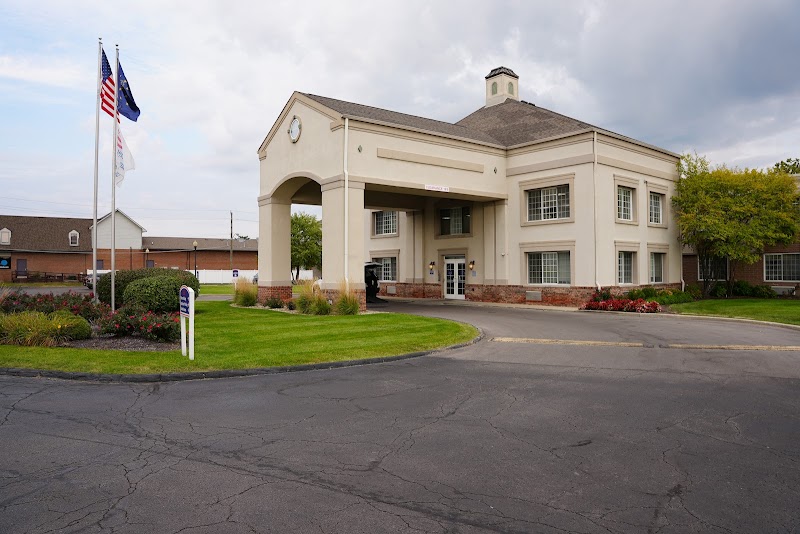

SPRING MILL MEADOWS

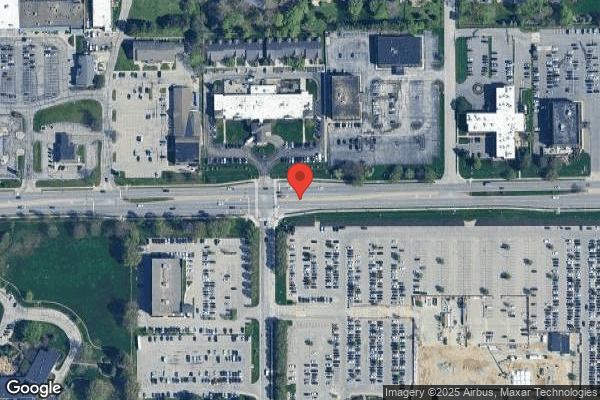
2140 W 86TH ST, INDIANAPOLIS, IN 46260 (317) 872-7211
Government - County 130 Beds AMERICAN SENIOR COMMUNITIES Data: November 2025
Trust Grade
45/100
#290 of 505 in IN
Last Inspection: August 2024

Within standard 12-15 month inspection cycle. Federal law requires annual inspections.

Overview

Spring Mill Meadows in Indianapolis has a Trust Grade of D, indicating below-average performance and some concerns about care. It ranks #290 out of 505 facilities in Indiana, placing it in the bottom half, and #22 out of 46 in Marion County, meaning only 21 local options are better. While the facility has shown improvement over time, going from 8 issues in 2024 to 2 in 2025, staffing is a weakness, with a turnover rate of 65%, significantly higher than the state average. On the positive side, there have been no fines recorded, and quality measures received a 5/5 star rating, indicating good outcomes for residents. However, serious incidents have occurred, including a resident falling due to improper use of a gait belt, resulting in a fracture, and another resident not receiving critical medication for cancer treatment, which could lead to worsened health outcomes.

Trust Score
D
45/100
In Indiana
#290/505
Bottom 43%
Safety Record
High Risk
Review needed
Inspections
Getting Better
8 → 2 violations
Staff Stability
⚠ Watch
65% turnover. Above average. Higher turnover means staff may not know residents' routines.
Penalties
✓ Good
No fines on record. Clean compliance history, better than most Indiana facilities.
Skilled Nurses
○ Average
Each resident gets 39 minutes of Registered Nurse (RN) attention daily — about average for Indiana. RNs are the most trained staff who monitor for health changes.
Violations
⚠ Watch
18 deficiencies on record. Higher than average. Multiple issues found across inspections.
★★★☆☆
3.0
Overall Rating
★★☆☆☆
2.0
Staff Levels
★★★★★
5.0
Care Quality
★★☆☆☆
2.0
Inspection Score
Stable
2024: 8 issues
2025: 2 issues

The Good

  • 5-Star Quality Measures · Strong clinical quality outcomes
  • Full Sprinkler Coverage · Fire safety systems throughout facility
  • No fines on record

Facility shows strength in quality measures, fire safety.

The Bad

3-Star Overall Rating

Near Indiana average (3.1)

Meets federal standards, typical of most facilities

Staff Turnover: 65%

19pts above Indiana avg (46%)

Frequent staff changes - ask about care continuity

Chain: AMERICAN SENIOR COMMUNITIES

Part of a multi-facility chain

Ask about local staffing decisions and management

Staff turnover is elevated (65%)

17 points above Indiana average of 48%

The Ugly 18 deficiencies on record

3 actual harm
May 2025 1 deficiency 1 Harm
SERIOUS (G) 📢 Someone Reported This

A family member, employee, or ombudsman was alarmed enough to file a formal complaint

Actual Harm - a resident was hurt due to facility failures

Accident Prevention (Tag F0689)

A resident was harmed · This affected 1 resident

Based on interview and record review, the facility failed to ensure a staff member followed the facility policy and procedure related to the use of a gait belt during a transfer which resulted in a re...

Read full inspector narrative →
Based on interview and record review, the facility failed to ensure a staff member followed the facility policy and procedure related to the use of a gait belt during a transfer which resulted in a resident fall for 1 of 3 residents reviewed for accidents. (Resident B) This deficient practice resulted in an abrasion on the resident's forehead and a fracture of the right femur. The deficient practice was corrected on 5/5/25, prior to the start of the survey, and therefore was past noncompliance. Findings include: During a telephone interview, on 5/27/25 at 8:47 a.m., Resident B's family indicated the resident was a fall risk. He was in the hall, heard a thump, and entered to find the resident on the floor. The resident had blood coming from her head. The CNA did not have a gait belt. He told the facility to call the paramedics. He indicated the resident sustained a right femur fracture (broken bone in the upper leg) and had emergency surgery the following day. The clinical record for Resident B was reviewed on 5/27/25 at 9:15 a.m. The diagnoses included, but were not limited to, muscle weakness, chronic respiratory failure, and chronic kidney disease with heart failure. A fall risk assessment, dated 4/1/25, indicated Resident B was at a high fall risk. A care plan, dated 4/2/25, indicated Resident B was a new admission and required implementation of services. An intervention, dated 4/2/25, indicated to provide fall prevention interventions. A physician's order, dated 4/23/25, indicated the resident could get up when she wanted with assistance of a staff member. A Minimum Data Set (MDS) assessment, dated 4/29/25, indicated Resident B required substantial/maximal assistance to transfer from sitting to standing and was cognitively intact. A facility falls event document, dated 5/4/25, indicated Resident B had a witnessed fall. The resident hit her head, said her head hurt, and it was decided the resident needed to go to the emergency room for further evaluation. The CNA was transferring the resident from the bed to the wheelchair and the resident fell backwards. A hospital emergency room note, dated 5/4/25 at 4:08 p.m., indicated Resident B presented to the emergency department. The resident's son was present and indicated he knocked on the resident's door at the facility, heard a loud thump from the resident's room, entered, and observed his mother on the floor with the aid standing there. He told the emergency room staff the CNA was transferring his mother to the wheelchair, slipped, and dropped her. The resident had sustained an abrasion to the right side of the forehead and the right leg was resting in an external rotation. A radiology report, dated 5/4/25, indicated Resident B had sustained a nondisplaced intertrochanteric fracture of the proximal right femur. A facility document, titled Approaches on Profile, undated, indicated Resident B was an assistant of 1 person with transfers. A facility document, titled Employee Communication Form, indicated, on 5/4/25, CNA 2 failed to use a gait belt during a transfer which resulted in a fall with injury. CNA 2 was aware all transfers required the use of a gait belt if a mechanical lift was not used. The document was signed by CNA 2 and the Director of Nursing on 5/4/25 and by the Executive Director on 5/5/25. During an interview, on 5/27/25 at 10:15 a.m., the Director of Therapy indicated Resident B's therapy evaluation indicated a stand assist of one (1), standing pivot transfer with a gait belt on. During a telephone interview, on 5/27/25 at 10:56 a.m., CNA 2 indicated Resident B had experienced loose stools all day. The resident wanted to get up and go to the bathroom. The wheelchair was present at the side of the bed. The resident stood up and CNA 2 was holding the resident's pants. The resident fell back onto her side. CNA 2 indicated the resident had a small amount of blood from the right temple area. The resident was a one person transfer per care sheet (a sheet which told the interventions/needs the resident required). CNA 2 indicated she did not have a gait belt on Resident B and there were no care sheets available that day or the day prior. The facility had a policy to use gait belts and told staff to use gait belts. The resident's family member was at the facility when the incident occurred. During an interview, on 5/27/25 at 12:19 p.m., the Director of Nursing indicated the use of a gait belt was standard and CNA 2 should have used a gait belt. Gait belts were provided upon hire as part of the uniform. During an interview, on 5/28/25 at 9:56 a.m., CNA 3 indicated gait belts were to be used anytime a resident needed to stand/transfer if they did not require a mechanical lift. During an interview, on 5/28/25 at 9:49 a.m., RN 4 indicated a gait belt should be used anytime a resident needed to be transferred. During an interview, on 5/28/25 at 9:48 a.m., CNA 5 indicated the gait belt was to be used anytime staff helped a resident transfer. A facility document, titled Nurse Aide/Certified Nurse Aide Job Specific Orientation Plan, dated as completed 6/24/24 and received from the Director of Nursing on 5/28/25 at 9:50 a.m., indicated CNA 2 had completed her CNA training including, but not limited to, .Gait belt policy/Proper body mechanics A current facility procedure, titled Transfer to Wheelchair, dated as last reviewed in 9/2023 and received from the Director of Nursing on 5/27/25 at 12:10 p.m., indicated .Procedure Steps .place gait belt around resident's waist .Grasp belt securely on both sides .Help resident to pivot to front of wheelchair .remove gait belt A current facility policy, titled Gait Belts, dated 2/20/20 and received from the Director of Nursing on 5/27/25 at 12:19 p.m., indicated .Use of gait belts serves to reduce the risk of injury to patient/resident as well as to staff members .It is the policy for all Therapy and Wellness staff to utilize gait belts to assist patients who are not independent with transfers and ambulation .Failure to comply will result in disciplinary action and may lead to termination The deficient practice was corrected by 5/5/25 after the facility implemented a systemic plan which included an investigation, education on gait belt use, and audits were initiated for other residents and for ensuring staff had and were using gait belts. This citation relates to Complaint IN00458980. 3.1-45(a)(2)
Feb 2025 1 deficiency 1 Harm
SERIOUS (G) 📢 Someone Reported This

A family member, employee, or ombudsman was alarmed enough to file a formal complaint

Actual Harm - a resident was hurt due to facility failures

Quality of Care (Tag F0684)

A resident was harmed · This affected 1 resident

Based on interview and record review, the facility failed to ensure a resident received a medication for cancer as ordered, follow-up appointments with an oncologist were scheduled, and the facility's...

Read full inspector narrative →
Based on interview and record review, the facility failed to ensure a resident received a medication for cancer as ordered, follow-up appointments with an oncologist were scheduled, and the facility's medical director did not discontinue a medication without consulting with the resident's oncologist for 1 of 2 residents reviewed for quality of care. (Resident B) This deficient practice resulted in Resident B having no follow-up oncology care to prevent further spread of the metastasis to the bone related to his prostate cancer. Findings include: An email, dated 1/16/25, indicated there were concerns with Resident B's treatment plan for his metastatic prostate cancer. In February 2023, the resident was placed on docetaxel (chemotherapy) and Nubeqa (a hormone therapy medication used to treat prostate cancer) at the cancer center. In April 2023, his pain was much improved, and his prostate-specific antigen had dropped which indicated the treatment was working well. In September 2023, Resident B continued to receive treatment, and his cancer medications were being provided/covered by the specialty pharmacy. In October 2023, the resident was admitted to the long-term care nursing facility. The clinical record for Resident B was reviewed on 2/11/25 at 2:30 p.m. The diagnoses included, but were not limited to, malignant neoplasm of prostate gland, post traumatic seizures, atrial fibrillation, and systolic heart failure. A hospital document, titled After Visit Summary, dated 10/9/23, indicated the resident was being discharged to a long-term care facility and to schedule a follow-up with oncology related to a cancer diagnosis. A nursing progress note, dated 10/9/23 at 9:56 p.m., indicated the resident was admitted to the facility. The physician on call verified the resident's admission orders, the pharmacy was aware of the orders and the medications which needed sent to the facility. A physician's order, dated 10/9/23, indicated to start Nubeqa (darolutamide) 600 mg (milligram) orally twice a day on 10/10/23 for a diagnosis of malignant neoplasm of the prostate. The order indicated it was a telephone order taken by LPN 1. A nursing progress note, dated 10/11/23 at 3:53 p.m., indicated LPN 2 notified the pharmacy the resident's Nubeqa was missing. The pharmacy technician indicated a script was needed from the physician for the medication. LPN 2 notified the nurse practitioner Nubeqa needed a script. A nursing progress note, dated 10/12/23 at 3:43 p.m., indicated LPN 2 notified the pharmacy regarding the resident's missing Nubeqa. The pharmacy technician indicated the medication was a high-cost medication. A nurse practitioner progress note, dated 10/13/23 at 10:27 a.m., indicated Resident B's medications and orders were reviewed. She indicated he was to be given Nubeqa 600 mg orally twice a day for the diagnosis of metastatic prostate cancer. A physician's order, dated 10/19/23 at 8:17 a.m., indicated to discontinue the resident's Nubeqa 600 mg twice a day. The reason for discontinuing the medication was because it was a High Cost Medication. There was no documentation the physician consulted with the resident's oncologist before discontinuing the medication. There was no documentation the resident had a follow-up appointment or any consultation with the oncologist until 1/16/25 which was 15 months after the resident admitted to the facility. A nursing progress note, dated 1/16/25 at 3:51 p.m., indicated the resident returned from his cancer center appointment. His next appointment with the cancer center would be on 1/30/25 at 12:30 p.m. A nursing progress note, dated 1/30/25 at 1:26 p.m., indicated LPN 1 spoke with Resident B's guardian and the prostate cancer had spread. She was deciding on whether to place the resident on hospice. A social service progress note, dated 2/3/25 at 4:27 p.m., indicated the social worker spoke with the resident's legal guardian who indicated Resident B would transition to hospice related to his cancer diagnosis. A nursing progress note, dated 2/3/25 at 6:46 p.m., indicated the resident was admitted to hospice. During an interview, on 2/11/25 at 1:50 p.m., the Director of Nursing indicated the resident's chemotherapy drug was ordered following his discharge from the hospital. The Medical Director at that time chose to discontinue the medication because it was a high-cost medication. When a resident was on a high-cost medication normally the facility placed the medication on hold until they were dismissed from the facility. She did not know the resident had an oncology referral appointment when he was discharged from the hospital. He had no oncology follow-up appointments as far as she knew until 1/16/25. The Medical Director who discontinued the medication was no longer employed at the facility. The facility had been unable to reach him to obtain any further information related to discontinuing Resident B's cancer medication or his cancer treatment since he was admitted in 2023. A current facility policy, titled Nursing Admission/Return admission Policy and Procedure, dated as revised 07/2024 and provided by the Director of Nursing on 2/11/25 at 1:30 p.m., indicated .Physician orders .Upon admission, physician orders must be obtained .Transcribe the admission orders from the original orders sent from the hospital or physician's office .Transcribe the routine medication orders to include dosage route, frequency and diagnosis to support the use .Inquire about medications that the resident may still have at home prior to admission to the nursing facility and assure the resident/representative consults with the primary care physician or community pharmacist before taking previously prescribed, unused medications, including over-the-counter medications .Verification of orders .The admitting nurse must call the attending physician to verify all orders upon admission. Pharmacy notification .Pharmacy notified of new admit/readmit .Discharge Summary .Residents being admitted from the hospital must have a discharge summary. If not present at admission, contact the transferring facility for a copy Darolutamide (Last revised 9/15/22) and retrieved on 2/18/25 from the National Library of Medicine MedlinePlus website indicated Darolutamide is also used to treat certain types of prostate cancer (cancer that begins in the prostate [a male reproductive gland]) that have spread to other parts of the body in men in combination with docetaxel. Darolutamide is in a class of medications called androgen receptor inhibitors. It works by blocking the effects of androgen (a male reproductive hormone) to stop the growth and spread of cancer cells .Do not stop taking darolutamide without talking to your doctor .Keep all appointments with your doctor and the laboratory. Your doctor may order certain lab tests to check your body's response to darolutamide .Brand names Nubeqa This citation relates to Complaint IN00451659. 3.1-37(a)
Aug 2024 7 deficiencies
CONCERN (D) 📢 Someone Reported This

A family member, employee, or ombudsman was alarmed enough to file a formal complaint

Potential for Harm - no one hurt, but risky conditions existed

Deficiency F0660 (Tag F0660)

Could have caused harm · This affected 1 resident

Based on record review and interview, the facility failed to ensure a facility arranged transfer for a resident included the correct address of the receiving facility for 1 of 1 resident reviewed for ...

Read full inspector narrative →
Based on record review and interview, the facility failed to ensure a facility arranged transfer for a resident included the correct address of the receiving facility for 1 of 1 resident reviewed for discharge. (Resident F). The deficient practice was corrected on 5/23/24, prior to the start of the survey, and therefore was past noncompliance. Finding includes: During an interview, on 8/23/24 at 9:42 a.m., Resident F's daughter indicated the resident was supposed to go to an assisted living facility right down the street from the long-term care facility. The facility had a transport company take the resident to the assisted living facility since she and her brother were working. The transport company did not take her to the assisted living facility and instead took her to the place she lived prior. The transport company driver left the resident in her wheelchair in the driveway of the house next to her previous address. The person who lived in the residence remembered the resident and called her family to let them know the resident was in her driveway. Her brother left work and went to pick up the resident. The long-term care facility told them the Social Services Director (SSD) had made a mistake and put the wrong address down for the transport company. During an interview, on 8/23/24 at 10:02 a.m., Residents F's son indicated the resident was supposed to go to her previous assisted living facility which was just a block down the street. When she was discharged , the transport company took her to her old home address and left her in the driveway in her wheelchair with her belongings. The person who lived in the house next door to her old home address called his sister. The person in the house next door tried to flag the driver down and he just left. The sister notified him, and he went to the address to get the resident. The resident had soiled her clothes. He had to clean her and change her clothes before he could take her to the assisted living facility. The clinical record for Resident F was reviewed on 8/22/24 at 3:57 p.m. The diagnoses included, but were not limited to, malignant neoplasm of an unspecified part to the lung, a fracture of the left femur with routine healing, unspecified dementia without behavioral disturbance, and generalized muscle weakness. A Brief Interview for Mental Status (BIMS) assessment, dated 4/29/24, indicated the resident had a severe cognitive impairment. A progress note, dated 5/17/24 at 5:17 p.m., indicated the Director of Nursing at the assisted living memory care was notified of the resident's discharge date . The resident would not be able to return on the weekend and would need to return on a Monday. The son was notified of the Monday discharge and indicated he would not be able to transport the resident. The son asked the facility to set up the transportation for the resident. A progress note, dated 5/20/24 at 10:07 a.m., indicated the resident planned to discharge home today and would return to her assisted living memory care. The transport company would transport the resident back to the Assisted Living at 1:00 p.m. A progress note, dated 5/20/24 at 12:46 p.m., indicated Resident F was discharged back to her assisted living facility and all belongings were sent with the resident. The progress note did not include who was present with the resident to take her out of the facility and to the assisted living facility. A facility typed statement from the Payroll/Benefits Coordinator, dated 5/20/24, indicated she received a phone call at approximately 1:44 p.m., from Resident F's son. He was asking why his mother was dropped off in a driveway instead of her assisted living facility. At approximately 1:50 p.m., a caller who stated she was Resident F's previous neighbor called to ask why the resident was left in her driveway. The transport driver left the resident there alone and she had memory issues. The neighbor tried to yell and motion to the driver, and he just pulled away from the driveway. While on the phone, the neighbor indicated the son had arrived to pick up the resident. A facility typed statement from the Business Office Manager (BOM), dated 5/20/24, indicated at approximately 12:25 p.m., she was notified the transport company had arrived to pick up Resident F to transport her to her assisted living. The transport driver was waiting for the resident and put her in the van with her personal items. They left the facility at approximately 12:35 p.m. She was notified by the receptionist, at approximately 1:33 p.m., the resident was dropped off at a residential address instead of her assisted living facility. A person identified as the neighbor had called twice and indicated the resident was at her address. The address given to the transportation company was checked and it was noted the resident was sent to a previous home address and not the assisted living facility. The transport company was notified they were given the wrong address. The transport company dispatched a driver back to the address where the resident was left. The resident was not there when the transport company arrived. A printed email message from the owner of the transport company, dated 5/20/24 at 3:52 p.m., indicated she was addressing an incident from 5/20/24. The driver dropped off Resident F at the address given to the transport company. The driver left the resident in the driveway and a lady from the house was outside. The resident did not tell the driver she was at the wrong address. When the driver arrived back to the address, the resident was not there. The driver was notified the resident's son had picked her up. This was not the first time the transport company was given the wrong address. During an interview, on 8/22/24 at 4:18 p.m., the Director of Nursing at the assisted living facility indicated the resident returned to their facility, on 5/20/24 at 4:30 p.m., by family car. The family brought the resident. During an interview, on 8/23/24 at 10:52 a.m., the Social Services Assistant (SSA) indicated the Social Services Director (SSD) made the arrangements for the transfer. The transport company provided the transportation for residents in wheelchairs. The facility had a contract with the transportation company and would pay them for transporting residents. The transport company was given the address on the resident's face sheet instead of the address to the assisted living facility. During an interview, on 8/23/24 at 10:59 a.m., the Executive Director (ED) indicated the facility made a human error and gave the resident's old address to the transport company instead of her assisted living facility address. The resident was taken to the old address, the neighbor saw the resident being dropped off and waved to the driver. The driver just left and did not talk to the neighbors. A current policy, titled Discharge/Transfer, dated 11/15 and received from the ED on 8/27/24 at 11:22 a.m., indicated .Before a facility transfers or discharges a resident, the facility shall .Notify the resident and, if known, a family member or legal representative of the resident, in writing of the transfer or discharge and the reasons for the relocation in a language and manner they understand .Record the reasons in the resident's clinical record .Contents of the notice .The reason for transfer or discharge .The location to which the resident is transferred or discharged The deficient practice was corrected by 5/23/24, after the facility implemented a systemic plan which included audits, changes in the transportation procedure, and education to staff and transport companies. This citation relates to Complaint IN00435561. 3.1-36(a)(3)
CONCERN (D) 📢 Someone Reported This

A family member, employee, or ombudsman was alarmed enough to file a formal complaint

Potential for Harm - no one hurt, but risky conditions existed

Accident Prevention (Tag F0689)

Could have caused harm · This affected 1 resident

**NOTE- TERMS IN BRACKETS HAVE BEEN EDITED TO PROTECT CONFIDENTIALITY** Based on interview and record review, the facility failed to ensure the physical therapy recommended method to transfer a reside...

Read full inspector narrative →
**NOTE- TERMS IN BRACKETS HAVE BEEN EDITED TO PROTECT CONFIDENTIALITY** Based on interview and record review, the facility failed to ensure the physical therapy recommended method to transfer a resident was used for 1 of 5 residents reviewed for accidents. (Resident E) The deficient practice was corrected on 3/17/24, prior to the start of the survey, and therefore was past noncompliance. Findings include: The clinical record for Resident E was reviewed, on 8/23/24 at 3:03 p.m. The diagnosis included, but were not limited to, morbid obesity, anemia, weakness, and encounter for surgical aftercare following surgery on the digestive system. An event note, dated 3/4/24, indicated Resident E was being transferred by two staff members from her bed to her wheelchair, when her legs gave out and she was lowered to the floor. A written statement by CNA 6, dated 3/4/24, indicated he and another staff member were transferring Resident E by lifting her under both arms from her bed to her wheelchair. When her leg gave out, she was lowered to the floor. A physical therapy (PT) baseline evaluation, dated 1/12/24, indicated a stand and pivot transfer was not attempted due to medical reasons and safety. A PT Discharge summary, dated [DATE] to 3/1/24, indicated for chair/bed-to-chair transfers staff should use a Hoyer or a sit-to-stand lift. A PT recertification summary, dated 2/23/24 to 3/23/24, indicated for chair/bed-to-chair transfers staff should use a Hoyer or a sit-to-stand lift. A care plan, dated 1/15/24, indicated the resident required assistance with activities of daily living which included bed mobility, transfers, eating, and toileting. An intervention, dated 1/31/24, indicated to use a sit-to-stand lift for transfers. A physician's order for a Hoyer lift or a sit-to-stand lift was not found in the clinical record. An interdisciplinary team (IDT) progress note, on 3/5/24, indicated staff education about transfers was completed. During an interview, on 8/28/24 at 10:39 a.m., the Director of Therapy indicated during a baseline evaluation, if it was unsafe to transfer a resident, the PT would recommend the use of a mechanical lift for transfers. PT would communicate to the nursing staff the recommendation and the nursing staff would place the order. He indicated the nursing staff did put in an order for the use of a Hoyer lift but did not click the box to keep the order open ended and it was immediately discontinued. During an interview, on 8/28/24 at 2:35 p.m., the Director of Therapy indicated he was able to find the documentation and notes from the sit-to-stand evaluation. The sit-to-stand lift was probably added to the care plan by word of mouth. The nursing staff should not attempt to transfer the resident in any way, other than what PT had recommended. The recommendation was to continue to use the Hoyer lift, and the staff should not attempt an under the arm transfer. A current facility policy, titled Fall Management Policy, dated as last revised 8/2022, indicated .A fall refers to unintentionally coming to a rest on the ground, floor, or other lower level .Facilities must implement comprehensive, resident-centered fall prevention plans for each resident at risk for falls or with a history of falls .A care plan will be developed at time of admission with specific care plan interventions to address each resident's fall risk factor The deficient practice was corrected by 3/17/24, after the facility implemented a systemic plan which included a thorough audit of resident transfers, skills validation, and all staff members were educated on gait belt, mechanical lifts, and transfers. This citation relates to Complaint IN00429846. 3.1-45(a)(2)
CONCERN (D)

Potential for Harm - no one hurt, but risky conditions existed

Medication Errors (Tag F0758)

Could have caused harm · This affected 1 resident

Based on interview and record review, the facility failed to complete an abnormal involuntary movement scale (AIMS) assessment on a resident who started on an antipsychotic for over a month and did no...

Read full inspector narrative →
Based on interview and record review, the facility failed to complete an abnormal involuntary movement scale (AIMS) assessment on a resident who started on an antipsychotic for over a month and did not educate about the black box warnings associated with taking an antipsychotic medication while having dementia for 1 of 5 residents reviewed for unnecessary medications. (Resident 37) Findings include: The clinical record for Resident 37 was reviewed on 8/22/24 at 3:57 p.m. The diagnoses included, but were not limited to, generalized anxiety disorder, major depressive disorder, dementia, unspecified psychosis, altered mental status, and insomnia. A physician's order, dated 7/5/24, indicated to administer Risperidone (an antipsychotic medication) 0.25 mg once a day. A physician's order, dated 7/5/24, indicated to administer Risperidone 0.5 mg at bedtime. A care plan, dated 7/25/24, indicated the resident was at risk for adverse effects related to psychotropic medication use. An approach was to complete an AIMS assessment two times per year. An AIMS assessment was completed on 8/27/24 at 8:18 p.m. There were no AIMS assessment completed until over a month after the resident was started on Risperidone. During an interview, on 8/28/24 at 9:30 a.m., the Director of Nursing (DON) indicated the AIMS assessment on 8/27/24 was the first one completed since starting the antipsychotic. During an interview, on 8/28/24 at 11:46 a.m., the DON indicated she was not sure if they completed education on the black box warning of the medication. During an interview, on 8/28/24 at 4:01 p.m., the Executive Director (ED) indicated there was no education on the black box warning after the resident was started on the antipsychotic in July. A study from the National Institute of Health (NIH) indicated typical and atypical antipsychotics carry a black box warning for increased risk of death and cerebrovascular events in patients with dementia. There was no policy provided about education on black box warnings for medications by the time of exit A current policy, titled Psychotropic Management, dated as last reviewed 10/22 and received from the DON on 8/28/24 at 9:50 a.m., indicated .An AIMS assessment will be completed for residents who are taking antipsychotic medication as a tool to monitor for adverse side effects. The assessment should be completed within 72 hours of a new order to initiate an antipsychotic, within 72 hours of an increase in antipsychotic medication and then every 6 months while taking antipsychotic medication 3.1-48(a)(3)
CONCERN (D)

Potential for Harm - no one hurt, but risky conditions existed

Deficiency F0761 (Tag F0761)

Could have caused harm · This affected 1 resident

**NOTE- TERMS IN BRACKETS HAVE BEEN EDITED TO PROTECT CONFIDENTIALITY** Based on observation, interview and record review, the facility failed to ensure medication carts were free of loose medications...

Read full inspector narrative →
**NOTE- TERMS IN BRACKETS HAVE BEEN EDITED TO PROTECT CONFIDENTIALITY** Based on observation, interview and record review, the facility failed to ensure medication carts were free of loose medications, label an inhaler, keep narcotic cards free of compromise, and ensure the narcotic count log was correct for 3 of 3 medication carts reviewed for medication storage (medication cart 1, 4 and 3) Findings include: 1. During an observation of medication cart 1, on [DATE] at 2:38 pm, a large round white pill and an orange oval capsule were found lying in the second drawer. A round brown spotted pill, a long white capsule and a long yellow capsule were lying in the bottom of the third drawer. During a narcotic reconciliation, on [DATE] at 2:40 p.m., a card of Tramadol (a pain medication) 25 milligrams (mg) tablets for Resident 20 had white tape on the back of slot 7, holding the tablet in place. 2. During an observation of medication cart 4, on [DATE] at 3:17 p.m., two individual dosages of hydralazine (a blood pressure medication) 25 mg without a pharmacy label were lying in the top drawer of the cart. An individual dose package of sodium chloride 1 gram (gm) without a pharmacy label was lying in the second drawer. A Lupihaler (inhaler for breathing issues) had a handwritten name on the outside without a pharmacy label. During an interview, on [DATE] at 3:20 p.m., LPN 2 indicated she was not sure if the inhaler was being used or not. 3. During an observation of medication cart 3, on [DATE] at 3:49 p.m., a small blue capsule and a larger light and dark green capsules were found in the second drawer. During a narcotic reconciliation with LPN 2, on [DATE] at 3:20 p.m., the medication card for Resident 78 contained 16 Tramadol (a pain medication) 50 milligram (mg) tablets. The narcotic record log indicated the card should have had 15 tablets. A tablet had been signed out at 8:50 a.m. on [DATE] which would have made the count 15. The documentation of the dosage given at 8:50 a.m. was crossed out by LPN 2 at the time of the reconciliation, and she indicated the 8:50 a.m. dose was not given. During an interview, on [DATE] at 2:22 pm, LPN 5 indicated the Tramadol tablet should not be taped. He would destroy the loose pills from the drawer by putting them in the biohazard sharps container. He did not use a Drug Buster. During an interview, on [DATE] at 2:30 p.m., the Unit Manager indicated the narcotic cards should not be taped on the back because she had no idea what the medication was. Medications needed to be destroyed by two nurses. During an interview, on [DATE] at 2:50 p.m., the Director of Nursing (DON) indicated the procedure for medication destruction was for two nurses to place the medication in a Drug Buster. During an interview, on [DATE] at 3:20 p.m., LPN 2 indicated the narcotic reconciliation was not correct. A current facility policy, titled Storage and Expiration Dating of Medications and Biologicals, dated as revised [DATE] and received from the DON on [DATE] at 4:51p.m., indicated .controlled medications must be counted with another designated staff member when there is an exchange of keys A current facility procedure, titled Medication Administration (Medication Pass Procedure), last dated as revised 7/2023 and received from the Executive Director on [DATE] at 4:20 p.m., indicated .administration and inventory of controlled substances were documented according to facility policy A current facility policy, titled Storage and Expiration Dating of Medications and Biologicals, dated as revised [DATE] and received from the DON on [DATE] at 4:51p.m., indicated .facility should ensure that medications and biologicals are stored in an orderly manner in cabinets, drawers, carts, refrigerators/freezers of sufficient size to prevent crowding .facility should destroy and reorder medications and biologicals with soiled, illegible, worn, makeshift, incomplete, damaged or missing labels or cautionary instructions .facility should ensure that medications and biologicals are stored in the container in which they were originally received A current facility policy, titled Disposal/Destruction of Expired or Discontinued Medication, received from the DON on [DATE] at 11:38 a.m., indicated .facility should destroy non-controlled medications in the presence of a registered nurse and witnessed by one other staff member, in accordance with facility policy or applicable law .facility should destroy discontinued or outdated medications by one of three methods .pour medications into a container or plastic bag .an authorized facility staff member may add a substance that renders the medications unusable to the plastic container or bag .place medication containers in a container or box .seal box with strong tape a label the box as medication for destruction .secured in a locked cabinet or room until it disposed or picked up by licensed waste disposal company .facility - approved commercially available drug disposal kit .facility should destroy controlled substances in the presence of a registered nurse and a licensed professional or in accordance with facility policy or applicable law 3.1-25(e)(2) 3.1-25(e)(3) 3.1-25(j) 3.1-25(o)
CONCERN (D)

Potential for Harm - no one hurt, but risky conditions existed

Dental Services (Tag F0791)

Could have caused harm · This affected 1 resident

Based on observation, interview and record review, the facility failed to assist a resident to obtain dentures as recommended during a dental exam for 1 of 3 residents reviewed for dental services. (R...

Read full inspector narrative →
Based on observation, interview and record review, the facility failed to assist a resident to obtain dentures as recommended during a dental exam for 1 of 3 residents reviewed for dental services. (Resident 20) Finding includes: During an observation, on 8/21/24 at 1:12 p.m., Resident 20 was eating soft foods and was edentulous (had no teeth). During an observation, on 8/22/24 at 9:35 a.m., the resident was eating soft foods for breakfast. The clinical record for Resident 20 was reviewed on 8/23/24 at 9:39 a.m. The diagnoses included, but were not limited to, chronic obstructive pulmonary disease, chronic respiratory failure with hypoxia, bipolar disorder, schizophrenia, dementia with agitation, dysphagia oral phase, and mild intellectual disabilities. A dental examination note, dated 2/8/24, indicated the resident was edentulous, would like dentures, and was a good candidate for dentures. The recommended follow-up was to obtain impressions for complete upper and lower dentures. A facility social services note, entered on 2/28/24, indicated the resident had been seen by the dentist and no new recommendations were made. A care plan, revised on 6/13/24, indicated the resident was edentulous and did not have dentures. During an interview, on 8/28/24 at 11:35 a.m., Resident 20 indicated she would like to have dentures. During an interview, on 8/26/24 at 3:02 p.m., the Social Services Assistant indicated the resident was seen and followed by dental services. The dental service provider was responsible for obtaining the molds for dentures. She would make sure the resident was on the list to be seen. During an interview, on 8/27/24 at 4:15 p.m., the Social Services Assistant indicated there had been no further action to obtain dentures for the resident since the recommendation in February. A current policy, titled Dental Services/Missing Dentures, dated as revised on 9/17 and received from the Executive Director on 8/27/24 at 11:25 a.m., indicated .The facility obtains needed dental services .assists in providing these services and makes prompt referrals for dental services as needed 3.1-24(a)(1)
CONCERN (D)

Potential for Harm - no one hurt, but risky conditions existed

Food Safety (Tag F0812)

Could have caused harm · This affected 1 resident

**NOTE- TERMS IN BRACKETS HAVE BEEN EDITED TO PROTECT CONFIDENTIALITY** Based on observation, interview and record review, the facility failed to ensure frozen foods were sealed and to ensure food was...

Read full inspector narrative →
**NOTE- TERMS IN BRACKETS HAVE BEEN EDITED TO PROTECT CONFIDENTIALITY** Based on observation, interview and record review, the facility failed to ensure frozen foods were sealed and to ensure food was free of moisture in 1 of 1 freezer reviewed for food safety. (the walk-in freezer) Finding includes: During a kitchen observation, beginning on 8/21/24 at 12:08 p.m., the walk-in freezer had the following: a. Garlic toast was stored in an unsealed bag inside an opened box. b. Ten pounds of pork sausage links were stored in an unsealed bag inside a wet box. c. Two 5-pound bags of egg omelets were stored in unsealed bag inside an ice-covered box. d. 13.5 pounds of egg rolls were stored in an unsealed wet box. e. 18.9 pounds of [NAME] cheese omelets were stored in an ice-covered box. f. Two 5-pound bags of marinated diced white chicken were stored in an ice-covered box. g. Two boxes of diced ham were stored in an ice-covered box. During an interview, on 8/21/24 at 12:15 p.m., the Dietary Manager indicated he had noticed the ice-covered and wet boxes and questioned the food service delivery person, who indicated it was from condensation. During an interview, on 8/21/24 at 1:36 p.m., Resident 59 indicated the chicken tasted as if it had been frozen, thawed, and then frozen again. During an interview, on 8/21/24 at 3:53 p.m., the Maintenance Supervisor indicated moisture and condensation would form while the staff were stocking supplies. He did not usually manually defrost the freezer, but when he did, he would shut the power off and leave the door open for 10-15 minutes to allow the ice accumulation on the ceiling to thaw. He did this a couple days ago. He did not place anything up to catch the ice as it melted. During an interview, on 8/22/24 at 12:30 p.m., the Administrator indicated the freezer was an auto defrost and should not need to be defrosted. A current policy, titled Food Storage, dated as last revised 5/24 and received from the Director of Nursing on 8/22/24 at 3:49 p.m., indicated .Frozen Foods .Food items should remain frozen solid .Foods should be covered or wrapped tightly .Food items should not be refrozen after being thawed 3.1-21(i)(3)
CONCERN (E) 📢 Someone Reported This

A family member, employee, or ombudsman was alarmed enough to file a formal complaint

Potential for Harm - no one hurt, but risky conditions existed

Quality of Care (Tag F0684)

Could have caused harm · This affected multiple residents

Based on interview and record review, the facility failed to ensure the physician was notified as ordered according to the physician's ordered parameters, to hold medications according to the physicia...

Read full inspector narrative →
Based on interview and record review, the facility failed to ensure the physician was notified as ordered according to the physician's ordered parameters, to hold medications according to the physician's ordered hold parameters, and to ensure medications were given as ordered for 5 of 5 residents reviewed for quality of care. (Resident J, H, K, B and 37) Findings include: 1. The clinical record for Resident J was reviewed on 8/22/24 at 3:44 p.m. The diagnoses included, but were not limited to, type 2 diabetes mellitus, chronic kidney disease, and dementia. A care plan, dated 9/15/23 and last reviewed on 6/13/24, indicated the resident was at risk for adverse effects of hyperglycemia (high blood sugar) or hypoglycemia (low blood sugar) related to the use of glucose lowering medication and the diagnosis of diabetes mellitus. Interventions included, but were not limited to, document the abnormal findings and to notify the physician. A physician's order, with a start date of 1/16/24 and discontinued on 8/14/24, indicated to check Resident J's blood sugar twice a day (BID), with special instructions to notify the physician if the blood sugar was below 70 or greater than 350. The Medication Administration Record (MAR), for July 2024, indicated on 7/10/24, 7/11/24, and 7/12/24, the residents blood sugars were above 350. A physician's order, with a start date of 8/16/24, indicated to check Resident J's blood sugar BID, with special instructions to notify the physician if the blood sugar was below 70 or greater than 350. The MAR, for August 2024, indicated on 8/11/24 the residents blood sugar was above 350. There was no documentation in the clinical record to indicate the physician was notified at the time the blood sugars were found to be outside the ordered parameters. During an interview, on 8/27/24 at 11:29 a.m., the Director of Nursing (DON) indicated she could not provide documentation the physician was notified at the time the blood sugars were found outside of the ordered parameter. 2. The clinical record for Resident H was reviewed on 8/23/24 at 10:58 a.m. The diagnosis included, but were not limited to, chronic systolic congestive heart failure and blood pressure with abnormal findings. A physician's order, with a start date of 7/25/24, indicated to give Hydralazine (a medication to treat high blood pressure) 10 mg (milligrams) two times a day (BID) and to hold the medication for a systolic blood pressure (SBP) above 130. The MAR indicated Hydralazine 10 mg was administered when the systolic blood pressure was below the ordered hold parameter: a. On 7/28/24, for the a.m. and p.m. dose. b. On 8/1/24, for the a.m. dose. c. On 8/2/24, for the a.m. dose. d. On 8/3/24, for the a.m. and p.m. dose. During an interview, on 8/26/24 at 2:37 p.m., an anonymous staff member indicated if the medication was held there would be parentheses around the initials of the nurse and a comment would have been documented on the MAR. During an interview, on 8/26/24 at 4:04 p.m., the DON indicated according to the MAR, Resident H was administered the medication when the systolic blood pressure was outside of the hold parameter. 3. The clinical record for Resident K was reviewed on 8/22/24 at 3:58 p.m. The diagnoses included, but were not limited to, acute systolic heart failure, stage 3 chronic kidney disease, peripheral vascular disease, and essential hypertension. A physician's order, dated 7/2/24, indicated to give Metoprolol succinate (a medication used to lower blood pressure) extended release 100 mg at bedtime and to hold the medication if the systolic blood pressure was below 120 or the heart rate was below 60. The MAR indicated Metoprolol 100 mg was administered when the systolic blood pressure was below the ordered hold parameter: a. On 6/10/24, the systolic blood pressure was 118 and the medication was given. b. On 6/28/24, the systolic blood pressure was 118 and the medication was given. c. On 7/14/24, the systolic blood pressure was 118 and the medication was given. d. On 7/27/24, the systolic blood pressure was 118 and the medication was given. e. On 8/4/24, the systolic blood pressure was 103 and the medication was given. f. On 8/8/24, the systolic blood pressure was 118 and the medication was given. A physician's order, dated 2/7/24, indicated to give furosemide (a diuretic medication) 40 mg every day and to hold if the systolic blood pressure was below 120. The MAR indicated Furosemide 40 mg was administered when the systolic blood pressure was below the ordered hold parameter: a. On 6/10/24, the systolic blood pressure was 118 and the medication was given. b. On 7/11/24, the systolic blood pressure was 114 and the medication was given. c. On 7/12/24, the systolic blood pressure was 111 and the medication was given. d. On 7/28/24, the systolic blood pressure was 118 and the medication was given. e. On 8/9/24, the systolic blood pressure was 112 and the medication was given. f. On 8/16/24, the systolic blood pressure was 116 and the medication was given. g. On 8/20/24, the systolic blood pressure was 108 and the medication was given. During an interview, on 8/28/24 at 9:30 a.m., the DON indicated it appeared according to the MAR, the medications were administered outside of the physician ordered hold parameters. During an interview, on 8/28/24 at 4:47 p.m., the DON indicated they did not have a policy on holding medications. 4. During an interview, on 8/22/24 at 9:47 a.m., Resident B indicated there were several days she missed some of her medications. The clinical record for Resident B was reviewed on 8/22/24 at 3:55 p.m. The diagnoses included, but were not limited to, acute and chronic respiratory failure with hypoxia, sickle-cell trait, diabetes mellitus, chronic kidney disease, rheumatoid arthritis, anxiety disorder, major depressive disorder, and hypertension. A physician's order, dated 7/2/24, indicated to give 1 puff of fluticasone propionate-salmeterol (used for asthma and chronic obstructive pulmonary disease) 500-50 micrograms (mcg) twice a day. The MAR indicated the resident missed the fluticasone propionate-salmeterol dose on 7/3/24, 7/4/24, 7/5/24 and 7/6/24 between 7:00 a.m. and 11:00 a.m. A physician's order, dated 7/2/24, indicated to give 1 puff of tiotropium bromide (to prevent bronchospasms caused by chronic obstructive pulmonary disease) 500-50 micrograms (mcg) twice a day. The MAR indicated the resident missed the tiotropium bromide dose on 7/3/24, 7/5/24 and 7/6/24 between 7:00 a.m. and 11:00 a.m. A physician's order, dated 7/3/24, indicated to give 2 grams of cefazolin reconstitute (an antibiotic every eight hours. The MAR indicated the resident missed the cefazolin reconstitute dose on 7/5/24 at 6:00 a.m. A physician's order, dated 7/5/24, indicated to give 5 milliliters (ml) of nystatin suspension (used for a fungal infection) twice a day. The MAR indicated the resident missed the nystatin suspension dose on 7/5/24, 7/6/24, and 7/7/24 between 7:00 a.m. and 11:00 a.m. A care plan, dated 3/25/24, indicated the resident had the potential for impaired gas exchange and chronic respiratory failure. The interventions included, but were not limited to, administer medication per order and nebulizer treatments as ordered. There was no documentation to indicate the physician was notified of the missing doses of the antibiotics, mouthwash and the inhalers. During an interview, on 8/28/24 at 10:29 a.m., the DON indicated she would have to assume the antibiotic, mouthwash, and inhalers were not given according to the physician's order if the nurses did not sign the MAR and there was no documentation the physician was notified of the missed medication. 5. The clinical record for Resident 37 was reviewed on 8/22/24 at 3:57 p.m. The diagnoses included, but were not limited to, acute on chronic combined systolic and diastolic heart failure, end stage renal disease, peripheral vascular disease, hypertensive emergency and hypertension. A care plan, with a start date of 4/11/22, indicated the resident had ineffective tissue perfusion related to hypertension. The resident had fluctuating blood pressures and a most recent hospitalization for hypertensive emergency. Interventions included, but were not limited to, observe for and document: pallor, cyanosis, dizziness, syncope, shortness of breath, bounding/thready pulse, and headache. A physician's order, dated 7/25/24, indicated to notify the physician if the resident's systolic blood pressure was over 180 or the heart rate was over 110. A vitals log indicated the following: a. On 8/2/24, the resident's systolic blood pressure was 194 on the morning shift and 186 on the night shift. b. On 8/3/24, the resident's systolic blood pressure was 186 on the morning shift. c. On 8/9/24, the resident's systolic blood pressure was 184 on the morning shift and 186 on the night shift. d. On 8/10/24, the resident's systolic blood pressure was 187 on the morning shift. The Electronic Health Record (EHR) did not indicate the physician was notified of the blood pressure readings. During an interview, on 8/27/24 at 12:10 p.m., the DON indicated they would call the physician when blood pressures with call orders were out of the parameters, but the readings were pretty normal for Resident 37, so they put it on an acute (non-urgent) needs list for the physician instead. A current facility policy, titled Resident's Rights, dated 11/2015 and received from the DON on 8/28/24 at 3:51 p.m., indicated .The Resident has a right to be fully informed in advanced about care and treatment and any changes in that care of treatment that may affect the Resident's wellbeing A current facility policy, titled Medication Administration (Medication Pass Procedure), dated as revised 07/2023 and received from the Executive Director on 8/27/24 at 4:20 p.m., indicated .Medication administration will be recorded on the MAR/EMAR or TAR after given The facility did not provide a policy for notification to the physician. This citation relates to Complaint IN00439059. 3.1-37(a)
Feb 2024 1 deficiency
CONCERN (D) 📢 Someone Reported This

A family member, employee, or ombudsman was alarmed enough to file a formal complaint

Potential for Harm - no one hurt, but risky conditions existed

Deficiency F0602 (Tag F0602)

Could have caused harm · This affected 1 resident

**NOTE- TERMS IN BRACKETS HAVE BEEN EDITED TO PROTECT CONFIDENTIALITY** Based on interview and record review, the facility failed to ensure residents' credit cards were kept safe and secure during the...

Read full inspector narrative →
**NOTE- TERMS IN BRACKETS HAVE BEEN EDITED TO PROTECT CONFIDENTIALITY** Based on interview and record review, the facility failed to ensure residents' credit cards were kept safe and secure during their admission for 2 of 3 residents reviewed for misappropriation of property. (Residents B and C) The deficient practice was corrected on 1/18/24, prior to the start of the survey, and was therefore past noncompliance. Findings include: 1. A document, titled Indiana State Department of Health Survey Report System, dated 12/29/23, indicated Resident B reported to the Executive Director (ED) his credit card company called him, on 12/28/23, and noted fraudulent purchases. He confirmed he could not locate his credit card. During an interview, on 2/1/24 at 1:45 p.m., the ED indicated she and a detective watched a video from a grocery store on the exact date and time a purchase was made, and Housekeeper 1 was using Resident B's credit card. This was how they discovered who stole it. A total of $602 was charged to the resident's credit card at different shopping establishments by Housekeeper 1. During an interview, on 2/2/24 at 12:00 p.m., Resident B was observed sitting up in his wheelchair. He indicated his credit card was stolen from his wallet by a housekeeper who worked at the facility. She used it to make fraudulent charges without his permission. His bank reimbursed all the charges back to his credit card. He went to take a shower and forgot to place his wallet into his lockbox. His credit card company notified him there were fraudulent charges on his credit card, so he went to look for his card and realized it was gone. The ED and a detective watched a video from a store and figured out it was a housekeeper who stole it and used it. Housekeeper 1 was terminated, on 1/18/24, with her last day worked being 1/12/24. 2. A document, titled Indiana State Department of Health Survey Report System, dated 12/29/23, indicated Resident C's son visited the facility, on 12/29/23, and reported to the Social Service Director Resident C had multiple credit card charges she did not make. He indicated the charges were approximately $300. A police report indicated, on 1/2/24 at 4:30 p.m., Officer 4 spoke on the phone with the ED of the facility regarding one of her residents who had their credit card stolen. Resident C had charges on her credit card which were brought to the attention of the ED by her granddaughter who was her Power of Attorney. The ED checked with the resident who was not able to find her credit card and did not know the last time she had it. The charges were between 12/08/23 and 12/11/23. They included charges for multiple gas stations, a Continental hotel in [NAME] Indiana, multiple payments listed a debit Purchase Inmate Texas and Inmate Reston Virginia. Resident C's bank noticed the charges and canceled the card. The ED requested a report for the incident as she indicated she had multiple instances like this happening to some of her residents in the past few months and believed an employee or someone with access to multiple residents was stealing their property. There was no suspect information at that time. A current policy, titled Abuse Prohibition, Reporting and Investigation, dated June 2023 and provided by the ED on 2/1/24 at 2:56 p.m., indicated .Policy: It is the policy of American Senior Communities to provide each resident with an environment that is free from .misappropriation of resident property .Definitions/Examples of Abuse .Misappropriation of Resident Funds or Property-Deliberate misplacement, exploitation, or wrongful, temporary, or permanent use of a resident's property or money without the resident's consent .Identification: Abuse includes: 1. Staff to resident abuse of any type .Types of abuse .Misappropriation of resident property The deficient practice was corrected by 1/18/24, after the facility implemented a systemic plan which included the following actions: All alert and oriented residents were interviewed as to whether they had missing items or not. Housekeeper 1 was terminated on 1/18/24. All the facility staff were in serviced on Misappropriation of property and zero tolerance. This citation relates to Complaint IN00425041 and IN00425093. 3.1-28(a)
Nov 2023 1 deficiency 1 Harm
SERIOUS (G) 📢 Someone Reported This

A family member, employee, or ombudsman was alarmed enough to file a formal complaint

Actual Harm - a resident was hurt due to facility failures

Deficiency F0760 (Tag F0760)

A resident was harmed · This affected 1 resident

Based on interview and record review, the facility failed to administer medications to ensure a resident was free from significant medication errors for 1 of 3 residents reviewed regarding medication ...

Read full inspector narrative →
Based on interview and record review, the facility failed to administer medications to ensure a resident was free from significant medication errors for 1 of 3 residents reviewed regarding medication errors. (Resident G) Resident G required a hospital admission of five days. Finding includes: A document, titled Intake Information, dated 11/2/23, indicated an anonymous complainant had concerns with Resident G having a critically low potassium level and not being treated with the potassium replacement ordered by the Nurse Practitioner (NP). During an interview, on 11/14/23 at 2:45 p.m., the Director of Nursing (DON) indicated Resident G did miss her dose of Potassium liquid, on 10/24/23, after the NP ordered it to be given that day. Agency Nurse 4 went to get the potassium liquid out of the Emergency Drug Kit, and it was not in there. Instead of calling the NP back, as she should have done to obtain further orders, she asked the other nurse on the unit what she should do. They decided to reschedule the medication for the following day after the pharmacy delivered it. The potassium liquid was rescheduled for 10/25/23. The resident's potassium level had dropped even lower, and the NP ordered for her to be sent to the hospital. The record for Resident G was reviewed on 11/15/23 at 10:45 a.m. Diagnoses included, but were not limited to, Enterocolitis due to Clostridium Difficile-recurrent, type 2 diabetes mellitus, arteriosclerosis of coronary artery bypass graft, hypertension, hypokalemia (low potassium levels), and dehydration. A document, titled Medication/Treatment Error Report, dated 10/25/23, indicated Agency Nurse 4 did not give Resident G's potassium liquid now as ordered by the NP. The effect of the error on the resident was her potassium level was low and she was sent to the ER for evaluation. A handwritten statement, dated 10/25/23, by Agency Nurse 4 indicated while she was placing orders in the computer, on 10/24/23, she came across the potassium orders for Resident G. She asked LPN 5 why Resident G could not have potassium tablets, since she could not find the potassium liquid the NP had ordered for her. LPN 5 indicated if there was no potassium liquid, she could move the order until the following day (10/25/23). LPN 5 changed the date and time of the potassium liquid until 10/25/23, after pharmacy delivered the medication to the facility. She asked about changing the potassium lab order for the following day, since it was ordered for the next morning following the potassium liquid doses. LPN 5 indicated she would also change the lab date and time for her. Resident G's potassium levels were reviewed: On 10/13/23 at 6:40 p.m., the level was 3.0 mEq/L. Normal levels were 3.5 to 5.5 mEq/L (liter). On 10/24/23 at 1:10 p.m., the level was 2.7 mEq/L. On 10/25/23 at 1:57 p.m., the level was 2.5 mEq/L. The Electronic Medication Administration Record (EMAR), dated 10/5/23 through 10/31/23, for Resident G included, but were not limited to, the following orders and documentation: 1. An order, dated 10/10/23 thru 10/12/23, indicated to give Fidaxomicin (an antibiotic used to treat C-Diff) 200 mg (milligrams) by mouth twice a day. a. On 10/10/23 at 8:32 p.m., the medication was documented as not administered as the medication was unavailable due to the pharmacy called indicating the medication was not covered. b. On 10/11/23 at 12:28 p.m., the medication was documented as not administered as the medication was unavailable. c. On 10/11/23 at 9:20 p.m., the medication was documented as not administered and the pharmacy was aware. d. On 10/12/23 at 10:10 a.m., the medication was documented as unavailable and will call the pharmacy. 2. An order, dated 10/24/23 at 3:00 p.m., indicated to give potassium chloride liquid by mouth 20 mEq/15 ml, 20 mEq one time now. a. On 10/24/23 at 3:00 p.m., the documentation box was left blank. The medication was rescheduled by a nurse to be given 10/25/23 at 10:00 a.m. 3. An order, dated 10/24/23, indicated to give potassium chloride liquid 20 mEq/15 ml, 20 mEq every two hours for three doses (80 mEq total). a. This medication was scheduled to be given on 10/24/23 at 6:00 p.m. and 8:00 p.m. (There was no third dose scheduled for 10/24/23). The medication was rescheduled by a nurse to be given on 10/25/23 at 12:00 p.m., 2:00 p.m. and 4:00 p.m. 4. An order, dated 10/25/23, indicated to transport the resident to the emergency room (ER) stat (immediately) for a critical potassium level. Resident G's progress notes included, but were not limited to, the following notes: a. 10/12/23 at 10:51 a.m., the NP note indicated the resident was on isolation for C-Diff. She was still reporting diarrhea. The resident indicated she was not receiving her Fidaxomicin due to insurance not covering it. The NP had documented in her notes the resident was receiving her Fidaxomicin until 10/19/23. b. 10/12/23 at 4:45 p.m., Fidaxomicin was a high-cost antibiotic, and the facility was not able to cover it being $10,000 and over. The antibiotic was changed by the physician. c. 10/12/23 at 5:01 p.m., new orders received to start an Intravenous solution of 1/2 Normal Saline at 150 ml/hr. Potassium chloride 20 mEq by mouth twice a day for 5 days. d. 10/13/23 at 10:56 a.m., the NP progress note indicated the resident was experiencing diarrhea and some dizziness with positional changes. e. 10/13/23 at 12:31 p.m., an order was given for the resident to be sent to the ER for an evaluation and treatment of C-Diff due to the fact that she is not able to receive PO [oral] ATB [antibiotic] therapy that is needed to treat c-diff. The medication needed to treat her C-Diff was very expensive and could not be given at the facility, but the hospital was able to administer it. The recent ordered antibiotic therapy (Flagyl and Vancomycin) had not worked for the resident in the past, so she was being sent to the ER. f. 10/21/23 at 11:33 p.m., the resident was readmitted back into the facility from the hospital. g. 10/22/23 at 4:10 p.m., the resident's antibiotic was not available at the facility. The pharmacy indicated the medication was expensive and sent a form to be faxed back to them indicating the facility would cover the cost of the medication prior to sending. h. 10/22/23 at 11:10 p.m., the facility received the resident's Fidaxomicin medication from the pharmacy. i. 10/24/23 at 4:32 p.m., the resident had a low potassium level of 2.7, which was reported to the NP on site and awaiting new orders. j. 10/25/23 at 3:00 p.m., a NP progress note indicated the resident had a Basic Metabolic Panel (BMP) lab drawn that morning, which revealed a critically low potassium level of 2.5. She was symptomatic with complaints her heart felt like it was racing, tingling, muscle spasms, and weakness. She had a potassium level of 2.7, on 10/24/23, and had orders written on that day to administer potassium chloride liquid 20 mEq one dose now, then administer potassium chloride liquid 20 mEq every two hours for three more doses for a total of 80 mEq of potassium chloride. The resident did not receive the potassium chloride liquid replacement and she was now symptomatic with a critically low potassium level of 2.5, which was drawn five hours ago. She had a history of coronary artery disease. It was in the best interest of the resident to be emergently transferred to the hospital for an electrocardiogram (EKG) heart monitoring and IV potassium chloride replacement. k. 10/30/23 at 5:05 p.m., the resident returned from the hospital to be readmitted to the facility. A document, titled Patient Summary Report, dated 10/26/23 at 1:56 p.m., from the hospital indicated Resident G's number one problem was severe hypopotassemia (low potassium level)/hypomagnesemia (low magnesium level). She had ongoing electrolyte abnormalities most likely from chronic diarrhea. Her potassium level was 2.2. She received 40 mEq of oral potassium in the ER and 20 mEq IV. She was placed on telemetry (continuous heart monitoring) due to her significant hypokalemia (low potassium levels). A document, titled Patient Summary Report, dated 10/26/23 at 2:01 p.m., from the hospital indicated Resident G had multiple hospitalizations over the last couple of months related to a complex infection of her left lower extremity. It was treated with antibiotics, and she developed C. Diff which was initially treated with Vancomycin. She was switched to Fidaxomicin. She had trouble receiving the Fidaxomicin at the facility she resided at and was readmitted to the hospital earlier in the month. She was placed back on the medication with plans to finish it out through October 29, 2023, according to the Gastroenterologist. She had a significantly low potassium level, so she was sent to the ER where her potassium level was 2.2 and was started on medication and further evaluation was being completed. During an interview, on 11/15/23 at 12:05 p.m., the Regional Director of Clinical Support (RDCS) indicated there was no policy for following physician's orders. The nurses knew they were to follow physician orders which were given for the residents. During an interview, on 11/15/23 at 2:22 p.m., the NP indicated Resident G had a potassium level of 2.7, on 10/24/23. She was asymptomatic, so she knew she could treat the level in the facility. She ordered potassium liquid 20 mEq (milliequivalent) to be given as a one-time order stat, then 20 mEq to be given three more times two hours apart from each other. A new lab would be drawn the next morning, (10/25/23), to see where the resident was on her level. She indicated she was shocked to see her level had dropped to 2.5 when she got the potassium result back, on 10/25/23 at 3:00 p.m. She thought either the resident did not absorb the potassium and she was going to be dealing with a bigger issue or the potassium liquid was not given as ordered. The NP went to Agency Nurse 4 who had the resident the day and asked if she got the potassium as ordered, on 10/24/23. She was told no because it was unavailable until 10/25/25, so it was rescheduled to be given that day. She gave the order for her to be sent to the emergency room (ER) stat. She seen in the nursing documentation, on 10/25/23 at 10:00 a.m., the resident had complaints of heart fluttering and generally was not feeling good. She was not notified of these symptoms when the resident complained about them. With her cardiac history, she was concerned she would start having increased cardiac issues. When the resident arrived at the ER, her potassium level was 2.2. Her potassium level had been drawn in the morning at the facility, so it had dropped even lower since it as drawn. During an interview, on 11/15/23 at 2:20 p.m., the Director of Nursing (DON) indicated Resident G did not receive her Fidaxomicin (an antibiotic used to treat Clostridium Difficile) 200 mg twice a day because her insurance would not pay for it. The facility pharmacy did not fill the medication prescription as ordered by the physician because they did not carry the medication due to the cost of the medication. The antibiotic was changed to Flagyl (an antifungal used to treat a variety of fungal infections) and Vancomycin (an antibiotic), which she had previously been treated with these medications prior to being placed on the Fidaxomicin. A current policy, titled Medication Administration, undated and provided by the Executive Director (ED) on 11/16/23 at 10:30 a.m., indicated .Any orders that are ordered STAT must be completed within the 4-hour required time frame. Any orders not completed within that time frame the charge nurse must notify the MD/NP for further orders. 2. When receiving any orders in writing or by telephone, if unable to complete the order as prescribed, the charge nurse will notify the MD/NP for further orders. 3. Failure to complete MD/NP orders, failure to enter labs, failure to transcribe orders correctly are considered medication errors .6. If any concerns with MD/NP orders/care, ED/DNS [Director of Nursing Services] will be notified A current policy, titled Medication Errors, dated 11/2018 and provided by the ED on 11/16/23 at 10:30 a.m., indicated .It is the policy of this provider to ensure residents residing in the facility are free of medication errors .The charge nurse will complete a medication error report, including a brief summary of findings. Documentation in the medical record will include physician/family notification, type of error, and assessment of resident. The licensed nurse/QMA responsible for the error will be required to meet with the DNS (Director of Nursing Services)/designee to review the medication error report This Federal tag relates to Complaint IN00421053. 3.1-48(c)(2)
Oct 2023 1 deficiency
CONCERN (D) 📢 Someone Reported This

A family member, employee, or ombudsman was alarmed enough to file a formal complaint

Potential for Harm - no one hurt, but risky conditions existed

Pressure Ulcer Prevention (Tag F0686)

Could have caused harm · This affected 1 resident

Based on observation, interview and record review, the facility failed to ensure interventions were being used to prevent a potential decline to a resident's bilateral heel pressure ulcers for 1 of 3 ...

Read full inspector narrative →
Based on observation, interview and record review, the facility failed to ensure interventions were being used to prevent a potential decline to a resident's bilateral heel pressure ulcers for 1 of 3 residents reviewed for pressure ulcers. (Resident M) Finding includes: During a room tour, on 10/3/23, the following observations were made: At 12:36 p.m., Resident M was observed lying in his bed on his back. Two Prevalon boots and two pillows were lying in a chair at the foot of the bed. LPN 1 indicated Resident M had bilateral heel wounds. She indicated, at that time, he should have had his Prevalon boots on. She left the room indicating she would return. At 12:46 p.m., LPN 1 returned with LPN 3. LPN 3 raised the sheet up, uncovering Resident M's feet and held them up for both of his heel wounds to be observed. His heels were lying flat on the bed, on a white bath towel, with a brown liquid stained on it, without anything else under his ankles to raise his heels off the bed. The balls of his feet were touching the foot of the bed, up against the hanger for the low air loss mattress control box, at the foot of the bed. LPN 1 and LPN 3 raised him up in bed. Resident M's heel wounds were both black and had a brown substance surrounding the outside of the wounds on his skin (the peri wound). LPN 3 indicated his wounds were unstageable and he received Betadine (a brown liquid used to dry wounds out and keep wounds from becoming infected) to his heel wounds daily and the resident often refused his Prevalon boots. The resident was asked if he would wear his Prevalon boots and he indicated he would if they would put them on. LPN 3 placed the Prevalon boots on the resident without any refusal from the resident. During the conversation with the resident, the Director of Nursing (DON) came into the room. At 12:51 p.m., the DON indicated Resident M refused his Prevalon boots, but he would allow staff to place pillows under his heels when he did not want to wear the boots, so the pillows should have been under his heels. The DON was informed at that time, the boots and two pillows were both in the chair when the surveyors and LPN 1 walked into his room. The record for Resident M was reviewed on 10/4/23 at 3:45 p.m. Diagnoses included, but were not limited to, type II diabetes mellitus, anemia, cognitive communication deficit, gastrostomy status, pain, severe protein-calorie malnutrition, dementia, Barrett's esophagus with dysplasia, and acute kidney failure. A wound progress note, dated 6/28/23 at 11:00 a.m., indicated the visit was for the initial wound assessment. The resident had multiple wounds noted on admission. He had pressure wounds, which included, but were not limited to, both his heels. The left heel wound was classified as an unstageable wound (full thickness tissue loss in which the base of the ulcer was covered by slough) (dead tissue in the process of separating from viable tissue) (yellow, tan, gray, green, or brown) and/or eschar (thick and leathery dead tissue) (tan, brown or black) in the ulcer bed. Note: until enough slough or eschar was removed to expose the base of the ulcer, the true depth and therefore stage, would be determined. Eschar on the heels served as the body's natural (biological) cover and should not be removed. Wound measured 4 centimeters (cm) length x 3 cm width x 0 cm depth. No drainage. There was a large amount (67-100%) of necrotic tissue including eschar in the wound bed. The right heel wound was classified as an unstageable wound. The wound measured 5 cm long x 5.5 cm wide x 0 cm deep. No drainage was present. There was a large amount (67-100%) of necrotic including eschar in the wound bed. The treatment for the heel wounds was to apply Betadine daily and to always offload. The offloading plan was to use a low air loss mattress, ROHO or equivalent to his wheelchair, reposition routinely, Prevalon boots or equivalent, and Float heels/ankles with pillows or heels-up under calves while in bed. The resident was extremely debilitated with signs of muscle wasting, he did not move much on his own and he was a high risk for developing more wounds. All preventative measures were put into place. A wound progress note, dated 10/4/23 at 8:00 a.m., indicated Resident M had been admitted to hospice care. The left heel wound was classified as an unstageable wound caused by pressure. The wound had been in treatment for 14 weeks. It measured 3 cm long x 2.8 cm wide x 0.1 cm deep. No drainage was present. There was a large amount (67-100%) of necrotic tissue including eschar in the wound. The right heel wound was classified as an unstageable wound caused by pressure. The wound had been in treatment for 14 weeks. It measured 1.7 cm long x 3.1 cm wide x 0.1 cm deep. No drainage was present. There was a large amount (67-100%) of necrotic tissue including eschar in the wound. The wound was unchanged from the last time it was assessed. The treatment was to apply Betadine daily to both heel wounds. A care plan indicated the resident had a problem with impaired skin integrity related to pressure ulcers to both his heels and he was at risk for skin breakdown or further skin breakdown due to incontinence, diabetes mellitus, and history of wounds. Approaches included, but were not limited to, the following: 6/29/23, offloading boots to both lower extremities as the resident tolerates them. Physician's orders, dated 10/1/23 to 10/4/23, indicated Resident M's orders included, but were not limited to, the following orders: a. 6/28/23, offloading boots to BLE (bilateral lower extremities) as the resident tolerates every shift 7 a.m.-3 p.m., 3 p.m.-11 p.m., and 11 p.m.-7 a.m. b. 8/16/23, betadine to the left heel once a day 11 p.m.-7 a.m. c. 8/16/23, betadine to the right heel once a day 11 p.m.-7 a.m. There was no order written for the resident's heels or ankles to be floated with a heels-up cushion or pillows under his calves while he was in bed as ordered by the wound care treatment plan for offloading on their initial assessment on 6/28/23. The resident's record lacked documentation to indicate he or his representative was educated on the resident's condition, treatment options, expected outcomes and consequences if Resident M chose to refuse to have his Prevalon boots applied to both his feet. There was no care plan for Resident M refusing his Prevalon boots and what alternative approaches would be taken if he refused his boots. Resident M's Electronic Treatment Administration Record (ETAR), dated 9/01/23 to 9/30/23, indicated his orders included, but were not limited to, the following order: a. 6/28/23, offloading boots to BLE as resident tolerates every shift. The shifts were documented with initials in each box from 9/1/23 to 9/30/23, from 7 a.m.-3 p.m., 3 p.m.-11 p.m., and 11 p.m.-7 a.m. There were no refusals documented for any of these shifts. Resident M's ETAR, dated 10/1/23 to 10/4/23, indicated his orders included, but were not limited to, the following order: a. 6/28/23, offloading boots to BLE as resident tolerates every shift. The shifts were documented with initials in each box from 9/1/23 to 9/30/23, from 7 a.m.-3 p.m., 3 p.m.-11 p.m., and 11 p.m.-7 a.m. There were no refusals documented for any of these shifts. During an interview, on 10/5/23 at 1:31 p.m., the DON indicated if the boxes on the ETAR were initialed, it meant the treatment was completed. A current policy, titled SKIN MANAGEMENT PROGRAM, dated 5/2022 and provided by the DON on 10/4/23 at 3:27 p.m., indicated .Interventions to prevent wounds from developing and/or promote healing will be initiated based upon the individual's risk factors to include but not limited to the following: All residents will have a pressure redistribution mattress .Redistribute pressure (such a repositioning, protecting and/or offloading heels, etc.) .PROCEDURE FOR ALTERATIONS IN SKIN INTEGRITY-PRESSURE AND NON-PRESSURE . Treatment order will be obtained from MD/NP (Nurse Practitioner) .WHEN A RESIDENT DECLINES TREATMENTS OR INTERVENTIONS: For a resident who declines treatment the IDT (Interdisciplinary Team) or designee must discuss with the resident and/or resident representative, the resident's condition, treatment options, expected outcomes, and consequences of refusing treatment. The facility is expected to address the resident concerns and offer relevant alternatives if the resident has declined the specific treatments This Federal tag relates to Complaint IN00418345. 3.1-40(a)(2)
Jun 2023 4 deficiencies
CONCERN (D)

Potential for Harm - no one hurt, but risky conditions existed

Quality of Care (Tag F0684)

Could have caused harm · This affected 1 resident

Based on observation, interview and record review, the facility failed to monitor daily weights as ordered for a resident with the diagnosis of congestive heart failure (CHF) for 1 of 1 resident revie...

Read full inspector narrative →
Based on observation, interview and record review, the facility failed to monitor daily weights as ordered for a resident with the diagnosis of congestive heart failure (CHF) for 1 of 1 resident reviewed for edema. (Resident 7) Finding includes: The record for Resident 7 was reviewed on 06/28/23 at 11:03 a.m. The diagnoses included, but were not limited to, unspecified diastolic congestive heart failure. A care plan, dated 1/18/23, indicated the resident was at risk for fluid imbalance due to diastolic dysfunction, enteral feeding, and diuretic medications. Interventions included, but were not limited to, daily weights. A physician's order, dated 6/7/23, indicated to obtain a daily weight for CHF, and to notify the physician of a weight gain of 2 pounds day or 5 pounds in a week. A progress note, dated 6/12/23 at 4:26 p.m., indicated the reason for the NAR (nutrition at risk) review was a significant weight loss for 33 days of 20 pounds or 8%. The root cause of the weight change was progression of CHF with fluid retention as exhibited by non-pitting edema (swelling), needing Lasix (medication to reduce edema) to remove excess fluid. A physician's progress note, dated 6/14/23 at 4:00 p.m., indicated the resident had abnormal labs as well as a reported weight loss. The most recent weight showed a weight loss from 265- 239.2 and was reweighed at 237. Weight loss was likely attributed to Lasix and diuresis (removing fluid). Would monitor closely. A review of the MAR (Medication Administration Record), dated 6/1/23 to 6/30/23, indicated there were no weights on 6/8, 6/12, 6/13, 6/15, 6/17, and 6/19 to 6/28/23. A review of vital signs indicated there were no weights documented on 6/8, 6/12, 6/13, 6/15, 6/17, and 6/19 to 6/28/23. During an interview, on 6/30/23 at 2:00 p.m., the Director of Nursing indicated there was no policy for CHF and physician's orders should be followed. A policy, titled Resident Weight Monitoring, dated 12/22 and received from the Director of Nursing on 6/30/23 at 1:10 p.m., indicated .It is the policy of this facility that residents will be weighed no less than monthly or per physician's orders 3.1-37(a)
CONCERN (D)

Potential for Harm - no one hurt, but risky conditions existed

Accident Prevention (Tag F0689)

Could have caused harm · This affected 1 resident

**NOTE- TERMS IN BRACKETS HAVE BEEN EDITED TO PROTECT CONFIDENTIALITY** Based on observation, interview and record review, the facility failed to ensure dependent residents were transferred as care pl...

Read full inspector narrative →
**NOTE- TERMS IN BRACKETS HAVE BEEN EDITED TO PROTECT CONFIDENTIALITY** Based on observation, interview and record review, the facility failed to ensure dependent residents were transferred as care planned using proper technique and transfer assist times two for 2 of 10 residents reviewed for accidents. (Residents 46 and 49) Findings include: 1. The record for Resident 46 was reviewed on 06/29/2023 at 9:20 a.m. Diagnosis included, but were not limited to, hemiplegia and hemiparesis following cerebral infarction affecting the right dominant side, abnormal posture, muscle weakness, and pain. A care plan, dated 05/01/2023 and last revised on 05/26/2023, indicated the resident was at risk for falls due to an impaired balance with right hemiparesis. Other factors included a new environment, high risk medications, the resident's age and debility, and a history of falls. The resident attempts self-transfers and was a two person assist with transfers. A Minimum Data Set (MDS) Assessment, dated 05/05/2023, indicated under sections G functional status the resident was an extensive assistance of two people. A Physical Therapy Discharge summary, dated [DATE], indicated the resident required assistance for safety. Point of care history charting related to staff support provided for transferring, dated 05/01/2023 to 05/30/2023, indicated the resident was transferred 52 times, only 12 transfers were 2 person assist transfers. Point of care history charting related to staff support provided for transferring, dated 06/01/2023 to 06/29/2023, indicated the resident was transferred 67 times, only 4 transfers were 2 person assist transfers. During an interview, on 06/30/2023 at 9:24 a.m., CNA 5 (Certified Nursing Assistant) indicated the resident's profile, dated 05/01/2023, was posted on the back of the resident's door. The profile indicated the resident should be transferred with a two person assist. 2. The record for Resident 49 was reviewed on 6/28/23 at 11:16 a.m. Diagnoses included, but were not limited to, cerebral infarction (stroke), repeated falls, hemiplegia (paralysis of one side of the body) and hemiparesis (weakness or inability to move one side of the body), muscle weakness, Parkinson's disease, and repeated falls. A care plan, dated 6/4/22, indicated the resident was a fall risk and was a two-person transfer assist. During an observation, on 06/29/23 at 12:55 p.m., CNA 6 assisted the resident back to his room and closed the door. CNA 6 then attempted to transfer the resident unassisted. CNA 6 started to lift the resident up and was stopped. CNA 6 indicated they did not know the resident was a two-person transfer. A current policy, titled IDT Comprehensive Care Plan Policy, dated as last revised 10/2019 and received from the DON on 06/30/2023 at 11:30 a.m., indicated .it is the policy of this facility that each resident will have a comprehensive person-centered care plan developed based on comprehensive assessment. The care plan will include measurable goals and resident specific interventions based on resident needs and preferences to promote the resident's highest level of functioning including, medical, nursing, mental, and psychosocial needs A policy was not received before the exit conference about transfers. 3.1-45(a)(2)
CONCERN (D)

Potential for Harm - no one hurt, but risky conditions existed

Deficiency F0692 (Tag F0692)

Could have caused harm · This affected 1 resident

Based on interview and record review, the facility failed to reweigh a resident after a significant weight loss to ensure a correct weight was obtained and to notify the physician of the weight loss f...

Read full inspector narrative →
Based on interview and record review, the facility failed to reweigh a resident after a significant weight loss to ensure a correct weight was obtained and to notify the physician of the weight loss for 1 of 3 residents reviewed for nutrition. (Resident 10) Finding includes: The record for Resident 10 was reviewed on 06/28/23 at 9:12 a.m. Diagnoses included, but were not limited to, dementia, protein-calorie malnutrition, dysphagia (difficulty swallowing), traumatic brain injury, pressure ulcer of right hip, and local infection of the skin and subcutaneous tissue- right hip infection. The resident's weights were as follows: a. On 3/3/23, the resident's weight was 123 pounds. b. On 3/12/23, the resident's weight was 98 pounds which was a significant weight loss of 20.33% in 9 days. The resident was not reweighed to ensure the weight was correct. The physician was not called when the weight was obtained and showed a significant weight loss. c. On 3/20/23, the resident's weight was 97 pounds after a reweigh. A care plan, dated 11/08/22, indicated to notify MD of any significant weight changes. A physician's order, dated 4/10/23, indicated to start mirtazapine 7.5 mg (milligrams) at bedtime for protein calorie malnutrition which was 29 days after the weight loss occurred. During an interview, on 06/30/23 at 9:40 a.m., the DON (Director of Nursing) indicated they were unsure of what caused the residents weight loss. The facility did not have a reweigh policy. During an interview, on 06/30/23 at 2:21 p.m., a weight care plan for Resident 10 was requested, and the DON indicated the resident did not have a weight care plan. A reweigh policy was not available before the exit conference. 3.1-46(a)(1)
CONCERN (D)

Potential for Harm - no one hurt, but risky conditions existed

Deficiency F0761 (Tag F0761)

Could have caused harm · This affected 1 resident

Based on observation and record review, the facility failed to label liquid narcotics stored in the narcotic box in the medication cart for 1 of 3 medication carts reviewed. (Cart 2) Findings include:...

Read full inspector narrative →
Based on observation and record review, the facility failed to label liquid narcotics stored in the narcotic box in the medication cart for 1 of 3 medication carts reviewed. (Cart 2) Findings include: During an observation, on 6/28/23 at 3:00 p.m., a narcotic count was conducted. a. A clear plastic bag contained a bottle of liquid morphine sulfate 20 mg (milligrams) per milliliter. The label on the plastic bag contained information regarding dosing. There was no label to identify the resident on the plastic bag or bottle. There were 28.25 milliliters remaining in the 30-milliliter bottle. b. A brown and white box contained lorazepam 2mg/ml had no label on the box or bottle. There were 27.75 milliliters of medication remaining in the 30-milliliter bottle. During an interview, on 6/28/23 at 3:26 p.m., the Director of Nursing indicated the medication (morphine and lorazepam) had been pulled from the emergency medication supply yesterday. The resident was a new admission. She indicated the medications should have been labeled. A current policy, titled Omnicell: Best Practice for Medication Removal, dated 2018 and received from the Executive Director on 6/29/23 at 1:00 p.m., indicated .any medication or product removed from the Omnicell (an automated emergency drug storage system) should always be assigned to a specific resident 3.1-25(k)(1)
Jun 2022 2 deficiencies
CONCERN (D)

Potential for Harm - no one hurt, but risky conditions existed

Quality of Care (Tag F0684)

Could have caused harm · This affected 1 resident

Based on interview and record review, the facility failed to provide transportation to a follow-up cardiology appointment for 1 of 5 residents reviewed for quality of care. (Resident 18) Finding inclu...

Read full inspector narrative →
Based on interview and record review, the facility failed to provide transportation to a follow-up cardiology appointment for 1 of 5 residents reviewed for quality of care. (Resident 18) Finding includes: During an interview, on 05/31/22 at 11:37 a.m., the resident indicated she missed 4 cardiology appointments. The resident was told transportation could not take large residents. She went to a pharmacy on 05/26/22 at 1:00 p.m., for a Covid booster. The facility made transportation arrangements for this appointment. She asked the staff if they could get the same transportation company to take her to the cardiology appointment. The record for Resident 18 was reviewed on 06/03/22 at 10:14 a.m. Diagnoses included, but were not limited to, diabetes mellitus type 2, congestive heart failure and congenital renal artery stenosis. A facility document, titled SBAR (situation, background, assessment and recommendation) Physician Communication Tool, dated 04/13/22 at 2:47 p.m., indicated the resident was showing signs and symptoms of a heart attack. The problem seemed to be cardiac and the resident was unstable and likely to get worse. A progress note, dated 04/13/22 at 2:45 p.m., indicated the resident was complaining of chest pains. A new order was received to give a nitroglycerin tablet and send to the emergency room. The discharge orders from the hospital visit, dated 4/14/22, indicated the resident had a cardiology appointment scheduled for 04/28/22 at 2:00 p.m. A progress note, dated 04/28/2022 at 12:47 p.m., indicated the resident's appointment for 04/28/22 at 2:00 p.m., was canceled and rescheduled to May 9th at 3:00 p.m. A progress note, dated 05/16/22 at 10:57 a.m., indicated a family member received a email about the appointment scheduled for 05/16/22 at 2:30 p.m. The facility could not get transportation and the family member would see if they could transport the resident. A progress note, dated 05/21/22 at 11:50 a.m., indicated the resident had an appointment at a pharmacy on 05/26/22 at 1:00 p.m., to receive a Covid booster and transportation was scheduled. During an interview, on 06/01/22 at 2:56 p.m., the Director of Nursing Services (DNS) indicated she thought the transportation company could not take a wheelchair for obese people. They used Spotlight van services and they did not take residents via a stretcher. The resident's cardiology appointments for 4/28/22, 05/09/22 and 05/16/22 were all canceled and rescheduled due to the facility was unable to find transportation. The DNS indicated she did not know if a new appointment had been made and she had no control over transportation. During an interview, on 06/01/22 at 4:04 p.m., the DNS indicated the resident was taken to a pharmacy for a Covid booster on 5/21/22. The resident was taken by a new transport company. She indicated the new transport company may be able to take the resident to a Cardiology appointment. During an interview, on 06/06/22 at 10:27 a.m., the DNS indicated the receptionist scheduled all transportation. She used an Excel spreadsheet to schedule transportation. The receptionist did not keep records of scheduled transportation. There was no way to see if transportation was made for any of the residents except for the current month. During an interview, on 06/01/22 at 4:03 p.m., the Executive Director (ED) indicated the facility did not have a transportation policy. A current policy, titled Resident Rights, revised on 03/15/17 and received by the ED on 06/01/22 at 10:28 a.m., indicated .You have the rights to a dignified existence, self-determination, and communication with and access to the persons and services inside and outside the facility .participate in the development and implementation of your person-centered plan of care .receive the services and/or items included in the plan of care .you have the right to choose your attending physician .you have the right to make choices about aspects of your life in the facility that are significant to you 3.1-37(a)
CONCERN (D)

Potential for Harm - no one hurt, but risky conditions existed

Pharmacy Services (Tag F0755)

Could have caused harm · This affected 1 resident

**NOTE- TERMS IN BRACKETS HAVE BEEN EDITED TO PROTECT CONFIDENTIALITY** Based on interview and record review, the facility failed to ensure documentation of medication destruction was recorded for 1 o...

Read full inspector narrative →
**NOTE- TERMS IN BRACKETS HAVE BEEN EDITED TO PROTECT CONFIDENTIALITY** Based on interview and record review, the facility failed to ensure documentation of medication destruction was recorded for 1 or 1 residents reviewed for medication disposition. (Resident 8) Finding include: During an interview, on [DATE] at 1:39 p.m., Resident 8 indicated the facility took $3,500 worth of prescription medication from her when she was admitted to the facility. The facility took the medications from her and added the list of medications to her admission inventory list. The facility indicated she would receive the medications back when she was discharged . When she requested her admission inventory paper the medications were not listed. She spoke to the DNS (Director of Nursing Services) about it. The DNS did not follow through with her request. The record for Resident 8 was reviewed on [DATE] at 3:00 p.m. Diagnoses included, but were not limited to, COPD (Chronic Obstructive Pulmonary Disease), shortness of breath, vitamin deficiency and chronic pain. During the record review, the admission inventory paper was not able to be located in the resident's medical record. During an interview, on [DATE] at 2:38 p.m., DNS indicated the resident came into the facility with several prescribed medications and vitamins. The DNS indicated she had several documentation's about her conversations with the resident regarding the destruction of her home medications. During an interview, on [DATE] at 3:49 p.m., the DNS, with the ED (Executive Director) present, indicated the facility did not complete the medication destruction document before the resident's home medications were destroyed. Conversations with the resident and the destruction of her medications were all verbal agreements, there was nothing signed on paper by the resident or facility staff. The DNS indicated there was not any other documentation she could provide. During an interview, on [DATE] at 1:58 p.m., the ED, with the DNS present, indicated she did not know why the medications were not listed on the admission inventory document and was not signed by resident. Both the ED and DNS indicated the resident's medications should have been added to the inventory sheet and signed by resident. A current facility policy, titled Disposal/Destruction of Expired or Discontinued Medications, dated as revised [DATE] and provided by the ED on [DATE] at 3:19 p.m., indicated .Facility should enter the following information on the drug destruction form when medications are destroyed .Facility should record destruction of controlled substances on: medication disposition/destruction form 3.1-25(s)(1) 3.1-25(s)(2) 3.1-25(s)(3) 3.1-25(s)(4) 3.1-25(s)(5) 3.1-25(s)(6) 3.1-25(s)(7) 3.1-25(s)(8)
Understanding Severity Codes (click to expand)
Life-Threatening (Immediate Jeopardy)
J - Isolated K - Pattern L - Widespread
Actual Harm
G - Isolated H - Pattern I - Widespread
Potential for Harm
D - Isolated E - Pattern F - Widespread
No Harm (Minor)
A - Isolated B - Pattern C - Widespread

Questions to Ask on Your Visit

  • "Why is there high staff turnover? How do you retain staff?"
  • "Can I speak with families of current residents?"
  • "What's your RN coverage like on weekends and overnight?"

Our Honest Assessment

Strengths
  • • No fines on record. Clean compliance history, better than most Indiana facilities.
Concerns
  • • Multiple safety concerns identified: 3 harm violation(s). Review inspection reports carefully.
  • • 18 deficiencies on record, including 3 serious (caused harm) violations. Ask about corrective actions taken.
  • • Grade D (45/100). Below average facility with significant concerns.
  • • 65% turnover. Above average. Higher turnover means staff may not know residents' routines.
Bottom line: Trust Score of 45/100 indicates significant concerns. Thoroughly evaluate alternatives.

About This Facility

What is Spring Mill Meadows's CMS Rating?

CMS assigns SPRING MILL MEADOWS an overall rating of 3 out of 5 stars, which is considered average nationally. Within Indiana, this rating places the facility higher than 0% of the state's 100 nursing homes. This mid-range rating indicates the facility meets federal standards but may have areas for improvement.

How is Spring Mill Meadows Staffed?

CMS rates SPRING MILL MEADOWS's staffing level at 2 out of 5 stars, which is below average compared to other nursing homes. Staff turnover is 65%, which is 19 percentage points above the Indiana average of 46%. High turnover can affect care consistency as new staff learn residents' individual needs. RN turnover specifically is 57%, which is notably high. RNs provide skilled clinical oversight, so turnover in this role can affect medical care quality.

What Have Inspectors Found at Spring Mill Meadows?

State health inspectors documented 18 deficiencies at SPRING MILL MEADOWS during 2022 to 2025. These included: 3 that caused actual resident harm and 15 with potential for harm. Deficiencies causing actual harm indicate documented cases where residents experienced negative health consequences.

Who Owns and Operates Spring Mill Meadows?

SPRING MILL MEADOWS is owned by a government entity. Government-operated facilities are typically run by state, county, or municipal agencies. The facility is operated by AMERICAN SENIOR COMMUNITIES, a chain that manages multiple nursing homes. With 130 certified beds and approximately 85 residents (about 65% occupancy), it is a mid-sized facility located in INDIANAPOLIS, Indiana.

How Does Spring Mill Meadows Compare to Other Indiana Nursing Homes?

Compared to the 100 nursing homes in Indiana, SPRING MILL MEADOWS's overall rating (3 stars) is below the state average of 3.1, staff turnover (65%) is significantly higher than the state average of 46%, and health inspection rating (2 stars) is below the national benchmark.

What Should Families Ask When Visiting Spring Mill Meadows?

Based on this facility's data, families visiting should ask: "How do you ensure continuity of care given staff turnover, and what is your staff retention strategy?" "Can you walk me through typical staffing levels on day, evening, and night shifts?" "Can I visit during a mealtime to observe dining assistance and food quality?" "How do you handle medical emergencies, and what is your hospital transfer rate?" These questions are particularly relevant given the facility's high staff turnover rate and the below-average staffing rating.

Is Spring Mill Meadows Safe?

Based on CMS inspection data, SPRING MILL MEADOWS has a clean safety record: no substantiated abuse findings (meaning no confirmed cases of resident harm), no Immediate Jeopardy citations (the most serious violation level indicating risk of serious injury or death), and is not on the Special Focus Facility watch list (a federal program monitoring the lowest-performing 1% of nursing homes). The facility has a 3-star overall rating and ranks #100 of 100 nursing homes in Indiana. While no facility is perfect, families should still ask about staff-to-resident ratios and recent inspection results during their visit.

Do Nurses at Spring Mill Meadows Stick Around?

Staff turnover at SPRING MILL MEADOWS is high. At 65%, the facility is 19 percentage points above the Indiana average of 46%. Registered Nurse turnover is particularly concerning at 57%. RNs handle complex medical decisions and coordinate care — frequent RN changes can directly impact care quality. High turnover means new staff may not know residents' individual needs, medications, or preferences. It can also be disorienting for residents, especially those with dementia who rely on familiar faces. Families should ask: What is causing the turnover? What retention programs are in place? How do you ensure care continuity during staff transitions?

Was Spring Mill Meadows Ever Fined?

SPRING MILL MEADOWS has no federal fines on record. CMS issues fines when nursing homes fail to meet care standards or don't correct problems found during inspections. The absence of fines suggests the facility has either maintained compliance or corrected any issues before penalties were assessed. This is a positive indicator, though families should still review recent inspection reports for the full picture.

Is Spring Mill Meadows on Any Federal Watch List?

SPRING MILL MEADOWS is not on any federal watch list. The most significant is the Special Focus Facility (SFF) program, which identifies the bottom 1% of nursing homes nationally based on persistent, serious quality problems. Not being on this list means the facility has avoided the pattern of deficiencies that triggers enhanced federal oversight. This is a positive indicator, though families should still review the facility's inspection history directly.