UNIVERSITY HEIGHTS HEALTH AND LIVING COMMUNITY
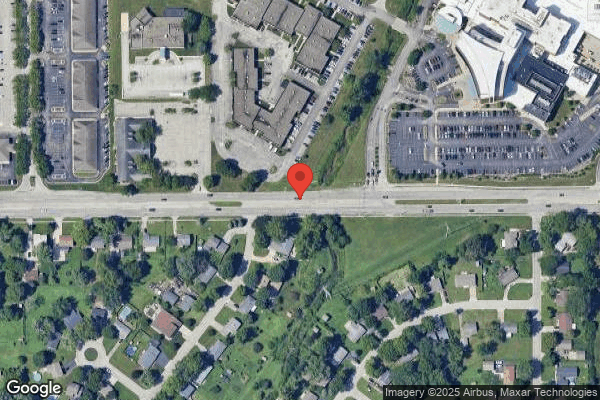
1380 E COUNTY LINE RD S, INDIANAPOLIS, IN 46227 (317) 885-7050
Government - County 176 Beds CARDON & ASSOCIATES Data: November 2025
Trust Grade
65/100
#298 of 505 in IN
Last Inspection: June 2025

Inspected within the last 6 months. Data reflects current conditions.

Overview

University Heights Health and Living Community has a Trust Grade of C+, indicating it is slightly above average but still has room for improvement. It ranks #298 out of 505 facilities in Indiana, placing it in the bottom half of statewide options, and #23 out of 46 in Marion County, meaning there are better local choices. The facility is trending positively, with issues decreasing from 10 in 2024 to just 2 in 2025. Staffing is average with a turnover rate of 52%, which is close to the state average, and there have been no fines recorded, which is a good sign. However, there are some concerning incidents, including a failure to accurately reconcile controlled medications for four medication carts and a lack of assessment for a resident's ability to self-administer medications. Additionally, there was a failure to develop a comprehensive care plan for a resident's refusal of care related to skin breakdown, which indicates areas that need attention.

Trust Score
C+
65/100
In Indiana
#298/505
Bottom 41%
Safety Record
Low Risk
No red flags
Inspections
Getting Better
10 → 2 violations
Staff Stability
⚠ Watch
52% turnover. Above average. Higher turnover means staff may not know residents' routines.
Penalties
✓ Good
No fines on record. Clean compliance history, better than most Indiana facilities.
Skilled Nurses
○ Average
Each resident gets 37 minutes of Registered Nurse (RN) attention daily — about average for Indiana. RNs are the most trained staff who monitor for health changes.
Violations
⚠ Watch
17 deficiencies on record. Higher than average. Multiple issues found across inspections.
★★★☆☆
3.0
Overall Rating
★★★☆☆
3.0
Staff Levels
★★★★☆
4.0
Care Quality
★★★☆☆
3.0
Inspection Score
Stable
2024: 10 issues
2025: 2 issues

The Good

  • 4-Star Quality Measures · Strong clinical quality outcomes
  • Full Sprinkler Coverage · Fire safety systems throughout facility
  • No fines on record

Facility shows strength in quality measures, fire safety.

The Bad

3-Star Overall Rating

Near Indiana average (3.1)

Meets federal standards, typical of most facilities

Staff Turnover: 52%

Near Indiana avg (46%)

Higher turnover may affect care consistency

Chain: CARDON & ASSOCIATES

Part of a multi-facility chain

Ask about local staffing decisions and management

The Ugly 17 deficiencies on record

Jun 2025 2 deficiencies
CONCERN (D)

Potential for Harm - no one hurt, but risky conditions existed

Comprehensive Care Plan (Tag F0656)

Could have caused harm · This affected 1 resident

Based on observation, interview, and record review, the facility failed to develop a person-centered comprehensive care plan for a resident's refusal of care for 1 of 3 residents reviewed for skin bre...

Read full inspector narrative →
Based on observation, interview, and record review, the facility failed to develop a person-centered comprehensive care plan for a resident's refusal of care for 1 of 3 residents reviewed for skin breakdown. (Resident 100) Finding includes: During an observation on 6/2/25 at 11:00 a.m., Resident 100 was observed resting in bed and both feet were observed to be covered with non-skid socks. Resident 100 was not observed wearing Prevalon heel protection boots (specific boots designed with a cushioned bottom that floats the heel off the surface of the mattress helping to reduce pressure). No Prevalon heel protection boots were visible in the area. During an observation on 6/3/25 at 10:10 a.m., Resident 100 was observed resting in bed and both feet were observed to be covered with non-skin socks. Resident 100 was not observed wearing Prevalon heel protection boots. No Prevalon heel protection boots were visible in the area. During an observation on 6/5/25 at 9:35 a.m., Resident 100 was observed resting in bed and both feet were observed to be covered with non-skin socks. Resident 100 was not observed wearing Prevalon heel protection boots. No Prevalon heel protection boots were visible in the area. During an observation on 6/5/25 at 10:50 a.m., Resident 100 was observed resting in bed and both feet were observed to be covered with non-skin socks. Resident 100 was not observed wearing Prevalon heel protection boots. No Prevalon heel protection boots were visible in the area. During an interview at that time, Resident 100 indicated he refused to wear the Prevalon heel protection boots because they were too hot. On 6/5/25 at 9:59 a.m., Resident 100's clinical record was reviewed. The diagnoses included, but were not limited to, traumatic brain injury, history of transient ischemic attack (TIA), and abnormalities of gait and mobility. The Quarterly Minimum Data Set (MDS) assessment, dated 4/11/25, indicated Resident 100 was cognitively intact and was at risk of skin breakdown. The current Physician Orders included, but not limited to, effective 12/20/24, while in bed, apply Prevalon boots to both of Resident 100's feet. There was no end date noted in the clinical record. Resident 100's care plan failed to address Resident 100's refusal to wear the Prevalon boots as prescribed by the physician. During an interview on 6/5/25 at 11:00 a.m., Qualified Medication Aide (QMA) 3 indicated Resident 100 usually refused to wear the Prevalon boots. During an interview on 6/5/25 at 11:14 a.m., the Director of Nursing (DON) indicated Resident 100 was non-compliant with wearing the prescribed Prevalon boots and the care plan should have been updated to reflect the non-compliance. On 6/5/25 at 11:45 a.m., the DON provided a copy of the Care Plan, Comprehensive Person-Centered policy, dated December 2016, and indicated it was the current policy in use by the facility. A review of the document indicated, .a comprehensive person-centered care plan that includes measurable objectives and timetables to meet the resident's physical, psychosocial and functional needs is developed and implemented for each resident .assessment of residents are ongoing and care plans are revised as information about the residents and the resident's condition changes . 3.1-35(a)
CONCERN (D)

Potential for Harm - no one hurt, but risky conditions existed

Medical Records (Tag F0842)

Could have caused harm · This affected 1 resident

Based on observation, interview, and record review, the facility failed to ensure the clinical record documentation was accurate for a resident at risk for skin breakdown who was prescribed heel prote...

Read full inspector narrative →
Based on observation, interview, and record review, the facility failed to ensure the clinical record documentation was accurate for a resident at risk for skin breakdown who was prescribed heel protection for 1 of 3 residents reviewed for skin breakdown. (Resident 100) Finding includes: During an observation on 6/2/25 at 11:00 a.m., Resident 100 was observed resting in bed and both feet were observed to be covered with non-skid socks. Resident 100 was not observed wearing Prevalon heel protection boots (specific boots designed with a cushioned bottom that floats the heel off the surface of the mattress helping to reduce pressure). No Prevalon heel protection boots were visible in the area. During an observation on 6/3/25 at 10:10 a.m., Resident 100 was observed resting in bed and both feet were observed to be covered with non-skin socks. Resident 100 was not observed wearing Prevalon heel protection boots. No Prevalon heel protection boots were visible in the area. During an observation on 6/5/25 at 9:35 a.m., Resident 100 was observed resting in bed and both feet were observed to be covered with non-skin socks. Resident 100 was not observed wearing Prevalon heel protection boots. No Prevalon heel protection boots were visible in the area. During an observation on 6/5/25 at 10:50 a.m., Resident 100 was observed resting in bed and both feet were observed to be covered with non-skin socks. Resident 100 was not observed wearing Prevalon heel protection boots. During an interview at that time, Resident 100 indicated he refused to wear the Prevalon heel protection boots because they were too hot. On 6/5/25 at 9:59 a.m., Resident 100's clinical record was reviewed. The diagnoses included, but were not limited to, traumatic brain injury, history of transient ischemic attack (TIA), and abnormalities of gait and mobility. The Quarterly Minimum Data Set (MDS) assessment, dated 4/11/25, indicated Resident 100 was cognitively intact and was at risk of skin breakdown. The current Physician Orders included, but not limited to, effective 12/20/24, while in bed, apply Prevalon boots to both of Resident 100's feet. There was no end date noted in the clinical record. The June 2025 Treatment Administration Record (TAR) was reviewed. A review of the document indicated staff had signed the record that identified Resident 100 had worn the Prevalon boots while in bed for all three shifts on the following days: 6/1/25, 6/2/25, 6/3/25, 6/4/25. The TAR document also indicated Resident 100 had the Prevalon boots on both feet during the first shift on 6/5/25. During an interview on 6/5/25 at 11:00 a.m., Qualified Medication Aide (QMA) 3 indicated Resident 100 usually refused to wear the Prevalon boots. During an interview on 6/5/25 at 11:14 a.m., the Director of Nursing (DON) indicated Resident 100 was non-compliant with wearing the prescribed Prevalon boots. The TAR document should have accurately reflected Resident 100's refusal to wear the Prevalon boots. On 6/5/25 at 1:28 p.m., the DON provided a copy of the Charting Errors and/or Omissions policy, dated December 2006, and indicated it was the current policy in use by the facility. A review of the document indicated, .accurate medical records shall be maintained by this facility . On 6/5/25 at 1:41 p.m., the DON provided a copy of the Administering Medications policy, dated December 2012, and indicated it was the current policy in use by the facility. A review of the document indicated, .shall be administered in a safe and timely manner, and as prescribed . 3.1-50(a)(2)
Nov 2024 2 deficiencies
CONCERN (D) 📢 Someone Reported This

A family member, employee, or ombudsman was alarmed enough to file a formal complaint

Potential for Harm - no one hurt, but risky conditions existed

Infection Control (Tag F0880)

Could have caused harm · This affected 1 resident

Based on observation, interview, and record review, the facility failed to ensure personal protective equipment (PPE) was used during a dressing change for a resident with an open wound on enhanced ba...

Read full inspector narrative →
Based on observation, interview, and record review, the facility failed to ensure personal protective equipment (PPE) was used during a dressing change for a resident with an open wound on enhanced barrier precautions (EBP) for 1 of 1 residents observed for wound care. (Resident B) Findings include: On 11/7/24 at 8:39 a.m., Resident B's wound to the left heel was observed during wound care. The wound was approximately 5 centimeters (cm) by 5 cm, beefy red wound base with a scant amount of pink drainage and did not have any odor. The wound care was provided by RN 1 with the assistance from the Director of Nursing (DON). The DON and RN 1 applied alcohol based hand sanitizer to their hands and applied clean gloves but did not put on any other PPE. During an interview on 11/7/24 at 9:24 a.m., the DON indicated Resident B was on EBP and she and RN 1 should have put on a gown before providing wound care to Resident B. During an interview on 11/7/24 at 9:30 a.m., RN 1 indicated she was not sure if Resident B was on EBP. If Resident B was on EBP a physician's order would have been entered into the electronic medical record (EMR). RN 1 was not aware of any gowns in Resident B's room, but if she needed a gown she could go to the supply closet located approximately 40 feet from Resident B's room. At that time, RN 1 reviewed Resident B's physicians orders and indicated Resident B was on EBP and she should have worn a gown when providing wound care. On 11/7/24 at 9:32 a.m., observed the EBP sign hung above Resident B's head of bed. At that time, Resident B indicated staff rarely wore gowns when providing wound care. Resident B was not aware of any gowns in his room. The clinical record for Resident B was reviewed on 11/7/24 at 11:59 a.m. The diagnoses included, but were not limited to, diabetes, deep vein thrombosis, and a stage three pressure ulcer to left heel. The Annual Minimum Data Set (MDS) assessment, dated 9/30/24, indicated Resident B was cognitively intact and was admitted with an unhealed stage three pressure ulcer. A care plan, dated 7/29/24, indicated Resident B required enhanced barrier precautions related to wounds. The interventions included, but were not limited to, apply gown and gloves for chronic wound care and provide education to Resident B, Resident B's family, and staff as needed. A current physician's order started, on 7/23/24, indicated enhanced barrier precautions. On 11/7/24 at 11:16 a.m., the DON provided a copy of the enhanced barrier precautions sign that was hung in Resident B's room at the head of his bed. A review of the sign indicated that providers and staff must wear gloves and a gown for wound care. On 11/7/24 at 10:20 a.m., the DON provided a copy of a facility policy, titled Enhanced Barrier Precautions Policy and Procedure, dated 4/1/24, and indicated it was the current policy used by the facility. A review of the policy indicated use of EBP was indicated for residents with any skin opening the required a dressing such as a pressure ulcer or unhealed surgical wound. This citation relates to Complaint IN00445897. 3.1-18(b)(1)
CONCERN (E) 📢 Someone Reported This

A family member, employee, or ombudsman was alarmed enough to file a formal complaint

Potential for Harm - no one hurt, but risky conditions existed

Pharmacy Services (Tag F0755)

Could have caused harm · This affected multiple residents

Based on observation, interview, and record review, the facility failed to ensure controlled medications were reconciled accurately for 4 of 8 medication carts. (200 Hall Medication Cart, 100 Hall Med...

Read full inspector narrative →
Based on observation, interview, and record review, the facility failed to ensure controlled medications were reconciled accurately for 4 of 8 medication carts. (200 Hall Medication Cart, 100 Hall Medication Cart, 400 Hall Medication Cart, 700/800 Hall Medication Cart) Findings include: 1. On 11/7/24 at 12:44 p.m., during the controlled medication reconciliation for the 200 hall medication cart, the Nurse's Narcotic Sign In/Out Sheet, dated 11/1/24 until 11/7/24 at 12:44 p.m., was reviewed. The document had a grid with lines that were numbered to correspond with each day of the month. There were spaces running across the grid for the nurse to write the number of controlled medication packets inside the cart at the beginning of the shift, the number of medication packets added or removed during that shift, and spaces for each nurse to sign once the medication packets and count sheets were reconciled. At that time, Qualified Medication Aide (QMA) 1 indicated the document was for the nurses to keep track of how many packets of controlled medications were inside the medication cart. QMA 1 should have filled out the document completely at the beginning of her shift. The following spaces were blank: - 11/1/24, night shift spaces were blank. - 11/2/24, day shift spaces were blank and night shift signature spaces were blank - 11/3/24, day shift spaces were blank and night shift signature spaces were blank - 11/4/24, day shift spaces were blank. - 11/5/24, evening shift signature spaces were blank - 11/6/24, day shift and evening shift signature spaces were blank - 11/7/24, day shift spaces were blank. 2. On 11/7/24 at 1:10 p.m., the Nurse's Narcotic Sign In/Out Sheet for the 100 hall medication cart, dated 11/1/24 until 11/7/24 at 1:10 p.m., was reviewed. The following spaces were blank: - 11/1/24, day shift spaces were blank - 11/2/24, day shift and evening shift spaces were blank - 11/3/24, evening and night shift spaces were blank - 11/5/24, day shift signature spaces and all night shift spaces were blank - 11/6/24, day and evening shift spaces were blank 3. On 11/7/24 at 1:30 p.m., the Nurse's Narcotic Sign In/Out Sheet for the 400 hall medication cart, dated 11/1/24 until 11/7/24 at 1:30 p.m., was reviewed. The following spaces were blank: - 11/1/24, day shift spaces were blank - 11/2/24, night shift spaces were blank - 11/3/24, evening shift and night shift spaces were blank 4. On 11/7/24 at 1:30 p.m., the Nurse's Narcotic Sign In/Out Sheet for the 700 and 800 halls, dated 11/1/24 until 11/7/24 at 1:30 p.m., was reviewed. The following spaces were blank: - 11/1/24, total number of sheets for all shifts were blank - 11/2/24, total number of sheets for all shifts were blank - 11/3/24, total number of sheets for all shifts were blank - 11/4/24, total number of sheets for all shifts were blank - 11/5/24, total number of sheets for all shifts were blank - 11/6/24, total number of sheets for all shifts were blank - 11/7/24, day shift spaces were blank On 11/7/24 at 12:52 p.m., the DON provided a copy of a document, titled Nurse's Narcotic Sign In/Out Sheet, dated 11/2024, and indicated this was the current document used by the facility to reconcile controlled medications. A review of the document indicated controlled medications were to be counted at the beginning and end of every shift. The on-coming and off-going nurses were to sign in the designated spaces to indicate correctness of the count (medication packets and count sheets). Discrepancies were to be reported immediately to the Director of Nursing (DON) and Administrator. This citation relates to Complaint IN00446489. 3.1-25(e)(3)
Aug 2024 6 deficiencies
CONCERN (D)

Potential for Harm - no one hurt, but risky conditions existed

Deficiency F0559 (Tag F0559)

Could have caused harm · This affected 1 resident

Based on interview and record review, the facility failed to provide a written notice to a resident prior to getting a new roommate. (Resident 25) Findings include: On 8/22/24 at 8:45 a.m., Resident 2...

Read full inspector narrative →
Based on interview and record review, the facility failed to provide a written notice to a resident prior to getting a new roommate. (Resident 25) Findings include: On 8/22/24 at 8:45 a.m., Resident 25 was observed in her wheelchair in the hall way. The resident was moving around in her chair and fidgeting with her hands. She indicated she was very nervous. She indicated the facility had recently given her a new roommate. The new roommate was receiving hospice services and was actively dying. The resident indicated she was unaware that she was going to get a new roommate and was surprised. The new roommate passed away after seven days. I had to sit and watch her die for seven days. Resident 25 indicated she was not informed about getting new roommate until the day before the new roommate was admitted and that was only because they were making sure the room was clean. The resident did not receive a written notice about a new roommate. On 8/23/24 at 9:33 a.m., the clinical record of Resident 25 was reviewed. The diagnosis included, but was not limited to, depression. The clinical record lacked documentation of Resident 25 being informed in writing that she was getting a new roommate. During an interview on 8/23/24 at 10:00 a.m., the Social Services Director indicted if a resident got a new roommate they were to be informed and it should be documented in the clinical record. During an interview on 8/23/24 at 1:00 p.m., the Director of Nursing (DON) indicated if a resident was notified of a change or new roommate it should be documented in the clinical record. On 8/27/24 at 11:30 a.m., the DON indicated they did not notify the residents in writing when they were getting a new roommate. On 8/26/24 at 2:17 p.m., the DON provided a policy titled, Resident Discharge and Transfer Policy, dated 11/24/14 and indicated it was the current policy being used by the facility. A review of the policy indicated CarDon and Associates, Inc., has implemented the Resident discharge and Transfer policy in the interest of complying with all applicable laws, regulations and statutes surrounding the discharge or transfer of residents within the facility. 3.1-3(v)(2)
CONCERN (D)

Potential for Harm - no one hurt, but risky conditions existed

PASARR Coordination (Tag F0644)

Could have caused harm · This affected 1 resident

Based on record review and interview, the facility failed to ensure a resident was referred to the State-designated authority contractor for a Level II Screening (PASARR) for a new mental illness diag...

Read full inspector narrative →
Based on record review and interview, the facility failed to ensure a resident was referred to the State-designated authority contractor for a Level II Screening (PASARR) for a new mental illness diagnosis evaluation for 1 of 1 residents reviewed. (Resident 53) Findings include: On 8/23/24 at 11:00 a.m., Resident 53's clinical record was reviewed. The diagnosis included, but was not limited to, bipolar disorder. On 12/9/21 Resident 53 received a new diagnosis of bipolar disorder. Resident 53 was not referred for a new Level II screening. A Quarterly Minimum Data Set (MDS) assessment, dated 4/3/24, indicated Resident 53 was cognitively intact. During an interview on 8/23/24 at 11:42 a.m., Social Service Director 3 indicated a PASARR Level II should have been done for Resident 53. On 8/23/24 at 1:21 p.m., the Director of Nursing Services (DON) indicated the facility followed the Indiana Guidelines for PASARR Level II assessments, which indicated a Level II PASARR evaluation is performed to identify the specialized needs of individuals with mental illness and intellectual disability/developmental disability. 3.1-16(d)(1)(A) 3.1-16(d)(1)(B)
CONCERN (D)

Potential for Harm - no one hurt, but risky conditions existed

ADL Care (Tag F0677)

Could have caused harm · This affected 1 resident

Based on observation, record review, and interview, the facility failed to provide ADL's (Activities of Daily Living) for a dependent resident for 1 of 2 residents reviewed. A resident with facial hai...

Read full inspector narrative →
Based on observation, record review, and interview, the facility failed to provide ADL's (Activities of Daily Living) for a dependent resident for 1 of 2 residents reviewed. A resident with facial hair was not assisted with shaving. (Resident 62) Findings include: During an observation on 8/22/24 at 9:14 a.m., Resident 62 was observed in bed with multiple one half inch gray hairs protruding from her chin. During an observation on 8/26/24 at 10:22 a.m., Resident 62 was observed in bed with multiple one half inch gray hairs protruding from her chin. During an observation on 8/27/24 at 9:00 a.m., Resident 62 was observed with multiple one half inch gray hairs protruding from her chin. During an interview at that time, Resident 62 indicated the staff had not offered to assist with the removal of the facial hair. She indicated she was not aware the hair was so long on her chin. During an interview on 8/27/24 at 9:05 a.m., the Director of Nursing indicated the facial hair for residents should have been removed during the residents shower days. On 8/27/24 at 9:34 a.m., Resident 62's clinical record was reviewed. The diagnosis included, but was not limited to, weakness. An admission Minimum Data Set (MDS) assessment, dated 7/30/24, indicated Resident 62 was cognitively intact and she required partial to moderate assist for shaving. A Care Plan, dated 7/29/24, indicated Resident 62 was unable to independently perform late loss ADLs related to weakness, and required assistance with hygiene. The interventions included, but were not limited to, assist Resident 62 with hygiene. A CNA Shower Review Sheet, dated 8/1/24, indicated resident 62 received a shower. A CNA Shower Review Sheet, dated 8/5/24, indicated resident 62 received a shower. A CNA Shower Review Sheet, dated 8/8/24, indicated resident 62 received a shower. A CNA Shower Review Sheet, dated 8/12/24, indicated resident 62 received a shower. A CNA Shower Review Sheet, dated 8/15/24, indicated resident 62 received a shower. On 8/27/24 at 10:41 a.m., the Director of Nursing provided a policy titled Activities of Daily Living (ADL), Supporting, dated 3/2018, and indicated it was the current policy being used by the facility. A review of the policy, indicated Residents who are unable to carry out activities of daily living independently will receive the services necessary to maintain good nutrition, grooming, and personal and oral hygiene. 3.1-38(a)(3)(D)
CONCERN (D)

Potential for Harm - no one hurt, but risky conditions existed

Quality of Care (Tag F0684)

Could have caused harm · This affected 1 resident

Based on observation, interview, and record review, the facility failed to ensure a resident diagnosed with edema and congestive heart failure received services and treatments for 1 of 1 resident revi...

Read full inspector narrative →
Based on observation, interview, and record review, the facility failed to ensure a resident diagnosed with edema and congestive heart failure received services and treatments for 1 of 1 resident reviewed for lower extremity edema. The facility failed to ensure daily weights, monitoring for side effects of edema, and that daily compression stockings were in place. (Resident 39) Findings include: During an observation on 8/20/24 at 12:15 p.m., Resident 39 was in her room sitting in her wheelchair eating lunch. Resident 39's uncovered left lower leg and foot were observed to be swollen. During an interview at that time, Resident 39 indicated the prescribed water pill (diuretic) did not work as well as it used to work which caused the lower leg and foot to swell. The resident indicated she did not wear compression stockings. During an observation on 8/21/24 at 8:30 a.m., Resident 39 was in her room sitting in her wheelchair eating breakfast. Resident 39's uncovered left lower leg and foot were observed to be swollen. During an observation on 8/23/24 at 11:39 a.m., Resident 39 was in her room resting in bed and her uncovered left lower leg and foot were observed to be swollen. During an observation on 8/26/24 at 8:25 a.m., Resident 39 was in her room sitting in her wheelchair eating breakfast. Resident 39's uncovered left lower leg and foot were observed to be swollen. During an observation on 8/26/24 at 2:29 p.m., Resident 39 was in her room resting in bed and her uncovered left lower leg and foot were observed to be swollen. During an observation on 8/27/24 at 9:10 a.m., Resident 39 was observed sitting in her wheelchair in her room. Resident 39 was observed wearing black zippered compression stockings on both lower legs. The compression stockings covered her toes to the just below the knees. During an interview at that time, Resident 39 indicated this was the first time since her admission into the facility that she had worn compression stockings. The black compression stockings were her own personal stockings. Staff had asked her several times to put on compression stockings; however, she declined as she didn't like them. The resident's weights were not taken on a consistent basis. Resident 39's clinical record was reviewed on 8/23/24 at 2:52 p.m. The diagnoses included, but were not limited to, edema, HTN (hypertension), COPD (chronic obstructive pulmonary disease), and CHF (congestive heart failure). The Quarterly Minimum Data Set (MDS) assessment, dated 6/19/24, indicated Resident 39 was cognitively intact. Resident 39's care plan included, but were not limited to, Resident 39 had the potential for fluid volume excess/exacerbation related to CHF, initiated on 1/2/24. Resident was identified as non-compliant with daily weights on 8/23/24. The interventions included, but were not limited to, staff were to assess the resident and report weight gain and worsening edema to the physician. CNA assignment sheet indicated Resident 39 was to have daily weights taken, revised on 6/26/24. Resident to wear compression stockings daily, initiated on 3/18/24. The care plan identified Resident 39 as being non-compliant at times with wearing the compression stockings, on 8/26/24. 1. Physician orders included, but were not limited to, obtain and record daily weights upon rising before breakfast. Notify MD [Medical Doctor] if weight gain is 2 lbs [pounds] daily or 5 lbs [pounds] in a week. Daily at 7:00 a.m. Start date was 1/2/24 and was discontinued on 8/21/24. On 8/26/24 at 11:50 a.m., the Director of Nursing provided a copy of Resident 39's Medication Administration Record / Treatment Administration Record (MAR/TAR) documents from January 2024 through August 2024. A review of the MAR/TAR documents indicated the following dates lacked staff initials to validate a daily weight had been recorded in the clinical record as indicated by physician orders: - 3 of 29 opportunities during February - 9 of 31 opportunities during March - 13 of 30 opportunities during April - 6 of 31 opportunities during May - 5 of 30 opportunities during June - 10 of 31 opportunities during July - 6 of 21 opportunities during August 2. Physician orders included, but were not limited to, monitor for increased edema, shortness of breath and lung sounds. Notify MD [Medical Doctor] if condition declines. Document resident status every shift. Start date was 1/2/24 with no identified end date noted. The MAR/TAR documents indicated the following dates lacked staff initials that validated Resident 39's edema was monitored and recorded in the clinical record for each shift as indicated by physician orders: 7/17/24 - evening shift 7/18/24 - night shift 7/19/24 - day shift 3. Physician orders included, but were not limited to, compression stockings daily, once a day upon rising at 7:00 a.m . start date was 3/18/24 with no identified end date noted. The MAR/TAR documents indicated no compression stockings were applied to Resident 39's lower extremity on 7/19/24 as indicated by the physician orders. The clinical record lacked documentation that Resident 39's edema was monitored as prescribed by the physician as indicated by: - daily weights were not taken and recorded - daily monitoring for increased edema were not completed and recorded - compression stockings were not applied daily and recorded accordingly During an interview on 8/23/24 at 3:45 p.m., the Director of Nursing indicated that Resident 39's original physician order was for daily weights. The resident refused daily weights at times and so the order was changed to weekly weights on 8/21/24. The staff initials on the MAR/TAR indicated the weights were obtained or if the resident refused to be weighed. The MAR/TAR also indicated that the monitoring of the resident's edema was performed as well as applying the compression stockings. If no initials were listed on a specific date on the MAR/TAR, then that action had not completed. During an interview on 8/26/24 at 8:30 a.m., Unit Manager 4 indicated Resident 39's physician ordered compression stockings to be worn daily. Resident 39 tended to refuse to wear the stockings. During an interview on 8/26/24 at 3:17 p.m., the Director of Nursing indicated Resident 39 frequently refused to wear the compression stockings. The Director of Nursing indicated staff were to apply the compression stockings prior to Resident 39 getting out of bed and to remove them in the evening when the resident retired for the night. The Director of Nursing was unsure why the MAR/TAR indicated Resident 39 was wearing the compression stockings when she was observed to not have them on her person. On 8/26/24 at 1:30 p.m., the Director of Nursing provided a copy of the Administering Medications policy, dated 12/2012, and indicated it was the current policy in use by the facility. A review of the policy indicated, medications must be administered in accordance with the orders, including any required time frame . During an interview at that time, the Director of Nursing indicated this policy included residents treatments and services to promote the well-being of the resident. 3.1-37(a)
CONCERN (D)

Potential for Harm - no one hurt, but risky conditions existed

Deficiency F0883 (Tag F0883)

Could have caused harm · This affected 1 resident

**NOTE- TERMS IN BRACKETS HAVE BEEN EDITED TO PROTECT CONFIDENTIALITY** Based on interview and record review, the facility failed to follow the current vaccine administration guidelines for the pneumo...

Read full inspector narrative →
**NOTE- TERMS IN BRACKETS HAVE BEEN EDITED TO PROTECT CONFIDENTIALITY** Based on interview and record review, the facility failed to follow the current vaccine administration guidelines for the pneumococcal vaccine for 1 of 8 residents reviewed for vaccination records. The CDC (Centers for Disease Control and Prevention) recommended pneumococcal vaccine series was not given for one resident. (Resident 27) Finding includes: On 8/20/24 at 11:50 a.m., Resident 27's clinical record was reviewed and indicated the following: - Resident 27's immunization records indicated Resident 27 received a pneumococcal polysaccharide 23 (PPSV 23) vaccine on 11/20/20, at an outside care setting prior to admission, but lacked documentation of any pneumococcal conjugate (PCV 13, 15, or 20) vaccines. - Resident 27's diagnoses included, but were not limited to, peripheral vascular disease (a chronic disorder that causes blood vessels outside of the heart to narrow, block, or spasm, reducing blood flow to organs like the brain and legs), and chronic kidney disease (a long-term condition that occurs when the kidneys are damaged and can't filter blood properly). - Resident 27 was of age [AGE] years of age or older. On 8/22/24 at 9:30 a.m., the DON (Director of Nursing) provided the informed consent form indicating Resident 27 had elected to receive the recommended pneumococcal vaccinations. During an interview on 8/23/24 at 11:55 a.m., the DON indicated that Resident 27 should have received both types of pneumococcal vaccination. On 8/20/24, the DON provided a policy, dated for 11/8/16, and titled, Clinical - Pneumonia Vaccination Policy, and indicated it was the policy currently in use. The policy indicated that both the pneumococcal conjugate vaccine and pneumococcal polysaccharide vaccine should be administered routinely in a series to all adults age [AGE] years and older as well as for adults with certain chronic conditions including chronic cardiac and kidney diseases. On 8/23/24 at 10:00 a.m., a review of the CDC guidelines at the following website regarding pneumococcal vaccine timing for adults (cdc.gov/vaccines/hcp/imz-schedules/adult-notes.html#note-pneumo), dated with an addendum update 6/27/24, indicated that chronic cardiovascular diseases and chronic kidney conditions were medical conditions are recommended for adults 19 through [AGE] years of age in addition to being recommended for adults [AGE] years of age and older. 3.1-13(a)
CONCERN (E)

Potential for Harm - no one hurt, but risky conditions existed

Deficiency F0554 (Tag F0554)

Could have caused harm · This affected multiple residents

4. On 8/23/24 at 2:52 p.m., Resident 39's clinical record was reviewed. The quarterly Minimum Data Set assessment, dated 6/19/24, indicated Resident 39 was cognitively intact. Resident 39's clinical ...

Read full inspector narrative →
4. On 8/23/24 at 2:52 p.m., Resident 39's clinical record was reviewed. The quarterly Minimum Data Set assessment, dated 6/19/24, indicated Resident 39 was cognitively intact. Resident 39's clinical record lacked a self-medication administration assessment. On 8/26/24 at 8:30 a.m., Resident 39 was observed in her room sitting in the wheelchair. The over the bed table was positioned in front of the resident who was eating her breakfast meal. The table was observed to have a small clear plastic medicine cup that contained multiple large and small white unidentified medication pills and tablets. During an interview at that time, Resident 39 indicated the nurse dropped off the medication as the resident liked to take her pills after she had eaten. Resident 39 indicated sometimes staff left the medications in her room and had not watched her take the medications. During an interview on 8/26/24 at 8:30 a.m., Unit Manager 4 indicated Resident 39 had not been assessed to self-administer her medications. Staff were to administer Resident 39's medications and ensure all medications were taken before leaving the resident's room. Medications were not to be left at the resident's bedside. On 8/26/24 at 1:30 p.m., the Director of Nursing provided a copy of the Administering Medications policy, dated December 2012, and indicated it was the current policy in use by the facility. A review of the policy indicated, .Medications shall be administered in a safe and timely manner, and as prescribed .only persons licensed or permitted by this state to prepare, administer, and document the administration of medications may do so . 3.1-11(a) Based on observation, interview, and record review, the facility failed to ensure self-medication administration assessments were completed for 4 of 4 residents observed with medications at bedside. (Resident 53, Resident 1, Resident 105, Resident 39) Findings Include: 1. On 8/20/24 at 10:32 a.m., observed Resident 53 was sitting up in bed; no staff were observed to be in the room or in hallway. Resident 53 had an overbed table with the following observed to be sitting on top of the table; one clear plastic medication cup containing two small white tablets and one and a half large tablets. On 8/21/24 at 8:33 a.m., Resident 53 was observed sitting up in bed eating. A small plastic medication cup was observed sitting on the overbed table containing three small white tablets, two large white tablets broken in half, one orange tablet, and one peach colored tablet. On 8/21/24 at 8:40 a.m., Resident 53's clinical record was reviewed. The clinical record lacked a self-medication administration assessment. On 8/22/24 at 1:18 p.m., the Director of Nursing indicated that there was not a self-medication administration assessment for Resident 53. 2. On 8/21/24 at 8:56 a.m., Resident 1 was observed sitting up in bed holding a small plastic medication cup with a blue and white capsule. On 8/21/24 at 9:00 a.m., Resident 1's clinical record was reviewed. The clinical record lacked a self-medication administration assessment. On 8/22/24 at 1:18 p.m., the Director of Nursing indicated that there was not a self- medication administration assessment for Resident 1. 3. On 8/21/24 at 8:59 a.m., Resident 105 was observed lying in bed. On the overbed table there was a small plastic medication cup containing three small white tablets, one large white tablet, one oval yellow tablet, one cream tablet, and one white capsule. On 8/21/24 at 9:09 a.m., Resident 105's clinical record was reviewed. The clinical record lacked a self-medication administration assessment. On 8/22/24 at 1:18 p.m., The Director of Nursing indicated that there was not a self-medication administration assessment for Resident 105. During an interview on 8/22/24 at 1:05 p.m., Unit Manager 2 indicated nurses should stay with residents to make sure medications were taken. Unit Manager 2 indicated if the resident did not take the medications then the nurse should take the medications when the nurse left the room. During an interview on 8/22/24 at 1:18 p.m., the Director of Nursing indicated nurses should not leave medications in resident rooms.
May 2024 2 deficiencies
CONCERN (D) 📢 Someone Reported This

A family member, employee, or ombudsman was alarmed enough to file a formal complaint

Potential for Harm - no one hurt, but risky conditions existed

Comprehensive Care Plan (Tag F0656)

Could have caused harm · This affected 1 resident

Based on observation, interview, and record review, the facility failed to ensure a comprehensive person-centered care plan was developed for a resident who required a hand brace for 1 of 6 residents ...

Read full inspector narrative →
Based on observation, interview, and record review, the facility failed to ensure a comprehensive person-centered care plan was developed for a resident who required a hand brace for 1 of 6 residents reviewed for care plans. (Resident C) Findings include: During an observation on 5/23/24 at 10:50 a.m., Resident C was observed covered with a blanket and resting in bed. A hand brace was observed on the bedside table. During an observation on 5/23/24 at 12:02 p.m., Resident C was observed awake and resting in bed. During an interview at that time, Resident C indicated staff applied the left hand brace at times. It had been awhile ago since he had the brace on his hand. On 5/23/24 at 9:25 a.m., Resident C's clinical record was reviewed. Diagnoses included, but were not limited to, hemiplegia and hemiparesis (muscle weakness or partial paralysis on one side of the body) following cerebral infarction (stroke) affecting the left non-dominant side; spastic hemiplegia (muscle stiffness or tightness, and involuntary contractions) affecting left non-dominant side; contracture (hardening of muscles and rigidity of joints) of left hand and left wrist (non-dominant side). Current Physician orders included, but were not limited to, left hand brace may be worn for 3 hours at a time. Check skin prior to application and removal. Notify provider of any changes. Every shift [days, evenings. and nights] and PRN [as needed] .start date 11/29/22 with no end date noted . The May 2024 Treatment Administration Record (TAR) indicated Resident C's left hand brace had been applied and removed on every shift from 5/1/24 through 5/22/24. The Annual Minimum Data Set (MDS) assessment, dated 3/14/24, indicated Resident C was cognitively intact and received restorative nursing care which included range of motion services. Resident C's clinical record lacked a comprehensive person-centered care plan for the utilization of the left hand brace as ordered by the physician. The clinical record also lacked a care plan that addressed the refusal to wear the brace. During an interview on 5/23/24 at 10:55 a.m., Licensed Practical Nurse (LPN) 3 indicated Resident C had used a left hand brace for a long time. Resident C had a history of refusing to allow staff to apply the brace. LPN 3 indicated the clinical record should have had a left hand brace care plan and it should have included a refusal to wear the brace. During an interview on 5/23/24 at 11:00 a.m., the Director of Nursing Services (DNS) indicated Resident C had a physician's order for the use of the left hand brace. The clinical record lacked a comprehensive person-centered care plan for the brace and lacked a care plan for the refusal to wear the brace. During an interview on 5/23/24 at 12:20 p.m., the Rehabilitation Supervisor indicated Resident C had a physician's order for a left hand brace due to the hand contracture. Resident C could utilize the brace for up to three hours at a time. Many times, Resident C would refuse to allow the staff to apply the brace. On 5/23/24 at 2:00 p.m., the DNS provided a copy of the Care Plans, Comprehensive Person-Centered policy, dated December 2016, and indicated it was the current policy in use by the facility. A review of the policy indicated, .A comprehensive, person-centered care plan that includes measurable objectives and timetables to meet the resident's physical, psychosocial, and functional needs is developed and implemented for each resident .describe the services that are to be furnished to attain or maintain the resident's highest practicable physical, mental and psychosocial well-being .aid in preventing or reducing decline in the resident's functional status . This citation relates to Complaint IN00433858. 3.1-35(a)
CONCERN (D) 📢 Someone Reported This

A family member, employee, or ombudsman was alarmed enough to file a formal complaint

Potential for Harm - no one hurt, but risky conditions existed

Deficiency F0688 (Tag F0688)

Could have caused harm · This affected 1 resident

Based on observation, interview, and record review, the facility failed to ensure a knee brace was applied to a resident while in bed for 1 of 3 residents reviewed for range of motion. (Resident C) Fi...

Read full inspector narrative →
Based on observation, interview, and record review, the facility failed to ensure a knee brace was applied to a resident while in bed for 1 of 3 residents reviewed for range of motion. (Resident C) Findings include: On 5/23/24 at 9:25 a.m., Resident C's clinical record was reviewed. Diagnoses included, but were not limited to, hemiplegia and hemiparesis (muscle weakness or partial paralysis on one side of the body) following cerebral infarction (stroke) affecting the left non-dominant side and spastic hemiplegia (muscle stiffness or tightness, and involuntary contractions) affecting left non-dominant side. Current Physician orders included, but were not limited to, left knee brace to be worn while in bed .every shift: days, evenings, nights .start date 6/27/23 with no end date noted . The May 2024 Treatment Administration Record (TAR) record indicated Resident C's left knee brace had been applied during every shift from 5/1/24 through 5/22/24. The Annual Minimum Data Set (MDS) assessment, dated 3/14/24, indicated Resident C was cognitively intact and received restorative nursing care which included range of motion services. Resident C's care plan indicated Problem: .required a brace to left knee when in bed .start date: 7/11/23 and current through 6/14/24 .Goal: .Resident will tolerate splint/brace to left knee without signs or symptoms of pain/discomfort through next review .Approach: apply splint/brace to left knee as ordered . During an interview on 5/23/24 at 10:55 a.m., LPN 3 indicated Resident C had the left knee brace for a long time. LPN 3 indicated Resident C did not have the knee brace in place at the start of her shift. During an interview on 5/23/24 at 11:00 a.m., the DNS indicated Resident C had a physician's order for the use of the left knee brace while the resident was in bed. During an observation on 5/23/24 at 12:02 p.m., Resident C was observed awake and resting in bed. Resident C's left knee was bent at a 90 degree angle. During an interview at that time, Resident C indicated he was supposed to wear a left knee brace while in bed. It had been awhile ago since he had the brace on his knee. Resident C indicated he did not know where the staff had put the knee brace. During an interview on 5/23/24 at 12:20 p.m., the Rehabilitation Supervisor indicated Resident C had a physician's order for a left knee brace due to the knee and leg contracture. The physician's order was for Resident C to wear the brace while in bed. During an observation on 5/23/24 at 12:10 p.m., LPN 3 was observed in Resident C's room searching for the resident's left knee brace. LPN 3 was unable to locate the brace. During an interview at that time, LPN 3 indicated she was unsure where the brace was or how long it had been inaccessible. On 5/23/24 at 2:00 p.m., the DNS provided a copy of the Resident Mobility and Range of Motion policy, dated July 2017. and indicated it was the current policy in use by the facility. A review of the policy indicated, .Residents with limited range of motion will receive treatment and services to increase and/or prevent a further decrease in ROM [range of motion] .Residents with limited mobility will receive appropriate services, equipment and assistance to maintain or improve mobility . This citation relates to Complaint IN00433858. 3.1-42(a)(2)
Dec 2023 2 deficiencies
CONCERN (D) 📢 Someone Reported This

A family member, employee, or ombudsman was alarmed enough to file a formal complaint

Potential for Harm - no one hurt, but risky conditions existed

Free from Abuse/Neglect (Tag F0600)

Could have caused harm · This affected 1 resident

Based on interview and record review, the facility failed to protect a resident's right to be free from verbal abuse by a staff member for 1 of 3 residents reviewed for abuse. A CNA (Certified Nursing...

Read full inspector narrative →
Based on interview and record review, the facility failed to protect a resident's right to be free from verbal abuse by a staff member for 1 of 3 residents reviewed for abuse. A CNA (Certified Nursing Aide) yelled, cursed, and threatened a resident. (Resident C, CNA 1) Finding includes: During an interview on 12/5/23 at 10:03 a.m., the Administrator indicated on 11/11/23, staff reported CNA 1 had an argument with Resident C. After the argument, CNA 1 walked away from Resident C and indicated if CNA 1 wasn't moved off that assignment she was going to choke Resident C. CNA 1 was terminated. During an interview on 12/5/23 at 11:18 a.m., QMA 1 (Qualified Medication Aide) indicated she came back from a break and was standing at the nurse's station. Resident C came to the nurse's station to ask for his medications and had some tremors, which was normal for Resident C. CNA 1 indicated she thought Resident C was on that stuff again because Resident C had tremors. Resident C and CNA 1 told each other to go f*** yourself. As the nurse and another QMA were separating them CNA 1 was cursing at Resident C and indicated Resident C was a drug addict and wanted his f****** medicine whenever he wanted it. Then, as CNA 1 was being walked away CNA 1 told another staff member if CNA 1 didn't get moved to a new assignment CNA 1 could choke Resident C. CNA 1 was sent home immediately. The clinical record for Resident C was reviewed on 12/5/23 at 11:58 a.m. The diagnoses included, but were not limited to, Parkinson's disease, bipolar disorder, and history of pain. A quarterly MDS (Minimum Data Set) assessment, dated 11/8/23, indicated Resident C was cognitively intact. A resident statement, dated 11/11/23 at 9:00 a.m., indicated Resident C indicated he was at the nurse's station getting his morning medication. Resident C indicated to the nurse that the nurse was preparing a lot of medications. CNA 1 indicated to Resident C that he also took illegal drugs. Resident C became angry and called CNA 1 a meth head. There was some yelling back and forth. CNA 1 told Resident C she was going to choke him. Resident C indicated CNA 1 made mean remarks about him often and Resident C was fed up. A witness statement, dated 11/11/23 at 10:00 a.m., indicated QMA 1 came back inside from a break and heard CNA 1 argue with Resident C. CNA 1 was threatening and cursing. CNA 1 indicated she would choke Resident C if CNA 1 didn't get moved to a new assignment. Staff immediately separated Resident C and CNA 1. A witness statement, dated 11/11/23 at 10:00 a.m., indicated QMA 2 asked Resident C if QMA 2 could check his blood pressure. Resident C was having tremors as Resident C normally did. CNA 1 indicated look at Resident C, Resident C was on drugs. Resident C heard CNA 1 and started arguing with CNA 1. QMA 2 immediately separated Resident C and CNA 1. CNA 1 walked away and indicated she was going to choke Resident C. On 12/5/23 at 9:05 a.m., the Administrator provided a copy of a facility policy, dated 10/4/14, titled Abuse, Neglect, and Misappropriation Prohibition and Prevention Policy, and indicated this was the current policy used by the facility. A review of the policy indicated it is the policy of the facility to provide an environment that is free from verbal abuse. This tag relates to Complaint IN00421853. 3.1-27(b)
CONCERN (D) 📢 Someone Reported This

A family member, employee, or ombudsman was alarmed enough to file a formal complaint

Potential for Harm - no one hurt, but risky conditions existed

Deficiency F0602 (Tag F0602)

Could have caused harm · This affected 1 resident

Based on interview and record review, the facility failed to protect a resident's right to be free from misappropriation of property for 1 of 3 residents reviewed for abuse. A resident's oxycodone (pr...

Read full inspector narrative →
Based on interview and record review, the facility failed to protect a resident's right to be free from misappropriation of property for 1 of 3 residents reviewed for abuse. A resident's oxycodone (prescription narcotic controlled substance for pain) 30 mg (milligrams) was replaced by a different medication and could not be accounted for. (Resident B) Finding includes: During an interview on 12/5/23 at 10:03 a.m., the Administrator indicated LPN 1 recognized that there were 4 tablets taped into a packet of oxycodone 30 mg. The oxycodone 30 mg packet belonged to Resident B. LPN 2 was the nurse that normally administered Resident B's oxycodone 30 mg on evening shift. During an interview on 12/5/23 at 10:04 a.m., the DON (Director of Nursing) indicated there were 4 tablets of carbidopa/levadopa 10/100 mg (prescription medication used to treat Parkinson's disease) that were taped into the packet of Resident B's oxycodone 30 mg tablets, apparently, to replace the 4 oxycodone 30 mg tablets that were removed and could not be accounted for. During an interview on 12/5/23 at 12:24 p.m., LPN 1 indicated he recognized the carbidopa/levodopa 10/100 mg was taped into the packet of oxycodone 30 mg, on evening shift, about an hour before LPN 1 was going to do Resident B's dressing change. When he pulled the oxycodone 30 mg packet out of the medication cart's lock box he realized the oxycodone 30 mg tablets and the carbidopa/levodopa 10/100 mg were similar colors but different sizes The clinical record for Resident B was reviewed on 12/5/23 at 12:32 p.m. The diagnoses included, but were not limited to, diabetes, cerebrovascular disease, and bipolar disorder. A quarterly MDS (Minimum Data Set) assessment, dated 11/29/23, indicated Resident B was cognitively intact. A current physician's order initiated, on 10/20/23, indicated oxycodone 30 mg tablet orally once daily on evening shift 30 minutes prior to dressing change. The clinical record for Resident B lacked a physician's order for carbidopa/levodopa 10/100 mg. A narcotic count sheet (document used to track the number of oxycodone 30 mg tablets that were locked in the medication cart's lock box), dated 11/22/23, indicated the pharmacy delivered 15 oxycodone 30 mg tablets for Resident B, on 11/22/23. Resident B received 1 tablet of oxycodone 30 mg, on 11/23/23, 11/24/23, 11/25/23, 11/26/23, 11/27/23, 11/28/23, 11/29/23, 11/30/23, and 12/1/23. 1 tablet was signed out, on 11/26/23 and 11/30/23, as removed from the packet, but a line drawn through the date, time, and initials. On 12/5/23 at 9:05 a.m., the Administrator provided a copy of a facility policy, dated 10/4/14, titled Abuse, Neglect, Misappropriation Prohibition and Prevention Policy. A review of the policy indicated it is the policy of the facility to provide each resident with an environment that is free from misappropriation of property. This tag relates to Complaints IN00422914 and IN00422808. 3.1-28(a)
Sept 2023 2 deficiencies
CONCERN (D)

Potential for Harm - no one hurt, but risky conditions existed

Comprehensive Care Plan (Tag F0656)

Could have caused harm · This affected 1 resident

Based on observation, interview, and record review, the facility failed to implement the care plan for 1 of 6 residents reviewed for falls. The call light was not within reach. (Resident 127) Findings...

Read full inspector narrative →
Based on observation, interview, and record review, the facility failed to implement the care plan for 1 of 6 residents reviewed for falls. The call light was not within reach. (Resident 127) Findings include: On 9/20/23 from 9:33 a.m. until 9:40 a.m., observed Resident 127 in his bed. He was observed to be laying on his side with his legs partially hanging off the side of the bed. The call light was observed to be behind the headboard and was hanging from the wall to the floor out of the reach of the resident. On 9/20/23 at 9:40 a.m., observed Registered Nurse (RN) 2 untangle the cords that were hanging behind the bed including the call light cord. RN 2 placed the call light next to the resident. During an interview at that time, RN 2 indicated the call light should have been in the reach of the resident. On 9/20/23 at 11:25 a.m., the clinical record of Resident 127 was reviewed. The diagnoses included, but were not limited to, abnormalities of gait and mobility, weakness, and history of falling. A Quarterly Minimum Data Set (MDS) assessment, dated 8/11/23, indicated Resident 127 had moderate cognitive impairment. A care plan, dated 4/13/23 and current through 12/14/23, indicated resident was at risk for falling and fall related injuries related to debility. The interventions included, but were not limited to, call don't fall sign posted on the wall in the residents room and cue/remind resident to utilize call light to seek assist as needed. During an interview on 9/21/23 at 11:33 a.m., the Director of Nursing indicated the call light should have been within the reach of the resident. On 9/21/23 at 11:40 a.m., the Director of Nursing provided a policy titled: Care Plans, Comprehensive Person-Centered, dated December 2016, and indicated it was the current policy being used by the facility. A review of the policy, indicated .8. The comprehensive person centered care plan will: a. Include measurable objectives .9. Areas of concern that are identified during the resident assessment will be evaluated before interventions are added to the care plan. 10. Identify problem areas and their causes, and developing interventions that are targeted and meaningful to the resident . 3.1-35(g)(2)
CONCERN (D)

Potential for Harm - no one hurt, but risky conditions existed

Deficiency F0761 (Tag F0761)

Could have caused harm · This affected 1 resident

**NOTE- TERMS IN BRACKETS HAVE BEEN EDITED TO PROTECT CONFIDENTIALITY** Based on observation, interview, and record review, the facility failed to ensure a medication cart was kept locked when staff w...

Read full inspector narrative →
**NOTE- TERMS IN BRACKETS HAVE BEEN EDITED TO PROTECT CONFIDENTIALITY** Based on observation, interview, and record review, the facility failed to ensure a medication cart was kept locked when staff were not at the cart for 1 of 10 medication carts observed. (300-hall medication cart) Finding includes: During a random facility observation on 9/20/23 from 3:05 p.m. to 3:08 p.m., the 300-hall medication cart was positioned in the hall between Resident rooms [ROOM NUMBERS]. The medication cart had 8 separate drawers. The medication cart was observed to be unlocked and no staff were visible in the area during that time. On 9/20/23 at 3:08 p.m. CNA (Certified Nursing Aide) 3 was observed walking from the nurse's station, located at the end of the 300-hall, toward the unlocked medication cart on the 300-hall. As CNA 3 walked past the medication cart, CNA 3 was observed having pushed the medication cart lock into the lock position. During an interview at that time, CNA 3 indicated the medication cart was supposed to be kept locked. The 300-hall nurse was at the nurse's station. During an observation on 9/20/23 at 3:10 p.m., LPN (Licensed Practical Nurse) 4 was observed sitting at the nurse's station charting in the electronic medical record. During an interview at that time, LPN 4 indicated she was the 300-hall nurse. LPN 4 indicated a little while ago she had been at the 300-hall medication cart and was called to assist a staff member on the 200-hall. LPN 4 left the medication cart unlocked and left the 300-hall to provide assistance on the 200-hall. LPN 4 then stopped at the nurse's station to catch-up on her documentation. LPN 4 indicated she had forgotten to lock the medication cart prior to leaving the 300-hall area. During an interview on 9/21/23 at 3:30 p.m., the Unit Manager indicated all medication carts were to be kept locked when not in use. During an interview on 9/21/23 at 4:00 p.m., the DNS (Director of Nursing Services) indicated there were 10 medication carts in use by the facility. All medication carts were to be kept locked when not in use. On 9/21/23 at 4:20 p.m., the DNS provided a copy of the Storage of Medications policy, dated April 2007, and indicated it was the current policy in use by the facility. A review of the document indicated, .the facility shall store all drugs and biologicals in a safe, secure and orderly manner .compartments (including, but not limited to, drawers, cabinets, rooms, refrigerators, carts, and boxes) containing drugs and biologicals shall be locked when not in use, and trays or carts used to transport such items shall not be left unattended if open or otherwise potentially available to others .only persons authorized to prepare and administer medications shall have access to the medication rooms, including any keys . 3.1-25(m)
Jul 2023 1 deficiency
CONCERN (D) 📢 Someone Reported This

A family member, employee, or ombudsman was alarmed enough to file a formal complaint

Potential for Harm - no one hurt, but risky conditions existed

Comprehensive Care Plan (Tag F0656)

Could have caused harm · This affected 1 resident

Based on interview and record review, the facility failed to ensure the plan of care was implemented for 1 of 3 residents reviewed. Physician's order for medications were not followed. (Resident B) Fi...

Read full inspector narrative →
Based on interview and record review, the facility failed to ensure the plan of care was implemented for 1 of 3 residents reviewed. Physician's order for medications were not followed. (Resident B) Finding includes: On 7/12/23 at 11:00 a.m., the clinical record for Resident B was reviewed. The diagnoses included, but were not limited to, Parkinson's disease and anxiety. The Physician's orders included, but were not limited to: - Carbidopa-levodopa (a medication used to treat Parkinson's disease) 25-250 mg (milligrams) one half tablet daily, ordered 12/16/21. - Carbidopa-levodopa 25-250 mg 1 tablet twice a day, ordered 6/9/23. Resident B's MAR (Medication Administration Record), dated 6/1/23 through 6/30/23, indicated the following: - On 6/24/23, Resident B did not receive the one tablet of carbidopa-levodopa 25-250 mg upon rising, or the one half tablet of carbidopa-levodopa 25-250 mg. - On 6/26/23, Resident B did not receive the one tablet of carbidopa-levodopa 25-250 mg upon rising. - On 6/27/23, Resident B did not receive the one tablet of carbidopa-levodopa 25-250 mg upon rising. On 7/12/23 at 1:30 p.m., the DON (Director of Nursing) indicated Resident B received carbidopa-levodopa 25-250 mg 1 tablet, 1 time a day and carbidopa-levodopa 25-250 mg, one half tablet 2 times a day. When the medication comes from the pharmacy, they send the medication in one half tabs for both orders due to the inability of Resident B to swallow whole pills. When the nursing staff noted they were out of Resident B's medication, they put a call out to the pharmacy for immediate send out. The DON indicated the pharmacy should have sent a fax back acknowledging receiving the order and when it was sent out. On 7/12/23 at 1:30 p.m., the DON provided the facility's Administering Medication policy, revised 12/2012, and indicated it was the policy currently in use. The policy did not include information on what to do if the medication that was to be given was not available in the medication drawer. This Federal tag relates to Complaint IN00411888. 3.1-35(g)(2)
Understanding Severity Codes (click to expand)
Life-Threatening (Immediate Jeopardy)
J - Isolated K - Pattern L - Widespread
Actual Harm
G - Isolated H - Pattern I - Widespread
Potential for Harm
D - Isolated E - Pattern F - Widespread
No Harm (Minor)
A - Isolated B - Pattern C - Widespread

Questions to Ask on Your Visit

  • "Can I speak with families of current residents?"
  • "What's your RN coverage like on weekends and overnight?"

Our Honest Assessment

Strengths
  • • No major safety red flags. No abuse findings, life-threatening violations, or SFF status.
  • • No fines on record. Clean compliance history, better than most Indiana facilities.
Concerns
  • • 17 deficiencies on record. Higher than average. Multiple issues found across inspections.
Bottom line: Mixed indicators with Trust Score of 65/100. Visit in person and ask pointed questions.

About This Facility

What is University Heights Health And Living Community's CMS Rating?

CMS assigns UNIVERSITY HEIGHTS HEALTH AND LIVING COMMUNITY an overall rating of 3 out of 5 stars, which is considered average nationally. Within Indiana, this rating places the facility higher than 0% of the state's 100 nursing homes. This mid-range rating indicates the facility meets federal standards but may have areas for improvement.

How is University Heights Health And Living Community Staffed?

CMS rates UNIVERSITY HEIGHTS HEALTH AND LIVING COMMUNITY's staffing level at 3 out of 5 stars, which is average compared to other nursing homes. Staff turnover is 52%, compared to the Indiana average of 46%.

What Have Inspectors Found at University Heights Health And Living Community?

State health inspectors documented 17 deficiencies at UNIVERSITY HEIGHTS HEALTH AND LIVING COMMUNITY during 2023 to 2025. These included: 17 with potential for harm.

Who Owns and Operates University Heights Health And Living Community?

UNIVERSITY HEIGHTS HEALTH AND LIVING COMMUNITY is owned by a government entity. Government-operated facilities are typically run by state, county, or municipal agencies. The facility is operated by CARDON & ASSOCIATES, a chain that manages multiple nursing homes. With 176 certified beds and approximately 124 residents (about 70% occupancy), it is a mid-sized facility located in INDIANAPOLIS, Indiana.

How Does University Heights Health And Living Community Compare to Other Indiana Nursing Homes?

Compared to the 100 nursing homes in Indiana, UNIVERSITY HEIGHTS HEALTH AND LIVING COMMUNITY's overall rating (3 stars) is below the state average of 3.1, staff turnover (52%) is near the state average of 46%, and health inspection rating (3 stars) is at the national benchmark.

What Should Families Ask When Visiting University Heights Health And Living Community?

Based on this facility's data, families visiting should ask: "Can I visit during a mealtime to observe dining assistance and food quality?" "How do you handle medical emergencies, and what is your hospital transfer rate?" "Can I speak with family members of current residents about their experience?"

Is University Heights Health And Living Community Safe?

Based on CMS inspection data, UNIVERSITY HEIGHTS HEALTH AND LIVING COMMUNITY has a clean safety record: no substantiated abuse findings (meaning no confirmed cases of resident harm), no Immediate Jeopardy citations (the most serious violation level indicating risk of serious injury or death), and is not on the Special Focus Facility watch list (a federal program monitoring the lowest-performing 1% of nursing homes). The facility has a 3-star overall rating and ranks #100 of 100 nursing homes in Indiana. While no facility is perfect, families should still ask about staff-to-resident ratios and recent inspection results during their visit.

Do Nurses at University Heights Health And Living Community Stick Around?

UNIVERSITY HEIGHTS HEALTH AND LIVING COMMUNITY has a staff turnover rate of 52%, which is 6 percentage points above the Indiana average of 46%. Moderate turnover is common in nursing homes, but families should still ask about staff tenure and how the facility maintains care continuity when employees leave.

Was University Heights Health And Living Community Ever Fined?

UNIVERSITY HEIGHTS HEALTH AND LIVING COMMUNITY has no federal fines on record. CMS issues fines when nursing homes fail to meet care standards or don't correct problems found during inspections. The absence of fines suggests the facility has either maintained compliance or corrected any issues before penalties were assessed. This is a positive indicator, though families should still review recent inspection reports for the full picture.

Is University Heights Health And Living Community on Any Federal Watch List?

UNIVERSITY HEIGHTS HEALTH AND LIVING COMMUNITY is not on any federal watch list. The most significant is the Special Focus Facility (SFF) program, which identifies the bottom 1% of nursing homes nationally based on persistent, serious quality problems. Not being on this list means the facility has avoided the pattern of deficiencies that triggers enhanced federal oversight. This is a positive indicator, though families should still review the facility's inspection history directly.