WATERS OF INDIANAPOLIS, THE
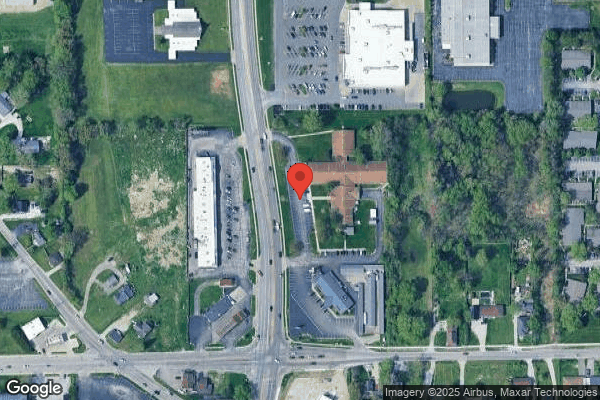
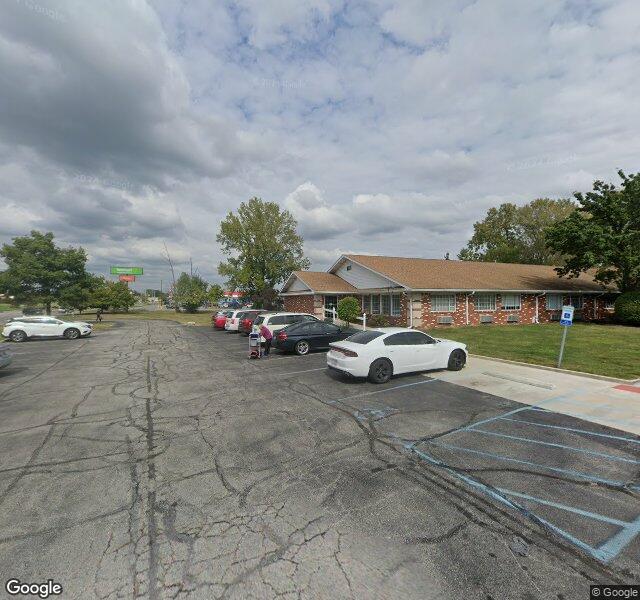
3895 S KEYSTONE AVE, INDIANAPOLIS, IN 46227 (317) 787-5364
For profit - Limited Liability company 81 Beds INFINITY HEALTHCARE CONSULTING Data: November 2025
Trust Grade
40/100
#494 of 505 in IN
Last Inspection: June 2025

Inspected within the last 6 months. Data reflects current conditions.

Overview

The Waters of Indianapolis nursing home has a Trust Grade of D, which means it is below average and has some concerns regarding care and operations. It ranks #494 out of 505 facilities in Indiana, placing it in the bottom half of the state, and #45 out of 46 in Marion County, indicating there is only one local option that is better. Unfortunately, the facility is worsening, with issues increasing from 3 in 2024 to 13 in 2025. Staffing is a mixed bag; while turnover is relatively low at 33%, the facility has less RN coverage than 98% of Indiana facilities, which raises concerns about oversight. There have been no fines, which is a positive sign; however, specific incidents noted in inspections include a dietary staff member not covering facial hair while serving food, an electrical cord creating a tripping hazard for residents, and unsanitary cleaning practices in the kitchen that could affect food safety.

Trust Score
D
40/100
In Indiana
#494/505
Bottom 3%
Safety Record
Low Risk
No red flags
Inspections
Getting Worse
3 → 13 violations
Staff Stability
○ Average
33% turnover. Near Indiana's 48% average. Typical for the industry.
Penalties
✓ Good
No fines on record. Clean compliance history, better than most Indiana facilities.
Skilled Nurses
⚠ Watch
Each resident gets only 14 minutes of Registered Nurse (RN) attention daily — below average for Indiana. Fewer RN minutes means fewer trained eyes watching for problems.
Violations
⚠ Watch
24 deficiencies on record. Higher than average. Multiple issues found across inspections.
★☆☆☆☆
1.0
Overall Rating
★☆☆☆☆
1.0
Staff Levels
★★★★☆
4.0
Care Quality
★★☆☆☆
2.0
Inspection Score
Stable
2024: 3 issues
2025: 13 issues

The Good

  • 4-Star Quality Measures · Strong clinical quality outcomes
  • Full Sprinkler Coverage · Fire safety systems throughout facility
  • No fines on record
  • Staff turnover below average (33%)

    15 points below Indiana average of 48%

Facility shows strength in quality measures, fire safety.

The Bad

1-Star Overall Rating

Below Indiana average (3.1)

Significant quality concerns identified by CMS

Staff Turnover: 33%

13pts below Indiana avg (46%)

Typical for the industry

Chain: INFINITY HEALTHCARE CONSULTING

Part of a multi-facility chain

Ask about local staffing decisions and management

The Ugly 24 deficiencies on record

Jul 2025 1 deficiency
CONCERN (D) 📢 Someone Reported This

A family member, employee, or ombudsman was alarmed enough to file a formal complaint

Potential for Harm - no one hurt, but risky conditions existed

Safe Environment (Tag F0921)

Could have caused harm · This affected 1 resident

Based on observation and interview the facility failed to provide a safe and comfortable environment when the bathroom wall heater covers were removed leaving the metal heating elements exposed for 3 ...

Read full inspector narrative →
Based on observation and interview the facility failed to provide a safe and comfortable environment when the bathroom wall heater covers were removed leaving the metal heating elements exposed for 3 of 3 random observations; and failed to ensure the bathroom door frames were free from rust and decay for 2 of 3 random observations. Findings include:1. During a random observation of the secured memory care unit, on 7/21/25 from 8:25 a.m. until 9:05 a.m., observed the bathroom wall heaters in rooms H-8, H-10, and H-11. Each of the bathroom wall heaters were approximately six inches from the floor. The front cover of the heaters had been removed, which left approximately 40 small silver metal discs lined in a row across the inside of the heater exposed. During an interview, on 7/21/25 at 12:00 p.m., the Maintenance Supervisor indicated the heaters were still in working order and the heating elements should not have been left exposed to the residents. 2. During a random observation of the secured memory care unit, on 7/21/25 from 8:25 a.m. until 9:05 a.m., observed the bathroom door frames from inside the bathrooms of rooms H-10 and H-11. The door frame of room H-10's bathroom was metal with rusted areas on the left side of the frame. The frame had rusted away from the floor up approximately three inches, which left rusted jagged edges at the bottom of the rusted area toward the floor. The bathroom door frame of room H-11 had rusted areas on the right side of the frame. The frame had rusted away from the floor up approximately two inches, which left rusted jagged edges at the bottom of the rusted area toward the floor. During an interview, on 7/21/25 at 12:00 p.m., the Maintenance Supervisor indicated the bathroom door frames should not have been left rusted away. On 7/21/25 at 2:30 p.m., the facility was unable to provide a policy regarding the bathroom wall heaters or the rusted door frames. This citation relates to Complaint 1323958 3.1-19(f)
Jun 2025 6 deficiencies
CONCERN (D)

Potential for Harm - no one hurt, but risky conditions existed

Comprehensive Care Plan (Tag F0656)

Could have caused harm · This affected 1 resident

Based on observation, interview, and record review, the facility failed to ensure the person-centered comprehensive care plan was developed for 1 of 21 residents reviewed for care plans. The care plan...

Read full inspector narrative →
Based on observation, interview, and record review, the facility failed to ensure the person-centered comprehensive care plan was developed for 1 of 21 residents reviewed for care plans. The care plan was not developed for a resident who was at risk for falls and whose preference was to keep the bed in the high position. (Resident 42) Finding includes: On 6/22/25 at 10:22 a.m., Resident 42 was observed resting in bed. The bed was located next to the wall with the resident's right side near the wall. Resident 42's bed was observed to be in the highest position and was approximately 40 inches above the floor. The handheld bed control device was observed on the bed and within reach of the resident. No staff were visible in the area during that time. During an interview at that time, Resident 42 indicated she was able to adjust the height of the bed and she liked it in the highest position. On 6/22/25 at 12:33 p.m., Resident 42 was observed resting in bed while eating her noon meal. The bed was located next to the wall with the resident's right side near the wall. Resident 42's bed was observed to be in a high position and was approximately 35 inches above the floor. The handheld bed control device was observed on the bed and within reach of the resident. No staff were visible in the area during that time. On 6/22/25 at 1:41 p.m., Resident 42's clinical record was reviewed. The diagnoses included, but were not limited to, vascular dementia and hemiplegia and hemiparesis following a cerebral infarction (stroke with one-sided weakness or paralysis) affecting the right dominant side. The Quarterly Minimum Data Set (MDS) assessment, dated 6/16/25, indicated Resident 42 was severely cognitively impaired. The Fall Risk Review assessment, dated 6/13/25, indicated Resident 42 was at a high risk for falls. Resident 42's person-centered comprehensive care plan, dated 3/3/22, indicated Resident 42 was .at risk for falls related to right sided deficit . Resident 42's person-centered comprehensive care plan failed to address Resident 42's preference for keeping the bed in the high position. During an interview on 6/25/25 at 10:19 a.m., LPN 3 indicated Resident 42 had been educated multiple times on the safety concerns of having the bed in the highest position. For a while now, Resident 42 has continued to adjust the bed to the highest position. During an interview on 6/25/25 at 11:07 a.m., the Assistant Director of Nursing (ADON) indicated Resident 42's clinical record lacked a person-centered comprehensive care plan that addressed Resident 42's preference for keeping the bed in the high position. The ADON indicated Resident 42's care plan should have been developed. On 6/25/25 at 1:45 p.m., the Regional Nurse Consultant (RNC) provided a copy of the Baseline Care Plan Assessment/Comprehensive Care Plans policy, dated 3/23/21, and indicated it was the current policy in use by the facility. A review of the document indicated, .The Comprehensive Care Plans will be reviewed and updated .the facility may need to review the care plans more often based on changes in the resident's condition and/or newly developed health/psycho-social issues . 3.1-35(a)
CONCERN (D) 📢 Someone Reported This

A family member, employee, or ombudsman was alarmed enough to file a formal complaint

Potential for Harm - no one hurt, but risky conditions existed

Deficiency F0659 (Tag F0659)

Could have caused harm · This affected 1 resident

Based on record review and interview, the facility failed to ensure a medication was administered by qualified personnel for 1 of 19 residents reviewed for medication administration. (Resident B) Find...

Read full inspector narrative →
Based on record review and interview, the facility failed to ensure a medication was administered by qualified personnel for 1 of 19 residents reviewed for medication administration. (Resident B) Finding includes: On 6/24/25 at 1:00 p.m., the Director of Nursing (DON) provided a copy of a facility reportable incident, dated 5/26/25. The incident indicated on 5/26/25, Resident B reported to the facility that on 5/25/25, CNA 8 administered medication that Resident B believed was Tylenol. On 6/24/25 at 1:22 p.m., the Director of Nursing provided a copy of the facility investigation. The investigation included, but was not limited to: The Administrator's written statement, dated 5/26/25, indicated the Administrator had interviewed CNA 8. CNA 8 admitted giving Resident B pills. CNA 8 obtained the tylenol from behind the nurses station and gave them to the Resident B because he did not want the resident to have to wait for the nurse. An email from RN 10, dated 5/26/25, indicated RN 10 had worked on the night of the incident. Resident B was under her care that night. RN 10 was not aware that Resident B was having any pain that night and was unaware that CNA 8 had administered medication to the resident. During an interview on 6/24/25 at 1:33 p.m., Resident B indicated he had a headache on the night of 5/25/25 and turned on his call light to request pain medication. CNA 8 came in to the resident's room in response to the call light. Resident B informed CNA 8 he had a headache. The CNA explained to Resident B that he would get it. The CNA left the room and returned with 2 capsules that were red and gray in color. The resident took the capsules that the CNA brought to him. Resident B then indicated he started to worry and feel funny. The pills did not look like the tylenol he normally received. Resident B reported the incident to the nurse. The nurse called the physician and received orders to send the resident to the emergency room for evaluation and treatment. Resident B indicated the toxicology report from the hospital indicated the medication administered from the CNA was acetaminophen (tylenol). On 6/24/25 at 1:45 p.m., the clinical record of Resident B was reviewed. The diagnoses included, but were not limited to, pain in right knee, pain in left knee, and pain in lower back. An annual Minimum Data Set Assessment, dated 5/29/25, indicated Resident B was cognitively intact. A Physician's Order, dated 4/21/25, indicated Acetaminophen oral tablet 500 mg. Give one tablet by mouth every 4 hours as needed. On 6/24/25 at 1:00 p.m., the Director of Nursing provided a copy of the Certified Nursing Aides job description, dated 4/1/2023. The job description indicated, Position Summary: The Certified Nursing Assistant (CNA) provides each resident with routine daily nursing care and services in accordance with the resident's assessment and care plan with a passionate focus on customer service. Essential Job Functions: A. Role Responsibilities - Care: .Reports all changes in resident's condition to the Nurse Supervisor/ Charge Nurse immediately. On 6/25/25 at 10:47 a.m., the Regional Nurse Consultant provided a document titled Indiana State Department of Health Nurse Aide Curriculum, dated 11/19/15, and indicated it was the current practice of the facility to follow. The document indicated, The nurse aide will perform only the task in the course standards and Resident Care Procedure manual .The Nurse Aide will not administer any medications . This citation relates to Complaint IN00460186. 3.1-35(g)(2)
CONCERN (D)

Potential for Harm - no one hurt, but risky conditions existed

Deficiency F0761 (Tag F0761)

Could have caused harm · This affected 1 resident

Based on observation and interview, the facility failed to ensure a treatment cart was securely locked for 1 of 1 random observations. (Faith Hall Treatment Cart) Finding includes: On 6/22/25 from 8:1...

Read full inspector narrative →
Based on observation and interview, the facility failed to ensure a treatment cart was securely locked for 1 of 1 random observations. (Faith Hall Treatment Cart) Finding includes: On 6/22/25 from 8:15 a.m. to 8:30 a.m., observed a treatment cart on the Faith Hall to be unlocked and easily opened. No staff were observed in the area. Several residents were sitting in the hall in wheelchairs approximately 4 feet from the cart. The contents of the treatment cart, included but was not limited to: - multiple 0.5 oz tubes of Antifungal cream 2% (used to treat a skin fungus). The label indicated Keep out of reach - multiple 60 gram tubes of Fludocinonide cream 0.05% (used to treat inflammation of the skin). The label indicated Keep out of reach - multiple 1 ounce tubes of gentamicin cream 1%, (used to treat skin infections). The label indicated Keep out of reach. During an interview on 6/22/25 at 8:30 a.m., LPN 3 indicated the cart should have been locked. On 6/23/25 at 2:08 p.m., the Administrator provided a policy titled Medication Storage In The Facility, dated July 2024, and indicated it was the current policy being used by the facility. A review of the policy indicated .3. Medication rooms, carts, and medication supplies are locked or attended by person with authorized access . 3.1-25(m)
CONCERN (D)

Potential for Harm - no one hurt, but risky conditions existed

Infection Control (Tag F0880)

Could have caused harm · This affected 1 resident

Based on interview and record review, the facility failed to implement infection control practices for 2 of 5 residents reviewed for immunizations. The two-step tuberculosis skin test series was not c...

Read full inspector narrative →
Based on interview and record review, the facility failed to implement infection control practices for 2 of 5 residents reviewed for immunizations. The two-step tuberculosis skin test series was not completed. (Resident 15, Resident 58) Findings include: 1. On 6/22/25 at 10:10 a.m., Resident 15's clinical record was reviewed. Resident 15's diagnoses included, but were not limited to, paraplegia (paralysis of the legs or lower body), bipolar disorder (a mental illness characterized by extreme shifts in mood, energy, and activity levels), and chronic osteomyelitis (an infection of the bone). Resident 15 had an admission date of 1/16/25. Resident 15's TB (tuberculosis) test administration history indicated that the resident had an order for a first step TB skin test to be administered 1/17/25 which had been coded on the EMAR (electronic medication administration record) as a 2, which indicated the resident refused the administration. The second step TB skin test ordered for 1/31/25 indicated other/see nurse note. Neither the first step or the second step TB skin test were documented as administered. Resident 15 had a TB screening tool assessment completed on 6/3/25. During an interview on 6/25/25 at 12:45 p.m., the RNC (Regional Nurse Consultant) and the DON (Director of Nursing) indicated that Resident 15 never received a first step or a second step TB skin test; Resident 15 had refused administration of all vaccines and the TB skin test. The RNC and the DON indicated that a resident who refused to have the two-step Mantoux skin test would have a chest x-ray and a TB screening tool assessment done. They each indicated the TB screening tool assessment should have been done at the time of admission or at the time of the resident's refusal to have the TB skin tests administered. 2. On 6/22/25 at 11:20 a.m., Resident 58's clinical record was reviewed. Resident 58's diagnoses included, but were not limited to, congestive heart failure (occurs when the heart doesn't pump enough blood to meet the body's needs), right lower extremity amputation above the knee, and kidney failure. Resident 58 had an admission date of 8/9/24. Resident 58's TB test administration history indicated no administration of a first or a second step TB skin test. Resident 58 had a TB screening tool assessment completed on 6/17/25. During an interview on 6/25/25 at 12:45 p.m., the RNC and the DON indicated that Resident 58 had not received a first step or a second step TB test, and that Resident 58 should have had them administered upon admission. On 6/24/25 at 11:25 a.m., the RNC provided a copy of a Clinical Policy and Procedure titled Tuberculosis Testing Policy and Procedure, dated 1/24/22, and indicated it was the policy currently in use by the facility. A review of the policy indicated, Facility will ensure that all Residents admitted from the community .have completed tuberculosis screening using the two-step method upon hire/admission . 3.1-18(b)(1)
CONCERN (E)

Potential for Harm - no one hurt, but risky conditions existed

Accident Prevention (Tag F0689)

Could have caused harm · This affected multiple residents

**NOTE- TERMS IN BRACKETS HAVE BEEN EDITED TO PROTECT CONFIDENTIALITY** Based on observation, interview, and record review, the facility failed to ensure the facility was free from accident hazards fo...

Read full inspector narrative →
**NOTE- TERMS IN BRACKETS HAVE BEEN EDITED TO PROTECT CONFIDENTIALITY** Based on observation, interview, and record review, the facility failed to ensure the facility was free from accident hazards for 1 of 1 observation, potentially affecting 13 of 19 self-mobile cognitively impaired residents residing in the Memory Care Unit. An electrical cord was observed on the floor in the middle of a walkway area that was used by the residents. (Resident 29) Finding includes: During an observation of the Memory Care Unit on 6/23/25 from 9:00 a.m. to 9:10 a.m., the following was observed: - The Floor Technician was using an electric buffer/scrubber (buffer) machine on the floor space between rooms [ROOM NUMBERS]. The machine's yellow colored electric cord was approximately one inch in circumference and was approximately 20 feet in length. The cord was observed to be plugged into the hallway outlet located near room [ROOM NUMBER]. As the Floor Technician used the buffer machine, he was observed moving from one side of the hallway to the other side of the hallway as he made his way from room [ROOM NUMBER] toward room [ROOM NUMBER]. The machine's electric cord was observed lying in the middle of the hallway and at multiple points the cord was curled up against itself causing it to be raised above the floor approximately eight to ten inches. No caution signs were visible in the area. - Resident 29, who resided in room [ROOM NUMBER], was observed walking on the left side of the hallway, had stepped over the electric cord that was lying in the middle of the hall and then walked between the cord and the right side of the hall toward her room. As she approached the back of the Floor Technician, without turning or looking at the resident or the electric cord's location, the Floor Technician instructed Resident 29 to just step over the cord! Resident 29 was then observed raising her left foot and then her right foot approximately eight inches high as she stepped over the curled electric cord. - The Floor Technician continued using the buffer without adjusting or moving the electric cord from the middle of hall. - During an interview at that time, the Floor Technician indicated no posted caution sign was required to be visible while he used the buffer machine as the floor was not wet. He generally buffed one side of the hall and then buffed the other side of the hall. The machine's electric cord, approximately 20 feet in length, was to be kept near the wall as opposed to lying in the middle of the hallway because the Memory Care Unit had lots of residents who constantly walk the floors. - During an interview at that time, LPN 3 indicated the electric cord should not be left in the middle of the hall and a caution sign should have been posted in the area while the floor was being buffed. On 06/23/25 at 10:52 a.m., Resident 29's clinical record was reviewed. The diagnosis included, but was not limited to, dementia. The Quarterly Minimum Data Set (MDS) assessment, dated 6/12/25, indicated Resident 29 was moderately cognitively impaired. A review Resident 29's Care Plan, dated 3/13/20, included, but was not limited to, .Resident was at risk of falls related to weakness and medications . On 6/24/25 at 10:03 a.m., the Administrator provided a copy of the resident list which indicated 13 of 19 residents residing on the memory care unit were cognitively impaired and self-mobile. During an interview on 6/23/25 at 1:45 p.m., the Regional Director of Operations indicated the facility did not have a policy for the prevention of accidents or potential hazards. 3.1-45(a)(1)
CONCERN (F)

Potential for Harm - no one hurt, but risky conditions existed

Food Safety (Tag F0812)

Could have caused harm · This affected most or all residents

Based on observation, interview, and record review, the facility failed to ensure dietary staff's facial hair was covered to prevent exposure to food and drinks while in the kitchen for 1 of 2 observa...

Read full inspector narrative →
Based on observation, interview, and record review, the facility failed to ensure dietary staff's facial hair was covered to prevent exposure to food and drinks while in the kitchen for 1 of 2 observations. This had the potential to affect 63 of 63 residents residing in the facility who received food from the kitchen. (Dietary Aide 2) Finding includes: During a kitchen observation on 6/22/25 from 11:40 a.m. to 12:45 p.m., the following was observed: - Dietary Aide 2 was observed in the kitchen near the prepared foods that were uncovered on the steam table. Dietary Aide 2 was observed to have facial hair on his chin approximately one fourth inch in length and was observed scooping ice from the ice machine into glasses, pouring drinks from a pitcher to be served to the residents. Dietary Aide 2 was not observed to be wearing beard net. During an interview on 6/22/25 at 12:45 p.m., the Dietary Manager indicated that staff's hair should be covered when in kitchen. During an interview on 6/22/25 at 1:04 p.m., the Assistant Director of Nursing indicated that hair nets should be worn when around food or drinks. On 6/22/25 at 1:14 p.m., the Assistant Director of Nursing provided a copy of Food Safety & Sanitation, Policy: Employee Health & Personal Hygiene dated 4/2017, and indicated it was the current policy in use by the facility. A review of the policy indicated, Policy # 2, Procedure . Hair restraints will be worn at all times. Beards should [be] well-trimmed and covered with an appropriate hair restraint, . On 6/22/25 at 2:00 p.m., a review of the Indiana Food Establishment Sanitation Requirements, Title 410 IAC 7-24, effective November 13, 2004, indicated, (b)food employees shall wear hair restraints, such as hats, hair coverings or nets .that are designed and worn to effectively keep their hair from contacting .exposed food . 3.1-21(i)(2) 3.1-21(i)(3)
Mar 2025 1 deficiency
CONCERN (D) 📢 Someone Reported This

A family member, employee, or ombudsman was alarmed enough to file a formal complaint

Potential for Harm - no one hurt, but risky conditions existed

Deficiency F0602 (Tag F0602)

Could have caused harm · This affected 1 resident

Based on interview and record review, the facility failed to protect the residents' rights to be free from misappropriation of property for 1 of 3 residents reviewed for misappropriation of medication...

Read full inspector narrative →
Based on interview and record review, the facility failed to protect the residents' rights to be free from misappropriation of property for 1 of 3 residents reviewed for misappropriation of medications. (Resident C) Finding includes: On 3/21/25 at 9:50 a.m., the clinical record for Resident C was reviewed. The diagnoses included, but were not limited to, Type 2 diabetes mellitus (a chronic condition affecting blood sugar levels). An admission MDS (Minimum Data Set) assessment, dated 2/7/25, indicated Resident C was cognitively intact. A physician's order, initiated 2/8/25 and discontinued on 3/1/25, indicated Resident C had tirzepatide (an antidiabetic medication used to treat type 2 diabetes and for weight loss) 15 mg (milligrams)/0.5 mL (milliliters) ordered to be given by subcutaneous (under the skin) injection once weekly on Saturdays. A physician's order, initiated on 3/7/25 and with no end date, indicated Resident C had tirzepatide, 15 mg/0.5 mL ordered to be given by subcutaneous injection once weekly on Fridays. During an interview on 3/21/25 at 10:30 a.m., the Administrator indicated on 3/3/25, it had been reported to the former DON (Director of Nursing) by LPN 4 that Resident C had missing insulin medication noted. LPN 4 was in the medication room looking for another resident's insulin medication, and noted that Resident C had only one Mounjaro (tirzepatide) injection in the box and asked if it was the old box. LPN 3 indicated no, that was a new box (the medication boxes come with four pre-filled syringes of the medication dosage at a time) and it should have had only one missing used on Saturday 3/1/25. When the former DON came to check the medication box in the medication room, the one dose that had been there was also missing. It could not be determined by internal investigation who had taken the pre-filled syringes of medication, but the medications were located in the locked medication room behind the nursing station. Only staff members had access to the locked medication room. On 3/21/25 at 11:45 a.m., the Administrator provided a copy of the facility's abuse policy, titled Abuse Prevention Program, dated 10/22/22, and indicated it was the policy in use by the facility. A review of the policy indicated that residents are to be free from abuse, including, but not limited to, misappropriation of resident property. The deficient practice was corrected on 3/19/25 after the facility implemented a systemic plan that included the following actions: the facility inserviced the staff on misappropriation of resident property and ongoing monitoring. This citation relates to Complaint IN00454758. 3.1-28(a)
Feb 2025 5 deficiencies
CONCERN (D) 📢 Someone Reported This

A family member, employee, or ombudsman was alarmed enough to file a formal complaint

Potential for Harm - no one hurt, but risky conditions existed

Resident Rights (Tag F0550)

Could have caused harm · This affected 1 resident

Based on interview and record review, the facility failed to ensure resident rights were maintained when a cognitively intact resident was not allowed to sign out for a leave of absence for 1 of 3 res...

Read full inspector narrative →
Based on interview and record review, the facility failed to ensure resident rights were maintained when a cognitively intact resident was not allowed to sign out for a leave of absence for 1 of 3 residents reviewed for resident's rights. (Resident C) Findings include: During an interview on 2/6/25 at 9:42 a.m., Resident C indicated the staff had told her that she cannot sign out and leave the facility for a leave of absence and they had not let her leave. During an interview on 2/6/25 at 1:09 p.m., the Director of Nursing (DON) indicated Resident C was allowed to sign out and leave the facility with family or friends, but not with her boyfriend. Resident C was not allowed to sign out on her own even though she was cognitively intact. The DON did not think Resident C's rights were violated. The clinical record was reviewed on 2/7/25 at 12:13 p.m. The diagnoses included, but were not limited to, alcohol abuse, psychoactive substance abuse, and bipolar disorder. An admission Minimum Data Set (MDS) assessment, dated 12/25/24, indicated Resident C was cognitively intact. A current physician's order, dated 12/24/24, indicated Resident C may not go out on a leave of absence. There was no stop date noted. On 2/6/25 at 11:44 a.m., the DON provided a copy of an undated facility policy, titled Your Rights and Protections as a Nursing Home Resident, and indicated this was the current policy used by the facility. A review of the policy indicated residents have the right to leave the facility. This citation relates to Complaint IN00451215. 3.1-3(a)
CONCERN (D) 📢 Someone Reported This

A family member, employee, or ombudsman was alarmed enough to file a formal complaint

Potential for Harm - no one hurt, but risky conditions existed

Report Alleged Abuse (Tag F0609)

Could have caused harm · This affected 1 resident

Based on interview and record review, the facility failed to report an allegation of abuse for 1 of 3 residents reviewed for abuse. Staff did not immediately report to the administrator when staff ove...

Read full inspector narrative →
Based on interview and record review, the facility failed to report an allegation of abuse for 1 of 3 residents reviewed for abuse. Staff did not immediately report to the administrator when staff overheard a female resident tell a male staff member she would report him for hitting her and did not accurately report all known information regarding the allegation of abuse at the time the allegation was reported to the state survey agency. (Resident B, CNA 1, CNA 2, DON, Floor Tech) Findings include: During an interview on 2/6/25 at 10:02 a.m., Resident B indicated a couple of weeks ago, in the morning, she was wheeling down the hall and attempted to pass the Floor Technician (Floor Tech), from behind, as he was buffing the floor. The machine was plugged in and the cord was across the floor, and Resident B was on his left. The Floor Tech stuck out his left arm and hit her right shoulder. Resident B said I'm telling that you hit me. Resident B didn't think the Floor Tech. intended to hit her. Resident B couldn't remember the date this happened, but thought it happened between 1/20/25 and 1/22/25. During an interview on 2/6/25 at 10:16 a.m., the Floor Tech indicated, on the morning of 1/22/25, he was buffing the floor when Resident B wheeled the front wheels of her wheelchair over the power cord to the buffer. He told Resident B to back off the cord and as the Floor Tech pulled the cord out of the wall he touched Resident B's hand. The Floor Tech left work until approximately 1:30 p.m., that day until the Director of Nursing (DON) told him he had to leave due to the abuse allegation. During an interview on 2/6/25 at 10:32 a.m., the Director of Nursing (DON) indicated on 1/22/25 at approximately 6:01 a.m., Resident B reported she was going down the hallway and tried to roll over the cord to the buffer as the Floor Tech was buffing the floor. Resident B said the Floor Tech jerked the cord out of the wall and purposely hit her right upper arm. The Floor Tech said he stuck his arm out, so Resident B didn't get hurt. CNA 1 and CNA 2 heard Resident B tell the floor tech she was going to report him for hitting her. The DON wasn't sure if all of that information should have been included in the initial incident report for the state health department because the corporate office had to approve it before they filed it. During an interview on 11:06 a.m., CNA 1 indicated she never heard Resident B tell anyone she would report them for hitting her. CNA 1 was not aware of any incident that occurred with Resident B and the Floor Tech. This was the first time CNA 1 heard anything about any incident between Resident B and the Floor Tech. During an interview on 2/6/25 at 1:24 p.m., CNA 2 indicated when she was standing in another residents bathroom getting ready to provide morning care when she heard Resident B say she was going to report that someone hit her. CNA 2 didn't leave the other resident's room to check on Resident B nor report what Resident B said. CNA 2 should have reported what Resident B said. The clinical record for Resident B was reviewed, on 2/6/25 at 11:32 a.m. The diagnoses included, but were not limited to, bacteremia, acute respiratory failure, and pulmonary edema An admission Minimum Data Set (MDS) assessment, dated 12/18/24, indicated Resident B was cognitively intact and used a wheelchair. On 2/6/25 at 11:42 a.m., the DON provided a copy of a typed document and indicated it was the statements from staff about Resident B's allegation. A review of the document indicated CNA 2 overheard Resident B say that she was going to report him for hitting her. On 2/6/25 at 11:44 a.m., the DON provided a copy of an undated facility policy, titled Abuse Prevention Program, and indicated this was the current policy used by the facility. A review of the policy indicated all employees must promptly report any incident or suspected incident of abuse. On 2/7/25 at 9:20 a.m., the DON provided the reportable incident, dated 1/22/25 at 6:01 a.m., indicated on 1/23/25 the Floor Tech reported to the Administrator that Resident B was going to report him when she tried to pass him this morning, on 1/22/25, as she was going to the pantry, and he was buffing the floors when she tried to pass him and roll her wheelchair over the cord. On 2/7/25 at 2:30 p.m., the facility was unable to provide a policy regarding reporting to the state health department. 3.1-28(c)
CONCERN (D) 📢 Someone Reported This

A family member, employee, or ombudsman was alarmed enough to file a formal complaint

Potential for Harm - no one hurt, but risky conditions existed

Investigate Abuse (Tag F0610)

Could have caused harm · This affected 1 resident

Based on interview and record review, the facility failed to follow the abuse policy and ensure an alleged perpetrator of abuse was immediately removed from the facility for 1 of 3 residents reviewed ...

Read full inspector narrative →
Based on interview and record review, the facility failed to follow the abuse policy and ensure an alleged perpetrator of abuse was immediately removed from the facility for 1 of 3 residents reviewed for abuse. (Resident B, Floor Tech, CNA 1, CNA 2) Findings include: During an interview on 2/6/25 at 10:02 a.m., Resident B indicated a couple of weeks ago, in the morning, she was wheeling down the hall and attempted to pass the Floor Technician (Floor Tech), from behind, as he was buffing the floor. The machine was plugged in, the cord was across the floor, and Resident B was on his left. The Floor Tech stuck out his left arm and hit her right shoulder. Resident B said I'm telling that you hit me. Resident B didn't think the Floor Tech intended to hit her. Resident B couldn't remember the date this happened, but thought it happened between 1/20/25 and 1/22/25. During an interview on 2/6/25 at 10:16 a.m., the Floor Tech indicated, on the morning of 1/22/25, he was buffing the floor when Resident B wheeled the front wheels of her wheelchair over the power cord to the buffer. He told Resident B to back off the cord and as the Floor Tech pulled the cord out of the wall he touched Resident B's hand. The Floor Tech left work at approximately 1:30 p.m., that day until the Director of Nursing (DON) told him he had to leave due to the abuse allegation. During an interview on 2/6/25 at 10:32 a.m., the Director of Nursing (DON) indicated CNA 1 and CNA 2 heard Resident B tell the floor tech she was going to report him for hitting her. During an interview 2/6/25 at 11:06 a.m., CNA 1 indicated she never heard Resident B tell anyone she would report them for hitting her. CNA 1 was not aware of any incident that occurred with Resident B and the Floor Tech. This was the first time CNA 1 heard anything about any incident between Resident B and the Floor Tech. During an interview on 2/6/25 at 1:24 p.m., CNA 2 indicated she was standing in another residents bathroom getting ready to provide morning care when she heard Resident B say Resident B was going to report that someone hit her. CNA 2 didn't leave the other resident's room to check on Resident B nor report what Resident B said. CNA 2 should have reported what Resident B said. The clinical record for Resident B was reviewed 2/7/25 at 11:32 a.m. The diagnoses included, but were not limited to, bacteremia, acute respiratory failure, and pulmonary edema An admission Minimum Data Set (MDS) assessment, dated 12/18/24, indicated Resident B was cognitively intact and used a wheelchair. On 2/6/25 at 11:42 a.m., the DON provided a copy of a typed document and indicated it was the statements from staff about Resident B's allegation. A review of the document indicated CNA 1 saw the Floor Tech. and Resident B but did not see an inappropriate interaction. CNA 1 overheard Resident B say she was going to report him for hitting her. CNA 2 did not see an inappropriate interaction but overheard Resident B say she was going to report him for hitting her. During an interview on 2/7/25 at 8:06 a.m., the DON indicated, on 1/22/25 at approximately 6:01 a.m. Resident B told the DON that earlier that morning she wheeled down the hallway and tried to roll over the cord to the buffer as the Floor Tech was buffing the floor. Resident B said the Floor Tech jerked the cord out of the wall and purposely hit her right upper arm. The DON wasn't sure if all of that information should have been included in the initial incident report for the state health department because the corporate office had to approve it before they filed it. During an interview on 2/7/25 at 8:50 a.m., the Administrator indicated the Floor Tech should have stopped and removed himself from the floor. CNA 2 should have stopped what she was doing and ensured Resident B's safety. The Floor Tech should have been removed from the facility at that time. On 2/6/25 at 11:44 a.m., the DON provided a copy of an undated policy, titled Abuse Prevention Program, and indicated this was the current policy used by the facility. A review of the policy indicated separate the alleged perpetrator and ensure all resident's safety. Staff members who are suspected of abuse shall immediately be barred from any further contact with residents and be suspended from duty. 3.1-28(d)
CONCERN (D) 📢 Someone Reported This

A family member, employee, or ombudsman was alarmed enough to file a formal complaint

Potential for Harm - no one hurt, but risky conditions existed

Deficiency F0761 (Tag F0761)

Could have caused harm · This affected 1 resident

Based on observation, interview, and record review, the facility failed to ensure medications were stored in accordance with accepted professional principles for 2 of 3 residents observed for medicati...

Read full inspector narrative →
Based on observation, interview, and record review, the facility failed to ensure medications were stored in accordance with accepted professional principles for 2 of 3 residents observed for medication administration. An unlabeled medication was not removed from the medication cart and eye drops were not dated when opened. (Resident D, QMA 1, LPN 1) 1. During a medication pass observation on 2/6/25 at 8:09 a.m., Qualified Medication Aide (QMA) 1 pulled a pill packet out of the medication cart. The packet had the label torn off so there was no resident name, no medication name or strength, and no instructions. Two white round pills with 54/24 on one side of each pill were observed. At that time, QMA 1 indicated the medication packet with the label removed should not have been left in the medication cart because she didn't know who the medication was for, what the medication was, nor the directions. During an interview on 2/6/25 at 10:32 a.m., the Director of Nursing (DON) indicated the medication packet with the label removed should have been removed from the medication cart. On 2/6/25 at 11:44 a.m., the DON provided a copy of a facility policy, titled Prescription Labels, dated 3/2023, and indicated this was the current policy used by the facility. A review of the policy indicated medication containers having damaged labels are returned to the pharmacy. 2. During a medication pass observation on 2/6/25 at 8:46 a.m., Licensed Practical Nurse (LPN) 1 removed the wrapper and opened a new bottle of Zaditor 0.035% eye drops (antihistamine eye drop used to treat itchy eyes) for Resident D. LPN 1 did not date the newly opened bottle before nor after the eye drops were administered. During an interview on 2/6/25 at 10:32 a.m., the Director of Nursing (DON) indicated the bottle of Zaditor eye drops should have been dated when the nurse opened it. On 2/7/25 at 2:30 p.m., the facility was unable to provide a policy regarding dating opened medications. This citation relates to Complaint IN00451215. 3.1-25(j)
CONCERN (D) 📢 Someone Reported This

A family member, employee, or ombudsman was alarmed enough to file a formal complaint

Potential for Harm - no one hurt, but risky conditions existed

Infection Control (Tag F0880)

Could have caused harm · This affected 1 resident

Based on observation, interview, and record review, the facility failed to ensure infection control was maintained during the administration of eye drops for 1 of 3 residents reviewed for medication a...

Read full inspector narrative →
Based on observation, interview, and record review, the facility failed to ensure infection control was maintained during the administration of eye drops for 1 of 3 residents reviewed for medication administration. (Resident D, LPN 1) Findings include: During a medication pass observation on 2/6/25 at 8:46 a.m., Licensed Practical Nurse (LPN) 1 carried a bottle of Zaditor 0.035% eye drops (antihistamine eye drop used to treat itchy eyes) into Resident D's room. LPN 1 was not observed to be wearing gloves. LPN 1 explained what she was going to administer and took a pair of clean gloves out of a box and donned the gloves while holding the eye drops. LPN 1 was not observed to perform hand hygiene before donning the gloves. LPN 1 ensured Resident D was sitting up in his chair and leaned his head back, gently pulled down the lower right eye lid, and administered one drop into the outer edge of the right eye and applied pressure for three seconds. Then LPN 1 pulled the left lower eye lid down, administered one drop into the outer left eye and applied pressure for three seconds. LPN 1 asked Resident D if he was okay, removed her gloves, and left the room. No hand hygiene was observed. LPN 1 placed the bottle of eye drops back into the labeled baggy in the top drawer of the medication cart. During an interview on 2/6/25 at 10:32 a.m., the Director of Nursing (DON) indicated the nurse should have washed her hands before she put on gloves to administer Resident D's eye drops. On 2/6/25 at 11:44 a.m., the DON provided a copy of a facility policy, titled Eye Drop Administration, dated 3/2023, and indicated this was the current policy used by the facility. A review of the policy indicated properly wash hands before and after the administration of eye drops. This citation relates to Complaint IN00451215. 3.1-18(b)(1)
Nov 2024 1 deficiency
CONCERN (D) 📢 Someone Reported This

A family member, employee, or ombudsman was alarmed enough to file a formal complaint

Potential for Harm - no one hurt, but risky conditions existed

Free from Abuse/Neglect (Tag F0600)

Could have caused harm · This affected 1 resident

Based on interview and record review, the facility failed to protect the resident's right to be free from verbal abuse by a CNA for 1 of 5 resident reviewed for abuse. (CNA 3, Resident B) Finding incl...

Read full inspector narrative →
Based on interview and record review, the facility failed to protect the resident's right to be free from verbal abuse by a CNA for 1 of 5 resident reviewed for abuse. (CNA 3, Resident B) Finding includes: On 11/14/24 at 9:25 a.m., the clinical record of Resident B was reviewed. The diagnoses included, but were not limited to, cerebral infarction (a reduction of blood flow to the brain), encephalopathy (a brain disorder), and cognitive communication deficit. On 11/14/24 at 9:35 a.m., the Administrator provided a facility reportable incident, dated 10/18/24. The incident indicated that on the previous evening shift, on 10/17/24, CNA 3 spoke to Resident B in an upsetting tone. CNA 3 was suspended pending investigation of the allegations and was terminated the same day after obtaining interviews from Resident B and other witnesses present. During an interview on 11/14/24 at 10:20 a.m., a witness to the 10/17/24 smoking break incident said that CNA 3 was upset about taking the residents out for their evening smoke break because it wasn't CNA 3's assignment. CNA 3 was observed by the witness screaming and yelling at Resident B both inside the building and outside during the actual smoke break, up until they came back inside the building. The witness described that CNA 3 stood on a chair at the nurses' station screaming at Resident B when Resident B asked who would be taking them out to smoke as residents were late for the 6:30 p.m. smoke break. Resident B had asked CNA 3 to stop talking to her and CNA 3 was described as going on and on to Resident B, taunting her and calling her a snitch. The witness described CNA 3 as being very verbally abusive. During an interview on 11/14/24 at 11:50 a.m., the Administrator indicated that CNA 3's behavior on 10/17/24 was not in line with facility policies regarding freedom from abuse. The Administrator indicated that CNA 3 was suspended and then terminated on 10/18/24 after obtaining statements from Resident B and other witnesses. On 11/14/24 at 10:45 a.m., the Administrator provided an undated policy titled Abuse Prevention Program, and indicated it was the current policy in use by the facility. A review of the policy indicated it was the policy of the facility to prevent resident abuse, neglect, mistreatment, and misappropriation of resident property. The policy further includes a description of verbal abuse as, Any use of oral, written [sic] or gestured language that willfully includes disparaging and derogatory terms to residents or their families, or within their hearing distance, to describe residents, regardless of their age, ability to comprehend [sic] or disability. This citation relates to Complaint IN00445597. 3.1-27(b)
Jun 2024 2 deficiencies
CONCERN (D)

Potential for Harm - no one hurt, but risky conditions existed

Deficiency F0554 (Tag F0554)

Could have caused harm · This affected 1 resident

Based on observation, interview, and record review, the facility failed to ensure a self-medication administration assessment was completed for residents with medications left at bedside for 1 of 1 ra...

Read full inspector narrative →
Based on observation, interview, and record review, the facility failed to ensure a self-medication administration assessment was completed for residents with medications left at bedside for 1 of 1 random observations. (Resident 125) Finding includes: During a tour on 5/28/24 at 8:59 a.m., observed Resident 125's room, no staff were observed to be in the room or in hallway. Resident 125 was up in a wheelchair and on top of the bedside table one clear plastic cup filled with six tablets, one capsule, and one gelcap was observed. On 5/29/24 9:30 a.m., Resident 125's clinical record was reviewed. The diagnoses included, but were not limited to, chronic obstructive pulmonary disease, alcohol dependence, and anxiety. Resident 125's clinical record lacked a Self-Medication Administration Assessment. During an interview on 5/29/24 at 9:05 a.m., RN 2 indicated medication should not be left unattended in resident rooms. During an interview on 5/31/24 at 8:37 a.m., the Director of Nursing indicated that no medications are to be left in a resident's room. On 5/29/24 at 12:58 p.m., the Director of Nursing provided a policy titled Medication Administration, dated October 2021. A review of the policy indicated, remain with the resident to ensure that the medication is swallowed. The DON indicated that policy provided was currently being followed by facility. 3.1-11(a)
CONCERN (D)

Potential for Harm - no one hurt, but risky conditions existed

Smoking Policies (Tag F0926)

Could have caused harm · This affected 1 resident

Based on interview and record review, the facility failed to perform safe smoking assessments per facility policy for 1 of 5 residents reviewed for safe smoking. (Resident 1) Findings include: On 5/28...

Read full inspector narrative →
Based on interview and record review, the facility failed to perform safe smoking assessments per facility policy for 1 of 5 residents reviewed for safe smoking. (Resident 1) Findings include: On 5/28/24 at 1:15 p.m., Resident 1's clinical record was reviewed. The diagnoses included, but were not limited to, multiple sclerosis (a disease in which the immune system eats away at the protective covering of nerves causing muscle weakness and problems with coordination), muscle wasting and atrophy, flaccid hemiplegia (paralysis on one side of the body) affecting right dominant side, and unsteadiness on feet. A Quarterly MDS (Minimum Data Set) assessment, dated 3/21/24, indicated Resident 1 had moderate cognitive impairment. The Care Plan included, but was not limited to: Resident 1 is a supervised smoker as evidenced by current smoking assessment and must be supervised during smoking activity, initiated on 8/7/18. The most recent Smoking Risk Assessment in Resident 1's clinical record had an effective date of 9/19/22 and indicated the following for Resident 1: - required the use of a protective apron for smoking breaks. - had a moderate problem with general awareness and orientation, including the ability to understand the facility safe smoking policy. - had a moderate problem with injury potential for causing injury to self or others relating to smoking materials and a moderate problem with history of hazardous behavior related to smoking materials. During an interview on 5/30/24 at 2:25 p.m., the DON (Director of Nursing) indicated that Resident 1 should have had smoking assessments done both quarterly and annually. On 5/29/24 at 12:55 p.m., the DON provided an undated policy titled Smoking Policy, and indicated it was the current policy in use by the facility. A review of the policy indicated under Procedure section 6. Residents will be assessed for safe smoking behavior prior to smoking at the facility. This assessment is found on PCC [Point Click Care]. The resident will be further assessed for smoking, quarterly, annually, after an unsafe smoking episode and after a change of condition.
Nov 2023 2 deficiencies
CONCERN (D) 📢 Someone Reported This

A family member, employee, or ombudsman was alarmed enough to file a formal complaint

Potential for Harm - no one hurt, but risky conditions existed

Resident Rights (Tag F0550)

Could have caused harm · This affected 1 resident

Based on observation, interview, and record review the facility failed to protect the resident's right to be treated with dignity for 2 of 3 residents reviewed. Meals were served on styrofoam and resi...

Read full inspector narrative →
Based on observation, interview, and record review the facility failed to protect the resident's right to be treated with dignity for 2 of 3 residents reviewed. Meals were served on styrofoam and residents were wearing two incontinence briefs. (Resident B, Resident C) Finding includes: 1. During an interview on 11/8/23 at 8:24 a.m., Resident B indicated he never requested styrofoam cups. Resident B used the styrofoam cups because that is what the staff gave him. He thought the staff gave him styrofoam because it was quick and easy and it wasn't that important to make sure Resident B had a regular coffee cup with a lid. Resident B would rather have drank coffee out of a regular coffee cup and a handle and lid, but he used the styrofoam because that is what the staff gave him. Resident B was observed to be wearing two incontinent briefs. The brief closest to his skin was soaked with urine. At that time, Resident B indicated he wasn't sure how long the brief had been wet, but thougt it was last changed, around 4:00 a.m., and Resident B believed staff put two briefs on him so they didn't have to worry about it so much. During an interview on 11/8/23 at 9:26 a.m. CNA 1 (Certified Nursing Assistant) indicated the staff should not have applied two briefs on Resident B. The residents were not supposed to wear two briefs. Resident B had told the staff not to put two briefs on him. During an interview on 11/8/23 at 12:09 p.m., RN 1 (Registered Nurse) indicated the facility had been serving meals on styrofoam for a while now. The resident's meals should have been served on real dishes and real silverware. The clinical record for Resident B was reviewed on 11/8/23 at 9:29 a.m. The diagnoses included, but were not limited to, respiratory failure, muscle wasting of shoulders and hands, and weakness. A quarterly MDS (Minimum Data Set) assessment, dated 9/12/23, indicated Resident B was cognitively intact. 2. During an interview on 11/9/23 at 11:24 a.m., Resident C indicated his meals had been served on styrofoam and he didn't like it. When Resident C tried to eat his food out of the styrofoam containers, the food slipped out of the container very easily nor did Resident C use styrofoam at home. Resident C felt like the meals should have been served on regular dishes and real silverware instead of styrofoam containers and plastic silverware. The clinical record for Resident C was reviewed on 11/9/23 at 10:25 a.m. The diagnoses included, but were not limited to, respiratory failure, diabetes, and bipolar disorder. A quarterly MDS assessment, dated 10/19/23, indicated Resident C was cognitively intact. On 11/9/23 at 1:15 p.m., the Administrator provided a copy of an undated policy, titled Dignity, and indicated this was the current policy used by the facility. A review of the policy indicated only use plastic and styrofoam plates, cups, and utensils when extremely necessary with a documented rationale. This citation relates to Complaint IN00420983. 3.1-3(t)
CONCERN (E) 📢 Someone Reported This

A family member, employee, or ombudsman was alarmed enough to file a formal complaint

Potential for Harm - no one hurt, but risky conditions existed

Food Safety (Tag F0812)

Could have caused harm · This affected multiple residents

Based on observation, interview, and record review, the facility failed to ensure pans and cooking utensils were cleaned in a sanitary manner for 2 of 2 kitchen observations. Finding includes: On 11/...

Read full inspector narrative →
Based on observation, interview, and record review, the facility failed to ensure pans and cooking utensils were cleaned in a sanitary manner for 2 of 2 kitchen observations. Finding includes: On 11/8/23 at 12:06 p.m., an open meal tray cart was observed. All the meals and drinks were observed to be served in styrofoam boxes and styrofoam cups with plasticware. During an interview on 11/8/23 at 12:09 p.m., RN 1 (Registered Nurse) indicated the facility had been serving meals on styrofoam for a while now. During an interview on 11/8/23 at 12:59 p.m., Dietary Aide 1 indicated the dishwasher had been broken. He indicated if the dietary staff took the time to clean all the silverware, pots and pans, and dishes they wouldn't have the time to make food. At that time, the dishwashing area was observed. Across from the dishwasher, was a 3 compartment sink. Above the sink, was a sign, taped to the wall, that indicated the instructions for using the 3 compartment sink, a detergent dispenser, and a sanitizer dispenser each with a hose that reached down to the sinks. The instructions indicated the first sink compartment was to wash the dishes, the staff should place the hose from the detergent dispenser into the first sink compartment and press the button to dispense the appropriate mix of detergent and water, and food should be scraped off the dishes before submerging the dishes in the water. The second compartment was for rinsing the dishes, did not require any detergent nor sanitizer, and dishes should be submerged in the rinse water until all the detergent is removed, and the third compartment was for sanitizing the dishes, staff should place the hose attached to the sanitizer dispenser into the sanitize sink and press the button to dispense the appropriate mix of sanitizer and water to fill the sink. Each compartment, of the sink, had a sign on the front that indicated what each compartment was used for. The first compartment indicated wash with a line that went across the front of the sink and indicated fill line, the second compartment indicated rinse, and the third compartment indicated sanitize. The first compartment was approximately half filled with two large plastic containers submerged in the water. The hose from the detergent dispenser and the hose from the sanitizer dispenser running into the wash compartment. The second compartment, for rinsing, did not have water but had three large pans sitting in the compartment. The third compartment, for sanitizing, did not have any water but had 3 large metal pans sitting in the compartment. At that time, Dietary Aide 1 indicated the pans were washed in the first compartment and were drying in the rinse compartment and the sanitize compartments. Dietary Aide 1 also indicated he knew one compartment was supposed to have detergent added and one compartment was supposed to have sanitizer added, but wasn't sure which compartment got the detergent nor the sanitizer. Dietary Aide 1 was not sure if the water in each compartment was supposed to be kept at a certain temperature nor the temperature to sanitize pans without sanitizer. During an interview on 11/9/23 at 8:05 a.m., [NAME] 1 indicated the facility had been serving all meals and drinks in styrofoam for months. At that time, observed the 3 compartment sink. The first compartment (wash compartment) was approximately ¼ full of bluish water. There were 3 small to medium size metal pans soaking in the water. The second compartment (rinse compartment) was empty. The third compartment (sanitize compartment) did not have any water but had 3 large metal pans sitting in the compartment. A that time, [NAME] 1 indicated the pans in the third compartment were drying. On 11/9/23 from 8:15 a.m. to 8:22 a.m., observed [NAME] 1 wash a medium metal pan. [NAME] 1 turned on the water and pressed the detergent dispenser button to add more water to the first (wash) compartment until the compartment was approximately half full. [NAME] 1 pulled a medium sized metal pan out of the wash water. The pan had large food particles stuck to the sides of the pan. [NAME] 1 took a large spoon and scraped the food particles out of the pan and onto the side of the first (wash) compartment. [NAME] 1 placed the pan back into the first (wash) compartment to wash the pan again. Then, [NAME] 1 placed the pan into the second (rinse) compartment. [NAME] 1 turned on the faucet water and sprayed water, out of the faucet, onto the pan and then turned off the faucet water. Once [NAME] 1 finished spraying the faucet water, [NAME] 1 pressed the button to dispense the sanitizer and used the hose from the sanitizer dispenser to spray sanitizer water over the pan for approximately 4 seconds. [NAME] 1 placed the pan in the third (sanitize) compartment. At that time, observed underneath the 3 compartment sink for the detergent and sanitizer. Under the first (wash) compartment was a large blue bag with a small hose that ran from the bag to a connection with the water. [NAME] 1 indicated the blue solution in the bag was the detergent for the first (wash) compartment. Under the third (sanitize) compartment was a small tube hanging down over a metal rack. The tube was not connected to anything. [NAME] 1 indicated that was where the sanitizer is supposed to connect to the tube that runs to the sanitize dispenser. [NAME] 1 walked from the dishwasher area to a storage closet and indicated the kitchen was out of sanitizer and the staff did not know of anywhere else in the facility where the sanitizer would have been kept. [NAME] 1 was not sure how long the sanitizer dispenser was out of sanitizer. On 11/9/23 at 1:15 p.m., the Administrator provided a copy of an undated facility policy, titled Dishwashing Manual, and indicated this was the current policy used by the facility. A review of the policy indicated each compartment of the 3 compartment sink will be cleaned before each use. The pans will be washed in hot detergent solution in the first compartment, rinsed well in the second compartment, and sanitized in the third compartment by either heat, at least 171 degrees for 30 seconds, or chemicals, according to manufacturers instructions, in the third compartment. The water will be drained when it becomes heavily soiled and refilled. The pans will be drained and air-dried on the drain counter. 3.1-21(i)(2) 3.1-21(i)(3)
Jun 2023 5 deficiencies
CONCERN (D)

Potential for Harm - no one hurt, but risky conditions existed

Deficiency F0661 (Tag F0661)

Could have caused harm · This affected 1 resident

**NOTE- TERMS IN BRACKETS HAVE BEEN EDITED TO PROTECT CONFIDENTIALITY** Based on interview and record review, the facility failed to ensure a resident's medications were reconciled before discharge fo...

Read full inspector narrative →
**NOTE- TERMS IN BRACKETS HAVE BEEN EDITED TO PROTECT CONFIDENTIALITY** Based on interview and record review, the facility failed to ensure a resident's medications were reconciled before discharge for 1 of 3 residents reviewed for discharge. (Resident 29) Finding includes: On 6/25/23 at 9:51 a.m., Resident 29's closed clinical record was reviewed. Resident 29 discharged to home on 6/6/23. A Resident Discharge summary, dated [DATE], indicated all Resident 29's medications were sent home with the resident. The discharge summary lacked the quantity of each medication, the dosage of each medication, the instructions for each medication, and staff signatures. The discharge medication included, but were not limited to: - Midodrine (a medication used to treat high blood pressure) HCL 5 mg (milligrams), no instructions for frequency. - Atorvastatin calcium (a medication used to treat high cholesterol), no dosage or instructions for frequency. - Apixaban (a blood thinner), no dosage or instructions for frequency. - Multivitamin, no dosage or instructions for frequency. - Torsemide (a diuretic medication), no dosage or instructions for frequency. - Sennosides-docusate sodium (a stool softener) 8.6-50 mg, no instructions for frequency. - Miralax oral powder (a stool softener) 17 grams, no instruction for frequency. - Metoprolol succinate (a medication used to treat high blood pressure, chest pain, and heart failure) ER 25 mg, no instructions for frequency. - Aspirin (a non steroidal anti inflammatory medication), no dosage or instructions for frequency. During an interview on 6/14/23 at 2:00 p.m., the Director of Nursing (DON) indicated the medications were sent home with the resident. No documentation of the quantity of each medication or instructions for the medications were available. 3.1-36(b)
CONCERN (D)

Potential for Harm - no one hurt, but risky conditions existed

Deficiency F0883 (Tag F0883)

Could have caused harm · This affected 1 resident

**NOTE- TERMS IN BRACKETS HAVE BEEN EDITED TO PROTECT CONFIDENTIALITY** Based on interview and record review, the facility failed to follow vaccine administration guidelines for the pneumococcal vacci...

Read full inspector narrative →
**NOTE- TERMS IN BRACKETS HAVE BEEN EDITED TO PROTECT CONFIDENTIALITY** Based on interview and record review, the facility failed to follow vaccine administration guidelines for the pneumococcal vaccine. The pneumococcal vaccine was not given for residents who had consented to receive the vaccinations for 3 of 8 resident reviewed for vaccines. (Resident 5, Resident 26, Resident 52) Findings include: 1. On 6/14/23 at 10:40 a.m., Resident 5's clinical record was reviewed and indicated the following: Resident 5's immunization records indicated Resident 5 received a pneumococcal polysaccharide 23 (PPSV 23) vaccine on 8/3/16 and on 3/13/17 but lacked documentation of any subsequent pneumococcal conjugate (PCV 13, 15, or 20) vaccines. Resident 5's diagnoses included, but were not limited to, chronic obstructive pulmonary disorder (COPD, a group of diseases that cause airflow blockage and breathing-related issues), hypertension (high blood pressure), and type 2 diabetes mellitus (a chronic condition that affects the way the body processes blood sugar). Resident 5 had an admission date of 5/18/23 and was of [AGE] years of age or older. 2. On 6/14/23 at 11:00 a.m., Resident 26's clinical record was reviewed and indicated the following: Resident 26's immunization records indicated Resident 26 received a pneumococcal polysaccharide 23 vaccine on 2/26/17 and on 1/8/19 but lacked documentation of any subsequent pneumococcal conjugate vaccines. Resident 26's diagnoses included, but were not limited to, alcoholic cirrhosis of the liver (alcohol induced hardening and swelling of the liver making it less able to function), type 2 diabetes mellitus, hypertension, and coronary atherosclerosis (the build-up of fats, cholesterol, and other substances in the walls of arteries causing obstruction of blood flow). Resident 26 had an admission date of 4/11/23 and was under the age of 65. 3. On 6/14/23 at 11:15 a.m., Resident 52's clinical record was reviewed and indicated the following: Resident 52's immunization records indicated Resident 52 received a pneumococcal conjugate vaccine of an unknown type on 5/26/1979 but lacked documentation to clarify the type of conjugate vaccine given and lacked documentation of any subsequent pneumococcal polysaccharide vaccines. Resident 52's diagnoses included, but were not limited to, type 2 diabetes mellitus and hypertension. Resident 52 had an admission date of 2/1/23 and was under the age of 65. On 6/13/23 at 9:00 a.m., the DON provided a list of residents who smoke in the facility; the list designated Resident 5, Resident 26, and Resident 52 as residents who smoke. During an interview on 6/15/23 at 11:25 a.m., the DON indicated that pneumococcal vaccinations should be given per CDC guidelines. On 6/12/23 at 12:00 p.m., the DON provided a policy, dated for 1/1/17, and titled, Influenza and Pneumococcal Immunization, and indicated it was the policy currently in use. The policy stated that, It is the intent of this facility to minimize the risk of residents acquiring, transmitting, or experiencing complications from Influenza and Pneumococcal pneumonia. On 6/16/23 at 9:45 a.m., a review of the CDC guidelines at the following website regarding pneumococcal vaccine times for adults (https://www.cdc.gov/vaccines/vpd/pneumo/downloads/pneumo-vaccine-timing.pdf), updated on 3/15/23 indicated: Adults older than [AGE] years old who have had a dose of the PPSV 23 should have an additional dose of either the PCV 20 or PCV 15. Adults 19-[AGE] years of age with diagnoses including but not limited to, diabetes mellitus or smoking who have had a dose of PPSV 23 should also have a dose of either PCV 20 or PCV 15. 3.1-13(a)
CONCERN (E)

Potential for Harm - no one hurt, but risky conditions existed

Deficiency F0727 (Tag F0727)

Could have caused harm · This affected multiple residents

Based on record review and interview, the facility failed to provide 8 continuous hours of Registered Nursing (RN) services, seven days a week, for 12 of 31 days reviewed. Findings include: On 6/15/2...

Read full inspector narrative →
Based on record review and interview, the facility failed to provide 8 continuous hours of Registered Nursing (RN) services, seven days a week, for 12 of 31 days reviewed. Findings include: On 6/15/23 at 1:00 p.m., the Director of Nursing (DON) provided copies of the Daily Staffing Sheets for 5/13/23 through 6/12/23. On 6/16/23 at 8:15 a.m., the DON provided copies of the Report of Nursing Staff Directly Responsible for Resident Care for each day in the reviewed period of 5/13/23 through 6/12/23. A review of these reports included, but was not limited to the following data for each calendar day: facility census; number of hours worked for each of the three work shifts for the day, evening, and night shifts; the number of Registered Nurses who worked that shift; and number of hours worked. A review of this period utilizing both sets of daily staffing reports indicated the following: On 5/13/23, the reports lacked documentation to indicate any RN coverage was provided. The facility census was 70. On 5/17/23, the reports lacked documentation to indicate any RN coverage was provided. The facility census was 69. On 5/20/23, the reports lacked documentation to indicate any RN coverage was provided. The facility census was 70. On 5/21/23, the reports lacked documentation to indicate any RN coverage was provided. The facility census was 69. On 5/22/23, the reports lacked documentation to indicate any RN coverage was provided. The facility census was 71. On 5/24/23, the reports lacked documentation to indicate any RN coverage was provided. The facility census was 68. On 5/27/23, the reports lacked documentation to indicate any RN coverage was provided. The facility census was 66. On 5/31/23, the reports lacked documentation to indicate any RN coverage was provided. The facility census was 67. On 6/3/23, the reports lacked documentation to indicate any RN coverage was provided. The facility census was 67. On 6/4/23, the reports lacked documentation to indicate any RN coverage was provided. The facility census was 67. On 6/7/23, the reports lacked documentation to indicate any RN coverage was provided. The facility census was 63. On 6/10/23, the reports lacked documentation to indicate any RN coverage was provided. The facility census was 64. During an interview on 6/15/23 at 1:40 p.m., the DON indicated the facility was to have 8 consecutive hours of RN coverage every day as indicated by the Federal guidelines. On 6/16/23 at 8:15 a.m., the DON provided an undated copy of a policy titled Registered Nurse Services which indicated, A facility must use the services of a registered nurse for at least 8 consecutive hours a day, 7 days a week. 3.1-17(b)(3)
CONCERN (E)

Potential for Harm - no one hurt, but risky conditions existed

Food Safety (Tag F0812)

Could have caused harm · This affected multiple residents

Based on observation, interview, and record review, the facility failed to ensure foods were served in a sanitary and safe manner for 6 of 7 kitchen observations. Staff hair was not covered while in t...

Read full inspector narrative →
Based on observation, interview, and record review, the facility failed to ensure foods were served in a sanitary and safe manner for 6 of 7 kitchen observations. Staff hair was not covered while in the kitchen food preparation area and the steam table was in disrepair. (Dietary Aide 2, Dietary Aide 3, [NAME] 4, Dietary Manager, and Maintenance Director) Findings include: 1. During the initial kitchen tour with the Dietary Manager (DM), on 6/12/23 from 7:32 a.m. to 8:10 a.m., the following was observed: a. The DM was observed walking through out the kitchen area where the breakfast meal was being served. The DM was observed to have hair braids located on the right side of the head just above the ear and a 10-inch single braid hanging in the middle of the back. The hair braids were observed to not be covered. b. Dietary Aide 2 was observed walking through out the kitchen area where the breakfast meal was being served. Dietary Aide 2 was observed to have facial hair (beard and mustache) approximately one-fourth inch in length. Dietary Aide 2's facial hair was observed to not be covered. c. Dietary Aide 3 was observed walking through out the kitchen area where the breakfast meal was being served. Dietary Aide 3 was observed to have facial hair (above and below the lips) approximately one-half inch in length. Dietary Aide 3's facial hair was observed to not be covered. d. [NAME] 4 was observed at the steam table where the breakfast meal was being served. [NAME] 4 was observed to have loose hairs above the ears and at the neckline approximately one-inch in length. [NAME] 4's hair was observed to not be covered. 2. During a follow up kitchen observation, on 6/12/23 from 11:55 a.m. to 12:30 p.m., the following was observed: a. Dietary Aide 2 was observed walking through out the kitchen area where the noon meal was being prepared and plated and was observed assisting with the food tray preparation. Dietary Aide 2 was observed to have facial hair (beard and mustache) approximately one-fourth inch in length. Dietary Aide 2's facial hair was observed to not be covered. b. Dietary Aide 3 was observed walking through out the kitchen area where the noon meal was being prepared and plated and was observed assisting with the food tray preparation. Dietary Aide 3 was observed to have facial hair (above and below the lips) approximately one-half inch in length. Dietary Aide 3's facial hair was observed to not be covered. c. [NAME] 4 was observed at the steam table where the noon meal was being temped and plated. [NAME] 4 was observed to have loose hairs above the ears and at the neckline approximately one-inch in length. [NAME] 4's hair was observed to not be covered. d. The Maintenance Director was observed working on the refrigerator unit located to the left of the stove/oven unit located approximately 4 feet from the steam table where the noon meal was being held. The Maintenance Director was observed to have facial hair (above the upper lip) approximately one-half inch in length and hair in front of the ears and at the neckline approximately one-inch in length. The Maintenance Director's hair was observed to not be covered. e. The steam table had 4 steam wells holding the noon meal during the plating process. The following was observed: The mechanical soft meat, pureed meat, pureed greens, and mashed potatoes steam table pans were located in the far-left steam table well. Those food items were observed to have been temped at 125 F (Fahrenheit); 120 F; 150 F; and 150 F respectively. During an interview at that time, [NAME] 4 indicated the temperature control knob for the far-left steam table well was broken. It's very difficult to turn the knob and to adjust the temperature in order to maintain the appropriate food temperatures. [NAME] 4 indicated the starting temps for the foods should have registered at least 180 F. f. The steam stable well, located to the right of the far-left well held a large steam table pan full of greens. The steam table well was damaged at one end which prevented the food tray from being able to firmly sit in the well and maintain a consistent temperature. During an interview at that time, the Dietary Manager (DM) indicated the steam table well had been broken for about a year. During an interview, at that same time, the Maintenance Director indicated the steam table was old, needs repaired or replaced and it had been like that for at least 3 months. 3. During a follow up kitchen observation, on 6/12/23 from 1:00 p.m. to 1:15 p.m., the following was observed: a. Dietary Aide 2 was observed walking through out the kitchen area where the noon meal was being plated and was observed assisting with the food tray preparation. Dietary Aide 2 was observed to have facial hair (beard and mustache) approximately one-fourth inch in length. Dietary Aide 2's facial hair was observed to not be covered. b. Dietary Aide 3 was observed walking through out the kitchen area where the noon meal was being plated and was observed assisting with the food tray preparation. Dietary Aide 3 was observed to have facial hair (above and below the lips) approximately one-half inch in length. Dietary Aide 3's facial hair was observed to not be covered. c. [NAME] 4 was observed at the steam table where the noon meal was being plated. [NAME] 4 was observed to have loose hairs above the ears and at the neckline approximately one-inch in length. [NAME] 4's hair was observed to not be covered. d. The Maintenance Director was observed working on the refrigerator unit located to the left of the stove/oven unit located approximately 4 feet from the steam table where the noon meal was being held. The Maintenance Director was observed to have facial hair (above the upper lip) approximately one-half inch in length and hair in front of the ears and at the neckline approximately one-inch in length. The Maintenance Director's hair was observed to not be covered. 4. During a follow up kitchen observation, on 6/14/23, at 8:45 a.m., the kitchen steam table was observed. The steam table had 4 steam wells. The far-left well was missing the control knob and the well to the right was damaged which prevented the food pans to firmly sit in the well and maintain a consistent temperature. 5. During a follow up kitchen observation, on 6/14/23 from 11:45 a.m. to 12:20 p.m., the following was observed: a. Dietary Aide 2 was observed walking through out the kitchen area where the noon meal was being prepared and plated and was observed assisting with the food tray preparation. Dietary Aide 2 was observed to have facial hair (beard and mustache) approximately one-fourth inch in length. Dietary Aide 2's facial hair was observed to not be covered. b. Dietary Aide 3 was observed walking through out the kitchen area where the noon meal was being prepared and plated and was observed assisting with the food tray preparation. Dietary Aide 3 was observed to have facial hair (above and below the lips) approximately one-half inch in length. Dietary Aide 3's facial hair was observed to not be covered. c. The Maintenance Director was observed working on the refrigerator unit located to the left of the stove/oven unit located approximately 4 feet from the steam table where the noon meal was being held. The Maintenance Director was observed to have facial hair (above the upper lip) approximately one-half inch in length and hair in front of the ears and at the neckline approximately one-inch in length. The Maintenance Director's hair was observed to not be covered. d. The DM was observed walking through out the kitchen area where the noon meal was being prepared and plated. The DM was observed to have hair braids located on the left side of her head and above the ear. The DM's hair was observed to not be covered. e. The steam table's far left well control knob was missing and the well contained approximately one-inch of water that temped at 130 F. The well was holding a medium-sized steam table pan of mechanical soft chicken which temped at 159 F. d. The steam table well, 3rd from left had approximately one-inch of water in the well and temped at 118 F. The well was holding a large-sized steam table pan of chicken parmesan. The initial food temp was 130 F. 6. During a follow up kitchen observation, on 6/14/23 from 12:45 p.m. to 1:20 p.m., the following was observed: a. Dietary Aide 2 was observed walking through out the kitchen area where the noon meal was being plated and was observed assisting with the food tray preparation. Dietary Aide 2 was observed to have facial hair (beard and mustache) approximately one-fourth inch in length. Dietary Aide 2's facial hair was observed to not be covered. b. Dietary Aide 3 was observed walking through out the kitchen area where the noon meal was being plated and was observed assisting with the food tray preparation. Dietary Aide 3 was observed to have facial hair (above and below the lips) approximately one-half inch in length. Dietary Aide 3's facial hair was observed to not be covered. During an interview on 6/13/23 at 2:05 p.m., the DM indicated all staff hair was supposed to be covered while in the kitchen. During an interview, on 6/14/23 at 3:05 p.m., the Administrator (ADM) indicated she was unaware that the steam table was not fully functional. During an interview, on 6/16/23 at 12:30 p.m., the ADM indicated the facility was unable to locate the steam table manufacturer's manual. During an interview, on 6/16/23 at 12:50 p.m. the ADM indicated the steam table was to be monitored for preventative maintenance at least monthly and as needed. On 6/14/23 at 10:30 a.m., the Administrator provided a copy of the Nutritional Services Operations Policy # 1.2 Dress Code policy, dated 3/27/12, and indicated it was the current policy in use by the facility. A review of the document indicated, .to present a safe, sanitary and professional appearance .food employees wear a hair covering which covers all hair completely. [NAME] guards must be used for employees with facial hair . On 6/15/23 at 10:04 a.m. the ADM provided a copy of the Preventive Maintenance Program Life Safety Code Documentation, dated 10/17/22, and indicated it was the current policy in use by the facility. A review of the document indicated, .if an issue is urgent in nature, it will be addressed immediately .Dietary - monthly inspections: steam table - check unit for proper operation .check thermostat, switches and wiring, check for leaks . On 6/16/23 at 10:38 a.m., the DNS provided a copy of the Serving Food and Beverages policy, dated 2010, and indicated it was the current policy in use by the facility. A review of the policy indicated, .all steam table units shall be checked to assure proper heat maintenance .problems with heating shall be reported to Maintenance immediately .the steam table will be turned on before serving to allow enough time to ensure proper heating . On 6/16/23 at 10:38 a.m., the DNS provided an undated copy of Monitoring Food Temperatures for Meal Service policy and indicated it was the current policy in use by the facility. A review of the policy indicated, .all hot foods will be kept in covered steam table pans on the steam table . On 6/16/23 at 3:15 p.m., a review of the Indiana Food Establishment Sanitation Requirements, Title 410 IAC 7-24, effective November 13, 2004, indicated, .food employees shall wear hair restraints, such as hats, hair coverings or nets .that are designed and worn to effectively keep their hair from contacting .exposed food .equipment shall be maintained in a state of repair and condition that meets the requirements .shall be kept intact, tight, and adjusted in accordance with manufacturer's specifications . 3.1-21(i)(2) 3.1-21(i)(3)
MINOR (C)

Minor Issue - procedural, no safety impact

Garbage Disposal (Tag F0814)

Minor procedural issue · This affected most or all residents

Based on observation, interview, and record review, the facility failed to ensure the dumpster container top lids and a side panel door were kept closed when not in use and failed to ensure the dumpst...

Read full inspector narrative →
Based on observation, interview, and record review, the facility failed to ensure the dumpster container top lids and a side panel door were kept closed when not in use and failed to ensure the dumpster container area was free of debris, for 2 of 2 observations. Findings include: 1. During the initial facility tour with the Dietary Manager (DM), on 6/12/23 from 8:15 a.m. to 8:20 a.m., the dumpster container area, located across the parking area from the kitchen's back door, was observed. The dumpster container had 2 top lids. Two of two lids were observed to not be closed. The dumpster container also had two sliding side panel doors. One of two sliding side panel doors was observed to not be closed. Inside the dumpster were multiple filled trash bags and other debris. The ground surrounding the dumpster area was littered with debris (used plastic gloves, plastic eating utensils, plastic cups, paper plates and other unidentifiable items). Behind the dumpster was a wooden fence. Two boards were observed to be broken with trash and debris observed between the broken boards and the ground next to the dumpster container area. At that time, while at the dumpster area, an unidentifiable staff member was observed carrying an untied large plastic trash bag that was filled with trash. The staff member threw the untied trash bag into the opened dumpster container and then returned to the facility. The staff member failed to close the opened dumpster lids or sliding side panel door. During an interview at that time, the DM indicated the dumpster lids and doors were to be kept closed. The area around the dumpster was to be kept free of debris. No other staff were visible near the dumpster area during that time. 2. A follow up dumpster container area observation with the DM, was conducted on 6/14/23 at 8:50 a.m. Behind the dumpster was a wooden fence. Two boards were observed to be broken with trash and debris observed between the broken boards and the ground next to the dumpster container area. No staff were visible near the dumpster area. On 6/14/23 at 10:30 a.m., the Administrator provided a copy of the Nutritional Services Operations Policy #2.19 Trash Disposal policy, dated 5/24/15, and indicated it was the current policy in use in the facility. A review of the document indicated, .The food service department will dispose of trash appropriately and maintain the dumpster area for cleanliness and prevention of rodents .the food service department are dispose of all trash from the food service department in enclosed trash bags .the food service department will assure dumpster lid is closed when disposing of trash and no trash is on ground surrounding dumpster . On 6/16/23 at 10:45 a.m., a review of the Retail Food Establishment Sanitation Requirements - Title 410 IAC 7-24, effective November 13, 2004, indicated, .receptacles and waste handling units for refuse, recyclables and returnables shall be kept covered with tight-fitting lids or doors if kept outside . 3.1-21(i)(5)
Apr 2023 1 deficiency
CONCERN (D) 📢 Someone Reported This

A family member, employee, or ombudsman was alarmed enough to file a formal complaint

Potential for Harm - no one hurt, but risky conditions existed

Report Alleged Abuse (Tag F0609)

Could have caused harm · This affected 1 resident

Based on interview and record review, the facility failed to immediately report to the state survey agency an allegation of sexual abuse for 1 of 1 allegations reviewed. (Resident D, Resident E) Findi...

Read full inspector narrative →
Based on interview and record review, the facility failed to immediately report to the state survey agency an allegation of sexual abuse for 1 of 1 allegations reviewed. (Resident D, Resident E) Finding includes: During an interview on 4/21/23 at 11:00 a.m., the DON indicated on 4/16/23 there was allegation of sexual abuse from Resident D towards Resident E. During an interview with the Administrator on 4/21/23 at 3:00 p.m., the Administrator indicated the facility reports to the state survey agency when there was an allegation of abuse. She indicated she was notified of the incident but was waiting on additional information before sending the report to the state survey agency. On 4/21/23 at 1:00 p.m., the DON provided the facility abuse prevention program policy, undated. The policy indicated the facility will notify state licensing certification agency immediately of allegations of abuse. This Federal tag relates to Complaint IN00406951. 3.1-28(c)
Understanding Severity Codes (click to expand)
Life-Threatening (Immediate Jeopardy)
J - Isolated K - Pattern L - Widespread
Actual Harm
G - Isolated H - Pattern I - Widespread
Potential for Harm
D - Isolated E - Pattern F - Widespread
No Harm (Minor)
A - Isolated B - Pattern C - Widespread

Questions to Ask on Your Visit

  • "Can I speak with families of current residents?"
  • "What's your RN coverage like on weekends and overnight?"

Our Honest Assessment

Strengths
  • • No fines on record. Clean compliance history, better than most Indiana facilities.
  • • 33% turnover. Below Indiana's 48% average. Good staff retention means consistent care.
Concerns
  • • 24 deficiencies on record. Higher than average. Multiple issues found across inspections.
  • • Grade D (40/100). Below average facility with significant concerns.
Bottom line: Trust Score of 40/100 indicates significant concerns. Thoroughly evaluate alternatives.

About This Facility

What is Waters Of Indianapolis, The's CMS Rating?

CMS assigns WATERS OF INDIANAPOLIS, THE an overall rating of 1 out of 5 stars, which is considered much below average nationally. Within Indiana, this rating places the facility higher than 0% of the state's 100 nursing homes. A rating at this level reflects concerns identified through health inspections, staffing assessments, or quality measures that families should carefully consider.

How is Waters Of Indianapolis, The Staffed?

CMS rates WATERS OF INDIANAPOLIS, THE's staffing level at 1 out of 5 stars, which is much below average compared to other nursing homes. Staff turnover is 33%, compared to the Indiana average of 46%. This relatively stable workforce can support continuity of care. RN turnover specifically is 60%, which is notably high. RNs provide skilled clinical oversight, so turnover in this role can affect medical care quality.

What Have Inspectors Found at Waters Of Indianapolis, The?

State health inspectors documented 24 deficiencies at WATERS OF INDIANAPOLIS, THE during 2023 to 2025. These included: 23 with potential for harm and 1 minor or isolated issues.

Who Owns and Operates Waters Of Indianapolis, The?

WATERS OF INDIANAPOLIS, THE is owned by a for-profit company. For-profit facilities operate as businesses with obligations to shareholders or private owners. The facility is operated by INFINITY HEALTHCARE CONSULTING, a chain that manages multiple nursing homes. With 81 certified beds and approximately 63 residents (about 78% occupancy), it is a smaller facility located in INDIANAPOLIS, Indiana.

How Does Waters Of Indianapolis, The Compare to Other Indiana Nursing Homes?

Compared to the 100 nursing homes in Indiana, WATERS OF INDIANAPOLIS, THE's overall rating (1 stars) is below the state average of 3.1, staff turnover (33%) is significantly lower than the state average of 46%, and health inspection rating (2 stars) is below the national benchmark.

What Should Families Ask When Visiting Waters Of Indianapolis, The?

Based on this facility's data, families visiting should ask: "Can you walk me through typical staffing levels on day, evening, and night shifts?" "Can I visit during a mealtime to observe dining assistance and food quality?" "How do you handle medical emergencies, and what is your hospital transfer rate?" "Can I speak with family members of current residents about their experience?" These questions are particularly relevant given the below-average staffing rating.

Is Waters Of Indianapolis, The Safe?

Based on CMS inspection data, WATERS OF INDIANAPOLIS, THE has a clean safety record: no substantiated abuse findings (meaning no confirmed cases of resident harm), no Immediate Jeopardy citations (the most serious violation level indicating risk of serious injury or death), and is not on the Special Focus Facility watch list (a federal program monitoring the lowest-performing 1% of nursing homes). The facility has a 1-star overall rating and ranks #100 of 100 nursing homes in Indiana. While no facility is perfect, families should still ask about staff-to-resident ratios and recent inspection results during their visit.

Do Nurses at Waters Of Indianapolis, The Stick Around?

WATERS OF INDIANAPOLIS, THE has a staff turnover rate of 33%, which is about average for Indiana nursing homes (state average: 46%). Moderate turnover is common in nursing homes, but families should still ask about staff tenure and how the facility maintains care continuity when employees leave.

Was Waters Of Indianapolis, The Ever Fined?

WATERS OF INDIANAPOLIS, THE has no federal fines on record. CMS issues fines when nursing homes fail to meet care standards or don't correct problems found during inspections. The absence of fines suggests the facility has either maintained compliance or corrected any issues before penalties were assessed. This is a positive indicator, though families should still review recent inspection reports for the full picture.

Is Waters Of Indianapolis, The on Any Federal Watch List?

WATERS OF INDIANAPOLIS, THE is not on any federal watch list. The most significant is the Special Focus Facility (SFF) program, which identifies the bottom 1% of nursing homes nationally based on persistent, serious quality problems. Not being on this list means the facility has avoided the pattern of deficiencies that triggers enhanced federal oversight. This is a positive indicator, though families should still review the facility's inspection history directly.