WESTPARK A WATERS COMMUNITY
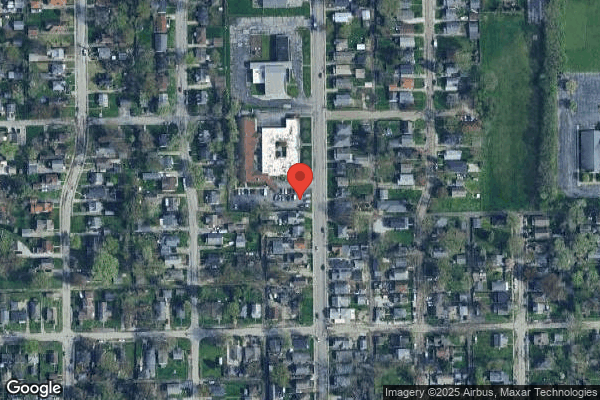

1316 N TIBBS AVE, INDIANAPOLIS, IN 46222 (317) 634-8330
For profit - Limited Liability company 89 Beds INFINITY HEALTHCARE CONSULTING Data: November 2025
Trust Grade
45/100
#406 of 505 in IN
Last Inspection: June 2025

Inspected within the last 6 months. Data reflects current conditions.

Overview

Westpark A Waters Community has a Trust Grade of D, which indicates below-average performance with several concerns to be aware of. It ranks #406 out of 505 in Indiana, placing it in the bottom half of nursing facilities in the state, and #37 out of 46 in Marion County, meaning there are only a few local options that are better. The facility's issues are worsening, with the number of identified problems increasing from 7 in 2024 to 11 in 2025. Staffing is a significant concern here, receiving just 1 out of 5 stars and a turnover rate of 60%, which is higher than the state average. While there have been no fines reported, and the quality measures score is excellent at 5 out of 5 stars, there are serious concerns about resident dignity and medication management based on recent inspections. For instance, residents reported feeling ignored by staff, and there were incidents where medications were unavailable or unadministered due to organizational issues.

Trust Score
D
45/100
In Indiana
#406/505
Bottom 20%
Safety Record
Low Risk
No red flags
Inspections
Getting Worse
7 → 11 violations
Staff Stability
⚠ Watch
60% turnover. Above average. Higher turnover means staff may not know residents' routines.
Penalties
✓ Good
No fines on record. Clean compliance history, better than most Indiana facilities.
Skilled Nurses
⚠ Watch
Each resident gets only 22 minutes of Registered Nurse (RN) attention daily — below average for Indiana. Fewer RN minutes means fewer trained eyes watching for problems.
Violations
⚠ Watch
23 deficiencies on record. Higher than average. Multiple issues found across inspections.
★★☆☆☆
2.0
Overall Rating
★☆☆☆☆
1.0
Staff Levels
★★★★★
5.0
Care Quality
★★☆☆☆
2.0
Inspection Score
Stable
2024: 7 issues
2025: 11 issues

The Good

  • 5-Star Quality Measures · Strong clinical quality outcomes
  • Full Sprinkler Coverage · Fire safety systems throughout facility
  • No fines on record

Facility shows strength in quality measures, fire safety.

The Bad

2-Star Overall Rating

Below Indiana average (3.1)

Below average - review inspection findings carefully

Staff Turnover: 60%

14pts above Indiana avg (46%)

Frequent staff changes - ask about care continuity

Chain: INFINITY HEALTHCARE CONSULTING

Part of a multi-facility chain

Ask about local staffing decisions and management

Staff turnover is elevated (60%)

12 points above Indiana average of 48%

The Ugly 23 deficiencies on record

Jun 2025 11 deficiencies
CONCERN (D)

Potential for Harm - no one hurt, but risky conditions existed

Deficiency F0628 (Tag F0628)

Could have caused harm · This affected 1 resident

**NOTE- TERMS IN BRACKETS HAVE BEEN EDITED TO PROTECT CONFIDENTIALITY** Based on interview and record review, the facility failed to adequately document a discharge in a resident's electronic health r...

Read full inspector narrative →
**NOTE- TERMS IN BRACKETS HAVE BEEN EDITED TO PROTECT CONFIDENTIALITY** Based on interview and record review, the facility failed to adequately document a discharge in a resident's electronic health record (EHR) for 1 of 1 resident reviewed for discharge in a closed record review (Resident 43). Findings include: The clinical record for Resident 43 was reviewed on 6/9/25 at 9:46 a.m. The diagnoses included, but were not limited to, congestive heart failure (the heart becomes weakened and cannot pump blood very well), dementia, and myocardial infarction (heart attack). Resident 43 admitted to the facility on [DATE] and was discharged to another long-term care facility on 5/23/25. A Care Plan Meeting progress note, dated 5/12/25, indicated Resident 43's friend discussed senior living for the resident, but facility nursing and the MDS (Minimum Data Set) Coordinator explained that Resident 43 had dementia and memory issues and would require supervision 24 hours a day. Resident 43's friend indicated she would investigate alternatives. A Discharge MDS assessment, dated 5/22/25, indicated Resident 43 was discharging to another long-term care facility on 5/23/25. The facility was not named. There was no documentation in the clinical record that a discharge order had been placed by the physician. No other documentation or discussion of discharge/discharge planning could be located in Resident 43's EHR. The Regional Director of Operations (RDO) was interviewed on 6/9/25 at 11:39 a.m. He indicated they did not have any other discharge documentation for Resident 43. A facility policy titled Guidelines for Discharge/Transfer, dated 8/26/23, was provided by the Director of Nursing (DON) on 6/9/25 at 12:07 p.m. It indicated A resident will be discharged /transferred [home or another entity] by order of their attending physician in accordance with the specific State/Federal standard and practice guidelines .1) Upon receiving an order from the physician to discharge the resident - the order will be processed into the resident's medical record. 2) Notification will be made to the resident, their responsible party, and any other interested family member as appropriate and indicated. This notification will be documented in the resident's medical record . 3.1-12(a)(5) 3.1-12(a)(6)(B)
CONCERN (D)

Potential for Harm - no one hurt, but risky conditions existed

Deficiency F0657 (Tag F0657)

Could have caused harm · This affected 1 resident

Based on interview and record review, the facility failed to ensure care plan meetings were conducted quarterly for 1 of 1 resident reviewed for care planning. (Resident 42) Findings include: The cli...

Read full inspector narrative →
Based on interview and record review, the facility failed to ensure care plan meetings were conducted quarterly for 1 of 1 resident reviewed for care planning. (Resident 42) Findings include: The clinical record for Resident 42 was reviewed on 6/5/25 at 10:00 a.m. The diagnoses included, but were not limited to, paraplegia and major depressive disorder. A Quarterly Minimum Data Set (MDS) assessment, dated 4/30/25, indicated Resident 42 was cognitively intact. During an interview on 6/5/25 at 10:11 a.m., Resident 42 indicated he had not been invited to any care plan meetings since his admission in January of 2025. On 6/5/25 at 3:20 p.m., the Regional Director of Operations (RDO) provided a care plan meeting progress note dated 1/28/25. This progress note included a list of interdisciplinary team members present and a summary of his care plan meeting. No other care plan meeting progress notes were provided. During an interview on 6/6/25 at 1:59 p.m., the MDS Nurse indicated the facility conducted care plan meetings quarterly or as needed. Resident 42 was scheduled to have a care plan meeting after the week of 4/22/25, but it had been cancelled. She indicated she was unsure as to why a care plan meeting had not been rescheduled. On 6/6/25 at 3:52 p.m., the Nurse Consultant (NC) provided a Baseline Care Plan Assessment/Comprehensive Care Plans Policy, last revised 09/13/24. It indicated . Procedure .6. The facility Social Service Director or designee will notify the resident of their scheduled Care Plan Conference and will invite and encourage the resident to attend. This notification will continue for any subsequent Care Plan Conferences .9. The Comprehensive Care Plans will be reviewed and updated every quarter at a minimum . 3.1-35(d)(2)(B)
CONCERN (D)

Potential for Harm - no one hurt, but risky conditions existed

ADL Care (Tag F0677)

Could have caused harm · This affected 1 resident

Based on observation, interview, and record review, the facility failed to provide timely perineal (genital and anal area) care for 1 of 1 resident observed for activities of daily living (ADLs). (Res...

Read full inspector narrative →
Based on observation, interview, and record review, the facility failed to provide timely perineal (genital and anal area) care for 1 of 1 resident observed for activities of daily living (ADLs). (Resident 24) Findings include: The clinical record for Resident 24 was reviewed on 6/9/25 at 2:03 p.m. The diagnoses included, but were not limited to, chronic obstructive pulmonary disease (COPD, lung and airway disease which restricts breathing), chronic heart failure, pulmonary embolism (clot in lung), weakness, vertigo (dizziness), and difficulty walking. A Quarterly Minimum Data Set (MDS) assessment, dated 4/17/25, indicated the resident was cognitively intact and needed set up or clean up assistance with toileting hygiene. A care plan for ADLs noted an intervention, initiated on 6/17/22, to where staff were to assist Resident 24 with toileting as needed. Another intervention, initiated on 6/17/22, indicated staff were to keep skin clean and dry, provide peri-care (genital/groin/anal area cleaning) and clothing changes as needed. An intervention, initiated on 3/25/25, indicated staff were to provide peri-care as needed with repositioning and keep linens dry, clean, and wrinkle-free. An intervention, initiated on 6/17/22, indicated staff were to promptly assist with toileting when the resident requested and assist with transfers on and off the toilet, adjusting clothing and peri-care as needed. Resident 24 was interviewed on 6/4/25 at 1:47 p.m. He indicated he had a hard time reaching his bottom to wipe after a bowel movement, due to his health conditions. He asked for help getting wiped, but the staff told him it's not their job to help him wipe his bottom. Resident 24 was interviewed on 6/5/25 at 2:33 p.m. He indicated his bottom still had stool on it from yesterday, and he could feel it itching and burning. He had asked the day shift Certified Nurse Aide (CNA) to help him get cleaned up about 20 minutes ago, but she left and had not been back since. No staff was observed entering Resident 24's room, so he activated his call light at 3:10 p.m. Qualified Medication Aide (QMA) 8 was observed entering the resident's room at 3:16 p.m. QMA 8 was interviewed on 6/5/25 at 3:24 p.m. She indicated there was no reason why Resident 24 couldn't clean himself. The Nurse Consultant (NC) provided a policy titled Activities of Daily Living on 6/10/25 at 1:30 p.m. It indicated Residents are given routine daily care and HS [nighttime] care by a CNA [Certified Nurse Aide] or a Nurse to promote hygiene, provide comfort and provide a homelike environment. ADL care is provided throughout the day, evening and night as care planned and/or as needed. ADL care is coordinated between the resident and the care givers with emphasis on resident preference as much as possible .ADL care of the resident includes: Assisting the resident in personal care such as bathing, showering, dressing, eating, hair care, oral care, nail care, appropriate skin care [as indicated and as per care plan] . 3.1-38(a)(2)(C) 3.1-38(a)(3)(A)
CONCERN (D)

Potential for Harm - no one hurt, but risky conditions existed

Quality of Care (Tag F0684)

Could have caused harm · This affected 1 resident

Based on interview and record review, the facility failed to hold cardiac medication when vital signs were outside of prescribed parameters and to administer insulin as ordered for 2 of 5 residents re...

Read full inspector narrative →
Based on interview and record review, the facility failed to hold cardiac medication when vital signs were outside of prescribed parameters and to administer insulin as ordered for 2 of 5 residents reviewed for unnecessary medications. (Resident 14 and Resident 17) Findings include: 1. The clinical record for Resident 14 was reviewed on 6/4/25 at 11:18 a.m. The diagnoses included, but were not limited to, hypertension and congestive heart failure. A physician's order, dated 4/9/24, indicated he was to receive digoxin (cardiac medication) 125 micrograms (mcg); one tablet daily for heart failure. The parameters were listed to hold the medication dose for pulse under 60 beats per minute. A physician's order, dated 4/9/24, indicated he was to receive metoprolol succinate extended release (ER) 50 milligrams (mg) twice daily for hypertension. The parameters were listed to hold the medication dose for systolic blood pressure below 100 or pulse below 60. A care plan, last revised on 6/19/24, indicated Resident 14 had the potential for cardiac distress related to a diagnosis of coronary artery disease. The goal was for him to be free of cardiac distress. The interventions included to serve diet as ordered and administer medications as ordered. The May 2025 and June 2025 Medication Administration Record (MAR) indicated the digoxin 125 mcg had been administered when Resident 14's pulse was below 60 on the following days: 5/6/25, 5/7/25, 5/19/25, 5/20/25, 5/21/25, and 6/5/25. The May 2025 and June 2025 MAR indicated the metoprolol succinate 50 mg had been administered when his pulse was below 60 on the following days: 5/6/25, 5/7/25, 5/19/25, 5/20/25, 5/21/25, 6/5/25, and 6/8/25. During an interview on 6/9/25 at 12:19 p.m., the Director of Nursing (DON) indicated the digoxin, and metoprolol should have been held when Resident 14's pulse was below 60. 2. The clinical record for Resident 17 was reviewed on 6/5/25 10:30 a.m. The diagnoses included, but were not limited to, cocaine abuse, opioid use, and major depressive disorder. An Annual Minimum Data Set assessment, dated 3/24/25, indicated Resident 17 was cognitively intact. A physician order, dated 1/9/25, was noted for insulin lispro-aabc injection solution (fast-acting insulin) 100 unit/milliliter (mL), inject per sliding scale subcutaneously four times a day for type 2 diabetes. A physician order, dated 1/9/25, was noted for Lantus SoloStar Subcutaneous Solution Pen-Injector (long-acting insulin) 100 unit/mL (insulin glargine), inject 90 units subcutaneously two times a day for diabetes. Review of the May 2025 MAR indicated Resident 17 was not administered his insulin lispro-aabc injection solution as ordered on the following days and times: 05/03/25 at 12:00 p.m., 05/10/25 at 12:00 p.m., 05/20/25 at 9:00 p.m., 05/25/25 at 12:00 p.m., 05/26/25 at 7:00 a.m. and 12:00 p.m., 05/27/25 at 07:00 a.m. and 12:00 p.m., and 05/28/25 at 5:00 p.m. and 9:00 p.m. Review of the May 2025 MAR indicated Resident 17 was not administered his Lantus SoloStar Injection Solution (insulin glargine) as ordered on the following days and times: 05/01/25 at 8:00 p.m., 05/26/25 at 8:00 a.m., 05/27/25 at 8:00 a.m., and 05/28/25 at 8:00 p.m. During an interview on 6/9/25 at 4:14 p.m., the facility Nurse Consultant (NC) indicated she was unable to find documentation as to why the doses of insulin had not been administered as ordered. On 6/9/25 at 3:26 p.m., the DON provided the Medication Administration Policy which indicated .Purpose: To administer medications safely and appropriately to aide residents to overcome illness, relieve and prevent symptoms, and help in diagnosis . 12. Obtain and record any vital signs as necessary prior to medication administration. 16. Give the resident the medication . 3.1-37(a)
CONCERN (D)

Potential for Harm - no one hurt, but risky conditions existed

Pharmacy Services (Tag F0755)

Could have caused harm · This affected 1 resident

Based on interview and record review, the facility failed to ensure medications were received timely from the pharmacy for 1 of 5 residents reviewed for unnecessary medications and 1 of 1 resident rev...

Read full inspector narrative →
Based on interview and record review, the facility failed to ensure medications were received timely from the pharmacy for 1 of 5 residents reviewed for unnecessary medications and 1 of 1 resident reviewed for tube feedings (Resident 14 and Resident 41). Findings include: 1. The clinical record for Resident 14 was reviewed on 6/4/25 at 11:18 a.m. The diagnoses included, but were not limited to, hypertension and congestive heart failure. A physician's order, dated 6/3/25, indicated Resident 14 was to receive trazadone (medication for depression) 50 milligram (mg); two tablets at bedtime nightly for insomnia. The June 2025 Medication Administration Record (MAR) indicated Resident 14 had not received his prescribed dose of trazadone on 6/3/25, 6/4/25, and 6/5/25. He began receiving the prescribed dose on 6/6/25. During an interview on 6/9/25 at 2:14 p.m., the Director of Nursing (DON) indicated Resident 14 had not received his trazadone on 6/3/25, 6/4/25, and 6/5/25 because the medication had not been delivered from the pharmacy and was not available in the Cubex (a machine located at the facility for obtaining medication as needed). 2. The clinical record for Resident 41 was reviewed on 6/4/25 at 2:56 p.m. The diagnoses included, but were not limited to, dysphagia (inability to swallow) and aspiration pneumonia (pneumonia caused by material from the stomach or mouth entering the lungs). A physician's order, dated 5/13/25, indicated he was to have a scopolamine transdermal patch (medication used to prevent nausea and vomiting) applied to the skin every 72 hours for nausea. A care plan, last reviewed 6/6/25, indicated Resident 41 had a feeding tube due to dysphagia and was at high risk for aspiration. The goal was for him to maintain adequate nutrition and hydration using his feeding tube without complications. The interventions included to monitor for intolerance of feedings such as vomiting or nausea and to elevate the head of his bed at least 30 degrees at all times. The June 2025 MAR indicated Resident 41's scopolamine transdermal patch had not been applied on 6/3/25 and 6/6/25 due to the patch not being available. During an interview on 6/9/25 at 2:14 p.m., the DON indicated the scopolamine patch had been reordered from the pharmacy and had not been sent to the facility timely. On 6/6/25 at 3:52 p.m., the Nurse Consultant provided the Pharmacy Services policy, dated October 2021, which indicated . is responsible for rendering the required services in accordance with local, state, and federal laws and regulation, facility policies and procedures, and community standards of practice .Providing routine and timely pharmacy services 7 days per week and emergency pharmacy service 24 hours a day, seven days per week . 3.1-25(a)
CONCERN (D)

Potential for Harm - no one hurt, but risky conditions existed

Deficiency F0761 (Tag F0761)

Could have caused harm · This affected 1 resident

Based on interview and record review, the facility failed to ensure a partial dose of a controlled substance (oxycodone) was destroyed and recorded in the presence of two licensed personnel for 1 of 5...

Read full inspector narrative →
Based on interview and record review, the facility failed to ensure a partial dose of a controlled substance (oxycodone) was destroyed and recorded in the presence of two licensed personnel for 1 of 5 residents reviewed for unnecessary medications. (Resident 17) The clinical record for Resident 17 was reviewed on 6/5/25 at 10:30 a.m. The diagnoses included, but were not limited to, cocaine abuse, opioid use, and major depressive disorder. An Annual Minimum Data Set assessment, dated 3/24/25, indicated Resident 17 was cognitively intact. A physician's order, dated 4/3/25, noted to administer oxycodone 5 milligrams (mg) tablet, give one tablet by mouth every six hours as needed for pain. A nursing progress note, dated 5/21/25, indicated Resident 17 requested a dose of oxycodone for pain, but the facility had run out of oxycodone 5 mg tablets. Available in the Cubex (a machine that supplies medications at the facility) was oxycodone 10 mg tablets. Licensed Practical Nurse (LPN) 4 called the facility Nurse Practitioner (NP) to obtain a one-time order for a half tablet of oxycodone 10 mg. A nursing progress note, dated 5/21/25, indicated LPN 4 was able to pull the oxycodone 10 mg for Resident 17, split the pill in half and would save the other half for later. During an interview on 6/9/25 at 1:59 p.m., the Director of Nursing (DON) indicated if a narcotic was pulled and the full dose was not administered, the remainder of the dose should have been wasted or destroyed. A Controlled Drug Receiving Record/Disposition Form, dated 5/21/25, indicated a half tablet of oxycodone 10 mg was administered, with a half tablet remaining on 5/21/25 at 4:00 p.m. The record did not contain a signature from the administering staff member. An entry, dated 5/22/25 at 1:00 a.m., indicated the remaining half tablet was administered and signed off on by the administering staff member. An interview was conducted with LPN 4 on 06/10/25 at 2:19 p.m. She indicated Resident 17 was upset and acting out of character due to not having his available pain medication. She called the facility NP to obtain a one-time order for oxycodone 10 mg since that was what was available in the Cubex. LPN 4 split the oxycodone 10 mg in half to give Resident 17 the ordered 5 mg and then put the remaining half tablet in a medication cup and stored it in the narcotics lock box. LPN 4 indicated she saved it so the following shift would have a dose to give Resident 17 until the pharmacy refilled his pain medication. On my way home, I realized I had forgotten to fill out a narcotic record sheet. A Controlled Substance Medications Policy, dated March 2023, was provided by the facility Nurse Consultant on 6/10/25 at 9:15 a.m. It indicated Policy: Medications included in the Drug Enforcement Administration (DEA) classification as controlled substances are subject to special handling, storage, disposal, and record keeping in the facility, in accordance with federal and state laws and regulations . The disposal of unused partial tablets and unused portions of single dose ampules must be destroyed and recorded in the presence of two licensed personnel . 3.1-25(r)
CONCERN (D)

Potential for Harm - no one hurt, but risky conditions existed

Deficiency F0847 (Tag F0847)

Could have caused harm · This affected 1 resident

Based on interview and record review, the facility failed to ensure residents with severe cognitive impairment did not enter into binding arbitration agreements for 1 of 3 residents reviewed for arbit...

Read full inspector narrative →
Based on interview and record review, the facility failed to ensure residents with severe cognitive impairment did not enter into binding arbitration agreements for 1 of 3 residents reviewed for arbitration. (Resident 20) Findings include: The clinical record for Resident 20 was reviewed on 6/6/25 and 2:30 p.m. The diagnoses included, but were not limited to, stroke. An admission Minimum Data Set (MDS) assessment, completed 5/2/25, indicated he was severely cognitively impaired. He was able to make himself understood and able to respond adequately to simple direct questions. On 6/6/25 at 2:27 p.m., the Executive Director provided a copy of a Voluntary Binding Arbitration Agreement, that was electronically signed by Resident 20, on 4/28/25, which indicated .This is a voluntary agreement. You are not required to sign this agreement as a condition of admission to this Facility or to continue to receive care at this facility .You are strongly encouraged to consult with an attorney or trusted advisor before signing this agreement. You have the opportunity to ask questions before signing this document . The Resident/ Resident's Legally Authorized Representative, by signing this agreement, also acknowledges that he/she had been informed and understands the entire agreement including that .b. The agreement may not be submitted to a Resident for approval when the Resident has been deemed incompetent by two physicians .d. The agreement waives the Resident's right to a trial in a court for any future malpractice claim the Resident may have against the healthcare provider, absent revocation of the agreement consistent with state law . During an interview on 6/9/25 at 1:40 p.m., the Regional Director of Operations (RDO) indicated that upon admission, there was not always a guardian or family member involved and able to complete the admission paperwork with the resident being admitted . During an interview on 6/9/25 at 3:50 p.m., the Executive Director indicated the admission paperwork was filled out electronically, and there was an option to sign all which puts initials or electronic signatures on all forms that need to be signed, including the Voluntary Binding Arbitration Agreement. She would ensure the Voluntary Binding Arbitration Agreement was not signed by residents without capacity to make the decision going forward.
CONCERN (D)

Potential for Harm - no one hurt, but risky conditions existed

Infection Control (Tag F0880)

Could have caused harm · This affected 1 resident

Based on observation, interview, and record review, the facility failed to ensure infection control was maintained during medication administration by not performing hand hygiene before coming into co...

Read full inspector narrative →
Based on observation, interview, and record review, the facility failed to ensure infection control was maintained during medication administration by not performing hand hygiene before coming into contact with a resident and donning gloves, not donning new gloves before touching a resident's medications, ensuring medications were not touched with bare hands, administered medications after being dropped on to a medication cart, and not disinfecting insulin pen hubs prior to use for 3 of 3 residents randomly observed during medication administration (Resident 8, Resident 33, and Resident 47). Findings include: 1. The clinical record for Resident 33 was reviewed on 6/6/25 at 10:12 a.m. The diagnoses included, but were not limited to, hypertension. On 6/6/25 at 10:12 a.m., Licensed Practical Nurse (LPN) 2 was observed administering medications to Resident 33. LPN 2 performed hand hygiene and began gathering Resident 33's available medications from the medication cart. She was not observed to clean the top of the medication cart prior to preparing Resident 33's medications. She used her keys to open the cart and removed the medication cards from the cart one at a time. She removed a capsule of Cymbalta from the medication card and the Cymbalta capsule fell onto the medication cart. LPN 2 picked up the Cymbalta capsule with her bare hand and placed it in the medication cup with the other medications. LPN 2 indicated Resident 33 received his medication crushed with applesauce. The medication cup contained capsules and pills. LPN 2 removed the capsules from the medication cup and placed them into another medication cup. She poured the pills into a plastic sleeve and crushed them, then poured the crushed pills into a new medication cup. She then removed each capsule from a plastic medication cup and opened them, pouring the contents into the medication cup with the crushed pills. LPN 2 did not perform hand hygiene or wear disposable gloves while touching the capsules to open them. She put applesauce into the medication cup with the crushed medication. LPN 2 then took the medications to Resident 33 and administered them to him. During an interview on 6/6/25 at 10:35 a.m., LPN 2 indicated she did not consider a pill to be dropped unless it went onto the floor, and she cleaned the top of her medication cart often. She routinely opened capsules without gloves on. 2. The clinical record for Resident 47 was reviewed on 6/6/25 at 11:45 a.m. The diagnoses included, but were not limited to, diabetes. On 6/6/25 at 11:45 a.m., the Director of Nursing (DON) was observed administering insulin to Resident 47. She indicated his blood sugar was 186 and he was to receive two units of lispro insulin (fast acting insulin). She gathered her supplies and entered Resident 47's room. The DON removed the insulin pen from the box, removed the cap from the pen and placed the needle onto the pen. She did not cleanse the hub of the pen prior to placing the needle on. She did hand hygiene and donned disposable gloves. She dialed two units on the pen, cleansed Resident 47's skin, and injected the insulin medication. During an interview on 6/6/25 at 11:57 a.m., the DON indicated she should have cleansed the hub of the insulin pen prior to placing the needle on the pen. 3. The clinical record for Resident 8 was reviewed on 6/4/25 at 2:30 p.m. The diagnoses included, but were not limited to, chronic obstructive pulmonary disease and chronic bronchitis. An observation of medication administration for Resident 8 was conducted with the DON on 6/6/25 at 9:21 a.m. The DON was observed performing hand hygiene upon arrival to the medication cart. She pulled and prepared Resident 8's medication from the [NAME] Hall medication cart. Due to multiple medications not being available, the DON went to the overflow medication cart and Cubex (a machine that supplies medications at the facility) to see if any of the missing medications were available. The DON then entered Resident 8's room with the medication cup and a cup of water. No hand hygiene was performed after contact with high traffic surface areas or before entering the resident's room. The DON donned a pair of gloves and administered the resident's nasal spray. Afterward, while holding Resident 8's medication cup, the DON touched and pushed around the resident's pills with her gloved finger. The DON did not perform hand hygiene after administering Resident 8's nasal spray or don new gloves before touching the resident's pills. An interview was conducted with the DON on 6/6/25 at 10:20 a.m. She indicated it was not best practice to touch the resident's pills without donning new gloves. During an interview on 6/6/25 at 2:38 p.m., the Nurse Consultant indicated medication should not be used when it was dropped on the medication cart and medications should not be touched with bare hands. A Hand Hygiene Policy, dated 8/21/13, was provided by the facility Nurse Consultant (NC) on 6/6/25 at 3:52 p.m. It indicated .If hands are not visibly soiled, use an alcohol-based hand rub for routinely decontaminating hands in all other clinical situations. Some of these situations include before and after contact with residents, before putting on and taking off gloves . On 6/6/25 at 3:52 p.m., the NC provided the current Gloves- Non Sterile Policy which indicated .Perform Hand Hygiene . Appy Latex free non-sterile gloves on at a time, stretching over wrists .If for any reason there is a need to remove the gloves and reapply new gloves, Hand Hygiene must occur between the removal of the used pair of gloves and the application of the new pair of gloves . On 6/9/25 at 3:26 p.m., the DON provided the Insulin Pen Injection Administration Policy, dated July 2024, which indicated .6. Remove pen cap and wipe rubber stopper with alcohol swab . 3.1-18(b)(1) 3.1-18(l)
CONCERN (E)

Potential for Harm - no one hurt, but risky conditions existed

Resident Rights (Tag F0550)

Could have caused harm · This affected multiple residents

Based on observation, interview, and record review, the facility failed to ensure residents were treated with dignity for 15 of 16 residents reviewed for dignity. (Residents' 6, 8, 9, 12, 13, 14, 16, ...

Read full inspector narrative →
Based on observation, interview, and record review, the facility failed to ensure residents were treated with dignity for 15 of 16 residents reviewed for dignity. (Residents' 6, 8, 9, 12, 13, 14, 16, 24, 28, 34, 37, 42, 44, 47, and an Anonymous Resident) Findings include: 1. The clinical record for Resident 14 was reviewed on 6/4/25 at 11:18 a.m. The diagnoses included, but were not limited to, hypertension and congestive heart failure. A Quarterly Minimum Data Set (MDS) assessment, completed 3/5/25, indicated he was cognitively intact During an interview on 6/4/25 at 2:18 p.m., Resident 14 indicated he felt the facility staff did not care what the residents of the facility had to say. The staff sat in their offices and went to meetings but never came out and talked with the residents to find out about the problems they were having. He felt the upper management made it all about the budget and not about the residents. 2. On 6/4/25 at 2:12 p.m., Resident 44 was observed sitting in her wheelchair in her room. She turned on her call light to get assistance going back to bed. Her call light continued to be on at 2:29 p.m., and she continued to sit in her wheelchair by her bed. The call light was audible at the nurses' station and visible in the hallway. At 2:30 p.m., Licensed Practical Nurse (LPN) 2 walked to the nurses' station and then left the nurses' station, indicating she was heading to lunch. At 2:31 p.m., a dietary staff member walked by the nurses' station and down the hallway outside of Resident 44's room, where the call light was visible. At 2:42 p.m., a Certified Nurse Aide entered Resident 44's room and shut off the call light, shut the door, and assisted Resident 44. 4. An interview was conducted, on 6/4/25 at 11:15 a.m., with Resident 8. She indicated she had overheard aides in the hall warning each other about coming into her room and spending all their time on their phones. 5. A resident council meeting was conducted on 6/5/25 at 2:06 p.m. During this meeting, Resident 14 indicated call lights go unanswered for at least thirty minutes, and on the weekends it was worse. Staff will come into our rooms and turn the light off, say they will come back to assist us, and never return. Resident 14 indicated when staff do this it makes him feel helpless and not valued. Residents' 6, 9, 12, 13, 16, 24, 28, 34, 37, 42, and 47 indicated they agreed to Resident 14's comments. Resident 42 indicated having to wait so long for assistance after putting on his call light made him feel like he wanted to die. 6. A confidential interview was conducted during the course of the survey which indicated residents had to wait a long time for call lights to be answered. They had seen call lights be on for hours with no one answering them. When they would tell nursing staff about residents' requests or that a resident needed help the nursing staff would get attitudes with them. Some of the nurses were very nice, but some of the nurses were rude to the residents. The management staff rarely come out of the offices to see what was going on. They had seen urinals at bedside that were about to overflow, and no one would come and empty them. 7. During a confidential interview, an anonymous resident indicated QMA 8 called them a drug addict and was nothing but a junky. On a separate occasion, LPN 4 denied a resident was in that much pain when they had requested pain medication. The Director of Nursing (DON) was interviewed on 6/9/25 at 1:56 p.m. She indicated when staff members enter resident rooms, they were expected to knock first, announce themselves, and ask permission to come in. An interview was conducted with the DON on 6/9/25 at 4:10 p.m. She indicated LPN 4 had been educated regarding usage of her tone of voice. The DON indicated she was unaware of the allegation of LPN 4 denying resident's pain or of QMA 8 calling a resident a drug addict. During an interview on 6/10/25 at 3:20 p.m., the Executive Director indicated she would expect that no staff would walk by a call light and not answer it and attempt to assist the resident. Call lights should be answered timely. On 6/6/25 at 3:52 p.m., the Nurse Consultant provided the Dignity Policy, dated 8/9/2023, which indicated .Conversations 1.) Staff will be polite and respectful at all times- and will be positive in their approach to residents to include residents who make repetitive request and residents who are demanding or use inappropriate language toward staff . 2.) Staff will not speak in a manner that could be interpreted as even minimally condescending/ critical or argumentative nor in a volume any louder that is absolutely necessary as this can be interpreted as meeting abuse criteria .Privacy 1.) Staff will knock prior to entering a resident's room. They will announce themselves and ask permission to enter .Care .3.) Should a resident have an episode of incontinence, staff will change them upon discovery of the episode .Note: Residents are to have all aspects of their dignity maintained by staff regardless of the resident's cognitive level or ability to realize or understand what is being said or done by others. 3.1-3(t) 3. The clinical record for Resident 24 was reviewed on 6/9/25 at 2:03 p.m. The diagnoses included, but were not limited to, atrial fibrillation (a heart condition where the heart beats chaotic and rapid), congestive heart failure (the heart becomes weak and cannot pump blood very well), and diabetes. A Quarterly MDS assessment, dated 4/17/25, indicated the resident was cognitively intact. Resident 24 was interviewed on 6/4/25 at 1:47 p.m. He indicated he has a hard time reaching his bottom to wipe after a bowel movement, due to his health conditions. He asked for help getting wiped, but the staff tells him it's not their job to help him wipe his bottom. Resident 24 was randomly observed activating his call light on 6/5/25 at 3:16 p.m. Qualified Medication Aide (QMA) 8 approached Resident 24's closed room door, put on a gown and gloves, and opened the door, asking Yeah? as she entered the room. She did not knock or identify herself. He asked for help getting cleaned up and she indicated she would be back to assist him.
CONCERN (E)

Potential for Harm - no one hurt, but risky conditions existed

Unnecessary Medications (Tag F0759)

Could have caused harm · This affected multiple residents

3. On 6/6/25 at 11:04 a.m., Licensed Practical Nurse (LPN) 2 was randomly observed administering medications to Resident 33. LPN 2 removed the medication cards from the medication cart and began to pl...

Read full inspector narrative →
3. On 6/6/25 at 11:04 a.m., Licensed Practical Nurse (LPN) 2 was randomly observed administering medications to Resident 33. LPN 2 removed the medication cards from the medication cart and began to place the prescribed medication doses into a plastic medication cup. LPN 2 indicated that Resident 33's folic acid, multivitamin, vitamin B-12 and Thiamine (Vitamin B-1) were not available to be given in the medication cart. LPN 2 went to the Cubex (machine that supplies medications at the facility) to obtain the folic acid, multivitamin, vitamin B-12 and Thiamine for Resident 33. LPN 2 was unable to obtain the medications from the Cubex. LPN 2 went to the drug overflow cart and attempted to find the folic acid, multivitamin, vitamin B-12 and Thiamine to administer. LPN 2 was unable to locate the missing medications from the overflow medication cart. LPN 2 indicated the medications had been previously reordered from the pharmacy and had been delivered to the facility yet. The pharmacy often did not deliver medications timely. LPN 2 indicated Resident 33 would not receive the folic acid, multivitamin, vitamin B-12 and Thiamine due to the medications being unavailable. LPN 2 then administered the Resident 33 nine of his thirteen prescribed morning medications. During an interview with the DON on 6/6/25 at 9:45 a.m., she indicated there was often a delay in the delivery of medications from the pharmacy once medications have been reordered electronically and often has to e-mail or call the pharmacy to expedite delivery. 3.1-48(c)(1) Based on observation, interview, and record review, the facility failed to ensure medications were available as ordered resulting in a medication error rate of greater than 5% for 3 of 3 residents observed during medication pass. There were 38 opportunities with 11 errors resulting in a 29% medication error rate. The errors involved 3 residents in the sample of 16. (Resident 8, Resident 33, and Resident 38) Findings include: 1. An observation of medication administration was conducted with the Director of Nursing (DON) on 6/6/25 at 9:21 a.m. The DON indicated Resident 8 had the following medications ordered to give that morning (06/06/25): benzonatate 100 milligrams (mg), Cranberry capsule 250 mg, fluoxetine hydrochloric acid (HCL) 40 mg, furosemide 20 mg, ipratropium - albuterol aerosol inhaler, gabapentin 300 mg, vitamin D 125 micrograms (mcg), Lidoderm patch, Singulair 10 mg, vitamin C 1000 mg, triamcinolone acetonide nasal spray, Eliquis 5 mg, ferrous sulfate 325 mg, and erythromycin 5 mg ointment. The DON indicated Resident 8's ipratropium-albuterol inhaler, vitamin D 125 mcg tablet, Lidoderm patch, Singulair 10 mg, ferrous sulfate 325 mg, and erythromycin ointment were unavailable, but had previously been reordered. The DON attempted to retrieve these medications from the overflow medication cart and the Cubex (a machine that supplies medications at the facility) and was unsuccessful due to unavailability. Resident 8 did not receive 6 of her 14 medications as ordered that morning. 2. An observation of medication administration was conducted with the DON on 6/6/25 at 9:55 a.m. The DON indicated Resident 38 had the following medications ordered to give that morning (06/06/25): buspirone 5 mg, clopidogrel 75 mg, apixaban 5 mg, Keppra 1000 mg, fluticasone propionate nasal spray, pantoprazole 40 mg, Folic Acid 1 mg, potassium chloride 10 milliequivalents (mEq) extended release, venlafaxine 150 mg, Geodon 20 mg, and vitamin B-12. The DON indicated the facility was out of Resident 38's fluticasone nasal spray and she would need to contact the pharmacy to have it reordered.
CONCERN (E)

Potential for Harm - no one hurt, but risky conditions existed

Deficiency F0804 (Tag F0804)

Could have caused harm · This affected multiple residents

Based on observation, interview, and record review, the facility failed to ensure palatable food was provided for 12 of 14 residents reviewed for food. (Residents' 6, 8, 9, 13, 14, 16, 24, 26, 28, 34,...

Read full inspector narrative →
Based on observation, interview, and record review, the facility failed to ensure palatable food was provided for 12 of 14 residents reviewed for food. (Residents' 6, 8, 9, 13, 14, 16, 24, 26, 28, 34, 37, and 42) Findings include: 1. The clinical record for Resident 14 was reviewed on 6/4/25 at 11:18 a.m. The diagnoses included, but were not limited to, hypertension and congestive heart failure. A Quarterly Minimum Data Set (MDS) assessment, completed 3/5/25, indicated he was cognitively intact. During an interview on 6/4/25 at 2:18 p.m., Resident 14 indicated the food was raggedy and low grade. The same things were served over and over. 5. The clinical record for Resident 8 was reviewed on 6/4/25. The diagnoses included, but were not limited to, chronic obstructive pulmonary disease. A Quarterly MDS assessment, dated 5/14/25, indicated the resident was cognitively intact. During an interview on 6/4/25 at 11:12 a.m., Resident 8 indicated she did not like the taste of the food. 6. A resident council meeting was conducted on 6/5/25 at 2:06 p.m. During this meeting, Resident 28 indicated residents eat the same thing for breakfast 4 out of 7 days a week, and that the food was terrible. Resident 28 indicated the food used to be different and believed the facility had changed suppliers, once they switched the food quality went from bad to worse. Residents' 6, 9, 13, 14, 16, 24, 34, 37, and 42 indicated they agreed to Resident 28's comments. On 6/5/25 at 11:54 a.m., the Dietary Manager (DM) provided a lunch test tray which contained chicken parmesan, noodles, and green beans. The plate contained an unbreaded chicken breast in a thin red sauce and no cheese. The noodles were over cooked and had a slimy texture. The green beans were presented in a bowl on the plate. 3.1-21(a)(1) 3.1-21(a)(2) 2. The clinical record for Resident 9 was reviewed on 6/6/25 at 9:53 a.m. The diagnoses included, but were not limited to, depression, migraines, diabetes, and malnutrition. A Quarterly MDS assessment, dated 3/28/25, indicated the resident was cognitively intact. Resident 9 was interviewed on 6/4/25 at 11:30 a.m. He indicated the food at the facility was not good, and it had no salt or seasoning. 3. The clinical record for Resident 24 was reviewed on 6/9/25 at 2:03 p.m. Diagnoses included, but were not limited to, diabetes, congestive heart failure (the heart is weak and cannot pump efficiently), chronic obstructive pulmonary disease (a lung disease which restricts breathing), gastroesophageal reflux (heartburn), heart disease, and anemia. A Quarterly MDS assessment, dated 4/17/25, indicated the resident was cognitively intact. Resident 24 was interviewed on 6/4/25 at 1:47 p.m. He indicated some of the food was good but some of it was bad, and sometimes the meat smelled spoiled. He was supposed to get double portions of meat, but the portions were really small, and he had lost weight since being at the facility. Resident 24 was interviewed on 6/5/25 at 2:33 p.m. He indicated the lunch meal earlier that day was really gross. The meat in the sauce was so tough that he couldn't eat it. The food on the plate that looked like rice was extremely soggy and had no flavor or taste at all. He could not eat that either. 4. The clinical record for Resident 26 was reviewed on 6/5/25 at 1:37 p.m. Diagnoses included, but were not limited to, chronic pain syndrome, anxiety, and malnutrition. A Quarterly MDS assessment, dated 4/7/25, indicated the resident was cognitively intact. Resident 26 was interviewed on 6/4/25 at 11:57 a.m. She indicated the food usually tasted bad, was cold sometimes, and the portions were very small.
Apr 2024 7 deficiencies
CONCERN (D)

Potential for Harm - no one hurt, but risky conditions existed

Report Alleged Abuse (Tag F0609)

Could have caused harm · This affected 1 resident

2. The clinical record for Resident 28 was reviewed on 4/2/24 at 1:13 p.m. Resident 28's diagnoses included, but not limited to, borderline personality disorder, bipolar disorder, Lupus, anxiety disor...

Read full inspector narrative →
2. The clinical record for Resident 28 was reviewed on 4/2/24 at 1:13 p.m. Resident 28's diagnoses included, but not limited to, borderline personality disorder, bipolar disorder, Lupus, anxiety disorder, major depressive disorder, and fibromyalgia. A nursing note dated 12/15/23 at 8:26 a.m. indicated, Resident 28 had told the writer of the nursing note of an incident that happened during the evening shift on 12/14/23. Resident 28 indicated, she was verbally abused by her roommate and wanted staff to be aware but did not want to move rooms. An interview with Resident 28 conducted on 4/2/23 at 2:36 p.m. indicated, when she was roommates with Resident 13, Resident 13 would yell at her to get off the phone, say that she is good for nothing, and that she needed mental help. An interview with ED (Executive Director) conducted on 4/2/24 at 3:17 p.m. indicated, the alleged verbal abuse between Resident 28 and Resident 13 on 12/14/23 had not been reported to her or the management staff. ED further indicated, the alleged verbal abuse had not been reported to the Indiana State Department of Health as of yet, but she was going to report it immediately and an investigation into the incident was to begin. The investigation file for the alleged verbal abuse was received on 4/4/24 at 1:20 p.m. It contained, but not limited to, an Indiana State Department of Health incident report dated 4/2/24 at 3:39 p.m. The incident report indicated, the actual identified date of the incident being reported had occurred on 12/15/23 at 8:26 a.m. The alleged verbal abuse incident was not reported timely. An Abuse Prevention Program policy received on 4/3/24 at 2:14 p.m. from ED indicated, . Employees are required to report any incident, allegation or suspicion of potential abuse, neglect, or mistreatment they observe, hear about of suspect to the Administrator or an immediate supervisor who will immediately report the allegation to the Administrator. The Administrator is the Abuse Coordinator .Supervisors shall immediately inform the Administrator or in the absence of the Administrator, the person in charge of the facility of all reports of incidents, allegations, or suspicion of potential mistreatment. Upon learning of the report, the Administrator or in the absence of the Administrator, the person in charge of the facility shall indicate an incident investigation .The Administrator or designee utilizing the ISDH [sic, Indiana State Department of Health] Incident Report form will immediately notify the ISDH by email or fax .Verbal Abuse: Any use of oral, written, or gestured language that willfully include disparaging and derogatory terms to residents or their families, or within their hearing distance, to describe residents, regardless of their age, ability to comprehend or disability. 3.1-28(c) Based on interview and record review, the facility failed to immediately notify the Administrator of an allegation of abuse for 2 of 2 residents reviewed for abuse. (Resident 1 and 28) Findings include: 1. The clinical record for Resident 1 was reviewed on 4/2/24 at 1:30 p.m. His diagnoses included, but were not limited to: anxiety, major depressive disorder, insomnia, and type 2 diabetes. An interview was conducted with Resident 1 on 4/2/24 at 1:33 p.m. He indicated Resident 6 grabbed him and kicked him in the back of his wheel chair last week, in the dining room. He told staff about it and they followed up with him. Now, he stayed away from Resident 6. The 3/30/24 Nursing Progress Note for Resident 1 read, Unwitnessed incident the resident was kicked by another resident in the back of his w/c [wheel chair] and pinched on his left upper arm and back, no apparent injuries, statement was taken from the resident whom was hit, head to toe assessment done on this resident who was stuck, he had no apparent injuries, NP [Nurse Practitioner,] DON [Director of Nursing,] and Family notified. An interview was conducted with the ED (Executive Director) on 4/2/24 at 1:45 p.m. She indicated she knew about the altercation between Resident 1 and Resident 6. It happened on Saturday, 3/30/24. She didn't find out about it until Monday, 4/1/24, at Monday Morning Meeting through a progress note and risk management entry. The nurse who created the progress note entered the altercation into a risk management entry for both residents. The nurse thought the ED would find out about the altercation through risk management. The nurse should have reported it to her immediately. An interview was conducted with Resident 1 on 4/4/24 at 10:30 a.m. He indicated the pinch hurt, but not too much, and didn't leave a bruise or anything. It hurt his feelings at the time, but he was okay now.
CONCERN (D)

Potential for Harm - no one hurt, but risky conditions existed

ADL Care (Tag F0677)

Could have caused harm · This affected 1 resident

Based on interview and record review, the facility failed to provide showers, as care planned and preferred, for 1 of 3 residents reviewed for ADL (Activities of Daily Living) care (Resident 35). Find...

Read full inspector narrative →
Based on interview and record review, the facility failed to provide showers, as care planned and preferred, for 1 of 3 residents reviewed for ADL (Activities of Daily Living) care (Resident 35). Findings include: The clinical record for Resident 35 was reviewed on 4/2/24 at 1:17 p.m. The Resident's diagnosis included, but were not limited to, parkinsonism and tremors. A care plan, initiated on 8/1/23, indicated Resident 35 needed assistants with adl care related to his impaired mobility and tremors. The goal was for him to have all adl needs met by staff. The interventions included, but were not limited to, bathe per resident preference 2 x weekly and as needed, initiated 8/1/23. An Activity Resident Interview, completed 1/12/24, indicated it was very important to Resident 35 to choose between a tub bath, shower, bed bath or sponge bath. A Quarterly MDS (Minimum Data Set) Assessment, completed 2/5/24, indicated he was cognitively intact. During an interview on 4/2/24 at 1:17 p.m., Resident 35 indicated he did not always get his showers. He thought his shower day was on Fridays. He did not always get showers twice a week and that he preferred showers, not bed baths. During an interview on 4/3/24 at 1:44 p.m., the DON (Director of Nursing) indicated his showers were scheduled for Wednesday and Sunday evenings. During an interview on 4/3/24 at 3:15 p.m., CNA (Certified Nursing Assistant) 20 indicated Resident 35 normally did not refuse his showers. March and April showers should have been performed on 3/3, 3/6, 3/10, 3/13, 3/17, 3/20, 3/24, 3/27, 3/31, 4/3. On 4/3/34 at 3:30 p.m., the RNC (Regional Nurse Consultant) 1 provided shower sheets for Resident 35 for March 2024, which indicated that he had received the following: 3/6/24- shower, 3/9/24- shower, 3/16/24- bed bath, 3/20/24- he had refused, 3/23/24- shower, 3/27/24- shower, and 3/30/24- shower. On 4/4/24 at 10:06 a.m., the RNC 1 provided the current Activities of Daily Living policy which read .ADL care is provided throughout the day, evening and night as care planned and / or as needed. ADL care is coordinated between the resident and the care giver with emphasis on resident preferences as much as possible . 3.1-38(3)(b)(2)
CONCERN (D)

Potential for Harm - no one hurt, but risky conditions existed

Quality of Care (Tag F0684)

Could have caused harm · This affected 1 resident

**NOTE- TERMS IN BRACKETS HAVE BEEN EDITED TO PROTECT CONFIDENTIALITY** 3. The clinical record for Resident 11 was reviewed on 4/2/24 at 2:10 p.m. The Resident's diagnosis included, but were not limit...

Read full inspector narrative →
**NOTE- TERMS IN BRACKETS HAVE BEEN EDITED TO PROTECT CONFIDENTIALITY** 3. The clinical record for Resident 11 was reviewed on 4/2/24 at 2:10 p.m. The Resident's diagnosis included, but were not limited to, hypertension and congestive heart failure. A care plan, initiated 10/5/2019, indicated Resident 11 had a diagnosis of hypertension. The goal was for her to have no complications with blood pressure. The interventions, initiated 10/5/2019, were to administer medication as ordered, monitor blood pressure per physician order or facility policy, and to notify the physician and family as needed. A physician's order, dated 2/24/24, indicated Resident 11 was to received metoprolol 75 mg (milligram) tablet twice daily. Hold if systolic blood pressure is less than 100. The March and April 2024 MAR (Medication Administration Record) indicated the metoprolol 75 mg had been administered twice daily. There were no blood pressure recorded on the MAR to indicate what the systolic blood pressure was at the time of administration. The blood pressures recorded in the vital signs section of the electronic health record were 3/15/24 -109/69, 4/2/24- 105/ 65, and 4/3/24- 110/76. On 4/3/24 at 3:40 p.m., the DON (Director of Nursing) indicated that the blood pressures should have been completed prior to administering the metoprolol. The Verbal Orders/Admission/readmission Orders policy was provided by (Regional Nurse Consultant) 2 on 4/4/24 at 11:22 a.m. It read, Question the authorized prescriber if there is any uncertainty regarding the order. The following physician orders policy was provided by the Director of Nursing on 4/4/24 at 2:10 p.m. It indicated .Policy: It is the policy of the facility to follow the orders of the physician. At the time of admission the facility must have physician orders for the resident's immediate care. The facility will have orders to provide essential care to the resident, consistent with the resident's mental and physical status upon admission .4. All physician orders received pertaining to the resident will be implemented and followed throughout the course of the resident's stay in the facility. 3.1-37(a) 2. The clinical record for Resident 21 was reviewed on 4/3/24 at 9:03 a.m. The diagnosis included, but was not limited to: type 2 diabetes mellitus. A physician order dated 1/31/24 indicated Resident 21 was to receive novolog insulin with meals utilizing a sliding scale. The scale was the following: blood sugars 0 - 150 = 0 units of insulin, blood sugars 151 - 200 = 2 units of insulin, blood sugars 201 - 250 = 4 units of insulin, blood sugars 251 - 300 = 6 units of insulin, blood sugars 301 - 350 = 8 units of insulin, and blood sugars 351 - 400 = 10 units of insulin The staff were to call the medical provider if the resident's blood sugar was greater than 425. The March 2024 Medication Administration Record (MAR) indicated Resident 21's blood sugar reading was 486 on 3/6/24 at 11:00 a.m., and 497 on 3/7/24 at 5:00 p.m. A MAR nursing note dated 3/6/24 indicated Writer notified of resident's elevated BG [blood glucose] level; 486. Notified NP [Nurse Practitioner]. Order to give sliding scale per [DATE] units plus additional 2 units. Recheck after 1-2 hours. Will continue with plan of care. The resident's clinical record did not indicated the resident's blood sugar was rechecked in 1-2 hours as ordered. A MAR nursing note dated 3/7/24 indicated the resident's BS [blood sugar] is 497, Nurse notify And 13 units given and to be checked back in 1 hr [hour]. The resident's clinical record did not indicate the resident's blood sugar was rechecked 1 hour as ordered. An interview was conducted with Regional Nurse Consultant 1 on 4/4/24 at 2:08 p.m. She indicated she was unable to find any notations that Resident 21's blood sugars were rechecked as ordered after treating elevated blood sugars of greater than 425 on 3/6/24 and 3/7/24. Based on interview and record review, the facility failed to clarify and administer a resident's medication, as ordered; to ensure physician orders were followed, as ordered, for a resident with elevated blood sugars; and to monitor blood pressure, as ordered, prior to administering a medication for 3 of 5 residents reviewed for unnecessary medications. (Resident 10, 11, and 21) Findings include: 1. The clinical record for Resident 10 was reviewed on 4/3/24 at 1:49 p.m. His diagnoses included, but were not limited to paranoid schizophrenia. The paranoid schizophrenia care plan, revised 2/21/23, indicated he was at risk for the behavioral expressions of paranoia, delusions, and making false accusations at times. Interventions were to GDR (gradual dose reduction) per schedule and provide medications as ordered. The 3/18/23 Note To Attending Physician/Prescriber read, This resident is due for a trial reduction of Haloperidol 5 mg three times a day for schizophrenia. Please consider a gradual dose reduction, while monitoring for re-emergence and/or withdrawal symptoms .Recommend to change to: Haloperidol 5 mg twice daily and 4 mg in the afternoon for schizophrenia. The Physician/Prescriber Response section of the note, completed by the facility's Psyche NP (Nurse Practitioner) on 3/22/24, indicated she agreed with the recommendation and to change the order to the recommended Haloperidol 5 mg twice daily and 4 mg in the afternoon. The 3/22/24 psychiatry progress note, written by the facility Psyche NP, read, [Name of Resident 10] is assessed today in his room, he is resting in his bed underneath the blanket. Addressed his name, he barely responded that he wants to sleep. He appears without any distress. Staff reported resident is doing same and no concerns with sleep, appetite, anxiety or depression or any mood or behavior symptoms. So, reduced his haloperidol slightly as per GDR today. Continue psychiatric services to monitor resident's mood, behaviors, diagnoses, and medications, making appropriate adjustments when clinically indicated Paranoid schizophrenia Mod [moderately] stable - 1. REDUCE Haloperidol Lactate concentrate 5 mg [2.5 ml] BID [twice daily,] and haloperidol 4 mg daily in the afternoon. The March and April, 2024 MARs (medication administration records) indicated he received 2.5 ml of Haloperidol Lactate Oral Concentrate 2 mg/ml by mouth at bedtime only from 3/24/24 through 4/3/24, which was not in accordance with the facility Psyche NP's 3/22/24 pharmacy recommendation response or 3/22/24 psychiatry progress note. An interview was conducted with the DON (Director of Nursing) on 4/4/24 at 10:36 a.m. She indicated on 3/22/24 the Psyche NP put the Haloperidol order in for intramuscularly, the wrong route. Then the evening shift nurse, LPN (Licensed Practical Nurse) 5, noticed it, so she switched the order to 2.5 ml, but didn't have an order to do so. LPN 5 took it upon herself to change the order. Resident 10 should have been administered his Haloperidol, as ordered, in accordance with the 3/22/24 Psyche NP note and 3/22/24 pharmacy recommendation response.
CONCERN (D)

Potential for Harm - no one hurt, but risky conditions existed

Deficiency F0685 (Tag F0685)

Could have caused harm · This affected 1 resident

**NOTE- TERMS IN BRACKETS HAVE BEEN EDITED TO PROTECT CONFIDENTIALITY** Based on interview and record review, the facility failed to ensure vision services was provided for 1 of 1 residents reviewed f...

Read full inspector narrative →
**NOTE- TERMS IN BRACKETS HAVE BEEN EDITED TO PROTECT CONFIDENTIALITY** Based on interview and record review, the facility failed to ensure vision services was provided for 1 of 1 residents reviewed for vision services. (Resident 38) Findings include: The clinical record for Resident 38 was reviewed on 4/2/24 at 10:30 a.m. The diagnosis included, but was not limited to: type 2 diabetes mellitus. The resident was admitted to the facility on [DATE]. A eye consultant consent dated 12/6/23 indicated Resident 38 would like vision services. An interview was conducted with Resident 38 on 4/2/24 at 10:39 a.m. He indicated he was having trouble with his vision and would like to see an eye doctor. The eye visits were provided by the Regional Nurse Consultant 2 on 4/4/24 at 2:00 p.m. It indicated eye services was provided in the facility on 3/27/24. Resident 38 had not been seen. An interview was conducted with Social Services Director on 4/5/24 at 9:12 a.m. She indicated Resident 38 had signed a consent to receive vision services. She was unsure why the resident had not been seen. There have been some concerns with delays on vision services with the vision company the facility current uses. A vision services policy was provided by Regional Nurse Consultant 3 on 4/5/24 at 10:47 a.m. It indicated .The vision and hearing services standard has been to assist with achieving compliance standards found within the State Operations Manual pertaining to proper treatment to maintain vision and hearing abilities. Purpose: To promote, comply, and ensure compliance with state and federal regulations pertaining to vision and hearing services .Policy: It is the standard of the organization to ensure that residents receive the proper treatment and assistive devices to maintain hearing and vision abilities . 3.1-39(a)(1)
CONCERN (D)

Potential for Harm - no one hurt, but risky conditions existed

Dental Services (Tag F0791)

Could have caused harm · This affected 1 resident

**NOTE- TERMS IN BRACKETS HAVE BEEN EDITED TO PROTECT CONFIDENTIALITY** Based on observation, interview and record review, the facility failed to ensure dental services were provided for 2 of 2 reside...

Read full inspector narrative →
**NOTE- TERMS IN BRACKETS HAVE BEEN EDITED TO PROTECT CONFIDENTIALITY** Based on observation, interview and record review, the facility failed to ensure dental services were provided for 2 of 2 residents reviewed for dental (Resident 25 and Resident 38) Findings include: 1. The clinical record for Resident 38 was reviewed on 4/2/24 at 10:30 a.m. The diagnosis included, but was not limited to: type 2 diabetes mellitus. The resident was admitted to the facility on [DATE]. The dental consultant consent dated 12/6/23 indicated Resident 38 would like dental services. An observation was made of Resident 38 on 4/2/24 at 10:39 a.m. The resident's oral cavity was observed with missing and broken teeth. The resident indicated at that time he was having trouble with some of his teeth. He had several teeth missing and cavities. He had not seen a dentist since he had been in the facility. 2. The clinical record for Resident 25 was reviewed on 4/2/24 at 10:30 a.m. The diagnosis included, but was not limited to: type 2 diabetes mellitus. The resident was admitted to the facility on [DATE]. The dental consultant consent dated 8/9/23 indicated Resident 25 would like dental services. An observation was made of Resident 25 on 4/2/24 at 10:24 a.m. The resident was observed with a dark rotten front tooth. He indicated he would like to be seen by a dentist, but haven't seen one. The dental visits were provided by the Regional Nurse Consultant 2 on 4/4/24 at 2:00 p.m. It indicated the dental provider had been in the facility providing services on 3/22/24 and 4/3/24. Resident 25 nor Resident 38 had been seen on those dates. An interview was conducted with Social Services Director (SSD) on 4/5/24 at 9:12 a.m. She indicated Resident 38 and Resident 25 had signed consents to receive dental services. It should take approximately a month to set up for routine dental services. She was unsure why the residents had not been seen. She was unaware Resident 38 had been having trouble with his teeth until the care plan meeting that had been conducted on 4/2/24. She had received a dental report dated 12/18/23 indicating Resident 25's payer source was still pending. She had not followed up with the dental provider. A dental services policy was provided by Regional Nurse Consultant on 4/5/24 at 9:02 a.m. It indicated .Policy: It is is the policy of the facility to provide medically related social services to attain or maintained the highest practicable physical, mental and psychosocial well-being of each resident. This includes meeting any need for dental/denture care to include routine as well as emergency indicated services . 3.1-24(a)(1)(2)
CONCERN (E)

Potential for Harm - no one hurt, but risky conditions existed

Food Safety (Tag F0812)

Could have caused harm · This affected multiple residents

Based on observation, interview and record review, the facility failed to ensure food items were stored closed and labeled with open dates. This had a potential to effect 38 of 39 residents that eat f...

Read full inspector narrative →
Based on observation, interview and record review, the facility failed to ensure food items were stored closed and labeled with open dates. This had a potential to effect 38 of 39 residents that eat food prepared in the kitchen. Findings include: An observation was made of the kitchen with [NAME] 5 on 4/2/24 at 8:06 a.m. During the tour, the refrigerators and freezers were observed with the following food items opened and/or not labeled with open dates: One freezer had 1 half full container of orange sherbet and 1 cardboard box that contained 5 lime sherbet containers individual size with no open dates. A 2nd freezer was observed with a bag of french fries opened to air with no open date and 1 bag of chicken tied shut, but no open date. The refrigerator was observed with 1 half full bag of spring salad mix closed with no open date. An interview was conducted with [NAME] 5 on 4/2/24 at 8:30 a.m. She indicated all food items should be labeled with open dates and sealed shut. The food storage policy was provided by the Regional Director of Operations on 4/3/24 at 11:22 a.m. It indicated .Policy: Food shall be stored on shelves in a clean, dry area, from containments. Food shall be stored at appropriate temperatures and using appropriate methods to ensure highest level of food safety. Procedure: I. General storage guidelines to be followed: Label all food items. The label must include the name of the food and the date by which it should be sold, consumed or discarded . The date marking policy was provided by the Regional Director of Operations on 4/3/24 at 11:22 a.m. It indicated .Once a package is opened, it will be re-dated with the date the item was opened and shall be used by the safe food storage guidelines or by the manufacturer's expiration date . 3.1-21(i)(1) 3.1-21(i)(2) 3.1-21(i)(3)
CONCERN (F)

Potential for Harm - no one hurt, but risky conditions existed

Safe Environment (Tag F0921)

Could have caused harm · This affected most or all residents

**NOTE- TERMS IN BRACKETS HAVE BEEN EDITED TO PROTECT CONFIDENTIALITY** Based on observation and interview, the facility failed to maintain the floors in good repair with the potential to affect 39 of...

Read full inspector narrative →
**NOTE- TERMS IN BRACKETS HAVE BEEN EDITED TO PROTECT CONFIDENTIALITY** Based on observation and interview, the facility failed to maintain the floors in good repair with the potential to affect 39 of 39 residents residing at the facility. Findings include: On 4/4/24 at 10:55 a.m., an environmental tour of the facility was conducted with the DOM (Director of Maintenance), RDO (Regional Director of Operations), and the ED (Executive Director). The following areas of concern were noted: 1. The flooring in the hallway outside of room [ROOM NUMBER] had a crack in the floor tiles approximately 4 ft long. 2. The flooring in the hallway outside of room [ROOM NUMBER] had cracks in the tiles which was approximately 25 ft long and 3 inches at the widest part. 3. the flooring outside of room [ROOM NUMBER] had a crack in the tiles which was the width of the hallway and 11/2 inch at the widest part. 4. The metal threshold between the new and older part of the building had a divot that was approximately 2 inches x 2 inches and 1/4 inch deep. There were 4 broken tiles present at the threshold. 5. The hallway flooring outside of room [ROOM NUMBER], room [ROOM NUMBER], and room [ROOM NUMBER] had a broken tiles present. 6. The tiles outside of room [ROOM NUMBER] had a stained and dirty appearance. 7. The hallway flooring outside of room [ROOM NUMBER] had stained tyles. 8. The vinyl flooring by the janitors' closet was buckled and pulled from the floor. 9. The vinyl flooring in the hallway by room [ROOM NUMBER] was pulled up from the floor by the cove base. 10. The vinyl flooring at the thresholds of room [ROOM NUMBER] and 12 were pulling away from the floor. 11. The vinyl flooring in the hallway outside of room [ROOM NUMBER] had divots in the floor and cracks in the vinyl. During an interview on 4/4/24 at 11:10 a.m., Resident 94 indicated the floors were like a roller coaster in some parts of the building. The hallway flooring could use some work. During an interview on 4/4/24 at 11:12 a.m., Resident 1 indicated the flooring in the facility was bumpy in places. During an interview on 4/4/24 at 11:15 a.m., the ED, RDO, and DOM indicated the building floors had settled and caused the cracks in the tiles. The tiles were cleansed and waxed regularly, however due to the age of the flooring, some of the tiles were permanently stained. The vinyl flooring had been installed improperly causing a bumpy, unevenness to the floor. 3.1-19(a)(4)
Feb 2023 5 deficiencies
CONCERN (D)

Potential for Harm - no one hurt, but risky conditions existed

Deficiency F0554 (Tag F0554)

Could have caused harm · This affected 1 resident

Based on observation, interview, and record review, the facility failed to have the interdisciplinary team (IDT) determine and document that self administration of medications and treatments were clin...

Read full inspector narrative →
Based on observation, interview, and record review, the facility failed to have the interdisciplinary team (IDT) determine and document that self administration of medications and treatments were clinically appropriate for 1 of 1 residents randomly observed for medications at bedside. (Resident 10) Findings include: A random observation of Resident 10's room was conducted on 2/21/23 at 11:21 a.m. Resident 10 was lying in bed with her eyes closed and her bedside table across her lap. On the bedside table, were two clear, plastic medication cups. One cup had several unidentified pills in it and the other contained a red liquid. An interview and observation with DNS (Director of Nursing Services) was conducted with Resident 10 on 2/21/23 at 11:44 a.m. DNS woke Resident 10 and asked her why she had not taken her medications which were on her bedside table. Resident 10 indicated, she had fallen asleep and stated she did not want to take the medications right now. DNS removed the medication cups from Resident 10's room. DNS indicated, medications should not be left at bedside. The facility was unable to locate a completed self-administration of medication assessment for Resident 10. Resident 10's clinical record was reviewed on 2/22/23 at 10:53 a.m. Resident 10's diagnoses included, but not limited to, hypertension, heart failure, and paranoid schizophrenia. Resident 10's clinical record did not contain a completed self-administration of medication assessment, a physician's order to self-administer certain medications, nor was May keep at bedside documented on the medication record per the facility's policy. A Medication Self-Administration policy and procedure was received on 2/21/23 @ 2:57 p.m. from DNS. The policy indicated, Policy: 1. Residents who request to self-administer drugs will be assessed at the time of admission or thereafter to determine if the practice is safe, based on the results of the 'Resident Assessment-Self-administration Tool'. 2. The assessment results will be discussed with the attending physician and an order obtained to self-administer if appropriate .Personnel authorized to administer medications are responsible for documenting resident's understanding of the use of emergency and routine drugs, signs and symptoms and response to use, and based on observation of resident self-administration .8. Prescription medications stored in the resident's room should be written on the medication record 'May keep at bedside'. 9. Residents who self-administer shall be monitored at least semi-annually be licensed nursing personnel. 3.1-11
CONCERN (D)

Potential for Harm - no one hurt, but risky conditions existed

Grievances (Tag F0585)

Could have caused harm · This affected 1 resident

Based on interview and record review, the facility failed to assure a resident was informed of a grievance resolution for 1 of 3 residents reviewed for grievances (Resident 139). Findings include: The...

Read full inspector narrative →
Based on interview and record review, the facility failed to assure a resident was informed of a grievance resolution for 1 of 3 residents reviewed for grievances (Resident 139). Findings include: The clinical record for Resident 139 was reviewed on 2/21/23 at 2:08 p.m. The Resident's diagnosis included, but were not limited to, anxiety and diabetes. An admission MDS (Minimum Data Set) Assessment, completed 2/8/23, indicated she was cognitively intact and needed extensive assist of 1 staff member for bed mobility and toilet use. During an interview on 2/21/23 at 2:08 p.m., Resident 139 indicated she had reported 2 staff members for being rude and cursing while they were caring for her the night she returned from the hospital. She had not been informed of what happened after she had reported the staff members. On 2/21/23 at 3:08 p.m., the ED (Executive Director) provided an I Would Like To Know form and indicated it was the grievance form for the concern that Resident 139 had reported. The form was dated 2/3/23, and indicated that on 2/2/23, 2 CNAs (Certified Nursing Assistance) had been rude and were cursing when they had assisted with changing Resident 139. The actions taken indicated that an investigation had been initiated. The CNA who had cared for Resident 139 on the night in question had resigned without notice and was unable to be interviewed. The Results/ Answer to the question was that in-servicing and skills validation would be completed with the staff. The form did not have a date of when the results were discussed with Resident 139, whether she understood the answer, or how she was notified of the results of the actions taken. It was signed by the ED on 2/6/23. During an interview on 2/23/23 at 10:35 a.m., the ED indicated the I Would Like to Know form should include the date the resident was informed of the results of the investigation. On 2/23/23 at 9:31 a.m., the Regional Director of Operations provided the I Would Like to Know policy, updated 2/9/2016, which read .Purpose: To provide a 'process' by which a resident or a resident's representative can have their questions/ concerns brought to the proper source to be answered/ addressed and resolved as much as possible to the satisfaction of the resident or their representative and to have this activity documented including: A. Question and Details B. Action Taken [and by whom] C. Dates/ Times D. Response back to resident/ representative E. Documentation complete F. Filing in 'I Would Like To Know .' Binder . 3.1-7(a)(2)
CONCERN (D) 📢 Someone Reported This

A family member, employee, or ombudsman was alarmed enough to file a formal complaint

Potential for Harm - no one hurt, but risky conditions existed

ADL Care (Tag F0677)

Could have caused harm · This affected 1 resident

Based on observation, interview and record review, the facility failed to provide the necessary services to maintain good grooming and personal hygiene for a resident who was unable to carry out activ...

Read full inspector narrative →
Based on observation, interview and record review, the facility failed to provide the necessary services to maintain good grooming and personal hygiene for a resident who was unable to carry out activities of daily living by not ensuring twice weekly showers/complete bed baths for 1 of 2 residents reviewed for activities of daily living (ADLs). (Resident 19) Findings include: An observation of Resident 19 was conducted on 2/21/23 at 11:52 a.m. Resident 19 was lying in bed wearing a hospital gown, her hair was messy, and her face was visibly dry with flaky skin. A physician's order dated 5/3/22 indicated, to apply Eucerin Lotion to face topically in the morning for dry skin. The clinical record for Resident 19 was reviewed on 2/23/23 at 2:19 p.m. Resident 19's diagnoses included, but not limited to, dementia, expressive language disorder, seizures, and aphasia (difficulty with communicating and/or understanding communication). Resident 19's quarterly MDS (minimum data set) dated 1/27/23 indicated, she required extensive assistance of one person for bed mobility, toileting, personal hygiene and physical help in part with assistance of one person for bathing. Resident 19's care plan dated 8/31/20 indicated, she required staff assistance with ADL's related to her seizure disorder. Interventions included, but not limited to, set up and assist the resident with a shower twice per week and as needed. A preferences care plan dated 4/12/17 indicated, she would like to shower twice weekly. A review of Resident 19's bath/shower task tab in the EHR (electronic health record) was reviewed on 2/23/23 at 2:15 p.m. It indicated, Resident 19 received a shower/complete bed bath on the following days for the month of February: 2/2/22 - shower 2/6/22 - complete bed bath February's shower sheets for the facility were received on 2/23/23 at 3:13 p.m. from ED (Executive Director). The following shower sheets were identified as Resident 19's: 2/2/23 - shower received 2/6/23 - resident refused shower/complete bed bath 2/20/23 - resident refused shower/complete bed bath An interview with DNS (Director of Nursing Services) conducted on 2/23/23 at 3:31 p.m. indicated, showers should be offered twice weekly. A Bathing policy was received on 2/23/23 at 3:35 p.m. from ED. The policy indicated, To cleanse the skin and to promote circulation .Procedure: 1. Verify bath schedule or need .4. Introduce self and explain procedure and provide privacy, encouraging as much self care as possible .COMPLETE BATH-Involves washing resident's entire body .tub bath or shower with supervision .never leave resident in tub or shower room unattended .10. Use deodorant under arms and apply body lotion to dry skin areas .21. Document in ADL worksheet of PCC [sic, point click care, charting system]. This Federal tag relates to complaint IN00396911. 3.1-38(a)(3) 3.1-38(b)(2) 3.1- 38(b)(4)
CONCERN (D) 📢 Someone Reported This

A family member, employee, or ombudsman was alarmed enough to file a formal complaint

Potential for Harm - no one hurt, but risky conditions existed

Accident Prevention (Tag F0689)

Could have caused harm · This affected 1 resident

Based on observation, interview and record review, the facility failed to ensure implementation of fall interventions per the resident's plan of care for 1 of 3 residents reviewed for accidents. (Resi...

Read full inspector narrative →
Based on observation, interview and record review, the facility failed to ensure implementation of fall interventions per the resident's plan of care for 1 of 3 residents reviewed for accidents. (Resident 7) Findings include: The clinical record for Resident 7 was reviewed on 2/21/23 at 2:00 p.m. The diagnosis included, but was not limited to: repeated falls. A fall care plan for Resident 7 dated 10/12/22 indicated .At risk for falls with potential for injury .fall mat at bedside, .keep bed in low position when staff is not providing care, .Sign on wall to use call light and wait for staff to assist . An Interdisciplinary team (IDT) note dated 9/20/22 indicated Resident 7 had an unwitnessed fall in her room on 9/19/22. She had attempted to transfer herself without assistance at bedside. At that time, There is a fall mat at the bedside. An observation was made of Resident 7 on 2/21/23 at 2:10 p.m. The resident's room did not have a mat or a reminder sign hanging to remind resident to use her call light for assistance per the plan of care. Observations were made of Resident 7 on 2/22/23 at 2:34 p.m., and 2:59 p.m., Resident 7 was observed in her bed with the bed raised and not in the lowest position. A mat was not observed at the bedside nor a reminder sign hanging on the wall to utilize her call light and wait for staff to assist. An interview was conducted with Certified Nursing Aide 15 on 2/22/23 at 3:00 p.m. She indicated she had not seen a mat at Resident 7's bedside nor signage on the wall as a reminder to use the call light and ask for assistance. An observation was made of Resident 7 in her bed with Nurse Consultant (NC) 1 on 2/22/23 at 3:02 p.m. The bed was not observed in the lowest position. There was no mat at the bedside or signage on the wall reminding resident to utilize her call light per the plan of care. During that time, NC 1 had confirmed with the resident that her preference was for the bed not to be in the lowest position. Resident 7 indicated to NC 1, she knows the staff prefer the bed to be low due to her falling, but she does not want it to be in the lowest position. A fall policy was provided by the Regional Director of Operations (RDO) on 2/24/23 at 9:15 a.m. It indicated, .Purpose: To ensure that accidents and incidents that occur with residents are identified, reported, investigated, and resolved. To provide a database to study the cause of accidents/incidents and to provide assistance in implementing corrective actions to prevent reoccurrences when possible .14. Based on the results of the investigation, the residents care plan is revised as necessary to prevent or minimize further accidents/incidents when possible . This Federal tag relates to Complaint IN00396911. 3.1-45
CONCERN (D)

Potential for Harm - no one hurt, but risky conditions existed

Laboratory Services (Tag F0770)

Could have caused harm · This affected 1 resident

Based on interview and record review, the facility failed to timely obtain laboratory test, as ordered by the physician, for 1 of 5 residents review for unnecessary medications (Resident 26). Findings...

Read full inspector narrative →
Based on interview and record review, the facility failed to timely obtain laboratory test, as ordered by the physician, for 1 of 5 residents review for unnecessary medications (Resident 26). Findings include: The clinical record for Resident 26 was reviewed on 2/22/23 at 9:19 a.m. The Resident's diagnosis included, but were not limited to, bipolar disorder and anxiety. A physician's order, dated 2/8/23, indicated that a Depakote level and an ammonia level were to be drawn on every 6 months on the 13th day of the month. During an interview on 2/23/23 at 3:05 p.m., the Executive Director indicated that the Depakote level and an ammonia level had not been drawn on 2/13/23. The requisition had been faxed to the lab, but the specimen had not been obtained. She was unsure why it had not been drawn. On 2/24/23 at 9:15 a.m., the Regional Director of Operation provided the current Lab Scheduling/ Tracking policy which read . 5. When the lab is obtained, the phlebotomist or lab representative will indicated this within the system. Additionally, the lab phlebotomist or lab representative will leave a written report of the residents from whom specimens were obtained .7. Any omitted labs will be researched, and the lab will be contacted for an explanation as to the delay . 3.1-49(a)
Understanding Severity Codes (click to expand)
Life-Threatening (Immediate Jeopardy)
J - Isolated K - Pattern L - Widespread
Actual Harm
G - Isolated H - Pattern I - Widespread
Potential for Harm
D - Isolated E - Pattern F - Widespread
No Harm (Minor)
A - Isolated B - Pattern C - Widespread

Questions to Ask on Your Visit

  • "Why is there high staff turnover? How do you retain staff?"
  • "Can I speak with families of current residents?"
  • "What's your RN coverage like on weekends and overnight?"

Our Honest Assessment

Strengths
  • • No major safety red flags. No abuse findings, life-threatening violations, or SFF status.
  • • No fines on record. Clean compliance history, better than most Indiana facilities.
Concerns
  • • 23 deficiencies on record. Higher than average. Multiple issues found across inspections.
  • • Grade D (45/100). Below average facility with significant concerns.
  • • 60% turnover. Above average. Higher turnover means staff may not know residents' routines.
Bottom line: Trust Score of 45/100 indicates significant concerns. Thoroughly evaluate alternatives.

About This Facility

What is Westpark A Waters Community's CMS Rating?

CMS assigns WESTPARK A WATERS COMMUNITY an overall rating of 2 out of 5 stars, which is considered below average nationally. Within Indiana, this rating places the facility higher than 0% of the state's 100 nursing homes. A rating at this level reflects concerns identified through health inspections, staffing assessments, or quality measures that families should carefully consider.

How is Westpark A Waters Community Staffed?

CMS rates WESTPARK A WATERS COMMUNITY's staffing level at 1 out of 5 stars, which is much below average compared to other nursing homes. Staff turnover is 60%, which is 14 percentage points above the Indiana average of 46%. High turnover can affect care consistency as new staff learn residents' individual needs. RN turnover specifically is 75%, which is notably high. RNs provide skilled clinical oversight, so turnover in this role can affect medical care quality.

What Have Inspectors Found at Westpark A Waters Community?

State health inspectors documented 23 deficiencies at WESTPARK A WATERS COMMUNITY during 2023 to 2025. These included: 23 with potential for harm.

Who Owns and Operates Westpark A Waters Community?

WESTPARK A WATERS COMMUNITY is owned by a for-profit company. For-profit facilities operate as businesses with obligations to shareholders or private owners. The facility is operated by INFINITY HEALTHCARE CONSULTING, a chain that manages multiple nursing homes. With 89 certified beds and approximately 44 residents (about 49% occupancy), it is a smaller facility located in INDIANAPOLIS, Indiana.

How Does Westpark A Waters Community Compare to Other Indiana Nursing Homes?

Compared to the 100 nursing homes in Indiana, WESTPARK A WATERS COMMUNITY's overall rating (2 stars) is below the state average of 3.1, staff turnover (60%) is significantly higher than the state average of 46%, and health inspection rating (2 stars) is below the national benchmark.

What Should Families Ask When Visiting Westpark A Waters Community?

Based on this facility's data, families visiting should ask: "How do you ensure continuity of care given staff turnover, and what is your staff retention strategy?" "Can you walk me through typical staffing levels on day, evening, and night shifts?" "Can I visit during a mealtime to observe dining assistance and food quality?" "How do you handle medical emergencies, and what is your hospital transfer rate?" These questions are particularly relevant given the facility's high staff turnover rate and the below-average staffing rating.

Is Westpark A Waters Community Safe?

Based on CMS inspection data, WESTPARK A WATERS COMMUNITY has a clean safety record: no substantiated abuse findings (meaning no confirmed cases of resident harm), no Immediate Jeopardy citations (the most serious violation level indicating risk of serious injury or death), and is not on the Special Focus Facility watch list (a federal program monitoring the lowest-performing 1% of nursing homes). The facility has a 2-star overall rating and ranks #100 of 100 nursing homes in Indiana. While no facility is perfect, families should still ask about staff-to-resident ratios and recent inspection results during their visit.

Do Nurses at Westpark A Waters Community Stick Around?

Staff turnover at WESTPARK A WATERS COMMUNITY is high. At 60%, the facility is 14 percentage points above the Indiana average of 46%. Registered Nurse turnover is particularly concerning at 75%. RNs handle complex medical decisions and coordinate care — frequent RN changes can directly impact care quality. High turnover means new staff may not know residents' individual needs, medications, or preferences. It can also be disorienting for residents, especially those with dementia who rely on familiar faces. Families should ask: What is causing the turnover? What retention programs are in place? How do you ensure care continuity during staff transitions?

Was Westpark A Waters Community Ever Fined?

WESTPARK A WATERS COMMUNITY has no federal fines on record. CMS issues fines when nursing homes fail to meet care standards or don't correct problems found during inspections. The absence of fines suggests the facility has either maintained compliance or corrected any issues before penalties were assessed. This is a positive indicator, though families should still review recent inspection reports for the full picture.

Is Westpark A Waters Community on Any Federal Watch List?

WESTPARK A WATERS COMMUNITY is not on any federal watch list. The most significant is the Special Focus Facility (SFF) program, which identifies the bottom 1% of nursing homes nationally based on persistent, serious quality problems. Not being on this list means the facility has avoided the pattern of deficiencies that triggers enhanced federal oversight. This is a positive indicator, though families should still review the facility's inspection history directly.