WESTSIDE RETIREMENT VILLAGE
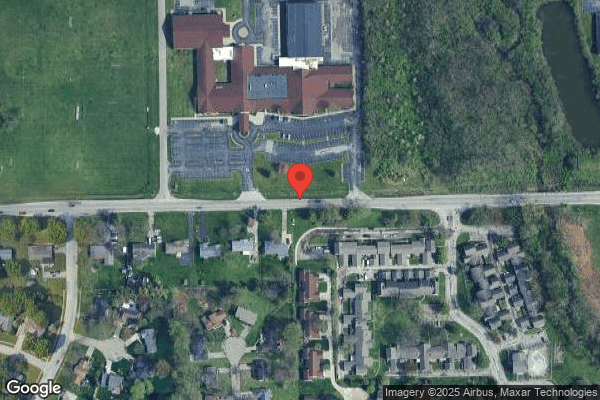
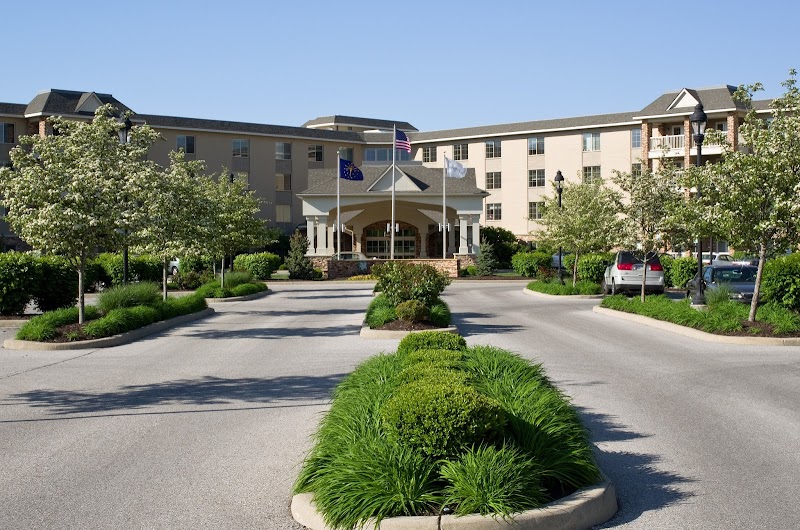
8616 W 10TH ST, INDIANAPOLIS, IN 46234 (317) 209-2800
Government - Hospital district 132 Beds LIFE CARE CENTERS OF AMERICA Data: November 2025
Trust Grade
25/100
#407 of 505 in IN
Last Inspection: January 2025

Within standard 12-15 month inspection cycle. Federal law requires annual inspections.

Overview

Westside Retirement Village has received a Trust Grade of F, indicating significant concerns about the quality of care provided, which places it in the poor category. The facility ranks #407 out of 505 in Indiana, putting it in the bottom half of nursing homes in the state, and #38 out of 46 in Marion County, meaning there are significantly better options nearby. Unfortunately, the facility's trend is worsening, with the number of issues increasing from 7 in 2024 to 23 in 2025. Staffing is rated at 2 out of 5 stars with a turnover rate of 54%, which is around the state average, suggesting that staff may not stay long enough to build strong relationships with residents. While there have been no fines, which is a positive aspect, the care provided has raised serious concerns. For example, one resident reported feeling fearful and anxious due to rough treatment from nursing staff, and other residents complained about delayed meal services and poor food quality. Additionally, the kitchen was found to be unclean, with unsafe food handling practices observed. These findings highlight both serious weaknesses in care and operational practices that families should carefully consider when evaluating this facility.

Trust Score
F
25/100
In Indiana
#407/505
Bottom 20%
Safety Record
Moderate
Needs review
Inspections
Getting Worse
7 → 23 violations
Staff Stability
⚠ Watch
54% turnover. Above average. Higher turnover means staff may not know residents' routines.
Penalties
✓ Good
No fines on record. Clean compliance history, better than most Indiana facilities.
Skilled Nurses
⚠ Watch
Each resident gets only 28 minutes of Registered Nurse (RN) attention daily — below average for Indiana. Fewer RN minutes means fewer trained eyes watching for problems.
Violations
⚠ Watch
76 deficiencies on record. Higher than average. Multiple issues found across inspections.
★★☆☆☆
2.0
Overall Rating
★★☆☆☆
2.0
Staff Levels
★★★★★
5.0
Care Quality
★☆☆☆☆
1.0
Inspection Score
Stable
2024: 7 issues
2025: 23 issues

The Good

  • 5-Star Quality Measures · Strong clinical quality outcomes
  • Full Sprinkler Coverage · Fire safety systems throughout facility
  • No fines on record

Facility shows strength in quality measures, fire safety.

The Bad

2-Star Overall Rating

Below Indiana average (3.1)

Below average - review inspection findings carefully

Staff Turnover: 54%

Near Indiana avg (46%)

Higher turnover may affect care consistency

Chain: LIFE CARE CENTERS OF AMERICA

Part of a multi-facility chain

Ask about local staffing decisions and management

The Ugly 76 deficiencies on record

1 actual harm
Jul 2025 3 deficiencies
CONCERN (D) 📢 Someone Reported This

A family member, employee, or ombudsman was alarmed enough to file a formal complaint

Potential for Harm - no one hurt, but risky conditions existed

Quality of Care (Tag F0684)

Could have caused harm · This affected 1 resident

**NOTE- TERMS IN BRACKETS HAVE BEEN EDITED TO PROTECT CONFIDENTIALITY** Based on interview and record review, the facility failed to complete a physician's order by documenting fluid intakes for a res...

Read full inspector narrative →
**NOTE- TERMS IN BRACKETS HAVE BEEN EDITED TO PROTECT CONFIDENTIALITY** Based on interview and record review, the facility failed to complete a physician's order by documenting fluid intakes for a resident on restricted fluid intake for 1 of 4 residents reviewed for quality of care. (Resident E) Findings include:The clinical record for Resident E was reviewed on 7/22/24 at 10:43 a.m. Diagnoses included cirrhosis of the liver, diastolic congestive heart failure, and obesity. The resident was admitted [DATE].An acute care hospital physician's discharge note, dated 3/27/25, indicated the resident had hepatic cirrhosis and chronic diastolic heart failure and to continue plan of fluid restriction. A current physician's order, dated 3/27/25, indicated the resident was to have a regular diet with thin liquids with a 1500 ml (milliliter) fluid restriction. A review of the residents clinical record lacked fluid intake documentation or a care plan regarding the fluid restriction. During an interview on 7/22/25 at 1:34 p.m., the ADON indicated the fluid restriction was viewed as a dietary recommendation as the fluid restriction was in the directions of the order and not the order itself. The order was part of the resident's discharge orders from the hospital and was signed by the facility's physician, but was not tracked due to the placement of the fluid restriction in the order. A current facility policy, undated, titled, Fluid-Restriction Diet, provided by the Nurse Consultant on 7/22/25 at 3:08 p.m., included the following: Definition: The fluid-restriction diet order limits an individual's daily fluid intake Counting Liquids and Foods for a Fluid Restriction Diet. A fluid is anything that is liquid or any foods that melt at room temperature. These foods and liquids must be counted as part of the daily food intake.The tag relates to Complaint 1669976.3.1-37(a)
CONCERN (D) 📢 Someone Reported This

A family member, employee, or ombudsman was alarmed enough to file a formal complaint

Potential for Harm - no one hurt, but risky conditions existed

Respiratory Care (Tag F0695)

Could have caused harm · This affected 1 resident

Based on observation, interview, and record review, the facility failed to keep a resident's call light in reach and to apply ordered oxygen for 1 of 4 residents reviewed for neglect. (Resident D)Find...

Read full inspector narrative →
Based on observation, interview, and record review, the facility failed to keep a resident's call light in reach and to apply ordered oxygen for 1 of 4 residents reviewed for neglect. (Resident D)Findings include:During an interview on 7/21/25 at 11:33 a.m., Resident D was observed seated on the side of her bed. An oxygen concentrator was observed on the opposite side of the bed, out of reach of the resident. The resident indicated she had recently gotten dressed with the assistance of staff and had forgotten to put her oxygen back on. She reached for her call light to get staff assistance and the light was observed coiled on the floor next to the bed, out of reach of the resident. During an observation on 7/21/25 at 11:46 a.m., accompanied by the Administrator, the oxygen concentrator with the resident's nasal cannula was observed out of reach on the opposite side of the bed where the resident was seated. The Administrator handed the tubing to the resident who applied the oxygen and indicated staff should have reapplied the oxygen following care. The call light tubing was observed coiled on the floor next to the resident's bed. The Administrator indicated this should have been placed so the resident can call staff for assistance. The clinical record for Resident D was reviewed on 7/21/25 at 12:38 p.m. Diagnoses included history of a stroke with left sided weakness, chronic obstructive pulmonary disease, diastolic congestive heart failure, and depression. A health care plan, dated 6/24/25, indicated the resident had activities of daily living performance deficits related to activity intolerance. Interventions included, the resident required assistance of one staff to dress and to move between surfaces (transfer).A current facility policy, revised 9/12/22, titled, Resident Call System, provided by the Administrator on 7/22/25 at 11:54 a.m., included the following: Procedure: 5. The call light should be positioned within reach of the resident .a) The call system must be accessible to residents while in their bed or other sleeping accommodations within the resident's room.A current facility policy, revised 4/8/25, titled, Oxygen Administration, provided by the Administrator on 7/22/25 at 11:54 a.m., included the following: Policy. To ensure that oxygen is administered and stored safely within the facility or in an outside storage area .Oxygen therapy is the administration of oxygen at concentrations greater than that in ambient air (20.9%) with the intent of treating or preventing the symptoms and manifestations of hypoxia.The tag relates to Complaint 1669976.3.1-47(a)(6)
CONCERN (D) 📢 Someone Reported This

A family member, employee, or ombudsman was alarmed enough to file a formal complaint

Potential for Harm - no one hurt, but risky conditions existed

Infection Control (Tag F0880)

Could have caused harm · This affected 1 resident

Based on observation and interview, the facility failed to maintain a clean, orderly shower room for resident use on 1 of 3 shower rooms observed for cleanliness. (100 hall) Findings include:During an...

Read full inspector narrative →
Based on observation and interview, the facility failed to maintain a clean, orderly shower room for resident use on 1 of 3 shower rooms observed for cleanliness. (100 hall) Findings include:During an observation of the 100 Hall shower room on 7/22/25 at 2:10 p.m., accompanied by the Assistant Director of Nursing (ADON), the following was observed: the floor had feces on the floor in three different areas outside the shower area. A used plastic bag, wet paper towels and a used nicotine patch were on the floor. The floor was visibly dirty throughout the room. There was a used nicotine patch stuck to the shower wall. Around the base of the shower area, where the wall and floor meet, there was a black substance. During an interview at the time of the observation, the ADON indicated the shower rooms should not be in this condition and was an unacceptable way to leave the shower room. During an interview on 7/22/25 at 2:21 p.m., the Lead Housekeeper indicated the room was unclean. The floors should be swept and mopped and all debris thrown away. The dark substance between the tiles on the floor and walls just remain when cleaned. She had tried to clean it and would try another product.The Administrator indicated there was not a specific policy or checklist that she was aware of, regarding cleaning of the bathrooms.This tag relates to Complaint 1669993.3.1-18(b)
May 2025 4 deficiencies
CONCERN (D) 📢 Someone Reported This

A family member, employee, or ombudsman was alarmed enough to file a formal complaint

Potential for Harm - no one hurt, but risky conditions existed

Deficiency F0558 (Tag F0558)

Could have caused harm · This affected 1 resident

Based on observation, interview, and record review, the facility failed to provide or document showers for 1 of 3 residents reviewed for bathing preferences (Resident D). Findings include: On 5/19/25 ...

Read full inspector narrative →
Based on observation, interview, and record review, the facility failed to provide or document showers for 1 of 3 residents reviewed for bathing preferences (Resident D). Findings include: On 5/19/25 at 11:25 a.m., Resident D was observed sitting in a chair at bedside looking through shopping bags of new clothing her daughter had delivered. The resident indicated she was concerned that she had not had a shower since her admission to the facility on 4/27/25. Resident D indicated before her admission to the facility, she would cover the dialysis port on her right upper chest with a product she picked up from a local pharmacy, and she showered without problems. Now nursing staff made the excuse every Tuesday and Thursday that they were working on getting her a physician's order for a dressing to cover her port, but that had not happened. Resident D indicated that she was supposed to be discharged within days so she supposedly would have to wait until she got home to shower herself. Resident D indicated that she had voiced to staff saying she could not take a shower without first covering her port but denied she had ever refused to take a shower. The resident's private bathroom shower was observed with dry neatly folded towels hanging on the shower bar. On 5/21/25 at 12:01 p.m., Resident D was observed sitting in a chair at bedside awaiting lunch. She indicated staff had brought Tegaderm (transparent, waterproof, sterile film dressings used to cover and protect wounds, catheter sites, and skin) bandages into the room last evening to cover her port and placed them in a drawer, but she had yet to have a shower and was discharging from the facility the next day. Resident D's record was reviewed on 5/20/25 at 11:00 a.m. Diagnoses on Resident D's profile included end stage renal disease with dialysis (the kidneys lose the ability to remove waste and balance fluids), malignant neoplasm of the left breast (cancer), and need for assistance with personal care. A review of the resident's bath sheets indicated: a. On 5/2/25, 5/6/25, and 5/9/25 documentation indicacated the resident had a sponge bath. b. On 5/13/25 documentation indicated the resident refused a shower and received a sponge bath. c. On 5/16/25 documented indicated the resident had refused a shower. The resident's clinical record lacked documentation of the resident having a shower after her admission to the facility. The resident's clinical record lacked documentation attempts had been made to contact the physician for a dressing order to cover the resident's port to accommodate showering. admission 5-Day and State Optional MDS (Minimum Data Set) assessments, completed on 5/5/25, assessed Resident D as being cognitively intact, she had no behaviors or rejection of care, required limited assistance of one person physical assist for bed mobility, transfers, and toilet use. The resident required partial/moderate assistance for bathing and showering. A care plan for dialysis had a goal of Resident D having no complications from dialysis. Approaches included dialysis treatments as ordered, observe for bleeding at dialysis access site on the right chest wall, and dialysis on Tuesday, Thursday and Saturday. During an interview on 5/21/25 at 1:15 p.m., the Director of Nursing (DON) indicated Tegaderm dressings were a stock item in the facility, and did not require a physician's order for use to cover Resident D's port to shower. The DON indicated Resident D could have had a shower any time or day she wanted, and she herself had delivered Tegaderm dressings to the resident's room that morning. On 5/21/25 at 2:42 p.m., the Administrator (ADM) provided an Activity of Daily Living [ADL] policy, dated 9/10/24, and indicated the policy was the one currently being used by the facility. The policy indicated, The facility must ensure that residents receive treatment and care in accordance with professional standards of practice, the comprehensive care plan, and the residents' choices .The resident will receive assistance as needed to complete activities of daily living [ADL's] .This facility will utilize the following Lippincott procedures for tub baths and showers The Lippincott Manual of Nursing Practice, 9th edition, publication date 2022, procedure guidelines for showering a patient emphasized safety and infection control. The procedure involves a step-by-step process for preparing the patient, providing privacy, assessing skin, assisting with showering, and documenting the procedure. This citation relates to Complaint IN00459628. 3.1-3(v)(1)
CONCERN (D) 📢 Someone Reported This

A family member, employee, or ombudsman was alarmed enough to file a formal complaint

Potential for Harm - no one hurt, but risky conditions existed

Grievances (Tag F0585)

Could have caused harm · This affected 1 resident

Based on interview and record review, the facility failed to ensure grievances were followed up, an investigation completed, and grievances resolved for 3 of 3 residents reviewed for grievances (Resid...

Read full inspector narrative →
Based on interview and record review, the facility failed to ensure grievances were followed up, an investigation completed, and grievances resolved for 3 of 3 residents reviewed for grievances (Residents B, C, and M), and 3 of 3 months reviewed for Resident Council (March, April, and May 2025). Findings include: Grievance logs, included: a. On 4/5/25, Resident M indicated the lunch and supper meals were cold, and the breakfast meals on the past two occasions of being cold had seemed frozen. The resolution was for audit and temperature checks, and to look into opening the 300-hallway kitchen. b. On 4/21/25, Resident B complained about having only one shower since her admission to the facility. The resolution was for staff to continue to offer showers and therapy to work on a lift with the resident. c. On 5/6/25, Resident C complained about his room not being cleaned, his bathroom floor having not been mopped, the trash emptied, or his urinal emptied. The resolution was for the housekeeping staff to go into the room twice daily for cleaning and restocking needs. On 5/14/25, the Housekeeping Supervisor documented the follow-up of staff to enter the resident's room when he was not in the room, and to make sure the room was cleaned daily. Resident Council Minutes, included: a. On 3/17/25, Dietary new business indicated breakfast was always cold and late. The response indicated the dietary department was working with the Executive Director (ED) to get proper carts, making sure staff were using all equipment to ensure food was hot, and working with nursing to make sure trays were passed in a timely manner. b. On 4/14/25, Dietary old business indicated the kitchen was buying new warmers. c. On 5/15/25, Dietary new business indicated the same food was served all the time, the food was unpresentable, and was not good. Confidential interviews conducted during the course of the survey indicated, a. The food was horrible, always cold, and not edible. b. The resident was not offered alternative food when unable to eat the meal served from the kitchen, and not always served the proper diet prescribed by the physician. During an interview on 5/21/25 at 2:00 p.m., the Administrator (ADM) indicated that the Activity Director had been responsible for conducting the Resident Council meetings and documenting the minutes. The Social Services Designee was responsible for collecting grievance cards and documented the concerns on the grievance log. The ADM indicated there were responses to the concerns brought up in the Resident Council meetings and to the grievances on the logs, but the responses were vague and staff needed to document more direct responses with actions to fix the specific complaint/concern. On 5/21/25 at 2:42 p.m., the Administrator (ADM) provided a Grievance Program [Concern and Comment] policy, dated 1/7/25, and indicated the policy was the one currently being used by the facility. The policy indicated, The Concern & Comment Program is utilized to address the concerns of residents, family members, and visitors .The resident has the right to, and the facility must make prompt efforts by the facility to resolve grievances the resident may have .6. Facilitate meetings and/or conversations with residents and families who have repeated concerns to better meet their needs .7. Maintaining a recordkeeping system of all complaints reported via the Concerns & Comment Program or any other means of reporting that includes a. The date the grievance was received, b. A summary statement of the residents' grievance, c. The steps taken to investigate the grievance, d. A summary of the pertinent findings or conclusions regarding the resident's concern[s], e. A statement as to whether the grievance was confirmed or not confirmed, f. Any corrective action taken or to be taken by the facility as a result of the grievance, g. The date the written decision was issued .8. Follow up with the resident and family to communicate resolution or explanation and ensure the issue was handled to the resident and family satisfaction Cross reference tags F804 and F921. This citation relates to Complaint IN00459628. 3.1-7(a)(2) 3.1-7(b)
CONCERN (E) 📢 Someone Reported This

A family member, employee, or ombudsman was alarmed enough to file a formal complaint

Potential for Harm - no one hurt, but risky conditions existed

Deficiency F0804 (Tag F0804)

Could have caused harm · This affected multiple residents

Based on observation, interview, and record review, the facility failed to ensure the temperature and palatability of food served for 5 of 6 residents reviewed for food temperature (Residents C, D, E,...

Read full inspector narrative →
Based on observation, interview, and record review, the facility failed to ensure the temperature and palatability of food served for 5 of 6 residents reviewed for food temperature (Residents C, D, E, F, and M). This had the potential to affect 89 of 89 residents who received food from the kitchen. Findings include: On 5/19/25 at 10:30 a.m., Resident E was observed lying in bed with a breakfast tray on an over the bed table in front of her with half a biscuit and a sausage patty left. The resident indicated, food served in her room was often cold, and staff would not reheat the food, citing no microwave as the reason. On 5/19/25 at 10:56 a.m., Resident F was observed lying in bed speaking with a visitor who was at bedside. The resident indicated he usually had no concern with the temperature of his food, but he did not always get the food he ordered. Resident F gestured to his menu selections from the day prior, and indicated he did not get the roasted chicken and broccoli, and the nursing staff would not contact the kitchen for a replacement. On 5/19/25 at 11:25 a.m., Resident D indicated she ate meals in her room per her choice, but the food was always cold, and she liked her food hot. The resident indicated, sometimes she did not like the food choices, and would not eat that particular food. She was unaware the facility offered an alternative menu. On 5/19/25 at 2:05 p.m., an unidentified dietary employee was observed taking a kitchen transport cart back to the kitchen with resident food trays from lunch, the plates were observed to have warming plates under them, and plastic domes for covering the food. The cart was covered with a plastic food cart cover. On 5/19/25 at 2:41 p.m., Resident C was observed sitting on an electric wheelchair (WC) in his room watching television (TV), and a lunch tray with the food untouched was sitting on a bedside dresser. The resident indicated he had ridden his electric WC down the side of the road and gotten food from a fast-food restaurant approximately 1/4 mile away for lunch. Resident C indicated that morning he had been served a pancake with no syrup or butter, scrambled eggs, corn flakes, and a sausage patty. He had only eaten the cereal as the remainder of his breakfast was cold after being served from a cart with no insulation. On 5/20/25 at 8:40 a.m., fifteen breakfast trays were observed on a metal dietary transport cart in the front 100 hallway waiting to be passed, and the plastic covering that was used to maintain hot temperatures had been removed. There were two nurses observed at the 100-hallway nurse's desk charting while the trays sat in the hallway. On 5/20/25 at 8:50 a.m., there was an unidentified certified nursing assistant (CNA) observed to start passing the breakfast trays on the front and middle 100-hallways. The two nurses continued to sit at the 100 nurse's desk charting. On 5/20/25 at 8:56 a.m., Resident C was observed sitting on the side of the bed. The resident indicated his breakfast was cold and he was not eating it. The resident insisted the visitor touch the food, and although the food was covered with the hard plastic dome, it was cold to the touch. Resident C indicated complaints about cold food had been brought up at several monthly resident council meetings, and the residents had been told by management that enclosed transport food warmers were being ordered, but nothing had changed. On 5/20/25 at 9:02 a.m., Resident D was observed sitting in a recliner at bedside, her breakfast tray on an over the bed tray in front of her, she had not eaten her scrambled eggs, bacon, or half of the toast. The resident indicated that the food had been delivered while she was in the bathroom and was cold when she came out to eat. Resident D indicated that the plates were sitting on a plate warmer, but the plate warmer was also cold. On 5/20/25 at 9:54 a.m., observation of two separate metal dietary transport carts positioned near the 100-hallway nurse's desk with Dietary Aide 23. The two transport carts contained 25 resident breakfast trays, and all but four trays had the eggs returned, and 2 had the toast and bacon returned. Dietary Aide 23 indicated she was not sure why the residents had refused their breakfast, citing cold food, due to dietary staff having made sure this morning that the 100 hallway breakfast trays had been delivered on time at 8:30 a.m. On 5/20/25 at 11:55 p.m., Resident C indicated he used to warm up soup for meals on his own if he did not like what was being served by the facility, but there were no longer microwaves available for resident use, and staff would not allow the residents to use the microwaves or staff breakroom vending machines. On 5/20/25 at 12:18 p.m., Resident C indicated he had once again gone down the road and gotten lunch from a fast-food restaurant. On 5/20/25 at 12:50 p.m., a metal dietary transport cart with five resident lunch trays was observed sitting in the front 100 hallway with the plastic cover off the cart. On 5/20/25 at 12:54 p.m., an extra resident tray on the 300 hallway was tested for temperature. There was pork, pinto beans, zucchini, cornbread, pie and a drink. The cooked foods were tepid in temperature. On 5/20/25 at 12:55 p.m., Resident D's lunch tray was observed on an over the bed table in her room, she was out of the facility. On 5/21/25 at 12:01 p.m., Resident D was observed sitting in a WC at bedside awaiting lunch. She indicated that her breakfast that morning had been cold again. The DON came in to speak with her about another issue and had reheated her food in a microwave. A grievance log, dated 4/5/25, indicated Resident M had voiced being unhappy that the lunch and supper meals were cold, and the breakfast meals on the past two occasions of being cold had seemed frozen. Resident Council Minutes, dated 3/17/25, 4/14/25, and 5/15/25, documented resident concerns regarding the temperature of the food, limited food choices, and edibility of the food. Confidential interviews conducted during the course of the survey indicated, a. The food was horrible, always cold, and not edible. b. The resident was not offered alternative food when unable to eat the meal served from the kitchen, and not always served the proper diet prescribed by the physician. During an interview on 5/21/25 at 11:15 a.m., the Dietary Manager (DM) indicated to her knowledge, the kitchen had just been approved for heated transport carts on 5/20/25 due to turnover of Administration, but there was the possibility of at least another month or more before delivery, and in the interim food would continue to be transported on open metal carts. The current plan for keeping resident food warm during transport included the use of top and bottom plate warmers, and heated plates. Unfortunately, within minutes of being plated, 15% of the cooked food's heat was lost and all the food on the tray would eventually become the same temperature. The DM indicated dietary staff attempted to get meal delivery carts to the resident hallways timely, but if the trays were not passed immediately by nursing staff, the food would get cool quicker. During an interview on 5/21/25 at 11:20 a.m., the DM indicated resident complaints of cold food had been brought up in interdisciplinary team (IDT) meetings, and a discussion about meal pass should be an all-hands-on deck process. There was a meal manager scheduled for each meal to oversee meal service at the point of cart delivery on the resident hallway, the schedule was posted at the nurse's desks, and the assigned meal manager of the day was discussed during every morning meeting, but compliance of meal manager participation was hit or miss. During an interview on 5/21/25 at 1:19 p.m., the Administrator (ADM) indicated heated transport carts were to be ordered. In the interim, there was nothing from a kitchen perspective to be added to keep resident food hot until delivered to the resident rooms, but there was a need for all nursing staff and department head participation in passing out food tray. The 300-hallway satellite kitchen equipment was being assessed and looked at with the thought of once again utilizing the 300-hallway dining room in addition to the main dining room. On 5/21/25 at 2:42 p.m., the Administrator (ADM) provided a Food Temperature Control policy, dated 4/28/25, and indicated the policy was the one currently being used by the facility. The policy indicated, Policy: Food temperatures are maintained during mealtimes to ensure residents receive safe food served at acceptable temperatures .3. If food temperatures are unsatisfactory, the problem areas are corrected before serving the food item[s] . This citation relates to Complaint IN00459628. 3.1-21(a)(2)
CONCERN (E) 📢 Someone Reported This

A family member, employee, or ombudsman was alarmed enough to file a formal complaint

Potential for Harm - no one hurt, but risky conditions existed

Safe Environment (Tag F0921)

Could have caused harm · This affected multiple residents

Based on observation and interview, the facility failed to maintain a safe, clean, and sanitary environment on 1 of 2 units (100) observed for cleanliness. Findings include: On 5/19/25 at 2:41 p.m., R...

Read full inspector narrative →
Based on observation and interview, the facility failed to maintain a safe, clean, and sanitary environment on 1 of 2 units (100) observed for cleanliness. Findings include: On 5/19/25 at 2:41 p.m., Resident C indicated his bathroom was not stocked with toilet paper or paper towels, the bathroom sink was loose and about to fall off the wall, the carpet had not been vacuumed or shampooed and was stained with unidentified dried substances, and his room surfaces had not been dusted leaving an accumulation of dust. He indicated he spilled his urinal almost daily on his bed or the carpet which made his room stink, but staff did not see his room concerns as a priority. Resident C gestured to paper debris and food on the floor throughout the room, to include nuts and a blue colored chocolate coated candy along the wall near the entry and indicated the mess had been on the floor for at least 2 weeks. On 5/19/25 at 4:00 p.m., Housekeeper 19 was observed sweeping and mopping on the front 100 unit hallway during the day. There were no other housekeepers observed on the remaining two 100 unit hallways or the three 300 unit hallways. On 5/20/25 at 8:56 a.m., Resident C was observed sitting on the side of the bed, and indicated the wound nurse had just emptied his overflowing trash that contained smelly soiled briefs and plastic under pads. The bathroom was observed and there was no toilet paper, the paper towel dispenser was empty, the toilet rim had a dark dried unidentified substance on the front rim, and a styrofoam cup was sitting upside down on the seat. The carpet was observed and had not yet been vacuumed or shampooed leaving a foul odor, unidentified food and paper debris, and unidentified stains covering the entire carpet. There was still dust on the flat surfaces and furniture. The resident gestured to debris he had swept into the hallway from his room, and indicated maybe the housekeeping staff would vacuum the hallway carpet if not his. On 5/20/25 at 9:50 a.m., during observation of resident rooms 122 through 130, the floors in the bedrooms and bathrooms were randomly soiled with unidentified dried dark, sometimes sticky substances. The carpets were heavily soiled with unidentified dried stains, paper products included used tissues, scraps of paper and styrofoam cups were on the floors and under the beds, and unidentified food debris was observed throughout the rooms. On 5/20/25 at 9:55 a.m., the facility surfaces in the common areas throughout the facility were observation with visible dust. The white baseboards in the front entry, front common areas, hallway leading to the main dining room (MDR), and ice cream shoppe were observed to be heavily soiled with dirt buildup, and an unidentified substance. There was no observation of housekeeping staff on the 100 and 300 units during the morning tour. On 5/20/25 at 12:40 p.m., Resident C's bathroom was observed there was no toilet paper, the paper towel dispenser was empty, the toilet rim had a dark unidentified substance on the front rim, and a styrofoam cup was sitting upside down on the seat. The carpet was observed and had not yet been vacuumed or shampooed leaving a foul odor, unidentified food and paper debris, and unidentified stains covering the entire carpet. There was still dust on the flat surfaces and furniture. On 5/20/25 at 12:49 p.m., Housekeeper 19 was observed mopping resident rooms on the front hallway on the 100 unit. There were no other housekeepers observed cleaning on the remaining 100 unit hallways, the 300 unit hallways, main dining room, or front common areas of the facility on this date. On 5/20/25 at 1:20 p.m., the debris Resident C indicated he had swept from his room remained on the carpet in the hallway. A review of housekeeping schedules, dated 5/19/25 through 5/21/25, indicated Housekeeper 20 was assigned to all occupied resident rooms on the 300 unit, and the 300 unit common areas and bathroom, and Housekeeper 21 was assigned to resident rooms 116 through 130 and assist with the nurse's station were not observed working in the facility during the survey. During an interview on 5/20/25 at 2:07 p.m., Housekeeper 19 indicated each housekeeper was assigned a different section of the facility to clean. He was responsible for the MDR, front entry common areas, and resident rooms 100 through 115. The housekeeping department was currently down a housekeeper, therefore the remaining rooms on the 100 hallways had no assigned housekeeper. The residents' rooms on the far 100 hallway were carpeted, the residents tended to be up more, and they made less messes, so they were spot checked and cleaned as needed by himself or the Housekeeping Supervisor. Housekeeper 19 indicated that every morning he was required to vacuum the carpet in the MDR and front entry, sweep and mopped the offices and to take out their trash, and to clean the front public bathrooms. The activity room and ice cream shoppe were only cleaned as needed. Housekeeper 19 indicated that the front entry tile was not swept and mopped every day due to the foot traffic, dusting in the front lobby and common areas was completed about once weekly, and he had cleaned the baseboards recently by using a mop. Housekeeping staff were required to leave early at times due to a low census, so got cleaning done as time allowed. During an interview on 5/21/25 at 12:52 p.m., the Housekeeping Supervisor indicated she had been on vacation and just returned the day before, but Housekeeper 20 had told her Resident C's room had been cleaned and vacuumed on 5/19/25. Resident C's room was stocked with paper products daily, and she was not sure what he was doing with the paper towel and toilet paper. The Housekeeping Supervisor indicated that Resident C did not like staff that were not Americans, to include Housekeeper 20 that was assigned to his hallway, and would yell at her and tell her to leave his room. To accommodate the resident, Housekeeper 20 was trying to go in and restock and clean while the resident was out of the room, but there had been no plan to replace the housekeeper's assignment of Resident C's room. The Housekeeping Supervisor indicated that common areas in the facility and resident rooms were to be cleaned daily to include sweeping, mopping and vacuuming floors, dusting high touch surfaces, and cleaning the bathrooms. Dusting in common areas was done weekly, and the baseboards in the front common areas and ice cream shoppe were supposed to be cleaned daily or as needed. On 5/21/25 at 2:42 p.m., the Administrator (ADM) provided a Housekeeping Services policy, dated 6/4/24, and indicated the policy was the one currently being used by the facility. The policy indicated, The facility will provide a safe, clean, comfortable, and homelike environment .1. Lobby and resident common areas. a. Clean high-touch areas daily and as needed. b. Clean low-touch areas weekly and as needed. 2. Resident rooms. a. clean high-touch surfaces at least daily to include handwashing sinks and floors .c. Clean low-touch surfaces on a scheduled basis [i.e., weekly] .3. Resident bathrooms. a. Clean and disinfect high touch/frequently contaminated surfaces [sinks, faucets, handles, toilet seats, door handles] at least daily. b. Clean and disinfect any surface visible soiled with blood or body fluids .1. Carpeting will be vacuumed regularly, cleaned promptly if spills occur, and shampooed routinely and when indicated by appearance This citation relates to Complaint IN00459628. 3.1-19(f)(5)
Jan 2025 16 deficiencies
CONCERN (D)

Potential for Harm - no one hurt, but risky conditions existed

Resident Rights (Tag F0550)

Could have caused harm · This affected 1 resident

**NOTE- TERMS IN BRACKETS HAVE BEEN EDITED TO PROTECT CONFIDENTIALITY** 2a. On 1/8/25 at 11:09 a.m., Resident 1 was observed sitting on the toilet, she was crying and crying out while two staff member...

Read full inspector narrative →
**NOTE- TERMS IN BRACKETS HAVE BEEN EDITED TO PROTECT CONFIDENTIALITY** 2a. On 1/8/25 at 11:09 a.m., Resident 1 was observed sitting on the toilet, she was crying and crying out while two staff members, Registered Nurse (RN) 6 and Certified Nursing Assistant (CNA) 7, were using a sit-to-stand lift to transfer her from the toilet to her wheelchair. Resident 1 was shouting without words, when RN 6 indicated to the resident, it won't hurt your feet. Jesus! On 1/8/25 at 11:15 a.m., Resident 1's facial grimace was visible, she was still crying after being transferred from the toilet to her wheelchair. RN 6 asked her if she was still in pain, Resident 1 indicated yes. RN 6 indicated she would tell her nurse, RN 35. During an interview, on 1/8/25 at 11:20 a.m., Resident 1 indicated it hurt her that much every time she was transferred via sit-to-sit transfers. During an interview, on 1/14/25 at 11:30 a.m., the Executive Director (ED) indicated staff members needed to be attentive to the residents' concerns. During an interview, on 1/15/25 at 11:27 a.m., the Director of Nursing (DON) indicated Registered Nurse (RN) 6 was helping to move Resident 1. She was pointing at the strap that goes around the resident's legs. She indicated she would have to hear the staff's actual comments before she could do anything about it, however, it was not ok to have an inappropriate tone with a resident. 2b. On 1/8/25 at 1:06 p.m., Resident 1's record was reviewed. She was admitted to the facility on [DATE]. Her diagnoses included, but were not limited to, hemiplegia and hemiparesis (weakness and paralysis) after a cerebral infarction (stroke) affecting her right dominant side, diabetes mellitus (blood sugar disorder), and immunodeficiency virus (HIV) disease. On 1/8/25 at 11:02 a.m., on Resident 1's free standing closet, photographs of her in her wheelchair were observed facing the room's door to the public hallway. Her first initial and all but the last letter of her name was visible in the photographs. The corner of the photograph indicated to, make sure [resident's first name) looks like this picture everyday!! On 1/10/25 at 9:22 a.m., two photographs of her in her wheelchair were still in view from the public hallway. Most of her name was still visible. During an interview, on 1/13/25 at 10:59 a.m., Resident 1 indicated through facial gestures, sounds, and facial expressions that she did not want photographs of herself in her wheelchair posted in her room to teach staff how she should be positioned in her wheelchair. During an interview, on 1/13/25 at 12:10 p.m., the Director of Nursing (DON) indicated the photographs of Resident 1 in her wheelchair should not have been posted in her room. All the photographs have been removed and would not be put back up again. During an interview, on 1/14/25 at 11:30 a.m., the Executive Director (ED) indicated it was inappropriate for Resident 1 wheelchair positioning photographs to be posted in her room. The facility staff should have been more attentive to the resident's concerns. A current policy, titled, Resident Rights, dated 9/10/23, was provided by the ED, on 1/13/24 at 11:34 a.m. A review of the policy indicated, .A facility must treat each resident with respect and dignity and care for each resident in a manner and in an environment that promotes maintenance or enhancement of his or her quality of life 3.1-3(a) Based on observation, interview, and record review, the facility failed to ensure residents were treated with dignity when a Certified Nurse Aide (CNA) spoke harshly to a resident and the resident's room had pictures with insturctions hanging in public view (Resident 1) and when a resident (Resident 40) was not assisted to the restroom in a timely manner by two staff members who were available for 2 of 2 residents reviewed for dignity. Findings include: 1. During a continuous observation on 1/14/25 at 9:11 a.m. until 10:47 a.m., the following was observed. At 9:11 a.m., Resident 40 was observed as she sat at a table and finished her breakfast. She drank all of her juice, a cup of coffee and requested a second cup of coffee. When she finished her breakfast, she was not offered an opportunity to toilet after the meal and was assisted to an activity. At 10:00 a.m., Activity Assistant 29 began to gather residents for an activity and assisted Resident 40 to another table. At 10:08 a.m., Resident 40 said out loud, I have to go to the bathroom. Activity Assistant and a Speech Therapist who assisted with the activity, indicated to Resident 40 they would get someone to help her. Activity Assistant 29 approached the nurses station were Licensed Practical Nurse (LPN) 28 was seated and worked on the computer and told her Resident 40 needed to use the restroom. LPN 28 indicated, I know, I head. Where are the aides? Activity Assistant 29 indicated she did not know but needed to finish the activity. At 10:11 a.m., Resident 40 tapped the table in front of her and leaned toward Activity Assistant 29 and indicated, honey, I've got to go to the bathroom now. Activity Assistant 29 patted her hand and indicated, I know, you're aide will be here in just a minute to take you. At 10:13 a.m., Resident 40 indicated loudly, she needed to use the bathroom and didn't want to have an accident. At 10:18 a.m. CNA 27 exited another resident's room with a bag of soiled linen and took it to the soiled closet. LPN 28 indicated to the aide, do you know where CNA 26 is? [Resident 40] needs to go to the bathroom. CNA 27 indicated, no, but I'll text her. At 10:20 a.m., CNA 26 returned to the unit and CNA 27 told her, Resident 40 needed to use the restroom. At 10:21 a.m., CNA 26 approached Resident 40 and leaned down to her ear and indicated, I'm so sorry, lets get you to the bathroom, and assisted her to her room. During an interview on 1/14/25 at 10:47 a.m., CNA 26 indicated all staff were taught to answer call light or resident requests to go to the bathroom if they were certified to do so. CNA 26 indicated Resident 40 was a one person assist. When CNA 26 got her to the restroom the resident had been incontinent of urine, her brief was soaked, but the resident had been able to have a bowel movement on the toilet. On 1/14/25 at11:55 a.m., Resident 40's medical record was reviewed. She was a long-term care resident who resided on the secure memory care unit with diagnoses which included, but were not limited to, severe dementia with anxiety and the need for assistance with personal care. She had a comprehensive care plan, revised 12/28/23, which indicated, she had an activities of daily living (ADL) self-care performance deficit related to her diagnoses of dementia, anxiety, and need for assistance with personal care. Interventions for this plan of care included, but were not limited to, total assistance of 1 staff for toilet use, and to assist with toileting as needed. During an interview on 1/14/25 at 11:27 a.m., the Executive Director (ED) indicated if staff who are licensed or certified to assist residents with toileting were available, then they should assist a resident to the bathroom upon request, regardless if they were on that assignment or not. During an interview on 1/15/25 at 11:00 a.m., the Director of Nursing (DON) provided a copy of a LPN job description, and indicated, LPN 28 could assist within her job description of up to 35 pounds. The DON clarified with the Assistant DON, LPN 28 was not on restrictions. The DON indicated she would not want a resident to wait to go the bathroom for more than 20 minutes. The LPN Job Description was dated 11/10/16 and indicated, .The LPN nurse delivers quality of care to patients through interpersonal contact and provides care and services to assure patient safety and attain or maintain the highest practicable physical, mental and psychosocial well-being of each patient in accordance with all applicable laws, regulations and Life Care standards . Essential Functions . must exhibit excellent customer service and a positive attitude towards patients . must be able to sit, stand, bend, lift, push, pull, stoop, walk, reach and move intermittently during working hours
CONCERN (D)

Potential for Harm - no one hurt, but risky conditions existed

Deficiency F0578 (Tag F0578)

Could have caused harm · This affected 1 resident

**NOTE- TERMS IN BRACKETS HAVE BEEN EDITED TO PROTECT CONFIDENTIALITY** 3. On [DATE] at 11:38 p.m., Resident B's medical record was reviewed. He was admitted on [DATE]. His diagnoses included, but we...

Read full inspector narrative →
**NOTE- TERMS IN BRACKETS HAVE BEEN EDITED TO PROTECT CONFIDENTIALITY** 3. On [DATE] at 11:38 p.m., Resident B's medical record was reviewed. He was admitted on [DATE]. His diagnoses included, but were not limited to, chronic obstructive pulmonary disease (COPD) (lung disease), diabetes mellitus (blood sugar disorder) with chronic kidney disease, acute and chronic respiratory failure with hypoxia (low oxygen levels), and obstructive sleep apnea (causes breathing to stop or be reduced during sleep). There was no physician's order or care plan for his advance directive status. During an interview, on [DATE] at 12:12 p.m., Resident B indicated after he arrived, no one asked him about creating an advance directive. He did not know how long he had been in the facility without one. Finally, someone came in to talk with him about getting his advanced directive in place. On [DATE] at 1:35 p.m., the Director of Nursing (DON) provided a copy of Resident B's physician orders. The orders indicated a verbal advanced directive order was given on [DATE]. A written advanced directive order was created and entered into the resident's electronic health record (EHR) on [DATE] at 6:06 a.m. The DON also provided his advance directive care plan, it was created and initiated on [DATE]. During an interview, on [DATE] at 12:13 p.m., the DON indicated if a resident did not have an advance directive in place, then would be a full code. It is preferable to have an advanced directive for the resident's desired code status in place within the first 24 hours of the resident's stay in the facility. During an interview, on [DATE] at 11:31 a.m., the DON indicated the facility had problems creating resident's advance directive status. The admissions nurse tried to do it, then the Social Services Director (SSD) should be following up. They had someone who used to do it 4 or 5 months ago but was no longer at the facility. Now, it was everyone's duty to see that it was completed. On [DATE] at 2:43 p.m., the Regional Director of Clinical Services (RDCS) provided a document, titled, Ad Hoc Quality Assurance Performance Improvement, dated [DATE], for code status. It indicated, Code status concern brought forth during survey. Audit completed and corrections made. A current policy, titled, Advance Directives and Advance Care Planning, dated [DATE], was provided by the Executive Director (ED), on [DATE] at 9:30 a.m. A review of the policy indicated, .Residents have the right to self-determination regarding their medical care. This includes the right of an individual to direct his or her own medical treatment, including the right to execute or refuse to execute an advance directive A policy titled, Advanced Directives and Advanced Care Planning was provided by the Regional Director of Nursing Services on [DATE] at 2:03 p.m. It indicated, .The resident and/or family upon admission to determine the need and knowledge relative to advanced directive and advanced care planning .Each time the resident is admitted to the facility, quarterly, and when a change in condition is noted in the resident condition, the facility should review the advanced directive and advance care planning information 3.1-4(d) 3.1-4(f)(5) Based on record review and interview, the facility failed to ensure residents had advanced directives or code statuses for 3 of 4 reviewed for advanced directives (Residents 250, 45, and B) . Findings include: 1. A record review was completed on [DATE] at 1:45 p.m. Resident 250 admitted to the facility on [DATE]. She had the following diagnosis which included but not limited to gastro-esophageal reflux disease (GERD), chronic obstructive pulmonary disease (COPD), age-related osteoporosis, and schizoaffective disorder. Upon initial review, her medical record lacked an order and a care plan to address her advanced directive wishes. Later, the Director of Nursing (DON) provided a copy of the resident's care plan indicating she had a care plan, and an order were entered for her advanced directive. The care plan was dated [DATE]. The DON indicated the advanced directive was not present until the documents were requested. The care plan, dated [DATE], indicated Resident had advanced directives cardio-pulmonary resuscitation (CPR). On [DATE] at 1:45 p.m., during an interview, the DON indicated advanced directives should be obtained upon admission.2. On [DATE] at 1:06 p.m., Resident 48's record was reviewed. She was a long-term care resident whose diagnoses included but were not limited to cerebral infarction (stroke), type two diabetes, hypertension (high blood pressure) and major depressive disorder. There was an active physician order, dated [DATE], for full code status. A physician progress note, dated [DATE] at 12:00 a.m., indicated Resident 48 had her daughter as a surrogate decision maker on file and an advanced care plan listed as a full code. Resident 48's care plan, dated [DATE], indicated Resident 48 had an advance directive of Do Not Resuscitate (DNR) comfort measures only. A care plan, dated [DATE], indicated the Resident's code status will be reviewed on a quarterly basis and as needed. A care plan, dated [DATE], indicated the Residents advanced directives will be honored. A care plan, dated [DATE], indicated the Resident had signed DNR.
CONCERN (D)

Potential for Harm - no one hurt, but risky conditions existed

Assessment Accuracy (Tag F0641)

Could have caused harm · This affected 1 resident

**NOTE- TERMS IN BRACKETS HAVE BEEN EDITED TO PROTECT CONFIDENTIALITY** Based on observation, interview, and record review, the facility failed to ensure the Minimum Data Set (MDS) assessments were co...

Read full inspector narrative →
**NOTE- TERMS IN BRACKETS HAVE BEEN EDITED TO PROTECT CONFIDENTIALITY** Based on observation, interview, and record review, the facility failed to ensure the Minimum Data Set (MDS) assessments were coded accurately for 2 of 18 residents reviewed for MDS (Residents 193 and 81). Findings include: 1. On 1/9/25 at 1:13 p.m., Resident 193 was observed on the secured memory care unit. She paced and wandered without purpose throughout the unit. She entered several other rooms that were not hers but walked back out. Staff attempted to redirect her, but Resident 193 continued to wander through the unit. On 1/10/25 at 9:07 a.m., Resident 193 was observed as she wandered, unnoticed, into another resident's room. The resident in her room, chased Resident 193 out and yelled, get out of my room! This is not your room, you don't belong in here! She raised her arm with a magazine in hand with a shooing gesture. Resident 193 walked back to the dining room and sat at a table. She indicated to a tablemate, she got mad at me. On 1/13/25 at 2:35 p.m., Resident 193 was observed as she wandered, without purpose, through the memory care unit. Staff attempted to redirect her to the TV lounge where a movie was playing, but after Resident 193 was seated, she would promptly stand back up and continue wandering through the unit. She entered other resident's rooms without notice. She walked herself back out after a few minutes and continued to wander through the unit. On 1/9/25 at 1:37 p.m., Resident 193's medical record was reviewed. She had diagnoses which included, but were not limited to, unspecified dementia (an irreversible degenerative brain disease which affects cognitive function and memory). She was admitted on [DATE], and her admission MDS, dated [DATE], indicated she had no wandering behaviors in the 7-day look back period for the assessment. A nursing progress note ,dated 12/26/24 at 7:44 p.m., indicated, Resident is confused and wandering. resident trying to search her roommate drawer and went to 100 unit room. Resident is on 15 minutes check and will continue to monitor, A nursing progress note, dated 12/29/24 at 7:45 a.m., indicated, Resident awake most of night shift. wandered on hall way an going other res rooms. unable to redirected. A nursing progress note dated 12/29/24 at 1:23 p.m., indicated, Resident continues on safety monitoring this shift. Resident noted frequent attempting to wander in hall and resident rooms and requires constant redirection, resident is not easily redirected and becomes agitated with redirection by staff at times. Resident unable to tell staff her direction and attempt, resident noted walking at a steady fast pace. Resident is a Extensive assist with ADLs and requires assistant with meals and toileting. Resident alert to self with confusion. Ambulates with a steady gait. A nursing progress note dated 12/31/24 at 11:06 a.m., indicated, .Resident to wander aimless this shift requiring frequent redirection and safety monitoring. 2. On 1/10/25 at 9:52 a.m., Resident 81's medical record was reviewed. He was a long-term care resident who resided on the secured memory care unit and had diagnoses which included, but were not limited to, vascular dementia (a type of dementia that often has a more rapid progression and sometimes manifests more drastic personality changes). On 10/24/24 Resident 81 received a new diagnoses of bipolar disorder with manic and psychotic features. Resident 81 had a Pre-admission Screen and Record Review (PASRR) Level II which was dated 3/14/24. The PASRR indicated Resident 81 was considered to have a major mental illness and was approved for long-term care. A significant change MDS assessment, dated 7/30/24, did not code Resident 81's mental health diagnosis on Section A for PASRR. During an interview on 1/10/25 at 11:00 a.m. the Social Service Director (SSD) indicated, wandering should have been coded for Resident 193 and PASRR should have been coded for Resident 81.
CONCERN (D)

Potential for Harm - no one hurt, but risky conditions existed

Deficiency F0645 (Tag F0645)

Could have caused harm · This affected 1 resident

**NOTE- TERMS IN BRACKETS HAVE BEEN EDITED TO PROTECT CONFIDENTIALITY** Based on observation, interview and record review, the facility failed to ensure that accurate information was submitted on a Pr...

Read full inspector narrative →
**NOTE- TERMS IN BRACKETS HAVE BEEN EDITED TO PROTECT CONFIDENTIALITY** Based on observation, interview and record review, the facility failed to ensure that accurate information was submitted on a Pre-admission Screen and Record Review (PASRR) Level I for 1 of 6 residents reviewed for PASRR, (Resident 68), and the facility failed to complete a new level I for a resident who admitted to the facility on a 30 day exclusion for pre-admission screening and resident review (PASARR) for 1 of 2 residents reviewed for PASARR (Resident 90). Findings include: 1. On [DATE] at 10:00 a.m., Resident 68 was observed in the secured memory care unit. She was pleasantly confused and engaged in a table activity. On [DATE] at 1:08 p.m., Resident 68's medical record was reviewed. She was a long-term care resident who resided on the secured memory care unit and had diagnoses which included, but were not limited to, psychotic disorder with delusions and unspecified dementia. A PASRR Level I, dated [DATE], indicated Resident 68 did not require a level II screen because she did not have a major mental illness and/or intellectual disability. The level I also indicated she did not have a neurocognitive or dementia diagnoses. During an interview on [DATE] at 11:00 a.m., the Social Service Director (SSD) indicated, Resident 68's Level I should have included her diagnoses of dementia and psychotic order should have been listed on her Level I to accurately determine if a [NAME] II would have been required. 2. On [DATE] at 1:42 p.m., a record review was completed for Resident 90. She had the following diagnoses which included but were not limited to schizophrenia, arthritis, hypertension (HTN), depression, anxiety, and heart failure. Resident 90 admitted to the facility on [DATE]. She had a level I that was completed on [DATE] indicating she was approved to stay at the facility for 30 days. The 30 days expired on [DATE]. A new level I could not be located in her medical records and it was not received upon request. During an interview with the Social Service Assistant (SSA) on [DATE] at 12:10 p.m., she indicated she did not know why a new level I was not completed. During an interview with the Director of Nursing on [DATE] at 1:45 p.m., she indicated she did not know why a new level I was not created. A policy titled, Pre-admission Screening and Resident Review (PASARR) was provided by the Executive Director (ED) on [DATE] at 9:30 a.m., .Ensure Level I PASSAR screening has been completed on potential admissions prior to admission. A record of the pre-screening should be retained in the resident's medical record 3.1-16(d)
CONCERN (D) 📢 Someone Reported This

A family member, employee, or ombudsman was alarmed enough to file a formal complaint

Potential for Harm - no one hurt, but risky conditions existed

Deficiency F0657 (Tag F0657)

Could have caused harm · This affected 1 resident

Based on observation, interview, and record review, the facility failed to ensure comprehensive care plans were reviewed and revised as needed with resident's updated interventions for 1 of 18 residen...

Read full inspector narrative →
Based on observation, interview, and record review, the facility failed to ensure comprehensive care plans were reviewed and revised as needed with resident's updated interventions for 1 of 18 residents reviewed for care plan revisions, (Resident 14). Findings include: On 1/9/25 at 10:17 a.m., Resident 14's room was observed. There was a picture hung to the wall above her bed, which depicted the resident's left arms with a black splint in place. The picture had instructions to keep brace on at all times. Throughout the survey week, Resident 14 was not observed to wear any brace or splint. On 1/9/25 at 2:04 p.m., Resident 14's medical record was reviewed. She was a long-term care resident who resided on the secured memory care unit with a diagnosis of dementia. She had a comprehensive care plan 1/2/24 which indicated, she had an activities of daily living (ADL) self-care performance deficit related to her diagnoses. Interventions for her plan of care included but were not limited to, wear L [left] edema glove and L wrist orthotic at all times. Cover with bandage during bathing. During an interview on 1/14/25 at 11:17 a.m., the Director of Therapy (DOT) indicated, Resident 14's brace had been used more than a year ago after she fractured her wrist, but she no longer required the brace or edema glove and the care plan should have been revised as well as the picture in her room removed.
CONCERN (D) 📢 Someone Reported This

A family member, employee, or ombudsman was alarmed enough to file a formal complaint

Potential for Harm - no one hurt, but risky conditions existed

ADL Care (Tag F0677)

Could have caused harm · This affected 1 resident

**NOTE- TERMS IN BRACKETS HAVE BEEN EDITED TO PROTECT CONFIDENTIALITY** Based on observation, interview, and record review, the facility failed to ensure a resident's activities of daily living were c...

Read full inspector narrative →
**NOTE- TERMS IN BRACKETS HAVE BEEN EDITED TO PROTECT CONFIDENTIALITY** Based on observation, interview, and record review, the facility failed to ensure a resident's activities of daily living were completed for 1 of 8 residents reviewed for completed ADLs (Resident B). Findings include: On 1/9/25 at 11:38 p.m., Resident B's medical record was reviewed. He was admitted on [DATE]. His diagnoses included, but were not limited to, chronic obstructive pulmonary disease (COPD) (lung disease), diabetes mellitus (blood sugar disorder) with chronic kidney disease, acute and chronic respiratory failure with hypoxia (low oxygen levels), and obstructive sleep apnea (causes breathing to stop or be reduced during sleep). A care plan, dated 6/6/24, indicated Resident B was dependent on staff for meeting emotional, intellectual, physical, and social needs. A care plan, dated 5/24/24, indicated Resident B needed assistance with mobility and activities of daily living (ADL)s. On 1/08/25 at 12:10 p.m., Resident B's toenails were observed outside of his blanket. They were extremely long; the left toenail was jagged. He indicated he was unable to put them under the blanket due to pressure and coarseness. On 1/13/25 at 9:53 a.m., the Executive Director (ED) provided documentation of a podiatry visits on 12/21/24, Resident B was not seen. On 1/9/25, Resident B saw the podiatrist and was added to the 60-recall list. On 1/13/25 at 11:43 a.m., the ED provided further information regarding Resident B seeing the podiatrist. On 6/25/24 and 10/4/25, Resident B was not seen. During an interview, on 1/13/25 at 12:17 p.m., the Director of Nursing (DON) indicated the residents should be seen routinely when the podiatry doctor comes in. The nurses notify the Social Services Director (SSD), then the SSD makes out the list of residents to be seen. A current policy, titled, Resident Rights, dated 9/10/24, was provided by the Executive Director (ED), on 1/13/24 at 11:34 a.m. A review of the policy indicated, .The resident has the right to reside and receive services in the facility with reasonable accommodation of resident and preferences This citation relates to Complaint IN00449427. 3.1-38(a)(3)(E)
CONCERN (D)

Potential for Harm - no one hurt, but risky conditions existed

Tube Feeding (Tag F0693)

Could have caused harm · This affected 1 resident

**NOTE- TERMS IN BRACKETS HAVE BEEN EDITED TO PROTECT CONFIDENTIALITY** Based on observation, interview, and record review, the facility failed to ensure a resident with a gastrointestional tube had a...

Read full inspector narrative →
**NOTE- TERMS IN BRACKETS HAVE BEEN EDITED TO PROTECT CONFIDENTIALITY** Based on observation, interview, and record review, the facility failed to ensure a resident with a gastrointestional tube had appropriate services and documentation for medications and nutrition for 1 of 1 residents reviewed for gastrointestinal tube (G-tube) (Resident 295). Findings include: On 1/9/25 at 9:35 a.m., Resident 295 was observed to have a G-tube, but the Resident indicated that the nurses do not use it for anything. During an interview on 1/9/25 at 10:16 a.m., Licensed Practical Nurse (LPN) 8 indicated nursing staff did not use Resident 295's G-tube for medications or feeding supplements. During an interview on 1/10/25 at 10:46 a.m., LPN 17 indicated she did not care for the Resident often, but she knew nursing staff did not use the G-tube for anything, and only followed orders to flush it. During an interview on 1/10/25 at 11:55 a.m., LPN 15 indicated she was newer to that hall but she had never had to use the Resident's G-tube for medications or feeding supplements. LPN 15 indicated nursing staff only administered Glucerna (a high calorie supplemental shake) if the Resident had consumed 50% or less of her meal and she had never had to give it because the Resident regularly ate over 50% of her meal. On 1/10/25 at 9:30 a.m., Resident 295's medical record was reviewed. She was a long-term care resident whose diagnoses included, but were not limited to, cerebral infarction (stroke), type two diabetes and obesity. She had physician's orders to receive 8 out of 20 medications by Gtube, a regular diet and for Glucerna as needed if Resident ate 50% or less of her meals. Resident 295 was weighed upon admission at 167.4 pounds. A second weight recorded on 1/1/25 documented Resident 295's weight increased to 218.0 pounds and a third weight recorded on 1/8/25 documented Resident 295's weight increased to 220.6 pounds. Resident 295's MAR was reviewed for 1/1/25 - 1/10/25 and indicated check marks for the administration of Glucerna for 8 of 28 observations. A general progress note, dated 12/14/24 at 11:41 p.m., indicated Resident 295 was to receive a bolus (pushing an ordered amount of liquid nutrition through a G-tube all at once) of Glucerna if she orally consumed less than 50% of her meals three times a day. The note indicated, the G-tube was placed on 11/5/24 to keep up nutrition after a cerebrovascular accident (stroke). A health status progress note, dated 1/3/25 at 9:43 p.m., indicated Resident 295 was able to feed herself with set up assistance and she consumed 75% to 100% of her meals. A dietary note, dated 1/9/25 at 9:30 a.m., indicated Resident 295 had a weight warning trigger and a re-weight was needed. During an interview on 1/13/25 at 12:04 p.m., with the Director of Nursing (DON) and the Regional Director of Clinical Services (RDCS) present, the DON indicated, the nurses did not use Resident 295's G-tube for medications or feeding supplements. They indicated the Glucerna should only be given as needed if the resident eats less than 50% of her meal. They agreed in her medical record it did look like she had a weight gain of approximately 50 pounds in one month. They indicated the Interdisciplinary Team (IDT) managed the Residents' weight. On 1/13/25 at 2:00 p.m., the DON provided documentation the 8 medications ordered to be given by G-tube had been corrected, and that the orders to give medications via G-tube had been incorrect. On 1/14/25 at 10:22 a.m., the DON provided a document from a previous health care provider which recorded her weight before admission on [DATE] was 224.7, which meant she had not gained more than 50 pounds. On 1/15/25 at 3:05 p.m., the DON provided a copy of a current facility policy titled, Weights and Heights dated 9/20/24. The policy indicated All residents are weighed within 24 hours of admission and weekly for 4 weeks . 3.1-44(a) 3.1-44 (1)
CONCERN (D) 📢 Someone Reported This

A family member, employee, or ombudsman was alarmed enough to file a formal complaint

Potential for Harm - no one hurt, but risky conditions existed

Respiratory Care (Tag F0695)

Could have caused harm · This affected 1 resident

Based on observation, interview, and record review, the facility failed to ensure oxygen (O2) levels were set correctly for 2 of 2 residents using nasal cannulas (NC) (Resident Z and B), and the facil...

Read full inspector narrative →
Based on observation, interview, and record review, the facility failed to ensure oxygen (O2) levels were set correctly for 2 of 2 residents using nasal cannulas (NC) (Resident Z and B), and the facility failed to ensure humidifier bottles for oxygen administration were changed at 7 day interval, and a bipap mask and tubing were protected from contamination for 1 of 2 residents reviewed for contamination of bipap masks and tubing when not in use (Resident B). Findings include: 1. On 1/10/25 at 12:33 p.m., Resident Z's record was reviewed. Her diagnoses included, but were not limited to, idiopathic peripheral autonomic neuropathy (nerve pain), diabetes mellitus (blood sugar disorder), edema (swelling) in both lower extremities, and another diagnosis, dated 1/7/25, of pneumonia. A new physician's order, dated 1/10/25, indicated 2 liters of oxygen per minute (lpm) as needed for shortness of breath. Staff may titrate (change) to keep oxygen saturations above 90%. A respiratory care plan, dated 12/19/24, indicated Resident Z would have no signs or symptoms of poor oxygen absorption. The approaches included giving medications as ordered by the physician. Her oxygen via nasal prongs (NC) at 3L per minute. On 1/9/24 at 9:09 a.m., Resident Z was observed eating her breakfast feeling short of breath (SOB). Her O2 concentrator was set to 1 liter per minute (lpm). She indicated it should be at 2 lpm. Her NC was not dated and the O2 humidity bottle was dated 12/31/24. She was wearing her O2 cannula upside down. During an interview, on 1/9/24 at 9:16 a.m., Licensed Practical Nurse (LPN) 8 indicated Resident Z was on 1L of O2 and her O2 blood saturation was 87%. LPN 8 changed the O2 concentrator to 2L and after a few deep breaths. Resident Z indicated she still felt SOB and needed a breathing treatment. LPN 8 indicated she was not Resident Z's nurse and wasn't sure where her nurse was at this time. LPN 8 did not auscultate her chest to listen to lung sounds. She indicated she would contact the Physician's Assistant (PA) 9. For an evaluation and orders. On 1/8/24 at 9:26 a.m., LPN 8 provided an albuterol nebulizer treatment. During an interview, on 1/9/25 at 9:28 a.m., LPN 37 indicated Resident Z came back from the hospital yesterday and the facility staff put her on 1L of O2. She indicated Resident Z was coughing last night. No one was supposed to be on 1L of oxygen. The resident had not been back to the facility for 24 hours yet and she had not had a chance to look at her chart. She provided a print-out of her medications including the new hospital medications. LPN 37 indicated Resident Z's O2 saturation kept dropping below 90% during her nebulizer treatment. During an interview, on 1/9/25 at 9:42 a.m., LPN 37 indicated, as Resident Z was finishing the nebulizer treatment, that her O2 saturation at 88%. Resident Z indicated she was feeling dizzy. On 1/9/25 at 9:44 a.m., Resident Z's O2 saturation was observed at 87%. No nurses were in the resident's room at this time. On 1/9/25 at 9:46 a.m., LPN 37 brought in a stethoscope. She indicated her heard wheezing in her left, upper posterior chest and her O2 saturations were all over the place. On 1/9/25 at 9:50 a.m., the PA 9 was observed assessing Resident Z. LPN 37 told her the albuterol nebulizer was a new order from the hospital. Resident Z told her she was coughing up phlegm (mucus from the chest) and wanted to get more pain medications for her feet. The PA had her dangle her legs over the side of the bed, the effort brought her O2 saturation down to 82%, then it jumped up to 99%. During an interview, on 1/9/25 at 10:01 a.m., LPN 37 indicated Resident Z had a new hospital order for tiotropium (opens the airways) as rescue inhaler. PA indicated she needed a pulmonary (lung) doctor. On 1/9/25 at 10:04 a.m., LPN 37 left to see if the new inhaler was here. Resident Z indicated she wanted to use it. On 1/9/25 at 10:06 a.m., with the PA near her, Resident Z indicated she was dizzy. On 1/9/25 at 10:08 a.m., LPN 37 indicated the rescue inhaler was in the medication cart. 2a. On 1/9/25 at 11:38 p.m., Resident B's medical record was reviewed. His diagnoses included, but were not limited to, chronic obstructive pulmonary disease (COPD) (lung disease), diabetes mellitus (blood sugar disorder) with chronic kidney disease, acute and chronic respiratory failure with hypoxia (low oxygen levels), and obstructive sleep apnea (causes breathing to stop or be reduced during sleep). His physician orders indicated O2 at 2L per minute continuously per nasal cannula related to acute and chronic respiratory failure with hypoxia (low oxygen levels) and hypercapnia (increased carbon dioxide levels). His bi-pap care plan, dated 5/24/24, indicated the resident was at risk for alteration in breathing patterns related to chronic obstructive pulmonary disease (COPD) with hypoxia (low oxygen levels) and obstructive sleep apnea and requires the use of a bi-pap during sleeping hours. An approach was to recognize he was at risk for respiratory illness. He would be free of signs and symptoms of respiratory infections. On 1/8/25 at 12:14 p.m., Resident B's oxygen concentrator was set at 3 LPM, he indicated it should have been on 2 lpm. His bipap tubing was observed disconnected and laying on the floor. His uncovered bipap mask was observed laying in the corner of the windowsill with his bipap machine. Dust, dirt, hair, and caulking debris were noted on the windowsill. Dust and possibly water spots were noted on the bipap mask. During an interview, on 1/8/25 at 12:17 a.m., Resident B indicated he liked to go to sleep between 11:00 to 12:00 p.m. He would use his call light and wait until 2:00 to 3:00 a.m. sometimes before the bi-pap mask would be put on him. Sometimes, he would have to sleep without it. He would like to have it put on at 11:00 p.m. each night. He indicated the bipap mask had been dropped on the floor and not cleaned or replaced. He preferred the mask to be covered during the day. On 1/10/25 at 9:07 a.m., Resident B's uncovered bipap mask was observed laying in the corner of the windowsill with his bipap machine. Dust, dirt, hair, and caulking debris were noted on the windowsill. Dust and possibly water spots were noted on the bipap mask. On 1/13/25 at 12:24 p.m., the Director of Nursing (DON) indicated a bipap mask when not in used should be covered and tubing should not be on the floor. A current policy, titled, Oxygen Administration (Safety, Storage, Maintenance), dated 10/11/24, was provided by the Regional Director of Clinical Services (RDCS), on 1/13/25 at 3:57 p.m. A review of the policy indicated, .Respiratory care .consistent with professional standards of practice .Humidifier/Aerosol bottles should be dated and replaced every 7 days regardless of H2O (water) level .Store oxygen and respiratory supplies in bag labeled with resident's name when not in use This citation relates to Complaint IN00449427. 3.1-19(bb)
CONCERN (D)

Potential for Harm - no one hurt, but risky conditions existed

Deficiency F0757 (Tag F0757)

Could have caused harm · This affected 1 resident

Based on record review and interview, the facility failed to obtain a blood pressure as indicated in an order prior to administration of a blood pressure medication for 1 of 4 residents reviewed (Resi...

Read full inspector narrative →
Based on record review and interview, the facility failed to obtain a blood pressure as indicated in an order prior to administration of a blood pressure medication for 1 of 4 residents reviewed (Resident 250). Findings include: On 1/10/25 at 12:36 p.m., a record review was completed for Resident 250. She had the following diagnosis which included but not limited to gastro-esophageal reflux disease (GERD), chronic obstructive pulmonary disease (COPD), age-related osteoporosis, and schizoaffective disorder. She had an order for prazosin HCL capsule 1 milligram (mg) by mouth at bedtime for prophylaxis. Hold if systolic blood pressure (SBP) was less than 100 or pulse less than 60. The order lacked instructions to obtain a blood pressure prior to administering the medication. During an interview with the Director of Nursing (DON) on 1/14/25 at 1:45 p.m., she indicated there should have been a blood pressure added to the order. A policy titled Administration of Medications was provided by the Regional Director of Clinical Services (RDCS) on 1/14/25 at 2:03 p.m. It indicated, .Right Assessment. Note the resident's history and any parameters around drug administration . 3.1-48(a)(1) 3.1-48(a)(2) 3.1-48(a)(3) 3.1-48(a)(4) 3.1-48(a)(5) 3.1-48(a)(6)
CONCERN (D)

Potential for Harm - no one hurt, but risky conditions existed

Deficiency F0761 (Tag F0761)

Could have caused harm · This affected 1 resident

**NOTE- TERMS IN BRACKETS HAVE BEEN EDITED TO PROTECT CONFIDENTIALITY** Based on observation and interview, the facility failed to remove expired drugs from the population for 2 of 2 medication rooms ...

Read full inspector narrative →
**NOTE- TERMS IN BRACKETS HAVE BEEN EDITED TO PROTECT CONFIDENTIALITY** Based on observation and interview, the facility failed to remove expired drugs from the population for 2 of 2 medication rooms observed (medication rooms [ROOM NUMBERS]). Findings include: On 1/13/25 at 9:52 a.m., medication room [ROOM NUMBER] was observed to have a bottle of lorazepam belonging to Resident 28 in the refrigerator. The bottle had his name written on it. The bottle was opened and there was no date to indicate when it was opened. In the 100-medication room, an opened bottle of aplisol (used to test for tuberculosis) was in the refrigerator. It had a date opened of 12/26/24. It had expired. In the 300-medication room, an opened bottle of chlorpactin 2mg/liter belonging to Resident 27. It was sent by the pharmacy on 12/26/24. In the expiration space 12/30/24 was written in. RN 5 brought the bottle in and stated the date opened was 12/30/24 and that it was not expired. The medication was good for 10 days in the refrigerator. That time had expired. A policy titled Storage and Expiration Dating of Medications, Biologicals was provided by the Regional Director of Clinical Services (RDCS) on 1/14/25 at 2:03 p.m. It indicated, .Facility should ensure that medications and biologicals that; (1) have an expired date on the label; (2) have been retained longer than recommended by the manufacturer or supplies guidelines; (3) have been contaminated or deteriorated, are stored separate from other medications until destroyed or returned to the pharmacy or supplier .If a multi-dose vial of an injectable medication has been opened or accessed (e.g., needle punctured), the vial should be dated and discarded within 28 days unless the manufacturer specifies a different (shorter or longer) date for that opened vial 3.1-25(j) 3.1-25(m) 3.1-25(n)
CONCERN (D)

Potential for Harm - no one hurt, but risky conditions existed

Room Equipment (Tag F0908)

Could have caused harm · This affected 1 resident

Based on observation, interview, and record review, the facility failed to ensure a resident's wheelchair (WC) (Resident 14) was maintained in a safe operating condition with a broken brake and brake ...

Read full inspector narrative →
Based on observation, interview, and record review, the facility failed to ensure a resident's wheelchair (WC) (Resident 14) was maintained in a safe operating condition with a broken brake and brake handle and a resident's WC's left arm did not slide inappropriately forward and back (Resident 1) for 2 of 16 wheelchair reviewed for proper working order Findings include: 1. On 1/8/25 at 11:02 a.m., Resident 1's wheelchair's left arm was observed to be broken. It was freely moving forward and backward. On 1/8/25 at 11:02 a.m., Resident 1 indicated the staff knew the wheelchair was broken. On 1/14/25 at 1216 p.m., Resident 1's wheelchair was observed to still be broken with the left arm moving too freely forward and backward. During an interview, on 1/14/25 at 12:16 p.m., the Regional Director of Clinical Services (RDCS) indicated Resident 1's wheelchair was already fixed. During an interview, on 1/14/25 at 12:17 p.m., Certified Occupational Therapy Assistant (COTA) 38 indicated the bolt under her wheelchair was completely broken in half. She indicated she emailed the wheelchair company last week for a replacement part, it had not arrived yet. During an interview. On 1/14/25 at 12:18 p.m., the Maintenance Director (MM) if someone could find another wheelchair for her to use, he had ¼ bolts and could have it fixed in an hour. During an interview, on 1/14/25 at 12:20 p.m., COTA 38 indicated the facility had another wheelchair for her to use but her feet would be dangling and would not be able to propel herself. Resident 1 chose it sit on the bed while the repair was made. During an interview, on 1/14/25 at 11:27 a.m., the Director of Nursing (DON) indicated the Certified Nursing Aides (CNA) or the therapy staff should have reported her broken WC to the Maintenance Director (MM). 2. On 1/9/25 at 10:20 a.m., Resident 14 was observed. She was seated in a wheelchair (WC) which had extended handles for the brakes. The right brake handle was missing so that a hollow metal bar with no cap. Throughout the survey week, the WC brake handle remained broken. On 1/13/25 at 1:46 p.m., Resident 14 was observed. She was seated in her WC, and the brake handle remained broken/missing. Licensed Practical Nurse (LPN) 28 was notified, and she indicated, the brake handle was broken which could be a safety concern since the lock would not engage on the right wheel. LPN 28 indicated she would notify the Director of Therapy (DOT). On 1/14/25 at 9:09 a.m., Resident 14 was observed. A WC extension bar had been placed replaced, but the bar was uncapped and the open edges of the bar were exposed. During an interview on 1/14/25 at 10:00 a.m., the DOT indicated, Resident 14's brake handle had been replaced so that the brake would engage on the wheel. He did not know the handle was uncapped. He indicated it could cause a skin tear if she reached across and snagged her arm. On 1/14/25 at 11:25 a.m., the Executive Director (ED) indicated he did not have a policy related to WC maintenance but provided a copy of a WC inspection checklist. The WC inspection checklist was dated for the year 2024 and indicated, .inspect the wheelchair for damaged or missing components . check wheelchairs for the following: hand grips, brakes A current policy, titled, Preventative Maintenance - Wheelchair, dated 1/22/24, was provided by the DON, on 1/14/25 at 10:25 a.m. A review of the policy indicated, .To ensure that all wheelchairs used in this facility are inspected upon arrival to the facility. Quarterly cleaning and inspection of all chairs will be scheduled for proper operations thereafter .chairs which are found to have broken or missing parts or are in need of repair will be taken out of use immediately and reported to the maintenance department or rehab services for repair 3.1-19(bb)
CONCERN (E)

Potential for Harm - no one hurt, but risky conditions existed

Deficiency F0561 (Tag F0561)

Could have caused harm · This affected multiple residents

Based on observation, interview, and record review, the facility failed to ensure residents who wanted to register to vote were registered and the residents who were registered to vote were able to vo...

Read full inspector narrative →
Based on observation, interview, and record review, the facility failed to ensure residents who wanted to register to vote were registered and the residents who were registered to vote were able to vote for 5 of 5 residents who wanted to vote in the 2024 Presidential Election (Residents B, C, D, E, and F). Findings include: During an interview, on 1/10/25 at 9:28 a.m., Resident B indicated his democratic right was violated because he was not registered and wanted to vote. During an interview, on 1/10/25 at 8:47 a.m., Resident E indicated he wanted to vote but did not get his absentee ballot. During an interview, on 1/10/25 at 8:56 a.m., Resident F indicated she wanted to vote, but no one got her up. During an interview, on 1/10/25 at 9:00 a.m., Resident D indicated she wanted to vote. They were supposed to come to the facility and did not. During an interview, on 1/10/25 at 9:01 a.m., Resident C indicated he wanted to vote. He signed the papers, but they did not come back or provide an absentee ballot. During an interview, on 1/10/25 at 9:02 a.m., the Activity Director (AD) indicated she contacted the voting board, they sent someone out to register the residents. Some were registered, some were not. She did not have a list of residents who wanted to be registered to vote. She indicated some residents were upset they could not vote. No absentee ballots were provided for the facility. On 1/10/25 at 10:33 a.m., the AD indicated two people from the Mobile Voting Board (MVB) came on 10/22/24 at 10:30 a.m. to register residents to vote. They talked with Resident C and Resident B. She believed they went throughout the building to ask residents if they wanted to vote. Afterward, she called them several times and left messages to get further information. They were supposed to come one day to register residents to vote and come back another day to provide and assist residents as needed to vote on absentee ballots. Resident B had told her he would call the MVB directly. On 1/10/25 at 10:54 a.m., the Executive Director (ED) provided the facility voting investigation with no date. It indicated, All residents had the opportunity to vote on 10/22/24 at 10:30 a.m. [Resident B] was the only known resident that didn't get a chance to vote. The reason he didn't vote was because he wasn't registered to vote that day. The inhouse [sic] voting committee went to [Resident B]'s room that day to talk with him. [Resident B] expressed that he would get registered, and the voting committee advised him to call when he was registered. [Resident B] was upset because the voting committee didn't get back with him. On 1/13/25 at 8:47 a.m., MVB person 36 indicated registration was available. If a resident needed to register to vote the traveling mobile board would go to them. They helped them complete the application, then they bring a team out to vote. They bring the forms. Some residents needed assistance with completing the absentee ballot. She understood some residents voted and some were upset they did not vote. She indicated the traveling mobile voting board did go to the facility. She indicated she would do some research and call back. The facility residents would need an ABS (absentee ballot) application to schedule the traveling voting board come back in for actual voting. On 1/13/25 at 12:05 p.m., voter registrations were reviewed online. a. Resident B was not registered to vote. b. Resident C was not registered to vote. c. Resident E was not registered to vote. d. Resident D was registered to vote, but did not vote. e. Resident F was not registered to vote. During an interview, on 1/13/25 at 2:49 p.m., the AD indicated the MVB called the facility to come for residents to vote. She indicated some of the residents did vote. The first resident to vote was Resident T. Further information was requested from the AD regarding her efforts to get residents registered to vote and ensure the residents were able to vote. During an interview, on 1/13/25 at 2:58 p.m., MVB 36 indicated she would email to research report. She believed a gentleman turned in an application. His roommate wanted to vote, and another resident. They filled out applications for two other residents, but she could only find one now. Some residents, Resident B and Resident C, did not turn in their applications. One resident was not registered. She indicated the AD or the MVB personnel go around the facility and ask residents who wanted to vote. The MVB was at the facility on 1/9/24 and left applications for voters' registration and travel board voting. On 1/15/25 at 2:43 p.m., the Regional Director of Clinical Services (RDCS) provided a document, titled, Ad Hoc Quality Assurance Performance Improvement, dated 1/15/25, for voting. It indicated, Prior to election facility will provide education and reminder during resident council [sic] on registering to vote. On 1/15/25 at 2:45 p.m., the RDCS provided a document signed by the AD. It indicated, I, [AD name], met with [MVB 36] on January 31, 2024 at 1:30 pm[sic] from the voting board. We made date for them to come back to register Residents to vote. They came back on October 28, 2024 to register resident n [sic] took voter registration application with them. They said they will be back on November 4th, 2024 to register other Residents. They said they came back late evenning [sic] could not get in the Building to Register. Thank You [AD name] During an interview, on 1/13/25 at 12:12 p.m., the Director of Nursing (DON) indicated every resident had the right to vote. She was unaware of residents wanting to register to vote and was unaware of residents not having the opportunity to vote. A current policy, titled, Resident Rights, dated 9/10/24, was provided by the Executive Director (ED), on 1/13/25 at 11:34 a.m. A review of the policy indicated, .The resident has the right to exercise his or her rights as a resident of the facility and as a citizen or resident of the United States This citation relates to Complaints IN00447172 and IN00449427. 3.1-3(u)(3)
CONCERN (E)

Potential for Harm - no one hurt, but risky conditions existed

Deficiency F0565 (Tag F0565)

Could have caused harm · This affected multiple residents

Based on observation, interview, and record reviews, the facility failed to ensure a timely and appropriate response to grievances related to answering call lights in a timely manner. This deficient p...

Read full inspector narrative →
Based on observation, interview, and record reviews, the facility failed to ensure a timely and appropriate response to grievances related to answering call lights in a timely manner. This deficient practice had the potential to affect 11 of 11 residents who spoke on behalf of the facility during a resident council meeting. Findings include: On 1/13/25 at 11:05 a.m., copies of the resident council meeting minutes from July 2024 to November 2024 were reviewed. A resident council meeting minutes form, dated 7/24/24 at 2:00 p.m., indicated residents had to wait 1 to 2 hours sometimes for their call light to be answered and it was worse at night. A resident council follow-up form, dated 7/25/24, indicated all staff were reeducated on the call light policy and procedure. A resident council meeting minutes form, dated 10/18/24 at 1:30 p.m., indicated call light response times were getting better but sometimes call lights were still not answered within a reasonable time frame especially on night shift and weekend shifts. A resident council follow-up form, dated 10/18/24, indicated all staff were educated on timely call light responses. A resident council meeting minutes form, dated 11/18/24, indicated sometimes staff would answer call lights 45 minutes to 1 hour after the resident turned the call light on. A resident council follow-up form, dated 11/19/24, indicated education continued in monthly in-services on call lights. On 1/13/25 at 1:41 p.m., a resident council meeting was held. Eleven residents were in attendance for a resident council meeting. During that meeting all residents that were present indicated, it took a long time for call lights to be answered. The residents indicated, it came up almost every month in resident council and they had filed many grievances about the issue. They indicated it would get a little better for a month but then it would go back to taking a long time for the nursing staff to answer the call lights. On 1/14/25 at 9:23 a.m., resident grievance logs from February 2024 to September 2024 were reviewed. A grievance, dated 2/3/24, indicated a resident who wrote the grievance had to keep calling out to go to the bathroom. The resolution to this grievance indicated there had been a meeting with staff about call light times. A grievance, dated 3/1/24, indicated a resident's husband had to call the unit from his home for her call light to be answered. The resolution to this grievance indicated staff had been coached to ensure toileting prior to meals. A grievance, dated 3/14/24, indicated the resident council felt call lights were not being answered in a timely manner. The resolution to this grievance indicated staff audited call lights and addressed staff. A grievance, dated 4/1/24, indicated a resident had nursing concerns. The resolution to this grievance indicated an unknown staff member spoke to staff about timeliness and care. A grievance, dated 4/16/24, indicated a resident had nursing concerns. The resolution to this grievance indicated an unknown staff member spoke to staff about call light response times. A grievance, dated 4/24/24, indicated a resident had nursing concerns. The resolution to this grievance indicated an unknown staff member spoke to staff regarding call light response times. A grievance, dated 5/7/24, indicated a resident had nursing concerns. The resolution to this grievance stated, call light response. A grievance, dated 5/31/24, indicated a resident had concerns with call light response times. The resolution to this grievance indicated, an unknown staff member reviewed the call light policy and procedures with staff. A grievance, dated 6/2/24, indicated a resident had concerns with their call light was turned off or it took too long to respond. The resolution to this grievance indicated, an unknown staff member spoke to staff about quicker call light responses. A grievance, dated 9/3/24, indicated there were call light concerns. The resolution to this grievance indicated an unknown staff member spoke with staff about answering call lights sooner. In an interview on 1/14/25 at 11:34 a.m., with the Executive Director (ED) indicated they had some in-services for call lights and he was going to look to see if they had done anything else to resolve these call light issue. In an interview on 1/15/25 at 1:10 p.m., with the Director of Nursing (DON), the Regional Director of Clinical Services (RDCS) and the ED present, the DON indicated, the only thing they had done to try and improve call light times were monthly in-services and reeducation. At this time copies of education and in-services that had been provided to staff and sign-in sheets for who attended these in-services were requested. At the time of exit these documents were not provided. On 1/15/25 at 3:05p.m., the DON provided a copy of a current facility policy titled, Resident Call System, dated 1/4/23. The policy indicated that, .1. Facility associates should always be aware of call lights. 2. Facility associates should answer call lights whether they are assigned to provide care to that resident . 3.1-3(g)
CONCERN (E)

Potential for Harm - no one hurt, but risky conditions existed

Safe Environment (Tag F0584)

Could have caused harm · This affected multiple residents

Based on observation, interview, and record review, the facility failed to ensure a clean and homelike environment was maintained in the main dining room of the memory care unit when remnants of feces...

Read full inspector narrative →
Based on observation, interview, and record review, the facility failed to ensure a clean and homelike environment was maintained in the main dining room of the memory care unit when remnants of feces were not cleaned up after a resident's incontinent episode, which had the potential to effect 22 of 22 residents who resided on the memory care unit , and the facility failed to ensure the floors for 2 of 22 residents' rooms (Residents 193 and 6) were free from large areas of staining due to resident incontinent episodes. Findings include: 1. During an initial tour of the memory care unit on 1/8/25 at 10:26 a.m., an irregular shaped dried clump of brown debris was observed in the corner of the dining room near the double glass door to the patio. There was a small brown streak on the baseboard near the stain as well. There was a large irregular puddle-shaped stain on the floor in the same corner, it was a yellow color. On 1/10/25 at 9:41 a.m., the Floor Tech entered the unit with an industrial carpet cleaner and began to clean the dining room carpet. On 1/14/25 at 11:37 a.m., stains and debris remained in the corner of the dining room. At that time Houskeeper (HK) 30 was observed as she spot swept the dininr room before lunch. She swept over the dried brown clump of the carpet but it did not come up. She indicated the clump looked to, poop. During an interview on 1/14/24 at 11:45 a.m., Certified Nursing Aide (CNA) 26 observed the stains in the corner of the dining room. She put her hand over her mouth and indicated, oh no, I think that's from [Resident 81] he uses the bathroom in the wrong places, and this is a usual spot. On 1/14/25 at 12:02 p.m., the stains were observed with the Floor tech and the Regional Director of Clinical Services (RDCS). The floor tech indicated he had been asked to clean the memory care dining room carpet because a resident had an accident. The Floor Tech indicated, the spot must not have been gotten by the floor machine when he cleaned the other day because the large rounded front of the machine did not fit into the square corner. It needed to be spot cleaned. He did not know why it had not been cleaned up yet. On 1/10/25 at 9:52 a.m., Resident 81's medical record was reviewed. He was a long-term care resident who resided on the secure memory are unit with diagnoses which included but were not limited to, bipolar disorder and dementia. A nursing progress note, dated 1/5/25 at 3:39 p.m., indicated, resident has the brief on and defecate in the corner of dining room this shift and then lay down in the bed in his room. During an interview on 1/14/25 at 12:36 p.m., Registered Nurse (RN) 25 indicated she put the progress note in about his accident in the dining room and indicated the corner she referred to was by the cabinets and the double glass doors. RN 25 indicated a CNA cleaned up the majority of the accident, but she let the Floor Tech know it needed to be cleaned. 2. On 1/9/25 at 9:13 a.m., Resident 6 was observed as he was assisted out of his room by Certified Nursing Aide (CNA) 27. CNA 27 indicated, she had just finished getting him cleaned up and dressed for the day. A crumpled pile of linens was observed on his bed, with a large yellow/brown stain, and the room smell strongly of urine. There was a fall mat on the floor beside the right side of his bed, and the tiles underneath were visible at the edges, deeply discolored and brownish/orange color. During an interview on 1/9/25 at 9:15 a.m. CNA 27 indicated the tiles were stained from urine because Resident 6 would sometimes roll to the side of his bed and urinate on the floor, it would seep under the edges of the fall mat and over time had permanently discolored the tiles. On 1/9/25 at 9:21 a.m., Resident 193's room was observed. There was a large rectangular stain on the floor beside her bed. Very similar to Resident 6's floor, the tiles were deeply discolored with a brownish/orange color. During an interview on 1/10/25 at 9:12 a.m., CNA 26 indicated, a male resident used to live in what was now Resident 193's room. Like Resident 6, that resident had also often urinated on the floor where a fall mat had been and had over time permanently discolored the tiles. On 1/14/25 at 12:10 p.m., Resident 6 and 193's floors were observed with the Floor Tech and the RDCS. The Floor Tech indicated, he had been back at the facility as the Floor Tech for 4 months and even though the room and been cleaned and the floor had been buffed, the stains remained. The Floor Tech indicated the tiles probably needed to be hand scrubbed with special chemicals, but he had not done that or arranged for it to be completed by anyone else because they were presently discolored. The Floor Tech indicated, he had not put in a request for work on the tiles or to have them replaced. On 1/14/25 at 12:03 p.m., the RDCS provided a copy of current facility policy titled, Resident Belonging and Homelike Environment, reviewed 6/12/24. The policy indicated, The facility will provide a safe, clean, comfortable and homelike environment . it is the responsibility of all facility staff to create a homelike environment and promptly address and cleaning needs 3.1-19(f)(5)
CONCERN (E)

Potential for Harm - no one hurt, but risky conditions existed

Accident Prevention (Tag F0689)

Could have caused harm · This affected multiple residents

**NOTE- TERMS IN BRACKETS HAVE BEEN EDITED TO PROTECT CONFIDENTIALITY** D. On 1/9/25 at 11:38 p.m., Resident B's medical record was reviewed. He was admitted on [DATE]. His diagnoses included, but we...

Read full inspector narrative →
**NOTE- TERMS IN BRACKETS HAVE BEEN EDITED TO PROTECT CONFIDENTIALITY** D. On 1/9/25 at 11:38 p.m., Resident B's medical record was reviewed. He was admitted on [DATE]. His diagnoses included, but were not limited to, chronic obstructive pulmonary disease (COPD) (lung disease), diabetes mellitus (blood sugar disorder) with chronic kidney disease, acute and chronic respiratory failure with hypoxia (low oxygen levels), and obstructive sleep apnea (causes breathing to stop or be reduced during sleep). There was no order for the miconazole 2% cream, and no order to allow the fluticasone furoate/vilanterol inhaler or the to be kept in the resident's room. On 1/8/25 at 1:06 p.m., medications were observed in Resident B's room. On his over-the-bed table was a bottle of gum wash (mouth wash) and fluticasone furoate/vilanterol inhaler (corticosteroid to reduce inflammation in the lung and bronchodilator). There was no open date on the inhaler. On his dresser, was a tube of miconazole 2% (antifungal cream). During an interview, on 1/13/25 at 12:20 p.m., the Director of Nursing (DON) indicated Resident B did not have an order or assessment to have medications in his room. On 1/10/25 at 12:33 p.m., Resident 13's record was reviewed. She was admitted on [DATE]. Her diagnoses included, but were not limited to, idiopathic peripheral autonomic neuropathy (nerve pain), diabetes mellitus (blood sugar disorder), edema (swelling) in both lower extremities, and another diagnosis, dated 1/7/25, of pneumonia. On 1/9/25 at 8:56 a.m., Resident 13 was observed to have sore throat medication in her room, the ingredient inside the bottle was phenol. She also had menthol spray (treats joint pain), over-the-counter antacid, and diclophenac sodium gel (treats joint pain) on her over the bed table, she indicated she got it from the hospital yesterday. On 1/10/25 at 8:47 a.m., Resident 13's room was observed again with the sore throat medicine, menthol spray, antacids, and diclophenac sodium gel still in her room. On 1/13/25 at 9:45 a.m., Resident 13's January MAR/TAR (medication administration record and treatment administration record) were reviewed. Resident 13 did not have orders for sore throat medicine, menthol spray, antacids, and diclophenac sodium gel in her room. During an interview, on 1/13/25 at 12:19 p.m., the DON indicated Resident 13 only had an order and assessment to have honey cough drops in her room. There was no self-administration assessment for the sore throat medicine, menthol spray, antacids, and diclophenac sodium gel in her room. A current policy, titled, Self-Administration of Medication, dated 9/16/24, was provided by the Executive Director (ED), on 1/10/25 at 9:30 a.m. A review of the policy indicated, .The facility will ensure that each resident who requests to self-administer medications is assessed by the interdisciplinary team (IDT) to determine if the resident is safe to self-administer medications 3.1-45(a)(1) B. On 1/9/25 at 1:13 p.m., Resident 193 was observed on the secured memory care unit. She paced and wandered without purpose throughout the unit. She entered several other rooms that were not hers but walked back out. Staff attempted to redirect her, but Resident 193 continued to wander through the unit. On 1/10/25 at 9:07 a.m., Resident 193 was observed as she wandered, unnoticed, into another resident's room. The resident in her room, chased Resident 193 out and yelled, get out of my room! This is not your room, you don't belong in here! She raised her arm with a magazine in hand with a shooing gesture. Resident 193 walked back to the dining room and sat at a table. She indicated to a tablemate, she got mad at me. On 1/13/25 at 10:06 a.m., Resident 193 followed another resident, they both entered a room that was not theirs and were chased out by the occupant who yelled at them, get out of here, you don't belong here! On 1/13/25 at 2:35 p.m., Resident 193 was observed as she wandered, without purpose, through the memory care unit. Staff attempted to redirect her to the TV lounge where a movie was playing, but after Resident 193 was seated, she would promptly stand back up and continue wandering through the unit. She entered other residents' rooms without notice. She walked back out after a few minutes and continued to wander through the unit. On 1/9/25 at 1:37 p.m., Resident 193's medical record was reviewed. She had diagnoses which included, but were not limited to, unspecified dementia (an irreversible degenerative brain disease which affects cognitive function and memory). She was admitted on [DATE], and her admission MDS, dated [DATE], indicated she had no wandering behaviors in the 7-day look back period for the assessment. A nursing progress note, dated 12/26/24 at 7:44 p.m., indicated, Resident is confused and wandering. resident trying to search her roommate drawer and went to 100 unit room. resident is on 15 minutes check and will continue to monitor . A nursing progress note, dated 12/29/24 at 7:45 a.m., indicated the resident was awake most of night shift, wandered on hallway, and was going into other residents' rooms. Staff were unable to redirect the resident. A nursing progress note, dated 12/29/24 at 1:23 p.m., indicated, Resident continues on safety monitoring this shift. Resident noted frequent attempting to wander in hall and resident rooms and requires constant redirection, resident is not easily redirected and becomes agitated with redirection by staff at times. Resident unable to tell staff her direction and attempt, resident noted walking at a steady fast pace. Resident is a extensive assist with ADLs and requires assistant with meals and toileting. Resident alert to self with confusion. Ambulates with a steady gait. A nursing progress note dated 12/31/24 at 11:06 a.m., indicated, .Resident to wander aimless this shift requiring frequent redirection and safety monitoring. During an interview on 1/13/25 at 2:32 p.m., Activity Assistant 29 indicated Resident 193 and a couple other residents did wander and were not easily engaged or redirected to activities. Staff were usually able to get Resident 193 out of other rooms, but when she was brought to the activity, she would get up moments later and begin wandering again. During an interview on 1/13/24 at 2:38 p.m., Certified Nursing Assistant (CNA) 26 indicated Resident 193 was new to the unit but had not stopped intrusively wandering. She knew where her room was, but was a friendly resident and liked to go into other Residents room out of curiosity and confusion. Staff tired to keep an eye on her but often both CNAs would be busy with other residents and were not always able to catch her before she wandered into others rooms. It did make some residents angry. On 1/10/24 at 11:05 a.m. the Executive Director (ED) provided a copy of current facility policy titled, Unsafe Wandering and Elopement, reviewed 9/13/23. The policy indicated, .the facility must ensure that . each resident receives adequate supervision and assistance devices to prevent accidents . unsafe wandering- it can be associated with an increased risk for falls and injuries . Entering into another resident's room may lead to an altercation or contact with hazardous items C. On 1/10/25 at 10:00 a.m., the facility's Elopement Binder was located in a cabinet at the front entrance reception desk. The Receptionist indicated she did not know if it was up to date, or how often it was reviewed. On 1/10/25 at 10:15 a.m., the Binder was reviewed and revealed, five residents' information was still in the book, although they no longer resided in the facility, and four residents who were still in the facility and had been assessed at risk for elopement, had not been included in the binder. 1. Resident 193 resided on the secured memory care unit and had a diagnosis of dementia. An admission nursing progress note, dated 12/26/24 at 3:57 p.m., indicated, Resident 193, . may exit seek and [is] at risk for fall due to history of falls and exit seeking An Elopement Risk Evaluation, dated 12/26/24, indicated Resident 193 was at risk for Elopement. She had a comprehensive care plan, initiated 12/26/24 which indicated she was at risk for elopement with an intervention which included, but was not limited to, Add resident to the Elopement Book. 2. Resident 89 was a long-term care resident who resided on the secured memory care unit with a diagnoses of dementia. A nursing progress note, dated 12/4/24 at 6:12 a.m., indicated, .wandered on hallway. Going [in] other [resident] rooms. Redirected but [resident] forgetful An Elopement Risk Evaluation, dated 1/5/25, indicated Resident 89 was at risk for Elopement. She had a comprehensive care plan, initiated 12/7/24 which indicated she was at risk for elopement with an intervention which included, but was not limited to, Add resident to the Elopement Book. 3. Resident 74 was a long-term care resident who resided on the secured memory care unit with a diagnosis of dementia. A nursing progress note, dated 11/8/24 at 2:56 p.m., indicated, . Resident noted to aimless wander and require constant redirection An Elopement Risk Evaluation, dated 11/13/24, indicated, .Resident at risk for elopement r/t [related to] above risk assessment and frequent wandering. MD [Medical Doctor] notified with new orders to admit to secure unit for safety She had a comprehensive care plan, initiated 11/13/24, which indicated she was at risk for elopement with an intervention which included, but was not limited to, Add resident to the Elopement Book. 4. Resident 75 was a long-term care resident who resided on the secured memory care unit with a diagnosis of dementia. An Elopement Risk Evaluation, dated 11/19/24, indicated, . Resident wandering and exit seeking, not easily redirectable, admitted to secure Unit She had a comprehensive care plan, initiated 11/19/24, which indicated she was at risk for elopement with an intervention which included, but was not limited to, Add resident to the Elopement Book. Residents 193, 89, 74 and 75 were not included in the Elopement Binder. On 1/10/24 at 11:05 a.m. the Executive Director (ED) provided a copy of current facility policy titled, Unsafe Wandering and Elopement, reviewed 9/13/23. The policy indicated, .A system of identification for Residents identified with potential for unsafe wandering and elopement will be in place, including but not limited to: a. current photographs of residents. b. current responsible party contact information A. Based on observation, interview, and record review, the facility failed to ensure a resident, (Resident H) who had a history of falls received interventions to prevent a fall in which he sustained a nasal fracture for 1 of 8 residents reviewed for accidents. B. Based on observation, interview, and record review, the facility failed to prevent the potential for accidents when a resident, (Resident 193) who had exhibited behaviors of intrusive wandering, continued to intrusively wander into other residents' rooms and upset them for 1 of 8 residents reviewed for accidents. C. Based on observation, interview, and record review, the facility failed to ensure the Elopement binder was up to date that included four current residents (Residents 193, 89, 74 and 73) who were at risk for elopement for 4 of 8 residents reviewed for accidents. D. Based on observation, interview, and record review, the facility failed to prevent the potential for accidents when medications were left at bedside for two residents (Residents 1 and 13) for 2 of 8 residents reviewed for accidents. Findings include: A. On 1/8/25 at 10:11 a.m., Resident H was observed as he sat on the side of his bed. The Resident had nonskid socks on his feet, his bed was in the lowest position with a regular mattress on the frame, his call light was not within reach and his side rails were not padded. On 1/10/25 at 9:35 a.m., Resident H was observed as he laid in his bed on his back and rested with his eyes closed. His call light was not within reach, there was a regular mattress on the bed frame and his side rails were not padded. During an interview on 1/13/25 at 9:33 a.m., Licensed Practical Nurse (LPN) 15 indicated Resident H went out to the hospital on 1/11/25 early in the morning on night shift after a fall. On 1/13/25 at 10:20 a.m., Resident H's medical record was reviewed. He was a long-term care resident whose diagnoses included, but were not limited to, abnormalities of gait and mobility, lack of coordination, muscle weakness, difficulty in walking and history of falling. He had a comprehensive care plan, dated 10/8/18, which indicated he had an Activities of Daily Living (ADL) self-care performance deficit due to left sided weakness. Interventions for this plan of care included, but were not limited to, he required a scoop mattress. He had a comprehensive care plan, dated 1/3/24, which indicated he was at risk for falls due to a history of falls. Interventions for this plan of care included, but were not limited to, his side rails should have been padded to prevent injury. A nursing progress note, dated 11/21/2024 at 8:00 a.m., indicated nursing staff noticed new discoloration to Resident H's upper right arm and inner right leg. Resident H told the staff he had fallen out of bed. An interdisciplinary team (IDT) note, dated 11/22/2024 at 9:22 a.m., indicated when nursing staff asked about the bruising to his arm and leg, Resident H reported he fell from bed. A head-to-toe assessment was completed with bruising noted to the Residents right inner arm and right leg. Upon review of Resident H's room and chart it was noted that resident utilizes side rails for help with movement. IDT completed a side rail assessment to ensure side rails were still appropriate and it was determined that they were. Resident Hs care plan was reviewed and updated to include padding to side rails to prevent injury. A nursing progress note, dated 1/11/2025 at 4:37 a.m., indicated LPN 33 observed Resident H awake in his bed with new bruises to both his eyes. Resident H indicated he may have fallen but was not sure. Resident H was sent to a local hospital for further treatment. A history and physical from a local hospital, dated 1/11/25 at 1:57 p.m., indicated Resident H arrived to the hospital as a trauma 1 patient after being found in his bed with periorbital ecchymosis (bruising around the eyes that appears as dark purple or blue discoloration.) and nasal bone fracture. In an interview on 1/14/25 at 12:36 p.m, CNA 32 indicated she worked the night shift (11:00 p.m. to 7:00 a.m.) on the evening of Resident H's accident. She indicated, she did not know she had been assigned to Resident Hs room, and had not seen him until she was asked by the nurse to help clean him up. In an interview on 1/14/25 at 1:42 p.m., LPN 33 indicated, when he arrived for his shift, he had been asked by the outgoing nurse to check on Resident H's roommate's bed. When LPN 33 went to check on the bed as requested, he noticed the new bruises to Resident H's face. He asked the Resident what happened, but Resident H was confused and had a few different stories. On 1/15/25 at 3:05 p.m., the Director of Nursing (DON) provided a copy of a current facility policy titled, Fall Management dated 9/25/24. The policy indicated, .Avoidable Accident: This means that an accident occurred because the facility failed to: .3. Implement interventions, including adequate supervision and assistive devices, consistent with a resident's needs, goals, care plan and, if not, reduce the risk of an accident This citation relates to Complaint IN00451144.
CONCERN (E)

Potential for Harm - no one hurt, but risky conditions existed

Infection Control (Tag F0880)

Could have caused harm · This affected multiple residents

Based on observations and interviews, the facility failed to provide hand hygiene between residents and wear gloves when administering an ear drop to a resident (Resident 19) for 1 of 1 Qualified Medi...

Read full inspector narrative →
Based on observations and interviews, the facility failed to provide hand hygiene between residents and wear gloves when administering an ear drop to a resident (Resident 19) for 1 of 1 Qualified Medication Aide (QMA 21) observed. Findings include: On 1/14/25 at 8:25 a.m., medication administration observation was completed with QMA 21. She had already had a resident's medications in a cup and ready to administer. She went to administer the medications and came back to her medication cart. She did not perform hand hygiene before going to the next resident (Resident 20). She prepared his medications and administered his medications to him, came back to the medication cart and did not perform hand hygiene. She went to the next resident, Resident 25 and prepared his medications. She administered his medications and returned to the cart. She did not perform hand hygiene after administering his medications. Lastly, she prepared Resident 19's medications. She went to resident's room and administered the medications. She had ear drops to administer to the resident's left ear. She pushed the resident's ear down with an ungloved hand and administered the drops without a glove on the other hand. The QMA was asked about performing hand hygiene and she pulled out a box of individual wipes. On 1/14/25 at 1:48 p.m., the Director of Nursing (DON) indicated the QMA was removed from the floor until she could be provided with additional education. A policy titled, Ear Drop Instillation was provided by the Regional Director of Clinical Services (RDCS) on 1/14/25 at 10:56 a.m. It indicated .put on gloves, as needed, to comply with standard precautions . 3.1-18(a)
Nov 2024 2 deficiencies
CONCERN (D) 📢 Someone Reported This

A family member, employee, or ombudsman was alarmed enough to file a formal complaint

Potential for Harm - no one hurt, but risky conditions existed

Deficiency F0761 (Tag F0761)

Could have caused harm · This affected 1 resident

Based on observation, interview, and record review, the facility failed to ensure medications and biologicals were labeled, stored, and destroyed properly for 4 of 5 medication carts utilized for medi...

Read full inspector narrative →
Based on observation, interview, and record review, the facility failed to ensure medications and biologicals were labeled, stored, and destroyed properly for 4 of 5 medication carts utilized for medication storage on the 100 and 300 hallways. Findings include: On 1/4/24 at 12:03 p.m., during an observation of the 100 hallway medication cart 3 with Registered Nurse (RN) 5, the following was observed, a. Resident J had an opened bottle of Alphagan P eye drops (used to treat glaucoma) labeled 1 drop in both eyes twice daily, and no opened date. b. Resident J had an opened bottle of Dorzolamide -Timolol eye drops (used to treat glaucoma) labeled 1 drop in both eyes twice daily, and no opened date. c. Resident J had an opened bottle of Rocklatan 0.02% - 0.005% eye drops (used to treat glaucoma) labeled 1 drop in both eyes at bedtime, and no opened date. d. Resident L an opened bottle of Geri-Tuss (used to treat cough and chest congestion)100 milligram (mg) per 5 milliliter (ml) labeled to give 20 ml as needed (prn) for cough, and no opened date. e. Resident K had an opened bottle of Fluticasone Propionate 50 micrograms (MCG) spray (used to treat seasonal allergies) labeled 1 spray in both nostrils daily, opened date 9/4/24, the bottle remained almost full. The medication administration record (MAR) indicated documentation of medication having been administered per physician's order daily. During an interview on 11/7/24 at 10:12 a.m., the Director of Nursing (DON) indicated Resident K's Fluticasone Propionate had been delivered from the pharmacy on 6/17/24, 7/9/24, 8/16/24, 9/13/24, and in her opinion by using manufacturer's instructions if all bottles were used there could have been enough medication to administer as ordered. Indicated the bottle delivered on 9/13 should have been opened and being used if the medication was administered as ordered daily, the bottle was not presented during the survey process. Observation of the 100 hallway medication cart 2 with RN 10, the following was observed, a. Resident M had an opened bottle of Fluticasone Propionate 50 MCG spray labeled 1 spray in both nostrils daily for allergies, opened date 7/18/24, bottle remained three fourths full. The MAR indicated documentation of the medication having been administered per physician's order daily. b. Resident N had an over-the-counter bottle of Alpha Brain Memory and Focus daily cognitive support, 30 capsules per bottle, opened date 5/29. RN 10 counted 12 tablets remaining in the bottle. The label of the bottle was worn and faded. The MAR indicated documentation of the medication having been administered per physician's order daily. c. Resident P had an over-the-counter bottle of Simethicone 80 mg chewable, no opened date, and no instruction for administration on the bottle. The label indicated 100 chewable tablets per bottle, RN 10 counted 48 tablets remaining in the bottle. The MAR indicated documentation of the medication having been administered per physician's order daily. d. Resident P had an over-the-counter bottle of Simethicone 80 mg chewable, no opened date, and no instruction for administration on the bottle. The label indicated 100 chewable tablets per bottle, RN 10 counted 36 tablets remaining in the bottle. The MAR indicated documentation of the medication having been administered per physician's order daily. During an interview on 11/7/24 at 10:19 a.m., the DON indicated Resident P's Simethicone 80 mg had been delivered from the pharmacy on 4/2/24, 6/7/24, 7/1/24, and 11/6/24. Indicated by counting the number of delivered number of the medication from the pharmacy, with the number of documented doses having been administered, there would be a short fall of the medication. e. An opened tube of PeriGuard ointment skin protectant 7 ounce (oz), no open date, unbagged, laying in the medication cart drawer among oral medications. There was no pharmacy label or resident name on the tube. f. Two Albuterol Sulfate (bronchodilator) 0.5 mg/3 ml vials were laying in the medication cart drawer next to a tube of PeriGuard ointment, and on an unidentified sticky orange colored substance leaving the vials sticky also. The was no resident name on the vials or label with instructions for use. RN 10 was observed to put the 2 vials into 1 of 3 residents' opened box of Albuterol, and indicated they probably belonged to that resident. During an interview on 11/1/24 at 12:39 p.m., RN 10 indicated the night shift nurses were responsible for going through the medication carts at night to assure there were no expired medications, clean the carts, and order new medications as needed. PeriGuard ointment used on the buttocks was not supposed to be stored on the medication cart among oral medications, treatments were supposed to be stored in the treatment cart, but at times staff were ready to go home, and would just leave the treatments in the medication cart. Nebulizer vials should have been stored in the original box with a resident label. On 1/4/24 at 12:25 p.m., during an observation of the 300 hallway medication cart 2 with RN 15, the following was observed, a. Resident Q had an opened bottle of Dorzolamide - Timolol eye drops labeled instill 1 drop in both eyes twice daily for dry eye, opened date 8/8/24. RN 15 indicated, dependent on the eye drop medication, some could be opened for 28 days or 30 days, but if unsure the nurse should have called the pharmacy. b. Resident R had an opened bottle of Fluticasone Prop 50 mcg spray labeled 1 spray in each nostril twice daily for an upper respiratory infection (URI) for 7 days. The medication was ordered for 9/4 - 9/11. c. Resident S had an opened bottle of Fluticasone Prop 50 mcg labeled 1 spray in each nostril daily allergies, sent from the pharmacy 3/9/24, no open date, remained almost full. The resident record indicated the medication was discontinued on 8/19/24. d. Resident S had an opened bottle of Simethicone 80 mg labeled 2 tabs three times daily for gas, opened date 4/1/24. The label indicated 100 chewable tablets per bottle, RN 15 counted 28 tablets remaining in the bottle. The resident record indicated the medication was discontinued on 8/19/24. Observation of the 300 hallway medication cart 1 with RN 15, the following was observed, a. Resident T had an opened bottle of Latanoprost 0.005% eye drops labeled 1 drop in both eyes, no opened date. During an interview on 11/4/24 at 12:03 p.m., RN 5 indicated eye medications were only good for 20 to 30 days depending on the medication, then had to be replaced and destroyed. During an interview on 11/6/24 at 12:12 p.m., the DON indicated medications including eye drops were supposed to be dated when opened. There was a chart at the nurse's desk to instruct staff on how long medications could be kept and used after they were opened. The nurse working the cart was responsible for reordering medications that were running low by calling the pharmacy or using the re-order button in the electronic medical record medication administration record (eMAR). When medication orders were discontinued, the nurse taking the order should have pulled the medications from the medication cart. Eye medications could have been left in the medication cart for per their policy for 28 days. Biologicals such as PeriGuard ointment and other tubes of topical treatments were supposed to have been stored in the treatment cart, not in the medication cart among oral medications. The PeriGuard was a house treatment, and each tube was shared among multiple residents. Residents were allowed to have a multi-dose bottle of over-the-counter medication provided by a family member. The bottle was required to have the resident's initials, drug name, and physician's order for use on the bottle. During an interview on 11/6/24 at 4:00 p.m., the DON indicated there was a contracted Registered Pharmacist (RPh) who audited the medication and treatment carts for compliance, she was not sure of the frequency. In addition, the DON, Assistant Director of Nursing (ADON), RN 10, and Infection Preventionist Nurse (IP) randomly performed cart audits. On 11/4/24 at 2:52 p.m., the Executive Director (ED) provided a Disposal/Destruction of Expired or Discontinued Medication policy, dated 10/30/23, and indicated the policy was the one currently being used by the facility. The policy indicated, .1. Facility staff should destroy and dispose of medications in accordance with facility policy and applicable law .2. Once an order to discontinue a medication is received, facility staff should remove this medication from the resident's medication supply .4. Facility should place all discontinued or outdated medications in a designated, secured location which is solely for discontinued medications .7. Facility should dispose of discontinued medication, outdated medication .no more than 90 days of the date the medication was discontinued . On 11/4/24 at 3:03 p.m., the ED provided a Medication Storage Guidance chart from the pharmacy, dated 2021, and indicated the guidance was the one currently being used by the facility. The guidance indicated, .Ophthalmic products, dated when opened and discard unused portion after 28 days .Discard nasal products after 30 doses or 35 days .All internal and external products should be stored physically separated from one another . This citation relates to Complaint IN00446467. 3.1-25(j) 3.1-25(m) 3.1-25(o) 3.1-25(r)
CONCERN (E) 📢 Someone Reported This

A family member, employee, or ombudsman was alarmed enough to file a formal complaint

Potential for Harm - no one hurt, but risky conditions existed

Deficiency F0744 (Tag F0744)

Could have caused harm · This affected multiple residents

Based on record review and interview, the facility failed to ensure adequate supervision, monitoring, and interventions were implemented for a resident who had a diagnosis of dementia (chronic conditi...

Read full inspector narrative →
Based on record review and interview, the facility failed to ensure adequate supervision, monitoring, and interventions were implemented for a resident who had a diagnosis of dementia (chronic condition that causes a decline in cognitive abilities, such as thinking, remembering, and reasoning, that interferes with daily life) and a history of aggressive behaviors for 1 of 6 residents reviewed for dementia (Resident BB), resulting in verbal and physical threats, and resident to resident altercations against his dementia diagnosed peers (Residents CC, F, DD, EE, and U). Findings include: The facility reported on the Indiana State Department of Health (ISDH) Survey Report System Resident BB being involved in 6 incidents: on 4/16/24 with Resident CC, on 5/4/24 with Resident F, on 5/30/24 with Resident CC, on 7/16/24 with Resident DD, on 9/8/24 with Resident EE, and on 11/4/24 with Resident U. Resident BB's medical record was reviewed on 11/6/24 at 1:06 p.m. The resident was admitted to the facility's memory care unit, on 11/10/23, with aggressive behaviors. Diagnoses included, but were not limited to, unspecified dementia of unspecified severity with psychotic disturbance and psychotic disorder with delusions, due to known physiological condition. An annual Minimum Data Set (MDS) assessment, dated 9/19/24, indicated the resident had a severe cognitive impairment. Resident BB exhibited physical behavioral symptoms directed toward others (e.g., hitting, kicking, pushing, scratching, grabbing, abusing others sexually) for 1 to 3 days of the 7-day assessment period, which significantly interfered with the resident's care, put the resident at significant risk for physical illness or injury, significantly interfered with the resident's participation in activities or social interactions, put others at significant risk for physical injury, significantly intruded on the privacy or activity of others, and significantly disrupted care or living environment. Resident BB required setup or cleanup assistance for eating, oral hygiene, dressing and mobility, supervision or touching assistance for toileting, personal hygiene and bathing. An Indiana State Department of Health Survey Report System report, dated 4/16/24 at 1:45 p.m., indicated Resident BB pushed Resident CC causing him to fall. Both residents resided on the memory care unit. Residents were immediately separated by staff and placed on safety monitoring. The police department, physician (MD), and the residents' families were informed. Social Services (SS) was to monitor for adverse psychosocial well-being. No injuries noted. Each resident would remain on safety monitoring until the interdisciplinary team (IDT) met to determine an alternative intervention, if warranted. Care plan reviewed and updated. Follow up of the investigation, dated 4/19/24, indicated both residents were not able to recall the alleged incident as they both reside on the memory care unit. SS to monitor for adverse psychosocial well-being with no mental anguish reported. IDT reviewed and safety monitoring for each resident was discontinued with no further incident noted. Residents' care plans reviewed and updated appropriately. Family and MD agreed to plan of care. A behavior progress note, dated 4/16/24 at 2:10 p.m., indicated Resident B had an incident of physical aggression on 4/16/24 at 2:00 p.m. Resident BB pushed another resident in the day room. The other resident was uninjured. Resident BB had no further aggression and went to his room A psychosocial progress note, dated 4/17/24 at 4:23 p.m., indicated Social Services (SS) visited with Resident BB. The resident showed no signs or symptoms of psychosocial distress. A psychosocial progress note, dated 4/18/24 at 4:23 p.m., indicated the SS had visited with Resident BB. The resident showed no signs or symptoms of psychosocial distress. A psychosocial progress note, dated 4/19/24 at 4:24 p.m., indicated SS had visited with Resident BB. The resident showed no signs or symptoms of psychosocial distress. An Indiana State Department of Health Survey Report System report, dated 5/4/24 at 1:01 a.m., indicated Resident BB and Resident F were in a physical altercation. Both residents reside on the memory care unit and were roommates. Residents were immediately separated by staff and placed on safety monitoring. Skin assessments were completed on each resident. Resident F noted with small skin tears to the left elbow and right knee. Resident BB noted with no skin concerns. The police department, MD and the residents' families were informed. Resident F received a room change. SS to monitor for signs or symptoms of adverse psychosocial well-being. Follow up of the investigation, dated 5/16/24, indicated Resident BB had successfully been moved to a different room and has not exhibited any change in mental status, no signs of distress. Psych services had also assisted with reviewing the resident's current behavioral care plan, as well as, medication regimen. The MD and family agreed with the revised plans. Resident F had not exhibited any change in mental status with no distress noted. Psych services also assisted with assessing Resident F's current status, medication regiment, and behavioral management plans. The MD and family agreed with the revised plans. The minor skin impairment areas were healed. A behavior progress note, dated 5/8/24 at 1:55 a.m., indicated the nurse was called to the memory unit related to Resident BB getting upset with his roommate. He stated his roommate was messing with the heating unit and Resident BB got upset and kicked his roommate. In doing so, the roommate lost his balance and fell to the floor. The nurse observed some blood to the roomate's left hand second digit, however, after cleaning site, no skin issue observed. Resident BB was immediately placed on one on one (1:1) care throughout the shift, and appeared calm at this time. The nurse notified family, Director of Nursing (DON), Administrator (ADM), and police. A care management progress note, dated 5/16/24 at 12:37 p.m., indicated both residents not able to recall the alleged incident as they both reside on the memory care unit. SS monitored for adverse psychosocial well being with no mental anguish reported. IDT reviewed and safety monitoring for each resident was discontinued with no further incident noted. Resident's care plan reviewed and updated appropriately. Family and MD agree to plan of care. A behavior progress note, dated 5/28/24 at 5:17 p.m., indicated Resident BB refused his medication and indicated to get out of his face. A behavior progress note, dated 5/28/24 at 5:19 p.m., indicated Resident BB was verbally aggressive with others and stated, you can get out of here. Staff redirected and would continue to monitor. A behavior progress note, dated 5/29/24 at 11:49 a.m., indicated Resident BB was yelling at other residents, You can't sit here with me, get away! While stating this, Resident BB pulled arm back like he was going to hit a resident. An Indiana State Department of Health Survey Report System report, dated 5/30/24 at 2:20 p.m., indicated Resident BB pushed Resident CC causing him to fall. Both residents resided on the memory care unit. Residents were immediately separated by staff and placed on safety monitoring. The police, MD and residents' families were informed. SS was to monitor for adverse psychosocial well-being. Resident BB received a new order for acute psych evaluation and treatment. Skin assessments completed with no injuries noted. Each resident was to remain on safety monitoring until IDT met to determine an alternative intervention if warranted. Care plans reviewed and updated. Follow-up added, on 6/7/24, of Resident BB continued to receive community based psych services. Upon his return, the IDT would review and determine any further changes in behavioral care planning. Resident CC had been assessed for any changes in psychosocial wellbeing with no noted changes. Resident CC did not have any noted injuries. The MD and family agreed with the current plan of care. An event progress note, dated 5/30/24 at 3:44 p.m., indicated Resident BB approached room door when another resident was noted standing in the doorway. Resident BB pushed the resident in the doorway to the ground. Staff were unable to approach the resident prior to the altercation occurring. The resident in the doorway was noted to be calm with no concerns prior to resident interaction. Staff immediately separated both residents. Resident BB noted to be redirected several times with minimal success. Other resident moved to another area and immediately assessed head to toe with no open areas or redness at this time. Resident BB placed on 1:1 safety monitoring. The MD, ADM, and family were informed. A behavior progress note, dated 6/29/24 at 9:17 a.m., indicated the nurse entered memory care unit and Resident BB noted in his room slamming doors and cursing loudly at staff. Staff tried to redirect and approach resident, resident noted slamming doors in room and attempting to hit staff. Resident was placed on 1:1 for safety and monitoring. Resident BB noted to continue to have escalated behaviors while on safety monitoring, unable to redirect after several attempts. Resident refused medications and stated, I will never take that! MD and DON notified with orders to call 911 for transport to the emergency room (ER) for psych evaluation and treatment. Report called to the ER nurse and all paperwork sent with the resident. The family was notified of the incident. An Indiana State Department of Health Survey Report System report, dated 7/16/24 at 3:15 p.m., indicated Resident DD walked behind Resident BB's chair. Resident BB told Resident DD to get out from behind the chair. Resident BB stood up and pushed the chair towards Resident DD and Resident DD pushed it back. The residents were separated. SS monitoring for signs and symptoms of adverse psychosocial well-being. Families and MD were notified. MD ordered for evaluation and treatment for both residents at neuro-psych facility. IDT to meet and determine if alternative interventions were warranted and care plans reviewed and updated appropriately when they return to the facility. An event progress note, 7/16/24 at 3:31 p.m., indicated Resident BB informed a resident to get from behind his chair, then got up and pushed chair into other resident with skin assessments done with no open areas or redness noted and no complaints of pain or discomfort voiced. The residents were separated. Will continue to monitor resident. A health status progress note, dated 7/16/24 at 5:28 p.m., indicated Resident BB was discharged to a psychiatric unit for behaviors and the wife was called and informed. An Indiana State Department of Health Survey Report System report, dated 9/08/24 at 2:19 p.m., indicated Resident BB and Resident EE had a physical altercation. During the initial investigation the residents believed to have a disagreement over television. The residents were separated, Resident BB placed on 1:1 safety checks and Resident EE placed on 15-minute safety checks. Residents' head-to-toe assessments completed; families and MD notified. Investigation initiated. Resident EE noted to have laceration to the top of the head, next to left eye, and the top of the left hand with redness noted to chest. Resident BB had no noted injury noted and was referred to neuropsychic hospital. IDT was to review care plans and initiate further interventions as appropriate. A follow-up to the incident was added on 9/25/2024, which indicated the investigation was completed, with documentation, charts and care plans reviewed. No other residents were affected by the altercation. Laceration noted to Resident EE was healing with no adverse effects noted. Resident BB was discharged from a neuropsychic hospital for evaluation and review of medications. Resident EE has had no signs or symptoms of distress noted and removed from safety checks post 72 hours with no further issues. A behavior progress note, dated 9/8/24 at 2:34 p.m., indicated the nurse was walking down the hallway and heard yelling from Resident BB's room. Upon assessment, Resident BB had another resident in a headlock on the bed. The nurse immediately separated the residents and called for help. The other resident was taken out of the room and Resident BB was kept in the room to keep the residents separated. Resident BB vitals were within normal limits with no injuries noted. DON, SS, and family were notified of the incident and 1:1 initiated for safety of resident and others. A referral for a psychiatric hospital was placed. A care management progress note, dated 9/10/24 at 9:22 a.m., indicated resident reviewed related to resident to resident altercation. Resident BB was sent to neuropsychic for evaluation. Will assess resident upon return for implementation for new intervention and changes in plan of care as needed. A Social Service (SS) Assessment, dated 9/25/24, indicated Resident BB ambulated independently, required assistance with Activities of Daily Living (ADL) and had not exhibited any problem behaviors at the facility. An Indiana State Department of Health Survey Report System report, dated 11/4/24 at 12:01 p.m., indicated Resident U was attempting to enter Resident BB's room and Resident BB nudged Resident CC out causing her to lose her balance and fall to the floor. The residents were immediately separated. Resident U was sent to the ER for evaluation and treatment. Resident BB was placed on 1:1 monitoring. MD, psych services, and families were notified. SS monitored for signs and symptoms of psychosocial well-being and IDT to meet and determine an alternative intervention was warranted and care plans reviewed. A health status progress note, dated 11/4/24 at 2:39 p.m., indicated Resident BB told nurse, I didn't hit her, I just pushed her out. A health status progress note, dated 11/7/24 at 12:02 p.m., indicated Resident BB was discharged to another facility. Resident alert and oriented with intermittent confusion per normal resident condition stable, with skin intact, no psychosocial distress noted prior to leaving the facility. MD and family aware. An undated document, provided by the ADM, on 11/7/24 at 3:15 p.m., titled Get to Know [Resident BB's Name], listed Resident BB's family members; previous job; things the resident loved: trucks, watching TV - westerns, the news, movies, sports (football), bingo, and to take naps; and place the resident called home. A care plan, initiated on 5/9/24, indicated the resident had the potential to be physically aggressive, making physical contact with others, related to the diagnosis of dementia, with a care plan goal, dated 1/26/25, of the resident will not harm self or others throughout the review date. Interventions on the care plan all interventions but one care plan intervention were dated 5/9/24, which included, to administer medications as ordered; analyze times of day, places, circumstances, triggers, and what de-escalates behavior and document; assess and anticipate resident's needs: food, thirst, toileting needs, comfort level, body positioning, pain, etc.; observe and report as needed any signs or symptoms of resident posing a danger to self and others; referred to outside inpatient psych services for evaluation and treatment related to aggressive behavior with another resident; the one additional intervention, initiated on 11/7/24, of when the resident becomes agitated: intervene before agitation escalates; guide away from the source of distress; engage calmly in conversation; if response is aggressive, staff to walk calmly away and approach later, and the resident was placed on 1:1 safety checks, dated on 11/4/24. The resident's care plan lacked resident specific interventions and lacked care plan interventions for each incident reported to ISDH. Resident BB's medical record lacked documentation to implement person-centered, individualized care to meet the behavioral health needs and resident specific interventions. On 11/6/24 at 3:50 p.m., the Director of Nursing (DON) indicated Resident BB has had multiple aggressive behaviors and the staff's immediate intervention for Resident BB was to get the residents separated, check them out from head to toe, notify the physician, administrator (ADM), and family of the incident. Resident BB would remain 1:1 with staff until he was discharged from the facility to a behavioral unit. On 11/7/24 at 3:15 p.m., ADM provided Resident BB's reportable incidents with the investigations for 4/16/24, 5/8/24, 5/30/24, 7/16/24, 9/8/24, and 11/4/24 incidents. ADM indicated he had started working as the facility Administrator and the Director of the Memory Unit in August 2024 and the incident dated 5/4/24 should have been 5/8/24 and the incident dated 5/30/24 had the incorrect resident's name and should have been Resident BB and Resident CC, not Resident BB and Resident F. ADM indicated Resident BB's care plan should have been revised with a new care plan intervention added for each of Resident BB's incidents. Resident BB had been discharged from the facility to a behavioral facility, this afternoon, on 11/7/24. On 11/7/24 at 3:15 p.m., the ADM provided and identified a document as a current facility policy, titled Care of the Cognitively Impaired (Dementia Care), dated 9/6/24. The policy indicated, .Policy: The facility will provide dementia treatment and services which may include but are not limited to the following: .1. Ensuring adequate medical care, diagnosis, and supports based on diagnosis; .2. Ensuring that the necessary care and services are person-centered and reflect the resident's goals, while maximizing the resident's dignity, autonomy, privacy, socialization, independence, choice, and safety; and .3. Utilizing individualized, non-pharmacological approaches to care (e.g., purposeful and meaningful activities). Meaningful activities are those that address the resident's customary routines, interests, preferences, and choices to enhance the resident's well-being .Procedure .1. Identify, address, and/or obtain necessary services for the dementia care needs of residents; .2. Develop and implement person-centered care plans that include and support the dementia care needs, identified in the comprehensive assessment; .3. Develop individualized interventions related to the resident's symptomology and rate of progression (e.g., providing verbal, behavioral, or environmental prompts to assist a resident with dementia in the completion of specific tasks); .4. Review and revise care plans that have not been effective and/or when the resident has a change in condition; .5. Modify the environment to accommodate resident care needs; or .6. Achieve expected improvements or maintain the expected stable rate of decline 3.1-43(a)(1)
Aug 2024 2 deficiencies
CONCERN (D) 📢 Someone Reported This

A family member, employee, or ombudsman was alarmed enough to file a formal complaint

Potential for Harm - no one hurt, but risky conditions existed

Resident Rights (Tag F0550)

Could have caused harm · This affected 1 resident

Based on observation, interview, and record review, the facility failed to ensure a resident was provided showers per the resident's choice for 1 of 3 residents reviewed for activities of daily living...

Read full inspector narrative →
Based on observation, interview, and record review, the facility failed to ensure a resident was provided showers per the resident's choice for 1 of 3 residents reviewed for activities of daily living and showers (Resident (B). Findings include: During observation and interview on 8/15/24 at 10:00 a.m., Resident B was not receiving showers as scheduled. He was to have a shower on Mondays and Thursdays. On 8/16/24 at 9:30 a.m., the medical record for Resident B was reviewed. admission diagnosis included but were not limited to paraplegia (paralysis that occurs in the lower half of the body), complete acute neurologic 7/22/2023, dysphagia oropharyngeal phase (difficulty swallowing) 4/1/2024, muscle weakness 7/27/2023, dysphagia (difficulty speaking) 9/26/2023, neuromuscular dysfunction of bladder (a condition that occurs when the nerves and muscles of the urinary system don't work together properly) 7/24/2023, chronic obstructive pulmonary disease (a group of diseases that cause airflow blockage and breathing-related problems) 4/3/2024. A quarterly Minimum Data Set (MDS) assessment, dated 3/12/24, indicated resident was cognitively intact. Resident B's record including the care plans lacked documentation of specific refusal of showers and bathing and interventions. Bathing and shower documentation indicated the resident was administered one shower in the month of June, six showers in the month of July, and three showers from August 1 to 16th. The resident's record documented Resident B's shower preference as wanting to have showers 2 days per week. On 8/16/24 10:38 a.m., during an interview with CNA 6, the employee indicated if a resident refused to take a shower she would ask the nurse to verify and would offer a bed bath. She indicated on admission the resident chose shower days and times, but shower days were prescheduled according to the room number. On 8/16/24 at 12:00 p.m., during an interview with the Director of Nursing (DON) she indicated the nurses had been instructed to document in the nurse's notes when care or a shower was refused by the resident. She indicated the resident often refused care and showers from the staff. The DON acknowledged there is no documentation in the medical record indicating the resident refused to be administered a shower except for one entry in the nurses note that had indicated he had refused. On 8/16/2024 at 9:45 a.m., the Administrator provided a document, titled, Resident Rights, dated 9/25/23, and indicated it was the policy currently being used by the facility. The policy indicated, .Procedure .6. The resident has the right to participate in establishing the expected goals and outcomes of care, the type, amount, frequency, and duration of care, and any other factors related to the effectiveness of the plan of care .8. The resident has the right to receive the services and or items included in the plan of care .26. The resident has the right to make choices about aspects of his or her life in the facility that are significant to the resident This citation related to Complaint IN00439467. 3.1-38(a)(3)
CONCERN (D) 📢 Someone Reported This

A family member, employee, or ombudsman was alarmed enough to file a formal complaint

Potential for Harm - no one hurt, but risky conditions existed

Infection Control (Tag F0880)

Could have caused harm · This affected 1 resident

Based on observation, interview, and record review, the facility failed to ensure infection control practices were followed when providing catheter care to 1 of 2 residents reviewed for catheter care ...

Read full inspector narrative →
Based on observation, interview, and record review, the facility failed to ensure infection control practices were followed when providing catheter care to 1 of 2 residents reviewed for catheter care (Resident D). Findings include: During observation and interview on 8/15/24 at 11:25 a.m., Resident D was lying down in bed. He indicated he had a suprapubic catheter (a thin flexible tube that drains urine from the bladder by inserting it through a small incision in the lower abdomen and into the bladder), that was attached to a urinary drainage leg bag (a bag used to collect urine) attached to a catheter tube (a thin flexible tube that is inside the bladder to collect urine). The bag was attached to the leg with straps to hold it into place. The resident indicated the staff had disconnected it from the drainage bag and placed a leg bag on. The catheter bag was hanging onto the trash can next to the bed. The uncapped tubing was inside of the trash can. The resident indicated he had placed it there. He indicated the staff did not clean the bag tip with alcohol pad prior to connecting bag. During an observation on 8/15/24 at 11:33 a.m., Qualified Medication Aide (QMA) 3 changed Resident D's foley catheter leg drainage bag to regular urinary drainage bag. The employee donned (put on) gloves and proceeded to disconnect the foley catheter from the leg drainage bag. She then removed the uncapped foley drain bag tubing from the trash can and connected the catheter to the urinary drainage bag. The employee failed to sanitize the tip of the drain tube or catheter prior to connecting the drain tube to the catheter. The employee emptied the drain bag and removed her gloves. The employee did not wash or sanitize her hands after removing gloves. The employee picked up the resident's drinking cup to obtain fresh water for the resident. When she returned with fresh water, she told the resident she needed to wash her hands. On 8/15/24 at 12:00 p.m., the medical record for Resident D was reviewed. admission diagnoses included but were not limited to: Malignant neoplasm of prostate cancer 6/10/2022, Type 2 diabetes mellitus with diabetic neuropathy, unspecified (a disease that occurs when your blood glucose, also called blood sugar, is too high with nerve pain) 6/10/2022, obstructive and reflux uropathy (inability to empty bladder due to blockage) unspecified 10/2022, bladder neck obstruction (obstruction of the opening of the bladder) 6/10/2022, and need for assistance with personal care 7/6/2022. Physician Order, dated 8/15/24, indicated to change catheter bag as needed related due to obstructive and reflux uropathy, signs of infection, obstruction, or when the closed system was compromised. Physician Order, dated 8/15/24, indicated to perform catheter care every shift related to malignant neoplasm of prostate cancer and keep catheter bag placed below the level of the bladder. Physician Order, dated 8/15/24, indicated the resident was to have a suprapubic catheter and staff were to perform catheter care with warm water and soap every shift. An annual Minimum Data Set (MDS) assessment, dated 5/29/24, indicated was mildly cognitively affected. A care plan, initiated on 6/12/22 and revised on 8/15/24, indicated the resident had a suprapubic catheter on admission related to malignant neoplasm of prostate, obstructive and reflux uropathy, and bladder neck obstruction, history of UTIs, (urinary tract infections), and was at risk for infection. During an interview on 8/15/24 at 11:45 a.m., QMA 3 indicated when the resident was in bed they would change the leg drainage bag to a regular drainage bag. She indicated she reminded the resident they had to change it due to risk of backflow. She did not acknowledge the steps to change the bag included washing her hands before and after or to sanitize catheter drain tip prior to reconnecting the bag to the foley catheter. During an interview on 8/15/24 at 2:00 p.m., Registered Nurse (RN) 7 indicated when changing a urinary leg drainage bag and connecting it to a foley drain bag. She would explain to resident and glove her hands. She would remove the bag and set it aside. She would wipe the catheter tubing with an alcohol wipe. She would obtain a new drainage bag and attach it to the catheter. She indicated she would not reuse the old bag. During an interview on 8/15/24 at 1:56 p.m., Licensed Practical Nurse (LPN) 9 indicated when changing a foley catheter drainage leg bag from a foley drainage bag she would obtain a clean drain bag and assist the resident to bed. She would wash her hands and don gloves. She indicated she would cleanse the catheter tubing with an alcohol pad and attach the new drainage bag. On 8/16/2024 at 9:45 a.m., the Administrator provided a document titled, Hand Hygiene, dated 7/15/22, and indicated it was the policy currently being used by the facility. The policy indicated, .Procedure .2. Associates perform hand hygiene (even if gloves are used) in the following situations: a. Before and after contact with the resident. b .after contact with body fluids On 8/16/2024 at 9:45 a.m., the Administrator provided a document titled, Indwelling Urinary Catheter (Foley) Management, dated 11/22/17, and indicated it was the policy currently being used by the facility. The policy indicated, .General Urinary Catheter Maintenance Guidelines .1 .a. If breaks in aseptic technique, disconnection, or leakage occur, replace the catheter and collecting system using aseptic technique and sterile equipment This citation related to Complaint IN00439467. 3.1-35(g)(1)
Jun 2024 1 deficiency
CONCERN (E) 📢 Someone Reported This

A family member, employee, or ombudsman was alarmed enough to file a formal complaint

Potential for Harm - no one hurt, but risky conditions existed

Deficiency F0565 (Tag F0565)

Could have caused harm · This affected multiple residents

Based on interview and record review, the facility failed to address grievances in a manner which could be tracked for 5 of 5 months reviewed for grievance resolutions for the Resident Council meeting...

Read full inspector narrative →
Based on interview and record review, the facility failed to address grievances in a manner which could be tracked for 5 of 5 months reviewed for grievance resolutions for the Resident Council meetings and the facility's grievance log for 4 of 4 residents reviewed for grievances (Residents E, K, Q, and R). Findings include: 1. On 6/20/24 at 2:50 p.m., the Resident Council minutes were provided by the Director of Nursing (DON) and she indicated if the Resident Council brought up a concern in the meeting, staff had advised the Activity Director (AD) to complete a blue grievance card for each concern brought up in the meeting and distribute the blue cards to the appropriate department manager and Executive Director (ED). When the blue card was filled out, the department manager completed the investigation steps to follow up on the concern and a copy was submitted to the ED. The Resident Council minutes indicated the following concerns by the Resident Council without a response from the facility of grievance resolutions: a. Residents not receiving scheduled showers b. Call lights taking too long to be answered by staff c. Missing items from laundry On 6/27/24 at 1:35 p.m., the Activity Director/Life Enrichment Director (AD) indicated she took the minutes for the Resident Council meetings. If a resident had a concern, it was documented in the minutes and a blue card was filled out for the concern and given to the appropriate department manager and to the ED. AD indicated she had not gotten responses back from the ED nor the department managers for the blue cards concerns brought up at the Resident Council meetings. 2. On 6/20/24 at 11:25 a.m., the Director of Nursing (DON) indicated if a resident or family member had a concern or grievance, staff tried to resolve the concern immediately, but if it was something staff could not resolve, staff completed or had the resident or family member complete a blue grievance card and the blue card was given the ED for a resolution. During an interview, on 6/24/24 at 10:55 a.m., Resident E indicated he was scheduled for 2 showers a week, but only got a couple of showers a month. He would prefer to get 3 showers weekly. He had completed a blue grievance card about not getting his scheduled showers but had not gotten a response from the facility about the concern. On 6/24/24 at 1:11 p.m., Resident K indicated he was not always getting his scheduled showers twice weekly. He had asked staff to fill out a blue concern card about not getting his showers, but he had not gotten a response back from the facility and still was not getting showered twice a week. During an interview with Resident Q, on 6/25/24 at 8:50 a.m., Resident Q indicated a couple of weeks ago he had completed a blue grievance card about not receiving his scheduled showers twice a week. He had not received his scheduled shower yesterday, on 6/24/24. Resident Q indicated he had not gotten a response about his showers from the facility after completing the blue grievance card. On 6/25/24 at 12:45 p.m., Resident R's family member indicated, the resident was in the same clothes for days, was not routinely bathed or showered, her room was messy, and the facility was not holding staff accountable for their duties. He had complained to staff about the resident wearing the same clothes for days, how messy the resident's room was, and had shown staff the uncleaned room. He had completed blue grievance cards in the past but did not get an answer from the facility. He had called the facility's corporate office with his concerns but did not get a response from them. On 6/21/24 at 1:07 p.m., the ED indicated she was the facility's grievance official, but had just started working for the corporation at the facility on 6/20/24. The ED provided and identified a document as a current facility policy, titled, Resident Council, revision dated 9/27/23. The policy indicated, .A resident or family group is defined as a group of residents or residents' family members that meets regularly to: .1. Discuss and offer suggestions about facility policies and procedures affecting residents' care, treatment, and quality of life .Procedure .1. The facility will designate an associate (e.g., Activities Director or Social Services Director) who will be responsible for assistance and liaison between the group and the facility's administration .3. The Activities Director or Social Service Director will facilitate follow-up on all complaints, suggestions and ideas presented at the council meeting and will report results at the next meeting for the residents' information. This information will be included in the minutes .Each department director will be responsible for filling out a comment and concern form, prior to the next meeting to provide his or her input This citation relates to complaint IN00437197. 3.1-3(l)
Apr 2024 2 deficiencies
CONCERN (D) 📢 Someone Reported This

A family member, employee, or ombudsman was alarmed enough to file a formal complaint

Potential for Harm - no one hurt, but risky conditions existed

Deficiency F0657 (Tag F0657)

Could have caused harm · This affected 1 resident

**NOTE- TERMS IN BRACKETS HAVE BEEN EDITED TO PROTECT CONFIDENTIALITY** Based on observation, record review, and interview, the facility failed to revise care plans for 2 of 6 residents reviewed for c...

Read full inspector narrative →
**NOTE- TERMS IN BRACKETS HAVE BEEN EDITED TO PROTECT CONFIDENTIALITY** Based on observation, record review, and interview, the facility failed to revise care plans for 2 of 6 residents reviewed for care plan revision (Residents GG and H). Findings include: 1. On 4/16/24 at 3:00 p.m., Resident GG was observed for wound care. The wound care nurse and wound care physician were completing wound rounds with the resident. Resident GG was observed to have an unstageable (full thickness tissue loss where the depth of the wound is completely obscured by eschar or dead tissue in the wound bed) pressure ulcer to her right ischium, a brief rash to her left buttock, and unstageable deep tissue injury (DTI -purple or maroon localized area of discolored intact skin due to damage of underlying soft tissue) to her left and right heel. The left and right heel was observed for the first time during the wound rounds on 4/16/24. On 4/17/24 at 10:30 a.m., a comprehensive record review was completed for Resident GG. She had the following diagnoses which included but were not limited to heart failure, hypertension, type 2 diabetes, chronic kidney disease, cellulitis of the right lower limb, and age-related debility. A review of her care plan was completed. It indicated, The resident has potential for pressure ulcer development related to decreased mobility, and diagnoses of diabetes mellitus (DM). The goal indicated the resident would have intact skin, free of redness, blisters, or discoloration through the next review. The care plan did not address the resident's current skin integrity status of the right ischium. On 4/17/24 at 11:00 a.m., a current copy of resident's care plan was provided, and it included her current wound status. 2. Resident H's record was reviewed on 4/15/24 at 1:43 p.m. Diagnoses upon admission on [DATE] included, but were not limited to, late onset Alzheimer's disease (a progressive disease that causes confusion, destroys memory and other important mental functions), and traumatic hemorrhage of the cerebrum (collection of blood within the skull usually caused by trauma or a blood vessel that bursts in the brain). Physician's orders, dated 4/5/24, administer Calmoseptine External Ointment (moisture barrier) 0.44-20.6 % (Menthol-Zinc Oxide) to coccyx topically every shift for wound, and a small amount every 12 hours as needed for skin irritation. An Admission/readmission Collection Tool, dated 4/5/24, Registered Nurse (RN) 14 indicated skin available for inspection, resident confused as usual. Skin blanchable/redness (reperfusion and no skin damage), pink open lesion with no drainage at the level of the coccyx, skin color normal, temperature warm, moisture normal, and turgor was good. Documentation lacked description to include measurements or stage of the wound. A Wound Observation Tool signed by RN 6, on 4/15/24 effective 4/6/24, documented open area/split present on admission. Overall impression was the wound was worsening. Staff notified wound MD and power of attorney (POA) on 4/6/24. The wound had scant serous (a clear to yellow fluid that leaks out of a wound) drainage and measured 1.1 centimeters (cm) by (x) 1.0 cm x 0.1 cm. The Wound team was to continue to evaluate and treat. Treatment was calmoseptine. A Mini Nutritional Assessment, signed by RN 6 on 4/15/24, effective date 4/11/24, indicated admission score of 10 out of 14 indicated at risk of malnutrition. Wound on coccyx upon admission on [DATE]. Area/open/split was worsening. Staff notified wound MD and family on 4/6/24. Measurement of wound was 1.1 cm x 1.0 cm x 0.1cm with scant serous drainage. A care plan, dated 4/8/24, indicated resident was at risk for break in skin integrity. The goal was to maintain intact skin with no skin breaks through the next review. Interventions included clean and dry skin after each incontinence episode, pressure reducing mattress, treatment as ordered, weekly skin checks, and a wheelchair cushion. The care plans lacked documentation related to existing wounds. On 4/17/24 at 12:18 p.m., the Business Office Manager (BOM) provided a Comprehensive Care Plans and Revisions policy, undated, and indicated the policy was the one currently being used by the facility. The policy indicated, Comprehensive care plans: reviewed and revised by the interdisciplinary team after each assessment, including both the comprehensive and quarterly review assessments 3.1-35(c)(1)
CONCERN (D) 📢 Someone Reported This

A family member, employee, or ombudsman was alarmed enough to file a formal complaint

Potential for Harm - no one hurt, but risky conditions existed

Pressure Ulcer Prevention (Tag F0686)

Could have caused harm · This affected 1 resident

**NOTE- TERMS IN BRACKETS HAVE BEEN EDITED TO PROTECT CONFIDENTIALITY** Based on observation, record review, and interview, the facility failed to ensure effective wound management for a resident admi...

Read full inspector narrative →
**NOTE- TERMS IN BRACKETS HAVE BEEN EDITED TO PROTECT CONFIDENTIALITY** Based on observation, record review, and interview, the facility failed to ensure effective wound management for a resident admitted with an open area on the coccyx that worsened resulting in a stage 3 pressure ulcer (full thickness tissue loss - subcutaneous fat may be visible, and slough may be present) to the coccyx for 1 of 3 residents reviewed for pressure ulcers (Resident H). Findings include: On 4/15/24 at 11:45 a.m., Resident H's responsible party indicated they were not happy with the care and services the resident was receiving after having recently been admitted to the facility for rehabilitative services related to a fall before admission at another facility. There had been a delay in starting rehabilitative services, Resident H was being left in the bed, and at times the resident's room smelled of urine. Last evening when the family arrived around 5:00 p.m., they found the resident still in a gown and lying flat in bed, and questioned how was she going to get better if left in bed. The resident representative indicated they were also upset due to being informed the prior evening Resident H had developed a hole in her butt, as the resident had never had a sore in the past. The resident representative indicated they had taken their concerns to SSD 4 last evening and had planned to speak with the ED on this date. On 4/15/24 at 2:00 p.m., the Director of Nursing (DON) provided an original wound tracking log, dated February - April 2024, and indicated the residents listed on the tracking log were the ones being followed by the wound nurse. The report lacked Resident H's name or documentation Resident H was being followed by the wound nurse. On 4/15/24 at 3:07 p.m., Resident H was observed lying flat on her back in bed with her eyes closed, and the covers were pulled up around her neck. No extra pillows or propping devices were observed in the room. On 4/16/24 at 10:17 a.m., Resident H was observed to be out of her room. Licensed Practical Nurse (LPN) 5 indicated Resident H was in the main dining room attending an activity. On 4/16/24 at 2:40 p.m., the resident was observed to be out of bed in a wheelchair. On 4/17/24 at 10:25 a.m., Resident H was observed lying on her back in the bed, lower body flat on the bed, upper body slightly turned towards right side. There was a low air mattress (LAM) on the bed setting on 2, and a specialty cushion in the wheelchair (wc). There were no devices such as extra pillows that could have been used to prop the resident off her back observed in the room. Resident H's record was reviewed on 4/15/24 at 1:43 p.m. Diagnoses upon admission on [DATE] included, but were not limited to, late onset Alzheimer's disease (a progressive disease that caused confusion, destroyed memory and other important mental functions), and traumatic hemorrhage of the cerebrum (collection of blood within the skull usually caused by trauma or a blood vessel that bursts in the brain). An Admission/readmission Collection Tool, dated 4/5/24, Registered Nurse (RN) 14 documented skin available for inspection, resident confused as usual. The document indicated skin blanchable/redness (reperfusion and no skin damage), pink open no drainage lesion at the level of the coccyx, skin color normal, temperature warm, moisture normal, and turgor good. Documentation lacked description to include measurements or stage of the wound. Physician's orders, dated 4/5/24, indicated to apply Calmoseptine External Ointment (moisture barrier) 0.44-20.6 % (Menthol-Zinc Oxide) to coccyx topically every shift for wound, and a small amount every 12 hours as needed for skin irritation. A Skilled Progress Note, dated 4/7/24 at 1:21 a.m., indicated the resident was confused and could be combative and or resistive to care. Resident was alert with confusion. Required frequent re-direction. Required total care from staff of one and transfer assist of 2 staff members. Her needs were anticipated by staff. Resident was incontinent of bladder and bowel (b/b). Locomotion via wheelchair (wc )and required staff to propel. A care plan, dated 4/8/24, indicated resident was at risk for break in skin integrity. The goal was to maintain intact skin with no skin breaks through the next review. Interventions included clean and dry skin after each incontinence episode, pressure reducing mattress, treatment as ordered, weekly skin checks, and a wc cushion. Physician's order, dated 4/14/23 at 11:00 p.m., indicated to apply Calmoseptine External Ointment 0.44-20.6 % (Menthol-Zinc Oxide) to coccyx topically every shift for wound. Physician's orders, dated 4/15/24 at 3:00 p.m., indicated to cleanse coccyx wound with wound cleanser, pat dry, then apply collagen matrix sheet, and secure with border gauze island every evening shift for healing and as needed for soilage or dislodgement. Physician's orders, dated 4/15/24 at 11:00 p.m., indicated: a. Wound Doctor to evaluate and treat. b. Extra cushion on wheelchair every shift for pressure reduction. c. Low Air Loss Mattress: Settings: alternate, comfort level 3. May adjust comfort settings according to resident preference as needed. Nurse to check settings every shift for pressure reduction. A Weekly Skin Integrity Data Collection tool, dated 4/14/24, LPN 5 documented, skin not intact, new finding, open area/wound. Contacted family and MD (medical doctor) on call waiting on call back. The documentation lacked a description of the wound or measurements. A Wound Observation Tool signed by RN 6, on 4/15/24 and effective 4/6/24, documented open area/split present on admission. Overall impression was wound was worsening. Notified wound MD and power of attorney (POA) on 4/6/24. The wound had scant serous (a clear to yellow fluid that leaks out of a wound) drainage and measured 1.1 centimeters (cm) by (x) 1.0 cm x 0.1 cm. Wound team were to continue to evaluate and treat. Treatment was calmoseptine. A Wound Observation Tool, effective 4/15/24, RN 6 documented Resident H admitted with wound on 4/5/24, pressure ulcer to coccyx, stage 3. Overall impression was the wound was worsening. Notified (wound MD name) and POA (power of attorney) on 4/15/24. The wound had scant amount of serous drainage. The wound measured 1.5 cm length (L) x 1.0 cm width (W) x 0.4 cm depth (D). Resident coccyx wound exacerbated, wound treatment changed, family notified. Treatment was collagen matrix border gauze island (an advanced wound care dressing that transforms into a soft gel sheet when in contact with wound exudate). A progress notes, dated 4/14/24 at 4:30 p.m., indicated LPN 5 was informed by a Certified Nursing Aide (CNA) while cleaning up resident noted an open area on resident coccyx area. The writer assessed the resident and applied barrier skin for immediate treatment until wound team assessed. The DON and family were made aware, attempted to call MD, and waiting on call back. A progress notes, dated 4/15/24 at 3:56 p.m., wound nurse assessed resident skin, resident present with pressure wound to coccyx area. Wound physician notified, treatment ordered and implemented, treatment administration record (TAR) updated. Pressure reduction mattress in place. Physical Therapy (PT) notified to evaluate resident for extra cushion to w/c. Care plan reviewed and updated. A Mini Nutritional Assessment signed by RN 6 on 4/15/24, effective date 4/11/24, indicated admission score 10/14 indicated at risk of malnutrition. Wound on coccyx found upon admission 4/5/24. Area/open/split was worsening. Notified wound MD and family on 4/6/24. Measurement of wound was 1.1 cm x 1.0 cm x 0.1 cm with scant serous drainage. A MDS note, dated 4/16/24 at 12:26 p.m., indicated resident admitted with pressure ulcer to coccyx. Interdisciplinary team (IDT) met to discuss risk factors and new interventions put into place to help current wound heal, and prevent new areas from forming. Family and MD aware of wound and its current stage. MDS was scheduled to capture wound status and new interventions. A late entry Cognitive Patterns/BIMS (brief interview for mental status) created on 4/16/24 at 2:24 p.m. by SSD 8, effective 4/12/24 2:20 p.m., indicated Resident H had a BIMS score of 3/15 indicating severe cognitive decline. Resident H did not know the year, month, or day of the week, and after 5 minutes resident was not able to recall 0/3 words. Resident H's record, dated from admission on [DATE] - 4/13/24, lacked documentation Resident H had a wound on her coccyx, preventative measures were implemented or utilized to prevent worsening of the coccyx wound, the wound MD was notified to see the resident's wound during his wound rounds on 4/9/24, new treatment orders were obtained, or the care plan was updated until documentation identified a coccyx wound being a new wound on 4/14/24. A (wound company name) report, dated 4/16/24, indicated patient presents with a wound on her coccyx. The report indicated the wound was a Stage 3 pressure wound coccyx wound full thickness, Etiology pressure, stage 3, duration over 7 days, wound size 1.0 cm L x 0.9 cm W x 0.3 cm D, and had light serous exudate. Recommendations were to include, off load wound, reposition per facility protocol, turn side to side in bed every 1-2 hours if able, group-2 mattress. Plan was to discuss patient's abnormal BMI (body mass index) with dietician. During an interview on 4/15/24 at 2:44 p.m., the ED indicated Resident H had been identified with a slit in the crack of her butt the prior evening, the family was notified, and the wound nurse was notified who was in the facility this date and would see the resident. During an interview on 4/16/24 at 10:18 a.m., LPN 5 indicated Resident H had a wound on her coccyx. Indicated the floor nurses were responsible for putting new wound documentation into the computer, but they were not allowed to stage the wound or put in a description. The wound MD had been notified, had been in the facility the day prior, and would be back again this date. The wound nurse and wound MD were responsible for documenting on wounds to include staging. When asked how the facility could prove a wound had not gotten worse from the time found until the wound nurse or wound MD observed and documented on it, LPN 5 indicated could not answer to that as it was not her responsibility. During an interview on 4/16/24 at 10:24 a.m., LPN 7 indicated if she had been informed of a new open area, she would have assessed the wound, contacted the MD, family, wound MD, and DON. She would then document in a skin assessment the location, size, and description. She would not stage the wound, that was the job of the wound nurse, RN 6. During an interview on 4/16/24 at 10:26 a.m., RN 6 indicated Resident H had a wound on her bottom upon admission on [DATE], the wound on her coccyx identified on 4/14/24 was not new it had just gotten worse. During an interview on 4/16/24 at 10:30 a.m., RN 6 indicated when a new wound was found the resident's nurse would assess the wound, notify the MD for orders, notify the family, notify the wound MD to see during Tuesday rounds, open a risk management form, and document on a skin assessment. The nurse was to describe the wound(s), but not stage the wound(s), that was the responsibility of the wound nurse or the DON as they were certified wound nurses, or the wound MD. During an interview on 4/16/24 at 10:40 a.m., the DON indicated when a wound was found, the nurse was to assess and document the wound. Routinely the nurse described the wound and got treatment orders immediately. The nurse could stage the wound but was encouraged not to, the wound could not later be downstaged if documented incorrectly. RN 6 , the Wound MD who came on Tuesdays, or the DON would stage the wound promptly. During an interview on 4/16/24 at 10:45 a.m., the DON indicated Resident H had been admitted with what was described as a stage 2 pressure ulcer (partial thickness loss of skin presenting as a shallow open ulcer or blister without slough or bruising) on the coccyx, the recent documentation of a new wound was incorrect. A new skin sheet indicated a new wound on the coccyx, and failed to have a description to include stage or measurements. During an interview on 4/16/24 at 2:38 p.m. the Wound MD indicated when a resident admitted with a wound, or developed a new wound, the resident was added on the list to be assessed weekly during his Tuesday wound round visits, and he wanted to see all wounds big or small. The wound MD indicated he had not been asked during his visit the prior week on 4/9/24 to assess a wound on Resident H, and she had not been on the wound list. Resident H was up at this time, so she had been put on the end of the list for this date. During an interview on 4/17/24 at 9:45 a.m., the DON and RN 6 indicated the wound tracking log was the internal log of residents with wounds that RN 6 used to identify residents with wounds, and to assess and track residents' wound progress weekly. Both acknowledged Resident H's name was not on the original list. During an interview on 4/17/24 at 9:45 a.m., the DON provided an updated wound tracking log, dated February - April 2024, indicated Resident H had been on the original list, could not explain why the resident was not on the first list given to surveyor on 4/15/24. This report indicated resident admitted on [DATE], had a stage 3 pressure wound on the coccyx, measured 1.5 cm x 1.0 cm x 0.4 cm with serous drainage. During an interview on 4/17/24 at 9:45 a.m., the DON and RN 6 indicated there was no wound MD documentation available prior to 4/16/24, Resident H had not been seen by the wound MD until this week when the wound on the coccyx became worse. On 4/17/24 at 11:55 a.m., the DON provided a Documentation & Assessment of Wounds policy, undated, and indicated the policy was the one currently being used by the facility. The policy indicated, .(ii) A resident with pressure ulcers receives necessary treatment and services, consistent with professional standards of practice, to promote healing, prevent infection, and prevent new ulcers from developing .the facility must ensure residents receive treatment and care plan in accordance with professional standards of practice, the comprehensive person-centered care plan, and the residents' choices, including but not limited to the following: i. Promote the prevention of pressure ulcer/injury development; ii. Promote the healing of existing ulcers/injuries 3.1-40(a)(2)
Dec 2023 24 deficiencies
CONCERN (D)

Potential for Harm - no one hurt, but risky conditions existed

Resident Rights (Tag F0550)

Could have caused harm · This affected 1 resident

Based on observation, interview, and record review, the facility failed to ensure residents had the right to be treated with dignity for 4 of 5 residents reviewed for dignity (Residents 79, MM, 83, an...

Read full inspector narrative →
Based on observation, interview, and record review, the facility failed to ensure residents had the right to be treated with dignity for 4 of 5 residents reviewed for dignity (Residents 79, MM, 83, and R). Findings include: 1. On 11/27/23 on 12:47 p.m., Resident MM was heard requesting milk from the MC activity Assistant (MC AA) and was given water. On 11/27/23 at 12:50 p.m., Resident MM requested milk again, Licensed Practical Nurse (LPN) 5 told her he didn't know if they had milk. On 11/27/23 at 12:51 p.m., Resident MM raised her voice and requested milk again. LPN 5 and Certified Nursing Aide (CNA) 7 were in the MC dining room. They did not respond to her statement. On 11/27/23 at 12:52 p.m., CNA 7 asked Resident MM if she was ok, the resident indicated she wanted milk. CNA 7 did not provide milk, instead she began clearing lunch trays. On 11/27/23 at 12:54 p.m., Resident MM raised her voice and asked for milk again. LPN 5, CNA 7, and CNA 8 were observed in the dining room. No one addressed her or provided her milk. On 11/27/23 at 12:56 p.m., Resident MM asked CNA 7 for milk again. CNA 7 did not answer her. On 11/27/23 at 12:57 p.m., Resident MM requested milk again while CNA 7 assisted her with eating. On 11/27/23 at 12:58 p.m., Resident MM was heard requesting milk three more times. She told CNA 7 she had enough to eat. CNA 7 went to the 200 Nourishment Room and returned. She indicated there was no milk and provided the resident with a cup of coffee instead. On 11/27/23 at 1:10 p.m., CNA 9 was observed outside the main dining room, she indicated the facility was not out of milk. On 11/27/23 at 1:12 p.m., [NAME] 4 was observed at the entrance to the kitchen, he indicated the kitchen was not out of milk. On 11/27/23 at 1:16 p.m., CNA 9 asked if someone needed milk and indicated she would provide milk to Resident MM. 2. On 11/27/23 at 11:49 a.m., Resident 79 was heard talking with the MC AA, she requested to sit in a softer chair and indicated a chair near her in the activity room. The MC AA indicated she had to stay in her wheelchair because lunch was coming soon. She requested to move to the softer chair again. He told her no. She asked for a third time, and the MC AA did not answer her and walked away to talk with another resident. On 11/27/23 at 12:22 p.m., Resident 79 was observed to still be in her wheelchair, lunch had not arrived yet. She indicated she was feeling uncomfortable in her wheelchair when she asked to sit in a softer chair. On 11/27/23 at 12:33 p.m., lunch arrived in the Memory Care (MC) area. Sixteen residents were observed in the MC dining room. 3. On 11/27/23 at 12:24 p.m., Resident B quietly indicated to the MC AA that Resident 79 needed to go to the bathroom. He said out loud in front of other resident, Again! She just went. He walked farther away to tell the CNA 7, that Resident 79 had to go again. Resident P was observed to grimace as he stated that Resident 79 had to go to the bathroom again. 4. On 11/27/23 at 12:50 p.m., Resident R what heard to request juice three times. After the third time, LPN 5 who was sitting at the same table with Resident R, requested CNA 8 to get a drink. CNA 8 provided an orange drink, not juice. On 12/04/23 at 11:10 a.m., the Director of Nursing (DON) indicated the staff should have been providing resident drinks all day, according to their preference. Resident 79 should have been moved to a softer chair according to their preference. Staff stating a resident had to go to the bathroom again was a problem in regards to resident's dignity. A current policy, titled, Resident Dining Services, dated 4/26/23, was provided by the Executive Director (ED), on 11/29/23 at 3:10 p.m. A review of the policy indicated, .The resident has a right to a dignified existence, self-determination, and communication with and access to persons and services inside and outside the facility 3.1-3(a)
CONCERN (D)

Potential for Harm - no one hurt, but risky conditions existed

ADL Care (Tag F0677)

Could have caused harm · This affected 1 resident

Based on observation, record review, and interview, the facility failed to provide a resident shower twice a week for 1 of 1 resident reviewed for showers (Resident Y). Finding include: During a reco...

Read full inspector narrative →
Based on observation, record review, and interview, the facility failed to provide a resident shower twice a week for 1 of 1 resident reviewed for showers (Resident Y). Finding include: During a record review on 11/29/23 at 4:00 p.m., Resident Y had the following diagnoses which included but were not limited to hypertension, presence of a pacemaker, hypothyroidism, hyperlipidemia, GERD (gastro-esophageal reflux disease), anemia, osteoarthritis, and constipation. Resident had a BIMS (brief interview of mental status) of 15/15 which indicated she was cognitively intact. On 11/28/23 at 11:03 a.m., Resident Y was observed sitting in her chair in her room. She indicated she had not had a shower for 9 days. Prior to that it was 11 days. If the facility could provide her showers two times per week, she would be happy. Resident indicated her buttocks was hurting during the interview. On 11/30/23 at 3:27 p.m., Resident Y was observed sitting up in her chair in her room. She indicated she had a shower on 11/28/23. She had waited 9 days for a shower. On 12/1/23 at 9:39 a.m., Resident Y was observed lying in bed. She was approached with shower sheets provided by the facility for Resident Y. The shower sheets indicated she had a shower two times per week. Resident Y indicated she did not care what the sheets said. She knew she had not received showers two times per week as she requested. During an interview with the Executive Director (ED) on 12/1/23 at 3:00 p.m., she indicated resident received her showers after hearing resident complained of not receiving her showers. A policy titled, Activities of Daily Living dated 8/23/23 was provided by the Director of Nursing (DON)12/1/23 at 10:00 a.m. indicated, .The resident will receive assistance as needed to complete activities of daily living (ADLS). Any change in the ability to perform ADLS will be documented and reported to the licensed nurse 3.1-38(a)(3)
CONCERN (D)

Potential for Harm - no one hurt, but risky conditions existed

Quality of Care (Tag F0684)

Could have caused harm · This affected 1 resident

**NOTE- TERMS IN BRACKETS HAVE BEEN EDITED TO PROTECT CONFIDENTIALITY** Based on observation, interview, and record review, the facility failed to ensure a resident's wound treatment was done as order...

Read full inspector narrative →
**NOTE- TERMS IN BRACKETS HAVE BEEN EDITED TO PROTECT CONFIDENTIALITY** Based on observation, interview, and record review, the facility failed to ensure a resident's wound treatment was done as ordered and expired solution was not used on the resident's wound for 1 of 4 wounds reviewed (Resident Q). Findings include: On [DATE] at 1:33 p.m., Resident Q's record was reviewed. She was admitted on [DATE] with severe cognitive impairment. Her diagnoses included, but were not limited to, dementia (progressive, degenerative brain disorder), squamous cell carcinoma of the skin (disease caused by uncontrolled growth of abnormal cells), and diabetes mellitus (blood sugar disorder). On [DATE] at 1:33 p.m., a physician's order indicated to cleanse the bridge of the nose with normal saline, pat dry, then apply Betadine (antiseptic for skin disinfection) paint every day shift for wound healing. A skin care plan, revised on [DATE], indicated she was at risk for skin impairment related to squamous cell carcinoma (cancer that occurs on the outer most part of the skin) of the skin. The intervention indicated to provided treatments as ordered. On [DATE] at 11:56 a.m., Licensed Practical Nurse (LPN) 5 indicated Resident Q had facial cancer on the bridge of her nose. Her treatment was betadine every day. On [DATE] at 4:29 p.m., the Wound Care Registered Nurse (WC RN) 51 indicated her supplies were Betadine and normal saline. She laid a clean towel on the resident's dresser. She opened sterile gauze, then opened the normal saline and put it on wipes. She wiped Resident Q's face two time. She removed her gloves, washed her hands, and put on new gloves. She opened a Betadine pain swab stick and put it on her face. The normal saline vials were checked for an expiration date and the vials were labeled Sterile Water for Inhalation, and it expired [DATE]. On [DATE] at 4:36 p.m., the WC RN 51 went to the Wound Treatment Cart and threw away the Sterile Water vials, about 25 - 30 vials. She indicated they all came from the same box. A few Sterile Water vials were observed to be dated [DATE]. On [DATE] at 11:15 a.m., the Director of Nursing (DON) indicated education should be completed for the WC RN regarding following the physician's order and she should have audited her cart for expired treatment supplies. A current policy, titled, Resident Rights, dated [DATE], was provided by the Executive Director (ED), on [DATE] at 3:10 p.m. A review of the policy indicated, .The resident has the right to receive the services and /or items included in the plan of care 3.1-37(a) 3.1-37(b)
CONCERN (D)

Potential for Harm - no one hurt, but risky conditions existed

Pressure Ulcer Prevention (Tag F0686)

Could have caused harm · This affected 1 resident

Based on record reviews, observations and interviews, the facility failed to provide services to intervene and promote skin integrity for 1 of 3 residents reviewed for pressure ulcers (Resident 18). F...

Read full inspector narrative →
Based on record reviews, observations and interviews, the facility failed to provide services to intervene and promote skin integrity for 1 of 3 residents reviewed for pressure ulcers (Resident 18). Findings include: A comprehensive record review was completed on 11/28/23 at 1:45 p.m. Resident 18 had the following diagnoses which included but not limited to hypertension, benign prostatic hyperplasia, constipation, hyperlipidemia, cerebral infarction, hemiplegia, major depressive disorder, and cognitive communication deficit. Resident 18 had a stage IV (full thickness tissue loss with muscle and/or bone visible) pressure ulcer to his sacrum and a stage 2 (partial thickness tissue loss) pressure ulcer to his right heel. Interventions included but were not limited to a low air loss mattress, heel protectors to both heels, turn every 2 hours, use a wedge to prop him to his side, and nutritional support. On a wall in Resident 18's room was a picture of the control panel of his low air loss mattress. The picture demonstrated the therapy mode set to alternating and comfort level set to 1-3. During an observation on 11/29/23 at 2:10 p.m., Resident 18's bed was not set according to the picture on the wall. It was set to float. During an observation on 12/1/23 at 4:00 p.m., Resident 18's bed was not set according to the picture on the wall. It was set to float. At this time, Resident 18 complained his bed was too hard and RN 31 changed his setting from 3 to 2 to make the bed softer. During an observation on 12/4/23 at 3:12 p.m., Resident 18's mattress was set to floating, and his right heel was not in a heel protector. The Director of Nursing (DON) was made aware. The DON indicated she corrected the mattress and placed resident's heel in a heel protector. The [NAME] President of Operations provided a current policy on 12/4/23 at 10:43 a.m. The policy indicated, .It is the intent of this center to provide a comprehensive treatment plan designated to meet the individual resident's goal utilizing a multidisciplinary approach .it is the intent of this center that a resident having a wound receives necessary medical treatmetn to prevent infection, deterioration or development of wounds in keeping with the resident's medical condition
CONCERN (D)

Potential for Harm - no one hurt, but risky conditions existed

Accident Prevention (Tag F0689)

Could have caused harm · This affected 1 resident

**NOTE- TERMS IN BRACKETS HAVE BEEN EDITED TO PROTECT CONFIDENTIALITY** Based on observation, interview and record review, the facility failed to ensure a resident, (Resident 4) received sufficient mo...

Read full inspector narrative →
**NOTE- TERMS IN BRACKETS HAVE BEEN EDITED TO PROTECT CONFIDENTIALITY** Based on observation, interview and record review, the facility failed to ensure a resident, (Resident 4) received sufficient monitoring and interventions to prevent falls, failed to ensure a resident (Resident 256) was free from the potential for accidents related to his specialized diet orders, failed to ensure a resident (Resident 78) was free from the potential for accidents related to her fall interventions, and failed to prevent the potential for accidents for a Memory Care resident (Resident 86) who was found to have medication in her room for 4 of 4 residents reviewed for accidents. Findings include: 1. On 11/27/23 at 10:55 a.m., Resident 4 was initially observed in his room. He complained of pain in his side and back from a fall he sustained the previous day. No call before you fall, or other reminder signs to ask for assistance were noted in his room. During an interview on 11/29/23 at 1:52 p.m., Resident 4's family member indicated he had finally been sent to the hospital but had to be transferred to the trauma hospital due to several fractured ribs. The family member indicated, Resident 4 had been back on the memory care unit but had a couple resident-to-resident altercations which made him more anxious, so he was moved to the 100-hall. Resident 4 should probably have stayed on the Memory Care unit because of his anxiety, unsteadiness and he needed extra supervision. Resident 4 fell on the evening of 11/26, around dinner time when staff were busy passing dinner trays. Resident 4 complained a lot of times that it took a long time for anyone to answer his call light which made him anxious, so he would often attempt to do things on his own. If they didn't come to help, he would go out and look for someone, and if he couldn't find anyone, he would try to do things on his own. He required both a colostomy and urostomy and he did not like for anything to be in them and would request frequent changes. The family member indicated Resident 4 told them, the evening of the fall he had asked for help to clean up, but it was dinner time, and the nurse was busy passing medications, so he was trying to get out of his room to find someone else. After the fall he didn't immediately complain of pain he just wanted to get up, but soon after the soreness set in and just continued to get worse. He was only given his routine Tylenol and it had not controlled his pain as it continued to get worse until eventually, he complained of trouble breathing which was when they finally sent him out. During an interview on 11/30/23 at 12:07 p.m., with the Social Service Direct (SSD) and the Social Service Assistant (SSA) present, the SSD indicated, Resident 4 did not have many disruptive behaviors, but he was often anxious and fiddled with the colostomy bag. Resident 4 altered between ambulation with a walker and the use of a wheelchair. When asked about a previous fall, the SSD indicated Resident 4 had been fiddling with his colostomy bag and wanted it changed so he walked with the Resident back to his room. He stepped out of the room and then heard a clatter and thud which sounded like he had fallen into the side table. The SSD went back into the room and Resident 4 was already trying to get himself off the floor. The nurse came and did an assessment and he stepped out of the room. The SSD indicated he did not remember if he reported the fall, but nursing should have. Resident 4 was moved off the Memory Care unit because he had been assessed and was no longer considered at risk for elopement. During an interview on 11/30/23 at 11:34 a.m. LPN 54 indicated she had been passing evening medications around dinner time when she witnessed Resident 4 fall. She did not remember if his call light was on, or if he was waiting for help, and staff had all been busy passing dinner trays. On 11/29/23 at 3:40 p.m., Resident 4's medical record was reviewed. He was a long-term care resident and had diagnoses which included but not limited to, dementia (a progressive and degenerative brain disease which effects memory), heart disease and muscle weakness. A nursing progress note, dated 11/15/23 at 3:00 p.m., indicated the SSD followed Resident 4 to his room and that Resident 4 fell against his bedside table. A nursing progress note, dated 11/17/223 at 6:38 a.m., indicated Resident 4 denied having fell the other day. The record lacked documentation of an intervention placed after his fall. Resident 4's fall on 11/15/23 was not followed up on until 11/27/23, 12 days later, and after his second fall which resulted in rib fractures. The corresponding nursing note was dated 11/27/23 at 8:09 a.m. and indicated Resident 4 fell against his bedside table. The SSD had assisted him to his room due to him being found in the hallway in just his brief and a t-shirt. The intervention added at that time was to place a reminder sign in the resident's room. Resident 4 had a comprehensive care plan, dated 10/23/23, which indicated he was at risk for falls. The care plan lacked revision to add/place a reminder sign in the resident's room. A nursing progress note, dated 11/12/23 at 11:05 p.m., indicated the consulting Pharmacist made individual recommendations and to review full report for details. A nursing progress note, dated 11/13/23 at 1:51 p.m., indicated Resident 4 was started on buspirone (an antianxiety medication) 5 milligrams (mg) two times a day. A nursing progress note, dated 11/13/23 at 8:44 p.m., indicated Resident 4 had several medicine changes. A nursing progress note dated, 11/22/23 at 4:11 p.m., indicated Resident 4's sertraline (an antidepressant medication) was increased from 50 mg to 75 mg. A Post-Fall assessment dated , 11/15/23 medication section asked, 1. Did resident receive any of the following medications in the last 7 days: anesthetic, antianxiety, anticonvulsant, Antidepressant The question was answered no even though he received both an antianxiety medication and antidepressant medication daily. On 11/16/23 Resident 4 filed a grievance and was unhappy with care and floor staff response times to call lights. The resolution for the grievance was to provide staff in-service. A corresponding In-Service sign-in log was, dated 11/16/23, but lacked documentation of what type of in-service was provided i.e. lecture, reading, digital/online learning etc. and what materials were used/discussed/trained on. A nursing progress note, dated 11/26/23 at 7:35 p.m., indicated, Resident 4 ambulated backwards into the door in his wheelchair. A bruise was noted on his right elbow and a small skin tear was noted on his right wrist. At the time of the fall, he complained of soreness to his right side, his ribs. Resident complained of soreness noted to right side of ribs at this time. Vital within normal limits . range of motion within normal limits, with no c/o pain. A nursing progress note, dated 11/28/23 at 7:23 p.m., indicated Resident 4 had been sent to the local hospital but required a transfer to the trauma hospital. A corresponding hospital report, dated 11/28/23, indicated Resident 4 had minimally displaced right sided rib fractures spanning the sixth through ninth ribs and segmental fractures noted at the seventh through ninth levels. Resident 4's comprehensive care plans reviewed and lacked implementation and/or revision to include goals/approaches/interventions for the use of his antianxiety and antidepressant medication. On 11/30/23 at 12:12 p.m., a copy of Resident 4's pharmacy recommendations was requested of the Executive Director. On 12/1/23 at 1:00 p.m., a copy of Resident 4's pharmacy recommendations was requested of the Executive Director. On 12/4/23 at 3:16 p.m., a copy of Resident 4's pharmacy recommendations was requested of the Director of Nursing. Resident 4's pharmacy recommendations were not provided for review. On 12/2/23 at 3:20 p.m., the [NAME] President of Operations (VPO) provided a copy of current facility policy titled, Comprehensive Care Plans and Revisions, reviewed 8/22/23. The policy indicated, The facility will ensure timeliness of each resident's person-centered, comprehensive care plan, and to ensure that the comprehensive care plan is reviewed and revised by an interdisciplinary team composed of individuals who have knowledge of the resident and his/her needs . the facility should monitor the resident over time to help identify changes in the resident condition that may warrant an update to the person-centered plan of care . when changes occur, the facility should review and update the plan of care to reflect the changes to care delivery On 12/1/23 at 3:20 p.m., the [NAME] President of Operations (VPO) provided a copy of current facility policy titled, Fall Management, reviewed 9/22/23. The policy indicated, The facility will assess the resident upon admission/readmission, quarterly, with change in condition, and with any fall event for any fall risks and will identify appropriate interventions to minimize the risk of injury related to falls . Avoidable Accident- this means that an accident occurred because the facility failed to: . 3. Implement interventions, including adequate supervision and assistive devices, consistent with a resident's needs, goals, care plan and current professional standards of practice in order to eliminate the risk, if possible, and if not, reduce the risk of an accident. 4. Monitor the effectiveness of the interventions and modify the care plan as necessary, in accordance with current professional standards of practice . Facilities are obligated to provide adequate supervision to prevent accidents. Adequate supervision is determined by assessing the appropriate level and number of staff required, the competency and training of the staff, and the frequency of supervision needed . Procedure: 1. Residents will be assessed for fall indicators upon admission, readmission, quarterly, change in condition and with any fall utilizing the fall Risk Assessment 2. During an interview on 11/28/23 at 11:00 a.m., Speech Therapist (ST) 15 indicated Resident 256 was having trouble eating and drinking, he was on a strict NPO (nothing by mouth) diet because he was at high risk of aspiration or choking. He was only allowed to have small sips of water with a ST present. He called out for water a lot, but there was nothing they could really do. On 11/28/23 at 1:48 p.m., Resident 256 was observed at the 300-hall nurse's station. He called out for water, but staff passed by and ignored his request. The Director of Rehabilitation (DOR) was at the nurses' station, but his back was turned from Resident 256, and he ignored Resident 256's requests. With no responses or interventions to his requests, Resident 256 was observed to rummage in a container under the desk, next to his wheelchair. He picked out two gallons of water and began to try and open them. Before Resident 256 got the lid off the water, the DOR was notified. The DOR turned around, his eyes were big with surprise, and he briskly went around into the nurses' station to remove the water from Resident 256. He indicated to the resident, you know you can't have this. He removed the water without offering anything else. Resident 256 called after him and indicated, Give it back! During an interview on 12/1/23 at 11:39 a.m., LPN 50 indicated Resident 256 was at high risk for choking or aspiration, so he needed a ST to sit with him for all small meal/beverage trials. On 11/30/23 at 12:41 p.m., Resident 256 was observed at the 300-hall nurses' station. He was pulled up to the desk and rummaged through the drawers. No staff were observed present or supervising Resident 256 as he opened the drawer to his left, found a bottle of shampoo and attempted to pick it up and open it. The Social Service Assistant exited the chart room and came to the front of the nurse's station to talk with Resident 256. The bottle was removed and some of his toys, were offered. On 12/1/23 at 2:01 p.m., Resident 256 was at the nurse's station. There was a pump bottle of hand sanitizer directly in front of him that he fiddled with. At that time, Certified Nursing Assistant (CNA) 51 approached and was asked if he should have the hand sanitizer. She quickly removed it and indicated, no, he will drink anything if he can. She indicated he was not supposed to have water due to his NPO order. During an interview on 12/4/23 at 2:09 p.m., The DOR indicated Resident 256 was on a Frazier Free Water Protocol, (allows patients with dysphagia to freely consume thin liquid water with supervision) but was still on a strict NPO diet. Getting anything to eat or drink without supervision would be consider high risk for an accident as he could choke and/or aspirate. On 12/4/23 at 1:48 p.m., Resident 256's medical record was reviewed. He had diagnoses which included, but were not limited to, traumatic brain injury, dysphagia (difficulty speaking), anxiety and weakness. He had current physician's orders for an NPO diet and bolus tube feeding 5 times a day. The record lacked documentation of a physician's order for the [NAME] Free Water Protocol. He had a comprehensive care plan initiated 11/8/23 which indicated he was at risk for altered nutritional status due to the requirement of a feeding tube. The care plan lacked documentation of revisions to include his bolus feeding time/schedule and his NPO status. The care plan lacked documentation of implementation and/or revisions for his behaviors of repeated requests for water. The care plan lacked documentation of implementation and/or revisions for the potential for accidents related to his requests and attempts to get water. On 12/4/23 at 3:16 p.m., the Regional Nurse Clinical Specialist (RNCS) provided a copy of current facility policy titled, Frazier Free Water Protocol, reviewed 8/24/23. The policy indicated, .Any resident on NPO or on a dysphagia diet may have water once they have been evaluated for and accepted into the Frazier Free Water Protocol per physician order 3. On 11/27/23 at 11:05 a.m., Resident 78 was initially observed. She was seated in bed with the over-bed table in front of her. She was pleasantly confused. A blue and grey area rug was observed on the floor beside her bed. The corner edge of the rug was curled and turned up. There was no fall mat beside her bed. On 11/28/23 at 11:10 a.m., Resident 78 was observed in her bed. The area rug remained on the floor and no fall mat to the side of her bed. On 11/28/23 at 2:45 p.m., Certified Nursing Assistants (CNA) 51, 52 and Qualified Medication Aide (QMA) 53 were observed in Resident 78's room. They were preparing to get Resident 78 out of bed and rolled a Hoyer lift (a specialized mechanical lift used for transfers of dependent residents) into the room, but it snagged on the turned-up corner of the rug. CNA 52 indicated, the rug needed to be moved so it did not interfere with the Hoyer lift and CNA 51 kicked it out of the way. On 11/29/23 at 8:40 a.m., Resident 78 was observed and remained in bed. The area rug remained on the floor and there was no fall mat to the side of her bed. On 12/1/23 at 10:34 a.m., Resident 78 was observed and remained in bed. The area rug remained on the floor and there was no fall mat to the side of her bed. During an interview on 12/1/23 at 2:10 p.m., Licensed Practical Nurse (LPN) 50 indicated she had not noticed there was a throw rug in Resident 78's room. Residents should not have rugs in their room. Even though Resident 78 did not attempt to get out of bed, she required a Hoyer lift, and it was not a good idea to roll the lift over a rug, especially if the resident was in the sling because there would be a potential for accident if the rug got tangled in the foot/leg of the lift. On 12/4/23 at 3:00 p.m., Resident 78's room was observed, and the rug was no longer there. During a follow up interview on 12/4/23 at 3:07 p.m., LPN 50 indicated, she had pulled the rug up, rolled it and placed it next to the refrigerator for the family to come pick up. On 12/1/23 at 1:43 p.m. Resident 78's medical record was reviewed. She was a long-term care resident with diagnoses which included, but were not limited to, Alzheimer's (a type of dementia, progressive and irreversible degeneration of the brain which significantly effects memory), muscle weakness and chronic heart failure. A nursing progress note dated, 9/28/23 at 4:57 a.m., indicated at approximately 4:00 a.m., Resident 78 was found sitting on the floor. She was incontinent of bowel and bladder, and her right arm was wrapped around the side rail of her bed. She complained of pain in her right leg but was able to move it when she was back in bed. The progress note indicated, resident will be on toileting schedule every two hours for intervention. A nursing progress note dated, 9/28/23 at 6:22 a.m., indicated staff attempted to hang a call before you fall sign, but the resident indicated she did not need it. The staff informed her it was for safety and to help her remember not to get out of bed without assistance. Resident 78 had a comprehensive care plan, dated 7/5/23, which indicated, she was at risk for falls related to her confusion and gait/balance problems. Interventions for this plan of care included, but were not limited to, floor mat to side of bed. A comprehensive care plan dated 7/5/23, indicated Resident 78 resident had an Activities of Daily Living (ADL) self-care performance deficit related Alzheimer's and impaired balance. The care plan indicated she required a Hoyer lift by two staff members to move between surfaces. On 12/1/23 at 3:20 p.m., the [NAME] President of Operations (VPO) provided a copy of current facility policy titled, Fall Management, reviewed 9/22/23. The policy indicated, The facility will assess the resident upon admission/readmission, quarterly, with change in condition, and with any fall event for any fall risks and will identify appropriate interventions to minimize the risk of injury related to falls . Hazards- refers to elements of the resident's environment that have the potential to cause injury or illness 1. Hazards over which the facility has control are those hazards I the resident environment where reasonable efforts by the facility could influence the risk for resulting injury or illness . refer to the following Lippincott procedures to assist with fall prevention and management: Lippincott procedures, Fall Prevention in Long-Term Care .falls can result from extrinsic (environmental) factors, such as poor lighting, slippery throw rugs 4. On 11/27/23 at 10:58 a.m., Memory Care (MC) Resident G was observed lying in bed. Her purse was beside her pillow. She indicated she had shingles and treated it herself. She pulled a prescription medication, triamcinolone ointment 0.1% from her open purse. On 11/28/23 at 9:52 a.m., Resident G was observed not in her room. Her open purse was still beside her pillow. Without touching her purse, the prescription medication, triamcinolone ointment 0.1% was visible at the top of her purse. Housekeeper 22 was in the resident's room. On 11/27/23 at 2:34 p.m., Resident T was observed to wander into Resident L's room. Resident L and his wife repeatedly told her no and asked her to leave. Resident T did not leave right away and lingered by the door. Resident L indicated she would come into different resident rooms and would get in their bed whether they are in them or not. On 11/28/23 at 10:48 a.m., Resident G's record was reviewed. She was admitted on [DATE] with moderate cognitive impairment. She had no self-medication assessment. Her diagnoses included, but were not limited to, memory defect following a cerebral infarction (stroke), dementia (progressive, degenerative brain disorder), and psychotic disorder with delusions (severe mental disorder that causes abnormal thinking with false beliefs about reality). On 11/30/23 at 11:17 a.m., a weekly skin report indicated Resident G had a rash on 10/29/23. Subsequent weekly skin checks indicated she did not have a rash. Her physician orders indicated to admit her to the secure unit and provide donepezil 10 mg for delusions. A care plan, dated 12/14/22, indicated she had mood problems related to a psychotic disorder and provide behavioral health consults as needed. A care plan, dated 10/26/22, indicated she would wander aimlessly and to provide safe wandering. On 11/28/23 at 11:15 a.m., the Executive Director (ED) indication the facility found her prescription medication, triamcinolone ointment 0.1%, and removed it from her room. She indicated she did not know if the resident should have had it or not, but the resident did not have a self-medication assessment. A current policy, titled, Self-Administration of Medication, dated 8/29/23, was provided by the ED, on 11/29/23 at 3:10 p.m. A review of the policy indicated, Residents have, .the right to self-administer medication if the interdisciplinary team has determined that this practice is clinically appropriate .Bedside medication storage is permitted only when it does not present a risk to confused resident who wander into the room of, or room with, resident who self-administer 3.1-45(a)(1) 3.1-45(a)(2)
CONCERN (D)

Potential for Harm - no one hurt, but risky conditions existed

Incontinence Care (Tag F0690)

Could have caused harm · This affected 1 resident

Based on interview and observation, the facility failed to ensure a resident's indwelling catheter bag and tubing did not contact the floor and failed to ensure residents were free from constipation f...

Read full inspector narrative →
Based on interview and observation, the facility failed to ensure a resident's indwelling catheter bag and tubing did not contact the floor and failed to ensure residents were free from constipation for 2 of 5 residents reviewed for bowel and bladder (Resident Y and 18). Findings include: 1. A comprehensive record review was completed on 11/28/23 at 1:45 p.m. Resident 18 had the following diagnoses which included but not limited to hypertension, benign prostatic hyperplasia, constipation, hyperlipidemia, cerebral infarction, hemiplegia, major depressive disorder, and cognitive communication deficit. Resident 18 had an order, dated 7/21/23, for an indwelling catheter (suprapubic catheter). Resident 18 had an order, dated 7/21/23, for Miralax 17grams (used for constipation). Add 4-8 ounces of fluid and administer every 24 hours as needed for constipation. During an observation and interview on 11/28/23 at 11:00 a.m., Resident 17 indicated the powder they mix in water did not help him have bowel movements (BM). He indicated he did not get out of bed and would have bowel movements in his brief. His catheter bag was on his right side and was not placed inside a dignity cover. The bag was exposed, and the rubber tubing was contacting the floor. During an observation on 12/1/23 at 4:00 p.m., the rubber tubing of the catheter bag was touching the floor. The catheter bag was not inside a dignity cover. During an observation on 12/4/23 at 11:30 a.m., Resident 18's rubber tubing from catheter bag was touching the floor. The bag was not placed inside a dignity cover. Resident's bowel movement flowsheets were reviewed. Resident did not have a bowel movement from 11/27/23 through 12/1/23. Resident 18's comprehensive care plan did not address his constipation or the supra-pubic catheter. 2. During a comprehensive record review on 11/29/23 at 4:00 p.m., Resident Y had the following diagnoses which included but were not limited to hypertension, presence of a pacemaker, hypothyroidism, hyperlipidemia, GERD (gastro-esophageal reflux disease), anemia, osteoarthritis, and constipation. During an interview with Resident Y, she indicated she had constipation. She indicated she did not have bowel movements for days at a time. Resident Y had an order for Senna 8.6 milligrams (mg) two tablets daily for constipation. She had a care plan, dated 10/20/21, indicating she was at risk for constipation related to decreased mobility. During an interview with the Director of Nursing (DON) on 11/30/23 at 3:00 p.m., she indicated she could not request reports for bowel and bladder elimination beyond 30 days for Resident 18 or Y. During an interview with the DON on 12/4/23 at 1:32 p.m., she indicated residents should have a BM daily. She indicated she followed her policy. When she was given the policy for review, she indicated there were components of the policy missing. A policy titled, Bowel Protocol dated 9/12/23, was provided by the DON on 12/1/23 at 10:00 a.m. It indicated, .Nursing staff will record, in the EHR (electronic health record) each time a resident has a bowel movement. The facility in coordination with the resident's attending practitioner will implement standing orders to address a lack of bowel movement . A policy titled, Indwelling Catheter (Foley) Management, dated 8/24/23, was provided by the Executive Director (ED) on 11/29/23 at 3:10 p.m. It indicated, .Keep the collecting bag below the level of the bladder at all times. Do not rest the bag on the floor 3.1-41(a)(1)
CONCERN (D)

Potential for Harm - no one hurt, but risky conditions existed

Deficiency F0692 (Tag F0692)

Could have caused harm · This affected 1 resident

**NOTE- TERMS IN BRACKETS HAVE BEEN EDITED TO PROTECT CONFIDENTIALITY** Based on observation, record review, and interview, the facility failed to ensure resident's did not have significant weight los...

Read full inspector narrative →
**NOTE- TERMS IN BRACKETS HAVE BEEN EDITED TO PROTECT CONFIDENTIALITY** Based on observation, record review, and interview, the facility failed to ensure resident's did not have significant weight loss and interventions were implemented to prevent further weight loss for 2 of 4 resident's reviewed for weight loss (Resident 34 and 53). Findings include: 1. A comprehensive record review was completed on 11/30/23 at 9:15 a.m. for Resident 34. She had the following diagnoses which included but were not limited to moderate protein-calorie malnutrition, right sided weakness, chronic kidney disease, hypothyroidism, type 2 diabetes mellitus, insomnia, gastro-esophageal reflux disease (GERD), osteoarthritis, generalized anxiety disorder, and insomnia. Resident 34 had the following weights: a.) 11/13/23: 117.0 b.) 10/9/23: 122.2 c.) 9/1/23: 130.0 d.) 8/3/23: 132.1 e.) 7/5/23: 134.0 f.) 6/6/23: 134.3 g.) 5/2/23: 135.0 Resident 34 lost 18 pounds in a 6-month period. She lost 13% of her body weight in 6 months. On 9/29/23 at 4:22 p.m., the Interdisciplinary Team met to discuss resident's care needs. It was noted Resident 34 had no immediate concerns. Her 10/9/23 Minimum Data Set (MDS) indicated she lost weight. Resident 34 had a care plan, dated 10/18/22, it indicated she had nutritional problem or potential nutritional problem related to diagnoses of dementia, depression, anxiety, difficulty swallowing, moderate malnutrition, weight loss occurring. A goal, dated 11/17/23, indicated she would maintain adequate nutritional status as evidenced by maintaining weight within 3% of 130 pounds with no signs and symptoms of malnutrition and consuming 50% of meals daily. Her diet order included a regular consistent carbohydrate diet with low potassium, low intake of potatoes, avocados, and bananas. No orange juice and tomato juice. She received house shakes with her meals. The facility did not provide documentation to indicate the family and physician were notified of Resident 34's weights. 2. A comprehensive record review was completed for Resident FF on 11/27/23 at 2:45 p.m. He had the following diagnoses which included but were not limited to heart disease, type 2 diabetes mellitus, hypertension, bipolar disorder, neuropathy, contracture of left and right wrist, contracture of right knee, contracture of left and right ankle and hyperlipidemia. Resident FF had the following weights: a.) 11/13/23: 129.8 b.) 10/3/23: 130.0 c.) 9/26/23: 134.0 d.) 8/16/23 134.0 e.) 7/6/23: 129.2 f.) 6/2/23: 148.0 g.) 5/2/23: 148.3 Resident FF lost had an 18.5-pound weight loss in 180 days. He lost 12% of his body weight in a 6 month timeframe. The Minimum Data Set (MDS), dated [DATE], other optional MDS indicated Resident FF had no weight loss or it was unknown if he lost weight. Resident FF record lacked notification of the family representative or physician of his weight loss. Resident FF lacked a care plan to address his weight loss. During an interview with the Registered Dietician (RD) on 12/1/23 at 12:03 p.m., she indicated she had been with the facility for a month and of the month she had been absent for 2 weeks. She indicated she started mid-October of 2023. She indicated they tried to meet weekly to discuss residents with weight loss. During an interview with the Director of Nursing on 12/4/23 at 3:15 p.m., she indicated they tried to meet weekly to discuss residents with weight loss. A policy titled, Weight Monitoring, Long Term Care, dated 8/21/23 was provided by the DON on 12/1/23 at 10:00 a.m. It indicated, .Unplanned weight loss in residents is associated with increased mortality; a decrease in weight of 5% or more in a month or of more than 10% in 6 months should be reported to the practitioner for further evaluation. Assess the resident to help determine a possible cause of the weight change . 3.1-46
CONCERN (D)

Potential for Harm - no one hurt, but risky conditions existed

Deficiency F0694 (Tag F0694)

Could have caused harm · This affected 1 resident

Based on observation, interview, and record review, the facility failed to date a peripherally inserted central catheter (PICC) dressing and failed to date intravenous (IV) tubing for 1 of 1 resident ...

Read full inspector narrative →
Based on observation, interview, and record review, the facility failed to date a peripherally inserted central catheter (PICC) dressing and failed to date intravenous (IV) tubing for 1 of 1 resident reviewed for IVs (Resident 18). Findings include: A record review was completed on 11/28/23 at 1:45 p.m. Resident 18 had the following diagnoses which included but not limited to hypertension, benign prostatic hyperplasia, constipation, hyperlipidemia, cerebral infarction, hemiplegia, major depressive disorder, and cognitive communication deficit. Resident 18 had an order, dated 11/22/23, to change his PICC dressing every Sunday and to measure his arm circumference (10cm above the antecubital), measure external catheter length, and notify the physician if length changed since last measurement. He had an order, dated 11/22/23, to change the dressing as needed for concern of line movement or infection. He had an order, dated 11/22/23, to change the IV administration tubing every 24 hours. During an observation on 11/27/23 at 11:00 a.m., Resident 18 had a PICC line to his right upper arm. The PICC had a transparent dressing covering the insertion site. The transparent dressing lacked a date. IV tubing hanging on the pole lacked a date. During an observation on 11/28/23 at 1:00 p.m., Resident 18's PICC dressing lacked a date. The IV tubing lacked a date. During an observation on 11/29/23 at 12:24 p.m., Resident 18's PICC dressing lacked a date. The IV tubing lacked a date. During an interview with Licensed Practical Nurse (LPN) 29 on 11/29/23 at 12:30 p.m., she indicated she would have to look at his order to determine if Resident 18's dressing was due to be changed. She indicated the dressing should be dated when changed. During an interview with LPN 13 on 11/30/23 at 12:36 p.m., she indicated she was changing his tubing and dressing because today was the due date to change it. During an interview with the Director of Nursing (DON) on 12/4/23 at 3:00 p.m., she indicated she would have to look at his order to determine when his dressing should be changed. A policy titled, Peripherally Inserted Central Catheter (PICC) Dressing Change, dated 8/21/23, was provided by the Regional Director of Clinical Services (RDCS) on 12/1/23 at 3:25 p.m. It indicated, .A transparent semipermeable dressing over the peripherally inserted central catheter (PICC) requires changing at least every 7 days. Label the dressing with date of the dressing change or the date it's due to be changed as directed by the facility 3.1-47(a)(2)
CONCERN (D)

Potential for Harm - no one hurt, but risky conditions existed

Deficiency F0697 (Tag F0697)

Could have caused harm · This affected 1 resident

**NOTE- TERMS IN BRACKETS HAVE BEEN EDITED TO PROTECT CONFIDENTIALITY** Based on observation, interview, and record review, the facility failed to ensure a resident (Resident 4) was treated for pain a...

Read full inspector narrative →
**NOTE- TERMS IN BRACKETS HAVE BEEN EDITED TO PROTECT CONFIDENTIALITY** Based on observation, interview, and record review, the facility failed to ensure a resident (Resident 4) was treated for pain after a fall from which he sustained several rib fractures and the facility failed to ensure a resident (Resident P) was given effective interventions for pain after a fall from which she sustained a fractured wrist for 2 of 3 residents reviewed for pain. Findings include: 1. On 11/27/23 at 10:55 a.m., Resident 4 was initially observed in his room. He complained of pain in his side and back from a fall he sustained the previous day. He grimaced with movement and indicated it hurt very bad. A family member was in the room to check on him and indicated he had fallen out of his wheelchair the day before and has complained of pain ever since. On 11/28/23 at 9:30 a.m., Resident 4 was observed a second time. He continued to complain of pain on his right side and said it was worse than the day before and rated his pain a 9 out of 10. He complained of pain with any movement and was unable to eat because it hurt to lift his arms. When an aide assisted him to put on a sweatshirt, he winced and moaned in pain. During an interview on 11/28/23 at 9:32 a.m., Licensed Practical Nurse (LPN) 13 indicated she had already administered his scheduled Tylenol, but it had not been effective. His pain seemed much worse, and she decided to send him to the hospital for further evaluation. During an interview on 11/28/23 at 9:40 a.m., Resident 4's family member indicated he was not his normal self, and she was concerned about the level and intensity of his pain. During a follow up interview on 11/29/23 at 1:52 p.m., Resident 4's family member indicated he had been sent to the hospital but had to be transferred to the trauma hospital due to several fractured ribs. Resident 4 had been back on the memory care unit, but he had a couple resident to resident altercations and was anxious about it. So, he was moved to the 100-hall. He had fallen in the evening around dinner time, and staff were busy passing dinner trays. Resident 4 complained a lot that it took a long time for anyone to answer his call light which made him anxious, so he would attempt to do things on his own. If they didn't come to help he would go out and look for someone, and if he couldn't find anyone he would try to do things on his own. He required both a colostomy and urostomy and he did not like for anything to be in them and would request frequent changes. The family member indicated Resident 4 told them the evening of the fall he had asked for help to clean up, but it was dinner time, and the nurse was busy passing medications. So, he was trying to get out of his room to find someone else. After the fall he didn't immediately complain of pain he just wanted to get up, but soon after the soreness set in and just continued to get worse. He was only given his routine Tylenol and it had not controlled his pain as it continued to get worse until eventually he complained of trouble breathing which was when they finally sent him out. During an interview on 11/30/23 at 11:34 a.m. LPN 54 indicated she had been passing evening medications around dinner time when she witnessed Resident 4 fall on 11/26/23. She immediately assessed him, and he was very anxious to get off the floor. The Nurse Practitioner (NP) was notified and told LPN 54 that she could apply an ice pack and if it did not help to call back for an x-ray. On 11/29/23 at 3:40 p.m., Resident 4's medical record was reviewed. He was a long-term care resident and had diagnoses which included but not limited to dementia (a progressive and degenerative brain disease which effects memory), heart disease, and muscle weakness. Resident 4 had a comprehensive care plan, dated 10/23/23, which indicated he expressed pain and discomfort related to chronic pain. Interventions for this plan of care included but were not limited to anticipate the resident's need for pain relief, respond immediately to any complaint of pain, and evaluate the effectiveness of pain interventions and pain medication as ordered. Resident 4 had a comprehensive care plan, dated 10/23/23, which indicated he had impaired cognitive ability related to his diagnoses of dementia. Interventions for the plan of care included, but were not limited to cue, orient and supervise as needed. Resident 4 had a comprehensive care plan, dated 10/23/23, which indicated he was at risk for falls. Interventions for this plan of care included but were not limited to anticipate the resident's needs. He had physician's orders to give two 325 mg (milligram) Tylenol twice a day and two 325 mg Tylenol every 12 hours as needed for mild pain. A nursing progress note, dated 11/26/23 at 7:35 p.m., indicated Resident 4 ambulated backwards into the door in his wheelchair. A bruise was noted on his right elbow and a small skin tear was noted on his right wrist. At the time of the fall, he complained of soreness to his right side, his ribs. Resident complained of soreness noted to right side of ribs at this time. Vital within normal limits . range of motion within normal limits, with no c/o pain. He was assisted back to bed and Tylenol was administered. The Medical Doctor (MD) was notified and gave orders to apply an ice pack to right ribs for pain and to call back if an x-ray was needed. A nursing progress note, dated 11/27/23 at 5:12 a.m., indicated Resident 4 continued to complain of right sided pain, 4 out of 10. Tylenol was administered at 4:00 a.m., with fair relief, and an order was placed to obtain a STAT (immediate) x-ray. A nursing progress note, dated 11/28/23 at 9:00 a.m., indicated Resident 4 continued to complain of right rib pain and problems breathing. His oxygen saturation level was 94/95% on room air. The nurse contacted the MD to notify them of the x-ray results (which were negative) and the MD gave orders to conduct a Covid test and draw labs. The resident continued to complain of uncontrolled pain and the nurse called the MD back to request his transfer to the emergency room. The MD gave orders to send him out and 911 was contacted. A nursing progress note, dated 11/28/23 at 7:23 p.m., indicated Resident 4 had been sent to the local hospital but required a transfer to the trauma hospital. Resident 4's Medication Administration Record (MAR) was reviewed and revealed the following. On the 11/26/23, the day of his fall, a pain level of 4 was noted for observation. On 11/26/23, 11/27/23, and 11/28/23, a 0-pain level was documented for each administration of his scheduled Tylenol, even though he continued to complain of pain. No additional PRN Tylenol was provided. 2. On 11/29/23 at 11:23 a.m., Resident P's record was reviewed. She admitted on [DATE] with severe cognitive impairment. Her diagnoses included, but were not limited to, dementia with other behavioral disturbances (progressive, degenerative brain disorder) and metabolic encephalopathy (drain disorder caused by chemical changes in the body). Her physician orders include to admit Resident P to a secure unit due to a diagnosis of dementia and provide quetiapine 25 mg three times a day for severe psychotic disorder and major depressive disorder. On 11/28/23 at 9:00 a.m., Resident P was observed on the floor of the MC area lying on her right side. Her left arm was on her left side, there was an obvious deformity to her left wrist/forearm area. She was observed in pain, crying and screaming, requesting loudly don't move me. Certified Nursing Aide (CNA) 9 was observed to lift the resident's head to place a pillow underneath it. Licensed Practice Nurse (LPN) 5 had not left the nurse's station yet. On 11/28/23 at 9:01 a.m., LPN 5 was trying to get vital sign readings (blood pressure, pulse, heart rate, and oxygen saturation). Resident P was observed in pain, crying and screaming, and was heard loudly to say stop two times. CNA 9 was sitting on the floor holding her right hand and rubbing her right forearm. The resident indicated to just kill her, just shoot me now, several times. On 11/28/23 at 9:03 a.m., LPN was observed used the nurse's station phone. On 11/28/23 at 9:04 a.m., Resident L indicated to the LPN 5 that Resident P hit her head pretty hard to the handrail. On 11/28/23 at 9:06 a.m., Resident P was loudly heard saying, she needed an ambulance. On 11/28/23 at 9:08 a.m., Resident L indicated again, Resident P hit her head really hard on the wooden handrail. Resident G was heard loudly saying Resident P's arm (left) and head hurt a lot. On 11/28/23 at 9:09 a.m., Resident P was heard crying on the floor. LPN 5 was heard talking on the phone, he indicated he saw her fall. Then, he called her family and told them she was going to the hospital. On 11/28/23 at 9:12 a.m., the Director of Nursing (DON) arrived on the MC unit and went to the resident on the floor. On 11/28/23 at 9:12 a.m., LPN 5 indicated he would call 911. He told the DON he already took the vital signs. Her blood pressure was 143/88 and her pulse was 88. On 11/28/23 at 9:15 a.m., the DON asked LPN 5 to look and see if she had any pain medications to give. Resident P indicated loudly to the DON, Just shoot me, the pain. On 11/28/23 at 9:16 a.m., LPN 5 indicated Resident P was just standing next to the wall and fell over. On 11/28/23 at 9:17 a.m., the DON was observed giving her cold water. On 11/28/23 at 9:18 a.m., the Resident indicated loudly, the pain is terrible. On 11/28/23 at 9:22 a.m., the DON checked Resident P's pupils. This was the first neurological check. On 11/28/23 at 9:24 a.m., CNA 9 indicated Resident P was walking with Resident L coming back from breakfast when she fell. Resident P was still lying on the floor in severe pain. No pain medications had been given. On 11/28/23 at 9:25 a.m., Emergency Medical Services (EMS) arrived. EMS put her in a cervical collar to protect her neck from spine cord injury. On 11/28/23 at 9:27 a.m., Resident P was screaming, then yelling, Don't move me! She repeated it many times. On 11/28/23 at 9:28 a.m., Resident P was picked up by several EMS people and placed on the cart for transport. While on the cart, she was still screaming. One EMS person indicated there was no external bleeding and she had a fractured wrist. EMS was observed exiting the MC area with the resident. On 11/28/23 at 9:29 a.m., the DON indicated Resident P had a broken wrist. On 11/28/23 at 9:29 a.m., LPN 5 was observed with two Tylenol 324 mg blister sealed tablet in his hand. He indicated he was unable to give them to her. On 11/29/23 at 9:05 a.m., Resident P's nursing progress notes were reviewed. A nursing progress noted, dated 11/28/2023 at 9:00 a.m., indicated Resident P had a witnessed fall at 9:00 a.m., in memory care hallway. The nurse noted the resident standing in hallway, in front of her room and was noted to collapse. Nurse and staff unable to catch the resident prior to resident coming in contact with floor. Resident was alert to self with confusion at baseline. She was unable to give a description of her fall. Resident noted to have on non-skid socks at the time of fall. Resident P was encouraged to use her walker for stability with no successful attempts. Resident noted with steady gait prior to fall and self-ambulating approximately 10 minutes prior. Resident was toileted and ADLS (Activities of Daily Living) were performed before mealtime. Resident noted to have pain to right arm and hip at the time of fall. The resident was left on the floor and consoled by nurse and staff and not moved until EMS arrived for transport to ER, per MD order. The nurse attempted to give PRN (as needed) Tylenol for pain and went to obtain it from the Omnicell (automatic prescription dispensing machine). Upon arrival to the MC unit, the resident was transported to ER and was unable to administer the pain medication. The paperwork and the bed hold policy was provided to EMS and report was called to the ER. Vital signs and neuros (neurological checks) were obtained immediately, at time of fall, and noted in the chart. The resident remained conscious prior to EMS transport. ROM (range of motion) attempted with pain noted to right side and not further assessed related to pain. The DON and MD were notified with orders to not move the resident and send to her to the ER for evaluation and treatment. Her POA (power of attorney) was aware and would meet the resident at the ER. The physician and DON were aware. A nursing progress noted, dated 11/28/23 at 9:15 a.m., indicated the resident declined Tylenol 325 mg, give by mouth every 4 hours as needed for left arm pain. A nursing progress noted, dated 11/28/23 at 3:26 p.m., indicated acetaminophen 325 mg, give 2 tablets every 4 hours as needed for pain. The order, dated 8/11/23, it indicated it was not pulled. A nursing progress noted, dated 11/28/2023 at 5:07 p.m., indicated Resident P returned from the hospital with a closed fracture to the left radius and ulna. It was immobilized and a sling was in place. The resident denied pain at this time. No medication change noted. A nursing progress noted, dated 11/29/2023 at 9:05 a.m., the Interdisciplinary Team (IDT) indicated Resident P had a witnessed fall on 11/28/23. The nurse noted the resident standing in hallway, in front of her room and was noted to collapse. Nurse and staff unable to catch the resident prior to resident coming in contact with floor. Resident was alert to self with confusion at baseline. She was unable to give a description of her fall. Resident noted to have on non-skid socks at the time of fall. Resident P was encouraged to use her walker for stability with no successful attempts. Resident noted with steady gait prior to fall and self-ambulating approximately 10 minutes prior. Resident was toileted and ADLS (Activities of Daily Living) were performed before mealtime. Resident noted to have pain to right arm and hip at the time of fall. The resident was left on the floor and consoled by nurse and staff and not moved until EMS arrived for transport to ER, per MD order. The nurse attempted to give PRN (as needed) Tylenol for pain and went to obtain it from the Omnicell (automatic prescription dispensing machine). Upon arrival to the MC unit, the resident was transported to ER and was unable to administer the pain medication. The paperwork and the bed hold policy was provided to EMS and report was called to the ER. Vital signs and neurological checks were obtained immediately, at time of fall, and noted in the chart. The resident remained conscious prior to EMS transport. ROM (range of motion) attempted with pain noted to right side and not further assessed related to pain. The DON and MD were notified with orders to not move the resident and send to her to the ER for evaluation and treatment. Her POA (power of attorney) was aware and would meet the resident at the ER. The physician and DON were aware. During an interview, on 12/4/23 at 11:17 a.m., the DON indicated Resident P should not have been moved or a pillow put under her neck prior to having a cervical collar placed. She indicated Resident P should have had pain medication due to her fall, prior to going out with EMS. A current policy, titled, Pain Assessment and Management, dated 9/12/23, was provided by the Executive Director (ED), on 11/29/23 at 3:10 p.m. A review of the policy indicated, .The facility must ensure that pain management is provided to residents who require such services 3.1-17(a) 3.1-37(a)
CONCERN (D)

Potential for Harm - no one hurt, but risky conditions existed

Deficiency F0757 (Tag F0757)

Could have caused harm · This affected 1 resident

Based on record review and interview, the facility failed to ensure blood glucose monitoring was obtained for a resident with diabetes mellitus with insulin to manage (Resident FF), failed to ensure a...

Read full inspector narrative →
Based on record review and interview, the facility failed to ensure blood glucose monitoring was obtained for a resident with diabetes mellitus with insulin to manage (Resident FF), failed to ensure a resident's medications had an appropriate diagnoses for use and an indication for medication use (Resident X), and failed to provide documentation pharmacy review of medications (Resident 4) for 3 of 5 residents reviewed for unnecessary medications. Findings include: 1.A comprehensive record review was completed for Resident FF on 11/27/23 at 2:45 p.m. He had the following diagnoses which included but were not limited to heart disease, type 2 diabetes mellitus, hypertension, bipolar disorder, neuropathy, contracture of left and right wrist, contracture of right knee, contracture of left and right ankle, and hyperlipidemia. Resident FF had an order, dated 6/10/23, for Basaglar Kwikpen subcutaneous solution pen-injector 100 unit/ml (insulin glargine) inject 12 units subcutaneously at bedtime related to type 2 diabetes mellitus without complications. Staff were to call the physician if blood glucose was below 70 or above 450. Resident FF's blood sugars were not assessed daily. Over the past 90 days, his blood sugar was checked 4 days: On 11/16/23 result was 234, 11/09/23 result was 199, 11/07/23 result was118, 9/4/23 result was 118. During an interview with the DON on 12/4/23 at 1:30 p.m., she indicated he didn't have an order to check his blood sugars. 2. A comprehensive record review was completed for Resident X. She had the following diagnoses which included but were not limited to hyperlipidemia, migraine, history of urinary tract infection, unspecified dementia, multiple sclerosis, hypertension, muscle weakness, and history of falls. Resident X was prescribed an antibiotic called Cipro. The diagnoses for use were omitted. Upon further investigation of her record, it was discovered she received cipro prophylactically for dysuria (painful urination) and urinary incontinence. She received other medications that lacked an indication for use. a. Atorvastatin 40mg (a medication used for high cholesterol) at bedtime. b. Calcium Carbonate (a supplement) 600 milligram (mg) daily. c. Cholecalciferol (a supplement) tablet 50 mcg (2,000 UT) daily. d. Folic acid (a supplement) 80.8 mg daily. e. Glatiramer Acetate Subcutaneous Solution Prefilled Syringe (use to treat multiple sclerosis) 40 mg/ml every Monday, Wednesday, and Friday. f. Losartan Potassium (a medication for high blood pressure) 25 mg, ½ tablet daily. g. Memantine HCL (a medication used to treat dementia) 10 mg at bedtime. h. Prednisone (a steroidal medications) 2.5 mg daily. During an interview with the Director of Nursing (DON) on 12/4/23 at 1:30 p.m., she acknowledged the medications lacked an indication for use. A policy titled New Order for Non-Controlled Substances, dated 1/1/22, was provided by the Executive Director (ED) on 12/4/23 at 1:57 p.m. It indicated, .the facility should provide new admission order to the pharmacy using a completed and reconciled physician's order sheet, telephone order sheet, or an electronically transmitted medication order. A new order should include the reason for use.3. On 11/29/23 at 3:40 p.m., Resident 4's medical record was reviewed. He was a long-term care resident and had diagnoses which included but not limited to dementia (a progressive and degenerative brain disease which effects memory), heart disease, and muscle weakness. Resident 4 admitted to the facility with a physician's order for Sertraline (an antidepressant medication) 50 mg (milligrams) daily. A nursing progress note, dated 11/12/23 at 11:05 p.m., indicated the consulting Pharmacist made individual recommendations and to review full report for details. A nursing progress note, dated 11/13/23 at 1:51 p.m., indicated Resident 4 was started on buspirone (an antianxiety medication) 5 mg two times a day. A nursing progress note, dated 11/13/23 at 8:44 p.m., indicated Resident 4 had several medicine changes. A nursing progress note, dated 11/22/23 at 4:11 p.m., indicated Resident 4's sertraline (an antidepressant medication) was increased from 50 mg to 75 mg. Resident 4's comprehensive care plans reviewed and lacked implementation and/or revision to include goals/approaches/interventions for the use of his antianxiety and antidepressant medication. On 11/26/23 Resident 4 sustained a fall from his wheelchair. A nursing progress note, dated 11/26/23 at 7:35 p.m., indicated Resident 4 ambulated backwards into the door in his wheelchair. A bruise was noted on his right elbow and a small skin tear was noted on his right wrist. At the time of the fall he complained of soreness to his right side, his ribs. On 11/28/23 he was sent to the hospital but transferred to another hospital for the trauma unit. A corresponding hospital report, dated 11/28/23, Resident 4 had minimally displaced right sided rib fractures spanning the sixth through ninth ribs and segmental fractures noted at the seventh through ninth levels. On 11/30/23 at 12:12 p.m., copies of Resident 4's pharmacy recommendations were requested of the Executive Director. On 12/1/23 at 1:00 p.m., copies of Resident 4's pharmacy recommendations were requested of the Executive Director. On 12/4/23 at 3:16 p.m., copies of Resident 4's pharmacy recommendations were requested of the Director of Nursing. As of survey exit Resident 4's pharmacy recommendations were not provided for review. 3.1-48(a)(1) 3.1-48(a)(2) 3.1-48(a)(3) 3.1-48(a)(4) 3.1-48(a)(5) 3.1-48(a)(6)
CONCERN (D)

Potential for Harm - no one hurt, but risky conditions existed

Menu Adequacy (Tag F0803)

Could have caused harm · This affected 1 resident

Based on observation, record review, and interview, the facility failed to provide diets and fluids according to residents' orders for 2 of 2 residents reviewed for diet orders (Residents 40 and 91). ...

Read full inspector narrative →
Based on observation, record review, and interview, the facility failed to provide diets and fluids according to residents' orders for 2 of 2 residents reviewed for diet orders (Residents 40 and 91). Findings include: 1. A comprehensive record review was completed for Resident 40 on 11/29/23 at 10:15 a.m. He had the following diagnoses which included but were not limited to hypertension, chronic pain, obstructive uropathy, peripheral vascular disease, and malignant neoplasm of prostate. Resident 40 had a diet order, dated 11/1/23, for a regular diet, mechanically altered texture, nectar mild consistency. During an observation on 11/27/23 at 1:30 p.m., Resident 40 was served a lunch tray with regular fluids. Staff removed the fluids from his tray and did not replace his fluids with nectar thickened liquids. Resident 40 was yelling out that he was choking and needed fluids. RN 17 was made aware that Resident 40 had no fluids. While waiting for fluids, Resident 40 attempted to take a spray bottle of water and squirt into his mouth. During an observation on 11/28/23 at 3:07 p.m., Resident 40 had a glass of ice water on his bedside table. CNA (Certified Nursing Assistant) 14 indicated he had regular fluids not nectar consistency as ordered. She removed the water and replaced with nectar thickened water. Resident 40 indicated he was not going to drink that because it made him gag. 2. A comprehensive record review was for Resident 91 on 11/30/23 at 1:12 p.m. He had the following diagnoses which included but were not limited to cerebral hemorrhage, difficulty swallowing, and hemiplegia and hemiparesis. Resident 91 had an order, dated 9/30/23, for regular diet puree texture, nectar, mildly thick consistency. On 11/27/23 at 1:00 p.m., Resident 91 was served a mechanical soft diet with regular liquids. The liquids were removed from the tray and replaced with nectar thickened liquids. Resident 91 started eating the mechanical soft diet without supervision. The Speech Therapist (ST) came in and sat down with Resident 91 to observe him. ST indicated she had gone to the kitchen to get a mechanically soft meal to observe him with the upgraded diet (mechanical soft). She indicated the diet that was sent to him was an error. Resident 91 had consumed 50% of his meal before ST made it to the room. A policy titled, Therapeutic and Modified Diets was provided by the DON on 11/29/23 at 12:08 p.m. It indicated, .Therapeutic diets are prepared and served according to physician orders. Therapeutic diets are ordered to assist in managing problematic health conditions. When medically possible, the least-restrictive diet is used. Pre-thickened beverage is used to the extent possible. A commercial thickener may be used when pre-thickened beverages are unavailable. The manufacturers' direction for commercial thickeners are followed to obtain the desired consistency 3.1-20(i)(1)
CONCERN (E)

Potential for Harm - no one hurt, but risky conditions existed

Deficiency F0565 (Tag F0565)

Could have caused harm · This affected multiple residents

Based on observation, interview, and record review, the facility failed to ensure that Resident Council Grievances were followed up on and failed to ensure effective resolutions were achieved for 12 o...

Read full inspector narrative →
Based on observation, interview, and record review, the facility failed to ensure that Resident Council Grievances were followed up on and failed to ensure effective resolutions were achieved for 12 of 102 residents who attended a resident council meeting (Residents D, E, F, AA, BB, CC, DD, EE, FF, GG, HH and JJ). Findings include: 1. On 11/30/23 at 9:00 a.m., the Resident Council Minutes and Responses were reviewed and revealed the following: On 1/17/23- 12 residents were present. The minutes from the previous meeting were read, but not accepted. New business included, but was not limited to: Nursing- Night shift will not change you when you need them to, turn off light, don't come back. Night shift will not answer call lights. Dietary- Food is cold. Housekeeping: lots of clothes still missing. There were not Grievance Responses for this resident council meeting. On 3/14/23- 13 residents were present. New business included, but was not limited to: Nursing: CNAs will not change us when we need it and come in and turned light off. Dietary: The food is always cold and served the same things. Laundry: Is bad, clothes missing, everyone wearing each other's clothes. Activities: Can't wait to go on bus and outside. A Nursing Grievance Response indicated, CNAs will be educated and instructed on these concerns. A Dietary Grievance Response indicated, We have a new process in place to get trays out more diligently and will be monitoring closely to get trays out. An Activities Grievance Response indicated the bus was in the shop. On 4/11/23- 11 residents were present. The minutes from the previous meeting were reviewed but only some concerns had been resolved. New business included, but was not limited to: Nursing: CNAs come in and say, 'not your aide' or will be back, never come back. Dietary: Meals are late ever meal and usually cold. Laundry: Missing clothes and floors are dirty and slippery. Activities: Still want to go out on the bus. A Nursing Grievance Response indicated, educate staff on customer service. A Laundry Grievance Response indicated, working on getting better staff that is determined and that is dedicated to their line of duty. An Activities Grievance Response indicated, the bus was being used for medical transportation. There were no Dietary Grievance Response. On 5/22/23- 16 resident were present. Although the previous minutes were accepted, it is still a work in progress. New business included, but was not limited to: Nursing: CNAs are leaving us wet and at night will not answer our call light, ongoing! Laundry: Got new clothes bleached, a lot of missing clothes and takes a long time to get clothes back. Housekeeping: Carpet is ugly and stinks and lots of bad smells. Dietary: Why do we have to have broccoli everyday? Put condiments on trays for rooms. Food is luke warm or cold. Have different drink options like root beer floats or orange pop, something good. A Laundry/Housekeeping Grievance Response indicated, lately is has been hard keeping a faithful laundry aide. I'm working on it, sorry for the delays and inconvenience. An Activities Grievance Response indicated, Our bus has been in the shop, got it back this week, We will start outings on 5/24/23, first trip to the Dollar Tree. There was no Nursing or Dietary Grievance Response. On 6/21/23- 15 residents were present. New business included, but was not limited to: Nursing: call lights: come in and turn lights off, don't come back or put lights on the floor, night shift being rude. Dietary: Food is always late and cold. Laundry: Clothes are coming back late and sometimes don't come back or given to other people. We see other people wearing out clothes. Activities: need to get the bus. A Nursing Grievance Response indicated, Staff educated on call light placement and response. A Dietary Grievance Response indicated, Cooks are following the menus. Residents may request for cold cereal/alternatives for all/any meal. Foor temps are taken daily per state regulations. A Laundry Grievance Response indicated, working on getting more staff in housekeeping and laundry to defuse problems. An Activity Grievance Response indicated, Will be bringing puppy as much as can. Starting outings on June 27, will offer more boardgames. On 7/15/23- 11 residents were present. New business included, but was not limited to: Nursing: CNAs make us wait a long time to be changed. lots of times we can't get up. They say they have no linen to get us washed and ready or have to wait on help. Short staffed. Laundry: Our clothes are everywhere, we wear other people's clothes and they wear ours. Housekeeping: The rooms are just dirty. Dietary: our food is always lates and cold, and always missing somethings. The food is cold a lot of times not what we are supposed to have, we don't know what to do. There were no Grievance Responses from any department. On 8/21/23- 15 residents were present. New business included, but was not limited to: Nursing: Need more nurses, insulins are late, sugars go high. We want CNAs to tell us who they are and what they are doing, stop hiding. Put call light on sometimes wait 2 hours or more. They say, what do you want! instead of, how can I help. Less attitude would be nice. The Director of Nursing Assistant is not friendly, ignores us and never smiles. Nurses talk about us in the hallways. Housekeeping: Some rooms not cleaned for weeks. Don't empty trash, floors are sticky and dirty. Laundry: We see other people wearing our clothes. Clothes are missing, and takes a long time to get your clothes back. Dietary: Food is always late and always cold, gets worse everyday. Activities: Want to go on more trips. Social Service: we Never see the [Social Service Director] and [Social Service Assistant] is not friendly and doesn't care what happens to them. A Laundry Grievance Response indicated, Sorry for the inconvenience. I'm working harder to improve laundry needs. An Activities Grievance Response indicated, Just started bus trips, will go more places as soon as we can. There were no Grievance Responses from the Nursing, Social Service, Housekeeping or Dietary departments. On 9/13/23- 18 residents were present. The minutes from the previous meeting were not excepted. Nursing: Nurses don't answer lights, they come in and turn the lights off. We sit in wet and mess for over an hour. CNAs don't help, they say 'you can do it yourself.' Weekends are terrible residents are told they can't get up on the weekends because they don't have enough help. Dietary: We are getting things on trays that they can't eat, will choke. They have told about it but still get them. Food is not good. Administration: Need more people skills. Needs to stop residents that comes to our rooms and begs for Pop or takes it. A dietary Grievance Response indicated, Residents likes/dislikes are updated, during Resident Council I stepped in and was able to speak on Residents voting on a special meal of the month each month. There were not Grievance Responses from the Nursing or Administrative departments. On 10/18/23- 16 residents were present. New business included, but was not limited to: Nursing: Would like to have the same nurses on our unit everyday. They leave meds on our table and walk out to get. Need to get our meds on time. Would like to have CNAs introduce themselves. Most time leaves us in bed on weekends. They say the will come back and they don't. Dietary: Still not on time. Meat is way too hard. Don't set our trays up and can't get a lot of the stuff. We are so tired of vegetables and rice is too hard. Usually never bring coffee. Our food is not good. Housekeeping: No one cleans rooms on weekends. Laundry: we don't get our clothes back, have to wear other people's clothes and it takes a long time to get clothes back. Business/Administration: Don't like the decisions they make. Social Services: Messes up our transportation, messes up our appointments. Activities: Want to go on outings, need to get two bus drivers and get another van it's not fair. We want to go out. A Dietary Grievance Response indicated, We don't have a dietary manager at this time. We are looking to hire one soon as possible. We do have a cook and assistant, so we are working on getting everything together soon. An Activities Grievance Response indicated, We have been without a bus driver. We have hired a new bus driver. Our Executive Director said we are working on getting another van. I will try my best to get outings scheduled. An Administration Grievance Response indicated, Administration will set up family council meetings to address areas of concerns with both families and residents. There were no Grievance Responses from the Social Service, Laundry, Housekeeping or Social Services departments. 2. A Resident Council meeting was scheduled with the Activities Director for 11/30/23 at 10:00 a.m. On 11/30/23 at 9:56 a.m., Residents began to gather for a Resident Council meeting. The meeting was scheduled for 10:00 a.m. but was delayed because the Resident Council President was not gotten up on time and did not arrive until 10:12 a.m. The following Residents were present for the meeting; D, E, AA, BB, CC, DD, EE, FF, GG, HH and JJ. Unanimously, the Residents agreed the facility did not have enough staff and call lights took too long to be answered. Their other biggest concerns included, but were not limited to, late and missing laundry, confused residents going into their rooms, the administrative staff they felt never took them seriously and only cared about trying to make the facility look nice but left the residents to go without basic care needs being met. For months they had been asking to go on more outings, but the Executive Director had designated the bus for medical transport and outings were no longer permitted. One of their biggest concerns was the food. For months they continued to complain that meals were late, food was cold, food options were not available, the kitchen staff was too short staffed and they never got resolutions or responses from the kitchen about their concerns. Even though they complained for months about short staffing and no one answering lights in a timely manner, nothing ever got done about it, and it seemed to get worse and worse by the week. The residents indicated they used to take pride in living at the facility, it used to be one of the best ones around and was rated a 5-star building, but now, it had been run into the ground and they did not like living there and did not feel like they got the care, dignity or respect they deserved, especially not for the amount of money it cost each month to live there. During the meeting, at 10:35 a.m., Resident F joined the meeting. She indicated she was mad because she wanted to be at the meeting on time. She had been informed of the meeting the previous night and requested to be up on time to come, but she had not been gotten cleaned up or out of bed on time and missed most of the meeting. During a follow up interview on 12/1/23 at 11:00 a.m., the Activity Director (AD) indicated she had very good resident participation for the Resident Council. The biggest concerns they always seemed to have were related to availability and enough nursing staff, waiting on call lights, cold and late food, and they wanted to go on more outings with the bus. The AD indicated it was difficult to get Grievance responses from all the departments and a lot of the times she didn't get them at all. It seemed like the responses the residents were given, were all the same and repeated responses that never actually resolved the concerns. On 12/1/23 at 10:00 a.m., the Director of Nursing (DON) provided a copy of current facility policy titled, Resident Council, reviewed 9/27/23. The policy indicated, .A resident or family group is defined as a group of resident or residents' family members that meets regularly to: Discuss and offer suggestions about facility policies and procedures affecting residents' care, treatment, and quality of life . The Activities Director of Social Service Director will facilitate follow-up on all complaints, suggestions and ideas presented at the resident council meeting and will report results at the next meeting for the residents' information . Each department director will be responsible for filling out a comment and concern form, prior to the next meeting to provide his or her input 3.1-3(l)
CONCERN (E)

Potential for Harm - no one hurt, but risky conditions existed

Safe Environment (Tag F0584)

Could have caused harm · This affected multiple residents

Based on observation, interview, and record review, the facility failed to ensure Memory Care (MC) resident rooms and bathrooms were kept clean, toilets were safe to use without risk of falling, and f...

Read full inspector narrative →
Based on observation, interview, and record review, the facility failed to ensure Memory Care (MC) resident rooms and bathrooms were kept clean, toilets were safe to use without risk of falling, and failed to ensure all walls were intact for 18 of 24 MC resident rooms (Resident B, G, H, J, K, L, M, N, O, P, Q, R, S, T, U, V, and W). Based on observation, interview, the facility failed to keep the 100 Hall shower area warm enough for residents to use and the 300 Hall shower area was in disrepair, cluttered, and dirty for 2 of 3 hallway showers observed (Residents D, E, F, AA, CC, DD, EE, FF, GG, HH, and JJ). Findings include: 1a. On 11/27/23 at 10:01 a.m., Resident G's and Resident H's toilet was observed to be loose. The bathroom floor was not swept, had ground in dirt around the perimeter of the floor, and the bathroom floor was cracked. It was not homelike. 1b. On 11/28/23 09:40 a.m., Resident G's and Resident H's toilet was observed to be loose. The bathroom floor was not swept, had ground in dirt around the perimeter of the floor, and the bathroom floor was cracked. It was not homelike. 1c. On 12/01/23 09:04 a.m., Resident G's and Resident H's toilet was observed to be loose. The bathroom floor was not swept, had ground in dirt around the perimeter of the floor, and the bathroom floor was cracked. It was not homelike. 2a. On 11/27/23 at 10:04 a.m., Resident J's and Resident K's bathroom floor was not swept, had ground in dirt on the floor and around the perimeter, and had a brown substance on the floor at the base of the toilet. It was not homelike. 2b. On 11/28/23 at 9:41 a.m., Resident J's and Resident K's bathroom floor was not swept, had ground in dirt on the floor and around the perimeter, and had a brown substance on the floor at the base of the toilet. It was not homelike. 2c. On 11/28/23 at 9:42 a.m., Housekeeping Aide (HA) 22 indicated he would clean the ground-in dirt on floor. He was observed taking a spray bottle and a hand-held scour pad into resident's bathroom. It was not homelike. 2d. On 11/28/23 at 9:45 a.m., after HA 22 cleaned part of the bathroom floor with the scouring pad, it was observed to be clean. However, he did not scour all the ground in dirt on the floor and around the perimeter of the room, so some remained. 2e. On 12/01/23 at 9:05 a.m., Resident J's and Resident K's bathroom floor was not swept, still had some ground in dirt on the floor and around the perimeter and had a brown substance on the floor at the base of the toilet. It was not homelike. 3. On 12/01/23 at 9:06 a.m., Resident L's bathroom floor was observed with ground-in dirt around the perimeter of the room and the resident's room floor was not swept around the perimeter of the room. It was not homelike. 4a. On 11/27/23 at 10:07 a.m., Resident M's and Resident N's bathroom wall had a hole in the wall near the toilet. The perimeter of the bathroom floor was observed to have ground-in dirt. It was not homelike. 4b. On 11/28/23 at 9:43 a.m., Resident M's and Resident N's bathroom wall had a hole in the wall near the toilet. The perimeter of the bathroom floor was observed to have ground-in dirt. It was not homelike. 4c. On 12/1/23 at 9:09 a.m., Resident M's and Resident N's bathroom wall had a hole in the wall near the toilet. The perimeter of the bathroom floor was observed to have ground-in dirt. It was not homelike. 5. On 12/1/23 at 9:10 a.m., Resident 83's bathroom had ground-in dirt around the perimeter of the room. It was not homelike. 6a. On 11/27/23 at 10:10 a.m., Resident O's and Resident P's bathroom had ground-in dirt around the perimeter of the room. It was not homelike. 6b. On 11/28/23 at 9:44 a.m., Resident O's and Resident P's bathroom had ground-in dirt around the perimeter of the room. It was not homelike. 6c. On 12/01/23 at 9:11 a.m., Resident O's and Resident P's bathroom had ground-in dirt around the perimeter of the room. 7. On 12/1/23 at 9:12 a.m., Resident Q's and Resident R's toilet had significantly shifted at an angle because it was loose. The front portion of the toilet was nearer to the wall than the base. The bathroom floor had a brown substance on the wall near the toilet and on the floor at the base of the toilet. A used disposable gloves was observed on the bathroom floor. It was not homelike. 8. On 12/1/23 at 9:28 a.m., Resident T's room had 2 wheelchair foot pedals under the bathroom sink. The toilet seat had a brown substance on it. The perimeter of the bathroom floor was not swept and had ground-in dirt. It was not homelike. 9. On 12/1/23 at 9:32 a.m., Resident MM's and Resident NN's bathroom had ground-in dirt around the perimeter of the floor. It was not homelike. 10a. On 11/27/23 at 10:50 a.m., Resident B indicated his toilet was leaking last night, Maintenance came and fixed it. Water was observed on the floor, near the base of the toilet. Ground-in dirt was observed on the floor around the perimeter of the room. It was not homelike. 10b. On 11/28/23 09:48 a.m., Resident B and Resident U's bathroom had ground-in dirt on the floor around the perimeter of the room. It was not homelike. 10c. On 12/1/23 at 9:34 a.m., three red drops were observed on the bathroom floor leading to the toilet. The perimeter of the bathroom had ground-in dirt around the perimeter of the room and the resident's room floor was not swept around the perimeter of the room. It was not homelike. 11a. On 11/27/23 at 10:53 a.m., Resident S' and Resident T's bathroom floor had ground-in dirty around the perimeter of the room and 2 wheelchair foot pedals stored under the sink. It was not homelike. 11b. On 11/28/23 at 9:47 a.m., Resident S' and Resident T's bathroom floor had ground-in dirty around the perimeter of the room. It was not homelike. 12. On 12/1/23 at 9:35 a.m., Resident 79's bathroom had ground-in dirt around the perimeter of the floor. It was not homelike. 13a. On 11/27/23 at 10:57 a.m., Resident V's and Resident W's bathroom had ground-in dirt around the perimeter of the floor and a brown substance was on the floor around the base of the toilet. It was not homelike. 13b. On 11/28/23 at 9:49 a.m., Resident V's and Resident W's bathroom had ground-in dirt around the perimeter of the floor and a brown substance was on the floor around the base of the toilet. It was not homelike. On 11/29/23 at 3:10 p.m., the Executive Director (ED) provided a list of MC residents that had a wandering care plan. A review of the list indicated 22 of 24 residents in the MC area wandered. 14. During a resident council meeting, on 11/30/23 at 9:40 a.m., Residents D, E, F, AA, CC, DD, EE, FF, GG, HH, and JJ complained their 100 Hall shower room was too cold. An observation of the shower room showed that it was dirty, clutter, and some of the tiles were cracked and broken off of the wall, the tile grout was dirty, and the shower curtain and the bottom of the shower walls were mildewed. All of the cabinet were empty, no supplies were observed. On 11/29/23 at 2:40 p.m., a tour with Maintenance Assistant 30 was completed. The 100 Hall shower room temperature was 68 degrees Fahrenheit (F). He indicated the heat and cooling was regulated by the air vent. He noticed the set temperature was down to 65 degrees F. The thermostat for this room was in the 100 hallway. He indicated it was a bit chilly and would be considered too cold for the residents. It was not homelike. On 11/30/2023 at 11:25 a.m., the 100 Hall shower room temperature was re-checked. The 100 hallway thermostat was programmed for 72 degrees F. The ambient shower room temperature remained chilly. Certified Nursing Aide (CNA) 9 and an unidentified resident in a shower room during temperature check. CNA 9 indicated the room was cool, but it felt good to her because she had been running around. No one asked the resident's comfortable level. On 11/29/23 at 2:48 p.m., the 300 Hall shower room was observed. It was cluttered with stored supplies: a shower bed, a bariatric wheelchair, a dirty, polyvinyl chloride (PVC) shower chair, a weight scale, and a dirty reclining shower chair. The floor tile grout was dirty, and mildew (fungus that grown on moist surfaces) was observed on the shower curtains and the bottoms of the shower wall. Several tiles were cracked and broken off as well. All cabinets were empty, no soap, shampoo, towels, or wash clothes were observed. It was not homelike. On 12/01/23 at 10:41 p.m., the 300 Hall shower room was observed again. It was still cluttered with stored supplies: a shower bed, a bariatric wheelchair, a dirty, a PVC shower chair, a weight scale, and a dirty reclining shower chair. The floor tile grout was dirty, and mildew was observed on the shower curtains and the bottoms of the shower wall. Several tiles were cracked and broken off as well. All cabinets were empty, no soap, shampoo, towels, or wash clothes were observed. It was not homelike. On 124/23 at 10:43 a.m., Maintenance Assistant 30 indicated he was over the housekeeping area too. He was unaware of a MC resident bathroom with a hole in the wall. In the MC area, they caulk the toilets to the floor and the wax ring corrodes over time, causing nasty water stains on the floors. When it came to repair and additional cleaning needed, he waited for the staff to contact him. He indicated the floor should have been clean in the MC bedrooms and bathrooms. There was only one person dedicated to cleaning the MC area, but because they were short staffed, he was pulled out of MC to clean other areas. He indicated it was very difficult to hire housekeepers. The facility had only 2 full-time housekeepers, one part-time laundry person, and one part-time laundry/housekeeper. On 12/1/23 at 2:49 p.m., the Execute Director (ED) indicated she would contact the Maintenance Assistant 30 to fix the two loose toilets in MC resident rooms. A current policy, titled, Housekeeping - General Policy, dated 7/19/23, was provided by the ED, on 11/30/23 at 9:43 a.m. A review of the policy indicated, .The resident has a right to a safe, clean, comfortable and homelike environment 3.1-19(a)(4) 3.1-19(f)(5)
CONCERN (E)

Potential for Harm - no one hurt, but risky conditions existed

Assessment Accuracy (Tag F0641)

Could have caused harm · This affected multiple residents

**NOTE- TERMS IN BRACKETS HAVE BEEN EDITED TO PROTECT CONFIDENTIALITY** Based on record review and interview, the facility failed to code the Minimum Data Set (MDS) with accurate information pertainin...

Read full inspector narrative →
**NOTE- TERMS IN BRACKETS HAVE BEEN EDITED TO PROTECT CONFIDENTIALITY** Based on record review and interview, the facility failed to code the Minimum Data Set (MDS) with accurate information pertaining to PASRR (Pre-admission Screening and Resident Review) (an assessment for screening for possible serious mental illness or intellectual disabilities) (Resident 2, E, 38, 21, EE and FF) and failed to accurately code a resident (Resident O) for a hospital discharge for 7 of 7 residents reviewed. Findings include: 1. A comprehensive record review was completed for Resident 2 on 11/27/23 at 2:45 p.m. She had the following diagnoses which included but were not limited to paranoid schizophrenia, intellectual disability, unspecified dementia, asthma and muscle weakness. She had a level II (indicating there is mental illness and/or intellectual disability) dated 8/10/18. Her MDS, dated [DATE], section A1500 was coded with a 0 indicating she did not have a level II. 2. A comprehensive record review was completed for Resident E on 11/28/23 at 4:22 p.m. She had the following diagnoses which included but were not limited to schizophrenia, type 2 diabetes, major depression, schizoaffective disorder bipolar type, and hyperlipidemia. She had a level II dated 8/23/19. Her MDS, dated [DATE], section A1500 was coded with a 0 indicating she did not require a level II. 3. A comprehensive record review was completed for Resident 38 on 11/28/23 at 2:24 p.m. She had the following diagnoses which included but were not limited to bipolar disease, anxiety disorder, obstructive sleep apnea, difficulty breathing, hypertension and heart failure. She had a level II dated 9/7/22. Her MDS, dated [DATE], section A1500 was coded with a 0 indicating she did not require a level II. 4. A comprehensive record review was completed for Resident 21 on 11/30/23 at 12:49 p.m. He had the following diagnoses which included but were not limited to major depressive disorder, insomnia, gastroesophageal reflux disease (GERD), mood disorder, hypertension, and constipation. Resident 21 had a level II dated 12/2/11. His MDS, dated [DATE], section A1500 was coded with a 0 indicating he did not require a level II. 5. A comprehensive record review was completed for Resident EE on 11/30/23 at 11:50 a.m. She had the following diagnoses which included but were not limited to type 2 diabetes, right sided weakness, dementia, depressive disorder, hypertension, hyperlipidemia, general anxiety disorder, and delusional disorders. Resident EE had a level II dated 3/6/23. Her MDS, dated [DATE], section A1500 was coded with a 0 indicating she did not require a level II. 6. A comprehensive record review was completed for Resident FF on 11/30/23 at 9:48 a.m. He had the following diagnoses which included but were not limited to weakness right sided, lack of coordination, muscle weakness, type 2 diabetes, major depressive disorder, generalized anxiety disorder, and bipolar disorder. Resident FF had a level II dated 9/16/19. His MDS, dated [DATE], section A1500 was coded with a 0 indicating he did not require a level II During an interview with the MDS Coordinator on 11/29/23 at 2:05 p.m., she indicated Social Services (SS) completes Section A of the MDS. If SS does not complete Section A, she is unable to code due to SS keeping level IIs in their office. 7. On 12/1/23 at 1:30 p.m., Resident O's record was reviewed. She was admitted on [DATE] with severe cognitive impairment. Her diagnoses included, but were not limited to, metabolic encephalopathy (brain disorder caused by chemical changes in the brain) and dementia (progressive and degenerative brain disorder). Her physician's order indicated to admit her to a secure unit due to a diagnosis of dementia. A care plan, dated 12/27/22, indicated Resident O had confusional episodes related to visual and auditory hallucinations. The intervention indicated to provided her medications as ordered. Her MDS status was reviewed. It indicated she was discharged on 6/21/23 to the hospital with an anticipated return. Her progress notes were reviewed from 6/21/23 to 6/28/23. The resident had appropriate charting for someone in the building at that time. On 6/28/23 at 9:51 a.m., the nursing progress note indicated the resident was picked up via stretcher and transported to a hospital. Her physician and family were notified. On 7/11/23 at 2:37 p.m., she was readmitted to the facility from the hospital. On 12/4/23 at 10:08 a.m., the Minimum Data Set (MDS) Coordinator indicated sometimes there were census problems. There was a communication gap between herself and the staff. If a resident was discharged today, the nursing staff might wait 24 to 48 hours before they discharge the resident. She indicated the nurses needed further education. She said she got her MDS information from the facility census before discharging a resident, but she needed to also look at the nursing progress notes more to see when residents actually leave. For the MDS, she indicated she discharged Resident O on 6/21/23, but after review of the nursing progress notes, she realized the resident did not leave the building for the hospital until 6/28/23. She would make the correction and provide documentation. On 12/4/23 at 10:24 a.m., the MDSC provided documentation of the MDS change. The new information provided to CMS (Centers for Medicare and Medicaid) was dated 6/28/23 for Resident O discharge to the hospital. On 12/4/23 at 11:13 a.m., the Director of Nursing indicated MDSC should have looked at the progress notes to be sure the MDS was accurate and matching what was submitted. A policy, titled, Certification of Accuracy of the MDS, dated 6/4/23, was provided by the Executive Director (ED), on 12/4/23 at 1:57 p.m. A review of the policy indicated, .The assessment must accurately reflect the resident's status 3.1-31(b)
CONCERN (E)

Potential for Harm - no one hurt, but risky conditions existed

Comprehensive Care Plan (Tag F0656)

Could have caused harm · This affected multiple residents

**NOTE- TERMS IN BRACKETS HAVE BEEN EDITED TO PROTECT CONFIDENTIALITY** Based on record review and interview, the facility failed to care plan advanced directive (a written statement of a person's wis...

Read full inspector narrative →
**NOTE- TERMS IN BRACKETS HAVE BEEN EDITED TO PROTECT CONFIDENTIALITY** Based on record review and interview, the facility failed to care plan advanced directive (a written statement of a person's wishes regarding medical treatment, often including a living will, made to ensure those wishes are carried out should the person be unable to communicate them to a doctor) for 13 of 15 residents reviewed for care plans (Resident B, 83, L, Z, 38, 18, 43, P, 4, 87, 48, 256 and 74), end of life care/hospice services for 1 of 15 residents reviewed for care plans (Resident 13), and failed to address a resident's care plan for unnecessary medications for Resident P for 15 of 15 residents reviewed for comprehensive care planning. Findings include: 1 a. A record review was completed for Resident 38 on 11/28/23 at 2:24 p.m. She had the following diagnoses which included but were not limited to bipolar disease, anxiety disorder, obstructive sleep apnea, difficulty breathing, hypertension, and heart failure. Her comprehensive care plan lacked addressing her wish for do not resuscitate (DNR). b. A record review was completed on 11/28/23 at 1:45 p.m. Resident 18 had the following diagnoses which included but not limited to hypertension, benign prostatic hyperplasia, constipation, hyperlipidemia, cerebral infarction, hemiplegia, major depressive disorder, and cognitive communication deficit. His comprehensive care plan lacked addressing his wish for DNR. c. A record review was completed on 11/28/23 at 11:52 a.m. Resident 43 had the following diagnoses which included but were not limited to schizophrenia, protein-calorie malnutrition, constipation, behavior disorders, muscle weakness, and history of falling. Her comprehensive care plan lacked addressing her wish for DNR. i. On 11/29/23 at 12:41 p.m., the following care plans were reviewed for implementation/revision of advance directive orders. Resident 48 lacked a care plan for her full code status. Resident 87 lacked a care plan for his full code status. Resident 256 lacked a care plan for his full code status. Resident Z lacked a care plan for his full code status. Resident C lacked a care plan for his full code status. Resident 259 lacked a care plan for her full code status. Resident 257 lacked a care plan for her do not resuscitate (DNR) code status. Resident 7 lacked a care plan for her full code status. Resident 97 lacked a care plan for her DNR code status. On 11/30/23 03:00 p.m., the above residents' care plans were revisited, and the code status had been added by the Social Service Assistant on 11/30/23. 2. On 11/30/23at 2:04 p.m., Resident 13's medical record was reviewed. She was a long-term care resident with diagnoses which included, but were not limited to, Alzheimer's Disease (a degenerative and irreversible brain disease that effects memory). Resident 13's comprehensive care plans were reviewed. She had a weight loss care plan initiated on 11/8/23 which indicated she was at risk for unavoidable weight loss and was on hospice. The only intervention for this plan of care was to notify the doctor od weight changes. She had a nutritional care plan revised on 11/3/23 which indicated she was at risk for nutritional problems related to her diabetes and hospice status. The comprehensive care plan lacked implementation of a plan of care to coordinate with her hospice provider. There were no goals or interventions related to her hospice status revised on the care plan. On 12/1/23 at 3:20 p.m., the [NAME] President of Operations, (VPO) provided a copy of current facility policy titled, Comprehensive Care Plans and Revisions, reviewed 8/22/23. The policy indicated, .The facility will ensure timeliness of each resident's person-centered, comprehensive care plan, and to ensure that the comprehensive care plan is reviewed and revised by an interdisciplinary team composed of individuals who have knowledge of the resident and his/her needs . the facility should monitor the resident over time to help identify changes in the resident condition that may warrant an update to the person-centered plan of care . when changes occur, the facility should review and update the plan of care to reflect the changes to care delivery 3.1-35(a) d. On 11/28/23 at 2:06 p.m., Resident B's record was reviewed. He was admitted on [DATE]. His Brief Interview for Mental Status (BIMS) indicated moderate cognitive impairment. His diagnoses included, but were not limited to, traumatic brain injury (physical brain injury), dementia (progressive, degenerative brain disorder), schizophrenia (mental illness), and delusional disorder (persistent, unshakeable beliefs that are not based on reality). His physician's order indicated he had a full code status. His care plans were reviewed, he did not have a care plan for his code status. On 11/29/23 at 12:08 p.m., the Regional Director of Clinical Services (RDCS) provided his code status care plan. It indicated his Advanced Directive was a full code and would be reviewed quarterly. It was created by the RDCS on 11/29/23. e. On 11/30/23 at 12:31 p.m., Resident 83's record was reviewed. She was admitted on [DATE]. Her Brief Interview for Mental Status (BIMS) indicated severe cognitive impairment. Her diagnoses included, but were not limited to, dementia and schizoaffective disorder bipolar type (mental illness). Her physician's order indicated she had a full code status. Her care plans were reviewed she did not have a care plan for her code status. On 11/29/23 at 12:08 p.m., the RDCS provided her code status care plan. It indicated her Advanced Directive was a full code and would be reviewed quarterly. It was created by the RDCS on 11/29/23. f. On 11/28/23 at 2:06 p.m., Resident L's record was reviewed. He was admitted on [DATE]. His BIMS indicated severe cognitive impairment. His diagnoses included, but were not limited to, dementia and hypertension (high blood pressure). His physician's order indicated his code status was a Do Not Resuscitate (DNR). His care plans were reviewed. He did not have a care plan for his code status. On 11/29/23 at 12:08 p.m., the RDCS provided his code status care plan. It indicated his Advanced Directive was a DNR and would be reviewed quarterly. It was created by the Social Services Assistant (SSA) on 11/29/23. g. On 11/28/23 at 1:29 p.m., Resident P's record was reviewed. She was admitted on [DATE]. Her BIMS indicated severe cognitive impairment. Her diagnoses included, but were not limited to, dementia and metabolic encephalopathy (brain disorder caused by a chemical imbalance in the blood). Her physician's order indicated her code status was a DNR. Her care plans were reviewed, and she did not have a care plan for her code status. On 11/29/23 at 12:08 p.m., the RDCS provided her code status care plan. It indicated her Advanced Directive was a DNR and would be reviewed quarterly. It was created by the RDCS on 11/29/23. h. On 11/28/23 at 1:29 p.m., Resident 79's record was reviewed. She was admitted on [DATE]. Her BIMS indicated severe cognitive impairment. Her diagnoses included, but were not limited to, traumatic subdural hemorrhage (bleeding in-between dura mater, lining of the skull, and the skull itself) and a neurocognitive disorder with Lewy bodies (abnormal deposits of proteins in the brain). Her physician's order indicated her code status was a DNR. Her care plans were reviewed. She did not have a care plan for her code status. On 11/29/23 at 12:08 p.m., the RDCS provided her code status care plan. It indicated her Advanced Directive was a DNR and would be reviewed quarterly. It was created by the RDCS on 11/29/23.
CONCERN (E)

Potential for Harm - no one hurt, but risky conditions existed

Deficiency F0688 (Tag F0688)

Could have caused harm · This affected multiple residents

Based on observation, record review, and interview, the facility failed to provide range of motion to maintain a resident's range of motion for 3 of 4 residents reviewed (Resident 18, 73 and FF). Fin...

Read full inspector narrative →
Based on observation, record review, and interview, the facility failed to provide range of motion to maintain a resident's range of motion for 3 of 4 residents reviewed (Resident 18, 73 and FF). Findings include: 1. A comprehensive record review was completed on 11/28/23 at 1:45 p.m. Resident 18 had the following diagnoses which included but were not limited to hypertension, benign prostatic hyperplasia, constipation, hyperlipidemia, cerebral infarction, hemiplegia, major depressive disorder, and cognitive communication deficit. His care plan lacked to address passive or active range of motion to prevent further decline in mobility and functioning. During multiple observations of Resident 18, he was always in bed. During an interview on 12/1/23 at 4:00 p.m., he indicated he preferred to stay in bed. He did not get out of bed to take showers. He preferred bed baths. 2. A comprehensive record review was completed for Resident 73 on 11/29/23 at 2:00 p.m. He had the following diagnoses which included but were not limited to paraplegia, constipation, GERD (gastro-esophageal reflux disease), iron deficiency anemia, pressure ulcer of sacral region, cardiac pacemaker, COPD (chronic obstructive pulmonary disease) osteomyelitis, and general muscle weakness. During an interview with Resident 73 on 11/27/23 at 12:01 p.m., he indicated he needed range of motion to his lower extremities and the facility did not provide any range of motion for him. 3. A comprehensive record review was completed for Resident FF on 11/27/23 at 2:45 p.m. He had the following diagnoses which included but were not limited to heart disease, type 2 diabetes mellitus, hypertension, bipolar disorder, neuropathy, contracture of left and right wrist, contracture of right knee, contracture of left and right ankle and hyperlipidemia. During multiple observations Resident FF was not wearing splints. A picture of him wearing the splints and how to wear the splints was on the wall in his room. Resident FF had an order, dated 11/3/22, to always wear right hand/wrist splint to right hand except during bathing and hand hygiene with completing skin checks every shift. Discontinue splint if reports or observations of increased redness, pain, swelling and/or discomfort. Resident FF had an orderx, dated 11/22/23c, to always wear left palm protector except during bathing and hand hygiene with completing skin checks every shift. Discontinue splint if report or observations of increased redness, pain, swelling and/or discomfort. Resident FF had care plans, dated 4/14/21, addressing the wear of the splints. During an interview with Certified Nursing Assistant (CNA) on 11/30/23 at 10:34 a.m., she indicated she did not know anything about his splints. During an interview with Licensed Practical Nurse (LPN) 13 on 11/30/23 at 10:36 a.m., she indicated she did not know about his splints. She indicated she would follow up. During an interview with LPN 13 on 11/30/23 at 11:14 a.m., she indicated Resident FF refused to put the splints on. During an interview with the Director of Nursing (DON) on 12/1/23 at 10:49 a.m., she indicated the facility did not do restorative programs. Restorative programs were considered done while performing care for residents. During an interview with the DON and Rehabilitation Manager on 12/1/23 at 11:12 a.m., they indicated they do not perform restorative nursing at the facility. They do range of motion every day with resident's care and they do not do passive range of motion. A policy titled; Restorative Nursing dated 9/11/23 was provided by the Executive Director (ED) on 11/29/23 at 3:10 p.m. It indicated, To promote the resident's optimum function, a restorative program may be developed by proactively identifying, care planning and monitoring of a resident's assessments and indicators. Nursing Assistants must be trained in the techniques that promote resident involvement in restorative activities. Restorative programs may be initiated by nursing and/or therapy 3.1-42(a)(1) 3.1-42(a)(2)
CONCERN (E) 📢 Someone Reported This

A family member, employee, or ombudsman was alarmed enough to file a formal complaint

Potential for Harm - no one hurt, but risky conditions existed

Deficiency F0725 (Tag F0725)

Could have caused harm · This affected multiple residents

**NOTE- TERMS IN BRACKETS HAVE BEEN EDITED TO PROTECT CONFIDENTIALITY** Based on observation, interview, and record review, the facility failed to ensure sufficient staff were available to meet the ne...

Read full inspector narrative →
**NOTE- TERMS IN BRACKETS HAVE BEEN EDITED TO PROTECT CONFIDENTIALITY** Based on observation, interview, and record review, the facility failed to ensure sufficient staff were available to meet the needs and wants of the residents and failed to ensure call lights were answered in a timely manner for 6 of 6 days of observation and for 14 of 14 residents interviewed (Residents OO, PP, Z, AA, DD, D, E, BB, CC, EE, FF, GG, HH, and JJ). Findings include: During an interview on 11/27/23 at 11:38 a.m., Resident OO was observed in bed. She indicated, she hoped she would be assisted out of bed so she could go play bingo, but since she required the use a Hoyer lift and two staff members, she would probably not be able to get up since the aides would not have time to get to her. Resident OO indicated she had put her call light on earlier and was still waiting for help to get her brief changed. A smell of urine was noted, and she indicated she had not been changed since the night before. She thought her call light was still on, but upon observation it was not. She put her call light on and indicated with frustration, they always do that! They come in and tell you they will be right back, turn off the light, and you never see them again. Resident OO indicated she had been waiting since 7:00 a.m. to get changed. On 11/27/23 at 11:40 a.m., the Director of Rehabilitation, (DOR) entered Resident OO's room and asked what her call light need was. Resident OO indicated she was still waiting to get cleaned up and the DOR indicated he knew Resident OO had been waiting and would go look for an aide. During a confidential interview, it was indicated there were not enough aides to get all the tasks done. It was almost lunch and there were still several residents that had not even had routine morning cares completed. There were only two aides on the floor at that time for the 300 hall which was not enough. During a confidential interview, it was indicated there was one nurse and two aides for the 300 hall and they were struggling to get all their tasks completed, which included getting residents cleaned up because night sift often left residents in soiled briefs. During a confidential interview it was indicated, a third aide had been on the schedule to help with resident care but got pulled away to accompany a resident to an appointment. During an interview on 11/27/23 at 12:17 p.m., Resident PP indicated she had been waiting since early morning to get up. She preferred to get up out of bed around 9:00 a.m., but she required a Hoyer lift and two aides, so she had to wait. During an interview on 11/27/23 at 12:19 p.m., Resident Z was observed in bed. A smell of bowel was noted, and he indicated he had a bowel movement (BM) and was still waiting for someone to clean him up. The wound nurse and doctor made rounds earlier that morning but were unable to assess his wound because his brief was soiled with BM, and he was still waiting. On 11/27/23 at 12:50 p.m., Resident Z indicated he was still soiled and waiting for help. During an interview o 11/27/23 at 1:12 p.m., Licensed Practical Nure (LPN) 50 indicated, the last tray for the hall was for a resident that had not been gotten up yet. They did not have enough staff to get her up in time, but she had just sent an aide to go help get her up and into the dining room. On 11/27/23 at 2:32 p.m., Resident Z indicated he had just been cleaned up about 10 minutes earlier. A lunch tray was observed with less than 25% consumed. He indicated he had to eat lunch as he sat in his soiled brief which was why he couldn't eat much. During a confidential interview it was indicated, a third aide had been on the schedule to help with resident care but got pulled away a second time to accompany another resident to an appointment. The appointment went longer than expected so the aide had not returned until 2:09 p.m. During a confidential interview it was indicated, night shift did not do anything. Night shift had much more down time and could use it better to wash laundry and stock the linen closets, stock supplies, and change some residents before morning shift came in. The day shift was so busy and there were so many things to do, there were not enough staff to get it all done. On day shift, nursing had two meals to deliver and pick up, all resident morning care, ice water pass, showers etc. and there were at least 5 resident who required total assistance with transfers and needed to be fed. During a confidential interview, it was indicated, the Activity Director was pulled from activities to help vacuum the 100 hallway floors. There were not enough housekeeping staff and the meals had been delivered so late, it backed into the activity programming, so activity staff were pulled to help pass trays and clean. During an interview on 11/29/23 at 10:54 a.m., Resident AA indicated there were not enough staff, it was a big problem. One day she waited over 10 hours before she could get out of bed. The call light is a joke, they just come in and turn it off and never come back. During a confidential interview on 11/29/23 at 11:04 a.m., Resident DD indicated she thought the facility was short staffed. The aides they had she really loved and felt bad for them because they worked so hard and never got a break or recognition. My feeling is that someone sitting in an office somewhere cramming numbers for if you have X number of patients you know you will need X number of staff, but it's not an accurate reflection of what we really need. Resident DD indicated she learned a trick to turn on the light before you need something, so that by the time someone comes, hopefully it can get taken care of. Because there weren't enough staff, the staff they did have were often overworked and rushing from place to place and sometimes, I feel like they would rather be somewhere else than besides here, and it makes me feel like a burden. On 11/29/23 at 11:19 a.m., a resident interview was attempted, but after three separate interruptions of nursing staff who entered the room to get extra supplies from the resident's closet, the interview was postponed. During a confidential interview, it was indicated, staff constantly interrupted patient care to go into room and find needed supplies. The supply and linen closets were never stocked and in order to get resident care completed, staff had to get items from resident rooms and staff interrupted each other constantly to ask where to find certain items. On 11/29/23 at 12:05 p.m., CNA 9 was overheard in the 100 charting room indicating she couldn't answer lights because she had been told to complete her online required training. On 11/29/23 at 12:07 p.m., the Wound Nurse (WN) indicated CNA 9 had been clocked in since 7:00 a.m. and had not completed any resident care. The WN indicated she should have done resident care first then training in her spare time. On 11/29/23 at 2:35 p.m., the call light for room [ROOM NUMBER] was noted illuminated and flashed, which indicated it had been on longer than 5 minutes. The Director of Nursing (DON) walked down the hall and passed the room without answering the light. The DON returned up the hall several minutes later at 2:38 p.m. and did not answer the light. During an interview on 11/29/22 at 2:47 p.m., the Staffing Coordinator (SC) indicated she typically tried to keep the PPD (nursing hours allotted per day per resident) between 3.0 and 3.5 which broke down to 11 CNAs for day/evening and 6 or 7 on nights. Optimal staffing would be 5 CNAs and 1 shower aid for the 100 hall and 3 CNAs for the 100 and 200 halls. When asked how her PPD hours were reflected for CNAs that were pulled away from direct patient care on the floor to go to appointments, she indicated it did not change the allotted PPD. At that time there were 8 open nursing positions, 2 QMA open positions and 6 CNA open positions. The SC indicated there was a high turnover rate, but when asked what the facility did to help retain employees, she did not have an answer. The SC indicated management staff were supposed to help on the floor when they could, and she was also a CNA who could go on the floor to help out if needed. The SC indicated she also served at the Supply Coordinator and sometimes helped inn laundry too. On 11/30/23 at 9:56 a.m., Residents began to gather for a Resident Council meeting. The meeting was scheduled for 10:00 a.m. but was delayed because the Resident Council President was not gotten up on time and did not arrive until 10:12 a.m. The following Residents were present for the meeting; D, E, AA, BB, CC, DD, EE, FF, GG, HH and JJ. Unanimously, the Residents agreed the facility did not have enough CNAs. The good CNAs they did have were never helped by the Nurses because they were too busy doing medication pass or charting. The Residents indicated, it was common that a Nurse might come in to answer the call light, turn it off, then say, I'll go get your aide. The Residents all complained that call light wait times were too long and the lights would be answered but turned off, and no one would come back. Resident AA indicated she has had to wait up to 10 hours at one time to get a soiled brief change and by then her skin was raw and burning. Resident CC indicated she waited as long as 4 hours one time. Resident BB indicated he would give up on using the call light because it never did any good and made him very frustrated. During the meeting, at 10:35 a.m., Resident F joined the meeting. She indicated she was mad because she wanted to be at the meeting on time. She had been informed of the meeting the previous night and requested to be up on time to come, but she had not been gotten cleaned up or out of bed on time and missed most of the meeting. On 11/30/23 at 12:47 p.m., Resident OO's call light was on and flashed. Licensed Practical Nurse (LPN) 5 was in the hallway on the medication cart next to Resident OO's room. He did not answer the light. During a confidential interview, it was indicated, there were only 2 aides on the 300 hall and at least 3-4 people who still needed routine morning cares completed. It was 12:47 p.m. During an interview on 11/30/23 at 12:52 p.m., Resident DD was observed in her bed as she received her lunch tray. She indicated she preferred to eat sitting up in her chair, but there had not been enough staff to get her up in time, even though lunch was nearly an hour late. On 11/30/23 at 2:25 p.m., two flashing call light were observed illuminated on the 300 hall. The nurse and Qualified Medication Aide (QMA) were busy counting narcotic medications before shift change. The Social Service Assistant (SSA) was observed as she sat at the nurse's station and did not offer to help answer the call lights. During a confidential interview it was indicated, there were only 4 aides on the 100 hall, and 2 aides on the 200 and 300 halls for a total of 8 Certified Nursing Assistants (CNA). The posted direct care staffing information on the 100 hall nurse's station indicated there were 10 CNAs present. During an interview on 12/4/23 at 11:33 a.m., Resident CC indicated she was very upset because she had to wait for over 7 hours in a soiled brief the night before. She had just had a shower and felt wonderful and clean, but she had an accident in her brief shortly after because no one answered her call light on time. At that time, Resident CC's roommate corroborated the story and said, they often wait for hours before their needs are met. During a confidential interview, it was indicated, there was no one in laundry, so a CNA was pulled over to wash and dry resident clothing and supplies. The CNA however had never worked in laundry before and did not have anyone to show her what to do, she had to just figure it out. During a confidential interview it was indicated, there were only 2 CNAs on the 300 hall and about 13 to 14 residents who required extensive to total assistance which made it very hard to get all the responsibilities completed. It was indicated CNAs sometimes did not get to clock out for breaks. On 12/4/23 at 3:39 p.m., Residents AA and DD were observed in bed. Resident DD wore a hospital gown and indicated she had not been assisted out of bed yet. She preferred to get up in her wheelchair in the mornings, but they were short on staff, and no one had come back to get her up. On 12/1/23 at 4:26 p.m., the Assistant Director of Nursing (ADO) provided copies of the nursing schedules and direct care staffing postings for the survey period and were reviewed at that time. The PPD was calculated to diving the total number of direct care staff hours, by the daily census and were as follows: 11/26/23, PPD = 2.7 11/27/23, PPD = 2.9 (calculated after removing 1 CNA's hours as she was pulled away to an appointment). 11/28/23, PPD = 3.4 (calculated after removing 1 CNA's hours as she was pulled away to an appointment). 11/29/23, PPD = 2.4 (calculated after removing CNA 9, as she had not provided care in lieu of training). 11/30/23, PPD = 3.2 (calculated after removing 2 CNA hours per interview and observation of 4 CNAs on 100 for the day shift). 12/1/23, PPD = 2.7 (calculated after removing 2 CNA hours per review of schedule) The Average PPD during the survey period was 2.8. On 12/1/23 at 3:20 p.m., the [NAME] President of Operations (VPO) provided a copy of current facility policy titled, Staffing, reviewed 8/7/23. The policy indicated, The facility maintains adequate staff on each shift to meet residents' needs, posts daily staffing data and furnishes staffing information to the state as specified in the Federal regulations. This citation relates to Complaints IN00422417 and IN00422535. 3.1-17(a)
CONCERN (E)

Potential for Harm - no one hurt, but risky conditions existed

Deficiency F0744 (Tag F0744)

Could have caused harm · This affected multiple residents

**NOTE- TERMS IN BRACKETS HAVE BEEN EDITED TO PROTECT CONFIDENTIALITY** Based on observation, interview, and record review, the facility failed to ensure effective supervision and monitoring of reside...

Read full inspector narrative →
**NOTE- TERMS IN BRACKETS HAVE BEEN EDITED TO PROTECT CONFIDENTIALITY** Based on observation, interview, and record review, the facility failed to ensure effective supervision and monitoring of residents with dementia (Residents 4 and 52) for 2 of 3 residents who were reviewed for Dementia care and services, and the facility failed to prevent intrusive wandering into peers' rooms by a resident with dementia for 1 of 3 residents who were reviewed for Dementia care and services (Resident 52). Findings include: 1. On 11/29/23 at 3:40 p.m., Resident 4's medical record was reviewed. He was a long-term care resident and had diagnoses which included but not limited to dementia (a progressive and degenerative brain disease which effects memory), heart disease, and muscle weakness. Resident 4 admitted to the facility on [DATE], into room on the 200 hall on the Memory Care Unit. He was subsequently moved four times until his discharge on [DATE]. A late nursing progress note created on 10/30/23 at 8:15 a.m., but made effective for 10/26/23 at 12:30 p.m., indicated Resident 4 had a resident-to-resident altercation. He yelled from his room into the hallway, she hit me on my arm and pointed to another resident. They were separated and assessed. An interdisciplinary team (IDT) note, dated 10/27/23 at 1:31 p.m., indicated, .Resident recently admitted to dementia unit and continues with no concerns at this time. Resident experienced a resident altercation yesterday and has no psychosocial distress noted from the incident The record lacked documentation of an intervention put in place to prevent future altercations. A later IDT note, dated 10/30/23 at 8:44 a.m., indicated Resident 4 had a resident-to-resident incident on 10/26/2023. The nurse had been alerted by Resident 4 as he yelled out from his room into the hallway. He pointed to another resident and indicated, she hit me on my arm. The other resident was removed from Resident 4's room and the immediate intervention had been to place him on 15-minute safety checks. The record lacked documentation of the 15-minute safety checks. The next day, Resident 4 experienced a second resident-to-resident altercation with another resident. A nursing progress note, dated 10/27/23 at 3:10 p.m., indicated Resident 4 approached his roommate and the roommate stood up and punched Resident 4. They were separated and after they calmed down, the Executive Director (ED) came and spoke with each resident. As an intervention, Resident 4 was moved to a room on the 300 hall, but a nursing progress note dated 10/27/23 at 11:00 p.m., indicated he returned to his room on 200 hall with all his belongings and remained on 15-minute safety checks. The record lacked documentation of the 15-minute safety checks. A late IDT note, dated 11/2/23 at 8:21 a.m., indicated Resident 4 had a resident-to-resident interaction on 10/27/2023. Resident 4 was heard having a verbal misunderstanding with his roommate. They were separated and redirected. The roommate was taken out of the room and sat in a chair near the nurse's station. Approximately 5 minutes later, Resident 4 was observed as he walked towards his roommate, and before staff could intervene, Resident 4 was punched in the chest by his roommate and sustained a skin tear to his left hand. The Immediate intervention had been to place Resident 4 on safety monitoring and one on one (1:1) with a room change. The record lacked documentation of safety1:1 monitoring. A nursing progress note, dated 11/10/23 at 1:40 p.m., indicated Resident 4 was placed on 15-minute safety checks due to negative statements. A late progress note, dated 11/10/23 at 3:30 p.m., indicated Resident 4 had no desire, thoughts, or plans to hurt himself. He stated he, just needed a moment following a room change to calm down. Resident 4 heard another Resident making noises. Resident 4 stated that he would be OK as long as he could keep his door closed at night. Resident was placed on 15-minute checks to help ensure Resident safety. The record lacked documentation of a reason for the room change. The record lacked documentation of safety checks. An IDT progress note, dated 11/22/23 at 2:16 p.m., indicated Resident 4 was moved off the dementia unit to long-term care with no wandering noted. On 11/30/23 at 12:07 p.m., an interview was conducted with the Social Service Director, (SSD) his assistant (SSA) and the ED present. Resident 4 moved back to the facility from another facility and was placed on the Memory Care unit. He did have several room changes. The ED indicated Resident 4 was moved to a room on the 300 hall after he was hit by his roommate. The roommate was sent out, and so Resident 4 moved back into his original room. The SSD indicated he could not remember exactly, but though one of the room moves was due to family request. He had conducted psychosocial follow up and not noted any changes. The SSA indicated Resident 4 was moved off the Memory Care unit because he was not at risk for elopement. The SSA indicated Resident 4 did make some negative statements shortly after a room change, something about wanting to shoot himself in the head. The National Institutes of Health study titled, Health Effects of the Relocation of Patients With Dementia: A Scoping Review to Inform Medical and Policy Decision-Making, dated 11/16/19, .the health effects of the relocation of older adults suffering from dementia were negative. A decline in physical, mental, behavioral, and functional well-being was reported. The most recurring effect was a higher level of stress, which is more problematic for patients with dementia. In general, unless it is carefully planned, it is best to avoid changing lives of people with dementia and it is recommended to actively work to reduce their exposure to stress A care plan, initiated 10/22/23, indicated he was at risk for elopement, and staff were to monitor him for safe wandering. The care plan lacked revision that he was on Memory Care but assessed and no longer at risk for elopement. On 12/1/23 at 3:20 p.m., the [NAME] President of Operations, (VPO) provided a copy of current facility policy titled, Resident Room Relocation, reviewed 8/9/23. The policy indicated, .the Social Service (SS) staff assess the impact of room relocation on the resident's psychosocial status, based on the following criteria: the resident's ability to cope with and adapt to change, how the change will affect the resident's current relationship and social supports and the resident's willingness to move to a new location 2. On 12/4/23 at 11:00 a.m., a resident was heard upset in the hallway. Upon observation, Resident 6 was noted in the hallway outside of her room as she yelled, cried, pointed, and even kicked out at a staff member. She pointed into her room. At that time, another staff member entered the room and assisted Resident 52 out of the room. Resident 6 was assisted back into her room with a staff member to help calm her down. During an interview on 12/4/23 at 11:33 a.m., Resident CC indicated Resident 52 would often wander into her room and move things around and steal things. Resident 52 was confused and needed to go back to the memory care unit. Resident 52 had gone into Resident 6's room earlier and it made her so mad she did it all the time. During an interview on 12/4/23 at 11:40 a.m., Resident JJ indicated Resident 52 went in and out of all the rooms down the 100 hall and there were not enough staff to watch her and get her before she would go in. It really made Resident 6 mad. On 12/4/23 at 12:08 p.m., Resident 6 was observed. She was seated in her wheelchair in the doorway of her room. She was still upset. Tears were observed in her eyes, and although she could not be verbally understood due to her aphasia, she scrunched her face and made upset sounds as she pointed down the hallway toward Resident 52. During an interview on 12/4/23 at 12:10 p.m., the Wound Nurse (WN) indicated Resident 52 wandered into other resident's rooms quite often. She used to be in the Memory Care unit, and the WN did not know when or why she was moved off the unit. During a confidential interview, it was indicated several residents had been moved off the Memory Care Unit and put into the long-term care hallway. They would wander into the other residents' rooms, especially Resident 52, and make other residents upset. It was indicated there were not enough staff member to supervise them to stop them from going into others' rooms, and what staff were on the halls they were too busy with resident care to stop her too. On 12/4/23 at 3:16 p.m., the Regional Nurse Clinical Specialist (RNCS) provided a copy of current facility policy titled, Care of the Cognitively Impaired, (Dementia Care), reviewed 8/22/23. The policy indicated, .The facility will provide dementia treatment and services which may include, but are not limited to the following .ensuring that the necessary care and services are person-centered and reflect the resident's goals, while maximizing the resident's dignity, autonomy, privacy, socialization, independence, choice and safety . identify, address and/or obtain necessary services for the dementia care needs of residents, develop and implement person-centered care plans that include and support the dementia care needs, identified in the comprehensive assessment . modify the environment to accommodate resident care needs Cross Reference F725 and F689. 3.1-37
CONCERN (E)

Potential for Harm - no one hurt, but risky conditions existed

Deficiency F0761 (Tag F0761)

Could have caused harm · This affected multiple residents

**NOTE- TERMS IN BRACKETS HAVE BEEN EDITED TO PROTECT CONFIDENTIALITY** Based on observation and record review, the facility failed to date eye drops and insulin pens and failed to remove expired eye ...

Read full inspector narrative →
**NOTE- TERMS IN BRACKETS HAVE BEEN EDITED TO PROTECT CONFIDENTIALITY** Based on observation and record review, the facility failed to date eye drops and insulin pens and failed to remove expired eye drops from the medication carts for 2 of 3 medication carts observed (Resident 11 and 22). Findings include: 1. On [DATE] at 1:27 p.m. the 100 hall medication cart 3 was observed to have eye drops belonging to Resident 11. There were 3 eye drops of his with no dates on the medications. a.) Refresh was undated. b.) Dorazalamide-Timolol was undated. c.) Alphagan 0.1% was undated. 2. On [DATE] at 1:45 p.m., the 100 hall medication cart 2 was observed to have eye drops belonging to Resident 11. The eye drops were expired. Rocklatan 0.05% were dated [DATE]. The manufacturers recommendation was to keep eye drops in the refrigerator at a temperature of 36 degrees Fahrenheit to 46 degrees Fahrenheit until the bottle was open. Once the bottle had been opened, the drug could be kept at room temperature for up to 6 weeks. There was a pen of Lantus insulin on the cart belonging to Resident 22. The pen was missing a label. It had her name and room number written on the pen. Resident 22 had a pen of Humalog insulin. The pen was not dated. A policy titled, Storage and Expiration Dating of Medications, Biologicals dated [DATE] was provided by the Executive Director on [DATE] at 3:10 p.m. It indicated, .Once any medication or biological package is opened, facility should follow manufacturer/supplier guidelines with respect to expiration dates for opened medications. Facility staff should record the date opened on the primary medication container (vial, bottle, inhaler) when the medication has a shortened expiration date once opened. Facility should destroy and reorder medications and biologicals with soiled, illegible, worn, makeshift, incomplete, damaged or missing labels or cautionary instructions. 3.1-48(j) 3.1-48(m) 3.1-48(n)
CONCERN (E)

Potential for Harm - no one hurt, but risky conditions existed

Infection Control (Tag F0880)

Could have caused harm · This affected multiple residents

Based on observation, interview, and record review, the facility failed to ensure glucometers (machines to take blood sugars) were cleaned between residents and in a manner to ensure the machines were...

Read full inspector narrative →
Based on observation, interview, and record review, the facility failed to ensure glucometers (machines to take blood sugars) were cleaned between residents and in a manner to ensure the machines were disinfected for 4 of 5 observations of Accuchecks (Residents 62, 67, 80, and 94). Findings include: 1. During an observation on 11/30/23 at 11:55 a.m. Qualified Medication Aide (QMA) 16 collected supplies for Accuchecks (test to check blood sugar levels in blood) and placed them in a cardboard box. The glucometer was not observed to be cleaned prior to use. QMA 16 used the glucometer to perform an Accuchecks on Resident 62. All supplies were placed back into the cardboard box and QMA 16 left the resident's room. The glucometer was not cleaned after use. On 11/30/23 at 12:01 p.m., QMA 16 entered Resident 67's room with the Accuchecks supplies and glucometer. The glucometer was not cleaned prior to use. QMA 16 cleaned the resident's finger with an alcohol swab and fanned her finger with his hand to dry it. Then took the resident's Accuchecks. The glucometer was not cleaned after use. On 11/30/23 at 12:06 p.m., QMA 16 entered Resident 80's room with the glucometer and Accuchecks supplies in the cardboard box. QMA 16 placed cardboard box on resident's bedside table without a barrier. After going into the resident's bathroom to wash his hands. QMA 16 donned gloves and then realized he did not have enough alcohol swaps in box. QMA16 left the resident's room to get more without telling the resident. At 12:10 p.m. Resident 80 started searching through the box that was left. Resident 80 touched strips and lancets numerous times. QMA16 returned bathroom to rewash his hands and donned gloves. QMA 16 cleaned the resident's finger with an alcohol swab then fanned her finger to dry it. After using the lancet to puncture the resident's finger for a blood sample, QMA 16 placed the used lancet in the box on Accuchecks supplies and placed the used glucometer on top. The glucometer was not observed to be clean before or after the Accuchecks. During an interview on 11/30/23 at 12:14 p.m., QMA 16 indicated there was one glucometer per cart. The glucometer was cleaned at beginning of their shift and at the end of their shift. QMA 16 indicated they may clean the glucometer done checking residents' blood sugars. QMA 16 used the Sani wipes on the medication cart. QMA 16 indicated they would wipe the glucometer for 20 to 40 seconds. QMA 16 showed the wipes they used; Sani-cloth in the purple container. QMA 16 demonstrated cleaning the glucometer with the Sani wipe at 12:17 p.m. On 11/30/23 at 12:18 p.m., the Director of Nursing (DON) was notified of observation concerns and indicated the glucometer should be cleaned between residents. The policies for blood glucose monitoring and cleaning of glucometers policy were requested. On 11/30/23 at 12:21 p.m., Licensed Practical Nurse (LPN) 32 cleaned the glucometer with a Sani-cloth from the purple canister. At 12:22 p.m., LPN 32 dried the wet glucometer off with a paper towel. She donned gloves and entered Resident 94's room with the glucometer and supplies. She placed the Accuchecks supplies on the bedside table and went to the bathroom to dump his urinal that had been sitting on the bedside table. LPN 32 changed gloves but did not perform hand hygiene. LPN 32 cleaned the resident's finger with an alcohol swab and then fanned the finger. LPN 32 placed the used glucometer in Accuchecks supplies box. The glucometer was not observed to be cleaned. a. On 11/30/23 at 12:57 p.m. Resident 62's medical record was reviewed. The resident had a diagnosis of Diabetes Type 2. A physician order, dated 4/1/23, indicated to administer Humalog (insulin) per sliding scale: if blood sugar was 151 to 200 give 2 units (u); 201 to 250 give 4 u; 251 to 300 give 6 u; 301 to 350 give 8u; 351 to 400 give 10u; and 401 to 450 give 12u. b. On 11/30/23 at 2:20 p.m., Resident 67's medical record was reviewed. The resident had a diagnosis of Diabetes Type 2. A Physician order, dated 3/27/23, indicated to administer Novolog (insulin) per sliding scale: if 200 to 250 give 2 units; 251 to 300 give 4 units; and 301 to 350 give 6 units. c. On11/30/23 02:10 PM Resident 80's medical record was reviewed. The resident had a diagnosis of Diabetes Type 2. A Physician order, dated 11/28/23, indicated to give Insulin Aspart per sliding scale 350 give 8 Units; 351 to 400 give 10 Units ; and 401 to 450 give 12 Units d. On 11/30/23 at 12:48 p.m., Resident 94's record was reviewed. The resident had a diagnosis of Diabetes Type 2. A Physician order, dated 10/30/23, indicated to perform Accuchecks before meals and at bedtime. On 12/4/23 at 10:43 a.m., the [NAME] President (VP) of Operations provided a current policy titled, Blood Glucose Monitoring, last revised 9/15/23. The policy indicated, .Associates who obtain capillary blood glucose specimens will do so in accordance with their scope of practice and in accordance with all applicable local, state, and federal guidelines. Specimens will be collected in a manner that adheres to current standards of practice and infection control standards .This facility will utilize the Lippincott procedure On 12/4/23 at 10:43 a.m., the [NAME] President (VP) of Operations provided a copy of the Lippincott procedure. The procedure indicated, .The Centers for Disease Control and Prevention recommends refraining from sharing blood glucose monitors among residents whenever possible. If one device must be used to monitor several residents, it must be cleaned and disinfected after every use .Use an antiseptic pad to thoroughly clean the intended puncture site. Allow the site to dry completely before obtaining a blood sample 3.1-18(b)
CONCERN (E)

Potential for Harm - no one hurt, but risky conditions existed

Deficiency F0883 (Tag F0883)

Could have caused harm · This affected multiple residents

Based on interview and record review, the facility failed to ensure residents had the opportunity to received influenza, pneumonia, and COVID-19 vaccinations for 5 of 5 residents reviewed for vaccinat...

Read full inspector narrative →
Based on interview and record review, the facility failed to ensure residents had the opportunity to received influenza, pneumonia, and COVID-19 vaccinations for 5 of 5 residents reviewed for vaccinations (Resident Q, W, M, R, and N). Findings include: On 12/04/23 at 3:06 p.m., five residents were reviewed for their immunization status based on infection control standards. a. Resident Q's electronic chart indicated for her influenza vaccination; the immunization was requested. Her pneumonia vaccination showed an undated refusal. Her Covid-19 indicated a consent was required. b. Resident W's electronic chart indicated for his influenza vaccination; the immunization was requested. c. Resident M's electronic chart indicated for her influenza vaccination; the immunization was requested. Her pneumonia vaccination showed an undated refusal. Her Covid-19 indicated a consent was required. d. Resident R's electronic chart indicated for her influenza vaccination; the immunization was requested. Her pneumonia vaccination showed an undated refusal. Her Covid-19 indicated a consent was required. e. Resident N's electronic chart indicated for her influenza vaccination; the immunization was requested. Her pneumonia vaccination showed an undated refusal. Her Covid-19 indicated a consent was required. On 12/4/23 at 11:24 a.m., the Director of Nursing (DON) indicated she would provide further information about the resident vaccinations. During the Exit Conference, on 12/4/23, the DON indicated she would provide further information via email regarding the resident's vaccination status. No email was received. The Centers for Disease Control and Prevention indicated, in part, to provide vaccination according to age, .> 65 years .Covid-19 .1 or more doses of updated (2023-2024 Formula) vaccine .> 60 years .Influenza .one dose annually .Age 65 years or older who have: not previously received a dose of PCV (Prevnar) 13, PVC 15, or PCV 20 or whose previous vaccination history is unknown: 1 dose of PCV 15 or 1 dose of PCV 20. If PCV is used, administer 1 dose PPSV23 at least 1 year after the PCV 15 dose 3.1-13(a)(1)
CONCERN (F) 📢 Someone Reported This

A family member, employee, or ombudsman was alarmed enough to file a formal complaint

Potential for Harm - no one hurt, but risky conditions existed

Deficiency F0804 (Tag F0804)

Could have caused harm · This affected most or all residents

Based on observation, interview, and record review, the facility failed to ensure timely meal service, failed to maintain food temperatures before serving meals to residents, and failed to provide app...

Read full inspector narrative →
Based on observation, interview, and record review, the facility failed to ensure timely meal service, failed to maintain food temperatures before serving meals to residents, and failed to provide appealing meals per resident preference and repeated complaints. This deficient practice had the potential to effect 102 of 102 residents who were served from the kitchen. Findings include: 1. During the initial pool sample selection of the survey, the majority of residents interviewed complained about the food. The residents' general consensus was that meals were served late, the food was cold, they were not allowed to be warmed up, and the food looked and tasted awful. On 11/27/23 at 12:23 p.m., a lunch observation was conducted. An uncovered, uninsulated metal rolling rack was pushed from the service hall into the lobby. The Business Office Manager was noted to hold the door open as [NAME] 4 went to get a second tray. A cold breeze was felt as it drafted from the service hall and past the rack of food. At 12:30 p.m., the lunch rack was delivered to Memory Care. Four lunch trays were noted to be uncovered. The nurse was made aware of the uncovered plates and requested they not be served. At 12:43 p.m., lunches were still being served in Memory care and temperatures were requested. A lunch tray from a resident who was out for an appointment was sampled. The lid was removed and the chicken and rice with broccoli stew was observed discolored and yellowed as it had sat for at least 20 minutes before it was served. [NAME] 4 tempted a large stem of broccoli from the stew and indicated it was 118 degrees. He temped the corner of a cooked carrot and it was 106 degrees. [NAME] 4 indicated it was too cold and should be served at 145 degrees. At 1:10 p.m., trays were still being served on the 300-hall and the temperatures were requested for a second tray. During an interview o 11/27/23 at 1:12 p.m., Licensed Practical Nure (LPN) 50 indicated the last tray for the hall was for a resident that had not been assisted up yet. They did not have enough staff to get her up in time, but she had just sent an aide to go help get her up and into the dining room. At 1:20 p.m., as the last resident was being assisted up, [NAME] 4 temped the corner of a piece of chicken and indicated it was 92 degrees and the vegetables were 86 degrees. He indicated it was too cold and he removed the tray to get a new one. 2. On 11/27/23 at 10:12 a.m., a Resident Council Meeting was conducted. The following Residents were present for the meeting; D, E, AA, BB, CC, DD, EE, FF, GG, HH and JJ. Unanimously, the Residents agreed the food service was awful. They had repeatedly complained but nothing was ever done about it. Cross reference F565- Resident Council Grievance Response review. During Resident Council, the residents indicated the food was always late, and always cold. They were no longer allowed to use a microwave to reheat meals, and no one would ever get them a new tray if they asked. Often the food they were supposed to be served was not what was prepared. They complained rice was not cooked thoroughly, the fried potatoes were not cooked through, they never got good eggs, and the oatmeal was too watery. The resident's indicated they never got a choice about the food, and everyone was served the same thing whether they wanted it or now. [NAME] 4 had told them if they wanted something different they should let him know before 10:00 a.m., but the residents did not think that was fair since they never knew what they would get, so how could they ask for something different if they wanted? They used to put a copy of the menu in with the Daily Chronical so they could choose what they wanted for the day, but now they were never given a menu. The resident's complained the Registered Dietitian (RD) never came to speak with them. They did not know who the RD was. Meals would come so late they missed activities. Once a month they used to be able to pick and choose food orders from a restaurant, but the ED said they couldn't waste facility money like that and took that away too. 3. On 11/28/23 at 10:03 a.m., Resident Z was observed. He laid in bed and had eaten less than 50% of his breakfast. A bowl of unidentifiable food was observed. There was deep layer of standing water, and when asked what it was, Resident Z indicated it was supposed to be oatmeal, but it was too watery, and he did not want to eat it. On 11/29/23 at 9:24 a.m., the Activity Director (AD) was observed to vacuum a section of the 100-hall carpet. She indicated breakfast had come out and backed into the scheduled activity, so it had to be cancelled. While she waited for meals service to be over to start her next activity, she had been pulled to help housekeeping since they were short staffed. 4. On 12/1/23 at 11:24 a.m., during a puree observation, 4 racks of room trays from breakfast were observed. They had not been scraped or loaded into the dishwasher. At that time, [NAME] 55 indicated the dishwasher had not come in that morning and she was leaving for the day. [NAME] 55 indicated they needed more staff, it was just her, the dishwasher and [NAME] 4. There was one new girl, but she was still training and not very helpful. During an interview on 12/1/23 at 11:26 a.m., [NAME] 4 indicated lunch would probably be late because he still needed to turn over the breakfast trays and get them washed. He indicated they needed more help. On 11/29/23 at 3:10 p.m., the ED provided a copy of current facility policy titled, Meal Service, reviewed 8/24/23. The policy indicated, Each resident is served a minimum of three well-balanced, attractive meals per day On 11/28/23 at 4:28 p.m., the ADON provided a copy of current facility policy titled, Sanitation and Maintenance, revised 4/26/23. The policy indicated, The Director of Food and Nutrition Services is responsible for ensuring that the department is maintained according to the standards of sanitation and in compliance with federal, state and local requirements . prepared food should be transported to other areas properly covered, inside closed food carts, or covered containers On 11/29/23 at 12:08 p.m., the Business Office Manager (BOM) provided a copy of current facility policy titled, Resident Dining Services, revised 4/26/23. The policy indicated, The facility has an established process to ensure food is served in accordance with professional standards for food service safety and in a safe, clean, homelike environment. Dining Services will include foods served timely, at proper temperature, diets served according to physician orders and appropriate assistance provided to meet the individual needs of the residents to create a pleasant experience . to ensure timely delivery of meals, it is suggested that facility associates refrain from taking breaks during resident dining On 11/29/23 at 12:08 p.m., the BOM provided a copy of current facility policy titled, Food Temperature Control, revised 4/25/23. The policy indicated, Food temperatures are maintained during mealtimes to ensure residents receive safe food served at acceptable temperatures . hot food are held at a minimum of 135 degrees or per state requirements This citation relates to Complaints IN00422417 and IN00422535. 3.1-21(a)(1) 3.1-21(a)(2)
CONCERN (F)

Potential for Harm - no one hurt, but risky conditions existed

Food Safety (Tag F0812)

Could have caused harm · This affected most or all residents

A. Based on observations, interviews and record review, the facility failed to ensure the kitchen was maintained in a general state of cleanliness, failed to ensure proper label/dating of foods, faile...

Read full inspector narrative →
A. Based on observations, interviews and record review, the facility failed to ensure the kitchen was maintained in a general state of cleanliness, failed to ensure proper label/dating of foods, failed to remove expired items from rotation, failed to ensure hair restraints were in use during food preparation and failed to cover foods during meal preparation to prevent the potential for contamination. This deficient practice had the potential to effect 102 of 102 residents who were served from the kitchen. B. Based on observations and interviews, the facility failed to ensure staff utilized hand hygiene during meal service for 2 of 2 dining observations observed in Memory Care (Residents G, MM, NN, U, and P) Findings include: A1. On 11/27/23 at 9:46 a.m., in initial kitchen tour was delayed when the Executive Director (ED) requested the tour not to be conducted until the cook arrived. The ED indicated there was no kitchen manager but [NAME] 4 was filling in and on his way. She indicated [NAME] 55 could assist until [NAME] 4 arrived. Cook 55 arrived back from delivering breakfast trays at 9:55 a.m., and the tour was initiated. Dry storage was observed first. There were two unlabeled and undated large plastic bulk storage containers. [NAME] 55 indicated they were cornmeal and breadcrumbs. At 10:10 a.m., [NAME] 4 arrived and the walk-in refrigerator was observed. There were two bottles of thick and easy which were open and expired. There was an open bucket of chicken base which was not labeled or dated. The grated metal storage rack was observed to have built up debris and what appeared to be mold. [NAME] 4 indicated stock should be inventoried weekly and expired items should be removed. He had not had a chance to get to it because they were short staffed in the kitchen. He did not know what the black substance on the storage racks were and indicated they needed to be cleaned. 2. On 12/1/23 at 10:16 a.m., the kitchen was visited for a second time to inquire and schedule a time to watch the puree process. Upon entrance to the kitchen, [NAME] 4 was observed to be sweeping a copious amount of debris observed on the floor. He indicated a company came out the night before to work on the sprinkler system and one of the sprinklers malfunctioned and made a huge mess. Ceiling tiles were observed missing and some wires dangled from the hole. There were two large pans of cooked brownies that were uncovered. [NAME] 4 continued to sweep the floor directly under the uncovered brownies. 3. [NAME] 4 indicated he would start the puree process around 11:00 a.m. On 12/1/23 at 11:12 a.m., a final visit to the kitchen was conducted to watch the puree process. Upon entrance into the kitchen, [NAME] 4 was observed leaning over the two large pans of brownies and cut them into small squares. He did not wear a beard restraint. The SSA was noted at the stove stirring a large pot of food. She indicated she helped in the kitchen a lot since they were short staffed. She indicated she was preparing Al-Gratin potatoes. There were three large pans of cut potatoes was observed next to the stove, and two pans of frozen dinner rolls on top of the hot box also uncovered. The kitchen floor was wet, and there was a large fan turned on high, which blew across the floor directly under the brownies and circulated the air above the uncovered potatoes and rolls. At 11:15 a.m., [NAME] 4 began the process of pureeing the vegetables. He started to wash his hands, but after putting soap in his palm, he put his hand directly under the running water, no lather was made and his handwashing duration was only a few seconds long. He measured out 5 portions and put them in a blender. The blender was not completely dry and some water was observed at the bottom. When asked if it should be dry, he indicated no, since it was going in the hot box to bring it back to temperature. He grabbed a metal tablespoon to measure out thickener. He ran the spoon under cold water and rubbed it with his bare thumb. At the sink where he rinsed the spoon, a large plastic bucked which contained an orange beverage was observed in the sink. There was no label or date as a kitchen assistant poured the beverages into cups for lunch. When he was finished, [NAME] 4 washed his hands a second time. He rinsed the soap from his hands before a lather and the duration was only a few seconds long. On 11/28/23 at 4:28 p.m., the Assistant Director of Nursing (ADON) provided a copy of current facility policy titled, Food Safety, revised 4/26/23. The policy indicated, Food is stored and maintained in a clean, safe and sanitary manner following federal, state, and local guidelines to minimize contamination and bacterial growth . the use by date guide is easily accessible to all associates involved with resident food storage . foods are prepared and served with clean [utensils] On 11/28/23 at 4:28 p.m., the ADON provided a copy of current facility policy titled, Cleaning Schedule, reviewed 2/45/23. The policy indicated, The Director of Food and Nutrition Services develops a cleaning schedule, with assistant form the Registered Dietician, to ensure that the Food and Nutrition Service department remains clean and sanitary at all times . the cleaning schedule is posted in a location where it can be easily read On 11/28/23 at 4:28 p.m., the ADON provided a copy of current facility policy titled, Sanitation and Maintenance, revised 4/26/23. The policy indicated, The Director of Food and Nutrition Services is responsible for ensuring that the department is maintained according to the standards of sanitation and in compliance with federal, state and local requirements . all food grinders, choppers, slicers, mixers etc. should be cleaned, sanitized, dried and reassembled after each use . physical facilities are cleaned as often as necessary to keep them clean. Cleaning is done during periods when the least amount of food is exposed B1. On 11/27/23 at 12:33 p.m., sixteen residents were observed in the MC dining room when lunch arrived. On 11/27/23 at 12:33 p.m., the MC Activity Assistant (MC AA) was observed to touch Resident G's and Resident MM's napkins. He did not wash his hands and served one tray to an unidentified resident. The MC AA served Resident NN's lunch tray, then without hand hygiene, served Resident U's lunch tray. On 11/27/23 at 12:56 p.m., CNA 7 was observed pulling out a chair beside Resident MM. She did not use hand hygiene and began assisting the resident with eating. 2. On 12/01/23 at 8:37 a.m., eleven resident were observed having breakfast in the MC dining room. CNA 27 was observed moving a stand up lift in the MC hallway. Without hand hygiene, she served breakfast to an unidentified resident. Again, without hand hygiene she served breakfast to Resident P. On 12/01/23 at 8:50 a.m., CNA 27 was observed moving the breakfast tray cart with her bare hands, Resident P asked for sugar, without hand hygiene, she opened the sugar into her oatmeal and picked up Resident P's spoon, stirred her oatmeal, and left the spoon in the bowl. On 12/04/23 at 11:21 a.m., the Director of Nursing (DON) indicated hand hygiene should have been completed between residents and when a resident was visibly soiled. A current policy, titled, Resident Dining Services, dated 4/26/23, was provided by the Executive Director (ED), on 11/29/23 at 3:10 p.m. A review of the policy indicated, .The resident has a right to a safe, clean, comfortable and homelike environment .The facility must store, prepare, distribute and serve food in accordance with professional standards for food service safety This citation relates to Complaints IN00422417 and IN00422535. 3.1-21(i)(1) 3.1-21(i)(3)
CONCERN (F)

Potential for Harm - no one hurt, but risky conditions existed

Room Equipment (Tag F0908)

Could have caused harm · This affected most or all residents

Based on observation, interview, and record review, the facility failed to ensure essential kitchen equipment was maintained in good and working condition to prevent the potential for accidents. This ...

Read full inspector narrative →
Based on observation, interview, and record review, the facility failed to ensure essential kitchen equipment was maintained in good and working condition to prevent the potential for accidents. This deficient practice had the potential to effect 102 of 102 residents who were served from the kitchen. Findings include: 1. On 11/27/23 [NAME] 55 arrived back from delivering breakfast trays at 9:55 a.m., and an initial kitchen tour was conducted. There was a two-compartment standing Hot-Box next to the stove. The box was observed on, and leaking water from the back. The water dripped down over electrical cords and coils and created a standing puddle of water in front and under the stove. [NAME] 55 indicated it been in use but broke over the weekend and she was not sure why it was leaking. On 11/27/23 at 10:10 a.m., [NAME] 4 arrived. When asked about the puddle of water underneath the stove, [NAME] 4 indicated it was from the leaking hot box. The hot box broke over the weekend and it needed to be fixed and he had put a maintenance request in the day before. A copy of the maintenance ticket was requested. On 12/01/23 at 3:38 p.m., the [NAME] President (VP) of Operations indicated the Executive Director (ED) told her the hot box had not worked for years so there was no current work order for the box. The VP of Operations requested for staff to remove the broken box from the kitchen so that kitchen staff would not accidently use it or believe that they broke the box. During an interview on 12/4/23 at 4:00 p.m., the ED indicated a copy of the maintenance ticket for the hot-box repair had been requested for 4 days, but there wasn't one because the hot-box had not been in use. 2. During the initial kitchen tour, the dishwasher was observed. The machine was dirty. Streaks of wet and dry food substances were stuck to the sides and bottom of the machine. The seals were built up with lime and/or hard water. There was a thick layer of debris on top of the machine with unidentified food particles and a dirty rag. There were blue rubber strips that hung down and draped across the dishes and they came out of the wash cycle. The rubber curtain strips were observed to have hard water built up, and macerated food particles stuck to the top, which had the potential to drop or fall onto the clean dishes as they slid out and between the curtains. The drying rack where the clean dishes were slid onto was not properly draining. Standing water with food particles was observed under the racks of clean dishes. Cook 4 indicated the rack was not tilted at a good angle to allow for proper drainage which needed to be fixed. Another problem was that the dish washer (DW) was loading the plate covers the wrong way. He indicated the plate covered needed to be turned the other way so that they did not scoop water out onto the clean table when they came out but should instead scoop water back towards and into the dishwasher and drain. The DW indicated he did not know that. When asked about how often the dishwasher needed to be cleaned, the DW indicated, he did not know if there was a scheduled day, but it should be cleaned when it needed it. When asked if he though it needed to be cleaned, he indicated yes. On 11/28/23 at 4:28 p.m., the ADON provided a copy of current facility policy titled, Cleaning Schedule, reviewed 2/45/23. The policy indicated, The Director of Food and Nutrition Services develops a cleaning schedule, with assistant form the Registered Dietician, to ensure that the Food and Nutrition Service department remains clean and sanitary at all times . the cleaning schedule is posted in a location where it can be easily read On 11/28/23 at 4:28 p.m., the ADON provided a copy of current facility policy titled, Sanitation and Maintenance, revised 4/26/23. The policy indicated, The Director of Food and Nutrition Services is responsible for ensuring that the department is maintained according to the standards of sanitation and in compliance with federal, state and local requirements . Food and Nutrition Services associates are trained in the proper use, cleaning and sanitation of all equipment and utensils . there is a facility process that includes reporting and follow up for all maintenance issues . Equipment of the type and in the amount necessary for the proper preparation, serving and storing of food for proper dishwashing are provided and maintained in good working order .the dish machine will be broken down and cleaned properly each day 3.1-19(bb)
Oct 2023 5 deficiencies 1 Harm
SERIOUS (G) 📢 Someone Reported This

A family member, employee, or ombudsman was alarmed enough to file a formal complaint

Actual Harm - a resident was hurt due to facility failures

Free from Abuse/Neglect (Tag F0600)

A resident was harmed · This affected 1 resident

**NOTE- TERMS IN BRACKETS HAVE BEEN EDITED TO PROTECT CONFIDENTIALITY** Based on observation, interview, and record review, the facility failed to ensure 1 of 3 residents reviewed for abuse was free f...

Read full inspector narrative →
**NOTE- TERMS IN BRACKETS HAVE BEEN EDITED TO PROTECT CONFIDENTIALITY** Based on observation, interview, and record review, the facility failed to ensure 1 of 3 residents reviewed for abuse was free from abuse which resulted in actual harm as Resident B was seen crying out and verbally indicated she was afraid when she was roughly put into bed, scolded, and threatened by nursing staff members. Using the reasonable person concept, the staff abuse was likely to have caused chronic and recurrent fear and anxiety for the resident (Resident B). Findings include: During a confidential interview it was indicated that Resident B had been mishandled and mistreated by several nursing staff members. She often complained that staff were too rough with her and when family reviewed video footage of her care, they were shocked to see how rough and unkind the staff treated and spoke to her. A complaint was made to the Executive Director (ED), on 5/17/23, when a family member came into the building to formally request copies of the resident's medical record. At that time, the ED was shown screen shot pictures from the video footage of different staff members who had been seen mistreating Resident B, but the ED dismissed the concerns. The family member did not feel that the matter had been taken seriously. On 10/11/23 at 9:52 a.m., Resident B's family indicated Resident B would indicate, They [staff] would talk rudely, yell at her, thrust her legs on the bed after resident asked them to be gentle. Point their fingers in her face. When she requested her bottle of soda, the nurse tossed it to her instead of politely handing it to her. One staff member even threatened, you won't get anything until tomorrow. Video footage of Resident B's abuse was provided by the family. Videos provided showed the following: Video 1: Resident B was seated on the edge of her bed. Certified Nursing Aide (CNA) 7 lifted and quickly swung the Resident's legs into bed which caused the resident to fall back in bed without support. She cried out in pain and indicated she had already asked them not to throw her legs up like that. CNA continued to position her in bed without speaking or slowing down. Resident B continued to cry. Video 2: Resident B was seated on the edge of her bed and attempted to lay herself backward into bed. She had difficulty lifting her legs. CNA 7 picked up her foot and swung her legs into bed. Resident B shook her arms in frustration and said it hurt. CNA 7 scolded Resident B indicating, .your legs weight 300 pounds apiece! I can't just lift them real slow, I gotta go fast! I tell you that all the time, I can't go slow, it hurts my back Video 3: Resident B was reclined in bed and asked CNA 7 to get her 7-Up from over there. CNA 7 was out of frame, and tossed the bottle from where she stood in the room onto Resident B's bed, which dropped onto her thigh. Resident B picked up the bottle but indicated, it was not the cold one she wanted. CNA 7 comes to the side of Resident B's bed, leaned over her and pointed her finger in the Resident's face and scolded, you're P------me the F--- off! You won't get it again because I'm not a F------ dog, do you understand me! Resident B again asked for a cold soda. CNA 7 continued to lean over the Resident and wag her finger in her face then threatened, I bet you won't get anything until tomorrow, I guarantee it! Video 4: Resident B was reclined in her bed crying. Licensed Practical Nurse (LPN) 6 and CNA 8 were in the room setting up her breakfast tray. LPN 6 indicated as she waved her finger, we are not going out there. Resident B asked why, and LPN 6 indicated, I can't stay, I stayed here all day yesterday. LPN 6 interrupted Resident B in midsentence so Resident B raised her arm and pointed her fingers and indicated, hey you wait a minute, but LPN 6 cut her off again and pointed her finger in the Resident's face and indicated, don't you yell at me! Resident B persisted and called CNA 7 by name and indicated, she threw me in the bed, and then yelled at me and shut the door, her voice breaks with tears and she continued, I don't like that one, you wonder why I'm afraid in here! LPN 6 and CNA 8 continue to reposition the Resident in bed as she cried. When they pulled her up in bed, Resident B indicated, no I'm getting out of bed, I can't lay here, I can't lay on this side I need to lay on my back, they continued to position her in bed without speaking to her. LPN 6 raised the head of her bed with the remote, Resident B continued, what are you doing? CNA 8 pointed to her breakfast tray and indicated, you need to eat your breakfast, then we will get you up. Resident B turned to LPN 6 and indicated, you think I do it intentionally, you're wrong. LPN 6 replied, I didn't say that. Resident B indicated while she cried, that's what they've been doing to me. LPN 6 put the table over her bed and uncovered her tray to set up breakfast, but Resident B shook her head no, and indicated, I've got to get out of the bed outside, LPN 6 interrupted her again and indicated, We'll get you up after breakfast, I want you to eat first. Resident B continued to cry. During an interview on 10/11/23 at 3:00 p.m., LPN 6 was asked questions about the residents right to be free from abuse. LPN 6 indicated all staff received education on Residents Rights and abuse, and it was unacceptable to abuse a resident. LPN 6 indicated it was not appropriate to point a finger in a resident's face and tell them not to talk back or yell. She was required to report immediately to her supervisor if a resident told her about mistreatment or abuse from another staff member. On 10/12/23 at 10:22 a.m., a copy of the April 2023-current grievance log was provided by the Director of Nursing (DON). The record lacked documentation of any concerns/grievances related to Resident B. During an interview on 10/12/23 at 10:46 a.m., the Executive Director indicated the grievance log had been updated and there were no grievances related to Resident B. When asked if she had a conversation with Resident B's family member on 5/17/23, the ED indicated, I don't remember. On 10/12/23 at 12:15 p.m., the videos were shown to the ED, DON, the Regional Clinical Consultant (RCC) and [NAME] President of Operations (VPO). After viewing the videos, it was indicated in consensus, staff had mistreated Resident B when roughly putting her to bed, yelling at her with curse words and pointing fingers in her face, and throwing her soda bottle instead of handing it to her. If a resident made allegations of mistreatment or abuse to a staff member, that staff member was required to report it to their supervisor so that it could be investigated. On 10/11/23 at 11:57 a.m., Resident B's medical record was reviewed. She was a long-term care resident who had diagnoses which included, but were not limited to, fibromyalgia (a chronic disorder that causes pain and tenderness throughout the body), rheumatoid arthritis (an autoimmune and inflammatory disease which causes inflammation and painful swelling to the affected areas of the body), dementia (a degenerative disease of the brain which causes permanent and irreversible cognitive decline and memory loss), and anxiety. Her most recent comprehensive assessment was an annual Minimum Data Set (MDS) assessment dated [DATE]. The MDS indicated Resident B was severely cognitively impaired, no behavioral concerns were coded, and she required extensive to total assistance with most activities of daily living, (ADLS) such as bed mobility, transfers and personal hygiene. She had a comprehensive care plan, dated 11/11/22, which indicated she had an ADL self-performance deficit related to her diagnoses, poor safety awareness and lack of coordination. Interventions for the plan of care included, but not limited to, her need to have extensive assistance with bed mobility and needed a sit-to-stand lift for transfers. She had a comprehensive care plan, dated 6/23/21, indicated she sometimes made false accusation about staff related to her dementia. An intervention for this plan of care included, but was not limited to, .when resident becomes agitated: Intervene before agitation escalates; Guide away from source of distress; Engage calmy in conversation; If response is aggressive, staff to walk away calmly, and approach later She had a compressive care plan, dated 11/11/22, which indicated she had difficulty understanding or being understood due to her severe dementia. Interventions for this plan of care included, but were not limited to, .allow adequate time to respond, do not rush Using the reasonable person concept, the staff abuse was likely to have caused chronic and recurrent fear and anxiety for the resident. On 10/12/23 at 10:00 a.m., the DON provided a copy of current facility policy titled, Area of Focus: Resident Rights, reviewed 11/21/22. The policy indicated, At the time of admission, a resident is afforded certain rights while residing in a long-term care facility. The facility and its associates have the responsibility for ensuring these rights are always upheld the residents is in their care . The facility will ensure its associates are educated to the importance of resident's rights. Any violation or potential violation should be reported immediately to their supervisor, the DON, Social Service, or the ED On 10/12/23 at 10:00 a.m., the DON provided a copy of current facility policy titled, Abuse- Prevention, reviewed 7/18/23. The policy indicated, It is the policy of this facility to prevent and prohibit all types of abuse, neglect, misappropriation of resident property, and exploitation This citation relates to complaint IN00410616.
CONCERN (D) 📢 Someone Reported This

A family member, employee, or ombudsman was alarmed enough to file a formal complaint

Potential for Harm - no one hurt, but risky conditions existed

Report Alleged Abuse (Tag F0609)

Could have caused harm · This affected 1 resident

Based on observation, interview, and record review, the facility failed to report allegations of abuse for 1 of 3 residents reviewed for abuse (Resident B). Findings include: During a confidential in...

Read full inspector narrative →
Based on observation, interview, and record review, the facility failed to report allegations of abuse for 1 of 3 residents reviewed for abuse (Resident B). Findings include: During a confidential interview it was indicated that Resident B had been mishandled and mistreated by several nursing staff members. She often complained that staff were too rough with her and when family reviewed video footage of her care, they were shocked to see how rough and unkind the staff treated and spoke to her. A complaint was made to the Executive Director (ED), on 5/17/23, when a family member came into the building to formally request copies of the resident's medical record. At that time, the ED was shown screen shot pictures from the video footage of different staff members who had been seen mistreating Resident B, but the ED dismissed the concerns. The family member did not feel that the matter had been taken seriously. On 10/11/23 at 9:52 a.m., Resident B's family indicated Resident B would indicate, They [staff] would talk rudely, yell at her, thrust her legs on the bed after resident asked them to be gentle. Point their fingers in her face. Video footage of Resident B's abuse was provided by the family. In Video 4 the following was observed: Resident B was reclined in her bed crying. Licensed Practical Nurse (LPN) 6 and CNA 8 were in the room setting up her breakfast tray. LPN 6 indicated as she waved her finger, we are not going out there. Resident B asked why, and LPN 6 indicated, I can't stay, I stayed here all day yesterday. LPN 6 interrupted Resident B in midsentence so Resident B raised her arm and pointed her fingers and indicated, hey you wait a minute, but LPN 6 cut her off again and pointed her finger in the Resident's face and indicated, don't you yell at me! Resident B persisted and called CNA 7 by name and indicated, she threw me in the bed, and then yelled at me and shut the door, her voice breaks with tears and she continued, I don't like that one, you wonder why I'm afraid in here! LPN 6 and CNA 8 continue to reposition the Resident in bed as she cried. When they pulled her up in bed, Resident B indicated, no I'm getting out of bed, I can't lay here, I can't lay on this side I need to lay on my back, they continued to position her in bed without speaking to her. LPN 6 raised the head of her bed with the remote, Resident B continued, what are you doing? CNA 8 pointed to her breakfast tray and indicated, you need to eat your breakfast, then we will get you up. Resident B turned to LPN 6 and indicated, you think I do it intentionally, you're wrong. LPN 6 replied, I didn't say that. Resident B indicated while she cried, that's what they've been doing to me. LPN 6 put the table over her bed and uncovered her tray to set up breakfast, but Resident B shook her head no, and indicated, I've got to get out of the bed outside, LPN 6 interrupted her again and indicated, We'll get you up after breakfast, I want you to eat first. Resident B continued to cry. During an interview on 10/11/23 at 3:00 p.m., LPN 6 indicated she was required to report immediately to her supervisor if a resident told her about mistreatment or abuse from another staff member. LPN 6 indicated it was not appropriate to point a finger in a resident's face and tell them not to talk back or yell. On 10/12/23 at 10:22 a.m., a copy of the April 2023-current grievance log was provided by the Director of Nursing (DON). The record lacked documentation of any concerns/grievances related to Resident B. During an interview on 10/12/23 at 10:46 a.m., the Executive Director indicated the grievance log had been updated and there were no grievances related to Resident B. When asked if she had a conversation with Resident B's family member on 5/17/23, the ED indicated, I don't remember. On 10/12/23 at 12:15 p.m., the videos were shown to the ED, DON, the Regional Clinical Consultant (RCC) and [NAME] President of Operations (VPO). After viewing the videos, it was indicated in consensus, staff had mistreated Resident B when roughly putting her to bed, yelling at her with curse words and pointing fingers in her face, and throwing her soda bottle instead of handing it to her. If a resident made allegations of mistreatment or abuse to a staff member, that staff member was required to report it to their supervisor so that it could be investigated. On 10/12/23 at 10:00 a.m., the DON provided a copy of current facility policy titled, Area of Focus: Resident Rights, reviewed 11/21/22. The policy indicated, At the time of admission, a resident is afforded certain rights while residing in a long-term care facility. The facility and its associates have the responsibility for ensuring these rights are always upheld the residents is in their care . The facility will ensure its associates are educated to the importance of resident's rights. Any violation or potential violation should be reported immediately to their supervisor, the DON, Social Service, or the ED Cross reference F600. This citation relates to complaint IN00410616.
CONCERN (D) 📢 Someone Reported This

A family member, employee, or ombudsman was alarmed enough to file a formal complaint

Potential for Harm - no one hurt, but risky conditions existed

Deficiency F0657 (Tag F0657)

Could have caused harm · This affected 1 resident

Based on observation, record review, and interview, the facility failed to revise and follow care plans for 1 of 2 residents reviewed for care planning (Resident F). Findings include: On 10/10/23 at ...

Read full inspector narrative →
Based on observation, record review, and interview, the facility failed to revise and follow care plans for 1 of 2 residents reviewed for care planning (Resident F). Findings include: On 10/10/23 at 10:30 a.m., Resident F was observed lying on her back in bed. She was alert and responded to questions asked of her. On 10/10/23 at 1:00 p.m., Resident F was observed lying on her back in bed. On 10/10/23 at 2:00 p.m., Resident F was observed lying on back in bed. On 10/10/23 at 2:15 p.m., Physician 10 and RN 11 entered room to provided wound care for Resident F. RN 11 indicated the mattress that Resident F was on alternates the pressure on resident's buttocks, therefore, she did not need to be turned side to side. When RN 11 questioned about signage in the resident's room hang on a cabinet referring to a turn schedule for Resident F, she indicated Resident F was not turned due to the type of mattress she was on, and she was unsure why the signage was hanging up in the room. RN 11 indicated Resident F did not to lie on her sides and she will cry out when turned to her side. RN 11 indicated this was addressed on Resident F's care plan. On 10/11/23 at 10:00 a.m., a record review was completed. She had diagnoses which include but not limited to multiple sclerosis (a chronic, typically progressive disease involving damage to the sheaths of nerve cells in the brain and spinal cord, whose symptoms a chronic, typically progressive disease involving damage to the sheaths of nerve cells in the brain and spinal cord, whose symptoms), iron deficiency anemia, atrial fibrillation (an irregular and often rapid heartrate), hypertension (high blood pressure), diabetes mellitus, heart failure, GERD (gastro-esophageal reflux disease), and constipation. Resident F's care plan, dated 2/7/23, indicated the resident had potential for break in skin integrity to right buttock related to immobility, incontinence of bowel and bladder, requiring assistance with mobility, positioning and history of pressure ulcers, diabetes, quadriplegia, iron deficiency anemia, CHF (congestive heart failure), and spasmic hemiplegia. Resident F currently had a stage four pressure ulcers on admission and a stage three pressure ulcer present on readmission. An intervention dated 2/7/23 indicated the resident needed assistance to turn/reposition at least every 2 hours and more often as needed or requested. Her care plan lacked documentation regarding refusal to lie on her sides and her crying out when on her sides. A policy titled, Skin Integrity and Pressure Ulcer/Injury Prevention and Management, was provided by the Executive Director (ED) on 10/10/23 at 2:30 p.m. It indicated, .reposition at least every 2-4 hours (per NPIAP (National Pressure Injury Advisory Panel) standards) as consistent with overall patient goal and medical condition . 3.1-35(c) 3.1-35(l)
CONCERN (D) 📢 Someone Reported This

A family member, employee, or ombudsman was alarmed enough to file a formal complaint

Potential for Harm - no one hurt, but risky conditions existed

Accident Prevention (Tag F0689)

Could have caused harm · This affected 1 resident

Based on observation, interview, and record review, the facility failed to prevent the potential for accidents when the secured memory care doors were not adequately monitored during a malfunction whi...

Read full inspector narrative →
Based on observation, interview, and record review, the facility failed to prevent the potential for accidents when the secured memory care doors were not adequately monitored during a malfunction which unlocked the secured door, and a resident was able to exit two separate doors and was later found walking in the parking lot for 1 of 3 residents reviewed for elopement (Resident D). Findings include: On 10/4/23 the facility reported, Resident D had been able to exit the secured memory care unit. Upon their investigation it was discovered that the magnetic lock door had malfunctioned and been unlocked for an unspecified amount of time. On 10/11/23 at 10:05 a.m., Resident D was observed in the secured memory care unit, in his room. He sat on the edge of the bed and worked on a large coloring picture. On 10/11/23 from 11:35 a.m. until 12:15 p.m., Resident D was observed. He independently walked from his room into the main dining room where he retrieved a broom and dustpan. He returned to his room and swept up colored-pencil shavings. He returned the broom and dustpan. He returned to his room. After a few minutes he left his room and walked to the nurses' station where he sat in a chair across from the desk. A few moments later he returned to his room. After a bit, he exited his room again and walked into the activity lounge to participate for a few minutes until he returned to his room again. On 10/11/23 at 11:54 a.m., Resident D's medical record was reviewed. He was a long-term care resident who resided on the secured memory care unit and had diagnoses which included, but were not limited to, dementia, muscle weakness and Chronic Obstructive Pulmonary Disease (COPD, a group of lung diseases that block airflow and make it difficult to breathe). An admission Minimum Data Set (MDS) assessment, dated 7/21/23, did not indicate wandering behaviors. A nursing progress note, dated 10/3/23 at 3:27 p.m., indicated Resident D had been found walking in the parking lot, was assisted back inside to the memory care unit and placed on one-on-one observations. A head-to-toe skin assessment was completed, and he had not sustained any injuries. During an interview on 10/11/23 at 1:50 p.m., Licensed Practical Nurse, (LPN) 12 indicated he had been the nurse on the floor at the time Resident D eloped. Resident D had been sitting in a chair across from the nurses' station within line of sight from the desk. LPN 12 noticed another resident was attempting to exit the main entrance door, so he got up to immediately stop her. By the time he got back to the nurses' station, Resident D was gone, but LPN 12 thought he probably just returned to his room or went to the bathroom. He did not go look for the resident because he did not know Resident D had gotten out. The other aides on the floor who were also supposed to help watch the doors, must have been assisting other residents in their rooms at that time because they had not seen him exit either. During an interview on 10/11/23 at 4:00 p.m., the Executive Director (ED) indicated it had been determined that when the Independent Living (IL) building had conducted routine fire-door safety checks, it had affected and unlocked the memory care doors because they were on a shared system. When they found out the memory care doors were unlocked, the ED had instructed staff to monitor the door, but was not required to put a staff member at each door. The facility policy only stated they needed to supervise/monitor the doors. When another resident attempted to exit the main entrance, the nurse got up to assist her from getting out and within that split second Resident D had gotten out of the other hallway and courtyard doors. On 11/12/23 at 2:45 p.m., an interview was conducted with the nursing home Maintenance Director, and the IL Maintenance Director (IL-MD), with the ED present. The Maintenance Director indicated every year the facilities conducted comprehensive annual inspections of the Mag-Lock Fire safety door. The IL and nursing home were on a shared system. When IL conducted their inspections, it also interrupted service on the nursing home doors. When the IL conducted their inspection the IL-MD called the MD to give him the heads up. That morning, he received a text message from nursing staff around 8:30 a.m., to let him know the memory care doors were not locked and needed to be fixed as soon as possible. The Maintenance Director remembered at that time the IL-MD had notified him that they would be conducting tests, and something must have accidently disarmed the memory care doors. He let the ED know as soon as he found out and staff were supposed to me monitoring the doors. The ED indicated the facility had followed their policy, which again, did not specify a requirement to man each door, but to supervise. When asked if additional staff were sent to memory care to help monitor the doors, she indicated no. The nurse was watching the doors, but when he went to help another resident, and the aides must have been giving care in other rooms as well, so Resident D got out. On 11/12/23 at 2:00 p.m., the Director of Nursing (DON) provided a copy of current facility policy titled, Area of Focus: Elopement, reviewed, 11/23/22. The policy indicated, Elopement occurs when a resident leaves the premises or a safe area without authorization . each resident must receive adequate supervision and assistance to prevent accidents . a system will be implemented to notify staff that exit doors have been opened in areas accessible to residents and may include: documented routine testing of door alarms, documented and routine testing of staff's response to alarms, monitoring practices when door alarms are disabled or during instances of higher traffic such as holidays, special events, or tours and monitoring practices for exits that are not visible to staff but readily accessible to residents This citation relates to complaint IN00418979.
CONCERN (D) 📢 Someone Reported This

A family member, employee, or ombudsman was alarmed enough to file a formal complaint

Potential for Harm - no one hurt, but risky conditions existed

Deficiency F0919 (Tag F0919)

Could have caused harm · This affected 1 resident

Based on observation and interviews the facility failed to ensure a resident had their call light within reach for 1 of 1 resident reviewed (Resident F). Findings include: On 10/10/23 at 10:30 a.m., R...

Read full inspector narrative →
Based on observation and interviews the facility failed to ensure a resident had their call light within reach for 1 of 1 resident reviewed (Resident F). Findings include: On 10/10/23 at 10:30 a.m., Resident F was observed lying on her back in bed. She was alert and responded to questions asked of her. She was unable to move her arms. When asked if she could reach the tube, she nodded her head in a side-to-side motion indicating no. She had a mouthpiece call light. This type of call light worked by the resident blowing air into a tube. The call light was on her left side and out of reach of her mouth. On 10/10/23 at 1:00 p.m., Resident F was observed lying on her back in bed. Her mouthpiece call light was on the left side of her bed and out of reach of her mouth. On 10/10/23 at 2:00 p.m., Resident F was observed lying on back in bed. Her mouthpiece call light was on the left side of her bed and out of reach of her mouth. On 10/10/23 at 2:00 p.m. during an interview with a family member, she indicated Resident F never had her call light within reach. On 10/11/23 at 10:00 a.m., a comprehensive record review was completed. She had diagnoses which include but not limited to multiple sclerosis (a chronic, typically progressive disease involving damage to the sheaths of nerve cells in the brain and spinal cord, whose symptoms a chronic, typically progressive disease involving damage to the sheaths of nerve cells in the brain and spinal cord, whose symptoms), iron deficiency anemia, atrial fibrillation (an irregular and often rapid heartrate), hypertension (high blood pressure), diabetes mellitus, heart failure, GERD (gastro-esophageal reflux disease), and constipation. Resident F had a care plan dated 6/23/22 indicating she was at risk for falls related to MS (multiple sclerosis) spasticity of all limbs, functional quadriplegia, catheter use, total assistance for transfers, and muscle weakness. An intervention, dated 6/23/22, indicated call light within reach. A policy titled, Call Light, Use of, was provided by the ED (Executive Director) on 10/11/23 at 12:00 p.m. It indicated .Provide resident with easy access to his/her call light. Placement should be within resident's reach This citation relates to complaint IN00419005. 3.1-19(u)
Apr 2023 1 deficiency
CONCERN (D) 📢 Someone Reported This

A family member, employee, or ombudsman was alarmed enough to file a formal complaint

Potential for Harm - no one hurt, but risky conditions existed

Incontinence Care (Tag F0690)

Could have caused harm · This affected 1 resident

Based on record review and interview, the facility failed to ensure a resident with assessed history of urinary continence received services and assistance to maintain continence for 1 of 3 residents ...

Read full inspector narrative →
Based on record review and interview, the facility failed to ensure a resident with assessed history of urinary continence received services and assistance to maintain continence for 1 of 3 residents reviewed for urinary continence. (Resident B) Findings include: Resident B's closed clinical records were reviewed on April 10, 2023 at 11:25 a.m. Diagnoses included, but were not limited to, aftercare following joint replacement surgery (right knee), need for assistance with personal care, and other reduced mobility. Hospital Discharge records, dated March 24, 2023, indicated an indwelling catheter had been placed for surgery on March 20, 2023 and removed on March 21, 2023. Resident B's bladder continence status, after catheter removal, was not indicated (blank). The admission Collection Tool, dated March 24, 2023, indicated Resident B was alert and oriented to person, place, time, and situation. She was cooperative during the assessment and did not resist care. Urinary status indicated, Continent [able to control bladder]. The admission Minimum Data Set Assessment, dated March 31, 2023, indicated Resident B was cognitively intact. She did not exhibit behaviors of having resisted care. She required extensive assistance from 2 staff for toileting. During the 7 day look back period, March 24 through March 31, Resident B had been frequently incontinent of urine. Having had 7 or more episodes of urinary incontinence but had at least 1 episode of continent voiding. No toileting program had been initiated nor implemented. A care plan, initiated on March 27, 2023, indicated the resident had an ADL (activities of daily living) self-care performance deficit related to limited mobility and pain in the right knee. The established goal was Resident B would maintain current level of function through next review on April 12, 2023. Care interventions staff would implement for toileting was 1 to 2 staff would assist. A care plan, initiated on March 30, 2023, indicated the resident had urinary incontinence. The established goal was Resident B would have no skin breakdown related to urinary incontinence through next review on April 12, 2023. Care interventions staff would implement were to assist with toileting as needed and peri care as needed. On April 10, 2023 at 11:50 a.m., Resident B was interviewed. During the interview she indicated, I was not satisfied with the care she had received while at the nursing home in March and April 2023. Prior to her surgery she had been continent of urine. Having described urinary incontinence on several occasions after admission to the nursing home that had not been addressed. Her call light was not answered timely, or staff were not available to assist. Having been incontinent of urine so often and not being addressed she discharged and transferred/changed to a different rehabilitation nursing home. On April 10, 2023 at 10:45 a.m., Resident B's family was interviewed. During the interview, the family indicated feeling very upset with the care their mother had received. Urinary incontinence was very much a concern. Their mother had been continent of urine prior to her admission to the nursing home. On April 11, 2023 at 1:05 p.m., Employee 12 was interviewed. During the interview, Employee 12 indicated having provided activities of daily living care to Resident B and having a clear memory of her stay. Resident B was alert and oriented, but she seemed to have times where she was confused. She was able to use her call light and could verbalize her wants and needs. She had times when she had been incontinent of urine but was able to use the bathroom. Employee 12 did not indicate a specific plan or care interventions staff were to implement to promote continence of urine. However Resident B, for reasons unknown, would not allow certain staff to assist her. This staff preference was not addressed in a plan of care, we took it upon ourselves to just make sure the preferred staff entered her room. On April 11, 2023 at 1:20 p.m., Employee 3 was interviewed. During the interview, Employee 3 indicated having provided activities of daily living care to Resident B and having a clear memory of her stay. Resident B was alert and oriented, with times of forgetfulness. She used her call light and could tell staff what she needed. At times staff would take her to the bathroom to void urine. Sometimes Resident B had been incontinent. Employee 3 did not indicate a specific plan or care interventions staff were to implement to promote continence of urine. The current nursing home management team with Resident B's records were interviewed on April 11, 2023 at 10:15 a.m. Resident B had currently resided at their nursing home for 11 days. In those 11 days, the resident had zero episodes of incontinence. On April 11, 2023 at 2:10 p.m., the Director of Nursing was requested to provide documentation of care provided to Resident B to promote continence of urine. By survey exit, no documentation was provided. This Federal tag relates to Complaint IN00405336. 3.1-41-(a)(2)
Sept 2022 16 deficiencies
CONCERN (D)

Potential for Harm - no one hurt, but risky conditions existed

Deficiency F0558 (Tag F0558)

Could have caused harm · This affected 1 resident

Based on observation, record review, and interview, the facility failed to provide adaptive equipment for 1 of 1 resident reviewed for accommodation of needs (Resident E). Findings include: During an ...

Read full inspector narrative →
Based on observation, record review, and interview, the facility failed to provide adaptive equipment for 1 of 1 resident reviewed for accommodation of needs (Resident E). Findings include: During an 8/25/22 at 10:08 a.m., Resident E was observed lying in bed with her bedside table over her bed. She had her breakfast tray in front of her. She did not have built-up utensils on her tray. During an observation on 8/26/22 at 2:47 p.m., Resident E was observed sitting up in her wheelchair. She had her lunch tray in front of her. She did not have built-up utensils on her meal tray. During an observation on 8/29/22 at 12:33 p.m., Resident E was observed sitting up in her wheelchair. Her bedside table was in front of her with her lunch tray sitting on it. The lid to her plate was still covering her food. Her chocolate milk was unopened, and lemonade was in a Kennedy cup without a straw in the cup. During an observation on 8/29/22 at 1:31 p.m., Resident E was observed sitting up in her wheelchair with her lunch tray in front of her. The tray was not set up for resident. She had a regular spoon and fork. She had a divided plate. She had a Kennedy cup without a straw in it. Her chocolate milk was unopened. Her ice cream was unopened. Resident E's hands were trembling as she attempted to open her milk. Eventually, she was able to open the milk. She took her spoon and dipped it into the stew. She was able to place the spoon in her mouth. She was able to get the gravy off the spoon, but the potatoes stayed on the spoon. During an observation on 8/29/22 at 1:59 p.m., Resident E continued to have her lunch tray in front of her. She consumed a boost supplement. During an observation on 8/29/22 at 3:00 p.m., Resident E continued to have her lunch tray in front of her. A record review was completed on 8/26/22 at 2:00 p.m. Resident E had the following diagnoses but not limited to osteoarthritis, Parkinson's disease, other disorders of bone density and structure, need for assistance with personal care, muscle weakness, major depressive disorder, iron deficiency disorder, hyperlipidemia, hypertension, and dystonia (involuntary muscle contractions). Resident E had an order, dated 5/2/22, for a regular diet, mechanically altered texture, and thin consistency liquids. An order, dated 3/31/22, indicated staff were to provide a plate guard for all meals. An order, dated 6/6/22, was to keep an 8-ounce bottle chocolate boost in the resident's refrigerator four times a day for weight management. An order, dated 6/6/22, indicated the resident was to have an adaptive device of built up utensils. Resident E's care plan included a problem, dated 7/12/2022, that Resident E had a nutritional problem with significant weight loss including unavoidable weight loss related to end stage Parkinson's disease process. Further weight loss was anticipated due to frequent non-compliance with meal intake, very slow eating habits. Interventions for the care plan problem included but were not limited to utilize adaptive equipment as ordered, Kennedy cup at meal and bed side, and staff to assist with eating her meals as indicated. A Minimum Data Set (MDS) assessment, dated 7/6/22, indicated Resident E was coded a 3/2 for eating which indicated that Resident D required extensive assistance of 1 nursing staff to eat. During an interview on 8/29/22 at 11:33 a.m., Resident E indicated her appetite was not good, and she was unable to identify the reason for her poor appetite. She requested to eat in her room due to her neck contracture and shakiness due to Parkinson's disease. Staff helped her at times. She needed help guiding the spoon into her mouth or for staff to use a spoon to place food into her mouth. She could access the refrigerator in her room to obtain her boost supplement to consume. During an interview with the DON on 9/1/22 at 10:12 a.m., she indicated that the kitchen placed the utensils on the resident's trays. She indicated that Resident E required extensive assistance with meal consumption. The DON indicated that Resident E refused assistance from staff. No policy was provided regarding the use of adaptive equipment by the end of the survey. 3.1-21(h)
CONCERN (D)

Potential for Harm - no one hurt, but risky conditions existed

Notification of Changes (Tag F0580)

Could have caused harm · This affected 1 resident

Based on record review and interviews the facility failed to notify the physician for elevated blood sugars for 1 of 5 residents reviewed for unecessary medications, (Resident 35). Findings include: O...

Read full inspector narrative →
Based on record review and interviews the facility failed to notify the physician for elevated blood sugars for 1 of 5 residents reviewed for unecessary medications, (Resident 35). Findings include: On 8/25/22 at 2:48 p.m. a record review was completed for Resident 35. His diagnoses included, but were not limited to heart failure, type 2 diabetes, muscle weakness, chronic atrial fibrillation, cognitive communication deficit, hypertension, anemia, and hyperlipidemia. He had a current physician's order, dated 7/22/22, for accu checks (blood sugars per finger stick) two times daily for diabetes mellitus, type 2, with parameters to notify the physician if his blood sugars were less than 60 or greater than 300. On the following dates, the physician was not notified of Resident 35's blood sugars being out of range of the parameters: 7/27/22 at 9:00 p.m. his blood sugar was 339 8/6/22 at 9:00 p.m. his blood sugar was 309 8/7/22 at 9:00 p.m. his blood sugar was 330 8/17/22 at 9:00 p.m. his blood sugar was 330 8/21/22 at 9:00 p.m. his blood sugar was 379 8/31/22 at 9:00 p.m. his blood sugar was omitted During an interview on 8/31/22 at 2:30 p.m., the Director of Nursing (DON) was notified of the blood sugars being out of range of the parameters and requested documentation of notification of the physician. During an interview on 9/1/22 at 11:30 a.m., the DON indicated that she was not aware of the requested documentation. The DON then presented the note with the request for the above-mentioned blood sugars and indicated that she would work on gathering the documentation. On 9/1/22 2:30 p.m. at the exit conference, the DON did not present the documentation requested. A policy titled, Changes in Resident's Condition or Status with no date was provide by the DON on 9/1/22 at 12:03 p.m., it indicated .nursing services will be responsible for notifying the resident's attending physician when there is a significant change in the resident's physical, mental or emotional status, there is a need to alter the resident's treatment or medications significantly and deemed necessary or appropriate in the best interest of the resident 3.1-5(a)
CONCERN (D)

Potential for Harm - no one hurt, but risky conditions existed

Transfer Notice (Tag F0623)

Could have caused harm · This affected 1 resident

**NOTE- TERMS IN BRACKETS HAVE BEEN EDITED TO PROTECT CONFIDENTIALITY** Based on record review and interviews, the facility failed to ensure clinical information was sent to the hospital upon transfer...

Read full inspector narrative →
**NOTE- TERMS IN BRACKETS HAVE BEEN EDITED TO PROTECT CONFIDENTIALITY** Based on record review and interviews, the facility failed to ensure clinical information was sent to the hospital upon transfer and failed to give a copy of the bed hold policy and notice of transfer/discharge to a resident and/or their representative for 1 of 2 residents reviewed for discharge (Resident 35). Findings include: On 8/25/22 at 2:48 p.m. a comprehensive record review was completed for Resident 35. He had the following diagnoses of, but not limited to heart failure, type 2 diabetes, muscle weakness, chronic atrial fibrillation, cognitive communication deficit, hypertension, anemia, and hyperlipidemia. On 6/28/22 at 5:00 p.m., 911 was notified to transfer Resident 35 to the hospital for evaluation and treatment related to a low hemoglobin. Resident 35 was transferred to the hospital and readmitted to the facility on [DATE] at 5:13 p.m. Resident 35's record lacked an order to send him to the emergency room. A discharge assessment was incomplete. The chart lacked documentation that the facility sent pertinent information with Resident 35 to the hospital, to include physician contact information, special precautions for ongoing care, care plan goals and physician's orders, to include medications that Resident 35 was ordered to take. On 9/1/22 at 11:11 a.m., the Director of Nursing (DON) provided an interact SBAR (Situation, Background, Assessment, Response) tool that was completed on 6/28/22 at 12:32p.m. The DON indicated that the facility sent the SBAR communication form to the hospital with residents. The SBAR was a tool that was used to collect an assessment of a resident's condition prior to notify the resident's physician for treatment. The physician responded to the SBAR completed on 6/28/22. The physician indicated to keep Resident 35 in the facility and complete vital signs every 4 hours. On 9/1/22 at 11:21 a.m., the DON was unable to collect further documentation to demonstrate that Resident 35 was sent to the hospital with a discharge assessment. The DON was unable to provide documentation that Resident 35 or Resident 35's family representative received a notice of transfer/discharge or bed hold policy. 3.1-12(a)(6)(A)
CONCERN (D)

Potential for Harm - no one hurt, but risky conditions existed

Assessment Accuracy (Tag F0641)

Could have caused harm · This affected 1 resident

**NOTE- TERMS IN BRACKETS HAVE BEEN EDITED TO PROTECT CONFIDENTIALITY** 2. On 8/29/22 at 12:19 p.m., a comprehensive record review was completed for Resident 35. He had the following diagnoses of, but...

Read full inspector narrative →
**NOTE- TERMS IN BRACKETS HAVE BEEN EDITED TO PROTECT CONFIDENTIALITY** 2. On 8/29/22 at 12:19 p.m., a comprehensive record review was completed for Resident 35. He had the following diagnoses of, but not limited to, heart failure, type 2 diabetes, muscle weakness, chronic atrial fibrillation, cognitive communication deficit, hypertension, anemia, and hyperlipidemia. Resident 35 had a MDS with an Assessment Reference Date (ARD) of 7/15/22. Section M of the MDS indicated that Resident 35 did not have any pressure ulcers. Resident 35 had an order dated 8/15/22 to cleanse sacrum with soap and water, pat dry, apply Aquaphor sparsely to the buttock once daily, every evening shift for wound care until 9/18/22. Resident 35 had an order dated 8/18/22 to cleanse left heel with wound cleanser, pay dry, apply Santyl ointment and foam dressing once daily, every day shift for wound care and every 8 hours as needed for soilage and dislodgement. Wound assessments were completed weekly. Wounds assessment present during the ARD were a left heel pressure ulcer, unstageable, assessed on 7/13/22 and measured 4 centimeters (cm) by (x) 5 cm. An assessment for a sacrum pressure ulcer, stage 3, assessed on 7/13/22 and measured 2.6 cm x1.2 cm. Resident 35 had a care plan, dated 6/19/22, the resident had a pressure ulcer to sacrum and left heel noted on 6/14/22. Goals included the resident will have intact skin, free of redness blisters or discoloration and the resident's pressure ulcer to left heel will show signs of healing and remain free from infection. 3. On 8/25/22 at 10:49 a.m. Resident 1 was observed to have a dressing on her left lower leg and foot. The dressing was dated 8/25/22. On 9/1/22 at 11:39 a.m., a comprehensive record review was completed for Resident 1. She had the following diagnoses but not limited to type 2 diabetes mellitus, chronic obstructive pulmonary disease, cellulitis of left lower limb, muscle weakness, difficulty breathing, cognitive communication deficit, end stage renal disease, unspecified open wound of left foot, dependence on supplemental oxygen, congestive heart failure, anemia, hyperlipidemia, hypertension, and dependence on renal dialysis. Resident 1 had a MDS with an ARD of 8/23/22. Section M of the MDS indicated that Resident 1 did not have any pressure ulcers. Resident 1 had an order dated 6/2/22 to float heels while in bed, nursing to document non-compliance every shift for wound care, an order dated 6/7/22 adaptive equipment, prevalon boot to left foot, at all times. An order, dated 7/18/22, to cleanse left plantar foot with one quarter strength Dakin's solution, pat dry, apply collagen over the center of the wound bed, apply Santyl ointment over the posterior portion of the heel with eschar, cover the wound bed with calcium alginate and follow with an abdominal pad, secure with kerlix (rolled gauze) and tape, every shift for wound care. Resident 1 had a wound assessment dated [DATE]. The assessment indicated that Resident 1 had a stage 4 pressure ulcer to her left plantar foot ulcer, that was present upon admission on [DATE]. Resident 1 had a care plan dated 8/28/22 that resident has a pressure ulcer to left plantar and is at risk for development of additional pressure, blisters and delayed healing related to lymphedema, end stage renal disease, history of cellulitis of both lower extremities, anemia, diabetes type 2, and non-compliance with positioning devices. The goal included the resident's pressure ulcer would show signs of healing and remain free from infection. An interview was conducted with the MDS Coordinator on 8/31/22 at 10:07 a.m. She stated that regional MDS should have coded the pressure ulcers on the end of therapy assessment dated [DATE]. When Resident 35 readmitted and the pressure ulcers were not acquired, the facility would not have completed a significant change MDS. The MDS Coordinator indicated that she would complete a modification of the MDS. An interview was conducted with the MDS Coordinator on 9/01/22 at 12:50 p.m. The MDS for Resident 1 was not coded for a stage 4 ulcer. The MDS Coordinator indicated that the corporate nurse coded MDS and should have coded the stage 4 pressure ulcer to her left heel. The MDS Coordinator indicated that she would correct the MDS once it was accepted. The RAI (Resident Assessment Instrument) manual, dated 7/2010, indicated, .enter the number of pressure ulcer are currently present and whose deepest anatomical stage is stage 3, enter the number of Stage 4 pressure ulcers that were first noted at Stage 4 at the time of admission AND-for residents who are reentering the facility after a hospital stay, enter the number of Stage 4 pressure ulcers that were acquired during the hospitalization (e.g., the Stage 4 pressure ulcer was not acquired in the nursing facility prior to admission to the hospital). and enter the number of pressure ulcers that are unstageable related to a non-removable dressing/device that were first noted at time of admission AND-for residents who are reentering the facility after a hospital stay, that were acquired during the hospitalization Based on observation, interview, and record review, the facility failed to ensure the Minimum Data Set (MDS) assessments were coded accuratly for 3 of 19 residents reviewed for MDS accuracy (Residents 50, 35, and 1). Findings include: 1. On 8/26/22 at 1:29 p.m., Resident 50 was observed as she sat up in her electric power wheelchair. She indicated she did have a wound on her bottom that they were treating although she was not sure if it was getting any better or worse. During a follow up interview on 8/29/22 at 1:52 p.m., Resident 50 was observed as she sat up in her electric power wheelchair. At this time, she indicated she was waiting to get laid down after lunch. She was supposed to get off her bottom every so often so the wound could heal. She was supposed to be encouraged to lay down and assisted to turn/reposition every two hours, but that did not always happen. On 9/1/22 at 10:00 a.m. Resident 50's medical record was reviewed. She admitted to the facility on [DATE] with diagnoses which included but were not limited to chronic instability of the left knee, pain in left and right knee and left hip, difficulty in walking and a history of falling. An admission nursing progress note, dated 7/20/22 at 10:58 p.m., indicated Resident 50 admitted with a healing stage 2 pressure ulcer to her right buttock which was covered by a foam dressing. An admission nursing assessment, dated 7/20/22 at 10:56 p.m., also indicated the presence of a stage II healing pressure ulcer. Her admission Minimum Data Set (MDS) assessment was dated 7/27/22 and was not coded to reflect the presence of a stage II pressure ulcer upon her admission.
CONCERN (D)

Potential for Harm - no one hurt, but risky conditions existed

PASARR Coordination (Tag F0644)

Could have caused harm · This affected 1 resident

**NOTE- TERMS IN BRACKETS HAVE BEEN EDITED TO PROTECT CONFIDENTIALITY** Based on record review and interview, the facility failed to obtain a new Pre-admission Screening and Resident Review (PASRR) Le...

Read full inspector narrative →
**NOTE- TERMS IN BRACKETS HAVE BEEN EDITED TO PROTECT CONFIDENTIALITY** Based on record review and interview, the facility failed to obtain a new Pre-admission Screening and Resident Review (PASRR) Level II for a resident admitted to the facility with a short term approval for 1 of 3 residents reviewed for PASRR Level II (Resident 53), and failed to ensure a resident with a new diagnoses of mental health disorders had a new Level 1 screening (initiated when there was a significant change in the mental condition of a resident) for 1 of 3 residents reviewed for PASRR (Pre-admission screening and record review) after a significant change (Resident 79). Findings include: 1. On [DATE] at 11:27 a.m., the medical record was reviewed for Resident 53. The diagnoses included, but were not limited to, bipolar disorder (a mental illness), anxiety and major depressirve disorder. The most recent Minimum Data set assessment, dated [DATE], indicated Resident 53 did not have a PASARR Level II assessment. On [DATE] at 3:00 p.m., the Executive Director provided a copy of a PASARR Level II assessment, dated [DATE], for Resident 53. This document indicated Resident 53 had a short term approval which expired on [DATE]. On [DATE] at 12:09 p.m., during an interview the Social Service Designee indicated they must have just missed it. Resident 53 was admitted last year, in 2021. It should have been submitted for a new level II. A current policy, titled, Pre-admission Screening and Resident Review (PASARR), dated [DATE], was provided by the Executive Director (ED), on [DATE] at 8:29 a.m. A review of the policy indicated, .Ensure Level I PASARR screening has been completed on all potential admissions prior to admission .A negative Level I screen permits admission to proceed and ends the PASARR process unless a possible serious mental disorder or intellectual disability arises later .A positive Level 1 screen necessitates an in-depth evaluation of the individual by the state-designated authority, known as PASARR Level II, which must be conducted prior to admission to a nursing facility 2. On [DATE] at 3:37 p.m., Resident 79's record was reviewed. She was admitted to the facility on [DATE]. Her admission diagnoses included, but were not limited to, cerebral infarction (stroke), diabetes mellitus (blood sugar disorder), and hemiplegia (paralysis and weakness) affecting her left side. On [DATE], she was diagnosed with major depressive disorder (MDD) (long term loss of pleasure or interest in life). On [DATE], she was diagnosed with delusional disorder (unshakeable belief in something that is untrue). On [DATE], she was diagnosed with dementia with behavioral disturbance (progressive brain disorder with physical or verbal aggression). Her mental health care plans were reviewed and included: Resident 79 had a mood problem showing moderate signs and symptoms of depression. This care plan was created on [DATE]. Resident 79 used antidepressant medications related to depression. This care plan was created on [DATE]. Resident 79 was at risk for change in mood or behavior due to her having delusions. This care plan was created on [DATE]. Resident 79 had moderately impaired cognitive ability; this care plan was created on [DATE]. A nursing progress note, dated [DATE], indicated Resident 79 was having hallucinations. On [DATE], Resident 79 had a Minimum Data Set (MDS) significant change after her diagnosis of MDD. During an interview, on [DATE] at 10:44 a.m., the Social Services Designee (SS) indicated she did not have information regarding Resident 79 prior to her start date of [DATE]. Resident 79 should have had a new Level 1 screening on [DATE] due to a new diagnosis of MDD, delusional disorder, and dementia with behaviors. During an interview, on [DATE] at 11:05 a.m., the Director of Nursing (DON) indicated she would verify whether an admitted resident who did not admit with psychiatric issues and developed them while at the facility, should have received another Level 1 screening. During an interview, on [DATE] at 11:03 a.m., the DON indicated when a resident had a new diagnosis, a care plan should have been entered within the correct time frame. During an interview, on [DATE] at 11:50 a.m., the DON indicated Resident 79's care plan for delusions should have been created when she was diagnosed with delusions. A current policy, titled, Pre-admission Screening and Resident Review (PASARR), dated [DATE], was provided by the Executive Director (ED), on [DATE] at 8:26 a.m. A review of the policy indicated, .A nursing facility must notify the state mental health authority or state intellectual disability authority, as applicable, promptly after a significant change in the mental or physical condition of a resident who has mental illness or intellectual disability for resident review 3.1-16(d)
CONCERN (D)

Potential for Harm - no one hurt, but risky conditions existed

Quality of Care (Tag F0684)

Could have caused harm · This affected 1 resident

**NOTE- TERMS IN BRACKETS HAVE BEEN EDITED TO PROTECT CONFIDENTIALITY** Based on observation, interview and record review, the facility failed to ensure the appropriate treatment was in place for a re...

Read full inspector narrative →
**NOTE- TERMS IN BRACKETS HAVE BEEN EDITED TO PROTECT CONFIDENTIALITY** Based on observation, interview and record review, the facility failed to ensure the appropriate treatment was in place for a resident, (Resident 57) for 1 of 1 resident reviewed for skin conditions. Findings include: On 8/30/22 at 3:00 p.m., Resident 57's medical record was reviewed. She admitted to the facility on [DATE] and received Hospice services with diagnoses which included, but were not limited to, dementia, adult failure to thrive, and severe protein-calorie malnutrition. A comprehensive care plan, initiated 7/9/22, indicated Resident 57 had the potential for skin break down due to her fragile skin. Interventions for this plan of care included to place treatments as ordered. A nursing progress note, dated 8/1/22 at 3:56 p.m. indicated Resident 57 had sustained a skin tear during personal care when the aids glove tore, and she scratched the resident's right forearm which resulted in a nickel-sized skin tear. A new order was received to apply triple antibiotic ointment and cover until healed. A nursing progress note, dated 8/6/22 at 11:36 a.m., indicated Resident 57 sustained two additional skin tears during personal care when she was bathed to both her upper arms. Skin tear #1 measured 4 cm (centimeters) long by 2.1 cm wide. Skin tear #2 measured 1.5 cm long by 1.5 cm wide. The older skin tear remained covered and new skin tears were cleansed and dressed as ordered. A nursing progress note dared 8/8/22 at 1:21 p.m., indicated, the wound nurse had assessed Resident 57's right and left skin tears. Steri-strips were applied to reinforce closure of the skin flaps, Xeroform and kerlix dressing with paper tape were used to secure the dressing. A current physician's order dated 8/17/22 indicated to cleanse skin tears to the bilateral upper extremities with normal saline and pat dry, then cover with xeroform gauze and wrap with krelix gause roll. Special instructions for this order indicated, in all caps: do not use adhesive foam dressing. Only kerlix wrap. On 8/31/22 at 11:17 a.m., a wound observation was conducted with the Director of Nursing (Don) present. Areas to her right arm had been healed and no dressing was in place. An adhesive foam dressing with no date, or nurses' initials was observed in place over the left skin tear just below the resident's elbow. When the DON removed the dressing, and confirmed it was an adhesive foam bandage. The adhesive pulled tightly against the resident's skin, and the DON had to gently and slowly, push her skin back down as she pulled the dressing up. The DON indicated Resident 57's skin was very fragile. During an interview on 8/31/22 at 3:53 p.m., the Wound Nurse indicated Resident 57's skin was very tender and fragile. The adhesive dressings had caused bruising and had the potential to pull her skin too tightly and cause additional skin tears which was why her treatment had been ordered to not to use adhesive and to use rolled gauze instead. On 9/1/22 at 10:00 a.m., the DON provided a copy of current facility policy titled, Skin Integrity and Pressure Ulcer/Injury Prevention and Management, dated 10/2019. The policy indicated, Intent- [to] provide associates and licensed nurses with procedures to manage skin integrity . and provide treatment and care of skin and wounds utilizing professional standards . Measures to protect the patient against the adverse effects of external mechanical forces, such as pressure, friction, shear are implemented in the plan of care 3.1-37
CONCERN (D)

Potential for Harm - no one hurt, but risky conditions existed

Respiratory Care (Tag F0695)

Could have caused harm · This affected 1 resident

Based on observation, interview, and record review the facility failed to provide oxygen humidication for 1 of 3 residents reviewed for oxygen administration (Resident 53). Findings include: On 8/25/...

Read full inspector narrative →
Based on observation, interview, and record review the facility failed to provide oxygen humidication for 1 of 3 residents reviewed for oxygen administration (Resident 53). Findings include: On 8/25/22 at 3:35 p.m., during a random observation Resident 53 was observed. She was wearing oxygen at 4 liters/minute per nasal cannula. The date on tubing was 8/21/22. She did not have humification at that time. On 8/29/22 at 1:30 p.m., Resident 53 was observed as she rested in her bed, was wearing oxygen at 4 liters per minute (lpm) per nasal cannula. The date on tubing was 8/27/22. She did not have humification at that time. On 8/29/22 at 11:21 a.m., the medical record for Resident 53 was reviewed. The diagnoses included, but were not limited to chronic obstructive pulmonary disease, diabetes and chronic respiratory failure. A physician order, dated 8/14/22, indicated, Change and date oxygen tubing and humidification with new label and bag, every night shift every Sunday. An order dated 9/29/21 indicated, Oxygen at 4 liters/minute continuously per nasal cannula. May Titrate to keep SpO2 > [greater than] 92%, every shift. An order dated 10/3/21 indicated, Clean oxygen concentrator filter with soap and water weekly every Sunday. A care plan, created on 1/20/22 and revised 9/29/21with a target date of 10/4/22, indicated The resident has oxygen therapy with COPD diagnosis. At risk for respiratory distress . The goal indicated, The resident will have no s/sx of poor oxygen absorption through the review date. The interventions were listed as: Change residents position every 2 hours to facilitate lung secretion movement and drainage. Encourage or assist with ambulation as indicated. For residents who should be ambulatory, provide extension tubing or portable oxygen apparatus. Give medications as ordered by physician. If the resident was allowed to eat, oxygen still must be given to the resident but in a different manner (e.g., changing from mask to a nasal cannula). Return resident to use oxygen delivery method after the meal. Maintain head of bed in elevated position due to inability to lie flat related to shortness of breath secondary to COPD diagnosis. Observe for signs and symptoms of respiratory distress and report to physician. On 8/31/22 at 11:51 a.m., during an interview, the Director of Nursing indicated the policy stated any resident with oxygen administer by nasal canula at 4 Lpm or greater should have humidification. On 8/31/22 at 8:26 a.m., the Executive Director (ED) provided a current policy, dated as reviewed 5/15/20 and revised 8/2/21, titled Oxygen Administration/Safety/Storage/Maintenance, from chapter 7 of the Clinical Services Manual. This policy indicated .Humidifiers are required on NC [nasal cannula] with liter flows 4 lpm [liters per minute] or greater 3.1-47(a)(6)
CONCERN (D)

Potential for Harm - no one hurt, but risky conditions existed

Deficiency F0698 (Tag F0698)

Could have caused harm · This affected 1 resident

Based on record review and interview, the facility failed to ensure pre and post dialysis assessments were completed for 1 of 1 resident reviewed for Dialysis, (Resident 1). Findings include: On 9/1/2...

Read full inspector narrative →
Based on record review and interview, the facility failed to ensure pre and post dialysis assessments were completed for 1 of 1 resident reviewed for Dialysis, (Resident 1). Findings include: On 9/1/22 at 11:39 a.m., a comprehensive record review was completed for Resident 1. She had the following diagnoses but not limited to type 2 diabetes mellitus, chronic obstructive pulmonary disease, cellulitis of left lower limb, muscle weakness, difficulty breathing, cognitive communication deficit, end stage renal disease, unspecified open wound of left foot, dependence on supplemental oxygen, congestive heart failure, anemia, hyperlipidemia, hypertension, and dependence on renal dialysis. Resident 1 had an order, dated 5/11/22, for dialysis patient: receives dialysis at an outside dialysis center. Do not take blood pressure on left arm with fistula/shunt. Send to dialysis on Monday, Wednesday and Friday for dialysis treatment. On 5/11/22 was an order to assess shunt site for thrill/bruit and bleeding every shift for dialysis. On 5/11/22 was an order for dialysis resident: assess bruit/thrill upon return from dialysis. An order, dated 5/11/22, indicated dialysis resident's medication orders reflected appropriate times around dialysis (at least 2 hours prior to or after return). An order on 5/17/22 requested the facility to provide a sack lunch from dietary two times a day every Monday, Wednesday, and Friday. An order from 8/31/22 indicated to perform a pre/post dialysis assessment on days left arm access site, assess for bleeding, warmth, redness, edema, pain, drainage, every day and evening shift Monday, Wednesday, Friday related to end stage renal disease, and notify the physician of any positive findings. An order dated 8/30/22 was for a full set of vitals pre and post dialysis every day and evening shift on Monday, Wednesday and Friday. Resident 1's had a care plan dated 3/6/22 for hemodialysis every Monday, Wednesday, and Friday at 2 p.m., a goal was that the resident would have no signs or symptoms of complications from dialysis. Interventions included to assess bruit and thrill, dialysis treatments as ordered, do not take blood pressure on arm with shunt, dry weights obtained from dialysis center (these weights are noted on dialysis assessment), observe for bleeding at dialysis access site and therapeutic diet as ordered. She had another care plan, dated 2/25/21, indicated the resident had renal failure related to end stage renal disease with goals that resident was to have no signs or symptoms of complications related to fluid overload with interventions to assist resident with activities of daily living and ambulation as needed, dietary consult to regulate protein and potassium intake, fluids as ordered, restrict or give as ordered, give medications as ordered by physician, labs as ordered, observe and report as needed any signs or symptoms of depression, obtain order for mental health consult if needed, and fistula left arm. Pre and Post dialysis assessments were provided by the DON on 8/30/22 at 9:00 a.m. The pre and post assessments were not part of the electronic medical record. They were kept in medical records in a file folder. Pre and post dialysis assessments were missing for the following dates. 4/11/22, 4/13/22, 4/15/22, 4/18/22, 4/20/22, 4/22/22, 4/25/22, 4/27/22, 4/29/22, 5/2/22, 5/6/22, 5/9/22, 5/16/22, 5/18/22, 5/25/22, 5/27/22, 5/30/22, 6/3/22, 6/8/22, 6/10/22, 6/17/22, 6/24/22, 6/29/22, 7/1/22, 7/4/22, 7/6/22, 7/8/22, 7/11/22, 7/13/22, 7/15/22, 7/18/22, 7/20/22, 7/22/22, 7/25/22, 7/27/22, 7/29/22, 8/3/22, 8/5/22, 8/10/22, 8/17/22, and 8/22/22. An interview was conducted with the DON on 9/1/22. She indicated that she corrected the lack of pre and post dialysis assessments by entering a new order for pre and post dialysis assessments. The documentation will be included in the medical record under the orders. A policy was provided by the DON on 9/1/22 at 12:19 p.m. The policy was titled Dialysis with a reviewed date of 5/12/2020. The policy indicated .Initiate the pre/post dialysis communication form to be sent to the dialysis clinic with the resident. (Med Pass Form #LLCA-528) . 3.1-37(a)
CONCERN (D)

Potential for Harm - no one hurt, but risky conditions existed

Deficiency F0726 (Tag F0726)

Could have caused harm · This affected 1 resident

Based on observaton, record review, and interview, the facility failed to ensure staff were competent to perform a narcotic count properly for 1 of 1 observation. Findings include: On 8/29/22 at 3:15 ...

Read full inspector narrative →
Based on observaton, record review, and interview, the facility failed to ensure staff were competent to perform a narcotic count properly for 1 of 1 observation. Findings include: On 8/29/22 at 3:15 p.m., met with DON to review Resident E's medications in the medication cart. LPN 13 was counting off with the oncoming nurse. LPN 13 was overheard calling out numbers regarding controlled substances. LPN 13 did not state who the controlled substance was for, the name of the medication, or dosage. The DON approached LPN 13 and requested that she report the resident's name, the medication and dosage, along with the number of tablets on hand instead of a number only. LPN 13 loudly indicated that she was counting and did not want to be disturbed. The DON explained to LPN 13 that she was not counting correctly and provided education on the appropriate way to count controlled substances. LPN 13 indicated that she had no idea what the DON was talking about and continued to count the controlled substances by calling out a number. On 9/1/22 at 11:00 a.m., the Executive Director (ED) provided a policy titled, Routine Reconciliation of Controlled Substances dated 1/1/22. To conduct a routine reconciliation of controlled substances, the facility staff should: ensure two licensed nurse conduct the medication count, report any discrepancies to the Director of Nursing, verify the number of doses recorded as remaining on the medication-specific declining inventory, both nurses should sign the reconciliation worksheet, and retain the worksheet per facility policy for controlled substance records
CONCERN (D)

Potential for Harm - no one hurt, but risky conditions existed

Deficiency F0761 (Tag F0761)

Could have caused harm · This affected 1 resident

Based on observation and interview the facility failed to label an over the counter medication for identification in the medication cart for 1 of 3 residents observed during a random medication pass o...

Read full inspector narrative →
Based on observation and interview the facility failed to label an over the counter medication for identification in the medication cart for 1 of 3 residents observed during a random medication pass observation (Resident 54). Findings include: On 8/30/22 at 9:00 a.m., during a random medication observation, Licensed Practical Nurse (LPN) 8 was observed at the medication cart as she prepared medications for Resident 54. The medication orders included, but was not limited to, Gluten Cutter - Dietary Supplement Give 1 Capsule - Supplied by family with meals for Supplement -Order Date 06/22/2022 1544. LPN 8 searched all the medication drawers in the medication cart and checked the labels on all over the counter medications in medication cart. She indicated she could not find the gluten cutter for Resident 54. On 8/30/22 at 9:20 a.m., LPN 8 asked the Director of Nursing (DON) about Resident 54's gluten cutter medication. The DON indicated it was in the cart. Her family had brought in a new box yesterday. She opened a drawer that contained a separate locked narcotic box (for narcotic medications). The unlabeled green cardboard box was found behind the narcotic box. During an interview, the DON indicated the box was not labeled for Resident 54 because it had not been opened for use yet. Once opened for use they were required to open date it. She then opened the box and wrote the resident's name in marker on the outside of the box and handed it to LPN 8. When asked how LPN 8 could have identified the medication belonged to Resident 54, the DON indicated because no one else took that medicine. A policy for over the counter (OTC) medications was requested but not provided. On 9/1/22 at 11:00 a.m., the Executive Director provided a current pharmacy policy, dated effective 12/07, titled Storage and expiration dating of Medications, Biologicals. This policy indicated .Once any medication or biological package is opened, facility should follow manufacturer/supplier guidelines with respect to expiration dates for opened medications. Facility should record the open date on the primary medication container This policy did not address OTC medications or medications not supplied by pharmacy with no resident identifier on the package. 3.1-25(j) 3.1-25(l)(1) 3.1-25(l)(2) 3.1-25(l)(3) 3.1-25(l)(4) 3.1-25(l)(5)
CONCERN (E)

Potential for Harm - no one hurt, but risky conditions existed

Comprehensive Care Plan (Tag F0656)

Could have caused harm · This affected multiple residents

**NOTE- TERMS IN BRACKETS HAVE BEEN EDITED TO PROTECT CONFIDENTIALITY** 5. On 8/29/22 at 12:19 a.m., a comprehensive record review was completed for Resident 35. He had the following diagnoses of, but...

Read full inspector narrative →
**NOTE- TERMS IN BRACKETS HAVE BEEN EDITED TO PROTECT CONFIDENTIALITY** 5. On 8/29/22 at 12:19 a.m., a comprehensive record review was completed for Resident 35. He had the following diagnoses of, but not limited to, heart failure, type 2 diabetes, muscle weakness, chronic atrial fibrillation, cognitive communication deficit, hypertension, anemia, and hyperlipidemia. His orders, dated 6/14/22, included to give 3 tablets of melatonin 3 milligrams (mg) by mouth at bedtime for insomnia. Resident 35's record lacked a diagnosis for insomnia. The record lacked a care plan to address the insomnia and medication (melatonin) to treat his insomnia. A policy titled Care Plan Comprehensive dated December 2010, was provided by the DON on 9/1/22 at 12:17 p.m., it indicated, .An individualized comprehensive care plan that includes measurable objectives and timetables to meet the resident's medical, nursing, mental and psychological needs is developed for each resident .Assessments of residents are ongoing and care plans are revised as information about the resident and the resident's condition changes 3.1-35(c)(1) Based on observations, interview, and record review, the facility failed to ensure comprehensive care plans were developed for 5 of 19 residents reviewed for comprehensive care planning (Residents 50, 66, 22, 79 and 35). Findings include: 1. On 8/26/22 at 1:29 p.m., Resident 50 was observed as she sat up in her electric power wheelchair. She indicated she did have a wound on her bottom that they were treating although she was not sure if it was getting any better or worse. During a follow up interview on 8/29/22 at 1:52 p.m., Resident 50 was observed as she sat up in her electric power wheelchair. At this time she indicated she was waiting to get laid down after lunch. She was supposed to get off her bottom every so often so the wound could heal. She was supposed to be encouraged to lay down and assisted to turn/reposition every two hours, but that did not always happen. On 9/1/22 at 10:00 a.m. Resident 50's medical record was reviewed. She admitted to the facility on [DATE] with diagnoses which included but were not limited to chronic instability of the left knee, pain in left and right knee and left hip, difficulty in walking and a history of falling. An admission nursing progress note, dated 7/20/22 at 10:58 p.m., indicated Resident 50 admitted with a healing stage 2 pressure ulcer to her right buttock which was covered by a foam dressing. An admission nursing assessment, dated 7/20/22 at 10:56 p.m., also indicated the presence of a stage II healing pressure ulcer. A weekly skin assessment, dated 7/27/22, indicated Resident 50's skin was intact. The next weekly skin assessment, dated 8/3/22, indicated the presence of an open area/wound and was described as red beefy- sacrum wound with TX [treatment] in place. There were no measurements. Weekly Wound assessments were completed on 8/6, 8/9, and 8/16. On 8/6 the wound was documented as a stage II pressure, but on 8/9 and 8/16 it was documented as shearing. Resident 50's comprehensive care plan were reviewed and lacked documentation of a plan of care for her open areas. Instead, she had a care plan initiated 8/9/22 which only indicated she was at risk for a break in skin integrity. During an interview on 9/1/22 at 9:29 a.m., the Director of Nursing, (DON) indicated she had reviewed Resident 50's care plan and there had not been a care plan developed to capture the area to her bottom. During an interview on 9/1/22 at 10:45 a.m., the Wound Doctor indicated he had been following and treating the wound. Initially it had been classified as a stage II pressure ulcer, but he had reclassified it to shearing since the area was not located over a bony prominence. On 9/1/22 at 10:00 a.m., the DON provided a copy of current facility policy title, Skin Integrity and Pressure Ulcer/Injury Prevention and Management, dated, 10/2019. The policy indicated, Intent- [to] provide associates and licensed nurses with procedures to manage skin integrity . and provide treatment and care of skin and wounds utilizing professional standards . Measures to protect the patient against the adverse effects of external mechanical forces, such as pressure, friction, shear are implemented in the plan of care 2. On 8/26/22 at 11:04 a.m., Resident 22's record was reviewed. He was admitted to the facility on [DATE]. His diagnoses included, but were not limited to, encephalopathy (brain disease that alters brain structure or function), diabetes mellitus (blood sugar disorder), and vascular dementia (brain disorder). An active physician order was for Sennosides-Docusate Sodium (stool softener and laxative) tablet 8.6-50 mg, give 1 tablet by mouth two times a day for constipation. An active physician order was for Polyethylene Glycol 3350 (treats constipation) to give 17 grams by mouth two times a day for constipation. An active physician order was for Bisacodyl (laxative) suppository 10 mg (milligram), insert 1 suppository rectally every 24 hours as needed for constipation (less than 3 bowel movements per week). The nursing progress notes were reviewed. On 6/24/22 at 10:18 a.m., the Certified Nursing Aide (CNA) was bathing Resident 22 and noted a large amount of blood in his disposable brief. On 6/24/2022 at 10:25 a.m., Resident 22's physician, the DON, and the family were notified. On 6/24/2022 at 10:34 a.m., Emergency Medical Services (EMS) had the resident enroute to a nearby hospital. Resident 22 was alert and responsive. On 6/29/2022 at 1:41 p.m., Resident 22 was readmitted to the facility with diagnoses of constipation, generalized weakness, hematochezia (rectal bleeding), and vascular dementia. On 8/31/22 at 10:54 a.m., the Executive Director (ED) provided a constipation care plan for Resident 22; it was created on 8/30/22. During an interview, on 8/31/22 at 11:50 a.m., the DON indicated Resident 22 should have had a constipation care plan created after he returned from the hospital. 3. On 8/29/22 at 3:08 p.m., Resident 66's record was reviewed. He was admitted on [DATE]. His diagnoses included, but were not limited to, dementia (brain disorder), diabetes mellitus (blood sugar disorder), and major depressive disorder (loss of interest in life). He had a care plan for self-care performance deficit related to dementia. The goal was for Resident 22 to toilet himself with toilet hygiene with cueing from the staff, with an intervention indicating he needed some help with his toileting needs. His additional care plans included risk for pain due to diagnosis of dementia, mood problems related to a diagnosis of major depression, and care plans for use for psychotropic (medication that affecting a person's mental state), and antidepressive medications. No bowel and bladder incontinence care plan was found. The MDS (Minimum Data Set), dated 7/10/22, indicated Resident 66 was always incontinent of urine and frequently incontinent of bowel. During an interview, on 8/31/22 at 11:50 a.m., the DON indicated Resident 66 should have had a care plan for bowel and bladder. 4. On 8/29/22 at 3:37 p.m., Resident 79's record was reviewed. She was admitted to the facility on [DATE]. Her admission diagnoses included, but were not limited to, cerebral infarction (stroke), diabetes mellitus (blood sugar disorder), and hemiplegia (paralysis and weakness) affecting her left side. On 2/14/22, she was diagnosed with delusional disorder (unshakeable belief in something that is untrue). Her mental health care plans were reviewed. Resident 79 was at risk for change in mood or behavior due to her having delusions; this care plan was created on 5/5/22. A nursing progress note, dated 7/19/22, indicated Resident 79 was having hallucinations. During an interview, on 8/31/22 at 11:03 a.m., the DON indicated when a resident had a new diagnosis, a care plan should have been entered within the correct time frame. During an interview, on 8/31/22 at 11:50 a.m., the DON indicated Resident 79's care plan for delusions should have been created when she was diagnosed with delusions.
CONCERN (E)

Potential for Harm - no one hurt, but risky conditions existed

Accident Prevention (Tag F0689)

Could have caused harm · This affected multiple residents

During an observation on 8/29/22 at 1:41 p.m., Resident E had a cup of medications to the right of her lunch tray. She was unaware that the cup was on her table. The cup had 9 a total of 9 medications...

Read full inspector narrative →
During an observation on 8/29/22 at 1:41 p.m., Resident E had a cup of medications to the right of her lunch tray. She was unaware that the cup was on her table. The cup had 9 a total of 9 medications. There were 2 red gel pills, 3 yellow pills, 1 white football shaped pill, a small white pill, an orange-red pill, and a blue pill. Resident picked up the cup of medications and placed on her lunch tray. During an observation on 8/29/22 at 1:42 p.m., Resident E was assisted to the bathroom after turning her call light on. During an observation on 8/28/22 at 1:59 p.m., Resident E was sitting up in her wheelchair with her lunch tray in front of her. She indicated that she would finish her boost and may eat a little more, but her food was cold. She indicated that the staff do not warm her food up for her. Her medication cup was empty. She indicated that she took the medications inside the cup. Resident E indicated that the medications she took were her morning medications that she got at noon. An interview was conducted with LPN 12 regarding Resident E's medications. LPN 12 indicated that she was to blame for the medications sitting on the bedside table. Resident E told LPN 12 that she could take her medications without LPN 12 present because Resident E could only take pills one at a time. LPN 12 indicated that she meant to go back to Resident E, but something came up next door. An interview and review of Resident E's medication was conducted with the DON on 8/29/22 at 3:46 p.m., to identify the medications in the cup. The 2 red gel pills were vitamin B12, 1 blue pill was lamotrigine, 3 yellow pills were Sinemet, 1 whit pill was selegiline, 1 football shaped pill was biotin, and 1 orange-red pill was ibuprofen. A comprehensive chart review was completed on 8/26/22 at 2:00 p.m. for Resident E. She had the following diagnoses but not limited to osteoarthritis, Parkinson's disease, other disorders of bone density and structure, need for assistance with personal care, muscle weakness, major depressive disorder, iron deficiency disorder, hyperlipidemia, hypertension, spasmodic torticollis (a painful condition in which your neck muscles contract involuntarily, causing your head to twist or turn to one side) and dystonia (involuntary muscle contractions). Resident E had the following orders for 8:00 a.m.: lamotrigine 200 mg tablet, 1 tablet by mouth two times daily for Parkinson's disease vitamin B12 tablet 500 mcg, give 2 tablets by mouth one time daily for muscle weakness Aricept 10mg tablet, give 1 tablet by mouth two times daily for dementia vitamin C tablet chewable, give 125 mg by mouth one time daily for supplement related to iron deficiency anemia ipratropium bromide solution 0.03% 1 spray in each nostril three times daily for allergy voltaren gel 1%, apply to right upper arm/shoulder topically two time a day for pain house moisturizer to whole body excluding skin folds and web spaces two times daily for skin care Colace 100mg by mouth two times daily for constipation maxzide-25, tablet 37/5-25mg, give 1 and a ½ tablet one time a day for hypertension, oxcarbazepine tablet 300 mg, give 1 tablet by mouth two times a day for convulsions related to spasmodic torticollis chocolate boost in resident's refrigerator four times a day for weight management, give 8 ounce bottle, boost in resident's room refrigerator, Resident E had the following orders for 9:00 a.m.: multivitamin gummies adult tablet chewable, give 2 gummies by mouth one time a day for supplement related to muscle weakness, biotin tablet 1000 mcg, give 1 tablet by mouth one time a day for supplement, calcium tablet 500mg, give 2 tablets by mouth one time a day for supplement, paroxetine hcl tablet, give 1 tablet by mouth one time daily related to major depressive disorder, recurrent mild, lidocaine patch 4%, apply to right upper arm topically one time a day for pain, Resident E had the following orders: At 11:00 a.m., carbidopa-levodopa (Sinemet) 25-100 mg tablet, give 2 tablet by mouth four times a day related to Parkinson's disease, At 2:00 p.m., acetaminophen 325mg, give 2 tablets by mouth three times daily, Resident E's record lacked a medication self-administration assessment. Requested a medication self-administration assessment for Resident E and a policy for medications at bedside. No medication self-administration assessment for Resident E nor a policy for medications at bedside was provided at the survey exit. A current policy, titled, Storage and Expiration Dating of Medications, Biologicals, dated 1/1/22, was provided by the Executive Director (ED), on 8/26/22 at 1:39 p.m. A review of the policy indicated, .Store all drugs and builogicals in locked compartments .Facility should ensure that all medications and biologicals, including treatment items, are securely stored in a locked cabinet/cart or locked medication room that is inaccessible by residents and visitors .Facility should store bedside medications or biologicals in a locked compartment within the resident's room .Facility should destroy or return all discontinued, outdated/expired, or deteriorated medications A current policy, titled, Disposal/Destruction of Medications/Controlled Substances, with no date, was provided by the ED, on 9/1/22 at 11:00 a.m. A review of the policy indicated, .Facility should place all discontinued or outdated medications in a designated secure location .A licensed nurse should disposed of all non-controlled substances 3.1-45(a) Based on observation, interview, and record review, the facility failed to prevent a nurse from dispensing all morning medications at the same time and failed to prevent the nursing from leaving them in the resident's room unattended for 1 of 1 randomly observed resident with medications bedside. (Resident E). Findings include:
CONCERN (E)

Potential for Harm - no one hurt, but risky conditions existed

Deficiency F0760 (Tag F0760)

Could have caused harm · This affected multiple residents

**NOTE- TERMS IN BRACKETS HAVE BEEN EDITED TO PROTECT CONFIDENTIALITY** Based on record review, observation, and interview, the facility failed to ensure that 1 of 2 residents were free of significant...

Read full inspector narrative →
**NOTE- TERMS IN BRACKETS HAVE BEEN EDITED TO PROTECT CONFIDENTIALITY** Based on record review, observation, and interview, the facility failed to ensure that 1 of 2 residents were free of significant medication errors (Resident 31) failed to administer medications on time for 4 of 5 residents reviewed for medication (Residents C, D, E, and B) Findings include: 1. A comprehensive record review was completed on 8/30/22 at 9:26 a.m. for Resident 31. Resident 31 had the following diagnoses but not limited to hemiplegia and hemiparesis following cerebral infarction affecting left non-dominant side, dysphagia (difficulty swallowing), muscle weakness, contracture of left hand, need for assistance with personal care, contact dermatitis, anemia, hyperlipidemia, essential hypertension, diabetes mellitus (type 2), major depressive disorder, and long-term use of insulin. Resident 31 had orders for the treatment of diabetes mellitus (type 2). An order, dated 4/13/21, Humalog solution (insulin lispro) inject 36 units subcutaneously with meals, hold if blood sugar was less than 100, order dated: 12/8/20 humalog kwikpen solution pen-injector 100 unit/ml (insulin lispro), inject per sliding scale four times daily: if blood sugar 201-250 give 4 units, if blood sugar 251-300 give 6 units, 301-350 give 8 units, if blood sugar is 351-450 give 10 units, 3/30/22 lantus solostar solution pen-injector 100unit/ml inject 42 units subcutaneously two times daily, 10/25/19 Janumet tablet 50-500mg (sitagliptin-metformin) give 1 tablet two times daily and 10/28/19 trulicity solution pen-injector 1.5mg/0.5ml (dulaglutide) inject 1.5mg subcutaneously one time per week on Monday. Resident 31's MAR (Medication Administration Record) was reviewed. Resident 31's order to hold Humalog 100unit/ml kwikpen, inject 36 units with meals and to hold if Resident 31's blood sugar is less than 100 was administered when her blood sugar was less than 100. On 7/2/22 at 8:00 a.m., Resident 31's blood sugar was 92. Humalog was administered. On 7/10/22 at 4:00 p.m., Resident 31's blood sugar was 98. Humalog was administered. On 7/14/22 at 12:00 p.m., Resident 31's blood sugar was 92. Humalog was administered. On 7/23/22 at 4:00 p.m., Resident 31's blood sugar was 98. Humalog was administered. On 7/27/22 at 4:00 p.m., Resident 31's blood sugar was 75. Humalog was administered. On 8/3/22 at 8:00 a.m., Resident 31's blood sugar was 88. Humalog was administered. On 8/16/22 at 4:00 p.m., Resident 31's blood sugar was 87. Humalog was administered. On 8/17/22 at 4:00 p.m., Resident 31's blood sugar was 90. Humalog was administered. On 8/25/22 at 8:00 a.m., Resident 31's blood sugar was 88. Humalog was administered. On 8/26/22 at 4:00 p.m., Resident 31's blood sugar was 88. Humalog was administered. The DON was interviewed on 9/1/22 at 1:31 p.m. regarding Resident 31 receiving Humalog when the order indicated to hold the insulin if her blood sugar was than 100. The DON indicated that she could not find any documentation to show that Resident 31's Humalog was held at the times her blood sugar was less than 100. 2. A comprehensive record review on 8/30/22 at 2:00 p.m., for Resident C. Resident C had the following diagnoses but not limited to pain, depression, osteoarthritis, insomnia, hyperlipidemia, and hypothyroidism. Resident C's medication administration record was reviewed. Resident C had the following orders for medications for dayshift (7:00 a.m.-3:00 p.m.) on 8/29/22. 7:00 a.m., check fentanyl patch for placement. 8:00 a.m., cholecalciferol tablet 1000 unit, give 1 tablet by mouth 1 time per day for low vitamin D. 8:00 a.m., second nurse to witness fentanyl patch removal one time every 3 days. 8:00 a.m., folic acid 1mg, give 1 tablet by mouth 1 time a day for supplement related to age-related cognitive decline. 8:00 a.m., protonix tablet delayed release 40mg, give 1 tablet by mouth 1 time a day for gastro-esophageal reflux disease without esophagitis. 9:00 a.m., 2 cal med pass, give 120cc 2 times daily for weight. 9:00 a.m., sertraline hcl tablet 100mg by mouth 1 time a day for depression. On 8/30/22 at 1:12 p.m., Resident C's medication administration audit report was provided by the DON. It indicated that LPN 13 administered Resident C's 7:00 a.m., 8:00 a.m., and 9:00 a.m. medications at 1:39 p.m. 3. A comprehensive record review was completed on 8/30/22 at 2:30 p.m. for Resident D. Resident D had the following diagnoses but not limited to gout, Alzheimer's disease, weight loss, hyperlipidemia, and diabetes mellitus. Resident D's medication administration record was reviewed. Resident D had the following orders for medications for dayshift (7 a.m.-3:00 p.m.) 8:00 a.m. ascorbic acid tablet 250 milligrams (mg), give 1 tablet by mouth 1 time per day for supplement. 8:00 a.m., allopurinol tablet 100 mg, give 1 tablet by mouth 1 time a day for gout. 8:00 a.m., memantine hcl tablet 10 mg, give 1 tablet by mouth 2 times a day related to Alzheimer's disease. 8:00 a.m., daily vite tablet, give 1 tablet 1 time daily related to deficiency of other specified B group vitamins. 8:00 a.m., aspirin tablet chewable, 81mg, give 1 tablet by mouth 1 time a day for heart health 10:00 a.m., 2 cal med pass, give 90 milliliters (ml) 3 times per day weight loss. On 8/30/22 at 1:12 p.m., Resident D's medication administration audit report was provided by the DON. It indicated that LPN 13 administered Resident D's 8:00 a.m., 10:00 a.m. medications at 1:07 p.m. 4. A comprehensive record review was completed on 8/30/22 at 3:00 p.m. for Resident E. Resident E had the following diagnoses but not limited to diabetes mellitus, hypertension, depression, muscle weakness, and vitamin deficiency. Resident E's medication administration record was reviewed. Resident E had the following orders for medications on dayshift (7:00 a.m.-3:00 p.m.) on 8/29/22. 8:00 a.m., sertraline hcl 25mg tablet, give 25mg by mouth in the morning for depression. 8:00 a.m., coreg tablet 3.125mg, give 1 tablet by mouth two times per day for hypertension. 8:00 a.m. and 12:00 p.m., novolog solution (insulin aspart) inject 5 units with meals for diabetes mellitus. 8:00 a.m. and 12:00 p.m., novolog solution (insulin aspart) inject subcutaneously as per sliding scale: if blood sugar was 150-200 give 2 units, if blood sugar was 201-250 give 4 units, if blood sugar was 251-300 give 6 units, if blood sugar was 301-350 give 8 units, if blood sugar was 351-400 give 10 units, if blood sugar was 401-450 give 12 units, notify the physician for blood sugar less than 70 or higher than 450. 9:00 a.m., multi-vitamin/mineral tablet, give 1 tablet by mouth one time a day for supplement related to muscle weakness. 9:00 a.m., aspirin tablet 81mg, give 1 tablet by mouth one time a day for anticoagulation related to hypertension. 9:00 a.m., vitamin D3 tablet 25mcg (1000UT), give 1 tablet by mouth 1 time a day for vitamin deficiency. 9:00 a.m., polyethylene glycol powder (polyethylene glycol 1450), give 17 grams by mouth 1 time a day for constipation. Give in 8 ounces of water. On 8/30/22 at 1:12 p.m., Resident E's medication administration audit report was provided by the DON. It indicated that LPN 13 administered Resident E's 8:00 a.m., 9:00 a.m., and 12:00 p.m. medications.5. During a confidential interview, it was indicated, medications were passed late, and when they did come, sometimes it would be as late as lunch when morning medications finally came. If they asked questions, the nurse would just give a bad attitude or tell them, they did not have time for the questions. It was important to receive insulin on time as they were a type II diabetic and had been insulin dependent for nearly 20 years. During a confidential interview, it was indicated, there were several times Resident B thought she was given the wrong medication, and when she asked about it, the agency nurses had a bad attitude with her and acted like they did not care. Her mediations came late on several occasions with no explanation. On 8/31/22 at 2:00 p.m., Resident B's medical record was reviewed. She had diagnoses which included, but were not limited to, type II diabetes mellitus with diabetic neuropathy and long-term use/dependence on insulin, hypertension (high blood pressure), and depression. A quarterly MDS (minimum data set) assessment dated [DATE] indicated Resident B was cognitively intact with a BIMS (brief interview for mental status) score of 15. She had physician's orders for insulin, Humulin R U-500 on a sliding scale to be administered three times a day. She had a comprehensive care plan dated 6/6/22 which indicated she had diabetes and was at risk for complications. Interventions for the plan of care included, but were not limited to, give medications as ordered. Resident B's July MAR/TAR (medication/treatment administration records) were reviewed and revealed the administration of her insulin (and several additional mediations) were late. Below is a sample of late administrations for example, but was not limited to: Day Shift: 7/1/22- scheduled 9:00 a.m. medications were administered nearly 3 hours late, at 11:58 a.m. Her insulin, which was scheduled for 12:00 p.m. was administered an hour and 2 minutes late at 1:20 p.m. 7/7/22- 8:00 a.m. scheduled insulin was not administered until 10:11 a.m., more than 2 hours late. 7/8/22- 8:00 a.m. scheduled insulin was not administered until 1:22, more than 5 hours late. 7/11/22- scheduled 9:00 a.m. medications were administered more than 3 hours late at 11:03 a.m. 7/14/22- 8:00 a.m. scheduled insulin was not administered until 10:18, more than 2 hours late. 7/16/22- scheduled 8:00 a.m. and 9:00 a.m. medications were not administered until 11:08 a.m. 7/19/22- scheduled 8:00 a.m. and 9:00 a.m. medications were not administered until 12:07 p.m. 7/24/22- scheduled 8:00 a.m. and 9:00 a.m. medications were not administered until 12:50 p.m. 7/31/22- scheduled 8:00 a.m. and 9:00 a.m. medications were not administered until 11:18 a.m. Evening Shift: 7/1/22- scheduled 4:00 p.m. medications were administered at 5:35 p.m., which included her insulin. 7/3/22- scheduled 4:00 p.m. medications were administered more than 2 hours late at 6:15 p.m., which included her insulin. 7/11/22- scheduled 4:00 p.m. medications were administered nearly 3 hours late at 6:59 p.m. which included her insulin. 7/27/22- scheduled 8:00 p.m. medications were administered nearly 3 hours late at 10:58 p.m. which included her insulin. The DON was notified of the late administration of medications for Residents B, C, D, and E on 8/30/22 at 2:00 p.m. On 8/31/22 at 1:20 p.m. during an interview with the DON, she indicated that the physician was notified for Residents B, C, D, and E that their medications were administered late. A policy titled, Administration of Medications with a date of 10/04 was provided by the DON on 9/1/22 at 11:22 a.m. The policy indicated, .contact the physician if medications are to be administered late for any reason. Obtain and order that allows for administration within a specific amount of time. Notify responsible party of all new orders On 9/1/22 at 11:22 a.m., a policy titled, Administration of Medication with a date of 10/04 was provided by the DON. The policy indicated, .All medications are administered safely and appropriately. A physician order is required for administration of medication, give resident medication, and remain with resident to ensure that medication is swallowed, circle initials on the MAR if medication is not administered as ordered and record reason on MAR/nursing notes This Federal tag relates to Complaint IN00386291. 3.1-48(c)(2)
CONCERN (E)

Potential for Harm - no one hurt, but risky conditions existed

Deficiency F0804 (Tag F0804)

Could have caused harm · This affected multiple residents

Based on observation, interview, and record review, the facility failed to ensure the preparation of pureed foods was according to the recipe for 5 of 5 residents who received pureed foods. Findings ...

Read full inspector narrative →
Based on observation, interview, and record review, the facility failed to ensure the preparation of pureed foods was according to the recipe for 5 of 5 residents who received pureed foods. Findings include: On 8/25/22 at 10:24 a.m., [NAME] 13 was observed making pureed vegetables for 5 residents. She indicated she seasoned them, added water or broth and thickener, sometimes she added more water if they were too thick, until they were a consistency she wanted. No recipe was used. On 8/25/22 at 10:30 a.m., [NAME] 13 was observed making pureed chicken patties for 5 residents. She added water and thickener, then added more water. No recipe was used. During an interview, on 8/25/22 at 9:09 a.m., the Executive Director (ED) indicated when kitchen staff made pureed foods for the residents, they should have followed the recipe. On 8/26/22 at 1:39 a.m., the ED provided the recipe for, PU [puree] Stir Fry Blend Vegetables. After a review of the recipe, no water or thickener was listed as ingredients on the recipe. It indicated, .Drain vegetables and place in food processor. Process until smooth and product reaches an applesauce consistency On 8/28/22 at 9:01 a.m., the ED provided the recipe for, PU Baked Chicken. After a review of the recipe, no water or thickener was listed as ingredients on the recipe. It indicated, .Place food in processor, process until smooth During an interview, on 9/01/22 at 9:01 a.m., the CDM indicated the cook should have had the recipes to prepare the pureed food for the residents. Now, she was printing the recipes needed for each day. She did not have a recipe binder because the facility had about 20,000 recipes available to print. On 9/1/22 at 9:04 a.m., the CDM indicated the facility followed the Indiana Retail Food Establishment Sanitation Requirements. A current policy, titled, Pureed Diet, dated 3/15/22, was provided by the ED, on 8/26/22 at 1:39 p.m A review of the policy indicated, .Effort is made to prepare the pureed food without the addition of a thickening agent, since the texture, taste, and nutritional content may be altered. 3.1-21(a)(1) 3.1-21(a)(3)
CONCERN (E)

Potential for Harm - no one hurt, but risky conditions existed

Food Safety (Tag F0812)

Could have caused harm · This affected multiple residents

Based on observation, interview, and record review, the facility failed to ensure the food in the kitchen were labeled, and had open and expiration dating for 1 of 1 kitchen observation. Findings inc...

Read full inspector narrative →
Based on observation, interview, and record review, the facility failed to ensure the food in the kitchen were labeled, and had open and expiration dating for 1 of 1 kitchen observation. Findings include: On 8/25/22 at 10:06 a.m., a tour of the kitchen was completed with the Certified Dietary Manager (CDM). In the Line Freezer, there were no labels, open and expiration dates on open plastic bags of chicken tenders, onion rings, and chicken nuggets. A single serve ice cream sandwich had no label or open and expiration dates. In the Reach-In Refrigerator, there were no dates on 9 strawberry dessert cups, 6 chocolate dessert cups, and 2 chef salads. The thickened liquids, water, punch, and juice had no open dates. In the Walk-In Refrigerator, there were no labels, open or expiration dates on wrapped sliced turkey, diced potatoes, and cheddar cheese. During an interview, on 8/26/22 at 9:06 a.m., the Executive Director (ED) indicated everything in the kitchen should have labels and dates. A current policy, titled, Food Safety, dated 4/27/22, was provided by the Executive Director (ED), on 8/26/22 at 1:39 p.m. A review of the policy indicated, .Food is stored and maintained in a clean, safety and sanitary manner following federal, state and local guidelines to minimize contamination and bacterial growth .Store, prepare, distribute and serve food in accordance with professional standards for food service safety 3.1-21(i)(3)
CONCERN (E)

Potential for Harm - no one hurt, but risky conditions existed

Infection Control (Tag F0880)

Could have caused harm · This affected multiple residents

**NOTE- TERMS IN BRACKETS HAVE BEEN EDITED TO PROTECT CONFIDENTIALITY** Based on observation, interview and record review, the facility failed to ensure residents, (Residents 40 and 13) who were place...

Read full inspector narrative →
**NOTE- TERMS IN BRACKETS HAVE BEEN EDITED TO PROTECT CONFIDENTIALITY** Based on observation, interview and record review, the facility failed to ensure residents, (Residents 40 and 13) who were placed in droplet isolation for suspected COVID-19 infections due to potential exsposure remained in their rooms and failed to ensure staff wore appropriate PPE (personal protective equipment) while in providing resident care/assistance for 2 of 2 residents reviewed for isolation precautions. The facility failed to ensure a blood glucose montoiring machine was cleaned before or after use for a resident for 1 of 1 random observation of accuchecks (Resident 85). Findings include: 1. During an initial tour of the facility on 8/25/22 from 10:40 a.m. until 11:12 a.m., multiple rooms were observed to have isolation bins and signs indicating those residents were in droplet isolation. During an interview on 8/25/22 at 10:55 a.m., the Social Service Director, (SSD) and Director of Therapy (DOT) indicated most of the rooms were precautionary isolation due to the resident's vaccination status. The true isolation, Yellow Zone was located between rooms 314-319 as those were newly admitted residents. On 8/25/22 at 11:00 a.m., Resident 40 was observed in her been through the open door of her room. There were signs posted on her door which indicated she was in droplet isolation. During a dining observation on 8/25/22 from 12:23 p.m. until 12:56 p.m., Resident 40 was observed in the 300-hall dining room. She was not wearing a mask. Certified Nursing Assistant (CNA) 15 sat with resident 40 and assisted her to eat her lunch. CNA 15 wore an N-95 face mask. She wore a pair of glasses that were open on the tops and side. She did not wear a gown or gloves. On 8/26/22 at 12:12 p.m., Resident 13 was observed in her room, through the open door. There were signs posted on her door which indicated the resident was in droplet isolation. She was slouched in her broad wheelchair an Staff 16 was observed in the room to help reposition Resident 13 in her chair. The CNA was not wearing a gown or gloves, and the eye protection she worse did not cover the top or sides of her face. During an interview on 8/26/22 at 12:15 p.m., CNA 16 indicated the signs on the door meant the residents were in isolation but she did not know why, so she went to find out. Upon returning shortly after, Staff 16 indicated Resident 13 was in precautionary isolation due to her vaccination status, however, Staff 16 continued to assist Resident 13 out of her room and down into the main dining room. In the dining room, Resident 13 was seated at a table with other unidentified residents and assisted by Staff 16 who did not don gown or gloves to provide resident care. During an interview on 8/26/22 at 2:53 p.m., the Infection Preventionist indicated, the facility was in COVID-19 outbreak testing due to staff members who had tested positive for the virus. Because there were several residents who had potentially been exposed to those staff members, if they were unvaccinated, or not up to date with their vaccination series, the residents had been placed in precautionary isolation. This meant they should not come out of their rooms, and staff should wear the appropriate PPE as indicated on the signs until it was determined those residents could come out of isolation. During the survey entrance conference on 8/25/22 at 10:00 a.m., the facilities current covid-19 polices and procedures were requested and provided by the Executive Director. A policy titled, Coronavirus (COVID-19) )SARS-CoV-2) revised 2/2022 indicated, .Up to Date means a person has received all recommended COVID-19 vaccines, including any booster dose(s) when eligible . Empiric use of Transmission-Based Precautions (quarantine) is recommended for patents who have had close contact with someone with SARS-CoV-2 infection if they are not up to dare with all recommended COVID-19 vaccine doses . A second policy titled, Personal Protective Equipment (PPE) for SARS-CoV-2, revised 6/2022 indicated, PPE recommended for symptomatic, suspected, or confirmed COVID-19: HCP [healthcare provider] who enters the room of a patient with suspected or confirmed SARS-CoV-2 infection should adhere to Standard Precautions and use a NIOSH-approved N95 or equivalent or higher-level respirator, gown, gloves, and eye protection . eye protection (i.e. goggles/protective eye wear or a face shield that covers the front and sides of the face) 2. On 8/30/22 at 9:25 a.m. during a medication pass observation, with Licensed Practical Nurse (LPN) 8, she prepared to perform a blood sugar test on Resident 85. She indicated the resident had a low blood sugar, of 70, earlier that morning and had been treated with orange juice. She was going to recheck it at that time because the resident had not received any insulin per her sliding scale coverage. She removed the glucometer machine from the medication cart drawer and took it to Resident 85's room, where she put on gloves. She then cleaned the resident's finger with alcohol and used the lancet to prick her finger. She then placed the first drop of blood on the test strip and received an error code. LPN 8 the recleaned resident 85's finger with alcohol and milked her finger to encourage the blood flow. A drop was placed on the new test strip and the meter resulted at 147. LPN 8 returned to the medication cart and checked the medication administration record (MAR) for the sliding scale insulin order. She determined sliding scale was only ordered for administration if the blood sugar was greater than 200. At that time she placed the glucometer machine back in the medication cart drawer. She did not clean the glucometer machine before or after use. On 8/30/22 at 10:00 a.m., during an interview, the Director of Nursing (DON) indicated there was one glucometer machine for blood sugar testing on each medication cart. The machine was shared by all the residents who had tests ordered on that hall. On 8/31/22 at 11:53 a.m., during an interview the DON indicated the glucometers should have been cleaned before and after each use. On 8/31/22 at 8:26 a.m., the DON provided a current policy, dated 8/3/20 and revised 8/3/21, titled Blood Glucose Quality Control Check. A second current policy, dated 5/14/20 and revised 7/30/20, titled Blood glucose Monitoring, was provided. This policy indicated to follow the Lippincott procedure and refer to the glucometer user manual. Upon request 6 pages of the [NAME] Manual, titled Blood glucose monitoring, long-term care. Upon review of the provided policies, none of them addressed the cleaning of a glucometer machine used on several different residents or shared. 3.1-18(b) 3.1-18(j) 3.1-18(a)
Understanding Severity Codes (click to expand)
Life-Threatening (Immediate Jeopardy)
J - Isolated K - Pattern L - Widespread
Actual Harm
G - Isolated H - Pattern I - Widespread
Potential for Harm
D - Isolated E - Pattern F - Widespread
No Harm (Minor)
A - Isolated B - Pattern C - Widespread

Questions to Ask on Your Visit

  • "Can I speak with families of current residents?"
  • "What's your RN coverage like on weekends and overnight?"

Our Honest Assessment

Strengths
  • • No fines on record. Clean compliance history, better than most Indiana facilities.
Concerns
  • • Multiple safety concerns identified: Special Focus Facility, 1 harm violation(s). Review inspection reports carefully.
  • • 76 deficiencies on record, including 1 serious (caused harm) violation. Ask about corrective actions taken.
  • • Grade F (25/100). Below average facility with significant concerns.
Bottom line: This facility is on CMS's Special Focus list for poor performance. Consider alternatives strongly.

About This Facility

What is Westside Retirement Village's CMS Rating?

CMS assigns WESTSIDE RETIREMENT VILLAGE an overall rating of 2 out of 5 stars, which is considered below average nationally. Within Indiana, this rating places the facility higher than 0% of the state's 100 nursing homes. A rating at this level reflects concerns identified through health inspections, staffing assessments, or quality measures that families should carefully consider.
How is Westside Retirement Village Staffed?

CMS rates WESTSIDE RETIREMENT VILLAGE's staffing level at 2 out of 5 stars, which is below average compared to other nursing homes. Staff turnover is 54%, compared to the Indiana average of 46%.

What Have Inspectors Found at Westside Retirement Village?

State health inspectors documented 76 deficiencies at WESTSIDE RETIREMENT VILLAGE during 2022 to 2025. These included: 1 that caused actual resident harm and 75 with potential for harm. Deficiencies causing actual harm indicate documented cases where residents experienced negative health consequences.

Who Owns and Operates Westside Retirement Village?

WESTSIDE RETIREMENT VILLAGE is owned by a government entity. Government-operated facilities are typically run by state, county, or municipal agencies. The facility is operated by LIFE CARE CENTERS OF AMERICA, a chain that manages multiple nursing homes. With 132 certified beds and approximately 89 residents (about 67% occupancy), it is a mid-sized facility located in INDIANAPOLIS, Indiana.
How Does Westside Retirement Village Compare to Other Indiana Nursing Homes?

Compared to the 100 nursing homes in Indiana, WESTSIDE RETIREMENT VILLAGE's overall rating (2 stars) is below the state average of 3.1, staff turnover (54%) is near the state average of 46%, and health inspection rating (1 stars) is much below the national benchmark.

What Should Families Ask When Visiting Westside Retirement Village?

Based on this facility's data, families visiting should ask: "Can you walk me through typical staffing levels on day, evening, and night shifts?" "Can I visit during a mealtime to observe dining assistance and food quality?" "How do you handle medical emergencies, and what is your hospital transfer rate?" "Can I speak with family members of current residents about their experience?" These questions are particularly relevant given the below-average staffing rating.

Is Westside Retirement Village Safe?

Based on CMS inspection data, WESTSIDE RETIREMENT VILLAGE has documented safety concerns. The facility is currently on the Special Focus Facility watch list (a federal program monitoring the lowest-performing 1% of nursing homes nationwide). The facility has a 2-star overall rating and ranks #100 of 100 nursing homes in Indiana. Families considering this facility should ask detailed questions about what corrective actions have been taken since these incidents.

Do Nurses at Westside Retirement Village Stick Around?

WESTSIDE RETIREMENT VILLAGE has a staff turnover rate of 54%, which is 8 percentage points above the Indiana average of 46%. Moderate turnover is common in nursing homes, but families should still ask about staff tenure and how the facility maintains care continuity when employees leave.

Was Westside Retirement Village Ever Fined?

WESTSIDE RETIREMENT VILLAGE has no federal fines on record. CMS issues fines when nursing homes fail to meet care standards or don't correct problems found during inspections. The absence of fines suggests the facility has either maintained compliance or corrected any issues before penalties were assessed. This is a positive indicator, though families should still review recent inspection reports for the full picture.

Is Westside Retirement Village on Any Federal Watch List?

WESTSIDE RETIREMENT VILLAGE is currently an SFF Candidate, meaning CMS has identified it as potentially qualifying for the Special Focus Facility watch list. SFF Candidates have a history of serious deficiencies but haven't yet reached the threshold for full SFF designation. The facility is being monitored more closely — if problems continue, it may be added to the official watch list. Families should ask what the facility is doing to address the issues that led to this status.