CATHEDRAL HEALTH CARE CENTER
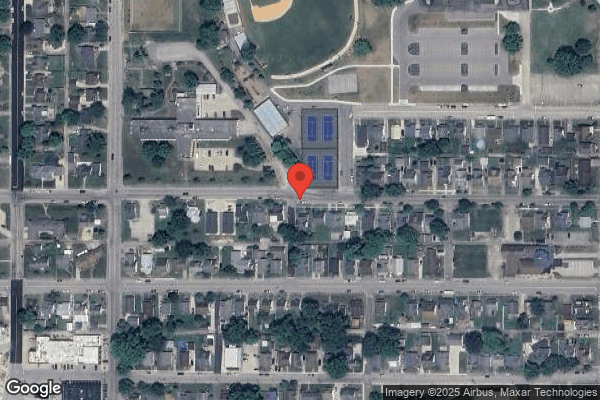

520 W 9TH ST, JASPER, IN 47546 (812) 482-6603
For profit - Corporation 65 Beds IDE MANAGEMENT GROUP Data: November 2025
Trust Grade
50/100
#223 of 505 in IN
Last Inspection: September 2024

Within standard 12-15 month inspection cycle. Federal law requires annual inspections.

Overview

Cathedral Health Care Center in Jasper, Indiana has a Trust Grade of C, which means it is considered average and falls in the middle of the pack compared to other facilities. It ranks #223 out of 505 in the state, placing it in the top half, and #4 out of 7 in Dubois County, indicating that only three local options are better. Unfortunately, the facility is trending worse, with issues increasing from 7 in 2023 to 9 in 2024. Staffing is a concern here with a rating of 2 out of 5 stars and a high turnover rate of 61%, which is above the Indiana average. There have been no fines, which is a positive sign, and the facility has average RN coverage, meaning there are enough registered nurses to catch problems that might be missed by other staff. However, there are notable incidents that raise concerns. For example, a resident with a urinary tract infection did not receive timely treatment, leading to a decline in mental status. Additionally, staff failed to maintain proper hygiene during medication administration, including not washing hands and touching pills with bare hands, which can increase the risk of infection. Food safety practices were also lacking, with improperly stored and unlabeled food items observed in the kitchen. Overall, while Cathedral Health Care Center has some strengths, these alarming issues highlight significant areas that families should consider when researching this nursing home.

Trust Score
C
50/100
In Indiana
#223/505
Top 44%
Safety Record
Moderate
Needs review
Inspections
Getting Worse
7 → 9 violations
Staff Stability
⚠ Watch
61% turnover. Above average. Higher turnover means staff may not know residents' routines.
Penalties
✓ Good
No fines on record. Clean compliance history, better than most Indiana facilities.
Skilled Nurses
○ Average
Each resident gets 35 minutes of Registered Nurse (RN) attention daily — about average for Indiana. RNs are the most trained staff who monitor for health changes.
Violations
⚠ Watch
22 deficiencies on record. Higher than average. Multiple issues found across inspections.
★★★☆☆
3.0
Overall Rating
★★☆☆☆
2.0
Staff Levels
★★★☆☆
3.0
Care Quality
★★★☆☆
3.0
Inspection Score
Stable
2023: 7 issues
2024: 9 issues

The Good

  • Full Sprinkler Coverage · Fire safety systems throughout facility
  • No fines on record

Facility shows strength in fire safety.

The Bad

3-Star Overall Rating

Near Indiana average (3.1)

Meets federal standards, typical of most facilities

Staff Turnover: 61%

15pts above Indiana avg (46%)

Frequent staff changes - ask about care continuity

Chain: IDE MANAGEMENT GROUP

Part of a multi-facility chain

Ask about local staffing decisions and management

Staff turnover is elevated (61%)

13 points above Indiana average of 48%

The Ugly 22 deficiencies on record

1 actual harm
Sept 2024 7 deficiencies
CONCERN (D)

Potential for Harm - no one hurt, but risky conditions existed

Notification of Changes (Tag F0580)

Could have caused harm · This affected 1 resident

Based on interview and record review, the facility failed to ensure the physician and resident representative were notified of a change in condition for 1 of 4 residents reviewed for falls. The physic...

Read full inspector narrative →
Based on interview and record review, the facility failed to ensure the physician and resident representative were notified of a change in condition for 1 of 4 residents reviewed for falls. The physician and resident representative were not notified of a resident's fall or x-ray results, and the resident representative was not notified of an injury. (Resident 8) Findings include: On 9/9/24 at 10:29 A.M., Resident 8's representative indicated she had not been contacted in several months about any falls, injuries, or x-rays. To her knowledge, Resident 8 had not fallen or had any injuries recently. At that time, the representative indicated she would be the one to notify of any changes in Resident 8's condition. On 9/10/24 at 10:26 A.M., Resident 8's clinical record was reviewed. Diagnosis included, but were not limited to, other abnormalities of gait and mobility, diabetes, and Down's Syndrome. The most recent Quarterly and State Optional MDS (Minimum Data Set) Assessment, dated 6/11/24, indicated a severe cognitive impairment, and a requirement of setup with supervision for bed mobility and transfers. Physician orders included, but were not limited to: x-ray right middle finger for finger pain, dated 8/19/24. Progress notes indicated Resident 8 experienced a fall on 8/25/24 with no apparent injury. The clinical record lacked a notification to the physician or representative at the time of the fall. A nurse's note, dated 8/18/24, indicated Resident 8's right middle finger was swollen and crooked. The resident indicated to the nurse the finger had been injured on the bed enabler while getting up. The resident's representative and Nurse Practitioner (NP) were notified of the resident's condition and the note indicated the NP would visit the resident the following day. X-Ray report in the record for Resident 8 had an x-ray of the right middle finger on 8/19/24 related to the finger being swollen and crooked. The clinical record lacked notification to the resident's representative that the x-ray had been ordered. The x-ray result, dated 8/19/24, indicated no fractures. The result and clinical record lacked notification to the provider or resident representative of the results. On 9/12/24 at 1:15 P.M., the Director of Nursing (DON) indicated the nurse on duty when a resident falls should notify the DON, physician, and the family. She indicated on 8/25/24, no one had been notified of Resident 8's fall. She indicated a risk management note may have been entered (not part of the clinical record) and would include notification to the physician and family, but a progress note of the notification should have been put in as well. At that time, she indicated staff was expected to notify the physician and family of injuries and x-rays, and should have been done for Resident 8 for the finger pain and x-ray. On 9/13/24 at 11:00 A.M., the Administrator indicated although it was not in the facility policy to notify the physician after every fall (only those resulting in injury), it was best practice for staff to notify family and the physician following every fall. At that time, she indicated staff should be notifying family and the physician of any test results, including x-rays. On 9/13/24 at 12:00 P.M., a current Notification policy, dated 11/28/16, was provided and indicated Our facility shall promptly notify the Resident, his or her Physician/Physician Assistant/Nurse Practitioner, and Resident Representative/interested family member of changes in the Resident's medical/mental condition and/or status . The Nurse will notify the Resident's Physician Assistant/Nurse Practitioner when there has been (including, but not limited to) . An accident or incident involving the resident . A discovery of injuries of an unknown source 3.1-5(a)
CONCERN (D)

Potential for Harm - no one hurt, but risky conditions existed

Assessment Accuracy (Tag F0641)

Could have caused harm · This affected 1 resident

Based on interview and record review, the facility failed to ensure accuracy of MDS (Minimum Data Set) Assessments for 1 of 1 resident assessments reviewed and 2 of 5 unnecessary medications reviewed....

Read full inspector narrative →
Based on interview and record review, the facility failed to ensure accuracy of MDS (Minimum Data Set) Assessments for 1 of 1 resident assessments reviewed and 2 of 5 unnecessary medications reviewed. A resident's traumatic brain injury, a resident's injections, and a resident's insulin use were not marked on the MDS Assessments. A resident's bed rail was marked incorrectly as a restraint on the MDS. (Resident 8, Resident 5, Resident 27) Findings included: 1. On 9/11/24 at 8:42 A.M., Resident 5's clinical record was reviewed. Diagnoses included, but were not limited to, hemiplegia on right dominant side, dementia, epilepsy, and TBI (Traumatic Brain Injury). The most recent Quarterly MDS (Minimum Data Set) Assessment, dated 8/6/24, indicated Resident 5's cognition was moderately impaired, an extensive assist of 2 staff for bed mobility, transfers, toileting, and the active diagnosis of TBI was marked no. 2. On 9/10/24 at 10:39 A.M., Resident 27's clinical record was reviewed. Diagnoses included, but were not limited to, Alzheimer's and Rhabdomyolysis (breakdown of muscle tissue that releases a damaging protein into the blood and can damage kidneys). The most recent Quarterly MDS Assessment, dated 6/28/24, indicated Resident 27's cognition was severely impaired, an extensive assist of 2 staff for bed mobility, transfers, toileting, and used a bed rail as a restraint daily. During an interview on 9/12/24 at 9:09 A.M., the MDS Coordinator indicated Resident 5 did have a TBI and the question was answered incorrectly. It should have been marked yes. Resident 27 does not use the mobility bar as a restraint. The question was answered incorrectly and should have been marked no restraints were used. 3. On 9/13/24 at 12:15 P.M., Resident 8's clinical record was reviewed. Diagnosis included, but were not limited to, type 2 diabetes mellitus. The most recent State Optional and Quarterly MDS (Minimum Data Set) Assessment, dated 6/11/24, indicated Resident 8 had a severe cognitive impairment and did not receive insulin or injections during the assessment period. Physicians Orders during the assessment period included, but was not limited to: Humalog mix 75/25 (Insulin Lispro Protamine and Lispro) subcutaneous suspension 100 Unit/ML (milliliter). Inject 15 units once a day subcutaneously related to type 2 diabetes mellitus, dated 4/20/24. Humalog mix 75/25 (Insulin Lispro Protamine and Lispro) subcutaneous suspension 100 Unit/ML (milliliter). Inject 40 units once a day subcutaneously related to type 2 diabetes mellitus, dated 4/20/24. Resident 8's MAR (Medication Administration Review) for June 2024 indicated Humalog was administered during the assessment period for the 6/11/24 MDS. During an interview on 9/13/24 at 12:20 P.M., the MDS Coordinator indicated the 6/11/24 should have indicated Resident 8 received insulin and injections, and it was coded in error. On 9/12/24 at 9:09 A.M., the MDS Coordinator indicated they did not have a policy for filling out an MDS Assessment, but they would use the RAI (Resident Assessment Instrument) manual.
CONCERN (D)

Potential for Harm - no one hurt, but risky conditions existed

Quality of Care (Tag F0684)

Could have caused harm · This affected 1 resident

Based on interview and record review, the facility failed to ensure comprehensive assessments were completed for 1 of 12 residents reviewed with diabetes. A follow up assessment was not completed afte...

Read full inspector narrative →
Based on interview and record review, the facility failed to ensure comprehensive assessments were completed for 1 of 12 residents reviewed with diabetes. A follow up assessment was not completed after a low blood sugar reading as indicated. (Resident 8) Finding includes: On 9/10/24 at 10:26 A.M., Resident 8's clinical record was reviewed. Diagnosis included, but were not limited to, diabetes. The most recent Quarterly and State Optional MDS (Minimum Data Set) Assessment, dated 6/11/24, indicated a severe cognitive impairment, and a requirement of setup with supervision for bed mobility and transfers. Physician orders included, but were not limited to: Accu check four times a day for diabetes, dated 2/17/24. Blood sugar 70 or below and able to swallow - Give 4 ounces orange juice or 6 ounces soda and repeat blood sugar after 15 minutes. Repeat if necessary and follow up with cheese crackers, milk and fruit or sandwich as needed for hypoglycemia, dated 12/18/24. A current diabetes mellitus care plan included, but was not limited to, the following interventions: Obtain and monitor lab and /or diagnostic work as ordered. Repeat results to physician and follow up as indicated, dated 1/14/19. A nurse's note, dated 8/16/24 at 5:00 A.M. indicated Resident 8's fasting blood sugar was 48. The Registered Nurse (RN) gave the resident a chocolate ensure and an oatmeal cream pie, and would recheck the blood sugar in 15 minutes per physician's order. Resident was alert and eating the snack. A nurse's note, dated 8/16/24 at 5:22 A.M. indicated Resident 8's blood sugar was rechecked and was 68. The resident woke for the accu check and went back to sleep. Resident indicated he was feeling ok. Resident 8's Medication Administration Record (MAR) for August 2024 indicated the following blood sugar readings on 8/26/24: 5:30 A.M. 48 12:00 P.M. not recorded (leave of absence) 4:00 P.M. 155 8:00 P.M. 175 Resident 8's August 2024 MAR lacked documentation that an as needed blood sugar was checked for a blood sugar below 70. On 9/12/24 at 1:15 P.M., the Director of Nursing (DON) indicated she had been the nurse on duty on 8/16/24 when Resident 8's blood sugar had read below 70 twice. She indicated she had not rechecked it after it read 68 although the physician's order should have been followed. On 9/12/24 at 2:20 P.M., the Administrator provided a current, non-dated, Staff Nurse job description. She indicated at that time that the information would serve as a facility policy. The form indicated Documents accurately in resident chart any significant changes in care . Responsible for interpretation and execution of physician's orders and call physician as indicated . Is responsible for accurate observation, evaluation, and reporting of residents 3.1-37(a)
CONCERN (D)

Potential for Harm - no one hurt, but risky conditions existed

Accident Prevention (Tag F0689)

Could have caused harm · This affected 1 resident

Based on observation, interview and record review, the facility failed to ensure comprehensive assessments were completed appropriately for 2 of 5 residents reviewed for accidents. Fall risk assessmen...

Read full inspector narrative →
Based on observation, interview and record review, the facility failed to ensure comprehensive assessments were completed appropriately for 2 of 5 residents reviewed for accidents. Fall risk assessments were not thorough and complete, and 72 hour follow up for a fall was not initiated immediately after the fall. (Resident 20, Resident 8) Findings include: 1. On 9/12/24 at 9:01 A.M., Resident 20 was propelling self down the hall in a wheelchair when she stood up and pushed wheelchair to room. LPN 6 was walking down the hall, came up beside Resident 20 and reminded her she had a walker to use if she didn't want to use the wheelchair. On 9/10/24 at 11:27 A.M., Resident 20's clinical records were reviewed. Diagnosis included, but were not limited to schizoaffective disorder, bipolar type, type II diabetes mellitus, repeated falls, extrapyramidal and movement disorder, anxiety disorder, and borderline personality disorder. The most current Quarterly MDS (Minimum Data Set) assessment, dated 8/2/24, indicated Resident 20 was severely cognitively impaired, required supervision with bed mobility and eating, limited assistance of one for transfers and extensive assistance of one for toilet use, had one fall with no injury and one fall with injury. Nursing Note 5/23/2024 10:00 Note Text: Resident fell in her room. She was found lying on her side. Resident was able to move all extremities. She was assisted to get up. Resident went to the bathroom. Resident was moaning and complaining about her roommate's chair. Resident walked without difficulties. No bruised or injury noted. Resident in on neurological checks. Family, DON (Director of Nursing), and NP (Nurse Practitioner) notified. After a fall in Resident 20's room on 5/23/24, the care plan failed to be updated. After a fall on 7/5/24, the fall risk assessment indicated Resident 20 did not have any falls in the previous three months when the resident had a fall on 5/23/24. During an interview on 9/12/24 at 2:45 P.M., Administrator indicated the fall risk assessment completed on 7/5/24 should have been marked 1-2 falls in the last 3 months. During an interview on 9/13/24 at 8:21 A.M., Administrator indicated fall risk assessments were done per regulation and included in the quarterly nurse evaluations. During an interview on 9/13/24 at 8:28 A.M., Administrator indicated care plans were updated after every fall. During an interview on 9/13/24 at 9:31 A.M., Social Services indicated the care plan should be updated after each fall. She indicated she could not find an updated care plan for the 5/23/24 fall. 2. On 9/10/24 at 10:26 A.M., Resident 8's clinical record was reviewed. Diagnosis included, but were not limited to, other abnormalities of gait and mobility, unsteadiness on feet, other lack of coordination, and unspecified lack of coordination. The most recent Quarterly and State Optional MDS (Minimum Data Set) Assessment, dated 6/11/24, indicated a severe cognitive impairment, and a requirement of setup with supervision for bed mobility and transfers. A current falls care plan indicated cognitive impairment, lack of coordination, unsteadiness on feet, weakness, and abnormal gait, initiated 1/15/19 and revised 8/22/24. Resident 8 experienced four falls from December 2023 through September 2024 on 12/4/23, 12/5/23, 2/4/24 and 8/25/24. A fall risk evaluation, dated 2/4/24, indicated no falls in the past 3 months and no noted drop in blood pressure between lying and standing. Resident 8's fall score was 6 (a score of 10 or more indicated high risk for falls). A fall risk evaluation, dated 8/25/24, indicated no falls in the past 3 months and no noted drop in blood pressure between lying and standing. Resident 8's fall score was 8. On 8/29/24, an order was placed for a 72 hour follow up charting every shift for the fall on 8/25/24 to document in progress notes for 3 days. An Interdisciplinary (IDT) note, dated 9/3/24, indicated Resident 8 had fallen and the care plan had been updated. On 9/10/24 at 3:03 P.M., the leave of absence binder was reviewed and lacked documentation that Resident 8 had been LOA on 8/16/24. On 9/12/24 at 1:15 P.M., the Director of Nursing (DON) indicated falls were typically reviewed from the previous day at the morning meetings. If a fall occurred over the weekend, it was reviewed on Monday morning. She indicated she learned Resident 8 may have had a fall on 8/29/24, and at that time reached out to the nurse to see if anything had been initiated and apparently had not. It was then when the 72 hour post fall follow up had been put in, although it had already been 72 hours post fall. She indicated when filling out fall risk evaluations, the fall that occurred that same day should be counted in the history of falls, and that staff would need to be inserviced on that. She further indicated the nurses that filled out the fall risk evaluations on 2/4/24 and 8/25/24 and marked no drop in blood pressure from lying to standing did not actually check the blood pressure at the time the forms were filled out. She indicated normally for the resident's lying to standing blood pressure to be checked, there needed to be a physician's order and they didn't get many of those. On 9/12/24 at 2:20 P.M., the Administrator provided a current Fall Risk Assessment policy, dated 3/2018, that indicated The attending physician and nursing staff will evaluate the resident's vital signs, assess the resident for medical conditions . that may predispose to falls On 9/12/24 at 2:20 P.M., the Administrator provided a current Falls policy, dated 3/2018, that indicated For an individual who has fallen, the staff and practitioner will begin to try to identify possible causes within 24 hours of the fall On 9/12/24 at 2:20 P.M., the Administrator provided a current, non-dated, Staff Nurse job description. She indicated at that time that the information would serve as a facility policy. The form indicated Documents accurately in resident chart any significant changes in care . Responsible for interpretation and execution of physician's orders and call physician as indicated . Is responsible for accurate observation, evaluation, and reporting of residents 3.1-45(a)
CONCERN (D)

Potential for Harm - no one hurt, but risky conditions existed

Medication Errors (Tag F0758)

Could have caused harm · This affected 1 resident

Based on record review and interview, the facility failed to monitor for side-effects related to antipsychotic drug use for 1 of 1 resident reviewed for psychotropic drug use. (Resident 63) Findings i...

Read full inspector narrative →
Based on record review and interview, the facility failed to monitor for side-effects related to antipsychotic drug use for 1 of 1 resident reviewed for psychotropic drug use. (Resident 63) Findings included: Resident 63's clinical record was reviewed on 9/13/24 at 1:02 P.M. An annual MDS (Minimum Data Set) Assessment, dated 6/20/24 indicated Resident had some cognitive impairment, no behaviors noted, required anywhere from supervision to extensive assist with mobility and transfers. Diagnoses in Resident 63's chart included but were not limited to paranoid schizophrenia. Physician orders in Resident 63's chart included but were not limited to, clozapine 100 mg (milligrams) 3 tablets a day, dated 5/11/23. Another order for clozapine 100 mg 1.5 tablets daily was found, dated 4/2/234. The Resident was being given a total of 450 mg a day of clozapine. Clozapine is an antipsychotic medication used for treatment resistant schizophrenia. An order was also placed on 3/15/23 to monitor for side effects of antipsychotic medications, listing many side effects for nursing staff to monitor every shift, if side effects present, document in progress notes. When reviewing Resident 63's clinical record on 9/13/24 at 2:00 P.M., it was found that in the treatment administration record there were many dates where nursing staff indicated y (yes), that Resident had side effects but failed to put in a progress note to follow with information on what side effects the resident was experiencing. The following dates are dates with y indicated on record but no progress note: May 2, 6, 7, 9, 13, 14, 16, 17, 20, 21, 28, 30 of 2024. June 5, 6, 10, 11, 13, 17, 18, 20, 27 of 2024. July 1, 2, 9, 15, 18, 22, 25, 27, 29, 30 of 2024. August 1, 6, 8 of 2024. On 9/13/24 at 9:46 A.M., the DON (Director of Nursing) indicated that sometimes the orders to monitor side effects will have a key for staff to use to show what side effect was present instead of staff giving a yes or no answer, that she would have to look into it. LPN (Licensed Practical Nurse) 6, on 9/13/24 at 10:05 A.M., indicated that when charting in the treatment administration record for side effects, when it is marked yes it means the resident was monitored for side effects. LPN also indicated if she were to observe side effects during her shift that she puts in a progress note regarding them. On 9/13/24 at 10:50 A.M., the DON indicated that she called the nursing staff who had been marking y in the treatment administration record for side effects. This nursing staff indicated that she was under the impression that she should have been marking y, meaning yes she was monitoring the resident for side effects. On 9/12/24 at 2:20 P.M., the Administrator provided a current, non-dated, Staff Nurse job description. She indicated at that time that the information would serve as a facility policy. The form indicated Documents accurately in resident chart any significant changes in care . Responsible for interpretation and execution of physician's orders and call physician as indicated . Is responsible for accurate observation, evaluation, and reporting of residents 3.1-48(a)(3)
CONCERN (D)

Potential for Harm - no one hurt, but risky conditions existed

Deficiency F0760 (Tag F0760)

Could have caused harm · This affected 1 resident

Based on interview and record review, the facility failed to ensure residents were free from any significant medication errors for 1 of 1 residents reviewed for notification of change. A resident rece...

Read full inspector narrative →
Based on interview and record review, the facility failed to ensure residents were free from any significant medication errors for 1 of 1 residents reviewed for notification of change. A resident received a dose of the wrong insulin. (Resident 8) Finding includes: On 9/10/24 at 10:26 A.M., Resident 8's clinical record was reviewed. Diagnosis included, but were not limited to, diabetes. The most recent Quarterly and State Optional MDS (Minimum Data Set) Assessment, dated 6/11/24, indicated a severe cognitive impairment, and a requirement of setup with supervision for bed mobility and transfers. Current physician orders included, but were not limited to: NovoLOG Mix 70/30 FlexPen (a mixture of insulin aspart protamine, an intermediate-acting human insulin, and insulin aspart, a rapid-acting insulin) subcutaneous suspension pen-injector (70/30) 100 unit/ml (milliliter), inject 20 units one time a day, dated 7/24/24. NovoLOG Mix 70/30 FlexPen subcutaneous suspension pen-injector (70/30) 100 unit/ml (milliliter), inject 50 units one time a day, dated 7/24/24. Resident 8 did not have a physician's order for Novolin R (insulin regular - a short-acting insulin) or Novolin N (insulin isophane - an intermediate-acting insulin). A current diabetes mellitus with history of longterm use of insulin care plan indicated, but was not limited to, the following intervention: Administer my medications as ordered, dated 1/14/19. A nurse's note on 9/8/24 at 8:15 A.M. indicated Resident rec'd [received] incorrect insulin for AM dose. MD notified et [and] stated to monitor resident. A nurse's note on 9/9/24 at 11:00 A.M. indicated the physician rounded with the resident. Resident 8 had received Novolin R instead of Novolin. One was short acting and one was intermediate acting. No new orders were given. On 9/10/24 at 1:02 P.M., the Director of Nursing (DON) indicated the Unit Manager had called her over the weekend to tell her that an agency nurse had given Resident 8 Novolin R instead of Novolin N, but did not have specific information as to how much he was administered, whose insulin had been given, but assumed the same units ordered had been given. She indicated the only difference between what the resident was ordered (Novolog FlexPen) and what had been given (Novolin R) is that one was fast acting, and one was intermediate acting. She indicated at that time that Novolog and Novolin were the same thing. On 9/12/24 at 2:20 P.M., the Administrator provided a current Administering Medications policy, dated 12/2012, that indicated Medications must be administered in accordance with the orders, including any required time frame . The individual administering the medication must check the label THREE (3) times to verify the right resident, right medication, right dosage, right time and right method (route) of administration before giving the medication . Insulin pens will be clearly labeled with the resident's name or other identifying information. Prior to administering insulin with an insulin pen, the Nurse will verify that the correct pen is used for that resident 3.1-48(c)(2)
CONCERN (E)

Potential for Harm - no one hurt, but risky conditions existed

Infection Control (Tag F0880)

Could have caused harm · This affected multiple residents

Based on observation, record review, and interview, the facility failed to ensure a safe, sanitary and comfortable environment to help prevent the development and transmission of disease and infection...

Read full inspector narrative →
Based on observation, record review, and interview, the facility failed to ensure a safe, sanitary and comfortable environment to help prevent the development and transmission of disease and infection for 2 of 5 residents observed for care, and 2 of 10 residents reviewed for medication administration. Staff did not wash hands with at least a 20 second lather, did not change gloves and perform hand sanitization from dirty to clean tasks, did not wear gloves when administering an injection, and touched resident pills with bare hands. (Resident 34, Resident 37, Resident 20, Resident 9) Findings included: 1. On 9/9/24 at 7:27 A.M., RN (Registered Nurse) 15 was observed during a medication administration to Resident 20. RN 15 came out of the pantry room upstairs with a drink for the resident. She proceeded to prepare her medications without performing hand hygiene. She opened the medication cart, opened the narcotic box, popped out the resident's clonazepam (anxiety medication) tablet into her bare hand, and then placed it into the medication cup. After preparing all of the medications, RN 15 administered them to Resident 20. 2. On 9/10/24 at 10:57 A.M., RN 23 was observed using a glucometer to check Resident 37's blood sugar. After she was done, she took the used supplies out of the room to the medication cart. RN 23 took off her gloves, washed her hands with a 6 second lather of soap, went to computer to look up the insulin dose, and indicated he needed 10 units of Humalog (insulin). She grabbed the syringe and insulin vial from the medication cart, wiped the top of insulin vial with an alcohol wipe, drew back air then pushed it into the vial. She drew up 10 units of insulin, wiped Resident 37's left lower abdomen with an alcohol swab, and administered 10 units of Humalog to his left lower abdomen without putting on gloves. During an interview on 9/13/24 at 11:42 A.M., the DON (Director of Nursing) indicated medications should not be touched with a bare hand and administered. Staff should be popping the medication directly into the medication cup. Staff should wear gloves while administering insulin and staff should wash hands, lathering with soap at least 20 seconds, or using hand sanitizer between tasks. 3. During an observation of care on 9/13/24 at 11:10 A.M., LPN (Licensed Practical Nurse) 14 washed her hands with an 8 second hand lather and donned gloves to clean a wound on Resident 9's neck. LPN 14 cleaned the wound with soap and water on a washrag, removed gloves, and washed hands with an 8 second lather. At that time, she donned new gloves and placed the bandage on Resident 9's neck, then removed an empty trashbag from the trash can and placed the soiled linens in the bag and removed her gloves, and an 11 second hand lather was performed. 4. On 9/13/24 at 11:34 A.M., Certified Nurse Aide (CNA) 7 was observed to transfer Resident 34 from the bed into a wheelchair. CNA 7 placed a gait belt on the resident, assisted out of bed to a standing position, then assisted the resident to pivot and sit in the wheelchair. CNA 7 washed their hands in the resident's sink. Hands were lathered for five seconds with soap then rinsed. On 9/13/24 at 11:42 A.M., the Director of Nursing indicated staff should be washing their hands with a lather of at least 20 seconds. On 9/9/24 at 10:00 A.M., a current Handwashing/Hand Hygiene Policy, dated January 2019, was provided by the Administrator and indicated This facility considers hand hygiene the primary means to prevent the spread of infections . All personnel shall follow the hand washing/hand hygiene procedures to help prevent the spread of infections to other personnel, residents, and visitors . Single-use disposable gloves should be used: . when anticipating contact with blood or body fluids . vigorously lather hands with soap and rub them together, creating friction to all surfaces, for a minimum of 20 seconds (or longer) . 3.1-18(l) 3.1-18(b)
Aug 2024 1 deficiency
CONCERN (D) 📢 Someone Reported This

A family member, employee, or ombudsman was alarmed enough to file a formal complaint

Potential for Harm - no one hurt, but risky conditions existed

Deficiency F0691 (Tag F0691)

Could have caused harm · This affected 1 resident

Based on observation, interview, and record review, the facility failed to uphold professional standards of colostomy care for 1 of 1 residents reviewed for ostomy care. A resident's colostomy bag was...

Read full inspector narrative →
Based on observation, interview, and record review, the facility failed to uphold professional standards of colostomy care for 1 of 1 residents reviewed for ostomy care. A resident's colostomy bag was adhered to the resident with duct tape in preparation for resident transport to a local hospital. (Resident D) Finding includes: During record review on 8/23/24 at 10:30 A.M., Resident D's diagnoses included, but were not limited to, acquired absence of other specified parts of digestive tract and schizoaffective disorder. Resident D's most recent Quarterly Minimum Data Set (MDS) assessment, dated 6/19/24, indicated Resident D had an ostomy, required supervision with activities of daily living (ADL's) including toileting, bathing, and personal hygiene, and had delusions one to three days during a seven day review period, and had severe cognitive impairment. Resident D's physician orders included, but were not limited to, provide right upper quadrant (RUQ) colostomy care and change every Monday and Thursday on night shift and as needed if soiled or due to dislodgment. Use Skin-Prep (protective wipes that form a barrier between the skin and adhesives to protect and maximize skin health) for every change (started 6/22/23), asses skin integrity in around stoma site during care (started 1/10/24), monitor unusual physical behavior such as sticking items in stoma (started 8/22/24), disrobing (started 2/17/24), and removing ostomy bag (started 7/29/24). Resident D's care plan included, but was not limited to, resident has colostomy and may need assist with ostomy care per staff. Interventions included, change bag after each bowel episode or when full, change wafer as ordered, place proper-fitting wafer around ostomy site, and provide proper fitting bags (initiated 6/21/23). Resident at risk for exhibiting behaviors such as pulling off colostomy bag and painting floors, walls, and furniture with content of bag (revised 8/6/24). Resident D's nurse's progress notes included a behavior note, dated 7/26/24 at 3:47 P.M. The note indicated that the Director of Nursing (DON) and Facility Administrator were called to the second floor. Resident D was rolling around on the floor with fecal matter, she had pulled her colostomy bag off and was smearing it on the floor with her body. Resident has poor safety awareness for self and others. Staff cleaned resident with soapy washcloths and water basins and colostomy bag reapplied and taped for reinforcement. Resident trying to pull colostomy bag off. Order received to send resident to hospital for evaluation. Resident transported without difficulty and report was called into Emergency Department (ED) nurse. A hospital ED provider note dated 7/26/24 at 3:45 P.M., indicated resident was disoriented upon arrival from nursing facility. Facility reported that resident had been removing her ostomy. On arrival, ostomy site was duct taped to patient's abdomen. During an observation on 8/23/24 at 11:00 A.M., Resident D was observed in her room laying face down on a blanket on the floor without clothing. Resident D's room contained an odor of bowel movement (BM) and the blanket Resident D was lying on had areas with a visible brown substance. As staff assisted Resident D to her feet, an uncovered stoma was observed on the resident's abdomen. LPN 4 retrieved a colostomy bag as LPN 2 assisted Resident D in cleaning up and dressing. Staff applied the colostomy bag and dressed Resident D. At 11:30 A.M., LPN 4 indicated that Resident D had disrobed and removed her colostomy bag. During an interview on 8/23/24 at 11:40 A.M., LPN 2 indicated that Resident D often removed her colostomy bag herself. One way to help the bag adhere to the resident is to use Skin-Prep barrier wipes when applying the colostomy bag. LPN 2 indicated that duct tape should not be used to adhere a colostomy bag to a resident and would be inappropriate. During an interview on 8/23/24 at 1:10 P.M., the Facility Administrator indicated that staff had used duct tape on Resident D's colostomy bag to hold it in place during transportation from the facility to the hospital following a request from the ambulance service to secure Resident D's colostomy bag. The facility Administrator indicated that staff had tried medical grade adhesives without success and that the facility did not have an abdominal binder or other means to secure Resident D's colostomy bag. According to the U.S. Department of Health and Human Services, The Food and Drug Administration identifies medical adhesive tape and adhesive bandages as, a device intended for medical purposes that consists of a strip of fabric material or plastic, coated on one side with an adhesive, and may include a pad of surgical dressing without a disinfectant. The device is used to cover and protect wounds, to hold together the skin edges of a wound, to support an injured part of the body, or to secure objects to the skin (3/22/24). The EchoTape product catalog specification sheet, reviewed 8/26/24, indicated Industrial Strength Utility Grade Duct Tape applications for use include the following: General purpose construction use and repair Patching and seaming a wide variety of materials Temporary holding and bonding Hanging and patching polyethylene sheeting Sealing polyethylene waste disposal bags Duct work and contractor uses Multiple applications in manufacturing & Industrial environments Bundling and color coding On 8/23/24 at 1:40 P.M., the Facility Administrator supplied a facility policy titled Colostomy/Ileostomy Care, dated 09/2005. The policy included, The purpose of this procedure is to provide guidelines that will aid in preventing exposure of the resident's skin to fecal matter . 1. Review the resident's care plan to assess for any special needs of the resident . The following equipment and supplies will be necessary when performing this procedure: .4. Adhesives (if indicated) . This citation relates to complaint IN00440005. 3.1-47(a)(3)
Jan 2024 1 deficiency
CONCERN (D) 📢 Someone Reported This

A family member, employee, or ombudsman was alarmed enough to file a formal complaint

Potential for Harm - no one hurt, but risky conditions existed

Report Alleged Abuse (Tag F0609)

Could have caused harm · This affected 1 resident

Based on interview and record review, the facility failed to ensure timely reporting of an allegation of abuse for 1 of 1 allegations of abuse reviewed. Following an allegation of perceived abuse, the...

Read full inspector narrative →
Based on interview and record review, the facility failed to ensure timely reporting of an allegation of abuse for 1 of 1 allegations of abuse reviewed. Following an allegation of perceived abuse, the facility failed to report the incident and findings to the State Survey Agency within the required time frame. (Resident D) Finding includes: During record review on 1/9/24 at 11:30 A.M., Resident D's diagnoses included but were not limited to, generalized anxiety, chronic pain, and major depressive disorder. Resident D's most recent quarterly MDS (Minimum Data Set) assessment, dated 10/14/23, included that the resident was cognitively intact. Resident D's nurses notes included, but were not limited, to a behavior note, dated 12/18/23, at 12:07 P.M. The note included, Resident is continuous [sic] about telling staff about the bruise she received on her arm. (Director of Nursing, Facility Administrator, Social Service), MDS have already investigated bruise and spoke with resident about the incident and resident agrees there was no harm intended but continues to tell staff and anyone who will listen that CNAs were rough with her . During an interview on 1/9/24 at 10:00 A.M., Resident D indicated that she felt she had been physically abused approximately two months prior when CNA 4 was assisting her in bed following a transfer. Resident D indicated that CNA 4 had pulled her arm too hard causing her to become dizzy and vomit. The resident stated there was bruising from her fingers to her elbow and that she reported CNA 4 to multiple staff members. During an interview on 1/9/24 at 10:20 A.M., the Facility Administrator indicated being aware of the allegation from Resident D and that the resident had also called the local hospital and told them that someone had broken her arm. The Facility Administrator included that, at the time of the allegation, the resident did not indicate to staff that the incident with CNA 4 was abuse. During an interview on 1/9/24 at 10:35 A.M., the Director of Nursing (DON) indicated that staff were made aware of an incident reported by Resident D and that interviews and inservices were completed. The DON included that Resident D was inconsistent with her accusation and that they were unable to substantiate the allegation. During a review of the facility's investigation of the reported incident from Resident D on 1/9/24 at 11:30 A.M., an undated written statement from CNA 6, included, . On December 17, (CNA 8) and I went in to get (Resident D) up in the morning, when we were in there we noticed a large puple [sic] bruised area on her right wrist, she said that (CNA 4) had grabbed her and pulled her over by her wrist. We went to tell the nurse to report it. A typed statement, dated 12/18/23 and signed by the MDS nurse, included, This writer was called into (Resident D's) room around (9:45 A.M.) . the resident began to question this writer if I knew what happened to her as she began to slide her long sleeve shirt up on her right side, exposing bruising to her wrist and forearm. I told her that the DON had informed me this morning and that the DON is investigating the root cause. The resident stated it was caused by a CNA during care on Friday evening. She then said it was abuse by the way the CNA grabbed her arm and was rolling her over from the bed pan . On 1/9/23 at 11:05 A.M., the facility administrator supplied a facility policy titled, Abuse Policy, dated 1/2020. The policy included, .All reports of resident abuse, neglect, exploitation, misappropriation of resident property, mistreatment and/or injuries of unknown source (abuse) shall be promptly reported to local, state and federal agencies . This citation relates to complaint IN00425501. 3.1-28(c)
Sept 2023 7 deficiencies
CONCERN (D)

Potential for Harm - no one hurt, but risky conditions existed

Deficiency F0576 (Tag F0576)

Could have caused harm · This affected 1 resident

Based on interview and record review, the facility failed to deliver mail to the residents on Saturdays. Two of ten anonymous residents interviewed indicated they failed to get mail every Saturday. F...

Read full inspector narrative →
Based on interview and record review, the facility failed to deliver mail to the residents on Saturdays. Two of ten anonymous residents interviewed indicated they failed to get mail every Saturday. Findings include: During an interview with ten resident council members on 9/7/23 at 10:05 A.M., two anonymous residents indicated they did not receive mail on Saturdays. During the meeting, those two anonymous residents were the only ones that were answering questions. During an interview on 9/7/23 at 1:01 P.M., the Activities Director indicated she delivered mail Monday through Friday and was unsure if it should be delivered on Saturdays. During an interview on 9/7/23 at 1:23 P.M., the Activities Director indicated Activities Assistant 27 delivered the mail on Saturdays. During an interview on 9/7/23 at 1:34 P.M., Activities Assistant 27 indicated she had not delivered mail on Saturdays and was unsure if it should be delivered on Saturdays. During an interview on 9/8/23 at 10:31 A.M., the Administrator indicated the facility's policy was to deliver mail every day it was received, including Saturdays. 3.1-3(s)(1)
CONCERN (D)

Potential for Harm - no one hurt, but risky conditions existed

Assessment Accuracy (Tag F0641)

Could have caused harm · This affected 1 resident

**NOTE- TERMS IN BRACKETS HAVE BEEN EDITED TO PROTECT CONFIDENTIALITY** 2. On 9/7/23 at 10:43 A.M., Resident 7's clinical record was reviewed. Diagnoses included, but were not limited to, end stage re...

Read full inspector narrative →
**NOTE- TERMS IN BRACKETS HAVE BEEN EDITED TO PROTECT CONFIDENTIALITY** 2. On 9/7/23 at 10:43 A.M., Resident 7's clinical record was reviewed. Diagnoses included, but were not limited to, end stage renal disease, renal insufficiency, and renal failure. The most recent admission MDS, dated [DATE], indicated Resident 7 was not on dialysis. Current Physician's Orders included, but was not limited to, dialysis on Monday, Wednesday, and Friday, dated 6/26/23. During an interview on 9/8/23 at 9:43 A.M., the MDS Coordinator indicated Resident 7's admission MDS assessment should have indicated she received dialysis. On 9/8/23 at 9:42 A.M., the MDS Coordinator indicated there was not a policy for entering MDS information, but that the RAI (resident assessment indicator) manual was used in place of a policy for entering resident information. 3.1-31(d) Based on observation, interview, and record review, the facility failed to ensure MDS (Minimum Data Set) Assessments were accurate for 1 of 5 residents reviewed for unnecessary medications, and 1 of 1 resident reviewed for dialysis. (Resident 48, Resident 7) Findings include: 1. On 9/6/23 at 1:13 P.M., Resident 48's clinical record was reviewed. Diagnosis included, but were not limited to, psychotic disorder with delusions, dementia, and autistic disorder. The most recent quarterly MDS, dated [DATE], indicated a moderate cognitive impairment, and a requirement of supervision with setup for ADLs (activities of daily living). The MDS indicated Resident 48 had received at least one antipsychotic medication 7 of 7 days during the look back assessment period. The MDS also indicated a GDR (gradual dose reduction) was not done because an antipsychotic medication had not been administered. Current physician orders included, but were not limited to: Risperdal (an antipsychotic medication) give 2 mg (milligrams) twice a day related to psychotic disorder with delusions, dated 6/7/23. Resident 48's MAR (Medication Administration Record) for the months of July 2023 and August 2023 indicated an antipsychotic medication had been administered from 7/28/23 through 8/3/23. On 9/8/23 at 9:42 A.M., the MDS Coordinator indicated Resident 48's MDS should not have been marked that an antipsychotic medication had not been received, and was entered in error.
CONCERN (D)

Potential for Harm - no one hurt, but risky conditions existed

Quality of Care (Tag F0684)

Could have caused harm · This affected 1 resident

**NOTE- TERMS IN BRACKETS HAVE BEEN EDITED TO PROTECT CONFIDENTIALITY** Based on record review and interview, the facility failed to provide treatment and care in accordance with professional standard...

Read full inspector narrative →
**NOTE- TERMS IN BRACKETS HAVE BEEN EDITED TO PROTECT CONFIDENTIALITY** Based on record review and interview, the facility failed to provide treatment and care in accordance with professional standards of practice for 1 of 2 residents reviewed for sliding scale insulin. A resident did not receive sliding scale insulin when it was indicated by the acucheck. (Resident 27) Findings include: On 9/7/23 at 11:06 A.M., Resident 27's clinical records were reviewed. She was admitted on [DATE]. Diagnosis included but were not limited to, Type II diabetes mellitus without complications, and hemiplegia and hemiparesis following cerebral infarction affecting left non-dominant side. The current annual MDS (Minimum Data Set) Assessment, dated 6/27/23, indicated Resident 27 was cognitively intact, needed extensive assistance of two for bed mobility, transfers, toilet use, and total dependence of one for bathing. She had no behaviors or mood issues. She received insulin for 7 of 7 days during the look back period. Physician orders included, but not limited to the following: Insulin lispro solution 100 UNIT/ML Inject 5 unit subcutaneously four times a day related to Type II diabetes mellitus without complications (E11.9), dated 4/21/21 HumaLOG Solution 100 UNIT/ML (Insulin lispro) Inject as per sliding scale: if 71 - 150 = 0; 151 - 200 = 2 units; 201 - 250 = 4 units; 251 - 300 = 6 units; 301 - 350 = 8 units; 351 - 400 = 10 units, subcutaneously three times a day related to Type II diabetes mellitus without complications (E11.9), dated 4/28/2021 Review of the MAR (Medication Administration Record) during the look back period from 6/21/23 to 6/27/23, indicated on 6/23/23 at 8:00 A.M. Resident 27's blood sugar was 188. The MAR was marked 28-no insulin required. The physician order for sliding scale insulin indicated a blood sugar of 151-200=2 units of Humalog (insulin lispro). The blood sugar on 6/22/23 at 5:00 P.M. was 141. The MAR was marked 28-no insulin required. The blood sugar on 6/23/23 at 12:00 P.M. was 229. 4 units of Humalog was given. No documentation of refusal by the resident during the look back dates from 6/21/23 through 6/27/23. During an interview on 9/8/23 at 2:33 P.M., the Administrator indicated Resident 27 refuses accuchecks and medications at times. Review of the Nurse's Notes on 6/23/23 lacked documentation of the resident refusing her medication at 8:00 A.M. During an interview on 9/11/23 at 9:51 A.M., LPN 3 indicated she told residents their BS (blood sugar) when she did an accucheck. If a resident refused insulin it had to be documented in the record, marked on the MAR and the provider notified. If the resident didn't require sliding scale insulin, she only monitored them for symptoms of hypoglycemia. LPN 3 indicated no other assessment was done at that time. She indicated she talked to the residents about hypo and hyperglycemia signs and symptoms and told them to notify the staff if they felt like their sugar was too low so an accucheck could be done and snacks were always available if a sugar got too low. During an interview on 9/11/23 at 9:40 A.M., Resident 27 indicated she does not know the signs and symptoms of hypo or hyperglycemia (low or high blood sugar). No one had ever told me what they were. She indicated they did tell her and show her what her blood sugar was when they do an accucheck. During an interview on 9/11/23 at 9:59 A.M., LPN 5 indicated, while looking at the June 23rd MAR, with a blood sugar of 188 and the sliding scale orders listed, the resident should have been given 2 units of insulin. On 9/8/23 at 9:42 A.M., an undated Medication Administration policy provided by the Administrator, indicated The nurse and /or QMA (Qualified Medication Aide) shall administer all medications in accordance with the physician's orders . 3.1-37(a)
CONCERN (D)

Potential for Harm - no one hurt, but risky conditions existed

Incontinence Care (Tag F0690)

Could have caused harm · This affected 1 resident

**NOTE- TERMS IN BRACKETS HAVE BEEN EDITED TO PROTECT CONFIDENTIALITY** Based on observation, interview, and record review, the facility failed to ensure that appropriate treatment and services were p...

Read full inspector narrative →
**NOTE- TERMS IN BRACKETS HAVE BEEN EDITED TO PROTECT CONFIDENTIALITY** Based on observation, interview, and record review, the facility failed to ensure that appropriate treatment and services were provided for a resident that resulted in multiple urinary tract infections (UTI) and two UTI related hospitalizations for 1 of 1 residents reviewed for hospitalizations. Physician's orders were not followed and follow up with the urologist was not scheduled. (Resident 4) Finding includes: On 9/7/23 at 10:27 A.M., Certified Nurse Aide (CNA) 7 and Licensed Practical Nurse (LPN) 3 performed suprapubic catheter care on Resident. Resident 4 was observed lying in bed with a suprapubic catheter and the urinary catheter bag, dated 9/6/23, with 200 cubic centimeters (cc) of clear, yellow urine hanging on the right side of the bed. On 9/7/23 at 9:58 A.M., Resident 4's clinical record was reviewed. Diagnoses included, but were not limited to, schizophrenia, Benign Prostatic hyperplasia with lower urinary tract symptoms, End Stage Renal Disease (ESRD), dementia, personal history of UTIs, and obstructive and reflux uropathy. The most recent Annual Minimum Data Set (MDS) Assessment, dated 7/28/23, indicated Resident 4 was cognitively intact, had a catheter, on an anticoagulant (blood thinner), was an extensive assist of 2 staff for bed mobility, transfer, and toileting, totally dependent on staff for bathing, and frequently incontinent of bowel movements. Current Physician's Orders included, but were not limited to the following: Empty and chart Foley bag every 2 hours and as needed, dated 3/13/23 cleanse suprapubic catheter site with Normal Saline Solution (NSS) and apply dry dressing every night shift for infection control and hygiene, dated 2/6/23 check catheter function every shift, dated 2/4/23 check catheter site for any redness, pain, swelling, or any discharge. Wash site daily with mild soap and water, gently pat and dry. Apply gauze around the site as needed. Keep catheter bag below the waist and tubing un-kinked every shift, dated 2/3/23 may utilize in-house urine testing strips for any signs or symptoms of a UTI, dated, 8/26/23 Ertapenem Sodium (antibiotic) Solution reconstituted with 100 milliliters (mL) of normal saline, 1 gram intravenously over 1 hour every 24 hours for infection for 13 days, dated 9/7/23 Supra-pubic catheter care after each bowel movement, dated 9/8/23 A current Suprapubic Catheter Care Plan, dated 3/24/23, included, but was not limited to, the following interventions: monitor and document intake and output as per facility policy, initiated 3/24/23 check tubing for kinks each shift, initiated 3/24/22 catheter care every shift, initiated 1/9/23 observe for, document, and report to Medical Doctor (MD): pain, burning, blood tinged urine, cloudiness, no output, deepening of urine color, increased pulse, increased temperature, urinary frequency, foul smelling urine, fever, chills, altered mental status, change in behavior, and/or change in eating patterns, initiated 3/24/22 A current increased risk for bleeding Care Plan, dated 1/10/19 included, but was not limited to the following intervention: labs as ordered, initiated 4/26/22 A urology visit note, dated 3/1/23, indicated Resident 4 had a suprapubic catheter placed on 2/3/23 after he had developed traumatic hypospadias from repeatedly removing his catheter. [Doctor's name] consulted as tube was difficult to remove. He was able to remove it without incident. We'll change next months. Follow up in about 4 weeks. Resident 4 had the following documented infections since 3/1/23: 1. On 5/2/23 a urine culture result revealed > 100,000 CFU (colony forming units) E. Coli (the bacteria Escherichia coli usually found in stool) and > 100,000 CFU Morganella morganii. Resident 4 was hospitalized from [DATE] to 5/8/23. 2. On 6/15/23 a urine culture result revealed > 100,000 CFU Pseudomonas putida and > 100,000 CFU Enterococcus species. 3. On 6/19/23 a urine culture result revealed > 100,000 Citrobacter freundii. 4. On 6/27/23 a C. Diff (clotridoides difficile, a bacteria that causes diarrhea and could be linked to antibiotic use) result was positive. 5. On 9/2/23 a urine culture result revealed > 100,000 CFU E. coli and > 100,000 CFU Klebsiella oxytoca. 6. On 9/4/23 a urine culture result revealed > 35,000 CFU E. coli. Resident 4 was hospitalized from [DATE] to 9/7/23. Hospitalization #1: A progress note on 3/18/23 at 9:55 A.M., indicated Resident 4 had red tinged urine in catheter bag, assessed, bloody discharge from stoma noted; cleaned, split dressing applied; catheter bag changed, urine clear yellow; no c/o [complaints of] discomfort or pain. A progress note, dated 3/30/23 at 3:58 P.M., indicated N.O. [new order] received from [nurse practitioner's name] CBC [complete blood count] d/t [due to] pink color in urine, and push fluids. A nurse practitioner note, dated 4/27/23, indicated nursing states the resident has increased anxiety and confusion. I ordered labs and a UA [urinalysis] with culture if indicated. A progress note, dated 5/2/23 at 9:19 A.M., indicated I reviewed the following labs: Lactic acid (2.3-high), CBC w/diff [with differential] (WBC [white blood cells]- only 8.0- WNL [within normal limits]), CMP [comprehensive metabolic profile], uric acid (WNL). Awaiting UA and UA culture. I will continue to monitor. A progress note on 5/4/23 at 1:24 P.M., indicated I reviewed the following lab: UA (Large leukocytes, + nitrates). Resident is symptomatic and lethargic from UTI. I ordered and gave an IM [intramuscular] injection into right buttocks. I stayed at bedside for an additional 45 minutes monitoring for any reactions. I placed a subcutaneous needle into the RLQ [right lower quadrant] to transfuse one liter of normal saline x [for] 1 liter, so I can hydrate and flush out the resident's kidneys. I replaced the suprapubic catheter. 1,100 ml of dark yellowish urine came out of the new catheter. Catheter was clamped for 15 minutes. Catheter was unclamped after the 15 minutes and additional 250 ml of dark yellowish urine with sediment came out of new catheter. I ordered Rocephin [an antibiotic] 1 gram IM x 3 days, Keflex 500 mg [milligram] PO [by mouth] TID [three times a day] x 7 days after Rocephin is completed and to monitor the suprapubic catheter close for obstruction. Resident states he feels so much better. Vitals signs are stable. Resident is stable at this time. I will continue to monitor close. A progress note on 5/5/2023 at 1:07 P.M., indicated Res [resident] completed IV [intravenous] fluids, res states, 'I don't feel good' NP [nurse practitioner] notified of res statement, no new orders given at this time. Res remains on ATB [antibiotic], will continue to monitor. A progress note on 5/5/23 at 4:05 P.M., indicated Upon getting resident up for supper CNA asked this nurse to come to room and assess resident for a fever. This nurse notes resident's temp is 102.0 and resident noted to be shivering. B/P [blood pressure] noted at 193/117, Pulse 107, Respirations 19, O2 Sat [oxygen saturation] noted to be 91% on room air. Urine output is noted to be dark, with lots of sediment present in tubing and bag. NP notified and verbal order obtained to send resident to [hospital name] ER [emergency room] for further eval [evaluation] and tx [treatment]. EMS [emergency medical services] telephoned. Resident notified of order rec'd [received]. Resident's Guardian notified and verbalizes understanding. Report called to ER [nurse name] at [hospital name]. The Treatment Administration Record (TAR) for 4/22/23 through 5/5/23 were reviewed for urinary output every two hours and indicated the following were recorded as cc's: 4/22/23 4:00 A.M. NA (non-applicable) 4/22/23 10:00 A.M. NA 4/22/23 2:00 P.M. NA 4/22/23 6:00 P.M. NA 4/22/23 10:00 P.M. NA 4/23/23 12:00 A.M. NA 4/23/23 2:00 A.M. NA 4/23/23 4:00 A.M. NA 4/23/23 10:00 A.M. NA 4/23/23 12:00 P.M. NA 4/23/23 4:00 P.M. NA 4/24/23 4:00 P.M. was blank 4/26/23 2:00 P.M. was blank 4/26/23 4:00 P.M. was blank 4/27/23 8:00 A.M. 0 4/27/23 10:00 A.M. 0 4/27/23 12:00 P.M. 0 4/27/23 4:00 P.M. 0 4/27/23 6:00 P.M. 0 4/27/23 10:00 P.M. 0 4/28/23 10:00 A.M. 0 4/28/23 12:00 P.M. 0 4/29/23 12:00 A.M. NA 4/29/23 2:00 A.M. NA 4/29/23 4:00 A.M. NA 4/29/23 8:00 A.M. 0 4/29/23 10:00 A.M. 0 4/29/23 2:00 P.M. 0 4/29/23 10:00 P.M. NA 4/30/23 12:00 A.M. NA 4/30/23 2:00 A.M. NA 4/30/23 4:00 A.M. NA 5/3/23 6:00 P.M. 0 5/3/23 8:00 P.M. 0 5/3/23 10:00 P.M. 0 5/4/23 12:00 A.M. 0 5/4/23 2:00 A.M. 0 5/4/23 4:00 A.M. 0 5/4/23 6:00 A.M. 0 5/4/23 8:00 A.M. 0 5/4/23 12:00 P.M. 0 5/4/23 4:00 P.M. 0 5/5/23 8:00 A.M. was blank 5/5/23 10:00 A.M. was blank 5/5/23 12:00 P.M. was blank 5/5/23 2:00 P.M. was blank Hospital records, dated 5/5/23, provided by the Administrator on 9/11/23 at 10:30 A.M., indicated . in the ED [Emergency Department], patient was febrile and tachycardic . patient met sepsis criteria [a life-threatening complication of an infection] . source likely UTI due to indwelling urethral catheter . lab results from 5/2/23 revealed urine with large leukocytes, positive nitrates, > [greater than] 100 wbc's [white blood cells]. Urine culture revealed > 100,000 CFU [colony forming units] E. Coli [the bacteria Escherichia coli usually found in stool] and > 100,000 CFU Morganella morganii . E. coli was multi-drug resistance reflective of ESBL [Extended Spectrum Beta-Lactamase enzymes produced by some bacteria that may make them resistant to some antibiotics .production is associated with bacteria usually found in the bowel] E. Coli . blood cultures were also positive 2 of 2 for E. coli . the patient was started on IV [intravenous] Zosyn [an antibiotic] . received aggressive IV hydration on admission . prior to discharge he was transitioned to ertapenem once daily to complete a course of 14 doses. He will have repeat labs prior to his follow-up with his accepting physician [doctor's name]. The clinical record lacked a CBC lab result from the 3/30/23 order. During an interview on 9/8/23 at 9:52 A.M., the Administrator indicated no order was put in for that cbc so it was not completed. During an interview on 9/8/23 at 10:00 A.M., the Director of Nursing (DON) indicated that she was not sure why the urine specimen was not collected after being ordered on 4/27/23 because they would just collect it from the catheter. She was not sure why it was not collected until 5/2/23 at 10:00 P.M. She indicated the blanks and N/A documented in the TAR were because staff would sometimes document total urine output on the TAR for their shift instead of marking down every two hours as ordered. Hospitalization #2: A progress note on 9/2/23 at 12:42 P.M., indicated Resident noted to be very lethargic and weak during lunch this shift. Resident also noted to have poor PO [by mouth] intake as well. Upon assessment this nurse notes resident to have turbid urine in catheter bag and tubing. NP notified regarding resident's COC [change of condition], awaiting orders at this time. A progress note on 9/2/23 at 12:52 P.M., indicated N.O's [new orders] rec'd [received] to start IV NS [normal saline] at 75 [sic] for entire liter. Obtain UA with C&S [culture and sensitivity] if indicated, CBC/CMP/Lactic Acid STAT [immediately] . Start IV Rocephin [an antibiotic] 2 gm [grams] daily x 7 days . Monitor Resident for further S/S [signs/symptoms] of infection . A progress note on 9/3/23 at 3:32 P.M., indicated THIS NURSE NOTES THAT RESIDENT IS SITTING IN HALLWAY AND IS SLUMPED OVER IN W/C [wheelchair] TO THE RIGHT SIDE AND FORWARD . AWAITING ORDERS AT THIS TIME. A progress note on 9/4/2023 at 2:26 P.M., indicated . 400 mL [milliliter] dark yellow urine emptied from catheter bag within eight hours. [nurse practitioner] notified, received new order to send to [hospital name] ER for eval and tx. EMS here at 1435 [2:35 P.M.] to transfer resident . The Treatment Administration Record (TAR) for 8/20/23 through 9/4/23 were reviewed for urinary output every two hours and indicated the following were recorded as cc's: 8/20/23 12:00 A.M. 0 8/20/23 2:00 A.M. 0 8/20/23 8:00 A.M. was blank 8/20/23 10:00 A.M. was blank 8/20/23 12:00 P.M. was blank 8/20/23 2:00 P.M. was blank 8/20/23 4:00 P.M. was blank 8/21/23 12:00 P.M. 0 8/21/23 8:00 P.M. 0 8/22/23 12:00 A.M. 0 8/22/23 4:00 A.M. 0 8/22/23 12:00 P.M. 0 8/22/23 2:00 P.M. 0 8/23/23 2:00 P.M. 0 8/23/23 8:00 P.M. NA 8/23/23 10:00 P.M. NA 8/24/23 12:00 A.M. NA 8/24/23 2:00 A.M. NA 8/24/23 4:00 A.M. NA 8/24/23 8:00 A.M. was blank 8/24/23 10:00 A.M. was blank 8/24/23 12:00 P.M. was blank 8/24/23 2:00 P.M. was blank 8/24/23 4:00 P.M. was blank 8/24/23 6:00 P.M. NA 8/24/23 8:00 P.M. NA 8/24/23 10:00 P.M. NA 8/25/23 12:00 A.M. NA 8/25/23 2:00 A.M. NA 8/25/23 4:00 A.M. NA 8/25/23 8:00 A.M. was blank 8/25/23 10:00 A.M. was blank 8/25/23 12:00 P.M. was blank 8/25/23 2:00 P.M. was blank 8/25/23 4:00 P.M. was blank 8/25/23 6:00 P.M. 0 8/25/23 8:00 P.M. 0 8/26/23 12:00 A.M. 0 8/26/23 2:00 A.M. 0 8/26/23 6:00 A.M. 0 8/26/23 8:00 P.M. 0 8/26/23 10:00 P.M. 0 8/27/23 12:00 A.M. 0 8/27/23 2:00 A.M. 0 8/27/23 4:00 A.M. 0 8/29/23 8:00 P.M. 0 8/29/23 10:00 P.M. NA 8/30/23 12:00 A.M. NA 8/30/23 2:00 A.M. NA 8/30/23 4:00 A.M. NA 8/31/23 12:00 A.M. NA 8/31/23 2:00 A.M. NA 8/31/23 4:00 A.M. NA 8/31/23 8:00 A.M. was blank 8/31/23 10:00 A.M. was blank 8/31/23 12:00 P.M. was blank 8/31/23 2:00 P.M. was blank 8/31/23 4:00 P.M. was blank 8/31/23 8:00 P.M. NA 8/31/23 10:00 P.M. NA 9/1/23 12:00 A.M. NA 9/1/23 2:00 A.M. NA 9/1/23 4:00 A.M. NA 9/1/23 8:00 A.M. was blank 9/1/23 10:00 A.M. was blank 9/1/23 12:00 P.M. was blank 9/1/23 2:00 P.M. was blank 9/1/23 4:00 P.M. was blank 9/1/23 6:00 P.M. 0 9/1/23 8:00 P.M. 0 9/1/23 10:00 P.M. 0 9/2/23 12:00 A.M. 0 9/2/23 4:00 A.M. 0 9/2/23 8:00 A.M. was blank 9/2/23 10:00 A.M. was blank 9/2/23 12:00 P.M. was blank 9/2/23 2:00 P.M. was blank 9/2/23 4:00 P.M. was blank 9/2/23 6:00 P.M. 0 9/2/23 8:00 P.M. 0 9/2/23 10:00 P.M. 0 9/3/23 12:00 A.M. 0 9/3/23 2:00 A.M. 0 9/3/23 4:00 A.M. 0 9/3/23 8:00 A.M. was blank 9/3/23 10:00 A.M. was blank 9/3/23 12:00 P.M. was blank 9/3/23 2:00 P.M. was blank 9/3/23 4:00 P.M. was blank Hospital records, dated 9/4/23, provided by the Administrator on 9/11/23 at 10:30 A.M., indicated . presented to ER from [name of facility] . due to poor oral intake, possible altered mental status, with history of Gram-negative bacteremia and frequent UTIs with indwelling suprapubic catheter . during admission, 2 of 2 blood cultures resulted positive .urine culture from ER grew E. coli and Klebsiella, E. coli isolated ESBL . urinary tract infection associated with indwelling urethral catheter . Patient's antibiotics were changed to ertapenem (an antibiotic) and patient will complete a 14 day course of antibiotics at the nursing home . suprapubic catheter was replaced . An MD progress note, dated 9/8/23 at 12:06 P.M., indicated . I was asked to evaluate the patient for recurrent urinary tract infections . patient had a suprapubic catheter done by [doctor's name] for hypospadias due to pressure necrosis from chronic indwelling catheter which has been placed because of urinary retention but unfortunately the patient did not have a follow-up with urologist nor the [sic] urologist recommended [sic] any follow-up after the procedure from February . patient has multiple rounds of urinary tract infections . based on my evaluation i feel that the patient would best benefit from a broad-spectrum coverage [sic] like Macrobid 100 mg daily as prophylaxis we could give him prophylaxis for a month to see if it would change his outcome and based on that we can continue that change it or discontinue . I have also recommended the staff to make a follow-up appointment with urologist . Interview on 9/8/23 at 10:05 A.M., the DON indicated they discovered a problem with the lab process in place and made revisions to it in June. Interview on 9/11/23 at 9:38 A.M., Qualified Medication Aide (QMA) 21 indicated the nurses change out the catheter bag and tubing. When she emptied the urine catheter bag, she looked at the urine to observe for clarity. She indicated if Resident 4 doesn't feel good, he would usually stop talking and lean to the side. Interview on 9/11/23 at 9:51 A.M., LPN 3 indicated Resident 4 was more cognitive than others. She monitored his eating, urine output, urine color, and resident's speech. On her shift, she would monitor his catheter site and watch for abdominal pain or distention. Interview on 9/11/23 at 10:15 A.M., the Administrator indicated the hospital should have seen he's been there multiple times for UTIs and had urology consulted there instead of him just having another hospital stay and then send him back without an antibiotic to complete. She indicated urology hadn't been involved since they put in his catheter and hadn't recommended follow-up. At that time, she indicated the doctor had been in to evaluate the resident, put him on a prophylactic antibiotic, and ordered a urology follow up. Interview on 9/11/23 at 10:30 A.M., the Administrator indicated there wasn't a policy for UTIs, but they use McGreer's criteria for antibiotic usage. An undated current undated Antibiotic Stewardship Policy was provided by the Infection Preventionist on 9/11/23 at 10:11 A.M., and indicated Antibiotic usage and outcome data will be collected and documented using a facility approved antibiotic surveillance tracking form. The data will be used to guide decisions for improvement of individual resident antibiotic prescribing practices and facility-wide antibiotic stewardship . An undated Suprapubic Catheter Care Policy was provided by the DON on 9/11/23 at 10:24 A.M., and indicated, The purpose of this procedure is to prevent skin irritation around the stoma site and to prevent infection of the resident's urinary tract . General Guidelines 1. Observe the resident's urine level for noticeable increases or decreases. If the level stays the same, or increases rapidly . 3. Check the urine for unusual appearance (i.e., color, blood, etc) 5. Check the resident frequently to be sure the tubing is free of kinks . 8. Observe the resident for signs and symptoms of urinary tract infection and urinary retention . 3.1-41(a)(2)
CONCERN (D)

Potential for Harm - no one hurt, but risky conditions existed

Deficiency F0761 (Tag F0761)

Could have caused harm · This affected 1 resident

Based on observation, interview, and record review, the facility failed to ensure that a class II controlled substance was stored using acceptable professional practices for 1 of 1 residents reviewed ...

Read full inspector narrative →
Based on observation, interview, and record review, the facility failed to ensure that a class II controlled substance was stored using acceptable professional practices for 1 of 1 residents reviewed for unlocked drugs. A resident's liquid narcotic pain medication was left in his room and not stored in a double lock box. (Resident 40) Finding includes: On 9/5/23 at 12:17 P.M., Resident 40 was observed in his bed asleep with a bottle of oxycodone hcl 100 mg/5 ml in a box with 2 syringes on a bedside table by the window. On 9/6/23 at 11:23 A.M., Resident 40's clinical record was reviewed. Diagnoses included, dementia with behavioral disturbance and low back pain. The most recent admission MDS (Minimum Data Set) Assessment, dated 8/14/23, indicated Resident 40 was moderately cognitively impaired, required extensive assist of 2 staff with bed mobility and toileting, and totally dependent on 2 staff for transfers. Current Physician's orders included, but were not limited to, Oxycodone oral concentrate (pain medication)100 mg (milligram)/5 mL (milliliter), give 0.5 mL by mouth four times a day for pain and every 15 minutes as needed for pain , dated 8/15/23 A current Pain Care Plan, dated 8/7/23, included, but was not limited to, the following interventions: Provide pain medication as ordered, initiated 8/7/23 During an interview on 9/5/23 at 12:57 P.M., QMA (Qualified Medication Aide) 21 indicated the nurse gave narcotic pain medication. She indicated the aides should not have any access to it. During an interview on 9/5/23 at 12:30 P.M., LPN (Licensed Practical Nurse) 25 indicated she passed medications around 12:00 P.M. to Resident 40. She indicated it was during that medication pass that she left the bottle of oxycodone in the resident's room. She indicated that oxycodone was a narcotic and should be kept in the locked narcotic drawer of the locked medication cart. A current Controlled Medication Storage Policy, dated 5/21/18, was provided by the Administrator on 9/7/23 at 8:57 A.M., and indicated . Only authorized licensed nursing and pharmacy personnel have access to controlled medications . Store all controlled substances and other medication (s) subject to abuse in a locked/secure cabinet or drawer, separate from all other mediation(s) [sic] . Schedule II controlled medication(s) are maintained within a separately locked, permanently affixed compartment . 3.1-45(a)(1)
CONCERN (D)

Potential for Harm - no one hurt, but risky conditions existed

Infection Control (Tag F0880)

Could have caused harm · This affected 1 resident

2. On 9/07/23 at 8:58 A.M., Resident 19's most recent quarterly MDS (Minimum Data Set) Assessment, dated 6/26/23, indicated cognition status was unable to be assessed, extensive assistance of 2 was ne...

Read full inspector narrative →
2. On 9/07/23 at 8:58 A.M., Resident 19's most recent quarterly MDS (Minimum Data Set) Assessment, dated 6/26/23, indicated cognition status was unable to be assessed, extensive assistance of 2 was needed for bed mobility and transfers, total dependence of two was needed for toilet use and bathing. On 9/8/23 at 8:26 A.M., CNA (Certified Nurse Aide) 7 pushed Resident 19's wheelchair into his room so he could go to bed for a nap. CNA 7 and CNA 9 washed their hands in the sink then put gloves on. CNA 7 removed the blanket from Resident 19's lap, behind his back and under his feet and placed them in a chair. CNA 7 pushed the lift over to Resident 19's wheelchair. CNA 9 attached the lift pad to the lift. CNA 7 raised the resident from the wheelchair and steered the lift toward the bed while CNA 9 guided the resident to the middle of the bed. CNA 7 lowered Resident 19 to the bed. Both CNA 7 and CNA 9 unhooked the lift pad from the lift. CNA 7 moved the lift away from the bed. CNA 9 placed a clean trash bag on the end of the bed. CNA 7 assisted Resident 19 to turn to the right side while CNA 9 pushed the lift pad under the resident. CNA 9 assisted the resident to turn to the left side and CNA 7 removed the lift pad from the bed. The CNAs did not change gloves. Resident 19 was turned to his back, the brief was unfastened and CNA 9 assisted the resident to turn to the left. CNA 7 cleaned Resident 19's backside with multiple wipes and threw them in the trash can beside the bed, removed the soiled brief and put it in the trash can. CNA 7 placed a clean brief under Resident 19 and assisted him to turn to the right side. CNA 9 pulled the brief through and assisted him to turn to his back. CNA 7 cleaned the front of the resident with multiple wipes and threw them in the trash can. She did not change gloves when going from the back side of the resident to the front side of the resident. CNA 7 pulled the brief up between Resident 19's legs and fastened brief. Using the lift sheet under the resident, CNA 7 and CNA 9 pulled him up in bed. CNA 7 removed her gloves ad threw them in the trash bag. CNA 9 covered Resident 19 up with blankets, unlocked the bed and pushed it against the wall and locked the wheels. CNA 9 removed her gloves, put them in the trash bag, removed trash bag from trash can, tied bag, placed a clean trash bag inside the trash can. CNA 7 raised the head of the bed, lowered the bed, and gave the call light to the resident. CNA 9 washed her hands in the sink in the bathroom. CNA 7 washed her hands in the sink. CNA 9 took the tied trash bag and lift out of the room. Based on observation and interview, the facility failed to ensure infection control practices were in place for 3 of 4 residents observed during care. Staff failed to change gloves between dirty to clean tasks. (Resident 4, Resident 8, Resident 19) Findings include: 1. During an observation on 9/7/23 at 10:27 A.M., CNA (Certified Nurse Aide) 7 and LPN (Licensed Practical Nurse) 3 performed catheter care on Resident 4. CNA 7 donned gloves and removed the catheter bag from the right side of the bed and placed the catheter bag in a clean bag. CNA 7 used her gloved left hand to lower the bed, moved the bed away from the wall using both gloved hands, and then used her left gloved hand and raised the bed back up. CNA 7 failed to remove her gloves at that time and continued to remove Resident 4's brief. At that time, she grabbed a wet washcloth from the basin and rubbed soap into the wash cloth with her left gloved hand. CNA 7 used the washcloth and cleaned around the opening of Resident 4's stoma. CNA 7 grabbed another wash cloth and rubbed soap on it with her gloved left hand and then cleaned the catheter tubing while holding it in place at the stoma with her gloved left hand. CNA 7 used another wet wash cloth and rinsed the area and then used a dry wash cloth to pat the area dry. LPN 3 placed gauze over the stoma and CNA 7 grabbed the tape and held it for LPN 3 with the same gloves. CNA 7 pulled Resident 4's brief up and fastened it, pulled his shirt back down, pulled up his pants, and placed his call light in reach. At that time she used the same gloved hand and hung the catheter on the right side of the bed, gathered trash, and removed her gloves. CNA 7 lowered the bed back down and pushed it back against the wall. CNA 7 failed to change gloves and perform hand hygiene between dirty and clean tasks. During an interview on 9/8/23 at 2:20 P.M., the DON (Director of Nursing) indicated dirty gloves should not be worn when catheter care was performed. 3. On 9/8/23 at 8:51 A.M., CNA 7 and CNA 9 were observed to perform incontinence care for Resident 8. After CNA 7 donned (put on) gloves, she touched the television to turn the volume down, removed the blankets, removed Resident 8's brief, helped roll Resident 8 to her right side and then removed the brief and incontinence pad. CNA 7 then placed a clean incontinence pad under the resident, placed both gloved hands on the resident to help her roll to the other side. CNA 7 then pulled the pillow under the resident's head wearing the same gloves. CNA 7 failed to change gloves during care or dirty to clean tasks. During an interview on 9/08/23 at 9:01 A.M., the ADON (Assistant Director of Nursing) indicated gloves should be changed between the care of residents, if they become soiled or torn. Gloves should also be changed if care was done to the back side of a resident before care was done to the front side. During an interview on 9/8/23 at 9:37 A.M., the Infection Preventionist indicated handwashing should be performed for 30 seconds if items are touched with gloved hands before care was performed for residents, and gloves should be changed between dirty and clean tasks during care. He further indicated it was the facility's policy to change gloves when they were soiled as well as if items are touched while performing incontinence or catheter care. 3.1-18(l)
CONCERN (E)

Potential for Harm - no one hurt, but risky conditions existed

Food Safety (Tag F0812)

Could have caused harm · This affected multiple residents

Based on interview, observation, and record review, the facility failed to ensure food was stored and prepared safely in accordance with professional standards for food service for 2 of 2 kitchen obse...

Read full inspector narrative →
Based on interview, observation, and record review, the facility failed to ensure food was stored and prepared safely in accordance with professional standards for food service for 2 of 2 kitchen observations. The staff lacked knowledge of the test strips used to test the sanitation chemicals in 1 of 2 observations of dishwasher use. Foods were not labeled correctly and a used cooking utensil was dropped into the food to be served. Findings include: 1. On 9/5/23 at 9:53 A.M., the following was observed in the kitchen: 5- loaves of bread were on a shelf not labeled Refrigerator: Mechanical sausage dated 9/4 (no year) Beef stew dated 9/4 (no year) Gravy dated 9/4 (no year) Gallon of dill pickles opened 5/16 (no year) Pear sauce dated 8/30 (no year) 4 packs of sliced cheese in plastic wrap each dated 9/4 (no year) Dishwasher: During an interview on 9/5/23 at 10:15 A.M., Kitchen Staff 1 indicated the dishwasher needed to run 3 times before it got to the correct temperature if it had not been used recently. She indicated she was not sure what sanitized the dishes, the temperature or the chemicals. There was an undated bottle of test strips on top of the machine that started testing at 200 ppm. She indicated this was the bottle they used for testing the sanitation chemical ppm (parts per million). During an interview on 9/5/23 at 10:25 A.M., Kitchen Staff 1 indicated the test strips were used once a day and if it was not checked in the morning, then they would check at night to make sure the ppm was high enough. She took the bottle of test strips down from the top of the dishwasher and tested the water 6 times indicating that the ppm should be 50-100 ppm but this test strip color was not changing. At that time, the Dietary Manager indicated that the strips almost always measured 400 ppm and she was not sure why it was not working now because the maintenance man had just been there a couple weeks ago to work on the dishwasher tubing. The dietary manager went to get another bottle of strips that was identical to the first bottle from her office and Kitchen Staff 1 re-tested the machine 2 more times but the strip color did not change. The dietary manager indicated she would call the dishwasher maintenance man to come look at the machine at that time. On 9/5/23 at 10:45 A.M., the testing logs were reviewed for the dishwasher and indicated from 8/1/23 to 9/5/23 the AM, Noon, and PM wash temperature was 120 degrees and the rinse was 50 ppm. At that time, Kitchen Staff 1 indicated that the temperature and ppm that were in the book were the actual tested values. On 9/5/23 at 10:49 A.M., the Dietary Manager brought a different litmus paper roll to Kitchen Staff 1. There was not a key to compare the test strip to, only the picture on the box. The Administrator observed the test strip color indicating 200 ppm. On 9/5/23 at 10:53 P.M., the Dietary Manager found another litmus paper roll. During an interview on 9/5/23 at 11:15 A.M., the Kitchen Manager indicated she found the other test strips in her desk drawer. At that time, she indicated the bottle of test strips we saw was what they were using and the test strips were indicating 400 ppm before the maintenance man worked on the machine. She indicated staff should have been using both the bottle of test strips and the other litmus paper. During an interview on 9/5/23 at 11:35 A.M., the Administrator indicated the flustered kitchen staff had accidentally used the test strips for testing the sanitation of the 3 compartment sink. During an interview on 9/5/23 at 2:36 P.M., the Kitchen Manager indicated they would have a meeting with kitchen all kitchen staff to go over everything so all staff know which strips to use and where they are kept. At that time, she indicated they test the machine daily but should actually be checking it after each meal. On 9/7/23 at 10:38 A.M., the following was observed in the kitchen Refrigerator: Mechanical sausage dated 9/4 (no year) Gravy dated 9/4 (no year) Gallon of dill pickles opened 5/16 (no year) Pear sauce dated 8/30 (no year) 4 packs of sliced cheese in plastic wrap each dated 9/4 (no year) During an interview on 9/7/23 at 10:50 A.M., the Dietary Manager indicated when food is taken out of original package, a label with the date (month/day/year) should be written on it to indicate when opened, the other date is when it expired. They put that days date on it and count that day for day 1 and keep for 3 days. At that time, she indicated she tried to look at the food in the refrigerator for outdated items when she got there in the mornings. During an interview on 9/7/23 at 11:30 A.M., the Dishwasher Maintenance Man indicated he didn't really look at the logs but would check the chlorine ppm each time he came which was usually once a month or sooner if needed. At that time, he indicated the bottle of test strips that tested 200 ppm and above would not be appropriate to test the dishwasher because if the chlorine ppm was testing that high, they could have big problems, possibly toxic levels, because it's only expected to be 50-100 ppm for proper sanitation. During an interview on 9/5/23 at 11:35 A.M., the Administrator indicated their dishwasher policy didn't specify which test strip staff should use and they would follow the dishwasher manufacturer's guidelines. 2. On 9/8/23 at 10:08 A.M., the Kitchen Manager was observed to prepare puree meals for lunch. She was observed to wash her hands, did not put on gloves, and walked to the opposite side of the kitchen to look at a recipe binder, touching the papers. She then obtained a container of green beans from the counter, and scooped them into the blender, handing the outside of the blender to operate the machine. After blending, she picked up a spatula from a tray on the counter and used it to scrape the sides of the blender. She then placed the spatula into the original green bean container that still contained whole green beans with the handle sticking out. The spatula then slipped into the container with the green beans. The Kitchen Manager then used the scoop that was in the green bean container to retrieve the spatula, grabbing onto the handle when it came up. She then used that spatula to scrape the pureed green beans from the blender into another container. The spatula was then placed on a tray with other dirty dishes. The container with the whole green beans was then covered and placed into the warmer. On 9/8/23 at 11:31 A.M., the container that contained the whole green beans was observed on the steamtable. At that time, the Kitchen Manager indicated they were being used as an alternative for the lunch meal, and that a few residents were going to be served the green beans. At 11:49 A.M., the first two trays that were plated were given a scoop of the whole green beans. On 9/8/23 at 12:04 P.M., the Administrator indicated the container of whole green beans should have been thrown out after the spatula had fallen into it. On 9/8/23 at 1:37 P.M., a current Bare Hand Contact with Food and the Use of Plastic Gloves policy, dated 7/2023, was provided and indicated Staff appropriately use utensils such as gloves, tongs, deli paper and spatulas to prevent food borne illness A current Food Storage Policy, revised July 2014, was provided on 9/11/23 at 9:15 A.M., by the Administrator and indicated . foods shall be received and stored in a manner that complies with safe food handling practices . all foods stored in the refrigerator or freezer will be covered, labeled, and dated (use by date) . 3.1-21(i)(2) 3.1-21(i)(3)
Jul 2021 6 deficiencies 1 Harm
SERIOUS (G)

Actual Harm - a resident was hurt due to facility failures

Incontinence Care (Tag F0690)

A resident was harmed · This affected 1 resident

Based on observation, interview, and record review, the facility failed to ensure that appropriate treatment and services were provided for an incontinent resident with a UTI (urinary tract infection)...

Read full inspector narrative →
Based on observation, interview, and record review, the facility failed to ensure that appropriate treatment and services were provided for an incontinent resident with a UTI (urinary tract infection) that resulted in a sharp decline in mental status with increased behaviors for 1 of 1 resident reviewed for UTI. A resident's UTI was not treated in a timely manner, the physician was not notified of a positive urine result, and the resident was incorrectly medicated. (Resident 12) Finding includes: On 7/13/21 at 2:14 P.M., Resident 12 was observed lying in bed with a full food tray on her bedside table. She indicated I can't hear what I'm saying, as well as other nonsensical speech. On 7/14/21 at 9:28 A.M., CNA 5, CNA 2, and RN 6 were observed to provide incontinence care for Resident 12. Before entering the room, RN 6 indicated to CNA 2 that the resident was refusing her food and care. All staff entered the room and put on gloves. RN 6 pulled the front of Resident 12's brief down and wiped her vaginal area front to back. Using the same wipe, she wiped her vaginal area again front to back. Using the same wipe, visibly soiled with a brown substance, she wiped her vaginal area a third time. RN 6 then removed several wipes from the package and laid them down on the bed and the corner of the soiled brief still secured under the resident. Resident 12 was rolled to her right side and the brief she was wearing was visibly saturated with urine to the back absorbency line on the brief. She had also had a bowel movement. At that time, RN 6 indicated Resident 12's shirt was wet, and needed to be changed. After the resident was assisted to the left side and the saturated brief removed, CNA 2 held the soiled brief in her right gloved hand, and the soiled pad that was under the resident in her left gloved hand. The pad had several areas with a brown substance that were being touched by CNA 2's left gloved hand. CNA 2 utilized her right hand, with a soiled brief still in her hand and attempted to obtain a clean wipe from the package. CNA 2 utilized her left hand, with a soiled incontinence pad still in her hand it to anchor the wipe package down to get a wipe out. After obtaining a wipe, CNA 2 disposed of the soiled brief and utilized an incontinence wipe to clean her right glove, which was visibly soiled. CNA 2 disposed of the incontinence wipe. CNA 2 then put the soiled pad in a garbage bag, took off her gloves, and left the room. No hand hygiene was observed. CNA 5 then took the incontinence wipes package, closed the lid, and placed it in the resident's bedside table. CNA 5 and RN 6 were observed to wash their hands before exiting the room. During care, Resident 12 was observed with nonsensical speech and indicated several times she was burning. At that time, RN 6 indicated Resident 12 had a UTI, and she believed she was complaining about burning related to her UTI symptoms. On 7/13/21 at 12:04 P.M., Resident 12's clinical record was reviewed. Resident 12's diagnoses included, but were not limited to, diabetes mellitus, depression, anxiety, neuromuscular dysfunction of bladder. The admission MDS (Minimal Data Set) assessment, dated 5/3/21, indicated the resident was cognitively intact, was frequently incontinent of bladder and bowel, and had delusions. The MDS indicated Resident 12 had no behaviors. Resident 12's listed allergies included, but were not limited to, sulfamethaxazole/trimethoprim, and other sulfa antibiotics. Current care plans included, but were not limited to: ADL (activities of daily living) self-care performance deficit that included the intervention, but was not limited to, staff to assist with toileting as needed, initiated 4/26/21. Incontinent bladder that included the intervention, but was not limited to, observe/report/document to MD (medical doctor) signs and symptoms of UTI such as pain, burning, blood-tinged urine, cloudiness, no output, deepening of urine color, increased pulse, increased temperature, urinary frequency, foul smelling urine, fever, chills, altered mental status, change in behavior, and change in eating patterns, initiated 4/26/21. At risk for bowel incontinence the interventions included, but were not limited to, check resident every two hours ad assist with toileting as needed, and provide peri-care after each incontinent episode, initiated 4/26/21. Allergy to Meperidine, Morphine, Sulfamethoxazole/Trimethoprim, NSAIDs, Sulfa Antibiotics, Gluten, Strawberries, initiated 4/26/21. Resident 12 had the following UTIs: 1. Progress notes on 5/18/21 indicated Resident has history of UTI with increased confusion. UA (urinalysis) C&S (culture and sensitivity) if indicated. Progress notes on 5/19/21 indicated spoke to (MD office), may straight catheter if needed for UA. The TAR (treatment administration record) from 5/2021 indicated the following: UA, C&S if needed one time only for confusion completed on 5/20/21. The TAR lacked any other labs that had been completed at that time. A urinalysis and C&S from 5/21/21 indicated >100 WBC (white blood cells), cloudy appearance, trace blood, and large leukocyte est. The UA indicated a C&S, which was completed on 5/23/21 and indicated organism Proteus mirabilis with a colony count of >100,000 CFU/ML (colony forming units per milliliter) The clinical record lacked notification to the doctor of the urine test results, or any treatment given. 2. On 6/17/21 a urinalysis collected and completed that indicated 10-20 WBC, and large leukocyte est. The UA indicated a C&S, which was completed on 6/19/21 and indicated organism Proteus mirabilis with a colony count of >100,000 CFU/ML (the same organism from the 5/23/21 urine culture and sensitivity). An order for Bactrim DS (sulfamethoxazole-Trimethoprim) (an antibiotic) 800-160 mg (milligrams) two times a day for UTI for 5 days, was started 6/25/21 (6 days after the C&S returned) and ended 6/26/21. Resident 12's allergy list indicated she was allergic to that medication. That medication was administered once on 6/25/21 and once on 6/26/21. On 6/25/21, a Physician's Order Note indicated The system has identified a possible drug allergy for the following order: Bactrim DS Tablet 800-160 MG (Sulfamethoxazole-Trimethroprim) Give 1 tablet by mouth two times a day for uti for 5 Days On 6/26/21, Resident 12 was given a PRN (as needed) dose of Benadryl (an allergy medication). The clinical record did not indicate why the medication had been given. An order for cefuroxime axetil (an antibiotic) 250 mg, two times a day for UTI for 7 days, was then started on 6/28/21 (9 days after the original C&S returned). On 6/28/21 an MD note from date of service 6/25/21 indicated The patient was recently noted to have some UTI symptoms. A urinalysis was obtained which came back positive. The patient was started on Bactrim DS .Plan: UTI: continue Bactrim DS to complete course of treatment . 3. On 7/7/21, a progress note indicated Resident is still crying out in room . Social worker informed the nurse resident was complaining of chest pain and discomfort. Notified MD with new order to send resident to ER for evaluation and treatment . On 7/7/21, a progress note indicated Resident returned from ER. Resident still with noted behaviors. Resident is noted to have UTI with antibiotic ordered . On 7/14/21 at 11:33 A.M., Resident 12's ER visit summary from 7/7/21 was reviewed and indicated UTI with a new order for Keflex 500 mg for 10 days. Physician orders included the following: Keflex (an antibiotic) 500 mg four times a day for UTI for 10 days, started 7/8/21 and ended 7/8/21. Rocephin solution (an antibiotic) 1gm (gram) to inject IM (intramuscular) one time a day for UTI for 3 days, started 7/8/21. The MAR (medication administration record) for July 2021 indicated the following: Keflex 500mg was given at 8am and 12pm on 7/8/21. Rocephin solution 1gm IM was given on 7/8/21 and 7/9/21. The resident refused on 7/10/21. The clinical record lacked any additional attempts to administer the antibiotic. MD notified of resident's refusal, but the record lacked any further treatment options for the resident to finish the antibiotic. Resident 12's behaviors increased from May 2021 to July 2021, during the time of the urinary tract infections. Behavior monitoring (false beliefs/false allegations) for May 2021 indicated Resident 12 had behaviors on the following dates: 5/31/21 (twice) Behavior monitoring (hallucinations/delusions) for May 2021 indicated Resident 12 had behaviors on the following dates: 5/31/21 (twice) Behavior monitoring (false beliefs/false allegations) for June 2021 indicated Resident 12 did not have these behaviors. Behavior monitoring (hallucinations/delusions) for June 2021 indicated Resident 12 had behaviors on the following dates: 6/12/21 (once) Behavior monitoring (false beliefs/false allegations) for May 2021 indicated Resident 12 had behaviors on the following dates: 7/4/21 (twice) 7/6/21 (4 times) 7/7/21 (7 times) 7/8/21 (3 times) 7/12/21 (4 times 7/13/21 (5 times) Behavior monitoring (hallucinations/delusions) for July 2021 indicated Resident 12 had behaviors on the following dates: 7/6/21 (6 times) 7/7/21 (10 times) 7/8/21 (5 times) 7/9/21 (once) 7/10/21 (6 times) 7/11/21 (5 times) 7/12/21 (7 times) 7/13/21 (5 times) All other days, no behaviors documented on the TAR. Progress notes included, but were not limited to, the following with behaviors increasing since admission: 4/27/21 . resident is compliant with her med care and displays no signs/symptoms of illness at that time. 4/27/21 Resident is pleasant with staff during care . 5/3/21 .She is understood with clear speech and understands as she answers interview questions appropriately . 5/11/21 .Resident became tearful and was not making sense . 5/17/21 MD notified of increased confusion and tearfulness, awaiting new orders . 6/8/21 Noted to have scratches to bilateral (both) arms . resident stated areas were blisters caused by explosions. 6/16/21 MD note: Date of service 6/11/21 .staff reports false accusations made toward staff and delusional behavior such as hearing babies crying in the hallway . 6/16/21 Social Services behavior note: Resident continues to be very paranoid and having audio hallucinations. 7/6/21 Resident has been crying this afternoon and having delusions/hallucinations . 7/8/21 Social Services note: Resident continues to have delirium and delusions. She is tearful and distraught 7/8/21 Resident was crying hysterically at beginning of this shift. Was not re-directable from the hallucinations she was having . 7/8/21 . Resident alert and able to swallow, OJ provided but resident only able to consume a few sips . 7/8/21 Received new order from nurse practitioner to increase Valium and olanzapine . 7/8/21 Resident continues to yell/cry out. Nonsensical speaking, resident refusing food . 7/9/21 Resident is noted to be non sensical with delirium. Resident is prolonging words . 7/9/21 IDT note: resident has had a decline in overall condition, is currently being treated for UTI. Psychotic/delirium continue. MD is updated and changed antibiotic. (Psych services) have seen resident and medication adjustments have been made. Discussed with family hospice care and current condition. Resident appetite is poor . She has been refusing her medications at time due to delirium . 7/9/21 .Resident continues to have delusions that her son and mother are being hurt however resident is not as hysterical as she has been the past few days. 7/12/21 Resident resistive to care throughout shift . 7/12/21 MD note: Date of service 7/9/21 .The patient continues to refuse medications, care, and oxygen use. She continues with delusional behaviors, as well as aggressive behaviors toward the staff when attempting to provide care for the patient . 7/13/21 Nurse notified by housekeeping and laundry staff resident is yelling at them to get out of room . 7/13/21 Resident is noted to continue to refuse all care and medication. Resident is refusing for any staff to enter room . 7/13/21 (MD) in facility to evaluate resident. Resident refused x 3 . 7/13/21 Resident refused all med care during this shift . 7/14/21 Resident continues to refuse all care including medications, toileting, changing, repositioning . 7/14/21 Resident continues to refuse all care and medications. Resident has refused all meals this shift. Resident noted to say nonsensical speech during shift . 7/14/21 . Resident continues to speak noncoherently stating that she was on fire . 7/15/21 Resident has been loudly yelling out most of this night . 7/15/21 It was reported to nurse of residents' complaints. Notified MD and noted to do a UA with C&S if indicated, and resident refused. Hospice notified family, and indicated family stated she does not want a UA on this resident and no antibiotic treatment. During an interview on 7/15/21 at 10:24 A.M., RN 6 indicated Resident 12 was admitted to the facility with a history of UTIs. She indicated on 7/7/21, the resident was saying some off the wall thing and screaming, so she called the MD to get an order for a psych unit, but then the resident started complaining of chest pain, so she was sent to the ER. RN 6 indicated the resident came back from the ER with a UTI and had received IV [intravenous] antibiotics before being sent back to the facility. She indicated at that point, the resident really started to decline, and a new antianxiety medication was started by psych, but she had continued to decline after that as well. During an interview on 7/15/21 at 11:27 A.M., the DON (Director of Nursing) indicated on 5/20/21, the MD had ordered several labs, and a UA with C&S if indicated as one of them. She indicated Resident 12 did not have any symptoms at that time. When the UA and C&S were resulted, the MD would have been called or she would have talked with him about the results during rounds, but that notification was not documented. The DON indicated the MD would not treat a resident with an antibiotic based on a culture alone, unless the resident had symptoms as well. She also indicated the MD stated he had treated Resident 12 with Bactrim in the past with no issues, and was fine with prescribing it again, which was why it was ordered on 6/25/21, and that Benadryl was given prophylactically. At that time, the DON indicated she was unaware of Resident 12 complaining of current burning during incontinence care. During an interview on 7/15/21 at 2:03 P.M., the Administrator indicated Benadryl was given to Resident 12 on 6/26/21 because that was when it was identified that the resident had been given a medication, she was allergic to. She indicated it was not given for an actual reaction. During an interview on 7/15/21 at 2:36 P.M., CNA 15 indicated when providing incontinence care for a female resident, staff should wipe from front to back, using a different wipe each time. On 7/14/21 at 1:40 P.M., a current Urinary Tract Infection/Bacteriuria Policy, dated 4/2018, was provided, and indicated .Nurses should observe, document, and report signs and symptoms . in detail . The physician and nursing staff will review the status of individuals who are being treated for a UTI and adjust treatment accordingly . On 7/14/21 at 1:40 P.M., an undated Activities of Daily Living-Perineal Care Policy was provided and indicated .Do not reuse the same washcloth or water to clean the urethra or labia [as the perineum] . [after care] Discard disposable items into designated containers. Remove gloves and discard into designated container. Wash and dry your hands thoroughly . clean wash basin and return to designated storage area . 3.1-41(a)(2)
CONCERN (D)

Potential for Harm - no one hurt, but risky conditions existed

Deficiency F0558 (Tag F0558)

Could have caused harm · This affected 1 resident

Based on observation, interview, and record review, the facility failed to ensure residents were provided with reasonable accommodation of needs for 1 of 1 residents reviewed. A mattress was blocking ...

Read full inspector narrative →
Based on observation, interview, and record review, the facility failed to ensure residents were provided with reasonable accommodation of needs for 1 of 1 residents reviewed. A mattress was blocking the residents television and dresser. (Resident 21) Finding includes: On 7/13/21 at 10:27 A.M., Family Member 1 indicated that they had requested the facility not place a mattress utilized for fall prevention at night in front of Resident 21's television during the daytime when the resident was out of bed. Family Member 1 indicated that Resident 21 enjoyed watching television but facility staff continued to place the mattress in front of the television blocking Resident 21's view. On 7/14/21 at 9:37 A.M., Resident 21 was observed to be sitting in a wheelchair in his room. Resident 21 was pulling a full size mattress in order to see the television. Resident 21 was observed to be attempting to retrieve something from a set of dressers but the mattress was blocking Resident 21's access to the dresser drawers. Resident 21 pulled the mattress farther down onto his lap and attempted to gain access to the drawers. Resident 21 then dropped the mattress to the floor. The mattress was then observed to land on the top of Resident 21's feet. At 12:07 P.M., the mattress was observed to still be placed against Resident 21's dresser, blocking access to the dresser drawers and view of the television. On 7/13/21 at 1:52 P.M., Resident 21's clinical record was reviewed. Resident 21's diagnoses included, but were not limited to: pervasive developmental disorder and moderate intellectual disability. The Quarterly MDS (Minimum Data Set) assessment, dated 6/4/21, indicated Resident 21 had severe cognitive impairment. The Care Plans included, but were not limited to: I prefer independent activities of choice such as watching TV in the lobby as well as my room, revised 7/27/17. On 7/15/21 at 11:00 A.M., the DON indicated that if the mattress was inhibiting Resident 21 he was capable of asking staff to move it. On 7/15/21 at 12:11 P.M., the Administrator provided the current RESIDENT'S RIGHTS-RESIDENT POLICY AND PROCEDURE, dated 11/28/16. The policy included, but was not limited to: You have the right to reasonable accommodation of your needs and preferences. 3.1-3(v)(1)
CONCERN (D)

Potential for Harm - no one hurt, but risky conditions existed

Accident Prevention (Tag F0689)

Could have caused harm · This affected 1 resident

Based on observation, interview, and record review, the facility failed to ensure adequate supervision and assistance to prevent falls for 1 of 2 residents reviewed for falls. Interventions to prevent...

Read full inspector narrative →
Based on observation, interview, and record review, the facility failed to ensure adequate supervision and assistance to prevent falls for 1 of 2 residents reviewed for falls. Interventions to prevent falls were not implemented. (Resident 141) Finding includes: On 7/13/21 at 9:21 A.M., Resident 141 was observed to have removed one of his slippers. RN 16 was observed to be passing medication at the medication cart nearby. At 9:27 A.M., Resident 141 was observed to be sitting on the floor near his wheelchair. One of Resident 141's slippers still not on. On 7/14/21 at 9:35 A.M., Resident 141 was observed to be sitting in the common area in his wheelchair. Resident 141 was not observed to have an activity blanket. On 7/14/21 at 11:22 A.M., Resident 141 was observed to be in the common area in his wheelchair. Resident 141 was not observed to have an activity blanket. On 7/15/21 at 9:46 A.M., Resident 141 was observed to be propelling himself in his wheelchair. Resident 141 was observed to have regular socks on. On 7/13/21 at 1:50 P.M., Resident 141's clinical record was reviewed. Resident 141's admission original admission to the facility was 6/28/21. Resident 141's diagnoses included, but were not limited to: muscle weakness and other lack of coordination. The Care Plans included, but were not limited to: The resident is at risk for falls related to a history of falls, revised 7/1/21. The interventions included, but were not limited to: 6/28/21 ensure the resident is wearing appropriate footwear such as non skid socks when ambulating or mobilizing in wheelchair, 6/29/21 bed against wall, 6/30/21 wheelchair alarm, 7/1/21 bed wheels locked, 7/3/21 non skid socks at all times, 7/11/21 Dycem to wheelchair, 7/12/21 activity blanket in wheelchair, and 7/13/21 therapy evaluation to adjust wheelchair. The Progress Notes included, but were not limited to: 6/29/21 at 10:18 P.M., Resident was found crawling by the door in his room. Resident is not able to voice what happened. Resident was transferred and brought to the nursing station. 6/30/21 at 1:01 A.M., Patient slid down from his wheelchair while ambulating himself on the hallway. Patient refused resting in bed. Fall was witnessed by nurse. 7/1/21 at 6:28 A.M., Resident found on the floor on side of bed by nurse aid at approximately 12:40 A.M., Bed was displaced and unlocked at the time. History of falls. Resident able to answer questions at times with one word and comprehend simple commands. 7/1/21 at 10:05 A.M., Interdisciplinary Team (IDT) noted the resident recent falls. Interventions for recent fall will be to keep bed wheels locked. Intervention to move bed against wall. Resident noted to stand up out of wheelchair and witness to slide out and did not hit head. Intervention for chair alarm at time time. 7/3/21 at 3:32 P.M., Resident slid from the chair onto the ground, while utilizing his feet to propel. Writer assessed resident condition, no injuries at this time. Resident did not have on the non skid socks at the time of fall, writer provided. Resident with proper footwear. 7/7/21 at 4:01 P.M., IDT noted resident recent fall. Noted resident diagnosis and resident very sporadic. Resident moves constantly in the wheelchair and wanders about facility with no apparent destination. Intervention for fall non skid socks at all times. 7/12/21 at 10:03 A.M., At 9:30 A.M., Resident noted this nurse to be in wheelchair rolling up hallway, resident then slid out of the chair on the floor landing slightly on right knee. Resident tried to get back into chair. Nurse then quickly ran over to assess resident. 7/13/21 at 12:29 P.M., Resident found by CNA sitting on floor inside his room. CNA said that resident was signaling her to keep quiet. CNA then called my attention . 7/13/21 at 2:39 P.M., IDT team noted resident recent falls. Noted resident continues to fidget in wheelchair and wanders, difficult to redirect back to room. Resident continues to remove socks, geri sleeves, and clothing. Intervention for activity blanket in wheelchair, Dycem to wheelchair, and therapy evaluation for wheelchair positioning. Therapy completed wheelchair evaluation and interventions in place. On 7/15/21 at 11:00 A.M., the DON indicated that Resident 141 often removed his non skid socks. The DON further indicated the activity blanket was a new intervention to prevent falls. On 7/15/21 at 12:03 P.M., the Administrator provided the current Fall Prevention and Assessment policy, undated. The policy included, but was not limited to, if the individual continues to fall, the staff will reevaluate the situation and consider other possible reasons for the resident's falling and reevaluate the continued relevance of current interventions. 3.1-45(a)(2)
CONCERN (D)

Potential for Harm - no one hurt, but risky conditions existed

Deficiency F0790 (Tag F0790)

Could have caused harm · This affected 1 resident

Based on observation, record review, and interview, the facility failed to ensure recommended dental services were provided for 1 of 1 residents reviewed for dental. (Resident 24) Finding includes: Du...

Read full inspector narrative →
Based on observation, record review, and interview, the facility failed to ensure recommended dental services were provided for 1 of 1 residents reviewed for dental. (Resident 24) Finding includes: During an interview on 7/12/21 at 11:37 A.M., Resident 24 indicated she has four teeth on the top of her mouth, and is unable to eat some things that she wants to. She indicated she did not have dentures. At that time, Resident 24's teeth were observed. She had 4 teeth on the top with a white and brown film on them. On 7/14/21 at 1:16 P.M., Resident 24's clinical record was reviewed. The most recent MDS (minimal data set) Assessment (annual), dated 6/7/21, indicated a moderate cognitive impairment, required supervision with set up help for eating, had no swallowing disorders, and no dental concerns. Diagnosis included, but were not limited to, diabetes mellitus, anxiety, and schizophrenia. Current orders include, but were not limited to: May be seen by Dentist PRN (as needed), ordered 9/28/17 Consistent Carbohydrate (HCS) diet, Regular/General texture, Regular Fluid Consistency consistency High fiber, no seeds, no nuts, no broccoli or corn for diet, ordered 9/28/17 Consistent Carbohydrate (HCS) diet, Mechanical Soft texture, Regular Fluid Consistency consistency, ordered 7/23/21 Current care plans included, but were not limited to: I prefer to receive ancillary services through the facility. Interventions included, but were not limited to, I would like to see the dentist annually and as needed. Dental Consults included: 9/24/18 indicated referral to follow up in 3 months to extract the four teeth on top, and have a denture fabricated 5/14/19 indicated resident would benefit from extraction on upper . referral was written in 9/2018 but has not been completed 12/10/19 did not indicate any missing teeth or decay . pink, moist and healthy, no problems noted and follow up in 6 months During an interview on 7/14/21 at 1:49 P.M., the Administrator indicated some trouble getting a dentist to come to the facility, and indicated they would not come at all in 2020 due to COVID. During an interview on 7/15/21 at 9:10 A.M., the SSD (Social Services Director) indicated the facility just signed with a new dental provider early this year, and were in the process of getting all residents in for consults. She indicated prior to that, they were having problems with the dental provider seeing the residents. During an interview on 7/15/21 at 11:30 A.M., the DON (Director of Nursing) indicated she remembered Resident 24 refusing dentures, but it was not documented. During an interview on 7/15/21 at 11:39 A.M., ST (Speech Therapists) 7 indicated Resident 24 was seen by speech therapy on 7/23/20 due to telling the nurse she had trouble eating. She indicated the resident had always been a big eater, and was leaving meat on her tray. She indicated her diet was then changed from a regular consistency to mechanical soft because she could not eat her meat related to the lack of teeth. On 7/15/21 at 1:47 P.M., a current Dental Services policy, dated 11/28/16, was provided and indicated The facility will ensure that a dentist is available for Residents . The facility is responsible for making available a dentist who provides dental services in accordance with professional standards of quality and timeliness . 3.1-24(a)
CONCERN (E)

Potential for Harm - no one hurt, but risky conditions existed

Deficiency F0583 (Tag F0583)

Could have caused harm · This affected multiple residents

5. On 7/14/21 at 9:28 A.M., RN 11 was observed to enter Resident 12's room during incontinence care. RN 11 knocked on the door as she entered, and did not introduce herself or indicate why she was in ...

Read full inspector narrative →
5. On 7/14/21 at 9:28 A.M., RN 11 was observed to enter Resident 12's room during incontinence care. RN 11 knocked on the door as she entered, and did not introduce herself or indicate why she was in the room. 6. On 7/15/21 at 8:08 A.M., RN 6 was observed to enter Resident 10's room to wash her hands without knocking, introducing herself, or saying why she was in the room. Resident 10 was lying in the bed. During an interview on 7/15/21 at 2:36 P.M., CNA 15 indicated staff should knock on resident doors before opening them, and while opening the door, should introduce themselves and indicate what they will be doing. During an interview on 7/15/21 at 2:45 P.M., the Director of Nursing indicated staff was supposed to knock and announce themselves before entering residents' rooms. A policy dated 11/28/16, titled Resident Rights . was provide by the Administrator and reviewed on 12/15/21 at 12:11 P.M., read as follows: .While a resident at the facility, the facility is your home and you have the right to expect that all non-residents act as though they were a guest in your home . 3.1-3(p)(1) Based on observation, interview, and record review, the facility failed to ensure resident privacy was maintained during 8 random observations and 1 of 2 residents interviewed regarding privacy. Staff did not announce themselves before entering resident rooms. (Resident 92, Resident 27, Resident 32, Resident 15, Resident 12, Resident 10) Findings include: 1. During an interview on 7/13/21 at 10:07 A.M., Resident 92 indicated the staff just knocked and entered immediately without identifying who they were. Resident 92 indicated it really bothered her when she was sitting on the commode and staff would knock, walk in and see her on the commode. Resident 92 indicated this just happened this past week. During an observation on 7/13/21 at 12:05 A.M., CNA 3, who was observed carrying a lunch tray, entered Resident 92's room without knocking or announcing herself. 2. During an observation on 7/14/21 at 12:08 A.M., CNA 3 entered Resident 27's room without knocking or announcing herself. 3. During an observation on 7/14/21 at 12:08 A.M., CNA 3 entered Resident 35's room without knocking or announcing herself. During an observation on 7/15/21 at 9:45 A.M., CNA 2 knocked on the door, then entered the resident's room without pausing or announcing herself. 4. During an observation on 7/15/21 at 9:50 A.M., CNA 2 entered Resident 32's and Resident 15's room without knocking. During an observation on 7/15/21 11:50 A.M., LPN 4 knocked on the door and entered the resident's room without pausing or announcing himself.
CONCERN (E)

Potential for Harm - no one hurt, but risky conditions existed

Infection Control (Tag F0880)

Could have caused harm · This affected multiple residents

**NOTE- TERMS IN BRACKETS HAVE BEEN EDITED TO PROTECT CONFIDENTIALITY** 3. On 7/12/21 at 12:30 P.M., Activity Assistant 9 was observed to prepare to deliver a meal tray to a resident on transmission b...

Read full inspector narrative →
**NOTE- TERMS IN BRACKETS HAVE BEEN EDITED TO PROTECT CONFIDENTIALITY** 3. On 7/12/21 at 12:30 P.M., Activity Assistant 9 was observed to prepare to deliver a meal tray to a resident on transmission based precautions. Activity Assistant 9 donned a N95 mask and a isolation gown. Activity Assistant 9 delivered the tray to the resident on transmission based precautions. Activity Assistant 9 did not donn gloves prior to entering the room. 4. On 7/14/21 at 12:08 P.M., CNA 8 was observed to donn an isolation gown and gloves prior to delivering a meal tray to a resident on transmission based precautions. CNA 8 was not observed to donn eye protection prior to entering the room. On 7/15/21 at 11:40 A.M., CNA 8's declination of vaccination was reviewed. CNA 8 declined Covid-19 vaccination on 6/4/21. On 7/15/21 at 11:00 A.M., the DON indicated that staff should donn an N95 mask, isolating gown, and gloves prior to entering a room with a resident on transmission based precautions. The DON indicated that staff who are unvaccinated should also donn eye protection. On 7/15/21 at 1:47 P.M., the Administration provided the stoplight of precautions for residents on transmission based precautions provided by the Indiana Department of Health. The stoplight precautions indicated that for transmission based precautions an N95 mask, gown, gloves, and eye protections were required. A undated policy titled, Insulin Pens Policy and Procedure , was provided by the Administrator and reviewed on 7/15/21 at 2:00 P.M., and read as follows: .4. Remove the cap from the pen and wipe the attachment area with an alcohol swab 3.1-18(b)(1) 3.1-18(l) Based on observation, interview, and record review, the facility failed to ensure infection control practices for COVID-19 were followed to prevent the spread of the virus for residents with potential exposure by not following the guidelines for donning of PPE (Personal Protective Equipment) for 1 of 1 random observations, failure to sanitize the insulin pen prior to use for 1 of 1 resident and 2 of 2 meal services for residents on transmission based precautions.(Resident 93, CNA 8, Activity Assistant 9) Findings include: 1. During an observation on 7/13/21 10:28 A.M., LPN 1 entered Resident 93's room without donning PPE. LPN 1 was observed wearing an N95 mask while carrying a bottle of normal saline in her hand and entered Resident 93's room, handed the bottle of normal saline to a staff member (who was in full PPE) and was standing at the foot of the resident's bed. LPN 1 exited the room and indicated to Resident 93 that she would get him a pain pill. During an interview on 7/13/21 at 9:35 A.M., the Director of Nursing indicated that staff was supposed to wear full PPE each and every time they entered the room of a resident who was a new admission to the facility. The medical record of Resident 93 was reviewed on 07/15/21 at 11:14 A.M. and it indicated that Resident 93 was admitted [DATE]. A Physician's note dated 7/12/21 read as follows: .contact/droplet isolation related to new admission res [resident] may not leave room . During an interview on 07/15/21 at 11:16 A.M., LPN 4 indicated Resident 93 was a new admission and full PPE (gown, gloves and N95) was supposed to be worn whenever anyone entered the resident's room. 2. During an observation on 7/15/21 at 12:15 A.M., LPN 4 prepared Resident 93's insulin injection. LPN 4 did not clean the tip of the insulin pen before placing the disposable needle on the pen. During an interview on 7/15/21 at 12:25 P.M., LPN 4 indicated he had not cleaned the end of the insulin pen because he was unaware it was supposed to be cleaned. During an interview on 7/15/21 at 2:45 P.M., the Director of Nursing indicated LPN 4 should have cleaned the insulin pen with alcohol before placing the disposable needle on the pen.
Understanding Severity Codes (click to expand)
Life-Threatening (Immediate Jeopardy)
J - Isolated K - Pattern L - Widespread
Actual Harm
G - Isolated H - Pattern I - Widespread
Potential for Harm
D - Isolated E - Pattern F - Widespread
No Harm (Minor)
A - Isolated B - Pattern C - Widespread

Questions to Ask on Your Visit

  • "Why is there high staff turnover? How do you retain staff?"
  • "Can I speak with families of current residents?"
  • "What's your RN coverage like on weekends and overnight?"

Our Honest Assessment

Strengths
  • • No fines on record. Clean compliance history, better than most Indiana facilities.
Concerns
  • • 22 deficiencies on record, including 1 serious (caused harm) violation. Ask about corrective actions taken.
  • • Grade C (50/100). Below average facility with significant concerns.
  • • 61% turnover. Above average. Higher turnover means staff may not know residents' routines.
Bottom line: Mixed indicators with Trust Score of 50/100. Visit in person and ask pointed questions.

About This Facility

What is Cathedral Health's CMS Rating?

CMS assigns CATHEDRAL HEALTH CARE CENTER an overall rating of 3 out of 5 stars, which is considered average nationally. Within Indiana, this rating places the facility higher than 0% of the state's 100 nursing homes. This mid-range rating indicates the facility meets federal standards but may have areas for improvement.

How is Cathedral Health Staffed?

CMS rates CATHEDRAL HEALTH CARE CENTER's staffing level at 2 out of 5 stars, which is below average compared to other nursing homes. Staff turnover is 61%, which is 15 percentage points above the Indiana average of 46%. High turnover can affect care consistency as new staff learn residents' individual needs. RN turnover specifically is 64%, which is notably high. RNs provide skilled clinical oversight, so turnover in this role can affect medical care quality.

What Have Inspectors Found at Cathedral Health?

State health inspectors documented 22 deficiencies at CATHEDRAL HEALTH CARE CENTER during 2021 to 2024. These included: 1 that caused actual resident harm and 21 with potential for harm. Deficiencies causing actual harm indicate documented cases where residents experienced negative health consequences.

Who Owns and Operates Cathedral Health?

CATHEDRAL HEALTH CARE CENTER is owned by a for-profit company. For-profit facilities operate as businesses with obligations to shareholders or private owners. The facility is operated by IDE MANAGEMENT GROUP, a chain that manages multiple nursing homes. With 65 certified beds and approximately 61 residents (about 94% occupancy), it is a smaller facility located in JASPER, Indiana.

How Does Cathedral Health Compare to Other Indiana Nursing Homes?

Compared to the 100 nursing homes in Indiana, CATHEDRAL HEALTH CARE CENTER's overall rating (3 stars) is below the state average of 3.1, staff turnover (61%) is significantly higher than the state average of 46%, and health inspection rating (3 stars) is at the national benchmark.

What Should Families Ask When Visiting Cathedral Health?

Based on this facility's data, families visiting should ask: "How do you ensure continuity of care given staff turnover, and what is your staff retention strategy?" "Can you walk me through typical staffing levels on day, evening, and night shifts?" "Can I visit during a mealtime to observe dining assistance and food quality?" "How do you handle medical emergencies, and what is your hospital transfer rate?" These questions are particularly relevant given the facility's high staff turnover rate and the below-average staffing rating.

Is Cathedral Health Safe?

Based on CMS inspection data, CATHEDRAL HEALTH CARE CENTER has a clean safety record: no substantiated abuse findings (meaning no confirmed cases of resident harm), no Immediate Jeopardy citations (the most serious violation level indicating risk of serious injury or death), and is not on the Special Focus Facility watch list (a federal program monitoring the lowest-performing 1% of nursing homes). The facility has a 3-star overall rating and ranks #100 of 100 nursing homes in Indiana. While no facility is perfect, families should still ask about staff-to-resident ratios and recent inspection results during their visit.

Do Nurses at Cathedral Health Stick Around?

Staff turnover at CATHEDRAL HEALTH CARE CENTER is high. At 61%, the facility is 15 percentage points above the Indiana average of 46%. Registered Nurse turnover is particularly concerning at 64%. RNs handle complex medical decisions and coordinate care — frequent RN changes can directly impact care quality. High turnover means new staff may not know residents' individual needs, medications, or preferences. It can also be disorienting for residents, especially those with dementia who rely on familiar faces. Families should ask: What is causing the turnover? What retention programs are in place? How do you ensure care continuity during staff transitions?

Was Cathedral Health Ever Fined?

CATHEDRAL HEALTH CARE CENTER has no federal fines on record. CMS issues fines when nursing homes fail to meet care standards or don't correct problems found during inspections. The absence of fines suggests the facility has either maintained compliance or corrected any issues before penalties were assessed. This is a positive indicator, though families should still review recent inspection reports for the full picture.

Is Cathedral Health on Any Federal Watch List?

CATHEDRAL HEALTH CARE CENTER is not on any federal watch list. The most significant is the Special Focus Facility (SFF) program, which identifies the bottom 1% of nursing homes nationally based on persistent, serious quality problems. Not being on this list means the facility has avoided the pattern of deficiencies that triggers enhanced federal oversight. This is a positive indicator, though families should still review the facility's inspection history directly.