TIMBERS OF JASPER THE
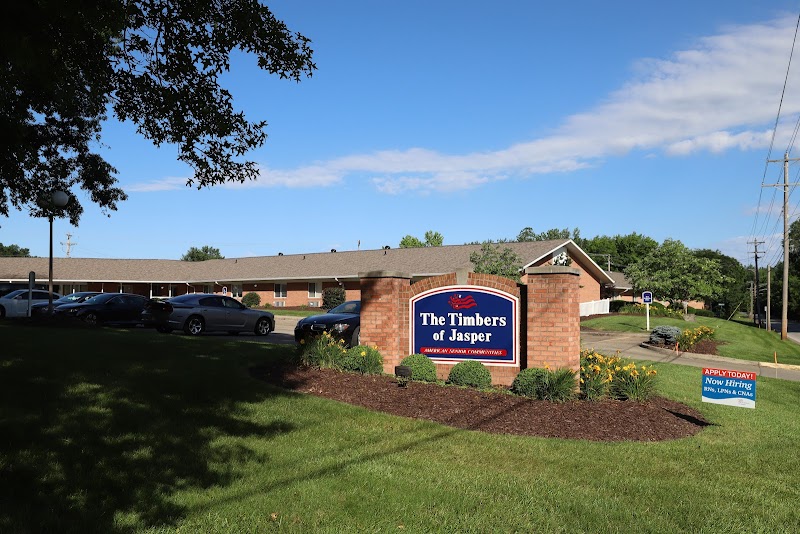
2909 HOWARD DR, JASPER, IN 47546 (812) 482-6161
For profit - Corporation 94 Beds AMERICAN SENIOR COMMUNITIES Data: November 2025
Trust Grade
53/100
#296 of 505 in IN
Last Inspection: October 2024

Within standard 12-15 month inspection cycle. Federal law requires annual inspections.

Overview

The Timbers of Jasper nursing home has a Trust Grade of C, which means it is average and sits in the middle of the pack among facilities. It ranks #296 out of 505 in Indiana, indicating it is in the bottom half, and #5 out of 7 in Dubois County, suggesting that there are only two other local options that might be better. The facility is showing signs of improvement, having reduced the number of issues from 8 in 2023 to 5 in 2024. However, staffing is a concern with a rating of 2 out of 5 stars and a turnover rate of 46%, which is slightly below the state average. There were also $16,777 in fines, which is higher than 88% of Indiana facilities, indicating potential compliance issues. Specific incidents raised by inspectors include a serious case where a resident fell and did not receive proper assessment or monitoring, resulting in a severe brain injury. Another serious finding involved poor ostomy care that caused the resident pain and trauma due to delays in changing the ostomy bag. Additionally, there were concerns about safe medication storage, as temperatures were not consistently logged for medication refrigerators. While the facility has some strengths, such as a decent quality measure rating of 4 out of 5, these serious issues highlight areas that need attention.

Trust Score
C
53/100
In Indiana
#296/505
Bottom 42%
Safety Record
Moderate
Needs review
Inspections
Getting Better
8 → 5 violations
Staff Stability
⚠ Watch
46% turnover. Above average. Higher turnover means staff may not know residents' routines.
Penalties
✓ Good
$16,777 in fines. Lower than most Indiana facilities. Relatively clean record.
Skilled Nurses
○ Average
Each resident gets 40 minutes of Registered Nurse (RN) attention daily — about average for Indiana. RNs are the most trained staff who monitor for health changes.
Violations
⚠ Watch
15 deficiencies on record. Higher than average. Multiple issues found across inspections.
★★★☆☆
3.0
Overall Rating
★★☆☆☆
2.0
Staff Levels
★★★★☆
4.0
Care Quality
★★★☆☆
3.0
Inspection Score
Stable
2023: 8 issues
2024: 5 issues

The Good

  • 4-Star Quality Measures · Strong clinical quality outcomes
  • Full Sprinkler Coverage · Fire safety systems throughout facility
  • No fines on record

Facility shows strength in quality measures, fire safety.

The Bad

3-Star Overall Rating

Near Indiana average (3.1)

Meets federal standards, typical of most facilities

Staff Turnover: 46%

Near Indiana avg (46%)

Higher turnover may affect care consistency

Federal Fines: $16,777

Below median ($33,413)

Minor penalties assessed

Chain: AMERICAN SENIOR COMMUNITIES

Part of a multi-facility chain

Ask about local staffing decisions and management

The Ugly 15 deficiencies on record

2 actual harm
Oct 2024 2 deficiencies
CONCERN (E) 📢 Someone Reported This

A family member, employee, or ombudsman was alarmed enough to file a formal complaint

Potential for Harm - no one hurt, but risky conditions existed

Deficiency F0761 (Tag F0761)

Could have caused harm · This affected multiple residents

Based on observation, interview, and record review, the facility failed to ensure medications were stored safely or under proper temperature controls for 2 of 15 residents sampled for medications on t...

Read full inspector narrative →
Based on observation, interview, and record review, the facility failed to ensure medications were stored safely or under proper temperature controls for 2 of 15 residents sampled for medications on the floor, and 2 of 2 medication storage rooms. (Resident D, Resident M, 100 Hall Medication Storage Room, 300/400 Hall Medication Storage Room) Findings include: 1. On 10/15/24 at 9:19 A.M., the 100 Hall Medication Storage Room medication refrigerator log was observed to be missing temperatures. The 100 Hall medication refrigerator log lacked a temperature on days from 10/1/24 through 10/15/24. The 100 Hall medication refrigerator log was missing a temperature for night shift on 10/1/24, 10/2/24, 10/4/24, 10/5/24, 10/6/24, 10/7/24, 10/9/24, 10/10/24, 10/12/24, 10/13/24, and 10/14/24. At that time, QMA (Qualified Medication Aide) 11 indicated that temperatures were taken twice a day and logged for medication refrigerators. The 300-400 Hall medication refrigerator log was observed to be missing temperatures for day shift from 10/2/24 through 10/15/24. The log was observed to be missing a temperature for night shift on 10/10/24. A note on the temperature log indicated Medications must be kept 36-46 degrees F [Fahrenheit] in Refrigerator. The temperatures on night shift were recorded as the following: 10/1/24 30 10/2/24 32 10/3/24 28 10/4/24 20 10/5/24 30 10/6/24 33 10/7/24 32 10/8/24 32 10/9/24 30 10/11/24 32 10/12/24 34 10/13/24 34 During an interview on 10/17/24 at 2:35 P.M., the Administrator indicated the temperature in medication refrigerator should be in the range that was in the policy. Policy for Medication Storage indicated temperature range should be 36-46 degrees Fahrenheit. The Administrator indicated he would ask maintenance if there had been any work orders for the refrigerator. During an interview on 10/17/24 at 3:14 P.M., the Administrator indicated maintenance had not worked on the refrigerator, but he checked the temperatures and it was working correctly. 2. On 10/21/24 at 8:56 A.M., an oval peach colored pill was observed lying on the floor next to bottom of bed of Resident M. At that time LPN 15 indicated the pill was Namenda 5 mg which Resident M took twice a day. She verified the identity of the pill with the pill card in the medication cart. LPN 15 indicated she didn't know why the pill was on the floor or how long it had been there. She indicated she stayed with resident while he took his medication. On 10/21/24 at 10:06 A.M., Resident M's clinical records were reviewed. Diagnosis included, but was not limited to dysphagia, oropharyngeal phase, and dementia, unspecified severity. The most recent Significant Change in Condition MDS (Minimum Data Set) assessment, dated 10/3/24, indicated Resident M had moderate cognitive impairment and required extensive assistance of two for bed mobility, transfers and toilet use and supervision with set up for eating. Physician orders included, but was not limited to the following: memantine tablet (Namenda) (medication used to treat dementia) 5 mg; oral Twice A Day 07:00 AM - 11:00 AM, 07:00 PM - 11:00 PM, dated 9/20/2024. Review of the MAR (Medication Administration Report) for 10/20/24 and 10/21/24 indicated memantine had been given on 10/20/24 at 7:00 P.M. - 11:00 P.M. and on 10/21/24 from 7:00 A.M. - 11:00 A.M. Care Plan: Resident frequently spits his medication, pockets his medications in his mouth and spit his food out, Interdisciplinary Team (IDT) discussed crushing medications and resident declined Start date: 9/25/24 Approach Start Date: 9/25/24 Staff to encourage resident not to spit food/medications out or hold food in mouth. On 10/21/24 at 9:46 A.M., the Director of Nursing (DON) indicated Resident M would pocket medications and food sometimes, and an action plan had been started to make sure all residents were taking their medications when administered. At that time, she indicated no other residents had that concern. She indicated she had met with all staff administering medications on all shifts individually to go over the action plan. 3. On 10/21/24 at 9:11 A.M., Resident D's room was observed. A small pink round pill was observed on the floor under the bedside table with marking 1 on one side, and 30 on the other. At that time, Licensed Practical Nurse (LPN) 17 indicated it was a 10mg (milligram) rosuvastatin, which Resident D took once a day at around 4:00 P.M. On 10/21/24 at 10:02 A.M., Resident D's clinical record was reviewed. Diagnosis included, but were not limited to, diabetes mellitus, anxiety, and depression. The most recent Quarterly MDS (Minimum Data Set) Assessment, dated 8/18/24, indicated no cognitive impairment. Resident D required setup assistance with eating, and substantial to maximum assistance with showering, toileting, and transfers. Current physician orders included, but were not limited to: Crestor (rosuvastatin) 10mg once a day, at 5:00 P.M., dated 10/17/23. Resident D's Medication Administration Record (MAR) for October 2024 indicated the last time rosuvastatin was administered was at 5:00 P.M. the previous evening, 10/20/24. On 10/21/24 at 9:23 A.M., LPN 15 indicated when passing medications, staff should stay with the resident to make sure the pills were taken, and if one dropped, it should be put into the drug buster and a new pill administered. On 10/21/24 at 10:14 A.M., an action plan for medications on the floor was provided that was initiated 10/15/24. Actions to be taken from staff included, but were not limited to, asking resident to open mouth after taking medications to make sure they were swallowed, staff to offer additional water when taking medications to ensure they were swallowed, and guiding the resident's hand to mouth when taking medications. On 10/21/24 at 10:27 A.M., the DON provided a current General Dose Preparation and Medication Administration policy, dated 4/30/24, that indicated If a medication which is not in a protective container is dropped, facility staff should discard it according to facility policy . Observe the resident's consumption of the medication(s) On 10/17/24 at 1:30 P.M., a Medication Storage policy, dated August, 2022 was provided by the Administrator which indicated Temperature is maintained between 36-46 degrees Fahrenheit. Daily temperature logs must be maintained and visible. This citation relates to Complaint IN00445700. 3.1-25(m)
CONCERN (E)

Potential for Harm - no one hurt, but risky conditions existed

Food Safety (Tag F0812)

Could have caused harm · This affected multiple residents

Based on interview, observation, and record review, the facility failed to ensure food was stored and prepared safely in accordance with professional standards for food service for 1 of 2 kitchen obse...

Read full inspector narrative →
Based on interview, observation, and record review, the facility failed to ensure food was stored and prepared safely in accordance with professional standards for food service for 1 of 2 kitchen observations. Foods were not labeled correctly, food was stored uncovered, and the facility failed to dispose of outdated food. Findings include: On 10/15/24 at 9:13 A.M., the following was observed in the kitchen: Freezer in the kitchen: -- 5 undated, uncovered, and unlabeled bowls of pink ice cream -- 5 covered bowls undated and unlabeled. Refrigerator in the kitchen: -- clear container with cheese that had a label printed on 10/2/24 with a discard date of 10/8/24 -- applesauce with an opened date of 10/8/24 and a discard date of 10/14/24 -- clear container of lettuce undated and unlabeled -- 3 trays of fruit with several bowls uncovered on all 3 trays -- silver container with hotdogs and hamburgers undated and unlabeled -- silver container with an unknown substance that was undated and unlabeled Walk in freezer -- apple roasted pork prepared on 9/29/24 with a discard date of 10/1/24 During an interview on 10/17/24 at 11:30 A.M., the Dietary Manager indicated if there are multiple items of the same food, staff only placed a label on one time. All items should be covered and all staff is required to dispose of expired items, and she does a morning walk through to discard of expired items. On 10/17/24 at 1:34 P.M., the Administrator provided a current Food Storage policy, reviewed 5/24, that indicated, .Leftover prepared foods .are to be stored in covered containers or wrapped securely. The food must clearly be labeled with the name of the product, the date it was prepared, and marked to indicate the date by which the food shall be consumed or discarded .Frozen Foods .should be covered or wrapped tightly, labeled, and dated with the date the item is being placed in the freezer . 3.1-21(i)(2) 3.1-21(i)(3)
Aug 2024 1 deficiency 1 Harm
SERIOUS (G) 📢 Someone Reported This

A family member, employee, or ombudsman was alarmed enough to file a formal complaint

Actual Harm - a resident was hurt due to facility failures

Quality of Care (Tag F0684)

A resident was harmed · This affected 1 resident

Based on interview and record review, the facility failed to ensure staff thoroughly and completely assessed a resident after a fall with head injury, failed to ensure the fall was effectively documen...

Read full inspector narrative →
Based on interview and record review, the facility failed to ensure staff thoroughly and completely assessed a resident after a fall with head injury, failed to ensure the fall was effectively documented with specific fall details to ensure interventions were immediately implemented to prevent further falls, failed to effectively monitor the neurological status of the resident after a subdural hematoma was identified for 1 of 3 residents reviewed for falls. (Resident D) This deficient practice resulted in the resident experiencing right-sided shaking, slurred speech, altered mental status, and an active brain bleed that required a craniotomy to repair. Finding includes: A facility investigation of Resident D's fall on 6/13/24 included a handwritten, untimed, note signed by Therapy Assistant 4, dated 7/2/24. The note indicated that Resident D was walking with a staff member on 6/13/24 and went to kick a ball and fell. Nursing staff came to take the residents vital signs and staff assisted the resident up. Resident D stated she was fine and continued the walk. The investigation did not include new fall interventions were implemented to prevent further falls. On 8/27/24 at 9:45 A.M., a clinical record review indicated Resident D's diagnoses included, but were not limited to, hemiplegia and hemiparesis following nontraumatic subarachnoid hemorrhage affecting right dominant side, repeated falls, seizures, and weakness. A Quarterly Minimum Data Set (MDS) assessment, dated 6/17/24, indicated the resident had no cognitive impairment, required supervision of one staff member while walking, had one-sided impairment to both upper and lower extremities, and the resident had not experienced a fall during the assessment period. A care plan for fall risk, dated 6/25/24, included interventions of call light in reach (8/18/23), environmental changes (8/18/23), non-skid footwear (8/18/23), personal items in reach (8/18/23), therapy screen (8/18/23), bed in lowest position (8/23/23), 42-inch bed with bolster for larger sleep surface to provide tactile boundaries (8/28/23), bright colored tape on call light (9/15/23), non-skid strips in front of toilet (12/8/23), sign in bathroom to remind resident to ask for assistance (12/8/23), and non-skid strips from bed to dresser (12/26/23). The care plan for fall risk and the comprehensive plan of care, dated rom 6/13/24 through Resident D's discharge date of 7/24/24 did not include documentation to indicate the resident experienced an actual fall on 6/13/24 or to show interventions to prevent further falls were immediately implemented after the fall. An untimed, handwritten nurse's note signed by LPN 9, dated 6/13/24, indicated that Therapy Assistant 4 and Resident D approached her during medication pass to make aware that Resident D had lost footing in the therapy gym with resident falling against a door. LPN 9 indicated Resident D stated she did not want her emergency contact, or the DON notified of the fall because she didn't want a setback of being discharged from facility. Neurological checks were initiated. Resident was able to move bilateral upper extremities and bilateral lower extremities without complaints of pain or discomfort. No noted injuries. Resident D's clinical record contained no documentation in physician visit notes or nurse's progress notes that notification to the resident's physician had been made following the fall on 6/13/24. A handwritten neurological check form, dated 6/13/24, and signed by LPN 9 indicated Resident D did not demonstrate signs or symptoms of a significant head injury following the fall on 6/13/24. A handwritten note signed by the DON, dated 6/28/24, indicated the DON spoke with Resident D after being made aware on 6/28/24 that the resident had a fall in the therapy gym that was not reported. Resident D stated she went to kick a ball and fell and hit her head but denied pain. Resident D indicated that she did start having headaches at some time after the fall. Resident D indicated that she was able to get up immediately following the fall and requested that the nurse not be notified. Resident D indicated that Therapy Assistant 4 did notify LPN 9 and Resident D requested that the nurse not notify emergency contacts due to a fear that the fall would slow her progress of discharging to an assisted living arrangement. The note did not include sufficient documentation to determine when the resident's headaches began, but indicated the resident was feeling fine up until 6/28/24 when the headaches worsened. The note indicated the physician was updated about the fall on 6/13/24 and worsening headaches and a Computer Tomography (CT) scan was ordered. An untimed, handwritten note signed by LPN 9, dated 7/2/24, indicated Therapy Assistant 4 and Resident D informed her Resident D had stumbled while walking with supervision of Therapy Assistant 4 in the therapy room and hit the back of her head on the therapy door. Resident D stated she was fine and requested that emergency contacts not be informed of the fall. Neurological checks were initiated. Upon being busy this nurse left her shift without completing fall event. During an interview on 8/27/24 at 11:45 A.M., the Facility Administrator and Director of Nursing (DON) indicated that Resident D did experience a fall event on 6/13/24 while ambulating in the physical therapy room with Therapy Assistant 4. Resident D's nurse was notified of the fall and 15-minute neurological checks and vitals were completed by LPN 9. Resident D was in the process of finding placement and moving out of the facility and requested that the fall not be reported for fear that the fall may alter upcoming plans to move out of the facility. The DON could not indicate why LPN 9 failed to complete the facility's fall protocol, including initiation of a new fall intervention, notification to the physician, or documentation of the fall in the resident's clinical record. A CT scan of Resident D's head, dated 7/8/24 and electronically signed at 8:21 A.M., included study results indicated by chronic headaches. Findings included, Brain: Left-sided subdural hematoma measuring 14 [millimeters] mm in maximal thickness with some areas of hypodensity (abnormality that appears on CT scans that indicate possible open or fluid-filled spots) along the lower margins. Mild left-to-right midline shift (when the natural centerline of the brain is pushed to one side) measuring approximately 5 mm . Conclusion: Left-sided subdural hematoma with mild left-to-right midline shift is either acute on subacute or subacute . The comprehensive care plan, progress notes, neurological assessments, and event reports, dated from 7/8/24 through 7/17/24, did not include documentation to indicate a plan of care was developed related to the subdural hematoma, interventions were implemented to evaluate and monitor the neurological status of Resident D, interventions to prevent further falls were implemented, or attempts were made to set-up a neurology consultation. Nurse's progress note included the following: A note electronically signed by LPN 9, dated 7/18/24 at 12:54 P.M., indicated that a call was placed to neurosurgeon due to resident's results from recent CT scan of head with requested information sent to the neurosurgeon to evaluate. Neurology office indicated they would notify the facility if surgeon will accept the patient. The nursing notes, dated from 7/19/24 through 7/21/24, did not include documentation to indicate interventions were implemented to prevent further falls, a plan of care was developed related to the subdural hematoma, interventions were implemented to evaluate and monitor the neurological status of Resident D, or attempts were made to set-up a neurology consultation. A note electronically signed by LPN 9, dated 7/22/24 at 3:04 P.M., indicated a call was placed to neurosurgeon's office. Office indicated they are still reviewing referral at that time. The nursing notes, dated from 7/22/24 through 7/23/24, did not include documentation to indicate interventions were implemented to prevent further falls, a plan of care was developed related to the subdural hematoma, interventions were implemented to evaluate and monitor the neurological status of Resident D, or attempts were made to set-up a neurology consultation. A nursing note, dated 7/24/2024 at 7:30 A.M., indicated Resident D was not able to follow directions, had slurred speech, exhibited seizure-like activity, and the resident's vital signs were within normal limits. The note indicated the physician was notified and a new order was received to send the resident to Hospital 1. A nursing note, dated 7/24/2024 at 9:26 A.M., indicated Hospital 1 notified the facility the resident was transferred to Hospital 2 because active bleeding on the brain was identified. An untimed primary physician's facility visit note, dated 7/24/24, indicated Resident D experienced headaches, a subdural hematoma was identified, and a neurological consultation was pending for insurance approval. The note indicated while waiting for the approval, Resident D was alert, but developed right-sided shaking, slurred speech, and altered mental status. The note did not include documentation to indicate the facility effectively monitored the neurologic status of Resident D while the insurance approval was pending. A Medical Doctor (MD) acute visit note, dated 7/24/24, indicated Resident D had experienced a fall on 6/13/24. The note did not include documentation to indicate when the physician was notified of the fall or to show the facility effectively monitored the neurologic status of Resident D while the insurance approval was pending. The event reports, dated from 6/12/24 through 7/24/24, did not include documentation related to the fall on 6/13/24. Notes from Hospital 2, dated 7/25/24 at 10:28 A.M., indicated patient arrived at the Emergency Department from another Hospital 1 for an enlarging subdural hematoma. Emergency Medical Services (EMS) reported the original subdural hematoma was found on CT scan on 7/8/24. The notes included, Plan is for right craniotomy (surgical procedure that involves removing a portion of the skull to access the brain) for evacuation of [subdural hematoma] SDH . During an interview on 8/28/24 at 10:30 A.M., RN 6 indicated following a resident fall, the nurse should complete a full assessment including vital signs, skin assessments and range of motion. If resident is able and no apparent injuries, assist resident up. If fall is unwitnessed or if it was known that resident had hit their head, complete neurological checks every 15 minutes, which are documented by hand on a neurological check sheet. The nurse should notify the responsible party, the physician, and the DON of the fall event, document the fall in progress notes and create a new intervention to help prevent the fall from occurring again. On 8/28/24 at 10:00 A.M., the Facility Administrator supplied a facility policy titled, Fall Management Policy, dated 03/2024. The policy included, .Post Fall: Any resident experiencing a fall will be assessed immediately by the charge nurse for possible injury and necessary treatment will be provided . b. Staff member will document notification and actions taken in the clinical record . If there are no injuries, notify the physician by the end of the shift . a fall event will be initiated as soon as the resident has been assessed and cared for. a. The report will be completed in full to identify possible root cause of the fall and provide immediate interventions. All falls will be discussed by the interdisciplinary team [IDT] at the 1st clinical meeting after the fall to determine root cause and other possible interventions to prevent future falls. a. The fall event will be reviewed by the team. b. IDT note will be written. c. The care plan will be reviewed and updated. d. Fall event charting will be initiated post fall. On 8/28/24 at 11:30 A.M., the Facility Administrator supplied a facility policy titled IDT Comprehensive Care Plan Policy, dated 08/2023. The policy included, .Create an organized, resident-centered review on a routine basis to improve communication with residents, resident families and/or representative regarding the resident goals, total health status, including functioning status, nutritional status, rehabilitation and restorative potential . cognitive status, psychosocial status, sensory and physical impairments, as well as care services provided to maintain or restore health and well-being, improve functional level or relieve symptoms. The National Institute of Health, National Library of Medicine indicated the treatment/management of a subdural hematoma includes, .After stabilization and monitoring of the patient, a secondary plan of care should follow. The management must include the involvement of neurosurgery and neurological consultation with a consensus on the injury and a determination of the immediate and long-term consequences . This citation relates to complaint IN00440417. 3.1-37(a) 3.1-37(b)
Jun 2024 1 deficiency
CONCERN (D) 📢 Someone Reported This

A family member, employee, or ombudsman was alarmed enough to file a formal complaint

Potential for Harm - no one hurt, but risky conditions existed

Accident Prevention (Tag F0689)

Could have caused harm · This affected 1 resident

Based on observation, interview, and record review, the facility failed to ensure resident safety during transportation for 1 of 3 residents reviewed for accidents. A resident was improperly loaded on...

Read full inspector narrative →
Based on observation, interview, and record review, the facility failed to ensure resident safety during transportation for 1 of 3 residents reviewed for accidents. A resident was improperly loaded onto a transportation vehicle lift causing the resident to fall backwards from a wheelchair onto the lift platform. (Activity Assistant 3, Resident B) Finding includes: During a review of facility reported incidents on 6/19/24 at 10:35 A.M., an incident that occurred on 6/3/24 at 2:45 P.M., indicated that Resident B was being transferred out of the facility transportation van and fell off the lift. Resident B was sent to the emergency room and received eight sutures to the right shin. During an observation and interview on 6/19/24 at 11:00 A.M., Resident B was sitting in her wheelchair in the dining room. Resident B indicated that she had fallen off of the facility transportation vehicle when the vehicle lift was not out properly. Resident B indicated she needed 8 stitches to her right leg and thinks she landed on a metal part of the lift which cut her leg. Resident B indicated the driver of the transportation vehicle had assisted her with the lift before and had always been able to do it by herself, calling the incident a freak accident. During record review on 6/19/24 at 11:15 A.M., Resident B's diagnoses included, but were not limited to, morbid obesity, muscle weakness, and unsteadiness on feet. Resident B's most recent annual MDS (Minimum Data Set) assessment, dated 5/23/24, indicated that the resident had no cognitive impairment, used a wheelchair for mobilization, and required partial to moderate assistance in the wheelchair. Resident B's nurse's progress notes included, but were not limited to the following: - On 6/3/24 at 7:20 P.M., Resident B returned to the facility post fall while at appointment. Resident was sent to emergency room from appointment due to the fall. Resident complained of pain to right lower extremity which was noted to have a laceration. Eight sutures were applied to the laceration. - On 6/4/24 at 5:02 P.M., IDT (Inter-disciplinary team) review, Resident B was on the facility bus being transferred onto the lift to be taken off the bus. Resident had fallen off the lift and sustained a laceration to the right lower extremity. Interventions put into place to address the root cause of fall included; ensure resident is secure on lift and ensure resident wheelchair brakes are locked and staff education on use of lift and securement of items. Bus was inspected with no mechanical issues found. During a review of the facility's investigation into the incident on 6/19/24 at 11:30 A.M., a signed written statement by Activity Assistant 3, dated 6/5/24, included, on 6/3/24, Activity Assistant 3 and Resident B arrived at at appointment at 2:10 P.M. on facility bus. Activity Assistant 3 parked bus, engaged, emergency break, proceeded to the back door, and lowered the mechanical lift. Activity Assistant 3 rode the lift up and unbuckled Resident B and took the restraints off, then moved from the back of the bus to the front of the bus from inside the bus, removed the restraints and started backing resident out of bus onto the lift. Activity Assistant 3 noticed the mechanical lift was no longer all the way up. Activity Assistant 3 tried to pull Resident B back inside the bus but was not strong enough to pull her back in or hold her in place. Resident B, while in wheelchair, went off backwards. Activity Assistant 3 got off the bus and spoke to Resident B who was alert and oriented, then ran inside for help. Nurses came out and assessed Resident B and Emergency Medical Services were called. Resident B was loaded into ambulance and taken to hospital for evaluation. On 6/19/24 at 11:35 A.M., the DON (Director of Nursing) supplied a facility policy titled, Transportation, and dated 11/2015. The policy included, .Requirements for resident transportation: 1. The driver must complete and document pre-trip inspections of the bus/van prior to resident transport . During an interview and observation on 6/19/24 at 1:40 P.M., Activity Assistant 3 indicated that they completed a pre-trip inspection but did not document the inspection and do not use a check off sheet or inspection form to complete. Activity Assistant 3 then demonstrated what had happened on 6/3/24 while attempting to unload Resident B from the facility van/bus. Activity Assistant 3 indicated the lift was raised to allow her to get up in the back of the bus, however, when Resident B was being pushed backward onto the lift the lift had lowered due to an unknown reason to approximately six inches above the ground. This caused the metal plate that spanned the gap between the back of the van to the lift to rotate vertically, leaving a gap between the plate and the van. Activity Assistant 3 indicated Resident B's wheelchair went back into the gap and then flipped backwards allowing Resident B to fall an additional one foot onto the metal lift platform where she received a laceration to her right shin. Activity Assistant 3 indicated not knowing how the lift lowered after she had rode the lift up to the back of the van and indicated that the control may have been inadvertently pressed while getting around Resident B to detach the safety straps. During an interview on 6/19/24 at 1:55 P.M., the Maintenance Director indicated that the van and lift were inspected following the incident on 6/3/24 and that no mechanical issues were found and indicated that Resident B's fall was due to Resident B being improperly loaded onto the lift. On 6/20/24 at 11:21 A.M., Regional Nurse 5 supplied a facility policy titled Fall Management Policy, dated 3/2024. The policy included, It is the policy of [Facility] to ensure residents residing within the community have adequate assistance to prevent injury related falls. This citation relates to Complaints IN00436159 and IN00436199. 3.1-45(a)(1) 3.1-45(a)(2)
Feb 2024 1 deficiency
CONCERN (D) 📢 Someone Reported This

A family member, employee, or ombudsman was alarmed enough to file a formal complaint

Potential for Harm - no one hurt, but risky conditions existed

Comprehensive Care Plan (Tag F0656)

Could have caused harm · This affected 1 resident

Based on interview, and record review, the facility failed to ensure the plan of care was implemented for 1 of 3 residents reviewed for ADL (activities of daily living) care provided. A resident was n...

Read full inspector narrative →
Based on interview, and record review, the facility failed to ensure the plan of care was implemented for 1 of 3 residents reviewed for ADL (activities of daily living) care provided. A resident was not assisted by two staff members during a transfer during incontinence care per the resident's plan of care. (Resident D, Resident C) Finding includes: During an interview on 2/6/24 at 10:35 A.M., Resident D indicated that they had reported CNA 9 for punching her in the stomach while providing care. Resident D indicated that CNA 9 transferred her from her wheelchair to her bed using a Hoyer mechanical lift prior to providing incontinence care. Resident D indicated that CNA 9 slipped and accidentally hit her stomach while providing care. During record review on 2/6/24 at 11:30 A.M., Resident D's diagnoses included, but were not limited to unspecified multiple injuries, person injured in unspecified motor vehicle accident, chronic pain, displaced commuted fracture of right patella, fracture of sternum, fracture of unspecified forearm, and fracture of right lower leg. Resident D's most recent admission MDS (Minimum Data Set) dated 12/23/23, indicated the resident's cognition was moderately impaired, had upper extremity impairments to both sides, had lower extremity impairments to 1 side, required substantial to maximum assistance to roll left and right, and was dependent with form bed to chair. Resident D's physician orders included, but were not limited to; activity level: up as needed with two person assist (started 12/17/23). Resident D's care plan included, but was not limited to; Resident requires assistance with ADLs including bed mobility, transfers, eating and toileting related to: impaired mobility, recent motor vehicle accident, with multiple fractures, pain. An intervention included, two assist with transfers (started 12/18/23). During a review of facility reported incidents on 2/6/24 at 11:00 A.M., a facility reported incident dated 1/30/24 included that Resident D told Resident C that CNA 9 hit her in the stomach. During a review of the facility's investigation into the allegation involving an incident between Resident D and CNA 9, a typed statement signed by Resident C and dated 1/30/24, included, [CNA 9] was observed by [Resident C] using the Hoyer on room mate [Resident D] alone . A written interview between the facility administrator and DON (director of Nursing) and CNA 9, signed and dated 1/30/24, included, .[CNA 9] stated he used the Hoyer to transfer [Resident D] form (wheelchair) to bed. He stated she was wet (and) he changed her in bed During an interview on 2/6/24 at 1:45 P.M. LPN 8 indicated she was Resident D's nurse the date of 1/30/24 when an allegation of abuse was made against CNA 9. LPN 8 indicated she was unaware of any other staff members being in Resident D's room while CNA 9 provided care and was accused of hitting Resident D. During an interview on 2/6/24 at 1:50 P.M., CNA 3 indicated that if a resident is care planned for assistance of 2, staff should find a second staff member to assist during care. CNA 3 indicated that there should always be 2 staff members present when transferring a resident with a Hoyer mechanical lift. On 2/6/24 at 2:25 P.M., the DON supplied a skills validation sheet titled, Mechanical Lift, dated 3/2012. The validation sheet included, Two (2) staff is required at all times when using a mechanical lift. This citation relates to complaint IN00427390. 3.1-35(g)(2)
Aug 2023 8 deficiencies 1 Harm
SERIOUS (G)

Actual Harm - a resident was hurt due to facility failures

Deficiency F0691 (Tag F0691)

A resident was harmed · This affected 1 resident

Based on observation, interview, and record review, the facility failed to ensure nursing care and services consistent with professional standards of practice were provided to a resident that required...

Read full inspector narrative →
Based on observation, interview, and record review, the facility failed to ensure nursing care and services consistent with professional standards of practice were provided to a resident that required ostomy care. Staff did not appropriately change a resident's newly placed ostomy appliance, resulting in pain, psychological trauma and a fear of getting out of bed for 1 of 1 residents reviewed for ostomy care. (Resident 219) Finding includes: On 8/7/23 at 10:11 A.M., Resident 219 was observed lying in bed with several small towels and washcloths propped up against her right side and her gown raised up. At that time, she indicated she had just been admitted a few days prior from the hospital with a new ostomy on the right side of her abdomen. She indicated she had surgery to place the ostomy on 7/24/23, and had been at the facility since Tuesday 8/1/23. She indicated the ostomy bag was supposed to be changed for the first time on Friday, 8/4/23, and was not. It was changed Saturday 8/5/23 morning but leaked, and had been done three times since then, with leaking every time. She indicated the hospital staff had given her specific instruction how to change the bag, and she had tried to tell the facility staff how it needed to be done, but they had not listened. The two nurses Licensed Practical Nurse (LPN) 7 and LPN 15 that had changed it so far had not done it right, and had just ripped it off, irritating the skin around it, and had not used the adhesive remover as she had requested. Now the area was red, raw, irritated, and burned especially when it was leaking. Resident 219 indicated she was supposed to be in the facility to learn and become independent with changing the ostomy bag, as well as to maintain her strength for when she returned home. She indicated prior to the issues with the bag leaking, she was up walking the halls a lot, but since the leaking, she is scared to get up and felt trapped in the bed. At that time Resident 219 was observed to be tearful, indicating she was usually tougher than this, but was very upset about the situation. Treatment commenced at that time, Registered Nurse (RN) 21 was observed to change the ostomy bag. The skin under the adhesive wafer was observed to be pink with red marks in places. The stoma itself was observed to be bright red. As RN 21 wiped the reddened area with skin prep, the resident began breathing heavy and grimacing, indicating it burned bad. Resident 219 indicated she was worried that the area would get infected because it had been handled so much, and LPN 7 had only worn a glove on one hand the last time she had changed it. On 8/9/23 at 8:20 A.M., Resident 219's clinical record was reviewed. admission date was 8/1/23. Diagnosis included, but were not limited to, diverticulitis and surgical placement of ileostomy. The admission MDS (Minimum Data Set) assessment had not been completed. Current Physician Orders included, but were not limited to: Change ileostomy bag, remove appliance gently using universal remover wipes . apply the prepared barrier appliance, press firmly around the stoma to ensure seal . every three days, dated 8/1/23. Change ileostomy bag as needed for leaking or burning, dated 8/1/23. A current Ostomy Care Plan, dated 8/2/23, indicated but was not limited to, the following interventions: keep site clean and dry, treatments as ordered/indicated. An Interdisciplinary Team (IDT) initial Wound Review note, dated 8/2/23, indicated Resident 219 had a new ileostomy to the right lower abdomen, which was pink and moist, and surrounding tissue was pink/normal An IDT Weekly Wound Review Note, dated 8/8/23, indicated Resident 219's stoma remained pink and moist, with the surrounding tissue normal with scattered areas of irritation from the ostomy wafer. On 8/10/23 at 10:00 A.M., the Treatment Administration Record (TAR) for 8/2023 indicated Resident 219's ostomy bag was changed on the following dates: 8/1/23 (scheduled) Resident 219 indicated it was not changed on that date 8/4/23 (scheduled) Resident 219 indicated it was not changed on that date 8/6/23 (as needed) 8/7/23 (scheduled) 8/10/23 (scheduled) Nothing was documented on Saturday 8/5/23 when Resident 219 indicated it had been changed and leaked. On 8/10/23 at 8:20 A.M., Resident 219 was observed sitting in a chair by the bed, dressed, and indicated she had a doctor's appointment that morning. She indicated the skin around the stoma was still very irritated and painful, and was not looking forward to having it changed the following day as scheduled. She also indicated she had gotten up the previous day for therapy, but because of the irritated area, she had to wear a gown. She indicated she would have rather worn regular clothes. On 8/11/23 at 8:15 A.M., an Infection Preventionist and Clinical Education Nurse Quality Assurance Tool calendar were provided. Neither form indicated a skills validation for ostomy care. At that time, the Administrator indicated he thought that nurses were checked off on ostomy care annually, and would provide those check off forms, but they were not provided. On 8/14/23 at 1:00 P.M., the Charge Nurse Position Job Description was provided, signed by LPN 7 on 7/29/20 and LPN 15 on 10/5/18 upon hire. The description indicated Monitors delivery of care and services throughout shift to ensure needs are met, tasks are completed, including complete and accurate resident documentation, and that work of direct care staff is of acceptable quality and quantity. Ensures compliance on unit with resident rights. A Charge Nurse Orientation Plan indicated a five day orientation plan with specific Skills Validations required prior to working on the unit independently. The skills did not include ostomy care. On 8/14/23 at 1:00 P.M., a Colostomy Bag - Empty and Clean and Colostomy Bag - Change Nursing policy and procedure - skills validation form, reviewed 9/2012, was provided. The policy listed step by step procedure steps for each task, with a place for the staff and nurse to sign at the bottom. 3.1-47(a)(3)
CONCERN (D)

Potential for Harm - no one hurt, but risky conditions existed

Resident Rights (Tag F0550)

Could have caused harm · This affected 1 resident

Based on observation and interview, the facility failed to ensure the resident's right of dignity was promoted and protected for 2 of 3 residents reviewed for dignity. A visibly soiled resident was no...

Read full inspector narrative →
Based on observation and interview, the facility failed to ensure the resident's right of dignity was promoted and protected for 2 of 3 residents reviewed for dignity. A visibly soiled resident was not stopped by staff on his way to the dining room and a resident receiving incontinence care was told the staff was going to change his diaper. (Resident 35, Resident 40) Findings include: 1. On 8/7/23 at 3:09 P.M., Resident 35 was laying in bed with a urinary catheter hanging on the right side of his bed. On 8/9/23 at 1:30 P.M., Resident 35's clinical record was reviewed. Diagnoses included, but were not limited to, diabetes mellitus type II, prostate cancer, stroke, and hemiplegia on left side. The most recent admission MDS (Minimum Data Set) Assessment, dated 7/7/23, indicated the resident was moderately cognitively impaired, an extensive assist of 2 staff for bed mobility and toileting, and had a urinary catheter but was incontinent of bowel movements. On 8/10/23 at 2:55 P.M., incontinence care given by CNA (Certified Nurse Aide) 14 and CNA 28 was observed on Resident 35. During that care, CNA 14 unfastened both sides of the incontinence pad and told the resident We are going to change your diaper. During an interview on 8/14/23 at 11:12 A.M., CNA 3 indicated they are not supposed to use the word diaper to describe a resident's incontinence pad. When she is going to provide incontinence care, she will introduce herself, ask the resident if it is ok to change them, and will call the incontinence pad a brief if she needs to. At that time, she indicated it was not right to say change your diaper to an adult. 2. On 8/10/23 at 11:55 A.M., LPN (Licensed Practical Nurse) 10 was observed performing a glucose check for Resident 40. LPN 10 left the door open while performing the check, and the resident was in full view of the roommate on the other side of the room. At that time, Resident 40 was observed with a darkened wet spot in his groin area, the inside of his thighs, and the bottom of his shirt. When completed, LPN 10 indicated to Resident 40 he could go on down the hall to the dining room for lunch. Resident 40 left the room at the end of the hall and propelled himself down the length of the hall and into the dining room passing six staff members, before RN (Registered Nurse) 6 indicated to the resident she needed to escort him back to his room to get cleaned up. On 8/11/23 at 2:32 P.M., Resident 40's clinical record was reviewed. Diagnosis included, but were not limited to, diabetes mellitus. The most recent annual MDS Assessment, dated 6/26/23, indicated no cognitive impairment. Resident 40 required extensive assistance of two staff with toileting, extensive assistance of one staff with dressing, and was frequently incontinent of urine. On 8/11/23 at 2:35 P.M., RN 6 indicated Resident 40 would not have been able to tell staff that he was wet, and all staff would be expected to assist a resident to clean up if a wet spot was observed on them. On 8/14/23 at 1:00 P.M., a current Resident Rights policy, dated 7/2023, indicated All staff members recognize the rights of residents at all times and residents assume their responsibilities to enable personal dignity, well being, and proper delivery of care 3.1-3(t)
CONCERN (D)

Potential for Harm - no one hurt, but risky conditions existed

Deficiency F0554 (Tag F0554)

Could have caused harm · This affected 1 resident

Based on observation, interview, and record review, the facility failed to ensure residents that were self-administering medications were assessed for capability to self administer medications for 1 o...

Read full inspector narrative →
Based on observation, interview, and record review, the facility failed to ensure residents that were self-administering medications were assessed for capability to self administer medications for 1 of 2 residents reviewed for accidents and 1 of 5 residents reviewed for medication administration. Resident clinical records lacked a self administration of medication assessment. (Resident 6, Resident 65) Findings include: 1. On 8/11/23 at 8:29 A.M., Resident 6 was observed sitting in his room in his wheelchair. At that time, there was a medicine cup sitting on his bedside table with 1 white, circular pill in it. On 8/10/23 at 9:03 A.M., Resident 6's clinical record was reviewed. Diagnoses included, but were not limited to, dementia with behaviors and diabetes mellitus type II. The most current significant change MDS (Minimum Data Set) Assessment, dated 7/17/23, indicated resident was severely cognitively impaired and was an extensive assist of 2 staff members for bed mobility, transferring, and toileting. Resident 6's clinical record lacked a physician's order for self administering medication. Resident 6's clinical record lacked a self administration of medications care plan. Resident 6's clinical record lacked a self administration of medication assessment. During an interview on 8/11/23 at 8:35 A.M., RN (Registered Nurse) 6 indicated the medication should not be left with the resident to take on his own. At that time, she indicated the resident did not self administer medication. She looked at the resident's medications in the medication cart and spoke with the QMA (Qualified Medication Aide) 33 that passed the pills to the resident that morning and they agreed it was the resident's metformin. 2. On 8/10/23 at 7:11 A.M., QMA 9 was observed to take Resident 65 a medication cup with her morning medications. QMA 9 entered the room, greeted the resident, then sat the medication cup on the bedside table in front of the resident. QMA 9 left the room without observing the resident take the medications. On 8/11/23 at 1:51 P.M., Resident 65's clinical record was reviewed. Diagnosis included, but were not limited to, diabetes mellitus and anxiety. The most recent admission MDS Assessment, dated 7/26/23, indicated Resident 65 was cognitively intact and required extensive assistance of two staff with bed mobility, transfers, and toileting, supervision of one staff with eating, and was totally dependent of two staff with bathing. Resident 65's clinical record lacked a self administration of medications order. Resident 65's clinical record lacked a self administration of medications care plan. Resident 65's clinical record lacked a self administration of medications assessment. On 8/11/23 at 1:45 P.M., LPN 10 indicated Resident 65 did not have a self administration of medications assessment, and staff was supposed to wait for all residents to take their medications prior to leaving their room. On 8/14/23 at 1:00 P.M., a current Self Administration of Medications policy, dated 1/2015, was provided and indicated If a resident desires to participate in self-administration, the Interdisciplinary Team will assess the competence of the resident to participate by completing the Self-Administration of Medication Assessment observation . A physician order will be obtained specifying the resident's ability to self-administer medications . The resident's care plan will be updated to include self administration 3.1-11(a)
CONCERN (D)

Potential for Harm - no one hurt, but risky conditions existed

Quality of Care (Tag F0684)

Could have caused harm · This affected 1 resident

Based on observation, interview, and record review, the facility failed to ensure assessments were conducted and completed following an emergency room visit where all insulin medications were disconti...

Read full inspector narrative →
Based on observation, interview, and record review, the facility failed to ensure assessments were conducted and completed following an emergency room visit where all insulin medications were discontinued for a diabetic resident for 1 of 3 residents reviewed for change of condition. (Resident 31) Findings include: On 8/7/23 at 2:25 P.M., Resident 31 was observed sitting in a wheelchair in the dining room. At that time, he was observed sweating, with a yellow substance in the outer corner of the left eye, and a built up white substance on his teeth at the gum line. On 8/9/23 at 9:57 A.M., Resident 31's clinical record was reviewed. Diagnosis included, but were not limited to, heart failure and diabetes. The most recent Quarterly MDS (Minimum Data Set) Assessment, dated 7/26/23, indicated no cognitive impairment, no behaviors, required extensive assistance of two staff with bed mobility and toileting, supervision of one staff with eating, and was totally dependent of two staff with transferring and bathing. Resident 31 did not receive insulin in the 7-day look back period. Physician Orders included, but were not limited to: Diet: Regular Special Instructions: cups with handles. Double protein with all meals per resident request, from 6/10/21 through 6/21/23. Diet: Regular Special Instructions: cups with handles with meals & Double protein with all meals per resident request, ordered 6/21/23 through current. Accu check as needed for signs and symptoms of hypo/hyperglycemia, dated 2/9/23 through current. Physician Orders prior to admission to a hospitalization on 2/7/23 included, but were not limited to: insulin lispro solution; 100 unit/mL (milliliter); 30 units; subcutaneous, give with meals three times a day, ordered 12/29/22 through 2/8/23. Levemir U-100 Insulin (insulin detemir u-100) solution; 100 unit/mL; 94 units; subcutaneous, twice a day, ordered 12/29/23 through 2/8/23. BMP; CBC w/diff; on the 11th of March and September, ordered 12/29/22. HgbA1c; on the 11th of March and September, ordered 12/29/23. A current diabetes care plan, dated 12/12/19, indicated observe resident for symptoms of hyperglycemia and hypoglycemia, monitor blood sugars as ordered, labs as ordered, and diet as ordered. A current refusal of medications and insulin care plan, dated 1/7/21, indicated to provide resident and representative with education regarding risk/benefits, review choice and options with attending physician, and revisit options as needed. Progress Notes included, but were not limited to, the following: 2/07/2023 at 12:24 P.M. Family thinks resident is over medicated and would like a med review completed and concerned about him not eating or drinking much. Explained to family that NP [Nurse Practitioner] would be in to see him today . 2/7/23 at 12:28 P.M. NP here to see resident. Coordinated with [psych services] and several medications D/C [discontinued] with labs ordered for tomorrow . Resident 31's insulin was not discontinued at that time. 2/7/23 at 2:50 P.M. EMS [Emergency Medical Services] called and report called to ER [Emergency Room] . Resident alert, but O2 sats [oxygen saturation] 86-88% 2/9/23 at 2:00 P.M. indicated Resident 31 returned from the hospital and an admission assessment was completed. admission assessment requested and not provided. 2/10/23 at 12:22 A.M. indicated Nurse helped res. to reposition in bed, and res. wanted to be re-adjusted more. Nurse stated she had to get another staff member to help. Nurse left to do a tx [treatment] in another room, and ten minutes later res. was screaming help me. Staff entered room and res. was having a panic attack. Res. kept trying to swing legs over side of bed. Res. stated he was having a panic attack because they took him off all his medication . At that time, a blood sugar was not checked. 2/11/23 at 1:41 P.M. indicated resident was sitting in a wheelchair by the nurses station rocking back and forth with heavy breathing noted. Resident indicated he as having a panic attack. An as needed anti-anxiety medication was administered. At that time, a blood sugar was not checked. 2/13/23 at 11:56 A.M. indicated Called and spoke with sister regarding med changes. She expressed her concerns with over medicating resident. Explained to her that meds had been d/c and that the hospital had started them back up. Informed her that [NP] was calling in today to review meds and that we would let her know the changes Hospital progress notes included, but were not limited to, the following: 2/8/23 . Suspect AKI [acute kidney injury] secondary to post renal obstruction from urinary retention given patient's polypharmacy [use of multiple medications]. Urine output is adequate. Renal [kidney] function is improving. All medications have been held . Blood sugars reasonable on carb [carbohydrate] controlled diet without any supplemental insulin at this time. Patient on very high levels of insulin as an outpatient. Suspect this is secondary to his diet 2/9/23 . Nearly all the patient's medications were held during this hospitalization and was [sic] AKI resolved with which [sic] evacuation of his bladder and IV [intravenous] fluid . Patient is a diabetic with a recent A1c [blood test to measure average blood sugar levels over the past 3 months] of 7.7% [normal: below 5.7%]. While on a carb consistent diet at the hospital his blood sugars were never elevated greater than 185 [normal: between 70 and 100]. Home regimen of insulin was significant with 94 units of Levemir and 30 units of Humalog at meals. Discussed with patient that he does not need large amounts of insulin if he is able to control his diet. Would recommend dietary modification and initiation of metformin [an anti-diabetic medication] with goal to titrate up and start either SGOT 2 inhibitor [a class of anti-diabetic medication] or GLP agonist [a class of anti-diabetic medication] if able in the future. Additionally his blood sugars are better controlled and does not require significant dosages of insulin is highly likely that his blood pressure will improve. It was reasonably controlled without any medications during this [2 day] hospitalization . Patient was held on a consistent carb diet and did not require any insulin . Patient strongly encouraged to continue with constant carb diet. Metformin will also be added and his insulin will be stopped. The note indicated an adult diet consistent carbs was effective 2/7/23. 2/10/23 at 9:51 P.M. Patient was brought by ambulance from the nursing home for evaluation of back pain and left leg pain. Patient has had longstanding issues with radiculopathy. He was recently taken off/reduced on his medications for treatment of the radiculopathy. He was felt to be overmedicated. Patient has been having increasing pain since. The nursing home states he could control his pain and sent him here [sic]. He complains of pain radiating down the anterior aspect of his left leg. He has had several back surgeries. There has been no recent history of injury falls or trauma . The patient was recently hospitalized here and discharged back to nursing home yesterday. The hospitalist service had discontinued multiple medications as the patient was felt to be overmedicated . A nutrition review note, dated 2/20/23, written by the registered dietician, indicated .Resident remains at nutrition risk r/t . COPD, diabetes, heart failure, heart disease, major depressive disorder, vitamin D deficiency, vitamin B12 deficiency anemia, dysphagia and muscle weakness. On metformin for blood glucose management (potential for weight change), and receives supplemental vitamin D3 . Resident continues on a regular diet with double protein with meals per resident request. Currently with fair-good oral intakes, 41% breakfast, 71% lunch and 100% dinner. He is able to self-feed with set up assistance, utilizes adaptive equipment of cup with handles to promote independence as well . Resident 31's clinical record lacked information related to the CCHO ordered from the hospital being added when the resident returned from the hospital, or refusal from the resident at that time. An evaluation, dated 2/16/23 at 6:19 P.M., indicated resident was refusing meds related to not being able to swallow pills, and continued to be upset with staff with behaviors. Multiple medications discontinued as per most recent ER orders and family request. Insulins were discontinued as per ER orders, accuchecks three times a day and trends reviewed, will continue to monitor for hyper/hypoglycemic episodes, and CCHO diet recommended. Most recent HgbA1c (hemoglobin A1c) was 8.30% on 9/13/22 with a routine HgbA1c ordered. Resident 31's labs for the last 12 months indicated, but were not limited to, the following abnormal values: 9/13/22 HgbA1c 8.30% (reference range: 4.00 - 6.00 %) 9/13/22 blood glucose 152 (reference range: 74 - 106) 2/7/23 blood glucose 177 (reference range: 74 - 106) 2/9/23 HgbA1c 7.70% (reference range: 4.00 - 6.00 %) 2/10/23 Urine ketones trace (reference range: negative) 2/10/23 blood glucose 163 (reference range: 74 - 106) 3/11/23 blood glucose 177 (reference range: 74 - 106) 5/9/23 blood glucose 224 (reference range: 74 - 106) 6/20/23 urine glucose >=1000 (reference range: negative) A Progress Note dated 6/20/23 at 9:06 A.M. indicated (Doctor) here and reviewed urine results, normal, no new orders. No reference was made related to urine glucose >=1000. Resident 31's Medication Administration Record (MAR) for January 2023 indicated Resident 31 had an order for an accu check four times a day from 12/29/22 through 2/8/23. Resident 31's blood sugars ranged from 94 to 388, with an average of 173.7. One accu check was missed. Resident 31's MAR for February 2023 (until discontinued on 2/8/23) indicated blood sugars ranged from 106 to 208, with an average of 136.6. One accu check was missed. Resident 31's MAR for February 2023 through August 2023 indicated an accu check was not done until requested on 8/9/23, which was 497 at 1:49 P.M. Follow up accu checks were as follows: 8/9/23 5:05 P.M. 378 8/9/23 7:19 P.M. 394 8/10/23 4:21 A.M. 380 A copy of the MAR that included insulin administration from January 2023 through August 2023 was requested and not provided. Resident 31's clinical record lacked an Interdisciplinary Team (IDT) meeting note upon return from the hospital on 2/9/23 or on 2/10/23 related to the abrupt discontinuance of insulin. The clinical record lacked an assessment or review of medications upon returning from the hospital on 2/9/23 or 2/10/23. Resident 31's clinical record lacked an assessment related to the result or potential outcome of the abrupt discontinuance of insulin from the hospitalization on 2/7/23 through current. On 8/9/23 at 1:35 P.M., Resident 31 indicated he was unaware of signs and symptoms to watch out for with a high blood sugar (hyperglycemia). He indicated staff had not educated him on what to watch out for or to tell staff if he were to experience them. He indicated at that time he was not feeling well, but could not explain why. Only that he had not felt normal for several weeks. On 8/9/23 at 1:42 P.M., a blood sugar was requested for Resident 31. Licensed Practical Nurse (LPN) 10 completed the test and Resident 31's blood sugar was 497. At that time, LPN 10 indicated some things to watch out for with hyperglycemia might include fatigue or confusion. At that time, LPN 10 reported the blood sugar reading to LPN 7, who was Resident 31's nurse. On 8/9/23 at 2:22 P.M., LPN 10 indicated she notified the doctor of Resident 31's blood sugar reading, and that he was coming in the following day to probably order labs. On 8/9/23 at 2:06 P.M., LPN 10 and LPN 6 indicated on 2/7/23, Resident 31 went to the ER for low O2 sats. He had been refusing medications and meals for a few days prior to the ER visit. Resident 31's power of attorney (POA) had been notified about his condition and indicated they though he was being overmedicated and wanted his medications reviewed. The facility coordinated with the NP and psych services and sent him out. He came back on 2/9/23. On 2/10/23, Resident 31 was having behaviors, so was sent to the ER again to rule out a medical condition related to complaints of pain. At that time, LPN 10 indicated Resident 31's diet never changes and that he was on a regular diet with double protein per resident request that would only change if he came back from the hospital with a new diet order. LPN 10 indicated the Medical Director took over for the facility in May, 2023 and would need to come in to review Resident 31's recent labs to determine if new labs needed to be done related to his diabetes. She indicated prior to the hospitalization on 2/7/23, Resident 31's blood sugars were up and down. She also indicated Resident 31's insulin use had not been assessed since his hospitalization on 2/7/23 because the doctor at the hospital discontinued the insulin, and staff at the facility did not question the doctor's orders. She indicated when a doctor gives an order, staff should follow that order. At that time, RN 6 indicated at times, such as when Resident 31 ordered food from outside, staff may want to check his blood sugars, but because of his refusals in the past, that was not being done. On 8/9/23, the following order was made for Resident 31: metformin 500mg once a day (same order was already in place from 2/9/23). On 8/10/23, the following orders were placed for Resident 31: HgbA1c; PSA; Other Test: (EP2) on the 2nd Tuesday of April. CBC w/diff; Chem 20; HgbA1c; on the 4th Tuesday of October. CBC w/diff; Chem 14; HgbA1c; on the 4th Tuesday of January and July. FreeStyle Libre 14 Day Sensor (flash glucose sensor), once a day on Friday, every 2 weeks, to start 8/14/23. On 8/14/23 at 11:12 A.M., Certified Nurse Aide (CNA) 3 indicated symptoms that needed to be reported to the nurse related to hypoglycemia included paleness. At that time, she was not sure of any symptoms related to hyperglycemia. Notes related to education given to Resident 31 related to his diet, or information related to importance of insulin when needed were requested and not provided. On 8/14/23 at 1:00 P.M., a current Nursing Admission/Return admission Policy, dated 6/2023, was provided and indicated It is the policy of [company name] to provide baseline and accurate documentation of the mental and physical condition of each resident admitted or readmitted to the facility . admission Medication Regimen Review completed upon admission or as close to admission as possible per policy . 3.1-37(a)
CONCERN (D)

Potential for Harm - no one hurt, but risky conditions existed

Unnecessary Medications (Tag F0759)

Could have caused harm · This affected 1 resident

Based on observation, interview, and record review, the facility failed to ensure medications were administered free of error for 1 of 5 residents reviewed for medication administration. A resident wa...

Read full inspector narrative →
Based on observation, interview, and record review, the facility failed to ensure medications were administered free of error for 1 of 5 residents reviewed for medication administration. A resident was administered the wrong dose of (2) medications, resulting in an error rate of 8%. (Resident 65) Findings include: On 8/10/23 at 7:11 A.M., Qualified Nurse Aide (QMA) 9 was observed to administer medications to Resident 65 that included, but were not limited to, the following: Auryxia (an iron supplement medication) 210mg (milligram) tablet (one tablet) hydralazine (a blood pressure medication) 100mg tablet (one tablet) Breakfast was not provided at the time of the medication administration. On 8/11/23 at 1:51 P.M., Resident 65's clinical record was reviewed. Diagnosis included, but were not limited to, diabetes and anxiety. The most recent admission MDS (minimal data set) Assessment, dated 7/26/23, indicated no cognitive impairment. Resident 65 required extensive assistance of two staff with bed mobility, transfers, and toileting. Current physician orders included, but were not limited to, the following: Auryxia (ferric citrate) 210mg tablet, give 420mg with meals three times a day, dated 7/27/23. hydralazine 50mg tablet, give 50mg three times a day, dated 7/28/23. On 8/11/23 at 1:43 P.M., the medication cart that held Resident 65's medications was observed with QMA 33. At that time, a discontinued medication card for hydralazine 100mg was turned around backward in the back of the cart, with a discontinued date of 7/28/23. A current medication card for hydralazine 50mg was observed with Resident 65's other medication cards, facing the front of the cart. At that time, QMA 33 indicated Resident 65's Auryxia was supplied in 210mg tablets, and staff was supposed to administer two tablets for a total of 420mg. On 8/14/23 at 1:00 P.M., a current Medication Pass Procedure, reviewed 6/2016, was provided, and indicated Medications checked 3 times to verify order with label . 3.1-48(c)(1)
CONCERN (E)

Potential for Harm - no one hurt, but risky conditions existed

Comprehensive Care Plan (Tag F0656)

Could have caused harm · This affected multiple residents

**NOTE- TERMS IN BRACKETS HAVE BEEN EDITED TO PROTECT CONFIDENTIALITY** Based on observation, interview and record review, the facility failed to develop resident specific care plans and implement int...

Read full inspector narrative →
**NOTE- TERMS IN BRACKETS HAVE BEEN EDITED TO PROTECT CONFIDENTIALITY** Based on observation, interview and record review, the facility failed to develop resident specific care plans and implement interventions for 4 of 4 residents reviewed for care plans. A resident's care plan indicated to encourage fluids when the resident was NPO (nothing by mouth). Two residents had orders that did not match care plans for dental services. A resident with falls did not have interventions in place. (Resident 6, Resident 49, Resident 51, Resident 62) Findings include: 1. On 8/8/23 at 10:05 A.M., Resident 62 was observed lying in bed with the head of her bed elevated 30 degrees, on her right side,eyes closed, moving her right arm around. Her tube feeding was infusing at 45 ml/hr (milliters/hour) per pump. An oxygen mask, dated 8/8/23, was over the tracheostomy. High flow humidified oxygen was on at 6 L/min (Liters per minute). Foley catheter was hanging on the right side of the bed covered with a bag and draining yellow urine with sediment. Suction machine was sitting on the bedside cabinet. Call light was within reach. On 8/11/23 at 8:51 A.M., Resident 62 was observed lying in bed with eyes closed. The head of the bed was elevated 30 degrees. The resident was coughing. Tube feeding was infusing at 45 ml/hr per pump. The humidified, high flow O2 (oxygen) was on at 6 L/min per tracheostomy mask. Foley catheter was hanging on the right side of the bed, draining yellow urine, and covered with a bag. On 8/9/23 at 1:19 P.M., Resident 62's clinical records were reviewed. She was admitted on [DATE]. Her diagnosis included, but were not limited to, generalized epilepsy and epileptic syndromes, intractable, with status epilepticus, pneumonitis due to inhalation of food and vomit, urinary tract infection, acute and chronic respiratory failure with hypoxia, persistent vegetative state, and cognitive communication deficit. The most recent Significant Change MDS (Minimum Data Set) Assessment, dated 7/26/23, indicated Resident 62 had severe cognitive impairment and was totally dependent on 2 assistants for bed mobility, transfers, toilet use and bathing and 1 assistant for eating. She required O2, tracheostomy, suctioning, catheter, and tube feeding. The Physician's Orders included, but were not limited to, the following: NPO, dated 5/19/23 Enteral feeding: Continuous feeding formula Jevity 1.5 at 45 ml/hr, dated 8/7/23 Trach (tracheostomy) orders: Routine trach care including oral care. Per standard of practice with sterile water and normal saline, dated 8/7/23 Cath (catheter) care: Foley catheter care, catheter securement device in place, nurse to record output every shift, dated 8/4/23 A care plan for Impaired Respiratory Function: Pneumonia, dated 8/7/23, included interventions to encourage fluids and food intake and encourage activity as tolerated, dated 8/7/23. A care plan for Urinary Tract Infection (UTI), dated 8/4/23 included an intervention to encourage fluids, dated 8/4/23. A care plan for an indwelling urinary catheter related to chronic vegetative state, dated 5/23/23 included an intervention to encourage fluids, dated 5/23/23. A care plan for skin breakdown due to: impaired mobility, epilepsy, morbid obesity, chronic respiratory failure with hypoxia, asthma, rectal abscess, sensory perception is very limited, skin is constantly moist, bedfast, mobility is completely immobile, probably inadequate nutrition, problem with friction and shear, dated 5/19/23, included an intervention to encourage resident to eat at least 75 % of meals, dated, 5/19/23. A care plan of Resident is NPO d/t (due to) continuous G-tube feedings, dated 5/19/23, included an intervention to assist resident with oral care, dated 5/19/23. During an interview on 8/14/23 at 12:17 P.M., the MDS Coordinator indicated care plans were resident specific. If a resident was NPO, the care plan should not list encourage fluids as an intervention. She indicated she picked general care plans and didn't remove encourage fluids from the interventions listed. 2. On 8/7/23 at 12:04 P.M., Resident 6 was observed sitting in his room in his wheelchair. A fall mat was laying on the side of his bed. On 8/7/23 at 12:16 P.M., Resident 6 was observed in the main dining room sitting in his wheelchair wearing regular socks on both feet. On 8/7/23 2:21 P.M., Resident 6 was observed sitting by the nurses station in the common area in his wheelchair, watching TV, and wearing regular socks on both feet. On 8/10/23 at 1:25 P.M., Resident 6 was observed sitting in his room in his wheelchair and his urinal was hanging on the trash can. On 8/11/23 at 8:29 A.M., Resident 6 was sitting in his room in his wheelchair and his urinal was not within sight. On 8/10/23 at 9:03 A.M., Resident 6's clinical record was reviewed. Diagnoses included, but were not limited to, dementia with behaviors and diabetes mellitus type II. The most current significant change MDS Assessment, dated 7/17/23, indicated resident was severely cognitively impaired and was an extensive assist of 2 staff members for bed mobility, transferring, and toileting. Current Physician's Orders included, but were not limited to, the following: Up ad lib (at pleasure) in WC (wheelchair) with anti rollback with assist of 2 for transfers, dated 5/4/23 and discontinued 8/8/23 Up ad lib in WC with anti rollback with assist of 2 with hoyer lift for transfers, dated 8/8/23 Mat on floor to open side of bed, dated 7/20/23 and discontinued 8/9/23 A current falls care plan, dated 8/30/22, included, but was not limited to, the following interventions: Keep urinal at bedside at eye level, initiated 2/6/23 Keep pathways free of clutter, initiated 8/30/22 Non-skid footwear, dated 8/30/22 On 8/14/23 at 12:30 P.M., a current CNA (Certified Nurse Aide) assignment sheet was provided by the MDS Coordinator and included, but was not limited to, the following interventions: Keep pathways free of clutter Keep urinal at bedside at eye level Non-skid footwear During an interview on 8/11/23 at 8:35 A.M., RN (Registered Nurse) 6 observed the resident's urinal was not in sight at that time. After searching the room and questioning the resident, she indicated they would get him another one. During an interview on 8/11/23 at 2:04 P.M., LPN (Licensed Practical Nurse) 10 indicated staff dressed Resident 6 and he should wear non-skid socks and to her knowledge there was not a reason he shouldn't wear them. His urinal should be kept at eye level, usually on bedside table not the trash can. Staff could have put it on the trash can, but he could use it and move it too. At that time, she indicated care plan interventions should be followed. During an interview on 8/14/23 at 12:17 P.M., the MDS Coordinator indicated new interventions should be added to the care plan right away and if they were CNA task related, they would add them to their CNA sheets. Staff were expected to follow interventions for each resident. 3. On 8/9/23 at 9:28 A.M., Resident 49's clinical record was reviewed. Diagnosis included, but were not limited to, diabetes mellitus and anxiety. The most recent Significant Change MDS Assessment, dated 7/5/23, indicated Resident 49 had a mild cognitive impairment, had refused care 1-3 days of the previous 7-day assessment period, and had no change in behavior from the previous assessment. Current Physician Orders included, but were not limited to: May be seen by Podiatrist, Dentist, Optometrist, and Audiologist, dated 6/29/23. Discontinued Physician Orders included, but were not limited to: May be seen by Podiatrist, Dentist, Optometrist, Audiologist from 4/15/22 through 5/10/23. May be seen by Podiatrist, Dentist, Optometrist, Audiologist, from 5/16/23 through 6/27/23. A current care plan, dated 4/27/22 and last revised 7/17/23, indicated Resident has declined ancillary services including dental, audiology, podiatry, and optometry. Potential for declines in condition related to lack of dental, audiology, optometry and podiatry care A social services note, dated 2/16/22, indicated . Declined ancillary during stay. States he has an Audiology appt 2/16/22. Res cancelled [sic] appt today and rescheduled for 2/18/22 . admission paperwork, dated 4/15/22, indicated Resident 49 requested to be seen for audiology, eye care, and podiatry. Nothing was documented related to dentistry. 4. On 8/8/23 at 10:09 A.M., Resident 51 was observed lying in bed. She had missing and broken teeth. At that time, Resident 51 was confused, and not interviewable. On 8/9/23 at 10:04 A.M., Resident 51's clinical record was reviewed. Diagnosis included, but were not limited to, dementia and depression. The most recent Quarterly MDS Assessment, dated 6/20/23, indicated no cognitive impairment, and no dental concerns. Current physician orders included, but were not limited to: May be seen by Podiatrist, Dentist, Optometrist, Audiologist, dated 7/1/22. A current care plan, dated 8/29/21 and last revised 7/3/23, indicated Resident has declined ancillary services including dental. Potential for declines in condition related to lack of dental care A progress note, dated 10/7/22 at 9:29 A.M., indicated Resident 51 was seen by dental on 10/4/22. A progress note, dated 6/28/23 at 9:18 A.M. indicated Resident 51 was seen by the facility's dentist. An annual assessment/Social Service progress note, dated 3/28/23, indicated . Ancillary support services in place: Psychiatric, Dental . On 8/10/23 at 1:34 P.M., the Social Services Director (SSD) indicated Resident 51 was admitted with a note that dental services were declined. In 10/2021, a consent was signed for all ancillary services except dental. She indicated nothing could be found about a dentist who was a different provider, and she had seen the care plan where dental had been declined. She indicated that care plan was not correct and should have been updated. On 8/11/23 at 2:19 P.M., LPN 10 and RN 6 indicated upon admission every resident was assessed to implement resident-centered care plan, and revisions were completed as needed. If an intervention no longer applied, that intervention would have been removed or revised. LPN 10 indicated care plans were pre-populated within the computer system, but should always be revised to be resident-centered. At that time, LPN 10 indicated there was not a specific policy related resident-centered care plans. On 8/14/23 at 1:00 P.M., a current Comprehensive Care Plan Policy, revised 10/2019, indicated It is the policy of this facility that each resident will have a comprehensive person-centered care plan developed based on comprehensive assessment. The care plan will include measurable goals and resident specific interventions based on resident needs and preferences to promote the resident's highest level of functioning including medical, nursing, mental and psychosocial needs .Care plan problems, goals, and interventions will be updated based on changes in resident assessment/condition . 3.1-35(a) 3.1-35(b)(1)
MINOR (C)

Minor Issue - procedural, no safety impact

Staffing Information (Tag F0732)

Minor procedural issue · This affected most or all residents

Based on observation, interview, and record review, the facility failed to ensure posted nurse staffing sheets contained the correct information daily for 5 of 6 days during the survey. Findings incl...

Read full inspector narrative →
Based on observation, interview, and record review, the facility failed to ensure posted nurse staffing sheets contained the correct information daily for 5 of 6 days during the survey. Findings include: On 8/7/23 at 11:30 A.M., a posted nurse staffing sheet was observed posted on the wall next to the nurse's station facing the dining room. The posted nurse staffing sheet indicated the facility name, current date, census, and the number of staff scheduled for the following disciplines: CNA (Certified Nurse Aide) and NA (Nurse Aide that was not yet certified). The nurse column did not specify RNs (Registered Nurse) and LPNs (Licensed Practical Nurse) working and the facility's actual hours worked were not included on the posting. On 8/11/23 at 10:30 A.M., posted nurse staffing sheets were provided for the following dates: 8/7/23 8/8/23 8/9/23 8/10/23 8/11/23 Each posted nurse staffing sheet lacked specific number of hours worked and the separation of RNs and LPNs on each shift. During an interview on 8/11/23 at 10:35 A.M., the Scheduler indicated a lot of their staff worked 12 hour shifts and weekend option but occasionally they would also work 4 hours at a time during the week if needed. At that time, she indicated the posted nurse staffing sheets were computer system populated and if there were 3 nurses there anytime during an 8 hour shift, it would indicate how many nurses were there, but not the specific hours worked for each. On 8/14/23 at 1:00 P.M., a current Posted Nurse Staffing policy was provided by the Administrator and indicated The facility must post the following information at the beginning of each shift . d. The total number and actual hours worked by the following categories of licensed and unlicensed nursing staff directly responsible for resident care per shift: i. Registered Nurses ii. Licensed Practical Nurses . 6. The total hours columns should be all hours worked during each specific shift. Total hours should include the total actual hours worked on each shift including partial shifts. 7. The total hours columns should be broken down by total hours worked by RN, LPN, and CNA .
MINOR (C)

Minor Issue - procedural, no safety impact

Staffing Data (Tag F0851)

Minor procedural issue · This affected most or all residents

Based on interview and record review, the facility failed to ensure accurate submission of all direct care staffing data into the Payroll-Based Journal (PBJ) system for the reported period of January ...

Read full inspector narrative →
Based on interview and record review, the facility failed to ensure accurate submission of all direct care staffing data into the Payroll-Based Journal (PBJ) system for the reported period of January 1, 2023 through March 31, 2023. One entry, March 11, 2023, was triggered in error for low weekend staffing due to inaccurate staffing information submitted. Finding includes: During a review of the facility's PBJ information on 8/10/23 at 9:24 A.M., low weekend staffing was triggered in the second reporting quarter of January 1, 2023 through March 31, 2023. During an interview on 8/10/23 at 11:20 A.M., the Administrator indicated home office reports staffing to PBJ, but they did not notify him that it had triggered for low staffing. On 8/11/23 at 2:45 P.M., the schedules for staff were reviewed for all weekends in January, February, and March of 2023. At that time, the Administrator indicated on the weekend of 3/11/23, there were 6 admissions and several call ins from staff. A CNA (Certified Nurse Aide) who worked activities and transported residents also worked the floor for 2 hours which was not reported accurately to PBJ. On 8/14/23 at 1:14 P.M., a current Payroll-Based Journal Reporting policy was provided by the Administrator and indicated Employee IDs are assigned numerically by our timekeeping system. When an employee arrives for their shift, they clock in at the timeclock [sic]. At the end of their shift, they clock out at the timeclock [sic]. If any of the hours worked were for training or were worked in another position the hours are moved to that position in the timeclock [sic]. The hours are submitted from the timeclock [sic] through an XML file [data stored in plain text format] to CMS [Centers for Medicare and Medicaid Services] . 3.1-17(a)
Aug 2021 2 deficiencies
CONCERN (E)

Potential for Harm - no one hurt, but risky conditions existed

Accident Prevention (Tag F0689)

Could have caused harm · This affected multiple residents

**NOTE- TERMS IN BRACKETS HAVE BEEN EDITED TO PROTECT CONFIDENTIALITY** Based on observation, interview, and record review, the facility failed to provide a safe environment in 3 of 4 resident restroo...

Read full inspector narrative →
**NOTE- TERMS IN BRACKETS HAVE BEEN EDITED TO PROTECT CONFIDENTIALITY** Based on observation, interview, and record review, the facility failed to provide a safe environment in 3 of 4 resident restrooms on 2 of 3 halls and 1 of 1 shower rooms checked for water temperatures. Resident restrooms and the shower room water temperature reached 126 degrees Fahrenheit (F) . (Resident 23, Resident 35, Resident 48, Resident 7, Resident 5, Resident 3, Room and the 300/400 Shower room) Findings include: 1. During an interview on 8/24/21 at 11:15 A.M. Resident 23 indicated they use the restroom connected to their room, as did Resident 7 in the conjoining room. During an observation on 8/24/21 at 11:20 A.M., Resident 23 and Resident 7's restroom sink water temperature was at 126 degrees F. During an observation on 8/24/21 at 1:50 P.M., the Maintenance Supervisor recorded at water temperature of Resident 23 and Resident 7's restroom sink at 126 degrees F. During record review on 8/30/21 at 10:45 A.M., Resident 23's most recent quarterly MDS (Minimum Data Set) dated 7/25/21, indicated the resident was cognitively intact and required extensive assistance for transfers and toilet use. 2. During record review on 8/24/21 at 2:00 P.M., Resident 48's most recent admission MDS, dated [DATE], indicated the resident was cognitively intact and required extensive assistance with toileting. During an observation, Resident 48's restroom sink water temperature was at 126 degrees F. 3. During an observation on 8/24/21 at 1:25 P.M., Resident 35's restroom sink water temperature was at 126 degrees F. During record review 8/26/21 at 10:10 A.M., Resident 35's most recent significant change MDS, dated [DATE], indicated the resident had severe cognitive impairment and required extensive assistance with transfers and toileting. 4. During an observation on 8/24/21 at 1:35 P.M., the 300/400 Hall Shower Room shower temperature read 122 degrees F. The 300/400 Hall Shower Room sink water temperature read 126 degrees F. During an interview on 8/24/21 at 1:30 P.M., LPN 4 indicated the 300/400 Hall Shower Room was used for resident showers. During an interview on 8/24/21 at 2:30 P.M. the Maintenance Supervisor indicated that the water temperatures are checked routinely but that a mixing valve had recently been replaced and that the water temperature had not been adjusted afterwards. The Maintenance supervisor indicated the water temperature in resident area were supposed to be kept between 105 and 115 degrees F. On 8/25/21 at 9:00 A.M., the DON (Director of Nursing) supplied a Logbook Documentation form, dated 8/24/21. The form included, Ensure patient room water temperatures are between 105 (degrees) and 115 (degrees) Fahrenheit . 3.1-45(a)(1)
CONCERN (E)

Potential for Harm - no one hurt, but risky conditions existed

Infection Control (Tag F0880)

Could have caused harm · This affected multiple residents

**NOTE- TERMS IN BRACKETS HAVE BEEN EDITED TO PROTECT CONFIDENTIALITY** Based on observation, interview, and record review, the facility failed to properly prevent and/or contain COVID-19 and to ensur...

Read full inspector narrative →
**NOTE- TERMS IN BRACKETS HAVE BEEN EDITED TO PROTECT CONFIDENTIALITY** Based on observation, interview, and record review, the facility failed to properly prevent and/or contain COVID-19 and to ensure infection control practices were followed during resident treatments for residents who used C-PAP or Bi-PAP machines during sleep were placed in transmission based precautions during use of the equipment and up to one hour after the use of their equipment. (Resident 32, Resident 27, Resident 5, Resident 42, Resident 45, Resident 28) Findings include: 1. During an interview on 8/25/21 at 10:05 A.M., Resident 32 indicated they used a Bi-Pap machine (a machine that helps push air into the lungs) at night and during naps through out the day. Resident 32 indicated they had not been placed on transmission based precautions during the use of the Bi-Pap and for one hour after they had used the Bi-Pap machine. During an observation on 8/25/21 at 10:25 A.M., no signage was positioned on the door identifying Resident 32 was placed on transmission based precautions during the use of the equipment and up until one hour after the end of the use of the Bi-Pap machine (aerosol generating equipment) at night or during his naps. No PPE (personal protection equipment) station was located outside his door. The clinical record of Resident 32 was reviewed on 8/27/21 at 10:50 A.M. The record indicated the diagnoses for Resident 32 included, but were not limited to, chronic obstructive pulmonary disease (COPD). The most recent Quarterly MDS (Minimum Data Set) assessment, dated 8/4/21, indicated Resident 32 was cognitively intact and had shortness of breath and trouble breathing when lying flat. The Physician's order, dated 12/12/1, read as follows: .Resident to wear BiPAP at hours of sleep . 2. During an observation on 8/25/21 at 9:35 A.M., no signage was positioned on the door identifying Resident 27 was placed on transmission based precautions during the use of the equipment and up until one hour after the end of the use of a Bi-Pap machine. No PPE station was located outside the door. The clinical recorded of Resident 27 was reviewed on 8/26/21 at 12:30 P.M. The record indicated the diagnoses for Resident 27 included, but was not limited to, COPD, heart disease, anxiety, and morbid obesity. The most recent Quarterly MDS, dated [DATE], indicated Resident 27 was cognitively intact and had shortness of breath and trouble breathing when lying flat. Physician's orders for Resident 27 included, but were not limited to, Resident to wear BiPAP during hours of sleep and napping (ordered 1/18/21). 3. During an observation on 8/25/21 at 10:25 A.M., no signage was positioned on the door identifying Resident 5 was placed on transmission based precautions during the use of the equipment and up until one hour after the end of the use of her C-PAP machine (aerosol generating equipment) at night. No PPE station was located outside her door. The clinical record of Resident 5 was reviewed on 8/30/21 at 9:50 A.M. The record indicated the diagnoses for Resident 5 included, but were not limited to, sleep apnea and dyspnea. The most recent Annual MDS assessment, dated 6/17/21, indicated Resident 5 was cognitively intact and used a BiPAP/CPAP machine. The Physician's order, dated 10/10/19, read as follows: .C-PAP 12-15 worn during hours of sleep . 4. During an observation on 8/25/21 at 10:28 A.M., no signage was positioned on the door identifying Resident 42 was placed on transmission based precautions during the use of the equipment and up until one hour after the end of the use of her C-PAP machine (aerosol generating equipment) at night. No PPE (personal protection equipment) station was located outside her door. The clinical record of Resident 42 was reviewed on 8/30/21 at 9:52 A.M. The record indicated the diagnoses for Resident 42 included, but were not limited to, obstructive sleep apnea. The most recent Quarterly MDS assessment, dated 8/13/21 , indicated Resident 42 was cognitively intact. The Physician's order, dated 3/9/21, read as follows: .Auto C-PAP .At Bedtime . 5. During an observation on 8/25/21 at 10:29 A.M., no signage was positioned on the door identifying Resident 45 was placed on transmission based precautions during the use of the equipment and up until one hour after the end of the use of his C-PAP machine (aerosol generating equipment) at night. No PPE station was located outside the resident's door. The clinical record of Resident 45 was reviewed on 8/30/21 at 9:55 A.M. The record indicated the diagnoses for Resident 45 included, but were not limited to, obstructive sleep apnea. *The most recent Significant Change MDS assessment, dated 8/1/21, indicated Resident 45 was cognitively intact and used a BiPAP/CPAP machine. The Physician's order, dated 6/8/19, read as follows: .Resident to use Auto C-PAP during hours of sleep . 6. During an observation on 8/25/21 at 10:31 A.M., no signage was positioned on the door identifying Resident 28 was placed on transmission based precautions during the use of the equipment and up until one hour after the end of the use of his C-PAP machine (aerosol generating equipment) at night. No PPE (personal protection equipment) station was located outside her door. The clinical record of Resident 28 was reviewed on 8/30/21 at 10:00: A.M. The record indicated the diagnoses for Resident 28 included, but were not limited to, obstructive sleep apnea. *The most recent Quarterly MDS assessment, dated 8/3/2, indicated Resident 28 was cognitively intact and had shortness of breath and difficulty breathing when lying flat. The Physician's order, dated 6/14/21, read as follows: .C-PAP .to be worn at HS [bedtime] and periods of sleep . On 8/25/21 at 2:40 P.M., the DON (Director of Nursing) supplied a facility policy titled, Aerosol Generating Procedure Guidance, dated 3/22/21. The policy included, .Green Zones: Resident is placed on transmission-based precautions: Droplet Plus precautions for the duration of the procedure and 1 hour post procedure. This included N-95 mask, eye protection, gown and gloves and keeping the door closed throughout the procedure and one hour after, and disinfecting all surfaces following the procedure. 3.1-18(b)(2)
Understanding Severity Codes (click to expand)
Life-Threatening (Immediate Jeopardy)
J - Isolated K - Pattern L - Widespread
Actual Harm
G - Isolated H - Pattern I - Widespread
Potential for Harm
D - Isolated E - Pattern F - Widespread
No Harm (Minor)
A - Isolated B - Pattern C - Widespread

Questions to Ask on Your Visit

  • "Can I speak with families of current residents?"
  • "What's your RN coverage like on weekends and overnight?"

Our Honest Assessment

Strengths
  • • Licensed and certified facility. Meets minimum state requirements.
Concerns
  • • 15 deficiencies on record, including 2 serious (caused harm) violations. Ask about corrective actions taken.
  • • $16,777 in fines. Above average for Indiana. Some compliance problems on record.
  • • Grade C (53/100). Below average facility with significant concerns.
Bottom line: Mixed indicators with Trust Score of 53/100. Visit in person and ask pointed questions.

About This Facility

What is Timbers Of Jasper The's CMS Rating?

CMS assigns TIMBERS OF JASPER THE an overall rating of 3 out of 5 stars, which is considered average nationally. Within Indiana, this rating places the facility higher than 0% of the state's 100 nursing homes. This mid-range rating indicates the facility meets federal standards but may have areas for improvement.

How is Timbers Of Jasper The Staffed?

CMS rates TIMBERS OF JASPER THE's staffing level at 2 out of 5 stars, which is below average compared to other nursing homes. Staff turnover is 46%, compared to the Indiana average of 46%. This relatively stable workforce can support continuity of care.

What Have Inspectors Found at Timbers Of Jasper The?

State health inspectors documented 15 deficiencies at TIMBERS OF JASPER THE during 2021 to 2024. These included: 2 that caused actual resident harm, 11 with potential for harm, and 2 minor or isolated issues. Deficiencies causing actual harm indicate documented cases where residents experienced negative health consequences.
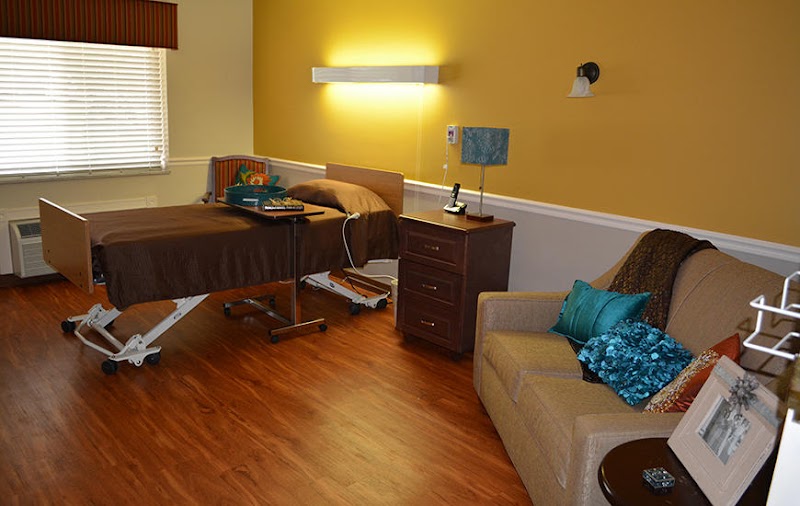
Who Owns and Operates Timbers Of Jasper The?

TIMBERS OF JASPER THE is owned by a for-profit company. For-profit facilities operate as businesses with obligations to shareholders or private owners. The facility is operated by AMERICAN SENIOR COMMUNITIES, a chain that manages multiple nursing homes. With 94 certified beds and approximately 74 residents (about 79% occupancy), it is a smaller facility located in JASPER, Indiana.
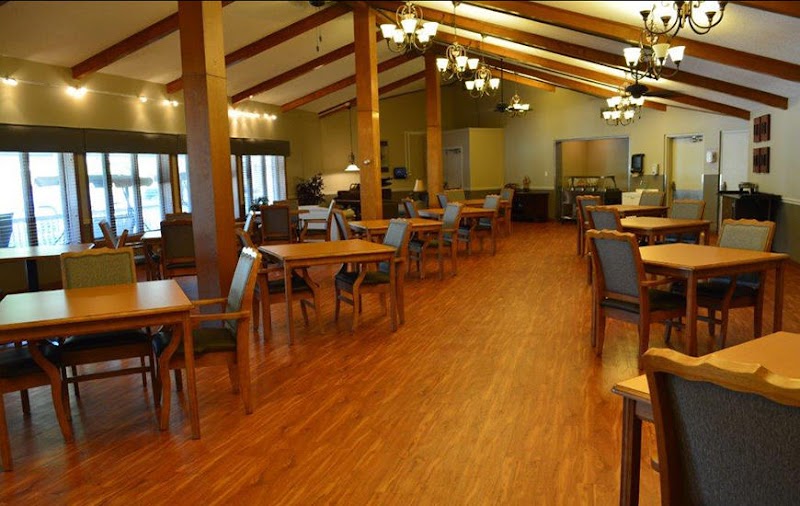
How Does Timbers Of Jasper The Compare to Other Indiana Nursing Homes?

Compared to the 100 nursing homes in Indiana, TIMBERS OF JASPER THE's overall rating (3 stars) is below the state average of 3.1, staff turnover (46%) is near the state average of 46%, and health inspection rating (3 stars) is at the national benchmark.

What Should Families Ask When Visiting Timbers Of Jasper The?

Based on this facility's data, families visiting should ask: "Can you walk me through typical staffing levels on day, evening, and night shifts?" "Can I visit during a mealtime to observe dining assistance and food quality?" "How do you handle medical emergencies, and what is your hospital transfer rate?" "Can I speak with family members of current residents about their experience?" These questions are particularly relevant given the below-average staffing rating.

Is Timbers Of Jasper The Safe?

Based on CMS inspection data, TIMBERS OF JASPER THE has a clean safety record: no substantiated abuse findings (meaning no confirmed cases of resident harm), no Immediate Jeopardy citations (the most serious violation level indicating risk of serious injury or death), and is not on the Special Focus Facility watch list (a federal program monitoring the lowest-performing 1% of nursing homes). The facility has a 3-star overall rating and ranks #100 of 100 nursing homes in Indiana. While no facility is perfect, families should still ask about staff-to-resident ratios and recent inspection results during their visit.

Do Nurses at Timbers Of Jasper The Stick Around?

TIMBERS OF JASPER THE has a staff turnover rate of 46%, which is about average for Indiana nursing homes (state average: 46%). Moderate turnover is common in nursing homes, but families should still ask about staff tenure and how the facility maintains care continuity when employees leave.

Was Timbers Of Jasper The Ever Fined?

TIMBERS OF JASPER THE has been fined $16,777 across 1 penalty action. This is below the Indiana average of $33,247. While any fine indicates a compliance issue, fines under $50,000 are relatively common and typically reflect isolated problems that were subsequently corrected. Families should ask what specific issues led to these fines and confirm they've been resolved.

Is Timbers Of Jasper The on Any Federal Watch List?

TIMBERS OF JASPER THE is not on any federal watch list. The most significant is the Special Focus Facility (SFF) program, which identifies the bottom 1% of nursing homes nationally based on persistent, serious quality problems. Not being on this list means the facility has avoided the pattern of deficiencies that triggers enhanced federal oversight. This is a positive indicator, though families should still review the facility's inspection history directly.