ORCHARD POINTE HEALTH CAMPUS
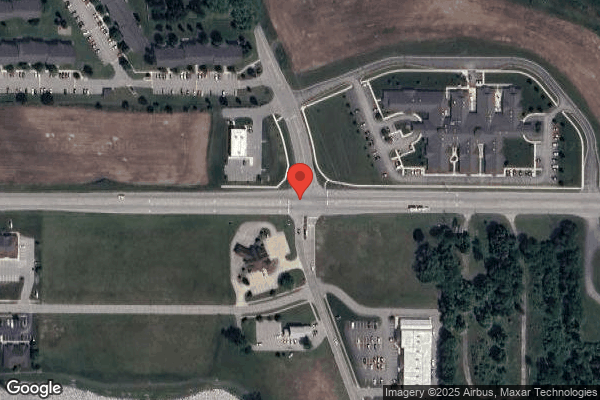
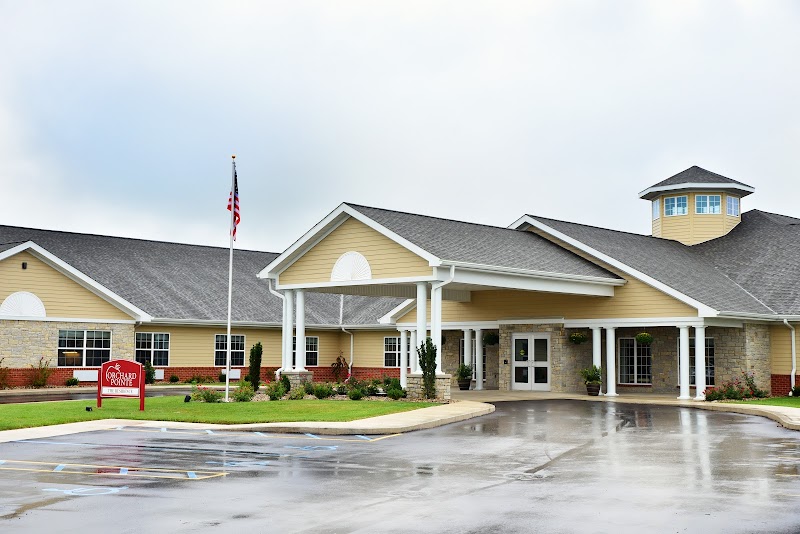
702 SAWYER ROAD, KENDALLVILLE, IN 46755 (260) 347-3333
Non profit - Corporation 58 Beds TRILOGY HEALTH SERVICES Data: November 2025
Trust Grade
80/100
#174 of 505 in IN
Last Inspection: January 2025

Within standard 12-15 month inspection cycle. Federal law requires annual inspections.

Overview

Orchard Pointe Health Campus in Kendallville, Indiana, has a Trust Grade of B+, which indicates it is above average in quality and care. It ranks #174 out of 505 facilities in Indiana, placing it in the top half, but it is last among the five nursing homes in Noble County. The facility's trend is concerning, as the number of issues has worsened from 2 in 2024 to 5 in 2025. Staffing is a relative strength, with a rating of 4 out of 5 stars and a turnover rate of 32%, which is lower than the state average of 47%, indicating that many staff members remain long-term. While there are no fines on record, which is a positive sign, recent inspections revealed issues such as food being served at improper temperatures, including cold pureed dishes and improper food storage practices, which could pose health risks. Additionally, there were concerns about the handling of personal protective equipment and hand hygiene during meal service, indicating areas that need improvement.

Trust Score
B+
80/100
In Indiana
#174/505
Top 34%
Safety Record
Low Risk
No red flags
Inspections
Getting Worse
2 → 5 violations
Staff Stability
○ Average
32% turnover. Near Indiana's 48% average. Typical for the industry.
Penalties
✓ Good
No fines on record. Clean compliance history, better than most Indiana facilities.
Skilled Nurses
✓ Good
Each resident gets 60 minutes of Registered Nurse (RN) attention daily — more than 97% of Indiana nursing homes. RNs are the most trained staff who catch health problems before they become serious.
Violations
○ Average
9 deficiencies on record. Average for a facility this size. Mostly minor or procedural issues.
★★★★☆
4.0
Overall Rating
★★★★☆
4.0
Staff Levels
★★★★★
5.0
Care Quality
★★★☆☆
3.0
Inspection Score
Stable
2024: 2 issues
2025: 5 issues

The Good

  • 4-Star Staffing Rating · Above-average nurse staffing levels
  • 5-Star Quality Measures · Strong clinical quality outcomes
  • Full Sprinkler Coverage · Fire safety systems throughout facility
  • No fines on record
  • Staff turnover below average (32%)

    16 points below Indiana average of 48%

Facility shows strength in staffing levels, quality measures, fire safety.

The Bad

Staff Turnover: 32%

14pts below Indiana avg (46%)

Typical for the industry

Chain: TRILOGY HEALTH SERVICES

Part of a multi-facility chain

Ask about local staffing decisions and management

The Ugly 9 deficiencies on record

Jan 2025 5 deficiencies
CONCERN (D) 📢 Someone Reported This

A family member, employee, or ombudsman was alarmed enough to file a formal complaint

Potential for Harm - no one hurt, but risky conditions existed

Free from Abuse/Neglect (Tag F0600)

Could have caused harm · This affected 1 resident

Based on interview and record review the facility failed to ensure freedom from verbal and physical abuse for 2 of 24 residents reviewed (Resident A, and Resident B). Findings include: In a review of ...

Read full inspector narrative →
Based on interview and record review the facility failed to ensure freedom from verbal and physical abuse for 2 of 24 residents reviewed (Resident A, and Resident B). Findings include: In a review of a written complaint on 1/6/25 at 9:24 AM, a Complainant indicated Qualified Medicine Aide (QMA) 7 had been verbally abusive to Resident A in Complaint IN00450607. The Complainant indicated a facility vendor had witnessed and reported the abuse to the Administrator. The Complainant indicated the Administrator and Assistant Director of Nursing (ADON) were aware of the abuse and did not report it to Resident A's family or the State Department of Health. The Complainant indicated QMA 7 had previous occurrences of witnessed abuse and was eligible to be rehired. During an interview on 1/7/25 at 11:27 AM, Facility Vendor 6 indicated they were present in the assisted dining room on 11/15/24 during breakfast. Vendor 6 indicated QMA 7 came into the assisted dining room with an agitated demeanor, verbally indicating displeasure about being assigned to assist in feeding residents. Vendor 6 indicated Resident A made a statement she was unable to hear to QMA 7, who was seated next to Resident A assisting him with his meal. Vendor 6 indicated QMA 7 became upset and raised her voice to Resident A. She told the resident she only disrespected him because he had disrespected her. QMA 7 then abruptly stood up, grabbed Resident A's meal tray and slammed it on the tray cart. Vendor 6 indicated QMA 7's body language appeared angry and escalated as she went over to Resident B. Resident B had been seated at a table with her clothing protector in her mouth. QMA 7 forcibly pulled the clothing protector out of Resident B's mouth verbally indicating she should not be eating laundry detergent. Vendor 6 indicated an unidentified employee came in the room and asked QMA 7 to leave the dining room and finish her medication pass. Vendor 6 indicated they had emailed the Administrator requesting a phone call since she was not present in the building at the time. Vendor 6 indicated they verbally reported the incident as described to the Administrator over the phone on 11/19/24. 1. During an interview on 1/7/25 at 3:52 PM, Resident A's Power of Attorney (POA) indicated they were not aware of any occurrences of disrespectful, rude or abusive conduct toward Resident A. The POA indicated Resident A would not have the ability to recall any abusive event that may have occurred. Resident A's record was reviewed on 1/8/24 at 11:52 AM. Diagnoses included diffuse traumatic brain injury with loss of consciousness, unspecified dementia, unspecified severity, without behavioral disturbance, psychotic disturbance, mood disturbance, anxiety, and depression. Progress notes between 11/15/24 and 11/19/24 did not include any assessments or interviews with Resident A pertaining to recollection or psychosocial effects from verbal abuse. 2. Resident B's record was reviewed on 1/8/25 at 12:59 PM. Diagnoses included dementia, unspecified severity, without behavioral disturbance, psychotic disturbance, mood disturbance, anxiety, personal history of traumatic brain injury, and mild intellectual disabilities. Resident B was unable to be interviewed about abuse. Progress notes between 11/15/24 and 11/19/24 did not include any assessments or interviews with Resident B pertaining to recollection or psychosocial effects from abuse. In an interview, on 1/8/25 at 1:51PM, Certified Nurse Aide (CNA) 11 indicated rude or inappropriate speech toward a resident should be reported to the person in charge of the shift, or the nurse management. In an interview, on 1/8/24 at 1:53 PM, Licensed Practical Nurse (LPN)12 indicated verbal abuse could include derogatory or disrespectful speech and physical abuse could include rough physical touch during care. She indicated a nurse's first action upon witnessing abuse was to call the corporate compliance hotline posted on the wall near the front office. LPN 12 walked to the sign and pointed at the phone number. In an interview, on 1/8/24 at 1:56 PM, Life Enrichment Aide (LEA) 13 indicated rough handling of a resident during care, yelling and using downgrading or derogatory speech toward residents were examples of abuse. LEA 13 indicated any witnessed abuse should be reported to the ADON or the Administrator. In an interview, on 1/8/24 at 2:01 PM, CNA 14 indicated any staff member witnessing abuse should make sure the resident was safe and then immediately report the abuse directly to the Administrator. If the Administrator was not available, staff should report to the nurse manager in charge. In a confidential interview, on 1/9/24 at 9:58 AM, Employee 18 indicated QMA 7 had contacted them and indicated she had been terminated for being verbally inappropriate with a resident and roughly pulling a clothing protector out of a resident's mouth. Employee 18 indicated they were on duty the day of the incident and no person from management had requested a statement from them about any knowledge of the incident. In an interview, on 1/9/25 at 2:49 PM, The Administrator indicated QMA 7 was disciplined on 11/19/24 because she had reportedly slammed a breakfast tray down in front of a student. She indicated this incident had been the final incident for this employee concerning conduct. She indicated she had received a report over the phone from the instructor of the CNA class, who performed clinical work in the building, QMA 7 had slammed a tray down in front of a student. She indicated the instructor did not mention anything to indicate any verbal or physical abuse had occurred. She indicated she had no reason to suspect abuse, so she did not conduct an abuse investigation. She indicated she had no statements or notes describing the incident or behavior regarding rough treatment of residents. A witness statement given by the Administrator, dated 11/19/24, presented by the ADON on 1/10/25 at 8:53 AM, indicated the CNA instructor had reported QMA 7 having negative interactions in front of residents in the dining room. The note further indicated she would have jumped in if the situation had gotten physical or abusive. A witness statement given by the ADON, dated 11/19/24, presented by the ADON on 1/10/25 at 8:53 AM indicated she interviewed QMA 7 had asked Resident A to show her respect because she showed him respect. She indicated QMA 7 denied slamming a tray down. During an interview, on 1/10/25 at 11:30 AM, Registered Nurse (RN) 19 indicated she was not aware of any inappropriate behavior at any time in the assisted dining room by any staff member. She indicated when a student or instructor noticed any inappropriate behavior, they should report it to her or an administrative staff member immediately. A current policy dated 7/2/24, titled Abuse and Neglect Procedural Guidelines, provided by the Administrator on 1/6/24 at 9:29 AM indicated physical abuse can include corporal punishment, involving physical punishment to control behavior. Mental abuse involves the use of verbal or nonverbal conduct which causes or has the potential to cause the resident to experience humiliation, intimidation, fear, shame, agitation or degradation. The policy indicated occurrences of suspected abuse should be reported to the Administrator or the Administrator's designee immediately after resident safety was secured. The policy indicated physicians, consultants, volunteers and other contracted employees and providers should be provided with the Abuse and Neglect Procedural Guidelines for awareness of protocols. The policy indicated the Administrator should identify and interview all involved persons including the alleged victim, perpetrator, witnesses and all others who may have knowledge of the allegation. The Administrator should provide complete, thorough documentation of the investigations. This citation is related to complaint IN00450607. 3.1-27(b)
CONCERN (D) 📢 Someone Reported This

A family member, employee, or ombudsman was alarmed enough to file a formal complaint

Potential for Harm - no one hurt, but risky conditions existed

Report Alleged Abuse (Tag F0609)

Could have caused harm · This affected 1 resident

Based on interview and record review the facility failed to ensure an allegation of abuse was reported to the Department of Health for 2 of 24 residents reviewed (Resident A, and Resident B). Findings...

Read full inspector narrative →
Based on interview and record review the facility failed to ensure an allegation of abuse was reported to the Department of Health for 2 of 24 residents reviewed (Resident A, and Resident B). Findings include: In a complaint review, on 1/6/25 at 9:24 AM, a Complainant indicated Qualified Medicine Aide (QMA) 7 had been verbally abusive to Resident A in Complaint IN00450607. The Complainant indicated a facility vendor had witnessed and reported the abuse to the Administrator. The Complainant indicated the Administrator and Assistant Director of Nursing (ADON) were aware of the abuse and did not report it to Resident A's family or the State Department of Health. During an interview, on 1/7/25 at 11:27 AM, Facility Vendor 6 indicated they were present in the assisted dining room on 11/15/24 during breakfast. Vendor 6 indicated QMA 7 came into the assisted dining room with an agitated demeanor, verbally indicating displeasure about being assigned to assist in feeding residents. Vendor 6 indicated Resident A made a statement she was unable to hear to QMA 7, seated next to Resident A assisting him with his meal. Vendor 6 indicated QMA 7 became upset and raised her voice to Resident A. She told Resident A she only disrespected him because he had disrespected her. QMA 7 then abruptly stood up, grabbed Resident A's meal tray and slammed it on the tray cart. Vendor 6 indicated QMA 7's body language appeared angry and escalated as she went over to Resident B. Resident B had been seated at a table with her clothing protector in her mouth. QMA 7 forcibly pulled the clothing protector out of Resident B's mouth. She told Resident B she should not be eating laundry detergent. Vendor 6 indicated an unidentified employee came in the room and asked QMA 7 to leave the dining room and finish her medication pass. Vendor 6 indicated they had emailed the Administrator requesting a phone call since she was not present in the building at the time. Vendor 6 indicated they verbally reported the incident to the Administrator over the phone on 11/19/24. 1. During an interview on 1/7/25 at 3:52 PM, Resident A's Power of Attorney (POA) indicated they were not aware of any occurrences of disrespectful, rude or abusive conduct toward Resident A. The POA indicated Resident A would not have the ability to recall any abusive event that may have occurred. Resident A's record was reviewed on 1/8/24 at 11:52 AM. Diagnoses included diffuse traumatic brain injury with loss of consciousness, unspecified dementia, unspecified severity, without behavioral disturbance, psychotic disturbance, mood disturbance, anxiety, and depression. 2. Resident B's record was reviewed on 1/8/25 at 12:59 PM. Diagnoses included dementia, unspecified severity, without behavioral disturbance, psychotic disturbance, mood disturbance, anxiety, personal history of traumatic brain injury, and mild intellectual disabilities. Resident B was unable to be interviewed about abuse. In an interview, on 1/9/25 at 2:49 PM, The Administrator indicated QMA 7 was disciplined on 11/19/24 because she had reportedly slammed a breakfast tray down in front of a student. She indicated this incident had been the final incident for this employee concerning conduct. She indicated she had received a report over the phone from the instructor of the CNA class, who performed clinical work in the building, QMA 7 had slammed a tray down in front of a student. She indicated the instructor did not mention anything to indicate any verbal or physical abuse. She indicated she had no reason to suspect abuse, so she did not conduct an abuse investigation, or report the incident. She indicated she had no statements or notes describing the incident or QMA 7's behavior. A current policy dated 7/2/24, titled Abuse and Neglect Procedural Guidelines, provided by the Administrator on 1/6/24 at 9:29 AM indicated the Administrator was accountable for investigating and reporting. The policy indicated the Administrator should identify and interview all involved persons including the alleged victim, perpetrator, witnesses and all others who may have knowledge of the allegation. The Administrator should provide complete, thorough documentation of the investigations. All alleged violations should be reported to the Department of Health within 24 hours of the report. This citation is related to complaint IN00450607. 3.1-28 (c)
CONCERN (E)

Potential for Harm - no one hurt, but risky conditions existed

Infection Control (Tag F0880)

Could have caused harm · This affected multiple residents

**NOTE- TERMS IN BRACKETS HAVE BEEN EDITED TO PROTECT CONFIDENTIALITY** Based on observation, interview, and record review the facility failed to ensure sanitary handling of personal protective gowns ...

Read full inspector narrative →
**NOTE- TERMS IN BRACKETS HAVE BEEN EDITED TO PROTECT CONFIDENTIALITY** Based on observation, interview, and record review the facility failed to ensure sanitary handling of personal protective gowns for 2 of 8 residents reviewed (Resident 34 and Resident 45) and proper hand hygiene in meal service in the assisted dining room. This practice affected 7 of 10 residents who ate their meals in the assisted dining room. Findings include: 1. During an observation, on 1/7/24 at 10:32 AM, upon opening the door to Resident 45's room a yellow, disposable gown drifted into the doorway of Resident 45's door touching the doorframe, handle and door. The gown was hanging on the wall on Resident 45's roommate's side of the room near his belongings. Resident 45's bed was empty. Water was heard running in the shower of the attached bathroom. Certified Nurse Aide (CNA) 19 opened the bathroom door, and indicated Resident 45 was in the shower. CNA 19 was not wearing a gown. Resident 45s record was reviewed on 1/7/24 at 1:50 PM. Diagnoses included presence of urogenital implants, and neuromuscular dysfunction of the bladder. Resident 45's current quarterly Minimum Data Set (MDS) indicated their Basic Interview for Mental Status (BIMS) score was 15 (cognitively intact). The MDS indicated Resident 45 used an indwelling catheter. A physician's order dated 1/7/25 indicated Resident 45 should receive levofloxacin (an antibiotic) 750 mg daily for 7 days for a urinary tract infection. Resident 45's current care plan titled: Resident requires enhanced barrier precautions, indicated the resident had a problem of suprapubic catheter use, with a goal date of 4/2/25. Interventions included don/doff and dispose of PPE systematically and appropriately utilize gown and gloves per EPB policy during high contact ADL care. In an interview, on 1/7/25 at 10:32 AM, Licensed Practical Nurse (LPN) 20 indicated used gowns should not hang in the doorway of the room due to contamination risk. During an interview, on 1/7/25 at 10:35 AM, the Assistant Director of Nursing (ADON) indicated staff should be wearing gloves and a gown when performing showers for Resident 45. She indicated disposable gowns are stored in a closet in the hallway and should not be stored hanging in the doorway after use. 2. During an observation, on 1/7/24 at 10:33 AM, upon opening the door to Resident 34's room a yellow, disposable gown was observed wadded up and stuffed into the inside door handle. Resident 34's record was reviewed on 1/7/24 at 1:50 PM. Diagnoses included neuromuscular dysfunction of the bladder and gastrostomy status. Resident 34's current annual Minimum Data Set (MDS) dated [DATE] indicated their Basic Interview for Mental Status (BIMS) score was 15 (cognitively intact). The MDS indicated Resident 34 used an indwelling catheter and a gastric tube. Resident 34's current care plan titled, Resident requires enhanced barrier precautions, indicated the resident had a problem of feeding tube and indwelling catheter use, with a goal date of 4/1/25. Interventions included don/doff and dispose of PPE systematically and utilize gown and gloves during high contact ADL care. A physician's order dated 1/7/25 indicated Resident 34 should receive cephalexin (an antibiotic) 500 mg three times daily for 7 days for a urinary tract infection. In an interview, on 1/7/25 at 10:33 AM, LPN 20 indicated used gowns should not be placed on the inside of the door handle due to contamination risk. During an interview, on 1/7/25 at 10:35 AM, the ADON indicated disposable gowns are stored in a closet in the hallway and should not be stored after use in the door handle. She indicated disposable gowns should be discarded after use. A current policy, titled Standard Precautions Guidelines, dated 5/11/16 provided by the Administrator on 1/8/24 at 12:07 PM indicated equipment or items in the resident's environment likely to have been contaminated with potentially infectious matter should be handled in such a manner to prevent transmission of infectious agents. 3. During an observation, on 1/9/25 at 9:06 AM, Qualified Medicine Aide (QMA) 21 passed trays to 6 residents seated in the assisted dining room. As she passed the trays she touched each resident's silverware, cut up and prepared residents' food and handed utensils to the residents, frequently contacting their hands, clothing and belongings. No hand hygiene was performed. Certified Nurse Aide (CNA) 22 assisted an unidentified male resident to apply a sweater and then washed her hands with 12 seconds of scrubbing. QMA 21 washed her hands with a 5- second hand scrub and returned to resident care. QMA 21 washed her hands two additional times during observation with durations of 5 and 7 seconds of scrubbing. During an interview, on 1/9/25 at 9:47 AM, CNA 22 indicated staff should sanitize their hands between each tray and perform handwashing after every third tray or when they touch a resident or contaminate their hands. She indicated scrubbing should last 20 seconds. She indicated she was in a hurry and should have washed her hands correctly. During an interview, on 1/9/25 at 9:48, QMA 21 indicated staff should scrub their hands for 60 seconds each time they washed their hands. She indicated she should have washed her hands while passing the trays but was in a hurry to get all the food out and forgot. A current policy titled Guidelines for Handwashing/Hand Hygiene, dated 5/11/16, provided by the ADON on 1/9/25 at 11:07 AM indicated hand hygiene should be performed before and after serving meals and before and after having direct contact with residents. The policy indicated handwashing should include 20 seconds of friction. 3.1-18(l)
CONCERN (F)

Potential for Harm - no one hurt, but risky conditions existed

Deficiency F0804 (Tag F0804)

Could have caused harm · This affected most or all residents

Based on observation, interview, and record review, the facility failed to ensure food that was at proper temperature in 2 of 2 observations. Food prepared in the kitchen was consumed by 57 of 57 resi...

Read full inspector narrative →
Based on observation, interview, and record review, the facility failed to ensure food that was at proper temperature in 2 of 2 observations. Food prepared in the kitchen was consumed by 57 of 57 residents who resided in the facility. Findings include: During a continuous observation on 1/6/25 from 09:24 AM to 10:00 AM the following observation was made: The temperature of the alcohol cooler was 62 deg. Several bottles of various types of alcohol, one case of bottled water, and a cheese tray were found to be inside. Employee 2, indicated the cheese tray would be thrown away. In an interview on 01/06/25 at 02:17 PM, a resident's family member indicated the resident had complained her food was served cold sometimes. During an observation on 1/8/25 from 10:47 AM - 11:00 AM, the following observation was made: Two of three plates of pureed food, sitting on a shelf above steam table under warming lights, had a temperature measurement of 89 degrees. Resident Counsel minutes, dated 10/28/24, indicated menu changes hadn't improved much since the before month. Food was coming out cold during meal services. Dietary Aids were reaching across other plates to drop off other resident food. Resident Counsel minutes, dated 11/25/24, indicated food was coming out cold during meal services. Dietary Aides were continuing to reach across other plates to drop off resident food. Resident Counsel minutes, dated 12/30/24, indicated cold food was being served and vegetables were not being cooked all the way. A current policy, dated 1/2024, titled Hot and Cold Food Temperature Holding Guideline was provided by an administrator on 1/8/15 at 1:28 PM. The policy indicated hot food in the steam table should be at least 135 or higher degrees Fahrenheit and arrive approximately at greater than or equal to 120 degrees Fahrenheit when the resident is served. 3.1-21 (a)(1)(2)
CONCERN (F)

Potential for Harm - no one hurt, but risky conditions existed

Food Safety (Tag F0812)

Could have caused harm · This affected most or all residents

Based on observation, interview, and record review, the facility failed to ensure safe and sanitary food storage and serving practices for 3 of 3 observations. Food prepared in the kitchen was consume...

Read full inspector narrative →
Based on observation, interview, and record review, the facility failed to ensure safe and sanitary food storage and serving practices for 3 of 3 observations. Food prepared in the kitchen was consumed by 57 of 57 residents who resided in the facility. Findings include: During a continuous observation on 1/6/25 from 09:24 AM - 10:00 AM the following observations were made: The drying rack had clear, round, lids stacked with moisture in between lids. The floor in the dishwashing area and dry pantry had dry, brown, particles in sizes from grains of sand to grains of rice. , Observations of the dry pantry included the following: An opened bottle of molasses had must a use by date of 3/11/24. There were 2 onions sprouting green leaves, one with 4 inches of green growth. One onion was brown, black, and was soft. A yellow cake mix had an expired date of 12/22/24. Observations in the walk-in refrigerator included the following: Six bowls of cottage cheese were uncovered and undated. There were quarter-sized areas of a white, fuzzy substance, on top of 2 strawberries. The received on date was 1/2/25. There was a broken eggshell, whites, and yolk spread to a softball sized area on the floor. Observations in the walk-in freezer included the following: A frozen leftover turkey with a use by date of 12/21/24, was not sealed. A bag with 2 pork patties was not labeled or sealed. In an interview on 1/6/25 at 09:40 AM, the Director of Food Service indicated a deep floor clean was completed at the end of each day, the egg was broken during the delivery. In an interview, on 01/07/25 02:53 PM, the facility administrator indicated 57 residents of 57 residents residing in the facility consumed food that was prepared in the kitchen. A current policy, dated 1/2024, titled Food Labeling and Dating Policy was provided by an administrator on 1/7/15 at 3:24 PM. The policy indicated any product removed from its original container, has a broken seal, has been processed in any way must have a label . that contains the following: . Date and Time the food was labeled . Use by date .Securely cover the food item. A current policy, dated 1/2024, titled Storage Procedures was provided by an administrator on 1/7/15 at 3:24 PM. The policy indicated open packages are labeled, dated, and stored in closed containers. Refrigerated storage temperature will be at 41 degrees F or below. Prepared perishables such as salads, puddings, milk, etc., are stored in a refrigerator and covered, labeled, and dated until used. All foods in the freezer are wrapped in a moisture proof wrapping or placed in suitable containers, to prevent freezer burn. Items are labeled and dated. 3.1-21(i)(3)
Jan 2024 2 deficiencies
CONCERN (D)

Potential for Harm - no one hurt, but risky conditions existed

Transfer Requirements (Tag F0622)

Could have caused harm · This affected 1 resident

**NOTE- TERMS IN BRACKETS HAVE BEEN EDITED TO PROTECT CONFIDENTIALITY** Based on interview and record review the facility failed to ensure documentation requirements for transfer or discharge were met...

Read full inspector narrative →
**NOTE- TERMS IN BRACKETS HAVE BEEN EDITED TO PROTECT CONFIDENTIALITY** Based on interview and record review the facility failed to ensure documentation requirements for transfer or discharge were met for 1 of 5 residents reviewed (Resident 26). Findings include: Resident 26's record was reviewed on 1/22/24 at 1:43 PM. Diagnoses included diffuse large B-cell lymphoma, unspecified site, neoplasm of uncertain behavior of the parotid salivary glands and acquired hemolytic anemia, unspecified. A review of Resident 26's current quarterly Minimum Data Set (MDS) dated [DATE] indicated her Basic Interview for Mental Status (BIMS) score was 15 (cognitively intact). An MDS dated [DATE] indicated Resident 26 had been discharged from the facility with a return anticipated. A review of progress notes dated 9/19/23 at 11:20 AM indicated Resident 26 went to a physician's office for an appointment. The next chronological progress note entry dated 9/23/23 at 9:23 PM indicated Resident 26 had returned from a hospital stay. No documentation of Resident 26's condition, documents sent, or report given was available for review. A review of a Notice of Transfer and Discharge form dated 9/19/23 indicated Resident 26 had been discharged to another health facility because her health had improved sufficiently, and she no longer needed the services provided by the facility. There was no indication on the transfer form the residnet had been transferred to the hospital. An MDS dated [DATE] indicated Resident 26 had been discharged from the facility with a return anticipated. A review of progress notes dated 10/11/23 at 3:52 PM indicated Resident 26 had a large BM that day. There was no indication the residnet had been sent to the hospital. The next chronological progress note entry dated 10/19/23 at 9:40 PM indicated Resident 26 had returned from a hospital stay. No documentation of Resident 26's condition, documents sent, or report given was available for review. A review of a Notice of Transfer and Discharge form dated 10/12/23 indicated Resident 26 had been discharged to another health facility because her health had improved sufficiently, and she no longer needed the services provided by the facility. There was no indication in the form the residnet had been sent to the hospital. In an interview on 1/24/24 at 1:43 PM, the Clinical Support Nurse (CSN) indicated nursing staff should document transfers from the facility in the medical record. She indicated documentation should include notification of family, assessment of current condition, report given to receiving facility staff, and any other pertinent information. She indicated the information should be found in progress notes, observations, or the event section of the medical record. During a record review conducted with the CSN on 1/24/23 at 1:50 PM, she indicated she was unable to find any discharge documentation in the progress notes, observations, or event section of the EMR for Resident 26 on 9/19/23 or 10/12/23. A current policy dated 7/11/23 provided by the CSN on 1/26/24 at 9:11 AM indicated nursing staff should document information regarding the transfer in the medical record. The policy indicated a discharge summary should be completed with a copy printed, signed, and scanned into the medical record. 3.1-12(a) 3
CONCERN (D)

Potential for Harm - no one hurt, but risky conditions existed

Quality of Care (Tag F0684)

Could have caused harm · This affected 1 resident

**NOTE- TERMS IN BRACKETS HAVE BEEN EDITED TO PROTECT CONFIDENTIALITY** Based on observation, record review and interview the facility failed to ensure a resident's ted hose were on every morning per ...

Read full inspector narrative →
**NOTE- TERMS IN BRACKETS HAVE BEEN EDITED TO PROTECT CONFIDENTIALITY** Based on observation, record review and interview the facility failed to ensure a resident's ted hose were on every morning per physician's order for 1 of 2 reviewed. (Resident 1). Findings include: During an observation on 1/22/24 at 11:25 AM Resident 1 was not wearing her TED hose on either leg. During an observation on 1/25/24 at 10:53 AM Resident 1 was not wearing her TED hose on either leg. During an observation on 1/26/24 at 9:26 AM Resident was not wearing her TED hose on either leg. During an observation on 1/26/24 at 11:45 AM Resident was not wearing her TED hose on either leg. Resident 1's record was reviewed on 01/22/24 1:30 PM, diagnoses included a history of traumatic brain injury, hemiplegia and hemiparesis following cerebrovascular disease affecting left non-dominant side, and a history of venous thrombosis and embolism. Resident 1's current quarterly Minimum Data Set (MDS), dated [DATE], indicated her Basic Interview for Mental Status (BIMS) score was a 9 (moderate cognitive impairment). The MDS indicated the resident required substantial/maximal assistance (helper does more than half the effort) when lower body dressing and putting on and taking off footwear (socks, shoes, and other footwear). A Physician order dated 3/6/19 indicated bilateral TED hose were to be applied to the Resident 1's lower extremities (legs) every morning between 6:00 AM and 10:00 AM. There was no indication what time the TED hose were to be removed. Resident 1's current care plan titled pertinent ADLs (Activities of Daily Living) indicated the resident required staff assistance to complete ADL tasks completely and safely. The care plan indicated Resident 1 would complete ADL tasks completely and safely with a goal date 3/24/24. Interventions did not include applying bilateral TED hose to the resident's lower legs every morning. Resident 1's current care plan titled pertinent ADLs (Activities of Daily Living) indicated the resident had a potential for decline in ADL's related to chronic pain, dementia, a traumatic brain injury, hemiplegia and hemiparesis following cerebrovascular disease affecting left non-dominant side, osteoporosis, seizures, a history of venous thrombosis and embolism, constipation, rash, cough, and dermatitis. The care plan indicated Resident 1 would be free of an ADL decline with a goal date 3/24/24. Interventions did not include applying bilateral TED hose to the resident's lower legs every morning. The Medication Administration Record (MAR) dated 1/1/24 - 1/26/24, indicated no documentation by nursing staff Resident 1's TED hose being applied or refusal by the resident every morning between 6:00 AM - 10:00 AM. The Treatment Administration Record (TAR) dated 1/1/24 - 1/26/24, indicated no documentation of Resident 1's TED hose being applied or refusal by the resident every morning between 6:00 AM - 10:00 AM. Progress notes dated 1/1/24 to 1/26/24, received 1/26/24 at 10:30 AM, indicated no documentation by nursing staff of Resident 1's TED hose being applied or refusal by the resident every morning between 6:00 AM - 10:00 AM. In an interview on 1/26/24 at 9:26 AM, QMA 1 indicated Resident 1 was not wearing TED hose. In an interview on 1/26/24 at 9:32 AM, RN 2 indicated the night shift puts on Resident 1's TED hose. A current policy, reviewed 12/31/23, titled Guidelines for Physician Services, provided by the Clinical Support Nurse on 1/26/24 at 10:30 AM, indicated physician orders should be maintained in accordance with current OBRA (Omnibus Budget Reconciliation Act - federal act setting standards of how care should be provided to nursing home residents) and campus policy. 3.1-37
Feb 2023 2 deficiencies
CONCERN (D)

Potential for Harm - no one hurt, but risky conditions existed

Respiratory Care (Tag F0695)

Could have caused harm · This affected 1 resident

Based on observation, record review and interview, the facility failed to ensure oxygen tubing was properly labeled for 2 of 2 residents reviewed. (Resident 89 and Resident 19). Findings include: 1) ...

Read full inspector narrative →
Based on observation, record review and interview, the facility failed to ensure oxygen tubing was properly labeled for 2 of 2 residents reviewed. (Resident 89 and Resident 19). Findings include: 1) During an observation on 2/7/23 at 2:21 PM, Resident 89 had oxygen on at 1 liter per minute (LPM) per nasal cannula (NC) (oxygen tubing used to deliver supplemental oxygen directly through the nostrils) via a portable oxygen tank. The oxygen tubing was not labeled with a date when it had been initiated/changed. During an observation on 2/8/23 at 9:44 AM, the resident had oxygen on at 1 LPM NC via a portable oxygen tank. The oxygen tubing was not labeled with a date when it had been initiated/changed. During an observation on 2/8/23 at 1:51 PM, the resident had oxygen on at 1 LPM NC via a portable oxygen tank. The oxygen tubing was not labeled with a date when it had been initiated/changed. On 2/8/23 at 2:39 PM, Resident 89's record was reviewed. Diagnoses included bilateral pleural effusion, acute respiratory failure with hypoxia, pulmonary fibrosis, anemia in other chronic diseases, hypertensive chronic kidney disease, type 2 diabetes mellitus, peripheral vascular disease, solitary pulmonary nodule and edema. A review of Resident 89's order, dated 2/6/23, indicated she was to be on oxygen at 1 LPM NC continuous. Her oxygen tubing was to be changed monthly on the 1st day of the month. A review of the Resident 89's admission care plan, dated 2/6/23, indicated she was on oxygen at 1 LPM NC, had potential to get short of breath when lying flat, acute respiratory failure with hypoxia and pulmonary fibrosis with a goal to be free of complications from shortness of breath. One approach to this care plan was to administer oxygen per the Medical Doctor's order and as needed. In an interview on 02/08/23 at 2:15 PM, the Director of Nursing (DON) indicated Resident 89 arrived at the facility wearing 1 liter/minute (LPM) of oxygen NC and continued to wear 1 LPM of oxygen NC. In an interview on 2/8/23 at 1:51 PM, LPN 3 indicated, Resident 89's NC tubing was oxygen tubing from when the resident was in the hospital. She indicated the oxygen tubing was not labeled with a date when initiated/changed. 2) During an observation on 2/8/23 at 1:44 PM, Resident 19 had oxygen on at 2 LPM NC via a portable oxygen tank. The oxygen tubing was not labeled with a dated when initiated/changed. On 2/9/23 at 10:30 AM, Resident 89's record was reviewed. Diagnoses included chronic obstructive pulmonary disease, acute respiratory failure with hypoxia, hypertensive heart and chronic kidney disease with heart failure, paroxysmal atrial fibrillation, shortness of breath, hemiplegia and hemiparesis following nontraumatic subarachnoid hemorrhage affecting right dominant side, and edema. Resident 89's quarterly MDS assessment, dated 12/6/22, indicated the resident's Brief Interview for Mental Status (BIMS) score was 15, the resident was alert, oriented and interviewable. A review of Resident 19's order, dated 2/8/23, indicated he could use oxygen at 2 LPM per NC prn and his oxygen tubing was to be changed monthly on the 1st day of the month. A review of the Resident 19's care plan, last updated 2/7/23, indicated, he was on oxygen at 2 LPM per NC prn. The care plan indicated the resident had a potential to get short of breath when lying flat with a goal to be free of complications from shortness of breath. One approach to this care plan was to administer oxygen per the Medical Doctor's order and as needed. In an interview on 2/8/23 at 1:44 PM, LPN 3 indicated, Resident 19's NC oxygen tubing was not labeled with a date when initiated/changed. In an interview on 2/8/23 at 2:15 PM, the DON indicated the facility policy indicated oxygen tubing should be dated when it is initiated, changed monthly and as necessary (prn). On 2/7/23 at 2:50 PM, a current procedure titled Administration of Oxygen, revised 12/31/22, provided by the Executive Director, indicated oxygen tubing should be dated when it was initiated and should be changed monthly and prn. 3.1-47(a)(4)
CONCERN (D)

Potential for Harm - no one hurt, but risky conditions existed

Deficiency F0761 (Tag F0761)

Could have caused harm · This affected 1 resident

**NOTE- TERMS IN BRACKETS HAVE BEEN EDITED TO PROTECT CONFIDENTIALITY** Based on observation, interview, and record review, the facility failed to ensure safe medication storage in 1 of 1 resident roo...

Read full inspector narrative →
**NOTE- TERMS IN BRACKETS HAVE BEEN EDITED TO PROTECT CONFIDENTIALITY** Based on observation, interview, and record review, the facility failed to ensure safe medication storage in 1 of 1 resident room reviewed (Resident 11). During an observation on 2/7/23 at 11:06 AM 3 packets of Stimulen advanced wound healing collagen and 2 packets of skin prep were found on the sink leaning on the back of the faucet it Resident 11's bathroom. A bottle of nystatin powder was also found on the back of the toilet in Resident 11's bathroom. During an observation on 2/8/23 at 9:27 AM with the Director of Nursing (DON), a packet of Stimulen advanced wound healing collagen and two packets of skin prep were noted on bathroom sink against the back of the faucet. The DON indicated those items should not be stored in the resident's bathroom. During a record review on 2/8/23 at 11:24 AM, the record indicated Resident 11 had diagnoses including unspecified atrial fibrillation, gastro-esophageal reflux without esophagitis, and chronic pain syndrome. A Minimum Data Set (MDS) dated [DATE] included a Basic Interview for Mental Status (BIMS) score of 14 out of 15, indicating she was alert and interviewable. The MDS also indicated Resident 11 had a stage 2 pressure ulcer. A physician's order dated 1/18/23 indicated collagen powder should be applied to Resident 11's coccyx wound and covered with a foam dressing after cleansing. No order for nystatin powder was available for review. During an interview on 2/7/23 at 11:06 AM, Resident 11 indicated staff had applied a powder to a rash in her groin area. A current policy titled Medication Storage in the Facility, last revised 10/19, indicated medication supplies should be accessible to only licensed facility personnel, pharmacy personnel, and facility personnel lawfully authorized to administer medications. 3.1-25(m)
Understanding Severity Codes (click to expand)
Life-Threatening (Immediate Jeopardy)
J - Isolated K - Pattern L - Widespread
Actual Harm
G - Isolated H - Pattern I - Widespread
Potential for Harm
D - Isolated E - Pattern F - Widespread
No Harm (Minor)
A - Isolated B - Pattern C - Widespread

Questions to Ask on Your Visit

  • "Can I speak with families of current residents?"
  • "What's your RN coverage like on weekends and overnight?"

Our Honest Assessment

Strengths
  • • Grade B+ (80/100). Above average facility, better than most options in Indiana.
  • • No major safety red flags. No abuse findings, life-threatening violations, or SFF status.
  • • No fines on record. Clean compliance history, better than most Indiana facilities.
  • • 32% turnover. Below Indiana's 48% average. Good staff retention means consistent care.
Concerns
  • • No significant concerns identified. This facility shows no red flags across CMS ratings, staff turnover, or federal penalties.
Bottom line: Generally positive indicators. Standard due diligence and a personal visit recommended.

About This Facility

What is Orchard Pointe Health Campus's CMS Rating?

CMS assigns ORCHARD POINTE HEALTH CAMPUS an overall rating of 4 out of 5 stars, which is considered above average nationally. Within Indiana, this rating places the facility higher than 99% of the state's 100 nursing homes. This rating reflects solid performance across the metrics CMS uses to evaluate nursing home quality.
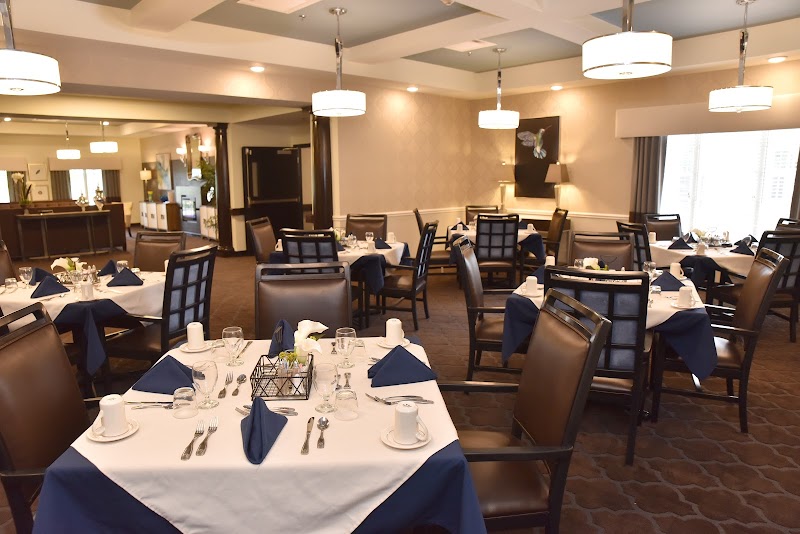
How is Orchard Pointe Health Campus Staffed?

CMS rates ORCHARD POINTE HEALTH CAMPUS's staffing level at 4 out of 5 stars, which is above average compared to other nursing homes. Staff turnover is 32%, compared to the Indiana average of 46%. This relatively stable workforce can support continuity of care.

What Have Inspectors Found at Orchard Pointe Health Campus?

State health inspectors documented 9 deficiencies at ORCHARD POINTE HEALTH CAMPUS during 2023 to 2025. These included: 9 with potential for harm.

Who Owns and Operates Orchard Pointe Health Campus?

ORCHARD POINTE HEALTH CAMPUS is owned by a non-profit organization. Non-profit facilities reinvest revenue into operations rather than distributing to shareholders. The facility is operated by TRILOGY HEALTH SERVICES, a chain that manages multiple nursing homes. With 58 certified beds and approximately 51 residents (about 88% occupancy), it is a smaller facility located in KENDALLVILLE, Indiana.
How Does Orchard Pointe Health Campus Compare to Other Indiana Nursing Homes?

Compared to the 100 nursing homes in Indiana, ORCHARD POINTE HEALTH CAMPUS's overall rating (4 stars) is above the state average of 3.1, staff turnover (32%) is significantly lower than the state average of 46%, and health inspection rating (3 stars) is at the national benchmark.

What Should Families Ask When Visiting Orchard Pointe Health Campus?

Based on this facility's data, families visiting should ask: "Can I visit during a mealtime to observe dining assistance and food quality?" "How do you handle medical emergencies, and what is your hospital transfer rate?" "Can I speak with family members of current residents about their experience?"

Is Orchard Pointe Health Campus Safe?

Based on CMS inspection data, ORCHARD POINTE HEALTH CAMPUS has a clean safety record: no substantiated abuse findings (meaning no confirmed cases of resident harm), no Immediate Jeopardy citations (the most serious violation level indicating risk of serious injury or death), and is not on the Special Focus Facility watch list (a federal program monitoring the lowest-performing 1% of nursing homes). The facility has a 4-star overall rating and ranks #1 of 100 nursing homes in Indiana. While no facility is perfect, families should still ask about staff-to-resident ratios and recent inspection results during their visit.

Do Nurses at Orchard Pointe Health Campus Stick Around?

ORCHARD POINTE HEALTH CAMPUS has a staff turnover rate of 32%, which is about average for Indiana nursing homes (state average: 46%). Moderate turnover is common in nursing homes, but families should still ask about staff tenure and how the facility maintains care continuity when employees leave.

Was Orchard Pointe Health Campus Ever Fined?

ORCHARD POINTE HEALTH CAMPUS has no federal fines on record. CMS issues fines when nursing homes fail to meet care standards or don't correct problems found during inspections. The absence of fines suggests the facility has either maintained compliance or corrected any issues before penalties were assessed. This is a positive indicator, though families should still review recent inspection reports for the full picture.

Is Orchard Pointe Health Campus on Any Federal Watch List?

ORCHARD POINTE HEALTH CAMPUS is not on any federal watch list. The most significant is the Special Focus Facility (SFF) program, which identifies the bottom 1% of nursing homes nationally based on persistent, serious quality problems. Not being on this list means the facility has avoided the pattern of deficiencies that triggers enhanced federal oversight. This is a positive indicator, though families should still review the facility's inspection history directly.