
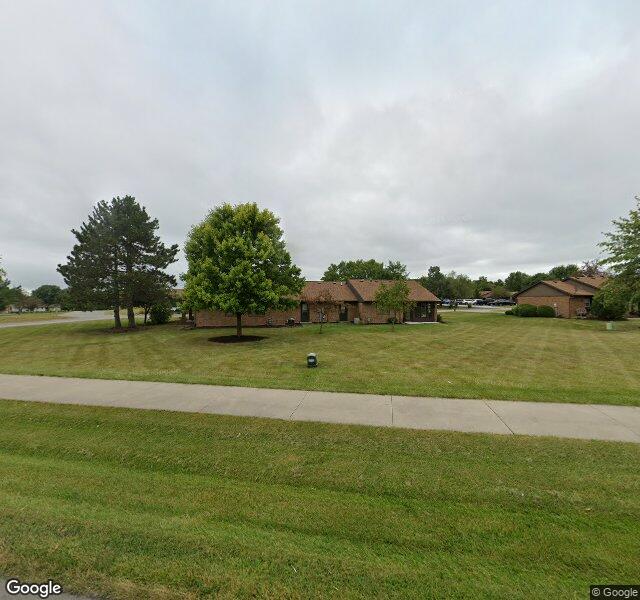
CEDARS THE

14409 SUNRISE CT, LEO, IN 46765 (260) 627-2191
Non profit - Church related 65 Beds ADAMS COUNTY MEMORIAL HOSPITAL Data: November 2025
Trust Grade
45/100
#335 of 505 in IN
Last Inspection: September 2024

Within standard 12-15 month inspection cycle. Federal law requires annual inspections.

Overview

Cedars The nursing home has received a Trust Grade of D, indicating below-average performance with some concerns. It ranks #335 out of 505 facilities in Indiana, placing it in the bottom half of the state, and #23 out of 29 in Allen County, meaning there are only a few better options locally. However, the facility shows an improving trend, having reduced its issues from 8 in 2024 to just 2 in 2025. Staffing is a relative strength, rated 4 out of 5 stars, although the turnover rate of 57% is average, meaning some staff may leave but many remain. Notably, there have been no fines, which is a positive sign. However, there are weaknesses to consider. Recent inspector findings revealed issues such as food contamination risks, with unlabelled and expired items found in the kitchen, which could pose health risks to residents. Additionally, the facility failed to ensure that a Registered Nurse was present for adequate hours on multiple days, which raises concerns about the level of medical oversight available to residents. While there are some strengths, families should weigh these concerns carefully when considering Cedars The for their loved ones.

Trust Score
D
45/100
In Indiana
#335/505
Bottom 34%
Safety Record
Low Risk
No red flags
Inspections
Getting Better
8 → 2 violations
Staff Stability
⚠ Watch
57% turnover. Above average. Higher turnover means staff may not know residents' routines.
Penalties
✓ Good
No fines on record. Clean compliance history, better than most Indiana facilities.
Skilled Nurses
✓ Good
Each resident gets 45 minutes of Registered Nurse (RN) attention daily — more than average for Indiana. RNs are trained to catch health problems early.
Violations
⚠ Watch
24 deficiencies on record. Higher than average. Multiple issues found across inspections.
★★☆☆☆
2.0
Overall Rating
★★★★☆
4.0
Staff Levels
★★★★☆
4.0
Care Quality
★★☆☆☆
2.0
Inspection Score
Stable
2024: 8 issues
2025: 2 issues

The Good

  • 4-Star Staffing Rating · Above-average nurse staffing levels
  • 4-Star Quality Measures · Strong clinical quality outcomes
  • Full Sprinkler Coverage · Fire safety systems throughout facility
  • No fines on record

Facility shows strength in staffing levels, quality measures, fire safety.

The Bad

2-Star Overall Rating

Below Indiana average (3.1)

Below average - review inspection findings carefully

Staff Turnover: 57%

11pts above Indiana avg (46%)

Frequent staff changes - ask about care continuity

Chain: ADAMS COUNTY MEMORIAL HOSPITAL

Part of a multi-facility chain

Ask about local staffing decisions and management

Staff turnover is elevated (57%)

9 points above Indiana average of 48%

The Ugly 24 deficiencies on record

Jun 2025 1 deficiency
CONCERN (D) 📢 Someone Reported This

A family member, employee, or ombudsman was alarmed enough to file a formal complaint

Potential for Harm - no one hurt, but risky conditions existed

Deficiency F0557 (Tag F0557)

Could have caused harm · This affected 1 resident

**NOTE- TERMS IN BRACKETS HAVE BEEN EDITED TO PROTECT CONFIDENTIALITY** Based on interview and record review the facility failed to ensure residents were treated with dignity and respect for 1 of 4 re...

Read full inspector narrative →
**NOTE- TERMS IN BRACKETS HAVE BEEN EDITED TO PROTECT CONFIDENTIALITY** Based on interview and record review the facility failed to ensure residents were treated with dignity and respect for 1 of 4 residents reviewed (Resident B). Findings include: Resident B's record was reviewed on 6/30/25 at 11:30 AM. Diagnosis included major depressive disorder, anxiety disorder and nontraumatic intracerebral hemorrhage. A report, dated 6/18/25, was provided by the Administrator on 6/30/25 at 12:33 PM. The report indicated on 6/19/25, Resident B's family reported they had observed staff talking about Resident B on their camera while care was provided to Resident B on 6/18/25. The family reported staff had indicated Resident B did not like them. An investigation timeline, dated 6/18/25 - 6/19/25, was provided by the Director of Nursing (DON) on 6/30/25 at 11:30 AM. The timeline indicated the following: On 6/18/25, the DON and Administrator met with Certified Nurse Aide (CNA) 2 for discussion of Resident B's care concerns per the family observation on Resident B's room camera. CNA 2 indicated he and CNA 3 had a discussion during Resident B's care regarding Resident B not liking CNA 2. CNA 2 indicated he was not mad or angry but was stating the facts during the conversation in front of Resident B with CNA 3. On 6/19/25, the DON and Administrator spoke with Resident B's family. Resident B's family indicated they had overheard via Resident B's room camera of CNA 2's discussion with CNA 3. The discussion was in regards to Resident B not liking CNA 2. CNA 2 indicated he didn't understand why as Resident B used to be a monk. CNA 2 indicated he thought [NAME] were supposed to show peace and love. CNA 2 nor CNA 3 acknowledged the resident nor attempted to end the conversation. CNA 2's statement, dated 6/19/25, indicated he had asked CNA 3 to help with Resident B's care. During care CNA 2 indicated he confirmed Resident B did not like CNA 2 as he was resistant to care earlier in the day for CNA 2 but not CNA 4 who were in the room together at the time. CNA 2 indicated he was not upset or frustrated with Resident B not liking him. CNA 2 indicated he did acknowledge the camera in Resident B's room to show he was aware of the camera. CNA 2 discussed Resident B with CNA 3 in front of Resident B without acknowledging Resident B. CNA 3's statement, dated 6/19/25, indicated CNA 3 had assisted CNA 2 with Resident B's care per request. CNA 3 indicated when CNA 2 and CNA 3 entered the room, CNA 2 acknowledged the camera with Hi Camera. CNA 3 indicated CNA 2 proceeded to explain Resident B did not like him. CNA 3 indicated she had told CNA 2 she had also had moments where she felt Resident B did not like her but it could be due to cognition and those feelings could be inaccurate. CNA 3 indicated CNA 2 had commented on Resident B's history of being a monk and thought [NAME] were peace and loving. CNA 3 indicated she was trying to help CNA 2 understand feelings may not be intentional and related to CNA 2. CNA 3 did not try to stop the conversation in front of Resident B. During an interview, on 6/30/25 at 10:26 AM, the DON indicated Resident B's family reported concerns regarding care provided by CNA 2 and CNA 3 based on their observations via a camera in Resident B's room. The DON indicated the camera observed CNA 2 discussing with CNA 3 about how Resident B did not like CNA 2 in front of Resident B. Resident B was not acknowledged during the conversation. The DON indicated CNA 3 did not attempt to stop the conversation. During an interview, on 6/30/25 at 12 PM, the Administrator indicated Resident B's family reported concerns regarding CNA 2 and CNA 3 with Resident B's care. The Administrator indicated the family reported concerns via observation on a camera in Resident B's room. The Administrator indicated she reviewed the camera and observed CNA 2 acknowledged the camera and indicated Resident B does not like him upon entering Resident B's room. CNA 2 then had a conversation with CNA 3 in front of Resident B and the camera about how Resident B did not like CNA 2. The Administrator indicated CNA 2 was unprofessional to discuss feelings about Resident B to another staff in front of the resident. The Administrator indicated Resident B was not acknowledged and CNA 3 did not attempt to stop the conversation. During an interview, on 6/30/25 at 12:41 PM, CNA 5 indicated staff should not discuss feelings or resident information in front of residents. CNA 5 indicated conversations in front of residents outside of care are disrespectful to the resident. CNA 5 indicated when she worked with other staff who discussed residents inappropriately in front of resident are told to discuss elsewhere During an interview, on 6/30/25 at 12:30 PM, CNA 6 indicated residents are treated with respect, kindness, spoken to with visible face and privacy is provided. CNA 6 indicated staff should not discuss residents in front of residents. CNA 6 indicated when staff were observed discussing residents in front of residents staff are told to stop the conversation and respect the resident. A policy, dated 2025, titled Resident Rights, was provided by Administrator on 6/30/25 at 12:33 PM. The policy indicated the resident had the right to be treated with dignity and respect. This finding relates to Complaint IN00461891. 3.1-9(a)
Feb 2025 1 deficiency
CONCERN (D) 📢 Someone Reported This

A family member, employee, or ombudsman was alarmed enough to file a formal complaint

Potential for Harm - no one hurt, but risky conditions existed

Accident Prevention (Tag F0689)

Could have caused harm · This affected 1 resident

Based on interview and record review the facility failed to ensure fall interventions were followed for 1 of 3 residents reviewed (Resident B). Findings include: A facility reported incident, dated ...

Read full inspector narrative →
Based on interview and record review the facility failed to ensure fall interventions were followed for 1 of 3 residents reviewed (Resident B). Findings include: A facility reported incident, dated 2/15/25, was provided by the Administrator on 2/17/25 at 10:58 AM. The report indicated Resident B had a fall with resultant fracture involving the distal fibula with no displacement. Resident B's record was reviewed on 2/17/25 at 11:25 AM, diagnosis included: hemiplegia and hemiparesis following cerebral infarction affecting left non-dominant side and dementia. A nursing note, dated 2/15/25, indicated Resident B was found in the bathroom at 9:40 AM alone on the floor due to a self transfer. The note indicated Qualified Medication Aide (QMA) 3 assisted Resident B onto the toilet, exited the room, then found Resident B on the bathroom floor around 10 AM. A nursing note, dated 2/15/25, timed 3:11 PM, indicated Certified Nurse Aide (CNA) 4 noticed swelling and bruising at Resident B's ankle. An X-ray was ordered and indicated a fracture involved the distal fibula with no displacement. A care plan note, dated 2/12/25, indicated a new fall intervention was added to the CNA sheet to not leave Resident B in the bathroom alone/unattended. Resident B's current care plan indicated she was at risk for falls related to confusion, gait/balance problems, incontinence and was unaware of safety needs. During an interview, on 2/17/25 at 11:28 AM, the Administrator indicated on 2/15/25 Resident B was found on the bathroom floor around 9:40 AM due to attempt to self transfer onto the toilet. The Administrator indicated Resident B was assessed and then assisted onto the toilet by QMA 3. The Administrator indicated QMA 3 left Resident B on the toilet alone, exited the room and returned to find Resident B on the floor around 10 AM. The Administrator indicated staff should not have left Resident B on the toilet alone. During an interview, on 2/17/25 at 12:01 PM, CNA 2 indicated fall interventions for resident's at risk for falls are posted in the resident room and/or on the certified nurse aide sheet. CNA 2 indicated a CNA sheet was obtained at the beginning of each shift and as needed. CNA 2 indicated the sheet included resident information regarding assistance needed and special notes, including fall risk/interventions in place for the resident. A current CNA sheet was provided by the Administrator on 2/17/25 at 12:37 PM, the CNA sheet indicated Resident B was a high fall risk and was not to be left in the bathroom unattended/alone. A policy, dated 2024, titled Fall Prevention Program, was provided by the Administrator on 2/17/25 at 12:37 PM. The policy indicated the nurse will indicate on the CNA sheet the resident's fall risk and interventions. 3.1-45(a)
Sept 2024 5 deficiencies
CONCERN (D)

Potential for Harm - no one hurt, but risky conditions existed

Transfer Notice (Tag F0623)

Could have caused harm · This affected 1 resident

**NOTE- TERMS IN BRACKETS HAVE BEEN EDITED TO PROTECT CONFIDENTIALITY** Based on interview and record review, the facility failed to ensure the resident was provided with required transfer information...

Read full inspector narrative →
**NOTE- TERMS IN BRACKETS HAVE BEEN EDITED TO PROTECT CONFIDENTIALITY** Based on interview and record review, the facility failed to ensure the resident was provided with required transfer information for a hospital transfer for 1 of 2 residents reviewed (Resident 37). Findings include: Resident 37's record was reviewed on 9/11/24 at 2:28 PM. Diagnoses included dementia, cognitive communication deficit, gastrointestinal hemorrhage and anemia. Resident 37's Quarterly Minimum Data Set (MDS), dated [DATE], indicated the resident's Brief Interview for Mental Status (BIMS) was 6 (severe cognitive impairment). The MDS indicated Resident 37 was being administered anticoagulants (blood thinners). A Health Status Note, dated 5/31/24 at 12:10 AM, indicated Resident 37 had been transferred to the hospital by an ambulance due to critical laboratory results. An admission summary, dated [DATE] at 11:33 PM, indicated Resident 37 had returned from the hospital at 3:00 PM. A hopsital transfer form was unable to be located in the resident's record for the date of 5/31/24. In an interview, on 9/13/24 at 10:10 AM, Licensed Practical Nurse (LPN) 27 indicated a transfer form should be used each time a resident was sent to the hospital. LPN 27 indicated a copy of the transfer form should be sent with the resident to the hospital. LPN 27 indicated the original transfer form should be placed in the resident's medical record. In an interview, on 9/13/24 at 1:39 PM, the Administrator indicated a hospital transfer form for Resident 37 should have been included in the resident's record but had not been completed by the nursing staff. In an interview, on 9/13/24 at 11:40 AM, the Director of Nursing indicated they were unable to locate a facility hospital transfer policy. 3.1-12(a)(6)(A)
CONCERN (D)

Potential for Harm - no one hurt, but risky conditions existed

Quality of Care (Tag F0684)

Could have caused harm · This affected 1 resident

**NOTE- TERMS IN BRACKETS HAVE BEEN EDITED TO PROTECT CONFIDENTIALITY** Based on interview and record review, the facility failed to ensure physician orders related to a high-risk medication were clar...

Read full inspector narrative →
**NOTE- TERMS IN BRACKETS HAVE BEEN EDITED TO PROTECT CONFIDENTIALITY** Based on interview and record review, the facility failed to ensure physician orders related to a high-risk medication were clarified and followed for 1 of 2 residents reviewed (Resident 37). Findings include: Resident 37's record was reviewed on 9/11/24 at 2:28 PM. Diagnoses included dementia, cognitive communication deficit, gastrointestinal hemorrhage and anemia. Resident 37's Quarterly Minimum Data Set (MDS) dated [DATE] indicated the resident's Brief Interview for Mental Status (BIMS) was 6 (severe cognitive impairment). The MDS indicated Resident 37 was being administered Eliquis (blood thinner). An Order Note, dated 5/21/24 at 12:13 PM, indicated Resident 37 had a moderate amount of rectal bleeding. New orders were obtained from the Nurse Practitioner (NP). The new orders and labs were noted into the facility laboratory (lab) system and Resident 37's medical record. A physician order, dated 5/21/24, indicated Resident 37 was to have blood tests drawn for a complete blood count (counts the different blood cells and hemoglobin (iron) also known as a CBC) and a comprehensive metabolic panel (measures kidney and liver function also known as a CMP) on the next lab day. The physician order indicated a CBC and CMP were to be collected on the next lab day 1 time a day for a positive stool blood test until 5/23/24 at 11:59 PM. A physician order, dated 5/23/24, indicated Resident 37 was to have blood tests drawn for a CBC and a basic metabolic panel (measures kidney function also known as a BMP) on 5/26/24 for gastrointestinal bleeding (GI bleed) for 1 day. A lab report, dated 5/23/24, indicated Resident 37's red blood cell count was 2.68 (normal range is 3.9 to 5.4) and their hemoglobin level was 7.5 (normal range is 12 to 16). A physician order dated 5/24/24 indicated Resident 37's Eliquis was to be held until 5/28/24 and the resident was to be referred for an outpatient blood transfusion. An Order Note, dated 5/24/24 at 9:24 AM, indicated Resident 37's lab results were reviewed by the NP. New orders were received and noted. An Order Note, dated 5/25/24 at 9:49 PM, indicated Resident 37 fell from their wheelchair and had bleeding from their head. Resident 37 was sent to the emergency department due to the resident's high risk for bleeding. An Order Note, dated 5/27/24 at 3:25 AM, indicated a lab technician was at the facility to draw Resident 37's blood for a CMP and a BMP. An Order Note, dated 5/27/24 at 1:07 PM, indicated Resident 37 had a bowel movement that was positive for blood. A lab report, dated 5/27/24, indicated Resident 37's CMP levels were in normal range for the resident. The lab report did not included the CBC results ordered fo 5/26/24. An Order Note, dated 5/28/24 at 12:03 PM indicated the NP was notified of Resident 37's lab results. An Order Note, dated 5/30/24 at 6:38 AM, indicated the physician ordered a CBC in 2 weeks on 6/13/24. A NP Medical Visit note, dated 5/30/24, at 11:51 AM indicated Resident 37's previous blood tests had not been completed as ordered. The NP indicated a STAT (immediate) CBC was to be collected. The NP indicated the STAT CBC order had been discussed with the nursing staff. An Order Note, dated 5/30/24 at 12:46 PM, indicated the NP reviewed Resident 37's CBC results from 5/27/24. An Order Note, dated 5/30/24 at 6:57 PM, indicated the NP ordered outpatient infusion services for Resident 37. Resident 37's Medication Administration Record, dated 5/1/24 through 5/31/24, indicated the resident was to be administered a Eliquis 2 times a day. The MAR indicated the Eliquis had not been administered from 5/24/24 at 4:30 PM through 5/27/24. The Eliquis was resumed on 5/28/24. Resident 37 was administered the Eliquis 2 times a day on 5/28/24, 5/29/24 and 5/30/24. A Health Status Note, dated 5/30/24 at 11:45 PM, indicated Resident 37 had a critical hemoglobin level of 4.6. A Health Status Note, dated 5/31/24 at 12:10 AM, indicated Resident 37 had been transferred to the hospital by an ambulance due to critical laboratory results. An admission summary, dated [DATE] at 11:33 PM, indicated Resident 37 had returned from the hospital at 3:00 PM. A hospital Discharge summary, dated [DATE], indicated Resident 37 was admitted to the hospital on [DATE] with a hemoglobin level of 4.6. Resident 37's hemoglobin level of 5.4 was labeled as a panic result on 5/31/24 at 1:37 AM. In an interview on 9/13/24 at 10:10 AM, Licensed Practical Nurse (LPN) 27 indicated blood thinners should not be given if a GI bleed was suspected or known. LPN 27 indicated a blood thinner that was ordered to be held should not have been resumed until repeat CBC results were known. LPN 27 indicated in the event of a missed CBC; the physician should have been made aware of the missed blood test and to clarify when the blood thinner was to be resumed. In an interview on 9/13/24 at 11:40 AM, the Director of Nursing indicated they were unable to locate a facility policy related to care for a GI bleed. The Facility Assessment, dated 9/4/24, indicated the facility could care for residents who were diagnosed with anemia, residents diagnosed with gastroesophageal reflux (GERD) and residents who were at risk for bleeding. The National Institute of Health (NIH.gov, 2022) indicated a hemoglobin level below 7 requires a blood transfusion 3.1-37
CONCERN (D)

Potential for Harm - no one hurt, but risky conditions existed

Pressure Ulcer Prevention (Tag F0686)

Could have caused harm · This affected 1 resident

Based on observation, interview, and record review the facility failed to ensure hand hygiene was performed during wound care for 1 of 2 residents reviewed (Resident 12). Findings include: During woun...

Read full inspector narrative →
Based on observation, interview, and record review the facility failed to ensure hand hygiene was performed during wound care for 1 of 2 residents reviewed (Resident 12). Findings include: During wound care observation, on 9/11/24 at 10:29 AM, Licensed Practical Nurse (LPN) 5 entered Resident 12's room where a tray of supplies was prepared on the bedside table containing a pair of scissors, dressing supplies, wound cleanser, and Dakins solution. LPN 5 opened the Dakins solution and poured about 10 ml in a plastic cup. She then opened a jar of wound packing, pulled out about 1 inch of packing, cut it with the scissors, and placed the packing in the cup of solution. She poured wound cleanser in another cup and placed a piece of gauze in the cup. LPN 5 removed the dressing and packing for Resident 12's right hip wound and then picked up a prepared plastic cup containing the wound cleanser and cleaned the wound with the gauze, then patted it dry with a dry piece of gauze. No hand hygiene or glove change was observed. LPN 5 picked up the cup of Dakin's solution and had the soaked packing in her hand, beginning to turn her body toward Resident 12 when the activity was stopped. During an interview on 9/11/24 at 10:35 AM, LPN 5 indicated she should have washed her hands and changed gloves before handling the clean dressing materials. She indicated she was not sure about how often hand hygiene and glove changes should be performed in the wound care process. She also indicated she did not know she should clean the scissors prior to use with wound care products. Resident 12's record was reviewed on 9/11/24 at 12:16 PM. Diagnoses included multiple sclerosis, type 2 diabetes without complications, and dermatitis, unspecified. Resident 12's current quarterly Minimum Data Set (MDS) indicated their Basic Interview for Mental Status (BIMS) score was 14 (cognitively intact). The MDS indicated the resident had a stage 4 pressure ulcer. Resident 12's current care plan titled Wound, I have developed an actual pressure injury, indicated the resident had a problem of a stage 4 pressure ulcer on her right buttock, with a goal date of 10/30/24. Interventions included Dakins solution treatment should be administered as ordered. Physician orders dated 8/29/24 indicated Resident 12's right buttock should be washed with baby soap and water and patted dry. A Dakin's solution saturated, one inch packing strip should be packed tightly to the wound, covered with an abdominal pad, kerlix and tape, two times daily. In an interview on 9/11/24 at 12:10 PM, the Director of Nursing indicated LPN 5 should have washed her hands and applied her gloves prior to the procedure, after removing the old dressing, after cleaning the wound and any other time her gloved hands contacted contaminated items. A current policy, dated 2017, titled Dressing a Wound, indicated hand hygiene and applying new gloves should be performed before and after removing a dressing, before and after cleansing the wound, before applying the new dressing, and after the completion of the procedure. 3.1-40
CONCERN (D)

Potential for Harm - no one hurt, but risky conditions existed

Respiratory Care (Tag F0695)

Could have caused harm · This affected 1 resident

**NOTE- TERMS IN BRACKETS HAVE BEEN EDITED TO PROTECT CONFIDENTIALITY** Based on observation, interview, and record review the facility failed to ensure respiratory care was provided according to phys...

Read full inspector narrative →
**NOTE- TERMS IN BRACKETS HAVE BEEN EDITED TO PROTECT CONFIDENTIALITY** Based on observation, interview, and record review the facility failed to ensure respiratory care was provided according to physician's orders for 1 of 2 residents reviewed (Resident 29). Findings include: During an observation and interview, on 9/9/24 at 10:41 AM, Resident 29 was observed lying in bed with an oxygen concentrator positioned near the bed with tubing and a nasal cannula lying on top of the concentrator. The nasal cannula was not contained in a bag. The Director of Nursing (DON) indicated oxygen tubing not in use should be bagged to prevent contamination. During an observation, on 9/10/24 at 10:17 AM, Resident 19's oxygen concentrator was observed positioned near the bed with tubing and a nasal cannula lying on top of the concentrator. The nasal cannula was not contained in a bag. Resident 29's record was reviewed on 9/9/24 at 1:30 PM. Diagnoses included Alzheimer's disease with early onset, dyspnea, unspecified and heart failure unspecified. Resident 29's current significant change Minimum Data Set (MDS) dated [DATE] indicated a Basic Interview for Mental Status (BIMS) should not be done because the resident was rarely or never able to make herself understood. The MDS indicated Resident 29 used supplemental oxygen and did not have recorded occurrences of care refusal. Resident 29's current care plan titled, has shortness of breath, indicated Resident 29 had a problem of dyspnea, with a goal date of 10/10/24. Interventions included to administer oxygen as ordered. Physician orders dated 5/24/23 indicated oxygen should be administered at a rate of 2 liters per minute while lying in bed every shift. Progress notes dated 9/9/24 and 9/10/24 did not indicate any care refusals had occurred. In an interview on 9/11/24 at 9:41 AM, LPN 5 indicated oxygen should be in place at 2 liters per minute for Resident 29 when lying in bed, at bedtime, and for naps. She indicated the tubing should be contained in a plastic bag when not in use. A current policy titled Oxygen Administration dated 9/10/24 provided by the Administrator indicated oxygen should be administered according to physician's orders. 3.1-47(a)(6)
CONCERN (F)

Potential for Harm - no one hurt, but risky conditions existed

Food Safety (Tag F0812)

Could have caused harm · This affected most or all residents

Based on observation, interview, and record review the facility failed to ensure food items were laebled and stored to prevent contamination and hand hygiene was performed consistently. 39 of 39 resid...

Read full inspector narrative →
Based on observation, interview, and record review the facility failed to ensure food items were laebled and stored to prevent contamination and hand hygiene was performed consistently. 39 of 39 residents residing in the facility were served food prepared in the kitchen. Findings include: During an observation and interview on 9/9/24 at 9:16 AM, a container of chopped lettuce was observed in an assembly area with no date on the container. The lettuce was observed to have brown and yellow edges. [NAME] 2 indicated the lettuce appeared old and should not be used. A container of grape tomatoes was observed in the assembly area with no date on the container. A package of polish sausage was wrapped in foil in the freezer with no date found on the package. Bags containing corn, peas and potatoes were also found open with the packaging twisted and tied with a twist-tie in the walk-in freezer with no open dates. [NAME] 2 indicated items should be labeled and dated when opened. A package was observed in the walk-in cooler labeled turkey 9/1-9/7. [NAME] 2 indicated the turkey was expired and should have been thrown away 2 days ago. In the reach in freezer, a large container of Denali caribou ice cream did not have an open date. In the reach in cooler, a bag of shredded cheddar cheese, a bag of parmesan cheese and a bag of whipped topping were open, with the packaging twisted and closed with a twist tie. No dates were found on the packages. In the reach in drink cooler, an open container of iced tea concentrate had an open date of 7/24. [NAME] 2 indicated he did not know if he should use it or not. During an observation, on 9/9/24 at 9:24 AM, Dietary aide 4 was observed returning to the kitchen from the dining area and preparing to perform dishwashing duties. She washed her hands for 7 seconds, then went to the dishwashing station to perform her duties. During an observation, on 9/9/24 at 11:45 AM, [NAME] 2 began the process of pureeing meat for the lunch meal. [NAME] 2 indicated he needed to obtain water to complete the process, exited the kitchen and went to the dining area to obtain the water. No hand hygiene was performed. During an interview, on 9/10/24 at 10:54 AM, the Dietary Manager indicated hands should be washed with soap and good friction for at least 20 seconds and hands should be washed when changing tasks and work areas and after touching a resident. She indicated the cook should have washed his hands before returning to his workstation to finish the puree process. She indicated hand hygiene should be performed when changing workstations and after touching a resident or their belongings. She indicated all food should be labeled and dated when opened. In an interview on 9/13/24 at 12:03 PM the Administrator indicated all residents in the facility were served food consumed in the kitchen. A current policy, dated 2/22/21, titled Safe Food Storage Guidelines provided by the Administrator on 9/11/24 at 8:25 AM indicated all products should be used by expiration date or discarded. A current policy, dated 9/10/24, titled Infection Control Handwashing provided by the Administrator on 9/11/24 at 8:25 AM indicated hand hygiene should be performed before and after handling food, after contact with the resident environment, and before and after assisting a resident with meals. A current policy, undated, titled Handwashing/Handrub indicated staff should rub hands together vigorously for at least 20 seconds during handwashing. 3.1-21(i)3
Aug 2024 2 deficiencies
CONCERN (D) 📢 Someone Reported This

A family member, employee, or ombudsman was alarmed enough to file a formal complaint

Potential for Harm - no one hurt, but risky conditions existed

Investigate Abuse (Tag F0610)

Could have caused harm · This affected 1 resident

**NOTE- TERMS IN BRACKETS HAVE BEEN EDITED TO PROTECT CONFIDENTIALITY** Based on interview and record review, the facility failed to conduct a thorough investigation of an allegation of physical abuse...

Read full inspector narrative →
**NOTE- TERMS IN BRACKETS HAVE BEEN EDITED TO PROTECT CONFIDENTIALITY** Based on interview and record review, the facility failed to conduct a thorough investigation of an allegation of physical abuse for 1 of 3 residents reviewed for abuse (Resident N). Findings include: An incident reported to the Indiana Department of Health, dated 7/30/24, indicated Resident N had complained of severe lower back pain while being provided care by 2 staff members. The resident alleged she had been moved forcefully by the staff and had heard a snap in her back followed by severe pain. She was hospitalized on [DATE] due to the pain. A CAT (a radiology exam) scan completed at the hospital indicated she had an acute compression fracture of her lumbar vertebrae (L3/L4), which required treatment. On 8/16/24 at 1:28 P.M., Resident N's record was reviewed. Diagnoses included paraplegia (paralysis of legs and lower body) due to a progressive neurological disease, diabetes, and weakness. A significant change MDS (Minimum Data Set) assessment, dated 5/1/24, indicated the resident had no cognitive impairment, no moods, behaviors or rejection of care. She had impaired range of motion (ROM) to both her upper and lower extremities and was dependent on staff for toileting, bathing, bed mobility, transfers, and lower body dressing. She required maximal assistance with upper body dressing and personal hygiene. A hospital note, dated 7/30/24, indicated the resident had been hospitalized for increased pain following allegation of staff forcefully transferring her into a wheelchair. She had a mild L3/L4 compression fracture which was treated with vertebroplasty (injection of cement into the fractured vertebrae). A grievance for complaint of care, dated 7/31/24 at 1:00 p.m., indicated Resident N had returned from the hospital and had concerns about her care. She indicated she'd been hospitalized due to a fracture in her back which she alleged occurred due to 2 CNA's (Certified Nurse Aid) moving her back too quickly and hurting her while positioning her in the wheelchair. When asked, the resident indicated she believed it occurred within 24 hours of having the back x-ray ordered. When it occurred, she'd heard her spine crack and had yelled out in pain loudly. She indicated she had reported the incident and increased pain to her nurse within 24 hours and had informed the DON, face to face on 7/26/24. On 8/13/24 at 10:55 A.M., Resident N was interviewed. She was observed seated in her oversized recliner chair in her room. When asked, she indicated she couldn't remember who the staff were who provided care when she hurt her back. She wasn't sure if it was agency staff or facility staff, but she fractured her back when the 2 CNA's moved her too hard and fast. On 8/13/24 at 1:30 P.M., the facility investigation into the allegation of abuse by Resident N was reviewed. The investigation lacked information about staff who had cared for the resident, nor were these staff interviewed. There were no resident interviews completed regarding potential care concerns. On 8/14/24 at 1:13 P.M., the Administrator was interviewed and provided the current facility policy on Abuse Prohibition with steps to be taken if allegations made. The Administrator indicated she had been on an extended leave of absence and not present during the investigation of Resident N's allegation of abuse. Upon receiving an allegation of abuse, an immediate and thorough investigation should be completed. She indicated the investigation of Resident N's allegations had not been conducted thoroughly, according to facility policy, which indicated the following: .Upon the allegation of identification of abuse .it is the policy to assure safety of the resident involved during and after such allegation and to prevent further potential abuse .while the investigation is in progress .3. The Administrator and Director of Nursing will ensure investigation, including interviews, with all residents having the same potential to be affected by the accused person .All staff members on duty at the time of the alleged incident will also be interviewed regarding the witnessing of the alleged abuse. A list of such employees will be provided in the report so no one will be missed in the investigative process This citation relates to Complaint IN00439941, IN00440684, and IN00440721. 3.1-28(d)
CONCERN (D) 📢 Someone Reported This

A family member, employee, or ombudsman was alarmed enough to file a formal complaint

Potential for Harm - no one hurt, but risky conditions existed

Pressure Ulcer Prevention (Tag F0686)

Could have caused harm · This affected 1 resident

Based on interview and record review, the facility failed to develop and implement person-centered interventions to promote healing of pressure ulcers for 1 of 3 residents reviewed for pressure ulcers...

Read full inspector narrative →
Based on interview and record review, the facility failed to develop and implement person-centered interventions to promote healing of pressure ulcers for 1 of 3 residents reviewed for pressure ulcers (Resident N). Findings include: On 8/16/24 at 1:28 P.M., Resident N's record was reviewed. Diagnoses included paraplegia (paralysis of legs and lower body) due to a progressive neurological disease, diabetes, and weakness. A significant change MDS (Minimum Data Set) assessment, dated 5/1/24, indicated the resident had no cognitive impairment, no moods, behaviors or rejection of care. She had impaired range of motion (ROM) to both her upper and lower extremities and was dependent on staff for toileting, bathing, bed mobility, transfers, and lower body dressing. She required maximal assistance with upper body dressing and personal hygiene. She had a new unstageable pressure ulcer (previous MDS assessment, dated 3/13/24, indicated the resident had no pressure ulcers). A Care Area Assessment (CAA), dated 5/14/24, indicated Resident N had an unstageable pressure ulcer to her right buttock which was being monitored and treated. She required assistance with activities of daily living, bed mobility, and care. She had a pressure relieving mattress in place on bed and preventative measures in place to help keep skin intact. Staff assisted her to change positions frequently, treatments done as ordered, and skin assessments completed as ordered. The CAA lacked indication the resident refused treatments or turning/repositioning recommendations. She had no specific written repositioning program. Current care plans were as follows: Dated 1/29/19: The resident preferred to sleep in her recliner and chose not to use the bed. Dated 4/10/24: The resident had developed a stage 4 (Full thickness tissue loss with exposed bone, tendon or muscle. Slough or eschar may be present on some parts of the wound bed. Often includes undermining and tunneling) pressure ulcer to her right buttock due to neurological disease, decreased mobility, weakness, and incontinence. The goal was for the pressure ulcer to heal without complications. Interventions included: administer treatment as ordered; nurse to measure and assess the wound weekly and notify MD as needed; pressure relieving mattress to bed and chair; turn and reposition a minimum of every 2 hours. Dated 5/4/18 and revised 5/14/24: The resident had behaviors which included; being resistant to care; refusing treatments, medication, and care; and making poor self care choices. The goal was to remain safe. Interventions were: care in pairs; document behaviors which were discussed in morning meetings; if more than 2 episodes/month, a behavior management note was to be written; and staff behavior interventions. The care plan lacked indication the resident refused wound treatments and turning/repositioning and lacked interventions to assess reasons for refusals such as pain or time preferences. A health status note, dated 4/10/24 at 11:05 a.m., indicated the resident was observed with an area to her right buttock, which had changed in appearance. The facility wound nurse and NP (Nurse Practitioner) were notified and treatment orders obtained. A Wound Clinic progress note, dated 5/31/24 at 12:30 p.m., indicated the resident's right buttock wound was debrided (mechanically removed dead tissue) and classified as a stage 3 pressure ulcer (Full thickness tissue loss-Subcutaneous fat may be visible but bone, tendon or muscle is not exposed-Slough may be present but does not obscure the depth of tissue loss-May include undermining or tunneling). The facility was to obtain a wound vacuum to be applied to the wound and changed 3 times per week. The resident was to be encouraged to sleep in a bed with a specialty mattress and ROHO cushion obtained for her wheelchair and recliner chair. A Wound Clinic progress note, dated 6/10/24 at 12:45 p.m., indicated the resident had a new wound to her left buttock and continued with the wound vac to her right buttock wound. The resident indicated to the wound clinic facility staff were able to tip her side to side, but felt it could be done more often. Wound clinic recommendations and orders were to add a different adhesive to the base of the right buttock wound and continue with the wound vacuum. A dressing was ordered for a new left buttock wound. The resident was counseled to get her blood sugars below 200, at all times, increase the number of times her blood sugar was checked, continue with protein in her diet and protein shot supplement, and she must offload her ulcers and any other bony prominences every 2 hours. There were no changes made to Resident N's care plan for increased monitoring of blood sugars, turning/repositioning plan, or need for bed with a specialty mattress. A Wound Clinic progress note, dated 6/17/24 at 10:00 a.m., indicated the resident had a new pressure ulcer to her sacrum which measured 0.9 cm length x 0.5 cm width x 0.1 cm depth. Orders were to continue with the wound vacuum to the right buttock pressure ulcer, continue the same treatment to the left buttock wound, and cleanse the pressure ulcer to the sacrum with Kaltostat followed by dressing 3 times per week. She was to continue with eating high protein and her turning program. The TAR (Treatment Administration Record), dated April 2024, May 2024, June 2024, July 2024, and August 2024, indicated the resident refused wound treatments on 5/19/24 and 6/19/24. The TAR, dated June 2024, lacked an order to cleanse the pressure ulcer to the sacrum with Kaltostat followed by a dressing 3 times per week and there was no treatment completed to the sacral wound. A Wound Clinic progress note, dated 6/24/24 at 1:45 p.m., indicated the residents right buttock pressure ulcer measured larger/deeper and was tender to touch. Her left buttock pressure ulcer was unchanged and the sacral pressure ulcer was healed. The wound vacuum was to continue to the right buttock wound and current treatment continued for the left buttock wound. A Wound Clinic progress note, dated 7/19/24 at 1:45 p.m., indicated the resident was seen for continued treatment to her right and left buttock wounds. The wound vac was to continue to the right buttock wound and mepilex dressing applied to the left buttock. Progress notes indicated Resident N refused care/turning/repositioning on the following days: 5/3/24; resident indicated she hadn't needed any care at the time. Staff were to reapproach at a later time. There was no follow up note. 5/9/24; the resident hadn't wanted her wounds measured and dressing changed until after her shower. The wounds were not assessed or dressing changed. 6/19/24; resident refused wound vac treatment because she hadn't wanted to be in pain all night. 6/26/24; the resident refused to get up and go to lunch in activity room because the battery in my wound vac is low and I can't leave my chair. 6/28/24; resident refused left buttock wound change because she hadn't wanted to roll so many times due to the pain. 7/9/24; refused attempts to assist with repositioning and indicated she was ok. 7/10/24; refused to be turned at 8:30 a.m. because she was comfortable in the current position; refused wound care to left buttock due to not wanting to roll so many times. 7/15/24; resident refused to be repositioned at a time staff were wanting her to reposition. 7/22/24; resident refused wound care due to her pain medication worn off and having had a procedure done during the day. On 8/13/24 at 10:55 A.M., Resident N was interviewed. She was observed seated in her oversized recliner chair in her room. A bed with a pressure reducing mattress sat on the other side of the room without linens and personal items strewn across. The resident indicated she slept in her reclining chair which could be sat straight up or laid down completely. She was observed with her right buttock elevated and she indicated there was a pillow below it. She indicated she had a sore on her bottom present since October 2023. She'd had a wound vacuum on it but it had been taken off until her next appointment with the wound clinic on 8/15/24. On 8/14/24 at 1:15 P.M., the Administrator, Director of Nursing (DON) and facility wound nurse were interviewed. All present indicated weekly wound assessments had not been completed per the facility policy. The care plan had not been updated with interventions regarding refusals of wound care and education on consequences of refusals. There had been no specific turning/repositioning program put in place nor further assessments completed when the resident refused to turn/reposition. The resident's new sacral wound identified by the wound clinic and orders given to treat on 6/17/24, should have been implemented, but had been missed. The wound had healed without treatment on 6/24/24. A policy titled Wound Care Guidelines, amended 8/14/24 and provided at 1:13 P.M. by the DON indicated wounds were to be assessed and documented on weekly including measurements and treatments. This Citation relates to Complaints IN00439941, IN00440684, and IN00440721. 3.1-40(a)(1) 3.1-40(a)(2)
Jul 2024 1 deficiency
CONCERN (D) 📢 Someone Reported This

A family member, employee, or ombudsman was alarmed enough to file a formal complaint

Potential for Harm - no one hurt, but risky conditions existed

Quality of Care (Tag F0684)

Could have caused harm · This affected 1 resident

**NOTE- TERMS IN BRACKETS HAVE BEEN EDITED TO PROTECT CONFIDENTIALITY** Based on observation, record review, and interview the facility failed to ensure there was an assessment and documentation of re...

Read full inspector narrative →
**NOTE- TERMS IN BRACKETS HAVE BEEN EDITED TO PROTECT CONFIDENTIALITY** Based on observation, record review, and interview the facility failed to ensure there was an assessment and documentation of resident's dislodged PICC (peripherally inserted central catheter) line (thin, soft tube inserted into a vein in the arm, leg or neck for long-term intravenous antibiotics, nutrition, medications, and blood draws) and PICC line site in 1 of 1 resident reviewed (Resident C). Findings include: An Indiana report form, dated 7/17/24 at 7:01 AM, indicated during morning care Certified Nursing Aide (CNA) 2 noticed Resident C's Peripherally Inserted Central Catheter (PICC) line was out of her arm. The resident indicated she was not sure how it came out. Resident C's record was reviewed on 7/17/24 at 9:42 AM. Diagnoses included sepsis, metabolic encephalopathy, and diverticulitis of the large intestine with perforation and abscess with bleeding. Resident C's current Comprehensive Minimum Data Set (MDS), dated [DATE], indicated her Basic Interview for Mental Status (BIMS) score was 14 (cognitive intact). The MDS indicated she had recent open or laparoscopic (including creation or removal of ostomies or percutaneous feeding tubes, or hernia repair) surgery involving the gastrointestinal tract and required wound care. The MDS indicated the resident was on antibiotics, diuretics, opioids, was on IV medication and had IV access. Resident C's current Care plan, revised 7/11/24, indicated the resident had IV (intravenous) medications related to her infection in the colostomy stoma with a goal she would be free from complications related to her IV therapy with a target date of 10/2/24. Interventions included: 1) If IV infiltrated antidote for vesicant/irritant medication may be infused into the IV catheter prior to removal. 2) If IV infiltrated stop infusion and thoroughly examine the site .remove the cannula, elevate the arm, notify the physician. 3) Change dressing as ordered and observe every shift. 4) Monitor/document/report signs and symptoms of infection as needed. 5) Monitor/document/report signs and symptoms of IV fluid leakage at the insertion site. Physician orders dated 6/25/24 at 22:00 indicated Resident C's PICC line was to be maintained, could be used for law draws, and to apply biopatch to the PICC line. The order was discontinued on 7/17/24. Resident C's Treatment Administration Record (TAR), dated 7/1/24 through 7/16/24 indicated the facility staff documented the resident's PICC line was to be maintained, could be used for lab draws, and to apply biopatch to PICC line days, evenings, and nights except on the following dates: 7/6/24, 7/13/24 on days and 7/5/24, 7/11/24, and 7/16/24 on evenings. A witness statement by CNA 2 indicated she was doing morning care when she noticed Resident C's PICC line was out. She indicated she asked her what happened, and the resident indicated she was not sure, it must had been pulled out. CNA 2 indicated she took the PICC line to Licensed Practical Nurse (LPN) 4 and reported what Resident C told her. In an interview on 7/22/24 at 8:35 AM LPN 4 indicated on 7/17/24 around 6:10 AM CNA 2 brought Resident C's PICC line to her. She indicated CNA 2 indicated the resident had just handed it to her. LPN 4 indicated there was a small amount of dried bright red blood on the tip of the PICC line. LPN 4 indicated she went in the resident's room and checked the site. She indicated the dressing was still intact at the PICC line site on the resident's left upper arm and there was no blood on the dressing. She indicated she did not remove the dressing. She indicated she did not measure the length of the PICC line after it came out of Resident C's arm or document, however she did report the PICC line being out to the physician. No orders were given. In an interview on 7/22/24 at 8:31 AM LPN 3 indicated she observed CNA 2 bring Resident C's PICC line to the nurses' station area and hand it to LPN 4. She indicated she did not observe the resident's PICC line. No progress note could be located relating to the 7/17/24 dislodgement assessment and documentation of Resident C's PICC line and/or left upper mid anterior PICC line site. No information was provided related to the 7/17/24 dislodgement assessment and documentation of Resident C's PICC line and/or left upper mid anterior PICC line site. In an Interview on 7/22/24 at 12:06 PM the Director of Nursing indicated the dislodged PICC Line and the PICC line site should had been assessed and documented and it was not . A current policy, dated 6/24/24, titled, Central Lines Policy/Procedures, provided by the DON on 7/22/24 at 1:43 PM, indicated when a PICC line was discontinued the length of the PICC line, the intactness of the catheter tip, the site appearance, and dressing applied needed to be documented. 3.1-37
Sept 2023 7 deficiencies
CONCERN (D)

Potential for Harm - no one hurt, but risky conditions existed

Deficiency F0583 (Tag F0583)

Could have caused harm · This affected 1 resident

**NOTE- TERMS IN BRACKETS HAVE BEEN EDITED TO PROTECT CONFIDENTIALITY** Based on observation, interview, and record review the facility failed to ensure privacy was maintained for 1 of 6 residents rev...

Read full inspector narrative →
**NOTE- TERMS IN BRACKETS HAVE BEEN EDITED TO PROTECT CONFIDENTIALITY** Based on observation, interview, and record review the facility failed to ensure privacy was maintained for 1 of 6 residents reviewed (Resident 23). Findings include: During an observation on 9/5/23 at 7:54 AM an Indiana Physician's Orders for Scope of Treatment (POST) form was observed taped to the wall above the head of Resident 23's bed. The form contained Resident 23's name, date of birth , a medical record number and orders pertaining to cardiopulmonary resuscitation, medical interventions, antibiotics, and artificially administered nutrition. Resident 23's record was reviewed on 9/6/23 at 11:38 AM. Diagnoses included nontraumatic intracerebral hemorrhage in hemisphere, cortical, expressive language disorder, idiopathic normal pressure hydrocephalus. A review of Resident 23's current annual Minimum Data Set (MDS) dated [DATE] indicated his Basic Interview for Mental Status (BIMS) score was 2 (severely cognitively impaired) and unable to be interviewed. During an interview on 9/6/23 at 11:35 AM, Resident 23's sister who was his Power of Attorney indicated she did not know what the form was or why it was posted in the room. In an interview on 9/6/23 at 11:47 AM, The Social Services Director indicated a prior member of management, no longer employed by the facility had directed staff to hang the POST form above Resident 23's bed. A current policy titled HIPPA Privacy Compliance Summary, undated, provided by the Administer on 9/6/23 at 1:40 PM indicated private health information should be protected and only accessed by authorized personnel. 3.1-3(o)
CONCERN (D)

Potential for Harm - no one hurt, but risky conditions existed

Transfer Requirements (Tag F0622)

Could have caused harm · This affected 1 resident

**NOTE- TERMS IN BRACKETS HAVE BEEN EDITED TO PROTECT CONFIDENTIALITY** Based on record review and interview the facility failed to provide the resident with a written explanation of the Notice of Tra...

Read full inspector narrative →
**NOTE- TERMS IN BRACKETS HAVE BEEN EDITED TO PROTECT CONFIDENTIALITY** Based on record review and interview the facility failed to provide the resident with a written explanation of the Notice of Transfer or Discharge and Bed Hold Policy within 24 hours of a hospital transfer for 1 of 2 residents reviewed for hospitalization. (Resident 25). Findings include: Resident 25's record was reviewed on 9/05/23 at 9:04 AM. Diagnoses included hypo-osmolality, hyponatremia, type 2 diabetes mellitus, and hypertension. A review of Resident 25's current quarterly Minimum Data Set (MDS) dated [DATE] assessment indicated her Basic Interview for Mental Status (BIMS) assessment score was 13 (cognitively intact). A review of Resident 25's census record indicated she was hospitalized [DATE] to 5/20/23. A progress note, dated 5/16/23 at 7:51 PM, indicated Resident 25 had a witnessed fall and was being transported to the hospital. A progress note dated 5/20/23 at 111:27 AM indicated Resident 25 returned to the facility. A review of Resident 25's chart lacked documentation to show a Notice of Transfer or Discharge and Bed Hold Policy Notice was initialed and supplied to the family or resident's representative within 24 hours of discharge of her 5/16/23 hospitalization. A review of Resident 25's census record indicated she was hospitalized [DATE] to 6/19/23. A progress note, dated 6/15/23 at 7:51 PM, indicated Resident 25 was being sent to the hospital due to low sodium. A progress note dated 6/19/23 at 7:18 PM indicated Resident 25 returned to the facility. A review of Resident 25's chart lacked documentation to show a Notice of Transfer or Discharge and Bed Hold Policy Notice was initialed and supplied to the family or resident's representative within 24 hours of discharge of her 6/15/23 hospitalization. In an Interview on 9/07/23 at 1:23 PM, the Administrator indicated the facility failed to provide Resident 25 or her representative with a written explanation of the Notice of Transfer or Discharge and Bed Hold Policy within 24 hours of her 6/15/23 and 5/16/23 hospitalization transfers. A current policy titled Bed Hold Policy, undated, provided by the Administrator on 9/8/23 at 11:40 AM did not refer to providing the resident or her representative with a written explanation of the Notice of Transfer or Discharge and Bed Hold Policy within 24 hours of hospital transfer. No further policies were provided by time of survey exit. 3.1-12(a)(25)(26)
CONCERN (D)

Potential for Harm - no one hurt, but risky conditions existed

Deficiency F0660 (Tag F0660)

Could have caused harm · This affected 1 resident

**NOTE- TERMS IN BRACKETS HAVE BEEN EDITED TO PROTECT CONFIDENTIALITY** Based on interview and record review, the facility failed to ensure the provision of a discharge summary for 1 of 7 residents re...

Read full inspector narrative →
**NOTE- TERMS IN BRACKETS HAVE BEEN EDITED TO PROTECT CONFIDENTIALITY** Based on interview and record review, the facility failed to ensure the provision of a discharge summary for 1 of 7 residents reviewed. (Resident 30). Findings include: Resident 30's record was reviewed on 9/7/23 at 10:00 AM. Diagnoses included partial left foot amputation, osteomyelitis (infection in the bone) of the left ankle and foot, diabetes, irregular heartbeat, heart failure and peripheral vascular disease. A review of Resident 30's current discharge Minimum Data Set (MDS) dated [DATE] indicated their Basic Interview for Mental Status (BIMS) score was 15 (cognitively intact). The MDS indicated the resident had a surgical wound and had been prescribed blood thinners. A review of a physician order dated 7/7/23 indicated the resident required wound care to the left foot weekly and PRN for soiling and/or dislodgement. A review of a physician order dated 6/24/23 indicated the resident had been prescribed Plavix (blood thinner). A review of a physician order dated 6/23/23 indicated the resident was to be monitored for adverse effects of blood thinners such as bruising and excessive bleeding. A review of a social service progress note dated 7/5/23 at 3:17 PM indicated Resident 30's discharge papers had been started. A review of a social service progress note dated 7/7/23 at 8:28 AM indicated Resident 30 was to be discharged to home with home health for wound care, physical therapy (PT) and occupational therapy (OT). The note indicated PT had informed the Director of Nursing of Resident 30's discharge plan. A review of a discharge instruction sheet dated 7/5/23 indicated the social service director had completed a discharge summary. The discharge instruction sheet sections for medications and the nursing discharge summary were blank. In an interview on 9/8/23 at 10:53 AM, the Administrator indicated the nursing department should have provided the resident with discharge instructions for wound care and medications. A current undated policy provided by the Administrator indicated discharge planning concerns would be identified by all disciplines. 3.1-36(a) 3.1-36(a)(1) 3.1-36(a)(2)
CONCERN (D)

Potential for Harm - no one hurt, but risky conditions existed

ADL Care (Tag F0677)

Could have caused harm · This affected 1 resident

**NOTE- TERMS IN BRACKETS HAVE BEEN EDITED TO PROTECT CONFIDENTIALITY** Based on interview and record review the facility failed to ensure the provision of scheduled showers at resident preferance for...

Read full inspector narrative →
**NOTE- TERMS IN BRACKETS HAVE BEEN EDITED TO PROTECT CONFIDENTIALITY** Based on interview and record review the facility failed to ensure the provision of scheduled showers at resident preferance for 1 of 7 residents reviewed. (Resident 10). Findings include: During an interview on 6/6/23 at 9:45 AM Resident 10 indicated they had not been provided with routine showers as scheduled. Resident 10 indicated they signed each shower sheet upon completion of each shower. Resident 10 indicated they signed each shower sheet due to past episodes of the staff lying about skipping the resident's showers and then marking they had refused showers. Resident 10's record was reviewed on 9/6/23 at 10:05 AM. Diagnoses included multiple sclerosis and generalized muscle weakness. Resident 10's current comprehensive Minimum Data Set (MDS) dated [DATE] indicated their Basic Interview for Mental Status (BIMS) score was 15 (cognitively intact). The MDS indicated the resident was totally dependent on the staff for bathing. Resident 10's current care plan indicated the resident had a problem of a self-care deficit due to muscular dystrophy and the inability to bear weight with a goal date of 12/14/23. Interventions included extensive assistance by 2 staff members with showers each Monday and Friday and whirlpools each Wednesday and Saturday. Progress notes dated 7/16/23 at 6:19 PM indicated Resident 10 was to have a shower every Sunday and Thursday evening at 9:00 PM. Resident 10 was to sign a shower sheet when the shower was completed or if the shower was refused. The progress note indicated the resident had refused their shower and signed and dated the shower sheet. Progress notes dated 8/6/23 at 8:54 PM indicated Resident 10 was to have a shower every Sunday and Thursday evening at 9:00 PM. Resident 10 was to sign a shower sheet when the shower was completed or if the shower was refused. The progress note indicated the resident had refused their shower. Progress notes dated 9/3/23 at 8:10 PM indicated Resident 10 was to have a shower every Sunday and Thursday evening at 9:00 PM. Resident 10 was to sign a shower sheet when the shower was completed or if the shower was refused. The progress note indicated the resident had refused their shower. Resident 10's shower review sheets dated July 2023 indicated the resident had signed shower sheets on 7/2/23, 7/6/23, 7/20/23 and 7/30/23. Shower review sheets dated 7/23/23 and 7/27/23 did not portray Resident 10's signature. Resident 10's shower review sheets dated August 2023 indicated the resident had signed shower sheets on 8/6/23, 8/13/23, and 8/27/23. Shower review sheets dated 8/3/23, 8/17/23, 8/24/23 and 8/31/23 did not portray Resident 10's signature. Resident 10's shower review sheet dated 9/3/23 indicated the resident had signed the shower sheet. Resident 10's task sheet indicated the resident was to have a shower every Tuesday, Thursday and Saturday at 5:00 AM. The task sheet indicated the resident was totally dependent with showers on 8/9/23, 8/11/23, 8/25/23 and 9/1/23. The task sheet indicated the resident was independent with a shower on 9/3/23. The task sheet indicated showers were not applicable on 8/13/23, 8/16/23, 8/18/23, 8/20/23, 8/23/23, 8/27/23 and 9/6/23. In an interview on 9/7/23 at 1:18 PM, the Administrator indicated they were unaware of Resident 10's report of not receiving scheduled showers. The Administrator indicated residents were to receive all scheduled showers and refusals of showers should be reported to the nurse and documented. A current undated policy provided by the Administrator indicated residents would receive all scheduled showers. The policy indicated the nurse would be notified if a resident refused their shower. 3.1-38(a)(3)
CONCERN (D)

Potential for Harm - no one hurt, but risky conditions existed

Drug Regimen Review (Tag F0756)

Could have caused harm · This affected 1 resident

**NOTE- TERMS IN BRACKETS HAVE BEEN EDITED TO PROTECT CONFIDENTIALITY** Based on interview and record review the facility failed to ensure pharmacy recommendations were addressed timely for 1 of 5 res...

Read full inspector narrative →
**NOTE- TERMS IN BRACKETS HAVE BEEN EDITED TO PROTECT CONFIDENTIALITY** Based on interview and record review the facility failed to ensure pharmacy recommendations were addressed timely for 1 of 5 residents reviewed. (Resident 12). Findings include: Resident 12's record was reviewed on 9/26/23 at 9:29 AM. Diagnoses included generalized anxiety disorder, unspecified dementia, moderate without behavioral disturbance, psychotic mood disturbance and anxiety, and heart failure, unspecified. Resident 12's current annual, Minimum Data Set (MDS) dated [DATE] indicated her Basic Interview for Mental Status (BIMS) score was 3 (severely cognitively impaired). The MDS indicated Resident 3 received antianxiety medication daily. Resident 12's current Care plan titled Uses Psychotropic Medication indicated the Resident 12 had a problem of risk of adverse effects, with a goal date of 11/30/23. Interventions included pharmacy consultations. Pharmacy Consultation Report dated 6/19/23 provided by the Administrator on 9/7/23 at 3:20 PM indicated a new order to increase Buspar to 5 mg three times daily from 5 mg twice daily had been written on 5/15/23 and had not yet been initiated. A Medical Visit Note dated 5/15/23 indicated the order for Buspar 5 mg twice daily should be discontinued and an order for Buspar 5 mg three times daily should be initiated. Physician orders dated 2/5/23 indicated Buspar 5 mg was ordered to be given twice daily. This order was discontinued 7/18/23. Physician orders dated 7/18/23 indicated Buspar 5 mg was ordered to be given three times daily. In an interview on 9/8/23 at 10:10 AM, Registered Nurse 4 indicated pharmacy recommendations are normally given to the physician or nurse practitioner the next business day and carried out within a few days. He was not sure why the order to change the frequency of Buspar had not been carried out in a timely manner. RN 4 indicated the order should have been carried out within a few days of receiving the pharmacy recommendation. During an interview on 9/08/23 12:25 PM, the Administrator indicated she did not have a policy pertaining to responding to pharmacy recommendations or receiving and transcribing physician's orders. 3.1-25(i)
CONCERN (E)

Potential for Harm - no one hurt, but risky conditions existed

Deficiency F0727 (Tag F0727)

Could have caused harm · This affected multiple residents

Based on record review and interview, the facility failed to ensure a Registered Nurse (RN) worked 8 consecutive hours in the facility 11 days of 60 reviewed. Finding includes: On 9/6/23 at 11:24 AM ...

Read full inspector narrative →
Based on record review and interview, the facility failed to ensure a Registered Nurse (RN) worked 8 consecutive hours in the facility 11 days of 60 reviewed. Finding includes: On 9/6/23 at 11:24 AM staff schedules for the nursing department were reviewed from 8/1/23 to 9/1/23. The staffing schedule for 8/6/23 indicated 2 agency License Practical Nurses (LPN) worked during the 24 hours. No Registered Nurse (RN) worked on 8/6/23 for 8 consecutive hours. The staffing schedule for 8/13/23 indicated 2 agency LPNs worked during the 24 hours. No RN worked on 8/13/23 for 8 consecutive hours. The staffing schedule for 8/20/23 indicated 2 agency LPNs worked during the 24 hours. A RN worked on 8/13/23 for 1.25 hours, not for 8 consecutive hours. The staffing schedule for 8/27/23 indicated 2 agency LPNs worked during the 24 hours. No RN worked on 8/27/23 for 8 consecutive hours. A review of the facility's Payroll Based Journal Report dated 1/1/23 -3/31/23, indicated the facility failed to have an RN working 8 consecutive hours per day during the fiscal quarter on the following days: 2/4/23, 2/07/23, 2/11/23 2/17/23, 2/26/23, 2/27/23 and 2/28/23. In an interview on 9/7/23 at 11:45 AM, the Administrator indicated the facility failed to have a RN on staff every Sunday in August for 8 hours and there should have been. The facility did not have a policy regarding RN staffing hour requirements. No policy was provided by the survey exit. 3.1-17(b)(3)
CONCERN (F)

Potential for Harm - no one hurt, but risky conditions existed

Food Safety (Tag F0812)

Could have caused harm · This affected most or all residents

Based on observation, interview, and record review the facility failed to ensure kitchen sanitation was maintained. 33 of 33 residents currently residing in the facility consumed food prepared in the ...

Read full inspector narrative →
Based on observation, interview, and record review the facility failed to ensure kitchen sanitation was maintained. 33 of 33 residents currently residing in the facility consumed food prepared in the facility kitchen. Findings include: During an observation on 9/5/23 at 6:00 AM a container of buttermilk was observed in the walk-in cooler. The container was about half full and a thick white substance was observed on top of the liquid that was a yellowish white. The date stamped on the container was 8/15/23. A container labeled lemon pudding indicated the expiration date was 9/3/23. A container labeled cherry pie filling indicated the expiration date was 8/22/23. A container labeled marshmallow sauce indicated the expiration date was 9/1/23. A container labeled western dressing was dated 7/13/23- 7/19/23. A container labeled ranch dressing did not have a date. A container stored with the other dressing bottles containing a white liquid did not have a label or date. An open package of salami was dated 8/16/23. 5 containers of salad were dated 9/1/23. In an interview on 9/5/23 at 6:22 AM, [NAME] 2 indicated leftover items should not be stored for more than 3 days. She indicated items should be used or discarded by the expiration date. A shelf underneath a counter in the kitchen area were 9 skillets. The shelf contained multiple brown and tan specks, too many to count, and 2 pieces of dried macaroni. Drip pans underneath the flat top grill were more than half covered in a dried, dark brown substance with multicolored specks and debris from pinpoint to dime sized, too many to count. In an interview on 9/5/23 at 6:25 AM, [NAME] 2 indicated the shelves are normally cleaned at least once a week and as needed. She indicated the shelf should have been cleaned. She indicated she did not know how often the drip pans should be cleaned because she had never done it before. During a record review beginning 9/5/23 at 7:30 AM, Daily Freezer/Refrigerator Temperature Logs were reviewed. On the log labeled Back Cooler, temperatures were not filled out for September 2, 3 and 4. On the log labeled Back Freezer, temperatures were not filled out for September 2, 3 and 4. On the log labeled Walk-in Cooler, temperatures were not filled out for September 2, 3 and 4. On the log labeled Line Cooler, temperatures were not filled out for September 2, 3 and 4. On the log labeled Front Cooler, temperatures were not filled out for September 2, 3 and 4. On the log labeled Front Freezer, temperatures were not filled out for September 2, 3 and 4. During an interview on 9/5/23 at 6:25 AM, [NAME] 2 indicated refrigerator and freezer temperatures should be obtained and logged twice daily with any variances reported immediately to the Dietary Manager. In an interview on 9/5/23 at 6:42 AM, Registered Nurse 4 indicated all residents residing in the facility consumed food prepared in the kitchen. A current policy, undated, titled Shelves and Other Surfaces provided by the Administrator on 9/6/23 at 3:00 PM indicated splashes and spills should be wiped off as they occur. A current policy, undated, titled Daily Cleaning Schedule provided by the Administrator on 9/6/23 at 3:00 PM indicated the range catch pan should be cleaned daily. A current policy, dated 2/22/21, titled Safe Food Storage Guidelines provided by the Administrator on 9/6/23 at 3:00 PM indicated all products should be used by expiration date or discarded. During an interview, on 9/08/23 12:18 PM the administrator indicated the instructions at the top of the Daily Freezer/Refrigerator Temperature Log Received from [NAME] 2 on 9/5/23 at 7:30 AM served as the facility policy for temperature monitoring. The form indicated temperatures should be checked and recorded twice daily. 3.1-21(i)(3)
Aug 2023 1 deficiency
CONCERN (D) 📢 Someone Reported This

A family member, employee, or ombudsman was alarmed enough to file a formal complaint

Potential for Harm - no one hurt, but risky conditions existed

Deficiency F0744 (Tag F0744)

Could have caused harm · This affected 1 resident

**NOTE- TERMS IN BRACKETS HAVE BEEN EDITED TO PROTECT CONFIDENTIALITY** Based on observation, interview and record review, the facility failed to provide dementia care and services for 2 of 3 resident...

Read full inspector narrative →
**NOTE- TERMS IN BRACKETS HAVE BEEN EDITED TO PROTECT CONFIDENTIALITY** Based on observation, interview and record review, the facility failed to provide dementia care and services for 2 of 3 residents reviewed (Resident F and Resident H). Findings include: 1. An Indiana report, dated 7/26/23, indicated Resident F was observed with purple bruising to both forearms. She indicated CNA 3 (Certified Nurse Aide) insisted she get up for breakfast; she hadn't wanted to and began to hit the CNA and told her to leave her alone. On 8/8/23 at 10:20 A.M., Resident F was observed and interviewed in her room where she sat in her wheelchair. She immediately began to pull up her sweater sleeve on the right side and indicated she had bruises from care given by a CNA. She had a large purple bruise to the top of her right hand where her skin was extremely thin. She indicated the bruises kept happening because staff were always in a rush when giving her care. She got angry when they rush or don't listen to her when she says no, so she yelled and tried to hit them. She indicated her current bruises occurred when a CNA tried to get her up for breakfast which she hadn't wanted to do, and had said no. When the CNA continued to get her dressed, she yelled at her, told her to get the hell out of her room and hit her. When asked, she indicated she wanted to get up in the morning between 7:30-8:00 a.m. and go to bed at 7:30 p.m. On 8/8/23 at 11:16 A.M., Resident F's record was reviewed. Diagnoses included dementia, depression, anxiety, delusional disorder and atrial fibrillation. An annual MDS (Minimum Data Set) assessment, dated 5/5/23, indicated the resident had severely impaired cognition but had clear speech and was able to understand others and make herself understood. She had physical behaviors towards others 1-3 days of assessment but had not rejected care. Per resident interview, she indicated it was very important for her to choose her bedtime and do activities of her choice. She was non-ambulatory and required extensive assistance of 2 staff with bed mobility and transfers with a stand up lift. She was prescribed an anticoagulant (decreases blood from clotting; increases risk of bruising) to treat the atrial fibrillation. Care plans included: -3/2/20: The resident had dementia. Interventions included: cue, reorient and supervise as needed; use approaches that maximize her involvement in daily decision making and activities; use cueing and task segmentation; use her preferred name, identify yourself at each interaction, make eye contact, reduce distractions, use consistent, simple directive sentences, provide necessary cues, and stop and return if agitated. -Initiated on 5/5/18 and revised 7/7/23, Resident F had behaviors of delusions/hallucinations, combativeness, verbal and physical aggression, refusal of care, and scratching. Interventions included: The resident's triggers for aggression were new caregivers as well as caregivers who were loud, and don't allow resident time to process. Her behaviors were de-escalated by leaving the room and allowing her to calm down. -8/11/20: The resident had a delusional disorder. The goal was for her to remain safe. Interventions included: Triggers for verbal aggression were, being treated with a sharp tone, hurrying care, and not allowing her to make choices. Her behaviors were de-escalated by leaving the room and allowing her to calm; caregivers may need to be changed; and when she becomes agitated, intervene before agitation escalates, guide her away from source of distress, engage calmly in conversation and if her response is aggressive, staff were to walk away calmly and approach her later. A CNA assignment sheet (directed CNA's how to care for the residents) was provided by the DON (Director of Nursing) on 8/8/23 at 12:00 P.M. The assignment sheet indicated Resident F had dementia and if she started to get aggressive, staff were to ensure her safety, leave the room and get the nurse. The sheet hadn't indicated triggers for her behaviors which were: staff being loud and using a sharp tone of voice, not giving her time to process, hurrying her care and not allowing her to make choices. A Social Services note, dated 7/26/23 at 1:02 p.m., indicated at 11:35 a.m., the resident had been interviewed related to the bruising on her arms. The resident recalled that a girl had tried to get her up out of bed and she hadn't wanted to. The girl wouldn't listen, was bossy, grabbed at her arms and hands, and got her up out of bed. Confidential staff interviews indicated when Resident F said she didn't want to do something, staff needed to leave and re-approach her or she would get angry, lash out, yell, and become combative. When combative in bed, she would try and hit staff and hit her own arms and hands on her transfer bars which caused bruises. Staff weren't aware of when the resident wanted to get up in the morning or go to bed but she was the first one gotten up every morning by the day shift at 6:00 a.m. When questioned, staff indicated behaviors were documented in PCC (Point Click Care-Electronic Health Record) under tasks and behaviors, and care was provided according to the CNA assignment sheet. A written statement by CNA 3, provided by the DON on 8/8/23 at 12:00 p.m., indicated CNA 3 had been trying to put Resident F's pants on while she was lying in bed so she could be gotten up for breakfast. She had explained her plan to the resident. The resident hit her several times, tried to scratch her, and told her to get out of her room or she was going to kill her. CNA 3 finished pulling up her pants and then left the room to get assistance from CNA 5. She hadn't recalled the care sheet indicating the resident could stay in bed and hadn't experienced the behavior from her on other shifts. On 8/8/23 at 1:49 P.M., CNA 5 was interviewed. She indicated CNA 3 came to get her and indicated she needed help getting Resident F up for the day because while trying to put the resident's pants on, she had become combative and tried hitting her. CNA 3 had to hold her hands to finish getting up her pants. She went to the resident's room with CNA 3 where the resident was lying in bed with her lower body dressed and upper body still needing done. Resident F saw CNA 5 and was immediately cooperative and anxious to show her the bruises on her arms. When asked about the bruises, the resident indicated she hit her (CNA 3) and started swinging her arms at CNA 3 and yelled at her to get out of her room. She agreed to get up and was assisted into her wheelchair. CNA 5 reported the behavior and bruises to the charge nurse. CNA 5 indicated she had worked with and observed CNA 3 with other residents and she was very kind and respectful to the residents and they liked her. She indicated Resident F could get angry and combative but was easily redirected if left alone and re-approached. CNA 3 should've left the room as soon as the resident became combative rather than finish the task of pulling up her pants. 2. On 8/8/23 at 3:08 P.M., Resident H's record was reviewed. Diagnoses included dementia, generalized anxiety, depression, restlessness and agitation. A quarterly MDS assessment, dated 7/27/23, indicated the resident had severely impaired cognition and rarely made decisions. She had moderate difficulty with hearing, had clear speech, was able to be understood and usually understood others. She had continuous behaviors of inattention and disorganized thinking. She was non-ambulatory and required extensive assistance of 1 for transfers and 2 staff for toileting. She needed extensive assistance for locomotion in her wheelchair. Care plans included: -7/15/20: The resident had dementia. Interventions included: ask yes/no questions; give her baby doll to hold; keep routine consistent, try to provide consistent care givers; and reminisce using photos of family. -Initiated 4/26/18 and revised 7/7/23, Resident H had behavior problems of wandering/exit seeking, physical and verbal aggression, combativeness, self transfers, and refusals of care. Interventions included: distract when wandering and provide structured activities. Progress notes indicated the following: -7/4/23 at 7:55 a.m., it was reported by the CNA that the resident started yelling and pushing away from the wall when attempted to give shower. The CNA returned the resident to her room without giving a shower due to the behavior. -7/17/23 at 8:02 a.m., the CNA notified the nurse, the resident had been combative during morning care and had hit the CNA with her left inner hand. Staff would monitor for bruising. -7/28/23 at 9:33 p.m., During a skin assessment, the resident was observed with a bruise to her posterior right lower leg. She denied pain. Staff would continue to monitor. -8/4/23 at 8:48 a.m., a Social Service note indicated the resident was on a behavior management program. The program included tracking behaviors in PCC and putting into a daily behavior log, discussing behaviors with IDT (Interdisciplinary Team) in morning meeting, referrals to psychologist as needed, psychotropic review and monthly auditing and monthly behavior meetings with Pharmacist. For the month of July, Resident H had 1 behavior of combativeness. Overall, precipitating events were linked to medical and cognitive antecedents (a thing or event existed before or logically precedes another). Interventions included utilizing dementia protocol, family consult/education, and medication changes. During confidential interviews, staff indicated Resident H was often combative with care which routinely occurred when trying to assist the resident off of the toilet. CNA's documented behaviors in PCC and care was provided according to the CNA assignment sheet. The CNA sheet indicated the resident preferred female caregivers, had dementia, used a wheelchair for mobility, needed assistance of 1 person and was incontinent. Review of PCC for monitoring of behavior symptoms for July 2023, indicated behaviors occurred on the following days/times: -7/3 at 3:59 a.m., yelling/screaming, kicking/hitting, pinching and scratching. At 9:49 p.m., the resident had wandering behaviors. -7/10 at 9:59 p.m., yelling/screaming. -7/16 at 1:58 a.m., kicking/hitting, grabbing and pinching/scratching. -7/17 at 12:24 p.m., yelling/screaming, kicking/hitting and pinching/scratching. -7/18 at 1:05 p.m., yelling/screaming and kicking/hitting. On 8/9/23 at 1:45 P.M., the Social Services Director (SSD) was interviewed. She indicated nurses were to document behaviors in PCC in progress notes. She would review the progress notes daily and log them into a behavior log she maintained. New behaviors would then be discussed in morning meetings. She indicated the facility behavior management team was loosely organized and revolved around GDR's (gradual dose reduction of psychotropic medications) with the psychiatric NP (Nurse Practitioner) and hadn't met regularly. When questioned, she was not aware CNA's were documenting behaviors in PCC and hadn't known Resident H had behaviors other than the 1 episode documented in the progress notes. She indicated the facility used dementia protocol that was non-specific nor person-centered. When cause of dementia related behaviors were known, individualized interventions were placed on the care plan. The SSD indicated the cause of Resident F's dementia related behaviors were well known and documented on the care plan. The staff were expected to know and follow the plan. On 8/9/23 at 2:01 P.M., the DON was interviewed. She indicated nurses were to document behaviors in PCC progress notes. She was not aware CNA's documented behaviors in PCC. She hadn't been aware of Resident H's behaviors or the bruise that had been found on 7/28. She indicated the bruise could have occurred when being provided care. However, Resident F's dementia related behaviors had been extensively documented and staff were aware of her behavior interventions. The interventions included giving her choices, leaving and re-approaching her when she was agitated or combative. A copy of an undated form, titled Dementia Protocol was provided by the Administrator on 8/8/23 at 2:00 P.M., which listed 16 non-specific, generalized dementia care interventions which included: 6. Offer resident choices when possible .8. When agitated, remove yourself, if you are the focus of their agitation. You may find they calm down quickest alone .13. do not challenge, confront or argue with the resident-it will only confuse and anger the resident-power struggles are always a lose-lose situation .16. Demented often mimic your mood. Role model what you want back. On 8/9/23 at 1:59 P.M., the SSD provided a current copy of an undated policy, titled Behavior Management Policy. The policy indicated the following: It is the intent of the [NAME] to implement the 'Behavior Management' policy when any resident's behavior meets the below 'problematic' criteria. Staff at the [NAME] will identify and refer problematic behaviors which meet the criteria to the Behavior Management Team (BMT) either through documentation in PCC, verbally, or through the Social Service Referral Form .The BMT will review the reported new, continuing and/or worsening problematic behavior being exhibited to determine possible causes, precipitating, and/or contributing factors, and possible assessment and/or interventions needed. An individualized behavior care plan addressing the resident's behavior will be developed upon the completion of the assessment process. The [NAME] will maintain a BMT which will be responsible for tracking, monitoring, and reviewing the behavior and effectiveness of interventions. Criteria: The [NAME] considers resident behavior to be potentially problematic when: the behavior presents a risk of danger and/or harm to the resident .or others; the behavior significantly reduces staff's ability to provide care .infringes on the rights or dignity of others .Nursing or Social Services will document the behavior in PCC .The IDT will discuss any new, continued, or worsening behavior in the morning clinical meeting .The BMT will meet at least weekly to review and discuss behaviors .Individualized Behavior Care Plans will be created by Social Services and revised and monitored by MDS Coordinator .Monthly Behavior Management notes for resident's behavior that occurred over the previous month will be documented in PCC by Social Services This Federal tag relates to Complaint IN00413820. 3.1-37
May 2023 1 deficiency
CONCERN (D) 📢 Someone Reported This

A family member, employee, or ombudsman was alarmed enough to file a formal complaint

Potential for Harm - no one hurt, but risky conditions existed

Comprehensive Care Plan (Tag F0656)

Could have caused harm · This affected 1 resident

Based on observation, interview and record review, the facility failed to address siderail use in the care plan for 1 of 3 residents reviewed (Resident G). Findings include: On 5/5/23 at 10:35 A.M., R...

Read full inspector narrative →
Based on observation, interview and record review, the facility failed to address siderail use in the care plan for 1 of 3 residents reviewed (Resident G). Findings include: On 5/5/23 at 10:35 A.M., Resident G and his POA were interviewed. The resident was observed lying in bed with a quarter siderail on the upper right side of his bed and no side rails on the left side. The POA indicated concern with a CNA (Certified Nurse Aide) who had come into the resident's room, lowered the siderail and walked away. The POA indicated the resident was paralyzed on the left side, was right handed, and used the siderail for safety due to dizziness and sense of falling. Resident G would have tremors of his right hand and become upset if he didn't have the rail up for his security. The POA indicated when the CNA put down the siderail, the resident had tried to grab the overbed table next to the bed with his right hand but the CNA moved the bedside table out of the way. He was unable to hold himself and his sense of security was lessened. The resident then became angry and verbal with the CNA. On 5/5/23 at 12:50 P.M., Resident G's record was reviewed. Diagnoses included history of stroke, expressive language disorder, dementia, anxiety and depressive disorders. Care plans indicated the following: -11/4/22: The resident had an ADL self-performance deficit due to history of stroke. Interventions included: provide assistance from staff as needed for bed mobility and repositioning. -11/4/22: The resident had a communication problem related to history of stroke with aphasia. Interventions were to anticipate and meet his needs and provide a safe environment. The care plans hadn't indicated the resident required use of a quarter siderail to the right side of his bed for his safety and sense of security. On 5/5/23 at 10:50 A.M., CNA 3 was interviewed. During the interview, she indicated Resident G had issues with feeling as if he were falling and required use of the quarter siderail for safety. The resident was paralyzed on the left side and used his right hand to grasp the bedrail on his right side for security. The CNA indicated he would get upset if he couldn't hold the siderail when being turned. On 5/8/23 at 9:42 A.M., the Director of Nursing (DON) was interviewed. She indicated Resident G had issues with his sense of balance and would feel as if he were falling even while lying in bed. He required use of the quarter siderail on his right side for his sense of security and safety. She indicated Resident G's POA had reported the resident had been upset when a CNA had put down his siderail and walked away from the bed. She had viewed the videotape. She indicated use of the quarter siderail should have been on his care plan for facilty as well as agency staff to review and ensure the siderail remained up whether providing care or when he was just lying in bed. A current policy, titled Care Plans was provided by the DON on 5/8/23 at 12:00 P.M. which stated: A comprehensive medical case management plan is to be developed .after the intake process and needs assessment have been completed .At a minimum a care plan is to: Identify client's issues, problems or concerns related to medical care, medication adherence and other issues based upon needs assessment This Federal tag relates to Complaint IN00405571. 3.1-35(a)
Mar 2023 2 deficiencies
CONCERN (D) 📢 Someone Reported This

A family member, employee, or ombudsman was alarmed enough to file a formal complaint

Potential for Harm - no one hurt, but risky conditions existed

Free from Abuse/Neglect (Tag F0600)

Could have caused harm · This affected 1 resident

**NOTE- TERMS IN BRACKETS HAVE BEEN EDITED TO PROTECT CONFIDENTIALITY** Based on observation, interview and record review, the facility failed to implement interventions to prevent physical abuse for ...

Read full inspector narrative →
**NOTE- TERMS IN BRACKETS HAVE BEEN EDITED TO PROTECT CONFIDENTIALITY** Based on observation, interview and record review, the facility failed to implement interventions to prevent physical abuse for 1 of 3 residents reviewed (Resident P). Findings include: An Indiana report, dated 2/22/23, indicated Resident P reported abuse by staff on the night shift. The resident had a raised, round, deep purple bruise with a pencil thick [NAME], approximately 6 inches long, on her right forearm. Her left forearm had a 5-6 inch round to oval shaped bruise with a small skin tear at the edge. She reported staff hit and scratched her. She had requested a different caregiver but staff hadn't gotten anyone else to help her. On 3/9/23 at 10:17 A.M., Resident P was interviewed in the presence of the Social Service Director (SSD). The resident was able to answer questions appropritely. The resident was initially guarded but spoke up after being reassured the CNA's (Certified Nurse Assistant) involved in the incident would never return to the facility. She was angry staff had been rough with her and indicated if she'd had a gun, she'd have shot them. Staff told her to turn over while she was laying in bed. It took her some time to turn because she had to get her feet right but they just roughly rolled her over. When questioned, she indicated she hadn't felt good about being in the facility and felt afraid. After exiting the room, the SSD indicated it had been the first time since the incident the resident had indicated she was fearful and hoped the CNA's would never come back. On 3/9/23 at 11:43 A.M., Resident P's record was reviewed. Diagnoses included dementia, major depressive disorder, generalized anxiety disorder, and delusional disorder. A quarterly MDS (Minimum Data Assessment), dated 2/4/23, indicated the resident had severely impaired cognition. She had no mood indicators, delusions or behaviors. She was non-ambulatory and required extensive assistance of 2 staff for bed mobility and transfers. Care plans indicated the following: -7/22/22 was a trauma care plan with the potential and/or actual psychosocial harm due to history of care giver abuse and poor historian. Goals included: the resident would have no indications of psychosocial well being problems and would verbalize feelings related to emotional state. Interventions were: allow her time to answer questions and verbalize feelings, perceptions, and fears; consult with pastoral care, social services and psychiatric services as needed; encourage participation in decisions; and when conflict arises, remove her to a calm, safe environment and allow to vent/share feelings. -3/28/22 was for anxiety. The goal was to be free of fear and/or anxiety. Interventions included: provide care in a calm and reassuring manner. A progress noted, dated 2/22/23 at 1:10 p.m., indicated at approximately 8:20 a.m., the resident reported abuse by the night shift staff. The resident was interviewed and skin assessment completed. The resident stated I am always getting attacked, I don't know if I will make it out of her alive before my house is built. There are too many bad people in this world. Physician and Nurse Practitioner (NP) notes were as follows: -2/24/23 at 11:17 a.m., the NP was asked to see the resident after a recent incident. The resident was pleasantly confused with dementia but able to answer questions appropriately. She denied feeling unsafe, tearful, or anxious. The plan was to increase her anti-anxiety medication, monitor her response, and note any changes in her moods or behaviors. -2/27/23 at 2:39 p.m., the psychiatric NP was asked to visit the resident after an episode involving the resident and staff. She was pleasantly confused, indicated she felt safe, was sleeping well, but was feeling angry because she hadn't given them what they had coming. She had a past history of delusions but none reported recently. No changes were made to her plan of care. -2/28/23 at 9:07 p.m., the resident's physician was asked to visit the resident due to bruising on her forearms. The resident indicated that caregivers had been rough with her and bruised her arms. Plan: bruising was reported to the State as abuse by the nursing staff. The resident was doing well, no bleeding, no loss of range of motion and would be treated further if needed. On 3/9/23 at 11:01 A.M., the Director of Nursing was interviewed. She indicated, staff present on the night shift when the alleged abuse occurred, were all agency staff-a nurse and 2 CNA's. The agencies where staff had come from were notified of the allegations and told the CNA's were not allowed to return to the facility due to allegations of abuse and bruises/[NAME] found on the resident who made the allegations. She indicated the agency nurse-RN 2 (Registered Nurse), who'd worked the night shift when the incident allegedly occurred, had left a note for her in the morning, indicating CNA 5 and CNA 7 hadn't completed care as instructed. CNA 5 hadn't followed any requests made or direction given-she never stated she wouldn't do something, she just hadn't done it. RN 2 hadn't been aware of the allegations nor had she witnessed any abuse. 3/9/23 at 2:56 P.M., CNA 5 was interviewed by phone. She indicated Resident P had been resistive to care and had refused to allow her to change her. She left the room, finished up her bed checks and re-entered the resident's room with CNA 7. She indicated at that time, the resident allowed her and CNA 7 to complete her care. A current policy, provided by the Administrator on 3/9/23 and titled Primary Policy of Abuse Prohibition, stated the following: It shall be the policy of the [NAME] to assure that all residents of this facility are free from abuse, neglect, misappropriation of resident property, exploitation, corporal punishment, involuntary seclusion, and any physical or chemical restraint not required to treat the resident's medical symptoms This Federal tag relates to Complaint IN00402374. 3.1-27(a)(1)
CONCERN (D) 📢 Someone Reported This

A family member, employee, or ombudsman was alarmed enough to file a formal complaint

Potential for Harm - no one hurt, but risky conditions existed

ADL Care (Tag F0677)

Could have caused harm · This affected 1 resident

Based on interview and record review, the facility failed to ensure showers were provided for 1 of 1 residents reviewed (Resident T). Findings include: On 3/13/23 at 11:35 A.M., Resident T, who serves...

Read full inspector narrative →
Based on interview and record review, the facility failed to ensure showers were provided for 1 of 1 residents reviewed (Resident T). Findings include: On 3/13/23 at 11:35 A.M., Resident T, who serves as the Resident Council President, indicated she had not been getting her showers and was upset about it. The resident had spoken with the Director of Nursing (DON) on 3/11/23 and was told she would get a shower that evening but wasn't given one. She was to get showers on 3rd shift at 5 a.m. on Tuesday, Thursday, and Saturdays. She indicated when she was given a shower, she would sign off on the facility shower sheet that she had received one. She indicated it had been 3 weeks since her last shower. A quarterly MDS (Minimum Data Set) assessment, dated 12/17/22, indicated the resident had no cognitive impairment. She had a progressive neurological condition which required her to have extensive assistance of 2 staff for her activities of daily living. For bathing, she required only physical assistance with transfers into the shower. On 3/13/23 at 11:41 A.M., the DON was interviewed. She indicated she had spoken with Resident T about her showers on 3/11/23 and had instructed staff to give her a shower in the evening which was not done. Shower sheets, provided by the DON, indicated the resident had been offered and refused a shower on 2/28/23 but would take one on 3/1 or 3/2/23. A shower sheet, dated 3/2/23, didn't indicate if the resident had been given a shower. The DON indicated the shower sheets were used as skin monitoring tools to be completed when showers given. Actual showers provided were to be documented in the electronic medical records by the CNA's (Certified Nurse Assistant). Review of electronic shower documentation indicated the resident hadn't been given a shower since 2/17/23. On 3/13/23 at 1:27 P.M., the charge nurse, RN 9 (Registered Nurse) was interviewed. She indicated the resident's showers had been an issue. Resident T's shower took an hour to complete and there wasn't always enough staff to provide that amount of time to 1 resident. RN 9 indicated they had changed the resident's shower schedule off of 1st shift due to staffing and had thought putting it onto 3rd shift would ensure they got done, however, staffing on 3rd shift was challenging and the resident hadn't always received her showers as scheduled. 3.1-38(b)(2)
Nov 2022 1 deficiency
CONCERN (D) 📢 Someone Reported This

A family member, employee, or ombudsman was alarmed enough to file a formal complaint

Potential for Harm - no one hurt, but risky conditions existed

Free from Abuse/Neglect (Tag F0600)

Could have caused harm · This affected 1 resident

**NOTE- TERMS IN BRACKETS HAVE BEEN EDITED TO PROTECT CONFIDENTIALITY** Based on record review, and interview the facility failed to ensure a resident was free from abuse for 1 of 3 residents reviewed...

Read full inspector narrative →
**NOTE- TERMS IN BRACKETS HAVE BEEN EDITED TO PROTECT CONFIDENTIALITY** Based on record review, and interview the facility failed to ensure a resident was free from abuse for 1 of 3 residents reviewed. (Resident B). Findings include: On 11/22/22 at 9:48 AM , Resident B's record was reviewed. Diagnoses included atherosclerotic heart disease of the native coronary artery without angina pectoris, permanent atrial fibrillation, cerebral infarct without residual deficits, recurrent moderate major depressive disorder, delusional disorders, generalized anxiety disorder, and difficulty walking. Resident B's Minimum Data Set (MDS) assessment, dated 11/4/22, indicated her Brief Interview for Mental Status (BIMS) score was a 5, she is alert, oriented to self, and has poor memory recall. Resident B was unable to recall the incident. The resident is incontinent of bladder and bowel and requires assistance of 1-2 people for care. The resident's progress notes, dated 11/14/22 at 8:34 AM, indicated a staff Certified Nursing Assistant (CNA) informed RN 2, she found a bruise on Resident B's forearm. An agency RN stated, the resident was fighting the CNA's this weekend. The RN 2 informed the Director of Nursing (DON). Resident B was interviewed by the Social Services Director. The resident indicated 2 large women of color tried to change her diaper after she returned to her room from a dance. She indicated she told them not to touch her and they would not listen and changed her. The Social Services Director noted the resident had a history of trauma. On 11/14/22 at 12:05 AM, a Skin Observation Tool was completed. The tool indicated Resident B had 3 areas of bruising : 1) Suspected deep tissue injury on left elbow 3cm x 3cm (noted: left arm bruise more related to resident skin condition, there is a small patch of eczema to this area) , 2) Suspected deep tissue injury on back of right hand 3cm x 1.5cm, and 3) Suspected deep tissue injury on back of left hand 3cm x 1.5cm. On 11/22/22 at 9:23 AM, the Administrator provided a file containing an investigation into the allegation of abuse against Resident B. The file contained documentation the facility reported to the Indiana State Department of Health on 11/14/22. An Incident Report, dated 11/14/22 indicated the resident had bruising to both thumbs and the back of both hands. The Daily Nursing Staff Schedule was reviewed. The Schedule indicated the charge nurse from 10 PM to 6:30 AM on 11/11/22, 11/12/22 and 11/13/22 was LPN 3, an agency nurse. The Schedule indicated the CNAs from 10 PM to 6:30 AM on 11/11/22 were CNA 4 for 200/400 hall and CNA 6 for the 300 hall (both agency staff). The Schedule indicated the CNAs from 10 PM to 6:30 AM on 11/12/22 were CNA 4 (agency staff) for 200/400 hall and CNA 7 for the 300 hall. The Schedule indicated the CNAs from 10 PM to 6:30 AM on 11/13/22 were CNA 6 (agency staff) for 200/400 hall and CNA 7 for the 300 hall. A statement regarding Resident B's bruising by CNA 4, dated 11/15/22 at 3:13 PM, was reviewed. CNA 4 indicated on 11/13/22 at approximately 4:45 AM, she had begun to roll Resident B to her side when the resident yelled, get off me and stop. She indicated she stopped and requested LPN 3 to assist her. LPN 3 rolled the resident towards herself, CNA 4 provided peri care, rolled her back over and the resident began swatting at LPN 3. A statement, dated 11/14/22, by the DON was reviewed. The statement included an interview between the DON and LPN 3 Licensed Practical Nurse (LPN). LPN 3 indicated Resident B was swinging at CNA 4 and she went to the room to calm the resident down. She indicated she held the resident's hands down so the CNA could provide peri care and change her sheets. In an interview on 11/22/22 at 1:02 PM, the DON indicated she advised the agency LPN 3 could not return to their facility to work. On 11/22/22 at 11:25 AM, a current policy titled The [NAME] Primary Policy of Abuse Prohibition, dated 11/2022, provided by the Administrator, indicated the policy would assure all residents in the facility would be free from abuse including physical, verbal and mental abuse. Abuse was defined as willful infliction of injury, unreasonable confinement, intimidation, or punishment that resulted in physical harm, pain, or mental anguish. This Federal tag relates to Complaint IN00394592. 3.1-27(a)(b)
Nov 2022 2 deficiencies
CONCERN (D)

Potential for Harm - no one hurt, but risky conditions existed

Resident Rights (Tag F0550)

Could have caused harm · This affected 1 resident

**NOTE- TERMS IN BRACKETS HAVE BEEN EDITED TO PROTECT CONFIDENTIALITY** Based on interview, observation, and record review the facility failed to ensure 1 of 2 residents reviewed had adequate time to ...

Read full inspector narrative →
**NOTE- TERMS IN BRACKETS HAVE BEEN EDITED TO PROTECT CONFIDENTIALITY** Based on interview, observation, and record review the facility failed to ensure 1 of 2 residents reviewed had adequate time to finish her meal. (Resident 7) Findings include: In an observation, on 11/7/22 at 12:46PM, Resident 7 was sitting in the dining room. A conversation was overheard. Resident 7 was told I will give you 3 minutes to finish this food then I am taking it away. At 12:48PM, Resident 7 was screaming. Resident 7 was in her wheelchair, holding tightly to a napkin. No food was on the table in front of her. CNA 1(certified nursing assistant) was standing on her right hand side pulling on the cloth napkin. An activity staff entered the dining room. The CNA 1 told the activity staff Resident 7 was having a behavior due to wanting the cloth napkin. In an interview on 11/7/22 at 12:49PM, CNA 1 indicated Resident 7's food was removed due to her playing in it. The CNA indicated Resident 7 put her cake in her milk and it looked disgusting. CNA 1 indicated Resident 7 was not going to eat any more of her food. CNA 1 could not determine any factors other than playing in the food to indicate Resident 7 was finished eating. CNA 1 indicated Resident 7 did not ask for food to be removed or state she was finished eating. CNA 1 indicated she was unsure if Resident 7 was given a time frame to complete meals or had care plan in place to determine when her food was to be removed. CAN 1 indicated Resident 7 frequently had behaviors of screaming due to her diagnosis of dementia. In an interview on 11/7/22 at 3:15PM, the DON (Director of Nursing) indicated CNA 1 was frequently assigned agency staff. The DON indicated she spoke with CNA 1 regarding the incident and did teaching. The DON indicated CNA 1 was task focused and possibly rushing Resident 7 to move on to the next task. The DON indicated Resident 7 had the right to sit at the table for hours if she chose. Resident 7's record review, began on 11/7/22 at 3:22PM, indicated her diagnosis included dementia, chronic obstructive pulmonary disease, anemia, sleep disorder, anxiety, and agitation. Resident 7's care plan did not specify any time frame or other parameters regarding meals. A review of Residnet 7's progress notes indicated there was no documentation of the screaming incident on 11/7/22. Resident 7's care plan included the following problems and interventions: A problem of at risk for nutritional status alteration related to body mass index and she dislikes wasting food. One of the interventions to the problem was to honor Resident 7's preferences as expressed. Resident 7 had a problem of behaviors including wandering, verbal, and physical aggression, and refusing care. Interventions included behavior monitoring and discussion in morning meetings of the behaviors from the previous day. Resident 7 had a problem of communication related to hearing deficit and dementia. Interventions included she comprehended best when things were written down, and allow time to respond and not rush Resident 7. Resident 7 had a problem of arthritis, interventions included encourage to ingest adequate nutrition and hydration. Resident 7 had a new problem added on 11/7/22 related to psychosocial well being and eating her meals slowly. The psychosocial problem interventions included to allow time to answer questions and verbalize feelings, perceptions, and fears; and assist to an alternative eating area with nursing supervision. Resident 7 had a physician's order for nutrition supplement high calorie four times a day in September of 2022. Resident 7's most current quarterly MDS (minimal data set) assessment dated [DATE] indicated a BIMS (Brief Interview for Mental Status) score to reflect the resident was severely cognitively impaired. Mood was documented as zero mood disturbances. Resident 7's behavior documented no hallucinations, no delusions, no physical behavior symptoms towards others, no verbal symptoms towards others, no behavior symptoms towards self, no rejection of care, and no wandering. In an interview on 11/9/22 at 11:30AM, the SSD (social services director) indicated she relies on progress notes and behavior tracking to identify resident needs or concerns. The SSD indicated she was not fully aware of the incident on 11/7/22 and a note should have been in Resident 7's progress notes describing the incident. Resident 7's progress notes dated 11/2/22 through 11/8/22 had no behaviors documented. On 11/9/22 at 12:34PM the DON documented a late entry note regarding the incident on 11/7/22. A current policy titled Nursing Responsibilities at Meal Service was provided by the Administrator on 11/9/22 a 11:42AM. The policy indicated nursing services would offer substitutes for refused food. In an interview on 11/9/22 at 12:59PM, the Administrator indicated no policy for resident rights was available. 3.1-3(t)(u)(1) 3.1-32(a)
CONCERN (D)

Potential for Harm - no one hurt, but risky conditions existed

Medication Errors (Tag F0758)

Could have caused harm · This affected 1 resident

**NOTE- TERMS IN BRACKETS HAVE BEEN EDITED TO PROTECT CONFIDENTIALITY** Based on interview and record review, the facility failed to ensure side effects of psychotropic medications were monitored for ...

Read full inspector narrative →
**NOTE- TERMS IN BRACKETS HAVE BEEN EDITED TO PROTECT CONFIDENTIALITY** Based on interview and record review, the facility failed to ensure side effects of psychotropic medications were monitored for for 3 of 3 residents reviewed. (Resident 17, Resident 20, and Resident 34) Findings include: 1. A record review on 11/3/22 at 2:20 p.m. indicated Resident 17 had diagnoses of delusional disorder, dementia, generalized anxiety disorder, and major depressive disorder. A quarterly Minimum Data Set assessment dated [DATE] indicated the resident had severe cognitive impairment. A physician order dated 7/18/22 indicated the resident was to be administered Buspar (antipsychotic medication) 5 milligrams (mg) three times a day. A medication administration record (MAR) dated October 2022 indicated the resident was administered Buspar 5 mg. three times a day. The October 2022 MAR did not indicate the resident was to be monitored for side effects from Buspar. During an interview on 11/7/22 at 9:45 a.m., the Director of Nursing (DON) indicated the resident should be monitored for side effects of Buspar. 2. Resident 20'srecord review began on 11/7/2022 at 11:40 AM. Diagnosis included, Alzheimer's disease, unspecified psychotic disorder with delusions due to known physiological condition, and major depressive disorder recurrent. A physician order dated 9/21/2022, indicated to give Seroquel tablet 2.5 mg (antipsychotic) 0.5 mg tablet by mouth one time a day related to psychotic disorder with delusions due to known physiological condition. A current care plan, indicated Resident 20 used psychotropic medications. The goal for Resident 20 was to remain free of psychotropic drug related complications, including movement disorder, discomfort, hypotension, gait disturbance, constipation/impaction or cognitive/behavioral impairment through the review date. The interventions inclued administer psychotropic medications as ordered by physician, monitor for side effects, effectiveness every shift, consult with the pharmacy, medical doctor to consider dosage reduction when clinically appropriate at least quarterly, and discuss with medical doctor, family regarding ongoing need for use of medication. A review of the most recent AIMS (abnormal involuntary movement scale) dated 4/28/2021, to monitor involuntary movements due to use of antipyschotic drugs, indicated there was not a current AIMS completed. In an interview on 11/9/2022 at 1:35 PM, the Director of Nursing indicated the last AIMS was completed in April of 2021. They have not done a recent one, which should have been done. 3. Resident 34's record review began on 11/3/2022 at 1:58 PM. Diagnosis included, major depressive disorder recurrent. A physician order dated 8//9/2022 indicated to give Fluoxetine capsule 40 mg ( anti-depressant), 1 capsule by mouth one time a day related to major depressive disorder, recurrent. There were no physician orders to monitor side effects for this medication. A current care plan, indicated Resident 34 used antidepressant medication due to depression. The goal, would be from discomfort or adverse reactions related to antidepressant therapy through the review date. The interventions: administered antidepressant medications as ordered by physician. Monitored/ document side effects and effectiveness every shift. Monitor/document/report as needed adverse reactions to antidepressant therapy: change in behavior/mood/cognition; hallucinations/delusions;social isolation, suicidal thoughts, withdrawal; decline in all ADL (all daily living) ability, continence, no voiding; constipation, fecal impaction, diarrhea; gait changes, rigid muscles, balance problems, movement problems, tremors, muscle cramps, falls, dizziness/vertigo; fatigue, insomnia; appetite loss, weight loss, nausea and vomiting, dry mouth and dry eyes. A review of the November 2022 MAR (medication administration record), indicated the medication Fluoxentine capsule 40 mg was given at 8:30 AM on the following dates 1st, 2nd, 3rd, 4th, 5th, 6th, 7th, and the 8th. There were no indications the side effects were monitored for this medication on the MAR. In an interview on 11/9/2022 at 1:05 PM, the Executive Director indicated when they do not have the policy they just follow the guidelines. 3.1-48(b)
Understanding Severity Codes (click to expand)
Life-Threatening (Immediate Jeopardy)
J - Isolated K - Pattern L - Widespread
Actual Harm
G - Isolated H - Pattern I - Widespread
Potential for Harm
D - Isolated E - Pattern F - Widespread
No Harm (Minor)
A - Isolated B - Pattern C - Widespread

Questions to Ask on Your Visit

  • "Why is there high staff turnover? How do you retain staff?"
  • "Can I speak with families of current residents?"
  • "What's your RN coverage like on weekends and overnight?"

Our Honest Assessment

Strengths
  • • No major safety red flags. No abuse findings, life-threatening violations, or SFF status.
  • • No fines on record. Clean compliance history, better than most Indiana facilities.
Concerns
  • • 24 deficiencies on record. Higher than average. Multiple issues found across inspections.
  • • Grade D (45/100). Below average facility with significant concerns.
  • • 57% turnover. Above average. Higher turnover means staff may not know residents' routines.
Bottom line: Trust Score of 45/100 indicates significant concerns. Thoroughly evaluate alternatives.

About This Facility

What is Cedars The's CMS Rating?

CMS assigns CEDARS THE an overall rating of 2 out of 5 stars, which is considered below average nationally. Within Indiana, this rating places the facility higher than 0% of the state's 100 nursing homes. A rating at this level reflects concerns identified through health inspections, staffing assessments, or quality measures that families should carefully consider.

How is Cedars The Staffed?

CMS rates CEDARS THE's staffing level at 4 out of 5 stars, which is above average compared to other nursing homes. Staff turnover is 57%, which is 11 percentage points above the Indiana average of 46%. High turnover can affect care consistency as new staff learn residents' individual needs. RN turnover specifically is 73%, which is notably high. RNs provide skilled clinical oversight, so turnover in this role can affect medical care quality.

What Have Inspectors Found at Cedars The?

State health inspectors documented 24 deficiencies at CEDARS THE during 2022 to 2025. These included: 24 with potential for harm.

Who Owns and Operates Cedars The?

CEDARS THE is owned by a non-profit organization. Non-profit facilities reinvest revenue into operations rather than distributing to shareholders. The facility is operated by ADAMS COUNTY MEMORIAL HOSPITAL, a chain that manages multiple nursing homes. With 65 certified beds and approximately 37 residents (about 57% occupancy), it is a smaller facility located in LEO, Indiana.

How Does Cedars The Compare to Other Indiana Nursing Homes?

Compared to the 100 nursing homes in Indiana, CEDARS THE's overall rating (2 stars) is below the state average of 3.1, staff turnover (57%) is significantly higher than the state average of 46%, and health inspection rating (2 stars) is below the national benchmark.

What Should Families Ask When Visiting Cedars The?

Based on this facility's data, families visiting should ask: "How do you ensure continuity of care given staff turnover, and what is your staff retention strategy?" "Can I visit during a mealtime to observe dining assistance and food quality?" "How do you handle medical emergencies, and what is your hospital transfer rate?" "Can I speak with family members of current residents about their experience?" These questions are particularly relevant given the facility's high staff turnover rate.

Is Cedars The Safe?

Based on CMS inspection data, CEDARS THE has a clean safety record: no substantiated abuse findings (meaning no confirmed cases of resident harm), no Immediate Jeopardy citations (the most serious violation level indicating risk of serious injury or death), and is not on the Special Focus Facility watch list (a federal program monitoring the lowest-performing 1% of nursing homes). The facility has a 2-star overall rating and ranks #100 of 100 nursing homes in Indiana. While no facility is perfect, families should still ask about staff-to-resident ratios and recent inspection results during their visit.

Do Nurses at Cedars The Stick Around?

Staff turnover at CEDARS THE is high. At 57%, the facility is 11 percentage points above the Indiana average of 46%. Registered Nurse turnover is particularly concerning at 73%. RNs handle complex medical decisions and coordinate care — frequent RN changes can directly impact care quality. High turnover means new staff may not know residents' individual needs, medications, or preferences. It can also be disorienting for residents, especially those with dementia who rely on familiar faces. Families should ask: What is causing the turnover? What retention programs are in place? How do you ensure care continuity during staff transitions?

Was Cedars The Ever Fined?

CEDARS THE has no federal fines on record. CMS issues fines when nursing homes fail to meet care standards or don't correct problems found during inspections. The absence of fines suggests the facility has either maintained compliance or corrected any issues before penalties were assessed. This is a positive indicator, though families should still review recent inspection reports for the full picture.

Is Cedars The on Any Federal Watch List?

CEDARS THE is not on any federal watch list. The most significant is the Special Focus Facility (SFF) program, which identifies the bottom 1% of nursing homes nationally based on persistent, serious quality problems. Not being on this list means the facility has avoided the pattern of deficiencies that triggers enhanced federal oversight. This is a positive indicator, though families should still review the facility's inspection history directly.