APERION CARE MARION LLC
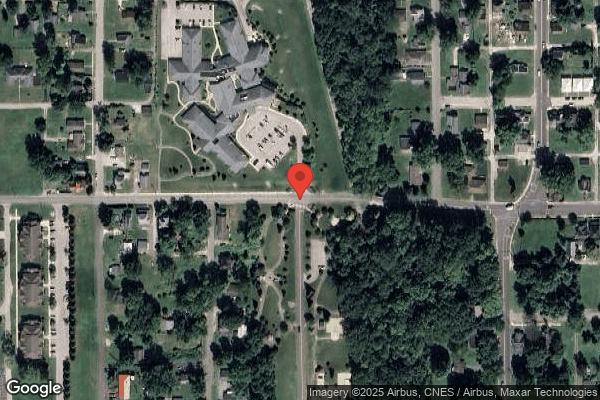
614 WEST 14TH STREET, MARION, IN 46953 (765) 662-3701
For profit - Corporation 70 Beds APERION CARE Data: November 2025 1 Immediate Jeopardy citation
Trust Grade
0/100
#417 of 505 in IN
Last Inspection: May 2025

Inspected within the last 6 months. Data reflects current conditions.

Overview

Aperion Care Marion LLC has received a Trust Grade of F, indicating significant concerns and a very poor overall quality of care. Ranking #417 out of 505 nursing homes in Indiana places it in the bottom half of facilities in the state and #5 out of 6 in Grant County, suggesting that only one local option is better. The facility's trend appears stable, with 19 reported issues remaining constant from 2024 to 2025, although these issues are quite severe. Staffing is a notable weakness, with a low rating of 1 out of 5 stars and a high turnover rate of 58%, which is above the state average. Additionally, the facility has incurred fines totaling $25,652, which is higher than 94% of Indiana facilities, suggesting repeated compliance problems. Specific incidents of concern include a critical lapse where a resident, known to be at risk of elopement, managed to leave the facility unsupervised and was found 1.4 miles away in a busy area. Another serious issue involved failing to accommodate a resident's fear of a mechanical lift, leading to psychosocial harm. Lastly, a resident was discharged without proper preparation, resulting in anxiety and a temporary move out of state while seeking appropriate placement. These findings highlight both serious risks and deficiencies in care and management at this facility.

Trust Score
F
0/100
In Indiana
#417/505
Bottom 18%
Safety Record
High Risk
Review needed
Inspections
Holding Steady
19 → 19 violations
Staff Stability
⚠ Watch
58% turnover. Above average. Higher turnover means staff may not know residents' routines.
Penalties
⚠ Watch
$25,652 in fines. Higher than 89% of Indiana facilities, suggesting repeated compliance issues.
Skilled Nurses
⚠ Watch
Each resident gets only 23 minutes of Registered Nurse (RN) attention daily — below average for Indiana. Fewer RN minutes means fewer trained eyes watching for problems.
Violations
⚠ Watch
65 deficiencies on record. Higher than average. Multiple issues found across inspections.
★☆☆☆☆
1.0
Overall Rating
★☆☆☆☆
1.0
Staff Levels
★★★☆☆
3.0
Care Quality
★☆☆☆☆
1.0
Inspection Score
Stable
2024: 19 issues
2025: 19 issues

The Good

  • Full Sprinkler Coverage · Fire safety systems throughout facility
  • No fines on record

Facility shows strength in fire safety.

The Bad

1-Star Overall Rating

Below Indiana average (3.1)

Significant quality concerns identified by CMS

Staff Turnover: 58%

12pts above Indiana avg (46%)

Frequent staff changes - ask about care continuity

Federal Fines: $25,652

Below median ($33,413)

Moderate penalties - review what triggered them

Chain: APERION CARE

Part of a multi-facility chain

Ask about local staffing decisions and management

Staff turnover is elevated (58%)

10 points above Indiana average of 48%

The Ugly 65 deficiencies on record

1 life-threatening 2 actual harm
Sept 2025 1 deficiency
CONCERN (D) 📢 Someone Reported This

A family member, employee, or ombudsman was alarmed enough to file a formal complaint

Potential for Harm - no one hurt, but risky conditions existed

Free from Abuse/Neglect (Tag F0600)

Could have caused harm · This affected 1 resident

Based on observation, interview, and record review, the facility failed to ensure a resident was free from verbal abuse and intimidation by a staff member for 1 of 3 residents reviewed for abuse. (Res...

Read full inspector narrative →
Based on observation, interview, and record review, the facility failed to ensure a resident was free from verbal abuse and intimidation by a staff member for 1 of 3 residents reviewed for abuse. (Resident C)Findings include:Resident C's clinical record was reviewed on 9/29/25 at 12:10 p.m. Diagnoses included chronic obstructive pulmonary disease (COPD), hypertension, depression, atrial fibrillation, and congestive heart failure.An admission Minimum Data Set (MDS) assessment, dated 8/4/25, indicated Resident C was cognitively intact, had depression, required supervision for bed mobility, transfers, toileting, and eating. Resident C did not exhibit hallucinations, delusions, or behaviors.A current care plan, initiated on 7/30/25, indicated Resident C had a diagnosis of depression. Interventions included administering medications as ordered, encouraging socialization, and observing signs and symptoms of depression (crying, seclusion from others, isolation, decreased appetite, withdrawal).A current care plan, initiated on 9/22/25, indicated Resident C used antidepressant medication related to diagnoses of anxiety and depression. Interventions included administering medications as ordered and monitoring for side effects and effectiveness every shift, educating the resident/family/caregivers about the risks, benefits, and side effects of medications, and monitoring/documenting/reporting, as needed, adverse reactions to antidepressant therapy.A progress note, dated 9/26/25 at 1:56 p.m., indicated the Social Services Director (SSD) spoke with Resident C about the situation that occurred in the dining room. The SSD conducted a psychosocial assessment along with an abuse/neglect screening. Psychological services were scheduled to follow up with the resident on 10/1/25.Review of a facility - reported incident indicated, on 9/25/25, Resident C, was attempting to get a drink in the dining room, and was approached by Dietary Aide (DA) 3, who informed Resident C he was not allowed to get his own drink from the drink cart. An exchange of words between Resident C and DA 3 ensued and ended with DA 3 telling the resident he would knock his dumb f****ing a** out. The resident was removed from the situation, and the incident was reported to the Dietary Manager (DM).A written statement by DA 3, signed and dated 9/25/25, provided by the Administrator (ADM) on 9/29/25 at 12:30 p.m., indicated upon service to residents in the dining room, a particular resident, Resident C, approached the cooking area and began serving himself. DA 3 told the resident that he wasn't allowed to do so, and the resident began ranting at him. DA 3 may have responded in an unprofessional manner.During an interview with the Dietary Manager (DM) on 9/29/25 at 2:17 p.m., he indicated he had just arrived at the facility when DA 3 approached him about the incident. DA 3 described how Resident C was behind the counter getting himself a drink. DA 3 approached the resident and told him he could not be back there. The conversation escalated into a back-and-forth confrontation. The DM wrote up DA 3 and went to Human Resources (HR) to report the incident. The DM indicated other staff were present when the altercation took place, but nobody heard what was said. During an interview with [NAME] 2 on 9/30/25 at 10:22 a.m., he indicated he heard DA 3 talking to himself at the service window and could tell DA 3 was mad about something. [NAME] 2 was not paying attention to Resident C at that time. Later in the day, DA 3 told [NAME] 2 about Resident C getting his own drinks and passing coffee out to other residents. DA 3 just wanted to do his job.During an interview with Resident C on 9/30/25 at 10:07 a.m., he indicated DA 3 said he would knock me out. There were residents and other dietary staff present at the time of the incident. DA 3 started running his mouth and told Resident C if he did not quit talking, he was going to knock him out. Resident C walked away, but DA 3 followed him and continued to threaten him. That was not the first time DA 3 was disrespectful to Resident C.During an interview with DA 3 on 9/30/25 at 11:36 a.m., he indicated Resident C became unruly during breakfast service. He cut into the line and got his own drink. DA 3 had told him several times previously he was not allowed behind the service line. DA 3 felt Resident C was being disrespectful to the dietary staff. DA 3 indicated he might have been a little loud when addressing Resident C. He reported the incident to the DM and was suspended pending an investigation. He was later terminated. He felt Resident C's statement was respected over his own statement regarding the incident.During an interview with the Administrator on 9/30/25 at 11:55 a.m., she indicated Resident C said DA 3 cursed at him, saying I'll knock your f***ing a** out. DA 3 indicated to both the Administrator and the DM Yeah, I probably did say that. Resident C did not have a history of being dishonest. DA 3 indicated he yelled at Resident C the day before when passing him outside, in front of the facility. DA 3 and Resident C had a history outside of the facility, prior to either being affiliated with the facility.During an interview with the DM on 9/30/25 at 12:17 p.m., he indicated DA 3 was waiting in the back parking lot the morning of the incident. DA 3 asked Resident C to not get his own drinks on other occasions. None of the dietary staff saw or heard the incident.A current facility policy, titled Abuse Prevention Policy, provided by the Administrator on 9/29/25 at 11:09 a.m., indicated the following: .The abuse, neglect, or other mistreatment of residents in (facility), physically, mentally, or emotionally, is unlawful and is prohibited. Any employee or volunteer who becomes aware of abuse, mistreatment, neglect, exploitation or misappropriation shall immediately report to the Administrator or Department head. The Administrator or Department head will report abuse to the state agency per state and federal requirements.a. Abuse: Abuse is the willful infliction of injury, unreasonable confinement, intimidation, or punishment with resulting physical harm, pain, or mental anguish.1. Verbal abuse is defined as the use of oral, written, or gestured language that willfully includes disparaging and derogatory terms to residents or their families, or within their hearing distance, regardless of their age, ability to comprehend, or disability. Examples of verbal abuse include but are not limited to threats of harm, saying things to frighten a resident.3.1-27(a)(b)
Sept 2025 1 deficiency
CONCERN (D) 📢 Someone Reported This

A family member, employee, or ombudsman was alarmed enough to file a formal complaint

Potential for Harm - no one hurt, but risky conditions existed

Quality of Care (Tag F0684)

Could have caused harm · This affected 1 resident

Based on interview and record review, the facility failed to ensure physician orders for blood pressure and heart rate parameters were followed when medications were administered for 2 of 3 residents ...

Read full inspector narrative →
Based on interview and record review, the facility failed to ensure physician orders for blood pressure and heart rate parameters were followed when medications were administered for 2 of 3 residents reviewed for blood pressure medications. (Resident B and Resident D) Findings include: 1. Resident D's clinical record was reviewed on 9/9/25 at 11:11 a.m. Diagnoses included essential hypertension, hypertensive heart disease with heart failure, atherosclerotic heart disease of native coronary artery (plaque buildup in the artery) with unspecified angina pectoris (severe chest pain), and heart failure, unspecified. Physician orders included metoprolol tartrate (for blood pressure) 50 milligrams (mg) two times a day - hold for systolic blood pressure (SBP) less than 100 either/or heart rate (HR) less than 60 (started 4/16/25 and discontinued 8/9/25), metoprolol tartrate 50 mg two times a day - hold if SBP less than 100 or HR less than 50 (started 8/9/25), losartan potassium (for blood pressure) 100 mg daily - hold for SBP less than 110 or diastolic blood pressure (DBP) less than 60 (started 6/8/24), amlodipine besylate (for blood pressure) 10 mg daily - hold for SBP less than 100 or HR less than 60 (started 4/17/25), and hydralazine (for blood pressure) 25 mg every six hours as needed for SBP greater than 150 - administer one hour after routine blood pressure medication if SBP remains greater than 150 (started 12/5/24). An Annual Minimum Data Set (MDS) assessment, dated 5/22/25, indicated the resident was cognitively intact. The resident rejected care daily. He received opioid, diuretic, and antidepressant medications. A care plan for coronary artery disease related to lifestyle choices and smoking was initiated 5/22/24. Interventions included the following: Give all cardiac medications as ordered by the physician. Monitor and document side effect. Report adverse reactions to the physician as needed (5/22/24), Give medications for hypertension and document response to medication and any side effects (5/22/24), and Monitor blood pressure. Notify physician of any abnormal readings (5/22/24). A care plan for hypertension related to lifestyle choices and smoking was initiated on 5/22/24. Interventions included the following: Give anti-hypertensive medications as ordered. Monitor for side effects such as orthostatic hypotension and increased heart rate and effectiveness (5/22/24) and Medications as ordered (5/22/24). A current medication administration record for September 2025 indicated the following: On 9/1/25 at 7:00 a.m., the resident's heart rate was 47, and his blood pressure was 118/53. The resident received amlodipine besylate 10 mg, metoprolol tartrate 50 mg, and losartan potassium 100 mg. The resident's heart rate and/or blood pressure were not within the ordered parameters. On 9/3/25 at 7:00 a.m., the resident's heart rate was 48. The resident received amlodipine besylate 10 mg and metoprolol tartrate 50 mg. The resident's heart rate was not within the ordered parameters. On 9/5/25 at 8:00 p.m., the resident's blood pressure was 96/53. The resident received metoprolol tartrate 50 mg. The resident's blood pressure was not within the ordered parameters. On 9/6/25 at 7:00 a.m., the resident's heart rate was 50, and his blood pressure was 93/49. The resident received amlodipine besylate 10 mg, metoprolol tartrate 50 mg, and losartan potassium 100 mg. The resident's blood pressure and/or heart rate were not within the ordered parameters. On 9/9/25 at 7:00 a.m., the resident's heart rate was 54. The resident received amlodipine besylate 10 mg. The resident's heart rate was not within the ordered parameters. During an interview, on 9/9/25 at 3:41 p.m., RN 3 indicated when a medication had blood pressure and heart rate parameters, she obtained the blood pressure and heart rate. She administered the medication if the blood pressure and heart rate met the parameters. If the medication order was unclear, she would call the physician to get further instructions. 2. Resident B's clinical record was reviewed on 9/9/25 at 12:20 p.m. Diagnoses included atherosclerotic heart disease of native coronary artery with unstable angina pectoris, unspecified combined systolic (congestive) and diastolic (congestive) heart failure, and essential (primary) hypertension. Physician orders included midodrine 5 mg every eight hours as needed (PRN) for hypotension (low blood pressure) - administer for systolic blood pressure (SBP) less than 90 (started 3/17/25) and blood pressure monitoring three times a day for hypotension - administer PRN midodrine 5 mg for SBP less than 90. An annual Minimum Data Set (MDS) assessment, dated 8/2/25, indicated the resident was moderately cognitively impaired. No behaviors were marked. A care plan for coronary artery disease was initiated on 1/28/24. Interventions included give medications for hypertension and document response to medication and any side effects (1/28/24) and monitor blood pressure and notify physician of any abnormal readings (1/28/24). A medication administration record (MAR) for July 2025 indicated the following: On 7/1/25 at 3:00 p.m., the resident's blood pressure was 88/54. The MAR lacked an entry for the administration of midodrine on 7/1/25. On 7/11/25 at 7:00 a.m., the resident's blood pressure was 83/49. The MAR lacked an entry for the administration of midodrine on 7/11/25. On 7/19/25 at 7:00 a.m., the resident's blood pressure was 88/61. The MAR lacked an entry for the administration of midodrine on 7/19/25. On 7/24/25 at 7:00 a.m., the resident's blood pressure was 73/41. On 7/24/25 at 3:00 p.m., the resident's blood pressure was 86/54. The MAR lacked an entry for the administration of midodrine on 7/24/25. On 8/1/25 at 7:00 a.m., the resident's blood pressure was 88/57. The MAR lacked an entry for the administration of midodrine on 8/1/25. On 9/8/25 at 7:00 p.m., the resident's blood pressure was 86/54. The MAR lacked an entry for the administration of midodrine on 9/8/25. During an interview on 9/9/25 at 3:47 p.m., LPN 4 indicated when a medication required a blood pressure or heart rate to be a certain number, she obtained the blood pressure and/or heart rate and administered or held the medication as ordered. If she had questions, she notified the nurse practitioner to get more clarification. During an interview on 9/9/25 at 3:59 p.m., LPN 5 indicated, for medications that required blood pressure or heart rate monitoring, she obtained the blood pressure and heart rate and administered the medication if the readings met the ordered parameters. If the readings did not meet the parameters, then she held the medication as ordered. For any discrepancies in the order, she called the physician. It was important to pay attention to the orders. During an interview, on 9/9/25 at 4:11 p.m., the Director of Nursing (DON) indicated the staff should be following the parameters on medication orders. Multiple physicians provided care for Resident D, thus his medications had different parameters. During an interview, on 9/9/25 at 4:58 p.m., the DON indicated the physician orders should have been followed, and the medications should have been given or held according to the blood pressure and/or heart rate parameters. During an interview, on 9/9/25 at 5:01 p.m., the Administrator indicated the facility did not have a policy on following physician orders. The facility followed Federal and State guidelines. 3.1-37(a)
Jul 2025 1 deficiency
CONCERN (D) 📢 Someone Reported This

A family member, employee, or ombudsman was alarmed enough to file a formal complaint

Potential for Harm - no one hurt, but risky conditions existed

Accident Prevention (Tag F0689)

Could have caused harm · This affected 1 resident

Based on observation, interview, and record review, the facility failed to identify and ensure the resident environment remained free of potential hazards for 2 of 4 residents reviewed for smoking. (R...

Read full inspector narrative →
Based on observation, interview, and record review, the facility failed to identify and ensure the resident environment remained free of potential hazards for 2 of 4 residents reviewed for smoking. (Resident B, Resident E)Findings include:1.During an observation, on 7/16/25 at 12:14 p.m., Resident B held her cigarettes and lighter as she walked away from the designated smoking area. Resident B indicated she smoked independently and she was headed back to her room to store her cigarettes and smoking supplies. Resident B's clinical record was reviewed on 7/17/25 at 1:44 p.m. Diagnoses included hypertension (high blood pressure), chronic obstructive pulmonary disease (progressive lung disease that makes it hard to breathe), depression, and anxiety.An admission Minimum Data Set (MDS) assessment, dated 5/1/25, indicated Resident B was cognitively intact.Resident B's clinical record lacked an order for smoking.A smoking safety risk assessment, dated 4/28/25, indicated Resident B smoked daily and used cigarettes and a lighter. She did not have a history or currently present with unsafe storage of materials. The portion of the assessment that identified all smoking materials would be locked in the facility's designated area was not complete. The assessment indicated a smoking care plan was in place.Resident B's clinical record lacked a smoking care plan.2.During an interview, on 7/17/25 at 10:15 a.m., Resident E indicated she vaped and pulled a red vape out of a black bag that was lying in bed next to her.Resident E's clinical record was reviewed on 7/17/25 at 1:44 p.m. Diagnoses included cerebral infarction (stroke), chronic obstructive pulmonary disease, and the need for assistance with personal care.A current order for Resident E indicated she could smoke as indicated for psychosocial and physical/medical necessity related to nicotine addiction (1/25/24).A quarterly Minimum Data Set assessment, dated 5/2/25, indicated Resident E had moderate cognitive impairment. She required supervision or touching assistance with eating. She required substantial/maximal assistance with oral hygiene, rolling left to right, and wheeling her wheelchair 50 feet. She was dependent for toileting, upper and lower body dressing, sitting to lying, lying to sitting, sit to stand, and chair/bed to chair transfers.Resident E's clinical record lacked a smoking care plan.A physician's progress note, dated 7/2/25, indicated Resident E was a current, some days, smoker and the tobacco type was vaping/e-cigarettes.A smoking safety risk assessment, dated 4/23/25, indicated Resident E did not currently smoke or use an electronic smoking device and she was not able to get to the designated area for smoking independently. All other questions on the assessment were unanswered.Resident E's electronic record contained her admission agreement. The agreement included a Resident and Visitor Smoking Policy Notification, which indicated there would be no smoking in any patient rooms and the authorized smoking area was the fire pit area.During an interview, on 7/17/25 at 2:54 p.m., LPN 2 indicated Resident E had a history of vaping and had not attended the supervised smoking breaks for two months. No residents were permitted to have smoking materials in their rooms.During an interview, on 7/17/25 at 3:20 p.m., Resident E indicated her family supplied her vaping devices. She vaped in her room, but not recently. She was aware it was against the rules.During an interview, on 7/17/25 at 3:54 p.m., the ADON indicated all smoking items and supplies for skilled nursing residents were kept at the front reception desk. No skilled nursing residents were permitted to keep smoking supplies in their rooms.A skilled nursing resident list of dependent and independent smokers, provided by the ADON on 7/16/25 at 10:46 AM, did not include Resident E. Resident B was identified as an independent smoker.A current policy titled Smoking Policy Acknowledgement Aperion Care Marion, undated, provided by the ADON on 7/16/25 at 10:46 a.m. indicated the following: .all residents are required to turn in all smoking materials to staff This citation relates to Complaint 1453272.3.1-45(a)(1)
May 2025 14 deficiencies
CONCERN (D)

Potential for Harm - no one hurt, but risky conditions existed

Resident Rights (Tag F0550)

Could have caused harm · This affected 1 resident

Based on interview and record review, the facility failed to honor a resident's right to self-determination and communication for 1 of 1 resident reviewed for Resident Rights. (Resident 19) Findings i...

Read full inspector narrative →
Based on interview and record review, the facility failed to honor a resident's right to self-determination and communication for 1 of 1 resident reviewed for Resident Rights. (Resident 19) Findings include: During an observation on 4/27/25 at 10:50 a.m., Resident 19 was lying in bed with a touch pad call light within reach. She indicated she was unable to turn and reposition herself and unable to call her family member. She relied on staff to help with all activities of daily living (ADLs). The Administrator had spoken to her about her frequent calls to her family member, telling her she called him too much and gave him too much information. Resident 19's clinical record was reviewed on 5/1/25 at 11:30 a.m. Diagnoses included cerebral palsy, obsessive-compulsive disorder, mild intellectual disabilities, fibromyalgia, and other abnormalities of gait and mobility. The resident's cognitive status was moderately impaired. An admission Minimum Data Set (MDS) assessment, dated 3/9/25, indicated Resident 19 was dependent on staff for eating, oral hygiene, toileting hygiene, showering/bathing, dressing, all transfers, and personal hygiene. The resident was always incontinent of both bladder and bowel. A Social Services note, dated 4/1/25 at 12:25 p.m., provided by the Administrator on 4/29/25 at 1:39 p.m., indicated both Social Services and the Administrator spoke with the resident regarding privacy and dignity. When staff was providing care for the resident, all electronic devices were to be shut off. Once care was completed, the staff would assist the resident with resuming the phone call. An Administrator note, dated 4/28/25, provided by the Administrator on 4/29/25 at 1:39 p.m., indicated about three to four weeks prior, Social Services and the Administrator went to talk to the resident about her phone usage during resident care.We explained that her being on the phone .with her [family member] during care was a dignity issue and that we would have her hang up during care and then assist her in calling her [family member] back when finished . A Social Service note, dated 4/28/25, provided by the Administrator on 4/29/25 at 1:39 p.m., indicated around mid-March, the Administrator and Social Service Director went to discuss the phone issue with Resident 19. They told the resident she could not be on the phone while receiving care. The Administrator said, for the resident's own dignity, the resident should be off her phone while receiving care. During an interview with Resident 19 on 5/1/25 at 2:35 p.m., and the resident's family member who was on speaker phone, the resident indicated she was not in agreement with hanging up her phone during care. Both the resident and her family member indicated they used the speaker phone, not video calls, during care. The resident's family member indicated the resident needed help to be understood. Some people could not understand what the resident was saying when she spoke. Both Resident 19 and her family member wanted to be connected by phone, even while care was provided. During an interview with RN 6 on 5/1/25 at 2:39 p.m., she indicated the family member was always on speaker phone with the resident. RN 6 was not bothered by the phone calls, but indicated sometimes it could get loud between the noise going on in Resident 19's room and whatever was going on at the family member's residence. The volume could be turned down and/or the call could be muted during resident care. Whenever a physician or nurse practitioner was with Resident 19, the staff would let the family member know and tell him they would call him back after the provider was finished. During an interview with the Administrator on 5/1/25 at 4:48 p.m., she indicated the local Ombudsman had been apprised of the situation and had suggested the resident's phone should be hung up during care, as it was a dignity/privacy issue. During an interview with the Administrator on 5/1/25 at 4:50 p.m., she indicated the facility lacked a policy addressing resident phone usage during care. The local Ombudsman was unavailable for interview during the survey from April 27 through May 2, 2025 . 3.1-3(a)
CONCERN (D)

Potential for Harm - no one hurt, but risky conditions existed

Deficiency F0578 (Tag F0578)

Could have caused harm · This affected 1 resident

**NOTE- TERMS IN BRACKETS HAVE BEEN EDITED TO PROTECT CONFIDENTIALITY** Based on interview and record review, the facility failed to provide an accurate code status for 1 of 1 resident reviewed for ad...

Read full inspector narrative →
**NOTE- TERMS IN BRACKETS HAVE BEEN EDITED TO PROTECT CONFIDENTIALITY** Based on interview and record review, the facility failed to provide an accurate code status for 1 of 1 resident reviewed for advance directives. (Resident 10) Findings include: Resident 10's clinical record was reviewed on [DATE] at 10:13 a.m. Diagnoses included hypertension and dementia. A quarterly Minimum Data Set (MDS) assessment, dated [DATE], indicated the resident was moderately cognitively impaired. The current, main page on Resident 10's electronic health record indicated a Do Not Resuscitate (DNR) code status. A current physician's order, dated [DATE], indicated Do Not Resuscitate. A current care plan, initiated on [DATE], indicated Resident 10 had a signed and valid DNR in the event she should stop breathing and display no pulse, as a result of failure of the heart to contract effectively or at all. Interventions included I will be enabled to live to the limit of my potential ability physically, mentally, and spiritually, administer medications as ordered, encourage the resident and family members to discuss concerns, ensure the DNR is noted in the chart, follow advance directives as depicted in the resident's chart, honor choices made by the resident and/or family member, surrogate, or POA, and notify the physician of changes. Resident 10's physician orders for Scope of Treatment (POST) form, provided by the Administrator on [DATE] at 11:13 a.m., indicated Resident 10 had a full-code status and was to be provided cardiopulmonary resuscitation (CPR) and full interventions. The resident's POA (power of attorney) gave verbal consent for the full-code status. The Administrator indicated she was not aware of the conflicting advance directives information. The document she provided was the only signed code status for Resident 10. A current facility policy, titled Advance Directives, provided by the Administrator on [DATE] at 11:49 a.m., indicated the following: .Guidelines: For purposes of this policy and procedure, Advanced Directives means a written instrument, such as a living will or life prolonging procedure declaration, appointment of health care representative and power of attorney for health care purposes. These directives are established under state law and relate to the provision of medical care when the individual is incapacitated .1. At the time of admission each resident will be asked if they have made advanced directives and provided educational information regarding state and federal law .6. Copies of the resident's Advanced Directive shall be made and maintained in the resident's clinical record and financial folder .10. Advanced Directives shall be included in the resident's plan of care and will be reviewed during the care plan meeting with the resident and/or the resident's legal representative when present 3.1-4(5)
CONCERN (D)

Potential for Harm - no one hurt, but risky conditions existed

Notification of Changes (Tag F0580)

Could have caused harm · This affected 1 resident

Based on interview and record review, the facility failed to follow physician orders regarding physician/nurse practitioner notification of a resident's weight gain for 1 of 23 residents reviewed for ...

Read full inspector narrative →
Based on interview and record review, the facility failed to follow physician orders regarding physician/nurse practitioner notification of a resident's weight gain for 1 of 23 residents reviewed for medications. (Resident 17) Findings include: Resident 17's clinical record was reviewed on 4/29/25 at 12:01 p.m. Diagnoses included essential (primary) hypertension (high blood pressure), type 2 diabetes mellitus with diabetic neuropathy, personal history of other diseases of the urinary system, presence of urogenital implants, presence of cardiac pacemaker, obstructive and reflux uropathy (blockage and flow from the bladder backs up into the ureters which connect to the kidneys), and chronic kidney disease, stage 3a (moderate decline in kidney function). A current order, dated 3/27/25, indicated to weigh the resident daily and notify the physician or nurse practitioner if the resident had a weight gain of three pounds in a day or five pounds in a week. The resident weighed 178 pounds on 4/11/25. On 4/18/25, she weighed 183.4 pounds with a greater than five-pound weight gain in the week. The physician was not notified. The resident weighed 178.5 pounds on 4/15/25 and 182.6 pounds on 4/16/25 which resulted in a greater than four pound weight gain in a day. The physician was not notified. During an interview, on 5/1/25 at 10:32 a.m., RN 6 indicated if the resident had a weight gain greater than three pounds, the physician was notified. The physician notification was documented in the progress notes. During an interview, on 5/1/25 at 10:46 a.m., RN 6 indicated she was unable to find where the physician had been notified of the resident's weight gain. During an interview, on 5/1/25 at 4:31 p.m., the DON indicated she expected the physician to be notified as ordered for the resident's weight gain.
CONCERN (D)

Potential for Harm - no one hurt, but risky conditions existed

Safe Environment (Tag F0584)

Could have caused harm · This affected 1 resident

Based on observation, interview, and record review, the facility failed to maintain a homelike environment related to a clean, sanitary environment in a resident's room for 1 of 3 resident's reviewed ...

Read full inspector narrative →
Based on observation, interview, and record review, the facility failed to maintain a homelike environment related to a clean, sanitary environment in a resident's room for 1 of 3 resident's reviewed for environment. (Resident 34) Findings include: During an observation on 4/27/25 at 2:55 p.m., Resident 34's trash can overflowed. Trash was on the floor beside the bed. A mask lay on the floor in the entryway of the room. A second mask lay on the floor beside the oxygen concentrator. The bedside table was visibly dirty. A pile of clothing was on the bathroom floor underneath the sink. A navy-blue clothing item lay on top of the pile. During an observation on 4/28/25 at 10:48 a.m., the resident's room continued to have trash surrounding the trash can and on the floor beside her bed. The previously observed masks remained on the floor, laying in the same locations. The bedside table had a large area (the size of large dining plate) of dried, sticky residue. During an interview on 4/29/25 at 9:54 a.m., Resident 34 indicated that housekeeping emptied her trash and swept the floor on occasion. The floor had trash around the trash can and on the floor beside the bed. The masks continued to be on the floor, unmoved from previous locations. The bedside table continued to have large area (size of large plate) of dried, sticky residue. A pile of clothing lay on the floor underneath the bathroom sink, a navy-blue piece of clothing continued to lay on top of the pile. During an interview on 4/29/25 at 1:22 p.m., Housekeeper 12 indicated that housekeeping was to clean residents' rooms daily. Cleaning of Resident 34's room included vacuuming the carpet and mopping the hard floors daily if needed or a minimum of one day in between floor cleanings. Floors were to be swept where crumbs and debris could be seen. Bedside tables, countertops, and nightstands were to be cleaned off daily. The clothing on the resident's bathroom floor was to be picked up and taken to laundry by the nursing staff. Trash was emptied daily and the trash on the floor, including the masks, was to be picked up and disposed of. Resident 34's clinical record was reviewed on 4/30/25 at 9:53 a.m. Diagnoses included Guillain-Barre syndrome (condition in which the immune system attacks the nerves), difficulty in walking, abnormality of gait and mobility, chronic obstructive pulmonary disease (a group of lung diseases that make it difficult to breath), and osteoarthritis (arthritis that occurs when flexible tissue at the ends of bones wear down). A 2/5/25, annual, Minimum Data Set (MDS) assessment indicated the resident was severely cognitively impaired. She required supervision or touching assistance with toileting hygiene, upper body assistance, and roll from left to right and moderate assistance with showering, lower body dressing, footwear, personal hygiene, toilet transfer, and sit to stand. The resident's care plan lacked indication of non-compliance or refusal of housekeeping and/or environmental services. During an interview on 4/30/25 at 10:32 a.m., Resident 34 indicated that housekeeping had offered to sweep her floor. Her floor was swept from the entryway to the window, the open area of the room, but not around her bed. The two masks remained on the floor in their previous locations. The bedside table remained with a dried, sticky residue. The resident was unable to recall the last time that someone wiped off her bedside table. Trash remained on the floor beside the bed. During an interview on 5/1/25 at 4:32 p.m., the Administrator indicated she was overseeing the housekeeping department. Resident rooms were to have daily cleaning, with the focus being on floors, trash, bathroom, and then any other necessary area. She had staff clean Resident 34's carpet earlier this week. The resident's sticky bedside table should have been cleaned as well as any trash on floor should have been picked up. This was portrayed on the housekeeping schedule under the daily category. She clarified that a small area of Resident 34's carpet may have been cleaned due to staining, rather than the entire carpet. A current, undated facility policy, titled Housekeeping Services Policy, provided by the Administrator on 5/1/25 at 3:55 p.m., indicated the following: .Policy: It is the policy of the facility to maintain a clean, odor free, comfortable, and orderly environment in all health care and public areas, which meet the sanitation needs of the facility and residents right for a safe, clean, comfortable homelike environment. Guidelines: .2. The department shall routinely clean the environment of care, using accepted practices, to keep the facility free from offensive odors, the accumulation of dust, rubbish, dirt and hazards . Environment: .Housekeeping and maintenance services necessary to maintain a sanitary, orderly, and comfortable interior environment are provided A current, undated facility policy, titled Housekeeping Cleaning Schedule, provided by the Administrator on 5/1/25 at 4:23 p.m., indicated the following: Purpose: To establish a schedule which ensures the building and equipment is maintained in a clean and sanitary manner. All items may be cleaned more frequently, if necessary. 1. Daily .c. work surfaces d. Resident Furniture e. Resident room floors 3.1-19(f)(5)
CONCERN (D)

Potential for Harm - no one hurt, but risky conditions existed

Transfer Notice (Tag F0623)

Could have caused harm · This affected 1 resident

Based on record review and interview, the facility failed to ensure the resident's representative or resident was notified in writing of transfer/discharge appeal rights for 2 of 3 residents reviewed ...

Read full inspector narrative →
Based on record review and interview, the facility failed to ensure the resident's representative or resident was notified in writing of transfer/discharge appeal rights for 2 of 3 residents reviewed for hospitalizations. (Resident 31 and 52) Findings include: 1. Resident 52's clinical record was reviewed on 4/29/25 at 10:48 a.m. Diagnoses included alcoholic hepatic (liver) failure without coma, hepatic encephalopathy (disease or damage that affects the brain, leading to a change in mental state), type 2 diabetes mellitus with hyperglycemia (high blood sugar), and thrombocytopenia (low platelet count in the blood which can cause prolonged bleeding). A progress note, dated 12/8/24 at 5:50 p.m., indicated the resident was admitted to the hospital for hepatic encephalopathy. The resident's clinical record lacked indication that the resident and the resident's representative were notified of the transfer/discharge appeal rights in writing for the resident's transfer to the hospital. During an interview, on 5/1/25 at 2:59 p.m., RN 6 indicated she was not sure if the notice of transfer and discharge form was sent with residents when they went to the hospital or if it was signed when discharged and kept by the facility. She transferred Resident 52 on 12/8/24 and did not send the transfer/discharge notice with the resident. 2. Resident 31's clinical record was reviewed on 4/29/25 at 2:59 p.m. Diagnoses included end stage renal disease, dependence on renal dialysis, paroxysmal atrial fibrillation (irregular heartbeat), unspecified diastolic heart failure, legal blindness, as defined in the USA, and non-ST-elevation (NSTEMI) myocardial infarction (heart attack). A progress note, dated 11/20/24 at 3:00 p.m., indicated the resident was admitted to the hospital for a diagnosis of pneumonia. The resident's clinical record lacked indication that the resident and the resident's representative were notified of the transfer/discharge appeal rights in writing for the resident's transfer to the hospital. During an interview, on 5/1/25 at 3:34 p.m., the DON indicated the notice of transfer/discharge form with appeal rights was sent with residents when they went to the hospital. The paperwork was given to the Emergency Medical Service personnel (EMS). She was unable to locate additional information on who was notified of the transfer and given the transfer/discharge form with appeal rights. She was uncertain if Social Services sent the aforementioned paperwork to the residents' representatives. During an interview, on 5/1/25 at 4:17 p.m., the Social Services Director (SSD) indicated she did not do anything with the notice of transfer/discharge form with appeal rights. The nursing department gave the paperwork to the resident when the resident went out the door. A current facility policy, last revised 5/8/23, provided by the SSD on 5/1/25 at 4:23 p.m., titled Notice of Transfer and Discharge, indicated the following: .Prior to discharge or transfer, the facility will: Notify the resident and the resident's representative(s) of the transfer or discharge and the reasons for the move in writing and in a language and manner they understand 3.1-12(a)(6)(A)(i) 3.1-12(a)(6)(A)(ii) 3.1-12(a)(6)(A)(iii)
CONCERN (D)

Potential for Harm - no one hurt, but risky conditions existed

Deficiency F0625 (Tag F0625)

Could have caused harm · This affected 1 resident

Based on record review and interview, the facility failed to ensure the resident's representative or resident received a written notice of the bed hold policy at the time of transfer for 2 of 3 reside...

Read full inspector narrative →
Based on record review and interview, the facility failed to ensure the resident's representative or resident received a written notice of the bed hold policy at the time of transfer for 2 of 3 residents reviewed for hospitalizations. (Resident 31 and 52) Findings include: 1. Resident 52's clinical record was reviewed on 4/29/25 at 10:48 a.m. Diagnoses included alcoholic hepatic (liver) failure without coma, hepatic encephalopathy (disease or damage that affects the brain, leading to a change in mental state), type 2 diabetes mellitus with hyperglycemia (high blood sugar), and thrombocytopenia (low platelet count in the blood which can cause prolonged bleeding). A progress note, dated 12/8/24 at 5:50 p.m., indicated the resident was admitted to the hospital for hepatic encephalopathy. The resident's clinical record lacked indication that the resident and the resident's representative were notified of the bed hold policy in writing at the time of the resident's transfer to the hospital. During an interview, on 5/1/25 at 2:59 p.m., RN 6 indicated she was not sure if the bed hold policy notice was sent with residents when they went to the hospital or if it was signed when transferred and kept by the facility. She transferred Resident 52 on 12/8/24 and did not send the bed hold policy notice with the resident. 2. Resident 31's clinical record was reviewed on 4/29/25 at 2:59 p.m. Diagnoses included end stage renal disease, dependence on renal dialysis, paroxysmal atrial fibrillation (irregular heartbeat), unspecified diastolic heart failure, legal blindness, as defined in the USA, and non-ST-elevation (NSTEMI) myocardial infarction (heart attack). A progress note, dated 11/20/24 at 3:00 p.m., indicated the resident was admitted to the hospital for a diagnosis of pneumonia. The resident's clinical record lacked indication that the resident and the resident's representative were notified of the bed hold policy in writing at the time of the resident's transfer to the hospital. During an interview, on 5/1/25 at 3:34 p.m., the DON indicated the bed hold policy notice was sent with residents when they went to the hospital. The paperwork was given to the Emergency Medical Service personnel (EMS). She was uncertain if the Social Services Director (SSD) sent the bed hold paperwork to the residents' representatives when the residents were transferred. During an interview, on 5/1/25 at 4:17 p.m., the SSD indicated she did not do anything with the bed hold policy notice. The nursing department gave the paperwork to the resident when the resident went out the door. A current facility policy, last revised 9/16/17, provided by the DON on 5/1/25 at 4:39 p.m., titled Bed Hold and Return to Facility, indicated the following: .The facility's bed hold policy will be given to the resident and/or resident representative as follows: .At the time of a transfer from the facility: In cases of emergency transfer, notice 'at the time of transfer' means that the family, surrogate, or representative are provided with written notification within 24 hours of the transfer. The requirement is met if the resident's copy of the notice is sent with other papers accompanying the resident to the hospital 3.1-12(25) 3.1-12(26)
CONCERN (D)

Potential for Harm - no one hurt, but risky conditions existed

Deficiency F0661 (Tag F0661)

Could have caused harm · This affected 1 resident

**NOTE- TERMS IN BRACKETS HAVE BEEN EDITED TO PROTECT CONFIDENTIALITY** Based on record review and interview, the facility failed to ensure a recapitulation of the resident's stay was included in the ...

Read full inspector narrative →
**NOTE- TERMS IN BRACKETS HAVE BEEN EDITED TO PROTECT CONFIDENTIALITY** Based on record review and interview, the facility failed to ensure a recapitulation of the resident's stay was included in the discharge summary when the resident discharged from the facility. (Resident 27) Finding includes: Resident 27's clinical record was reviewed on 4/29/25 at 1:01 p.m. Diagnoses included atrial fibrillation (irregular heartbeat), obstructive sleep apnea, other specified diabetes mellitus with diabetic neuropathy, bipolar disorder, unspecified, peripheral vascular disease, unspecified, gangrene, not elsewhere classified, and chronic kidney disease, stage 4 (severe). The resident was admitted on [DATE] and discharged on 4/21/2025 at 10:00 a.m. to another long-term care facility. Her discharge paperwork lacked a summary of the resident's stay in the facility. A facility form, provided by the DON on 4/30/25 at 3:30 p.m., titled Discharge instructions, included the resident's vital signs, the resident's ordered medications, the resident's equipment and referral needs, the resident's dietary needs, the resident's activities of daily living status, and the resident's skin conditions. The form lacked a section for a summary of the resident's stay, and it was not included in the notes section of the form. During an interview, on 5/1/25 at 3:38 p.m., the DON and the ADON indicated they had been unable to locate a summary of the resident's facility stay in the resident's record or that one had been provided on discharge from the facility and were unaware one was required. 3.1-36(a)(1)
CONCERN (D)

Potential for Harm - no one hurt, but risky conditions existed

Quality of Care (Tag F0684)

Could have caused harm · This affected 1 resident

Based on interview and record review, the facility failed to follow physician orders regarding daily weight monitoring and administration of blood pressure medication according to ordered parameters f...

Read full inspector narrative →
Based on interview and record review, the facility failed to follow physician orders regarding daily weight monitoring and administration of blood pressure medication according to ordered parameters for 2 of 23 residents reviewed for medications. (Residents 17 and 5) Findings include: 1. Resident 17's clinical record was reviewed on 4/29/25 at 12:01 p.m. Diagnoses included essential (primary) hypertension (high blood pressure), type 2 diabetes mellitus with diabetic neuropathy, personal history of other diseases of the urinary system, presence of urogenital implants, presence of cardiac pacemaker, obstructive and reflux uropathy (blockage and flow from the bladder backs up into the ureters which connect to the kidneys), and chronic kidney disease, stage 3a (moderate decline in kidney function). A current order, dated 3/27/25, indicated to weigh the resident daily and notify the physician or nurse practitioner if the resident had a weight gain of three pounds in a day or five pounds in a week. The medication administration record for 4/1/25 through 4/1/28 indicated the resident was not weighed for 11 of 28 days. During an interview, on 5/1/25 at 10:32 a.m., RN 6 indicated the resident required daily weights. The medication administration record was lacking multiple weights. She was unable to locate additional weights for the resident. During an interview, on 5/1/25 at 4:31 p.m., the DON indicated she expected weights to be obtained daily as ordered. 2. Resident 5's clinical record was reviewed on 4/30/25 at 8:56 a.m. Diagnoses included heart failure, chronic obstructive pulmonary disease (breathing difficulty), chronic respiratory failure (decreased oxygen), hypertension (high blood pressure), and dementia. Current orders included carvedilol (antihypertensive) 12.5 milligrams twice a day (start date 4/5/25). Hold if systolic blood pressure is less than 120 millimeters of mercury (mmhg). A Mediation Administration Report (MAR), for April 2025, indicated the resident received carvedilol when her systolic blood pressure was below the physician indicated parameters as follows: On April 8th p.m., had a systolic blood pressure of 112 mmhg. On April 12th a.m., had a systolic blood pressure of 112 mmhg. On April 12th p.m., had a systolic blood pressure of 107 mmhg. On April 13th a.m., had a systolic blood pressure of 116 mmhg. On April 14th a.m., had a systolic blood pressure of 116 mmhg. On April 16th a.m., had a systolic blood pressure of 104 mmhg. On April 17th a.m., had a systolic blood pressure of 118 mmhg. On April 17th p.m., had a systolic blood pressure of 116 mmhg. On April 18th a.m., had a systolic blood pressure of 110 mmhg. On April 18th p.m., had a systolic blood pressure of 110 mmhg. On April 21st a.m., had a systolic blood pressure of 100 mmhg. On April 21st p.m., had a systolic blood pressure of 114 mmhg. On April 26th a.m., had a systolic blood pressure of 103 mmhg. On April 26th p.m., had a systolic blood pressure of 98 mmhg. On April 29th p.m., had a systolic blood pressure of 95 mmhg. A 4/7/25, admission, Minimum Data Set (MDS) assessment indicated the resident had an active diagnosis of hypertension and heart failure. During an interview, on 4/30/25 at 9:20 a.m., QMA 13 indicated if the resident's vital signs were below the physician parameters, she would hold the medication and notify the nurse on duty. She would then write a progress note explaining why the medication was held. On the MAR, it would show a reason code if the medication was held instead of a check mark indicating the medication was administered. During an interview, on 4/30/25 at 10:21 a.m., LPN 14 indicated if a medication was outside the parameters, she would notify the physician. In the MAR, she would indicate the medication was not administered with a reason code. During an interview, on 4/30/25 at 2:40 p.m., the ADON indicated Resident 5's carvedilol showed it was administered when her blood pressure was below the medication parameter. During an interview, on 4/30/25 at 3:05 p.m., the Administrator indicated the facility did not have a policy on medication administration regarding parameter, but the facility followed the state guidelines. A facility policy, last revised 10/17/19, provided by the Social Services Director on 5/1/25 at 4:23 p.m., titled Weights, indicated the following: .Each resident shall be weighed on admission and at least monthly thereafter or in accordance with Physician orders 3.1-37(a)
CONCERN (E)

Potential for Harm - no one hurt, but risky conditions existed

Deficiency F0576 (Tag F0576)

Could have caused harm · This affected multiple residents

Based on interview and record review, the facility failed to ensure mail was distributed to the residents on Saturdays. This deficiency had the potential to affect 58 of 58 residents who resided in th...

Read full inspector narrative →
Based on interview and record review, the facility failed to ensure mail was distributed to the residents on Saturdays. This deficiency had the potential to affect 58 of 58 residents who resided in the facility. Findings include: During a Resident Council meeting, on 4/30/25 beginning at 3:35 p.m., Resident 40 indicated the facility did not deliver mail to the residents on Saturdays. The activity department staff was to deliver mail after the business office manager sorted it. The business office manager did not work weekends. Residents 41, 45, 58, 10, 28, 51, 2, 33, and 25 indicated they did not receive mail on Saturdays. During an interview, on 5/1/25 at 10:06 a.m., the Activity Director (AD) indicated the activity department delivered mail to the residents. Mail was distributed on the days that the Business Office Manager /Financial Coordinator (BOM) was at the facility. The BOM received and sorted the mail and placed it on the front desk when it was ready for distribution to the residents. During an interview, on 5/1/25 at 10:14 a.m., the BOM indicated that she sorted the facility mail. She removed anything that the facility or the resident's representative was responsible for. Once mail was sorted, she took the mail to the front desk for the activity department to distribute to the residents. Her regular work schedule was Monday through Friday. A current facility policy, updated September 2015, titled Mail Policy, provided by the Social Services Director on 5/1/25 at 4:23 p.m., indicated the following: Policy: The residents have a right to receive mail. Guidelines: The follow procedure will be followed: .3. Mail will be delivered Monday thru Saturday 3.1-3(s)(1)
CONCERN (E)

Potential for Harm - no one hurt, but risky conditions existed

Deficiency F0655 (Tag F0655)

Could have caused harm · This affected multiple residents

**NOTE- TERMS IN BRACKETS HAVE BEEN EDITED TO PROTECT CONFIDENTIALITY** Based on interview and record review, the facility failed to ensure residents and/or resident representatives received a copy of...

Read full inspector narrative →
**NOTE- TERMS IN BRACKETS HAVE BEEN EDITED TO PROTECT CONFIDENTIALITY** Based on interview and record review, the facility failed to ensure residents and/or resident representatives received a copy of their baseline care plans on admission for 5 of 5 residents reviewed for care plans. (Resident 8, 52, 57, 61, and 264) Findings include: 1. Resident 52's clinical record was reviewed on 4/29/25 at 10:48 a.m. Diagnoses included alcoholic hepatic (liver) failure without coma, hepatic encephalopathy (disease or damage that affects the brain, leading to a change in mental state), type 2 diabetes mellitus with hyperglycemia (high blood sugar), unspecified anemia, and thrombocytopenia (low platelet count in the blood which can cause prolonged bleeding). A progress note, dated 12/5/24 at 12:45 p.m., indicated the resident was admitted to the facility. The clinical record lacked documentation that the resident or the resident's representative was provided with a copy of the baseline care plan prior to the completion of the comprehensive care plan. During an interview, on 5/1/25 at 11:04 a.m., the Social Services Director (SSD) indicated she had recently been educated that the baseline care plans were to be discussed with and given to the residents and their representatives during the admission process. She had a care plan meeting with the resident's representative 2/2025. She did not have a care plan meeting with the resident or the resident's representative 12/2024 nor provide a baseline care plan. 2. Resident 61's clinical record was reviewed on 4/29/25 at 9:12 a.m. Diagnoses included essential (primary) hypertension (high blood pressure), gastroesophageal reflux disease (stomach acid and content flow back up into the esophagus) without esophagitis (inflammation of the esophagus, Charcot's joint, right ankle, right foot, left ankle, and left foot (nerve damage, often due to diabetes, leads to weakening and collapse of bones and joints in the foot, resulting in a deformed shape), repeated falls, and cellulitis of the right lower limb and the left lower limb. Census information indicated the resident was admitted on [DATE]. The clinical record lacked documentation that the resident or the resident's representative was provided with a copy of the baseline care plan prior to the completion of the comprehensive care plan. During an interview, on 5/1/25 at 11:04 a.m., the SSD indicated she had not provided or discussed the baseline care plan with Resident 61. 3. Resident 8's clinical record was reviewed on 4/30/25 at 11:34 a.m. Diagnoses included repeated falls, hyperlipidemia, nicotine dependence, low back pain, unspecified secondary osteoarthritis (arthritis that occurs when flexible tissue at the ends of bones wear down), fibromyalgia (long-term condition that involves widespread body pain and tiredness), chronic viral hepatitis C (liver disease that results from hepatitis C virus), fracture of unspecified parts of lumbosacral spine (low back) and pelvis, subsequent encounter for fracture with routine healing, unspecified sequelae of cerebral infarction (long term effects of a stroke), dysphagia (difficulty swallowing) following cerebral infarction (stroke), irritable bowel syndrome, major depressive disorder, recurrent, unspecified, hemiplegia, unspecified affecting left nondominant side, unspecified severe protein-calorie malnutrition, and other abnormalities of gait and mobility Census information indicated the resident was admitted on [DATE]. The clinical record lacked documentation that the resident or the resident's representative was provided with a copy of the baseline care plan. During an interview, on 4/30/25 at 3:00 p.m., the SSD indicated she tries to have a care plan within the first week of a resident's admission to the facility. She recently had been given instructions regarding baseline care plans. She had not been doing baseline care plans prior to receiving this education. 4. Resident 57's clinical record was reviewed on 5/01/25 at 11:20 a.m. Diagnoses included acute respiratory failure with hypoxia (lack of adequate oxygen supply), dissection (tear) of aorta, dysphagia (difficulty swallowing) following cerebral infarction (stroke), other paralytic syndrome following cerebral infarction affecting unspecified side (loss of movement or sensation), other neuromuscular dysfunction of bladder, neurogenic bowel (lack of communication between brain and bowel causing loss of normal bowel function), unspecified systolic congestive heart failure (heart unable to pump blood adequately), myopathy (disease process that affects the skeletal muscles), kidney failure, anemia, type 2 diabetes mellitus (high blood sugar), essential (primary) hypertension (high blood pressure), unspecified injury at T 11-T 12 level of thoracic spinal cord, pressure ulcer of sacral region, muscle wasting and atrophy (shrinking in size), difficulty in walking, and other abnormalities of gait and mobility. Census information indicated the resident was admitted on [DATE]. The clinical record lacked documentation that the resident or the resident's representative was provided with a copy of the baseline care plan. 5. Resident 264's clinical record was reviewed on 5/01/25 at 12:33 p.m. Diagnoses included constipation, chronic obstructive pulmonary disease (a group of lung diseases that make it difficult to breath), malignant neoplasm of supraglottis (cancer of the upper part of the larynx, known as the voice box), gastrostomy status (tube feeding), unspecified atrial fibrillation (irregular, often rapid heart rate that causes poor blood flow), essential (primary) hypertension (high blood pressure), hyperlipidemia (high cholesterol), unsteadiness on feet, aphasia (language disorder that makes it difficult to read, write, and speak)), encounter for palliative care (receiving hospice care), and tracheostomy. Census information indicated the resident was admitted on [DATE]. The clinical record lacked documentation that the resident or the resident's representative was provided with a copy of the baseline care plan. A current facility policy, last revised 11/17/17, titled Baseline Care Plan, and provided by the DON on 5/1/25 at 4:39 p.m., indicated the following: .The resident and/or their representative shall receive a summary of the Baseline Care Plan prior to completion of the comprehensive care plan . As a best practice, the interdisciplinary team should attempt to schedule an initial meeting with the resident and/or resident representative within 5 days of admission to review the baseline plan of care and make updates or revisions as indicated based on feedback and input of the resident and/or representative prior to the development of the comprehensive care plan.
CONCERN (E)

Potential for Harm - no one hurt, but risky conditions existed

Respiratory Care (Tag F0695)

Could have caused harm · This affected multiple residents

During observation, record review, and interview, the facility failed to change, label, and date oxygen and nebulizer supplies for 4 of 4 residents (Resident 5, 34, 56, and 264) and ensured residents ...

Read full inspector narrative →
During observation, record review, and interview, the facility failed to change, label, and date oxygen and nebulizer supplies for 4 of 4 residents (Resident 5, 34, 56, and 264) and ensured residents received the correct flow rate of oxygen for 1 of 4 residents reviewed for oxygen use of 8 residents in the facility who required supplemental oxygen (Resident 56). Findings include: 1. Resident 34's clinical record was reviewed on 4/30/25 at 9:53 a.m. Diagnoses included respiratory failure, hypertension (high blood pressure), anxiety, and heart failure. Current orders included change out, date, and label oxygen humidifier and tubing every Sunday night. Oxygen at 4 liters per minute (LPM) continuously via nasal cannula. During an observation, on 4/27/25 at 2:55 p.m., Resident 34's oxygen tubing bag was dated 2/2/25. During an observation, on 4/30/25 at 10:32 a.m., Resident 34's oxygen tubing bag was dated 2/2/25. During an interview, on 4/27/25 at 3:54 p.m., QMA 21 indicated Resident 34's oxygen tubing bag was labeled 2/2/25. During an interview, on 4/29/25 at 1:39 p.m., LPN 22 indicated oxygen tubing, bag, and nebulizers were changed every Sunday night. LPN 22 verified Resident 34's oxygen tubing bag was dated 2/2/25. 2. Resident 56's clinical record was reviewed on 4/29/25 at 2:01 p.m. Diagnoses included stomach cancer, gastric ulcers, breathing abnormality, and depression. Current orders included change out, date, and label oxygen tubing and humidifier every Sunday night, and oxygen at 2 LPM via nasal cannula as needed (PRN). During an observation, on 4/27/25 at 4:05 p.m., Resident 56's oxygen tubing was dated 3/30/25, but had been marked over as 4/13/25. His oxygen was running at 3 LPM. During an interview, on 4/27/25 at 4:21 p.m., LPN 17 indicated oxygen tubing should be changed weekly. She verified Resident 56's oxygen tubing was dated 4/13/25. During an observation, on 4/30/25 at 2:24 p.m., Resident 56's oxygen was set at 3 LPM. During an interview, on 4/30/25 at 2:44 p.m., LPN 14 indicated she wasn't sure how many liters per minute Resident 56 required. LPN 14 verified Resident 56's flow rate was 3 LPM. 3. Resident 5's clinical record was reviewed on 4/30/25 at 8:56 a.m. Diagnoses included heart failure, chronic obstructive pulmonary disease (breathing difficulty), chronic respiratory failure (decreased oxygen), hypertension, dementia, dependence on supplemental oxygen, and obstructive sleep apnea (breathing pauses during sleep). Current orders included change out, date, and label nebulizer mask and tubing every Sunday on night shift. Change out, date, and label oxygen humidifier and tubing every Sunday. During an observation, on 4/27/25 at 2:44 p.m., Resident 5's nebulizer mask was dated 4/13/25. There was no label or date on Resident 5's oxygen tubing or humidifier. During an interview, on 4/27/25 at 3:59 p.m., LPN 14 indicated oxygen tubing, humidifier and nebulizer mask are changed every Sunday. The third shift nurse was responsible for changing out the oxygen tubing, nebulizer mask and humidifier. Resident 5's nebulizer mask was dated 4/13/25 and her oxygen tubing and humidifier were not dated. 4. Resident 264's clinical record was reviewed on 5/1/25 at 12:33 p.m. Diagnoses included hypertension, status tracheostomy, and chronic obstructive pulmonary disease (difficulty breathing). Current orders included change out, date and label all tubing, bags, and set up every Sunday night. During an observation, on 4/27/25 at 11:29 a.m., Resident 264's humidification bottle was not dated. During an observation, on 4/28/25 at 10:46 a.m., Resident 264 did not have an oxygen bag or date on his humidification bottle or nebulizer mask. During an interview, on 4/27/25 at 3:54 p.m., QMA 21 indicated she was unable to locate Resident 264's oxygen tubing bag and there was no date on his oxygen tubing, nebulizer mask or humidifier bottle. During an interview, on 4/29/25 at 1:39 p.m., LPN 22 indicated Residents oxygen tubing, bag, and nebulizers get changed every Sunday night. LPN 22 verified Resident 264 did not have an oxygen tubing bag and his humidification bottle was undated. A current facility policy, revised on 1/17/19, titled Oxygen & Respiratory Equipment - Changing / Cleaning, provided by the Administrator on 5/1/24 at 12:21 p.m., indicated the following: Guidelines: Purpose: 1. To provide guidelines to employees for changing all disposable respiratory supplies. 2. To ensure the safety of residents by providing maintenance of all disposable respiratory supplies. 3. To minimize the risk of infection. Procedure: .2. Nasal Cannula. a. Nasal cannulas are to be changed once a week and PRN c. A clean plastic bag with a zip loc or draw string, etc. will be provided to store the cannula when it is not in use. It will be dated with the date the tubing was changed .4. Oxygen Humidifiers. a. Oxygen humidifiers should be changed weekly or as needed and will be dated when changed 3.1-47(6)
CONCERN (E)

Potential for Harm - no one hurt, but risky conditions existed

Deficiency F0804 (Tag F0804)

Could have caused harm · This affected multiple residents

Based on observation, interview, and record review, the facility failed to ensure meals were at an appetizing temperature for 12 of 15 residents reviewed for palatable meals. (Resident 17, 35, 61, 116...

Read full inspector narrative →
Based on observation, interview, and record review, the facility failed to ensure meals were at an appetizing temperature for 12 of 15 residents reviewed for palatable meals. (Resident 17, 35, 61, 116, 23, 4, 53, 38, 56, 7, 2, and 30) Findings include: During an interview, on 4/27/25 at 10:12 a.m., Resident 61 indicated the food was always cold. During an interview, on 4/27/25 at 4:28 p.m., Resident 17 indicated the food was generally not hot at all. She was getting used to eating cold scrambled eggs. During a Resident Council meeting, on 4/30/25 at 3:35 p.m., the resident group indicated the room tray meals, especially in the evening, were cold. A facility document, provided during the entrance conference on 4/27/25, indicated breakfast was at 7:45 a.m., lunch at 12:30 p.m., and dinner at 5:45 p.m. During an observation, on 4/30/25 at 6:27 p.m., a closed meal cart was on the D Hall unit. At the same time, RN 6 indicated the meal cart had just arrived. During an observation, on 4/30/25 at 6:31 p.m., CNA 18, 19, and 20 began serving trays. During an observation, on 4/30/25 at 6:47 p.m., the meal cart on the E Hall unit arrived During an observation, on 4/30/25 at 6:56 p.m., the last meal tray on the meal cart for D Hall was delivered. During an interview, on 4/30/25 at 6:58 p.m., Resident 56 stuck his finger in his food and indicated his chili dog and French fries were served ice cold. During an interview, on 4/30/25 at 7:01 p.m., Resident 23 indicated her French fries were served cold. During an interview, on 4/30/25 at 7:02 p.m., Resident 30 indicated his French fries were served cold. During an interview, on 4/30/25 at 7:03 p.m., Resident 35 indicated the French fries were cold when he got the tray, but he was hungry, so he ate them. During an interview, on 4/30/25 at 7:06 p.m., Resident 4 indicated his French fries were served cold. During an interview, on 4/30/25 at 7:07 p.m., Resident 7 indicated his burger and fries were served cold. During an interview, on 4/30/25 at 7:11 p.m., Resident 116 indicated her French fries were not even warm. They were very cold. During an interview, on 4/30/25 at 7:12 p.m., Resident 53 indicated her French fries were cold, and she did not eat them. During an interview, on 4/30/25 at 7:13 p.m., Resident 38 indicated her chili dog was more cold than warm. During an interview, on 4/30/25 at 7:16 p.m., Resident 17 indicated her French fries were cold and the chili dog was barely warm when she got it. She had stayed in the facility previously, and she thought the meals used to come out on heavy warmer plates, now they were on regular plates. During an interview, on 4/30/25 at 7:17 p.m., Resident 2 indicated her food was cold and not good. During an interview, on 4/30/25 at 7:32 p.m., CNA 18 indicated, most of the time when the food came out on the carts, it was not hot. She had to warm up the residents' food in the microwave often. During an interview, on 5/1/25 at 4:21 p.m., the Administrator indicated the residents' food should be warm when it was served. She had heard about the cold food at supper from last evening, and an in-service had been completed. A facility policy, dated 2020, provided by the Social Services Director on 5/1/25 at 4:23 p.m., titled Monitoring Food Temperatures for Meal Service, indicated the following: .Food temperatures will be monitored to prevent foodborne illness and ensure foods are served at palatable temperatures 3.1-21(a)(2)
CONCERN (F)

Potential for Harm - no one hurt, but risky conditions existed

Deficiency F0801 (Tag F0801)

Could have caused harm · This affected most or all residents

Based on interview and record review, the facility failed to ensure the Dietary Manager completed the required education to meet the qualifications for a dietary manager. This deficiency had the poten...

Read full inspector narrative →
Based on interview and record review, the facility failed to ensure the Dietary Manager completed the required education to meet the qualifications for a dietary manager. This deficiency had the potential to impact 58 of 58 facility residents who received meals from the facility kitchen. Finding includes: The employee record form, completed by the facility and provided following entrance conference on 4/27/25, indicated the Dietary Manager had been employed by the facility since 2/1/25 and lacked a dietary manager certification. During an interview, on 4/30/25 at 3:00 p.m., the Dietary Manager indicated he was in the process of getting his food manager certification. During an interview, on 5/1/25 at 11:59 a.m., the Nurse Consultant indicated the Dietary Manager did not have any food service manager certifications. During an interview, on 5/1/25 at 3:08 p.m., the Dietary Manager indicated he had twenty years of food service experience but was not technically a dietary manager until he started at the facility. He was not currently certified but was getting ready to take the examination to be certified. The Corporate Dietary Consultant came to the facility about every two weeks. He had seen the dietician once since he had started the position in February 2025. He stayed in contact with the dietician through emails and phone as needed. A current dietary manager job description, signed by the Dietary Manager on 2/1/25, provided by the Administrator on 5/1/25 at 4:51 p.m., indicated the following: .Must be possess Food Service Sanitation Manager Certification 3.1-20(e)
CONCERN (F)

Potential for Harm - no one hurt, but risky conditions existed

Food Safety (Tag F0812)

Could have caused harm · This affected most or all residents

Based on observation and interview, the facility failed to ensure food was prepared and served under safe sanitary conditions regarding food handling and hand washing. This deficient practice had the ...

Read full inspector narrative →
Based on observation and interview, the facility failed to ensure food was prepared and served under safe sanitary conditions regarding food handling and hand washing. This deficient practice had the potential to affect 55 of 55 residents who received their meals from the kitchen. Findings include: During a lunch service observation, on 04/29/25 12:30 p.m. to 1:15 p.m., the following food handling and food service concerns were observed: Dietary Employee 7 (DE 7) propelled a resident forward in her wheelchair and locked the wheelchair brake. She did not perform hand hygiene before touching a set of tongs to place a lemon slice into a drink. She then touched the back of another female staff member before she lifted a container of lemon slices, with her left thumb touching the inside of the lemon slice container. Dietary Employee 8 (DE 8) grabbed a hot dog bun with his bare hands, place it on a plate, and opened it. No hand hygiene was performed. DE 8 crossed his ungloved hands, placing his hands on his waist and lower back. He went through meal tickets one by one like he was dealing cards. He scratched his left nostril with his left index finger. He then grabbed a plate, and his left thumb touched the food portion of the plate. No hand hygiene was performed. DE 8 grabbed two hot dog buns and a hamburger bun with his bare hands. He used his hands to open the hot dog/ hamburger bun on the plate. No hand hygiene was performed. DE 8's left thumb kept touching the food portion of the plate while he plated food. During an interview, on 4/29/25 at 1:20 p.m., DE 7 indicated she did not reposition a resident's wheelchair, but she did lock their brake. During an interview, on 4/29/25 at 1:24 p.m., DE 8 indicated he touched the buns with his bare hands. He also touched his hips and shirt with his bare hands. During an interview, on 4/30/25 at 3:00 p.m., the Dietary Manager indicated staff should not touch buns with their bare hands. The dietary employees should not touch any part of their clothing, glasses, or face without performing hand hygiene. 3.1-21(i)(3)
Feb 2025 1 deficiency
CONCERN (D) 📢 Someone Reported This

A family member, employee, or ombudsman was alarmed enough to file a formal complaint

Potential for Harm - no one hurt, but risky conditions existed

Free from Abuse/Neglect (Tag F0600)

Could have caused harm · This affected 1 resident

Based on interview and record review, the facility failed to protect a resident's right to be protected from sexual abuse perpetrated by an employee engaging in sexually-toned conversations and behavi...

Read full inspector narrative →
Based on interview and record review, the facility failed to protect a resident's right to be protected from sexual abuse perpetrated by an employee engaging in sexually-toned conversations and behavior for 1 of 1 resident reviewed for sexual abuse. (Resident B) Findings include: A facility reportable document, dated 2/3/25 at 6:01 p.m., indicated it was reported to the DON and the Administrator that an employee, CNA 3, was texting Resident B inappropriate pictures. The employee was suspended and an investigation was initiated. During an interview on 2/13/25 at 12:45 p.m., Resident B indicated he had received pictures from CNA 3. He was okay with their relationship. He had no concerns with the situation except the CNA lost her job. He managed his own money and had given CNA 3 $50.00, but this was not for the photos. He had not asked her to send them to him, but he had not minded receiving them. CNA 3 and her husband had come to the facility to take him to a department store to buy a phone card, but were stopped by facility staff from transferring him into their vehicle. A clinical record review for Resident B was completed on 2/13/25 at 11:36 a.m. Diagnoses included history of stroke causing hemiplegia on the left side of his body, seizures, mild vascular dementia, and major depression. A quarterly Minimum Data Set (MDS) assessment, dated 1/21/25, indicated Resident B was cognitively intact. During an interview on 2/13/25 at 3:35 p.m., the DON indicated the presence of the inappropriate photos were found when CNA 5 was asked by Resident B to help retrieve his photos on his phone. She assisted him and observed a naked photo of CNA 3. The resident then showed her two other photos that CNA 3 had sent to him. The DON received a call from LPN 6 and the photos were reported to her. The DON then received a call from a staff member reporting CNA 3 and her husband were attempting to get Resident B into their truck. The DON instructed staff to not allow the resident to leave the facility in CNA 3's personnel vehicle and to let Resident B know they would take him to the department store in the facility's vehicle at an arranged time. During an interview on 2/13/25 at 3:51 p.m., the Administrator indicated Resident B declined to indicate why he had given CNA 3 the fifty dollars, and why he was going to the department store with CNA 3 and her husband. The resident was forthcoming in providing the pictures for the investigation and were included in the investigation file. A review of the investigation file was completed on 2/13/25 at 11:59 a.m., and included staff statements, copies of photos, and questionnaires of like-residents interviewed following the notification of the photos. The filed contained three copied photos. One was a close up of a woman's vagina with the ability to identify CNA 3 based on a tattooed hand in the photo holding the vagina, a full length picture of CNA 3 without clothing, and a photo of an erect penis. A review of CNA 3's employee file on 2/13/25 at 12:18 p.m., included a valid CNA certification, two reference requests with no responses, and a background check completed prior to her start date of 7/2/24. The record indicated she completed training titled, Abuse, Neglect and Exploitation on 7/3/24. A current facility policy, revised 5/4/22 and titled, Abuse Prevention and Reporting - Indiana, provided by the DON on 2/13/25 at 4:00 p.m., included the following: .Guidelines: The resident has the right to be free from abuse Definitions: Abuse is the willful infliction of injury, unreasonable confinement, intimidation, or punishment with resulting harm, pain or mental anguish .It includes verbal abuse, sexual abuse, physical abuse, and mental abuse including abuse facilitation or enabled through the use of technology. Willful, as used in this definition of abuse, means the individual must have acted deliberately, not that the individual must have intended to inflict injury or harm This Federal tag relates to complaints IN00452700 and IN00453347. 3.1-27(a)(1)
Feb 2025 1 deficiency
CONCERN (D) 📢 Someone Reported This

A family member, employee, or ombudsman was alarmed enough to file a formal complaint

Potential for Harm - no one hurt, but risky conditions existed

Deficiency F0839 (Tag F0839)

Could have caused harm · This affected 1 resident

**NOTE- TERMS IN BRACKETS HAVE BEEN EDITED TO PROTECT CONFIDENTIALITY** Based on record review and interview, the facility failed to ensure the active licensure of a Practical Nurse (PN) who provided ...

Read full inspector narrative →
**NOTE- TERMS IN BRACKETS HAVE BEEN EDITED TO PROTECT CONFIDENTIALITY** Based on record review and interview, the facility failed to ensure the active licensure of a Practical Nurse (PN) who provided care to residents for 1 of 55 employees reviewed for active licensure. (PN 2) Findings include: During Employee Record Review, PN 2's nursing license was indicated as expired on [DATE] on the MyLicense.IN.gov website, accessed on [DATE] at 11:20 a.m. PN 2 worked as a nurse, providing resident care, following the expiration of her licensure on the following dates: [DATE], 8, 9, 10, 13, 14, 18, 19, 22, 23, 24, 27, and 28, 2024. [DATE], 6, 7, 8, 11, 12, 16, 17, 20, 21, 22, 25, 26, 30, and 31, 2024. [DATE], 5, 8, 9, 13, 14, 17, 18, 19, 22, 23, 27, 28, and 31, 2025. During an interview on [DATE] at 3:52 p.m., the DON indicated human resources was responsible for tracking staff licensure. PN 2 was allowed to continue working in her role as an LPN due to the facility not realizing her licensed had expired. She should not have been on the schedule until her licensure was updated and valid. The facility followed state and federal regulations as the policy for licensure of resident care staff when indicated. This citation relates to complaint IN00451756. 3.1-14(s)
Dec 2024 2 deficiencies
CONCERN (D) 📢 Someone Reported This

A family member, employee, or ombudsman was alarmed enough to file a formal complaint

Potential for Harm - no one hurt, but risky conditions existed

Report Alleged Abuse (Tag F0609)

Could have caused harm · This affected 1 resident

Based on record review and interview, the facility failed to report a resident to resident altercation to the State Agency. (Resident F and Resident G) Findings include: During an interview on 12/16/...

Read full inspector narrative →
Based on record review and interview, the facility failed to report a resident to resident altercation to the State Agency. (Resident F and Resident G) Findings include: During an interview on 12/16/24 at 12:31 p.m., Resident F indicated she was hit by another resident in the chest. Resident F indicated she was attempting to enter the dining room and Resident G was blocking the entry way. She asked Resident G to move and the other resident became aggressive. Resident F indicated she had a bruise on her chest as a result of being hit. Resident F indicated she hit Resident G in response and there were staff witnesses to the incident. Resident F's residential clinical record was reviewed on 12/16/24 at 1:16 p.m. The clinical record lacked indication of behavioral concerns. Resident G's nursing home clinical record was reviewed on 12/16/24 at 1:25 p.m. Diagnoses included depression, dementia, anxiety, schizoaffective disorder, and hypertension. The resident had a history of verbally aggressive behaviors. During an interview on 12/16/24 at 2:19 p.m., the Corporate Regional [NAME] President of Operations indicated the incident was not reported to the State Agency and it should have been. A current policy, dated 12/17/21, titled Abuse Prevention and Reporting-Indiana, provided by the Corporate Regional [NAME] President of Operations indicated the following: External Reporting Initial Reporting of Allegations: When an allegation of abuse, exploitation, neglect, mistreatment or misappropriation of resident property has occurred, the resident's representative and the Department of Public Health shall be informed by electronic reporting into the IDOH Gateway, or if the Gateway is not functioning, will be reported by telephone or fax. Department of Health shall be informed that an occurrence of potential abuse, neglect, exploitation, mistreatment or misappropriation of property has been reported and being investigated. Informing Local Law Enforcement. The facility shall also contact local law enforcement authorities (i.e. telephoning 911 where available) in the following situations: Physical abuse involving physical injury inflicted on a resident by another resident except in situations where the behavior is associated with dementia or developmental disability. This citation relates to Complaint IN00449266. 3.1-28(c)
CONCERN (F) 📢 Someone Reported This

A family member, employee, or ombudsman was alarmed enough to file a formal complaint

Potential for Harm - no one hurt, but risky conditions existed

Food Safety (Tag F0812)

Could have caused harm · This affected most or all residents

Based on record review and interview and observation, the facility failed to ensure sanitary kitchen food storage and handling conditions. This deficient practice had the potential to effect 59 of 59 ...

Read full inspector narrative →
Based on record review and interview and observation, the facility failed to ensure sanitary kitchen food storage and handling conditions. This deficient practice had the potential to effect 59 of 59 facility residents who received their meals from the facility kitchen. Findings include: During a kitchen tour with [NAME] 1, on 12/11/24 at 10:10 a.m., the following concerns were observed: a. An open bag of sugar in a bin containing unknown particles of and trash in the bottom of the bin. b. Clean cups, bowls, and plates stored upright, exposing the eating surfaces. c. A cart holding clean dishes visibly soiled with dried food and splash stains. d. A bucket with dirty mop water and a mop leaning against the clean dishes rack. e. A cleaning bucket with used cleaning cloths stored under the oven. f. Soiled serving utensils on the preparation table. g. Dried spillage and trash over the surface of the floor. h. An open sleeve of bread on the preparation table with no open date on the packaging. i. An open, uncovered box of cream of wheat with no open date on the packaging. j. The three compartment sink with dried food at the bottom and around the drain. k. A cart with used breakfast dishes standing next to the clean dishes. l. An open and undated bag of stuffing. m. One 32-ounce bottle of concentrated lemon juice, received on 3/19, with no open date in the dry storage area. n. One opened bag of egg noodles received on 10/15, with no open date. o. A one-gallon bottle of syrup with no open date. p. A package of turkey breast lunch meat, dated as received on 12/10, with no open date, wrapped in foil. q. One tub of chopped lettuce with no open date. r. The large floor drain with dried spillage, trash debris, and bits of food. s. The walls, sides of equipment and preparation tables were soiled with dried spillage. t. The trash container placed near the food preparation table with no lid. u. The ceiling vent over the food preparation table with visible dark black/brown matter hanging from vent. During a tour of the main dining room the following was observed: a. Counter tops with visible dried spillage. b. Floor with trash and food. c. Drink machines soiled with dark brown dried substance. d. Walls stained with dried dark brown substance. e. Warming table with dried substance on lids and unknown debris in water. f. Warming table left on and hot to touch. During the tour, [NAME] 1 indicated the warming tables had not been used since the evening meal the night before. The warming tables should have been turned off after use. During an interview on 12/11/24 at 10:10 a.m., [NAME] 1 indicated the kitchen should have been cleaned after each shift. The facility did not have a cleaning schedule. [NAME] 1 indicated staff tried to clean whenever they saw something that needed to be done. [NAME] 1 did not know the last time the kitchen had been cleaned. During an interview on 12/12/24 at 12:15 p.m., Dietary Aide 2 indicated she tried to wash out the cart if she was working. They just tried to trade off on what needed to be done. Whomever washed the dishes would mop the floor. There was no deep cleaning schedule. There used to be one, but the last manager took it down and never replaced it. During an interview on 12/13/24 at 10:14 a.m., [NAME] 3 indicated, after each meal, the kitchenette and dining room were wiped down and the floors mopped. During an interview on 12/13/24 at 1:00 p.m., the Corporate Regional Dietary Consultant indicated the kitchen staff needed more education on food handling and cleaning the kitchen. The facility was currently looking for a new food service manager. She did not know the last time the kitchen had been cleaned. A current policy, dated 2020, titled Handling Leftover Food was provided by Administrator on 12/12/24 at 1:33 p.m The policy indicated the following: .Guideline: Leftover food will be properly handled, cooled, and stored to ensure food safety minimal waste. 4. Leftover foods stored in the refrigerator shall be wrapped, dated, labeled with a use by date that is no more than 72 hours from the time of first use. 5. Refrigerator leftovers stored beyond 72 hours shall be discarded. A current policy, dated 2020, titled Cleaning Rotation was provided by Administrator on 12/12/24 at 1:33 p.m The policy indicated the following: Guidelines: Equipment and utensils will be cleaned and sanitized according to the following guidelines, or manufacture's instructions. Procedure: 1. Items cleaned and sanitized after each use: Work tables and counters 2. Items cleaned daily: stove top .Kitchen and dining room floors Mop and mop buckets, Steam table, Hand washing sink, Food carts, Pot and pan sink 3. Items cleaned weekly: filters, Coffee machine .4. Items cleaned monthly: Ingredient bins Walls A current policy, dated 2020, titled Food Storage (Dry, Refrigerated, and Frozen), provided by Administrator on 12/12/24 at 1:33 p.m., indicated the following: Procedure: 1. General storage guidelines to be followed: a. All food items will be labeled. The label must include the name of the food and the date by which it should be sold, consumed, or discarded. This citation relates to Complaint IN00448904 and IN00448992. 3.1-21(i)(3)
Nov 2024 2 deficiencies
CONCERN (D) 📢 Someone Reported This

A family member, employee, or ombudsman was alarmed enough to file a formal complaint

Potential for Harm - no one hurt, but risky conditions existed

Deficiency F0726 (Tag F0726)

Could have caused harm · This affected 1 resident

**NOTE- TERMS IN BRACKETS HAVE BEEN EDITED TO PROTECT CONFIDENTIALITY** Based on interview and record review, the facility failed to ensure nursing staff were competent in the administration of contro...

Read full inspector narrative →
**NOTE- TERMS IN BRACKETS HAVE BEEN EDITED TO PROTECT CONFIDENTIALITY** Based on interview and record review, the facility failed to ensure nursing staff were competent in the administration of controlled medications as evidenced by RN 1 administering two opioid analgesics together to a resident (Resident B). Findings include: The clinical record for Resident B was reviewed on 11/14/24 at 11:27 a.m. Diagnoses included cervical region spinal stenosis, type 2 diabetes, muscle wasting and atrophy, abnormalities of gait and mobility, and depression. Physician orders for October 2024 indicated the resident had an order for hydrocodone-acetaminophen (opioid analgesic) 10-325 mg every 6 hours as needed for pain, dated 10/10/24 and discontinued on 10/18/24. An order for hydromorphone (opioid analgesic) 4 mg every 4 hours as needed for severe pain was dated 10/11/24 and discontinued 10/18/24. The Medication Administration Record (MAR) for October 2024 indicated the following for Resident B: a. RN 1 administered hydrocodone-acetaminophen 10-325 mg on 10/12/24 at 10:38 p.m. On 10/12/24 at 10:35 p.m., hydromorphone 4 mg was given. The pain rate documented was 8 out of 10. b. RN administered hydrocodone-acetaminophen 10-325 mg and hydromorphone 4 mg on 10/13/24 at 11:49 p.m. The pain rate documented was 10 out of 10. c. RN 1 administered hydrocodone-acetaminophen 10-325 mg and hydromorphone 4 mg on 10/17/24 at 1:08 a.m. The pain rate documented was 8 out of 10. d. RN 1 administered hydrocodone-acetaminophen 10-325 mg on 10/17/24 at 7:23 p.m. At 7:40 p.m. on 10/17/24, hydromorphone 4 mg was given. The pain rate documented was 8 out of 10. RN 1 was unavailable for interview during the survey. During an interview on 11/15/24 at 2:13 p.m., the DON indicated hydrocodone-acetaminophen and hydromorphone should not be given together. Review of a National Institute on Drug Abuse article Opioids, dated November 2024 and retrieved from https://[NAME].nih.gov/research-topics/opioids#health-risks, indicated the following: .Taking opioids with other drugs raises the likelihood of harm. Health risks associated with opioids, including risk of overdose, can be even greater when a person uses more than one drug This citation relates to Complaint IN00446339. 3.1-13(r)(2)
CONCERN (E) 📢 Someone Reported This

A family member, employee, or ombudsman was alarmed enough to file a formal complaint

Potential for Harm - no one hurt, but risky conditions existed

Deficiency F0760 (Tag F0760)

Could have caused harm · This affected multiple residents

**NOTE- TERMS IN BRACKETS HAVE BEEN EDITED TO PROTECT CONFIDENTIALITY** Based on record review and interview, the facility failed to prevent a significant medication administration error for 1 of 5 re...

Read full inspector narrative →
**NOTE- TERMS IN BRACKETS HAVE BEEN EDITED TO PROTECT CONFIDENTIALITY** Based on record review and interview, the facility failed to prevent a significant medication administration error for 1 of 5 residents reviewed for medication administration. (Resident B) Findings include: The clinical record for Resident B was reviewed on 11/14/24 at 11:27 a.m. Diagnoses included cervical region spinal stenosis, type 2 diabetes, muscle wasting and atrophy, abnormalities of gait and mobility, and depression. Physician orders for October 2024 indicated the resident had an order for hydrocodone-acetaminophen (opioid analgesic) 10-325 mg every 6 hours as needed for pain, dated 10/10/24 and discontinued on 10/18/24. An order for hydromorphone (opioid analgesic) 4 mg every 4 hours as needed for severe pain was dated 10/11/24 and discontinued 10/18/24. The Medication Administration Record (MAR) for October 2024 indicated the following for Resident B: a. RN 1 administered hydrocodone-acetaminophen 10-325 mg on 10/12/24 at 10:38 p.m. On 10/12/24 at 10:35 p.m.,hydromorphone 4 mg was given. The pain rate documented was 8 out of 10. b. RN administered hydrocodone-acetaminophen 10-325 mg and hydromorphone 4 mg on 10/13/24 at 11:49 p.m. The pain rate documented was 10 out of 10. c. RN 1 administered hydrocodone-acetaminophen 10-325 mg and hydromorphone 4 mg on 10/17/24 at 1:08 a.m. The pain rate documented was 8 out of 10. d. RN 1 administered hydrocodone-acetaminophen 10-325 mg on 10/17/24 at 7:23 p.m. At 7:40 p.m. on 10/17/24, hydromorphone 4 mg was given. The pain rate documented was 8 out of 10. RN 1 was unavailable for interview during the survey. During an interview on 11/15/24 at 2:13 p.m., the DON indicated hydrocodone-acetaminophen and hydromorphone should not be given together. Review of a National Institute on Drug Abuse article Opioids, dated November 2024 and retrieved from https://[NAME].nih.gov/research-topics/opioids#health-risks, indicated the following: .Taking opioids with other drugs raises the likelihood of harm. Health risks associated with opioids, including risk of overdose, can be even greater when a person uses more than one drug This citation relates to Complant IN00446339. 3.1-48(c)(2)
Jul 2024 11 deficiencies
CONCERN (D)

Potential for Harm - no one hurt, but risky conditions existed

Deficiency F0554 (Tag F0554)

Could have caused harm · This affected 1 resident

Based on observation, interview, and record review the facility failed to obtain physician orders for medications and assess residents for self-administration of medications for 2 of 2 residents with ...

Read full inspector narrative →
Based on observation, interview, and record review the facility failed to obtain physician orders for medications and assess residents for self-administration of medications for 2 of 2 residents with medications stored in their rooms. (Resident 35 and Resident 52) Findings include: 1. During an observation, on 6/24/24 at 11:38 a.m., a mometasone furoate nasal spray (used to treat and prevent symptoms of seasonal and perennial hay fever) was on Resident 52's bedside table. Resident 52 indicated she gave herself a spray in each nostril in the morning and evening. During an observation, on 6/26/24 at 12:41 p.m., the nasal spray remained on the resident's bedside table. During an observation, on 6/27/24 at 2:37 p.m., the nasal spray remained on the resident's bedside table. Resident 52's clinical record was reviewed on 6/25/24 at 2:19 p.m. and lacked a physician's order for mometasone furoate spray and a self-administration of medication assessment. During an interview, on 6/27/24 at 3:57 p.m., LPN 8 indicated the residents were permitted to have medications in their rooms if there was a may keep at bedside order (MKABS). The resident must also be assessed to see if they met criteria for a MKABS order. The family had probably brought in the nasal spray for the resident. During an interview, on 6/28/24 at 11:22 a.m., LPN 7 indicated for residents to keep medications in their room, they must have a MKABS order and have an assessment completed that determines they meet criteria to self-administer medications. During an interview, on 6/28/24 at 5:06 p.m., the DON indicated residents should not have medications in their rooms unless they have a MKABS order and a self-administration assessment completed indicating the resident meets criteria for self-administration of medications. 2. During an observation, on 6/25/24 at 10:26 a.m., Resident 35 had a tube of nystatin triamcinolone ointment (for fungal skin infections) setting in a cup holder on her recliner and an albuterol sulfate inhaler placed on her bedside table. Resident 35 indicated the inhaler was her rescue inhaler, and the staff had left the cream in her room for her to apply herself as she needed. During an observation, on 6/27/24 at 9:59 a.m., the resident was assisted back to her room by a staff member. The albuterol inhaler remained on her bedside table. The nystatin cream remained in the cup holder portion of her recliner. Resident 35's clinical record was reviewed on 6/26/24 at 9:23 a.m. She had a current physician's order for albuterol sulfate HFA Aerosol Solution 108 (90 Base) MCG/ACT 2 puff inhale orally every 4 hours as needed for SOB, unsupervised self-administration, may keep at bedside (12/13/23). She lacked an order for nystatin triamcinolone cream. The clinical record lacked a self-administration of medication assessment. During an interview, on 6/27/24 at 3:57 p.m., LPN 8 indicated the resident had a MKABS order for her albuterol inhaler. She did not have an order for the nystatin triamcinolone and should not have it in her room. During an interview, on 6/28/24 at 5:06 p.m., the DON indicated the residents should not have medication in their rooms unless they had a MKABS order and a self-administration of medication assessment completed. The nurses were to complete a self-administration of medication assessment to see if a resident met criteria when a MKABS ordered was obtained. She was unable to locate a self-administration of medication assessment for Resident 35. A current, undated facility policy, provided by the Administrator on 7/1/24 at 4:34, titled Self-Administration of Medication, indicated the following: .A resident may not be permitted to administer or retain any medication in his/her room unless so ordered, in writing, by the attending physician .b. Only medications permitted for self-administration shall be left at the bedside; c. A self-administration of medications assessment will be completed that indicates that the resident is capable of self-administering drugs 3.1-11(a)
CONCERN (D)

Potential for Harm - no one hurt, but risky conditions existed

Deficiency F0578 (Tag F0578)

Could have caused harm · This affected 1 resident

Based on interview and record review, the facility failed to ensure advance directives were developed and signed by the resident, who was cognitively intact and their own representative, for 1 of 2 re...

Read full inspector narrative →
Based on interview and record review, the facility failed to ensure advance directives were developed and signed by the resident, who was cognitively intact and their own representative, for 1 of 2 residents reviewed for advance directive. (Resident 35) Findings include: Resident 35's clinical record was reviewed on 6/26/24 at 9:23 a.m. Diagnoses included unspecified adrenocortical insufficiency (Addison's disease), epilepsy, unspecified, not intractable, without status epilepticus, and cirrhosis of liver. Current physician's orders included full code (9/7/23). An admission Minimum Data Set (MDS) assessment, dated 9/9/23, indicated the resident was cognitively intact. An Indiana Physician Orders for Scope of Treatment (POST) form was completed on 9/7/23. Section E indicated in order for the POST form to be effective the patient or legally appointed representative must sign and date the form. Under the signature of patient or legally appointed representative section, the resident's representative had signed the form on 9/7/23. The resident's profile indicated the resident was the responsible party and the health care decision maker. The resident's record lacked documentation of a guardian, a health care representative, or a power of attorney. During an interview, on 7/1/24 at 2:28 p.m., the DON indicated when the resident came into the facility, her family accompanied her and signed some of the paperwork. She was uncertain why the POST would have been signed by her representative instead of the resident. She indicated Social Services should know about it. During an interview, on 7/1/24 at 3:09 p.m., the Social Services Director indicated she did not go over advance directives with the residents and their families. The nursing department was responsible for ensuring the advance directives were completed. During an interview, on 7/1/24 at 3:42 p.m., the Administrator indicated she was uncertain who completed the advance directives with the residents and their representatives. During the same interview, the Business Office Manager (BOM) indicated the nursing department assisted the residents and their representatives with advance directives, then the ADON reviewed the advance directives. During an interview, on 7/1/24 at 3:45 p.m., the BOM indicated the resident lacked documentation on file for a guardian, healthcare representative, or power of attorney. During an interview, on 7/1/24 at 4:30 p.m., the ADON indicated she collected the advance directives and made sure the orders matched the signed advance directives. The resident cried a lot when she was admitted to the facility, so the resident representative may have signed for her. A current facility policy, revised 8/14/18, provided by the Administrator on 7/1/24 at 4:34 p.m., titled Advance Directives indicated the following: .If an adult individual is incapacitated at the time of admission and is unable to receive information or articulate whether or not he or she has executed an advance directive, the facility may give advance directive information to the individual's resident representative in accordance with State law. 5. The facility will provide this information to the individual once he or she is able to receive such information. This will be determined by Social Service and/or attending physician assessment of the resident to determine if the resident is capable of understanding and is able to make a decision regarding advance directives .7. A resident who has not been declared legally incompetent or found by their attending physician to be capable of making a decision may exercise the right to participate in decision making concerning their health care and medical treatment 3.1-4(f)(7)
CONCERN (D)

Potential for Harm - no one hurt, but risky conditions existed

Assessment Accuracy (Tag F0641)

Could have caused harm · This affected 1 resident

Based on record review and interview, the facility failed to accurately code medications on the Minimum Data Set (MDS) assessments for 1 of 3 residents reviewed for medication use. (Resident D) Findin...

Read full inspector narrative →
Based on record review and interview, the facility failed to accurately code medications on the Minimum Data Set (MDS) assessments for 1 of 3 residents reviewed for medication use. (Resident D) Finding includes: Resident D's clinical record was reviewed on 6/25/24 at 4:12 p.m. Diagnoses included depression, delusional disorders, hallucinations, unspecified, vascular dementia, moderate, with agitation, and atherosclerotic heart disease of native coronary artery (a build-up of fats, cholesterol, and other substances in and on the artery walls causing obstruction of blood flow) without angina pectoris (chest pain). Current physician orders included the following: clopidogrel bisulfate (antiplatelet - used to inhibit blood clot formation) 75 mg daily (11/20/23), mirtazapine (antidepressant) 7.5 mg daily at bedtime (2/16/24), risperidone (antipsychotic) 0.5 mg daily in the morning (3/2/24), risperidone 1 mg daily at bedtime (3/1/24), and sertraline (antidepressant) 100 mg daily (1/24/24). A quarterly MDS assessment, dated 2/20/24, indicated the resident received insulin. The assessment did not indicate the resident received an antidepressant or an antiplatelet. The resident's medication administration record (MAR) for February 2024 indicated the resident received an antiplatelet medication (clopidogrel bisulfate) on 2/16/24, 2/17/24, 2/18/24, and 2/19/24. The resident received an antidepressant at bedtime (mirtazapine) on 2/16/24, 2/17/24, 2/18/24, 2/19/24, and 2/20/24 and an antidepressant (sertraline) in the morning on 2/16/24, 2/17/24, 2/18/24, and 2/19/24. A quarterly MDS assessment, dated 5/5/24, indicated the resident received insulin and did not receive an antipsychotic. The assessment did not indicate the resident received an antidepressant or an antiplatelet. The resident's MAR for May 2024 indicated the resident received an antiplatelet (clopidogrel bisulfate) on 5/2/24, 5/3/24, and 5/4/24. The resident received an antidepressant (mirtazapine) at bedtime on 5/3/24 and 5/4/24 and an antidepressant (sertraline) in the morning on 5/2/24, 5/3/24, and 5/4/24. She received an antipsychotic (risperidone) in the morning on 5/2/24, 5/3/24, and 5/4/24 and at bedtime on 5/3/24 and 5/4/24. During an interview, on 6/28/24 at 2:19 p.m., the MDS coordinator indicated she had reviewed the MAR prior to completing the MDS. She had seen where the resident had often refused medications and had thought the resident had refused the medications during the assessment windows. The resident had received an antidepressant, an antiplatelet, and an antipsychotic medication during the May assessment window. The resident did not receive an antipsychotic in the February assessment window, as it had not been ordered at that time. During an interview, on 7/1/24 at 3:58 p.m., the [NAME] President of Operations indicated the facility utilized the Resident Assessment Instrument (RAI) manual for the MDS policy. The RAI manual, version 1.18.11, October 2023, indicated .High-Risk Drug Classes: Use and Indication .Coding Instructions .Code all high-risk drug class medications according to their pharmacological classification, not how they are being used .Antipsychotic: Check if an antipsychotic medication was taken by the resident any time during the 7-day look-back period .Antidepressant: Check if an antidepressant medication was taken by the resident any time during the 7-day look-back period .Antiplatelet: Check if there is an indication noted for all antiplatelet medications taken by the resident any time during the observation period
CONCERN (D) 📢 Someone Reported This

A family member, employee, or ombudsman was alarmed enough to file a formal complaint

Potential for Harm - no one hurt, but risky conditions existed

ADL Care (Tag F0677)

Could have caused harm · This affected 1 resident

Based on observation, record review, and interview, the facility failed to provide grooming assistance (Resident C and D) and provide scheduled showers (Resident D) for 2 of 4 residents reviewed for a...

Read full inspector narrative →
Based on observation, record review, and interview, the facility failed to provide grooming assistance (Resident C and D) and provide scheduled showers (Resident D) for 2 of 4 residents reviewed for activities of daily living (ADLs). Findings include: 1. During an interview, on 6/25/24 at 11:43 a.m., Resident D's representative indicated the resident's fingernails were always dirty. During an observation, on 6/25/24 at 4:26 p.m., Resident D was lying in bed. Her fingernails had a brown substance under the tips. During an observation, on 6/26/24 at 9:44 a.m., the resident was lying in bed. A brown substance was under her fingernail tips. The resident indicated she wanted a sponge bath. Resident D's clinical record was reviewed on 6/25/24 at 4:12 p.m. Diagnoses included depression, delusional disorders, hallucinations, unspecified, vascular dementia, moderate, with agitation, and need for assistance with personal care. A quarterly Minimum Data Set (MDS) assessment, dated 5/5/24, indicated the resident was moderately cognitively impaired. No behaviors were identified. She required substantial/maximal assistance of staff for showering/bathing self, toileting hygiene, upper and lower body dressing, and personal hygiene. Rejection of care was not present during the assessment period. A care plan focus, initiated and revised on 11/22/23, indicated the resident had an ADL self-care/mobility performance deficit related to impaired balance. Interventions included the following: if resident resists with ADLs, reassure resident, leave and return in five to ten minutes later and try again and the resident's usual performance with showers/baths required assistance. A care plan focus, initiated and revised on 11/22/23, indicated the resident required assistance or was dependent for the following ADLs: oral/dental care, bed mobility, transfers, walking, locomotion, dressing, eating, toilet use, personal hygiene, and bathing. Interventions included assist with personal hygiene as needed including oral/dental care. A care plan focus, initiated 12/1/23 and revised on 2/1/24, indicated the resident was noncompliant/resistive with care interventions refusing medications. Interventions included the following: Encourage the resident to bathe for the health and safety of others, Encourage the resident to be compliant with care, Have staff that is most compatible provide care, Leave resident alone and re-approach as needed, and Reorient and cue resident as needed. Each of the interventions was initiated on 12/1/23. The documentation notes for bathing/showers indicated baths/showers were provided on 5/28/24, 6/1/24, 6/4/24, 6/7/24, 6/11/24, 6/18/24, and 6/21/24. No shower/bath was documented between 6/11/24 and 6/18/24. The documentation notes for behaviors indicated the resident had no behaviors listed including rejection of care from 5/27/24 through 6/24/24. The progress notes lacked refusals of fingernail care or showers from 5/28/24 through 6/24/24. During an interview, on 6/27/24 at 11:13 a.m., CNA 4 indicated showers were usually given twice a week. When a resident refused a shower, a bed bath was attempted. The CNA was supposed to attempt to shower a resident three times. If the resident continued to refuse the shower, then the CNA notified the nurse. If a resident was diabetic, the CNA was not permitted to trim the resident's fingernails but was permitted to clean the resident's fingernails. Behaviors were documented in the electronic medical record. During an interview, on 6/27/24 at 3:49 p.m., CNA 18 indicated when a resident refused a shower three times the nurse was notified. A shower sheet was signed by the nurse and the resident. Nail care was completed with showers and when soiled. If the resident was diabetic, the CNA was not permitted to trim their nails. The nurse had to trim their nails. If the resident refused care, then the CNA reported it to the nurse. The nurse was supposed to chart the refusals. During an interview, on 6/28/24 at 10:05 a.m., CNA 4 indicated Resident D was diabetic, so the aides did not clip her fingernails but could clean her fingernails. She tried to do nailcare at least one day a week on everyone. During an interview, on 6/28/24 at 10:25 a.m., CNA 19 indicated Resident D wanted showers a lot. Sometimes, the resident's family performed fingernail care for the resident. The resident often scratched at herself. The resident would clean her own fingernails if she was given the orange stick by using the flat side of it. During an interview, on 6/28/24 at 10:40 a.m., LPN 8 indicated the aides could clean under the resident's fingernails. The aides needed to do a better job of charting. When there was one aide on the floor, it was difficult to complete the little things. During an interview, on 7/1/24 at 2:42 p.m., the DON indicated showers should be given twice a week. Fingernail care should be given with showers and as needed. Resident D sometimes refused care. The resident often ate chocolate donuts provided by the family, and she questioned if the brown substance under her nails was chocolate pudding. She would look to see if the resident had any documentation of refusals and would check the shower sheets. 2. During an observation, on 6/24/24 at 12:36 p.m., Resident C sat in his recliner in his room, he was unshaven. During an observation, on 6/25/24 at 8:44 a.m., the resident propelled himself in his wheelchair backwards down the hallway. He was unshaven. During an observation, on 6/25/24 at 10:43 a.m., the resident was in his room and was unshaven. His facial hair was slightly longer than the diameter of a pencil eraser. His fingernails extended over his fingertips. At the same time, the resident indicated he needed to have help with shaving, as he had very limited mobility on his dominant side from a stroke and could not do his own shaving. He had been trying to get someone to cut his nails for two days. During an observation, on 6/26/24 at 9:36 a.m., the resident's chin and cheeks were partially shaven with patches of remaining facial hair. During an observation, on 6/27/24 at 9:51 a.m., the resident was partially shaven with patches of remaining facial hair. His fingernails extended over his fingertips. At the same time, the resident indicated the aide that shaved him did one swipe down each side of his face. He was going to keep asking the staff about getting his fingernails trimmed until he got them cut today. He indicated his fingernails looked like claws. Resident C's clinical record was reviewed on 6/25/24 at 3:20 p.m. Diagnoses included hemiplegia and hemiparesis following cerebral infarction (stroke) affecting right dominant side, generalized anxiety disorder, major depressive disorder, recurrent severe without psychotic features, chronic pain syndrome, need for assistance with personal care, abnormal posture, and contracture, right wrist. A quarterly MDS assessment, dated 5/17/24, indicated the resident was cognitively intact. No behaviors were identified. His upper and lower extremities were impaired on one side. He required substantial/maximal assistance of staff for showering/bathing, upper and lower body dressing, and personal hygiene. Rejection of care was not present during the assessment period. A care plan focus, initiated and revised on 1/30/24, indicated the resident had an ADL self-care deficit and required assistance or was dependent for the following ADLs: oral/dental care, bed mobility, transfers, dressing, toilet use, personal hygiene, and bathing. Interventions included assist with personal hygiene as needed including oral/dental care initiated 1/30/24. A care plan focus, initiated and revised on 1/30/24, indicated the resident had an ADL self-care/mobility performance deficit that may fluctuate with activity throughout the day related to impaired balance. Interventions included the following: If the resident resists with ADLS, reassure resident, leave and return five to ten minutes later and try again, Monitor/document resident's abilities for ADLs and assist the resident as needed, Encourage the resident to do what they are capable of doing for self, and Provide the resident with opportunities for choice during care. All interventions were initiated on 1/30/24. The documentation notes for behaviors indicated the resident had no behaviors listed including rejection of care from 5/27/24 through 6/24/24. The progress notes lacked refusals of fingernail care or shaving from 5/28/24 through 6/24/24. During an interview, on 6/27/24 at 11:13 a.m., CNA 4 indicated shaving was typically done on shower days. If a resident would not allow a CNA to perform care, then sometimes a second aide would do the care as the resident allowed. Behaviors like yelling out or refusing care were documented in the electronic medical record. During an interview, on 6/27/24 at 3:49 p.m., CNA 18 indicated she shaved the resident with every shower and as needed. Men were to be shaved daily. During an interview, on 6/28/24 at 10:05 a.m., CNA 4 indicated she was uncertain if the resident had shaving cream or razors. The aides should have checked with him about shaving. Men were shaved twice a week. Nailcare and shaving were done on shower days. Whether nailcare or shaving were done often depended on who was working and how much help was available. During an interview, on 6/28/24 at 10:25 a.m., CNA 19 indicated the resident did most of his own care. He generally asked on Saturday for assistance. If he was not in the mood, he told the staff to go away. During an interview, on 6/28/24 at 10:40 a.m., LPN 8 indicated the resident had asked her today about fingernail care, which she observed he needed. He allowed the staff to shave him. She had never heard of him refusing care. During an interview, on 7/1/24 at 2:42 p.m., the DON indicated fingernail care should be given with showers twice a week and as needed. The resident sometimes refused to allow staff to shave him. She would look to see if the resident had any documentation of refusals. A current facility policy, revised 1/31/18 and provided by the Administrator on 7/1/24 at 4:34 p.m., titled Shower and Tub Bath, indicated the following: . a shower or tub bath or bed/sponge bath will be offered according to the resident's preference two times per week or according to the resident's preferred frequency and as needed or requested A current facility policy, revised 1/25/18 and provided by the Administrator on 7/1/24 at 4:34 p.m., titled Nail Care, indicated the following: .Observe condition of resident nails during each time of bathing. Note cleanliness, length, uneven edges, hypertrophied nails .Licensed Nurse is to trim diabetic resident's nails A current undated facility policy, provided by the Administrator on 7/1/24 at 4:34 p.m., titled Shaving Male & Female Residents, indicated .Male residents will be assessed for daily shaving need and assisted as his functional needs indicate 3.1-38(a)(3)(D) 3.1-38(a)(3)(E) 3.1-38(b)(2)
CONCERN (D)

Potential for Harm - no one hurt, but risky conditions existed

Pressure Ulcer Prevention (Tag F0686)

Could have caused harm · This affected 1 resident

Based on observation, interview and record review, the facility failed to implement interventions to prevent the development of a pressure injury for 1 of 3 residents reviewed for pressure injuries. (...

Read full inspector narrative →
Based on observation, interview and record review, the facility failed to implement interventions to prevent the development of a pressure injury for 1 of 3 residents reviewed for pressure injuries. (Resident 31) Finding includes: During an observation, on 6/24/24 at 12:15 p.m., Resident 31 was lying on his back in bed with heel boots on. During an observation, on 6/25/24 at 2:19 p.m., the resident was lying on his back in bed with heel boots on. During an observation, on 6/26/24 at 12:42 p.m., the resident was lying on his back in bed with heel boots on. Resident 31's clinical record was reviewed on 6/26/24 at 2:25 p.m. Diagnoses included methicillin susceptible staphylococcus aureus infection as the cause of diseases classified elsewhere, nontraumatic hematoma of soft tissue, other mechanical complication of surgically created arteriovenous fistula, dependence on renal dialysis, type 2 diabetes mellitus with diabetic neuropathy, peripheral vascular disease, diastolic (congestive) heart failure, and need for assistance with personal care. Current physician orders included the following: Wash wound to the right heel with wound cleanser, pat dry, apply hydrogel (gel composed usually of one or more polymers suspended in water) to the wound bed, cover with an abdominal pad, and wrap with a prewashed, fluff-dried 100% woven gauze with crinkle pattern every day shift for wound care (5/2/24) and Proheal Sugar Free Critical Care AWC (advanced wound care) 30 ml two times a day for wound healing (5/6/24). A quarterly Minimum Data Set (MDS) assessment, dated 9/14/23, indicated the resident was cognitively intact. The resident required substantial/maximal assistance of staff for toileting hygiene, upper body and lower body dressing, rolling left and right, moving from lying position to sitting and sitting to lying position, and for transfers. A quarterly MDS assessment, dated 4/16/24, indicated the resident was cognitively intact. No behaviors were exhibited. The resident required substantial/maximal assistance of staff for toileting hygiene, upper body and lower body dressing, rolling left and right, moving from lying position to sitting and sitting to lying position, and for transfers. A care plan focus, initiated and revised on 6/20/23, indicated the resident had an ADL (activities of daily living) self-care performance deficit including bed mobility, eating, transfers, and toileting related to end stage renal disease requiring hemodialysis, falls, peripheral vascular disease, anemia, congestive heart failure, impaired mobility, cardiomyopathy, left lower extremity hematoma, and diabetes mellitus with neuropathy. Interventions included the following: Bed mobility: the resident requires extensive staff assistance to turn and reposition in bed with care and as necessary (6/20/23), Skin observation: the resident requires skin observation with are and as needed. Observe the redness, open areas, scratches, cuts, bruises, and report changes to the nurse (6/20/23), and Encourage the resident to participate to the fullest extent possible with each interaction (6/20/23). A care plan focus, initiated and revised on 6/20/23, indicated the resident had a potential for impairment to skin integrity. Interventions included avoid shearing: use lift sheet for repositioning (6/20/23), assess/record changes in skin status (6/20/23), avoid skin-to-skin contact (6/20/23), and use caution in transfers and bed mobility to prevent striking arms, legs, and hands against any sharp or hard surface. A care plan focus, initiated on 11/30/23 and revised on 12/12/23, indicated the resident had an unstageable (unable to visualize the wound bed due to dead tissue in order to determine stage) wound to the right heel related to the disease process and immobility. Interventions included the following: administer treatments as ordered and monitor for effectiveness (11/30/23), float heels (11/30/23), pressure relief boots when in bed (11/30/23), Proheal supplement twice a day (11/30/23), and turn and reposition every 2 hours (11/30/23). A care plan focus, initiated and revised on 3/6/24, indicated the resident was non-compliant/resistive to care with care interventions including medication refusal, Diet Restrictions (diabetic diet), showers/baths. Interventions included educated the resident/family/caregiver of possible negative outcomes related to noncompliance (3/6/24), encourage resident to bathe for the health and safety of others (3/6/24), encourage the resident to be compliant with care (3/6/24), have staff that is most compatible provide care (3/6/24), leave resident alone and re-approach later as needed (3/6/24) and reorient and cue resident as needed (3/6/24). The care plan lacked individualized interventions specific to avoiding shearing or skin to skin contact for Resident 31. The nurses' notes lacked documentation of refusal of care from 9/30/23 through 11/30/23. A weekly skin observation note, dated 11/30/23 at 3:40 p.m., indicated the resident had a deep tissue injury (purple or maroon localized area of discolored intact skin or blood-filled blister due to damage of underlying soft tissue from pressure and/or shear) measuring 2 centimeters (cm) length (L) by 4 cm width (W) to the right heel. A nurses note, dated on 12/28/23 at 2:56 a.m., indicated the resident was transferred to the hospital due to a burst artery in his left leg. A nurses note, dated 1/19/24 at 9:32 a.m., indicated the resident was readmitted to the facility with an unstageable pressure injury to his right heel. A wound summary for Resident 31, provided by the DON on 6/26/24 at 3:30 p.m., indicated the resident had an unstageable pressure injury to the right heel. On 1/22/24, the pressure injury measured 3.0 cm L by 4.0 cm W. The wound bed was 10% pink or red non-granulating (surface smooth and red) tissue, 30% slough (yellow/white dead tissue), and 60% necrotic (nonviable tissue), hard, firmly adherent tissue. On 6/18/24, the pressure injury measured 1.4 cm L by 2.0 cm W. The wound bed was 100 % pink or red non-granulating tissue. During a wound observation, on 6/27/24 at 3:28 p.m., accompanied by LPN 8, Resident 31's pressure injury to the right heel had a beefy red wound bed and approximately the size of a quarter. During an interview, on 6/28/24 at 10:05 a.m., CNA 4 indicated the resident did not want to get out of bed. He got out of bed only to go to dialysis and for showers. During an interview, on 6/28/24 at 10:25 a.m., CNA 19 indicated the resident did not want to get up at all. He got angry when he was asked if he would like to get up. He wore heel protectors. During an interview, on 7/1/24 at 2:42 p.m., the DON indicated the resident liked to stay in bed. She was unable to provide documentation of resident refusals of care prior to the development of the pressure injury to his right heel. Resident 31's plan of care lacked individualized interventions related to the resident's condition and preference to stay in bed/immobility. A current facility policy, revised on 1/15/18, titled Pressure Ulcer Prevention, provided by the Administrator on 7/1/24 at 4:34 p.m., indicated the following: .Turn dependent residents approximately every two hours or as needed .whenever possible, encourage resident to change position at regular interval as able to promote circulation as indicated 3.1-40(a)
CONCERN (D)

Potential for Harm - no one hurt, but risky conditions existed

Deficiency F0692 (Tag F0692)

Could have caused harm · This affected 1 resident

Based on observation, interview, and record review, the facility failed to address the dietary needs for a dialysis resident related to impaired nutrition for 1 of 1 resident reviewed for dialysis. (R...

Read full inspector narrative →
Based on observation, interview, and record review, the facility failed to address the dietary needs for a dialysis resident related to impaired nutrition for 1 of 1 resident reviewed for dialysis. (Resident 28) Finding includes: During an observation, on 6/25/24 at 2:32 p.m., Resident 28 was sitting in a wheelchair in his room. His lunch tray was sitting on his table in front of him with meatloaf, mixed vegetables, a dessert, coffee and an empty cup with remnants of a brown liquid. He ate less than 25% of his meatloaf and nothing else. He indicated the food lacked something but could not verbalize what. There were no condiments on his tray. He stated, It's just too hard with these teeth. He was wearing dentures. During an observation, on 6/26/24 at 9:19 a.m., the resident was eating his breakfast while watching TV. His breakfast plate was empty and he indicated his food was actually warm today. He did not eat any of the oatmeal. He drank his coffee and there was a milk carton on his tray. He indicated that he did not get lunch prior to or during dialysis that he attended every Monday, Wednesday, and Friday. The resident indicated he got food upon returning to facility at times but it was usually not warm. Several salt shakers, pepper, and another seasoning were on the table. During an observation, on 6/26/24 at 1:05 p.m., facility staff delivered trays from the meal cart while Resident 28 was in dialysis. Certified Nurse Aide (CNA) 4 indicated that the resident would be offered food when he returned from dialysis because he was normally gone until 3:30 or 4:00 p.m. on dialysis days. On the same date at 4:32 p.m., the resident was escorted back from dialysis to his room by the ambulance staff. During an interview on the same date at 5:12 p.m., the resident indicated no one had checked on him since he had returned from dialysis and he was hungry. The resident activated his call light at that time and CNA 5 responded. The resident indicated that he was hungry and she responded dinner would be delivered soon. The resident stated, That may be two hours. CNA 5 indicated it should not take that long, turned off the call light and left the room. She did not offer him anything to eat until dinner arrived. During an interview on 6/27/24 at 10:36 a.m., CNA 6 indicated she had worked at the facility for about 90 days. She had never noticed the resident's dentures dropping down in his mouth and had not offered any denture adhesive during his care. During an interview on 6/27/24 11:10 a.m., the DON indicated that an early lunch tray was sometimes offered prior to the resident leaving for dialysis or upon his return. The DON indicated the dialysis center did not provide food or drinks to residents. During an observation on 6/28/24 at 9:18 a.m., the resident was eating breakfast, started talking, and his upper dentures dropped down into his mouth. He grabbed his dentures, cursed, and threw his upper dentures onto his recliner. During an interview on 6/28/24 at 9:04 a.m., LPN 7 indicated she worked on an as needed basis (PRN). She indicated that at times, when ambulance staff transported the resident back to his room from dialysis, they did not always notify facility staff that the resident had returned. She indicated the facility staff offered food when the resident returned from dialysis. When the resident returned from dialysis, snacks should be offered even if it was close to dinner time. During an observation on 7/01/24 at 9:09 a.m., the resident was sitting in his wheelchair in his room. His breakfast tray had not been delivered yet. He was scheduled to go to dialysis at 11:30 a.m. On the same date at 10:49 a.m., the resident was sitting at the front desk. The business office manager (BOM) gave the resident cash. During an interview at the time of the observation, the resident indicated he was unsure if he had eaten breakfast. He was unable to recall whether he was offered a snack prior to being brought to the front of facility and was unable to state whether he was hungry or not. He indicated the facility gave him five dollars to be used to buy food in case the driver stopped to pick up food before or after dialysis. The resident's clinical record was reviewed on 6/25/24 at 2:39 p.m. Diagnoses included but were not limited to: chronic kidney disease stage 4 (severe), dependence on renal dialysis, unspecified protein-calorie malnutrition, and cognitive communication deficit. Current physician orders included regular diet with thin consistency and no tomatoes, bananas, orange juice or potatoes (5/20/24), Nepro supplement one time daily for nutrition support, lunch at 1030 prior to leaving for dialysis at 1130 every Monday, Wednesday, Friday (5/22/24), and Nephro-Vite 1 tablet daily (5/11/24). The 5/13/24 annual Minimum Data Set (MDS) assessment indicated the resident was severely cognitively impaired. He weighed 224 pounds with no or unknown weight loss or gain. A care plan initiated on 9/26/21 indicated the following: I have a nutritional problem or potential nutritional problem related to risk for weight fluctuations .which may affect weight/ appetite. Interventions included: I will maintain current body weight +/- 3% through next review(10/2/21), encourage PO (by mouth) intake of meals/snacks/fluids (11/30/21), monitor PO intake and record every meal (11/30/21), provide diet as ordered (9/26/2021), weigh at same time of day and record as ordered (9/26/21). Additional focus indicated the following: I am at risk for complications related to protein calorie malnutrition. Interventions included: I will eat 75% or more of most meals (5/20/24), offer substitutes if 50% or less is consumed (9/27/21), provide diet as ordered and fluids at consistency ordered (9/27/21), and provide/observe intake of diet/fluids/ snacks (9/27/21). The resident's weight history, in pounds, was as follows: 202.4 on 12/22/23 211.3 on 3/1/24 223.6 on 5/10/24 192.2 on 6/14/24 The nutritional intake form, dated from 5/30/24 through 6/27/24, demonstrated documentation for one meal consumed on 6/19/24 and 6/24/24. For all other included dates, when resident was at dialysis, meal percentages were documented for three meals daily. The Long Term Care Facility Outpatient Dialysis Services Coordination Agreement, provided during the entrance conference, indicated the long term care facility shall ensure that ESRD residents are prepared to spend an extended length of time at the ESRD dialysis unit and have received proper nourishment .before coming to the ESRD dialysis unit 3.1-46(a)(1)
CONCERN (D)

Potential for Harm - no one hurt, but risky conditions existed

Deficiency F0697 (Tag F0697)

Could have caused harm · This affected 1 resident

2. Resident 108's clinical record was completed on 6/26/24 at 9:36 a.m. Diagnoses included Chronic Obstructive Pulmonary Disease (COPD), abnormalities of gait and mobility, unsteadiness on feet, and a...

Read full inspector narrative →
2. Resident 108's clinical record was completed on 6/26/24 at 9:36 a.m. Diagnoses included Chronic Obstructive Pulmonary Disease (COPD), abnormalities of gait and mobility, unsteadiness on feet, and a need for assistance with personal care. An admission MDS assessment, dated 6/22/24, indicated the resident was cognitively intact. A physician's order, dated 6/20/24 at 6:00 p.m., indicated the resident should be assessed for pain every shift. A physician's order, dated 6/19/24 at 5:00 p.m., included Hydrocodone-Acetaminophen (a narcotic pain reliever) 5-325 mg, 1 tablet by mouth, every 4 hours, as needed, for moderate pain. A current care plan, dated 6/20/24, indicated to give medications as ordered by physician and to monitor and document side effects and effectiveness of medications. A review of routine shift pain assessments indicated a zero (0) pain rating, on a scale from 0 to 10, with 0 being no pain and 10 being the worst pain imaginable, was documented by nursing on 6/20/24, 6/21/24, 6/22/24, 6/23/24, 6/25/24, and 6/26/24. On 6/20/2024 at 9:30 a.m., the resident had rated his pain at 4/10 and was given a hydrocodone-acetaminophen 5-325 mg at that time. On 6/20/2024 at 3:30 p.m., the resident rated his pain at 7/10 and was given a hydrocodone-acetaminophen 5-325 mg at that time. On 6/20/2024 at 7:39 p.m., the resident rated his pain at 6/10 and was given a hydrocodone-acetaminophen 5-325 mg at that time. On 6/21/2024 08:35 a.m., the resident rated his pain at 6/10 and was given a hydrocodone-acetaminophen 5-325 mg at that time. On 6/21/2024 7:01 p.m., the resident rated his pain at 7/10 and was given a hydrocodone-acetaminophen 5-325 mg at that time. On 6/22/2024 9:22 a.m., the resident rated his pain at 8/10 and was given a hydrocodone-acetaminophen 5-325 mg at that time. On 6/22/2024 at 2:48 p.m., the resident rated his pain at 9/10 and was given a hydrocodone-acetaminophen 5-325 mg at that time. On 6/22/2024 9:05 p.m., the resident rated his pain at 8/10 and was given a hydrocodone-acetaminophen 5-325 mg at that time. During an interview with Resident 108 on 6/26/24, at 1:43 p.m., the resident indicated he had not received his pain medication for the last 3 to 4 days. Nursing told him that his medication was not available. No other medications were offered to help relieve his pain. On the same date, at 3:08 p.m., the resident indicated he was not being assessed for pain every shift. The only time pain levels were addressed was when he would ask for a pain pill. He would tell the staff his pain level at that time. His last pain pill was given on 6/22/24 at 9:05 p.m. At the time of the interview, the resident indicated his pain had not been assessed that day. On 6/26/24 at 3:00 p.m., two narcotic logs for the D hallway were reviewed . Neither log contained any information or narcotic medication for Resident 108. During an interview, on 6/26/24 at 3:14 p.m., LPN 8 indicated the resident had admitted to the facility with five (5) hydrocodone-acetaminophen 5-325 mg tablets. Since the depletion of the narcotic pain medication, the facility had been waiting on a prescription from the prescriber. She had sent a text message on 6/23/24 to the Director of Nursing (DON), asking her to contact the provider for a new prescription because the resident had only two tablets remaining. In regards to the inconsistency of the pain assessments in the electronic health record, LPN 8 was not aware of the discrepancies and could not give an explanation as to why the assessments would have conflicting information. Review of the medication administration record indicated on 6/27/24, at 10:52 p.m., the resident rated his pain at an 8/10 and received hydrocodone-acetaminophen 5-325 mg. The last administration was on 6/22/24 at 9:05 p.m. During an interview with LPN 8, on 6/28/24 at 3:25 p.m., she indicated the resident's hydrocodone-acetaminophen 5-325 mg was not delivered until 6/26/24. During an interview on 6/28/24 at 4:57 p.m., the ADON indicated a floor nurse had contacted her about Resident 108's pain medication being unavailable. She had previously educated the staff about their responsibility to contact the provider when an order was needed. There was also a phone number on the medication storage room door, which staff could use to contact the pharmacy when a medication ran out. Staff could get an authorization code from the pharmacy to pull the medication from the emergency drug kit (EDK). The DON contacted the provider on 6/26/24 and received an order for the medication. The clinical record lacked indication of pain assessments between 6/23/24 through 6/25/24. A current facility policy titled Pain Management Program, was provided by the Administrator on 7/1/24 at 4:34 p.m. The policy indicated the following: .Purpose: To establish a program which can effectively manage pain in order to remove adverse physiologic and physiological effects of unrelieved pain and to develop an optimal pain management plan to enhance healing and promote physiological and psychological wellness .Standards: 1) Pain assessment protocol will be initiated under any of the following situations - a) Any indication of pain based on the pain assessment performed for each resident at the time of admission and with any condition change and/or incident associated with the potential of pain .c) Resident receives routine pain medication and/or pain is not controlled. 2) As soon as possible identify the best rating scale for the resident and use the same rating scale to determine the level of pain .10) Documentation of assessments and the resident's response to the pain management plan will be made with each assessment. 11) The resident's physician will be notified of the resident's complaints of pain which are not relieved by comfort measures, including pain medications. 12) Pain control will be assessed during routine medication passes A current facility policy, revised 1/31/18 and provided by the Administrator at 4:34 p.m., titled Physician's Orders - Entering and Processing, indicated the following: .Fax or call the orders to the appropriate pharmacy as needed .If a medication is needed immediately, it will be removed from the Emergency Drug Kit (EDK) 3.1-37(a) Based on observation, interview, and record review, the facility failed to provide pain medications as ordered for 2 of 3 residents reviewed for pain management. (Resident 22 and Resident 108) Findings include: 1. During an observation, on 6/25/24 at 8:44 a.m., Resident C groaned and grimaced as he propelled himself in his wheelchair down the hall. At the same time, he indicated he had requested to see the physician about his hand and leg. He had been on painkillers for quite a while. He thought his body had gotten used to them and wanted to see if the physician could order him something different Resident C's clinical record was reviewed on 6/25/24 at 3:20 p.m. Diagnoses included hemiplegia and hemiparesis following cerebral infarction (stroke) affecting right dominant side, generalized anxiety disorder, major depressive disorder, recurrent severe without psychotic features, chronic pain syndrome, abnormal posture, contracture, right wrist, varicose veins of right lower extremity with pain, unilateral primary osteoarthritis, right hip, arthropathy, unspecified, opioid dependence, uncomplicated, and other psychoactive substance dependence, uncomplicated. Physician orders included the following: escitalopram (antidepressant) 10 mg daily started 1/30/24, mirtazapine (antidepressant)15 mg daily started 1/30/24, olanzapine (antipsychotic) 7.5 mg daily started 1/30/24, buspirone (antianxiety) 10 mg three times a day started 1/30/24, oxycodone (opioid for pain management) 20 mg three times a day started 1/30/24, fentanyl (opioid for pain management) transdermal patch 100 mcg/hr apply 1 patch transdermally every 72 hours for pain started 4/19/24 and discontinued 6/6/24, tizanidine (muscle relaxant) 2 mg daily every 24 hours as needed for muscle spasms started 6/6/24, and pain assessment every shift started 1/29/24. A quarterly Minimum Data Set (MDS) assessment indicated the resident was cognitively intact. He complained of frequent pain which interfered frequently with therapy activities and day to day activities. The resident rated the pain as 7 on a 0 - 10 pain scale with 0 being no pain and 10 being the worst pain ever felt. A care plan focus, initiated and revised on 1/30/24, indicated the resident was on pain medication therapy. Interventions included administer analgesic medications as ordered by the physician and monitor/document side effects and effectiveness every shift. The interventions were initiated on 1/30/24. A care plan focus, initiated and revised on 1/30/24, indicated the resident had pain. Interventions included the following: Anticipate the resident's need for pain relief and respond immediately to any complaint of pain. Notify the physician if interventions are unsuccessful or if current complaint is a significant change from residents past experience of pain. The interventions were initiated on 1/30/24. The May 2024 medication administration record (MAR) indicated the fentanyl patch was not applied on 5/28/24 or on 5/31/24 as ordered due to unavailability of the medication. The pain assessment indicated the resident rated his pain as 10 on the 0-10 pain scale on 5/28/24 during the night and 8 on 5/31/24 during the night. A progress note, dated 5/29/24 at 1:59 p.m., indicated the resident's fentanyl patch that was due to be removed on night shift at 5/28/24 was removed at that time. The facility was waiting for a supply of the fentanyl patches to arrive at the facility. The nurse practitioner (NP) was notified, and no new orders were received. The June 2024 MAR indicated the fentanyl patch was not applied as ordered on 6/3/24 due to the unavailability of the medication. The pain assessment indicated the resident rated his pain as 8 on the 0-10 pain scale on 6/1/24 during the night and 8 on 6/6/24 during the night. The pain assessment completed prior to the administration of oxycodone indicated the resident rated his pain as 6 on 6/1/24 at 8:00 a.m., 8 on 6/1/24 at 8:00 p.m., 8 on 6/2/24 at 8:00 p.m., 8 on 6/3/24 at 8:00 p.m., and 8 on 6/6/24 at 8:00 p.m. An NP progress note, dated 6/3/24 at 11:21 a.m., indicated the NP assessed the resident. The fentanyl patch order was listed as active. The assessment lacked mention of the resident's fentanyl patch being unavailable. A progress note, dated 6/3/24 at 11:54 p.m., indicated the fentanyl patch was not available. The pharmacy was aware. The facility was awaiting delivery of the patch from pharmacy. A progress note, dated 6/6/24 at 12:11 p.m., indicated the resident had been seen by the NP. The fentanyl patch was discontinued and tizanidine was ordered as needed. The progress notes lacked notification of the medical provider of the unavailability of the fentanyl patch from 5/30/24 through 6/5/24. During an interview, on 6/28/24 at 10:40 a.m., LPN 8, indicated if a resident did not have a medication, she would check the overflow medication cart, the medication room, and the other medication cart to ensure it was not put in the wrong cart. Then, she would notify the physician of the medication's unavailability and await further instruction. She indicated the resident's patch had been reordered and did not know much more about it. In the event a resident's patch was unavailable, she would notify the physician about not having the patch, see if the patch could be put on hold, and check if the resident could be given something else until the patch arrived. During an interview, on 6/28/24 at 11:22 a.m., LPN 7, indicated if a medication was unavailable, she would check the Emergency Drug Kit (EDK). If the medication was a narcotic, she would have to call the pharmacy and get a code to be able to pull it out of the EDK. She thought the EDK contained fentanyl patches. She would also call the pharmacy to have the patch sent immediately and call the DON who would call the physician/NP who could give a one time order for the missing medication. If the fentanyl patch dosage was higher than what was available in the EDK, she would ask the physician/NP if a lower dosage patch or two lower dosage patches would be appropriate. During an interview, on 6/28/24 at 5:06 p.m., the DON indicated she had tried to get a preauthorization from the physician for the patch. The insurance company would not pay for the fentanyl patches. She had contacted the physician several times about the resident not receiving the patch and had received no new orders, but had not documented the notifications. During the time the resident had not received his patch, she had seen and talked to the resident in the hall. He did not appear to be in any distress. She did not document her encounters with the resident. The NP had prescribed the resident tizanidine on 6/6/24 (nine days after the fentanyl patch was due to be applied, but was unavailable). The National Institute of Health's National Library of Medicine website, https://dailymed.nlm.nih.gov/dailymed/drugInfo.cfm?setid=2a2238e9-4b5d-c56d-8663-dd354ff9ae0c#section-2.9, accessed on 7/2/24 at 4:01 p.m., indicated the following: .2.9 Safe Reduction or Discontinuation of Fentanyl Transdermal System. Do not abruptly discontinue fentanyl transdermal system in patients who may be physically dependent on opioids. Rapid discontinuation of opioid analgesics in patients who are physically dependent on opioids has resulted in serious withdrawal symptoms, uncontrolled pain, and suicide
CONCERN (D)

Potential for Harm - no one hurt, but risky conditions existed

Drug Regimen Review (Tag F0756)

Could have caused harm · This affected 1 resident

Based on observation, interview, and record review, the facility failed to follow pharmacy recommendations for 1 of 5 residents reviewed for unnecessary medications. (Resident 1) Findings include: Res...

Read full inspector narrative →
Based on observation, interview, and record review, the facility failed to follow pharmacy recommendations for 1 of 5 residents reviewed for unnecessary medications. (Resident 1) Findings include: Resident 1's clinical record was reviewed on 6/26/24 at 2:39 p.m Diagnoses included schizophrenia, major depressive disorder, unspecified intellectual abilities, and anxiety disorder. A quarterly Minimum Data Set evaluation, dated 5/20/24, indicated the resident was cognitively intact and required substantial to maximal assistance from staff for activities of daily living. A gradual dose reduction recommendation from the pharmacist, dated 11/22/23, indicated the resident was receiving the antipsychotic medication Risperdal (antipsychotic) 2 mg by mouth twice a day. Residents taking Risperdal required an AIMS (abnormal involuntary movement scale) assessment to be performed every 6 months. The last assessment, noted by the pharmacist, was performed on 5/22/23. The resident was due for an AIMS assessment at the time of the recommendation. On 12/18/23, a second request from the pharmacist indicated the resident was receiving Risperdal 2 mg by mouth twice a day and needed an AIMS assessment. The last AIMS assessment was 5/22/23. A care plan, with a revision date of 5/19/23, indicated the resident was receiving psychotropic medications. The goal of the plan was the resident would remain free of psychotropic drug related complications, including movement disorder .or cognitive/behavioral impairment through the review date. The clinical record lacked indication of a completed AIMS assessment after 5/22/23. During an interview with the Director of Nursing (DON), she indicated she was aware of the two pharmacist requests for an AIMS assessment to be completed. She knew the last assessment was completed on 5/22/23. She was unable to provide a reason for the missed assessments. 3.1-48(3)
CONCERN (D)

Potential for Harm - no one hurt, but risky conditions existed

Dental Services (Tag F0791)

Could have caused harm · This affected 1 resident

Based on observation, interview, and record review, the facility failed to provide prompt dental services for ill-fitting dentures to 1 of 2 residents reviewed for dental services (Resident 28). Find...

Read full inspector narrative →
Based on observation, interview, and record review, the facility failed to provide prompt dental services for ill-fitting dentures to 1 of 2 residents reviewed for dental services (Resident 28). Finding includes: The resident's record review was completed on 6/25/24 at 2:39 p.m. Medical diagnoses included, but were not limited to: unspecified protein-calorie malnutrition; anemia in Chronic Kidney Disease (CKD); and unspecified dementia with unspecified severity, without behavioral disturbance, psychotic disturbance, mood disturbance and anxiety. Current physician orders included regular diet,thin consistency with no tomatoes, bananas, orange juice or potatoes (5/20/2024). The annual Minimum Data Set (MDS) assessment completed on 5/13/24 indicated the resident did not have broken or loosely fitting full or partial dentures (chipped, cracked, uncleanable, or loose). A current care plan, initiated on 9/12/21, included: I exhibit dental/mouth problems: I have no natural teeth (9/12/21), I will not develop oral/dental complications (5/20/24), report changes in oral status to MD (9/26/21), report to nurse changes in oral status .dentures (broken, loose .)(9/27/21). A social services note, dated 11/17/23 at 3:20 p.m., indicated the resident was referred to the attending dentist per the request of the resident's daughter. A social services note, dated 1/26/2024 at 3:11 p.m., indicated the writer scheduled the resident a dental appointment for 2/19/24 at 9:20 a.m. and staff was made aware. A social services note, dated 3/28/2024 at 3:11 p.m., indicated the writer contacted the resident's daughter and notified her that the resident would be seen for an adjustment for his dentures on April 5, 2024. A nurse's note, dated 5/29/2024 at 11:03 a.m., indicated a Certified Nursing Assistant (CNA) attempted to put the resident's dentures in and he refused, stating they did not fit and had not fit for over three months. A nurse's note, dated 5/29/2024 at 11:10 a.m., indicated the resident was at the front of the facility talking with staff and other residents about throwing his dentures in the trash. A nurse spoke with resident and reminded him that he had refused to put the dentures in his mouth because they had not fit him for over three months. A social services note, dated 5/29/2024 at 11:14 a.m., indicated the writer spoke with the resident's daughter yesterday and informed her that the resident was scheduled to see the dentist and the resident was at dialysis when the dentist visited. The daughter stated that she wanted the resident seen by another dentist instead. An appointment departure note, dated 6/11/2024 at 12:00 p.m., indicated the resident LOA (leave of absence) to a dentist appointment. During an observation, on 6/25/24 at 2:32 p.m., the resident indicated it was too hard to eat with these teeth. He had upper and lower dentures in his mouth. During an interview, on 6/28/24 at 9:04 a.m., LPN 7 indicated it could take a long time for dentures to be fixed or replaced as dental services only came to facility about once a month. During an observation, on 6/28/24 at 9:18 a.m., the resident started talking and his upper dentures dropped down into his mouth. He grabbed his upper denture, cursed and threw the denture on to the recliner. During an interview, on 7/1/24 at 11:01 a.m., the MDS Coordinator indicated that there was an Interdisciplinary Team (IDT) meeting every morning and she was not aware of any issues with the resident's dentures not fitting because it had not been mentioned in the meetings. During a telephone interview, on 7/1/24 at 2:04 p.m., the resident's representative stated Resident 28's dentures had been ill-fitting since October 2023 and the facility had been aware since that time. The resident had not been seen by a dentist until 6/11/2024 and had impressions made for new dentures and was scheduled the following day for an appointment. The representative was unaware of any adjustments that had previously been made to the resident's dentures. A current facility policy, dated 11/28/17, provided by the Administrator on 6/27/24 at 11:25 a.m., titled Dental Services and Loss or Damage of Dentures indicated The facility will, if necessary or requested by the resident .arranging .promptly refer residents with lost or damaged dentures for dental services .Prompt referral means, within reason, as soon as the dentures .damaged .this referral should occur within 3 business days 3.1-24(a)(3)
CONCERN (D)

Potential for Harm - no one hurt, but risky conditions existed

Infection Control (Tag F0880)

Could have caused harm · This affected 1 resident

2. Resident 44's clinical record was reviewed on 6/26/24 at 9:28 a.m. Diagnoses included: other abnormalities of gait and mobility and Type 2 diabetes mellitus without complications. During an observ...

Read full inspector narrative →
2. Resident 44's clinical record was reviewed on 6/26/24 at 9:28 a.m. Diagnoses included: other abnormalities of gait and mobility and Type 2 diabetes mellitus without complications. During an observation on 6/24/24 at 10:20 a.m., Resident 44's door was open and an Enhanced Barrier Precautions (EBP) sign was located on the door. A personal protective equipment (PPE) cart was located outside of her room. A wound summary, provided by the DON, on 6/26/24 at 3:35 p.m., indicated the resident had an active pressure wound to her coccyx, present on admission. On 6/18/24 at 11:45 a.m., the assessment indicated the pressure ulcer measured 0.4 cm wide, 0.4 cm long and 0.4 cm deep, 100% bright pink or red with no undermining, no tunneling and no exudate (drainage). On a prior assessment, dated 4/9/24 at 2:49 p.m., the pressure ulcer measured 1.0 cm wide, 0.5 cm long, and 0.5 cm deep. During a wound observation on 6/27/24 at 3:34 p.m. the ADON performed wound care for Resident 44. During an interview at the same time, the ADON indicated that she did not wear a gown and should have worn a gown during the dressing change as the resident has an EBP sign on the door and a gown should be worn during pressure ulcer dressing changes. A current facility policy, revised 5/7/24, provided by the Administrator on 7/1/24 at 4:34 p.m., titled Enhanced Barrier Precautions, indicated the following: .EBP are indicated for residents with any of the following: .Chronic Wounds .Examples of chronic wounds include, but are not limited to: Pressure ulcers, Diabetic foot ulcers, Unhealed surgical wounds, Venous stasis ulcers .For residents for whom EBP are indicated, EBP is employed when performing the following high-contact resident activities .Dressing, Bathing/showering, Transferring, Providing hygiene, Changing linens, Changing briefs or assisting with toileting .Wound care: any chronic skin opening requiring a dressing 3.1-18(b)(2) Based on observation, interview, and record review, the facility failed to implement infection prevention strategies related to enhanced barrier precautions (EBP) for 2 of 4 residents reviewed for transmission-based precautions. (Resident 44 and Resident 53) Findings include: 1. During an observation, on 6/24/24 at 12:15 p.m., Resident 53 was lying in his bed. The resident's door and room had no posted signage. During an observation, on 6/25/24 at 2:19 p.m., the resident was lying on his back in bed with his eyes closed. The resident's door had no posted signage. Resident 53's clinical record was reviewed on 6/26/24 at 2:25 p.m. Diagnoses included methicillin susceptible staphylococcus aureus infection as the cause of diseases classified elsewhere, nontraumatic hematoma of soft tissue, other mechanical complication of surgically created arteriovenous fistula, and dependence on renal dialysis. The physician orders lacked an order for enhanced barrier precautions. A progress note, dated 1/19/24 at 1:24 p.m., indicated the resident readmitted to the facility with a wound to the left lower leg with an attached wound vacuum. A wound summary, provided by the DON on 6/26/24 at 3:30 p.m., indicated the resident had a surgical wound to the left outer calf. On 1/22/24, the surgical wound measured 14 cm long by 13 cm wide. The wound bed was 60 % bright beefy red tissue, 15% slough, and 25% necrotic tissue. On, 6/18/24, the surgical wound measured 4.0 cm wide by 2.4 cm wide. The wound bed was 100 % bright pink or red tissue. A wound summary, provided by the DON on 6/26/24 at 3:30 p.m., indicated the resident had an unstageable pressure injury to the right heel. On 1/22/24, the pressure injury measured 3.0 cm long by 4.0 cm wide. The wound bed was 10% pink or red non-granulating (surface smooth and red) tissue, 30% slough (yellow/white dead tissue), and 60% necrotic (nonviable tissue), hard, firmly adherent tissue. On 6/18/24, the pressure injury measured 1.4 cm long by 2.0 cm wide. The wound bed was 100 % pink or red non-granulating tissue. During an interview, on 6/26/24 at 10:09 a.m., CNA 23 indicated if a person was on EBP it would be on the door and the PPE would be inside the room. If the PPE chest was outside the room, then it was some other type of isolation precautions. She indicated there were two residents on the D Hall that were on precautions. She did not include Resident 53. During a wound observation, on 6/27/24 at 3:28 p.m., LPN 8 washed her hands, applied gloves and proceeded to perform pressure injury wound care and surgical wound care. The pressure injury wound bed was beefy red, and quarter sized on the right heel. The surgical wound bed was beefy red on the left lower leg. LPN 8 did not apply a gown prior to the dressing change. The door and room lacked signage and PPE for EBP. During an interview, on 6/28/24 at 10:40 a.m., LPN 8 indicated Resident 53 was not on EBP because one of his wounds was surgical. During an interview, on 6/28/24 at 2:35 p.m., the DON indicated Resident 53 should have been placed on EBP. During an interview, on 6/28/24 at 5:06 p.m., the DON indicated she had spoken to her corporate infection preventionist about the resident and EBP. The resident's wounds were considered chronic and had existed greater than 28 days. He required EBP.
CONCERN (E)

Potential for Harm - no one hurt, but risky conditions existed

Deficiency F0801 (Tag F0801)

Could have caused harm · This affected multiple residents

Based on interview and record review, the facility failed to ensure a qualified dietary manager supervised the kitchen staff and operations. This deficiency had the potential to affect 54 of 55 reside...

Read full inspector narrative →
Based on interview and record review, the facility failed to ensure a qualified dietary manager supervised the kitchen staff and operations. This deficiency had the potential to affect 54 of 55 residents who received meals from the facility kitchen. Finding includes: During an interview, on 6/24/24 at 10:13 a.m., the Head [NAME] indicated the kitchen had been without a manager for six to seven months. During an interview, on 6/24/24 at 4:14 p.m., the Administrator indicated the facility did not currently have a dietary manager. She was filling in as the dietary manager. The employee records, provided by the Administrator on 6/25/24 at 9:50 a.m., did not include a dietary manager. During an interview, on 6/27/24 at 9:24 a.m., the Head [NAME] indicated she was not certified as a dietary manager, but she and the Administrator had been discussing getting her into a certification class. She indicated the dietician came in about three times a month. During an interview, on 6/28/24 at 11:55 a.m., the Administrator indicated a new dietary manager had started on 6/24/24. The prior dietary manager had been terminated in the past couple of weeks. She was unable to provide a dietary manager certification for the prior dietary manager. During an interview, on 6/28/24 at 3:56 p.m., the Administrator indicated the new dietary manager was being trained this week. She indicated the facility had not had a dietary manager for several months. The newly hired dietary manager's employee record, provided by the Administrator on 6/28/24 at 4:02 p.m., was reviewed. The newly hired dietary manager had a physical on 6/25/24 and had signed a Cook job description. She had a ServSafe food production manager certification that would expire on 8/18/2025. During an interview, on 7/1/24 at 4:29 p.m., the Administrator indicated the dietician came in once a month. One resident received nutrition only through a feeding tube, the remaining 54 residents received their meals and/or snacks from the kitchen. A Time Card Report, provided by the Administrator on 7/1/24 at 4:33 p.m., indicated the dietician had been in the facility on 6/19/24 for 8 hours. The Indiana Department of Health Long-term Care Newsletter, dated 10/26/23, retrieved from https://www.in.gov/health/ltc/files/2023-23.pdf on 7/3/24 at 12:02 p.m., indicated the following .Dietary Manager Qualifications: Effective Oct. 1, the Centers for Medicare and Medicaid Services requires the following qualifications for the director of food and nutrition services under F801 of the State Operations Manual, §483.60(a)(2). 'If a qualified dietitian or other clinically qualified nutrition professional is not employed fulltime, the facility must designate a person to serve as the director of food and nutrition services. (i) The director of food and nutrition services must at a minimum meet one of the following qualifications- (A) A certified dietary manager; or (B) A certified food service manager; or (C) Has similar national certification for food service management and safety from a national certifying body; or (D) Has an associate's or higher degree in food service management or in hospitality, if the course study includes food service or restaurant management, from an accredited institution of higher learning; or (E) Has 2 or more years of experience in the position of director of food and nutrition services in a nursing facility setting and has completed a course of study in food safety and management, by no later than October 1, 2023, that includes topics integral to managing dietary operations including, but not limited to, foodborne illness, sanitation procedures, and food purchasing/receiving Certification from ServSafe, or similar national certification for food service management and safety from a national certifying body, meets the requirement for option C, §483.60(a)(2(i)(C). Successful completion of the ServSafe food manager program (or other nationally recognized course of study in food safety and management) by Oct. 1 AND two or more years of experience as a director of food and nutrition services in a nursing facility setting, meets the regulatory requirement of the option E, described in §483.60(a)(2(i)(E) ' 3.1-20(c)
Feb 2024 4 deficiencies
CONCERN (D) 📢 Someone Reported This

A family member, employee, or ombudsman was alarmed enough to file a formal complaint

Potential for Harm - no one hurt, but risky conditions existed

Resident Rights (Tag F0550)

Could have caused harm · This affected 1 resident

Based on observation, interview, and record review, the facility failed to honor a resident's preference to utilize a foot pedal for her wheelchair for 1 of 3 resident reviewed for resident rights. (R...

Read full inspector narrative →
Based on observation, interview, and record review, the facility failed to honor a resident's preference to utilize a foot pedal for her wheelchair for 1 of 3 resident reviewed for resident rights. (Resident C) Findings include: Resident C's clinical record was reviewed on 2/7/24 at 11:25 a.m. Diagnoses included embolism and thrombosis of other specified veins, recurrent, unsteadiness on feet, need for assistance with personal care, other abnormalities of gait and mobility, and unspecified fracture of shaft of right tibia (lower leg bone), subsequent encounter for closed fracture with routine healing. Her orders included fondaparinux sodium (blood thinner) 0.4 milliliter subcutaneously daily and weight bearing as tolerated to her right lower extremity. During an interview with Resident C, on 2/7/24 at 12:18 p.m., she indicated she had broken her right leg, it was swollen from the knee down, and she couldn't put the brace on it for her foot drop (unable to flex foot toward knee). She wanted to be able to put her foot up because of the swelling. They told her to elevate her leg and the only time she could do that was when she was in bed. The Administrator said she needed to use her right foot more, so she took the resident's right foot pedal off of her wheelchair and put it in her office. She walked in therapy, but not in her room, as she was not stable on her right leg. During an interview with the Administrator, on 2/7/24 at 12:53 p.m., she indicated Resident C came to the facility due to a broken ankle after a fall and she became very handicapped. She wouldn't do what therapy wanted her to do, and she kept saying she couldn't walk. She developed foot drop. She was full weightbearing and refused to walk in her room. She used her wheelchair for mobility, but she was very capable of using her walker according to the therapy department. She (the Administrator) took the wheelchair leg away from Resident C, since it was a therapy intervention to use that foot and leg. During an interview with Physical Therapist 2, on 2/7/24 at 2:52 p.m., he indicated Resident C came to the facility with a right fractured ankle. It healed, and she was now full weight bearing. She was self-limiting. She felt she had swelling in her leg, and it was still painful. When she felt good, she could walk around the room and had gotten to the point where she used a quad cane or a walker with stand-by assistance. She had good potential to get better, but she limited herself. She could be steady when she wanted to, but it was voluntary. She used the wheelchair for mobility. They didn't want her leg to be up on the leg rest, as they wanted her to use her leg to propel herself. She could put her leg up when she got back to her room. She had damage to a nerve which caused the partial foot drop, and she had been educated the advantage of using her legs while in her wheelchair. A current facility policy, dated 8/23/17, provided on the conference room table on 2/8/24 at 3:41 p.m., titled Resident Rights, indicated the following: .Exercising rights means that residents have autonomy and choice, to the maximum extent possible, about how they wish to live their everyday lives and receive care, subject to the facility's rules, as long as those rules do not violate a regulatory requirement This citation relates to Complaint IN00425927. 3.1-3(u)(3)
CONCERN (D) 📢 Someone Reported This

A family member, employee, or ombudsman was alarmed enough to file a formal complaint

Potential for Harm - no one hurt, but risky conditions existed

Deficiency F0726 (Tag F0726)

Could have caused harm · This affected 1 resident

Based on observation, interview, and record review, the facility failed to ensure competent treatement for a pressure injury was completed according to physician's orders for 1 of 2 residents reviewed...

Read full inspector narrative →
Based on observation, interview, and record review, the facility failed to ensure competent treatement for a pressure injury was completed according to physician's orders for 1 of 2 residents reviewed for wound care. (Resident D) Findings include: Resident D's clinical record was reviewed on 2/7/24 at 3:26 p.m. Diagnoses included methicillin susceptible staphylococcus aureus infection as the cause of diseases classified elsewhere, type 2 diabetes mellitus with diabetic neuropathy and peripheral vascular disease. His physician's orders included Santyl ointment (enzymatic debridement), apply to right heel topically daily. Wash wound with wound cleanser, pat dry, apply to wound bed, cover with nonstick pad, and wrap with Kerlix. He had an unstageable (full-thickness pressure injuries in which the base is obscured by slough and/or eschar) pressure ulcer to his right heel that measured 2.5 cm (centimeters) length by 3.5 cm width. During a wound care observation for Resident D, on 2/7/24 at 2:34 p.m., LPN 15 applied medical grade honey (autolytic debridement) with a gauze pad to the resident's pressure injury to his right heel. He covered the heel with an abdominal pad and wrapped his heel and ankle with gauze wrap. During an interview with LPN 15, on 2/8/24 at 10:16 a.m., he indicated he realized he used the wrong treatment for Resident C afterwards. He had no idea why he grabbed the medical honey and not the Santyl, but he did look at the order prior to completing the treatment. This citation relates to Complaint IN00427758.
CONCERN (D) 📢 Someone Reported This

A family member, employee, or ombudsman was alarmed enough to file a formal complaint

Potential for Harm - no one hurt, but risky conditions existed

Deficiency F0942 (Tag F0942)

Could have caused harm · This affected 1 resident

Based on interview and record review, the facility failed to ensure annual resident rights training was completed for 1 of 4 employees (the Administrator) reviewed for annual resident rights training....

Read full inspector narrative →
Based on interview and record review, the facility failed to ensure annual resident rights training was completed for 1 of 4 employees (the Administrator) reviewed for annual resident rights training. Findings include: Employee records were reviewed on 2/8/24 at 1:56 p.m. and indicated the following: The Administrator annual resident rights training was not completed. During an interview with the Administrator, with the Nurse Consultant present, on 2/8/24 at 3:22 p.m., she indicated a lot of the inservices had not opened yet. They opened according to the employee's hire date, but the employees should had completed last year's inservices. A current facility policy, dated 10/1/22, titled Employee Education, provided on the conference room table on 2/8/24 at 3:41 p.m., indicated the following: .Guidelines: The facility shall provide a Staff Education Plan in accordance with State and Federal regulations .4. The staff education plan shall ensure that education is conducted annually for all facility employees, at a minimum, in the following areas .e. Resident rights This citation relates to Complaint IN00425927. 3.1-14(k)(1)
CONCERN (D) 📢 Someone Reported This

A family member, employee, or ombudsman was alarmed enough to file a formal complaint

Potential for Harm - no one hurt, but risky conditions existed

Deficiency F0943 (Tag F0943)

Could have caused harm · This affected 1 resident

Based on interview and record review, the facility failed to ensure required abuse training was completed for 2 of 4 employees reviewed for annual abuse training. (Administrator and LPN 12) Findings i...

Read full inspector narrative →
Based on interview and record review, the facility failed to ensure required abuse training was completed for 2 of 4 employees reviewed for annual abuse training. (Administrator and LPN 12) Findings include: Employee records were reviewed on 2/8/24 at 1:56 p.m. and indicated the following: The Administrator's annual abuse training was not completed. LPN 12's annual abuse training was not completed. During an interview with the Administrator, with the Nurse Consultant present on 2/8/24 at 3:22 p.m., she indicated a lot of the inservices had not opened yet. They opened according to the employee's hire date, but the employees should had completed last year's inservices. A current facility policy, dated 10/1/22 and titled Employee Education, provided on the conference room table on 2/8/24 at 3:41 p.m., indicated the following: .Guidelines: The facility shall provide a Staff Education Plan in accordance with State and Federal regulations .4. The staff education plan shall ensure that education is conducted annually for all facility employees, at a minimum, in the following areas .c. Abuse This citation relates to Complaint IN00425927.
Dec 2023 1 deficiency
CONCERN (D) 📢 Someone Reported This

A family member, employee, or ombudsman was alarmed enough to file a formal complaint

Potential for Harm - no one hurt, but risky conditions existed

Infection Control (Tag F0880)

Could have caused harm · This affected 1 resident

Based on observation, interview, and record review, the facility failed to report a communicable disease outbreak to the Indiana Department of Health (IDOH) involving 7 of 44 residents who resided in ...

Read full inspector narrative →
Based on observation, interview, and record review, the facility failed to report a communicable disease outbreak to the Indiana Department of Health (IDOH) involving 7 of 44 residents who resided in the facility (Residents 3, 7, 16, 24, 33, 34, and 36). Finding includes: During on observation, on 12/12/23 at 9:30 a.m., a sign on the facility entrance doors indicated the facility had COVID-19 in the building. During an interview, on 12/12/23 at 9:40 a.m., the Administrator indicated they had an outbreak of COVID-19 in the building. Four residents were currently infected with COVID-19. She was uncertain of the number of staff who were infected. During an observation, on 12/12/23 at 11:00 a.m., signage on the doors of rooms 135, 136, 140, and 142 indicated transmission-based precautions were required to enter the rooms. A line list for COVID-19 surveillance, provided by the Administrator on 12/12/23 at 3:16 p.m., indicated three residents had tested positive for COVID-19 on 11/25/23. Four residents had tested positive for COVID-19 on 12/4/23. Eleven employees had tested positive beginning 11/27/23 through 12/11/23. All of the residents' and nine of the employees' COVID-19 infections were determined to be facility-acquired infections. During an interview, on 12/12/23 at 4:22 p.m., the DON indicated the first three residents, who all resided on the same hall, had tested positive for COVID-19 on 11/25/23. The next four residents, who resided on the same hall as the previous positive COVID-19 residents, tested positive on 12/4/23. She was not responsible for reporting an outbreak to the IDOH. The Administrator reported outbreaks. During an interview, on 12/12/23 at 4:43 p.m., the Administrator indicated the DON was responsible for reporting outbreaks to the IDOH. During an interview, on 12/12/23 at 4:56 p.m., the Administrator indicated she should have reported the outbreak to the IDOH. A current facility policy, which was the COVID-19 Long-term Care Reporting Summary from the Indiana Department of Health, dated 7/12/23 and provided on 12/12/23 at 4:32 p.m. by the Regional [NAME] President, indicated a new resident positive COVID-19 test by polymerase chain reaction (PCR) or point-of-care (POC) which met the outbreak reporting threshold of three cases of COVID-19 in residents in one defined area such as a hall in a 48-hour period required reporting to the IDOH through the Long-Term Care Gateway Application. 3.1-18(b)(7)
Nov 2023 2 deficiencies
CONCERN (D) 📢 Someone Reported This

A family member, employee, or ombudsman was alarmed enough to file a formal complaint

Potential for Harm - no one hurt, but risky conditions existed

Comprehensive Care Plan (Tag F0656)

Could have caused harm · This affected 1 resident

**NOTE- TERMS IN BRACKETS HAVE BEEN EDITED TO PROTECT CONFIDENTIALITY** A. Based on interview and record review, the facility failed to develop a care plan to prevent further falls for 1 of 3 resident...

Read full inspector narrative →
**NOTE- TERMS IN BRACKETS HAVE BEEN EDITED TO PROTECT CONFIDENTIALITY** A. Based on interview and record review, the facility failed to develop a care plan to prevent further falls for 1 of 3 residents reviewed for falls. (Resident C) B. Based on observation and interview, the facility failed to develop care plans for residents with pressure related wounds for 3 of 3 residents reviewed for wounds (Resident B, D and F). Findings include: A. Resident C's clinical record was reviewed on 11/8/23 10:52 a.m. Diagnoses included type 2 diabetes mellitus without complications, essential (primary) hypertension, epilepsy, unspecified, intractable, with status epilepticus, Parkinson's disease, other abnormalities of gait and mobility, muscle weakness (generalized), aftercare following joint replacement surgery, cognitive communication deficit, unspecified dementia, unspecified severity, without behavioral disturbance, psychotic disturbance, mood disturbance, and anxiety. An admission Minimum Data Set (MDS) assessment, dated 7/25/23, indicated she was severely cognitively impaired. She required extensive assistance of two staff members for bed mobility, transfers, locomotion on and off the unit, dressing, toilet use and personal hygiene. She had two or more falls with no injury since admission/entry, re-entry, or the prior assessment (OBRA or Scheduled PPS). She had current care plan problem of risk for fall/injury from weakness and tiredness (7/18/23). Interventions included administer medications as ordered (7/18/23), bed height to be placed where my feet are flat on the floor (7/18/23), notify physician as needed of any changes (7/18/23), observe effectiveness of medications (7/18/23) and obtain labs as ordered and notify the physician of results (7/18/23). An admission fall assessment, dated 7/14/23, indicated she was at risk for falling. Review of her nurses notes indicated the following: On 7/18/23 at 3:48 p.m., she was found on the floor on her left side in front of the recliner. She was assisted into the wheelchair and brought out to the lounge. Neurological checks were initiated. On 7/24/23 at 6:35 p.m., she was found lying on her side on the mat next to her bed. She stated she was trying to go to the bathroom. Her care plan lacked a new intervention to prevent further falls. On 7/30/23 at 11:00 a.m., she was found lying on the floor next to her bed on the floor mat at 10:15 a.m. Her bed was in the lowest position. She was moaning in pain and holding her head. She had a small laceration to the top of her right side of scalp. Area was cleansed with wound cleanser and pressure dressing applied to cease bleeding. A new order was received to send her to the emergency room. Her care plan lacked a new intervention to prevent further falls. During an interview, with the DON, on 11/9/23 at 12:58 p.m., she indicated falls were reviewed in the morning meetings and interventions would be put into place and put in the resident's care plan. During an interview, with the MDS Coordinator, on 11/9/23 at 1:49 p.m., she indicated they reviewed falls in the morning meeting. She would update the care plan if she was asked to. She completed a baseline care plan for new admissions, she reviewed and updated the care plan during the resident's quarterly and annual assessments. A current facility policy, revised on 11/21/17, titled Fall Prevention Program, provided by the Regional [NAME] President, on 11/9/23 at 2:14 p.m., indicated the following: Guidelines: The Fall Prevention Program includes the following components . Care plan incorporates: Identification of all risk/issue, addresses each fall, interventions are changed with each fall, as appropriate, and preventative measures B. 1. During a facility tour, with the ADON, on 11/8/23 at 9:01 a.m., she indicated Resident B had a colostomy reversal and a hernia repair. She had 26 staples and an egg-sized wound that had dehisced (separated) on the inside. They were doing wet to dry dressings until her wound vacuum (wound VAC) came. She had a follow up surgical appointment last week and was sent to the hospital from the appointment. Resident B's clinical record was reviewed on 11/8/23 at 9:47 a.m. Diagnoses included heart failure, chronic kidney disease, unspecified severe protein-calorie malnutrition, and other specified postprocedural states. A significant change MDS assessment, dated 10/24/23, indicated she was cognitively intact and she had a surgical wound. On 10/20/23 at 5:34 p.m., she returned from the hospital from a planned colostomy takedown with low anterior resection and ureteral stent placement. She also underwent exploratory laparotomy (surgical incision into the abdominal cavity) with lysis (destruction) of adhesions. She had an abdominal wall closure and hernia repair with mesh. A wound VAC hose and dressing was intact to the abdominal surgical site. Orders for a wet to dry dressing was being placed on the surgical site until the wound VAC arrived at the facility. She was alert and oriented, was able to voice her needs, and she requested to go outside to smoke. She voiced mild pain to her abdominal area. She ambulated with a walker with supervision. Her clinical record lacked a care plan related to her colostomy reversal. During an interview, with the DON, on 11/9/23 at 12:58 p.m., she indicated Resident B should had a care plan related to her surgical wound. B.2. During a facility tour, with the ADON, on 11/8/23 at 9:01 a.m., she indicated Resident D received hospice services and had a facility-acquired stage 3 (full-thickness skin loss) wound to her coccyx. Interventions included a low air loss mattress, pressure boots, and she was checked hourly and turned/repositioned every two hours. Resident D's clinical record was reviewed on 11/8/23 at 3:02 p.m. Diagnoses included iron deficiency anemia, broken internal left hip prosthesis, subsequent encounter, adult failure to thrive, chronic diastolic (congestive) heart failure, and chronic kidney disease, stage 3. A quarterly MDS assessment, dated 11/5/23, indicated she was severely cognitively impaired. She required extensive assistance of two staff members for bed mobility and toilet use. She required total assistance of two staff members for transfers. She had one unstageable pressure ulcers due to coverage of wound bed by slough and/or eschar. She had a pressure reducing device to her chair and bed. She had applications of ointments/medications other than to her feet. A skin assessment, dated 7/27/23, indicated she was at a moderate risk for developing pressure ulcers. A skin assessment, dated 9/12/23, indicated she was at a high risk for developing pressure ulcers. She had a care plan for potential for impairment to skin integrity related to impaired mobility, status post total left hip arthroplasty revision, anemia, cardiac/cardiovascular disease that may affect tissue perfusion, adult failure to thrive, at risk for malnutrition, and incontinence (5/10/22). Her interventions included administer/monitor effectiveness of medications as ordered (5/10/22, assess/record changes in skin status (5/10/22), avoid scratching and keep hands and body parts from excessive moisture, keep fingernails short (5/10/22), avoid shearing: use lift sheet for repositioning (5/10/22), avoid skin-to-skin contact (5/10/22), ensure linens are wrinkle free (5/10/22), follow facility protocols for treatment of injury (5/10/22), keep skin clean and dry, use lotion on dry skin (5/10/22), minimize pressure over boney prominences (5/10/22), protective skin barrier cream as ordered (5/10/22), provide diet as ordered and monitor nutritional status and dietary needs (5/10/22), report pertinent changes in skin status to physician (5/10/22), treatment as ordered (5/10/22), use a draw sheet or lifting device to move resident (5/10/22), use caution during transfers and bed mobility to prevent striking arms, legs, and hands against any sharp or hard surface (5/10/22). A nurses note, dated 9/8/23 at 2:12 p.m., indicated she had developed a pressure wound to her coccyx and measured 1 cm x 2 cm. The area was cleansed, Medihoney was applied, and covered with a foam border. Hospice was notified of area and treatment. An air mattress was requested. A skin and wound evaluation, dated 9/12/23, indicated she developed a facility acquired stage 2 (partial-thickness skin loss with exposed dermis) pressure ulcer on her coccyx and measured 1.2 cm (centimeters) x 0.9 cm (length x width). The clinical record lacked a care plan for her pressure ulcers. During an interview, with the DON, on 11/9/23 at 12:58 p.m., she indicated the ADON/Wound nurse would be notified of a new wound and she would double check to make sure a treatment and interventions were put into place. She provided the MDS Coordinator a weekly list of residents with wounds and she would update the care plans. She did not see a care plan for wounds for Resident D. B.3. During a facility tour, with the ADON, on 11/8/23 at 9:01 a.m., she indicated Resident F had Methicillin-resistant Staphylococcus aureus (MRSA) in a wound. She received vancomycin (antibiotic) until 11/21/23 and she was being seen by an infectious disease physician. She received IV (intravenous) fluids, she was non-compliant. She had an unstageable wound to her coccyx, a scab to her right great toe and a deep tissue injury (DTI) (persistent non-blanchable deep red, maroon or purple discoloration) to her right heel. Interventions were to float her heels which she was non-compliant with. She refused to walk and refused therapy. She received tube feeding. Resident F's clinical record was reviewed on 11/9/23 9:43 am. Diagnoses include other abnormalities of gait and mobility, type 2 diabetes mellitus without complications, acute kidney failure, cerebral infarction, acute respiratory failure with hypoxia, and need for assistance with personal care. An admission MDS assessment, dated 9/30/23, indicated she was cognitively intact. She required extensive assistance of two staff members for bed mobility, transfers, locomotion on and off the unit, dressing, toilet use, and personal hygiene. She had a pressure ulcer/injury, a scar over bony prominence, or a non-removable dressing/device. She was at risk for developing pressure ulcers. She had an unstageable pressure ulcer, due to coverage of wound bed by slough and/or eschar, that was present on admission/entry or re-entry and one unstageable pressure injury presenting as a deep tissue injury. She had a surgical wound and she received pressure ulcer/injury care. An admission skin assessment, dated 9/26/23, indicated she was at risk for developing pressure ulcers. Her skin and wound evaluations indicated the following: On 10/3/23, she developed a facility acquired unstageable pressure ulcer measuring 4.1 cm x 3.2 cm. On 10/3/23, she admitted to the facility with a DTI that measured 2.1 cm x 1.5 cm. On 10/10/23, she admitted to the facility with an arterial wound measuring 1.2 cm x 1 cm. The clinical record lacked a care plan for her pressure ulcers. During an interview with CNA 12, on 11/8/23 at 3:04 p.m., she indicated the CNAs did not have access to the [NAME] or the resident's care plans. Normally the new interventions were communicated during shift change. During an interview, with the DON, on 11/9/23 at 12:58 p.m., she indicated the ADON/Wound nurse would be notified of a new wound and she would double check to make sure a treatment and interventions were put into place. She provided the MDS Coordinator a weekly list of residents with wounds and she would update the care plans. She did not see a care plan for wounds or non-compliance for Resident F. During an interview, with the MDS Coordinator, on 11/9/23 at 1:49 p.m., she indicated the ADON/Wound nurse updated the wound care plans. She would update the care plan if she was asked to. She completed a baseline care plan for new admissions, she reviewed and updated the care plan during the resident's quarterly and annual assessments. A current facility policy, revised on 1/17/18, titled Pressure Injury and Skin Condition Assessment, provided by the Regional [NAME] President, on 11/9/23 at 2:14 p.m., indicated the following: .17. The resident's care plan will be revised as appropriate, to reflect alteration of skin integrity, approaches and goals for care This citation relates to Complaint IN00421071. 3.1-35(a)
CONCERN (D) 📢 Someone Reported This

A family member, employee, or ombudsman was alarmed enough to file a formal complaint

Potential for Harm - no one hurt, but risky conditions existed

Quality of Care (Tag F0684)

Could have caused harm · This affected 1 resident

**NOTE- TERMS IN BRACKETS HAVE BEEN EDITED TO PROTECT CONFIDENTIALITY** Based on interview and record review, the facility failed to ensure a wound VAC (Vacuum - Assisted Closure) was placed on a resi...

Read full inspector narrative →
**NOTE- TERMS IN BRACKETS HAVE BEEN EDITED TO PROTECT CONFIDENTIALITY** Based on interview and record review, the facility failed to ensure a wound VAC (Vacuum - Assisted Closure) was placed on a resident's wound after a surgical procedure in a timely manner for 1 of 3 residents reviewed for wounds (Resident B). Findings include: Resident B's clinical record was reviewed on 11/8/23 at 9:47 a.m. Diagnoses included chronic viral hepatitis, essential (primary) hypertension, heart failure, unspecified, chronic kidney disease, unspecified severe protein-calorie malnutrition, and other specified postprocedural states. A significant change Minimum Data Set (MDS) assessment, dated 10/24/23, indicated she was cognitively intact. She required supervision for bed mobility, transfers, and toilet use. She had a surgical wound. A hospital Discharge summary, dated [DATE], indicated Resident B had a history of a bowel obstruction and diverticular stricture which resulted in multiple bowel resections with end colostomy. She underwent colostomy reversal. She had minimal pain and tolerated her diet. She denied any nausea, vomiting or diarrhea. She passed flatus and had bowel movements. She had a wound VAC and it was changed this day. She was returning to a nursing home that could care for the wound VAC. She would need the wound VAC changed on Mondays, Wednesdays, and Fridays. Her orders indicated the following: Wound VAC site - abdominal surgical site with normal saline, pat dry with gauze, protect the peri skin with skin prep and drape, pack the wound with black foam, the setting was 125 mmHg (millimeters of mercury) continuously, change the wound VAC dressing and canister every day shift on Monday, Wednesday and Friday for post operation of bowel resection (10/20/23), wet to dry dressing if wound VAC was unable to be applied to abdominal surgical site, change the dressing daily and as needed (PRN), every night shift and upon readmission from the hospital, keep in place until wound VAC arrived (10/20/23), notify the colorectal surgeon if she had any of the following symptoms; fever (101 degree or higher), severe redness or drainage from her incision, nausea or vomiting, watery diarrhea, or any concerning change in condition (10/20/23). Review of her nurses notes indicated the following: On 10/20/23 at 5:34 p.m., she returned from the hospital from a planned colostomy takedown with low anterior resection and ureteral stent placement. She also underwent exploratory laparotomy (surgical incision into the abdominal cavity). A wound VAC hose and dressing was intact to the abdominal surgical site. Orders for a wet to dry dressing was being placed on the surgical site until the wound VAC arrived at the facility. She was alert and oriented and she was able to voice her needs, she requested to go outside to smoke. She voiced mild pain to her abdominal area. She ambulated with a walker with supervision. A Nurse Practitioner (NP) progress note, dated 10/23/23 at 7:35 a.m., indicated it was recommended to obtain the wound VAC per orders. On 10/25/23 at 11:34 a.m., the surgeon's office was notified of diarrhea. The nurses note lacked notification to the surgeon's office that the wound VAC had not been obtained. On 10/27/23 at 1:03 p.m., the surgeon's office was updated about the resident's diarrhea improving. The nurses note lacked notification to the surgeon's office that the wound VAC had not been obtained. A NP wound care progress note, dated 10/27/23 at 6:27 p.m., indicated the surgical incision was to be cleansed daily, pat dry, pack with Dakin soaked gauze while awaiting the wound VAC. A late entry nurses note, dated 10/31/23 at 9:37 a.m. and created on 11/1/23 at 9:43 a.m., indicated a wound assessment was completed. A moderate amount of drainage was noted to the dressing. There was no signs or symptoms of infection. The area was cleansed and the wound VAC was placed per order. On 11/1/23 at 11:33 a.m., the colorectal surgical specialist office indicated Resident B was being sent to the hospital to be admitted for wound dehiscing, work up, and a consultation with a plastic surgeon. A review of a fax sent to the facility from the colorectal surgical specialist office, on 11/8/23 at 3:27 p.m., indicated the following: An email sent to the surgeon, by the surgeon's nurse, dated 11/2/23, indicated a corporate staff member from the facility called the surgeons office and asked to speak to the surgeon about an error that was made related to Resident B. She wanted to apologize to the doctor for dropping the ball and took full responsibility for the error. After Resident B came back to the nursing facility, after being discharged from the hospital, they ordered a wound VAC. A few days later the wound VAC was delivered but delivered without canisters. The canisters were ordered and were delivered the next day to the back door and whoever picked them up, put them in storage. When they were found, the wound VAC was placed on Resident B the day before her follow up appointment, which made it two weeks after she was supposed to have the wound VAC on. She again apologized and stated that when she was sent back to the facility, she would make sure the wound VAC and all parts of the wound VAC were readily available before she got there. The impression from a Computed Tomography (CT) scan, dated 11/1/23 at 4:45 p.m., indicated a large fluid collection with air bubbles seen due to dehiscence of the skin adjacent to that area along the anterior abdominal wall, underlying constipation was noted and cholelithiasis (formation of gallstones) without CT evident of acute cholecystitis (inflammation of the gallbladder). An operative report, dated 11/3/23 at 4:38 p.m., indicated the indication for surgery was she had recently undergone a complicated colostomy closure due to ventral hernia. The operation consisted of wound exploration and drainage of wound seroma and the placement of a wound VAC. During an interview with the DON, on 11/8/23 at 12:57 p.m., she indicated Resident B came back to the facility after being released from the hospital, the wound VAC was ordered and delivered to the back dock door and was found on Tuesday, but the canisters were not sent with the wound VAC. They would normally deliver items to the front door. They called the company and told them they needed the canisters ASAP. Resident B wanted a shower two days prior to appointment because she didn't want to carry the VAC around and it was explained to her the wound VAC was an order from her surgeon. During an interview with the ADON/Wound nurse, on 11/8/23 at 1:27 p.m., she indicated Resident B had her follow up appointment on 11/1/23, the wound VAC was placed on 10/31/23. They had all the equipment for the wound VAC on Monday (10/30/23), but Resident B wanted to wait until after her shower on Tuesday morning (10/31/23). The Administrator had ordered the wound VAC and the NP gave the order for a wet to dry dressing until the wound VAC arrived at the facility. The wound VAC was delivered with no canisters. They called the company back and they indicated they would send it through FedEx, which could take three to five days. During an interview with a customer service agent at the equipment company used by the facility, on 11/8/23 at 1:41 p.m., he indicated a wound pump, and a foam dressing was ordered on 10/23/23 at 4:18 p.m. and delivered on 10/24/23 at 3:00 p.m. A canister with tubing was ordered on 10/25/23 at 11:30 a.m. and was delivered to the facility on [DATE]. During an interview with the Regional [NAME] President, on 11/9/23 at 4:17 p.m., he indicated the wound VAC placement was considered a standard practice and they did not have a policy for standard practices. This citation relates to Complaint IN00421177. 3.1-37(a)
Jun 2023 3 deficiencies
CONCERN (D) 📢 Someone Reported This

A family member, employee, or ombudsman was alarmed enough to file a formal complaint

Potential for Harm - no one hurt, but risky conditions existed

ADL Care (Tag F0677)

Could have caused harm · This affected 1 resident

**NOTE- TERMS IN BRACKETS HAVE BEEN EDITED TO PROTECT CONFIDENTIALITY** Based on observation, interview, and record review, the facility failed to ensure dependant residents received assistance with s...

Read full inspector narrative →
**NOTE- TERMS IN BRACKETS HAVE BEEN EDITED TO PROTECT CONFIDENTIALITY** Based on observation, interview, and record review, the facility failed to ensure dependant residents received assistance with showering for 3 of 3 residents reviewed for ADL care (Resident B, D and E). Findings include: 1. Resident B's clinical record was reviewed on 6/27/23 at 9:55 a.m. Diagnoses included cerebral infarction due to unspecified occlusion or stenosis of unspecified cerebral artery, vascular dementia without behavioral disturbance, aphasia following cerebral infarction, hemiplegia and hemiparesis following cerebral infarction affecting right dominant side, contracture of right shoulder, right elbow, and right hand, and other abnormalities of gait and mobility. An admission MDS (Minimum Data Set), dated 5/17/23, indicated he was severely cognitively impaired. He required extensive assistance of two staff members for transfers, dressing, toilet use and personal hygiene. He had an impairment to one side of his upper and lower extremities. He had a current ADL (Activities of Daily Living) self-care performance care plan for deficits including bed mobility, eating, transfers, and toileting (1/15/23). His interventions included provide sponge bath when a full bath or shower cannot be tolerated (3/18/21) and he was totally dependent on staff to provide bath/shower twice weekly and as necessary (5/23/22). A review of his shower sheets and ADL tasks for bathing/showers on Tuesday and Fridays on day shift indicated he did not receive a bath or shower on the following days: 6/9/23, 6/13/23, 6/20/23 and 6/27/23. 2. Resident D's clinical record was reviewed on 6/27/23 at 1:19 p.m. Diagnoses included end stage renal disease, obesity, other abnormalities of gait and mobility, and unsteadiness on feet. An admission MDS, dated [DATE], indicated she was cognitively intact. She required extensive assistance of two staff members for transfers, dressing, toilet use and personal hygiene. She had a current ADL self-care performance deficit care plan related to congestive heart failure, end-stage renal disease with dependence on hemodialysis, unsteadiness on feet, obesity, and metabolic encephalopathy (6/6/23). Her interventions included assist with bathing two times weekly and as needed (6/6/23). A review of her shower sheets and ADL tasks for bathing/showers on Tuesday and Fridays on evening shift indicated she did not receive a bath or shower on the following days: 6/2/23, 6/6/23, 6/9/23, 6/16/23, 6/23/23 and 6/30/23. During an interview with Resident D on 6/28/23 at 9:59 a.m., she indicated she did not receive her showers per her preference. A few nights ago, they gave her a bed bath. She was not sure when her shower days were, but she thought she was supposed to get a shower this day. 3. Resident E's clinical record was reviewed on 6/28/23 at 9:02 a.m. Diagnoses included degenerative disease of nervous system, weakness and unspecified dementia, psychotic disturbance, mood disturbance, and anxiety. A significant change MDS, dated [DATE], indicated she was severely cognitively impaired. She required extensive assistance of one staff member for transferring, dressing, toilet use and personal hygiene. She had an ADL self-care performance deficit care plan including bed mobility, eating, transfers, and toileting related to weakness, falls, hypertensive chronic kidney disease, hypertension, hypotension, diagnosis of dementia with behavioral disturbances, peripheral vascular disease, convulsions, degenerative disease of the nervous system, malnutrition, incontinence (11/22/22). Her goal was she would maintain her current level of function through the review date. Her interventions included follow her preference of receiving bed baths (3/22/22), she required substantial/maximal staff assistance with bed baths twice weekly and as necessary (11/22/22). She had a current care plan for her preference to receive bed baths instead of showers (3/22/22). Her interventions were allow to choose when to have bed bath per preference (3/22/22) and promote preferences of choice to have bed baths instead of showers (3/22/22). A review of her shower sheets and ADL tasks for bathing/showers on Tuesday and Saturdays on day shift, indicated she did not receive a bath or shower on the following days: 6/3/23, 6/6/23, 6/10/23 and 6/24/23. During an interview with CNA 25, on 6/28/23 at 9:47 a.m., she indicated when she gave showers she would document they were given on the shower sheets and chart them in the electronic health records. During an interview with CNA 19, on 6/28/23 at 3:23 p.m., she indicated shower sheets were to be completed and given to the nurse to sign for confirmation and they were also supposed to chart the showers in the electronic health record. A current facility policy, titled Bathing - Shower and Tub Bath, revised on 1/31/18 and provided by the Administrator on 6/28/23 at 4:26 p.m., indicated the following: .Policy: To ensure resident's cleanliness to maintain proper hygiene and dignity. Guidelines: A shower, tub bath or bed/sponge bath will be offered according to resident's preference two times per week or according to the resident's preferred frequency and as needed or requested .Document bathing task and assistance provided in the electronic record, including pertinent observations This Federal tag relates to complaint IN00411202. 3.1-38(a)(3)
CONCERN (D) 📢 Someone Reported This

A family member, employee, or ombudsman was alarmed enough to file a formal complaint

Potential for Harm - no one hurt, but risky conditions existed

Quality of Care (Tag F0684)

Could have caused harm · This affected 1 resident

**NOTE- TERMS IN BRACKETS HAVE BEEN EDITED TO PROTECT CONFIDENTIALITY** Based on interview and record review the facility failed to monitor and provide interventions for residents with constipation fo...

Read full inspector narrative →
**NOTE- TERMS IN BRACKETS HAVE BEEN EDITED TO PROTECT CONFIDENTIALITY** Based on interview and record review the facility failed to monitor and provide interventions for residents with constipation for 2 of 3 residents reviewed for bowel movements (Resident B and C). Findings include: 1. Resident B's clinical record was reviewed on 6/27/23 at 9:55 a.m. Diagnoses included cerebral infarction due to unspecified occlusion or stenosis of unspecified cerebral artery, vascular dementia, psychotic disturbance, aphasia following cerebral infarction, hemiplegia and hemiparesis following cerebral infarction affecting right dominant side and gastrostomy status. His orders included senna syrup (constipation) 10 ml (milliliter) twice daily. An admission MDS (Minimum Data Set), dated 5/17/23, indicated he was severely cognitively impaired. He required extensive assistance of two staff members for bed mobility, transfers, toilet use and personal hygiene. He had an impairment to one side of his upper and lower extremities. He was always incontinent of bowel. He had a current care plan for at risk for constipation related to impaired mobility (5/23/22). His goal was he would have a bowel movement at least every three days. His interventions included administer medications and bowel protocol as ordered (5/23/22), assist with fluid intake as needed (5/23/22), auscultate for bowel sounds (5/23/22), encourage fluids (5/23/22), and monitor medications that may cause constipation (5/23/22). His bowel and bladder elimination documentation indicated the following: On 6/16/23 at 12:41 p.m., he had a medium sized bowel movement. He did not have a bowel movement on 6/17/23, 6/18/23 and 6/19/23. On 6/20/23 at 1:05 p.m., he had a small sized bowel movement. On 6/21/23, he did not have a bowel movement. There was no documentation for bowel movements on 6/22/23. On 6/23/23 he had a small sized bowel movement at 12:43 a.m. and 1:36 p.m. His name was not on the BM alert list from 6/1/23 through 6/28/23. His nurses notes indicated the following: On 6/17/23 at 11:51 a.m., he had a large amount of dark emesis. He was able to answer questions and shook head when asked if abdomen was hurting. The NP (Nurse Practitioner) was notified with new order to obtain a chest X-ray on 6/18/23. On 6/17/23 at 11:55 a.m., he complained of abdominal pain being worse. A new order to obtain a STAT (immediate) KUB (Kidney, Ureter and Bladder) X-ray. On 6/17/23 at 12:22 p.m., his daughter requested for him to be sent to the ER (Emergency Room). The NP was updated and a new order was received. The hospital was called for transport. On 6/17/23 at 12:30 p.m., he was transferred to a local hospital. On 6/17/23 at 5:06 p.m., he returned to the facility with an order to follow up with a gastroenterologist. On 6/17/23 at 5:15 p.m., he was to be kept upright while eating and not to be reclined immediately after eating or drinking. On 6/20/23 at 2:40 p.m., he had coffee ground emesis. The NP was notified with new orders for a chest X-ray. A KUB supine image completed, on 6/21/23, indicated no acute intra-abdominal process, but he had constipation with large volume fecal material within the rectum, which may require disimpaction. A NP note, dated 6/23/23 at 12:01 p.m., indicated he shook his head that his abdomen felt better. His abdomen appeared less distended. His assessment/plan was coffee ground emesis recurred, and there was a concern for aspiration. His hemoglobin dropped 2 gm (grams) compared to the ER labs. Orders were written for Protonix (gastroesophageal reflux) and Carafate (stomach ulcers). A KUB was obtained for constipation with findings of large retained stool. A suppository was given twice and an enema was given. His senna was increased, and he may need flushes or free water increased. His MAR (Medication Administration Record) indicated the following: Call and schedule a follow up appointment with the gastroenterologist on 6/19/23. On 6/19/23 the MAR indicated to see progress notes. There was no documentation in the nurses notes, on 6/19/23, of the gastroenterologist being contacted or a follow up visit scheduled. A bisacodyl rectal suppository (laxative) 10 mg (milligram) was to be given on 6/21/23 for constipation. The MAR indicated it was not given. A Fleet oil enema (mineral oil) (constipation) was to be given on 6/21/23 and 6/26/23 for constipation. The MAR indicated it was not given. Metoclopramide 10 mg (gastric motility) was ordered to be given one time on 6/21/23 for gastric motility. The MAR indicated it was not given. On 6/28/23 at 8:48 a.m., LPN 5 indicated he had called the gastroenterologist and left a message. He was waiting on a call back from them. Resident B received Senna daily. They received a notification on the electronic health record when a resident had not had a bowel movement for 48 hours. When he received notification, he would give an as needed medication to help the resident have a bowel movement. During an interview with LPN 17, on 6/28/23 at 11:03 a.m., she indicated a CNA found Resident B with dark colored vomit between 7:30 a.m. and 8:00 a.m. She immediately stopped his feeding. His daughter wanted him sent to the hospital. His bowel sounds were normal. Staff had reported he had a BM the day before. The hospital noted blood in his vomit, but it was nothing to worry about. She put an order in to leave the head of his bed elevated. An abdominal X-ray showed he was not impacted and the NP indicated to continue with what she had ordered (Fleet enema and suppository). During an interview with the DON, on 6/28/23 at 2:07 p.m., she indicated when a resident has constipation the nurse should follow the resident's orders. If they did not have orders, then the nurse should contact the physician and give what was ordered. The BM (Bowel Movement) alerts came up on the dashboard, the ADON put the residents name on a sticky note, and would give it to the nurse on the hall. The nurse should listen to the resident's bowel sounds if they were on the BM alert. 2. Resident C's clinical record was reviewed on 6/27/23 at 12:54 p.m. Diagnoses included other irritable bowel syndrome. Her orders included docusate sodium (constipation) 100 mg twice daily, hydrocodone-acetaminophen (pain reliever) 5-325 mg twice daily, bisacodyl 10 mg suppository every 24 hours as needed for constipation (6/27/23) and magnesium hydroxide (constipation) 30 ml every 24 hours as needed for constipation, if no results after 24 hours give 30 ml and continue natural laxative dose (6/27/23). A quarterly MDS, dated [DATE], indicated she was severely cognitively impaired. She required total assistance of one staff member for bed mobility. She required extensive assistance of two staff members for transfers. She required extensive assistance of one staff member for toileting and personal hygiene. She was always incontinent of bowel. She had a current care plan for at risk for constipation. Her goal was she would have a bowel movement at least every three days. Her interventions included administer meds and bowel protocol as ordered (7/26/22), assist with fluid intake as needed (7/26/22), auscultate for bowel sounds (7/26/22), encourage at least 50-75% of meal consumption (7/26/22), encourage mobility and exercise (7/26/22), and monitor medications that may cause constipation (7/26/22). Her bowel and bladder elimination documentation indicated the following: On 6/2/23 at 11:41 p.m., she had a small sized bowel movement. She did not have a bowel movement on 6/3/23, 6/4/23 or 6/5/23. She had a small bowel movement on 6/6/23 at 12:07 p.m. On 6/7/23 at 12:45 a.m., she had a medium sized bowel movement. She did not have a bowel movement on 6/8/23, 6/9/23, 6/10/23 or 6/11/23. On 6/12/23 at 6:30 p.m., she had a medium sized bowel movement. On 6/16/23 at 3:27 a.m., she had a medium sized bowel movement. She did not have a bowel movement on 6/17/23, 6/18/23 or 6/19/23. On 6/20/23 at 21:13 p.m. she had a small sized bowel movement. She did not have a bowel movement on 6/21/23 or 6/22/23. On 6/24/23 at 8:26 p.m., she had a large sized bowel movement. She did not have a bowel movement on 6/25/23, 6/26/23, 6/27/23. Her MAR indicated she received Milk of Magnesia (MOM) on 6/28/23 at 1:08 p.m. Her nurses notes lacked documentation related to the constipation or interventions. She was on the BM alert list indicating she had not had a BM in a 72 hour period on the following days: 6/2/23, 6/10/23, 6/11/23, 6/12/23, 6/19/23, 6/20/23 and 6/28/23. During an interview with Resident C's representative, on 6/27/23 at 2:23 p.m., he indicated Resident C had problems with having bowel movements. Sometimes they have to give her Milk of Magnesia and mix something together for her. She received a stool softener, but it didn't always help. Resident C indicated she was constipated a lot and felt they put a lot of cheese in her food at the facility. During an interview with LPN 13, on 6/27/23 at 2:46 p.m., she indicated if a resident does not have a bowel movement after two days, she was to give (MOM) and the third day a suppository or enema, whichever the resident had an order for. During an interview with LPN 7, on 6/27/23 at 3:01 p.m., she indicated they did different interventions for different residents. After two days of no bowel movement, the resident could receive prune juice, MOM, or a suppository. Everyone was different. She would document the as-needed medication that was given. The ADON would alert the nurses daily of residents who had not had a BM. She was not aware of Resident C having problems with constipation. During an interview with LPN 17, on 6/28/23 at 11:03 a.m., she indicated there was an alert for BMs on the dashboard of the electronic health records. Every morning the ADON gave her a list of residents who had not had a bowel movement. She would ask the resident if they had a BM if they were alert and oriented, assess their bowel sounds and administer an as needed medication, if available. Resident C was on the BM list today. She probably had problems with constipation. She liked to stay in bed, and it would help if she got up to sit on the toilet. During an interview with the DON, on 6/28/23 at 2:07 p.m., she indicated Resident C's representative had indicated her bowel pattern (having a BM every 3-4 days) was normal for her. During an interview with the ADON, on 6/28/23 at 2:54 p.m., she indicated she would review BMs every morning. She clicked on every person on the BM alert and if they had a BM she would clear them. For the residents who did not have a bowel movement, she would write their names down and provide the list to the nurse on each hall. The nurses were supposed to check with the CNAs to see if the resident had a BM that day, if not, they were to initiate something to help them have a BM. The nurses were to do an abdominal assessment. Resident C was a very poor eater. If they could talk her into getting up on the toilet, she would be able to have a BM. A current facility policy, titled Bowel Elimination Protocol, revised on 5/31/19 and provided by the Administrator on 6/27/23 at 2:03 p.m., indicated the following: .Guidelines .Residents who have had no documented BM for 48 hours will be observed for signs and symptoms of constipation which may include but is not limited to bowel sounds, abdominal distention, watery stool, nausea/vomiting, etc. and review of record .Residents who have had no BM for 72 hours will be considered for pharmacological intervention or increased non-pharmacological intervention. If resident continues to have no BM after additional intervention, notify MD for further instructions This Federal tag relates to complaint IN00411202. 3.1-37(a)
CONCERN (D) 📢 Someone Reported This

A family member, employee, or ombudsman was alarmed enough to file a formal complaint

Potential for Harm - no one hurt, but risky conditions existed

Accident Prevention (Tag F0689)

Could have caused harm · This affected 1 resident

**NOTE- TERMS IN BRACKETS HAVE BEEN EDITED TO PROTECT CONFIDENTIALITY** Based on observation, interview, and record review, the facility failed to transfer a resident per physician order for 1 of 3 re...

Read full inspector narrative →
**NOTE- TERMS IN BRACKETS HAVE BEEN EDITED TO PROTECT CONFIDENTIALITY** Based on observation, interview, and record review, the facility failed to transfer a resident per physician order for 1 of 3 residents reviewed for falls (Resident B) and the facility failed to implement safety interventions to prevent injuries for 1 of 3 residents reviewed for falls (Resident D). Findings include: 1. During an observation and interview with CNA 21, on 6/27/23 at 1:28 p.m., she was assisting Resident B back to his room by the CNA using the joy stick on the resident's motorized wheelchair. They entered Resident B's room and she shut the door. The resident's motorized chair was parked next to his bed. He was sitting on the side of his bed, and CNA 21 was leaning over and assisting his legs into the bed. The motorized wheelchair was in the way of turning his legs into the bed, and the CNA moved the motorized chair back. She assisted the resident's legs and body to a laying position in his bed. There were no other staff members present in the room, nor did she use a gait belt, during the transfer. As she positioned him in bed, she indicated she tried to alternate him laying on his side while in bed and his family wanted him to rotate side to side. She raised the head of his bed and lowered the bed to the lowest position. She indicated some CNAs had to use to two people to transfer him, but she had never had any problems with transferring him. He helped her pivot by grabbing onto her waist, but sometimes it took two people to transfer him. It was okay to transfer him to bed by herself. Resident B's clinical record was reviewed on 6/27/23 at 9:55 a.m. Diagnoses included cerebral infarction due to unspecified occlusion or stenosis of unspecified cerebral artery, vascular dementia, psychotic disturbance, mood disturbance and anxiety, hemiplegia and hemiparesis following cerebral infarction affecting right dominant side, contracture of right shoulder, right elbow, and right hand, other abnormalities of gait and mobility, and unsteadiness on feet and abnormal posture. His physician orders included pivot transfer with the assistance of two persons. He was to be up in electric wheelchair for every meal and then laid back down in bed following the meal (6/13/23) and a two person pivot transfer with gait belt per family request (6/12/23). An admission MDS (Minimum Data Set), dated 5/17/23, indicated he was severely cognitively impaired. He required extensive assistance of two staff members for bed mobility, transfers, dressing, toilet use and personal hygiene. He had an impairment to one side of his upper and lower extremities. An assistive device was not indicated on the assessment. A fall risk assessment, dated 5/13/23, indicated he was at risk for falls. He had a current ADL (Activities of Daily Living) self-care performance care plan for deficits including bed mobility, eating, transfers, and toileting. His interventions included he required total staff assistance to move between surfaces as needed (3/8/21) and he required substantial/maximal to total staff assistance to turn and reposition in bed at least every two to three hours and as necessary (3/8/21). During an interview with CNA 6, on 6/27/23 at 2:41 p.m., he indicated Resident B was a two-person assist for transfers. He was a one person extensive assist until you transferred him, then he needed the assistance of two persons. During an interview with CNA 25, on 6/28/23 at 9:47 a.m., she indicated Resident B transferred and pivoted with a gait belt and two staff members. 2. Resident D's clinical record was reviewed on 6/27/23 at 1:19 p.m. Diagnoses included end stage renal disease, essential (primary) hypertension, obesity, acute on chronic systolic (congestive) heart failure, other abnormalities of gait and mobility, unsteadiness on feet, cerebral infarction, and unspecified symptoms and signs involving the nervous system. Her orders included dycem (non-slip mat) to wheelchair seat for safety (6/28/23) and leg rest to wheelchair when up in chair for safety (6/27/23). An admission MDS, dated [DATE], indicated she was cognitively intact. She required extensive assistance of two staff members for bed mobility and transfers. She required assistance of two staff members for locomotion off the unit. An assistive device was not indicated on the assessment. She had a current care plan for risk for falls related to history of of falls, impaired mobility, unsteady gait, diabetes mellitus, fatigue and hypotension after dialysis, medication, incontinence, obesity, fatigue related to anemia and poor safety awareness (6/6/23). Her interventions included leg rest at all times when up in wheelchair (6/26/23) and dycem to her wheelchair seat (6/26/23). Her nurses notes indicated the following: On 6/15/23 at 5:15 p.m., she returned to the facility via facility transport when her wheelchair tipped over, causing her to hit her head and bump her right arm. She had a raised area to her right temple, with two skin tears to her right elbow measuring 4 cm (centimeters) length x 2.5 cm width and to her right wrist, measuring 2 cm length x 1.5 cm width. The areas were cleansed and steristrips were applied. She asked to go to the Emergency Department (ED)for evaluation and treatment, and an order was obtained to send her to the ED. On 6/16/23 at 12:40 a.m., she returned to the facility with no new orders or paperwork. A fall-initial occurrence note, dated 6/24/23 at 2:16 p.m., indicated she had a witnessed fall outside. On 6/24/23 at 1:00 p.m., the nurse was ready to load her onto the facility bus for dialysis. The nurse pushed her approximately 10 feet, and she fell forward out of her wheelchair, hitting the pavement. She hit her head and had a cut to the bridge of her nose. Her right side eye had a bruise. She was alert and oriented, and remained awake the whole time. The assessment indicated she did not strike her head and neurological checks were not indicated. She was alert and oriented to time person, place and situation. No changes in range of motion from her normal baseline. Range of motion was within normal limits. A new injury was observed. Pressure was provided to the cut on her nose for bleeding. Her vital signs were assessed and all within normal range. She was sent to the ED for further evaluation. On 6/24/23 at 5:49 p.m., she returned from the hospital. She had a fracture nose. An ED provider report, dated 6/24/23, indicated she presented from nursing home for the evaluation of a fall out of her wheelchair during a transfer. Her only complaint was facial and right knee pain. An impression from a maxillofacial without contrast computed tomography (CT) scan indicated a probable nasal spine fracture. A fall IDT (Interdisciplinary Team) note, dated 6/27/23 at 5:36 p.m., indicated the nurse attempted to load Resident D onto the facility bus for a dialysis appointment. The nurse pushed her in her wheelchair approximately ten feet, she fell forward out of her chair hitting the pavement. She hit her head and had a cut to the bridge of her nose. Her right eye was bruised. She was alert, oriented and talking the whole time. Pressure was applied to the cut on her nose to stop the bleeding. Vital signs collected and within normal limits. Range of motion was within resident normal range. She was sent to the ER per physician for further evaluation and treatment. The root cause of the fall was weakness, fatigue, poor balance, and unsteady gait. She had decreased physical and lost torso control resulting in witnessed fall hitting head/face on pavement. Her intervention and care plan was updated; foot pedals to wheelchair at all times for transporting and dycem to her wheelchair seat was initiated. During an interview with LPN 5, on 6/27/23 at 1:58 p.m., he indicated he was about 10 feet away from the bus and Resident D fell forward. She did not have foot pedals on her wheelchair. She needed assistance with putting them on her wheelchair, but had not been putting them on lately. There were two other cars parked near the entrance to the facility, and he had to park away just out from the entrance to the porch. He was pushing her, and they were just talking and she went forward. He was unable to catch her. During an observation and interview with Resident D, on 6/28/23 at 9:35 a.m., she had purple bruising under both her eyes and scabbing to the bridge and between the bridge and tip of her nose. She had a dressing to her right arm at her elbow, and to her forearm near her wrist. She indicated she was in the van coming back to the facility from her dialysis appointment about a week and a half ago, when they went around a curve and she fell out of her wheelchair. She hit her head and cut up her arm. She couldn't remember whether or not she had her seatbelt on. They told her the floor strap came loose. Last Saturday, she was going to dialysis and LPN 5 was pushing her out to the bus when she fell on the ground and broke her nose. Her foot pedals were not on her wheelchair. She kept harping about wanting them put on her wheelchair, but the didn't put them on. Her legs were short and her foot got caught the pavement. During an interview with Bus Driver 3, on 6/28/23 at 11:28 a.m., he indicated he picked Resident D up from her appointment. She was the last appointment of the day, around 4:00 p.m. He had turned off of Highway 9 and there was a jog in the road, where you needed to turn right then left. Her wheelchair was strapped with the four point straps. When they turned the corner to the left and Resident D pushed all the way to the right, one of the four point straps malfunctioned. The wheelchair was kind of suspended to the right and one of the straps was extended. He pulled the bus to the side of the road and made sure she was alright. He took the strap off the wheelchair to get her in an upright position. Her head was against the wheelchair ramp. She was bleeding on her arm and she had a bump on her head. He had no problems before, and had been driving for a year for the facility. He thought the facility had ordered new straps. A current facility policy, titled Transfers -Manual Gait Belt and Mechanical Lifts, revised on 1/19/18 and provided on the conference room table on 6/28/23 at 1:40 p.m., indicated the following: .Guidelines .9. Use of gait belt for all physical assist transfers is mandatory A current facility policy, titled Fall Prevention Program, revised on 11/21/17 and provided by the Administrator, on 6/28/23 at 4:26 p.m., indicated the following: .The Fall Prevention Program includes the following components: Methods to identify risk factors .Use and implementation Fall/safety interventions may include but are not limited to .Transfer conveyances shall be used to transfer residents in accordance with the plan of care .Use and implementation of professional standards of practice This Federal tag relates to complaint IN00411202. 3.1-45(a)
Jun 2023 8 deficiencies
CONCERN (D)

Potential for Harm - no one hurt, but risky conditions existed

Resident Rights (Tag F0550)

Could have caused harm · This affected 1 resident

**NOTE- TERMS IN BRACKETS HAVE BEEN EDITED TO PROTECT CONFIDENTIALITY** Based on observation, interview, and record review, the facility failed to provide assistance for safe smoking, or an alternativ...

Read full inspector narrative →
**NOTE- TERMS IN BRACKETS HAVE BEEN EDITED TO PROTECT CONFIDENTIALITY** Based on observation, interview, and record review, the facility failed to provide assistance for safe smoking, or an alternative aid for smoking cessation, to a resident who desired to smoke for 1 of 2 residents reviewed for smoking. (Resident 244). Findings include: During an observation, on 6/13/23 at 9:28 a.m., a group of four residents were outside, smoking. Resident 244 was not present. During an observation, on 6/14/23 at 9:30 a.m., a group of residents were outside, smoking. Resident 244 was not present. At the time of the observation, the Activities Volunteer indicated there were no protective coverings for residents who may drop ashes or were at risk for burning themselves. During an interview, on 6/14/23 at 10:17 a.m., Resident 244 indicated he had not been out to smoke because staff told him people were starting fires. He was experiencing nicotine withdrawal, and he had not been offered or provided a nicotine substitute. His hands were observed to be shaking. Resident 244's clinical record was reviewed on 6/12/23 at 10:43 a.m. Diagnoses include, but were not limited to, diabetes mellitus type II, anxiety, and depression. A baseline care plan, dated 6/9/23, indicated he was a smoker. Interventions included the following: the resident was instructed about the facility policy on smoking, locations, times, and safety concerns, and observe clothing and skin for signs of cigarette burns. The resident listed smoking and spending time with his family member as activities he enjoyed. A current care plan, dated 6/12/23, indicated he had a history of smoking cigarettes and was an unsafe smoker. Current interventions, dated 6/12/23, included the following: He would not smoke in the facility and would not smoke on facility grounds, medications per physician order, nicotine patches, observe for signs and symptoms of withdrawal from tobacco, redirection to smoking due to being unsafe, resident and/or family would be educated on facility smoking procedure, the resident would keep smoking materials in a secured location, he would not keep smoking materials at the facility, and would participate in smoking assessments as needed. A current care plan, dated 6/12/23 indicated he had a physical and psychological addiction to nicotine/smoking and smoking routine. Significant extended disruptions in smoking routine may cause physical and psychosocial/ behavioral disturbance. Current physician orders, dated 6/8/2023, included may smoke as indicated with appropriate social distancing, masking and hand hygiene for psychosocial & physical/medical necessity related to nicotine addiction. The clinical record lacked an order for a smoking cessation aid. A Smoking Safety Risk Assessment, dated 6/12/23, indicated he was unsafe to smoke, allowed cigarette to burn down to fingers, dropped ashes on clothes, and placed burning cigarettes on his lap. The Interdisciplinary Team Care Plan Recommendations were the resident was unable to smoke due to safety. During an interview, on 6/15/23 at 8:51 a.m., the Administrator indicated nursing staff performed a smoking assessment upon admission, as well as with any significant changes. The facility provided a smoking blanket to accommodate residents who drop ashes or had a potential of burning themselves or others with cigarettes, and a smoking blanket would be used for such a situation. If it was determined that a resident is unable to safely smoke a cigarette, a nicotine patch would be provided. A supervisor should be with the residents but in actuality, they did not go out with the residents during smoking times. The supervisor responsibilities were followed as much as they can be followed. If the Administrator was made aware of any unsafe smoking habits, she would give a verbal warning or sometimes put the resident on dependent smoking. The resident should be evaluated for withdrawal symptoms, but was unaware if this had been done or where documentation would be found. She was unaware of where the offer of a nicotine patch or a smoking blanket would be documented. Review of a current, undated, facility policy titled Smoking Policy Acknowledgement Aperion Care [NAME], provided by the Activities Director on 6/13/23 at 2:00 p.m., indicated the following: .Staff will remain in the designated area, during the entire scheduled smoking time with the residents on dependent or supervised smoking .First reported smoking violation after signing the Smoking Contract: Verbal warning given to Resident, policy reviewed, unannounced room sweeps, loss of ability to self-store smoking material and Resident informed of next step in rule violation. Second reported smoking violation: Smoking policy reviewed, unannounced room sweeps continue, resident will be removed from independent and placed on dependent/supervised smoking for 30 days, and Resident informed of next step in rule violation. Third reported smoking violation: Review smoking policy, unannounced room sweeps, smoking privileges revoked for 30 days, subsequent violations will incur additional days and may result in up to involuntary discharge from the facility. If no further violations, smoking privileges may be reinstated. If reinstated, any further violation will result in permanent loss of smoking privileges 3.1-45 (a)(2)
CONCERN (D)

Potential for Harm - no one hurt, but risky conditions existed

Assessment Accuracy (Tag F0641)

Could have caused harm · This affected 1 resident

Based on record review and interview, the facility failed to accurately code weight and weight gain on the Minimum Data Set (MDS) assessment for 1 of 19 residents sampled (Resident 21). Findings incl...

Read full inspector narrative →
Based on record review and interview, the facility failed to accurately code weight and weight gain on the Minimum Data Set (MDS) assessment for 1 of 19 residents sampled (Resident 21). Findings include: Resident 21's clinical record was reviewed on 6/12/23 at 2:02 p.m. Her diagnoses included diabetes mellitus, chronic right heart failure, and acute respiratory failure with hypoxia. A 4/13/23 quarterly MDS assessment indicated the resident weighed 185 pounds and had not had a significant weight gain or loss. The resident's last two documented weights prior to the 4/13/23 assessment were 207.6 pounds on 2/3/23 and 205.2 pounds on 3/6/23. The resident's weight six months prior to the 4/13/23 assessment was 183 pounds, on 10/4/22. (The resident gained 24.6 pounds with a significant weight gain of 13% since the prior assessment period.) A 5/22/23 quarterly MDS assessment indicated the resident weighed 218 pounds and had not had a significant weight gain or loss. The resident's weight six months prior to the 5/22/23 assessment was 187.6 pounds, on 11/3/22. (The resident gained 30. 4 pounds, with a significant weight gain of 16%, since the prior assessment period.) During an interview, on 6/15/23 at 8:43 a.m., the MDS coordinator indicated the weight of 185 pounds for the 4/13/23 quarterly MDS was an error. Since the weight was entered incorrectly, the weight gain would not have been triggered. On the 5/22/23 quarterly MDS, the weight gain would usually have caused the MDS software to pre-populate the significant weight gain. The MDS coordinator was responsible to check the answers to ensure accuracy. An interview with the DON, on 6/15/23 at 1:30 p.m., indicated the facility followed the RAI (Resident Assessment Instrument) manual for the MDS policy. The current RAI manual, dated 6/7/23, indicated the following: .Weight Gain .Steps for Assessment: This item compares the resident's weight in the current observation period .At a point closest to the 180-days preceding the current weight .For Subsequent Assessments .3. From the medical record, compare the resident's weight in the current observation period to his or her weight in the observation period 180 days ago. 4. If the current weight is more than the weight in the observation period 180 days ago, calculate the percentage of weight gain .Coding Instructions .Code 2, yes, not on physician-prescribed weight-gain regimen: if the resident has experienced a weight gain of .10% or more in the last 180 days, and the weight gain was not planned and prescribed by a physician .Coding Tips .Weight changes of 5% in 1 month, 7.5% in 3 months, or 10% in 6 months should prompt a thorough assessment of the resident's nutritional status
CONCERN (D)

Potential for Harm - no one hurt, but risky conditions existed

Accident Prevention (Tag F0689)

Could have caused harm · This affected 1 resident

**NOTE- TERMS IN BRACKETS HAVE BEEN EDITED TO PROTECT CONFIDENTIALITY** Based on observation, interview, and record review, the facility failed to provide supervision and assistive devices to reduce t...

Read full inspector narrative →
**NOTE- TERMS IN BRACKETS HAVE BEEN EDITED TO PROTECT CONFIDENTIALITY** Based on observation, interview, and record review, the facility failed to provide supervision and assistive devices to reduce the risk of accidents for four residents who smoked. Findings include: During an observation, on 6/13/23 at 9:28 a.m., the Activities Volunteer assigned to supervise smoke breaks remained indoors, while four residents went outside to smoke on the patio. The residents remained without supervision for the duration of the smoking break. During an observation, on 6/14/23 at 9:30 a.m., the Activities Volunteer remained inside while residents went outside to smoke. The chair in which the Activities Volunteer was sitting did not provide a direct line of sight for observing residents smoking. At the time of the observation, the Activites Volunteer indicated there were no protective coverings for residents who may drop ashes or were at risk for burning themselves. During an interview, on 6/15/23 at 8:51 a.m., the Administrator indicated a supervisor should be with the residents who were smoking, but in actuality, they did not go out with the residents. The supervisor responsibilities were followed as much as they can be followed. If the Administrator was made aware of any unsafe smoking habits, she would give a verbal warning or sometimes put the resident on dependent smoking. Review of a current, undated, facility policy titled Smoking Policy Acknowledgement Aperion Care [NAME], provided by the Activities Director on 6/13/23 at 2:00 p.m., indicated the following: .Staff will remain in the designated area, during the entire scheduled smoking time with the residents on dependent or supervised smoking .First reported smoking violation after signing the Smoking Contract: Verbal warning given to Resident, policy reviewed, unannounced room sweeps, loss of ability to self-store smoking material and Resident informed of next step in rule violation. Second reported smoking violation: Smoking policy reviewed, unannounced room sweeps continue, resident will be removed from independent and placed on dependent/supervised smoking for 30 days, and Resident informed of next step in rule violation. Third reported smoking violation: Review smoking policy, unannounced room sweeps, smoking privileges revoked for 30 days, subsequent violations will incur additional days and may result in up to involuntary discharge from the facility. If no further violations, smoking privileges may be reinstated. If reinstated, any further violation will result in permanent loss of smoking privileges 3.1-45 (a)(2)
CONCERN (D)

Potential for Harm - no one hurt, but risky conditions existed

Deficiency F0692 (Tag F0692)

Could have caused harm · This affected 1 resident

Based on observation, record review, and interview, the facility failed to ensure physician prescribed diets were followed for 2 of 5 residents reviewed for nutrition (Residents 22 and 194). Findings ...

Read full inspector narrative →
Based on observation, record review, and interview, the facility failed to ensure physician prescribed diets were followed for 2 of 5 residents reviewed for nutrition (Residents 22 and 194). Findings include: 1. Resident 22's clinical record was reviewed on 6/12/23 at 2:03 p.m. Diagnoses included acute kidney failure, hypertensive chronic kidney disease, dependence on renal dialysis, congestive heart failure, supraventricular tachycardia, and atrial fibrillation. Current physician orders included general diet with regular texture, thin consistency, no tomatoes, bananas, potatoes, or orange juice (4/30/22). The resident was to have dialysis on Tuesday, Thursday, and Saturday (11/6/21). A 4/30/23 quarterly MDS (Minimum Data Set) assessment indicated the resident was severely cognitively impaired. A potassium level on 12/2/22 was high - 5.6 mEq/L (milliequivalents per liter) with 3.4 to 5.2 mEq/L being within normal limits. A potassium level on 5/23/23 was high - 5.4 mEq/L. A care plan for nutrition related to dependence on hemodialysis initiated on 9/26/21 and revised on 12/30/21 had an intervention to provide diet as ordered initiated on 9/26/21 and revised on 11/30/21. During an observation, on 6/14/23 at 1:24 p.m., the resident's tray contained meatloaf, half a baked potato, and carrots. The resident had consumed approximately two-thirds of the potato. During an interview, on 6/14/23 at 1:25 p.m., CNA 8 and CNA 9 indicated they were unaware the resident was not to receive potatoes, tomatoes, orange juice, or bananas. If the resident was not to received something, it would be on his ticket. They did not remember seeing anything listed on his ticket. Review of the resident's meal ticket, for 6/15/23, provided by the HR (Human Resources) Director on 6/15/23 at 10:15 a.m., indicated no tomatoes, bananas, orange juice, or potatoes for the resident. According to the Mayo Clinic website page, End-stage renal disease, accessed on 6/19/23 at 12:31 p.m., as part of the treatment for kidney disease, a physician may recommend a special diet be followed to support the kidneys. Lower potassium foods should be chosen. High-potassium foods include bananas, oranges, potatoes, spinach, and tomatoes. According to the National Kidney Foundation website page, High Potassium, accessed on 6/19/23 at 12:49 p.m., high levels of potassium in the blood can cause serious heart problems and sudden death. 2. During an interview, on 6/13/23 at 9:27 a.m., Resident 194 indicated he was allergic to tomatoes, but often received tomatoes or tomato products on his food tray. During an interview, on 6/13/23 at 2:30 p.m., LPN 10 indicated resident 194 had an allergy to tomatoes. He usually ate in the dining room. He did occasionally receive tomatoes or tomato products on his tray, but he let the staff know right away if that happened. The resident's clinical record was reviewed 6/14/23 at 9:15 a.m. Allergies included tomato products. A 4/30/23 significant change MDS assessment indicated the resident was moderately cognitively impaired. During an interview, on 6/14/23 at 12:37 p.m., [NAME] 5 indicated they did not use the meal tickets in the main dining room because it was a routine, and they knew the residents. Review of the resident's meal ticket, for 6/15/23, provided by the HR (Human Resources) Director on 6/15/23 at 10:15 a.m., indicated the resident was allergic to tomatoes. A current facility policy, dated 2020, provided by the Dietary Manager on 6/15/23 at 11:52 a.m., indicated .The precaution statements are generally used to guide meal selections for residents that require additional modifications in intake to aid control of a problematic health condition . 3.1-46(a)(2)
CONCERN (D)

Potential for Harm - no one hurt, but risky conditions existed

Pharmacy Services (Tag F0755)

Could have caused harm · This affected 1 resident

Based on interview and record review, the facility failed to provide ordered medications for 1 of 5 residents reviewed for medications (Resident 21). Findings include: Resident 21's clinical record w...

Read full inspector narrative →
Based on interview and record review, the facility failed to provide ordered medications for 1 of 5 residents reviewed for medications (Resident 21). Findings include: Resident 21's clinical record was reviewed on 6/12/23 at 2:02 p.m. Diagnoses included chronic right heart failure, acute respiratory failure with hypoxia, chronic obstructive pulmonary disease, and diabetes mellitus. Current physician's orders included bumetanide (diuretic) 1 mg give three times a day for fluid retention (5/6/23). A care plan for altered cardiovascular status related to heart failure initiated on 5/3/19 and revised on 3/28/22 had a goal to be free from complications of cardiac problems through the next review (revised 2/2/23). The interventions included medications as ordered (initiated 5/3/19). A Physician-Prescriber Progress Note, dated 4/7/23 at 2:26 p.m., indicated the resident had asked to lie down as she felt poorly and was increasingly short of breath. The chest X-ray done on 4/7/23 was reviewed and indicated venous congestion (accumulation of fluid in the lungs) and blunting of the costophrenic angles (usually caused by pleural effusion which is the build-up of excess fluid between the layers of the membranes that line the lungs). The assessment/plan was acute respiratory failure due to acute on chronic congestive heart failure. Metolazone (diuretic) then furosemide (diuretic) was ordered. A Nurses Note, date 4/10/23 at 12:40 p.m., indicated the one-time dose of metolazone was not delivered from pharmacy. The NP (Nurse Practitioner) was notified and did not want the medication administered at that time. A Physician-Prescriber Progress Note, dated 4/10/23 at 11:59 p.m., indicated the resident felt significantly better since she had a furosemide (diuretic) injection. The assessment/plan indicated acute respiratory failure due to acute on chronic congestive heart failure. The resident had crackles to her left lung base. The plan was to give furosemide (diuretic) injection now and continue bumetanide. During an interview, on 6/14/23 at 3:13 p.m., the ADON indicated the 4/7/23 ordered metolazone was ordered to be given on 4/8/23. The medication did not arrive from the pharmacy. The medication was not given. The NP was notified on 4/10/23 (three days later) by the ADON. During an interview, on 6/15/22 at 9:22 a.m., LPN 13 indicated when a medication was not available, she would call the pharmacy. If the pharmacy could not provide it quickly then would call the physician to see if wanted the medication was to be held or if an alternative medication would need to be given. Notifications would be placed in the nurses notes. During an interview, on 6/15/23 at 9:25 a.m., LPN 2 indicated he would check the emergency drug kit if a medication was not available. He would call the pharmacy and notify the physician. Documentation of the notifications would be placed in the progress notes. A current, undated policy, left on the conference room table on 6/15/23 at 1:30 p.m., indicated medications are administered as prescribed. 3.1-25(a)
CONCERN (D)

Potential for Harm - no one hurt, but risky conditions existed

Infection Control (Tag F0880)

Could have caused harm · This affected 1 resident

Based on observation and interview, the facility failed to ensure staff completed hand hygiene during medication administration for 1 of 4 staff observed during medication administration. (LPN 11). Fi...

Read full inspector narrative →
Based on observation and interview, the facility failed to ensure staff completed hand hygiene during medication administration for 1 of 4 staff observed during medication administration. (LPN 11). Findings include: During a medication administration observation, on 6/15/23 at 6:37 a.m., LPN 11 obtained a blood pressure for a resident, prepared the morning dose of medications, and attempted to administer medications to the resident. The resident declined medications. No hand hygiene had been performed after obtaining the blood pressure. Immediately following the observation, LPN 11 obtained a blood pressure from another resident, prepared the morning dose of medications, and administered the medications. No hand hygiene had been preformed before she returned to the medication cart to gather the next resident's medications. During an interview, on 6/15/23 at 6:47 a.m., LPN 11 indicated she performed hand hygiene when she thought about it, but was aware she should perform hand hygiene after every resident. Review of a current, undated, facility policy, titled Medication Administration General Guidelines, left on the table on 6/15/23 at 1:30 p.m., and indicated the following: .2. Hand washing and Hand Sanitation: The person administering medications adheres to good hand hygiene, which includes washing hands thoroughly: a) before beginning a medication pass, b) prior to handling any medication, c) after coming into direct contact with a resident 3.1-18(l)
CONCERN (E)

Potential for Harm - no one hurt, but risky conditions existed

Deficiency F0565 (Tag F0565)

Could have caused harm · This affected multiple residents

Based on observation, interview, and record review, the facility failed to resolve Resident Council grievances regarding long waits for meals for 5 of 6 residents who responded to questions during a g...

Read full inspector narrative →
Based on observation, interview, and record review, the facility failed to resolve Resident Council grievances regarding long waits for meals for 5 of 6 residents who responded to questions during a group interview. Findings include: An undated facility document titled, Meal Times, provided following the entrance conference 6/11/23, indicated meal service times as follows: breakfast at 7:45 a.m., lunch at 12:30 p.m., and dinner at 5:45 p.m. During observations on 6/11/23 at 11:05 a.m., 6/12/23 at 10:45 a.m., 6/13/23 at 10:30 a.m., 6/14/23 at 11:00 a.m., and 6/15/23 at 9:00 a.m., no meal times were observed posted in the dining room or adjoining areas. During a group interview with residents who participated in the Resident Council, on 3/14/23 at 10:00 a.m., the following concerns regarding lengthy meal waits were made: a. There was no posted meal time schedule. b. The residents believed breakfast was scheduled to be served at 7:30 a.m. (15 minutes earlier than the facility's indicated time.) Breakfast was usually not started until at least 8:30 a.m. to 8:45 a.m. (45 minutes to an hour after the facility's indicated time.) Sometimes they didn't start serving until 9:00 a.m. c. Four of of six residents indicated breakfast was served late three times a week or more. d. The residents believed lunch was scheduled to be served at 12:15 p.m. (15 minutes earlier than the facility's indicated time.) The facility often times did not start passing lunch until 12:45 p.m. to 1:00 p.m. (15 to 30 minutes after the facility's indicated time). e. Five of six residents indicated lunch was served late three times a week or more. f. The residents believed supper was scheduled to be served at 5:15 p.m. (30 minutes before the facility's indicated time). They often times did not begin serving supper until 6:00 p.m. (15 minutes after the facility's indicated time). g. Five of six residents indicated supper was served late three (3) times a week or more. h. Late meals have been talked about regularly in Resident Council meetings. i. The facility had yet to totally resolve the concern. The council would say an issue is improving, and then it would slip right back to a concern again. It was never really fixed. During an interview on 6/14/23 at 10:50 a.m., the Activity Director, who facilitated Resident Council meetings, indicated the residents had regularly expressed concerns with dietary services, including timeliness of meals. The resident's would say the issues were improving but not resolved. During a confidential interview on 6/12/23 at 10:58 a.m., a family member indicated hall cart meal trays were served late, and often not served until 2:00 p.m. to 2:30 p.m. During an interview on 6/15/23 at 9:19 a.m., the Dietary Manager indicated he had no idea where or if the meal times were posted anywhere in the facility. At one time, there had been a posting, but he was unsure if it was still there. During an observation and interview on 6/15/23 at 9:27 a.m., the Administrator indicated she was unable to find a meal time schedule posted anywhere in the facility. The lack of posted meal times could be one of the reasons residents believed meals were served late. A current, 9/25/17, facility policy, titled Grievances, which was provided by the Administrator on 6/15/23 at 11:11 a.m., indicated the following: Every effort shall be made to resolve grievances in a timely manner, usually within 5 business days (excludes weekends and holidays). 3.1-3(l)
CONCERN (F)

Potential for Harm - no one hurt, but risky conditions existed

Food Safety (Tag F0812)

Could have caused harm · This affected most or all residents

Based on observation, interview, and record review, the facility failed to store, prepare, and distribute foods under safe sanitary conditions regarding dating and labeling foods, disposing of outdate...

Read full inspector narrative →
Based on observation, interview, and record review, the facility failed to store, prepare, and distribute foods under safe sanitary conditions regarding dating and labeling foods, disposing of outdated food items, cleaning equipment, and hand washing. This deficient practice had the potential to impact 43 of 43 facility residents, who received meals from the kitchen. Findings include: During an interview on 6/15/23 at 10:02 a.m., the DON indicated there were 45 health care residents residing in the facility on 6/11/23. Of the 45 residents, 43 consumed food orally. During a kitchen tour on 6/11/23 at 9:40 a.m., the following concerns were observed: a. The walk-in refrigerator had undated and unlabeled foods as follows: a loaf of deli meat, identified as ham, a loaf of deli meat identified as turkey, a bowl of yellowish sauce identified as salad dressing, chopped leafy greens identified as lettuce, and a tub of grated powdery substance identified as parmesan cheese. The foods were identified by [NAME] 5. b. The walk-in refrigerator had left-over food items, which were over 3 days old, as follows: chicken Alfredo, dated 6/7/23 (4 days old) and chicken salad dated 6/7/23, (4 days old). [NAME] 5 indicated left over foods could be held for 3 days. c. The walk- in refrigerator had a block of sliced cheese, which was not totally wrapped in cellophane, leaving the cheese open to air. d. The can opener base and blade were covered with a sticky residue. e. The exhaust hood over the stove had a thick layer of black sticky residue. f. Two of the three drip pans, located under the burners on the stove, were covered in a brown/black burnt on food residue. The third drip pan was stuck in the oven and could not be pulled out for inspection or cleaning. During a lunch observation, on 6/14/23 from 12:14 p.m., the following was observed: a. Dietary Aide 6 washed her hands and touched the lid of the trash can when throwing away the paper towel after washing. b. Dietary Aide 7 washed her hands and touched the trash can lid of trash can when throwing away the paper towel after washing her hands. She then touched cups, and pitchers. Following this, she used her hands to unhook the chain that separated the dining room from the food service area. With the same soiled hands, she touched the paper napkins and served the napkins to 10 residents in the main dining room. With the same soiled bare hands, she provided the residents silverware, during which she periodically touched the food contact surface of the spoons and forks with the same soiled hands. c. At 12:20 p.m., Dietary Aide 7 placed clean gloves in her pants pockets. On 6/14/23 at 12:32 p.m., Dietary Aide 7 cleansed her hand with hand gel and then took the gloves out of her pocket and donned them. d. At 12:34 p.m., Dietary Aide 7 took off her gloves and threw them away. While doing so, she touched the lid of the trashed can. She touched other kitchen items and surfaces following touching the trash can lid. A current, undated, facility document titled Weekly Cleaning Schedule, provided by the HR Director on 6/15/23 at 10:15 a.m., indicated the following: .Task .Clean Range Hood . Clean Ovens A current, undated, facility document titled Daily Cleaning Schedule, provided by the HR Director on 6/15/23, 10:15 a.m., indicated the following: .Task .Wash & Sanitize Can Opener A current, 2020, facility policy titled Proper Hand Washing and Glove Use, provided by the Dietary Manager on 6/15/23 at 11:25 a.m., indicated the following: .All employees will use proper hand washing procedures and glove usage in accordance with State and Federal sanitation guidelines .All employees will wash hands upon entering the kitchen from any location, after all breaks .and between all tasks . Employees will wash hands before and after handling foods, after touching any part of the uniform, face, or hair, and before and after working with an individual resident A current, 2020, facility policy titled Cleaning Rotation, provided by the Administrator on 6/15/23 at 11:11 a.m., indicated the following: .Items cleaned and sanitized after each use: Can opener . Items cleaned weekly: Hoods A current, 2020, facility policy titled, Labeling and Dating Foods (Date Marking), which was provided by the Administrator on 6/15/23 at 11:11 a.m., indicated the following: .Date marking of refrigerated storage food items: .Once opened, all ready to eat, potentially hazardous food will be redated with a use by date according to current safe food storage guidelines or by the manufacturers expiration date . Once a package is opened, it will be re-dated with the date the item was opened and shall be used by the safe food storage guidelines . Prepared foods or open items should be discarded when: .The food item is left over for more that 72 hours 3.1-21(i)(3)
Jun 2023 1 deficiency 1 IJ
CRITICAL (J) 📢 Someone Reported This

A family member, employee, or ombudsman was alarmed enough to file a formal complaint

Immediate Jeopardy (IJ) - the most serious Medicare violation

Accident Prevention (Tag F0689)

Someone could have died · This affected 1 resident

**NOTE- TERMS IN BRACKETS HAVE BEEN EDITED TO PROTECT CONFIDENTIALITY** Based on observation, interview, and record review, the facility failed to provide adequate supervision for a resident with a kn...

Read full inspector narrative →
**NOTE- TERMS IN BRACKETS HAVE BEEN EDITED TO PROTECT CONFIDENTIALITY** Based on observation, interview, and record review, the facility failed to provide adequate supervision for a resident with a known risk of elopement. This deficient practice resulted in the resident ambulating with his walker approximately 1.4 miles away from the facility, in a busy residential area, with temperatures exceeding 84 degrees F (Fahrenheit) for 1 of 3 residents reviewed for elopement risks (Resident B). The immediate jeopardy began on 5/30/23 when Resident B, a severely cognitively impaired resident, eloped from the facility on foot, down a 30 degree driveway decline, without staffs' knowledge. His whereabouts were unknown for approximately two hours, and he was found unsupervised in a busy residential area approximately 1.4 miles away from the facility. The low temperature on 5/30/23 was 84 degrees F and the high temperature was 89 degrees F, between the hours of 3:30 p.m. and 5:30 p.m. The Administrator, Regional [NAME] President of Operations, and the Regional Nurse Consultant were notified of the immediate jeopardy at 3:49 p.m. on 6/1/23. The immediate jeopardy was removed, and the deficient practice corrected, on 6/3/23. Findings include: Review of a facility self-reportable, dated 5/31/23, indicated Resident B had left the facility to check on his home, was located at his former residence, and returned to the facility with out incident. He was to remain on one on one supervision until placement on a secured unit was arranged. On 6/1/23 at 8:48 a.m., Resident B was observed in his room alone. He was dressed in street clothing and was ambulating in his room with his walker. He was not being provided one on one supervision. On 6/1/23 at 11:07 a.m., he was observed sitting on his walker seat near the nurses station. On 6/1/23 at 2:59 p.m., he was observed sitting on his walker seat near the nurses station. Resident B's clinical record was reviewed on 6/1/23 at 9:54 a.m. Diagnoses included cerebrovascular disease, impulse disorder, chronic obstructive pulmonary disease (COPD) with (acute) exacerbation, acute and chronic respiratory failure with hypoxia, unspecified systolic (congestive) heart failure, paroxysmal atrial fibrillation, old myocardial infarction, atherosclerotic heart disease of native coronary artery without angina pectoris, presence of coronary angioplasty implant and graft, cognitive deficits following cerebral infarction, essential (primary) hypertension, and unspecified dementia, unspecified severity, without behavioral disturbance, psychotic disturbance, mood disturbance, and anxiety. His orders included, clopidogrel bisulfate (blood thinner) 75 mg daily, losartan (blood pressure) 25 mg daily, insulin glargine (insulin) 13 unit subcutaneously twice daily, escitalopram (antidepressant) 5 mg daily, metoprolol succinate (blood pressure) 100 mg daily, and memantine (dementia) 10 mg in the morning, and 5 mg at bedtime. A current elopement care plan, initiated on 8/9/22, indicated he was at risk for elopement related to disorientation to place and he had impaired safety awareness. His goal was he would accept redirection within two minutes of staff intervention and his safety would be maintained through the review date. His interventions were distract him from wandering by offering pleasant diversions, structured activities, food, conversation, television, or book. He preferred coffee and sat by the nurses station (initiated 8/9/22, revised 6/1/23). Provide structured activities: monthly resident birthday celebrations, coffee social, musical entertainment, reorientation strategies including signs, and pictures (initiated 8/9/22, revised 6/1/23). An elopement/unauthorized leave risk assessment, dated 10/7/22, indicated he was at risk for elopement and should be placed on the Elopement Risk Protocol and an elopement care plan was indicated. A quarterly MDS (Minimum Data Set) assessment, dated 5/9/23, indicated he was severely cognitively impaired. He required limited assistance for bed mobility, dressing, toilet use, and personal hygiene. He required supervision for transfers, walking in his room and in the corridor, and locomotion on and off the unit. He used a walker. The weather for [NAME], Indiana on 5/30/23, retrieved from the website Local Conditions, at www.localconditions.com/weather-[NAME]-indiana/46952/past, indicated the low temperature was 84 degrees F and the high temperature was 89 degrees, between the hours of 3:30 p.m. and 5:30 p.m. A nurses note, dated 5/30/23 at 5:51 p.m., created on 5/31/23 at 3:41 p.m., indicated the resident left the facility to check on his former home. He was located at his former residence and was returned to the facility. He was assessed with no injuries noted. Vital signs were obtained and they were within normal limits. The NP (Nurse Practitioner) was notified and was on her way to the facility to assess him. He was offered, and accepted, four cups of fluids to drink. He was offered a supper tray and consumed 100%. He was placed on one on one supervision immediately upon return to the facility with the nursing staff. The DON, Administrator, and POA (Power of Attorney) were notified. A NP note, dated 5/30/23 at 6:10 p.m. and created on 5/31/23 at 4:57 p.m., indicated he was evaluated in the morning and was found to be in his normal, pleasantly confused state, although his behavior was easily redirectable. When he returned to the facility from checking on his house, he was flushed, slightly wheezy, and was difficult to redirect. He was fixated on returning to his house, and was somewhat unsteady on his feet. He was encouraged to drink ample fluids, although he did not want to readily drink water as offered. The ER (Emergency Room) was called and his case was discussed with a doctor. His POA was notified that he would be sent to the ER for further evaluation. The POA refused for him to be sent and requested him to be given dinner and treated in-house. Instead, STAT (immediately) labs were ordered. After he returned to the facility he was alert to self, hard of hearing, anxious, difficult to redirect, constantly stated he was going home, and attempted to leave the area. He required one on one supervision. He had scattered wheezes and crackles in his lungs, mild tachycardia (elevated heart rate) and his bowel sounds were sluggish. His skin was flushed, dry, and he had poor skin turgor. A nurses note, dated 5/30/23 at 6:32 p.m. and created on 5/31/23 at 3:51 p.m. indicated the POA was made aware the NP wanted to send the resident to ER for evaluation and treatment. The POA refused to send him to the ER. The NP was notified and STAT labs were ordered. During an interview with CNA 7, on 6/1/23 at 8:50 a.m., she indicated someone had just called the nurse and told her Resident B was to be a one on one with staff, and to make sure someone was with him. She was not aware of his elopement on 5/30/23 and had just heard about it from the nurse. During and interview with LPN 13, on 6/1/23 at 8:54 a.m., she indicated she was told in report by the night shift nurse of Resident B's elopement. The resident was taken out front to sit, was left alone, and then wandered off. He was to be one on one and to keep an eye on him when he was out of his room. She didn't know he was supposed to have someone with him at all times and it was a miscommunication. The Receptionist had just told her he was supposed to be with someone at all times. During an interview with the Receptionist, on 6/1/23 at 9:00 a.m., she indicated on Tuesday (5/30/23) a little after 3:00 p.m., Resident B came up to the front desk and was looking to go outside and was talking about the weather. She asked him if he wanted to go out and he went outside. He sat outside for about 10 minutes, came back in, and he indicated it was too hot. He sat in the front foyer area for a couple seconds and then walked back towards his room. She had left him out before, but he didn't go out very often. He had never left the property when he was outside. She left at 4:30 p.m. and no one was outside when she left. During an observation, at the time of the interview, a keypad was located to the right of the exit doors (to allow for a code to be entered to unlock the doors). During an interview with Resident B's POA, on 6/1/23 at 10:28 a.m., she indicated the resident had been let out of the facility previously, in the fall of last year. The BOM (Business Office Manager) held the door for him and let him outside. He was later found in the facility's parking lot. This time, someone let him outside to sit on the front porch and didn't watch him. She was told he was gone for awhile. He walked to his previous home, where he had not lived at for over four years. It was a long way for him to walk, it was so hot out that day, and he was so frail. The facility told her he was an elopement risk and needed to be placed somewhere else. It was not typical for him to want to leave. She felt he was only an elopement risk when someone let him out the front door. During an interview with the Administrator, on 6/1/23 at 11:19 a.m., she indicated on 5/30/23, Resident B went to the end of the month birthday party, as she saw him around 3:45 p.m. walking back towards his room. She went outside to water the flowers. She heard at some point, he came back to the front of the building and the Receptionist let him out to sit on the front porch. She left the facility between 4:20 p.m. and 4:30 p.m. and he was not outside when she left. She received a phone call at 5:50 p.m. from the DON, who indicated she had received a call from the facility that a former employee called and reported Resident B was at his old neighbors house. Two employees went to pick him up and brought him back to the facility. They called the NP to come to the facility to assess him. He was very thirsty and angry because he couldn't get in his house. He drank four glasses of water. His blood pressure was slightly elevated and his temperature was normal. He was placed on one on ones and his family was notified. He was given a cool shower, he didn't want to eat a lot, but he was urinating fine and was ready to go to bed. He was going to be moving to a secured unit at another facility. There was no video available for when, or how, he left the facility. During an interview with the BOM, on 6/1/23 at 11:29 a.m., she indicated she was coming back from break between 3:45 p.m. and 4:00 p.m. She seen Resident B in the foyer and he was pushing the door to the facility closed. She noticed the Administrator was outside watering flowers and didn't think anything about him being outside. Plus, she got stopped by another resident. Last year in the fall, he was sitting up front, and she passed him when she went to the bathroom. When she came out of the bathroom, she saw him outside and he was walking towards the front of the parking lot. She called code pink over the intercom and ran out to get him. He was easily redirected back into the building. During an interview with the DON, on 6/1/23 at 11:47 a.m., she indicated she received a phone call from the QMA/Scheduler at 5:34 p.m., who told her Resident B was out of the building. He was near his prior home and they were going to go get him. She remained on the phone the entire time, until he got back to the facility. He got in the QMA/Schedulers car with some persuasion. He thought the car had been stolen. They were back at the facility at 5:51 p.m. He was placed on one on ones. She tried to piece the timeline together. He came to the birthday party at 3:00 p.m. and left the party at 3:45 p.m. The Administrator saw him walk by her office and was heading back towards his room. The Receptionist let him outside, and he came back in. She thought he may have left sometime between 3:45 p.m. and 4:30 p.m. Around 4:40 p.m., the QMA/Scheduler was looking for him and assumed he was at another activity. The Receptionist and the BOM left at 4:30 p.m. and did not see him. This was not typical for Resident B to leave. His dementia was progressing. He usually didn't go outside or come to activities. The BOM let him out last year and he was found walking in the parking lot. That's when his information was put into the elopement binder. He needed a locked unit. During an interview with Activity Assistant 21, on 6/1/23 at 12:35 p.m., she indicated Resident B was at the birthday party and left around 3:45 p.m. She noticed him sitting outside with another resident around 4:00 p.m. She left between 4:30 p.m. and 4:40 p.m. The Administrator was outside watering flowers and the Receptionist was at the desk. Review of the Elopement Binder, on 6/1/23 at 1:59 p.m., indicated a form titled Wandering/Elopement Risk, dated 10/7/22, with Resident B's, race, height, weight, eye color, and hair color. It listed his responsible party and physician, and if he had any identifying marks. He enjoyed socializing with other residents. The recommendations on approaching/reassuring him was to approach him in a calm manner. During an interview with QMA/Scheduler, on 6/1/23 at 2:41 p.m., she indicated the other QMA came over to her hall and asked if she had seen Resident B. He was last seen at 3:30 p.m. walking up front to an activity. A former employee called the facility and indicated the resident was at his old house visiting with his neighbors. She called the DON at 5:34 p.m. and told her they were on their way to pick him up. The DON remained on the phone. He appeared fine and happy, like he was taking a stroll through the neighborhood. She tried to get him in the car, and offered him some food and drink. He got in the car, they brought him back to the facility. They did a head to toe assessment and vitals every 15 minutes until the NP got there. They gave him water. The NP wanted to send him out, but the POA refused. He was placed on one on one supervision. She thought he was with his neighbors for 30 to 45 minutes. He had been confused from time to time, but normally was very with it. She had never known him to go outside like that before. During an interview with LPN 27, on 6/1/23 at 3:03 p.m., she indicated Resident B attended the birthday party and was let outside to sit on the porch. Prior to the birthday party, she heard him say he was going to go home to check on his house. As soon as they found out he was missing, she contacted the DON and the Administrator. They started to search for him around 4:40 p.m. During the search, they received a call from a former employee and found out where he was. He was brought back to the facility and they initiated one on ones. She gave him water and a supper tray. The NP did an assessment and wanted to send him out to the hospital. The family refused, so they did STAT labs on him. Staff knew he was at risk for elopement. When she completed the education, she realized she should have called the code pink over the intercom. During an interview with the Maintenance Director, on 6/1/23 at 3:58 p.m., he indicated the driveway, from the facility parking lot to the street, was a decline of 30 degrees . A current facility policy, revised on 11/15/18, titled Code Pink - Missing Resident/Elopement, provided by the Administrator on 6/1/23 at 4:00 p.m., indicated the following: .2. Should an employee observe a cognitively impaired resident leaving the premises or attempting to exit the premises, he or Nurse or Director of Nursing .Be courteous in preventing the departure .Should an employee discover that a resident is missing from the facility, he or she should .Alert staff by announcing Code Pink over the paging system The Immediate Jeopardy that began on 5/30/23 was removed, and the deficient practice corrected, on 6/3/23 when the facility educated all staff regarding residents who were at risk for elopement, interventions and behavioral signs and symptoms of elopement, new protocols were developed for nursing home residents to sit outside unsupervised in designated areas, and elopement drills were conducted on all shifts. This Federal tag relates to Complaint IN00409757. 3.1-45(2)
Mar 2023 5 deficiencies
CONCERN (D) 📢 Someone Reported This

A family member, employee, or ombudsman was alarmed enough to file a formal complaint

Potential for Harm - no one hurt, but risky conditions existed

Free from Abuse/Neglect (Tag F0600)

Could have caused harm · This affected 1 resident

**NOTE- TERMS IN BRACKETS HAVE BEEN EDITED TO PROTECT CONFIDENTIALITY** Based on record review and interview, the facility failed to protect a resident's right to be free from abuse for 1 of 5 residen...

Read full inspector narrative →
**NOTE- TERMS IN BRACKETS HAVE BEEN EDITED TO PROTECT CONFIDENTIALITY** Based on record review and interview, the facility failed to protect a resident's right to be free from abuse for 1 of 5 residents reviewed for abuse (Resident B). Findings include: Resident B's clinical record was reviewed on 3/30/23 at 3:31 p.m. Diagnoses included, but were not limited to, senile degeneration of the brain and depressive disorder. A quarterly Minimum Data Set, dated [DATE], indicated he had severe cognitive impairment. A progress note, dated 2/26/23 at 5:15 p.m., indicated there had been accusations of a verbal altercation. Review of an Incident Report sent to the Indiana Department of Health's reporting system, provided by the ADON on 3/30/23 at 3:10 p.m. indicated CNA 8 had become upset when she had been asked to lay Resident B down and had raised her voice at him. The facility did not complete a follow-up action report. Review of an Investigation Summary, dated 2/26/23, indicated CNA 8 had been asked to assist the resident with incontinent care related to loose stools. The CNA could be heard cursing loudly at the resident because he had loose stools and needed to be changed. During an interview on 3/20/23 at 3:25 p.m., the DON indicated the CNA had sent a text message to the nursing scheduler to inform the facility she had quit. Since the CNA had quit, she didn't think a follow-up report was necessary and didn't send one. Review of a current facility policy, titled Abuse Prevention and Reporting - Indiana, with a latest revised date of 10/28/22 and provided by the AIT (Administrator In Training) on 3/30/23 at 4:19 p.m., indicated the following: .Guidelines: This facility affirms the right of our residents to be free from abuse, neglect, exploitation, misappropriation of property, deprivation of goods and services by staff or mistreatment .Mental abuse is the use of verbal or nonverbal conduct which causes or has the potential to cause the resident to experience humiliation, intimidation, fear, shame, agitation, or degradation This Federal tag relates to complaint IN00401454. 3.1-27(b)
CONCERN (D) 📢 Someone Reported This

A family member, employee, or ombudsman was alarmed enough to file a formal complaint

Potential for Harm - no one hurt, but risky conditions existed

Report Alleged Abuse (Tag F0609)

Could have caused harm · This affected 1 resident

**NOTE- TERMS IN BRACKETS HAVE BEEN EDITED TO PROTECT CONFIDENTIALITY** Based on record review and interview, the facility failed to ensure a report of an allegation of abuse included a follow-up was ...

Read full inspector narrative →
**NOTE- TERMS IN BRACKETS HAVE BEEN EDITED TO PROTECT CONFIDENTIALITY** Based on record review and interview, the facility failed to ensure a report of an allegation of abuse included a follow-up was sent to the State Agency in a timely manner for 1 of 5 residents reviewed for abuse (Resident B). Findings include: Resident B's clinical record was reviewed on 3/30/23 at 3:31 p.m. Diagnoses included, but were not limited to, senile degeneration of the brain and depressive disorder. A quarterly Minimum Data Set, dated [DATE], indicated he had severe cognitive impairment. A progress note, dated 2/26/23 at 5:15 p.m., indicated there had been accusations of verbal altercation. Review of an Incident Report sent to Indiana Department of Health, provided by the ADON on 3/30/23 at 3:10 p.m. indicated C.N.A. 5 had become upset when she had been asked to lay Resident B down and raised her voice at him. The report did not include a follow-up report. Review of an Investigation Summary, dated 2/26/23, indicated C.N.A. 8 had been asked to assist the resident with incontinent care related to loose stools. The C.N.A. could be heard cursing loudly at the resident because he had loose stools and needed to be changed. During an interview on 3/20/23 at 3:25 p.m., the DON indicated the C.N.A. had sent a text message to the Nursing Scheduler that she had quit, since the C.N.A. had quit she didn't think a follow-up report was necessary and didn't send one. Review of a current facility policy, titled Abuse Prevention and Reporting - Indiana, with a latest revised date of 10/28/22 and provided by the AIT (Administrator In Training) on 3/30/23 at 4:19 p.m., indicated the following: .Guidelines: This facility affirms the right of our residents to be free from abuse, neglect, exploitation, misappropriation of property, deprivation of goods and services by staff or mistreatment .Five-day Final Investigation Report: Within five working days after the report of the occurrence, a complete written report of the conclusion of the investigation, including steps the facility has taken in response to the allegation, will be sent to the Department of Public Health Cross Reference F600 This Federal tag relates to complaint IN00401454. 3.1-28(e)
CONCERN (D) 📢 Someone Reported This

A family member, employee, or ombudsman was alarmed enough to file a formal complaint

Potential for Harm - no one hurt, but risky conditions existed

Pharmacy Services (Tag F0755)

Could have caused harm · This affected 1 resident

Based on record review and interview, the facility failed to ensure physician prescribed insulin doses were administered within the scheduled time frame for 2 of 3 residents reviewed for insulin admin...

Read full inspector narrative →
Based on record review and interview, the facility failed to ensure physician prescribed insulin doses were administered within the scheduled time frame for 2 of 3 residents reviewed for insulin administration (Residents D and C). Findings include: 1. Resident D's clinical record was reviewed on 3/30/23 at 12:04 p.m. Diagnoses included, but were not limited to, diabetes mellitus type 2. Current physician orders included: a. Basaglar (long-acting insulin) KwikPen (pen for injecting insulin), inject 60 units subcutaneously two times a day, scheduled at 7:00 a.m. and 7:00 p.m. b. Humalog (short-acting insulin) KwikPen, inject 25 units subcutaneously with meals, scheduled 7:00 a.m., 12:00 p.m. and 5:00 p.m. An annual MDS (Minimum Data Set) assessment, dated 2/20/23, indicated he had received insulin injections everyday during the assessment period. A current care plan, dated 2/21/22, indicated he was at risk for complications related to diabetes mellitus. Interventions included, diabetes medication as ordered by doctor. A review of the March 2023 MAR (Medication Administration Record) indicated the following: The 7:00 a.m. doses of Basaglar had been administered two or more hours later than scheduled 18 times. The 7:00 p.m. doses of Basaglar had been administered two or more hours later than scheduled eight times. The 7:00 a.m. doses of Humalog had been administered two or more hours later than scheduled 11 times. 2. Resident C's clinical record was reviewed on 3/30/23 at 2:35 p.m. Diagnoses included, but were not limited to, diabetes mellitus type 2. Current physician orders included, Lantus (long-acting insulin) SoloStar (pen for injecting insulin), inject 45 units subcutaneouly two times a day, scheduled at 8:00 a.m. and 8:00 p.m. A current care plan, dated 1/6/23, indicated he was at risk for complications related to diabetes mellitus. Interventions included, diabetes medication as ordered by doctor. A review of the March 2023 MAR (Medication Administration Record) indicated the following: The 8:00 a.m. doses of Lantus had been administered two or more hours later than scheduled twice. The 8:00 p.m. doses of Lantus had been administered two or more hours later than scheduled once. During an interview, on 3/30/23 at 9:45 a.m., LPN 6 indicated they sometimes had trouble getting insulin from the pharmacy and she thought she was able to pass medications timely. Review of a current facility policy, titled MEDICATION ADMINISTRATION POLICY, revised on 11/1/2015 and provided by the Administer-In-Training indicated .Medications must be administered in accordance with a physician's order, e.g., the right resident, right medication, right dosage, right route, and right time This Federal tag relates to complaint IN00401454. 3.1-25
CONCERN (D) 📢 Someone Reported This

A family member, employee, or ombudsman was alarmed enough to file a formal complaint

Potential for Harm - no one hurt, but risky conditions existed

Deficiency F0761 (Tag F0761)

Could have caused harm · This affected 1 resident

**NOTE- TERMS IN BRACKETS HAVE BEEN EDITED TO PROTECT CONFIDENTIALITY** Based on observation, interview and record review, the facility failed to ensure insulin pens and eye drops were labeled with th...

Read full inspector narrative →
**NOTE- TERMS IN BRACKETS HAVE BEEN EDITED TO PROTECT CONFIDENTIALITY** Based on observation, interview and record review, the facility failed to ensure insulin pens and eye drops were labeled with the dates opened, and the dates of expiration, for 2 of 3 medication carts reviewed for medication storage and labeling (E Hall cart 2 and D Hall cart 1). Findings include: 1. During a review of the E Hall medication cart 2, accompanied by LPN 6, on [DATE] at 9:42 a.m. the following was observed: a. Four insulin pens labeled as Lantus SoloStar had been opened. There was no label to indicate when the insulin pens had been opened or when they expired. The resident had discharged from the facility on [DATE]. b. An insulin pen labeled as Lantus SoloStar had been opened. There was no label to indicate when the insulin pen had been opened or when it expired. This resident had discharged from the facility on [DATE]. c. An insulin pen labeled as insulin glargine had been opened. There was no label to indicate when the insulin pen had been opened or when it expired. d. A bottle of polyvinyl alcohol solution 1.4% had been opened. There was no label to indicate when the bottle had been opened or when it expired. e. Another bottle of polyvinyl alcohol solution 1.4% had been opened. There was no label to indicate when the bottle had been opened or when it expired. f. A bottle of cromolyn sodium 4% ophthalmic solution had been opened. There was no label to indicate when the bottle had been opened or when it expired. 2. During a review of the D Hall medication cart 1, accompanied by QMA 4, on 330/23 at 9:42 a.m. the following was observed: a. An insulin pen labeled as insulin lispro was unopened. QMA 4 indicated insulin pens should be kept in the refrigerator until they were opened. Review of a current facility policy, titled Medication Storage, with a last revised date of [DATE] and provided by the Administrator in Training on [DATE] at 4:19 p.m., indicated .5. Once any medication or biological package is opened, Facility should follow manufacturer/supplier guidelines with respect to expiration dates for opened medications. Facility staff should record the date opened on the medication container when the medication has a shortened expiration once opened This Federal tag relates to complaint IN00401454. 3.1-25(j)
CONCERN (D) 📢 Someone Reported This

A family member, employee, or ombudsman was alarmed enough to file a formal complaint

Potential for Harm - no one hurt, but risky conditions existed

Food Safety (Tag F0812)

Could have caused harm · This affected 1 resident

Based on observation, interview, and record review, the facility failed to ensure foods were stored in a safe and sanitary condition in 2 of 2 kitchens and 2 of 2 food storage areas observed. Finding...

Read full inspector narrative →
Based on observation, interview, and record review, the facility failed to ensure foods were stored in a safe and sanitary condition in 2 of 2 kitchens and 2 of 2 food storage areas observed. Findings include: During an observation of the main kitchen, on 3/30/23 at 9:42 a.m., the top shelf of a food preparation table, directly in front of the stove and oven, had a gooey substance and crumbs all over the surface between the spice containers. A dental floss pick was on the edge of the top shelf near the spice containers. A container of pancake syrup was setting on the shelf in dry storage. The container indicated it had been opened on 2/16/23 and was to be used by 3/18/23. During an interview, on 3/30/23 at 10:03 a.m., Dietary [NAME] 2 indicated she was unaware of any use of dental floss picks for food preparation. There was a bag of dental floss picks the staff used for their teeth after eating. She did not know who would have left the dental floss pick on the food preparation table shelf. She was uncertain when the shelf had been last cleaned. The shelf was supposed to be cleaned at least one time weekly. They had been short staffed lately, and good help was hard to find. The pancake syrup should have been thrown away and she did not know why it was there, as they typically used individually packed syrups. During an observation, on 3/30/23 at 10:16 a.m., in the second-floor kitchen/serving area, a cabinet above the single cup coffee maker contained an open bag of tortilla chips folded over to close it, with no open date. A cabinet with cups stored in it had food debris and stains on the shelf. The second drawer, under a coffeemaker, contained two opened bags of vanilla wafers folded over to close them with no open date. Food debris and stains were on the cabinets and drawer fronts. During an observation, on 3/30/23 at 10:29 a.m., in the second-floor kitchen/serving area, a mini refrigerator contained the following: a covered plastic coffee cup of white liquid with no label or date, a covered plastic cup with white viscous liquid and green flecks with no label or date, a plastic covered cut tomato labeled with a date of 3/23/23, four hard - boiled eggs in a plastic bag with a date of 3/10/23, and food debris on the bottom shelf. There was no thermometer in the refrigerator. During an observation, on 3/30/23 at 10:43 a.m., of the D-Hall nursing station, in the cabinet above the coffee maker, were two bags of opened tortilla chips, folded over to close them, had no name or open date. An uncovered plastic cup with a white powdery substance and a spoon in it was in the cabinet above the sink. During an interview, on 3/30/23 at 10:51 a.m., QMA 4 indicated the white powdery substance was food thickener and should have been thrown away. During an observation, on 3/30/23 at 10:54 a.m., of the E-Hall nursing station, disinfectant wipes, alcohol wipes, an open package of flying insect traps, and an air freshener can were stored in a bottom cabinet on the same shelf as an open canister of thickener, electrolyte replacement drinks, and plastic drinking cups. During an interview, on 3/30/23 at 11:03 a.m., CNA 5 indicated she did not know who was responsible for keeping the cabinets/shelves clean and organized or who had placed items in the cabinets. During an interview, on 3/30/23 at 11:05 a.m., LPN 6 indicated the food items should not be stored with the cleaning products or the flying insect traps. During an interview, on 3/30/23 at 11:46 a.m., LPN 3 indicated the open bags of tortilla chips should not have been left in the cabinet (on the D-Hall). During an interview at time of an additional observation of the second-floor kitchen, on 3/30/23 at 2:02 p.m., Dietary [NAME] 2 indicated the cabinets in the second-floor kitchen were slated to be removed. The cups in the cabinet were not supposed to be placed there, as they were to be brought up and down from the kitchen with each meal. The cabinets and refrigerators should be cleaned at least once weekly. The tortilla chips in the cabinet were probably from the previous evening and should not have been stored in the cabinet. The vanilla wafers should not have been stored in the drawer. She looked in the mini refrigerator and indicated the eggs and tomato should have been thrown away three days after their marked dates (3/23/23 and 3/10/23). The white liquid substance in the coffee cup was a lactose free milk for one of the residents, and should have been labeled and dated. The viscous white liquid in the plastic cup was probably ranch dressing, but she was not certain. She was unable to locate a thermometer in the refrigerator, but it should have had one. During an interview, on 3/30/23 at 3:53 p.m., the DON indicated the cleaning supplies and insect traps should not be stored with food supplies. The tortilla chips should have been labeled, dated, and closed. During an interview, on 3/30/23 at 4:09 p.m., the Administer in Training (AIT) indicated the corporate consultants had inspected the kitchens the week prior. The facility had been working on the corporate recommendations from the inspection, but it did not excuse the out-of-date food items. A current policy, dated 2020 and provided by the AIT on 3/30/23 at 4:19 p.m., titled Sanitation of Dining and Food Service Areas indicated the following: .Guideline: The Dining Services staff will uphold sanitation of the dining area according to a thorough, written schedule .Staff will be held responsible for all cleaning tasks. A current policy, dated 2020 and provided by the AIT on 3/30/23 at 4:19 p.m., titled Refrigerator and Freezer Temperatures, indicated the following: .Guideline: To ensure all perishable foods stay fresh and palatable, temperatures will be recorded on all refrigerators and freezers in use A current policy, dated 6/3/19 and provided by the AIT on 3/30/23 at 4:19 p.m., titled Food - Resident Pantry - Safe Storage, indicated the following: .All resident foods and beverages, including alcoholic beverages shall be labeled with the resident's name and dated .Foods which are outdated or are not labeled and dated shall be discarded daily when cleaning This Federal tag relates to complaint IN00401454. 3.1-21(i)(3)
Feb 2023 7 deficiencies 2 Harm
SERIOUS (G) 📢 Someone Reported This

A family member, employee, or ombudsman was alarmed enough to file a formal complaint

Actual Harm - a resident was hurt due to facility failures

Resident Rights (Tag F0550)

A resident was harmed · This affected 1 resident

Based on observation, interview, and record review, the facility failed to ensure a resident's preferences were met for 1 of 2 resident's reviewed for accommodation of needs. This deficient practice r...

Read full inspector narrative →
Based on observation, interview, and record review, the facility failed to ensure a resident's preferences were met for 1 of 2 resident's reviewed for accommodation of needs. This deficient practice resulted in psychosocial harm related to the resident's fear of the mechanical lift (Resident B). Findings include: Resident B's clinical record was reviewed on 2/6/23 at 11:04 a.m. Diagnoses included amyotrophic lateral sclerosis (ALS), anxiety disorder, peripheral vascular disease, hereditary and idiopathic neuropathy, neuralgia and neuritis, foot drop, unspecified foot, and other abnormalities of gait and mobility. A quarterly MDS (Minimum Data Set), dated 11/25/22, indicated he was cognitively intact. He required extensive assistance of two staff members for bed mobility, transfers, locomotion on and off the unit, dressing, toilet use and personal hygiene. He had an impairment to both sides of his upper and lower extremities. He used a wheelchair. He was occasionally incontinent of bladder and frequently incontinent of bowel. He had a life expectancy of less than six months due to a chronic disease or condition. His orders included aspirin (blood thinner) 81 mg (milligram) daily, clopidogrel bisulfate (blood thinner) 75 mg daily, hydrocodone-acetaminophen (pain reliever) 10-325 mg every four hours, lorazepam (treat anxiety) 0.5 mg every four hours and mechanical lift transfers only. He had a current care plan problem of being at risk for bladder incontinence related to terminal prognosis of ALS, hospices services, medication, weakness and impaired mobility initiated on 6/10/22. His interventions included ensure the resident had an unobstructed path to the bathroom, initiated on 6/10/22. He had a current care plan of an ADL (Activities of Daily Living) self-care performance deficit including bed mobility, eating, transfers and toileting related to terminal prognosis of ALS, received hospice, PVD, neuralgia, neuropathy, history of dysphagia and foot drop, revised on 9/13/22. His interventions included total staff assistance for toilet use and he required total staff assistance for transfers, revised on 12/8/22. A hospice nurses note, dated 2/2/23, indicated he was alert and oriented. He voiced complaints of the facility nursing staff, as he was not getting his medications like they were ordered and a nurse charted he refused his medications. The nurses would not allow staff to transfer him unless they used the mechanical lift. He refused to use the lift because he was scared of falling out of it. He had only been getting up to use the bedside commode and had since stopped getting up at all. He refused to use a bedpan. He now refused all meals. His reasoning was if he did not eat, he would not have bowel movements. He said he had no need to get out of bed or use the mechanical lift. She tried to encourage him, but he was not having it. She spoke to staff who stated they were aware. The hospice nurse and nurse practitioner were also aware. During an interview with Resident B, on 2/6/23 at 1:45 p.m., he indicated he had filed a facility grievance on 1/3/23, and then again on 1/12/23, with the facility. The grievance on 1/3/23 was related to the facility food and the 1/12/23 was related to the nurse who documented he refused his medications when he did not. The entire time he had been at the facility they had pivot - transferred him. He had never used the mechanical lift. Now, they had told him he had to be a mechanical lift. He had worked in healthcare previously and had seen residents dropped from the mechanical lift and he didn't want to be dropped from it. He was 6'1 tall, and by having to use the mechanical lift, he would not be able to get up to use the bedside commode and he would have to use the bedpan. He did not want to use the bedpan, as it made him feel like he was sitting in his own feces. He had not eaten since 1/30/23. He felt if he didn't eat, then he would not have to have a bowel movement. Therapy had not screened him since he first admitted to the facility. He felt since he filed the complaint, they told him he had to be transferred with the mechanical lift. He would rather eat again. That's all he had left, but did not want to use the bedpan to have bowel movements. He preferred to sit on the commode. During an interview with the Administrator and ADON, on 2/6/23 at 2:32 p.m., the Administrator indicated the resident was very upset about the lift. It had been a great concern with the CNAs that were 5'1 tall. She was not aware he wasn't eating. He was manipulative to staff and dismissed you from his room. He enjoyed manipulating his mom against others. He had an angry side. During an interview with the hospice nurse, on 2/7/23 at 9:26 a.m., she indicated the resident refused to get out of bed the previous week, and he didn't want to use the lift. He didn't want to eat because he didn't want use the lift. He was terrified of it. He refused to use to use the bedpan, which was why he was not eating. He had ALS and weakness, but he could use his legs enough to stand. The facility put a mechanical lift transfer in place. One day they were pivot transferring him, then there was a big uproar, and now they were to use the mechanical lift. CNAs had indicated they didn't mind transferring him. There was a certain nurse who complained about transferring him and had never transferred him. He did not care for her at all, and had dismissed her from his room. If he was not in the mood, he would say ok you can go. Not rude, just he was ok, he was done, and you could go. During an interview with LPN 5, on 2/7/23 at 11:47 a.m., she indicated the resident could not stand well, he towered over the aides, and was not safe. The facility was a no-lift facility. There was a short pregnant aide who worked at the facility and she didn't want to transfer him. She, herself, had not transferred him. She assumed it was the DON who had changed him to a mechanical lift transfer. The DON had told her to put the order in the computer system for him to be transferred with the mechanical lift. During an interview with CNA 35, on 2/7/23 at 1:29 p.m., she indicated the resident had never been mean to her. Certain things irritated him, such as if you couldn't transfer him how he liked to be transferred and if you didn't knock on his door before you entered his room. He didn't liked to be bothered. She had been pregnant and physically could not transfer him. He started to decline, and she went to the DON and told her that he wasn't safe to transfer. They had to use the mechanical lift since his knees would collapse and he was completely dead weight. His family and hospice would transfer him without the use of a lift. During an interview with the hospice CNA, on 2/7/23 at 1:43 p.m., she indicated she took care of him every Monday, Wednesday, and Friday. At first, she didn't know how to take him, since he would get short of breath and did not like to talk a lot. She felt he was just misunderstood. She was 5'4 tall, and when she transferred him, he would grab around her shoulder/neck area and she would put her hands under his armpits. He was not really able use his legs. He was upset about using the mechanical lift. He was terrified of it and he felt LPN 5 was picking on him. She had talked to the aides and they still wanted to transfer him, but LPN 5 threatened them she would call the State and they would lose their jobs. He had stopped eating and he was weak. Yesterday was his eighth day of not eating. He felt if he didn't eat, he would not have to have a bowel movement. He so badly didn't want to have a bowel movement while in the bed and have someone to clean him up. He wanted to keep his dignity. During an interview with the DON, on 2/7/23 at 2:01 p.m., she indicated when the resident first admitted they transferred him with two people, but he had progressed so much. He wanted the staff to bear hug him and they would slam him down on the commode because he was so much taller than them. They were a non-lift facility. Safety came first for him and the staff. Hospice and the family would get him up. Staff felt it wasn't safe anymore to pivot transfer him. She had tried to talk with him, he didn't want to hear it. He said he did not want to be a mechanical lift transfer. The staff needed to be safe and consistent. Hospice and family had left him on the commode, and the facility staff had no choice but to lift him into bed. During a follow up interview with Resident B, on 1/8/23 at 11:50 a.m., he indicated his last bowel movement was 1/31/23 and the last time he ate was 1/30/23. His family did not bring food in for him. He would have the same results, he would still have a bowel movement, whether he ate food from the facility or from his family. He had not used the lift since he had been at the facility. He wanted to keep his last bit of dignity, he wanted them to sit him on the commode and put him back in bed. All they needed to do was tell him he didn't have to use the lift and he would go back to eating. He was so afraid to use the lift. During an interview with CNA 39, on 2/9/23 at 8:49 a.m., she indicated the resident had been refusing everything. They offered him a meal tray, but he wouldn't take it. She knew he had not eaten breakfast or lunch. They normally transferred him with one CNA holding the commode, and the other CNA would bear hug him. If you lifted him high enough, he would lock his legs and then pivot to the commode. She had no problems transferring him. He refused the bedpan, he indicated it was a dignity issue for him. The commode also got him out of bed and he was safe to sit on the commode by himself. During an interview with CNA 31, 2/9/23 at 8:58 a.m., she indicated the resident transferred with two CNAs to the commode. He was scared of the lift. She had no problems with transferring him. She would straighten him up and he locked his legs backward and was able bear some weight. One CNA would bear hug him and other CNA would pull his pants down and they would place him on the commode. He did not want to be transferred with the lift, which was why he had refused to eat. They had forced him to be a straight mechanical lift, and he was scared of it. He would rather use the commode than the bedpan. She did not have any problems with pivot transferring him, she actually preferred to transfer him that way. It also helped him stretch out because he was in the bed all day. During a follow up interview with the hospice CNA, on 2/9/23 at 9:10 a.m., she indicated the resident had not had any bowel movements for her lately. His last bowel movement was 1/30/23. Every time she was at the facility she got him up on the commode. He had not eaten at all and she could tell his body was weakening. A current, 1/19/18 revised, facility policy, titled Transfers - Manual Gait Belt and Mechanical Lifts, provided by the Administrator, on 2/17/23 at 3:06 p.m., indicated the following: Guidelines .5. The transferring needs of residents will be assessed on an ongoing basis and designated into one of the following categories .2 = 2 person transfer with gait belt (ONLY when use of mechanical lift is not possible) This Federal tag relates to complaint IN00399248. 3.1-3(a)
SERIOUS (G) 📢 Someone Reported This

A family member, employee, or ombudsman was alarmed enough to file a formal complaint

Actual Harm - a resident was hurt due to facility failures

Transfer Requirements (Tag F0622)

A resident was harmed · This affected 1 resident

**NOTE- TERMS IN BRACKETS HAVE BEEN EDITED TO PROTECT CONFIDENTIALITY** Based on record review and interview, the facility failed to provide adequate education and preparation prior to discharge. This...

Read full inspector narrative →
**NOTE- TERMS IN BRACKETS HAVE BEEN EDITED TO PROTECT CONFIDENTIALITY** Based on record review and interview, the facility failed to provide adequate education and preparation prior to discharge. This deficient practice resulted in the resident (Resident E) being discharged to a location unprepared for his arrival, and consequently being moved out of state temporarily, while appropriate placement was sought. Using the reasonable person concept, this alleged deficient practice would cause prolonged anxiety and fear. Findings include: The clinical record for Resident E was reviewed on 2/7/23 at 10:00 a.m. Diagnoses included hemiplegia and hemiparesis following cerebral infarction, dysphagia, depressive disorder. The resident was assessed as being moderately cognitively impaired. Review of a progress noted, dated 11/23/22 at 9:31 a.m., indicated the resident was spoken to about smoking in the facility. He denied smoking in the facility. The clinical record had no other documentation of Resident E being suspected of, or actual smoking, in the facility. There was no record of, or care plan for, the resident displaying aggressive behaviors. The clinical record lacked a care plan for smoking for the resident. Review of a Social Service progress note, dated 11/28/22 at 12:30 p.m., indicated the Social Service Director (SSD) informed the family of Resident E about his discharge the same day. The resident had been discharged from therapy. They were also notified the resident had cursed at the administrator several times the same day. The resident's family indicated the resident was exhibiting behaviors because he wanted to leave and come home. The SSD indicated the resident had not displayed this type of behavior before. He was overall very pleasant and calm to me. The SSD indicated the resident's behavior that day was very different from his normal. During an interview, on 2/7/23 at 9:45 a.m., the Executive Director (ED) indicated Resident E was supposed to have discharged on 11/25/22 to a family member's home. The family member did not pick the resident up, and he had remained in the facility until 11/28/22. On 11/28/23, the ED and the resident had a verbal exchange related to the resident's smoking privileges. The exchange became heated and verbal abuse was alleged. The ED informed the resident to pack his belongings, he would be discharged , and the facility would provide transportation to the resident's home in the facility van. The ED instructed staff to pack the resident's belongings. The ED and Activity Aide 3 then transported the resident to a family member's home, via the facility van. During an interview, on 2/8/23 at 12:00 p.m., Resident E's family member indicated he had been speaking with the ED about Resident E's upcoming discharge. He had come home after work on 11/25/22 to discuss the discharge. He was unable to get off work when expected, and had been unable to come to the facility as planned. He had been waiting for information about home health, and education on how to care for Resident E. He had questions about his home being ready for Resident E such as bathroom set up for shower support, railings for level changes, etc. No home evaluation was performed. On 11/28/23, while he was at work, he received a phone call from another family member, telling him the resident had called her and stated he was in the facility van on his way to his house. He had to leave work in an attempt to arrive before the facility van. He called the police to complain about the facility just dropping the resident off without proper notification and preparation. Had his other family member not called him, he would not have been able to be there when the van arrived. The police arrived, determined it was a civil matter, and left the area before the facility van arrived. The resident had to be taken out of state to the home of another family member while family attempted to find in-state nursing home placement. During a phone interview, on 2/8/23 at 6:16 p.m., Resident E's sister indicated the facility had called her and told her the resident needed to be removed from the facility. She was told there was nowhere to go and he would go to a homeless shelter the day before Thanksgiving. The facility wanted him out of there and were going to put in referrals. She asked them to try the [NAME] area. A half-hour later, they said he needed picked up, or he was going to a homeless shelter. On 11/28/22, Resident E called and stated the ED had him in the van to drop him off. This was the first she knew of him discharging from the facility. He had been eating dinner when they came and got him. He went to Missouri for a week, came back and was now in another facility. During this interview, the resident was present and indicated the facility tried to say he was smoking in his room, which he denied. They had taken his smoking away, then gave it back. He had been sitting there waiting to go smoke, when the ED told him he couldn't go smoke. He felt he was being picked on. The resident and the ED were cussing each other out the day before discharge. The ED called him a little b_ _ _ _ _d. The ED told him that she was gonna take him to the homeless shelter almost every day over three to four days. While he was eating dinner, some girl carrying his coat and phone, came and got him. They had packed up his stuff and loaded it in the van before he got back to his room. He didn't feel he was treated fairly by the facility. During an interview, on 2/9/23 at 8:38 a.m., PTA 7 indicated she could find no documentation of a home evaluation being done for Resident E. Home evaluations were usually done prior to discharge. PTA 7 called the Therapy Director and indicated no home evaluation had been billed for Resident E. Review of the physical therapy and occupational therapy discharge notes indicated the therapy department believed the resident to be remaining in the facility. PTA 7 indicated she remembered the resident's facility discharge being sudden. He had been discharged from physical therapy on 11/23/22, and occupational therapy on 11/15/22. Review of a current policy, dated 3/22/17, titled Notice of Transfer and Discharge and provided by the ED on 2/9/23 at 9:48 a.m., indicated the following: .Guidelines: Prior to discharge or transfer, the facility will: Notify the resident and the resident's representative(s) of the transfer or discharge and the reasons for the move in writing and in a language and manner they understand. No further information was provided prior to exit. This federal tag relates to Complaint IN00400281. 3.1-12 (a) (21) 3.1-12 (a) (22)
CONCERN (D) 📢 Someone Reported This

A family member, employee, or ombudsman was alarmed enough to file a formal complaint

Potential for Harm - no one hurt, but risky conditions existed

Free from Abuse/Neglect (Tag F0600)

Could have caused harm · This affected 1 resident

**NOTE- TERMS IN BRACKETS HAVE BEEN EDITED TO PROTECT CONFIDENTIALITY** Based on interview and record review, the facility failed to prevent staff to resident verbal abuse for 2 out of 3 residents rev...

Read full inspector narrative →
**NOTE- TERMS IN BRACKETS HAVE BEEN EDITED TO PROTECT CONFIDENTIALITY** Based on interview and record review, the facility failed to prevent staff to resident verbal abuse for 2 out of 3 residents reviewed for abuse. (Resident C and Resident E) Findings include: 1. The clinical record for Resident C was reviewed on 2/6/2023 at 11:00 a.m. Diagnoses included surgical amputation, type 1 diabetes with foot ulcer, psychoactive substance abuse, osteomyelitis, peripheral vascular disease and diabetic neuropathy. The resident was assessed as cognitively intact. a. Review of a facility reportable/investigation dated 1/24/2023, indicated Resident C alleged LPN 1 was verbally abusive. The facility substantiated the allegation and the employee was terminated from the facility. During an interview, on 2/6/2023 at 9:59 a.m., Resident C alleged mistreatment by LPN 1. The resident felt their blood sugar was low and requested it to be checked. LPN 1 refused to check the blood sugar and used inappropriate language in the refusal. b. Review of a facility reportable/investigation indicated on 1/25/2023, Resident C had a verbal altercation with a dietary staff member. The staff member used inappropriate language during the altercation. The allegation was substantiated and the employee was terminated from the facility. During an interview, on 2/6/2023 at 9:59 a.m., Resident C indicated during breakfast approximately 2-3 weeks ago, another resident (Resident F) was telling him his eggs were cold. Dietary Aide 2 entered the conversation and told Resident F his eggs were not cold. Resident C intervened, which resulted in a verbal altercation with the staff member. During an interview, on 2/6/2023 at a.m., Resident F indicated he had been talking to Resident C about having cold eggs. During the conversation, Dietary Aide 2 interrupted the conversation and told him his eggs were not cold. Resident C intervened and both parties had used inappropriate language. 2. The clinical record for Resident E was reviewed on 2/7/23 at 10:00 a.m. Diagnoses included hemiplegia and hemiparesis following cerebral infarction, dysphagia, depressive disorder. The resident was assessed as being moderately cognitively impaired. During an interview, on 2/7/2023 at 9:45 a.m., the Executive Director (ED) indicated in November 2022 she had been accused of using inappropriate language during a verbal altercation with Resident E. The ED was suspended for two days and the allegations were found to be unsubstantiated. The ED indicated Resident E had been caught smoking in the facility several times and had his smoking privileges revoked. The resident was attempting to participate in a scheduled smoke break with other residents. The ED indicated the resident was wearing a T-shirt and it was cold outside. The resident was ramming the door trying to get out. The ED told the resident he was not allowed to smoke and should return to his room. The resident became upset and started yelling and cursing at the ED while returning to the unit. The ED followed the resident and stopped at the nurse station while the resident continued to his room. The ED thought the resident was going to his room to get a coat and would try to go back out to smoke. The resident did not exit his room. Resident E was supposed to have discharged approximately three days prior to the altercation, but the family member had not picked him up. The facility decided to transport the resident to his family member's house and had discharged him from the facility. Staff members packed the resident's belongings and loaded them on the facility van and the ED and Activity Aide 3 transported the resident to a family members house. The incident was reported to the corporate office and the ED was suspended for two days during an investigation. Review of a progress note, dated 11/23/2022 at 9:31 a.m., indicated the resident was spoken to about smoking in the facility. The resident denied smoking in the facility. The clinical record had no other documentation of Resident E being suspected of, or actual smoking, in the facility. The clinical record had no documentation or care plan of resident displaying aggressive behaviors. The clinical record lacked a care plan for smoking for the resident. During an interview, on 2/7/2023 at 11:46 a.m., LPN 4 indicated she witnessed Resident E and the ED exchange inappropriate words during an argument. Resident E was self-propelling in a wheelchair down the hall, and the ED was following him. Resident E went to his room and the ED stopped at the nurse's station. The ED then went to the door of the resident's room and told him to pack his things- he was being discharged . LPN 4 indicated the ED used inappropriate language and tone. LPN 4 indicated she reported in incident to the corporate office because she felt the behavior of the ED was abusive and inappropriate. LPN 4 indicated she provided a written statement of the incident during the facility investigation. During an interview, on 2/7/2023 at 1:26 p.m., CNA 5 indicated she witnessed a verbal altercation between Resident E and the ED. The CNA indicated over the prior weekend, Resident E had gotten into an argument with another resident and the ED was called. The ED took away the resident's smoking privileges. The morning in question, the resident attempted to participate in the scheduled smoke break and the ED stopped him. The resident returned to the unit and was screaming something over his shoulder. The ED was following the resident and was screaming at the resident. The ED followed the resident to his room and stood in the doorway. The ED yelled at him to pack his s _ _ _ (inappropriate language). The ED said the resident was out of here today and she was tired of his s _ _ _ (inappropriate language). CNA 5 indicated the resident did not know they were being kicked out. Staff packed up the resident's belongings while he was in the dining room. The ED and Activity Aide 3 had then transported the resident to a family member's home. During an interview, on 2/7/2023 at 11:03 a.m., the Regional [NAME] President of Operations (RVPO) indicated they were informed of the incident via voice mail or email. The RVPO started an investigation on the following Monday (11/30/22). The RVPO indicated they had forgotten to bring the investigation documentation, but would provide it the next day. During an interview, on 2/7/2023 at 9:54 a.m., Activity Aide 3 indicated Resident E had been attempting to participate in the scheduled smoke break. The ED had told the Activity Aide not to allow the resident to participate. The resident was upset and left the area and the ED followed him. The Activity Aide denied hearing the ED yell at or use inappropriate language with the resident. During an interview, on 2/8/2023 at 10:08 a.m., the RVPO indicated the investigation documentation was not available. He had been unable to retrieve it. However, a summary was provided and indicated CNA 5 stated hearing the ED tell the resident to pack your s _ _ _, call your family, you are out of here today. CNA 5 indicated the ED did not yell at the resident. The summary also indicated LPN 4 had witnessed the ED tell the resident to pack his s _ _ _ _, he was [NAME] home. LPN 4 indicated the ED did not yell at the resident. The incident was not reported because he did not feel it was abuse. No further information was provided. During a phone interview, on 2/8/23 at 6:16 p.m., Resident E's sister indicated the facility had called her and told her the resident needed to be removed from the facility. She was told there was no where to go and he would go to a homeless shelter the day before Thanksgiving. The facility wanted him out of there and were going to put in referrals. She asked them to try the [NAME] area. A half- hour later, they said he needed picked up, or he was going to a homeless shelter. On 11/28/22, Resident E called and stated the ED had him in the van to drop him off. This was the first she knew of him discharging from the facility. He had been eating dinner when they came and got him. He went to Missouri for a week, came back and was now in another facility. During this interview, the resident was present and indicated the facility tried to say he was smoking in his room, which he denied. They had taken his smoking away, then gave it back. He had been sitting there waiting to go smoke, when the ED told him he couldn't go smoke. The resident and the ED were cussing each other out the day before discharge. The ED called him a little b_ _ _ _ _d. The ED told him that she was gonna take him to the homeless shelter almost everyday over three to four days. While he was eating dinner, some girl carrying his coat and phone, came and got him. They had packed up his stuff and loaded it in the van before he got back to his room. During an interview, on 2/9/2023 at 11:17 a.m., the Social Service Director (SSD) indicated she was not aware of the resident having any other behaviors, such as smoking in the facility, prior to 11/28/22. Review of a current policy, dated 11/28/1016, titled Abuse Prevention and reporting - Indiana and provided by the facility during the Entrance Conference on 2/6/23 at 9:30 a.m., indicated the following: .Guidelines: The resident has the right to be free from abuse, neglect, misappropriation of resident property, and exploitation. Definitions: Abuse is the willful infliction of injury, unreasonable confinement, intimidation, or punishment with resulting physical harm, pain or mental anguish. Abuse also includes the deprivation by an individual, including a caretaker, of goods or services that are necessary to attain or maintain physical, mental, and psychosocial well-being. Instances of abuse of all residents, irrespective of any mental or physical condition, cause physical harm, pain or mental anguish. It includes verbal abuse, sexual abuse, physical abuse, and mental abuse including abuse facilitated or enabled through the use of technology Review of the definitions in the State Operations Manual Appendix PP - Guidance to Surveyors for Long Term Care Facilities, dated 10/21/2022, indicated the following: .Mental and Verbal Abuse .Mental abuse is the use of verbal or nonverbal conduct which causes or has the potential to cause the resident to experience humiliation, intimidation, fear, shame, agitation, or degradation. Verbal abuse may be considered to be a type of mental abuse. Verbal abuse includes the use of oral, written, or gestured communication, or sounds, to residents within hearing distance, regardless of age, ability to comprehend, or disability. Examples of mental and verbal abuse include, but are not limited to: · Harassing a resident; · Mocking, insulting, ridiculing; · Yelling or hovering over a resident, with the intent to intimidate; · Threatening residents, including but limited to, depriving a resident of care or withholding a resident from contact with family and friends; and · Isolating a resident from social interaction or activities This federal tag relates to Complaints IN00400281 and IN00400191. 3.1-27(b)
CONCERN (D) 📢 Someone Reported This

A family member, employee, or ombudsman was alarmed enough to file a formal complaint

Potential for Harm - no one hurt, but risky conditions existed

Report Alleged Abuse (Tag F0609)

Could have caused harm · This affected 1 resident

**NOTE- TERMS IN BRACKETS HAVE BEEN EDITED TO PROTECT CONFIDENTIALITY** Based on record review and interview the facility failed to ensure allegations of abuse were reported to the appropriate State a...

Read full inspector narrative →
**NOTE- TERMS IN BRACKETS HAVE BEEN EDITED TO PROTECT CONFIDENTIALITY** Based on record review and interview the facility failed to ensure allegations of abuse were reported to the appropriate State agency in a timely manner for 1 of 3 residents reviewed for abuse. (Resident E) Findings include: The clinical record for Resident E was reviewed on 2/7/2023 at 10:00 a.m. Diagnoses included hemiplegia and hemiparesis following cerebral infarction, dysphagia, depressive disorder. The resident was assessed as being moderately cognitively impaired. During an interview, on 2/7/2023 at 11:03 a.m., the Regional [NAME] President of Operations (RVPO) indicated he received a report of an incident on 11/28/22. The allegation involved the mistreatment and probable verbal abuse by the Executive Director (ED) towards Resident E. The ED was suspended pending investigation. The incident was not reported to the State Agency because he did not feel the incident was abuse. The RVPO was unable to provide the facility investigation for review. However, the RVPO provided a summary of the investigation. The summary indicated the ED was suspended immediately. The RVPO arrived to the facility on [DATE] to conduct an investigation of the incident. LPN 4 and CNA (Certified Nurse Assistant) 5 indicated they witnessed the incident between the ED and Resident E. The summary indicated neither LPN 4 nor CNA 5 witnessed the ED speaking to the resident in a raised voice, but had observed the ED tell the resident to pack his s _ _ _, he was going home. Review of a current facility policy, dated 11/28/16, titled Abuse Prevention and reporting-Indiana and provided by the facility during the Entrance Conference on 2/6/23 at 9:30 a.m., indicated the following: Timing of Reporting: All alleged violations involving abuse, neglect, exploitation or mistreatment, including injuries of unknown source and misappropriation of resident property, are reported immediately, but not later than 2 hours after the allegation is made, if the events that cause the allegation involve abuse or result in serious bodily injury, or no later than 24 hours if the events that cause the allegation do not involve abuse and do not result in serious bodily injury, to the administrator of the facility and to other officials (including to the State Survey Agency and adult protective serves where state law provides for jurisdiction in long-term care facilities) in accordance with State law through established procedures. The facility will follow the ISDH Incident Reporting Policy criteria This federal tag relates to Complaint IN00400281. 3.1-28(c)
CONCERN (D) 📢 Someone Reported This

A family member, employee, or ombudsman was alarmed enough to file a formal complaint

Potential for Harm - no one hurt, but risky conditions existed

Deficiency F0646 (Tag F0646)

Could have caused harm · This affected 1 resident

Based on observation, interview and record review, the facility failed to notify the physician when blood sugars were above parameters and notify the physician when a resident refused or had missed do...

Read full inspector narrative →
Based on observation, interview and record review, the facility failed to notify the physician when blood sugars were above parameters and notify the physician when a resident refused or had missed doses of medications (Resident C and Resident B). Findings include: 1. Resident C's clinical record was reviewed on 2/6/23 at 11:00 a.m. Diagnoses included type 1 diabetes mellitus with foot ulcer, type 1 diabetes mellitus with hyperglycemia and diabetic neuropathy. An admission MDS (Minimum Data Set), dated 12/15/22, indicated he was cognitively intact. His January MAR (Medication Administration Record) indicated the following: a. Insulin aspart (insulin) inject per sliding scale: if his blood sugar was 150 - 200 give 2 units; 201 - 250 give 4 units; 251 - 300 give 6 units; 301 - 350 give 8 units; 351 - 400 give 10 units, subcutaneously before meals and at bedtime. If above 401, call the MD/NP (Medical Doctor/Nurse Practitioner). The resident's blood sugar readings were above parameters, and the clinical record lacked physician notification, for the following: On 1/7/23 at 4:30 p.m., his blood sugar was 517 and at 9:30 p.m., it was 522. A separate order indicated he received 15 units of insulin one time only for hyperglycemia at 9:18 p.m. b. Insulin aspart (insulin) inject per sliding scale: if his blood sugar was 151 - 200 give 2 units; 201 - 250 give 4 units ; 251 - 300 give 5 units; 301 - 350 give 6 units; over 351 give 7 units. Notify the MD if his blood sugar was over 351 or below 60. Complete a progress note. The order also indicated subcutaneously before meals for diabetes and to notify MD if blood sugars were above 400 or below 60. The resident's blood sugar readings were above parameters, and the clinical record lacked physician notification, for the following: On 1/14/23 at 5:00 p.m., his blood sugar was 517. A separate order indicated he received 12 units one time only for increased blood glucose. On 1/19/23 at 5:00 p.m., his blood sugar was 393. He received seven units of insulin. On 1/21/23 at 7:30 a.m., his blood sugar was 359 and at 5:00 p.m. it was 351. He received seven units of insulin. On 1/24/23 at 12:00 p.m., his blood sugar was 382. He received seven units of insulin. On 1/25/23 at 7:30 a.m., his blood sugar was 388 and at 12:00 p.m. it was 397. He had received seven units of insulin for each reading. On 1/26/23 at 7:30 a.m., his blood sugar was 405. He received seven units of insulin. On 1/30/23 at 5:00 p.m., his blood sugar was 361. He received seven units of insulin. c. Insulin glargine (insulin) inject 25 units subcutaneously at bedtime for diabetes mellitus. Notify the MD if his blood sugar was below 60 or above 351 and complete a progress note. The resident's blood sugar readings were above parameters, and the clinical record lacked physician notification, for the following: On 1/22/23, his blood sugar was 392. On 1/25/23, his blood sugar was 565. On 1/30/23, his blood sugar was 399. 2. Resident B's clinical record was reviewed on 2/6/23 at 11:04 a.m. Diagnoses included amyotrophic lateral sclerosis (ALS), anxiety disorder, peripheral vascular disease, hereditary and idiopathic neuropathy and neuralgia and neuritis. A quarterly MDS (Minimum Data Set), dated 11/25/22, indicated he was cognitively intact. Review of his January MAR indicated the following: a. A physician order for hydrocodone-acetaminophen 10-25 mg (milligram) (for pain) every four hours at 8:00 a.m. The MAR indicated to see progress notes for the following dates: 1/4/23, 1/5/23, 1/11/23, and 1/18/23. The clinical record lacked progress notes for these dates. There was no documentation the medication was given at 4:00 a.m. on 1/8/23 and 1/23/23. On 1/25/23, 1/26/23, 1/27/23 and 1/30/23 at 8:00 a.m., the MAR indicated he had refused his medications. b. A physician order for lorazepam 0.5 mg (for anxiety) every four hours at 8:00 a.m. The MAR indicated to see progress notes for the following dates: 1/4/23, 1/5/23, 1/11/23, and 1/18/23. The clinical record lacked progress notes for these dates. There was no documentation the medication was given at 4:00 a.m. on 1/8/23 and 1/23/23. On 1/12/23, 1/25/23, 1/26/23, 1/27/23 and 1/30/23 at 8:00 a.m., the MAR indicated he refused his medications. During an interview with the DON and ADON, on 1/8/23 at 9:14 a.m., the DON indicated the nurses should put in a progress note if they document in the MAR to see progress notes, or if the resident refused their medications. The ADON indicated it was so easy, a screen pops up when you hit see progress notes and they can type it right there. The DON indicated if the resident was long term, they could communicate with the NP by the communication book, call, or text. Resident B constantly refused his medications and the NP was aware. LPN 5 just would not leave his medications at his bedside, that was why the MAR indicated he either refused or to see progress notes. They had completed education to other nurses for leaving his medication at the bedside. If the resident refused their medications, the system would bring it to their attention when they ran a 24 hour report and then they would address it. If the blood sugars were below or over the parameter, the nurse should contact the MD and then make a nurses note. If the blood sugar was low, they needed to document what they did and recheck the blood sugar. If it was over the parameter, they needed to call the MD and make a nurses note if they needed to give extra insulin. A current, 11/13/18 revised facility policy, titled Physician - Family Notification - Change in Condition, provided by the Administrator on 2/7/23 at 2:35 p.m., indicated the following: Purpose: To ensure that medical care problems are communicated to the attending physician or authorized designee .in a timely, efficient, and effective manner A current, undated facility policy, titled MEDICATION AND TREATMENT REFUSAL, provided by the AIT on 2/7/23 at 3:20 p.m., indicated the following: .PROCEDURE: 1. Should a resident refuse his or her medication .documentation must be recorded concerning the situation. 2. Documentation pertaining to a resident's refusal will include as a minimum .c. The resident's response and reason(s) for refusal .f. The date and time that the physician was notified as well as the physician's response: If resident continually refuses medication .i.e. two (2) or more consecutive times for three (3) days, Administrator and the attending physician notified A current, 1/1/15 revised facility policy, titled MEDICATION PASS: PROCESS AND PROCEDURE, provided by the AIT on 2/7/23 at 3:22 p.m., indicated the following: .Documentation .if a medication is not administered, then the licensed nurse will .a. Enter the initials in medication space allocated for the medication. b. Circle initials indicating that the medication was not given. c. Provide written rationale why the medication was not given or refused in the designated area on the MAR. d. Notify the physician when indicated This Federal tag relates to complaint IN00399248.
CONCERN (D) 📢 Someone Reported This

A family member, employee, or ombudsman was alarmed enough to file a formal complaint

Potential for Harm - no one hurt, but risky conditions existed

Deficiency F0658 (Tag F0658)

Could have caused harm · This affected 1 resident

Based on observation, interview, and record review, the facility failed to ensure medications were set up and administered by the same nurse and documentation was completed when a resident refused the...

Read full inspector narrative →
Based on observation, interview, and record review, the facility failed to ensure medications were set up and administered by the same nurse and documentation was completed when a resident refused their medication or it was documented to see progress notes for 1 of 2 residents reviewed for medication administration (Resident B). Findings include: Resident B's clinical record was reviewed on 2/6/23 at 11:04 a.m. Diagnoses included amyotrophic lateral sclerosis (ALS), anxiety disorder, peripheral vascular disease, hereditary and idiopathic neuropathy, neuralgia and neuritis, foot drop, unspecified foot, and other abnormalities of gait and mobility. A quarterly MDS (Minimum Data Set), dated 11/25/22, indicated he was cognitively intact. A grievance/complaint resolution report, dated 1/12/23 in the a.m., indicated on 1/12/23 at 11:00 a.m., LPN 5 gave Resident B's medications to the hospice nurse and there were only half of the ordered medications in the cup. Two CNAs reported to LPN 5 right away all his medications were not there, but LPN 5 did not bring his medications back down. Two hours later, the resident's family member went to talk to the ADON. The ADON then went to his room and the resident explained the situation. She indicated she would take care of it and an hour had passed. His family member approached the ADON again and was again told she would take care of it. The resident finally received his pain pill and lorazepam at 3:30 p.m. from a nurse he had not met before. He explained the situation to her about how he did not get all of his morning medications. She indicated there was nothing she could do about it, but would talk to the DON. He received his medications at 7:30 p.m. He was worried about not getting his medications, most importantly his blood thinners, with the risk of missing a dose. The Administrator signed the grievance on 1/14/23 and indicated by the time he wanted to take his medication, he indicated he was short a pill, but by then, it was time for the next med pass. He had been missing a pill, however, two different nurses had set up the pills for him. One of the pills went into the trash and the housekeeper had picked up the trash for disposal. He was reminded they could not double up on missed pills and it was charted he had refused his blood thinner for the morning. He and his family were re-educated on not being able to leave medications at bedside and they could not hold medications to double up on them at at later med pass. Resident B's January MAR indicated the following: a. Hydrocodone-acetaminophen (pain reliever)10-25 mg (milligram) every four hours at 8:00 a.m. was documented as see progress notes for the following dates 1/4/23, 1/5/23, 1/11/23, 1/18/23. There was no documentation for the medication at 4:00 a.m. on 1/8/23 and 1/23/23. On 1/25/23, 1/26/23, 1/27/23 and 1/30/23 at 8:00 a.m., the documentation indicated he refused his medications. b. Lorazepam (treat anxiety) 0.5 mg every four hours at 8:00 a.m. was documented as see progress notes for the following dates 1/4/23, 1/5/23, 1/11/23, 1/18/23. There was no documentation for the medication at 4:00 a.m. on 1/8/23 and 1/23/23. On 1/12/23, 1/25/23, 1/26/23, 1/27/23 and 1/30/23 at 8:00 a.m., the documentation indicated he refused his medications. During an interview with LPN 5, on 2/7/23 at 11:47 a.m., she indicated Resident B had told her not to wake him up to give him his medications. He would let her know when he wanted them. She could not give him his medications late and she would not leave his medications on his table, as it was not an acceptable practice. His family was upset he did not get his medications and she wanted him to get what he wanted when he wanted it. The ADON stepped into the conversation and indicated they had changed his blood thinners to the evening when he was awake so he would not miss them. She took out his medications while the hospice nurse was standing there and the hospice nurse took the lorazepam and hydrocodone-acetaminophen to him. She was told the hospice nurse could do that. The hospice nurse had taken the medication down to him, and he had told her he dropped one pill and the other was still in the cup. The ADON went to his room and came out with his pain pill in the cup. The lorazepam had been allegedly dropped in the garbage. During an interview with the hospice nurse, on 2/7/23 at 11:19 a.m., she indicated LPN 5 did not go with her when she had taken the two pills to him. A current, 1/1/15 revised facility policy, titled MEDICATION ADMINISTRATION POLICY, provided by the AIT (Administrator in Training) on 2/7/23 at 3:22 p.m., indicated the following: .POLICY 1. LEVEL OF RESPONSIBILITY .Medications shall always be prepared, administered, and recorded by the same licensed nurse A current, 1/1/15 revised facility policy, titled MEDICATION PASS: PROCESS AND PROCEDURE, provided by the AIT on 2/7/23 at 3:22 p.m., indicated the following: .Documentation .if a medication is not administered, then the licensed nurse will .a. Enter the initials in medication space allocated for the medication. b. Circle initials indicating that the medication was not given. c. Provide written rationale why the medication was not given or refused in the designated area on the MAR. d. Notify the physician when indicated A current, undated facility policy, titled MEDICATION AND TREATMENT REFUSAL, provided by the AIT on 2/7/23 at 3:20 p.m., indicated the following: .PROCEDURE: 1. Should a resident refuse his or her medication .documentation must be recorded concerning the situation. 2. Documentation pertaining to a resident's refusal will include as a minimum .c. The resident's response and reason(s) for refusal .f. The date and time that the physician was notified as well as the physician's response: If resident continually refuses medication .i.e. two (2) or more consecutive times for three (3) days, Administrator and the attending physician notified This Federal tag relates to complaint IN00399248. 3.1-35(g)(1)
MINOR (B) 📢 Someone Reported This

A family member, employee, or ombudsman was alarmed enough to file a formal complaint

Minor Issue - procedural, no safety impact

Staffing Information (Tag F0732)

Minor procedural issue · This affected multiple residents

Based on observation and interview, the facility failed to update the nurse staffing data for six days. Finding includes: During entrance to the facility, on 2/6/23 at 9:25 a.m., the facility Daily ...

Read full inspector narrative →
Based on observation and interview, the facility failed to update the nurse staffing data for six days. Finding includes: During entrance to the facility, on 2/6/23 at 9:25 a.m., the facility Daily Nursing Staffing form was posted in a clear sleeved frame on the front desk. The form was dated 1/31/23. During an interview with the DON, on 2/6/23 at 9:42 a.m., she indicated the QMA/scheduler had been off sick and would normally replace the form daily. The DON would be responsible for updating them when the QMA/scheduler was off. During an interview with the Administrator, on 1/7/23 at 3:07 p.m., she indicated they did not have a policy for the staff posting and they would follow the state/federal regulations.
Understanding Severity Codes (click to expand)
Life-Threatening (Immediate Jeopardy)
J - Isolated K - Pattern L - Widespread
Actual Harm
G - Isolated H - Pattern I - Widespread
Potential for Harm
D - Isolated E - Pattern F - Widespread
No Harm (Minor)
A - Isolated B - Pattern C - Widespread

Questions to Ask on Your Visit

  • "What changes have you made since the serious inspection findings?"
  • "Why is there high staff turnover? How do you retain staff?"
  • "Can I speak with families of current residents?"
  • "What's your RN coverage like on weekends and overnight?"

Our Honest Assessment

Strengths
  • • Licensed and certified facility. Meets minimum state requirements.
Concerns
  • • Multiple safety concerns identified: 1 life-threatening violation(s), Special Focus Facility, 2 harm violation(s), $25,652 in fines, Payment denial on record. Review inspection reports carefully.
  • • 65 deficiencies on record, including 1 critical (life-threatening) violation. These warrant careful review before choosing this facility.
  • • $25,652 in fines. Higher than 94% of Indiana facilities, suggesting repeated compliance issues.
  • • Grade F (0/100). Below average facility with significant concerns.
Bottom line: This facility is on CMS's Special Focus list for poor performance. Consider alternatives strongly.

About This Facility

What is Aperion Care Marion Llc's CMS Rating?

CMS assigns APERION CARE MARION LLC an overall rating of 1 out of 5 stars, which is considered much below average nationally. Within Indiana, this rating places the facility higher than 0% of the state's 100 nursing homes. A rating at this level reflects concerns identified through health inspections, staffing assessments, or quality measures that families should carefully consider.
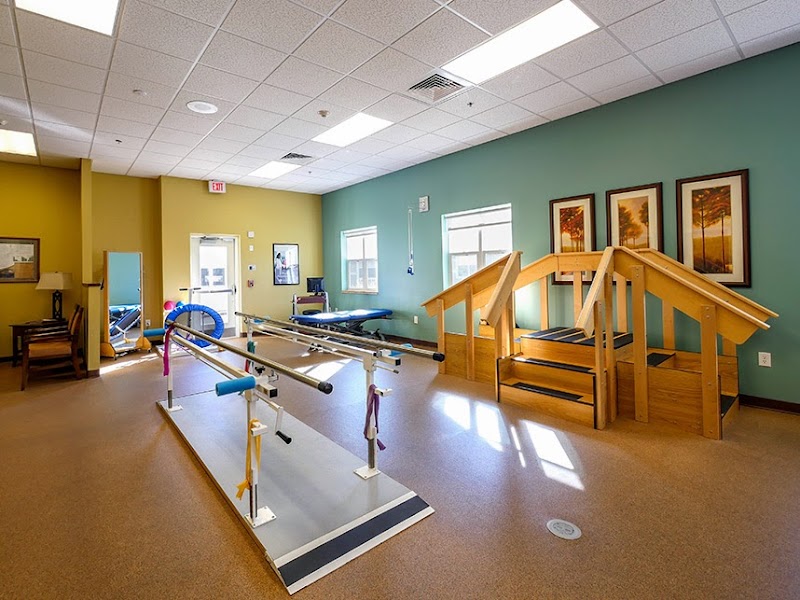
How is Aperion Care Marion Llc Staffed?

CMS rates APERION CARE MARION LLC's staffing level at 1 out of 5 stars, which is much below average compared to other nursing homes. Staff turnover is 58%, which is 12 percentage points above the Indiana average of 46%. High turnover can affect care consistency as new staff learn residents' individual needs.

What Have Inspectors Found at Aperion Care Marion Llc?

State health inspectors documented 65 deficiencies at APERION CARE MARION LLC during 2023 to 2025. These included: 1 Immediate Jeopardy (the most serious level, indicating potential for serious harm or death), 2 that caused actual resident harm, 61 with potential for harm, and 1 minor or isolated issues. Immediate Jeopardy findings are rare and represent the most serious regulatory concerns. They require immediate corrective action.
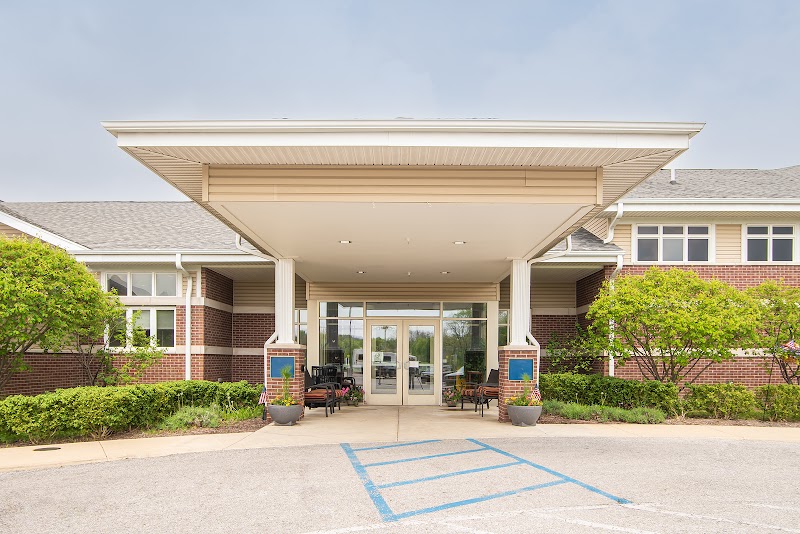
Who Owns and Operates Aperion Care Marion Llc?

APERION CARE MARION LLC is owned by a for-profit company. For-profit facilities operate as businesses with obligations to shareholders or private owners. The facility is operated by APERION CARE, a chain that manages multiple nursing homes. With 70 certified beds and approximately 60 residents (about 86% occupancy), it is a smaller facility located in MARION, Indiana.
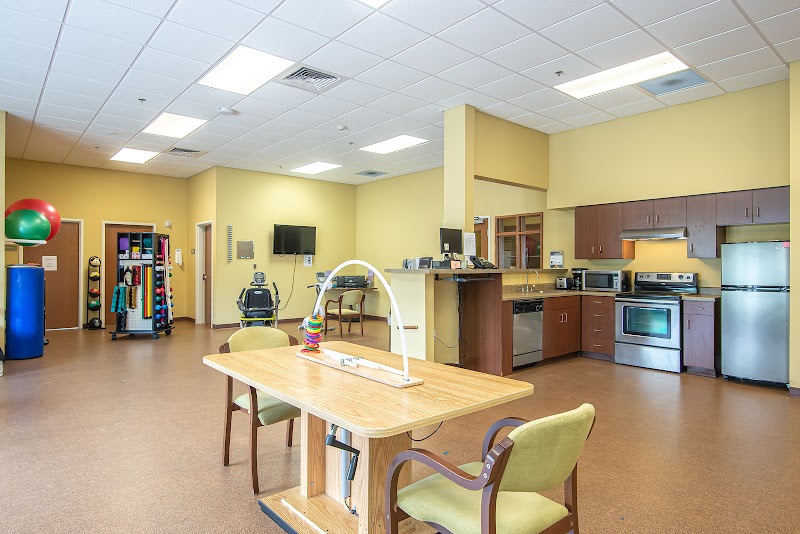
How Does Aperion Care Marion Llc Compare to Other Indiana Nursing Homes?

Compared to the 100 nursing homes in Indiana, APERION CARE MARION LLC's overall rating (1 stars) is below the state average of 3.1, staff turnover (58%) is significantly higher than the state average of 46%, and health inspection rating (1 stars) is much below the national benchmark.

What Should Families Ask When Visiting Aperion Care Marion Llc?

Based on this facility's data, families visiting should ask: "What changes have been made since the serious inspection findings, and how are you preventing similar issues?" "How do you ensure continuity of care given staff turnover, and what is your staff retention strategy?" "Can you walk me through typical staffing levels on day, evening, and night shifts?" "Can I visit during a mealtime to observe dining assistance and food quality?" These questions are particularly relevant given the facility's Immediate Jeopardy citations, the facility's high staff turnover rate, and the below-average staffing rating.

Is Aperion Care Marion Llc Safe?

Based on CMS inspection data, APERION CARE MARION LLC has documented safety concerns. Inspectors have issued 1 Immediate Jeopardy citation (the most serious violation level indicating risk of serious injury or death). The facility is currently on the Special Focus Facility watch list (a federal program monitoring the lowest-performing 1% of nursing homes nationwide). The facility has a 1-star overall rating and ranks #100 of 100 nursing homes in Indiana. Families considering this facility should ask detailed questions about what corrective actions have been taken since these incidents.

Do Nurses at Aperion Care Marion Llc Stick Around?

Staff turnover at APERION CARE MARION LLC is high. At 58%, the facility is 12 percentage points above the Indiana average of 46%. High turnover means new staff may not know residents' individual needs, medications, or preferences. It can also be disorienting for residents, especially those with dementia who rely on familiar faces. Families should ask: What is causing the turnover? What retention programs are in place? How do you ensure care continuity during staff transitions?

Was Aperion Care Marion Llc Ever Fined?

APERION CARE MARION LLC has been fined $25,652 across 2 penalty actions. This is below the Indiana average of $33,335. While any fine indicates a compliance issue, fines under $50,000 are relatively common and typically reflect isolated problems that were subsequently corrected. Families should ask what specific issues led to these fines and confirm they've been resolved.

Is Aperion Care Marion Llc on Any Federal Watch List?

APERION CARE MARION LLC is currently an SFF Candidate, meaning CMS has identified it as potentially qualifying for the Special Focus Facility watch list. SFF Candidates have a history of serious deficiencies but haven't yet reached the threshold for full SFF designation. The facility is being monitored more closely — if problems continue, it may be added to the official watch list. Families should ask what the facility is doing to address the issues that led to this status.