MULBERRY HEALTH & REHABILITATION CENTER
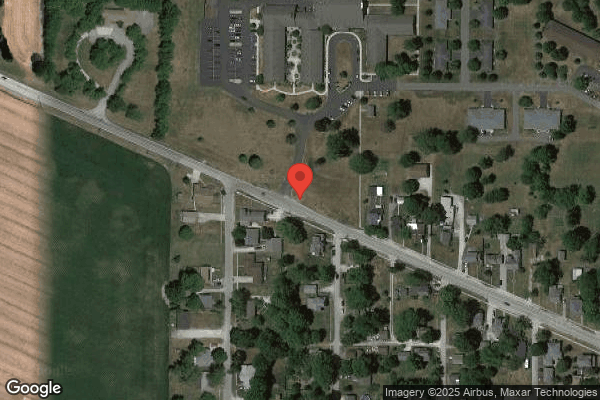

502 W JACKSON ST, MULBERRY, IN 46058 (765) 296-2911
For profit - Partnership 159 Beds Independent Data: November 2025
Trust Grade
90/100
#80 of 505 in IN
Last Inspection: May 2024

Within standard 12-15 month inspection cycle. Federal law requires annual inspections.

Overview

Mulberry Health & Rehabilitation Center has received an excellent Trust Grade of A, indicating it is highly recommended and performs well compared to other facilities. It ranks #80 out of 505 in Indiana, placing it in the top half of nursing homes in the state, and is the best option among four facilities in Clinton County. The facility is improving, having reduced its issues from five in 2023 to three in 2024. Staffing is a notable concern, earning only 2 out of 5 stars, yet it boasts a low turnover rate of 0%, which is significantly better than the state average. While there are no fines recorded, a few concerning incidents have been noted, such as improperly labeled and stored food items in the kitchen, and a resident not being dressed appropriately during mealtime, which could affect their dignity. Overall, while Mulberry Health & Rehabilitation Center shows strengths in its trust grade and trends, families should be aware of the staffing issues and recent concerns regarding resident care.

Trust Score
A
90/100
In Indiana
#80/505
Top 15%
Safety Record
Low Risk
No red flags
Inspections
Getting Better
5 → 3 violations
Staff Stability
○ Average
Turnover data not reported for this facility.
Penalties
✓ Good
No fines on record. Clean compliance history, better than most Indiana facilities.
Skilled Nurses
✓ Good
Each resident gets 47 minutes of Registered Nurse (RN) attention daily — more than average for Indiana. RNs are trained to catch health problems early.
Violations
⚠ Watch
11 deficiencies on record. Higher than average. Multiple issues found across inspections.
★★★★★
5.0
Overall Rating
★★☆☆☆
2.0
Staff Levels
★★★★★
5.0
Care Quality
★★★★☆
4.0
Inspection Score
Stable
2023: 5 issues
2024: 3 issues

The Good

  • 5-Star Quality Measures · Strong clinical quality outcomes
  • Full Sprinkler Coverage · Fire safety systems throughout facility
  • No fines on record

Facility shows strength in quality measures, fire safety.

The Bad

No Significant Concerns Identified

This facility shows no red flags. Among Indiana's 100 nursing homes, only 0% achieve this.

The Ugly 11 deficiencies on record

May 2024 3 deficiencies
CONCERN (D)

Potential for Harm - no one hurt, but risky conditions existed

Resident Rights (Tag F0550)

Could have caused harm · This affected 1 resident

Based on observation, record review and interview, the facility failed to ensure a resident was dressed in her own clothing and to ensure staff was not standing while feeding a resident for 1 of 2 res...

Read full inspector narrative →
Based on observation, record review and interview, the facility failed to ensure a resident was dressed in her own clothing and to ensure staff was not standing while feeding a resident for 1 of 2 residents reviewed for dignity. (Resident 50) Finding includes: During an observation, on 5/1/24 at 12:52 p.m., CNA 6 was standing on the left side of Resident 50's wheelchair feeding the resident. During an observation, on 5/1/24 at 12:59 p.m., CNA 6 took a chair from another table and sat down to continue feeding the resident. During an observation, on 5/3/24 at 9:30 a.m., the resident was sitting at a table in the dining room facing the door. There was a resident sitting across the table from the resident and five other residents were in the dining room. The resident was wearing a long-sleeved shirt with the top of the shirt pulled down exposing a large portion of the resident's chest. The shoulder seams were touching her elbows. CNA 5 pulled the front of the shirt up to cover her chest. CNA 5 checked the tag on the back of the shirt and indicated the shirt belonged to the resident's roommate. The clinical record for Resident 50 was reviewed on 5/3/24 at 10:15 p.m. The diagnoses included, but were not limited to, depression, macular degeneration, legal blindness, chronic kidney disease, and anxiety disorder. A care plan, dated 3/31/23, indicated the resident had an activity of daily living (ADL) self-care deficit. The interventions included, but were not limited to, assist the resident with ADL's as needed, assist the resident with showers when needed, set up meals for the resident's convenience, and encourage, cue, or assist the resident with eating meals, snacks, and drinking fluids. During an interview, on 5/1/24 at 4:03 p.m., the resident's daughter indicated she saw the resident wearing a size 3 extra-large shirt. The shirt was huge, and the resident only wore a size large. The staff would place other residents' clothing in her closet, and they did not pay attention when dressing the resident. She had taken her concerns to the management before. During an interview, on 5/01/24 at 1:35 p.m., CNA 6 indicated she should not stand, and she should make sure she was sitting down when feeding the residents. During an interview, on 5/3/24 at 9:32 a.m., CNA 5 indicated she was unaware of why the resident was wearing her roommate's shirt. During an interview, on 5/3/24 at 9:34 a.m., QMA 7 indicated she was working in the resident's hall. The resident was dressed when she started her shift. The resident was on a night shift get up and was already dressed prior to QMA 7 starting her shift. During an interview, on 5/6/24 at 4:57 p.m., the Administrator indicated hospice had the resident dressed when the resident was observed wearing the oversized shirt and she knew the resident should be dressed in her own clothes. During an interview, on 5/8/24 at 12:14 p.m., the Assistant Director of Nursing (ADON) indicated when assisting the residents with eating, the staff were expected to sit down and assist the resident and not feed the resident standing. A current policy, titled Resident Rights, dated as revised on 11/28/16 and received from the Administrator on entrance, indicated .The resident has a right to a dignified existence, self-determination, and communication with and access to persons and services inside and outside the facility, including those specified in this section .The right to participate in the development and implementation of his or her person-centered plan of care, including but not limited to: The resident has a right to be treated with respect and dignity, including: The right to retain and use personal possessions, including furnishing, and clothing 3.1-3(t)
CONCERN (D)

Potential for Harm - no one hurt, but risky conditions existed

PASARR Coordination (Tag F0644)

Could have caused harm · This affected 1 resident

Based on interview and record review, the facility failed to complete an accurate level 1 Preadmission Screening and Resident Review (PASARR) for 1 of 3 residents reviewed for PASARR. (Resident 105) F...

Read full inspector narrative →
Based on interview and record review, the facility failed to complete an accurate level 1 Preadmission Screening and Resident Review (PASARR) for 1 of 3 residents reviewed for PASARR. (Resident 105) Finding includes: The clinical record for Resident 105 was reviewed on 5/2/24 at 4:30 p.m. The diagnoses included, but were not limited to, major depressive disorder, dissociative identity disorder, and anxiety disorder. A physician's order, with a start date of 1/25/24, indicated the resident received alprazolam (an antianxiety medication) 0.5 milligrams twice a day. A notice of PASARR level 1 screen outcome indicated the resident did not have any mental health diagnoses known or suspected. The PASARR did not include the residents major depressive disorder diagnosis, dissociative identity disorder diagnosis, or the resident's alprazolam medication. During an interview, on 5/6/24 at 3:10 p.m., the Social Services Director indicated the diagnoses and medication should have been listed on the PASARR. The person who submitted the PASARR may not have had all the information. During an interview, on 5/9/24 at 9:10 a.m., the Administrator indicated the facility did not have a specific PASARR policy. The facility used the Resident Assessment Instrument (RAI) manual. A CMS (Centers for Medicare and Medicaid Services) document, titled Long-Term Care Facility Resident Assessment Instrument 3.0 User's Manual Version 1.18.11 October 2023, indicated .All individuals who are admitted to a Medicaid certified nursing facility, regardless of the individual's payment source, must have a Level I PASRR completed to screen for possible mental illness (MI), intellectual disability (ID), developmental disability (DD), or related conditions 3.1-16(d)(1)(A) 3.1-16(d)(1)(B)
CONCERN (D)

Potential for Harm - no one hurt, but risky conditions existed

Deficiency F0761 (Tag F0761)

Could have caused harm · This affected 1 resident

Based on observation, interview and record review, the facility failed to ensure over the counter medications were labeled and beverages were not stored in the medication refrigerator for 3 of 3 medic...

Read full inspector narrative →
Based on observation, interview and record review, the facility failed to ensure over the counter medications were labeled and beverages were not stored in the medication refrigerator for 3 of 3 medication carts and 1 of 1 medication room observed for medication storage. (cart 1 and 2 on the 100 hall, cart 1 on the 200 hall, and the medication room on 200 hall) Findings include: 1. During an observation, on 5/2/24 at 9:55 a.m., with LPN 2, the medication cart 2 on the 100 hall was observed to have the following: a. one bottle of chest congestion relief (guaifenesin) for Resident 69, with no pharmacy label. b. one bottle of aspirin 81 mg which contained 500 tablets had Resident 69's first initial and last name in black marker on the top of the bottle, with no pharmacy label. c. one bottle of melatonin 5 mg which contained 240 tablets with Resident 69's name written on the top, with no pharmacy label. d. one bottle of B12 1000 mcg had black ink and indicated morning, there was no resident name or pharmacy label. The clinical record for Resident 69 was reviewed on 5/2/24 at 11:26 a.m. There was no physician's order for the guaifenesin. 2. During an observation, on 5/2/24 at 9:58 a.m., with LPN 2, the medication cart 1 on the 100 hall was observed to have the following: a. one bottle of acetaminophen 650 mg had a white label with Resident 46's name written on it, the physician and 1 tablet daily, with no pharmacy label. b. one bottle of eye health complex 90 capsules had Resident 46's name on the top of the bottle and 1 capsule BID (twice daily), with no pharmacy label. 3. During an observation, on 5/2/24 at 10:00 a.m., with LPN 2 and 3, the medication cart 1 on the 200 hall was observed to have the following: a. one bottle of acetaminophen 500 mg containing 500 caplets with Resident 100's name, the physician, room number, and 2 tablets PO (by mouth) TID (three times a day) with no pharmacy label. b. one bottle of acetaminophen 650 mg containing 225 tablets with Resident 29's name, the physician's name, room number written in black marker with no pharmacy label. 4. During an observation, on 5/2/24 at 10:30 a.m., the medication refrigerator in the medication room on 200 hall contained food and beverage items. During an interview, on 5/2/24 at 10:30 a.m., LPN 4 indicated beverages and food should not be in the medication refrigerator. During an interview, on 5/8/24 at 2:19 p.m., the Pharmacist indicated the over-the-counter medications needed a resident name, date, the doctor's name, and instructions the same as prescribed medications. A current facility policy, titled Medication Storage and Labeling, dated January 2024 and received from the Executive Director on 5/6/24 at 9:15 a.m., indicated .medications/biologicals are maintained within secured locations, clean and sanitary conditions: and maintain proper temperatures .medications/biologicals are labeled in accordance with currently accepted professional principles . 3.1-25(j) 3.1-25(k)(1) 3.1-25(k)(2) 3.1-25(k)(3) 3.1-25(k)(4) 3.1-25(k)(5) 3.1-25(k)(6) 3.1-25(k)(7)
Feb 2023 5 deficiencies
CONCERN (D)

Potential for Harm - no one hurt, but risky conditions existed

Assessment Accuracy (Tag F0641)

Could have caused harm · This affected 1 resident

Based on interview and record review, the facility failed to accurately code a resident's discharge status in the Minimum Data Set (MDS) assessment for 1 of 1 resident reviewed for MDS assessments. (R...

Read full inspector narrative →
Based on interview and record review, the facility failed to accurately code a resident's discharge status in the Minimum Data Set (MDS) assessment for 1 of 1 resident reviewed for MDS assessments. (Resident 129) Finding includes: The record for Resident 129 was reviewed on 2/15/23 at 2:56 p.m. Diagnoses included, but were not limited to, fracture of left pubis, hypertensive chronic kidney disease, pulmonary fibrosis, chronic kidney disease, and hypertension. A discharge MDS assessment, dated 1/13/23, indicated the resident was discharged to an acute hospital on 1/1/23. During an interview, on 2/15/23 at 10:07 a.m., the Director of Nursing indicated Resident 129 was discharged home with daughter and not to the hospital. The discharge MDS assessment, completed on 1/13/23, was coded wrong. During an interview, on 2/17/23 at 11:00 a.m., the MDS Coordinator indicated the MDS assessment was coded wrong and should have been coded as discharged to the community. The facility followed the RAI manual. 3.1-31(i)
CONCERN (D)

Potential for Harm - no one hurt, but risky conditions existed

Comprehensive Care Plan (Tag F0656)

Could have caused harm · This affected 1 resident

Based on interview and record review, the facility failed to document targeted behaviors in the comprehensive care plan for a resident receiving an antipsychotic medication for delusional behaviors fo...

Read full inspector narrative →
Based on interview and record review, the facility failed to document targeted behaviors in the comprehensive care plan for a resident receiving an antipsychotic medication for delusional behaviors for 1 of 3 residents reviewed for comprehensive care plans. (Resident 101) Finding includes: The record for Resident 101 was reviewed on 2/14/22 at 2:49 p.m. Diagnoses included, but were not limited to, schizoaffective disorder, right femur fracture, vascular dementia, restlessness and agitation, Alzheimer's disease, delusional disorder, depression, and mood disorder. A history and physical, dated 6/15/22, indicated Resident 101 had a diagnosis of dementia and no diagnosis of schizoaffective disorder. A physician's order, dated 8/31/22, indicated to add a diagnosis of schizoaffective disorder due to hallucinations and delusions. A history and physical, dated 12/16/22, indicated Resident 101 had a diagnosis of schizoaffective disorder and the diagnosis was very unclear and there was no prior documentation to support. She had no documentation for schizoaffective disorder or no use of psychotropic medication prior to starting quetiapine on 11/22. A review of Resident 101's admission agreement, dated 10/13/22, had a document titled Consent for use of psychotropic medications therapy. The document lacked indication of resident information, medication she was prescribed, diagnosis, who the information was reviewed with, or a signature of consent for the medication. A care plan, dated 10/18/22, indicated Resident 101 had episodes of resisting care, verbally and physically abusive towards staff and other residents, agitated with redirection. She had diagnoses of Alzheimer's disease, dementia, schizoaffective disorder, and delusional disorder. A care plan, with a revision date of 2/14/23, indicated Resident 101 had episodes of delusions. She had diagnoses of dementia, Alzheimer's disease, schizoaffective disorder, and delusional disorder. She had trauma history. A document, titled Note from Prescribing Psychiatrist, dated 2/3/23, indicated Resident 101 had a schizoaffective disorder diagnosis from another facility. Schizoaffective disorder was not appropriate for the use of Olanzapine. The diagnosis was to be changed to delusional disorder effective 2/3/23. During an interview, on 2/17/23 at 9:20 a.m., the Social Service Director indicated Resident 101's care plan was not updated to remove the diagnosis of schizoaffective disorder. No policy on care plans was provided by the time of exit. 3.1-35(a) 3.1-35(b)(1)
CONCERN (D)

Potential for Harm - no one hurt, but risky conditions existed

Quality of Care (Tag F0684)

Could have caused harm · This affected 1 resident

Based on observation, interview and record review, the facility failed to accurately assesses and document bruising on the skin for 2 of 2 residents reviewed for skin issues and skin assessments. (Res...

Read full inspector narrative →
Based on observation, interview and record review, the facility failed to accurately assesses and document bruising on the skin for 2 of 2 residents reviewed for skin issues and skin assessments. (Resident 2 and 20) Findings include: 1. During an observation of Resident 2, on 02/13/23 at 12:39 p.m., the resident was found to have a red bruise on her left arm at the wrist area. During an observation of Resident 2, on 02/14/23 at 2:02 p.m., the resident was found to have a red bruise on her left arm at the wrist area. During an observation of Resident 2, on 02/15/23 at 1:10 p.m., the resident was found to have a red discoloration/bruise on her left forearm at the wrist area. The record for Resident 2 was reviewed on 02/13/23 at 2:48 p.m. Diagnoses included, but were not limited to, anemia, gastrointestinal hemorrhage, and thrombocytopenia (a low platelet count and platelets stop bleeding by clumping and forming plugs in blood vessel injuries). A physician's order, initiated on 11/24/22, indicated to give aspirin (a medication which was used to prevent platelets from sticking together and decreased the body's ability to form clots) 81 milligrams (mg) once a day for a history of stroke and atrial fibrillation (an irregular heart rhythm which could lead to blood clots in the heart). A care plan, initiated on 10/07/21, indicated the resident was at risk for bleeding related to the use of aspirin. The resident was to be observed for signs of abnormal bleeding. A weekly skin assessment, completed on 02/13/23 at 3:15 p.m., did not contain documentation or measurement of the bruise. During an interview, on 02/15/23 at 1:11 p.m., RN 3 indicated she was not aware of the bruising and was going to assess the resident. 2. During an observation of Resident 20, on 02/13/23 at 10:40 a.m., bruising was noted on the resident's right hand and forearm. The bruising was red and purple. Resident 20 indicated he hit his hand. During an observation of Resident 20, on 02/14/23 at 2:07 p.m., the resident continued to have bruising on his right forearm. During an observation of Resident 20, on 02/15/23 at 9:30 a.m., the resident continued to have bruising on his right forearm. During an observation of Resident 20, on 02/16/23 at 11:04 a.m., the resident continued to have bruising on his right forearm. The record for Resident 20 was reviewed on 02/16/23 at 1:14 p.m. Diagnoses included, but were not limited to, atrial fibrillation, congestive heart failure (when the heart muscle doesn't pump blood as well as it should) and hypertensive kidney disease (high blood pressure caused by the narrowing of your arteries which carry blood to your kidneys). A physician's order, initiated on 01/18/22, indicated to give apixaban (Eliquis-an anticoagulant medication used to treat and prevent blood clots) 5 mg twice a day for atrial fibrillation. A physician's order, initiated on 01/18/22, indicated to observe for side effects of (anticoagulant) medication to include bruising. A care plan, initiated on 12/28/21, indicated Resident 20 was a risk for side effects of the anticoagulant and to observed for signs of bleeding. A weekly skin assessment, completed on 02/15/23 at 5:59 p.m., did not contain documentation of the bruising. During an interview, on 02/16/23 at 11:04 a.m., RN 3 indicated she had completed the skin assessment on Resident 20 the evening before, and she would correct the assessment. A facility policy, titled Skin Prevention-Non-Pressure Incidents/Accidents, dated May 2022 and provided by the Administrator in Training (AIT) on 02/17/23 at 2:53 p.m., indicated .Nursing, in collaboration with the health care team, will assess and manage skin integrity for all residents .Observing skin for .bruises .PROCEDURE .Staff to report new areas to nurse .investigate areas 3.1-37(a)
CONCERN (D)

Potential for Harm - no one hurt, but risky conditions existed

Deficiency F0761 (Tag F0761)

Could have caused harm · This affected 1 resident

Based on observation, interview and record review, the facility failed to date multi-dose bottles of medication when they were opened in 1 of 4 medication storage refrigerators reviewed for medication...

Read full inspector narrative →
Based on observation, interview and record review, the facility failed to date multi-dose bottles of medication when they were opened in 1 of 4 medication storage refrigerators reviewed for medication storage. (300 Unit) Finding includes: During a medication storage observation in the 300 Unit medication refrigerator, on 02/14/23 at 9:45 a.m., with LPN 8, two (2) bottles of Ativan concentrate were found open without a date to indicated when the multi-dose bottles had been opened. During an interview, on 02/14/23 at 9:47 a.m., LPN 8 indicated the bottles should have been labeled with the date they had been opened. A facility policy, titled Medication Storage and Labeling, dated January 2023 and provided by the Director of Nursing on 02/15/23 at 11:30 a.m., indicated .multi-dose vials which have been opened .should be dated 3.1-25(j)
CONCERN (F)

Potential for Harm - no one hurt, but risky conditions existed

Food Safety (Tag F0812)

Could have caused harm · This affected most or all residents

Based on observation, interview and record review, the facility failed to label, date and store food in a sanitary manner. This deficient practice had the potential to affect all residents who consume...

Read full inspector narrative →
Based on observation, interview and record review, the facility failed to label, date and store food in a sanitary manner. This deficient practice had the potential to affect all residents who consume food from the kitchen. Findings include: During an observation, on 02/13/23 at 9:55 a.m., the kitchen cooler was noted with Dietary Manager (DM) and the following was observed: a. on the cooler shelf was a name brand open can of coffee like drink with no open date on the can. b. on the cooler shelf was a plastic bottle of name brand soda pop with no label or date on the bottle. c. on the cooler shelf was a large plastic cup from a gas station with an uncovered straw in the cup with no label or date on the cup. d. on the cooler shelf was a soft sided plastic lunch box with no label or date on the lunch box. During an interview, on 02/13/23 at 9:55 a.m., the DM indicated I don't know if the open and undated drinks and lunch container could be kept in the walk-in cooler. During an interview, on 02/16/23 at 2:28 p.m., the Registered Dietician (RD) indicated we (facility) do not have a policy on that for staff food in the walk-in cooler. The food should at least have their name and if food was open then labeled and dated to prevent potential food borne illness. A facility policy, titled Shelf Life and Labeling Procedure, undated and received from the Executive Director (ED) on 02/17/2023 at 11:30 a.m., indicated .Foods will be labeled and used within appropriate timeframes to ensure safety and quality .Open resident food items must have an open date and a use by date on the item 3.1-21(i)(1)
Aug 2019 3 deficiencies
CONCERN (D)

Potential for Harm - no one hurt, but risky conditions existed

Deficiency F0554 (Tag F0554)

Could have caused harm · This affected 1 resident

Based on observation, interview and record review, the facility failed to ensure a resident assessment to self administer medication was completed, failed to obtain physician's orders to self administ...

Read full inspector narrative →
Based on observation, interview and record review, the facility failed to ensure a resident assessment to self administer medication was completed, failed to obtain physician's orders to self administer medications and failed to have a care plan in place to self administer medications for 1 of 1 resident randomly observed during a medication administration. (Resident 5) Finding includes: During an observation, on 08/19/19 at 11:05 a.m., Resident 5 was sitting in her recliner with her meal on the bedside table. Next to her breakfast tray was a clear medication cup with pills inside, the nurse was not present to administer the medications. LPN 11 was called into the room to identify the pills left in the cup. LPN 11 indicated the medication cup included; one aspirin tablet, one hydralazine tablet, one Lasix tablet, one Lexapro tablet, three metoprolol tablets, one multivitamin tablet, one potassium capsule and one Preservision capsule. LPN 11 indicated she had just stepped out for a minute and Resident 5 was not to self administer the medications. The record for Resident 5 was reviewed on 08/19/19 at 11:20 a.m. Diagnoses included, but were not limited to, heart failure, hyperlipidemia (high cholesterol) and polyosteoarthritis (arthritis in multiple areas). A physician's order, dated 06/05/19, indicated to give aspirin 81 milligrams (mg) once a day. A physician's order, dated 01/15/18, indicated to give hydralazine (a blood pressure medication) 50 mg three times a day. A physician's order, dated 08/10/18, indicated to give Lasix (a medication used to treat edema) 20 mg once a day. A physician's order, dated 08/09/19, indicated to give Lexapro (an antidepressant) 5 mg once a day. A physician's order, dated 06/03/19, indicated to give three metoprolol (a blood pressure medication) tablets of 25 mg twice a day. A physician's order, dated 01/12/19, indicated to give one multivitamin tablet daily. A physician's order, dated 08/10/18, indicated to give potassium chloride ( a potassium supplement) 10 milliequavalents (meq) once a day. A physician's order, dated 01/12/18, indicated to give one Preservision (a vitamin) capsule twice a day. Resident 5 did not have a self administration assessment, a physician's order or a care plan to self administer the medications. A facility document provided by the Director of Nursing, on 08/20/19 at 2:00 p.m., titled Self-Administration of Medication indicated, .Assessment will be completed on resident's who wishes to administer own medications .Physician's order to be written if resident is self-administrating medications .Careplan will be completed 3.1-11(a)
CONCERN (D)

Potential for Harm - no one hurt, but risky conditions existed

Accident Prevention (Tag F0689)

Could have caused harm · This affected 1 resident

Based on observation, interview and record review, the facility failed to follow fall interventions placed for a resident at risk for falls for 1 of 3 residents reviewed for accidents (Resident 112). ...

Read full inspector narrative →
Based on observation, interview and record review, the facility failed to follow fall interventions placed for a resident at risk for falls for 1 of 3 residents reviewed for accidents (Resident 112). Finding includes: During an observation on 08/20/19 at 2:06 p.m., Resident 112 was sitting upright in the recliner in his room. The call light was not within reach, but at bedside. During an observation on 08/21/19 at 2:55 p.m., Resident 112 was sitting in a recliner in his room. The call light was not within his reach. The call light was attached to the left side of his bed. The record for Resident 112 was reviewed on 08/21/19 at 2:30 p.m. Diagnoses included, but were not limited to, Alzheimer's disease (memory loss), legal blindness, and chronic kidney disease with heart failure. A progress note, dated 06/06/19 at 6:02 p.m., indicated the resident was found sitting down leaning with his back against his recliner. The resident claimed he was trying to sit in his recliner and scooted back, he didn't feel the recliner and knew he was going to fall so he slowly sat down onto the floor. The fall was unwitnessed. A care plan, dated 6/30/16, indicated the resident was at risk for falls. Interventions included, but were not limited to, assist with call light within reach. A care plan, dated 6/30/16, indicated the resident had an ADL (Activities of Daily Living) self-care deficit related to impaired mobility due to visual hallucinations. Interventions included, but were not limited to, keep call light within easy reach. Prefers to have call light attached to recliner. During an interview, with CNA 3 on 08/21/19 at 2:57 p.m., she indicated it was a fall risk to not have the rolling walker or call light within his reach since he typically tried to get up to go to the bathroom for toileting. A facility document provided by the Administrator, on 08/26/19 at 9:20 a.m., titled Care Plan indicated, .Problems are care planned, including nursing measures to be carried out A facility policy provided by the Administrator, on 08/26/19 at 9:20 a.m., titled Fall Management indicated, .Purpose .to develop a plan of care with the appropriate interventions to decrease a resident's risk for falls A facility policy provided by the Administrator, on 08/26/19 at 9:20 a.m., titled Falls Policy Overview indicated, .Implement fall and injury prevention .Staff Nurses including .NAs (Nursing Assistants) are responsible for: Ensuring .call lights are easily accessible 3.1-45(a)(2)
CONCERN (F)

Potential for Harm - no one hurt, but risky conditions existed

Food Safety (Tag F0812)

Could have caused harm · This affected most or all residents

Based on observation, interview and record review, the facility failed to ensure the dishwasher temperatures were maintained, according to the manufacturer's guidelines posted on the dishwasher to ens...

Read full inspector narrative →
Based on observation, interview and record review, the facility failed to ensure the dishwasher temperatures were maintained, according to the manufacturer's guidelines posted on the dishwasher to ensure the correct sanitizing of dishes/utensils. This deficient practice has the potential to affect 140 of 140 residents who received meals from this kitchen. Finding includes: During an observation of the kitchen, with the Kitchen Manager, on 08/19/19 at 10:36 a.m., the high temperature dishwashing machine wash cycle reached 150 degrees Fahrenheit. The manufacturer's guideline posted on the dishwasher recommended wash cycle should have been 160 degrees. During a return observation, on 08/19/19 at 2:15 p.m., the dishwasher cycled at a wash temperature of 150 degrees Fahrenheit and a rinse temperature was 190 degrees Fahrenheit. A work order was in place for dishwasher repair. During an interview at that time, the Kitchen Manager indicated the wash cycle did not reach 160 degrees Fahrenheit to properly wash and sanitize the dishes and utensils according to the manufacturer's recommendations posted on the front of the dishwasher. The dishwasher temperature logs for August showed wash temperatures of 160 degrees Fahrenheit. A facility policy titled .Dish Machine Best Practice ., provided by Registered Dietician on 08/21/19 at 10:03 a.m., indicated, .Dishes and Cookware will be washed after each meal to assure that all dishes are clean and sanitary .4. Run through dish machine a. Wash temperature at or greater than 150 degrees .In the event that dish machine does not meet above temperature guidelines, paper items and/or handwashing/ sanitizing of reusable items will be utilized 3.1-21(i)(3)
Understanding Severity Codes (click to expand)
Life-Threatening (Immediate Jeopardy)
J - Isolated K - Pattern L - Widespread
Actual Harm
G - Isolated H - Pattern I - Widespread
Potential for Harm
D - Isolated E - Pattern F - Widespread
No Harm (Minor)
A - Isolated B - Pattern C - Widespread

Questions to Ask on Your Visit

  • "Can I speak with families of current residents?"
  • "What's your RN coverage like on weekends and overnight?"

Our Honest Assessment

Strengths
  • • Grade A (90/100). Above average facility, better than most options in Indiana.
  • • No major safety red flags. No abuse findings, life-threatening violations, or SFF status.
  • • No fines on record. Clean compliance history, better than most Indiana facilities.
Concerns
  • • 11 deficiencies on record. Higher than average. Multiple issues found across inspections.
Bottom line: Generally positive indicators. Standard due diligence and a personal visit recommended.

About This Facility

What is Mulberry Health & Rehabilitation Center's CMS Rating?

CMS assigns MULBERRY HEALTH & REHABILITATION CENTER an overall rating of 5 out of 5 stars, which is considered much above average nationally. Within Indiana, this rating places the facility higher than 99% of the state's 100 nursing homes. This rating reflects solid performance across the metrics CMS uses to evaluate nursing home quality.
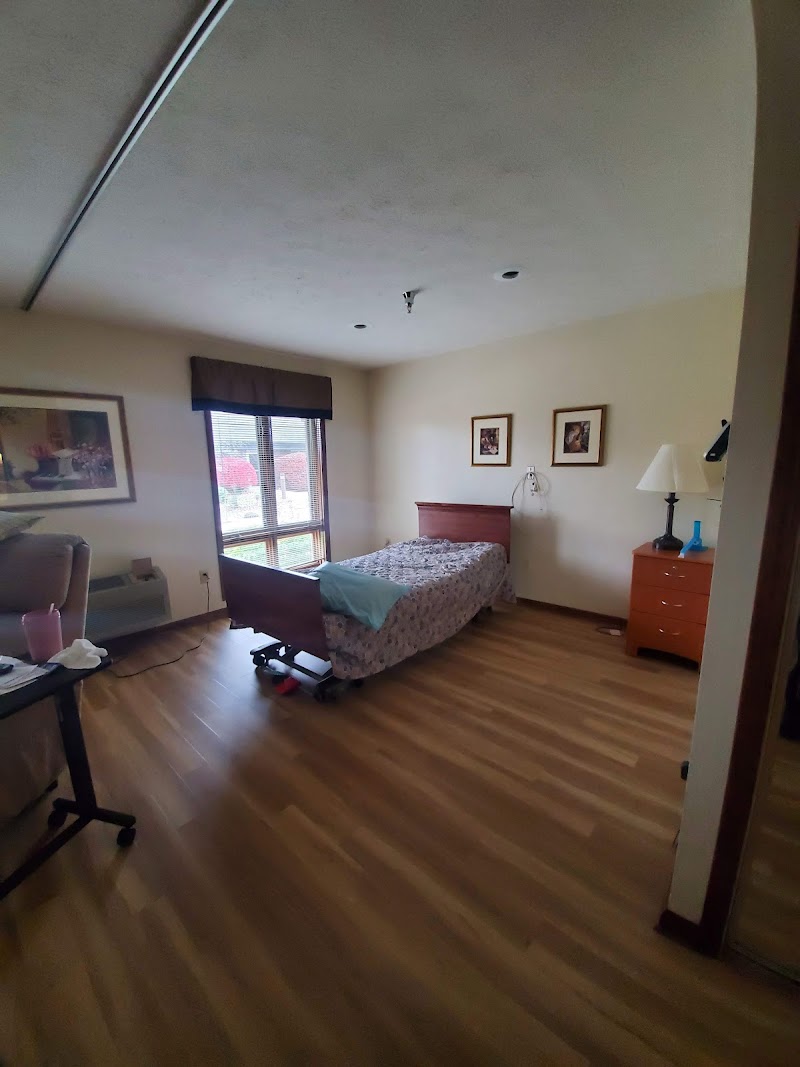
How is Mulberry Health & Rehabilitation Center Staffed?

CMS rates MULBERRY HEALTH & REHABILITATION CENTER's staffing level at 2 out of 5 stars, which is below average compared to other nursing homes.

What Have Inspectors Found at Mulberry Health & Rehabilitation Center?

State health inspectors documented 11 deficiencies at MULBERRY HEALTH & REHABILITATION CENTER during 2019 to 2024. These included: 11 with potential for harm.
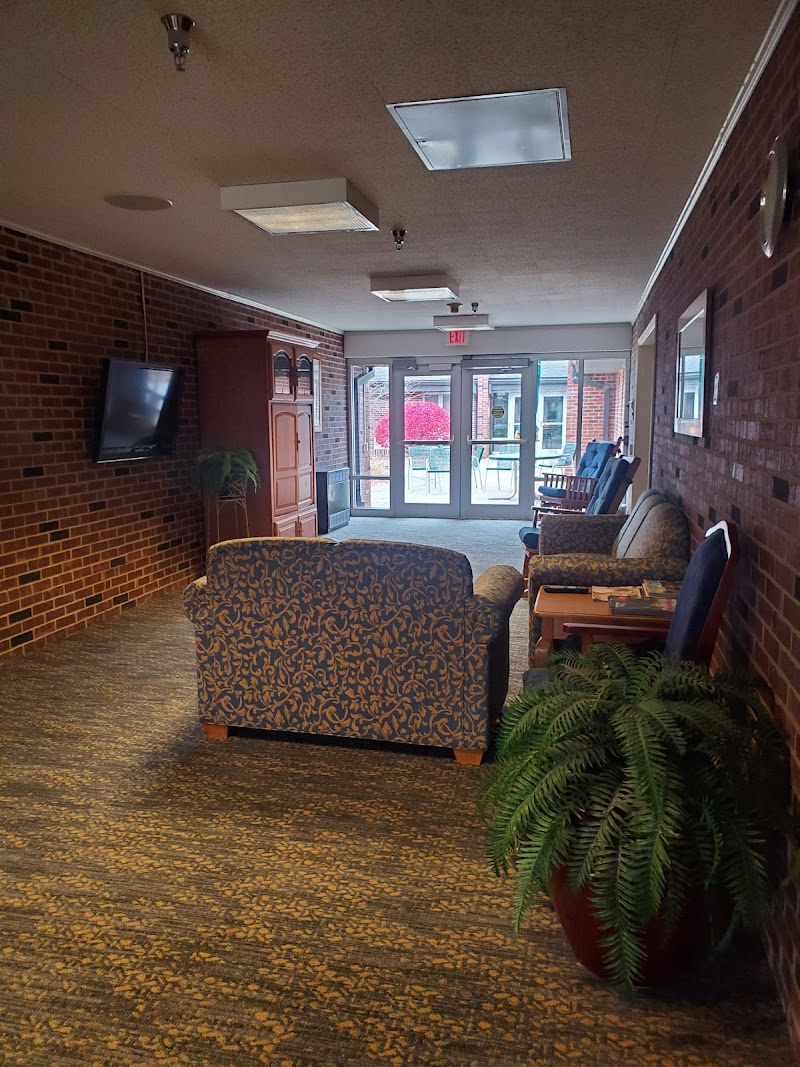
Who Owns and Operates Mulberry Health & Rehabilitation Center?

MULBERRY HEALTH & REHABILITATION CENTER is owned by a for-profit company. For-profit facilities operate as businesses with obligations to shareholders or private owners. The facility operates independently rather than as part of a larger chain. With 159 certified beds and approximately 122 residents (about 77% occupancy), it is a mid-sized facility located in MULBERRY, Indiana.
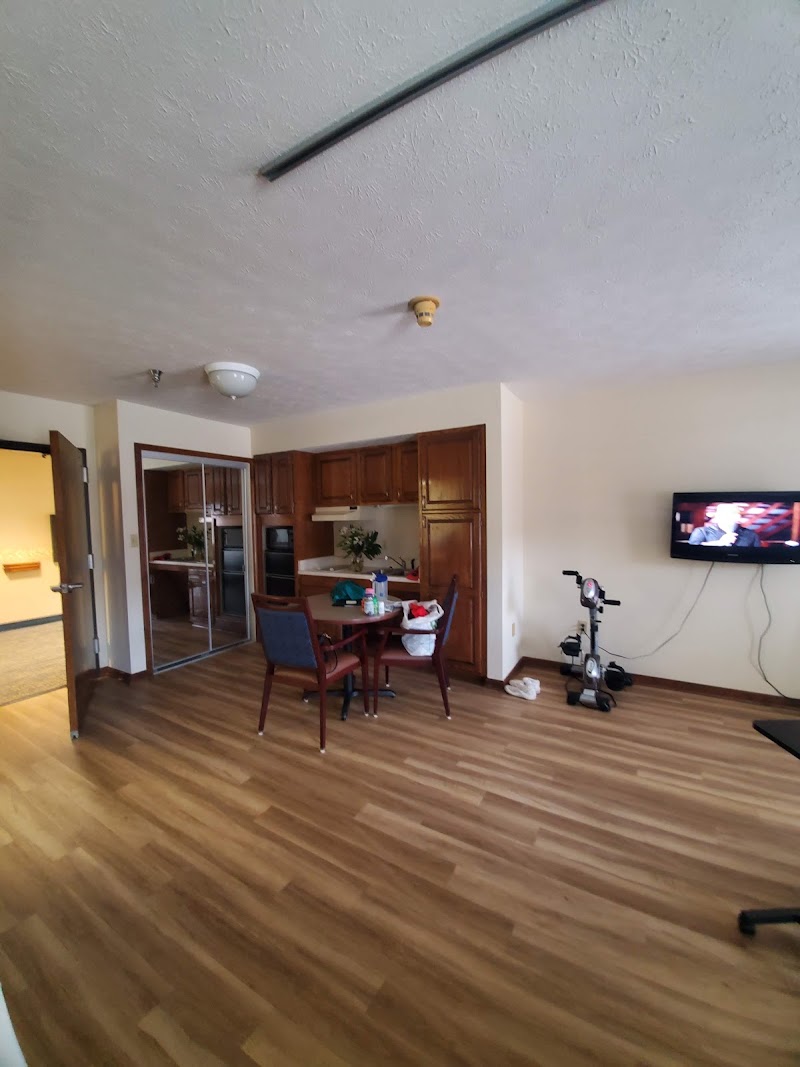
How Does Mulberry Health & Rehabilitation Center Compare to Other Indiana Nursing Homes?

Compared to the 100 nursing homes in Indiana, MULBERRY HEALTH & REHABILITATION CENTER's overall rating (5 stars) is above the state average of 3.1 and health inspection rating (4 stars) is above the national benchmark.

What Should Families Ask When Visiting Mulberry Health & Rehabilitation Center?

Based on this facility's data, families visiting should ask: "Can you walk me through typical staffing levels on day, evening, and night shifts?" "Can I visit during a mealtime to observe dining assistance and food quality?" "How do you handle medical emergencies, and what is your hospital transfer rate?" "Can I speak with family members of current residents about their experience?" These questions are particularly relevant given the below-average staffing rating.

Is Mulberry Health & Rehabilitation Center Safe?

Based on CMS inspection data, MULBERRY HEALTH & REHABILITATION CENTER has a clean safety record: no substantiated abuse findings (meaning no confirmed cases of resident harm), no Immediate Jeopardy citations (the most serious violation level indicating risk of serious injury or death), and is not on the Special Focus Facility watch list (a federal program monitoring the lowest-performing 1% of nursing homes). The facility has a 5-star overall rating and ranks #1 of 100 nursing homes in Indiana. While no facility is perfect, families should still ask about staff-to-resident ratios and recent inspection results during their visit.

Do Nurses at Mulberry Health & Rehabilitation Center Stick Around?

MULBERRY HEALTH & REHABILITATION CENTER has not reported staff turnover data to CMS. Staff turnover matters because consistent caregivers learn residents' individual needs, medications, and preferences. When staff frequently change, this institutional knowledge is lost. Families should ask the facility directly about their staff retention rates and average employee tenure.

Was Mulberry Health & Rehabilitation Center Ever Fined?

MULBERRY HEALTH & REHABILITATION CENTER has no federal fines on record. CMS issues fines when nursing homes fail to meet care standards or don't correct problems found during inspections. The absence of fines suggests the facility has either maintained compliance or corrected any issues before penalties were assessed. This is a positive indicator, though families should still review recent inspection reports for the full picture.

Is Mulberry Health & Rehabilitation Center on Any Federal Watch List?

MULBERRY HEALTH & REHABILITATION CENTER is not on any federal watch list. The most significant is the Special Focus Facility (SFF) program, which identifies the bottom 1% of nursing homes nationally based on persistent, serious quality problems. Not being on this list means the facility has avoided the pattern of deficiencies that triggers enhanced federal oversight. This is a positive indicator, though families should still review the facility's inspection history directly.