MAJESTIC CARE OF NEW HAVEN
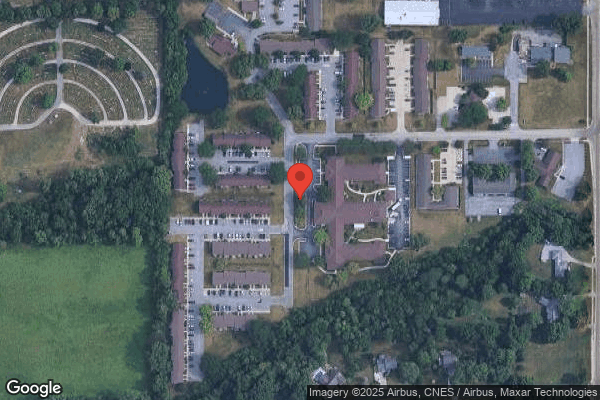
1201 DALY DRIVE, NEW HAVEN, IN 46774 (260) 749-0413
For profit - Limited Liability company 120 Beds MAJESTIC CARE Data: November 2025
Trust Grade
50/100
#266 of 505 in IN
Last Inspection: January 2025

Within standard 12-15 month inspection cycle. Federal law requires annual inspections.

Overview

Majestic Care of New Haven has a Trust Grade of C, which means it is average and falls in the middle of the pack regarding quality. With a state ranking of #266 out of 505 and a county ranking of #19 out of 29, the facility is in the bottom half of both categories. However, it is showing signs of improvement, as issues have decreased significantly from 10 in 2024 to just 1 in 2025. Staffing is a concern, receiving a low rating of 1 out of 5 stars and a troubling 70% turnover rate, which is higher than the state's average of 47%. While there have been no fines reported, which is a positive aspect, the facility has faced serious issues, such as failing to ensure adequate RN coverage during specific shifts and a lack of a behavioral management plan that led to a resident altercation, raising safety concerns for others.

Trust Score
C
50/100
In Indiana
#266/505
Bottom 48%
Safety Record
Moderate
Needs review
Inspections
Getting Better
10 → 1 violations
Staff Stability
⚠ Watch
70% turnover. Above average. Higher turnover means staff may not know residents' routines.
Penalties
✓ Good
No fines on record. Clean compliance history, better than most Indiana facilities.
Skilled Nurses
○ Average
Each resident gets 41 minutes of Registered Nurse (RN) attention daily — about average for Indiana. RNs are the most trained staff who monitor for health changes.
Violations
⚠ Watch
22 deficiencies on record. Higher than average. Multiple issues found across inspections.
★★★☆☆
3.0
Overall Rating
★☆☆☆☆
1.0
Staff Levels
★★★★★
5.0
Care Quality
★★★☆☆
3.0
Inspection Score
Stable
2024: 10 issues
2025: 1 issues

The Good

  • 5-Star Quality Measures · Strong clinical quality outcomes
  • Full Sprinkler Coverage · Fire safety systems throughout facility
  • No fines on record

Facility shows strength in quality measures, fire safety.

The Bad

3-Star Overall Rating

Near Indiana average (3.1)

Meets federal standards, typical of most facilities

Staff Turnover: 70%

23pts above Indiana avg (46%)

Frequent staff changes - ask about care continuity

Chain: MAJESTIC CARE

Part of a multi-facility chain

Ask about local staffing decisions and management

Staff turnover is elevated (70%)

22 points above Indiana average of 48%

The Ugly 22 deficiencies on record

1 actual harm
Jan 2025 1 deficiency
CONCERN (D)

Potential for Harm - no one hurt, but risky conditions existed

Deficiency F0761 (Tag F0761)

Could have caused harm · This affected 1 resident

**NOTE- TERMS IN BRACKETS HAVE BEEN EDITED TO PROTECT CONFIDENTIALITY** Based on observation, interview, and record review the facility failed to ensure labeling of opened medications on 1 of 2 medica...

Read full inspector narrative →
**NOTE- TERMS IN BRACKETS HAVE BEEN EDITED TO PROTECT CONFIDENTIALITY** Based on observation, interview, and record review the facility failed to ensure labeling of opened medications on 1 of 2 medication carts reviewed. ( Resident 55, Resident 9, and Resident 49) Findings include: During an observation on [DATE] at 10:27 AM, with Qualified Medical Assistant 4, in the 200 Hall medication cart, in the top drawer was the following: an inhaler of Trelegy Ellipta labeled for Resident 55 had an expiration date of [DATE] no open date. Resident 9's inhaler of Flucticsalme AER, had an open date of [DATE] and an expiration date of [DATE]. Resident 49's inhaler of Fluticsame Spr, had no open date and a expiration date of [DATE]. In an interview, on [DATE] at 10:32 AM, QMA 4 indicated the staff would usually go through the cart to make sure everything was labeled, then discard the medication that was not labeled or was expired. In an interview, on [DATE] at 11:30 AM, the Director of Nursing indicated she spoke to the pharmacy and the 3 inhalers should have been removed from the cart. 1. Resident 55's record review began on [DATE] at 11:13 AM. Resident 55's diagnoses included chronic obstructive pulmonary disease. Resident 55 had a physician order for Trelegy Ellipta Inhalation Aerosol Powder breath activate 100-62.5-25 microgram (mcg), directions were: 1 puff inhale orally one time a day related chronic obstructive pulmonary disease. Rinse mouth with water after use spit back into cup after use, with a start date of [DATE]. Resident 55's Medication Administration Record (MAR) for Trelegy Ellipta Inhalation Aerosol indicated resident received the medication on [DATE]. 2. Resident 9's record review began on [DATE] at 11:33 AM. Resident 9's diagnoses included asthma. Resident 9 had a physician order for Advair Diskus inhalation Aerosol powder breath activated 100-50 mcg (fluticasone-Salmeterol), to be given 1 puff inhale orally two times a day related to acute and chronic respiratory failure. The resident was to rinse theri mouth with water after use. Start date was [DATE]. Resident 9's MAR for Advair Diskus inhalation Aerosol powder breath activated 100-50 mcg (fluticasone-Salmeterol) received the inhaler two times a day on [DATE], 14, 15, 16, 17, 18, 19, 20, and 21. 3. Resident 49's record review began on [DATE] at 12:13 PM. Resident 49's diagnoses included chronic obstructive pulmonary disease. Resident 49 had a physician order for Proventil HFA inhalation Aerosol Solution 108 (90 base) mcg. Directions were to take 2 puffs inhale orally every 4 hours as needed for short of breath. The residnet may keep the medication at bedside. Start date was [DATE]. Resident 49's MAR for Proventil HFA inhalation Aerosol Solution 108 (90 base) mcg, indicated the medication had not been used. A policy titled, Medication Administration, dated [DATE] was received by the Regional Nurse Consultant on [DATE] at 11:13 AM. The policy indicated . Disposal of medication(s) should be completed for medication(s) that are without secure closure, outdate, contaminated and/or deteriorated .disposal needs to be timely .remove medication(s) immediately from stock . 3.1-25(j)(m)(n)
Jun 2024 2 deficiencies
CONCERN (D) 📢 Someone Reported This

A family member, employee, or ombudsman was alarmed enough to file a formal complaint

Potential for Harm - no one hurt, but risky conditions existed

Quality of Care (Tag F0684)

Could have caused harm · This affected 1 resident

**NOTE- TERMS IN BRACKETS HAVE BEEN EDITED TO PROTECT CONFIDENTIALITY** Based on observation, interview, and record review the facility failed to ensure a resident with a known contagious condition wa...

Read full inspector narrative →
**NOTE- TERMS IN BRACKETS HAVE BEEN EDITED TO PROTECT CONFIDENTIALITY** Based on observation, interview, and record review the facility failed to ensure a resident with a known contagious condition was assessed and care planned for 1 of 3 residents reviewed (Resident E). Findings include: During an interview on 6/13/24 at 2:15 P.M., the Director of Nursing (DON) indicated Resident E had recurrent episodes of head lice after returning from leave of absences (LOA) where she visited with family. She indicated Resident E was to be checked for lice upon return to the facility and if found, staff were to obtain treatment orders. Treatment orders would be put in the physician's orders and communicated to staff in the plan of care. Resident E's record was reviewed on 6/14/24 at 10:14 AM. Diagnoses included adult neglect or abandonment confirmed or suspected, delusional disorder, and major depressive disorder. Resident E's current quarterly Minimum Data Set (MDS), dated [DATE], indicated her Brief Interview for Mental Status (BIMS) score was 15 (cognitively intact). The MDS indicated the resident required substantial to maximal assistance with bathing, including haircare and personal hygiene. Resident E's current care plan did not address lice infestation, past or present, risk factors or staff protocols. Facility census records indicated Resident E left the facility for a LOA on 4/25/24 and returned on 5/1/24. In an interview, on 6/14/24 at 11:00 A.M., Licensed Practical Nurse (LPN) 2 indicated Resident E had returned from LOA with head lice. She indicated a treatment had been completed and she was isolated. She did not recall any special assessments or protocols being done during the isolation period. Progress notes, dated 5/15/24, indicated Resident E was seen by Nurse Practitioner (NP) 3 for pediculosis capitis (head lice), noticed by the resident 2 days earlier. The note indicated Resident E had tried over the counter permethrin shampoo one day earlier and lice were actively visible in Resident E's hair. Progress notes dated 5/21/24 indicated NP 4 visited Resident E for examination of head and scalp. The note indicated Resident E presented with greasy hair contained in a shower cap, and Resident E had indicated her hair was soaked in olive oil. The note indicated Resident E had been brushing her hair and using a nit comb herself, had a dime sized open, draining wound on her left forehead and indicated staff should assist with use of nit brushing. The note indicated small white areas were present on the scalp that may have been dry skin or nits. Dicloxacillin ( an antibiotic) was ordered for cellulitis of the scalp. Progress notes dated 5/23/24 indicated NP 4 examined Resident E with no nits or lice observed. The note indicated nursing should continue nit comb use and monitor for lice. A progress note dated 5/31/24 at 1:00 pm indicated during a visit with her therapist, Resident E indicated she was isolated in her room due to recently having lice. The note indicated Resident E found it hard to stay in her room and wished to leave her room to attend group activities. A progress note dated 6/12/24 at 1:00 PM indicated NP 5 visited Resident E and she was isolated to her room for a lice infestation. Physician orders dated 5/15/24 at 3:49 PM indicated Ivermectin external lotion 0.5% was ordered to be applied to resident E's scalp, left on for 10 minutes and rinsed, as a one-time dose for pediculosis capitis (head lice). No additional orders for head lice treatment were available for review. A current [NAME] document (nurse aid assignment sheet) did not include use of any medicated shampoo or special considerations for hair and scalp care. Staff education pertaining to care of a resident with pediculosis was not available for review. Weekly nursing summaries dated 5/1/24, 5/8/24, 5/15/24, 5/24/24, 5/31/24, and 6/7/24 did not indicate the presence of lice, or any entries under other pertinent information. During an interview on 6/14/24 at 12:15 P.M., Resident E indicated NP 3 visited her the previous day, did not see any nits or lice and released her from isolation. Resident E indicated she was in isolation for about 4 weeks, and she was happy to be able to shower. She indicated she had been washing her hair in the bathroom sink because she couldn't leave her room and the woman she shared a bathroom with didn't like it. She indicated a staff member had brought her olive oil and a shower cap at one point to attempt to treat her condition. In an interview on 6/14/24 at 11:32 AM, the DON indicated she could not find an order for isolation and did not know when Resident E's isolation began or ended. She indicated formal assessments of Resident E's lice were not conducted and she could not find documentation of residents sharing her bathroom, or otherwise in proximity, being checked for lice. She indicated she did not find any additional provider orders for treatments, a plan of care for infestation with lice, or staff education on lice protocols. A current policy, undated, titled head Lice and Scabies exposure and treatment, provided by the Regional Nurse Consultant (RNC) indicated the nurse should assess the resident with signs such as itching, scratching, rash, nits or lice, report findings to the practitioner and obtain a treatment regimen. The policy indicated treatment should be conducted as ordered and the infested resident should be placed on transmission-based precautions and placed in a single occupancy room away from other residents to avoid transmission. The policy indicated personal clothing, bedding and linens should be decontaminated by washing in hot water. Items unable to be laundered should be dry cleaned or sealed in a plastic bag for 2 weeks. Combs and brushes should be soaked in hot water, at least 130 degrees, for at least 5-10 minutes. A current policy, undated, titled Isolation- Categories of Transmission-Based Precautions provided by the RNC indicated isolation precautions should be used when caring for residents who are diagnosed with or suspected to have communicable diseases. The policy indicated contact isolation precautions should be used in residents with a diagnosis of pediculosis. This citation is related to complaint IN00436491. 3.1-37(a)
CONCERN (D) 📢 Someone Reported This

A family member, employee, or ombudsman was alarmed enough to file a formal complaint

Potential for Harm - no one hurt, but risky conditions existed

Medication Errors (Tag F0758)

Could have caused harm · This affected 1 resident

Based on interview and record review, the facility failed to ensure residents were not given psychotropic medications without specific targeted behaviors identified and non-pharmacological interventio...

Read full inspector narrative →
Based on interview and record review, the facility failed to ensure residents were not given psychotropic medications without specific targeted behaviors identified and non-pharmacological interventions in place for 2 of 3 residents reviewed for unnecessary psychotropic medications (Resident D and Resident J). Findings include: 1. On 6/12/24 at 11:43 A.M., Resident D's record was reviewed. Diagnoses included dementia, chronic pain, generalized anxiety disorder, sleep disorder and major depressive disorder. Resident D was currently hospitalized for a change in condition. A quarterly MDS (Minimum Data Set) assessment, dated 3/4/24, indicated the resident had no cognitive impairment and no behaviors. She had several mood indicators including feeling hopeless; trouble sleeping/sleeping too much; having little energy; moving slowly/fidgety or restless; and trouble concentrating; indicating moderate depression. She was prescribed antidepressant and opioid medications but the MDS did not note any prescribed antipsychotic medications. Care Plans and dates initiated/revised indicated the following: -Initiated 3/8/24: Resident D was at risk for alterations in mood due to verbalization of mood indicators including little interest in doing things, feeling down, depressed and hopeless; trouble falling and staying asleep, feeling tired and having little energy; trouble concentrating and moving slowly. The goal was for her mood to improve as evidenced by a decrease in the frequency of mood symptoms. Interventions included: Notify behavioral health specialist of changes or no improvement in her mood; encourage her to express her feelings; administer medications as ordered and observe for adverse side effects; assist the resident and family to identify strengths, positive coping skills and reinforce these; labs as indicated; and pharmacist to review medication regimen. -Revised 7/29/21: The resident had difficulty sleeping due to sleep disturbance. The goal was for her to wake up refreshed and not be fatigued during the day. Interventions were to administer medications as ordered; assess for pain and treat as indicated; and assess for symptoms of depression or anxiety and treat as indicated. -Revised 12/23/23: The resident had behavior symptoms of seeing/talking to people not present, making false statements and agitation. Interventions were non-pharmacologic and included postponing care when agitated; listening to her needs; maintain safe environment; and provide personal space. -Revised 6/4/23: The resident exhibited behavior symptoms of shortness of breath, repetitive movements, and panic attacks when feeling unwell or during bad weather. Interventions were non-pharmacologic and included: assess resident's needs; allow her to vent her feelings; and document her behaviors. -Revised 5/18/23: The resident received psychotropic medications and was at risk for side effects of antidepressant medication and sleep aid. Interventions included to administer medications as ordered and observe for adverse reactions. A change in condition note, dated 5/28/24 at 9:17 p.m., indicated the resident had altered mental status, was being sent to the hospital for evaluation and treatment. She remained at the hospital for 2 days with a diagnosis of sepsis related to a urinary tract infection. She returned to the facility on 5/30/24 with orders for the following psychotropic medications: Cymbalta (antidepressant), and Trazodone (sleeping pill). An admission assessment, dated 5/30/24 at an unknown time, indicated the resident had returned to the facility per ambulance, had been yelling and screaming upon arrival. She was placed in bed and positioned for comfort. She was alert and oriented to self and had no signs or symptoms of pain/discomfort. Delusions and hallucinations were present. The family and NP were notified of her return to the facility. A MAR (Medication Administration Record), dated May 2024, indicated on 5/30/24 at 10:43 p.m., Resident D was administered Haloperidol Lactate (anti-psychotic) injection solution-inject 5 mg intramuscularly (IM) one time only for anxiety/agitation. The order for Haloperidol was given by the medical NP. A behavior symptom monitoring form, dated 5/30/24 at 9:59 p.m. and 5/31/24 at 5:59 a.m., 7:49 a.m., and 9:26 p.m., indicated the resident had no behaviors observed. There were no other entries for those dates on the monitoring form. There was no documentation in the nurse progress notes regarding the resident's re-admission to the facility, her condition, behaviors exhibited requiring use of an anti-psychotic, notification to the provider, notification of family prior to use of IM Haldol, or follow up documentation after administration of the medication. A medical NP progress note, dated 5/31/24 at an unknown time, indicated the resident was visited following readmission to the facility from the hospital. The resident had gone out for confusion and had been diagnosed with a urinary tract infection with sepsis. She remained confused and delusional. Her mentation had been significantly declining, she had become confused/disoriented and continuously yelled out in pain. Several of the resident's medications had been discontinued while hospitalized . Her pain medication and anti-anxiety medication would be restarted due to her yelling out. The progress note hadn't indicated the resident had been ordered Haldol IM on 5/30/24. There was no indication the psyc provider had been contacted regarding behavior or as a consult prior to Haldol being ordered or administered. 2. On 6/13/24 at 2:39 P.M., Resident J's record was reviewed. Diagnoses included chronic obstructive pulmonary disease (COPD) and major depressive disorder. A quarterly MDS (Minimum Data Set) assessment, dated 4/18/24, indicated Resident J had no cognitive impairment and no behaviors. She had several mood indicators which included feeling hopeless; trouble sleeping/sleeping too much; having little energy; moving slowly/fidgety or restless; and trouble concentrating which indicated moderate depression. A care plan, revised on 4/14/24, indicated the resident was at risk for alterations in mood due to verbalization of mood indicators including little interest in doing things, feeling down, depressed and hopeless; trouble sleeping, feeling tired and having little energy; trouble concentrating and moving slowly. The goal was for her mood to improve as evidenced by a decrease in the frequency of mood symptoms. Interventions were: Notify behavioral health specialist of changes or no improvement in her mood; encourage her to express her feelings; administer medications as ordered and observe for adverse side effects. An NP (Nurse Practitioner) progress note, dated 5/7/24, indicated the following: Resident J was seen following re-admission to the facility from the hospital for UTI (Urinary Tract Infection). The resident had been seen on previous visits on 3/13/24 for respiratory symptoms; 3/28/24 for increased nerve pain; 4/18/24 for refill of pain medication which had recently been decreased due to the resident having intermittent confusion; and 4/23/24 for complaints of right shoulder pain and resident's request for referral to ortho. None of the previous visits nor current visit indicated the resident had symptoms of anxiety which required use of Xanax. An NP progress note, dated 6/4/24, indicated the resident had been seen for congestion. During the visit, the resident requested the Xanax be refilled and orders given to re-order the medication. The progress note hadn't indicated the reason why the resident was taking Xanax or the need for intermittent use of the medication. An NP progress note, dated 6/11/24, indicated the resident had a fall on this day and had landed on her right forearm and knee. The resident indicated she'd had intermittent dizziness the past couple of days. Resident J was on several sedating medications including Percocet (narcotic pain medication), Ropinirole (for restless leg syndrome), Cyclobenzaprine (muscle relaxant), and Xanax (anti-anxiety). The plan was to decrease the dosage of her muscle relaxant. The progress note hadn't indicated the reason for the resident being prescribed Xanax nor need for intermittent use of the medication. A psychiatric NP progress note, dated 5/8/24, indicated the resident was being seen for a history of anxiety and depression. The resident had no behaviors charted since admission to the facility. The resident was alert and a good historian. She admitted to increased depressive symptoms and was agreeable to increasing the dose of her anti-depressant. Her past use of psychotropic medication included Xanax. Assessment and plan was to discontinue 1 of her prescribed anti-depressants and increase the dose of her other antidepressant medication (Cymbalta) for recurrent moderate major depressive disorder and generalized anxiety. The resident's medication, used to help her sleep, was increased to 100 mg of Trazodone by mouth at bedtime for sleep disorder. The progress note hadn't indicated the resident recently was prescribed Xanax, reason for use, or associated behaviors. On 6/14/24 at 11:37 A.M., LPN 2 (Licensed Practical Nurse) was interviewed. She indicated Resident J had no behaviors or indicators of anxiety but would request Xanax when she felt anxious. Resident J had no plan of care nor diagnosis of anxiety prior to being seen by the psychiatric NP on 5/8/24, who documented the resident had depressive symptoms and generalized anxiety which would be treated with Cymbalta (anti-depressant). There was no documentation of behaviors associated with the resident feeling anxious, no non-pharmacological interventions to be tried prior to administering Xanax, nor was there documentation of potential for adverse effects due to intermittent use of Xanax in addition to simultaneous use of other sedating medications which the resident was prescribed. On 6/13/24 at 10:33 A.M., the SSD-Social Services Director was interviewed. She indicated staff were to document behaviors in the resident's chart every shift. She would review behaviors on the 24 hour report sheet and review the number of behaviors daily and monthly. She indicated residents who have mood and/or behaviors symptoms requiring use of psychotropic medications either routinely or on as needed basis, were to have a care plan and behavior monitoring to assist with assessing if interventions and medication use was effective. On 6/13/24, information for Alprazolam (Xanax), was retrieved from PDR.net (Prescribers Digital Reference), which indicated Xanax was a benzodiazepine medication prescribed for panic disorder and generalized anxiety disorder. It had a black box warning for risk for fatal respiratory depression in those with COPD or pulmonary disease and when used with other sedating medications. Xanax should be used cautiously in debilitated adults who were more sensitive to the effects of benzodiazepines. There's a higher risk of falls in the elderly due to drowsiness and decreased level of consciousness. All benzodiazepines increase the risk of cognitive impairment, delirium, falls, and fractures. On 6/13/24 at 12:30 P.M., the SSD provided a current copy of the facility policies titled Mood and Behavior Management and Psychotropic Management indicated: Mood and Behavior Management: Residents are provided with a supportive environment that is aimed at prevention, relief and/or accommodation of their behavior and/or mood in addition to interventions that are specific to the resident's individualized needs .A care plan should be initiated for any behavioral symptom that affects, or can affect, the resident or others. All residents who are taking antipsychotic, anxiolytic, sedative/hypnotic, or anticonvulsant medication routinely or as needed are to have corresponding plans of care and to be included in the mood and behavior monitoring program to assist with assessing the efficacy of interventions and medication use .All mood and/or behavioral symptoms are reported to nursing .Any new or worsening mood and/or behavioral symptoms are documented in a progress note completed by nursing or social services Psychotropic Management: Psychotropic medications are managed in collaboration .Each resident receiving psychotropic medication will have a supporting diagnoses .appropriate indication for use .and Gradual Dose Reduction .Residents receiving an order for a PRN psychotropic medication will have a 14 day stop date entered in the orders with re-evaluation of medication documented in the clinical record. All residents who are taking antipsychotic, anxiolytic, sedative/hypnotic medications are required to have a behavior monitoring program in place identifying targeted behavioral symptoms being monitored as well as personalized non-pharmacological interventions .Resident who are on the behavior program will be reviewed monthly for a quantification of behaviors and evaluation of interventions This tag relates to Complaints IN00434551, IN00436439, and IN00436524. 3.1-48(a)(6) 3.1-48(b)(1)
Mar 2024 8 deficiencies
CONCERN (D)

Potential for Harm - no one hurt, but risky conditions existed

Deficiency F0567 (Tag F0567)

Could have caused harm · This affected 1 resident

**NOTE- TERMS IN BRACKETS HAVE BEEN EDITED TO PROTECT CONFIDENTIALITY** Based on interview and record review, the facility failed to ensure monies available to the resident were accessed and paid to t...

Read full inspector narrative →
**NOTE- TERMS IN BRACKETS HAVE BEEN EDITED TO PROTECT CONFIDENTIALITY** Based on interview and record review, the facility failed to ensure monies available to the resident were accessed and paid to the resident for 2 of 3 residents reviewed. (Resident 67 and Resident 66) Findings include: 1. In an interview on 3/6/24 at 1:00 P.M., Resident 67 indicated she had received a lump sum payment from Social Security on 11/20/23 related to underpayment. She indicated on 12/29/23, the facility levied a care cost of $4600.00 without warning or explanation. Resident 67's record was reviewed 3/6/24 at 3:00 P.M. Resident 67's diagnoses included: diabetes, morbid obesity, and hypertension. A most recent quarterly MDS dated [DATE] indicated Resident 67 had no cognitive impairment. A Resident Fund Management Service form, dated 8/10/22, indicated Resident 67 agreed to a Resident Fund account. This would allow her $52.00 each month from her Medicaid account. An Authorized Representative for Health Coverage Form dated 6/20/23 indicated Resident 67 agreed to have the facility manage her monies. Resident Statement dated 5/23/23 indicated care cost was $248.00 monthly. A review of the statement indicated no care costs had been taken out of the account for the months 6/23, 7/23, 8/23, 9/23, 10/23, or 11/23. This would amount to a cost of $1,488.00. The form indicated on 12/29/23, an amount of $4,600 had been debited from Resident 67's account. The statement indicated Resident 67 had no insurance costs. In an interview on 3/7/24 at 1:23 P.M., the Business Office Manager (BOM) indicated she was unsure why the amount of $4600.00 was taken except the facility had to spend that amount to keep Resident 67's insurance. 2. Resident 66 was interviewed 3/6/24 at 1:23 P.M. He indicated in the interview he was not receiving his VA Nursing Home Benefit. He indicated he was admitted to the facility with VA benefit in March, 2022. His VA benefit should have increased $90 per month due to an additional nursing home benefit. Resident 66's record was reviewed 3/6/24 at 2:45 P.M. Diagnoses included Hypertension, Chronic Obstructive Pulmonary Disease, and Diabetes. A most current quarterly MDS dated [DATE] indicated Resident 66 had no cognitive impairment. A Resident Fund Management Service form dated 5/25/22 indicated Resident 66 agreed to have his funds direct deposited into a facility account. A review of the Resident Statement, dated 11/1/23 through 2-1-24, indicated VA benefits of $1336.00 were paid on 11/1/23, 12/1/23, 12/29/23, and 2/1/24. The statement indicated the facility withdrew $1035.00, leaving $301.00 in the resident's account. insurance premiums were paid each month, but the VA Nursing Home premium had not been received. In an interview on 3/7/24 at 9:05 A.M., the Business Office Manager (BOM) indicated VA increased the benefit for residents residing in a Nursing Facility when VA was notified of admission. She indicated she was unsure why Resident 66's admission had not been communicated to the VA, but would file the form on his behalf. A Request for Nursing Home Information in Connection with Claim for Aid and Attendance form, dated 3/8/24, provided by the BOM on 3/8/24 at 9:17 A.M., indicated the BOM had completed the form for additional assistance. A policy dated 2023 titled Resident Personal Funds indicated the facility would ensure resident's choosing direct deposit would have their monies managed, held and safeguarded. 3.1-6 (b)
CONCERN (D)

Potential for Harm - no one hurt, but risky conditions existed

Quality of Care (Tag F0684)

Could have caused harm · This affected 1 resident

Based on interview and record review, the facility failed to ensure physician orders were followed for 1 of 3 residents reviewed. (Resident 10) Findings include: Resident 10's record was reviewed on 0...

Read full inspector narrative →
Based on interview and record review, the facility failed to ensure physician orders were followed for 1 of 3 residents reviewed. (Resident 10) Findings include: Resident 10's record was reviewed on 03/05/24 at 01:23 P.M. Diagnoses included paraplegia, COPD, diabetes, morbid obesity, and arteriosclerotic heart disease. A physician's order, dated 2/6/24 indicated to obtain daily weights; and notify the physician if weight gain was greater than 3 pounds in a day or 5 pounds in a week. A care plan, dated 2/20/24, indicated to obtain weights as ordered and to notify the physician of weight changes. A review of Vital Signs indicated only the admission weight had been documented. Progress notes dated 2/6/24 through 3/7/24 indicated Resident 10 had no refusals of care. The Medication Administration Record (MAR), dated 2/24, indicated no weights had been documented. In an interview on 3/5/24 at 1:46 P.M., the DON indicated the staff did not check the box for the weight to be entered in the MAR, so it was not recorded. A policy titled Provision of Physician Ordered Services, dated February 2023, indicated care and services should be provided according to physician's orders and accepted standards of practice. 3.1-37
CONCERN (D)

Potential for Harm - no one hurt, but risky conditions existed

Deficiency F0761 (Tag F0761)

Could have caused harm · This affected 1 resident

Based on observation, and interview, the facility failed to ensure medications were dated when opened for 4 of 21 residents residing on the 100 hall. (Resident 50, Resident 64, Resident 25, and Reside...

Read full inspector narrative →
Based on observation, and interview, the facility failed to ensure medications were dated when opened for 4 of 21 residents residing on the 100 hall. (Resident 50, Resident 64, Resident 25, and Resident 37) Findings include: During an observation on 03/03/24 at 11:02 A.M., 4 injectable medications were observed to be opened, but without an opened date. In an interview on 3/3/24 at 11:02 A.M., RN 3 indicated Resident 50's insulin Glargine solution, Resident 64's Lispro insulin, Resident 25's Humalog insulin, and Resident 37's Lispro insulin were opened without open dates. RN 3 indicated she did not know when they were opened or if they were any good. 1. Resident 50's record was reviewed 3/4/24 at 12:19 P.M. Diagnoses included ischemic heart disease, and diabetes, A physician's order, dated 12/15/23 indicated to give Resident 50 Glargine, 35 units, subcutaneously, 2 times daily. A Medication Administration Record (MAR) dated March 2024 indicated Resident 50 had been given Glargine, 35 units, subcutaneously on 3/4/24 at 7:00 A.M. 2. Resident 64's record was reviewed on 3/3/24 at 11:06 A.M. Diagnoses included respiratory failure and diabetes. A physician's order, dated 12/18/24, indicated to give Resident 64 Lispro 15 units subcutaneously before meals. An MAR, dated March 2024, indicated Resident 64 was given Lispro, 15 units, subcutaneously on 3/4/24 at 7:00 A.M. and at 11:00 A.M. 3. Resident 25's record was reviewed 3/4/24 at 11:25 A.M. Diagnoses included atrial fibrillation and diabetes. A physician's order, dated 10/5/22, indicated to give Resident 25 Humalog insulin in a sliding scale according to his blood sugar result before meals and at bedtime. An MAR, dated March 2024, indicated Resident 25 had received 4 units of Humalog insulin in response to blood sugar results at 7:00 A.M. and 4 units at 11:00 A.M. 4. Resident 37's record was reviewed 3/5/24 at 11:34 A.M. Diagnoses included hypertension and diabetes. A physician's order, dated 6/19/23, indicated to give Resident 37 Lispro insulin in a sliding scale according to his blood sugar result before meals and at bedtime. An MAR, dated March 2024, indicated Resident 37 received Lispro insulin 2 units at 7:00 A.M. and 4 units at 11:00 A.M. In an interview on 3/3/23 at 2:46 P.M., the DON indicated they did a mock survey on 2/29/24, therefore they did not waste the insulins that were not properly labeled. A policy, dated February 2023, indicated medications must be labeled with an opened, date, discarded within 28 days of opening, and discarded according to manufacturer's recommendations. 3.1-25 (m)
CONCERN (E)

Potential for Harm - no one hurt, but risky conditions existed

Deficiency F0727 (Tag F0727)

Could have caused harm · This affected multiple residents

Based on record review and interview, the facility failed to ensure a Registered Nurse (RN) was onsite for an 8 hour shift 5 days of 90 reviewed. Findings include: A record review began on 3/6/24 at 1...

Read full inspector narrative →
Based on record review and interview, the facility failed to ensure a Registered Nurse (RN) was onsite for an 8 hour shift 5 days of 90 reviewed. Findings include: A record review began on 3/6/24 at 10:04 AM, of staffing data report for quarter 4 2023 ( July 1-September 30). This staffing data report identified areas of concern. No RN hours were recorded for the following dates: 7/1/23, 7/2/23, 7/30/23, 8/5/23, and 9/10/23. A review of the schedule dated July 1, 2023, indicated there were no RN hours documented for day shift 6 AM- 2 PM., evening shift 2 PM - 10 PM., or night shift 10 PM -6 AM. A review of the schedule dated July 2, 2023, indicated there were no RN hours documented for day shift 6 AM- 2 PM., evening shift 2 PM - 10 PM., or night shift 10 PM -6 AM. A review of the schedule dated July 30, 2023, indicated there were no RN hours documented for day shift 6 AM- 2 PM., evening shift 2 PM - 10 PM., or night shift 10 PM -6 AM. A review of the schedule dated August 5, 2023, indicated there were no RN hours documented for day shift 6 AM- 2 PM., evening shift 2 PM - 10 PM., or night shift 10 PM -6 AM. A review of the schedule dated September 1, 2023, indicated there were no RN hours documented for day shift 6 AM- 2 PM., evening shift 2 PM - 10 PM., or night shift 10 PM -6 AM. A review of the schedule dated September 10, 2023, indicated there were no RN hours documented for day shift 6 AM- 2 PM., evening shift 2 PM - 10 PM., or night shift 10 PM -6 AM. An interview on 3/7/24 at 9:58 A.M. the Director of Nursing indicated there were no RNs on those dates. A current facility policy, Nursing services and sufficient staff, dated February 2023, was provided by the Regional Nurse on 3/8/24 at 9:16 AM. The policy indicated . Expect when waived, the facility must use the services of a registered nurse for at least 8 consecutive hours a day, 7 days a week 3.1-17(b)(3)
CONCERN (E)

Potential for Harm - no one hurt, but risky conditions existed

Garbage Disposal (Tag F0814)

Could have caused harm · This affected multiple residents

Based on observation and interview the facility failed to ensure 2 out of 2 garbage receptacles in kitchen were covered. 81 of 83 residents residing in the facility ate meals prepared in the kitchen F...

Read full inspector narrative →
Based on observation and interview the facility failed to ensure 2 out of 2 garbage receptacles in kitchen were covered. 81 of 83 residents residing in the facility ate meals prepared in the kitchen Findings include: During an observation on 03/03/2024 at 9:00 A.M. two garbage receptacles were observed open, without a lid in the kitchen; one was located in the main kitchen next to handwashing station, the other in the dishwashing area. The receptacles were 80 percent full with plastic material, carboard, and food scraps. During an observation on 03/03/2024 at 10:33 A.M. two garbage receptacles were observed open, without lids in the kitchen. The receptacles were 95 percent full with no changes to contents. In an interview on 03/03/2024 at 10:45 A.M., the Dietary Manager indicated the garbage receptacles needed to be covered and instructed a dietary employee to cover them with lids. The Ditary Manager indicated 81 residents ate food prepared in the kitchen. A current policy dated 08/2017 provided by the Administrator on 03/04/2024 at 10:30 A.M. indicated appropriate lids should be provided for all containers. Staff should be responsible for ensuring the lid is placed on garbage receptacles after each use. 3.1-21(i)(5)
CONCERN (E)

Potential for Harm - no one hurt, but risky conditions existed

QAPI Program (Tag F0867)

Could have caused harm · This affected multiple residents

Based on observation, interview and record review the facility failed to implement a compliance program to ensure prior identified medications labeling was complaint. This affected 4 of 4 residents re...

Read full inspector narrative →
Based on observation, interview and record review the facility failed to implement a compliance program to ensure prior identified medications labeling was complaint. This affected 4 of 4 residents reviewed (Resident 50, Resident 64, Resident 37, and Resident 25) Findings include: The facility annual survey completed on 5/5/23 identified noncompliance with medication labeling and storage. During an observation on 03/03/24 at 11:02 A.M., 4 injectable medications (insulin) were observed to be opened, but without an opened date. In an interview on 3/3/24 at 11:02 A.M., Registered Nurse (RN) 3 indicated Resident 50's insulin Glargine solution, Resident 64's Lispro insulin, Resident 25's Humalog insulin, and Resident 37's Lispro insulin were opened without open dates. RN 3 indicated she did not know when they were opened or if they were any good. In an interview on 3/3/24 at 2:46 P.M., the Director of Musing (DON) indicated the facility completed a mock survey on 2/29/24, but the facility did not waste the insulins that were not properly labeled. In an interview on 3/8/24 at 9:14 AM, the Administrator, DON, and Regional Nurse indicated the facility completed a mock survey on 2/29/24. The survey incuded an audit of the medications cart. Between the date they audited to the day the annual survey started, someone had opened the insulins, but not dated them. The observation of the undated, opened insulins was on 3/3/24 at 11:02 AM. The facility did not audit the medication cart for 4 days . A current facility policy, Quality Assurance and Performance Improvement (QAPI), dated February 2023, was provided by the Regional Nurse on 3/8/24 at 9:57 AM. The policy indicated . it is the policy of this facility to develop, implement, and maintain an effective, comprehensive, data-driven, QAPI program that focuses on indicators of the outcomes of care and quality of life and addresses all the care and unique services of the facility provides .problem-prone areas refers to care or service areas that have historically had repeated problems 3.1-52(a)
CONCERN (E)

Potential for Harm - no one hurt, but risky conditions existed

Infection Control (Tag F0880)

Could have caused harm · This affected multiple residents

**NOTE- TERMS IN BRACKETS HAVE BEEN EDITED TO PROTECT CONFIDENTIALITY** 2. During an observation on 03/03/24 at 09:45 AM, Registered Nurse (RN) 3 was observed popping two pills from medication cards i...

Read full inspector narrative →
**NOTE- TERMS IN BRACKETS HAVE BEEN EDITED TO PROTECT CONFIDENTIALITY** 2. During an observation on 03/03/24 at 09:45 AM, Registered Nurse (RN) 3 was observed popping two pills from medication cards into her ungloved hand, then putting them into a small medication cup. During an observation on 03/03/24 at 11:56 AM, RN 3 was observed with one gloved and one ungloved hand. RN 3 was pushing pills from medication cards into her hand, then put them into a cup During an observation on 03/03/24 at 11:19 AM, Qualified Medication Aide (QMA) 5, took Resident 136's blood sugar with a glucometer. QMA 5 used an alcohol wipe to clean the resident's finger, waited for it to dry, took the samle, then with a gloved hand, took the glucometer out to the cart, placed the glucometer on the medication cart and removed the gloves. QMA 5 obtained new gloves, another strip, another alcohol wipe and walked into Resident 15's room. QMA 5 did not perform hand hygiene, and did not disinfect the glucometer between uses. In an interview on 03/03/24 at 11:24 AM, QMA 5 indicated she was unsure what the procedure for glucometer disinfection was. QMA 5 indicated she did not have anything to clean the glucometer with. A current facility policy, Glucometer Disinfection, dated February 2023, was provided by the Director of Nursing on 3/4/24 at 10:06 AM. The policy indicated . The purpose of this procedure is to provide guidelines for the disinfection of capillary-blood glucose sampling devices to prevent transmission of blood borne diseases to resident and employees .cleaning is the removal of visible soil from objects and surfaces normally accomplished manually or mechanically using water with detergents or enzymatic's products .disinfection is the process that eliminates many or all pathogenic microorganisms, excepts bacterial spores, on inanimate objects .the facility will ensure blood glucometers will be cleaned and disinfected after each use and according to the manufacturer's instructions for multi-resident use A current facility policy, Policies and Practices-Infection Control, dated 2/2018, was provided by the 3/3/24 at 11:15 AM. The policy indicated . The facility's infection prevention and control program (ICPC) is designed to provide a safe, sanitary and comfortable environment and to help prevent the development and transmission of communicable disease and infections .All personnel will be trained on infection control policies and practices upon hire and periodically thereafter, including where and how to find and use pertinent procedures and equipment related to infection control. The depth of employee training shall be appropriate to the degrees of direct resident contact and responsibilities 3.1-18(a) Based on observation, and interview, the facility failed to ensure masking, hand hygiene, and equipment disinfection practices were implemented and maintained. 41 residetns resided on the 300/ 400 hall. Findings include: 1. During an observation on 3/3/24 at 8:50A M, on the front door of the facility a sign indicated face masks were required. Two unidentified employees walking past the front desk were not wearing face masks. During an observation on 3/3/24 at 9:00 A M, on the 300 hall an unidentified employee was observed to not be wearing a face mask. During an interview on 3/3/24 at 9:22 AM, the Director of Nursing (DON) indicated the facility had 2 staff members test positive for COVID-19, so everyone was to wear a mask as a precaution. An observation on 3/3/24 at 9:29 AM, an unidentified staff member was observed coming out room [ROOM NUMBER], bringing out a meal tray wearing blue gloves. The staff member placed the meal tray into a metal cart, then entered room [ROOM NUMBER] wearing the same blue gloves and without performing hand hygiene. The staff member came out of room [ROOM NUMBER] with the same gloves on and placed the meal tray into a metal cart. The staff member was observed to push the metal cart down the hall and entered the kitchen using a code without changing gloves or having performed hand hygiene. The staff member did not change gloves after each room or use hand hygiene. During an observation on 3/3/24 at 10:12 AM at the 300/ 400 hall nurses station, an unidentified employee was observed walking out of a resident's room with a mask below their chin. The employee continued to speak to another employee. In an interview on 3/3/24 at 11:00 AM, the Regional Nurse, indicated since the facility was not considered to be in outbreak, the staff would not have to wear a mask. In an interview on 3/8/24 at 9:14 AM, the Administrator, DON and Regional Nuse, indicated staff should be wearing face masks properly. Even after staff were told they did not have to wear masks, there were still employees wearing masks below chins, and walking through out hallways.
CONCERN (E)

Potential for Harm - no one hurt, but risky conditions existed

Deficiency F0887 (Tag F0887)

Could have caused harm · This affected multiple residents

Based on Interview, and Record review, the facility failed to ensure the immunization for the COVID-19 vaccine was provided to 4 of 5 residents reviewed. (Resident 15, Resident 18, Resident 64, and Re...

Read full inspector narrative →
Based on Interview, and Record review, the facility failed to ensure the immunization for the COVID-19 vaccine was provided to 4 of 5 residents reviewed. (Resident 15, Resident 18, Resident 64, and Resident 69) Findings include: A record review began on 3/6/24 at 12:34 PM, Resident 15 diagnosis include, anemia and autistic disorder. A review of Resident 15's immunizations. There were no updated consents/declination for the COVID-19 vaccine. A consent form was provided by the Director of Nursing (DON) on 3/7/24 at 8:40 AM, indicated Resident 15 gave consent to receive vaccine dated 11/29/23. A record review on 3/6/24 at 12:45 PM for Resident 18, diagnosis include, acute and chronic respiratory failure with hypoxia. A review of Resident 18's immunizations. There were no updated consents/declination for the COVID-19 vaccine. A consent form was provided by the DON on 3/7/24 at 8:40 AM, indicated Resident 18 gave consent to receive vaccine dated 11/29/23. A record review on 3/6/24 at 12:55 PM for Resident 64, diagnosis include, age-related osteoporosis without current pathological fracture. A review of Resident 64's immunizations. There were no updated consents/declination for the COVID-19 vaccine. A consent form was provided by the DON on 3/7/24 at 8:40 AM, indicated Resident 64 gave consent to receive vaccine dated 11/29/23. A record review on 3/6/24 at 1:10 PM for Resident 69, diagnosis include, chronic obstructive pulmonary disease, unspecified. A review of Resident 68's immunizations. There were no updated consents/declination for the COVID-19 vaccine. A consent form was provided by the DON on 3/7/24 at 8:40 AM, indicated Resident 68 gave consent to receive vaccine dated 12/1/23. An interview on 3/7/24 at 8:40 AM, the DON, indicated, in December there was a miscommunication with the pharmacy that was given the clinic at the facility. So only 12 residents got the vaccine, there was going to be another clinic but that got canceled. The 4 residents were missed and never received the vaccine. A current facility policy, SARS-CoV-2 resident vaccine, was provided by the DON on 3/7/24 at 8:40 AM. The policy indicated . All residents who have no medical contraindications to the vaccine will be offered the SARS-CoV-2 vaccine and eligible booster doses to encourage and promote the benefits associated with vaccination .Upon approval and distribution, the SARS-CoV-2 vaccine shall be offered to residents, unless the vaccine is medically contraindicated or the resident is already up to date vaccinated .Administration of the SARS-CoV-2 vaccine will be made in accordance with current Centers for Disease Control and Prevention (CDC) recommendations at the time of the vaccination
Aug 2023 1 deficiency
CONCERN (D) 📢 Someone Reported This

A family member, employee, or ombudsman was alarmed enough to file a formal complaint

Potential for Harm - no one hurt, but risky conditions existed

Deficiency F0602 (Tag F0602)

Could have caused harm · This affected 1 resident

**NOTE- TERMS IN BRACKETS HAVE BEEN EDITED TO PROTECT CONFIDENTIALITY** Based on record review, interview the facility failed to ensure 1 of 3 a residents reviewed were free from misappropriation of p...

Read full inspector narrative →
**NOTE- TERMS IN BRACKETS HAVE BEEN EDITED TO PROTECT CONFIDENTIALITY** Based on record review, interview the facility failed to ensure 1 of 3 a residents reviewed were free from misappropriation of property (Resident B). Findings include: A Facility incident report, dated 8/28/25, indicated a Certified Nursing Aide (CNA), CNA 2, was found in possession of the Resident B's credit card. The resident was discharged [DATE] to the hospital and had not reported the credit card missing or stolen. The Executive Director (ED) and Director of Nursing Services (DNS) notified local law enforcement. A local law enforcement incident report, dated 8/25/23 at 13:41, indicated a phone report was taken concerning CNA 2. The report indicated the facility's DNS indicated CNA 2's ex-boyfriend came to the facility with multiple credit cards and card numbers not belonging to CNA 2. The individual stated CNA 2 stole them from facility residents, left the cards with the facility staff, and departed the building. The report indicated one credit card belonged to Resident B. The incident remained pending investigation with local law enforcement. Resident B's record was reviewed on 8/31/23 at 2:55 PM. Diagnoses included type 2 diabetes mellitus with hyperosmolarity, essential hypertension, tachycardia, acquired absence of left toes, and complete traumatic amputation of right great toe. Resident B's discharge Minimum Data Set (MDS) assessment indicated a current discharge on [DATE] to an acute hospital. Resident B's census report indicated he had multiple hospitalization since his admission with anticipated returns including: -Hospitalization # 1 8/4/23 to 8/7/23 Low hemoglobin -Hospitalization # 2 8/7/23 to 8/12/23 Severe Constipation -Hospitalization # 3 8/20/23 Hypotension Resident B's nursing admission/readmission evaluation dated 8/17/23 indicated the resident had memory problems. The evaluation indicated he did not ambulate, utilized a mobility device/wheelchair, wore a left foot boot, required physical assistance for toileting and bathing due to left sided weakness, amputation of all digits on left foot and the great toe on right foot and fell in last 30 days. Resident B's current care plan dated 7/29/23 titled Activities of Daily Living (ADL) indicated the resident needed assistance with ADLs with a goal the resident would have his care needs met daily with the assistance of staff. Interventions included staff would assist Resident B with eating, bed mobility, transfers, personal hygiene, and toilet use. Resident B's current care plan dated 7/31/23 titled Impaired Visual Function indicated the resident had impaired visual function with glasses in place to aid with a goal he would maintain optimal quality of life within limitation imposed by visual function. Interventions included staff would remind resident to wear glasses when up, ensure resident was wearing clean glasses clean free from scratches and in good repair, tell the resident where you are placing his glasses. CNA 2's certification indicated an expiration date of 8/29/24. The certification was active in the State of Indiana with no related licenses and no discipline information. A statement received 8/31/23 at 1:18 PM provided by the DNS indicated CNA 2 was hired by the facility on 12/15/22. On 8/31/23 at 1:33 PM the DNS provided a facility layout. The layout indicated the facility had 4 units (100, 200, 300, and 400) with units 100/200 sharing a nurse station and 300/400 as well. A statement received 8/31/23 at 1:27 PM provided by the DNS indicated CNA 2 worked the following days, shifts, and halls from 7/30/23 to 8/20/23: Day Shift Hall 7/30/23 3rd 200 8/4/23 3rd 300 8/7/23 1st & 2nd 200 8/9/23 3rd 300 8/10/23 3rd 200 8/12/23 1st 300 8/18/23 1st 100 8/19/23 1st & 2nd 200 8/20/23 3rd 200 During random observations on 8/31/23 from 9:20 AM to 5:00 PM, no codes were needed to access halls or resident rooms within the facility. In an interview on 8/31/23 at 1:33 PM the DNS indicated a nursing station is shared between the 100 and 200 units. When working the 100 or 200 units the CNAs would help answer call lights on both units if not busy. In an interview on 8/31/23 at 11:51, the DSN indicated the Business Office Manager (BOM) contacted the bank that issued the credit card, the credit card was terminated, and the facility shredded the card per instructions of local law enforcement. This Federal tag relates to Complaint IN00416168. 3.1-28(a)
Jun 2023 2 deficiencies
CONCERN (D) 📢 Someone Reported This

A family member, employee, or ombudsman was alarmed enough to file a formal complaint

Potential for Harm - no one hurt, but risky conditions existed

Deficiency F0561 (Tag F0561)

Could have caused harm · This affected 1 resident

Based on interview, observation and record review the facility failed to ensure food preferences were followed for 3 of 5 residents reviewed. (Resident B, Resident C, Resident D). Findings include: ...

Read full inspector narrative →
Based on interview, observation and record review the facility failed to ensure food preferences were followed for 3 of 5 residents reviewed. (Resident B, Resident C, Resident D). Findings include: The Director of Nursing (DON) on 6/19/23 at 12:15 PM, indicated Resident B, Resident C, and Resident D were interviewable. 1. In an interview on 6/19/23 at 11:50 AM, Resident D indicated often the meal delivered did not match the meal ticket. Resident D indicated she told the kitchen multiple times that she could not have tomatoes due to her acid reflux. Resident D indicated the kitchen continued to send tomatoes on her meal trays. During an observation on 6/19/23 at 2:30 PM, Resident D's meal tray was delivered to her room. The meal tray included a bowl of tomato and cucumber salad. The meal tray also included a meal ticket. The ticket indicated Resident D was allergic to tomatoes. In an interview on 6/19/23 at 2:30 PM, Unit Manager 2 indicated dietary preferences were completed for each resident at admission. Unit Manager 2 indicated Resident D should not have tomatoes on her tray as she was allergic to tomatoes. Resident D's care plan provided by the DON on 6/19/23 at 4:25 PM. Resident D's care plan indicated to honor food and fluid preferences. 2. In an interview on 6/19/23 at 12:02 PM, Resident B indicated he often received items on his meal tray he did not order. Resident B indicated multiple times the meal ticket and meal delivered to his room did not match. Resident B indicated once the menu indicated the meal was pizza and fish was served instead. During an observation on 6/19/23 at 2:15 PM, Resident B's meal tray had macaroni salad. Resident D indicated he did not order macaroni salad. Resident B did not have macaroni salad listed on his meal ticket. 3. In an interview on 6/19/23 at 12:02 PM, Resident C indicated multiple times he received items on his meal tray he did not order. Resident C indicated often the meal ticket would not match the menu or the food delivered on the tray. In an interview on 6/19/23 at 3:09 PM, the Administrator indicated dietary preferences are completed at admission. The Administrator also indicated residents completed meal choice forms prior to each meal. The completed forms indicated the resident's choices and substitutes for the meal. The Administrator indicated if a resident did not complete the form they received the meal based on their diet. The Administrator indicated the facility did not have a specific policy regarding food preferences. This Federal Finding relates to Complaint IN00410096. 3.1-3(v)(1)
CONCERN (D) 📢 Someone Reported This

A family member, employee, or ombudsman was alarmed enough to file a formal complaint

Potential for Harm - no one hurt, but risky conditions existed

Quality of Care (Tag F0684)

Could have caused harm · This affected 1 resident

Based on interview and record review the facility failed to ensure medications were given per physician orders for 1 of 4 residents reviewed (Resident B). Findings include: The Director of Nursing (...

Read full inspector narrative →
Based on interview and record review the facility failed to ensure medications were given per physician orders for 1 of 4 residents reviewed (Resident B). Findings include: The Director of Nursing (DON) on 6/19/23 at 12:15 PM, indicated Resident B was interviewable. In an interview on 6/19/23 at 12:02 PM, Resident B indicated there have been multiple times when he did not receive his insulin as ordered. Resident B indicated on 6/17/23 a Qualified Medication Aide (QMA) worked the floor and had a conflict with the Nurse scheduled. Resident B indicated he did not receive his insulin on 6/17/23. Resident B's record was reviewed on 6/19/23 at 3:17 PM. The Medication Administration Record (MAR) for June 1 - 19th, 2023 indicated as follows: An order, dated 5/23/23, indicated to inject insulin lispro 15 units subcutaneously with meals. The MAR indicated the medication was not administered as ordered on 6/4/23 (8 AM or 12 PM) and 6/17/23 (8 AM). An order, dated 3/23/23 indicated to inject insulin lispro 100 unit/mL per sliding scale before meals and at bedtime. The MAR indicated the medication was not administered on 6/4/23 (7 AM or 11 AM) and 6/17/23 (7 AM). In an interview on 6/19/23 at 4 PM, the DON indicated there was always a nurse in the building to cover for insulin administration as a QMA couldn't administer insulin. The schedule was provided by the DON on 6/19/23 at 12:15 PM The scheduled indicated on 6/17/23 a QMA worked the hall and there was a Registered Nurse in the building at the time of the scheduled medication administration. A policy, undated, titled Medication Administration, was provided by the DON on 6/19/23 at 4:18 PM. The policy indicated medications are administrated by licensed nurses and other staff who are legally authorized to do so administer medications as ordered. This Federal Finding relates to Complaint IN00410096. 3.1-37(a)
May 2023 3 deficiencies
CONCERN (E)

Potential for Harm - no one hurt, but risky conditions existed

Deficiency F0761 (Tag F0761)

Could have caused harm · This affected multiple residents

Based on observation and interview the facility failed to ensure proper labeling of medications for 3 of 3 medication carts reviewed, affecting 5 of 10 residents reviewed. (Resident 81, Resident 72, R...

Read full inspector narrative →
Based on observation and interview the facility failed to ensure proper labeling of medications for 3 of 3 medication carts reviewed, affecting 5 of 10 residents reviewed. (Resident 81, Resident 72, Resident 23, Resident 28, and Resident 55) Findings include: Findings include: During an observation and interview, on 5/5/23 at 1:59PM, with LPN 4 opened bottles of insulin were observed in the top middle drawer of the 300 hall cart. The bottles of opened insulin were not labeled with open dates. 4 blue pill bottles, labeled insulin were observed to be open without an open date. . During an interview on 5/5/23 at 1:59PM, LPN 999 indicated she was unable to ascertain when the insulin was removed from the refrigerator. She indicated insulin was able to be administered safely up to 30 days after the open date. Resident 81's open lispro insulin was observed in the drawer and was not labeled with an open date on bottle or original packaging. There were 3 vials of insulin belonging to patients who no longer resided in the facility. In the bottom drawer of 300 hall cart was a bottle of opened MiraLAX, labeled with no open date was observed for Resident 72. 1) Resident 81's record review on 5/8/23 at 2:10PM indicated he had the diagnosis of Type 2 Diabetes. Lispro insulin was ordered by the physician for Resident 81 on 4/13/23, on a sliding scale, dependent on blood sugar four times per day. A reivew of May 1st to May 7th MAR (Medication Administration Record) indicated he received Lispro insulin four times a day on each of those days. 2) Resident 72's record review on 5/8/23 at 2:16PM indicated she had a diagnosis of constipation. MiraLAX was ordered by the physician for Resident 72 on 8/22/22 daily for constipation. A review of the May 1st to May 7th MAR indicated the physician orders she received MiraLAX once daily and did not receive any as needed MiraLax. An observation of two 300 hall carts on 5/5/23 at 2:18PM, observed the following medications without an open date: Gargin insulin pen with pharmacy labeled for Resdient 23 an insulin bottle (aspart) pharmacy labeled for Resident 28 an insulin pen (Novolog) with Resident 55's first initial and last name; there was no pharmacy label an inhaler with Resident 55's Advair discus was labeled with his first initial and last name, no pharmacy label available a liquid potassium with Resident 28's label an open lactulose liquid labeled with Resident 28's orders 3) Resident 23's record review on 5/8/23 at 2:18PM indicated they had a diagnosis of type 2 diabetes. Resident 23 had physician orders for Glargine insulin pen 28 units in the am dated 12/21/22 and 54units at bedtime started on 12/20/22. A review of the May 1st to May 7th MAR indicated he received Glargine twice daily as ordered. 4) Resident 28's record review on 5/8/23 at 2:23PM indicated she had diagnoses of type 2 diabetes and gastro-esophageal reflux disease. Resident 28 had a physician order for potassium citrate 40meq daily dated 4/23/23. A review of the May 1st to May 7th MAR indicated she received potassium citrate daily. Resident 28 had a physician order dated 4/23/23 for Aspart 8 units with meals three times per day. A review of the May 1st to May 7th MAR indicated she received insulin three times per day. Resident 28 had a physician order for lactulose dated 4/22/23 45 ml three times per day. A review of the May 1st to May 7th MAR indicated she received lactulose three times daily. 5) Resident 55's record review on 5/8/23 at 2:27PM, indicated he had diagnoses included type 2 diabetes and emphysema. Resident 55 had a physician order for Humalog 18 units at bedtime dated 5/3/23. A review of the May 1st to May 7th MAR indicated he received insulin nightly. Resident 55 had a physician order for Advair Discus 1 puff twice daily dated 2/2/23. A review of the May 1st to May 7th MAR indicated he received inhaler two times per day. In an interview on 5/5/23 at 3:10 PM, the Regional Nurse Consultant indicated medications should have been labeled with resident name, the prescription, and an open date. A current facility policy, Storage of Medication, dated 4/2019, was provided by the regional nurse consultant on 5/5/23 at 3:10PM, The policy indicated, 2. Drugs and biologicals are store in the packaging, containers or other dispensing systems in which they are received .10. Resident medications are stored separately from each other to prevent the possibility of mixing medications between residents . 3.1-25(j)(m) and (n)
CONCERN (E)

Potential for Harm - no one hurt, but risky conditions existed

Food Safety (Tag F0812)

Could have caused harm · This affected multiple residents

Based on observation, record review, and interview, the facility failed to ensure dishes, service ware, and utensils were cleaned and sanitized at the proper temperatures and stored in a sanitary mann...

Read full inspector narrative →
Based on observation, record review, and interview, the facility failed to ensure dishes, service ware, and utensils were cleaned and sanitized at the proper temperatures and stored in a sanitary manner. 90 of 91 residents were served food from the facility kitchen. Findings include: During the initial kitchen tour, with the Food Service Director, on 5/5/23 at 8:57 AM, the handwashing sink in the dishwashing area was observed to have brown, dust like debris on the top surface of the sink and near the faucet handles. A clipboard with a document, titled Dish Machine Log, dated May 2023, was observed on the sink, resting between the faucet handles and the wall. A review of the Dish Machine Log, dated May 2023, indicated dish wash and rinse temperatures recorded for breakfast and dinner on 5/1/23, 5/2/23, and 5/3/23. There were no wash or rinse temperatures recorded for lunch on these days. There were no wash or rinse temperatures recorded for any meal on 5/4/23. A copy of this Dish Machine Log was provided by the Food Service Manager on 5/5/23 at 11:59 AM. On 5/5/23 at 9:37 AM, a 2-shelf metal cart, in the kitchen prep area, was observed to have brown dust like debris on the bottom shelf. There were 2 metal muffin pans sitting, upside down, on the bottom shelf. On 5/5/23 at 9:57 AM, the shelf above the steam table was observed to have 3 labels, indicating scoop sizes, attached along the edge of the shelf with tape. The lower edge of the tape was loose and dangling. The labels and tape were covered with brown dust like debris and the lower edge of the tape had several small black blotches on it. On 5/5/23 at 10:03 AM, the shelf below the food prep area was observed to have white, hard plastic sheets on top of the shelf's rusty colored surface. The white plastic sheets had broken corners and were covered with brown dust like debris. Several metal cooking pans were stacked on the shelf, some upside down. On 5/5/23 at 10:08 AM, 3 cabinets located below the service window were observed to have reddish brown dried splatters on the drawers and cabinet doors. The handles were observed to be missing on the right door of the middle cabinet and both doors of the right cabinet. The right cabinet doors had tape across the doors but did not stay closed. The shelves inside each cabinet were observed to be covered with brown and tan dust like debris. The right cabinet contained small white glass bowls and plates. No dust or debris was observed on the bowls and plates. On 5/10/23 at 1:40 PM, a tour of the kitchen was completed with the Administrator and Food Service Director. A 2-shelf metal cart, in the kitchen prep area, was observed to have tan dust like debris on the top shelf. This shelf held a large mixer, covered with a plastic covering. [NAME] dust like debris was observed on the bottom shelf. There were 2 metal muffin pans sitting, upside down, on the bottom shelf. The shelf above the steam table was observed to have 3 labels, indicating scoop sizes, attached along the edge of the shelf with tape. The lower edge of the tape was loose and dangling. The labels and tape were covered with brown dust like debris and the lower edge of the tape had several small black blotches on it. The 3 cabinets located below the service window were observed to have reddish brown dried splatters on the drawers and cabinet doors. The handles were present on all doors of the cabinets. The right cabinet door handles were rubber banded but were not closed. The shelves inside each cabinet were observed to be covered with brown and tan dust like debris. The right cabinet contained small white glass bowls and plates. The Administrator and Food Service Manager indicated there was debris on the 2-shelf metal cart, on the labels and tape attached to the shelf above the steam table, and on the drawers, the doors, and the shelves inside the 3 cabinets located below the service window. The Food Service Manager indicated she would educate her staff. The Administrator instructed the Food Service Manager to have her staff clean all the dirty areas in the kitchen before leaving today. During an observation on 5/10/23 at 2:05 PM, with the Administrator and Food Service Director present, [NAME] 9 and Dietary Aide 10 were observed doing dishes. The Food Service Director and [NAME] 9 indicated the left thermometer dial on the dishwasher was for the wash temperature and the right thermometer dial on the dishwasher was for the rinse temperature. Dietary Aide 10 was observed putting a tray of dishes into the dish washer. The left dial on the dish washer read 188 degrees. There was an audible pause, then, the left dial was observed to be 190 degrees. The right dial was on 150 degrees the entire cycle. On 5/10/23 at 2:10 PM, Dietary Aide 10 was observed putting a tray of dishes into the dish washer. The left dial on the dishwasher read 188 degrees, followed by a pause, then, was observed to be 192 degrees. The right dial was on 150 degrees the entire cycle. The Food Service Director indicated she would call Eco Lab to determine if there was a malfunction. A Dish Machine Log, dated April 2023, was provided by the Food Service Director on 5/5/23 at 11:59 AM. The Dish Machine Log indicated rinse water temperatures were below 180 degrees on : 4/9/23 dinner 179 degrees, 4/10/23 breakfast 140 degrees, and lunch 140 degrees, 4/11/23 breakfast 140 degrees, and lunch 140 degrees, 4/12/23 temperatures were marked out for breakfast, 4/13/23 breakfast 150 degrees, and lunch 150 degrees, 4/15/23 breakfast 140 degrees, lunch 150 degrees, and dinner 160 degrees, 4/16/23 breakfast 160 degrees, 4/17/23 breakfast 160 degrees, 4/18/23 breakfast 155 degrees, 4/23/23 breakfast 176 degrees, 4/26/23 breakfast 170 degrees, 4/27/23 173 degrees, 4/28/23 breakfast 178 degrees, 4/29/23 lunch 176 degrees, and 4/30/23 176 degrees. A document, titled Eco Lab Extra Service Request, was provided by the Administrator on 5/9/23 at 8:40 AM. The Extra Service Request indicated the Food Service Director had requested a service call because the facility dish machine was chattering and not getting to the proper temperature. The technician indicated the pump intake screen was found hanging from the side of the wash tank, under the scrap screen, bending the float switches. The Food Service Director indicated she did not know what the screen was. The technician indicated staff was witnessed spraying off racks inside the dish machine with presprayer cold water. The technician indicated float switches were repaired and tests were run on the machine multiple times watching it acquire the proper temperature. The technician indicated staff was trained on the pump screen, floats, and machine use. A Document, titled Healthcare Services Group, Inc. Thursday Cleaning Assignments, dated 5/4/23, was provided by the Administrator on 5/9/23 at 8:40 AM. The document indicated the cleaning assignments on 5/4/23 included clean steam tables and sanitize all carts top and bottom. These assignments had initials indicating an employee's name and a signature indicating the supervisor's sign off next to them. The assignment, clean the top and bottom of all prep tables had no employee initials or supervisor sign off signature. On 5/5/23 at 9:37 AM, a 2-shelf metal cart, in the kitchen prep area, was observed to have brown dust like debris on the bottom shelf. There were 2 metal muffin pans sitting, upside down, on the bottom shelf. On 5/5/23 at 9:57 AM, the shelf above the steam table was observed to have 3 labels, indicating scoop sizes, attached along the edge of the shelf with tape. The lower edge of the tape was loose and dangling. The labels and tape were covered with brown dust like debris and the lower edge of the tape had several small black blotches on it. On 5/5/23 at 10:03 AM, the shelf below the food prep area was observed to have white, hard plastic sheets on top of the shelf's rusty surface. The white plastic sheets had broken corners and were covered with brown dust like debris. Several metal cooking pans were stacked on the shelf, some upside down. A Document, titled Healthcare Services Group, Inc. Sunday Cleaning Assignments, dated 5/7/23, was provided by the Administrator on 5/9/23 at 8:40 AM. The document indicated the cleaning assignments on 5/7/23 included the hand sink. This assignment had initials indicating employee name and initials indicating supervisor's sign off next to it. During an observation, on 5/8/23 at 11:30 to 11:40 AM, the handwashing sink in the dishwashing area was observed to have brown and gray dust like debris on the top surface of the sink and near the faucet handles. In an interview on 5/5/23 at 11:59 AM, the Food Service Director indicated the dishwasher temperatures were not completed at lunch on 5/1/23, 5/2/23, and 5/3/23 because the dishwasher for lunch was new, hired 2 weeks ago. The Food Service Director indicated the dishwasher was given education on checking and recording dishwasher temperatures on the Dish Machine Log. In an interview on 5/10/23 at 2:00 PM, with the Administrator present, the Food Service Director indicated she would sign off on the cleaning schedule after the staff signed indicating the designated area listed on the cleaning schedule was cleaned. The Food Service Manager indicated she would come in intermittently on weekends or check on Monday for the weekend cleaning assignments. The Food Service Director indicated the facility uses a high temperature dish machine. The Food Service Director indicated if the dish machine did not achieve the proper temperatures, she would call Eco Lab and they usually come the same day to check and service the machine. The Food Service Director indicated she had called Eco Lab on 4/24/23 due to the dish machine was not reaching proper temperatures. She indicated Eco Lab came that day to check and repair the machine. The Food Service Manager indicated they used paper and plastic plates and tableware for residents in the dining room and had enough properly cleaned dishes and tableware for the residents eating in their rooms. The Food Service Manager indicated she was not aware of the rinse temperatures being below 180 degrees on 4/9/23, 4/10/23,4/11/23, 4/12/23, 4/13/23, 4/15/23, 4/16/23,4/17/23, 4/18/23, 4/23/23, 4/26/23, 4/27/23, 4/28/23.4/29/23, and 4/30/23. In an interview on 5/11/23 at 3:47 PM, the Administrator indicated the Food Service Director contacted Eco Lab regarding the temperature dials on the dish machine. The Administrator indicated the Food Service Director was told the dial on the left was the dial to be read for the wash and rinse temperatures. The pause indicated the change from wash to rinse. The Administrator indicated 1 resident in the facility was on tube feedings and did not receive food from the facility kitchen. All the other 90 residents received food from the facility kitchen. A current policy, titled Environment, dated 9/2017, was provided by the Administrator on 5/8/23 at 2:45 PM. The policy indicated .All food preparation areas, food service areas, and dining areas will be maintained in a clean and sanitary condition. Procedures .2. The Dining Service Director will ensure that all employees are knowledgeable in the proper procedures for cleaning and sanitizing all food service equipment and surfaces .4. The Dining Service Director will ensure that a routine cleaning schedule is in place for all cooking equipment, food storage areas, and surfaces A current policy, titled Warewashing, dated 9/2017, was provided by the Administrator on 5/12/23 at 8:45 AM. The policy indicated .All dishware, serviceware, and utensils will be cleaned and sanitized after each use .Procedures 1. The Dining Service staff will be knowledgeable in the proper technique for processing dirty dishware through the dish machine, and proper handling of sanitized dishware. 2. All dish machine water temperatures will be maintained in accordance with manufacturer recommendations for high temperature or low temperature machines. 3. Temperatures and/or sanitizer concentration logs will be completed, as appropriate. 4. All dishware will be air dried and properly stored 3.1-21(i)(3)
CONCERN (E)

Potential for Harm - no one hurt, but risky conditions existed

Safe Environment (Tag F0921)

Could have caused harm · This affected multiple residents

**NOTE- TERMS IN BRACKETS HAVE BEEN EDITED TO PROTECT CONFIDENTIALITY** Based on observation, interview, and record review, the facility failed to maintain a safe, clean, and comfortable environment f...

Read full inspector narrative →
**NOTE- TERMS IN BRACKETS HAVE BEEN EDITED TO PROTECT CONFIDENTIALITY** Based on observation, interview, and record review, the facility failed to maintain a safe, clean, and comfortable environment for 25 residents in 16 rooms. Finding includes: During an observation of the facility on 5/8/23 from 9:51 AM to 12:53 PM, the vent at the front entrance was rusted on the edges and had dark debris observed on the vent cover. In room [ROOM NUMBER] the fan had grey debris waving in the breeze. The paint was off the wall and the wallboard was marked in two areas on the west wall about 3 feet X 1 inch. There were two residents residing in the room. During an interview with the Administrator, they indicated three weeks ago they were moving things around in room 101 and marred the wall. They indicated there was no work order made out. The south shower room had grey debris in the vents. There were black wheelchair marks on the doors and doorways in the facility. In an interview with the Maintenance Director, they indicated there was a schedule to complete painting of the areas. On the south hall wall near the nurse's station missing paint and marred area into the wallboard about 3 inches x 8 inches was observed. In room [ROOM NUMBER]'s bathroom, the toilet had multiple brown drip marks on the stool and floor, and the sink had greyish particulate debris stuck to the surface. There was one resident residing in the room. In room [ROOM NUMBER]'s bathroom, on the wall were multiple wheelchair marks. There were marred areas on the east wall into the wall board about 2 feet by 3 feet about 6 inches above the cove base and on the north wall next to the east corner about 2 inches x 4 inches. There was a distinct urine odor. The corners had brown debris build up. There were two residents residing in the room. In room [ROOM NUMBER] there was a hole in the wall by TV and bathroom about 4 inches x 1/2 inch. In the bathroom, there were holes on each end of the sink light about 1 & 1/2 inches in circumference. The vent had gray debris on the louvers. In an interview on 5/5/23 at 1:29 PM with Resident 15, they indicated the room was not cleaned consistently. There was one resident residing in the room. In room [ROOM NUMBER] the door had peeling paint 3 areas each about 2 inches x 2 inches. In an interview on 5/8/23 at 12:53 PM, Resident 87 indicated they had not seen anyone cleaning since being in that room. There were two residents residing in the room. In room [ROOM NUMBER] there was brown smeared debris on the privacy curtains between the beds, and in the bathroom was brown smeared debris on the toilet rim and bowl. There was one resident residing in the room. In room [ROOM NUMBER] the toilet was not working and there was a wet towel in the east corner by the toilet. An interview with the Maintenance Director indicated the toilet was leaking but was unsure how long it had been leaking. There were no residents residing in the room. In room [ROOM NUMBER] there was a brown splash about 1 inch long on the east bathroom wall. There were two residents residing in the room. In room [ROOM NUMBER] the paint was peeling on the east wall about 2 inches x 3 inches and in the bathroom, the toilet had multiple brown splashes around the seat. There were two residents residing in the room. By room [ROOM NUMBER] the paint was peeling off the wall about 2 inches x 10 inches. There were no residents residing in the room. room [ROOM NUMBER]'s north wall by the air conditioning unit was marred into the plaster 2 inches x 8 inches. In the bathroom, there was a black ring at the waterline in the toilet. There was one resident residing in the room. room [ROOM NUMBER] had floor strips by bed 1 that were up from the floor taking the top layer of laminate with it. Six strips had been removed with areas about 1 inch x 6 inches. There is a strong urine odor in the bathroom. Dried brown marks are on top of the lid of the toilet and several dried brown splashes were observed on the wall by the air conditioning unit. There were two residents residing in the room. In the dining room numerous circular areas of paint about 1 inch in diameter missing on walls. In room [ROOM NUMBER]'s bathroom toilet riser had brown debris around the base of the toilet and brown rivulets on the outside of the toilet base from the bowl to the base. There was one resident residing in this room. In room [ROOM NUMBER] the chair rail was broken about 6 inches long x 2 inches wide with splinters in the break by the bed. There were no residents residing in this room. room [ROOM NUMBER] had multiple brown debris splashes on the room floor. There were two residents residing in the room. room [ROOM NUMBER] had holes around the top of the sink light about 2 inches and paint was missing from chair rail by the bed around 1 inch x 6 inches. There was one resident residing in the room. In room [ROOM NUMBER] paint was missing from the chair rail around 1 inch x 9 inches. There was a strong urine odor in the bathroom, and brown mounded debris around the base of the toilet. There was one resident residing in the room. Down 300 hall next to room [ROOM NUMBER] there was paint off the wall 2 inches x 3 feet. There were two residents residing in the room. On 5/8/23 at 2:30 PM on the painting schedule was produced for the months of April through July. This schedule indicated on the second Friday and last Wednesday of every month a different hall would be painted and/or spot painted. On 5/9/23 at 10:00 AM the housekeeper cleaning schedule was produced. According to the schedule housekeeper 1 was tasked daily to clean resident halls 100 and 200, and housekeeper 2 with halls 300 and 400. 483.10(i)(2)
Apr 2023 1 deficiency 1 Harm
SERIOUS (G) 📢 Someone Reported This

A family member, employee, or ombudsman was alarmed enough to file a formal complaint

Actual Harm - a resident was hurt due to facility failures

Deficiency F0742 (Tag F0742)

A resident was harmed · This affected 1 resident

**NOTE- TERMS IN BRACKETS HAVE BEEN EDITED TO PROTECT CONFIDENTIALITY** Based on observation, interview and record review, the facility failed to develop and implement an effective behavioral manageme...

Read full inspector narrative →
**NOTE- TERMS IN BRACKETS HAVE BEEN EDITED TO PROTECT CONFIDENTIALITY** Based on observation, interview and record review, the facility failed to develop and implement an effective behavioral management plan for 1 of 1 residents reviewed. This resulted in a resident to resident altercation (Resident Q, and Resident S) and 3 residents fearing for their safety (Resident U, Resident T, and Resident V). Findings include: On 4/4/23 at 12:04 P.M., Resident Q was observed in the hallway in his wheelchair. He was yelling loudly, wanted to go outside and smoke immediately. At the time, the facility was under a severe weather threat. Going outside was not safe. He continued to yell and [NAME] insults at staff who tried to explain the danger and he could go out after the storm. He yelled angrily he'd been out in storms before and he was going outside to smoke. He continued to yell and scream profanities at anyone around him including residents and staff. Several staff members stood around him from a distance in the hall across from the dining room where residents were seated for lunch. His behaviors were continuous until 12:23 P.M. when he abruptly stopped yelling. -At 12:25 P.M., the resident was yelling, screaming, and threatening anyone around him. He threatened bodily harm to anyone if they came near him. He talked to himself and others not present. -From 12:26 P.M. until 1:00 P.M., the resident continued moving about the hallways with staff always present to remove other residents out of his way and keep them safe. He went up to the front desk where he threw items from a table in front of the desk. He continued to scream, yell and threatened others as he moved through the hallway. He eventually turned and went back down the hallway near the dining room where he continued screaming, yelling profanities, threatening anyone who would come near him and hitting the wall. The police were called, he was removed from the facility at 1:10 P.M. and taken to the hospital for evaluation. On 4/4/23 at 1:10 P.M., Resident Q's record was reviewed. Diagnoses included paranoid schizophrenia, vascular dementia with behavioral disturbance, generalized anxiety disorder, depression, nicotine dependence, and bilateral (both) below knee amputations. The resident admitted to the facility following hospitalization for gangrene of the foot. Prior to hospitalization, the resident had been homeless. He had gone to shelters but had been non-compliant with the rules and asked to leave. He was not taking his medications for his mental disorder and indicated he hadn't needed them. Hospital notes indicated he was gravely disabled due to schizophrenia. A quarterly MDS (Minimum Data Set) assessment, dated 3/15/23, indicated the resident had moderately impaired cognition. He indicated moods of feeling down, difficulty sleeping, feeling tired, difficulty concentrating and feelings of moving slowly. He had physical and verbal behaviors towards others 1-3 days and had no rejection of care during the assessment period. He required extensive assistance of 1 staff for activities of daily living (ADL). Once up in his wheelchair, he required supervision as he propelled himself throughout the facility. Care plans were as follows: -Initiated 12/22/22: the resident exhibited behavior symptoms of paranoid schizophrenia such as believing he was being poisoned by gas in the vents, throwing items and destroying silverware. He had medication in place to treat the symptoms. The goal was for the resident to demonstrate effective coping skills related to his behaviors. Interventions included: administer medications as ordered and provide the resident with plastic utensils with meals. There was no indication the facilit had attempted identify triggers for his behavior. -Initiated 12/22/22: the resident received psychotropic medication and was at risk for side effects of antipsychotic medication. Interventions included: administer medications as ordered by physician. There was no indication the facility had a plan should the resident refuse medications. -Initiated 12/23/22: the resident had behavior symptoms of refusing care, medications and treatments at times. The goal was for the resident to demonstrate effective coping skills related to his behaviors. Interventions included: administer medications as ordered. there was no indication the facility had tracked possible triggers for his refusal behavior, -Initiated 12/27/22: the resident had behavior symptoms of aggression/agitation by slamming doors, pushing chairs/tables and throwing small objects at the ground. The goal was for the resident to demonstrate effective coping skills related to his behaviors. Interventions included: Identify behavior triggers (room needing swept, trash needing taken out, tables needing to be washed) and reduce exposure to triggers; offer therapeutic activities such as wiping down tables, cleaning hand rails, changing trash liners/picking up trashbags. There was no indication the facility identified interventions aimed at preventing the behavior. A psychiatric NP (Nurse Practitioner) progress note, dated 1/4/23, indicated Resident Q was prescribed Chlorpromazine (anti-psychotic medication for schizophrenia symptoms of aggression and desire to hurt self or others) 100 mg (milligrams) by mouth at bed time. During the visit, resident was being moved to another room because his roommate complained the resident was messy and left messes everywhere. Once in his new room, the resident was observed going through drawers and dumping stuff on the floor. Staff reported he had agitation with aggression at times due to not being able to go outside and smoke when temperatures were too low. The resident destroyed silverware at meals so was given plastic utensils only. Staff reported the resident had behaviors of yelling, screaming, kicking, pushing, grabbing, abusive language, threatening behavior and rejection of care. He was prescribed an anti-anxiety medication for 14 days to assist him with anxiety and fragile mood as he adjusted to the nursing home. Care plans had not been updated with this information to assist staff in providing behavioral care. A licensed counselor progress note, dated 1/13/23, indicated the resident was seen for a diagnostic evaluation. He was described as very moody and not cooperative with care. He used tobacco, got upset when he could not go outside to smoke when he wanted, didn't like to take showers, called staff derogatory names, threw things when upset, tried to get up on his own (had amputations), tipped his wheelchair, argued with staff, and had been having delusions. He had taken apart a bed because he believed he could fix it, had torn things apart in his room and believed they were broken. He had a long criminal history and history of drug abuse in the past. He'd had multiple stays at homeless shelters but would not follow the rules, would become belligerent, threatening, and wouldn't be allowed back. Additionally, he had stays in multiple nursing homes. The recommendation was to follow up with the resident. The care plan did not address the trigger realted to smoking, calling staff degrogatoty names, argueing, or the resident's delusions. There were no psychiatric services provided in February 2023. A review of Resident Q's MAR (Medication Administration Record) dated February, March, and April 2023 indicated the resident had multiple refusals of medication including Chlorpromazine, prescribed to treat his mental illness. In February and March 2023, the resident refused his medications and accepted only 5 doses of Chlorpromazine each month. For April, he'd accepted 1 dose, given on 4/3/23. A (Late Entry) progress note, dated 2/27/23 at 7:34 p.m., indicated the resident had refused all his medications for 1st and 2nd shift. When the resident was asked if he was ready for his medications, he yelled at the nurse and stated to leave him alone. He helped himself to coffee at the nurse's station. The coffee was was cold, so he threw the coffee all over the floor. A (Late Entry) progress note, dated 2/28/23 at 10:26 a.m., indicated the NP was notified of the resident refusing medication. There were no new orders. A progress note, dated 3/1/23 at 9:40 p.m., indicated the resident had refused all his medications and stated there was nothing wrong with him. No moods or behaviors were observed according to the documentation. A psychiatric NP progress note, dated 3/8/23, indicated the resident had no change in his mood from prior visits. He appeared comfortable, isolating self in his room. The plan was to start him on an anti-depressant medication for depression and anxiety. The progress note had not indicated the resident was refusing his medications. A behavior monitoring record, dated 3/6 through 4/4/23, indicated the following behaviors: -3/12/23 at 3:14 a.m., the resident had behaviors of yelling, kicking/hitting, pushing, grabbing, pinching/scratching/spitting, abusive language, threatening, and being sexually inappropriate. These physical behaviors were not addressed on the care plan, and had no interventions to calm or prevent recurrance. There was no indication of interventions attempted to calm the behavior. -3/16/23 at multiple times during the day/evening, he had behaviors of yelling, wandering, abusive language and refusing care. There was no indication of interventions attempted to calm the behavior. -3/23/23 at 1:16 p.m., he was yelling.There was no indication of interventions attempted to calm the behavior. -4/4/23 at 8:21 a.m., the resident had behaviors of yelling, pushing, abusive language, and was threatening. There was no indication of interventions attempted to calm the behavior. An Incident note, dated 3/12/23 at 3:00 a.m., indicated a CNA (Certified Nurse Aide) heard shouting down the hall. When the CNA arrived to the room where the yelling was occurring at, they had been unable to open the room door and gained entry from the adjoining bathroom. The resident was observed sitting in his bed, shouting obscenities at his roommate (Resident S) and threatening to do bodily harm to him. The roommate was on the floor in front of the bathroom door. The resident was told to stop his behavior, but he refused and continued to yell and threaten his roommate. The roommate was moved to another room for his protection. An IDT (Interdisciplinary Team) progress note, dated 3/13/23 at 12:36 p.m., indicated a meeting was held to discuss the resident's interaction with his roommate. The residents were separated and safety ensured. The IDT discussed having psychiatric services assess the resident as he had been refusing medications. Staff were to continue to monitor and observe the resident for behaviors. A progress note, dated 3/13/23 at 3:49 p.m., indicated the psychiatric NP was notified of the resident's recent behaviors and medication refusals. There were no new orders given. Behaviors that occurred on 3/16/23 throughout the day and evening had no further documentation completed as to cause or interventions used to stop the behaviors. A psychiatric NP progress note, dated 3/23/23 at 1:00 p.m., indicated the NP was notified by the nurse of resident's continued refusal of his psychotropic medications over an extended period of time. Review of progress notes had not indicated any behaviors or expressions of aggression in the time frame of 3/16 to 3/23/23. Staff were to continue to monitor him until her next visit. A licensed counselor progress note, dated 3/24/23, indicated the resident had been refusing all of his medications recently. The therapist met with him to offer support. The plan was to continue with ongoing behavioral health services to offer support and affect regulation. There was no documentation in the progress note to indicate the counselor was aware of the incident on 3/12/23 between the resident and his roommate or the threatening behaviors he had displayed. A progress note, dated 4/4/23 at 8:37 a.m., indicated Resident Q had wheeled himself down the hallway, grabbed a clean linen cart and shoved it down the hallway. The Therapy Director was present and reminded the resident not to shove things. He started yelling, cursing, and was verbally aggressive to her. He continued to propel himself down the hall while staff stayed nearby until he calmed down. On 4/4/23 at 1:48 P.M., Resident T and Resident U, identified as interviewable by the facility, were interviewed. Both indicated they were afraid of Resident Q due to outbursts occurring over several weeks. Two weeks ago, the resident had the same behaviors of yelling obscenities and throwing things. Resident T and Resident U had rooms in the same hallway as Resident Q. Both indicated they no longer felt safe in the facility. Resident T indicated she had been in the activity room across from the dining room when the resident had acted out. She indicated he had come into the room, had thrown an open bottle of Coke at her and got her clothes wet. She indicated the resident always had behaviors related to wanting to go out and smoke. They indicated they had told the Social Services about their fear, but nothing had been done. On 4/4/23 at 2:00 P.M., Resident V, not identified as interviewable but who had been observed near the front desk when Resident Q had been acting out, indicated they hadn't felt safe in the facility over the last month and wanted to leave. The resident indicated residents had to be moved out of Resident Q's way when he was yelling and screaming. The resident indicated this wasn't fair. He was allowed to disrupt everyone else's plans because he had behaviors when he didn't get his way. Resident V indicated she had told staff about her fears, but someone just came and made sure she was OK after each behavior. On 4/4/23 at 2:08 P.M., the Social Services Director (SSD) was interviewed. She indicated she had been aware the resident had been refusing his medications but wasn't sure what the facility was allowed to do about it because resident's had the right to refuse medications. The resident's history, prior to admission, indicated he was non-compliant with medications. When questioned, she indicated she wasn't sure what the resident's triggers were for his behaviors. The resident liked to clean so an intervention had been put into place to give him a spray bottle and rag and encourage him to clean when he's frustrated. She did not know if the psychiatric NP or medical doctor had been notified of his refusal to take his medications to treat his mental disorder. She indicated she was going to talk with staff and gather names of resident's who had witnessed Resident Q's mental crisis and removal by police from the facility and follow up to monitor for any psychosocial distress. During a confidential staff interview, Staff 5 indicated several residents were afraid of Resident Q and his many outbursts. Staff tried to shield other residents from his angry outbursts but residents saw, heard them and it was upsetting for them. On 4/4/23 at 4:10 P.M., the Administrator provided a current copy of the facility policies titled Mood and Behavior Management and Psychotropic Management which stated the following: -Mood and Behavior Management: It is the policy of the facility to provide interventions for all residents with behavioral and/or mood indicators that may be problematic or distressing. Residents are provided a supportive environment that is aimed at prevention, relief and/or accommodation of their behavior and/or mood in addition to interventions that are specific to the resident's individualized needs .If the resident is being monitored for the symptom(s), the nursing assistant or designee will document the symptom(s) exhibited, interventions attempted and whether they were effective in POC on TASKS. Any new or worsening mood/and/or behavioral symptoms are documented in a progress note completed by nursing or social services. The IDT reviews all new or worsening moods and/or behaviors, evaluates the interventions, presents any new interventions that may be applicable, and attempts to determine the underlying cause of the symptoms -Psychotropic Management .All residents who are taking antipsychotic medication (used for behavioral indication) are required to have a behavior monitoring program in place identifying targeted behavioral symptoms being monitored as well as personalized non pharmacologic interventions 3.1-43(a)(1)
Mar 2023 1 deficiency
CONCERN (D) 📢 Someone Reported This

A family member, employee, or ombudsman was alarmed enough to file a formal complaint

Potential for Harm - no one hurt, but risky conditions existed

Grievances (Tag F0585)

Could have caused harm · This affected 1 resident

**NOTE- TERMS IN BRACKETS HAVE BEEN EDITED TO PROTECT CONFIDENTIALITY** Based on observation, interview and record review, the facility failed to ensure grievances were resolved promptly for 1 of 1 re...

Read full inspector narrative →
**NOTE- TERMS IN BRACKETS HAVE BEEN EDITED TO PROTECT CONFIDENTIALITY** Based on observation, interview and record review, the facility failed to ensure grievances were resolved promptly for 1 of 1 residents reviewed (Resident M). Findings include: On 3/16/23 at 2:18 P.M., Resident M, identified as interviewable, was interviewed. She expressed several concerns related to her care at the facility. She wanted to have Tylenol in her room so she could take it when needed. She understood she takes other medication with Tylenol in it and she shouldn't take more than 3 grams of Tylenol per day. She wanted to have the Tylenol because she had break through pain between scheduled times of narcotics being administered. She alleged she had to wait long periods of time between when she would request the Tylenol and when it was actually given to her by the nurse. She indicated when nurses gave her Tylenol, they gave her tablets, then it upset her stomach. She asked, repeatedly, to be given coated Tylenol caplets. They hadn't upset her stomach. She was repeatedly, denied this request. She asked the staff if she could purchase her own Tylenol caplets and have it brought in for nurses to administer. She indicated she was denied the request. She was able to keep topical medications in her room but not oral medications. She indicated she'd filled out multiple grievances but the issues had not been resolved. She continued to receive Tylenol tablets if she requested but was not allowed to have them in her room for self-administration. She indicated she'd had so much pain the first weekend in March. She inciated she had to take the Tylenol tablets because that's all that had been available. On 3/17/23 at 11:00 A.M., Resident M indicated the staff had provided her with a locked box. The box sat on her overbed table in her room. She indicated the locked box contained Tylenol caplets the facility staff had purchased, and she could now self-administer. On 3/16/23 at 2:18 P.M., Resident M's record was reviewed. Diagnoses included lymphedema, osteoarthritis of knees, generalized anxiety disorder, chronic pain syndrome, and history of benign neoplasm of the brain treated by surgical removal. A grievance form, dated 1/23/23, completed by the resident indicated she requested to have Tylenol caplets available instead of Tylenol tablets becasue the tablets upset her stomach. On 1/23/23, her routine narcotic medication was not available and she had nothing to take for chronic pain. She was unable to take uncoated Tylenol tablets because they caused horrible stomach pain and digestive issues. She indicated she was told there was no Tylenol caplets in the building or available through the pharmacy. She asked if she could purchase the caplets over the counter and have them brought into the facility for staff to administer but was told no. A facility reply, dated 1/25/23 by the Administrator, indicated Tylenol caplets were ordered from the pharmacy. An undated grievance form, indicated as an ongoing grievance, was for the facility not having Tylenol caplets. The resident indicated she needed the caplets to take what the pain management doctor had prescribed for her. She hadn't understood why the pharmacy refused to send the medication. A facility reply, dated 1/23/23, indicated the resident was informed that until suppliers sent caplets to the pharmacy, the pharmacy would only send the tablets. An Encounter progress note, dated 2/3/23 at unknown time, indicated Resident M continued to have a lot of complaints per the Social Services Director. She was dysphoric (emotional discomfort) and shared her frustrations about the nursing staff. She was in a lot of pain and was frustrated staff had not yet gotten any coated Tylenol for her to use. She was unable to take the Tylenol tablets she was offered due to the tablets upsetting her stomach. A physician order, dated 1/24/23 at 2:57 p.m., was to discontinue Tylenol tablets and start Tylenol capsules 1000 milligrams by mouth, every 12 hours as needed. A February 2023 MAR (Medication Administration Record) indicated the resident had not received any Tylenol capsules during the month. A March 2023 MAR indicated the resident had been given Tylenol 1000 mg capsule by mouth on 3/5/23 at 8:14 a.m. On 3/17/23 at 12:05 P.M., the Administrator was interviewed. She indicated she had not been aware the resident wanted to self-administer her Tylenol. The facility completed a self-administration of medication assessment and obtained an order for the resident to have Tylenol in her room. She was given a locked box and the facility purchased Tylenol caplets for her to store in the box. A current facility policy, titled Resident Concerns and Grievances, was provided on 3/17/23 at 1:04 P.M. by the Regional Nurse Consultant, and stated the following: It is the [NAME] Care policy to provide care in a manner that promotes and respects the rights of each resident. All residents and their representatives have the right to file a concern or grievance with the facility .A concern/grievance of any kind is documented on a Report of Concern form .A designated Care Team Member will notify the resident and/or representative of the actions taken to resolve the concern .Follow up and resolution of concerns/grievances will be completed as soon as practicable, not to exceed 30 days if feasible This Federal tag relates to Complaint IN00403443. 3.1-7(a)(2)
Feb 2023 1 deficiency
CONCERN (D) 📢 Someone Reported This

A family member, employee, or ombudsman was alarmed enough to file a formal complaint

Potential for Harm - no one hurt, but risky conditions existed

Deficiency F0761 (Tag F0761)

Could have caused harm · This affected 1 resident

**NOTE- TERMS IN BRACKETS HAVE BEEN EDITED TO PROTECT CONFIDENTIALITY** Based on interview and observation, the facility failed to ensure staff were present during medication administration for 2 of 5...

Read full inspector narrative →
**NOTE- TERMS IN BRACKETS HAVE BEEN EDITED TO PROTECT CONFIDENTIALITY** Based on interview and observation, the facility failed to ensure staff were present during medication administration for 2 of 5 residents (Resident C, Resident F). Findings include: 1. During an observation on 2/17/23 at 10:22 AM, Resident C had a medicine cup filled with pills on his bedside table. Resident C indicated the medicine cup was given to him by Licensed Practical Nurse 2 (LPN) earlier that morning. Resident C was observed picking up the medication cup and dumping the pills into his filled urinal. Resident C indicated he often dumped his medications into his urinal as he didn't want to take the medication. In an interview on 2/17/23 at 10:50 AM, the Director of Nursing (DON) indicated the nurse should stay during medication administration to ensure the resident fully took the medication as ordered. The DON indicated a nurse should never leave medications at bedside and walk away. The DON indicated no residents curretly residing in the facility were able to self-administer their own medication. In an interview on 2/17/23 at 10:53 AM, Resident C indicated he had medications on his bedside and would dump the pills into his urinal. The DON observed the urinal full of urine and indicated she observed the pills floating in the urine. Resident C's medication administration record (MAR) was reviewed on 2/17/23 at 11 AM. The MAR indicated Resident C received clopidogrel bisulfate (antiplatelet) tablet 75 mg, losartan potassium (antihypertensive) tablet 25 mg, metoprolol succinate extended-release (antihypertensive) tablet 50 mg, vitamin D3 25 mcg tablet on 2/17/23 at 7 AM from LPN 2. An annual Minimum Data Set (MDS) assessment, dated 1/30/23, indicated Resident C had a brief interview mental status score of 12/15 (mild impairment). 2. In an interview on 2/17/23 at 3:05 PM, Resident F indicated LPN 2 handed her a cup of her medications, then left before she had taken the medication. Resident F's record was reviewed on 2/17/23 at 3:10 PM. An MDS, dated [DATE] indicated Resident F had a BIMS of 10/15 (mild impairment). In an interview on 2/17/23 at 11:42 AM, the Executive Director (ED) indicated nurses should be present during medication administration. In an interview on 2/17/23 at 1:56 PM, LPN 2 indicated medications should never have been left at a resident's bedside. LPN 2 indicated if a resident refused a medication the nurse would reapproach later and if the resident still refused the medication, she documented refusal in the MAR. LPN 2 also indicated she safely discarded the medication. In an interview on 2/17/23 at 2:21 PM, Qualified Medication Assistant 5 (QMA) indicated medication should never be left at the resident's bedside. A policy, dated 4/19, titled Administering Medications was provided by the ED on 2/17/23 at 4:54 PM. The policy did not indicate the nurse should be present during medication administration. This Federal citation relates to Complaint IN00401904. 3.1-25(b)(3)
Feb 2023 1 deficiency
CONCERN (E) 📢 Someone Reported This

A family member, employee, or ombudsman was alarmed enough to file a formal complaint

Potential for Harm - no one hurt, but risky conditions existed

Safe Environment (Tag F0921)

Could have caused harm · This affected multiple residents

Based on observation, interview and record review the facility failed maintain a clean environment for 4 of 9 residents reviewed. (Resident B, Resident C, Resident D, Resident G). Findings include: ...

Read full inspector narrative →
Based on observation, interview and record review the facility failed maintain a clean environment for 4 of 9 residents reviewed. (Resident B, Resident C, Resident D, Resident G). Findings include: A list of interviewable residents was provided by the Executive Director (ED) on 2/7/23 at 11:50 AM. The list indicated Resident B, Resident C, Resident D, and Resident G were interviewable. 1. In an interview on 2/7/23 at 11 AM, Resident B indicated his bathroom had not been cleaned regularly. During an observation on 2/7/23 at 11 AM, Resident B and Resident C's shared bathroom had a strong urine smell, the floor was sticky, and the toilet had dried brown matter on it. The bathroom also had dried brown matter on the floor and wall. 2. In interview on 2/7/23 at 11:07 AM, Resident C indicated his room and bathroom were not cleaned weekly. During an observation on 2/7/23 at 11 AM, Resident C's floor was sticky and stained with light gray matter. In an interview on 2/7/23 at 11:10 AM, Housekeeper 2 indicated the housekeeping department was currently short staffed. Housekeeping 2 indicated no staff were assigned to 400 hall but she helped out with what she could after she had cleaned her assigned hall. Housekeeper 2 indicated resident rooms were cleaned daily. The daily tasks included sweeping and mopping the room and bathroom, taking out the trash, wiping down surfaces, cleaning the toilet and wall if there was any dried substance on the wall. Housekeeper 2 indicated the bathroom should not smell of urine. Housekeeper 2 also indicated each shower room was cleaned daily. 3. During an observation and interview with the Director of Nursing (DON) on 2/7/23 at 11:18 AM, in the 400 hall shower room, the toilet was covered in dried brown matter. There was also dried brown matter on the floor around the toilet. The DON indicated there should not be dried matter on the toilet or floor and the toilet needed cleaned. 4. In an interview on 2/7/23 at 12:42 PM, Resident D indicated her room had not been cleaned since the weekend and her room was usually cleaned 1-2x a week. During an observation on 2/7/23 at 12:42 PM, Resident D's floor had dried brown/yellow matter and brown dirt on it. 5. During an observation on 2/7/23 at 11:35 AM, Resident G's trash can was overflowing with cartons. Resident G's floor also had multi-colored food particles scattered throughout. In an interview on 2/7/23 at 11:35 AM, Resident G indicated his trash can needed emptied and the food particles hadn't been there too long but needed to be cleaned up. A daily cleaning schedule was provided by the ED on 2/7/23 at 11:50 AM. The cleaning schedule indicated daily tasks included: emptying the trash and replace the liner, dust, damp wipe surfaces, stock supplies, dust mop, inspect and wet mop all rooms and common areas on the assigned hall. The ED indicated the facility did not have a specific policy regarding housekeeping but indicated resident rooms, bathrooms, and shower rooms should be cleaned daily. This Federal Finding relates to Complaint IN00399608. 3.1-19(e)
Nov 2022 1 deficiency
CONCERN (D) 📢 Someone Reported This

A family member, employee, or ombudsman was alarmed enough to file a formal complaint

Potential for Harm - no one hurt, but risky conditions existed

ADL Care (Tag F0677)

Could have caused harm · This affected 1 resident

Based on interview and record review the facility failed to ensure residents received bathing for 2 of 9 residents reviewed. (Resident B and Resident J) Findings include: 1. Resident B's record was r...

Read full inspector narrative →
Based on interview and record review the facility failed to ensure residents received bathing for 2 of 9 residents reviewed. (Resident B and Resident J) Findings include: 1. Resident B's record was reviewed on 11/3/22 at 1:35 PM. Diagnosis included dementia in other diseases classified elsewhere with behavioral disturbance. A quarterly Minimum Data Set (MDS) assessment, signed 8/24/22, indicated Resident B required physical help in part of bathing activity with 1 person physical assistance. A current care plan indicated Resident B needed assistance with activities of daily living. Interventions under bathing/showering included: nail care on both shower days, as necessary and under personal hygiene: due to fluctuations in needs, resident generally needs extensive assistance. The care plan did not indicate the resident refused bathing. No progress notes indicated any communication with the Resident B's Power of Attorney (POA) regarding refusals of care. Bathing documentation, dated 9/1/22 - 11/1/22, was provided by the Administrator on 11/4/22 at 2:04 PM. The documentation indicated Resident B had predetermined shower days of Tuesday and Saturday. The documentation indicated he received a shower on 10/11/22. All the other documentation indicated Not Applicable, No, or Refused. No other bathing activities were documented from 9/1/22 - 11/1/22. In an interview on 11/3/22 at 3 PM, a family member indicated Resident B did not get bathed. In an interview on 11/4/22 at 2:07 AM, RN 2 indicated Resident B had refused showers. Staff had tried to offer coffee to the resident to encourage him to take a shower but the resident refused. RN 2 indicated she had not talked to the POA regarding the resident's refusals. 2. Resident J's record was reviewed on 11/4/22 at 1:55 PM. Diagnosis included Alzheimer's disease and dementia in other diseases classified elsewhere with behavioral disturbance. A quarterly MDS assessment, signed 8/18/22, indicated Resident J required total dependence with 1 person physical assistance with bathing. No progress notes indicated any communication with Resident J's POA or refusals of care. Bathing documentation, dated 9/1/22-9/28/22, was provided by the Administrator on 11/4/22 at 2:04 PM. The documentation indicated Resident J had predetermined shower days Wednesday and Saturdays. The documentation indicated Resident J had received a shower on 9/7/22 and 9/21/22. All the other documentation indicated No. No other bathing activities were documented from 9/1/22 - 9/28/22. In an interview on 11/4/22 at 10:40 AM, LPN 4 indicated residents received showers/bathing at least 2 times a week or as requested. LPN 4 indicated she tried asking the residents to assist with a shower more than 2 times before a documented refusal. LPN 4 indicated if the resident refused multiple time the family, social services and Nurse Practioner are notified. In an interview on 11/4/22 at 10:48 AM, CNA 3 indicated residents received at least 2 showers/bed baths a week or as requested. If a resident refused a shower the CNA informed the nurse, filled out a shower sheet and made sure the refusal was documented in the residents chart. CNA 3 indicated shower sheets are signed by the nurse and the resident. A policy, dated March 2018, titled Activities of Daily Living (ADLs), Supporting, was provided by the Director of Nursing on 11/3/22 at 3:50 PM. The policy indicated 2. Appropriate care and services will be provided for residents who are unable to carry out ADLs independently, with the consent of the resident and in accordance with the plan of care, including appropriate support and assistance with: a. hygiene (bathing, dressing, grooming, and oral care) if residents with cognitive impairment or dementia refuse care, staff will attempt to identify the underlying cause of the problem and not just assume the resident is refusing or declining care. No other documentation regarding shower carw was provided by the time of exit. This Federal citation relates to Complaint IN00391835 and IN00392831. 3.1-38(a)(3)
Understanding Severity Codes (click to expand)
Life-Threatening (Immediate Jeopardy)
J - Isolated K - Pattern L - Widespread
Actual Harm
G - Isolated H - Pattern I - Widespread
Potential for Harm
D - Isolated E - Pattern F - Widespread
No Harm (Minor)
A - Isolated B - Pattern C - Widespread

Questions to Ask on Your Visit

  • "Why is there high staff turnover? How do you retain staff?"
  • "Can I speak with families of current residents?"
  • "What's your RN coverage like on weekends and overnight?"

Our Honest Assessment

Strengths
  • • No fines on record. Clean compliance history, better than most Indiana facilities.
Concerns
  • • 22 deficiencies on record, including 1 serious (caused harm) violation. Ask about corrective actions taken.
  • • Grade C (50/100). Below average facility with significant concerns.
  • • 70% turnover. Above average. Higher turnover means staff may not know residents' routines.
Bottom line: Mixed indicators with Trust Score of 50/100. Visit in person and ask pointed questions.

About This Facility

What is Majestic Care Of New Haven's CMS Rating?

CMS assigns MAJESTIC CARE OF NEW HAVEN an overall rating of 3 out of 5 stars, which is considered average nationally. Within Indiana, this rating places the facility higher than 0% of the state's 100 nursing homes. This mid-range rating indicates the facility meets federal standards but may have areas for improvement.
How is Majestic Care Of New Haven Staffed?

CMS rates MAJESTIC CARE OF NEW HAVEN's staffing level at 1 out of 5 stars, which is much below average compared to other nursing homes. Staff turnover is 70%, which is 23 percentage points above the Indiana average of 46%. High turnover can affect care consistency as new staff learn residents' individual needs.

What Have Inspectors Found at Majestic Care Of New Haven?

State health inspectors documented 22 deficiencies at MAJESTIC CARE OF NEW HAVEN during 2022 to 2025. These included: 1 that caused actual resident harm and 21 with potential for harm. Deficiencies causing actual harm indicate documented cases where residents experienced negative health consequences.
Who Owns and Operates Majestic Care Of New Haven?

MAJESTIC CARE OF NEW HAVEN is owned by a for-profit company. For-profit facilities operate as businesses with obligations to shareholders or private owners. The facility is operated by MAJESTIC CARE, a chain that manages multiple nursing homes. With 120 certified beds and approximately 65 residents (about 54% occupancy), it is a mid-sized facility located in NEW HAVEN, Indiana.
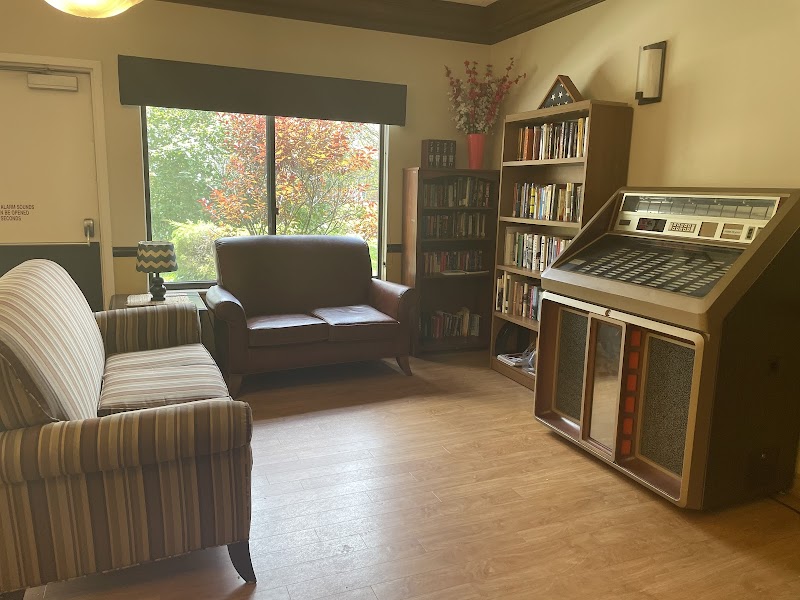
How Does Majestic Care Of New Haven Compare to Other Indiana Nursing Homes?

Compared to the 100 nursing homes in Indiana, MAJESTIC CARE OF NEW HAVEN's overall rating (3 stars) is below the state average of 3.1, staff turnover (70%) is significantly higher than the state average of 46%, and health inspection rating (3 stars) is at the national benchmark.

What Should Families Ask When Visiting Majestic Care Of New Haven?

Based on this facility's data, families visiting should ask: "How do you ensure continuity of care given staff turnover, and what is your staff retention strategy?" "Can you walk me through typical staffing levels on day, evening, and night shifts?" "Can I visit during a mealtime to observe dining assistance and food quality?" "How do you handle medical emergencies, and what is your hospital transfer rate?" These questions are particularly relevant given the facility's high staff turnover rate and the below-average staffing rating.

Is Majestic Care Of New Haven Safe?

Based on CMS inspection data, MAJESTIC CARE OF NEW HAVEN has a clean safety record: no substantiated abuse findings (meaning no confirmed cases of resident harm), no Immediate Jeopardy citations (the most serious violation level indicating risk of serious injury or death), and is not on the Special Focus Facility watch list (a federal program monitoring the lowest-performing 1% of nursing homes). The facility has a 3-star overall rating and ranks #100 of 100 nursing homes in Indiana. While no facility is perfect, families should still ask about staff-to-resident ratios and recent inspection results during their visit.

Do Nurses at Majestic Care Of New Haven Stick Around?

Staff turnover at MAJESTIC CARE OF NEW HAVEN is high. At 70%, the facility is 23 percentage points above the Indiana average of 46%. High turnover means new staff may not know residents' individual needs, medications, or preferences. It can also be disorienting for residents, especially those with dementia who rely on familiar faces. Families should ask: What is causing the turnover? What retention programs are in place? How do you ensure care continuity during staff transitions?

Was Majestic Care Of New Haven Ever Fined?

MAJESTIC CARE OF NEW HAVEN has no federal fines on record. CMS issues fines when nursing homes fail to meet care standards or don't correct problems found during inspections. The absence of fines suggests the facility has either maintained compliance or corrected any issues before penalties were assessed. This is a positive indicator, though families should still review recent inspection reports for the full picture.

Is Majestic Care Of New Haven on Any Federal Watch List?

MAJESTIC CARE OF NEW HAVEN is not on any federal watch list. The most significant is the Special Focus Facility (SFF) program, which identifies the bottom 1% of nursing homes nationally based on persistent, serious quality problems. Not being on this list means the facility has avoided the pattern of deficiencies that triggers enhanced federal oversight. This is a positive indicator, though families should still review the facility's inspection history directly.