NEWBURGH HEALTH CARE
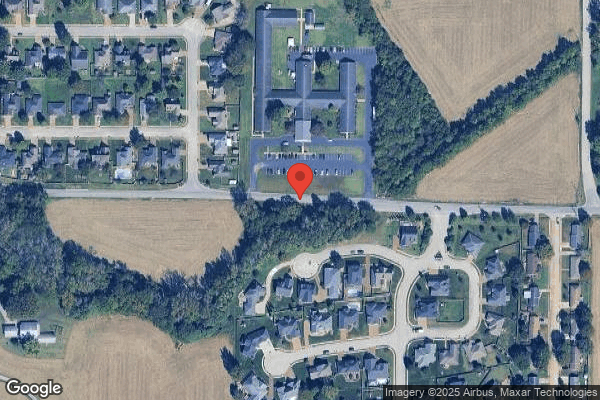
10466 POLLACK AVE, NEWBURGH, IN 47630 (812) 853-2931
Government - City/county 114 Beds Independent Data: November 2025
Trust Grade
40/100
#468 of 505 in IN
Last Inspection: February 2025

Within standard 12-15 month inspection cycle. Federal law requires annual inspections.

Overview

Newburgh Health Care has a Trust Grade of D, indicating below-average care with some concerns. They rank #468 out of 505 facilities in Indiana, placing them in the bottom half, and #6 out of 8 in Warrick County, meaning only two local options are worse. The facility is experiencing worsening conditions, jumping from 1 issue in 2024 to 11 in 2025, which raises red flags for potential residents. Staffing is a relative strength, with a 4 out of 5 rating and a 42% turnover rate, slightly better than the state average, but the RN coverage is only average. While there have been no fines, which is a positive sign, the facility has reported concerning deficiencies, such as not having a qualified Dietary Manager and failing to hold required quality assurance meetings, which could impact resident care.

Trust Score
D
40/100
In Indiana
#468/505
Bottom 8%
Safety Record
Low Risk
No red flags
Inspections
Getting Worse
1 → 11 violations
Staff Stability
○ Average
42% turnover. Near Indiana's 48% average. Typical for the industry.
Penalties
✓ Good
No fines on record. Clean compliance history, better than most Indiana facilities.
Skilled Nurses
○ Average
Each resident gets 34 minutes of Registered Nurse (RN) attention daily — about average for Indiana. RNs are the most trained staff who monitor for health changes.
Violations
⚠ Watch
26 deficiencies on record. Higher than average. Multiple issues found across inspections.
★☆☆☆☆
1.0
Overall Rating
★★★★☆
4.0
Staff Levels
★★★☆☆
3.0
Care Quality
★☆☆☆☆
1.0
Inspection Score
Stable
2024: 1 issues
2025: 11 issues

The Good

  • 4-Star Staffing Rating · Above-average nurse staffing levels
  • Full Sprinkler Coverage · Fire safety systems throughout facility
  • No fines on record
  • Staff turnover below average (42%)

    6 points below Indiana average of 48%

Facility shows strength in staffing levels, fire safety.

The Bad

1-Star Overall Rating

Below Indiana average (3.1)

Significant quality concerns identified by CMS

Staff Turnover: 42%

Near Indiana avg (46%)

Typical for the industry

The Ugly 26 deficiencies on record

Feb 2025 11 deficiencies
CONCERN (D)

Potential for Harm - no one hurt, but risky conditions existed

Deficiency F0553 (Tag F0553)

Could have caused harm · This affected 1 resident

Based on interview and record review, the facility failed to ensure care plan conferences were completed quarterly for 2 of 2 residents reviewed for Activities of Daily Living (ADL) assistance. (Resid...

Read full inspector narrative →
Based on interview and record review, the facility failed to ensure care plan conferences were completed quarterly for 2 of 2 residents reviewed for Activities of Daily Living (ADL) assistance. (Resident 6 and Resident 13) Findings include: 1. On 2/11/25 at 9:22 A.M., Resident 6's clinical record was reviewed. Diagnoses included, but were not limited to, Alzheimer's Disease and type 4 fracture of sacrum. The most current Significant Change Minimum Data Set (MDS) Assessment, dated 11/15/24, indicated Resident 6 had mild cognitive impairment and required substantial to maximal assistance of staff (staff does more than half) for eating, toileting, and bathing. The most current care plan conference was completed on 7/10/24 at 1:00 P.M. On 2/12/25 at 10:49 A.M., the Social Services Director (SSD) provided a document entitled Care Plan Meetings that indicated a letter had been sent on 9/10/24 to invite Resident 6's family to a care plan conference. The clinical record lacked documentation to indicate a care plan conference had been completed at that time or at any time since 7/10/24. 2. On 2/10/25 at 11:25 A.M., Resident 13's clinical record was reviewed. Diagnoses included, but were not limited to, chronic pain syndrome and major depressive disorder. The most current Quarterly Minimum Data Set (MDS) Assessment, dated 11/5/24, indicated Resident 13 was cognitively intact and was dependent on staff (staff does everything) for toileting and bathing. The most current care plan conference was completed on 10/30/24 at 1:30 P.M. During an interview on 2/12/25 at 10:35 A.M., the Social Service Director (SSD) indicated care plan conferences were completed quarterly. During an interview on 2/12/25 at 10:49 A.M., the SSD indicated that a care plan conference had not been scheduled for Resident 6 and Resident 13 in the last three months, but they would be scheduled to have meetings to review their care plans later in February. On 2/13/25 at 9:13 A.M., the MDS Coordinator provided a current Care Plan Development, Review, and Revision policy, last updated 5/8/24, that indicated .care plan conference will be held quarterly . Documentation of this meeting and care plan review will be completed in the medical record. 3.1-35(d)(2)(B)
CONCERN (D)

Potential for Harm - no one hurt, but risky conditions existed

Comprehensive Care Plan (Tag F0656)

Could have caused harm · This affected 1 resident

2. On 2/10/25 at 8:34 A.M., Resident 46's clinical record was reviewed. Diagnosis included, but were not limited to, Alzheimer Disease. The most current Quarterly Minimum Data Set Assessment (MDS) Ass...

Read full inspector narrative →
2. On 2/10/25 at 8:34 A.M., Resident 46's clinical record was reviewed. Diagnosis included, but were not limited to, Alzheimer Disease. The most current Quarterly Minimum Data Set Assessment (MDS) Assessment, dated 11/22/24, indicated Resident 46 was severely cognitively impaired and was dependent on staff (staff does everything) for transferring and bathing, Current physician orders included, but were not limited to: cefuroxime axetil oral tablet 250 mg (milligrams) (an antibiotic) - Give 250 mg by mouth two times a day for Urinary Tract Infection (UTI) for 5 days, dated 2/3/25. The most current care plan conference, dated 11/19/24, indicated the Interdisciplinary Team (IDT) reviewed the care plan and would continue with the current plan of care. Resident 46's care plans lacked a care plan for UTI or antibiotic use that dated between 2/3/25 and 2/8/25. During an interview on 2/11/25 at 10:59 A.M., the MDS Coordinator indicated there should be a new care plan with each new infection and antibiotic order. On 2/13/25 at 9:13 A.M., the MDS Coordinator provided a current Care Plan Development, Review, and Revision policy, updated 5/8/24, that indicated care plans will be revised every business date and PRN (as needed) as changes in the resident's condition dictate. Changes include but are not limited to changes in physician orders, diet changes, therapy changes, behavior changes, ADL changes, skin changes, etc. 3.1-35(a) 3.1-35(g)(2) Based on record review, observation, and interview, the facility failed to ensure care plans were being developed and implemented after new diagnoses and physician orders for 1 of 2 residents reviewed for nutrition and 1 of 1 resident reviewed for urinary tract infections. (Resident 43 and Resident 46) Findings include: 1. On 2/11/25 at 9:56 A.M., Resident 43's clinical record was reviewed. The resident had diagnoses that included, but were not limited to, pneumonia and congestive heart failure. An admission Minimum Data Set (MDS) Assessment, dated 1/16/25, indicated Resident 43's cognition was significantly impaired, required partial to moderate assistance of staff (staff does less than half) with eating, and substantial to maximum assistance of staff (staff does more than half) with bathing, toileting and bed mobility, and no weight loss during the last month. Current physician orders included, but were not limited to: mirtazapine tablet 7.5 mg (milligrams) - one tablet by mouth at bedtime for appetite, ordered 1/27/25. Nursing Measure: Fax Daily Weights every day shift every Monday and Thursday for physician notification, ordered 1/13/25. Weekly weight every day shift every Wednesday for weight loss, weigh before breakfast with the same scale for consistency, ordered 1/29/25. Discontinued physician orders included, but were not limited to: Daily weight, every day-shift for weight loss related to congestive heart failure, weigh before breakfast with the same scale for consistency, ordered 1/10/25 and discontinued 1/27/25. An Interdisciplinary Team care conference meeting was held on 1/14/25 for Resident 43. The progress note indicated to continue the current plan of care. Current care plans for Resident 43 included, but were not limited to: Resident is at nutritional risk related to use of therapeutic diet. Interventions included but were not limited to: follow Registered Dietician recommendations and monitor weights routinely, dated 1/16/25. Resident 43's recorded weights from 1/10/25 to 1/27/25 were reviewed. Weights were not recorded on the following dates: 1/17/25 1/19/25 1/24/25 A Nutrition/Dietary note on 1/16/25 at 10:50 A.M. made by the Registered Dietician recommended Resident 43 trial an appetite stimulant due to inadequate intakes at meals with weight loss. The clinical record indicated the appetite stimulant was not ordered until 1/27/25. On 2/12/25 at 11:40 A.M., the Director of Nursing (DON) indicated when the Registered Dietician made recommendations, they informed the physician of the recommendations to obtain the orders.
CONCERN (D)

Potential for Harm - no one hurt, but risky conditions existed

Deficiency F0657 (Tag F0657)

Could have caused harm · This affected 1 resident

Based on observation, interview, and record review, the facility failed to revise the care plan to reflect changes to a resident's gastrostomy device for 1 of 1 reviewed. (Resident 41) Finding include...

Read full inspector narrative →
Based on observation, interview, and record review, the facility failed to revise the care plan to reflect changes to a resident's gastrostomy device for 1 of 1 reviewed. (Resident 41) Finding includes: On 2/11/25 at 12:27 P.M., Resident 41's clinical record was reviewed. The resident had diagnoses that included, but were not limited to, cerebral palsy. A Quarterly Minimum Data Set (MDS) Assessment, dated 12/10/24, indicated the resident was not cognitively intact, was dependent on staff (staff does everything) for bed mobility, and had an enteral feeding tube. Current physician orders included, but were not limited to: Percutaneous endoscopic gastrostomy (PEG) tube 18F (French), 7-10 cc (cubic centimeters) in place, dated 4/30/23. The clinical record lacked an order for a Mic-Key gastro tube button. On 12/10/24, an Interdisciplinary Team care plan conference meeting was held for Resident 41 and the assessment indicated to continue current plan of care. Care plans for Resident 41 included, but were not limited to: The resident requires tube feeding related to: dysphagia, dated 6/11/21. PEG tube 18Fr, 7-10 cc: Mic-Key (type of enteral feeding device) gastro tube button is 14fr/2.5 cm, initiated on 12/20/21 and revised on 10/3/23. On 2/12/25 at 9:24 A.M., Resident 41 was observed to have an intact PEG tube. A Mic-Key gastro tube button was not observed. On 2/12/25 at 9:43 A.M., the MDS Coordinator indicated they expected Resident 41 to have the appropriate tube feeding device listed in the care plan. On 2/13/25 at 9:13 A.M., the MDS Coordinator provided a current Care Plan Development, Review, and Revision policy, updated 5/8/24, that indicated care plans will be revised every business date and PRN (as needed) as changes in the resident's condition dictate. Changes include but are not limited to changes in physician orders, diet changes, therapy changes, behavior changes, ADL changes, skin changes, etc. 3.1-35(d)(2)(B)
CONCERN (D)

Potential for Harm - no one hurt, but risky conditions existed

Respiratory Care (Tag F0695)

Could have caused harm · This affected 1 resident

Based on observation, interview, and record review, the facility failed to ensure oxygen equipment was properly labeled and respiratory services were provided according to professional standards for 3...

Read full inspector narrative →
Based on observation, interview, and record review, the facility failed to ensure oxygen equipment was properly labeled and respiratory services were provided according to professional standards for 3 of 4 residents reviewed for respiratory care. (Resident 25, Resident 16, Resident 13) Findings include: 1. On 2/9/25 at 9:30 A.M., Resident 25 was observed lying in bed with Oxygen (O2) at 3 Liters Per Minute) L/m per nasal cannula and the oxygen tubing was not dated. On 2/10/25 at 8:48 A.M., Resident 25 was observed lying in bed with O2 at 3L/m per nasal cannula and the oxygen tubing was not dated. On 2/11/25 at 8:34 A.M., Resident 25 was observed lying in bed with O2 at 3L/m per nasal cannula and the oxygen tubing was not dated. On 2/12/25 at 10:20 A.M., Resident 25 was observed lying in bed with O2 at 3L/m nasal cannula and the oxygen tubing was not dated. On 02/10/25 at 11:27 A.M., Resident 25's clinical record was reviewed. Diagnoses included, but were not limited to, Chronic Obstructive Pulmonary Diseased (COPD). The most current Annual Minimum Data Set (MDS) Assessment, dated 12/4/24, indicated Resident 25 was slightly cognitively impaired, was independent with dressing, transferring, eating, needed substantial to maximal assistance of staff (staff does more than half) with showering, and received oxygen therapy. Current Physician Orders included, but were not limited to: Change oxygen tubing weekly every night shift Monday, dated 8/5/21 Continuous O2 per nasal cannula at three liters per minute, every shift for oxygen therapy to maintain O2 saturation related to COPD, dated 8/13/20. On 12/23/24 at 11:00 A.M., the most current Interdisciplinary Team (IDT) Health Care Plan review indicated to continue the current plan of care. A current COPD care plan, dated 10/24/23, included interventions to change oxygen tubing per facility protocol and continuous O2 at 3L/m per nasal cannula. 3. On 2/9/25 at 2:12 P.M., Resident 13 was observed sitting in a bariatric chair receiving four liters (L) of oxygen via face mask from an oxygen concentrator. The concentrator was behind the resident's chair. The humidification bottle was dated 2/1/25 and the tubing was not dated. On 2/10/25 at 11:25 A.M., Resident 13's clinical record was reviewed. Diagnoses included, but were not limited to, Chronic Obstructive Pulmonary Disease (COPD). The most current Quarterly Minimum Data Set (MDS) Assessment, dated 11/5/24, indicated Resident 13 was cognitively intact, was dependent on staff (staff does everything) for toileting and bathing, required substantial to maximal assistance of staff (staff does more than half) for bed mobility, and received oxygen therapy. Physician orders included, but were not limited to: Oxygen per nasal cannula at 2L as needed (PRN) for shortness of breath, dated 7/28/21 (Name of Company) average volume-assured pressure support (AVAPS) (a non-invasive ventilation technique that adjusts air pressure to deliver a set amount of air into the lungs) machine at 4L every shift for shortness of breath, 7/30/21 Change oxymask every Tuesday and as needed, dated 9/13/23 A current COPD care plan, initiated 7/29/21, included interventions to change the oxygen tubing per facility protocol and administer oxygen as ordered. An altered cardiovascular status care plan, initiated 7/29/21, included interventions to administer oxygen as ordered. Initiate oxygen monitoring when oxygen applied: Check flow rate, tubing, and placement as ordered and PRN. An altered respiratory status care plan, initiated 7/29/21, indicated to change the oximask every Tuesday and PRN as ordered. The care plan was last reviewed by the resident and Social Services Director (SSD) on 10/30/24 at 1:30 P.M. and indicated to continue with the current plan of care. During an interview on 2/11/25 at 11:15 A.M., Resident 13 indicated she used the AVAPS machine at night and the oxygen concentrator during the day. At that time, Resident 13 was observed sitting in a bariatric chair receiving 4L of oxygen via face mask from an oxygen concentrator. The concentrator was behind the resident's chair. The humidification bottle was dated 2/9/25 and the tubing was not dated. During an interview on 2/12/25 at 8:40 A.M., Licensed Practical Nurse (LPN) 6 indicated Resident 13 was supposed to be on 2L of oxygen while using the concentrator, but the resident got the aides to adjust it to 4L for her. During an interview on 2/12/25 at 11:50 A.M., Resident 13 indicated that the aides turn on and off her oxygen for her. During an interview on 2/13/25 at 11:04 A.M., Licensed Practical Nurse (LPN) 12 indicated that the tubing and water bottles should be dated and changed weekly as per order. During an interview on 2/13/25 at 11:15 A.M., the Director of Nursing (DON) indicated aides were not supposed to be turning oxygen on or off or adjusting it for residents and that oxygen tubing was to be dated every time it was changed. On 2/13/25 at 12:30 P.M., the MDS Coordinator provided a current non-dated Departmental (Respiratory)-Prevention of Infection policy that indicated .obtain equipment (example oxygen tubing, reservoir, and distilled water) .mark with date and initials .change the oxygen cannula and tubing every seven (7) days, or as needed. 3.1-47(a)(6) 2. On 2/10/25 at 10:24 A.M., Resident 16 had oxygen in place via nasal cannula. Tubing was not labeled with a date. On 2/11/25 at 2:33 P.M., Resident 16's clinical record was reviewed. Diagnoses included, but were not limited to, congestive heart failure. The most current Quarterly Minimum Data Set (MDS) Assessment, dated 1/14/25, indicated the resident was cognitively intact, was independent with eating, required substantial to maximum assistance of staff (staff does more than half) for bathing and bed mobility, was dependent on staff for transfers, had congestive heart failure, and was not receiving oxygen therapy. Current physician orders included, but were not limited to: Continuous oxygen per nasal cannula at four liters per minute, every shift for oxygen therapy to maintain oxygen saturation. Check oxygen saturation, flow rate, tubing, placement and amount of oxygen left in tank every four hours, dated 2/2/25. Oxygen per nasal cannula at four liters as needed for shortness of breath, dated 2/1/25. The clinical record lacked a current care plan for oxygen use. On 2/12/25 at 10:09 A.M., Resident 16's oxygen concentrator was observed to be set to 3.5 liters per minute. On 2/12/25 at 10:18 A.M., Licensed Practical Nurse (LPN) 4 indicated Resident 16's oxygen concentrator was set to 3.5 liters per minute and was unsure of what it was supposed to be set on. At that time, she indicated nurses were responsible for setting the oxygen concentrators and tanks. On 2/12/25 9:43 A.M., the MDS Coordinator indicated they expected a resident to have a care plan for oxygen if they were regularly using it.
CONCERN (D)

Potential for Harm - no one hurt, but risky conditions existed

Unnecessary Medications (Tag F0759)

Could have caused harm · This affected 1 resident

Based on observation, record review, and interview, the facility failed to ensure it was free of a medication error rate of greater than 5 percent for 2 of 4 residents (Residents 54 and Resident 36) o...

Read full inspector narrative →
Based on observation, record review, and interview, the facility failed to ensure it was free of a medication error rate of greater than 5 percent for 2 of 4 residents (Residents 54 and Resident 36) observed during medication pass. Two medication errors were observed during #25 opportunities for error in medication administration. This resulted in a medication error rate of eight (8) percent. Findings include: 1. During a medication administration observation on 2/11/25 at 11:59 A.M., Registered Nurse (RN) 5 prepared an insulin injection for Resident 36. RN 5 attempted to prime the insulin pen without the needle attached. RN 5 then administered 14 units of insulin lispro (an antidiabetic injection medication) into Resident 36's upper right arm. On 2/11/25 at 12:30 P.M., Resident 36's clinical record was reviewed. Physician orders included, but were not limited to: Admelog (insulin lispro) - Inject 14 units subcutaneously in the afternoon, dated 11/26/24 2. During a medication administration observation on 2/12/25 at 1:02 P.M., Licensed Practical Nurse (LPN) 6 prepared an insulin injection for Resident 54. LPN 6 did not prime the insulin pen needle. LPN 6 administered 18 units of insulin lispro into Resident 54's lower left quadrant of his stomach. On 2/12/25 at 1:15 P.M., Resident 36's clinical record was reviewed. Physician orders included, but were not limited to: Admelog (insulin lispro) - Inject 18 units subcutaneously with meals for diabetes mellitus; if meal time blood glucose less than 100, give Admelog after eating, dated 2/10/25 During an interview on 2/11/25 at 11:59 A.M., RN 5 indicated an insulin pen needle should be primed before administering insulin. On 2/13/25 at 9:54 A.M., the Administrator provided a policy titled Insulin Administration, revised 10/2010, that indicated The nursing staff will have access to specific instructions (from the manufacturer if appropriate) on all forms of insulin delivery systems prior to their use. On 2/13/25 at 11:09 A.M.,manufacturer drug insert was reviewed, the instructions for use (insulin lispro subcutaneous) were reviewed and indicated Keep needle straight and screw onto the pen until fixed . Always do a safety test before each injection to: Check your pen and the needle are working properly. Make sure that you get the correct insulin dose. Select two units by turning the dose selector until the dose pointer is at the 2 mark. Press the injection button all the way in. If no insulin appears, you may need to do this step up to 3 times before seeing insulin. 3.1-48(c)(1)
CONCERN (E)

Potential for Harm - no one hurt, but risky conditions existed

Accident Prevention (Tag F0689)

Could have caused harm · This affected multiple residents

**NOTE- TERMS IN BRACKETS HAVE BEEN EDITED TO PROTECT CONFIDENTIALITY** 3. On 2/10/25 at 11:54 A.M., Resident 36's clinical record was reviewed. Diagnoses included, but were not limited to, dementia w...

Read full inspector narrative →
**NOTE- TERMS IN BRACKETS HAVE BEEN EDITED TO PROTECT CONFIDENTIALITY** 3. On 2/10/25 at 11:54 A.M., Resident 36's clinical record was reviewed. Diagnoses included, but were not limited to, dementia with anxiety and major depression. The most current Quarterly Minimum Data Set (MDS) Assessment, dated 1/16/25, indicated Resident 36 was moderately cognitively impaired, required substantial to maximal assistance of staff (staff does more than half) with showering, dressing, and transferring, and had one fall since the prior assessment. Current physician orders included, but were not limited to: Encourage resident to wear proper footwear when out of bed every shift for fall prevention, dated 4/17/23. The most current fall risk assessment, dated 2/12/25, indicated that the resident was at high risk for falls. An Interdisciplinary Team (IDT) Care Plan Health Meeting note, dated 1/14/25 at 2:00 P.M., indicated that the care plan was reviewed and the facility would continue the current plan of care. The most current Fall Risk care plan, dated 4/18/23, included the following interventions: Bed in lowest position, dated 4/18/23 Care system and bedside table in reach. Explain use of it upon admission and reinforce as needed, dated 4/18/23 Educate the resident/family/caregivers about safety reminders and what to do if that fall occurs, dated 4/18/23 Education to staff about fall prevention efforts and strategies, dated 4/18/23 Encourage and assist with wearing non-skid footwear, footwear properly fitted, dated 4/18/23 Ensure bed wheels are locked, dated 4/18/23 Ensure environment is free of clutter, dated 4/18/23 Evaluate effectiveness and side affects of psychotropic drugs with physician for possible decrease in dosage/elimination of medication, dated 4/18/23 Gait belt for all transfers, dated 4/18/23 Increase observation for the duration of the shift, dated 12/11/24 The clinical record indicated Resident 36 had seven falls between 1/5/24 and 1/19/25. Fall 1 On 1/5/24 at 1:30 P.M., the fall log indicated the resident had an unwitnessed fall while toileting without assistance. The resident sustained four skin tears. The IDT Fall Meeting note indicated new interventions were to increase observation in each shift, encourage proper footwear, and encourage call light use. Those interventions were not added to the care plan. Fall 2 On 1/27/24 at 6:45 A.M., the fall log indicated the resident had an unwitnessed fall when transferring from the recliner to a wheelchair. There were no injuries. The IDT Fall Record Review indicated the new intervention was to encourage use of the call light for assistance with transfer. That intervention was not added to the care plan. Fall 3 On 5/28/24 at 5:35 P.M., the fall record review indicated that the resident had an unwitnessed fall while reaching for a call bell on the floor and slid from the bed. There were no injuries. The IDT Fall Meeting note indicated the new interventions were to encourage call bell, personal belongings are within reach, and educate to call for assistance. Those interventions were not added to the care plan. Fall 4 On 8/20/24 at 12:15 A.M., the resident had an unwitnessed fall after rolling out of bed. Injuries sustained were knee skin tears. The IDT Fall Review meeting note, dated 8/22/24, indicated the new intervention was the resident should have the call light within reach. That intervention was not added to the care plan. Fall 5 On 9/23/24 at 6:10 A.M., the resident had an unwitnessed fall after taking himself to the bathroom. There were no injuries. The IDT Fall Review Meeting note, dated 9/24/24, indicated the new interventions were to keep the areas clutter free and increase observations for 24 hours. Those interventions were not added to the care plan. Fall 6 On 12/11/24 at 12:20 P.M., the resident had a witnessed fall after sliding out of bed. There were no injuries. The IDT fall record review, dated 12/12/24, indicated the new interventions were to keep the path free of clutter, encourage the resident not to lie so close to the edge of the bed, and increase observation for 24 hours. Those interventions were not added to the care plan. Fall 7 On 1/19/25 at 11:30 A.M., the resident had a witnessed fall while trying to get up from bed, fell to his knees, and sustained skin tears to both knees. The IDT Fall Review Meeting note, dated 1/21/25, indicated the new intervention was to increase observation for 24 hours. That intervention was not added to the care plan. Based on observation, interview, and record review, the facility failed to ensure residents had interventions in place to prevent accidents for 4 of 4 residents reviewed for falls. A resident's fall interventions were observed out of place, care plans were not updated with new interventions, and fall reviews were not completed. (Resident 6, Resident 34, Resident 36, and Resident 27) Findings include: 1. On 2/11/25 at 9:22 A.M., Resident 6's clinical record was reviewed. Diagnoses included, but were not limited to, Alzheimer's Disease and type 4 fracture of sacrum. The most current Significant Change Minimum Data Set (MDS) Assessment, dated 11/15/24, indicated Resident 6 had mild cognitive impairment, required substantial to maximal assistance of staff (staff does more than half) for eating, toileting, and bathing, and had no falls since the prior assessment on 9/12/24. The most current fall risk assessment, dated 12/7/24, indicated Resident 6 was at high risk for falls. All previous fall risk assessments were also high risk. The most current care plan conference was completed on 7/10/24 at 1:00 P.M. where the care plan was reviewed and it was determined to continue the current plan of care. A Fall Risk care plan, initiated 6/1/23, included the following interventions: Bed in lowest position, dated 6/1/23 Call system and bedside table in reach. Explain use of it upon admission and reinforce as needed, dated 6/1/23 Educate the resident/family/caregivers about safety reminders and what to do if a fall occurs, dated 6/1/23 Education to staff about fall prevention efforts and strategies, dated 6/1/23 Encourage and assist with wearing non-skid foot-wear; footwear properly fitted, dated 6/1/23 Ensure bed wheels are locked, dated 6/1/23 Ensure environment is free of clutter, dated 6/1/23 Evaluate effectiveness and side effects of psychotropic drugs with physician for possible decrease in dosage/ elimination of medication, dated 6/1/23 The clinical record indicated Resident 6 sustained seven falls between 5/26/24 and 12/20/24. Fall 1 On 5/26/24 at 11:45 A.M., Resident 6 had an unwitnessed fall with no injury. The resident was unable to indicate why she fell but was found sitting on the floor in her room. The clinical record lacked documentation to indicate the Interdisciplinary Team (IDT) reviewed the fall. The care plan was not updated with a new intervention. Fall 2 On 10/9/24 at 7:45 P.M., Resident 6 had an unwitnessed fall with no injury. The resident was unable to indicate why she fell. She was found in her room with her leather recliner tilted on the floor with the resident sitting on the left arm of the recliner. An IDT note, dated 10/14/24 at 1:21 P.M., indicated for the resident to continue therapy services due to weakness. Orders for physical therapy indicated the resident was discharged from physical therapy on 10/1/24 and was restarted on physical therapy from 10/31/24 to 11/13/24. The care plan was not updated with a new intervention. Fall 3 On 10/24/24 at 8:30 A.M., Resident 6 had an unwitnessed fall with no injury while attempting to go to the sitting area. The clinical record lacked documentation to indicate a neurological assessment had been completed for the fall. Staff to encourage proper use of assistive device was added to the care plan on 10/25/24. Fall 4 On 10/26/24 at 1:05 P.M., Resident 6 had an unwitnessed fall while in her room. An abrasion on the top of her scalp measuring 1 centimeter (cm) x 0.2 cm was noted. The resident was sent to the emergency room (ER) for treatment and evaluation. UA (urinalysis) C&S (culture and sensitivity) was added to the care plan on 10/26/24. A nursing progress note, dated 11/4/24 at 1:28 P.M., indicated results were received from the UA and no new orders were received. The clinical record lacked documentation to indicate the fall interventions were reviewed and updated following the result of the UA. Fall 5 On 11/6/24 at 12:30 A.M., Resident 6 had an unwitnessed fall while in her room. The resident complained of pain in her left arm and right side of neck, and she was sent to the ER for treatment and evaluation. The resident returned to the facility on [DATE] with an appointment to followup with (name of orthopaedic surgeon). A facility Nurse Practitioner progress note, dated 11/14/24 at 1:42 P.M., indicated Patient presents today for a follow-up after a recent fall with right-sided neck pain and left arm pain and weakness. Patient was recently made hospice and experienced a fall, resulting in right-sided neck pain, pain with moving the left arm, and weakness. Patient sustained a sacral fracture and a fracture around the prosthetic right hip joint. Patient was admitted to the hospital and treated for pneumonia and altered mental status . Orthopedic surgery was consulted for the non-displaced femoral fracture, but a follow-up appointment was canceled. Patient is currently on Norco for pain management. Pain management regimen was added to the care plan on 11/6/24. Increase observation from hospital, observe for increased confusion that may warrant order for lab work, and resident usually up ad lib at time was added to the care plan on 11/8/24. Fall 6 On 12/7/24 at 2:15 A.M., Resident 6 had a witnessed fall with no injury while attempting to climb out of bed. Contact hospice. Use regular mattress with bolster and keep bed in lowest position was added to the care plan on 12/10/24. Fall 7 On 12/20/24 at 2:00 P.M., Resident 6 had an unwitnessed fall with no injury while in her room. An IDT note, dated 12/24/24 at 7:47 A.M., indicated the immediate intervention was to increase observation for 24 hours. The care plan was not updated with a new intervention. 2. On 2/10/25 at 2:11 P.M., Resident 34's clinical record was reviewed. Diagnoses included, but were not limited to, Alzheimer's Disease and general weakness. The most current Quarterly Minimum Data Set (MDS) Assessment, dated 12/23/24, indicated Resident 34 had severe cognitive impairment, was independent with transfers, was partial to moderately dependent on staff (staff does less than half) with toileting, and had 2 or more fall without injury and 2 or more fall with injury since the prior assessment on 9/27/24. The most current fall risk assessment, dated 1/2/25, indicated Resident 34 was at high risk for falls. The most current care plan conference was completed on 1/17/25 at 11:30 A.M. where the care plan was reviewed and it was determined to continue the current plan of care. A Fall Risk care plan, initiated 10/2/23, included the following interventions: Bed in lowest position, dated 10/2/23 Call system and bedside table in reach. Explain use of it upon admission and reinforce as needed, dated 10/2/23 Educate the resident/family/caregivers about safety reminders and what to do if a fall occurs, dated 10/2/23 Education to staff about fall prevention efforts and strategies, dated 10/2/23 Encourage and assist with wearing non-skid foot-wear; footwear properly fitted, dated 10/2/23 Ensure bed wheels are locked, dated 10/2/23 Ensure environment is free of clutter, dated 10/2/23 Evaluate effectiveness and side effects of psychotropic drugs with physician for possible decrease in dosage/ elimination of medication, dated 10/2/23 Gait belt for all transfers, dated 10/2/23 Offer resident to wear nonskid socks at bedtime, dated 11/4/24 Increase observation for 24 hours, dated 1/2/25 The clinical record indicated Resident 34 sustained eleven falls between 2/25/24 and 1/2/25. Fall 1 On 2/25/24 at 7:00 A.M., Resident 34 had an unwitnessed fall with no injury while attempting to get up from sitting on the side of her bed. The clinical record lacked documentation to indicate the Interdisciplinary Team (IDT) reviewed the fall. The care plan was not updated with a new intervention. Fall 2 On 2/25/24 at 8:55 P.M., Resident 34 had an unwitnessed fall with no injury while attempting to go to the bathroom. The clinical record lacked documentation to indicate the IDT reviewed the fall. The care plan was not updated with a new intervention. Fall 3 On 2/27/24 at 4:00 P.M., Resident 34 had an unwitnessed fall with no injury while in her room. The clinical record lacked documentation to indicate the IDT reviewed the fall. The care plan was not updated with a new intervention. Fall 4 On 4/12/24 at 6:40 P.M., Resident 34 had an unwitnessed fall while attempting to go to the bathroom. The following injuries were noted: Facial skin tear measuring 2.1 centimeters (cm) x 0.1 cm Left knee abrasion measuring 0.1 cm x 0.1 cm Bruising to the right and left elbows The clinical record lacked documentation to indicate the IDT reviewed the fall. The care plan was not updated with a new intervention. Fall 5 On 8/12/24 at 3:40 P.M., Resident 34 had an unwitnessed fall with no injury while attempting to ambulate using her walker. The walker had a left front wheel that was broken. An IDT note, dated 8/15/24 at 12:04 P.M., indicated the walker would be repaired to avoid future falls. Fall 6 On 10/5/24 at 6:39 P.M., Resident 34 had a witnessed fall with no injury while ambulating with her walker. An IDT note, dated 10/7/24 at 11:47 A.M., indicated staff were to encourage the resident to utilize storage on her walker. The care plan was not updated with a new intervention. Fall 7 On 10/10/24 at 3:45 P.M., Resident 34 had an unwitnessed fall with no injury while attempting to self transfer. An IDT note, dated 10/10/24 at 3:45 P.M., indicated staff should offer to toilet the resident every two hours while awake. The care plan was not updated with a new intervention. Fall 8 On 11/1/24 at 11:55 A.M., Resident 34 had a witnessed fall while attempting to pick a sock up off the floor in the bathroom. The resident hit her head on the sink and had a knot measuring 3.5 cm x 3.5 cm on the back of her head. An IDT note, dated 11/4/24 at 7:41 A.M., indicated staff should offer for the resident to wear nonskid socks at bedtime. Offer resident to wear nonskid socks at bedtime was added to the care plan on 11/4/24. Fall 9 On 11/14/24 at 12:00 P.M., Resident 34 had an unwitnessed fall while looking for something on the closet floor. The clinical record lacked documentation that a post fall assessment was completed. The clinical record lacked documentation to indicate the IDT reviewed the fall. The clinical record lacked documentation that the physician and family were notified of the fall. The care plan was not updated with a new intervention. Fall 10 On 12/22/24 at 11:40 P.M., Resident 34 had an unwitnessed fall with no injury while attempting to go to the bathroom. An IDT note, dated 12/23/24 at 10:01 A.M., indicated that the immediate intervention was to increase observation for the duration of the shift and encourage proper footwear while in and out of bed. The care plan was not updated with a new intervention. The clinical record lacked documentation that a neurological assessment had been completed for the fall. Fall 11 On 1/2/25 at 8:00 P.M., Resident 34 had an unwitnessed fall while attempting to go to the bathroom. The following injuries were noted: Abrasion on the upper back measuring 3.2 cm x 0.4 cm Hematoma on the back of head measuring 2.5 cm x 2.5 cm The care plan was updated with the immediate intervention to increase observation for 24 hours, dated 1/2/25. An IDT note, dated 1/5/25 at 9:59 A.M., indicated staff were to anticipate bedtime by 8:00 P.M. for assistance. The care plan was not updated with a new intervention. 4. On 2/10/25 at 12:23 P.M., Resident 27's clinical record was reviewed. The resident had diagnoses that included, but were not limited to, dementia. The most current Quarterly Minimum Data Set (MDS) Assessment, dated 1/10/25, indicated the resident was not cognitively intact, required set up assistance with eating, required substantial to maximum assistance of staff (staff does more than half) with bathing and transfers, supervision assistance with bed mobility, and was frequently incontinent of bowel and bladder. Current physician orders included, but were not limited to: Nursing measure: sit to stand lift x 2 staff for transfers, dated 12/19/22. On 1/7/25, an Interdisciplinary Team (IDT) care plan conference was completed and noted to continue current plan of care. Current care plans included: Resident 27 is at risk for falls due to: Confusion at times , Dementia, gait/balance problems, pain, psychoactive drug use, use of assistive device, initiated 5/9/22. Interventions included: Bed in lowest position, dated 5/9/22 Call system and bedside table in reach. Explain use of it upon admission and reinforce as needed, dated 5/9/22 Educate the resident/family/caregivers about safety reminders and what to do if a fall occurs, dated 5/9/22 Education to staff about fall prevention efforts and strategies, dated 5/9/22 Encourage and assist with wearing non-skid foot-wear; footwear properly fitted, dated 5/9/22 Ensure bed wheels are locked, dated 5/9/22 Ensure environment is free of clutter, dated 5/9/22 Evaluate effectiveness and side effects of psychotropic drugs with physician for possible decrease in dosage/ elimination of medication, dated 5/9/22 Gait belt for all transfers, dated 5/9/22 The clinical record indicated Resident 27 sustained falls on the following dates within the last year: 2/29/24 7/3/24 12/20/24 12/24/24 1/27/25 The facility failed to update Resident 27's care plan after each of the falls. On 2/12/25 at 11:34 A.M., Resident 27 was observed attempting to crawl out of bed. The bed was not in the lowest position. At that time, the Staff Development Nurse indicated that the bed was not in lowest position. The Staff Development Nurse requested another staff to help get Resident 27 to the bathroom. A sit to stand lift was used to transfer the resident to go to the bathroom. On 2/12/25 at 9:43 A.M., the MDS Coordinator indicated it was expected that care plans be updated with new interventions after each fall. On 2/12/25 at 12:48 P.M., the Director of Nursing (DON) indicated that after a fall, nursing staff completed a fall report which included details surrounding the fall, notifications, assessments, vital signs, and neurological assessment initiation. The IDT met the next day during morning meeting to review the falls and determine a new and relevant intervention. Immediate interventions in the fall report such as increase observation for 24 hours were for the nurse to do until IDT could come up with a new and relevant intervention. Interventions that involved observation or testing such as obtain urinalysis required follow up after the results were obtained to determine if that was the cause of the fall. If it wasn't, a new intervention would be determined and placed in the care plan. On 2/12/25 at 3:05 P.M., the MDS Coordinator indicated IDT notes were documented in the clinical record under assessments and labeled as IDT Notes. At that time, she indicated that if neurological assessments were not documented in the assessments, they were not done because the facility did not chart neuro assessments on paper. On 2/13/25 at 9:13 A.M., the MDS Coordinator provided a current Care Plan Development, Review, and Revision policy, updated 5/8/24, that indicated Care plans will be revised every business day and PRN (as needed) as changes in the resident's condition dictate. On 2/13/25 at 10:56 A.M., the MDS Coordinator provided a current Assessing Falls and Their Causes policy, revised 10/2010, that indicated Nursing staff will notify the resident's Attending Physician and family in an appropriate time frame . An incident report must be completed for resident falls . Within 24 hours of a fall, the nursing staff will begin to try to identify possible or likely causes of the incident. They will refer to resident-specific evidence . If the cause is unknown but no additional evaluation is done, the physician or nursing staff should note why . When a resident falls, the following should be recorded in the resident's medical record: 1. the condition in which the resident was found . 2. assessment data, including vital signs and any obvious injuries 3. interventions . 4. notification of the physician and family . 5. completion of a falls risk assessment . 6. appropriate interventions taken to prevent future falls . 3.1-45(a)
CONCERN (F)

Potential for Harm - no one hurt, but risky conditions existed

Deficiency F0801 (Tag F0801)

Could have caused harm · This affected most or all residents

Based on record review and interview, the facility failed to ensure the Dietary Manager met required qualifications for 1 of 1 dietary manager qualifications reviewed. (Dietary Manager) Finding includ...

Read full inspector narrative →
Based on record review and interview, the facility failed to ensure the Dietary Manager met required qualifications for 1 of 1 dietary manager qualifications reviewed. (Dietary Manager) Finding includes: During an interview on 2/10/25 at 11:39 A.M., the Dietary Manager indicated he did not have a dietary manager certification and was not currently enrolled in a program. On 2/11/25 at 10:15 A.M., the Dietary Manager's employee file was reviewed. The Dietary Manager started employment as a dietary cook on 8/5/23, and signed a job description on the start of the role as Dietary Manager on 10/3/24. During an interview on 2/12/25 at 9:27 A.M., the Administrator indicated the dietician worked through a contract and was only in the facility approximately once a week. On 2/13/25 at 9:54 A.M., the Administrator provided a policy titled Dietary Manager Job Description, dated 1/17, that indicated Completion of approved dietary manager training course is preferred. Employee is required to enroll and successfully complete the course after hire if certification has not been completed at the time of hire. 3.1-20(e)
CONCERN (F)

Potential for Harm - no one hurt, but risky conditions existed

Deficiency F0838 (Tag F0838)

Could have caused harm · This affected most or all residents

Based on interview and record review, the facility failed to comprehensively complete and implement a facility assessment to accurately determine the care and resources needed for resident care. This ...

Read full inspector narrative →
Based on interview and record review, the facility failed to comprehensively complete and implement a facility assessment to accurately determine the care and resources needed for resident care. This had the potential to affect 59 residents in the facility. Finding includes: On 2/9/25 at 10:03 A.M. during the Entrance Conference with the Administrator, the facility assessment was requested. Census at that time was 59 residents. On 2/11/25 at 3:00 P.M., the Administrator provided a facility assessment and indicated it had been completed by the Administrator and Director of Nursing (DON) that day (2/11/25). She indicated a facility assessment had not been completed or updated for the facility since 2022. At that time, she indicated it should be updated annually. On 2/13/25 at 10:44 A.M., the Minimum Data Set (MDS) Coordinator provided a Facility Assessment Tool policy, dated 8/18/17, that indicated To ensure the required thoroughness, individuals involved in the facility assessment should, at a minimum, include the administrator, a representative of the governing body, the medical director, and the director of nursing. The environmental operations manager and other department heads (e.g., the dietary manager, director of rehabilitation services, or other individuals including direct care staff) should be involved as needed. Facilities are encouraged to seek input from residents, their representative(s), or families, and consider that information when formulating their assessment . The facility must review and update this assessment annually or whenever there is/the facility plans for any change that would require a modification to any part of this assessment .
CONCERN (F)

Potential for Harm - no one hurt, but risky conditions existed

Deficiency F0868 (Tag F0868)

Could have caused harm · This affected most or all residents

Based on interview and record review, the facility failed to ensure Quality Assessment and Assurance (QAA) and Quality Assurance and Performance Improvement (QAPI) meetings were held quarterly and the...

Read full inspector narrative →
Based on interview and record review, the facility failed to ensure Quality Assessment and Assurance (QAA) and Quality Assurance and Performance Improvement (QAPI) meetings were held quarterly and the required staff were present. This had the potential to affect 59 residents in the facility. Finding includes: During an interview on 2/9/25 at 10:03 A.M., the Administrator indicated census in the facility was 59 residents. On 2/13/25 at 8:30 A.M., the QAA and QAPI Minutes sign in sheet for a meeting held on 1/15/25 was reviewed. The sign in sheet lacked documentation that the Medical Director (MD) or a designee was present for the meeting. During an interview on 2/13/25 at 9:13 A.M., the Administrator indicated that the QAPI meeting on 1/15/25 was the first QAPI meeting held since she began employment at the facility on 4/17/24. She indicated QAPI was supposed to meet quarterly. During an interview on 2/13/25 at 10:09 A.M., the Director of Nursing (DON) indicated the QAPI committee had not been meeting as consistently as it should. On 2/10/25 at 10:30 A.M., the Administrator provided a current undated Quality Assurance and Performance Improvement policy that indicated Executive members of this committee include at a minimum the Director of Nursing, the Administrator and at least 2 other facility staff members, and a designated physician (usually the Medical Director) . The full QAPI committee will meet monthly to review reports of monitoring activities and action plans for problem areas identified . 3.1-52(a)(2) 3.1-52(b)(1)
CONCERN (F)

Potential for Harm - no one hurt, but risky conditions existed

Infection Control (Tag F0880)

Could have caused harm · This affected most or all residents

2. On 2/11/25 at 8:34 A.M., Certified Nurse Aide (CNA) 8 was observed performing a shower on Resident 10. CNA 8 did not wash her hands before donning gloves. She removed a used brief from the resident...

Read full inspector narrative →
2. On 2/11/25 at 8:34 A.M., Certified Nurse Aide (CNA) 8 was observed performing a shower on Resident 10. CNA 8 did not wash her hands before donning gloves. She removed a used brief from the resident. She removed her gloves and did not wash her hands before donning new gloves to start the resident's shower. She cleaned the perineal area and did not remove gloves. She dried the resident with a clean towel, placed lotion on the resident's back, pulled a call bell for assistance, and placed clean clothes on the resident without removing her gloves. 3. During an interview on 2/9/25 at 10:03 A.M., the Administrator indicated census in the facility was 59 residents. During an interview on 2/12/25 at 10:17 A.M., the Assistant Director of Nursing (ADON) indicated she was in charge of the infection prevention (IP) program in the facility. The ADON indicated she was unaware if the facility performed legionella testing. During an interview on 2/12/25 at 10:30 A.M., the Maintenance Director indicated the facility did not have any mapping or perform any testing for legionella or other opportunistic waterborne pathogens. During an interview on 2/12/25 at 12:48 P.M. the Director of Nursing (DON) indicated no residents in the facility had been diagnosed with legionellosis. During an interview on 2/13/25 at 10:35 A.M., the MDS Coordinator provided a document containing six residents with a diagnosis of pneumonia, unspecified organism, in the last 12 months. She indicated none of the residents diagnosed with pneumonia had been tested for legionellosis. On 2/12/25 at 12:33 P.M., the Staff Development Nurse provided a policy titled Legionella Surveillance and Detection, dated 7/2017, that indicated As part of the Infection Prevention and Control Program, all cases of pneumonia that are diagnosed in residents at or greater than 48 hours after admission will be investigated for possible Legionnaire's disease. The infection preventionist will meet with the water management team to investigate the possible source of contamination. On 2/13/25 at 9:43 A.M., the Minimum Data Set (MDS) Coordinator provided a current Enhanced Barrier Precaution-(EBP) AN extension of Personal Protective Equipment-(PPE) policy, revised 12/2022 that indicated .EBP (Enhanced Barrier Precautions) are defined as the use of PPE (gowns and gloves) in high-contact activities .high contact activities included. Feeding tubes . On 2/13/25 at 10:37 A.M., the MDS Coordinator provided a current, non-dated Policy and Procedure for Handwashing that indicated . handwashing should always be performed: before and after contact with a resident, after removing gloves, and after contact with contaminated items . On 2/13/25 at 10:37 A.M., the MDS Coordinator provided a current, non-dated Gloves policy that indicated .gloves will be worn during resident care .after each possible area of contamination gloves are to be changed . gloves should be changed before going back .and then once again before perineal care . 3.1-18(b)(1) 3.1-18(b)(2) 3.1-18(l) 3.1-18(j) Based on observation, interview, and record review, the facility failed to ensure hand hygiene and Enhanced Barrier Precautions (EBP) were implemented for 2 of 2 residents observed for care (Resident 41 and Resident 10) and opportunities for waterborne illness were tested for 59 of 59 residents who consume water in the facility. Findings include: 1. During an observation on 2/11/25 at 9:51 A.M., Qualified Medication Aide (QMA) 7 entered Resident 41's room. QMA 7 put on gloves and began administering medications through Resident 41's percutaneous endoscopic gastrostomy (PEG) tube (a tube inserted through the abdominal wall into the stomach). Resident 41's PEG tube began leaking the medication and stomach contents back out of the tube. QMA 7 exited the room and came back into the room with two nurses who assisted QMA 7 in changing the adapter valve on the PEG tube. QMA 7 began administering medications again. Hand hygiene was not performed during care of Resident 41, and a gown was not worn by QMA 7 or either of the nurses providing direct patient care to Resident 41. On 2/11/25 at 12:27 P.M., Resident 41's clinical record was reviewed. The resident had diagnoses that included, but were not limited to, cerebral palsy. The most current Quarterly Minimum Data Set (MDS) Assessment, dated 12/10/24, indicated the resident was not cognitively intact, was dependent on staff (staff does everything) for bed mobility, and had an enteral feeding tube. Current physician orders for Resident 41 included: PEG (percutaneous endoscopic gastrostomy) tube 18F (French), 7-10 cc (cubic centimeters) in place, dated 4/30/23. Enhanced Barrier Precautions due to Feeding Tube every shift, dated 3/22/23. Care plans for Resident 41 included, but were not limited to: Enhanced Barrier Precautions as ordered due to feeding tube, dated 3/22/23. On 2/12/25 at 8:35 A.M., an Enhanced Barrier Precaution (EBP) sign was observed on Resident 41's door. On 2/12/25 at 9:24 A.M., Licensed Practical Nurse (LPN) 6 was observed administering tube feeding to Resident 41. LPN 6 was not wearing a gown.
CONCERN (F)

Potential for Harm - no one hurt, but risky conditions existed

Deficiency F0882 (Tag F0882)

Could have caused harm · This affected most or all residents

Based on interview and record review, the facility failed to ensure designation of a certified Infection Preventionist (IP). The IP had not received specialized training in infection prevention and co...

Read full inspector narrative →
Based on interview and record review, the facility failed to ensure designation of a certified Infection Preventionist (IP). The IP had not received specialized training in infection prevention and control when starting the IP role and did not dedicate at least part time hours to the role of IP for 1 of 1 staff members reviewed for IP. Finding includes: During an interview on 2/12/25 at 10:17 A.M., the Assistant Director of Nursing (ADON) indicated that she was responsible for the Infection Prevention and Control Program in the facility but did not have a current Infection Preventionist certification. She indicated she was able to dedicate approximately 12 hours per week to the infection control program. On 2/12/25 at 1:12 P.M., the ADON's employee file was reviewed. The employee file lacked any job description or roles in the facility related to infection preventionist. On 2/9/25 at 12:30 P.M., the Administrator provided a policy titled Infection Prevention and Control Program, revised 10/2018, that indicated The infection prevention and control program is coordinated and overseen by an infection preventionist specialist (infection preventionist). On 2/13/25 at 9:54 A.M., the Administrator provided an Infection Preventionist job description that indicated Minimum Qualifications: Have primary professional training in nursing be qualified by education, training, experience, or certification in infection control.
Dec 2024 1 deficiency
CONCERN (D) 📢 Someone Reported This

A family member, employee, or ombudsman was alarmed enough to file a formal complaint

Potential for Harm - no one hurt, but risky conditions existed

Safe Environment (Tag F0921)

Could have caused harm · This affected 1 resident

**NOTE- TERMS IN BRACKETS HAVE BEEN EDITED TO PROTECT CONFIDENTIALITY** Based on observation, interview, and record review, the facility failed to provide a safe and sanitary environment during 3 rand...

Read full inspector narrative →
**NOTE- TERMS IN BRACKETS HAVE BEEN EDITED TO PROTECT CONFIDENTIALITY** Based on observation, interview, and record review, the facility failed to provide a safe and sanitary environment during 3 random observations. The hallway floors were sticky and soiled. (room [ROOM NUMBER], room [ROOM NUMBER], room [ROOM NUMBER], room [ROOM NUMBER], Main Dining Hall) Findings include: 1. During an initial walkthrough of the facility on 12/18/24 at 10:55 A.M., the hallway floor outside room [ROOM NUMBER] was noted to have a large red sticky substance with smaller drip marks next to it. The hallway floor in between rooms [ROOM NUMBERS] was noted to have a large black substance. During a reinspection of the hallway floors on 12/18/24 at 2:11 P.M., the hallway floor outside room [ROOM NUMBER] was noted to have a large red sticky substance with smaller drip marks next to it. The hallway floor in between rooms [ROOM NUMBERS] was noted to have a large black substance. 2. On 12/19/24 at 8:26 A.M., the hallway floor outside room [ROOM NUMBER] was noted to have a large red sticky substance with smaller drip marks next to it. The hallway floor in between rooms [ROOM NUMBERS] was noted to have a large black substance. The hallway floor outside of room [ROOM NUMBER] was noted to have a large black substance. There were muddy footprints in the hallway outside of the main dining area. During an anonymous interview, it was indicated that staff did not mop the hallways every day. On 12/19/24 at 8:26 A.M., Housekeeper 5 indicated there was one person dedicated to taking care of the floors. That person was supposed to mop and buff the floor every day that they were scheduled to work. On 12/19/24 at 8:35 A.M., the housekeeping daily schedule was reviewed. Floorcare was scheduled daily Monday through Friday. On 12/19/24 at 10:12 A.M., the Administrator provided a Floor Care Procedures policy, dated 3/10/21, that indicated The floors should be cared for in a manner to keep residents safe . spills should be cleaned up in a timely manner . Dust mop and mop hallways . This citation relates to Complaint IN00449014. 3.1-19(f)
Dec 2023 6 deficiencies
CONCERN (D) 📢 Someone Reported This

A family member, employee, or ombudsman was alarmed enough to file a formal complaint

Potential for Harm - no one hurt, but risky conditions existed

Deficiency F0561 (Tag F0561)

Could have caused harm · This affected 1 resident

Based on observation, interview, and record review, the facility failed to promote and facilitate resident self-determination related to bathing for 1 of 3 residents reviewed for Activities of Daily L...

Read full inspector narrative →
Based on observation, interview, and record review, the facility failed to promote and facilitate resident self-determination related to bathing for 1 of 3 residents reviewed for Activities of Daily Living (ADLs). A resident's preference for showers and to have hair washed three times a week was not honored. (Resident F) Findings include: On 12/11/23 at 10:09 A.M., Resident F indicated she had requested her hair to be washed three times a week (twice by staff and once by the beauty shop), and it was not being done. She indicated she had currently gone two weeks without her hair being washed. Resident F indicated she would rather take showers, but staff was currently only providing bed baths. Resident F indicated staff did not wash her hair with every bed bath. On 12/12/23 at 12:39 P.M., Resident F's clinical record was reviewed. Diagnosis included, but were not limited to, morbid obesity, anxiety, and depression. The most recent state optional and quarterly MDS (minimum data set) Assessment, dated 11/6/23, indicated no cognitive impairment, no rejection or refusals of care, and impairment on one side of the upper extremities, and impairment on both sides of the lower extremities. Resident F required extensive assistance of two staff with bed mobility, and total dependence of two staff with transfers and toileting. Resident F's shower record from 11/14/23 through 12/13/23 indicated no showers had been given, only bed baths. The record indicated the resident had refused having hair washed on 12/12/23. On 12/13/23 at 8:53 A.M., Resident F indicated she did not refuse to have her hair washed the previous day, as no one had asked if she wanted her hair washed. On 12/13/23 at 8:35 A.M., the weekly shower schedule sitting on the nurses station was reviewed. Resident F was not listed on the schedule. On 12/13/23 at 12:40 P.M., the CNA assignment form indicated Resident F was to have a bed bath daily. The form lacked preference on having hair washed. On 12/14/23 at 10:00 A.M., a grievance form, dated 12/8/23, was reviewed. The form indicated Resident F explained she wants things done at certain times and the time requests were not being met The planned resolution indicated to wash hair on Tuesday and Sunday, and hair dresser to wash on Thursdays. On 12/14/23 at 9:04 A.M., CNA 27 indicated Resident F was supposed to have her hair washed on Tuesdays, Thursdays, and Sundays. She indicated first shift gave Resident F a bed bath daily, and second shift was responsible for the shampooing three times a week. On 12/15/23 at 10:28 A.M., a current Resident Rights policy, dated 8/18/17, indicated Federal and state laws guarantee certain basic rights to all residents of this facility. These rights include the resident's right to: . self-determination This citation relates to Complaint IN00423804. 3.1-3(a)
CONCERN (D)

Potential for Harm - no one hurt, but risky conditions existed

Notification of Changes (Tag F0580)

Could have caused harm · This affected 1 resident

**NOTE- TERMS IN BRACKETS HAVE BEEN EDITED TO PROTECT CONFIDENTIALITY** Based on interview and record review, the facility failed to ensure notification of change for 1 of 1 resident reviewed for elev...

Read full inspector narrative →
**NOTE- TERMS IN BRACKETS HAVE BEEN EDITED TO PROTECT CONFIDENTIALITY** Based on interview and record review, the facility failed to ensure notification of change for 1 of 1 resident reviewed for elevated blood pressure. The physician was not notified timely of a resident's decline in condition. (Resident 31) Finding includes: On 12/13/23 at 11:27 A.M., Resident 31's clinical record was reviewed. Diagnoses included, but were not limited to, nontraumatic intracerebral hemorrhage and hypertension. The most recent admission MDS (Minimum Data Set) Assessment, dated 9/12/23, indicated the resident had severe cognitive impairment with no behaviors. The clinical record indicated Resident 31 had a history of stroke. Resident 31 was admitted to the facility on [DATE] following a hemorrhagic stroke with right hemiparesis. The Resident was sent to the hospital on 9/23/23 for a CVA (cerebrovascular accident). Current physician orders included, but was not limited to: Clonidine HCl (an antihypertensive medication) oral tablet 0.1 MG (milligram) - Give 1 tablet by mouth every 4 hours as needed for SBP (systolic blood pressure) above 160 and/or DBP (diastolic blood pressure) above 95, dated 9/5/2023 Monitor resident for sudden numbness, weakness of face, arm, or leg. Monitor for s/s (signs and symptoms) confusion, trouble speaking, seeing in one or both eyes, trouble walking, dizziness, loos [sic] of balance or coordination, or sudden severe headache. Any symptoms, call MD (Medical Doctor), dated 9/29/23. The most recent CVA/Stroke care plan, dated 9/18/23, included, but was not limited to, the following interventions: Monitor vital signs as ordered and PRN (as needed). Notify MD of significant abnormalities. Monitor/document/report PRN for neurological deficits: level of consciousness, visual function changes, aphasia, dizziness, weakness, restlessness. Progress notes included, but were not limited to: On 11/21/2023 at 4:30 A.M., Call light is ringing. Wife is at bedside and says Something's wrong, he's never like this. Resident breathing heavily and face is somewhat red and flushed. Checked vitals, Pulse 67, R (respirations) 20, SpO2 (oxygen saturation) 97% room air, Temp (temperature) 97.7. B/P (blood pressure) 182/84. On 11/21/2023 at 4:35 A.M., an administration order note indicated 1 tablet of clonidine was given. On 11/21/2023 at 5:05 A.M., the follow-up for effectiveness was marked as unknown. A note indicated Resident's wife rang the call light again. Checked resident's B/P and it was up a little bit about 188/88. Explained it had just been 30 minutes. Will check later. Resident seems a little less anxious. On 11/21/2023 at 6:40 A.M., Resident's blood pressure remains high. About 172/88. Pulse is 82. Respirations are 18. Resident breathing less labored. Resident has been speaking often with non-intelligent phrases but mixes some understandable with it. Resident's wife asks what was his blood pressure? [sic] Explained what it was and resident's wife states Oh, no that's not good He grabbed my hearing aid and pulled it out of my ear. Did he have a stroke? Oh, no. [sic] Will he have to go to the hospital? Resident then interjected and said No, I'm not going there. Explained that resident's vitals are within normal range and we can continue to monitor his vitals here. Will check later. Right now resident remains in stable condition. On 11/21/2023 at 8:23 A.M., Assessed resident r/t (related to) wife states something is wrong, resident does not feel good. Face noted to be flushed, unable to put words together. Placed call to [name of Doctor] office, spoke with nurse [name of nurse], informed resident noted to have slurred speech, unable to put words together, nurse sqeeuzed [sic] hands, right hand weakness noted. Received n.o. (new order) per [name of Doctor] Send to [name of hospital] ER (emergency room) to eval (evaluate) and treat. Wife [name of wife] here at facility, et (and) notified. BP160/114 R18 P (pulse) 72 T (temperature) 97.8 O2 sat (saturation) 95%RA (room air). On 11/21/2023 at 8:30 A.M., Placed call to [name of ambulance] to transport resident to [name of hospital] ER. On 11/21/2023 at 8:45 A.M., [name of ambulance] here at facility to transport resident to [name of hospital] ER. On 11/21/2023 at 8:50 A.M., Resident left facility with [name of ambulance] to transport to [name of hospital] ER. On 11/21/2023 at 2:25 P.M., Placed call to [name of hospital], nurse stated resident admitted with stroke and UTI (urinary tract infection). On 11/24/23, a Nurse Practitioner Note indicated Patient has returned from hospital after being there for 2 days at [name of hospital]. He went d/t (due to) patient exhibiting signs of a stroke. His vital signs when he left were BP160/114, R18, P72, T97.8, O2 sat 95%RA . Wife states that he had a change on his MRI (magnetic resonance imaging) of his brain from prior exam. Staff report the MRI of his brain showed a new left infarct. Patient's neurological symptoms have return to his baseline. He has had a CVA in the past with residuals of coordination issues, memory deficits, and persistent right-sided weakness. Patient's outcomes are more compromised with hypertension, hyperlipidemia, anemia, Parkinson's disease, and neurogenic bladder. The clinical record showed the resident's baseline systolic blood pressure for November prior to the hospitalization on 11/21/23 ranged from 114-154. Hospital discharge paperwork, dated 11/23/23, indicated the resident was hospitalized with a diagnosis of stroke and UTI (urinary tract infection). On 12/13/23 at 2:22 P.M., LPN (Licensed Practical Nurse) 5 indicated call orders for blood pressure were a nurse judgement and that she would call for anything over a SBP of 150 or a DBP of 90. At that time, she indicated if a PRN antihypertensive medication was given, blood pressure should be rechecked after an hour, and the MD should be notified if there is no improvement or if the blood pressure remains elevated. On 12/15/23 at 8:32 A.M., a current Change in a Resident's Condition policy, dated 2001, indicated Our facility shall promptly notify .his or her Attending Physician .of changes in the resident's medical/mental condition . The nurse will notify the resident's Attending Physician or physician on call when there has been a .significant change in the resident's physical/emotional/mental condition . A significant change of condition is a major decline or improvement in the resident's status that .will not normally resolve itself without intervention by staff or by implementing standard disease-related clinical interventions. 3.1-5(a)
CONCERN (D)

Potential for Harm - no one hurt, but risky conditions existed

Medication Errors (Tag F0758)

Could have caused harm · This affected 1 resident

Based on observation, interview, and record review, the facility failed to ensure PRN (as needed) antianxiety medications were evaluated every 14 days for 2 of 2 residents reviewed for ADL (Activities...

Read full inspector narrative →
Based on observation, interview, and record review, the facility failed to ensure PRN (as needed) antianxiety medications were evaluated every 14 days for 2 of 2 residents reviewed for ADL (Activities of Daily Living) and 1 of 1 resident reviewed for dialysis (Resident 265, Resident 48, Resident F). Findings include: 1. On 12/14/23 at 9:18 A.M., Resident 265's clinical record was reviewed. Resident 265's diagnosis included, but was not limited to, anxiety disorder. The most recent admission MDS (Minimum Data Set) Assessment, dated 11/4/23, indicated Resident 265 was cognitively intact and received an antianxiety medication during the 7 day look back period. Current physician orders included, but was not limited to: Lorazepam (an antianxiety medication) Oral Tablet 0.5 MG (milligrams) - Give 1 tablet by mouth as needed for anxiety three times a day as needed, dated 11/27/2023 The November 2023 MAR (medication administration record) indicated Resident 265 received lorazepam on 11/28, 11/29, and twice on 11/30. The December 2023 MAR indicated Resident 265 received lorazepam on 12/2, 12/3, three times on 12/4, twice on 12/6, 12/7, twice on 12/8, 12/9, 12/10, twice on 12/11, 12/12, and twice on 12/13. The clinical record lacked documentation of clinical rational by a physician for the lorazepam given greater than 14 days.2. On 12/12/23 2:12 P.M., Resident 48's clinical record was reviewed. Diagnoses included, but were not limited, to cerebral palsy, metabolic encephalopathy, and major depressive disorder. The current quarterly MDS (Minimum Data Set) Assessment indicated Resident 48 was severely cognitively impaired and needed extensive assistance to perform activities of daily living. Physicians ordered included but were limited to: Diazepam Gel 20 mg (milligrams), insert 15 mg rectally as needed for greater than 5 minutes seizure activity dated 6/10/21. The clinical record lacked a 14-day assessment for PRN medications. 3. On 12/12/23 at 12:39 P.M., Resident F's clinical record was reviewed. Diagnosis included, but were not limited to, anxiety. The most recent quarterly MDS Assessment, dated 11/6/23, indicated no cognitive impairment, and had received an antianxiety medication. Current physician orders included, but were not limited to: Ativan Oral Tablet 0.5 MG (milligram) (an antianxiety medication) 1 tablet by mouth every 6 hours as needed for anxiety, dated 11/16/23. (original order dated 8/11/21 and discontinued 11/16/23) Resident F's Medication Administration Record (MAR) for November 2023 and December 2023 indicated the following dates Ativan was given as needed: 11/3/23 11/6/23 11/7/23 11/10/23 11/12/23 11/16/23 11/19/23 11/26/23 (twice) 11/30/23 12/2/23 (twice) 12/4/23 (twice) 12/6/23 12/8/23 The clinical record lacked a rationale to indicate the duration of the PRN (as needed) order for Ativan beyond 14 days documented by the physician or prescribing practitioner. On 12/15/23 at 10:02 A.M., Licensed Practical Nurse (LPN) 29 indicated she was aware that antianxiety medication use required review, but was unsure how often. On 12/14/23 at 11:14 A.M., the Director of Nursing (DON) provided a current Antipsychotic Medication Use policy, revised 11/5/14, that indicated If antipsychotic medications are administered as PRN dosages repeatedly over several days (14), the Physician should discuss the situation with staff and evaluate the residents as needed to determine e whether the use is appropriate and the symptoms are responding to the medication. At that time, the DON indicated the policy was the same for all psychotropic medications, including antianxiety medications. 3.1-48(a)(2)
CONCERN (E)

Potential for Harm - no one hurt, but risky conditions existed

Resident Rights (Tag F0550)

Could have caused harm · This affected multiple residents

Based on observation, interview, and record review, the facility failed to ensure dignity was respected for 1 of 1 residents reviewed for dignity and 3 of 3 random observations. (Resident 53, Resident...

Read full inspector narrative →
Based on observation, interview, and record review, the facility failed to ensure dignity was respected for 1 of 1 residents reviewed for dignity and 3 of 3 random observations. (Resident 53, Resident 20, Resident 31, Resident F) Findings include: 1. On 12/13/23 at 8:06 A.M., CNA (Certified Nurse Aide) 21 was observed in Resident 20's room assisting the resident to eat breakfast. CNA 21 was standing in front of the resident who was sitting in her wheelchair and was using her cell phone. On 12/13/23 at 10:58 A.M., Resident 20's clinical record was reviewed. Diagnoses included, but were not limited to, Alzheimer's Disease and COVID-19. The most recent quarterly MDS (Minimum Data Set) Assessment, dated 9/21/23, indicated the resident's mental status could not be assessed because the resident was rarely or never understood, and required total assistance of 1 (one) staff for eating. A current late loss ADL (Activities of Daily Living) care plan, revised 4/26/23, included an intervention of see Nurse Aide assignement [sic] sheet for details on staff assist needed. The most recent CNA Assignment Sheet, dated 12/11/23, indicated the resident was a feed. 2. On 12/14/23 at 8:13 A.M., CNA 21 was observed sitting in a recliner in Resident 53's room using her cell phone. The resident was sitting in a recliner next to her. An empty breakfast tray was on the bedside table in front of the resident. On 12/14/23 at 10:05 A.M., Resident 53's clinical record was reviewed. Diagnosis included, but was not limited to, vascular dementia without behavioral disturbance. The most recent quarterly MDS Assessment, dated 9/3/23, indicated the resident's mental status could not be assessed because the resident was rarely or never understood, and required extensive assistance of 1 (one) staff for eating. A current nutrition care plan, revised 12/7/23, indicated that the resident was at nutritional risk related to requiring assistance at meals. The most recent CNA Assignment Sheet, dated 12/11/23, indicated the resident was a feed. 3. In an anonymous interview on 12/11/23 at 11:57 A.M., it was indicated an unidentified CNA was on their phone while assisting to transfer Resident 31 to and from the restroom using a hoyer lift. On 12/13/23 at 11:27 A.M., Resident 31's clinical record was reviewed. Diagnoses included, but were not limited to, non traumatic intracerebral hemorrhage and muscle weakness. The most recent admission MDS Assessment, dated 9/12/23, indicated the resident had severe cognitive impairment and required extensive assistance of 2 or more staff for toileting. Current physician orders included, but was not limited to: Hoyer lift total assist x 2 staff for transfers, dated 9/6/2023 On 12/14/23 at 10:03 A.M., the Administrator indicated staff should not be using their cell phones in the hallway, in resident rooms, or in resident care areas. 4. On 12/13/23 at 8:53 A.M., Resident F indicated while speaking with a Certified Nurse Aide (CNA) the previous night, she felt as though she was disrespected. Resident F indicated the CNA had come into the room, and the resident asked if she would turn her. The CNA indicated to the resident there was not enough time or staff to assist her. The resident asked the CNA if she was aware that state was in the building for the week, and the CNA told the resident don't you dare threaten me with state. Resident F indicated the CNA was rude. On 12/15/23 at 10:34 A.M., a current Cell Phones policy, undated, indicated There are to be absolutely no cell phones in the hallways, in resident common areas, in resident rooms, shower rooms, dinning [sic] rooms or in any room resident care occurs. On 12/15/23 at 10:28 A.M., a current Resident Rights policy, dated 8/18/17, indicated Employees shall treat all residents with kindness, respect, and dignity 3.1-3(a) 3.1-3(p)(4) 3.1-3(t)
CONCERN (E)

Potential for Harm - no one hurt, but risky conditions existed

Deficiency F0761 (Tag F0761)

Could have caused harm · This affected multiple residents

Based on observation, interview, and record review, the facility failed to provide proper storage of medications in 2 of 2 medication carts and 2 of 2 medication rooms reviewed. Loose pills were obser...

Read full inspector narrative →
Based on observation, interview, and record review, the facility failed to provide proper storage of medications in 2 of 2 medication carts and 2 of 2 medication rooms reviewed. Loose pills were observed in medication carts with improperly labeled medications, and the medication refrigerator lacked temperature readings. (West Hall Medication Cart, [NAME] Hall Medication Room, East Hall Medication Room) Findings include: On 12/13/23 at 9:17 A.M., the following was observed in one of the two [NAME] Hall Medication carts: 1 round white pill with 210 1 blue caplet oblong with number 675 1/2 oblong white pill 1 small round with TP 1 bottle of Valporic Acid opened and not dated bottom drawer was sticky On 12/13/23 at 9:30 A.M., the following was observed in the other [NAME] Hall Medication Cart: 1 yellow piece 1 round multicolored brown pill 1 small yellow round pill with heart on it 1 round peach colored pill with letter M 1/2 white pill 1 white pill with the letters CL On 12/14/23 at 10:30 A.M., the following was observed in the East Hall Medication refrigerator: beer - no name boost - no name On the counter next to the refrigerator, the following was observed: unlabeled boost, beer, and a bottle of whiskey. On 12/14/23 at 10:50 A.M., the refrigerator log for the [NAME] Hall Medication Room had the following dates documented for the month of December, 2023: 12/1, 12/2, 12/3, 12/2 and 12/9. All other dates lacked a temperature reading. During an interview on 12/13/23 at 9:25 A.M., LPN Licensed Practical Nurse) 7 indicated loose pills should not have been in the medication carts, and all medication bottles should have been labeled with an open date. During an interview on 12/14/23 at 10:30 A.M., LPN 7 indicated that the beverages in the refrigerator and on the counter were used by residents who had orders for them and should have been labeled with the resident's name. On 12/14/23 at 1:14 P.M., the Administrator provided a current policy Storage of Medications dated April 2007, indicated .drugs .shall be stored in the packing, containers, . in which they are received . the nursing staff shall be responsible for maintaining medication areas in a clean, and sanitary manner .medications should be . labeled accordingly. At the same time, a current policy Refrigerators and Freezers dated December 2014 indicated monthly tracking sheets for refrigerators and freezers will be posted to record temperatures .monthly tracking sheet will include time, temperature, and initials . 3.1-25(j)(6) 3.1-25(m)
CONCERN (E)

Potential for Harm - no one hurt, but risky conditions existed

Infection Control (Tag F0880)

Could have caused harm · This affected multiple residents

Based on observations, interviews and record reviews, the facility failed to properly prevent and/or contain COVID-19 for 7 of 11 residents reviewed for infection control. (Resident 20, Resident 53, R...

Read full inspector narrative →
Based on observations, interviews and record reviews, the facility failed to properly prevent and/or contain COVID-19 for 7 of 11 residents reviewed for infection control. (Resident 20, Resident 53, Resident 41, Resident 27, Resident 38, Resident 314, Resident 315) Findings include: 1. On 12/13/23 at 8:06 A.M., CNA (Certified Nurse Aide) 21 was observed in Resident 20's room assisting her to eat. CNA 21 was not wearing any PPE and her surgical mask was pulled down around her chin. At that time, the sign outside the resident's room indicated that the resident was on contact precautions for COVID-19. On 12/13/23 at 8:14 A.M., QMA (Qualified Medication Aide) 17 indicated staff should have on gown, gloves, a face shield, and an N95 mask while in COVID-19 rooms. She further indicated CNA 21 needed to have on PPE while in Resident 20's room. At that time, CNA 21 indicated she hung her gown on the back of the door in resident 20's room to reuse later. On 12/13/23 at 10:58 A.M., Resident 20's clinical record was reviewed. Diagnosis included, but was not limited to, COVID-19. The most recent quarterly MDS (Minimum Data Set) Assessment, dated 9/21/23, indicated the resident's mental status could not be assessed because the resident was rarely or never understood, and required total assistance of 1 (one) staff for eating. 2. On 12/14/23 at 8:13 A.M., CNA 21 was observed sitting in a recliner in Resident 53's room with her surgical mask pulled down around her chin. The resident was sitting in a recliner next to her. An empty breakfast tray was on the bedside table in front of the resident. On 12/14/23 at 10:05 A.M., Resident 53's clinical record was reviewed. Diagnosis included, but was not limited to, vascular dementia without behavioral disturbance. The most recent quarterly MDS Assessment, dated 9/3/23, indicated the resident's mental status could not be assessed because the resident was rarely or never understood, and required extensive assistance of 1 (one) staff for eating. 3. On 12/13/23 at 7:59 A.M., LPN 5 was observed to take Resident 41's blood pressure prior to giving the resident's morning medication. LPN 5 left the room without cleaning the blood pressure cuff. 4. On 12/13/23 at 8:16 A.M., QMA 3 was observed to take Resident 27's blood pressure prior to giving the resident's morning medication, and left the room without cleaning the blood pressure cuff. At that time, QMA 3 was observed not performing hand hygiene before or after exiting Resident 27's room. 5. On 12/13/23 at 8:33 A.M., QMA 3 was observed going into Resident 38's room, touched the TV remote, took the resident's blood pressure, and failed to perform hand hygiene and clean the blood pressure cuff after use. 6. On 12/13/23 at 8:52 A.M., QMA 3 was observed going into Resident 314's room not performing hand hygiene prior to entering room and prior to placing eye drops. 7. On 12/13/23 at 8:39 A.M., during a random observation, a portable urinal that contained a yellow substance was observed sitting on a bedside table next to a food tray and two drink containers. At that time, Resident 315 was observed lying in the bed with the bedside table over him. From 8:39 A.M. until 8:43 A.M., three staff members were observed walking past the room, each looking into the room and greeted the resident. During an interview on 12/13/23 at 9:11 A.M., QMA 3 indicated blood pressure cuffs should be cleaned after each use with a Sani-cloth, and hand hygiene should be performed prior to going into and after coming out of a resident room. On 12/14/23 at 1:00 P.M., the Infection Preventionist (IP) indicated staff should wear an N95 mask, gown, gloves, and face shield while caring for a resident who has COVID-19. She indicated PPE should not be reused. At that time, she indicated all staff and visitors should wear masks at all times until the mask restrictions were lifted. Restrictions would be lifted when no one tested positive for COVID in the last 14 days. She further indicated staff were expected to remove urinals from bedside tables before a resident was served a meal tray, and clean the area. She indicated hand hygiene should be performed before starting, between tasks, before touching a resident, before donning gloves, and afterwards. On 12/14/23 at 2:19 P.M., a current Infection Control Guidelines policy dated August 2012,was provided and indicated .the preferred method of hand hygiene is with an alcohol-base hand rub . and should be before and after direct contact with residents, before preparing or handling medications, and after contact with objects in the immediate vicinity of residents . On 12/14/23 at 2:19 P.M., a COVID-19 Policy and Procedures policy, undated, indicated HCP (health care professionals) who enter the room of a resident with suspected or confirmed SARS-CoV-2 infection should adhere to Standard Precautions and use .respirator with N95 filters or higher, gown, gloves, and eye protection. On 12/14/23 at 2:19 P.M., a Standard Precautions policy, revised December 2007, indicated Standard precautions include the following practices: hand hygiene, gloves, masks, eye protection, face shields, gowns .do not reuse gowns. 3.1-18(b) 3.1-18(l)
Aug 2023 1 deficiency
CONCERN (D) 📢 Someone Reported This

A family member, employee, or ombudsman was alarmed enough to file a formal complaint

Potential for Harm - no one hurt, but risky conditions existed

Accident Prevention (Tag F0689)

Could have caused harm · This affected 1 resident

**NOTE- TERMS IN BRACKETS HAVE BEEN EDITED TO PROTECT CONFIDENTIALITY** Based on observation, interview, and record review, the facility failed to ensure adequate supervision was in place to prevent a...

Read full inspector narrative →
**NOTE- TERMS IN BRACKETS HAVE BEEN EDITED TO PROTECT CONFIDENTIALITY** Based on observation, interview, and record review, the facility failed to ensure adequate supervision was in place to prevent a resident with dementia from exiting the facility and returning home for 1 of 1 residents reviewed for elopement. (Resident C) Finding includes: During an observation on 8/21/23 at 8:40 A.M., the facility's front door was unlocked, and no staff were present at the front desk. During a review of facility reported incidents on 8/21/23 at 9:30 A.M., an incident reported by the DON on 8/4/23 included that Resident C was noted to not be in his room. Staff conducted a search on the unit, an elopement code was initiated for the building, and staff searched the facility grounds and neighboring area. Resident C's wife notified the facility around 12:00 P.M. that Resident C was attempting to walk home and requested a ride from someone. Resident C was discovered after his wife arrived home from an appointment. During record review on 8/21/23 at 9:45 A.M., Resident C's diagnoses included, but were not limited to dementia with behavioral disturbance, heart failure, chronic kidney disease, anxiety, depression, type II diabetes, and obesity. Resident C's most recent admission MDS (Minimum Data Set) assessment dated [DATE], indicated the resident's cognition was severely impaired, the resident required limited assistance with walking in room, supervision with walking in the corridor, and extensive assistance of 1 staff with toileting. Resident C's physician orders included but were not limited to code alert bracelet applied to right wrist for wandering management (started 7/24/23), code alert: check with front door transmitter every day and evening shift for wandering management (started 7/25/23), and code alert: check with transmitter every day shift every Wednesday for wandering management (started 7/26/23). Resident C's care plan included but was not limited to; may be at risk for elopement/wandering possibly leaving the facility unattended due to being disoriented to new facility, poor safety awareness, and confusion related to a diagnosis of dementia (initiated 7/27/23). An elopement risk assessment completed at admission on [DATE] indicated Resident C was at little to no risk of elopement. Resident C's nurse's notes included the following: 7/24/23 at 2:59 P.M. - Wife informed management that resident made comment he would walk 14 miles to get home. Wife voiced concerns to staff. Code alert applied to right wrist after explaining what it was, and the alarm will sound if he attempts to go out the door. Resident laughed and stated, okay. 8/4/23 at 11:01 A.M. - Staff noted resident in not in his room. Paged resident. Staffing rounding facility to locate resident. Resident is up ad lib (as desired) throughout facility. 8/4/23 at 12:01 P.M. - Resident's wife called facility. Resident got a ride and is home. States he has some scratches on his leg from a fall and does not have a code alert bracelet on. 8/4/23 at 2:43 P.M. - Physician notified. States resident will need a secured unit. 8/4/23 at 2:53 P.M. - Resident's daughter in law here. States resident is refusing to return to facility. Informed of concern for resident's safety. Requesting facility to see if resident will return with a staff member. 8/4/23 at 4:45 P.M. - Resident returned to facility with administrator and assistant administrator. In room eating. Code alert bracelets obtained to reapply. Previous bracelet located in top drawer with other items. Bracelet has been cut off. During an interview on 8/21/23 at 11:25 A.M., LPN 5 indicated she was Resident C's nurse on the morning on 8/4/23. LPN 5 stated she had observed Resident C eating breakfast that morning and that a wanderguard bracelet was on his right wrist. At around 9:30 A.M. on 8/4/23 LPN 5 had realized she had not seen Resident C in his room and began checking around the facility for him as he could walk by himself and often did walk around inside the facility on his own. After checking the dining room and checking with staff, including therapy staff, LPN 5 knew she needed to find Resident C. The DON was in the hall and was made aware that Resident C had not been seen and a facility wide search began. During an interview on 8/21/23 at 11:45 A.M., the DON and facility administrator indicated that Resident C had exited the front door the morning of 8/4/23 at 7:49 A.M. per facility camera. The resident had been in the activity room waiting for a chance to exit without being noticed by staff. Resident C had told staff that he would be in the bathroom awhile and staff was providing the resident privacy. At around 9:30 A.M. on 8/4/23, staff began a facility wide search for the resident in and around the facility. When unable to locate the resident and prior to submitting a silver alert to authorities, Resident C's wife called the facility to alert them that the resident was in their home. During an interview on 8/21/23 at 1:15 P.M., the DON indicated that the facility had not notified the family, physician, or authorities prior to Resident C's spouse alerting the facility that she had found him inside their home. The DON indicated staff was still looking for the resident in and outside of the facility at the time Resident C's spouse called. During an interview on 8/23/22 at 12:15 P.M., RN 7 indicated that a resident with a wandergaurd bracelet should be checked on at least every 2 hours by staff. During an interview on 8/23/22 at 9:40 A.M., the MDS nurse indicated an elopement assessment is completed at admission and then quarterly or at the time of a significant change. If a resident presents increased wandering, attempts to elope, or verbalizes ideas of elopement, a new elopement assessment should be completed. The MDS nurse indicated that Resident C should have had an elopement assessment completed by a nurse following his wife's concern regarding a statement made on 7/24/23 about walking home prior to his elopement on 8/4/23. On 8/21/23 at 1:20 P.M., the DON provided an undated facility policy titled, Resident Elopement. The policy included, 1. Staff shall promptly report any resident who tries to leave the premises or is suspected of being missing to the Charge Nurse or Director of Nursing.4. If an employee discovers that a resident is missing from the facility, he/she shall: .b. If the resident was not authorized to leave, initiate a search of the building(s) and premises; c. If the resident is not located, notify the Administrator and Director of Nursing Services, the resident's legal representative (sponsor), the Attending Physician, law enforcement officials, and (as necessary) volunteer agencies (i.e., Emergency Management, Rescue Squads, etc.) d. Provide search teams with resident identification information .F. INITIATE AN EXTENSIVE SEARCH OF THE SURROUNDING AREA . This Federal tag relates to Complaint IN00415380. 3.1-45(a)(2)
May 2022 7 deficiencies
CONCERN (D)

Potential for Harm - no one hurt, but risky conditions existed

Deficiency F0558 (Tag F0558)

Could have caused harm · This affected 1 resident

Based on observation, interview, and record review, the facility failed to provide residents with reasonable accommodation of needs and preferences. A resident was not given showers on preferred days ...

Read full inspector narrative →
Based on observation, interview, and record review, the facility failed to provide residents with reasonable accommodation of needs and preferences. A resident was not given showers on preferred days for 1 of 4 residents reviewed for activities of daily living. (Resident 39) Finding includes: On 5/23/22 at 1:33 P.M., Resident 39 was observed sitting in a wheelchair in his room. Resident 39 indicated at that time he did not take enough showers during the week to feel clean, and his scheduled shower day was on Thursday. On 5/24/22 at 9:14 A.M., Resident 39's clinical record was reviewed. Diagnosis included, but was not limited to, traumatic brain dysfunction. The most recent annual MDS (minimum data set) Assessment, dated 3/26/22, indicated Resident 39 was cognitively intact, required total dependence of 2 (two) staff for bathing, had not displayed rejection of care behavior, and indicated it was very important to choose between a tub bath, shower, bed bath, or sponge bath. A preferences care plan, initiated 3/30/21, included but was not limited to, the following intervention: Prefers to choose between shower, bed bath, or sponge bath (Shower), initiated 3/30/21, and revised 3/31/21. Resident 39's shower record indicated from 4/26/22 through 5/23/22, a shower was given 2 (two) times, on 5/5/22 and 5/19/22. The shower record lacked documentation of any other days a shower was given. An activities comprehensive assessment, dated 3/25/22, indicated it was Very important to choose between a tub bath, shower, bed bath, or sponge bath. On 5/24/22 at 9:40 A.M., the [NAME] Unit shower assignment sheet was provided and indicated Resident 39 was supposed to receive a shower on Monday and Thursday evenings. On 5/24/22 at 10:56 A.M., the Daily Nursing Assistant Assignment sheets for the month of May, 2022 were reviewed and indicated Resident 39 was supposed to receive a shower on 5/9/22, 5/12/22, 5/19/22, and one other sheet that was not dated. On 5/24/22 at 1:57 P.M., a shower book was reviewed at the nurses station that indicated Resident 39 received a shower on 5/5/22. At that time, LPN (Licensed Practical Nurse) 5 indicated shower sheets were kept in the shower book, then taken out and put in an office by the nurses station. The stack of other shower sheets in that office were reviewed and lacked any shower sheets for Resident 39. LPN 5 indicated there were no other shower sheets for that unit. On 5/26/22 at 10:33 A.M., the SSD (Social Services Director) provided a non dated Resident Preferences form that indicated Resident 39 preferred a shower for bathing. During an interview on 5/24/22 at 9:38 A.M., CNA (Certified Nurse Aide) 8 indicated the assignment sheets that were reviewed at the nurses station were current, and each day, the nurse would write who needs a shower on them. CNA 8 indicated when resident showers were completed, they would be documented on the shower sheets and in the computer. During an interview on 5/26/22 at 9:54 A.M., CNA 21 indicated Resident 39 was scheduled for showers on Monday and Thursday evenings, and his preference was to have a shower on his shower days. CNA 21 further indicated Resident 39 did not refuse care. During an interview on 5/27/22 at 8:37 A.M., CNA 17 indicated CNAs were required to review the shower book that indicated type of bathing to determine when a shower is needed. CNA 17 indicated if a resident refused a shower, they would inform the nurse. On 5/27/22 at 11:30 A.M., a current Resident Rights policy, revised December 2016, was provided. The policy indicated, Federal and state laws guarantee certain basic rights to all residents of this facility. These rights include the resident's right to: .self-determination . 3.1-3(a) 3.1-3(u)(3) 3.1-3(v)(1)
CONCERN (D)

Potential for Harm - no one hurt, but risky conditions existed

Deficiency F0657 (Tag F0657)

Could have caused harm · This affected 1 resident

**NOTE- TERMS IN BRACKETS HAVE BEEN EDITED TO PROTECT CONFIDENTIALITY** Based on observation, interview, and record review the facility failed to revise the plan of care for 2 of 5 residents reviewed ...

Read full inspector narrative →
**NOTE- TERMS IN BRACKETS HAVE BEEN EDITED TO PROTECT CONFIDENTIALITY** Based on observation, interview, and record review the facility failed to revise the plan of care for 2 of 5 residents reviewed for unnecessary medications, and 1 of 6 residents reviewed for pressure ulcers. (Resident 2, Resident 6, Resident 58). Findings include: 1. On 5/23/22 at 11:08 A.M., Resident 6 was observed sitting in a chair without a urinary catheter. On 5/25/22 at 8:57 A.M., Resident 6's clinical record was reviewed. The most recent quarterly Minimum Data Set (MDS) Assessment, dated 5/7/22, indicated Resident 6 was cognitively intact. Diagnosis included, but were not limited to, severe morbid obesity, neurogenic bladder, anxiety disorder, depressive disorder, chronic obstructive pulmonary disease, and atrial fibrillation. An order to discontinue an indwelling Foley catheter was initiated on 11/5/21. Resident 6's record lacked a current order for an indwelling urinary catheter. Current care plans included, but were not limited to: The resident has: Indwelling Catheter: Neuromuscular Dysfunction of Bladder, revised 7/29/21. 2. On 5/23/22 1:24 P.M., Resident 58 was observed sitting in a chair without a urinary catheter. On 5/26/22 at 11:53 A.M., Resident 58's clinical record was reviewed. The most recent quarterly MDS, dated [DATE], indicated Resident 58 was severely cognitively impaired. Diagnosis included, but were not limited to, chronic obstructive pulmonary disease, heart failure, Non-Alzheimer's dementia, anxiety disorder, and depressive disorder. An order to discontinue an indwelling Foley catheter was initiated on 8/11/21. Resident 58's record lacked a current order for an indwelling urinary catheter. Current care plans included, but were not limited to: The resident has indwelling Foley Catheter: Dx [diagnosis]-- Neurogenic bladder, revised 8/6/21. 3. On 5/24/22 at 10:38 A.M., Resident 2's clinical record was reviewed. The most recent annual MDS, dated [DATE], indicated Resident 2 was moderately cognitively impaired. Diagnosis included, but were not limited to, non-traumatic brain dysfunction, unspecified dementia without behavioral disturbance, thyroid disorder, anxiety disorder, and depressive disorder. Current physician orders included, but were not limited to, Magic Cup with meals for supplement, start date 1/25/22. House shakes with meals three times a day, start date 12/15/21. Current care plans included, but were not limited to: Resident is at nutritional risk d/t [due to] at times leaves 25% of food uneaten at most meals and a risk for dehydration Interventions included, but were not limited to, house shakes with meals as ordered, date initiated 12/14/2021. Magic Cups as ordered, date initiated 1/25/2022. A dietician progress note, dated 5/11/22, indicated .RD [Registered Dietician] recommends adding house shakes in addition to magic cupsfor [sic] wt [weight] gain . During an interview on 5/26/22 at 1:47 P.M., Licensed Practical Nurse (LPN) 5 indicated Resident 2 received house shakes since December of 2021 three times a day. During an interview on 5/27/22 at 10:55 A.M., the Director of Nursing (DON) indicated any Registered Dietician recommendations would be sent to the nurse who would then inform the resident's physician, and make changes as needed. The MDS Coordinator would then update the plan of care. During an interview on 5/27/22 at 11:07 P.M., the MDS Coordinator indicated when changes were made to a resident's plan of care, staff should verify the order was discontinued, then should remove the intervention on their care plan. On 5/27/22 at 11:30 P.M., a current Care Plans policy, dated October 2010, was provided and indicated The Care Planning/ Interdisciplinary Team is responsible for the review and updating of care plans: a. When there has been a significant change in the resident's condition .d. At least quarterly . 3.1-35(d)(2)(B)
CONCERN (D)

Potential for Harm - no one hurt, but risky conditions existed

Accident Prevention (Tag F0689)

Could have caused harm · This affected 1 resident

Based on observation, interview, and record review, the facility failed to provide an environment free of accident hazards. Residents had prescribed medications in their rooms, and a severely cognitiv...

Read full inspector narrative →
Based on observation, interview, and record review, the facility failed to provide an environment free of accident hazards. Residents had prescribed medications in their rooms, and a severely cognitively impaired resident was observed entering other resident's rooms for 3 of 4 residents reviewed for accidents. (Resident 15, Resident 20, Resident 31) Findings include: 1. On 5/23/22 at 9:35 A.M., Resident 15 was observed lying in bed with a bedside table over his midsection. There were 2 (two) full syringes on the bedside table labeled heparin lock On 5/25/22 at 12:22 P.M., Resident 15's clinical record was reviewed. Diagnosis included, but were not limited to, anxiety, depression, schizophrenia, and history of self mutilation. The most recent admission MDS (minimum data set) Assessment, dated 3/2/22, indicated Resident 15 was cognitively intact. Current physician orders included, but were not limited to, Heparin Lock Flush Solution 10 UNIT/ML for intravenous use as needed, dated 5/12/22. Current physician orders lacked an order to self administer medications, or to keep medications in room. Resident 15's record lacked any care plans related to self administration of medications or storage of medications in room. Resident 15's record lacked any self administration of medication assessments. During an interview on 5/26/22 at 9:37 A.M., LPN (Licensed Practical Nurse) 32 indicated heparin syringes should not have been left in Resident 15's room as it was considered a medication. 2. On 5/23/22 at 9:51 A.M., Resident 20 was observed in his room lying in bed within arms length of a bedside table. On the bedside table, 2 (two) lancets were observed. Observed by the bathroom door were 2 (two) tubs of cream, labeled Triamcinolone cream 0.1% with Resident 20's name on both of them. On 5/26/22 at 11:42 A.M., Resident 20's clinical record was reviewed. Diagnosis included, but were not limited to, Parkinson's Disease. The most recent annual MDS Assessment, dated 4/24/22, indicated Resident 20 was cognitively intact. Current physician orders included, but were not limited to, Triamcinolone Acetonide Cream 0.1% to apply topically at bedtime, dated 2/24/21. Current physician orders lacked an order to self administer medications, or to keep medications in room. Resident 20's record lacked any care plans related to self administration of medications or storage of medications in room. Resident 20's record lacked any self administration of medication assessments. On 5/26/22 at 2:08 P.M., the 2 (two) tubs of triamcinolone cream were observed still in Resident 20's room. During an interview on 5/26/22 at 2:13 P.M., LPN 7 indicated it was unknown why Resident 20 had the tubs of triamcinolone cream in the room. 3. On 5/24/22 at 12:46 P.M., Resident 31 was observed to walk down the [NAME] Hall from the nurses station, and into Resident 20's room. Resident 31 was observed to pick up a pillow off of a bed, and walk across the room and place the pillow on a recliner before exiting the room, and walked back toward the nurses station. On 5/26/22 at 11:51 A.M., Resident 31's clinical record was reviewed. Diagnosis included, but were not limited to, Alzheimer's Disease. The most recent quarterly MDS Assessment, dated 3/17/22, indicated the resident's cognition status could not be assessed. Current care plans included, but were not limited to, [Resident 31] may be at risk for (elopement/wandering) possibly leaving the facility unattended due to being poor safety awareness [sic], and confusion related to Dx of ***) [sic] Resident wanders aimlessly, initiated 9/22/19 and revised 9/23/19. Progress notes included, but were not limited to, the following nurses notes: 3/4/22 Resident awake off and on through the night, walking halls 3/5/22 Resident walked into another resident's room . Resident walked up and down the hallway and went back to that same room a few times before giving up and deciding to go back to her own room and rest in bed 5/9/22 Has been wandering halls and down to north unit . 5/23/22 Ambulating around unit, up and down throughout shift going in and out of other residents rooms. Multiple attempts made to redirect without success . During a random observation on 5/26/22 at 9:31 A.M., Resident 31 was observed lying in Resident 7's bed. At that time, LPN 32 indicated she was unaware Resident 31 was in that room. During an interview on 5/27/22 at 8:38 A.M., CNA 17 indicated Resident 31 would follow people into other residents' rooms, and staff would redirect. CNA 17 indicated Resident 31 should be kept out of other resident rooms, and staff should supervise resident to ensure she did not enter other resident rooms. During an interview on 5/26/22 at 2:01 P.M., the ADON (Assistant Director of Nursing) indicated Resident 15 and Resident 20 did not self administer medications, and indicated Resident 31 always wandered the halls. On 5/27/22 at 11:30 A.M., a current Self-Administration of Medications policy, revised December 2012, was provided and indicated As part of their overall evaluation, the staff and practitioner will assess each resident's mental and physical abilities, to determine whether a resident is clinically appropriate to self administer medications. The policy also indicated if a resident was found not clinically appropriate to self administer medications, the nursing staff would administer that resident's medications. On 5/27/22 at 11:30 A.M., a current Safety and Supervision of Residents policy, revised July 2017, was provided and indicated Our facility strives to make the environment as free from accident hazards as possible. Resident safety and supervision and assistance to prevent accidents are facility-wide priorities 3.1-45(a)
CONCERN (D)

Potential for Harm - no one hurt, but risky conditions existed

Deficiency F0757 (Tag F0757)

Could have caused harm · This affected 1 resident

**NOTE- TERMS IN BRACKETS HAVE BEEN EDITED TO PROTECT CONFIDENTIALITY** Based on observation, interview, and record review the facility failed to ensure residents did not receive unnecessary medicatio...

Read full inspector narrative →
**NOTE- TERMS IN BRACKETS HAVE BEEN EDITED TO PROTECT CONFIDENTIALITY** Based on observation, interview, and record review the facility failed to ensure residents did not receive unnecessary medications for 1 of 5 residents reviewed for unnecessary medications. (Resident 6) Finding includes: On 5/25/22 at 8:57 A.M., Resident 6's most recent quarterly Minimum Data Set (MDS) Assessment, dated 5/7/22, indicated Resident 6 was cognitively intact. Diagnosis included, but were not limited to, severe morbid obesity, neurogenic bladder, anxiety disorder, depressive disorder, chronic obstructive pulmonary disease, and atrial fibrillation. Current orders included, but were not limited to .Imodium A-D Tablet (Loperamide HCL [hydrochloride]) (anti-diarrheal) Give 2 mg [milligram] by mouth every 6 hours as needed for loose stool, start date 4/30/22 .Sennosides Tablet (laxative) 8.6 MG Give 2 tablet by mouth in the evening for constipation, start date 10/27/21 . Current care plans included, but were not limited to, Risk for Constipation r/t [related to]: Decreased Mobility, Impaired Mobility, revised 7/29/21. Resident 6's Medication Administration Record (MAR) for May 2022 indicated Resident 6 had received 2 tablets of Sennoside 8.6mg on all dates except 5/8/22 and 5/15/22. Resident 6 also received 2mg of Immodium A-D on the following dates: 5/2/22, 5/5/22, 5/6/22, 5/8/22, and twice on 5/21/22. A bowel movement report indicated Resident 6 had loose stools on the following days: 5/2/22, 5/4/22, 5/6/22, 5/13/22, 5/14/22, 5/16/22, 5/17/22, and 5/18/22. On 5/21/22 at 6:36 A.M., a nurses progress note indicated Resident 6 had Large loose watery stool . On 5/21/22 at 10:37 A.M., a nurses progress note indicated Resident 6 had, .XLarge [extra large] watery stool at this time During an interview on 5/26/22 at 10:13 A.M., Licensed Practical Nurse (LPN) 5 indicated Resident 6 had loose stools 2 or 3 times a day since admission, and received a scheduled sennoside every evening and immodium with loose stools. On 5/27/22 at 9:14 A.M., Resident 6 was observed lying in bed. At that time, Resident 6 indicated she was currently taking Immodium and senna [sennosides]. On 5/27/22 at 11:30 A.M., a current Resident Examination and assessment dated [DATE] indicated, The purpose of this procedure is to examine and assess the resident for any abnormalities in health status, which provides a basis for the care plan . Examine and note the following .stool consistency, diarrhea or constipation . 3.1-48(a)
CONCERN (D)

Potential for Harm - no one hurt, but risky conditions existed

Medication Errors (Tag F0758)

Could have caused harm · This affected 1 resident

2. On 5/25/22 at 8:57 A.M., Resident 6's clinical record was reviewed. The most recent quarterly Minimum Data Set (MDS) Assessment, dated 5/7/22, indicated Resident 6 was cognitively intact. Diagnosis...

Read full inspector narrative →
2. On 5/25/22 at 8:57 A.M., Resident 6's clinical record was reviewed. The most recent quarterly Minimum Data Set (MDS) Assessment, dated 5/7/22, indicated Resident 6 was cognitively intact. Diagnosis included, but were not limited to, severe morbid obesity, neurogenic bladder, anxiety disorder, depressive disorder, chronic obstructive pulmonary disease, and atrial fibrillation. Current physician orders included, but were not limited to Ativan Tablet 1 MG [milligram] (Lorazepam) give 1 tablet by mouth every 6 hours as needed for anxiety, start date 8/11/21. The order lacked an end date. On 5/26/22 at 11:30 a.m., the DON provided the current policy on antipsychotic Medication use with a revision date of December 2016. The policy included, not limited to, antipsychotic medications shall generally be used only for the following conditions/diagnoses as documented in the record, consistent with the definition(s) in the Diagnostic and Statistical Manual of Mental Disorders (current or subsequent editions): Schizophrenia, Schizo-affective disorder, Schizophreniform disorder, Delusional disorder, Mood disorders (e.g. bipolar disorder, depression with psychotic features, and treatment refractory major depression), Psychosis in the absence of dementia, Medical illnesses with psychotic symptoms and/or treatment-related psychosis or mania (e.g.; high-dose steroids). The need to continue PRN orders for psychotropic medications beyond 14 days requires that the practitioner document the rationale for the extended order. The duration of the PRN order will be indicated in the order. During an interview on 5/26/22 at 11:05 A.M., Assistant Director of Nursing (ADON) indicated a physician examined residents at least every 60 days and at that time reduced medications with the pharmacy as needed. 3.1-48(a)(2) 3.1-48(a)(4) Based on interview, and record review, the facility failed to ensure a rationale or duration of order, was documented by the prescribing practitioner to extend the 14 day limit on a psychotropic medication, and have a correct diagnosis for an antipsychotic medication for 2 of 5 residents reviewed for unnecessary medications. (Resident 16 and Resident 6) Findings include: 1. On 5/24/22 at 2:00 p.m., Resident 16's clinical record was reviewed. Resident 16 had diagnoses that included, not limited to, Alzheimer's disease, unspecified anxiety disorder, unspecified mental disorder due to know physiological condition, major depressive disorder, single episode. An admission MDS (Minimum Data Set), dated 3/4/22, indicated Resident 16's cognition was severely impaired. Care plans were reviewed and included, not limited to: ADL late loss: bed mobility, toileting, eating, Resident requires assistance due to: Alzheimer's Psychotropic drug usage, weakness, initiated 2/25/22. Resident 16 has a dx of major depressive disorder and anxiety disorder. She is prescribed an antidepressant and anti anxiety medication.interventions included, not limited to: administer medications as ordered. Monitor/document for side effects and effectiveness, initiated 3/22/22. Physician orders for May 2022 were reviewed and included, not limited to: Risperdal (antipsychotic) tablet 0.25 mg (Milligram) (risperidone) give 1 tablet by mouth two times a day for anxiety, order date 3/2/22. Lorazepam (antianxiety) tablet 0.5 mg by mouth every 6 hours as needed (PRN) for anxiety, half tab for dose of 0.25 mg., order date 2/25/22. A pharmacy consulting report dated April 1, 2022, - April 30, 2022 was reviewed and included, not limited to: Resident 16 receives an antipsychotic, Risperdal without documentation for diagnosis and adequate indication for use, in the medical record. Previous response to recommendation indicated documentation would be provided, however the current order still says it is being used for anxiety which is not an appropriate indication for anti-psychotic use. Rationale for recommendation: CMS requires the resident's medical record include documentation of adequate indications for medication use and diagnosed condition for which a medication is prescribed. The physicians response was contridicated (sic) and signed on 5/9/22. Resident 16's record did not contain a documented rationale or determined duration to extend the Lorazepam 0.5 mg every 6 hrs as needed order. The EMAR (electronic medication administration record) for May 2022 was reviewed. Resident 16 received Lorazepam 0.5 mg on 5/3/22, 5/7/22, 5/10/22, 5/12/22, 5/22/22, 5/25/22. On 5/26/22 8:30 a.m. RN 1 indicated she thought Resident 16's antipsychotic order may not have the correct diagnosis and she would notify the physician and hospice for a different diagnosis. On 5/26/22 at 11:05 a.m., the ADON indicated the physician reviews the residents medications every 60 days and also does the drug reductions.
CONCERN (E)

Potential for Harm - no one hurt, but risky conditions existed

Infection Control (Tag F0880)

Could have caused harm · This affected multiple residents

3.1-18(b) Based on observation, interview, and record review, the facility failed to ensure infection control practices were maintained to mitigate the spread of COVID-19. Staff were observed not wear...

Read full inspector narrative →
3.1-18(b) Based on observation, interview, and record review, the facility failed to ensure infection control practices were maintained to mitigate the spread of COVID-19. Staff were observed not wearing a surgical mask, a mask was worn under the chin for 2 of 7 observations of care. A wandering resident was not offered hand hygiene, bathed, or offered a clothing change after lying in another resident's bed, and catheter drainage bags and tubing were observed on the floor for 2 of 3 residents observed for catheter use. (Resident 24, Resident 112, Resident 31, Resident 7, and Resident 30) Findings include: 1. On 5/25/22 at 8:00 a.m., CNA 1 was observed sitting at bedside feeding Resident 24 breakfast. CNA 1 indicated she did not have her mask on, reached into her pocket, pulled out a surgical mask and put it on. 2. On 5/26/22 at 8:49 a.m., QMA 1 was observed standing at Resident 112's bedside giving her medications with a spoon. QMA 1 was observed with her surgical mask below her chin. On 5/26/22 at 10: 43 a.m., QMA 1 indicated a mask should be worn all the time when around a resident, if going in a transmission based precaution room, should wear full PPE (personal protective equipment). On 5/26/22 at 2:45 p.m., the DON provided the current policy core principles of infection control prevention with a revision date of 7/13/21. The policy included, but not limited to: face covering or mask (covering mouth and nose) continue universal mask use by all staff (medical grade masks) and visitors (cloth is acceptable) .for staff delivering care within 6 feet of the resident. 3. During a random observation on 5/26/22 at 9:31 A.M., Resident 31 was observed lying in Resident 7's bed, underneath the top cover, lying on Resident 7's pillow. Outside the room a sign was observed that indicated Contact Precautions, as well as a cart containing PPE (Personal Protective Equipment). At that time, LPN (Licensed Practical Nurse) 32 indicated she was unaware Resident 31 was in that room. LPN 32 then entered the room after donning (putting on) a gown and gloves, assisted Resident 31 to her feet, and directed out of the door. LPN 32 doffed (took off) the gown and gloves inside the room while Resident 31 wandered down the hall to the nurses station. Staff at the nurses station were observed to assist Resident 31 into a chair, touching the resident's hands, and did not offer hand hygiene, or to change clothes. On 5/27/22 at 9:44 A.M., Resident 7's clinical record was reviewed and indicated a diagnosis of enterocolitis due to Clostridium Difficile (C-Diff), recurrent (inflammation of the colon caused by a bacteria), dated 2/4/22. Current physician orders included, but were not limited to, Contact Precautions every shift for Hx [history] of C-Diff and current loose stools, dated 4/4/22. A current care plan for C-Diff, revised 4/21/22, indicated contact isolation as ordered. 4. On 5/23/22 at 1:30 P.M., Resident 7 was observed wheeling self down the hall with his catheter tubing dragging the floor. Resident 7 wheeled past 2 (two) random staff members who did not address the tubing. On 5/24/22 at 12:48 P.M., Resident 7 was observed sitting in his room in a wheelchair with his catheter bag resting on the floor. Resident 7's door was open and resident was in full view of the hallway. LPN (Licensed Practical Nurse) 7 walked by the room twice and failed to address the catheter bag. On 5/26/22 at 2:14 P.M., Activities 14 was observed wheeling Resident 7 down the hall and into the dining room. Resident 7's catheter tubing was dragging the floor. On 5/27/22 at 8:25 A.M., CNA (Certified Nursing Assistant) 17 was observed to assist Resident 7 to the bathroom. Afterward, CNA 17 assisted Resident 7 to a recliner in his room, hung the catheter bag on the bottom bar of his walker with the tubing dragging the floor, and left the room. During an interview on 5/27/22 at 10:31 A.M., the ADON (Assistant Director of Nursing) indicated catheter bags and tubing should be kept off the floor. She further indicated any visitor or resident that would be visiting a resident on contact precautions should donn appropriate PPE before entering the room. She also indicated Resident 31 should have been offered to wash hands, change clothes, and shower after leaving Resident 7's room. 5. During record review on 5/26/22 at 11:28 A.M., Resident 30's diagnoses included, but were not limited to chronic kidney disease, and stage IV pressure ulcer of sacral region. Resident 30's most recent significant change MDS (Minimal Data Set) dated 3/20/22, indicated the resident had an indwelling urinary catheter. Resident 30's physician orders included, but were not limited to, resident to have Foley catheter in place due to wound healing, and Indwelling Foley to gravity drainage bag. Check every shift for catheter position and function. During an observation on 5/26/22 11:07 A.M., Resident 30 was lying in bed. The bed in low position, and the catheter drainage bag and tubing were lying on the floor next to the bed. During an observation on 5/27/22 at 11:16 A.M., CNA 28 and CNA 23 were providing providing care to Resident 30. While providing peri-care while the resident was in bed, Resident 30's catheter tubing was lying on the floor. CNA 23 stepped on Resident 30's catheter tubing during care. During an interview on 5/27/22 at 10:10 A.M., the IP (Infection Preventionist) indicated catheter drainage bags and tubing should be kept up, off the floor. During an interview on 5/27/22 at 11:25 A.M., CNA 28 and CNA 23 indicated catheter drainage bags and tubing should be kept up, off the floor. On 5/27/22 at 11:30 A.M., a current Catheter Care, Urinary policy, revised September 2014, was provided and included, .Be sure the catheter tubing and drainage bag are kept off the floor.
MINOR (C)

Minor Issue - procedural, no safety impact

Staffing Information (Tag F0732)

Minor procedural issue · This affected most or all residents

Based on interview and record review, the facility failed to ensure the posted daily staffing included the actual hours worked for 5 of 5 days during the survey period. Findings include: During a revi...

Read full inspector narrative →
Based on interview and record review, the facility failed to ensure the posted daily staffing included the actual hours worked for 5 of 5 days during the survey period. Findings include: During a review of the daily posted staffing sheets during the survey from 5/23/22 to 5/27/22, the posted staffing sheets lacked the actual hours worked by nursing staff. During an interview on 5/27/22 at 11:55 A.M., the DON (Director of Nursing) indicated no shift times or actual hours worked were listed on the daily posted staffing sheets. During an interview on 5/27/22 at 12:05 P.M., the Facility Administrator indicated they would add the actual hours worked to the daily posted staffing sheets. The facility did not supply a facility policy for the daily posted staffing.
Understanding Severity Codes (click to expand)
Life-Threatening (Immediate Jeopardy)
J - Isolated K - Pattern L - Widespread
Actual Harm
G - Isolated H - Pattern I - Widespread
Potential for Harm
D - Isolated E - Pattern F - Widespread
No Harm (Minor)
A - Isolated B - Pattern C - Widespread

Questions to Ask on Your Visit

  • "Can I speak with families of current residents?"
  • "What's your RN coverage like on weekends and overnight?"

Our Honest Assessment

Strengths
  • • No major safety red flags. No abuse findings, life-threatening violations, or SFF status.
  • • No fines on record. Clean compliance history, better than most Indiana facilities.
  • • 42% turnover. Below Indiana's 48% average. Good staff retention means consistent care.
Concerns
  • • 26 deficiencies on record. Higher than average. Multiple issues found across inspections.
  • • Grade D (40/100). Below average facility with significant concerns.
Bottom line: Trust Score of 40/100 indicates significant concerns. Thoroughly evaluate alternatives.

About This Facility

What is Newburgh Health Care's CMS Rating?

CMS assigns NEWBURGH HEALTH CARE an overall rating of 1 out of 5 stars, which is considered much below average nationally. Within Indiana, this rating places the facility higher than 0% of the state's 100 nursing homes. A rating at this level reflects concerns identified through health inspections, staffing assessments, or quality measures that families should carefully consider.
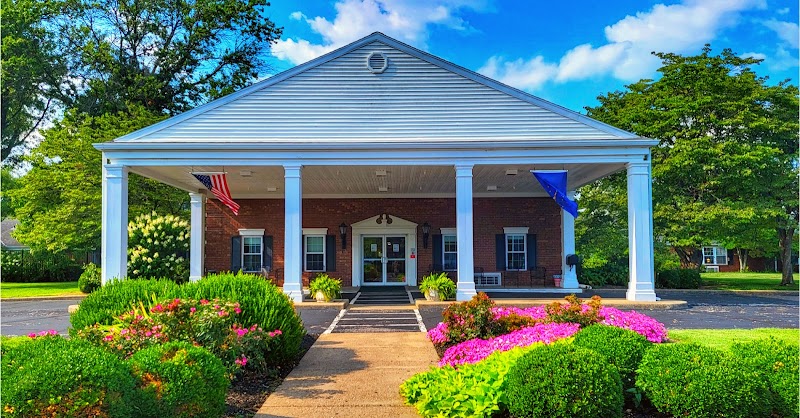
How is Newburgh Health Care Staffed?

CMS rates NEWBURGH HEALTH CARE's staffing level at 4 out of 5 stars, which is above average compared to other nursing homes. Staff turnover is 42%, compared to the Indiana average of 46%. This relatively stable workforce can support continuity of care.

What Have Inspectors Found at Newburgh Health Care?

State health inspectors documented 26 deficiencies at NEWBURGH HEALTH CARE during 2022 to 2025. These included: 25 with potential for harm and 1 minor or isolated issues.
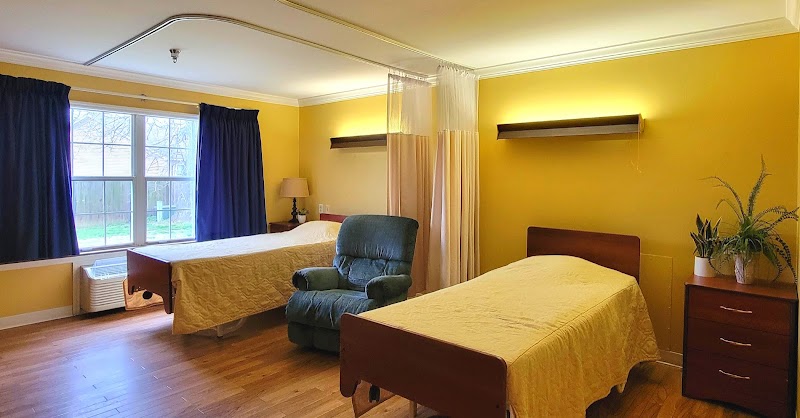
Who Owns and Operates Newburgh Health Care?

NEWBURGH HEALTH CARE is owned by a government entity. Government-operated facilities are typically run by state, county, or municipal agencies. The facility operates independently rather than as part of a larger chain. With 114 certified beds and approximately 57 residents (about 50% occupancy), it is a mid-sized facility located in NEWBURGH, Indiana.
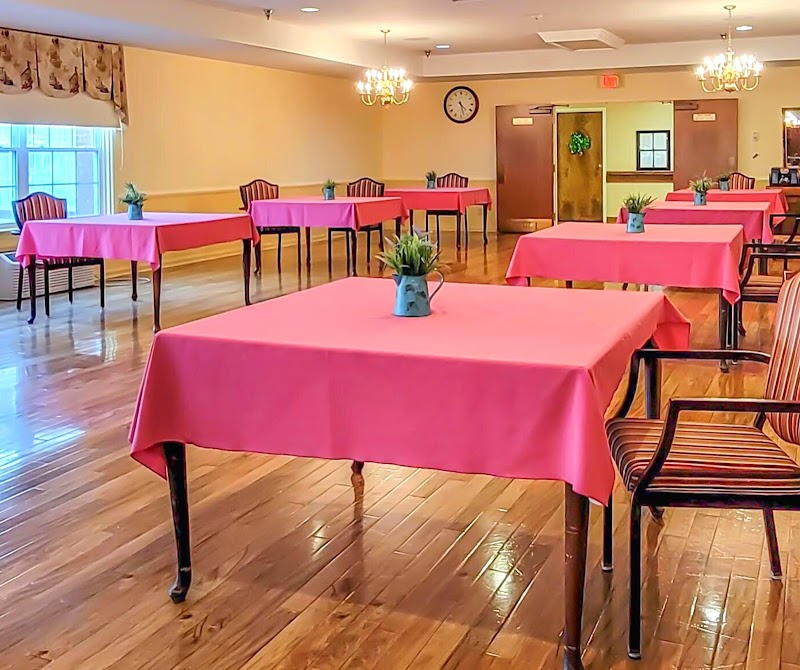
How Does Newburgh Health Care Compare to Other Indiana Nursing Homes?

Compared to the 100 nursing homes in Indiana, NEWBURGH HEALTH CARE's overall rating (1 stars) is below the state average of 3.1, staff turnover (42%) is near the state average of 46%, and health inspection rating (1 stars) is much below the national benchmark.

What Should Families Ask When Visiting Newburgh Health Care?

Based on this facility's data, families visiting should ask: "Can I visit during a mealtime to observe dining assistance and food quality?" "How do you handle medical emergencies, and what is your hospital transfer rate?" "Can I speak with family members of current residents about their experience?"

Is Newburgh Health Care Safe?

Based on CMS inspection data, NEWBURGH HEALTH CARE has a clean safety record: no substantiated abuse findings (meaning no confirmed cases of resident harm), no Immediate Jeopardy citations (the most serious violation level indicating risk of serious injury or death), and is not on the Special Focus Facility watch list (a federal program monitoring the lowest-performing 1% of nursing homes). The facility has a 1-star overall rating and ranks #100 of 100 nursing homes in Indiana. While no facility is perfect, families should still ask about staff-to-resident ratios and recent inspection results during their visit.

Do Nurses at Newburgh Health Care Stick Around?

NEWBURGH HEALTH CARE has a staff turnover rate of 42%, which is about average for Indiana nursing homes (state average: 46%). Moderate turnover is common in nursing homes, but families should still ask about staff tenure and how the facility maintains care continuity when employees leave.

Was Newburgh Health Care Ever Fined?

NEWBURGH HEALTH CARE has no federal fines on record. CMS issues fines when nursing homes fail to meet care standards or don't correct problems found during inspections. The absence of fines suggests the facility has either maintained compliance or corrected any issues before penalties were assessed. This is a positive indicator, though families should still review recent inspection reports for the full picture.

Is Newburgh Health Care on Any Federal Watch List?

NEWBURGH HEALTH CARE is not on any federal watch list. The most significant is the Special Focus Facility (SFF) program, which identifies the bottom 1% of nursing homes nationally based on persistent, serious quality problems. Not being on this list means the facility has avoided the pattern of deficiencies that triggers enhanced federal oversight. This is a positive indicator, though families should still review the facility's inspection history directly.