HAMILTON POINTE HEALTH AND REHAB
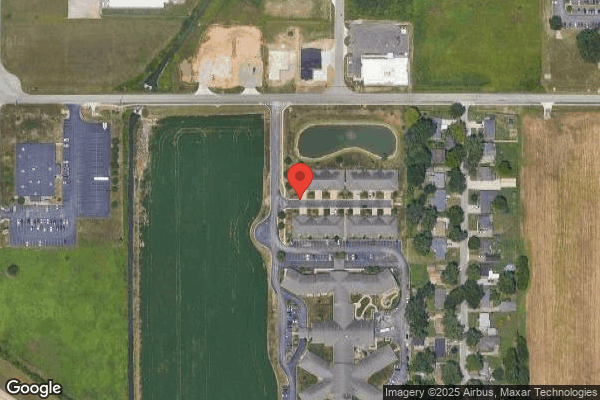

3800 ELI PLACE, NEWBURGH, IN 47630 (812) 858-5300
Non profit - Corporation 115 Beds TLC MANAGEMENT Data: November 2025
Trust Grade
33/100
#453 of 505 in IN
Last Inspection: June 2024

Within standard 12-15 month inspection cycle. Federal law requires annual inspections.

Overview

Hamilton Pointe Health and Rehab has received a Trust Grade of F, indicating significant concerns about the quality of care provided. Ranking #453 of 505 facilities in Indiana places them in the bottom half statewide, and #4 out of 8 in Warrick County suggests that only three local options are better. Although the facility is showing signs of improvement, with the number of issues decreasing from 15 in 2024 to 5 in 2025, there are still serious concerns, including a recent incident where a resident required hospitalization due to inadequate safety measures. Staffing is rated average with a 3/5 star rating, and turnover is at 54%, which is around the state average. However, they have incurred $10,518 in fines, which is concerning and indicates compliance problems. Additionally, while RN coverage is average, the facility has been noted for failing to follow infection control practices, such as not wearing proper personal protective equipment in isolation rooms, and not respecting residents' privacy during care.

Trust Score
F
33/100
In Indiana
#453/505
Bottom 11%
Safety Record
Moderate
Needs review
Inspections
Getting Better
15 → 5 violations
Staff Stability
⚠ Watch
54% turnover. Above average. Higher turnover means staff may not know residents' routines.
Penalties
⚠ Watch
$10,518 in fines. Higher than 90% of Indiana facilities, suggesting repeated compliance issues.
Skilled Nurses
○ Average
Each resident gets 40 minutes of Registered Nurse (RN) attention daily — about average for Indiana. RNs are the most trained staff who monitor for health changes.
Violations
⚠ Watch
37 deficiencies on record. Higher than average. Multiple issues found across inspections.
★☆☆☆☆
1.0
Overall Rating
★★★☆☆
3.0
Staff Levels
★★★★☆
4.0
Care Quality
★☆☆☆☆
1.0
Inspection Score
Stable
2024: 15 issues
2025: 5 issues

The Good

  • 4-Star Quality Measures · Strong clinical quality outcomes
  • Full Sprinkler Coverage · Fire safety systems throughout facility
  • No fines on record

Facility shows strength in quality measures, fire safety.

The Bad

1-Star Overall Rating

Below Indiana average (3.1)

Significant quality concerns identified by CMS

Staff Turnover: 54%

Near Indiana avg (46%)

Higher turnover may affect care consistency

Federal Fines: $10,518

Below median ($33,413)

Minor penalties assessed

Chain: TLC MANAGEMENT

Part of a multi-facility chain

Ask about local staffing decisions and management

The Ugly 37 deficiencies on record

1 actual harm
Sept 2025 1 deficiency
CONCERN (D) 📢 Someone Reported This

A family member, employee, or ombudsman was alarmed enough to file a formal complaint

Potential for Harm - no one hurt, but risky conditions existed

Deficiency F0658 (Tag F0658)

Could have caused harm · This affected 1 resident

**NOTE- TERMS IN BRACKETS HAVE BEEN EDITED TO PROTECT CONFIDENTIALITY** Based on observation, interview, and record review, the facility failed to ensure Enhanced Barrier Precautions (EBP) were used f...

Read full inspector narrative →
**NOTE- TERMS IN BRACKETS HAVE BEEN EDITED TO PROTECT CONFIDENTIALITY** Based on observation, interview, and record review, the facility failed to ensure Enhanced Barrier Precautions (EBP) were used for a resident with a wound, orders were in place for care of an ostomy, for 1 of 2 residents observed for incontinence care, and 1 of 1 residents reviewed for ostomy care. (Resident C, Resident D)Findings include:During an observation on 9/4/25 at 11:10 P.M., Qualified Medication Aide (QMA) 1 and QMA 2 provided incontinence care on Resident C. QMA 1 and QMA 2 began care and failed to don EBP supplies. During care, QMA 2 left the room and brought back the Wound Nurse to provide care to Resident C's wound on her buttocks. The Wound Nurse failed to don EBP supplies.On 9/4/25 at 9:25 A.M., Resident C's clinical record was reviewed. Diagnoses included, but were not limited to, unstageable pressure ulcer.The most recent admission Minimum Data Set (MDS) assessment, dated 8/20/25 indicated Resident C had moderate cognitive impairment and was dependent on staff for toileting.Current Physician's Orders included, but were not limited to, Enhanced Barrier Precautions until the wound was healed, revised 8/15/25.Resident C's clinical record lacked a care plan related to EBP.During an interview on 9/4/25 at 11:49 A.M., the Assistant Director of Nursing (ADON) indicated she would expect staff to wear EBP when incontinence care and wound care were provided on Resident C.2. On 9/4/25 at 10:32 am Resident D's clinical record was reviewed. Diagnoses included but were not limited to, gastroesophageal reflux disease without esophagitis, colostomy status. A Minimum Data Set (MDS) assessment dated [DATE], indicated cognition was intact, bowel always incontinent, ostomy (including urostomy, ileostomy, and colostomy ) was marked yes. Care plans were reviewed and included, but were not limited to:I have a colostomy as of 8/19/24 d/t (due to) bowel obstruction, initiated 9/23/25. Interventions included but were not limited to: my colostomy care will be completed as needed, initiated 9/3/25, revision on 8/16/25.September 2025 physician orders were reviewed and no order was in place for the care of the colostomy. The TAR ( Treatment Administration Record) and EMAR (Electronic Medication Administration Record ) for August and September was reviewed and no order was in place for the care of the colostomy.On 9/4/25 at 1:16 p.m., RN 2 indicated normally orders are in place for the care of a colostomy, nursing documents when changing the ostomy bag and providing care. On 9/4/25 at 1:18 P.M., the ADON provided a current Enhanced Barrier Precautions policy, revised 2/5/25 that indicated, .An order for enhanced barrier precautions will be obtained for residents with.chronic wounds such as pressure ulcers.On 9/4/25 at 1:37 p.m., the ADON (Assistant Director Of Nursing ) provided the current policy on pouch changes, colostomy, urostomy, and ileostomy with a revised date of 12/3/24. The policy included but was not limited to: .1. Ostomy care will be provided by the licensed nurses under the orders of the attending physician. The order should include the type of ostomy, frequency of pouch change, and type of equipment .This citation relates to Intake 2597338.3.1-35(g)(1)
Aug 2025 1 deficiency
CONCERN (D) 📢 Someone Reported This

A family member, employee, or ombudsman was alarmed enough to file a formal complaint

Potential for Harm - no one hurt, but risky conditions existed

Notification of Changes (Tag F0580)

Could have caused harm · This affected 1 resident

**NOTE- TERMS IN BRACKETS HAVE BEEN EDITED TO PROTECT CONFIDENTIALITY** Based on record review and interview, the facility failed to notify the residents' families for 2 of 3 residents reviewed for no...

Read full inspector narrative →
**NOTE- TERMS IN BRACKETS HAVE BEEN EDITED TO PROTECT CONFIDENTIALITY** Based on record review and interview, the facility failed to notify the residents' families for 2 of 3 residents reviewed for notification of changes. A resident's family was not notified of a change in the resident's physical condition and a resident's fall. (Resident F, Resident M)Findings include: 1. On 7/30/25 at 2:37 P.M., Resident F's clinical record was reviewed. Diagnoses included but were not limited to hypertension and acute respiratory failure. The Current admission Minimum Data Set (MDS) assessment dated [DATE] indicated the resident was cognitively intact. Resident F needs supervision for transferring, setting up for eating, partial assistance with hygiene, and substantial/maximum assistance of 2 for toileting and dressing. Current physician orders included, but were not limited to, Tylenol Extra Strength Oral Tablet (pain relief) 500 Milligrams (MG). Give 1 tablet by mouth three times a day for Shoulder pain dated 7/24/25. The Current Fall Risk Care Plan dated 7/1/25 indicated the resident was at risk for falls due to a history of falls and impaired balance. Current interventions included but were not limited to, call bell within reach, call don't fall sign to bathroom door, and wear proper footwear or non-slip footwear when up. A nursing progress dated 7/20/25 at 10:00 A.M., composed by RN 7, indicated the daughter came to visit and was informed at that time that the resident had a fall. The daughter noticed that the resident had a mental status change and wanted the resident sent to the hospital. During a phone interview on 7/30/25 at 8:38 A.M., the Power of Attorney indicated she was not notified about the fall until the family came to visit and found Resident F confused. She also indicated that the nurse who was assigned to the resident did not start the paperwork until after the family was made aware. During an interview on 7/31/25 at 10:15 A.M., RN 7 indicated she probably should have called the family at the time the resident had fallen instead of doing her medications and several other things at this time. 2. On 8/01/25 at 1:40 P.M., Resident M's clinical record was reviewed. Resident M was admitted on [DATE]. Diagnosis included, but was not limited to, epilepsy. The most recent Quarterly Minimum Data Set Assessment (MDS), dated [DATE], indicated Resident M was moderately cognitively impaired and was dependent on staff (staff do all the work) for toileting and transfers. Physician orders included, but were not limited to: Onfi oral tablet 20 MG (milligrams), give 20 mg by mouth at bedtime for seizures; Start date 4/1/25Levetiracetam Oral Tablet 750 MG, give 750 mg by mouth two times a day for seizures; Start date 4/1/25Lamictal Tablet 200 MG, give one tablet by mouth two times a day for seizures; Start date 4/1/25 Resident M's special instructions for plan of care indicated: Please contact Palliative service with all changes in conditions, to receive orders. Current care plan included, but was not limited to: I am currently prescribed an anticonvulsant for seizure disorder; Date Initiated: 11/26/24 I have a seizure disorder and convulsions; Date Initiated: 8/10/20 A nursing progress note dated 7/3/2025 7:08 P.M., indicated Resident began having seizure activity in the hallway. Tremors of all extremities, particularly arms. Hands grasping and eyes blinking. Lasted no more than 3 minutes. She was then taken to her room. She had seizure activity twice more. Complain of headache. The clinical record, including progress notes, assessments, and documentation, lacked notification to family, physician, or palliative care post-seizure activity. During an interview on 8/5/25 at 10:20 A.M., the Director of Nursing indicated that after a resident experienced a seizure, staff should monitor the resident and notify the family and physician. On 7/31/25 at 10:31 A.M., the Administrator provided a current policy Notification of Change dated August 2024. The policy indicated .The facility must inform the resident, consult with the resident’s physician and /or notify the resident’s family member or legal representative when there is a change requiring such notification . This citation relates to complaint 2567193 3.1-59(a)(1)3.1-5(a)(2)
Apr 2025 1 deficiency 1 Harm
SERIOUS (G) 📢 Someone Reported This

A family member, employee, or ombudsman was alarmed enough to file a formal complaint

Actual Harm - a resident was hurt due to facility failures

Accident Prevention (Tag F0689)

A resident was harmed · This affected 1 resident

**NOTE- TERMS IN BRACKETS HAVE BEEN EDITED TO PROTECT CONFIDENTIALITY** Based on observation, interview, and record review, the facility failed to ensure adequate safety measures were in place to prev...

Read full inspector narrative →
**NOTE- TERMS IN BRACKETS HAVE BEEN EDITED TO PROTECT CONFIDENTIALITY** Based on observation, interview, and record review, the facility failed to ensure adequate safety measures were in place to prevent accidents for 2 of 3 residents reviewed. This deficient practice resulted in Resident C requiring hospitalization, sutures, and a subarachnoid hemorrhage. (Resident B, Resident C) Findings include: 1. On 4/8/25 at 1:28 p.m., Resident C's clinical record was reviewed. Resident C was admitted on [DATE] and discharged to the hospital on 2/26/25. The diagnoses included, but were not limited to, hemiplegia and hemiparesis following cerebral infarction affecting left non-dominant side, visuospatial deficit and spatial neglect following cerebral infarction, cerebral infarction due to thrombosis of right middle cerebral artery, muscle weakness (generalized), unsteadiness on feet, other abnormalities of gait and mobility, need for assistance with personal care. An admission Minimum Data Set (MDS) assessment, dated 1/27/25, indicated Resident C's cognition was intact, range of motion impairment upper and lower one side, toileting dependent substantial/maximal assistance (helper does more than half the effort. Helper lifts or holds trunk or limbs and provides more than half the effort), toilet transfer substantial/maximal assistance, lying to sitting on side of bed (the ability to safely move from lying on the back to sitting on the side of the bed with feet flat on the floor, and with no back support) substantial/maximal, no falls 2-6 months prior to admission. The Care Plans included but were not limited to: Resided needed assistance with activities of daily living (ADL's) related to cerebrovascular accident (CVA) with left hemiplegia. The interventions included but were not limited to: - Resident required assist of two when toileting with transfers, on/off the commode, do not leave unattended on commode, initiated 1/24/25. - Resident required assist of two with transfers to the right side. Use bilateral platform walker and gait belt pivot transfer only. Resident to only ambulate with therapy at this time, initiated 1/24/25 and revised 2/25/25. - Resident required assist of one with transfers to the right side. Use bilateral platform walker and gait belt, initiated 1/24/25 and revised 1/27/25. Resident was at risk for falls related to decreased mobility, new CVA with flaccid left sided hemiplegia, unsteady gait, initiated 1/24/25. The interventions included, but were not limited to: - Do not leave unattended when sitting on the commode, initiated 2/27/25. - Increased assistance with transfers to two person assist including transfers on/off commode, initiated 2/27/25. A Physical Therapy communication to nursing note with a therapist signature, dated 1/24/25, and nurses signature, dated 1/27/25, indicated the resident was a one assist with transfers, set up, to right side, use bilateral platform rolling walker and gait belt. Progress notes were reviewed and included but were not limited to: On 2/24/25 at 11:51 a.m., a physician progress note indicated the patient's plan of progress was discussed with nursing staff and therapy. Patient was seen up in her recliner. She was alert and oriented. She reported she did not feel well today. She reported she had been having dry heaving due to phlegm and was coughing frequently. She also reports increased congestion. No complaints of chest pain, shortness of breath, nausea, vomiting, fever or chills. Patient's pain is controlled. On 2/24/25 at 9:43 p.m., indicated . 1700, [5:00 p.m.] residents room. BP [blood pressure] 111/78 P [pulse] 93 R [respirations] 16 T [temperature] 100.6, oxygen 93% on RA [room air] Description of fall: CNA notified this nurse that resident was lowered to the floor. CNA was assisting resident with ambulating from recliner to bed, gait belt in place. As resident was turning around to sit on edge her bed her legs gave out and CNA assisted resident to the floor on her side. When this nurse entered resident's room, resident was noted lying face down on floor. Resident began to dry heave and had small amount of emesis on floor. Resident was assisted onto her back, assisted to seated position. No complaintsof [sic] pain. ROM WNL [range of motion within normal limits] to bilateral extremities. Resident assist to standing position with 2 staff assist Range of motion; mental status, neurochecks if unwitnessed or hit head; ROM WNL, witnessed fall as CNA assisted resident to the floor Immediate intervention: Resident's transfer status changed to assist x [of] 2 due to increased weakness from not feeling well. Physician notification; family (responsible party notification: MD [medical doctor] and Spouse made aware of fall. On 2/25/25 at 9:49 a.m., Fall IDT (Interdisciplinary Team) Note, Late Entry: Attendees present: MDS, CM (case manager), Therapy. On 2/24/25 at 7:00 p.m., CNA was assisting resident with ambulating from recliner to bed and just as resident was turning around to sit on edge her bed her legs gave out and CNA assisted resident to the floor on her side. When this nurse entered resident's room, resident was noted lying face down on floor. Resident began to dry heave and had small amount of emesis on floor. Resident was assisted onto her back, assisted to seated position. No complaints of pain. ROM WNL to bilateral extremities. Resident assisted to standing position with two staff assist. Root cause of fall: Resident not feeling well and legs became weak. Intervention and care plan updated. Updated transfers status for two staff due to increased weakness. On 2/25/25 at 12:23 p.m., Followed up with NP (Nurse Practitioner) regarding resident's increased weakness, temperature noted on 2/25/25 and vomiting. New order received for Tamiflu prophylactic due to suspected Influenza A. Family aware. On 2/28/25 at 9:46 a.m., Notice of Transfer & Discharge and (name of facility) Bed Hold Authorization mailed via United States Postal Service Certified Mail to resident address for transfer on 2/26/25. On 2/28/25 at 9:52 a.m., Fall IDT Note, Attendees present: HFA (Health Facility Administrator), DON (Director Of Nursing), Therapy, CM, MDS. On 2/26/25 at 10:00 a.m., resident was being assisted by staff to toilet. Staff briefly exited room to get linens to assist resident with bathing needs and returned to find resident on floor in front of commode. Root cause of fall: impaired sitting balance. Intervention and care plan updated: will re-evaluate upon hospital return. An NP progress note, dated 2/26/25 indicated after initial visit and prior to leaving facility patient experienced a fall in the bathroom of SNF (skilled nursing facility). She apparently struck her head, causing a laceration to outer left eyebrow that appears to need sutures. Patient recently had CVA and was on ASA (aspirin) and plavix (blood thinner), putting her at risk for bleed. Neurological deficits noted to baseline and appeared relatively unchanged with limited exam. Staff also stated that she did have a LOC (loss of consciousness) with the fall. Advised nursing to send urgently to ER (emergency room) for evaluation and treat. A hospital document, dated 2/26/25 at 11:45 a.m., included but was not limited to: Alert and non-toxic, lying flat with cervical collar in place speaking in full sentences, obvious laceration to the left temporal. Radiology/procedures: Computed Tomography (CT) Head WO (without) contrast comparison CT head 12/30/24. Scattered areas of subarachnoid hemorrhage. On 4/10/25 at 10:00 a.m., Therapy 1 indicated the therapy notes from 2/24/25 indicated Resident B was feeling ill and was a minimum assist of one on the commode during the therapy session. At 12:08 p.m., Therapy 1 indicated from a therapy note, dated 2/20/25, Resident C was able to sit without assist before she became ill. Her assist was changed to two assist because she had become ill and was requiring assist to sit upright during the therapy session on 2/24/25, therapy normally put a communication note in the [NAME] and MDS updated the care plan. At 12:24 p.m., Therapy 1 indicated Resident C's care plan indicated she was a two assist when toileting and was not supposed to be left on the commode alone. Therapy 1 indicated Resident C had been changed to assist of one prior to the falls for transfers, set up to right side, but therapy had not changed her assist of two and to not be left alone on the commode. An interview on 4/10/25 at 11:00 a.m., with Assistant Director Of Nursing (ADON) indicated CNA 2 put Resident C on the commode by herself, CNA 2 had told her she was unaware the resident had been made a two assist again. Normally if a resident fell, in the morning meeting IDT reviewed interventions, the care plan was updated, the [NAME] was updated, it was on the computer and the CNA's had access to review it. An interview on 4/10/25 at 11:03 a.m., with the Case Manager indicated when Resident C had the fall on 2/24/25 she was changed back to a two assist while under an acute episode. An interview on 4/10/25 at 12:18 p.m., with Therapy 2 indicated therapy notes on 2/20/25 indicated Resident C was able to sit unsupported without assist, notes on 2/24/25 indicated she was a minimum assist of one during the therapy session and needed help to sit upright due to leaning to the side and feeling ill. Therapist 2 indicated Resident C's care plan, dated 1/24/25 for two assist to toilet and to not leave alone on the commode had not been changed by therapy. Resident C had always been a 2 assist to toilet and not be left alone on commode. 2. On 4/8/25 at 1:00 p.m., a State reportable incident for Resident B was reviewed. The incident indicated on 3/30/25 at 1:30 p.m. staff were transferring resident in a mechanical lift and the resident experienced a fall. Trauma work up was negative. A written statement, dated 3/30/25, by CNA 3 indicated, after lunch at approximately 1:10 p.m., CNA 3 was laying Resident B in her bed with the mechanical lift. When they were almost to her bed, the left foot of the mechanical lift hit the bottom wheel of bed. At that time, resident fell out side of mechanical lift sling, to floor. All straps were secured in place before the transfer. A written statement, dated 3/30/25, by LPN 2 indicated LPN 2 called to resident number. CNA stated Resident B had just fell out of the mechanical lift. LPN 2 entered resident room and noted mechanical lift between the beds in in the room, legs together. Resident was lying on her back, her head was at the opening of the mechanical lift and her feet were on top of the mechanical lift legs. CNA stated when she placed the mechanical lift close to the bed, she hit the wheel of the bed frame, resident began rocking and then fell out of the lift. On 4/8/25 at 11:20 a.m., Resident B's clinical record was reviewed. The diagnoses included, but were not limited to, mild cognitive impairment, history of falling, other reduced mobility, need for personal assistance, and vascular dementia. A quarterly MDS assessment, dated 3/5/25, indicated Resident B's cognition was moderately impaired, chair to bed transfer dependent (helper does all of effort resident does none of the effort to complete activity). Care plans included but were not limited to: Resident needed assistance with ADL's revised 6/13/23. Interventions included, but were not limited to, resident required a mechanical lift and two person assist for all transfers, revised 4/1/25. A progress note, dated 3/30/25 at 1:40 p.m., indicated at 1:10 p.m., CNA called nurse to resident room stating resident was on the floor. Upon entering resident room, noted resident lying on floor on her back. Mechanical lift in room. On 4/8/25 at 1:09 p.m., the DON indicated one staff member was transferring Resident B when she fell out of the mechanical lift. On 4/8/25 at 1:13 p.m., Resident B indicated she thought she fell at her brother's house and not at the facility. Resident B was observed to be confused. On 4/9/25 at 8:39 a.m., CNA 4 and CNA 5 indicated when using a mechanical lift two staff were required. On 4/8/25 at 2:04 p.m., the ADON provided the current policy on safe handling/transfers with a implemented date of 2/28/24. The policy included, but was not limited to, it was the policy of the facility to ensure that residents were handled and transferred safely to prevent or minimize risks for injury and provide and promote a safe, secure and comfortable experience for the resident while keeping the employees safe in accordance with current standards and guidelines. The resident's mobility needs would be addressed on admission and reviewed quarterly, after a significant change in condition, or based on direct care staff observations or recommendations. Two staff members must be utilized when transferring residents with a full body mechanical lift. On 4/8/25 at 2:04 p.m., the ADON provided the current manual for the mechanical lift used for the transfer of Resident B. The manual included, but was not limited to: .Warning : [name of mechanical lift manufacturer] strongly recommends that two caregivers take part in the lifting process . On 4/10/25 at 12:57 p.m., the ADON provided the current policy on fall investigation and risk evaluation, revised date of 8/2024. The policy indicated it was the policy of the facility to provide an environment that was free from accident hazards over which the facility has control and provides supervision and assisted devices to prevent avoidable accidents. Implement interventions, including adequate supervision and assistive devices, consistent with a resident's needs, goal, care plan and current professional standards of practice in order to eliminate the risk, if possible, and, if not, reduce the risks of an accident. This citation relates to Complaints IN00456718 and IN00456869. 3.1-45(a)(2)
Feb 2025 2 deficiencies
CONCERN (D) 📢 Someone Reported This

A family member, employee, or ombudsman was alarmed enough to file a formal complaint

Potential for Harm - no one hurt, but risky conditions existed

Food Safety (Tag F0812)

Could have caused harm · This affected 1 resident

Based on observation, interview, and record review, the facility failed to ensure food was served in a sanitary manner in accordance with professional standards for food service safety for 2 of 2 obse...

Read full inspector narrative →
Based on observation, interview, and record review, the facility failed to ensure food was served in a sanitary manner in accordance with professional standards for food service safety for 2 of 2 observations of the kitchen, 1 of 1 observations of meal service. Gloves were not changed, bare hands touched plates, fingers were licked, floors soiled. (Kitchen) Findings include: 1. On 2/25/25 at 9:30 a.m., the kitchen floor was observed to have debris along the walls, behind and under tables, equipment, racks, and in the dry panty. The same was observed on 2/27/25 at 10:10 a.m. 2. On 2/25/25 at 9:25 a.m., Dietary Aide 2 was observed with gloved hands to be standing at a table preparing 6 plates of salad. Dietary Aide 2 left the food prep table, walked to the walk in refrigerator carrying a food container, went in and back out, obtained a cutting board and walked to the food prep table and laid it down. Dietary Aide 2 picked up a food container containing tomatoes, covered it with plastic wrap, walked to the food scale, weighed the tomatoes, touching the screen of the scale with gloved hands. He then walked to the refrigerator with the tomatoes, went in and back out. Dietary Aide 2 was observed to walk back to the food prep table, grab a bag of lettuce, fold the top of the bag over and lay it on the table, grab pieces of cut up ham and put them on top of the lettuce and tomatoes on 6 plates. Dietary Aide 2 took the container of ham to the food scale, weighed it, picked it up, walked in the refrigerator and back out, walked back to the food prep table. Dietary Aide 2 used a knife to cut open a bag of shredded cheese, reached into the bag with a gloved hand, obtained cheese to put on 6 plates of salad. Dietary Aide 2 wrapped the bag of cheese in plastic wrap, took it to the food scale to weigh, touching the screen with gloved hands. Dietary Aide 2 laid the bag of cheese on the table, took off his gloves and washed his hands. 3. On 2/25/25 at 10:49 a.m., Dietary Aide 3 was observed carrying a stack of plates to a food prep table touching the middle of the top plate with bare fingers. Dietary Aide 3 was observed to put a cinnamon roll onto the top plate, wrap it in plastic wrap, put on a tray on a food rack that was later used for meal service. 4. On 2/25/25 at 11:03 a.m., Dietary Aide 5 was observed to be organizing the meal tickets, periodically licking his fingers to separate the tickets. The meal tickets were laid on a a shelf on top of the steam table, later were sent with the plates of food given to residents. 5. On 2/25/25 at 11:17 a.m., Dietary Aide 4 was observed plating lunch, touching some of the plates with his bare fingers where the food was placed. 6. On 2/27/25 at 10:13 a.m., Dietary Aide 6 indicated that when doing food prep, gloves should be worn if touching food, any time you walk away and touch other items, gloves should be taken off, hands washed, new gloves put on. On 2/27/25 at 10:16 a.m., the Dietary Manager indicated floors are cleaned twice a day, the staff follow a cleaning schedule for under racks, behind equipment. On 2/27/25 at 11:33 a.m., the Director of Nursing (DON), provided the current policy on food handling with a revised date of 2/20. The policy included but was not limited to: .All employees of the dining and nutrition services department will wash hands and change gloves (if worn), following any contact with non-sterile surfaces or items. Examples of non-sterile surfaces might include as hair, skin, uniform or hot pad, trash can, door knob, steam table knobs, cooler handles and raw meat .When performing a food preparation function that cannot be done without hand contact, gloves may be worn. Employees will wash hands and put on food-safe gloves prior to direct contact with food, following the Glove Usage policy. Gloves hands are considered a food contact surface that can get contaminated or soiled. If used, single use gloves shall be used for only one task, used for no other purpose, and discarded when damaged or soiled, or when interruptions occur in the operation . On 2/27/25 at 11:33 a.m., the DON provided the current cleaning policy on kitchen cleaning with a revision date of 6/2020. The policy included, but was not limited to: .Cleaning tasks shall be designated to be the responsibility of specific positions in the department, i.e.; AM cook, AM Dining Aide, PM Cook, PM Dishwasher, etc, as opposed to being assigned in individual employee names .The Director of Dining and Nutrition Services will routinely check that cleaning is being done to meet the regulation standards. The Registered Dietitian completes quarterly sanitation inspection . This citation relates to Complaint IN00453228 and IN00453974. 3.1-21(i)(3) 3.1-21(i)(2)
CONCERN (E) 📢 Someone Reported This

A family member, employee, or ombudsman was alarmed enough to file a formal complaint

Potential for Harm - no one hurt, but risky conditions existed

Infection Control (Tag F0880)

Could have caused harm · This affected multiple residents

**NOTE- TERMS IN BRACKETS HAVE BEEN EDITED TO PROTECT CONFIDENTIALITY** Based on observation, interview, and record review, the facility failed to ensure infection control practices were maintained an...

Read full inspector narrative →
**NOTE- TERMS IN BRACKETS HAVE BEEN EDITED TO PROTECT CONFIDENTIALITY** Based on observation, interview, and record review, the facility failed to ensure infection control practices were maintained and Personal Protective Equipment (PPE) was worn entering isolation rooms for 3 of 7 halls observed. (300 Hall, 500 Hall, 900 Hall ). Findings include: 1. On 2/27/25 at 8:20 a.m., Activity Staff 2 was observed to enter room [ROOM NUMBER] to pass out activity calendars, standing and speaking with the residents before leaving the room. room [ROOM NUMBER] had a sign posted on the door that indicated droplet precautions, wear gloves and gown upon entering room, wear a surgical mask (N-95 mask if available) upon entering the room, goggle or face shield to be worn if performing aerosol respiratory treatments, hand hygiene before and after patient or environment contact, with soap and water or alcohol-based hand sanitizer. PPE was available at the entrance. Activity Staff 2 did not don PPE upon entering the room. Activity Staff 2 was observed to enter non isolation rooms [ROOM NUMBERS] to pass calendars after leaving room [ROOM NUMBER]. 2. On 2/27/25 at 8:23 a.m., CNA 6 was observed to deliver a breakfast tray to room [ROOM NUMBER]. CNA 6 did not don PPE before entering the room. A droplet precaution sign was hanging on the door. 3. On 2/27/25 at 8:52 a.m., CNA 2 was observed to DON gloves, N95 mask and gown before entering room [ROOM NUMBER]. CNA 2 did not tie the gown at the neck. A droplet precaution sign was hanging on the door. On 2/27/25 at 8:52 a.m., CNA 2 indicated before entering a droplet precaution room a gown, mask and gloves should be donned, the gown should be tied at the waist and neck. 4. On 2/27/25 at 10:28 a.m., CNA 3 and RN 2 were observed to enter room [ROOM NUMBER], no PPE was donned before entering the room. room [ROOM NUMBER] had PPE hanging on the outside of the door and a droplet precaution sign hanging on the PPE box. 5. On 2/27/25 at 10:40 a.m., CNA 3 and RN 2 indicated they did not DON PPE before entering room [ROOM NUMBER]. CNA 3 indicated she was walking down the hallway and noticed a resident in room [ROOM NUMBER] sitting on the side of the bed and went to get RN 2 to assist her so the Resident didn't fall. On 2/27/25 at 11:19 a.m., the Director of Nursing (DON) indicated the facility staff were following the droplet precaution signs posted on the Influenza A isolation rooms for PPE required to enter the rooms. During the survey the facility had rooms on isolation for Influenza A and Respiratory Syncytical Virus (RSV). Norovirus had recently affected some residents and staff in the facility. On 2/27/25 at 11:13 a.m., the DON provided the current Infection Prevention and Control Program policy with a implemented date of 2/16/24. The policy included, but was not limited to: This facility has established and maintains an infection control prevention and control program designed to provide a safe, sanitary, and comfortable environment and to help prevent the development and transmission of communicable diseases and infections as per accepted national standards and guidelines .All staff shall use personal protective equipment (PPE) according to established facility policy governing the use of PPE . On 2/27/27 at 11:13 a.m., the DON provided the current transmission based (Isolation) Precautions policy with a revised date of 6/4/24. The policy included but was not limited to: .droplet precautions refer to actions designed to reduce/prevent the transmission of pathogens spread through close respiratory or mucous membrane contact with respiratory secretions .Droplet precautions .Healthcare personnel will wear a facemask for close contact with an infectious resident. Based upon the pathogen or clinical syndrome, if there is risk of exposure of mucous membranes or substantial spraying of respiratory secretions is anticipated, gloves and gown as well as goggles (or face shield) should be worn . On 2/27/25 at 11:13 a.m., the DON provided the current policy on Personal protective Equipment with a review date of 6/4/24. The policy included but was not limited to: .All staff who have contact with residents and/or their environment must wear personal protective equipment as appropriate during resident care activities and at other times in which exposure to blood, body fluids, or potentially infectious materials is likely . This citation relates to Complaint IN00453974 and IN00453228. 3.1-18(b) 3.1-18(j)
Dec 2024 1 deficiency
CONCERN (D) 📢 Someone Reported This

A family member, employee, or ombudsman was alarmed enough to file a formal complaint

Potential for Harm - no one hurt, but risky conditions existed

Deficiency F0635 (Tag F0635)

Could have caused harm · This affected 1 resident

**NOTE- TERMS IN BRACKETS HAVE BEEN EDITED TO PROTECT CONFIDENTIALITY** Based on interview and record review, the facility failed to ensure a newly admitted resident had immediate orders for pressure ...

Read full inspector narrative →
**NOTE- TERMS IN BRACKETS HAVE BEEN EDITED TO PROTECT CONFIDENTIALITY** Based on interview and record review, the facility failed to ensure a newly admitted resident had immediate orders for pressure wounds for 1 of 3 residents reviewed for pressure wounds. (Resident B) Finding included: On 12/9/24 at 9:44 a.m., Resident B indicated he was admitted to the facility in June of 2024, and had pressure wounds on admission to his buttock. On 12/9/24 at 10:10 a.m., Resident B's clinical record was reviewed. Diagnoses included, but were not limited to, anemia, unspecified, unspecified protein-calorie malnutrition, paraplegia, complete, pressure ulcer of right buttock stage IV (4), type 2 diabetes mellitus with unspecified complications, colostomy status, other acute osteomyelitis, right femur, other acute osteomyelitis right ankle and foot, peripheral vascular disease, pressure ulcer left hip, unstageable, pressure ulcer of right buttock, unstageable. Resident B was admitted to the facility on [DATE]. An admission MDS (Minimum Data Set) assessment dated [DATE], indicated Resident B's cognition was intact, admitted with one stage VI pressure ulcer, one unstageable pressure ulcer, two unstageable- deep tissue suspected. Care plans were reviewed and included, but were not limited to: I require enhanced barrier precautions related to osteomyelitis, pressure wound, IV (intravenous) antibiotics, date initiated 6/27/24. Interventions included but were not limited to: You will provide my treatments as ordered; date initiated 6/27/24. I need assistance with my ADL's (Activities of Daily Living) related to paraplegia with wounds, date initiated 6/26/24. I have deep tissue injury on my right buttock related to extended pressure secondary to altered mobility, date initiated 7/1/24. Interventions included but were not limited to: I will receive treatment as ordered, date initiated 7/1/24. I have a stage IV pressure ulcer related to immobility d/t paraplegia; date initiated 6/28/24. Interventions included but were not limited to, I will receive my treatment as ordered, date initiated 6/28/24. I have an unstageable pressure injury to my left 1st toe related to necrotic tissue covering the wound bed, skin failure, date initiated 7/1/24. Interventions included but were not limited to, I will receive my treatment as ordered, date initiated 7/1/24. I have a deep tissue injury to my right 5th toe related to extended pressure secondary to altered mobility, date initiated 7/1/24. Interventions included but were not limited to: I will receive my treatment as ordered, date initiated 7/1/24. June 2024 physician orders with an active date of 6/25/24, were reviewed and included but were not limited to: Daptomycin intravenous solution reconstituted use 400 milligrams intravenously one time a day for infection/wound for 36 administrations, order date 6/25/24. No orders were recorded in the record for wound treatments on admission on 6/25, until 6/28/24. June 2024 physician orders with an active date of 6/30/24, were reviewed and included but were not limited to: wound vac to stage IV sacral wound, maintain vac and change dressing as ordered every 24 hours as needed for change as needed, order date 6/28/24. wound vac to stage IV sacral wound, maintain vac and change dressing as ordered every day shift every 3 day(s), order date 6/28/24. An initial pressure ulcer report with an effective date of 6/25/24, was reviewed and included, but was not limited to: Site- right buttock Type- pressure Stage IV Site - right toe Type - pressure Stage- suspected deep tissue injury Site- left toe Type- pressure Stage- unstageable Comments .res has wound vac, Foley catheter and ostomy for bowels pressure reducing mattress in place 1/4 SR x 2 for T&R/mobility aide. No measurements were recorded on the report dated 6/25/24. On 12/10/24 at 9:26 a.m., RN 2 indicated Resident B came to the facility with pressure wounds, wound treatments should have been placed on admit, even if temporary until the facility wound nurse could do assessment, treatments were clarified and initiated on 7/1/24 for all wounds. On 12/10/24 at 1:55 p.m., RN 3 indicated if pressure wounds are found on the initial admit skin assessment and no orders were sent, triage should be faxed or called for orders. On 12/10/24 at 12:25 p.m., the DON provided the current admission orders policy with a implemented date of 11/28/23. The policy included but was not limited to: A physician must personally approve, in writing, a recommendation that an individual be admitted to a facility. A physician, physician assistant, nurse practitioner or clinical nurse specialist must provide written and/or verbal orders for the residents immediate care and needs .The orders should allow facility staff to provide essential care to the resident consistent with the resident's mental and physical status on admission . This citation relates to Complaint IN00448583. 3.1-30(a)
Jun 2024 14 deficiencies
CONCERN (D)

Potential for Harm - no one hurt, but risky conditions existed

Assessment Accuracy (Tag F0641)

Could have caused harm · This affected 1 resident

**NOTE- TERMS IN BRACKETS HAVE BEEN EDITED TO PROTECT CONFIDENTIALITY** Based on interview and record review, the facility failed to ensure the MDS (Minimum Data Set) Assessment was completed accurate...

Read full inspector narrative →
**NOTE- TERMS IN BRACKETS HAVE BEEN EDITED TO PROTECT CONFIDENTIALITY** Based on interview and record review, the facility failed to ensure the MDS (Minimum Data Set) Assessment was completed accurately for 2 of 5 residents reviewed for unnecessary medications. (Resident 6, Resident 7) Findings include: 1. On 5/30/24 at 2:31 P.M., Resident 6's clinical record was reviewed. Diagnosis included, but was not limited to, malignant neoplasm of descending colon. The most recent Annual MDS (Minimum Data Set) Assessment, dated 4/28/24, indicated Resident 6 was cognitively intact and did not receive an opioid during the 7-day lookback period. Physician orders included, but were not limited to: fentanyl (an opioid medication) patch 12 MCG/HR (micrograms per hour) - Apply 1 patch transdermally every 72 hours for pain and remove per schedule, dated 11/3/23. oxycodone-acetaminophen (an opioid medication) tablet 5-325 MG (milligrams) - Give 1 tablet by mouth three times a day for pain and give 1 tablet by mouth as needed for pain may have up to two additional doses daily. PRN (as needed) dose may not be within 2 hours of last routine dose, dated 1/12/24 and discontinued on 4/29/24. The April 2024 MAR (Medication Administration Record) indicated Resident 6 received oxycodone-acetaminophen three times daily on April 22, 23, 24, 25, 26, and 28 and two times on April 27. The April 2024 MAR indicated Resident 6 had a fentanyl patch placed on April 22, 25, and 28. On 6/4/24 at 1:11 P.M., MDS Coordinator 15 indicated that Resident 6's MDS dated [DATE] should have indicated the resident received opioids during the 7-day lookback period. On 6/4/24 at 1:11 P.M., MDS Coordinator 15 indicated the facility followed the RAI (Resident Assessment Instrument) Manual for guidance in coding MDS Assessments. 2. On 5/31/24 at 9:41 A.M., Resident 7's clinical record was reviewed. Diagnosis included, but were not limited to, history of CVA (cerebrovascular accident). The most recent Quarterly MDS (Minimum Data Set) Assessment, dated 5/7/24, indicated a moderate cognitive impairment. Resident 7 was marked as not receiving an antiplatelet medication. Current physician orders included, but were not limited to: clopidogrel bisulfate (an antiplatelet) tablet 75 mg (milligram), give 1 tablet by mouth one time a day for preventative, history of CVA, dated 1/25/24 Resident 7's MAR (Medication Administration Record) for May 2024 indicated clopidogrel was administered in the 7-day look back period for the 5/7/24 Quarterly MDS Assessment. On 6/5/24 at 11:22 A.M., MDS Coordinator 89 indicated Resident 7's MDS on 5/7/24 was marked in error and should have indicated the resident received an antiplatelet. She indicated at that time that there was not a facility policy for MDS Assessments, and that the policy was to follow the RAI (Resident Assessment Instrument) manual.
CONCERN (D)

Potential for Harm - no one hurt, but risky conditions existed

Comprehensive Care Plan (Tag F0656)

Could have caused harm · This affected 1 resident

Based on interview and record review, the facility failed to ensure physician orders were followed for 2 of 2 residents reviewed for nutrition. (Resident 55 and Resident S) Findings include: 1. On 5/...

Read full inspector narrative →
Based on interview and record review, the facility failed to ensure physician orders were followed for 2 of 2 residents reviewed for nutrition. (Resident 55 and Resident S) Findings include: 1. On 5/31/24 at 12:22 P.M., Resident 55's clinical record was reviewed. Diagnoses included, but were not limited to, dementia and epilepsy. The most recent Annual MDS (Minimum Data Set) Assessment, dated 4/18/24, indicated Resident 55 was moderately cognitively intact, required setup assistance from staff for eating, had a feeding tube, had an unplanned weight loss, and was receiving a mechanically altered diet. Physician orders included, but were not limited to: Weekly weights for trending weight loss one time a day every Saturday for trending weight loss, dated 2/17/24. 2-Cal HN (liquid nutritional supplement) 300 mL (milliliters) bolus (administer full amount at once) four times a day, dated 5/23/24- current. 2-Cal HN 300 mL bolus four times a day, dated 5/2/24-5/23/24. Jevity 1.5 (liquid nutritional supplement) 300 mL bolus feeding four times a day before meals and at bedtime, dated 4/15/24-5/1/24. Jevity 1.5 (liquid nutritional supplement) 300 mL bolus feeding four times a day before meals and at bedtime, dated 2/29/24-4/15/24. Jevity one carton (237 mL) bolus feeding four times daily before meals and at bedtime, dated 7/27/23-2/29/24. Recorded weights for the last six months, that indicated a weight loss greater than 10% (10.65%), included: 12/1/23 124 pounds 6/2/24 110.8 pounds The following dates and times indicated the physician order for nutritional supplement was not administered during the last six months, and did not include a descriptive reasoning for the missed administration of nutritional supplement: 2/23/24 9 P.M. 2/27/24 9 P.M. 3/3/24 9 P.M. 3/30/24 9 P.M. 4/3/24 9 P.M. 4/4/24 11 A.M. 4/13/24 9 P.M. 4/14/24 9 P.M. 4/15/24 11 A.M. 4/22/24 11 A.M., 5 P.M. 4/26/24 11 A.M. 5/7/24 bedtime 5/13/24 bedtime 5/20/24 bedtime 5/27/24 9 P.M. 6/4/24 1 P.M. On 6/5/24 at 1:12 P.M., the Director of Nursing provided a current policy titled Following Physician Orders, revised 4/24, and indicated Licensed healthcare personnel will consult and follow the physician/clinician order when performing any resident procedures. 2. On 5/31/24 at 9:07 A.M., Resident S's clinical record was reviewed. Diagnosis included, but were not limited to, renal failure. The most recent admission MDS (Minimum Data Set) Assessment, dated 4/1/24, indicated no cognitive impairment, and no behaviors. Resident S was receiving a therapeutic diet with no weight loss or gain. Current physician orders included, but were not limited to: Obtain weight daily **before dialysis** one time a day, notify physician of gain of more than 3 pounds in a day or 5 pounds in a week, dated 5/23/24. Discontinued physician orders included, but were not limited to: Obtain weight daily, one time a day, notify physician of gain of more than 3 pounds in a day or 5 pounds in a week, dated 5/22/24 through 5/22/24. Obtain weight daily, one time a day, notify physician of gain of more than 3 pounds in a day or 5 pounds in a week, dated 5/21/24 through 5/21/24. Obtain weight daily x 3 days, every day shift for 3 days, dated 5/21/24. Obtain weight daily in AM, one time a day, notify physician of gain of more than 3 pounds in 24 hours or > 5 pounds in 72 hours., dated 5/1/24 through 5/14/24. Obtain weight daily, one time a day, dated 4/30/24 through 4/30/24. Obtain weight one time a day, notify physician of gain of more than 3 pounds in 24 hours or 5 pounds in 72 hours, dated 4/27/24 through 4/29/24. Obtain weight every AM, one time a day, notify physician of gain of more than 3 pounds in 24 hours or 5 pounds in 72 hours, dated 4/7/24 through 4/24/24. Obtain weight one time a day, notify physician of gain of more than 3 pounds in 24 hours or 5 pounds in 72 hours, dated 3/29/24 through 4/6/24. A current dialysis care plan, initiated 5/21/24, included, but was not limited to, an intervention to weigh and get vital signs as ordered and as needed, also dated 5/21/24. Resident S was not in the facility on the following dates: 4/2/24 4/21/24 through 4/26/24 5/14/24 through 5/20/24 Resident S's clinical record lacked weights on the following dates from 3/28/24 through 5/31/24: 3/29/24 3/30/24 (recorded as 128.8, then crossed out 4/2/24 as error) 4/1/24 4/3/24 4/6/24 4/7/24 (recorded as 105.2, then crossed out 4/11/24 as re-weighed. No re-weigh documented) 4/8/24 (recorded as 104.8, then crossed out 4/11/24 as re-weighed. No re-weigh documented) 4/12/24 4/16/24 4/18/24 (recorded as 122.2, then crossed out 5/9/24 as re-weighed. No re-weigh documented) 4/27/24 4/28/24 4/29/24 5/1/24 5/2/24 5/5/24 (recorded as 109.4, then crossed out 5/9/24 as re-weighed. No re-weigh documented) 5/7/24 5/8/24 5/9/24 5/13/24 5/25/24 5/26/24 (marked as n/a) 5/27/24 5/31/24 On 6/5/24 at 8:00 A.M., the Unit Manager indicated the dietician must have deleted Resident S's weights on 4/18/24 and 5/5/24 because those weights didn't match what the surrounding days had been. She indicated staff would discuss weights at morning meeting, and mark out the weights that were obtained that did not seem normal for that resident. On 6/5/24 at 11:05 A.M., the Director of Nursing (DON) indicated there was not a formal policy for following orders or care plans, but staff should be following interventions and orders as ordered. 3.1-35(b)(1)
CONCERN (D) 📢 Someone Reported This

A family member, employee, or ombudsman was alarmed enough to file a formal complaint

Potential for Harm - no one hurt, but risky conditions existed

Quality of Care (Tag F0684)

Could have caused harm · This affected 1 resident

**NOTE- TERMS IN BRACKETS HAVE BEEN EDITED TO PROTECT CONFIDENTIALITY** Based on interview and record review, the facility failed to provide care by thorough assessment of a resident prior to narcotic...

Read full inspector narrative →
**NOTE- TERMS IN BRACKETS HAVE BEEN EDITED TO PROTECT CONFIDENTIALITY** Based on interview and record review, the facility failed to provide care by thorough assessment of a resident prior to narcotic medication administration and implementation of a person centered care plan for the use of narcotics, and a care plan that reflected accurate resuscitative measures for 1 of 2 residents reviewed for expiration in the facility. (Resident P) Findings include: On [DATE] at 9:15 A.M., Resident P's clinical record was reviewed. Diagnoses included, but were not limited to, asthma and atrial fibrillation. The most recent quarterly MDS (Minimum Data Set) Assessment, dated [DATE], indicated Resident P was cognitively intact and was receiving opioid pain medication during the seven day lookback period. Physician orders included, but were not limited to: Do not resuscitate, dated [DATE]. Observe for side effects (Narcotic pain medication), dated [DATE]. Ipratropium-albuterol (medication to improve breathing) inhalation solution 0.5-2.5(3) mg/mL (milligram per milliter) one inhalation inhale orally every eight hours as needed, dated [DATE]. Norco (opioid pain medication) oral tablet 5-325 mg (Hydrocodone-Acetaminophen) Give one tablet by mouth three times a day for pain hold for sedation, dated [DATE]. Norco oral tablet 5-325 mg (Hydrocodone-Acetaminophen) Give one tablet by mouth every four hours as needed for pain, dated [DATE]. Resident P's clinical record included a signed document Titled Indiana Physician Orders for Scope of Treatment (POST), dated [DATE], and indicated Medical Interventions Comfort Measures (Allow Natural Death). Care plans included, but were not limited to: I have elected to be a full code, dated [DATE]. I have chronic breathing problems related to asthma; observe for increased shortness of breath, difficulty breathing, change in mental status , dated [DATE]. The clinical record lacked a care plan relating to narcotic pain medications and potential adverse side effects to monitor. On [DATE] at 9:15 A.M., Resident P's medication administration record was reviewed. Resident P narcotic sheet indicated on [DATE] Norco 5-325 mg was given at 6:35 A.M., 9:00 A.M., 1:00 P.M., 5:00 P.M., and 8:00 P.M. A progress note dated [DATE] at 5:16 P.M., indicated Resident was given a breathing treatment and oxygen saturation level had come back to 89% on 2L (liters). A progress note dated [DATE] at 6 P.M., indicated Resident P's family member had notified staff of the resident's symptoms. Vitals checked and oxygen saturation dropped to 68%. Resident was placed on 2L oxygen by nasal cannula. Resident declined going to the hospital. Staff set an acute visit for the following day. A progress note dated [DATE] at 7:17 P.M., indicated LPN 45 took bedtime medications to Resident P, and resident was unable to rouse or swallow medications. EMS and family were called, the Physician was notified through Telemedic. Ambulance arrived followed by the Fire Department. Blood glucose level had dropped, and an intravenous line was started by EMS in Resident P's left shin bone. At 8:08 P.M., Resident P stopped breathing. CPR (cardio-resuscitation) was not started. On [DATE] at 8:43 A.M., LPN 45 stated Resident P's oxygen level was at 68% prior to the breathing treatment of albuterol administered on [DATE] at 5:16 P.M. The Norco 5-325 tablet was signed out at 8:00 P.M., but should have been signed out at 7:17 P.M. with the other bedtime medications; Resident did not take any of the bedtime medications due to inability to swallow, the medications rolled out when a spoonful was placed in Resident P's mouth. Prior to 7:17 P.M., Resident P was completely alert and oriented, and having a full conversation. Resident P had no adverse signs, symptoms, or side effects other than nausea and respiratory changes. EMS (emergency medical services) and fire department arrived at the facility quickly; LPN 45 indicated she was not sure what Resident P's blood sugar was when EMS checked it, Resident was not a regular blood sugar check and did not receive insulin. Nurse indicated she probably should have revised charting and struck out the medications out for the eMAR (electronic medication administration record) to reflect the resident not taking the medications, but it was a chaotic night and staff were doing their best to get everyone caught up and the rest of the resident's taken care of. During an interview on [DATE] at 10:22 A.M., Regional Clinical Nurse 9 indicated in order for a nurse to recognize respiratory distress, it would have to be more than just low oxygen levels, and the resident did not have an order for oxygen but staff can administer oxygen in emergent situations without an order. During an interview on [DATE] at 11:38 A.M., Regional Clinical Nurse 9 indicated the care plan that indicated Resident P was a full code was inaccurate and should have indicated do not resuscitate, there was not a care plan related to pain medication side effects, and the facility did not have a policy relating to monitoring adverse side effects of narcotic pain medications. This citation relates to complaint IN00435563. 3.1-37(a)
CONCERN (D)

Potential for Harm - no one hurt, but risky conditions existed

Accident Prevention (Tag F0689)

Could have caused harm · This affected 1 resident

Based on observation, interview, and record review, the facility failed to ensure post fall assessments were completed and care plans were updated to prevent falls for 2 of 4 residents reviewed for ac...

Read full inspector narrative →
Based on observation, interview, and record review, the facility failed to ensure post fall assessments were completed and care plans were updated to prevent falls for 2 of 4 residents reviewed for accidents. (Resident 40, Resident 83) Findings include: 1. On 5/30/24 at 2:18 P.M., Resident 40 was observed in bed. There was one set of non-skid strips near her bed. On 5/30/24 at 1:26 P.M., Resident 40's clinical record was reviewed. Diagnoses included, but were not limited to, vascular dementia, fracture of fifth metacarpal bone right hand, and history of falling. The most recent Quarterly MDS (Minimum Data Set) Assessment, dated 5/16/24, indicated Resident 40 had moderate cognitive impairment, required supervision of staff for sit to stand transfers and toileting, partial to moderate assistance of staff for bathing, and had one fall with no injury since the prior assessment. A fall risk assessment, dated 3/15/24, indicated Resident 40 was at low risk for falls. A current falls care plan, revised 1/22/24, indicated the resident was at risk for falls. The interventions included, but were not limited to: I am going to wear proper footwear or non-slip footwear when I am up, dated 4/2/21 The clinical record indicated Resident 40 fell 7 times since 9/27/24. Fall 1 9/24/23 at 8:20 P.M. Fall was not witnessed. The resident indicated she fell while trying to transfer from the toilet to her chair. The resident had 3 small skin tears to her right lower extremity. Neurological assessments were completed. Intervention medication review and therapy referral was added to the care plan on 9/28/23. Fall 2 9/28/23 at 1:45 P.M. Fall was witnessed. The resident indicated she was picking something up off the floor. Intervention Give resident a reacher to retrieve things on the floor was added to the care plan on 9/29/23. Fall 3 12/23/23 at 7:45 A.M. Fall was unwitnessed. The resident indicated she lost her balance after using the toilet. Neurological assessments were completed. Intervention call don't fall sign placed in room was added to the care plan on 12/26/23. Fall 4 1/10/24 at 3:20 P.M. Fall was witnessed. The resident was attempting to self-transfer between her bed and her wheelchair. Intervention add non-skid strips next to bed was added to the care plan on 1/11/24. Fall 5 1/19/24 at 12:30 P.M. Fall was unwitnessed. The resident was attempting to self-transfer from her bed to her wheelchair. The resident broke her glasses in the fall and sustained a laceration to her right eye. The NP (Nurse Practitioner) was notified, and the resident was sent to the emergency room (ER) where she received sutures to her right eye and a fracture to her fifth metacarpal was identified. The resident returned to the facility at 7:29 P.M. on 1/19/24. Intervention Assist resident up in her wheelchair and down to the dining room for meals was added to the care plan on 1/22/24. Fall 6 2/6/24 at 4:00 P.M. Fall was witnessed. The resident indicated she fell while attempting to sit on her bed. Intervention New gripper socks added, add additional non-skid strips next to bed was added to the care plan on 2/7/24. Fall 7 5/9/24 at 12:35 P.M. Fall was unwitnessed. The resident attempted to self-transfer from her wheelchair to the toilet. Neurological assessments were incomplete. No neurological assessments were documented after 5/10/24 at 4:15 A.M. Intervention add cushion to secure to wheelchair with buckle/strap was added to the care plan on 5/10/24. 2. On 6/3/24 at 8:58 A.M., Resident 83's clinical record was reviewed. Diagnoses included, but were not limited to, hemiplegia and hemiparesis following cerebrovascular disease affecting right dominant side and muscle weakness. The most current Quarterly MDS (Minimum Data Set) Assessment, dated 4/22/24, indicated Resident 83 had moderate cognitive impairment, required supervision for sit to stand transfers and partial to moderate assistance of staff for toileting and bathing, and had no falls since re-entry to the facility. A re-entry falls assessment, dated 4/15/24, indicated the resident was at high risk for falls. A falls care plan, revised 4/15/24, indicated the resident was at risk for falls related to weakness. Progress notes indicated the resident fell on 4/12/24 at 3:30 P.M. Fall was unwitnessed. The resident was found on the floor in his room with his head cupped in hand. The resident indicated he was attempting to go to the bathroom. A neurological assessment was completed on 4/12/24 at 3:30 P.M. and on 4/13/24 at 12:04 A.M. No other neurological assessments were documented. Intervention Add cupholder to wheelchair was added to the care plan on 4/15/24. Progress notes indicated the resident fell on 4/13/24 at 2:15 A.M. Fall was unwitnessed. The resident indicated he was attempting to go to the bathroom. No apparent injury was noted. The resident was sent to the emergency room (ER) for evaluation at 3:23 A.M. No neurological assessments were documented. An Interdisciplinary Team (IDT) note, dated 4/15/24 at 8:52 A.M., indicated the resident would be reassessed upon return from the hospital. A new intervention was not added to the care plan. On 6/4/24 at 9:20 A.M., the Director of Nursing (DON) indicated that when a resident fell, they were assessed for injuries and the risk management tool was filled out. Neurological assessments were completed per policy for any unwitnessed falls or suspected head injuries and documented in the electronic medical record (EMR). Staff could write their neurological assessments on paper, but then should transfer them into the EMR. IDT would review the fall and update the care plan with a new and relevant intervention after every fall. On 6/4/24 at 10:29 A.M., Medical Records employee provided a current Fall Investigation and Risk Evaluation policy, revised 6/22, that indicated Neuro checks if the fall was unwitnessed or an injury to the head is suspected or observed . Update the care plan with new intervention(s) . On 6/4/24 at 1:46 P.M., the DON provided a current Neurological Assessment Protocol policy, revised 12/21, that indicated Neurological assessments should be performed as follows for a 72 hour period: every 15 minutes x4, every 30 minutes x2, every 1 hour x2, every 4 hours x1, every 8 hours x8. 3.1-45(a)(2)
CONCERN (D)

Potential for Harm - no one hurt, but risky conditions existed

Deficiency F0697 (Tag F0697)

Could have caused harm · This affected 1 resident

2. On 5/29/24 at 2:50 P.M., Resident 6 indicated she was in constant pain and took pain medication, but the facility would not let her have a heat pad or offer her an alternative like a warm washcloth...

Read full inspector narrative →
2. On 5/29/24 at 2:50 P.M., Resident 6 indicated she was in constant pain and took pain medication, but the facility would not let her have a heat pad or offer her an alternative like a warm washcloth or rice pack. A heat pad was what she used at home to help with arthritis pain, and it worked better than the pills for that pain. On 5/30/24 at 2:31 P.M., Resident 6's clinical record was reviewed. Diagnoses included, but were not limited to, malignant neoplasm of descending colon, anxiety disorder, and depression. The most recent Quarterly MDS (Minimum Data Set) Assessment, dated 4/28/24, indicated Resident 6 was cognitively intact, required setup assistance for eating, received scheduled and PRN (as needed) pain medication, and had no behaviors. A current opioid medication care plan, dated 4/12/24, included an intervention to participate in non-pharmacological approaches to pain reduction. A current acute pain care plan, dated 11/1/23, indicated the resident had all over pain complaints. Physician orders included, but were not limited to: fentanyl (an opioid pain medication) patch 12 MCG/HR (micrograms per hour) - Apply 1 patch transdermally every 72 hours for pain and remove per schedule, dated 11/3/23 Oxycodone-acetaminophen tablet 5-325 MG (milligrams) - Give 1 tablet by mouth three times a day for pain and give 1 tablet by mouth as needed for pain may have up to two additional doses daily. PRN dose may not be within 2 hours of last routine dose, dated 4/29/24 The most recent quarterly pain evaluation assessment, dated 5/1/24, indicated Resident 6 had pain at a level 5 (on a 1 to 10 pain scale). The assessment included a section to indicate methods of preferred pain relief, but it had not been completed. A behavior note, dated 5/22/23, indicated that staff had taken a heating pad away from the resident and reminded her that she had been told many times that she could not have a heating pad in her room. A progress note, dated 6/6/23 at 10:47 A.M., indicated the resident stated she had pain constantly. A progress note, dated 12/18/23 at 3:24 P.M., indicated the resident stated she had pain and the pain medication she was receiving was not enough. On 6/4/24 at 8:26 A.M., LPN (Licensed Practical Nurse) 19 indicated that Resident 6 received routine and PRN pain medication as well as a pain patch. The resident did not receive non-pharmacological pain interventions. She further indicated that therapy could provide thermal heat, but the resident would need a referral to therapy to be evaluated for that. On 6/4/24 at 11:04 A.M., the Therapy Supervisor indicated Resident 6 had been seen by therapy from May to June of 2023 where she was evaluated for hot and cold therapy and it was provided. She indicated that once residents are discharged from the therapy caseload, nurses can come get thermal pads with covers from therapy to use as long as there was a nursing order for it. On 6/4/24 at 11:10 A.M., RN (Registered Nurse) 35 indicated a resident needed a physician order for heat. On 6/5/24 at 9:01 A.M., the ADON (Assistant Director of Nursing) indicated there was no policy for heat use in therapy or as a non-pharmacological pain relief. Heating devices were not allowed in resident rooms because residents could get burned. Staff could use a washcloth heated with faucet water. Otherwise, the resident got referred to therapy. She was unsure how a resident could continue to receive heat as pain relief once discharged from the therapy caseload. She further indicated she would place a referral for Resident 6 to be evaluated by therapy for heat treatment. On 6/4/24 at 10:29 A.M., Medical Records employee provided a current Pain Management policy, dated 11/28/23, that indicated Non-pharmacological interventions will include but are not limited to .physical modalities (e.g. cold compress, warm shower/bath .). 3.1-37(a) Based on observation, interview, and record review, the facility failed to ensure pain management consistent with professional standards of practice, care plans, and the resident's goals and preferences were provided for 2 of 2 residents reviewed for pain management. A resident was not monitored for side effects of narcotic pain medication resulting in an overdose, pain medication was not given as prescribed, and a resident's preference for non-pharmacological pain relief was not honored. (Resident T, Resident 6) Findings include: 1. On 5/30/24 at 9:52 A.M., Resident T indicated she had arthritis and gout, and was in constant pain. She indicated she received medications for pain, but it did not help much. On 5/31/24 at 9:46 A.M., Resident T's clinical record was reviewed. Diagnosis included, but were not limited to, anxiety and leg pain. The most recent Quarterly MDS (Minimum Data Set) Assessment, dated 4/5/24, indicated no cognitive impairment, and no behaviors. Resident T required supervision with bed mobility and toileting, and partial to moderate assistance with bathing. Resident T received scheduled pain medications, and had experienced occasional moderate pain for the previous five days. Physician orders included, but were not limited to: Norco (Hydrocodone-Acetaminophen) (a narcotic pain medication) 10-325mg (milligram), give 1 tablet 5 times a day for pain, with instructions to use 5mg until the 10mg arrive, started 9/14/23 and discontinued 11/1/23. Norco 10-325mg, give 1 tablet 5 times a day for pain, with instructions to discontinue Norco 10mg when supply complete, started 11/1/24 and discontinued 11/2/23. Norco 5-325mg, give 2 tablets by mouth 5 times a day, with instructions to discontinue Norco 10/325 order when this supply completed, new order entered for 5/325 2 tabs 5 times a day, started 11/2/23 and discontinued 11/2/23. Norco 5-325mg, give 2 tablets by mouth 5 times a day, started 11/2/23 and discontinued 12/25/23. Norco 5-325mg, give 2 tablets by mouth 5 times a day, started 12/30/23 and discontinued 1/1/24. Norco 5-325mg, give 2 tablets as needed for pain 5 times a day, started 1/6/24 and discontinued 1/9/24. Norco 5-325mg, give 1 tablet as needed for pain 5 times a day, started 1/9/24 and discontinued 1/22/24. Norco 5-325mg every 12 hours as needed for pain, started 2/9/24 and discontinued 3/18/24. Oxycodone (a narcotic pain medication) 5mg, give 1 tablet by mouth every 6 hours as needed for pain, started 3/28/24 and discontinued 4/22/24. Oxycodone 5mg, give 1 tablet every 4 hours as needed for pain, started 4/24/24 and discontinued 5/5/24. Oxycodone 5mg, give 1 tablet every 4 hours as needed for pain, started 5/12/24 and discontinued 5/15/24. Oxycodone 5mg, give 1 tablet by mouth every 4 hours as needed for pain, started 5/18/24 and currently an active physician order. Observe for side effects of narcotic pain medication every 12 hours for pain, dated 5/20/24. The original order for narcotic monitoring was dated 1/5/24. Resident T's MAR (Medication Administration Record) indicated when Norco 5-325mg was ordered to be given five times a day, it was to be given at 2:00 A.M., 9:00 A.M., 1:00 P.M., 5:00 P.M., and 9:00 P.M. A current risk for pain care plan, dated 7/7/21 and revised 6/19/23, indicated pain medication would be administered as ordered and requested, dated 7/7/21. A current opioid medication care plan, dated 11/14/22, indicated but was not limited to, the following interventions: To receive medication as prescribed, dated 11/14/22. Adequately monitor dose, duration and indication of use, dated 11/14/22. Assess pain, dated 11/14/22. Quarterly pain evaluations from 11/2023 through current included, but were not limited to, the following: 12/21/23 The evaluation was not complete. 1/5/24 The evaluation was not complete. 5/12/24 The evaluation was not complete. On 12/30/24, Resident T was sent to the hospital following an episode of altered mental status per family request. In the emergency room, the resident was minimally responsive to painful stimuli, and kept falling asleep. Because the resident was not able to protect her airway, she was intubated. The resident was administered Narcan (an opiate blocker) and rapidly improved, awoke and was communicating meaningfully. The resident was then admitted to the hospital on an infusion of Narcan. The admitting diagnosis was unintentional narcotic overdose and recent COVID infection, and the resident discharged back to the the facility on 1/5/24. Narcotic sign out forms for Norco 5-325mg from 11/2023 to current were reviewed with the following dates and times one tablet was retrieved when the physician order was for two tablets: 11/11/23 at 2:00 A.M. 11/11/23 at 3:00 P.M. 11/11/23 at 8:00 P.M. 11/12/23 (unreadable time) 11/12/23 at 5:00 P.M. 11/12/23 at 8:00 P.M. 11/17/23 at 8:00 A.M. 11/17/23 at 1:00 P.M. 11/24/23 at 9:00 P.M. 12/23/23 at 8:00 A.M. Resident 31's clinical record lacked a reason why one tablet was given rather than the two tablets that were ordered. Narcotic sign out forms for Norco 5-325mg from 11/2023 to current included the following dates and times two tablets were retrieved when the physician order was for one tablet: 1/9/24 at 8:00 P.M. 1/15/24 (unreadable time) 1/16/24 at 8:00 P.M. 1/17/24 (unreadable time) 1/18/24 at 7:43 P.M. The Norco sign out forms indicated the following doses that were given within 2.5 hours of each other: 11/23/23 at 5:30 P.M. then again on 11/23/23 at 8:00 P.M. (two 5mg tablets with each administration). 11/30/23 at 10:30 A.M. then again on 11/30/23 at 1:00 P.M. (two 5mg tablets with each administration). On 6/4/24 at 2:06 P.M., the Director of Nursing (DON) indicated Resident T should have been monitored for narcotic side effects prior to the hospitalization on 12/30/23, but the monitoring was put into place in 1/2024. He further indicated he was unsure why staff was only giving Resident T one tablet of Norco when two were ordered. On 6/5/24 at 11:05 A.M., the DON indicated the facility did not have a policy specific to following orders, but the policy would be to follow physician orders. On 6/4/24 at 2:21 P.M., a current Medication Administration policy, dated 2/1/18, was provided and indicated Follow the six (6) rights of medication administration . right dose . right time . right documentation Medication(s) are to be administered no sooner than sixty (60) minutes prior and no later than sixty (60) minutes after scheduled time On 6/5/24 at 12:09 P.M., a current Medication Monitoring policy, dated 11/1/23, was provided and indicated This facility takes a collaborative, systematic approach to medication management, including the monitoring of medications for efficacy and adverse consequences.
CONCERN (D)

Potential for Harm - no one hurt, but risky conditions existed

Unnecessary Medications (Tag F0759)

Could have caused harm · This affected 1 resident

Based on observation, interview, and record review, the facility failed to ensure it was free of a medication error rate of greater than 5 percent (%) for 2 of 3 residents (Resident 6, Resident 17) ob...

Read full inspector narrative →
Based on observation, interview, and record review, the facility failed to ensure it was free of a medication error rate of greater than 5 percent (%) for 2 of 3 residents (Resident 6, Resident 17) observed during medication pass. Three medication errors were observed during 25 opportunities for error in medication administration. This resulted in a medication error rate of 12%. Findings include: 1. On 6/3/24 at 6:50 A.M., LPN 19 was observed to administer medications to Resident 17. LPN 19 put two chewable tablets of calcium carbonate 500mg (milligram) into the same medication cup as the other medications, and administered them all to the resident to swallow them. LPN 19 then removed a patch from the resident's back with bare hands, and applied a new patch (rivastigmine 4.6/24) also with bare hands. On 6/5/24 at 10:10 A.M., Resident 17's clinical record was reviewed. Diagnosis included, but were not limited to, dementia. Current physician orders included, but were not limited to: Calcium Carbonate tablet chewable 500mg, give 2 tablets by mouth one time a day, dated 11/3/23. Rivastigmime patch 24 hour 4.6/24, apply 1 patch transdermally one time a day, dated 1/30/24. 2. On 6/3/24 at 11:15 A.M., Licensed Practical Nurse (LPN) 19 was observed to administer an insulin injection for Resident 6. LPN 19 drew up 9U (units) of Admelog, went into the resident's room, and administered the injection into the right side of the abdomen. LPN 19 did not keep the needle in the skin for any length of time. Resident 6's clinical record was reviewed on 6/5/24 at 10:20 A.M. Diagnosis included, but were not limited to, diabetes. Current physician orders included, but were not limited to: Admelog injection solution, 8 units subcutaneously before meals for diabetes, dated 3/29/24. Admelog injection solution, inject as per sliding scale, dated 3/29/24. On 6/5/24 at 8:15 A.M., Registered Nurse (RN) 31 indicated insulin should be administered into the skin, waiting a few seconds before pulling the needle out to allow for absorption, and staff should wear gloves when taking off and administering medication patches. She further indicated staff should give chewable tablets separate from other oral pills so the resident can chew them as they should not be swallowed. On 6/4/24 at 2:21 P.M., a current Medication Administration policy, dated 2/1/18, was provided and indicated Follow the six (6) rights of medication administration . Right route . Apply gloves to remove old patch and apply new patch On 6/4/24 at 2:21 P.M., a current Insulin Administration policy, dated 12/21, was provided and indicated If using a syringe, keep the needle in the skin for count of five (5) seconds 3.1-48(c)(1)
CONCERN (D)

Potential for Harm - no one hurt, but risky conditions existed

Medical Records (Tag F0842)

Could have caused harm · This affected 1 resident

2. On 5/30/24 at 2:59 P.M., Resident 86's clinical record was reviewed. Diagnoses included, but were not limited to, hemiplegia and hemiparesis following a cerebral infarction affecting right dominant...

Read full inspector narrative →
2. On 5/30/24 at 2:59 P.M., Resident 86's clinical record was reviewed. Diagnoses included, but were not limited to, hemiplegia and hemiparesis following a cerebral infarction affecting right dominant side, aphasia following cerebral infarction, and muscle weakness. The current admitting MDS (Minimum Data Set) Assessment, dated 2/24/24, indicated the resident was mildly cognitively impaired, was dependent on transferring, dressing and toileting, and had no history of falls. Physician orders included but were not limited to nursing to assist with meals (opening items, set-up, cutting foods, placing silverware, etc.) before meals dated 3/7/24. The current care plan dated 2/23/24 indicated the resident needed assistance with ADL (Activities of Daily Living) related to right sided hemiparesis interventions included, but were not limited to, requiring the assistance of 2 with transfers, pivot transfer toward left side, and use gait belt and grip socks. Re-educate staff to always transfer residents toward left side. Progress note reviewed from 5/7/24 indicated Resident 86 had a fall in the shower. The Post-Fall Assessment started on 5/7/24 that was started on 8:00 A.M. indicated there was no charting at all on 5/7/24, no charting on 5/8 for second and third shifts, one missed assessment on second shift for 5/9. During an interview on 6/5/24 at 10:31 A.M., the Regional Nurse Consultant indicated all blanks should be filled on the fall assessment sheet. On 6/4/24 at 2:21 P.M., the Regional Nurse Consultant presented a current policy Documentation in Medical Record dated 1/30/23. The policy indicated each resident's medical record shall contain an accurate representation of the actual experiences and include enough information to provide a picture of the resident's progress through complete, accurate, and timely documentation .Documentation shall be accurate, relevant, and complete .will be timely and in chronological order. 3.1-50(a)(2) Based on observation, interview and record review, the facility failed to ensure accurate documentation for 1 of 1 residents observed for a glucometer reading, and 1 of 3 residents reviewed for falls. A blood glucose was documented incorrectly, and post-fall assessments were not completed following a fall. (Resident 6, Resident 86) Findings include: 1. On 6/3/24 at 11:15 A.M., Licensed Practical Nurse (LPN) 19 was observed to perform a glucose reading on Resident 6. LPN 19 performed a fingerstick, and obtained a reading of 177. On 6/3/24 at 2:00 P.M., a blood sugar summary for Resident 6 was provided and indicated a blood sugar of 175 on 6/3/24 at 11:20 A.M. On 6/4/24 at 9:15 A.M., Registered Nurse (RN) 31 indicated blood sugar readings should be documented accurately.
CONCERN (E)

Potential for Harm - no one hurt, but risky conditions existed

Resident Rights (Tag F0550)

Could have caused harm · This affected multiple residents

**NOTE- TERMS IN BRACKETS HAVE BEEN EDITED TO PROTECT CONFIDENTIALITY** Based on observation, interview, and record review, the facility failed to ensure the privacy of residents was respected for 6 o...

Read full inspector narrative →
**NOTE- TERMS IN BRACKETS HAVE BEEN EDITED TO PROTECT CONFIDENTIALITY** Based on observation, interview, and record review, the facility failed to ensure the privacy of residents was respected for 6 of 6 random observations and 1 of 1 insulin administrations observed. Staff did not knock on doors when entering, and left the door open when administering injections. (Resident D, Resident 45, Resident 37, Resident 6, Resident 7, Resident S, Resident 150) Findings include: 1. On 5/31/24 at 10:33 A.M., Registered Nurse (RN) 57 was observed to enter Resident 7's room without knocking. 2. On 5/31/24 at 10:35 A.M., RN 57 was observed to enter Resident S's room without knocking. 3. On 5/31/24 at 10:37 A.M., RN 57 was observed to enter Resident 150's room without knocking. 4. On 6/3/24 at 7:10 A.M., Qualified Medication Aide (QMA) 23 was observed to enter room [ROOM NUMBER] without knocking. From the hallway, QMA 23 was observed to administer two injections into Resident 45's abdomen. 5. On 6/3/24 at 7:16 A.M., QMA 23 was observed to enter Resident 37's room without knocking. 6. On 6/3/24 at 7:26 A.M., QMA 23 was observed to enter Resident D's room without knocking. 7. On 6/3/24 at 11:08 A.M., Licensed Practical Nurse (LPN) 19 was observed to administer an insulin injection to Resident 6. LPN 19 entered the room, raised the resident's shirt, and administered the insulin into the right side of the abdomen. LPN 19 did not shut the door or offer to shut the door, and did not pull the curtain. On 6/5/24 at 8:15 A.M., RN 31 indicated staff should provide privacy for residents by closing the door and/or shutting the curtains when administering injections. Staff should also knock on the door and announce who they are when entering the rooms. On 6/5/24 at 12:09 P.M., the Director of Nursing (DON) indicated there was not a formal policy for privacy, but provided a current non-dated Nurse Aide Procedure check-off form that indicated Knock and identify yourself before entering the resident's room. Wait for permission to enter the resident's room . Maintains resident's right to privacy . Close curtains, drapes, and doors . Maintains resident's right to privacy and dignity 3.1-3(a)
CONCERN (E)

Potential for Harm - no one hurt, but risky conditions existed

Deficiency F0554 (Tag F0554)

Could have caused harm · This affected multiple residents

4. On 5/29/24 at 2:39 P.M., 2 2-oz (ounce) bottles of glucose shots were observed on Resident 6's bedside table. Resident 6 indicated she took the glucose shots when she felt like her blood sugar was ...

Read full inspector narrative →
4. On 5/29/24 at 2:39 P.M., 2 2-oz (ounce) bottles of glucose shots were observed on Resident 6's bedside table. Resident 6 indicated she took the glucose shots when she felt like her blood sugar was low. On 5/30/24 at 2:24 P.M., 2 2-oz bottles of glucose shots were observed on Resident 6's bedside table. On 6/3/24 at 10:14 A.M., 2 2-oz bottles of glucose shots were observed on Resident 6's bedside table. On 5/30/24 at 2:31 P.M., Resident 6's clinical record was reviewed. Diagnosis included, but was not limited to, type 2 Diabetes Mellitus. The most recent Annual MDS (Minimum Data Set) Assessment, dated 4/28/24, indicated Resident 6 was cognitively intact, required setup assistance for eating, and received a hypoglycemic medication during the 7-day lookback period. Physician orders included, but were not limited to: Glucose Oral Solution (Glucose) - Give 30 ml (milliliters) by mouth every 8 hours as needed for blood glucose <70 may have up to three times daily, dated 2/1/24. The clinical record lacked a self-administration of medication evaluation. On 6/4/24 at 8:26 A.M., LPN (Licensed Practical Nurse) 19 indicated Resident 6 did not have a self-administration of medication order or evaluation for the glucose shots. On 6/4/24 at 2:54 P.M., the Regional Clinical Nurse indicated there was no self-administration of medication evaluation in Resident 6's clinical record. On 5/31/24 at 11:44 A.M., RN (Registered Nurse) 35 provided a current Resident Self-Administration of Medication policy, dated 11/1/23, that indicated A resident may only self-administer medications after the facility's interdisciplinary team has determined which medications may be self-administered safely . The results of the interdisciplinary team assessment are recorded on the Medication Self-Administration Assessment Form, which is placed in the resident's medical record . The care plan must reflect resident self-administration and storage arrangements . 3.1-11(a) Based on observation, interview, and record review, the facility failed to ensure residents who self administered medications were assessed for ability to self administer those medications for 4 of 4 random observations. Medications were observed in rooms where the resident lacked a self administration of medication assessment. (Resident 7, Resident S, Resident 150, Resident 6) Findings include: 1. On 5/30/24 at 9:39 A.M., Resident 7 was observed lying in bed with a box of throat lozenges lying at the foot of the bed. The box had a pharmacy label with the resident's name on it. On 5/31/24 at 9:41 A.M., Resident 7's clinical record was reviewed. Diagnosis included, but were not limited to, dementia, anxiety, depression, and psychotic disorder. The most recent Quarterly MDS (Minimum Data Set) Assessment, dated 5/7/24, indicated a moderate cognitive impairment, and verbal behaviors directed toward others. Resident 7 required substantial to maximum assistance with transfers and bathing, and partial to moderate assistance with bed mobility. Current physician orders included, but were not limited to: Cepacol Sore Throat Mouth/Throat Lozenge (Menthol (Mouth-Throat)) Give 1 lozenge by mouth every hour as needed for for sore throat, dated 5/12/24. Resident 7 lacked an order related to having medications in room, or self administration of medications. Resident 7's clinical record lacked care plans related to having medications in room, or self administration of medications. Resident 7's clinical record lacked a self administration of medication assessment. On 5/31/24 at 10:33 A.M., Registered Nurse (RN) 57 was observed to enter Resident 7's room and identified the box of throat lozenges on the resident's bed as belonging to the resident. RN 57 indicated an order would have been needed to have the box in the room, left them in the room, and exited. At that time, RN 57 indicated he assumed Resident 7's morning medications had been found in the room as well, because that morning the resident had refused to take them, and RN 57 indicated he left them in the room for the resident to take when she wanted to. 2. On 5/30/24 at 9:11 A.M., Resident S's room was observed with a bottle of fluticasone propionate (nasal spray) on the nightstand, with a label that indicated it belonged to Resident S. On 5/31/24 at 9:07 A.M., Resident S's clinical record was reviewed. Diagnosis included, but were not limited to, renal failure. The most recent admission MDS (Minimum Data Set) Assessment, dated 4/1/24, indicated no cognitive impairment, and no behaviors. Resident S required partial to moderate assistance with bathing and bed mobility, and substantial to maximal assistance with toileting and transfers. On 5/31/24 at 10:08 A.M., Resident S's room was observed with the bottle of nasal spray on the nightstand. Current physician orders included, but were not limited to: Fluticasone Propionate Nasal Suspension, 1 spray alternating nostrils one time a day for allergies, dated 5/21/24. Resident 46 lacked an order related to having medications in room, or self administration of medications. Resident S's clinical record lacked care plans related to having medications in room, or self administration of medications. Resident S's clinical record lacked a self administration of medication assessment. On 5/31/24 at 10:35 A.M., RN 57 indicated Resident S had an order to have the nasal spray in her room on a previous admission, but was unsure if there was a current order or not. At that time, RN 57 was observed to enter Resident S's room and acknowledge the nasal spray at bedside. RN 57 left the room, leaving the nasal spray. 3. On 5/30/24 at 10:16 A.M., Resident 150 was observed sitting in his room. On the nightstand an inhaler for spiolto respimat was observed. No label was observed on the inhaler. At that time, Resident 150 indicated he used the inhaler every morning. On 5/31/24 at 10:59 A.M., Resident 150's clinical record was reviewed. Diagnosis included, but were not limited to, shortness of breath and wheezing. The most recent admission MDS (Minimum Data Set) Assessment, dated 5/23/24, indicated no cognitive impairment and no behaviors. Current physician orders included, but were not limited to: Acetaminophen (Tylenol) Oral Tablet (Acetaminophen) 650 mg (milligrams) by mouth every 6 hours as needed for pain dated 5/21/24. Resident 150's clinical record lacked a current order for a spiolto respimat inhaler. On 5/31/24 at 11:37 A.M., RN 57 was observed to enter Resident 150's room and located the spiolto respimat inhaler on the bed, and a bottle of unlabeled Tylenol in the nightstand drawer. At that time, RN 57 indicated the resident would have needed a self administration order to have the medications in his room, and was unsure if there was one. RN 57 left the room, leaving the medications in the room. Resident 150 lacked an order related to having medications in room, or self administration of medications. Resident 150's clinical record lacked care plans related to having medications in room, or self administration of medications. Resident 150's clinical record lacked a self administration of medication assessment. On 5/31/24 at 10:29 A.M., the Unit Manager indicated she was unsure what the policy was for medications in resident rooms, but would expect the staff to take them out of the rooms if observed. She indicated normally, the resident would have an order and assessment to self administer medications, and an order to keep at bedside.
CONCERN (E)

Potential for Harm - no one hurt, but risky conditions existed

Deficiency F0804 (Tag F0804)

Could have caused harm · This affected multiple residents

Based on observation, interview, and record review, the facility failed to ensure that food was served at palatable temperatures for 1 of 1 trays tested for temperature. (400 Hall) Finding includes: O...

Read full inspector narrative →
Based on observation, interview, and record review, the facility failed to ensure that food was served at palatable temperatures for 1 of 1 trays tested for temperature. (400 Hall) Finding includes: On 5/29/24 at 8:30 A.M., Resident 40 indicated the food was not hot all the time. On 5/29/24 at 2:40 P.M., Resident 6 indicated the food was cold and didn't taste good. On 5/30/24 at 10:47 A.M., Resident 31 indicated the food was not hot all the time. On 5/31/24 at 2:40 P.M., during a Resident Council meeting which consisted of 15 people, the following statement was made about the food temperatures: the food stayed on trays too long while coming down the halls (making the food cold by the time it reached the resident). On 6/3/24 at 10:44 A.M., [NAME] 28 checked the temperatures of the lunch food items that were on the holding table ready to be served. On 6/3/24 at 11:10 A.M., kitchen staff started plating the food. On 6/3/24 at 11:56 A.M., the lunch cart was delivered to the 400 hall and left in the hallway. Staff were not notified of its arrival. On 6/3/24 at 12:01 P.M., staff started distributing meals to rooms on the 400 hall. On 6/3/24 at 12:12 P.M., a test tray was obtained. Food temperatures for that meal were: carrots 116 F The food tasted lukewarm. On 6/3/24 at 12:24 P.M., the Dietary Manager indicated food should be between 120 to 135 F when served to residents. On 6/4/24 at 10:29 A.M., Medical Records provided a current Food Temperature Monitoring policy, revised 12/22, that indicated All hot food items must be . served at a temperature of at least 135 degrees F . Recommended temperatures on the serving line are higher for hot food and colder for cold food to allow for some changes during meal delivery and service time. 3.1-21(a)(2)
CONCERN (E)

Potential for Harm - no one hurt, but risky conditions existed

Food Safety (Tag F0812)

Could have caused harm · This affected multiple residents

Based on observation, interview, and record review, the facility failed to store and prepare food under sanitary conditions during 3 of 3 kitchen observations. Food was left open to air, expired food ...

Read full inspector narrative →
Based on observation, interview, and record review, the facility failed to store and prepare food under sanitary conditions during 3 of 3 kitchen observations. Food was left open to air, expired food was not disposed of from the refrigerator, and gloves were not used according to professional standards. (Kitchen, Main Dining Room, [NAME] 21) Findings include: 1. On 5/28/24 at 8:15 A.M., the full kitchen tour with the Dietary Manager indicated the following: In the reach-in freezer, the following items were observed: Slice of orange melon open to air in a tray not labeled or dated 5 small ice cream containers tipped over with the lids half on and half off In the walk-in freezer, the following items were observed: 3 french fries were scattered on the shelves open to air 1 bag of mixed vegetables open to air In the walk-in refrigerator, the following items were observed: 1 broken egg in an egg crate with whole eggs Rice with a use by date of Sunday 5/25/24 1 boiled egg on the floor Bag of grapes open to air with no label or date Container of boiled eggs in liquid open to air Cup of juice on the floor 4 small ice cream containers tipped over and melted in nectar orange bin In the dry pantry, the following items were observed: 8 packets of sugar, salt, and pepper on the floor On 6/3/24 at 10:41 A.M., the following items were observed in the walk-in refrigerator: bacon on the floor standing water by the shelves holding bins containing thickened liquids 2. On 5/28/24 at 8:15 A.M., the following items were observed in the holding refrigerator in the main dining room: 2 chocolate milk containers with a use by date of 5/27 2 fat free milk containers with a use by date of 5/27 1 whole milk container with no use by date 3. On 5/30/24 at 10:02 A.M., [NAME] 21 was observed preparing pureed chicken. [NAME] 21 put on gloves, cleaned the preparation area, lifted the garbage lid, threw trash in the garage can, replaced the lid, and without changing gloves picked up the cooked chicken and placed it in the blender. On 5/28/24 at 8:15 A.M., the Dietary Manager indicated staff cleaned out the refrigerator daily. She removed the expired items from the refrigerator. On 6/4/24 at 10:29 A.M., Medical Records employee provided a current Leftovers policy, revised 2/20, that indicated All food stored for later use shall be covered, labeled with the food name, and dated with the current date as well as a use by date, then stored appropriately (refrigerated or frozen if necessary) immediately . Leftovers that have not been properly stored will be discarded . On 6/4/24 at 10:29 A.M., Medical Records employee provided a current Glove Usage With Food Contact policy, revised 6/21, that indicated Gloves are just like hands. They are considered a food contact surface that can get contaminated or soiled. Anytime a contaminated surface is touched, the gloves must be changed . 3.1-21(i)(2) 3.1-21(i)(3)
CONCERN (E)

Potential for Harm - no one hurt, but risky conditions existed

Infection Control (Tag F0880)

Could have caused harm · This affected multiple residents

Based on observation, interview, and record review, the facility failed to ensure a safe, sanitary, and comfortable environment to help prevent the development and transmission of infection for 6 of 6...

Read full inspector narrative →
Based on observation, interview, and record review, the facility failed to ensure a safe, sanitary, and comfortable environment to help prevent the development and transmission of infection for 6 of 6 random observations. Resident care items were observed uncovered in bathrooms, and staff did not sanitize hands entering or exiting rooms with enhanced barrier precautions as indicated. (Resident 37, Resident D, Resident 7, Resident 46, Resident 20) Findings include: 1. On 5/30/24 at 9:38 A.M., Resident 7's bathroom was observed with four uncovered washbasins on the floor. On 6/5/24 at 8:30 A.M., the same was observed. 2. On 5/30/24 at 9:14 A.M., Resident 46's bathroom was observed with an uncovered washbasin in the sink. 3. On 5/30/24 at 10:10 A.M., Resident 20's bathroom was observed with an uncovered toothbrush on the back of the sink. On 6/5/24 at 8:29 A.M., the same was observed. 4. On 6/3/24 at 7:16 A.M., Qualified Medication Aide (QMA) 23 was observed to attempt to administer medications to Resident 37. QMA 23 entered and exited Resident 37's room without sanitizing or washing her hands. At that time, a sign was observed attached to the door that indicated enhanced barrier precautions, and that everyone must clean their hands, including before entering and when leaving the room. 5. On 6/3/24 at 7:26 A.M., QMA 23 was observed to enter Resident D's room with a blood pressure machine. QMA entered and exited the room without sanitizing or washing her hands. QMA 23 was observed to immediately enter the room a second time without performing hand hygiene. At that time, a sign was observed attached to the door that indicated enhanced barrier precautions, and that everyone must clean their hands, including before entering and when leaving the room. On 6/5/24 at 8:15 A.M., Registered Nurse (RN) 31 indicated when entering rooms on enhanced barrier precautions, staff should sanitize hands before entering and when leaving even if not providing direct contact with the resident. On 6/5/24 at 8:37 A.M., Certified Nurse Aide (CNA) 77 indicated the toothbrush in Resident 20's bathroom was uncovered because the staff were not provided with anything to cover them with. He indicated washbasins should be covered and not sitting directly on the floor. On 6/5/24 at 11:25 A.M., a current Enhanced Barrier Precautions policy, dated 3/26/24, indicated It is the policy of this facility to implement enhanced barrier precautions for the prevention of transmission of multidrug-resistant organisms 3.1-18(b) 3.1-18(j) 3.1-18(l)
CONCERN (E)

Potential for Harm - no one hurt, but risky conditions existed

Deficiency F0925 (Tag F0925)

Could have caused harm · This affected multiple residents

**NOTE- TERMS IN BRACKETS HAVE BEEN EDITED TO PROTECT CONFIDENTIALITY** 4. On 5/29/24 at 9:16 A.M., Resident 84 indicated she had a problem with gnats in her room. At that time, gnats were observed in...

Read full inspector narrative →
**NOTE- TERMS IN BRACKETS HAVE BEEN EDITED TO PROTECT CONFIDENTIALITY** 4. On 5/29/24 at 9:16 A.M., Resident 84 indicated she had a problem with gnats in her room. At that time, gnats were observed in her room. 5. On 5/29/24 at 2:39 P.M., gnats were observed in Resident 6's room. 6. On 6/3/24 at 11:32 A.M., gnats were observed in the main dining room. 7. On 6/3/24 at 11:53 A.M., eight gnats were observed on the window of the 300 hall nurse station. 8. On 6/3/24 at 10:41 A.M., gnats were observed in the dry pantry in the kitchen. During an interview on 6/3/24 at 10:27 A.M., the ADON indicated over the weekend the fire department was at the facility over the weekend and flushed some pipes and thinks that the gnats were stirred up at this time. During an interview on 6/05/24 at 9:37 A.M., the DON (Director of Nursing) indicated they would not expect the facility to have pests. On 6/5/24 at 10:15 A.M., the Administrator provided a current policy Pest Control dated 3/7/23. The policy indicated .it is the policy of the facility to provide a safe .environment of care .maintain an effective pest control program .free of pest . 3.1-19(f)(4) Based on observation, record review, and interview, the facility failed to provide an environment free of pests based on 8 (eight) random observations of gnats during the survey. (800 Nursing Hall, Kitchen, 300 Nursing Hall, Nurses Station, Dining Room, Resident room [ROOM NUMBER], ADON (Assist Director of Nursing) Office, and Nursing Manger Office) Findings include: 1. On 5/29/24 at 3:05 P.M., during a random observation a gnat was observed flying in a resident's room. 2. On 5/31/24 at 10:05 A.M. during a random observation gnats were observed flying in a Nursing Manager Office. 3. On 6/3/24 at 10:27 A.M., during a random observation in the ADON's office, several gnats were observed flying about in the room.
MINOR (C)

Minor Issue - procedural, no safety impact

Staffing Information (Tag F0732)

Minor procedural issue · This affected most or all residents

Based on observation, record review, and interview, the facility failed to ensure accurately completed staff sheets were posted daily for 6 of 7 days during the survey. (5/28, 5/29, 5/30, 5/31, 6/3, 6...

Read full inspector narrative →
Based on observation, record review, and interview, the facility failed to ensure accurately completed staff sheets were posted daily for 6 of 7 days during the survey. (5/28, 5/29, 5/30, 5/31, 6/3, 6/4) Findings include: On 5/28/24 at 2:08 P.M., a posted staffing sheet was observed sitting on a table across from the nurse's station. The sheet included, but was not limited to, the following information: Shift hours for RN (Registered Nurse), LPN (Licensed Practical Nurse) and CNA (Certified Nursing Assistant) Number of RN, LPN, and CNA for each shift Scheduled hours to work of RN, LPN, and CNA for each shift Actual hours worked of RN, LPN, and CNA for each shift. The sheet lacked a designation of actual shift hours worked for the part of the shift for LPN and CNA's 2 P.M. to 10 P.M. On 5/29/24 at 8:10 A.M., a posted staffing sheet was observed sitting on a table across from the nurse's station, The sheet included, but was not limited to, the following information: Shift hours for RN (Registered Nurse), LPN (Licensed Practical Nurse) and CNA (Certified Nursing Assistant). Number of RN, LPN, and CNA for each shift Scheduled hours to work of RN, LPN, and CNA for each shift Actual hours worked of RN, LPN, and CNA for each shift The sheet lacked a designation of actual shift hours worked for the part of the shift for CNA from 2:00 P.M. to 10:00 P.M. On 5/30/24 at 8:00 A.M., a posted staffing sheet was observed sitting on a table across from the nurse's station. The sheet included, but was not limited to, the following information: Shift hours for RN, LPN and CNA Number of RN, LPN, and CNA for each shift Scheduled hours to work of RN, LPN, and CNA for each shift Actual hours worked of RN, LPN, and CNA for each shift The sheet lacked a designation of actual shift hours worked for the part of the shifts worked by RN from 6 A.M. to 2:00 P.M. and RN and CNA's for 2 P.M. to 10 P.M. On 5/31/24 at 8:05 A.M., a posted staffing sheet was observed sitting on a table across from the nurse's station. The sheet included, but was not limited to, the following information: Shift hours for RN, LPN and CNA Number of RN, LPN, and CNA for each shift Scheduled hours to work of RN, LPN, and CNA for each shift Actual hours worked of RN, LPN, and CNA for each shift The sheet lacked a designation of actual shift hours worked for the part of the shifts worked by CNA's from 2 P.M. to 10 P.M. On 6/3/24 at 8:05 A.M., a posted staffing sheet was observed sitting on a table across from the nurse's station. The sheet included, but was not limited to, the following information: Shift hours for RN, LPN and CNA. Number of RN, LPN, and CNA for each shift Scheduled hours to work of RN, LPN, and CNA for each shift Actual hours worked of RN, LPN, and CNA for each shift The sheet lacked a designation of actual shift hours worked for the part of the shifts worked by LPN's from 2 P.M. to 10 P.M. and CNA's 2 P.M. and 10 P.M. On 6/4/24 at 8:30 A.M., a posted staffing sheet was observed sitting on a table across from the nurse's station. The sheet included, but was not limited to, the following information: Shift hours for RN, LPN and CNA. Number of RN, LPN, and CNA for each shift Scheduled hours to work of RN, LPN, and CNA for each shift Actual hours worked of RN, LPN, and CNA for each shift The sheet lacked a designation of actual shift hours worked for the part of the shifts worked by LPN's on 2 P.M. to 10 P.M. and 6:00 A.M. and 6:00 P.M. and CNA's 2 P.M. and 10 P.M. On 6/4/24 at 1:30 P.M., the DON (Director of Nursing) presented the posted staffing sheets for 5/28, 5/29, 5/30, 5/31, 6/3, and 6/4/24. During an interview on 6/5/24 at 10:55 A.M., the DON indicated they were unaware of the making a designation of the actual hours worked of the half shifts posted on staffing sheets. On 6/5/24 at 11:04 A.M., the DON presented a current policy Posting Direct Care Daily Staffing Numbers revised 10/22. The policy indicated the facility will post on a daily basis prior to each shift, the number of nursing personnel responsible for providing direct care to the resident. The following information will be posted .the total number and actual hours worked by the following categories of licensed and unlicensed nursing staff directly responsible for resident care per shift .
Aug 2023 1 deficiency
CONCERN (D) 📢 Someone Reported This

A family member, employee, or ombudsman was alarmed enough to file a formal complaint

Potential for Harm - no one hurt, but risky conditions existed

Deficiency F0698 (Tag F0698)

Could have caused harm · This affected 1 resident

Based on interview and record review, the facility failed to ensure the necessary care and services were provided for 2 of 2 residents reviewed for dialysis services. Post assessments were not done an...

Read full inspector narrative →
Based on interview and record review, the facility failed to ensure the necessary care and services were provided for 2 of 2 residents reviewed for dialysis services. Post assessments were not done and medications were not given as ordered. (Resident B, Resident C) Findings include: 1. On 8/28/23 at 8:59 a.m., Resident B indicated he received dialysis services three times a week. On 8/28/23 at 9:35 a.m., Resident B's clinical record was reviewed. Diagnoses included, but were not limited to, diabetes mellitus without complications, chronic kidney disease unspecified, end stage renal failure, dependence on renal dialysis. An admission MDS (Minimum Data Set) assessment, dated 7/21/23, indicated Resident B's cognition was intact, they were receiving dialysis services. Care plans were reviewed and included, but were not limited to: I have end stage kidney disease requiring dialysis, date initiated 7/20/23. August 2023 physicians orders were reviewed and included, but were not limited to: Dialysis at (name of facility) Tue, Thurs, Sat at 11 am, order date 7/18/23. Pre and post nursing assessment for dialysis Q (every) T, TH, SA, two times a day every Tue, Thu, Sat, for pre and post dialysis assessment, order date 8/14/23. Pre and post assessments were reviewed for July and August 2023. The post assessments for 8/12 and 8/26 were not found in the clinical record. On 8/29/23 at 10:38 a.m., RN 1 indicated Resident B had gone to dialysis on 8/12 and 8/26, it looked like post assessments had not been done because there was not paperwork to confirm it. On 8/29/23 at 2:43 p.m., LPN 1 indicated it is facility protocol for nursing to do pre and post dialysis assessments, including taking vital signs and observing the resident's dialysis site. 2. On 8/28/23 at 1:27 p.m., Resident C's clinical record was reviewed. Diagnoses included but were not limited to, diabetes mellitus without complications, end stage renal disease, dependence on dialysis. An annual MDS (Minimum Data Set) assessment, dated 8/12/23, indicated Resident C's cognition was intact, they were receiving dialysis services. Care plans were reviewed and included, but were not limited to: I have end stage kidney disease requiring dialysis and experience hypotension, itching, and nausea at times, date initiated 10/30/17. Interventions included, but were not limited to: I will receive Midodrine ( antihypotensive drug) as ordered on dialysis days. Parameters in place for holding on non-dialysis days, date initiated 1/23/23. July 2023 physicians orders were reviewed and included, but were not limited to: Hemodialysis three time weekly at (name of dialysis facility) .one time a day every Mon, Wed, Fri, for dialysis *complete and send pre assessment with resident to appointment. Midodrine HCI oral tablet 10 mg (Midodrine HCI) give 1 tablet by mouth three times a day for hypotension DO NOT HOLD this medication on dialysis days. Hold if systolic >170 or diastolic >80 on non dialysis days, order date 2/7/23. The July 2023 EMAR (Electronic Medication Administration Record) was reviewed, the following orders were written on the EMAR: Midodrine HCI oral tablet 10 mg (Midodrine HCI) give 1 tablet by mouth three times a day every Mon, Wed, Fri, for hypotension DO NOT HOLD this medication on dialysis days. Hold if systolic >170 or diastolic >80 on non dialysis days, start date 7/3/23. Midodrine HCI oral tablet 10 mg (Midodrine HCI) give 1 tablet by mouth three times a day every Tue, Thu, Sat, Sun, for hypotension DO NOT HOLD this medication on dialysis days. Hold if systolic >170 or diastolic >80 on non dialysis days, start date 7/4/23. The medication was not given as ordered on the following dates in July: Tue 7/11 evening dose- Medication was held- BP 122/70 code 13 = blood pressure out of parameter. Mon 7/17 1300 dose - (1:00 p.m.) Medication was held- BP 140/83 code 13= blood pressure out of parameter. Wed 7/19 1300 dose - Medication was held- BP 158/85 code 13= blood pressure out of parameter. Fri 7/28 1300 dose- Medication was held- no BP documented, code 13 = blood pressure out of parameter. Mon 7/31 1300 dose- Medication was held-BP 165/85 code 13= blood pressure out of parameter. August 2023 physicians orders were reviewed and included, but were not limited to: Hemodialysis three time weekly at (name of dialysis facility) .one time a day every Mon, Wed, Fri, for dialysis *complete and send pre assessment with resident to appointment. Midodrine HCI oral tablet 10 mg (Midodrine HCI) give 1 tablet by mouth three times a day every Mon, Wed, Fri, for hypotension DO NOT HOLD this medication on dialysis days. Hold if systolic >170 or diastolic >80 on non dialysis days, order date 7/3/23. Midodrine HCI oral tablet 10 mg (Midodrine HCI) give 1 tablet by mouth three times a day every Tue, Thu, Sat, Sun for hypotension DO NOT HOLD this medication on dialysis days. Hold if systolic >170 or diastolic >80 on non dialysis days, order date 7/3/23. The August 2023 EMAR (Electronic Medication Administration Record) was reviewed, the following orders were written on the EMAR: Midodrine HCI oral tablet 10 mg (Midodrine HCI) give 1 tablet by mouth three times a day every Mon, Wed, Fri, for hypotension DO NOT HOLD this medication on dialysis days. Hold if systolic >170 or diastolic >80 on non dialysis days, start date 7/3/23. Midodrine HCI oral tablet 10 mg (Midodrine HCI) give 1 tablet by mouth three times a day every Tue, Thu, Sat, Sun, for hypotension DO NOT HOLD this medication on dialysis days. Hold if systolic >170 or diastolic >80 on non dialysis days, start date 7/4/23. The medication was not given as ordered on the following dates in August: Tue 8/8 evening dose -Medication was given BP 131/97. Thu 8/10 morning dose- Medication was held- BP 160/80 code 5= Hold/see nurses notes (no nursing note in record). Wed 8/16 1300 dose - Medication was held- No BP documented code 5= Hold/see nurses notes (no nursing note in record). Fri 8/18 1300 dose- Medication was held- BP 188/105 code 13= blood pressure out of parameter. Tue 8/22 evening dose-Medication was held-BP 141/69 code 13= blood pressure out of parameter. Wed 8/23 1300 dose -Medication held- BP 151/78 code 13= blood pressure out of parameter. Fri 8/25 1300 dose - Medication was held-BP 184/99 code 13= blood pressure out of parameter. Sat 8/26 evening dose- Medication was given- BP 132/98. Mon 8/28 1300 dose- Medication was held-BP 160/96 code 13=blood pressure out of parameter. On 8/29/23 at 11:58 a.m., RN 1 indicated Resident C's medication was not always being given per physician orders for blood pressure parameters, it appeared to happen more frequently when the regular nurse was not on the hall. On 8/29/23 at 2:43 p.m., LPN 1 indicated if a resident has blood pressure parameters before giving medication it should be on their orders, if there is no order and blood pressure is low, notify the physician. On 8/29/23 at 2:51 p.m., the Assistant Director of Nursing provided the current policy on dialysis with a revision date of 4/22. The policy included, but was not limited to: 1. A TLC-post dialysis form will be completed after dialysis and compared to the pre-assessment. Any abnormal assessment findings will be reported to the physician or NP. On 8/29/23 at 2:51 p.m., the Assistant Director of Nursing provided the current policy on following medication-physician orders/parameters with a revised date of 3/20. The policy included, but was not limited to: D. 4) check for vital signs, other tests to be done during/prior to medication administration as prescribed by resident's clinician. E. 3) Due to the complexity and length/amount of instructions, some medications may be labeled us as directed. Refer to the MAR for instruction details. K. obtain and record any vital signs or other monitoring parameters ordered or deemed necessary prior to medication administration. This Federal tag relates to Complaints IN00415372. 3.1-37(a)
Nov 2022 11 deficiencies
CONCERN (D) 📢 Someone Reported This

A family member, employee, or ombudsman was alarmed enough to file a formal complaint

Potential for Harm - no one hurt, but risky conditions existed

Notification of Changes (Tag F0580)

Could have caused harm · This affected 1 resident

**NOTE- TERMS IN BRACKETS HAVE BEEN EDITED TO PROTECT CONFIDENTIALITY** Based on observation, interview and record review, the facility failed to notify a resident's family related to the need to alte...

Read full inspector narrative →
**NOTE- TERMS IN BRACKETS HAVE BEEN EDITED TO PROTECT CONFIDENTIALITY** Based on observation, interview and record review, the facility failed to notify a resident's family related to the need to alter treatment in 1 of 4 residents reviewed for falls. A resident's family was not notified of a delay for a STAT (immediate) X-Ray order following a fall that resulted in a hip fracture.(Resident G) Findings include: On 11/21/22 at 1:42 P.M., Resident G's clinical record was reviewed. Diagnoses included, but were not limited to, dementia, history of falling, and presence of left artificial hip joint. An MDS (minimum data set) Assessment was not available due to the resident being admitted to the facility on [DATE] and discharging 7/10/22. A physician narrative progress note, dated 7/7/22, indicated Resident G was pleasantly confused and the provider was unable to assess the resident's cognition. Nursing notes were reviewed and indicated the following: On 7/8/22, the resident was found at 11:20 A.M. on the floor of her bedroom by her wheelchair. Resident G showed no signs of pain and was unable to answer when asked about pain. On 7/8/22, the resident was found at 5:25 P.M. laying on her left side on the floor near the nurse's station. Upon assessment, blood was found on the resident's hands, eyebrows, nose and carpet. Bleeding was actively occurring from her left nostril and the bridge of her nose had minimal swelling at that time. Resident G could not state if pain existed. On 7/8/22 at 6:35 P.M., the facility received an order from Resident G's primary physician for a STAT X-Rays of the left hip and left shoulder due to an unwitnessed fall. On 7/8/22 at 6:36 P.M., the contracted mobile radiology service provider was notified of STAT X-Ray orders. On 7/9/22 at 7:30 P.M., Resident G's family called the facility for the X-Ray results. At that time, the facility contacted the contracted mobile radiology service provider back and was told STAT X-Rays would be done in the morning on 7/10/22. On 7/10/22 at 1:02 P.M., Resident G's family came into the facility concerned the STAT X-Rays were not yet completed and requested resident be sent to the ER (emergency room) for evaluation. On 7/10/22, ER records indicated imaging completed during the ER visit identified an acute appearing subtrochanteric proximal left femur fracture. The resident was subsequently admitted to the hospital and had an ORIF (open reduction and internal fixation) surgical repair of the left periprosthetic femur fracture, and a revision of the femoral component of recent left hip arthroplasty (joint replacement surgery) and was discharged on 7/14/22. On 11/22/22 at 9:53 A.M., a service agreement between the mobile radiology service provider and the facility, dated 12/23/21, was provided by the DON (Director of Nursing) and indicated the mobile radiology service provider shall provide radiology services for facility patients in accordance with: accepted standards of medical care . It lacked a definition of the timeframe a STAT order should be completed. During an interview on 11/22/22 at 9:00 A.M., the contracted mobile X-Ray service provider was contacted and staff indicated a STAT order should be completed within 2-4 hours. The contracted company is located 182 miles, approximately 2 (two) hours and 54 (fifty-four) minutes away from the facility. During an interview on 11/22/22 at 9:51 A.M., the DON indicated staff would be expected to notify family if mobile X-Ray company did not show up for STAT order. He further indicated family should have been notified before they requested ER visit. During an interview on 11/21/22 at 8:50 A.M., the DON indicated there was not a current policy for a timeframe in which STAT orders need to be completed. He further indicated they go by whatever the company providing the mobile service defines as STAT. On 11/22/22 at 8:27 A.M., a physician/clinician/family/responsible party notification for change in condition policy, revised February 2022, was provided and indicated the facility must immediately inform the resident or resident representative when there is a need to alter treatment. This Federal tag relates to Complaint IN00387822. 3.1-5(a)(3)
CONCERN (D)

Potential for Harm - no one hurt, but risky conditions existed

Transfer Notice (Tag F0623)

Could have caused harm · This affected 1 resident

**NOTE- TERMS IN BRACKETS HAVE BEEN EDITED TO PROTECT CONFIDENTIALITY** Based on record review and interview, the facility failed to provide transfer/discharge notice to the resident upon transfer to ...

Read full inspector narrative →
**NOTE- TERMS IN BRACKETS HAVE BEEN EDITED TO PROTECT CONFIDENTIALITY** Based on record review and interview, the facility failed to provide transfer/discharge notice to the resident upon transfer to the ER (emergency room) for 2 of 6 residents reviewed for hospitalizations. Residents were not provided with transfer/discharge notice. (Residents 20, Resident 91) Findings include: 1. On 11/16/22 at 1:44 P.M., Resident 20's clinical record was reviewed. Diagnosis included, but were not limited to, cellulitis of right lower limb, cellulitis of left lower limb, and chronic venous hypertension with ulcer of lower extremity. The most recent admission MDS (minimum data set) Assessment, dated 10/26/22, indicated Resident 20 was cognitively intact. A hospital discharge note indicated Resident 20 had been hospitalization from 11/7/22 to 11/9/22 for right lower extremity cellulitis, mild hypokalemia, mild hypomagnesemia, hypertension, hyperlipidemia, and diabetes mellitus. Resident 20's clinical record lacked information that the notice of transfer or discharge form was provided to the resident on 11/7/22. During an interview on 11/21/22 at 1:25 P.M., the DON (Director of Nursing), indicated the transfer or discharge form could not be located for Resident 20's ER visit on 11/7/22. 2. On 11/16/22 at 3:14 P.M., Resident 91's clinical record was reviewed. Diagnoses included, but were not limited to, malignant neoplasm of lung, COPD (chronic obstructive pulmonary disease), and diabetes mellitus type II. The most recent quarterly MDS, dated [DATE], indicated resident was cognitively intact. On 9/21/22, nurse's notes indicated the resident complained of shortness of breath and requested to be sent to the ER (emergency room). The resident returned to the facility on 9/26/22. During an interview on 11/21/22 at 1:25 P.M., the DON indicated there was no documentation of transfer notice given to the resident or representative for the transfer to ER on [DATE]. During an interview on 11/21/22 at 9:36 A.M., LPN 9 indicated that transfer notice should be given if a resident is transferred to the ER for evaluation. On 11/22/22 at 8:27 A.M., a current Admission, Transfer, Discharge Policy, revised 10/31/22, was provided and indicated Before a facility transfers or discharges a resident, the facility must: Notify the resident and resident's representative(s) of the transfer or discharge and the reasons for the move in writing and in a language and manner they understand. 3.1-12(a)(6)(A)
CONCERN (D)

Potential for Harm - no one hurt, but risky conditions existed

Deficiency F0625 (Tag F0625)

Could have caused harm · This affected 1 resident

**NOTE- TERMS IN BRACKETS HAVE BEEN EDITED TO PROTECT CONFIDENTIALITY** Based on record review and interview, the facility failed to provide Bed Hold notice to resident upon transfer to the ER (emerge...

Read full inspector narrative →
**NOTE- TERMS IN BRACKETS HAVE BEEN EDITED TO PROTECT CONFIDENTIALITY** Based on record review and interview, the facility failed to provide Bed Hold notice to resident upon transfer to the ER (emergency room) for 2 of 6 residents reviewed for hospitalizations. Residents were not provided with Bed Hold notice. (Residents 20, Resident 91 ) Findings include: 1. On 11/16/22 at 1:44 P.M., Resident 20's clinical record was reviewed. Diagnosis included, but were not limited to, cellulitis of right lower limb, cellulitis of left lower limb, and chronic venous hypertension with ulcer of lower extremity. The most recent admission MDS (minimum data set) Assessment, dated 10/26/22, indicated Resident 20 was cognitively intact. A hospital discharge note indicated Resident 20 had been hospitalization from 11/7/22 to 11/9/22 for right lower extremity cellulitis, mild hypokalemia, mild hypomagnesemia, hypertension, hyperlipidemia, and diabetes mellitus. Resident 20's clinical record lacked information that a bed hold policy was provided to the resident on 11/7/22. During an interview on 11/21/22 at 1:25 P.M., the DON (Director of Nursing), indicated the bed hold policy could not be located for Resident 20's ER visit on 11/7/22. 2. On 11/16/22 at 3:14 P.M., Resident 91's clinical record was reviewed. Diagnoses included, but were not limited to, malignant neoplasm of lung, COPD (chronic obstructive pulmonary disease), and diabetes mellitus type II. The most recent quarterly MDS, dated [DATE], indicated resident was cognitively intact. On 9/21/22, nurse's notes indicated the resident complained of shortness of breath and requested to be sent to the ER (emergency room). The nurse's notes further indicated that the resident returned to the facility on 9/26/22. During an interview on 11/21/22 at 1:25 P.M., the DON indicated there was no documentation of a bed hold policy being given to the resident or representative for the transfer to ER on [DATE]. During an interview on 11/21/22 at 9:36 A.M., LPN 9 indicated that a bed hold policy should be given if a resident is transferred to the ER for evaluation. On 11/21/22 at 3:00 P.M., a current Bed Hold/readmission Policy, revised 10/22, was provided and indicated The facility will notify the resident and resident representative at the time of admission and again, during an event of hospital transfer or therapeutic leave of its bed-hold and return policies. The notice of facility bed hold policy will comply with State and Federal laws and rules. 3.1-12(a)(25) 3.1-12(a)(26)
CONCERN (D)

Potential for Harm - no one hurt, but risky conditions existed

Pressure Ulcer Prevention (Tag F0686)

Could have caused harm · This affected 1 resident

Based on observation, interview, and record review, the facility failed to ensure a resident received care consistent with professional standards of practice to prevent pressure ulcers in 1 of 2 resid...

Read full inspector narrative →
Based on observation, interview, and record review, the facility failed to ensure a resident received care consistent with professional standards of practice to prevent pressure ulcers in 1 of 2 residents reviewed for pressure ulcers. A resident dependent on staff developed a stage II pressure ulcer on the left buttock. (Resident 4) Findings include: On 11/14/22 at 9:52 A.M., Resident 4 was observed laying in her bed unable to reach her Breathcall (call light that the resident blows into to alert staff) call light. At that time, the resident indicated that if she can't reach her call light she has to wait on the staff to come back into her room. On 11/15/22 at 9:23 A.M., Resident 4 was observed laying in her bed unable to reach her call light. The call light was observed to have a mouthpiece and was bent up towards the head of the bed. The mouthpiece was pointed down at mattress level. On 11/16/22 at 9:07 A.M., Resident 4 was observed laying in her bed with her call light out of reach. The mouthpiece of the call light was pointed towards the chair on the right side of the resident's bed and lowered to mattress level on right side of bed. At that time, CNA (Certified Nurse Aide) 6 came into the resident's room and resident asked for water. CNA 6 left the room and did not put Resident 4's call light within reach. During an observation on 11/16/22 at 9:17 A.M., a pressure ulcer was found on Resident 4's left buttocks during incontinence care being provided by CNA 6 and QMA (Qualified Medication Aide) 15. On 11/16/22 at 10:17 A.M., CNA 6 left the room to get a pillow. Resident 4's call light was out of reach. During an interview on 11/16/22 at 10:15 A.M., CNA 6 indicated staff were supposed to reposition the resident every two hours and document when they do. On 11/16/22 at 10:21 A.M., CNA 6 completed care for the resident and left the room without putting the call light within reach of the resident. On 11/16/22 10:49 A.M., Resident 4's clinical record was reviewed. Diagnoses included, but were not limited to, quadriplegia, cerebral palsy, and unspecified urinary incontinence. The most recent quarterly MDS (minimum data set) Assessment indicated Resident 4 was cognitively intact and was an extensive assist of 2 (two) staff for bed mobility, totally dependant with assist of 2 (two) staff for transfers and toileting, and totally dependant with the assist of 1 (one) staff for eating and bathing. Current physician orders included, but were not limited to, resident to use the Breathcall system to call for assistance, initiated on 2/28/22. A current need for assistance with my ADLS (activities of daily living) care plan, revised 12/14/22, included, but was not limited to, the following interventions: I have a Breathcall call light that I use my mouth to blow into mouth piece to activate my call light, initiated 2/23/22. Staff will make sure the mouthpiece for Resident 4's call light is within reach each time they leave the room, initiated 2/23/22. A Braden scale assessment, dated 11/12/22, indicated Resident 4 was high risk for developing a pressure ulcer. A wound assessment, dated 11/16/22 at 10:41 A.M., indicated Resident 4 had a stage II facility acquired pressure ulcer measuring 1.0 cm (centimeter) in length, 0.5 cm in width, and 0.1 cm in depth. Current physician's orders included, but were not limited to, the following: turn and reposition resident throughout shift every shift, initiated 10/26/22, and nursing to monitor resident's positioning and may use pillows to assist with pressure relief every shift, initiated 12/3/21. A current risk for developing pressure ulcers related to change in mobility/inability to reposition, incontinence care plan, revised on 10/14/22, included but was not limited to, the following interventions: I will turn and reposition frequently throughout the shift and ask for assistance as needed, revised on 10/27/22. You will assist me in turning and repositioning at least every two hours and more frequently as needed, initiated on 10/31/22. A current stage II pressure injury to left buttocks related to altered mobility care plan, initiated 11/16/22, included but was not limited to, the following intervention: · You will assist me with turning and repositioning every two hours and more frequently as needed, initiated 11/16/22. On 11/18/22 Resident 4 was continuously observed from 8:02 A.M. to 11:23 A.M. 8:08 A.M. CNA 6 entered room with breakfast tray for resident 8:15 A.M. CNA 6 exited room and went into nourishment room, came out with carton of milk, grabbed a straw from cart, and went back into the room. 8:30 A.M. CNA 6 exited room with bag containing a used incontinence pad and carrying out a food tray 8:37 A.M. staff entered room with daily chronicle 8:44 A.M. CNA 6 entered room and took out another food tray 8:48 A.M. staff entered room with medications 8:51 A.M. staff exited room 9:03 A.M. staff entered room with laundry 10:39 A.M. CNA 6 entered room 10:40 A.M. CNA 6 exited room 10:41 A.M. CNA 6 went back into room with a drink in a white Styrofoam cup 10:42 A.M. CNA 6 exited room 11:23 A.M. continuous monitoring ceased During an interview on 11/18/22 at 11:23 A.M., Resident 4 indicated the last time CNA 6 came into the room, no encouragement to rotate/reposition was given. During an interview on 11/18/22 at 2:50 P.M., CNA 6 indicated she was not able to complete all tasks she was responsible for during the day. She was usually the only CNA for 18 (eighteen) residents. She had 4-5 (four to five) showers to give in a day, 2 (two) totally dependent residents, and 3 (three) that were 2 (two) staff assist. She had 10 (ten) check and change residents and she was unable to check and change those who required it this morning until after lunch. She was unable to turn residents every 2 (two) hours as needed. She had 2 (two) residents that required a lift, and several other residents who do not require a lift but when weighing residents, it is used because weights tend to be more accurate. She had to wait until she could get help for the lifts because it required 2 (two) staff. During an interview on 11/21/22 at 10:12 A.M., CNA 6 indicated that the call light has to be right in front of Resident 4's mouth before leaving the room because she is totally dependent on staff. On 11/21/22 at 3:00 P.M., a printed turn and reposition log for the past 30 days was provided and indicated that the resident was turned/repositioned at the following times: 10/21/22 9:39 A.M., 5:38 P.M. (two times in 24 hours) 10/22/22 2:10 A.M., 4:18 P.M. (two times in 24 hours) 10/23/22 3:11 A.M., 7:41 A.M., 3:30 P.M. (three times in 24 hours) 10/24/22 12:41 A.M., 5:34 A.M., 11:19 P.M. (three times in 24 hours) 10/25/22 9:01 A.M., 9:25 P.M. (two times in 24 hours) 10/26/22 1:49 A.M., 8:23 P.M. (two times in 24 hours) 10/27/22 12:29 A.M., 9:15 A.M., 8:10 P.M. (three times in 24 hours) 10/28/22 2:47 A.M., 12:48 P.M. (two times in 24 hours) 10/29/22 12:51 P.M., 9:17 P.M. (two times in 24 hours) 10/30/22 2:21 A.M., 12:59 P.M., 4:17 P.M. (three times in 24 hours) 10/31/22 1:59 A.M., 11:21 A.M. (two times in 24 hours) 11/1/22 12:51 P.M., 8:04 P.M. (two times in 24 hours) 11/2/22 5:12 A.M., 7:21 P.M. (two times in 24 hours) 11/3/22 12:52 A.M., 8:25 P.M. (two times in 24 hours) 11/4/22 1:56 P.M., 9:59 P.M. (two times in 24 hours) 11/5/22 12:02 A.M., 12:56 P.M., 8:30 P.M. (three times in 24 hours) 11/6/22 1:23 A.M., 1:32 P.M., 8:12 P.M., 11:19 P.M. (four times in 24 hours) 11/7/22 1:59 P.M., 7:58 P.M. (two times in 24 hours) 11/8/22 4:22 A.M., 9:15 A.M., 8:19 P.M., 10:51 P.M. (four times in 24 hours) 11/9/22 8:39 P.M. (one time in 24 hours) 11/10/22 1:59 P.M., 6:38 P.M. (two times in 24 hours) 11/11/22 12:39 P.M., 7:44 P.M., 11:37 P.M. (three times in 24 hours) 11/12/22 10:51 A.M., 3:09 P.M., 11:03 P.M. (three times in 24 hours) 11/13/22 None indicated 11/14/22 1:40 A.M., 12:57 P.M., 9:06 P.M. (three times in 24 hours) 11/15/22 4:19 A.M., 1:59 P.M., 4:23 P.M., 10:27 P.M. (four times in 24 hours) 11/16/22 1:59 P.M., 7:56 P.M., 11:05 P.M. (three times in 24 hours) 11/17/22 1:59 P.M., 8:14 P.M. (two times in 24 hours) 11/18/22 1:10 A.M., 11:47 A.M., 9:59 P.M. (three times in 24 hours) 11/19/22 1:33 A.M., 1:03 P.M., 2:32 P.M. (three times in 24 hours) 11/20/22 5:13 A.M., 7:45 A.M., 2:58 P.M. (three times in 24 hours) 11/21/22 3:09 A.M. (one time in 24 hours) The clinical record lacked any other times that the resident was turned/repositioned. On 11/22/22 at 8:27 A.M., a current resident call system policy, revised October 2022, was provided and indicated the call light should be within reach of the resident whether in bed, sitting in a chair in their room, in the toilet and bathing areas. On 11/21/22 at 3:00 P.M., a current skin integrity and pressure injury policy, revised June 2021, was provided and indicated It is the policy of this facility to provide care that is consistent with professional standards of practice to prevent pressure injuries and does not develop pressure injuries . staff will assist and/or remind the resident to reposition and turn at least every 2 [two] hours or more frequent depending on the resident risk and skin health 3.1-40(a)(1)
CONCERN (D)

Potential for Harm - no one hurt, but risky conditions existed

Accident Prevention (Tag F0689)

Could have caused harm · This affected 1 resident

**NOTE- TERMS IN BRACKETS HAVE BEEN EDITED TO PROTECT CONFIDENTIALITY** 2. On 11/17/22 at 6:23 A.M., the medication cart on the 400 Hall was observed to be unlocked sitting at the end of the hall clos...

Read full inspector narrative →
**NOTE- TERMS IN BRACKETS HAVE BEEN EDITED TO PROTECT CONFIDENTIALITY** 2. On 11/17/22 at 6:23 A.M., the medication cart on the 400 Hall was observed to be unlocked sitting at the end of the hall closest to the nurses station. At 6:25 A.M. QMA 15 and CNA 17 walked by the medication cart. LPN 21 and CNA 19 walked by the medication cart. At 6:30 A.M. CNA 17 walked by the medication cart. At 6:30 A.M. CNA 17 walked by the medication cart. At 6:35 A.M. QMA 15 walked up to the cart and locked it. During an interview on 11/21/22 at 9:10 A.M., LPN 7 indicated the medication cart should be locked when it's out of site. On 11/21/22 at 2:00 P.M., a current Guidelines for Medication Storage and Labeling policy, revised 10/22, was provided and indicated medications and biological's in medication rooms, carts, and refrigerators are maintained within: a. Secured (locked) locations, accessible only to designated staff. On 11/21/22 at 3:00 P.M., A current risk evaluation policy, revised June 2022, was provided and indicated It is the policy of this facility to provide an environment that is free from accident hazards over which the facility has control and provides supervision and assisted devices to prevent avoidable accidents . hazards refer to elements of the resident environment that have the potential to cause injury . 3.1-45(a) Based on observation, interview, and record review, the facility failed to ensure proper supervision was provided to prevent accident hazards for 1 of 5 residents reviewed for accidents. A resident was observed to carry a box cutter that staff was unaware he had in his possession. A medication cart was observed to be unlocked. (Resident 57, Hall 400) Findings include: 1. On 11/14/22 at 9:40 A.M., Resident 57 was observed in his room, sitting in his wheelchair, putting butter on some bread. At that time, the resident pulled a box cutter out of his front shirt pocket that he indicated he kept on his person to open snacks and boxes that he had in his room. On 11/17/22 at 11:14 A.M., Resident 57's clinical record was reviewed. Diagnoses included, but were not limited to, macular degeneration of right eye, monoplegia of upper limb affecting left nondominant side, anxiety disorder, history of traumatic brain injury, depressive disorder, and unspecified mood (affective) disorder. The most recent quarterly MDS (minimum data set) Assessment, dated 11/3/22, indicated that the resident was cognitively intact and an extensive assist of 1 (one) staff for toileting and physical help with bathing. Resident 57's current care plans included, but were not limited to the following: CARE PLAN / CRISIS PLAN: Because of my Hx [history] of thoughts/verbalizations of self harm due to my overall decline associated with my accident at age [AGE] and left side weakness resulting in increased depression, hopelessness, anxiety in my life in the past. My history of suicidal ideation's [sic] and attempt to end my life in the past my [PASRR] Level II [preadmission screening and resident review evaluation used to determine if a person had or was suspected to have had a mental illness, intellectual disability, or related condition and the specialized services they require] references the need for a crisis plan. The past 6 months of psychiatric and psychologist visits indicate no suicidal ideation's [sic] , revised 11/15/22. I have a [PASRR] Level II indicating MI (mental illness) with no specialized services required, revised 11/3/22. I have a history of behavioral symptoms such as throwing objects at my roommate and being verbal aggressive to my roommates and staff. I have been observed making snide comments to staff and my roommates. I can be easily redirected when staff intervenes. I have a history of ordering items from [store name] that I'm not supposed to have in my room, revised 11/14/22. I have a cognitive deficit related to traumatic head injury. My cognitive status appears to vary with some STM (short term memory) loss noted, revised 11/3/22. A social services note, dated 5/25/22 at 2:41 P.M., indicated Resident 57 threw a Styrofoam cup of water at his roommate because his roommate left the bathroom light on after leaving the restroom. A social services note, dated 6/6/22 at 3:07 P.M., indicated that a (physical) therapist had been notified by the ADON (Assistant Director of Nursing) that resident had a new electric wheelchair delivered to the facility and resident is sitting in electric wheelchair and refusing to get out of it. Therapist and DON (Director of Nursing) approached resident to try to educate him on needing to complete an electric wheelchair assessment to make sure he is safe and not at risk to cause harm to himself, staff, or other residents. Resident continued to refuse to get out of the electric wheelchair or for electric wheelchair to be stored in locked therapy gym until assessment can be completed. Social services notified of conversation and resident response. A behavior note, dated 7/6/22 at 4:32 P.M., indicated resident was upset that he was not approved to use electric wheelchair in the facility and that he isn't going to do anything he's supposed to do and not follow his diet. SW (social worker) asked him if he plans on hurting himself in any way by not following his diet. Resident indicated he wasn't sure. SW told him that if he plans on hurting himself this way that we would have to send him to a psych unit. Resident told SW he did not want to go to a psych unit and that he will do what he's supposed to do, but not be happy about it. On 7/7/22 at 12:58 P.M., a medication administration note indicated resident still refused to take his medications, get his blood sugar measurement taken, and his insulin. The resident verbalized he is on strike. On 7/13/22 at 9:44 A.M., a social services note indicated SW spoke with resident regarding refusal of food provided by the facility and refusing medications. SW told resident that this could be considered a form of self harm. Resident says he is not trying to hurt himself and only trying to rebel d/t (due to) not passing test to use electric wheelchair. SW told him that it could still be viewed as self harm, and that self harm would warrant a trip to a psych unit. Resident voiced understanding. On 9/4/22 at 2:33 P.M., a nursing note indicated Resident 57 refused blood sugar checks and insulin stating that he is on a strike. On 11/11/22 at 11:51 A.M., a social service note indicated SW spoke with resident's family this date r/t (related to) items found in his room. SW made them aware that resident is not supposed to have these items in his room. Resident's sister did not confirm whether or not she knew he had them in his room, however said you'll see the worst of him if he doesn't have those. On 11/22/22 at 9:00 A.M., Resident 57's roommate's (Resident 36) clinical record was reviewed. The most recent quarterly MDS Assessment, dated 9/23/22, indicated that he was severely cognitively impaired. On 11/17/22 at 1:47 P.M., Resident 57 was in his room on his computer. The box cutter was observed in the front pocket of his shirt while speaking to the resident. During an interview on 11/17/22 at 1:49 P.M., CNA 6 indicated she was not aware he had a box cutter, indicated he should not have one, and was visibly shocked upon hearing that he had a box cutter in his possession. She further indicated he has temper tantrums and if he doesn't get his way, he will throw things on floor and go on strike. On 11/17/22 at 1:54 P.M., the unit manager indicated she was not aware Resident 57 had a box cutter. She further indicated he got [store name] items that came in brown boxes delivered frequently on Sundays so it came straight to him with no questions. On 11/17/22 at 2:42 P.M., the unit manager, indicated she and a social worker went to talk to the resident about the box knife. She indicated the resident states he is not giving it up because he needs it to open packages. She further indicated when she asked if he sleeps with it, he said he leaves it on the bedside table. The unit manager indicated that she educated the resident on this being a safety hazard because someone may pick it up and not know what it is and hurt themselves or others. On 11/18/22 at 10:20 A.M., Resident 57 was observed in his room. The unit manager had the resident open the locked drawer in his dresser. Maintenance gave the resident a key on a lanyard for him to keep around his neck. The resident opened the drawer with the key and revealed that he had a pocket knife, the box knife previously observed, a box of more box knives, and his wallet in the locked drawer. During an interview on 11/21/22 at 10:15 A.M., CNA 6 indicates that Resident 57 does need help at times with toileting, with his showers and shaving twice a week, and she sees the resident everyday.
CONCERN (D)

Potential for Harm - no one hurt, but risky conditions existed

Respiratory Care (Tag F0695)

Could have caused harm · This affected 1 resident

**NOTE- TERMS IN BRACKETS HAVE BEEN EDITED TO PROTECT CONFIDENTIALITY** Based on observation, record review, and interview the facility failed to ensure the safety of residents during the administrati...

Read full inspector narrative →
**NOTE- TERMS IN BRACKETS HAVE BEEN EDITED TO PROTECT CONFIDENTIALITY** Based on observation, record review, and interview the facility failed to ensure the safety of residents during the administration of oxygen therapy by not changing oxygen tubing weekly for 2 of 2 residents. (Resident 28, Resident 77) Findings include: 1. On [DATE] at 8:47 A.M., Resident 77 was observed to be lying in bed with oxygen on. The oxygen tubing and humidification bottle were not dated. On [DATE] at 8:30 A.M., Resident 77 was observed wearing oxygen with the tubing and water humidification bottle not dated. On [DATE] at 7:33 A.M., Resident 77 was observed wearing oxygen with the tubing and water humidification bottle not dated. On [DATE] at 8:40 A.M., Resident 77's clinical record was reviewed. Diagnosis included but not limited to, nondisplaced interotrancheric fracture of the left femur, history of falls, and essential hypertension. The most recent MDS (minimum data set) assessment dated [DATE] included a cognition status considered moderately impaired. Physician's orders included, but were not limited to: Oxygen at 2 liters per minute, ordered [DATE] and discontinued [DATE] Oxygen humidifier at 2 liters per minute, ordered [DATE], and discontinued at time of death on [DATE]. Resident 77's clinical record lacked a current order on the frequency of changing oxygen tubing. During an interview on [DATE] at 9:41 A.M. LPN 11 indicated oxygen tubing was to be changed every week. 2. On [DATE] at 9:55 A.M., Resident 28 was observed sitting in her wheelchair in her room. The oxygen tubing and humidifier bottle in her room were dated [DATE] and the tube going from the humidifier to the machine was dated 11/28 (year was not indicated). On [DATE] at 10:14 A.M., Resident 28's clinical record was reviewed. Diagnoses included, but were not limited to, COPD (chronic pulmonary obstructive disease). The most recent significant change MDS (minimum data set) Assessment, dated [DATE], indicated Resident 28 was cognitively intact and was receiving oxygen therapy. Current physician's orders included, but were not limited to, change oxygen tubing and filter weekly every night shift every Sunday, dated [DATE] and PRN (as needed) oxygen at 2 lpm (liters per minute) via nasal cannula, dated [DATE]. A current care plan, revised [DATE], indicated I have chronic obstructive pulmonary disease (COPD) related to chronic bronchitis. Resident states sometimes she uses Oxygen at night when she feels short of breath. On [DATE] at 12:50 A.M., the oxygen tubing and humidifier bottle were again observed but were dated [DATE]. The tube from the humidifier to the machine was dated 11/28 (year was not indicated). During an interview on [DATE] at 9:55 A.M., Resident 28 indicated she uses her oxygen when she is short of breath, mostly at night. She further indicated that she did not know how often they checked her oxygen tubing and machine, but she didn't believe it was weekly. During an interview on [DATE] at 9:39 A.M., LPN (Licensed Practical Nurse) 9 indicated the oxygen tubing and waters (humidifiers) should be changed every Sunday on night shift. On [DATE] 8:44 A.M., the DON (Director of Nursing), provided a current Cleaning and Changing Respiratory Equipment policy, dated February 2018. The policy indicated that It is the policy of this facility to ensure the safety of residents by cleaning and changing respiratory equipment .nasal cannulas are to be changed weekly and as needed, a clean plastic bag will kept at bedside to place the nasal cannula when not in use . 3.1-47(a)(6)
CONCERN (D)

Potential for Harm - no one hurt, but risky conditions existed

Deficiency F0698 (Tag F0698)

Could have caused harm · This affected 1 resident

Based on interview, and record review, the facility failed to ensure the necessary care and services were provided for 1 of 1 residents reviewed for dialysis. A resident's weights were not taken as or...

Read full inspector narrative →
Based on interview, and record review, the facility failed to ensure the necessary care and services were provided for 1 of 1 residents reviewed for dialysis. A resident's weights were not taken as ordered. (Resident 15). Finding includes: On 11/16/22 at 1:03 p.m., Resident 15's clinical record was reviewed. Resident 15 had diagnoses that included, not limited to, unspecified diabetes mellitus, end stage renal disease, dependence on dialysis. An annual MDS (Minimum Data Set) assessment, dated 8/12/22, indicated Resident 15's cognition was intact. Care plans were reviewed and included, not limited to: I have end stage kidney disease requiring dialysis and experience Hypotension, itching and nausea at times. Interventions included, not limited to, I will participate in my dialysis as scheduled three times weekly. Mon. Wed. Fri ., My weights and vital signs will be obtained as ordered and monitored. Date Initiated: 10/30/2017. November physicians order were reviewed and included, but not limited to, daily weight on M/W/F, order date 6/24/22. The November EMAR (Electronic Medication Administration Record) was reviewed and did not contain the order to obtain weights. Resident 15's weights were reviewed from 6/24/22 until 11/4/22. The following weights were recorded: 7/1/22- 211.2 lbs 8/8/22- 211 lbs 9/14/22-212.5 lbs 9/30/22- 212.7 lbs 10/11/22- 213 lbs 11/422- 213.8 lbs On 11/17/22 at 1:24 p.m., RN 1 indicated CNA's obtain resident's weights, and the nurse was responsible to enter the weights in the MAR (Medication Administration Record). RN 1 indicated Resident 15 should have had an order for weights on the EMAR (Electronic Medication Administration Record), and should also be listed with the vital signs. RN 1 further indicated a weight order was not showing up because a time was not listed when to obtain the weights. On 11/17/22 at 1:30 p.m., the DON indicated the weight order should have been on the MAR, the nurses are responsible to ensure an order gets put on the MAR. A current Dialysis policy, revised 4/21, was provided 11/22/22 at 8:27 A.M., and indicated .Weights will be monitored weekly at the SNF [skilled nursing facility] and three times weekly pre and post dialysis via the dialysis team. This information will be provided to the facility and placed in the EMAR [electronic medication administration record] by the EMAR Coordinator 3.1-37(a)
CONCERN (D)

Potential for Harm - no one hurt, but risky conditions existed

Medication Errors (Tag F0758)

Could have caused harm · This affected 1 resident

Based on interview and record review, the facility failed to provide contraindications for gradual dose reduction trials for residents on psychotropic medications for 2 of 5 residents reviewed for unn...

Read full inspector narrative →
Based on interview and record review, the facility failed to provide contraindications for gradual dose reduction trials for residents on psychotropic medications for 2 of 5 residents reviewed for unnecessary medications. (Resident 54, Resident 67) Findings include: 1. On 11/16/22 at 1:00 P.M., Resident 54's clinical record was reviewed. Diagnosis included, but were not limited to, unspecified dementia, psychotic disturbance, mood disturbance, anxiety, major depressive disorder, and anxiety disorder. The most recent quarterly MDS (minimum data set) Assessment, dated 8/20/22, indicated Resident 54 was cognitively impaired. A Pharmacist note, dated 7/27/22, recommended a gradual dose reduction of risperidone 0.25 mg bid (twice a day), ordered 3/28/22. The physician failed to provide a contraindication why a gradual dose reduction should not be attempted. 2. Resident 67's clinical record was reviewed on 11/16/22 at 12:20 P.M. The most recent annual Minimum Data Set (MDS) Assessment, dated 8/31/22, indicated the resident was mildly cognitively impaired. Diagnoses included, but were not limited to, dementia unspecified severity, with other behavioral disturbance, bipolar disorder, unspecified, and schizoaffective disorder, unspecified. Physician order indicated that there was an order for Aripiprazole 5 mg daily for schizoaffective disorder. A pharmacist recommended a gradual dose reduction of Arpiprazole from 5 mg to 4 mg on 9/13/22. The physician's response, dated 9/13/22, was disagree. The physician failed to provide a contraindication for why a gradual dose reduction should not be attempted. A current care plan for risk for side effects related to the use of antipsychotics included, but was not limited to, the following interventions: My use of psychotropic medications will be reviewed quarterly by a pharmacist and the interdisciplinary team to ensure the need for continued use and the appropriateness for a gradual dose reduction. A copy of the care plan was received 11/21/22 at 3:12 P.M., and the care plans and interventions were not dated. During an interview on 11/18/22 at 3:30 P.M., the DON (Director of Nursing) indicated that physicians did not always provide contraindications on the GDR (Gradual Dose Reduction). On 11/21/22 at 8:44 A.M., the DON provided a policy dated with a revision of 10/22 titled Psychoactive Medications/ Gradual Dose Reduction (GDR)/Unnecessary Medications Policy. The policy indicated . To ensure gradual dose reduction attempts are made unless contraindicated. Procedure .the Director of Clinical Services will ensure that the physician in notified of recommendations .if there is a dose reeducation and it is contraindicated there is a reason he/she disagrees with the recommendation. 3.1-48(b)(2)
CONCERN (D) 📢 Someone Reported This

A family member, employee, or ombudsman was alarmed enough to file a formal complaint

Potential for Harm - no one hurt, but risky conditions existed

Deficiency F0776 (Tag F0776)

Could have caused harm · This affected 1 resident

**NOTE- TERMS IN BRACKETS HAVE BEEN EDITED TO PROTECT CONFIDENTIALITY** Based on observation, interview and record review, the facility failed to obtain radiology services as ordered by the physician ...

Read full inspector narrative →
**NOTE- TERMS IN BRACKETS HAVE BEEN EDITED TO PROTECT CONFIDENTIALITY** Based on observation, interview and record review, the facility failed to obtain radiology services as ordered by the physician for 1 of 1 resident needing STAT(immediate) X-Ray procedures. A resident with a recent left hip replacement due to left hip fracture from a fall, fell and did not receive STAT radiologic images timely. (Resident G) Findings include: On 11/21/22 at 1:42 P.M., Resident G's clinical record was reviewed. Diagnoses included, but were not limited to, dementia, history of falling, and presence of left artificial hip joint. An MDS (minimum data set) Assessment was not available due to the resident being admitted to the facility on [DATE] and discharging 7/10/22. A physician narrative progress note, dated 7/7/22, indicated Resident G was pleasantly confused and the provider was unable to assess the resident's cognition. Nursing notes were reviewed and indicated the following: On 7/8/22, the resident was found at 11:20 A.M. on the floor of her bedroom by her wheelchair. Resident G showed no signs of pain and was unable to answer when asked about pain. On 7/8/22, the resident was found at 5:25 P.M. laying on her left side on the floor near the nurse's station. Upon assessment, blood was found on the resident's hands, eyebrows, nose and carpet. Bleeding was actively occurring from her left nostril and the bridge of her nose had minimal swelling at this time. Resident G could not state if pain existed. On 7/8/22 at 6:35 P.M., the facility received an order from Resident G's primary physician for a STAT X-Ray of the left hip and left shoulder due to an unwitnessed fall. On 7/8/22 at 6:36 P.M., the contracted mobile radiology service provider was notified of STAT X-Ray orders. On 7/9/22 at 7:30 P.M., Resident G's family called the facility for the X-Ray results. At that time, the facility contacted the contracted mobile radiology service provider back and was told STAT X-Rays would be done in the morning on 7/10/22. On 7/10/22 at 1:02 P.M., Resident G's family came into the facility concerned the STAT X-Rays were not yet completed and requested resident be sent to the ER (emergency room) for evaluation. On 7/10/22, ER records indicated imaging completed during the ER visit identified an acute appearing subtrochanteric proximal left femur fracture. The resident was subsequently admitted to the hospital and had an ORIF (open reduction and internal fixation) surgical repair of the left periprosthetic femur fracture, and a revision of the femoral component of recent left hip arthroplasty (joint replacement surgery) and was discharged on 7/14/22. A service agreement between the mobile radiology service provider and the facility, dated 12/23/21, was provided by the DON (Director of Nursing) on 11/22/22 at 9:53 A.M., and indicated the mobile radiology service provider shall provide radiology services for facility patients in accordance with: accepted standards of medical care . It lacked a definition of the timeframe a STAT order should be completed. During an interview on 11/22/22 at 9:00 A.M., the contracted mobile X-Ray service provider was contacted and staff indicated a STAT order should be completed within 2-4 hours. The contracted company is located 182 miles, approximately 2 (two) hours and 54 (fifty-four) minutes away from the facility. During an interview on 11/21/222 at 8:50 A.M., the DON indicated there was not a current policy for a timeframe in which STAT orders need to be completed. He further indicated they go by whatever the company providing the mobile service defines as STAT. This Federal tag relates to Complaint IN00387822. 3.1-49(g)
CONCERN (E)

Potential for Harm - no one hurt, but risky conditions existed

Deficiency F0657 (Tag F0657)

Could have caused harm · This affected multiple residents

**NOTE- TERMS IN BRACKETS HAVE BEEN EDITED TO PROTECT CONFIDENTIALITY** 4. On [DATE] at 11:59 A.M., Resident 353's clinical record was reviewed. Diagnosis included, but were not limited to, infection ...

Read full inspector narrative →
**NOTE- TERMS IN BRACKETS HAVE BEEN EDITED TO PROTECT CONFIDENTIALITY** 4. On [DATE] at 11:59 A.M., Resident 353's clinical record was reviewed. Diagnosis included, but were not limited to, infection following procedure, other surgical site, obstructive and reflux uropathy, and unilateral inguinal hernia. The most recent admission MDS (minimum data set) Assessment, dated [DATE], indicated Resident 353 was cognitively intact. Resident 353's current physician orders indicated a full code status, dated [DATE]. An Advance Directives document indicated a Do not resuscitate form was signed by Resident 353 on [DATE]. During an interview on [DATE] at 10:45 A.M., LPN 5 indicated Resident 353 currently had a full code status in the computer system, but had signed a DNR (do not resuscitate) on [DATE]. LPN 5 indicated the computer should have been changed to reflect a DNR status. On [DATE] at 2:00 P.M., a current CPR (Cardiopulmonary Resuscitation) policy, revised 5/22, was provided and indicated Facility staff should verify the presence of advance directives or the resident's wishes with regard to CPR, upon admission. This may be done while doing the admission assessment. If the resident's wishes are different than the admission orders, or if the admission orders do not address the resident's code status and the resident does not want to receive CPR, facility staff should immediately document the resident's wishes in the medical record and contact the physician to obtain the order. On [DATE] at 3:00 p.m., the Administrator provided the current policy on care planning with a revision date of 10/22. The policy included, not limited to: It is the policy of this facility to develop a comprehensive plan of care that is individualized, and reflective of the resident's goals, preferences, and services that are to be provided to obtain or maintain the resident's highest practical physical, mental and psychosocial well-being. The resident's care plan will contain measurable objectives and timeframes to meet resident's medial, nursing, and psychosocial needs. Care plans will be updated with any changes in the resident orders, care, or services that change the plan of care. On [DATE] at 3:00 P.M., a current care plan policy, revised in [DATE], was provided and indicated Care plans will be updated with any changes in the resident orders, care, or services that change the plan of care 3.1-35(a) 3.1-35(c)(1) 3.1-35(e) 2. On [DATE] at 10:49 A.M., Resident 4's clinical record was reviewed. Diagnoses included, but were not limited to, quadriplegia, cerebral palsy, unspecified urinary incontinence, and history of UTI (urinary tract infection). The most recent quarterly MDS (Minimum Data Set) Assessment, dated [DATE], indicated resident was cognitively intact and totally dependent on staff for bed mobility, bathing, and toileting. Resident 4's care plans included, but were not limited to, I have an acute urinary tract infection, dated [DATE]. Interventions included, but were not limited to, I will receive antibiotic therapy as ordered. Current physician's orders lacked an order for an antibiotic to be used for treatment of UTI. During an interview on [DATE] at 9:52 A.M., Resident 4 indicated she did not have a current urinary tract infection. 3. On [DATE] at 7:43 A.M., Resident 63's clinical record was reviewed. Diagnoses included, but were not limited to, dementia and calculus of kidney. The most recent admission MDS Assessment, dated [DATE], indicated resident was moderately cognitively impaired. Resident 63's care plans included, but were not limited to, I am currently prescribed an antibiotic, dated [DATE], and I have an acute urinary tract infection, dated [DATE]. Current physician's orders were reviewed and lacked documentation of a current antibiotic prescribed for Resident 63. Resident 63's MAR (medication administration record) was reviewed and there were no antibiotics currently being given. During an interview on [DATE] at 1:20 P.M., LPN (Licensed Practical Nurse) 24 indicated they update care plans when they do MDS assessments and nursing staff can update them as needed. During an interview on [DATE] at 8:27 A.M., the DON (Director of Nursing) indicated care plans should be revised as needed when there is a change of condition in a resident.Based on interview, and record review, the facility failed to revise comprehensive care plans for 1 of 3 residents reviewed for nutrition, 1 of 31 residents reviewed for advanced directives, and 2 of 6 residents reviewed for care planning. Care plans were not updated to reflect correct code status, when an antibiotic was completed, when a resident resolved a urinary tract infection, and was not updated to reflect a significant weight loss. (Resident 88, Resident 353, Resident 4, Resident 63) Finding includes: 1. On [DATE] at 1:02 p.m., Resident 88 indicated she has had a weight loss and was trying to increase her eating. On [DATE] at 9:03 a.m., Resident 88's record was reviewed. Resident 88's diagnosis included, but were not limited to, COVID-19, muscle weakness. A quarterly MDS (Minimum Data Set), assessment, dated [DATE], indicated Resident 88's cognition was intact. The MDS was marked for weight loss, not on prescribed wt loss regimen, loss of 5% or more in the last month or loss of 10% or more in last 6 months. Care plans were reviewed and included, but were not limited to, I require a regular diet. Interventions included, but were not limited to: I will receive my diet as ordered. Date initiated [DATE]. Weights were reviewed for Resident 88 and included the following: [DATE] - 104.0 Lbs [DATE] -104.8 Lbs [DATE]- 113.4 Lbs [DATE]- 112.3 Lbs [DATE]- 113.8 Lbs [DATE]- 111.5 Lbs [DATE]- 109.8 Lbs [DATE]- 110.0 Lbs [DATE]- 119.8 Lbs [DATE]- 118.0 Lbs [DATE]- 117.0 Lbs [DATE]- 132.4 Lbs [DATE]- 127.0 Lbs [DATE]- 138.9 Lbs [DATE] -142.4 Lbs) [DATE]- 141.6 Lbs [DATE] -142.4 Lbs [DATE] -140.2 Lbs November physicians orders were reviewed and included, not limited to: Multi vitamin (ordered [DATE]), Mighty Shake (ordered [DATE]), Ensure (ordered [DATE]), Mirtazapine tablet 7.5 milligram give 1 by mouth at bedtime for appetite stimulant (ordered [DATE]). Progress notes were reviewed and included, not limited to: [DATE] 3:20 P.M. Dietary-Nutrition at Risk Narrative: [name of resident] was reviewed in NAR (nutrition at risk). CBW (current body weight) 109.8# (pounds), down ~10# in 30 days. Remeron was started [DATE] to aid in improving appetite/intake Regular diet is supplemented with Mighty Shake BID (twice a day) and Choc Ensure qd (every day). Intake is fair. 50-100%. Continue with current POC (plan of care) and weekly monitoring. [DATE] 2:15 P.M. Dietary-Nutrition at Risk Late Entry: Narrative: resident was reviewed in NAR by [team members]. CBW 111.5#, which shows increase from last week wt of 109.8 #. Remeron was started [DATE] to aid in improving appetite/intake. Regular diet is supplemented with Mighty Shake BID and Choc Ensure qd. Intake is fair. 50-75%. Continue with current POC and weekly monitoring. On [DATE] at 10:20 A.M., MDS Coordinator 1 indicated she normally referred residents with weight loss to the Registered Dietitian, and she did not initiate a care plan for Resident 88's weight loss.
CONCERN (E)

Potential for Harm - no one hurt, but risky conditions existed

Infection Control (Tag F0880)

Could have caused harm · This affected multiple residents

**NOTE- TERMS IN BRACKETS HAVE BEEN EDITED TO PROTECT CONFIDENTIALITY** 2. On 11/14/22 at 8:45 A.M., Resident 31 was observed to be in TBP (Transmission Based Precautions) for being COVID positive. On...

Read full inspector narrative →
**NOTE- TERMS IN BRACKETS HAVE BEEN EDITED TO PROTECT CONFIDENTIALITY** 2. On 11/14/22 at 8:45 A.M., Resident 31 was observed to be in TBP (Transmission Based Precautions) for being COVID positive. On 11/14/22 at 11:00 A.M., CNA (Certified Nurse Aide) 11 was observed prior to entering Resident 11's room donning an an-95 mask over surgical mask. At that time CNA 11, indicated that resident was on transmission based precautions due to being COVID POSITIVE. On 11/15/22 at 10:30 A.M., Resident 31's record was reviewed. Diagnosis included, but were not limited to, COVID positive. Resident 31 tested positive for COVID on 11/6/22. The resident's daughter and MD were notified. The MDS (minimum data set) assessment dated on 9/14/22 indicated that the resident was mildly cognitively impaired. A care plan dated on 5/12/21 with revision on 11/7/22, indicated that the resident will follow facility protocol for COVID-19 screening and precautions. On 11/21/22 at 9:53 A.M., during an interview with the IP (Infection Preventionist Nurse), she indicated that All residents on TBP have PPE outside their door, staff wear N95, not on top of surgical mask, 3. On 11/16/22 at 9:17 A.M., CNA (Certified Nurse Aide) 6 and QMA (Qualified Medication Aide) 15 were observed providing incontinence care to Resident 4. CNA 6 cleaned the resident's anal area from front to back with a wet, soapy washcloth. CNA 6 continued to apply the new incontinence brief with the same gloves and then rolled the resident onto the right side and held them there while QMA 15 went to get the nurse to inspect a new open wound on the left buttocks. On 11/16/22 at 10:49 A.M., Resident 4's clinical record was reviewed. Diagnoses included, but were not limited to, quadriplegia, cerebral palsy, and unspecified urinary incontinence. The most recent quarterly MDS (minimum data set) Assessment indicated Resident 4 was cognitively intact and was an extensive assist of 2 (two) staff for bed mobility, totally dependent with assist of 2 (two) staff for transfers and toileting, and totally dependent with the assist of 1 (one) staff for eating and bathing. During an interview on 11/21/22 at 10:12 A.M., CNA 6 indicated after cleaning the resident's peri (perineal) area, gloves and water should be changed. She further indicated after washing resident's backside (anal area) gloves should be changed and hands washed. On 11/21/22 at 3:00 P.M., a current bed bath/perineal care check off list, revised December 2018, was provided by the DON (Director of Nursing) who indicated it was the current policy, indicated that after cleansing the anal area, bath water and gloves should be changed. On 11/21/22 at 8:44 A.M., the DON (Director of Nursing), provided a policy dated 9/30/22 of COVID-19 and TBP policy. The policy indicated that It is the policy of this facility to minimize exposures to respiratory pathogens and promptly with Clinical Features . for the COVID-19 and to adhere recommendations . The must have a process to identify and manage individuals with with SATS-CoV-2 .the facility should ensure that everyone is aware of recommended Infection and Prevention and Control (IPC) practices in the facility. 3.1-18(b)(2) 3.1-18(l) Based on observation, interview and record review, the facility failed to properly prevent and/or contain COVID-19 for 3 of 33 residents reviewed for infection control, and 1 of 6 residents observed for care. (Resident 23, Resident 39, Resident 31, Resident 4) Findings include: On 11/21/22 at 10:00 A.M., The Centers for Disease Control and Prevention (CDC) COVID Data Tracker for [NAME] County was accessed. The county transmission level was moderate. 1. On 11/21/22 at 10:32 a.m., CNA 1 was observed to don a gown and face shield and enter room [ROOM NUMBER] where Resident 23, and Resident 39, were in transmission based precautions due to COVID-19. CNA 1 had on a surgical mask. A sign that indicated droplet precautions was observed on the door. On 11/21/22 at 10:40 a.m., CNA 1 indicated they were supposed to put on a blue gown, face shield, go in the room and put on gloves. CNA 1 pointed to the N95 masks that were on the door and indicated they were supposed to put on a COVID mask.
Feb 2022 5 deficiencies
CONCERN (D)

Potential for Harm - no one hurt, but risky conditions existed

Accident Prevention (Tag F0689)

Could have caused harm · This affected 1 resident

**NOTE- TERMS IN BRACKETS HAVE BEEN EDITED TO PROTECT CONFIDENTIALITY** Based on observation, interview, and record review, the facility failed to ensure each resident received adequate supervision an...

Read full inspector narrative →
**NOTE- TERMS IN BRACKETS HAVE BEEN EDITED TO PROTECT CONFIDENTIALITY** Based on observation, interview, and record review, the facility failed to ensure each resident received adequate supervision and updated interventions to prevent falls for 1 of 4 residents reviewed for falls. Resident B had 7 falls in 13 days. (Resident B) Finding includes: On 2/17/22 at 9:23 A.M., Resident B's clinical record was reviewed. Resident B was admitted [DATE], and an admission MDS (Minimal Data Set) Assessment had not been completed. Diagnosis included, but were not limited to, Dementia, cognitive communication deficit, and history of falling. The psychosocial observation for admission evaluation, dated 2/4/22, indicated Resident B's cognition was impaired. An admission falls risk assessment, dated 2/4/22, indicated Resident B was at a high risk for falls. A current risk for falls care plan, dated 2/4/22 included the following interventions: bed in lowest position, added 2/7/22 dycem to wheelchair and recliner, added 2/10/22 appropriate footwear when out of bed, added 2/4/22 personal items within reach, added 2/4/22 bed against wall, added 2/11/22 floor mats beside bed, added 2/10/22 participation in activities, added 2/4/22 urinalysis, added 2/19/22 offer to toilet resident throughout the day, added 2/7/22 switched recliner from manual/leather to electric/cloth, added 2/10/22 Review of Resident B's falls from admission on [DATE] until 2/21/22 indicated the following: Fall 1 2/6/22 7:15 P.M. Resident B fell in the bedroom next to the bed. Resident could not explain what had happened to cause the fall. The care plan was updated on 2/7/22 to include toileting throughout the day, bed in low position, and mats to bilateral bed. Fall 2 2/9/22 9:00 A.M. Resident B was found on the floor in front of her recliner. The care plan was updated on 2/10/22 to include switching the recliner from leather to cloth, and dycem in the wheelchair and recliner. Fall 3 2/10/22 7:30 P.M. Resident B tried to get up out of bed and landed on the fall mat beside the bed. The care plan was updated on 2/11/22 to include left side of bed against the wall with mattress on right side of bed, floor mat on the floor beside mattress. Fall 4 2/15/22 8:15 P.M. Resident B found on the floor in room with head toward the door and legs toward the bed. Resident B was unable to verbalize cause of fall. The immediate intervention was to assist back into the bed. The care plan was not updated related to this fall. Fall 5 2/16/22 2:00 P.M. Resident B was found sitting on the mattress beside the bed with a brief in hands. A post fall note, dated 2/16/22, indicated interventions reviewed and remain appropriate. The care plan was updated on 2/18/22 to include current fall interventions reviewed - have continued to protect resident from injury - continue current interventions. Fall 6 2/18/22 9:00 P.M. Resident B was found on the floor in room laying below mattress on back. The care plan was not updated related to this fall. Fall 7 2/19/22 7:20 P.M. Resident B found on the floor in room lying on back with feet near the door. The care plan was updated on 2/19/22 to include a urinalysis. On 2/16/22 at 8:39 A.M., Resident B was observed sitting at the nurses station with a brace on the left wrist/arm. During an interview on 2/17/22 at 10:51 A.M., LPN 1 (Licensed Practical Nurse) indicated Resident B was alert to self only, was cognitively impaired, had a brace on her left wrist from a previous fall, and the only way to prevent Resident B from falling was to keep at the nurses station in view at all times. During an interview on 2/18/22 at 1:25 P.M., the DON (Director of Nursing) indicated the day following a fall event, the IDT (Interdisciplinary Team) collaborated to discuss any updates to the current care plan related to that fall event. The DON indicated she was unsure why there had not been any new interventions to Resident B's care plan after the 2/15/22 fall, and had thought the Unit Manager had put in an updated intervention. During an interview on 2/18/22 at 1:35 P.M. RN 1 (Registered Nurse) indicated if interventions were in place for falls, and that resident were to fall but have no injury, that is the goal. RN 1 indicated the objective of fall interventions was to prevent injury if the resident were to fall. RN 1 further indicated Resident B had fallen on 2/15/22 and 2/16/22 on the fall mat beside the bed and was not injured, so no new interventions were put into place. On 2/21/22 at 10:00 A.M., a current Fall Investigation and Risk Evaluation policy, revised 6/21, was provided and indicated Monitor the effectiveness of the interventions and modify the interventions as necessary, in accordance with current professional standards of practice . Update the care plan with new intervention in the fall care [sic] . Update the care plan with new intervention(s) as indicated This Federal tag relates to Complaint IN00372110. 3.1-45(a)
CONCERN (D)

Potential for Harm - no one hurt, but risky conditions existed

Deficiency F0698 (Tag F0698)

Could have caused harm · This affected 1 resident

Based on observation, interview, and record review, the facility failed to ensure dialysis care was provided for 1 of 1 residents reviewed for dialysis. Assessments were not completed on dialysis days...

Read full inspector narrative →
Based on observation, interview, and record review, the facility failed to ensure dialysis care was provided for 1 of 1 residents reviewed for dialysis. Assessments were not completed on dialysis days per the facility policy. (Resident 8) Finding includes: During record review on 2/16/22 at 10:30 A.M., Resident 8's diagnoses included, but were not limited to, end stage renal disease, dependence on renal dialysis, type 2 diabetes, obesity, and chronic obstructive pulmonary disease (COPD). Resident 8's most recent quarterly MDS (Minimum Data Set) assessment, dated 11/3/21, indicated the resident was cognitively intact and received dialysis services. Resident 8's physician orders included, but were not limited to, blood pressure to be taken in right lower leg 3 times a day, flush port with 10 mL (milliliters) normal saline once a month, and assess bruit and thrill of dialysis fistula every shift. Resident 8's care plan included, but was not limited to, end stage renal disease requiring dialysis and experience hypotension, itching, and nausea at times. Interventions included, but were not limited to, right arm graft for dialysis treatment, dialysis three times weekly Monday, Wednesday, and Friday, resident to report and staff to observe for side effects of dialysis such as changes in level of consciousness, cramping, fatigue, headaches, itching, and bleeding, weights and vital signs will be obtained as ordered. During a review of pre and post dialysis assessments from 1/5/22 to 2/16/22, no pre (meaning before dialysis) or post (meaning after dialysis) dialysis assessments were completed on the following dates; 1/5/22 (post), 1/7/22 (pre), 1/10/22 (post), 1/14/22 (post), 1/17/22 (post), 1/19/22 (post), 1/26/22 (post), 1/28/22 (post), 1/31/22 (post), 2/2/22 (post), 2/4/22 (post), 2/7/22 (post), 2/9/22 (post), 2/14/22 (post), and 2/16/22 (post). During an interview with Resident 8 on 2/15/22 at 10:00 A.M., the resident indicated they receive dialysis treatments every Monday, Wednesday, and Friday. During an interview on 2/17/22 at 9:20 A.M., the ADON (Assistant Director of Nursing) indicated staff should complete both pre and post dialysis assessments for Resident 8 on dialysis days. On 2/18/22 at 8:42 A.M. RN 2 supplied a facility policy dated 4/2021, and titled, Dialysis. The policy included, A . pre-dialysis assessment will be completed before dialysis. This includes: a. Level of consciousness b. Vital signs c. Breath sounds d. Skin e. Vascular access f. Edema g. Signs and symptoms of infection h. Complaints such as chest pain, shortness of breath, cough. i. Asses resident for nausea, vomiting, constipation, diarrhea, abdominal pain, itching, bleeding, bruising, change in urine output amount or appearance, or falls. Any abnormalities will be communicated by the charge nurse to the dialysis center. The facility nurse will communicate an (as needed) medications given before dialysis. 2. A . post dialysis form will be completed after dialysis and compared to the pre-assessment. Any abnormal assessment findings will be reported to the physician or (Nurse Practitioner). 3.1-37(a)
CONCERN (E)

Potential for Harm - no one hurt, but risky conditions existed

Food Safety (Tag F0812)

Could have caused harm · This affected multiple residents

3. On 2/14/22 at 11:51 A.M., the following was observed while passing meals on the 500 hall: The ice container on top of the meal cart was observed uncovered, with an ice scoop sitting on top of the i...

Read full inspector narrative →
3. On 2/14/22 at 11:51 A.M., the following was observed while passing meals on the 500 hall: The ice container on top of the meal cart was observed uncovered, with an ice scoop sitting on top of the ice. On 2/18/22 at 1:02 p.m., the Administrator provided the current policy on cleaning procedures for food service equipment with a date of 6/2021. The policy included, not limited to: kitchen and dining floors, tables and chairs, will be cleaned and sanitized regularly. Sweep and clean kitchen floors after each meal. Mop thoroughly at least once daily. Move major appliances at least once a month (as appropriate) in order to facilitate cleaning behind and underneath them. For walk in freezers, mop floors, wash walls and ceilings as needed. Fryers will be cleaned on a regular basis and cared for in such a way to maintain optimum production. Scrub down the sides and bottom of the deep fryer according to manufacturer's directions. Oven will be cleaned as needed and according to the cleaning schedule ( at least once every two weeks). Spills and food particles will be removed after each use. For walk-in refrigerators, also mop the floors, clean the drains and wash the walls and ceilings at least monthly. Spills should be cleaned as they occur. On 2/21/22 at 1:52 p.m., the Dietary Manager provided the current kitchen daily cleaning schedule. The schedule included, not limited to: walk in refrigerator floors sweep and mop- cook 2, dry store room -sweep and mop floor- Diet Aides 7 & 9, kitchen floors sweep and mop- cook 2. On 2/21/22 at 1:58 p.m., the Administrator provided the current policy on hand washing with a revision date of 6/21. The policy included, not limited to, to ensure proper hand washing before and after procedures and/or resident care to prevent the spread of infection. When you may use alcohol based hand rub: after contact with inanimate objects in the resident's/patient's immediate environment. 3.1-21(i)(2) 3.1-21(i)(3) 3.1-18(l) Based on observation, interview, and record review, the facility failed to ensure food was stored, prepared, and served in a sanitary manner for 3 of 3 kitchen observations, and 1 of 1 dining observations. Equipment was soiled, floors had debris build up, hand hygiene not done, ice container uncovered with scoop on top of ice. (Kitchen, Resident 40, Resident 50, Resident 58, Resident 67, Resident 90, Resident 202). Findings include: 1. On 2/14/22 at 9:14 a.m., during the initial tour of the kitchen the following was observed: The walk in refrigerator floor had debris build up. The walk in freezer floor had debris build up. The dry storage floor had debris build up, including under the storage racks. The floor under the prep table with sink, had debris build up. The steam box, fryer, tilt skillet, ovens on outside and inside, front and sides of stove were soiled, and underneath the equipment was soiled. The same was observed on 2/16/22 at 9:55 a.m., and 2/16/22 at 12:10 p.m. On 2/14/22 from 11:20 a.m. to 11:40 a.m., CNA 4 was observed to do the following on the 300 hall : 2. Obtain a food tray from the food cart, deliver it to Resident 58's room, move the bedside table with her bare hands, set the tray down, leave the room, walk to the food cart, prepare drinks, get Resident 50's tray out of the cart, deliver it to her room, leave the room and walk to the food cart. No hand hygiene was observed. Obtain a tray from the food cart, set it on top, prepare drinks, deliver the tray to Resident 67's room, move the bedside table with her bare hands, set the tray on the bedside table, walk back to the food cart, obtain a tray, prepare drinks, and deliver the tray to Resident 90's room, leave the room and walk back to the food cart. No hand hygiene was completed prior to tray delivery or after both tray deliveries. Obtain a a tray, prepare drinks, deliver the tray to Resident 202's room, move the bedside table with her bare hands, pick up a empty coffee cup, leave the room, walk to the food cart, fill the cup with coffee, walk back to the room and deliver the coffee, leave the room and walk back to the food cart. No hand hygiene was observed. Obtain a tray, prepare drinks, deliver the tray to Resident 40's room, move the bed side table with her bare hands, touch the bed remote with her bare hands moving the head of the bed up, walk to the bathroom turn on the faucet and fill a cup with water, walk back to the bedside table set the cup down and leave the room and walk back to the food cart. No hand hygiene was done during the observations. On 2/14/22 at 11:46 a.m., CNA 4 indicated hands were supposed to be sanitized after leaving a resident's room after delivering them a food tray. On 02/18/22 at 1:09 p.m., the Dietary Manager indicated that floors are cleaned daily, there is a schedule that is followed for cleaning equipment, and there is less staff in the kitchen than in the past to get things done.
CONCERN (E)

Potential for Harm - no one hurt, but risky conditions existed

Infection Control (Tag F0880)

Could have caused harm · This affected multiple residents

**NOTE- TERMS IN BRACKETS HAVE BEEN EDITED TO PROTECT CONFIDENTIALITY** 12. During an observation on 2/16/22 at 8:30 A.M., RN3 entered a resident room and administered medications to Resident 50 witho...

Read full inspector narrative →
**NOTE- TERMS IN BRACKETS HAVE BEEN EDITED TO PROTECT CONFIDENTIALITY** 12. During an observation on 2/16/22 at 8:30 A.M., RN3 entered a resident room and administered medications to Resident 50 without wearing a protective face shield. RN 3 then exited the room and re-entered to obtain vital signs from Resident 28 without wearing a protective face shield. During an interview on 2/16/22 at 8:40 A.M., RN3 indicated staff should wear a face shield when providing care within 6 feet of a resident. On 2/21/22 at 1:10 P.M., the Administrator indicated the facility followed the state guidelines related to what PPE (personal protective equipment) to wear. At that time, standard and transmission based precaution guidelines were provided and indicated in a green zone, staff should wear a mask and eye protection (when providing resident care within 6 feet). In yellow and red zones, staff should wear an N95 mask, eye protection, gown, and gloves. On 2/17/22 at 9:00 A.M., a current Handling/Transporting/Storing of Linen policy, dated 1/13/21, was provided and indicated Regardless of the location where the laundry is processed, the facility must ensure that all laundry is handled, stored, processed and transported in a safe and sanitary method to prevent the spread of infection 3.1-18(b)(2) Based on observation, interview, and record review, the facility failed to properly prevent, and/or contain COVID-19, and to ensure infection control practices were followed for 10 of 10 observations of PPE use, 1 of 2 observations of the ice cooler, 1 of 1 observations of linen handling. Staff were observed not to be wearing required PPE (Personal Protective Equipment), a soiled ice cooler in use, clean linen held against uniform. ( Resident 40, 58, 44, 600/700 hall, 300 hall, 500 hall) Findings include: 1. On 2/14/22 at 10:04 A.M., LPN 2 (Licensed Practical Nurse) was observed sitting at the nurses station of the 600/700 hall wearing an N95 mask with the bottom strap worn under the chin. LPN 2 then pulled the mask down under the chin to speak with another staff member when a resident walked by the nurses station with therapy staff. LPN 2 was not wearing eye protection. 2. On 2/14/22 at 11:14 A.M., CNA 3 was observed taking a meal tray to room [ROOM NUMBER]. room [ROOM NUMBER] had a yellow stop sign on the door indicating to wear a gown and gloves when entering. CNA 3 was observed entering the room without a gown or gloves. 3. On 2/15/22 at 2:01 P.M., RN 4 (Registered Nurse) was observed passing medications to Resident 72 in the 300 hall dining area. RN 4 was not wearing eye protection. 4. On 2/15/22 at 2:03 P.M., CNA 2 (Certified Nursing Aide) was observed to walk past two residents in the 300 hall dining area within arms length of both residents. CNA 2 was wearing an N95 mask with the top strap worn down at the base of the neck with no bottom strap. 5. On 2/16/22 at 10:29 A.M., HK 2 (Housekeeper) was observed in the hall by room [ROOM NUMBER] wearing an N95 mask with the bottom strap worn under the chin. 6. On 2/16/22 at 2:30 A.M., LPN 3 was observed sitting at the 600/700 hall nurses station with Resident B within arms length. LPN 3 was not wearing eye protection. 7. On 2/18/22 at 12:57 P.M., RN 5 was observed sitting at the 600/700 hall nurses station as one resident passed the immediate area. RN 5 was wearing a face shield that was propped up on the top of the head and tilted out so the front of the eyes were not protected. RN 5 was wearing an N95 mask with the top strap resting on the lower portion of her head. 8. On 2/16/22 at 8:52 A.M., HK 1 and HK 3 were observed taking clean clothes into resident rooms with surgical mask only, no eye protection. HK1 was observed taking clean clothes into room [ROOM NUMBER], holding the clothes against her uniform. HK 1 and HK 3 were then observed taking clean clothes into room [ROOM NUMBER], holding the clothes against their uniforms. HK 1 then observed placing clean clothes from a cart against her uniform and under her chin, and taking the clothes to room [ROOM NUMBER]. 9. On 2/16/22 at 9:06 A.M., an ice cooler was observed by the main nurses station half full of ice. The spout on the side of the cooler was observed to have a black substance covering the base of the spout. The water in the collection basin under the cooler was observed with dark tinged water. At that time, RN 1 indicated the cooler was full of ice that was currently being served to residents. Upon observation of the cooler spout, RN 1 indicated the cooler should not currently be in use, and staff should have immediately sanitized the area before use. During an interview on 2/18/22 at 9:13 A.M., RN 2 indicated all staff within 6 feet of a resident should wear a mask and eye protection. If entering a yellow or red resident room, staff should wear an N95, eye protection, gown and gloves. RN 2 further indicated N95 masks should be worn with the bottom strap around the base of the neck, and the top strap toward the top of the head. 10. On 2/16/22 at 11:32 a.m., CNA 5 was observed to enter Resident 40's room with RN 3. CNA 5 straightened Resident 40's covers, donned gloves, pulled Resident 40 up in bed with the help of RN 3, pulled the curtains open around the bed, used the bed remote to raise the head of the bed, doffed gloves, arranged the food tray in front of Resident 40, opening her crackers and putting them in her soup, put a clothing protector over Resident 40's chest, left the room performing hand hygiene. CNA 5 walked to the food cart and obtained Resident 58's tray and delivered it to her room. CNA stood within 6 feet of Resident 58, conversing with her before leaving the room. CNA 5 walked to the food cart , obtained Resident 44's food tray and delivered it to her room setting it in front of her on the bedside table. CNA 5 did not have on eye protection during the observations. 11. On 2/21/22 at 9:42 a.m., CNA 6 indicated when passing trays, staff should already be wearing a mask and face shield, staff should wear in addition a gown and gloves to enter isolation rooms.
MINOR (B)

Minor Issue - procedural, no safety impact

Staffing Information (Tag F0732)

Minor procedural issue · This affected multiple residents

Based on observation, interview, and record review, the facility failed to ensure the daily staffing was posted for 3 of 6 days during the survey. Findings include: During random observations during t...

Read full inspector narrative →
Based on observation, interview, and record review, the facility failed to ensure the daily staffing was posted for 3 of 6 days during the survey. Findings include: During random observations during the survey from 2/14/22 to 2/16/22, no daily staffing sheets were posted and available for the public to view. During an interview on 2/16/22 at 2:43 P.M., RN 6 pointed to an empty plastic display in front of the nurse's station and indicated that the daily posted staffing sheets were held in the plastic display, however staff had not been putting the staffing sheets out lately. During an interview on 2/17/22 at 1:28 P.M., MR 1 (Medical Records) indicated staff are not consistent with posting the daily posted staffing sheets. On 2/21/22 at 9:00 A.M., the ADON (Assistant Director of Nursing) supplied a facility policy dated, 10/2019 and titled , Administrative Posting Direct Care of Daily Staffing Numbers. The policy included, This facility will post, on a daily basis prior to each shift, the number of nursing personnel responsible for providing direct care to resident.
Understanding Severity Codes (click to expand)
Life-Threatening (Immediate Jeopardy)
J - Isolated K - Pattern L - Widespread
Actual Harm
G - Isolated H - Pattern I - Widespread
Potential for Harm
D - Isolated E - Pattern F - Widespread
No Harm (Minor)
A - Isolated B - Pattern C - Widespread

Questions to Ask on Your Visit

  • "Can I speak with families of current residents?"
  • "What's your RN coverage like on weekends and overnight?"

Our Honest Assessment

Strengths
  • • Licensed and certified facility. Meets minimum state requirements.
Concerns
  • • 37 deficiencies on record, including 1 serious (caused harm) violation. Ask about corrective actions taken.
  • • $10,518 in fines. Above average for Indiana. Some compliance problems on record.
  • • Grade F (33/100). Below average facility with significant concerns.
Bottom line: Trust Score of 33/100 indicates significant concerns. Thoroughly evaluate alternatives.

About This Facility

What is Hamilton Pointe Health And Rehab's CMS Rating?

CMS assigns HAMILTON POINTE HEALTH AND REHAB an overall rating of 1 out of 5 stars, which is considered much below average nationally. Within Indiana, this rating places the facility higher than 0% of the state's 100 nursing homes. A rating at this level reflects concerns identified through health inspections, staffing assessments, or quality measures that families should carefully consider.
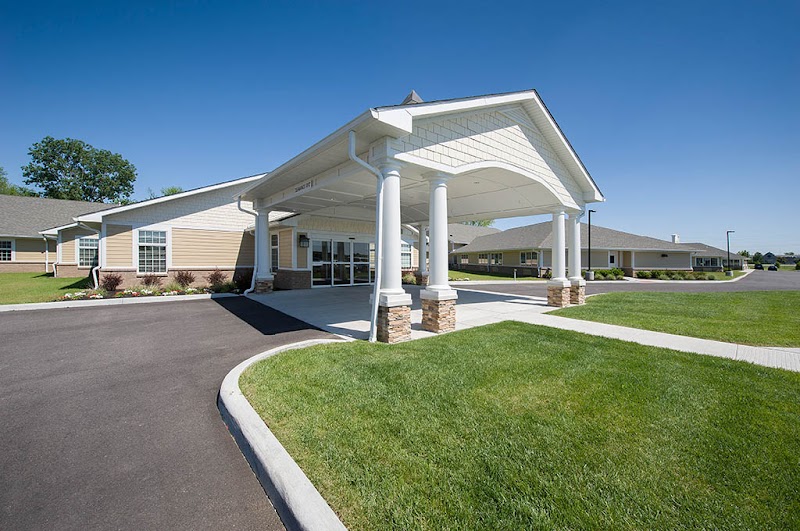
How is Hamilton Pointe Health And Rehab Staffed?

CMS rates HAMILTON POINTE HEALTH AND REHAB's staffing level at 3 out of 5 stars, which is average compared to other nursing homes. Staff turnover is 54%, compared to the Indiana average of 46%.

What Have Inspectors Found at Hamilton Pointe Health And Rehab?

State health inspectors documented 37 deficiencies at HAMILTON POINTE HEALTH AND REHAB during 2022 to 2025. These included: 1 that caused actual resident harm, 34 with potential for harm, and 2 minor or isolated issues. Deficiencies causing actual harm indicate documented cases where residents experienced negative health consequences.
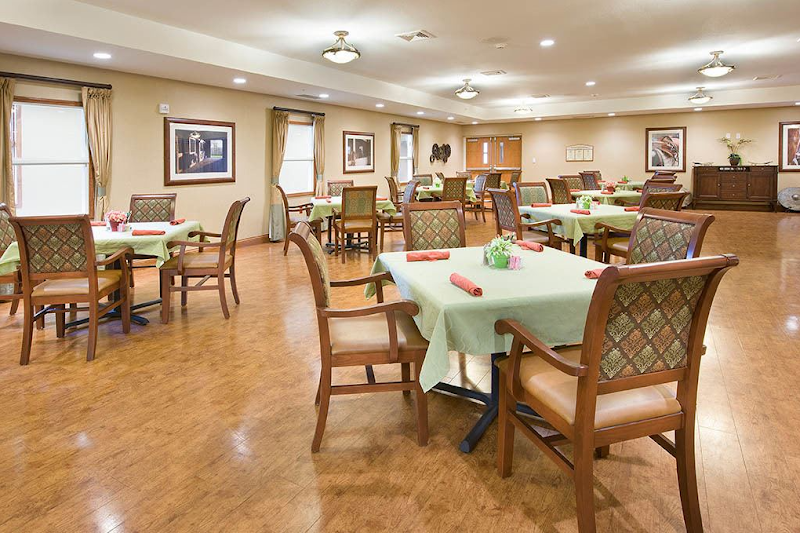
Who Owns and Operates Hamilton Pointe Health And Rehab?

HAMILTON POINTE HEALTH AND REHAB is owned by a non-profit organization. Non-profit facilities reinvest revenue into operations rather than distributing to shareholders. The facility is operated by TLC MANAGEMENT, a chain that manages multiple nursing homes. With 115 certified beds and approximately 93 residents (about 81% occupancy), it is a mid-sized facility located in NEWBURGH, Indiana.

How Does Hamilton Pointe Health And Rehab Compare to Other Indiana Nursing Homes?

Compared to the 100 nursing homes in Indiana, HAMILTON POINTE HEALTH AND REHAB's overall rating (1 stars) is below the state average of 3.1, staff turnover (54%) is near the state average of 46%, and health inspection rating (1 stars) is much below the national benchmark.

What Should Families Ask When Visiting Hamilton Pointe Health And Rehab?

Based on this facility's data, families visiting should ask: "Can I visit during a mealtime to observe dining assistance and food quality?" "How do you handle medical emergencies, and what is your hospital transfer rate?" "Can I speak with family members of current residents about their experience?"

Is Hamilton Pointe Health And Rehab Safe?

Based on CMS inspection data, HAMILTON POINTE HEALTH AND REHAB has a clean safety record: no substantiated abuse findings (meaning no confirmed cases of resident harm), no Immediate Jeopardy citations (the most serious violation level indicating risk of serious injury or death), and is not on the Special Focus Facility watch list (a federal program monitoring the lowest-performing 1% of nursing homes). The facility has a 1-star overall rating and ranks #100 of 100 nursing homes in Indiana. While no facility is perfect, families should still ask about staff-to-resident ratios and recent inspection results during their visit.

Do Nurses at Hamilton Pointe Health And Rehab Stick Around?

HAMILTON POINTE HEALTH AND REHAB has a staff turnover rate of 54%, which is 8 percentage points above the Indiana average of 46%. Moderate turnover is common in nursing homes, but families should still ask about staff tenure and how the facility maintains care continuity when employees leave.

Was Hamilton Pointe Health And Rehab Ever Fined?

HAMILTON POINTE HEALTH AND REHAB has been fined $10,518 across 1 penalty action. This is below the Indiana average of $33,184. While any fine indicates a compliance issue, fines under $50,000 are relatively common and typically reflect isolated problems that were subsequently corrected. Families should ask what specific issues led to these fines and confirm they've been resolved.

Is Hamilton Pointe Health And Rehab on Any Federal Watch List?

HAMILTON POINTE HEALTH AND REHAB is not on any federal watch list. The most significant is the Special Focus Facility (SFF) program, which identifies the bottom 1% of nursing homes nationally based on persistent, serious quality problems. Not being on this list means the facility has avoided the pattern of deficiencies that triggers enhanced federal oversight. This is a positive indicator, though families should still review the facility's inspection history directly.