MAJESTIC CARE OF NEWBURGH
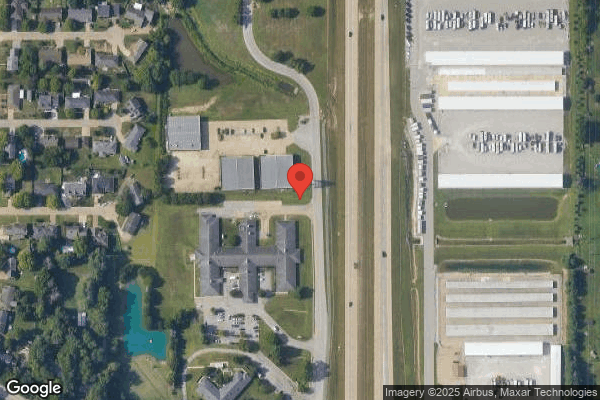
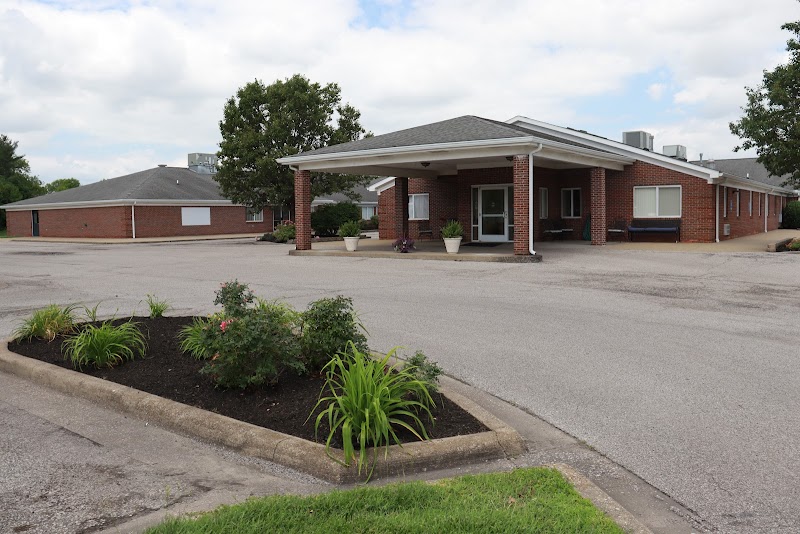
5233 ROSEBUD LANE, NEWBURGH, IN 47630 (812) 473-4761
For profit - Corporation 104 Beds MAJESTIC CARE Data: November 2025
Trust Grade
30/100
#464 of 505 in IN
Last Inspection: July 2025

Inspected within the last 6 months. Data reflects current conditions.

Overview

Majestic Care of Newburgh has received a Trust Grade of F, indicating significant concerns about the care provided. It ranks #464 out of 505 in Indiana, placing it in the bottom half of all facilities in the state, and #5 out of 8 in Warrick County, meaning only three local options are worse. Although the facility is improving-reducing issues from 22 in 2024 to 10 in 2025-its staffing situation is troubling, with a 65% turnover rate, much higher than the state average. The facility has faced serious issues, including a resident being hospitalized due to a lack of proper monitoring for a urinary catheter, and concerns over the sanitation of dishes in the kitchen. While there have been no fines reported, the nursing home has less RN coverage than 75% of Indiana facilities, which raises concerns about the level of care residents receive.

Trust Score
F
30/100
In Indiana
#464/505
Bottom 9%
Safety Record
Moderate
Needs review
Inspections
Getting Better
22 → 10 violations
Staff Stability
⚠ Watch
65% turnover. Above average. Higher turnover means staff may not know residents' routines.
Penalties
✓ Good
No fines on record. Clean compliance history, better than most Indiana facilities.
Skilled Nurses
⚠ Watch
Each resident gets only 24 minutes of Registered Nurse (RN) attention daily — below average for Indiana. Fewer RN minutes means fewer trained eyes watching for problems.
Violations
⚠ Watch
43 deficiencies on record. Higher than average. Multiple issues found across inspections.
★☆☆☆☆
1.0
Overall Rating
★☆☆☆☆
1.0
Staff Levels
★★★☆☆
3.0
Care Quality
★☆☆☆☆
1.0
Inspection Score
Stable
2024: 22 issues
2025: 10 issues

The Good

  • Full Sprinkler Coverage · Fire safety systems throughout facility
  • No fines on record

Facility shows strength in fire safety.

The Bad

1-Star Overall Rating

Below Indiana average (3.1)

Significant quality concerns identified by CMS

Staff Turnover: 65%

19pts above Indiana avg (46%)

Frequent staff changes - ask about care continuity

Chain: MAJESTIC CARE

Part of a multi-facility chain

Ask about local staffing decisions and management

Staff turnover is elevated (65%)

17 points above Indiana average of 48%

The Ugly 43 deficiencies on record

1 actual harm
Jul 2025 1 deficiency
CONCERN (D) 📢 Someone Reported This

A family member, employee, or ombudsman was alarmed enough to file a formal complaint

Potential for Harm - no one hurt, but risky conditions existed

Deficiency F0658 (Tag F0658)

Could have caused harm · This affected 1 resident

**NOTE- TERMS IN BRACKETS HAVE BEEN EDITED TO PROTECT CONFIDENTIALITY** Based on observation, interview, and record review, the facility failed to ensure physicians' orders were followed for 2 of 3 re...

Read full inspector narrative →
**NOTE- TERMS IN BRACKETS HAVE BEEN EDITED TO PROTECT CONFIDENTIALITY** Based on observation, interview, and record review, the facility failed to ensure physicians' orders were followed for 2 of 3 residents reviewed for medications. Medications were observed at a resident's bedside table; the medication was held without a physician's order. ( Resident B, Resident D) Findings include:On 7/30/25 at 9:44 a.m., a medication cup with pills inside was observed sitting on Resident B's bedside table. Resident B indicated she does not take her medications until she eats her breakfast. On 7/30/25 at 10:36 a.m., Resident B's clinical record was reviewed. Diagnoses included, but were not limited to, hypertensive heart disease and chronic kidney disease with heart failure and stage 1 through stage 4 chronic kidney disease, or unspecified chronic kidney disease, Parkinson's disease with dyskinesia, and type 2 diabetes mellitus. A quarterly Minimum Data Set (MDS) assessment dated [DATE], indicated cognition intact.Care plans were reviewed and included, but were not limited to: [Resident B] is at risk for complications related to medical conditions, medications, and treatments. Interventions included, but were not limited to: medications and treatments per physicians' orders, initiated 9/1/25, revised 5/20/25. Physicians' orders for June and July 2025 were reviewed and included but were not limited to:Carvedilol (hypertensive medication) oral tablet 6.25 mg (milligram) tablet by mouth two times a day related to hypertensive heart and chronic kidney disease with heart failure and stage 1 through stage 4 chronic kidney disease, unspecified chronic kidney disease, order date 11/18/24. The Electronic Medication Administration Record (EMAR) for June and July 2025 was reviewed for the above medication. The following dates and times were not signed as given and had code 4 documented. The code list on the EMAR indicated code 4 was for vitals outside of parameters for administration. June 20256/1- 6:30 a.m., no B/P recorded6/5- 6:30 a.m., no B/P recorded6/7- 6:30 a.m., no B/P recorded6/9- 6:30 a.m., B/P 116/486/11- 6:30 a.m., no B/P recorded6/15- 6:30 a.m., no B/P recorded6/16- 6:30 a.m., B/P 95/546/18- 6:30 a.m., no B/P recordedJuly 20257/9-6:30 a.m., no B/P recorded6/11-6:30 a.m., no B/P recorded6/23- 6:30 a.m., no B/P recorded2. On 7/30/25 at 1:30 p.m., resident report of concern forms were reviewed and included but were not limited to: Incident date: 5/30/25Affected Resident: Resident DDescription of Concerns: I woke up at 4 AM, meds on OBT (over bed table), I took them-then the nurse brought my morning meds to me at 6 AM- Too close together. I want to be awaken to take my pills if I'm asleep. Follow-up/Resolution: Corrective Action Taken:Staff educated not to leave meds @ beside Complainant notified on 6-3-25 On 7/31/25 at 8:38 a.m., a medication cup with pills inside was observed sitting on Resident B's bedside table. Resident B indicated that they were her morning medications and she would take them when she was done eating her breakfast. On 7/31/25 at 8:42 a.m., RN 2 indicated that when giving medications to a resident, the staff are supposed to stay in the room until the resident has taken the medications. There is no reason that a medication should be left on the bedside table when staff leave the room. On 7/31/25 at 9:06 a.m., Resident D indicated some nurses leave her medications and leave the room, some nurses stay until she takes them. On 7/31/25 at 9:17 a.m., LPN 2 indicated she did not see any B/P parameters on Resident B's physician's orders to hold the medication; she would have to check with the physician or nurse practitioner. On 7/31/25 at 11:27 a.m., the Administrator provided the current policy for medication administration, with a reviewed date of 12/12/23. The policy included but was not limited to: .8. Obtain and record vital signs, when applicable or per physician's orders. When applicable, hold medications for those vital signs outside the physicians' prescribed parameters .15. Observe resident consumption of medication .23. Unless the resident has been assessed for safe self-administration of medications, medications are not to be left unattended for the resident to consume at a later time .This citation relates to Complaint 2566732.3.1-50(a)(2)
Jul 2025 9 deficiencies
CONCERN (D)

Potential for Harm - no one hurt, but risky conditions existed

Deficiency F0659 (Tag F0659)

Could have caused harm · This affected 1 resident

Based on interview and record review, the facility failed to ensure as needed (PRN) medications administered by a Qualified Medication Aide (QMA) were preauthorized by a licensed nurse for 2 of 5 resi...

Read full inspector narrative →
Based on interview and record review, the facility failed to ensure as needed (PRN) medications administered by a Qualified Medication Aide (QMA) were preauthorized by a licensed nurse for 2 of 5 resident reviewed for unnecessary medications. (Resident 66 and Resident 87) Findings include: 1. On 6/30/25 at 11:09 A.M., Resident 66's clinical record was reviewed. Diagnoses included, but were not limited to, gastroesophageal reflux disease (GERD). The most recent Quarterly Minimum Data Set (MDS) Assessment, dated 5/15/25, indicated Resident 66 was cognitively intact and required setup assistance for eating. Current physician orders included, but were not limited to: ondansetron (an antinausea medication) 4 milligrams (mg) - Give one tablet by mouth every six hours as needed (PRN) for nausea and vomiting, dated 2/19/25 Resident 66's Medication Administration Record (MAR) from 5/1/25 through 6/30/25 included, but was not limited to, the following dates that ondansetron 4 mg PRN was administered by a QMA without authorization from a licensed nurse: 5/10/25 at 11:33 A.M. given by QMA 15 6/9/25 at 11:54 A.M. given by QMA 3 2. On 6/30/25 at 8:45 A.M., Resident 87's clinical record was reviewed. Diagnoses included, but were not limited to, generalized anxiety disorder and osteoarthritis. The most recent Annual Minimum Data Set (MDS) Assessment, dated 5/9/25, indicated Resident 87 had severe cognitive impairment, required setup assistance for eating, and received an antianxiety medication during the 7-day look back period. Physician orders included, but were not limited to: lorazepam (an antianxiety medication) - Give 0.5 milligrams (mg) by mouth every 24 hours as needed (PRN) for generalized anxiety disorder, dated 4/28/25 with a stop date of 5/5/25 Tylenol Arthritis Pain Extended Release (a pain reliever) - Give 650 mg by mouth every 24 hours PRN for arthritis pain, dated 4/23/25 Resident 87's Medication Administration Record (MAR) from 5/1/25 through 6/30/25 included, but was not limited to, the following dates that lorazepam 0.5 mg PRN was administered by a QMA without authorization from a licensed nurse: 5/1/25 at 12:17 P.M. given by QMA 3 5/4/25 at 5:17 P.M. given by QMA 5 Resident 87's Medication Administration Record (MAR) from 5/1/25 through 6/30/25 included, but was not limited to, the following dates that Tylenol 650 mg PRN was administered by a QMA without authorization from a licensed nurse: 5/13/25 at 12:17 P.M. given by QMA 7 6/13/25 at 8:04 A.M. given by QMA 9 During an interview on 7/2/25 at 8:51 A.M., QMA 5 indicated that a QMA must have nurse authorization before administering a PRN medication and that authorization was documented in a progress note. On 7/3/25 at 10:04 A.M., the Administrator provided a Qualified Medication Aide Job Description, dated March 2025, that indicated Administer PRN drugs, as allowed, when authorized by a licensed nurse . Keep medical records current by charting pertinent resident conditions timely and routine charting as scheduled, with co-signature by a licensed nurse. On 7/3/25 at 10:04 A.M., the Administrator provided an undated Qualified Medication Aide Scope of Practice that indicated Administer previously ordered pro re nata (PRN) medication only if authorization is obtained from the facility's licensed nurse on duty or on call. If authorization is obtained, the QMA must do the following: . Document in the resident record that the facility's licensed nurse was contacted, symptoms were described, and permission was granted to administer the medication, including the time of contact . 3.1-35(g)(2)
CONCERN (D)

Potential for Harm - no one hurt, but risky conditions existed

Tube Feeding (Tag F0693)

Could have caused harm · This affected 1 resident

Based on observation, record review, and interview, the facility failed to ensure care according to professional standards of a gastro/jejunal feeding tube (G-Tube) in 1 of 1 residents reviewed for tu...

Read full inspector narrative →
Based on observation, record review, and interview, the facility failed to ensure care according to professional standards of a gastro/jejunal feeding tube (G-Tube) in 1 of 1 residents reviewed for tube feeding. The resident was not checked for residual as ordered prior to feedings. (Resident 44) Finding includes: On 6/30/25 at 11:15 A.M., Licensed Practical Nurse (LPN) 17 was observed administering a feeding to Resident 44 via his G-Tube. LPN 17 did not check for residual prior to the administration. On 6/30/25 at 10:00 A.M., Resident 44's clinical record was reviewed. Diagnoses included, but were not limited to, tracheostomy, neoplasm of larynx, and dysphagia, oropharyngeal phase. The current Quarterly Minimum Data Set (MDS) Assessment, dated 5/12/25, indicated Resident 44 was cognitively intact. The resident had a feeding tube, and needed supervision of staff for hygiene, dressing, and transferring Current physician orders included, but were not limited to: Enteral feed, five times a day, administer 250 milliliters (ml), TwoCal HN 2.0 (a nutritionally complete, high-calorie formula) by gravity. Check placement of G-Tube prior to administration of medication and tube feeding, hold feeding for residual greater than 150 ml, dated 5/19/25. A risk for complications of tube feeding care plan, dated 2/6/25, included, but were not limited to, the following interventions: Check for tube placement and gastric contents/residual volume per facility protocol and record, dated 2/6/25. Tube feeding and water flushes as per physician orders, dated 2/6/25 During an interview on 6/30/25 at 11:15 A.M., LPN 17 indicated she did not always check residuals before the feedings. During an interview on 06/30/25 5:40 P.M., a family member indicated that staff did not always check residuals prior to administering feedings and medications. During an interview on 7/1/25 at 10:00 A.M., the Director of Nursing (DON) indicated that staff should check residuals prior to each feeding. On 7/3/25 at 10:04 A.M., the Administrator provided a current Enteral Feeding policy, dated 1/2/24, that indicated .in accordance with the facility protocol, licensed nurses will monitor and check that the feeding tube is in the right location, tube placement will be verified before beginning a feeding and before administrating medications . 3.1-47(a)(2)
CONCERN (D)

Potential for Harm - no one hurt, but risky conditions existed

Respiratory Care (Tag F0695)

Could have caused harm · This affected 1 resident

**NOTE- TERMS IN BRACKETS HAVE BEEN EDITED TO PROTECT CONFIDENTIALITY** Based on observation, record review, and interview, the facility failed to ensure proper airway management for 1 of 1 residents ...

Read full inspector narrative →
**NOTE- TERMS IN BRACKETS HAVE BEEN EDITED TO PROTECT CONFIDENTIALITY** Based on observation, record review, and interview, the facility failed to ensure proper airway management for 1 of 1 residents reviewed with a laryngectomy. A self-assessment for care was not performed, documentation was not accurate, and the facility did not have the correct parts for the laryngectomy tube ([NAME] Tube). (Resident 44) Finding includes: On 6/29/29/25 at 11:00 A.M., Resident 44's [NAME] Tube was observed laying on the resident's bed. The resident realized it was out and the resident placed it back into the laryngectomy stoma (surgical incision and removal of the larynx). On 6/30/25 at 10:00 A.M., Resident 44's clinical record was reviewed. Diagnoses included, but were not limited to, tracheostomy, neoplasm of the larynx, esophageal fistula post tracheostomy, and absence of the larynx. The current Quarterly Minimum Data Set (MDS) Assessment, dated 5/12/25, indicated Resident 44 was cognitively impaired. Resident 44 had a laryngectomy, had a g-tube for tube feeding, and needed supervision with hygiene, transferring, and dressing. Current Physicians orders: If [NAME] tube TPE (tracheoesophageal Puncture) outer part of [NAME] tube comes out place red rubber catheter in place and send to ER every day and night shift ordered 2/10/2025 [NAME] tube monitoring: monitor for placement and function of [NAME] tube every shift every shift ordered 2/11/2025 Monitor [NAME] site for s/sx (signs and symptoms) of infection every shift every shift ordered 2/11/2025 stoma site to be cleansed with normal saline around TPE; remove [NAME] tube and cleanse with NS (Normal Saline) and reinsert every day and night shift ordered 2/25/2025 ENHANCED BARRIER PRECAUTIONS: Gloves and gown prior to the high-contact care activity. Face protection when performing activity with risk of splash or spray. (Change PPE [Personal Protective Equipment] and complete hand hygiene prior to caring for another resident). every shift for PEG, [NAME]-tube ordered 3/5/25 The clinical record lacked physician orders for the resident to perform his own stoma care. The care plans were reviewed in a care plan conference on 5/5/25. The care plan lacked an intervention that indicated the resident was capable of performing his own stoma care. A [name of hospital] Speech Pathologist progress note, dated 2/4/25, indicated that the resident was educated on laryngectomy care, voice prosthesis insertion, and other products. The note indicated that the patient and a family member would keep the integrity of the fistula and would keep it clean. The Speech Pathologist indicated that the resident was not independent with care and was interested in placement in a Skilled Nursing Facility due to the amount of care that the resident needed. There was no documentation that noted the resident was assessed or observed the resident skills for caring for the stoma. The resident was admitted to the facility on [DATE]. A nursing admission note, dated 2/5/25, indicated that the resident had a tracheostomy and not a laryngectomy. The note lacked measurement and assessment of the stoma. A [name of hospital] Speech Pathologist progress note, dated 2/11/25, indicated that the resident had thick secretions and developed an abscess in the stoma which was irritated by the [NAME] Tube. The [NAME] Tube was removed by the therapist and instructed the resident not to use the [NAME] Tube and the housing. The progress notes indicated that there would be a referral sent to an Ear, Nose and Throat (ENT) physician regarding the status of the stoma. It was also noted that the therapist instructed the former Director of Nursing (DON) on the care of the laryngectomy stoma that was first thought to be a tracheostomy. Instructions included the daily care of the stoma, when to contact the therapist, and to place a 20 French red rubber catheter if the prosthesis fell out and then send the resident to the emergency room (ER). A nursing progress note, dated 6/7/25 at 5:48 P.M., indicated that the staff sent the resident to the hospital because the [NAME] Tube had a missing piece that needed to be replaced. ER documentation, dated 6/7/25, indicated the resident was evaluated. The ER did not have the equipment needed to replace the part that was missing and it needed to be ordered. The physician indicated that the fistula was stable and could be left open, so the resident was to be sent back to the facility with orders to be sent to the ENT clinic that week. The June Medication Administration Record / Treatment Administration Record (MAR/TAR) indicated that staff performed all stoma care and the resident did not perform any of his own stoma care. The clinical record lacked an assessment of the resident's skills for laryngectomy care and tube. During an interview on 6/30/25 at 11:20 A.M., Resident 44 indicated the staff did not clean his stoma and he was supposed to have it cleaned two to three times a day. The resident was very upset about that not being done. At that time, he was observed lying in bed with his [NAME] tube placed beside him in the bed. During an interview on 6/30/25 at 2:15 P.M., Licensed Practical Nurse (LPN) 17 indicated that the resident wanted to do the stoma care himself most of the time. She indicated that she documented that she did it even when the resident did it. During an interview on 6/30/25 at 3:15 P.M., LPN 23 indicated the [NAME] Tube should be in all the time and that the resident was non-compliant with care. She indicated that the nursing staff had an in-service training for trach care. During an interview on 6/30/25 at 5:40 P.M., a family member indicated that she had performed stoma care for the resident several times and that the facility did not have the right equipment for the [NAME] Tube. The family indicated that they had been dealing with that problem since the resident had been admitted to the facility. The family member also indicated that the facility was supposed to order the equipment needed for the [NAME] Tube. The staff treated the stoma as a trach on admission. During an interview on 7/1/25 at 9:15 A.M., the DON indicated that the resident had a [NAME] Tube. Nursing staff was to clean the stoma and the outer part of the device every shift with saline. She indicated that the resident sometimes wanted to do the care himself, and there should be documentation in the progress notes when that happened. She indicated that the resident went to the ER on [DATE] and a red catheter was placed. She indicated that during that visit the ENT on call did not have a part for the tube and it would have to be ordered. She also indicated that there should be an order for the resident to do his own care. On 7/1/25 at 1:30 P.M., the DON provided a staff skills evaluation, dated 2/10/25, for tracheostomy care and gastro feeding tube care. During an interview on 7/2/25 at 12:31 P.M., the DON indicated staff were trained verbally on how to care for the [NAME] Tube by the former DON. Care for a laryngeal tube was different from a tracheostomy tube so the Speech Pathologist from [name of hospital] instructed the former DON, and the former DON relayed the information verbally to staff. On 7/2/25 at 2:00 P.M, the DON provided a nursing staff skills check-off training list, dated 2/25/25, for the [NAME] Tube. On 7/3/25 at 10:04 A.M., the Administrator provided a current Tracheostomy Care policy, dated 1/2/24, but it lacked information regarding the care of a laryngectomy. On 7/3/25 at 10:04 A.M., the Administrator provided a current Comprehensive Care Plans policy, dated 11/1/24, that indicated .comprehensive care plans will describe, at a minimum .resident specific interventions that reflect the resident's needs . On 7/3/25 at 10:04 A.M., the Administrator provided a current Physician Orders policy, dated 1/2/24, that indicated .the purpose of the policy is to provide a reliable process for the proper and consistent provision of physician ordered services according to the professional standards of quality . 3.1-35(a) 3.1-47(a)(6)
CONCERN (D)

Potential for Harm - no one hurt, but risky conditions existed

Medical Records (Tag F0842)

Could have caused harm · This affected 1 resident

**NOTE- TERMS IN BRACKETS HAVE BEEN EDITED TO PROTECT CONFIDENTIALITY** 2. On 6/30/25 at 8:11 A.M., Resident 98's clinical record was reviewed. Resident 98 was admitted to the facility on [DATE]. Diag...

Read full inspector narrative →
**NOTE- TERMS IN BRACKETS HAVE BEEN EDITED TO PROTECT CONFIDENTIALITY** 2. On 6/30/25 at 8:11 A.M., Resident 98's clinical record was reviewed. Resident 98 was admitted to the facility on [DATE]. Diagnoses included, but were not limited to, congestive heart failure. The most recent Quarterly Minimum Data Set (MDS) Assessment, dated 3/22/25, indicated Resident 98 was cognitively intact and was dependent on staff (staff does all of the effort) for toileting, bathing, and transfers. Physician orders included, but were not limited to: Metoprolol 50 milligrams (mg) Extended Release (ER) - Give one tablet by mouth one time a day; Start Date 9/1/21. Care plans included, but were not limited to: (Resident) is at risk for impaired cardiac output; Observe for signs/symptoms of cardiac dysfunction such as .increased or decreased heart rate or blood pressure. Document abnormal findings and notify physician. Date Initiated: 9/29/21 The electronic Medication Administration Record (eMAR) on 4/13/25 indicated Resident 98 had an abnormal low blood pressure of 68/53 and an abnormal high heart rate of 133. The clinical record lacked a rechecked blood pressure, or a notification to the physician of abnormal vitals. During an interview on 7/3/25 at 12:20 P.M., the Administrator indicated a second blood pressure was obtained and was within normal limits, but was not documented. The Administrator was unable to provide the second set of vitals obtained. On 7/3/25 at 10:04 A.M., the Administrator provided a Change in Condition / Physician Notification policy, revised 3/19/25, that indicated The charge nurse will document timely regarding the change in resident's/patient's condition, interventions, and notifications. On 7/3/25 at 10:04 A.M., the Administrator provided a Comprehensive Care Plan policy, revised 5/16/24, that indicated We will attempt alternate methods for refusal of treatment and services and document such attempts in the clinical record, including discussions with the resident/patient and/or representative. On 7/3/25 at 10:04 A.M., the Administrator provided a Fall Prevention policy, dated 1/2/24, that indicated When any resident experiences a fall, the facility will .document all assessments and actions. On 7/3/25 at 10:04 A.M., the Administrator provided a Documentation in the Medical Record policy, dated 1/2/24, that indicated Licensed staff and interdisciplinary team members shall document all assessments, observations, and services provided in the resident's medical record in accordance with state law and facility policy. Documentation shall be completed at the time of service, but no later than the shift in which the assessment, observation, or care service occurred . Documentation shall be accurate, relevant, and complete, containing sufficient details about the resident's care and/or responses to care. Documentation shall be timely and in chronological order. 3.1-50(a)(1) 3.1-50(a)(2) 3.1-50(a)(3) Based on observation, interview, and record review, the facility failed to ensure documentation was complete and accurate for 1 of 2 residents reviewed for falls and 1 of 1 residents reviewed for death. (Resident 95 and Resident 98) Findings include: 1. On 7/1/25 at 9:29 A.M., Resident 95's clinical record was reviewed. Diagnoses included, but were not limited to, Alzheimer's Disease and traumatic subdural hemorrhage. The most recent Quarterly Minimum Data Set (MDS) Assessment, dated 6/5/25, indicated that Resident 95 was cognitively intact, required partial to moderate assistance of staff (staff does less than half of the effort) to roll left to right and for a sit to stand transfer, and had one fall with injury since the prior assessment. A care plan conference was completed on 5/5/25. Falls and care plans were reviewed. A current risk for falls care plan, dated 3/31/25, included, but was not limited to, the following interventions: Door to room will be left open for visualization, dated 5/5/25 A nursing progress note, dated 5/4/25 at 8:02 A.M., indicated that Resident 95 sustained an unwitnessed fall. He was noted to be soiled with bowel movement. A nursing progress note, dated 5/4/25 at 8:18 A.M., indicated that at 9:30 P.M., Resident 95 had an unwitnessed fall while attempting to go to the closet. An Interdisciplinary Team (IDT) note, dated 5/5/25 at 10:55 A.M., indicated the fall on 5/3/25 at night was reviewed. Door to room will be left open for visualization was added to the care plan at that time. An IDT note, dated 5/5/25 at 11:24 A.M., indicated the fall on 5/4/25 was reviewed. The clinical record lacked documentation that the physician and resident representative was notified of the falls on 5/3/25 and 5/4/25 or that the resident was assessed after the fall on 5/3/25 at 9:30 P.M. until the next morning. An SBAR (Situation, Background, Assessment, Recommendation) note, dated 5/6/25 at 8:05 A.M., indicated that Resident 95 had a witnessed fall while attempting to get the TV remote from under his bed. The clinical record lacked documentation of an IDT meeting to review that fall or an intervention added to the care plan. On 7/1/25 at 11:00 A.M., Resident 95's door was observed closed. On 7/2/25 at 8:51 A.M., Resident 95's door was observed closed. On 7/2/25 at 9:32 A.M., the Director of Nursing (DON) provided risk management reports dated 5/3/25 at 9:30 P.M. and 5/4/25 at 7:25 A.M. The reports indicated that the resident was assessed, and the Nurse Practitioner (NP) and resident representative were notified of the falls at the time the resident fell. The risk management reports indicated they were not part of the medical record. At that time, the DON indicated that staff should put all fall incident report information into a progress note because the risk management report did not cross over into the clinical record. During an interview on 7/2/25 at 1:26 P.M., the DON indicated Resident 95 did not actually fall on 5/6/25. The nurse that charted the SBAR was instructed to chart it as a fall by the former DON, but it wasn't a fall because the resident was intentionally getting on the ground to look for the TV remote and he was able to stand back up by himself with the assistance of the side of the bed. During an interview on 7/3/25 at 8:29 A.M., the Administrator indicated that Resident 95 preferred his door closed and the facility failed to remove that intervention from the care plan. On 7/3/25 at 9:23 A.M., the DON provided a risk management report, dated 5/21/25 at 7:20 A.M., that indicated the resident and resident representative were educated on safety for fall interventions and the resident representative indicated to leave the door closed if that was what the resident preferred. The risk management report indicated it was not part of the medical record. At that time, the DON indicated that the facility failed to document the discussion with the resident representative and change of intervention in the clinical record.
CONCERN (E)

Potential for Harm - no one hurt, but risky conditions existed

ADL Care (Tag F0677)

Could have caused harm · This affected multiple residents

**NOTE- TERMS IN BRACKETS HAVE BEEN EDITED TO PROTECT CONFIDENTIALITY** Based on observation, interview, and record review, the facility failed to ensure residents dependent on staff for assistance wi...

Read full inspector narrative →
**NOTE- TERMS IN BRACKETS HAVE BEEN EDITED TO PROTECT CONFIDENTIALITY** Based on observation, interview, and record review, the facility failed to ensure residents dependent on staff for assistance with activities of daily living (ADL) tasks were provided showers or baths for 4 of 5 residents reviewed for ADL care. (Resident 27, Resident 97, Resident 11, and Resident 36) Findings include: 1. During an interview on 6/29/25 at 9:37 A.M., Resident 27 indicated he hadn't had any baths lately. Resident 27 had a strong, pungent smell surrounding him. On 6/30/25 at 10:06 A.M., Resident 27's clinical record was reviewed. Resident 27 was admitted to the facility on [DATE]. Diagnoses included, but were not limited to, diabetes mellitus. The most recent Annual Minimum Data Set (MDS) Assessment, dated 5/28/25, indicated Resident 27 was cognitively intact and dependent on staff for toileting, bathing, and transfers. The Point of Care (a charting system for Certified Nurse Aides) Task Response indicated Resident 27's scheduled shower days were Tuesday and Friday. The Point of Care ADL report and written shower sheets indicated Resident 27 had not received or refused a shower or complete bed bath on the following days during June 2025: 6/3/25 6/10/25 2. On 6/30/25 at 8:41 A.M., Resident 97's clinical record was reviewed. Resident 97 was admitted to the facility on [DATE]. Diagnoses included, but were not limited to, diabetes mellitus. The most recent admission Minimum Data Set (MDS) Assessment, dated 6/12/25, indicated Resident 97 was cognitively intact and required substantial assistance (staff does at least half of the effort) from staff for toileting and bathing. The Point of Care (a charting system for Certified Nurse Aides) Task Response indicated Resident 97's scheduled shower days were Sunday and Thursday. The Point of Care ADL report and written shower sheets indicated Resident 97 had not received or refused a shower or complete bed bath on the following days during June 2025: 6/8/25 3. During an interview on 6/29/25 at 12:52 P.M., Resident 11 indicated she was supposed to get her showers in the morning on Mondays and Thursdays. She indicated that she preferred her showers in the mornings due to seizures that often occurred in the afternoon. She indicated that she didn't always get showers twice a week. On 6/30/25 at 1:38 P.M., Resident 11's clinical record was reviewed. Diagnoses included, but were not limited to, epilepsy. The most recent Quarterly Minimum Data Set (MDS) Assessment, dated 4/9/25, indicated Resident 11 was cognitively intact and required partial to moderate assistance of staff (staff does less than half of the effort) for bathing. An Activity Preferences Interview, dated 9/18/24, indicated that it was very important for Resident 11 to choose between a shower and a bed bath. A care plan conference was conducted on 6/12/25. Care plans were reviewed. Current care plans included, but were not limited to: Resident 11 needs assistance with activities of daily living related to cognitive impairment, seizure disorder, chronic pain, dated 9/13/23 The Point of Care (a charting system for Certified Nurse Aides) Task Response for Showering indicated Resident 11 received showers on Mondays and Thursdays during the day. The Point of Care ADL report and written shower sheets indicated Resident 11 had not received or refused a shower or complete bed bath on the following days during June 2025: 6/5/25 6/9/25 6/12/25 4. During an interview on 6/29/25 at 10:24 A.M., Resident 36 indicated she preferred bed baths. She indicated she was not sure what days she was supposed to get them but was often told by staff that they would get to her if they had time. She indicated she did not receive a bed bath twice a week. At that time, Resident 36's hair looked oily. On 6/30/25 at 2:23 P.M., Resident 36's clinical record was reviewed. Diagnoses included, but were not limited to, end stage renal disease (ESRD). The most recent Quarterly Minimum Data Set (MDS) Assessment, dated 4/22/25, indicated that Resident 36 was cognitively intact and required substantial to maximal assistance of staff (staff does more than half of the effort) for bathing. An Activity Preferences Interview, dated 7/18/24, indicated that it was very important for Resident 36 to choose between a shower and a bed bath. A care plan conference was conducted on 5/1/25. Care plans were reviewed. Current care plans, included, but were not limited to: Resident 36 needs assistance with activities of daily living related to asthma, ESRD with hemodialysis, diabetes, dated 7/12/24 The Point of Care (a charting system for Certified Nurse Aides) Task Response for Showering indicated Resident 36 received bed baths on Sundays and Thursdays during the day. The Point of Care ADL report and written shower sheets indicated Resident 36 had not received or refused a shower or complete bed bath on the following days during June 2025: 6/12/25 6/29/25 During an interview on 7/2/25 at 8:53 A.M., Certified Nurse Aide (CNA) 11 indicated that residents got showers twice a week. If they refused, the aide asked twice and then the nurse would ask a third time. All showers, bed baths, and refusals got documented on a shower sheet and in Point of Care. On 7/3/25 at 10:04 A.M., the Administrator provided a Showers policy, dated 1/2/24, that indicated It is the practice of this facility to assist residents with bathing to maintain proper hygiene, stimulate circulation and help prevent skin issues as per current standards of practice . Residents will be provided showers as per request or as per facility schedule protocols and based upon resident safety. Partial baths may be given between regular shower schedules as per facility policy. 3.1-38(a)(2)(A) 3.1-38(b)(2)
CONCERN (E)

Potential for Harm - no one hurt, but risky conditions existed

Deficiency F0761 (Tag F0761)

Could have caused harm · This affected multiple residents

**NOTE- TERMS IN BRACKETS HAVE BEEN EDITED TO PROTECT CONFIDENTIALITY** Based on observation, interview, and record review, the facility failed to ensure medications were properly stored and labeled f...

Read full inspector narrative →
**NOTE- TERMS IN BRACKETS HAVE BEEN EDITED TO PROTECT CONFIDENTIALITY** Based on observation, interview, and record review, the facility failed to ensure medications were properly stored and labeled for 4 of 5 medication carts reviewed and 1 treatment cart reviewed. (100 Hall Cart 1, 100 Hall Cart 2, 200 Hall Cart 1, 200 Hall Cart 2, 100 Hall Treatment Cart) Findings include: 1. On 6/29/25 at 8:00 A.M., the following loose pills and liquid medications were observed in 100 Hall Cart 1: 1 oblong white pill with numbers 1222 1 round white pill with the letter AM and numbers 520 1 blue oblong pill with letter ARI and number 5 1 small round peach pill 1 small round white pills with the number 15 1 large brown capsule 1 round white pill with the number 745 1 oval white pill with the number 22 1 small round white pill 1/2 small round white pill 1 small round peach pill 1 large white pill- Potassium 1 small white pill with letter A 1/2 oblong lavender pill 1 small white pill with the number 122 1 blue-green oblong with the number 54 1 large white pill 3 containers of Clearlax with no open date 1 container of Milk of Magnesia with a large number of dried drippings 1 drawer with numerous spots of sticky red colored fluid on the bottom 2. On 6/29/25 at 8:31 A.M., the following loose pills were observed in 100 Hall Cart 2: 1 large round white pill with letters TCL and numbers 34 1 large round white pill with letters ATY and numbers 40 1 medication cup with 10 loose pills with no name or room number on the cup 1 small oval white with the letter LS and number 1 1 white capsule 1 peach oval pill with the letters LUPT with Numbers 30 1 small white pill 1 blue oval with letters [NAME] and numbers 571 1 large oblong white with numbers 16 1 small white oval with numbers 124 1 blue oblong pill with letters CL and numbers 29 1 large round white pill with the letters AL 1 large round white pill with the letters TLL and numbers 340 1 large orange capsule 3. On 6/29/25 at 8:45 A.M., the following liquid medications were observed in the 200 Hall Cart 1: 1 bottle of Milk of Magnesia with no open date 1 bottle of Milk of Magnesia with an expiration date of 2/25/25 4. On 6/29/25 at 9: A.M., the following loose pills and liquid medication were observed in the 200 Hall Cart 2: 1 large round oval with numbers 0005 1 bottle of chest congestion liquid with no open date 5. On 6/30/25 at 6:30 P.M., the following undated creams were observed in the Treatment Cart of the 100 Hall: House moisture cream with no label or open date Diflucan (Antifungal Cream) 1 Percent (%) with no open date During an interview on 6/29/25 at 8:15 A.M., Licensed Practical Nurse (LPN) 27 was not aware of how often to check the carts. She had never been shown how to do it. During an interview on 6/29/25 at 8:30 A.M., Qualified Medication Aide (QMA) 21 indicated there should be open dates on medications when opened. QMA 21 indicated she was not aware what the pills where in the medication cup or who they belonged to. She indicated that she would have to contact her charge nurse. During an interview on 6/29/25 at 8:46 A.M., LPN 23 indicated expired medications should be thrown away. During an interview on 6/30/25 at 6:35 P.M., QMA 21 indicated that house stock should have a resident name and open date on it. On 7/3/25 at 10:04 A.M., the Administrator provided a current Labeling of Medication policy, dated 2/22/22, that indicated .medications should be labeled with open date .medications will have a small auxiliary label attached . On 7/3/25 at 10:04 A.M., the Administrator provided a current Expiration Dating policy, dated 2/22/22, that indicated .medication must be checked by the facility regularly for expiration dates and deterioration .expired medication will be removed from use and destroyed per facility policy and procedures . On 7/3/25 at 10:04 A.M., the Administrator provided a current Medication Administration policy, dated 1/2/24, that indicated .medications are administrated by licensed nurses, or other staff authorized .as ordered by the physician and in accordance with professional standards of practice .observe resident consumption of medication . medications are not left unattended . 3.1-25(b)(4) 3.1-25(k) 3.1-25(o)
CONCERN (E)

Potential for Harm - no one hurt, but risky conditions existed

Infection Control (Tag F0880)

Could have caused harm · This affected multiple residents

Based on observation, interview, and record review, the facility failed to ensure infection prevention practices were implemented during laundry services during 1 of 1 observations of laundry services...

Read full inspector narrative →
Based on observation, interview, and record review, the facility failed to ensure infection prevention practices were implemented during laundry services during 1 of 1 observations of laundry services. (Laundry Room) Finding includes: During an observation on 7/1/25 at 11:12 A.M., the Corporate Manager emptied the washer without wearing an apron and items in the washer were placed against her shirt and top of pants as well as her arms. During an interview on 7/3/25 at 9:22 A.M., the Director of Nursing indicated that when staff transferred clean laundry they should ensure laundry was not touching their uniforms. On 7/3/25 at 10:04 A.M., the Administrator provided a policy titled Personal Laundry Handling and Processing, dated 1/25, that indicated Items should be moved from the washer to the dryer as promptly as is practicable in a manner that minimized the risk of contamination and/or re-soiling. 3.1-18(b)(1)
CONCERN (F)

Potential for Harm - no one hurt, but risky conditions existed

Food Safety (Tag F0812)

Could have caused harm · This affected most or all residents

Based on observation, interview, and record review, the facility failed to ensure the dishwasher was sanitizing dishes properly and staff knew how to properly test for sanitization for 1 of 1 kitchens...

Read full inspector narrative →
Based on observation, interview, and record review, the facility failed to ensure the dishwasher was sanitizing dishes properly and staff knew how to properly test for sanitization for 1 of 1 kitchens in the facility. (Kitchen) Finding includes: During an observation on 6/29/25 at 8:15 A.M., the Kitchen Manager ran a dishwasher cycle. The wash cycle reached 155 degrees Fahrenheit (F), the rinse cycle reached 138 degrees F, and the sanitization level on the chlorine test strips read zero parts per million (ppm). The Kitchen Manager indicated the dishwasher was a low temperature dishwasher and the dishwasher sanitization had been testing fine the night before. Kitchen staff continued to put dishes through the dishwasher. During an observation on 6/29/25 at 12:58 P.M., staff members were observed serving lunch on dishes ran through the dishwasher. During an interview on 6/29/25 at 2:15 P.M., the Administrator indicated when the dishwasher was not working properly, staff should be hand washing dishes in the three-compartment sink or using disposable dishes to serve meals on. During an observation on 6/29/25 at 2:26 P.M., the Kitchen Manager indicated kitchen staff were now using the three-compartment sink to wash dishes. During an observation on 6/30/25 at 10:27 A.M., the Kitchen Manager showed a chlorine test strip that read between 50-100 ppm. The Kitchen Manager provided a Service Request that indicated the dishwasher sanitization pump was fixed and the dishwasher was in working order again. During an observation on 7/2/25 at 10:18 A.M., kitchen staff indicated it was hard to test the dishwasher sanitization. Staff had to put their hand under the running hot water inside the dishwasher to test for sanitization. The chlorine test strip read zero ppm. The Kitchen Manager asked the Dietitian for suggestions on how to test the water without burning her hand and the Dietitian indicated she was unfamiliar with how that dishwasher worked. During an observation on 7/2/25 at 2:03 P.M., staff were observed serving lunch on dishes washed through the dishwasher that morning. During an observation on 7/3/25 at 8:37 A.M., the dishwasher manufacturer representative was in the facility and indicated the dishwasher was in working order again and that the sanitization was reading 50-100 ppm. The Kitchen Manager indicated the dishwasher manufacturer representative showed staff how to properly test if the dishwasher sanitization was working. On 6/29/25 at 2:15 P.M., the Administrator provided a policy titled Sanitization, dated 10/08, that indicated Dishwashing machines must be operated using the following specifications: Low Temperature Dishwasher (Chemical Sanitization) a. Wash Temperature 120 degrees F, b. Final rise with 50 parts per million (ppm) hypochlorite (chlorine) for at least 10 seconds. 3.1-21(i)(2) 3.1-21(i)(3)
MINOR (C)

Minor Issue - procedural, no safety impact

Staffing Information (Tag F0732)

Minor procedural issue · This affected most or all residents

Based on observation, interview, and record review, the facility failed to post a current Posted Nurse Staffing sheet for 1 of 5 days during the survey period. Finding includes: On 6/29/25 at 8:05 A.M...

Read full inspector narrative →
Based on observation, interview, and record review, the facility failed to post a current Posted Nurse Staffing sheet for 1 of 5 days during the survey period. Finding includes: On 6/29/25 at 8:05 A.M., a Posted Nurse Staffing sheet was observed next to the reception window in the main lobby. It was dated 6/27/25. During an interview on 7/2/25 at 1:54 A.M., the Administrator indicated the scheduler filled out the Posted Nurse Staffing sheets. When the scheduler was not in the facility, she put the pre-filled out sheet behind the currently displayed sheet and night shift staff flipped it. During an interview on 7/3/25 at 10:31 A.M., the Administrator indicated that the facility did not have a policy for Posted Nurse Staffing, but they followed the federal regulation.
Jul 2024 2 deficiencies
CONCERN (D) 📢 Someone Reported This

A family member, employee, or ombudsman was alarmed enough to file a formal complaint

Potential for Harm - no one hurt, but risky conditions existed

Deficiency F0659 (Tag F0659)

Could have caused harm · This affected 1 resident

**NOTE- TERMS IN BRACKETS HAVE BEEN EDITED TO PROTECT CONFIDENTIALITY** Based on interview and record review, the facility failed to ensure physician orders were followed for 1 of 3 residents reviewed...

Read full inspector narrative →
**NOTE- TERMS IN BRACKETS HAVE BEEN EDITED TO PROTECT CONFIDENTIALITY** Based on interview and record review, the facility failed to ensure physician orders were followed for 1 of 3 residents reviewed. A resident was given a straw to drink with, and hand splints were not applied. (Resident B) Findings include: On 7/15/24 at 10:30 a.m., an observation of wound dressing changes were observed for Resident B. Resident B's hand's were contracted, no hand splints were observed on. A sign was observed above the bed indicating no straws to be used. On 7/15/24 at 10:53 a.m., observation of morning care was observed on Resident B, no hand splints were applied. On 7/15/24 at 1:18 p.m., Resident B's clinical record was reviewed. Diagnoses included, but were not limited to, hemiplegia and hemiparesis following cerebral infarction affecting left non-dominant side, unspecified osteoarthritis unspecified site. A Quarterly MDS (Minimum Data Set) assessment dated [DATE], indicated Resident B's cognition was intact, functional limitations in range of motion, upper and lower extremities, impairment both sides, self- care- eating, dependent. Care plans included, but were not limited to: (Resident B) needs assistance with activities of daily living r/t left hemiplegia, wounds. Interventions included, but were not limited to: Per therapy recommendation: apply resting hand splints to bilateral wrist/hand in the morning for up to 4 hours and afternoon for up to 4 hours. Remove splints during meals and at bedtime. Check skin for any redness every shift. Wife noted to be non-compliant with diet, thickened fluids, and recommendation no straws be used; education provided r/t risks of adverse reactions to non-compliance. Wife noted to use PEG tube for feeding at times as she did at home; Nursing provided education r/t proper technique. Date Initiated: 2/14/2024, revision on: 2/27/2024 Current physician orders for July 2024 were reviewed and included, but were not limited to: Per therapy recommendation: Apply resting hand splints to bilateral wrist/hand in the morning for up to 4 hours and afternoon for up to 4 hours. remove splints during meals and at bedtime. Check skin for any redness, every shift, order date 3/22/24. Regular diet, Dys( dysphagia) puree texture, nectar thickened liquids consistency, no straws, order date 2/13/24. The July 2024 EMAR (Electronic Medication Administration Record) was reviewed. July 1- 19th were signed by the nursing staff as done for the hand splints. No refusals were observed in the clinical record. On 7/17/24 at 8:17 a.m., RN 1 was observed to administer Resident B his medications. RN 1 was observed to put a straw in a cup of orange juice and give to Resident B to swallow his medications. A sign was observed above Resident B's bed that indicated no straws to be used. No hand splints were observed on. On 7/17/24 at 1:41 p.m., Resident B was observed in the dining room sitting in a wheelchair, no hand splints were observed on and no meal was being served. On 7/19/24 at 8:04 a.m., a cup of water was observed on the bedside table with a lid and straw in the lid. A cup with an amber liquid was observed with no lid, a straw was in the cup. Both liquids were not thickened. The table was not in reach of Resident B at the time of observation. On 7/19/24 at 9:10 a.m., RN 1 indicated Resident B's diet order was puree food, thickened liquids, regular diet. She was unaware there was an order for no straws, she had noticed liquids sitting on Resident B's bedside table that were not thickened. On 7/19/24 at 11:44 a.m., Resident B was observed up in a wheelchair being propelled down the hallway by a staff member, no hand splints were observed on and no meal was being served at that time. On 7/19/24 at 11:45 a.m., CNA 1 indicated Resident B had hand splints on in the past, it was not on the current CNA assignment sheet, she had not observed hand splints on Resident B recently and not applied them when she provided care. On 7/19/24 at 11:48 a.m., RN 1 indicated she worked on the unit Monday, Wednesday, and Friday, and was not aware Resident B had an order for hand splints. 7/19/24 at 11:58 a.m., RN 1 indicated Resident B's hand splints were in a drawer in his room, herself and a CNA had just tried to apply the splints and Resident B shook his head no for refusal. On 7/19/24 at 11:55 a.m., the Administrator provided the current policy on comprehensive care plans with an effective date of 1/2/24. The policy included, but was not limited to: .7. Qualified staff responsible for carrying out interventions specified in the care plan will be notified of their roles and responsibilities for carrying out the interventions, initially and when changes are made . The facility did not provide a policy on following physicians orders. This citation relates to Complaint IN00434521 and IN00437811. 3.1-35(g)(1)
CONCERN (D) 📢 Someone Reported This

A family member, employee, or ombudsman was alarmed enough to file a formal complaint

Potential for Harm - no one hurt, but risky conditions existed

Food Safety (Tag F0812)

Could have caused harm · This affected 1 resident

Based on observation, interview, and record review, the facility failed to ensure food was stored, and served in a sanitary manner for 2 of 2 kitchen observations. The kitchen floors had debris build ...

Read full inspector narrative →
Based on observation, interview, and record review, the facility failed to ensure food was stored, and served in a sanitary manner for 2 of 2 kitchen observations. The kitchen floors had debris build up, and equipment was soiled. ( Kitchen) Findings include: On 7/15/24 at 8:55 a.m., the kitchen was observed to have the following: 1. Floor debris build up, including along the edges of the the walls, under storage racks and tables, behind the stove, and warmers, under the dish machine, three compartment sink, under the steam table. The dry pantry floor had debris build up on floors, under racks, condiment packets observed on the floor and under the food racks. 2. Debris build up on the sides of the stove, the shelf above the stove, shelves on the stainless steel table the steamer was sitting on, top of steamer. The same was observed on 7/16/24 at 11:40 a.m. On 7/16/24 at 2:00 p.m., kitchen cleaning schedules were reviewed and included, but were not limited to: AM cook: 3 compartment sink- please clean outside and the floor underneath. AM cook : stove top & stove- clean stove top, backslash, and side of stove, clean gas ovens. PM cook & servers: floor/walls- clean and sanitize shelves, walls, and floors. On 7/10/24 at 12:04 p.m., the District Dietary Manager indicated daily the floor is swept and spot mopped during the day, every night the floor is fully swept and mopped. On 7/19/24 at 11:35 p.m., the Administrator provided the current policy on food environment for the kitchen, with a revision date of 2/23. The policy included, but was not limited to: All food preparation areas, food service areas, and dining areas will be maintained in a clean and sanitary condition. Procedures: 1. The Dining Service Director will ensure that the kitchen is maintained in a clean and sanitary manner, including floors, walls, ceilings, lighting, and ventilation .4. The Dining Services Director will ensure that a routine cleaning schedule is in place for all cooking equipment, food storage areas, and surfaces . This citation relates to Complaint IN00435625. 3.1-21(i)(2) 3.1-21(i)(3)
May 2024 17 deficiencies 1 Harm
SERIOUS (G)

Actual Harm - a resident was hurt due to facility failures

Incontinence Care (Tag F0690)

A resident was harmed · This affected 1 resident

**NOTE- TERMS IN BRACKETS HAVE BEEN EDITED TO PROTECT CONFIDENTIALITY** Based on interview and record review, the failed to ensure a resident who entered the facility with an indwelling urinary cathet...

Read full inspector narrative →
**NOTE- TERMS IN BRACKETS HAVE BEEN EDITED TO PROTECT CONFIDENTIALITY** Based on interview and record review, the failed to ensure a resident who entered the facility with an indwelling urinary catheter was effectively assessed for adverse outcomes of an indwelling urinary catheter, received treatment and services to prevent infection in accordance with the physician orders and the plan of care, or was effectively monitored for complications of bloody urine after the catheter was suspected to be pulled for 1 of 4 residents reviewed for urinary catheters. This deficient practice resulted in Resident 35 being hospitalized for the treatment of urethral obstruction and sepsis. (Resident 35) Finding includes: On 5/2/24 at 9:30 A.M., a family member indicated Resident 35 had been admitted to the hospital with sepsis due to a UTI (urinary tract infection). The family member indicated she told the facility there was blood in the tubing and bag on 4/17/24 and staff told her they did not change catheters anymore. On 5/3/24 at 8:44 A.M., Resident 35's clinical record was reviewed. The resident was admitted to the facility on [DATE] with an indwelling Foley (urinary) catheter and a history of UTIs, chronic kidney disease, and dementia. The most current Annual Minimum Data Set (MDS) Assessment, dated 4/23/24, indicated that Resident 35 had severe cognitive impairment, had no behaviors, required substantial/maximal assistance with toileting (helper does more than half), had an indwelling catheter, and did not have a UTI in the last 30 days. A current indwelling catheter care plan, initiated 6/30/23, indicated that Resident 35 was at risk for infections and complications related to indwelling catheter use. The interventions included, but were not limited to: Assess quarterly and as needed for appropriateness of continued use of catheter, catheter/peri care at least every shift and as needed, encourage fluids, keep drainage bag and tubing below level of the bladder, notify MD (medical doctor) of abnormal findings, observe for signs of pain or discomfort related to catheter, observe for symptoms of urinary tract infection: pain, burning, blood tinged urine, cloudiness, no output, deepening of urine color, increased pulse, increased temperature, urinary frequency, foul smelling urine, fever, chills, altered mental status, change in behavior, change in eating patterns. Physician orders related to the indwelling catheter included, but were not limited to: Foley catheter care every shift - every shift document mL (milliliters) output in POC (point of care, a certified nursing aide charting system), dated 6/30/23. Change Indwelling Catheter/Tubing/Bag every month on the first day of month every night shift starting on the 1st and ending on the 1st every month, dated 8/1/23. May change Foley catheter PRN (as needed) for dislodgement/occlusion, dated 4/19/24. May irrigate Foley Catheter with 10 mL sterile H2O (water) or normal saline as needed for maintenance, dated 4/19/24. An admission Nursing Assessment, dated 6/29/23, indicated Resident 35 had a chronic indwelling Foley catheter, urine that was cloudy and white, and a UTI within the last 30 days. The assessment indicated Resident 35 required an indwelling urinary catheter due to a history of urinary retention with greater than 200 ml (milliters) of residual urine. The resident's medical record did not include any other nursing assessments or assessments for appropriateness of continued use of catheter. A Nursing Progress Note, dated 1/2/24, indicated the indwelling Foley catheter was changed on 1/2/24 with a return of pink tinged urine. The Treatment Administration Record (TAR) indicated Resident 35's indwelling Foley catheter was changed on 2/1/24 and 3/1/24. The progress notes, weekly nursing summaries, focused charting, or evaluations from 1/3/24 to 3/31/24 did not include documentation to specifically determine the characteristics of the procedure or to show the resident was effectively monitored for signs/symptoms of adverse outcome of indwelling urinary catheter placement. An Orders-Administration note, dated 3/2/24 at 3:08 A.M., indicated the indwelling Foley catheter was changed. The note did not include documentation to specifically determine the characteristics of the procedure or to show the resident was effectively monitored for signs/symptoms of adverse outcome of indwelling urinary catheter placement. Foley catheter care and catheter output was not documented on the TAR on the following days: January Day Shift - 1/16/24, 1/17/24, 1/18/24 January Night Shift - 1/5/24, 1/13/24, 1/14/24, 1/16/24, 1/19/24, 1/25/24, 1/30/24, 1/31/24 February Day Shift - 2/8/24 February Night Shift - 2/1/24, 2/10/24, 2/18/24, 2/21/24, 2/23/24, 2/24/24, 2/26/24 March Day Shift - 3/2/24, 3/4/24, 3/8/24, 3/13/24, 3/24/24, 3/26/24 March Night Shift - 3/2/24, 3/5/24, 3/8/24, 3/14/24, 3/15/24, 3/17/24, 3/18/24, 3/19/24, 3/21/24, 3/23/24, 3/25/24, 3/26/24, 3/27/24, 3/29/24, 3/30/24 April Day Shift - 4/3/24, 4/7/24, 4/18/24 April Night Shift - 4/1/24, 4/5/24, 4/9/24, 4/13/24, 4/18/24, 4/22/24, 4/25/24, 4/26/24, 4/29/24 The January through March 2024 TARs indicated indwelling urinary catheter care was not provided every shift in accordance with the physician orders and the plan of care. The TAR, progress notes, weekly nursing summaries, focused charting, or evaluations from 1/3/24 to 3/31/24 did not include documentation to show the resident was effectively monitored for signs/symptoms of adverse outcomes of indwelling urinary catheter placement or a UTI. The April 2024 TAR indicated the indwelling urinary catheter was changed on 4/1/24. The progress notes, weekly nursing summaries, focused charting, or evaluations from 4/1/24 to 4/29/24 did not include documentation to specifically determine the characteristics of the procedure, to show the resident was effectively monitored for signs/symptoms of adverse outcomes, or for indwelling urinary catheter placement. The nursing progress notes and TAR, dated 4/30/24 through 5/1/24 at 12:44 P.M., did not include documentation to show Resident 35 experienced bloody urine or had potentially pulled on the catheter tubing. The records did not include sufficient documentation to determine Resident 35 was effectively monitored for bloody urine, catheter placement, or urine output. A Change in Condition Evaluation, dated 4/30/24, indicated the primary care physician (PCP) was notified on, 4/30/24 at 12:45 P.M., due to the resident having increased sweat, generalized weakness, generalized pain, and a fever of 100.0 Fahrenheit (F). 650 mg (milligrams) of Tylenol were given. The PCP ordered a chest x-ray, complete blood count (Complete Blood Count), and basic metabolic panel (Basic Metabolic Panel). A nursing progress note, dated 4/30/24, indicated Pulled up completed labs and WBC [white blood count] was 20.8 [elevated level indicating infection] and Lymphs [lymphocytes, a type of white blood cell] 4.8 [elevated level indicating infection], resident restless, skin warm and dry, B/P [blood pressure] -94/57,P [pulse] -101 at 22:00 [11:00 P.M.] now B/P-89/55, P-97, respiration even and nonlabored, color satis [sic], urine dark yellow. Will continue to monitor. A Physician Telehealth note, dated 5/1/24 at 12:24 A.M., indicated the resident had some mental status change, fever, and appeared to be uncomfortable. Blood pressure was 89/50, oxygen saturation was closer to 90 percent on room air, and the resident was tachycardic (increased heart rate) and mildly tachypneic (increased rate of breathing). The chest x-ray did not show any acute changes. Creatinine (used to measure kidney function) and WBC were elevated. An order was given to send the resident to the emergency room (ER) for treatment and evaluation. An ER admission Note, dated 5/1/24, indicated Resident 35 was admitted to the hospital to be treated for obstructive uropathy, sepsis secondary to UTI, and acute kidney injury. A CT (computed tomography) scan indicated the Foley catheter balloon was inflated in the urethra. Hospital staff changed the Foley catheter and had quite a bit of purulent [thick, milky] drainage come out. The resident was started on IV (intravenous) Vancomycin (antibiotic medication) and IV ertapenem (antibiotic medication). On 5/2/24 at 12:58 P.M., Registered Nurse (RN) 5 indicated that the facility policy changed on or around 4/19/24 to reflect the Center for Disease Control and Prevention (CDC) guidance to only change out indwelling foley catheters as needed unless the doctor orders say otherwise. The nurses did change catheters if required. On 5/3/24 at 10:55 A.M., a family member indicated Resident 35 was in the hospital for treatment of a UTI and sepsis. She indicated that she observed blood in the resident's urine in both the catheter tubing and bag on multiple occasions and that the resident had less urine output than normal over the past two weeks. She indicated that she told staff about her concerns and requested for the catheter to be changed but was told that staff don't change the catheters anymore. On 5/3/24 at 12:00 P.M., Licensed Practical Nurse (LPN) 8 indicated she was working the day Resident 35 was sent to the hospital. She indicated Resident 35 had a fever of 100 F that morning, was sweaty, and not acting like himself so she called the Nurse Practitioner (NP) who ordered a CBC, BMP, and chest x-ray. She indicated the resident had blood in his urine the day before, but they thought he had pulled on the tube and irritated his urethra because it cleared up. She indicated the resident had no obvious signs of UTI and his baseline urine was cloudy. At that time, she indicated there was no place to document a catheter assessment. The TAR was marked complete when Foley catheter care was completed and any abnormalities would get reported to the nurse, assessed, and documented in a progress note. On 5/6/24 at 9:15 A.M., the Director of Nursing (DON) indicated catheter assessments were charted as a general progress note or in a change of condition form. If the assessment was normal nothing would be documented. At that time, she indicated that if tasks were not initiated on the TAR, the task was not completed. She indicated that Foley catheter care and output from the catheter was not completed, assessed, or documented on the days missing a signature or appropriate charting code. On 5/8/24 at 8:45 A.M., all documentation related to Resident 35's indwelling Foley catheter including, but not limited to, assessments, monitoring, progress notes, Interdisciplinary Team (IDT) notes, evaluations, provider notes, change of condition forms, and TAR notes was requested. On 5/8/24 at 10:53 A.M., the Infection Preventionist (IP) indicated all applicable documentation had been provided. On 5/8/24 at 12:42 P.M., the IP indicated that she tracked CAUTI (catheter associated urinary tract infections) using a form and looked at all residents who had a catheter or received peri care. The IP indicated the current CAUTI tracking form did not include documentation related to Resident 35. On 5/8/24 at 1:04 P.M., the IP provided a CAUTI tracker form that indicated Resident 35 had not been tracked for UTI or related urinary symptoms since 9/22/23. On 5/6/24 at 1:58 P.M., the Administrator provided an Indwelling Catheter Use and Removal policy, dated 2023, that indicated The facility will conduct ongoing assessments for .residents with indwelling catheters to determine if the catheter needs to be continued or removed if the catheter is no longer necessary. If an indwelling catheter is in use, the facility will provide appropriate care for the catheter in accordance with current professional standards of practice and resident care policies and procedures that include but are not limited to: .timely and appropriate assessments related to the indication for use of an indwelling catheter; . insertion, ongoing care and catheter removal protocols that adhere to professional standards of practice and infection prevention and control procedures; response of the resident during the use of the catheter; and ongoing monitoring for changes in condition related to potential catheter-associated urinary tract infections, recognizing, reporting and addressing such changes. On 5/8/24 at 10:53 A.M., the IP provided a current Catheter Care, Urinary policy, revised September 2014, that indicated Observe the resident for complications associated with urinary catheters. Check the urine for unusual appearance (i.e., color, blood, etc.). Notify the physician of supervisor in the event of bleeding . Observe for other signs and symptoms of urinary tract infection or urinary retention. Report findings to the physician or supervisor immediately. The following information should be recorded in the resident's medical record: 3. All assessment data obtained when giving catheter care. 4. Character of urine such as color (straw-colored, dark, or red), clarity (cloudy, solid particles, or blood), and odor. 5. Any problems noted at the catheter-urethral junction during perineal care such as drainage, redness, bleeding, irritation, crusting, or pain. 6. Any problems or complaints made by the resident related to the procedure. 7. How the resident tolerated the procedure. 3.1-41(a)(2)
CONCERN (D)

Potential for Harm - no one hurt, but risky conditions existed

Notification of Changes (Tag F0580)

Could have caused harm · This affected 1 resident

Based on interview and record review, the facility failed to immediately notify the resident's family of a resident to resident altercation for 1 of 1 residents reviewed for notification of changes. (...

Read full inspector narrative →
Based on interview and record review, the facility failed to immediately notify the resident's family of a resident to resident altercation for 1 of 1 residents reviewed for notification of changes. (Resident 35) Finding includes: On 5/2/24 at 9:30 A.M., a family member indicated a previous roommate attacked Resident 35 with a walker and a drawer in February, and the facility did not contact her until 11:00 A.M. the next morning. On 5/3/24 at 8:44 A.M., Resident 35's clinical record was reviewed. The diagnoses included, but were not limited to, dementia and major depressive disorder. The most recent Annual Minimum Data Set (MDS) assessment, dated 4/23/24, indicated Resident 35 had severe cognitive impairment and had no behaviors during the assessment period. A late entry Social Services Note, dated 2/27/24 at 11:01 A.M., indicated that on the previous evening (2/26/24), Resident 35 was asleep in his bed when his roommate threw a walker and drawer from the nightstand at him resulting in bruising to Resident 35's hand. An Incident Note, dated 2/27/24 at 11:07 A.M., indicated the resident's family member was notified of the resident to resident altercation incident On 5/3/24 at 9:11 A.M., the Administrator indicated that a resident's family would be notified immediately if the resident experienced an emergency no matter what time it was. If a non-emergent incident occurred after 10:00 P.M., the emergency contact would be notified by 7:00 A.M. the next morning. An emergency was defined as anything for which the resident would need to be sent out of the facility, any injury, and resident to resident altercations. On 5/6/24 at 9:15 A.M., the Director of Nursing (DON) indicated notifications to the family were documented as a progress note or in the change of condition form. On 5/6/24 at 1:36 P.M., the DON provided an incident note that indicated Resident 35's family was not notified of the incident that occurred on 2/26/24 at 11:05 P.M., until 2/27/24 at 11:07 A.M. On 5/2/24 at 1:00 P.M., the Administrator provided a Change in Condition policy, dated October 2019, that indicated the responsible party or emergency contact will be notified per care profile that there has been a change in the resident's condition. 3.1-5(a)
CONCERN (D)

Potential for Harm - no one hurt, but risky conditions existed

Assessment Accuracy (Tag F0641)

Could have caused harm · This affected 1 resident

3. On 4/30/24 at 10:00 A.M., a family member indicated Resident 246 had no natural teeth and had a full set of dentures. On 5/2/24 at 9:35 A.M., Resident 246's clinical record was reviewed. The diagn...

Read full inspector narrative →
3. On 4/30/24 at 10:00 A.M., a family member indicated Resident 246 had no natural teeth and had a full set of dentures. On 5/2/24 at 9:35 A.M., Resident 246's clinical record was reviewed. The diagnoses included, but were not limited to, intestinal malabsorption, major depressive disorder, and generalized anxiety disorder. The most recent admission MDS assessment, dated 9/6/23, indicated Resident 246 was cognitively intact, was not edentulous (without teeth), and had no broken teeth. An admission Nursing Assessment, dated 9/1/23, indicated Resident 246 had his own natural teeth that were broken. An admission Nutrition Assessment, dated 9/19/24, indicated Resident 246 had no teeth. A care plan, initiated 9/4/23, indicated Resident 246 had full upper and lower dentures. On 5/6/24 at 2:40 P.M., the MDS Coordinator indicated she had not observed the resident's mouth and was unsure whether he had teeth or not. She indicated she coded the MDS based on word of mouth from other staff, and the admission MDS Assessment could have been wrong. On 5/8/24 at 10:53 A.M., the Infection Preventionist (IP) provided a current Resident Assessment - RAI policy, dated 2023, that indicated the current version of the RAI [Resident Assessment Instrument] (MDS 3.0) will be utilized when conducting a comprehensive assessment of each resident in accordance with the instructions found in the RAI Manual. 3.1-31(d) 2. On 5/1/24 at 8:34 A.M., Resident 55's clinical record was reviewed. Resident 55's diagnoses included, but were not limited to, Alzheimer's disease, Parkinson's disease, and low back pain. Resident 55's most recent Quarterly MDS (Minimum Data Set) assessment, dated 3/7/24, indicated severe cognitive impairment, required moderate assistance with eating, required substantial assistance with bathing and transfers, was receiving a mechanically altered diet, and did not have significant weight loss of 5% in the last 30 days or 10% in the last 180 days. The clinical record included, but was limited to, the following dates and weights: 3/7/24- 98.0 Lbs (pounds) 3/4/24- 98.5 Lbs 2/23/24- 116.0 Lbs 1/11/24- 119.0 Lbs 1/3/24- 122.6 Lbs 11/9/23- 125.0 Lbs 10/5/23- 125.0 Lbs 8/22/23- 128.0 Lbs 8/12/23- 141.0 Lbs Weights recorded, in the previous 180 days of the 3/7/24 MDS Assessment, showed a weight loss of 18.37% within 30 days, and 27.55% within 180 days. During an interview on 11:43 A.M., the MDS Coordinator indicated she was unsure why the MDS assessment indicated Resident 55 did not have significant weight loss because the Registered Dietician completed that portion of the assessment. During an interview on 5/9/24 at 12:10 P.M., the Registered Dietician indicated she was unsure why the MDS assessment indicated Resident 55 did not have significant weight loss; Resident 55 was reviewed for significant weight loss in the NAR (nutrition at risk) meeting during that time. Based on record and interview the facility failed to ensure the MDS (Minimum Data Set) Assessment was completed accurately for 3 of 19 residents reviewed. Antipsychotic medications, dental status, and significant weight loss were coded inaccurately. (Resident 25, Resident 246, Resident 55) Findings include: 1. On 5/1/24 at 10:00 A.M., Resident 25's clinical record was reviewed. The diagnoses included, were not limited to, Parkinson's Disease, major depressive disorder, and anxiety disorder. The current Quarterly MDS (Minimum Data Set) assessment, dated 3/4/24, indicated Resident 25 was cognitively intact and did not receive an antipsychotic medication during the seven day look back period. The current Physician Orders included but were not limited to: Aripiprazole (antipsychotic medication) 2 mg (Milligrams), give 2 mg by mouth at bedtime related to unspecified mood disorder, dated 12/6/23. On 5/3/24 at 2:58 P.M., the Social Worker indicated there was a mistake on the MDS assessment. Resident 25 was on an antipsychotic for seven days during the assessment and was coded as not taking the medication. She indicated that was a mistake and needed to be recoded.
CONCERN (D)

Potential for Harm - no one hurt, but risky conditions existed

Comprehensive Care Plan (Tag F0656)

Could have caused harm · This affected 1 resident

Based on observation, record review, and interview the facility, failed to ensure care plan interventions were implemented for 1 of 2 residents reviewed for falls. The call light was not within reach....

Read full inspector narrative →
Based on observation, record review, and interview the facility, failed to ensure care plan interventions were implemented for 1 of 2 residents reviewed for falls. The call light was not within reach. (Resident 26) Findings include On 5/1/24 at 8:50 A.M., Resident 26 was observed sitting in a chair with the call light wrapped around the call light monitor and not within reach of the resident. On 5/6/24 at 10:05 A.M., Resident 26 was observed sitting in a recliner with the call light lying across the bed not within reach of the resident. On 5/6/24 at 9:00 A.M., Resident 26's clinical record was reviewed. The diagnoses included, but were not limited to, Alzheimer's Disease with late onset, dementia, and generalized anxiety disorder. The current Quarterly MDS (Minimum Data Set) assessment, dated 3/6/24, indicated Resident 26 was moderately cognitively impaired, needed substantial to maximum assistance for mobility, transfer, and eating, and was a fall risk. Care plan interventions for fall risk included but were not limited to call light and personal items within reach, assisting with toileting, bilateral fall mats to both sides of the bed. On 5/8/24 at 10:53 A.M., the Infection Preventionist (IP) provided a current Fall Management policy, revised June 2023, that indicated All falls will be discussed by the interdisciplinary team .to determine root cause and other possible intervention to prevent future falls . 3.1-35(g)(2)
CONCERN (D)

Potential for Harm - no one hurt, but risky conditions existed

Deficiency F0657 (Tag F0657)

Could have caused harm · This affected 1 resident

Based on observation, record review, and interview the facility, failed to ensure that documentation of interventions were not revised for 1 of 2 residents reviewed for falls. (Resident 56) Findings i...

Read full inspector narrative →
Based on observation, record review, and interview the facility, failed to ensure that documentation of interventions were not revised for 1 of 2 residents reviewed for falls. (Resident 56) Findings include: On 4/29/24 at 11:05 A.M., Resident 56 was observed wearing a cast on her left arm. On 5/3/24 at 1:55 P.M., Resident 56's clinical record was reviewed. The diagnoses included, but were not limited to, vascular dementia, aphasia following cerebral infarction, unspecified fracture of the lower end of right radius, and nondisplaced fracture of right ulna styloid process. The most current Quarterly MDS assessment, dated 4/17/24, indicated Resident 56 had moderate cognitive impairment, was independent in sit to stand transfers and toileting, did not use any mobility devices, and had 1 fall with major injury since the prior assessment on 2/16/24. A current falls care plan, revised 2/4/23, indicated Resident 56 was at risk for falls or fall related injury due to a history of CVA (cerebrovascular accident), diabetes, decreased vision, and neuropathy. An Event Note, dated 4/12/24 at 11:25 A.M., indicated Resident 56 had an unwitnessed fall in the activity room. The resident complained of pain to the right wrist. An x-ray revealed two fractures to the resident's right wrist. An Interdisciplinary Team (IDT) note, dated 4/16/24 at 9:40 P.M., indicated the resident had decreased safety awareness, communication deficits, and ambulated independently aimlessly about the facility. Continue with current interventions on keeping [name of resident] safe and free from injury as resident will not allow staff to assist with transfers and ambulation was added to the care plan on 4/17/24. On 5/6/24 at 9:15 A.M., the Director of Nursing (DON) indicated that after a resident fell, the IDT met, and determined a root cause and reviewed the care plan to place a new intervention to prevent falls. She further indicated continue with current interventions was not a typical or appropriate intervention. On 5/8/24 at 10:53 A.M., the Infection Preventionist (IP) provided a current Fall Management policy, revised June 2023, that indicated All falls will be discussed by the interdisciplinary team .to determine root cause and other possible intervention to prevent future falls . The care plan will be reviewed and updated. 3.1-35(d)(2)(B)
CONCERN (D)

Potential for Harm - no one hurt, but risky conditions existed

Deficiency F0658 (Tag F0658)

Could have caused harm · This affected 1 resident

Based on interview and record review, the facility failed to ensure medication was given according to physician orders for 1 of 5 residents reviewed for unnecessary medications. A blood pressure medic...

Read full inspector narrative →
Based on interview and record review, the facility failed to ensure medication was given according to physician orders for 1 of 5 residents reviewed for unnecessary medications. A blood pressure medication was given outside of parameters and glucagon was administered without an order. (Resident 246) Finding includes: On 5/2/24 at 9:35 A.M., Resident 246's clinical record was reviewed. Diagnoses included, but were not limited to, hypotension, type 1 diabetes mellitus, and disease of the pancreas. The most recent Quarterly Minimum Data Set (MDS) assessment, dated 2/29/24, indicated Resident 246 was cognitively intact, required setup assistance for eating, and received a hypoglycemic medication during the 7-day look back period. Physician orders included, but were not limited to: Midodrine (a medication to treat low pressure) HCl Oral Tablet 5 MG (milligrams) - Give 3 tablets by mouth three times a day for hypotension hold if SBP (systolic blood pressure) more than 110, dated 4/24/24. Baqsimi (a medication used to treat low blood sugar) One Pack 3 MG/DOSE (milligrams per dose) Powder - 1 dose in nostril every 15 minutes as needed for hypoglycemia, dated 4/5/2024. Discontinued physician orders included, but were not limited to: Glucagon (a medication used to treat low blood sugar) Emergency Injection Kit 1 MG (milligram) - Inject 1 mg intramuscularly every 15 hours as needed for hypoglycemia, dated 4/5/24 and discontinued 4/5/24 for a therapeutic exchange. The April 2024 Medication Administration Record (MAR) indicated midodrine was given on the following days that Resident 246's SBP was greater than 110: 4/26/24 at 6:30 A.M. - blood pressure was 119/72 mm/Hg (millimeters of Mercury) 4/27/24 at 6:30 A.M. - blood pressure was 119/68 mm/Hg 4/28/24 at 6:30 A.M. - blood pressure was 142/102 mm/Hg A Nursing Progress Note, dated 5/1/24 at 2:31 A.M., indicated Resident 246 was found non-responsive with a blood sugar level of 32. IM glucagon was given in the right leg. Blood sugar was taken again 10 minutes later with a result of 33. IM glucagon was given in the left leg. Blood sugar was taken again 10 minutes later with a result of 44. The resident remained non-responsive. Emergency Medical Services (EMS) were called and the resident was transported to the hospital for evaluation and treatment. The Medical Doctor was notified of the resident's condition. A SBAR (Situation, Background, Appearance, Review and Notify) Communication Form, dated 5/1/24 at 2:00 A.M., indicated the primary care clinician was notified and orders were given to send the resident to the emergency room (ER). The form lacked documentation of an order for IM glucagon. An Interdisciplinary Team (IDT) Note, dated 5/2/24 at 11:08 A.M., indicated the resident had a hypoglycemic episode and IM glucagon was administered twice before sending the resident to the ER for evaluation and treatment. The clinical record lacked an active order for IM glucagon on 5/1/24. The clinical record lacked documentation that the primary care clinician verbally gave an order for IM glucagon to be administered or the intranasal Baqsimi that the resident had ordered was to be held. On 5/6/24 at 9:15 A.M., the Director of Nursing (DON) indicated that midodrine was given outside of parameters on 4/26, 4/27, and 4/28 and the medication should not have been given on those days. The DON indicated all diabetic residents had IM glucagon ordered and that the doctor set the parameters of that administration as part of the emergency hypoglycemic protocol. She indicated that pharmacy sometimes had to substitute intranasal Baqsimi for IM glucagon because there was frequently a back order of IM glucagon. On 5/6/24 at 1:32 P.M., the DON indicated the IM glucagon order on 4/5/24 was therapeutically exchanged for nasal administration because the pharmacy said the IM glucagon was on back order. LPN 15 was on duty 5/1/24 and saw the resident previously had glucagon IM ordered and called the doctor who gave the order to administer IM glucagon. She indicated it was too busy that night to document or put in an order. She was unsure if the IM glucagon was pulled from the EDK (emergency drug kit) or if it was a dose the facility had on hand and would have to check where the nurse got the medication. On 5/6/24 at 2:17 P.M., the DON indicated the IM glucagon administered to Resident 246 on 5/1/24 was in the top drawer of the medicine cart with the resident's name on it. It was from a past order they had on hand that was never returned to the pharmacy. She was unsure how long the medication had been in the medicine cart. She indicated that because the resident had a history of hypoglycemia and pharmacy frequently had glucagon on back order, the facility just kept the medication instead of returning it to the pharmacy. At that time, she indicated medications that had been discontinued should be sent back to the pharmacy. On 5/8/24 at 10:53 A.M., the Infection Preventionist (IP) provided a current Unnecessary Drugs - Without Adequate Indication for Use policy, dated 2024, that indicated The indications for initiating, withdrawing, or withholding medications, as well as the use of non-pharmacological approaches, will be determined by assessing the resident's underlying condition . On 5/8/24 at 10:53 A.M., the Infection Preventionist (IP) provided a current Medication and Treatment Orders policy, revised July 2016, that indicated Medications shall be administered only upon the written order of a person duly licensed and authorized to prescribe such medications in this state . Verbal orders must be recorded immediately in the resident's chart by the person receiving the order and must include prescriber's last name, credentials, the date and the time of the order. 3.1-35(g)(2)
CONCERN (D)

Potential for Harm - no one hurt, but risky conditions existed

Deficiency F0692 (Tag F0692)

Could have caused harm · This affected 1 resident

Based on observation, interview, and record review, the facility failed to provide nutritional care and services including the failure to obtain weekly weights, failure to provide assistance with meal...

Read full inspector narrative →
Based on observation, interview, and record review, the facility failed to provide nutritional care and services including the failure to obtain weekly weights, failure to provide assistance with meals and alternative food/supplement choices, and failure to notify the physician and address the resident's refusal of nutritional supplements and poor intakes resulting in a significant weight loss of 18.37% in less than 30 days 1 of 3 residents reviewed for significant weight loss and ensure a resident was receiving adequate fluids resulting in dehydration and a urinary tract infection 1 of 1 residents reviewed for dehydration. (Resident 55 and Resident 75) Findings include: 1. During an interview on 5/1/24 at 8:25 A.M., a family member expressed concern Resident 55 was not receiving all of her meals, that staff would sometimes bring Resident 55's tray in to her room and place it on her bedside table and come back and collect the tray without assisting her to eat, and that family would travel from hours away to come sit with her multiple days in a row each week to ensure she was receiving meals. On 5/1/24 at 8:34 A.M., Resident 55's clinical record was reviewed. Resident 55's diagnoses included, but were not limited to, Alzheimer's disease, Parkinson's disease, and low back pain. Resident 55's most recent Quarterly MDS (Minimum Data Set) assessment, dated 3/7/24, indicated severe cognitive impairment, required moderate assistance with eating, and was receiving a mechanically altered diet. Current physician orders included, but were not limited to: Regular diet puree texture regular consistency, started on 9/18/23. Frozen nutrition treat two times a day for weight loss, started on 2/29/24. Nutritional shake with meals for supplement, start 2/29/24. Weekly weights every day shift every Tuesday Notify physician of weight gain 5 pounds or greater, started on 7/4/23. The clinical record included, but was limited to, the following dates and weights: 4/5/24- 104.0 Lbs (pounds) 3/7/24- 98.0 Lbs 3/4/24- 98.5 Lbs 2/23/24- 116.0 Lbs 1/11/24- 119.0 Lbs 1/3/24- 122.6 Lbs 11/9/23- 125.0 Lbs 10/5/23- 125.0 Lbs 8/22/23- 128.0 Lbs 8/12/23- 141.0 Lbs Weights recorded, in the previous 180 days of the 3/7/24 MDS Assessment, showed a weight loss of 18.37% within 30 days, and 27.55% within 180 days. Care plans included, but were not limited to: Resident requires adequate nutrition to promote overall good health, strength and stamina. Resident is at risk. Resident will consume at least 50-75% of planned meals. Notify of any weight changes less than five percent thru next review, revision on 7/3/23. Provide assistance with meals and hydration, date initiated 6/22/23. Monitor/document/report as needed any signs/symptoms of refusing to eat, date initiated 3/12/24. Registered Dietician to review weights, by mouth intake, nutritional labs as needed. Will adjust dietary interventions as needed, date initiated 6/30/23. Weigh as directed, date initiated 6/22/23. The clinical record, during the time of significant weight loss from 2/23/24 to 4/4/24, showed the following meal times Resident 55 consumed 0% or less than 50% nutrition, and was not offered an alternative meal: 2/23/24 breakfast, lunch, dinner 2/24/24 breakfast 2/26/24 breakfast, dinner 2/27/24 dinner 2/28/24 breakfast, lunch, dinner 3/1/24 dinner 3/2/24 breakfast, lunch, dinner 3/3/24 breakfast, dinner 3/4/24 dinner 3/6/24 lunch, dinner 3/7/24 dinner 3/8/24 dinner (breakfast, lunch not documented) 3/9/24 lunch, dinner 3/10/24 dinner 3/11/24 breakfast, lunch, dinner 3/12/24 breakfast, lunch, dinner 3/13/24 breakfast, lunch, dinner 3/14/24 breakfast, dinner 3/15/24 breakfast, lunch 3/16/24 breakfast, lunch 3/17/24 breakfast, lunch, dinner 3/18/24 dinner (breakfast, lunch not documented) 3/19/24 dinner (breakfast, lunch not documented) 3/20/24 breakfast, lunch 3/21/24 breakfast, lunch, dinner 3/23/24 breakfast, lunch, dinner 3/24/24 breakfast, lunch, dinner 3/25/24 lunch, dinner 3/26/24 dinner (breakfast, lunch not documented) 3/27/24 breakfast, lunch, dinner 3/28/24 dinner 3/29/24 dinner 3/31/24 lunch (dinner not documented) 4/1/24 dinner 4/2/24 dinner 4/3/24 breakfast, lunch, dinner 4/4/24 dinner During an observation on 5/2/24 at 8:23 A.M., Resident 55 was observed lying in bed with no breakfast tray in the room. At 8:25 A.M., CNA 16 delivered Resident 55's breakfast tray to her room. At 8:51 A.M. Resident 55's tray was observed on the food cart going back to the kitchen. 12.5% of the meal was gone and the nutritional shake on the tray was unopened. On 5/3/24 at 8:30 a.m., Resident 55's clinical record indicated CNA 16 documented a meal consumption for Resident 55 on 5/2/24 for the breakfast meal of 26-50%. During an interview on 5/2/24 at 8:51 A.M., LPN 12 indicated staff never really feed Resident 55 breakfast because it was in her care plan to not eat breakfast. During an interview on 5/9/24 at 11:41 A.M., the DON indicated Resident 55 should be offered all meals, was not care planned to not receive meals, and could not find or provide documentation of physician ordered weekly weights being completed for Resident 55. The DON stated staff did not always document correctly and it was an ongoing issue. On 5/6/24 at 2:17 P.M., the MDS Coordinator provided a current policy titled Charting and Documentation, dated 7/2017, that indicated documentation in the medical record will be objective, complete, and accurate. 2. On 5/1/24 at 2:06 P.M., Resident 75's clinical record was reviewed. The diagnoses included, but were not limited to, failure to thrive, severe protein-calorie malnutrition, and type 2 diabetes mellitus with CKD (chronic kidney disease). The most recent Quarterly MDS (Minimum Data Set) assessment, dated 3/25/24, indicated Resident 75 had moderate cognitive impairment and dehydration. Current care plans included, but were not limited to: Resident is at risk for fluid imbalance due to decreased cognition, cancer diagnosis with recent chemotherapy regimen, CKD, revised on 3/25/24. Resident will be free of symptoms of dehydration, revised on 12/4/23. Document intake, date initiated 11/21/22. Encourage and assist with fluids, date initiated 11/21/22. Observe for signs of dehydration: decreased or no urine output, concentrated urine, strong odor, tenting skin, cracked lips, furrowed tongue, new onset confusion, dizziness on sitting/standing, increased pulse, headache, fatigue/weakness, dizziness, fever, thirst, recent/sudden weight loss, dry/sunken eyes. Document and notify physician of abnormal findings, date initiated 11/21/22. The most current Dietician Review, dated 11/22/23, indicated Resident 75 had an estimated daily fluid need of approximately 1636 to 1964 cc (milliliter equivalent) per day. Documentation of fluids consumed during the month of March 2024 were provided on 5/9/24 at 11:28 A.M. by the MDS Coordinator. The following days the resident was provided less that the minimum daily needed fluid amount required to maintain hydration: 3/1/24 - 260 mL (milliliter) 3/2/24 - 740 mL 3/3/24 - 1120 mL 3/5/24 - 1280 mL 3/6/24 - 1220 mL 3/7/24 - 980 mL 3/8/24 - 240 mL 3/9/24 - 1100 mL 3/10/24 - 840 mL 3/11/24 - 600 mL 3/12/24 - 1570 mL 3/13/24 - 600 mL 3/14/24 - 272 mL 3/15/24 - 480 mL 3/16/24 - 1440 mL 3/17/24 - 840 mL 3/18/24 - 560 mL 3/19/24 - 260 mL The clinical record lacked any fluids offered by staff or refused by Resident 75 from 3/1/24 through 3/19/24. A Nursing Progress Note, dated 3/17/24 at 3:06 P.M., indicated Resident 75 presented to the nurses station expressing concern about urinating a lot and having excessive thirst. A Hospital Assessment Note, dated 3/19/24 at 1:48 A.M., indicated lab called on 3/18/24 with a critical blood sugar of 735 at 9:30 A.M. At 9:45 P.M., facility gave resident 15 units of Humalog (fast acting insulin) along with 15 units of Lantus (long acting insulin). At 11:30 P.M rechecked blood sugar and machine read high. Resident states he has been extremely thirsting and peeing a lot. A Nursing Progress Note, dated 3/19/24 at 5:41 A.M., indicated Resident 75 had been transferred to the hospital; the hospital called the facility to give notification Resident 75 had a UTI (urinary tract infection), had a blood sugar in the 200's, and was receiving fluids. An IDT (interdisciplinary team) Progress Note, dated 3/25/24 at 2:36 P.M., indicated Resident 75 was sent to the ER (emergency room) on 3/19/24 and received IV (intravenous) hydration related to lab work collected on 3/18/24 that showed dehydration including, but not limited to, Creatinine of 1.6 (normal range 0.6-1.2) and BUN (blood urea nitrogen) of 36 (normal range 8-23). Physical signs and symptoms also noted including increased thirst and increased fatigue requiring increase in assistance with ADLs (activities of daily living). During an interview on 5/9/24 at 12:20 P.M., the Administrator stated lack of follow through from staff was a problem with the documentation. On 5/6/24 at 2:17 P.M., the MDS Coordinator provided a current, undated policy titled Resident Hydration and Prevention of Dehydration that indicated, minimum fluid needs will be calculated and documented on initial, annual, and significant change assessments, using current Standards of Practice. Nurses' Aides will provide and encourage intake of bedside, snack, and meal fluids, on a daily and routine basis as part of daily care. Intake will be documented in the medical records. Aides will report intake of less than 1200 mL/day to nursing staff. If potential inadequate intake and/or signs and symptoms of dehydration are observed, intake and output monitoring will be initiated and incorporated into the care plan. The physician will be notified. Nursing will monitor and document fluid intake and the dietician will be kept informed of the status. The IDT will update the care plan and document resident response to interventions 3.1-46(a)(1) 3.1-46(b)
CONCERN (D)

Potential for Harm - no one hurt, but risky conditions existed

Respiratory Care (Tag F0695)

Could have caused harm · This affected 1 resident

3. During an observation on 4/30/24 at 9:37 A.M., Resident 88's oxygen concentrator was on and against the foot of the bed, blocking air flow to the air intake. The bag and tubing attached was not dat...

Read full inspector narrative →
3. During an observation on 4/30/24 at 9:37 A.M., Resident 88's oxygen concentrator was on and against the foot of the bed, blocking air flow to the air intake. The bag and tubing attached was not dated. During an observation on 5/2/24 at 12:50 P.M., Resident 88's oxygen bag and tubing attached was not dated. On 5/3/24 at 10:15 A.M., Resident 88's clinical record was reviewed. The diagnoses included, but were not limited to, respiratory failure, Chronic Obstructive Pulmonary Disorder (COPD), and type 2 diabetes mellitus. The most recent Significant Change MDS (Minimum Data Set) assessment, dated 2/29/24, indicated Resident 88 was moderately cognitively impaired and used supplemental oxygen. Current physician orders included, but were not limited to: Oxygen at 3 liters per nasal cannula every shift, start date 1/24/24. On 5/9/24 at 11:41 A.M., a policy relating to oxygen equipment dating and labeling was requested but not provided. On 5/8/24 at 10:53 A.M., RN 15 produced a current policy Oxygen Administration revised October 2010. The policy indicated the purpose of this procedure is to provide guidelines for safe oxygen administration . equipment needed is no smoking/oxygen in use sign . place an Oxygen in Use sign in a designated place . 3.1-47(a)(6) Based on observation, interview, and record review, the facility failed to ensure oxygen equipment was labeled and oxygen administration signs were in place for 3 of 3 residents reviewed for oxygen administration. (Resident 24, Resident 73, Resident 88) Findings include: 1. On 4/30/24 at 9:05 A.M., Resident 24's was observed wearing O2 (oxygen) via a cannula in bed alongside of a CPAP (Continuous Positive Airway Pressure) machine at the bedside with tubing that lacked a date and initials when changed. There were no oxygen administration warning signs on the outside door frame. On 5/3/24 at 1:28 P.M., Resident 24 was observed wearing O2 via cannula while sitting in a chair and the CPAP machine sitting on a bedside table, the tubing lacked a date and initials when changed. There were no oxygen administration warning signs on the outside door frame. On 5/3/24 at 12:08 P.M., Resident 24's clinical record was reviewed. The diagnoses included, but were not limited to, COPD (Chronic Obstructive Pulmonary Disease), heart failure, and anxiety. The current admission MDS (Minimum Data Set) assessment, dated 4/8/24, indicated Resident 24 was mildly cognitively impaired and utlitized supplemental oxygen. Physician's ordered included, but were not limited to: Oxygen AT 3 L/M (Liters per Minute) per NC (Nasal Cannula) continuously every shift for COPD, dated 5/8/24. Oxygen tubing change weekly label each component with date and initials every night shift every Sunday for maintenance, dated 4/7/24. The current care plan included interventions that included but were not limited to oxygen and CPAP as ordered. During an interview on 5/3/24 at 1:31 P.M., CNA 16 indicated rooms should have a sign on the outside door indicating the resident is on O2 and the tubing would be changed weekly by a nurse. 2. On 4/30/24 at 10:52 A.M., Resident 73's O2 tubing was observed draped across the concentrator. A sign for oxygen administration was not observed on the outside door frame. On 5/3/24 at 3:06 P.M., Resident 73's clinical record was reviewed. The diagnoses included, but were not limited to, COPD and dementia. The current Quarterly MDS assessment, dated 2/27/24, indicated Resident 73 was severely cognitively impaired and utlized supplemental oxygen. Current physician orders included but were not limited to: Administer O2 as needed to keep oxygen saturation greater than 88% for comfort every day and night shift, dated 4/10/24. Current care plan interventions for respiratory distress include but were not limited to oxygen as ordered dated 4/10/24.
CONCERN (D)

Potential for Harm - no one hurt, but risky conditions existed

Deficiency F0697 (Tag F0697)

Could have caused harm · This affected 1 resident

Based on observation, interview, and record review, the facility failed to provide pain assessments and provide pain management in accordance with the resident's comprehensive care plan for 1 of 1 res...

Read full inspector narrative →
Based on observation, interview, and record review, the facility failed to provide pain assessments and provide pain management in accordance with the resident's comprehensive care plan for 1 of 1 residents reviewed pain. (Resident 55) Findings include: During an observation on 4/30/24 at 3:50 P.M., Resident 55 was observed in bed and appeared to be restless, moaning, and crying out in pain. On 5/1/24 at 8:34 A.M., Resident 55's clinical record was reviewed. Resident 55's diagnoses included, but were not limited to, Alzheimer's disease, Parkinson's disease, and low back pain. Resident 55's most recent Quarterly MDS (Minimum Data Set) assessment, dated 3/7/24, indicated severe cognitive impairment and was not experiencing pain during the pain assessment. Current physician orders included, but were not limited to: Tylenol (acetaminophen pain relief) extra strength oral tablet 500 MG (milligrams). Give two tablet by mouth, two times a day for pain, start date 12/29/23 Celecoxib (anti-inflammatory medication) oral capsule 200 MG. Give one capsule by mouth one time a day for pain, start date 10/7/23 Ketorolac Tromethamine (anti-inflammatory medication) oral tablet 10 MG. Give one tablet every six hours as needed for pain, start date 6/21/23 Morphine Sulfate (opioid pain medication) concentrate solution Give 0.5 mL (milliliters) sublingually every 15 minutes as needed for pain/dyspnea, start date 4/27/24 Administration records for March, April, and May 2024 showed a single as needed administration of Ketorolac Tromethamine, for treatment of pain, on 3/17/24 at 10:16 P.M. Care plans included, but were not limited to: Resident is at risk for pain due to Parkinson's, low back pain, migraines, and recent left hip fracture with surgical intervention, revision on 12/1/23. The interventions included, but were not limited to: Observe and report changes in usual routine, sleep patterns, decrease in functional abilities, decrease ROM (range of motion), withdrawal or resistance to care, initiated 6/23/23. Observe for symptoms of non-verbal pain: changes in breathing, vocalizations (grunting, moans, yelling out, silence), mood/behavior (changes, more irritable, restless, aggressive, squirmy, constant motion), initiated 6/23/23 Offer non-pharmacological interventions such as position change, relaxation, quiet environment, back rub, diversional activity, initiated 6/23/23 A document titled Pain Interview, dated 5/3/24, indicated complete verbal pain assessment interview if resident is able to communicate appropriately. If the resident is rarely or never understood, then complete the Pain in Advanced Dementia (assessment) instead. The verbal pain assessment was completed by LPN 12 at that time. During an interview on 5/9/24 at 9:36 A.M., LPN 12 stated Resident 55 would often climb out of bed due to pain. LPN 12 indicated Resident 55 moaned and was agitated often, staff was unable to differentiate if it was pain or just her usual restlessness, and stated some days the resident could answer yes/no questions and some days she could not due to her dementia level. A policy titled Pain Assessment and Management, revised 3/2020, was provided by the Administrator on 5/9/24 at 9:56 A.M., and indicated observe the resident for physiological and behavioral signs of pain. Possible behavioral signs of pain, including groaning, crying, grimacing, resisting care, irritability, limitations in activity level, difficulty eating or loss of appetite. Assess pain using a consistent approach and a standardized pain assessment instrument appropriate to the resident's cognition level. 3.1-37(a)
CONCERN (D)

Potential for Harm - no one hurt, but risky conditions existed

Deficiency F0729 (Tag F0729)

Could have caused harm · This affected 1 resident

**NOTE- TERMS IN BRACKETS HAVE BEEN EDITED TO PROTECT CONFIDENTIALITY** Based on record review and interview, the facility failed to ensure CNA's had a current and valid certificate to work in the fac...

Read full inspector narrative →
**NOTE- TERMS IN BRACKETS HAVE BEEN EDITED TO PROTECT CONFIDENTIALITY** Based on record review and interview, the facility failed to ensure CNA's had a current and valid certificate to work in the facility for 1 of 27 CNA's reviewed. (CNA 2) Finding includes: On [DATE] at 2:09 P.M., the employee records were reviewed. CNA 2's CNA certificate expired on [DATE]. On [DATE] at 3:25 P.M., the Administrator indicated Human Resources (HR) was responsible for making sure licenses stayed current and that they were working to get CNA 2's certificate renewed. On [DATE] at 12:23 P.M., the dates CNA 2 worked as a CNA were provided by the Infection Preventionist (IP). CNA 2 worked as a CNA on 10 shifts from [DATE] to [DATE]. On [DATE] at 11:07 A.M., the IP provided a current Licensed Health Professional Check policy, revised [DATE], that indicated If an existing Care Member's license is not renewed prior to the expiration date, the licensed Care Team Member will be placed in a non-certified position or removed from the schedule until the license has been renewed and the Human Resources Director or Designee has verified renewed/active licensure via the state portal. 3.1-14(e)
CONCERN (D)

Potential for Harm - no one hurt, but risky conditions existed

Unnecessary Medications (Tag F0759)

Could have caused harm · This affected 1 resident

Based on observation, interview, and record review, the facility failed to ensure it was free from a medication error rate greater than 5% for 2 of 26 opportunities observed to administer medications,...

Read full inspector narrative →
Based on observation, interview, and record review, the facility failed to ensure it was free from a medication error rate greater than 5% for 2 of 26 opportunities observed to administer medications, resulting in an error rate of 7.7%. (Residents 7, Resident 15) Findings include: 1. During a medication administration observation on 5/2/24 at 7:09 A.M., QMA 9 prepared medications for Resident 15. QMA 9 measured 17g (Grams) of Miralax powder and mixed it in water, and prepared the following oral medications: Furosemide (high blood pressure medication) 40mg (milligrams) Potassium chloride (potassium supplement) 10 mEq (milliequivelant) Sodium chloride (sodium supplement) 1gm (Gram) Thiamine (Vitamin) 100 mg Galantimine (dementia medication) 8 mg Senna (constipation medication) 8.6-50 mg Carbidopa-Levodopa (Parkinson's Medication) 25-100 mg Depakote (Seizure Medication) Sprinkles 125 mg capsules Levetiracetam (Seizure medication) 5 ml (milliliter) solution into a separate medication cup. QMA 9 then crushed all pills together, opened four Depakote capsules and emptied the sprinkles inside into the crushed medications, and mixed the medications with applesauce. QMA 9 entered Resident 15's room, and offered the resident a drink of the Miralax mixture; Resident 15 refused the Miralax mixture. QMA 9 offered Resident 15 spoonful of the medication in applesauce until gone. Resident 15's clinical record was reviewed on 5/2/24 at 10:15 A.M. Current medication orders included, but were not limited to, Losartan (blood pressure medication) 50 mg give one tablet by mouth one time a day, hold for systolic blood pressure less than 100 or pulse less than 50. The administration record on 5/2/24 at 7:18 A.M., indicated Losartan 50 mg was not available, and lacked a blood pressure obtained. During the medication administration observation, a blood pressure reading was not obtained from Resident 15, and QMA 9 did not check the EDK (Emergency Drug Kit) machine for Losartan. 2. During a medication administration observation on 5/2/24 at 7:34 A.M., RN 6 prepared insulin for Resident 7. RN 6 used an alcohol pad to clean the vial of Novolin insulin (short acting) and used an insulin syringe to draw 16 U (units) of medication from the vial. RN 6 then attached an insulin pen needle to a Lispro (short acting) insulin pen and turned the dial to 4. RN 6 entered Resident 7's room, placed the insulin syringe and insulin pen in Resident 7's bed, and began wiping Resident 7's right upper arm with an alcohol pad. RN 6 then administered the Novolin insulin and Lispro insulin in Resident 7's right upper arm. During the medication administration observation, the Lispro insulin pen needle was not primed prior to administration. Resident 7's clinical record was reviewed on 5/2/24 at 10:26 A.M. Current medication orders included, but were not limited to, Humulin (Novolin) R 18 units subcutaneously (into the fatty layer of the skin) before meals, and Humalog (Lispro) Pen sliding scale (amount given based on blood sugar readings); Resident 7's recorded blood sugar was 210 which indicated a dose of 4 units to be administered. During an interview on 5/6/24 at 12:11 A.M., the DON (Director of Nursing) stated medications should be documented if they are given and if a medication is not available in the medication cart, staff should check for availability in the EDK machine. The DON then provided a list of all medications available in the EDK machine and included, but was not limited to, Losartan. On 5/9/24 at 9:56 A.M. a current policy titled Insulin Preparation and Administration, dated effective 2/1/18, was provided by the Administrator and indicated Insulin pen procedure attach a needle to the insulin pen Remove air from the insulin pen, Turn the dial to two units, Hold pen and point needle up, Gently tap pen to move air bubbles to top of pen, Press the inject button, There should be a drop of insulin on the tip of the pen, If no drop is seen, change the needle and repeat the step. 3.1-48(c)(1)
CONCERN (D)

Potential for Harm - no one hurt, but risky conditions existed

Deficiency F0761 (Tag F0761)

Could have caused harm · This affected 1 resident

Based on observation and interview, the facility failed to ensure deteriorated medications were discarded for 1 of 3 medication carts observed. (100 Hall Cart 1) Findings include: During a medicatio...

Read full inspector narrative →
Based on observation and interview, the facility failed to ensure deteriorated medications were discarded for 1 of 3 medication carts observed. (100 Hall Cart 1) Findings include: During a medication storage observation, of the 100 Hall Cart 1 on 5/8/24 at 9:05 A.M., the following loose and unlabeled medications were observed: one tan round pill with no imprints one light blue round pill with imprints SG 45 three white round pills with imprints C 73 two white oval pills with imprints ZF 41 one pink round pill with imprints lupin 10 one half semi-round white pill with no imprints one white round pill with imprints SC one pink round pill with imprints 201 LS one green round pill with imprints HH 974 one clear capsule filled with tan powder one red round pill with no imprints one white oval pill with imprints 11 A one white round pill with imprints GG 26 During an interview on 5/8/24 at 9:12 A.M., LPN 8 stated loose pills in the medication cart should be disposed of, then disposed of all 16 medications into the sharps container on the side of the medication cart. On 5/9/24 at 9:56 A.M. a policy titled Labeling of Medication, dated 2/1/18, was provided by the Administrator and indicated Medication labeling must be typed or printed and clearly indicate Resident/patient full name, patient location within the facility, prescription number, brand name/generic name, strength of drug, prescribed dose of drug/medication, route of administration, time of administration, quantity of drug/medication dispensed, date dispensed, expiration date, prescriber/physician name/ name/address/telephone number of dispensing pharmacy. 3.1-25(o)
CONCERN (D)

Potential for Harm - no one hurt, but risky conditions existed

Deficiency F0806 (Tag F0806)

Could have caused harm · This affected 1 resident

Based on observation, interview, and record review, the facility failed to provide food to accommodate a resident's food allergy for 1 of 7 residents reviewed for nutrition. Milk was given with a meal...

Read full inspector narrative →
Based on observation, interview, and record review, the facility failed to provide food to accommodate a resident's food allergy for 1 of 7 residents reviewed for nutrition. Milk was given with a meal to a resident who had a lactose allergy. (Resident 246) Finding includes: On 4/20/24 at 9:59 A.M., a family member indicated Resident 246 got milk on his meal trays and he was lactose intolerant. At that time, milk in an unopened carton was observed on the resident's breakfast tray. On 5/2/24 at 9:35 A.M., Resident 246's clinical record was reviewed. Diagnoses included, but were not limited to, intestinal malabsorption and gastroparesis. The most recent Quarterly Minimum Data Set (MDS) assessment, dated 2/29/24, indicated Resident 246 was cognitively intact and required setup assistance for eating. An allergy list included lactose intolerance (gastrointestinal issues), dated 10/5/23. An admission Nutrition Assessment, dated 9/19/23, indicated Resident 246 had a food allergy to milk and cheese which resulted in an upset stomach. A nutrition care plan, initiated 9/5/23, included an intervention diet as ordered provide PO [by mouth] supplement if ordered. Honor food/beverage preferences as much as possible. Has known lactose intolerance. On 5/2/24 at 11:37 A.M., a sign was observed posted in the kitchen that indicated Resident 246 had a dairy allergy. On 5/6/24 at 9:15 A.M., the Director of Nursing (DON) indicated allergies were listed on the resident's dietary card and Resident 246 should not be receiving milk from the facility. On 5/8/24 at 10:53 A.M., the Infection Preventionist (IP) provided a current Dining and Food Preferences policy, revised 10/2022, that indicated upon meal service, any resident/patient with expressed or observed refusal of food and/or beverage will be offered an alternate selection of comparable nutrition value. 3.1-21(a)(3)
CONCERN (D)

Potential for Harm - no one hurt, but risky conditions existed

Medical Records (Tag F0842)

Could have caused harm · This affected 1 resident

Based observation, interview, and record review, the facility failed to ensure resident records were complete and accurate for 1 of 5 residents reviewed for unnecessary medications, 1 of 3 residents o...

Read full inspector narrative →
Based observation, interview, and record review, the facility failed to ensure resident records were complete and accurate for 1 of 5 residents reviewed for unnecessary medications, 1 of 3 residents observed for medication administration, and 1 of 2 residents reviewed falls. (Resident 246, Resident 15, Resident 26) Finding includes: 1. On 4/30/24 at 10:00 A.M., a family member indicated Resident 246 received insulin. On 5/2/24 at 9:35 A.M., Resident 246's clinical record was reviewed. Diagnoses included, but were not limited to, type 1 diabetes mellitus, intestinal malabsorption, and generalized anxiety disorder. The most recent Quarterly Minimum Data Set (MDS) assessment, dated 2/29/24, indicated Resident 246 was cognitively intact and received insulin 7 days during the 7-day lookback period. Physician orders included, but were not limited to: Insulin Lispro Injection Solution (a fast-acting hypoglycemic medication) 100 UNIT/ML (units per milliliter) - Inject as per sliding scale: if 0 - 150 = 0 units; 210 - 265 = 1 units; 266 - 320 = 2 units; 321 - 375 = 3 units; 376 - 430 = 4 units, subcutaneously before meals and at bedtime related to type 1 diabetes mellitus, dated 4/25/24. On 5/2/24 at 3:21 P.M., Licensed Practical Nurse (LPN) 8 indicated that if Resident 246's blood sugar was between 151-209, he did not receive insulin. On 5/6/24 at 9:15 A.M., the Director of Nursing (DON) indicated she was not sure if Resident 246 was supposed to receive insulin or not if his blood sugar was between 151 and 209 and would have to call the Nurse Practitioner (NP) to clarify the order. On 5/6/24 at 12:12 P.M., the DON indicated she called the NP to clarify the sliding scale order, and insulin shouldn't be given below 210. The order should have indicated 0 - 209 = 0 units and 210 - 265 = 1 unit. She indicated the previous order was confusing and she was not sure how an agency nurse would have known how much insulin to give. On 5/8/24 at 10:53 A.M., the Infection Preventionist (IP) provided a current Charting and Documentation policy, revised July 2017, that indicated Documentation in the medical record will be objective (not opinionated or speculative), complete, and accurate. 2. During a medication administration observation on 5/2/24 at 7:09 A.M., QMA 9 measured 17 g (Grams) of Miralax powder and mixed it in water. QMA 9 prepared oral medications. QMA 9 then crushed all the pills together, and mixed the medications with applesauce. QMA 9 entered Resident 15's room, and offered the resident a drink of the Miralax mixture. Resident 15 refused the Miralax mixture. Resident 15's clinical record was reviewed on 5/2/24 at 10:15 A.M. Current medication orders included, but were not limited to, Miralax 17 g give by mouth once a day The administration record on 5/2/24 at 7:18 A.M., indicated Miralax 17 g was administered to Resident 15. During the medication administration observation, Miralax 17 g was not administered to Resident 15 due to resident refusal. On 5/9/24 at 9:56 A.M., a current policy titled Medication Administration General Guidelines, dated effective 2/1/18, was provided by the Administrator and indicated If resident refuses or ingests only a partial dose, this must be documented on MAR/eMAR. 3. On 5/1/24 at 8:50 A.M., Resident 26 was observed sitting in a chair with the call light wrapped around the call light monitor and not within reach of the resident. On 5/6/24 at 9:00 A.M., Resident 26's clinical record was reviewed. The diagnoses included, but were not limited to, Alzheimer's Disease with late onset, dementia, and generalized anxiety disorder. The current Quarterly MDS (Minimum Data Set) assessment, dated 3/6/24, indicated Resident 26 was moderately cognitively impaired, needed substantial to maximum assistance for mobility, transfer, and eating, and was a fall risk. A Nursing Progress Note, dated 4/18/24, indicated Resident 26 had called out for help after being found on the fall floor mat. The resident had recently been toileted and was apparently trying to get more comfortable in bed. The nurse who found the resident initiated the documentation of neurological checks. On 5/6/24 at 1:15 P.M., the DON (Director of Nursing) presented The Neurological Evaluation Flow Sheet the facility used for Resident 26. The flowsheet lacked documentation of the vital signs at 6:30 A.M., 7:00 A.M., 7:30 A.M., 8:30 A.M., 9:30 A.M., and 10:30 A.M. During an interview on 5/6/24 at 11:54 A.M., RN 5 indicated all information should be filled out on the neurological check flow sheet including the vital signs. 3.1-50(a)(1) 3.1-50(a)(2)
CONCERN (D)

Potential for Harm - no one hurt, but risky conditions existed

Infection Control (Tag F0880)

Could have caused harm · This affected 1 resident

2. On 5/2/24 at 10:42 A.M., RN 5 and NP (Nurse Practitioner) 19 were observed performing wound care treatments for Resident 11. Resident 11 had a sign on the door indicating enhanced barrier precautio...

Read full inspector narrative →
2. On 5/2/24 at 10:42 A.M., RN 5 and NP (Nurse Practitioner) 19 were observed performing wound care treatments for Resident 11. Resident 11 had a sign on the door indicating enhanced barrier precautions were required for staff performing high-contact resident care activities including, but not limited to, wound care. RN 5 and NP 19 entered Resident 11's room, performed hand hygiene, and put on gowns and gloves. NP 19 began spraying wound cleanser on gauze, then cleansed wound to the residents abdomen. NP 19 then used her gloved hand to manipulate Resident 11's abdomen to take measurements with a disposable measuring ruler. NP 19 then used her gloved hand to manipulate Resident 11's abdomen to take photos on a phone for documentation of the wounds. NP 19 removed the soiled gloves, used hand sanitizer, and put on new gloves. NP 19 applied calcium alginate rope and dressing pads over the abdominal wounds. NP 19 removed the gloves and applied new gloves. No hand hygiene was observed. NP 19 used wound cleanser on gauze to clean Resident 11's penile wound, then placed a dressing pad over the penile wound. NP 19 removed the soiled gloves, used hand sanitizer, and put on new gloves. NP 19 observed lacerations on the residents right upper thigh that were exposing dermis (middle layer of skin). Resident 11 indicated these were due to scratching dry skin. RN 5 assisted turning Resident 11 to his left side and NP 19 cleansed the wounds on the buttock and right thigh. Drainage from the buttock and thigh wounds were noted to be draining serosanguineous (blood and clear fluid) drainage into Resident 11's incontinence brief. NP 19 took photos on a phone of the wounds for documentation. NP 19 then applied collagen and dressing pads over the wounds. NP 19 removed her soiled gloves and placed the phone used to take photos in the pants pocket. NP 19 opened a dressing pad, RN 5 then placed the dressing pad under Resident 11's right armpit. NP 19 removed her gown, applied hand sanitizer, and exited the room. RN 5 gathered trashed and called for another nurse to assist in changing Resident 11's soiled brief. On 5/8/24 at 10:53 A.M., RN 11 provided a current policy Handwashing/Hand Hygiene revised 2/2018. The policy indicated the facility considers hand hygiene the primary means to prevent the spread of infections .in most situations, the preferred method of hand hygiene is the with an alcohol- based hand rub . the following situations are considered: before handling .soiled dressings, before moving from a contaminated body site to a clean body site during resident care, after contact with a resident's intact skin, after handling used dressing, after contact with objects, and after removing gloves. During an interview on 5/9/24 at 8:36 A.M., RN (Registered Nurse) 11 indicated gloves should be changed after use and if visibly soiled RN 11 also indicated if a staff member performed peri care the gloves should be changed and hand hygiene should be conducted before and after each use of the gloves. On 5/9/24 at 8:46 A.M., RN 11 provided a current policy Personal Protective Equipment-Gloves revised on 2/2018. The policy indicated gloves must be worn when handling blood, body fluids, secretions, excretions, mucus membranes and/or non-intact skin . The use of gloves will vary according to the procedure: if the employee's hand will come in contact with blood, body fluids, and/or non-intact skin while performing procedure such as . handling soiled linens or items that may be contaminated . or during cleaning of blood or body fluids . 3.1-18(b)(1) Based on observation, record review, and interview, the facility failed to ensure infection control practices were implemented for 2 of 2 residents observed for wound care. Hand hygiene and glove changes were not completed. (Resident 12, Resident 11, LPN 8, CNA 7, RN 7, Nurse Practitioner 19) Findings include: 1. On 5/3/24 at 9:19 A.M., wound care was observed on Resident 12 by LPN 8 and CNA 7. During wound care the resident was observed to have a bowel movement. LPN 8 had gloves on, turned the resident on left side, cleaned buttocks with wipes, and proceeded to touch the resident without changing gloves or performing hand hygiene. The resident was then turned to the right side by gloved CNA 7, soiled dressing removed, peri care completed, and dirty linen was removed. CNA removed gloves but did not perform hand hygiene before placing new gloves on. The resident again turned to the left side so that LPN 7 could complete wound care to the sacral wound. LPN 7 proceeded to touch clean linen with the same gloved hands without changing gloves or performing hand hygiene.
CONCERN (E)

Potential for Harm - no one hurt, but risky conditions existed

Deficiency F0804 (Tag F0804)

Could have caused harm · This affected multiple residents

Based on observation, interview, and record review, the facility failed to ensure that food was served at an appetizing temperature for 1 of 1 trays tested for temperature. (Resident 21, Resident 246,...

Read full inspector narrative →
Based on observation, interview, and record review, the facility failed to ensure that food was served at an appetizing temperature for 1 of 1 trays tested for temperature. (Resident 21, Resident 246, Resident 74, Resident 73, Resident 87, Resident 4, Resident 24, Resident 55, Resident 25) Finding includes: On 4/30/24 at 9:33 A.M., Resident 21 indicated the food was cold. On 4/30/24 at 9:59 A.M., Resident 246 indicated the food was cold. On 4/30/24 at 10:10 A.M., Resident 74 indicated the food was tough, overcooked, and cold. On 4/30/24 at 10:44 A.M., Resident 73 indicated the food was cold. On 4/30/24 at 12:40 P.M., Resident 87 indicated the food tasted cold. On 4/30/24 at 12:58 P.M., Resident 4 indicated the food was hard and cold. On 4/30/24 at 1:23 P.M., Resident 24 indicated the food was warm or cold. On 5/1/24 at 8:35 A.M., Resident 55 indicated the food was always cold. On 5/1/24 at 8:46 A.M., Resident 25 indicated the food was burnt and cold. On 5/2/24 at 1:06 P.M., a test tray was obtained. Food temperatures for that meal were: - Baked chicken 100 degrees F (Fahrenheit) - Mac and cheese 92 degrees F - Carrots 88 degrees F - Pumpkin pie 76 degrees F On 5/2/24 at 1:16 P.M., the Dietary Manager indicated foods should be no more than 10 degrees less than what it was prior to serving. He indicated he expected meat to be served at 155 F and vegetables at 140 F. On 5/8/24 at 10:53 A.M., the Infection Preventionist (IP) provided a current Food: Preparation policy, revised 2/2024, that indicated .minimize the time that food items are exposed to temperatures greater than 41 degrees F and/or less than 135 degrees F. 3.1-21(a)(2)
CONCERN (E)

Potential for Harm - no one hurt, but risky conditions existed

Food Safety (Tag F0812)

Could have caused harm · This affected multiple residents

**NOTE- TERMS IN BRACKETS HAVE BEEN EDITED TO PROTECT CONFIDENTIALITY** Based on observation, interview, and record review, the facility failed to store and prepare food under sanitary conditions duri...

Read full inspector narrative →
**NOTE- TERMS IN BRACKETS HAVE BEEN EDITED TO PROTECT CONFIDENTIALITY** Based on observation, interview, and record review, the facility failed to store and prepare food under sanitary conditions during 4 of 4 kitchen observations and 1 of 1 nutrition pantry observation. Food was not labeled, left open to air, and expired food was not disposed of from the refrigerator, hair nets were not worn, and hand hygiene was not completed. (Kitchen, 100 hall nutrition pantry, Dietary Aide 3, Dietary Aide 21, Dietary Manager) Findings include: 1. On 4/29/24 at 8:29 A.M., during the full kitchen tour with Dietary Aide 3 the following was: - Dirt, food debris, a rag, and an ice scoop were on the floor under the dishwasher. Food debris was on the clean side of the dishwasher. - Liquid was on the floor by the juice cart. - In the freezer, Marzetti frozen pasta and beef patties were open to air. - In the walk-in refrigerator, the following items were observed: shredded mozzarella cheese - no label/date small cup white liquid - no label/date bologna - no label/date yogurt - lid not closed and no label/date square tin of yellow substance - no label/date onion, sliced - no label/date cucumber, sliced - no label/date tomato sliced - no label/date green salad - no label/date - In the reach-in refrigerator, the following items were observed: ravioli - dated 4/21, use by 4/23 eggs for puree - dated 4/26, use by 4/28 gravy - use by 4/27 beef base - use by 4/28 diced chicken - dated 4/23, used by 4/28 salad - dated 4/24, used by 4/27 - In the dry pantry, the floor was observed to be sticky and a brown liquid was observed on the floor. Two tomato soup cans were stored on floor under a shelf. A Clean Sign was observed hanging between the walk-in refrigerator and freezer that indicated always clean up any spills immediately. On 5/1/24 at 8:26 A.M., during a follow up walk through of the kitchen the following was observed: - Dirt, food debris, a rag, and an ice scoop were on the floor under the dishwasher. Food debris was on the clean side of the dishwasher. - In the freezer, beef patties were observed to be open to air - In the walk-in refrigerator, the following items were observed: Shredded cheddar cheese - no date parmesan cheese - open to air, no date lemonade - no label/date hard boiled eggs - open to air, no label/date lettuce, wrapped - no label/date - In the reach-in refrigerator, beef base was observed with a use by date of 4/28. - In the dry pantry, the floor was observed to by sticky and a brown liquid was observed on the floor. One can of tomato soup was stored on floor under shelf. Dirt was observed under the shelves. A can of blackeyed peas and [NAME] pears were observed to be dented. During an interview at that time, the Dietary Manager indicated the dented cans were set aside and returned. He indicated the can of blackeyed peas and [NAME] pears should have been set aside. 2. On 4/29/24 at 8:29 A.M., Dietary Aide 3 had loose hair coming out of the back of her hair net. Dietary Aide 21 had loose hair coming out of the back of her hair net. On 4/29/24 at 10:27 A.M., the Dietary Manager had his beard net on backwards. On 5/1/24 at 8:47 A.M., the Dietary Manager was not wearing a beard cover. On 5/2/24 at 11:37 A.M., the Dietary Manager was observed in the kitchen without wearing a beard net. 3. On 5/1/24 at 11:00 A.M., Dietary Aide 3 was observed preparing the puree meal items. During that time, Dietary Aide 3 was observed performing hand hygiene on 5 separate occasions during the food preparation process. On the first occasion she lathered her hands for 10 seconds. On the second occasion she lathered her hands for 7 seconds. On the third occasion she lathered her hands for 4 seconds. On the fourth occasion she lathered her hands for 2 seconds. On the fifth occasion she lathered her hands for 2 seconds. 4. On 5/3/24 at 1:46 P.M., the following items were observed in the nutrition pantry on the 100 hall: lemonade in a container with a blue lid - dated 4/29 - 5/1 lemonade in a container with a red lid - dated 4/29 - 5/1 milk - dated 4/15/24 bag of Little [NAME] snacks in a clear bag - not dated On 5/8/24 at 12:42 P.M., the Infection Preventionist (IP) indicated that staff should lather their hands with soap for 40 seconds while performing hand hygiene. She further indicated kitchen staff should wear hair and beard nets when they were past the door of the kitchen and no hair should be sticking out of them. On 5/8/24 at 10:53 A.M., the IP provided a current Staff Attire policy, revised 9/2017, that indicated All staff members will have their hair off the shoulders, confined in a hair net or cap, and facial hair properly restrained. On 5/8/24 at 10:53 A.M., the IP provided a current Handwashing/Hand Hygiene policy, revised 2/2018, that indicated employees must wash their hands for twenty (20) seconds using antimicrobial or non-antimicrobial soap and water . On 5/8/24 at 10:53 A.M., the IP provided a current Food Storage: Dry Goods policy, revised 2/2023, that indicated all packaged and canned food items will be kept clean, dry, and properly sealed. On 5/8/24 at 10:53 A.M., the IP provided a current Food Storage: Cold Foods policy, revised 2/2023, that indicated all foods will be stored wrapped or in covered containers, labeled and dated, and arranged in a manner to prevent cross contamination. 3.1-21(i)(2) 3.1-21(i)(3)
Feb 2024 2 deficiencies
CONCERN (D) 📢 Someone Reported This

A family member, employee, or ombudsman was alarmed enough to file a formal complaint

Potential for Harm - no one hurt, but risky conditions existed

Accident Prevention (Tag F0689)

Could have caused harm · This affected 1 resident

**NOTE- TERMS IN BRACKETS HAVE BEEN EDITED TO PROTECT CONFIDENTIALITY** Based on observation, interview, and record review, the facility failed to ensure residents fall interventions were in place to ...

Read full inspector narrative →
**NOTE- TERMS IN BRACKETS HAVE BEEN EDITED TO PROTECT CONFIDENTIALITY** Based on observation, interview, and record review, the facility failed to ensure residents fall interventions were in place to prevent a fall for 1 of 3 resident reviewed for falls. ( Resident E) Finding includes: On 2/2/24 at 9:05 a.m., Resident E was observed in his room in bed eating breakfast. Resident E indicated he had no concerns with his care except sometimes when he wants up for the day it takes staff awhile to come help him. Resident E indicated he feels he is independent and tried to get up and fell recently. Resident E's electric wheelchair was observed in his room in the vicinity of his bed. On 2/2/24 at 9:13 a.m., Resident E's clinical record was reviewed. Diagnoses included, but were not limited to, unspecified sequel of cerebral infarction, hemiplegia and hemiparesis following cerebral infarction. A Quarterly MDS (Minimum Data Set) dated 11/23/23 indicated Resident E's cognition was intact, limited range of motion impairment upper and lower one side, mobility device electric wheelchair, bed mobility extensive assist x 2, transfer extensive assist x 1. Care plans were reviewed and included, but were not limited to: [name] is at risk for falls or fall related injury r/t history of falls, poor safety awareness, incontinence, balance problems, staff assistance required for transfers. 11/5/23 resident is non-compliant with asking for and waiting for staff assistance for slide board transfers when he chooses to use it , date initiated 9/16/23, revision on 12/8/23. Interventions included, but were not limited to: 1/24/24: wheelchair to be removed from room when he isn't in it to encourage him to ask for staff assistance for transfers, date initiated 1/29/24. Progress notes were reviewed and included, but were not limited to the following : 12/30/23 at 6:26 a.m., Res noted to be insistent on self-transferring from bed to wheelchair, CTM at standby d/t weakened condition. Res unsuccessful with transfer and landed in upright sitting position between wheelchair and bed CTM witnessing unable to reach res due to angle. CTM then alerted writer, resident was assisted back into bed via gait belt. res was dry with appropriate footwear. immediate intervention to remove wheelchair from bedside while in bed to encourage assistance. ADON notified, wife notified. and np (Nurse Pracitioner) notified. 12/30/23 2:10 p.m., Late entry: IDT fall follow up on 12/30/23. Resident transferring self, unassisted, and fell. Staff present, resient (sic) indicated he is able to do it and refused any assistance with transfer assistance despite education. Resident currently has Pne (pneumonia) and increased SOA/Weakness, and should be on oral ATB, resident is refusing medications. Education has been provided to resident and family. Resident has no injuries, vitals and assessment completed. NP, DNS, Wife notified. New intervention is therapy eval. 1/11/24 11:20 a.m., Resident has self transfer self from bed to chair. called Rp (sic) (representative) pending call back 1/21/24 at 3:30 a.m., Res. room mate alerted staff that res. was on the floor. Staff entered room to find res. lying on his L side between his bed and w/c. Res. bed was up high. noted to have 3 sm. abrasions to L knee. Res. denies pain. AROKM done to all 4 ect. without diff. Skin check done and no further injuries found. Res. stated he raised the bed up high because he didn't want to us the hoyer so he raised the bed above his chair so he could attempt to fall into the chair and missed. Res. moved from floor to bed with assist of 3 and hoyer lift. Neuro-checks initiated and WNL for res. Spoke with res. re: importance of calling for help with the call light and allowing staff to use hoyer lift for transfers. 1/22/24 1:24 p.m., Late entry: IDT met to review fall on 1/21. Resident refused to use hoyer lift, raised his bed so he could fall into his chair, and missed. Resident has been educated on the importance of using the lift or slide board for transfers and allowing staff toassist. (sic) Resident adamantly refuses to use either and will not call for assistance for transfers. IDT has chosen to implement intervention for resident's chair to be removed from room when he isn't in it to encourage resident to ask for staff assistance for transfers. 1/26/24 2:44 p.m., INITIAL CAR : IDT met to review resident for falls. Resident had fall on 1/21 when he refused to use the hoyer lift, raised his bed up so that he could fall into his chair, and missed . Resident has been educated on the importance of using the lift or slide board for transfers and allowing staff to assist, however he adamantly refuses to use either and will not call for assistance for transfers. IDT has chosen to implement intervention for resident's chair to be removed from room when he isn't in it to encourage resident to ask for staff assistance for transfers. IDT will continue to follow. 1/27/24 6:10 p.m., Late entry: Res. found on floor in his room between his bed and w/c. AROM done to all 4 ext. without diff. No injures noted. Res. denies hitting head. Res. stated that he did not hit the call light and ask for help cause he doesn't like the hoyer lift. REs. (sic) helped up with A4 (sic) and hoyer. Res. placed back in bed and w/c removed from room and res. given call light and reminded to use call light when he wants to get up out of bed. On 2/2/4 at 9:43 a.m., Nurse 1 indicated they they had provided care to Resident E, off the top top of their head fall interventions in place were no skid footwear, bed low, belt in power chair, normally fall interventions pop up on the TAR (Treatment Administration Record). On 2/2/24 at 8:40 a.m., the ADON indicated she does rounding to ensure fall and pressure interventions are in place, the nurse on the unit is responsible to ensure they are in place. On 2/2/24 at 9:45 a.m., Resident E's wheelchair was observed to still be in the room, Resident E was lying in bed. On 2/24/24 at 9:49 a.m., CNA 1 indicated they provided care to Resident E once in awhile, were not sure what fall interventions were in place, but it should be on the CNA assignment sheet. On 2/2/24 at 12:13 p.m., the Administrator provided the current policy on fall management with a original date of October 2019. The policy included, but was not limited to: .2. A care plan will be developed at time of admission with specific care plan interventions to address each resident's fall risk factors. Care plan including interventions and fall risks will be reviewed at least quarterly. 3. The resident specific care requirements will be communicated to the assigned caregiver utilizing the [NAME] . This citation relates to Complaint IN00427289. 3.1-45(a)(1)
CONCERN (D) 📢 Someone Reported This

A family member, employee, or ombudsman was alarmed enough to file a formal complaint

Potential for Harm - no one hurt, but risky conditions existed

Food Safety (Tag F0812)

Could have caused harm · This affected 1 resident

Based on observation, interview, and record review, the facility failed to ensure food was stored, and served in a sanitary manner for 2 of 2 kitchen observations. The kitchen floors had debris build ...

Read full inspector narrative →
Based on observation, interview, and record review, the facility failed to ensure food was stored, and served in a sanitary manner for 2 of 2 kitchen observations. The kitchen floors had debris build up, equipment was soiled, and food was open to air and undated. ( Kitchen) Finding includes: On 2/1/24 at 8:19 a.m., the kitchen was observed to have the following: 1. Floor debris build up, including along the edges of the the walls, under storage racks, behind the stove, and warmers, under the dish machine, the area where cleaning supplies and mops were stored. 2. In the walk in cooler a partially used open log of ground hamburger wrapped in foil, a plastic bag with part of a cucumber, plastic bag with sliced tomatoes, were observed with no dates. 3. In the walk in freezer a bag of chicken tenders, bag of hashbrowns, bag of ravioli, were open to air and undated. A bag of hamburger patties were undated. 4. The top of ovens soiled. On 2/1/24 at 11:37 a.m., the same was observed except the bag of hamburger patties were gone. On 2/2/24 at 11:45 a.m., the Dietary Manager indicated the floors were cleaned on January 4th, including behind the equipment by housekeeping, she came in and helped, they are ordering a stronger cleaner to help remove soil. The chicken tenders, hash browns, and hamburger had been thrown away, a new staff member had left the food undated. On 2/2/24 at 12:15 p.m., kitchen cleaning schedules were reviewed and included, but were not limited to: Do daily: AM cook: stove top and stove, clean stove top, backsplash, and sides of stove, clean glass ovens. PM aide: Walk-in cooler date and label all products and clean floor & racks. Breakfast cook: sweep and mop serving line area. PM Aide #1: sweep and mop dish room area. On 2/2/24 at 12:13 p.m., the Administrator provided the current policy on environment with a revision date of 9/2017. The policy included, but was not limited to: 1. The Dining Services Director will ensure that the kitchen is maintained in a clean and sanitary manner, including floors, walls, ceilings, lighting, and ventilation. 2. The Dining Services Director will ensure that all employees are knowledgeable in the proper procedures for cleaning and sanitizing of all food service equipment and surfaces. On 2/2/24 at 12:13 p.m., the Administrator provided the current policy titled Receiving. The policy had a revision date of 2/2023, and included but was not limited to, .all food items will be appropriately labeled and dated either through manufacturer packaging or staff notation . This citation relates to Complaint IN00426598. 3.1-21(i)(2) 3.1-21(i)(3)
Jan 2024 1 deficiency
CONCERN (D) 📢 Someone Reported This

A family member, employee, or ombudsman was alarmed enough to file a formal complaint

Potential for Harm - no one hurt, but risky conditions existed

Deficiency F0659 (Tag F0659)

Could have caused harm · This affected 1 resident

**NOTE- TERMS IN BRACKETS HAVE BEEN EDITED TO PROTECT CONFIDENTIALITY** Based on interview and record review, the facility failed to ensure physician orders were followed for 1 of 3 residents reviewed...

Read full inspector narrative →
**NOTE- TERMS IN BRACKETS HAVE BEEN EDITED TO PROTECT CONFIDENTIALITY** Based on interview and record review, the facility failed to ensure physician orders were followed for 1 of 3 residents reviewed. The correct dose of a resident's pain medication was not given. (Resident B) Finding includes: On [DATE] at 9:54 a.m., Resident B's clinical record was reviewed. Diagnoses included, but were not limited to, cluster headache syndrome, unspecified, intractable, hemiplegia and hemiparesis following cerebral infarction affecting left non-dominant side, epilepsy intractable, without status epilepticus. An admission MDS (Minimum Data Set) assessment dated [DATE], indicated Resident B's cognition was intact, pain frequency almost constantly, effects sleep and activities, pain 8 on scale. Resident B admitted to the facility on [DATE] and expired at the facility on [DATE]. Care plans were reviewed and included, but were not limited to: [name] is at risk for pain due to encephalopathy, left hemiplegia, epilepsy, chronic headaches. Interventions included, but were not limited to: Administer medication as ordered, date initiated [DATE]. [name] is receiving [name] hospice services, interventions included, but were not limited to: observe and assess [name] for signs of pain, distress or discomfort, administer medications and treatments as ordered and notify physician and hospice of unrelieved or worsening pain, discomfort or distress, date initiated [DATE]. Physicians orders for [DATE] were reviewed and included, but were not limited to: Morphine sulfate (concentrate) oral solution 20 mg/ml (milligram/milliliter) give 0.5 ml by mouth every 30 minutes as needed for pain/dyspnea contact hospice prior to giving 7th dose in a given day, order date [DATE]. Morphine sulfate (concentrate) oral solution 20 mg/ml (morphine sulfate) give 0.25 ml by mouth every 6 hours for pain/restlessness, order date [DATE], discontinued date [DATE]. Morphine sulfate (concentrate) oral solution 20 mg/ml (morphine sulfate) give 0.5 ml by mouth every 4 hours for pain/restlessness, order date [DATE]. Morphine sulfate oral solution 10 mg/5 ml (morphine sulfate) give 1 ml by mouth every 2 hours as needed for pain, order date [DATE], discontinued date [DATE]. Morphine sulfate (concentrate) solution 20 mg/ml give 0.5 milliliter by mouth every 4 hours as needed for pain, order date [DATE], discontinued date [DATE]. The EMAR (Electronic Medication Administration Record) was reviewed for [DATE] and included, but was not limited to: Morphine sulfate (concentrate) oral solution 20 mg/ml (morphine sulfate) give 0.5 ml by mouth every 4 hours for pain/restlessness, order date [DATE]. Given on the following dates: 11/21- 5:00 p.m.- pain level 8 11/21- 9:00 p.m.- pain level 8 11/22- 1:00 a.m.- pain level 4 11/22- 5:00 a.m.- pain level 4 11/22- 9:00 a.m.- pain level 8 11/22- 1:00 p.m.- pain level 9 11/22- 5:00 p.m.- pain level 9 11/22 9:00 p.m.- pain level 6 11/23- 1:00 a.m.- pain level 6 11/23- 5:00 a.m.- pain level 4 11/23- 9:00 a.m.- pain level 10 11/23- 1:00 p.m.- pain level 0 11/23- 5:00 p.m.- pain level 0 11/23- 9:00 p.m.- pain level 8 11/24- 1:00 a.m.-pain level 0 11/24- 5:00 a.m.- pain level 2 11/24- 9:00 a.m.- pain level 6 11/24- 1:00 p.m.- pain level 0 11/24- 5:00 p.m.- pain level 2 11/24- 9:00 p.m.- pain level 3 11/25- 1:00 a.m.- pain level 5 11/25- 5:00 a.m.- pain level 5 11/25- 9:00 a.m.- pain level marked NA 11/25- 1:00 p.m.- pain level 0 11/25- 5:00 p.m.- pain level 0 11/25- 9:00 p.m.- pain level 2 11/26- 1:00 a.m.- pain level 4 Morphine sulfate (concentrate) oral solution 20 mg/ml (milligram/milliliter) give 0.5 ml by mouth every 30 minutes as needed for pain/dyspnea contact hospice prior to giving 7th dose in a given day, order date [DATE]. Given on the following dates: 11/21- 11:59 a.m.- pain level 9, marked as effective 11/21- 7:28 p.m.- pain level 8, marked as effective 11/22- 4:57 p.m.- pain level 8, marked as unknown effectiveness 11/23- 5:59 a.m.- pain level 7, marked as ineffective 11/23- 7:45 a.m.- pain level 10, marked as ineffective No PRN (as needed) medication was signed as given on 11/24, 11/25, 11/26 Progress notes were reviewed and include, but were not limited to: [DATE] at 5:57 a.m., Resident is having difficulty falling and staying asleep, pain medication and Ativan was non-effective. Resident keeps yelling and crying. Resident repositioned, changed, and was made comfortable, all the interventions was non-effective. Currently in bed yelling out help, help Notes put in the NP book for resident to get a prescription for a sleeping med. [DATE] at 11:36 a.m., Late entry: IDT follow up for medication error on [DATE]. Nurse notified DNS on 11/23 that resident has been receiving the incorrect dosage of pain medication. Family, Hospice, Physician notified of error. E script sent to pharmacy and correct medication was pulled from EDK. All staff inserviced on correct procedure for medication pass including 6 rights and 3 checks for medications prior to admin. Resident is comfortable at this time. On [DATE] at 12:44 p.m., hospice indicated they were not sure how many incorrect doses of pain medication were given to Resident B. Resident B was given half concentration of the ordered dose, they had received notification to clarify the order. The correct dose ordered was 20 mg/ml, give 0.5 ml, and Resident B was given 10 mg/ml, the resident had no adverse effects. On [DATE] at 1:39 a.m., the Administrator indicated the DON identified the medication error, typically hospice provides the medications, she believed the DON told her there is a longer acting pain medication, the one Resident B had ordered was for regular, the order was changed to long acting, it was not in the cart and nursing gave what was in the cart. The Administrator indicated it had been discussed in the morning meeting why Resident B's pain medication was not effective and the DON did a chart review and identified the medication error. The Administrator indicated she would try to find the investigation documentation the DON did, the DON no longer was employed by the facility. On [DATE] at 8:15 a.m., the Administrator indicated she could not find the investigation documentation the DON did, Resident B had an order change to increase the pain medication on [DATE], from 0.25 to 0.5 ml, nursing was giving 0.25 ml instead of 0.5 ml, her best guess was Resident B was given 11 doses of the incorrect dose. The new order was received on 11/2123 around 4:00 p.m., she was not sure if it was a PCC glitch, she believed an agency nurse put the order in. She called pharmacy and they indicated the medication was delivered on [DATE], pharmacy had delivered pain medication on [DATE] after the resident had admitted , her best guess is the order to increase the dose was put in late, she had spoken with nursing staff who still worked at the facility, they had informed her they were only seeing 0.25 ml order in the computer during that time. On [DATE] at 9:41 a.m., the Administrator indicated if a new order is received nursing puts it in PCC (Point Click Care) it automatically goes to the pharmacy, they deliver it that evening. The Administrator indicated in morning meeting they go through any new orders, the DON verifies they were put in, she was not at the facility on [DATE] and could not verify the DON checked the new orders. On [DATE] at 10:05 a.m., [name] pharmacy indicated if an ordered medication is a controlled substance an actual hard script needs to be sent to the pharmacy by the provider, the nurse can put the order in PCC, but it is just a chart order. The pharmacy indicated they received the hard script order on [DATE] and the medication was delivered that day. On [DATE] at 10:40 a.m., LPN 1 indicated nursing puts the order in the computer, the DR. has to send it in, nursing calls the pharmacy to make sure the DR. sent the order, any controlled substance requires a hard script. On [DATE] at 9:41 a.m., the Administrator provided the current policy on administering medications with a revision date of [DATE]. The policy included, but was not limited to, Medications are administered in a safe and timely manner, and as prescribed .The Director of Nursing Services supervises and directs all personnel who administer medications and/or have related functions .Medications are administered in accordance with prescriber orders, including any required time frame .The individual administering the medication checks the label Three (3) times to verify the right resident, right medication, right dosage, right time, and right method (route) of administration before giving the medication . This citation relates to Complaint IN00425661. 3.1-35(g)(1)
Dec 2023 1 deficiency
CONCERN (E) 📢 Someone Reported This

A family member, employee, or ombudsman was alarmed enough to file a formal complaint

Potential for Harm - no one hurt, but risky conditions existed

Deficiency F0804 (Tag F0804)

Could have caused harm · This affected multiple residents

Based on observation, interview, and record review, the facility failed to provide appetizing and palatable meals for 1 of 1 lunch trays sampled on 1 of 2 halls. Residents complained of cold food temp...

Read full inspector narrative →
Based on observation, interview, and record review, the facility failed to provide appetizing and palatable meals for 1 of 1 lunch trays sampled on 1 of 2 halls. Residents complained of cold food temperatures at meals and distasteful food during meals. (100 Hall, Resident B, Resident J) Finding includes: 1. During a review of facility grievances on 12/1/23 at 10:00 A.M., a concern was reported to the facility, dated 8/3/23, by Resident B that all food was distasteful. During a review of Resident Council minutes on 12/1/23 at 10:15 A.M., Resident Council concerns from meeting notes dated 9/26/23, included but were not limited to, potatoes of all kinds are never done all the way and that the bread was soggy. During an interview on 12/1/23 at 1:00 P.M., Resident J indicated that the food was not good and that it was delivered hot only some of the time. Resident J indicated that he ate both in his room and in the dining room. 2. During an observation on 12/4/23 at 12:05 P.M., staff were passing trays to the 100 Hall. A sample tray was removed from the hall cart and tempted at 12:10 P.M. The tray was then taste tested in a conference room. The following was observed: Pork temperature was 85 degrees Fahrenheit (F). Rice was undercooked and tasteless. Mixed Vegetables appearance were mushy and had lost their shape. The consistency of the vegetables was also mushy with the skin of the vegetables having a rubbery texture. The vegetables lacked flavor. On 12/4/23 at 12:35 P.M., the Facility Administrator supplied a facility policy titled, Food: Quality and Palatability, dated 9/2017. The policy included, Food will be prepared by methods that conserve nutritive value, flavor and appearance. Food will be palatable, attractive and served at a safe and appetizing temperature . This citation relates to complaint IN00415678. 3.1-21(a)(2)
Aug 2023 1 deficiency
CONCERN (D) 📢 Someone Reported This

A family member, employee, or ombudsman was alarmed enough to file a formal complaint

Potential for Harm - no one hurt, but risky conditions existed

Deficiency F0638 (Tag F0638)

Could have caused harm · This affected 1 resident

Based on interview and record review, the facility failed to ensure quarterly care conferences for the Minimum Data Set Assessment were completed for 2 of 4 residents reviewed for care conferences. (...

Read full inspector narrative →
Based on interview and record review, the facility failed to ensure quarterly care conferences for the Minimum Data Set Assessment were completed for 2 of 4 residents reviewed for care conferences. (Resident B, Resident E) Finding includes: On 8/16/23 at 10:22 a.m., Resident B indicated it had been months since they or their representative had been invited or attended a care conference. On 8/18/23 at 12:53 p.m., Resident E indicated they thought they had been invited to a care conference before, but not sure when. On 8/17/23 at 10:11 a.m., the Social Services Director indicated it looked like the last care conference for Resident B was on 3/30/23, the next one due had been missed. On 8/18/23 at 12:49 p.m., the Social Service Director indicated Resident E had a care conference on 10/11/23, 5/18/23, and 7/28/23, Resident E had a hospital stay in November and December 2022. The Social Service Director indicated the next care conference due after the October 2022 conference would have been in March of 2023, it had been missed, care conferences were done by the MDS (Minimum Data Set) schedule and sometimes sooner. On 8/18/23 at 12:43 p.m., the Administrator provided the current policy titled Resident/Family Participation 72 Care Review-Assessment/Care Plans. The policy had a revision date of 6/1/18. The policy included, but was not limited to: Each resident and his/her family members are encouraged to participate in the development of the resident's comprehensive assessment and care plan. The resident and his/her family, and/or the legal representative (sponsor), are invited to attend and participate in the resident's assessment and care planning conference .The Comprehensive Care Conference is scheduled after the completion of the Comprehensive Care Plan and quarterly . This Federal tag relates to Complaint IN00414861. 3.1-31(d)(3)
Jul 2023 1 deficiency
CONCERN (D) 📢 Someone Reported This

A family member, employee, or ombudsman was alarmed enough to file a formal complaint

Potential for Harm - no one hurt, but risky conditions existed

Deficiency F0804 (Tag F0804)

Could have caused harm · This affected 1 resident

Based on observation, interview, and record review, the facility failed to ensure food was served at the proper temperature during 1 of 1 meal observations. Three (3) of twelve (12) residents indicate...

Read full inspector narrative →
Based on observation, interview, and record review, the facility failed to ensure food was served at the proper temperature during 1 of 1 meal observations. Three (3) of twelve (12) residents indicated food was served cold. (Resident B, Resident C, Resident D) Finding includes: On 7/17/23 at 8:47 a.m., Resident C indicated she eats meals in her room and in the dining room, food is served cold if she eats in her room, it is hard to eat cold food that is supposed to be hot. On 7/17/23 at 9:05 a.m., Resident B indicated the hot food was cold most of the time, she eats meals in her room. On 7/18/23 at 8:30 a.m., Resident D indicated hot food is served cold. On 7/18/23 at 9:00 a.m., Resident council minutes, reports of concerns, and monthly questionnaires were reviewed and included, but were not limited to: Report of concern dated 5/31/23- Residents state that the food is always cold when they receive it. Report of concern dated 7/11/23- Meals are always late and cold. Resident Council dated 7/1/23- Food has no taste. Food is always (sic) cold. Breakfast is always cold. Resident Council dated 7/11/23 - Food always cold. Monthly questionnaire dated 4/25/23- [Food] Cold because halls are not passing trays in a timely manner. Monthly questionnaire dated 5/23/23- Warm [food] in the DR cold [food] on the halls. On 7/18/23 at 9:20 a.m., the Dietary Manager indicated this was her first month at the facility, when she first started she was told the temperature of the food was an issue. The Dietary manager indicated the pellet warmer was not being used, but is now along with a plate warmer. On 7/18/23 at 1:38 p.m., the Administrator provided the current policy on record of food temperature with a copyright date of 2023. The policy included, but was not limited to, no food will be served that does not meet the food code standard temperatures. This Federal tag relates to Complaints IN00410386. 3.1-21(a)(2)
Jan 2023 1 deficiency
CONCERN (D) 📢 Someone Reported This

A family member, employee, or ombudsman was alarmed enough to file a formal complaint

Potential for Harm - no one hurt, but risky conditions existed

Respiratory Care (Tag F0695)

Could have caused harm · This affected 1 resident

**NOTE- TERMS IN BRACKETS HAVE BEEN EDITED TO PROTECT CONFIDENTIALITY** Based on observation, interview, record review, the facility failed to ensure 1 of 3 residents received necessary respiratory ca...

Read full inspector narrative →
**NOTE- TERMS IN BRACKETS HAVE BEEN EDITED TO PROTECT CONFIDENTIALITY** Based on observation, interview, record review, the facility failed to ensure 1 of 3 residents received necessary respiratory care and services in accordance with professional standards of practice regarding the residents' care plan and physician orders. (Resident B) Finding includes: On 1/12/23 at 2:45 P.M., Resident B was observed sitting on the side of the bed, with O2 (Oxygen) flowing at an unreadable flow rate through the nasal cannula. The oxygen concentrator was beeping due to undated humidifier/water bottle being dry (empty) and the bottle structure was expanded out. The oxygen indicator dial was turned completely up, and the flow was blowing forcibly into the nose. There was an unlabeled oxygen tubing on the floor with condensation throughout the length of tubing. On 1/11/23 at 10:27 A.M., Resident B's clinical record was reviewed, the resident's admission date was 12/19/22. Diagnoses included but were not limited to, Chronic Obstructive Pulmonary Disease (COPD), diabetes mellitus type II without complications and cellulitis of the right lower leg. The most recent admission MDS (Minimum Data Set) assessment dated [DATE], indicated Resident B's was cognitively intact and needed supervision with assist of 1 for mobility, transfer, eating, and dressing, and use oxygen while in facility. There was no current physician's order for oxygen use. The resident's clinical record lacked a current care plan for oxygen use. During an interview on 1/12/23 at 2:45 P.M., Resident B indicated she had told the nursing staff that the water bottle on the concentrator was looking dry the previous day. The ADON (Assistant Director of Nursing) had been alerted to the situation and came into the room with new supplies needed to change the water bottle and the tubing. The ADON indicated the resident had been on Oxygen since admission and thought the rate of flow was 4.5-5 LPM ( Liters Per Minute). Resident B indicated at that time, the rate at home was at 2 LPM. The ADON indicated she was not aware of that rate. During an interview on 1/12/23 at 3:06 P.M., the DON (Director of Nursing) indicated the order for oxygen goes through department heads and is put in the record by staff every resident receiving oxygen should have an order in place .DON was unaware that Resident B did not have a current oxygen order or care plan . During an interview on 1/12/23 at 3:30 P.M., the DON and Administrator indicated there was an oxygen order on the discharge report from the hospital that indicated oxygen at 2-4 LPM that was missed during transcription. A current nondated Oxygen Administration policy was provided by the Administrator on 1/13/23 at 8:34 A.M., indicated Oxygen is administer to resident who need it, consistent with professional standards of practice, the comprehensive person-oriented care plans, and the resident's goals .1. Oxygen is administered under the orders of a physician .3. Staff shall document the initial and ongoing assessment . 4. The resident's care plan shall identify the interventions for therapy, based upon . assessment and orders, such as, but not limited to: .c. Equipment setting for the prescribed flow rates .5 . change humidifier bottle when empty, . This Federal tag relates to Complaint IN00397486. 3.1-47(a)(6)
Aug 2022 7 deficiencies
CONCERN (D)

Potential for Harm - no one hurt, but risky conditions existed

Comprehensive Care Plan (Tag F0656)

Could have caused harm · This affected 1 resident

**NOTE- TERMS IN BRACKETS HAVE BEEN EDITED TO PROTECT CONFIDENTIALITY** 2. On 8/9/22 at 8:20 A.M., Resident 10's clinical record was reviewed. Diagnosis included, but were not limited to, neurogenic b...

Read full inspector narrative →
**NOTE- TERMS IN BRACKETS HAVE BEEN EDITED TO PROTECT CONFIDENTIALITY** 2. On 8/9/22 at 8:20 A.M., Resident 10's clinical record was reviewed. Diagnosis included, but were not limited to, neurogenic bladder and paraplegia. Resident 10's clinical record indicated Resident 10 was cognitively intact. The most recent quarterly MDS (minimum data set) Assessment indicated resident 10 had an indwelling catheter. Current physician orders included, but were not limited to, Foley catheter care Q [every] shift and as needed dated 6/4/22 and Empty catheter drainage bag at least once every eight hours to when it becomes 1/2 to 2/3 full every 8 hours dated 5/6/22. A current indwelling urinary catheter care plan, initiated 7/5/22, indicated Resident is at risk for infection/complications related to Indwelling Catheter r/t [related to]Neurogenic bladder. Interventions included, but were not limited to, .document catheter output every shift .catheter/peri [perineal] care at least every shift and as needed. The facility failed to provide Foley catheter care on the following days/ shifts: July 8- day shift July 20- night shift July 21- night shift July 27- day shift July 28- day shift August 1- day shift August 2- day shift August 3- day shift August 6- day shift The facility failed to empty the Foley catheter drainage bag on the following days/ times: July 8- 5:00 A.M. July 8- 1:00 P.M. July 15- 5:00 A.M. July 20- 5:00 A.M. July 20- 9:00 P.M. July 21- 5:00 A.M. July 21- 9:00 P.M. July 22- 5:00 A.M. July 23- 9:00 P.M. July 24- 5:00 A.M. July 27- 1:00 P.M. July 28- 1:00 P.M. August 1- 1:00 P.M. August 2- 1:00 P.M. August 3- 1:00 P.M. August 6- 1:00 P.M. August 9- 9:00 P.M. During an interview on 8/9/22 at 10:02 A.M., LPN (licensed practical nurse) 27 indicated catheter care should be done every shift and the catheter bag should be emptied every 8 hours. Based on observation, interview, and record review, the facility failed to implement a comprehensive person-centered care plan for each resident in order to meet medical needs that are identified in the comprehensive assessment. Staff did not implement care plan interventions, or follow MD orders for 3 of 5 residents reviewed for implementation of the care plan intervention for respiratory care, urinary care, and weight management while on enteral feedings. (Resident G, Resident 10, Resident 44) Findings include: 1. On 8/8/22 at 9:03 A.M., Resident G's clinical record was reviewed. Diagnosis included, but were not limited to, COPD (chronic obstructive pulmonary disease). The most recent quarterly MDS (minimum data set) Assessment, dated 7/22/22, indicated Resident G had a significant cognitive impairment, and required extensive assistance of 2 (two) staff for bed mobility, transfers, and toileting. Current physical orders included, but were not limited to: Elevate head of bed to alleviate shortness of breath while lying flat in bed due to diagnosis of COPD, every shift, started 4/11/22. On 8/9/22 at 7:45 A.M., Resident G was observed lying in bed, with the head of the bed all the way down flat. On 8/10/22 at 10:24 A.M., the same was observed. During an interview on 8/9/22 at 8:06 A.M., RN (registered nurse) 17 indicated she was unsure if Resident G's head of the bed should be raised, and assumed it could have been raised if the resident wanted it raised. 3. On 8/9/22 at 9:20 a.m., Resident 44's clinical record was reviewed. Resident 44 had diagnoses that included, not limited to Achondrasia, feeding difficulties unspecified, dysphagia oropharyngeal phase. A quarterly MDS (Minimum Data Set) assessment dated [DATE], indicated Resident 44's cognition was severely impaired, eating extensive assist x 1. Care plans were reviewed and included, not limited to, Resident at risk for fluid imbalance due to poor intake, recent infection, need for assistance with intake, initiated 7/26/22. Interventions included, not limited to, weights as ordered/indicated, notify MD of significant weight changes, initiated 7/26/22. July 2022 physician orders were reviewed and included, not limited to: weight every other day every day shift every other day, order date 7/27/22. Enteral feed order as needed Osmolite 1.2 @ 55ml/hr from 8pm-6am per NG tube if eats <50% for 2 meals, order date 7/27/22. The EMAR (Electronic Medication Administration Record) was reviewed for July and August 2022 and included the following for the above order: July 2022: Weight every other day every day shift every other day, start date 7/27/22 6:00 a.m. 7/27/22 blank, 7/28/22 signed NA. August 2022: Weight every other day every day shift every other day, start date 7/27/22 6:00 a.m. 8/2 blank, 8/4/ wt 92, 8/6/ wt 92.4, 8/8/ blank, 8/10 94.5. Vital signs were reviewed for July and August and the following weights were documented: 7/28- 99.2, 7/29- 99.2, 8/4- 92, 8/6- 92.4. Resident 44's admission weight on 6/16/22 was 114.5. Weights were not obtained every other day as ordered on 7/31/22, 8/2/22, 8/8/22. On 8/9/22 at 11:12 a.m., QMA 23 indicated that if a resident has an order for weights, the Aides obtain the weights as ordered. During an interview on 8/11/22 at 10:58 A.M., the Administrator indicated the facility did not have a policy related to following the plan of care, but indicated at that time the facility's policy was to follow physician orders and care plan interventions. 3.1-35(a) 3.1-35(g)(1)
CONCERN (D)

Potential for Harm - no one hurt, but risky conditions existed

Accident Prevention (Tag F0689)

Could have caused harm · This affected 1 resident

2. On 8/9/22 at 10:26 A.M., Resident 9's clinical record was reviewed. Diagnoses included, but were not limited to, malignant neoplasm of unspecified part of right bronchus or lung and rheumatoid arth...

Read full inspector narrative →
2. On 8/9/22 at 10:26 A.M., Resident 9's clinical record was reviewed. Diagnoses included, but were not limited to, malignant neoplasm of unspecified part of right bronchus or lung and rheumatoid arthritis. The most recent quarterly MDS (minimum data set) Assessment, dated 7/23/22, indicated Resident 9 had a severe cognitive impairment, and required assistance of 2 (two) staff for all ADLs (activities of daily living). A current falls care plan, revised 4/19/22, indicated at risk for falls due to weakness, cognition, psychotropic drug use, intermittent pain, and wandering. Interventions included, but were not limited to, encourage and assist to wear appropriate non skid footwear (dated 4/15/22), fall mat placed at bedside (dated 6/21/22), place bed against wall (dated 7/7/22), bolstered mattress (7/7/22), and bed kept in low position (dated 7/25/22). Resident 9's falls included: Fall 1: 6/21/22 7:41 A.M., CNA (Certified Nurse Aide) responded to noise in room and observed resident sitting on [the] floor beside bed. Nurse was notified. Upon entering room resident was observed on floor sitting with back to bed with feet out in front of her. She was observed sitting on pillow. Resident is unable to articulate what happen she states I just sat on the floor. The new intervention at this time was a fall mat at bedside. Documentation of neurological checks for this unwitnessed fall was requested, and the facility failed to provide documentation. Fall 2: 6/25/22 10:19 P.M., Nurse walking in hallway when Nurse observed resident on floor. At that time, an assessment was completed with no complaints of pain. Resident was unable to verbalize the reason for the fall. Fall was unwitnessed. The new intervention at that time was Hospice medication review and discussed continuing POC [plan of care]. The facility failed to provide documentation of neurological checks for the unwitnessed fall. Fall 3: 6/26/22 6:32 P.M., nursing aide alerted nurse that resident observed on floor. The new intervention at that time was to place bed against wall. The facility failed to provide documentation of neurological checks for the unwitnessed fall. Fall 4: 6/30/22 5:22 A.M., Resident found by CNA sitting in the floor next to her bed. No injury noted, resident confused per her usual. The facility failed to implement a new intervention in Resident 9's plan of care. Fall 5: 7/7/22 4:21 A.M., resident observed on floor during resident routine rounding, resident unable to recall event, resident denies pain at present time. The new intervention at that time was Contact hospice for bolstered mattress. The facility failed to provide documentation of neurological checks for the unwitnessed fall. Fall 6: 7/26/22 9:41 A.M., IDT [interdisciplinary team] Review: Nurse heard resident yelling for HELP upon entry into room resident was found laying on right side in middle of floor. Resident was unable to let nurse know how she fell, Resident was helped up by nurse and aide. Resident vitals are within normal limits. C/o [complaints of] pain noted. Resident is a poor historian. PRN [as needed] pain medication administered. The new intervention at that time was Bed kept in low position; Hospice consulted for further intervention. The clinical record lacked documentation of the incident at the time of the fall. The clinical record also lacked documentation of PRN pain medication given at the time of the fall. Fall 7: 7/31/22 9:00 P.M., Resident observed on the floor next to her bed. The new intervention at that time was Contact hospice for wedge pillow and medication review for increased restlessness; increased checks for O2 [oxygen] sat [saturation] and encourage O2 use. On 8/4/22 at 9:30 A.M., Resident 9 was observed in bed with eyes closed. The call light was observed on a table, out of the resident's reach. During an interview on 8/10/22 at 9:03 A.M., LPN (Licensed Practical Nurse) 19 indicated Resident 9 utilizes a fall mat, a bolster, and Resident 9's bed is against the wall. At that time, LPN 19 indicated a wedge was ordered from hospice, however, unsure if the wedge arrived at the facility. During an interview on 8/10/22 at 8:47 A.M., the DON indicated a new care plan intervention was required after a fall, and that information was verbally communicated with other staff to follow. She further indicated neuro checks were required with each unwitnessed fall or if the resident was witnessed hitting their head. She indicated they were aware of an issue with lacking neurological checks following falls, and would need to address. On 8/10/22 at 11:02 A.M., the MDS Coordinator indicated after a resident fall, their care plan should be updated immediately after the IDT note was written. On 8/11/22 at 10:59 A.M., a current non-dated Assessing Falls and Their Causes policy was provided and indicated following a fall, the appropriate interventions for preventing future falls should be documented. On 8/11/22 at 10:59 A.M., a current non-dated Falls and Fall Risk Management policy was provided and indicated Based on previous evaluations and current data, the staff will identify interventions related to the resident's specific risks and causes to try to prevent the resident from falling and to try to minimize complications from falling 3.1-45(a)(2) Based on observation, interview, and record review, the facility failed to provide adequate supervision and prevent falls for 2 of 4 residents reviewed for accidents. Fall interventions were not in place for residents with multiple falls. (Resident 25, Resident 9) Findings include: 1. On 8/8/22 at 8:46 A.M., Resident 25's clinical record was reviewed. Diagnosis included, but were not limited to, epilepsy, anxiety disorder, history of falling, and Alzheimer's disease. The most recent significant change MDS (minimum data set) Assessment, dated 5/12/22, indicated Resident 25 had a severe cognitive impairment, and required extensive assistance of 2 (two) staff with bed mobility, transfers, and toileting, extensive assistance of 1 (one) staff with eating, and was totally dependent on 1 (one) staff for bathing. Resident 25's care plan included, but were not limited to, [Resident] at risk for falls r/t [related to] History of falls, Poor safety awareness, Incontinence, dated 3/21/17 and revised 4/21/22. Interventions included, but were not limited to, Placed sign in room to Call for assistance, don't fall dated 5/11/20, Non-skid strips at bedside on R) side of bed dated 12/23/20, Non-skid strip in front of toilet dated 6/13/20, Elbow pads bilaterally to protect skin dated 1/10/22, Colored tape to be added to w/c [wheelchair] brakes for better identification by resident dated 10/13/20, and Brake extender added to w/c brake both sidses [sic] dated 12/7/20. Resident 25's falls history included the following: Fall 1 10/31/21 at 9:30 P.M. Resident found on the floor, lying on back beside the bed. Redness noted to the left side of the forehead, near the temple. Emesis noted on the floor by the resident. Due to increased emesis and headache, the resident was sent to the emergency room for further evaluation. The resident was unable to verbalize how the fall occurred. Neurological checks initiated after the fall and stopped when resident was sent to the ER. Neuro checks were not initiated again after return from the ER. The falls care plan was not updated with a new intervention. Fall 2 1/8/22 at 6:30 P.M. While self propelling in a wheelchair, Christmas lights that had been wrapped around the wheelchair became tangled in Resident's right foot and wheelchair wheels. Resident fell out of the wheelchair and landed on her bottom. Neurological checks not completed due to fall being witnessed. Falls care plan updated to include removing Christmas lights from the wheelchair. Fall 3 1/9/22 at 4:00 P.M. Resident attempted to take self to the bathroom in the dining area on the 200 Hall and fell to the floor. Resident suffered a gash to the forehead when hit on the toilet. Resident screamed and was found on the floor crying holding her head. Forehead was bleeding. Resident was taken to the ER where she received 10 (ten) sutures to the forehead. Neurological checks were not completed before ER visit or upon return to the facility early the following morning. An IDT (interdisciplinary team) note, dated 1/17/22 indicated the care plan would not be updated with a new intervention related to the fall on 1/9/22 as the resident was unable to comprehend safety interventions. Fall 4 1/22/22 at 4:30 P.M. Resident found on the floor under the dining room table with blood coming from the head where stitches had been removed 2 (two) days prior. Resident was sent to the ER. Neurological checks were not completed before ER visit or upon return to the facility the same day at 9:38 P.M. Falls care plan was not updated with any new interventions. Fall 5 3/20/22 at 8:15 P.M. Resident found sitting on the floor next to the bed. Resident indicated she was trying to put self to bed. Neurological checks were not completed. Falls care plan was not updated with any new interventions. Fall 6 7/23/22 at 2:35 P.M. Resident was found on the floor with a laceration to the middle of the forehead, top of septum, and 4th digit to left hand. Resident was sent to the ER and received sutures to the forehead, bridge of nose, and finger. Neurological checks were started 7/23/22 at 2:35 P.M., stopped at 3:30 P.M. when resident was sent to the ER, and began again at 6:30 P.M. through 11:00 P.M. No neuro checks were completed after that time. The falls care plan was updated 7/25/22 for therapy to evaluate and treat related to wheelchair positioning. On 8/10/22 at 10:25 A.M., Resident 25's room was observed with 3 non-skid strips by the bed. The one in the middle was missing 75% of it, and the two on the outsides were folded and coming up from the floor. The bathroom was lacking non-skid strips. The room was lacking a sign to request assistance when getting up. At that time, the resident was observed sitting in the common area behind the 200 Hall nurses station sitting in a wheelchair. Resident 25 lacked elbow pads, and the wheelchair lacked colored tape to the right brake handle. The wheelchair also lacked brake extenders. During an interview on 8/10/22 at 10:55 A.M., the DON (Director of Nursing) indicated she was unsure what had happened to the strips in Resident 25's room or where the call for assistance sign was. At that time, the MDS Coordinator indicated she was unsure why Resident 25 did not have elbow pads, and would need to delete that as an intervention in the falls care plan.
CONCERN (D)

Potential for Harm - no one hurt, but risky conditions existed

Deficiency F0692 (Tag F0692)

Could have caused harm · This affected 1 resident

Based on observation, interview and record review, the facility failed to ensure a resident who experienced weight loss had new interventions instituted and that the registered dietitian and the physi...

Read full inspector narrative →
Based on observation, interview and record review, the facility failed to ensure a resident who experienced weight loss had new interventions instituted and that the registered dietitian and the physician were notified of a significant weight loss for 1 of 3 reviewed for nutrition. (Resident G) Findings include: On 8/4/22 at 8:55 A.M., Resident G was observed lying asleep in bed. A tray with a full plate of food including scrambled eggs and juice was observed sitting on a bedside table in front of her, untouched. The tray lacked a supplemental drink. On 8/4/22 at 9:28 A.M., CNA (certified nurse aide) 5 was observed to enter Resident G's room, walked past Resident G, and handed the roommate a cup of water. CNA 5 then exited the room without addressing Resident G. At that time, the plate in front of Resident G was still untouched, and Resident G was still asleep. During an interview on 8/4/22 at 9:36 A.M., CNA 3 indicated the breakfast trays had been passed that morning between 7:30 and 8:00 A.M. At that time, Resident G's plate was still untouched. On 8/8/22 at 9:03 A.M., Resident G's clinical record was reviewed. Diagnosis included, but were not limited to, anxiety disorder, dementia, and abnormal weight loss. The most recent MDS (minimum data set) Assessment, dated 7/22/22, indicated Resident G had a severe cognitive impairment, and required limited assistance of 1 (one) for eating. The MDS also indicated a significant weight loss. Resident G's height was 60 inches. Weights from February 2022 through August 2022 included the following: 2/4/2022 136.9 Lbs 3/5/2022 139.8 Lbs 4/6/2022 146.0 Lbs 5/2/2022 141.4 Lbs 6/6/2022 132.4 Lbs 6/27/2022 131.9 Lbs 7/4/2022 123.0 Lbs 7/18/2022 123.9 Lbs 8/1/2022 107.6 Lbs 8/4/2022 109.4 Lbs 8/8/2022 108.2 Lbs 8/8/2022 108.0 Lbs Current physician orders included, but were not limited to, the following: Diet: no added salt, regular texture and thin liquids, started 4/11/22 Two Cal HN (a dietary caloric supplement) 60cc (milliliters), two times a day, started 4/11/22 The most recent Registered Dietician note, dated 4/18/22, indicated resident was evaluated and noted to have a slight weight gain. The registered dietician recommended at that time to discontinue Two Cal HN 60cc related to good intakes and weight gain. Resident G's clinical record lacked any other notification or note from the Registered Dietician since that visit. A current potential for nutritional risk care plan, revised 8/6/22, was reviewed and included, but was not limited to, the following interventions: Provide and serve supplements as ordered dated 9/28/21 RD [registered dietician] to evaluate and make diet change recommendations PRN [as needed] dated 9/28/21 Weights as ordered/indicated, notify MD of significant weight changes dated 9/28/21 A current assistance with ADLs (activities of daily living) care plan, revised 3/11/22, was reviewed and included, but was not limited to, the following interventions: Staff to provide physical assistance with meal intake as needed. Provide cueing and encourage her to participate, provide assistance if [resident] does not initiate task revised 8/6/22 A behavioral health progress note, dated 6/10/22, indicated During session resident presented as dysphoric with blunted affect. Resident was sitting in [their] bed eating breakfast at time of encounter. She was holding her fork with [sic] food on it, but was not taking bites. She appeared confused on what to do with fork. Clinician explained how to bring fork to her mouth, but she just provided blank stare. She put fork down and grabbed clinician's hand . The clinical record lacked any notification to the physician of a weight loss. On 8/8/22 at 9:46 A.M., Resident G was observed lying asleep in bed. A tray with a full plate of food including bacon, toast, a banana, two french toast sticks, grits, a full syrup container, and a carton of milk was observed sitting on a bedside table in front of her, untouched. The tray lacked a supplemental drink. CNA 31 was observed to enter the room at 9:50 A.M., and again at 9:57 A.M., to assist Resident G's roommate, but did not address Resident G. During a continuous observation on 8/9/22 from 7:45 A.M. until 8:33 A.M., the following was observed: 7:45 A.M. A meal cart was brought out to the 200 Hall and staff began passing trays 8:15 A.M. CNA 15 brought a meal tray into Resident G's room and sat it on the bedside table. CNA 15 raised the head of the bed, indicated to Resident G good morning, but Resident G did not respond. CNA 15 removed the lid from the plate, and left the plate in front of Resident G as Resident G continued to sleep, and CNA 15 exited the room and left the door open. A supplement drink was not observed on the tray. 8:21 A.M. CNA 7 passed Resident G's room 8:23 A.M. CNA 7 passed Resident G's room 8:25 A.M. RN (registered nurse) 17 walked into Resident G's room and assisted roommate. RN 17 did not address Resident G who was still sleeping. At that time, CNA 7 passed Resident G's room. 8:27 A.M. CNA 7 passed Resident G's room 8:28 A.M. CNA 7 passed Resident G's room 8:31 A.M. CNA 7 and the SSD (Social Services Director) stood in front of Resident G's room talking. 8:32 A.M. LPN (licensed practical nurse) 9 passed Resident G's room 8:32 A.M. CNA 7 collected empty meal trays from several resident rooms, and loaded them onto the cart in the hall, walking past Resident G's room 8:33 A.M. LPN 9 passed Resident G's room On 8/9/22 at 9:04 A.M., Resident G was observed with the same untouched tray in front of her, and was asleep in bed. During an interview on 8/9/22 at 9:06 A.M., RN 17 indicated supplement shakes were either administered to residents from the nurses, or sometimes would receive on their meal tray. At that time, RN 17 indicated she only had one resident that received a supplemental shake on that hall, and it was not Resident G. On 8/10/22 at 12:51 P.M., Resident G was observed sitting in the common area behind the 200 Hall nurses station in a wheelchair with a blanket over her and arms bent up with hands laying across the chest. At that time, CNA 7 indicated Resident G did not eat the lunch meal, so it was put up untouched. CNA 7 then left the common area and returned with two small containers of ice cream. CNA 7 assisted to feed one bite of the ice cream to Resident G, then asked her to hold the container, and pushed the resident to the other side of the room where the resident sat the container on the table. CNA 7 picked up the container, attempted to give Resident G a bite, and when Resident G said no, CNA got up, and disposed of the containers of ice cream. CNA 7 did not encourage Resident G to eat any more after that attempt. During an interview on 8/10/22 at 8:53 A.M., the DON (Director of Nursing) indicated if a resident had a true weight loss, the nurses should notify the practitioner. During an interview on 8/10/22 at 1:42 P.M., the Administrator indicated the Registered Dietician visited the facility weekly on Wednesdays to review residents. She indicated any resident with a change in condition would be identified in their morning meeting, and that report given to the Registered Dietician on her weekly visit. She indicated Resident G had not been seen by the Registered Dietician due to not being flagged as a weight loss, and therefore, they were unaware of the significant weight loss. On 8/11/22 at 10:59 A.M., a current non-dated Unplanned Weight Loss policy was provided and indicated The nursing staff will monitor and document the wight and dietary intake of residents in a format which permits comparisons over time . The staff will report the the physician significant weight gains or losses or any abrupt or persistent change from baseline appetite or food intake This Federal tag relates to Complaint IN00387611. 3.1-46(a)(1)
CONCERN (D)

Potential for Harm - no one hurt, but risky conditions existed

Medication Errors (Tag F0758)

Could have caused harm · This affected 1 resident

**NOTE- TERMS IN BRACKETS HAVE BEEN EDITED TO PROTECT CONFIDENTIALITY** Based on interview and record review, the facility failed to ensure residents were free from unnecessary medications for 2 of 5 ...

Read full inspector narrative →
**NOTE- TERMS IN BRACKETS HAVE BEEN EDITED TO PROTECT CONFIDENTIALITY** Based on interview and record review, the facility failed to ensure residents were free from unnecessary medications for 2 of 5 residents reviewed for unnecessary medications. A GDR (gradual dose reduction) was not completed to reduce a psychotropic medication. A resident's as needed anti-anxiety medication was ordered for greater than 14 days. (Resident 32, Resident 55) Finding includes: 1. On 8/8/22 at 10:41 A.M., Resident 55's clinical record was reviewed. Diagnosis included, but were not limited to, Non-Alzheimer's dementia, anxiety disorder, and depression. The most recent significant change MDS (Minimum Data Set) Assessment, dated 7/2/22, indicated Resident 55's cognition was moderately impaired and was currently on hospice. Current physician orders included, but were not limited to, Ativan Tablet 0.5MG (LORazepam) Give 1 tablet by mouth every 8 hours as needed for anxiety related to ANXIETY DISORDER, UNSPECIFIED dated 5/30/22. Resident 55's clinical record lacked any physician assessments for lorazepam after the initial 14 days after it was ordered. During an interview on 8/10/22 at 2:06 P.M., LPN (licensed practical nurse) 9 indicated a doctor comes to the facility every Friday to review medications and adjust the resident's medications as needed. 2. On 8/9/22 at 12:48 p.m., Resident 32's clinical record was reviewed. Resident 32 had diagnoses that included, not limited to, acquired absence of right leg above knee, acquired absence of left leg above knee, surgical aftercare following other specified depressive episodes, major depressive disorder, recurrent. A quarterly MDS (Minimum Data Set) assessment dated [DATE], indicated Resident 32's cognition was intact, had received antidepressant medication 7 days of the review. Care plans were reviewed and included, not limited to, (resident name) receives psychotropic medication, antidepressant for Depression and sleep aide for Insomnia at risk for adverse side effects. (Resident name) exhibits sporadic tearful episodes Date Initiated: 12/11/2019 Revision on: 7/8/2022 Current physician orders were reviewed for August 2022 and included, not limited to: Citalopram (antidepressant) 10 mg (milligram) oral. A pharmacy note to attending physician/prescriber with a MMR (medication regimen review) date of 3/23/22 was reviewed and indicated Resident 32's antidepressant was due for review and dose reduction if indicated, to document current mental and behavioral status; review the new dose recommended or provide detailed reason(s) that a dose reduction was not indicated. The dose reduction recommendation was from 5 mg to 2.5 mg. The start date of the antidepressant was 9/1/21. There was not a follow up from the physician in the record. On 8/11/22 at 10:47 a.m., the DON provided a physician/prescriber form with a check mark for agree with the dose reduction per (name of Nurse Practitioner) verbal on 8/11/22 at 10:35 a.m. The DON indicated Resident 32's original GDR (Gradual Dose Reduction) was sent to Social Services, and that Social Services employee was no longer employed at the facility. On 8/11/22 at 10:59 a.m., the Administrator provided the current policy on psychotropic management, with a revision date of September 2020. The policy included, not limited to, psychotropic medications are managed in collaboration with the attending physician, pharmacist, and care team members through assessment, interventions, and reduction, as applicable. Procedure: the facility will initiate a request for a Gradual Dose Reduction (GDR) at least once on the following schedule for each drug. For residents who use antidepressant medications a GDR must be initiated per the following guidelines: during the first year that the resident is admitted to the facility on an antidepressant or after the facility has initiated an antidepressant, a GDR, must be attempted twice in two separate quarters with at least one month in between attempts, unless clinically contraindicated by the physician/N.P. A PRN (as needed) Psychotropic policy was requested and not obtained. 3.1-48(a)(2) 3.1-48(a)(3) 3.1-48(a)(6)
CONCERN (E)

Potential for Harm - no one hurt, but risky conditions existed

Deficiency F0804 (Tag F0804)

Could have caused harm · This affected multiple residents

Based on observation, record review, and interview, the facility failed to provide food that was palatable, attractive, and at a safe and appetizing temperature for 1 of 1 breakfast trays sampled. Fin...

Read full inspector narrative →
Based on observation, record review, and interview, the facility failed to provide food that was palatable, attractive, and at a safe and appetizing temperature for 1 of 1 breakfast trays sampled. Finding included: During the survey from 8/3/22 to 8/11/22 the following random resident interviews were completed: The food is not good. The food is cold. The food is cold and too salty. On 8/5/22 at 7:40 A.M., a breakfast tray was obtained with the following temperatures and tastes: sausage 108 degrees Fahrenheit, taste was cold, sausage was pink in the middle. waffle 110 degrees Fahrenheit, taste was cold. oatmeal 153 degrees Fahrenheit, taste was bland. On 8/11/22 at 8:35 A.M., a current Food Production policy, dated March 2019, was obtained and indicated the sausage should be 155 degrees Fahrenheit for .sausage . This Federal tag relates to Complaint IN00387611. 3.1-21(a)(1) 3.1-21(a)(2)
CONCERN (E)

Potential for Harm - no one hurt, but risky conditions existed

Infection Control (Tag F0880)

Could have caused harm · This affected multiple residents

**NOTE- TERMS IN BRACKETS HAVE BEEN EDITED TO PROTECT CONFIDENTIALITY** 4. During an observation on 8/10/22 at 2:08 P.M., Resident 226 was observed in bed. Resident 226's Foley catheter bag and tubing...

Read full inspector narrative →
**NOTE- TERMS IN BRACKETS HAVE BEEN EDITED TO PROTECT CONFIDENTIALITY** 4. During an observation on 8/10/22 at 2:08 P.M., Resident 226 was observed in bed. Resident 226's Foley catheter bag and tubing were resting on the floor. During an interview on 8/11/22 at 10:00 A.M., the Administrator indicated catheter bags and tubing should be off of the ground. 5. On 8/11/22 at 8:39 A.M., LPN (licensed practical nurse) 19 entered a yellow zone room with only a surgical mask and eye protection on. During an interview on 8/11/22 at 9:15 A.M., LPN 19 indicated the resident was on the yellow zone precautions due to being a new admission. LPN 19 further indicated to enter a yellow zone room, staff must wear a shield, mask, and gown. Based on observation, interview, and record review, the facility failed to ensure infection control practices were followed for 4 of 6 residents during observation of perineal care, medication administration, placement for Foley catheter bag and 1 of 1 resident receiving a Covid 19 test. Gloves were not changed between dirty and clean tasks during peri care, staff was observed not wearing a mask with a resident present, a medication was picked up from the top of a medication cart with bare hands and given to a resident, and Foley catheter bag and tubing was touching the floor. (Resident 156, Resident 221, Resident 226, Resident 122, Resident 229, Resident 2) Findings include: 1. On 8/9/22 at 10:04 A.M., CNA (certified nurse aide) 25 was observed performing incontinence care for Resident 156. Prior to beginning, CNA 25 put on a pair of gloves. After removing the visibly soiled brief, CNA 25 cleaned the resident with several wipes, and placed all dirty items in a trash bag. CNA 25 then put a clean incontinence brief onto the resident, then removed her gloves. Gloves were not changed during the task. At that time, CNA 25 indicated she had not been trained on changing gloves from dirty to clean tasks. 2. On 8/10/22 at 10:30 A.M., the SSD (Social Services Director) was observed sitting in her office speaking with Resident 2, as he was within arms length. The SSD was not wearing a mask. 3. On 8/5/22 at 7:14 A.M., QMA (qualified medication aide) 41 was observed gathering medications for Resident 221. QMA 41 popped an omeprazole 40mg (milligram) tablet out of the container, and it landed on the top of the medication cart. QMA 41 then popped out another one, and it too landed on the top of the medication cart. QMA 41 picked up one of the tablets with bare hands, and placed it into the medication cup with all of the other medications for that resident, then administered them to Resident 221. At that time, QMA 41 indicated although she should not have done that, she didn't want to keep wasting the pills. 6. On 8/4/22 at 8:41 a.m., QMA 23 was observed to perform a COVID-19 test. QMA 23 donned gloves and a gown. She had on a face shield and surgical mask. QMA 23 entered Resident 122's room and performed a nasal swab to Resident 122, put the swab in the test card, doffed her gown and gloves, left the room, touching her surgical mask two times, took the test card to the cart, no hand hygiene was performed. QMA 23 moved the cart down the hallway to room [ROOM NUMBER]. Resident 45 and Resident 52 were in the room. QMA 23 donned gloves and a gown and entered the room, she had on a face shield and surgical mask, no hand hygiene was performed before donning PPE (Personal Protective Equipment) or entering the room. On 8/11/22 at 10:00 a.m., the Infection Preventionist indicated the required PPE to be worn while performing a COVID-19 nasal swab was gloves, gown, N95 mask, face shield, or eye goggles. On 8/11/22 at 10:59 a.m., the Administrator provided the current training checklist for the COVID- test kit that was observed to be used. The checklist included, not limited to: perform hand hygiene and don gloves, N-95/KN-95, gown, and face shield. On 8/11/22 at 8:35 A.M., a current non-dated Standard Precautions policy was provided and indicated Gloves are changed as necessary, during the care of a resident to prevent cross-contamination from one body site to another (when moving from a dirty site to a clean one) On 8/11/22 at 8:35 A.M., a current non-dated Administering Oral Medications policy was provided and indicated For unit dose tablets or capsules. Place packaged medications directly into the medication cup 3.1-18(b) 3.1-18(l)
MINOR (C)

Minor Issue - procedural, no safety impact

Staffing Information (Tag F0732)

Minor procedural issue · This affected most or all residents

Based on observation, interview, and record review, the facility failed to ensure completed staffing sheets were posted daily for 7 of 7 days during the survey. Findings include: On 8/3/22 at 10:0 A.M...

Read full inspector narrative →
Based on observation, interview, and record review, the facility failed to ensure completed staffing sheets were posted daily for 7 of 7 days during the survey. Findings include: On 8/3/22 at 10:0 A.M., a staffing sheet was observed to be posted on the window of the front desk by the main entrance. The staffing sheet indicated the date, total census, and total hours worked each shift. Disciplines included LPN, RN, QMA, and CNA. Specific number of staff and exact hours worked were not included in the posting. On 8/10/22 at 9:19 A.M., staff posting sheets from 8/1/22 through 8/10/22 were provided. Each staff posting sheet indicated the date, total census, and total hours worked each shift. Specific number of staff and exact hours worked were not included. At that time, the Human Resources Coordinator indicated the staff posting form was put together previous to the new staff in the facility, and was unaware it was not correct. On 8/11/22 at 10:59 A.M., a current non-dated Posting Direct Care Daily Staffing Numbers policy was provided and indicated The information recorded on the form shall include . Total number of licensed and non-licensed nursing staff working for the posted shift
Understanding Severity Codes (click to expand)
Life-Threatening (Immediate Jeopardy)
J - Isolated K - Pattern L - Widespread
Actual Harm
G - Isolated H - Pattern I - Widespread
Potential for Harm
D - Isolated E - Pattern F - Widespread
No Harm (Minor)
A - Isolated B - Pattern C - Widespread

Questions to Ask on Your Visit

  • "Why is there high staff turnover? How do you retain staff?"
  • "Can I speak with families of current residents?"
  • "What's your RN coverage like on weekends and overnight?"

Our Honest Assessment

Strengths
  • • No fines on record. Clean compliance history, better than most Indiana facilities.
Concerns
  • • 43 deficiencies on record, including 1 serious (caused harm) violation. Ask about corrective actions taken.
  • • Grade F (30/100). Below average facility with significant concerns.
  • • 65% turnover. Above average. Higher turnover means staff may not know residents' routines.
Bottom line: Trust Score of 30/100 indicates significant concerns. Thoroughly evaluate alternatives.

About This Facility

What is Majestic Care Of Newburgh's CMS Rating?

CMS assigns MAJESTIC CARE OF NEWBURGH an overall rating of 1 out of 5 stars, which is considered much below average nationally. Within Indiana, this rating places the facility higher than 0% of the state's 100 nursing homes. A rating at this level reflects concerns identified through health inspections, staffing assessments, or quality measures that families should carefully consider.
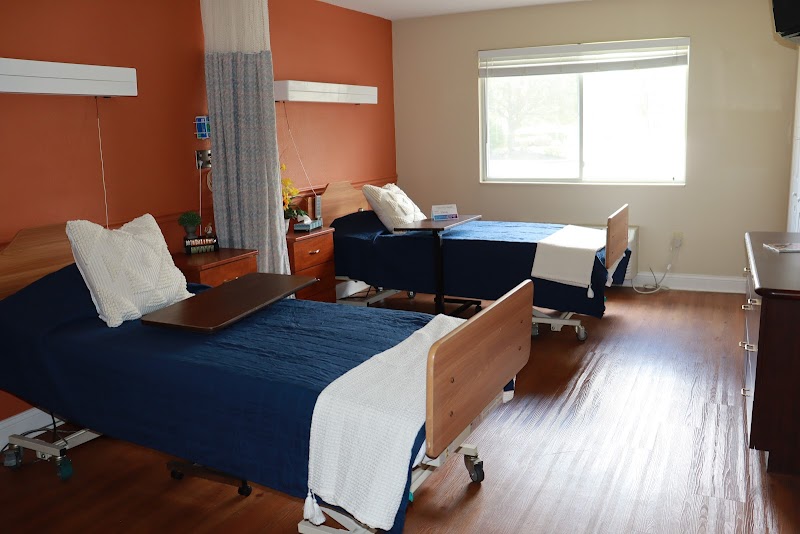
How is Majestic Care Of Newburgh Staffed?

CMS rates MAJESTIC CARE OF NEWBURGH's staffing level at 1 out of 5 stars, which is much below average compared to other nursing homes. Staff turnover is 65%, which is 19 percentage points above the Indiana average of 46%. High turnover can affect care consistency as new staff learn residents' individual needs. RN turnover specifically is 58%, which is notably high. RNs provide skilled clinical oversight, so turnover in this role can affect medical care quality.

What Have Inspectors Found at Majestic Care Of Newburgh?

State health inspectors documented 43 deficiencies at MAJESTIC CARE OF NEWBURGH during 2022 to 2025. These included: 1 that caused actual resident harm, 40 with potential for harm, and 2 minor or isolated issues. Deficiencies causing actual harm indicate documented cases where residents experienced negative health consequences.
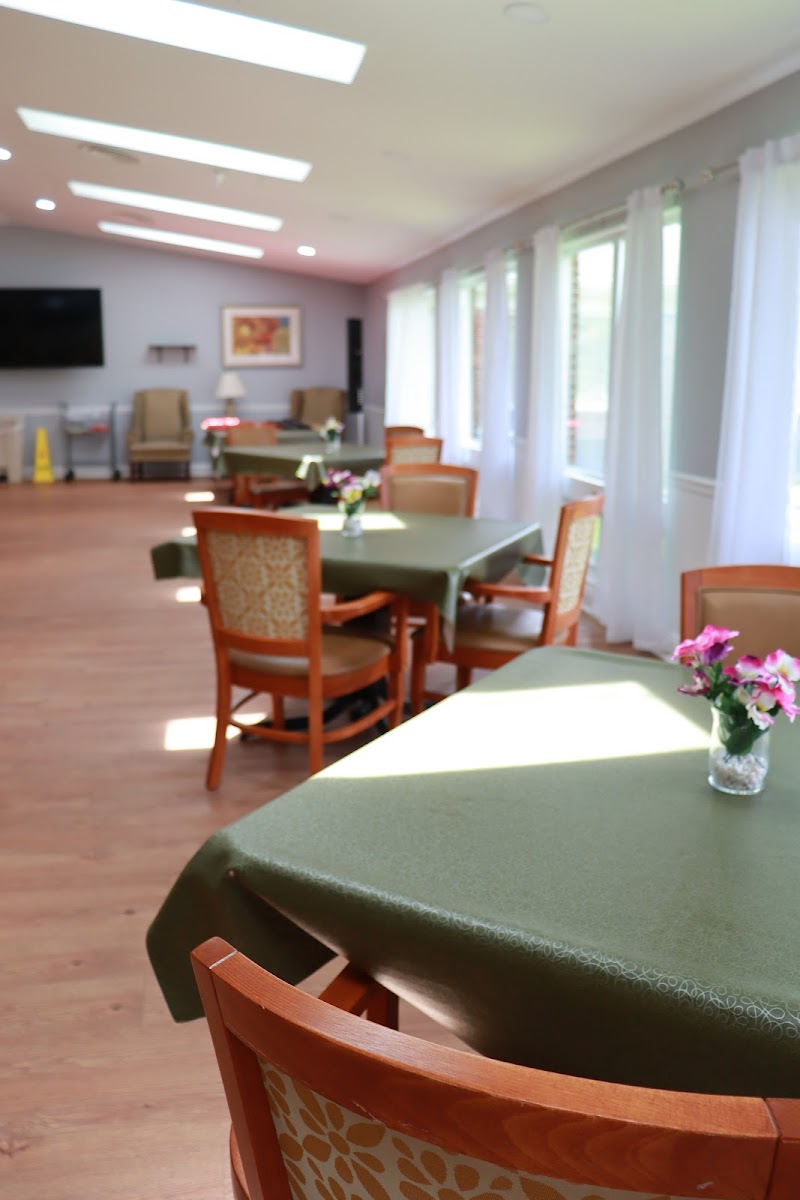
Who Owns and Operates Majestic Care Of Newburgh?

MAJESTIC CARE OF NEWBURGH is owned by a for-profit company. For-profit facilities operate as businesses with obligations to shareholders or private owners. The facility is operated by MAJESTIC CARE, a chain that manages multiple nursing homes. With 104 certified beds and approximately 95 residents (about 91% occupancy), it is a mid-sized facility located in NEWBURGH, Indiana.
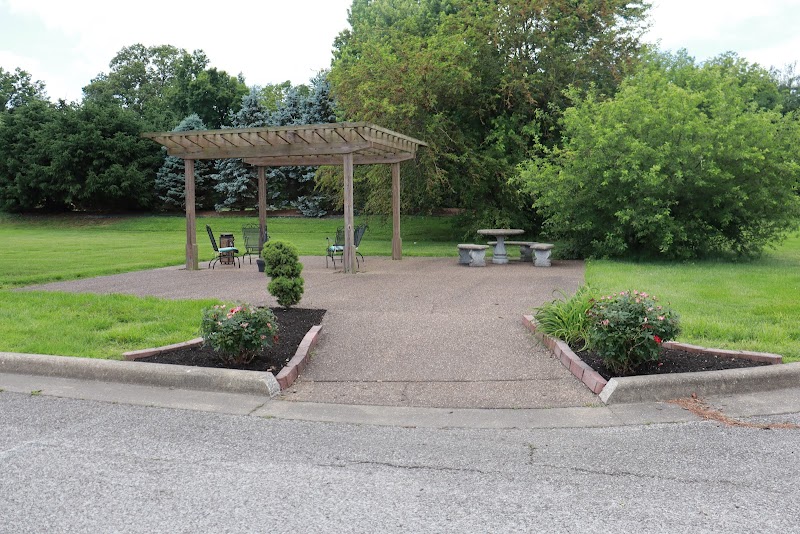
How Does Majestic Care Of Newburgh Compare to Other Indiana Nursing Homes?

Compared to the 100 nursing homes in Indiana, MAJESTIC CARE OF NEWBURGH's overall rating (1 stars) is below the state average of 3.1, staff turnover (65%) is significantly higher than the state average of 46%, and health inspection rating (1 stars) is much below the national benchmark.

What Should Families Ask When Visiting Majestic Care Of Newburgh?

Based on this facility's data, families visiting should ask: "How do you ensure continuity of care given staff turnover, and what is your staff retention strategy?" "Can you walk me through typical staffing levels on day, evening, and night shifts?" "Can I visit during a mealtime to observe dining assistance and food quality?" "How do you handle medical emergencies, and what is your hospital transfer rate?" These questions are particularly relevant given the facility's high staff turnover rate and the below-average staffing rating.

Is Majestic Care Of Newburgh Safe?

Based on CMS inspection data, MAJESTIC CARE OF NEWBURGH has a clean safety record: no substantiated abuse findings (meaning no confirmed cases of resident harm), no Immediate Jeopardy citations (the most serious violation level indicating risk of serious injury or death), and is not on the Special Focus Facility watch list (a federal program monitoring the lowest-performing 1% of nursing homes). The facility has a 1-star overall rating and ranks #100 of 100 nursing homes in Indiana. While no facility is perfect, families should still ask about staff-to-resident ratios and recent inspection results during their visit.

Do Nurses at Majestic Care Of Newburgh Stick Around?

Staff turnover at MAJESTIC CARE OF NEWBURGH is high. At 65%, the facility is 19 percentage points above the Indiana average of 46%. Registered Nurse turnover is particularly concerning at 58%. RNs handle complex medical decisions and coordinate care — frequent RN changes can directly impact care quality. High turnover means new staff may not know residents' individual needs, medications, or preferences. It can also be disorienting for residents, especially those with dementia who rely on familiar faces. Families should ask: What is causing the turnover? What retention programs are in place? How do you ensure care continuity during staff transitions?

Was Majestic Care Of Newburgh Ever Fined?

MAJESTIC CARE OF NEWBURGH has no federal fines on record. CMS issues fines when nursing homes fail to meet care standards or don't correct problems found during inspections. The absence of fines suggests the facility has either maintained compliance or corrected any issues before penalties were assessed. This is a positive indicator, though families should still review recent inspection reports for the full picture.

Is Majestic Care Of Newburgh on Any Federal Watch List?

MAJESTIC CARE OF NEWBURGH is not on any federal watch list. The most significant is the Special Focus Facility (SFF) program, which identifies the bottom 1% of nursing homes nationally based on persistent, serious quality problems. Not being on this list means the facility has avoided the pattern of deficiencies that triggers enhanced federal oversight. This is a positive indicator, though families should still review the facility's inspection history directly.