CUMBERLAND TRACE HEALTH & LIVING COMMUNITY

1925 REEVES ROAD, PLAINFIELD, IN 46168 (317) 838-7070
Government - County 104 Beds CARDON & ASSOCIATES Data: November 2025
Trust Grade
40/100
#235 of 505 in IN
Last Inspection: May 2025

Inspected within the last 6 months. Data reflects current conditions.

Overview

Cumberland Trace Health & Living Community has a Trust Grade of D, indicating below-average performance with some concerns about quality and care. It ranks #235 out of 505 facilities in Indiana, placing it in the top half, but it is #6 out of 9 in Hendricks County, meaning there are better local options available. The facility is worsening, as the number of issues increased from 4 in 2024 to 7 in 2025. While staffing is a strength with a 4/5 star rating and an average turnover rate of 48%, the facility's fines of $51,660 are concerning, as this is higher than 96% of Indiana facilities. Specific incidents of concern include a resident who sustained a serious infection due to improper wound management and another who rolled out of bed and fractured her arm because appropriate safety measures were not implemented. Overall, while there are strengths in staffing, the facility has significant weaknesses in care quality and safety protocols.

Trust Score
D
40/100
In Indiana
#235/505
Top 46%
Safety Record
High Risk
Review needed
Inspections
Getting Worse
4 → 7 violations
Staff Stability
⚠ Watch
48% turnover. Above average. Higher turnover means staff may not know residents' routines.
Penalties
⚠ Watch
$51,660 in fines. Higher than 96% of Indiana facilities. Major compliance failures.
Skilled Nurses
○ Average
Each resident gets 34 minutes of Registered Nurse (RN) attention daily — about average for Indiana. RNs are the most trained staff who monitor for health changes.
Violations
⚠ Watch
19 deficiencies on record. Higher than average. Multiple issues found across inspections.
★★★☆☆
3.0
Overall Rating
★★★★☆
4.0
Staff Levels
★★★★★
5.0
Care Quality
★★☆☆☆
2.0
Inspection Score
Stable
2024: 4 issues
2025: 7 issues

The Good

  • 4-Star Staffing Rating · Above-average nurse staffing levels
  • 5-Star Quality Measures · Strong clinical quality outcomes
  • Full Sprinkler Coverage · Fire safety systems throughout facility
  • No fines on record

Facility shows strength in staffing levels, quality measures, fire safety.

The Bad

3-Star Overall Rating

Near Indiana average (3.1)

Meets federal standards, typical of most facilities

Staff Turnover: 48%

Near Indiana avg (46%)

Higher turnover may affect care consistency

Federal Fines: $51,660

Above median ($33,413)

Moderate penalties - review what triggered them

Chain: CARDON & ASSOCIATES

Part of a multi-facility chain

Ask about local staffing decisions and management

The Ugly 19 deficiencies on record

3 actual harm
May 2025 7 deficiencies 2 Harm
SERIOUS (G) 📢 Someone Reported This

A family member, employee, or ombudsman was alarmed enough to file a formal complaint

Actual Harm - a resident was hurt due to facility failures

Quality of Care (Tag F0684)

A resident was harmed · This affected 1 resident

**NOTE- TERMS IN BRACKETS HAVE BEEN EDITED TO PROTECT CONFIDENTIALITY** Based on observation, interview, and record review, the facility failed to follow their policy for wound management to ensure a ...

Read full inspector narrative →
**NOTE- TERMS IN BRACKETS HAVE BEEN EDITED TO PROTECT CONFIDENTIALITY** Based on observation, interview, and record review, the facility failed to follow their policy for wound management to ensure a resident, (Resident C) received effective and appropriate treatments to prevent a non-pressure wound from becoming infected which resulted in actual harm when Resident C's wound became infected and required a hospital re-admission with a hip replacement exchange of the femoral head and liner [the plastic or metal part that sits inside the socket] for 1 of 1 residents reviewed for non-pressure wounds. Findings include: During a confidential interview, it was indicated Resident C had a total right hip replacement, but while she was home recovering, she fell and sustained a second right hip fracture and several fractures in her left foot and ankle. The new hip fracture and left foot fractures were non-operable, and she was sent to the facility for rehabilitation. The wound on her right hip from her surgery was still healing with steri-strips in place and she had not experienced any complications with the incision site. At the hospital, Resident C used a bedside commode or the staff helped her with an extra-large bed pan and would elevate the head of her bed upright so it felt more like sitting on a toilet. The hospital also used a PureWick (non-invasive, external female catheter that [NAME] urine away from the patient and into a designated collection canister) to help keep any urine away from her incision. Resident C became concerned when she got to the nursing facility because the nursing facility put her in adult diapers and the surgical incision was left uncovered. Staff would not get Resident C up to go to the toilet, and she was left in soiled briefs for long periods of time. Resident C expressed her concern to the staff that she did not want the wound to get infected, but they still put her in briefs, and did not clean her well. Resident C told the staff she did not want to wear the adult diapers and that she would prefer to go to the toilet to keep her incision site clean. However, since staff had to use a Hoyer lift to transfer the resident, staff put her in a brief and she was left in a soiled brief for long periods of time while she waited for staff to help get her up. On 5/21/25 at 11:47 a.m., Resident C's medical record was reviewed. She was admitted to the facility on [DATE] for nursing care and rehabilitation with diagnoses which included, but were not limited to, post-surgical total right hip replacement, secondary non-operable right trochanter fracture, and several non-operative fractures in her left foot and ankle. A hospital discharge packet, dated 7/29/24, indicated Resident C had a periprosthetic (a medical term refers to something located or occurring near an artificial implant, specifically a prosthesis) fracture involving the right greater trochanter, after her total right hip arthroplasty (replacement). She was alert and oriented times four (oriented to person, time, place, and situation). Due to her recent hip replacement (which had been completed on 7/11/24), and the new fractures of the right trochanter and left foot, she was unable to walk, was totally dependent for bed mobility, and required physical therapy follow up for strengthening and endurance. During her hospital stay, she utilized a bedside commode and/or a bedpan for bowel elimination, and while in bed, utilized a PureWick. At the time of discharge on [DATE] Resident C's right hip surgical incision site, continues to appear to be healing well without erythema, [redness] swelling, tenderness, drainage or bleeding. The Hospital Discharge packet included a Clinical Liaison (CL) Assessment from the facility completed on 7/24/24 at 12:50 p.m. The Assessment noted Resident C was dependent with assist of 2 people for bed mobility due to her non-weight bearing status, had a healing hip incision from a total hip replacement with steri-strips intact and was at high risk for infection. A nursing admission assessment, dated 7/29/24 at 9:07 p.m., indicated Resident C had altered skin integrity related to her surgical incision from, right hip fracture repair. The assessment indicated she required surgical wound care. An admission nursing progress note, dated 7/29/24 at 9:37 p.m., indicated Resident C was alert and oriented times four. Her diagnoses included but were not limited to, .fractured right hip repair and a fracture of the left ankle. The left ankle fracture is reported to be non-repairable. Right hip dressing is clean, dry and intact. The record lacked initial and/or ongoing assessments and descriptions of the incision site. The record lacked documentation that a treatment order had been clarified with the doctor. The record lacked initial and/or ongoing wound care orders or notes. Resident C had a physician's order, initiated on 7/29/24, for Weekly head to toe skin inspection to be completed per licensed nurse. If any new areas are noted complete a Skin Integrity Event. Skin assessments were signed off with no new areas of concern on 7/30/24, 8/6/24, and 8/13/24. A nursing progress note, dated 7/30/24 at 10:24 p.m., indicated Resident C was alert and oriented, cooperative with caregivers, and able to use her call light to summon nursing assistance. The dressing to her right hip surgical incision was clean and dry. A comprehensive care plan, initiated on 7/30/24, indicated, Resident has surgical incision to Right Hip, potential for complications, with interventions which included, but were not limited to, provide treatment per MD order, and to report complications such as drainage, or signs of infection. The record lacked documentation of treatment orders for the surgical incision. An initial Physician Visit and Progress Note was dated 7/30/24 at 2:47 p.m. Resident C was seen for an initial assessment. The progress note lacked documentation or orders to address the resident's incision site. The note indicated, Skin: Visible skin is warm, dry, and intact. Additional details r/t [related to] the resident's skin condition to be noted in facility documentation. The record lacked documentation of related skin integrity conditions, specifically to her surgical incision. A comprehensive care plan, dated 7/30/24, indicated Resident C had specific needs related to their care, which was a part of the Certified Nursing Aide (CNA) assignment sheet. The CNA assignments/interventions for this plan of care included, but was not limited to, Resident is incontinent and continent of bladder and bowel .Resident is mechanical lift two person assist with transfers .Resident prefers a shower/bath on Tues/Fri day-shifts .Resident wears briefs/pull ups XXXL was non-weight bearing on her left side and only toe-touch weight bearing on her right side. The care plan lacked specifications or precautions related to the resident's surgical incision. An occupational therapist (OT) daily noted, dated 7/30/24 at 10:24 a.m., indicated Resident C was totally dependent for putting on and removing her brief and peri-care. A nursing progress note, dated 7/31/24 at 10:01 p.m., indicated Resident C remained cooperative with care and therapies and the steri-strips to her right hip remained intact. A comprehensive care plan, dated 8/1/24, indicated, Resident is unable to independently perform late loss ADLs [activities of daily living] r/t [related to] right total hip arthroplasty and requires assistance/encouragement for bed mobility, transfers, toileting and eating. Interventions for this plan of care included, but were not limited to, providing assistive devices as needed. The care plan lacked description of the assistive devices needed such as bedpan, bedside commode, or other toileting options as had been her preference in the hospital. On 8/5/24 Resident C had a follow up appointment with her Orthopedic doctor where her lateral hip wound was noted to be healing nicely with no signs of infection. A nursing progress note, dated 8/11/24 at 7:33 p.m., indicated, Resident has drainage from her left hip incision [incision was on the right hip] with intact steri-strips, drainage has no foul odor and no noted redness or increased pain. The record lacked documentation of physician notification of the change of condition related to the drainage of her incision site. The record lacked documentation of a new Skin Integrity Event. The record lacked documentation of putting a treatment over the draining wound. A nursing progress note, dated 8/13/24 at 1:45 p.m., indicated Resident C's wound was noted to have yellowish drainage and slough at the incision site. The Nurse called and left a message with the Resident's Ortho Dr. A nursing progress noted, dated 8/13/24 at 2:01 p.m., indicated Resident C's Ortho office nurse called back and her next follow up appointment was moved up to 8/19/24 and a new order for an antibiotic was started. A nursing progress note, dated 8/13/24 at 8:41 p.m., indicated Resident C's infection did meet the McGreer Criteria with a wound infection of purulent draining, slough and pain. The outside MD office treatment for antibiotics was started. A nursing progress note, dated 8/14/24 at 11:16 a.m., indicated Resident C was seen by Pain Management Nurse Practitioner (NP) due to her increased pain in the right hip. An occupational Therapy (OT) daily note, dated 8/14/24 at 2:00 p.m., indicated upon the OT's arrival, Resident C had a soiled brief and required maximum assistance for hygiene and doffing/donning (removing and putting on) a new brief. Resident C told the OT her incision was infected. A nursing progress note, dated 8/15/24 at 2:39 p.m., indicated, Resident continues to take antibiotic for right hip surgical wound. There is no noted odor or redness noted at incision site. Steri-strips are intact with noted dark blood drainage on them. Resident August Medication Administration (MAR) and Treatment Administration (TAR) records were reviewed and lacked documentation of a as needed (PRN) dressing change for the infected incision site. A late entry Pain Management NP progress note, created on 8/19/24 at 2:30 p.m., effective for a visit on 8/16/24 at 10:30 p.m., indicated, Resident C continued to have drainage from her right hip incision, but lacked additional description and or notification to her Ortho Dr. A Physical Therapy (PT) daily note dated 8/17/24 at 12:21 p.m., indicated Resident C's dressing on her right hip was soiled and needed to be changed. A nursing progress note, dated 8/17/24 at 2:08 p.m., indicated Resident C's left hip incision (incision was on the right) with drainage and foul odor. Antibiotics were used. The noted lacked documentation of a wound description and/or if the wound was improving or declining. The note lacked documentation that the MD or [NAME] Dr. were notified of the foul odor. A nursing progress note, dated 8/17/24 at 3:09 p.m., indicated Resident C's right hip continued to drain with a foul odor. The noted lacked documentation of a wound description and/or if the wound was improving or declining. The note lacked documentation that the MD or [NAME] Dr. were notified of the foul odor. A nursing progress note, dated 8/18/24 at 11:07 a.m., indicated Resident C's right hip continued to drain with a foul odor. The noted lacked documentation of a wound description and/or if the wound was improving or declining. The note lacked documentation that the MD or [NAME] Dr. were notified of the foul odor. A nursing progress note, dated 8/19/24 at 12:57 p.m., indicated Resident C went out for her Ortho follow up appointment but was sent to the emergency room and admitted for in hospital wound care. During an interview on 5/23/25 at 11:28 a.m., Resident C's Ortho Dr. indicated Resident C had a total hip replacement that was done by him and his team, there were no complication pre or post op. She was cleared to go home for recovery but unfortunately fell and came back to the hospital where it was determined she sustained a new non-operative fracture on the trochanter hip bone, on top of where her new joint had been replaced. She also sustained several foot and ankle fractures on her left foot, which basically made her unable to move from the waist down. The Ortho Dr. indicated if an incision site looked good, steri-strip were clean/dry, and there was not drainage, patients were told to leave the wound open to air. In Resident C's condition however, due to her inability to easily get to the toilet on her own, and having to use a brief, it would be best practice and advisable to put a dry dressing on top of the wound to help protect it from urine or bowel contamination. Especially if the wound started to show new signs and symptoms of an infection, the Ortho office would expect the nursing staff to follow best practice of putting a cover on the draining wound, and to keep his office notified or new or worsening symptoms. Resident C's appointment was moved up to 8/19/24, but his office would have to rely on the facility's nursing judgement to call for worsening symptoms and the Ortho office could schedule a more urgent earlier appointment. When Resident C was seen again on the 8/19/24, the Ortho Dr. indicated her wound was clearly infected, and he recommended her to go back to the hospital for wound care and management. On 5/22/25 at 12:36 p.m., the Ortho Dr. provided a copy of his progress note from 8/19/24 which indicated, .she comes back today for a wound check . she notes that her dressings are not routinely changed, frequently been left sitting in her own feces and urine at her rehab facility . patient now has foul-smelling drainage from her right hip wound. We discussed the seriousness of this problem and recommended admission to the hospital where we will get wound care involved and likely proceed on Wednesday with an irrigation and debridement of her right hip incision. It is very concerning this may track all the way down to the implant During an interview on 5/23/25 at 12:41 p.m., the Pain Management NP indicated nursing staff should have ensured the wound was covered if it was draining and should have had some monitoring orders to watch for worsening signs/symptoms especially if the resident was incontinent because it was important to keep the wound as clean as possible. The NP indicated she remembered Resident C; she was alert, oriented, and cooperative with her care. A Hospital Summary Record, dated 8/19/24, indicated, . has foul smelling wound on her right hip with Steri-Strips in place. These were removed today. The central portion of the wound has a small volume of drainage and surrounding erythema and tenderness .Wound Site Assessment: Brown, tan, yellow, fragile. Peri-wound Assessment: Clean, dry, edema, blanchable erythema, pink. Wound Length (centimeters [cm]): 0.7 cm. Wound Width: 14.5 cm. Wound Depth: 0.6 cm. Non-staged Wound Thickness: full thickness. Drainage amount: small. Drainage description: tan. Slough %: 100%. Signs and symptoms of infection present, mild odor On 8/21/24 Resident C underwent a second surgery for head and linear exchange, (this procedure describes a revision total hip arthroplasty where the femoral head and liner [the plastic or metal part that sits inside the socket] are exchanged). Cultures of the wound were taken three bacterial infections were noted: 1. Enterobacter cloacae complex, (ECC) (a group of closely related Enterobacterales species that are significant hospital-acquired pathogens) 2. Klebsiella Pneumoniae (a gram-negative bacteria that typically cause nosocomial infections and shows a great deal of antibiotic resistance) 3. Porphyromonas somerae (a is a Gram-negative and anaerobic bacterium). On 5/22/24 at 12:15 p.m., the Director of Nursing (DON) provided a copy of current facility policy titled, Wound Management, dated 2/1/19. The policy indicated, [NAME] and Associates, Inc. is committed to providing quality of care to our residents by implementing clinical guidance and best practice for management of wounds and other skin conditions throughout a resident's stay in our [NAME] communities . The skin conditions that the Wound Team should evaluate include, but are not limited to . new admission with any skin conditions documented on admission such as; post-operative sites, amputations, sutures, staples, etc . any other skin condition that had the potential to worsen without adequate management . the Interdisciplinary team (IDT) will document the wound assessment weekly in the medical record. Additional documentation can be inserted into the medical record using the progress notes. Each week a skin condition will be documented as: (1) improved, (2) unchanged; or (3) worsened . Skin conditions worsened: notify MD, family and staff . determine if the physician ordered treatment has been evaluated for effectiveness, modified, or changed as appropriate and/or needed On 5/22/25 at 1:05 p.m., the DON provided a copy of current facility policy titled, Change in a Resident's Condition or Status, revised October 2010. The policy indicated, Our facility shall promptly notify the resident, his or her Attending Physician, and representative (sponsor) of changes in the resident's medical/mental condition . except in medical emergencies, notifications will be made within twenty-four (24) hours of a change occurring in the resident's medical/mental condition or status . On 5/22/25 the DON provided a copy of current facility policy titled, Enhanced barrier precaution Policy & Procedure, revised 4/1/24. The policy indicated, . Enhanced Barrier Precautions (EBP) refers to an infection control intervention designed to reduce transmission of multidrug-resistant organisms (MDROs). EBP employs targeted gown and glove use during high-contact resident activities . indication for Enhanced Barrier Precautions: Use of EBP is indicated for resident with . any skin opening requiring a dressing such as for chronic wounds* (e.g. pressure ulcers, diabetic foot ulcers, unhealed surgical wounds, and chronic venous stasis ulcers) This deficiency relates to Complaint IN00459740. 3.1-37(a)
SERIOUS (G)

Actual Harm - a resident was hurt due to facility failures

Accident Prevention (Tag F0689)

A resident was harmed · This affected 1 resident

A. Based on observation, interview, and record review, the facility failed to prevent the potential for accidents for a resident (Resident 60) who had a history of falls with injury, by ensuring appro...

Read full inspector narrative →
A. Based on observation, interview, and record review, the facility failed to prevent the potential for accidents for a resident (Resident 60) who had a history of falls with injury, by ensuring appropriate interventions were in place after she moved to a new room which resulted in actual harm, after she rolled out of bed and sustained an arm fracture for 1 of 9 residents reviewed for accidents; and failed to implement new interventions to prevent the potential for accidents for 2 of 9 residents reviewed for accidents (Residents 30 and 64). B. Based on observation, interview, and record review, the facility failed to prevent the potential for accidents when medications were found at bedside for residents without orders or assessments to self-administer their medications for 4 of 9 residents reviewed for accidents (Residents 41, 49, 22 and 2). Findings include: A1. On 5/21/25 at 9:26 a.m., Resident 60 was observed in her room. She was seated in her wheelchair, and a bandage was noted above her left eye which was bruised and had dried blood crusted around the edge of the bandage. She guarded her left arm, with it tucked close to her chest and held her left elbow with her right hand across her stomach. Resident 60 made grimaces and demonstrated a painful facial expression as she indicated she rolled out of her bed again. She did not know how or why, but she had a tendency to roll out of bed. This time she hit her head on the corner of her bedside table and hurt her left arm real bad. Resident 60's bed was observed. There were no side rails, or other bed-boundary devices in place. On 5/21/25 at 9:30 a.m., a contracted mobile x-ray technician came to Resident 60's room for a set of x-rays. The x-ray tech was able to obtain two views of her left shoulder. On 5/21/25 at 9:46 a.m., the x-ray technician spoke to the Unit Manager and indicated she was unable to obtain x-rays of Resident 60's forearm as she was unable to tolerate the movement and repositioning for the image. The x-ray technician informed the nurse there was evidence to suspect a humeral head fracture, but the radiologist would call as soon as possible to confirm. On 5/21/25 at 10:56 a.m., the Nurse Practitioner (NP) was in to evaluate Resident 60. The NP indicated the x-ray results were confirmed and Resident 60 had sustained a humerus head fracture and the NP was trying to determine if she wanted to send the resident to the emergency room, or straight into an orthopedic clinic. During an interview on 5/22/24 12:00 p.m., the Unit Manager indicated Resident 60 was sent to Ortho for evaluation and potential surgical repair. On 5/21/25 at 11:37 a.m., Resident 60's medical record was reviewed. She was a long-term care resident with diagnoses which included, but were not limited to, unspecified dementia, history of fall with fracture, anxiety and weakness. A nursing progress note, dated 3/26/25 at 12:00 p.m., indicated Resident 60 self-reported a fall to one of her peers who then notified the nursing staff. The nurse interviewed the resident regarding the fall but she stated she couldn't remember what happened, all she could remember was she was in lying in bed and the next thing she knew she was on the ground. Resident 60 complained of back pain and on skin assessment two bruises were found to her outer right thigh. An Interdisciplinary Team (IDT) note, dated 3/27/25 at 2:39 p.m., indicated the root cause of Resident 60's fall was that she rolled out of bed so the IDT team agreed to install side rails for assistance. Resident 60 had a comprehensive care plan, dated 4/16/2020, which indicated she was at risk for falls. Interventions for this plan of care included, but were not limited to, bilateral side rails on her bed. A nursing progress note, dated 5/21/25 at 8:36 a.m., indicated Resident 60 was found on the floor in her room with a laceration above her left eyebrow and complained of pain in her left arm. She was cradling her arm due to pain and reported her pain level was 10/10. During an interview on 5/21/25 at 10:58 a.m., Unit Manager indicated Resident 60 had been in another hall and was moved into memory care prior to the Unit Manager's arrival as manager. If she had side rails on her bed in her previous room, then side rails should have been installed on the bed in her new room, or another intervention should have been considered if side rails were no longer appropriate. During an interview on 5/22/25 at 11:03 a.m., the Executive Director (ED) indicated Resident 60's side rails should have followed her over to her new unit until it was determined if she still needed them or another intervention should replace it. A2. On 5/20/25 at 12:14 p.m., Resident 30's medical record was reviewed. She was a long-term care resident who resided on the secured memory care unit with diagnoses which included, but were not limited to, unspecified dementia, weakness, and repeated falls. A nursing progress note, dated 2/19/25 at 6:07 a.m., indicated Resident 30 had a fall in the hallway when she went to look for assistance due to incontinence. The fall was unwitnessed and she was found in the hall by the storage room screaming out, and laying on her left side. Resident 30 winced at pain in her right wrist and hip. An x-ray was ordered for her right hip and wrist. The x-ray results were received and confirmed a right hip fracture. Resident 60 was sent to the emergency room for evaluation and treatment. An IDT progress note dated 2/19/25 at 9:52 a.m., indicated the root cause of the fall determined Resident 30 lost her balance self-ambulating. The immediate intervention had been to obtain an x-ray, but the note lacked documentation of a new intervention to be put in place related to the root cause of the fall upon her return from the hospital. Resident 30 had a comprehensive care plan, dated 5/3/22, which indicated she was at risk for falls and fall related injuries. An intervention created 9/8/22 indicated, staff is to walk with resident. The care plan lacked revision of a new intervention after her fall on 2/19. A3. On 5/20/25 at 10:05 a.m., Resident 64's record was reviewed. He was a long-term care resident who resided on the secured memory care unit with diagnoses which included, but were not limited to, vascular dementia, repeated falls with a history of fall with fracture. A nursing progress note, dated 1/19/25 at 7:51 p.m., indicated Resident 64 had been found on the floor lying on his right side next to the toilet in his bathroom. He had been put to bed earlier, but sometimes got up and tried to ambulate around the room. Resident 64 complained that he hurt all over. He was assisted back to bed and the MD was notified. A nursing progress note, dated 1/20/25 at 9:20 a.m., indicated Resident 64 had increased pain, was unable to bear weight on his right hip, and had decreased range of motion. The NP was notified and a STAT x-ray was ordered. A re-admission NP progress note, dated 1/27/25 at 4:23 p.m., indicated Resident 64 was being seen for follow up after he sustained a fall on 1/19/25 which resulted in an acute right femoral neck fracture. Ortho was consulted and the Resident underwent right femur fracture repair before he was discharged back to the facility. Upon his re-admission, the record lacked documentation of IDT fall follow up and any new interventions to prevent the potential for similar falls in the future. During an interview on 5/21/25 at 11:15 a.m., the DON indicated he could not find IDT follow up or new root-cause interventions which should have been put in place after Resident 30 and 64's falls. On 5/21/25 at 11:30 a.m., the DON provided a copy of current facility policy titled, Fall Prevention Policy and Procedure, dated 5/2016. The policy indicated, .strategies to prevent falls are unique for each community. Each fall risk factor is unique for every resident . A narrative IDT note will include a root cause explanation with new intervention strategy to prevent reoccurrence B1. On 5/16/25 at 10:10a.m., silva, 2% miconazole nitrate (mico) 025% triamcinolone (triam) cream (treats skin conditions involving fungal infection and inflammation) was observed on Resident 41's nightstand. On 5/20/25 at 11:42 a.m., silva 2% mico 025% triam cream was observed on Resident 41's nightstand. On 5/21/25 at 11:00 a.m., a record review was completed for Resident 41. He had the following diagnoses of pressure ulcer stage 3 (full thickness skin loos with fat visible) on the buttock, history of diabetic foot ulcer, chronic kidney disease, and hypertension. Resident 41 had an order for silva 2% mico 025% triam cream, dated 4/28/25, to apply to bilateral (both) buttocks, scrotum, peri area three times daily. B2. On 5/16/25 at 10:15 a.m. trelegy (an inhaler) and AZO (a medication to help relieve symptoms of a urinary tract infection (UTI)) were observed sitting on Resident 49's bedside. On 5/21/25 at 11:12 a.m., observed trelegy and AZO on Resident 49's bedside. On 5/21/25 at 11:30 a.m., a record review was completed for Resident 41. She had the following diagnoses which included but were not limited to anxiety, fracture of the right fibula, vitamin deficiency, chronic respiratory failure, and depression. She had an order for Trelegy Ellipta (fluticasone umeclidin-vilanter) blister with device, 100-62.5-25mcg (micrograms) 1 puff (inhalation) once a day. She did not have orders for AZO. B3. On 5/16/25 at 10:35 a.m. Resident 22 was observed as she lay in her bed resting with her eyes closed. She was in and out of sleep, hard to understand, slightly confused and groggy. There was a medication cup with multiple unidentified pills in it sitting on her bedside table. She did not answer appropriately when asked if she forgot to take the medications or when they were given to her. Qualified Medication Aide (QMA) 2 indicated that the resident had just got back from the hospital not too long ago. She indicated she normally sat there and waited for the resident to take her medications, but today she left them because the resident took a few pills and then said she would do the rest herself. QMA 2 tried to wake the resident up and ask her if she wanted her pills crushed or whole. Resident 22 stated she wanted to take them whole, but then fell back asleep. QMA 2 went to get a spoon to help the Resident take the medications. QMA 2 gave Resident 22 her medications one by one with a spoon without complication, but the resident had trouble staying awake to take her medications. Resident 22's medical record was reviewed. She was a long-term care resident whose diagnoses included but were not limited to, type 2 diabetes, and pneumonia. The medical record indicated Resident 22 had a Brief Interview for Mental Status (BIMS) score of 11 indicating she had moderate cognitive impairment. Resident 22's assessments were reviewed. The record lacked documentation of an up-to-date self-administration assessment for medications for Resident 22. B4. On 5/16/25 at 11:39 a.m. Resident 2's room was observed. The resident was not in the room at this time, a medication organizer with pills in the Friday, Saturday, and Sunday slots were observed on the Residents windowsill. Resident 2's medical record was reviewed. She was a long-term care resident whose diagnoses included but were not limited to dementia and dysphagia. The medical record indicated Resident 2 had a BIMS score of 4 indicating she had severe cognitive impairment. Resident 2's assessments were reviewed. The record lacked documentation of a self-administration assessment for medications for Resident 2. On 5/19/25 at 3:30 p.m. the Executive Director (ED) provided a copy of a current facility policy titled, Administration of Tablets and Capsules, undated. This policy indicated .All oral medications are safely and appropriately administered by a licensed nurse, approved designee or the resident capable of self-administration ., .16. Remain with the resident to ensure that the medication is swallowed . 3.1-45(a) 3.1-45(b)
CONCERN (D)

Potential for Harm - no one hurt, but risky conditions existed

Deficiency F0578 (Tag F0578)

Could have caused harm · This affected 1 resident

**NOTE- TERMS IN BRACKETS HAVE BEEN EDITED TO PROTECT CONFIDENTIALITY** Based on record review and interview, the facility failed to implement an advanced directive (code status) order for 1of 1 resid...

Read full inspector narrative →
**NOTE- TERMS IN BRACKETS HAVE BEEN EDITED TO PROTECT CONFIDENTIALITY** Based on record review and interview, the facility failed to implement an advanced directive (code status) order for 1of 1 residents reviewed for advanced directives. Findings include: On [DATE] at 9:30 a.m., Resident 205's record was reviewed. He had the following diagnoses which included but were not limited to heart failure, weakness, type 2 diabetes mellitus, and Alzheimer's disease. Resident 205's record lacked an order for an advance directive. His profile indicated he desired to have cardiopulmonary resuscitation (CPR). His care plan dated [DATE] indicated he desired to have CPR. During an interview with the Director of Nursing on [DATE] at 10:53 a.m., he indicated this was an order they missed and they would be doing a Quality Assurance Performance Improvement (QAPI) plan for missed advanced directive orders. A policy was provided by the DON on [DATE] at 1:30 p.m. It indicated, The plan of care for each resident will be consistent with his or her documented treatment preferences and/or advance directive. 3.1-4(d) 3.1-4(e) 3.1-4(f) 3.1-4(l)(4)
CONCERN (D)

Potential for Harm - no one hurt, but risky conditions existed

Assessment Accuracy (Tag F0641)

Could have caused harm · This affected 1 resident

Based on observations, interviews, and record review, the facility failed to accurately assess 2 of 29 residents (Residents 53 and 15) reviewed for accurate Minimum Data Set (MDS) assessments. Findin...

Read full inspector narrative →
Based on observations, interviews, and record review, the facility failed to accurately assess 2 of 29 residents (Residents 53 and 15) reviewed for accurate Minimum Data Set (MDS) assessments. Findings include: 1. Resident 53's medical record was reviewed. She was a long-term care resident whose diagnoses included but were not limited to, Alzheimer's disease, dementia, unsteadiness on feet and difficulty walking. Resident 53 had an active order, dated 2/17/23, that indicated her activity level was up as tolerated. A progress note, dated 11/10/24, indicated Resident 53 was found sitting on the floor in her bathroom. The note indicated the resident did not have any injuries or skin tears at that time. A progress note, dated 1/05/25, indicated Resident 53 was found sitting on the floor in her bedroom. The note indicated the resident complained of right foot pain. An Interdisciplinary Team (IDT) note, dated 1/6/25, indicated no injuries were noted at the time of the fall on 1/5/25. A progress note, dated 1/6/25, indicated Resident 53 complained of right pinky toe pain. A progress note, dated 1/8/25, indicated Resident 53 had no new wounds or injuries. In Resident 53's most current MDS assessment, dated 3/2/25, the section titled, Number of falls since admission/entry or reentry or prior assessment whichever is more recent, indicated the Resident had no falls without injury and one fall with injury. 2. On 5/19/25 at 1:50 p.m., Resident 15 indicated she was continent of bowel and bladder, but sometimes it took a long time for the staff to help her use the bathroom because she needed to use the stand up lift which required two staff members. Resident 15 indicated sometimes she had an accident because she had to wait so long. Resident 15's medical record was reviewed. She was a long-term care resident whose diagnoses included but were not limited to, muscle weakness, tremors, difficulty walking and Urinary Tract Infections (UTI). A progress note dated 12/19/24 indicated Resident 15 was continent of bowel and bladder. A progress note dated 1/30/25 indicated Resident 15 was continent of bowel and bladder. A progress note dated 3/10/25 indicated Resident 15 was occasionally incontinent of bowel and bladder. A progress note dated 3/11/25 indicated Resident 15 was continent of bowel and bladder. A progress note dated 3/23/25 indicated Resident 15 was continent of bowel and bladder. During an interview on 5/21/25 at 10:33 a.m., Qualified Medication Aide (QMA) 6 indicated Resident 15 was usually continent and will tell them when she needed to go to the bathroom. Occasionally she would be incontinent of bowl if she had diarrhea or she may have a small amount of urinary incomitance in the morning but most of the time she would tell them and was continent. In Resident 15's most current MDS assessment, dated 4/15/25, the section titled, Bladder and Bowel, indicated she was frequently incontinent of bladder, and frequently incontinent of bowel. On 5/20/25 the Director of Nursing (DON) indicated the facility did not had a specific policy for MDS assessments. They followed the Resident Assessment Instrument (RAI) manual.
CONCERN (D)

Potential for Harm - no one hurt, but risky conditions existed

Comprehensive Care Plan (Tag F0656)

Could have caused harm · This affected 1 resident

**NOTE- TERMS IN BRACKETS HAVE BEEN EDITED TO PROTECT CONFIDENTIALITY** 2. On [DATE] at 10:19a.m., a record review was completed for Resident 216. He had the following diagnoses which included but wer...

Read full inspector narrative →
**NOTE- TERMS IN BRACKETS HAVE BEEN EDITED TO PROTECT CONFIDENTIALITY** 2. On [DATE] at 10:19a.m., a record review was completed for Resident 216. He had the following diagnoses which included but were not limited to sleep apnea, heart failure, hypertension, and high cholesterol. He had a physician's order for cardiopulmonary resuscitation (CPR) dated [DATE]. His profile indicated he desired CPR. His record lacked a care plan indicating he desired CPR. On [DATE] at 10:53 a.m., during an interview with the Director of Nursing (DON), he indicated his care plan was missing and the facility would be doing a quality assurance performance plan. A guide titled, Care Planning Guide related to Minimum Data Set (MDS) Assessments was provided by the Executive Director (ED) on [DATE] at 2:11 p.m. It indicated, Initiate care comprehensive care plan. 3.1-35(a) Based on observation, interview, and record review, the facility failed to implement a care plan for history of Urinary Tract Infections (UTI) for a Resident (Resident 22) and for advanced directives for a resident (Resident 216) for 2 of 29 residents reviewed for care plan implementation. Findings include: 1. On [DATE] at 1:43 p.m., Resident 22's medical record was reviewed. She was a long-term care resident whose diagnoses included but were not limited to, type 2 diabetes, and pneumonia. A progress note dated [DATE], indicated Resident 22 was tearful, agitated, and complaining of pain and burning with urination and abdominal pain. A urine dip test (a test to see if a Resident has a UTI or not) was done and was negative. A progress note, dated [DATE] at 8:41 a.m., indicated Resident 22 was complaining of lower abdominal pain that radiated to her lower back A progress note, dated [DATE] at 12:58 p.m., indicated Resident 22 was still complaining of lower back pain. At this time there was a new order to collect a urine specimen. A progress note, dated [DATE] at 9:15 a.m., indicated Resident 22 was tearful and complaining of pain and needing more assistance than usual. The Resident indicated she wanted to go to the emergency room. The Nurse Practitioner (NP) was notified and immediately came to the resident's room to preform a urine dip test. The test was positive and indicated the resident did have a UTI. A progress note, dated [DATE] at 3:10 p.m., indicated Resident 22 was sent to the emergency room for uncontrolled pain. Hospital records indicated Resident 22 was diagnosed with Cystitis (a type of UTI affecting the bladder, bladder infection) and Pyelonephritis (a type of UTI affecting the kidneys, kidney infection). Resident 22's record lacked documentation of a care plan related to UTIs or a history of UTIs. On [DATE] at 1:00 p.m., the DON provided a copy of a discontinued care plan. The care plans problem was Resident has history of urinary tract infection. With a start date of [DATE] and a last reviewed or revised date of [DATE]. There was no discontinue date noted on the copy the DON provided.
CONCERN (D)

Potential for Harm - no one hurt, but risky conditions existed

Deficiency F0694 (Tag F0694)

Could have caused harm · This affected 1 resident

Based on observations, interviews, and record review, the facility failed to ensure a Peripherally Inserted Central Catheter (PICC) line was dressed properly to prevent infection for 1 of 1 residents ...

Read full inspector narrative →
Based on observations, interviews, and record review, the facility failed to ensure a Peripherally Inserted Central Catheter (PICC) line was dressed properly to prevent infection for 1 of 1 residents (Resident 22) reviewed for PICC line dressings. Findings include: On 5/19/25 at 1:50 p.m. Resident 22 was observed as she sat up in her wheelchair visiting with her family. Resident 22 was able to lift her arm and show where her PICC line was. The PICC line had a clean dry and intact dressing dated 5/13 and initialed. The dressing was a clear tegaderm (a clear sticky film often used to cover different intravenous (IV) lines) with a 2 by 2 spilt gauze (a 2 inch by 2 inch gauze pad that is split down the middle half way) underneath the tegaderm with the split laid on top of the catheter and insertion site. Th skin around the insertion site and the insertion site itself were completely covered and unable to be assessed because of the split gauze. On 5/20/25 at 2:25 p.m. Resident 22 was observed as she lay in bed resting. She was able to lift her arm and show where her PICC line was. The PICC line dressing had been changed and had only a clear tegaderm covering it. The insertion site and surrounding skin could easily be visualized, and the dressing was initialed and dated 5/20. On 5/19 at 2:30 p.m. the Executive Director (ED) provided a current facility procedure guide titled Changing IV PICC/Midline/Non-tunneled/Tunneled Dressing Skills Validation undated. This procedure guide indicated, .13. Cover insertion site and connection of the needle free system completely with the transparent dressing. Label the dressing, do not cover insertion site 3.1-47(a)(2)
CONCERN (E)

Potential for Harm - no one hurt, but risky conditions existed

Deficiency F0761 (Tag F0761)

Could have caused harm · This affected multiple residents

Based on observation and interview, the facility failed to date and label medications for 3 of 4 medication carts reviewed and 1 of 2 medication storage rooms reviewed. Findings include: 1. On 5/19/25...

Read full inspector narrative →
Based on observation and interview, the facility failed to date and label medications for 3 of 4 medication carts reviewed and 1 of 2 medication storage rooms reviewed. Findings include: 1. On 5/19/25 at 10:22 a.m., the 500-hall medication cart 1 was observed. Resident 54 had an albuterol inhaler with just his name on it. 2. On 5/19/25 at 10:30 a.m. the 500-hall medication room was observed. There was a vial of Aplisol (tuberculosis testing serum) with no date on it. It was sent from the pharmacy on 3/4/25. 3. On 5/19/25 at 10:45 a.m., the 600-hall medication cart 2 was observed. The cart had an albuterol inhaler with a spacer with no name or date on the inhaler. Resident 38 had an inhaler, albuterol, with no date to indicate when it was opened. Resident 70 had a bottle of fluticasone spray with no date to indicate when it was opened. Resident 40 had a bottle of fluticasone spray with no date to indicate when it was opened. 4. On 5/19/25 at 10:59 a.m., the 600-hall medication cart 1 was observed. Resident 16 had an albuterol inhaler with no date to indicate when it was opened. During an interview with the Director of Nursing (DON) on 5/23/25 at 10:53 a.m., he indicated that the carts were audited and they would continue to be audited through quality assurance performance improvement. A policy titled, Drug Storage, was provided by the Executive Director (ED) on 5/19/25 at 3:30 p.m. It indicated, .Insulin and PPD (tuberculosis (TB)) vaccine and other multi-dose vials requiring refrigeration need to be dated when opened. All vials should be discarded within 28 days of the open date .
Apr 2024 4 deficiencies 1 Harm
SERIOUS (G)

Actual Harm - a resident was hurt due to facility failures

Resident Rights (Tag F0550)

A resident was harmed · This affected 1 resident

**NOTE- TERMS IN BRACKETS HAVE BEEN EDITED TO PROTECT CONFIDENTIALITY** Based on observation, interview, and record review, the facility failed to ensure a resident (Resident 83) was treated with resp...

Read full inspector narrative →
**NOTE- TERMS IN BRACKETS HAVE BEEN EDITED TO PROTECT CONFIDENTIALITY** Based on observation, interview, and record review, the facility failed to ensure a resident (Resident 83) was treated with respect and dignity for 1 of 6 residents who attended and complained during an Indiana Health Department (IDOH) Resident Council meeting. This deficient practice resulted in psychosocial harm when the facility failed to provide interventions for her ongoing roommate concerns causing Resident 83 to be afraid to continue complaining about the situation, she began to lose sleep, had bad dreams, isolated herself in her room, became more tearful, and required an increase in her medication. (Residents 83 and 30). Findings include: On 4/15/24 at 11:28 a.m., Resident 83 was observed. She appeared to be asleep in her recliner. Her eyes were closed, and she had calm, regular respirations. She did not wake to the sound of a knock on her door. On 4/18/24 at 1:00 p.m., Resident 83's roommate, Resident 30, could be heard from several rooms down the hall as she yelled out Ow! Ow! Ow! Qualified Medication Aide (QMA) 49 approached the room to assist the resident and indicated the resident always yelled out like that. On 4/19/24 at 1:30 p.m., an IDOH Resident Council Meeting was conducted with the following residents present: Residents 83, 5, 14, 44, 56, and 62. The following concerns were voiced by Resident 83 and the other residents on her behalf: Resident 83 received a new roommate, Resident 30, several months ago. Resident 83 indicated at first things were okay, but soon her roommate started yelling out for help a lot of time throughout the night and Resident 83 couldn't sleep. After a while Resident 30's yelling out and screaming got worse so that other residents next door and across the hall began to hear it and become frustrated. One resident indicated, I live close enough to hear her yell all the time, but I can close my door, I don't know how Resident 83 has dealt with it this long. During the conversation, Resident 83 became tearful, her voice waivered and her hands shook as she indicated she was afraid to keep complaining about the roommate because she didn't want to get either of them in trouble. She indicated she was a very sensitive person and since she was not sleeping well anymore she felt more irritable and snapped at the staff and her peers. Because she wasn't sleeping very well she was waking up from disorienting dreams that made her confused and scared. She also felt weaker throughout the days because she was so tired. Resident 83 and the other residents all indicated they knew staff were aware of the problem because they could hear the roommate scream all the time and had to be the ones to take care of her, and staff had provided ear plugs for those that had rooms close to Resident 30. On 4/19/24, upon the completion of the Resident Council Meeting, Resident 83 was privately interviewed and became tearful, her voice was shaking when talked about her roommate always yelling out for help. Resident 83 stated she did not get any rest unless she slept when the roommate was not in the room. She had been isolating herself from the dining room and activities in order to sleep. She felt she must tend to her roommate's outbursts to try to calm her down because the noise was making other residents angry. Resident 83 did not want other residents upset with her because of Resident 30. Resident 83 stated no matter what anyone did for Resident 30 she was always yelling, even when she was out of the room, but no one did anything about it. Resident 83 stated the lack of sleep was causing her to have bad dreams that were scaring her. She did not feel rested. She was reluctant to have anyone advocate on her behalf for fear of retaliation by both staff and other residents. During an interview on 4/19/24 at 2:45 p.m., Certified Nursing [NAME] (CNA) 27 indicated Resident 83 had stayed in her room a lot more recently. Resident 83 had a roommate, Resident 30, who screamed and yelled out a lot of the times and it kept Resident 83 awake at night. Resident 83 had been sleeping through breakfast and lunch a lot more, and sometimes skipped activities she liked in order to go take a nap when Resident 30 was not in the room. During an interview on 4/19/24 at 2:50 p.m., QMA 49 indicated, Resident 83's biggest issue was her roommate, Resident 30. Before Resident 30 moved in, Resident 83 was a happy person and liked to get up in time for breakfast in the dining room with her friends, but now she had a personality change. She did not get up on time and sometimes when staff tried to wake her up she would yell or be mean to them, but then she would come out and apologize and say that it was because she did not feel good since she did not sleep well. During an interview on 4/19/24 at 3:00 p.m., the Director of Nursing of Record (DON of Record) and Unit Manager 164 indicated Resident 83's biggest issue that they knew of was related to her roommate yelling and screaming out which kept her awake at night. When asked how long this had been happening, UM 164 indicated since at least March 2024. The DON of Record indicated Resident 30 had Lewy Body dementia which did cause some behavioral disturbances. The DON of Record indicated Resident 83 had a very sensitive, modest, and reserved personality so she could understand why the screaming and yelling out would bother her. On 4/22/24 at 9:20 a.m., Resident 83 and 30's medical records were reviewed in tandem to determine if Resident 30's behavior correlated with Resident 83's decline in sleep and psychosocial health. Documentation in a day to day chronological order from both Resident 83 and Resident 30 indicated the following: On 4/22/24 at 9:20 a.m., Resident 83's record was reviewed. Resident 83 had diagnoses which included, but were not limited to, mild cognitive impairment, encephalopathy (a group of conditions that cause brain dysfunction), attention and concentration deficit, major depressive disorder, and a new diagnosis of insomnia (trouble falling or staying asleep) was added on 1/4/24. Resident 83's record had documentation that indicated she was seen on a regular basis by a Geri-psychiatric and a counseling provider. Sessions before she received her new roommate included but were not limited to the following: A counseling provider progress note, dated 11/14/23, indicated Resident 83 was able to reflect that she was proud of herself as after she rested and did not hold a grudge as she used prior coping skills and self-soothing statements, and it was noted that she was beginning to change some of her behavior and behavior patterns which positively impact her depression. A counseling provider progress note, dated 11/28/23, indicated Resident 83 explored the ways that low self-esteem affects current relationships and helped her accept that healthy relationships improve mood. She explored her pattern of being a highly sensitive person to environmental stimulus and gaining insight into her pattern of absorbing environmental energy (empath) and coping skills were discussed to reduce their impact. A counseling provider progress note dated 12/12/23 indicated, Resident 83 worked to schedule a healthy and effective daily routine that will decrease depression, whilst giving her space to decline attending activities she did not want to go to and role-played assertive communication to communicate with others. On 4/22/24 at 9:20 a.m., the record for Resident 30 (the roommate) was reviewed. Resident 30 had diagnoses which included, but were not limited to, unspecified dementia, anxiety and dissociative and conversation disorder. Resident 30 completed a rehabilitation stay and moved into Resident 83's room on 12/27/23. Resident 30's (the roommate) record included an Intra-Facility Transfer Notice, dated 12/27/23, indicated Resident 30's responsible party was notified and waived the 2-day (48 hour) notice of room move. The reason for the transfer indicated, Resident needed a semi-private MCD [Medicaid certified] bed. A nursing progress note for Resident 30 (the roommate), dated 12/27/23 at 4:38 p.m., indicated Resident 30 was moved into her new room and introduced to some residents. A nursing progress note for Resident 30 (the roommate), dated 12/27/23 at 10:51 p.m., indicated, Resident 30 .states to this nurse that she can get very difficult Resident 83's record lacked documentation that she was notified that she would receive a new roommate on, when she would receive the new roommate, and/or if they had the opportunity to Meet and Great. A progress note for Resident 83, dated 1/2/24 at 4:11 p.m., indicated the Social Services Director (SSD) visited with Resident 83. Resident 83 was in bed at that time. She was asleep at first, but the CNA delivered lunch and had to wake her up. Resident 83 voiced her concern about having the option of sleeping longer in the mornings. She was given the opportunity to express her thoughts and feelings and was receptive to suggestions and self-reported she promised the aid she would get up for lunch. Resident talked about her understanding of staffs' concerns about her well-being and being up for breakfast. A counseling provider progress note for Resident 83, dated 1/2/24, indicated Resident 83 reported she had .impaired sleep as her roommate yelled out multiple times in the night and she needed support to express her concerns. She felt better about being able to express her concern about her roommate and she is hopeful that things will improve and wants to give it time before saying anything Resident 83 was dealing with minor stressors that could be problematic if not resolved and can self-advocate and has the skills to speak to staff of the situation with her roommate becomes too difficult for her. Staff spoke to me before the session and were already aware of the situation. A nursing progress note for Resident 30 (the roommate), dated 1/02/24 at 10:28 a.m., indicated Registered Nurse (RN) 157 and a CNA went to answer Resident 30's call light. Resident 30 complained at length, raised her voice, yelled and made allegations against the nursing staff. A nursing progress note for Resident 30 (the roommate), dated 2/6/24 at 3:58 p.m., indicated .Approximately at 2:45 p.m., [Resident 30] was yelling for help. Resident stated that she need to use the bedpan. CNA took resident to her room and was going to assist her on the bedpan with help using the Hoyer. Once in the resident's room, she began yelling that she wanted to go back out to the TV room. Once again, resident started yelling while in the comm area and stating no one would help her and again CNA took resident back to her room with 2nd CNA to place her in bed and on the bedpan. After peri-care CNAs put resident back in her chair and brought her out to the common area. Once again resident started yelling and this writer called her son [NAME] r/t [related to] to her behaviors that started at breakfast and were escalating A nursing progress note for Resident 30 (the roommate), dated 2/7/24 at 12:18 a.m., indicated Resident 30 called out ooohhhh repeatedly . assistance was offered but declined, but shortly after Resident 30 called out again. A nursing progress note for Resident 30 (the roommate), dated 2/7/24 at 3:20 a.m., indicated Resident 30 was heard hollering out ooohhh, help. Upon entering room, she requested CNAs to sit her up in her bed. Resident was assisted to a sitting position. Shortly after CNAs left the room, she began hollering out again. A nursing progress note for Resident 30 (the roommate), dated 2/7/24 at 6:42 a.m., indicated the CNA reported to the nurse that Resident 30 was calling out for help. Upon entering room, CNA reported that Resident 30 was asked what is going on? Is everything ok? and why are you yelling out, do you need help? Resident 30 stated I was hoping that somebody would pass and hear me. A nursing progress note for Resident 30 (the roommate), dated 2/8/24 at 4:10 p.m., indicated the SSD visited with Resident 30. The resident could not recall her yelling out episodes during the night or how she slept. Resident reluctant to talk. A nursing progress note for Resident 30 (the roommate), dated 2/10/2024 at 12:00 a.m., indicated Resident 30 was yelling help early and became more agitated and argumentative. Attempts were made without success, to redirect the resident. The CNA and nurse repositioned resident and made sure that call light was within reach, then the resident stated she wanted to get up. Tried to redirect her stating that it was midnight, and encouraged Resident 30 to get some rest. TV was on and was turned off and encouraged the resident to try to get some rest. Resident 30 could be heard complaining as staff walked away that no one was willing to help her. CNA and this writer in her room for 20 minutes. A psychiatric provider progress note for Resident 83, dated 2/19/24, indicated staff reported the patient had intermittent difficulty with depression. They also confirmed she is having difficulty with sleep. The psychiatric provider reviewed her physician order for Melatonin 6 mg (milligrams) at bedtime and increased her dose to 9 mg. Further, the psychiatric provider reviewed her current dose of an antidepressant medication and indicated if symptoms did not improve they could increase her dose. A nursing progress note for Resident 30 (the roommate), dated 2/21/24 at 3:09 p.m., indicated Resident 30 requested to go to room after lunch, approximately 20 minutes later she was heard moaning and crying. She was repositioned. A nursing progress note for Resident 30 (the roommate), dated 2/21/24 at 4:04 p.m., indicated the SSD visited Resident 30 for follow up as staff reported she had been yelling out and was tearful. A nursing progress note for Resident 83, dated 2/21/24 at 8:29 a.m., Resident 83 was asleep and had to be woken up for a reminder that it was beauty shop day. She had to be re-woken a second time at 10:00 a.m., to get ready for the beauty shop. A nursing progress note for Resident 83, dated 2/21/24 at 10:55 a.m., Resident 83 had not complained of any increased drowsiness related to her increase of melatonin. A nursing progress note for Resident 83, dated 2/22/24 at 9:18 p.m., indicated Resident 83 had been overheard complaining that she did not sleep well last night because the blonde haired nurse did not give her medications. This nurse worked the previous evening and resident did receive her medications including melatonin 9 mg. This nurse reminded resident that she did receive medications and administered this evenings medications. Resident states that she is still having difficulty sleeping. A nursing progress note for Resident 30 (the roommate), dated 2/26/24 at 10:17 p.m., indicated Resident 30 was calling out, help me, ow ow ow ow at beginning of shift. Resident was transferred to wheelchair and came down to the dining area and socialized with peers. She initially refused dinner but then changed her mind. Upon return to her room, she began repeating ow ow ow, music was turned on for resident and she was transferred to bed . A nursing progress note for Resident 83, dated 2/27/24 at 9:22 p.m., indicated, Staff reports that resident remained in bed most of the day. Resident self-care declining. Resident requiring more assistance A nursing progress note for Resident 30 (the roommate), dated 2/28/23 at 8:56 p.m., indicated Resident 30 was noted to be crying and moaning in the common area before dinner. Her Peers expressed being disturbed . she was taken back to her room as requested but continued to admonish staff. She turned her light on several times, and when assistance was offered, she declined. Resident 30 continued to keep her finger on call light and did not want to remove it. Resident 30 was encouraged to let it go, so that staff would know when she needed something. Resident 30 indicated she did not have her finger on it and had removed finger from soft touch call light. A nursing progress note for Resident 83, dated 2/29/24 at 9:07 p.m., indicated Resident 83 attended dinner with peers and her appetite was fair. She returned to her room after dinner stating that she wanted to go to bed early. A nursing progress note for Resident 30 (the roommate), dated 2/27/24 at 10:01 p.m., indicated Resident 30 was in the lounge area and called out, ow ow ow . When resident was returned to her room after dinner she began calling out, ow ow ow. A nursing progress note for Resident 30 (the roommate), dated 3/1/24 at 8:59 a.m., indicated the SSD followed up with Resident 30 as staff reported she had been up all night. Resident reported she was exhausted but did not remember being up all night. A nursing progress note for Resident 30 (the roommate), dated 3/1/24 at 1:50 p.m., indicated Resident 30 was .yelling throughout the night, stayed in bed this shift per resident's request, resident asleep most of the day . A nursing progress note for Resident 30 (the roommate), dated 3/2/24 at 8:59 p.m., indicated Resident 30 exhibited behaviors at this time spitting on staff, yelling, and refusing care/medications. Staff gave resident time and space within room A psychiatric provider progress note for Resident 83, dated 3/4/24, indicated, .staff notes she has been in bed more frequently. She states she has been wanting some time to herself Her melatonin was increased last visit, but she still had complaints of difficulty sleeping .if this continues, we may decide to start her on a low dose of trazadone Staff indicated she had lost 3 pounds since the last visit, and they were concerned she may have further weight loss. A nursing progress note for Resident 83, dated 3/4/24 at 9:37 p.m., indicated, Resident is alert, pleasant and cooperative, attended dinner with peers. Resident returned to room and went to bed earlier than usual. This nurse entered to give medications and resident aroused without difficulty, resident did not voice any concerns when asked. Resident mood appears down, and she is less talkative this evening. Resident denies insomnia. No apparent side effects related to increase of melatonin dosage. A nursing progress note for Resident 30 (the roommate), dated 3/4/24 at 9:40 p.m., indicated Resident 30 was up in wheelchair for dinner. Resident's appetite was good with 100% consumed. When Resident 30 was returned to her room after dinner she began yelling out, help me, help me! A nursing progress note for Resident 30 (the roommate), dated 3/6/24 at 9:25 p.m., indicated Resident 30 took medications without difficulty and was assisted to her room and into bed. Resident 30 continued to call out and was difficult to redirect. A nursing progress note for Resident 30 (the roommate), dated 3/7/24 at 7:22 p.m., indicated Resident 30 was yelling loudly before dinner, OW OW OW! She was brought to the dining room and resident stopped yelling. Resident 30 had dinner with assistance but continued to moan. Resident watched TV for a short time after dinner and then was taken to her room. Resident continued to yell loudly. This nurse assisted CNA with transfer and then attempted to administer medications without success . music was turned on, not able to redirect resident . next shift will attempt to administer medication. A nursing progress note for Resident 30 (the roommate), dated 3/12/24 at 9:06 p.m., indicated Resident 30 had been very angry all shift. Yelled at staff during dinner that she wanted someone to feed her then would yell, Get away from me! every time feeding efforts were made. Continued to yell at the preacher when he came for church. Then she was in her room moaning and howling. A nursing progress note for Resident 30 (the roommate), dated 3/13/24 at 4:18 p.m., indicated Resident 30 refused medications and moaned and yelled throughout the shift. A nursing progress note for Resident 30 (the roommate), dated 3/14/24 at 12:10 a.m., indicated Resident 30 was repeatedly saying ow ow ow ow ow. When asked if she was in pain Resident 30 stated oh no, this is just me. A nursing progress note for Resident 30 (the roommate), dated 3/22/24 at 10:19 p.m., indicated after dinner Resident 30 began accusing the nurse of taking her children from her. This nurse listened to the resident's concerns and attempted to redirect without success. Resident called out ow ow ow ow and denied pain or discomfort. Resident was taken to her room. A nursing progress note for Resident 30 (the roommate), dated 3/25/24 at 11:17 p.m., indicated Resident 30 yelled out repeatedly ow ow ow, refused medications and was unable to console. A nursing progress note for Resident 30 (the roommate), dated 3/27/24 at 2:57 p.m., indicated Resident 30 was crying & screaming that morning, she was put on bedpan per request, call light was placed in her hand and asked to press call light when finished. Approximately 10 minutes later resident began to cry and scream again. Resident 30 stated there's a woman in the corner of my room. Resident 30 assured no one was in her room. She was dressed and transferred to wheelchair and then taken to day room with peers but continued to scream. When asked what was wrong, she stated they're hurting me, this place is full of incompetent people, do you not see what's wrong? She began to cry and moan inside dining room during lunch time. Several peers complained of her behavior. Resident 30 began screaming she wanted to be taken to her room. A SSD progress note for Resident 83, dated 4/3/24 at 12:16 p.m., indicated the SSD visited with resident in hallway. Resident 83 was alert, orientated, calm, and pleasant. Resident talked about her disrupted sleep last night due to her roommates moaning and her worrying about her roommate. Resident voiced concerns about clinical staff wanting her to get up this morning. Resident reported because she did not get any sleep last night, she did not want to get up for breakfast. Resident 83 had a history of not wanting to get up in the mornings for breakfast. Resident 83 did get up at lunch time but reported she only ate a little of her lunch. Resident reported she felt better after talking to writer and getting her thoughts off her chest. After resident spoke with writer, resident returned to playing Bingo. No anguish or distress noted. SS will continue to observe and remain available. A nursing progress note for Resident 83, dated 4/3/24 at 1:15 p.m., indicated Resident 83 refused breakfast and slept through most of the day. She was awakened at lunch time but only accepted lunch meal in her room due to her complaint of fatigue and being unable to sleep through her neighbor's behaviors throughout the night and day. A nursing progress note for Resident 30 (the roommate), dated 4/5/24 at 10:49 p.m., indicated Resident 30 was calling out moaning and stating ow ow ow but denied pain or discomfort when asked. Resident 30 called to another resident telling her to stand up from wheelchair. Resident was redirected and brought to dinner. Resident 30 later came to common area with peers to watch television and began calling out ow ow ow. Multiple residents complained to resident and resident continued. Attempts to redirect were not successful. Music was turned on for the resident in her room, but she continued to call out. A nursing progress note for Resident 30 (the roommate), dated 4/13/24 at 11:45 a.m., indicated Resident 30 did not have a good morning and had several outbursts and had episodes of yelling, crying, screaming out. On 4/22/24 at 10:35 a.m., an interview was conducted with the SSD. The SSD indicated according to the room-move and/or intra-facility transfer policy and procedure, the Resident that would be moving to a new room was required to receive at least a 48-hour notice, but Resident 30's family had waived that right. The resident who was receiving a new roommate should also be made aware or notified that they were receiving a new roommate. It was also advisable to set up meet-and-greet opportunities before moving two people in together. The SSD indicated she could not remember if she let Resident 83 know that she was going to get a new roommate, if she did, she would have made a progress note about it. After the room move was completed, the Social Service department should also do psychosocial follow up for at least 3-5 days for both roommates regarding the move. The SSD indicated she did not remember specific visits for follow up with Resident 83 about the roommate, but she visited with the resident on an almost daily basis. The SSD indicated Resident 30 was a difficult patient and that no other nursing home would take her because of her behaviors. The facility has worked very hard to address and accommodate her behaviors however, she continued to yell and call out and make false allegations and accusations. The SSD indicated Resident 83 was a highly sensitive person and because she had been a CNA before, she often felt obligated to help her roommate. Resident 83 indicated she felt that others would be upset with her if she did not help. As far as not being able to sleep, the SSD indicated it was normal for her to want to sleep in. The SSD indicated Resident 83 never complained directly to her about her roommate and if she did complain Resident 83 would deny or refuse assistance upon follow-up to the concern. A long-term goal would be to move Resident 83 in with her best friend or have her best friend (that lived across the hall) move in with her, but the beds were very hard to come by and the SSD was not sure when or if that could happen. On 4/22/24 at 11:30 a.m., the Executive Director (ED) provided a copy of current facility policy, dated 11/2014. The policy indicated, .The Resident's welfare is our number one priority and following CarDon's transfer or discharge guidelines allows all parties to safeguard our residents . an intrafacility transfer only occurs if: 1) the transfer is necessary for medical reasons as judged by the attending physician, or 2) the transfer is necessary for the welfare of the resident or other persons . The planning conference includes the following: 1) a review of the resident's medical, psychosocial, and social needs with respect to the relocation. A plan will be formulated to meet these needs. 2) the facility shall provide reasonable assistance to the resident and related individuals to carry out the relocation plan. 3) the facility must provide sufficient preparation and orientation to residents to ensure safe and orderly transfer or discharge from the facility A review of the State Operations Manual (SOM) Appendix PP, revised 2/3/23 indicated, .Moving to a new room or changing roommates is challenging for residents. A resident's preferences should be taken into account when considering such changes. When a resident is being moved at the request of facility staff, the resident, family, and/or resident representative must receive an explanation in writing of why the move is required. The resident should be provided the opportunity to see the new location, meet the new roommate, and ask questions about the move 3.1-3(a) 3.1-3(v)(1) 3.1-3(v)(2)
CONCERN (D)

Potential for Harm - no one hurt, but risky conditions existed

Deficiency F0558 (Tag F0558)

Could have caused harm · This affected 1 resident

Based on observation, interview, and record review, the facility failed to ensure that a call device was within reach for 1 of 1 random observation for call lights (Resident 36). Findings include: On ...

Read full inspector narrative →
Based on observation, interview, and record review, the facility failed to ensure that a call device was within reach for 1 of 1 random observation for call lights (Resident 36). Findings include: On 4/17/24 at 1:27 p.m., during a random observation in the hallway, Resident 36 was heard as she called out for help. She was observed to be upright in a wheelchair with the wheels locked and pressure-relieving boots on both feet. The bedside table was in front of her with a lunch tray which sat on top. The resident faced towards the television, away from her bed. She indicated she needed someone to get a staff member for her because she did not have her call light. The call light was out of view and out of reach on top of the bed behind her. When asked how long she had been without her call light, she indicated it had been since she had her bed bath that morning at 11:00 a.m., because they forgot to give it to her when they were done. She indicated staff had not provided her call light when they brought her lunch. On 4/19/24 at 9:50 a.m., Resident 36's record was reviewed. She had a diagnoses which included, but were not limited to, muscle weakness, unsteadiness on feet, abnormalities of gait (the pattern you walk) and mobility (ability to move), stage two pressure ulcer (damage to a deeper area of the skin caused by constant pressure on the area for a long time) on left heel, non-pressure chronic (long-lasting) ulcer of right ankle with unspecified severity, left hand contracture (permanent tightening of the muscles, tendons, skin, and nearby tissues that causes the joints to shorten and become very stiff), lack of coordination (muscle control problem), and age-related physical debility (physical decline). A quarterly Minimum Data Set (MDS) assessment, edited 1/19/24, indicated Resident 36 had a Brief Interview for Mental Status (BIMS) score of 14, that indicated the resident was cognitively intact. The MDS also indicated she had a functional limitation in range of motion with upper and lower extremity impairment on one side. A comprehensive care plan, revised 4/15/24, indicated Resident 36 experienced urge/functional bladder incontinence (uncontrolled urination), and needed assistance with toileting. Interventions included, but were not limited to, leaving call lights close at hand. The care plan indicated that she was unable to independently perform activities of daily living related to a history of fracture (broken bone) of her right lower leg, muscle weakness, vitamin deficiency, and lymphedema (swelling related to the body's lymphatic system). Interventions included, but were not limited to, keeping call light within reach. The care plan indicated that she was at risk for falling and fall related injuries due to her history of right ankle fracture, increased weakness, and decreased mobility. Interventions included, but were not limited to, encouraging the resident to utilize her call light to seek assistance as needed. During an interview on 4/17/24 at 1:38 p.m., Certified Nursing Aide (CNA) 20 indicated she had given Resident 36 a complete bed bath at 11:00 a.m. that morning. CNA 27 assisted with the Hoyer transfer (a machine used to lift and move residents with limited mobility), because it took two people to operate. She indicated that after she was done assisting her, another resident wanted to go to the bathroom that was calling out for them because their call light had been on. CNA 20 indicated she quickly left and assisted the other resident, and probably left the call device in Resident 36's bed. She indicated that it was close to lunch time, they finished serving lunch at 12:45 p.m. and whoever brought Resident 36 her lunch tray did not give her the call device either. CNA 20 indicated that normally, when they served Resident 36, they clipped the call device to her shirt, put the trashcan beside her chair, offered her donuts that she liked, and after lunch, she liked to get her electronic tablet. During an interview on 4/23/24 at 10:07 a.m., the Regional Clinical Specialist (RCS) indicated that every resident's care plan indicated that call lights should be within reach. During an interview on 4/23/24 at 9:57 a.m., the Administrator (ADM) asked what time frame the resident went without her call device and indicated that someone would have taken her lunch tray to her and checked on her. It was noted that the resident still did not get her call light after the lunch tray was delivered. During an interview on 4/23/24, the ADM indicated that they did not have a policy related to call devices being within reach, it was a standard of care. 3.1-3(v)(1)
CONCERN (D)

Potential for Harm - no one hurt, but risky conditions existed

Pressure Ulcer Prevention (Tag F0686)

Could have caused harm · This affected 1 resident

Based on observation, interview, and record review, the facility failed to ensure timely assessment and treatment of a resident's new open areas on the skin for 1 of 4 residents reviewed for pressure ...

Read full inspector narrative →
Based on observation, interview, and record review, the facility failed to ensure timely assessment and treatment of a resident's new open areas on the skin for 1 of 4 residents reviewed for pressure ulcer treatments and services (Resident 93). Findings include: On 4/15/24 at 10:14 a.m., Resident 93's room was observed. A white dry-erase board was observed on top of her wheelchair, leaning against the wall, with a note from family that indicated the resident had a stage 4 (full thickness skin loss with considerable tissue loss and may have muscle, bone, tendon or joint involvement) pressure ulcer, needed to have a pillow under the side of her lower back, and needed to be rotated to opposite side every two hours. On 4/19/24 at 11:40 a.m., Resident 93's record was reviewed. As of 4/19/24, Resident 93 had a diagnoses which included, but were not limited to, stage 4 pressure ulcer, local infection of the skin, contracture (a condition of shortening and hardening of muscles, tendons, or other tissue, often leading to deformity and rigidity of joints) of the left upper arm, contracture of muscles in multiple sites, dementia (disease affecting memory, thinking, and social abilities), attention and concentration deficit (difficulty paying attention and staying focused), and uninhibited neuropathic bladder (difficulty with bladder management). She had a physician's order, dated 11/21/23 - 3/27/24, which gave instructions to administer Juven (a medical food to support wound healing), 1 packet mixed with 8 ounces of fluid of choice, orally, twice a day for diagnosis of unstageable pressure ulcer. A progress note, dated 11/15/23 at 12:56 p.m., indicated, the Resident had a new, stage 2 (partial thickness loss of skin presenting as a shallow open ulcer with a red or pink wound bed), open area on her right buttock and coccyx and that the Director of Nursing, Assistant Director of Nursing, and Unit Manager, were all made aware. Resident 93's record lacked documentation of progress notes, nursing notes, notice of physician notification, skin assessment, orders, wound care notes, or other documentation related to the new open area between 11/15/23 and 11/20/23. A progress note, dated 11/20/23 at 10:56 a.m., indicated the Resident had been seen by the wound team for reports of an area to the sacral region. The wound was classified as unstageable with etiology of pressure. Measurements were 8 centimeters (cm) length, 9 cm width, and 0.1 cm depth. A comprehensive care plan, initiated 11/20/23, indicated Resident 93 had a stage 4 pressure ulcer to her sacrum. Interventions included, but were not limited to, pressure reducing cushion in wheelchair and low air loss pressure relieving mattress. Staff were to notify the physician if the area worsened, showed signs or symptoms of infection, or had increased pain, assist residents with turning and repositioning, administer treatments as ordered and administer supplements/vitamins as ordered to promote wound healing. She had a physician's order, dated 3/12/24, which gave instructions to cleanse sacral wound with normal saline, pat dry, pack wound with fluffed gauze dampened with Dakin's 0.25 % solution (topical wound care solution), squeeze out excess, apply skin prep (liquid that when applied to the skin forms a protective film or barrier on the skin) to wound edges, and cover with padded foam dressing every shift and as needed (PRN) for soilage or dislodgement. During an interview on 4/19/24 at 12:05 p.m., the Regional Clinical Specialist (RCS) indicated no additional documentation related to Resident 93's wound from between the 11/15/23 and 11/20/23 was found. On 4/23/24 at 10:10 a.m., the Administrator (ADM) provided document, dated 2/1/19, titled, Skin Assessment Policy, and indicated it was the policy currently being used by the facility. The policy indicated, .If a new skin condition is identified by a licensed nurse while completing a skin assessment, the nurse will open the appropriate [Skin Integrity Event] in Matrix and complete all required sections. The licensed nurse that discovers a new open area will perform the following actions: 1. Notify the MD, obtain and enter a treatment order 2. Apply the initial treatment 3. Notify the family 4. Inform other caregivers to ensure preventative interventions actions are put into place to promote healing and inhibit development of additional areas 5. Document these items in the medical record 3.1-40(a)(1) 3.1-40(2)(2)
CONCERN (D)

Potential for Harm - no one hurt, but risky conditions existed

Respiratory Care (Tag F0695)

Could have caused harm · This affected 1 resident

**NOTE- TERMS IN BRACKETS HAVE BEEN EDITED TO PROTECT CONFIDENTIALITY** Based on observation, interview and record review, the facility failed to follow physician orders for oxygen administration and ...

Read full inspector narrative →
**NOTE- TERMS IN BRACKETS HAVE BEEN EDITED TO PROTECT CONFIDENTIALITY** Based on observation, interview and record review, the facility failed to follow physician orders for oxygen administration and storage of oxygen equipment provided to 2 of 2 residents reviewed for oxygen administration (Residents 70 and 261). Findings include: 1. On 4/18/24 at 10:33 a.m., during an observation and interview, Resident 70. The call light was on, and the resident was observed sitting in a wheelchair next to the bed, the resident indicated she had been coughing and was short of breath. A liquid oxygen tank was on the opposite side of the bed with oxygen tubing attached to the tank and placed under the bed and attached to a nasal cannula (NC) tubing, (a medical device to provide supplemental oxygen therapy to people who have lower oxygen levels). The NC was placed in the nostrils of the resident. Observation of the oxygen tank indicated the liter flow dial was set at 0, indicating there was no oxygen flowing from the oxygen tank to the resident. The resident indicated the Certified Nurse Aide (CNA), placed the oxygen NC tubing on her when she returned from breakfast at 9:30 a.m. The resident indicated she had turned on her call light to ask for assistance to go to the restroom and she was not aware the oxygen tank had not been providing oxygen for the previous hour and stated, that explains why I can't breathe. At 10:35 a.m., Licensed Practical Nurse (LPN) 59, came into the room and checked the NC. Upon verification that oxygen was not being administered to the resident, he turned the liter flow dial to 4, indicating the flow rate to be 4 L (liters). He asked the resident if she could feel the oxygen. The resident indicated yes, and the LPN told the resident she was good. At 10:40 a.m., LPN 201 came into the room and asked the resident if she was ok. The nurses failed to assess the resident or assess the oxygen level at the time of observation. On 4/18/24 at 10:40 a.m., during an interview with CNA 64, she indicated she had applied the oxygen tubing to the resident when the resident returned from the dining room around 9:30 a.m. She indicated she turned the oxygen flow dial on the liquid oxygen tank to 5 and placed the NC tubing on the resident. On 4/18/24 at 10:50 a.m., during an interview with employee 201, she indicated a CNA was not allowed to turn on oxygen or adjust the liter flow. She indicated a CNA was allowed to apply the NC tubing on the resident. On 4/18/24 at 11:30 a.m., observation of the resident indicated the resident was no longer short of breath and indicated she was feeling much better. On 4/18/24 at 11:33 a.m., during an interview with the Regional Nurse Consultant she indicated the CNA was not allowed to adjust the liter flow of oxygen and was not allowed to initiate oxygen. They were only allowed to transfer and apply tubing. On 4/18/24 at 2:18 p.m., during an interview with Employee 117, she indicated they were not allowed to adjust the oxygen of a resident. If the oxygen was not on, she would notify the nurse to put it on. She indicated she was not allowed to turn on the oxygen because oxygen is a medication. On 4/18/24 at 2:30 p.m., the medical record for Resident 70 was reviewed. The resident was admitted to the facility on [DATE]. Diagnosis included but were not limited to, acute and chronic respiratory failure with hypoxia (low levels of oxygen in your body tissues. It causes symptoms like confusion, restlessness, difficulty breathing, rapid heart rate, and bluish skin), chronic obstructive pulmonary disease (a group of diseases that cause airflow blockage and breathing-related problems), chronic congestive heart failure (a condition that develops when your heart doesn't pump enough blood for your body's needs), chronic pulmonary histoplasmosis (a lung infection caused by breathing in Histoplasma, a fungus that lives in the environment in certain parts of the United States and the world), Type 2 diabetes mellitus without complications (a disease that occurs when your blood glucose, also called blood sugar, is too high). Physician Orders included but were not limited to albuterol sulfate HFA aerosol inhaler; 90 mcg (micrograms)/actuation; amount: 2 puffs; inhalation Every 4 Hours - as needed (PRN) Budesonide suspension for nebulization; 0.5 mg (milligrams) / 2 mL (milliliters) administer 2 ml; inhalation Twice a Day Ipratropium-albuterol solution for nebulization; 0.5 mg-3 mg (2.5 mg base)/3 mL; administer 3 ml; inhalation Every 6 Hours. May titrate (adjust) oxygen (2-5 liter/minute) to maintain sats (oxygen saturation, the amount of oxygen in the blood) greater than 90%. Every Shift. Change and date oxygen tubing, humidifier bottle and nebulizer tubing. Change weekly and PRN Once a day on Sun Elevate head of bed as tolerated to alleviate shortness of breath while lying flat. Diagnosis of COPD, acute on chronic respiratory failure. Every Shift. An MDS assessment dated [DATE], indicated the resident was cognitively intact and was receiving oxygen during the look back assessment period. A care plan dated 3/25/24, indicated the resident had potential for respiratory distress related to COPD, acute, chronic respiratory failure, and pulmonary histoplasmosis. Interventions included but were not limited to, administer oxygen per MD (medical doctor) order. 2. 4/15/24 at 10:53 a.m., during routine observation of Resident 261. The Resident was observed lying in bed with oxygen NC tubing placed and liter flow set at 3.5 Liters. Observed undated tubing and humidifier bottle. 4/16/24 at 10:16 a.m., routine observation of the Resident indicated undated oxygen tubing and humidifier bottle. Oxygen administered by NC at 4L. 4/16/24 at 10:37 a.m., during interview with Registered Nurse (RN) 186. The RN indicated, the oxygen tubing, humidity bottle and storage bag must be dated each time the equipment is changed. 4/17/24 at 1:59 p.m., during routine observation, the Resident observed sitting up in bed with oxygen on per NC at 3.5 liters. No date on tubing or on the humidity bottle. On 4/15/24 at 11:00 a.m., the medical record for Resident 261 was reviewed. The resident was admitted to the facility on [DATE]. Diagnosis included but were not limited to, chronic congestive heart failure (a condition that develops when your heart doesn't pump enough blood for your body's needs), Unspecified atrial fibrillation (an irregular heart rhythm (arrhythmia) that begins in the upper [atria] of your heart), hypokalemia (low potassium), depression (an illness characterized by persistent sadness and a loss of interest in activities that you normally enjoy, accompanied by an inability to carry out daily activities, for at least two weeks), chronic obstructive pulmonary disease, (a group of diseases that cause airflow blockage and breathing-related problems), type 2 diabetes mellitus (a disease that occurs when your blood glucose, also called blood sugar, is too high). Physician orders included but were not limited to, albuterol sulfate aerosol inhaler; 90 mcg/actuation; administer 1 puff; inhalation Twice a Day albuterol sulfate solution for nebulization; 2.5 mg /3 mL (0.083 %); administer 1 vial; inhalation Every 8 Hours - PRN Oxygen (4 liter/min) continuous per (nasal cannula) Every Shift Change and date oxygen tubing, humidifier bottle and nebulizer tubing, Change weekly and PRN Once a Day on Sun. An admission MDS assessment dated [DATE], the resident was cognitively intact and indicated oxygen was administered continually during the assessment period. A care plan dated 4/9/24 indicated the resident was at risk for impaired gas exchange and required oxygen therapy. The interventions included but were not limited to. Administer oxygen as ordered. On 4/19/24 at 9:19 a.m., the Administrator provided an undated document, titled, Administering Medications, and indicated it was the policy currently being used by the facility. The policy indicated, Policy Statement: Medications shall be administered in a safe and timely manner and as prescribed .3. Medications must be administered in accordance with the orders, including any required time frame On 4/19/24 at 9:20 a.m., the Administrator provided a document titled, Oxygen Administration skills validation, dated, 10/26/17 and indicated it was the policy currently being used by the facility. The policy indicated .2. c. tubing/extension tubing .e. humidification . h. Tape-for labeling the date and initials of the preparer 3.1-47(a)(4)(5)(6)
Feb 2023 8 deficiencies
CONCERN (D)

Potential for Harm - no one hurt, but risky conditions existed

Deficiency F0578 (Tag F0578)

Could have caused harm · This affected 1 resident

**NOTE- TERMS IN BRACKETS HAVE BEEN EDITED TO PROTECT CONFIDENTIALITY** Based on record review and interview, the facility failed to ensure an advance directive was documented accurately in the medica...

Read full inspector narrative →
**NOTE- TERMS IN BRACKETS HAVE BEEN EDITED TO PROTECT CONFIDENTIALITY** Based on record review and interview, the facility failed to ensure an advance directive was documented accurately in the medical record for 1 of 1 residents reviewed for advanced directives (Resident 88). Findings include: On [DATE] at 10:17 a.m., the medical record was reviewed for Resident 88. The diagnoses included but was not limited to hemiplegia and hemiparesis (paralysis on one side of the body) following cerebral infarction (stroke) affecting the right dominant side. The face sheet indicated DNI (do not intubate) for code status. The physician order, dated [DATE], indicated, Full Code. The care plan, dated [DATE], indicated, The resident has requested to have a DNR [do not resuscitate] code status. The target date was [DATE] and indicated, The resident's wishes will be honored. Resident 88 had a Physician Orders for Scope of Treatment form (POST) scanned into the electronic record. This document, dated [DATE], signed by Resident 88 and the Nurse Practitioner, on that date, indicated, Attempt Cardiopulmonary Resuscitation (CPR) .Limited additional interventions: Treatment Goal: Stabilization of medical condition. In addition to care described in Comfort Measures above, use medical treatment for stabilization, IV fluids (hydration) and cardiac monitor as indicated to stabilize medical condition. May use basic airway management techniques and non-invasive positive air-way pressure. Do not intubate On [DATE] at 3:17 p.m., during an interview the Regional Nurse Consultant provided copies of Resident 88's advanced directive documents for review. She indicated Resident 88 was a do not intubate, but was to be a full code, just not intubated. The record had been updated to reflect the correct instructions. If the resident coded, when EMS (emergency medical services) arrived, they would have to tell them not to intubate. On [DATE] at 10:58 a.m., the Administrator provided a current, undated policy, titled Advanced Directives. This policy indicated, Cardon and Associates, Inc. and it's member communities are committed to promoting resident choice and honoring each resident's right to request, refuse or discontinue treatment and to formulate an advance directive 3.1-4(d) 3.1-4(f)(4)(A)(ii)
CONCERN (D)

Potential for Harm - no one hurt, but risky conditions existed

Safe Environment (Tag F0584)

Could have caused harm · This affected 1 resident

**NOTE- TERMS IN BRACKETS HAVE BEEN EDITED TO PROTECT CONFIDENTIALITY** Based on observation, interview, and record review, the facility failed to ensure hot water temperatures were kept within requir...

Read full inspector narrative →
**NOTE- TERMS IN BRACKETS HAVE BEEN EDITED TO PROTECT CONFIDENTIALITY** Based on observation, interview, and record review, the facility failed to ensure hot water temperatures were kept within required temperature ranges for 2 of 17 resident rooms in the dementia unit sampled for hot water temperatures. Finding include: On 2/7/23 at 11:27 a.m., during a tour with maintenance man (MM) 25, he indicated [NAME] communities preferred the resident's bathroom water temperatures between 110-120 degrees Fahrenheit (F). Seven resident rooms were checked, 5 of which were on the memory care secured unit. The rooms outside the required limit of 120 degrees F, were room [ROOM NUMBER] at 120.8 degrees F. and room [ROOM NUMBER] at 123.2 degrees F. On 2/7/23 at 1:00 p.m., MM 25 provided all the building and resident temperature logs for January and the first week of February. He indicated he did not take or record any further temperatures from resident's rooms. On 1/4/23, the only resident room checked that week was room [ROOM NUMBER]. MM 25 indicated he did not know he was supposed to check more resident rooms. room [ROOM NUMBER] was within normal limits. On 1/18/23, MM 25 checked three resident rooms that week, rooms [ROOM NUMBER]. room [ROOM NUMBER]'s bathroom temperature was 123 degrees F. On 1/25/23, MM 25 checked one resident room that week, room [ROOM NUMBER]. It was within normal limits. On 2/1/23, MM 25 checked one resident room that week, room [ROOM NUMBER]. room [ROOM NUMBER]'s bathroom temperature was 125.3 degrees F. He indicated he adjusted the water temperature, but then was worried the other residents' water temperatures would be too low. On 2/13/23 at 10:05 a.m., the Maintenance man (MM) 25 indicated the memory care room [ROOM NUMBER]'s water temperature was 122.1 Fahrenheit (F). The other rooms checked were within normal limits. On 2/13/23 at 10:11 a.m., MM 25 indicated after two resident, on two different units, had bathroom water temperatures above an acceptable limit, he tweaked the hot temperature. Afterward, he found some residents hot water temperatures only reach 80 degrees F. He indicated the mixing valve was messed up like it was frozen. He called a contracted company to repair/replace the mixing valve. The contracted company was at the facility on 2/8/23, indicating the mixing valve needed to be replaced. The new mixing valve would come in next week. (2/20/23-2/24/23) On 2/13/23 at 10:56 a.m., MM 26 provided further resident temperatures; rooms 414, 425, 501, and 525. He indicated they were all within normal limits. A document titled, Direct Supply, with no date, was provided by the Administrator, on 2/10/23 at 10:58 a.m. The Administrator indicated this document was the facility's hot water policy. A review of the policy indicated, .Ensure patient room water temperatures are between 105 degrees and 115 degrees Fahrenheit (or as specified by state requirements) .Test temperature in shower areas .test temperature at the mixing valve .Check resident rooms at the end of each wing on a rotating basis 3.1-19(r)(1) 3.1-19(r)(2)
CONCERN (D)

Potential for Harm - no one hurt, but risky conditions existed

Assessment Accuracy (Tag F0641)

Could have caused harm · This affected 1 resident

**NOTE- TERMS IN BRACKETS HAVE BEEN EDITED TO PROTECT CONFIDENTIALITY** Based on record review, and interview, the facility failed to ensure the Minimum Data Set (MDS) assessment was coded to reflect ...

Read full inspector narrative →
**NOTE- TERMS IN BRACKETS HAVE BEEN EDITED TO PROTECT CONFIDENTIALITY** Based on record review, and interview, the facility failed to ensure the Minimum Data Set (MDS) assessment was coded to reflect serious mental illness for 2 of 3 residents (Residents 59 and 60) reviewed for Preadmission Screening and Resident Review (PASRR). Findings include: 1. On 2/10/23 at 10:45 a.m., Resident 59's medical record was reviewed. The diagnoses included, but was not limited to, psychotic disorder with delusions due to known physiological condition, major depressive disorder, recurrent severe without psychotic features and dementia, unspecified severity, without behavioral disturbance, psychotic disturbance, mood disturbance, and anxiety. Resident 59's medication orders included but were not limited to Remeron 15 milligrams (mg) once a day for major depressive disorder, and Seroquel 25 mg once a day for psychotic disorder with delusions. A current care plan, dated 11/10/22, indicated Resident 60 had major depressive disorder with severe psychotic with common symptoms of verbal aggression, poor personal hygiene, and care refusals. Another care plan, dated 11/10/22 and reviewed on 1/18/23, indicated Resident 60 had a diagnosis of a psychotic disorder with delusions as his most common symptom. Resident 59's most recent annual, comprehensive MDS assessment, dated 5/6/22, section A1500 Preadmission Screening and Resident Review (PASRR) indicated no for Is the resident currently considered by the state level II PASRR process to have serious mental illness and or intellectual disability or a related condition? Section A1510 had no boxes checked for serious mental illness conditions. Resident 59's PASRR Level I screen, dated 9/27/21, indicated Resident 59 had serious mental illness but was not required to have a Level II evaluation due to a progressed neurocognitive disorder, dementia. 2. On 2/9/23 at 11:28 a.m., Resident 60's medical record was reviewed. The diagnoses included, but was not limited to other depressive episodes, psychotic disorder with delusions due to known physiological condition, anxiety disorder due to known physiological condition, and mood disorder due to known physiological condition with depressive features. Resident 60's medication orders included but were not limited to donepezil 5 mg tablet once a day for vascular dementia with behavioral disturbance, duloxetine 60 mg capsule, delayed release, once a day for mood disorder due to known physiological condition with depressive features and duloxetine 30 mg capsule, delayed release once a day for mood disorder due to known physiological condition with depressive features. A current care plan, dated 11/11/22, indicated Resident 60 had a psychotic disorder diagnosis with delusions and visual hallucinations due to known physiological condition. He had delusions and hallucinations which were distressful to him, such as believing facility was built on his home, believing he could care for self and wife, believing he did not need to utilize a wheelchair, believing he could drive, and believing there were bears and [NAME] in the field behind the facility which may attack family and staff. Resident 60's most recent annual, comprehensive MDS assessment, dated 4/29/22, section A1500 Preadmission Screening and Resident Review (PASRR) indicated no for Is the resident currently considered by the state level II PASRR process to have serious mental illness and or intellectual disability or a related condition? Section A1510 had no boxes checked for serious mental illness conditions. Resident 60's PASRR Level I screen, dated 10/18/21, indicated Resident 59 had serious mental illness but was not required to have a Level II evaluation due to a progressed neurocognitive disorder of dementia. The company for PASRR screening outcome explanation page indicated .About the PASRR: Federal law requires that every person be screened before they are admitted to a Medicaid-certified nursing facility to see if they have a 'PASRR' Condition of any one of the following: a mental illness, an intellectual disability or related condition. This is called a Level I screening .Since this evaluation shows you have a 'PASRR Condition', if you admit to a Medicaid-certified nursing facility, or if you are currently in a Medicaid-certified nursing facility, the facility will need to document your PASRR Condition in the Minimum Data Set (MDS) assessment record. The facility should mark yes for question A1500 on the MDS, 'Is the resident currently considered by the state level II PASRR process to have serious mental illness and/or intellectual disability or a related condition?' Also, your specific PASRR condition(s) should be checked in question A1510, 'Level II Preadmission Screening and Resident Review (PASRR) Conditions On 2/10/23 at 10:34 a.m., during an interview, Social Services 15 indicated mental health diagnoses were not marked on the MDS section A1500 and A1510 for Residents 59 and 60 because they did not qualify for a level II assessment, due to dementia diagnoses as their primary conditions. He did not believe the serious mental illness diagnoses were listed on the MDS if the resident was not required to have a Level II assessment, due to dementia as a primary diagnosis. On 2/9/23 at 2:11 p.m., the Administrator provided pages A-19 and 20 of the RAI (Resident Assessment Instrument) Manual, version 3.0, dated October 2018. This document indicated, .Steps for Assessment: 1. Complete if A0310A= 01, 03,04 or 05 (admission Assessment, Annual Assessment, Significant Change in Status Assessment, Significant Correction to Prior Comprehensive Assessment). 2. Review the Level I PASRR form to determine whether a Level II PASRR was required. 3. Review the PASRR report provided by the State if Level II screening was required 3.1-31(i)
CONCERN (D)

Potential for Harm - no one hurt, but risky conditions existed

Quality of Care (Tag F0684)

Could have caused harm · This affected 1 resident

**NOTE- TERMS IN BRACKETS HAVE BEEN EDITED TO PROTECT CONFIDENTIALITY** Based on observation, interview, and record review, the facility failed to document and follow up on non-pressure skin impairmen...

Read full inspector narrative →
**NOTE- TERMS IN BRACKETS HAVE BEEN EDITED TO PROTECT CONFIDENTIALITY** Based on observation, interview, and record review, the facility failed to document and follow up on non-pressure skin impairments and failed to address new onset acute pain promptly resulting in a change of condition for a resident for 1 of 3 residents reviewed for Urinary Tract Infections (UTIs). (Resident F) Findings include: On 2/8/23 at 9:50 a.m., Resident F was initially observed with a family member who was visiting. Resident F was pleasantly confused, and unable to answer simple questions. Her family member indicated she did not talk much anymore, so it was important to watch for changes in her behaviors. She had some recent medication adjustments and had been treated for a UTI, and it seemed that Resident F had settled down a lot more. On 2/13/23 at 10:58 a.m., a record review was conducted for Resident F. The most recent Minimum Data Set (MDS) assessment was a discharge MDS, dated [DATE], which indicated she was moderately cognitively impaired and made poor decisions. Resident F had a comprehensive care plan initiated 5/17/22 which indicated she was at risk for skin breakdown related to incontinence and decreased bed mobility. However, the care plan lacked revision to include person-centered approached or interventions to address her behaviors which resulted in the above injuries. A nursing progress note, dated 9/8/22 at 9:58 p.m., indicated the nurse had gone to give Resident F her evening medications. Upon entering Resident F's room, she was laying on her bed with no pants on so that the back of her legs could be seen. The nurse noted, bruising to Resident right outer and back of knee. Resident F grimaced and groaned and indicated she was in pain. Resident F was unable to indicate where her pain but continued to grimace and groan. The nurse indicated she gave Resident F some Tylenol and indicated she would report the area to the incoming nurse. The record lacked documentation the Physician was notified. The record lacked documentation of the wound size, shape and/or measurements. The record lacked documentation of any follow up to the area. A nursing progress note dated 10/14/22 at 2:55 p.m., indicated, Resident F had been in a pleasant mood that shift with no behaviors present, however she did complaint of pain in her back, so she was given Tylenol. A nursing progress note dated 10/17/22 at 11:39 a.m., indicated, Resident F continued to complain of pain in her back, but Tylenol as needed was effective. A nursing progress note dated 10/18/22 at 2:15 p.m., indicated, Resident F still complained of pain in her back and the as needed Tylenol remained effective. The record lacked documentation the physician had been notified over the course of the 5 days that Resident F complained of back pain. By 10/19/22 at 2:28 p.m., Resident F was noted to be delusional as she attempted to talk people in the pictures of other resident's memory boxes. On 10/24/22 at 3:12 p.m., the results of Resident F's UA (urinalysis) were received, and she was started on Keflex, an antibiotic medication. There were several nursing progress notes which indicated new red, raised areas noted to Resident F's chest and hands: a. 10/24/22 at 7:38 p.m., .Resident noted red raise area to back, chest and both hands knuckles, denied pain . b. 10/24/22 at 9:18 p.m., .Red raised area to back, chest and knuckles, denied pain, resident also experiencing chills, afebrile [no fever] There was no indication the physician was notified at the time the areas were identified, however the Nurse Practitioner, (NP) was in the following day on 10/25/22 at 12:44 p.m., and indicated, She [Resident F] has a few red areas to her right hand with appearance of abrasion or light bruising. No rashes noted. Discussed rash with facility staff and current staff denies any rash to arms, chest, abdominal, or back. Staff reports resident is taking medication for UTI. Staff also reports red areas on hand are mostly likely from resident hitting wall or objects when she is mad On 10/25/22 Resident F had a change of condition and was noted to get increasingly lethargic through the day. At 1:44 p.m. she was noted to be lethargic and had a poor appetite, despite the antibiotic for her UTI. At 9:54 p.m. that evening, Resident F was in bed and noted to be very lethargic with a poor appetite and only took sips of fluid, and by 11:53 p.m., she remained lethargic, so a new order was obtained to send her to the ER. On 10/26/22 at 10:57 a.m., Resident F returned from the hospital, still very lethargic but had new order for Cephalexin, a stronger antibiotic. During an interview on 2/14/23 at 10:09 a.m., the CM-UM (Cherished Memories Unit Manager) indicated, at the time of the bruise to the back of her knee was noted she had been experiencing a lot more agitation and aggression. She had an increase of behaviors and would hit or kick and had a tendency to get physical. She would hit or bang on the glass doors too. The CM-UM indicated the nurse who identified the bruise to the back of her knee, should have notified the physician and opened an event for follow up. As for her UTI, a urinalysis was attempted but it came back contaminated, so a second sample was collected. It came back positive for a UTI on 10/24/22 which would have been 10 days after her initial complaints of pain. She was started on an antibiotic but became lethargic in the following days and needed to be sent to the hospital. She did come back from the hospital with a diagnosis of a UTI and was started on a new antibiotic. Resident F was non-verbal, so it was important to monitor her behavioral symptoms and overall demeanor. When the CM-UM contacted Resident F's family member, she was informed that Resident F, will plummet fast from any type of infection, she had always been that way. Resident F's comprehensive care plan was reviewed and lacked documentation or revision to include person-centered approached or interventions to address her history of UTIs. On 2/13/23 at 10:45 a.m., the Administrator provided a copy of current facility policy titled, Change in a Resident's Condition or Status, revised 10/2010. The policy indicated, Our facility shall promptly notify the resident, his or her Attending Physician, and representative (sponsor) of changes in the resident's medical/mental condition and/or status . 1. The Nurse Supervisor/Charge Nurse will notify the resident's attending physician or On-Call Physician when there had been . a discovery of injuries of an unknown source . a significant change in the resident's physical/emotional/mental condition, a need to alter the resident's medical treatment significantly On 2/13/23 at 10:45 a.m., the Administrator provided a copy of current facility policy titled, Comprehensive Person-Centered Care Plans, revised 12/2016. The policy indicated, A comprehensive, person-centered care plan that includes measurable objectives and timetables to meet the resident's physical, psychosocial and functional needs is developed and implemented for each resident .the comprehensive, person-centered care plan will: a. Include measurable objectives and timeframes . g. Incorporate identified problem areas; h. Incorporate risk factors associated with identified problems . 10. Identifying problem areas and their causes and developing interventions that are targeted and meaningful to the resident, are the endpoint of an interdisciplinary process. 11. Care plan interventions are chosen only after careful data gathering, proper sequencing of events, careful consideration of the relationship between the resident's problem areas and their causes, and relevant clinical decision making. a. when possible, interventions address the underlying source(s) of the problem area(s), not just addressing only symptoms or triggers 3.1-37
CONCERN (D) 📢 Someone Reported This

A family member, employee, or ombudsman was alarmed enough to file a formal complaint

Potential for Harm - no one hurt, but risky conditions existed

Accident Prevention (Tag F0689)

Could have caused harm · This affected 1 resident

**NOTE- TERMS IN BRACKETS HAVE BEEN EDITED TO PROTECT CONFIDENTIALITY** A. Based on observation, interview, and record review, the facility failed to prevent the potential for accidents when two resid...

Read full inspector narrative →
**NOTE- TERMS IN BRACKETS HAVE BEEN EDITED TO PROTECT CONFIDENTIALITY** A. Based on observation, interview, and record review, the facility failed to prevent the potential for accidents when two residents, who were both at risk for wandering and elopement, were able to exit the secured memory care unit without staff knowledge or supervision for 2 of 8 residents reviewed for accidents (Residents F and E). B. Based on interview and record review, the facility failed to prevent the potential for accidents by not identifying specific risk factors and implementing person-centered interventions for a resident for 1 of 8 residents reviewed for accidents (Resident 84). Findings include: A1. On 2/8/23 at 9:00 a.m., a brief record review for Resident F was conducted and she was sampled for investigation due to her elopement off the CM unit in August 2022. Resident F was admitted to Cherished Memories (CM, a secured dementia care unit) on 5/16/22. She had diagnoses which included, but were not limited to, dementia with mood disturbances. An admission nursing assessment, dated 5/16/22, indicated no concern related to mood and behavior. A supplemental nursing admission assessment, dated, 5/16/22, included a 3-question Elopement Risk Assessment with the following instructions, If the charge nurse answers any of the questions yes then the resident is at risk for elopement. If any of the assessment questions below are answered yes then the charge nurse will put interventions into place and document those interventions to prevent the resident from eloping. Those interventions might include Increase in staff monitoring (1:1 supervision or 15 minute checks), placing a wander guard, meeting with the resident or family to calm the resident or contacting the family and/or the director of nursing for successful interventions they have used in the past. Resident F was determined to be at risk for elopement as the first question, Does the resident wander aimlessly? was marked Yes. An admission Care Plan was initiated on 5/16/22, which included but was not limited to the following: Elopement safety interventions implemented for resident identified at risk for elopement and included (but was not limited to) the following interventions, which were not person-centered or specific. a. 1:1 care provided but without specification of who would provide 1:1 care, when the 1:1 care would be provided, or a determined amount of time the 1:1 care would be required. b. 15-minute checks but without specification of who would complete the 15-minute checks, when the 15-minute checks would be provided, or a determined amount of time in which the 15-minute would be required. c. Wander guard put into place without specification of obtaining a physician's order, when or where the wander guard should be placed. On 2/9/23 at 8:58 a.m., Resident F was observed in her CM unit. She paced back and forth from the dining room to the Nurses' station and made her way to the CM main entrance. There was a large squared off area marked with red tape on the floors in front of the double glass doors. There was a main door from the outside, which opened into a secondary entrance which was a full glass locked door. Resident F approached the door and stood by the window and looked outside into the parking lot, then paced back into the activity lounge, dining room, and up and down the hall. On 2/8/23 at 9:50 a.m., Resident F's family member was visiting and interviewed at that time. He indicated Resident F had a harder time adjusting to the move from her previous nursing home to CH. She would often get anxious and pace, sometimes looking at family pictures would help her calm down. On 2/13/23 at 10:58 a.m., a record review was conducted for Resident F. The most recent MDS (minimum data set) assessment was discharge MDS dated [DATE] which indicated she was moderately cognitively impaired and made poor decisions. Resident F's nursing progress notes were reviewed: On 7/11/22 at 3:06 p.m., a new order was received for a Gradual Dose Reduction (GDR, an intentional and tapered attempt to recuse a medication) of Resident F's Seroquel (an antipsychotic medication). From 7/11/22-7/15/22, Resident F had an increased behaviors of refusing to eat, pacing the unit, she became verbally aggressive with her peers, and had an increase in paranoia and anxiety. Therefore, the GDR was failed, and her original dose of Seroquel was resumed. On 7/29/22 at 10:25 a.m., a progress note indicated, Resident F had been sitting in the dining room when another resident approached her and initiated an altercation, she made contact with Resident F by hitting her in the face. The residents were immediately separated and assessed for injuries. There were none. On 7/30/22 at 2:31 p.m., a progress note indicated Resident F did not remember the altercation and showed no signs of pain. On 8/2/22 at 1:28 p.m., a Social Service (SS) note indicated Resident F had no recollection of the altercation and showed no signs or symptoms of psychosocial stress. On 8/6/22 at 6:21 p.m., Resident F was brought back to the CM unit by a Certified Nursing Assistant (CNA) from another unit. Resident F was alert, with confusion. The CNA stated Resident F was outside in the parking lot when she drove up. A head-to-toe assessment was completed with no findings and proper notification were made. Resident F had no memory of being outside. An Elopement Event was opened on 8/6/22 at 8:18 p.m., and indicated the following: Did resident exhibit any of the following behaviors prior to elopement? Other was checked and indicated, Resident was aggravated at other resident on unit for keeping on calling her, her mom, and the immediate intervention was that Resident F was returned to the CH unit. A State Reportable Incident #395 indicated on 8/6/22, Resident F exited the unit behind a visitor. Staff saw her in the parking lot, and she was returned to the unit without incident. Resident F was immediately assessed, and proper notifications had been made. Further, the CM entrance doors were inspected to ensure the locking mechanisms were functioning properly and staff were educated to ensure doors close and latch when visitors enter. The Administrator (ADM) sent a text-blast on 8/6/22 at 7:37 p.m. which indicated, Staff, always ensure that doors on Cherished Memories close and latch completely before turning your attention away. Respond to this message with your name to acknowledge you've read and understood. A new Elopement Risk Assessment was completed on 8/8/22 with was the same 3-question Elopement Risk Assessment and included the following instructions, If the charge nurse answers any of the questions yes then the resident is at risk for elopement. If any of the assessment questions below are answered yes then the charge nurse will put interventions into place and document those interventions to prevent the resident from eloping. Those interventions might include Increase in staff monitoring (1:1 supervision or 15 minute checks), placing a wander guard, meeting with the resident or family to calm the resident or contacting the family and/or the director of nursing for successful interventions they have used in the past. Resident F was determined to be at risk for elopement as all three questions were marked, yes. A formal, all-staff Elopement Education in-service was provided on 8/8/22, (but did not indicate who provided the education.) A copy of the Power-Point presentation, titled, Elopement, was included and reviewed. Of the 29 slides, none of the material addressed supervision of the entrance/exit of visitors/vendors. The Assistant Director of Nursing (ADON) submitted a written witness statement dated 8/6/22. Her statement indicated, .When [CNA 27] found her [Resident F] she was walking. CNA 27 stated that she was on her way to the Heritage neighborhood when she saw her. She said that she looked confused and was crying . the only behavior that I had from her earlier before dinner was, she got agitated at [a peer] because [the peer] kept coming up to her stating that she was her mother . She does not have a sunburn. When she was brought back to the unit her head-to-toe assessment and pain assessment was completed. Vitals obtained and fluids and food offered and accepted. The record lacked documentation of updated care plans related to her behaviors and history of elopement until 11/7/22. A care plan, initiated 11/7/22, indicated Resident F had behavioral symptoms, and was at risk for elopement related to, wandering, exit seeking, history of elopement from home or a facility, expressing the need to go home or leave. Interventions for the plan of care, initiated 11/7/22 included, increase staff monitoring as needed, redirect resident if wandering in unsupervised areas and when resident begins to wander, provide comfort measures for basic needs (e.g., pain, hunger, toileting, too hot/cold, activities etc.). A care plan, initiated on 11/11/22, indicated Resident F had behavioral symptoms, due to her diagnosis of dementia. The care plan indicated, [Resident F] has a Dementia in other diseases classified elsewhere with behavioral disturbances diagnosis and at times exhibits the following signs and symptoms: wandering, exit seeking, history of elopement from home or a facility, expresses the need to go home or leave. All the interventions for this plan of care were also initiated on 11/11/22 and included, but were not limited to, Encourage time outside or near a window to expose resident to day/night to promote regular sleep pattern, and New or worsening behaviors will be monitored, and new interventions will be considered in order to promote the highest level of quality of life for this resident. During a follow up phone interview on 2/10/23 at 11:37 a.m., Resident F's family member indicated, he had been made aware that Resident F has exited the unit and was found outside in the parking lot trying to get into cars. Although he had not been given a lot of details about the incident, he was under the impression that Resident F was near the door when a visitor came in and she slipped out behind them. It was a really warm day so when they brought her in, she was a little dehydrated, but they gave her some water and she seemed fine. The family member indicated he was not surprised that a visitor would have let her out because she did not use a wheelchair or a walker. Her hair was longer than most and not so grey, so she probably looked more like a visitor herself than a resident. During a phone interview on 2/10/23 at 2:36 p.m., a second member of Resident F's family was interviewed. The family member indicated, she could not recall what time she got the call, but the facility called to let her know, Resident F had been found outside, off the CH unit. While the family member had no complaints about the facility, she indicated she was quite concerned at the time of the incident because it was a very hot day, and Resident F had been wearing a sweater. When they found her in the parking lot she was upset, crying and tried to get in other people's cars. The family member indicated, she thought this biggest issue was Resident F could see an exit, through the glass doors, and just thought she could go out when she wanted, whereas, at her previous facility, the exit doors were not glass, and the residents could not see an exit directly to the outside. Weather/temperature archives, found on the National Weather Service website: https://www.weather.gov/wrh/Climate?wfo=ind indicated the high for 8/6/22, had been 91 degrees Fahrenheit, (F) with an average temperature of 82 degrees F. During an interview on 2/10/233 at 1:48 p.m., CNA 28 indicated she had worked with Resident F since her admission back in May. It took a while for her to get adjusted, and there were some pretty rough days. Her biggest behavioral symptom was that she gets agitated, usually the more agitated she is, the quicker and more determined her pacing became. During an interview on 2/10/23 at 1:54 p.m., the ADON indicated she was covering as the floor nurse that evening and it was right around dinner time. She, and the other staff had been busy in the dining room getting residents seated and served when she noticed some family visitors at the CH main entrance door. To her recollection, the ADON did not remember seeing Resident F near the door as she went to let the family in. At that time, the numbered keypad had been located behind the nurses' station. The ADON went behind the nurses' station, entered the passcode and the visitors were able to enter. The ADON knew the visitors, and that they were coming to eat with their loved one, so she went back into the dining room to assist the resident to the visitor so they could go to their room. Without her knowledge, apparently, Resident F must have slipped out as the visitors entered. During an interview on 2/10/23 at 2:44 p.m., the ADM indicated, he was familiar with Resident F and until the incident, there had been no indication she was a flight risk. Nursing staff called him that evening and told him that Resident F had been found in the employee parking lot. In review of the security video footage, Resident F was observed to exit the doors behind the visitors who entered. Unfortunately, it had been in the blink of an eye and at the perfect timing, just as the ADON turned her back to come back around from the nurses' station, and the visitors entered, Resident F was able to catch the door before it latched. After the incident the ADM indicated he sent a text-blast that night advising all staff to ensure locked doors are closed and latched behind visitors, and the CM entrance door was inspected to ensure it was functioning properly and no abnormalities were noted. Additionally, and all staff in-service on elopement was provided in the following days, but he could not recall if the in-service specifically mentioned monitoring locked doors and ensuring they closed and locked behind visitors so that at risk residents could not follow them out. A2. On 2/8/23 at 3:18 p.m., Resident E was observed off the CM unit, with a family visitor. At that time, they agreed to an interview, and entered the conference room. As they moved into the room, Resident E was observed to be pleasant and smiling but confused, and he asked questions like, where are we going? Have I been here before? He was seated in a wheelchair (WC) but was able to independently propel himself into the room. The family member was seated beside him, and he asked, What's this about? A Wanderguard was noted to be secured to the left handrail of his WC. When asked about the device, his family member indicated, the wanderguard had been placed after an incident several months ago when he somehow got off the CM unit and was found at the front entrance of the facility. This had been back in November, and thankfully it was a warmer day with no rain or bad weather. The family member indicated she was quite concerned that he had gotten out and made it that far. The nursing staff knew he liked to go outside and had attempted to get out multiple times before which was why he was moved to memory care. She did not know how long he had been unaccounted for, he left the CM entrance door, and got all the way to the front entrance of the building which was quite a ways for someone in a wheelchair. The family member indicated they were told he must have followed someone out the door which was not a surprise because he loved the outdoors and would prefer to be outside anytime rather than be inside. He was always asking about going outside and when his wife visited, before he moved to CM, that's what they would do. On nice day they would go sit outside together. During an interview on 2/9/23 at 3:49 p.m., a second member of Resident E's family member indicated, the Administrator called her to inform her Resident E had gotten off the CM unit and had been found at the front entrance. She indicated she was not surprised that's where they found him since he liked to sit outside as often as he could, and always looked for way to get outside. While she had no complaints about the facility or Resident E's care, she was quite concerned that he had made it outside without anyone knowing or supervising and she was worried to think about what could have happened. On 2/10/23 at 10:47 a.m., Resident E's medical record was reviewed. The most recent MDS assessment was a quarterly MDS assessment, dated 1/4/23, which indicated he was severely cognitively impaired with a BIMS (brief interview for mental status) score of 4. As noted above, Resident E was a long-term care resident who resided on the secured CM unit with a diagnosis of unspecified dementia. Before this however, he had lived in the main population on the Ambassador Square neighborhood. A review of his nursing progress notes revealed around the time of May 2022, he began to have increased confusion and began exhibiting signs of poor safety awareness. On 5/5/22 at 12:50 p.m., Resident E was confused about some boxes which were in his room. He stated, I am frustrated and want to go home. My wife has my phone, and I don't know what is going on. On 5/16/22 at 11:34 a.m., a note indicated Resident E could become frustrated at times with changes. On 6/9/22 at 4:09 p.m., a social services follow up note indicated, follow up Resident sitting out front independent: Staff shared concerns regarding resident sitting out front on bench independent. Resident sits out front and waits on his wife. Wife contacted, and she is okay with him sitting out front. On 6/14/22 at 9:01 a.m., the Receptionist called Resident E's unit and said he had been sitting outside but she could no longer see him from the front desk. The receptionist was advised it was okay per the DON and ADM that resident was ok to go outside by himself. On 6/18/22 at 3:30 p.m., a nursing note indicated, Resident E was noticed to be talking on the phone with his wife but appeared to be having uncontrollable jerking in both arms to the point he was unable to hold his phone. The nurse went to him and picked up the phone to talk to his wife and see what was going on. Resident E's wife explained that he had been taken outside before 2:00 p.m., and apparently he was outside for over an hour. Upon assessment, he was very confused, more than usual, unable to stand without assistance and his skin was warm and wet with sweat. The nurse applied a cool towel to his forehead. His vital signs were taken and within normal limited except a slightly elevated temperature of 99 degrees. (The note lacked documentation that the physician was notified). Later that evening on 6/18/22 at 5:50 p.m., Resident E's wife had come back to eat dinner with him, and he was back to his normal self. Weather/temperature archives, found on the National Weather Service website indicated the high for 8/6/22, had been 80 degrees Fahrenheit, (F) with an average temperature of 75.5 degrees F. On 6/20/22 at 4:44 p.m., a social service note indicated, a follow up conversation was held with Resident E's wife, after Resident E had been observed by staff (off the sidewalk) sitting in the grass in his wheelchair. His wife was informed Resident E would no longer be able to go outside independent and would have a Wanderguard placed on his wheelchair. The wife stated, Resident E would not like that. On 6/23/22 at 3:03 p.m., the Receptionist called Resident E's nurse to let them know that Resident E was at the front desk and wanted to go outside by himself. When the Receptionist told him to wait and she would see if she could find someone to go out with him, he became loud and frustrated. The Director of Nursing (DON) and Social Service (SS) came out to help calm him down. Staff was unable to calm him, until the Scheduler stated that she would be glad to sit outside with him. On 6/23/22 at 6:09 p.m., a nursing note indicated, Resident with several outdoor issues this date. Resident E wanted to go outside and staff accompanying him each time. However, with elevated temperatures, resident non-compliant with having short/small trips outside. It was reported that Resident E was attempting to follow other family members and staff outdoors when near the exit doors. His Wanderguard remained in place and was functioning properly. His wife was out of town at that time, and indicated she understood the difficulty because he, loves to be outside. On 6/24/22 at 10:04 a.m., Resident E was at the front desk and wanted to go outside. The Administrator was able to redirect him back to his unit to sit on the unit courtyard. Later that day, on 6/24/22 at 2:52 p.m., another resident's family member arrived and entered the facility. While the visitor was walking in, Resident E attempted to go out through the door. He was redirected back inside. On 6/27/22 at 10:57 a.m., a nursing note indicated, Resident pushing on door by nurses' station a couple of times this morning. On 7/1/22 at 3:15 p.m., a SS note indicated a care plan meeting was needed due to Resident E's increased confusion and wandering. Over the weekend he had wandered to the AL (assisted living) side and was pushing on the doors aggressively demanding to be let out. Today staff reported he went to the therapy gym and was pushing on the door and set the alarm off, his exit seeking, and wandering had increased. On 7/6/22 at 9:58 a.m., Resident E's family was made aware of an upcoming bed availability on CM unit. On 7/11/22 at 11:20 a.m., Resident E was transferred to CM unit. An Elopement Risk Assessment was dated 8/8/22. The 3-question assessment indicated Resident E was not at risk for elopement as none of the questions were marked, yes, even though his transfer CM was in direct response to his increased, unsafe attempts to exit the facility. A comprehensive care plan for Resident E's risk of wandering or elopement was not initiated until 11/5/22, 4 months after he moved to a secured unit. The care plan indicated, he at risk for elopement related to wandering, exit seeking and a history of elopement from unit. Interventions for the plan of care included, increase staff monitoring as needed, redirect [Resident E] when he attempts to leave the Unit and when [Resident E] begins to wander, provide comfort measures for basic needs pain, hunger, toileting, too hot/cold, and activities. The care plan lacked documentation of resident-centered redirection/diversional activities to his preference and desire to go outside when the weather was permitting and lacked documentation of his previous attempts to follow staff/visitors out of exit doors. A nursing progress note, dated 11/4/22 at 4:38 p.m., indicated, Resident E was found outside near the front entrance of the facility. He was escorted back to the CM unit, and a head to toe assessment was completed with no issues noted. His Wanderguard was in place and functioning and he was placed on 15-minute checks. Later that evening, a note timestamped at 10:05 p.m., indicated Resident E remained on 15-minute checks, and he was wandering the unit but easily redirected. A State Reportable Incident #404 indicated, on 11/4/22, Resident E exited the unit behind visitors. Staff saw the Resident outside of the entrance and returned to unit without incident. Staff were educated to ensure doors close and latch when visitors enter. A formal all-staff Dementia Education in-service was provided, (but did not indicate who provided the education.) A copy of the Power-Point presentation, titled, Elopement, was included and reviewed. Of the 29 slides, none of the material addressed supervision of the entrance/exit of visitors/vendors. During an interview on 2/10/23 at 2:03 p.m., the CM Unit Manager, (CM-UM) indicated, Resident E came to us after being on Ambassador because he became more and more confused and started to try to exit the building unsafely. He is a continuous, can I go outside, can I go outside, can I go outside, he repeats it over and over. He would go to the door and wait; he watched the doors like a hawk. The CM-UM indicated she was not on duty the night of the incident but when she came in and got report was informed about what happened. The company who refilled the units 10L (liter) oxygen tank we in and out of the door while the nurses were completing shift change and giving report. Resident E was able to catch the door behind the Oxygen Technicians and let himself out. After that incident, the numbered keypad to unlock the door was moved out from behind the nurse's station and placed directly beside the door, and the CM-UM put down bright red tape in front of the door to serve as a no-standing zone, to remind staff no to let residents stand close to the doors. Even though Resident E had a Wanderguard placed on his WC, the alarm would not have sounded because there was no alarm on the CM main entrance since the door are always locked. The Wanderguard system was utilized for the rest of the building. During an interview on 2/10/22 at 2:29 p.m., Licensed Practical Nurse (LPN) 29 indicated she had been the one who found Resident E at the front entrance when she pulled up to park. She was familiar with the resident and knew he lived on the memory care unit, so she took him back inside. Resident E always asked to go outside, and always waited by the doors. Weather/temperature archives, found on the National Weather Service website indicated the high for 11/4/22, had been 76 degrees Fahrenheit, (F) with an average temperature of 63.5 degrees F. During an interview on 2/10/22 at 2:50 p.m., the Administrator indicated Resident E's elopement was a similar situation to Resident F's elopement. A visitor had been in or out of the doors and he was able to catch the door behind them and let himself out. When asked how that was possible, if Resident F had gotten out by following a visitor, then why or how had Resident E been able to do the same thing just a few months later, the Administrator indicated, that was the same question I had. The CM unit doors had been checked to make sure they were functioning properly, and the staff had been in-services. The CM entrance keypad was moved, and a no-stand red tape zone had been implemented. On 2/10/23 at 1:20 p.m., the ADM provided a copy of current facility policy titled, Elopement Risk Policy, dated, 12/1/14. The policy indicated, This policy serves as guidance to the [NAME] Communities on identifying and initiating a plan of care for residents with history of elopements and/or risk for elopement . Elopement is when a resident leaves the premises without authorization (i.e., without a discharge order or leave of absence order) and/or without the supervision to do so. Resident elopement is defined as a cognitively impaired resident who was found outside the facility and whose whereabouts had been unknown . Residents will be identified for elopement risk by the following: nursing assessment upon admission and new or worsening behavior event of wandering, exit seeking, or elopements after admission to the community . if the resident is determined to be at risk for elopement the community will initiate a plan of care that will ensure the residents safety, the plan may include interventions such as placement of a wandering guard alarm device, 11 Staff monitoring or placing the resident on a secured unit On 2/13/23 at 10:50 a.m., the ADM provided a copy of a current, but undated document titled, Memory Care Programming, The Neighborhood Principles and Practices. The manual indicated; its purpose was to serve as a guide for the care of a specialized population of residents with a primary diagnosis of dementia-related illness. Every resident's journey will differ and require community associates to adapt to principles and practices at time within this programming outline . it is the policy of The Neighborhood to provide residents with dementia disorders a therapeutic environment. This safe and structured environment meets the physical, emotional, social, and spiritual needs throughout the disease process . Wandering describes the behavior that appears to be moving about aimlessly, but in fact is purposeful. Reasons resident wander: physical or psychological need not being met, looking for someone or something, response to environment irritants or side effects of medications . Exit seeking is goal directed behavior that involves a plan and action to leave the community. This type of behavior can cause harm and be detrimental if the resident leaves the community. Reasons resident exit seeks: Resident believes they have a responsibility they need to meet, or the resident is confused and/or angry they are in the facility being held hostage, . Our overall environment is designed and adapted to promote safety while maintaining independence and well-being. B. On 2/9/23 at 10:50 a.m., Resident 84 was observed. She briskly walked, without any assistive devices, around the main dining room and nurses' station and in/out of the activity lounge. She was pleasantly confused and smiled at those who passed her. At that time, her room was observed. Although her room was clean and well lit, there was a Styrofoam cup of water on her bedside table. Some droplets of spilled water were observed on the table-top, and the lid to the cup was off, straw still in the lid, which laid on the tabletop next to the cup. On 2/9/23 at 10:22 a.m., Resident 84's medical record was reviewed. The most recent MDS assessment was a quarterly MDS assessment, dated 11/29/22, which indicated she was severely cognitively impaired with a BIMS score of 3. She was a long-term-care resident who resided on the secured CM unit. She admitted to the facility on [DATE] with diagnoses which included but were not limited to, unspecified dementia and overactive bladder. A nursing progress note, dated 10/31/22 at 11:54 p.m., indicated, Resident 84 walked towards the nurses' station at approximately 11:15 p.m. She was nude and carried a bed sheet. She stated she had fallen but was unable to state when or where she fell. Upon entering her room, the lights were all on and there was a liquid substance on the floor. She had sustained a skin tear which measured 1.5 cm (centimeters) long by 0.7 cm wide which had already dried. Resident 84 was tearful because she could not recall what happened. A corresponding Fall Event dated 10/31/22 was opened but did not indicate the floors of her room had been wet, but that she had been incontinent of urine. New orders were obtained to complete a set of vital signs every shift for 72 hours. An IDT (interdisciplinary team) Observation was dated 11/1/22 for an unwitnessed fall but did not include the date of the fall which was being reviewed. Interventions from the observation indicated, staff to round on resident during the night, but did not specify what night, how often, or for what duration of time. She had a comprehensive care plan initiated 8/29/22 which indicated she was at risk for falls related to her diagnoses of dementia, her cognition and medication regiment. An intervention was added on 11/1/22 for staff to complete hourly rounds during the night, but again, did not specify any duration of time to conduct the rounding, as the frequency was left blank. On 12/30/22 Resident 84 tested positive for COVID-19 and was placed in her room in isolation. A nursing progress note, dated 1/2/23 at 8:42 a.m., indicated a CNA notified the floor nurse that Resident 84 was found lying on the floor near her bed. There was water all over the floor near the bed, close to where the resident was found. Upon assessment a bruise was noted on her left lower back. A corresponding Fall Event, dated 1/2/23 at 8:39 a.m[TRUNCATED]
CONCERN (D)

Potential for Harm - no one hurt, but risky conditions existed

Deficiency F0761 (Tag F0761)

Could have caused harm · This affected 1 resident

Based on observation, record review, and interview, the facility failed to ensure medications were securely stored when medications were pre-set in cups inside the medication cart, the medication cart...

Read full inspector narrative →
Based on observation, record review, and interview, the facility failed to ensure medications were securely stored when medications were pre-set in cups inside the medication cart, the medication cart was left unattended, and unlocked during a medication pass for 1 of 2 random medication pass observations (Residents 206, 207, 208, 12, 198, and 204), and the facility failed to ensure a narcotic medication was properly destroyed and kept in a safe double locked condition, inside the medication cart, after it was identified for destruction for 1 of 1 random observations of medication storage (Resident 198). Findings include: On 2/10/23 at 9:15 a.m., during a random observation, on Renaissance Way, Licensed Practical Nurse (LPN) 17 was observed as she walked away from the medication cart and entered a random resident room. The medication cart was unlocked, and the patient screen was open to Resident 206's Medication Administration Record (MAR). On 2/10/23 at 9:17 a.m., during the continued observation and an interview LPN 17 returned to the cart. The surveyor requested to observe the inside of the cart for a random medication storage observation. LPN 17 indicated to give her a few minutes because she had people waiting (for medications). She should not have left her cart unlocked. On 2/10/23 at 9:17 a.m., LPN 17 took a cup of medications, that was pre-filled from the medication cart to Resident 206, in the resident room. She left the computer screen open. On 2/10/23 at 9:20 a.m., LPN 17 returned to the medication cart and changed the MAR on the computer screen to show Resident 207's profile. She removed a cup of pre-set medications from the cart and delivered them to the resident room. On 2/10/23 at 9:22 a.m., LPN 17 returned to the medication cart and changed the MAR on the computer screen to show Resident 208's profile. She removed a cup of pre-set medications from the cart and delivered them to the resident room. On 2/10/23 at 9:24 a.m., LPN 17 returned to the medication cart and changed the MAR on the computer screen to show Resident 12's profile. She removed a cup of pre-set medications from the cart and delivered them to the resident room. On 2/10/23 at 9:25 a.m., LPN 17 returned to the medication and allowed an observation inside the cart. Resident 12's profile remained open on the computer screen. LPN 17 started to walk away from the cart and was requested to remain in the presence of the observation. On 2/10/23 at 9:27 a.m., during the observation inside the medication cart, the top drawer contained a clear plastic medication cup, with 1/2 of a white oblong tablet inside. LPN 17 indicated it was 1/2 of a tramadol tablet (a narcotic pain reliever). The medication belonged to Resident 198. The resident had been given 1/2 tablet and the other half needed to be wasted. She had not found anyone to help her waste it. On 2/10/23 at 9:29 a.m., a clear plastic cup of several different pre-set oral medications was observed as it sat on top of a box of wrapped medications, in the top of the box with a label, identified as the medication belonging to Resident 204. On 2/10/23 at 9:27 a.m., during an interview and observation inside the medication cart, the top drawer contained a clear plastic medication cup, with 1/2 of a white oblong tablet inside. LPN 17 indicated it was 1/2 of a tramadol tablet (a narcotic pain reliever). The medication belonged to Resident 198. The resident had been given 1/2 tablet and the other half needed to be wasted. She had not found anyone to help her waste it. Medications should have not been pre-set but that was how it had worked out this morning. On 2/10/23 at 10:09 a.m., during an interview, the Director of Nursing (DON) indicated the medication cart should have been locked and the computer screen closed before LPN 17 walked away from the cart. Medications should not have been pre-set, and narcotics should not have been left in the cart drawer until there was time to waste them. The DON indicated the facility did not have a medication pass policy; they followed a licensed nurse med pass clinical skills validation. A copy of the document was provided for review, by the Administrator at 10:58 a.m., on 2/10/23. This undated document, titled, Licensed Nurse Med Pass Clinical Skills Validation indicated to bring the medication cart adjacent to the resident room, check the administration record, remove medication, for one resident, from the drawer and place in a cup. Close the MAR, computer screen, before walking away and make sure the cart was locked. Identify the resident. Any narcotics required the controlled substance documentation immediately, upon removal from the cart. 3.1-25(b)(5) 3.1-25(n) 3.1-25(o) Based on observation, record review and interview the facility failed to ensure a narcotic medication was properly destroyed and kept in a safe double locked condition, inside the medication cart, after it was identified for destruction, for 1 of 1 random observations of medication storage. Findings include: On 2/10/23 at 9:15 a.m., during a random medication storage observation, on Renaisance Way, Licensed Practical Nurse (LPN) 17 was observed as she walked away from the medication cart and entered a random resident room. The medication cart was unlocked and the patient screen was open to Resident 206's Medication Administration Record. On 2/10/23 at 9:17 a.m., during the continued observation and an interview LPN 17 returned to the cart. The surveyor requested to observe the inside of the cart for a random medication storage observation. LPN 17 indicated to give her a few minutes because she had people waiting (for medications). She should not have left her cart unlocked. During a continous observation LPN 17 took pre-filled cups of medications from the medication cart and delivered them to multiple resident rooms. On 2/10/23 at 9:27 a.m., during the observation inside the medication cart, the top drawer contained a clear plastic medication cup, with 1/2 of a white oblong tablet inside. LPN 17 indicated it was 1/2 of a tramadol tablet (a narcotic pain reliever). The medication belonged to Resident 198. The resident had been given 1/2 tablet and the other half needed to be wasted. She had not found anyone to help her waste it. On 2/10/23 at 10:09 a.m., during an interview, the Director of Nursing (DON) indicated the medication cart should have been locked and the computer screen closed before LPN 17 walked away from the cart. Medications should not have been pre-set and narcotics should not have been left in the cart drawer until there was time to waste them. On 2/13/23 at 10:54 a.m., the Administrator provided a current, undated policy, titled Drug Disposal. This policy indicated, .Controlled drugs listed in Schedule II, III, IV, and of Controlled Drug Act are to be destroyed in the facility in the presence of the consultant pharmacist and DON or designated administrative nurse or DON and designated administrative nurse 3.1-25(n) 3.1-25(o)
CONCERN (D)

Potential for Harm - no one hurt, but risky conditions existed

Food Safety (Tag F0812)

Could have caused harm · This affected 1 resident

Based on observation, interview, and record review, the facility failed to ensure hand washing was completed correctly and wrapped utensils were not contaminated during lunch services for 10 of 17 res...

Read full inspector narrative →
Based on observation, interview, and record review, the facility failed to ensure hand washing was completed correctly and wrapped utensils were not contaminated during lunch services for 10 of 17 resident served on the memory care unit. Findings include: On 2/7/23 at 12:15 p.m., the Environmental Services Director (ESD) was observed to serve lunch to Resident 33. Before setting her plate on the table, he moved her eyeglasses with his bare hand. He did not wash or gel his hands before gathering up a handful of wrapped utensils. He gave one to Resident 33, and then 8 other unidentified residents. On 2/7/23 at 12:23 p.m., the ESD was observed to wash his hands. He turned the contaminated faucet off with his bare hands and dried them with a paper towel. Immediately afterward, he provided lunch to Resident 38. During an interview, on 2/13/23 at 9:48 a.m., the Food Supervisor (FS) indicated staff should have washed their hands after touching a resident's personal property and hand washing should have been for 60 seconds. Then, to leave the water running, dry your hands, throw away that paper towel, and get a new paper towel to turn off the faucet. A document, titled, Procedure #3: Handwashing/Handrub, was provided by the Clinical Specialist in placed of a hand washing policy, on 2/14/23 at 2:33 p.m A review of the procedure indicated after hand washing to, .rinse hands with water down from wrists to fingertips .dry thoroughly with single use towels .use towel to turn off faucet and discard towel .Rationale .prevents contamination of clean hands 3.1-21(i)(3)
CONCERN (E)

Potential for Harm - no one hurt, but risky conditions existed

Deficiency F0744 (Tag F0744)

Could have caused harm · This affected multiple residents

**NOTE- TERMS IN BRACKETS HAVE BEEN EDITED TO PROTECT CONFIDENTIALITY** Based on observation, interview, and record review, the facility failed to ensure person-centered, individualized dementia care ...

Read full inspector narrative →
**NOTE- TERMS IN BRACKETS HAVE BEEN EDITED TO PROTECT CONFIDENTIALITY** Based on observation, interview, and record review, the facility failed to ensure person-centered, individualized dementia care services were provided for a resident who desired outdoor activities which resulted in an increase of exit seeking behaviors and eventual elopement off a secured memory care unit for 1 of 6 residents reviewed for dementia care (Resident E); and the facility failed to ensure individualized dementia activities were implemented for 6 of 6 male residents who resided on the memory care unit (Resident E, 63, 13, 29, 56, and 22). Findings include: Resident E was a long-term care resident who resided on the secured memory care unit, Cherished Memories (CM). Resident E was transferred to CM after he began to have increased episodes of exit seeking and exhibited poor safety awareness and decision making when choosing to sit outside for long periods of time in hotter weather. He enjoyed time outside, and often sat outside with family members as often as possible. However, without specialized person-centered activities which provided opportunities for Resident E to enjoy outdoor-style programming/activities, he had continued behaviors of attempting to exit the secured memory care unit, and eventually eloped off the unit. Cross Reference F689. During an interview on 2/8/23 at 3:18 p.m., Resident E's family member indicated, Resident E was a big outdoors guy, and she wished there were more opportunities for the men to do outdoor activities or have more male-oriented activities. Resident E's family visited often and took him off the unit or outside it the weather was nice, but they were not sure if staff were able to do that for him when the family could not. On 2/15/23 at 9:13 a.m., Resident E was observed as he sat at the nurse's station and asked Certified Nursing Assistant (CNA) 29 if he could go outside. She shook her head no, and the CM-UM (CM Unit Manager) who was working at the medication cart indicated, it was too cold right then, but it was supposed to be a nice day, so after lunch around 1:00 they could go outside. On 2/15/23 at 1:00 p.m., Resident E received a visit from a family member when took him to his room to visit. When the family member left at 1:45 p.m., they indicated no one had come to ask if Resident E wanted to go outside. On 2/15/23 at 2:00 p.m., Resident E had been seated in the activity lounge, in the dark in front of the T.V. for a movie. His eyes were closed, and his head was lowered. Resident E was not offered an opportunity to go outside, even though the weather was favorable. During an interview on 2/15/23 at 2:15 p.m., the Activity Director (AD) indicated she was the certified AD for the entire campus, but the CM unit had their own AD who was also the unit's Social Service Director (SSD). The CM-AD (Cherished Memories Activity Director) oversaw CM specialized programming and activity planning. The AD deferred to her calendar and schedule and mostly just served as an overseer and event coordinator. She did not create or implement the CM activity calendar, and only reviewed it if requested the CM-UM. During an interview on 2/15/23 at 2:20 p.m., the CM-AD and CM-UM were both present. The CM-AD indicated she was in charge of both Social Services and Activities for the CM unit. She indicated she did not have an AD certification, but her background in social work helped guide her programming. As far as specific activities and programming for the men, they did not have anything in place at that time, because until recently there had not been many male residents who resided on the unit. Now that there were several, it was the plan to incorporate more male-oriented activities when the weather got nicer. When asked if there were an indoor male-oriented items/activities, the CM-AD indicated she only had one small red plumbers' box which contained several small PVC pipes. During an interview on 2/15/23 at 2:57 p.m., Resident E's family member indicated the family had talked with the CM-AD about getting some more men's group activities on the unit, but nothing had happened yet and because the weather was unpredictable he did not get to go outside often, but there were no accommodations or modified outdoor style programming that could be adapted for inside use. During an interview on 2/16/23 at 11:56 a.m., Resident 56's family member indicated, Resident 56 had been on the CM unit since December of 2022. They indicated, for the most part Resident 56 was a quiet guy that kept to himself, but he would probably enjoy a men's group activity, or project. He used to work as an excavator, so small tools or building items may interest him. He was a harder guy to encourage to participate in activities because he was hard of hearing. Sometimes he would go to the Bingo activities, but because he could not hear very well, he never usually participated, but he sat and waited for someone else to win so he could get a piece of candy. During an interview on 2/16/23 at 12:05 p.m., Resident 63's family member indicated, Resident 63 had resided on the CM unit since October of 2022. The family member indicated, Resident 63 often said he missed talking to people, most of the resident on the unit did not make any sense and did not talk with him. The family indicated Resident 63 liked to go outside, but there were not many opportunities for that to happen. Resident 63 was a huge Colts fan, and IU Basketball. He served in the Air Force as a mechanical engineer and enjoyed carpentry when he was younger. He also like birds and bird watching, so having some outdoor magazines to flip through or small tool kits to tinker with would probably be really enjoyable for him. The family member indicated now that there were more men living on the unit, having male-oriented activities, tools or projects was something that should have already been in place. During an interview on 2/16/23 at 12:17 p.m., Resident 29's family member indicated Resident 29 had been on the CM unit since July of 2022. For the first several months, after he got COVID he was a different person. It was as if COVID just took him away, but then one day it was like he just woke back up. The family member indicated when he called and talked with Resident 29, he would say he was bored, but when asked what they could bring for him to do, he didn't have an answer. Now that he's doing better, he could probably benefit from some more specific things that appear to him. He used to tinker in the garage, he liked gardening, he liked reading the newspaper and used to subscribe to the Country Living magazine. The CM Activity calendars were reviewed for the prior three months, and while there were a variety of activities which were scheduled the same time every day to promote consistency and structure, the activities did not include general or specific male-oriented opportunities/projects. Some examples included, but were not limited to: a. Hallmark Movie Channel Movies, but nothing similarly themed for men. b. I Love [NAME] Marathons, but nothing similarly themed for men. c. Monday Manicures, but nothing similarly themed for men. On 2/13/23 at 10:50 a.m., the Administrator (ADM) provided a copy of a current, but undated document titled, Memory Care Programming, The Neighborhood Principles and Practices. The manual indicated; its purpose was to serve as a guide for the care of a specialized population of residents with a primary diagnosis of dementia-related illness. Every resident's journey will differ and require community associates to adapt to principles and practices at time within this programming outline . our customized approach focuses on individuality, promotes choice, encourages continued participation in favorite activities, and celebrates accomplishments while it provides a supportive foundation. We strive to allow the resident's inner sense of self to be honored as they are offered opportunities to feel in control . a secured outdoor space is created to feel like a backyard with patio and garden areas. This will allow our residents to spend time in nature and enjoy the beautiful weather with their friends and loved one . 3.1-37
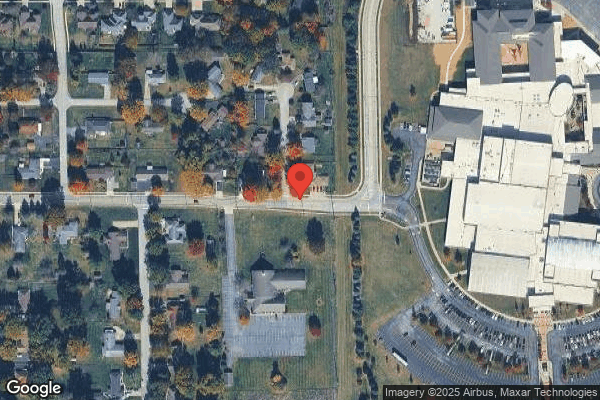
Understanding Severity Codes (click to expand)
Life-Threatening (Immediate Jeopardy)
J - Isolated K - Pattern L - Widespread
Actual Harm
G - Isolated H - Pattern I - Widespread
Potential for Harm
D - Isolated E - Pattern F - Widespread
No Harm (Minor)
A - Isolated B - Pattern C - Widespread

Questions to Ask on Your Visit

  • "Can I speak with families of current residents?"
  • "What's your RN coverage like on weekends and overnight?"

Our Honest Assessment

Strengths
  • • Licensed and certified facility. Meets minimum state requirements.
Concerns
  • • Multiple safety concerns identified: 3 harm violation(s), $51,660 in fines. Review inspection reports carefully.
  • • 19 deficiencies on record, including 3 serious (caused harm) violations. Ask about corrective actions taken.
  • • $51,660 in fines. Extremely high, among the most fined facilities in Indiana. Major compliance failures.
  • • Grade D (40/100). Below average facility with significant concerns.
Bottom line: Trust Score of 40/100 indicates significant concerns. Thoroughly evaluate alternatives.

About This Facility

What is Cumberland Trace Health & Living Community's CMS Rating?

CMS assigns CUMBERLAND TRACE HEALTH & LIVING COMMUNITY an overall rating of 3 out of 5 stars, which is considered average nationally. Within Indiana, this rating places the facility higher than 0% of the state's 100 nursing homes. This mid-range rating indicates the facility meets federal standards but may have areas for improvement.

How is Cumberland Trace Health & Living Community Staffed?

CMS rates CUMBERLAND TRACE HEALTH & LIVING COMMUNITY's staffing level at 4 out of 5 stars, which is above average compared to other nursing homes. Staff turnover is 48%, compared to the Indiana average of 46%.

What Have Inspectors Found at Cumberland Trace Health & Living Community?

State health inspectors documented 19 deficiencies at CUMBERLAND TRACE HEALTH & LIVING COMMUNITY during 2023 to 2025. These included: 3 that caused actual resident harm and 16 with potential for harm. Deficiencies causing actual harm indicate documented cases where residents experienced negative health consequences.

Who Owns and Operates Cumberland Trace Health & Living Community?

CUMBERLAND TRACE HEALTH & LIVING COMMUNITY is owned by a government entity. Government-operated facilities are typically run by state, county, or municipal agencies. The facility is operated by CARDON & ASSOCIATES, a chain that manages multiple nursing homes. With 104 certified beds and approximately 99 residents (about 95% occupancy), it is a mid-sized facility located in PLAINFIELD, Indiana.

How Does Cumberland Trace Health & Living Community Compare to Other Indiana Nursing Homes?

Compared to the 100 nursing homes in Indiana, CUMBERLAND TRACE HEALTH & LIVING COMMUNITY's overall rating (3 stars) is below the state average of 3.1, staff turnover (48%) is near the state average of 46%, and health inspection rating (2 stars) is below the national benchmark.

What Should Families Ask When Visiting Cumberland Trace Health & Living Community?

Based on this facility's data, families visiting should ask: "Can I visit during a mealtime to observe dining assistance and food quality?" "How do you handle medical emergencies, and what is your hospital transfer rate?" "Can I speak with family members of current residents about their experience?"

Is Cumberland Trace Health & Living Community Safe?

Based on CMS inspection data, CUMBERLAND TRACE HEALTH & LIVING COMMUNITY has a clean safety record: no substantiated abuse findings (meaning no confirmed cases of resident harm), no Immediate Jeopardy citations (the most serious violation level indicating risk of serious injury or death), and is not on the Special Focus Facility watch list (a federal program monitoring the lowest-performing 1% of nursing homes). The facility has a 3-star overall rating and ranks #100 of 100 nursing homes in Indiana. While no facility is perfect, families should still ask about staff-to-resident ratios and recent inspection results during their visit.

Do Nurses at Cumberland Trace Health & Living Community Stick Around?

CUMBERLAND TRACE HEALTH & LIVING COMMUNITY has a staff turnover rate of 48%, which is about average for Indiana nursing homes (state average: 46%). Moderate turnover is common in nursing homes, but families should still ask about staff tenure and how the facility maintains care continuity when employees leave.

Was Cumberland Trace Health & Living Community Ever Fined?

CUMBERLAND TRACE HEALTH & LIVING COMMUNITY has been fined $51,660 across 1 penalty action. This is above the Indiana average of $33,595. Fines in this range indicate compliance issues significant enough for CMS to impose meaningful financial consequences. Common causes include delayed correction of deficiencies, repeat violations, or care failures affecting resident safety. Families should ask facility leadership what changes have been made since these penalties.

Is Cumberland Trace Health & Living Community on Any Federal Watch List?

CUMBERLAND TRACE HEALTH & LIVING COMMUNITY is not on any federal watch list. The most significant is the Special Focus Facility (SFF) program, which identifies the bottom 1% of nursing homes nationally based on persistent, serious quality problems. Not being on this list means the facility has avoided the pattern of deficiencies that triggers enhanced federal oversight. This is a positive indicator, though families should still review the facility's inspection history directly.