PLAINFIELD HEALTH CARE CENTER
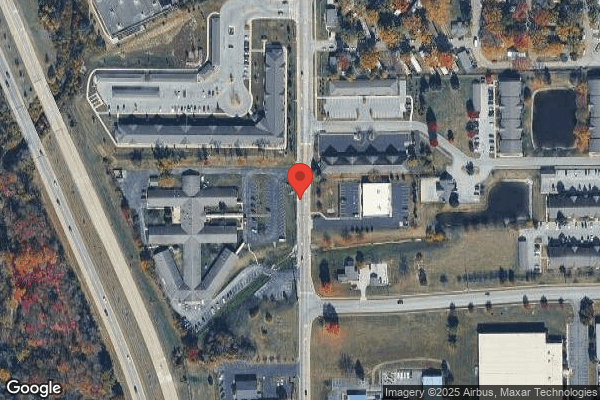
3700 CLARKS CREEK RD, PLAINFIELD, IN 46168 (317) 839-6577
For profit - Corporation 189 Beds OPCO SKILLED MANAGEMENT Data: November 2025 2 Immediate Jeopardy citations
Trust Grade
16/100
#376 of 505 in IN
Last Inspection: April 2025

Within standard 12-15 month inspection cycle. Federal law requires annual inspections.

Overview

Plainfield Health Care Center has a Trust Grade of F, indicating significant concerns and a poor reputation among nursing homes. It ranks #376 out of 505 facilities in Indiana, placing it in the bottom half of the state, and #9 out of 9 in Hendricks County, meaning there are no better local options. Although the facility is showing improvement, with issues decreasing from 20 to 16 over the past year, it still has serious staffing concerns, earning just 1 out of 5 stars for staffing and a turnover rate of 51%, which is close to the state average. Notably, the center has incurred $31,852 in fines, which is higher than 87% of similar facilities, indicating ongoing compliance issues. Specific incidents include a resident with Alzheimer's being allowed to exit through an open second-story window, resulting in multiple fractures, and failure to provide adequate supervision for another resident, raising serious safety concerns. Overall, while some quality measures are rated excellent, the facility's critical safety issues and poor staffing ratings are significant weaknesses to consider.

Trust Score
F
16/100
In Indiana
#376/505
Bottom 26%
Safety Record
High Risk
Review needed
Inspections
Getting Better
20 → 16 violations
Staff Stability
⚠ Watch
51% turnover. Above average. Higher turnover means staff may not know residents' routines.
Penalties
✓ Good
$31,852 in fines. Lower than most Indiana facilities. Relatively clean record.
Skilled Nurses
⚠ Watch
Each resident gets only 22 minutes of Registered Nurse (RN) attention daily — below average for Indiana. Fewer RN minutes means fewer trained eyes watching for problems.
Violations
⚠ Watch
43 deficiencies on record. Higher than average. Multiple issues found across inspections.
★★☆☆☆
2.0
Overall Rating
★☆☆☆☆
1.0
Staff Levels
★★★★★
5.0
Care Quality
★☆☆☆☆
1.0
Inspection Score
Stable
2024: 20 issues
2025: 16 issues

The Good

  • 5-Star Quality Measures · Strong clinical quality outcomes
  • Full Sprinkler Coverage · Fire safety systems throughout facility
  • No fines on record

Facility shows strength in quality measures, fire safety.

The Bad

2-Star Overall Rating

Below Indiana average (3.1)

Below average - review inspection findings carefully

Staff Turnover: 51%

Near Indiana avg (46%)

Higher turnover may affect care consistency

Federal Fines: $31,852

Below median ($33,413)

Moderate penalties - review what triggered them

Chain: OPCO SKILLED MANAGEMENT

Part of a multi-facility chain

Ask about local staffing decisions and management

The Ugly 43 deficiencies on record

2 life-threatening 1 actual harm
Apr 2025 11 deficiencies
CONCERN (D)

Potential for Harm - no one hurt, but risky conditions existed

Transfer Notice (Tag F0623)

Could have caused harm · This affected 1 resident

Based on interview and record review, the facility failed to notify the ombudsman of a transfer/discharge to the hospital for 1 of 2 residents reviewed for transfer/discharge notification (Resident 27...

Read full inspector narrative →
Based on interview and record review, the facility failed to notify the ombudsman of a transfer/discharge to the hospital for 1 of 2 residents reviewed for transfer/discharge notification (Resident 27). Findings include: On 4/4/25 at 9:27 a.m. Resident 27's medical record was reviewed. He was a long-term care resident who resided in the memory care unit. His diagnoses included, but were not limited to, acute kidney failure and obstructive uropathy (a blockage in the urinary tract). A progress note, dated 1/15/2025, indicated Resident 27 had complained of chest pain and was sent to the hospital. During an interview on 4/4/25 at 1:45 p.m. the Regional Director of Clinical Services (RDCS) indicated Resident 27 did not have an appointed guardian at the time and they had just gotten a new social worker who was unfamiliar with the long-term care practice of notifying the ombudsman of discharges, so they did not notify them of the transfer/discharge to the hospital. On 4/4/25 at 1:50 p.m. the RDCS provided a copy of a current facility policy titled, Transfer and Discharge dated 6/2020. The policy indicated .V. The facility will also send a copy of the Notice of Transfer/Discharge to the State Long Term Care Ombudsman for Facility initiated discharges . 3.1-12(a)(6)(A)
CONCERN (D)

Potential for Harm - no one hurt, but risky conditions existed

Deficiency F0625 (Tag F0625)

Could have caused harm · This affected 1 resident

Based on interview and record review, the facility failed to notify the resident or resident representative of the bed hold policy for 1 of 2 residents (Resident 27) reviewed for bed hold policy notif...

Read full inspector narrative →
Based on interview and record review, the facility failed to notify the resident or resident representative of the bed hold policy for 1 of 2 residents (Resident 27) reviewed for bed hold policy notification. Findings include: On 4/4/25 at 9:27 a.m. Resident 27's medical record was reviewed. He was a long-term care resident who resided in the memory care unit. His diagnoses included but were not limited to, acute kidney failure and obstructive uropathy (a blockage in the urinary tract). A progress note, dated 1/15/2025, indicated Resident 27 had complained of chest pain and was sent to the hospital. During an interview, on 4/4/25 at 1:45 p.m., the Regional Director of Clinical Services (RDCS) indicated Resident 27 did not have an appointed guardian at the time and Resident 27 was not cognitively aware so they did not notify anyone of the bed hold policy. On 4/4/25 at 1:50 p.m. the RDCS provided a copy of a current facility policy titled, Transfer and Discharge dated 6/2020. The policy indicated .VII. Bed Hold A. Before the facility transfers a Resident to a hospital or allows a Resident to go on therapeutic leave, the facility will provide written information to the resident or his/her personal representative which specifies: i. The duration of the bed hold during which the Resident is permitted to return and resume residence in the nursing Facility; and ii. The Facility's policies regarding bed hold periods permitting a resident to return 3.1-12(a)(25) 3.1-12(a)(26)
CONCERN (D)

Potential for Harm - no one hurt, but risky conditions existed

Assessment Accuracy (Tag F0641)

Could have caused harm · This affected 1 resident

**NOTE- TERMS IN BRACKETS HAVE BEEN EDITED TO PROTECT CONFIDENTIALITY** Based on interview and record review, the facility failed to ensure the Minimum Data Set (MDS) assessments were accurately coded...

Read full inspector narrative →
**NOTE- TERMS IN BRACKETS HAVE BEEN EDITED TO PROTECT CONFIDENTIALITY** Based on interview and record review, the facility failed to ensure the Minimum Data Set (MDS) assessments were accurately coded to reflect residents' conditions and/or services for 6 of 23 residents reviewed (Residents 2, 35, 36, 39, 46, and 47). Findings include: 1. On 4/2/25 at 10:26 a.m., the most recent comprehensive MDS assessments were reviewed for Residents 2, 35, 36, 39, 46, and 47. a. Resident 2 was a long-term care resident with a diagnosis which included, but was not limited to, bipolar disorder. She had a Pre-admission Screen and Record Review (PASARR), dated 1/3/23, which indicated she was considered by the state to have a major mental illness (MMI). Resident 2's most recent comprehensive MDS assessment, dated 2/10/24, did not code her PASARR Level II status. b. Resident 35 was a long-term care resident with a diagnosis which included, but was not limited to, bipolar disorder. There was no PASARR level I or II on file. Cross reference F645. Resident 35's admission MDS assessment, dated 9/11/24, did not code her PASARR level II status. c. Resident 36 was a long-term care resident with a diagnoses which included, but were not limited to Major Depressive disorder and post-traumatic stress disorder (PTSD). Her most recent comprehensive annual MDS, dated [DATE], did not code her PASARR Level II status. d. Resident 39 was a long-term care resident with a diagnoses which included, but were not limited to Major Depressive disorder and PTSD. Her most recent comprehensive admission MDS assessment, dated 3/10/25, did not code her PASARR Level II status. e. Resident 46 was a long-term care resident with a diagnoses which included, but were not limited to bipolar disorder and schizoaffective disorder. Her most recent annual MDS assessment, dated 3/25/25, did not code her PASARR Level II status. During an interview on 4/4/25 at 9:13 a.m., the Regional MDS Consultant indicated there had been a change in the facility's Social Service Director, and it appeared several items were incorrectly coded during that transition to the new Social Service Director. 2. On 4/3/25 at 10:12 a.m., a record review was completed for Resident 47. She had the following diagnoses which included but were not limited to senile degeneration of the brain, falls, and difficulty in walking. She had an order, dated 3/3/25, for hospice to evaluate and treat. In the profile section of the electronic record, it mentioned the hospice company's name and phone number. An MDS was completed on 3/20/25. Section O asks a question if resident was receiving hospice, and the box was marked no. On 4/3/25 at 2:03 p.m., during an interview with the MDS consultant, she indicated Resident 47 went on hospice services around 3/8/25. She had a significant change MDS completed, and hospice was not marked on the MDS. She indicated she was going to correct the mistake immediately. A policy titled, Rap Assessment Instrument (RAI) Process was provided by the MDS consultant on 4/4/25 at 12:41 p.m. It indicated, .To ensure that the RAI is used, in accordance with specified format and timeframes, in conducting comprehensive assessments as part of an ongoing process through which the facility identifies each resident's preferences and goals of care, functional and health status, strengths, and needs, as well as offering guidance for further assessment once problems have been identified
CONCERN (D)

Potential for Harm - no one hurt, but risky conditions existed

Deficiency F0645 (Tag F0645)

Could have caused harm · This affected 1 resident

Based on interview and record review, the facility failed to ensure a resident (Resident 35) who had a diagnosis of a major mental illness received and/or maintained on file a copy of her Pre-admissio...

Read full inspector narrative →
Based on interview and record review, the facility failed to ensure a resident (Resident 35) who had a diagnosis of a major mental illness received and/or maintained on file a copy of her Pre-admission Screen and Resident Review (PASARR) Level I & II for 1 of 5 residents reviewed for PASARR. Findings include: On 4/3/25 at 10:29 a.m., Resident 35's medical record was reviewed. She was a long-term care resident with a diagnosis which included, but was not limited to, bipolar disorder. There was no PASARR level I or II on file. On 4/3/25 at 11:09 a.m., the regional Minimum Data Set (MDS) Consultant (MDSC) accessed Resident 35's PASARR online and indicated she had a level II completed which approved her for long-term care without specialized services indefinitely. The level of care PASARRs had been completed at her previous facility and were on file online, but it appeared that in between the facility's change in Social Service Directors, no one followed up on Resident 35's PASARR to ensure it transferred to her record on file at her current facility. This would also have triggered her care plan for revision to include her Level II status, but since it was not on file, the care plan was not revised. Resident 35's admission MDS assessment, dated 9/11/24, did not code her PASARR level II status. The MDSC indicated there was no facility policy, but they follow federal and state regulations.
CONCERN (D)

Potential for Harm - no one hurt, but risky conditions existed

Deficiency F0657 (Tag F0657)

Could have caused harm · This affected 1 resident

Based on record review and interview, the facility failed to update a resident's care plan when a change had been made to his medications for 1 of 4 residents reviewed for care plan revision (Resident...

Read full inspector narrative →
Based on record review and interview, the facility failed to update a resident's care plan when a change had been made to his medications for 1 of 4 residents reviewed for care plan revision (Resident 28). Findings include: On 4/3/24 at 10:32 a.m., a record review was completed for Resident 28. He had the following diagnoses which included, but were not limited to, Alzheimer's disease, dementia, anxiety, hypertension, and reduced mobility. Resident 28's medication regimen did not include an antidepressant. Resident 28 had a care plan that indicated he required antidepressant medication for the diagnosis of depression date 11/7/24. The goal indicated he would be free from discomfort or adverse reactions to the antidepressant medication. During an interview with the Regional Nurse Consultant (RNC) on 4/7/25 at 11:15 a.m., he indicated Resident 28 went out to the hospital and his medications were changed and his care plan did not get updated with the changes. A policy titled, Care Plans was provided by the Minimum Data Set (MDS) consultant. It indicated, .Changes may be made to the comprehensive care plan on an ongoing basis for the duration of the resident's stay. These subsequent changes will not need to be reflected through updates to the baseline care plan
CONCERN (D)

Potential for Harm - no one hurt, but risky conditions existed

ADL Care (Tag F0677)

Could have caused harm · This affected 1 resident

**NOTE- TERMS IN BRACKETS HAVE BEEN EDITED TO PROTECT CONFIDENTIALITY** Based on observations, interview and record review, the facility failed to ensure Activities of Daily Living (ADL) care was prov...

Read full inspector narrative →
**NOTE- TERMS IN BRACKETS HAVE BEEN EDITED TO PROTECT CONFIDENTIALITY** Based on observations, interview and record review, the facility failed to ensure Activities of Daily Living (ADL) care was provided for 2 of 2 dependent residents reviewed for ADLs (Resident 14 and 74). Findings include: 1. During the survey, Resident 14 was observed at several intervals throughout the week. On 4/2/25 at 10:44 a.m. and 3:00 p.m., she was observed in bed, flat on her back. She wore a hospital gown, her nails were long with dark debris under them, her hair was greasy and matted at the back of her head. Resident 14 had a g-tube feeding, (a gastrostomy tube feeding, is a method of providing nutrition directly to the stomach through a tube inserted into the abdomen) and did not receive food/drink via mouth, and her lips were dry, her teeth and gums appeared tacky and her breath had a foul odor. On 4/3/25 at 10:53 a.m., 11:47 a.m. and 1:05 p.m., she remained the same as above. On 4/4/25 at 8:38 a.m., 12:01 p.m., and 2:00 p.m., she remained the same as above. On 4/7/25 at 9:33 a.m., Resident 14 had a strong odor of urine and bowel. On 4/7/25 at 9:46 a.m., a check/change was requested for Resident 14. Certified Nursing [NAME] (CNA) 18 checked the resident and found that her brief, folded bed sheet, pillow from under her knees, and hospital gown to be soaked with urine up to the middle of her back. She had also been incontinent of bowel. During an interview on 4/7/25 at 9:50 a.m., CNA 18 indicated it appeared night shift had not change Resident 14 at all through the night and he had not had a chance to get to her yet that morning. Resident 14's medical record was reviewed on 4/3/25 at 2:52 p.m. She was a long-term care resident with diagnoses which included, but were not limited to, history of a stroke which caused paralysis/weakness to her left side and a contracture to her left hand and muscle wasting/atrophy. She received end of life comfort care and was totally dependent on staff to meet all her ADL care/needs. She had a comprehensive care plan which was revised 11/23/24 which indicated she had an ADL-self care performance deficient and required up to total dependence to meet her ADL needs. Interventions included, but were not limited to; dependent for oral hygiene, personal hygiene, bed mobility, transfers to her wheelchair, dressing, and bowel/bladder/toileting needs. Her care plan lacked implementation/revision to address behaviors related to ADLs such as refusing care/treatment. Resident 14's shower sheets and point of care tasks were reviewed which indicated her ADLs had been completed (including dressing, nail care, oral care and personal hygiene). 2. During the survey, Resident 74 was observed at several intervals throughout the week. On 4/1/25 at 2:11 p.m., she was observed laying in bed, flat on her back. She wore a hospital gown and there was what appeared to be some dried drool at the corners of her mouth. Her hair was greasy and flattened to her scalp from the use of her helmet. There were several matted lock of hair. On 4/2/25 at 9:38 a.m. and 11:57 a.m., she was observed as she remained laying in bed, flat on her back in a hospital gown. Her hair was greasy and flattened to her scalp from the use of her helmet. There were several matted locks of hair. On 4/3/25 at 10:50 a.m., 1:04 p.m., and 3:00 p.m., she remained the same as above. On 4/4/25 at 8:42 a.m., 12:06 p.m. and 2:03 p.m., she remained the same as above. On 4/3/25 at 1:49 p.m., Resident 74's medical record was reviewed. She was a long-term care resident who admitted to the facility from a group home for rehabilitation and after-care from orthopedic surgery. She had diagnoses which included, but were not limited to, Cerebral Palsy (CP - a neurological condition that affects movement, posture, and muscle control, stemming from brain damage that occurs before, during, or shortly after birth) developmental disorder, and communication deficite. Her most recent comprehensive Minimum Data Set (MDS) assessment was an admission assessment, dated 2/13/25, which indicated she was rarely understood and rarely able to make herself understood and was severely cognitively impaired. She had a compressive care plan that was most recently reviewed/revised on 3/7/25 which indicated she was dependent on staff for all ADLs and ADLs performance. Her care plan lacked implementation/revision to address behaviors related to ADLs such as refusing care/treatment. Resident 74's shower sheets and point of care tasks were reviewed which indicated her ADLs had been completed (including dressing, nail care, oral care and personal hygiene) without complications or refusals, except one refused bed bath on 2/27/25. During a confidential interview, it was indicated, not everyone likes to give Resident 74 a bed bath because she can become combative and kick and try to bite. She refused her bed bath half of the time. Her hair was observed and it was indicated that it was matted and did not know the last time it was brushed or if Resident 74 would let anyone brush it or not. On 4/7/25 at 11:00 a.m. the Regional Nurse Consultant (RNC) provided a copy of current facility policy titled, Care and Services, revised 6/2020. The policy indicated, Purpose: To ensure through an interdisciplinary (IDT) process, that all residents receive the necessary care and services based on an individual comprehensive assessment process . The facility will have sufficient staff to provide services to residents with the appropriate competencies and skill sets to provide nursing and related services to assure resident safety and attain or maintain the highest practicable physical, mental and psychosocial well-being as determined by individualized resident assessment and plans of care . the IDT receives and reviews initial assessment information to ensure that members of the IDT interact with residents in a manner that enhances self-esteem and self-worth, such as activities related to bathing, grooming, dining, recreational and social opportunities Cross Reference F725. 3.1-36(a)(3)
CONCERN (D)

Potential for Harm - no one hurt, but risky conditions existed

Incontinence Care (Tag F0690)

Could have caused harm · This affected 1 resident

**NOTE- TERMS IN BRACKETS HAVE BEEN EDITED TO PROTECT CONFIDENTIALITY** Based on observation, interview, and record review, the facility failed to ensure that a resident who was occasionally incontine...

Read full inspector narrative →
**NOTE- TERMS IN BRACKETS HAVE BEEN EDITED TO PROTECT CONFIDENTIALITY** Based on observation, interview, and record review, the facility failed to ensure that a resident who was occasionally incontinent of bowel received appropriate treatment to restore as much normal bowel function as possible for 1 of 1 resident reviewed for bowel incontinence. Findings include: During an observation and interview on 4/2/25 at 11:21a.m., Resident 366 indicated that the antibiotics were causing him to be incontinent of bowel. He had not been incontinent of bowel prior to all the antibiotics he took, and he knew it was related to the antibiotics. The CNAs put him into a brief as a prevention, which he understood. But the CNAs would tell him just to use the brief instead of the bed pan. This caused the wound vacuum on his sacrum to get dirty and then it had to be changed which was very painful. He wanted to use the bed pan if possible. Resident 366's record was reviewed on 4/3/25 at 11:06 a.m. Resident 366 had diagnoses to include, but not limited to, complete traumatic amputation at level between right hip and knee, type 2 diabetes, hypertension, moderate protein-calorie malnutrition, chronic osteomyelitis, muscle weakness, reduced mobility, and stage 3 (full thickness skin loss exposing subcutaneous tissues but not bone or muscle) pressure ulcer of sacral region. Resident 366's Profile indicated the resident was his own responsible party. An admission Minimum Data Set (MDS) assessment, dated 4/5/25, indicated it was in progress and due 4/11/25. A General Progress Note, dated 3/29/25 at 7:45 p.m., indicated the resident had arrived via ambulance from the hospital on a stretcher. The resident had a recent above the knee amputation on the right extremity. The left thigh had a dressing in place and an order from the hospital to leave the dressing in place until it fell off. Resident 366's sacrum had two areas of skin impairment. His right buttock had an area of skin impairment with orders for a wound vacuum (vac) set at 125 millimeters of mercury (mmhg) suction. The wound vac was in place at time of admission. A physician order, dated 3/29/25, indicated to administer two tablets orally of senna-docusate sodium (stool softener) 8.650 milligrams (mg) two times a day for constipation. An admission assessment, dated 3/29/25, indicated resident was incontinent of bowel and his last bowel movement was 3/29/25. The Point of Care (POC) response history for the bowel continence task indicated Resident 366 was incontinent of bowel on 3/29/25 at 9:59 p.m. with formed stool. The Point of Care (POC) response history for the bowel continence task indicated Resident 366 was continent of bowel on 3/30/25 at 5:59 a.m. with diarrhea, and at 9:59 p.m. with formed stool. The Medication Administration Record (MAR) for March 2025 indicated the two tablets of Senna-Docusate Sodium Oral Tablet 8.6-50 mg were administered at 9 a.m. and 6 p.m. on 3/30/25. A physician order, dated 3/30/25, indicated to administer daptomycin (antibiotic) 750 mg intravenous (through a vein) in the evening for an infection. A physician order, dated 3/30/25, indicated to administer cefepime HCl (antibiotic) 1 gram intravenous (through a vein) three times a day for an infection. A care plan, dated 3/30/25, indicated Resident 366 was on antibiotic therapy for an infection. The goal was for the resident to be free from any discomfort or adverse effects of antibiotic therapy. The care plan indicated antibiotics may result in the eradication of beneficial microorganisms and cause secondary infections such as colitis, and any antibiotic may cause diarrhea. The interventions included, but were not limited to, staff were to monitor every shift for adverse reactions, and to observe for possible side effects. A care plan, dated 3/30/25, indicated Resident 366 had the actual impairment to his skin integrity related to infection and a surgical wound. Interventions included, but were not limited to, staff were to identify and document potential causative factors for skin impairment and eliminate or resolve the factors where possible. The Point of Care (POC) response history for the bowel continence task indicated Resident 366 was continent of bowel on 3/31/25 at 4:20 a.m. with formed stool, and at 12:59 p.m. with diarrhea. The response history indicated the resident was incontinent of bowel on 3/31/25 at 6:20 p.m. with diarrhea. The Medication Administration Record (MAR) for March 2025 indicated the two tablets of Senna-Docusate Sodium Oral Tablet 8.6-50 mg were administered at 9 a.m. and 6 p.m. on 3/31/25. A physician order, dated 3/31/25, indicated the resident was to have physical therapy was to treat the resident five times a week for sixty days to improve functional mobility. A physician order, dated 3/31/25, indicated the resident was to have occupational therapy five times a week for four weeks. A progress note, dated 3/31/25 at 2:20 p.m., indicated Resident 366 had impairment to his lower extremity on one side. He was dependent on staff during toileting and personal hygiene for the interim. He required partial and/or moderate assistance to roll left and right. A skilled evaluation note, dated 3/31/25 at 5:01 p.m., indicated Resident 366 admitted on [DATE] with complete traumatic amputation of the right leg between the hip and knee. The resident was alert and oriented times three and able to make his needs known. The wound vac was running without complications. The resident was continent of bowel. The resident had weakness and had weight bearing restrictions. The Point of Care (POC) response history for the bowel continence task indicated Resident 366 was incontinent of bowel on 4/1/25 at 11:50 a.m. with diarrhea. The response history indicated the resident was continent of bowel on 4/1/25 at 9:59 p.m. with formed stool. The MAR for April 2025 indicated the two tablets of Senna-Docusate Sodium Oral Tablet 8.6-50 mg were administered at 9 a.m. and 6 p.m. on 4/1/25 at 9 a.m. and 6 p.m. A physician order, dated 4/1/25, indicated to administer two tablets orally of senna-docusate sodium 8.6-50 mg (Sennosides-Docusate Sodium) every 12 hours as needed for constipation. A physician order, dated 4/1/25, indicated to administer one capsule of Florastor (probiotic) 250 mg two times a day. The Point of Care (POC) response history for the bowel continence task indicated Resident 366 was continent of bowel on 4/2/25 at 3 a.m. with formed stool. The resident was incontinent at 12:56 p.m. and 9:52 p.m. with diarrhea. The Point of Care (POC) response history for the bowel continence task indicated Resident 366 was incontinent of bowel on 4/3/25 with diarrhea. During an interview on 4/4/25 at 10:04 a.m., Licensed Practical Nurse (LPN) 17 indicated she was aware that Resident 366 was incontinent of bowel. He had been incontinent of bowel since his admission so she assumed that was just his baseline. The resident had not mentioned to her that he had not been incontinent prior to admission or had concerns about being incontinent. When LPN 17 observed that the majority of bowel movements were documented as loose/diarrhea, she indicated that resident was also receiving a stool softener so that might be something they should review. LPN 17 indicated she did have to change the wound vac to the resident's sacrum daily at least due to the bowel movements and it was painful for the resident. She gave him two pain pills prior every time to help with the pain. The NP was in the building and LPN 17 would mention the diarrhea and the resident stating it started with the antibiotics to see if they should test for Clostridioides difficile (C-diff). During an interview on 4/4/25 at 11:00 a.m., LPN 13 indicated she was a nurse manager for the facility and would help cover the unit but was not as familiar with the residents. In general, if a resident was new and having loose stool or diarrhea for more than a day, they would notify the doctor to inform them and possibly get orders for a c-diff test. If a resident had orders for stool softeners and was having loose stools, then the stool softeners should be held. During an interview on 4/4/25 at 11:26 a.m., Nurse Practitioner (NP) 15 indicated they were aware Resident 366 had diarrhea and had stopped the stool softener and started him on probiotics at the beginning of the week. The Medical Director indicated the resident had been severely malnourished and they were working on fixing that and helping with wound healing. He was also a diabetic that was on medication that could cause diarrhea. NP 15 indicated they would test for c-diff since he was on antibiotics too. The Medical Director indicated the resident had just informed him that he was severely lactose intolerant so they would ensure that he was not receiving milk products or proteins as well. NP 15 indicated the resident's current dietary supplements did not have lactose. A policy related to bowel incontinence was requested from the Regional Nurse Consultant (RNC) on 4/4/25 at 11:29 a.m. The RNC was informed of the concern related to administering stool softeners to a resident with diarrhea for 3 days on 4/4/25 at 1:12 p.m. and a policy was requested. No policy was provided by the exit of the survey.
CONCERN (D)

Potential for Harm - no one hurt, but risky conditions existed

Deficiency F0887 (Tag F0887)

Could have caused harm · This affected 1 resident

Based on record review and interview, the facility failed to ensure that a resident was vaccinated against COVID for 1 of 5 residents reviewed for vaccinations (Resident 55). Findings include: On 4/4/...

Read full inspector narrative →
Based on record review and interview, the facility failed to ensure that a resident was vaccinated against COVID for 1 of 5 residents reviewed for vaccinations (Resident 55). Findings include: On 4/4/25 at 12:47 p.m., a record review was completed for Resident 55. She had the following diagnoses which included but were not limited to migraines, muscle weakness, chronic pain syndrome, and acute respiratory failure. Resident 55's record lacked documentation of the COVID vaccination. On 4/7/25 at 11:15 a.m., during an interview with the Minimum Data Set (MDS) consultant, she indicated she looked in the system for the vaccination and for a vaccination declination and she could not find either one. A policy titled, Infection Prevention and Control Program COVID was provided by the Regional Nurse Consultant (RCS) on 4/4/25 at 9:17 a.m. It indicated, .The facility will follow centers for Medicare and Medicaid services (CMS) and centers for disease control and prevention (CDC) as well as state and local government guidance to mitigate the spread of COVID-19 and manage outbreaks in the facilty
CONCERN (E)

Potential for Harm - no one hurt, but risky conditions existed

Deficiency F0565 (Tag F0565)

Could have caused harm · This affected multiple residents

**NOTE- TERMS IN BRACKETS HAVE BEEN EDITED TO PROTECT CONFIDENTIALITY** Based on observation, interview, and record review, the facility failed to ensure residents' grievances had follow ups that prov...

Read full inspector narrative →
**NOTE- TERMS IN BRACKETS HAVE BEEN EDITED TO PROTECT CONFIDENTIALITY** Based on observation, interview, and record review, the facility failed to ensure residents' grievances had follow ups that provided adequate/effective interventions to address and prevent reoccurring concerns related to staff interactions towards a dependent resident (Resident 9) and nursing staff call light response. This deficient practice had the potential to effect 4 of 4 residents from Resident Council who communicated facility concerns on behalf of all residents who resided in the facility (Residents 9, 21, 35, 26 and 70). Findings include: On 4/4/25 at 11:30 a.m., a Resident Council meeting was held with 4 residents present, Residents 21, 35, 26 and 70) The residents indicated there were not enough aides to help get to all the residents without having to wait a long time. All 4 residents agreed that the facility needed more nursing staff and laundry staff. The residents indicated, night shift was the worst because they could never find any staff to help, or if they put the light on they would have to wait a very long time. Sometimes the aides on night shift would come into the room and turn the light off, but never come back. Often, the aides on the day shift would be so far behind because they had to run around and look for washcloths, towels or bed sheets. Some residents wouldn't get their showers because the aides didn't have time, or didn't have linens. The residents had filed grievances about not receiving showers, but no one believed them because the results of the investigation was always that the aides would just say it wasn't true, they had been given showers, and the resident was shown a completed shower sheet. The residents indicated one of their peers, (Resident 9) would sit at the shower room door and call for help to go to the bathroom. Staff ignored her because she had dementia, and just kept going to help other residents, or would walk by her and tell her, you don't have to go to the bathroom, you just think you do. The residents felt bad for her because Resident 9 did know when she needed to go to the bathroom and it really upset her if she had an accident on herself. She could be confused at times but that didn't mean they should ignore her. The residents indicated when visitors or management came into the building, staff would, act right but as soon as they left it went back to the way it was. Residents individually complained about call lights and the Resident Council had brought it to the facility's attention several times, but kept being told, we did education on call lights, or we did audits but didn't find anything wrong. The Resident Council was discouraged because it seemed like no matter what they discussed, everything stayed the same, which might be why there were only 4 to 6 residents who participated in the monthly meeting, because what good does it do? During a follow up interview on 4/4/25 at 12:10 p.m., the Activity Director (AD) indicated usually there were only about 4 to 6 residents who attended the monthly Resident Council Meetings. The majority of the council's reoccurring concerns were almost always related to call light response time and night shift. The council members had taken Resident 9 under their wings, and really tried to help look out for her since she was confused and had filed several grievances on her behalf. Resident Grievances were reviewed related to nursing concerns for the previous 6 months. A grievance was filed on behalf of Resident 9 on 10/29/24 which indicated, .Resident stated staff were being unprofessional The investigation indicated, .resident stated, 'I didn't say that. A second grievance was filed on behalf of Resident 9 on 12/10/24 which indicated, .after soiling herself, [Resident 9] is often left waiting for long periods before being cleaned and changed . The investigation indicated, .spoke to Resident. She has no concerns related to toileting or being changed at this time. A third grievance was filed on behalf of Resident 9 on 2/25/25 which indicated, .[Resident 9] was in her hallway and needed help. She continued yelling and being totally ignored by staff for 10 minutes. They continued walking by her like she wasn't there until I intervened Investigation indicated, .[Resident 9] did wait due to another resident being in spa room Resident 9's quarterly MDS assessment, dated 12/10/24, indicated she was severely cognitively impaired with a BIMS of 5 of 15 and was totally dependent on staff for transfers to the toilet. Seven additional grievances related to concerns with night shift call light response times/staff availability which included but were not limited to the following: a. a grievance filed on 10/29/24 indicated, care on night shift was not done gently. The grievance follow up was dated 11/6/24, spoke to staff about being mindful of wiping too hard during care. Staff verbalized understanding. Concerned party response was dated the same day on 11/6/24, no further issues at this time. [Resident] says they have been more gentle with peri-care. b. a grievance filed 1/27/25 indicated, .Saturday night, into Sunday morning, two different aides came in at varied times, they turned resident's call light off, then left the room . Investigation: staff denied that call light was turned off . Staff education was provided. c. a grievance filed 2/27/25 indicated, .night shift is rude . Investigation, .[staff] report that they did not tell her they [the nursing staff] are for emergencies only. Staff education was provided. Five additional grievances related to general call light response times/staff availability included, but were not limited to: a. a grievance filed 10/9/25 indicated, .it takes 30-45 minutes for her call light to be answered anytime she needs help . Investigation; a Call light audit was conducted on 10/22/24, a light (did not specify if it was this concerned resident or not) was activated at 2:07 p.m., and answered at 2:42 p.m. a period of 35 minutes. There response did not identify if this was too long, and/or if it had been reviewed with the concerned resident as the resolution was left blank. b. a grievance filed from the Resident Council on 10/31/24 indicated, . [Resident 36] is waiting for over and hour for her call light on 2nd and 3rd shift. Investigation: Call light audit performed by [management] showing < 15 minutes response time . This grievance was received by the Director of Nursing (DON) on 11/4/24 and completed/signed off by the DON and ADM on 11/6/24. The grievance did not specify when the call light audits were conducted. b. a grievance filed on 12/18/24 indicated, .frequently waits for long periods after using call light, happens more often in the morning. Investigation: call light audit was performed 12/31, Wait time 5-11 minutes. Resolution: relayed results of call light audit. Resident states, seems about right, but it sure feels longer Call light audits were provided during the survey exit conference on 4/27/25 at 12:00 p.m. The audits lacked documentation that a call light audit had been performed on 12/31/24. The audit log included five November audits as follows: 1. 11/5/24; call light for RM [ROOM NUMBER] = 7 minutes. 2. 11/8/24; call light for RM [ROOM NUMBER] = 15 minutes. 3. 11/13/24; call light for RM [ROOM NUMBER] = 11 minutes. 4. 11/16/24; call light for RM [ROOM NUMBER] start time was 11:25 (did not specify a.m. or p.m.) and the end time was incomplete and not initialed by staff. 5. 11/17/24; call light for RM [ROOM NUMBER] = 14 minutes but was not initialed by staff. The rest of the above page of audits with 15 additional observations, was not initialed by staff which included an audit conducted on 1/28, with no room, start or finish time specified, but yes written that staff were appropriate with resident. During an interview on 4/7/25 at 10:56 a.m., the Administrator indicated as a part Quality Assurance and Performance Improvement (QAPI) staff had conducted call light audits but had not identified any issues and staff had implemented new shower procedures for CNAs to follow. At that time, there were no QAPI performance improvements plans or other approaches in place to address the pattern of call light response times, staff availability, staff attitudes, and/or night shift grievances. On 4/7/25 at 11:00 a.m. the Regional Nurse Consultant (RNC) provided a copy of current facility policy titled, Grievances and Complaints, revised 8/2020. The policy indicated, Purpose: To ensure that residents, family members, and representatives know about the procedure for filing grievances and complaints . upon receiving a resident grievance/complaint form, the Grievance Official or designee begins and investigation into the allegations. The Grievance Official will take immediate action to prevent further potential violations of any resident right while the alleged violation is being investigated. The Department Director of an employee involved is notified of the nature of the complaint and that an investigation is underway. The investigation and report includes, as applicable .[i. - x.] . the Resident Grievance/Complaint log is reviewed by the Quality Assurance and Assessment Committee at least quarterly Cross Reference F725. 3.1-3(l)
CONCERN (E)

Potential for Harm - no one hurt, but risky conditions existed

Deficiency F0761 (Tag F0761)

Could have caused harm · This affected multiple residents

**NOTE- TERMS IN BRACKETS HAVE BEEN EDITED TO PROTECT CONFIDENTIALITY** Based on observations and interviews, the facility failed to date insulin pens, and an insulin bottle was expired for 1 of 3 med...

Read full inspector narrative →
**NOTE- TERMS IN BRACKETS HAVE BEEN EDITED TO PROTECT CONFIDENTIALITY** Based on observations and interviews, the facility failed to date insulin pens, and an insulin bottle was expired for 1 of 3 medication carts reviewed and 1 of 2 medication rooms reviewed. Findings include: 1. Resident 41 had a pen of insulin lispro not dated for 3 of 3 pens in the 500-hall medication cart. 2. Resident 96 had a pen of admelog insulin not dated and a insulin pen of lispro not dated in the 500-hall medication cart. 3. Resident 27 ad a vial of insulin lispro 100u/ml dated [DATE] in the Caring Heart medication room. The vial was expired. On [DATE] at 1:45 p.m., RN 5 indicated there were too many nurses working on 500 hall to keep up. A policy titled, Medication Storage in the Facility revised 2024 was provided by the Minimum Data Set (MDS) Consultant. It indicated, .Outdated, contaminated, or deteriorated medications and those in containers that are cracked, soiled, or without secure closures are immediately removed from stock, disposed of according to the procedures for medication destruction, and reordered from the pharmacy, if a current order exists . 3.1-25(j) 3.1-25(m) 3.1-25(n)
CONCERN (F)

Potential for Harm - no one hurt, but risky conditions existed

Deficiency F0725 (Tag F0725)

Could have caused harm · This affected most or all residents

**NOTE- TERMS IN BRACKETS HAVE BEEN EDITED TO PROTECT CONFIDENTIALITY** Based on observation, interview, and record review, the facility failed to ensure a sufficient amount of staff to provide nursin...

Read full inspector narrative →
**NOTE- TERMS IN BRACKETS HAVE BEEN EDITED TO PROTECT CONFIDENTIALITY** Based on observation, interview, and record review, the facility failed to ensure a sufficient amount of staff to provide nursing activities of daily living (ADL) care and laundry services so that residents received ADL care and did not have to wait a long time for assistance. This deficient practice had the potential to effect 114 of 114 residents who received nursing care. Findings include: During an interview on 4/1/25 at 11:43 a.m., Resident 12 indicated, there were not enough aides and he often had to wait a long time for assistance especially on the weekends. Sometimes, staff would tell him to do what he could on his own until they could come and help him, but that made him frustrated because he wouldn't be in the facility if he didn't need help. When he had to wait too long, it would often cause him to have accidents. On 4/1/25 at 1:30 p.m., the call light for room [ROOM NUMBER] was observed to be illuminated. At 1:32 p.m., Licensed Practical Nurse (LPN) 13 opened the door and asked the resident from the door what she needed, and told the resident she would find her aide. LPN 13 found Certified Nursing Aide (CNA) 14 (as she exited another resident's room with a bag of trash) and told CNA 14 that the resident in room [ROOM NUMBER] was ready to get up and dressed for therapy. At 1:35 p.m., CNA 14 knocked and entered room [ROOM NUMBER], turned off the call light and told the resident she had one more person ahead of her to get up and dressed, but she would be there as soon as possible to help her. LPN 13 left the unit. During an interview on 4/2/25 at 2:02 p.m., Resident 22 indicated there were not enough staff and it took a long time to get care sometimes. Resident 22 thought it would be good to have more help for the rehab hall. During an interview on 4/2/25 at 11:36 a.m., Resident 98 indicated there were not enough staff. The staff were great, but there were just not enough staff on the unit to assist without having to wait for long periods of time. There were usually only one nurse, and one CNA assigned on the rehab unit, when they really needed two CNAs for that unit. Resident 98 indicated she often had to wait a long time for assistance. During an interview on 4/2/25 at 11:10 a.m., Resident 366 indicated staffing was a problem especially during the evening shift he could hear staff outside his room having personal conversations and having a good time but they were not helping residents. This had happened more than once, and it was always after 5:00 p.m. Staff would just disappear and it was hard to get assistance in the evening and on night shift. The phone at the nurses' desk rang constantly at night since there was no staff to answer it. Resident 366 indicated the antibiotics he took caused him to have frequent diarrhea and the CNAs put him into a brief as a prevention which he understood. However, there were times when the CNAs told him just to use the brief instead of the bed pan. This caused the wound vacuum on his amputated leg to get dirty and then it had to be changed which was very painful. During observations on the rehab hall on 4/3/25 at 2:33 p.m., no staff were observed in the hallway or at the nurses' desk. During observations on the rehab hall on 4/2/25 at 11:04 a.m., no staff were observed in the hallway or at the nurses' desk. During observations on the rehab hall on 4/3/25 at 2:33 p.m., no staff were observed in the hallway or at the nurses' desk. While waiting to interview the nurse on the rehab hall on 4/4/25 at 10:00 a.m., the CNA working on the unit was observed to open a resident's door and ask where the nurse was because she needed supplies. There were no staff observed in the hallway or at the nurses' station. On 4/4/25 at 10:58 a.m., the CNA on the rehab hall was observed as she took a Hoyer lift into a resident's room and then waited in the doorway for another staff member to assist her. There were no staff observed in the hallway or at the nurses' station. The nurse was observed as she assisted another resident down the hallway. During the survey, Resident 14 was observed at several intervals throughout the week. (4/2/25 at 10:44 a.m. and 3:00 p.m., 4/3/25 at 10:53 a.m., 11:47 a.m. and 1:05 p.m., 4/4/25 at 8:38 a.m., 12:01 p.m., and 2:00 p.m. and on 4/7/25 at 9:33 a.m.) Resident 14 remained in bed all week, she was not observed to be dressed and only wore a hospital gown, her nails were long with dark debris under them, her hair was greasy and matted at the back of her head. Resident 14 had a g-tube feeding (a gastrostomy tube feeding, is a method of providing nutrition directly to the stomach through a tube inserted into the abdomen) and did not receive food/drink via mouth, and it appeared she needed oral care as her lips were dry, her teeth and gums appeared tacky and her breath had a foul odor. On 4/7/25 at 9:33 a.m., Resident 14 had a strong odor of urine and bowel. On 4/7/25 at 9:46 a.m., a check/change was requested for Resident 14. CNA 18 checked her brief and found her brief, folded bed sheet, pillow from under her knees and hospital gown to be soaked with urine up to the middle of her back. She had also been incontinent of bowel. During the survey, Resident 74 was observed at several intervals throughout the week. (4/1/25 at 2:11 p.m., 4/2/25 at 9:38 a.m., 11:57 a.m. and 3:07 p.m., 4/3/25 at 10:50 a.m., 1:04 p.m., and 3:00 p.m., 4/4/25 at 8:42 a.m., 12:06 p.m. and 2:03 p.m. and 4/7/25 at 9:57 a.m.). On 4/2/25 at 3:07 p.m., Resident 74 was observed up in her wheelchair in the main dining room with her helmet in place. On 4/7/25 at 9:57 a.m., Resident 74 was being assisted into her wheelchair by a CNA, with her helmet in place. For the remainder of Resident 74's observations, she remained in bed in a hospital gown. Her hair was greasy and flattened to her scalp from the use of her helmet. There were several matted locks of hair. On 4/4/25 at 11:30 a.m., a Resident Council meeting was held with 4 residents present, (Residents 21, 35, 36 and 70). The residents indicated there were not enough aides to help get to all the residents without having to wait a long time. All 4 residents agreed that the facility needed more nursing staff and laundry staff. The residents indicated night shift was the worst because they could never find any staff to help, or if they put the light on they would have to wait a very long time. Sometimes the aides on night shift would come into the room and turn the light off, but never come back. Often the aides on the day shift would be so far behind because they had to run around and look for washcloths, towels or bed sheets. Some residents wouldn't get their showers, either because the aides didn't have time to, or didn't have linens. The residents had filed grievances about not receiving showers, but no one believed them because the results of the investigation was always that the aides would just say it wasn't true, they had been given showers, and the resident was shown a completed shower sheet. The residents indicated, one of their peers, (Resident 9) would sit at the shower room door and call for help to go to the bathroom. Staff ignored her as they rushed to get other residents what they needed, or would walk by her and tell her, you don't have to go to the bathroom, you just think you do. The residents felt bad for her because Resident 9 did know when she needed to go to the bathroom and it really upset her if she had an accident on herself. The residents indicated, when visitors or management came into the building, staff would, act right but as soon as they left it went back to the way it was. Residents individually complained about call lights and the Resident Council had brought it to attention several times, but kept being told, we did education on call lights, or we did audits but didn't find anything wrong. The Resident Council was discouraged because it seemed like no matter what they discussed, everything stayed the same, which might be why there were only 4 to 6 residents who participated in the monthly meeting, because what good does it do? During a confidential interview, it was indicated, one of the biggest struggles for nursing staff was catching up in the mornings depending on what had or had not been done on the night shift. Nursing staff on the night shift often left some residents all night without changing their briefs, so that when staff come in the mornings, they were already behind. This often caused a delay in care, residents often complained about how long they had to wait for staff to get to them. If night shift didn't help with briefs/showers/cleaning as they should, then day shift aides had to do it for them, and nurses had a hard time helping day shift aides because of morning medication administration. During a confidential interview, it was indicated, for the most part, having four CNAs for the long-term care hall was ok, as long as whoever was assigned the night before had their residents ready to go for the day especially on the Grove hall; That assignment had the most total care needs and was a heavy acuity hall. Having four aides for the long-term care residents was a stretch, but if there was a call-in that couldn't be filled and there were only three aides, then not everything could get done. Showers would be missed and passing ice water, all took a back seat to getting residents briefs changed and dressed/up for the day. During a confidential interview, it was indicated there were some good aides on night shift which made the morning assignment easier, but depending on who they came in after, they would be behind from the start. Residents did often complaint about how long it took to get assistance, but there was nothing they could do. During a confidential interview, it was indicated one of the biggest breakdowns for the CNAs was having available washcloths in order to clean residents because the facility was a wipe-less facility which meant, they used washcloths for incontinent care. Unless a resident was on Hospice and incontinent wipes were provided via their Hospice service, CNAs had to rely on a constant, fully stocked linen closet. Laundry staff/hours had been cut back, so after 3:00-5:00 p.m., it was unpredictable whether or not they would have supplies they needed through the night. No one liked to be assigned to the Grove because it was the heaviest hall and because everyone else was busy trying to keep up with their own assignment, it was difficult to get help when needed. It was indicated, it was nice to see the nursing staff posting which indicated up to nine CNAs a day, but in reality it was only four CNAs to about 60 residents, if you broke it down by shift. Day shift was also hard because the nurses, who are supposed to help with staff ADL care, really can't because they were on the med carts and passing meds or doing treatments. During a confidential interview, it was indicated, the Grove was a very hard assignment, but as long as the CNA was not new, and knew their people well enough they could get things done. It also depended on who they came in after on night shift. The hardest part was having to wait a long time for another CNA to be available as needed if a resident needed a 2-person transfer or help in the shower. The Centers for Medicaid and Medicare Services (CMS) Certification and Survey Provider Enhanced Reporting, (CASPER, a report to identify staffing levels and potential issues with staffing hours particularly those related to the Payroll Based Journal (PBJ) system and provides detailed staffing information for nursing homes) was reviewed and revealed staffing areas triggered for the 1st quarter of 2025 in both excessively low weekend staffing and one-start staffing. The required Staffing Posting for the New Year Holiday and weekends (Friday-Sundays) of January 2025 were requested, reviewed and revealed the following: On 1/1/25 New Years Day staffing was as follows: a. Licensed Nurse Coverage: Day and Evening Shift provided 40 hours; averaged over the 107 resident census amounted to 0.3 hours of direct patient care. Less than 30 minutes per resident, approximately 18 minutes per resident. Night Shift provided 30 hours; averaged of the 107 resident census amounted to 0.2 hours of direct patient care. Less than 30 minutes per resident, approximately 12 minutes per resident. b. Nurse Aide (CNA) Coverage: Day Shift provided 64 hours; averaged over the 107 resident census amounted to 0.6 hours of direct patient care, approximately 36 minutes per resident. Night shift provided 40 hours; averaged over the 107 resident census amounted to 0.3 hours of direct patient care. Less than 30 minutes per resident, approximately 18 minutes per resident. January 2025 Weekend Averages: Fidays Licensed Coverage: a. Day shift = 0.40 hours; approximately 21 minutes per resident. b. Evening = 0.35 hours; approximately 18 minutes per resident. c. Night shift = 0.20 hours; approximately 12 minutes per resident. Fridays CNA Coverage: a. Day and Evening shift averaged 0.50 hours; approximately 30 minutes per resident. b. Night shift averaged 0.30 hours; approximately 18 minutes per resident. Saturday Licensed Coverage: a. Day shift = 0.40 hours; approximately 24 minutes per resident. b. Evening shift = 0.37 hours; approximately 22 minutes per resident. c. Night shift = 0.52 hours; approximately 31 minutes per resident. Saturday CNA Coverage: a. Day shift = 0.52 hours; approximately 31 minutes per resident. b. Evening shift = 0.55 hours; approximately 33 minutes per resident. c. Night shift = 0.40 hours; approximately 24 minutes per resident. Sunday Licensed Coverage: a. Day shift = 0.40 hours; approximately 24 minutes per resident. b. Evening shift = 0.35 hours; approximately 21 minutes per resident. c. Night shift = 0.17 hours; approximately 10 minutes per resident. Sunday CNA Coverage: a. Day shift = 0.57 hours; approximately 34 minutes per resident. b. Evening shift = 0.60 hours; approximately 36 minutes per resident. c. Night shift = 0.35 hours; approximately 21 minutes per resident. Resident Grievances were reviewed related to nursing concerns for the previous 6 months. There were three grievances related staff attitude. There were to seven grievances related to Night Shift call light response times/staff availability. There were five additional grievances related to call light response times/staff availability in general. During an interview, on 4/4/25 at 9:18 a.m., with the Administrator and Staffing Coordinator present, the Staffing Coordinator indicated there were nurse staffing positions open but the schedule was balanced, and she did not believe there was a staffing issue. If there were call-in, there were usually specific people she could count on for pick-ups, and if that didn't work there was a rotation of management staff available as needed. The Administrator indicated staffing patterns did not change for weekends to differ from weekday staffing. The only thing that affected staffing ratios would be the facilities resident census. During an interview on 4/7/25 at 10:56 a.m., the Administrator indicated, as a part Quality Assurance and Performance Improvement (QAPI) staff had conducted call light audits but had not identified any issues and staff had implemented new shower procedures for CNAs to follow. At that time, there were no QAPI performance improvements plans or other approaches in place to address the pattern of call light response times, staff availability, staff attitudes, and/or night shift grievances. On 4/7/25 at 11:00 a.m. the Regional Nurse Consultant (RNC) provided a copy of current facility policy titled, Nursing Department- Staffing, Scheduling & Postings, revised 6/2020. The policy indicated, Purpose: to ensure adequate number of nursing personnel are available to meet resident needs . the facility sufficient Nursing Staff on a 24 hour basis that meet the appropriate competencies, skill set and required qualifications to provide nursing and related services to attain or maintain the highest practicable physical, mental and psychosocial well-being for each resident. In staffing an adequate number of nursing services personnel, scheduling will be done as needed to meet resident needs and will account for the number, acuity and diagnoses the facilities resident population Cross Reference F565 and F677. 3.1-17(a)
Feb 2025 5 deficiencies
CONCERN (D) 📢 Someone Reported This

A family member, employee, or ombudsman was alarmed enough to file a formal complaint

Potential for Harm - no one hurt, but risky conditions existed

Deficiency F0602 (Tag F0602)

Could have caused harm · This affected 1 resident

**NOTE- TERMS IN BRACKETS HAVE BEEN EDITED TO PROTECT CONFIDENTIALITY** Based on observation, interview and record review, the facility failed to protect the resident's right to be free from misapprop...

Read full inspector narrative →
**NOTE- TERMS IN BRACKETS HAVE BEEN EDITED TO PROTECT CONFIDENTIALITY** Based on observation, interview and record review, the facility failed to protect the resident's right to be free from misappropriation of property for 1 of 3 residents reviewed for misappropriation of property (Resident B). The deficient practice was corrected on 12/19/24, prior to the start of the survey, and was therefore past noncompliance. Findings includes: A facility reported incident (FRI) report, dated 12/17/24 at 2:01 p.m., indicated the local police had entered the building at the request of Resident B's sister to investigate potential fraudulent charges on Resident B's account. The facility immediately opened an investigation into this concern along with a review of previous involvement in concerns with Resident B's bank account. On October 28, 2024, Resident B received her bank statement and noticed that there were charges on her account that she did not recognize. She went to the Business Office Manager (BOM) who helped her call the bank to make a report of possible fraudulent charges and deactivate her current debit card. The bank took care of this for Resident B and set her up with a new debit card. On October 28, 2024, Resident B received confirmation from the bank that she was reimbursed for the charges she was unaware of ($500.59) and would investigate the issue further. Resident B did not share at this time that she had any concerns with a former staff member having access to her debit card. BOM and Resident B agreed that going forward the debit card would be locked in the business office when Resident B was not using the card. The facility investigation was concluded on 12/18/24, this concern cannot be substantiated at this time. On 2/11/25 at 1:35 p.m., observation of Resident B in her room sitting in a wheelchair preparing to go play bingo. The resident indicated she had given the prior Social Service Assistant (SSA) her bank card to pick up a few items for her, but then she got her bank statement showing purchases had been made to door dash as well as other places she would not have bought items from while in the facility. The resident indicated she had trusted the SSA, but now the SSA would not answer her phone calls to answer questions. Resident B's record was reviewed on 2/11/25 at 10:28 a.m. Diagnoses on Resident B's profile included, but not limited to, dementia with psychotic disturbance (condition in which cognitive decline characteristic of dementia is accompanied by psychotic symptoms such as hallucinations and delusions). An annual and state optional MDS (Minimum Data Set) assessments, completed 1/16/2025, assessed the resident as having highly impaired hearing, but had the ability to make herself understood and to understand others. The resident needing limited assistance of one person physical assist for bed mobility, and limited assistance of two plus persons physical assist for transfers, and toilet use. A brief interview for mental status (BIMS) score of 15 out of 15 indicated the resident was cognitively intact. The resident indicated it was somewhat important to her to take care of her personal belongings or things, have her family or a close friend involved in discussion about her care, and to have a place to lock her things to keep them safe. A care plan indicated Resident B presented with a diagnosis of dementia and was at risk for memory loss, disorientation, impaired decision making and reduced or poor judgement and insight. The goal was for the resident to be able to communicate basic needs and accept verbal cues and reminders as needed for optimal psychosocial wellbeing. Interventions included ask yes/no questions to determine the resident's needs. Assist resident with tasks segmentation by simplifying tasks into steps. Offer demonstration/teach back as needed to ensure understanding. Reduce any distractions- turn off TV, radio, close the door etc. The resident understood consistent, simple, directive sentences. Provide the resident with necessary cues- stop and return if agitated. Cue, reorient and supervise as needed. The resident record lacked documentation of resident/resident representative concerns of the SSA having taken the resident's debit card and misappropriated money without the resident's permission, physician notification, or facility efforts in investigating the resident's concerns of misappropriation of funds had occurred. In-service Training Reports, dated 12/18/24, and 12/19/24, subject staff handling resident cash/cards, indicated 77 signatures of staff having signed from all departments, as having received the education. Educational statement indicated, Staff of [the facility name] should not take cash money, debit cards, gift cards, or credit cards from any resident or family member of [the facility name]. If a resident or family member requests that any staff member access any of their cash, debit cards, gift cards, or credit cards staff member should decline and inform member of [the facility name] Leadership. During an interview on 2/14/25 at 11:01 a.m., a family member indicated she had been informed by Resident B around September or October 2024 that she had concerns about her debit card being used for purchases without her knowledge. Resident B had indicated that the SSA who had been shopping for her had quit without telling anyone, did not return the resident's debit card, and had taken all the evidence of the resident's records with her. The facility was made aware, along with the local police and the Ombudsman. Resident B had indicated when she received her October bank statement, she was missing over $4000. The resident indicated there were charges such as door dash, bath and body works, withdrawals from automated teller machines (ATMs), local and not so local big-box stores, on-line purchases for animal treats, etc. she could not have made herself. The resident had indicated during this time the SSA and Activity Director had also told her she needed to spend down some of her money so she would receive a monthly supplement, and the SSA had purchased the resident some clothing with her debit card, but at the time the resident thought the clothing was a gift from the SSA. Resident B's bank statements indicated, a. On 3/18/24 1 debit card transaction amounted to $46.60. b. On 4/15/24 5 debit card transactions amounted to $129.00. c. On 5/20/24 2 debit card transactions amounted to $64.09. d. There was no June 2024 statement available. e. On 7/15/24 no debit card transactions. f. On 8/19/24 30 debit card transactions amounted to $3,970.78. g. On 9/16/24 37 debit card transactions amounted to $3978.41. h. On 10/21/24 29 debit card transactions amounted to $1378.71. i. On 11/18/24 3 debit card transactions amounted to $23.53. j. On 12/09/24 5 debit card transactions amounted to $325.84. k. On 1/17/25 5 debit card transactions amounted to $322.69. Resident B's bank statements indicated, on 7/15/24 an ending balance of $9539.98, on 8/19/24 an ending balance of$5496.68, on 9/16/24 an ending balance of $1066.24, and an ending balance on 10/21/24 of $496.46. On 2/20/25 at 4:35 p.m., the BOM provided a general note, dated 10/28/24 at 3:25 p.m., The note indicated that the resident came in with her bank statement and wanted to dispute charges on the card. She did say the SSA did have the card so the resident could call the SSA, and she would bring her what she wanted to buy. Several charges did not make sense as the resident had not ever used door dash and especially one for $51.50 for a pizza restaurant, and 2 charges to a big box store on the same day at different locations. They called the bank together and gave them a list of the charges she did not authorize, and they said she would need to go to the bank location to get a new card. The BOM gave Resident B the option of putting the debit card in her financial file as only the BOM and ADM had access to her office as the door was locked when she was out of it, and that they would do a sign in and sign out when the card left the file. The BOM sent an e-mail to transportation for transport. On 2/20/25 at 4:35 p.m., the BOM provided a general note, dated 10/29/24 at 3:32 p.m. The note indicated that the resident brought her debit card into her office and the BOM placed it in a clasped envelope with the resident's name on it. During an interview on 2/11/25 at 2:40 p.m., the BOM indicated in October 2024, Resident B had come to her and asked that they call the bank together as Resident B's bank statement was showing charges she did not make. The bank asked if anyone had access to her bank card, and Resident B indicated the SSA so she could make purchases for the resident. When the request was made to deactivate the debit card, the teller informed them the resident would need to present to the bank in person and they would make her a new card, and the resident would need to sign for any disputed charges on her bank statement. Resident B was taken to the bank by facility transportation. The SSA had quit without notice in September keeping the resident's debit card, it was not returned until the end of October. A police officer had visited the facility in December and gotten statements and paperwork. The BOM indicated she had assisted the resident, and upon viewing the bank statements, many charges did not look like what the resident would have purchased living in the facility. But again, the facility had not had access to the residents outside bank statements until the resident decided to share with them. In October the BOM asked the resident to lock the debit card up in her office and came up with a sign in and sign out of the card log. A confidential interview conducted during the survey indicated in December 2024 police had been seen entering the facility and line staff indicated the police were in the facility to question the SSA for stealing Resident B's debit card and taking her money. The resident had indicated that the SSA used her debit card to purchase items she had not approved. During an interview on 2/13/25 at 3:15 p.m., Resident B indicated, she had given her debit card to the SSA to buy small purchases such as almond milk, lunch meat, and bread. To her knowledge the SSA had never brought her back a receipt for anything she purchased. In September and October 2024 the resident noticed large purchases to locations like door dash, big box stores, on-line animal treats, donut shops, and ATMs which were not places she would have been to personally, used, or approved. The resident indicated everyone knew it was the SSA that had used the card inappropriately. The police had been notified and she was currently waiting to hear back from the police and the bank to see if she would get to recover any of her money. The old debit card was cancelled and a new debit card obtained which was currently being locked up in the BOM office. The resident indicated to her knowledge she did not think the facility investigated the SSA's involvement in her debit card being used without her permission. There had been a brief discussion with the Administrator (ADM) who asked her how she knew it was the SSA that had used her card inappropriately, this led her to believe the facility had not taken her concerns about the SSA seriously. The resident indicated she just did not understand, the SSA had claimed to be her friend, so how could she do something like this? A Social Service Assistant job description, signed by the SSA on 2/27/24, indicated, Work with the interdisciplinary team and administration to promote and protect resident rights and the psychological well-being of each resident. Prevent and address resident abuse as mandated by law and professional licensure . An Abuse Prevention Proficiency Test with the SSA's name, was dated as having been completed on 2/28/24. A typed resignation letter from the SSA, dated 8/23/24, indicated, please accept this as my formal resignation from the facility, my last day will be on the 15th day of September. The letter was not signed. During review of the SSA employee file, observation of a termination request, dated 10/29/24. The request indicated termination date 9/23/24, voluntary, termination reason: another position, last day worked 9/22/24. A Corrective Action Memo, dated and signed by the HR Director on 10/29/24, indicated the SSA had turned in her resignation on 8/23/24, with her last date to work on 9/15/24. On 9/11/24 she had rescinded her notice stating she was staying. On 9/23/24 the SSA did not show for work and would not reply to the ADM. The SSA was terminated. A typed witness statement, dated 10/28/24, and signed by the ADM indicated that the Social Service Director (SSD) and ADM had met with Resident B on this date as Resident B disclosed to the BOM, that she had provided her debit card to the former SSA so that the former SSA could purchase items on Resident B's behalf. Resident B was adamant that she wanted the SSA to have her debit card to help her make purchases as she requested. Resident B stated that she trusted the SSA implicitly. A typed witness statement, dated 10/28/24, and signed by the BOM, indicated Resident B had come in with her bank statement and wanted to dispute charges on her card. Several charges did not make sense as Resident B had not ever used door dash and esp. one for $51.50 at a pizza restaurant or 2 big box stores charge the same day at different locations. BOM and Resident B called the bank together and gave them a list of the charges she did not authorize, and they said she would need to come to the bank branch location to get a new card. The BOM gave Resident B the option of putting her new card in her financial file as only the BOM and ADM had access to her office and the door was locked when she was out of it and that they would do a sign in sign out when the card left the file. The BOM sent an email to transportation for transport. A typed witness statement, dated 10/31/24, unsigned, indicated, on 10/31/24 SSD contacted SSA via phone. SSA confirmed she did have Resident B's debit card for a time. SSA stated she returned the card the previous evening (10/30/24). The concerns for unknown charges were discussed with SSA. The potential for the card to have been lost or misplaced were discussed. SSA denied there to be any concern for unknown charges. SSA stated she always had the card in her possession, prior to returning it. A typed witness statement, dated 12/17/24, signed by the ADM and SSD, indicated there had been a meeting between Resident B, the ADM, and SSD regarding bank account concerns, following up with Resident B regarding bank account charges for October that she had disputed. Resident B discussed her concerns with her sister, and they have concluded that SSA, who Resident B allowed to have her debit card, must have made charges that Resident B did not authorize. Resident B trusted SSA and gave SSA permission to hold her debit card so she could purchase on Resident B's behalf. Resident B admitted that she had not reviewed her bank statements for several months. She also admitted that she did not think that SSA did anything wrong with her bank statement. Resident B was unaware that there was cyber theft and how banking information can be gathered without having any cards, etc. During an interview on 2/20/25 at 9:59 a.m., the ADM indicated she found out in October 2024 that Resident B had given her debit card to the SSA to use to help with shopping for the resident. The BOM had not seen Resident B's bank statements until October when the resident had asked her for help with her debit card. The SSD had contacted the SSA in October about suspicious charges, and the SSA had denied knowledge of the suspicious charges. The SSA had possession of Resident B's debit card for 38 days after she left employment with the facility. The debit card had been deactivated after being returned to the facility on [DATE], and the unusual charges that had been occurring for the past 3 months had stopped appearing on the bank statements. The resident record also lacked documentation of a staff member having possession of the resident personal debit card. During an interview on 2/20/25 at 3:50 p.m., the Regional Director of Operations indicated there was no facility policy about staff having possession of resident money or cards, just the best practice for staff not having possession of resident money or cards. During an interview on 2/20/25 at 3:50 p.m., the ADM indicated the first change in how staff handled resident monies happened in October 2024 with a debit card signing in and out process with Resident B. The facility went a step further in December and implemented a facility-wide process where a staff member or a resident had to sign for money or a card being taken out of the business office, accounting for how much was spent by presenting a receipt and giving back unused change. In December 2024 the facility presented in-servicing to staff on the new in-house practices. The ADM indicated, there was no documentation in Resident B's record from nursing staff or social services of the sister's report of questionable debit card charges or the police showing up to investigate. The ADM indicated, Resident B did not give the BOM bank statements until January 2025. On 2/20/25 at 11:09 a.m., the ADM provided an Abuse Prevention and Prohibition Program policy, dated 8/2020, and indicated the policy was the one currently being used by the facility. The policy indicated, Purpose: To ensure the Facility establishes, operationalizes, and maintains and Abuse Prevention and Prohibition Program designed to screen and train employees, protect residents, and to ensure a standardized methodology for the prevention, identification, investigation, and reporting of abuse, neglect, mistreatment, misappropriation of property, and crime in accordance with federal and state requirements . On 2/20/25 at 3:33 p.m., the Regional Nurse Consultant provided a Theft/Loss Prevention policy, dated 8/2020, and indicated the policy was the one currently being used by the facility. The policy indicated, Purpose: To assist resident in safeguarding their person property .E. The Administrator notified local law enforcement within any state applicable time period of an incident involving theft of resident property with a value of one hundred dollars [$100] or more .III. The Administrator or designee investigates all reports of stolen items and documents the investigation on Grievance Forms .When an alleged or suspected case of misappropriation of resident property is reported, the Administrator, or designee, notifies the following persons or agencies within twenty-four [24] hours of such incident: i. Department of Public Health/aging; ii. Ombudsman, iii. Resident's Representative; iv. Adult Protective Services; and v. Law Enforcement Officials . This deficient practice was corrected by 12/19/24 prior to the start of the survey and was therefore Past Noncompliance. The facility implemented a systemic plan that included a safe audit for resident bank cards, gift cards, and cash, staff education regarding abuse and misappropriation of property, a system for locking up bank cards, gift cards, and cash and signing in and out with the BOM (Business Office Manager) or ADM and providing receipts as proof of monies spent, and ongoing monitoring by Quality Assurance and Performance Improvement (QAPI). This citation relates to Complaint IN00449428. 3.1-28(a)
CONCERN (D) 📢 Someone Reported This

A family member, employee, or ombudsman was alarmed enough to file a formal complaint

Potential for Harm - no one hurt, but risky conditions existed

Report Alleged Abuse (Tag F0609)

Could have caused harm · This affected 1 resident

**NOTE- TERMS IN BRACKETS HAVE BEEN EDITED TO PROTECT CONFIDENTIALITY** Based on interview, and record review, the facility failed to implement policies and procedures for ensuring the reporting of a ...

Read full inspector narrative →
**NOTE- TERMS IN BRACKETS HAVE BEEN EDITED TO PROTECT CONFIDENTIALITY** Based on interview, and record review, the facility failed to implement policies and procedures for ensuring the reporting of a reasonable suspicion of a crime in accordance with section 1150B of the Act for 1 of 3 residents reviewed for misappropriation (Residents B). Findings includes: During an interview on 2/14/25 at 11:01a.m., a family member indicated she had been informed by Resident B around September or October 2024 that she had concerns about her debit card being used for purchases without her knowledge. Resident B had indicated that the SSA who had been shopping for her had quit without telling anyone, did not return the resident's debit card, and had taken all the evidence of the resident's records with her. The facility was made aware, along with the local police and the Ombudsman. Resident B had indicated when she received her October bank statement, she was missing over $4000. The resident indicated there were charges such as door dash, bath and body works, withdrawals from automated teller machines (ATMs), local and not so local big-box stores, on-line purchases for animal treats, etc. she could not have made herself. The resident had indicated during this time the SSA and Activity Director had also told her she needed to spend down some of her money so she would receive a monthly supplement, and the SSA had purchased the resident some clothing with her debit card, but at the time the resident thought the clothing was a gift from the SSA. On 2/11/25 at 1:35 p.m., observation of Resident B in her room sitting in a wheelchair preparing to go play bingo. The resident indicated she had given the prior Social Service Assistant (SSA) her bank card to pick up a few items for her, but then she got her bank statement showing purchases had been made to door dash as well as other places she would not have bought items while in the facility. The resident indicated she had trusted the SSA, but now the SSA would not answer her phone calls to answer questions. During an interview on 2/13/25 at 3:15 p.m., Resident B indicated, she had given her debit card to the SSA to buy small purchases such as almond milk, lunch meat, and bread. To her knowledge the SSA had never brought her back a receipt for anything she purchased. In September and October 2024 the resident noticed large purchases to locations like door dash, big box stores, on-line animal treats, donut shops, and ATMs which were not places she would have been to personally, used, or approved. The resident indicated everyone knew it was the SSA that had used the card inappropriately. The police had been notified and she was currently waiting to hear back from the police and the bank to see if she would get to recover any of her money. The old debit card was cancelled and a new debit card obtained which was currently being locked up in the BOM office. The resident indicated to her knowledge she did not think the facility investigated the SSA's involvement in her debit card being used without her permission. There had been a brief discussion with the Administrator (ADM) who asked her how she knew it was the SSA that had used her card inappropriately, this led her to believe the facility had not taken her concerns about the SSA seriously. The resident indicated she just did not understand, the SSA had claimed to be her friend, so how could she do something like this? Resident B's record was reviewed on 2/11/25 at 10:28 a.m. Diagnoses on Resident B's profile included, but not limited to, dementia with psychotic disturbance (condition in which cognitive decline characteristic of dementia is accompanied by psychotic symptoms such as hallucinations and delusions). An annual and state optional MDS (Minimum Data Set) assessments, completed 1/16/2025, assessed the resident as having highly impaired hearing, but had the ability to make herself understood and to understand others. The resident needing limited assistance of one person physical assist for bed mobility, and limited assistance of two+ persons physical assist for transfers, and toilet use. A brief interview for mental status (BIMS) score 15/15 indicated cognitively intact. The resident indicated it was somewhat important to her to take care of her personal belongings or things, have her family or a close friend involved in discussion about her care, and to have a place to lock her things to keep them safe. A care plan indicated Resident B presented with a diagnosis of dementia and was at risk for memory loss, disorientation, impaired decision making and reduced or poor judgement and insight. The goal was for the resident to be able to communicate basic needs and accept verbal cues and reminders as needed for optimal psychosocial wellbeing. Interventions included ask yes/no questions to determine the resident's needs. Assist resident with tasks segmentation by simplifying tasks into steps. Offer demonstration/teach back as needed to ensure understanding. Reduce any distractions- turn off TV, radio, close the door etc. The resident understood consistent, simple, directive sentences. Provide the resident with necessary cues- stop and return if agitated. Cue, reorient and supervise as needed. Resident B's bank statements indicated, on 7/15/24 ending balance $9539.98, 8/19/24 ending balance $5496.68, 9/16/24 ending balance $1066.24, and ending balance on 10/21/24 was $496.46. The resident record lacked documentation of resident/resident representative concerns of the SSA having taken the resident's debit card and misappropriated money without the resident's permission, physician notification, or facility efforts in investigating the resident's concerns of misappropriation of funds had occurred. On 2/20/25 at 4:35 p.m., the BOM provided a general note, dated 10/28/24 at 3:25 p.m., The note indicated that the resident came in with her bank statement and wanted to dispute charges on the card. She did say the SSA did have the card so the resident could call the SSA, and she would bring her what she wanted to buy. Several charges did not make sense as the resident had not ever used door dash and especially one for $51.50 for a pizza restaurant, and 2 charges to a big box store on the same day at different locations. They called the bank together and gave them a list of the charges she did not authorize, and they said she would need to go to the bank location to get a new card. The BOM gave Resident B the option of putting the debit card in her financial file as only the BOM and ADM had access to her office as the door was locked when she was out of it, and that they would do a sign in and sign out when the card left the file. The BOM sent an e-mail to transportation for transport. On 2/20/25 at 4:35 p.m., the BOM provided a general note, dated 10/29/24 at 3:32 p.m. The note indicated that the resident brought her debit card into her office and the BOM placed it in a clasped envelope with the resident's name on it. During an interview on 2/11/25 at 2:40 p.m., the BOM indicated in October 2024, Resident B had come to her and asked that they call the bank together as Resident B's bank statement was showing charges she did not make. The bank asked if anyone had access to her bank card, and Resident B indicated the SSA so she could make purchases for the resident. When the request was made to deactivate the debit card, the teller informed them the resident would need to present to the bank in person and they would make her a new card, and the resident would need to sign for any disputed charges on her bank statement. Resident B was taken to the bank by facility transportation. The SSA had quit without notice in September keeping the resident's debit card, it was not returned until the end of October. A police officer had visited the facility in December and gotten statements and paperwork. The BOM indicated she had assisted the resident, and upon viewing the bank statements, many charges did not look like what the resident would have purchased living in the facility. But again, the facility had not had access to the residents outside bank statements until the resident decided to share with them. In October the BOM asked the resident to lock the debit card up in her office and came up with a sign in and sign out of the card log. A typed witness statement, dated 10/28/24, and signed by the ADM indicated that the Social Service Director (SSD) and ADM had met with Resident B on this date as Resident B disclosed to the BOM, that she had provided her debit card to the former SSA so that the former SSA could purchase items on Resident B's behalf. Resident B was adamant that she wanted the SSA to have her debit card to help her make purchases as she requested. Resident B stated that she trusted the SSA implicitly. A typed witness statement, dated 10/28/24, and signed by the BOM, indicated Resident B had come in with her bank statement and wanted to dispute charges on her card. Several charges did not make sense as Resident B had not ever used door dash and esp. one for $51.50 at a pizza restaurant or 2 big box stores charge the same day at different locations. BOM and Resident B called the bank together and gave them a list of the charges she did not authorize, and they said she would need to come to the bank branch location to get a new card. The BOM gave Resident B the option of putting her new card in her financial file as only the BOM and ADM had access to her office and the door was locked when she was out of it and that they would do a sign in sign out when the card left the file. The BOM sent an email to transportation for transport. A typed witness statement, dated 10/31/24, unsigned, indicated, on 10/31/24 SSD contacted SSA via phone. SSA confirmed she did have Resident B's debit card for a time. SSA stated she returned the card the previous evening (10/30/24). The concerns for unknown charges were discussed with SSA. The potential for the card to have been lost or misplaced were discussed. SSA denied there to be any concern for unknown charges. SSA stated she always had the card in her possession, prior to returning it. A confidential interview conducted during the survey indicated in December 2024 police had been seen entering the facility and line staff indicated the police were in the facility to question the SSA for stealing Resident B's debit card and taking her money. The resident had indicated that the SSA used her debit card to purchase items she had not approved. A typed witness statement, dated 12/17/24, signed by the ADM and SSD, indicated there had been a meeting between Resident B, the ADM, and SSD regarding bank account concerns, following up with Resident B regarding bank account charges for October that she had disputed. Resident B discussed her concerns with her sister, and they have concluded that SSA, who Resident B allowed to have her debit card, must have made charges that Resident B did not authorize. Resident B trusted SSA and gave SSA permission to hold her debit card so she could purchase on Resident B's behalf. Resident B admitted that she had not reviewed her bank statements for several months. She also admitted that she did not think that SSA did anything wrong with her bank statement. Resident B was unaware that there was cyber theft and how banking information can be gathered without having any cards, etc. A facility reported incident (FRI) report, dated 12/17/24 at 2:01 p.m., indicated the local police had entered the building at the request of Resident B's sister to investigate potential fraudulent charges on Resident B's account. The facility immediately opened an investigation into this concern along with a review of previous involvement in concerns with Resident B's bank account. On October 28, 2024, Resident B received her bank statement and noticed that there were charges on her account that she did not recognize. She went to the Business Office Manager (BOM) who helped her call the bank to make a report of possible fraudulent charges and deactivate her current debit card. The bank took care of this for Resident B and set her up with a new debit card. On October 28, 2024, Resident B received confirmation from the bank that she was reimbursed for the charges she was unaware of ($500.59) and would investigate the issue further. Resident B did not share at this time that she had any concerns with a former staff member having access to her debit card. BOM and Resident B agreed that going forward the debit card would be locked in the business office when Resident B was not using the card. The facility investigation was concluded on 12/18/24, this concern cannot be substantiated at this time. During an interview on 2/20/25 at 9:59 a.m., the ADM indicated she found out in October 2024 that Resident B had given her debit card to the SSA to use to help with shopping for the resident. The BOM had not seen Resident B's bank statements until October when the resident had asked her for help with her debit card. The SSD had contacted the SSA in October about suspicious charges, and the SSA had denied knowledge of the suspicious charges. The SSA had possession of Resident B's debit card for 38 days after she left employment with the facility. The debit card had been deactivated after being returned to the facility on [DATE], and the unusual charges that had been occurring for the past 3 months had stopped appearing on the bank statements. The ADM indicated she had not reported the misappropriation or done an investigation of the residents' concerns, or notified authorities in October, November, or December until the police came to the facility, as the bank was doing their own investigation. In December Resident B's sister had come to the facility with her concerns after calling the police, and the facility again had not conducted an on-going investigation and left the investigation to the police, therefore when doing the report to the Indiana Department of Health (IDOH) had concluded the allegations could not be substantiated at that time. The ADM indicated there were no grievance/concern forms filed on the resident's behalf regarding her concerns with misappropriation of her funds. The resident record also lacked documentation of a staff member having possession of the resident personal debit card. During an interview on 2/20/25 at 3:50 p.m., the Regional Director of Operations indicated there was no facility policy about staff having possession of resident money or cards, just the best practice for staff not having possession of resident money or cards. On 2/20/25 at 3:33 p.m., the Regional Nurse Consultant provided a Theft/Loss Prevention policy, dated 8/2020, and indicated the policy was the one currently being used by the facility. The policy indicated, Purpose: To assist resident in safeguarding their person property .E. The Administrator notified local law enforcement within any state applicable time period of an incident involving theft of resident property with a value of one hundred dollars [$100] or more .III. The Administrator or designee investigates all reports of stolen items and documents the investigation on Grievance Forms .When an alleged or suspected case of misappropriation of resident property is reported, the Administrator, or designee, notifies the following persons or agencies within twenty-four [24] hours of such incident: i. Department of Public Health/aging; ii. Ombudsman, iii. Resident's Representative; iv. Adult Protective Services; and v. Law Enforcement Officials . Cross reference F0602 and F0610. This citation relates to Complaint IN00449428. 3.1-28(a)
CONCERN (D) 📢 Someone Reported This

A family member, employee, or ombudsman was alarmed enough to file a formal complaint

Potential for Harm - no one hurt, but risky conditions existed

Investigate Abuse (Tag F0610)

Could have caused harm · This affected 1 resident

**NOTE- TERMS IN BRACKETS HAVE BEEN EDITED TO PROTECT CONFIDENTIALITY** Based on interview, and record review, the facility failed to thoroughly investigate an allegation of the misappropriation of pr...

Read full inspector narrative →
**NOTE- TERMS IN BRACKETS HAVE BEEN EDITED TO PROTECT CONFIDENTIALITY** Based on interview, and record review, the facility failed to thoroughly investigate an allegation of the misappropriation of property for 1 of 3 residents reviewed for misappropriation of property (Resident B). Findings include: During an interview on 2/20/25 at 9:59 a.m., the ADM indicated she found out in October 2024 that Resident B had given her debit card to the SSA to use to help with shopping for the resident. The BOM had not seen Resident B's bank statements until October when the resident had asked her for help with her debit card. The SSD had contacted the SSA in October about suspicious charges, and the SSA had denied knowledge of the suspicious charges. The SSA had possession of Resident B's debit card for 38 days after she left employment with the facility. The debit card had been deactivated after being returned to the facility on [DATE], and the unusual charges that had been occurring for the past 3 months had stopped appearing on the bank statements. The ADM indicated she had not done an investigation of the residents' concerns, or notified authorities in October, November, or December until the police came to the facility, as the bank was doing their own investigation. In December Resident B's sister had come to the facility with her concerns after calling the police, and the facility again had not conducted an on-going investigation and left the investigation to the police, therefore when doing the report to the Indiana Department of Health (IDOH) had concluded the allegations could not be substantiated at that time. The ADM indicated there were no grievance/concern forms filed on the resident's behalf regarding her concerns with misappropriation of her funds. The resident record also lacked documentation of a staff member having possession of the resident personal debit card. On 2/11/25 at 1:35 p.m., observation of Resident B in her room sitting in a wheelchair preparing to go play bingo. The resident indicated she had given the prior Social Service Assistant (SSA) her bank card to pick up a few items for her, but then she got her bank statement showing purchases had been made to door dash as well as other places she would not have bought items while in the facility. The resident indicated she had trusted the SSA, but now the SSA would not answer her phone calls to answer questions. Resident B's record was reviewed on 2/11/25 at 10:28 a.m. Diagnoses on Resident B's profile included, but not limited to, dementia with psychotic disturbance (condition in which cognitive decline characteristic of dementia is accompanied by psychotic symptoms such as hallucinations and delusions). On 2/20/25 at 4:35 p.m., the BOM provided a general note, dated 10/28/24 at 3:25 p.m., The note indicated that the resident came in with her bank statement and wanted to dispute charges on the card. She did say the SSA did have the card so the resident could call the SSA, and she would bring her what she wanted to buy. Several charges did not make sense as the resident had not ever used door dash and especially one for $51.50 for a pizza restaurant, and 2 charges to a big box store on the same day at different locations. They called the bank together and gave them a list of the charges she did not authorize, and they said she would need to go to the bank location to get a new card. The BOM gave Resident B the option of putting the debit card in her financial file as only the BOM and ADM had access to her office as the door was locked when she was out of it, and that they would do a sign in and sign out when the card left the file. The BOM sent an e-mail to transportation for transport. On 2/20/25 at 4:35 p.m., the BOM provided a general note, dated 10/29/24 at 3:32 p.m. The note indicated that the resident brought her debit card into her office and the BOM placed it in a clasped envelope with the resident's name on it. An annual and state optional MDS (Minimum Data Set) assessments, completed 1/16/2025, assessed the resident as having highly impaired hearing, but had the ability to make herself understood and to understand others. The resident needing limited assistance of one person physical assist for bed mobility, and limited assistance of two+ persons physical assist for transfers, and toilet use. A brief interview for mental status (BIMS) score 15/15 indicated cognitively intact. The resident indicated it was somewhat important to her to take care of her personal belongings or things, have her family or a close friend involved in discussion about her care, and to have a place to lock her things to keep them safe. A care plan indicated Resident B presented with a diagnosis of dementia and was at risk for memory loss, disorientation, impaired decision making and reduced or poor judgement and insight. The goal was for the resident to be able to communicate basic needs and accept verbal cues and reminders as needed for optimal psychosocial wellbeing. Interventions included ask yes/no questions to determine the resident's needs. Assist resident with tasks segmentation by simplifying tasks into steps. Offer demonstration/teach back as needed to ensure understanding. Reduce any distractions- turn off TV, radio, close the door etc. The resident understood consistent, simple, directive sentences. Provide the resident with necessary cues- stop and return if agitated. Cue, reorient and supervise as needed. The resident record lacked documentation of resident/resident representative concerns of the SSA having taken the resident's debit card and misappropriated money without the resident's permission, physician notification, or facility efforts in investigating the resident's concerns of misappropriation of funds had occurred. During an interview on 2/14/25 at 11:01a.m., a family member indicated she had been informed by Resident B around September or October 2024 that she had concerns about her debit card being used for purchases without her knowledge. Resident B had indicated that the SSA who had been shopping for her had quit without telling anyone, did not return the resident's debit card, and had taken all the evidence of the resident's records with her. The facility was made aware, along with the local police and the Ombudsman. Resident B had indicated when she received her October bank statement, she was missing over $4000. The resident indicated there were charges such as door dash, bath and body works, withdrawals from automated teller machines (ATMs), local and not so local big-box stores, on-line purchases for animal treats, etc. she could not have made herself. The resident had indicated during this time the SSA and Activity Director had also told her she needed to spend down some of her money so she would receive a monthly supplement, and the SSA had purchased the resident some clothing with her debit card, but at the time the resident thought the clothing was a gift from the SSA. Resident B's bank statements indicated, on 7/15/24 ending balance $9539.98, 8/19/24 ending balance $5496.68, 9/16/24 ending balance $1066.24, and ending balance on 10/21/24 was $496.46. During an interview on 2/11/25 at 2:40 p.m., the BOM indicated in October 2024, Resident B had come to her and asked that they call the bank together as Resident B's bank statement was showing charges she did not make. The bank asked if anyone had access to her bank card, and Resident B indicated the SSA so she could make purchases for the resident. When the request was made to deactivate the debit card, the teller informed them the resident would need to present to the bank in person and they would make her a new card, and the resident would need to sign for any disputed charges on her bank statement. Resident B was taken to the bank by facility transportation. The SSA had quit without notice in September keeping the resident's debit card, it was not returned until the end of October. A police officer had visited the facility in December and gotten statements and paperwork. The BOM indicated she had assisted the resident, and upon viewing the bank statements, many charges did not look like what the resident would have purchased living in the facility. But again, the facility had not had access to the residents outside bank statements until the resident decided to share with them. In October the BOM asked the resident to lock the debit card up in her office and came up with a sign in and sign out of the card log. A confidential interview conducted during the survey indicated in December 2024 police had been seen entering the facility and line staff indicated the police were in the facility to question the SSA for stealing Resident B's debit card and taking her money. The resident had indicated that the SSA used her debit card to purchase items she had not approved. During an interview on 2/13/25 at 3:15 p.m., Resident B indicated, she had given her debit card to the SSA to buy small purchases such as almond milk, lunch meat, and bread. To her knowledge the SSA had never brought her back a receipt for anything she purchased. In September and October 2024 the resident noticed large purchases to locations like door dash, big box stores, on-line animal treats, donut shops, and ATMs which were not places she would have been to personally, used, or approved. The resident indicated everyone knew it was the SSA that had used the card inappropriately. The police had been notified and she was currently waiting to hear back from the police and the bank to see if she would get to recover any of her money. The old debit card was cancelled and a new debit card obtained which was currently being locked up in the BOM office. The resident indicated to her knowledge she did not think the facility investigated the SSA's involvement in her debit card being used without her permission. There had been a brief discussion with the Administrator (ADM) who asked her how she knew it was the SSA that had used her card inappropriately, this led her to believe the facility had not taken her concerns about the SSA seriously. The resident indicated she just did not understand, the SSA had claimed to be her friend, so how could she do something like this? During review of the SSA employee file, observation of a termination request, dated 10/29/24. The request indicated termination date 9/23/24, voluntary, termination reason: another position, last day worked 9/22/24. A Corrective Action Memo, dated and signed by the HR Director on 10/29/24, indicated the SSA had turned in her resignation on 8/23/24, with her last date to work on 9/15/24. On 9/11/24 she had rescinded her notice stating she was staying. On 9/23/24 the SSA did not show for work and would not reply to the ADM. The SSA was terminated. A typed witness statement, dated 10/28/24, and signed by the ADM indicated that the Social Service Director (SSD) and ADM had met with Resident B on this date as Resident B disclosed to the BOM, that she had provided her debit card to the former SSA so that the former SSA could purchase items on Resident B's behalf. Resident B was adamant that she wanted the SSA to have her debit card to help her make purchases as she requested. Resident B stated that she trusted the SSA implicitly. A typed witness statement, dated 10/28/24, and signed by the BOM, indicated Resident B had come in with her bank statement and wanted to dispute charges on her card. Several charges did not make sense as Resident B had not ever used door dash and esp. one for $51.50 at a pizza restaurant or 2 big box stores charge the same day at different locations. BOM and Resident B called the bank together and gave them a list of the charges she did not authorize, and they said she would need to come to the bank branch location to get a new card. The BOM gave Resident B the option of putting her new card in her financial file as only the BOM and ADM had access to her office and the door was locked when she was out of it and that they would do a sign in sign out when the card left the file. The BOM sent an email to transportation for transport. A typed witness statement, dated 10/31/24, unsigned, indicated, on 10/31/24 SSD contacted SSA via phone. SSA confirmed she did have Resident B's debit card for a time. SSA stated she returned the card the previous evening (10/30/24). The concerns for unknown charges were discussed with SSA. The potential for the card to have been lost or misplaced were discussed. SSA denied there to be any concern for unknown charges. SSA stated she always had the card in her possession, prior to returning it. A typed witness statement, dated 12/17/24, signed by the ADM and SSD, indicated there had been a meeting between Resident B, the ADM, and SSD regarding bank account concerns, following up with Resident B regarding bank account charges for October that she had disputed. Resident B discussed her concerns with her sister, and they have concluded that SSA, who Resident B allowed to have her debit card, must have made charges that Resident B did not authorize. Resident B trusted SSA and gave SSA permission to hold her debit card so she could purchase on Resident B's behalf. Resident B admitted that she had not reviewed her bank statements for several months. She also admitted that she did not think that SSA did anything wrong with her bank statement. Resident B was unaware that there was cyber theft and how banking information can be gathered without having any cards, etc. A facility reported incident (FRI) report, dated 12/17/24 at 2:01 p.m., indicated the local police had entered the building at the request of Resident B's sister to investigate potential fraudulent charges on Resident B's account. The facility immediately opened an investigation into this concern along with a review of previous involvement in concerns with Resident B's bank account. On October 28, 2024, Resident B received her bank statement and noticed that there were charges on her account that she did not recognize. She went to the Business Office Manager (BOM) who helped her call the bank to make a report of possible fraudulent charges and deactivate her current debit card. The bank took care of this for Resident B and set her up with a new debit card. On October 28, 2024, Resident B received confirmation from the bank that she was reimbursed for the charges she was unaware of ($500.59) and would investigate the issue further. Resident B did not share at this time that she had any concerns with a former staff member having access to her debit card. BOM and Resident B agreed that going forward the debit card would be locked in the business office when Resident B was not using the card. The facility investigation was concluded on 12/18/24, this concern cannot be substantiated at this time. On 2/20/25 at 3:33 p.m., the Regional Nurse Consultant provided a Theft/Loss Prevention policy, dated 8/2020, and indicated the policy was the one currently being used by the facility. The policy indicated, Purpose: To assist resident in safeguarding their person property .E. The Administrator notified local law enforcement within any state applicable time period of an incident involving theft of resident property with a value of one hundred dollars [$100] or more .III. The Administrator or designee investigates all reports of stolen items and documents the investigation on Grievance Forms .When an alleged or suspected case of misappropriation of resident property is reported, the Administrator, or designee, notifies the following persons or agencies within twenty-four [24] hours of such incident: i. Department of Public Health/aging; ii. Ombudsman, iii. Resident's Representative; iv. Adult Protective Services; and v. Law Enforcement Officials . Cross reference F0602 and F0609. This citation relates to Complaint IN00449428. 3.1-28(d) 3.1-28(e)
CONCERN (D) 📢 Someone Reported This

A family member, employee, or ombudsman was alarmed enough to file a formal complaint

Potential for Harm - no one hurt, but risky conditions existed

Deficiency F0760 (Tag F0760)

Could have caused harm · This affected 1 resident

**NOTE- TERMS IN BRACKETS HAVE BEEN EDITED TO PROTECT CONFIDENTIALITY** Based on interview and record review, the facility failed to ensure a resident was free from significant medication errors relat...

Read full inspector narrative →
**NOTE- TERMS IN BRACKETS HAVE BEEN EDITED TO PROTECT CONFIDENTIALITY** Based on interview and record review, the facility failed to ensure a resident was free from significant medication errors related to administration of transdermal patches (a medication patch applied to the skin) for 1 of 1 resident reviewed for medication errors (Resident Q). Findings include: During an interview on 1/30/25 at 11:25 a.m., Resident Q's wife indicated that on 12/25/24 when she arrived to take Resident Q home, he had two Exalon patches (a medication patch applied to the skin for treatment of dementia). Resident Q was discharged form the hospital and admitted to the facility on [DATE] for rehab. On 1/1/25, when she went to visit him, she again discovered that he had two Exalon patches on, so she called the nurse down to witness. The Administrator (ADM), Director of Nursing Services (DNS), and the nurse all told her it was not a medication error to have two Exalon patches on. On 2/17/25 at 11:00 a.m., Resident Q's record was reviewed. His diagnoses included, but were not limited to, neurocognitive disorder with Lewy bodies (a progressive brain disorder that causes a decline in thinking and reasoning), dementia (a group of conditions that cause a person to lose the ability to think, remember, and reason), disorientation (feeling confused or lost, especially about time, place, or identity), and visual hallucinations (seeing things that aren't actually there). A physician's order, dated 12/23/24, indicated to administer Rivastigmine (Exalon) transdermal (applied to the skin) patch 24 hour (hr) 12.3 milligram (mg)/24 hour (hr). Apply one patch transdermally in the morning for unspecified dementia, unspecified severity with agitation. Remove old patch before applying the new patch and remove per schedule. A physician's order, dated 12/31/24, indicated to administer Rivastigmine (Exalon) transdermal patch 24 hour 13.3 mg/24hr. Apply 1 application transdermally in the morning for dementia, remove old patch before applying. An emergency room report, dated 12/25/24 at 12:19 p.m., indicated that upon arrival, they found two patches/doses of Rivastigmine on him. A general progress note, dated 1/1/25 at 5:00 p.m., indicated the resident's wife was crying and hollered that she needed a nurse, when staff entered the room the wife was upset because the resident had two patches of rivastigmine, one dated and one not dated. Staff tried to reassure the wife that they would make sure to remind the nurse that the old patch needs to come off before a new one was applied. During an interview on 2/19/25 at 11:16 a.m., the Regional Nurse Consultant (RNC) indicated that the first time Resident Q was at the facility, the order for his Rivastigmine (Exalon) had included the task that the staff were required to sign off that indicated to take the patch off. The resident was admitted on [DATE] and discharged to the hospital on [DATE]. He indicated they were not aware that the hospital record indicated he was found to have two Rivastigmine patches on when he got there. The second time he was at the facility, the order did not include the task that required staff to sign of that indicated to take the patch off. They were aware of the incident of two patches being found on Resident Q on 1/1/25, and a medication/treatment error report was completed. On 2/19/25 at 11:30 a.m., the RNC provided two forms titled, Medication/Treatment Unusual Occurrence Report (Medication/Treatment Error), and indicated they were both related to the day they found two medication patches on Resident Q on 1/1/25. One form indicated it was reported on 1/2/25, the type of error was transcription error, and the description of what happened indicated, .failed to add supplementary documentation of removal of Rivastigmine patch upon application of new patch when order transcribed. The second form indicated it was reported on 1/2/25, the type of error was other medication related error, and the description of what happened indicated, .failed to remove old Rivastigmine patch when applying new patch on 1/1/25. During an interview on 2/19/25 at 2:35 p.m., the Director of Nursing Services (DNS) indicated that Resident Q's wife came and notified them that the resident had two Rivastigmine (Exalon) patches on. When the resident was admitted on [DATE], a complete head to toe skin assessment was completed by the nurse. The DNS indicated that the skin assessment does not mention any patches on the skin, but that was not something they would document in the skin assessment. The RNC indicated that both of the patches were located on the residents back, but in different areas. During an interview on 2/20/25 at 1:48 p.m., the DNS indicated that during medication administration, staff were to verify that the order in the electronic chart matches the order on the label for the medication they were going to dispense and the pharmacy label on the medications included the entire order and instructions. She indicated that neither order from both of his stays included documentation of where the patches had been applied, and it was not their policy to document where they apply medication patches. On 2/19/25 at 11:30 a.m., the RNC provided an updated document and identified it as a current facility policy, titled, Transdermal Drug Delivery System (Patch) Application. The policy indicated, .2. Read label three times before administering, check with MAR .6. Select an appropriate site for application, note physicians order for placement. Observe site of previous application. Rotate sites of placement. If patches are continuous remove existing patch and cleanse site .10. Document administration on MAR. Include site of administration to ensure rotation process On 2/19/25 at 11:30 a.m., the RNC provided an updated document and identified it as the manufacturer guidelines for Rivastigmine (Exalon) patch dated 4/21/2000. The guidelines indicated 4/21/2000, indicated, .10. Overdosage .it is recommended that in cases of asymptomatic overdose the patch should be immediately removed and no further patch should be applied for the next 24 hours .overdosage with cholinesterase inhibitors can result in cholinergic crisis characterized by severe nausea, vomiting, salivation, sweating, bradycardia, hypotension, respiratory depression, collapse, and convulsions. Increasing muscle weakness is a possibility and may result in death if respiratory muscles are involved This citation relates to Complaint IN00453464. 3.1-48(c)(2)
CONCERN (D) 📢 Someone Reported This

A family member, employee, or ombudsman was alarmed enough to file a formal complaint

Potential for Harm - no one hurt, but risky conditions existed

Medical Records (Tag F0842)

Could have caused harm · This affected 1 resident

**NOTE- TERMS IN BRACKETS HAVE BEEN EDITED TO PROTECT CONFIDENTIALITY** Based on observation, interview, and record review, the facility failed to ensure an admission inventory was completed, and fail...

Read full inspector narrative →
**NOTE- TERMS IN BRACKETS HAVE BEEN EDITED TO PROTECT CONFIDENTIALITY** Based on observation, interview, and record review, the facility failed to ensure an admission inventory was completed, and failed to ensure discharge medications were counted and documented for 1 of 1 resident reviewed for medication disposition (Resident Q). Findings include: During an interview on 1/30/25 at 11:25 a.m., Resident Q's wife indicated that when she took him out of the facility on 1/1/25, they had at first refused to send them home with his medications, many of which they had brought from home, but the physician eventually ordered the medications to be released. The wife indicated she felt he was not being given the correct medication. On 2/17/25 at 11:00 a.m., Resident Q's record was reviewed. His diagnoses included, but were not limited to, neurocognitive disorder with Lewy bodies (a progressive brain disorder that causes a decline in thinking and reasoning), dementia (a group of conditions that cause a person to lose the ability to think, remember, and reason), disorientation (feeling confused or lost, especially about time, place, or identity), and visual hallucinations (seeing things that aren't actually there). Resident Q's medication list included Sertraline hydrochloride (HCL) (used to treat depression), Rivastigmine transdermal patch (a patch applied to the skin for treatment of dementia), melatonin (sleep aide), olanzapine (antipsychotic used to treat mental conditions), clonazepam (controlled substance used to treat anxiety, panic disorders, and seizures), acetaminophen (pain reliever/fever reducer), magnesium hydroxide suspension (laxative), and docusate sodium (stool softener). The record lacked documentation of an admission inventory list for admission date of 12/31/24. A scanned document, dated 1/1/25, titled, control drug record, indicated that a total of 43 clonazepam 1 milligram (mg) pills were given to Resident Q's wife. The record was signed by staff and the resident's wife. The record lacked documentation for any of the other medications besides the clonazepam being counted or returned to the resident or his wife. During an interview with the Director of Nursing Services (DNS), she indicated that the resident was admitted on [DATE] and discharged against medical advice (AMA) on 1/1/25. When he was being discharged , the nurse contacted the provider who ordered his medications to be home with his wife. When they sent home the medications, they only had the family sign that they received the narcotics. She indicated he was signed out AMA, so there were different protocols. They did not complete an actual discharge summary or medication disposition list, the only count they had done was for narcotics. During an interview on 2/20/25 at 1:48 p.m., the DNS indicated they do not have an admission or discharge inventory list for Resident Q's second stay beginning on 12/31/24. During an interview on 2/20/25 at 4:19 p.m., the Regional Nurse Consultant (RNC), indicated that the staff should have filled out one of the medication disposition forms since the physician ordered the medications to be sent home. On 2/20/25 at 2:17 p.m. the RNC provided a document titled, Responsibility for Discharge Against Medical Advice, dated 1/1/25. The document was signed by Resident Q's wife and a witness on 1/1/25. On 2/20/25 at 4:19 p.m., the Regional Director of Operations (RDO) provided an undated document and identified it as a current facility policy titled, Discharge Medications. The policy indicated, .If resident is leaving 'against medical advice' (AMA) the facility will adhere to their policy as it relates and all State and Federal Rules and Regulations. Procedure. 1. Medications are sent to the resident on discharge on ly upon the physician's order to do so .4. Discharge medications are counted, or the volume of liquid estimated, and the following information is entered on the discharge medication documentation form .Date .prescription number if any .name and strength of medication .quantity or amount .6.both the nurse releasing the medication and the person receiving the medication must sign the record acknowledging transmission of this information .7. If medications were brought into the facility by a resident or responsible party and not returned or destroyed, the nurse returns, and documents return of the medications to the resident or responsible party along with other property or valuables upon discharge This citation relates to Complaint IN00453464. 3.1-50(a)(2)
Oct 2024 3 deficiencies
CONCERN (D) 📢 Someone Reported This

A family member, employee, or ombudsman was alarmed enough to file a formal complaint

Potential for Harm - no one hurt, but risky conditions existed

Notification of Changes (Tag F0580)

Could have caused harm · This affected 1 resident

Based on record review and interview, the facility failed to ensure the resident's representative was notified of a left hip wound for 1 of 3 residents reviewed for wounds (Resident C). Findings inclu...

Read full inspector narrative →
Based on record review and interview, the facility failed to ensure the resident's representative was notified of a left hip wound for 1 of 3 residents reviewed for wounds (Resident C). Findings include: Resident C's record was reviewed on 10/23/24 at 10:05 a.m. A quarterly Minimum Data Set (MDS) assessment, dated 10/9/24, indicated the resident had a severe cognitive impairment and had an arterial ulcer (a sore caused by poor perfusion [delivery of nutrient-rich blood] to the lower extremities). Diagnoses on the resident's profile included, but were not limited to, unspecified dementia (loss of memory, language, problem-solving and other thinking abilities that are severe enough to interfere with daily life) with behavioral disturbance, generalized anxiety disorder (persistent worrying or anxiety about a number of areas that are out of proportion to the impact of the events), and peripheral vascular disease (a circulatory condition that occurs when blood vessels outside of the brain and heart narrow, spasm, or become blocked which can lead to reduced blood flow and potential tissue damage). A nursing progress note, dated 9/27/24 at 2:12 p.m., indicated Resident C had a blister to the left hip which measured 1 centimeter (cm) by (x) 0.5 cm with no signs or symptoms of infection. The area was covered with a dressing with no complaints of pain from the resident. Resident C's medical record lacked documentation the resident's responsible party was notified of the left hip wound. During an interview, on 10/24/24 at 8:55 a.m., DON indicated, on 9/27/24, Resident C had developed a fluid filled blister/abrasion on her left hip and Resident C's representative should have been notified. On 10/25/24 at 10:08 a.m., Resident C's representative indicated she had not been notified by the facility of the resident's left hip wound. The Administrator (ADM), on 10/25/24 at 8:55 a.m., provided and identified an undated document as a current facility policy, titled Change of Condition Notification. The policy indicated, .Purpose .To ensure residents, family, legal representatives, and physicians are informed of changes in the resident's condition in a timely manner .Policy .II. The Facility will promptly inform the resident, consult with the resident's Attending Physician, and notify the resident's legal representative when the resident endures a significant change in their condition caused by, but not limited to .B. A significant change in the resident's physical, cognitive, behavioral or functional status During the exit conference on 10/25/24, the DON and Administrator did not provide any additional documentation of Resident C's representative being notified of the wound. No additional documents were emailed after the survey to indicate the representative had been notified. This citation relates to Complaints IN00445177 and IN00445565. 3.1-5(a)
CONCERN (D) 📢 Someone Reported This

A family member, employee, or ombudsman was alarmed enough to file a formal complaint

Potential for Harm - no one hurt, but risky conditions existed

Comprehensive Care Plan (Tag F0656)

Could have caused harm · This affected 1 resident

A. Based on record review and interview, the facility failed to implement care plan interventions to prevent further development of wounds for 1 of 3 residents reviewed for wounds (Resident C). Findin...

Read full inspector narrative →
A. Based on record review and interview, the facility failed to implement care plan interventions to prevent further development of wounds for 1 of 3 residents reviewed for wounds (Resident C). Findings include: Resident C's record was reviewed on 10/23/24 at 10:05 a.m. A quarterly Minimum Data Set (MDS) assessment, dated 10/9/24, indicated the resident had a severe cognitive impairment and had an arterial ulcer (a sore caused by poor perfusion [delivery of nutrient-rich blood] to the lower extremities). Diagnoses on the resident's profile included, but were not limited to, unspecified dementia (loss of memory, language, problem-solving and other thinking abilities that are severe enough to interfere with daily life) with behavioral disturbance, generalized anxiety disorder (persistent worrying or anxiety about a number of areas that are out of proportion to the impact of the events), and peripheral vascular disease (a circulatory condition that occurs when blood vessels outside of the brain and heart narrow, spasm, or become blocked which can lead to reduced blood flow and potential tissue damage). A nursing progress note, dated 9/13/24 at 7:00 p.m., indicated Resident C's right hip had an open area measuring 2 centimeters (cm) by (x) 0.8 cm and an unopen blister measuring 1 cm x 0.5 cm with redness and swelling noted around the wound bed. The area was cleansed with wound cleanser and a dry dressing was applied. Resident C was repositioned to the left side. Nurse Practitioner (NP) and Director of Nursing (DON) were notified. New orders received for wound team consultation and to apply Medihoney to wound bed with island foam dressing over wound daily and as needed (PRN). A nursing progress note, dated 9/13/24 at 7:06 p.m., indicated Resident C's responsible party was notified of the right hip open area and blister. A nursing progress note, dated 9/27/24 at 2:12 p.m., indicated Resident C had a blister to the left hip, 1 cm x 0.5 cm with no signs or symptoms of infection. The area was covered with a dressing with no complaints of pain from the resident. Resident C's medical record lacked documentation a care plan with interventions was created for the right hip wound, the left hip wound, and lacked documentation the resident's responsible party was notified of the left hip wound. During an interview, on 10/24/24 at 8:55 a.m., DON indicated Resident C had acquired an opened area and a fluid filled blister on the right hip on 9/13/24 and on 9/27/24, the resident developed a fluid filled blister/abrasion on her left hip with the root cause of the right hip due to skin failure and the left hip root cause was due to the resident's brief, clothing, and movement in bed. The blisters were started by the brief rubbing of the resident's skin. Care plans should have been developed with interventions for the right hip wound and the left hip wound. The resident's responsible party should have been notified of the resident's new left hip wound. On 10/24/25 at 10:25 a.m., the DON provided and identified a document as a current facility policy titled, Wound Management, dated 06/2020. The policy indicated, .Purpose .To provide a system for the treatment and management of residents with wounds including pressure and non-pressure injury .Policy .A resident who has a wound will receive necessary treatment and services to promote healing, prevent infection and prevent new pressure injuries from developing .Procedure .II. Wound Management .B. Licensed Nurse will notify the responsible part of the presence of a pressure injury .III. Documentation .F. Update the resident's care plan as necessary This citation relates to Complaints IN00445177 and IN00445565. 3.1-35(a) 3.1-35(b)(1)
CONCERN (D) 📢 Someone Reported This

A family member, employee, or ombudsman was alarmed enough to file a formal complaint

Potential for Harm - no one hurt, but risky conditions existed

Quality of Care (Tag F0684)

Could have caused harm · This affected 1 resident

Based on record review and interview, the facility failed to ensure a resident who fell was not moved before seeking treatment, and was subsequently diagnosed with a hip fracture for 1 of 3 residents ...

Read full inspector narrative →
Based on record review and interview, the facility failed to ensure a resident who fell was not moved before seeking treatment, and was subsequently diagnosed with a hip fracture for 1 of 3 residents reviewed for accidents (Resident B). Findings include: An Indiana State Department of Health Survey Report System report, dated 10/12/24 at 2:01pm, indicated Resident B was in the main dining room having lunch when he stood up and tripped on the chair leg and fell to his right. Nursing immediately assessed the resident who complained of lower extremity pain and was unable to bend his leg. Pain medication was given, and the Physician (MD) was notified and gave an order to send to the emergency room (ER) for evaluation and treatment. Resident B was diagnosed with a left femur fracture and the femur was surgically repaired. Resident B's record was reviewed on 10/23/24 at 10:04 a.m. Diagnoses on Resident B's profiled included, but were not limited to, Alzheimer's disease (a progressive disease that destroys memory and other important mental functions, memory loss and confusion being the main symptoms), and generalized weakness. A fall care plan for Resident B, dated 3/23/24, indicated the resident was at risk for falls related to confusion, cognitive impairment, psychotropic and diuretic medication use, and unsteady gait. Interventions included a night light, anticipating and meeting resident needs, call light within reach and encourage the resident to use it for assistance as needed, and appropriate footwear when ambulating or mobilizing in a wheelchair. A quarterly assessment and a State Optional assessment, both completed on 9/19/24, assessed Resident B as having the ability to make herself understood and understand others. A Brief Interview for Mental Status (BIMS) score 3/15 indicated severe cognitive impairment. The resident was extensive assistance of 1 person physical assist for bed mobility, and limited assistance of 1 person physical assist for ambulation. No falls were documented since the last assessment. A Medication Administration Record (MAR), dated 10/12/24 at 10:30 a.m., indicated acetaminophen (Tylenol, analgesic) 325 milligram (mg) give 3 tablets by mouth every 4 hours as needed for pain was documented as administered. A Fall Risk Evaluation, dated 10/12/24, indicated a score of 14 high risk for falls. Resident B was ambulatory and had 1 to 2 falls in the past 3 months. He was disoriented times 3 (person, place, and time) at all times. Resident B was unable to stand, and staff were unable to assess his gait or balance after the fall. Text messages between Licensed Practical Nurse (LPN) 8 and NP, dated 10/12/24: At 10:22 a.m., LPN 8 indicated Resident B tripped and had an unwitnessed fall. Resident B had pain of 10 in right leg and was unable to move. Resident B would not lay it straight. Pain increased when positioned into a chair, normally ambulates, and resident was not able to put pressure on it. At 10:27 a.m., NP indicated to get a hip and femur x-ray. Ordered orthostats every shift for 3 days, indicated to push fluids, and asked if the resident was on blood pressure medicine. At 10:31 a.m., LPN 8 indicated at this time the patient was having trouble sitting or standing related to pain. At 10:55 a.m., LPN 8 indicated the patient was in his room moaning and indicated he wanted to go to ER because the pain was excruciating and Tylenol wasn't touching it. At 10:56 a.m., NP indicated ok. An eInteract Transfer Form, dated 10/12/24 at 10:59 a.m., indicated Resident B was sent to a local hospital on 9/20/24 at 4:06 p.m. for a fall. A progress note, dated 10/12/24 at 12:52 p.m., indicated staff heard a noise and found Resident B lying on his right side. The resident complained of right lower extremity (RLE) pain and was unable to straighten his leg. The Nurse Practitioner (NP) was notified and gave orders for x-rays. The NP was aware the resident was in pain and unable to bear weight. A progress note, dated 10/12/2024 at 1:05 p.m., indicated when doing a neurological evaluation Resident B was noted to still have pain in the RLE, the Tylenol was not effective, his pain was 10/10 (a numeric pain scale 7-10 was severe with 10 meaning the worst pain possible) and he requested to go to the ER. The NP was notified and gave approval, and the resident was sent to a local hospital for evaluation and treatment. An Interdisciplinary Team (IDT) note, dated 10/14/24 at 10:56 a.m., indicated Resident B fell on 10/12 at 10:00 a.m. The resident was found lying on his right side by a dining room table and they stated he had tripped on a leg of a chair. Resident B was assessed by staff and found having pain in the RLE, and he was assisted up into a wheelchair by staff. The resident was having difficulty with his RLE and ROM (range of motion)/straightening out. Orders were obtained for x-rays for right hip/leg and pain medication was administered. The resident continued to have pain and was sent out to the ER for evaluation and treatment. A progress note, dated 10/20/24 at 9:30 a.m., indicated Resident B remained in the hospital with no plans for discharge at that time. During an interview on 10/24/24 at 11:30 a.m., the Assistant Director of Nursing (ADON) indicated after a fall, the nurse was supposed to assess the resident to include vital signs, range of motion, and injuries to include skin tears, broken bones, or head injuries. If the fall was unwitnessed, neurological checks would be initiated, and pain medication would be administered if appropriate. The on call person for nursing, MD/NP, and resident responsible party were notified. New orders for treatment were obtained and started. If a resident was suspected of having a broken bone, the resident would not be moved, the MD would be contacted for orders, and the resident sent 911 to the hospital. A confidential interview during the survey indicated that the resident had been independent with ambulation before a recent fall although he had a shuffling gait. On 10/12/24 around 10:00 a.m., the resident tripped over a chair leg getting up from a table. After the resident fell the staff had put him in a wheelchair, had him walk, possibly placed him in bed, and he had not been sent to the ER for evaluation and treatment until hours later between 4:00 p.m. or 5:00 p.m. when he continued to complain of pain and requested to be sent to the hospital. During an interview on 10/25/24 at 6:30 p.m., the Director of Nursing (DON) indicated on 10/12/24 nursing staff had moved Resident B after he fell onto the floor in the dining room and put him into a wheelchair. Documentation indicated that the resident was complaining of pain and could not straighten his leg. The DON indicated it was her opinion that the resident was timely sent to the hospital. On 10/23/24 at 2:20 p.m., the Executive Director Provided a Response to Falls policy, undated, and indicated the policy was the one currently being used by the facility. The policy indicated, To ensure the Facility response quickly and appropriately to resident falls in a manner that addresses both the resident's immediate needs and long-term fall prevention. Policy I. Residents experiencing a fall will be promptly assessed and treated for injuries. Procedure I. Immediate Post Falls Response. A. Upon witnessing a fall or finding a resident in a position indicating a fall, stay with the resident and send another staff member to notify a Licensed Nurse if the first responder is not a licensed personnel. B. Do not move the resident initially until after an assessment has been completed. Call for assistance .ii. If the Licensed Nurse suspects a fractured hip, back or other injury, the Licensed Nurse will make the resident comfortable until emergency medical services arrives . This citation relates to Complaints IN00445570 and IN00445476. 3.1-37(a)
Sept 2024 3 deficiencies
CONCERN (D) 📢 Someone Reported This

A family member, employee, or ombudsman was alarmed enough to file a formal complaint

Potential for Harm - no one hurt, but risky conditions existed

Notification of Changes (Tag F0580)

Could have caused harm · This affected 1 resident

**NOTE- TERMS IN BRACKETS HAVE BEEN EDITED TO PROTECT CONFIDENTIALITY** Based on record review and interview, the facility failed to notify the responsible party of a change in condition of 1 of 1 res...

Read full inspector narrative →
**NOTE- TERMS IN BRACKETS HAVE BEEN EDITED TO PROTECT CONFIDENTIALITY** Based on record review and interview, the facility failed to notify the responsible party of a change in condition of 1 of 1 resident reviewed for change of condition and notification (Resident B). Findings include: On 9/5/24 at 11:56 p.m., the medical record of Resident B was reviewed. The resident was admitted to the facility on [DATE]. admission Diagnosis included but were not limited to, acute respiratory failure (the inability of the respiratory system to meet the oxygenation, ventilation, or metabolic requirements of the patient) with hypoxia (low levels of oxygen in your body tissues), pneumonitis (Pneumonia, a bacterial infection of the lungs) due to inhalation of food and vomit. Physician Order, dated 8/15/24, indicated to administer 10 milliliters (ml) of Amoxicillin suspension (liquid) 250/5 ml via G-tube (a tube that is surgically inserted through the abdomen and into the stomach to provide nutrition, fluids, and medicine) every 12 hours for pneumonia for 7 days. Physician order, dated 8/16/24 at 1:12 p.m., indicated to administer 1 tablet of Augmentin Oral Tablet 500-125 milligrams (mg) (Amoxicillin and Pot Clavulanate) via G-Tube two times a day for PNA (pneumonia). Physician order, dated 8/13/24, indicated to administer albuterol nebulizer 0.083% 2.5 mg inhale orally via nebulizer (typically consist of a main nebulization unit, a reservoir for holding the liquid for nebulization, and a mouthpiece through which drug aerosol is inhaled) two times a day for SOB (shortness of breath). Physician order, dated 8/16/24 at 9 p.m., indicated to administer 1 tablet Augmentin Oral Tablet 500-125 mg via G-Tube two times a day for PNA. Physician order, dated 8/13/2024, indicated to administer albuterol nebulizer 0.083% 2.5 mg (milligrams) inhale orally via nebulizer (an electrically powered machine that turns liquid medication into a mist so that it can be breathed directly into the lungs through a face mask or mouthpiece) two times a day for SOB (shortness of breath) 2.5 mg/0.5 ml (milliliters). Staff were to complete a respiratory evaluation before nebulizer treatment two times a day, respiratory evaluation after nebulizer treatment two times a day. On 8/15/24 at 2:46 p.m., the Nurse Practitioner (NP) visited the resident. The note indicated the patient was seen outside of the window of a federally mandated regulation visit. The patient had comorbidities that place him at higher risk and a change in condition may occur at any time. The chief complaint for this visit was lab and chest x-ray (CXR) review. The patient was seen in follow up to address an issue, change of medication, complaint, or change in condition that cannot otherwise be addressed or directed by phone or without a face-to-face encounter. This visit was deemed by me to be both necessary and reasonable. Results of Diagnostic Testing, CXR on 8/15/24 indicated left upper lobe infiltrate with a conclusion of mild left upper lobe infiltrate resulting in a diagnosis of pneumonitis due to inhalation of food and vomit. Review of the nurse progress notes indicated the resident's responsible party was not notified of the initial change in condition, the Nurse Practitioner (NP) visit, nor the diagnosis of pneumonia on 8/15/24. An anonymous interview during the survey, indicated Resident B's family was not notified of medication orders or change of conditions. On 9/6/2024 at 3:00 p.m., the Administrator provided a document titled, Change of Condition Notification, dated 6/2020, and indicated it was the policy currently being used by the facility. The policy indicated, .Policy .II. The facility will promptly inform the residents legal representative when the resident endures a significant change in their condition caused by, but not limited to .B. A significant change in the resident's physical status .V. Family Notification .A. The Licensed Nurse will document the following .iii. The time the family/responsible person was contacted This citation relates to Complaints IN00441980, IN00441976, and IN00442404. 3.1-5(a)
CONCERN (D) 📢 Someone Reported This

A family member, employee, or ombudsman was alarmed enough to file a formal complaint

Potential for Harm - no one hurt, but risky conditions existed

Respiratory Care (Tag F0695)

Could have caused harm · This affected 1 resident

**NOTE- TERMS IN BRACKETS HAVE BEEN EDITED TO PROTECT CONFIDENTIALITY** Based on record review and interview, the facility failed to ensure respiratory services order was obtained and entered into the...

Read full inspector narrative →
**NOTE- TERMS IN BRACKETS HAVE BEEN EDITED TO PROTECT CONFIDENTIALITY** Based on record review and interview, the facility failed to ensure respiratory services order was obtained and entered into the medical record for 1 of 1 resident reviewed for respiratory services (Resident B). Findings include: On 9/5/24 at 11:56 p.m., the medical record of Resident B was reviewed. The resident was admitted to the facility on [DATE]. admission Diagnosis included but were not limited to, acute respiratory failure (the inability of the respiratory system to meet the oxygenation, ventilation, or metabolic requirements of the patient) with hypoxia (low levels of oxygen in your body tissues), pneumonitis (pneumonia, a bacterial infection of the lungs) due to inhalation of food and vomit. Physician order, dated 8/13/2024, indicated to administer albuterol nebulizer 0.083% 2.5 mg (milligrams) inhale orally via nebulizer (an electrically powered machine that turns liquid medication into a mist so that it can be breathed directly into the lungs through a face mask or mouthpiece) two times a day for SOB (shortness of breath) 2.5 mg/0.5 ml (milliliters). Staff were to complete a respiratory evaluation before nebulizer treatment two times a day, respiratory evaluation after nebulizer treatment two times a day. On 8/15/24 at 2:46 p.m., the Nurse Practitioner (NP) visited the resident. The patient had comorbidities that placed him at higher risk and a change in condition may occur at any time. The chief complaint for this visit was lab and chest x-ray (CXR) review. The patient was seen in follow up to address an issue, change of medication, complaint, or change in condition that cannot otherwise be addressed or directed by phone or without a face-to-face encounter. This visit was deemed by me to be both necessary and reasonable. Results of Diagnostic Testing, CXR on 8/15/24 indicated left upper lobe infiltrate with a conclusion of mild left upper lobe infiltrate resulting in a diagnosis of pneumonitis due to inhalation of food and vomit. Therapy reported hypoxia this morning. Oxygen applied and CXR completed with noted pneumonia. Resident was seen in bed and was minimally responsive with hot pale skin. Noted tachycardia and tachypnea. Oxygen reapplied. Lungs were coarse. Resident had history of aspiration pneumonia and noted to be non-complaint with keeping head elevated in bed while tube feeds infuse. The medical record indicated the NP ordered oxygen delivery to the resident in the progress notes, but the physician orders lacked evidence of an order to deliver oxygen. Nursing Progress note, dated 8/17/2024 at 12:52 a.m., indicated a Skilled Evaluation. Respiratory vitals were WNL (within normal limits). Resident had shortness of breath while lying flat. Oxygen Support Provided with 3 liters oxygen delivered via Nasal Cannula (a thin flexible tube device to provide supplemental oxygen therapy to people who have lower oxygen levels) continuous. Nursing Progress note, dated 8/18/2024 2:04 a.m., indicated a Skilled Evaluation. Respiratory vitals were WNL. Resident had Shortness of Breath while lying flat and on exertion, and labored Breathing. Oxygen Support Provided with 3 liters Oxygen delivered via Nasal Cannula continuous. Nursing Progress note, dated 8/18/2024 at 7:30 p.m., indicated at 4:30 p.m. this evening when checked resident blood sugar, the resident was resting in bed. When returned at 6:30 p.m. to give night meds and there was a rapid acute change. Resident was on 2 liters nasal cannula oxygen, oxygen saturation read 79. After rechecking it was 77. Increased the oxygen and administered his breathing treatment. Patient started deteriorating fast. The ambulance, weekend supervisor who was on the floor, and other nurses for assistance to help with the resident were called. The resident's family was called, and it went to voicemail. At 7:00 p.m. the resident passed before the ambulance got to the facility. On 9/5/24 at 3:02 p.m., during an interview Licensed Practical Nurse (LPN) 10 indicated they would enter an order immediately after an NP or physician indicated an order was given. The LPN indicated the NP also had access to the medical record and entered orders at times. On 9/6/2024 at 3:00 p.m., the administrator provided a document, titled, Oxygen Administration, dated, 6/2020 and indicated it was the policy currently being used by the facility. The policy indicated, .1. Initiation of oxygen .A. A physician's order is required to initiate oxygen therapy, except in an emergency situation This citation relates to Complaints IN00441980, IN00441976, and IN00442404. 3.1-47(a)
CONCERN (D) 📢 Someone Reported This

A family member, employee, or ombudsman was alarmed enough to file a formal complaint

Potential for Harm - no one hurt, but risky conditions existed

Pharmacy Services (Tag F0755)

Could have caused harm · This affected 1 resident

**NOTE- TERMS IN BRACKETS HAVE BEEN EDITED TO PROTECT CONFIDENTIALITY** Based on record review and interview, the facility failed to ensure medications were provided as ordered by the physician for 1 ...

Read full inspector narrative →
**NOTE- TERMS IN BRACKETS HAVE BEEN EDITED TO PROTECT CONFIDENTIALITY** Based on record review and interview, the facility failed to ensure medications were provided as ordered by the physician for 1 of 3 residents reviewed for medication administration (Resident B). Findings include: On 9/5/24 at 11:56 p.m., the medical record of Resident B was reviewed. The resident was admitted to the facility on [DATE]. admission Diagnosis included but were not limited to, acute respiratory failure (the inability of the respiratory system to meet the oxygenation, ventilation, or metabolic requirements of the patient) with hypoxia (low levels of oxygen in your body tissues), pneumonitis (pneumonia, a bacterial infection of the lungs) due to inhalation of food and vomit. Physician order, dated 8/13/24, indicated to administer albuterol nebulizer 0.083% 2.5 mg inhale orally via nebulizer (typically consist of a main nebulization unit, a reservoir for holding the liquid for nebulization, and a mouthpiece through which drug aerosol is inhaled) two times a day for SOB (shortness of breath). Physician order, dated 8/13/2024, indicated to administer albuterol nebulizer 0.083% 2.5 mg (milligrams) inhale orally via nebulizer (an electrically powered machine that turns liquid medication into a mist so that it can be breathed directly into the lungs through a face mask or mouthpiece) two times a day for SOB (shortness of breath) 2.5 mg/0.5 ml (milliliters). Staff were to complete a respiratory evaluation before nebulizer treatment two times a day, respiratory evaluation after nebulizer treatment two times a day. Physician Order, dated 8/15/24, indicated to administer 10 milliliters (ml) of Amoxicillin suspension (liquid) 250/5 ml via G-tube (a tube that is surgically inserted through the abdomen and into the stomach to provide nutrition, fluids, and medicine) every 12 hours for pneumonia for 7 days. Physician order, dated 8/16/24 at 1:12 p.m., indicated to administer 1 tablet of Augmentin Oral Tablet 500-125 milligrams (mg) (Amoxicillin and Pot Clavulanate) via G-Tube two times a day for PNA (pneumonia). Physician order, dated 8/16/24 at 9 p.m., indicated to administer 1 tablet Augmentin Oral Tablet 500-125 mg via G-Tube two times a day for PNA. Nursing Progress note, dated 8/17/2024 at 12:52 a.m., indicated a Skilled Evaluation. Respiratory vitals were WNL (within normal limits). Resident had shortness of breath while lying flat. Oxygen Support Provided with 3 liters oxygen delivered via Nasal Cannula (a thin flexible tube device to provide supplemental oxygen therapy to people who have lower oxygen levels) continuous. Nursing Progress note, dated 8/18/2024 2:04 a.m., indicated a Skilled Evaluation. Respiratory vitals were WNL. Resident had Shortness of Breath while lying flat and on exertion, and labored Breathing. Oxygen Support Provided with 3 liters Oxygen delivered via Nasal Cannula continuous. Nursing Progress note, dated 8/18/2024 at 7:30 p.m., indicated at 4:30 p.m. this evening when checked resident blood sugar, the resident was resting in bed. When returned at 6:30 p.m. to give night meds and there was a rapid acute change. Resident was on 2 liters nasal cannula oxygen, oxygen saturation read 79. After rechecking it was 77. Increased the oxygen and administered his breathing treatment. Patient started deteriorating fast. The ambulance, weekend supervisor who was on the floor, and other nurses for assistance to help with the resident were called. The resident's family was called, and it went to voicemail. At 7:00 p.m. the resident passed before the ambulance got to the facility. On 8/19/2024 at 1:23 p.m. noted as a late entry, a nurse progress note indicated Augmentin suspension had not arrived from pharmacy. Nurse Practitioner (NP) was notified and a new order was given to change to Augmentin 500/135mg tablet: take 1 tablet crushed via g-tube BID (two times a day) x 10 days for PNA. A review of medication orders and administration record, the record indicated on 8/15/24 Augmentin Suspension BID (two times a day) for 7 days was ordered at 2:46 p.m. The record indicated the medication order was sent to the pharmacy at on 8/15/24 at 9:00 p.m. On 8/19/24 at 1:23 p.m., a late entry note was entered and dated 8/16/24 at 1:25 p.m. (effective date) indicating the Augmentin suspension had not arrived from pharmacy. The NP was notified and ordered Augmentin 500/135 mg (milligram) tablet was ordered 1 tablet BID x 10 days. On 9/5/24 at 2:10 p.m., during an interview the Facility Pharmacist indicated the pharmacy received an order for Augmentin Suspension on 8/19/24. The medication was not available in the Emergency Drug Kit (EDK) referred to as the STAT Safe by the facility. It was not filled or sent by the pharmacy. The pharmacist indicated an order for Amoxicillin (Augmentin) suspension was ordered on 8/15/24. The pharmacy received the order at 9:00 p.m., the pharmacy was closed at that time. The order was processed on 8/16/24 but the order was cancelled. The pharmacist indicated a second order was entered for Augmentin tablets on 8/18/24 but was not processed till 8/18/24. The medication order was not filled by the pharmacy. The pharmacist verified Augmentin tablets were taken from the STAT safe on the following dates and times. August 17 at 10:00 p.m., August 18 at 5:21 a.m., August 18 at 4:31p.m. The pharmacist indicated the medication was not sent from pharmacy. Review of the Medication Administration Record (MAR) for August. The record indicated Augmentin Suspension was administered to the resident on the following dates and times: 8/16/24 at 9:00 p.m., 8/17/24 at 9:00 p.m., and 8/18/24 at 9:00 a.m. The MAR for August 2024 indicated, Augmentin tablets were administered to the resident on the following dates and times. On 8/16/24 at 9:00 p.m., 8/17/24 at 9:00 a.m. On 8/17/24 at 9:00 p.m. (the medication was removed from the STAT Safe at10:00 p.m.). On 8/18/24 at 9:00 a.m., (the medication was removed from the STAT Safe at 5:21 a.m.) On 8/18/24 at 9:00 p.m. (medication was removed from the STAT Safe 4:31 p.m.) The resident expired on 8/18/24 at 7:00 p.m. On 9/5/24 at 2:50 p.m. during an interview with Qualified Medication Aide (QMA) 9 indicated, for them to access the Stat Safe the nurse first enters the order into the medical record. The QMA or Nurse would then enter the residents name into the system and all the resident's medications would be listed. They would select the medication they needed and remove it from the STAT Safe. On 9/5/24 at 3:02 during an interview with Licensed Practical Nurse (LPN) 10 indicated, if they needed a medication from the STAT Safe, they would log in and select the resident name and their medications list and remove medication from the safe. The employee indicated the nurse must enter the order into the medical record before they can remove a medication from the safe. The LPN indicated if a medication was not available in the safe, they would call the pharmacy to STAT (immediate) the medication to the facility. The LPN indicated they would obtain the initial dose for an antibiotic from the safe. If the pharmacy was closed, they had an after-hours number to call. The nurse indicated they would enter an order as soon as it was given by the physician. On 9/6/24 at 2:00 p.m., during interview with QMA 6 and the Regional Nurse Consultant. The QMA verified she administered Augmentin suspension and Augmentin tablets as ordered. She verified the initials on the MAR were hers and the check above each initial indicated the medication was administered. The Regional Nurse Consultant indicated when an employee enters the temperature into the MAR the software system would record the medication as being administered. He indicated the medication was not administered but the temperature had been recorded. He acknowledged the temperature was recorded as supplemental and not part of the actual medication order. On 9/6/2024 at 3:00 p.m., the Administrator provided a document, titled, Physician Orders, dated,6/2020 and indicated it was the policy currently being used by the facility. The policy indicated, . I. Telephone orders .V. Medication/treatment orders will be transcribed onto the appropriate resident administration record. Orders pertaining to other healthcare disciplines will be transcribed onto the appropriate communication system for that discipline This citation relates to Complaints IN00441980, IN00441976, and IN00442404. 3.1-25(a)
Jul 2024 3 deficiencies
CONCERN (D) 📢 Someone Reported This

A family member, employee, or ombudsman was alarmed enough to file a formal complaint

Potential for Harm - no one hurt, but risky conditions existed

Quality of Care (Tag F0684)

Could have caused harm · This affected 1 resident

**NOTE- TERMS IN BRACKETS HAVE BEEN EDITED TO PROTECT CONFIDENTIALITY** Based on observation, interview, and record review, the facility failed to ensure services for effective assessment, skin care, ...

Read full inspector narrative →
**NOTE- TERMS IN BRACKETS HAVE BEEN EDITED TO PROTECT CONFIDENTIALITY** Based on observation, interview, and record review, the facility failed to ensure services for effective assessment, skin care, and monitoring were provided in a timely manner to a resident that complained of not feeling well for 1 of 3 residents reviewed for quality of care. (Resident G) Findings include: On 7/18/24 at 10:25 a.m., Resident G's medical record was reviewed. She was admitted on [DATE] for Rehab with a diagnosis of Chronic Obstructive Pulmonary Disease (COPD) exacerbation, and on 2/21/24 she was moved to Long-Term Care (LTC). Resident G's nursing progress notes were reviewed and lacked documentation of any new areas to her abdomen, back, thighs and/or peri-area. The progress notes lacked documentation of any refusals to be cleaned, bathed or repositioned. The progress notes lacked documentation of any behaviors for picking at, removing, or refusing care for her ileostomy. The progress notes lacked documentation of any behaviors for making false allegations, delusion and/or incompetency in her decision making related to her needs for care and preferences. Resident G had one care plan, initiated on 10/20/23 and revised 10/24/23, which indicated she had an alteration in gastro-intestinal status related to an ileostomy in her right left quadrant. All 6 of 6 interventions were initiated on 10/20/23. The interventions included, change colostomy appliance and ouch/bag per physician orders and as needed if damaged and/or requires disposal .Colostomy care and training with resident .Empty and document each shift/as needed GI consult as ordered and/or as needed .Observe for any unusual discharge in colostomy such as blood, pus, clay like stool, etc. intervene and notify the M.D .Observe stoma site and peristomal skin for any irritation, itching, burning bruising, redness, weeping, breaks in skin, etc. intervene and notify MD. The ileostomy care plan lacked documentation of revisions for behaviors related to picking at the area, removing the dressings, refusing dressings and/or other treatments as needed. The plan of care lacked documentation or revision to include education and/or intervention to maintain her ileostomy care, risks/benefits of self-care, risks/complications of infection .etc. Resident G's comprehensive care plans lacked documentation of a history of refusing care or picking at/removing her ileostomy treatment. A nursing progress note, dated 7/12/24 at 6:28 a.m., indicated Resident G alerted the Certified Nursing Aide (CNA), who told the nurse, Resident G did not feel well and needed to go to the hospital. The nurse checked the resident's vital signs which were within normal limits. The MD was notified, and the nurse waited for a response. On 7/12/24 at 12:02 p.m., the Nurse Practitioner (NP) visited Resident G and indicated she was seen for a Chief Complaint of, .feeling poorly . Called to bedside by nursing due to daughter's request. Patient was seen resting in bed on baseline oxygen. Calm and confused. Daughter reports patient has chest pain, shortness of breath, cough, and dysuria, [burning with urination]. Daughter was concerned about pneumonia and UTI. Patient endorses chest pain, congested cough, increased shortness of breath. Lungs are diminished. Baseline cardiac irregularity and murmur. On chronic oxygen for chronic hypoxic respiratory failure. Ileostomy with liquid brown stool. Urine is foul and concentrated . Daughter wants patient sent to [Hospital] for further evaluation . Resident G arrived at Hospital #1 on 7/12/24 at 2:32 p.m. An Emergency Department (ER) note indicated, .presents to the emergency department . upon examination of patient, she has erythema to nearly her entire backside . Has ostomy bag present, but it is nonadherent to skin . The back has a large area of skin break down, it appears to cover the entire back, bleeding on the buttocks. Bleeding on the coccyx. Skin breakdown on the groin and the area of the chest and groin. The left knee has a bandage and has a large area of skin breakdown. Bruising to the left arms. Legs have areas of skin breakdown. The Patient arrives drenched in urine with a foul odor, The ostomy is not stuck to the skin Several attempts were made to place an IV but they were unable to obtain access, and Resident G required transfer to a second hospital. Resident G required the placement of a urethral catheter, . Indication for Insertion: Acute anatomic or functional urinary retention or bladder outlet obstruction Resident G arrived at Hospital #2 on 7/12/24 at 8:01 p.m. An ER note indicated she was transferred due to .urosepsis and need for central line access . she presented for a chief complaint of a cough . upon arrival to the ED arrival she was found covered in urine, feces with ostomy bag present but not adhered to skin, and severely erythematous mostly dependent positions on her back and buttock region with other wounds and skin breakdown. Workup included labs significant for a white blood cell count (WBC) [elevated WBC count is significant evidence of infection], procalcitonin [a protein that the body produces as a biomarker in response to bacterial infections or systemic inflammation.] IV access was unable to be obtained . multiple attempts were made at central venous access . Central line was placed in the right IJ site by the ER physician here Resident G received Ostomy Therapy at Hospital #2 which indicated, .right lower quadrant pouch removed and changed. Fungal rash seen throughout torso . Hospital #2 Wound Consultation note, dated 7/15/24, indicated she had scattered Moisture Associated Skin Damage (MASD) to her .left and right, upper, and lower, anterior, and Posterior sides. Wound Care Instructions involved, coccyx, sacrum, buttocks, cleft, groin, abdomen, back chest, etc .Fungal rash throughout torso . New patient seen for wound care evaluation. Patient from facility, admitted 3 days ago .Recommendations: Please keep coccyx, sacrum, buttocks, cleft, perirectal, perineum, groin, abdomen, back, torso clean and dry!!! Please give morning care on a daily basis. Apply antifungal ointment to rash non-fold areas and antifungal powder to folds . During an interview on 7/18/24 at 2:35 p.m., Resident G's family member indicated on 7/12/24, Resident G had called very early, close to 4:00 a.m., and said she did not feel well and wanted to go to the hospital. The family member advised her to put her light on and let the nurse know. The nurse told Resident G, they didn't send people out just for not feeling well, but the nurse would put in a request for the resident to be seen by the Nurse Practitioner (NP) later that day. The family member called back around 10:30 a.m. to check in. Resident G informed the family member that she was feeling worse and still had not been seen by the NP. Around 11:30 a.m., Resident G called her family member again and the resident said she felt worse, and nothing had been done. The family member indicated she was concerned and went over to check on her. She arrived shortly after 12:00 p.m. When she arrived, Resident G's family member found her drenched with urine and the room smelled awful. When the nurse came in she told them to wait just a minute but then returned with the NP. The NP indicated she would put in orders to run lab work STAT (immediately) but the family member indicated, that should have been done hours ago, and demanded that Resident G be sent to the hospital immediately. The NP said they needed to get someone to clean her up before they sent her out, but the aides were busy. When Resident G was rolled over to start cleaning her up and the family member was shocked at the condition of her skin, her whole entire backside was red, and her buttocks was bloody. It appeared some of her skin was sloughing off. The family member asked the for care to be stopped and send her out immediately, because she did not want to clean or wipe Resident G without pain medication and appropriate infection control precautions because her skin was so degraded. During an interview on 7/19/24 at 10:15 a.m., Registered Nurse (RN) 16 indicated he had only worked with Resident G once or twice before and the only reason his name was on the Nursing Progress Note for transfer to the hospital was because he helped a new nurse with her documentation. He did not see Resident G or assist in the discharge upon the NP's order. He only assisted the nurse in completing paperwork. During an interview on 7/19/24 at 10:23 a.m., Licensed Practical Nurse (LPN) 17 indicated she was a new nurse at that facility and had only worked with Resident G a few times. Until the day of her discharge, she had not noticed any acute concerns. LPN 17 administered medications and applied the treatment to her knee without complications or refusals. On the morning of her discharge, LPN 17 indicated the CNA came and told her a family member was there and very upset with her condition. LPN 17 informed the NP of the family's concerns and Resident G's recent reports of not feeling well, and the NP went in to see her. During a confidential interview, it was indicated, a CNA worked the evening shift on 7/11/24 and noticed Resident G was not acting right, and when she asked, Resident G indicated she wasn't feeling great. The CNA notified the nurse on duty and left for the night. They returned the following morning and found Resident G was still feeling poorly and had refused to eat or drink at breakfast. Because she felt so bad, she also refused to be cleaned up and told the aide she wanted to go to the hospital. This was unusual for Resident G, so the CNA reported it a second time to the nurse. When the CNA brought Resident G her lunch, she still refused to eat or drink and complained she felt worse. The CNA informed the nurse for a third time but by then the family member arrived and was furious at Resident G's condition. Resident G was alert and oriented. She was always pleasant and cooperative. It was unlike her to refuse care, treatments and/or meals. During an interview on 7/19/24 at 11:35 a.m., the Assistant Director of Nursing (ADON) indicated she was unaware of skin integrity concerns which may have been present at the time of her discharge. The ADON indicated Resident G was a heavy wetter and picked at her ostomy which caused it to leak and irritate the surrounding skin. She indicated, Resident G refused to get out of bed, or allow routine hygiene tasks to be completed as scheduled, but preferred they were completed on her time. By the end of the survey exit on 7/19/24, no additional documentation or evidence was provided by the ADON, DON, or Executive Director (ED) to support a pattern of Resident G's alleged refusal of care/treatment and/or services. On 7/19/24 at 1:20 p.m., the Executive Director (ED) provided a copy of current facility policy titled, Care Planning Process, dated 1/29/19. The policy indicated the Interdisciplinary Team (IDT) need to go into the care plans for that resident and create or modify the residents care plan. This process will occur every quarter. On 7/19/24 at 12:40 p.m., the ADON provided a copy of current facility policy titled, Colostomy and Ileostomy Care- General, revised 6/2020. The policy indicated, Purpose: To maintain resident hygiene, control odor, prevent skin irritation or breakdown, and provide supportive care to the resident . Stoma and surrounding skin will be monitored for irritation with routine care and as a part of licensed nurses' weekly assessments . inspect stoma for color and surrounding skin for irritations. Notify the Attending Physician if there is a change in stoma size, appearance, pain or skin rash, irritation, or open areas. Apply an ostomy bag. Apply and secure dressing for stoma bag as ordered On 7/19/24 at 1:20 p.m., the ED provided a copy of current facility policy titled, Perineal Care, revised 6/2020. The policy indicated, Purpose: To maintain cleanliness of the genital area, to reduce odor, and to prevent infection or skin breakdown . Perineal care is provided as part of a resident's hygiene program, a minimum of once daily and per resident need On 7/19/24 at 1:20 p.m., the ED provided a copy of current facility policy titled, Change of Condition Notification, revised 6/2020. The policy indicated, To ensure residents, family, legal representatives, and physicians are informed of changes in the resident's condition in a timely manner . an acute change of condition (ACOC) is a sudden, clinically important deviation from a patient's baseline in physical, cognitive, behavioral, or functional domains. 'Clinically important' means a deviation that, without intervention, may result in complications or death. Members of the IDT are expected to report and document signs and symptoms that might represent an ACOC. The facility will promptly inform the resident, consult with the resident's attending physician, and notify the resident's legal representative when . significant change in their condition cause by, but not limited to . a decision to transfer or discharge the resident from the facility This Federal Tag is related to Complaint IN00438940. 3.1-37(a)
CONCERN (D) 📢 Someone Reported This

A family member, employee, or ombudsman was alarmed enough to file a formal complaint

Potential for Harm - no one hurt, but risky conditions existed

Accident Prevention (Tag F0689)

Could have caused harm · This affected 1 resident

**NOTE- TERMS IN BRACKETS HAVE BEEN EDITED TO PROTECT CONFIDENTIALITY** Based on observation, interview, and record review, the facility failed to provide supervision for a resident while taking a sho...

Read full inspector narrative →
**NOTE- TERMS IN BRACKETS HAVE BEEN EDITED TO PROTECT CONFIDENTIALITY** Based on observation, interview, and record review, the facility failed to provide supervision for a resident while taking a shower resulting in a fall for 1 of 3 residents reviewed for falls (Resident C). Findings include: On 7/17/24 at 10:32 a.m., a record review was completed for Resident C. He had the following diagnoses which included but were not limited to C2-C7 cervical fracture, essential hypertension, Alzheimer's disease, cardiomegaly (enlarged heart), type 2 diabetes mellitus, unspecified dementia, chronic embolism and thrombosis of unspecified deep veins of left lower extremity (blood clots in the left lower leg), muscle weakness, repeated falls, need for assistance with personal care, and adult failure to thrive (syndrome of weight loss, decreased appetite and poor nutrition, and inactivity, often accompanied by dehydration, depressive symptoms, impaired immune function, and low cholesterol). Resident C admitted to the facility on [DATE]. He was prescribed a blood thinner called Eliquis 5 mg (milligrams) by mouth two times daily. Other medications included, but were not limited to, hydrocodone 5/325 mg give 1 tablet by mouth every 6 hours as needed for pain, melatonin 10 mg (used to treat insomnia) by mouth every 24 hours for sleep, Troujeo (an insulin) 300 unit/ml give 80 units subcutaneously at bedtime and Tresiba solution 100unit/ml (an insulin) inject subcutaneously at bedtime. Resident C's admission assessment was completed on 3/6/24. The assessment indicated Resident C needed partial assistance from another person to complete activities of self-care such as bathing, dressing, using the toilet, or eating. Resident C needed partial to moderate assistance for showers and/or bathing. Resident C's mobility was coded as needing supervision or touching assistance. Tub shower transfer (the ability to get in and out of a tub/shower was coded as Resident C needing substantial to maximal assistance. Resident C's walking was coded as needing substantial to maximum assistance. His neurological status upon admission on [DATE] was intact, he had no cognitive impairment, he had reported some pain in his neck and wore an Aspen collar (the structure of the collar is engineered to provide substantial motion restriction without producing painful pressure points that can lead to skin breakdown or poor patient compliance). His fall screen upon admission indicated he scored an 8 indicating he was a low risk for potential falls. His baseline care plan indicated he had a vision impairment, and he wore a vision appliance. The baseline care plan indicated he required partial to moderate assistance with shower/bathe self (the ability to bathe self, including washing, rinsing and drying. The care plan indicated he could transfer independently to the tub/shower. His baseline care plan indicated he had a history of falls. An Occupation Therapy (OT) notes, dated 3/7/24 through 3/22/24, indicated tub/shower transfer was supervision to touching assistance, he required supervision or touching assistance. An OT note, dated 3/7/24 through 5/5/24, indicated he required supervision or touching assistance with bathing. An OT note, dated 3/15/24, indicated Resident C was instructed in functional ambulation using a standard cane. Resident C's Minimum Data Set (MDS) assessment, dated 3/15/24, indicated he required partial/moderate assistance with his shower/bathe. He had a progress note, dated 3/22/24 at 4:45 p.m., indicating he was showering independently after telling the Certified Nursing Assistant (CNA 12) he would like to shower without assistance. The Registered Nurse (RN 21) heard Resident C yelling out and found him on the floor. A situation, background, assessment, and recommendation (SBAR) was completed on 3/22/24 and indicated he had a fall with a change in his neurological status and was sent out 911 to a local hospital. A care plan was present and updated on 3/22/24 indicating he was at risk for falls related to impaired mobility, resident used a cane and ambulated independently at baseline, had a cervical fracture with cervical collar in place, had atrial fibrillation (irregular heartbeat), and resident had a preference to shower independently. The care plan goal indicated his risks and injury potential will be minimized through the next review. Interventions included encouraging him to allow staff to supervise, anticipate his needs, be sure the call light was within reach and encourage the resident to use it for assistance as needed, therapy evaluation and treatment. Resident C had a total of 4 showers during his stay. On 3/11/24, he had a shower and did not want staff to stay with him. He had a shower on 3/14/24 with no concerns, 3/18/24 he refused to allow staff to stay with him, and on 3/22/24 he showered without staff supervision and fell. A hospital note, dated 3/22/24, indicated he was having a shower at his extended care facility (ECF) when the aide turned around and heard the patient fall. Emergency Medical Services (EMS) called for transport. He was admitted to the hospital related to a right hemispheric subdural hemorrhage (blood is leaking out of a torn blood vessel and below the space of the brain and skull) with extension into right parafalcine region and falx (sections of the brain), acute epidural (the area between the outermost layer of tissue and the inside surface of bone) hemorrhagic component along the right orbital frontal convexity (area of brain), multiple adjacent subarachnoid hemorrhages (bleeding in the space between your brain and the membrane that covers it) in the right cerebral suld (section of the brain), approximately 1.4cm (centimeters) midline shift towards left with entrapment of left lateral ventricle and a large left parieto-occipital subgaleal hemorrhage with nondisplaced acute oblique fracture extending from left parietal calvarium crossing the midline into right occipital calvarium. He was transferred to comfort measures and passed away on 3/23/24 at 3:04 a.m. On 7/17/24 at 2:04 p.m., the shower room was observed. Upon entering the shower room, there was a sink and toilet to the left, a linen cart to the right side, and two shower stalls. The left one was cluttered with equipment, the right side had grab bars, a shower curtain and a call light connected by a long, thin, black string. On 7/17/24 at 2:05 p.m., Occupational Therapist (OT) 22 was interviewed. The Director of Rehabilitation was present with her. Resident C's cognition was pretty good. He didn't act like he had dementia. He was very uncertain of getting into the shower with the neck collar and the wet floors. He was nervous. The OT indicated he was not independent. He was never independent and was to shower with contact guard assistance (CGA). He still required supervision upon his discharge from therapy on 3/22/24. On 7/17/24 at 3:22 p.m., the daughter was interviewed. She did not want him home due to safety. She indicated she had a specific conversation with the facility related to him not going home, and not being able to make decisions independently. She told Social Services (SS) he was at risk for falls. She told the nursing home and the resident that he cannot independently shower on his own. On a condition for him returning home, he would have to accept care by a home health aide. They were aware that he was not to shower without assistance. They were aware of the dementia diagnosis. On 7/18/24 at 10:30 a.m., CNA 12 was interviewed with the Assistant Director of Nursing (ADON) present. She indicated the resident showered alone all the time. He asked her to leave the shower room and she did not want to upset him so she left him alone in the shower. She was not comfortable leaving him alone because he was a fall risk. She was not aware he had a neck fracture, Alzheimer's disease, or dementia. She indicated he acted alright on the way to the shower; he did not act like he had Alzheimer's or dementia. She indicated she wasn't supposed to shower him because it was not his shower day. She indicated she could have stood on the other side of the shower curtain instead of leaving the room, but she did not think of it. After leaving the shower room, she informed the agency, RN 21 that he wanted to shower alone. RN 21 went to the shower room and talked with the resident. She could hear them talking but did not know what they said. The CNA indicated she remained outside the shower door. After RN 21 left the shower room, the resident fell approximately 3 to 5 minutes later. The resident was screaming for help. When she opened the door, she saw the resident on the floor and the shower curtain pulled down. He was continuously calling for help. Other staff rushed into the shower room. On 7/18/24 at 10:45 a.m., the ADON indicated she observed the resident on the floor of the right-sided shower room. The shower curtain was hanging on the right side, on him. The water was still running and had spilled out onto the floor of the shower room, and she was trying to soak it up with a bath blanket. RN 21 was with the resident, assessing him. She and other staff were moving the resident trying to get the bath blanket underneath him. The resident was awake and alert, he was clearly in pain. He indicated his head hurt, and she observed facial grimacing. RN 21 was assessing him. The ADON indicated she had completed vital signs (VS), blood sugar (BS) check, and assessed his neurological status (neuro checks). She indicated his blood pressure was high and his pupils were ok. Someone in the room indicated they would call 911. The ADON indicated calling 911 was appropriate for someone who had fallen on a hard surface and was on anticoagulants. The ADON indicated the residents should not have been left alone in the shower room. On 7/19/24 at 10:02 a.m., attempted to obtain a statement from RN 21 but was unable to reach him for comment. A policy titled, Fall Management Program, without a revision date was provided by the Administrator on 7/17/24 at 3:35 p.m., It indicated, . to position call bell within reach and keep walkways obstruction and spill free . A policy titled, Showering a Resident, without a revision date was provided by the Administrator on 7/18/24 at 9:51 a.m. It indicated, . Assist the resident into the shower and assist to bathe as needed . This Federal Tag relates to Complaint IN00432231. 3.1-45(a)
CONCERN (E) 📢 Someone Reported This

A family member, employee, or ombudsman was alarmed enough to file a formal complaint

Potential for Harm - no one hurt, but risky conditions existed

Deficiency F0925 (Tag F0925)

Could have caused harm · This affected multiple residents

Based on observation, interview, and record review, the facility failed to ensure the pest control program, throughout the building, was effective for 3 of 3 days of observation which had the potentia...

Read full inspector narrative →
Based on observation, interview, and record review, the facility failed to ensure the pest control program, throughout the building, was effective for 3 of 3 days of observation which had the potential to affect 100 of 100 residents residing in the building. Findings include: During a conversation, on 7/17/24 at 11:58 a.m., the Maintenance Supervisor (MS) indicated he had used Drop Dead insect spray on the baseboards and in the air. Also, he used chemicals used to treat the drains in the kitchen, resident restrooms, and pantries. The facility used a local pest company. He would provide the pest control company documents, his efforts to control the pests, and the Material Safety Data Sheets for the chemicals he used in this building. During a conversation, on 7/17/24 at 1:49 p.m., the Administrator (Admin) indicated the facility did have gnats. On 7/17/24 at 9:50 a.m., the first wooden door in the dining room was opened, the door was used for window food service access, and at least a dozen flying insects were observed flying together in the air (swarming). The Assistant Dietary Manager (ADM) observed the flying insects as well, she indicated we are trying to keep the bugs out. They had tried using drain cleaner and drop dead (bug) spray. The kitchen tour, on 7/17/24 was started at 9:51 a.m., with the ADM. At 9:54 a.m., several flying insects were observed inside and outside of the juice machine dispenser. At 9:55 a.m., bananas with brown spots were observed on the condiment cart next to the Air Cooler refrigerator. At 9:56 a.m., the ADM indicated the Air Cooler (AC) refrigerator leaked due to condensation. A white towel was observed on a tray at the bottom of the AC. The ADM indicated the towel was placed in there this morning. It was observed to be completely saturated and sitting in water. The ADM indicated the towel was changed every day or every other day. At 9:57 a.m., a flying insect was observed flying through the air in the kitchen. At 10:02 a.m., in the small dry storage room, two lemonade decanters, used this morning for breakfast, were observed on a cart. Two flying insects were observed flying around them. At 10:04 a.m., a flying insect was observed in the large dry storage room. At 10:06 a.m., the janitor door was observed to be propped open with a bucket. The ADM indicated the janitor's room door should have been kept closed. The janitor's sink and floor were observed to be dirty. A flying insect was observed in the janitor's room. The ADM indicated it was the kitchen staff's responsibility to keep the janitor's room clean. At 10:08 a.m., the outside door to the kitchen was observed to be dirty. The ADM indicated the door should have been cleaned. During an interview, on 7/17/24 at 10:09 a.m., Dietary Aide 8 indicated he had seen a few flying insects in the dish room. At 10:10 a.m., in the dish room, water was observed on the floor and dripping from the counters. The wall behind the dish machine was observed to the dirty, the drain under the dish machine was covered with a gray film, on, around and in it. Under the stainless steel counter in the dish room, 40-50 flying insects were observed on the wall. The ADM observed them as well, and indicated that was a problem area. Above the problem area was an open window to the cart room. In the cart room, no staff were observed and the used trash can was observed uncovered and about a dozen flying insects were observed flying in the air. On 7/17/24 at 11:37 a.m., the kitchen cart room was observed again, four flying insects were observed in the air. During an interview in her room, on 7/17/24 at 11:51 a.m., Resident J indicated she observed gnats when she received her meals. They would land on her food. One flying insect was observed on the domed light. During an interview in her room, on 7/17/24 at 11:53 a.m., Resident K indicated the gnats were all over the place, especially in bathroom. The gnats were really bad, especially around her food when she tried to eat. They were everywhere. During an interview in the dining room, on 7/17/24 at 12:01 p.m., Resident L indicated he had seen gnats in the building, just flying around. They were especially bad around food. They dived at your food. These gnats were determined. He indicated they were also in his room. During an interview in the dining room, on 7/17/24 at 12:04 p.m., Resident M indicated she had seen gnats in the dining room and a lot in her restroom. She indicated she had to swat them away while eating. It had been going on for a couple of months. During an interview in the dining room, on 7/17/24 at 12:06 p.m., Resident N indicated she saw gnats every time she ate. They tried to get on the food and you have to wave at them to get them away from you while eating. During an interview in the dining room, on 7/17/24 at 12:10 p.m. Resident O indicated see had seen lots of gnats, especially while eating. They were such a nuisance. She also had them in her room. During an interview in the dining room, on 7/17/24 at 12:12 p.m., Resident Q indicated she saw gnats, mostly in the dining room but also in her room. During an interview in the dining room, on 7/17/24 at 12:14 p.m., Resident D indicated gnats were all over the place. On 7/17/24 at 12:38 p.m., lunch service was observed in the kitchen. The ADM prepared lunch trays to be served to the residents in the dining room. A flying insect was observed in the air around the steam tray. On 7/17/24 at 12:43 p.m., flying insects observed in dish room under and around the stainless steel table. A used trash can, with food debris inside, was observed uncovered in the dish room. During an interview, on 7/17/24 at 12:47 p.m., Resident P indicated she had flying insects in her room. On 7/17/24 at 12:52 p.m., a flying insect was observed flying in the air in the dining room. On 7/17/24 at 12:54 p.m., Resident D was observed to swat flying insects away while eating lunch. During an interview, on 7/17/24 at 12:57 p.m., Resident M indicated she had to swat a gnat away from her food while trying to eat lunch. On 7/17/24 at 2:40 p.m., two flying insects were observed, in the kitchen, around a large uncovered bowl of fruit salad and about 12 uncovered individual bowls of fruit salad were observed on the counter. No kitchen staff were observed attending to the fruit salad. On 7/17/24 at 2:43 p.m., a used trash can, lid partially open, was observed with a flying insect flying in and out of it. The ADM entered the kitchen and indicated should have covered the bowl and individual servings of fruit salad before leaving to get a sharpie. She was gone longer that she anticipated. She was observed covering the fruit salad bowl, putting lids on the individual servings and dated them. She put the bowl and servings into the walk-in refrigerator. During an interview, on 7/17/24 at 2:40 p.m., Dietary Aide (DA) 8 indicated the Dietary Manager (DM) had not asked him to clean the dish room. One flying insect was observed flying in the dish room and about a dozen flying insects were observed on the wall in the dish room. Dirt and debris were observed on the floor in dish room. During an interview, on 7/17/24 at 2:45 p.m., the ADM indicated the Maintenance Supervisor (MS) cleaned the drains under prep table, ice machine, and two drains in dish room. She indicated she was part-time and did not know how or when the drains were cleaned. On 7/17/24 at 1:45 p.m., the Admin provided documentation of the facility efforts to remove the flying insects. She indicated as far as she knew these documents were inclusive of all events to remove the insects. During an interview, on 7/18/24 at 10:12 a.m., the DM indicated the kitchen staff were doing extra cleaning in the kitchen to help control the gnat problem. The main problem, in the kitchen, was the standing water. The kitchen staff used Drop Dead insect spray in the mornings, especially under the dish machine avoiding use in the food areas. The Air Cooler was leaking and she asked the MS to look at it. The kitchen staff scrubbed out the area under the stainless steel table in the dish room. The kitchen staff swept and mopped the floor every night. Insect foggers were used in the kitchen overnight, she was unsure of the date. She indicated the kitchen staff took everything out that they could. After the foggers, everything was wiped down, all the dishes were rewashed and the floor scrubber was used. The MS used chemicals with special enzymes to clean out the drains. The ice machines and dish machine were serviced quarterly by Care Safe. In the dining room, the MS was responsible for controlling the flying insects while the residents ate. On 7/18/24 at 10:25 a.m., observations with the DM included an uncovered used trash can in the dish room and more than a dozen flying insects on the wall under the stainless steel table, by the garbage disposal. The DM indicated they sprayed Drop Dead insect spray in that area this morning. She did not know why the insects were there again. During a conversation, on 7/19/24 at 10:06 a.m., MS indicated 6 insect foggers were used in the kitchen on 6/18/24. When he would treat resident rooms for flying insects; he would enter, preferably when the resident was out of the room, and spray the surfaces of all walls. The rooms that were worse than the others were residents who soiled themselves more often because the gnats would gravitate to that room. Items that would help would be to take out the trash more often and limit the food in resident rooms, but the main problem was the cleanliness of the kitchen. The facility needed to have a clean kitchen. The issue with the gnats started at the beginning of June. The drains have tied-in pipes and he used drain cleaner in the sinks to get to the pipes. He indicated he could only do so much, the kitchen needed to keep things clean. The juice and food attracted the gnats. Treating areas was not enough, the kitchen had to be clean because it continued to attract the gnats. The kitchen needed to clean an area first and then spray for gnats. They washed dishes all day so they needed to repeatedly clean and spray. The kitchen dealt with a lot of sugary stuff attracting the gnats. More can be attracted overnight. The Drop Dead insect spray was ok to use if the kitchen was not preparing food. On 7/19/24 at 10:44 a.m., the label for the drain cleaner, titled, Foaming Free Flow Aerosol Drain Cleaner and Odor Eliminator, indicated it eliminated odors with expanding foam and breaks down fats, oils and greases, and contained multiple strains of non-pathogenic beneficial bacteria that produced enzymes necessary for degradation of fats, oils, and grease inside drain lines. Thick, rich foam expands into areas otherwise impossible to reach. The 24 tube allowed the used to apply deep into drains and pipes where build-up occurs, reducing odors and organic materials. This product can also be used after treatment with drain openers to prevent future clogging and residual odors. For use in restaurants, kitchens, and bathrooms. Re-apply the product periodically to maintain and keep the drain pipe and (garbage) disposal clean and odor free. During an interview, on 7/19/24 at 1:11 p.m., the local pest technician (Pest Tech) who serviced the facility indicated he had been servicing the facility pest control needs. He came once a month. He had talked with the MS about the gnat issue. He informed the MS about the grout was getting washed out and the tiles were lifting in the kitchen, especially in the dish room. On 6/18/24, he came out for the routine pest maintenance and provided 6 foggers for the kitchen as a temporary fix for the gnats in the air. The cleanliness of the kitchen was a problem with getting rid of the gnats. They lifted the floor mats in the kitchen and dish room and there was a distinct odor of a sewer. He indicated the pest control company had products available to them that were more effective than foggers. He was at the facility only one time in June, on 6/18/24, and had not been back to the facility as of 7/19/24. He indicated on 6/18/24, he requested the kitchen to be cleaned and to keep it dry. They had a lot of water issues. He indicated he had not provided any products for the drains. He indicated a thin gray film was probably a biofilm (thin, slimy film of bacteria). He indicated he treated under the kitchen counters, floor equipment, and tiles. He indicated he remembered he did a gnat treatment previously to try and get everyone on pace and he thought the facility gnat issue was improving. He indicated insect foggers were a temporary fix and they needed to get to the root cause of the gnat problem. During an interview, on 7/19/24 at 11:30 a.m., the Admin indicated the facility had worked diligently every day to manage the gnat situation. She indicated she would round on her own to assess for insects and other things. The MS would go around with the pest control company to assess the building. She did not provide dates for these assessments. During an interview, on 7/19/24 at 11:51 a.m., the DM indicated the MS looked at the Air Cooler leak and would be buying a new seal. The white towel, on the bottom of the Air Cooler, was observed to be saturated with water. The Air Cooler door was standing open because lunch was being served. She indicated the three trash cans in the kitchen were cleaned weekly with bleach or comet. Flying insects were observed on the wall, under the stainless steel table, near the garbage disposal. She indicated they had already sprayed that area with Drop Dead insect spray twice this morning. She indicated the leaking device attached to the faucet on the three compartment sink was a divider. She was observed to try and turn the water off and it continued to leak. A flying insect was observed flying around the drain under the three compartment sink. The dish machine was cleaned after every meal; the racks were spray with hot water and the outside was cleaned daily. A current policy, titled, Pest Control, dated 8/2020, was provided by the Admin, on 7/17/24 at 3:33 p.m. A reviews of the policy indicated, .Purpose: To ensure the Facility is free of insects .The Facility maintains an ongoing pest control program to ensure the building and grounds are kept free of insects .The Maintenance Department assists, when appropriate and necessary, with pest control services .The Administrator arranges for a pest control company (Company) to visit and inspect the Facility at least once a year .The company representative will inspect the Facility and grounds for insects .Submit a written report to the Administrator detailing its findings .The inspection report will be filed in the Maintenance Director [sic] .Submit a site-specific work plan for each area/department with recommendations on how to keep the Facility pest-free .Department and area staff are responsible for carrying out these recommendations to prevent pests in their respective area .As authorized by the Administrator, the Company will carry out any pest control actions needed to rid the Facility and its grounds of any environmental pests .After exterminating or spraying for insects, as the situation warrants, the Facility will once again get inspected by the Company to ensure that all environmental pests were removed from the premises .Facility Staff will report to the Housekeeping Supervisor any signs of rodents or insects, including ants, in the Facility .The Housekeeping Supervisor takes immediate action to remove the pests A current policy, titled, Cleaning Schedule, dated 12/2020, was provided by the Admin, on 7/17/24 at 3:33 p.m. A reviews of the policy indicated, .The nutrition services staff will maintain a sanitary environment in the nutrition services department by complying with the routine cleaning schedule developed by the Nutrition services manager .The Nutrition services manger monitors the cleaning schedule to ensure compliance A current policy, titled, Ice Machine, dated 12/2020, was provided by the Admin, on 7/19/24 at 9:20 a.m. A reviews of the policy indicated, .The ice machine will be cleaned routinely .On no less than a monthly basis, remove the ice to wash the inside of the machine .Sanitize the inside of the machine using a sanitizing solution and a clean cloth This Federal Tag relates to Complaints IN00437783, IN00437780, and IN00437462. 3.1-19(f)(4)
Mar 2024 3 deficiencies 2 IJ
CRITICAL (J) 📢 Someone Reported This

A family member, employee, or ombudsman was alarmed enough to file a formal complaint

Immediate Jeopardy (IJ) - the most serious Medicare violation

Accident Prevention (Tag F0689)

Someone could have died · This affected 1 resident

**NOTE- TERMS IN BRACKETS HAVE BEEN EDITED TO PROTECT CONFIDENTIALITY** Based on observation, interview, and record review, the facility failed to provide effective supervision to prevent a cognitivel...

Read full inspector narrative →
**NOTE- TERMS IN BRACKETS HAVE BEEN EDITED TO PROTECT CONFIDENTIALITY** Based on observation, interview, and record review, the facility failed to provide effective supervision to prevent a cognitively impaired resident from exiting the second story locked memory care unit through an open window located approximately 13 feet above the ground by using a gait belt and failed to conduct an elopement assessment when the cognitively impaired resident verbalized the intention to elope from the facility for 1 of 3 residents reviewed for accidents. Resident B sustained a fractured left heel, a fractured left ankle, two fractures of the sacral vertebras, and a thoracic vertebra fracture (Resident B). The immediate jeopardy began on 3/16/24 when a cognitively impaired resident with a diagnosis of Alzheimer's, who was admitted on e day before to the locked memory care unit, was observed with exit seeking behaviors throughout the day on 3/16/24. Resident B was observed to attempt to leave the unit, opening a window on the unit's second story porch, taking her belongings to the porch, and asking to leave the facility. On 3/16/24 at 8:30 p.m. staff observed an opened window on the unit's sunroom [ROOM NUMBER] feet above ground with a 2 foot gait belt hanging out the window. The gait belt was tied to a chair next to the window and Resident B was missing. Resident B was found outside crawling in the parking lot and holding a pillow with blood on it. ER documentation indicated Resident B's left foot was deformed and she complained of back pain. She was diagnosed with a fracture of the left calcaneal (heel), fracture of the left malleolus (ankle), fracture of two sacral vertebras (S2 and S3), and a burst thoracic spine vertebra at T12. The Administrator (ADM) was notified of the immediate jeopardy at 5:01 p.m. on 3/20/24. The immediate jeopardy was removed on 3/21/24, but noncompliance remained at the lower scope and severity level of isolated, no actual harm with potential for more than minimal harm that is not immediate jeopardy. Findings include: An Indiana State Department of Health Survey System report, dated 3/16/24 at 8:40 p.m., indicated Resident B had exited the second story of the facility through a window. Resident B unlocked the safety latch of the window and utilized a gait belt tied/anchored to a sitting chair to lower herself to the ground. Resident B was observed in the parking lot by Licensed Practical Nurse (LPN) 5. LPN 5 informed onsite staff and initiated the elopement protocol. The report indicated that visual line of sight of the resident was never broken. The resident had refused an assessment and treatment by facility staff and was extremely combative. Resident B made multiple attempts of physical contact towards staff. The resident was transferred and admitted to a local hospital, no injuries were known. The report did not include sufficient documentation to indicate the facility provided effective supervision to prevent the resident from exiting the facility through an open, unsecured second story window. On 3/19/24 at 12:58 p.m., Resident B's family indicated they did not know too much about what happened on 3/16/24, but the family feared the resident would not survive the injuries from the fall. Resident B told the family she had been pushed out the window. The facility had contacted Resident B's family and indicated the resident had tied a gait belt to a chair, climbed out of the window on the second story sunroom and fell on a car below. The resident's hand was bleeding, and she was transported to the hospital. Resident B had multiple injuries which included fractured vertebra, fractured pelvis, 2 fractures in the right foot, and a fractured left foot with possible required surgery. The hospital was still completing assessments on her. The family had noticed a small scratch on the resident's right hand. When she resided in the assisted living (AL) facility prior to the admission to the skilled nursing facility, Resident B had not exhibited exit seeking behaviors, because she could go outside as she wished. Resident B had vision deficits and dementia, so the AL facility and the family felt that Resident B would be safer residing in a secured memory care unit. The family thought they were putting her somewhere where she would be safe and 36 hours later she was injured. Resident B kept telling the family that she was pushed by 3 waitresses out the window and believed she was a waitress also. The resident believed she had a job at the facility as a waitress. The family had questioned the facility, of how and why the incident had happened, and did anyone see the resident go out the window. A local hospital Emergency Department (ED) report, dated 3/16/24 at 9:35 p.m., indicated Resident B, a [AGE] year old, female with a diagnosis of Alzheimer's disease, who resided at a (former Assisted Living facility name) center was found down in the parking lot. It was assumed that she jumped versus a possible fall from the second floor window and crawled to the parking lot. The fall was not witnessed and unknown time of fall or level of consciousness. Diagnoses and Plan indicated Resident B had a burst fracture of the thoracic T12 vertebral body, transverse sacral fracture at S2-S3 with suspected bilateral neural foraminal involvement, fracture of the left calcaneal body with a left ankle deformity and diffuse pain down the spine. On 3/19/24 at 11:00 a.m., the Administrator (ADM) provided pictures of the gait belt tied to the chair, the manufacturer window latch, and manufacturer safeguard spring-loaded window guard which prevented the window from being raised more than a few inches on the sunroom windows. A record review was completed for Resident B on 3/19/24 at 2:00 p.m. Diagnosis upon admission on [DATE], included but was not limited to Alzheimer's dementia disease. An admission Evaluation record for Resident B, dated 3/15/24 at 12:14 p.m., indicated the resident was alert and oriented to person and situation, and ambulated without assistance. The assessment lacked documentation the resident wandered or had exit seeking behaviors. A progress note, dated 3/16/2024 at 9:43 a.m., indicated the resident was saying she did not live at the facility and that she was trying to go home. The progress note lacked documentation of assessing the resident's risk for elopement. A progress note, dated 3/16/2024 at 10:35 a.m., indicated the resident was upset and the charge nurse came to talk to her and called her granddaughter to calm her down. This only worked for a little while and the resident continued to wander. The progress note lacked documentation assessing the resident's risk for elopement or additional interventions attempted. A late entry progress note, created by LPN 11, on 3/17/24 at 10:38 a.m., with effective date of 3/16/24 at 10:24 a.m., indicated on 3/16/2024 at 10:40 a.m., Resident B was standing against the wall with her arms crossed and her jacket in her hand at the end of the 400 hallway by the locked door. Resident B was not pushing on the door or touching the door but was standing near it. Resident stated, as soon as this door opens, I have to get out of here and get to my apartment that's 10 minutes away to feed my dog. LPN 11 informed the resident that those doors did not open and asked if the resident would like to call someone to make sure her dog was getting fed. Resident agreed and walked with the nurse to the 400 hallway nurses' station to the facility phone. The progress note lacked documentation of assessing the resident's risk for elopement. A progress note, dated 3/16/2024 at 1:11 p.m., indicated the resident was refusing lunch and continued to exit seek, nothing seemed to redirect her. The resident was stating that she had dogs dying at home and she would be calling 911. The resident continued to sit by the exit doors waiting for her ride. The progress note lacked documentation of assessing the resident's risk for elopement. A progress note, dated 3/16/2024 at 1:21 p.m., indicated the resident's granddaughter arrived and asked about the resident's day. The nurse informed her of the resident being anxious, exit seeking and upset about being at the facility. The granddaughter decided to leave due to the fact that she felt her presence would make the situation worse, so she stated that her sister would come visit 3/17/24. The progress note lacked documentation of assessing the resident's risk for elopement. A progress note, dated 3/16/2024 at 5:30 p.m., indicated the resident ate dinner on the sunroom porch stating that she would only eat if staff allowed her to eat there. The resident ate her meal and wandered around some more but was okay. The progress note lacked documentation of assessing the resident's risk for elopement. A progress note, dated 3/16/2024 at 7:45 p.m., created by LPN 6 indicated this nurse was informed by another resident's family member that Resident B had opened a window on the porch. An aide got to the window before LPN 6 and told LPN 6 that the window only opened a few inches. LPN 6 also confirmed that the window did not open fully. LPN 6 had been assisting another resident with eating supper at the time, so she continued assisting the other resident. The progress note lacked documentation of assessing the resident's risk for elopement. A progress note, dated 3/16/2024 at 7:45 p.m., indicated while assisting another resident with her medications the nurse was informed by a coworker that the resident was witnessed sitting on the ground on the sunroom porch and had laid down. The nurse stated that she looked like she was trying to fall asleep. Once the nurse finished giving the medication and assisting the other resident, she went into the sunroom. At the time the resident was sitting on the chair, and the nurse asked Resident B if she wanted to watch a movie with other residents. Resident B started to explain that her dogs were not being fed at home and how they would die. The nurse told the resident she would see what she could do. The nurse started the movie for the other residents in the main area and was getting things together so that she could start charting. She heard one of the high fall risk patients and saw him down the hall walking. The nurse grabbed the aide for her assistance, and they went down the 500 hall. A progress note, dated 3/16/2024 at 8:29 p.m., indicated LPN 6 was coming up the 500 hall after helping another resident and heard LPN 5 yell out that the porch window was open, and Resident B was gone. LPN 6 yelled for Certified Nursing Aide (CNA) 7 and CNA 8 to help find Resident B. LPN 6 ran outside with CNA 8 right behind. When LPN 6 got outside she immediately looked to the left, towards the opened window. LPN 6 saw Resident B crawling on her hands and knees on the gravel between the car and the building right under the window. Resident B was dragging a pillow with her. LPN 6 and CNA 8 immediately approached Resident B and tried to assist her. We told her to stay still in case she was hurt from the fall. Resident B refused to let anyone get close to her and was hitting staff with the pillow. LPN 6 did not see any obvious signs of injury. The resident was not complaining of any pain. She was yelling at everyone, Get away from me, leave me alone, I am only 10 minutes away from the apartment. LPN 6 called 911 at 8:39 p.m. and stayed with the resident as Resident B continued to crawl up the grass hill. Resident B continued to refuse to let anyone get near her or help her. She continued to violently swing with the pillow at anyone that got too close to her. Resident B tried to stand up a few times and would get to her feet and then fall back down on the grass. Again, staff attempted to help her and again she refused. The resident did not complain of any pain, and staff never saw any blood other than the drops on the pillow. Resident B continued to crawl up the hill yelling at us the whole way until EMS (emergency medical services) arrived. When EMS arrived, the resident had crawled all the way up the hill to the parking lot. When EMS approached her, she laid down flat on her back and started telling them that we would not let her out and locked her up there. EMS asked Resident B if she had jumped out the window and she told them yes, because we would not let her get to the apartment that was 10 minutes away. She did not complain of pain until EMS asked and she told them her left foot was hurt. The resident's record lacked documentation of a physician's order to reside in a secured memory care unit, a wandering/elopement assessment, a baseline care plan to indicate the resident had wandering and exit seeking behaviors had been completed at the time of the resident's elopement on 3/16/24. The resident's medical record lacked documentation of pre-admission screening. The documentation was requested from management and was not provided during the survey process. On 3/19/24 at 8:50 a.m., the Administrator (ADM) indicated the family of Resident B had contacted him about the incident of Resident B exiting through the window and had cussed him out and threatened to contact the news media about the event. Since the incident, the memory care unit porch windows had been secured and reinforced with steel brackets, catch plates and window alarms. On 3/19/24 at 12:06 p.m., the Director of Nursing (DON) indicated Resident B never came back into the building after the incident. On 3/16/24 at 8:20 p.m., the resident was observed on the porch by staff. At 8:30 p.m., Licensed Practical Nurse (LPN) 5 did not see the resident nor hear anything but noticed the porch window wide open and saw the gait belt attached to a chair and hanging out the window. LPN 5 did not see anyone outside and had 2 CNAs and another nurse (LPN 6) look for Resident B. They went downstairs to the ground floor and outside to find the resident in the parking lot. LPN 6 observed the resident on the ground in the parking lot crawling, between a vehicle and the building. Resident B held a pillow with blood spots on it. The resident would not let staff near her and kept swinging the pillow at the staff, if they approached her, saying Get away from me! Staff stayed with her, while the resident crawled up on the grassy hill with staff following her and got to the edge of the parking lot, when the ambulance (EMS) arrived. The resident was happy to see EMS and willing to cooperate with EMS. EMS did an evaluation of the resident, put a neck collar on the resident, placed the resident on the stretcher, and took the resident to the hospital. The sunroom porch used to be open for all the residents. The alarm was placed on the porch door after the incident, the same night. There were no obvious signs of where the blood came from that was on the pillow. On 3/20/24 at 8:55 a.m., DON indicated there was no damage to the vehicle parked next to the building in the parking lot. They were unsure where the resident landed from the window. The old window safety latches were still on the windows, but with the newly installed window brackets, the windows could not be opened more than a few inches. They developed an elopement care plan, dated 3/19/24, when LPN 6 completed the elopement assessment and signed it on 3/19/24. On 3/20/24 at 2:43 p.m. LPN 6 indicated on 3/16/24 she was providing care in the memory care unit and was assigned Resident B. Prior to the resident going out the window, Resident B had indicated to LPN 6 that she needed to go home to feed her pet and was sitting on a chair in the porch. LPN 6 asked her to watch a movie and Resident B indicated she wanted to go home. Another resident was calling for staff and LPN 6 went down the hall with the other resident to help. LPN 5 called out from the porch and indicated the porch window was open and she did not see Resident B. LPN 6 went down the stairs and outside and observed Resident B on the blacktop driveway on her hands and knees. LPN 6 came towards the resident and told Resident B that she needed to check her out. Resident B was holding a pillow and swinging the pillow at the LPN. The pillow had drops of blood on it. The closer she got to the resident; the resident would crawl away. The resident tried to stand twice and fell down. At 8:39 p.m., LPN 6 was dialing 911 from her cell phone to get assistance. There were 2 CNAs with the LPN and the resident in the parking lot. The resident crawled up the grassy area to the front parking lot when EMS arrived. When EMS arrived, the resident told EMS that the three ladies would not let her leave and go home. EMS assessed the resident, and asked if she had any pain. Resident B replied that her left ankle was hurting. The resident was placed on a stretcher and was sent to the hospital. The resident was easily redirectable and was not showing aggressive behaviors with EMS. It was dark on the sunroom porch without any lights on and dark outside. Resident B was found by the car on the passenger side by the tire in the parking lot. On 3/20/24 at 3:25 p.m. the area where the resident had landed on the paved parking lot and grass area where resident had crawled up to the front parking lot were observed with the ADM, DON, and LPN 6. The ADM indicated LPN 6 found the resident in the parking lot and stayed with her until EMS came to the facility. On 3/21/24 at 8:45 a.m., DON indicated ideally, the staff should have notified her when the resident had opened the sunroom window the first time and had displayed exit seeking behaviors. On 3/21/24 at 9:53 a.m., Certified Nursing Aide (CNA) 9 indicated she met the resident on 3/16/24 at 3 p.m. at the beginning of her shift on the secured memory care unit. CNA 9 was not told why the resident was on the secured wing. She did not help the resident much except to talk with her. The resident was particularly upset at someone, wanting to go home, was suspicious of staff, and would spout profanities at them. Resident B seemed to be higher functioning than most residents on the unit and walked around the unit looking at windows and doors trying to find a way out which got the other residents upset, and asked for the train or bus to leave. Resident B would at times have a garment or personal item in her arms as she walked a lot around the unit. CNA 9 was not successful offering diversions, and the resident would say you're on her side. The resident worried about her animals. CNA 9 indicated she usually could divert a resident by offering to introduce to a friend. Resident B was not diverting with this technique. Around 5:00 - 5:30 p.m. as the residents were getting ready for supper, a family member alerted CNA 9 to the fact Resident B had opened a window a few inches on the porch. CNA 9 jerked the window up roughly a few times and it would only open a few inches. The front half of porch windows did not open, only a few side windows would open for ventilation. CNA 9 understood Resident B had been told that she was just staying for one night and was brought to the facility by a family member, but the next morning, when the resident realized she was not going home she became very upset. The resident had spent most of the evening on the porch, which was not unusual as the residents thought there was an exit door out there. There was a ceiling light on the porch, but after the resident had been taken to the hospital, CNA 9 tried the light switch, and the light would not turn on. There was a light in the parking lot, but CNA 9 did not see the resident in the parking lot as the resident had already crawled off. At the time the resident was found outside around 8:34 p.m., CNA 9 had been out taking out the trash, and co-worker CNA 7 had called and said Resident B was out. CNA 9 was in the back of the building taking trash to the dumpster, not near the side of the facility where the resident had got out on the parking lot, immediately CNA 9 came back inside the building. When she got back inside, CNA 7, CNA 8, and LPN 6 were outside with the resident, and LPN 5 was inside. LPN 5 asked CNA 9 if she would watch the unit so LPN 5 could go outside and help the resident. On 3/21/24 at 10:30 a.m., LPN 5 was observed working on the secured memory care unit and indicated she had worked on the unit full time since before covid. Resident B had been admitted to the facility Friday afternoon on 3/15/24 and LPN 5 met her on Saturday morning on 3/16/24. LPN 6 was the direct nurse for Resident B. The resident was observed to wander around the common areas. The resident would approach LPN 5 and asked her to unlock the doors, when told she could not, the resident usually walked off. Resident B did not like attempts to divert with activities and would walk off. Resident B was observed to go out onto the porch but was not observed attempting to open the windows. On 3/20/24 at 2:30 p.m., the DON provided and identified a document as a current facility policy, titled Secure Care Neighborhood, dated 08/2020. The policy indicated, .The goal of the Secure Care Neighborhood is to meet the individual needs of residents with dementia related illnesses. The Secure Care Neighborhood will provide a safe environment that maximizes independence and provides an activity intensive atmosphere .The secure care neighborhood may be used to keep residents who are a high risk for elopement safe from exiting the facility. The resident should have an Elopement Risk Assessment completed with a physician order completed .The need for admission to the Secure Care Neighborhood must have a physician order .The resident must have a diagnosis of dementia related illness .The resident must be a high-risk wanderer The immediate jeopardy that began on 3/16/24 was removed 3/21/24 when the facility assessed all residents at risk for wandering and elopement, and if at risk, interventions were implemented and residents with current wandering and elopement risk were reviewed for appropriate care and interventions, and care plans updated. Nursing staff were in-serviced regarding residents with wandering and elopement behaviors. The noncompliance remained at the lower scope and severity level of no actual harm with the potential for more than minimal harm that is not immediate jeopardy because of the facility's need for continued monitoring. This citation relates to Complaint IN00430651. 3.1-45(a)
CRITICAL (J) 📢 Someone Reported This

A family member, employee, or ombudsman was alarmed enough to file a formal complaint

Immediate Jeopardy (IJ) - the most serious Medicare violation

Deficiency F0744 (Tag F0744)

Someone could have died · This affected 1 resident

**NOTE- TERMS IN BRACKETS HAVE BEEN EDITED TO PROTECT CONFIDENTIALITY** Based on observation, interview, and record review, the facility failed to provide individualized dementia care and supervision ...

Read full inspector narrative →
**NOTE- TERMS IN BRACKETS HAVE BEEN EDITED TO PROTECT CONFIDENTIALITY** Based on observation, interview, and record review, the facility failed to provide individualized dementia care and supervision of a newly admitted resident with Alzheimer's dementia for 1 of 3 residents reviewed for dementia care (Resident B) which resulted in the resident exiting the locked memory care unit through a second story window approximately 13 feet above the ground and fracturing her left heel, left ankle, two sacral vertebrae, and a thoracic vertebra. The immediate jeopardy began on 3/15/24 when a cognitively impaired resident with a diagnosis of Alzheimer's dementia was admitted to the nonsmoking locked memory care unit. Resident B was admitted from an assisted living facility, required minimal assistance with ADLs (Activities of Daily Living), and required no supervision when smoking cigarettes. Resident B was observed by facility staff to exhibit exit seeking behaviors throughout the day on 3/15/24 and 3/16/24. Resident B was observed to attempt to leave the unit, attempting to follow residents' family off the unit, and asking to leave the facility. Resident B refused her nicotine patch on 3/16/24 and indicated it did not work for her. On 3/16/24 at 8:30 p.m. staff observed a window on the unit's second story sunroom, that was 13 feet above ground level, was open and staff observed a 2 (two) foot gait belt was attached to a chair located in the interior of the facility and hanging out the window on the exterior of the building, the window and Resident B was missing. Resident B was found outside the facility below the open window in the parking lot. She was taken to the hospital and diagnosed with a fracture of the left calcaneal (heel), a fracture of the left malleolus (ankle), a fracture of two sacral vertebrae (S2 and S3), and a burst fracture of the thoracic spine vertebra at T12. The Administrator (ADM) was notified of the immediate jeopardy at 5:01 p.m. on 3/20/24. The immediate jeopardy was removed on 3/21/24, but noncompliance remained at the lower scope and severity level of isolated, no actual harm with potential for more than minimal harm that is not immediate jeopardy. Findings include: During an interview, on 3/19/24 at 12:58 p.m., Resident B's family indicated they did not know too much about what happened on 3/16/24, but the family feared the resident would not survive the injuries from the fall. Resident B told the family she had been pushed out the window. The facility had contacted Resident B's family and indicated the resident had tied a gait belt to a chair, climbed out of the window on the second story sunroom and fell on a car below. The resident's hand was bleeding, and she was transported to the hospital. Resident B had multiple injuries, fractured vertebra, fractured pelvis, fractured left foot and 2 fractures in the right foot with possible surgery on the left foot. The hospital was still completing assessments on her. The family had noticed a small scratch on the resident's right hand. When she resided in the assisted living (AL) facility prior to the admission to the skilled nursing facility, Resident B had not exhibited exit seeking behaviors, because she could go outside as she wished. Resident B had vision deficits and dementia, so the AL facility and the family felt that Resident B would be safer residing in a secured memory care unit. Resident B had aggressively grabbed her cell phone from staff when they were speaking to the family. We thought we were putting her somewhere where she would be safe and 36 hours later she was injured. Resident B kept telling the family that she was pushed by 3 waitresses out the window and believed she was a waitress also. The resident believed she gotten a job at the facility as a waitress. The family had questioned the facility, of how and why the incident had happened and did anyone see the resident go out the window. An Indiana State Department of Health Survey System report, dated 3/16/24 at 8:40 p.m., indicated Resident B had exited the second story of the facility through a window. Resident B unlocked the safety latch of the window and utilized a gait belt tied to a chair to lower herself to the ground. Resident B was observed in the parking lot by Licensed Practical Nurse (LPN) 5. The resident refused to allow facility staff to perform an assessment or provide treatment and no injuries were identified. Resident B was extremely combative and made multiple attempts to make physical contact towards staff. The resident was transferred by EMS (Emergency Medical Services) and admitted to a local hospital. Record review was completed for Resident B, on 3/19/24 at 2:00 p.m. Diagnosis upon admission to the facility on 3/15/24 included, but was not limited to, Alzheimer's dementia disease. An admission Evaluation record for Resident B, dated 3/15/24 at 12:14 p.m., indicated the resident was alert and oriented to person and situation and ambulated without assistance. The assessment lacked documentation that the resident wandered or had exit-seeking behaviors. A progress note, dated 3/16/2024 at 9:43 a.m., indicated the resident was saying she did not live at the facility and that she was trying to go home. The resident refused her nicotine patch and was exit seeking. The progress note did not include documentation to show the facility provided effective treatment or services to ensure the cognitively impaired resident did not leave the facility unattended after the resident verbalized the intent to leave the facility. A late entry progress note, created by LPN 11, on 3/17/24 at 10:38 a.m., with effective date of 3/16/24 at 10:24 a.m., indicated on 3/16/2024 at 10:40 a.m., Resident B was standing against the wall with her arms crossed and her jacket in her hand at the end of the 400 hallway by the locked door. Resident B was not pushing on the door or touching the door but was standing near it. LPN 11 approached the resident and asked if everything was ok. Resident stated, as soon as this door opens, I have to get out of here and get to my apartment that's 10 minutes away to feed my dog. LPN 11 informed the resident that those doors did not open and asked if the resident would like to call someone to make sure her dog was getting fed. Resident agreed and walked with the nurse to the 400 hallway nurses' station to the facility phone. The resident asked me to call her granddaughter. I looked up the granddaughter's phone number, dialed the number, and handed the phone to the resident. The granddaughter did not answer the phone at that time and the resident left a voicemail asking the granddaughter why she was not picking up the phone, why was she still here, and asked when she was getting picked up before she hung up the phone. LPN 11 asked the resident if she ate breakfast, and the resident told LPN 11 yes. LPN 11 asked the resident if she would like a cup of coffee and the resident said that would be great. Resident B walked with LPN 11 to the dining room area where she got the resident a cup of coffee. LPN 11 asked the resident where she would like to sit and drink her coffee. Resident B stated she preferred to go to her room and drink her coffee. LPN 11 walked with the resident back to her room and put her coffee into her personal thermal cup and asked if she needed anything else. Resident B said no and thanked the nurse for the cup of coffee. Resident B was sitting on her bed drinking her coffee with no signs or symptoms of agitation when the nurse exited the room. The progress note did not include documentation to show the facility provided effective treatment or services to ensure the cognitively impaired resident did not leave the facility unattended after the resident verbalized the intent to leave the facility. A progress note, dated 3/16/2024 at 1:11 p.m., indicated the resident was refusing lunch and continued to exit seek, nothing redirected the resident. The resident was stating that she had dogs dying at home and she would be calling 911. The resident continued to sit by the exit doors waiting for her ride. The progress note did not include sufficient documentation to determine the interventions attempted by staff to re-direct the exit seeking behaviors and did not include documentation to show the facility provided effective treatment or services to ensure the cognitively impaired resident did not leave the facility unattended. A progress note, dated 3/16/2024 at 1:21 p.m., indicated the resident's granddaughter arrived and asked about the resident's day. The nurse informed her of the resident being anxious, exit seeking and upset about being here. The granddaughter decided to leave due to the fact that she felt her presence would make the situation worse, so she stated that her sister would come visit tomorrow. A progress note, dated 3/16/2024 at 5:30 p.m., indicated the resident ate dinner on the porch stating that she would only eat if staff allowed her to eat there. The resident ate her meal and wandered around some more but was okay. A progress note, dated 3/16/2024 at 7:45 p.m., created by LPN 6 indicated, this nurse was informed by another resident's family member that Resident B had opened a window on the porch. An aide got to the window before LPN 6 and told LPN 6 that the window only opened a few inches. LPN 6 also confirmed that the window did not open that much. LPN 6 had been assisting another resident with eating supper at the time, so she continued assisting the other resident. The note lacked documentation Resident B was re-directed or had additional one to one continuous supervision by facility staff. The note lacked documentation on how LPN 6 confirmed the window did not open fully. A progress note, dated 3/16/2024 at 7:45 p.m., indicated while assisting another resident with her medications the nurse was informed by a coworker that the resident was witnessed sitting on the ground on the sunroom porch and had laid down. The nurse stated that she looked like she was trying to fall asleep. Once the nurse finished giving the medication and assisting the other resident, she went into the sunroom. At the time the resident was sitting on the chair, and the nurse asked Resident B if she wanted to watch a movie with other residents. Resident B started to explain that her dogs were not being fed at home and how they would die. The nurse told the resident she would see what she could do. The nurse started the movie for the other residents in the main area and was getting things together so that she could start charting. She heard one of the high fall risk patients and saw him down the hall walking. The nurse grabbed the aide for her assistance, and they went down the 500 hall. The progress note lacked documentation to determine if additional interventions were attempted by staff to re-direct the exit-seeking behaviors. Resident B's record lacked documentation of progress notes or any other documentation between 3/16/2024 at 7:45 p.m. through 3/16/2024 at 8:29 p.m. to show the facility provided effective treatment or services to ensure the cognitively impaired resident did not exit the second story of the facility through an open, unattended window. A progress note, dated 3/16/2024 at 8:29 p.m., indicated LPN 6 was coming up the 500 hall after helping another resident and heard LPN 5 yell out that the porch window was opened and Resident B was gone. LPN 6 yelled for Certified Nursing Aide (CNA) 7 and CNA 8 to help find Resident B. LPN 6 ran outside with CNA 8 right behind. When LPN 6 got outside she immediately looked to the left, towards the opened window. LPN 6 saw Resident B crawling on her hands and knees on the gravel between the car and the building right under the window. Resident B was dragging a pillow with her. LPN 6 and CNA 8 immediately approached Resident B and tried to assist her. Resident B refused to let anyone get close to her and was hitting staff with the pillow. LPN 6 did not see any obvious signs of injury. The resident was not complaining of any pain. She was yelling at everyone, Get away from me, leave me alone, I am only 10 minutes away from the apartment. LPN 6 called 911 at 8:39 p.m. and staff stayed with the resident as Resident B continued to crawl up the grass hill. Resident B continued to refuse to let anyone get near her or help her. She continued to violently swing with the pillow at anyone that got too close to her. Resident B tried to stand up a few times and would get to her feet and then fall back down on the grass. The resident did not complain of any pain, and we never saw any blood other than the drops on the pillow. Resident B continued to crawl up the hill yelling at us the whole way until EMS arrived. When EMS arrived, the resident had crawled all the way up the hill to the parking lot. When EMS approached her, she laid down flat on her back and started telling them that staff would not let her out and locked her up there. EMS asked Resident B if she had jumped out the window and she told them yes, because staff would not let her get to the apartment that was 10 minutes away. She did not complain of pain until EMS asked and she told them her left foot was hurt. The resident's record was reviewed to include physician orders, plan of care, baseline plans of care, assessments, events, progress notes, nursing notes, IDT notes, physician notes, admission notes, and scanned documents. Resident B's record lacked documentation of a physician's order to reside in a secured memory care unit, a wandering/elopement assessment, an admission minimum data set assessment, a care plan to indicate the resident had wandering and exit seeking behaviors had been completed at the time of the resident's elopement on 3/16/24. The resident record also lacked documentation additional interventions were put into place when the resident had made multiple statements she was going home, actions of opening the porch window, and holding the door open attempting to get out as visitors left the unit, and lacked documentation staff had notified the physician, Director of Nursing (DON), Administrator (ADM), nor a nurse manager of the resident's exit seeking behaviors. The resident's medical record lacked documentation of pre-admission screening. The pre-admission screening and any additional documentation not in the electronic medical record was requested from management throughout the survey and was not provided during the survey process or upon exit of the survey. An Elopement Risk Evaluation form, signed and dated 3/19/24, (3 days after the resident eloped) LPN 6 documented Resident B was able to make decisions regarding tasks of daily living, e.g. decisions were consistent and reasonable. Resident was cognitively impaired and ambulated or propelled self. Patient may go outdoors on occasion but makes no attempt to leave grounds. The form indicated the resident ambulated and propelled herself, and or wandered, had made no attempt to leave the community, and had not verbalized a plan to elope from the community. A local hospital Emergency Department (ED) report, dated 3/16/24 at 9:35 p.m., indicated Resident B, a [AGE] year-old female, with diagnosis of Alzheimer's disease, resided at a (former Assisted Living facility name) center was found down in the parking lot and assumed that she jumped versus possible fall from the second floor window and crawled to the parking lot. The fall was not witnessed and unknown time of fall or level of consciousness. Diagnoses and Plan indicated Resident B had a burst fracture of the thoracic T12 vertebral body, transverse sacral fracture at S2-S3 with suspected bilateral neural foraminal involvement, fracture of the left calcaneal body with a left ankle deformity and diffuse pain down the spine. On 3/19/24 at 8:50 a.m., the Administrator (ADM) indicated the granddaughter of Resident B had contacted him about the incident of Resident B exiting through the porch window and had 'cussed' him out and threatened to contact the news media about the event. Since the incident, the memory care unit porch windows have been secured and reinforced with steel brackets, catch plates and window alarms. On 3/19/24 at 12:06 p.m., the Director of Nursing (DON) indicated Resident B never came back into the building after the incident. On 3/16/24 at 8:20 p.m., the resident was observed on the porch by staff. At 8:30 p.m., Licensed Practical Nurse (LPN) 5 did not see the resident nor hear anything but noticed the porch window wide open and saw the gait belt attached to a chair and hanging out the window. LPN 5 did not see anyone outside and had 2 Certified Nursing Aides (CNA) and another nurse (LPN 6) look for Resident B. They went downstairs to the ground floor and outside to find the resident in the parking lot. On 3/20/24 at 8:55 a.m., DON indicated they did not have an elopement care plan on 3/16/24. They developed an elopement care plan, dated 3/19/24, when LPN 6 completed the elopement assessment and signed it on 3/19/24. On 3/20/24 at 2:43 p.m. LPN 6 indicated on 3/16/24 she was providing care in the memory care unit and was assigned Resident B. Prior to the resident going out the window, Resident B had indicated to LPN 6 that she needed to go home to feed her pet and was sitting on a chair in the porch. LPN 6 asked her to watch a movie and Resident B indicated she wanted to go home. Another resident was calling for staff and LPN 6 went down the hall with the other resident to help. LPN 5 called out from the porch and indicated the porch window was open and she did not see Resident B. LPN 6 went down the stairs and outside and observed Resident B on the blacktop driveway on her hands and knees. It was dark on the sunroom porch without any lights on and dark outside. Resident B was found by the car on the passenger side by the tire in the parking lot. On 3/21/24 at 8:45 a.m., DON indicated ideally, the staff should have notified her when the resident opened the sunroom window the first time and had displayed exit seeking behaviors. Unfortunately, staff did not inform DON on 3/16/24 of the resident's first time opening the window nor her exit-seeking behaviors. On 3/21/24 at 9:53 a.m., Certified Nursing Aide (CNA) 9 indicated she met the resident on 3/16/24 at 3 p.m. at the beginning of her shift on the secured memory care unit. CNA 9 was not told why the resident was on the secured wing. She did not help the resident much except to talk with her. The resident was particularly upset at someone, wanting to go home, was suspicious of staff, and would spout profanities at them. Resident B seemed to be higher functioning than most residents to be on the unit and walked around the unit looking at windows and doors trying to find a way out, got the other residents upset, and asking for the train or bus to leave. Resident B would at times have a garment or personal item in her arms as she walked a lot around the unit. CNA 9 was not successful offering diversions, and the resident would say you're on her side. The resident worried about her animals. CNA 9 indicated she usually could divert a resident by offering to introduce to a friend. Resident B was not diverting with this technique. Around 5:00 - 5:30 p.m. as the residents were getting ready for supper, a family member alerted CNA 9 to the fact Resident B had opened a window a few inches on the porch. CNA 9 jerked the window up roughly a few times and it would only open a few inches. The front half of porch windows did not open, only a few side windows would open for ventilation. CNA 9 understood Resident B had been told that she was just staying for one night and was brought to the facility by a family member, but the next morning, when the resident realized she was not going home she became very upset. The resident had spent most of the evening on the porch, which was not unusual as the residents thought there was an exit door out there. There was a ceiling light on the porch, but after the resident had been taken to the hospital, CNA 9 tried the light switch, and the light would not turn on. There was a light in the parking lot, but CNA 9 did not see the resident in the parking lot as the resident had already crawled off. At the time the resident was found outside around 8:34 p.m., CNA 9 had been out taking out the trash, and co-worker CNA 7 had called and said Resident B was out. CNA 9 was in the back of the building taking trash to the dumpster, not near the side of the facility where the resident had got out on the parking lot, immediately CNA 9 came back inside the building. When she got back inside, CNA 7, CNA 8, and LPN 6 were outside with the resident, and LPN 5 was inside. LPN 5 asked CNA 9 if she would watch the unit so LPN 5 could go outside and help the resident. CNA 9 indicated she had been an aide for 20 years in this facility. She had not gotten all her training finished last year. She could not specifically remember having elopement/wandering training at this facility, it was just common sense. In her opinion, the secured memory care unit could use more staff members, 3 aides and 2 nurses were not enough eyes and hands, there was a lot to take care of that population and keep eyes on everyone. On 3/21/24 at 10:30 a.m., LPN 5 was observed working on the secured memory care unit and indicated she had worked on the unit full time since before the COVID-19 pandemic. Resident B had been admitted to the facility, on Friday afternoon 3/15/24 and LPN 5 met her on Saturday morning on 3/16/24. She had no knowledge of why the resident was in the secured memory care unit. LPN 6 was the direct nurse for Resident B. The resident was observed to wander around the common areas. The resident would approach LPN 5 and asked her to unlock the doors, when told she could not, the resident usually walked off. Resident B did not like attempts to divert her behavior and would walk off. Resident B was observed to go out onto the porch but was not observed attempting to open the windows. LPN 5 indicated she had received on-going education electronically but did not specifically remember having wandering/elopement training. On 3/21/24 at 10:45 a.m., the Memory Care Social Services (MSS) indicated she had worked at the facility for 7 years and as the MSS for about a year. The Interdisciplinary Team (IDT) made determination of who qualified to live on the secured memory care unit. Resident B had a dementia diagnosis, but MSS was not sure why the resident was admitted directly into a secured unit from assisted living versus being in general population at the facility. On 3/15/24 MSS was on the unit for about an hour after Resident B was admitted in the afternoon. Resident B was with her granddaughter in her room, eating donuts. She was unsure if the resident was okay with being admitted . MSS was not made aware on Saturday 3/16/24 of the resident wanting to go home and exit seeking. She was not notified that evening after the resident had eloped. Staff tried diversion if residents needed re-direction. On 3/20/24 at 2:30 p.m., the DON provided and identified a document as a current facility policy, titled Secure Care Neighborhood, dated 08/2020. The policy indicated, .The goal of the Secure Care Neighborhood is to meet the individual needs of residents with dementia related illnesses. The Secure Care Neighborhood will provide a safe environment that maximizes independence and provides an activity intensive atmosphere .The secure care neighborhood may be used to keep residents who are a high risk for elopement safe from exiting the facility. The resident should have an Elopement Risk Assessment completed with a physician order completed .The need for admission to the Secure Care Neighborhood must have a physician order .The resident must have a diagnosis of dementia related illness .The resident must be a high-risk wanderer The immediate jeopardy that began on 3/15/24 was removed 3/21/24 when the facility assessed all residents at risk for wandering and elopement, and if at risk, interventions were implemented and residents with current wandering and elopement risk were reviewed for appropriate care and interventions, and care plans updated. Nursing staff were in-serviced regarding residents with wandering and elopement behaviors. The noncompliance remained at the lower scope and severity level of no actual harm with the potential for more than minimal harm that is not immediate jeopardy because of the facility's need for continued monitoring. This citation relates to Complaint IN00430651. 3.1-37
CONCERN (D) 📢 Someone Reported This

A family member, employee, or ombudsman was alarmed enough to file a formal complaint

Potential for Harm - no one hurt, but risky conditions existed

Report Alleged Abuse (Tag F0609)

Could have caused harm · This affected 1 resident

**NOTE- TERMS IN BRACKETS HAVE BEEN EDITED TO PROTECT CONFIDENTIALITY** Based on interview and record review, the facility failed to ensure a resident's elopement incident was accurately reported afte...

Read full inspector narrative →
**NOTE- TERMS IN BRACKETS HAVE BEEN EDITED TO PROTECT CONFIDENTIALITY** Based on interview and record review, the facility failed to ensure a resident's elopement incident was accurately reported after the resident exited an open window on the second floor sunroom and the resident sustained injuries for 1 of 3 incidents reviewed for accuracy (Resident B). Findings include: An Indiana State Department of Health Survey System report, dated 3/16/24 at 8:40 p.m., submitted by the facility indicated Resident B had exited the second story of the facility through a window. Resident B unlocked the safety latch of the window and utilized a gait belt tied/anchored to a sitting chair to lower herself to the ground. Resident B was observed in the parking lot by Licensed Practical Nurse (LPN) 5. LPN 5 informed onsite staff and initiated the elopement protocol; visual line of sight was never broken. The resident had refused an assessment and treatment by facility staff and was extremely combative. Resident B made multiple attempts at physical contact towards staff. The resident was transferred and admitted to a local hospital, and no injuries were known. On 3/19/24 at 12:58 p.m., Resident B's family indicated they did not know too much about the incident. Resident B told the family she had been pushed out the window. The facility had contacted Resident B's family and indicated the resident had tied a gait belt to a chair, climbed out of the window on the second story sunroom porch and fell on a car below. The resident's hand was bleeding, and she was transported to the hospital. Resident B had multiple injuries which included fractured vertebrae, fractured pelvis, 2 fractures in the right foot and a fractured left foot with possible surgery needed. The hospital was still completing assessments on Resident B. The family had noticed a small scratch on the resident's right hand. Prior to admission to the facility, Resident B lived in an assisted living facility and Resident B had not exhibited exit seeking behaviors because she could go outside. Resident B had vision deficits and dementia, when living in the AL facility and the family felt that Resident B would be safer residing in a secured memory care unit. They believed they were putting her somewhere where she would be safe and 36 hours later she was injured. Resident B kept telling the family that she was pushed by 3 waitresses out the window and believed she was a waitress also. The family had questioned the facility on how and why the incident had happened and if anyone had seen the resident go out the window. A local hospital (ED) Emergency Department report, dated 3/16/24 at 9: 35 p.m., indicated Resident B, a [AGE] year-old female, with a diagnosis of Alzheimer's disease, resided at (assisted living facility name), was found down in the parking lot and it was assumed that she jumped versus possible fall from the second floor window and crawled to the parking lot. The fall was not witnessed. The time of the fall was unknown time and the resident's level of consciousness after the fall was unknown. Diagnoses and Plan indicated Resident B had a burst fracture of T12 vertebral body, transverse sacral fracture at S2-S3 vertebrae with suspected bilateral neural foraminal involvement, fracture of the left calcaneal body with a left ankle deformity and diffuse pain down spine. A record review was completed for Resident B, on 3/19/24 at 2:00 p.m. Diagnosis upon admission 3/15/24, included but was not limited to Alzheimer's dementia disease. A progress note, dated 3/16/2024 at 8:29 p.m., indicated around 8:30 p.m., LPN 6 was coming up the 500 hall after helping another resident and heard LPN 5 yell out, the porch window was opened and Resident B was gone. LPN 6 yelled for Certified Nursing Aide (CNA) 7 and CNA 8 to help find Resident B. LPN 6 ran outside with CNA 8 right behind. When LPN 6 got outside she immediately looked to the left, towards the opened window. LPN 6 saw Resident B crawling on her hands and knees on the gravel between the car and the building right under the window. Resident B was dragging a pillow with her. LPN 6 and CNA 8 immediately approached Resident B and tried to assist her. They told Resident B to stay still in case she was hurt from the fall. Resident B refused to let them or anyone get close to her and hit them with the pillow. LPN 6 did not see any obvious signs of injury. The resident was not complaining of any pain. She was yelling at everyone, Get away from me, leave me alone, I am only 10 minutes away from the apartment. LPN 6 called 911 at 8:39 p.m. and we stayed with the resident as Resident B continued to crawl up the grass hill. Resident B continued to refuse to let anyone get near her or help her. She continued to violently swing with the pillow at anyone that got too close to her. Resident B tried to stand up a few times and would get to her feet and then fall back down on the grass. Again, they attempted to help her and again she refused. The resident did not complain of any pain, and we never saw any blood other than the drops on the pillow. Resident B continued to crawl up the hill yelling the whole way until EMS (emergency medical services) arrived. When EMS arrived, the resident had crawled all the way up the hill to the front parking lot. When EMS approached her, she laid down flat on her back and started telling them that we would not let her out and locked her up there. EMS asked Resident B if she had jumped out the window and she told them yes, because we would not let her get to the apartment that was 10 minutes away. She did not complain of pain until EMS asked and she told them her left foot was hurt. On 3/19/24 at 12:06 p.m., the Director of Nursing (DON) indicated Resident B never came back into the building after the incident. On 3/16/24 at 8:20 p.m., the resident was observed on the porch by staff. At 8:30 p.m., Licensed Practical Nurse (LPN) 5 did not see the resident nor hear anything and noticed the porch window wide open and saw the gait belt attached to a chair and hanging out the window. LPN 5 did not see anyone outside and had 2 Certified Nursing Assistances (CNA) and another nurse (LPN 6) look for Resident B. They went downstairs to the ground floor and outside to find the resident in the parking lot. LPN 6 observed the resident on the ground in the parking lot crawling, between a vehicle and the building. Resident B held a pillow with blood spots on it. The resident would not let staff near her and kept swinging the pillow at the staff, if they approached her, saying Get away from me! Staff stayed with her, while the resident crawled up on the grassy hill with staff following her and got to the edge of the parking lot, when the ambulance (EMS) arrived. The resident was happy to see EMS and cooperated with EMS. EMS did an evaluation of the resident, put a neck collar on the resident, placed the resident on the stretcher, and took the resident to the hospital. There were no obvious signs of where the blood came from that was on the pillow. On 3/19/24, the facility indicated the gait belt Resident B tied to the chair inside the sunroom and placed over the window edge and out the window was measured to be two feet long. The facility indicated the distance from the window Resident B exited to the ground was measured to be a distance of 13 feet. The facility's investigation of the incident lacked documentation of evidence that Resident B lowered herself to the ground. On 3/20/24 at 3:25 p.m. the area where the resident had been found on the paved parking lot and the grass area where the resident had crawled up to the front parking lot were observed with the ADM, DON, and LPN 6. The ADM indicated LPN 6 found the resident in the parking lot and stayed with her until EMS came to the facility. The ADM indicated the facility was unsure if the resident had any injuries since the resident had refused to let staff assess her. Despite Resident B indicating to EMS her foot was hurting and the facility staff seeing blood on the pillow, this information was not reported to the Indiana State Department of Health Survey System Report. The blood on the pillow could have come from anywhere. During the exit conference on 3/22/24, the Administrator indicated the LPN that found Resident B outside, stayed with Resident B until EMS arrived. He indicated that was what he meant when he reported visual line of sight was never broken for Resident B. The report was filed before he had obtained the statements from the staff that worked that night and was a preliminary report. The ADM indicated the facility staff were unable to assess the resident and she did not inform facility staff she had injuries. The Indiana Department of Health Long-Term Care Abuse and Incident Reporting Policies and Procedure, dated 12/6/22, indicated .Purpose To facilitate compliance with state and federal law and regulation, as applicable, related to reporting of abuse and incidents in licensed long-term care facilities in Indiana .Definitions contained herein apply to comprehensive care facilities and/or licensed residential facilities as applicable .4. Elopement: Elopement occurs when a resident without decision making capacity leaves the premises or a safe area without authorization (i.e., an order for discharge or leave of absence) and/or any necessary supervision to do so OR a resident with decision making capacity leaves the premises or a safe area, without facility knowledge, and does not return as per the resident plan of care or service plan, related to leaving the facility .14. Unusual occurrence: An unusual occurrence includes, but is not limited to .d. major accidents .Policy Statement Abuse and incidents will be reported and submitted to the Indiana Department of Health in compliance with federal regulations and/or state rules and this policy, as applicable .Procedures and Responsibilities INSTRUCTIONS FOR SUBMITTING AN INCIDENT REPORT . B. Information to include in the report: Note: Initial and follow-up report can be submitted together if all necessary information has been obtained within the timeframe for initial reporting .1. Initial report should include: .f. Brief description of event g. Type of injury(s) sustained This citation relates to Complaint IN00430651. 3.1-28(c)
Feb 2024 8 deficiencies
CONCERN (D)

Potential for Harm - no one hurt, but risky conditions existed

Deficiency F0583 (Tag F0583)

Could have caused harm · This affected 1 resident

**NOTE- TERMS IN BRACKETS HAVE BEEN EDITED TO PROTECT CONFIDENTIALITY** Based on observation, interview, and record review, the facility failed to ensure a resident (Resident 72) had the right to priv...

Read full inspector narrative →
**NOTE- TERMS IN BRACKETS HAVE BEEN EDITED TO PROTECT CONFIDENTIALITY** Based on observation, interview, and record review, the facility failed to ensure a resident (Resident 72) had the right to privacy during a wound dressing treatment for 1 of 1 resident reviewed for privacy. Findings include: On 2/8/24 at 11:46 a.m., Resident 72 indicated she had a pressure ulcer on her tailbone and the facility staff changed the dressing three times a week. On 2/13/24 at 10:03 a.m., Licensed Practical Nurse (LPN) 12 was observed completing Resident 72's dressing change with LPN 19 assisting. On 2/13/24 at 10:06 a.m., an unidentified lab phlebotomist (draws blood from residents for diagnostic testing) opened Resident 72's door without knocking. LPN 12 and LPN 19 indicated the resident was receiving care. The phlebotomist did not close the door, but continued to try and convince them she did not need blood from their resident, but her roommate. They indicated to come back in 5 minutes. She indicated she did not have 5 minutes. Resident 72's privacy curtain was not used to provide privacy during the dressing change, therefore Resident 72 was unable to have privacy and the phlebotomist was unable to gain access to Resident 59 to draw blood for routine labs. On 2/13/24 at 10:09 a.m., Phlebotomist 24 was observed to open resident 72's door, she did not knock. LPN 19 indicated she needed to close the door and leave. They were doing a dressing change. Phlebotomist 24 continued to leave the door open while she talked with LPN 12 and LPN 19. Resident 72's privacy curtain was still not pulled around the resident's bed to provide privacy during this dressing change. Phlebotomist 24 indicated she needed to get to Resident 72's roommate (Resident 59) to draw blood for a lab. LPN 19 indicated no one could come in now. On 2/12/24 at 2:24 p.m., Resident 72's medical record was reviewed. She was admitted on [DATE]. Her diagnoses included, but were not limited to, renal insufficiency (diminished kidney function) and diabetes mellitus (blood sugar disorder). A care plan, dated 2/11/24, indicated she was admitted with a pressure ulcer to her sacrum. An intervention indicated to administer treatment as ordered by her physician. On 2/14/24 at 9:40 a.m., the Director of Nursing (DON) indicated the nursing staff should have pulled the privacy curtain around the bed for Resident 72 during a dressing change to provide privacy and to allow the phlebotomists access to Resident 59 for her blood draw. A current policy, titled, Resident Rights Guidelines of All Nursing Procedures, dated October 2010, was provided by the DON, on 2/14/24 at 10:58 p.m. A review of the policy indicated, .For any procedure that involves direct resident care, follow these steps .Knock and gain permission before entering the resident's room .provide for the resident's privacy 3.1-3(p)(2)
CONCERN (D)

Potential for Harm - no one hurt, but risky conditions existed

Incontinence Care (Tag F0690)

Could have caused harm · This affected 1 resident

Based on observation, interview, and record review the facility failed to ensure Foley (urinary containment device) catheters were not on the floor and a Foley bag had a dignity cover for 2 of 3 resid...

Read full inspector narrative →
Based on observation, interview, and record review the facility failed to ensure Foley (urinary containment device) catheters were not on the floor and a Foley bag had a dignity cover for 2 of 3 residents observed for urinary collection devices (Resident 72 and 79). Findings including: 1 On 2/9/24 at 2:26 p.m., Resident 94's foley bag was observed from the open door of his room, the bag was on the floor and there was not a dignity bag to preserved his dignity. His diagnoses included, but were not limited to, urinary tract infection, chronic kidney disease, and acute (sudden onset) kidney failure. A care plan, dated 11/28/23, indicated Resident 94 was at risk for urinary tract infections (UTI) related to his history of UTIs. The care plan goal was for the resident would have no active UTIs. 2. On 2/8/24 at 11:46 a.m., Resident 72's small catheter bag was hanging on the side of her bed visible to the hallway passersby, there was no dignity bag on it. Her diagnoses included, but were not limited to, kidney insufficiency and diabetes mellitus (blood sugar disorder). Her care plan, dated 7/22/22, indicated she was at risk for UTI related to a history of UTIs. On 2/14/24 at 3:20 p.m., the Director of Nursing (DON) indicated the foley bags should not touch the floor and the dignity bag should be on any foley exposed to view. A current policy, titled, Catheter Care, Urinary, dated August 2022, was provided by the Executive Director (ED), on 2/15/24 at 10:10 a.m. A review of the policy indicated, .Infection Control .Be sure the catheter tubing and drainage bag are kept off the floor A current policy, titled, Resident Rights, with no date, was provided by the DON, on 2/13/24 at 9:37 a.m. A review of the policy indicated, .You have the right to a dignified existence 3.1-41(a)(2)
CONCERN (D)

Potential for Harm - no one hurt, but risky conditions existed

Tube Feeding (Tag F0693)

Could have caused harm · This affected 1 resident

Based on observation, interview, and record review, the facility failed to ensure enteral nutrition formula was correctly labeled for 1 of 1 resident reviewed for tube feeding management according to ...

Read full inspector narrative →
Based on observation, interview, and record review, the facility failed to ensure enteral nutrition formula was correctly labeled for 1 of 1 resident reviewed for tube feeding management according to policy (Resident 25). Findings included: On 2/9/24 at 2:23 p.m., observed the enteral feeding for Resident 25, the pump was running, and the 1000 milliliter (ml) bottle of Jevity 1.5 formula (fiber-fortified therapeutic nutrition that provides complete, balanced nutrition for long- or short-term tube feeding) was initialed and labeled with the date 2/8/24 at 5:00 a.m. Measurements on the bottle indicated that there was under 200 ml left inside the container. The pump display screen indicated it was pumping at a rate of 55 ml per hour and the amount that had been fed was 1972 ml. A new and unopened container of Jevity was observed sitting on the resident's bedside table located behind the pump. A record review for Resident 25 was conducted on 2/12/24 at 1:54 p.m. The profile indicated the residents' diagnoses included, but were not limited to, moderate protein-calorie malnutrition (does not consume the amount of protein and energy to meet nutritional needs), hemiplegia (paralysis of one side of the body) and hemiparesis (weakness of half the body) following cerebral infarction (stroke) affecting left non-dominant side, dysphagia (difficulty in swallowing) following cerebral infarction, spasmodic torticollis (a painful condition where the muscles in your neck contract involuntarily), and gastrostomy status (creation of an artificial external opening into the stomach for nutritional support). A physician's order, dated 11/13/23, indicated the resident was to be NPO (have nothing by mouth). A physician's order, dated 12/28/23, continuous tube feeding of Jevity 1.5 at 55 ml per hour with H20 (water) flush of 60 ml/hour for approximately 21 hours a day from 1:00 p.m. to 10:00 a.m. A physician's order, dated 11/13/23, change feeding set, bag, and piston syringe every night shift. During an interview on 2/14/24 at 10:57 a.m., the Director of Nursing (DON) calculated the amount of feeding that would have been administered if the container was hung on 2/9/24 at 5:00 a.m., and it did not reflect the amount that was left in the container. She indicated the initials on the bottle of Jevity that day belonged to Registered Nurse (RN) 23. The DON believed that the bottle had been labeled incorrectly. During an interview on 2/14/24 at 1:30 p.m., the DON indicated that RN 23 worked 2/7/24 into 2/8/24 and not into 2/9/24, so the nurse that would have hung the new bottle would have been RN 21. During an interview on 2/14/24 at 1:58 p.m., RN 21 indicated she worked on 2/8/24 until 11:00 p.m. and had hung the new bottle of Jevity between 4:00 p.m. and 6:00 p.m. during dinner time after the previous bottle had spilled. She indicated that, in the chaos of the spill and a bed change, she grabbed a new bottle from the nurse's station. She did not label the bottle, so she did not know that the bottle had already been labeled from earlier but was not used or opened. She indicated they are supposed to label the bottle with the date, time, and their initials but she forgot. During an interview on 2/14/24 at 2:04 p.m., the DON indicated that everything, the whole enteral feeding set, gets changed during night shift. On 2/15/24 at 11:32 a.m., the Regional Nurse Consultant provided a document, with a revised date of November 2018, and identified it as the currently facility policy titled, Enteral Feedings - Safety Precautions. The policy indicated .Purpose, to ensure the safe administration of enteral nutrition .General guidelines, preventing contamination . 4. Administration set changes .b. change administration sets for closed-system enteral feedings according to manufacturer's instructions .Preventing errors in administration .2. On the formula label document initials, date and time the formula was hung. 3.1-44(a)(2)
CONCERN (E)

Potential for Harm - no one hurt, but risky conditions existed

Deficiency F0554 (Tag F0554)

Could have caused harm · This affected multiple residents

3. During an interview on 2/8/24 at 11:17 a.m., Resident 17's room was observed. Two inhalers, were stored in a clear plastic bag on her bedside table. The resident indicated they were her medications...

Read full inspector narrative →
3. During an interview on 2/8/24 at 11:17 a.m., Resident 17's room was observed. Two inhalers, were stored in a clear plastic bag on her bedside table. The resident indicated they were her medications. The resident displayed the bag and the medications. The bag was labeled for fluticasone propionate 150/50 (a medication used to control and prevent wheezing and shortness of breath lung diseases), had a written open date of 9/15 with a discard date of 1/4/25. The first one labeled fluticasone propionate 250/50, a discus inhaler with a meter that indicated it to have ten doses left. The second inhaler in the same bag had a label that read albuterol aerosol hfa (used to treat wheezing and shortness of breath caused by breathing problems), dated 11/24/23, the meter indicated it had one hundred thirty-seven doses left. On 2/9/24 at 2:20 p.m., Resident 17's inhalers were observed a second time, located on her bedside table. On 2/12/24 at 12:54 p.m., Resident 17's inhalers were observed a third time, located on her bedside table. A record review was completed on 2/12/24 at 2:45 p.m. The profile indicated Resident 17's diagnoses included, but were not limited to, chronic obstructive pulmonary disease (COPD) (is a chronic inflammatory lung disease that causes obstructed airflow from the lungs), asthma (a disease of the airways or branches of the lung (bronchial tubes) that carry air in and out of the lungs), and cognitive communication deficit (difficulty with communication that is caused by a problem with thinking). The record lacked documentation of a medication self-administration assessment. During an interview on 2/14/24 at 11:28 a.m., with the Director of Nursing (DON) and the Regional Nurse Consultant (RNC) present, the DON indicated there were no residents in the building who had orders to self-administer medications. During an interview on 2/15/24 at 10:30 a.m., the DON indicated, she had confirmed that Resident 17 did not have a medication self-administration assessment completed and should not have had the inhalers in her room. A current policy, titled, Storage of Medications, dated November 2020, was provided by the Executive Director, on 2/12/24 at 1:00 p.m. A review of the policy indicated, .The facility stores all drugs and biologicals in a safe, secure, and orderly manner .Drugs and biologicals used in the facility are stored in locked compartments .The nursing staff is responsible for maintaining medication storage A current policy, titled, Self-Administration of Medications, dated February 2021, was provided by the Executive Director, on 2/12/24 at 1:34 p.m. A review of the policy indicated, .Residents have the right to self-administer medication if the interdisciplinary team has determined that it is clinically appropriate and safe for the resident to do so 3.1-11 Based on observation, interview, and record review, the facility failed to ensure medications were not left in resident's room without proper supervision and/or a medication self-administration assessment for 3 of 9 residents reviewed for accidents (Residents 76, 79 and 17). Findings include: 1. On 2/8/24 at 2:55 p.m., a Breo inhaler was observed on Resident 76's over the bed table. She indicated the nurse left it there. Resident 76's medical record was reviewed on 2/9/24 at 11:43 a.m. Her diagnoses included, but were not limited to, coronary artery disease (heart disease), heart failure, and anxiety disorder. A physician order indicated Breo Ellipta, inhale one puff by mouth once daily. On 2/12/24 at 1:34 p.m., the Director of Nursing (DON) indicated Resident 76 did not have a self-administration assessment for medications. 2. On 2/8/24 at 10:37 a.m., a tube of Calmoseptine was observed on top of Resident 79's book shelf. Resident 79's medical record was reviewed on 2/15/24 at 11:12 a.m. Her diagnoses included, but were not limited to, diabetes mellitus (blood sugar disorder) and cognitive communication deficit. Her physician order, dated 11/21/23, indicated moisture barrier cream to groin and buttocks. On 2/13/24 at 3:23 p.m., the Director of Nursing (DON) indicated Resident 79 did not have a self-administration assessment for medications.
CONCERN (E)

Potential for Harm - no one hurt, but risky conditions existed

Deficiency F0657 (Tag F0657)

Could have caused harm · This affected multiple residents

**NOTE- TERMS IN BRACKETS HAVE BEEN EDITED TO PROTECT CONFIDENTIALITY** 3. On [DATE] at 9:47 a.m., Resident 50's medical record was reviewed. She had diagnoses included, but were not limited to, atri...

Read full inspector narrative →
**NOTE- TERMS IN BRACKETS HAVE BEEN EDITED TO PROTECT CONFIDENTIALITY** 3. On [DATE] at 9:47 a.m., Resident 50's medical record was reviewed. She had diagnoses included, but were not limited to, atrial fibrillation, heart failure, and chronic kidney disease. Resident 50 had an active physician's order, dated [DATE], for do not resuscitate. Resident 50's comprehensive care plans were reviewed and lacked revision to include her advance directive status and/or code status wishes. On [DATE] at 3:00 p.m., the DON provided a copy of current facility policy titled, Care Plans, Comprehensive Person-Centered, revised 3/2022. The policy inndicated, . A comprehensive, person-cetnered care plan that incudes measurable objectives and timetables to meet the resident's physical, psychosocial and functionsl needs is developed and implemented for each resident . the assessments of residents are ongoing and care plans are revised as infomration about the residents and the residents contions change . the interdisciplinary team reviews and updates the care plan: at least quarterly, in conjunction with the required quarterly MDS 3.1-35(c)(1) Based on interview and record review, the facility failed to ensure comprehensive care plans were reviewed and revised in a timely manner to reflect residents' advance directive wishes for 3 of 5 residents reviewed for advance directives (Residents 95, 50 and 39). Findings include: 1. On [DATE] at 1:11 p.m., Resident 95's medical record was reviewed. He was a long-term care resident with diagnoses which include, but were not limited to, unspecified dementia, anxiety and depression. A Physician's Order for Scope of Treatment (POST) form, dated [DATE], indicated Resident 95 preferred to have a Do Not Resuscitate (DNR) code status. His comprehensive care plan for code status was initiated on [DATE] and revised [DATE]. The care plan indicated, Resident 95 was a Full Code and the care plan had not been revised since [DATE]. During an interview on [DATE] at 10:11 a.m., the Memory Care Director (MCD) indicated she revised the MC resident's care plans and must have missed Resident 95's. 2. On [DATE] at 12:02 p.m., Resident 39's record was reviewed. He was admitted on [DATE]. His diagnoses included, but were not limited to, traumatic subdural hemorrhage (bleeding in the brain), cerebral infarction (stroke), and diabetes mellitus (blood sugar disorder). His physician order, dated [DATE], indicated his code status was a full code. His care plans were reviewed. He did not have a care plan for his code status. On [DATE] at 1:35 p.m., the Director of Nursing (DON) provided Resident 39's POST (Physician Orders for Scope of Treatment) form. It indicated he wanted to be a full code. A care plan was added on [DATE], it indicating Resident 39 had a full code status. Interventions included start CPR (cardio-pulmonary resuscitation) and call 911 (emergency services) and review quarterly and as needed for any change in code status. On [DATE] at 3:01 p.m., the DON indicated Resident 39 should have had a code care plan.
CONCERN (E)

Potential for Harm - no one hurt, but risky conditions existed

Deficiency F0679 (Tag F0679)

Could have caused harm · This affected multiple residents

**NOTE- TERMS IN BRACKETS HAVE BEEN EDITED TO PROTECT CONFIDENTIALITY** Based on observation, interview, and record review, the facility failed to ensure meaningful activities were provided and implem...

Read full inspector narrative →
**NOTE- TERMS IN BRACKETS HAVE BEEN EDITED TO PROTECT CONFIDENTIALITY** Based on observation, interview, and record review, the facility failed to ensure meaningful activities were provided and implemented as scheduled, failed to invite additional residents to activities, and failed to document the participation/engagement in activities of the attending residents. This deficient practice had the potential to affect 39 of 39 residents who resided on the secured memory care unit. Findings include: During an interview on 2/12/24 at 1:25 p.m., Resident 63's family member indicated, she wished there were more meaningful activities for Resident 63 to attend because she had a higher functional ability than many of the other residents. The family member indicated there only seemed to be a lot of coloring and snacks. The family member indicated she wished there could be more live music, or old-time music, volunteer pet visits, volunteer multi-generational visits, maybe even some musical circles that the residents could get into and play. The family member indicated it seemed like a lot of time coloring and puzzles were just placed in front of the residents and they had to figure out what to do by themselves which was hard for a lot of the lower functioning residents. They would just sit and look. During an interview on 2/13/24 at 2:18 p.m., Resident 95's family member indicated, the activities for memory care did not seem to be as engaging as some she saw on the other side. There were a lot of coloring pages. Sometimes residents would kick a ball back and forth, or do balloon batting, but that was about it. The family member indicated some residents spent all day at the same table, for example they would get residents up and bring them to the dining room for breakfast. After breakfast they got a puzzle or a coloring page until they were given a snack. Then lunch and after lunch were given a different puzzle or coloring page until dinner. The family member indicated she wished there were more pet visits, men's groups, or things for men to do. Resident 95 never colored, but maybe he would enjoy reading a real magazine, or at least the feel and sound of the pages would be familiar. During an interview on 2/14/24 at 2:40 p.m., two family members were in for a visit. They indicated they had never seen a book-club activity in Memory Care. The family members indicated they did not know what kind of book would be able to be read for Memory Care residents since so many were unable to understand much anymore. The family members indicated, there was a facility cat that got to roam the building and usually stayed near the front, but they thought it might be nice if the cat could do daily or weekly visits to the unit as well. 1. Observations of activities provided on the memory care unit compared to the posted activity calendars indicated the following: a. The Activity Calendar and [NAME] Board Schedule posted for 2/12/24 indicated the following: 9:30 a.m.- Music 10:00 a.m.- Kickball 10:30 a.m.- Snack & Drink 11:00 a.m.- Church Service 11:30 a.m.- Puzzles 2:00 p.m.- Creative Arts 2:30 p.m.- Reminisce Cards 3:00 p.m.- Music The following was observed throughout the day on 2/12/24: At 1:54 p.m., the Memory Care Director (MCD) provided a coloring page to a resident and a water-color kit to a second resident. A Certified Nursing Aide (CNA) [NAME] a foam puzzle to a third resident, Resident 77 and set it in front of her. The CNA walked away, and Resident 77 started to call out, help me. The CNA returned and stood beside her to put a couple pieces together as a demonstration but walked away a second time. Resident 77 remained anxious and did not engage with the puzzle. At 2:17 p.m., the MCD, a CNA, and the Assistant Director of Nursing (ADON) were standing in a circle talking with each other. Resident 255 indicated, I want to go outside! and pointed towards the enclosed porch. The CNA redirected her to the T.V. lounge, and indicated, let's get you a snack. Resident 255 was not assisted to go outside. At 2:34 p.m., a resident approached the MCD and asked for something to do. The MCD asked if she liked to sew, and the resident indicated, oh no, my mother did that, but I never had the patience for it. The MCD got a large plastic square with holes along the edge and bright red string which she demonstrated how to use by threading the string in and out of the holes, as if sewing. The resident indicated, oh that's boring. The MCD asked if she would like a word search and handed the resident a book, but the resident indicated, Oh I've read enough as a teacher, and she put the book on the table as the MCD walked away. At 2:46 p.m., the MCD left the unit. The scheduled 2:30 p.m. Reminisce Cards was not conducted. At 2:58 p.m., Resident 77 increasingly called out. She appeared anxious and her voice sounded shaky and as if she would cry. A staff member was seated several tables away and worked on a computer. The staff member continued to work on her computer and without getting up or making eye contact indicated across the room to Resident 77, what's wrong, aren't you going to finish your picture? Resident 77 did not engage with the coloring page in front of her. At 3:12 p.m., the MCD talked with the incoming nurse. The 3:00 p.m., scheduled activity, Music was not conducted. b. The Activity Calendar and [NAME] Board Schedule posted for 2/13/24 indicated the following: 9:30 a.m.- Music 10:00 a.m.- Stretches 10:30 a.m.- Snack & Drink 11:00 a.m.- Word Search 11:30 a.m.- Creative Arts 2:00 p.m.- Sensory Video 2:30 p.m.- Reminisce Cards 3:00 p.m.- Manicures 7:00 p.m.- Trivia The following was observed throughout the day on 2/13/24: At 9:30 a.m., soft country music was heard playing on the T.V. The 10:00 a.m., scheduled activity, Stretches was not conducted. At 10:13 a.m., staff began to move residents who were already seated in the dining room area, into a circle for a balloon batting game. Staff were not observed to ask other residents to join the game. At 10:17 a.m., during the balloon batting game, three residents appeared to be asleep, and two residents left the area. At 11:10 a.m., coloring pages and some word search pages were placed on tables for residents to self-engage. One resident was noted to color a page while 5 residents did not self-engage and were not assisted by staff. At 1:38 p.m., a sensory video was turned on the big screen T.V. in the lounge areas. Some residents who had been seated on the dining room side, were moved to the T.V. lounge while others remained in the dining room lounge. Staff did not invite additional residents to watch the video. The video was an underwater coral reef with swimming fish and music. Staff turned down the lights and 7 of the 10 residents who had been gathered for the video, appeared to fall asleep. c. The Activity Calendar and [NAME] Board Schedule posted for 2/14/24 indicated the following: 9:30 a.m.- Music 10:00 a.m.- Kickball 10:30 a.m.- Snack & Drink 11:00 a.m.- Valentine Craft 11:30 a.m.- Puzzles 1:30 p.m.- Valentine Treat 2:00 p.m.- Manicures 2:30 p.m.- Book Club 3:00 p.m.- Western Movie The following was observed throughout the day on 2/14/24: At 10:14 a.m., Some residents who had been seated on the dining room side, were moved to the T.V. lounge while other remained in the dining room lounge. Staff did not invite additional residents to the kick-ball activity. At 11:07 a.m., the MCD placed several Valentine-themed coloring pages on the dining room tables for residents to self-engage with. The scheduled 2:30 p.m., Book-Club activity was not conducted. 2. On 2/15/24 at 10:00 a.m., Residents 95, 63, 62, 73 and 43's records were reviewed for activity log participation. a. Resident 95 had an Activities care plan which was created on 8/23/23 and had not been revised since 8/24/23. The care plan included a goal that Resident 95 would participate in 2 groups per week/or remain content with current level of activity through next review. All interventions were dated 8/23/23. Resident 95's Point of Care (POC) Activities task was reviewed for the previous 30 days and lacked documentation of participation in any activities. b. Resident 63 had an Activities care plan which was created on 8/8/23 and revised on 11/30/23. The care plan included a goal that Resident 63 would participate in 2 groups per week/or remain content with current level of activity through next review. All interventions were dated 8/8/23. Resident 63's POC Activities task was reviewed for the previous 30 days and lacked documentation of participation in any activities. c. Resident 62 had an Activities care plan which was created on 10/20/23 and had not been revised since 10/20/23. The care plan included a goal that Resident 62 would participate in 2 groups per week/or remain content with current level of activity through next review. All interventions were dated 10/20/23. Resident 62's POC Activities task was reviewed for the previous 30 days and lacked documentation of participation in any activities. d. Resident 73 had an Activities care plan which was created on 6/20/23 and had not been revised since 6/20/23. The care plan included a goal that Resident 73 would participate in 2 groups per week/or remain content with current level of activity through next review. All interventions were dated 6/20/23. Resident 73's POC Activities task was reviewed for the previous 30 days and lacked documentation of participation in any activities. e. Resident 43 had an Activities care plan which was created on 12/28/23 and had not been revised since 12/28/23. The care plan included a goal that Resident 43 would participate in 2 groups per week/or remain content with current level of activity through next review. All interventions were dated 12/28/23. Resident 43's POC Activities task was reviewed for the previous 30 days and lacked documentation of participation in any activities. During an interview on 2/15/24 at 9:15 a.m., the Executive Director (ED) indicated the MCD was in charge of all programming and activities for MC. There was a float activity aide that helped sometimes if needed, but mostly, the CNAs assisted the MCD with activity implementation. The ED indicated it was important to provide purposeful and meaningful activities for residents in memory care and looked forward to future ways to grow and expand the program. During an interview on 2/15/24 at 10:45 a.m., MCD indicated documentation of resident participation should be completed in POC tasks. On 2/15/24 at 10:35 a.m., the ED provided a copy of current facility policy titled, Activity Programs, which was revised 6/2018. The policy indicated, Activity programs are designed to meet the interests of and support the physical, mental and psychosocial well-being of each resident . activities are considered any endeavor, other than routine ADLs, in which the resident participates, that is intended to enhance his or her sense of well-being and to promote or enhance physical, cognitive or emotional health . all activities are documented in the resident's medical record On 2/15/24 at 10:35 a.m., the ED provided a copy of an advertisement flyer which described the secured memory care unit as follows: .innovative therapeutic exercises to help improve overall cognition . full activity calendar to help with memory retrieval . home-like environment with therapeutic pets 3.1-33(a) 3.1-33(b) 3.1-33(c)
CONCERN (E)

Potential for Harm - no one hurt, but risky conditions existed

Accident Prevention (Tag F0689)

Could have caused harm · This affected multiple residents

Based on observation, interview, and record review, the facility failed to prevent the potential for accidents by effectively monitoring and maintaining the anti-roll back brake systems on wheelchairs...

Read full inspector narrative →
Based on observation, interview, and record review, the facility failed to prevent the potential for accidents by effectively monitoring and maintaining the anti-roll back brake systems on wheelchairs for residents who required them for 3 of 9 residents reviewed for accidents (Residents 63, 85 and 255). Findings include: 1. On 2/8/24 at 12:54 p.m., Resident 63 was observed as she attempted to stand up from her wheelchair as she ate lunch in the secured memory care dining room. Each time she attempted to stand, her anti-roll back brakes did not engage on her wheelchair. On 2/12/24 at 9:58 a.m., a record review was completed for Resident 63. She had the following diagnoses, which included, but were not limited to dementia, psychotic disturbance, anxiety, and history of falling. She had a comprehensive care plan which was initiated on 8/7/23, and indicated she was at risk for falls related to cognitive deficits, poor safety awareness, medications, history of falls, unsteady balance, assistance with transfers, weakness, and new environment. She had an intervention, dated 10/23/24, for anti-roll back brakes on her wheelchair. 2. On 2/9/24 at 2:30 p.m., Resident 85 was observed sitting in her wheelchair. The anti-rollback brakes on her wheelchair appeared to be loose. Certified Nursing Aide (CNA) 6 assisted Resident 85 to a standing position. The wheelchair was observed to roll backwards freely. On 2/12/24 at 10:12 a.m., a record review was completed for Resident 85. She had diagnoses which included, but were not limited, to urinary tract infections, anxiety, osteoporosis, and Alzheimer's disease. She had a comprehensive care plan, initiated on 8/16/22, which indicated she was at risk for falls related to gait/balance problems, incontinence, psychoactive drug use, unaware of safety needs, poor safety awareness, impulsive, wandering, has a history of transient ischemic attacks (TIA), dementia, osteoarthritis, psychotic disorder, anxiety, right hip pain, history of fractures, and osteoporosis. She was impulsive and has poor safety awareness. She attempted to ambulate independently and was often up and down. 3. On 2/9/24 at 2:00 p.m., Resident 255 was observed as she propelled herself in her wheelchair. Her anti-roll back brakes appeared to be loose. Licensed Practical Nurse (LPN) 15 and CNA 6 assisted Resident 255 to a standing position from her wheelchair. The wheelchair did not lock when she stood up and was observed to easily roll backwards. On 2/12/24 at 2:02 p.m., Resident 255 attempted to stand as the Assistant Director of Nursing (ADON) was observed to hold on to her wheelchair. The anti-roll back brakes did not engage and rolled backwards. A record review was completed on 2/12/24 at 2:30 p.m. She had diagnoses which included, but were not limited to, dementia and unsteadiness on her feet. Resident 255 had a comprehensive care plan which was dated 1/25/24. The care plan indicated she had limited physical mobility and was at risk for decline with mobility related to dementia, poor safety awareness, and a history of falls. During an interview on 2/9/24 at 2:35 p.m., the Director of Nursing (DON) indicated anti-roll back brakes were added to Resident 255's wheelchair on 2/8/24. The DON indicated anti-roll back brakes functioned by allowing the resident to roll freely when the resident's weight was on the seat of the wheelchair. Once the resident stood up and their weight was off the seat, the anti-roll back brakes should engage on both sides and cause the wheelchair brakes to lock. During an interview on 2/12/24 at 9:15 a.m., the DON indicated she and the IDT (Interdisciplinary Team) stayed Friday evening to work on an audit for the anti-roll back brakes. Residents who were identified not to require anti-roll back brakes were removed by Maintenance. The residents that still required them, were checked for functioning by the Maintenance Department. The DON indicated the wheelchairs that had anti-roll back brakes were checked the next day, on Saturday and provided a copy of her audit results. A policy titled, Falls and Fall Risk, Managing, was provided by the DON on 2/12/24 at 10:32 a.m. It lacked information regarding fall interventions, such as anti-roll back brake functioning and/or maintenance of these devices. 3.1-45(a)(1) 3.1-45(a)(2)
CONCERN (E)

Potential for Harm - no one hurt, but risky conditions existed

Food Safety (Tag F0812)

Could have caused harm · This affected multiple residents

Based on observation, interview, and record review, the facility failed to ensure the staff providing assistance with eating followed infection control guidelines for 2 of 2 residents observed for res...

Read full inspector narrative →
Based on observation, interview, and record review, the facility failed to ensure the staff providing assistance with eating followed infection control guidelines for 2 of 2 residents observed for residents needing assistance with eating (Resident 41 and 75), and the facility failed to ensure all foods were dated in the kitchen for 1 of 2 observations of the kitchen. Findings include: 1 On 2/8/24 at 12:20 p.m., Qualified Medical Aide (QMA) 17 was observed assisting Resident 75 with eating. She used both hands to pull the front of her shirt down. QMA 17 did not hand wash or use hand sanitizer before returning to assist the resident with eating. On 2/8/24 at 12:28 p.m., QMA 17 reached into her pocket to retrieve her medication cart keys to give to the pharmacist. She did not wash her hands or use hand sanitizer before continuing to assist Resident 75 with eating. On 2/8/24 at 12:47 p.m., QMA 17 was observed to refill Resident 75's drinking cup. She touched the handle of the drink dispenser and did not hand wash or use hand sanitizer before continuing to assist Resident 75 with eating. 1b. On 2/8/24 at 12:35 p.m., Certified Nursing Aide (CNA) 18 was observed assisting Resident 41 with eating. She touched his Broda chair (specialized wheelchair) and did not hand wash or use hand sanitizer before assisting him with eating. On 2/8/24 at 12:40 p.m., CNA 18 was observed to pick-up food from his Broda chair with a napkin. Then, she readjusted her mask with both of her bare hands but did not hand wash or sanitize before assisting the resident with eating. On 2/8/24 at 12:41 p.m., CNA 18 was observed to touch her mask again with her left hand. She scratched and rubbed her left hand with her right hand and continued to assist Resident 41 with eating. On 2/8/24 at 12:44 p.m., CNA 18 was observed to use both bare hands to touch the handles of her chair to adjust sitting in it then assisted Resident 41 with eating. On 2/8/24 at 12:47 p.m., CNA 18 was observed to prop her head on her chin. Her lower face was covered with a mask. She further readjusted her face mask and continued to assist Resident 41 with eating. A current policy titled, Assistance with Meals, dated March 2022, was provided by the Executive Director (ED), on 2/12/24 at 1:00 p.m. A review of the policy indicated, .Residents who cannot feed themselves will be fed with attention to safety, comfort and dignity .All employees who provide resident assistance with meals will be trained and shall demonstrate competency in the prevention of food borne illness, including personal hygiene practices and safe food handling A current policy, titled, Handwashing/Hand Hygiene, dated August 2019, was provided by the Executive Director (ED), on 2/12/24 at 1:00 p.m. A review of the policy indicated, .This facility considers hand hygiene the primary means to prevent the spread of infections 2. On 2/8/24 at 10:00 a.m., the kitchen was toured with the Activity Director (AD). There were no expiration dates on 4 banana parfaits, 2 plastic bags of lettuce that were previously opened, and the flour and sugar were not dated in their large bins. On 2/8/24 at 10:08 a.m., the AD indicated the banana parfaits and plastic bags of lettuce should have been dated. A current policy, titled, Refrigerators and Freezers, dated December 2014, was provided by the ED, on 2/12/24 at 1:00 p.m. A review of the policy indicated, .All foods shall be appropriately dated to ensure proper rotation by expiration dates .Use by dates will be completed with expiration dates on all prepared food in refrigerators .use by dates indicated once food is opened 3.1-21(i)(2) 3.1-21(i)(3)
Dec 2022 7 deficiencies 1 Harm
SERIOUS (G)

Actual Harm - a resident was hurt due to facility failures

Deficiency F0692 (Tag F0692)

A resident was harmed · This affected 1 resident

**NOTE- TERMS IN BRACKETS HAVE BEEN EDITED TO PROTECT CONFIDENTIALITY** 2. On 11/30/22 at 2:18 p.m., a record review was completed for Resident 58. Resident 58's MDS (Minimum Data Set), dated 11/3/22,...

Read full inspector narrative →
**NOTE- TERMS IN BRACKETS HAVE BEEN EDITED TO PROTECT CONFIDENTIALITY** 2. On 11/30/22 at 2:18 p.m., a record review was completed for Resident 58. Resident 58's MDS (Minimum Data Set), dated 11/3/22, was a significant change assessment. It indicated she required supervision and cueing with her meal consumption, did not have her own teeth, and did not wear dentures. Resident 58's care plan, dated 12/5/19, indicated that Resident 58 required a no added salt, regular diet with low potassium. On 10/31/22, the care plan was updated to reflect that Resident 58 was experiencing weight loss. Resident 58's care plan, dated 12/7/19, indicated that Resident 58 was at risk for dehydration related to a history of urinary tract infection, decreased intakes, dementia, and edema. The goal, dated 2/28/22, indicated that Resident 58's risk factor would be reduced to avoid dehydration. Interventions included encourage fluids, monitor for signs and symptoms of dehydration like poor skin turgor, dry mucous membranes, increase confusion, lethargy, decreased output, monitor labs as ordered. Resident 58 had a care plan, dated 12/7/19, indicating that she was at nutritional risk related to pneumonia (lung inflammation caused by bacterial or viral infection), COPD, edema, hyperlipidemia, dementia, CKD (chronic renal failure), hypothyroidism, diabetes, insomnia, depression, dehydration, hypocalcemia (low calcium), anxiety, vitamin deficiency, pain, GERD, protein-calorie malnutrition, and hypertension. The goal, dated 1/27/20, indicated Resident 58 would consume a diet adequate to meet estimated needs. Interventions included to serve diet as ordered, honor food preferences, monitor weight, offer menu substitution if meal was refused or less than 50% of meal consumed. Resident 58's care plan, initiated on 2/8/21 and revised on 5/19/22, indicated that Resident 58 used an antidepressant medication (Remeron) for depression and weight loss. Interventions included to observe, document, report as needed adverse reactions to antidepressant therapy, provide house shake with meals for nutritional supplement and Remeron 15milligrams (mg) in the evening for appetite stimulant, and encourage PO (by mouth) fluids. During an observation, on 11/30/22 at 10:45 a.m., Resident 58 was lying in her recliner with her eyes closed. Her breakfast tray was sitting on her bedside table in a Styrofoam container. A fork was in her scrambled eggs. Her food was untouched. She had coffee and a red juice in disposable cups on her Styrofoam tray. Her cup of coffee and red juice was untouched. She was not receiving supervision and cueing prior to an aide coming into the room. Certified Nursing Assistant (CNA) 8 entered the room and indicated that Resident 58 may be dehydrated. CNA 8 encouraged Resident 58 to drink her fluids without success. Resident 58 kept saying that she did not know what was wrong with her. Resident 58 was alert and oriented to her name and that she was in a nursing home. Resident 58 kept repeating, help me over and over and that she did not know what happened. CNA 8 left Resident 58's room to summon the nurse. On 11/30/22 at 11:00 a.m., Licensed Practical Nurse (LPN) 9 entered Resident 58's room. She indicated that she was an agency nurse and was not familiar with Resident 58. LPN 9 indicated that she would have to review Resident 58's medical record to familiarize herself with Resident 58. While waiting for the nurse to return, Resident 58 rested her head on the arm of the recliner. Resident 58 indicated that she felt like she was going to vomit. On 11/30/22 at 11:15 a.m., LPN 9 returned to Resident 58's room. LPN 9 indicated that this was Resident 58's usual behavior in the morning. LPN 9 indicated that Resident 58 was totally different in the afternoon. LPN 9 indicated that Resident 58 was a DNR (Do Not Resuscitate) and her son, who was her responsible person, did not want her sent out to the hospital. LPN 9 indicated that staff were encouraging her to drink fluids. LPN 9 did not obtain any vital signs or evaluate Resident 58. During an observation, on 11/30/22 at 2:00 p.m., Resident 58 was lying on her left side in her bed. Resident 58's tray was sitting on her bedside table. It was in a Styrofoam container and was untouched. She did not have 2% milk, 1 ounce of peanut butter or a house shake on her tray. No staff were present to provide supervision and cueing during the meal. During an observation, on 12/1/22 at 9:31 a.m., Resident 58 was lying in her bed with the covers over her head. She asked if somebody was going to help her. Her breakfast tray was in a Styrofoam container with most of her food uneaten. She did not have peanut butter, or a house shake on her tray. She had taken sips of her juice. Her coffee was untouched. Resident 58 asked if it was 10:00 in the morning or evening. She wanted to know if she had fallen. She yelled out ouch when attempting to reposition herself in bed. She indicated that her legs were hurting. Resident 58 indicated that she fell asleep and got confused. There were no staff present to provide supervision and cueing with her meal. During an observation, on 12/1/22 at 10:35 a.m., Resident 58's tray was still on her bedside table and has not taken any more of her food or fluids on the tray. There were no staff present to provide supervision and cueing with her meal. During an observation, on 12/1/22 at 10:45 a.m., LPN 9 took Resident 58's breakfast tray out of her room. LPN 9 did not provide any encouragement to eat or drink before removing Resident 58's tray from her room. During an observation on 12/1/22 at 2:24 p.m., Resident 58's lunch tray was removed from her room. Resident 58 indicated that she did not have much of an appetite. A house shake or peanut butter were not observed on her tray. During an observation, on 12/2/22 at 10:19 a.m., Resident 58's room was empty. Resident 58 was moved to another room the previous evening due to testing positive for COVID. Upon knocking on the door, staff yelled out patient care. Upon entering the room, three nursing staff were observed assessing Resident 58 indicating that Resident 58 had just fallen. Resident 58 was sitting up in her wheelchair. A portable vital signs machine was inside the room. Resident 58's new room was set up in the opposite direction of her previous room. Her door was also closed due to testing positive for COVID. The Regional Consultant indicated that the facility would be providing one on one supervision for Resident 58 due to the change in her room set up and the door being closed. Resident 58's breakfast tray was sitting on her bedside table at the end of her bed. Resident 58 had taken bites of her food. She consumed 2, 120 milliliter cups of fluid. During an observation, on 12/2/22 at 1:39 p.m., observed Resident 58's lunch tray at the end of her bed on the bedside table. She had consumed 1 cup (120 milliliters) of a fluid. She did not have any peanut butter or house shake on her tray. Resident 58's son was in her room with her. During an interview, with Resident 58's son on 12/2/22 at 1:40 p.m., he indicated when Resident 58 admitted to the facility she weighed around 143 pounds. Prior to admission Resident 58 weighed around 200 pounds. He indicated that they have been trying to get Resident 58 to eat for the past year. Resident 58's son indicated that he visits during lunch and dinner time for Resident 58 and when he visits, Resident 58 did not have house shakes on her trays. He had recently informed the DON about Resident 58 was not receiving her house shakes anymore. He was unsure of how long she had not received them, but it had been a while. Resident 58's son indicated that she would refuse to eat, and her kidney was not good. He indicated that he brought her a boost (a liquid nutritional supplement) to drink. The facility had not spoken to him about alternate interventions for nutrition and hydration. He did not feel Resident 58 would be able to tolerate a feeding tube. During an interview with the Registered Dietician (RD) on 12/2/22 at 2:14 p.m., she indicated the facility ran out of house shakes and more would come in on Tuesday. She would obtain invoices from dietary to see how much and when the house shakes were ordered. During an interview with the RD on 12/5/22 at 11:11 a.m., the RD indicated that house shakes were not available since the last shipment received on 11/22/22. The RD indicated that the facility had a meeting for residents with weight loss called SWAT (Skin Weight Assessment Team). The team attempted to meet on a weekly basis. Resident 58 should have been weighed weekly. Resident 58 had a significant weight loss. Resident 58 received Remeron (an antidepressant often used at a dose of 7.5mg at bedtime to promote an appetite and given at bedtime due to increased sleepiness) to stimulate her appetite. The RD would consult with nursing to inquire about discontinuing the use of Remeron since it was not effective. The RD changed Resident 58's diet on 12/1/22 to a regular diet with no restrictions. Resident 58's previous diet was NAS (No Added Salt). On 12/2/22, the RD indicated she added ice cream to her meals two times per day. There had not been a meeting to discuss alternate options for the resident to receive nutrition and hydration because it was not time to have this conversation with Resident 58's son until now. The RD indicated that she would get a care plan meeting scheduled with Resident 58's son. During an interview, on 12/5/22 at 1:02 p.m., RD reported that she was going to attempt Glucerna (a nutritional supplement) for Resident 58 to consume to aid in her nutrition. During an observation, on 12/5/22 at 1:07 p.m., Resident 58 was observed sitting up on the side of the bed with her tray in front of her. She had taken only bites of her food. She had consumed the entire contents of a 750-milliliter bottle of Gatorade and was drinking her Glucerna. CNA 33 was providing 1:1 supervision of Resident 58 due to a fall. Observed untouched containers of ice cream and magic cup. The magic cup was provided in lieu of a house shake since the facility did not have house shakes to offer. During an interview with the Dietary Manager (DM) on 12/6/22 at 9:24 a.m., she indicated that the facility received their food from US Foods. She indicated that if house shakes were available to order, she ordered them. They were not always available. The DM indicated that they were available for her most recent order. She indicated that she ordered 3 cases. The Dietary Manager indicated that if they are out of a supplement they were permitted to substitute. House shakes were substituted with magic cups (a frozen supplement). On 11/30/22 at 2:18 p.m., a record review was completed for Resident 58. Her diagnoses included, but were not limited to, peripheral vascular disease (a slow and progressive circulation disorder), chronic obstructive pulmonary disease (a condition involving constriction of the airway and difficulty or discomfort in breathing), COVID 19, urinary tract infection, diabetes type 2 (an impairment in the way the body regulates and uses sugar as a fuel), unspecified dementia, hyperkalemia (low potassium), hypothyroidism (abnormally low activity of the thyroid gland), osteoarthritis, dysphagia (difficulty swallowing), pain, age related physical debility, hypertension (a blood pressure higher than normal) , GERD (gastroesophageal reflux disease), chronic kidney disease (means the kidneys are damaged and cannot filter blood the way they should), Alzheimer's disease (progressive mental deterioration), hyperlipidemia (an abnormally high concentration of fats or lipids in the blood), atrial fibrillation (an irregular and often very rapid heart rhythm), and muscle weakness. Resident 58 had the following weights reflecting a significant weight loss. a. On 7/25/22, she weighed 126 pounds. b. On 8/4/22, she weighed 124.6 pounds c. On 8/9/22, she weighed 123.8 pounds. d. On 8/17/22, she weighed 122.9 pounds. e. On 8/25/22, she weighed 121.3 pounds. f. On 8/30/22, she weighed 120.4 pounds. g. On 9/7/22, she weighed 121.8 pounds. h. On 9/13/22, she weighed 120.8 pounds. i. On 9/20/22, she weighed 121 pounds. j. On 9/27/22, she weighed 121.8 pounds. k. On 10/6/22, she weighed 118.8 pounds l. On 10//25/22, she weighed 112.8 pounds. m. On 11/9/22, she weighed 108.8 pounds. n. On 11/15/22, she weighed 103.4 pounds. o. On 11/29/22, she weighed 104.6 pounds. A review of the medical record indicated that Resident 58 was sent to the hospital on [DATE] and received treatment for dehydration. She received fluids while at the hospital. A RD progress note, dated 10/26/22, indicated to weight Resident 58 weekly for four weeks, nutrition monitoring using weight changes will be done through review of weight records. Nutrition monitoring will be done through review of meal and supplement intake. Nutrition monitoring of electrolyte or renal profiles will be completed through review of standard lab reference tools. A RD progress note, dated 11/9/22, indicated that Resident 58's weight was 108.8 pounds. Resident 58 continued to show weight loss, significant for 1 month, 3 months and 6 months. She lost another 4 pounds from her previous weight. To aid in improving appetite, she recommended consideration of appetite stimulate. A review of Resident 58's food consumption indicated that she consumed 50% or less of her meals over the past month from 11/1/22 through 11/30/22 Resident 58's medical record lacked documentation of how much fluids she should consume per day. A review of her fluid consumption logs over the past 14 days from 11/16/22 through 12/1/22 indicated that Resident 58 consumed less than 1200 milliliters of fluid per day. A RD progress note, dated 12/1/22, indicated Resident 58's weight was up from the previous week. Resident 58 required IV (intravenous) fluids for a couple of days recently. She continued a regular diet with no added salt, fortified foods, and house shakes with meals. Her food intake was often less than 50%. Her intake of house shakes generally varies from 50-100%. Resident 58 was recently started on Remeron to help with appetite. RD recommended to change diet from regular to liberalize diet and to continue with weekly weights. The DON provided a copy of the lab results for the 12/5/22 BMP on 12/6/22 at 2:15 p.m. The results were abnormal. Her glucose was 52 (normal is 65-125), BUN (blood urea nitrogen) was 52 (normal is 7-25), creatinine was 2.4 (normal is 0.6-1.2) and calcium was 7.7 (normal is 8.4-10.2), and her GFR (glomerular filtration rate) was 19 and the report indicated that GFR is reliable for adults 17-[AGE] years old with stable kidney function. The lab report indicated that her score of 19 was indicative of stage 4 chronic kidney disease. On 12/5/22, the Regional Consultant provided a list of all the residents that received house shakes. The facility residents required 119 house shakes weekly. For the month of November, an invoice dated 11/22/22, indicated the facility received 50 vanilla house shakes and 75 chocolate house shakes. Another invoice, dated 11/1/22, indicated the facility received 75 strawberry house shakes. The total number of house shakes received for the month of November was 200 total. The facility required 476 house shakes monthly to meet the needs of residents that had orders to receive house shakes. On 12/5/22 at 9:20 a.m., the Regional Consultant provided a policy, titled, Hydration-Clinical Protocol, dated September 2017. The policy indicated, .Cause identification, 1. The physician will help identify the cause(s) of any existing fluid and electrolyte imbalance or help the staff document why the resident should not be tested. A. A limited review for causes. Treatment/Management, 1. The physician will manage significant fluid and electrolyte imbalance and associated risks, appropriately, and in a timely manner. A. Timeliness depends on the severity, nature, and causes of the fluid and electrolyte imbalance. B. For minor, uncomplicated fluid and electrolyte imbalance, oral hydration may suffice. For more severe or complicated fluid and electrolyte imbalance, subcutaneous (hypodermoclysis) (administering fluids into subcutaneous tissue) or intravenous hydration may be needed. 2. The staff will provide supportive measures such as supplemental fluids and adjusting environmental temperature, where indicated On 12/5/22 at 9:20 a.m., the Regional Clinical Nurse provided a policy, titled, Nutrition (Impaired)/Unplanned Weight Loss- Clinical Protocol, dated September 2017. The policy indicated, .The nursing staff will monitor and document the weight and dietary intake of residents in a format which permits comparison over time. The staff and physician will define the individual's current nutritional status (weight, food/fluid intake and pertinent laboratory values) and identify individuals with anorexia (an eating disorder characterized by restriction of food intake leading to low body weight), weight loss or gain, and significant risk for impaired nutrition. The physician will consider whether any assessment including additional diagnostic testing is indicated to help clarify the severity or consequences of weight loss and/or impaired nutrition. The staff will report to the physician significant weight gain or losses or any abrupt or persistent change from baseline appetite or food intake. For individuals with recent or rapid weight gain or loss, the staff will review for possible fluid and electrolyte imbalance as a cause. The physician and staff will collaborate to address any ethical issues related to weight and nutrition (use of artificial nutrition and hydration) related to severe or prolonged impairment of nutritional status and weight loss 3.1-46(a)(1) 3.1-46(a)(2) 3.1-46(b) Based on observation, interview, and record review, the facility failed to ensure residents received assistance, supplements, and appetite stimulants to maintain for weight for 2 of 4 residents reviewed for nutritional status (Residents 70 and 58) resulting in harm due to significant weight loss for both residents; and the facility failed to maintain hydration resulting in abnormal lab values for 1 of 4 residents reviewed for assessments (Resident 58). Findings include: 1. On 12/2/22 at 11:46 a.m., Resident 70's medical record was reviewed. The medical record indicated on 8/9/22 she weighed 107.2 pounds and on 8/15/22 she weighed 106.8 pounds. A physician's progress note, on 8/11/22 at 3:03 p.m., indicated Resident 70's weight and blood pressure remain stable at 107 pounds. Her musculoskeletal system was debilitated with decreased muscle tone. Neurologically, she follows simple commands. The medical record indicated the following weights: a. On 8/24/22, she weighed 108.5 pounds. b. On 8/30/22, she weighed 107.1 pounds. c. On 9/7/22, she weighed 103.8 pounds. d. On 9/13/22, she weighed 103.6 pounds. e. On 9/20/22, she weighed 102.8 pounds. f. On 9/27/22, she weighed 103.0 pounds. g. On 10/6/22, she weighed 101.4 pounds On 10/5/22 at 5:08 p.m., the Nurse Practitioner (NP) 30 charted Resident 70 height was 67 inches, and her weight was 102.8 pounds. She was being seen today for ongoing management of her psychiatric disorders. No psychotic symptoms. Her Brief Interview for Mental Status (BIMS) indicated she had severe cognitive impairment. The NP would continue to monitor her for medication effectiveness, drug reactions, and significant weight fluctuations. On 10/14/22 at 1:18 p.m., the Registered Dietitian (RD) progress note indicated Resident 70's current body weight was 101.4 pounds. Her body weight a year ago was 133 pounds. Her Body Mass Index (BMI) was 15.9, severely underweight. She triggers for significant weight loss. Her weight reflects insidious (gradual with harmful effects) weight loss for 180 days. Start House shake BID for insidious weight loss. The goal was for weight maintenance within 5%, resolve skin integrity, and stabilize meal intakes. A nutrition care plan, dated 10/14/22, indicated Resident 70 was at nutritional risk related to particular nutritional uses (PNU), Alzheimer's disease, dementia, pain, insomnia, hypothyroidism, hypertension, gastric reflux disease, depression, fatigue, dysphagia (difficulty swallowing), history of covid. pressure injuries, and a Vitamin D deficiency. She received a regular/puree diet. She was experiencing an insidious weight loss. Her BMI indicated she was underweight. The goal was to ensure the resident would consume an adequate diet to meet her estimated caloric needs. The interventions included provided the diet as ordered, honor her foods preferences, offer a substitute if she refused her meal or ate less than 50%, and provided supplements as ordered. On 10/26/22 at 8:39 p.m., the NP 30 charted Resident 70 height was 67 inches, and her weight was 102.8 pounds. She was being seen today for ongoing management of psychiatric disorders. Her level of function for eating was an extensive one person assist. She was total dependent for activities. Her BIMS indicated she had severe cognitive impairment. The NP would continue to monitor her for medication effectiveness, drug reactions, and significant weight fluctuations. On 11/7/22 at 6:31 p.m., the NP 30 charted Resident 70 height was 67 inches, and her weight was 102.8 pounds. She was being seen today for ongoing management of her psychiatric disorders. No psychotic symptoms. Her BIMS indicated she had severe cognitive impairment. The NP would continue to monitor her for medication effectiveness, drug reactions, and significant weight fluctuations. On 11/9/22 at 3:35 p.m., the RD progress note indicated charted Resident 70's current body weight was 89.9 pounds. She showed a significant weight loss of 11.3% in the last 3 months. Her BMI was down to 14.1, very much underweight for her age. She recommended weekly weights for 4 weeks, and to start liquid protein, 30 ml BID. The medical record indicated the following weights: a. On 11/9/22, she weighed 89.9 pounds. b. On 11/16/22, she weighed 85.4 pounds. c. On 11/22/22, she weighed 91.0 pounds. On 11/29/22 at 8:48 a.m., the Nurse Practitioner (NP) 30 charted Resident 70 height was 67 inches, and her weight was 91 pounds. Her chart was reviewed for medication changes, labs, and behaviors with no significant findings. She was taking Zoloft 100 mg for anxiety. She was referred for Alzheimer's disease, dementia, difficulty sleeping, and major depression disorder. Her level of function for eating was an extensive one person assist. She was total dependent for activities. No information was found on her psychiatric history prior to her current stay. Her Brief Interview for Mental Status (BIMS) indicated a score of zero, meaning she had severe cognitive impairment. The NP would continue to monitor her for medication effectiveness, drug reactions, and significant weight fluctuations. On 12/2/22 at 12:10 p.m., the RD progress note indicated Resident 70's current body weight was 89.4 pounds. She was down 1.6 pounds this week. She shows a significant weight loss of 13.9% in the last 3 months. Her BMI was down to 14, very much underweight. On 12/6/22 at 9:34 a.m., Resident 70's care plans were reviewed. A nutrition care plan, indicated Resident 70 required set-up, cues, supervision, and assist with activities of daily living (ADLs): hygiene, dressing, grooming, bed mobility, toileting, transfers, locomotion, and eating. During an interview, on 12/5/22 at 1:07 p.m., the RD indicated she did not know why Resident 70 dropped the weight, possibly variable food intake. She did not know why the house shakes were discontinued. The resident could have had a bad month. Her body mass index (BMI) was really low, it should be 23 or above. On 12/2/22, she requested the physician add an appetite stimulant, possibly Remeron. It had been 3 days and she had not received a response yet. On 12/5/22 at 1:28 p.m., an RD progress note indicated the Resident was on Zoloft for appetite. Recommend the physician consider a different medication to stimulate appetite. On 12/5/22 at 2:29 p.m., Resident 70's physician orders were reviewed with the RD. The RD indicated she was on Medpass, liquid protein and Juven for wound healing, they added incidental calories. a. In June, she was on fortified foods three times a day (TID), ice cream at lunch and dinner, and House shakes. The House shakes were discontinued on 6/27/22. b. In July, she was on fortified foods and ice cream at lunch and dinner. The fortified foods were discontinued on 7/21/22. The Medpass was discontinued on 7/1/22. c. In August, she had ice cream at lunch and dinner. d. In September, she had ice cream at lunch and dinner. Liquid protein was added on 9/22/22. e. In October, she had ice cream at lunch and dinner. The House shake was ordered again, starting 10/14/22 twice a day (BID) and the liquid protein was discontinued on 10/24/22. f. In November, she had House shake BID, ice cream at lunch and dinner, and one Juven packet starting 11/29/22 for wound healing. g. In December, she had House shake on 12/1/22, then to discontinue them from 12/2/22 to 12/7/22 to be replaced with Magic cup BID for 5 days starting on 12/3/22, and ice cream at lunch and dinner. The new order added on 12/6/22 was to add fortified foods. During an interview, on 12/6/22 at 10:20 a.m., the RD indicated she still had not heard from the physician about adding an appetite stimulant. During a meeting with the administrative staff, she provided them with the recommendation to add an appetite stimulant. She indicated the resident was on Zoloft (treats anxiety) as an appetite stimulant, but it is not something she usually saw for appetites. Usually, she saw Remeron. The RD indicated the resident had a new order on 12/6/22 for House shakes, but the facility was out of them. After searching Resident 70's medical chart, she indicated the previous RD discontinued the House shakes on 6/24/22 and not restarted until 10/24/22. She did not know why the House shake order had been discontinued. She did not know Resident 70 had stopped receiving fortified foods. After reviewing Resident 70's medical chart, she indicated she stopped receiving fortified foods on 7/21/22. A new order was started on 12/6/22 for fortified foods. On 12/2/22, an order was added for Magic cup from 12/2/22 to 12/8/22. During an interview, on 12/6/22 at 10:47 a.m., the RD indicated she tried to order fortified foods on 9/1/22. However, the order did not end up on the Medication Administration Record (MAR) because the order was under instructions.
CONCERN (D)

Potential for Harm - no one hurt, but risky conditions existed

Deficiency F0582 (Tag F0582)

Could have caused harm · This affected 1 resident

Based on record review and interview, the facility failed to provide notice of Medicare Non-Coverage (NOMNC), in a timely manner for 2 of 3 randomly selected residents who were discharged from a Medic...

Read full inspector narrative →
Based on record review and interview, the facility failed to provide notice of Medicare Non-Coverage (NOMNC), in a timely manner for 2 of 3 randomly selected residents who were discharged from a Medicare covered part A stay with benefit days remaining (Residents 196 and 197). Findings include: On 11/11/22 at 9:31 a.m., during the entrance conference, the facility was provided the beneficiary notice worksheet for completion. The facility listed all residents who were discharged from a Medicare covered part A stay with benefit days remaining, in the past six (6) months. Three (3) residents were randomly selected from the list for review of the CMS (Centers for Medicare and Medicaid Services) form 10123, Notice of Non-Coverage. On 12/2/22 at 1:45 p.m., Resident 196's Medicare Non-Coverage (NOMNC) notice was not provided upon request. On 12/2/22 at 1:45 p.m., Resident 197's NOMNC notice was reviewed. It indicated a start date of 9/29/22 and a last covered date of 10/17/22. There was no date on the form indicating when it was provided to the resident or Power of Attorney (POA). The second page was signed by the POA. The signature was not dated. On 12/5/22 at 8:00 a.m., during an interview, the Business Office Manager (BOM) indicated notice should have been given 2 days or 48 hours prior to the last covered day of service. The form did not have a date for when it was provided but that was reflected in the date it was signed. They should sign and date to acknowledge the notification. They were unable to find a notice for Resident 196. On 12/5/22 at 8:00 a.m., the BOM provided a copy of the current policy, dated April 2021, titled Medicare Advance Beneficiary Notice. This policy indicated, Residents are informed in advance when changes will occur to their bills .If the resident's Medicare Part A benefits are terminating for coverage reasons, the director of admissions or benefits coordinator issues the Notice of Medicare Non-Coverage (CMS form 10123) to the resident at least two calendar days before Medicare covered services end (for coverage reasons) 3.1-4(a)
CONCERN (D)

Potential for Harm - no one hurt, but risky conditions existed

Assessment Accuracy (Tag F0641)

Could have caused harm · This affected 1 resident

**NOTE- TERMS IN BRACKETS HAVE BEEN EDITED TO PROTECT CONFIDENTIALITY** 2. On 12/1/22 at 10:24 a.m., Resident 125's medical record was reviewed. The diagnoses included, but were not limited to Parkins...

Read full inspector narrative →
**NOTE- TERMS IN BRACKETS HAVE BEEN EDITED TO PROTECT CONFIDENTIALITY** 2. On 12/1/22 at 10:24 a.m., Resident 125's medical record was reviewed. The diagnoses included, but were not limited to Parkinson's Disease, major depressive disorder, psychotic disorder with hallucinations, and psychotic disorder with delusions. Resident 125 had a Level II Preadmission Screening and Resident Review (PASRR) Level II, dated 4/14/21, scanned into the electronic record. This PASRR Level II document indicated, Since this evaluation has determined that you have a PASRR condition, if you admit to a Medicaid-certified nursing facility, or if you are currently in a Medicaid-certified nursing facility, the facility will need to document your PASRR condition in the Minimum Data Set (MDS) assessment record. The facility should mark yes for question A1500 on the MDS, 'Is the resident currently considered by the state level II PASRR process to have serious mental illness and/or intellectual disability or a related condition?' Also, your specific PASRR condition(s) should be checked in question A1510, 'Level II Preadmission Screening and Resident Review (PASRR) Conditions'. Resident 125's comprehensive Minimum Data Set Assessment (MDS), dated [DATE], for a significant change indicated, No to the question Is the resident currently considered by the state level II PASRR process to have serious mental illness and/or intellectual disability or a related condition? On 12/2/22 at 11:53 a.m., during an interview, the MDS Coordinator indicated Resident 125's MDS assessment, dated 10/26/22, had been coded wrong. The resident did have a major mental illness and had a PASRR Level II on file. The facility followed the Resident Assessment Instrument (RAI) manual for coding of the MDS assessment. The RAI (Resident Assessment Instrument) manual, dated 7/2010, Pages 3-1 and Z-5 indicated, .The goal of this chapter is to facilitate the accurate coding of the MDS .To facilitate accurate resident assessment .to the best of your knowledge, most accurately reflects the resident's status 3.1-31(i) Based on observation, interview, and record review, the facility failed to ensure the Minimum Data Set (MDS) was accurate for 1 of 24 residents reviewed for MDS accuracy (Resident 70), and failed to ensure Preadmission Screening and Record Review (PASRR) was completed for 1 of 6 residents reviewed for PASRR (Resident 6). Findings include: 1. On 10/6/22 at 10:38 a.m., Resident 70's record was reviewed. On 10/6/22, her weight was 101.4 pounds. On 11/9/22, her weight was 89.9 pounds. A progress note, on 11/9/22 at 3:35 p.m., the Registered Dietician (RD) indicated Resident 70's weight at 89.9 pounds was a significant weight loss of 11.3% in the last month, 15.8% in the last three months, and 17.7% in the last six months. Her body mass index (BMI) was only 14.1, very underweight for her age. A quarterly MDS, dated [DATE], indicated Resident 70 was on a physician ordered weight loss regimen. During an interview, on 12/6/22 at 10:39 a.m., the MDS Coordinator (MDSC) indicated the 10/2/22 quarterly assessment was in error. Resident 70 was not on a physician ordered weight loss regimen. She would make the correction and submit it. During an interview, on 12/6/22 at 11:14 a.m., the Regional Consultant indicated Resident 70 was not on a physician order weight loss regimen. During an interview, on 12/6/22 at 11:22 a.m., the Director of Nursing (DON) indicated the Dietary Manager put the 10/4/22 information on the MDS regarding Resident 70 being on a physician ordered weight loss regimen. It was an error. She was not on a weight loss regimen.
CONCERN (D)

Potential for Harm - no one hurt, but risky conditions existed

Respiratory Care (Tag F0695)

Could have caused harm · This affected 1 resident

Based on observation, interview and record review the facility failed to obtain a physician order to provide routine care and treatment for changing and maintaining oxygen tubing and bipap (a device t...

Read full inspector narrative →
Based on observation, interview and record review the facility failed to obtain a physician order to provide routine care and treatment for changing and maintaining oxygen tubing and bipap (a device that helps with breathing) equipment for 1 of 1 resident reviewed for respiratory care (Resident 194). Findings include: On 11/30/22 at 11:30 a.m., Resident 194 was interviewed as she laid on her bed. She wore an oxygen tubing in her nose that was stretched taunt to reach an oxygen concentrator beside her bed. A bipap machine was observed at the head of her bed. The machine was turned off and the tubing draped over the top of the machine. A mask, unbagged laid on top of the machine. The tubing for the oxygen or the the bipap were not labeled or dated. Resident 194 indicated her oxygen tubing was too short and pulled when she moved. Her bipap mask was too small and cut into her face. Someone from the company was supposed to come re-size it but never did. She preferred the old company she had dealt with in the past. This company this facility used did not take care of her needs. On 12/1/22 at 3:00 p.m., Resident 194 was observed as she rested on her bed. The oxygen tubing and bipap tubing remained undated or labeled. The bipap mask was laying, unbagged, on the top of the machine. On 12/2/22 at 10:35 a.m., Resident 194 was observed as she rested on her bed. The oxygen tubing and bipap tubing remained undated or labeled. The bipap mask was laying, unbagged, on the top of the machine. On 12/5/22 at 10:25 a.m., Resident 194 was observed as she rested on her bed. The oxygen tubing and bipap tubing remained undated or labeled. The bipap mask was laying, unbagged, on the top of the machine. On 12/1/22 at 2:29 p.m., Resident 194's medical record was reviewed. The diagnoses included, but were not limited to, chronic obstructive pulmonary disease and chronic respiratory failure with hypoxia. The physician's orders indicated O2 (oxygen) on per n/c (nasal canula) at all times at 4 liters every shift, start date 11/23/22. Bipap on Q HS (every night) with O2 on at 4 liters at bedtime, start date 11/23/22. The November physician's orders indicated oxygen tubing/humidification bottle, nasal canula, etc. for both concentrator and portable O2 container-ensure new storage bag is provided and all items dated/signed Q (every) week and PRN (as needed) every Sunday. Start date 11/6/22, D/C (discontinue) 11/22/22. The November and December treatment records (TAR) had an order to contact (Name of Oxygen Company) about Resident 194's bipap mask not fitting. There was no initial on the TAR, which would have indicated when they had been contacted. The TAR for the first three weeks of November had documentation to change Oxygen tubing every week. The last week of November and the December TAR did not reflect those orders or have documentation of tubing changed. A discontinue date was listed as 11/22/22. The last change date was listed as 11/20/22. On 12/5/22 at 11:24 a.m., during an interview, the Regional Consultant indicated Resident 194's oxygen and bipap tubing should have been changed and dated each week. It appeared the order had been discontinued from her record, possibly in error. The facility did have longer oxygen tubing she could provide for her. They would call the oxygen company to come adjust her mask size. On 12/2/22 at 3:00 p.m., a policy on oxygen and bipap tubing change was requested but not provided during the survey. 3.1-47(a)(6)
CONCERN (D)

Potential for Harm - no one hurt, but risky conditions existed

Deficiency F0698 (Tag F0698)

Could have caused harm · This affected 1 resident

Based on observation, interview, and record review, the facility failed to perform and document pre and post assessments for 1 of 1 residents reviewed for dialysis. Findings include: On 12/1/22 at 10...

Read full inspector narrative →
Based on observation, interview, and record review, the facility failed to perform and document pre and post assessments for 1 of 1 residents reviewed for dialysis. Findings include: On 12/1/22 at 10:09 a.m., Resident 13 was observed and interviewed as she rested on her bed. She indicated she was tired and sleepy. She had dialysis three (3) times a week. On 12/1/22 at 10:39 a.m., Resident 13's medical record was reviewed. The diagnoses included, but were not limited to chronic kidney disease, stage 5 (severe kidney disease). A review of the scanned in assessments showed the last pre and post dialysis assessments available in the record were dated 5/23/22. The physician's order set did not have an order for the resident to have dialysis. The treatment record did not indicate the nursing staff was assessing the resident's port/fistula or access site. There was no entry for an assessment to have been documented. A copy of pre and post assessments, for the past month, was requested for review. On 12/5/22 at 9:50 a.m., during an interview, Registered Nurse (RN) 16 indicated Resident 13 went to dialysis on night shift, every Monday, Wednesday and Friday. When she returned, on day shift, she checked her dialysis binder for any notes from the dialysis center. They always recorded her weight and vital signs taken during her dialysis procedure. The staff here at the facility needed to check vital signs and her access site for bruit and thrill. Her son transported her to and from dialysis appointments. On 12/5/22 at 2:55 p.m., a second request was made to view pre and post dialysis assessment documentation. The Regional Consultant indicated they did not have pre and post dialysis assessments for Resident 13. On 12/5/22 at 8:00 a.m., the Regional Consultant provided a current policy, dated September 2010, titled End-Stage Renal Disease. This policy indicated Residents with end-stage renal disease (ESRD) will be cared for according to currently recognized standards of care .the care of grafts and fistulas 3.1-37(a)
CONCERN (F) 📢 Someone Reported This

A family member, employee, or ombudsman was alarmed enough to file a formal complaint

Potential for Harm - no one hurt, but risky conditions existed

Deficiency F0809 (Tag F0809)

Could have caused harm · This affected most or all residents

Based on observation, interview, and record review, the facility failed to ensure all residents were provided with an evening snack when the time lapse between the dinner and breakfast period exceeded...

Read full inspector narrative →
Based on observation, interview, and record review, the facility failed to ensure all residents were provided with an evening snack when the time lapse between the dinner and breakfast period exceeded fourteen (14) hours. This deficient practice had the potential to effect 88 of 88 residents who received meals from the kitchen. Findings include: On 12/5/22 at 10:30 a.m., during a telephone interview, Resident B indicated she had been a resident at the facility, for rehabilitation, for about a month. She did not like some of the meals that were served. Sometimes family brought in meals so she would not be hungry. She was never given a snack between meals or at bedtime. She was not aware of any snacks having been available. No one ever offered her a snack, even if she did not eat her meal. A review of the mealtimes, posted outside the main dining room (DR) indicated Breakfast was served from 8:00 to 8:15 a.m., Lunch was served from 12:00 to 12:15 p.m., and Dinner was served from 5:00 p.m. to 5:15 p.m. There was no posting of snacks or a time for bedtime snacks on the time schedule or daily menu posting. Room service to other halls started at 7:45 a.m. in Caring Hands and was staggered throughout the building with the ending mealtime service listed as 6:00 p.m., on the Grove. On 12/5/22 at 11:04 a.m., during an interview, the Registered Dietician (RD) indicated she didn't know if snacks were provided to all residents, some had orders for bedtime snacks. Those were prepared by the kitchen and documented in the medical record by the nursing staff. On 12/5/22 at 11:31 a.m., during a random observation of the Rehabilitation Hall pantry, and interview with the Dietary Manager (DM), a small mini refrigerator had 2 pre-made containers of Jell-O inside, nothing else. Inside a bottom cabinet of the pantry, next to the sink, a box/container had some graham crackers and other individual wrapped crackers. There were also two individual packets of pre-made Jell-O and some granola bars. She indicated snacks were in all the nourishment rooms (on each hall). The kitchen was locked at night, but they brought out a cart and stocked the nourishment rooms at the end of the day. A resident who did not have an order for a bedtime snack would have to ask for a snack, they were not automatically provided to all residents. On 12/5/22 at 11:34 a.m., the RD provided a list of snacks available in the nourishment rooms on each hall. The list indicated granola bars, cheese crackers, peanut butter crackers, apple sauce, fruit cups, Jell-O, pudding and graham crackers. She indicated she was not aware that there was 15 hours between dinner and breakfast, but she had looked at the schedule of mealtimes and identified it was 15 hours. On 12/5/22 at 11:58 p.m., during an interview, the Activity Director (AD) indicated mealtimes or snacks had never been discussed in resident council. On 12/5/22 at 12:10 p.m., the Regional Consultant provided a current policy, dated July 2017, titled, Frequency of Meals. This policy indicated .The facility will serve at least three (3) meals or their equivalent daily at scheduled times. There will not be more than a fourteen (14) hour span between the evening meal and breakfast .A schedule of mealtimes and snacks shall be posted in resident areas .Nourishing snacks will be available for residents who need or desire additional food between meals. Evening snacks will be offered routinely to all residents .Residents will also be offered nourishing snacks if the time span between the evening meal and the next day's breakfast exceeds fourteen (14) hours. Nourishing snacks are items from the basic food groups, offered either separately or with each other .The facility will choose the snacks that are served at bedtime. However, the dietician and food services manager will solicit input from the residents and/or the resident council This Federal tag relates to Complaint IN00389098. 1.3-21(d)
CONCERN (F)

Potential for Harm - no one hurt, but risky conditions existed

Deficiency F0882 (Tag F0882)

Could have caused harm · This affected most or all residents

Based on interview and record review, the facility failed to designate a qualified person that worked at least part-time to fulfill the role of the Infection Preventionist (IP) for 5 of 5 days of the ...

Read full inspector narrative →
Based on interview and record review, the facility failed to designate a qualified person that worked at least part-time to fulfill the role of the Infection Preventionist (IP) for 5 of 5 days of the survey. This deficient practice had the potential to effect 88 of 88 residents. Findings include: The facility employed a Qualified Medication Aide (QMA) 34 to conduct Infection Preventionist (IP) roles for the facility with the Director of Nursing (DON) to oversee the program. QMA 34 was designated as the IP for the facility. She conducted all the COVID-19 testing for staff and residents and other duties assigned by the DON. On 12/6/22 at 10:40 a.m., during an interview with the DON, she indicated that QMA 34 was the IP. The DON indicated that she supervised and signed off on IP tasks. The DON indicated that QMA was working as an assistant for her. QMA 34 was delegated to do tasks related to COVID-19 but the ultimate responsibility for IP was her. The DON provided a job description for QMA 34. It did not include tasks that the QMA was assigned related to her IP role. Both the DON and QMA went to class to become IP certified, however, neither meet the criteria of the standards of an IP. A policy titled, Coronavirus Disease (COVID 19)- Vaccination of Staff, dated January 2022, provided by the Regional Clinical Nurse on 11/30/22 at 2:30 p.m., indicated, .The infection preventionist maintains a tracking worksheet of staff member and their vaccination status. The tracking worksheet provides the most current vaccination status of staff who provide any care, treatment, or other services for the facility and/or its residents. The worksheet includes a.) staff name (and/or employee ID), b.) initial start of employment, c.) termination of employment or service (if applicable), d.) job title or role, e. assigned work area, g.) 1.) The specified vaccine received, 2.) Dates of each dose, 3.) Date of the next scheduled dose (for multi-dose vaccine), and 4.) Any booster doses (date and specific type of vaccine), exemption status (type of exemption and documentation) and delays (reason for the delay and date when vaccination can be safely administered). A policy titled, Coronavirus Disease (COVID 19)- Vaccination of Residents, dated December 2021, provided by the Regional Clinical Nurse on 11/30/22 at 2:30 p.m., indicated, Facility data on resident vaccine status is reported to the NHSN by the IP, and questions regarding the COVID-19 vaccine or the vaccine program area handled by the IP 3.1-35
Understanding Severity Codes (click to expand)
Life-Threatening (Immediate Jeopardy)
J - Isolated K - Pattern L - Widespread
Actual Harm
G - Isolated H - Pattern I - Widespread
Potential for Harm
D - Isolated E - Pattern F - Widespread
No Harm (Minor)
A - Isolated B - Pattern C - Widespread

Questions to Ask on Your Visit

  • "What changes have you made since the serious inspection findings?"
  • "Can I speak with families of current residents?"
  • "What's your RN coverage like on weekends and overnight?"

Our Honest Assessment

Strengths
  • • Licensed and certified facility. Meets minimum state requirements.
Concerns
  • • Multiple safety concerns identified: 2 life-threatening violation(s), 1 harm violation(s), $31,852 in fines. Review inspection reports carefully.
  • • 43 deficiencies on record, including 2 critical (life-threatening) violations. These warrant careful review before choosing this facility.
  • • $31,852 in fines. Higher than 94% of Indiana facilities, suggesting repeated compliance issues.
  • • Grade F (16/100). Below average facility with significant concerns.
Bottom line: Trust Score of 16/100 indicates significant concerns. Thoroughly evaluate alternatives.

About This Facility

What is Plainfield Health's CMS Rating?

CMS assigns PLAINFIELD HEALTH CARE CENTER an overall rating of 2 out of 5 stars, which is considered below average nationally. Within Indiana, this rating places the facility higher than 0% of the state's 100 nursing homes. A rating at this level reflects concerns identified through health inspections, staffing assessments, or quality measures that families should carefully consider.
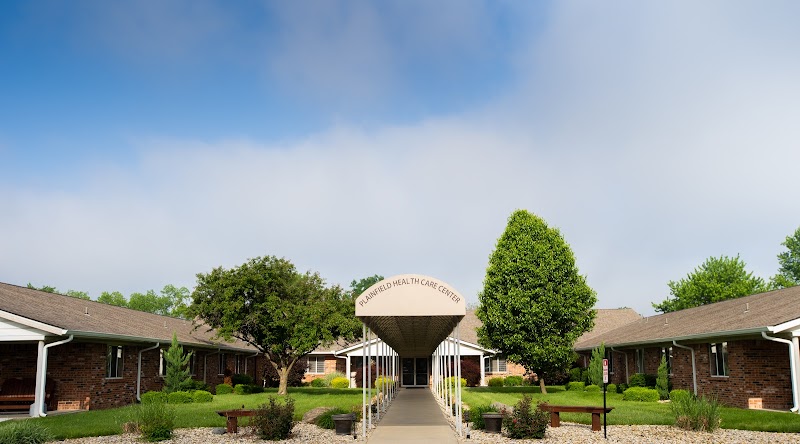
How is Plainfield Health Staffed?

CMS rates PLAINFIELD HEALTH CARE CENTER's staffing level at 1 out of 5 stars, which is much below average compared to other nursing homes. Staff turnover is 51%, compared to the Indiana average of 46%.

What Have Inspectors Found at Plainfield Health?

State health inspectors documented 43 deficiencies at PLAINFIELD HEALTH CARE CENTER during 2022 to 2025. These included: 2 Immediate Jeopardy (the most serious level, indicating potential for serious harm or death), 1 that caused actual resident harm, and 40 with potential for harm. Immediate Jeopardy findings are rare and represent the most serious regulatory concerns. They require immediate corrective action.
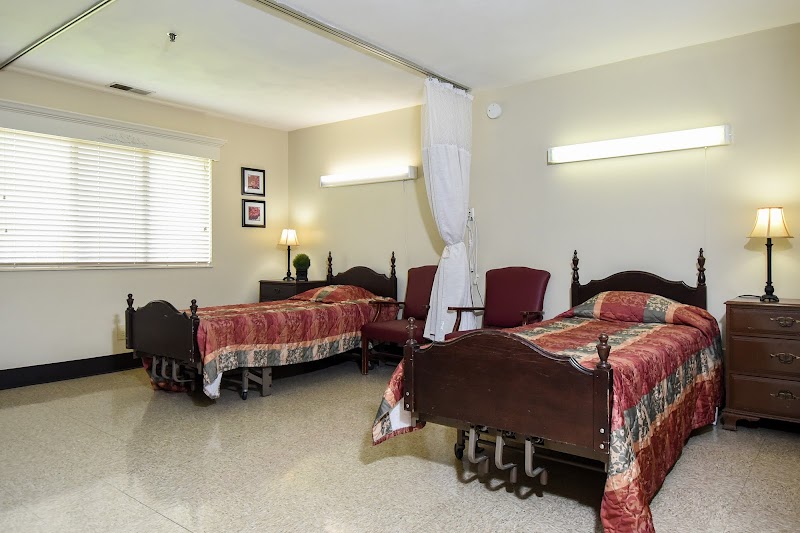
Who Owns and Operates Plainfield Health?

PLAINFIELD HEALTH CARE CENTER is owned by a for-profit company. For-profit facilities operate as businesses with obligations to shareholders or private owners. The facility is operated by OPCO SKILLED MANAGEMENT, a chain that manages multiple nursing homes. With 189 certified beds and approximately 106 residents (about 56% occupancy), it is a mid-sized facility located in PLAINFIELD, Indiana.
How Does Plainfield Health Compare to Other Indiana Nursing Homes?

Compared to the 100 nursing homes in Indiana, PLAINFIELD HEALTH CARE CENTER's overall rating (2 stars) is below the state average of 3.1, staff turnover (51%) is near the state average of 46%, and health inspection rating (1 stars) is much below the national benchmark.

What Should Families Ask When Visiting Plainfield Health?

Based on this facility's data, families visiting should ask: "What changes have been made since the serious inspection findings, and how are you preventing similar issues?" "Can you walk me through typical staffing levels on day, evening, and night shifts?" "Can I visit during a mealtime to observe dining assistance and food quality?" "How do you handle medical emergencies, and what is your hospital transfer rate?" These questions are particularly relevant given the facility's Immediate Jeopardy citations and the below-average staffing rating.

Is Plainfield Health Safe?

Based on CMS inspection data, PLAINFIELD HEALTH CARE CENTER has documented safety concerns. Inspectors have issued 2 Immediate Jeopardy citations (the most serious violation level indicating risk of serious injury or death). The facility has a 2-star overall rating and ranks #100 of 100 nursing homes in Indiana. Families considering this facility should ask detailed questions about what corrective actions have been taken since these incidents.

Do Nurses at Plainfield Health Stick Around?

PLAINFIELD HEALTH CARE CENTER has a staff turnover rate of 51%, which is 5 percentage points above the Indiana average of 46%. Moderate turnover is common in nursing homes, but families should still ask about staff tenure and how the facility maintains care continuity when employees leave.

Was Plainfield Health Ever Fined?

PLAINFIELD HEALTH CARE CENTER has been fined $31,852 across 1 penalty action. This is below the Indiana average of $33,397. While any fine indicates a compliance issue, fines under $50,000 are relatively common and typically reflect isolated problems that were subsequently corrected. Families should ask what specific issues led to these fines and confirm they've been resolved.

Is Plainfield Health on Any Federal Watch List?

PLAINFIELD HEALTH CARE CENTER is not on any federal watch list. The most significant is the Special Focus Facility (SFF) program, which identifies the bottom 1% of nursing homes nationally based on persistent, serious quality problems. Not being on this list means the facility has avoided the pattern of deficiencies that triggers enhanced federal oversight. This is a positive indicator, though families should still review the facility's inspection history directly.