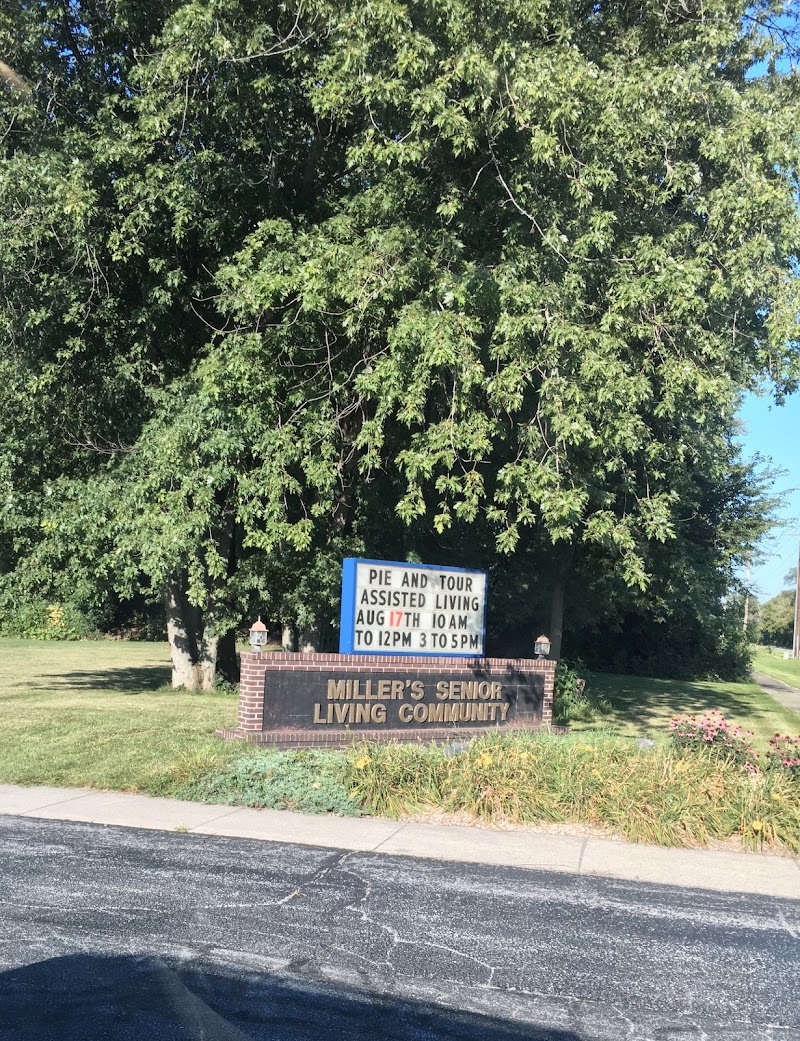
MILLER'S MERRY MANOR
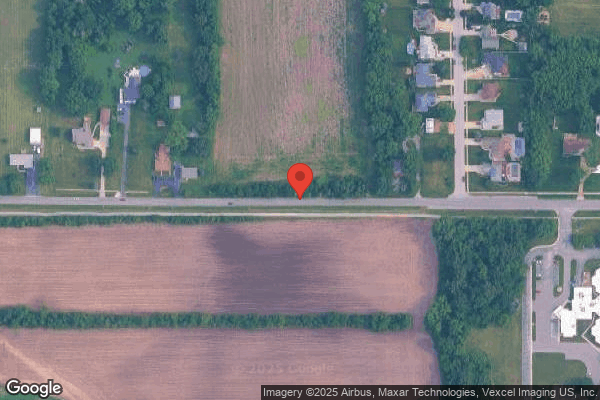
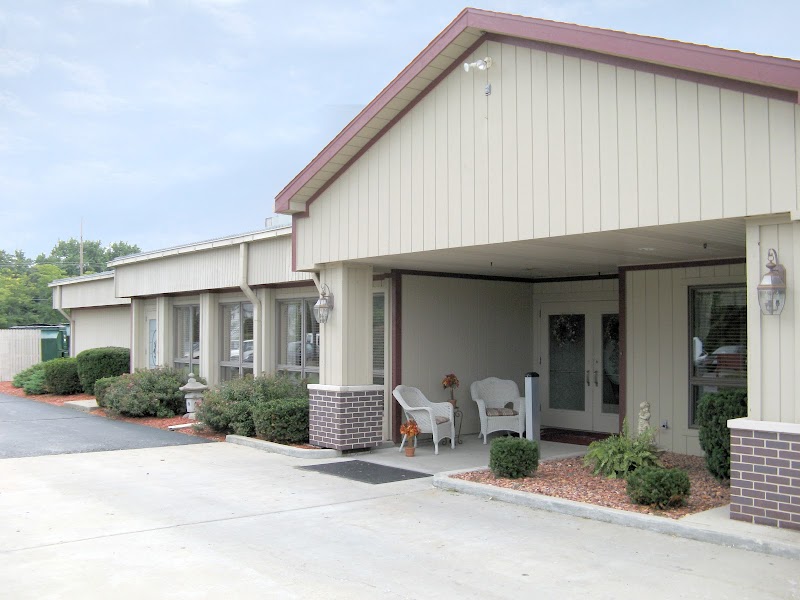
5909 LUTE RD, PORTAGE, IN 46368 (219) 763-2273
For profit - Corporation 66 Beds MILLER'S MERRY MANOR Data: November 2025
Trust Grade
50/100
#371 of 505 in IN
Last Inspection: January 2025

Within standard 12-15 month inspection cycle. Federal law requires annual inspections.

Overview

Miller's Merry Manor in Portage, Indiana, has a Trust Grade of C, which means it is considered average, placing it in the middle of the pack among nursing homes. It ranks #370 out of 505 facilities in Indiana, indicating it is in the bottom half, and #7 out of 10 in Porter County, meaning only two local options are better. The facility's condition is worsening, with issues increasing from 2 in 2024 to 14 in 2025. Staffing received a 3 out of 5 stars rating, but the turnover rate is concerning at 57%, significantly higher than the state average, which may impact resident care. On a positive note, there have been no fines recorded, and the facility has better RN coverage than 82% of Indiana facilities, which is beneficial for catching potential issues. However, there are notable weaknesses to consider. Recent inspector findings revealed that the kitchen was not properly maintained, with unlabeled and undated food items, which could affect food safety for residents. Additionally, there were concerns regarding infection control practices, as staff failed to perform hand hygiene after removing gloves. Furthermore, a strong odor of urine was reported in one of the halls, indicating issues with cleanliness and sanitation. Families should weigh these strengths and weaknesses carefully when considering Miller's Merry Manor for their loved ones.

Trust Score
C
50/100
In Indiana
#371/505
Bottom 27%
Safety Record
Low Risk
No red flags
Inspections
Getting Worse
2 → 14 violations
Staff Stability
⚠ Watch
57% turnover. Above average. Higher turnover means staff may not know residents' routines.
Penalties
✓ Good
No fines on record. Clean compliance history, better than most Indiana facilities.
Skilled Nurses
✓ Good
Each resident gets 58 minutes of Registered Nurse (RN) attention daily — more than average for Indiana. RNs are trained to catch health problems early.
Violations
⚠ Watch
18 deficiencies on record. Higher than average. Multiple issues found across inspections.
★★☆☆☆
2.0
Overall Rating
★★★☆☆
3.0
Staff Levels
★★★☆☆
3.0
Care Quality
★★☆☆☆
2.0
Inspection Score
Stable
2024: 2 issues
2025: 14 issues

The Good

  • Full Sprinkler Coverage · Fire safety systems throughout facility
  • No fines on record

Facility shows strength in fire safety.

The Bad

2-Star Overall Rating

Below Indiana average (3.1)

Below average - review inspection findings carefully

Staff Turnover: 57%

11pts above Indiana avg (46%)

Frequent staff changes - ask about care continuity

Chain: MILLER'S MERRY MANOR
Part of a multi-facility chain

Ask about local staffing decisions and management

Staff turnover is elevated (57%)

9 points above Indiana average of 48%

The Ugly 18 deficiencies on record

Jul 2025 1 deficiency
CONCERN (D) 📢 Someone Reported This

A family member, employee, or ombudsman was alarmed enough to file a formal complaint

Potential for Harm - no one hurt, but risky conditions existed

Quality of Care (Tag F0684)

Could have caused harm · This affected 1 resident

**NOTE- TERMS IN BRACKETS HAVE BEEN EDITED TO PROTECT CONFIDENTIALITY** Based on record review and interview, the facility failed to ensure a resident received the necessary care and services related ...

Read full inspector narrative →
**NOTE- TERMS IN BRACKETS HAVE BEEN EDITED TO PROTECT CONFIDENTIALITY** Based on record review and interview, the facility failed to ensure a resident received the necessary care and services related to an antibiotic medication not administered as ordered by the Physician for 1 of 3 residents reviewed for urinary tract infections. (Resident E) Finding includes: The record for Resident E was reviewed on 7/2/25 at 1:39 p.m. Diagnoses included, but were not limited to, hypertension, type 2 diabetes mellitus, and atrial fibrillation. The resident was admitted to the facility on [DATE]. A Physician's Order, dated 6/26/25, indicated to give Levaquin 500 mg (milligrams) by mouth every 24 hours for 3 days for a urinary tract infection. A Nurse Practitioner Note, dated 6/27/25 at 2:23 p.m., indicated the resident was admitted to the facility on [DATE] on Levaquin (levofloxacin, an antibiotic) after being treated in the hospital for a urinary tract infection. She was to complete the course of antibiotics. The Medication Administration Record (MAR), dated 6/2025, indicated the antibiotic medication had been given on 6/26/25 and 6/27/25. On 6/28/25 at 8:05 p.m., a 3 was documented which indicated to hold/see progress notes. There were no other documented administrations of the medication. A Medication Administration Note, dated 6/28/25 at 8:05 p.m., indicated the Levaquin was unavailable, there was none in the Pyxis (a machine that dispenses medications), and it was ordered from pharmacy. During an interview with the Director of Nursing (DON) on 7/1/25 at 3:27 p.m., she indicated the antibiotic had not been given as ordered. She had checked the Pyxis, and the Levaquin was available. She was not sure why the nurse had not given the antibiotic. This citation relates to Complaints IN00457883. 3.1-37(a)
Jan 2025 13 deficiencies
CONCERN (D)

Potential for Harm - no one hurt, but risky conditions existed

Notification of Changes (Tag F0580)

Could have caused harm · This affected 1 resident

**NOTE- TERMS IN BRACKETS HAVE BEEN EDITED TO PROTECT CONFIDENTIALITY** Based on observation, record review, and interview, the facility failed to ensure the resident's responsible party was promptly ...

Read full inspector narrative →
**NOTE- TERMS IN BRACKETS HAVE BEEN EDITED TO PROTECT CONFIDENTIALITY** Based on observation, record review, and interview, the facility failed to ensure the resident's responsible party was promptly notified after the development of a venous stasis foot ulcer (a wound caused by abnormal or damaged veins) for 1 of 1 resident reviewed for notification of change. (Resident 51) Finding includes: During a wound treatment observation on 1/8/25 at 2:00 p.m., Resident 51 was observed lying in bed. At that time, the Assistant Director of Nursing (ADON) and RN 1 were in the room to complete the treatment for a venous ulcer on her foot. The open area on the left great toe was pink and red in color. A new area was identified on the bottom of her foot at that time, which was non-blanchable (an area of redness that does not fade when pressure was applied) and red with no drainage. The record for Resident 51 was reviewed on 1/7/25 at 1:35 p.m. The resident was admitted to the facility on [DATE]. Diagnoses included, but were not limited to, atrial fibrillation, high blood pressure, and high cholesterol. The 12/18/24 admission Minimum Data Set (MDS) assessment indicated the resident was moderately impaired for daily decision making and had one venous ulcer. A Nursing-Assess Skilled Assessment, dated 12/15/24, indicated the resident had developed an open area to the left inner great toe that measured 0.8 centimeters (cm) by 0.5 cm. A Physician's Order, dated 12/15/24, indicated to monitor the open area to the left great toe daily until resolved and monitor for signs and symptoms of infection, increased pain, or unusual changes and report to physician. Cleanse the open area to the left great toe with wound cleanser, pat dry and put skin prep around the area and cover with a foam adhesive bandage every 3 days. There was no documentation the resident's family was notified on 12/15/24 of the development of the ulcer on the left great toe. During an interview on 1/9/25 at 4:00 p.m., the Director of Nursing (DON) indicated the staff nurse assessed the resident's open area on 12/15/24 and there was no documentation the resident's family was notified. The DON indicated the ADON, who was the Wound Nurse, notified the resident's family on 12/19/24 when she first assessed the wound and new orders were obtained. The 5/14/24 and current Physician and Family Notification of Condition Changes policy, provided by the DON on 1/10/25 at 11:08 a.m., indicated notify the resident and responsible party of any change in condition that may or may not warrant a change in treatment plan, including critical lab values, abnormal radiology, or diagnostic testing results. 3.1-5(a)(2)
CONCERN (D)

Potential for Harm - no one hurt, but risky conditions existed

Grievances (Tag F0585)

Could have caused harm · This affected 1 resident

**NOTE- TERMS IN BRACKETS HAVE BEEN EDITED TO PROTECT CONFIDENTIALITY** Based on record review and interview, the facility failed to file a grievance form for multiple complaints regarding pain, care,...

Read full inspector narrative →
**NOTE- TERMS IN BRACKETS HAVE BEEN EDITED TO PROTECT CONFIDENTIALITY** Based on record review and interview, the facility failed to file a grievance form for multiple complaints regarding pain, care, dignity, and room location that were reported by the resident to the Administrator for 1 of 1 resident reviewed for grievances. (Resident 32) Finding includes: During an interview on 1/7/25 at 9:48 a.m., Resident 32 indicated he had multiple complaints when he first arrived at the facility regarding pain medication, his bed, and how a nurse said to him you ugly. The resident indicated he reported all of his concerns to the Administrator, but did not know if an official grievance had been written up for him. The record for Resident 32 was reviewed on 1/8/25 at 11:25 a.m. The resident was admitted to the facility on [DATE] and diagnoses included, but were not limited to, fracture of the right tibia, end stage renal disease, dependence on renal dialysis, heart failure, high blood pressure, type 2 diabetes, diabetic neuropathy, major depressive disorder, and anxiety. The 12/13/24 admission Minimum Data Set (MDS) assessment, indicated the resident was cognitively intact for daily decision making. During an interview on 1/9/25 at 10:10 a.m., the Administrator indicated the resident had some concerns and she wrote them down on yellow ledger paper. He had concerns about his pain medication and not being able to have it, a nurse calling him ugly, wanting his door closed and wanting to move to the other bed in his room. The Administrator indicated she investigated all his concerns, however, failed to document them on a grievance form. There was also no follow up documentation regarding a resolution with the resident. The current 11/17/16 Grievance Procedure policy provided by the Administrator on 1/9/25 at 1:00 p.m., indicated residents were encouraged to speak to any staff member whenever their expectations of care and service were not met so immediate action could be taken. The facility would investigate, act upon, and resolve to the best of their ability the resident or family concern. 3.1-7(a)(2)
CONCERN (D)

Potential for Harm - no one hurt, but risky conditions existed

ADL Care (Tag F0677)

Could have caused harm · This affected 1 resident

**NOTE- TERMS IN BRACKETS HAVE BEEN EDITED TO PROTECT CONFIDENTIALITY** Based on observation, record review, and interview, the facility failed to ensure activities of daily living (ADLs) were complet...

Read full inspector narrative →
**NOTE- TERMS IN BRACKETS HAVE BEEN EDITED TO PROTECT CONFIDENTIALITY** Based on observation, record review, and interview, the facility failed to ensure activities of daily living (ADLs) were completed for dependent residents related to not providing showers twice a week for 3 of 4 residents reviewed for ADLs (Residents 24, 40, and 8), and not providing oral care for 2 of 2 residents with a feeding tube reviewed for ADLs. (Residents 24 and 40) Findings include: 1. During an interview on 1/6/25 at 11:24 a.m., Resident 24 indicated she was supposed to be getting showers twice a week, but was not. She had a feeding tube (a tube inserted through the abdominal wall into the stomach) and no one had brushed her teeth (dentures) or helped her clean her mouth since she was admitted to the facility on [DATE]. During an interview on 1/7/25 at 1:30 p.m., the resident indicated not getting a shower had been an ongoing problem. She wanted to shower and brush her teeth. At that time, she appeared disheveled, wearing the same clothing as observed on 1/6/25. On 1/8/25 at 11:04 a.m., the resident was observed resting in bed. Her hair appeared greasy and uncombed, and she was wearing the same clothing as on 1/6/25 and 1/7/25. The record for Resident 24 was reviewed on 1/7/25 at 3:08 p.m. Diagnoses included, but were not limited to, chronic obstructive pulmonary disease (COPD), diabetes, heart disease, cancer of the stomach, and chemotherapy. The 12/15/24 admission Minimum Data Set (MDS) assessment indicated the resident was cognitively intact for daily decision making, required supervision/touching assistance with oral hygiene, maximal assistance with shower/bathing, and moderate assistance with transferring. A Care Plan, dated 12/8/24, indicated the resident required moderate to maximum assistance with ADLs due to hospitalization for nausea, pancreatic mass, and weakness. The Care Plan indicated the resident had a feeding tube and full dentures. The approaches included encouraging oral care twice a day and assisting as needed. The facility's shower schedule indicated the resident was to receive showers on Tuesday and Friday. The Task List indicated the resident did not receive or refuse a bath or shower on 12/24/24, 12/31/24, and 1/7/25. A Physician's Order, dated 12/8/24, indicated the nurse was to provide mouth care every shift. During an interview on 1/9/25 at 11:25 a.m., LPN 1 indicated he documented on the treatment record that he provided mouth care which meant he looked in the resident's mouth for broken or missing teeth, and would offer oral swabs if needed, but the resident hadn't needed anything. He indicated the CNAs should brush the residents' teeth. During an interview on 1/9/25 at 1:50 p.m., the Director of Nursing (DON) indicated the resident should have received a shower every Tuesday and Friday, but she did not. Mouth care should include cleaning or swabbing the mouth and/or brushing the teeth, and the CNAs and nurses should have completed or assisted the resident with this task. 2. During an interview on 1/6/25 at 2:08 p.m., Resident 40 indicated she was not getting bathed twice a week. She had a feeding tube (a tube inserted through the abdominal wall into the stomach) and the staff had not been cleaning her mouth. On 1/7/25 at 2:22 p.m., the resident was observed resting in bed. Her hair was uncombed, and she was wearing the same clothing as on 1/6/25. On 1/8/25 at 1:55 p.m., the resident was observed resting in bed, appeared disheveled with crumbs on her shirt, uncombed hair, and was wearing the same clothing as on 1/6/25 and 1/7/25. At that time, she indicated she wanted a bath and still had not been offered assistance with mouth care. During an interview on 1/10/25 at 10:20 a.m., the resident indicated the staff finally cleaned her up on 1/9 and helped her clean her mouth for the first time, and it felt good. The record for Resident 40 was reviewed on 1/8/25 at 2:29 p.m. Diagnoses included, but were not limited to, hemiplegia (weakness on one side of the body) following a stroke, dysphagia (difficulty swallowing), feeding tube, rheumatoid arthritis, and gout. The 11/30/24 admission Minimum Data Set (MDS) assessment indicated the resident was cognitively intact for daily decision making, required moderate assistance with oral hygiene, dependent/total assistance with showering/bathing, and maximal assistance with transferring. A Care Plan, dated 11/30/24, indicated the resident required maximum/total assistance with ADLs due to a stroke resulting in left-sided weakness. The Care Plan indicated the resident had a feeding tube. The approaches included encouraging oral care twice a day and assisting as needed. The facility's shower schedule indicated the resident was to receive showers on Tuesday and Friday. The Task List indicated the resident did not receive or refuse a bath or shower on 12/17/24, 12/24/24, and 1/7/25. The record lacked documentation of mouth care. During an interview on 1/9/25 at 1:50 p.m., the Director of Nursing (DON) indicated the resident should have received a shower every Tuesday and Friday, but she did not. The CNAs and nurses should have completed or assisted the resident with mouth care, but she was not sure where or if the CNAs documented mouth care. No further information was received. 3. During an interview on 1/6/25 at 11:10 a.m., Resident 8 indicated she was not getting showers as frequently as she should. During an interview on 1/9/25 at 8:40 a.m., the resident indicated she was supposed to get a shower the previous day, but they did not have enough staff. The record for Resident 8 was reviewed on 1/9/25 at 10:46 a.m. Diagnoses included, but were not limited to, heart failure, type 2 diabetes, dementia, and depression. The 11/11/24 Quarterly Minimum Data Set (MDS) assessment indicated the resident was cognitively intact for daily decision making, required moderate assistance with showering/bathing, and moderate assistance with transferring. A Care Plan, dated 11/22/24, indicated the resident required moderate assistance with ADLs due to heart failure, aortic stenosis, and anemia. A Nurse's Note, dated 11/22/24, indicated the resident was not on the shower schedule, and stated she had not had a shower. The facility's shower schedule indicated the resident was to receive showers on Wednesday and Saturday. The Task List indicated the resident did not receive or refuse a bath or shower on 12/11/24, 12/14/24, 12/18/24, 12/21/24, and 1/8/25. During an interview on 1/9/25 at 1:50 p.m., the DON indicated the resident should have been getting showers twice a week, and she was not informed the resident told a nurse she was not getting them. 3.1-38(a)(3) 3.1-38(a)(3)(C)
CONCERN (D)

Potential for Harm - no one hurt, but risky conditions existed

Quality of Care (Tag F0684)

Could have caused harm · This affected 1 resident

**NOTE- TERMS IN BRACKETS HAVE BEEN EDITED TO PROTECT CONFIDENTIALITY** Based on observation, record review, and interview, the facility failed to ensure signs and symptoms of constipation were addres...

Read full inspector narrative →
**NOTE- TERMS IN BRACKETS HAVE BEEN EDITED TO PROTECT CONFIDENTIALITY** Based on observation, record review, and interview, the facility failed to ensure signs and symptoms of constipation were addressed for 1 of 1 resident reviewed for constipation, residents were transported and arrived to physician visits on time and heels were floated for non-pressure ulcers for 2 of 6 residents reviewed for non-pressure skin conditions, and insulin was administered as ordered for 1 of 5 residents reviewed for unnecessary medications. (Residents 7, 32, and 51) Findings include: 1. During an interview on 1/6/25 at 2:10 p.m., Resident 7 indicated she had issues with constipation. The record for Resident 7 was reviewed on 1/8/25 at 10:30 a.m. The resident was admitted to the facility on [DATE]. Diagnoses included, but were not limited to, stroke, chronic kidney disease, Alzheimer's disease, high blood pressure, anxiety, and constipation. The 11/29/24 Quarterly Minimum Data Set (MDS) assessment indicated the resident was moderately impaired for daily decision making and was always incontinent of bowel, but not on a bowel program. A Care Plan, dated 5/24/24, indicated the resident had the potential for constipation. The interventions were to administer laxatives and/or stool softeners as ordered and monitor for signs and symptoms of constipation. A Physician's Order, dated 6/19/24, indicated Polyethylene Glycol 3350 Powder (a laxative), give 17 grams by mouth every 24 hours as needed for constipation. The resident's bowel movement flow sheet indicated the resident had no documented bowel movements on 10/26-10/29/24, 11/28-12/1/24, 12/29/24-1/1/25, and 1/3-1/5/25. A Nursing Note, dated 10/29/24 at 1:30 p.m., indicated the Polyethylene Glycol powder was administered to the resident for complaints of constipation. A Nursing Note, dated 10/30/24 at 1:36 a.m., indicated the resident's results for the complaints of constipation were unknown. A Nursing Note, dated 11/28/24 at 10:15 p.m., indicated the Polyethylene Glycol Powder was administered for complaints of constipation. A Nursing Note, dated 11/29/24 at 6:57 a.m., indicated the resident's results for the complaints of constipation were unknown. A Nursing Note, dated 12/5/24 at 11:27 a.m., indicated the Polyethylene Glycol Powder was administered for complaints of constipation. A Nursing Note, dated 12/5/24 at 10:24 p.m., indicated the resident's results for the complaints of constipation were ineffective. A Nursing Note, dated 1/1/25 at 9:46 a.m., indicated the Polyethylene Glycol Powder was administered for complaints of constipation. A Nursing Note, dated 1/2/25 at 9:39 a.m., indicated the resident's results for the complaints of constipation were ineffective. During an interview on 1/9/25 at 3:00 p.m., the Director of Nursing had no additional information to provide. The current 1/3/2001 Bowel Elimination policy, provided as current by the DON on 1/9/25 at 2:34 p.m., indicated if a resident complained of constipation or at least on the third day with no bowel movement, an ordered bowel aide or stool softener would be administered. If within eight hours of administering the bowel aide or softener, the resident has not had a bowel movement, another bowel aide would be administered. If within another 8 hours the resident has not had a bowel movement, the nurse will do an abdominal assessment, and notify the physician. 2. During an interview on 1/7/25 at 10:02 a.m., Resident 32 indicated he had arrived at his orthopedic surgeon's appointment late so he was unable to see him as the doctor had left for surgery. The record for Resident 32 was reviewed on 1/8/25 at 11:25 a.m. The resident was admitted to the facility on [DATE] and diagnoses included, but were not limited to, fracture of the right tibia, type 2 diabetes, and diabetic neuropathy. The 12/13/24 admission Minimum Data Set (MDS) assessment indicated the resident was cognitively intact for daily decision making. A Nursing Transfer to Appointment Form, dated 12/19/24 at 2:10 p.m., indicated the resident left per facility van to (physician name) orthopedic appointment. A Nursing Note, dated 12/19/24 at 3:35 p.m., indicated the resident had returned from the scheduled appointment per the facility van. During an interview on 1/9/25 at 10:20 a.m., a maintenance associate indicated he was hired to drive the residents to appointments part time and also to work in maintenance the rest of his time. On 12/19/24, he had to take another resident to an appointment around the same time as Resident 32 needed to be at an appointment. His plan was to take the other resident a little bit earlier and then be back in enough time to get Resident 32. The resident's appointment was at 2:10 p.m., they arrived at 2:30 p.m. (20 minutes late) and the physician had already left the office for surgery, so he missed the appointment. He indicated there was no back up plan and he did not call his supervisor to let him know he was not going to make it back in time to get Resident 32 to the appointment on time. During an interview on 1/9/25 at 1:10 p.m., the Director of Nursing (DON) indicated she was aware the resident missed his appointment for the orthopedic surgeon on 12/19/24. The facility van was used to transport the residents to their appointments. A Physician's Order, dated 12/7/24, indicated Insulin Lispro Injection, inject 10 units subcutaneously (delivers medication into the fatty tissue beneath the skin) three times a day for diabetes. The 12/2024 and 1/2025 Medication Administration Records, indicated the Lispro Insulin administration times were 7:30 a.m., 11:30 a.m., and 4:30 p.m. On the resident's dialysis days of Monday, Wednesday, and Friday a 2 was coded (LOA without meds) for the 11:30 a.m. administration. During an interview on 1/9/25 at 4:00 p.m., the DON indicated the Lispro insulin times should not have conflicted on dialysis days. The current 11/2/16 Van Transportation Program policy, provided by the Administrator as current on 1/9/25 at 11:00 a.m., indicated the facility would offer transportation services for residents of the facility to include, but not limited to, physician appointments. The facility would work with local transportation companies for back up transportation services. 3. During random observations on 1/7/25 at 1:31 p.m. and on 1/8/25 at 9:45 a.m. and 10:27 a.m., Resident 51 was observed in bed. At those times, both of her heels were laying flat on the bed and not floated. On 1/8/25 at 2:00 p.m., the resident was in bed and her heels were not floated. The Assistant Director of Nursing and RN 1 performed the wound treatment to her left great toe. The open area on the left great toe was pink and red in color. A new area was identified on the bottom of her foot at that time, which was non blanchable (an area of redness that does not fade when pressure was applied) and red with no drainage. After the completion of the treatment, they covered the resident with the bed linens and left the room. Both of her heels were observed flat on the bed and not floated. At 3:30 p.m., the resident was observed in bed and both heels remained flat on the bed. The record for Resident 51 was reviewed on 1/7/25 at 1:35 p.m. The resident was admitted to the facility on [DATE]. Diagnoses included, but were not limited to, atrial fibrillation, high blood pressure, and high cholesterol. The 12/18/24 admission Minimum Data Set (MDS) assessment indicated the resident was moderately impaired for daily decision making and had one venous ulcer. A Care Plan, dated 12/17/24, indicated the resident developed an arterial wound to the left great toe. The approaches were to float heels off of the bed. A wound measurement, dated 12/30/24, indicated the left great toe venous ulcer measured 0.5 centimeters (cm) by 0.5 cm. and was stable. A Nursing Note, dated 1/8/25 at 2:38 p.m., indicated the physician was notified of a non-blanching red area with some maceration (skin softening) that measured 1.4 cm in length by 2.2 cm in width over the bunion area. The new area was not present on the last assessment. During an interview on 1/9/25 at 1:10 p.m., the Director of Nursing had no additional information to provide. 3.1-37(a)
CONCERN (D)

Potential for Harm - no one hurt, but risky conditions existed

Deficiency F0692 (Tag F0692)

Could have caused harm · This affected 1 resident

**NOTE- TERMS IN BRACKETS HAVE BEEN EDITED TO PROTECT CONFIDENTIALITY** Based on observation, record review, and interview, the facility failed to assist a resident with eating, monitor nutritional in...

Read full inspector narrative →
**NOTE- TERMS IN BRACKETS HAVE BEEN EDITED TO PROTECT CONFIDENTIALITY** Based on observation, record review, and interview, the facility failed to assist a resident with eating, monitor nutritional intake for meals, obtain readmission and post dialysis weights, and provide breakfast before dialysis for residents with a history of significant weight loss for 2 of 2 residents reviewed for nutrition. (Residents 19 and 32) Findings include: 1. During a random observation on 1/6/25 at 1:52 p.m., Resident 19 was observed in bed. Her lunch tray was in front of her and untouched. There was a spoon in her pudding and nothing else had been touched on the tray. There was no staff in the area assisting the resident. On 1/9/25 at 8:29 a.m., the resident was observed in bed and her breakfast tray was delivered to her and placed on the over bed table. The resident's eyes were closed, and CNA did not attempt to wake her up or assist her to eat. She just left the meal on the tray table and left the room. The resident was served cold cereal, one serving of scrambled eggs, one piece of raisin toast, and apple juice. At 8:39 a.m., the admission Coordinator entered the room and closed the door. Upon leaving the room, the resident was awake and was observed holding a spoon in her hand. At 9:00 a.m., the resident had not eaten any of her breakfast meal. The resident indicated she was hungry, however, there was no staff in the area to help her eat. On 1/9/25 at 1:04 p.m., the resident was observed in bed with her eyes closed and her lunch tray in front of her on the over bed table. No staff were observed in or around the room to assist the resident to eat. No food had been eaten as it was untouched. The record for Resident 19 was reviewed on 1/7/25 at 2:10 p.m. The resident was admitted to the facility on [DATE] and diagnoses included, but were not limited to, stroke, hemiplegia, aphasia, dysphagia (difficulty swallowing), and peg tube (a tube inserted directly into the stomach for nutrition). The resident was admitted to the hospital on [DATE] and returned to the facility on [DATE]. She was sent out to the hospital on 1/2/25 and returned on 1/3/25. A new Significant Change Minimum Data Set (MDS) assessment was currently in progress. The 11/14/24 Significant Change MDS assessment indicated the resident was not cognitively intact for daily decision making and weighed 316 pounds, with no significant weight loss. The resident had a peg tube and only needed set up or clean up assistance for eating. A Care Plan, dated 8/27/24, indicated the resident was at nutritional risk related to tube feeding, recent hospitalization and weight fluctuations. The approaches were to serve double protein at breakfast and monitor weights and intakes. A Physician's Order, dated 9/19/24, indicated the resident was to receive a mechanical soft carb controlled diet. The weight record indicated the following weights: - 11/5/24 the resident weighed 317 pounds - 12/8/24 the resident weighed 280 pounds - 12/16/24 the resident weighed 272 pounds. There were no other weights documented for the rest of 12/2024 and on 1/3/25. A Registered Dietitian (RD) Narrative Note, dated 12/11/24, indicated the resident had a significant weight loss in the last 30 days. The note recommend resuming the enteral feeding and running it through the night. A Physician's Order, dated 12/13/24, indicated Glucerna 1.583 milliliters (ml) times 12 hours, on at 6:00 p.m. and off at 6:00 a.m. Flush the peg tube with 120 ml of water three times a day. There were no other RD notes available for review. The meal consumption log indicated there was no documentation on 1/6/25 for dinner, 1/7/25 and 1/8/25 for breakfast and lunch. Hospital discharge notes, dated 12/31/24, indicated the resident weighed 314 pounds before leaving the hospital. A weight obtained on 1/7/25 indicated the resident weighed 302 pounds. During an interview on 1/9/25 at 1:04 p.m., CNA 3 indicated the resident was able to feed herself. The CNA was questioned about that statement, as the resident had been observed not eating or able to feed herself. The CNA indicated again she was able to feed herself. During an interview on 1/9/25 at 3:00 p.m., the Director of Nursing (DON) indicated there were no readmission weights documented after the resident returned from the hospital. There had been no assessments by the RD since the hospital returns and 12/11/24 was the most recent. The resident was in need of assistance during meals. The 3/2/16 Enteral/Parental Nutrition policy provided by the DON on 1/9/25 at 2:34 p.m., indicated for existing enteral nutrition orders, the Dietary Manager (DM) would review the weight at least monthly and notify the consultant dietitian of concerns. The DM would report any other pertinent concerns to the dietitian. The dietician would review and evaluate all residents receiving enteral nutrition for adequacy. 2. During an interview on 1/7/25 at 9:57 a.m., Resident 32 indicated he only sometimes received breakfast prior to dialysis on Monday, Wednesday, and Friday. He did not take a lunch and was not given a snack before he left. His chair time was at 9:00 a.m. He usually left the facility around 8:30 a.m. and arrived back to the facility between 2:30 p.m. and 3:00 p.m. He indicated he was very hungry when he returned to the facility. The record for Resident 32 was reviewed on 1/8/25 at 11:25 a.m. The resident was admitted to the facility on [DATE] and diagnoses included, but were not limited to, end stage renal disease, dependence on renal dialysis, and type 2 diabetes. The 12/13/24 admission Minimum Data Set (MDS) assessment indicated the resident was cognitively intact for daily decision making. The resident received dialysis while at the facility and weighed 208 pounds with no significant weight loss. A Care Plan, dated 12/7/24, indicated the resident was at nutritional risk related to hemodialysis. The approaches were to serve double protein at breakfast and monitor weights and intakes. The resident's current weight as of 12/28/24 was 209 pounds. A Physician's Order, dated 12/6/24, indicated to serve a 3 to 4 gram sodium carb controlled diet with no orange juice, bananas, tomatoes, and potatoes. A Registered Dietitian (RD) Assessment, dated 12/10/24, indicated the resident's weight was stable but she suggested weekly weights, same day, post dialysis. There were no other RD notes available for review. There were no post dialysis weights available for review on 12/20/24, 12/30/34 and 1/8/25. The meal consumption log indicated there was no total food consumption for breakfast and lunch on 1/5/25, 1/7/25, and 1/8/25. There was no dinner food consumption documented on 12/22/24, 12/28/24, 12/31/24, and 1/6/25. During an interview on 1/9/25 at 10:20 a.m., a maintenance associate indicated he was hired to drive the residents to appointments part time and also to work in maintenance the rest of his time. He transported the resident to dialysis every Monday, Wednesday and Friday. He usually went down to the resident's room by 8:15 a.m. to make sure the resident was up because he wanted to leave at 8:30 a.m. to make sure he got there on time. The majority of the time, he had not eaten breakfast and did not get breakfast before they left. During an interview on 1/9/25 on 10:43 a.m., the Dietary Food Manager indicated she had a board in the kitchen and his name was on it for early breakfast. His breakfast was prepared every Monday, Wednesday and Friday, but the CNA did not come and pick it up. She has told nursing that a CNA had to come and pick up the tray to serve it to him. During an interview on 1/9/25 at 1:10 p.m., the Director of Nursing (DON) indicated she was not aware the resident was not receiving his breakfast tray. Food consumption totals were to be completed after every meal and post dialysis weights were not documented on post dialysis sheets from the dialysis center. 3.1-46(a)
CONCERN (D)

Potential for Harm - no one hurt, but risky conditions existed

Respiratory Care (Tag F0695)

Could have caused harm · This affected 1 resident

Based on observation, record review, and interview, the facility failed to ensure oxygen was at the correct flow rate for 1 of 1 resident reviewed for oxygen. (Resident 36) Finding includes: On 1/7/25...

Read full inspector narrative →
Based on observation, record review, and interview, the facility failed to ensure oxygen was at the correct flow rate for 1 of 1 resident reviewed for oxygen. (Resident 36) Finding includes: On 1/7/25 at 9:46 a.m. and 1:19 p.m., Resident 36 was observed in his room in bed with oxygen by the way of a nasal cannula in use. The oxygen concentrator was set at 3 liters. On 1/8/25 at 8:17 a.m., 11:35 a.m., and 2:04 p.m., the resident was again observed in his room in bed. His oxygen was in use and the oxygen concentrator was set at 3 liters. On 1/9/25 at 8:28 a.m., the resident was in his room eating breakfast. His oxygen was in use and the oxygen concentrator was set at 3 liters. At 8:37 a.m., the Nurse Case Manager confirmed the oxygen concentrator was set at 3 liters. The record for Resident 36 was reviewed on 1/8/25 at 11:29 a.m. Diagnoses included, but were not limited to, chronic respiratory failure and chronic obstructive pulmonary disease (COPD). The Quarterly Minimum Data Set (MDS) assessment, dated 10/18/24, indicated the resident was cognitively intact for daily decision making and he received oxygen therapy. A Care Plan, dated 10/19/24, indicated the resident had intermittent congestion. Interventions included, but were not limited to, administer oxygen as ordered. A Physician's Order, dated 4/16/24 and listed as current on the January 2025 Physician's Order Summary (POS), indicated the resident was to receive oxygen at 2 liters per minute per nasal cannula continuously for chronic respiratory failure. During an interview on 1/9/25 at 1:35 p.m., the Director of Nursing indicated the resident's oxygen concentrator was set at the incorrect flow rate. 3.1-47(a)(6)
CONCERN (D)

Potential for Harm - no one hurt, but risky conditions existed

Deficiency F0697 (Tag F0697)

Could have caused harm · This affected 1 resident

**NOTE- TERMS IN BRACKETS HAVE BEEN EDITED TO PROTECT CONFIDENTIALITY** Based on observation, record review and interview, the facility failed to ensure a resident's pain was managed and monitored for...

Read full inspector narrative →
**NOTE- TERMS IN BRACKETS HAVE BEEN EDITED TO PROTECT CONFIDENTIALITY** Based on observation, record review and interview, the facility failed to ensure a resident's pain was managed and monitored for 1 of 1 resident reviewed for pain. (Resident 32) Finding includes: During an interview on 1/7/25 at 9:44 a.m., Resident 32 indicated he went four days without pain medications when he first was admitted to the facility. The record for Resident 32 was reviewed on 1/8/25 at 11:25 a.m. The resident was admitted to the facility on [DATE] and diagnoses included, but were not limited to, fracture of the right tibia, high blood pressure, diabetic neuropathy, and anxiety. The 12/13/24 admission Minimum Data Set (MDS) assessment indicated the resident was cognitively intact for daily decision making. The resident received an opioid medication in the last 7 days. He received PRN (as needed) pain medication and had pain almost constantly in the last 5 days that had frequently affected his sleep, interfered with therapy, and day to day activities. The resident rated his pain a 10 out of 10. A Care Plan, dated 12/11/24, indicated the resident was at risk for complications related to healing from right tibia fracture. The approaches were to monitor for pain and give pain medications as ordered. A Care Plan, dated 12/7/24, indicated the resident had the potential for pain and discomfort related to right tibia fracture. The goal was for the resident's pain to be controlled at an acceptable level. The approaches were to notify the physician as needed, administer pain medications as ordered, acknowledge the presence of pain and discomfort, and listen to the resident's concerns. A hospital note, dated 11/25/24, indicated the patient was brought in by his sons for a change in mental status. The patient had gone to an urgent care the previous day and was found to have a tibia/fibula (lower leg bones) fracture, placed in a splint, and was sent home with Norco (a narcotic pain medication). The family did not know how much he took or how he fractured his foot. The resident was given Narcan (temporarily reverse the effects of an opioid medicine) while in the emergency room, as a blood test indicated he had opiates in his system. On 12/3/24, the resident had surgery for an open reduction internal fixation of the right distal tibia and distal fibula fractures with repair of the medial collateral ligament (ligament in the knee that connects the thigh bone to the shin bone). During his hospital stay he received Dilaudid (a narcotic used for severe pain) intravenously (IV) and also received Norco 7.5-325 milligrams (mg) 1 or 2 tablets every 4 hours. A Physician's Order, dated 12/6/24, indicated Acetaminophen Tablet 325 mg, give two tablets by mouth every 4 hours as needed for mild pain. The resident's pain levels (on a scale from 1-10 with 10 being the highest) were as follows: - 12/7/24 at 11:16 p.m. an 8 - 12/8/24 at 3:30 a.m., a 6 - 12/8/24 at 9:46 a.m., and 12:53 p.m. an 8 - 12/9/24 at 8:21 a.m., 3:41 p.m., and 11:45 p.m., a 7 - 12/10/24 at 10:04 a.m., an 8 A Nursing Note, dated 12/8/24 at 8:38 a.m., indicated Acetaminophen Tablet 325 mg, 2 tablets was administered to the resident for complaints of pain. A follow up assessment at 9:46 a.m., indicated the pain medication was ineffective as his pain level was an 8. There was no communication with the physician in regards to the resident's complaints of severe pain with levels between 6-8 from 12/7-12/10/24. A Nursing Note, dated 12/10/24 at 2:29 p.m., indicated the physician was finally notified of the resident's pain level and Norco 5-325 mg every 6 hours PRN for pain was ordered for the resident. During an interview on 1/9/25 at 1:10 p.m., the Director of Nursing (DON) indicated the resident, as well as his sons, came to her and spoke about his pain medication on 12/10/24. She notified the physician (Medical Director) and asked him for the Norco, however, the physician was hesitant because of the condition he was brought into the ER and having to have Narcan. She was not made aware the resident was having a lot of pain prior to 12/10/24 and the nursing staff should have notified the physician over the weekend or before 12/10/24. The current 4/10/24 Pain Management Program policy, provided by the DON on 1/9/25 at 2:34 p.m., indicated it was the goal of the facility to assist residents in achieving their optimal level of comfort by providing an effective pain management program. Assess pain by using the following scale, mild pain 1-3, mild moderate pain 3-5, moderate severe 5-7, severe to unbearable 7-9, and worst pain ever a 10. 3.1-37(a)
CONCERN (D)

Potential for Harm - no one hurt, but risky conditions existed

Deficiency F0757 (Tag F0757)

Could have caused harm · This affected 1 resident

Based on record review and interview, the facility failed to ensure each resident's medication regimen was managed and monitored related to not monitoring the resident's blood pressure for medications...

Read full inspector narrative →
Based on record review and interview, the facility failed to ensure each resident's medication regimen was managed and monitored related to not monitoring the resident's blood pressure for medications with blood pressure parameters for 2 of 5 residents reviewed for unnecessary medications. (Residents 21 and 29) Findings include: 1. The record for Resident 21 was reviewed on 1/9/25 at 2:07 p.m. Diagnoses included, but were not limited to, dementia and hypertension. The Medicare 5 day Minimum Data Set (MDS) assessment, dated 12/8/24, indicated the resident had severe cognitive impairment. A Physician's Order, dated 12/1/24, indicated to give Midodrine (a medication that treats low blood pressure) 2.5 milligrams (mg) two times a day, hold for blood pressure greater than 120/80. The record lacked any documentation of blood pressure monitoring for 12/4/24, 12/5/24, 12/6/24, 12/10/24, 12/14/24, 12/16/24, 12/24/24, 12/25/24, 1/3/25, 1/6/25, and 1/7/25. Blood pressures were only documented once per day on 12/1/24, 12/7/24, 12/9/24, 12/11/24, 12/12/24, 12/13/24, 12/15/24, 12/17/24, 12/18/24, 12/19/24, 12/20/24, 12/21/24, 12/22/24, 12/23/24, 12/26/24, 12/27/24, 12/28/24, 12/29/24, 12/30/24, 12/31/24, 1/1/25, 1/2/25, 1/4/25, 1/5/25, and 1/8/25. During an interview on 1/10/25 at 10:30 a.m., LPN 1 indicated the resident's blood pressure should be checked before each dose of a medication with a parameter, but he did not always document the blood pressure unless he was holding the medication because the unit was so heavy. 2. The record for Resident 29 was reviewed on 1/8/25 at 11:25 a.m. Diagnoses included, but were not limited to, dementia, heart attack, and atrial fibrillation (irregular heart rhythm). The Significant Change Minimum Data Set (MDS) assessment, dated 11/7/24, indicated the resident had moderate cognitive impairment. A Physician's Order, dated 7/24/24, indicated to give Metoprolol Tartrate (a blood pressure medication) twice a day, hold if the blood pressure was below 100/60. The record lacked any documentation of blood pressure monitoring for 12/1/24, 12/2/24, 12/3/24, 12/4/24, 12/6/24, 12/7/24, 12/8/24, 12/9/24, 12/10/24, 12/11/24, 12/13/24, 12/14/24, 12/15/24, 12/16/24, 12/17/24, 12/18/24, 12/20/24, 12/21/24, 12/22/24, 12/23/24, 12/24/24, 12/25/24, 12/27/24, 12/28/24, 12/29/24, 12/30/24, 12/31/24, 1/1/25, 1/3/25, 1/4/25, 1/5/25, and 1/6/25. Blood pressures were only documented once per day on 12/5/24, 12/9/24, 12/12/24, 12/19/24,12/26/24, 1/2/25, and 1/7/25 During an interview on 1/10/25 at 10:42 a.m., the Director of Nursing indicated vitals should be taken and documented with each scheduled dose of a medication with parameters. 3.1-48(a)(3)
CONCERN (D)

Potential for Harm - no one hurt, but risky conditions existed

Unnecessary Medications (Tag F0759)

Could have caused harm · This affected 1 resident

Based on observation, record review, and interview, the facility failed to ensure a medication error rate of less than 5% for 2 of 8 residents observed during medication pass. Three errors were observ...

Read full inspector narrative →
Based on observation, record review, and interview, the facility failed to ensure a medication error rate of less than 5% for 2 of 8 residents observed during medication pass. Three errors were observed during 25 opportunities for errors during medication administration. This resulted in a medication error rate of 12%. (Residents 6 and 1) Findings include: 1. During medication administration on 1/8/25 at 8:37 a.m., LPN 2 was observed preparing medications for Resident 6. The LPN dispensed one Potassium Chloride 20 milliequivilant (meq) Extended Release tablet into the medication cup. The LPN added four more medications to the medication cup and then proceeded to place another Potassium Chloride tablet into the cup, the LPN locked the medication cart and computer screen and proceeded to the resident's room. Prior to giving the medications, the LPN was asked to check the resident's Potassium Chloride order. The LPN indicated the resident was to receive 20 meq of Potassium Chloride. When asked how many pills the resident should be receiving, she indicated 11. When the pills were counted, 12 pills were present in the medication cup. During an interview at that time, LPN 2 indicated the resident was to receive only one Potassium Chloride tablet and an extra pill was included in the resident's roll of AM medications. 2. On 1/9/25 at 8:45 a.m., LPN 1 was observed preparing Resident 1's medications. The LPN poured 7.5 milliliters (ml) of Potassium Chloride into a medication cup. The LPN then prepared Omeprazole (a medication used to treat gastric reflux disease) 20 milligram (mg), Acidophilus (a probiotic) capsule, Baclofen (a muscle relaxer) 10 mg, Glucosamine capsule (a joint medication), and Levothyroxine (a thyroid medication) 75 microgram (mcg). Each pill was crushed into a separate medication cup and diluted with water. The Potassium Chloride liquid was not diluted. The LPN proceeded to Resident 1's room to administer the medications. The resident's medications were going to be given by the way of a gastrostomy tube (a tube inserted through the abdominal wall into the stomach). One of the medication cups which contained a diluted medication was knocked over. The LPN placed the cup upright and stated, it was mostly water that spilled. During an interview at that time, the LPN indicated he did not know which medication was spilled because they were all diluted. He then proceeded to administer each medication separately. The resident's Potassium Chloride was not diluted prior to administering. During an interview on 1/10/25 at 11:30 a.m., the Director of Nursing indicated Resident 1's Potassium Chloride should have been diluted and it couldn't be ensured the resident received the correct dose of the medication that was knocked over. She also indicated medication rolls should be reviewed to make sure extra pills weren't included. 3.1-48(c)(1)
CONCERN (D)

Potential for Harm - no one hurt, but risky conditions existed

Medical Records (Tag F0842)

Could have caused harm · This affected 1 resident

Based on record review and interview, the facility failed to ensure clinical records were complete and accurately documented related to meal consumption for 1 of 1 resident reviewed for ADL (activitie...

Read full inspector narrative →
Based on record review and interview, the facility failed to ensure clinical records were complete and accurately documented related to meal consumption for 1 of 1 resident reviewed for ADL (activities of daily living) decline. (Resident 42) Finding includes: The record for Resident 42 was reviewed on 1/8/25 at 9:56 a.m. Diagnoses included, but were not limited to, stroke, dysphagia (difficulty swallowing), and dementia without behavior disturbance. The Annual Minimum Data Set (MDS) assessment, dated 12/13/24, indicated the resident was cognitively impaired for daily decision making and she required supervision with eating. A Care Plan, dated 9/20/24 and reviewed on 12/12/24, indicated the resident was at a nutritional risk related to cognitive impairment and a mechanically altered diet. Interventions included, but were not limited to, monitor weights and intakes. On 12/4/24, the resident weighed 141 pounds. On 1/8/25, the resident weighed 136 pounds. The Food Consumption Log for December 2024, indicated the resident's dinner intake was not documented on 12/10/24, 12/13/24, 12/15/24, and 12/24/24. The Food Consumption Log for January 2025, indicated the resident's lunch intake was not documented on 1/2/25. During an interview on 1/9/25 at 1:35 p.m., the Director of Nursing indicated the resident's food consumption should have been documented for each meal. 3.1-50(a)(1)
CONCERN (E)

Potential for Harm - no one hurt, but risky conditions existed

Infection Control (Tag F0880)

Could have caused harm · This affected multiple residents

**NOTE- TERMS IN BRACKETS HAVE BEEN EDITED TO PROTECT CONFIDENTIALITY** Based on observation, record review and interview, the facility failed to ensure infection control practices were in place and i...

Read full inspector narrative →
**NOTE- TERMS IN BRACKETS HAVE BEEN EDITED TO PROTECT CONFIDENTIALITY** Based on observation, record review and interview, the facility failed to ensure infection control practices were in place and implemented related to staff failing to perform hand hygiene after glove removal and prior to donning personal protective equipment (PPE) for 1 of 8 residents observed during medication administration, enhanced barrier precautions (EBP) not followed, and glove use in the hallway during random infection control observations. (Residents 1, 51, and 13) Findings include: 1. On 1/9/25 at 8:45 a.m., LPN 1 was observed preparing medications for Resident 1. The LPN donned a pair of gloves to place medications into a medication cup. After placing the medications in four separate cups, he removed his gloves. He did not sanitize his hands after removing his gloves. The LPN proceeded to enter the resident's room. The resident's medications were going to be given by the way of a gastrostomy tube (a tube inserted through the abdominal wall into the stomach). The LPN donned a gown, gloves, mask, and a face shield. The LPN did not sanitize his hands prior to donning the personal protective equipment (PPE). During an interview on 1/9/25 at 1:35 p.m., the Director of Nursing (DON) indicated the LPN should have sanitized his hands after removing his gloves and prior to donning the PPE. 2. During a random observation on 1/8/25 at 10:56 a.m., CNA 2 was observed walking out of a resident's room wearing gloves to both hands and carrying uncontained soiled linens in her arms. There was another resident yelling help me over and over again, so the CNA walked over to her room, still carrying the uncontained linen and told the resident I have to get rid of these soiled linens he had a huge bm (bowel movement). She then walked into the soiled utility room with the dirty linens. During an interview on 1/8/25 at 11:00 a.m. CNA 2 indicated she knew better and was not supposed to walk out of the room with the uncontained soiled linens but heard a resident calling for help and just left that other resident's room carrying all of the linen. During an interview on 1/9/25 at 2:15 p.m., the Director of Nursing (DON) indicated the CNA should not have walked out of the resident's room with uncontained soiled linens. The current 11/10/16 Linen Handling policy, provided by the DON on 1/9/25 at 2:34 p.m., indicated linens and laundry were handled or transported in a manner to prevent the spread of infection. 3. During a wound treatment observation on 1/8/25 at 2:00 p.m., the Assistant Director of Nursing (ADON) and RN 1 were observed preparing to do the bandage change for Resident 51. At that time, they both performed hand hygiene and donned clean gloves to both hands. Neither one of them donned an isolation gown prior to the treatment change. The wound was cleaned and a new bandage was placed over the open area. After the treatment was completed they both doffed their gloves and performed hand hygiene. During an interview at that time, the ADON indicated she would only don a gown if the resident had draining wounds. The record for Resident 51 was reviewed on 1/7/25 at 1:35 p.m. The resident was admitted to the facility on [DATE]. Diagnoses included, but were not limited to, atrial fibrillation, high blood pressure, history of falling and high cholesterol. The 12/18/24 admission Minimum Data Set (MDS) assessment indicated the resident was moderately impaired for daily decision making and had one venous ulcer. A Physician's Order, dated 12/20/24, indicated enhanced barrier precautions (EBP) During an interview on 1/9/25 at 1:10 p.m., the Director of Nursing indicated the resident was on EBP and staff were to don gloves and a gown prior to having any contact with the resident. 4. During an observation on 1/7/25 at 2:44 p.m., Agency CNA 1 entered Resident 13's room and was going to assist her to bed. At that time, the CNA performed hand hygiene and donned a pair of clean gloves to both hands. She assisted the resident into bed by placing her arms around her waist and holding onto her pants. The CNA then removed the resident's pants and provided incontinence care. At that time, there was a bandage on the resident's coccyx area with a date of 1/6/25. The CNA did not donn an isolation gown prior to making contact with the resident. During an interview on 1/7/25 at 2:54 p.m., Agency CNA 1 indicated she was not aware the resident had a pressure ulcer and was informed by the nurse if there was an EBP sign on the door she was supposed to go into the oxygen room and get a gown. During an observation on 1/8/24 at 2:20 p.m., CNA 1 answered the resident's call light, and the resident wanted to go to bed. The CNA performed hand hygiene and donned clean gloves to both hands. She then asked the resident how she transferred to bed and the resident motioned by lifting up her arms as to go around the CNA's neck. The CNA told the resident she would go and get help to get her into bed. RN 1 and CNA 1 both came back to the room and performed hand hygiene and donned clean gloves to both hands. Neither one of them donned an isolation gown. The resident was transferred to bed by both staff members and RN 1 left the room after the transfer. CNA 1 proceeded to provide incontinence care to the resident. Again there was a bandage on the resident's coccyx area that was almost falling off. The CNA cleaned the resident without wearing an isolation gown. The record for Resident 13 was reviewed on 1/8/25 at 10:00 a.m. Diagnoses included, but were not limited to, fracture left lower leg, adult failure to thrive, anemia, type 2 diabetes, osteoarthritis, and peripheral vascular disease. The 12/6/24 Quarterly Minimum Data Set (MDS) assessment, indicated the resident was moderately impaired for daily decision making. The resident needed substantial to max assistance for the ability to come to a standing position from sitting in a chair to the side of the bed and had 1 stage 3 pressure ulcer that was not present on admission. A Care Plan, dated 9/9/24, indicated the resident required enhanced barrier precautions during high contact care due to a wound. A Physician's Order, dated 9/9/24, indicated Enhanced Barrier Precautions during high contact resident care every shift for a wound. During an interview on 1/8/25 at 3:10 p.m., the Infection Control Nurse indicated the resident was in EBP and there was a sign on her door before, however, the sign was removed. A gown and gloves should have been worn to perform incontinence care and the transfer. During an interview on 1/9/25 at 1:10 p.m., the Director of Nursing indicated the resident was in EBP and staff were to wear a gown and gloves when providing incontinence care. The current 4/6/23 Enhanced Precautions for novel and targeted MDRO's policy, provided by the Infection Preventionist on 1/10/25 at 10:25 a.m., indicated enhanced precautions were used to prevent the spread of MDRO's (multi drug resistant organisms) from one resident to another via health care workers' hands and clothing and to protect vulnerable residents. EBP was targeted use of gown and gloves during high contact resident care activities for residents with wounds, feeding tubes, indwelling catheters, and central lines. Examples of high contact resident care include but were not limited to, dressing, bathing, transferring, changing briefs, and performing wound care. 3.1-18(b)
CONCERN (E)

Potential for Harm - no one hurt, but risky conditions existed

Safe Environment (Tag F0921)

Could have caused harm · This affected multiple residents

Based on observation and interview, the facility failed to provide a sanitary, comfortable environment for staff, residents, and the public related to the strong odor of urine on 1 of 3 halls. (The 10...

Read full inspector narrative →
Based on observation and interview, the facility failed to provide a sanitary, comfortable environment for staff, residents, and the public related to the strong odor of urine on 1 of 3 halls. (The 100 hall/ICF) This had the potential to affect all residents residing on the ICF wing. Finding includes: During multiple random observations throughout the day on 1/6/25 and 1/7/25, a pungent odor of urine was present upon entering and throughout the ICF hall. During an interview on 1/6/25 at 2:20 p.m., a resident's family member indicated the whole wing (ICF) constantly smelled of urine. During an interview on 1/8/25 at 11:02 a.m., LPN 1 indicated the smell may be coming from garbage in the dirty utility room. He took bags of garbage out of the room and sprayed air freshener around the unit. On 1/9/25 at 9:33 a.m., the urine odor was less, but still present. During an interview on 1/9/25 at 2:35 p.m., the Maintenance Director indicated he definitely noticed the odor over the last few weeks, but thought it was from a resident, and he didn't know anything about them. During an interview on 1/9/25 at 2:40 p.m., the Administrator was informed of the findings and indicated she would look into finding the source of the odor and get the carpets cleaned. 3.1-19(f)
CONCERN (F)

Potential for Harm - no one hurt, but risky conditions existed

Food Safety (Tag F0812)

Could have caused harm · This affected most or all residents

Based on observation, record review, and interview, the facility failed to keep the kitchen clean and in good repair related to food not labeled and dated for 1 of 1 kitchen. (The Main Kitchen) This h...

Read full inspector narrative →
Based on observation, record review, and interview, the facility failed to keep the kitchen clean and in good repair related to food not labeled and dated for 1 of 1 kitchen. (The Main Kitchen) This had the potential to affect all residents receiving food from the kitchen. Findings include: During the Initial Kitchen Sanitation Tour on 1/6/25 at 8:57 a.m., with the Assistant Kitchen Manager, the following was observed: a. There was a tray of individual cups of pickles and mayonnaise in the refrigerator which were not labeled. b. There was an undated, opened bag of sweet corn nuggets in the freezer. c. There was an undated, unlabeled, opened bag of white powder in a cabinet in the food preparation area. During an interview on 1/6/25 at 8:58 a.m., the Assistant Kitchen Manager indicated all items should be labeled with the date they were received, the date they were opened, and contents if removed from their original container. She threw away the cups of pickles and mayonnaise and indicated the bag of white powder was food thickener that had been taken from a larger container in the storage room. During an interview on 1/8/25 at 9:13 a.m., the Kitchen Manager indicated all food items should be labeled when received and when opened, and that she already started re-educating staff. A policy titled, Food Protection and Storage, received as current on 1/10/25, indicated, . The Dietary Manager will check the food storage area for: . open boxes, containers of food should are securely enclosed, labeled, and dated . food not in original containers are clearly labeled for contents, dated, and stored in food rated containers with tight fitting lids . 3.1-21(i)(3)
Feb 2024 2 deficiencies
CONCERN (D)

Potential for Harm - no one hurt, but risky conditions existed

ADL Care (Tag F0677)

Could have caused harm · This affected 1 resident

Based on observation, record review, and interview, the facility failed to ensure a dependent resident received assistance with activities of daily living (ADL's) related to nail care for 1 of 4 resid...

Read full inspector narrative →
Based on observation, record review, and interview, the facility failed to ensure a dependent resident received assistance with activities of daily living (ADL's) related to nail care for 1 of 4 residents reviewed for ADL's. (Resident 199) Finding includes: On 1/29/24 at 10:39 a.m., Resident 199 was observed with long fingernails that had dark debris underneath them. During an interview at that time, the resident indicated he had asked for his nails to be cut. On 1/30/24 at 9:53 a.m., the resident's nails were long and dirty with dark debris underneath the nail. During an interview at that time, the resident's wife indicated he had asked for his nails to be cut yesterday. On 1/30/24 at 1:44 p.m., the resident's fingernails were long and observed to still have dirty debris underneath the nail. During an interview on 1/31/24 at 9:29 a.m., the resident indicated his fingernails were trimmed yesterday afternoon and they felt so much better. Resident 199's record was reviewed on 1/31/24 at 3:30 p.m. Diagnoses included, but were not limited to, atrial fibrillation (abnormal heart rhythm), heart failure, hypertension (high blood pressure), and fracture of the left fibula. The State Optional Minimum Data Set (MDS) assessment, dated 1/25/24, indicated the resident was moderately impaired for daily decision making. The admission MDS assessment, dated 1/25/24, indicated the resident needed set-up or cleanup assistance with personal hygiene. A Care Plan, dated 1/18/24, indicated the resident had a self-care deficit with ADL's including bed mobility, eating, transfers, and toileting. Interventions included, but were not limited to, therapy would evaluate per physician orders and staff would honor resident preferences. A Bath Sheet, dated 1/20/24, indicated the resident had his nails trimmed and cleaned. There was no other documentation after 1/20/24 related to nails. During an interview on 1/31/24 at 11:08 a.m., the Director of Nursing indicated she wasn't aware the resident needed his nails cleaned. No further documentation was provided. 3.1-38(a)(3)(E)
CONCERN (D)

Potential for Harm - no one hurt, but risky conditions existed

Medical Records (Tag F0842)

Could have caused harm · This affected 1 resident

Based on record review and interview, the facility failed to ensure the residents' clinical records were complete and accurately documented, related to clarification orders for apical pulse monitoring...

Read full inspector narrative →
Based on record review and interview, the facility failed to ensure the residents' clinical records were complete and accurately documented, related to clarification orders for apical pulse monitoring and lack of documentation of a non-pressure area that had healed with treatment orders still in place, for 1 of 2 residents reviewed for accidents and 1 of 2 residents reviewed for non-pressure related skin conditions. (Residents 11 and 28) Findings include: 1. The record for Resident 11 was reviewed on 1/29/24 at 9:00 a.m. Diagnoses included, but were not limited to, occlusion and stenosis of bilateral carotid arteries, old myocardial infarction, hypertensive heart disease, and presence of a pacemaker. The State Optional Minimum Data Set (MDS) assessment, dated 11/17/23, indicated the resident was cognitively impaired for daily decision making. A Physician's Order, dated 4/23/22 and listed as current on the January 2024 Physician's Order Summary (POS), indicated to check the resident's apical pulse rate and rhythm daily for 1 full minute. The Physician was to be notified if the pulse rate was above 60 or below 100. According to the American Heart Association, in general, for adults, a resting heart rate of fewer than 60 BPM (beats per minute) qualified as Bradycardia (slow heartbeat). Tachycardia (fast heartbeat) in adults referred to a heart rate of more than 100 BPM. During an interview on 1/30/24 at 3:34 p.m., the Director of Nursing indicated the order was incorrect and she would fix it today. She understood the parameters were in reverse. 2. On 2/1/24 at 10:45 a.m., a skin assessment was observed with the Assistant Director of Nursing (ADON) for Resident 28. No lesions or redness were observed to the left and right upper and lower buttocks and the lower back area. The resident's skin was pink and intact. The record for Resident 28 was reviewed on 1/31/24 at 12:55 p.m. Diagnoses included, but were not limited to, chronic pain syndrome, hypertension, and spinal stenosis. The State Optional Minimum Data Set (MDS) assessment, dated 12/15/23, indicated the resident was cognitively intact and she had a Stage 1 (no breaks or tears in the skin) pressure ulcer. A Physician's Order, dated 12/19/23, indicated a right upper buttock lesion was to be monitored. The area was to be cleansed with mild soap and water, blotted dry, and apply a thin layer of Dermaseptin (a skin barrier ointment). The January 2024 Treatment Administration Record (TAR), indicated the resident received the treatment to the right upper buttock lesion for the entire month. There was no documentation indicating the area to the right upper buttock had healed. During an interview on 2/1/24 at 9:29 a.m., the Director of Nursing indicated the area was a dry skin area. She indicated the order shouldn't have stated lesion, the area was more like eczema. She indicated the order should have been clarified. 3.1-50(a)(2)
Dec 2022 2 deficiencies
CONCERN (D)

Potential for Harm - no one hurt, but risky conditions existed

Quality of Care (Tag F0684)

Could have caused harm · This affected 1 resident

**NOTE- TERMS IN BRACKETS HAVE BEEN EDITED TO PROTECT CONFIDENTIALITY** Based on observation, record review, and interview, the facility failed to assess and treat areas of cellulitis (bacterial skin ...

Read full inspector narrative →
**NOTE- TERMS IN BRACKETS HAVE BEEN EDITED TO PROTECT CONFIDENTIALITY** Based on observation, record review, and interview, the facility failed to assess and treat areas of cellulitis (bacterial skin infection) to a resident's legs for 1 of 2 residents reviewed for skin conditions (non-pressure related). (Resident 187) Finding includes: During an interview with Resident 187 on 12/5/22 at 10:19 a.m., the resident indicated he had a skin condition to both lower legs but could not explain what it was. There was gauze observed underneath his non-skid socks on both legs. On 12/6/22 at 2:24 p.m., RN 1 removed the resident's non-skid socks and there were gauze dressings noted to both lower extremities. She removed the gauze dressing and there were xeroform treatments observed underneath on both lower extremities. There were no dates on either dressing. Both lower extremities were red in color and there were scattered scabbed areas. The surrounding skin was very dry and flaky. RN 1 indicated there were no orders for wound dressings to either lower extremity and she was not aware that he had dressings to either lower extremity. Resident 187's record was reviewed on 12/6/22 at 9:22 a.m. The resident was admitted to the facility on [DATE]. Diagnoses included, but were not limited to, cellulitis of the right lower limb, renal insufficiency, high blood pressure, and acute embolism and thrombosis (blood clot) of the deep veins in the right lower extremity. A Nurse Practitioner Note, dated 12/2/22 at 1:40 p.m., indicated the resident was admitted to the facility for skilled nursing and rehabilitation. On 11/22/22 in the emergency department, he was noted to have bilateral lower extremity wounds. He was diagnosed with chronic venous stasis dermatitis with cellulitis. The plan included, but was not limited to, supportive care to the chronic venous stasis dermatitis with cellulitis and continue to monitor. Daily nursing assessments from 12/1/22 - 12/4/22, indicated the resident was receiving an antibiotic treatment for right leg cellulitis. The right leg gauze dressing was clean and dry. There was no documentation of a complete skin/wound assessment of either lower extremity or dressing changes completed. The record lacked an order for a treatment or dressing to the right and left lower extremities. Interview with the Director of Nursing on 12/6/22 at 3:05 p.m., indicated there was no order for the xeroform dressing with gauze treatment. The nurse that had admitted the resident indicated she had removed the original dressings on the date of admission and just replaced the dressing at that time. There was no further documentation related to dressing changes that occurred. 3.1-37(a)
CONCERN (D)

Potential for Harm - no one hurt, but risky conditions existed

Deficiency F0757 (Tag F0757)

Could have caused harm · This affected 1 resident

**NOTE- TERMS IN BRACKETS HAVE BEEN EDITED TO PROTECT CONFIDENTIALITY** Based on record review and interview, the facility failed to monitor the resident's level of pain prior to the administration of...

Read full inspector narrative →
**NOTE- TERMS IN BRACKETS HAVE BEEN EDITED TO PROTECT CONFIDENTIALITY** Based on record review and interview, the facility failed to monitor the resident's level of pain prior to the administration of a pain medication for 2 of 5 residents reviewed for unnecessary medications. (Residents 27 and 137) Findings include: 1. The record for Resident 27 was reviewed on 12/6/22 at 2:20 p.m. The resident was admitted on [DATE]. Diagnoses included, but were not limited to, displaced fracture of upper end of right humerus, history of falling, vascular dementia, fracture of one rib left side, anxiety disorder, and depression. The admission Minimum Data Set (MDS) assessment, dated 10/4/22, indicated the resident was cognitively intact. She was an extensive assist with a 2 person plus staff assist for bed mobility and transfers. The resident had a history of falls prior to admission and sustained a fracture as a result of a fall. A Care Plan, dated 9/28/22, indicated the resident had the potential for pain/discomfort related to a fracture of the right humerus and/or generalized pain/discomfort. The approaches were to assess pain using the 0-10 scale. A Care Plan, dated 10/1/22, indicated the resident had cognitive impairments related to vascular dementia. Physician's Orders, dated 9/29/22, indicated Acetaminophen 650 milligrams (mg) two times a day for pain. The times to be administered was every a.m.(morning) and hs (night). A pain assessment was primarily completed on the midnight shift for the months of 10/2022, 11/2022, and 12/2022. There was no pain assessment completed prior to the administration of the Acetaminophen. Interview with the Director of Nursing on 12/7/22 at 11:30 a.m., indicated there was no pain assessment documented prior to the administration of the Acetaminophen. 2. The record for Resident 137 was reviewed on 12/6/22 at 10:30 a.m. The resident was admitted on [DATE]. Diagnoses included, but were not limited to, fracture of right femur, perforation of intestine, major depressive disorder, anxiety disorder, and osteoarthritis. The admission Minimum Data Set (MDS) assessment, dated 11/21/22, indicated the resident was cognitively intact. In the last 7 days, the resident had received an opioid medication 7 times. A Care Plan, dated 11/15/22, indicated the resident had the potential for pain/discomfort related to a right hip fracture and osteoarthritis. The approaches were to assess pain using the 0-10 scale. Physician's Orders, dated 11/22/22, indicated Hydrocodone-Acetaminophen Tablet (a narcotic pain medication) 5-325 milligrams (mg), give 1 tablet by mouth every 4 hours for hip fracture pain. The administration times were 12:00 a.m., 4:00 a.m., 8:00 a.m., 12:00 p.m., 4:00 p.m., and 8:00 p.m. Physician's Orders, dated 12/3/22, indicated Hydrocodone-Acetaminophen Tablet 5-325 mg, give 1 tablet by mouth every 6 hours for pain. The administration times were 12:00 a.m., 6:15 a.m., 12:00 p.m., and 6:15 p.m. There were no pain assessments completed prior to the administration of the pain medication on 11/23, 11/25, 11/26, 11/27, 11/29, 12/1, and 12/6/22 for all of the scheduled administration times. There were pain assessments completed only on the following days and times and not with the other scheduled daily medication administrations: 11/24/22 at 10:36 a.m. 11/28/22 at 1:34 p.m. 11/30/22 at 9:41 a.m. 12/2/22 at 11:19 a.m. 12/3/22 at 10:06 a.m. and 4:59 p.m. 12/4/22 at 9:49 a.m., and 3:35 p.m. 12/5/22 at 12:54 p.m., 1:03 p.m., and 6:43 p.m. Interview with LPN 1 on 12/6/22 at 1:00 p.m., indicated she asked the resident what her pain level was prior to administration of the of the Hydrocodone. She indicated there was a place in the computer to document the resident's level of pain. Interview with the Director of Nursing on 12/7/22 at 10:30 a.m., indicated the pain assessment was to pop up before the administration of the medication. She returned at 11:00 a.m. and indicated there was a glitch in the system and the pain assessment was not put into the order, therefore there was no documentation of the resident's pain level prior to the administration of the Hydrocodone. 3.1-48(a)(3)
Understanding Severity Codes (click to expand)
Life-Threatening (Immediate Jeopardy)
J - Isolated K - Pattern L - Widespread
Actual Harm
G - Isolated H - Pattern I - Widespread
Potential for Harm
D - Isolated E - Pattern F - Widespread
No Harm (Minor)
A - Isolated B - Pattern C - Widespread

Questions to Ask on Your Visit

  • "Why is there high staff turnover? How do you retain staff?"
  • "Can I speak with families of current residents?"
  • "What's your RN coverage like on weekends and overnight?"

Our Honest Assessment

Strengths
  • • No major safety red flags. No abuse findings, life-threatening violations, or SFF status.
  • • No fines on record. Clean compliance history, better than most Indiana facilities.
Concerns
  • • 18 deficiencies on record. Higher than average. Multiple issues found across inspections.
  • • Grade C (50/100). Below average facility with significant concerns.
  • • 57% turnover. Above average. Higher turnover means staff may not know residents' routines.
Bottom line: Mixed indicators with Trust Score of 50/100. Visit in person and ask pointed questions.

About This Facility

What is Miller'S Merry Manor's CMS Rating?

CMS assigns MILLER'S MERRY MANOR an overall rating of 2 out of 5 stars, which is considered below average nationally. Within Indiana, this rating places the facility higher than 0% of the state's 100 nursing homes. A rating at this level reflects concerns identified through health inspections, staffing assessments, or quality measures that families should carefully consider.
How is Miller'S Merry Manor Staffed?

CMS rates MILLER'S MERRY MANOR's staffing level at 3 out of 5 stars, which is average compared to other nursing homes. Staff turnover is 57%, which is 11 percentage points above the Indiana average of 46%. High turnover can affect care consistency as new staff learn residents' individual needs.

What Have Inspectors Found at Miller'S Merry Manor?

State health inspectors documented 18 deficiencies at MILLER'S MERRY MANOR during 2022 to 2025. These included: 18 with potential for harm.

Who Owns and Operates Miller'S Merry Manor?

MILLER'S MERRY MANOR is owned by a for-profit company. For-profit facilities operate as businesses with obligations to shareholders or private owners. The facility is operated by MILLER'S MERRY MANOR, a chain that manages multiple nursing homes. With 66 certified beds and approximately 53 residents (about 80% occupancy), it is a smaller facility located in PORTAGE, Indiana.

How Does Miller'S Merry Manor Compare to Other Indiana Nursing Homes?

Compared to the 100 nursing homes in Indiana, MILLER'S MERRY MANOR's overall rating (2 stars) is below the state average of 3.1, staff turnover (57%) is significantly higher than the state average of 46%, and health inspection rating (2 stars) is below the national benchmark.

What Should Families Ask When Visiting Miller'S Merry Manor?

Based on this facility's data, families visiting should ask: "How do you ensure continuity of care given staff turnover, and what is your staff retention strategy?" "Can I visit during a mealtime to observe dining assistance and food quality?" "How do you handle medical emergencies, and what is your hospital transfer rate?" "Can I speak with family members of current residents about their experience?" These questions are particularly relevant given the facility's high staff turnover rate.

Is Miller'S Merry Manor Safe?

Based on CMS inspection data, MILLER'S MERRY MANOR has a clean safety record: no substantiated abuse findings (meaning no confirmed cases of resident harm), no Immediate Jeopardy citations (the most serious violation level indicating risk of serious injury or death), and is not on the Special Focus Facility watch list (a federal program monitoring the lowest-performing 1% of nursing homes). The facility has a 2-star overall rating and ranks #100 of 100 nursing homes in Indiana. While no facility is perfect, families should still ask about staff-to-resident ratios and recent inspection results during their visit.

Do Nurses at Miller'S Merry Manor Stick Around?

Staff turnover at MILLER'S MERRY MANOR is high. At 57%, the facility is 11 percentage points above the Indiana average of 46%. High turnover means new staff may not know residents' individual needs, medications, or preferences. It can also be disorienting for residents, especially those with dementia who rely on familiar faces. Families should ask: What is causing the turnover? What retention programs are in place? How do you ensure care continuity during staff transitions?

Was Miller'S Merry Manor Ever Fined?

MILLER'S MERRY MANOR has no federal fines on record. CMS issues fines when nursing homes fail to meet care standards or don't correct problems found during inspections. The absence of fines suggests the facility has either maintained compliance or corrected any issues before penalties were assessed. This is a positive indicator, though families should still review recent inspection reports for the full picture.

Is Miller'S Merry Manor on Any Federal Watch List?

MILLER'S MERRY MANOR is not on any federal watch list. The most significant is the Special Focus Facility (SFF) program, which identifies the bottom 1% of nursing homes nationally based on persistent, serious quality problems. Not being on this list means the facility has avoided the pattern of deficiencies that triggers enhanced federal oversight. This is a positive indicator, though families should still review the facility's inspection history directly.