ARBOR TRACE HEALTH & LIVING COMMUNITY
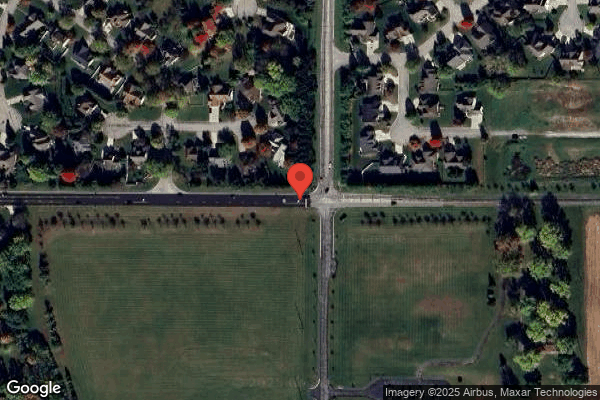
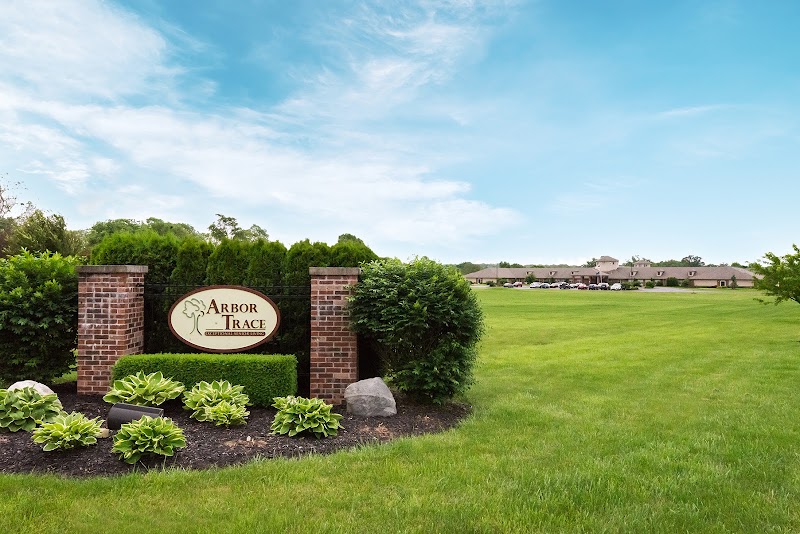
3701 HODGIN RD, RICHMOND, IN 47374 (765) 939-3701
For profit - Corporation 101 Beds CARDON & ASSOCIATES Data: November 2025
Trust Grade
83/100
#4 of 505 in IN
Last Inspection: August 2025

Inspected within the last 6 months. Data reflects current conditions.

Overview

Families considering Arbor Trace Health & Living Community in Richmond, Indiana, will find a facility with a Trust Grade of B+, indicating it is above average and recommended for care. It ranks #4 out of 505 nursing homes in Indiana, placing it in the top half of facilities statewide, and it is the top option among 8 homes in Wayne County. The facility's trend is improving, having reduced issues from 10 in 2024 to none in 2025. Staffing received a 3/5 rating, which is average, with a turnover rate of 46%, slightly better than the state average, suggesting staff stability. However, fines of $3,250 are concerning and higher than 78% of Indiana facilities, hinting at compliance issues. On the positive side, the facility has excellent RN coverage, which is beneficial as RNs can identify potential problems that CNAs might miss. Specific incidents noted in inspections include a failure to ensure that residents were clinically appropriate to self-administer medications, which raises safety concerns, and not obtaining a resident's bathing preferences, indicating a lack of personalized care. Overall, while Arbor Trace has strengths in its ranking and RN coverage, families should also be aware of the issues highlighted in the inspections.

Trust Score
B+
83/100
In Indiana
#4/505
Top 1%
Safety Record
Low Risk
No red flags
Inspections
Getting Better
10 → 0 violations
Staff Stability
⚠ Watch
46% turnover. Above average. Higher turnover means staff may not know residents' routines.
Penalties
✓ Good
$3,250 in fines. Lower than most Indiana facilities. Relatively clean record.
Skilled Nurses
○ Average
Each resident gets 32 minutes of Registered Nurse (RN) attention daily — about average for Indiana. RNs are the most trained staff who monitor for health changes.
Violations
⚠ Watch
18 deficiencies on record. Higher than average. Multiple issues found across inspections.
★★★★★
5.0
Overall Rating
★★★☆☆
3.0
Staff Levels
★★★★★
5.0
Care Quality
★★★★☆
4.0
Inspection Score
Stable
2024: 10 issues
2025: 0 issues

The Good

  • 5-Star Quality Measures · Strong clinical quality outcomes
  • Full Sprinkler Coverage · Fire safety systems throughout facility
  • No fines on record

Facility shows strength in quality measures, fire safety.

The Bad

Staff Turnover: 46%

Near Indiana avg (46%)

Higher turnover may affect care consistency

Federal Fines: $3,250

Below median ($33,413)

Minor penalties assessed

Chain: CARDON & ASSOCIATES

Part of a multi-facility chain

Ask about local staffing decisions and management

The Ugly 18 deficiencies on record

May 2024 10 deficiencies
CONCERN (D)

Potential for Harm - no one hurt, but risky conditions existed

Deficiency F0554 (Tag F0554)

Could have caused harm · This affected 1 resident

Based on observation, interview, and record review, the facility failed to ensure residents were clinically appropriate to self-administer medications for 3 of 3 residents randomly observed with medic...

Read full inspector narrative →
Based on observation, interview, and record review, the facility failed to ensure residents were clinically appropriate to self-administer medications for 3 of 3 residents randomly observed with medications at the bedside. (Resident 2, 9, and 22) Findings include: 1. An observation conducted of Resident 2's room, on 5/8/24 at 3:18 p.m., of a labeled bottle that contained benzocaine. Resident 2 indicated she utilized the benzocaine for her sore gums. An observation conducted of Resident 2's room, on 5/10/24 at 10:48 a.m., of a labeled bottle that contained benzocaine. There was also a bottle of nasal spray. Resident 2 indicated she took the nasal spray at night. Her jaw had been hurting for a while and the benzocaine did help. The clinical record for Resident 2 was reviewed on 5/10/24 at 12:17 p.m. The diagnoses included, but were not limited to, herpes viral encephalitis, altered mental status, and mild cognitive impairment. There were no self-administration assessments for Resident 2's utilization of benzocaine and/or the nasal spray on 5/8/24. A progress note, dated 5/9/24 at 5:08 p.m., indicated the following, .During the residents care conference .Also resident has been having c/o [complaints of] jaw/teeth pain new orders for Hurricane gel and may have at bedside and self admin. [administer] A physician order, dated 1/8/24 and discontinued on 5/9/24, was noted for benzocaine gel every 4 hours as needed for jaw pain. There were no instructions on the order that indicated Resident 2 was to self-administer the medication. 2. An observation conducted of Resident 9's room, on 5/10/24 at 10:52 a.m., of 2 lidocaine patches, unopened, and located on the table past the doorway into her room. The clinical record for Resident 9 was reviewed on 5/13/24 at 1:37 p.m. The diagnoses included, but were not limited to, congestive heart failure and arthritis. There was no self-administration assessment in Resident 9's clinical record. 3. An observation conducted of Resident 22's room, on 5/8/24 at 3:06 p.m., of a nasal spray located on the window. An observation conducted of Resident 22's room, on 5/9/24 at 10:19 a.m., of a nasal spray located on the window. The clinical record for Resident 22 was reviewed on 5/13/24 at 1:56 p.m. The diagnoses included, but were not limited to, nasal congestion and edema. There were no self-administration assessments conducted for Resident 22's nasal spray. A physician order, dated 2/14/24, indicated the use of Flonase nasal spray; 1 spray in each nostril daily as needed. An interview conducted with the DON, on 5/14/24 at 4:24 p.m., indicated a self-administration assessment was to be conducted for the residents to determine their ability to self-administer medications and have them at the bedside. A policy titled Beside Medications and Self-Administration of Medications, undated, was provided by Clinical Specialist on 5/13/24 at 11:49 a.m. The policy indicated the following, .Each resident who desires to self-administer medication will be permitted to do so if the facility's interdisciplinary team has determined that the practice would be safe for the resident and other residents of the facility 3.1-11(a)
CONCERN (D)

Potential for Harm - no one hurt, but risky conditions existed

Deficiency F0561 (Tag F0561)

Could have caused harm · This affected 1 resident

Based on interview and record review, the facility failed to obtain a resident's preference for bathing frequency for 1 of 1 resident reviewed for choices. (Resident 24) Findings include: The clinical...

Read full inspector narrative →
Based on interview and record review, the facility failed to obtain a resident's preference for bathing frequency for 1 of 1 resident reviewed for choices. (Resident 24) Findings include: The clinical record for Resident 24 was reviewed on 5/8/24 at 12:04 p.m. Her diagnoses included, but were not limited to: dementia, mood disorder, psychotic disorder with delusions, and anxiety. She resided on a secured unit of the facility. The ADL (activities of daily living) care plan, last reviewed/revised 4/23/24, indicated Resident 24 was unable to independently perform late loss ADLs related to weakness and debility. The 10/19/22 care plan, last reviewed/revised 4/23/24, indicated Resident 24 was cognitively impaired and unable to voice preferences regarding ADLs (activities of daily living.) The goal was for her to have her needs met. An approach, with a start date of 10/19/22 and end date of 6/1/24, read, Resident unable to state bathing preference. To be offered shower, per facility shower schedule. Staff to observe for any indication that resident may prefer to have shower done at another time of day and to inform IDT [Interdisciplinary Team] if this occurs. The 3/13/24 Quarterly MDS (Minimum Data Set) assessment and 4/20/24 Quarterly MDS assessment both indicated Resident 24 was cognitively intact. An interview was conducted with Resident 24 on 5/8/24 at 12:05 p.m. She indicated she would like to receive showers every other day, but didn't receive them that often in the facility. An interview was conducted with SSD (Social Services Director) 10 on 5/10/24 at 1:47 p.m. He indicated they discussed a resident's preference for bathing frequency upon admission and at care plan meetings. Nursing kept track and there were care plans for specific out of the norm preferences. The 10/26/20 Social History Assessment was reviewed. There was a section to document the resident's method of bathing as an adult to include type, frequency, day, etc. The response section was left blank, not completed. The 1/26/24 care conference observation did not reference Resident 24's bathing frequency preference. An interview was conducted with SSD 10 on 5/10/24 at 2:45 p.m. He referenced Resident 24's 10/19/22 cognitively impaired and unable to voice preferences regarding ADLs care plan and indicated he was unaware of any documentation or verification that Resident 24's bathing frequency preference was obtained. On 5/10/24 at 12:53 p.m., the DON provided Resident 24's shower sheets from April 1, 2024 to present. They included sheets for the following dates: 4/1/24, 4/4/24, 4/8/24, 4/11/24, 4/15/24, 4/18/24, 4/22/24, 4/25/24, 4/29/24, 5/2/24, 5/6/24, and 5/9/24. These dates indicated Resident 24 was provided showers twice weekly on Mondays and Thursdays. An interview was conducted with the DON (Director of Nursing) on 5/13/24 at 11:01 a.m. She indicated bathing frequency was generally discussed and documented on admission, but that process was not in effect when Resident 24 was admitted in 2020. It was also discussed at care plan meetings, but she was unsure if social services was specifically documenting bathing frequency preferences at care plan meetings. This morning, the DON spoke with Resident 24 herself, at which time Resident 24 informed she'd like a shower every other day. She was unsure as to the accuracy of the care plan that indicated Resident 24's preferences were unable to be obtained. An interview was conducted with CNA 12 on 5/14/24 at 2:13 p.m. She indicated she spoke with Resident 24 about her shower schedule over the weekend. Resident 24 informed her she would like 3 showers a week in the morning. The Resident Rights policy was provided by the CS (Clinical Specialist) on 5/13/24 at 11:49 a.m. It read, Federal and state laws guarantee certain basic rights to all residents of our community. These rights include the resident's right to: .5. Self-determination; .37. Receive care in a manner and in an environment that promotes maintenance or enhancement of his or her quality of life, recognizing each resident's individuality. 38. Receive care in accordance with personal preference. 3.1-3(u)(1)
CONCERN (D)

Potential for Harm - no one hurt, but risky conditions existed

Safe Environment (Tag F0584)

Could have caused harm · This affected 1 resident

Based on interview and observation, the facility failed to promote a clean and homelike environment for 1 of 4 residents reviewed (Resident 37) and 2 of 5 units reviewed for a clean and homelike envir...

Read full inspector narrative →
Based on interview and observation, the facility failed to promote a clean and homelike environment for 1 of 4 residents reviewed (Resident 37) and 2 of 5 units reviewed for a clean and homelike environment. Findings include: The clinical record for Resident 37 was reviewed on 5/14/2024 at 1:22 p.m. The medical diagnosis included dementia with behaviors. An annual minimum data set assessment, dated 1/28/2024, indicated that Resident was cognitively intact. An interview and observation on 5/8/2024 at 11:45 a.m. indicated that the baseboard strip from the door to the kitchenette cabinets was missing. Resident 37 stated that it had been missing for a while. An observation on 5/8/2024 at 12:03 p.m. indicated that along the handrails on the 300 hall, debris was noted to include general debris in the inside corners of the handrails, paper wrappers from straws, a dead insect, and a paper clip. An observation on 5/9/2024 at 10:45 a.m. indicated a thumb tack inside the handrails on the 200 hall. An observation and interview on 5/10/2024 at 2:00 p.m. indicated the general debris in the 300 hall handrails remained. Housekeeper 8 cleaned some debris from the handrails and indicated that it is part of the assignment to clean the handrails weekly, but sometimes when they are cleaning them that the debris gathers in the corners and not everyone cleans it all out. An observations on 5/14/2024 at 2:30 p.m. with DON indicated that the baseboard stripping in Resident 37's room was still missing. A policy entitled, Quality of Life - Homelike Environment, was provided by the DON on 5/14/2024 at 2:45 p.m. The policy indicated, .Residents are provided with a safe, clean, comfortable and homelike environment .
CONCERN (D)

Potential for Harm - no one hurt, but risky conditions existed

Assessment Accuracy (Tag F0641)

Could have caused harm · This affected 1 resident

Based on interview and record review, the facility failed to ensure accuracy of a resident's MDS (Minimum Data Set) assessment for 1 of 1 resident reviewed for dialysis. (Resident 50) Findings include...

Read full inspector narrative →
Based on interview and record review, the facility failed to ensure accuracy of a resident's MDS (Minimum Data Set) assessment for 1 of 1 resident reviewed for dialysis. (Resident 50) Findings include: The clinical record for Resident 50 was reviewed on 5/13/24 at 10:22 a.m. The diagnoses included, but were not limited to, end stage renal disease and dependence on renal dialysis. A dialysis care plan, dated 2/14/24, indicated Resident 50 received hemodialysis due to end stage renal disease. A physician order, dated 3/13/24, indicated Resident 50 received dialysis. A Significant Change Minimum Data Set (MDS) assessment, dated 2/16/24, indicated no dialysis being marked. An interview conducted with the Director of Nursing (DON), on 5/14/24 at 4:24 p.m., indicated the MDS Coordinator conducted the significant change MDS assessment due to Resident 50 starting dialysis. She was unsure why it was not marked on the MDS assessment.
CONCERN (D)

Potential for Harm - no one hurt, but risky conditions existed

Comprehensive Care Plan (Tag F0656)

Could have caused harm · This affected 1 resident

Based on interview and record review, the facility failed to develop care plans for diabetic medications, antiplatelet medication, medication used to aid in sleep, and gastroesophageal reflux disease ...

Read full inspector narrative →
Based on interview and record review, the facility failed to develop care plans for diabetic medications, antiplatelet medication, medication used to aid in sleep, and gastroesophageal reflux disease (GERD) medication for Resident 53, failed to implement a care planned intervention of care in pairs for Resident 53, and failed to develop a care plan for Resident 89's impaired communication. This deficient practice affected 2 of 24 residents reviewed for care planning. Findings include: 1. The clinical record for Resident 53 was reviewed on 5/14/2024 at 1:20 p.m. The medical diagnoses included diabetes, congestive heart failure, insomnia, GERD, and restless leg syndrome. A Quarterly Minimum Data Set Assessment, dated 3/5/2024, indicated that Resident 53 was cognitively intact. A care plan, dated 12/14/2023, indicated that Resident 53 was to be a care in pairs for all care provided. An interview with Resident 53 on 5/14/2024 at 11:00 a.m. indicated that since yesterday when she raised a concern with her care that they have been utilizing care in pairs with her. She stated prior to 5/13/2024, the facility did not utilize care in pairs. When asked about a concern related to a lab draw on 5/11/2024, Resident 53 indicated that only one staff member was present during that time. An interview with DON on 5/14/2024 at 11:30 a.m. indicated that she obtained the lab draw on 5/11/2024. She indicated that she did not utilize care in pair with Resident 53 due to having a good report with her. A physician order, dated 5/2/2024, indicated Resident 53 to receive medication for treatment of restless leg syndrome. A physician order, dated 5/2/2024, indicated Resident 53 to receive medication for treatment of her insomnia. A physician order, dated 5/2/2024, indicated Resident 53 to receive an oral medication for treatment of her diabetes melilites. A physician order, dated 5/2/2024, indicated for Resident 53 to receive an injectable medication for treatment of her diabetes mellitus. A physician order, dated 5/2/2024, indicated for Resident 53 to receive antiplatelet medications for treatment of her chronic heart failure. A physician order, dated 5/2/2024, indicated Resident 53 to receive medication to treat her GERD. Care plans for the aforementioned medications for Resident 53 were provided by the DON on 5/15/2024 at 12:50 p.m. The provided care plans were dated and/or revised on 5/15/2024. 2. The clinical record for Resident 89 was reviewed on 5/8/24 at 12:15 p.m. His diagnoses included, but were not limited to, expressive language disorder. The 3/28/24 nurse's note indicated he was admitted to the facility for stroke and left sided weakness. He was non-verbal and used a communication board. The 4/1/24 admission MDS (Minimum Data Set) assessment indicated he had unclear speech. An observation of Resident 89 was made on 5/8/24 at 12:22 p.m. He was not able to communicate verbally, but laughed, grunted a bit, and gave the thumbs up. He did not have a communication board, note pad, or anything else visible in his room to use for communication. Resident 89 did not have a communication care plan. An observation of Resident 89 in the activity room was made on 5/14/24 at 10:44 a.m. during a craft activity. A staff member informed him his project looked good and asked if he'd like to add anything else to it. Resident 89 shook his head no, grunted a bit, and waved his hand over his project. No communication board was observed for use with Resident 89 at this time. An interview was conducted with CNA (Certified Nursing Assistant) 13 on 5/13/24 at 2:09 p.m. She indicated she only worked with Resident 89 once the previous day. She assisted him with getting off the commode. He pressed his call light for help and cued to her by pointing to his bottom and moaning. An interview and observation was conducted with CNA 12 on 5/14/24 at 2:15 p.m. in Resident 89's room. Resident 89 was not in his room at this time. CNA 12 indicated Resident 89 had a communication board and picked it up from the night stand near his bed. There were multiple laminated pages with pictures of various objects on each page. CNA 12 indicated, to her knowledge, he didn't really use it, but it was usually located on his bedside table. An interview was conducted with SSD (Social Services Director) 10 on 5/14/24 at 2:29 p.m. He indicated the Veterans Affairs was working on getting an I-Pad for Resident 89. He was unsure if he should have a care plan regarding his communication, but there were a few other residents on another unit with expressive problems and they all had care plans. An interview was conducted with SSD 10 on 5/14/24 at 3:13 p.m. He indicated Resident 89 did not have a communication care plan. The Comprehensive Care Plans policy was provided by the CS (Clinical Support) on 5/13/24 at 11:49 a.m. It read, An individualized comprehensive care plan that includes measurable objectives and timetables to meet the resident's medical, nursing, mental and psychological needs is developed for each resident Each resident's comprehensive care plan is designed to: a. Incorporate identified problem areas; b. Incorporate risk factors associated with identified problems; c. Build on the resident's strengths; .g. Aid in preventing or reducing declines in the resident's functional status and/or functional levels; .i. Reflect currently recognized standards of practice for problem areas and conditions. 3.1-35(a)
CONCERN (D)

Potential for Harm - no one hurt, but risky conditions existed

Accident Prevention (Tag F0689)

Could have caused harm · This affected 1 resident

2. An observation was conducted of Resident 36 on 5/8/24 at 2:06 p.m. She was sitting on the leg rest to her recliner with her feet touching the floor. Certified Nursing Assistant (CNA) 4 and CNA 5 en...

Read full inspector narrative →
2. An observation was conducted of Resident 36 on 5/8/24 at 2:06 p.m. She was sitting on the leg rest to her recliner with her feet touching the floor. Certified Nursing Assistant (CNA) 4 and CNA 5 entered the room and put one of each of their arms underneath Resident 36's arms to lift her up and pivot her into her wheelchair. There was no utilization of a gait belt during the pivot transfer. A gait belt was located on top of Resident 36's walker in her room during the observation. A soft touch call light was located on the bedside table to the right side of the recliner. The call light was placed towards the back of the bedside table to where Resident 36 would have to reach backwards to reach the call light. An observation of Resident 36, conducted on 5/8/24 at 2:20 p.m., of her sitting up in her wheelchair at the nurses' station. There was no television or activities being provided. There was a bowling activity being conducted in the Taste of Town room of the facility. An observation of Resident 36's room, conducted on 5/8/24 at 2:54 p.m., of her call light that did not contain no neon tape around it by her bed. An observation conducted of Resident 36, on 5/8/24 at 3:28 p.m., up in her wheelchair at the nurses' station. There was no television or activities being provided. An observation conducted of Resident 36, on 5/9/24 at 10:11 a.m., up in her wheelchair at the nurses' station. There was no television or activities being provided. An observation conducted of Resident 36, on 5/9/24 at 10:54 a.m., up in her wheelchair at the nurses' station. There was a box of markers and coloring pages that were located on top of the box of markers but not set up for the resident to utilize. An observation conducted of Resident 36, on 5/10/24 at 10:45 a.m., up in her wheelchair at the nurses' station. There was no television or activities being provided. She was leaning to the left and a staff member placed a pillow underneath her left arm. The clinical record for Resident 36 was reviewed on 5/10/24 at 11:46 a.m. The diagnoses included, but were not limited to, Parkinson's disease, repeated falls, malnutrition, and cerebral infarction. A Quarterly Minimum Data Set (MDS) assessment, dated 3/28/24, indicated severe cognitive impairment, the utilization of a walker and wheelchair, substantial/maximal assistance with toileting, bathing, upper and lower body dressing, personal hygiene, sit to stand, and chair to bed/bed to chair transfer. A fall care plan, updated 4/10/24, indicated Resident 36 was at risk for falling and fall related injuries. The approaches included, but were not limited to, offered diversional activities when up in high traffic areas such as snacks, people watching, puzzles, and at times coloring, offered assistance with transferring to bed or recliner, after meals and toileting, and brightly colored tape to call lights. 3. An observation was conducted of Resident 71 on 5/8/24 at 1:59 p.m. She was slouched down in her wheelchair to where her legs were over the foot pedals and her buttocks was towards the front of her wheelchair cushion. Resident 71 had a lift pad underneath her. CNA 4 and CNA 5 entered the room and put one of each of their arm's underneath both of Resident 71's arms and their other arm towards the back of Resident 71 grabbing onto the back of her pants. CNA 4 and CNA 5 hoisted Resident 71 while underneath her arms and grabbing onto the back of her pants to move her backwards and repositioned in her wheelchair. CNA 5 indicated, at the time of the observation, that she was new to the facility and still undergoing orientation. The clinical record for Resident 71 was reviewed on 5/10/24 at 12:00 p.m. The diagnoses included, but were not limited to, encephalopathy, cerebral infarction, hemiplegia and hemiparesis. An Annual MDS assessment, dated 4/25/24, indicated severe cognitive impairment, dependent for chair to bed/bed to chair transfer, and utilized a wheelchair. A care plan for activities of daily living (ADLs), updated 3/21/24, indicated Resident 71 was unable to perform ADLs independently. Resident 71 required extensive/maximal assistance for bed mobility, transfers per Hoyer (mechanical) lift and 2 staff members. An interview conducted with the Director of Nursing (DON), on 5/14/24 at 4:24 p.m., indicated the expectations are to follow the appropriate practices for the fall policy and utilization of a gait belt during transfers. A policy titled Fall Prevention Policy and Procedure, dated May 2016, was provided by the DON on 5/13/24 at 1:10 p.m. The policy indicated the following, .CARE PLANNING .Fall risk care plans will be kept current by the IDT [interdisciplinary team] and other associates within each community. Individualized interventions on the fall care plan will be duplicated onto care sheets to ensure care plan strategies are integrated into the health system The Indiana State Department of Health Nurse Aide Curriculum, revised November 19, 2015, indicated the following, .PROCEDURE #24: USING A GAIT BELT TO ASSIST WITH AMBULATION .3. Place belt around resident's waist with the buckle in front and adjust to a snug fit ensuring that you can get your hands under the belt .4. Assist the resident to stand on count of three .6. Stand to side and slightly behind resident while continuing to hold onto belt .PROCEDURE #26: TRANSFER TO WHEELCHAIR .2. Place wheelchair on resident's unaffected side .4. Stand in front of resident and apply gait belt around the resident's abdomen 3.1-45(a)(1) 3.1-45(a)(2) Based on observation, interview, and record review, the facility failed to ensure a transfer with utilization of a gait belt and the utilization of a Hoyer (mechanical lift) lift for 2 of 2 randomly observed residents (Resident 36 and Resident 71) and ensure fall interventions were in place for 2 of 7 residents reviewed for accidents (Resident 36 and Resident 62). Findings include: 1. The clinical record for Resident 62 was reviewed on 5/8/24 at 12:20 p.m. His diagnoses included, but were not limited to, dementia. An interview was conducted with Family Member 21 on 5/8/24 at 2:24 p.m. He indicated Resident 62 fell about a month ago and fractured his pelvis. He was in his room around 2:00 p.m. and tried to get up and walk. The staff had told him many times to use his walker or wheel chair. The 4/18/24 post fall assessment indicated Resident 62 had an unwitnessed fall on 4/18/24 at 2:00 p.m. He was found in a supine position, outside of the bathroom door. Prior to the fall he was sitting in his wheel chair. The 4/18/24, 2:29 p.m. nurse's note read, Resident found on floor unable to make sense of what happened, c/o [complains of] right hip pain, MD notified, new order for right hip x ray, family aware. The 4/18/24, 6:31 p.m. nurse's note read, Results from X-ray reveal pelvic fracture with mild displacement, oncoming nurse notified M.D. of results, Order to sent resident out to ER [emergency room] obtained. The 4/19/24, 2:29 a.m. nurse's note read, Resident returned to facility via [name of hospital] transport. VSS [Vital Signs Stable.] Resident diagnosed with Closed displaced fracture of right acetabulum, and pelvis. Acute Cystitis without hematuria. Resident c/o pain in legs and pelvis. prn [as needed] pain medication given. Referral placed with [name of orthopedic provider], they will call facility with appointment time. Resident must remain weight bearing and can sit as tolerated. N.O. [New order] for cephalexin 500mg QID [4 times daily] x [times] 7 days and Norco 5-325mg q [every] 6h [hours] prn pain x 5 days. Resident is resting in bed with call light in reach and no other needs at this time. The 4/19/24, 10:28 a.m. IDT (Interdisciplinary Team) note, recorded as a late entry on 4/24/24 at 10:33 p.m., read, IDT Post Fall Assessment Fall on 04/18/2024: Resident was observed on floor in room. Resident stated he was trying to take a leak prior to fall. Resident was not incontinent at time of fall. Staff last saw resident in his room. Vital signs and neuro checks were initiated. Injuries noted at time of fall was c/o [complaints of] pain to Rt [right] hip, nurse notified provider and NP [nurse practitioner] gave order to obtain a stat [immediately] X-ray. Root cause of fall is that resident was attempting to independently ambulate/transfer. Resident is cognitively impaired with poor safety awareness. Resident is also noted to be impulsive and resistant to the use of the call light. Immediate intervention was to bring to a supervised area and notify provider of pain. Intervention initiated by IDT is for resident to have individualized activities in the afternoon. Care plan updated. Observations of Resident 62 sitting in his wheel chair were made on the following dates and times: 5/8/24 at 12:21 p.m. alone in his room, 5/10/24 at 1:01 p.m. at a dining room table, 5/13/24 at 10:39 a.m. in his room with family, 5/13/24 at 12:33 p.m. at a dining room table, and 5/13/24 at 2:00 p.m. still at a dining room table. There was an antirollback device (device used to help prevent falls that attaches to the back of a wheel chair and grabs the tires when the user stands, preventing the chair from rolling backward) attached to the right side of his wheel chair, but it was missing the left side of the device. An interview was conducted with UM (Unit Manager) 17 on 5/13/24 at 2:05 p.m. at the nurse's desk while Resident 62 was sitting in his wheel chair at a dining room table. Resident 62 was easily visible from the nurse's station. UM 17 observed Resident 62's missing left antirollback and indicated she believed he was supposed have one on the left side, because she'd never known a resident to have one side and not the other. She called the therapy department at this time to let them know about the missing left antirollback. After getting off the phone, she indicated they instructed her to contact the Maintenance Supervisor. UM 17 indicated she didn't work on the unit enough to know whether Resident 62 had the left antirollback device attached to his wheel chair when he fell on 4/18/24. To her knowledge, he's had that wheel chair since he's been back here, for months. An interview was conducted with RN (Registered Nurse) 18 on 5/13/24 at 2:05 p.m. She indicated Resident 62 had the ability to walk on 4/18/24 when he fell. He used his wheel chair to come to the dining room for meals and used his walker in his room. An observation and interview was conducted with the MS (Maintenance Supervisor) on 5/13/24 at 2:13 p.m. while he was working on Resident 62's wheel chair in the hallway in front of the nurses desk. The MS added the left side of the antirollback device and repositioned the right side of the antirollback device. He indicated the right antirollback was not in a position to prevent rollback, and no one informed him prior to today that the left antirollback was missing. An interview was conducted with the DON (Director of Nursing) on 5/13/24 at 2:33 p.m. She indicated she was unaware if the left antirollback was attached to Resident 62's wheel chair when he fell on 4/18/24. They may not have paid much attention to the antirollback device, since it wasn't a fall intervention listed on his care plan. She wasn't sure if that was the same wheel chair he was in when he fell on 4/18/24 or not.
CONCERN (D)

Potential for Harm - no one hurt, but risky conditions existed

Drug Regimen Review (Tag F0756)

Could have caused harm · This affected 1 resident

Based on interview and record review, the facility failed to ensure pharmacy recommendations were followed-up with timely for 1 of 5 residents reviewed for unnecessary medications. (Resident 22) Findi...

Read full inspector narrative →
Based on interview and record review, the facility failed to ensure pharmacy recommendations were followed-up with timely for 1 of 5 residents reviewed for unnecessary medications. (Resident 22) Findings include: The clinical record for Resident 22 was reviewed on 5/13/24 at 2:17 p.m. The diagnoses included, but were not limited to, bradycardia, nasal congestion, and depressive episodes. A physician order, dated 7/13/23, was noted for Zoloft (antidepressant medication) 50 milligrams daily. A physician order, dated 2/14/24, was noted for Flonase nasal spray; 1 puff in each nostril daily as needed. The order was discontinued on 5/12/24. A pharmacy review, dated 11/16/23, indicated a gradual dose reduction (GDR) request for Resident 22's Zoloft. It was marked as agree for the Zoloft to be decreased from 50 milligrams to 25 milligrams. This recommendation was not implemented due to Resident 22 still receiving Zoloft 50 milligrams daily upon record review. A pharmacy review, dated 3/4/24, indicated the Flonase nasal spray to be scheduled for daily use. It was marked as agree to schedule the Flonase nasal spray to daily; 1 spray in each nostril. This recommendation was not implemented due to Resident 22 still having a physician order for Flonase nasal spray as needed upon record review. A pharmacy review, dated 4/1/24, indicated the Flonase nasal spray to be discontinued. It was marked as agree to discontinue to Flonase. This recommendation was not implemented due to Resident 22 still having a physician order for Flonase nasal spray upon record review. An interview conducted with the Director of Nursing (DON), on 5/14/24 at 4:24 p.m., indicated the pharmacy recommendations were usually followed up with by the DON or the Assistant Director of Nursing (ADON). The process was not being implemented and it was in the process of being changed. A policy titled Medication Regimen Review, updated 3/09, was provided by the DON on 5/14/24 at 9:20 a.m. The policy indicated the following, .report in writing any potential irregularities and/or comments to the Director of Nursing Services .The recommendations MUST be addressed and appropriate action taken in a reasonable time frame 3.1-25(i)
CONCERN (D)

Potential for Harm - no one hurt, but risky conditions existed

Infection Control (Tag F0880)

Could have caused harm · This affected 1 resident

Based on observation, interview, and record review, the facility failed to ensure infection control practices were maintained during incontinence care (Resident 3), ensure personal protective equipmen...

Read full inspector narrative →
Based on observation, interview, and record review, the facility failed to ensure infection control practices were maintained during incontinence care (Resident 3), ensure personal protective equipment (PPE) was donned prior to incontinence care for a resident on enhanced barrier precautions (EBP) (Resident 3), and ensure hand hygiene in between residents during medication administration (Resident 68). Findings include: 1. An observation conducted of incontinence care for Resident 3 was conducted on 5/10/24 at 2:00 p.m. with Qualified Medication Aide (QMA) 2 and Certified Nursing Assistant (CNA) 3. CNA 3 proceeded to remove Resident 3's incontinence brief due to soilage. CNA 3 performed perineal care by utilizing disposable wipes. CNA 3 proceeded to wipe from front to back of the perineum but utilized the same soiled wipe to wipe Resident 3 twice. CNA 3 placed the soiled wipes within the soiled brief and discarded such. CNA 3 took a tube a cream and applied the cream to Resident 3's coccyx area with the same gloves that were soiled from performing incontinence care. Both CNA 3 and QMA 2 did not don PPE prior to conducting incontinence care for Resident 3. The clinical record for Resident 3 was reviewed on 5/13/24 at 10:10 a.m. The diagnoses included, but were not limited to, pressure ulcer of sacral region and diabetes mellitus. A care plan, dated 5/8/24, indicated Resident 3 requires enhanced barrier precautions related to her wound. The approach indicated to apply gown and gloves for high-contact care activities such as toileting needs, providing hygiene, and changing briefs/assisting with toileting needs. 2. An observation was conducted of medication administration, on 5/9/24 at 8:30 a.m., with QMA 2. She proceeded to prepare medications for Resident 45 and administer such medications. QMA 2 returned to the medication cart and started to prepare medications for Resident 68 without performing hand hygiene. There was a bottle containing hand sanitizer on the medication cart. After donning gloves to administer eye drops to Resident 68, QMA 2 doffed her gloves and performed hand hygiene. An interview conducted with QMA 2 during the observation, and she commented that makes sense when asked about the hand hygiene not being performed in between residents with medication administration. An interview conducted with the Director of Nursing (DON), on 5/14/24 at 4:24 p.m., indicated they reflect the policy regarding incontinence care, hand hygiene, and donning and doffing of PPE related to residents on enhanced barrier precautions. A policy titled Hand Washing/Hand Hygiene Policy, printed on March 24, 2016, was provided by the DON on 5/13/24 at 11:51 a.m. The policy indicated to perform hand hygiene before and after direct resident contact, before and after entering isolation precaution settings, before and after assisting a resident with personal care, and after contact with a resident's mucous membranes and body fluids or excretions, and after handling soiled or used linens, dressings, bedpans, catheters and urinals. A document titled Bed Bath/Perineal Care, undated, was provided by the DON on 5/13/24 at 11:51 a.m. The document indicated the following, .Perineal care .For Females .Wash between and outside labia in downward strokes, alternating from side to side and moving outward on thighs. Use different part of washcloth for each stroke A policy titled Enhanced Barrier Precautions, revised 4/1/24, was provided by the DON on 5/13/24 at 11:51 a.m. The policy indicated the following, .EBP is used in conjunction with standard precautions and expand the use of PPE to donning of gown and gloves during high-contact resident care activities that provide opportunities for transfer of MDROs [Multidrug-resistant Organisms] to staff hands and clothing 3.1-18(b)(2) 3.1-18(l)
CONCERN (D)

Potential for Harm - no one hurt, but risky conditions existed

Deficiency F0883 (Tag F0883)

Could have caused harm · This affected 1 resident

**NOTE- TERMS IN BRACKETS HAVE BEEN EDITED TO PROTECT CONFIDENTIALITY** Based on interview and record review, the facility failed to ensure pneumococcal immunizations were offered and/or administered ...

Read full inspector narrative →
**NOTE- TERMS IN BRACKETS HAVE BEEN EDITED TO PROTECT CONFIDENTIALITY** Based on interview and record review, the facility failed to ensure pneumococcal immunizations were offered and/or administered for 2 of 5 residents reviewed for immunizations. (Resident 36 and Resident 11) Findings include: 1. The clinical record for Resident 36 was reviewed on 5/14/24 at 10:15 a.m. The diagnoses included, but were not limited to, Parkinson's disease, cerebral infarction, and malnutrition. An immunization record, dated 12/1/21, was provided by the Assistant Director of Nursing (ADON) on 5/14/24 at 4:15 p.m. The document indicated the following immunizations administered: Pneumovax-23 (PPSV23) administered on 11/10/1997, & Prevnar-13 (PCV13) administered on 7/11/2017. An immunization consent form, dated 9/29/22, indicated consent was given for the influenza vaccine but not to the pneumococcal vaccine. Under the refusal column there was no indication of refusal for the pneumococcal vaccine. A Quarterly Minimum Data Set (MDS) assessment, dated 3/28/24, indicated the pneumococcal vaccine was not up to date due to not offered. 2. The clinical record for Resident 11 was reviewed on 5/14/24 at 10:30 a.m. The diagnoses included, but were not limited to, Parkinson's disease, diabetes mellitus, edema, and weakness. Resident 11 was admitted to the facility on [DATE]. An immunization consent form, undated, was provided by the ADON on 5/14/24 at 4:15 p.m. The document indicated consent was given for the pneumococcal vaccine. There was no indication in Resident 11's clinical record that a pneumococcal vaccine was administered. A Quarterly MDS, dated [DATE], indicated the pneumococcal vaccine was not given due to it was offered and declined. An interview conducted with the Director of Nursing (DON), on 5/14/24 at 4:24 p.m., indicated the Infection Preventionist is responsible for the immunization consents and follow-up regarding to the administration of immunizations. A policy titled Pneumonia Vaccination Policy, dated 11/8/16, was provided by the DON on 5/14/24 at 2:45 p.m. The policy indicated the following, .both pneumococcal conjugate vaccine (PCV13, Prevnar 13, Pfizer) and pneumococcal polysaccharide vaccine (PPSV23, Pneumovax, Merck) should be administered routinely in a series to all adults age [AGE] years and older .In addition to adults age [AGE] years and older, adults age [AGE] through 64 years who have the conditions specified below and who have not previously received PCV13 should receive a PCV13 dose during their next vaccination opportunity .PPSV23 is recommended for all people who meet any of the criteria below .1. All adults age [AGE] years and older 3.1-13(a)
CONCERN (E)

Potential for Harm - no one hurt, but risky conditions existed

Quality of Care (Tag F0684)

Could have caused harm · This affected multiple residents

**NOTE- TERMS IN BRACKETS HAVE BEEN EDITED TO PROTECT CONFIDENTIALITY** 4. The clinical record for Resident 33 was reviewed on 5/10/2024 at 11:30 a.m. The medical diagnosis included Alzheimer's diseas...

Read full inspector narrative →
**NOTE- TERMS IN BRACKETS HAVE BEEN EDITED TO PROTECT CONFIDENTIALITY** 4. The clinical record for Resident 33 was reviewed on 5/10/2024 at 11:30 a.m. The medical diagnosis included Alzheimer's disease. A Quarterly Minimum Data Set Assessment, dated 3/8/2024, indicated that Resident 33 was independent with choices of his daily living, needed assistance of staff for dressing and hygiene needs, and had skin impairments. A physician order, dated 5/9/2024, indicated for Resident 33 to have Silvadene cream applied to sacrum twice a day. A physician order, dated 5/9/2023, indicated for Resident 33 to have nystatin-zinc-triamcinolone topical cream applied to sacrum twice a day. An interview with LPN 9 on 5/14/2024 at 10:50 a.m. indicated that Resident 33 had a skin impairment to his bottom and utilized two creams to the area. She showed the two topical creams in separate containers then stated that when she applied them, she would mix them together in her glove and then apply them to his sacrum. An observation on 5/14/2024 at 11:00 a.m. indicated that LPN 9 provided wound care to Resident 33's sacrum. During this observations, she took nystatin-zinc-triamcinolone cream from one container and then Silvadene from another, mixed the two creams together in her gloved hand then applied the compounded mixture to Resident 33's sacrum. An interview with the Clinical Specialist on 5/14/2024 at 2:10 p.m. indicated that the facility did not have policy about compounding medications at the bedside, but she had reached out to their consulting pharmacist. The consulting pharmacist had directed that one medicated cream should be applied and then the second should be applied on top of the first cream's application, but they should not be mixing the creams prior to application. An interview with the Clinical Specialist on 5/14/2024 at 3:35 p.m. indicated upon additional conversation with the consulting pharmacist that there is no adverse reaction to mixing the creams, but the pharmacy could not fully compound the ingredients into a single cream due to the fully compounding cream of nystatin-zinc-triamcinolone and Silvadene would affect billing. Based on observation, interview, and record review, the facility failed to ensure physician notification of a 3-pound (lb.) weight gain over a 24-hour period for 1 of 1 resident reviewed for edema (Resident 9) and 1 of 1 resident reviewed for dialysis (Resident 50). The facility failed to ensure ACE wraps were applied as ordered for 1 of 3 residents reviewed for pressure ulcers. (Resident 11) The facility failed to administer creams to a skin impairment without compounding medicated creams for 1 of 3 residents reviewed for skin impairments (Resident 33). The facility failed to verify a urinalysis was reordered after the results of a probable contamination, ensure vancomycin was given as ordered, and had no verification of catheter care being provided for eight days after return from a hospitalization for 1 of 3 residents reviewed for urinary tract infection (Resident 58). Findings include: 1. The clinical record for Resident 9 was reviewed on 5/13/24 at 1:37 p.m. The diagnoses included, but were not limited to, congestive heart failure, edema, and weakness. A care plan for nutrition, dated 3/26/22, indicated history of weight loss and diuretic therapy. The approach was listed to monitor/record weights and notify the physician of any significant changes. A physician order, dated 2/25/24, indicated daily weights to be obtained and contact the physician if more than 3 lbs. of weight gain within one day and/or more than 5 lbs. of weight gain within a week. The electronic medication administration record (EMAR) for April and May of 2024 were reviewed. The following date(s) were noted to where Resident 9 had weight gain of more than 3 lbs. over one day without physician notification located in the clinical record: 4/12/24 of 3.2 lbs., 4/25/24 of 3.4 lbs., 5/4/24 of 5.4 lbs., & 5/9/24 of 3.1 lbs. 2. The clinical record for Resident 50 was reviewed on 5/13/24 at 10:22 a.m. The diagnoses included, but were not limited to, end stage renal disease, edema, and congestive heart failure. A care plan for fluid volume, dated 2/17/21, indicated Resident 50 was at risk for fluid volume excess/exacerbation related to congestive heart failure. The approach was listed to assess and report fluid excess like weight gain. A physician order, dated 3/13/24, indicated daily weights to be obtained and contact the physician if more than 3 lbs. of weight gain within one day and/or more than 5 lbs. of weight gain within a week. The electronic medication administration record (EMAR) for April and May of 2024 were reviewed. The following date(s) were noted to where Resident 50 had weight gain of more than 3 lbs. over one day without physician notification located in the clinical record: 4/7/24 of 6.4 lbs., 4/9/24 of 5.3 lbs., 4/11/24 of 3.2 lbs., 4/17/24 of 3.3 lbs., 5/3/24 of 3 lbs., & 5/6/24 of 12.9 lbs. A policy titled Change in a Resident's Condition or Status, revised April 2007, was provided by the DON on 5/14/24 at 9:20 a.m. The policy indicated the following, .Our facility shall promptly notify the resident, his or her Attending Physician, and representative (sponsor) of changes in the resident's medical/mental condition and/or status .e. A need to alter the resident's medical treatment significantly .i. Instructions to notify the physician of changes in the resident's condition 3. The clinical record for Resident 11 was reviewed on 5/10/24 at 11:51 a.m. The diagnoses included, but were not limited to, Parkinson's disease, edema, pain, and weakness. A physician order, dated 3/26/24, indicated the use of ACE wraps on in the morning and off at night. An observation conducted of Resident 11, on 5/9/24 at 10:55 a.m., of being up in his wheelchair during an activity. He was wearing nonskid socks but no ACE wraps. An observation conducted of Resident 11, on 5/10/24 at 10:54 a.m., of being up in his wheelchair during an activity. He was wearing tennis shoes and did not have ACE wraps. An interview conducted with the Director of Nursing (DON), on 5/14/24 at 4:24 p.m., indicated the expectations are to follow the physician orders as written and notify the physician when it's indicated. 3.1-37(a)5. The clinical record for Resident 58 was reviewed on 5/9/24 at 11:15 a.m. Her diagnoses included, but were not limited to, chronic kidney disease, congestive heart failure, hypertension, and diabetes mellitus type II. An interview was conducted with Family Member 20 on 5/8/24 at 2:00 p.m. She indicated Resident 58 had a fall with fracture on 4/7/24. She came to see Resident 58 a few days later and her oxygen saturations were low, so she insisted she be sent to the emergency room. The 4/7/24, 7:27 a.m. nurse's note read, CNA [Certified Nursing Assistant] observed resident sitting in front of her wheelchair on the hallway floor, this nurse and CNA took residents vitals and assisted back into wheelchair. This nurse asked the resident what they were doing, resident said she was going to stand up because she wanted to resident is visibly confused, has required redirection most of the evening prior to this incident. Resident stated that she wanted to stand, there were girls in her room and her legs hurt, she said they would not support her anymore. This nurse took residents vitals : 209/75 [blood pressure,] 16 [respiration rate,] 113 [pulse rate,] 98% RA [oxygen saturation on room air,] 97.3 [temperature,] resident denies pain, no visible injuries, resident states she did not hit her head, residents daughter, and [name of provider] contacted. The 4/7/24, 9:45 p.m. nurse's note read, Granddaughter - [name of granddaughter] - called expressing concern over her grandmother and requested on call to be contacted [Name of provider] contacted order for UA&CS [urinalysis & culture & sensitivity] and to call urologist and inform him of change in condition. Urine obtained via straight cath [catheter,] urine is cloudy, sediment noted and foul odor. Collection cup and tubes labelled [sic] and placed in REV specimen refrigerator. Granddaughter called back and informed of orders. The 4/8/24, 10:09 a.m. IDT (Interdisciplinary Team) Post Fall Assessment note read, Fall on 04/07/2024: Resident was observed on floor in hallway close to power chair. Resident stated she was trying to stand up prior to fall. Staff last saw resident in her room in her wheelchair. Vital signs and neuro [neurological] checks were initiated. No injuries noted at time of fall. Root cause of fall is that resident was attempting to independently transfer from wheelchair to power chair. Resident has had a noted change in lethargy and weakness. Immediate intervention was to assist resident back in to wheelchair and start 15 minute checks. Intervention initiated by IDT is to complete labs and UA/C&S [urinalysis/culture & sensitivity] per MD orders r/t [related to] increase in weakness. Care plan updated. The 4/8/24, 1:15 p.m. nurse's note read, Seen by NP [nurse practitioner] N/O [new order] for labs UA & xRAYS D/T [due to] new ONSET of weakness LAbs & UA obtained this am Xray of back over the weekend were neg [negative] continues on Neuro's d/t recent fall denies any new issues Grand daughter updated. The 4/9/24, 10:25 a.m. physician note indicated Resident 58 was being seen today for increased confusion, being found on the floor by a member of the facility's staff and to review and address, if necessary, any recent labs or diagnostic testing. It read, Confusion .4/9/24-blood work is nonacute. Urinalysis is pending. Continue supportive treatment. Monitor for problems. The 4/11/24, 7:49 p.m. nurse's note read, Res [Resident] resting in recliner. Res was previously at bingo Alert and oriented with no distress noted. The 4/11/24, 10:27 a.m. UA/C&S results indicated the specimen was received in the lab on 4/9/24 at 4:23 p.m. She flagged positive with a result of 2+, MODERATE for leukocytes and abnormal amounts of blood and protein in urine. The microbiology report at the bottom indicated there was growth in the urine at 48 hours that was greater than 3 colony types isolated suggesting probable contamination. It read, If clinically indicated, recollection using a method to minimize contamination, with prompt transfer to urine culture transport tube is recommended. There was no information in the clinical record to indicate another UA/CS was completed after the above 4/11/24 results. The 4/11/24, 3:44 p.m. NP note, recorded as a late entry on 5/14/24 at 3:45 p.m. and electronically signed by NP 15's Medical Scribe, included the 4/9/24 UA results, but did not include a comment on their review or plan to address the results. An interview was conducted with NP (Nurse Practitioner) 15 on 5/14/24 at 10:39 a.m. She indicated it looked to her like the 4/11/24 UA/CS results for Resident 58 were contaminated, so she did not move forward with treatment because of that. Typically speaking, if there was a contaminated UA and the resident was not symptomatic, then she wouldn't order a follow up UA. As far as ordering a redraw for Resident 58, perhaps she did and it fell off. The 4/13/24, 5:30 p.m. nurse's note read, QMA [Qualified Medication Aide] called this writer to res [resident's] room. Res was laying in bed lethargic but responded some with slurred speech. BP 160/74 P 68 T 97.9 02 74% RA R 14 Shallow deep breathing. Res was reaching in the air for things that wasn't there. Unable to answer questions fully. As VS [vital signs] were taken [name of PO-power of attorney] POA walked in and ask for res to be sent to ER. Called 911. EMT [Emergency Medical Technicians] arrived and took res to [NAME] [name of hospital.] Gave paper work to daughter to take to [name of hospital.] DON notified and [name of medical provider] was contacted and notified of transfer to hospital. Res daughter took res glasses to hospital. [Name of hospital]called and gave report to [name of ER staff] in the ER. The 4/17/24 hospital discharge summary indicated her principal problem was a UTI (urinary tract infection) with an active problem of sepsis due to UTI. It read, .was admitted from ECF [extended care facility] with increased confusion. She was diagnosed with acute metabolic encephalopathy thought to be secondary to Enterococcus faecalis UTI. She improved with antibiotics. Given microbiology results and risk of interaction between Zyvox and Sinemet she will be discharged on 1 additional dose of IV [intravenous] vancomycin Patient also had urinary retention which certainly contributed to her agitation and encephalopathy. She is therefore discharged with a Foley catheter in place. The START taking these medications section of the discharge summary indicated to take vancomycin 1.25 gram/250 mL injection into the vein 1 time for 1 dose on 4/19/24. The Urinary Retention section of the 4/17/24 hospital After Visit Summary read, Urinary retention means you are having trouble urinating. In some cases you may not be able to pass any urine at all. This condition occurs even though your bladder is full. Causes - For girls and women, the most common cause of urinary retention is a bladder infection .Treatment - This condition is treated by putting a tube (catheter) into the bladder to drain the urine. This gives relief right away. The catheter may need to stay in place for a few days Home Care - If you were given antibiotics to treat a bladder infection, take them until they are used up. Or take them until your healthcare provider tells you to stop. It's important to finish the antibiotics even if you feel better. This is to make sure your infection has cleared. If a catheter was left in place, it's important to keep bacteria from getting into the collection bag. Don't disconnect the catheter from the collection bag. Use a leg band to secure the drainage tube, so it does not pull on the catheter. Drain the collection bag when it becomes full using the drain spout at the bottom of the bag. Don't pull on or try to take out your catheter. This will harm your urethra. The catheter must be removed by a healthcare provider. Follow-up care - .If a catheter was left in place, it can often be removed in 3 to 7 days. Some conditions require that thee catheter stays in longer. Your provider will tell you when to come back to have the catheter removed. The 4/17/24, 4:21 p.m. nurse's note indicated Resident 58 returned from the hospital. The April, 2024 facility physician's orders included the order for the one dose of vancomycin to be given on 4/19/24, but did not include any orders regarding her catheter until 4/25/24. They were to apply leg bag for Foley catheter twice a day, starting 4/25/24; to change urinary catheter and drainage bag as needed for occlusion/dislodgement starting 4/25/24; and to provide urinary catheter care every shift, starting 4/25/24. The April, 2024 MAR (medication administration record) indicated Resident 58 did not receive the one dose of vancomycin on 4/19/24. They indicated the orders regarding her catheter did not begin being provided until 4/25/24. An interview was conducted with the DON (Director of Nursing) on 5/14/24 at 12:25 p.m. and 5/14/24 at 1:54 p.m. She indicated Resident 58 did not receive the dose of vancomycin on 4/19/24, as ordered. They caught the error the following week and the nursing staff involved were disciplined. They were providing catheter care as a standard of practice after her return from the hospital on 4/17/24 through 4/25/24, but did not have orders, documentation of the care, or any other verification to verify that. An interview was conducted with CNA 12 on 5/14/24 at 1:52 p.m. She indicated she worked with Resident 58 often. Since her hospitalization, she had been declining. She wasn't eating as well anymore and was sleeping more often. An interview was conducted with CNA 13 on 5/14/24 at 1:54 p.m. She indicated she worked Resident 58 and she was declining and very tired. The Urinary Catheter Care policy was provided by the DON on 5/14/24 at 2:45 p.m. It read, The following information should be recorded in the resident's medical record: 1. The date and time that catheter care was given. 2. The name and title of the individual giving the catheter care. 3. All assessment data obtained when giving catheter care. 3.1-37(a)
Dec 2023 1 deficiency
CONCERN (D) 📢 Someone Reported This

A family member, employee, or ombudsman was alarmed enough to file a formal complaint

Potential for Harm - no one hurt, but risky conditions existed

Accident Prevention (Tag F0689)

Could have caused harm · This affected 1 resident

Based on interview and record review, the facility failed to ensure the fall policy was implemented regarding documentation of a fall event in the clinical record, conduct a fall follow up, and conduc...

Read full inspector narrative →
Based on interview and record review, the facility failed to ensure the fall policy was implemented regarding documentation of a fall event in the clinical record, conduct a fall follow up, and conduct neurological checks (neuro checks) for 1 of 3 residents reviewed for accidents. (Resident C) The deficient practice was corrected on 9/14/23, prior to the start of the survey, and was therefore past noncompliance. The facility had completed assessments of residents who had experienced a fall, education related to documentation of falls in the clinical record, conduct neurological checks, and audits related to fall events. Findings include: The clinical record for Resident C was reviewed on 12/1/23 at 2:02 p.m. The diagnoses included, but were not limited to, anxiety disorder, anemia, dementia, mild cognitive impairment, anorexia, and depression. A progress note, dated 9/14/23 at 3:24 p.m., indicated the following, .IDT [interdisciplinary team] Post Fall Assessment Fall on 09/10/23: Resident was observed on floor in room sitting on buttocks .Root cause of fall is that resident was attempting to independently transfer/ambulate. Resident is cognitively impaired with poor safety awareness and resides on a dementia unit An incident reported to the Indiana State Department of Health Survey Report System, dated 9/14/23, indicated Resident C had an unwitnessed fall on 9/10/23. Resident C began to complaint of hip pain and was diagnosed with acute right superior and inferior pubic ramus fractures. There was no documentation of a fall event occurring for Resident C, on 9/10/23, in the progress notes, under incident reports, or under assessments. A brief interview for mental status (BIMS) assessment, dated 9/15/23, indicated Resident C had severe cognitive impairment. A written statement made by Licensed Practical Nurse (LPN) 2, undated, indicated the following, .On Sunday September 10, 2023, [name of Resident C] was observed on her bottom on the floor of her bedroom. Resident stated she did not know how she fell but stated she did not hit her head. Assessed vital signs which were within normal limits. This nurse and CNA [certified nursing assistant] assisted resident back to bed. Assessed resident further. Resident had full ROM [range of motion] in both her upper and lower extremities. Resident stated she had no pain before, or after performing ROM. Resident had no deficits upon neuro assessment, and no visible deformities. Resident was laying in bed with call light in reach when staff left the room .I spoke with CNA and stated I did not believe the resident had any injuries as she was not in pain. This was the reason I did not report this fall An interview conducted with the Director of Nursing (DON), on 12/1/23 at 2:20 p.m., indicated there was no fall event, progress note, or assessment documented in the clinical record regarding Resident C's fall event on 9/10/23. LPN 2 was suspended, and the facility didn't have her document after that. There were no neurological checks conducted after Resident C's fall. The fall was revealed on 9/14/23 when Resident C complained of pain and noted to have a pelvic fracture that led to the facility investigating what occurred with Resident C. A Fall Prevention Policy and Procedure, dated May 2016, was provided by the Director of Nursing (DON) on 12/1/23 at 3:38 p.m. The policy indicated the following, .a fall is defined as unintentionally coming to rest on the ground, floor, or other lower level but not the result of being pushed by an external force .PROCEDURE .This section describes the process for the prevention of falls and accurate documentation when there is a fall. Accurate documentation of fall risks and falls provides a clinical picture of a resident and is utilized in developing their plan of care. It is the responsibility of the interdisciplinary team to document falls prevention, when a fall occurs, and interventions to avoid future falls This Federal tag relates to Complaints IN00417910 and IN00422463. 3.1-45(a)(1) 3.1-45(a)(2)
Mar 2023 7 deficiencies
CONCERN (D)

Potential for Harm - no one hurt, but risky conditions existed

Deficiency F0558 (Tag F0558)

Could have caused harm · This affected 1 resident

2. The clinical record for Resident 243 was reviewed on 3/7/2023 at 11:53 a.m. The medical diagnosis included dementia. A care plan, dated 12/31/2018, indicated for resident to have her call light kep...

Read full inspector narrative →
2. The clinical record for Resident 243 was reviewed on 3/7/2023 at 11:53 a.m. The medical diagnosis included dementia. A care plan, dated 12/31/2018, indicated for resident to have her call light kept within reach. An Quarterly Minimum Data Set Assessment, dated 2/16/2023, indicated Resident 243 needed extensive assistance with activities of daily living. An interview and observation on 3/1/2023 at 01:44 p.m., indicated resident 243 laying in bed at this time with her call light hanging off the top of the bed, out of her reach. Resident indicated she could not reach it. She stated she often doesn't have it, but she'll have her roommate turn it on for her. An observation on 3/1/2023 at 2:35 p.m., indicated Resident 243 was still in bed with her call light over the top of the bed. She again indicated she could not reach it. A policy entitled Answering the Call Light, was provided by the Director of Nursing on 3/7/2023 at 9:30 a.m. The policy indicated, .When the resident is in bed or confided to a chair be sure the call light is within each reach of the resident . 3.1-3(v)(1) Based on observation, interview, and record review, the facility failed to ensure call lights were in reach for 2 of 3 residents reviewed for accommodation of needs. (Residents 37 and 243) Findings include: 1. On 3/1/2023 at 12:32 p.m., Resident 37's call light was observed out of her reach on her bed, as she sat in a recliner at the foot of her bed, about 4 feet from the call light. Resident 37 said she doesn't know why it wasn't put where she can reach it today. During an observation, on 3/1/23 at 2:29 p.m., Resident 37's call light was lying on her bed, about 4 feet out of her reach. On 3/1/2023 at 2:31 p.m., CNA 1 was questioned about the call light, and she went in and placed Resident 37's call light where she could reach it. CNA 1 the nurses had just changed shifts, she had to assist a resident, had 2 others wanting her and she isn't on this unit very often. Resident 37's record was reviewed on 03/03/2023 at 2:07 p.m. and had diagnoses that included, but were not limited to, chronic obstructive pulmonary disease, weakness, left hand contracture, unsteady on feet, gait and mobility abnormalities, rheumatoid arthritis, and dementia. An Annual Minimum Data Set assessment, dated 12/13/2022, indicated Resident 37 was cognitively intact, was understood and understands others. A care plan, last reviewed and revised on 12/4/2022, indicated a problem for: Resident is unable to independently perform late loss ADLs (activities of daily living) dementia and weakness; requires mostly extensive assistance of one, at times needs 2 staff for bed mobility, transfers, toileting and independent, with set up help, for eating. Long Term Goal Target Date: 04/09/2023. Goal: Resident will experience no declines in level of participation of late loss ADLs .5/09/2018: Keep call light within reach A care plan, last reviewed and revised on 12/14/2022, indicated: Resident has been evaluated by PT (Physical Therapy) and has been determined to be a RED SHOE: resident is unsafe to walk independently and should only be walked with staff assistance. Goal date: 4/9/2023. Interventions included, but were not limited to, Keep call light in reach at all times, dated 12/29/2021.
CONCERN (D)

Potential for Harm - no one hurt, but risky conditions existed

Assessment Accuracy (Tag F0641)

Could have caused harm · This affected 1 resident

3. The clinical record of Resident 8 was reviewed on 3/3/2023 at 11:43 a.m. The diagnoses included, but were not limited to, acute kidney failure, chronic respiratory failure with hypoxia, dysphagia, ...

Read full inspector narrative →
3. The clinical record of Resident 8 was reviewed on 3/3/2023 at 11:43 a.m. The diagnoses included, but were not limited to, acute kidney failure, chronic respiratory failure with hypoxia, dysphagia, congestive heart failure, and chronic pain. An admission MDS assessment, dated 9/20/2022, indicated Resident 8 had no concerns with her dental status. A Quarterly MDS assessment, dated 12/14/2022, indicated Resident 8 had no concerns with her dental status. An observation was conducted of Resident 8, on 3/1/2023 at 12:09 p.m., to where she did not have any upper teeth and indicated she had an upper denture. There were no care plans regarding Resident 8's dental status nor the use of dentures. An interview conducted with the MDS Coordinator, on 3/7/2023 at 3:35 p.m., indicated the facility codes the MDS assessments to the latest version of the MDS RAI (resident assessment instrument) Manual. Based on observation, interview and record review the facility failed to accurately code a Minimum Data Set (MDS) assessment for dental and status and restraint use for 3 of 32 residents reviewed for MDS assessments (Resident 55, Resident 35 and Resident 8). Findings include: 1. During an interview with Resident 55 on 3/01/2023 at 11:54 a.m., indicated she walked with a walker and did not have anything that restricted her movement. The resident indicated she was able to get out of her recliner with no difficulties. The resident indicated she had never had anything constricting her movement that she would consider a restraint. The Quarterly Minimum Data Set (MDS) assessment for Resident 55, dated 1/7/2023, indicated the resident was cognitively intact for daily decision making. The resident had a restraint of bed rails that were used daily. During an interview with the MDS Coordinator on 3/07/2023 at 12:39 p.m., indicated Resident 55 had never had a restraint and the Quarterly MDS for Resident 55, dated 1/7/23, was marked incorrectly for Restraint use. 2. During an interview and observation on 3/02/2023 at 10:53 a.m., Resident 35 was missing upper left teeth broke. The resident indicated she had not seen a dentist and her teeth were in bad shape. The resident indicated she would like to see a dentist. The admission Minimum Data (MDS) assessment for Resident 35, dated 9/10/2022, indicated the resident was cognitively intact for daily decision making. The resident's oral status was not marked for obvious or likely cavity or broken natural teeth. During an interview on 3/03/2023 at 1:20 p.m., the Minimum Data Set (MDS) Coordinator indicated the resident's MDS assessment did not capture Resident 35's broken/missing teeth was because when the admission assessment was completed on 9/6/22 it was marked there were no dental problems. During an interview with the Director Of Nursing (DON) on 3/3/2023 at 1:55 p.m., indicated she talked to Resident 35's daughter and her broken teeth are from at least eight years ago.
CONCERN (D)

Potential for Harm - no one hurt, but risky conditions existed

Quality of Care (Tag F0684)

Could have caused harm · This affected 1 resident

**NOTE- TERMS IN BRACKETS HAVE BEEN EDITED TO PROTECT CONFIDENTIALITY** 2. The clinical record for Resident 45 was reviewed on 3/3/2023 at 12:41 p.m. The diagnoses included, but were not limited to, h...

Read full inspector narrative →
**NOTE- TERMS IN BRACKETS HAVE BEEN EDITED TO PROTECT CONFIDENTIALITY** 2. The clinical record for Resident 45 was reviewed on 3/3/2023 at 12:41 p.m. The diagnoses included, but were not limited to, heart failure, pressure ulcer of sacral region, diabetes mellitus, and open wound, unspecified foot. Resident 45 was hospitalized from [DATE] and returned to the facility on 2/24/2023. An assessment titled Admission/readmission Assessment, dated 2/24/2023, was initiated but was left blank when reviewed on 3/3/2023 at 12:41 p.m. This included a skin assessment that was left blank. An interview conducted with the Director of Nursing (DON), on 3/7/2023 at 10:08 a.m., indicated the readmission assessment was not completed until 3/3/23 because the nurse who had started the assessment on 2/24/2023 did not complete it until 3/3/2023. Resident 45 does not currently have any wounds. A policy titled Pressure Ulcers/Skin Breakdown - Clinical Protocol, revised April 2007, was provided by the DON on 3/6/2023 at 11:15 a.m. The policy indicated the following, .Assessment and Recognition .3. The physician and staff will examine the skin of a new admission for ulcerations or indications of a Stage I pressure area that has not yet ulcerated at the surface 3.1-37(a) Based on observation, interview and record review the facility failed to complete an accurate dental assessment and failed to ensure a readmission assessment was completed fully and timely for 2 of 2 residents reviewed for quality of care (Resident 35 and resident 45). Findings include: 1. During an interview and observation on 3/02/2023 at 10:53 a.m., Resident 35 was missing upper left teeth broke. The resident indicated she had not seen a dentist and her teeth were in bad shape. The resident indicated she would like to see a dentist. Review of the record of Resident 35 on 3/7/2023 at 2:15 p.m., indicated the resident's diagnoses included, but were not limited to, diabetes, asthma, pulmonary fibrosis, allergies and hypertension. The admission assessment for Resident 35, dated 9/6/2022, indicated the resident did not have any obvious or likely cavity or broken teeth. The admission Minimum Data (MDS) assessment for Resident 35, dated 9/10/2022, indicated the resident was cognitively intact for daily decision making. The resident's oral status was not marked for obvious or likely cavity or broken natural teeth. The care plan meeting for Resident 35, dated 12/13/2022, indicated the resident wished to receive all ancillary services. Resident wishes to receive all ancillary services. New consent form completed by the resident. The physician order for Resident 35, dated February 2023, indicated the resident may receive Podiatry/Optometry/Audiology/Dentistry Services as needed. During an interview with the Social Service Director (S.S.D.) on 3/3/2023 at 12:30 p.m., unable to find where Resident 35 had seen a dentist. During an interview on 3/03/2023 at 1:20 p.m., the Minimum Data Set (MDS) Coordinator indicated the resident's MDS assessment did not capture Resident 35's broken/missing teeth was because when the admission assessment that was completed on 9/6/2022 was marked there were no dental problems. During an observation and interview with Resident 35 on 3/3/2023 at 1:25 p.m., Resident 35 showed the MDS Coordinator her missing teeth, one on the upper right side and one on the right lower and two on the Right top. The resident indicated she broke them when she fell. The resident indicated it was hard for her to eat but staff were good to cut up her food. The resident indicated her teeth did not hurt her they just hurt her spirit. During an interview with the DON on 3/3/2023 at 1:55 p.m., indicated she talked to Resident 35's daughter and her broken teeth were from at least eight years ago. During an interview with the Director Of Nursing (DON) on 3/7/2023 at 2:10 p.m., the facility did not have a policy related to the nursing admission assessment. The admission assessment completed on 9/6/2023 for Resident 35, if the nurse asked the resident if she had any pain or problems with her teeth and the resident denied she did, the DON would not expect the nurse to conduct a visual assessment.
CONCERN (D)

Potential for Harm - no one hurt, but risky conditions existed

Respiratory Care (Tag F0695)

Could have caused harm · This affected 1 resident

Based on observation, interview and record review the facility failed to store oxygen nasal cannula and C- PAP mask in a bag for infection control purposes and failed to date oxygen tubing for 2 of 2 ...

Read full inspector narrative →
Based on observation, interview and record review the facility failed to store oxygen nasal cannula and C- PAP mask in a bag for infection control purposes and failed to date oxygen tubing for 2 of 2 residents reviewed for respiratory care (Resident 55 and Resident 35). Findings include: 1. During an observation on 3/01/2023 at 11:55 a.m., Resident 55 Bipap mask was laying on bedside table not in a bag. Review of the record of Resident 55 on 3/7/2023 at 1:30 p.m., indicated the resident's diagnosis included, but were not limited to, congestive heart failure, allergic rhinitis, asthma, weakness, diabetes, anxiety and hypertension. The physician order for Resident 55, dated February 2023, indicated the resident was ordered Bipap/Cpap per home settings at bedtime. The plan of care for Resident 55, dated 3/2/2023, indicated the resident had asthma and required a Bipap, the resident was at risk for respiratory distress. The Quarterly Minimum Data Set (MDS) assessment for Resident 55, dated 1/7/2023, indicated the resident was cognitively intact for daily decision making. During an interview with the Director Of Nursing (DON) on 3/7/2023 at 2:14 p.m., yes it would the facilities expectation be that Bipap mask would be stored in a plastic bag for infection control purposes. 2. During an observation on 3/01/2023 at 12:02 p.m., Resident 35's oxygen tubing on portable or concentrator were not dated. The resident's portable oxygen tubing was laying in a chair, not in a bag. During an observation on 3/02/2023 at 10:57 a.m., Resident 35's nebulizer mask was not in a bag and was visibly dirty. The resident indicated there is a bag but staff do not always put the mask in the bag. The bag was on the table with a date of 3/1/2023. Review of the record of Resident 35 on 3/7/2023 at 2:15 p.m., indicated the resident's diagnoses included, but were not limited to, diabetes, asthma, pulmonary fibrosis, allergies and hypertension. The physician order for Resident 35, dated February 2023, indicated oxygen 2-4 liters/minute to maintain saturations greater than 90% continuous per nasal cannula. 3.1-47(6) .
CONCERN (D)

Potential for Harm - no one hurt, but risky conditions existed

Deficiency F0744 (Tag F0744)

Could have caused harm · This affected 1 resident

**NOTE- TERMS IN BRACKETS HAVE BEEN EDITED TO PROTECT CONFIDENTIALITY** Based on interview and record review, the facility failed to ensure individualized approaches to care for a resident with dement...

Read full inspector narrative →
**NOTE- TERMS IN BRACKETS HAVE BEEN EDITED TO PROTECT CONFIDENTIALITY** Based on interview and record review, the facility failed to ensure individualized approaches to care for a resident with dementia by continuing with care for a resident exhibiting refusal of care for 1 of 5 residents reviewed for dementia care. (Resident 19) Findings include: The clinical record for Resident 19 was reviewed on 3/3/2023 at 2:11 p.m. The diagnoses included, but were not limited to, dementia with other behavioral disturbance, altered mental status, weakness, and pain. A Quarterly MDS (Minimum Data Set) assessment, dated 2/14/2023, indicated Resident 19 had moderate cognitive impairment. A Mini-Mental State Examination (MMSE), dated 3/1/2023, indicated Resident 19's score was documented as moderate dementia. A care plan for memory impairment, edited 2/17/2023, indicated Resident 19 had a memory problem due to short term memory loss. The approach was listed to include, but not limited to, provide cues and supervision when needed, provide verbal reminders when needed, and structure daily programs around the physical aspects of the resident's life ((e.g., cognitive, exercise, ADLs (activities of daily living), eating, etc.)). An interview conducted with Resident 19, on 3/1/2023 at 2:31 p.m., indicated the evening staff from the previous day, 2/28/23, just threw her in bed and took her clothes off. The allegation was reported to the Executive Director (ED) after the interview was conducted with Resident 19. An interview conducted with the Executive Director (ED), on 3/2/2023 at 12:30 p.m., indicated there were 3 Certified Nursing Assistants (CNAs) involved in putting Resident 19 to bed the evening of 2/28/2023. Resident 19 became combative, but the 3 CNAs proceeded to put her in bed. Education was provided to the staff members about approach, leaving when a resident is upset, and then reapproach the resident. The investigative file for the allegation was reviewed on 3/3/2023 at 2:11 p.m. A statement from CNA 20, dated 3/1/2023, indicated the following, .On Tuesday February 28th me and 2 other coworkers went into room [Resident 19's room number] and helped her get ready for bed. Me and the other coworker 2 person assisted her to stand the resident became aggressive and combative [sic]. Stating that she already called the cops and saying wee were trying to kill her. We got her transferred to the w/c [wheelchair] and started to put her night gown on. The resident was getting combative so I held her forearm away from her body with little to no pressure and the coworker held the other forearm so the other coworker could get her gown pulled down. We then 2 person assisted her to stand again. The coworker pulled her pants down and we layed her in bed [sic] .She was continuously hitting, scratching, and kicking the whole time, we were trying to be as gentle and patient while getting her to bed. When we were finished we told 2 nurses about what had happened and how aggressive she was getting [sic]. A statement from CNA 22, dated 3/1/2023, indicated the following, .[Name of CNA 24] the CNA asked [name of CNA 20] and I [CNA 22] to help get [Name of Resident 19] in bed .After we got into the resident's room we had explained to her that we needed to get in bed and she said ok .After we had her w/c [wheelchair] pulled up to her recliner we told [Resident 19] that we were going to help her in her w/c and she was starting to refuse. [CNA 20] asked [Resident 19] if we could change her in her recliner and she said no that she wanted to change in the bathroom and we told her ok. [CNA 24] and I had placed our inner elbow under [Resident 19's] armpit and grabbed the back of her pants to stand her up while [CNA 20] made sure that w/c wouldn't move or she could move it if needed be [sic]. Once we stood [Resident 19] up she started yelling help and we told her that we were putting her in her w/c again and we gently sat her down. We started wheeling her to the bathroom to be changed and she told us that she didn't want to go to the bathroom now. So we proceeded to wheel her. [CNA 20] and I [CNA 22] were going to stand her up to turn her around. [CNA 24] was going to pull her pants off her bottom and sit her down on her bed. We did this gently and quickly as possible but [Resident 19] started to yell help again and after we set her on the side of her bed [CNA 24] started to take her pants the rest of the way off but before she could take [Resident 19's] shoes off, [Resident 19] said that [CNA 24] was going to rape her and this all shocked us. We reassured her that no that we not going to happen and started yelling help again we told her that she was ok. That we weren't trying to hurt her. She tried to kick at [CNA 24] and [CNA 20] explained to her that if she kept trying to kick we weren't going to be able to take off her pants and she stopped .Once she did that, I had [Resident 19's] top half of her body and [CNA 20] had her bottom half and we laid her down A statement from CNA 24, dated 3/1/2023, indicated the following, .I [CNA 24] went into ask her about getting her ready for bed and [Resident 19] said no, not ready for bed. So I left the room. Then later [CNA 22] and [CNA 20] came to me and said they were going to help me get [Resident 19] to bed. [CNA 20] and me [CNA 24] were on each side of [Resident 19] who was in her chair. [Resident 19] went to go grab at [CNA 20] and so [CNA 20] switched spots with [CNA 22]. Me [CNA 24] and [CNA 22] got [Resident 19] into the w/c after we got the gown on her [CNA 20] pushed the w/c up to the bed and [CNA 22] and [CNA 20] stood her up and pulled the pants down and we laid her down and [Resident 19] tried to kick [CNA 20] so [CNA 20] helped me get the pants off. I took the brief off and wiped and put a new brief on her. [Resident 19] was trying to grab and scratch us while getting her ready for bed. She was not naked. We had her PJ [pajama] gown on. When I pulled down the pants, [Resident 19] yelled I'm going to get you for rape. Help. Police are going to come and get you three girls. I told [Resident 19] I just needed to pull down your pants to get your brief changed. [CNA 20] had her legs held down. [Resident 19] called [CNA 20] (red head) and [CNA 22] (pigtails) and me [CNA 24] ([NAME]). [CNA 22] held her arms/hands as I changed her brief. I talked to [Resident 19] nice and calmly. A progress note, dated 3/1/2023 at 2:50 p.m., indicated the following, .Received a report the resident made an allegation someone threw her in bed last night. This writer went to talk to her. She stated three people came to her room and pestered her all night. She stated the one that threw her in the bed had red hair and a pony tail The progress note was signed by the ED. A progress note, dated 3/1/2023 at 4:56 p.m., indicated the following, .SSD [Social Services Director] was notified of statements made by resident regarding wanting to be killed due to resident reporting problems the night before. SSD followed up with res [resident] and asked res if res has had thoughts about harming res self. Res stated, oh on, I am not that crazy yet. SSD informed res of plan to continue to follow up with res [sic] A policy titled, Care Plans, Comprehensive Person-Centered, revised December 2016, was provided by the Director of Nursing (DON) on 3/7/2023 at 9:30 a.m. The policy indicated the following, .A comprehensive, person-centered care plan that includes measurable objectives and timetables to meet the resident's physical, psychosocial and functional needs is developed and implemented for each resident .8. The comprehensive, person-centered care plan will .b. Describe the services that would otherwise be provided for the above, but are not provided due to the resident exercising his or her rights, including the right to refuse treatment .j. Reflect the resident's expressed wishes regarding care and treatment goals 3.1-37(a)
CONCERN (D)

Potential for Harm - no one hurt, but risky conditions existed

Dental Services (Tag F0791)

Could have caused harm · This affected 1 resident

**NOTE- TERMS IN BRACKETS HAVE BEEN EDITED TO PROTECT CONFIDENTIALITY** 2. The clinical record for Resident 25 was reviewed on 3/7/2023 at 11:55 a.m. The medical diagnoses included chronic kidney dise...

Read full inspector narrative →
**NOTE- TERMS IN BRACKETS HAVE BEEN EDITED TO PROTECT CONFIDENTIALITY** 2. The clinical record for Resident 25 was reviewed on 3/7/2023 at 11:55 a.m. The medical diagnoses included chronic kidney disease and diabetes. An Annual Minimum Data Set Assessment, dated 2/24/2023, indicated Resident 25 was cognitively intact. An interview with Resident 25 on 3/2/2023 at 10:32 a.m., indicated she had multiple broken teeth that need removed due to them being broken and she would like see the dentist. The broken teeth did not cause her pain at the time, but had been in a state of poor repair for at least a year. A social service note, dated 2/1/2023, indicated Resident reported needing teeth pulled and would like to see the dentist. No indication of Resident 25 seeing a dentist in the last 12 months was provided. A policy entitled, Dental Services, was provided by the Executive Director on 3/7/2023 at 10:30 a.m. The policy indicated, .Routine and emergency dental services are provided .Social Services personnel will be responsible for assisting the resident/family in making dental appointments and transportation arrangements as necessary. 3.1-24(a)(1) Based on observation, interview and record review the facility failed to provide routine dental services for 2 of 9 residents reviewed for dental status (Resident 7 and Resident 25). Findings include: 1. During an interview with Resident 7 on 3/01/2023 at 11:27 a.m., indicated she had not seen a dentist in a long time and would like to see a dentist. The resident indicated she had her own teeth and they were wearing out. The resident indicated she reported to nursing staff that she wanted to see a dentist. Review of the record of Resident 7 on 3/6/2023 at 12:00 p.m., indicated the resident's diagnoses included, but were not limited to, unspecified dementia, unspecified severity, without behavioral disturbance, psychotic disturbance, mood disturbance, and anxiety, low back pain, unspecified,major depressive disorder, recurrent, moderate, generalized anxiety disorder and exudative age-related macular degeneration. The consent for ancillary services for Resident 7, dated 11/28/2017, indicated the resident had signed up for dental services. The Quarterly Minimum Data Set (MDS) assessment for Resident 7, dated 12/20/2022, indicated the resident was cognitively intact for daily decision making. During an interview with Social Service Director (S S.D.) on 3/6/2023 at 12:30 p.m., the resident had requested to see the dentist in [DATE]. Nursing staff had left me a note that she had been requesting dental services. During an interview with the S.S.D. on 3/06/2023 at 2:39 p.m., indicated Resident 7 had not received routine dental services. The S.S.D. indicated the facility had contacted the facility to set up dental appointment.
CONCERN (D)

Potential for Harm - no one hurt, but risky conditions existed

Infection Control (Tag F0880)

Could have caused harm · This affected 1 resident

Based on interview, observations, and record review, the facility failed to utilize contact/droplet precautions for a resident on contact/droplet isolation for Covid-19 when serving a meal tray in the...

Read full inspector narrative →
Based on interview, observations, and record review, the facility failed to utilize contact/droplet precautions for a resident on contact/droplet isolation for Covid-19 when serving a meal tray in the resident's room (Resident 59) and placing the meal tray on the floor on the ground prior to serving it to Resident 259 for consumption for 2 of 7 people reviewed for infection control. Findings include: 1. The clinical record for Resident 59 was reviewed on 3/1/2023 at 1:20 p.m. The medical diagnoses included, Covid-19 infection and heart failure. A Quarterly Minimum Data Set Assessment, dated 1/22/2023, indicated that Resident 59 was cognitively intact. A physician order, dated 2/23/2023, indicated that Resident 59 was on droplet/contact isolation with all meals, activities, therapy and services must be provided in room with isolation precautions followed. An observation on 3/1/2023 at 12:05 p.m. indicated CNA 2 going into Resident 59's room using only a standard surgical mask. She set the tray in front of Resident 59, touched the Resident's shoulder, and asked if she needed anything before she left the room. An interview with Resident 59 on 3/1/2023 at 12:07 p.m., indicated that staff do not always wear a gown, glove, or face shield when they come in her room. Contact/droplet signaled was provided by the Director of Nursing on 3/2/2023 at 10:30 a.m., that indicated appropriate personal protective equipment (PPE) would be eye protection, gowns, MN-95 (a higher quality face mask), and gloves. An interview with the Infection Preventions Nurse and Director of Nursing on 3/2/2023 at 3:41 p.m., indicated staff should utilize a gown, gloves, face shield and MN-95 when they are entering a room for a resident with Covid-19 even if they were just dropping off a meal tray. 2. An observation on 3/1/2023 at 12:36 p.m. indicated CNA 24 placed a meal tray on the ground to their don PPE for Resident 295's room. CNA 24 then picked the tray up from the ground to then station in the room for Resident 295 to consume. An interview with Executive Director on 3/1/2023 at 12:45 p.m., indicated that it is not acceptable to place a meal tray on the ground and then serve it to a resident. 3.1-18(a)
Understanding Severity Codes (click to expand)
Life-Threatening (Immediate Jeopardy)
J - Isolated K - Pattern L - Widespread
Actual Harm
G - Isolated H - Pattern I - Widespread
Potential for Harm
D - Isolated E - Pattern F - Widespread
No Harm (Minor)
A - Isolated B - Pattern C - Widespread

Questions to Ask on Your Visit

  • "Can I speak with families of current residents?"
  • "What's your RN coverage like on weekends and overnight?"

Our Honest Assessment

Strengths
  • • Grade B+ (83/100). Above average facility, better than most options in Indiana.
  • • No major safety red flags. No abuse findings, life-threatening violations, or SFF status.
  • • $3,250 in fines. Lower than most Indiana facilities. Relatively clean record.
Concerns
  • • 18 deficiencies on record. Higher than average. Multiple issues found across inspections.
Bottom line: Generally positive indicators. Standard due diligence and a personal visit recommended.

About This Facility

What is Arbor Trace Health & Living Community's CMS Rating?

CMS assigns ARBOR TRACE HEALTH & LIVING COMMUNITY an overall rating of 5 out of 5 stars, which is considered much above average nationally. Within Indiana, this rating places the facility higher than 99% of the state's 100 nursing homes. This rating reflects solid performance across the metrics CMS uses to evaluate nursing home quality.

How is Arbor Trace Health & Living Community Staffed?

CMS rates ARBOR TRACE HEALTH & LIVING COMMUNITY's staffing level at 3 out of 5 stars, which is average compared to other nursing homes. Staff turnover is 46%, compared to the Indiana average of 46%.

What Have Inspectors Found at Arbor Trace Health & Living Community?

State health inspectors documented 18 deficiencies at ARBOR TRACE HEALTH & LIVING COMMUNITY during 2023 to 2024. These included: 18 with potential for harm.
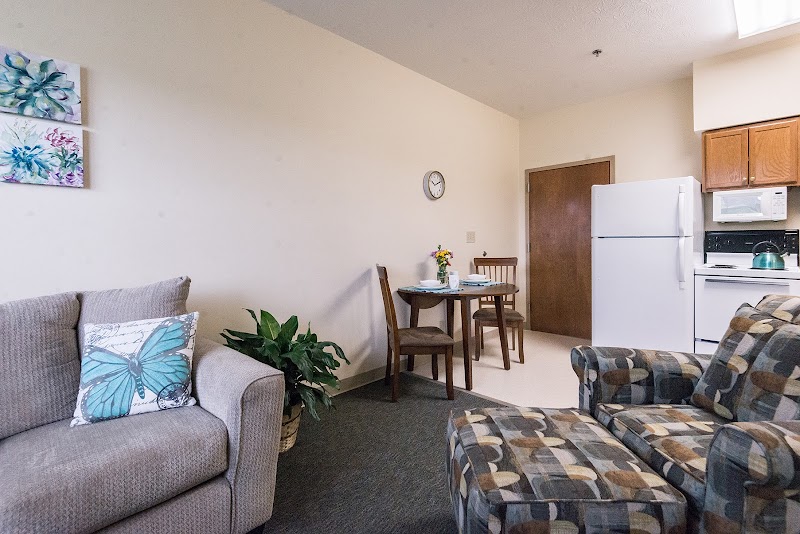
Who Owns and Operates Arbor Trace Health & Living Community?

ARBOR TRACE HEALTH & LIVING COMMUNITY is owned by a for-profit company. For-profit facilities operate as businesses with obligations to shareholders or private owners. The facility is operated by CARDON & ASSOCIATES, a chain that manages multiple nursing homes. With 101 certified beds and approximately 95 residents (about 94% occupancy), it is a mid-sized facility located in RICHMOND, Indiana.
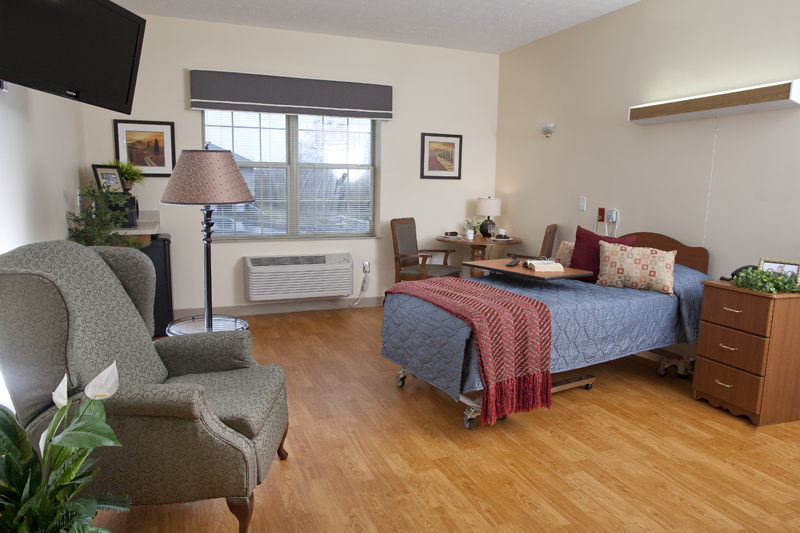
How Does Arbor Trace Health & Living Community Compare to Other Indiana Nursing Homes?

Compared to the 100 nursing homes in Indiana, ARBOR TRACE HEALTH & LIVING COMMUNITY's overall rating (5 stars) is above the state average of 3.1, staff turnover (46%) is near the state average of 46%, and health inspection rating (4 stars) is above the national benchmark.

What Should Families Ask When Visiting Arbor Trace Health & Living Community?

Based on this facility's data, families visiting should ask: "Can I visit during a mealtime to observe dining assistance and food quality?" "How do you handle medical emergencies, and what is your hospital transfer rate?" "Can I speak with family members of current residents about their experience?"

Is Arbor Trace Health & Living Community Safe?

Based on CMS inspection data, ARBOR TRACE HEALTH & LIVING COMMUNITY has a clean safety record: no substantiated abuse findings (meaning no confirmed cases of resident harm), no Immediate Jeopardy citations (the most serious violation level indicating risk of serious injury or death), and is not on the Special Focus Facility watch list (a federal program monitoring the lowest-performing 1% of nursing homes). The facility has a 5-star overall rating and ranks #1 of 100 nursing homes in Indiana. While no facility is perfect, families should still ask about staff-to-resident ratios and recent inspection results during their visit.

Do Nurses at Arbor Trace Health & Living Community Stick Around?

ARBOR TRACE HEALTH & LIVING COMMUNITY has a staff turnover rate of 46%, which is about average for Indiana nursing homes (state average: 46%). Moderate turnover is common in nursing homes, but families should still ask about staff tenure and how the facility maintains care continuity when employees leave.

Was Arbor Trace Health & Living Community Ever Fined?

ARBOR TRACE HEALTH & LIVING COMMUNITY has been fined $3,250 across 1 penalty action. This is below the Indiana average of $33,111. While any fine indicates a compliance issue, fines under $50,000 are relatively common and typically reflect isolated problems that were subsequently corrected. Families should ask what specific issues led to these fines and confirm they've been resolved.

Is Arbor Trace Health & Living Community on Any Federal Watch List?

ARBOR TRACE HEALTH & LIVING COMMUNITY is not on any federal watch list. The most significant is the Special Focus Facility (SFF) program, which identifies the bottom 1% of nursing homes nationally based on persistent, serious quality problems. Not being on this list means the facility has avoided the pattern of deficiencies that triggers enhanced federal oversight. This is a positive indicator, though families should still review the facility's inspection history directly.