SPRINGS OF RICHMOND, THE
400 INDUSTRIES ROAD, RICHMOND, IN 47374 (765) 935-0135
For profit - Limited Liability company 70 Beds TRILOGY HEALTH SERVICES Data: November 2025
Trust Grade
55/100
#293 of 505 in IN
Last Inspection: February 2025

Within standard 12-15 month inspection cycle. Federal law requires annual inspections.

Overview

The Springs of Richmond nursing home has a Trust Grade of C, which means it is average compared to other facilities, sitting in the middle of the pack. It ranks #293 out of 505 facilities in Indiana, placing it in the bottom half, and #3 out of 8 in Wayne County, indicating only two local facilities are better. Unfortunately, the facility's performance is worsening, with issues increasing from 6 in 2024 to 14 in 2025. Staffing is a relative strength, earning a 4 out of 5 stars, with a turnover rate of 45%, slightly below the state average, and more RN coverage than 94% of Indiana facilities, which helps ensure thorough care. However, some concerning incidents have been reported, such as a serious failure to follow up on critical lab results for a resident with cancer, leading to hospitalization, and multiple concerns regarding food safety practices that could affect many residents. Overall, while there are strengths in staffing and RN coverage, families should weigh these against the facility's recent trend of increasing issues and specific care failures.

Trust Score
C
55/100
In Indiana
#293/505
Bottom 42%
Safety Record
Moderate
Needs review
Inspections
Getting Worse
6 → 14 violations
Staff Stability
○ Average
45% turnover. Near Indiana's 48% average. Typical for the industry.
Penalties
✓ Good
No fines on record. Clean compliance history, better than most Indiana facilities.
Skilled Nurses
✓ Good
Each resident gets 79 minutes of Registered Nurse (RN) attention daily — more than 97% of Indiana nursing homes. RNs are the most trained staff who catch health problems before they become serious.
Violations
⚠ Watch
42 deficiencies on record. Higher than average. Multiple issues found across inspections.
★★★☆☆
3.0
Overall Rating
★★★★☆
4.0
Staff Levels
★★★★★
5.0
Care Quality
★★☆☆☆
2.0
Inspection Score
Stable
2024: 6 issues
2025: 14 issues

The Good

  • 4-Star Staffing Rating · Above-average nurse staffing levels
  • 5-Star Quality Measures · Strong clinical quality outcomes
  • Full Sprinkler Coverage · Fire safety systems throughout facility
  • No fines on record
  • Staff turnover below average (45%)

    3 points below Indiana average of 48%

Facility shows strength in staffing levels, quality measures, fire safety.

The Bad

3-Star Overall Rating

Near Indiana average (3.1)

Meets federal standards, typical of most facilities

Staff Turnover: 45%

Near Indiana avg (46%)

Typical for the industry

Chain: TRILOGY HEALTH SERVICES

Part of a multi-facility chain

Ask about local staffing decisions and management

The Ugly 42 deficiencies on record

1 actual harm
Jun 2025 5 deficiencies 1 Harm
SERIOUS (G) 📢 Someone Reported This

A family member, employee, or ombudsman was alarmed enough to file a formal complaint

Actual Harm - a resident was hurt due to facility failures

Quality of Care (Tag F0684)

A resident was harmed · This affected 1 resident

Based on interview and record review, the facility failed to timely follow up on hemolyzed lab results for a resident at risk for complications related to a cancer diagnosis for 1 of 3 residents revie...

Read full inspector narrative →
Based on interview and record review, the facility failed to timely follow up on hemolyzed lab results for a resident at risk for complications related to a cancer diagnosis for 1 of 3 residents reviewed for laboratory services. This deficient practice resulted in hospitalization for treatment of acute on chronic anemia with the need for multiple transfusions of blood products. (Resident D) Findings include: The clinical record for Resident D was reviewed on 6/3/2025 at 1:43 p.m. The medical diagnoses included malignant melanoma and encephalopathy. An admission Minimum Data Set assessment, dated 4/24/2025, indicated Resident D was cognitively impaired. A care plan for Resident D addressing his cancer diagnosis, revised 4/21/2025, included providing interventions as ordered and to include Resident D in care decisions. A care plan for Resident D addressing his potential for bleeding, revised 4/28/2025, indicated Resident D was at risk for bleeding and to monitor laboratory results as ordered. A physician order, dated 4/21/2025, indicated Resident D to have weekly laboratory tests, including a complete blood count, completed and faxed to his oncologist [Oncologist 13]. Per the National Health Institute in a June 8, 2024, publication entitled, Normal and Abnormal Complete Blood Count with Differential, a complete blood count (CBC) is a laboratory blood test which monitors red blood cells, including hematocrit and hemoglobin, white blood cells, and platelets. A laboratory result, dated 4/28/2025, indicated Resident D had a hemoglobin of 7.2, which was indicated as low. The Administration Record for Resident D indicated a CBC was completed on 5/5/2025. A laboratory report, entitled Rejected Labs, was ran on 6/4/2025 at 1:09 p.m. The report indicated Resident D's labs from 5/5/2025 were appraised on 5/6/2025. The labs were noted to be hemolyzed with text to, . please enter a new order and recollect. Per the Center for Disease Control in an April 24, 2024, publication entitled, Reference Tool to Determine Hemolysis Status, hemolyzed samples are samples which have hemolyzed, or red blood cells have been observed to be broken down, which may lead to inaccurate lab results. Review of progress notes did not address the 5/5/205 hemolyzed laboratory results. A nursing progress note, dated 5/9/2025, indicated obtaining a CBC for Resident D related to confusion. A laboratory result, dated 5/9/2025, indicated Resident D had a hemoglobin of 5.5, indicated as critical, with the results called into the Nurse Practitioner. A nursing progress note, dated 5/9/2025, indicated Resident D was transferred to the emergency room for a critical hemoglobin result. Hospital documentation, dated for a day of 5/9/2025 through 5/21/2025, indicated Resident D was admitted through the emergency department with a critically low hemoglobin on 5/9/2025. During Resident D's hospital stay, Resident D received transfusions to treat acute on chronic anemia. During an interview with Family Member 12, on 6/2/2025 at 11:35 a.m., Family Member 12 indicated Resident D was at the facility for care, including management of his cancer diagnosis. Family Member 12 stated the facility, .did not monitor [Resident D's] labs. A few days before Resident D went to the hospital, he was so out of it, and we [Resident D's family] kept telling the nurses, but no one seemed to care. One of the nurses told [Family Member 14] that Resident D's body was just shutting down. Come to find out, they were not even doing his labs, his oncologist [Oncologist 13] told me they had not received any labs for a week prior to his hospitalization . During an interview with Oncologist 13's office manager on 6/5/2025 at 1:55 p.m., Office Manager 15 indicated they had not received any CBC results from the facility regarding Resident D between May 5th and May 9th, 2025, nor did they give the order to not redraw lab results. During an interview with Corporate Nurse on 6/4/2025 at 2:10 p.m., he indicated they did not have a specific policy for hemolyzed samples. Routine labs were usually sent through their facility's laboratory results, such as Resident D's labs that were drawn on 5/5/2025, and those results were then integrated into the system. It was the responsibility of the interdisciplinary team to review the results; the nursing staff would redraw the lab and/or reach out to the provider. During an interview with the Director of Nursing on 6/4/2025 at 2:27 p.m., she indicated she was unsure why the labs were not redrawn or if a provider was notified about the laboratory results. This citation relates to Complaint IN00459458 and IN00460139. 3.1-37(a)
CONCERN (D) 📢 Someone Reported This

A family member, employee, or ombudsman was alarmed enough to file a formal complaint

Potential for Harm - no one hurt, but risky conditions existed

Resident Rights (Tag F0550)

Could have caused harm · This affected 1 resident

2. The clinical record of Resident B was reviewed on 6-2-25 at 10:30 a.m. Her diagnoses included, but were not limited to, aftercare following joint replacement surgery, cerebral ischemia and hyperten...

Read full inspector narrative →
2. The clinical record of Resident B was reviewed on 6-2-25 at 10:30 a.m. Her diagnoses included, but were not limited to, aftercare following joint replacement surgery, cerebral ischemia and hypertensive heart disease. Her admission Minimum Data Set assessment, dated 3-26-25, indicated she was cognitively intact. In an interview with Resident B, on 6-2-25 at 4:04 p.m., she indicated the response time for her call light to be responded to varied from a few minutes up to 45 minutes; usually well over 15 minutes. I had nothing to do other than watch the clock to see how long it took. I am at an age that when I need to use the bathroom, it is immediate. Having to wait for someone to come and help can be very uncomfortable. In an interview with the Corporate Nurse, on 6-4-25 at 2:25 p.m., he indicated it was hard to put a numeric value on call light response time, as there are multiple variables, such as the volume of call lights, the circumstances of what each resident's care needs were and the situation of the floor in general. If I were to put a numeric value, the goal would be to respond in under 15 or 20 minutes. On 6-4-25 at 2:11 p.m., the Corporate Nurse provided a copy of policy with a review date of 12-17-24, and entitled, Guidelines for Answering Call Lights. This policy indicated its purpose as, To respond to the resident's request and needs. It indicated, Answer the call light as quickly as possible. This citation relates to Complaints IN00459458, IN00459544, and IN00460166. 3.1-3(t) Based on interview and record review, the facility failed to promote the dignity of 2 of 3 residents reviewed for the need of assistance. (Resident B and Resident C) Findings include: 1. The clinical record for Resident C was reviewed on 6/3/2025 at 11:40 a.m. Medical diagnosis included infection to the left knee related to internal prosthetic. A nursing admission assessment, dated 5/12/2025, indicated Resident C was alert and oriented to person, place, time, and situation. During an interview on 6/2/2025 at 12:45 p.m., Resident C indicated he was unable to get assistance while he was at the facility. Resident C stated, I hit my call light one time and told the CNA [Certified Nurse Aide] what I needed, but it was over two hours before someone came back. I ended up hitting my call light again and waited 45 minutes before someone answered it. I am used to not needing anyone to help me. I felt helpless having to ask multiple times, and having to wait so long made it even worse . During an interview on 6/3/2025 at 11:30 p.m., CRCA (Certified Resident Care Associate) 17 indicated staffing in the building was bad. She routinely had 37 patients to herself, and she cannot get things done. When asked if she was able to get routine care done, like passing ice water and providing showers, she indicated, .that is the least of my worries. No, I cannot get them done all the time, but I am also not able to get my call lights answered as quickly as I like. There have been times that residents tell me their lights are on for thirty minutes or more, and these are long term care residents, they know when it is just me over there, but I am only one person. There are some residents which I need the nurse to help me with, leaving no one to answer lights or help with other residents .
CONCERN (D) 📢 Someone Reported This

A family member, employee, or ombudsman was alarmed enough to file a formal complaint

Potential for Harm - no one hurt, but risky conditions existed

Deficiency F0554 (Tag F0554)

Could have caused harm · This affected 1 resident

**NOTE- TERMS IN BRACKETS HAVE BEEN EDITED TO PROTECT CONFIDENTIALITY** Based on interview and record review, the facility failed to assess a resident for safe self-administration of medication for 1 ...

Read full inspector narrative →
**NOTE- TERMS IN BRACKETS HAVE BEEN EDITED TO PROTECT CONFIDENTIALITY** Based on interview and record review, the facility failed to assess a resident for safe self-administration of medication for 1 of 3 residents reviewed for medication compliance. (Resident C) Findings include: The clinical record for Resident C was reviewed on [DATE] at 11:40 a.m. Medical diagnosis included infection to the left knee related to internal prosthetic. A nursing admission assessment, dated [DATE], indicated Resident C was alert and oriented to person, place, time, and situation. A nursing progress note, dated [DATE], indicated Resident C's son brought in his home medications for tonight's dosage and his intravenous antibiotic. Resident C and his son .administered dose . and Resident C .took all medications including narcotics from home . Review of the clinical record did not indicate a Self-Administration of Medication assessment was completed or a physician order to reflect such. During an interview on [DATE] at 12:45 p.m., Resident C indicated while he was at the facility, the facility did not have his medication when he admitted so he had to have his son bring in his medication the night of admission. He stated his pain was, out of control, a 10/10 . I had my son bring in my medications and took my oxys [oxycodone] .I take three [oxycodone] . During an interview on [DATE] at 10:52 p.m., Licensed Practical Nurse (LPN) 19 indicated she took care of Resident C while he was here. Resident C was a .very frustrated person .and he was agitated . The night Resident C was admitted , he had his son bring in his medication, and LPN 19 went to the bedside, where she witnessed Resident C remove pills from a vial. When asked to elaborate, she indicated a container with multiple unlabeled medications. She then had Resident C verify the medications, and she checked them against the physician orders. When asked how she was able to verify what the medications were, she stated she couldn't, but just .had the resident verbally tell me since he [Resident C] knew his medications . When asked if she completed a self-administration of medication assessment, she stated she had not and she was unsure of the self-administration of medication policy within the building because she was .new . During an interview on [DATE] at 1:55 p.m., LPN 20 indicated when a resident brings in medications from home, they were to be in the original pill bottles from the outside pharmacy with .the correct name, label, and cannot be expired . The nursing staff will then verify the medication by what was on the bottle. Medications were to be counted, and a medication slip filled out in front of the resident to verify the number of medications. LPN 20 admitted Resident C and stated she .did not complete a Self-Administration assessment . A policy entitled, Guidelines for Safe Self-Administration of Medications, was provided by the Corporate Nurse on [DATE] at 2:45 p.m. The policy indicated, .Residents requesting to self-medicate or has self-medication as a part of their place of care shall be assessed using the observation Trilogy- Self Administration of Medication within the electronic health record . This citation relates to Complaint IN00459544. 3.1-11(a)
CONCERN (D) 📢 Someone Reported This

A family member, employee, or ombudsman was alarmed enough to file a formal complaint

Potential for Harm - no one hurt, but risky conditions existed

Pharmacy Services (Tag F0755)

Could have caused harm · This affected 1 resident

Based on interview and record review, the facility failed to ensure 1 of 4 residents reviewed for accurate and timely receipt of medications, received their medications as ordered by their physician. ...

Read full inspector narrative →
Based on interview and record review, the facility failed to ensure 1 of 4 residents reviewed for accurate and timely receipt of medications, received their medications as ordered by their physician. (Resident B) Findings include: In an interview with Resident B on 6-2-25 at 4:04 p.m., she indicated she kept track of the medications received while she was a resident of the facility. She indicated several days before she discharged from the facility, I got to feeling real dizzy in the afternoon, and realized no one had given me my morning meds, which included several BP [blood pressure] pills. She did not indicate she had made the facility aware of this at the time of occurrence. In an interview with the Executive Director (ED) on 6-4-25 at 11:05 a.m., he indicated on the date of Resident B's discharge from the facility, 5-6-25, the facility learned of a medication error in which Registered Nurse (RN) 3 had not administered Resident B's morning medications on 5-1-25. In a second interview on 6-4-25 at 1:02 p.m., with the ED, he reiterated the facility did not learn of this until 5-6-25. He added the resident, nor her family member, mentioned any negative impacts the lack of medications caused. A review of the medication administration record (MAR), for 5-1-25, for Resident B indicated the following medications were designated as Not Administered: Resident Unavailable: -amlodipine 5 mg (milligrams) once daily (for high blood pressure), -aspirin 81 mg once daily (a nonsteroidal anti-inflammatory medication which also has an anti-platelet effect, sometimes used for prevention of blood clots and reducing the risk of heart attacks or strokes), -biotin 1 mg once daily (supplement), -citalopram 20 mg once daily (for depression), -isosorbide extended release 60 mg once daily (for angina), -metformin 500 mg twice daily (for diabetes), and -metoprolol tartrate 25 mg twice daily (for high blood pressure). In an interview with the ED on 6-4-25 at 1:02 p.m., he indicated RN 3 was a relatively new staff member and that he, the Director of Nursing, the Assistant Director of Nursing had each checked in with RN 3 at least twice on 5-1-25, to see if she had any questions, concerns or needed assistance. He indicated RN 3 did not indicate she was encountering any problems or concerns at that time. The ED indicated he could see where it might have been difficult to locate this resident at that point in her stay, as she was involved in therapy services and very involved in the activities of the building. But we could have helped her locate the resident. The clinical record of Resident B was reviewed on 6-2-25 at 10:30 a.m. Her diagnoses included, but were not limited to, aftercare following joint replacement surgery, cerebral ischemia and hypertensive heart disease. Her admission Minimum Data Set assessment, dated 3-26-25, indicated she was cognitively intact. A review of the progress notes indicated a late entry dated, 5-6-25, for 5-2-25 (sic), indicated Resident B had a missed am [morning] med administration, due to the resident was unavailable, and the nurse practitioner had been informed of this with no new orders received. In an interview with the Corporate Nurse on 6-4-25 at 2:25 p.m., he indicated if a resident does not receive their medications, ideally the nursing staff should let their supervisor know what was going on to see if the supervisor can offer any help. Additionally, the staff member should let the medical provider know the resident did not receive their medications, as well as notification to the resident if they were able to comprehend or that resident's responsible party. This citation relates to Complaints IN00459458 and IN00459544. 3.1-25(a) 3.1-25(b)(9)
CONCERN (D) 📢 Someone Reported This

A family member, employee, or ombudsman was alarmed enough to file a formal complaint

Potential for Harm - no one hurt, but risky conditions existed

Medical Records (Tag F0842)

Could have caused harm · This affected 1 resident

Based on interview and record review, the facility failed to accurately reflect the behaviors, including refusal of care and verbal aggression, for 1 of 5 residents reviewed for abuse. (Resident C) F...

Read full inspector narrative →
Based on interview and record review, the facility failed to accurately reflect the behaviors, including refusal of care and verbal aggression, for 1 of 5 residents reviewed for abuse. (Resident C) Findings include: The clinical record for Resident C was reviewed on 6/3/2025 at 11:40 a.m. Medical diagnosis included infection to the left knee related to internal prosthetic. A nursing admission assessment, dated 5/12/2025, indicated Resident C was alert and oriented to person, place, time, and situation. During an interview on 6/2/2025 at 12:45 p.m., Resident C indicated while he was at the facility, two staff came into his room before he left. One of them, he believes was a nurse, kept trying to change the wound dressing on his leg. He had to tell her twice to leave him alone before he kicked her out of his room. He had his son pick him up and he left against medical advice. During an interview on 6/2/2025 at 10:52 p.m., Licensed Practical Nurse (LPN) 19 indicated she took care of Resident C while he was here. Resident C was a .very frustrated person .and he was agitated . During an interview on 6/2/2025 at 11:12 p.m., Certified Resident Care Associate (CRCA) 18 indicated she went into Resident C's room one time during his stay with the QMA (Qualified Medication Aide) on duty. When the staff were in the room, Resident C .cussed them out . and refused to let me empty his full urinal because he said he was leaving and going to pour it on the floor when he was going . During an interview on 6/4/2025 at 1:55 p.m., LPN 20 indicated Resident C was resistive to assistance, cussed at her, fought everything we tried, and kicked her out of his room. Review of the medical record did not indicate documentation of these refusals of care or verbally aggressive behaviors. During an interview on 6/4/2025 at 2:35 p.m., Corporate Nurse indicated they did not have a specific policy for documenting behaviors, but it would be the expectation refusals of care would be documented in the chart. This citation relates to Complaint IN00459544. 3.1-50(a)(1) 3.1-50(a)(2)
Feb 2025 9 deficiencies
CONCERN (D)

Potential for Harm - no one hurt, but risky conditions existed

Deficiency F0554 (Tag F0554)

Could have caused harm · This affected 1 resident

Based on observation, interview, and record review, the facility failed to ensure a resident was deemed appropriate to self-administer a nebulizer (a device that converts liquid medicine to mist to in...

Read full inspector narrative →
Based on observation, interview, and record review, the facility failed to ensure a resident was deemed appropriate to self-administer a nebulizer (a device that converts liquid medicine to mist to inhale it) medication for 1 of 5 residents reviewed for medication administration. (Resident 207) Findings include: An observation was conducted of medication administration for Resident 207 with Licensed Practical Nurse (LPN) 2 on 2/13/25 at 8:08 a.m. LPN 2 prepared Resident 207's morning medications and after the resident took the medications by mouth, she requested a nebulizer treatment. LPN 2 obtained a vial of a medication and dispensed such into the nebulizer medicine cap connected to the nebulizer machine. LPN 2 secured the medicine cup to the face mask and handed the face mask to Resident 207. Resident 207 proceeded to hold the face mask to administer the nebulizer medication at 8:28 a.m. LPN 2 proceeded to leave Resident 207's room to prepare medications for Resident 209. At 8:45 a.m., LPN 2 returned to the medication cart and the nebulizer machine was still on in Resident 207's room. LPN 2 indicated Resident 207 preferred to turn the nebulizer machine off herself. Resident 207 was observed to have a sling in place to her right arm and the nebulizer machine was located on the nightstand located on the right side of her bed. The clinical record for Resident 207 was reviewed on 2/13/25 at 9:32 a.m. The diagnoses included, but were not limited to, humerus (long bone of the upper arm) fracture. A care plan for functional status, start date of 2/6/25, indicated Resident 207 had functional impairment related to a right humerus fracture. A progress note, dated 2/12/25 at 5:34 p.m., indicated Resident 207 returned from an orthopedic appointment and was non weight bearing to the right upper extremity with the utilization of a sling. A care plan, start date of 2/13/25, indicated Resident 207 desired to self-administer medications. The goal was for Resident 207 to self-administer medications safely. The approach listed assessing the safety and efficacy of self-administration of medications that included to assess and require return demonstration to ensure safety and provide support to the resident as needed. There was no care plan or assessment in the electronic health record (EHR) to deem Resident 207 could self-administer her nebulizer treatments prior to 2/13/25. A policy entitled Guidelines for Self Administration of Medications, review date of 12/17/24, was provided by the Executive Director on 2/13/25 at 11:15 a.m. The policy indicated the following, .1. Residents requesting to self-medicate or has self-administration as a part of their plan of care shall be assessed using the observation .within the electronic health record 3.1-11(a)
CONCERN (D)

Potential for Harm - no one hurt, but risky conditions existed

Safe Environment (Tag F0584)

Could have caused harm · This affected 1 resident

Based on observation, interview, and record review, the facility failed to provide a homelike environment for 1 of 2 residents reviewed for homelike environment. (Resident 14). Findings include: The c...

Read full inspector narrative →
Based on observation, interview, and record review, the facility failed to provide a homelike environment for 1 of 2 residents reviewed for homelike environment. (Resident 14). Findings include: The clinical record of Resident 14 was reviewed on 2/11/25 at 2:45 p.m. The diagnoses included, but were not limited to, acute respiratory disease, heart failure, and obesity. During an observation on 2/11/25 at 2:34 p.m., Resident 14's corner molding was off the wall exposing where the dry wall connected at the corner. The molding was leaning up against the opposite wall. There were areas where the paint was missing on the wall behind the head of the bed. Observations were conducted of Resident 14's room and the molding was observed to be off of the wall exposing the dry wall on 2/12/25 at 11:12 a.m. and 2/12/25 at 1:45 p.m. During a tour on 2/14/25 at 2:15 p.m., the Executive Director (ED) indicated he was not aware of the molding being off the wall and areas where the paint was missing behind the bed. He stated this had been an issue in the past due to Resident 14 being in a motorized wheelchair. An interview with the Executive Director, on 2/14/25 at 3:38 p.m., indicated the facility's expectation was to promote a safe, clean, and homelike environment for all residents. 3.1-19(f)(5)
CONCERN (D)

Potential for Harm - no one hurt, but risky conditions existed

Incontinence Care (Tag F0690)

Could have caused harm · This affected 1 resident

Based on interview and record review, the facility failed to ensure a resident's bowel movements were documented and followed up when a resident went over three days without having a bowel movement fo...

Read full inspector narrative →
Based on interview and record review, the facility failed to ensure a resident's bowel movements were documented and followed up when a resident went over three days without having a bowel movement for 1 of 1 resident reviewed for constipation. (Resident G) Findings include: The clinical record for Resident G was reviewed on 2/13/25 at 12:31 p.m. The diagnoses included, but were not limited to, constipation. An admission Minimum Data Set (MDS) assessment, dated 12/16/24, indicated Resident G was cognitively intact and always continent of bowel. A bowel and bladder care plan, start date of 12/11/24, indicated Resident G was continent of bowel. The approach was to notify the charge nurse of a change in bowel and bladder patterns as needed and report signs and symptoms of constipation. An interview conducted with Family Member (FM), on 2/12/25 at 11:00 a.m., indicated Resident G went 13 days without a bowel movement after her admission to the facility. The electronic health record, under the Vitals section, noted the following bowel movements documented for Resident G: - No bowel movements documented from 12/10/24 until 12/14/24, - No bowel movements documented from 12/19/24 until 12/23/24 as a small, - No bowel movements documented from 12/26/24 until 12/29/24, - No bowel movements documented from 12/30/24 until 1/2/25 as a small, - No bowel movements documented from 1/6/25 until 1/11/25, - No bowel movements documented from 1/12/25 until 1/16/25, - No bowel movements documented from 1/18/25 until 1/23/25, - No bowel movements documented from 1/29/25 until 1/31/25 as a small, and - No bowel movements documented from 2/9/25 until 2/12/25 as a small. On 2/14/25 at 8:50 a.m., the Executive Director indicated there was no facility policy regarding monitoring of bowel movements. The National Library of Medicine at https://www.ncbi.nlm.nih.gov/books/NBK513291/, was retrieved on 2/14/25 at 4:30 p.m., updated 11/12/23, indicated the following, . Constipation . Characterized by infrequent and often difficult bowel movements . Introduction . Constipation is a symptom or condition characterized by difficult and infrequent bowel movements, typically 3 or fewer times a week 3.1-38(a)(2)(C)
CONCERN (D)

Potential for Harm - no one hurt, but risky conditions existed

Tube Feeding (Tag F0693)

Could have caused harm · This affected 1 resident

Based on observation, interview, and record review, the facility failed to ensure a gastric tube (g-tube) feeding and water flushes were administered as ordered by the physician for 1 of 4 residents r...

Read full inspector narrative →
Based on observation, interview, and record review, the facility failed to ensure a gastric tube (g-tube) feeding and water flushes were administered as ordered by the physician for 1 of 4 residents reviewed for nutrition. (Resident 299) Findings include: The clinical record for Resident 299 was reviewed on 2/11/25 at 2:45 p.m. The diagnoses included, but were not limited to, encounter for orthopedic aftercare following surgical amputation, severe sepsis with septic shock, and dysphagia. A care plan for tube feeding, initiated on 2/5/25 and revised on 2/11/25, indicated Resident 299 required tube feeding related to dysphagia. The approaches indicated providing a diet as ordered, providing water flushes as ordered, and provide tube feedings as ordered. A review of the physician orders indicated, effective on 02/11/25 09:50 a.m., Resident 299 was to receive Jevity 1.5 (brand of tube feed) at 60 mL/hr (milliliters per hour) and flush with 180 mL of water every four hours. The previous order for the g-tube was for Jevity 2.0 at 50mL/hr with 150 mL every four hours of water flushes and the order was discontinued on 2/11/25. Observations of Resident 299's feeding pump (device to monitor the infusion of the feeding), on 2/11/25 at 2:25 p.m. and 2/12/25 at 11:20 a.m., was observed running at 50ml/hour of Jevity 2.0 with 150 mL of water flushes every four hours. An interview conducted with the Director of Health Services (DHS), on 2/14/25 at 2:40 p.m., indicated the Assistant Director of Health Services (ADHS) entered the order change regarding the g-tube feedings and flushes after the Registered Dietitian gave the order. The ADHS should have followed up with the nursing staff to ensure communication the g-tube feeding order was changed. A policy entitled Tube Feedings, revised on 5/10/24, was provided by the Executive Director on 2/13/25 at 11:15 a.m. The policy indicated the following, .1. Residents requiring tube feeding are assessed by Registered Dietitian (RD) or the Nutrition & Dietetics Technician, Registered (NDTR) per MDS [Minimum Data Set] guidelines and suggested monthly monitoring. The assessment includes the estimated calorie, protein, and fluid needs for resident 3.1-44(a)(2)
CONCERN (D)

Potential for Harm - no one hurt, but risky conditions existed

Respiratory Care (Tag F0695)

Could have caused harm · This affected 1 resident

Based on observation, interview, and record review, the facility failed to date oxygen tubing for 1 of 1 resident reviewed for respiratory care needs. (Resident 253) Findings include: The clinical rec...

Read full inspector narrative →
Based on observation, interview, and record review, the facility failed to date oxygen tubing for 1 of 1 resident reviewed for respiratory care needs. (Resident 253) Findings include: The clinical record for Resident 253 was reviewed on 2/13/25 at 9:14 a.m. Diagnoses included, but were not limited to, acute kidney failure and falls. A physician's order, dated 2/9/25, indicated Resident 253 was to be on continuous oxygen of two to three liters per minute. During an observation on 2/11/25 at 12:42 p.m., Resident 253 had oxygen tubing at the bedside not dated when it was initiated. During an observation on 2/12/25 at 11:38 a.m., Resident 253 had oxygen tubing on that was not dated. During an observation on 2/13/25 at 9:41 a.m., Resident 253 had oxygen tubing on that was not dated. During an interview on 2/13/25 at 12:29 p.m. with the Assistant Director of Health Services (ADHS), she indicated oxygen tubing was dated but it kept rubbing off, so we ordered labels to date and time the oxygen tubing. The ADHS indicated they date and time the tubing, then a couple hours later it would be rubbed off. The ADHS indicated the policy was to date the tubing when it was initially placed on a resident. An Administration of Oxygen Policy provided by the Executive Director (ED), on 2/13/25 at 11:18 a.m., indicated, .14. Date the tubing for the date it was initiated .a. Tubing should be changed monthly and PRN [as needed] . 3.1-47(a)(6)
CONCERN (D)

Potential for Harm - no one hurt, but risky conditions existed

Deficiency F0697 (Tag F0697)

Could have caused harm · This affected 1 resident

Based on observation, interview, and record review, the facility failed to ensure effective pain management was provided for a resident who voiced concerns of pain for 1 of 3 residents reviewed for pa...

Read full inspector narrative →
Based on observation, interview, and record review, the facility failed to ensure effective pain management was provided for a resident who voiced concerns of pain for 1 of 3 residents reviewed for pain medication. (Resident 251) Findings include: The clinical record for Resident 251 was reviewed on 2/13/25 at 10:11 a.m. Diagnoses included, but were not limited to, Alzheimer's disease, chronic back pain, and chronic vertebral fractures due to osteoporosis. A physician's order, with a start date of 2/10/25 and an end date of 2/13/25, indicated to monitor pain, three times a day, for seventy-two hours. A pain medication order, dated 2/10/25, indicated morphine concentrate solution could be given every four hours as needed for pain or shortness of breath. Resident 251's medication administration record (MAR) was reviewed on 2/13/25 at 12:15 p.m. The MAR indicated resident 251 rated her pain a 5 out of 10 on the pain scale. Per the Long-Term Care Facility Resident Assessment Instrument 3.0 User's Manual Version 1.19.1 published by the Centers for Medicaid and Medicare Services, the numeric pain scale indicated 0 being no pain and 10 as the worst pain one could imagine. This indicated a 5 out of 10 rating would have been moderate pain. Review of the MAR on 2/12/25 at 12:15 p.m., indicated no pain medication was given and no follow up was charted in the EHR. During an interview with Licensed Practical Nurse (LPN) 2 on 2/13/25 at 12:57 p.m., she indicated she did not do anything non-pharmacologically or give pain medication to Resident 251 after voicing her pain was a 5 out of 10 on the pain scale. LPN 2 indicated Resident 251 reported to her that, she hurt all over. LPN 2 indicated it was around 9:00 a.m. when Resident 251 voiced her pain as a 5 out of 10. LPN 2 indicated, she did not offer anything for pain at the time and was going to look and see if Resident 251 had anything for pain ordered but forgot to look. During an interview with Resident 251's daughter on 2/13/25 at 1:23 p.m., they indicated Resident 251 gets uncomfortable when they (staff) clean her up or turn her in bed. A progress note, dated 2/13/25 at 2:55 p.m., indicated Resident 251 had stated she had some pain earlier in the day and upon re-assessment she was resting in bed with eyes closed, as though sleeping, with no outward signs of pain such as moaning or grimacing. An admission Observation and Data Collection Report was provided by the Executive Director (ED) on 2/14/25 at 8:50 a.m. The report recorded, on 2/10/25 at 5:47 p.m., and indicated Resident 251 answered, yes, to the interview question of, Have you had pain or hurting at anytime in the last 5 days?. A baseline care plan goal for pain was to be controlled at a tolerable level, with resident's desired approaches: assess or observe for signs and/or symptoms of pain, reposition for comfort, administer analgesics per MD (Medical Doctor) order, and assess or observe for effectiveness of pain management approaches. A Guidelines for Pain Observation and Management Policy provided by the ED, on 2/14/25 at 8:50 a.m., indicated, . To ensure each resident's pain including it's origin, location, severity, alleviating and exacerbating factors, current treatment and response to treatment will be observed and documented according to the needs of each individual . c. The observation should include self-report of pain . 7. Evaluate the effectiveness of pain management interventions and modify as indicated . 3.1-37(a)
CONCERN (D) 📢 Someone Reported This

A family member, employee, or ombudsman was alarmed enough to file a formal complaint

Potential for Harm - no one hurt, but risky conditions existed

Pharmacy Services (Tag F0755)

Could have caused harm · This affected 1 resident

**NOTE- TERMS IN BRACKETS HAVE BEEN EDITED TO PROTECT CONFIDENTIALITY** Based on interview and record review, the facility failed to ensure an antibiotic was administered according to physician orders...

Read full inspector narrative →
**NOTE- TERMS IN BRACKETS HAVE BEEN EDITED TO PROTECT CONFIDENTIALITY** Based on interview and record review, the facility failed to ensure an antibiotic was administered according to physician orders, a resident received their medication, as ordered, during their respite stay at the facility, and ensure administration of a sedative/hypnotic medication as ordered by the physician for 1 of 1 resident reviewed for hospitalization, 1 of 1 resident reviewed for antibiotic use, and 1 of 3 closed records reviewed. (Resident G, Resident C, and Resident 40) Findings include: 1. The clinical record for Resident G was reviewed on 2/13/25 at 1:24 p.m. The diagnoses included, but were not limited to, sepsis and urinary tract infection (UTI). A care plan, dated 12/11/24, indicated Resident G was at risk for bladder incontinence related to a UTI. The approach included, but was not limited to, monitor for signs and symptoms of a UTI and administer medications as ordered. A physician order, dated 12/20/24, was noted for cefdinir (antibiotic) 300 milligrams (mg) twice a day for seven days related to a UTI. The medication administration record (MAR), dated December of 2024, indicated the cefdinir 300 mg tablets was signed off, twice a day, for eight days. A physician order, dated 1/28/25, was noted for cefdinir 300 mg twice a day for seven days related to a UTI. The MAR, dated January of 2025, indicated the cefdinir 300 mg tablets were signed off, twice a day, for eight days. 2. The clinical record for Resident C was reviewed on 2/13/25 at 2:38 p.m. The diagnoses included, but were not limited to, dementia, senile degeneration of the brain, pain, and Parkinson's disease. Resident C was admitted to the facility, on 10/4/24 at 10:09 a.m., for a respite stay and discharged home on [DATE] at 10:01 a.m. The MAR, dated October of 2024, indicated the following medications were listed as unavailable: Depakote 125 mg on 10/4/24 in the evening and 10/5/24 in the morning and evening, ropinirole 2 mg on 10/5/24 at 11:00 a.m. to 1:30 p.m. and 10/5/24 at 6:00 p.m. to 10:00 p.m., Rytary (carbidopa-levodopa) 61.25-245 mg; three capsules; on 10/5/24 in the morning, afternoon, and evening, and trazodone 100 mg on 10/5/24 in the evening. There was no documentation in the electronic health record (EHR) to reflect that the physician was notified of the missed medication doses nor any attempt made to notify the pharmacy to follow up with medication delivery for Resident C. An interview was conducted with Licensed Practical Nurse (LPN) 2 on 2/13/25 at 8:30 a.m. She indicated that any physician orders inputted prior to 3:30 p.m. would be delivered by pharmacy the same day. The Director of Health Services was interviewed on 2/14/25 at 8:50 a.m. She indicated there was no policy regarding medication administration. 3. The clinical record for Resident 40 was reviewed on 2/14/25 at 1:05 p.m. The diagnoses included, but were not limited to, anxiety disorder, insomnia, and acute respiratory failure with hypoxia. A physician's order, dated 1/29/25, was noted for Ambien (zolpidem) (sedative/hypnotic medication) 10 milligrams (mg) once a day as needed (PRN) and was discontinued on 2/6/25. A physician's order, dated 2/6/25, was noted for Ambien (zolpidem) 5 mg PRN at bedtime for insomnia. Resident 40's EMAR (electronic medication administration record), dated February of 2025, showed, on 2/6/25 and 2/9/25, Ambien 5 mg was not administered. On 2/7/25, 2/8/25, 2/9/25, 2/10/25, 2/11/25, 2/12/25, and 2/13/25, the documentation showed 5 mg of Ambien was administered. The Controlled drug use record was received by the Director of Health Services (DHS) on 2/14/25 at 2:50 p.m. The document indicated, on 2/10/25 through 2/13/25, Resident 40 was given 10 mg of Ambien instead of 5 mg as prescribed. During an interview on 2/14/25 at 2:50 p.m., the DHS indicated medication should be administered as ordered. This citation is related to Complaint IN00444990. 3.1-25(a) 3.1-25(b)(3) 3.1-25(b)(9) 3.1-25(e)(3)
CONCERN (D)

Potential for Harm - no one hurt, but risky conditions existed

Drug Regimen Review (Tag F0756)

Could have caused harm · This affected 1 resident

2. The clinical record for Resident 26 was reviewed on 2/13/25 at 10:44 a.m. The diagnoses included, but were not limited to, chronic gout, anemia, diabetes mellitus, and dysphagia. A Quarterly MDS a...

Read full inspector narrative →
2. The clinical record for Resident 26 was reviewed on 2/13/25 at 10:44 a.m. The diagnoses included, but were not limited to, chronic gout, anemia, diabetes mellitus, and dysphagia. A Quarterly MDS assessment, dated 12/5/24, indicated Resident 26 was cognitively intact, exhibited no behaviors, and received an antidepressant and antianxiety medication. A care plan for anti-depressant medication, revised 1/21/25, indicated Resident 26 was at risk of developing adverse effects from the use of anti-depressant medication. The approach included, but were not limited to, attempt a GDR in two separate quarters at least one month between the attempt(s) during the first year and then yearly, unless clinically contraindicated. A physician order, dated 8/10/23, indicated the use of venlafaxine capsule extended-release (ER) 75 milligrams (mg) daily. A physician order, dated 1/6/23, indicated the use of Wellbutrin 150 mg extended-release (ER) tablet daily. A resident progress note, dated 11/11/24, indicated the following, .discussed resident for psych [psychiatric] medications. Reviewed medications and recent progress notes. Resident takes venlafaxine 75 mg, Wellbutrin XL 150 mg and diazepam 5 mg PRN for Meniere's disease. Resident diagnoses with depression . No behaviors charted for October and November A resident progress note, dated 12/20/24, indicated the following, .discussed resident for psych medications . Resident diagnosed with depression. Nursing staff monitors side effects A pharmacy review, dated 1/28/25, indicated Resident 26 was receiving two anti-depressants: venlafaxine extended release (ER) 75 mg daily and Wellbutrin ER 150 mg daily. Resident 26 was due for dose reduction evaluations of the anti-depressant medication. If the anti-depressants were to be continued, as written, please document that the risk vs. benefits have been considered. Documentation to clinically contraindicate a GDR should include specific and individualized rationale for why the medication was medically necessary at the current dose. The form indicated the response to the recommendation was deny and the clinical contraindication was No change per MD [medical doctor]. A resident progress note, dated 2/13/25 at 3:30 p.m., indicated the following, .patient is evaluated on 1/28/25 fore [sic] pharmacy recs [recommendations]. i do not recommend decreasing Effexor and Wellbutrin at this time due to severe depression related to recent illness and overall decline. A facility policy entitled Psychotropic Medication Usage and Gradual Dose Reductions, effective 10/09/17 and revised 12/17/24, was provided by the Executive Director on 2/13/25 at 12:00 p.m. The policy indicated the following, 1. Residents shall receive psychotropic medications only if designated medically necessary by the prescriber, with appropriate diagnosis or documentation to support its usage. The medical necessity will be documented in the resident's medical record .3. Efforts to reduce dosage or discontinue psychotropic medications will be ongoing, as appropriate. 4. A gradual dose reduction (GDR) will be attempted for two (2) separate quarters (with at least one month between attempts) per the physician's recommendation. Gradual dose reduction must be attempted annually thereafter, unless medically contraindicated .6. Reviews of medication use will be conducted by the consultant pharmacist and will .notify the physician and the nursing staff whenever a psychotropic medication is due for review. 3.1-25(i) Based on interview and record review, the facility failed to ensure a clinical rationale was provided for a decline of a gradual dose reduction of an antidepressant and antianxiety medication for 2 of 5 residents reviewed for unnecessary medications. (Resident 26 and Resident 30) Findings include: 1. The clinical record for Resident 30 was reviewed on 02/13/25 at 9:50 a.m. The diagnoses included, but were not limited to, other generalized epilepsy and epileptic syndromes (seizure disorder), major depressive disorder, agoraphobia with panic disorder (anxiety disorder characterized by fear of places or situations), and anxiety disorder. A Quarterly Minimum Data Set (MDS) assessment, dated 12/30/24, indicated Resident 30 showed no abnormal behaviors, and showed no abnormal depression or anxiety symptoms. A physician's order, dated 02/29/24, indicated clonazepam (a narcotic antianxiety medication) 1 mg (milligrams) three times a day scheduled, for agoraphobia with panic disorder. A physician's order, dated 11/10/24, indicated Order Set Target Behavior- sweating, SOB [shortness of breath], chest pain, trouble sleeping, irritability. At the end of each shift mark Frequency-how often behavior occurred & Intensity-how resident responded to redirection. Intensity Code: 0=Did Not Occur; 1=Easily Altered; 2=Difficult to Redirect. It had a frequency to be assessed three times per day on the eMAR (electronic medication administration record). A review of an eMAR behavior report, covering the dates 01/21/2025 - 02/13/2025, showed that a code of 0 was documented for every entry on every date, indicating that resident exhibited no anxious behaviors during that time period. A care plan for Psychotropic Drug Use, initiated 03/11/24, indicated the resident was at risk for adverse consequences R/T [related to] receiving antianxiety medication for anxiety. It indicated Attempt Gradual Dose Reduction [GDR] in two separate quarters (with at least one month between the attempts) during the first year the resident receives an anxiolytic [antianxiety] medication, then yearly, unless clinically contraindicated .Observe for drug use effectiveness and adverse consequences In an interview conducted with Certified Resident Care Associate (CRCA) 4, on 02/13/25 at 9:31 a.m., she indicated she had not noticed any symptoms of anxiety from Resident 30. A document titled Pharmacist Drug Regimen Review, dated 08/29/24, indicated the following, .resident has an order for CLONAZEPAM 1MG TID [three times a day] FOR AGORAPHOBIA WITH PANIC DISORDER which is due for dosage reduction evaluation. Please evaluate s/sx [signs/symptoms] related to treatment and determine if GDR would be appropriate at this time. If GDR is clinically contraindicated, please document that the risks vs. benefits have been considered. Documentation related to clinically contraindicating a gradual dose reduction should include specific and individualized rationale for why the medication is medically necessary at the current dose . The response from the physician indicated Deny and Md - no changes at this time. A document titled Pharmacist Drug Regimen Review, dated 09/25/24, indicated the following, Response to pharmacy recommendation regarding GDR of CLONAZEPAM 1MG TID states 'no changes'. Please provide documentation to support rationale as to why a GDR is clinically contraindicated at this time. Thank you. No rationale or documentation was provided. A document titled Pharmacist Drug Regimen Review, dated 02/03/25, indicated the following, The resident had a recent fall. Please consider the following: Resident is due for a dose evaluation of Clonazepam 1mg TID. If this medication is continued as written, please document that the risk vs. benefits have been considered. Documentation related to clinically contraindicating a gradual dose reduction should include specific and individualized rationale for why the medication is medically necessary at the current dose. Response from physician indicated Deny and Md - no changes at this time. In a review of physician progress notes, dated from 2/29/24 to 2/12/25, there was no rationale for continuance of clonazepam and/or contraindication to gradual dose reduction was documented or provided. In a progress note, created on 02/13/2025 at 2:28 p.m., the physician indicated, pharmacy recs [recommendations] reviewed. i do not recommend decreasing clonazepam at this time due to his underlying seizure disorder. with his recent infections he is at high risk for break through seizure [sic]. In an interview with the Director of Health Services (DHS), on 02/13/25 at 1:20 p.m., she indicated that the resident had initially denied a psychiatry consultation. So, the facility physician had been managing his psychotropic medications. She indicated that they recently started working with a new psychiatric provider, and that once [name of psychiatric provider] gets on board, the GDRs will start getting done. She indicated she and other nurse unit managers take ownership and print the GDR requests out, they do not put it in the physician communication binder, instead they sit down with him and discuss when he comes in to round. If he gives any new orders, she will put a progress note into the resident's chart then scan it to the medical record. She was unable to provide the physician's rationale for not doing a GDR.
CONCERN (D)

Potential for Harm - no one hurt, but risky conditions existed

Infection Control (Tag F0880)

Could have caused harm · This affected 1 resident

Based on observation, interview, and record review, the facility failed to maintain infection control practices by not donning personal protective equipment (PPE) while providing activities of daily l...

Read full inspector narrative →
Based on observation, interview, and record review, the facility failed to maintain infection control practices by not donning personal protective equipment (PPE) while providing activities of daily living (ADL) care for 1 of 1 randomly observed resident. (Resident 299). Findings include: The clinical record for Resident 299 was reviewed on 2/13/25 at 9:15 a.m. The diagnoses included, but were not limited to, encounter for orthopedic aftercare following surgical amputation, severe sepsis with septic shock, and dysphagia. A care plan for tube feeding, initiated on 2/5/25 and revised on 2/11/25, indicated Resident 299 required tube feeding related to dysphagia. The approaches indicated providing a diet as ordered, providing water flushes as ordered, and provide tube feedings as ordered. An observation was conducted of Resident 299's room on 2/11/25 at 11:30 a.m. On the outside of Resident 299's door was a sign stating Resident 299 was in Enhanced Barrier Precautions (EBP). The sign stated everyone must clean their hands before entering and when leaving the room. Providers and staff were to wear gloves and a gown for the following high contact resident care activities: - Providing hygiene, - Toileting assistance, and - Device care or use: central line, urinary catheter, feeding tube, and/or tracheostomy. An observation was conducted of Resident 299's room on 02/13/25 at 08:50 a.m. A Certified Resident Care Associate (CRCA) came to the door and stated patient care was being performed. Resident 299 was lying on his left side. Both CRCAs were in the room and were providing care that consisted of perineal care after an episode of incontinence. The resident was incontinent of bowel and bladder and the CRCAs were assisting with perineal care. Each of the CRCAs were wearing gloves but no gowns. There was a cart with personal protective equipment (PPE) inside the door, to the left, and it was stocked with the appropriate PPE. An interview was conducted, on 2/14/25 at 3:30 p.m., with the Director of Health Services (DHS). She indicated the CRCA's should have been wearing the proper PPE. A policy entitled Enhanced Barrier Precautions (EBP) Standard Operating Procedure (SOP) was received by the Executive Director (ED) on 2/13/25 at 11:15 am. The policy indicated the following, . 1. Enhanced Barrier Precautions (EBP) will be in place during high-contact care activities for residents with the following conditions . ii. All residents with chronic wounds, including but not limited to, pressure ulcers, diabetic foot ulcers, unhealed surgical wounds, and venous statis ulcers . ii. All residents with indwelling medical devices . Includes but not limited to: catheters, central lines, feeding tubes, tracheostomy tubes. A peripheral intravenous line is not considered an indwelling medical device for the purpose of EBP . At Minimum, staff shall wear gloves and gown during high-contact care activities. May include face protection if splashes or sprays are anticipated during care . High-contact care activities include but are not limited to: morning and evening ADL care, toileting, and showers. Includes transfers when bundled together with other high-contact activity which does not typically include transfers in common areas such as dining or activity rooms but would be included in therapy gym/treatment 3.1-18(b)(2)
Aug 2024 1 deficiency
CONCERN (D) 📢 Someone Reported This

A family member, employee, or ombudsman was alarmed enough to file a formal complaint

Potential for Harm - no one hurt, but risky conditions existed

Pressure Ulcer Prevention (Tag F0686)

Could have caused harm · This affected 1 resident

Based on interview and record review, the facility failed to ensure 1 of 3 residents reviewed for pressure ulcers had routine and timely wound assessments, including measurements, conducted on a weekl...

Read full inspector narrative →
Based on interview and record review, the facility failed to ensure 1 of 3 residents reviewed for pressure ulcers had routine and timely wound assessments, including measurements, conducted on a weekly, or more often as needed, basis and documentation conducted to reflect these assessments. (Resident B) Findings include: The clinical record of Resident B was reviewed on 8/8/24 at 11:16 a.m. Resident B's diagnoses included, but were not limited to, a displaced fracture of the right femur, hypertensive stage three (3) chronic kidney disease, and age-related osteoporosis. An admission Minimum Data Set (MDS) assessment, dated 5/14/24, indicated Resident B admitted into the facility with an unstageable pressure ulcer (wound in which a full-thickness tissue is lost, with the extent of the wound being obscured by slough or eschar tissue) during the first week of May 2024. It also indicated Resident B was cognitively intact. The admission nursing assessment, dated 5/8/24, indicated Resident B had a skin impairment, with details identified on an associated document entitled, Wound Event. The associated Wound Event, dated 5/8/24, indicated the skin impairment was located at the gluteal fold/coccyx area, measuring 2.5 centimeters (cm) in length by 1.8 cm in width, and was present on admission. The wound event/assessment did not address the stage of the wound, any drainage or exudate, the color of the wound, if any odor was present, the wound margins, the surrounding tissue or if any tunneling or undermining was present. The wound event form was handwritten and did not indicate if the information was entered into the facility's electronic health record (EHR) system. Under the section entitled Evaluation, it did not indicate if a Wound Management Tool, was initiated into the EHR for Resident B. A care plan, dated 5/8/24, indicated Resident B had a pressure ulcer to the gluteal fold. The goal of the care plan indicated the wound was to heal without complications. Interventions, dated 5/8/24, identified for this care plan included, but were not limited to, Weekly skin assessment, measurement, and observation of the pressure area and record. In an interview with Resident B on 8/8/24 at 1:50 p.m., it indicated admission to the facility was for rehabilitation after a hospital stay for a fractured femur and surgical repair, as well as problem with the skin to my bottom. The resident described the area as inflamed or at least really red, not sure if it was actually open or not. Resident B recalled after admission, the facility's wound nurse came to look at her bottom within a day or two after admission, then again about a week later, then does not recall seeing that person anymore. In an interview with the Assistant Director of Nursing (ADON)/Wound Nurse and the Executive Director on 8/9/24 at 10:45 a.m., the ADON/Wound Nurse indicated, It is completely on me. It was very busy here for me with the DON [Director of Nursing] out and I had a lot of responsibilities to handle. I did see her [Resident B] within a day or two of admission and again about a week later. I wrote the notes down about measurements and the assessment, but [I] did not get it put into the computer. At this time, the Executive Director provided a listing of residents with skin impairments, for the dates of 5/7/24 through 5/13/24. This document included a handwritten note with Resident B's last name present and measurements documented as 2.5 cm in length by 1.6 cm in width and by 0.2 cm in depth. There was no other information, such as wound location or description of the wound present. This information was not located in the EHR for Resident B. No information was located in the EHR which indicated the attending physician was made aware of the pressure ulcer until on/after 5/29/24. In an interview on 8/9/24 at 1:04 p.m., with the ADON/Wound Nurse, DON and Corporate Nurse, the ADON/Wound Nurse indicated, From what it looks like, when I saw the resident on that first day or so after admission, I measured the wound and added a foam dressing because those [foam dressings] are good for a seven day time period. I don't see any particular care or dressing orders put in [to the EHR]. It doesn't look like any measurements or assessments were documented from 5/7/24 until 5/18/24, except for the standard weekly skin assessments and a rather vague order for a dressing change and incontinence care. Documentation in the EHR did not reflect the application of a foam dressing to the wound. In an interview with the Corporate Nurse and the DON on 8/9/24 at 1:04 p.m., they reviewed the information located in the clinical record with the following information: -5/7/24: New order indicated, Starting day 3, change dressing once daily PRN [as needed] if soiled or loose. This order did not provide details to indicate the of location for the dressing change, what type of dressing to use, any cleansing instructions or if any special treatments were to be utilized. The order was unclear if the dressing change was to be conducted on a daily basis and additionally if it is soiled or loose, or only once a day if it is soiled or loose. The Treatment Administration Record, (TAR) for May 2024, reflected only one dressing change, on 5/21/24. -5/14/24: A new foam dressing was applied, but the ADON/Wound Nurse did not document this in the clinical record. Documentation in the EHR did not reflect the application of a foam dressing to the wound. -5/18/24: A new event was opened by Registered Nurse (RN) 4, regarding a new skin issue, located to the top of the gluteal fold; this new area was the previously identified area denoted on the 5/8/24 Wound Event, not an actual new skin area. -5/19/24: New orders were entered into the EHR for a check and change of coccyx dressing with no other details, to be conducted daily. The May 2024, TAR reflected daily dressing changes were conducted from 5/20/24 through 5/29/24, when the order was changed. -5/29/24: Began weekly wound assessments and measurements, with documentation located in the EHR located under Wounds, with appropriate documentation included and reflected slow improvement in the measurements and wound in general. -The TAR for May 2024, indicated weekly skin assessments were conducted on 5/13/24, 5/20/24 and 5/27/24, each indicating a 2, reflective of an old impairment. The TAR did not specify what the old skin impairment was or its location. The weekly wound assessments that began on 5/29/24, indicated the wound measurements were 2.5 cm in length by 1.5 cm in width by 0.2 cm in depth, slightly smaller than the admission measurement of 5/8/24. The most recent measurements, dated 8/1/24, indicated the pressure ulcer, now identified as a stage three wound (wound characterized by a full-thickness loss of skin extending to the subcutaneous tissue), were 1 cm in length by 0.2 cm in width. On 8/9/24 at 1:58 p.m., the Corporate Nurse provided a copy of a policy entitled Pressure/Stasis/Arterial/Diabetic Wound Guidelines. This policy had a review date of 12/31/23. This policy indicated its purpose was, To provide weekly documentation of wound measurements and condition. Appropriate wound event is completed by a RN/LPN in EHR. Complete [an] event for each impaired area. All measurements are recorded in centimeters. Wound event will remain open in EHR until wound management tool is initiated. Document description of wound using length [from] 12 o'clock to 6 o'clock; width [from] 3 o'clock to 9 o'clock; depth [of] deepest area of wound bed; exudates; color; odor; wound margins; surrounding tissue; tunneling and/or undermining if applicable. Re-assessment/measurement weekly or with significant change in wound noting the current treatment, medical interventions provided, and comments as needed. DHS/ADHS and/or designee to close/complete wound management PUSH tool when area healed. This citation relates to Complaint IN00440151. 3.1-40(a)(2) 3.1-40(a)(3)
Jun 2024 1 deficiency
CONCERN (D) 📢 Someone Reported This

A family member, employee, or ombudsman was alarmed enough to file a formal complaint

Potential for Harm - no one hurt, but risky conditions existed

Deficiency F0692 (Tag F0692)

Could have caused harm · This affected 1 resident

**NOTE- TERMS IN BRACKETS HAVE BEEN EDITED TO PROTECT CONFIDENTIALITY** Based on interview and record review, the facility failed to routinely document meal intakes for 3 of 3 residents reviewed for n...

Read full inspector narrative →
**NOTE- TERMS IN BRACKETS HAVE BEEN EDITED TO PROTECT CONFIDENTIALITY** Based on interview and record review, the facility failed to routinely document meal intakes for 3 of 3 residents reviewed for nutritional concerns. (Residents B, C and D) Findings include: 1. The clinical record of Resident B was reviewed on 6-25-24 at 11:25 a.m. Her diagnoses included, but were not limited to, non-ST elevation MI (heart attack), Covid-19 at admission, hypertensive chronic kidney disease (stage 3), diabetes, esophageal obstruction, cerebral ischemia, hyperlipidemia, depression, obesity and generalized muscle weakness. Her admission Minimal Data Set assessment, dated 5-15-24, indicated she was cognitively intact, required substantial assistance with bed mobility (turning and repositioning), bathing, toileting, was dependent for transfers, was non-ambulatory and required supervision assistance, after initial meal set up, with eating. It indicated she had concerns regarding her appetite. In an interview, on 6-25-24 at 1:14 p.m., with a family member, she indicated Resident B had difficulty chewing as does not like to wear her dentures. The family member indicated she requested for a nutritionist and was told they would see what they could do and to my knowledge, nothing was done. She added around this time Resident B was declining in her health, in her opinion. I don't think they documented her meal intake. In an interview, on 6-26-24 at 2:10 p.m., with the Wound Nurse, she indicated Resident B was admitted to the facility with Covid-19 and was placed in isolation. She added an entry was made into the resident's record concerning her skin. By the time I did my skin rounds several days later, I identified the skin area not as pressure [ulcer], but MASD (moisture associated skin damage), and it was actively healing. So I didn't make any notations or any changes, because the staff were already providing the care she needed. A progress note, dated 5-24-24, by the facility's Registered Dietitian (RD), indicated the resident's meal intake for her physician-ordered diet of a regular diet with regular texture was averaging 70% (percent). It indicated she consumed meals independently with supervision following set up assistance. It indicated she was edentulous (no teeth) and did not wear dentures. It indicated she had no known chewing or swallowing difficulties. The RD's recommendations included, but were not limited to, adding a dietary supplement for two weeks, due to the recent identification of skin issues to promote wound healing and collagen production, as well as monitoring her weight and meal intakes. A review of Resident B's meal intake documentation for her time at the facility, 24 days and approximately 70 meals, revealed no meal documentation on the following dates and times: -5-9-24: dinner. -5-11-24: dinner. -5-12-24: dinner. -5-13-24: dinner. -5-15-24: breakfast and lunch. -5-17-24: breakfast, lunch and dinner. -5-26-24: dinner. 2. The clinical record of Resident C was reviewed on 6-25-24 at 10:15 a.m. Her diagnoses included, but were not limited to, rhabdomyolysis (muscle tissue breakdown that may release a damaging protein into the blood), history of sepsis, pneumonia, Covid-19, previous heart attack and urinary tract infection, congestive heart failure and COPD (chronic obstructive pulmonary disease). Her most recent Minimum Data Set assessment, dated 4-27-24, indicated she was cognitively intact, required substantial assistance with bed mobility (turning and repositioning), was dependent for bathing, toileting and transfers, was non-ambulatory and required meal set up with eating. A quarterly nutrition note, dated 6-3-24, by the facility's Registered Dietitian (RD), indicated Resident C is over [AGE] years old, was on a physician's ordered diet of a regular mechanical soft diet with ice cream at dinner daily. Her average meal intake was 80%. Current concerns identified were bilateral lower extremity edema (swelling). The RD noted the resident had a significant weight gain of approximately 10% in the last 6 months and a non-significant weight gain 5.8% in the last 3 months, followed by a non-significant weight gain of 3.2% in the last 30 days, with her BMI (body mass index) in the overweight range, though within ideal range for age. She indicated Resident B's trending weight gain is beneficial for overall QOL (quality of life). The RD's plan of care was identified as Will follow weights and intakes. A review of Resident C's meal intake documentation for June, 2024, or 25 days and approximately 74 meals, revealed no meal documentation on the following dates and times: -6-1-24: breakfast and lunch. -6-9-24: breakfast. -6-14-24: breakfast and lunch. -6-16-24: breakfast and lunch. 3. The clinical record of Resident D was reviewed on 6-26-24 at 10:34 a.m. His diagnoses included, but were not limited to, left hip fracture, malnutrition, pneumonia, enlarged heart, hypertensive heart and kidney disease, diabetes and pressure ulcers. His admission Minimum Data Set assessment, dated 4-12-24, indicated he was moderately cognitively impaired, required supervision with bed mobility (turning and repositioning), eating and hygiene, required moderate assistance with toileting and was non-ambulatory. Resident D had been followed closely by the Registered Dietitian (RD), due to weight loss. In a visit note dated, 5-21-24, the RD identified a significant weight loss of [sign for about] 21% since 4-9-24. At time of admission Resident did have severe edema r/t [related to congestive heart failure] CHF, though edema is under control at this time. The RD indicated Resident D's appetite was poor, with meal intakes at 73% recently. The RD's recommendations included, but were not limited to, liberalizing his diet to a regular, fortified diet to allow for higher caloric options and foods at each meal and additional nutritional supplements three times daily and a prescription appetite stimulant, dependent on the agreement of his physician, the resident and family. An RD visit note on 5-31-24, indicated Resident D had newly acquired pressure wounds. Her documented concerns were listed as poor appetite and poor intakes resulting in weight loss and decreased skin integrity. Recent interventions in place to increase appetite through stimulant (mirtazapine), nutritional supplements three times daily and a liberalized diet from the previous limited diabetic diet. Further RD recommendations included additional dietary supplements twice daily for additional calorie and protein support to aid wound healing. The most recent RD note, dated 6-14-24, indicated Resident D continued to demonstrate significant weight loss compared to his admission weight. However, he was now demonstrating a significant weight gain in the last 2 weeks of 10%, related to medication changes and nutrition interventions put in place. This weight gain is warranted and beneficial for overall QOL [quality of life]. A review of Resident D's meal intake documentation for June, 2024, or 25 days and approximately 74 meals, revealed no meal documentation on the following dates and times: -6-9-24: dinner. -6-10-24: lunch. -6-13-24: lunch. -6-14-24: breakfast, lunch and dinner. On 6-26-24 at 4:12 p.m., the Corporate Nurse provided a copy of a policy entitled, Guidelines for Meal Service, with a revision date of 12-31-23. This policy indicated, Meal intakes should be recorded in the electronic health record. This citation relates to Complaint IN00436445. 3.1-46(a)(1) 3.1-46(a)(2)
May 2024 4 deficiencies
CONCERN (D) 📢 Someone Reported This

A family member, employee, or ombudsman was alarmed enough to file a formal complaint

Potential for Harm - no one hurt, but risky conditions existed

Deficiency F0558 (Tag F0558)

Could have caused harm · This affected 1 resident

Based on interview and record review, the facility failed to promptly respond to call light requests for assistance for 2 of 3 residents reviewed for timely response to call lights. (Resident B and M)...

Read full inspector narrative →
Based on interview and record review, the facility failed to promptly respond to call light requests for assistance for 2 of 3 residents reviewed for timely response to call lights. (Resident B and M) Findings include: A. The clinical record of Resident B was reviewed on 5-15-24 at 10:29 a.m. Her diagnoses included, but were not limited to, falls, metabolic encephalopathy, recent urinary tract infection and Alzheimer's disease. Her most recent Minimum Data Set assessment, dated 12-15-23, indicated she was severely cognitively impaired, required substantial assistance with meals and was dependent for assistance with bathing, hygiene, toileting and the use of a wheelchair for mobility. In an interview with a family member on 5-16-24 at 9:10 a.m., the family member indicated during a visit with Resident B, she observed Resident B was in need of toileting assistance and clean up. One day, I turned on [name of Resident B]'s call light for help. A nurse was across the hall and said someone would be with me shortly. Still, no one came for over 30 minutes. Someone finally came in and brought in a meal for her and we were able to get her cleaned up then. She had to sit in a mess for some time because of this and that is not right. B. The clinical record of Resident M was reviewed on 5-16-24 at 9:58 a.m. His diagnoses included, but were not limited to, pressure ulcers and osteomyelitis. His most recent Minimum Data Set assessment, dated 3-1-24, indicated he was cognitively intact. In an interview with Resident M on 5-15-24 at 9:34 a.m., he indicated he uses his call light frequently as he is bedbound. He indicated the response time can vary from a few minutes to an hour, depending on staffing availability. He added, for him, it negatively impacts him by causing him to have incontinence episodes when it takes a long time for the call light to be answered, which causes him to feel very uncomfortable and can be embarrassing; it's bad enough having to wear a diaper. In an interview with the Executive Director on 5-17-24 at 2:40 p.m., he indicated his goal for call light response time is under 20 minutes. On 5-17-24 at 2:40 p.m., the Executive Director provided a copy of a policy entitled, Guidelines for Answering Call Lights, with a review date of 12-31-23. This policy indicated, To respond to the resident's request and needs . Answer the resident's call light as quickly as possible. This Federal tag relates to Complaint IN00425452. 3.1-3(v)(1)
CONCERN (D) 📢 Someone Reported This

A family member, employee, or ombudsman was alarmed enough to file a formal complaint

Potential for Harm - no one hurt, but risky conditions existed

Comprehensive Care Plan (Tag F0656)

Could have caused harm · This affected 1 resident

Based on interview and record review, the facility failed to develop and implement a care plan for bathing preferences for 1 of 1 residents reviewed for bathing preferences. (Resident H) Findings incl...

Read full inspector narrative →
Based on interview and record review, the facility failed to develop and implement a care plan for bathing preferences for 1 of 1 residents reviewed for bathing preferences. (Resident H) Findings include: The clinical record of Resident H was reviewed on 5-17-24 at 10:07 a.m. It indicated her diagnoses included, but were not limited to atherosclerotic heart disease, cerebral ischemic, age-related physical debility, adult failure to thrive and unspecified dementia. Her most recent Minimum Data Set (MDS) assessment, dated 4-15-24, indicated she was moderately cognitively intact, had unclear speech, sometimes she understood what was said and sometimes could be understood, was nonambulatory and required a wheelchair for mobility and was dependent for hygiene care and services. It indicated she was frequently incontinent of bowel and bladder. In an observation and interview with Resident H on 5-16-24 at 3:45 p.m., she was unable to recall how long she had been at the facility. She indicated she receives showers, but was unsure of the frequency of this and an occasional partial bed bath at unknown frequency. At the time of the interview, she appeared clean and without unpleasant odors. In an interview on 5-17-24 at 1:10 p.m. with the Executive Director (ED), he indicated the facility had received some feedback from family about [name of Resident H] not getting bathed as often as she should have been been. The ED indicated Resident H preferred to have a bed bath, not a shower because that is what her husband did at home for her. A review of Resident H's care plans for bathing preferences was not located, specific to preferring a bed bath and not to receive a shower. A care plan, dated 1-26-24, indicated she was to receive a shower on Tuesdays, Thursdays and Saturdays. In an interview on 5-17-24 at 1:40 p.m., with the Corporate MDS Staff, she indicated she was unable to locate a care plan referring to bathing preferences. On 5-17-24 at 2:40 p.m., the ED provided a copy of a policy entitled, Comprehensive Care Plan Guideline, with a revision date of 5-22-18. This policy indicated the purpose of the policy as, To ensure appropriateness of services and communication that will meet the resident's needs, severity/stability of conditions, impairment, disability, or disease in accordance with state and federal guidelines. It continued, Pertinent care plan approaches are communicated to the nursing staff per the 24-hour CRCA [aide] assignment or the care tracker profile dependent on campus preference .Comprehensive care plans need to remain accurate and current. This Federal tag relates to Complaint IN00433665. 3.1-35(a) 3.1-35(b)(1)
CONCERN (D) 📢 Someone Reported This

A family member, employee, or ombudsman was alarmed enough to file a formal complaint

Potential for Harm - no one hurt, but risky conditions existed

ADL Care (Tag F0677)

Could have caused harm · This affected 1 resident

Based on interview and record review, the facility failed to ensure a dependent resident received bathing and hygiene care and services on a routine basis, for 1 of 5 residents reviewed for activities...

Read full inspector narrative →
Based on interview and record review, the facility failed to ensure a dependent resident received bathing and hygiene care and services on a routine basis, for 1 of 5 residents reviewed for activities of daily living (ADL), specific to hygiene care and services. (Resident H) Findings include: The clinical record of Resident H was reviewed on 5-17-24 at 10:07 a.m. It indicated her diagnoses included, but were not limited to atherosclerotic heart disease, cerebral ischemic, age-related physical debility, adult failure to thrive and unspecified dementia. Her most recent Minimum Data Set (MDS) assessment, dated 4-15-24, indicated she was moderately cognitively intact, had unclear speech, sometimes she understood what was said and sometimes could be understood, was nonambulatory and required a wheelchair for mobility and was dependent for hygiene care and services. It indicated she was frequently incontinent of bowel and bladder. In an observation and interview with Resident H on 5-16-24 at 3:45 p.m., she was unable to recall how long she had been at the facility. She indicated she receives showers, but was unsure of the frequency of this and an occasional partial bed bath at unknown frequency. Her speech was of a halting nature and somewhat slurred while seeming to search for words. At the time of the interview, she appeared clean and without unpleasant odors. A review of Resident H's care plans for ADL care, dated 1-26-24, indicated she was to receive a shower on Tuesdays, Thursdays and Saturdays. A review of her bathing and hygiene records for 4-1-24 to 5-16-24, indicated she had received no showers during this time period and a total of 8 complete bed baths on an irregular basis for April and 3 complete bed baths for 16 days of May, 2024. A lack of documentation of any type of bathing or hygiene services was identified for April, 2024, on 5, 6, 7, 8, 9, 12, 14, 16, 20, 21, 24, 24, 27 and 30. A lack of documentation of any type of bathing was identified for May, 2024, on 1, 3, 6, 7 and 16. In an interview on 5-17-24 at 1:10 p.m. with the Executive Director (ED), he indicated the facility had received some feedback from family about [name of Resident H] not getting bathed as often as she should have been been. She preferred to have a bed bath, not a shower because that is what her husband did at home for her. It looks like we haven't done as good of a job as we should have recently from looking at the documentation. This Federal tag relates to Complaint IN00433665. 3.1-38(a)(3)(A) 3.1-38(a)(3)(B) 3.1-38(b)(2)
CONCERN (F) 📢 Someone Reported This

A family member, employee, or ombudsman was alarmed enough to file a formal complaint

Potential for Harm - no one hurt, but risky conditions existed

Food Safety (Tag F0812)

Could have caused harm · This affected most or all residents

**NOTE- TERMS IN BRACKETS HAVE BEEN EDITED TO PROTECT CONFIDENTIALITY** Based on observation, interview and record review, the facility failed to ensure: 1. 1. Food products held in the refrigerator f...

Read full inspector narrative →
**NOTE- TERMS IN BRACKETS HAVE BEEN EDITED TO PROTECT CONFIDENTIALITY** Based on observation, interview and record review, the facility failed to ensure: 1. 1. Food products held in the refrigerator for re-use were properly dated for date placed in the refrigerator and date to be used by. 2. The bin covers for the flour and sugar containers were closed. 3. Refrigerator and freezer temperatures were documented on facility forms routinely. 4. Manual ware washing logs were documented on facility forms routinely. These deficient practices have the potential to adversely affect 64 of the 65 residents who receive foods from the dietary department. Findings include: 1. During a tour of the walk-in cooler (refrigerator) with the Dietary Manager on 5-14-24 at 1:55 p.m., she indicated any leftovers are to be discarded after 3 days. The following observations were made: -container of chicken, with preparation date of 5-10-24, with no discard date was present. -container of chicken pot pie mixture with label of preparation on 5-1-24 and to discard 5-3-24 was present. -cheese sauce with label of preparation on 5-2-24 and use by date of 5-5-24 was present. -container of macaroni and cheese with preparation date of 5-9-24, with no discard date was present. -container of meat sauce with a preparation date of 5-4-24 and discard date of 5-10-24 was present. -container of tomato sauce with a preparation date of 5-4-24 and with no discard date was present. -container of ham with a labeled date for use as 4-29-24 to 5-29-24 was present. The Dietary Manager indicated, these dates are wrong. -container of BBQ ribs with a label date of 5-9-24 was present. The label did not indicate if the date cited was the date of preparation or discard date. -container of salmon patties that was unlabelled was present. --container of [NAME] sprouts with a label of dates, 5-2-24 - 5-4-24, was present. -container of sliced tomatoes with a date of 5-9-24 was present. The label did not indicate if the date cited was the date of preparation or discard date. -A food cart was in the walk-in fridge with trays of bowls of fruit which were undated and uncovered. The Dietary Manager indicated the fruit was prepared for the evening meal and should have been covered. In the stand up refrigerator, on 5-14-24 at 1:45 p.m., an opened block of 1 pound of butter with the cut end unwrapped/uncovered was present and a bowl of butter balls was observed partially uncovered with clear wrap 2. On 5-14-24 at 1:50 p.m., a flour bin and a sugar bin had their lids open. No staff were observed in this area of the kitchen at that time. 3. 5-17-24 at 9:40 a.m., a record review for the dietary logs for 3-1-24 to 5-16-24 was conducted. The logs included documentation of the refrigerator and freezer temperatures. Various forms were used by dietary staff to record temperatures of refrigerators and freezers. Some of the forms listed only the temperatures for a singular freezer. Those dates were on 3-17-24, 4-7-24, 4-12-24, 4-17-24, 4-25-24, 4-27-24, 4-28-24, 4-29-24 and 4-30-24. In an interview with the the Dietary Manager on 5-17-24 at 12:50 p.m., she indicated the kitchen has two freezers. On 5-5-24, 5-6-24 and 5-7-24, there were no temperatures for refrigerators or freezers documented for evening time. The only facility-provided thermometer for the refrigerators or freezers was observed to be located in the walk-in freezer. In an interview with the Dietary Manager on 5-14-24 at 1:55 p.m., she indicated the walk-in freezer has the only thermometer she has located. 4. The logs included documentation of the manual ware washing concentrations to ensure sanitation levels for hand-washed items used in the kitchen. There was a lack of documentation of the manual ware washing concentration, from 3-1-24 through 4-30-24, with additional lack of documentation for this on 5-4-24, 5-5-24, 5-6-24 and 5-7-24 In an interview on 5-17-24 at p.m., with the Corporate Nurse, she indicated as of 5-17-24, the kitchen currently serves meals/food to 64 residents out of total of 65 residents. In an interview on 5-14-24 at 2:05 p.m., with the Dietary Manager, she indicated she began position as Director of Food Service in January, 2024, but with trainings, did not begin working in the position until a month or so later. Indicated she has been actively working on getting more staff and training of staff. Issues she has identified have included, but not limited to, following recipes, maintaining general cleaning and time management. She indicated currently her dietary staff only has 2 or 3 staff members that have been working in the facility for more than 6 months. She indicated some of the temperature logs have not been maintained as well as she would prefer to have done. She indicated the cooks are responsible for checking the coolers for leftovers and to make sure the items are not outdated every day. By looking at the number of outdated leftovers, that obviously has not been happening. I have to accept responsibility for this as well since I am the dietary manager. On 5-14-24 at 4:08 p.m., the Corporate Nurse provided a copy of a policy entitled, Food Labeling and Dating Policy, with a review date of 3-18-19. This policy indicated, Any food product removed from its original container, has a broken seal, has been processed in any way must have a label that contains the following: Item Name, Date and Time the food was labeled, Use by date, Initials of the person labeling the item, Securely cover the food item. On 5-14-24 at 4:42 p.m., the Corporate Nurse provided a copy of a policy entitled, Storage Procedures, with an effective date of 5-31-16. This policy indicated, Food and supplies shall be properly stored to keep foods safe and preserve flavor, nutritive value and appearance .Dry bulk foods are stored in plastic containers with tight covers or bins .Thermometers are placed in every refrigeration unit so as to be easily visible for checking and in the upper third part of the front of the storage unit. Temperatures will be recorded on the Refrigerator Log at least twice a day .Food items are to be arranged so that older items will be used first. Frozen storage temperatures will be at 0 [degrees] F [Fahrenheit] or below. Thermometers are placed in every freezer unit to be easily visible for checking and in the upper third part of the front of the storage unit. Temperatures will be recorded on the Freezer Temperature Log twice a day. The current Retail Food Establishment Sanitation Requirements manual for Indiana (2004) indicates any food substances prepared or held for use for more than 24 hours shall be clearly marked to indicate the date or day by which the food shall be consumed . This information can be found at 410 IAC 7-24-191(a). The current Retail Food Establishment Sanitation Requirements manual for Indiana (2004) indicates, any food substances which have been removed from their original packaging, shall be protected from contamination by storing the food .in a clean, dry location. Where it is not exposed to splash, dust , or other contamination . This information can be found at 410 IAC 7-24-177(a). The current Retail Food Establishment Sanitation Requirements manual for Indiana (2004) indicates foods that are to be cooled or refrigerated should be maintained at 41 degrees or less. This information can be found at 410 IAC 7-24-187(a)(2)(A). Foods that are to be frozen should be maintained at 0 (zero) degrees or less and can be found at at 410 IAC 7-24-197(a). Thermometers are indicated to be provided and readily accessible for use in ensuring , attaining and maintaining food temperatures. This information can be found at 410 IAC 7-24-257(a). The current Retail Food Establishment Sanitation Requirements manual for Indiana (2004) indicates manual warewashing sanitizing should utilize a testing kit or device to accurately measure the concentration in parts per million (ppm) of the sanitizing solution. This information can be found at 410 IAC 7-24-29(a). This Federal tag relates to Complaint IN00433665. 3.1-21(i)(2) 3.1-21(i)(3)
Dec 2023 5 deficiencies
CONCERN (D)

Potential for Harm - no one hurt, but risky conditions existed

Grievances (Tag F0585)

Could have caused harm · This affected 1 resident

Based on interview and record review the facility failed to complete a grievance for Resident 30 that verbalized concerns with his care and failed to have a process for residents and/or families to fi...

Read full inspector narrative →
Based on interview and record review the facility failed to complete a grievance for Resident 30 that verbalized concerns with his care and failed to have a process for residents and/or families to file a grievances anonymously for 1 of 3 residents reviewed for grievance process (Resident 30). Finding include: During an interview with Resident 30 and his family member on 11/27/23 at 2:16 p.m., indicated they did not feel the facility had adequate staffing. The resident had to wait up to 40 minutes to go to the bathroom. The resident had become incontinent of urine due to waiting. The resident had frequently called the Executive Director and the Scheduler on their person phones to report waiting and they would have staff come in and assist him. During an interview with Resident 30 and his family member on 11/28/23 at 1:22 p.m., indicated he was not always provided with fresh water unless he request it. When queried if the resident/and or family had filed a grievance about inadequate staffing and not being provided water, the resident and his wife indicated they had not been offered to file a grievance and did not know anything about filing a grievance. During an interview with the Minimum Data Set (MDS) Coordinator and the Social Service Director on 11/28/23 at 1:29 p.m., indicated the process for residents and families to file a grievance was on the facility computer and any nursing staff had access to it and could fill one out on the computer for the resident or their family. The grievance then would automatically be brought to morning meeting for review and weekend supervisor can also review them. During an interview with Resident 30 and his family member on 11/29/23 at 10:00 a.m., indicated they felt it was intimidating to have staff fill out a grievance and it was uncomfortable for them due to the resident requiring assistance from the staff that he would have to have fill out the grievance. The resident indicated he did not feel it was private enough and it was intimidating to him to have staff fill it out the grievance on the facility computer. The resident indicated he was dependent for his care from the staff so he did not feel comfortable to ask them to file a grievance. The resident indicated he was afraid they would retaliate or get mad at him. Review of the record of Resident 30 on 12/4/23 at 11:05 a.m., indicated the resident's diagnoses included, but were not limited to, hemiplegia, hemiparesis, dysphagia, hypertension, insomnia, muscle weakness, calculus of kidney, malaise, acquired absence of the kidney, reduces mobility and acquired absence of the kidney. The Quarterly Minimum Data Set (MDS) assessment for Resident 30, dated 10/29/23, indicated the resident was moderately impaired for daily decision making. Review of the grievances provided by the Executive Director on 11/28/23 at 1:00 p.m., there were no grievances filed for Resident 30. The progress note for Resident 30 dated, 11/28/2023 at 9:20 a.m., indicated the resident had called the Scheduler and the Executive Director cell phone through out the day to report he needed help. Review of the record of Resident 30 on 12/4/23 at 11:05 a.m., indicated the resident's diagnoses included, but were not limited to, hemiplegia, hemiparesis, dysphagia, hypertension, insomnia, muscle weakness, calculus of kidney, malaise, acquired absence of the kidney, reduces mobility and acquired absence of the kidney. The Quarterly Minimum Data Set (MDS) assessment for Resident 30, dated 10/29/23, indicated the resident was moderately impaired for daily decision making. Review of the grievances on 12/4/23 at 11:15 a.m., provided by the Executive Director, there were no grievances filed for Resident 30. During an interview with Clinical Support on 12/01/23 at 11:41 a.m., indicated the facilities previous Social Service Director had implemented grievance being on the computer only. The resident concern policy provided by Clinical Support on 12/1/23 at 12:23 p.m., indicated the residents and/or their representatives have the right to voice grievances/concerns or recommendations without discrimination or reprisal. The campus will investigate reported concerns to resolve those concerns. Grievances or concerns can be filed verbally, in writing or anonymously. 3.1-7(a)(1) 3.1-7(a)(2) 3.1-7(a)(3)
CONCERN (D)

Potential for Harm - no one hurt, but risky conditions existed

ADL Care (Tag F0677)

Could have caused harm · This affected 1 resident

Based on observation, interview and record review the facility failed to provide nail care for a dependent resident for 1 of 3 residents reviewed for Activities Of Daily Living (ADL) (Resident 3). Fi...

Read full inspector narrative →
Based on observation, interview and record review the facility failed to provide nail care for a dependent resident for 1 of 3 residents reviewed for Activities Of Daily Living (ADL) (Resident 3). Finding include: During an observation on 11/28/23 10:17 a.m., Resident 3's fingernails on both hands were long and jagged with chipped fingernail polish. During an observation on 11/29/23 at 10:22 a.m., Resident 3's fingernails on both hands were long and jagged with chipped fingernail polish. During an observation on 11/29/23 at 2:23 p.m., Resident 3's fingernails on both hands were long and jagged with chipped fingernail polish. During an observation on 11/30/23 at 12:45 p.m., Resident 3's fingernails on both hands were long, jagged with chipped fingernail polish. During an observation on 12/1/23 at 11:33 a.m., Resident 3 nails were long, jagged with chipped fingernail polish. During an interview with the Director Of Health Services (DHS) on 12/1/23 at 11:40 a.m., indicated if Resident 3 was a diabetic the nurses were responsible to provide nail care if the resident was not a diabetes the CNA's were responsible. Review of the record of Resident 3 on 12/1/23 at 1:08 p.m., indicated the resident's diagnosis included, but were not limited to, diabetes mellitus. The plan of care for Resident 3, dated 9/20/23, indicated the resident required staff assistance to complete ADL task completely and safely. The Quarterly Minimum Data Set (MDS) for Resident 3, dated 9/29/23, indicated the resident was severely cognitively impaired. The had no behaviors of rejection of care. The resident was totally dependent of one person for personal hygiene. 3.1-38(a)(3)(E)
CONCERN (D)

Potential for Harm - no one hurt, but risky conditions existed

Respiratory Care (Tag F0695)

Could have caused harm · This affected 1 resident

Based on observation, interview and record review the facility failed to store a nebulizer mask in a sanitary manner for good infection control practices for 1 of 3 residents reviewed for respiratory ...

Read full inspector narrative →
Based on observation, interview and record review the facility failed to store a nebulizer mask in a sanitary manner for good infection control practices for 1 of 3 residents reviewed for respiratory care (Resident 17). Finding include: During an observation on 11/28/23 at 1:43 p.m., Resident 17's nebulizer machine and mask were laying on the resident's bed, there was no storage bag visible in the resident's room for the nebulizer mask. During an observation on 11/29/23 at 11:18 a.m., Resident 17's nebulizer mask was laying on bedside table, there was no storage bag visible in the resident's room for the nebulizer mask. During an interview with the Director Of Health Services (DHS) on 12/1/23 at 11:36 a.m., indicated Resident 17's nebulizer mask should be in a bag have been stored in a bag for infection control purposes. Review of the record of Resident 17 on 12/1/23 at 1:50 p.m., indicated the resident's diagnoses included, but were not limited to, pneumonia, arteriosclerotic heart disease, cardiomyopathy, chronic obstructive pulmonary disease with acute exacerbation, chronic heart failure and respiratory disease. The physician order for Resident 17, dated November 2023, indicated the resident was ordered Albuterol sulfate 2.5 milligram (mg)/ 3 milliliter (ml) 0.083% nebulization solution give one dose every six hours while awake. 3.1-47(a)(6)
CONCERN (D)

Potential for Harm - no one hurt, but risky conditions existed

Deficiency F0744 (Tag F0744)

Could have caused harm · This affected 1 resident

Based on observation, interview and record review the facility failed to provide outdoor activities on a regular basis per the resident's preference for 1 of 1 resident reviewed for dementia care (Res...

Read full inspector narrative →
Based on observation, interview and record review the facility failed to provide outdoor activities on a regular basis per the resident's preference for 1 of 1 resident reviewed for dementia care (Resident 8). Finding include: During an observation on 11/29/23 at 10:20 a.m., Resident 8 was sitting in the dining room with another resident. Resident 8 was wheeling himself around the dining room without purpose. During an observation on 11/29/23 at 11:18 a.m., Resident 8 was wandering in other resident's room in his wheelchair. During an interview with LPN 1 on 11/29/23 at 11:10 a.m., indicated Resident 8 started having behaviors of wanting to go outside in the Spring and Summer of 2023. The resident would see other residents sitting outside on the porch and he wanted to go outside too. During an interview with CNA 2 on 11/29/23 at 11:21 a.m., indicated yes the resident had behaviors of going outside unsupervised. The resident started having these behaviors in the Summer of 2023. The resident liked to be outside with the other residents. During an interview with the Activity assistant on 11/29/23 at 2:06 p.m., there was an incident where I was decorating outside and Resident 8 came out and his wander guard went off and beeped. I have witnessed him trying to leave the building before and I would redirect him. The Activity assistant tried to take the resident out at least once a week when the weather was nice. Review of the record of Resident 8 on 11/28/23 at 2:02 p.m., indicated the resident's diagnoses included, but were not limited to, hemiplegia, hemiparesis and vascular dementia. The activity plan of care for Resident 8, dated 7/12/22, indicated it was important for the resident to engage in activities and opportunities that were meaningful to him. The interventions included, but were not limited to, it was important for the resident to be able to go outside and get fresh air when the weather was warm and he would like to go outside when there were outside activities. The Annual Minimum Data Set (MDS) assessment for Resident 8, dated 6/14/23, the resident was severely cognitively impaired for daily decision making. The resident was independent with locomotion on the unit with set up. The resident utilized a wheelchair for locomotion. The resident's preference for activities included, but were not limited to, spending time outdoors. The progress note dated, 6/27/2023 at 2:48 p.m., the Activity staff report the resident didn't want to play cards in activity room. Staff report he kept pointing to front door and wheeling self in that direction wanting to go sit outside. Discussed with activity director taking resident outside several days a week for a stroll or sit out side with staff. Activities to incorporate outside activity in to resident's plan of care. Review of Resident 8's activities from June 2023 to July 2023 indicated in two months the resident was taken outside 3 times. During an interview with Corporate Support on 11/30/23 at 10:27 a.m., verified Resident 8 had not been taken outside between 6/27/23 and 7/22/23. The Dementia [NAME] of Rights provided by Corporate Support on 12/4/23 at 10:30 a.m., indicated every person diagnosed with dementia deserves: to be outdoors on a regular basis. 3.1-37(a)
CONCERN (D)

Potential for Harm - no one hurt, but risky conditions existed

Deficiency F0745 (Tag F0745)

Could have caused harm · This affected 1 resident

Based on observation, interview and record review the facility failed to complete an elopement assessment for a resident who had behaviors of going outside the facility without supervision for 1 of 1 ...

Read full inspector narrative →
Based on observation, interview and record review the facility failed to complete an elopement assessment for a resident who had behaviors of going outside the facility without supervision for 1 of 1 resident reviewed for elopement (Resident 8). Finding include: During an observation and interview on 11/29/23 at 10:25 a.m., LPN 1 took Resident 8 by the door in the dining room and the wander guard alarmed, the nurse indicated the wander guard was underneath the wheelchair per families request out of the resident's sight. LPN 1 indicated the resident often tried to leave the facility was why he had a wander guard. During an interview with LPN 1 on 11/29/23 at 11:10 a.m., indicated yes she had known of times the resident had gotten out of the facility that is why he has a wander guard on now because he was unsafe to be outside without staff. The resident started this behavior in the late spring 2023 and the summer 2023. The resident would see other residents outside and would want to go. During an interview with LPN 1 on 11/29/23 at 1:50 p.m., indicated on 7/22/23 another resident's family member reported Resident 8 was in the parking lot of the facility with no staff supervision. LPN 1 indicated she did not want the resident outside alone and she called the physician and place a wander guard on the resident's wheelchair. Review of the record of Resident 8 on 11/28/23 at 2:02 p.m., left hip fracture, laceration without foreign body of the head, hyponatremia, hemiplegia, hemiparesis, dysphagia, hypertension, vascular dementia, psychotic disturbance, hypertension, cerebrovascular disease, unsteadiness on feet and muscle weakness. The Annual Minimum Data Set (MDS) assessment for Resident 8, dated 6/14/23, the resident was severely cognitively impaired for daily decision making. The resident was independent with locomotion on the unit with set up. The resident utilized a wheelchair for locomotion. The progress note for Resident 8, dated 7/22/23 at 4:51 p.m., indicated the nurse was approached by a family member by another resident, stating this resident was out in the middle of the parking lot without supervision. The nurse went and got the resident and explained to him that if he would like to go outside that the nurse would take him out and that it was not safe for him to be in the middle of the parking lot. Resident stated I do not get help when I ask. The resident's family was notified and the family requested a wander guard be placed on the resident's wheelchair so he would not know. The weekend supervisor indicated it was fine since the resident was always in a wheelchair and did not walk. The event report for Resident 8, dated 7/22/23 at 4:53 p.m., indicated the resident was found alone in the parking lot. The resident was not seen leaving the building and was found on the property. The resident did not have a wandering alert device on at the time of the exit. The resident did not sustain any injury. The resident was cognitively impaired and had impairments that effects his safety and judgement. The intervention was to apply a wandering device. The physician and the resident's family notified. During an interview with Clinical Support on 11/30/23 at 10:09 a.m., there was no elopement assessment completed for Resident 8 since 7/13/22. The Social Service Director was responsible to complete an elopement assessment quarterly. The elopement policy provided by Clinical Support on 11/29/23 at 2:15 p.m., indicated the facility strived to promote resident safety and protect the residents and dignity of the residents. Each resident would have an elopement risk assessment quarterly and with a change in condition. The Social Service Director job description provided by the Executive Director on 12/1/23 at 9:30 a.m., indicated the responsibilities included, but were not limited to, revise assessments as necessary, but at a minimum quarterly. 3.1-34(a)(1)
Jul 2023 2 deficiencies
CONCERN (D) 📢 Someone Reported This

A family member, employee, or ombudsman was alarmed enough to file a formal complaint

Potential for Harm - no one hurt, but risky conditions existed

Transfer Requirements (Tag F0622)

Could have caused harm · This affected 1 resident

Based on interview and record review, the facility failed to ensure 2 of 3 residents reviewed for transfer and discharge rights had appropriate documentation for notification of the State's and facili...

Read full inspector narrative →
Based on interview and record review, the facility failed to ensure 2 of 3 residents reviewed for transfer and discharge rights had appropriate documentation for notification of the State's and facility's bed hold policy when transferred emergently to the hospital or, if non-emergent transfer, a summary of their stay when transferred to another area facility. (Residents C and D) Findings: 1. The clinical record of Resident C was reviewed on 7-25-23 at 11:56 a.m. Her diagnoses included, but were not limited to chronic atrial fibrillation (irregular heart rhythm) and cellulitis of bilateral lower extremities. It indicated she was sent out to the local hospital, related to cellulitis concerns, on 5-24-23. She did not return to the facility after the hospitalization, but returned to her home. In an interview on 7-27-23 at 1:40 p.m., with the MDS Coordinator, she indicated the facility staff would normally provide two copies of the required transfer and discharge paperwork for a resident being sent out to the hospital. She explained one copy is to be given to the resident and the facility is to keep the signed copy. She indicated she was unable to locate the transfer and discharge required forms for Resident C. 2. The clinical record of Resident D was reviewed on 7-25-23 at 10:56 a.m. His diagnoses included, but were not limited to unspecified encephalopathy, unspecified sepsis with septic shock and pneumonitis due to inhalation of food and vomit. In an interview with the Clinical Support Nurse on 7-26-23 at 2:00 p.m., she indicated she was unable to locate much documentation related to his discharge paperwork for the transfer to an area skilled nursing facility on 7-6-23. In an interview with the facility's Manager/Administrator in Training on 7-26-23 at 2:45 p.m., she indicated Resident D had transferred to a local sister facility. She added she did not know what paperwork had actually been done towards his discharge, but was aware various copies were made of different information from his chart for the receiving facility. In a second interview with the Clinical Support Nurse on 7-27-23 at 10:05 a.m., she shared the facility had been looking for transfer/discharge paperwork and had located a discharge form entitled, Discharge Announcement and Planning, used by the Social Services staff, at this time. She shared she had not been able to locate the state mandated transfer-discharge paperework at this time or a summary of his stay, but would continue to look for this paperwork. No additional documentation was provided for Resident D's transfer and/or discharge documentation, or a summary of the resident's stay, prior to exit from the survey on 7-27-23. On 7-27-23 at 1:40 p.m., the MDS Coordinator provided a copy of a policy entitled, Guidelines for Transfer and Discharge. This policy was identified as being in current use at the facility and had a review date of 12-31-22. This policy indicated, Non-emergency Transfer or Discharges (complete a Discharge Summary) .The Social Services Designee or other designated staff member should manage all non-emergency transfers or discharges .A Discharge Summary and discharge plan of care should be prepared for the resident .Emergency transfers should occur only for medical reasons, or for the immediate safety and welfare of a resident, or other residents .Nursing should document information regarding the transfer in the medical record .For anticipated discharges .Nursing will complete a Discharge Instructions observation at the time of discharge. A copy will be printed, the resident and/or representative should sign the form and scanned [sic] into the medical record .Written information regarding the bed-hold policy under the State plan and the Facility's bed-hold policy will be provided to the resident and/or resident's representative upon admission. Before the facility transfers a resident to a hospital or allows a resident to go on therapeutic leave, the social services designee or other designated staff should provide written information to the resident and a family member or legal representative of the bed-hold and admission policies. In case of emergency transfers the notice of the bed-hold policy under the State plan and the facility's bed-hold policy should be provided to the resident or resident's representative within 24 hours of the transfer. This may be sent with other papers accompanying the resident to the hospital. This Federal tag relates to Complaint IN00410948. 3.1-12(a)(4)(A) 3.1-12(a)(5)(B) 3.1-12(a)(6)(A)(i) 3.1-12(a)(6)(A)(ii) 3.1-12(a)(6)(A)(iii) 3.1-12(a)(6)(A)(iv) 3.1-12(a)(6)(A)(v) 3.1-12(a)(9)(A) 3.1-12(a)(9)(B) 3.1-12(a)(9)(C)
CONCERN (D) 📢 Someone Reported This

A family member, employee, or ombudsman was alarmed enough to file a formal complaint

Potential for Harm - no one hurt, but risky conditions existed

Quality of Care (Tag F0684)

Could have caused harm · This affected 1 resident

Based on interview and record review, the facility failed to ensure physician-ordered labwork was conducted as ordered for 1 of 1 residents reviewed for anticoagulant (blood thinning) therapy. (Reside...

Read full inspector narrative →
Based on interview and record review, the facility failed to ensure physician-ordered labwork was conducted as ordered for 1 of 1 residents reviewed for anticoagulant (blood thinning) therapy. (Resident C) Findings include: The clinical record of Resident C was reviewed on 7-25-23 at 11:56 a.m. Her diagnoses included, but were not limited to chronic atrial fibrillation (irregular heart rhythm). A progress note from Nurse Practitioner (NP) 4, dated 5-12-23, indicated the labwork for Resident C's anticoagulant therapy was elevated at 3.9. Hold Coumadin [anticoagulant] and [conduct] daily INR [international normalized ratio, a blood test to determine how thin the blood is]. Hold Coumadin until INR less than 3 and restart Coumadin at 3 mg. A corresponding medication administration record (MAR) entry for 5-12-23 to 5-15-23 reflected the facility was to obtain a PT (prothrombin, a test to determine clotting time of blood)/INR test daily. The documentation indicated, in the comments portion, the blood test was not administered .order wrong for 5-13-23. For the date of 5-14-23, the comments at 9:58 a.m., indicated the INR value was invalid and the PT was 0 seconds. A nursing progress note, dated 5-14-23 at 8:58 a.m. indicated, PT/INR wasn't completed yesterday or today. Note below states PT/INR was completed on the 12th as order. Order states QD [daily] w/ [sign for with] no note supporting documentation to be completed daily. Usually PT/INR x1 wkly [once weekly]. No documentation that supports QD. Writer believes order is in wrong. Will notify weekend manager. Documentation did not reflect any notification to the physician or NP for clarification of the lab orders on 5-13-23 or 5-14-23. Review of the clinical record failed to provide documentation of results of the INR testing for 5-13-23 or 5-14-23. A visit note, dated 5-15-23 at 10:37 a.m., from NP 4, indicated Resident C was seen related to vascular issues and recent diagnostic testing. It indicated her INR remained elevated at 4.8, with orders provided to continue to hold the Coumadin and continue daily INR testing until the lab results were less than 3; when the INR results are less than 3, the Coumadin may resume at 3 milligrams daily. Follow-up documentation indicated the resident and staff had no concerns with bleeding or bruising. On 7-27-23 at 12:13 p.m., the Clinical Support Nurse provided a copy of a policy entitled, Anti-Coagulant Assessment Guideline. This policy was identified as the current policy in use by the facility and had a review date of 12-31-22. This policy indicated its purpose as, To provide guidelines for monitoring residents on anticoagulant therapy. The procedure specified, Each resident receiving Anticoagulant therapy will be monitored for side effects. Residents receiving Coumadin will have labs ordered by the physician to monitor & adjust dosing. For residents receiving Coumadin, most recent Coumadin lab will be reviewed prior to administering Coumadin. The nurse will ensure that an order is in place for the next Coumadin lab. Residents on Anticoagulants will be care planned to monitor for side effects of anticoagulant therapy. This Federal tag relates to Complaint IN00410948. 3.1-37(a)
Feb 2023 2 deficiencies
CONCERN (D) 📢 Someone Reported This

A family member, employee, or ombudsman was alarmed enough to file a formal complaint

Potential for Harm - no one hurt, but risky conditions existed

Quality of Care (Tag F0684)

Could have caused harm · This affected 1 resident

Based on interview and record review the facility failed to provide an antibiotic as prescribed by the physician to treat a resident's urinary tract infection (UTI) for 1 of 3 residents reviewed for i...

Read full inspector narrative →
Based on interview and record review the facility failed to provide an antibiotic as prescribed by the physician to treat a resident's urinary tract infection (UTI) for 1 of 3 residents reviewed for infections (Resident B). Finding include: Review of the record of Resident B on 2/9/23 at 12:30 p.m., indicated the resident's diagnoses included, but were not limited to, UTI, anxiety disorder, osteoarthritis, reduced mobility and acute/chronic respiratory failure. The admission Minimum Data Set (MDS) for Resident B, dated 12/26/22, indicated the resident required extensive assistance of one person for toileting needs and the resident was always incontinent of the bladder and bowels. The urine culture for Resident B, collected on 1/6/23 and received by the facility on 1/9/23, indicated the resident had above 100,000 escherichia coli (e-coli) in the urine. The physician ordered macrobid (antibiotic) 100 milligrams (mg) twice a day for 7 days. The event report for Resident B, dated 1/15/23, indicated the resident had urinary infection. The resident had symptoms of painful urination and burning during urination. The Medication Administration Record (MAR) for Resident B, dated January 2023, indicated the resident did not receive the prescribed macrobid until 1/15/23. This indicated the resident missed 11 doses of the antibiotic. During an interview with Resident B's family member on 2/10/23 at 12:50 p.m., indicated the resident had symptoms of UTI on 1/5/23 and the physician ordered a urine culture. The resident had itching and burring with urination and was confused. The family member indicated she talked with a nurse on 1/15/23 about the resident's symptoms and inquired if the resident was receiving an antibiotic. The nurse reported the resident did have a UTI and the antibiotic had not been started, but would be started on 1/15/23. During an interview with the Director Of Health Services (DHS) on 2/10/23 at 1:20 p.m., indicated Resident B's family had expressed some concerns that the resident was showing signs of a UTI. The resident was a little bit off, there was a urine culture obtained and it showed e-coli and the physician wrote an order for an antibiotic. The resident was having delusions and seeing dead people. The DHS indicated she agreed that something was going on with the resident but did not feel it was a UTI. During an interview with the DHS on 2/10/23 at 1:45 p.m., when queried why Resident B had a delay in receiving the antibiotic ordered on 1/9/23 and did not receive it until 1/15/23, the DHS indicated someone scanned the physician order for macrobid into the computer and the order did not get transcribed. The change in condition policy provided by the DHS on 2/9/23 at 2:35 p.m., indicated the resident, physician and resident legal representative would be notified when there was a need to alter treatment significantly, clinical complications such as onset of delirium or recurrent UTI. This Federal tag relates to Complaint IN00401243. 3.1-37(a)
CONCERN (D) 📢 Someone Reported This

A family member, employee, or ombudsman was alarmed enough to file a formal complaint

Potential for Harm - no one hurt, but risky conditions existed

Pressure Ulcer Prevention (Tag F0686)

Could have caused harm · This affected 1 resident

Based on observation, interview and record review the facility failed to provide pressure ulcer reducing wheelchair cushion as ordered by the physician for a resident with an unstageable pressure ulce...

Read full inspector narrative →
Based on observation, interview and record review the facility failed to provide pressure ulcer reducing wheelchair cushion as ordered by the physician for a resident with an unstageable pressure ulcer (wound covered with slough or eschar) for 1 of 3 resident's reviewed for pressure ulcers (Resident E). Finding include: Review of the record of Resident E on 2/13/23 at 10:35 a.m., indicated the resident's diagnoses included, but were not limited to, Displaced intertrochanteric fracture of right femur, subsequent encounter for closed fracture with routine healing, Urinary tract infection, site not specified, Hypertensive heart disease with heart failure, Chronic diastolic (congestive) heart failure, Type 2 diabetes mellitus with diabetic peripheral angiopathy without gangrene, Anxiety disorder, unspecified. The admission MDS assessment for Resident E, dated 1/17/23, indicated the resident was cognitively intact for daily decision making, was reasonable and consistent. The resident had no behaviors of refusing care. The resident was extensive assistance of two people for bed mobility and transfers. The resident did not ambulate and used a wheelchair as a mobility device. The resident was admitted with an unstageable pressure ulcer (Wound covered with slough and eschar). The resident was at risk for developing pressure ulcers. The physician order for Resident E, dated 2/9/23, indicated the resident was to have a pressure ulcer relieving cushion in her wheelchair at all times. The wound management report for Resident E, dated 1/13/23, the resident had a unstageable pressure ulcer on the coccyx, measuring 4 centimeters (cm) by 3 cm. The wound had seropurulent (yellow or tan, cloudy and thick). The tissue was necrotic. The wound management report for Resident E, dated 2/7/23, the resident had a unstageable pressure ulcer on the coccyx, measuring 3 centimeters (cm) by 2.2 cm. The wound had heavy serosanguineous drainage (pale red to pink, thin and watery). The tissue had slough. During an observation on 2/13/23 at 11:40 a.m., Resident E was sitting in her wheelchair, the resident had a towel on the wheelchair seat and there was no pressure ulcer reducing cushion in the wheelchair. During an observation and interview on 2/13/23 at 12:10 p.m., LPN 1 verified Resident E did not have a pressure reducing cushion in her wheelchair. The resident indicated she never had one in her wheelchair. LPN 1 searched the resident's room and was unable to locate a pressure reducing cushion and indicated she would go get one to put in the resident's wheelchair. LPN 1 indicated it was her responsibility to ensure Resident E had a pressure reducing cushion in the wheelchair. This Federal tag relates to Complaint IN00400634. 3.1-40(2)
Jan 2023 3 deficiencies
CONCERN (D) 📢 Someone Reported This

A family member, employee, or ombudsman was alarmed enough to file a formal complaint

Potential for Harm - no one hurt, but risky conditions existed

Deficiency F0554 (Tag F0554)

Could have caused harm · This affected 1 resident

Based on observation, interview, and record review, the facility failed to ensure a resident was determined clinically appropriate to self-administer medications for 1 of 5 residents observed for medi...

Read full inspector narrative →
Based on observation, interview, and record review, the facility failed to ensure a resident was determined clinically appropriate to self-administer medications for 1 of 5 residents observed for medication administration. (Resident H) Findings include: An observation and interview conducted with Resident H, on 1/8/23 at 5:58 p.m., noted a medication cup of 3 pills located on her bedside table. Resident H indicated she prefers to take her medication on a set schedule. The staff will set up her medications for the day and set them on the bedside table for her to administer throughout the day. She identified 2 of the 3 pills as Zetia and Magnesium. There was a circular, white pill that she was not able to identify but believed it was Aspirin. The clinical record for Resident H was reviewed on 1/10/23 at 12:18 p.m. The diagnoses included, but were not limited to, hypertensive heart disease, congestive heart failure, hyperlipidemia (high concentration of fats and lipids in the blood), and presence of cardiac pacemaker. A physician order, dated 12/16/22, was noted for ezetimibe (statin medication) 10 milligrams daily. A physician order, dated 12/18/22, was noted for Magnesium oxide 500 milligrams daily. There was no physician order for Aspirin for Resident H. There was no care plans, physician orders, and/or assessments noted in Resident H's clinical record to reflect the ability to self-administer medications. An interview with the Interim Director of Health Services (DHS), on 1/10/23 at 2:20 p.m., indicated the expectations are not to leave medications at the bedside unless the resident is deemed appropriate to self-administer such medications. A policy titled Guidelines for Self-Administration of Medications, revised 5/22/2018, was provided by the Interim DHS on 1/10/23 at 3:26 p.m. The policy indicated the following, .To ensure the safe administration of medication for residents who request to self-medicate or when self-medication is a part of their plan of care .PROCEDURES .1. Residents requesting to self-medicate or has self-medication as a part of their plan of care shall be assessed .Results of the assessment will be presented to the physician for evaluation and an order for self-medication .6. A Self-Medication plan of care will be initiated and updated as indicated .8. The assessment will be documented in the EHR [electronic health record] This Federal tag relates to Complaint IN00393842. 3.1-11(a)
CONCERN (D) 📢 Someone Reported This

A family member, employee, or ombudsman was alarmed enough to file a formal complaint

Potential for Harm - no one hurt, but risky conditions existed

Deficiency F0676 (Tag F0676)

Could have caused harm · This affected 1 resident

**NOTE- TERMS IN BRACKETS HAVE BEEN EDITED TO PROTECT CONFIDENTIALITY** Based on interview, observation, and record review, the facility failed to assist dependent residents with bathing tasks and fai...

Read full inspector narrative →
**NOTE- TERMS IN BRACKETS HAVE BEEN EDITED TO PROTECT CONFIDENTIALITY** Based on interview, observation, and record review, the facility failed to assist dependent residents with bathing tasks and failed to assist a dependent resident with nail care for 2 of 4 residents reviewed for activities of daily living. (Resident's C and D) Findings include: 1. The clinical record for Resident C was reviewed on 1/9/2023 at 12:05 p.m. The medical diagnoses included acute respiratory failure with hypoxia and pain. An admission Minimum Data Set (MDS) Assessment, dated 12/13/2022, indicated that Resident C was cognitively intact and needed total assistance of two staff for bathing tasks. A profile care guide, dated 12/10/2022, indicated that Resident C was to receive showers on Monday, Wednesday, and Friday. A life enrichment observation, dated 12/14/2022, indicated that it was somewhat important for Resident C to choose her bathing tasks with a preference with bed baths or showers. Resident C was admitted to the facility on [DATE] with a hospital leave from 12/23/2022-1/5/2023. Resident C received the following bathing: -12/12/2022 - other bath -12/13/2022 - other bath -12/14/2022 - other bath -12/19/2022 - complete bed bath -12/20/2022 - complete bed bath An interview with Resident C on 1/9/2023 at 2:40 p.m. indicated she hasn't had a shower since she was admitted . She indicated they get her in the bathroom and sit her on the toilet to give a sponge bath about once a week. Resident C stated she feels like it is too short staffed for her to get a shower, so she is just making do with the sponge baths. 2. The clinical record Resident D was reviewed on 1/9/2023 at 2:30 p.m. The medical diagnoses included muscle weakness and dementia. An Annual MDS Assessment, dated 12/19/2022, indicated that Resident D was cognitively impaired and required total assistance for bathing tasks. A profile care guide, dated 3/29/2022, indicated Resident D to have showers on Monday, Wednesday, and Friday evenings. A life enrichment observation, dated 12/21/2022, indicated that Resident D preferred to have bed baths. Resident D received the following showers between 12/10/2022 through 1/9/2023: -12/14/2022 - complete bed bath -12/21/2022 - complete bed bath -12/22/2022 - complete bed bath -1/4/2023 - complete bed bath An observation on 1/8/2022 at 9:05 p.m. indicated Resident D was laying in her bed. Her hair appeared greasy, and she had long, jagged nails with brown debris underneath. An observation on 1/9/2022 at 2:55 p.m. indicated Resident D was laying in her bed at this time. Her hair appeared greasy, and her fingernails were long, jagged, and had brown debris underneath. A confidential interview completed during this survey indicated that staff do not have time to complete all the care for residents and document, that they do what they can. A confidential interview completed during the survey indicated she does not have time to complete showers as they should be, but she tries to make sure they get at least one shower a week. A policy entitled, Guidelines for Bathing Preferences, was provided by the Director of Health Services. The policy indicated, .Bathing shall occur at least twice a week unless resident preference states otherwise. This Federal tag relates to Complaint IN00395478, IN00396680 and IN00398651 3.1-38(a)(2)(A) 3.1-38(a)(3)(B) 3.1-38(a)(3)(E) 3.1-38(b)(2)
CONCERN (D) 📢 Someone Reported This

A family member, employee, or ombudsman was alarmed enough to file a formal complaint

Potential for Harm - no one hurt, but risky conditions existed

Pharmacy Services (Tag F0755)

Could have caused harm · This affected 1 resident

Based on interview and record review, the facility failed to ensure that medications ordered were administered by qualified personnel for 2 of 5 residents reviewed for medication administration. (Resi...

Read full inspector narrative →
Based on interview and record review, the facility failed to ensure that medications ordered were administered by qualified personnel for 2 of 5 residents reviewed for medication administration. (Resident F and Resident G) Findings include: The clinical record for Resident F was reviewed on 1/8/2023 at 9:20 p.m. The medical diagnoses included Barrett's esophagus and pain. An admission Minimum Data Set (MDS) assessment, dated 12/13/2022, indicated that Resident F was cognitively intact. The clinical record for Resident G was reviewed on 1/8/2023 at 9:15 p.m. The medical diagnosis included muscle weakness. A 5-day MDS Assessment, dated 12/14/2022, indicated that Resident G was mildly cognitively impaired. An anonymous interview conducted during the survey indicated that on the evening on 12/13/2022 she was instructed to administer two separate medications to two residents (Resident F and Resident G) by the ADHS (Assistant Director of Health Services) that had pulled the medications. She verified she was a certified nursing assistant but was not qualified to administer medications. An interview with ADHS on 1/9/2023 at 1:23 p.m., indicated that on the evening of 12/13/2022 she received a call related to a family emergency. She had some medications pulled, but she could not remember for which residents or how many medications, that she gave to certified resident care associate (CRCA 4) to give to the resident(s). She stated she gave her keys to the other nurse in the building, did not count, and went to the family emergency. An interview with ED (Executive Director) on 1/9/2023 at 4:00 p.m. indicated he was aware of a CRCA administering medications to residents on 12/13/2022. He stated there was not a big investigation due to both the nurse and CRCA reporting the same circumstances. An interview with the Director of Health Services on 1/10/2023 at 3:43 p.m. indicated that it is the policy of the facility to have only qualified medication aides and/or licensed nurses administer medications to residents in the facility. 3.1-25(b)(1)
Sept 2022 10 deficiencies
CONCERN (D)

Potential for Harm - no one hurt, but risky conditions existed

Deficiency F0558 (Tag F0558)

Could have caused harm · This affected 1 resident

2.) During an interview and observation on 9/26/22 at 11:17 a.m., Resident J had a styrofoam cup with a small amount of water in it. The cup was dated 9/24/22. Resident J indicated she was on the faci...

Read full inspector narrative →
2.) During an interview and observation on 9/26/22 at 11:17 a.m., Resident J had a styrofoam cup with a small amount of water in it. The cup was dated 9/24/22. Resident J indicated she was on the facility to bring her some fresh ice water. During an observation on 9/26/22 at 1:16 p.m., Resident J had the styrofoam cup, dated 9/24/22, the resident indicated she went without fresh water frequently. During an interview on 9/26/22 at 1:21 p.m., Resident J indicated the staff to do not assist her with opening up her milk carton, cereal boxes', or assist her with any meal set up. The resident indicated it was hard for her to this on her own and would often spill her drinks on her food, attempting to get lids off. The resident indicated she use to eat in the dining room and enjoyed going to the dining room, but she stopped going because it was embarrassing to her spilling her drinks in front of other residents. The resident indicated she was legally blind and required assistance with meal set up. During an observation on 9/28/22 at 11:53 a.m., Resident J was not in her room, her lunch tray was sitting on her bedside table covered up on a tray. The resident had a cup of water with a lid on it and ketchup with a lid on it. Certified Occupational Therapist Assistant (COTA) #19 brought the resident in her room in her wheelchair. The COTA indicated the resident had been in therapy working on hand strengthening exercises, the resident had arthritis. The resident attempted to get the lid off her water and ketchup several times and was unable to. The resident was able to remove the lid off of her food with little hand grip. There was no special utensils or divided plate. The resident indicated the facility did not provide fresh water enough and she had to get water from the faucet in her bathroom. The resident had a styrofoam cup that was half full dated 9/27/22 and was warm to touch. Review of the record of Resident J on 9/28/22 at 10:42 a.m., indicated the resident's diagnoses included, but were not limited to, encephalopathy, cardiac arrhythmia, depression, legally blind, insomnia, hypertensive heart disease with heart failure, osteoporosis, macular degeneration, pain, osteoarthritis, dysphagia and scoliosis. The admission Minimum Data Set (MDS) assessment for Resident J, dated 9/3/22, indicated the resident had moderately impaired vision. The resident was cognitively intact for daily decision making, the resident was consistent and reliable. The resident required supervision and set up at meals. The plan of care for Resident 33, dated 8/31/22, indicated the resident was at risk for dehydration related to fluid imbalance. The goal was the resident would remain adequately hydrated. The plan of care for Resident 33, dated 8/31/22, indicated the resident had impairment in functional status in eating. The intervention included, but were not limited to, the resident required set up with eating. The plan of care for Resident 33, dated 9/1/22, indicated the resident had visual loss. The resident intervention included, but were not limited to, provide visual aid such as divided plate and built up utensils. During an interview with the Director Of Health Services on 9/29/22 at 2:45 p.m., indicated the facility protocol for passing fresh water to residents was the CNA normally would pass fresh water at the start of their shift and the end of their shift, also if the resident needed in between times. The CNA's and nurses were responsible to assist residents with meal set up when the resident receives their tray. The therapy department was responsible to provide Resident J with a divided plate and build up utensils. 3.1-3(v)(1) Based on observation, interview, and record review, the facility failed to provide fresh water daily and failed to assist a legally blind resident with meal set up, a divided plate and built up utensils. This affected 2 of 2 residents reviewed for dehydration. (Resident 31 and J) Findings include: 1. On 9/26/22, at 10:46 a.m., Resident 31 had no fluids in her room and she indicated normally they were good to provide fluids. She said they have not passed it today and she is unsure of the normal time to pass water. On 9/27/22, at 10:59 a.m., Resident 31 was sitting in her room in a recliner. She had no fluids in her room. She indicated they will bring something in the afternoon so she will have a drink during the night. Resident 31's record was reviewed on 9/28/22 at 10:13 a.m. and indicated Resident 31 had diagnoses that included, but were not limited to, dehydration, atrial fibrillation, hypertensive heart disease with heart failure, chronic congestive heart failure, and type 2 diabetes mellitus. An admission Minimum Data Set assessment, dated 9/2/22, indicated Resident 31 was cognitively intact, required supervision and set up for eating, extensive assist of one for transfers and bed mobility, no impairment in range of motion, used a walker, had a problem condition of dehydration, and had no swallowing problems. Resident 31's diet orders included thin liquids. Resident 31 had an order for Spironolactone 25 milligrams every day and this medication is a diuretic that helps the body remove sodium and water. On 9/29/22 at 3:08 p.m., the Interim Director of Health Services indicated the Certified Resident Care Associates who pass water, at either the middle of the shift or the shift change, are responsible to ensure the resident has fluids in her room.
CONCERN (D)

Potential for Harm - no one hurt, but risky conditions existed

Assessment Accuracy (Tag F0641)

Could have caused harm · This affected 1 resident

Based on interview and record review, the facility failed to accurately document use of anticoagulants on the Mini mum Data Set (MDS) assessments for 2 of 2 residents reviewed for assessment accuracy....

Read full inspector narrative →
Based on interview and record review, the facility failed to accurately document use of anticoagulants on the Mini mum Data Set (MDS) assessments for 2 of 2 residents reviewed for assessment accuracy. (Resident E and Resident 33) Findings include: An MDS assessment for Resident E with a review date of 9/5/2022 indicated that Resident E received anticoagulants for four of the last seven days. Review of the medication administration record for Resident E indicate she had not received any anticoagulants during the review period. An MDS assessment for Resident 33 with a review date of 9/3/2022 indicated that Resident 33 had received anticoagulants for four of the last seven days. Review of the medication administration record for Resident 33 indicate she had not received any anticoagulants during the review period. An interview with MDS nurse 17 on 9/28/2022 at 12:36 p.m. indicated she was not sure why anticoagulants were coded for the two assessments mentioned, but the residents did not receive anticoagulants during that review period. She indicated she would be entering modifications to the aforementioned assessments and that there is no specific policy for MDS accuracy, but it is their standards to code assessments to the Minimum Data Set (MDS) 3.0 Resident Assessment Instrument (RAI) Manual published by the Centers for Medicare and Medicaid Services.
CONCERN (D)

Potential for Harm - no one hurt, but risky conditions existed

ADL Care (Tag F0677)

Could have caused harm · This affected 1 resident

**NOTE- TERMS IN BRACKETS HAVE BEEN EDITED TO PROTECT CONFIDENTIALITY** 2. The clinical record for Resident 15 was reviewed on 9/26/2022 at 2:11 p.m. The medical diagnoses included, but were not limit...

Read full inspector narrative →
**NOTE- TERMS IN BRACKETS HAVE BEEN EDITED TO PROTECT CONFIDENTIALITY** 2. The clinical record for Resident 15 was reviewed on 9/26/2022 at 2:11 p.m. The medical diagnoses included, but were not limited to, stoke and muscle weakness. A Minimum Data Set Assessment, dated 7/27/2022, indicated that Resident 15 needed extensive assistance of one staff member for hygiene and physical assistants with bathing tasks. A care plan, dated 3/23/2022, indicated that Resident 15 was to receive shows on Tuesday, Thursday, and Saturday evenings. An interview and observations with Resident 15 on 9/26/2022 at 2:11 p.m. indicated that he had long unclean fingernails. He indicated that the staff here do not assist him with trimming his fingernails and he does not like to have long nails. An interview with Regional MDS on 9/29/2022 at 2:35 p.m. indicated that nail care is expected to be completed with bathing/showering per the resident's preference, but there is no specific policy for nail care. A policy entitled Guidelines for Bathing Preferences, was provided by the Executive Director on 9/29/2022 at 9:15 a.m. The policy indicated, .PURPOSE To established personal preference bathing routine .1. The resident will be advised of [Corporation's] guidelines for residents to self-determine their plan of care and schedule during their stay in the campus. 2. The resident shall determine their preference for bathing upon admission .c. Type of bathing - tub bath, bed bath, or shower. 3. If the resident is unable to communicate their preference this information shall be obtained from the resident's repetitive based on known history. 4. Bathing shall occur at least twice a week unless resident preferences states otherwise. 3.1-38(a)(2)(A) 3.1-38(a)(3)(A) 3.1-38(a)(3)(E) 3.1-38(b)(2) Based on observation, interview, and record review, the facility failed to ensure one dependent resident received showers, and failed to provide nail care to one resident. This affected 2 of 3 residents reviewed for activities of daily living. (Residents K and 15) Findings include: 1. During an interview, on 9/26/22 at 11:08 a.m., Resident K's family member indicated Resident K has only had 3 showers since she has been here and the resident agreed. Resident K's record was reviewed on 9/27/22, at 2:30 p.m., and indicated Resident K had diagnoses that included, but were not limited to, right femur fracture, congestive heart failure, osteoarthritis, and osteoporosis. An admission Minimum Data Set assessment, dated 8/27/22, indicated Resident K had moderate impairment in cognitive skills for daily decision making, it was very important for her to choose between a tub bath, bed bath, shower or sponge bath, required extensive assist of one for transfers, dressing, toileting, personal hygiene, balance was unsteady, only able to stabilize with staff assistance, had impairment on one side of lower extremity in functional limitation in range of motion, used a wheelchair, is at risk for developing pressure ulcers, had no pressure areas, had an incision, had pressure reducing device for bed, surgical wound care, did not use oxygen. A life enrichment assessment dated [DATE] indicated she prefers showers as her bathing type. On 9/29/22, at 2:30 p.m., Resident K's family member indicated staff offered her a shower last night at 9:30 p.m. and she said didn't want it that late. She said at home Resident K showers in the morning. On 9/28/22, at 11:34 a.m., Resident K sat in the recliner in her room, and a family member sat with her. The family member said Resident K hasn't had a shower since last Friday (September 23) and her shower schedule is every Tuesday, Thursday and Saturday in the afternoon. A physician's order, dated 9/27/22, indicated: Nursing please ensure we are assisting resident with AM routine (brushing teeth/dentures, bathing, changing clothes, etc.) A care plan, dated 8/24/22, indicated a Profile Care Guide with interventions that included, but were not limited to, Showers: T/Th/Sat Evenings. Review of shower documentation indicated Resident K had a shower on 9/3, 9/5, 9/8, 9/12, 9/13, 9/14, and 9/17/22. Resident K would have had 12 showers in September 2022 if she had received them according to her shower schedule. On 9/30/22 at 1:00 p.m., LPN 6 indicated Resident K's family gives her sponge baths that she didn't think she wanted showers, and her Certified Resident Care Associates (CRCA) tell her no showers. On 9/30/22 at 1:45 p.m., CRCA 14 indicated Resident K gets showered in the evening and she has given her a shower. CRCA 14 said the resident couldn't help much with the shower.
CONCERN (D)

Potential for Harm - no one hurt, but risky conditions existed

Quality of Care (Tag F0684)

Could have caused harm · This affected 1 resident

2. The clinical record for Resident F was reviewed on 9/27/2022 at 11:00 a.m. The medical diagnoses included, but were not limited to, diabetes and sepsis. No Minimum Data Set Assessment had been com...

Read full inspector narrative →
2. The clinical record for Resident F was reviewed on 9/27/2022 at 11:00 a.m. The medical diagnoses included, but were not limited to, diabetes and sepsis. No Minimum Data Set Assessment had been completed due to recent admission. A physician order, dated 9/23/2022, indicated for Resident E to have ACE wraps from toe to knee on in the morning and off in the evening. An interview and observation on 9/26/2022 at 11:16 a.m. indicated that Resident E had an ACE wrap to the right leg from toes to mid-calf at this time. Resident E indicated when she was at home, she used ACE wraps to both legs all the back to the knee due to swelling and the staff here had not unwrapped her leg since 9/24/2022. An interview and observation on 9/27/2022 at 11:39 a.m. indicated that Resident E had an ACE wrap to the right leg from toes to the mid-calf. Resident E indicated they had no unwrapped or redressed her leg on 9/26/2022. A skin integrity event, dated 9/23/2022, indicated that Resident E had a skin tear to the right foot on the 5th toe. A hospital wound care progress not, dated 9/21/2022, indicated that Resident E had an unhealed diabetic ulcer to the right lateral foot. An interview with the Director of Health Services on 9/29/2022 at 2:35 p.m. indicated that the Resident had a diabetic wound to the right foot that she was followed by podiatry/wound care for prior to admission and that Resident E has a follow up appointment for 10/5/2022. 3. The clinical record for Resident H was reviewed on 9/27/2022 at 3:39 p.m. The medical diagnoses included, but were not limited to, Alzheimer's disease and an unspecified superficial injury to unspecified finger. A physician fax, dated for 8/24/2022, indicated that Resident H had a .small wound to the finger . No measurements, description, or further location provided. A physician order, dated 8/24/2022, indicated for Resident H to have bacitracin (an antibiotic ointment) to finger three times a day. No indicated for which hand or finger indicated. An interview with the Director of Health Services (DHS) on 9/27/2022 at 3:39 p.m., indicated that Resident H did not have a wound to her finger but that the resident reported it is a wart and the resident self-reported a history of warts to the hands. A policy entitled, Guidelines for General Wound and Skin Care, was provide by the Executive Director on 9/29/2022 at 9:15 a.m. The policy indicated, .Turn/Reposition residents who are immobile according to their care plan requirements .Dress chronic wounds in a clean technique .Document type of wound, location, stage (if applicable), length, width, depth in centimeters, base, drainage, periwound tissue, and treatment of the wound weekly . This Federal tag relates to Complaints IN00390959 and IN00386195. Based on observation, interview, and record review, the facility failed to ensure a dependent resident received care and services to prevent the development of skin alterations and have orders for a treatment observed in place (Resident C), not applying ace wraps per physician orders (Resident F), and not conducting a complete assessment of a wound upon admission and follow-up afterwards (Resident H), for 3 of 5 reviewed for skin integrity. Findings include: 1. The clinical record for Resident C was reviewed on 9/27/22 at 2:41 p.m. The diagnoses included, but were not limited to, dementia, macular degeneration, hearing loss, and unsteadiness on feet. A Quarterly Minimum Data Set (MDS) assessment, dated 9/18/22, noted Resident C with severe cognitive impairment, the need for extensive assistance of 2 staff members for bed mobility, and the need for extensive assistance of 1 staff person for personal hygiene and toilet use. A care plan for skin integrity, dated 12/20/21, indicated Resident C was at risk for skin breakdown related to decreased mobility and incontinence. An approach was listed to encourage and assist Resident C to turn and reposition for comfort and as needed. There were no indications that Resident C refused to be turned and/or repositioned while in bed. The following observations were conducted of Resident C lying in bed on her back: 9/25/22 at 4:04 p.m., 9/26/22 at 10:52 a.m., 9/26/22 at 1:39 p.m., 9/27/22 at 9:05 a.m., 9/27/22 at 2:09 p.m., 9/27/22 at 3:15 p.m., & 9/28/22 at 9:13 a.m. An observation was conducted of Resident C's skin on 9/28/22 at 12:00 p.m. with Certified Resident Care Associate (CRCA) 2. CRCA 2 proceeded to perform perineal care for Resident C and there was a white adhesive bandage to her coccyx area. CRCA 2 indicated she was used to seeing a pink adhesive foam dressing to Resident C's coccyx area as a preventative treatment but not a dressing like the white one observed. CRCA 2 removed the white dressing and there was redness surrounding a pea sized open area to the coccyx area. There was a drop of a red substance on the white dressing removed by CRCA 2. After perineal care Qualified Medical Assistant (QMA) 10 was interviewed and indicated she didn't place any dressing to Resident C's coccyx area. There were no previous physician orders for Resident C to have a dressing placed to her buttocks and/or coccyx area. A progress note dated 9/28/22 at 1:15 p.m., by the Director of Health Services (DHS) indicated the following, .Nursing staff report dressing in place to left buttock that wasn't there yesterday. This nurse noted 2x2x0 [centimeters] abraded [scrape or wear away by friction or erosion] area to left upper buttock. Skin around area blanches upon palpation. No redness or drainage observed
CONCERN (D)

Potential for Harm - no one hurt, but risky conditions existed

Deficiency F0685 (Tag F0685)

Could have caused harm · This affected 1 resident

Based on observation, interview, and record review, the facility failed to ensure hearing aids were placed per plan of care for a resident who was hard of hearing. (Resident C) Findings include: The ...

Read full inspector narrative →
Based on observation, interview, and record review, the facility failed to ensure hearing aids were placed per plan of care for a resident who was hard of hearing. (Resident C) Findings include: The clinical record for Resident C was reviewed on 9/27/22 at 2:41 p.m. The diagnoses included, but were not limited to, dementia, macular degeneration, hearing loss, and unsteadiness on feet. A Quarterly Minimum Data Set (MDS) assessment, dated 9/18/22, noted Resident C with severe cognitive impairment, moderate difficulty with hearing, and the use of a hearing aid. A care plan for hearing loss, dated 12/30/21, indicated the approach for hearing aids as indicated. There were no care plans indicating Resident C refusing to wear hearing aid. There were no physician orders for the application of a hearing aid. The following observations were conducted to where Resident C didn't have her hearing aid in place and showed inability to communicate: 9/25/22 at 4:04 p.m., 9/26/22 at 10:52 a.m., 9/26/22 at 1:39 p.m., 9/27/22 at 9:05 a.m., 9/27/22 at 2:09 p.m., 9/27/22 at 3:15 p.m., & 9/28/22 at 9:13 a.m. An observation/interview conducted with Certified Registered Care Associate (CRCA) 2 on 9/28/22 at 12:00 p.m. There was a hearing aid on a charging station located on the dresser underneath the television. CRCA 2 was having difficulty communicating the Resident C and couldn't communicate with Resident C even after raising her voice. CRCA 2 indicated Resident C was very hard of hearing and does wear a hearing aid. CRCA 2 proceeded to take the hearing aid from the charging station and place it in Resident C's right ear. CRCA was able to speak to Resident C and then be understood. An interview conducted with the Director of Health Services (DHS) on 9/29/22 at 10:30 a.m. She indicated she would check to see if there were orders for staff to place a hearing aid, but she believed that Resident C would pull it out at times. She wasn't sure about Resident C's history of refusing to wear her hearing aid. An interview conducted with Clinical Support on 9/29/22 at 1:50 p.m. indicated there was no policy regarding hearing aids. The expectations are for staff to follow physician orders and the plan of care.
CONCERN (D)

Potential for Harm - no one hurt, but risky conditions existed

Accident Prevention (Tag F0689)

Could have caused harm · This affected 1 resident

Based on observation, interview, and record review, the facility failed to ensure fall interventions were implemented per the plan of care for 2 of 5 residents reviewed for accidents. (Resident B and ...

Read full inspector narrative →
Based on observation, interview, and record review, the facility failed to ensure fall interventions were implemented per the plan of care for 2 of 5 residents reviewed for accidents. (Resident B and Resident J). Findings include: The clinical record for Resident B was reviewed on 9/27/22 at 2:45 p.m. The diagnoses included, but were not limited to, history of surgical amputation, sepsis, cerebral ischemia, spinal stenosis, and acquired absence of right leg above knee. A 5-day Minimum Data Set (MDS) assessment, dated 7/15/22, indicated Resident B was cognitively intact, needed extensive assistance with one staff person for locomotion, dressing, toilet use, and personal hygiene. A fall care plan, revised 9/11/22, indicated Resident B was at risk for falling related to decreased mobility, history of falls, and use of antidepressant medication. An approach was noted to keep call light within reach. The following observations were conducted to where Resident B was observed sitting in his wheelchair at the foot of his bed with his call light attached to the left side rail and not in reach: 9/25/22 at 3:28 p.m., 9/26/22 at 1:38 p.m., 9/27/22 at 2:09 p.m., & 9/28/22 at 9:14 a.m. An observation and interview conducted with the Director of Health Services (DHS) on 9/29/22 at 10:35 a.m., noted Resident B being propelled in wheelchair by staff back in his room and placed at the foot of his bed. His call light was still attached to the left side rail on his bed and not in reach. When asked about him being able to utilize his wheelchair to get to his call light Resident B indicated he could hardly move his wheelchair over the mat the was located on the left side of his bed to get to his call light. A policy titled Guidelines for Answering Call Lights, revised 5/11/16, was provided by Clinical Support on 9/29/22 at 1:50 p.m. The policy indicated the following, .2. Ensure the call light in plugged in securely to the outlet and in reach of the resident A policy titled Fall Management Program Guidelines, revised 5/31/17, was provided by the DHS on 9/30/22 at 1:50 p.m. The policy indicated the following, .4. Any orders received from the physician should be noted and carried out .5. The resident care plan should be updated to reflect any new or change in interventions 2.) During an interview with Resident J on 9/26/22 at 1:40 p.m., indicated she had feel twice since being at the facility. Review of the record of Resident J on 9/28/22 at 10:42 a.m., indicated the resident's diagnoses included, but were not limited to, encephalopathy, cardiac arrhythmia, depression, legally blind, insomnia, hypertensive heart disease with heart failure, osteoporosis, macular degeneration, pain, osteoarthritis, dysphagia and scoliosis. The admission Minimum Data Set (MDS) assessment for Resident J, dated 9/3/22, indicated the resident had moderately impaired vision. The resident was cognitively intact for daily decision making, the resident was consistent and reliable. The resident had a fall in the last month. The fall risk assessment for Resident J, dated 8/30/22, indicated the resident was at moderate risk for falls. The plan of care for Resident J, dated 8/31/22, indicated the resident was at risk for falling related to urinary tract infection, hypertension, decreased mobility, osteoporosis, scoliosis, macular degeneration, emphysema and tachycardia. The intervention included, but were not limited to, dycem in the recliner (9/21/22). The Interdisciplinary Team (IDT) progress note for Resident J, dated 9/22/22 at 10:11 a.m., indicated the resident reported she slipped when trying to get out of the recliner and fell to the floor. Treatment initiated for a skin tear. The fall care plan reviewed and updated with new intervention. During an observation and interview on 9/28/22 at 11:25 a.m., CNA 14 lifted up the blanket on Resident J's recliner and verified there was no dycem in her recliner. During an interview with the Director Of Health Services on 9/29/22 at 2:45 p.m., indicated the MDS Coordinator was responsible to implement fall interventions and the nurses were to ensure they were in place. This Federal tag relates to Complaint IN00386195. 3.1-45(a)
CONCERN (D)

Potential for Harm - no one hurt, but risky conditions existed

Incontinence Care (Tag F0690)

Could have caused harm · This affected 1 resident

Based on interview, observation, and record review, the facility failed to maintain a urinary catheter bag free of contact with the floor for 1 of 1 reviewed for urinary catheter use. (Resident 15) Fi...

Read full inspector narrative →
Based on interview, observation, and record review, the facility failed to maintain a urinary catheter bag free of contact with the floor for 1 of 1 reviewed for urinary catheter use. (Resident 15) Findings include: The clinical record for Resident 15 was reviewed on 9/26/2022 at 2:11 p.m. The medical diagnoses included, but were not limited to, stoke and muscle weakness. A Minimum Data Set Assessment, dated 7/27/2022, indicated that Resident 15 utilized a urinary device (such as a catheter) and needed extensive assistance of one staff member for toileting and hygiene tasks. A physician order, dated 3/22/2022, indicated for Resident 15 to have an indwelling urinary catheter for retention. An observation on 09/27/22 at 11:38 a.m. indicated Resident 15 sitting in his wheelchair at the table in the dining room during lunch time. His urinary catheter bag was contacting the floor. An observation on 9/28/2022 at 12:50 p.m., indicated Resident 15 sitting in his wheelchair in his room. His urinary catheter bad was contacting the floor with a moderate amount of urine noted in the bag and tubing. An interview with CRCA 17 (certified resident care aide) on 9/28/2022 at 1:01 p.m. indicated that Resident 15 urinary catheter bag should be kept off the ground. A policy entitled, Urinary Catheter Care, was provided but the Executive Director on 9/29/2022 at 9:15 a.m. The policy indicated, .Be sure the catheter tubing and drainage bag are kept off the floor . 3.1-41(a)(2)
CONCERN (D)

Potential for Harm - no one hurt, but risky conditions existed

Respiratory Care (Tag F0695)

Could have caused harm · This affected 1 resident

Based on observation, interview, and record review, the facility failed to ensure oxygen was in place per physician orders, a humidifier bottle had water for use, and the utilization of a CPAP (contin...

Read full inspector narrative →
Based on observation, interview, and record review, the facility failed to ensure oxygen was in place per physician orders, a humidifier bottle had water for use, and the utilization of a CPAP (continuous positive airway pressure) device for a resident with sleep apnea for 3 of 3 residents reviewed for oxygen use. (Resident C , Resident E and Resident K). Findings include: 1 The clinical record for Resident C was reviewed on 9/27/22 at 2:41 p.m. The diagnoses included, but were not limited to, chronic obstructive pulmonary disease, acute respiratory failure with hypoxia, and dependence on supplemental oxygen. A physician order, dated 12/27/21, was noted for 2 liters of oxygen per nasal cannula continuous. An observation conducted on 9/25/22 at 4:04 p.m., of Resident C's nasal cannula on the floor and not in place. An observation conducted on 9/26/22 at 10:52 a.m., of Resident C's nasal cannula on the floor and not in place. An observation conducted on 9/26/22 at 1:39 p.m., of Resident C's nasal cannula on the floor and not in place. An observation conducted on 9/27/22 at 9:05 a.m., of Resident C's nasal cannula not in place and noted underneath the sheets of her bed. No water was noted in the humidifier bottle. An observation conducted on 9/27/22 at 3:15 p.m., of Resident C's nasal cannula in place but no water in the humidifier bottle. An observation conducted on 9/28/22 at 9:13 a.m., of Resident C's nasal cannula in place but no water in the humidifier bottle. An observation conducted on 9/29/22 at 10:30 a.m., of Resident C's nasal cannula hanging from the right side of her bed and not in place. There was no water in the humidifier bottle for her oxygen. An interview conducted with the Director of Health Services (DHS), on 9/29/22 at 10:30 a.m., indicated she would address the oxygen situation involving the humidifier bottle. She reapplied Resident C's nasal cannula and Resident C kept the oxygen in place while the DHS was in the room. Resident C's care plans didn't reflect any history of refusal to wear oxygen upon review on 9/27/22 at 2:41 p.m. A care plan, dated 12/30/21, indicated the potential for shortness of breath while lying flat related to chronic obstructive pulmonary disease. An approach was listed to administer oxygen per physician orders and as needed. An interview conducted with Clinical Support, on 9/29/22 at 1:50 p.m., indicated the expectations were staff to follow physician orders and the plan of care for residents. A policy titled Administration of Oxygen, revised 5/2018, was provided by Clinical Support on 9/29/22 at 9:15 a.m. The policy indicated the following, .1. Verify physician's order for the procedure .14. Date the tubing for the date it was initiated .20. Check the mask, tank, humidifying jar, etc., to be sure they are in good working order and are enough that the water bubbles as oxygen flows through .a. Constant flow of oxygen can cause drying and thickening of normal secretions, resulting in laryngeal ulceration 2.) During an observation on 9/26/22 at 11:25 a.m., Resident E was laying in bed with her eyes closed. The resident had C-Pap machine on her bedside table. Review of the Record of Resident E on 9/28/22 at 2:17 p.m., indicated the resident's diagnoses included, but were not limited to, sepsis, urinary tract infection, acute kidney failure, dysphagia, morbid obesity, hypertensive heart disease, chronic heart failure, diabetes, panic disorder, anxiety disorder, obstructive sleep apnea, legal blindness, difficulty walking, pain, malaise, pulmonary embolism, adult failure to thrive, obstructive pulmonary disease, acute and chronic respiratory failure with hypoxia and major depression disorder. The face sheet for Resident E, dated 9/1/22, indicated the resident was dependent on device/machine of a C-Pap. The nursing telephone report from the local hospital for Resident E, dated 9/1/22, indicated the resident was to have a C-Pap at night. During an interview with the Director Of Health Services (DHS) on 9/29/22 at 2:45 p.m., indicated she was unsure how Resident E's C-Pap did not get implemented. The resident reported that she had used it at the facility a couple times. The DHS was unsure if the resident's daughter had brought the machine in from home. The resident now has orders for the C-Pap. 3. During an observation, on 9/26/22 at 11:23 a.m., the oxygen tubing for Resident K was not dated. Resident K's record was reviewed on 9/27/22, at 2:30 p.m., and indicated diagnoses that included, but were not limited to, right femur fracture, pneumonia, and congestive heart failure. An admission Minimum Data Set assessment, dated 8/27/22, indicated Resident K had moderate impairment in cognitive skills for daily decision making, and did not use oxygen. Current physician's orders included, but were not limited to, oxygen at 2-3 liters per nasal cannula continuous, may wean from oxygen, change oxygen tubing monthly, monitor oxygen saturation every shift. During an observation, on 9/29/22 at 2:30 p.m., Resident K's oxygen tubing did not have a date on it. On 9/29/22, at 2:50 p.m., the oxygen tubing was observed with RN 3, who said there is a bag that is dated that they put the tubing in if she were to take it off. She looked in the bedside table drawers and could not locate a bag. RN 3 said the water bottle had been replaced on 9/28/22 and the water bottle was dated. The oxygen tubing was not dated at this time. 3.1-47(a)(6)
CONCERN (D)

Potential for Harm - no one hurt, but risky conditions existed

Infection Control (Tag F0880)

Could have caused harm · This affected 1 resident

Based on observation, interview, and record review, the facility failed to ensure infection control practices were maintained during a dressing change, Resident E, and cleaning a vital signs machine i...

Read full inspector narrative →
Based on observation, interview, and record review, the facility failed to ensure infection control practices were maintained during a dressing change, Resident E, and cleaning a vital signs machine in-between use of residents during a medication administration observation for Resident 246. Findings include: An observation of medication administration was conducted on 9/27/22 at 8:50 a.m. with Registered Nurse (RN) 4. She prepared medications for Resident 246 and took the vital signs machine into her room. After medication administration and obtaining vital signs RN 4 left the room with the machine and went back to the hallway. RN 4 proceeded to take the vital signs machine without cleaning it and indicated she was going to the assisted living hallway to obtain vital signs on the residents over there. An observation of a dressing change for Resident E was conducted on 9/29/22 at 10:32 a.m. with Licensed Practical Nurse (LPN) 6 and Qualified Medication Assistant (QMA) 10. LPN 6 donned gloves and removed the old dressing to Resident E's left heel. LPN 6 applied betadine to the left heel with her right hand, covered with an abdominal pad, and wrapped with rolled gauze utilizing both hands. LPN 6 then removed her right glove to tape to secure the rolled gauze. She then removed her gloves and turned to get the items for the wound dressing to the right buttocks. LPN 6 indicated she had left the saline outside. She left the room and went to the treatment cart in the hallway. LPN 6 returned with a gauze soaked in saline. LPN 6 donned gloves and removed the dressing with her right hand. She then cleansed the area using her right hand with the saline soaked gauze. She then used her right hand and scissors to cut a piece of xeroform from the package. LPN 6 then applied the xeroform with her right hand and then applied the foam dressing with both hands. Resident E was repositioned on her back and asked by LPN 6 if she wanted a drink. LPN 6 removed her gloves and threw the old dressing into the trash can in the room. LPN 6 then assisted Resident E to take a few sips of water without performing hand hygiene. LPN 6 was interviewed at the time of the observation and indicated she believed she performed enough hand hygiene. A policy titled Guideline for Handwashing/Hand Hygiene, revised 2/9/17, was provided by Clinical Support on 9/29/22 at 1:50 p.m. The policy indicated the following, .3. Health Care Workers shall use hand hygiene at times such as .b. Before/after preparing/serving meals, drinks, tube feedings, etc.c. Before/after having direct physical contact with residents .d. After removing gloves, worn per Standard Precautions for direct contact with excretions or secretions, mucous membranes, specimens, resident equipment, grossly soiled linen, etc. A policy titled Standard Precautions Guidelines, revised 5/11/16, was provided by Regional Minimum Data Set (MDS) on 9/29/22 at 2:10 p.m. The policy indicated to wear gloves for handling soiled equipment, and properly clean and disinfect reusable equipment before use on another resident.
CONCERN (E)

Potential for Harm - no one hurt, but risky conditions existed

Pressure Ulcer Prevention (Tag F0686)

Could have caused harm · This affected multiple residents

2. The clinical record for Resident F was reviewed on 9/27/2022 at 11:00 a.m. The medical diagnoses included, but were not limited to, diabetes and sepsis. No Minimum Data Set Assessment had been com...

Read full inspector narrative →
2. The clinical record for Resident F was reviewed on 9/27/2022 at 11:00 a.m. The medical diagnoses included, but were not limited to, diabetes and sepsis. No Minimum Data Set Assessment had been completed. A skin integrity event, recorded on 9/26/2022 was dated for 9/23/2022. The event descriptions read ADM[Admission]-left buttock with physical observation of location left buttock with measurements documented as 3.0 centimeters (cm) by 1.5 cm with no depth. No additional wounds documented under physical observation. A physician order, dated 9/24/2022, indicated for Resident F to have hydrofera blue, pad, and secure every other date to the left buttocks. This order was discontinued on 9/27/2022. A physician order, dated 9/27/2022, indicated to cleanse Resident F's bilateral buttocks wounds, apply skin prep, and cover with foam dressings. Prior to 9/27/2022, no dressing order for the right buttocks was indicated for Resident F. A nursing observation documented on 9/27/2022 identified a pressure wound, stage 2, to the right buttocks of Resident F that was present on admission. Measurements for this wound were 1 cm by 1 cm with a depth of 0.1 cm. A nursing observation documented on 9/27/2022 identified a pressure wound, without staging indicated, to the left buttocks of Resident H that was present on admission. Measurements for this wound were 3 cm by 2 cm with a depth of 0.1 cm. An observation on 9/27/2022 at 11:39 a.m. indicated Resident F was laying in bed. CRCA 17 (clinical resident care assistant) assisted Resident F to roll to her left side and observation of her buttocks were made. Resident F had a foam dressing to the right buttocks that was partially rolled, dated 9/24/2022, covering a wound. A foam dressing was to the left buttocks, loos on the medial aspect. CRCA 17 told Resident F her wounds are looking better. When asked, CRCA 17 indicated to her knowledge Resident F admitted with both wounds to her buttocks. An interview with RN 11 on 9/27/2022 at 11:43 a.m., indicated that Resident F admitted with two shearing areas to her buttocks and a diabetic wound to her right 5th toe. The staff were doing treatments every other date to the toe and foam dressing to the buttocks. 3. The clinical record for Resident G was reviewed on 9/26/2022 at 2:42 p.m. The medical diagnoses included, but were not limited to, stroke and rhabdomyolysis. No Minimum Data Set Assessment had been completed. A physician order, dated 9/15/2022, indicated for Resident G to utilize bilateral heel boots at all times. A wound center visit note indicated that Resident G had pressure injuries of deep tissues to the right and left heels. At that time, the left heel wound measured 5 cm by 2 cm with a 0.5 cm depth and the right heel wound measured 1.2 cm by 1 cm with a 0.3 cm depth. An observation and interview with Resident G on 9/26/2022 at 2:21 p.m., indicated Resident G was sitting in his wheelchair with his feet on a pillow on the floor. Resident G indicated that he does not wear his heels boots because they are too tight on his feet and cause him discomfort. He indicated the staff brought him heels boots roughly two weeks ago, but he only tried them for the first two days but has refused them since that time. An observation on 9/26/2022 at 3:57 p.m., indicated Resident G sitting in his wheelchair without heel boots on. A treatment administration record for Resident G indicated that on 9/26/2022 evening heels boots were applied. An interview with Resident G on 9/27/2022 at 11:09 a.m. indicated that he still was refusing his boots due to them causing him discomfort and he had not worn them on 9/26/2022. An interview with CRCA 17 on 9/27/2022 at 11:22 a.m. indicated that Resident G does not wear his heels boots, it is his preference to have a pillow under her feet when he is sitting in his wheelchair. An interview with RN 11 on 9/27/2022 at 11:49 a.m. indicated that Resident G intermittently refuses dressing changes, but he always refuses to wear his heel boots. A policy entitled, Guidelines for General Wound and Skin Care, was provide by the Executive Director on 9/29/2022 at 9:15 a.m. The policy indicated, .Turn/Reposition residents who are immobile according to their care plan requirements .Dress chronic wounds in a clean technique .Document type of wound, location, stage (if applicable), length, width, depth in centimeters, base, drainage, periwound tissue, and treatment of the wound weekly . A policy entitled, Pressure/Stasis/Arterial/Diabetic Wound Guidelines, approved by the Executive Director on 9/29/2022 at 9:15 a.m. the policy indicated, .Complete event for each impaired areas .Based on observation, interview and record review the facility failed to implement pressure relieving devices and failed to follow the physician order and accurately assess unstageable pressure ulcer for 4 of 4 residents reviewed for pressure ulcers (Resident E, Resident F, Resident G and Resident K). Findings include: 1.) During an observation on 9/26/22 at 11:25 a.m., Resident E was laying in bed, the right foot and heel were bandaged, the resident's heels were not elevated off bed. During an observation on 9/27/22 at 10:51 a.m., Resident E was laying in bed, the resident's heels were not elevated off bed. During an observation 9/27/22 at 3:15 p.m., Resident E was laying in bed, the resident's heels were not elevated off the bed. Review of the Record of Resident E on 9/28/22 at 2:17 p.m., indicated the resident's diagnoses included, but were not limited to, sepsis, urinary tract infection, acute kidney failure, dysphagia, morbid obesity, hypertensive heart disease, chronic heart failure, diabetes, panic disorder, anxiety disorder, obstructive sleep apnea, legal blindness, difficulty walking, pain, malaise, pulmonary embolism, adult failure to thrive, obstructive pulmonary disease, acute and chronic respiratory failure with hypoxia and major depression disorder. The admission Minimum Data Set (MDS) for Resident 35, dated 8/21/22, indicated the resident required extensive assistance of two people for bed mobility and transfers. The resident was at risk for pressure ulcers. The physician recapitulation for Resident E, dated September 2022, indicated the resident was ordered to float heals while in bed. The resident was to wear a right heel protector boot. Bilateral heel boots on at all times, except for when being transferred. The wound management report for Resident E, dated 9/29/22, indicated the resident had a pressure ulcer on the right heel measuring 2.5 centimeter (cm) by 3 cm. During an interview with the Director Of Health Services (DHS) on 9/29/22 at 2:45 p.m., the nurses were responsible to ensure Resident E had pressure relieving boots in place. 4. On 9/26/22, at 11:14 a.m., Resident K's family member said Resident K developed areas on both heels after admission. They weren't raising her heels off the bed, or any other interventions, but now she has heel guards and her heels are raised off the bed when she is in it. They don't turn her side to side when she is in bed, and she can raise or lower the head of her bed, but she can't turn herself. Resident K's record was reviewed on 9/27/22, at 2:30 p.m., and indicated Resident K had diagnoses that included, but were not limited to, right femur fracture, congestive heart failure, osteoarthritis, and osteoporosis. An admission Minimum Data Set assessment, dated 8/27/22, indicated Resident K had moderate impairment in cognitive skills for daily decision making, required extensive assist of one for transfers, dressing, toileting and personal hygiene, had impairment on one side of lower extremity in functional limitation in range of motion, is at risk for developing pressure ulcers, had no pressure areas, had an incision, and had a pressure reducing device for her bed. Current physician's orders included: Skin prep to right and left heel twice a day, started 9/27/22. Nursing to inspect bilateral heels every shift. Notify MD of changes, started 8/30/22. An order for betadine, started on 8/30/22 was in place prior to the skin prep order. An initial care plan, dated 8/24/22, indicated a problem for skin integrity, at risk for skin breakdown due to decreased mobility and recent hip surgery. The goal was Resident's skin will remain intact. Approaches included, but were not limited to, avoid shearing skin during positioning, turning, and transferring conduct weekly skin assessment. Pay particular attention to bony prominences. Encourage and assist to turn and reposition for comfort and as needed. Float heels as needed .Pressure reducing mattress to bed. Use lifting device as needed for bed mobility (e.g. lift sheet etc.). A care plan, dated 8/30/2022, indicated Resident K had pressure ulcers to both heels and the pressure ulcers will heal without complications. Interventions included, but were not limited to, give pain relieving medication, assess and record the condition of the skin around the pressure ulcer, observe and report signs of infection and pain, treatment according the physician's order, pressure reducing mattress, and weekly skin assessment, measurement, and observation of the pressure ulcer and record. Progress notes indicated: On 8/29/2022, at 2:39 p.m., Upon measuring for [NAME] hose, pressure ulcer noted to right and left heel- unstageable. Skin prep BID (twice a day) to right heel and Betadine BID to left heel. Heels floated and cushion heel guards in place. MD and daughter aware. 8/30/2022, at 2:25 p.m., Bilat[eral] heels remain pink with skin intact. Denies pain or (discomfort) to area. Tx. completed per order. Tolerated well. 8/30/2022, at 5:13 p.m., admission assessment (see observation): Resident admitted to facility s/p (after) hip replacement .Res [with] surgical incision to R hip and areas of pressure to bilat (both) heels, although skin intact; tx. in place .fortified shake with lunch and dinner d/t (due to) underweight status and to support skin integrity 9/06/2022, at 3:46 p.m., Wounds to bilateral heels stable. Skin remains intact. Treatment orders and interventions reviewed and appropriate. Continue as ordered. Resident at risk for skin breakdown secondary to decreased mobility, weakness, recent hip surgery, fragile skin and chronic disease process. Nursing to monitor wounds weekly and notify MD of changes. MD, resident and daughter updated on progression of wounds 9/13/2022, at 1:59 p.m., [Recorded as Late Entry on 09/15/2022 05:00 PM] Wounds to bilateral heels stable. Skin remains intact. Treatment orders and interventions reviewed and appropriate. Continue as ordered. Resident at risk for skin breakdown secondary to decreased mobility, weakness, recent hip surgery, fragile skin and chronic disease process. Nursing to monitor wounds weekly and notify MD of changes. MD, resident and daughter updated on progression of wounds Wound Management Detail Reports indicated the left heel wound was first observed on 8/29/22 at 4:36 p.m. and was described as a deep tissue injury. The initial measurements were 1.6 cm by 2 cm and was described as a dark red discoloration on the left heel. Subsequent observations and measurements by the facility staff failed to stage this wound. The right heel wound was first observed on 8/29/22 at 4:28 p.m. and was described as an unspecified ulcer. Further observations and measurements by the facility staff failed to stage this wound. On 09/29/22, at 2:30 p.m., Resident K's daughter indicated she came in after the resident had been here four days to see her, and her heels looked like they do now. On 9/29/22, at 2:42 p.m., observed both heels with RN 3. The right leg and foot ace wrap was removed and the area on the right heel was observed to be larger than a half dollar and was dark red/black. She removed the ace wrap on the left leg and foot, and the left heel was observed to have a half dollar sized area that was dark red/black and had peeling skin. On 9/30/22, at 1:10 p.m., both heels were observed with LPN 6 and the Director of Health Services (DHS). The left heel was red/black and measured 3 centimeters (cm) by 2.5 cm and the right heel was red/black and measured 3.5 cm by 4 cm. The DHS indicated both heels were unstageable and they had developed when she was in bed, and the left heel had started as a blister. This Federal tag relates to Complaints IN00390959 and IN00386195. 3.1-40(a)(2)
Understanding Severity Codes (click to expand)
Life-Threatening (Immediate Jeopardy)
J - Isolated K - Pattern L - Widespread
Actual Harm
G - Isolated H - Pattern I - Widespread
Potential for Harm
D - Isolated E - Pattern F - Widespread
No Harm (Minor)
A - Isolated B - Pattern C - Widespread

Questions to Ask on Your Visit

  • "Can I speak with families of current residents?"
  • "What's your RN coverage like on weekends and overnight?"

Our Honest Assessment

Strengths
  • • No fines on record. Clean compliance history, better than most Indiana facilities.
  • • 45% turnover. Below Indiana's 48% average. Good staff retention means consistent care.
Concerns
  • • 42 deficiencies on record, including 1 serious (caused harm) violation. Ask about corrective actions taken.
  • • Grade C (55/100). Below average facility with significant concerns.
Bottom line: Mixed indicators with Trust Score of 55/100. Visit in person and ask pointed questions.

About This Facility

What is Springs Of Richmond, The's CMS Rating?

CMS assigns SPRINGS OF RICHMOND, THE an overall rating of 3 out of 5 stars, which is considered average nationally. Within Indiana, this rating places the facility higher than 0% of the state's 100 nursing homes. This mid-range rating indicates the facility meets federal standards but may have areas for improvement.

How is Springs Of Richmond, The Staffed?

CMS rates SPRINGS OF RICHMOND, THE's staffing level at 4 out of 5 stars, which is above average compared to other nursing homes. Staff turnover is 45%, compared to the Indiana average of 46%. This relatively stable workforce can support continuity of care.

What Have Inspectors Found at Springs Of Richmond, The?

State health inspectors documented 42 deficiencies at SPRINGS OF RICHMOND, THE during 2022 to 2025. These included: 1 that caused actual resident harm and 41 with potential for harm. Deficiencies causing actual harm indicate documented cases where residents experienced negative health consequences.

Who Owns and Operates Springs Of Richmond, The?

SPRINGS OF RICHMOND, THE is owned by a for-profit company. For-profit facilities operate as businesses with obligations to shareholders or private owners. The facility is operated by TRILOGY HEALTH SERVICES, a chain that manages multiple nursing homes. With 70 certified beds and approximately 49 residents (about 70% occupancy), it is a smaller facility located in RICHMOND, Indiana.
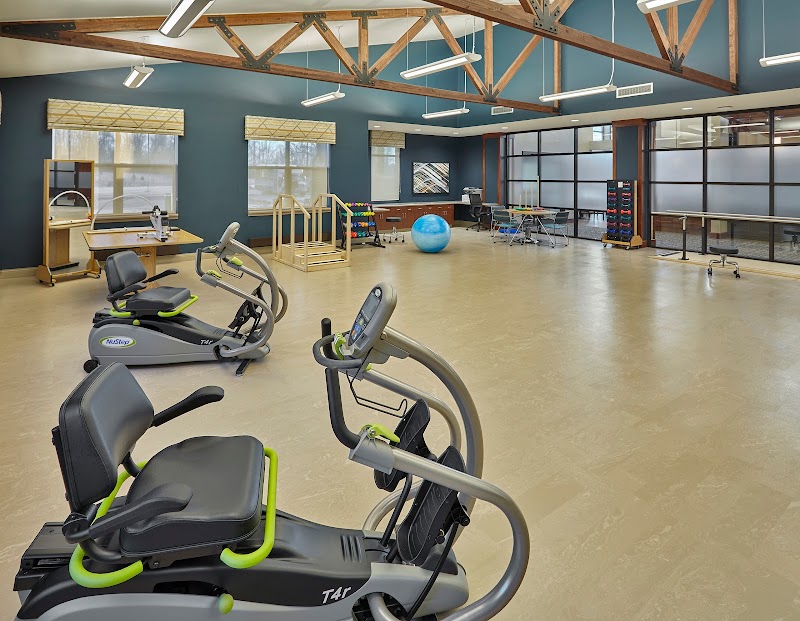
How Does Springs Of Richmond, The Compare to Other Indiana Nursing Homes?

Compared to the 100 nursing homes in Indiana, SPRINGS OF RICHMOND, THE's overall rating (3 stars) is below the state average of 3.1, staff turnover (45%) is near the state average of 46%, and health inspection rating (2 stars) is below the national benchmark.

What Should Families Ask When Visiting Springs Of Richmond, The?

Based on this facility's data, families visiting should ask: "Can I visit during a mealtime to observe dining assistance and food quality?" "How do you handle medical emergencies, and what is your hospital transfer rate?" "Can I speak with family members of current residents about their experience?"

Is Springs Of Richmond, The Safe?

Based on CMS inspection data, SPRINGS OF RICHMOND, THE has a clean safety record: no substantiated abuse findings (meaning no confirmed cases of resident harm), no Immediate Jeopardy citations (the most serious violation level indicating risk of serious injury or death), and is not on the Special Focus Facility watch list (a federal program monitoring the lowest-performing 1% of nursing homes). The facility has a 3-star overall rating and ranks #100 of 100 nursing homes in Indiana. While no facility is perfect, families should still ask about staff-to-resident ratios and recent inspection results during their visit.

Do Nurses at Springs Of Richmond, The Stick Around?

SPRINGS OF RICHMOND, THE has a staff turnover rate of 45%, which is about average for Indiana nursing homes (state average: 46%). Moderate turnover is common in nursing homes, but families should still ask about staff tenure and how the facility maintains care continuity when employees leave.

Was Springs Of Richmond, The Ever Fined?

SPRINGS OF RICHMOND, THE has no federal fines on record. CMS issues fines when nursing homes fail to meet care standards or don't correct problems found during inspections. The absence of fines suggests the facility has either maintained compliance or corrected any issues before penalties were assessed. This is a positive indicator, though families should still review recent inspection reports for the full picture.

Is Springs Of Richmond, The on Any Federal Watch List?

SPRINGS OF RICHMOND, THE is not on any federal watch list. The most significant is the Special Focus Facility (SFF) program, which identifies the bottom 1% of nursing homes nationally based on persistent, serious quality problems. Not being on this list means the facility has avoided the pattern of deficiencies that triggers enhanced federal oversight. This is a positive indicator, though families should still review the facility's inspection history directly.