BRICKYARD HEALTHCARE - RICHMOND CARE CENTER
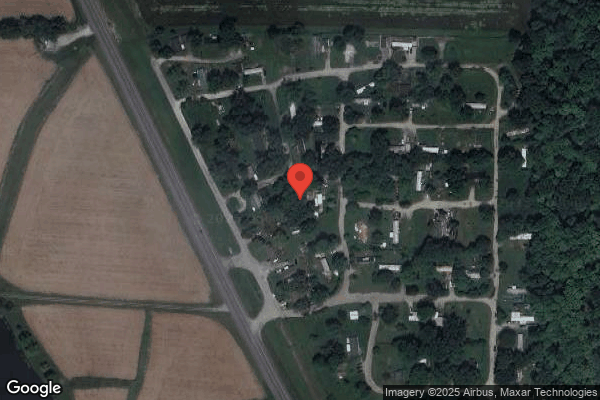
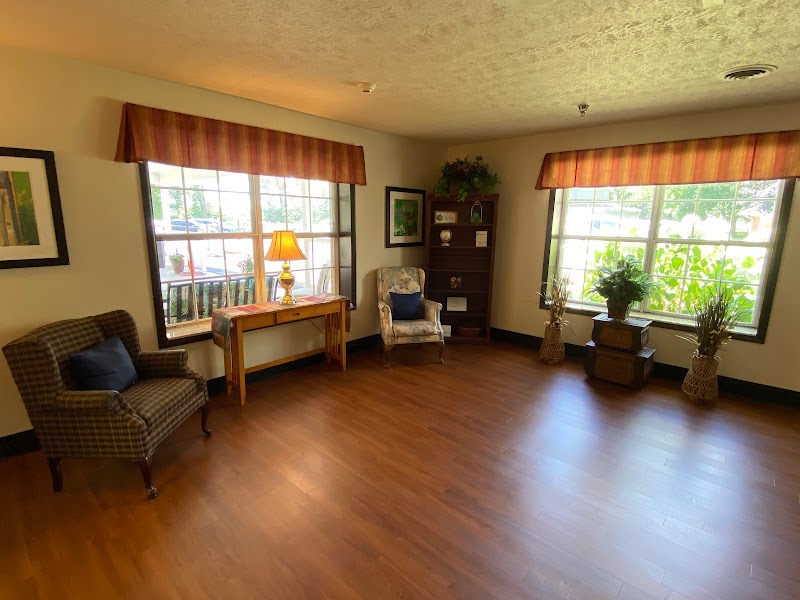
1042 OAK DR, RICHMOND, IN 47374 (765) 966-7788
For profit - Corporation 87 Beds BRICKYARD HEALTHCARE Data: November 2025 1 Immediate Jeopardy citation
Trust Grade
3/100
#432 of 505 in IN
Last Inspection: September 2024

Within standard 12-15 month inspection cycle. Federal law requires annual inspections.

Overview

Brickyard Healthcare - Richmond Care Center has received a Trust Grade of F, indicating significant concerns about the quality of care provided. Ranking #432 out of 505 facilities in Indiana places it in the bottom half of nursing homes statewide, and #7 out of 8 in Wayne County means only one facility nearby is rated higher. While the trend shows improvement, with issues decreasing from 17 in 2024 to just 2 in 2025, the overall situation remains concerning. Staffing is rated at 2 out of 5 stars, and the turnover rate is 57%, which is average but indicates potential instability. Families should be aware that the facility has faced $29,168 in fines, higher than 93% of Indiana facilities, suggesting ongoing compliance issues. Specific incidents of concern include a resident with dementia who suffered bruising after being held by the wrists during care, indicating potential abuse. Additionally, another resident required 18 sutures due to an inadequate transfer that involved only one staff member, revealing lapses in safety protocols. Lastly, there was a serious incident where a resident fell from a mechanical lift, resulting in a fracture, due to improper use of the equipment. While the facility has taken steps to address these issues, families should weigh these strengths and weaknesses carefully.

Trust Score
F
3/100
In Indiana
#432/505
Bottom 15%
Safety Record
High Risk
Review needed
Inspections
Getting Better
17 → 2 violations
Staff Stability
⚠ Watch
57% turnover. Above average. Higher turnover means staff may not know residents' routines.
Penalties
✓ Good
$29,168 in fines. Lower than most Indiana facilities. Relatively clean record.
Skilled Nurses
⚠ Watch
Each resident gets only 27 minutes of Registered Nurse (RN) attention daily — below average for Indiana. Fewer RN minutes means fewer trained eyes watching for problems.
Violations
⚠ Watch
76 deficiencies on record. Higher than average. Multiple issues found across inspections.
★☆☆☆☆
1.0
Overall Rating
★★☆☆☆
2.0
Staff Levels
★★★★☆
4.0
Care Quality
★☆☆☆☆
1.0
Inspection Score
Stable
2024: 17 issues
2025: 2 issues

The Good

  • 4-Star Quality Measures · Strong clinical quality outcomes
  • Full Sprinkler Coverage · Fire safety systems throughout facility
  • No fines on record

Facility shows strength in quality measures, fire safety.

The Bad

1-Star Overall Rating

Below Indiana average (3.1)

Significant quality concerns identified by CMS

Staff Turnover: 57%

10pts above Indiana avg (46%)

Frequent staff changes - ask about care continuity

Federal Fines: $29,168

Below median ($33,413)

Moderate penalties - review what triggered them

Chain: BRICKYARD HEALTHCARE

Part of a multi-facility chain

Ask about local staffing decisions and management

Staff turnover is elevated (57%)

9 points above Indiana average of 48%

The Ugly 76 deficiencies on record

1 life-threatening 3 actual harm
Mar 2025 2 deficiencies 1 Harm
SERIOUS (G) 📢 Someone Reported This

A family member, employee, or ombudsman was alarmed enough to file a formal complaint

Actual Harm - a resident was hurt due to facility failures

Accident Prevention (Tag F0689)

A resident was harmed · This affected 1 resident

**NOTE- TERMS IN BRACKETS HAVE BEEN EDITED TO PROTECT CONFIDENTIALITY** Based on observation, interview, and record review, the facility failed to ensure a resident who required more than limited assi...

Read full inspector narrative →
**NOTE- TERMS IN BRACKETS HAVE BEEN EDITED TO PROTECT CONFIDENTIALITY** Based on observation, interview, and record review, the facility failed to ensure a resident who required more than limited assistance with transfers received adequate assistance and supervision to prevent accidents related to only one staff person assisting during a transfer without the utilization of gait belt and ensure the resident's wheelchair was free from sharp objects resulting in the resident requiring 18 sutures to the left lower leg for 1 of 3 residents reviewed for accidents (Resident C). This deficient practice was corrected on 2/28/25, prior to the start of the survey, and was therefore past noncompliance. The facility implemented a systemic plan that included the following actions: in-service education to nursing staff to ensure residents were transferred safely, conducted an audit of all residents' wheelchairs to ensure they were free from any sharp objects, and conducted audits on safe transfers and wheelchair safety with ongoing review presented to the Quality Assessment and Assurance (QAA) Committee for review. Findings include: The clinical record for Resident C was reviewed on 3/5/25 at 9:45 a.m. The diagnoses included, but were not limited to, metabolic encephalopathy, chronic kidney disease, anxiety disorder, congestive heart failure, vascular dementia, and acute respiratory failure. The resident was admitted to the facility on [DATE]. The fall risk assessment for Resident C, dated 1/31/25, indicated the resident was at high risk for falls. The plan of care for Resident C, dated 1/31/25, indicated the resident was at high risk for falls due to medication use. The interventions included, but were not limited to, determine the resident's ability to transfer. The admission Minimum Data Set (MDS) assessment for Resident C, dated 2/3/25, indicated the resident utilized a wheelchair. The resident required substantial/maximal assistance (helper does more than half the effort) to sit to stand and transfer from chair to bed. The resident did not ambulate. The plan of care for Resident C, dated 2/10/25, indicated the resident had an activity of daily living (ADL) performance deficit related to limited mobility and cognitive loss. The interventions included, but were not limited to, the resident required extensive assistance of 1-2 staff to transfer. At the time of increased weakness, a sit to stand lift may be utilized, initiated on 2/18/25. A progress note for Resident C, dated 2/18/25 at 7:30 p.m., indicated the nurse was called to the resident's room by another nurse who reported the resident needed to go to the hospital. Upon entering the room, a very large skin tear was observed to the resident's left lower leg. Emergency Medical Services (EMS) was called. Pressure was applied to the wound with towels until EMS arrived and applied a pressure dressing. The hospital emergency department note for Resident C, dated 2/18/25 at 9:08 p.m., indicated the resident presented to the emergency room with a left leg laceration from the Extended Care Facility (ECF). The resident was being transferred from the wheelchair to the bed and her leg was injured by the bed frame versus the wheelchair causing a left lower leg laceration. The resident complained of worsening pain to the left leg wound when touched or movement of the left lower extremity. The resident was given a tetanus shot and lidocaine. The laceration length was 18.5 centimeters (cm) long and was closed with 18 sutures. A statement from Certified Nurse Aide (CNA) 1, dated 2/18/25, indicated she went to get the sit to stand mechanical lift to transfer Resident C. Resident C asked if she (CNA 1) would let her stand with the bar and the CNA explained that she was told the resident was supposed to utilize the sit to stand lift. The resident asked the CNA not to use it because it hurt her. The CNA scooted the wheelchair beside the bed and got in front of the resident and put both arms under the resident's arms and counted to three. When the resident sat down on the bed she started to cry. The resident put her hand down to her leg and the CNA seen the tear to the resident's leg. The CNA ran to the nurse and told the nurse to call 911 and she needed help. A statement from Licensed Practical Nurse (LPN) 2, (no date), indicated she was alerted there was an emergency in Resident C's room. The resident's left outer leg was bleeding profusely. CNA 1 indicated the resident's leg got caught while she was transferring her. The resident was currently on her way to the hospital. A statement from LPN 3, (no date) at 7:25 p.m., indicated staff had alerted her there was an emergency in Resident C's room. The resident had a wound on the left leg with a gaping hole and flapping skin. During an observation and interview with Resident C on 3/5/25 at 10:24 a.m., the resident was sitting in a wheelchair with a bandage around her left lower leg. When queried about what happened to her left leg the resident indicated a girl was trying to help her from the wheelchair to the bed. She lifted the resident up underneath her arms and tried to put Resident C into the bed and when the resident turned around, she lost her balance and fell into the bed and hit her left leg on the leg of the bed. The resident began crying and indicated it hurt really bad, and she had to go to the hospital. The resident rated her current pain of the left leg at medium, a 5 on the 1-10 pain scale. During an interview with the Therapy Manager on 3/5/25 at 11:10 a.m., they indicated Resident C had been assessed prior to the incident on 2/18/25. Resident C fluctuated between three different ways of transferring. The resident fluctuated between a two person transfer, a sit to stand mechanical lift, and a sling mechanical lift (Hoyer lift). The therapy manager indicated it was not good practice to transfer a resident by lifting them under their arms and a gait belt should have been utilized unless a resident was independent. The CNA should have been utilizing two staff for the transfer on 2/18/25. During an interview with the Director of Nursing (DON) on 3/5/25 at 11:32 a.m., she indicated the facility investigation into the incident, on 2/18/25, with Resident C indicated it was the resident's wheelchair that caused the skin tear. The wheelchair was missing a rubber/plastic piece and there was a sharp metal edge exposed. The DON indicated CNAs were supposed to utilize gait belts during transfers and only in an emergency situation would it be acceptable to lift a resident under their arms. During an interview with the DON on 3/5/25 at 12:44 p.m., she indicated CNA 1 must have obtained, during shift report, that the resident was to be utilizing a sit to stand lift. During an interview with the DON on 3/5/25 at 1:00 p.m., she verified Resident C did not have a care plan on how she was supposed to be transferred until the incident on 2/18/25. The safe resident handling/transfer policy provided by the DON, on 3/5/25 at 12:45 p.m., indicated the facility would ensure residents were handled and transferred safely to prevent or minimize risks for injury and provide and promote a safe, secure and comfortable experience for the resident. Handling aides may include gait belt, transfer boards, and other devices. Resident lifting and transferring would be performed according to the resident's individual plan of care. The accidents and supervision policy provided by the DON, on 3/5/25 at 2:15 p.m., indicated the resident environment would remain as free of accident hazards as was possible. Each resident would be provided with adequate supervision and assistive devices to prevent accidents. Accident refers to any unexpected or unintentional incident, which resulted in an injury to a resident. This citation relates to Complaint IN00453938. 3.1-45(a)(1) 3.1-45(a)(2)
CONCERN (D) 📢 Someone Reported This

A family member, employee, or ombudsman was alarmed enough to file a formal complaint

Potential for Harm - no one hurt, but risky conditions existed

Medical Records (Tag F0842)

Could have caused harm · This affected 1 resident

**NOTE- TERMS IN BRACKETS HAVE BEEN EDITED TO PROTECT CONFIDENTIALITY** Based on interview and record review, the facility failed to document a resident's death, the notification of a resident's death...

Read full inspector narrative →
**NOTE- TERMS IN BRACKETS HAVE BEEN EDITED TO PROTECT CONFIDENTIALITY** Based on interview and record review, the facility failed to document a resident's death, the notification of a resident's death to the physician, family, responsible party, disposition of the resident's body, personal possessions, medications, or a complete and accurate notation of the resident's condition preceding the resident's death in the clinical record for 1 of 1 resident reviewed for death (Resident B). Findings include: During an interview with the Director of Nursing (DON) on [DATE] at 12:20 p.m., she indicated Resident B died, on [DATE], on day shift. The facility did not document anything about the resident's death in the clinical record because the facility's legal department did not want anything documented as a late entry. During an interview with Licensed Practical Nurse (LPN) 5 on [DATE] at 1:23 p.m., they indicated, on [DATE], a Certified Nurse Aide (CNA) came and got her and said they needed her help on the other unit with Resident B. LPN 5 checked Resident B's code status when she got to the unit and he was a Do Not Resuscitate (DNR) code status. When LPN 5 entered Resident B's room, Registered Nurse (RN) 6 was there checking for the resident's pulse and reported she could not find a pulse. LPN 5 then checked Resident B for a pulse and respirations, and he did not have a pulse or respirations. During an interview with RN 6 on [DATE] at 1:45 p.m., she indicated she was not caring for Resident B, on [DATE], when he died. Qualified Medication Aide (QMA) 7 came to RN 6's office to get her. When RN 6 got to Resident B's bedroom, he was lying on the bed, he had no pulse, one eye closed and one eye open and fixed, and he had no respirations. RN 6 requested LPN 5 to come to the resident's room and verify that he did not have a pulse or respirations. During an interview with CNA 8 on [DATE] at 3:23 p.m., she indicated, on [DATE], she was caring for Resident B when he died. CNA 8 indicated she went to check on Resident B and found him lying in his bed with a plastic bag over his head. CNA 8 removed the bag and felt the resident's chest to see if it was moving and it was not. CNA 8 ran and got help. The clinical record for Resident B was reviewed on [DATE] at 11:05 a.m. The diagnoses included, but were not limited to, dementia, psychotic disturbance, bipolar disorder, depression, suicidal ideations, and anxiety disorder. The resident's code status was DNR. The last documentation in Resident B's clinical record, dated [DATE] at 9:00 a.m., indicated the Social Service Director (S.S.D.) went to the resident's room to complete a psychosocial assessment. The resident was fully dressed and asleep in the recliner. The S.S.D. also noted that the resident's room was clean and orderly. During an interview with the [NAME] President of the facility, on [DATE] at 12:07 p.m., they indicated the facility team made the decision not to document Resident B's death, on [DATE], in the clinical record and the legal department agreed. The facility did this to ensure accuracy of documentation due to it was a high stress situation. The documentation in the medical record policy provided by the DON, on [DATE] at 2:15 p.m., indicated each resident's medical record shall contain an accurate representation of the actual experiences of the resident and include enough information to provide a picture of the resident's progress through complete, accurate, and timely documentation. Documentation shall be completed at the time of service, but no later than the shift in which the assessment, observation, or care service occurred. Documentation shall be accurate, relevant, and complete. Documentation shall be timely and in chronological order. This citation relates to Complaint IN00454495. 3.1-50(a)(1) 3.1-50(a)(2) 3.1-50(j)(1) 3.1-50(j)(2) 3.1-50(j)(3)
Nov 2024 8 deficiencies
CONCERN (D) 📢 Someone Reported This

A family member, employee, or ombudsman was alarmed enough to file a formal complaint

Potential for Harm - no one hurt, but risky conditions existed

Deficiency F0554 (Tag F0554)

Could have caused harm · This affected 1 resident

Based on observation, interview, and record review, the facility failed to have the interdisciplinary team (IDT) determine and document self-administration of medications were clinically appropriate f...

Read full inspector narrative →
Based on observation, interview, and record review, the facility failed to have the interdisciplinary team (IDT) determine and document self-administration of medications were clinically appropriate for 1 of 6 residents reviewed for medication administration. (Resident T) Findings include: The clinical record for Resident T was reviewed on 11/8/24 at 10:20 a.m. The diagnoses included, but were not limited to, chronic respiratory failure with hypoxia, dry eye syndrome, and chronic viral hepatitis. An Annual Minimum Data Set (MDS) assessment, completed 9/18/24, indicated she was cognitively intact for daily decision making. On 11/6/24 at 10:55 a.m., Resident T had one blue oblong pill sitting in a medicine cup at the bedside. Resident T indicated she did not want the pill, but did not tell the nurse she didn't, so it was left at the bedside. During an observation of Resident T on 11/7/24 at 11:47 a.m., one bottle of Visine eye drops was sitting on the bedside table. Resident T indicated, a nurse just left it here one time, so she just left it. During an interview on 11/7/24 at 11:53 a.m., Licensed Practical Nurse (LPN) 3 indicated Resident T should not have any medications at the bedside and was not sure who left it there. LPN 3 indicated Resident T cannot have any medications left at the bedside nor self-administer medications. During an interview on 11/8/24 at 1:58 p.m., the Director of Nursing Services (DNS) indicated Resident T had not had a self-administration of medication order or care plan in place for self-administration of medications. On 11/12/24 at 12:05 p.m. a Resident Self-Administration of Medications Policy was provided by Unit Manager. The policy indicated, .A resident may only self-administer medications after the facility's interdisciplinary team has determined which medications may be self-administered safely This citation relates to Complaint IN00446364. 3.1-11(a)
CONCERN (D) 📢 Someone Reported This

A family member, employee, or ombudsman was alarmed enough to file a formal complaint

Potential for Harm - no one hurt, but risky conditions existed

Deficiency F0578 (Tag F0578)

Could have caused harm · This affected 1 resident

**NOTE- TERMS IN BRACKETS HAVE BEEN EDITED TO PROTECT CONFIDENTIALITY** Based on interview and record review, the facility failed to ensure a proper code status order and care plans were in place for ...

Read full inspector narrative →
**NOTE- TERMS IN BRACKETS HAVE BEEN EDITED TO PROTECT CONFIDENTIALITY** Based on interview and record review, the facility failed to ensure a proper code status order and care plans were in place for 2 of 4 residents reviewed for code status and care plans. (Resident EE & Resident GG) Findings include: 1. The clinical record for Resident EE was reviewed on 11/8/24 at 1:55 p.m. The diagnoses included, but were not limited to, essential tremor, peripheral vascular disease, and chronic respiratory failure. Resident EE had a Physician Orders for Scope and Treatment (POST) form dated 4/29/24. The form indicated Resident EE was a Do Not Resuscitate (DNR). Resident EE had a physician order for DNR status placed on 7/30/24. An Advance Directive care plan, initiated 12/7/23, indicated Resident EE was a full code. During an interview with the Director of Nursing Services (DNS) on 11/8/24 at 1:50 p.m., she indicated Resident EE had a full code care plan because it had not been updated properly. 2. The clinical record for Resident GG was reviewed on 11/8/24 at 12:30 p.m. The diagnoses included, but were not limited to, diabetes mellitus, depression, and chronic ischemic heart disease. The clinical record indicated Resident GG was admitted to the facility on [DATE]. No POST form, code status order, or code status care plan were present in the clinical record. During an interview with the DNS on 11/12/24 at 12:25 p.m., she indicated Resident GG had not made her mind up yet about her code status. So, we treat them as a full code, and nothing is documented in the Electronic Health Record (EHR) until we get everything signed and completed. A Communication of Code Status Policy provided by the Unit Manager, on 11/12/24 at 12:04 p.m., indicated the following, .It is policy of this facility to adhere to residents' rights to formulate advance directives. In accordance to these rights, this facility will implement procedures to communicate a resident's code status to those individuals who need to know this information .2. When an order is written pertaining to a resident's presence or absence of an Advanced Directive, the directions will be clearly documented in designated sections of the medical record. Examples of directions to be documented include, but are not limited to . a. Full Code, b. Do Not Resuscitate .4. The designated sections of the medical record are: Orders Section This citation relates to Complaint IN00446364. 3.1-4(f)(5)
CONCERN (D) 📢 Someone Reported This

A family member, employee, or ombudsman was alarmed enough to file a formal complaint

Potential for Harm - no one hurt, but risky conditions existed

Deficiency F0583 (Tag F0583)

Could have caused harm · This affected 1 resident

Based on interview and record review the facility failed to provide privacy for residents' medical condition by taking pictures and videos on personal cell phones for 2 of 4 residents reviewed for pri...

Read full inspector narrative →
Based on interview and record review the facility failed to provide privacy for residents' medical condition by taking pictures and videos on personal cell phones for 2 of 4 residents reviewed for privacy (Resident KK and Resident W). Findings include: During an interview with Licensed Practical Nurse (LPN) 5 on 11/8/24 at 10:40 a.m., she indicated she had called the on-call Nurse Practitioner (NP) about Resident KK's wound on her leg, and they responded with continuation to monitor the area. LPN 5 indicated she was a new nurse and did not feel comfortable with that. LPN 5 took a picture of the wound on her cell phone and sent it to the Director of Nursing Services (DNS) to get her opinion. LPN 5 indicated she did not send the picture to anyone else and deleted the picture off her phone. During an interview with LPN 4 on 11/8/24 at 2:41 p.m., she indicated she did take a video of Resident W and sent it to the DNS. LPN 4 indicated she was working third shift, and Resident W had a total change in condition. The resident was making a snoring sound, breathing weird, hitting himself, banging on his chest, banging on the walls and tore up his bedroom. This was out of character for the resident. LPN 4 indicated she had tried to call the DNS and when she did not answer she video tapped Resident W and sent it to the DNS. LPN 4 indicated she wanted the DNS to understand how serious the situation was. LPN 4 indicated she did not send the video to anyone else, and she deleted it from her cell phone. During an interview with the DNS on 11/12/24 at 12:13 p.m., she indicated the facility previously had the capability to send pictures of wounds via the electronic health record system and they no longer had that option. LPN 5 and LPN 4 did send the DNS a picture and video of residents because the nurses did not feel like the provider was responding appropriately about these situations and wanted my help. The DNS indicated Resident W was delusional and having hallucinations on the video. Resident W was yelling and hitting himself. LPN 4 had called the on-call Nurse Practitioner (NP), and she gave an order for Ativan (antianxiety medication), and it did not help Resident W. That was why LPN 4 called her and sent the video to her. The resident photograph policy provided by the Executive Director, on 11/6/24 at 10:20 a.m., indicated taking photographs and/or videos of residents was a violation of the residents rights' to privacy and confidentiality. This citation relates to Complaint IN00446364. 3.1-3(o)
CONCERN (D) 📢 Someone Reported This

A family member, employee, or ombudsman was alarmed enough to file a formal complaint

Potential for Harm - no one hurt, but risky conditions existed

Accident Prevention (Tag F0689)

Could have caused harm · This affected 1 resident

2a. During an observation of the designated smoking area, on 11/6/24 at 11:41 a.m., Resident Z and Resident BB were smoking without a smoking apron in place. The clinical record for Resident Z was re...

Read full inspector narrative →
2a. During an observation of the designated smoking area, on 11/6/24 at 11:41 a.m., Resident Z and Resident BB were smoking without a smoking apron in place. The clinical record for Resident Z was reviewed on 11/8/24 at 10:46 a.m. The diagnoses for Resident Z included, but were not limited to, flaccid hemiplegia (neurological condition with a loss of voluntary movement in a limb) affecting left non-dominant side, dependence on supplemental oxygen, and vascular disease. An Annual Minimum Data Set (MDS) assessment, dated 9/17/24, indicated Resident Z was cognitively intact and had limited range of motion of upper extremity on one side and utilized a wheelchair for ambulation. A Smoking and Safety assessment provided by the Director of Nursing Services (DNS), on 11/8/24 at 9:30 a.m., indicated Resident Z had limited or no Range of Motion (ROM) in arms or hands and was to utilize a smoking apron. During an interview on 11/7/24 at 1:50 p.m., Resident Z indicated she occasionally wore a smoking apron and was aware that she was supposed to at all times. Resident Z indicated she had never had any burns while smoking. 2b. The clinical record for Resident BB was reviewed on 11/8/24 at 10:47 a.m. The diagnoses included, but were not limited to, essential hypertension, hypothyroidism, and chronic obstructive pulmonary disease (COPD). A Quarterly MDS assessment, dated 10/2/24, indicated Resident BB had moderate cognitive impairment and was wheelchair dependent for mobility. A Smoking and Safety assessment provided by the DNS, on 11/8/24 at 9:30 a.m., indicated Resident BB was to utilize a smoking apron. During an interview on 11/7/24 at 1:46 p.m., Resident BB indicated he would wear a smoking apron every now and then, when you guys were here. Resident BB indicated he was aware that he was supposed to utilize a smoking apron at all times while smoking. He indicated he had never been burned while smoking but he had gotten ashes on his clothing that caused burn holes in his clothing. During an interview on 11/6/24 at 11:41 a.m., the DNS indicated the facility does a smoking assessment on all residents who smoke. That assessment assesses their abilities to safely smoke. If a resident triggers for not being able to smoke without a risk, they will trigger for a smoking apron to be worn. If they do not trigger, then they are not required to wear one. A Resident Smoking Policy was provided by the Executive Director (ED) on 11/6/24 at 10:20 a.m. The policy indicated the following, .it is the policy of the facility to provide a self and healthy environment for residents, visitors, and employees, including safety as related to smoking. Safety protections apply to smoking and non-smoking residents .6. Residents who smoke will be further assessed, using the Resident Safe Smoking Assessment, to determine whether or not supervision is required for smoking, or if resident is safe to smoke at all .10. All safe smoking measures will be documented on each resident's care plan This citation relates to Complaint IN00446364. 3.1-45(a)(2) Based on observation, interview, and record review the facility failed to utilize smoking aprons during smoking for safety of the residents as assessed for 3 of 3 residents reviewed for smoking safety (Resident J, Resident Z and Resident BB). Findings include: 1. During an observation on 11/7/24 at 11:43 a.m., Resident J was outside smoking with other residents and a staff member. Resident J did not have on a smoking apron. During an interview with Resident J on 11/7/24 at 12:00 p.m., he indicated he did not wear a smoking apron when smoking. Resident J indicated the smoking apron was only for residents who drop things and were not safe during smoking. Review of the record of Resident J, on 11/8/24 at 2:18 p.m., indicated the diagnoses included, but were not limited to, chronic respiratory failure, difficulty walking, chronic obstructive pulmonary disease, diabetes, heart failure and dependence on nicotine. The plan of care for Resident J, dated 7/9/24, indicated the resident was at risk for smoking related injury. The interventions included, but were not limited to, provide a smoking apron while smoking. The Quarterly Minimum Data Set (MDS) assessment for Resident J, dated 8/29/24, indicated the resident was cognitively intact for daily decision making. The smoking and safety assessment for Resident J, dated 10/29/24, indicated the resident was lethargic/falls asleep easily during task or activities. The intervention included, but were not limited to, utilize a smoking apron.
CONCERN (D) 📢 Someone Reported This

A family member, employee, or ombudsman was alarmed enough to file a formal complaint

Potential for Harm - no one hurt, but risky conditions existed

Pharmacy Services (Tag F0755)

Could have caused harm · This affected 1 resident

Based on interview and record review, the facility failed to obtain physician orders to crush medications for 3 of 5 residents reviewed for medication administration. Findings include: 1. The clinic...

Read full inspector narrative →
Based on interview and record review, the facility failed to obtain physician orders to crush medications for 3 of 5 residents reviewed for medication administration. Findings include: 1. The clinical record for Resident L was reviewed on 11/7/2024 at 1:30 p.m. The medical diagnoses included diabetes. During an interview with Resident L, on 11/6/2024 at 1:15 p.m., they indicated they take their medication crushed since they were admitted to the facility. The physician orders did not reflect an active order to crush medications as needed. 2. The clinical record for Resident O was reviewed on 11/7/2024 at 1:40 p.m. The medical diagnoses included diabetes. The physician orders did not reflect an active order to crush medications as needed. 3. The clinical record for Resident P was reviewed on 11/7/2024 at 1:45 p.m. The medical diagnoses included chronic obstructive pulmonary disease. The physician orders did not reflect an active order to crush medications as needed. During a confidential staff interview completed during the survey, the staff member indicated they crush medications based on nursing judgement. Resident L, Resident O, and Resident P take their medications crushed and have since the staff member has worked with them. The staff member verified Resident L, Resident O, and Resident P do not have orders to crush medications. An interview with Registered Nurse (RN) 1, on 11/6/2024 at 1:41 p.m., indicated they had issues with medication not being able to be crushed, but the pharmacy was unaware of the resident taking medications crushed because of not having physician orders when they review medications. RN 1 stated they provided the Director of Nursing Services (DNS) and the Executive Director (ED) with a list of residents that take crushed medications, but no orders have been obtained for those residents. A blank nursing report sheet was provided by the DNS on 11/7/2024 at 2:30 p.m. The document indicated Resident L, Resident O, and Resident P received crushed medications. A policy, entitled Medication Administration, was provided by the ED on 11/6/2024 at 10:20 a.m. The policy indicated, .Crush medications as ordered . This citation relates to Complaint IN00446364. 3.1-25(b)
CONCERN (D) 📢 Someone Reported This

A family member, employee, or ombudsman was alarmed enough to file a formal complaint

Potential for Harm - no one hurt, but risky conditions existed

Deficiency F0757 (Tag F0757)

Could have caused harm · This affected 1 resident

Based on interview and record review the facility failed to follow-up with monitoring and have an indication for use on a one-time order for Ativan (antianxiety medication) for a resident who was expe...

Read full inspector narrative →
Based on interview and record review the facility failed to follow-up with monitoring and have an indication for use on a one-time order for Ativan (antianxiety medication) for a resident who was experiencing an acute change in condition for 1 of 3 residents reviewed for change in condition (Resident W). Findings include: During an interview with Licensed Practical Nurse (LPN) 4 on 11/8/24 at 2:41 p.m., she indicated she did take a video of Resident W and sent it to the Director of Nursing Services (DNS). LPN 4 indicated she was working third shift, and Resident W had a total change in condition. The resident was making a snoring sound, breathing weird, hitting himself, banging on his chest, banging on the walls and tore up his bedroom, which was out of character for the resident. LPN 4 indicated she had tried to call the DNS and when she did not answer she video tapped Resident W and sent it to the DNS, on 10/18/24 around 2:30 a.m. LPN 4 indicated she wanted the DNS to understand what a serious situation that was. LPN 4 indicated she did not send the video to anyone else, and she deleted it from her cell phone. During an interview with the DNS on 11/12/24 at 12:13 p.m., she indicated LPN 4 did send the DNS a video of Resident W because the nurse did not feel like the provider was responding appropriately about the situation and wanted my help. The DNS indicated Resident W was delusional and having hallucinations on the video. Resident W was yelling and hitting himself. LPN 4 had called the on-call Nurse Practitioner (NP), and she gave an order for Ativan (antianxiety medication), and it did not help Resident W. That was why LPN 4 called her and sent the video to her. Review of the record of Resident W, on 11/12/24 at 10:36 a.m., indicated the diagnoses included, but were not limited to, opioid dependence, hypertension, muscle weakness, and fatigue. The admission Minimum Data Set (MDS) assessment, dated 9/30/24, indicated the resident was cognitively intact for daily decision making. The resident was consistent and reasonable. The resident did not have hallucinations, delusions, or behaviors. A progress note for Resident W, dated 10/18/24 at 3:32 a.m., indicated the resident had been in his room since early A.M., around 1:30 a.m., with altered mental status. The resident was standing with eyes rolling in the back of his head, laying on the couch halfway, screaming out, stating that someone was going to push him off his bed if he got on it. The resident was beating on his chest and face with his fists, while seemingly being asleep. The resident was not getting any better, only worse. This nurse sat resident down numerous times to keep him safe and prevent him from falling. There was nothing that was helping the situation. The on-call provider was notified, and the DNS was notified. A progress note for Resident W, dated 10/18/24 at 3:37 a.m., indicated the Nurse Practitioner (NP) response was to administer Ativan two milligrams (mg); one dose. The clinical record did not indicate what the Ativan two milligrams was utilized for or indication of follow up if the Ativan was effective or not effective for Resident W. A progress note for Resident W, dated 10/18/24 at 6:52 a.m., indicated the resident was thrashing on the couch uncontrollably, vital signs were normal, and was unable to answer questions appropriately. The writer suspects resident had taken unprescribed medication. The NP was called, and an order was received to send the resident to the emergency room. A progress note for Resident W, dated 10/18/24, indicated since around midnight the resident had been thrashing, yelling, hitting himself, eyes rolling back in head and general disoriented to person, time, and place. The resident had refused care of his cellulitis this past week and could be septic although his vital signs were normal. The resident became very disoriented, combative with staff, and hitting himself. Ativan two mg was given, around 2:00 a.m., with little effect on his demeanor. The resident was experiencing hallucinations and agitation. The resident was disoriented with mental status changes, usually this resident was very kind and respectful and was currently yelling and hitting himself. The resident was unable to answer if he had taken any substance that he was not supposed to or why his condition suddenly spiraled out of control. The resident was being transported to the emergency room. The progress note was electronically signed by NP 2. A progress note for Resident W, dated 10/18/24 at 7:10 a.m., indicated the fired department was at the facility to transport the resident, NP 2 was in the resident's room as well. The hospital records for Resident W, dated 10/18/24, indicated the resident was admitted to the local hospital with toxic encephalopathy (sudden, severe change in mental function) secondary to cocaine and amphetamine use. The resident had left the long-term care facility yesterday and when he returned, he was altered and confused. The resident remained in the emergency room for several hours, with attempts at metabolizing, but despite this he remained quite sleepy and had to be placed on oxygen. Given the prolonged period of observation in the emergency department, still without return to baseline I do feel that patient will warrant further inpatient management. The provision of physician ordered services policy provided by the Executive Director, on 11/12/24 at 3:00 p.m., indicated the purpose of this policy was to provide reliable process for the proper and consistent provision of physician ordered services according to professional standards of quality. This citation relates to Complaint IN00446364. 3.1-48(a)(3) 3.1-48(a)(4)
CONCERN (D) 📢 Someone Reported This

A family member, employee, or ombudsman was alarmed enough to file a formal complaint

Potential for Harm - no one hurt, but risky conditions existed

Deficiency F0849 (Tag F0849)

Could have caused harm · This affected 1 resident

Based on interview and record review, the facility failed to ensure an order and care plan were in place for a resident receiving hospice services for 1 of 3 residents reviewed for hospice. (Resident ...

Read full inspector narrative →
Based on interview and record review, the facility failed to ensure an order and care plan were in place for a resident receiving hospice services for 1 of 3 residents reviewed for hospice. (Resident DD) Findings include: The clinical record for Resident DD was reviewed on 11/6/24 at 1:26 p.m. The diagnoses included, but were not limited to, anxiety disorder, diabetes mellitus, and chronic pain syndrome. Resident DD's hospice binder indicated he was placed on hospice on 9/15/24. The clinical record indicated there was not an order for hospice nor a hospice care plan in the Electronic Health Record (EHR). During an interview with the Director of Nursing Services (DNS) on 11/7/24 at 10:29 a.m., they indicated Resident DD's physician put a one-time order in for a hospice services consult for one day only, then the order fell off the EHR after that day, and an order was not put in after that. An interview with the DNS on 11/8/24 at 10:00 a.m., they indicated the facility recently switched over their care plan library for auditing purposes, on 10/28/24, and all of the old care plans were disappearing. A hospice care plan, dated 11/7/24, indicated interventions to coordinate plan of care with hospice services and to obtain physician order and appropriate referral. A Coordination of Hospice Services Policy was provided by the Executive Director (ED) on 11/6/24 at 2:40 p.m. The policy indicated the following, .the facility and hospice provider will coordinate a plan of care and will implement interventions .5. The facility will monitor and evaluate the resident's response to the hospice care plans This citation relates to Complaint IN00446364. 3.1-37(a)
CONCERN (E) 📢 Someone Reported This

A family member, employee, or ombudsman was alarmed enough to file a formal complaint

Potential for Harm - no one hurt, but risky conditions existed

Deficiency F0761 (Tag F0761)

Could have caused harm · This affected multiple residents

Based on observation and interview, the facility failed to ensure open medication bottles were dated in 2 of 2 medication carts observed for medication storage and four open, un-identified medications...

Read full inspector narrative →
Based on observation and interview, the facility failed to ensure open medication bottles were dated in 2 of 2 medication carts observed for medication storage and four open, un-identified medications laying in medication drawers in 2 of 2 medication carts observed. Findings include: During an observation of Extended Care Unit (ECU) Medication Cart 1 with Registered Nurse (RN) 1, on 11/6/24 at 9:45 a.m., several medication bottles were noted not to have open dates marked on the bottles. Bottles included: one 236 milliliter (ml) Guaifenesin, one 433 ml Enulose, three Polyethylene Glycol 3350 8.3 ounce (oz) bottles, one 473 ml Milk of Magnesia, three 355 ml oral simethicone, one 473 ml Guaifenesin, two Almacone bottles, one 236 ml Dermal Wound Cleanser, and one 10 ml Refresh Optive Advanced. One Fluticasone Propionate inhalation powder was noted to not have a resident label or dates labeled on it. One half of a loose orange oblong pill was laying in the medication drawer. During an interview on 11/6/24 at 9:45 a.m., RN 1 indicated she was unsure where the open pill came from, and it should have been discarded if not used. RN 1 indicated when a new medication bottle is opened, they were to put an open date and expiration date on them. During an observation of the ECU Medication Cart 2 with Licensed Practical Nurse (LPN) 2 on 11/6/24 at 10:00 a.m., one loose blue pill was noted in medication drawer. LPN 2 indicated she was unsure who's medication it was or where it came from, and open medications should not be stored in the medication cart. One Albuterol 90 microgram (mcg) inhaler with spacer was noted laying in the bottom drawer with no resident label on it. LPN 2 indicated, she was unsure who the medication belonged to, and it should be labeled. LPN 2 discarded all loose and unidentified medications. During an observation of the ECU Medication Cart 2 with LPN 2 on 11/6/24 at 10:00 a.m., several medication bottles were noted not to have open dates labeled on them. Bottles included: one 473 ml Enulose, four Guaifenesin 473 ml bottles, one Max Tussin 300 ml bottle, one Milk of Magnesia 473 ml bottle, one 8.3 oz. Polyethylene Glycol, and one Potassium Chloride 10% 473 ml bottle. LPN 2 indicated when a bottle was opened, the open date should be recorded on them. During an interview with the Director of Nursing Services (DNS) on 11/8/24 at 1:20 p.m., they indicated nursing puts the open date and the dispose date anytime a new medication bottle is opened. The DNS indicated they keep a binder at the nurses' stations that has what the discard time lengths should be for different medications. A Medication Storage Policy provided by the Executive Director, on 11/6/24 at 11:22 a.m., indicated the following, .It is the policy of this facility to ensure all medications housed on our premises will be stored in the pharmacy and/or medication rooms according to the manufacturer's recommendations .8. The pharmacy and all medication rooms are routinely inspected by the consultant pharmacist for discontinued, outdated, or deteriorated medications with worn, illegible, or missing labels This citation relates to Complaint IN00446364. 3.1-25(j) 3.1-25(o)
Sept 2024 4 deficiencies
CONCERN (D)

Potential for Harm - no one hurt, but risky conditions existed

Deficiency F0554 (Tag F0554)

Could have caused harm · This affected 1 resident

Based on interview, observations, and record review, the facility failed to ensure Resident 44 had a self-administration of medications assessment completed for 1 of 1 resident reviewed for self-admin...

Read full inspector narrative →
Based on interview, observations, and record review, the facility failed to ensure Resident 44 had a self-administration of medications assessment completed for 1 of 1 resident reviewed for self-administration of medications. Findings include: The clinical record for Resident 44 was reviewed on 9/11/2024 at 11:20 a.m. The medical diagnoses included chronic respiratory failure and chronic obstructive pulmonary disease. A Quarterly Minimum Data Set (MDS) assessment, dated 8/29/2024, indicated Resident 44 was cognitively intact and did not have behaviors. A self-administration care plan, initiated on 9/10/2024, indicated an intervention of completing a self-administration assessment per the facility's protocol. During an interview and observation, on 9/5/2024 at 11:21 a.m., indicated Resident 44 had two medication nasal sprays. Resident 44 indicated they kept the two medicated nasal sprays on the over-bed table, staff knew about the medicated nasal sprays, and staff told them to just keep the medicated nasal sprays in one spot. During an interview on 9/5/2024 at 11:30 a.m., QMA 6 indicated Resident 44 utilized over the counter nasal sprays that the family provided, and Resident 44 kept at the bedside. During an observation on 9/10/2024 at 1:55 p.m., Resident 44 had two medicated nasal sprays on the bedside table. A self-administration assessment, dated 9/10/2024 at 6:29 p.m., indicated that Resident 44 was fully capable of self-administration for nasal decongestants. A policy entitled, Resident Self-Administration of Medications, was provided by the Director of Nursing Services on 9/12/2024 at 9:40 a.m. The policy indicated, .A resident may only self-administer medications after the facility's intradisciplinary team has determined which medications may be self-administered safely .the opportunity to self-administer medications during the routine assessment . 3.1-11(a)
CONCERN (D)

Potential for Harm - no one hurt, but risky conditions existed

Deficiency F0558 (Tag F0558)

Could have caused harm · This affected 1 resident

Based on observation, interview, and record review, the facility failed to provide fresh water daily for 1 of 1 resident reviewed for hydration. (Resident C) Findings include: During an observation a...

Read full inspector narrative →
Based on observation, interview, and record review, the facility failed to provide fresh water daily for 1 of 1 resident reviewed for hydration. (Resident C) Findings include: During an observation and interview with Resident C on 9/9/24 at 11:30 a.m., the resident had two cups of thickened juice on the bedside table and no water. Resident C indicated she liked juice but would like to have fresh water every day also. During an observation on 9/10/24 at 1:59 p.m., Resident C had a cup of thickened coffee and a cup of thickened juice. The resident did not have any water. During an observation and interview with Resident C on 9/11/24 at 2:52 p.m., the resident had a cup of thickened coffee and juice. The resident did not have any water. Resident C indicated she had not had any water in the last five days. During an observation on 9/12/24 at 1:17 p.m., Resident C had a cup of thickened coffee and a cup of thickened juice. The resident did not have any water. Review of the clinical record of Resident C, on 9/11/24 at 2:15 p.m., indicated the diagnoses included, but were not limited to, congestive heart failure, pneumonia, dementia, chronic obstructive pulmonary disease, hypertension, anxiety, dysphagia, and history of pressure ulcer to the right buttock. A physician order for Resident C, dated September 2024, indicated the resident was to be up in a chair for all meals. The resident was ordered a regular diet and thickened liquids with nectar/mildly thick consistency. The plan of care for Resident C, dated 8/11/23, indicated the resident was at risk for constipation. The interventions included, but were not limited to, encourage fluids. The plan of care for Resident C, dated 8/11/23, indicated the resident had alteration in elimination of bowel and bladder. The interventions included, but were not limited to, encourage fluids. During an interview with the Director of Nursing Services on 9/12/24 at 2:00 p.m., they indicated the nursing staff were responsible to ensure Resident C had fresh water daily. The hydration policy provided by the Executive Director, on 9/13/24 at 1:00 p.m., indicated the facility offers each resident sufficient fluid, including water and other liquids, consistent with resident needs and preferences to maintain proper hydration and health. 3.1-3(v)(1)
CONCERN (D) 📢 Someone Reported This

A family member, employee, or ombudsman was alarmed enough to file a formal complaint

Potential for Harm - no one hurt, but risky conditions existed

Quality of Care (Tag F0684)

Could have caused harm · This affected 1 resident

**NOTE- TERMS IN BRACKETS HAVE BEEN EDITED TO PROTECT CONFIDENTIALITY** 1. Based on observation, interview, and record review, the facility failed to follow physician orders for obtaining daily and mo...

Read full inspector narrative →
**NOTE- TERMS IN BRACKETS HAVE BEEN EDITED TO PROTECT CONFIDENTIALITY** 1. Based on observation, interview, and record review, the facility failed to follow physician orders for obtaining daily and monthly weights for 2 of 2 residents reviewed for weights. (Resident 6 and 44). 2. Based on observation, interview, and record review, the facility failed to have accurate skin assessments, follow physician orders for no brief while in bed, and have heels floated for 1 of 3 residents reviewed for skin. (Resident C) Findings include: 1. The clinical record for Resident 6, reviewed on 9/9/24 at 2:19 p.m., indicated diagnoses included, but were not limited to, schizophrenia, muscle weakness, cognitive communication deficit, diabetes mellitus, and abnormal weight loss. During an observation on 9/9/24 at 11:47 a.m., Resident 6 was lying back in bed. Her legs were uncovered, and they were red and swollen. A quarterly Minimum Data Set (MDS) assessment, dated 7/31/24, indicated Resident 6 was cognitively intact, had limited extremity impairment to both lower extremities, and required a wheelchair for mobility. A physician order, dated 2/23/24, indicated a monthly weight to be obtained on the 16th of every month. A progress note, dated 3/14/24, indicated Resident 6 asked about the swelling in her legs and lack of leg strength and there was minimal swelling to both lower legs. A review of weights was obtained and documented 2/29/24- 172.6 pounds (lbs.), 7/10/24- 178.2 lbs., 7/31/24- 178.2 lbs., 8/1/24- 189.4 lbs., and 9/10/24- 179 lbs. This indicated Resident 6 was not weighed for four months and a re-weigh was not obtained after an abnormal weight was obtained, on 8/1/24. A progress note, dated 8/3/24 at 7:16 a.m., by Registered Dietician (RD) 7 indicated a weight of 189.4 reviewed with a 6.3 % weight increase. MD [Medical Director] and family notified. Suspect outlier weight, rec [recommend] re-weigh for verification. A progress note, dated 8/12/24 at 3:45 p.m., by RD 9 indicated weight gain may be due to edema and to observe Resident 6 for weight increase and decrease with the absence and /or presence of edema. A progress noted, dated 9/10/24 at 5:41 p.m., by the Director of Nursing Services (DNS) indicated a re-weight was collected and ace wraps (a compression bandage) were to be on bilateral lower extremities every morning and off at bedtime. A care plan provided by the DNS, on 9/12/24 at 11:12 a.m., indicated Resident 6 had a history of significant weight changes with interventions, dated 9/11/22, for weights as ordered. During an interview with the DNS on 9/12/24 11:15 a.m., indicated she delegates to the certified nurse aides (CNAs) to obtain weights for residents as ordered by the physician. The DNS indicated when an abnormal weight was obtained, a re-weight was done. 2. The clinical record for Resident 44 was reviewed on 9/11/2024 at 11:20 a.m. The medical diagnoses included chronic respiratory failure and chronic obstructive pulmonary disease. A Quarterly MDS assessment, dated 8/29/2024, indicated Resident 44 was cognitively intact, did not have behaviors, and received diuretics in the seven days prior to the assessment. A dehydration care plan, initiated on 7/9/2024, indicated Resident 44 was at risk for fluid imbalance due to diuretic use. An intervention indicated to record Resident 44's weight per order and notify physician of weight gains/losses. A physician order, dated 5/5/2024, indicated to notify Resident 44's provider of a weight gain of three pounds in 24 hours or a weight gain of five pounds in one week. A physician order, dated 5/15/2024, indicated to obtain daily weights for Resident 44 before eating or drinking. Resident 44's weight record, dated 8/1/2024 through 9/12/2024, indicated a weight gain of three of more pounds within 24 hours 11 times. Review of the progress notes, on 9/12/2024, indicated Resident's 44 provider was notified three times a weight gain of three or more pounds between 8/1/2024 through 9/12/2024. During an interview, on 9/12/2024 at 2:30 p.m., the DNS indicated they could not locate where a provider was notified of Resident 44's weight gain for eight incidents between 8/1/2024-9/12/2024. The DNS indicated the direct care nursing staff were responsible for obtaining daily weights and notifying appropriate providers if indicated. During an interview on 9/12/2024 at 3:00 p.m., the DNS indicated physician orders should be followed as written unless clinically contraindicated. A policy entitled, Weight Monitoring, was provided by the DNS on 9/12/2024 at 9:48 a.m. The policy indicated unless ordered at an increased frequency based on clinical needs, all residents would be weighed monthly. 3. During an observation on 9/9/24 at 11:35 a.m., Resident C was lying in bed, the bilateral heels were flat on the bed, and the resident had a brief on. During an observation on 9/9/24 at 2:29 p.m., Resident C was lying in bed, the bilateral heels were flat on the bed, and the resident had a brief on. During an observation and interview with Resident C on 9/10/24 at 1:59 p.m., the resident was lying in bed, the bilateral heels were flat on the bed, and the resident had a brief on. Resident C indicated she was not supposed to wear a brief in bed because she had skin issues on her bottom. During an observation on 9/11/24 at 2:52 p.m., Resident C was lying in bed, the bilateral heels were flat on the bed, and the resident had a brief on. During an observation and interview with Resident C on 9/12/24 at 1:17 p.m., the resident was lying in bed, the bilateral heels were flat on the bed, and the resident had a brief on. The resident indicated her feet hurt and she would like to have cushioned boots on. During an observation and interview on 9/12/24 at 1:20 p.m., CNA 2 lifted Resident C's heels off the bed and there was no redness. CNA 2 provided incontinent care to the resident and the resident's bottom had a red rash covering the entire buttocks region. CNA 2 indicated they had been applying the house cream on the resident's bottom. During an interview with Registered Nurse (RN) 1 on 9/12/24 at 1:29 p.m., they indicated Resident C had returned from the local hospital with the rash and the facility had been applying the house cream to it. Review of the clinical record of Resident C, on 9/11/24 at 2:15 p.m., indicated the diagnoses included, but were not limited to, congestive heart failure, pneumonia, dementia, chronic obstructive pulmonary disease, hypertension, anxiety, dysphagia, and history of pressure ulcer to the right buttock. The plan of care for Resident C, dated 8/11/23, indicated the resident was at risk for skin impairment. The interventions included, but were not limited to, float heels at all times while in bed. A physician order for Resident C, dated September 2024, indicated the resident was not to have a brief on while in bed. The resident was to have a weekly skin review every Monday, on day shift, with a full set of vital signs. A Quarterly MDS assessment for Resident C, dated 7/13/24, indicated the resident was moderately impaired for daily decision making. The resident was always incontinent of her bladder and bowels. A skin assessment for Resident C, dated 7/29/24, indicated the resident had a pre-existing rash. A skin assessment for Resident C, dated 8/5/24, was not completed and was blank. A skin assessment for Resident C, dated 8/12/24, indicated a rash like skin issue. A skin assessment for Resident C, dated 8/19/24, indicated a rash like skin issue. A skin assessment for Resident C, dated 8/26/24, indicated skin intact. A skin assessment for Resident C, dated 9/2/24, indicated skin intact. A skin assessment for Resident C, dated 9/9/24, indicated the resident had a rash. During an interview with the DNS on 9/12/24 at 2:00 p.m., they indicated the nurses were responsible to ensure pressure relieving devices for Resident C's heels were in place. The DNS indicated Resident C was not to have a brief on while in bed and was communicated to the CNAs by the resident's [NAME]. The [NAME] for Resident C provided by the DNS, on 9/12/24 at 3:00 p.m., indicated the resident was to have heels floated at all times while in bed and not to have a brief on while in bed. During an interview with Licensed Practical Nurse (LPN) 4 on 9/13/24 at 1:15 p.m., they indicated, 7/23/24, was the last day of treatment for Resident C's rash. LPN 4 would have the Nurse Practitioner (NP) look at it today for a treatment. LPN 4 provided the last treatment order for Resident C. A physician order for Resident C, dated 7/23/24, indicated the resident was ordered clotrimazole-betamethasone 1-0.05 % cream (antifungal cream) to be applied two times a day to the buttocks for a rash for 14 days. This indicated the resident had not a treatment implemented for her rash since 8/6/24. This citation relates to Complaint IN00440948. 3.1-37(a)
CONCERN (D)

Potential for Harm - no one hurt, but risky conditions existed

Infection Control (Tag F0880)

Could have caused harm · This affected 1 resident

Based on observation, interview, and record review, the facility failed to don personal protective equipment (PPE) prior to entering the room of a resident in contact isolation for 1 of 2 residents re...

Read full inspector narrative →
Based on observation, interview, and record review, the facility failed to don personal protective equipment (PPE) prior to entering the room of a resident in contact isolation for 1 of 2 residents reviewed for transmission-based precautions (TBP). (Resident 36) Findings: The clinical record for Resident 36 was reviewed on 9/6/24 at 11:35 a.m. The diagnoses included, but were not limited to, hypertension, anxiety, and major depressive disorder. The physician's orders indicated contact precautions during care every shift for ringworm, starting 7/5/24. An observation was made on 9/6/24 at 11:40 a.m. There was a sign on Resident 36's door to her room indicating she was in contact precautions and to perform hand hygiene as well as don a gown and gloves prior to entering the room. Certified Nurse Aide (CNA) 11 entered the room at that time with no gown or gloves and shut the door. An interview was conducted with CNA 11, on 9/6/24 at 11:55 a.m., after she exited Resident 36's room. She indicated she cared for Resident 36 with no gown or gloves, because, to her knowledge, Resident 36 was not in contact isolation. CNA 11 was unsure why the contact isolation sign was on the door and suggested inquiry with management. On 9/6/24 at 2:17 p.m., an interview was conducted with Licensed Practical Nurse (LPN) 4, the unit manager of the unit where Resident 36 resided. She indicated Resident 36 was indeed in contact isolation. The nurse practitioner wanted her to remain in it until seen by the dermatologist. LPN 4 clarified with CNA 11 earlier that Resident 36 was in contact isolation. LPN 4 educated CNA 11 as well as other nursing staff in regards to contact isolation. On 9/6/24 at 2:19 p.m., an observation was made. CNA 13 was observed to assist Resident 36 in her wheelchair into her room and position her next to her bed. CNA 13 adjusted Resident 36's feet and pushed her bedside table in front of her. The contact isolation sign remained on Resident 36's door, but CNA 13 was not wearing a gown or gloves. An interview was conducted with CNA 13, on 9/6/24 at 2:19 p.m., after she exited Resident 36's room. She indicated she did not think Resident 36 was in contact isolation, as she just brought her back from therapy. An interview was conducted with the Director of Nursing Services (DNS) on 9/9/24 at 12:25 p.m. She indicated they'd tried four different treatments to what they thought was ringworm, but none of them worked. Resident 36 had a dermatology appointment scheduled for December 2024, because that was the soonest appointment they could get. The nurse practitioner discontinued contact isolation for Resident 36 this morning, because the nurse practitioner didn't realize her appointment was three months away. The 9/9/24 nurse practitioner note read, .acute visit for skin rashes to bilateral elbows. Patient was treated with hydrocortisone cream, terbinafine cream, butenafine cream for ringworm since May of this year with no improvement, so referral made to dermatology but patient agreed at one time and then refused again. Today patient stated that she is using her own cream and area appear [sic] better. Denies itching. Staff relates no other concern .Assessments and Plans .Dermatophytosis, unspecified: Started treating both elbows since May with no efficacy. Area appear [sic] to be not ringworm as it responded OTC [over the counter] cream with no itching. Discontinue Isolation. The Transmission-Based (Isolation) Precautions policy was provided by the DNS on 9/12/24 at 9:40 a.m. It read, It is our policy to take appropriate precautions to prevent transmission of pathogens, based on the pathogens' modes of transmission .Contact precautions refer to measures that are intended to prevent transmission of infectious agents which are spread by direct or indirect contact with the resident or the resident's environment .Contact Precautions- a. Intended to prevent transmission of pathogens that are spread by direct or indirect contact with the resident or the resident's environment .c. Healthcare personnel caring for residents on Contact Precautions wear a gown and gloves for all interactions that may involve contact with the resident or potentially contaminated areas in the resident's environment. d. Donning personal protective equipment (PPE) upon room entry and discarding before exiting the room is done to contain pathogens, especially those that have been implicated in transmission through environmental contamination . 3.1-18(b)(2)
Aug 2024 2 deficiencies
CONCERN (D) 📢 Someone Reported This

A family member, employee, or ombudsman was alarmed enough to file a formal complaint

Potential for Harm - no one hurt, but risky conditions existed

Deficiency F0553 (Tag F0553)

Could have caused harm · This affected 1 resident

**NOTE- TERMS IN BRACKETS HAVE BEEN EDITED TO PROTECT CONFIDENTIALITY** 2. The clinical record for Resident D was reviewed on 8/2/24 at 12:00 p.m. The diagnoses included, but were not limited to, unsp...

Read full inspector narrative →
**NOTE- TERMS IN BRACKETS HAVE BEEN EDITED TO PROTECT CONFIDENTIALITY** 2. The clinical record for Resident D was reviewed on 8/2/24 at 12:00 p.m. The diagnoses included, but were not limited to, unspecified intellectual disabilities, essential hypertension, and depression. The clinical record indicated Resident D had a care plan meeting on 12/12/23. No other care plan meetings were documented after that date. A care plan meeting document provided by the Director of Nursing Services (DNS), on 8/2/24 at 2:30 p.m., indicated a care plan meeting was held with Resident D and her representative on 12/12/23. During an interview with the Executive Director (ED), on 8/2/24 at 11:40 a.m., indicated care plan meetings were held as often as needed and quarterly. The ED indicated social services were responsible to ensure care plan meetings were completed quarterly. A Care Planning-Resident Participation policy provided by the Unit Manager, on 8/2/24 at 12:15 p.m., indicated the following, .8. The facility will honor requests for care plan meetings and acknowledge requests for revisions to the person-centered plan of care. 9. The facility will honor the resident's right to participate in establishing the expected goals and outcome of care, the type, amount, frequency, and duration of care, and any other factors related to the effectiveness of the plan of care. 10. The facility will discuss the plan of care with the resident and/or representative at regularly scheduled care plan conferences, and allow them to see the care plan, initially, at routine intervals, and after significant changes. The facility will make an effort to schedule the conference at the best time of the day for the resident/resident's representative. This citation relates to Complaint IN00440019. 3.1-3(n)(3) Based on interview and record review, the facility failed to complete care plan meetings for residents and their representatives for 2 of 3 residents reviewed for care plan meetings (Resident F and Resident D). Findings include: 1. Review of the record for Resident F, on 8/1/24 at 1:23 p.m., indicated the diagnoses included, but were not limited to, cerebral palsy, autistic disorder, seizures, anxiety, depression, adult failure to thrive, and intellectual disabilities. Resident F was admitted on [DATE]. The resident and the resident's representative had two care plan meetings on 1/2/24 and 6/13/24.
CONCERN (D) 📢 Someone Reported This

A family member, employee, or ombudsman was alarmed enough to file a formal complaint

Potential for Harm - no one hurt, but risky conditions existed

Quality of Care (Tag F0684)

Could have caused harm · This affected 1 resident

**NOTE- TERMS IN BRACKETS HAVE BEEN EDITED TO PROTECT CONFIDENTIALITY** Based on interview and record review, the facility failed to notify a resident's infectious disease physician of lab results, as...

Read full inspector narrative →
**NOTE- TERMS IN BRACKETS HAVE BEEN EDITED TO PROTECT CONFIDENTIALITY** Based on interview and record review, the facility failed to notify a resident's infectious disease physician of lab results, as ordered, and obtain a lab, as ordered by the pharmacy, prior to continuing administration of an antibiotic for 1 of 3 residents reviewed for skin conditions. (Resident E) Findings include: The clinical record for Resident E was reviewed on 8/1/24 at 12:35 p.m. The diagnoses included, but were not limited to, osteomyelitis, type 1 diabetes mellitus, peripheral vascular disease, and peripheral neuropathy. He was admitted to the facility on [DATE] after a hospitalization involving osteomyelitis of the right foot. He was discharged from the facility on 7/19/24. The 5/20/24, ED (emergency department) note from the 5/20/24 through 6/1/24 hospital notes indicated, presenting to ED with pain and bleeding from right foot wounds. Also associated with right calf pain similar to pain when he had his peripheral vascular stent placed one year ago He c/o [complains of] foot wound for past couple of weeks, has been trying to manage on his own at home .Assessment/Plan 1. Osteomyelitis of foot .XR [x-ray] right foot showed osteomyelitis involving fifth toe proximal phalanx base as well as head and neck of fifth toe metatarsal. The 6/1/24, hospital discharge instructions indicated, Instructions From Your Care Team 1. Will need Ceftriaxone and Vancomycin for 6 weeks. Last dose will be on 7/2/24. 2. Will need weekly CBC [complete blood count,] CMP [comprehensive metabolic panel] and Vancomycin trough while on antibiotics. Please fax results to [name of infectious disease physician's] office at [fax number of infectious disease physician.] The Medications section of the discharge instructions indicated to administer 12.5 ml of Vancomycin 100 mg/mL IV (intravenously) every 12 hours with the last dose to be administered on 7/2/24. The Education Materials section of the hospital discharge instructions indicated, You have a condition called osteomyelitis. This is a bone infection caused by bacteria or fungi. It may have spread through the blood from one area of your body to the bone Home Care: Take your medicine exactly as directed. The 6/1/2024, 5:55 p.m. facility progress note indicated, Patient arrived at facility at/around 1500 [3:00 p.m.] Patient was transported via ambulance from [name of hospital.] Patient arrived via stretcher with no assistance with transfer, patient stood on left foot to pivot from stretcher to bed. Patient is a&ox3 [alert and oriented times 3,] cont [continent] of b/b bowel/bladder,] Patient is non weight bearing on right foot due to 5th toe amputation. Patient currently has a patent picc [peripherally inserted central catheter] line in upper right extremity, he is now taking multiple iv atb [antibiotics] see orders. Patient is nwb [non weight bearing] on right foot, and needs a f/u [follow up] appointment with surgeon made for 6/7/2024 .Patient had 2 ivs infiltrate at hospital in forearm of left arm this arm is painful to touch at this time. Patients right foot has dressing on, patient declined for me to look at it at this time d/t [due to] already being in pain, nurse reported this to following nurse. Nurse noted to call surgeon if patient has increased redness, swelling, drainage at incision site, fever of 100.4 or greater, chills, increased fatigue or tiredness .Patient-oriented to room and call light, patient oriented to bathroom with wheelchair. Patient is now resting comfortably in bed. The facility's physician orders, effective 6/3/24 through 6/26/24, indicated to obtain a weekly CBC, CMP, and Vancomycin Trough while on antibiotics, and the trough needed to be drawn at 11:30 a.m. Tuesday mornings. The orders, effective 6/26/24, indicated to obtain a weekly CBC, CMP, and Vancomycin Trough while on antibiotics, and the trough needed to be drawn at 11:30 a.m. Wednesday mornings. For both orders, the results were to be faxed to Resident E's infectious disease physician at the same fax number referenced in the hospital discharge instructions. The orders, effective 6/2/24 to 6/12/24, indicated to administer 1.25 gram of Vancomycin IV 1250 mg/250ML (milligrams/milliliters), use 1.25 gram via IV two times a day. The orders, effective 6/12/24 to 7/1/24, indicated to administer 1.25 gram of Vancomycin 1500mg/15ml via IV two times a day. The orders, effective 7/1/24 to 7/8/24 indicated to administer Vancomycin 1500 mg via IV every 8 hours. The June, 2024 and July, 2024 MARs (medication administration records) indicated the above 7/1/24 Vancomycin order for every 8 hours was administered twice on 7/1/24, 7/3/24, and 7/5/24, and three times on 7/2/24, 7/4/24, 7/6/24 (first administration of the day references progress note regarding administration while away from facility), 7/7/24, and once on 7/8/24. All CBC, CMP, and Vancomycin Trough lab results for Resident E's entire stay were provided by the DON (Director of Nursing) on 8/2/24 at 10:30 a.m. There were results for the following dates: 6/4/24, 6/12/24, 6/18/24, 6/26/24, and 7/2/24. The 7/2/24 Vancomycin trough result was high at 26.5 ug/mL (microgram per milliliter.) The reference range was 10-20 ug/mL. A telephone interview was conducted with the Certified Medical Assistant from Resident E's Infectious Disease Physician on 8/2/24 at 1:53 p.m. She indicated they were not notified of Resident E's high Vancomycin trough result from 7/2/24 or any of his other Vancomycin trough, CBC, or CMP results. She stated, I have never received any from them. Reviewing the lab results was important, because that's how we keep an eye on the patient We have nothing in his chart on lab results. As far as the Vancomycin being given until 7/8/24, Resident E's last order from his Infectious Disease Physician was from prior to him leaving the hospital, on 6/1/24, and it was to stop the Vancomycin on 7/2/24 and pull the PICC (peripherally inserted central catheter) after the last dose. An interview was conducted with the facility's Medical Director on 8/2/24 at 3:05 p.m. He indicated it was possible the 7/2/24 Vancomycin lab result was drawn after a dose of Vancomycin, at the wrong time. They have pharmacy manage Vancomycin dosing, because they should be using a software-based area under the curve calculation to determine dosing. The facility should have administered Resident E's Vancomycin based on the orders transmitted to them by the pharmacy. As far as he was concerned, pharmacy should be managing the Vancomycin and the facility trusted them to do that. On 8/5/24 at 10:35 a.m., the Director of Nursing (DON) provided documentation she indicated as all the pharmacy documentation regarding Resident E's Vancomycin management. The documentation included a 6/8/24 Vancomycin Recommendation that read, 6/4 trough is slightly low at 9.6 starting Monday 6/10 please increase dose to: Vancomycin 1500 mg every 12 hours. Draw trough 30 minutes prior to dose on 6/12/24. The documentation included a 6/30/24 Recommendation that read, 6/27 trough is on the low end for osteomyelitis at 10.1. Please INCREASE frequency to every 8 hours. New order: Vancomycin 1500 mg q8h [every 8 hours] starting on 7/2/24. Draw trough 30 minutes prior to dose on 7/3/24. The 6/30/24 recommendation was the last pharmacy recommendation included in the documentation. There was no recommendation included regarding the 7/2/24 high Vancomycin lab result. The June, 2024 MAR indicated the above 6/8/24 pharmacy recommendation to increase the dose to 1500 mg every 12 hours starting 6/10/24 did not start until 6/12/24. The clinical record did not include, nor did the facility provide, a 7/3/24 Vancomycin trough result, as pharmacy recommended be obtained prior to 7/3/24 administration or any subsequent Vancomycin trough results. The July, 2024 MAR indicated the last dose of Vancomycin administered to Resident E was on 7/8/24. The 7/8/24 Grievance Form for Resident E indicated the detail of the complaint/grievance was a medication issue, not ordered correctly, in regards to antibiotic medication. On 8/2/24 at 2:49 p.m., an interview was conducted with RN (Registered Nurse) 2, who administered Resident E's last dose of Vancomycin on 7/8/24. She indicated she entered the final Vancomycin order into the electronic health record and could not recall if there was an end date but didn't think there was. Prior to administering Vancomycin, she always checked the most recent lab results. She was the one who figured out his Vancomycin trough levels were too high. An interview was conducted with the DON on 8/5/24 at 10:27 a.m. She indicated the Vancomycin continued until 7/8/24, but there was no Vancomycin trough result from 7/3/24 as recommended by pharmacy. She was on vacation the previous week, and when she returned, on 7/8/24, Resident E had filed a grievance asking about the Vancomycin, so she looked into it and discontinued it. The Laboratory Services and Reporting policy was provided by the DON on 8/2/24 at 10:30 a.m. It indicated the following, Policy Explanation and Compliance Guidelines: 1. The facility must provide or obtain laboratory services to meet the needs of its residents. 2. The facility is responsible for the timeliness of the services 6. All laboratory reports will be dated and contain the name and address of the testing laboratory and will be filed in the resident's clinical record. 7. Promptly notify the ordering physician, physician assistant, nurse practitioner, or clinical nurse specialist of laboratory results that fall outside the clinical reference range. The Medication Issues of Particular Relevance in Older Adults pharmacy policy was provided by the DON on 8/5/24 at 10:35 a.m. The Parenteral Vancomycin Monitoring section indicated, Use must be accompanied by monitoring of renal function tests (which should be compared with the baseline) and by serum medication concentrations. Serious adverse consequences may occur insidiously if adequate monitoring does not occur Adverse Consequences - May cause or worsen hearing loss and renal failure. The Medication Administration policy was provided by the DON on 8/5/24 at 10:35 a.m. It indicated, Medications are administered by licensed nurses, or other staff who are legally authorized to do so in this state, as ordered by the physician and in accordance with professional standards of practice, in a manner to prevent contamination or infection. This citation relates to Complaint IN00439896. 3.1-37(a)
May 2024 2 deficiencies 1 Harm
SERIOUS (G) 📢 Someone Reported This

A family member, employee, or ombudsman was alarmed enough to file a formal complaint

Actual Harm - a resident was hurt due to facility failures

Accident Prevention (Tag F0689)

A resident was harmed · This affected 1 resident

Based on interview and record review, the facility failed to ensure a staff member followed policies for the safe use of a mechanical lift, requiring the operation of the mechanical lift to be conduct...

Read full inspector narrative →
Based on interview and record review, the facility failed to ensure a staff member followed policies for the safe use of a mechanical lift, requiring the operation of the mechanical lift to be conducted by 2 staff members, resulting in a fall from the mechanical lift and a fracture for 1 of 3 residents reviewed for falls and the use of mechanical lifts. (Resident B and CNA 3) The deficient practice was corrected on 4-25-24, prior to the start of the survey, and was therefore past noncompliance. The facility had completed an assessment of the resident who had experienced a fall from a mechanical lift and was sent to an area emergency room, began an immediate investigation into the circumstances of the fall, conducted education and skills checkoffs with staff for safe transfers and use of mechanical lifts, inspected all mechanical lifts in the facility, conducted audits of the clinical records of residents who utilize mechanical lifts and began random care observations for safe mechanical lift operations with staff, and updated her care plans upon return to the facility on 4-24-24. Findings include: The clinical record of Resident B was reviewed on 5-3-24 at 10:33 a.m. Her diagnoses included, but were not limited to, cerebral infarction with left non-dominant side affected, diabetes with neuropathy, morbid obesity, cognitive communication disorder, hypertensive with heart disease and chronic kidney disease and general muscle weakness. Her most recent Minimum Data Set (MDS) assessment, dated 2-21-24, indicated she is cognitively intact, is non-ambulatory, uses a wheelchair for mobility and is dependent for all transfers from one surface to another. A review of her care plans indicated she requires a mechanical lift for transfers, with two assist transfers at all times. The facility sent a report of a fall with fracture to the Indiana Department of Health's Long-Term Care Division on 4-19-24 and a follow-up report on 4-26-24. It indicated Resident B while transferring from her chair to bed, encountered a fall. It indicated she complained of pain and upon notification to the physician, orders were obtained to send her to a local hospital's emergency room for further evaluation. An immediate investigation was begun. The follow-up detailed a new fracture was identified, which was an area of a previous fracture of the left tibial plateau (around the area of the patella/knee cap). It indicated the orthopedic consultant found the fracture to be inoperable and placed a knee immobilizer for resident comfort. It indicated staff education was conducted on safe transfers and mechanical lift procedures immediately. The resident returned to the facility on 4-24-24, with staff monitoring and treating the resident for pain, with no concerns observed. A psychosocial follow-up for 3 days post return for 3 days with no concerns noted. The interdisciplinary team (IDT) met and reviewed the resident for fall interventions and updating of her care plan. In an interview with the Corporate Executive Director (ED) on 5-3-24 at 10:40 a.m., she shared Resident B is a long-term resident. She explained on the date of the fall, 4-18-24, around 8:00 p.m., Resident B being transferred with a mechanical lift by CNA 3. The aide thought she had the 4 straps secured well and as she went to reach for the resident's cell phone that had fallen, something happened and she (Resident B) fell from the lift. She ended up fracturing her knee and was sent out to the hospital. She did not have surgery for the knee fracture. In a second interview with the Corporate ED on 5-3-24 at 11:45 a.m., she indicated the type of mechanical lift used for this resident requires two (2) persons to operate. She shared CNA 3 was hired in January, 2024, had her normal skills checkoff, as well as participated in the building's annual skills checkoff on 1-10-24, which included mechanical lifts and was successful. The Corporate ED indicated the facility obtained a written statement from CNA 3 and she was placed on suspension, pending investigation and was terminated related to not following the facility's policies regarding mechanical lifts require two (2) persons to operate and this resulted or contributed to a fall with a fracture for Resident B. A signed statement from CNA 3, dated 4-18-24, indicated Resident B had requested to be put to bed and CNA 3 took her from the dining room to her room to do so, via a Broda chair. CNA 3 indicated the mechanical lift sling was already in place under the resident, hooked resident on the sling on yellow on the top and the bottom was on green .raised her up and removed the chair. Legs were spread on the [brandname of mechanical lift]. When turning the [brandname of mechanical lift] to the bed .realized the bed was too high .walked away from [brandname of mechanical lift] to lower the bed .heard phone fall to the floor that was on the resident's chest. As .turned .saw resident doing roll out of the [brandname of mechanical lift] to the floor .immediately yelled to nurse on the floor for assistance. Resident was laying on back on the floor .sat with resident on the floor to provide comfort while nurse was completing assessment. A review of CNA 3's employment record was conducted. It indicated she began employment on 12-7-23, has possessed a CNA certification since 10-11-18, completed her general orientation to the facility on 1-3-24, participated in an inservice on Safe Transfer on 1-10-24 and completed her job specific orientation, including Transfer using [brandname of mechanical lift] on 1-23-24. A facility document, dated 4-18-24, indicated her suspension began on 4-18-24, related to Staff person was not using proper techniques when using [brandname of mechanical lift]. Resident fell. It indicated this infraction was deemed, gross misconduct and are subject to immediate suspension, pending investigation for termination if the violation is substantiated. An IDT [interdisciplinary team] note, dated 4-25-24, reviewed the details of Resident B's fall which occurred on 4-18-24. It indicated the root cause of the fall was, Staff attempting to transfer resident with 1 assist [staff member]. It identified the immediate interventions were to transfer the resident to a local emergency room for further evaluation and treatment. It added other interventions initiated included, Clinical education and evaluation of the function and operation of [brand name of mechanical lift] life [sic]. It indicated Resident B's care plans were reviewed and updated. On 5-3-24 at 11:55 a.m., the Corporate ED provided a binder, entitled, Ad Hoc QAPI binder related to a fall from a mechanical lift of 4-18-24, dated 4-19-24. This binder included the following information: -An audit was completed for all residents who use a mechanical lift to ensure plans of care were up to date. -Education was completed with all staff on safe use of mechanical lifts for transfers with ongoing monitoring to be completed for safe transfers with ongoing monitoring of 3 staff members to be observed weekly for 4 weeks, then monthly for 4 months to complete 6 months. Observations to be completed on alternating shifts and alternating staff. Results will be be brought to QAPI for 6 months to identify trends and to make recommendations. If no trends/issues are identified, then the review will be completed on a prn (as needed basis. This process to be monitored by the ED/designee. A mechanical lift validation checklist for staff was conducted, beginning 4-18-24 and 4-19-24, with ongoing audits 4-25-24 and 5-1-24. - A Care Plan audit of residents who require the use of mechanical lift was conducted with 4 of 22 residents's care plans requiring updating. -An education inservice/training entitled, Safe Resident/Handling Transfer related to mechanical lifts was conducted with 35 staff members, dated 4-19-24. -A mechanical lift inspection was conducted on 4-19-24, and all other mechanical lift with no concerns noted by the maintenance department. Monthly routine mechanical lift inspections are conducted on all mechanical lifts. Records reflect no mechanical lift concerns for over four months. On 5-3-24 at 12:30 p.m., the Corporate Nurse provided a copy of a policy entitled, Safe Resident Handling/Transfers, dated 2023. This policy indicated It is the policy of this facility to ensure that residents are handled in and transferred safely to prevent or minimize risks for injury and provide and promote a safe, secure and comfortable experience for the resident while keeping the employees safe in accordance with current standards and guidelines .Two staff members must be utilized when transferring residents with a mechanical lift . This Federal tag relates to Complaint IN00432977. 3.1-45(a)(1) 3.1-45(a)(2)
CONCERN (D) 📢 Someone Reported This

A family member, employee, or ombudsman was alarmed enough to file a formal complaint

Potential for Harm - no one hurt, but risky conditions existed

Comprehensive Care Plan (Tag F0656)

Could have caused harm · This affected 1 resident

Based on interview and record review, the facility failed to ensure a care plan was developed and implemented for seizure-like activities for 1 of 3 residents reviewed for falls. (Resident C) Findings...

Read full inspector narrative →
Based on interview and record review, the facility failed to ensure a care plan was developed and implemented for seizure-like activities for 1 of 3 residents reviewed for falls. (Resident C) Findings include: The clinical record for Resident C was reviewed on 5-3-24 at 2:35 p.m. His diagnoses included, but were not limited to, unspecified tremor and unspecified convulsions. A nursing note, dated 4-12-24, indicated he had a history of seizure activity. At least three seizure-like activities were documented for Resident C on 4-18-24, and least two more seizure-like activities were documented on 4-20-24. At least one seizure-like activity was associated with a fall. A review of Resident C's clinical record failed to demonstrate any care plan development for care and/or services related to seizure-like activities. This was brought to the attention of the Director of Nursing (DON) on 5-3-24. The DON was informed of the lack of care plans for Resident C related to this resident's seizures or seizure-like activity on 5-3-24 at 4:30 p.m. In an interview with the DON on 5-6-24 at 9:05 a.m., she indicated she had reviewed this resident's clinical record and was unable to locate any care plans for seizures or seizure-like activity. On 5-6-24 at 1:55 p.m. the DON provided a copy of a policy dated, 2023, and entitled, Comprehensive Care Plans. This policy indicated, It is the policy of this facility to develop and implement a comprehensive person-centered care plan for each resident, consistent with resident rights, that includes measurable objectives and timeframes to meet a resident's medical, nursing, and mental and psychosocial needs that are identified in the resident's comprehensive assessment .The comprehensive care plan will describe, at a minimum, the following: The services that are to be furnished to attain or maintain the resident's highest practicable physical, mental, and psychosocial well-being . This Federal tag relates to Complaint IN00433180. 3.1-35(a) 3.1-35(b(1)
Apr 2024 1 deficiency 1 Harm
SERIOUS (G) 📢 Someone Reported This

A family member, employee, or ombudsman was alarmed enough to file a formal complaint

Actual Harm - a resident was hurt due to facility failures

Pressure Ulcer Prevention (Tag F0686)

A resident was harmed · This affected 1 resident

**NOTE- TERMS IN BRACKETS HAVE BEEN EDITED TO PROTECT CONFIDENTIALITY** Based on interview and record review, the facility failed to ensure a resident who admitted to the facility with an identified s...

Read full inspector narrative →
**NOTE- TERMS IN BRACKETS HAVE BEEN EDITED TO PROTECT CONFIDENTIALITY** Based on interview and record review, the facility failed to ensure a resident who admitted to the facility with an identified skin concern received timely treatment and services that was later identified with an unstageable pressure ulcer that had worsened and became infected (Resident E) and failed to ensure a resident received treatment for incontinence associated dermatitis (IAD) who was later identified with a stage 3 pressure ulcer (Resident D) for 2 of 3 residents reviewed for skin integrity. The deficient practice was corrected on 2/1/24, prior to the start of the survey, and was therefore past noncompliance. The facility had completed full skin assessments on all of the residents, conducted in-service education for wound treatment management, documentation of wound treatments, skin assessments, changes in condition, and pressure injury prevention/management, conducted audits for residents with identified wounds, and conducted audits for new admissions for skin integrity and treatment initiation. Findings include: 1. The clinical record for Resident E was reviewed on 4/16/24 at 3:30 p.m. The diagnoses included, but were not limited to, bipolar disorder, major depressive disorder, malnutrition, muscle weakness, need for assistance with personal care, and rhabdomyolysis (a breakdown of skeletal muscle due to direct or indirect muscle injury). Resident E was admitted to the facility on [DATE]. A Braden Scale (a scale that assesses a patient's risk of developing a pressure ulcers), dated 1/4/24, indicated Resident E was at risk for pressure ulcer development. A care plan for activities of daily living (ADLs), initiated on 1/9/24, indicated Resident E had interventions listed for 2 staff person assist with bathing, bed mobility, dressing, and morning and bedtime routine. A care plan for skin, initiated on 1/31/24, indicated Resident E admitted to the facility with a pressure ulcer to the coccyx. The interventions included, but were not limited to, weekly assessment of the skin and treatments as ordered. A care plan for skin, initiated on 1/31/24, indicated Resident E admitted to the facility with a pressure ulcer to the lower, mid-back. The interventions included, but were not limited to, weekly assessment of the skin and treatments as ordered. A progress note, type: Clinical admission and dated for 1/3/24 at 10:11 p.m., indicated Resident E had an abrasion to his right knee. A progress note, type: Skin Only Evaluation and dated for 1/4/24 at 7:35 a.m., indicated Resident E had an abrasion to the right knee. There was documentation of Scabs on his right and left cheeks and chin. Skin tear on his lower back with 0.1 in diameter [sic]. There was no further description of the skin alterations for Resident E. A progress note, dated 1/7/24, indicated Resident E was admitted to the hospital. A hospital Discharge summary, dated [DATE], indicated the following, .was admitted on [DATE] due to altered mental status and lethargy .Patient does have multiple Pressure ulcers of mid spine, left spine, left sacrum, right sacrum, and right metatarsal, all present upon admission. Patient will benefit from close outpatient follow-up with Wound Care, as well as frequent position change to avoid worsening of pressure ulcers A progress note, dated 1/10/24 at 7:45 p.m., indicated Resident E was readmitted to the facility from the hospital. A skin assessment was completed and noted resident still has skin tear on his sacrum, lower back and right foot. Dressing placed on his lower back & sacrum A Weekly Skin Review, dated 1/11/24, indicated skin tears that were Pre-existing were marked. The document indicated skin tears present to the coccyx, sacrum, and right foot. There were no further assessments that included measurements, condition of the wounds, etiology of the wounds, and/or treatment of such wounds. The electronic medication administration record (EMAR) and electronic treatment administration record (ETAR) of January of 2024 was reviewed and did not indicate any treatments for Resident E's skin upon admission to the facility on 1/3/24 and upon readmission to the facility on 1/10/24. A wound assessment report, dated 1/16/24, indicated a stage 3 pressure ulcer to Resident E's coccyx that was Present on Admission. The treatment was listed as cleanse the area with wound cleanser, apply Triad paste, and leave open to air twice daily. A wound assessment report, dated 1/16/24, indicated a stage 3 pressure ulcer to Resident E's lower back that was Present on Admission. The treatment was listed as cleansing the area with wound cleanser, apply hydrogel, cover with bordered gauze, and change daily. The EMAR and ETAR of January of 2024 was reviewed and didn't note any treatment orders for Resident E's skin on 1/16/24. A physician order, dated 1/18/24, was noted to Resident E's mid-lower back to cleanse with normal saline and pat dry, apply collagen to wound bed and cover with bordered foam. A physician order, dated 1/18/24, was noted to Resident E's sacrum to cleanse with normal saline, pat dry, apply collagen to wound bed and cover with border foam. These orders were not consistent with the wound assessment report treatment plan from 1/16/24. A physician order, dated 1/22/24, was noted to Resident E's mid-lower back to cleanse with wound cleanser and pat dry. Apply hydrogel to wound bed and covered with bordered gauze. Change daily and as needed. The order was discontinued on 1/28/24. A physician order, dated 1/22/24, was noted to Resident E's sacrum to cleanse with wound cleanser and pat dry. Apply Triad paste to wound bed and leave open to air. Complete BID (twice daily) and PRN (as needed). The order was discontinued on 1/28/24. The ETAR for January of 2024 indicated the Triad paste to Resident E's sacrum to be conducted twice daily but was signed off, as administered, on a daily basis from 1/23/24 to 1/28/24. A wound assessment report, dated 1/24/24, indicated a stage 3 pressure ulcer to Resident E's coccyx that was stable. The treatment was listed to cleanse the area with wound cleanser, apply Dakins moistened fluffed gauze ((Dakin's solution is a dilute solution of sodium hypochlorite (0.4% to 0.5%) and other stabilizing ingredients, traditionally used as an antiseptic, e.g. to cleanse wounds in order to prevent infection)), cover with bordered foam, and change daily. A wound assessment report, dated 1/24/24, indicated a stage 3 pressure ulcer to Resident E's lower back that was stable. The treatment was listed to cleanse the area with wound cleanser, apply Dakins moistened fluffed gauze, cover with bordered foam, and change daily. Physician orders, dated 1/28/24, was noted for Dakins soaked fluffed gauze treatment to Resident E's coccyx and mid-lower back daily. The orders were discontinued on 2/13/24. A wound assessment report, dated 1/31/24, indicated a stage 3 pressure ulcer to Resident E's coccyx. There was blue and green drainage noted. The treatment remained the same with Dakins moistened fluffed gauze daily. A wound assessment report, dated 1/31/24, indicated a stage 3 pressure ulcer to Resident E's lower back. There was blue and green drainage noted. The treatment remained the same with Dakins moistened fluffed gauze daily. A care plan for wounds, dated 1/31/24, indicated Resident E had a wound infection to the coccyx and lower back area. The interventions included, but were not limited to, treatments as ordered and obtain and monitor lab/diagnostic work as ordered. A progress note, dated 2/1/24, indicated Resident E's pressure ulcers were worsening and will order to get wound culture. A progress note, dated 2/5/24 at 10:05 p.m., indicated a wound culture was obtained of Resident E's sacrum and taken to the lab. A progress note, dated 2/7/24 at 12:36 a.m., indicated a wound culture was obtained and sent to the lab within the past 2 days. The lab called and stated that both times the specimen was sent in the wrong collection tubes. The facility did not have the correct specimen tubes. Someone needed to go get the tubes from the lab. A wound assessment report, dated 2/7/24, indicated an unstageable pressure ulcer to Resident E's coccyx that had worsened and was malodorous (smelling very unpleasant). A wound assessment report, dated 2/7/24, indicated a stage 3 pressure ulcer to Resident E's lower back. The wound was stable and there were no changes to the treatment. A skin and wound note, dated 2/7/24 at 4:16 a.m., indicated the following, .lower back pressure ulcer stable noblue [sic] green drainage this week. Coccyx pressure ulcer now classified as unstageable, much worse than last week, new odor and measuring much larger in size. Patient absolutely would not let staff assess wounds properly, let alone debride wounds as they need to be debrided, patient was yelling, cursing and hitting staff .Noted WBC [white blood cell] elevated at almost 30k [30,000]. Wound culture was obtained by staff as previously recommended. Recommend to send patient to ER [emergency room] for further evaluation of coccyx wound due to abrupt worsening status A hospital document, dated 2/7/24, indicated the following, .Physical Exam .Musculoskeletal .Comments: Approximately 4 cm [centimeters] decubitus ulcer present near the left sacrum with malodorous drainage with tenderness. No significant erythema or warmth .ED [Emergency Department] Course .presenting from ECF [extended care facility] .concerns for infection of decubitus ulcer .Fournier's gangrene with in the right perineum extending from a decubitus ulcer and abscess .recommends transfer to a tertiary center for higher level of care 2. The clinical record for Resident D was reviewed on 4/16/24 at 2:45 p.m. The diagnoses included, but were not limited to, congestive heart failure, muscle weakness, chronic pain syndrome, and edema. A care plan for skin, revised 1/18/24, indicated Resident D was at risk for pressure ulcer development. The interventions included, but were not limited to, conduct weekly skin inspection and treatments as ordered. A Braden Scale, dated 12/5/23, indicated Resident D was at risk for pressure ulcer development. A Skin Only Evaluation, dated 12/16/23, indicated a laceration to the left buttock and excoriation to the perineal area. There were no physician orders for Resident D's skin for 12/16/23. A skin and wound note, dated 12/20/23, indicated incontinence associated dermatitis (IAD) was present to the left posterior thigh and left buttock. The plan was to cleanse both areas with water, pat dry, apply triad paste to the wound, leave open to air, and change twice daily. A skin and wound note, dated 12/27/23, indicated IAD was present to the left posterior thigh and left buttock. The treatment plan remained the same with triad paste to both areas, leave open to air, and change twice daily. There were no orders for triad paste in Resident D's EMAR and/or ETAR for December of 2023. A skin and wound note, dated 1/3/24, indicated IAD to the left posterior thigh that was improving. The left buttock was previously classified as MASD [moisture-associated skin damage], progression into PU [pressure ulcer] with full thickness and listed as a stage 3. The treatment plan consisted of triad paste to the left posterior thigh and triad paste with hydrogel to the base of the wound located on the left buttock. There were no treatment orders to Resident D's buttocks and/or posterior thigh on the EMAR or ETAR for January of 2024. A progress note, dated 1/4/24, indicated Resident D was not feeling well and sent out to the hospital for a low hemoglobin (a protein containing iron that facilitates the transport of oxygen in red blood cells) level. Resident D didn't return to the facility. An interview conducted with the Director of Nursing (DON), on 4/17/24 at 12:10 p.m., indicated she had been the DON for a couple of months. When she started working at the facility she started reviewing residents' charts. When she reviewed the charts of the residents with identified skin concerns, she noticed the lack of either having wound assessments, orders for treatment to such wounds, and following the physicians' orders. So, an audit was conducted of the residents with wounds currently at that time and the Nurse Practitioner (NP) from the wound consulting company assisted with doing a full skin sweep of the facility. That was completed on 2/1/24. The facility brought the Assistant Director of Nursing (ADON) on board with being the primary person for the wound management program as the line of focus for them. A policy titled Pressure Injury Prevention and Management, revised 2/1/24, was provided by the DON on 4/17/24 at 8:35 a.m. The policy indicated the following, .2. The facility shall establish and utilize a systematic approach for pressure injury prevention and management, including prompt assessment and treatment; intervening to stabilize, reduce or remove underlying risk factors; monitoring the impact of the interventions; and modifying the interventions as appropriate .3. Assessment of Pressure Injury Risk .c. Licensed nurses will conduct a full body skin assessment on all residents upon admission/readmission, weekly, and after any newly identified pressure injury. Findings will be documented in the medical record .d. Assessments of pressure injuries will be performed by a licensed nurse, and documented on the N Adv Skin Only Evaluation. The staging of pressure injuries will be clearly identified to ensure correct coding on the MDS [minimum data set] .4. Interventions for Prevention and to Promote Healing .b. Interventions will be based on specific factors identified in the risk assessment, skin assessment, and any pressure injury assessment (e.g., moisture management, impaired mobility, nutritional deficit, staging, wound characteristics) .5. Monitoring .d. The effectiveness of current preventative and treatment modalities and processes will be discussed in accordance with the QAPI [Quality Assurance and Performance Improvement] Committee Schedule, and as needed when actual or potential problems are identified This citation relates to Complaints IN00428308 and IN00429661. 3.1-40(a)(1) 3.1-40(a)(2)
Oct 2023 6 deficiencies
CONCERN (D) 📢 Someone Reported This

A family member, employee, or ombudsman was alarmed enough to file a formal complaint

Potential for Harm - no one hurt, but risky conditions existed

Abuse Prevention Policies (Tag F0607)

Could have caused harm · This affected 1 resident

Based on interview and record record review the facility failed report allegations of abuse to the Indiana Department of Health and the Administrator, failed to protect residents after an allegation o...

Read full inspector narrative →
Based on interview and record record review the facility failed report allegations of abuse to the Indiana Department of Health and the Administrator, failed to protect residents after an allegation of abuse for 3 of 13 residents reviewed for abuse (Resident K, Resident Q and Resident R). Findings include: 1.) During an interview with the Administrator on 10/19/23 at 12:40 p.m., indicated on 10/14/23, LPN 19 called and reported that Resident K had a fall. LPN 19 did not report that Resident K reported an allegation of abuse, that CNA 2 had pushed her out of the wheelchair. The Administrator indicated she did not know about the allegation of abuse until 10/16/23 when she came into work and there was a concern form under her door about the allegation. During an interview with CNA 2 on 10/19/23 at 3:15 p.m., indicated on 10/14/23 during the evening time, Resident K was behind the nursing station picking up papers and taking food out of the refrigerator. CNA 2 indicated she asked the resident if she wanted to go to her room and the resident said yes. The resident appeared anxious and talking gibberish making no sense. Resident K grabbed the CNA by her throat as she was pushing her down to her room, then put her feet down and fell onto the floor. Resident K started screaming and yelling saying the CNA pushed her out of the wheelchair. CNA 2 indicated LPN 19 came and a couple other staff and got the resident off the floor. CNA 2 continued to work until 10:00 p.m and then worked 14 hours on 10/15/23. During an interview with LPN 19 on 10/20/23 at 1:33 p.m., indicated she was the nurse caring for Resident K on 10/14/23 when the resident fell. LPN 19 indicated she did not witness the fall. CNA 2 indicated she was taking the resident to her room in the wheelchair and the resident became combative and fell. Resident K would not let me assess her and kept yelling CNA 2 pushed her out of her wheelchair. LPN 19 indicated she called the Administrator and the Assistant Director Of Nursing (ADON) and reported the fall, LPN 19 indicated she could not remember if she reported the allegation of abuse. Review of the record of Resident K on 10/20/23 at 2:55 p.m., indicated the resident's diagnoses included, but were not limited to, congestive heart failure, lack of coordination, weakness, hypertension, weakness, diabetes, depression, osteoarthritis, muscle wasting, cardiomegaly, dementia and mood disturbance. The Quarterly Minimum Data (MDS) assessment for Resident K, dated 7/25/23, was moderately impaired for daily decision making. The resident required extensive assistance of one. The resident required extensive assistance of one person for locomotion on and off the unit. The progress note for Resident K, dated 10/14/23 at 8:30 p.m., indicated the resident was found on the floor in the sitting position after a fall from her wheelchair. The resident claimed the CNA pushed her out of the wheelchair. The resident refused an assessment. The grievance form for Resident K, dated 10/16/23, indicated the resident reported CNA 2 pulled her out of her wheelchair and she landed on the floor. The resident indicated CNA 2 lied about what happened and she no one was around she stuck her tongue out at the resident. The resident did not want CNA 2 to care for her any longer. 2.) During an interview with the Administrator on 10/20/23 at 1:20 p.m., indicated she did not report the allegations of abuse by CNA 20 to the Indiana Department Of Health related to Resident Q and Resident R's allegations filed on grievances because CNA 20 was terminated. Review of the record of Resident Q on 10/23/23 at 11:28 a.m., cerebral infarction, hemiplegia, chronic obstructive pulmonary disease, cardiomegaly, respiratory failure, osteoarthritis, chronic kidney disease, depression, obesity, muscle weakness, epilepsy, muscle weakness, hypertension, insomnia and anxiety. The Quarterly MDS assessment for Resident Q, dated 8/7/23, indicated the resident was cognitively intact for daily decision making. The resident was consistent and reasonable. The resident required extensive assistance of one person for dressing. The grievance filed by Resident Q, dated 10/4/23, indicated CNA 20 was very rude, mean and hateful to her. The resident requested to have her pajama bottoms on and CNA 20 put a nightgown on her and said she was not going to change the resident into pajamas. While CNA 20 was assisting the resident to bed she pointed and shook her finger at Resident Q and said you better have everything you want because I am not coming back. CNA 20 told Resident Q that another resident was a nasty B---- because she did not like to be cleaned up. 3.) Review of the record of Resident R on 10/23/23 at 12:00 p.m., indicated the resident's diagnoses included, but were not limited to, atrial fibrillation, diabetes, schizophrenia, hypertension, chronic pain syndrome, cerebral infarction, insomnia, muscle weakness and chronic respiratory failure. The Quarterly MDS for Resident R, dated 9/3/23, indicated the resident was cognitively intact for daily decision making. The resident was consistent and reasonable. The grievance filed by Resident R, dated 10/3/23, indicated the resident was attempting to move from the wheelchair to the bed and CNA 20 for help. CNA 20 told the resident Get you A-- out of wheelchair and do it yourself. The employee memorandum for CNA 20, dated 10/5/23, indicated the staff was terminated from employment. The abuse policy provided by the Administrator on 10/19/23 at 11:00 a.m., indicated abuse means the willful infliction of injury, unreasonable confinement, intimidation or punishment resulting in physical harm, pain or mental anguish. An immediate investigation is warranted when suspicion of abuse, the facility will make efforts to ensure all residents are protected from physical and psychosocial harm during and after the investigation. The facility would report all alleged violations to the Administrator, state agency, adult protective services and law enforcement (when applicable) immediately, but not later than 2 hours after the allegation was made. This citation related to Complaint IN00419396. 3.1-28(a) 3.1-28(c) 3.1-28(d)
CONCERN (D) 📢 Someone Reported This

A family member, employee, or ombudsman was alarmed enough to file a formal complaint

Potential for Harm - no one hurt, but risky conditions existed

Quality of Care (Tag F0684)

Could have caused harm · This affected 1 resident

Based on interview and record review the facility failed to treat and assess a resident experiencing emesis and failed to transport a resident with a change in condition to the hospital timely for 1 o...

Read full inspector narrative →
Based on interview and record review the facility failed to treat and assess a resident experiencing emesis and failed to transport a resident with a change in condition to the hospital timely for 1 of 3 residents reviewed for quality of care (Resident C). Finding include: During an interview with LPN 23 on 10/19/23 at 2:00 p.m., indicated on 10/6/23, she was not assigned to care for Resident C, but she had went to check on him and got RN 22 to evaluate him also. RN 21 was his assigned nurse on 10/6/23 and told her she knew something was off with the resident during morning medication pass and was waiting to see what the physician on call wanted to do. During an interview with RN 22 on 10/19/23 at 2:30 p.m., indicated on 10/6/23 she was in morning meeting and someone came down and got her to check on Resident C. RN 2 indicated his oxygen saturation was in the 40's, his eyes were fixed and pinpoint. The resident was having problems breathing and oxygen was placed on the resident and his oxygen saturation came up into the 80's. RN 22 sent the resident to the hospital. During an interview with RN 21 on 10/19/23 at 4:30 p.m , indicated she was caring for Resident C on 10/6/23 day shift. RN 21 indicated it was reported in shift report to her that the resident had episodes of emesis on 10/5/23 and nothing else was reported about the resident. RN 21 first saw Resident C around 7:30 a.m., during medication pass. RN 21 indicated the resident was not his normal self, the resident was gazing off, his mouth was drooping and his arm was flaccid, normally the resident would give me a fist bump when approached but he did not. RN 21 indicated after breakfast the residents CNA's reported to her that he did not seem like his normal self and she checked his blood sugar and it was within normal limits at 135. RN 21 reported the Director Of Nursing (DON) around 9:00 a.m., Resident C's change in condition and the DON told her not to send him to the hospital that he may have been having Transient Ischemic Attack (TIA) (stroke that last a few minutes). RN 21 indicated she felt like the resident should have been sent to the hospital and she continued to monitor him. RN 21 indicated when she came back from break the nurse covering her was sending Resident C to the hospital. During an interview with CNA 2 ON 10/19/23 AT 4:07 p.m., indicated she was caring for Resident C on 10/5/23 on evening shift. CNA 2 indicated Resident C threw up continuously between 8:00 p.m. until 10:00 p.m. when she got off work. CNA 2 indicated she reported the resident vomiting continuously to RN 18 and the third shift CNA coming on duty. During an interview with RN 18 on 10/19/23 at 6:02 p.m., indicated he cared for Resident C on 10/5/23 and the resident had two episodes of emesis. RN 18 called the on call physician and received an order for zofran (antiemetic). RN 18 did not conduct lung assessment on Resident C. During an interview with the DON on 10/20/23 at 2:25 p.m., indicated she was notified of Resident C's change of condition during morning meeting. The DON indicated nothing had been reported to her about Resident C by RN 21. The DON indicated she did not tell the staff not to send Resident C to the hospital. The DON indicated the expectation was the nurse on duty should have completed an assessment on Resident C on 10/5/23 after he had episodes of emesis to include abdominal and lung assessment. During an interview with the DON on 10/23/23 at 9:45 a.m., indicated she checked the automated drug unit disposition and there was no zofran signed out for Resident C on 10/5/23. During an interview with the DON on 10/23/23 at 1:22 p.m., indicated Resident C did not receive zofran or cough syrup on 10/5/23 as ordered. Review of the record of Resident C on 10/20/23 at 2:04 p.m., indicated the resident's diagnoses included, but were not limited to, Cerebral Vascular Accident (CVA), hemiplegia, hemiparesis, diabetes, right hand contracture, aphasia (difficulty with communication) neuromuscular dysfunction, muscle weakness, hypertension and seizures. The Annual Minimum Data Set (MDS) assessment for Resident C, dated 10/4/23, indicated the resident was severely cognitively impaired for daily decision making. The resident required total calories through tube feedings. The State Optional MDS assessment for Resident C, dated 10/4/23, indicated cognitively impaired for daily decision making. The resident required extensive assistance of two people for bed mobility, totally dependent of two people to transfer. The plan of care for Resident C, dated 9/1/16, indicated the resident had impaired communication and inability to speak due to aphasia/CVA. The intervention included, but were not limited to, fist bump for yes. The progress note for Resident C, dated 10/5/23, indicated the Nurse Practitioner (NP) was notified that the resident had emesis one time of tube feeding, this may have been triggered by a cough. The NP ordered a Covid test, cough syrup as needed and zofran. There was no documentation that Resident C was provided with zofran, cough syrup or that a Covid test was complete. The progress note for Resident C, dated 10/6/23 at 10:20 a.m., indicated the resident appeared to be less responsive than normal. The resident was not responding to his name and unable to hold his arm up. Looks and wiggles toes with stimuli. Eyes fixated, and left side of mouth drooping. Vitals were blood pressure- 106/61 , temperature- 98.9, pulse 101, oxygen saturation 90% on room air, blood sugar 135. The physician was notified and an order was received to send to the emergency room. The progress note was electronically signed by RN 21. The progress note for Resident C, dated 10/6/23 at 10:48 a.m., indicated this nurse was called to Resident C's room. The resident was not responding, tongue protruding, cold/clammy, pupils fixed and pinpoint. Oxygen saturation was 64% on room air, pulse 42. Oxygen placed on resident and Emergency Medical Services (EMS) called and transported to the local hospital. The progress note was electronically signed by RN 22. The progress note for Resident C, dated 10/9/23 at 6:12 a.m., (late entry for 10/6/23), indicated CNA's concerned about the resident. This nurse went to evaluate the resident, the resident was not responding to his name and request made for RN 22 to come assess the resident. The resident was not holding his arm up off the bed, pupils were not reactive, his face was drooping. The resident had bit his lip and left a hole in his lip. The resident was unable to move eyes to look at staff. Oxygen saturation were 67% and oxygen was applied. The resident was sent to the emergency room (ER) by RN 22 and LPN 23. The resident's last known wellness was before shift start at 6:00 a.m. The resident's nurse stated she knew something was off, but wanted to see what the on call NP wanted to do first. This citation relates to Complaint IN00419162 and Complaint IN00419396. 3.1-37(a)
CONCERN (D) 📢 Someone Reported This

A family member, employee, or ombudsman was alarmed enough to file a formal complaint

Potential for Harm - no one hurt, but risky conditions existed

Respiratory Care (Tag F0695)

Could have caused harm · This affected 1 resident

Based on interview and record review, the facility failed to ensure oxygen therapy was provided according to physician orders and available for use for 1 of 3 residents reviewed for oxygen therapy. (R...

Read full inspector narrative →
Based on interview and record review, the facility failed to ensure oxygen therapy was provided according to physician orders and available for use for 1 of 3 residents reviewed for oxygen therapy. (Resident D) Findings include: The clinical record for Resident D was reviewed on 10/23/23 at 1:58 p.m. The diagnoses included, but were not limited to, chronic obstructive pulmonary disease (COPD), dependence on supplemental oxygen, congestive heart failure, and muscle weakness. A grievance form, dated 10/5/23, indicated the Payroll Coordinator was made aware of a concern from Resident D. The grievance form stated Resident was sent to dialysis w/o [without] oxygen on. Staff asked resident where oxygen was at, resident stated that she went to dialysis w/o [without] it & another staff member rolled her down to room & located concentrator & placed her on that & it was @ [at] 61% - staff member placed oxygen on resident .GRIEVANCE OFFICIAL FOLLOW-UP .DNS [Director of Nursing Services] reminded staff to check A respiratory care plan, revised 10/10/23, indicated Resident D had altered respiratory status and at risk for decreased oxygen saturation related to COPD and sleep apnea. The care plan indicated Resident D wore oxygen and was non-compliant at times. The interventions included, but were not limited to, administer oxygen as needed per the physician orders and monitor oxygen saturation on room air and/or oxygen. A progress note, dated 10/4/23 at 6:55 a.m., noted the documentation of Resident D's pre dialysis evaluation. It was documented that oxygen was in use per nasal cannula. A dialysis form, dated 10/4/23, indicated Resident D started dialysis at 7:05 a.m. and 2 liters of oxygen was in place. The notes indicated the following, .Lungs dim/wheezes [diminished/wheezes] .SOB [shortness of breath] exertion, 02 [oxygen] 2L [2 liters] NC [nasal cannula] An interview conducted with Payroll Coordinator on 10/23/23 at 1:49 p.m., indicated Resident D was at the nurses' station and seemed really out of breath. Resident D indicated that they returned from dialysis without oxygen. The oxygen concentrator was on the back of her wheelchair, but it was empty and did not have any oxygen tubing located on the concentrator or on Resident D. The resident stated they didn't have oxygen on all morning and the girls didn't refill the oxygen tank. An interview conducted with the Director of Nursing (DON), on 10/23/23 at 1:47 p.m., indicated on 10/4/23, Resident D was sent to dialysis without her oxygen. The DON believed when the staff rounded with Resident D on 10/5/23, they voiced the concern then. A policy titled Oxygen Administration, undated, was provided by the Payroll Coordinator on 10/23/23 at 2:08 p.m. The policy indicated the following, .Oxygen is administered to residents who need it, consistent with professional standards of practice, the comprehensive person-centered care plans, and the resident's goals and preferences This citation relates to Complaint IN00419162. 3.1-47(a)(6)
CONCERN (D) 📢 Someone Reported This

A family member, employee, or ombudsman was alarmed enough to file a formal complaint

Potential for Harm - no one hurt, but risky conditions existed

Safe Environment (Tag F0921)

Could have caused harm · This affected 1 resident

Based on interview and record review the facility failed to maintain a sanitary environment for a resident when a supper tray was stored in the resident's dresser and acquired maggots for 1 of 5 resid...

Read full inspector narrative →
Based on interview and record review the facility failed to maintain a sanitary environment for a resident when a supper tray was stored in the resident's dresser and acquired maggots for 1 of 5 residents reviewed for sanitary conditions (Resident E). Finding include: During an interview with Restorative Aide 5 on 10/20/23 at 11:32 a.m., indicated she found a whole meal tray of maggots in Resident E's dresser drawer, the entire plate was covered in maggots. The tray card was dated for 9/22/23 and she found it on 9/26/23. Restorative Aide 5 reported this to everyone in morning meeting including the Administrator and Director Of Nursing (DON). During an interview with the DON on 10/23/23 at 12:02 p.m., indicated there were maggots found on a meal tray in Resident E's dresser. The facility did an investigation and the staff member who had delivered the tray had already been terminated for other reasons. There was no documentation of the incident. Review of the record of Resident E on 10/23/23 at 12:09 p.m., indicated the resident's diagnoses included, but were not limited to, cerebral palsy, hemiplegia, neuromuscular dysfunction of the bladder, dysphagia, diabetes, aphasia, speech disturbance and profound intellectual disabilities. The Significant Change Minimum Data Set (MDS) assessment, dated 9/22/23, indicated the resident was severely impaired for daily decision making. The resident was rarely/never understood. The resident was totally dependent on staff for eating. The resident rights policy provided by the DON on 10/23/23 at 12:14 p.m., indicated the residents had the right to a home-like environment. This citation is related to Complaint IN00419396. 3.1-19(f)
CONCERN (E) 📢 Someone Reported This

A family member, employee, or ombudsman was alarmed enough to file a formal complaint

Potential for Harm - no one hurt, but risky conditions existed

Deficiency F0725 (Tag F0725)

Could have caused harm · This affected multiple residents

Based on observation, interview and record review, the facility failed to ensure adequate staffing was available to provide showers, to toilet and/or change residents, transfer residents who utilized ...

Read full inspector narrative →
Based on observation, interview and record review, the facility failed to ensure adequate staffing was available to provide showers, to toilet and/or change residents, transfer residents who utilized a mechanical lift, and conduct dining services in the main dining room. This had the potential to affect 38 of 55 residents that reside in the facility on the Extended Care Unit (ECU). Findings include: 1. Anonymous interview 1 conducted during the survey from 10/19/23 through 10/23/23, indicated on 10/6/23 there were only 2 Certified Nursing Assistants (CNAs) in the entire facility from 6:00 a.m. until 8:30 a.m. They indicated you cannot expect these aides to take care of 60 people by themselves. Anonymous interview 2 conducted during the survey from 10/19/23 through 10/23/23, indicated there was typically only 1 CNA working on the Transitional Care Unit (TCU) on day and evening shift. It would be helpful to have 2 CNAs. There are times we have found residents inside the nurses' station and there could have been things she [Resident K] got into due to the lack of supervision one was able to provide on the TCU unit. Anonymous interview 4 conducted during the survey from 10/19/23 through 10/23/23, indicated on 10/6/23 there were only 2 CNAs for the entire facility until other CNAs showed up around 8:30 a.m. There were usually 3 CNAs that work on ECU. On 10/14/23, there were 2 CNAs on ECU until 11:00 a.m. That was when another staff member was sent home for being ill. That left only 2 CNAs for the entire facility until around 4:00 p.m. To only have 1 CNA on ECU was not feasible. The staff were not able to get everybody up and there were a lot of resident complaints that day. The staff attempted to ensure the residents were dry and turned but no showers could be given. It was not uncommon to have only 2 CNAs on ECU until someone else can show up later, around 8:00 to 10:00 a.m. Anonymous Interview 5 conducted during the survey from 10/19/23 through 10/23/23, indicated they have noticed more of a struggle with the staff. The lack of care was unbelievable. The ability to bathe residents, provide incontinence care, toileting, everything had declined. The staff will just walk past a resident's room that needed incontinence care and comment I just changed you instead of providing such care. It's the neglect of the residents not being properly cared for. Anonymous interview 6 conducted during the survey from 10/19/23 to 10/23/23, indicated the quality of care had declined. They are running the units with less staff, and they feel like it's neglect. Anonymous interview 3 conducted during the survey from 10/19/23 through 10/23/23, indicated there were only 2 CNAs on 10/14/23 for day shift on the ECU until one went home around 11:00 a.m. due to being sick. After 11:00 a.m., that just left one CNA on each unit (TCU and ECU). The ECU unit was usually staffed with 3 CNAs and TCU will staff with 1-2 CNAs. The care would get delayed due to only having 1-2 CNAs on ECU. Sometimes it can be difficult because we have a lot of lifts, and they must find another staff member to assist with such task. 2a. An interview conducted with Resident L, on 10/20/23 at 12:31 p.m., indicated she doesn't get showers and would like to have 3 a week but was lucky to get one a week. The staff tried to run the floor with one person. Last weekend, 10/14/23 to 10/15/23, the facility only had one person on ECU. The staff member was able to provide toileting needs but call lights did not get answered timely. This last Saturday, 10/14/23, the call light was on for over 2 hours. There was an observation of Resident L's room to where a clock was present with the correct time. Resident L indicated her preference was to get up at 11:00 a.m., and on 10/14/23, she did not get up until after 3:00 p.m., due to only having one staff member working on the floor. She had not been changed since 5:00 a.m. Resident L commented on how her bed was soaked with urine. She indicated a grievance was filed regarding what happened on 10/14/23. A Quarterly MDS (Minimum Data Set) assessment, dated 9/16/23, indicated Resident L was cognitively intact and needed extensive assistance with 2 staff for bed mobility, transfers, dressing, and toilet use. A grievance form, dated 10/14/23, indicated the following, .Family member called 1:32 p.m. [sic] saying [name of CNA] refused to get her up as she was only aide in building .FOLLOW-UP .Texted [name of CNA] .Both expressed that they are 'short'. I told both to do best as family is bringing in food .Called family back at 1:59 apologizing for [name of CNA] saying that but we do have some call-ins & she should be up shortly Another grievance form, dated 10/16/23, indicated the following, .Staff worked 6AM-2PM shift on Saturday. Resident [name of Resident L] was in need of assistance getting up. CNA could not lift resident by herself because resident is a two-person lift. Other staff was available at 4pm & CNA & other staff was able to get resident up. CNA had a conversation with the ED [Executive Director] about needing assistance on the floor, and was told, FYI [for your information] sent the mass text about an hour ago. Worry about yourself and finish your schedule, via text Another grievance form, dated 10/16/23, indicated the following, .Resident needed help getting up and states that there was nobody here to help me. Resident states that there was only [Name of CNA] here to take care of the floor, and that there is never enough help here on the weekends, and that I wasn't the only resident that couldn't get up that day Another grievance form, dated 10/16/23, indicated the following, .wasn't enough help on the floor- spoke w/ [with] ED @ [at] 2pm & was told that's when mother would be getting up. Resident was not up until 4 p.m. & very saturated with urine 2b. An interview conducted with Resident M, on 10/20/23 at 11:18 a.m., indicated he would like to receive showers twice a week but only received them weekly. His bed doesn't seem to be made. An observation of Resident M's bed unmade was noted during the interview. Resident M commented on how last weekend, 10/14/23 to 10/15/23, the dining room was closed for breakfast and lunch on Saturday and breakfast on Sunday due to not having enough staff. He always eats in the dining room and prefers to eat meals in the dining room. He liked to sit with friends during mealtimes and be there to socialize, instead of eating by himself in his room. Resident M commented on how he had begged and pleaded for the facility to get more staff. A Quarterly MDS assessment, dated 9/8/23, indicated Resident M was cognitively intact and needed physical help with one staff for bathing. 2c. An interview conducted with Resident O, on 10/20/23 at 11:05 a.m., indicated that care can be delayed regarding putting her to bed and changing her. She would sit wet for extended periods of time. She utilizes a mechanical lift. An observation was conducted of Resident O's room to where there was a clock and phone with the correct time on it. She waited over an hour to be changed when she was wet and burns while sitting in urine. The past weekend, 10/14/23 to 10/15/23, was bad regarding the concerns with staffing. A Quarterly MDS assessment, dated 8/3/23, indicated Resident O was cognitively intact and needed extensive assistance with 2 staff for bed mobility, transfers, and toileting. 2d. An interview conducted with Resident P, on 10/20/23 at 11:52 a.m., indicated nail care and shaving are not consistent with being provided. Observed Resident P to have long nails with a black substance underneath along with a moderate amount of black facial hair above and below her lips. Her hair was not always washed, and it appeared to be greasy and dirty. A Quarterly MDS assessment, dated 9/23/23, indicated Resident P was cognitively intact and needed extensive assistance with 2 staff for bed mobility, dressing, toileting, personal hygiene along with total assistance with 2 staff for transfers and bathing. The time sheets were reviewed for the staff working on 10/14/23. It consisted of the following: CNA 11 working from 6:00 a.m. to 2:18 p.m. on ECU and clocked back in from 3:57 p.m. to 6:32 p.m., CNA 10 working from 6:01 a.m. until 11:03 a.m. on ECU, CNA 12 working from 10:00 a.m. until 2:20 p.m., CNA 14 clocking in at 3:02 p.m., CNA 15 clocking in at 3:37 p.m., CNA 16 clocking in at 3:49 p.m., & CNA 17 clocking in at 3:49 p.m. It appeared that there were no CNAs working on ECU from 2:20 p.m. until 3:02 p.m. An interview conducted with the Scheduling Coordinator, on 10/19/23 at 3:31 p.m., indicated The Director of Nursing (DON) was on call on 10/6/23. The Executive Director (ED) was on call for 10/14/23. They have a Weekend Supervisor that works from 6:00 a.m. to 6:00 p.m., on Saturday and Sundays. On 10/14/23, it appeared to start out with 3 CNAs on ECU, but she was told that there were only 2 and then one of the CNAs had to leave due to being sick. She was made aware of needing staff at 2:19 p.m., on 10/14/23. There was a mass text sent out for assistance with staffing, but she, the Scheduling Coordinator, was not included on that mass text. So, she contacted a couple of staff and was able to get people to agree with coming into work within minutes. She was able to get 3 staff members to come in at 4:00 p.m. on 10/14/23. The staffing goals consist of the following: - 2 CNAs on TCU and 3 CNAs on ECU for day shift, - 1.5 CNAs on TCU and 3 CNAs on ECU for evening shift, & - 1 CNA on TCU and 2 CNAs on ECU for night shift. A Census and Condition report, dated 10/23/23, indicated there was a facility census of 55. Out of the 55 residents there are 13 residents' dependent with transferring, 37 residents' dependent with bathing, 6 residents' dependent for toilet use, and 4 residents' dependent with eating. A Facility Assessment Tool, dated 6/1/23, was provided by the Executive Director (ED) on 10/23/23 at 1:23 p.m. The document indicated the staffing plan, that consisted of nurse aides, was 11 for the total number needed or an average number. The direct care staff was listed as a ratio of 1:10 on day shift, 1:12 ratio on evening shift, and 1:20 ratio on night shift. A document provided by the Director of Nursing (DON), on 10/23/23, listed 28 residents that usually come down to the main dining room. There were 3 residents listed as needing to be fed and another 3 residents listed as needing assist. A document provided by the DON, on 10/23/23 at 11:05 a.m., listed 18 residents who utilized a mechanical lift for transfers. An interview conducted with the ED, on 10/23/23 at 10:32 a.m., indicated there was no facility policy regarding staffing. The expectations are for the facility to staff with the staff needed for the residents' level of care needs. 3.1-17(a)
CONCERN (E) 📢 Someone Reported This

A family member, employee, or ombudsman was alarmed enough to file a formal complaint

Potential for Harm - no one hurt, but risky conditions existed

Infection Control (Tag F0880)

Could have caused harm · This affected multiple residents

Based on interview and record review, the facility failed to ensure a staff member did not work while experiencing signs and symptoms of a gastrointestinal illness before and during their shift. This ...

Read full inspector narrative →
Based on interview and record review, the facility failed to ensure a staff member did not work while experiencing signs and symptoms of a gastrointestinal illness before and during their shift. This had the potential to affect 38 out of 55 residents that reside in the facility. Findings include: An interview conducted with Certified Nursing Assistant (CNA) 10, on 10/19/23 at 4:00 p.m., indicated she had vomited prior to coming to work on 10/14/23. She had thrown up but since she felt better after throwing up, she felt it was okay to come into work. She worked until 11:00 a.m., on 10/14/23, and proceeded to throw up, again. She also had a fever along with the vomiting. An interview conducted with CNA 11, ono 10/19/23 at 4:07 p.m., indicated she was working with CNA 10 on 10/14/23. CNA 10 was vomiting and had a fever while working and ended up leaving around 10:30 a.m. on 10/14/23. The timesheet for CNA 10, dated 10/14/23, indicated they worked day shift (6:00 a.m. to 2:00 p.m.) until 11:03 a.m. on 10/14/23 when they clocked out of work. An interview conducted with the Executive Director (ED), on 10/20/23 at 2:55 p.m., indicated there was no facility policy for staff working while experiencing illness. The facility follows the Indiana Department of Health standards for this. A Centers for Disease Control and Prevention (CDC) document, titled Norovirus, reviewed 5/10/23, indicated the following, .Prevention .Do not prepare and handle food or care for others when you are sick .You should not prepare food for others or provide healthcare while you are sick and for at least 2 days (48 hours) after symptoms stop. This also applies to sick workers in restaurants, schools, daycares, long-term care facilities, and other places where they may expose people to norovirus 3.1-18(b)(6)
Oct 2023 3 deficiencies
CONCERN (D) 📢 Someone Reported This

A family member, employee, or ombudsman was alarmed enough to file a formal complaint

Potential for Harm - no one hurt, but risky conditions existed

ADL Care (Tag F0677)

Could have caused harm · This affected 1 resident

**NOTE- TERMS IN BRACKETS HAVE BEEN EDITED TO PROTECT CONFIDENTIALITY** Based on interview and record review, the facility failed to ensure a dependent resident received assistance and supervision wit...

Read full inspector narrative →
**NOTE- TERMS IN BRACKETS HAVE BEEN EDITED TO PROTECT CONFIDENTIALITY** Based on interview and record review, the facility failed to ensure a dependent resident received assistance and supervision with toileting to where they were later found on the floor of the bathroom, for an unknown period, for 1 of 3 residents reviewed for activities of daily living (ADLs). (Resident D) Findings include: The clinical record for Resident D was reviewed on 10/3/23 at 12:30 p.m. The diagnoses included, but were not limited to, end stage renal disease, malnutrition, dependence on renal dialysis, cognitive communication deficit, peripheral vascular disease, and fluid overload. Resident D was admitted to the facility on [DATE]. An admission minimum data set (MDS) assessment, dated 7/28/23, indicated Resident D was cognitively intact and limited assistance with one staff for toilet use, personal hygiene, dressing, and transfers. An ADL care plan, initiated on 8/2/23, indicated Resident D had an ADL self-care deficit related to impaired mobility. The interventions included, but not limited to, extensive assistance with bathing, bed mobility, dressing, personal hygiene, and toileting along with incontinence care as needed. Resident D was assistance with walking while with therapy. A 5-day MDS assessment, dated 8/16/23, indicated Resident D had moderate cognitive impairment and extensive assistance with one staff for transfers, toileting, dressing, and personal hygiene. Resident D had unwitnessed fall events to where she was attempting to ambulate without assistance on 8/15/23, 9/4/23, 9/6/23 at the dialysis center, and 9/15/23. Resident D was marked as being confused on 9/4/23 and 9/15/23 after the fall incidents. A significant change MDS assessment, dated 9/13/23, indicated severe cognitive impairment and extensive assistance with 2 staff for transfers and toileting along with extensive assistance with one staff for dressing and personal hygiene. A fall incident report, dated 9/15/23, indicated the following, CNA [certified nursing assistant] found res. [resident] on the floor of her bathroom, without her 02 [oxygen], not responsive to CNA. SATS [oxygen saturation] in the 50s when nurse arrived and required sternal rub to respond to nurse .EMS [emergency medical services] called. Resident taken to hospital A post fall evaluation, dated 9/15/23, indicated the following, .unknown if she was already on the toilet, or going to use the bathroom A statement, undated, was typed up and signed by Therapy Staff 6 in regards to the incident involving Resident D on 9/15/23. The statement indicated On Friday 9/15/23 I don't remember what time it was I was walking by patient room and she was wheeling wc [wheelchair] into bathroom and asked pt [patient] what she was doing she stated I have to go to the bathroom. I told patient I would help her transfer to toilet. I assisted patient with transfer and her brief was soiled so I removed it and put it in the trash .She stated she needed more time. I took trash to soiled utility and threw it away. I then stopped at nurses station where aide was sitting and I stated I put [name of Resident D] on her toilet and gave her call light and told her to pull it when finished but I wanted you to know I put [name of Resident D] on her toilet. The aide shook her head yes and said ok thank you I will get her An interview conducted with the Executive Director (ED), on 10/4/23 at 9:40 a.m., indicated Therapy Staff 6 brought this situation to her attention with Resident D. Therapy staff had told CNA 8 about Resident D being on the toilet. CNA 8 doesn't recall being told this. We gave CNA 8 a final written warning due to not responding to care requests. The CNA that found Resident D was CNA 10. The ED was unsure of a timeline to when Resident D was placed on the toilet and when Resident D was found by CNA 10. An interview conducted with CNA 10, on 10/4/23 at 11:30 a.m., indicated she worked 6:00 a.m. to 6:00 p.m. on 9/15/23. She was assigned to Resident D on 9/15/23. She last checked on Resident D around 12:30 p.m. to 12:40 p.m. Resident D's son was in the room at that time. She found Resident D on the floor in her bathroom around 2:00 p.m. because it was during shift change. Resident D was laying on the bathroom floor and breathing very shallow. This was her first time caring for Resident D. When asked when the last time Resident D was toileted CNA 10 indicated Resident D's son was in her room the whole time and she didn't end up toileting Resident D prior to her being placed on the toilet because she believed that Resident D would press her call light if she needed assistance. A policy titled Activities of Daily Living, undated, was provided by the Director of Nursing on 10/4/23 at 1:45 p.m. The policy indicated the following, .The facility will, based on the resident's comprehensive assessment and consistent with the resident's needs and choices, ensure a resident's abilities in ADLs do not deteriorate unless is unavoidable .Care and services will be provided for the following activities of daily living .3. Toileting . . This Federal tag relates to Complaints IN00418127 and IN00418156. 3.1-38(a)(2)(C) 3.1-38(a)(3)
CONCERN (D) 📢 Someone Reported This

A family member, employee, or ombudsman was alarmed enough to file a formal complaint

Potential for Harm - no one hurt, but risky conditions existed

Pressure Ulcer Prevention (Tag F0686)

Could have caused harm · This affected 1 resident

**NOTE- TERMS IN BRACKETS HAVE BEEN EDITED TO PROTECT CONFIDENTIALITY** 2. The clinical record for Resident E was reviewed on 10/3/23 at 1:15 p.m. The diagnoses included, but were not limited to, lymp...

Read full inspector narrative →
**NOTE- TERMS IN BRACKETS HAVE BEEN EDITED TO PROTECT CONFIDENTIALITY** 2. The clinical record for Resident E was reviewed on 10/3/23 at 1:15 p.m. The diagnoses included, but were not limited to, lymphedema, anxiety, chronic pain, absence of left leg below knee, absence of right leg below knee, and disruption of wound. Resident E was admitted to the facility on [DATE]. A Skin Only Evaluation, dated 9/19/23, indicated an amputation to the left and right knee. No other skin concerns were documented. A physician order, dated 9/18/23, indicated the utilization of house barrier cream three times daily to buttocks. Another Skin Only Evaluation, dated 9/20/23, indicated resident admitted with unstageable pressure ulcer to sacrum/bilateral buttocks. The evaluation indicated daily treatment with slough tissue present. A physician order, dated 9/24/23, indicated the utilization of Medihoney gel (wound dressing gel); apply to sacrum/bilateral buttocks daily for wound care. Another Skin Only Evaluation, dated 9/27/23, indicated sacrum/bilateral buttocks pressure wound remains stable. An interview conducted with Wound Nurse, on 10/3/23 at 2:55 p.m., indicated I might have been late putting the order in. This was in regards to the Medihoney gel to Resident E's pressure ulcer. 3. The clinical record for Resident D was reviewed on 10/3/23 at 12:30 p.m. The diagnoses included, but were not limited to, end stage renal disease, malnutrition, dependence on renal dialysis, cognitive communication deficit, peripheral vascular disease, and fluid overload. Resident D was admitted to the facility on [DATE]. An admission assessment, dated 7/21/23, did not indicate any open areas. A skin only evaluation, dated 7/23/23, indicated open lesion to coccyx. There was no further assessment or description of the skin impairment. A skin only evaluation, dated 8/9/23, indicated redness on coccyx. There was no further assessment or description of the skin impairment. Weekly skin assessments were documented from 8/11/23 to 9/12/23 with no skin concerns listed. A skin only evaluation, dated 9/13/23, indicated MASD [moisture associated skin dermatitis] to bilateral buttocks. A care plan, dated 9/13/23, indicated Resident D had MASD to bilateral buttocks. The interventions were listed to apply treatment per physician order, assessment conducted weekly, and weekly wound documentation. A document from the wound management company, dated 9/13/23, indicated MASD to bilateral buttocks. The treatment was with Medihoney and bordered foam daily. The date the wound was acquired was listed as 8/9/23. A physician order, dated 9/12/23, indicated the use of Medihoney gel to bilateral buttocks daily for wound care. There were no previous orders for treatment of Resident D's buttocks from 9/1/23 until 9/12/23. A skin assessment, dated 9/20/23, indicated moisture associated skin dermatitis (MASD) to bilateral buttocks. An interview conducted with Wound Nurse, on 10/3/23 at 3:00 p.m., indicated Resident D was being followed for MASD to bilateral buttocks. She was not aware of any previous skin concerns for Resident D. Weekly wound and skin assessments were supposed to be conducted weekly. A policy titled Wound Treatment Management, undated, was provided by Corporate Nurse on 10/4/23 at 12:07 p.m. The policy indicated the following, .To promote wound healing of various types of wounds, it is the policy of this facility to provide evidence-based treatments in accordance with current standards of practice and physician orders .8. The effectiveness of treatments will be monitored through ongoing assessment of the wound This Federal tag relates to Complaints IN00409817, IN00415222 and IN00418208. 3.1-40(a)(2) Based on interview and record review, the facility failed to ensure skin impairments were assessed on a weekly basis, ensure appropriate treatments were initiated timely for a skin impairment, and ensure continued treatment for a skin impairment for 3 of 4 residents reviewed for skin integrity. (Residents B, D and E) Findings include: 1. The clinical record of Resident B was reviewed on 10-3-23 at 10:42 a.m. Her diagnoses included but were not limited to, type 2 diabetes with a history of skin ulcers, morbid obesity, a history of skin infections, high blood pressure, general weakness and a history of bilateral lower extremity cellulitits. Her most recent Minimum Data Set (MDS) assessment, dated 9-1-23, indicated she is cognitively intact, is non-ambulatory, requires extensive assistance of or more persons for bed mobility and personal hygiene care, is dependent of 2 or more persons for transfers, toileting and bathing. This MDS assessment identified Resident B as being at risk for pressure ulcer development, but currently was without any pressure ulcers or other skin-related issues. A review of Resident B's weekly skin reviews,indicated the reviews were conducted as follows: -8-17-23: skin intact without any issues identified. -8-24-23: residents skin dry. nurse will continue to moisturize as needed. No issues were identified. -8-31-23: skin intact without any issues identified. -9-7-23: No skin assessment conducted/documented. 9-14-23: skin intact without any issues identified. -9-20-23 at 9:04 a.m.: Alert Note. Note Text: Open area coccyx area. Nurse notified, barrier cream was applied. Stop and watch given to wound nurse. Wound nurse notified. -9-21-23: skin intact without any issues identified. 9-28-23: No skin assessment conducted/documented. No other skin notes in the progress notes or in the treatment administration record (TAR) addressed an open area to the coccyx through the chart review on 10-3-23. A review of the progress notes indicated the above documented open area on 9-20-23. A review of the progress notes reflected Resident B had an unwitnessed fall on 9-21-23. Multiple resident assessments were conducted on 9-21-23 by medical providers and nursing staff for the post-fall assessments, including two medical provider notes on 9-21-23 which did not allude to any new skin issues. A routine weekly skin review was due on/around 9-28-23, but a review of the progress notes and treatment administration record (TAR) did not reflect this was performed or documented. In an interview on 10-3-23 at 1:35 p.m., with CNA 4, she indicated she was familiar with Resident B and worked with her on a regular basis. CNA 4 recalled Resident B recently had an open area to her coccyx, but it is healed now. She added she could not recall the date, but thought it was within the last month. She recalled it was a very small slit, located at or immediately above her coccyx. In an interview with LPN 3 on 10-4-23 at 11:56 a.m., she shared she had spoken with the Director of Nursing (DON) recently about Resident B's open area documented on 9-20-23. I did give the 'stop and watch' form to the Wound Nurse on the day I charted it. The DON said there was a skin assessment done a few days later and it was cleared up by then. In an interview with the Wound Nurse on 10-3-23 at 2:52 p.m., she indicated the last open area she could recall for Resident B was approximately 3 months ago of moisture-associated skin damage (MASD). She indicated she did not recall receiving a stop & watch notification for this resident's skin in the last few weeks. In an interview with the DON on 10-4-23 at 1:07 p.m., she indicated from her review of the progress notes, it appeared Resident B's open area was healed pretty quickly. She shared around the same time, the Wound Nurse was off work for a few days and she may not have seen the 'stop & observe.' She continued, But the area was looked at. I'm thinking they used the butt cream on the area. But, it should have been charted on [as to size, appearance, etc], as well as when it healed. It looks like the nurse on duty didn't chart the weekly skin assessment that was due around 9-27-23; I think she may have put it on the TAR. That nurse is new to us and an experienced nurse, but she does not have strong computer skills. A review of the medication administration record (MAR) and the TAR for September, 2023 failed to indicate the 9-28-23 skin assessment was conducted. The TAR reflected vital signs were conducted on 9-7-23, 9-14-23, 9-21-23 and 9-28-23, as a part of the weekly skin review, but did not reflect the outcome of the skin review on the grid. The documented skin reviews in the progress notes were reflected as completed on 9-14-23 and 9-21-23, but not present for 9-7-23 or 9-28-23. A care plan for Resident B for being at risk for skin integrity was documented as initiated on 9-26-22, and revised on 9-8-23. It indicated she is to have weekly skin inspections conducted.
CONCERN (D) 📢 Someone Reported This

A family member, employee, or ombudsman was alarmed enough to file a formal complaint

Potential for Harm - no one hurt, but risky conditions existed

Medical Records (Tag F0842)

Could have caused harm · This affected 1 resident

**NOTE- TERMS IN BRACKETS HAVE BEEN EDITED TO PROTECT CONFIDENTIALITY** 2. The clinical record for Resident D was reviewed on 10/3/23 at 12:30 p.m. The diagnoses included, but were not limited to, end...

Read full inspector narrative →
**NOTE- TERMS IN BRACKETS HAVE BEEN EDITED TO PROTECT CONFIDENTIALITY** 2. The clinical record for Resident D was reviewed on 10/3/23 at 12:30 p.m. The diagnoses included, but were not limited to, end stage renal disease, malnutrition, dependence on renal dialysis, cognitive communication deficit, peripheral vascular disease, and fluid overload. Resident D was admitted to the facility on [DATE]. A skin only evaluation, dated 9/13/23, indicated MASD [moisture associated skin dermatitis] to bilateral buttocks. A care plan, dated 9/13/23, indicated Resident D had MASD to bilateral buttocks. The interventions were listed to apply treatment per physician order, assessment conducted weekly, and weekly wound documentation. A physician order, dated 9/12/23, indicated the use of Medihoney gel to bilateral buttocks daily for wound care. The ETAR for September of 2023 was reviewed and indicated hole(s) for the Medihoney wound treatment on 9/23/23, 9/24/23, and 9/26/23. An interview conducted with Wound Nurse, on 10/3/23 at 3:00 p.m., indicated Resident D was being followed for MASD to bilateral buttocks. She was not aware of any previous skin concerns for Resident D. Weekly wound and skin assessments were supposed to be conducted weekly. A policy titled Wound Treatment Management, undated, was provided by Corporate Nurse on 10/4/23 at 12:07 p.m. The policy indicated treatments would be documented on the TAR or in the electronic health record. This Federal tag relates to Complaints IN00409817, IN00415222 and IN00418208. 3.1-50(a)(1) Based on interview and record review, the facility failed to ensure complete documentation of the electronic medication administration records (MAR) and treatment administration records (TAR or ETAR) for 2 of 4 residents reviewed for skin impairment. (Residents B and D) Findings include: 1. The clinical record of Resident B was reviewed on 10-3-23 at 10:42 a.m. Her diagnoses included but were not limited to, type 2 diabetes with a history of skin ulcers, morbid obesity, a history of skin infections, high blood pressure, general weakness and a history of bilateral lower extremity cellulitits. Her most recent Minimum Data Set (MDS) assessment, dated 9-1-23, indicated she is cognitively intact, is non-ambulatory, requires extensive assistance of or more persons for bed mobility and personal hygiene care, is dependent of 2 or more persons for transfers, toileting and bathing. This MDS assessment identified Resident B as being at risk for pressure ulcer development, but currently was without any pressure ulcers or other skin-related issues. A review of the MAR and TAR for September 2023, reflected the following undocumented medications and/or treatments, as represented by empty cells or holes on the MAR/TAR grids as follows: -ammonium lactate 12%, apply 1 application every day shift for day skin topically to bilateral feet and legs. Blank cells on 9-6, 9-7, 9-11, 9-16, 9-17, 9-21 and 9-22. -Aquaphor External (emollient) Ointment, apply to left elbow every shift for dry skin. Blank cells on 9-6, 9-7, 9-11, 9-17, 9-21 and 9-22. -Nystop Powder 100,000 units per gram, apply to groin area topically every day and evening shift for rush under breasts and left underarm. Blank cells on 9-6, 9-7, 9-11, 9-17, 9-21 and 9-22 for the day shift and blank cells on 9-3, 9-4, 9-11, 9-17, 9-22 9-23 and 9-30 for the evening shift. -clotrimazole-betamethasone 1-0.05% cream, apply to groin and abdominal folds topically every shift for excoriation. Blank cells on 9-6, 9-7, 9-11, 9-16, 9-17, 9-19, 9-21 and 9-22 for the day shift; blank cells on 9-3, 9-4, 9-11, 9-17, 9-23, 9-24 and 9-30 for the evening shift and blank cells for 9-2, 9-4, 9-8, 9-15, 9-18, 9-19, 9-20, 9-21, 9-22, 9-23, 9-24 and 9-26 for the night shift. -Monitor for redness to bilateral lower extremities every and shift and report any abnormal findings to the MD/NP (medical doctor or nurse practitioner) every shift for Nurse measure. Blank cells on 9-6, 9-7, 9-11, 9-17, 9-19, 9-21, 9-22 and 9-30 for the day shift; blank cells on 9-3, 9-4, 9-11, 9-17, 9-23, 9-24 and 9-30 for the evening shift and blank cells for 9-2, 9-4, 9-8, 9-15, 9-18, 9-19, 9-20, 9-21, 9-22, 9-23, 9-24 and 9-26 for the night shift. A review of the medication administration record (MAR) and the TAR for September, 2023 failed to indicate the 9-28-23 skin assessment was conducted. The TAR reflected vital signs were conducted on 9-7-23, 9-14-23, 9-21-23 and 9-28-23, as a part of the weekly skin review, but did not reflect the skin review had been documented. The documented skin reviews in the progress notes were reflected as completed on 9-14-23 and 9-21-23, but not present for 9-7-23 or 9-28-23. In an interview with the DON on 10-4-23 at 1:07 p.m., she indicated from her review of the progress notes, it appeared Resident B's open area was healed pretty quickly. She shared around the same time, the Wound Nurse was off work for a few days and she may not have seen the 'stop & observe.' She contained, But the area was looked at. I'm thinking they used the butt cream on the area. But, it should have been charted on [as to size, appearance, etc], as well as when it healed. It looks like the nurse on duty didn't chart the weekly skin assessment that was due around 9-27-23; I think she may have put it on the TAR. That nurse is new to us and an experienced nurse, but she does not have strong computer skills. The September, 2023 MAR nor TAR reflected any specific physician orders for the use of butt cream.
May 2023 23 deficiencies 1 IJ
CRITICAL (J) 📢 Someone Reported This

A family member, employee, or ombudsman was alarmed enough to file a formal complaint

Immediate Jeopardy (IJ) - the most serious Medicare violation

Free from Abuse/Neglect (Tag F0600)

Someone could have died · This affected 1 resident

**NOTE- TERMS IN BRACKETS HAVE BEEN EDITED TO PROTECT CONFIDENTIALITY** Based on observation, interview, and record review, the facility failed to ensure a resident with dementia, a history of agitati...

Read full inspector narrative →
**NOTE- TERMS IN BRACKETS HAVE BEEN EDITED TO PROTECT CONFIDENTIALITY** Based on observation, interview, and record review, the facility failed to ensure a resident with dementia, a history of agitation, anxiety, and combativeness, remained free from physical and verbal abuse, which resulted in a staff member holding the wrists of a resident during care that was later identified with bruising to the bilateral hands and wrists. Using the reasonable person concept, it was likely that this would lead to chronic or recurrent fear and anxiety. (Resident B) The Immediate Jeopardy began on 4/30/23, when Resident B was held by the wrists during care that was later identified with bruising to the wrist and hands. Area [NAME] President and [NAME] President of Clinical Operations were notified of the Immediate Jeopardy on 5/17/23 at 1:38 p.m. The Past Noncompliance Immediate Jeopardy began on 4/30/2023. The Immediate Jeopardy was removed and corrected on 5/10/23, before entrance into the facility, when the facility completed staff education for abuse, ensure resident-specific behavior care plans were followed, ensure interventions did not include manual method, and ensure allegations of abuse were reported to the appropriate person timely. The correction date was prior to the start of the survey and was therefore Past Noncompliance. Findings include: The clinical record for Resident B was reviewed on 5/16/23 at 9:50 a.m. The diagnoses included, but were not limited to, Alzheimer's disease, arthritis, cerebral infarction, muscle weakness, and symptoms and signs involving cognitive functions and awareness. Resident B was admitted to the facility on [DATE]. An admission Minimum Data Set (MDS) assessment, dated 2/23/23, noted Resident B with moderate cognitive impairment, physical behavioral symptoms directed towards others occurred 1-3 days, verbal behavioral symptoms directed towards others occurred 1-3 days, other behavioral symptoms not directed towards others occurred 1-3 days, yes to it interfering with resident's care, yes to significantly intruding on the privacy or activity of others, yes to significant disruption of care or living environment, and rejection of care within 1-3 days. Resident B required the need of extensive assistance with 2 staff person for bed mobility, transfers, dressing, toilet use, and personal hygiene. An interview conducted with Family Member 8 during the survey indicated Resident B requested his [NAME] device to utilize while he was at the facility. He utilized the device at home and since there was no roommate there wasn't the concern for others privacy. During the last week of being at the facility prior to being hospitalized , Resident B had fallen and acting extra anxious while also picking at his arms. Resident B was having behaviors but Family Member 8 wondered why Resident B was yelling and so upset. The facility staff kept mentioning it was dementia, but it seemed like something else was wrong. Family Member 8 had the ability to review the camera footage that was located on the [NAME] device in Resident B's room. Someone was holding Resident B's wrists and when the other girl applied a shirt on Resident B he commented quit holding my arm and he [male caregiver] didn't. Resident B ended up with bruises to his wrists. The male caregiver commented I'm so high I could burn you up for supper and admitted to being high. He was a new CNA and worked night shift. The male CNA also mentioned I'm going to put my 10.5 up your butt. The staff were being rough and in a hurry while caring for him. Resident B became sensitive and had distrust with others during his stay. It appeared to be a trauma response. Family Member 8 noticed Resident B was sleeping a lot more recently. Family Member 8 reported the incident when she observed it on the camera footage a couple days after it occurred on 4/30/23. A care plan, dated 2/20/23, indicated Resident B had impaired neurological status related to Alzheimer's disease. The interventions listed were to assist in activities of daily living (ADLs), mobility as needed, and monitor ADLs for assistance and render care as needed. A care plan, dated 2/24/23, indicated Resident B felt down, depressed, or hopeless, along with difficulty falling or staying asleep, and feeling bad about oneself. The interventions listed were to encourage activity involvement, offer food and beverages to ones liking, and take the time to discuss ones feelings when feeling sad. A care plan, dated 2/24/23, indicated impaired cognition for Resident B. The interventions listed were to help maintain dignity, help with reminders and cues as needed, allow resident to do what he was capable of doing, at his own pace in his own way, and remember that I (Resident B) am an adult and treat him accordingly. A behavioral care plan, dated 3/6/23, indicated the following, .I [Resident B] sometimes have incidents of being uncooperative with care AEB [as evidenced by]; anxiousness, pinching, grabbing at staff, lifting my feet off ground during transfers, being verbally aggressive with staff (cursing, yelling), swinging at staff/attempting to hit .Interventions .Approach me one caregiver at a time. Multiple people talking in the room may agitate me .Attempt one task at a time with short simple instructions. Don't rush me .Explain to resident in simple terms what you are trying to do and how it will benefit him/her .Offer fluids or snack .Offer toileting/incontinent care when needed .Play some jazz music if I am combative or restless .Please explaining [sic] what you are doing and allow me time to comprehend before attempting .Provide a quiet calm area for me to unwind when agitated. Loud noises can cause me agitation .Provide care in pair when agitated .Provide me with drumsticks and an object to drum on when agitated. Place me away from others I may inadvertently injure [sic] A trauma care plan, dated 3/6/23, indicated the following, .I have a hx [history] of trauma r/t [related to] Physical/Verbal abuse, physical/emotional neglect, sudden unexpected loss of family member, witness to violence. If experiencing a trigger from history of Trauma, I may display signs and symptoms of Anxiety, fear, irritability, being easily startled, outburst of anger or rage, emotional swings/detachment, self-blame, and shame The interventions listed were to arrange for mental health services as indicated, encourage to express thoughts and feelings in a safe place, identify the items that lessen the effects of trauma and provide comfort, observe for signs and symptoms of depression, anxiety, eating disorders, sleep disturbances, and substance use disorder, and provide a quiet, non threatening environment with decreased stimulation. A care plan, dated 4/10/23, indicated Resident B refused care at times. An intervention was listed to re-approach resident when he refused care. A psychiatry progress note, dated 4/11/23, indicated Resident B was anxious, had agitation, general weakness, easily fatigued, and negative for aggression. There was severe impairment for judgement, insight, and disengaged for Resident B's attitude/rapport. A Quarterly MDS assessment, dated 4/13/23, noted Resident B with severe cognitive impairment, yes to feeling down, depressed or hopeless for 12 to 14 days, and yes to trouble concentrating on things for 12 to 14 days. A wound assessment report, dated 4/26/23, indicated a cluster of small skin tears from self inflicted scratching noted measuring 9 x 2.5 centimeters. A progress note, dated 4/30/23 at 1:43 p.m., indicated the following, .CNA brought camera from resident room that was positioned to point at his bed. Camera was hidden near TV. Camera removed from resident room, brought to nurses station and battery removed An encounter note, dated 5/3/23, indicated the following, .Spoke to daughter in lengthy period overall patient?s [sic] condition .Daughter also would like to talk to Psych/mental health provider A progress note, dated 5/4/23, indicated the following, .ALZHEIMER'S DISEASE .worsening, verbally and physically combative with staff .if continues patient needs to be send out to inpatient psych .Restlessness and agitation .buspar discontinued, as daughter worries makes her dad lethargic An incident reported to the Indiana State Department of Health survey report system, reported on 5/5/23, indicated Resident B's daughter presented to the facility to pick up a camera located in Resident B's room on 4/30/23 while staff were providing care. The daughter of Resident B allowed the Executive Director (ED) to view a small clip of two Certified Nursing Assistants (CNAs) providing care to Resident B on 4/30/23. One male CNA (CNA 2) entered the room and stated to Resident B They brought me in here to set you straight, I am going to put my foot up your butt. While female CNA (CNA 4) provided care to Resident B, CNA 2 was observed on video holding Resident B's forearms. CNA 2, before leaving Resident B's room, told Resident B that he would keep him straight if he continued to hit, kick, and spit, that he would stick his 10.5 up his butt. The follow up, dated 5/10/23, indicated skin assessments were conducted on Resident B with no concerns noted. Employee education completed on Abuse and Neglect, and reporting policy. CNA 2 was terminated for violation of abuse and CNA 4 was terminated for violation of reporting abuse. A typed statement of an interview with CNA 2, dated 5/5/23, indicated the following, .I [CNA 2] held his [Resident B's] hands for [Name of CNA 4] because he is combative. I had my hand around his wrists but didn't use any force or anything. I am bigger than him. He was hitting, kicking, and smacking. I don't remember saying They brought me in here to set you straight, I am going to put my foot up your butt., or I am going to keep you straight if you continue to hit, kick and spit, I will stick my 10.5 up your butt. I wasn't harming him and I know it is illegal for that camera to be in there. A typed follow-up statement of an interview with CNA 2, dated 5/8/23, indicated the following, .In response to the question regarding holding [Name of Resident B's] wrist, [Name of CNA 2] stated he did that to keep the female caregiver from being hit. [Name of CNA 2] stated he did not use any force and that he would do it again to keep the facility staff safe. [Name of CNA 2] stated he did not recall stating he would put his foot up [Name of Resident B's] butt but acknowledged it was on the video and he shouldn't have said that. A document titled 3 Step Employee Memorandum, dated 5/5/23, indicated CNA 2 was terminated from employment for Resident abuse or neglect (physical, sexual, verbal or mental). A typed statement of an interview with CNA 4, dated 5/5/23, indicated the following, .[Name of CNA 4] reported to the building for her shift and was taken to the conference room .ED spoke to [Name of CNA 4] about the events that had taken place on Sunday 4.30.23 [4/30/2023]. She [CNA 4] stated they had found a camera in [Name of Resident B's] room while providing care .explained to [Name of CNA 4] that she was on video providing care with a male caregiver. In the videov is [sic] was observed that the male care giver stated They brought me in here to set you straight, I am going to put my foot up your butt. While she provided care to the resident the male caregiver [CNA 2] was observed in the video holding [Resident B's] forearms. The male caregiver before leaving the room stated to the resident I am going to keep you straight if you continue to hit, kick, and spit, I will stick my 10.5 up your butt. When I asked [Name of CNA 4] why she hadn't reported the event, she stated, I had an ear bud in my ear listening to a podcast and I didn't hear it. When questioned about her reaction to the camera when finding it, she stated oh no, were going to be in trouble, she didn't recall it. A typed follow-up statement of an interview with CNA 4, dated 5/8/23, indicated the following, .[Name of CNA 4] stated that when she went to ask for help with [Name of Resident B] because he was combative earlier in the morning. She asked [Name of CNA 6], but he was busy assisting another caregiver. [Name of CNA 4] stated she went to ask [Name of CNA 2] for assistance but was hesitant because he makes out of pocket remarks towards female co-workers. [Name of CNA 4] stated she didn't hear [Name of CNA 2] make any statements regarding putting his foot up [Name of Resident B's] butt. Female caregiver stated she thought it was okay that the male caregiver held [Name of Resident B's] arms because he was protecting her [CNA 4] from getting hit. [Name of CNA 4] stated she said oh no, we're going to be in trouble at the end of the video because she was concerned about [Name of CNA 2] holding [Name of Resident B's] arms. A document titled, 3 Step Employee Memorandum, dated 5/9/23, indicated CNA 4 was terminated from employment for failure to report observed resident abuse or neglect, or a physical injury of a resident. A skin evaluation, dated 5/4/23 at 4:00 p.m., indicated the following skin issues: - Skin Issue #1 of bruising to left hand between index finger and middle finger measuring 1 x 1 centimeter, - Skin Issue #2 of bruising to left first knuckle measuring 1 x 1 centimeter, - Skin Issue #3 of bruising to left wrist measuring 2 x 2 centimeters, - Skin Issue #4 of bruising to left hand between thumb and index finger measuring 2 x 1 centimeters, - Skin Issue #5 of bruising to left arm measuring 6 x 5.5 centimeters, - Skin Issue #6 of bruising to right wrist measuring 2 x 3.5 centimeters, - Skin Issue #7 of bruising to right hand measuring 7 x 4.7 centimeters, - Skin Issue #8 of bruising to right fifth knuckle measuring 0.5 x 1 centimeter, & - Skin Issue #9 of bruising under the right eye measuring 0.5 x 0.5 centimeters. A typed statement for CNA 5, dated 5/5/23, indicated the following, .We block his arms [Resident B] while we are providing care and I haven't seen anything alarming while providing his care. When you approach and tell him what you're doing he doesn't strike as much A typed statement for LPN (Licensed Practical Nurse) 3, dated 5/5/23, indicated the following, .staff would just block him [Resident B] when he became combative .He usually calms down as you talk to him A typed statement for CNA 6, dated 5/5/23, indicated the following, .I do hold his [Resident B's] wrists, but I do that to protect other staff members while they are providing care .He was concerned about the camera because he was worried, he may be on there holding the resident's wrist .Employee [CNA 6] educated on how to handle resident's that are combative and to be restraint free immediately before returning to the floor A Social Services note, dated 5/8/23 at 9:54 a.m., indicated psychosocial follow up with Resident B was conducted. No distress noted at that time. There were no previous Social Services notes in regards to the follow up of the incident reported on 5/5/23. An interview conducted with CNA 6, on 5/17/23 at 1:05 p.m., indicated on a few occasions he attempted to hold Resident B's wrists during personal care. He was not aware that it was considered a restraint or abuse. The facility had CNA 6 retake a class on abuse and now he knows what to do the next time this were to happen. The CNA class he participated in did not go over behaviors or how to deal with residents with dementia. He has worked at the facility for approximately 3 years and there was a lot of agency staff and they would discuss their history of working at the State hospital in regards to restraining residents. The staff would try to hold Resident B's hands but he continued to focus on the CNA providing care but sometimes we would hold his wrists in attempt to calm him. An interview conducted with Director of Nursing (DON), on 5/17/23 at 1:30 p.m., indicated she reviewed video footage of CNA 2 grabbing Resident B's wrists during care as well as making comments that were inappropriate and not acceptable at the facility. An interview conducted with CNA 2, on 5/17/23 at 3:00 p.m., indicated Resident B was physical during care with hitting and kicking at the staff members. He cared for Resident B on 2 occasions. At the beginning of Resident B's care he would attempt to bribe him with ice cream. As soon as the other female CNA (CNA 4) started to care for Resident B, he starting flailing his arms. CNA 2 stated he previously worked at a behavioral unit in the long-term care facility and they conducted procedures like manual methods. The other staff members at the facility are the ones that told CNA 2 they usually handle Resident B with manual methods like holding his hands and wrists. He had only worked at the facility for a couple of weeks and only received 1 day of orientation and then he was working by himself. A policy titled Abuse, Neglect and Exploitation, revised October 2022, was provided by the Area [NAME] President on 5/16/23 at 9:52 a.m. The policy indicated the following, .It is the policy of this facility to provide protections for the health, welfare and rights of each resident by developing and implementing written policies and procedures that prohibit and prevent abuse, neglect, exploitation and misappropriation of resident property .Policy Explanation and Compliance Guidelines .1. The facility will develop and implement written policies and procedures that .a. Prohibit and prevent abuse, neglect, and exploitation of residents and misappropriation of resident property .b. Establish policies and procedures to investigate such allegations .c. Include training for new and existing staff on activities that constitute abuse .reporting procedures, and dementia management and resident abuse prevention This Federal deficiency relates to Complaint IN00408060. 3.1-27(a)(1) 3.1-27(b)
CONCERN (D)

Potential for Harm - no one hurt, but risky conditions existed

Deficiency F0558 (Tag F0558)

Could have caused harm · This affected 1 resident

2. The clinical record for Resident E was reviewed on 5/17/2023 at 2:33 p.m. The medical diagnoses included local infection of the skin tissue and weakness. A quarterly minimum data set assessment, d...

Read full inspector narrative →
2. The clinical record for Resident E was reviewed on 5/17/2023 at 2:33 p.m. The medical diagnoses included local infection of the skin tissue and weakness. A quarterly minimum data set assessment, dated 4/20/2023, indicated Resident E was cognitively intact and was totally dependent on staff for assistance with bathing. A profile task for Resident E, dated 12/7/2022, indicated for Resident E to have whirlpool baths Tuesday evening and Saturday morning. No whirlpool baths were given in the last 30 days upon review. An interview with Resident E on 5/15/2023 at 1:56 p.m. indicated that Resident E preferred to have whirlpool baths due having skin conditions. She felt like this helped with her skin, but she had not had a whirlpool bath in the last 6 weeks per her recall. A policy entitled, Accommodation of Needs, was provided by the Area [NAME] President on 5/22/2023 at 4:25 p.m. The policy indicated, .Facility staff shall make efforts to reasonably accommodate the needs and preferences of the residents . 3.1-3(v)(1) Based on observation, interview and record review the facility failed to provide a speciality cup as ordered by the physician, failed to provide a straw to drink with, failed to keep fluids within reach, and failed to provide a whirlpool bath as preferred for 1 of 2 residents reviewed for hydration and 1 of 5 residents reviewed for shower preferences. (Resident 3 and Resident E). Finding include: 1. During an interview with Resident 3's family member on 5/15/23 at 11:57 a.m., indicated when the family visits the resident does not always have fresh water and the resident would not have a straw to drink out of (no speciality cup observed). The family member indicated the resident could not drink without a straw. Resident 49 was observed to have a styrofoam cup with water and a lid, with no straw to drink from. During an observation on 5/16/23 at 3:25 p.m., Resident 3 was laying in bed with a styrofoam cup with a lid on it and no straw (no speciality cup observed). During an observation on 5/18/23 at 10:24 a.m., Resident 3 was laying in bed, the resident's water was out of her reach on her bedside table (no speciality cup observed). The resident's call light was activated, QMA 11 came in the room. QMA 11 placed the resident's bedside table where the resident could reach her water. During an observation on 5/18/23 at 12:31 p.m., Resident 3 was laying in bed eating lunch. The resident had a styrofoam cup with a lid and no straw (no speciality cup observed). Review of the record of Resident 3 on 5/18/23 at 2:00 p.m., indicated the resident's diagnoses included, but were not limited to, hypertensive heart disease, age related osteoporosis, dysphagia, hypertension, dementia, muscle weakness and age related debility. The Quarterly Minimum Data Set (MDS) for Resident 3, dated 5/3/23, indicated the resident was severely impaired for daily decision making. The resident required limited assistance of one person for drinking. The plan of care for Resident 3, dated 2/7/23, indicated the resident had the potential for alteration in hydration related to episodes of edema, needing assistance with fluids and poor fluid intake. The physician order for Resident 3, dated 4/14/23, indicated the resident was ordered an adaptive cup with cover/lids. During an interview with the Regional [NAME] President on 5/18/23 at 1:35 p.m., indicated dietary was responsible to provide Resident 3's speciality cup. The Dietary Manager reported there were new staff in the kitchen and Resident 3's speciality cup got missed.
CONCERN (D) 📢 Someone Reported This

A family member, employee, or ombudsman was alarmed enough to file a formal complaint

Potential for Harm - no one hurt, but risky conditions existed

Abuse Prevention Policies (Tag F0607)

Could have caused harm · This affected 1 resident

**NOTE- TERMS IN BRACKETS HAVE BEEN EDITED TO PROTECT CONFIDENTIALITY** Based on interview and record review, the facility failed to ensure a physical and verbal abuse event was reported to the Admini...

Read full inspector narrative →
**NOTE- TERMS IN BRACKETS HAVE BEEN EDITED TO PROTECT CONFIDENTIALITY** Based on interview and record review, the facility failed to ensure a physical and verbal abuse event was reported to the Administrator and state agency timely for 1 of 4 residents reviewed for abuse. (Resident B) Findings include: The clinical record for Resident B [NAME] reviewed on 5/16/23 at 9:50 a.m. The diagnoses included, but were not limited to, Alzheimer's disease, arthritis, cerebral infarction, muscle weakness, and symptoms and signs involving cognitive functions and awareness. Resident B was admitted to the facility on [DATE]. An admission Minimum Data Set (MDS) assessment, dated 2/23/23, noted Resident B with moderate cognitive impairment, physical behavioral symptoms directed towards others occurred 1-3 days, verbal behavioral symptoms directed towards others occurred 1-3 days, other behavioral symptoms not directed towards others occurred 1-3 days, yes to it interfering with resident's care, yes to significantly intruding on the privacy or activity of others, yes to significant disruption of care or living environment, and rejection of care within 1-3 days. Resident B required the need of extensive assistance with 2 staff person for bed mobility, transfers, dressing, toilet use, and personal hygiene. A progress note, dated 4/30/23 at 1:43 p.m., indicated the following, .CNA brought camera from resident room that was positioned to point at his bed. Camera was hidden near TV. Camera removed from resident room, brought to nurses station and battery removed An interview conducted with Family Member 8 during the survey indicated Resident B requested his [NAME] device to utilize while he was at the facility. He utilized the device at home and since there was no roommate there wasn't the concern for others privacy. During the last week of being at the facility prior to being hospitalized , Resident B had fallen and acting extra anxious while also picking at his arms. Resident B was having behaviors but Family Member 8 wondered why Resident B was yelling and so upset. The facility staff kept mentioning it was dementia, but it seemed like something else was wrong. Family Member 8 had the ability to review the camera footage that was located on the [NAME] device in Resident B's room. Someone was holding Resident B's wrists and when the other girl applied a shirt on Resident B he commented quit holding my arm and he [male caregiver] didn't. Resident B ended up with bruises to his wrists. The male caregiver commented I'm so high I could burn you up for supper and admitted to being high. He was a new CNA and worked night shift. The male CNA also mentioned I'm going to put my 10.5 up your butt. The staff were being rough and in a hurry while caring for him. Resident B became sensitive and had distrust with others during his stay. It appeared to be a trauma response. Family Member 8 noticed Resident B was sleeping a lot more recently. Family Member 8 reported the incident when she observed it on the camera footage a couple days after it occurred on 4/30/23. An incident reported to the Indiana State Department of Health survey report system, reported on 5/5/23, indicated Resident B's daughter presented to the facility to pick up a camera located in Resident B's room on 4/30/23 while staff were providing care. The daughter of Resident B allowed the Executive Director (ED) to view a small clip of two Certified Nursing Assistants (CNAs) providing care to Resident B on 4/30/23. One male CNA (CNA 2) entered the room and stated to Resident B They brought me in here to set you straight, I am going to put my foot up your butt. While female CNA (CNA 4) provided care to Resident B, CNA 2 was observed on video holding Resident B's forearms. CNA 2, before leaving Resident B's room, told Resident B that he would keep him straight if he continued to hit, kick, and spit, that he would stick his 10.5 up his butt. The follow up, dated 5/10/23, indicated skin assessments were conducted on Resident B with no concerns noted. Employee education completed on Abuse and Neglect, and reporting policy. CNA 2 was terminated for violation of abuse and CNA 4 was terminated for violation of reporting abuse. An interview conducted with Director of Nursing (DON), on 5/17/23 at 1:30 p.m., indicated she reviewed video footage of CNA 2 grabbing Resident B's wrists during care and she reported such immediately to the Area [NAME] President. A policy titled Abuse, Neglect and Exploitation, revised October of 2022, was provided by the Area [NAME] President on 5/16/23 at 9:52 a.m. The policy indicated the reporting of all alleged violations to the Administrator, state agency, adult protective services and to all other required agencies within specified timeframes. The timeframe listed was immediately, but no later than 2 hours after the allegation is made, if the events that cause the allegation involve abuse or result in serious bodily injury or no later than 24 hours. 3.1-28(a)
CONCERN (D)

Potential for Harm - no one hurt, but risky conditions existed

Transfer Notice (Tag F0623)

Could have caused harm · This affected 1 resident

Based on interview and record review, the facility failed to ensure the appropriate transfer and discharge paperwork provided to a resident upon transfer to an area hospital was included in the reside...

Read full inspector narrative →
Based on interview and record review, the facility failed to ensure the appropriate transfer and discharge paperwork provided to a resident upon transfer to an area hospital was included in the resident's clinical record for 2 of 5 residents reviewed for hospitalization. (Resident H and 50) Findings include: 1. Resident H's record was reviewed on 5/16/23 at 3:51 p.m. and indicated Resident H had diagnoses that included, but were not limited to, a bone infection of the vertebra, sacral and sacrococcygeal region, chronic pain syndrome, neuromuscular dysfunction of bladder, type 2 diabetes mellitus, chronic congestive heart failure, weakness on one side, anxiety, depression, pressure ulcer of sacral region, constipation, and urinary tract infection. Progress notes indicated Resident H was sent to the local hospital on the following dates: - 5/17/2023 at 1:40 p.m.: Resident has been complaining of increased pain. New area on right side of lower butt cheek. Resident has had a bolus of morphine. Is still complaining of pain. Called wound center, wound center has advised that best interest of patient is to send to ER to evaluate.' - 4/14/23 at 8:30 a.m.: Resident has c/o (complained of) abdominal pain and scrotum pain, urine leakage noted around catheter in brief, clear frothy emesis noted in basin .resident requested to be sent to ER, verbal order received to transport to ER, wife notified and informed, 911 called for transport, report called to (local hospital ER), DON and admin notified. - 4/4/2023 at 8:25 p.m.: writer and another nurse walked by residents' room and noticed resident was not wearing his 02 @ the time, 2L of 02 via N.C. (nasal cannula) was applied and residents 02 was taken and was 87% at this time. NP (Nurse Practitioner) was called to the bedside and ordered for resident to be sent to ER to be evaluated and treated, and 02 to be increased to 4L. Residents' vitals obtained at this time and are as follows; BP- 120/82, P-80 regular, 02-92% on 4L of 02 via N.C., RR- 20, Temp.- 98.6, resident has a cough and is expiring mucous at this time. Resident is A&O (alert and oriented) x1 @ this time and roommate stated that resident had choked on fluids while trying to drink. Resident's wife was contacted and stated that she will go out to the hospital to be with him, 911 called for transportation, (local) Emergency Department called to give report to nurse, (local) Fire Department arrived at 8:39 AM to transport resident to hospital. - 3/25/2023 at 8:49 p.m.: Res[ident] adm[itted] to (local) Hosp. Dx. (diagnoses) UTI, (urinary tract infection) Encephalopathy (brain disease) and Hyponatremia (low blood sodium). Notification in writing to the resident's representative could not be located in the resident's clinical record. On 5/19/23 at 10:50 a.m., the Area [NAME] President indicated Resident H did not have a transfer and discharge notification in his record for the times he was sent to the hospital. 2. Resident 50's record was reviewed on 5/16/23 at 4:06 p.m. and indicated Resident 50 had diagnoses that included, but were not limited to, congestive heart failure, type 2 diabetes mellitus, schizophrenia, difficulty swallowing, difficulty walking, heart disease, chronic pain syndrome and chronic respiratory failure with low blood oxygen. Progress notes indicated Resident 50 was sent to the hospital on the following days: - 5/10/2023 at 4:47 a.m.: Resident states he fell in his bathroom and helped himself up off the floor then told the nurse he fell, vitals immediately after the fall was 117/54 94 64 97.6 18 and 15 mins later vitals were 119/45 97 66 97.7 18, on call placed to [Nurse Pratitioner] to state the events in which she stated she would be rounding on him this morning but resident then fell to the ground again in the common area complaining of pain to chest, abdomen and head at 10/10, call placed to 911 and [Nurse Pratitioner] to send to ER for further Evaluation. DON and family aware. - A progress note, dated 5/13/2023 at 11:25 p.m., indicated: Emergency services were in the facility to transport resident to the hospital to be evaluated and treated for chest pain, coughing, and wheezing. He was assisted to the cart and report was called to the emergency room. Resident 50 was also sent to the hospital on 4/27/23, 5/2/23, and 5/13/23. Notification in writing, of the reason for transfer to the hospital that was provided to the resident's representative could not be located in his clinical record. On 5/19/23 at 10:50 a.m., the Area [NAME] President indicated Resident 50 did not have a notification in his record for the reason he was sent to the hospital each time. A policy for Bed Hold Prior to Transfer was provided, by the Area [NAME] President, on 5/22/23 at 11:30 a.m. The policy included, but was not limited to, It is the policy of this facility to provide written information to the resident and /or the resident representative regarding bed hold policies prior to transferring a resident to the hospital or the resident goes on therapeutic leave. 3.1-12(a)(6)(A)
CONCERN (D)

Potential for Harm - no one hurt, but risky conditions existed

Deficiency F0625 (Tag F0625)

Could have caused harm · This affected 1 resident

Based on interview and record review, the facility failed to provide written bed hold information when a resident was sent to the hospital. This affected 2 of 5 residents reviewed for hospitalization....

Read full inspector narrative →
Based on interview and record review, the facility failed to provide written bed hold information when a resident was sent to the hospital. This affected 2 of 5 residents reviewed for hospitalization. (Residents H and 50) Findings include: 1. Resident H's record was reviewed on 5/16/23 at 3:51 p.m. and indicated Resident H had diagnoses that included, but were not limited to, a bone infection of the vertebra, sacral and sacrococcygeal region, chronic pain syndrome, neuromuscular dysfunction of bladder, type 2 diabetes mellitus, chronic congestive heart failure, weakness on one side, anxiety, depression, pressure ulcer of sacral region, constipation, and urinary tract infection. Progress notes indicated Resident H was sent to the local hospital on the following dates: - 5/17/2023 at 1:40 p.m.: Resident has been complaining of increased pain. New area on right side of lower butt cheek. Resident has had a bolus of morphine. Is still complaining of pain. Called wound center, wound center has advised that best interest of patient is to send to ER to evaluate.' - 4/14/23 at 8:30 a.m.: Resident has c/o (complained of) abdominal pain and scrotum pain, urine leakage noted around catheter in brief, clear frothy emesis noted in basin .resident requested to be sent to ER, verbal order received to transport to ER, wife notified and informed, 911 called for transport, report called to (local hospital ER), DON and admin notified. - 4/4/2023 at 8:25 p.m.: writer and another nurse walked by residents' room and noticed resident was not wearing his 02 @ the time, 2L of 02 via N.C. (nasal cannula) was applied and residents 02 was taken and was 87% at this time. NP (Nurse Practitioner) was called to the bedside and ordered for resident to be sent to ER to be evaluated and treated, and 02 to be increased to 4L. Residents' vitals obtained at this time and are as follows; BP- 120/82, P-80 regular, 02-92% on 4L of 02 via N.C., RR- 20, Temp.- 98.6, resident has a cough and is expiring mucous at this time. Resident is A&O (alert and oriented) x1 @ this time and roommate stated that resident had choked on fluids while trying to drink. Resident's wife was contacted and stated that she will go out to the hospital to be with him, 911 called for transportation, (local) Emergency Department called to give report to nurse, (local) Fire Department arrived at 8:39AM to transport resident to hospital. - 3/25/2023 at 8:49 p.m.: Res[ident] adm[itted] to (local) Hosp. Dx. (diagnoses) UTI, (urinary tract infection) Encephalopathy (brain disease) and Hyponatremia (low blood sodium). Notification of bed hold information. in writing to the resident's representative, could not be located in the resident's clinical record. On 5/19/23 at 10:50 a.m., the Area [NAME] President indicated Resident H did not have the bed hold information in his clinical record for the dates he was sent to the hospital. 2. Resident 50's record was reviewed on 5/16/23 at 4:06 p.m. and indicated Resident 50 had diagnoses that included, but were not limited to, congestive heart failure, type 2 diabetes mellitus, schizophrenia, difficulty swallowing, difficulty walking, heart disease, chronic pain syndrome and chronic respiratory failure with low blood oxygen. Progress notes indicated Resident 50 was sent to the hospital on the following days: - 5/10/2023 at 4:47 a.m.: Resident states he fell in his bathroom and helped himself up off the floor then told the nurse he fell, vitals immediately after the fall was 117/54 94 64 97.6 18 and 15 mins later vitals were 119/45 97 66 97.7 18, on call placed to [Nurse Practitioner] to state the events in which she stated she would be rounding on him this morning but resident then fell to the ground again in the common area complaining of pain to chest, abdomen and head at 10/10, call placed to 911 and [Nurse Practitioner] to send to ER for further Evaluation. DON and family aware. - A progress note, dated 5/13/2023 at 11:25 p.m., indicated: Emergency services were in the facility to transport resident to the hospital to be evaluated and treated for chest pain, coughing, and wheezing. He was assisted to the cart and report was called to the emergency room. Resident 50 was also sent to the hospital on 5/10/23, 5/2/23 and 4/27/23. Notification in writing of the bed hold information could not be located in his clinical record. On 5/19/23 at 10:50 a.m., the Area [NAME] President indicated Resident 50 did not have documentation of the bed hold information when he was sent to the hospital. A policy for Bed Hold Prior to Transfer was provided by the Area [NAME] President on 5/22/23 at 11:30 a.m. The policy included, but was not limited to, It is the policy of this facility to provide written information to the resident and /or the resident representative regarding bed hold policies prior to transferring a resident to the hospital or the resident goes on therapeutic leave .The facility will have a process in place to ensure residents and/or their representatives are made aware of the facility's bed -hold and reserve bed payment policy well in advance of being transferred to the hospital or when taking therapeutic leave of absence from the facility .The facility will provide written information about these policies to residents and/or resident representatives prior to and upon transfer for such absences 3.1-12(a)(25)[A] 3.1-12(a)[25)(B)
CONCERN (D)

Potential for Harm - no one hurt, but risky conditions existed

Assessment Accuracy (Tag F0641)

Could have caused harm · This affected 1 resident

**NOTE- TERMS IN BRACKETS HAVE BEEN EDITED TO PROTECT CONFIDENTIALITY** Based on interview and record review, the facility failed to ensure accuracy of Minimum Data Set (MDS) assessment regarding to m...

Read full inspector narrative →
**NOTE- TERMS IN BRACKETS HAVE BEEN EDITED TO PROTECT CONFIDENTIALITY** Based on interview and record review, the facility failed to ensure accuracy of Minimum Data Set (MDS) assessment regarding to mood and behavior for 1 of 2 residents reviewed for dementia care (Resident B), the use of corrective lenses for 1 of 2 residents reviewed for vision (Resident 26), and complete the pain assessment portion for 1 of 3 residents reviewed for pain (Resident H). Findings include: 1. The clinical record for Resident B was reviewed on 5/16/23 at 9:50 a.m. The diagnoses included, but were not limited to, Alzheimer's disease, arthritis, cerebral infarction, muscle weakness, and symptoms and signs involving cognitive functions and awareness. Resident B was admitted to the facility on [DATE]. An admission Minimum Data Set (MDS) assessment, dated 2/23/23, noted Resident B with moderate cognitive impairment, physical behavioral symptoms directed towards others occurred 1-3 days, verbal behavioral symptoms directed towards others occurred 1-3 days, other behavioral symptoms not directed towards others occurred 1-3 days, yes to it interfering with resident's care, yes to significantly intruding on the privacy or activity of others, yes to significant disruption of care or living environment, and rejection of care within 1-3 days. Resident B required the need of extensive assistance with 2 staff persons for bed mobility, transfers, dressing, toilet use, and personal hygiene. A quarterly MDS assessment, dated 4/13/23, indicated Resident B did not exhibit any physical, verbal, or other behaviors during the lookback period of the MDS assessment. A behavior note, dated 4/11/23 at 5:51 a.m., indicated Resident B was being verbally and physically aggressive. Resident B was hitting, scratching, kneeing the CNAs, and cursing at them during care. The intervention attempted was the staff asking Resident B not to hit and curse along with talking through care with the CNAs. The interventions were listed as not effective. No other interventions were documented as attempted when redirection did not appear to be successful. A behavior note, dated 4/12/23 at 5:46 a.m., indicated Resident B was yelling and cursing at CNA. Resident B attempted to knee the CNA and hit her. The intervention attempted was attempted redirection and talk Resident B through being changed. The interventions were listed as not effective. No other interventions were documented as attempted when redirection did not appear to be successful. A behavior note, dated 4/13/23 at 5:57 a.m., indicated Resident B was hitting and cursing at CNAs, as well as attempting to bite them while they were trying to change his incontinent product and sheets that were soiled. The interventions attempted were Resident asked very nicely not to do that and to be nice. The intervention was listed as not effective. No other interventions were documented as attempted when redirection did not appear to be successful. A behavior note, dated 4/26/23 at 5:44 a.m., indicated Resident B was hitting, biting, kicking, and cursing at staff during care. Staff attempted to talk to the resident and let him know everything they were doing. Resident B was asked if he was in pain, and if there was anything the facility staff could do to help. The interventions were listed as not effective. No other interventions were documented as attempted when redirection did not appear to be successful. 2. The clinical record for Resident 26 was reviewed on 5/17/23 at 4:00 p.m. The diagnoses included, but were not limited to, anxiety disorder, muscle weakness, depressive episodes, and anemia. A care plan for vision, initiated on 6/13/2020, indicated Resident 26 was at risk for vision impairment and wears glasses on occasion. A progress note, dated 12/9/22 at 12:31 p.m., indicated Optometry came to the facility and delivered glasses to Resident 26. They were adjusted to fit. A quarterly MDS assessment, dated 4/26/23, indicated Resident 26 was cognitively intact, her vision was adequate, and marked no for corrective lenses. An interview conducted with Resident 26, on 5/16/23 at 3:29 p.m., indicated she was able to see through her glasses without any issue. An interview conducted with MDS Coordinator, on 5/22/23 at 12:04 p.m., indicated the MDS assessments for Resident 26 and Resident B were marked incorrectly in regards to vision and behavior. She did corrections for both residents. The expectations are to follow the Resident Assessment Instrument (RAI) manual. 3. Resident H's record was reviewed on 5/16/23 at 3:51 p.m. and indicated Resident H had diagnoses that included, but were not limited to, a bone infection of the vertebra, sacral and sacrococcygeal region, chronic pain syndrome, neuromuscular dysfunction of bladder, type 2 diabetes mellitus, chronic congestive heart failure, weakness on one side, anxiety, depression, pressure ulcer of sacral region, constipation, and urinary tract infection. A Significant Change Minimum Data Set (MDS) assessment, dated 4/27/23, indicated Resident H was cognitively intact, is on a scheduled pain med regimen, received as needed pain medications, did not receive non-medication interventions for pain, and a pain assessment interview should be conducted but there were no answers in the pain assessment interview. Care plan: Last revised 1/20/23: Focus: PAIN: Needs Pain management and monitoring related to: Chronic pain syndrome, pressure ulcer, spondylosis. Resident does have pain pump. Goals: Patient will achieve acceptable pain level goal through the next review. Interventions: Administer Pain medication as ordered. Evaluate need to provide medications prior to treatment or therapy. Observe for potential medication side effects. Utilize pain monitoring tool to evaluate effectiveness of interventions. warm compress to affected area. Physician's orders for pain management: Resident can receive Morphine 1.250 milligrams via bolus up to 6 times daily with a dose restriction of 1 bolus every 4 hours. Start date 4/28/2023 Acetaminophen Oral Tablet 325 MG (Acetaminophen) Give 2 tablets by mouth every 4 hours as needed for pain or discomfort, maximum dose of acetaminophen is 3,000 mg from all sources in 24 hours AND Give 2 tablet by mouth every 4 hours as needed for Temp Greater than 100.4 Dated 4/24/2023 Biofreeze External Gel 4 %, Apply to bilateral legs topically every 6 hours as needed for pain and discomfort. Start date 4/19/2023 Lidocaine External Patch 4 %, Apply to back topically two times a day for pain and discomfort Don't use patch more than 8 hours and remove per schedule. 4/20/2023 During an interview, on 5/22/23, at 10:35 a.m., the Area [NAME] President indicated the nurses didn't complete the pain assessment for Resident H on the MDS for 4/27/23. On 5/22/23, at 11:30 a.m., the Area [NAME] President indicated they go by the Resident Assessment Instrument Manual for their policy on completing the MDS.
CONCERN (D)

Potential for Harm - no one hurt, but risky conditions existed

Comprehensive Care Plan (Tag F0656)

Could have caused harm · This affected 1 resident

2. The clinical record for Resident E was reviewed on 5/17/2023 at 2:33 p.m. The medical diagnosis included hypothyroidism. A quarterly minimum data set assessment, dated 4/20/2023, indicated Residen...

Read full inspector narrative →
2. The clinical record for Resident E was reviewed on 5/17/2023 at 2:33 p.m. The medical diagnosis included hypothyroidism. A quarterly minimum data set assessment, dated 4/20/2023, indicated Resident E was cognitively intact. A physician order for Resident E, dated 12/15/2022, indicated the use of medication for hypothyroidism to be given daily. No care plan was located for the use of this medication or management of Resident E's hypothyroidism. An interview with the Area [NAME] President on 5/22/2023 at 11:45 a.m. indicated that there was no care plan for Resident E's medication or management of her hypothyroidism. A policy entitled, Comprehensive Care Plans, was provided by the Area [NAME] President on 5/22/2023 at 11:30 a.m. The policy indicated, .The comprehensive care plan will describe, at a minimum, the following .The services that are to be furnished to attain or maintain the resident's highest practicable physical, mental, and psychosocial well-being . 3.1-35(a) Based on interview and record review, the facility failed to develop a care plan for Resident E's use of medication to treat her hypothyroidism and failed to develop a care plan for constipation for a resident with a diagnosis of constipation for 2 of 5 residents reviewed for unnecessary medications. (Resident E and Resident H) Findings include: 1. During an interview, on 5/15/23 at 2:55 p.m., Resident H indicated he has always had problems with constipation and said he has gone 10 days sometimes without a bowel movement. Resident H's record was reviewed on 5/16/23 at 3:51 p.m. and indicated Resident H had diagnoses that included, but were not limited to, a bone infection of the vertebra, sacral and sacrococcygeal region, chronic pain syndrome, neuromuscular dysfunction of bladder, type 2 diabetes mellitus, chronic congestive heart failure, weakness on one side, anxiety, depression, pressure ulcer of sacral region, constipation, and urinary tract infection. A Significant Change Minimum Data Set assessment, dated 4/27/23, indicated Resident H was cognitively intact, did not walk, is always incontinent of bowels, had no constipation, and is on a scheduled pain medication regimen. Resident H had a physician's order for Morphine, which has a high risk for constipation, 1.250 mg via bolus up to 6 times daily with a dose restriction of 1 bolus every 4 hours. Start date: 4/27/23. On 5/22/23, at 1:52 p.m., the Area [NAME] President provided a copy of a care plan for Potential for drug related complications associated with use of psychotropic medications and indicated that is the only care plan they have that addresses constipation. The care plan did not address goals or interventions for constipation.
CONCERN (D)

Potential for Harm - no one hurt, but risky conditions existed

Deficiency F0661 (Tag F0661)

Could have caused harm · This affected 1 resident

**NOTE- TERMS IN BRACKETS HAVE BEEN EDITED TO PROTECT CONFIDENTIALITY** Based on interview and record review, the facility failed to ensure the discharge summary was completed in full for 1 of 3 close...

Read full inspector narrative →
**NOTE- TERMS IN BRACKETS HAVE BEEN EDITED TO PROTECT CONFIDENTIALITY** Based on interview and record review, the facility failed to ensure the discharge summary was completed in full for 1 of 3 closed records reviewed. (Resident 54) Findings include: The clinical record for Resident 54 was reviewed on 5/22/23 at 11:22 a.m. The diagnoses included, but were not limited to, neoplasm of prostate, muscle weakness, hypertension, anxiety disorder, and secondary malignant neoplasm of bone. A Discharge summary, dated [DATE], was not completed in regard to summary of stay, functional mobility, continence, nutrition, activities, skin condition(s), medication information, treatments, community resource guide for any follow-up in regards to Resident 54's care. An interview conducted with Area [NAME] President, on 5/22/23 at 1:46 p.m., indicated Resident 54's discharge was prior to them arriving at the facility. She was not sure why the discharge summary wasn't completed in full. 3.1-36(a)(1) 3.1-36(a)(2) 3.1-36(b)
CONCERN (D)

Potential for Harm - no one hurt, but risky conditions existed

Deficiency F0676 (Tag F0676)

Could have caused harm · This affected 1 resident

Based on interview, observation, and record review, the facility failed to ensure Resident D's corrective lenses were in place for 1 of 2 residents reviewed for corrective lenses. Findings included: ...

Read full inspector narrative →
Based on interview, observation, and record review, the facility failed to ensure Resident D's corrective lenses were in place for 1 of 2 residents reviewed for corrective lenses. Findings included: The clinical record for Resident D was reviewed on 5/17/2023 at 1:34 p.m. The medical diagnoses included a history of a stroke affecting the left non-dominant side and weakness. A quarterly minimum data set assessment, dated 3/8/2023, indicated that Resident D was cognitively intact and needed extensive assistance from staff for dressing and transferring activities of daily living. A vision care plan, dated 6/23/2021, indicated for Resident D to receive assistance with placement and cleaning of her glasses as needed. An observation and interview on 5/16/2023 at 10:43 a.m. with Resident D indicated she was sitting in her wheelchair in the common area and did not have her eyeglasses in place. She indicated the staff had forgotten them in her room that morning and she was unable to propel herself back to get them. An observation of Resident D on 5/16/2023 at 12:03 p.m. indicated she was still in her wheelchair at this time and still did not have her glasses placed. A policy entitled, Hearing and Vision Services, was provided by the Area [NAME] President on 5/22/2023 at 11:30 a.m. The policy indicated, .Employees will assist the resident with the use of any device or adaptive equipment needed to maintain vision and hearing . 3.1-38(a)(1)
CONCERN (D)

Potential for Harm - no one hurt, but risky conditions existed

Deficiency F0679 (Tag F0679)

Could have caused harm · This affected 1 resident

Based on observation, interview and record review the facility failed to provide an ongoing activity program for 2 of 2 residents reviewed for activities (Resident 11 and Resident 3). Findings includ...

Read full inspector narrative →
Based on observation, interview and record review the facility failed to provide an ongoing activity program for 2 of 2 residents reviewed for activities (Resident 11 and Resident 3). Findings include: 1.) During an observation on 5/15/23 at 11:41 a.m., Resident 11 was laying in bed awake, with no TV or radio playing. During an observation on 5/16/23 at 3:28 p.m., Resident 11 was sitting in the common area, not engaging in any type of activity. During an observation on 5/17/23 at 3:41 p.m., Resident 11 was laying in bed awake, there was no TV or radio playing. During an observation on 5/18/23 at 10:22 a.m., Resident 11 was sitting in the common area, not engaging in any type of activity. Review of the record of Resident 11 on 5/18/23 at 3:35 p.m., indicated the resident's diagnoses included, but were not limited to, cerebral palsy, spastic hemiplegia, diabetes, aphasia, profound intellectual disabilities, hypertension and pain. The Annual Minimum Data Set assessment (MDS) for Resident 11, dated 2/19/23, indicated it was very important for the resident to listen to music, be around animals, keep up with the news, do things with groups of people, participate in his favorite activity, go outside for fresh air and participate in religious services. During an interview with the Administrator on 5/18/23 at 12:45 p.m., indicated Resident 11 had no documented activities for the past three months. 2.) During an interview with Resident 3's family member on 5/15/23 at 11:48 a.m., indicated Resident 3's TV had not been on for three weeks. The family member indicated she had reported to multiple staff that the TV was not working. The family member indicated the resident was elderly and the only thing she really enjoyed doing for activities was watch TV. Observation the resident's TV was turned on with no signal available. During an observation on 5/16/23 at 3:25 p.m., Resident 3 was laying in bed awake, the TV was not on. During an observation and interview on 5/17/23 at 12:46 p.m., Resident 3 was laying in bed awake with no TV on, interview with the Administrator indicated she was unaware of the resident's TV not working and would report it to Maintenance. During an interview with the Maintenance Director on 5/17/23 at 12:50 p.m., indicated Resident 3's TV was not broke, but had not been on the correct input and that is why is had not worked. During an interview with the Administrator on 5/18/23 at 12:50 p.m., indicated there were no documented activities for Resident 3 for the past three months. During an interview with the Administrator on 5/18/23 at 1:35 p.m., indicated activity staff were responsible to ensure residents TV or music was playing in their rooms. Review of the record of Resident 3 on 5/17/23 at 1:55 p.m., indicated the resident's diagnoses included, but were not limited to, displaced intertrochanteric fracture of the left femur, difficulty walking, lack of coordination, muscle weakness, repeated falls, intellectual disabilities, age related osteoporosis and depression. The plan of care for Resident 3, dated 2/7/23, indicated the resident preferred independent activities or spending time with my family rather than doing things in groups. The resident liked looking out the window in her room, listening to music and having the TV on. The Activity policy provided by the Administrator on 5/18/23 at 2:20 p.m., indicated the facility would provide an ongoing program to support residents in their choice of activities. The activities would be designed to meet the interest of each resident, as well as support their physical, mental, and psychosocial well-being. 3.1-33(a)
CONCERN (D)

Potential for Harm - no one hurt, but risky conditions existed

Quality of Care (Tag F0684)

Could have caused harm · This affected 1 resident

**NOTE- TERMS IN BRACKETS HAVE BEEN EDITED TO PROTECT CONFIDENTIALITY** 3. The clinical record for Resident 35 was reviewed on 5/16/2023 at 3:45 p.m. The medical diagnosis included congestive heart fa...

Read full inspector narrative →
**NOTE- TERMS IN BRACKETS HAVE BEEN EDITED TO PROTECT CONFIDENTIALITY** 3. The clinical record for Resident 35 was reviewed on 5/16/2023 at 3:45 p.m. The medical diagnosis included congestive heart failure. A Quarterly Minimum Data Set Assessment, dated 3/2/2023, indicated Resident 35 was cognitively intact. A cardiovascular care plan, dated 8/28/2021, indicated to monitor Resident 35's weights. A physician order, dated 4/14/2023, indicated to obtain Resident 35's weight weekly on Tuesday. The administration record for Resident 35 indicated that her weight was not obtained on 5/2/2023, 5/9/2023, and 5/16/2023. An interview with the Area [NAME] President on 5/22/2023 at 11:30 a.m. indicated that the scale was down when she started in the building on 3/27/2023 and was repaired by the new maintenance director on 5/5/2023. She was unsure why the weights had not been obtained on 5/9/2023 or 5/16/2023. Based on interview and record review the facility failed to follow up and ensure a resident had proper preparation prior to a procedure resulting in the procedure not being able to be completed, failed to complete neurological assessments after a resident fell and hit his head, failed to apply a palm protector as ordered by the physician, apply a rolled towel as ordered by the physician, and failed to obtain weekly weights for congestive heart failure (CHF) for 1 of 7 residents reviewed for accidents, 1 of 4 residents reviewed for quality of care, 1 of 2 residents reviewed for positioning/mobility, and 1 of 8 residents reviewed for nutrition. (Resident 20, Resident 36, Resident J and Resident 35) Findings include: 1. During an interview with Resident 20 on 5/15/23 at 1:16 p.m., indicated she was suppose to have a scope last week and the facility did not follow the appropriate prep work prior to the scope. The resident indicated she went to the hospital to have the procedure done and they sent her back to the facility because she had received medication she was not suppose to of had prior to the procedure. During an interview with the Director Of Nursing (DON) on 5/17/23 at 1:52 p.m., indicated Resident 20 had reported to her that the nurse gave her medicine she was suppose to have on hold and that she had to reschedule her procedure. The DON indicated she had not had a chance to look into the situation. Review of the record of Resident 20 on 5/17/23 at 3:00 p.m., indicated the resident's diagnoses included, but were not limited to, diabetes, anxiety, insomnia, major depression, muscle weakness and delusional disorder. The Significant Change Minimum Data Set (MDS) assessment for Resident 20, dated 4/17/23, indicated the resident was cognitively intact for daily decision making. The local hospital after visit summary for Resident 20, dated 4/13/23, indicated the resident was to have a gastrointestinal procedure on 5/11/23. The progress note for Resident 20, dated 5/9/23 at 10:02 a.m., indicated the local hospital called to give pre-procedure instructions. The resident was to have an endoscopy on 5/11/23 and to arrive at the hospital at 8:30 a.m. The surgeon wanted the resident to have no solid food after 12 noon on 5/10/23, the resident could have clear liquid until midnight the night before. The physician also did not want the resident to take any over the counter medications, vitamins or diabetic medications the day of the procedure. The Medication Administration Record (MAR) for Resident 20, dated May 2023, indicated the resident received potassium, multivitamin, clonazepam (antianxiety medication), eliquis (blood thinner), buspar (antianxiety) and protonix at 8:00 a.m., on 5/11/23. The food consumption for Resident 20, dated 5/10/23, indicated resident ate 76-100 % of lunch and supper. During an interview with the Unit Manager on 5/19/23 at 11:00 a.m., indicated Resident 20 was not able to get her procedure on 5/11/23 because she was suppose to have her eliquis (blood thinner) held for two days. The facility was unable to find the pre op orders for the procedure. Nursing would be responsible to follow up with the hospital to ensure the orders were in place for what was to be held or not done. The order should have been clarified. Dietary should have been notified and an order put in for the clear liquid diet. 2. Review of the resident 36 on 5/18/23 at 4:20 p.m., indicated the resident's diagnoses included, but were not limited to, pulmonary fibrosis, protein calorie malnutrition, schizoaffective disorder, profound intellectual disabilities, dysphagia, osteoporosis and polyneuropathy. The post fall evaluation for Resident 36, dated 12/21/22 at 4 a.m., indicated the resident had unwitnessed fall states he fell out of bed. The resident had bump present above left temple that was sore to touch. During an interview with the Administrator on 5/19/23 at 1:50 p.m., indicated Resident 36 did not have any neurological assessments after his fall on 12/21/22 when he hit his head. The facility neurological assessment protocol provided by the Administrator on 5/19/23 at 2:00 p.m., indicated neurological checks would be preformed every 15 minutes four times, then every thirty minutes four and times, then hourly four times, then every eight hours for 72 hours. The incidents and accidents policy provided by the Administrator on 5/19/23 at 2:10 p.m., indicated in the event of an unwitnessed fall or a blow to the head, the nurse would initiate neurological checks per protocol and document on the neurological flow sheet. Abnormal findings would be reported to the practitioner. 4. On 5/16/23, at 11:06 a.m., Resident J was observed in bed, his right hand was contracted and his splint was lying on the over bed table. There was no rolled towel between his chest and his right arm. On 5/16/23 at 3:35 p.m., Resident J was observed in bed, watching TV and he had no splints on his hands. He did not have a rolled towel under his right arm. On 5/17/23 at 12:50 p.m., Resident J was observed in bed, eating lunch. He did not have his splint on. When asked if he has had his splint on today, he shook his head No. He did not have a rolled towel between his right arm and chest. Resident J's record was reviewed on 5/17/23 at 11:23 a.m. The record indicated Resident J had diagnoses that included, but were not limited to, right dominant side paralysis after a stroke, unable to speak, type 2 diabetes mellitus with diabetic neuropathy, hypertensive heart disease, and a right hand contracture. A Significant Change Minimum Data Set assessment, dated 4/7/23, indicated he required extensive assist of 2 for personal hygiene, was completely dependent on 2 staff for bathing, he had impairment on one side of upper extremities - shoulder, elbow, wrist and hand - in functional limitations of range of motion, and did not receive restorative nursing including splints. A care plan, with a revision date of 1/20/23, indicated a focus for: I am at risk for skin impairment r/t (related to muscle weakness, needing assistance with skin care and positioning, increase moisture (incont), episodes of dry skin, refusing adl care at times .Goal: My skin integrity will remain intact through next review period .Splinting instructions for contracture management: Pt will wear right palm protector and be positioned with rolled towel between pt's chest and right arm up to 24 hrs as tolerated. Remove twice daily for hygiene and ROM as tolerated. Check skin prior to placement daily at 0800. Date Initiated: 04/03/2023 Physician's orders included: Splinting instructions for contracture management: Pt (patient) will wear right palm protector and be positioned with rolled towel between pt's chest and right arm up to 24 hrs as tolerated. Remove twice daily for hygiene and ROM (range of motion) as tolerated. Check skin prior to placement daily at 0800 every day and evening shift. Start date: 4/8/2023 Wash inside right hand once daily with soap and water and dry completely between each finger due to contractures. Dry, Clean, rolled wash cloth to be placed in hand to help maintain skin integrity every day shift. Start date: 4/6/2023 Review of behaviors and refusals, that were documented in the [NAME], indicated Resident J had not refused any care in the last 30 days. During an interview, on 5/19/23, at 10:20 a.m., LPN 21 indicated they wash his right hand with soap and water and place a rolled up wash cloth in his hand. She didn't see if he uses a splint, then checked his physician's orders and said that he did wear a splint, and said he uses a soft splint, it is off twice a day, and placed on at 8 a.m. During an interview, on 5/19/23, at 10:30 a.m., CNA 22 indicated 3rd shift took off the hand splint on their last round this morning, but he can remove it himself. She puts the splint on after his morning care, and he refused it this morning. On 5/19/23, at 10:52 a.m., the Area [NAME] President indicated it would be on the point of care [NAME] if they refuse care like fingernails trimmed or a palm protector. On 5/19/23, at 10:58 a.m., the AM the Unit Manager said it should be in the [NAME] or resident's chart if he refused his hand splint. On 5/22/23, at 2:19 p.m., the Area [NAME] President indicated splints are under the physician's orders, for their policy. A policy for Consulting Physician/Practitioner Orders was provided by the Area [NAME] President on 5/22/23 at 11:30 a.m. The policy included, but was not limited to, The attending physician shall authenticate orders for the care and treatment of assigned residents 3.1-37(a)
CONCERN (D)

Potential for Harm - no one hurt, but risky conditions existed

Pressure Ulcer Prevention (Tag F0686)

Could have caused harm · This affected 1 resident

Based on interview, observation, and record review, the facility failed to timely follow up on recommendation for the management of Resident F's stage three pressure area and failed to provide pressur...

Read full inspector narrative →
Based on interview, observation, and record review, the facility failed to timely follow up on recommendation for the management of Resident F's stage three pressure area and failed to provide pressure relieving boots or float heels for Resident 20's unstageable pressure ulcer to the right heel for 2 of 6 residents reviewed for pressure ulcers. Findings included: 1. The clinical record for Resident F was reviewed on 5/17/2023 at 10:55 a.m. The medical diagnosis stroke and lack of coordination. A minimum data set assessment, dated 3/10/2023, indicated Resident F was cognitively intact, at risk for pressure areas, and had a stage three pressure area. A wound nurse practitioner note, dated 3/23/2023, included the recommendation for imaging, laboratory testing, and a wound culture for Resident F's stage three pressure area to his coccyx. This pressure area measures 1.34 x 0.87 cm (centimeters) x an unmeasurable depth. A wound nurse practitioner note, dated 3/30/2023, included the recommendation for imaging, laboratory testing, and a wound culture for Resident F's stage three pressure area. This pressure area measured 2.15 x 1.60 cm x an unmeasurable depth. An interview with the Area [NAME] President on 5/22/2023 at 1:45 p.m. indicated that the recommendations from Resident F's pressure area was not conveyed to the primary care providers until 3/29/2023. She stated that the previous director of nursing was responsible for reviewing the wound care notes and then informing the primary care providers of the recommendation, but these recommendations were identified and relayed on 3/29/2023 when the current acting director of nursing was completing an audit of all wounds. Physician orders for Resident F's imagining and laboratory test were entered into the medical record on 3/30/2023. 2. During an observation on 5/15/23 at 1:20 p.m., Resident 20 was laying in bed with both heels on the bed, the right foot had a bandage on it. There were no pressure relieving boots observed in the resident's room. During an observation on 5/16/23 at 12:46 p.m., Resident 20 was laying in bed with both heels on the bed, the right foot had a bandage on it. There were no pressure relieving boots observed in the resident's room. During an observation and interview on 5/17/23 at 3:47 p.m., Resident 20 was laying in bed with both heels on the bed, the right foot had a bandage on it. There were no pressure relieving boots observed in the resident's room. The resident indicated sometimes staff put pressure relieving boots on her and sometimes they would use pillows to keep her heels off of her bed. The resident's call light was activated. QMA 12 came into the resident's room and per request floated Resident 20's heels. Resident 20 indicated that felt much better with her heels not laying on the bed. Review of the record of Resident 20 on 5/17/23 at 3:00 p.m., indicated the resident's diagnoses included, but were not limited to, diabetes, anxiety, insomnia, major depression, muscle weakness and delusional disorder. The Significant Change Minimum Data Set (MDS) assessment for Resident 20, dated 4/17/23, indicated the resident was cognitively intact for daily decision making. The resident had no behaviors of rejection of care. The resident required extensive assistance of two people for bed mobility, did not ambulate and was at risk for developing pressure ulcers. The resident had an unstageable pressure ulcer. The physician recapitulation for Resident 20, dated May 2023, indicated the resident was ordered to float heels every shift to relieve pressure and pressure relieving boots to bilateral feet while in bed as tolerated (4/23/23). The pressure wound assessment for Resident 20, dated 5/17/23, indicated the resident had a 2.0 centimeter (cm) by 2.0 cm unstageable pressure ulcer on the right heel. The wound was covered with eschar. During an interview with the Administrator on 5/18/23 at 3:58 p.m., indicated it was the nurses and CNA's to ensure Resident 20's heels were floated and ensure pressure relieving boots were in place. The pressure injury prevention and management policy provided by the Administrator on 5/19/23 at 9:15 a.m., indicated the facility was committed to the prevention of avoidable pressure injuries and the promotion of healing of existing pressure injuries. Evidence based interventions for prevention would be implemented for all residents who are assessed at risk or who have a pressure injury present. Basic or routine care interventions included, but were not limited to, redistribute pressure such as offloading heels. 3.1-40(a)(2)
CONCERN (D)

Potential for Harm - no one hurt, but risky conditions existed

Deficiency F0688 (Tag F0688)

Could have caused harm · This affected 1 resident

Based on interview, observation, and record review, the facility failed to ensure Resident 23's foot pedals were in place while she was in her wheelchair for 1 of 2 residents reviewed for assistive de...

Read full inspector narrative →
Based on interview, observation, and record review, the facility failed to ensure Resident 23's foot pedals were in place while she was in her wheelchair for 1 of 2 residents reviewed for assistive devices. Findings include: The medical record for Resident 23 was reviewed on 5/15/2023 at 1:20 p.m. The medical diagnoses included autistic disorder and cerebral palsy. An admission Minimum Data Set Assessment, dated 3/21/2023, indicated that Resident 23 was cognitively impaired, utilized a wheelchair, and needed assistance with transferring. An activities of daily living care plan, dated 3/21/2023, indicated that Resident 23 utilized footrests to her wheelchair. An observation on 5/15/2023 at 11:43 a.m. indicated Resident 23 was able to propel herself in her wheelchair with the use of her arms. Her feet hung down and did not contact the floor. She did not have footrests on her wheelchair at this time. An observation on 5/15/2023 at 12:22 p.m. indicated Resident 23 remained in her wheelchair and did not have her footrests in place. An observations on 5/15/2023 at 1:15 p.m. indicated Resident 23 remained in her wheelchair and did not have her footrests in place. An interview with the Restorative Aide 10 on 5/16/2023 at 11:30 a.m. indicated that Resident 23 could not use her legs to propel herself. A policy entitled, Use of Assistive Devices, was provided by the Area [NAME] President. The policy indicated, .Facility staff will provide appropriate assistance to ensure that the resident can use the assistive device . 3.1-42(a)(2)
CONCERN (D)

Potential for Harm - no one hurt, but risky conditions existed

Accident Prevention (Tag F0689)

Could have caused harm · This affected 1 resident

4. The clinical record for Resident 23 was reviewed on 5/19/23 at 9:30 a.m. The diagnoses included, but were not limited to, cerebral palsy, autistic disorder, anxiety disorder, depression, and adult ...

Read full inspector narrative →
4. The clinical record for Resident 23 was reviewed on 5/19/23 at 9:30 a.m. The diagnoses included, but were not limited to, cerebral palsy, autistic disorder, anxiety disorder, depression, and adult failure to thrive. An admission minimum data set (MDS) assessment, dated 3/21/23, indicated a brief interview for mental status assessment was not conducted due to resident is rarely/never understood, physical behavior symptoms directed towards others occurred 1-3 days, verbal behavioral symptoms directed towards others occurred 1-3 days, other behavior symptoms not directed towards others occurred 1-3 days, behaviors put Resident 23 at risk for physical illness or injury, behaviors significantly interfere with resident's care, and significantly intrude on the privacy of others. An activities of daily living (ADL) care plan, revised 3/21/23, indicated Resident 23 had an ADL self care deficit related to cerebral palsy, autism, and failure to thrive. The interventions included, but were not limited to, Resident is not to go to TCU [Transitional Care Unit/Rehabilitation Unit] at all. Know residents where abouts at all times. Keep resident on ECU [extended care unit]. An observation conducted of Resident 23, on 5/15/23 at 11:30 a.m., to where she was propelling herself in her wheelchair in the main dining room. She was headed outside of the dining room while headed in the direction of the center hallway. She did not have a shirt on and her breasts were exposed. Another resident, Resident 45, was coming up the hallway from TCU and commented she's naked, referring to Resident 45. There was no staff members in the dining room at the time of observation. An observation conducted of Resident 23, on 5/16/23 at 11:45 a.m., to where she was propelling herself in her wheelchair coming down the hallway on TCU from the dining room and continued down the TCU hallway towards the front entrance of the building. There was nursing staff present and no one attempted to redirect Resident 23 while she was observed on TCU. An interview conducted with Nursing Assistant (NA) 15, on 5/18/23 at 10:52 a.m., indicated she was familiar with the care of Resident 23. She would always try to know of Resident 23's whereabouts and ensure she didn't go anywhere besides ECU. An interview conducted with Certified Nursing Assistant (CNA) 16, on 5/18/23 at 10:58 a.m., indicated she was familiar with Resident 23's care. Resident 23 would go in and out of other resident's rooms when she first was admitted to the facility. Some residents were okay with Resident 23 going into their rooms and others would prefer for Resident 23 not to be in their rooms. CNA 16 indicated how Resident 23 was a busy person and would propel herself in her wheelchair everywhere. The building has a circular floorplan and Resident 23 would go all around the facility, including the TCU unit. If staff were unable to locate Resident 23, they would call over to TCU and the TCU staff would mention how Resident 23 was over there and she was okay. It wasn't an uncommon circumstance for Resident 23 to make her way all around the facility. CNA 16 wasn't aware of any limitations to where Resident 23 wasn't allowed on the TCU unit. An interview conducted with CNA 17, on 5/18/23 at 2:08 p.m., indicated her main unit that she worked on was TCU. While she was working on TCU it was common to see Resident 23 propel herself in her wheelchair onto the TCU unit. Resident 23 would roam up and down the hallway, but she didn't see Resident 23 attempt to go in any resident rooms on TCU. A policy titled Behavioral Health Services, undated, was provided by the Area [NAME] President on 5/19/23 at 9:15 a.m. The policy indicated the following, .2. The facility will consider the acuity of the resident population. This includes residents with mental disorders .3. The facility will ensure that necessary behavioral health care services are person-centered and reflect the resident's goals for care, while maximizing the resident's dignity, autonomy, privacy, socialization, independence, choice, and safety .10. All facility staff, including contracted staff and volunteers, shall receive education to ensure appropriate competencies and skill sets for meeting the behavioral health needs of residents .Behavioral health training as determined by the facility assessment will include, but is not limited to, the competencies and skills necessary to provide the following .a. Person-centered care and services that reflect the resident's goals for care .f. Care specific to the individual needs of residents that are diagnosed with a mental, psychosocial, or substance use disorder, or other behavioral health conditions 3.1-45(a)(2) Based on observation, interview and record review the facility failed to supervise a resident during meals as instructed by the Speech Therapist, failed to implement fall interventions, and failed to ensure adequate supervision and known whereabouts of a resident for 4 of 7 residents reviewed for accidents (Resident 3, Resident 49, Resident 36 and Resident 23). Findings include: 1. During an observation on 5/18/23 at 12:31 p.m., Resident 3 was laying in bed eating lunch. There was no staff present during this meal observation. Review of the record of Resident 3 on 5/18/23 at 2:00 p.m., indicated the resident's diagnoses included, but were not limited to, hypertensive heart disease, age related osteoporosis, dysphagia, hypertension, dementia, muscle weakness and age related debility. The Speech Therapy discharge summary for Resident 3, dated 10/18/22, indicated the discharge instructions were supervision/full feed during all meals, upright positioning in bed, small bites/sips, extended time between with slow rate. 2a. During an interview with Resident 49's family member on 5/15/23 at 2:24 p.m., indicated the resident had several falls at the facility since admission. During an observation on 5/16/23 at 3:23 p.m., Resident 49 was laying in bed. The resident did not have a low bed or fall mat beside her bed. During an observation on 5/17/23 at 3:43 p.m., Resident 49 was laying in bed, she indicated she wished someone would come change her because she was wet. When queried where her call light was she indicated she did not know. Resident 49's call light was activated. The Unit Manager came into the room and indicated the resident's call light was on the floor between her bed and the wall. The Unit Manager indicated the first shift CNA's that assisted her to bed should have ensured she had her call light. The resident did not have a low bed or fall mat beside her bed. The resident's remote to her bed was hanging on the grab bar beside the resident's head. During an observation on 5/18/23 at 10:24 a.m., Resident 49 was laying in bed. The resident did not have a low bed or fall mat beside her bed. During an observation on 5/18/23 at 12:30 p.m., Resident 49 was laying in bed. The resident did not have a low bed or fall mat beside her bed. The resident's remote to her bed was within reach. During an observation and interview on 5/18/23 at 1:12 p.m., the Unit Manager indicated the facility had put the fall mat down for Resident 49 approximately 10 minutes ago. The Unit Manager verified Resident 20 did not have a low bed and the resident was holding the remote to her bed. 2b. Review of the record of Resident 49 on 5/17/23 at 1:55 p.m., indicated the resident's diagnoses included, but were not limited to, displaced intertrochanteric fracture of the left femur, difficulty walking, lack of coordination, muscle weakness, repeated falls, intellectual disabilities, age related osteoporosis and depression. The Minimum Data Set (MDS) for Resident 49, dated 5/3/23, indicated the resident was severely impaired for daily decision making. The resident required extensive assistance of two people to transfer and did not ambulate. The plan of care for Resident 49, dated 2/9/23, indicated the resident was at risk for falls related to a history of falls. The interventions included, but were not limited to, call light available, do not give the resident the bed remote due to resident raises the bed to the high position, keep bed remote on the floor near the foot of the bed for safety, low bed with mat. During an interview with the Administrator on 5/18/23 at 1:37 p.m., indicated it was the responsibility of the nurses and CNA's to ensure Resident 49's fall interventions were in place. 3. Review of the resident 36 on 5/18/23 at 4:20 p.m., indicated the resident's diagnoses included, but were not limited to, pulmonary fibrosis, protein calorie malnutrition, schizoaffective disorder, profound intellectual disabilities, dysphagia, osteoporosis and polyneuropathy. The post fall evaluation for Resident 36, dated 12/21/22 at 4 a.m., indicated the resident had unwitnessed fall states he fall out of bed. The resident had bump present above left temple that was sore to touch. During an interview with the Administrator on 5/19/23 at 1:50 p.m., indicated the facility did not implement any fall interventions to prevent further falls after Resident 36 fell and hit his head on 12/21/23. The fall prevention policy provided by the Administrator on 5/18/23 at 2:20 p.m., indicated each resident would be assessed for fall risk and would receive care and services in accordance with their individualized level of risk to minimize the likelihood of falls.
CONCERN (D)

Potential for Harm - no one hurt, but risky conditions existed

Tube Feeding (Tag F0693)

Could have caused harm · This affected 1 resident

2. The clinical record for Resident 14 was reviewed on 5/22/2023 at 10:35 a.m. The medical diagnosis included dysphagia. A Significant Change in Condition Minimum Data Set Assessment, dated for 3/31/...

Read full inspector narrative →
2. The clinical record for Resident 14 was reviewed on 5/22/2023 at 10:35 a.m. The medical diagnosis included dysphagia. A Significant Change in Condition Minimum Data Set Assessment, dated for 3/31/2023, indicated that Resident 14 was cognitively impaired, utilized a feeding tube, and had an unexpected significant weight loss. A nutrition care plan, dated 1/5/2018, indicated that Resident 14 required a g-tube for nutrition. A physician order for Resident 14 indicated to obtain residual tube feeding measurements every shift and to hold the tube feeding for one hour if the residual was more than 100 ml then re-check. Then if the residual remained greater than 100 ml to call the physician. Review of the administration record for Resident 12 indicated that his residual tube feeding on 5/12/2023 was 240 ml. There was no documentation on the medical record to indicate that the tube feeding was held, rechecked, or the physician notified. An interview with the Area [NAME] President on 5/22/2023 at 1:30 p.m. indicated there was no documentation to infer the tube feeding was held, rechecked, or the physician notified. The nurse caring for the resident would be responsible for conducting orders as written. A policy entitled, Care and Treatment of Feeding Tubes, was provided by the Area [NAME] President on 5/22/2023 at 11:30 a.m. The policy indicated, .It is the policy of this facility to utilize feeding tubes in accordance with current clinical standards of practice, with interventions to prevent complications to the extent possible .Feedings tubes will be utilized according to physician orders .Direction for staff regarding how to manage and monitor .Periodic evaluation of the amount of feeding being administered for consistency with practitioner's orders .The facility will notify and involve the physician or designated practitioner of any complications . 3.1-44(a)(2) Based on observation, interview, and record review, the facility failed to monitor intake totals for a dependent resident who utilized a gastrostomy tube (a tube that is inserted into the stomach through the abdominal wall for nutrition) and failed to follow up when a resident's residual was less than 100 milliliters per MD orders. This affected 2 of 2 residents reviewed for gastrostomy tubes. (Residents 4 and 14) Findings include: 1. On 5/16/23 at 3:32 p.m., Resident 4 was observed in bed, his eyes were closed and his gastrostomy tube was infusing water at 65 milliliters/hour via a mechanical pump. Resident 4's record was reviewed on 5/17/23 at 2:04 p.m. The record indicated Resident 4 had diagnoses that included, but were not limited to, stroke with paralysis on one side, difficulty speaking, type 2 diabetes mellitus, seizures, and gastrostomy tube. A Quarterly Minimum Data Set assessment, dated 3/15/23, indicated Resident 4 was severely cognitively impaired, required extensive assistance of one for all activities of daily living, was totally dependant on staff for eating, and utilized a feeding tube. A care plan, last updated on 3/20/23, indicated a focus for: Nutrition: I am dependent on tube feeding/at risk for inadequate fluid intake due to: Dx of CVA with aphasia (unable to speak) and dysphagia (difficulty swallowing) .I have an elevated BMI (body mass index) indicating overweight status. Goal: Maintain nutritional status and body weight. Interventions: Head elevated at least 30 degrees every shift. 24 hour total of G-tube feeding intake every night shift .Enteral feed total every shift. Enteral formula and feedings as ordered. Enteral Feed Order two times a day Glucerna continuous with flushes as ordered. flush G-tube with 30ml water before and after medication adm. 15ml between each med every shift .NPO (nothing given by mouth): G-tube for Hydration/Nutrition .TF (tube feeding) as ordered. Physician's orders for Tube feeding included, but were not limited to: 1. Increased H20 (water) flush to additional 90 ml (milliliters) from 0900-1200 while tube feeding is off to equal 2160 ml in a 24 hour period, four times a day for extra hydration related to gastrostomy status. Started on 5/4/2023 2. Flush with 30ML of water: Before and after any tube feeding Before and after any medications (all medication should not be visible in the tube or extension after flushing) .At least once every 24 hours, every shift for G-tube care. Started 3/15/2023 3. Enteral Feed every shift Glucerna 1.5 Cal or equivalent to Diabetisource via G-tube at 65 ml/hr, with H2O flush 90 ml/hr x 20 hrs/day. Started 2/17/23 4. NPO diet, NPO texture. Started 12/19/2022 A Nutritional Assessment, dated 3/7/23, indicated Resident 4's estimated fluid needs are 1700 - 2000 milliliters per day. Review of the Medication Administration Records indicated the Enteral feeding and water flushes were checked that they were administered, but there were no totals in milliliters that indicated how much had been given each shift or in a 24 hour period. During an interview, on 5/22/23 at 10:34 a.m., the Area [NAME] President indicated the nurses have not been clearing the pump, and she does not know how many milliliters he gets every 24 hours.
CONCERN (D)

Potential for Harm - no one hurt, but risky conditions existed

Deficiency F0697 (Tag F0697)

Could have caused harm · This affected 1 resident

2. The clinical record for Resident E was reviewed on 5/17/2023 at 2:33 p.m. The medical diagnosis included weakness. A quarterly minimum data set assessment, dated 4/20/2023, indicated Resident E wa...

Read full inspector narrative →
2. The clinical record for Resident E was reviewed on 5/17/2023 at 2:33 p.m. The medical diagnosis included weakness. A quarterly minimum data set assessment, dated 4/20/2023, indicated Resident E was cognitively intact. A physician order for Resident E, dated 2/22/2023, indicated the use of an opioid pain medications every 12 hours as needed for pain. A pain care plan for Resident E, dated 10/4/2021, indicated to utilize pain monitoring tool to evaluate effective of interventions. Review of the April and May medication administration record for Resident E indicated the effectiveness of pain medication as unknown on 4/4/2023, 4/23/2023, 4/24/2023, 4/29/2023, 5/3/2023, 5/4/2023, 5/15/2023, and as ineffective on 4/18/2023. An interview with Resident E on 5/15/2023 at 1:53 p.m. indicated she had 10/10 pain in her knee, hip, and groin area. She had requested as needed pain medication and was waiting for it. She indicated that the pain medication does not really help that much but is better than nothing. She has been having pain on and off for a couple months, but believed it was time for her follow up to get shots in her knee. An interview with the Area [NAME] President on 5/22/2023 at 1:45 p.m. indicated that the staff had not follow up or notified the physician on the aforementioned unknown/ineffective pain medication follow up. A policy entitled, PRN Medications, was provided by the Area [NAME] President on 5/15/2023 at 2:30 p.m. the policy indicated, .Evaluate the effectiveness of the medication and document the findings . A policy entitled, Pain Management, was provided by the Area [NAME] President on 5/18/2023 at 10:10 a.m. The policy indicated, .In order to help a resident attain and maintain his/her highest practicable level of physical, mental, and psychosocial well-being and to prevent or manage pain, the facility will .Recognize when the resident is experiencing pain and identify circumstances when the pain can be anticipated .Manage or prevent pain, consistent with the comprehensive assessment and plan of care, current professional standards of practice, and the resident's goals and preferences . 3.1-37(a) Based on interview and record review the facility failed to provide pain management for a resident who had a fall with a fracture and failed to follow up PRN (as needed) pain medicine for a resident who had ineffective pain relief for 2 of 3 resident's reviewed for pain (Resident 36 and Resident E). Finding include: 1. Review of the resident 36 on 5/18/23 at 4:20 p.m., indicated the resident's diagnoses included, but were not limited to, pulmonary fibrosis, protein calorie malnutrition, schizoaffective disorder, profound intellectual disabilities, dysphagia, osteoporosis and polyneuropathy. The progress note for Resident 36, dated 4/5/23 at 3:54 p.m., indicated the resident slipped and complained of right knee pain. A new order was obtained for an x-ray. The progress note for Resident 36, dated 4/5/23 at 6:06 p.m., Resident complained of right knee pain and an x-ray was ordered. The x-ray results indicated a fractured patella (knee). The Nurse Practitioner (NP) progress note for Resident 36, dated 4/6/23 at 12:00 a.m., indicated the resident was seen today for a fall occurring on 4/5/23. The resident had right knee swelling and pain. The progress note for Resident 36, dated 4/6/23 at 12:45 p.m., indicated the resident was complaining of pain to the right knee. The resident was rubbing the area of pain and repeatedly stating my knee hurts with facial grimacing noticed. The right knee had swelling and bruising. During an interview with the Administrator on 5/19/23 at 1:40 p.m., indicated the facility did not treat Resident 36 pain after his fall with fracture on 4/5/23 until 4/9/23.
CONCERN (D)

Potential for Harm - no one hurt, but risky conditions existed

Deficiency F0698 (Tag F0698)

Could have caused harm · This affected 1 resident

Based on interview and record review, the facility failed to ensure complete documentation of pre and/or post dialysis evaluations for 1 of 1 resident reviewed for dialysis. (Resident 28) Findings in...

Read full inspector narrative →
Based on interview and record review, the facility failed to ensure complete documentation of pre and/or post dialysis evaluations for 1 of 1 resident reviewed for dialysis. (Resident 28) Findings include: Resident 28's record was reviewed, on 5/17/23 at 3:12 p.m., and indicated Resident 28 had diagnoses that included, but were not limited to, end stage kidney disease, type 2 diabetes mellitus, high blood pressure, and depression. An admission Minimum Data Set Assessment, dated 7/5/22, indicated Resident 28 was cognitively intact, and received hemodialysis. Physician's orders for dialysis care included, but were not limited to: 1. Post Dialysis Assessment. Assess site for s/s (signs and symptoms) of bleeding, infection, post dialysis complications. Notify MD of any abnormal changes. Every Mon, Wed, Fri, started 1/23/23 2. Pre dialysis assessment. Assess site for any s/s of bleeding and infection. Notify MD of any abnormal changes. One time a day every Mon, Wed, Fri for dialysis. Dated: 1/23/2023 3. Dialysis Treatment on (M/W/F) at [Name of Dialysis Center] one time a day every Mon, Wed, Fri for Dialysis. Started 11/21/2022 4. Send Dialysis Communication Binder with Resident to Dialysis on Monday, Wednesday, and Friday every day shift every Mon, Wed, Fri for monitoring. Started 11/7/2022 Review of dialysis communication forms, in the clinical record, indicated there were no communication forms from the facility to the dialysis center on these dates: 4/3/23, 4/10/23, 4/24/23, 4/26/23, and 5/15/23. There were no communication forms from the dialysis center to the facility on these dates: 5/1/23, and 5/5/23. On 5/19/23, at 2:55 p.m., the Area [NAME] President indicated they could not find the dialysis communication forms for the dates requested. A policy for Hemodialysis was provided by the Area [NAME] President on 5/22/23 at 11:30 a.m. The policy included, but was not limited to: Policy: This facility will provide the necessary car and treatment, consistent with professional standards of practice, physician orders, the comprehensive person-centered care plan and the resident's goals and preferences, to meet the special medical, nursing, mental, and psychosocial needs of residents receiving hemodialysis .5. The licensed nurse will communicate to the dialysis facility via telephonic communication or written format, such as dialysis communication form or other form, that will include, but limit itself to .e. Dialysis treatment provided and resident's response, including declines in functional status, falls, and the identification of symptoms that may interfere with treatments; f. Dialysis adverse reactions/complications and/or recommendations for follow up observations and monitoring, and/or concerns related to the vascular access site 3.1-37(a)
CONCERN (D) 📢 Someone Reported This

A family member, employee, or ombudsman was alarmed enough to file a formal complaint

Potential for Harm - no one hurt, but risky conditions existed

Deficiency F0744 (Tag F0744)

Could have caused harm · This affected 1 resident

**NOTE- TERMS IN BRACKETS HAVE BEEN EDITED TO PROTECT CONFIDENTIALITY** Based on observation, interview, and record review, the facility failed to ensure adequate approach of care and implement interv...

Read full inspector narrative →
**NOTE- TERMS IN BRACKETS HAVE BEEN EDITED TO PROTECT CONFIDENTIALITY** Based on observation, interview, and record review, the facility failed to ensure adequate approach of care and implement interventions for a resident with dementia with a history of agitation, anxiety, and combativeness, for 1 of 2 residents reviewed for dementia care. (Resident B) Findings include: The clinical record for Resident B was reviewed on 5/16/23 at 9:50 a.m. The diagnoses included, but were not limited to, Alzheimer's disease, arthritis, cerebral infarction, muscle weakness, and symptoms and signs involving cognitive functions and awareness. Resident B was admitted to the facility on [DATE]. An admission Minimum Data Set (MDS) assessment, dated 2/23/23, noted Resident B with moderate cognitive impairment, physical behavioral symptoms directed towards others occurred 1-3 days, verbal behavioral symptoms directed towards others occurred 1-3 days, other behavioral symptoms not directed towards others occurred 1-3 days, yes to it interfering with resident's care, yes to significantly intruding on the privacy or activity of others, yes to significant disruption of care or living environment, and rejection of care within 1-3 days. Resident B required the need of extensive assistance with 2 staff person for bed mobility, transfers, dressing, toilet use, and personal hygiene. A care plan, dated 2/20/23, indicated Resident B had impaired neurological status related to Alzheimer's disease. The interventions listed were to assist in activities of daily living (ADLs), mobility as needed, and monitor ADLs for assistance and render care as needed. A care plan, dated 2/24/23, indicated Resident B felt down, depressed, or hopeless, along with difficulty falling or staying asleep, and feeling bad about oneself. The interventions listed were to encourage activity involvement, offer food and beverages to ones liking, and take the time to discuss ones feelings when feeling sad. A care plan, dated 2/24/23, indicated impaired cognition for Resident B. The interventions listed were to help maintain dignity, help with reminders and cues as needed, allow resident to do what he was capable of doing, at his own pace in his own way, and remember that I (Resident B) am an adult and treat him accordingly. A behavioral care plan, dated 3/6/23, indicated the following, .I [Resident B] sometimes have incidents of being uncooperative with care AEB [as evidenced by]; anxiousness, pinching, grabbing at staff, lifting my feet off ground during transfers, being verbally aggressive with staff (cursing, yelling), swinging at staff/attempting to hit .Interventions .Approach me one caregiver at a time. Multiple people talking in the room may agitate me .Attempt one task at a time with short simple instructions. Don't rush me .Explain to resident in simple terms what you are trying to do and how it will benefit him/her .Offer fluids or snack .Offer toileting/incontinent care when needed .Play some jazz music if I am combative or restless .Please explaining [sic] what you are doing and allow me time to comprehend before attempting .Provide a quiet calm area for me to unwind when agitated. Loud noises can cause me agitation .Provide care in pair when agitated .Provide me with drumsticks and an object to drum on when agitated. Place me away from others I may inadvertently injure [sic] A trauma care plan, dated 3/6/23, indicated the following, .I have a hx [history] of trauma r/t [related to] Physical/Verbal abuse, physical/emotional neglect, sudden unexpected loss of family member, witness to violence. If experiencing a trigger from history of Trauma, I may display signs and symptoms of Anxiety, fear, irritability, being easily startled, outburst of anger or rage, emotional swings/detachment, self-blame, and shame The interventions listed were to arrange for mental health services as indicated, encourage to express thoughts and feelings in a safe place, identify the items that lessen the effects of trauma and provide comfort, observe for signs and symptoms of depression, anxiety, eating disorders, sleep disturbances, and substance use disorder, and provide a quiet, non threatening environment with decreased stimulation. A care plan, dated 4/10/23, indicated Resident B refused care at times. An intervention was listed to re-approach resident when he refused care. A behavior note, dated 4/11/23 at 5:51 a.m., indicated Resident B was being verbally and physically aggressive. Resident B was hitting, scratching, kneeing the CNAs [Certified Nursing Assistants], and cursing at them during care. The intervention attempted was the staff asking Resident B not to hit and curse along with talking through care with the CNAs. The interventions were listed as not effective. No other interventions were documented as attempted when redirection did not appear to be successful. A behavior note, dated 4/12/23 at 5:46 a.m., indicated Resident B was yelling and cursing at CNA. Resident B attempted to knee the CNA and hit her. The intervention attempted was attempted redirection and talk Resident B through being changed. The interventions were listed as not effective. No other interventions were documented as attempted when redirection did not appear to be successful. A behavior note, dated 4/13/23 at 5:57 a.m., indicated Resident B was hitting and cursing at CNAs, as well as attempting to bite them while they were trying to change his incontinent product and sheets that were soiled. The interventions attempted were Resident asked very nicely not to do that and to be nice. The intervention was listed as not effective. No other interventions were documented as attempted when redirection did not appear to be successful. A behavior note, dated 4/26/23 at 5:44 a.m., indicated Resident B was hitting, biting, kicking, and cursing at staff during care. Staff attempted to talk to the resident and let him know everything they were doing. Resident B was asked if he was in pain, and if there was anything the facility staff could do to help. The interventions were listed as not effective. No other interventions were documented as attempted when redirection did not appear to be successful. A wound assessment report, dated 4/26/23, indicated a cluster of small skin tears from self inflicted scratching noted measuring 9 x 2.5 centimeters. A progress note, dated 4/30/23 at 1:43 p.m., indicated the following, .CNA brought camera from resident room that was positioned to point at his bed. Camera was hidden near TV. Camera removed from resident room, brought to nurses station and battery removed An interview conducted with Family Member 8 during the survey indicated Resident B requested his [NAME] device to utilize while he was at the facility. He utilized the device at home and since there was no roommate there wasn't the concern for others privacy. During the last week of being at the facility prior to being hospitalized , Resident B had fallen and acting extra anxious while also picking at his arms. Resident B was having behaviors but Family Member 8 wondered why Resident B was yelling and so upset. The facility staff kept mentioning it was dementia, but it seemed like something else was wrong. Family Member 8 had the ability to review the camera footage that was located on the [NAME] device in Resident B's room. Someone was holding Resident B's wrists and when the other girl applied a shirt on Resident B he commented quit holding my arm and he [male caregiver] didn't. Resident B ended up with bruises to his wrists. The male caregiver commented I'm so high I could burn you up for supper and admitted to being high. He was a new CNA and worked night shift. The male CNA also mentioned I'm going to put my 10.5 up your butt. The staff were being rough and in a hurry while caring for him. Resident B became sensitive and had distrust with others during his stay. It appeared to be a trauma response. Family Member 8 noticed Resident B was sleeping a lot more recently. Family Member 8 reported the incident when she observed it on the camera footage a couple days after it occurred on 4/30/23. An encounter note, dated 5/3/23, indicated the following, .Spoke to daughter in lengthy period overall patient?s [sic] condition .Daughter also would like to talk to Psych/mental health provider A progress note, dated 5/4/23, indicated the following, .ALZHEIMER'S DISEASE .worsening, verbally and physically combative with staff .if continues patient needs to be send out to inpatient psych .Restlessness and agitation .buspar discontinued, as daughter worries makes her dad lethargic There were no other psychiatry progress notes since the previous one on 4/11/23. A behavior note, dated 5/4/23 at 12:51 a.m., indicated Resident B was hitting, spitting on staff, cursing and threatening staff. They attempted to redirect resident and that was not effective. No other interventions were documented as attempted when redirection did not appear to be successful. A progress note, dated 5/4/23 at 6:28 a.m., indicated Resident B was swinging and trying to hit and bite staff during obtaining vital signs. No interventions were documented as attempted when behaviors were present. A behavior note, dated 5/5/23, indicated the following, .Screaming shut up, get in line were in line to get to tomorrow, pointing to resident talking saying he is going to make them shut up, telling them to go out in the yard with him and see what he will do to the resident.Interventions attempted: asked resident if he would like to be moved to a quieter area, where there is less noise. Resident says 'don't you move me im [sic] where I am supposed to be. Asked resident if he would like to get cleaned up ready for bed and have some snacks and warm coffee in bed he agrees, resident states that will be nice .effective, resident resting in bed quietly at this time A progress note, dated 5/6/23 at 5:14 a.m., indicated while attempting to obtain vital signs Resident B was swinging arms and cursing at staff. No interventions were documented as attempted when behaviors were present. A progress note, dated 5/7/23 at 4:59 p.m., indicated Resident B was yelling out for daughter. They explained to resident she wasn't there currently. Resident B said okay but as soon at the staff left the room, Resident B began yelling again. No interventions were documented as attempted when Resident B continued to yell out. A progress note, dated 5/10/23 at 5:32 a.m., indicated Resident B was being combative with care that shift. Resident B was hitting, cursing, and screaming. Resident not easily redirected. No other interventions were documented as attempted when redirection did not appear to be successful. A progress note, dated 5/11/23 at 9:04 p.m., indicated Resident B was admitted to the hospital with weakness, altered mental status, and acute encephalopathy related to hypotension. An interview conducted with CNA 6, on 5/17/23 at 1:05 p.m., indicated on a few occasions he attempted to hold Resident B's wrists during personal care. He was not aware that it was considered a restraint or abuse. The facility had CNA 6 retake a class on abuse and now he knows what to do the next time this were to happen. The CNA class he participated in did not go over behaviors or how to deal with residents with dementia. He has worked at the facility for approximately 3 years and there was a lot of agency staff and they would discuss their history of working at the State hospital in regards to restraining residents. The staff would try to hold Resident B's hands but he continued to focus on the CNA providing care but sometimes we would hold his wrists in attempt to calm him. An interview conducted with Director of Nursing (DON), on 5/17/23 at 1:30 p.m., indicated she reviewed video footage of CNA 2 grabbing Resident B's wrists during care as well as making comments that were inappropriate and not acceptable at the facility. An interview conducted with CNA 2, on 5/17/23 at 3:00 p.m., indicated Resident B was physical during care with hitting and kicking at the staff members. He cared for Resident B on 2 occasions. At the beginning of Resident B's care he would attempt to bribe him with ice cream. As soon as the other female CNA (CNA 4) started to care for Resident B, he starting flailing his arms. CNA 2 stated he previously worked at a behavioral unit in the long-term care facility and they conducted procedures like manual methods. The other staff members at the facility are the ones that told CNA 2 they usually handle Resident B with manual methods like holding his hands and wrists. He had only worked at the facility for a couple of weeks and only received 1 day of orientation and then he was working by himself. A policy titled Dementia Care, revised 2/2023, was provided by the Regional [NAME] President on 5/17/23 at 3:20 p.m. The policy indicated the following, .It is the policy of this facility to provide the appropriate treatment and services to every resident who displays signs of, or is diagnosed with dementia, to meet his or her highest practicable physical, mental, and psychosocial well-being .Policy Explanation and Compliance Guidelines .1. The facility will assess, develop, and implement care plans through an interdisciplinary team (IDT) approach that includes the resident, their family, and/or resident representative, to the extent possible .3. The care plan interventions will be related to each resident's individual symptomology and rate of dementia (or related disease) progression with the end result being noted improvement or maintained of the expected stable rate of decline associated with dementia and dementia-like illnesses .4. Care and services will be person-centered and reflect each resident's individual goals while maximizing the resident's dignity, autonomy, privacy, socialization, independence, choice, and safety .7. The care plan goals and interventions will be monitored on an ongoing basis for effectiveness, and will be reviewed/revised as necessary .8. Appropriate referrals will be made if current interventions are ineffective or resident shows a decline in psychosocial, mood, or behavioral status (i.e., physician, mental health provider, licensed counselor, pharmacist, social worker) .9. All staff will be trained on dementia and dementia care practices upon hire, annually, and as needed to ensure they have the appropriate competencies and skill sets to ensure residents' safety and help resident's attain or maintain the highest practicable physical, mental, and psychosocial well-being 3.1-37(a)
CONCERN (D)

Potential for Harm - no one hurt, but risky conditions existed

Deficiency F0883 (Tag F0883)

Could have caused harm · This affected 1 resident

**NOTE- TERMS IN BRACKETS HAVE BEEN EDITED TO PROTECT CONFIDENTIALITY** Based on interview and record review, the facility failed to ensure influenza and pneumococcal immunizations were offered and/or...

Read full inspector narrative →
**NOTE- TERMS IN BRACKETS HAVE BEEN EDITED TO PROTECT CONFIDENTIALITY** Based on interview and record review, the facility failed to ensure influenza and pneumococcal immunizations were offered and/or administered for 3 of 5 residents reviewed for immunizations. (Residents H, 29, and 49) Findings include: 1. The clinical record for Resident H was reviewed on 5/19/23 at 9:10 a.m. Resident H was admitted to the facility in December of 2022. No influenza vaccine was documented since admission. The immunizations documentation indicated Resident H received a previous pneumococcal vaccine in 2012. There were no further pneumococcal vaccinations documented since the previous vaccine was administered prior to Resident H turning [AGE] years of age. 2. The clinical record for Resident 29 was reviewed on 5/19/23 at 9:25 a.m. There was no influenza or pneumococcal vaccine documented in Resident 29's clinical record. 3 The clinical record for Resident 49 was reviewed on 5/19/23 at 9:11 a.m. Resident 49 was admitted to the facility on [DATE] with documentation of a pneumococcal vaccine given on 10/1/2013 but no influenza vaccine documented since admission. There were no further pneumococcal vaccinations documented since the previous vaccine was administered prior to Resident 49 turning [AGE] years of age. An interview conducted with Area [NAME] President on 5/19/23 at 12:11 p.m., indicated the facility staff were unable to find indication of the influenza vaccine and/or pneumococcal vaccines being administered to Resident's H, 29, and 49. A policy titled Pneumococcal Vaccine (Series), undated, was provided by the Area [NAME] President (AVP) on 5/22/23 at 9:37 a.m. The policy indicated the following, .1. Each resident will be assessed for pneumococcal immunization upon admission .Any additional efforts to obtain information shall be documented, including efforts to determine date of immunization or type of vaccine received .2. Each resident will be offered a pneumococcal immunization unless it is medically contraindicated or the resident has already been immunized .5. The type of pneumococcal vaccine .offered will depend upon the recipient's age and susceptibility to pneumonia, in accordance with current CDC guidelines and recommendations A policy titled Influenza Vaccination, undated, was provided by the AVP on 5/22/23 at 9:37 a.m. The policy indicated the following, .It is the policy of this facility to minimize the risk of acquiring, transmitting or experiencing complications from influenza by offering our residents, staff members, and volunteer workers annual immunization against influenza 3.1-13(a)(1)
CONCERN (E) 📢 Someone Reported This

A family member, employee, or ombudsman was alarmed enough to file a formal complaint

Potential for Harm - no one hurt, but risky conditions existed

ADL Care (Tag F0677)

Could have caused harm · This affected multiple residents

**NOTE- TERMS IN BRACKETS HAVE BEEN EDITED TO PROTECT CONFIDENTIALITY** Based on interview, observation, and record review, the facility failed to ensure Resident D, F, and G had their facial hair sha...

Read full inspector narrative →
**NOTE- TERMS IN BRACKETS HAVE BEEN EDITED TO PROTECT CONFIDENTIALITY** Based on interview, observation, and record review, the facility failed to ensure Resident D, F, and G had their facial hair shaved per their preference and failed to provide nail care for dependent residents (Resident J and H) for 5 of 9 residents reviewed for activities of daily living (ADL) care. Findings include: 1. The clinical record for Resident D was reviewed on 5/17/2023 at 1:34 p.m. The medical diagnoses included a history of a stroke affecting the left non-dominant side and weakness. A quarterly minimum data set assessment, dated 3/8/2023, indicated that Resident D was cognitively intact and needed extensive assistance from staff with personal hygiene activities of daily living. An observation and interview on 5/16/2023 at 10:43 a.m. with Resident D indicated she was sitting in her wheelchair in the common area with white facial hair on her chin. She indicated she did not like to have facial hair and the staff would shave her, but only on shower days if she asked. An observation of Resident D on 5/17/2023 at 1:30 p.m. indicated she was still in her wheelchair at this time and still had white facial hair on her chin. 2. The clinical record for Resident F was reviewed on 5/17/2023 at 10:55 a.m. The medical diagnosis stroke and lack of coordination. A minimum data set assessment, dated 3/10/2023, indicated Resident F was cognitively intact and needed assistance with his personal hygiene activity of daily living. An interview and observation of Resident F on 5/16/2023 at 11:06 a.m. indicated he had long facial hair. He indicated he did not like to have a beard but preferred to be clean shaven. He indicated the staff do not assist him regularly with shaving and it had been sometime since someone last shaved him. An observation of Resident F on 5/16/2023 at 3:04 p.m. indicated he continued to have long facial hair at this time. 3. The clinical record for Resident G was reviewed on 5/17/2023 at 11:45 a.m. The medical diagnoses included chronic pain and muscle weakness. A quarterly minimum data set assessment, dated 2/20/2023, indicated that Resident G was cognitively intact and needed assistance with her personal hygiene activity of daily living. An observation and interview on 5/15/2023 at 1:32 p.m. indicated that Resident G was in her room at this time. She had long white hair to her chin and upper lip. She indicated that staff would usually assist her with shaving on her shower days but had not today. She stated the facial hair does bother her and when she was at home, she would shave the areas daily in the morning. An observation on 5/16/2023 at 2:20 p.m. indicated Resident G in her room at this time with continued white facial hair. 4. During an interview, on 5/15/23 at 2:29 p.m., Resident H indicated his fingernails need trimmed. His fingernails were observed to long and had a brown substance under the nails. On 5/16/23 at 3:30 p.m., Resident H was in bed watching TV, his fingernails were long with a brown substance under the nail. Resident H's record was reviewed on 5/16/23 at 3:51 p.m. and indicated Resident H had diagnoses that included, but were not limited to, a bone infection of the vertebra, sacral and sacrococcygeal region, chronic pain syndrome, neuromuscular dysfunction of bladder, type 2 diabetes mellitus, chronic congestive heart failure, weakness on one side, anxiety, depression, pressure ulcer of sacral region, constipation, and urinary tract infection. A Significant Change Minimum Data Set assessment, dated 4/27/23, indicated Resident H was cognitively intact, required extensive to total assist of two for activities of daily living, including bathing and personal hygiene. A care plan, dated 1/5/23, indicated: DIAGNOSIS: Resident has personal history of Stroke/TIA with dominant right sided hemiplegia. Goal: Will maintain current level of function through next review. Revised on 1/2023 Interventions: Assist in ADL's and mobility as needed .Monitor ADL's for assistance and render care as needed. (1/05/2023) He has a care plan that he prefers bed baths to showers. There was no documentation in the [NAME] or point of care that resident had refused care. On 5/19/23, at 10:52 a.m. the Area [NAME] President indicated it should be on point of care/[NAME] if they refuse care like having their fingernails trimmed. 5. On 5/16/23 at 11:07 a.m., Resident J's fingernails on both hands were observed to be long and had a light brown substance under most of the nails. Resident J shook his head no when asked if the nails are the length he liked, and shook his head yes when asked if he liked them shorter. On 5/16/23 at 3:35 p.m., Resident J was observed in bed, watching TV, his fingernails were long with a brown substance under the nails. Resident J's record was reviewed on 5/17/23 at 11:23 a.m. and indicated diagnoses that included, but were not limited to, weakness on one side, following cerebral infarction affecting right dominant side, type 2 diabetes mellitus with diabetic neuropathy, difficulty speaking and swallowing, right hand contracture, and heart disease. On 5/17/23 at 12:50 p.m., Resident J was in bed, eating lunch, His fingernails were observed to have a soiled brown substance under them. A Significant Change Minimum Data Set assessment, dated 4/7/23, indicated Resident J required extensive assistance of 2 for personal hygiene and was totally dependent on staff for bathing. A care plan for activities of daily living, last revised on 1/14/2022, indicated a problem for a physical functioning deficit related to muscle weakness due to right sided weakness from a stroke, type 2 diabetes with neuropathy, peripheral vascular disease, left below the knee amputation, and neurogenic bladder. Interventions included, but were not limited to: DIABETIC: Nurse to do nail care PRN. On 5/19/23 at 10:13 a.m. resident shook his head Yes, when asked if he likes his fingernails shorter. His nails were observed to be long with a brown substance under the nails. On 5/19/23 at 10:30 a.m., CNA 10 indicated he refuses nail care when she tries to trim them. On 5/19/23 at 10:52 a.m. the Area [NAME] President indicated it should be on point of care [NAME] if a resident refuse care, for example, his fingernails trimmed. Review of behaviors documented in the [NAME] indicated he had not refused any care in the last 30 days. Res refused showers on 5/18/23, 5/17/23, 5/16/23, 5/11/23, and several other days, a bed bath was given, he prefers bed baths. A Policy for Activities of Daily Living (ADLs), was provided by the Area [NAME] President on 5/19/23 at 9:15 a.m. The policy included, but was not limited to, The facility will, based on the resident's comprehensive assessment and consistent with the resident's need and choices, ensure a resident's abilities in ADLs do not deteriorate unless deterioration is unavoidable. Care and services will be provided for the following activities of daily living: 1. Bathing, dressing, grooming and oral care .A resident who is unable to carry out activities of daily living will receive the necessary services to maintain good nutrition,, grooming, and personal and oral hygiene .: This Federal deficiency relates to Complaint IN00407646 and IN00406095. 3.1-38(a)(2)(A) 3.1-38(a)(3)(A) 3.1-38(a)(3)(E)
CONCERN (E)

Potential for Harm - no one hurt, but risky conditions existed

Deficiency F0692 (Tag F0692)

Could have caused harm · This affected multiple residents

3. The clinical record for Resident F was reviewed on 5/17/2023 at 10:55 a.m. The medical diagnosis stroke and lack of coordination. A minimum data set assessment, dated 3/10/2023, indicated Resident...

Read full inspector narrative →
3. The clinical record for Resident F was reviewed on 5/17/2023 at 10:55 a.m. The medical diagnosis stroke and lack of coordination. A minimum data set assessment, dated 3/10/2023, indicated Resident F was cognitively intact and at risk for pressure areas. A physician order, dated 4/18/2023, indicated for Resident F to have weekly weights every Tuesday. No weekly weights were obtained 5/2/2023, 5/9/2023, or 5/16/2023. 4. The clinical record for Resident 22 was reviewed on 5/22/2023 at 10:30 a.m. The medical diagnoses included diabetes and asthma. A Quarterly Minimum Data Set Assessment, dated 4/10/2023, indicated that Resident 22 was cognitively impaired and had weight loss that was not physician prescribed. A nutrition care plan, dated 1/20/2023, indicated for Resident 22 to have weights obtained as ordered. A physician order, dated 4/17/2023, for Resident 22 indicated to have weekly weights obtained every Tuesday related to weight loss. The administration record for Resident 22 indicated weights were not obtained on 5/2/2023 and 5/16/2023 and was left blank on 5/9/2023. 5. The clinical record for Resident 8 was reviewed on 5/22/2023 at 11:08 a.m. the medical diagnoses included depression and cachexia. A Quarterly Minimum Data Set Assessment, dated 4/25/2023, indicated that Resident 8 was cognitively intact. An observation and interview with Resident 8 on 5/15/2023 at 1:43 p.m. indicated he was laying in bed at this time. His clothing was noticeably loose. He indicated he is losing weight, but he is unsure why. He stated he was only weighed every now and again and when asked to clarify he said every 6 weeks or so. A physician order for Resident 8, dated 12/19/2022, indicated to obtain weight every month. A nutritional care plan, dated 5/6/2021, indicated Resident 8 was at risk for weight loss and to obtain weights as ordered. Weights for Resident 8 were as follows: 4/3/2023 - 121 pounds 5/1/2023 - 101.8 pounds 5/7/2023 - 118.1 pounds, this was struck out on 5/11/2023. 5/11/2023 - 94 pounds A nutrition progress note, dated 5/3/2023, questioned the accuracy of the 5/1/2023 weight and recommended a re-weight. An interview with the Area [NAME] President on 5/22/2023 at 11:30 a.m. indicated that Resident 8's weights were in question due to fluctuations, so his weight loss was not isolated until 5/11/2023. The nurse practitioner was in to see him on 5/17/2023 for his poor appetite and he picked up to be reviewed on Nutritional at Risk Committee on 5/19/2023. No order for weekly weight was entered or obtained per Resident 8's chart after identified significant weight change on 5/11/2023. An interview with the Area [NAME] President on 5/22/2023 at 11:30 a.m. indicated that the scale was down when she stated in the building on 3/27/2023 and was repaired by the new maintenance director on 5/5/2023. She was unsure why the weights had not been obtained on 5/9/2023 or 5/16/2023. A policy entitled, Weight Monitoring, was provided by the Area [NAME] President on 5/22/2023 at 11:30 a.m. The policy indicated, .A weight monitoring schedule will be developed upon admission for all residents .Weights should be recorded at the time obtained .Residents with weight loss - monitor weight weekly . 3.1-46(a)(1) Based on interview and record review, the facility failed to ensure recommendations were initiated timely for residents with identified weight loss, failed to obtain weights as ordered, and failed to implement weekly weights for a resident identified with significant weight loss for 5 of 8 residents reviewed for nutrition. (Resident 18, 45, F, 22, and 8) Findings include: 1. The clinical record for Resident 18 was reviewed on 5/18/23 at 1:10 p.m. The diagnoses included, but were not limited to, muscle weakness, diabetes mellitus, malnutrition, vascular dementia, and visual hallucinations. A quarterly minimum data set (MDS) assessment, dated 4/13/23, indicated Resident 18 had weight loss and not on a weight loss regimen. A care plan for nutrition, revised 4/18/23, indicated Resident 18 was at risk for malnutrition and swallowing difficulty with a history of weight changes. The interventions included, but were not limited to, house shake daily added on 4/18/23, and weekly weights added on 10/7/22. Another nutrition care plan, revised 4/18/23, indicated Resident 18 had an elevated body mass index and the interventions listed were to provide diet as ordered and obtain weights per physician orders. The following weights were noted in Resident 18's clinical record: 1/24/23 at 190.2 pounds, 2/1/23 at 191.8 pounds, 3/17/23 at 198.0 pounds, 4/6/23 at 188.4 pounds, 5/1/23 at 185.2 pounds, 5/2/23 at 168.8 pounds and 186.8 pounds, 5/6/23 of 168.2 and 180.4 pounds, 5/7/23 of 182.6 pounds, 5/10/23 of 170.1 pounds, 5/13/23 of 182.1 pounds, & 5/14/23 of 184.4 pounds. A nutrition at risk (NAR) progress note, dated 4/7/23, indicated a 5.1% weight loss over the past 30 days. A recommendation was noted for a house shake at breakfast to prevent further weight loss. A NAR progress note, dated 4/14/23, indicated an updated weight was requested due to the most recent weight being dated for 4/6/23. The recommendation was noted for a house shake at breakfast to prevent further weight loss. A physician order, dated 4/18/23, indicated a house shake in the morning for a supplement. There were no previous orders for a house shake for Resident 18. 2. The clinical record for Resident 45 was reviewed on 5/18/23 at 10:21 a.m. The diagnoses included, but were not limited to, breast cancer, anemia, muscle weakness, schizophrenia, and psychotic disorder with delusions. A quarterly MDS assessment, dated 3/29/23, indicated no weight loss for Resident 45. A nutrition care plan, revised 10/1/22, indicated being at risk for chewing difficulty due to being edentulous (without teeth). The interventions listed included, but were not limited to, weights as ordered and diet as ordered. The following weights were noted for Resident 45: 12/6/22 at 222 pounds, 1/3/23 at 219 pounds, 3/8/23 at 189.4 pounds, 3/14/23 at 219.9 pounds, 4/6/23 at 167.2 pounds, 4/18/23 at 169.8 pounds, 5/6/23 at 183.6 pounds, & 5/16/23 at 184 pounds. A NAR progress note, dated 3/9/23, indicated to weigh Resident 45 per physician orders. A NAR progress note, dated 3/23/23, indicated the recommendation for double protein portions at breakfast to provide additional protein for wound healing. A NAR progress note, dated 3/31/23, indicated the same recommendation for double protein portions at breakfast to provide additional protein for wound healing. A NAR progress note, dated 4/7/23, indicated the same recommendation for double protein portions at breakfast to provide additional protein for wound healing. A physician order, revised on 4/14/23, was noted for double protein portions at breakfast for Resident 45's diet. A NAR progress note, dated 5/3/23, indicated the recommendation for a house shake at lunch to promote adequate oral intake. A physician order, dated 5/17/23, was noted for a house shake one time a day, at 1:00 p.m., to promote adequate oral intake. There were no previous physician orders for a house shake for Resident 45. A physician order, dated 4/17/23, indicated weekly weights for Resident 45. The electronic treatment administration record for May of 2023, noted the weekly weights were not obtained on 5/2/23 and 5/9/23. A policy titled Nutritional Management, undated, was provided by the Area [NAME] President on 5/19/23 at 9:15 a.m. The policy indicated the following, .The facility provides care and services to each resident to ensure the resident maintains acceptable parameters of nutritional status in the context of his or her overall condition .2. Identification/assessment .a. Nursing staff shall obtain the resident's height and weight upon admission, and subsequently in accordance with facility policy .4. Care plan implementation .a. The resident's goals and preferences regarding nutrition will be reflected in the resident's plan of care .b. Interventions will be individualized to address the specific needs of the resident. Examples include, but are not limited to .iii. Weight-related interventions .c. Real food will be offered first before adding supplements
CONCERN (E)

Potential for Harm - no one hurt, but risky conditions existed

Drug Regimen Review (Tag F0756)

Could have caused harm · This affected multiple residents

**NOTE- TERMS IN BRACKETS HAVE BEEN EDITED TO PROTECT CONFIDENTIALITY** Based on interview and record review, the facility failed to ensure a system was in place to review pharmacy reviews and potenti...

Read full inspector narrative →
**NOTE- TERMS IN BRACKETS HAVE BEEN EDITED TO PROTECT CONFIDENTIALITY** Based on interview and record review, the facility failed to ensure a system was in place to review pharmacy reviews and potential recommendations for 4 of 5 residents reviewed for unnecessary medications. (Resident 18, Resident E, Resident 25, and Resident 50) Findings include: 1. The clinical record for Resident 18 was reviewed on 5/18/23 at 1:10 p.m. The diagnoses included, but were not limited to, muscle weakness, diabetes mellitus, malnutrition, vascular dementia, and visual hallucinations. A quarterly minimum data set (MDS) assessment, dated 4/13/23, indicated the use of a antipsychotic and antidepressant for the previous 7 day look behind period of the MDS assessment. A physician order, dated 12/14/22, noted the use of Seroquel (antipsychotic medication) 50 milligrams in the morning and 100 milligrams at bedtime for visual hallucinations. A pharmacy review, dated 9/29/22, indicated the clarification for the appropriate use for the medication Seroquel. There was no documentation to show that the recommendation was followed up with. A monthly pharmacy review was documented as conducted on the following date(s): 9/1/22, 9/21/22, 10/23/22, 11/18/22, 12/23/22, 1/17/23, 2/20/23, 3/28/23, & 4/22/23. 2. The clinical record for Resident E was reviewed on 5/22/23 at 10:50 a.m. The diagnoses included, but were not limited to, diabetes mellitus, bipolar disorder, anxiety disorder, and depressive episodes. Resident E was admitted to the facility on [DATE]. A physician order, dated 12/2/22, was noted for aripiprazole 30 milligrams (antipsychotic); give 1 tablet daily for bipolar disorder. A physician order, dated 4/5/23, was noted for citalopram 20 milligrams (antidepressant); give 1.5 tablets by mouth daily for depressive episodes. A monthly pharmacy review was documented as conducted on the following date(s): 4/22/23, 3/28/23, 2/20/23, 1/17/23, 12/23/22, & 12/2/22. There was no documentation in the clinical record about any possible recommendations for the following pharmacy reviews. 3. The clinical record for Resident 50 was reviewed on 5/16/23 at 4:06 p.m. The diagnoses included, but were not limited to, congestive heart failure, diabetes mellitus, schizophrenia, and depression. A physician order, dated 4/5/23, was noted for escitalopram 5 milligrams (antidepressant) daily for depression. A physician order, dated 2/3/23, was noted for risperidone 4 milligrams (antipsychotic) daily at bedtime for moods. A monthly pharmacy review was conducted on the following date(s): 2/7/23, 2/20/23, 3/28/23, 4/22/23, 4/29/23, 5/4/23, 5/13/23, & 5/18/23. There was no documentation in the clinical record about any possible recommendations for the following pharmacy reviews. 4. The clinical record for Resident 25 was reviewed on 5/16/23 at 3:51 p.m. The diagnoses included, but were not limited to, chronic pain syndrome, diabetes mellitus, anxiety disorder, depression, and encephalopathy. A physician order, dated 5/22/23, was noted for escitalopram 20 milligrams, half tablet, daily for depression. A physician order, dated 4/25/23, was noted for aripiprazole 5 milligrams daily for depression. A monthly pharmacy review was conducted on the following date(s): 1/3/23, 1/14/23, 2/20/23, 3/28/23, 4/3/23, 4/10/23, 4/14/23, 4/22/23, & 5/20/23. There was no documentation in the clinical record about any possible recommendations for the following pharmacy reviews. An interview conducted with Area [NAME] President, on 5/19/23 at 10:50 a.m., indicated she could not locate pharmacy reviews or recommendations for Resident 18. A policy titled Pharmacy Services, undated, was provided by the Area [NAME] President on 5/22/23 at 9:37 a.m. The policy indicated the following, .Compliance Guidelines .4. The licensed pharmacist will collaborate with facility leadership and staff to coordinate pharmaceutical services within the facility, guide development and evaluation of pharmaceutical services procedures, and help the facility identify, evaluate, and resolve pharmaceutical concerns which affect resident care, medical care, or quality of life such as the .a. Provision of consultative services by a licensed pharmacist as necessary .8. The pharmacist, in collaboration with the facility and medical director, should include within its services to .a. Develop, implement, evaluate, and revise (as necessary) the procedures for the provision of all aspects of pharmaceutical services, including procedures to support resident quality of life such as those that support safe, individualized medication administration programs .9. The pharmacist, in collaboration with the facility and medical director, may include other aspects of pharmaceutical services such as .a. Development of procedures and guidance in relation to medication issues and/or adverse effects 3.1-25(i)
CONCERN (E)

Potential for Harm - no one hurt, but risky conditions existed

Infection Control (Tag F0880)

Could have caused harm · This affected multiple residents

Based on interview and record review, the facility failed to ensure an infection control program that consisted of mapping and tracking infections for 11 of 12 months reviewed. Findings include: The ...

Read full inspector narrative →
Based on interview and record review, the facility failed to ensure an infection control program that consisted of mapping and tracking infections for 11 of 12 months reviewed. Findings include: The infection control binder was provided by the Area [NAME] President on 5/22/23 at 2:50 p.m. She indicated the facility found the binder in the Clinical Education Coordinator's office. The binder included the following: June of 2022- blank, July of 2022- blank, August of 2022- blank, September of 2022- blank, October of 2022 - blank, November of 2022- blank, December of 2022- blank, January of 2023- blank, February of 2023- Facility mapping with a list of cultures obtained in November and December of 2022, March of 2023- facility mapping with a list of cultures obtained but none referring to lung as marked on the facility map, & April of 2023- facility mapping with a list of cultures obtained. The binder did not reflect the number of infections, where they were acquired, and/or the rate of infection. A document titled Infection Surveillance Monthly Report, dated May of 2023, was provided by the Area [NAME] President on 5/19/23 at 12:11 p.m. The document noted the total number of infections, if they were community acquired, if they were acquired in the facility, the infection category, and the rate of facility acquired infections. An interview conducted with the Area [NAME] President, on 5/19/23 at 12:11 p.m., indicated the only infection surveillance log she could locate was for May of 2023. She was unsure if it was being conducted prior to the Assistance Director of Nursing (ADON's) arrival to the facility. A policy titled Infection Prevention and Control Program, undated, was provided by the Area [NAME] President on 5/22/23 at 9:37 a.m. The policy indicated the following, .1. The designated Infection Preventionist is responsible for oversight of the program and serves as a consultant to our staff on infectious diseases, resident room placement, implementing isolation precautions, staff and resident exposures, surveillance, and epidemiological investigations of exposures of infectious diseases .3. Surveillance .a. A system of surveillance is utilized for prevention, identifying, reporting, investigating, and controlling infections and communicable diseases for all residents, staff, volunteers, visitors, and other individuals providing services under a contractual arrangement based upon a facility assessment, and accepted national standards .b. The Infection Preventionist serves as the leader in surveillance activities, maintains documentation of incidents, findings, and any corrective actions made by the facility and reports surveillance findings to the facility's Quality Assessment and Assurance Committee 3.1-18(b)(1)(A)
Apr 2023 4 deficiencies
CONCERN (D) 📢 Someone Reported This

A family member, employee, or ombudsman was alarmed enough to file a formal complaint

Potential for Harm - no one hurt, but risky conditions existed

Quality of Care (Tag F0684)

Could have caused harm · This affected 1 resident

**NOTE- TERMS IN BRACKETS HAVE BEEN EDITED TO PROTECT CONFIDENTIALITY** Based on interview and record review, the facility failed to ensure weekly skin assessments were conducted on a resident who was...

Read full inspector narrative →
**NOTE- TERMS IN BRACKETS HAVE BEEN EDITED TO PROTECT CONFIDENTIALITY** Based on interview and record review, the facility failed to ensure weekly skin assessments were conducted on a resident who was later identified as having a deep tissue injury at the hospital and not ensuring a urinary catheter was replaced and flushed per recommendations and physician orders to where a resident was later sent out with a clogged urinary catheter for 2 of 4 residents reviewed for change in condition. (Resident B and Resident E) Findings include: 1. The clinical record for Resident B was reviewed on 4/3/23 at 3:20 p.m. The diagnoses included, but were not limited to, spastic hemiplegia affecting right dominant side, neuromuscular dysfunction of bladder, profound intellectual disabilities, hypertension, diabetes mellitus, pain, spastic diplegic cerebral palsy, and aphasia. A progress note by the Nurse Practitioner (NP), dated 1/17/23, indicated Resident B tested positive for influenza. A progress note by the NP, dated 1/18/23, indicated a follow up was conducted and Resident B's urinary catheter had sediments in it. This was a chronic issue for Resident B and a routine order to flush the urinary catheter was in place. The NP indicated she advised the nursing staff to change the urinary catheter for now and will re-evaluate urine output after the urinary catheter had been changed. The electronic treatment administration record (ETAR) for January of 2023 indicated the irrigation order for Resident B's urinary catheter, dated 12/15/22, was not signed off, as administered, on 1/1/23 (day), 1/3/23 (day), and 1/18/23 (day). The order to change Resident B's urinary catheter as needed, dated 1/8/23, did not have any administrations signed off for 1/18/23. There were no progress notes to indicated the nursing staff changed Resident B's urinary catheter. A progress note, dated 1/19/23 at 9:58 p.m., indicated Resident B was having leaking from the urinary catheter. An order was obtained to send Resident B to the emergency room. A progress note, dated 1/20/23 at 9:11 a.m., indicated Resident was admitted to the hospital for treatment of a possible urinary tract infection and was receiving intravenous antibiotics. An interview conducted with Resource Nurse, on 4/5/23 at 3:17 p.m., indicated it doesn't appear the staff changed the urinary catheter for Resident B. A policy titled Medication Administration, revised November 2017, was provided by the Resource Nurse on 4/5/23 at 10:05 a.m. The policy indicated the following, .Policy: Medications are administered by licensed nurses, or other staff who are legally authorized to do so in this state, as ordered by the physician and in accordance with professional standards of practice 2. The clinical record for Resident E was reviewed on 4/5/23 at 12:15 p.m. The diagnoses included, but were not limited to, chronic viral hepatitis C, venous insufficiency, aphasia, presence of cardiac pacemaker, diabetes mellitus, and cerebral infarction. An Annual Minimum Data Set (MDS) assessment, dated 1/10/23, indicated Resident E needed extensive assistance with two staff for bed mobility, dressing, toilet use, and personal hygiene. A care plan for skin, revised 1/20/23, indicated Resident E was at risk for skin impairment related to muscle weakness, needed assistance with skin care and positioning, and increased moisture. The interventions listed were to encourage and assist with turning and repositioning and skin assessment to be completed per policy. A skin assessment, dated 2/7/23, indicated no skin concerns. A progress note, dated 2/16/23, indicated a full skin assessment was conducted for Resident E with no open areas noted. Resident E was hospitalized from [DATE] to 3/6/23 in regard to vomiting for multiple days and diagnosed with acute kidney injury along with hyperglycemia. The hospital Discharge summary, dated [DATE], indicated a discharge diagnosis of deep tissue pressure injury to coccyx, present on admission. There were no further skin assessments regarding Resident E since 2/16/23 leading up to hospitalization. An interview conducted with Resource Nurse, on 4/5/23 at 3:17 p.m., indicated she was not able to locate any further skin assessments since 2/16/23. This Federal deficiency relates to Complaint IN00404542 and IN00404629. 3.1-37(a)
CONCERN (D) 📢 Someone Reported This

A family member, employee, or ombudsman was alarmed enough to file a formal complaint

Potential for Harm - no one hurt, but risky conditions existed

Pharmacy Services (Tag F0755)

Could have caused harm · This affected 1 resident

**NOTE- TERMS IN BRACKETS HAVE BEEN EDITED TO PROTECT CONFIDENTIALITY** Based on interview and record review, the facility failed to ensure intravenous (IV) antibiotics were administered timely and fo...

Read full inspector narrative →
**NOTE- TERMS IN BRACKETS HAVE BEEN EDITED TO PROTECT CONFIDENTIALITY** Based on interview and record review, the facility failed to ensure intravenous (IV) antibiotics were administered timely and for the full course and ensure administration of medications, available in the emergency drug kit (EDK), for a new admission for 1 of 7 residents reviewed for skin integrity and 1 of 3 residents reviewed for medication administration. (Resident C and Resident F) Findings include: 1. The clinical record for Resident C was reviewed on 4/3/23 at 4:06 p.m. The diagnoses included, but were not limited to, hypertension, congestive heart failure, malnutrition, and muscle weakness. Hospital records, dated 12/29/22, indicated Resident C was discharged from the hospital with a primary diagnosis of sepsis and a secondary diagnosis of sacral wound. The discharge medication list included piperacillin-tazobactam (intravenous antibiotic) 3.375 grams and to infuse such every 8 hours for 14 days. A physician order, dated 12/29/22, indicated the use for Piperacillin Sodium - Tazobactam solution and to utilize 3.375 grams IV every 8 hours for a wound infection for 14 days. The electronic medication administration record (EMAR) for December of 2022 indicated the IV antibiotic was not administered per the following: 12/30/22 6:00 a.m. was blank, 12/30/22 at 2:00 p.m. indicated it wasn't available, 12/30/22 at 10:00 p.m. indicated it wasn't available, 12/31/22 at 6:00 a.m., 2:00 p.m., and 10:00 p.m. indicated it wasn't available, 1/1/23 at 6:00 a.m. and 2:00 p.m. indicated it wasn't available, 1/1/23 at 10:00 p.m. was blank, and 1/2/23 at 6:00 a.m. indicated it wasn't available. The initial dose of the IV antibiotic was signed off, as administered, on 1/2/23 at 2:00 p.m. The last dose of the IV antibiotic was signed off on 1/12/23 at 10:00 p.m. Resident C only received 27 doses out of 42 doses scheduled to be administered. An interview conducted with Resource Nurse, on 4/4/23 at 1:15 p.m., indicated the staff should have extended the IV antibiotic after notifying the physician to ensure the resident received the full course. 2. The clinical record for Resident F was reviewed on 4/4/23 at 1:42 p.m. The diagnoses included, but were not limited to, chronic atrial fibrillation, depression, hypertension, hyperlipidemia, insomnia, anxiety disorder, and muscle weakness. Resident F was admitted to the facility on [DATE] at 11:50 a.m. A physician order, dated 3/11/23, was noted for Ramelteon (medication for sleep) 8 milligrams at bedtime for insomnia. A physician order, dated 3/11/23, was noted for buspirone 10 milligrams twice a day for anxiety disorder and due at 8:00 p.m. A physician order, dated 3/11/23, was noted for Eliquis (blood thinning medication) 5 milligrams twice daily for anticoagulant and due at 8:00 p.m. The electronic medication administration record (EMAR) for March of 2023 indicated the Ramelteon, buspirone, and Eliquis were not administered due to not available. A list of medications available in the EDK was provided by the Resource Nurse on 4/4/23 at 2:57 p.m. The document indicated Ramelteon 8 milligrams, buspirone 10 milligrams, and Eliquis 5 milligrams were available in the EDK. An interview conducted with the Resource Nurse, on 4/4/23 at 2:09 p.m., indicated there have been education on administration of medications timely. The staff are to check the EDK to see if the medication is available. The staff should have STAT out (immediately, without delay) Resident F's medications. A policy titled Medication Administration, revised November 2017, was provided by the Resource Nurse on 4/5/23 at 10:05 a.m. The policy indicated the following, .Policy: Medications are administered by licensed nurses, or other staff who are legally authorized to do so in this state, as ordered by the physician and in accordance with professional standards of practice This Federal deficiency relates to Complaint IN00405188 3.1-25(a) 3.1-25(b)(1) 3.1-25(b)(3)
CONCERN (E) 📢 Someone Reported This

A family member, employee, or ombudsman was alarmed enough to file a formal complaint

Potential for Harm - no one hurt, but risky conditions existed

Deficiency F0558 (Tag F0558)

Could have caused harm · This affected multiple residents

Based on observation, interview, and record review, the facility failed to ensure residents were provided fluids throughout the day for 5 residents interviewed. (Resident G, H, K, L, and M) Findings i...

Read full inspector narrative →
Based on observation, interview, and record review, the facility failed to ensure residents were provided fluids throughout the day for 5 residents interviewed. (Resident G, H, K, L, and M) Findings include: 1. A facility tour was conducted on 4/3/23 at 2:00 p.m. The following interviews were conducted: 1a. An interview conducted with Resident M, on 4/3/23 at 2:02 p.m., indicated in the morning the staff pass out fresh ice water and then she will request water afterwards. The staff only pass ice water out daily. There was a Styrofoam cut on her bedside table with no date noted. 1b. An interview conducted with Resident L, on 4/3/23 at 2:10 p.m. indicated the staff come in once in the morning to pass fresh ice water and throughout the day he has to ask for it. Resident L indicated the staff utilize the same Styrofoam cup. The cup was noted on the bedside table without a date present. 1c. An interview conducted with Resident K, on 4/3/23 at 2:12 p.m., indicated the staff pass ice water daily and if she asks for more, they give it to her. A Styrofoam cup was on her bedside table with no date present. 1d. An interview conducted with Resident H, on 4/3/23 at 2:19 p.m., indicated the staff pass ice water in the morning and if he wants anymore throughout the day, he has to ask for it. The staff do give him a different cup but not daily. 1e. An interview conducted with Resident G, on 4/3/23 at 2:24 p.m., indicated she was not sure of what routine the facility had in regard to passing ice water. She will get ice water when she asked for it, and they utilize the same cup. A Styrofoam cup was noted on her bedside table without a date present. A policy titled Hydration, was provided by the Resource Nurse on 4/5/23 at 10:05 a.m. The policy indicated the following, .4. Care plan implementation .b. Interventions will be individualized to address the specific needs of the resident. Examples included, but are not limited to .i. Offer the resident a variety of fluids during and between meals .ii. Provide assistance with drinking .iii. Ensure beverages are available and within reach This Federal deficiency relates to Complaint IN00404542 3.1-3(v)(1)
CONCERN (E) 📢 Someone Reported This

A family member, employee, or ombudsman was alarmed enough to file a formal complaint

Potential for Harm - no one hurt, but risky conditions existed

Medical Records (Tag F0842)

Could have caused harm · This affected multiple residents

**NOTE- TERMS IN BRACKETS HAVE BEEN EDITED TO PROTECT CONFIDENTIALITY** Based on interview and record review, the facility failed to ensure complete documentation in the electronic medication administ...

Read full inspector narrative →
**NOTE- TERMS IN BRACKETS HAVE BEEN EDITED TO PROTECT CONFIDENTIALITY** Based on interview and record review, the facility failed to ensure complete documentation in the electronic medication administration record (EMAR), electronic treatment administration record (ETAR), and conduct a readmission assessment upon return from the hospital for 5 of 5 residents clinical records reviewed. (Resident B, C, D, E and F) Findings include: 1. The clinical record for Resident B was reviewed on 4/3/23 at 3:20 p.m. The diagnoses included, but were not limited to, spastic hemiplegia affecting right dominant side, neuromuscular dysfunction of bladder, profound intellectual disabilities, hypertension, diabetes mellitus, pain, spastic diplegic cerebral palsy, and aphasia. The EMAR and ETAR for March of 2023 were reviewed for Resident B and consisted of 31 pages. Out of the 31 pages there were 80 holes for medications and/or treatments. 2a. The clinical record for Resident C was reviewed on 4/3/23 at 4:06 p.m. The diagnoses included, but were not limited to, asthma, hypertension, congestive heart failure, muscle weakness, dysphagia, neuromuscular dysfunction of bladder, malnutrition, and chronic obstructive pulmonary disease. The EMAR and ETAR for March of 2023 were reviewed for Resident C and consisted of 37 pages. Out of the 37 pages there were 35 holes for medications and/or treatments. 2b. Resident C was hospitalized from [DATE] to 12/29/22. Upon readmission to the facility there were no readmission assessments found in the clinical record. An interview conducted with the Resource Nurse, on 4/4/23 at 1:57 p.m., indicated she did not see the readmission assessment for Resident C. 3. The clinical record for Resident D was reviewed on 4/4/23 at 11:35 a.m. The diagnoses included, but were not limited to, cerebral infarction, diabetes mellitus, hypertension, chronic kidney disease, and obstructive and reflux uropathy. The EMAR and ETAR for March of 2023 were reviewed for Resident D and consisted of 40 pages. Out of the 40 pages there were 95 holes for medications and/or treatments. 4. The clinical record for Resident E was reviewed on 4/5/23 at 12:15 p.m. The diagnoses included, but were not limited to, chronic viral hepatitis C, venous insufficiency, aphasia, presence of cardiac pacemaker, diabetes mellitus, and cerebral infarction. The EMAR and ETAR for March of 2023 were reviewed for Resident E and consisted of 36 pages. Out of the 36 pages there were 47 holes for medications and/or treatments. 5. The clinical record for Resident F was reviewed on 4/4/23 at 1:42 p.m. The diagnoses included, but were not limited to, chronic atrial fibrillation, depression, hypertension, hyperlipidemia, insomnia, anxiety disorder, and muscle weakness. The EMAR and ETAR for March of 2023 were reviewed for Resident E and consisted of 49 pages. Out of the 49 pages there were 57 holes for medications and/or treatments. An interview conducted with Resource Nurse, on 4/4/23 at 1:15 p.m., indicated she had noticed holes in the EMARs and ETARs. A policy titled Documentation in Medical Record, dated October of 2022, was provided by the Resource Nurse on 4/5/23 at 10:05 a.m. The policy indicated the following, .Policy: Each resident's medical record shall contain an accurate representation of the actual experiences of the resident and include enough information to provide a picture of the resident's progress through complete, accurate, and timely documentation .1. Licensed staff and interdisciplinary team members shall document all assessments, observations, and services provided in the resident's medical record in accordance with state law and facility policy .3. Principles of documentation include, but are not limited to .b. Documentation shall be accurate, relevant, and complete, containing sufficient details about the resident's care and/or responses to care This Federal deficiency relates to Complaint IN00405188. 3.1-50(a)(1) 3.1-50(a)(2)
Jan 2023 2 deficiencies
CONCERN (D) 📢 Someone Reported This

A family member, employee, or ombudsman was alarmed enough to file a formal complaint

Potential for Harm - no one hurt, but risky conditions existed

Notification of Changes (Tag F0580)

Could have caused harm · This affected 1 resident

**NOTE- TERMS IN BRACKETS HAVE BEEN EDITED TO PROTECT CONFIDENTIALITY** Based on interview and record review, the facility failed to follow up on a significant change of laboratory work for 1 of 3 res...

Read full inspector narrative →
**NOTE- TERMS IN BRACKETS HAVE BEEN EDITED TO PROTECT CONFIDENTIALITY** Based on interview and record review, the facility failed to follow up on a significant change of laboratory work for 1 of 3 residents reviewed for change in condition. (Resident F) Findings include: The clinical record for Resident F was reviewed on 1/26/2023 at 2:43 p.m. The medical diagnoses included chronic kidney disease and congestive heart failure (CHF). A modified admission Minimum Data Set Assessment, dated 11/7/2022, indicated that Resident F was cognitively intact and was not dehydrated. A hydration care plan, dated 11/9/2022, indicated that Resident F was at risk for a fluid deficit with interventions of observe appearance of mucus membranes and skin turgor, obtain, and monitor lab work per physician order, report results to physician and follow up as indicated. A physician progress note, dated 11/8/2022 at 00:00 that was created on 11/8/2022 at 12:05 p.m., indicated that nursing reported patient has had low blood pressure with a reading of 88/58. Under Assessment and Plan, the note indicated .Hypotension, unspecified: Vital signs have shown low BP [blood pressure] for past 2 days. Patient currently taking multiple medications to treat his CHF and HTN [hypertension] which directly affect his BP. Patient has nosign [sic] of blood loss or sepsis. Therefore will order CBC [Complete Blood Count]. CMP [Complete Metabolic Panel] and reduce Lisinopril in half to 10 mg daily . A physician order, dated 11/9/2022, indicated for Resident F to have a CBC and CMP completed. A hospital metabolic panel for Resident F, dated 10/31/2022, indicated a creatinine of 0.9 mg/dL (milligrams per deciliter) with a normal range 0.8-1.2 mg/dL, BUN of 22 mg/dL (a normal range is 7-25 mg/dL), potassium of 3.5 mEq/L (milliequivalents per liter) with a normal range of 3.8-5.1 mEq/L, and an estimated GFR of 102 ml/min (milliliters per minute). A laboratory resulted obtained at the ECF (Extended Care Facility), dated 11/10/2022 with a report time of 12:30 p.m. indicated that Resident F had an elevated creatinine of 3.1, BUN of 80, potassium of 5.6 mEq/L, sodium of 124 mEq/L with a normal range of 135-145 mEq/L, and decreased GFR of 20 ml/min. A nursing progress note, dated 11/10/2022 at 8:30 p.m., indicated that Resident F complained of shortness of breath with chest pain. An as needed nitroglycerin (medication used to treat chest pain) was given and ineffective. Resident F was found to have a low blood pressure and was send to the emergency room. An Emergency Department physician note indicated that Resident F presented with shortness of breath, markedly hypotensive with a significant low blood pressure in the 50's and was very dry appearing on initial examination with a concern he was over diuresed. Laboratory work confirmed this concern with indication of markedly elevated creatinine, elevated potassium, and lowered sodium. Laboratory results obtained at the hospital on [DATE] with a resulted time of 9:38 p.m., which indicated a creatinine of 4.0 mg/dL, BUN of 93 mg/dL, sodium of 122 mEq/L, and potassium of 5.8 mEq/L. An interview with LPN 4 on 1/30/2023 at 11:45 p.m. indicated she was on the schedule for the unit Resident F resided on 1/10/2022, but she did not remember reviewing any labs for the residents that day. She believed he was sent out for chest pain the following shift. A nephrology physician progress note, dated 11/12/2022, indicated that Resident F had acute renal failure with tubular necrosis, which is a type of kidney failure that can be caused by lack of blood flow. A hospitalist discharge note, dated 11/14/2022, indicated that Resident F was brought to the emergency room due to generalized weakness, fatigue, hypotension, and chest discomfort. Resident F had extremely low urinary output a few days before presentation to the emergency room on the 11/10/2022, felt extremely weak, slightly lightheaded, and short of breath. Resident F was admitted to the intensive care unit. An interview with MD on 1/30/2023 at 1:35 p.m., indicated he had taken care of Resident F at the end of last year. He recalled Resident F being very aggressively diuresed due to his congestive heart failure and had been following him closely due to potentional complications. At that time, he would take call until 2 p.m. and was not notified prior to Resident F's hospitalization in regard to his laboratory work, but his immediate intervention would have been to send Resident F to the emergency room for an evaluation and treatment. A policy entitled, Notification of Change, was provided by the Director of Nursing on 1/27/2023. The policy indicated, .The facility must inform the residents, consult with the resident's physician and /or notify the resident's family member or legal representative when there is a change requiring such notification . that include a significant change in the resident's physical condition such as a deterioration in health that may include clinical complications or life-threatening conditions. A policy entitled, Provision of Physician Ordered Services, was provided by the Director of Nursing on 1/30/2023 at 12:30 p.m. The policy indicated, .Qualified nursing personnel will receive and review the diagnostics tests reports and consults and communicate the results to the ordering Physician .Ordering Provider will be notified of results upon receipt if deemed critical and/or require immediate attention . This Federal tag relates to Complaint IN00394742. 3.1-5(a)
CONCERN (D) 📢 Someone Reported This

A family member, employee, or ombudsman was alarmed enough to file a formal complaint

Potential for Harm - no one hurt, but risky conditions existed

Quality of Care (Tag F0684)

Could have caused harm · This affected 1 resident

**NOTE- TERMS IN BRACKETS HAVE BEEN EDITED TO PROTECT CONFIDENTIALITY** Based on interview and record review, the facility failed to obtain daily weights and assist a resident attended a Cardiology ap...

Read full inspector narrative →
**NOTE- TERMS IN BRACKETS HAVE BEEN EDITED TO PROTECT CONFIDENTIALITY** Based on interview and record review, the facility failed to obtain daily weights and assist a resident attended a Cardiology appointment as ordered by physician order for 1 of 3 residents reviewed for following physician orders. (Resident F) Findings include: The clinical record for Resident F was reviewed on 1/26/2023 at 2:43 p.m. The medical diagnoses included chronic kidney disease and congestive heart failure (CHF). A modified admission Minimum Data Set Assessment, dated 11/7/2022, indicated that Resident F was cognitively intact and was not dehydrated. A hydration care plan, dated 11/9/2022, indicated that Resident F was at risk for a fluid deficit with interventions of observe appearance of mucus membranes and skin turgor, obtain, and monitor lab work per physician order, report results to physician and follow up as indicated. Resident F admitted to ECF on 10/31/2022. An admission weight was recorded on 10/31/2022 of 206 pounds. A physician order, dated 11/1/2022, indicated that Resident F was to have his weight measure daily. Review of the treatment administration record indicated blanks from 11/2/2022 through 11/10/2022. A hospital weight was documented on 11/12/2022 at 228 pounds. An interview with Clinical Regional Support, dated 1/27/2023 at 11:35 a.m. indicated she wasn't sure why the daily weights were not completed for Resident F, but staff should follow physician orders as written. A hospital recapulation included physician progress note, dated 10/30/2022, stating under plan .Will need very close follow up in CHF clinic . A follow-up appointment was listed as 11/3/2022 at 2:15 p.m. A physician order, dated 11/1/2022, indicated that Resident F had a follow up appointment with Cardiology on 11/3/2022 at 2:15 p.m. The medication and treatment administration record was not signed off under this order on 11/3/2022. No nursing progress note addressed this appointment. A cardiology note, dated 11/21/2022, indicated He was hospitalized on [DATE] due to increased shortness of breath and lower extremity edema .Lasix was changed to 40 mg b.i.d. with BMP in 1 week. Coreg and lisinopril were continued. Repeat lab work was not completed and patient did not follow-up with in 3 days of hospital discharge as recommended . An interview with LPN 4 on 1/30/2023 at 11:45 p.m. indicated she was told she took care of Resident 5 on 11/3/2022. She stated she didn't recall taking care of him that day, anything about his appointment, nor the wife requesting it to be reschedule. She stated it is protocol that if an appointment is canceled, she would reach out to the family to notify them, the physician's office to reschedule and check if they need any additional orders and would document in a progress note. This Federal tag relates to Complaint IN00394742. 3.1-37(a)
Jul 2021 19 deficiencies
CONCERN (D)

Potential for Harm - no one hurt, but risky conditions existed

Resident Rights (Tag F0550)

Could have caused harm · This affected 1 resident

Based on observation, interview and record review, the facility failed to promote a dignified environment for a resident by not providing a covering for a urinary catheter bag for 1 of 1 resident revi...

Read full inspector narrative →
Based on observation, interview and record review, the facility failed to promote a dignified environment for a resident by not providing a covering for a urinary catheter bag for 1 of 1 resident reviewed for dignity. (Resident 40) Findings include: An observation was conducted of Resident 40, on 7/19/21 at 10:47 a.m., sitting up in her wheelchair with a urinary catheter bag that was uncovered with the ability to see the contents of the catheter bag. Another observation conducted, on 7/19/21 at 3:19 p.m., of Resident 40's urinary catheter bag that was lying on the floor with the catheter bag covering mostly off the urinary catheter bag. There was the ability to see the contents of the catheter bag. Another observation conducted, on 7/20/21 at 9:25 a.m., of Resident 40's urinary catheter bag that was uncovered with the ability to see the contents of the catheter bag. On 7/20/21 at 10:45 a.m., Resident 40 was seated in a wheelchair with the urinary catheter bag covered with a privacy bag. The clinical record for Resident 40 was reviewed on 7/22/21 at 3:44 p.m. The diagnoses included, but were not limited to, intellectual disabilities and obstructive uropathy. A care plan for the use of an indwelling catheter, dated 3/26/21, indicated to check catheter tubing for proper drainage and positioning as well as always keeping the catheter bag below the level of the bladder and off the floor. An interview was conducted with Corporate Nurse 18, on 7/23/21 at 3:50 p.m., indicated urinary catheter bags should be covered with a privacy bag. A policy titled Catheter Care, undated, was provided by Corporate Nurse 18 on 7/21/21 at 9:58 a.m. The policy indicated the following, .It is the policy of this facility to ensure that residents with indwelling catheters receive appropriate catheter care and maintain their dignity and privacy when indwelling catheters are in use .2. Privacy bags will be available and catheter drainage bags will be covered at all times while in use A policy titled Promoting/Maintaining Resident Dignity, undated, was provided by Corporate Nurse 18 on 7/23/21 at 11:08 a.m. The policy indicated the following, .It is the practice of the facility to protect and promote resident rights and treat each resident with respect and dignity as well as care for each resident in a manner and in an environment that maintains or enhances resident's quality of life by recognizing each resident's individuality .12. Maintain resident privacy 3.1-3(t)
CONCERN (D)

Potential for Harm - no one hurt, but risky conditions existed

Deficiency F0561 (Tag F0561)

Could have caused harm · This affected 1 resident

**NOTE- TERMS IN BRACKETS HAVE BEEN EDITED TO PROTECT CONFIDENTIALITY** Based on observation, interview, and record review, the facility failed to provide showers, as preferred, and failed to provide ...

Read full inspector narrative →
**NOTE- TERMS IN BRACKETS HAVE BEEN EDITED TO PROTECT CONFIDENTIALITY** Based on observation, interview, and record review, the facility failed to provide showers, as preferred, and failed to provide dining in the dining room, for 2 of 2 residents reviewed for choices (Resident D and T). Findings include: 1. During an interview, on 7/19/21 at 10:44 a.m., Resident D indicated he gets bed baths and hasn't been offered a shower in over a week. He hasn't had a choice to get a shower or bed bath, he just gets a bed bath and would like 2 showers a week. His hair was observed to be greasy. Resident D's record was reviewed on 7/20/21 at 2:40 PM. The record indicated Resident D had diagnoses that included, but were not limited to, stroke, depression, chronic pain, generalized muscle weakness, and dementia with behavioral disturbance. A Significant Change Minimum Data Set assessment (MDS), dated [DATE], indicated Resident D was cognitively intact, required extensive assist of one for most activities of daily living, and it was very important for him to choose between a tub bath, shower, bed bath or sponge bath. A care plan, dated as last reviewed on 2/26/21, indicated a problem for: PREFERENCE: Resident D prefers 3 showers a week on day shift Monday, Wednesday, Friday. Goal: Residents preferences will be honored. Interventions: Honor residents preferences. Provide and assist with 3 showers a week on day shift. Review of the tasks for Bathing, provided by Corporate Nurse 18 on 7/23/21 at 9:00 a.m., indicated his prefers showers 3 times a week, on Monday, Wednesday, and Friday. The documentation indicated he had no showers in the past 30 days, from 6/22/21 to 7/21/21, he had a full bed bath on 6/29/21, 7/6/21, and 7/14/21, and a partial bed bath 26 times. Corporate Nurse 18 indicated this is where CNA's document showers. 2. During an interview on 7/19/21 at 2:14 p.m., Resident T indicated staff keep you from going to the dining room on the weekends, but through the week you can go to the dining room. They tell her the dining room is not open on the weekends and no one eats in the dining room on the weekends. Resident T's record was reviewed on 7/21/21 at 3:07 p.m. The record indicated Resident T had diagnoses that included, but were not limited to, chronic obstructive pulmonary disease with acute exacerbation, acute and chronic respiratory failure with low blood oxygen, type 2 diabetes with complications, breast cancer, congestive heart failure, atrial fibrillation, heart disease, and hypertensive heart disease with heart failure. A Significant Change MDS, dated [DATE], indicated Resident T was cognitively intact. During an interview, on 7/23/21 at 12:30 p.m., the Assistant Director of Nursing indicated they tell them to get everyone up to the dining room, but logistically they cannot get them down with lack of staff. On the weekends, the dining room isn't open, there isn't enough staff with management to help with dining on the weekends. A policy for Resident Rights was provided by Corporate Nurse 18 on 7/21/21 at 9:58 a.m. The policy included, but was not limited to: The facility will inform the resident both orally and in writing in a language that the resident understands of his or her rights and all rules and regulations governing resident conduct and responsibilities during the stay in the facility. The facility will also provide the resident with prompt notice (if any) of changes in any State or Federal laws relating to resident rights or having rules during the resident's stay in the facility. Receipt of any such information must be acknowledged in writing .Self-determination. The resident has the right to and the facility must promote and facilitate resident self-determination through support of resident choice, including but not limited to: a. The resident has a right to choose activities, schedules (including sleeping and waking times), health care and providers of health care services consistent with his or her interests, assessments, and plan of care and other applicable provisions of this part. b. The resident has the right to make choices about aspects of his or her life in the facility that are significant to the resident 3.1-(u)(1)
CONCERN (D)

Potential for Harm - no one hurt, but risky conditions existed

Free from Abuse/Neglect (Tag F0600)

Could have caused harm · This affected 1 resident

Based on observation, interview and record review the facility failed to prevent verbal abuse for 1 of 1 resident reviewed for abuse (Resident F). Finding include: During an interview with Resident F...

Read full inspector narrative →
Based on observation, interview and record review the facility failed to prevent verbal abuse for 1 of 1 resident reviewed for abuse (Resident F). Finding include: During an interview with Resident F on 7/18/21 at 12:40 p.m., indicated Temporary Nurse Aide (TNA) 19 verbally abused him over the weekend. Resident F requested something to drink with his supper meal and TNA 19 cussed at him and told him to get his own drink. The resident indicated he called the Executive Director E.D. and reported the verbal abuse via voicemail. The Resident indicated TNA 19 was currently working on the other side of the building. LPN 3 indicated at this time that she had reported the verbal abuse to the E.D. and DON via text message with her phone. During an interview with the Director Of Nursing (DON) on 7/18/21 at 12:46 p.m., indicated verbal abuse of Resident F by TNA 19 had not been reported to him. The DON indicated he would report it to the E.D. at this time and find out if TNA 19 was currently working. During an interview with the DON on 7/18/21 at 12:59 p.m., indicated TNA 19 was working and he suspended her at this time pending an investigation. During an interview with E.D. on 7/18/21 at 1:52 p.m., indicated verbal abuse by TNA 19 had not been reported to him until approximately 45 minutes ago when the DON reported it to him. The E.D. indicated Resident F had called him and left a voicemail, but he was unable to understand the voicemail. The E.D. indicated he attempted to call the number back and the resident did not answer and he was unable to leave a message on the resident's voicemail. During an interview with Resident F on 7/19/21 at 11:08 a.m., indicated the E.D. had talked with him about TNA 19 being verbally abusive to him. The resident indicated LPN 3 heard TNA 19 being verbally abusive to him. The resident indicated he did not want anyone to be fired, but he would not put up with someone being verbally abusive to him. During an interview with the E.D. on 7/20/21 at 3:15 p.m., indicated the facility was going to terminate TNA 19 due to too many people have collaborated what Resident F reported. The E.D. indicated he would provide the full abuse investigation when it was completed. During an interview with LPN 3 on 7/21/21 at 4:03 p.m., indicated she was the nurse on duty on 7/17/21 when she heard TNA 19 being verbally abusive to Resident F. LPN 3 indicated the resident asked TNA 19 for something to drink with his dinner on and TNA 19 told the resident you can get it your own f------- self. LPN 3 indicated she attempted to call the E.D. and the DON and no one returned her phone call. LPN 3 indicated she did not leave a voicemail about the verbal abuse. LPN 3 showed a text message, dated 7/17/21 at 5:03 p.m., that was sent to the E.D., DON, Assistant Director Of Nursing (ADON), LPN 5 reporting the verbal abuse by TNA 19 to Resident F. LPN 3 indicated she did not suspend TNA 19 when the verbal abuse occurred because she did not have the authority to, the facility required you to talk with management first before sending anyone home. The facility had not interviewed LPN 3 about TNA 19 being verbally abusive to Resident F since the abuse investigation began on 7/18/21. Review of the record of Resident F on 7/22/21 at 1:55 p.m., indicated the resident's diagnoses included, but were not limited to, osteoarthritis, chronic obstructive pulmonary disease, asthma, epilepsy, diabetes, arthritis, depression, weakness and post traumatic stress disorder. The admission Minimum Data (MDS) for Resident F, dated 7/7/21, the resident was cognitively intact, decisions were consistent and reasonable. The plan of care for Resident F, dated 7/12/21, indicated the resident was cognitively intact. The intervention included, but were not limited to, help the resident maintain his dignity. During an interview with the E.D. on 7/22/21 at 4:30 p.m., indicated he was not able to substantiate that TNA 19 was verbally abusive to Resident F because he was unable to find anyone to collaborate the resident's story. The E.D. indicated he had not interviewed LPN 3 about the verbal abuse. During an interview with E.D. on 7/23/21 at 12:10 p.m., indicated it appeared the allegation of verbal abuse would be substantiated. The E.D. had 140 text messages on his phone on 7/17/21 and did not see the text from LPN 3 about the verbal abuse. The E.D. indicated the DON and the ADON was also on the text that LPN 3 sent about TNA 19 being verbally abusive to Resident F. The E.D. indicated LPN 3 should have called his phone or his spouses phone and reported the verbal abuse. The abuse policy provided by Corporate Nurse 18 on 7/18/21 at 2:45 p.m., indicated the facility would have policy and procedures in place to prohibit and prevent abuse. The definition of abuse included, but were not limited to, verbal abuse meant the use of oral communication that willfully included disparaging and derogatory terms to residents. 3.1-27(a)(b)
CONCERN (D)

Potential for Harm - no one hurt, but risky conditions existed

Abuse Prevention Policies (Tag F0607)

Could have caused harm · This affected 1 resident

Based on interview and record review the facility failed to implement their abuse policy of protecting residents of abuse by allowing a staff member to continue working after witnessed verbal abuse of...

Read full inspector narrative →
Based on interview and record review the facility failed to implement their abuse policy of protecting residents of abuse by allowing a staff member to continue working after witnessed verbal abuse of a resident, and failed to report the witnessed verbal abuse immediately to the Administrator for 1 of 1 residents reviewed for abuse (Resident F). Finding include: During an interview with Temporary Nurse Aide (TNA) 19 on 7/18/21 at 12:18 p.m., indicated she had started her shift on this day around 5:50 a.m. During an interview with Resident F on 7/18/21 at 12:40 p.m., indicated Temporary Nurse Aide (TNA) 19 verbally abused him over the weekend. Resident F requested something to drink with his supper meal and TNA 19 cussed at him and told him to get his own drink. The resident indicated he called the Executive Director E.D. and reported the verbal abuse via voicemail. The Resident indicated TNA 19 was currently working on the other side of the building. LPN 3 indicated at this time that she had reported the verbal abuse to the E.D. and DON via text message with her phone. During an interview with the Director Of Nursing (DON) on 7/18/21 at 12:46 p.m., indicated verbal abuse of Resident F by TNA 19 had not been reported to him. The DON indicated he would report it to the E.D. at this time and find out if TNA 19 was currently working. During an interview with the DON on 7/18/21 at 12:59 p.m., indicated TNA 19 was working and he suspended her at this time pending an investigation. During an interview with E.D. on 7/18/21 at 1:52 p.m., indicated verbal abuse by TNA 19 had not been reported to him until approximately 45 minutes ago when the DON reported it to him. The E.D. indicated Resident F had called him and left a voicemail, but he was unable to understand the voicemail. The E.D. indicated he attempted to call the number back and the resident did not answer and he was unable to leave a message on the resident's voicemail. During an interview with Resident F on 7/19/21 at 11:08 a.m., indicated LPN 3 heard TNA 19 being verbally abusive to him. The resident indicated he did not want anyone to be f During an interview with LPN 3 on 7/21/21 at 4:03 p.m., indicated she was the nurse on duty on 7/17/21 when she heard TNA 19 being verbally abusive to Resident F. LPN 3 indicated the resident asked TNA 19 for something to drink with his dinner on and TNA 19 told the resident you can get it your own f------- self. LPN 3 indicated she attempted to call the E.D. and the DON and no one returned her phone call. LPN 3 indicated she did not leave a voicemail about the verbal abuse. LPN 3 showed a text message, dated 7/17/21 at 5:03 p.m., that was sent to the E.D., DON, Assistant Director Of Nursing (ADON), LPN 5 reporting the verbal abuse by TNA 19 to Resident F. LPN 3 indicated she did not suspend TNA 19 when the verbal abuse occurred because she did not have the authority to, the facility required you to talk with management first before sending anyone home. Review of the record of Resident F on 7/22/21 at 1:55 p.m., indicated the resident's diagnoses included, but were not limited to, osteoarthritis, chronic obstructive pulmonary disease, asthma, epilepsy, diabetes, arthritis, depression, weakness and post traumatic stress disorder. The admission Minimum Data (MDS) for Resident F, dated 7/7/21, the resident was cognitively intact, decisions were consistent and reasonable. The time card detail record for TNA 19 provided by Corporate Nurse 18 on 7/22/21 at 10:00 a.m., indicated TNA 19 worked at the facility on 7/17/21 from 5:55 a.m., until 6:10 p.m., TNA 19 worked on 7/18/21 from 6:00 a.m., until 12:57 p.m. During an interview with E.D. on 7/23/21 at 12:10 p.m., indicated it appeared the allegation of verbal abuse would be substantiated. The E.D. had 140 text messages on his phone on 7/17/21 and did not see the text from LPN 3 about the verbal abuse. The E.D. indicated the DON and the ADON was also on the text that LPN 3 sent about TNA 19 being verbally abusive to Resident F. The E.D. indicated LPN 3 should have called his phone or his spouses phone and reported the verbal abuse. The abuse policy provided by Corporate Nurse 18 on 7/18/21 at 2:45 p.m., indicated the facility would prevent abuse by identifying, correcting and intervening in situation in which abuse occurred. Protection of resident included, but were not limited to, staffing changes to protect the resident(s) from alleged perpetrator. Reporting abuse immediately to the Administrator, but no later than 2 hours after the allegation was made. 3.1-28(a)
CONCERN (D)

Potential for Harm - no one hurt, but risky conditions existed

Assessment Accuracy (Tag F0641)

Could have caused harm · This affected 1 resident

**NOTE- TERMS IN BRACKETS HAVE BEEN EDITED TO PROTECT CONFIDENTIALITY** Based on interview and record review, the facility failed to accurately reflect the resident's dental status on an MDS (Minimum ...

Read full inspector narrative →
**NOTE- TERMS IN BRACKETS HAVE BEEN EDITED TO PROTECT CONFIDENTIALITY** Based on interview and record review, the facility failed to accurately reflect the resident's dental status on an MDS (Minimum Data Set) assessment for 1 of 25 residents reviewed. (Resident D) Findings include: During an interview, on 7/19/21 at 10:50 a.m., Resident D indicated he has talked to staff about getting the rest of his teeth pulled and hasn't heard anything else and it has been awhile. He said he figured they forgot about it. He was observed to have no upper teeth and had a few lower teeth with some that were broken and blackened. He said he has 12 lower teeth in the front, the back teeth are gone, and he has to gum his food. Resident D's record was reviewed on 7/20/21 at 2:40 PM. The record indicated Resident D had diagnoses that included, but were not limited to, stroke, depression, chronic pain, protein-calorie malnutrition, generalized muscle weakness, and dementia with behavioral disturbance. A Significant Change Minimum Data Set assessment (MDS), dated [DATE], indicated Resident D was cognitively intact, required extensive assist of one for most activities of daily living, and he had no obvious or likely cavity or broken natural teeth. A care plan, dated as last reviewed on 12/11/20, indicated: DENTAL: At risk for dental problems related to: Some or all natural teeth loss. 10/20 recent resident had routine removal of tooth # 6,7,8,9,10,11 & surgical ext. of #15. Resident is Edentulous. Goal: Will be free of complications related to dental/oral issues through next review period. Interventions: Assess pain and admin[ister] pain meds as ordered. Assistance with Oral care as needed. Educate resident on risk/benefits of refusal of oral care and/or dentures. F/U (follow up) appoint per recommendations. Inspect oral cavity for bleeding of gums or other issues. Observe bleeding and swelling. Oral surgical care per order/instructions as indicated. Refer for Dental services as needed. ST (Speech Therapy) to eval and tx (treat) as indicated. Documentation from a dental appointment, on 6/2/21, indicated he denied pain or issues, had no abnormal tissue, has several root tips that he would like to have extracted to fabricate dentures, he sees his own dentist in town and wants to have an appointment for work set up with his outside dentist. During an interview, on 7/23/21 at 10:55 a.m., the MDS Coordinator indicated she would have to look to see if anything was charted in the 7 day lookback, if there is charting on that, it would be incorrect, if there is no charting. On 7/23/21 at 11:28 a.m., the MDS Coordinator indicated she called her RAI (Resident Assessment Instrument) specialist and there was no supportive documentation to say he had any problems with anything related to his teeth during the look back period. She said there was also nothing written in the progress notes.
CONCERN (D)

Potential for Harm - no one hurt, but risky conditions existed

Comprehensive Care Plan (Tag F0656)

Could have caused harm · This affected 1 resident

**NOTE- TERMS IN BRACKETS HAVE BEEN EDITED TO PROTECT CONFIDENTIALITY** Based on observation, interview, and record review, the facility failed to create an accurate care plan related to a resident's ...

Read full inspector narrative →
**NOTE- TERMS IN BRACKETS HAVE BEEN EDITED TO PROTECT CONFIDENTIALITY** Based on observation, interview, and record review, the facility failed to create an accurate care plan related to a resident's dental status for 1 of 25 resident's reviewed for care plans. (Resident D) Findings include: During an interview, on 7/19/21 at 10:50 a.m., Resident D indicated he has talked to staff about getting the rest of his teeth pulled and hasn't heard anything else and it has been awhile. He said he figured they forgot about it. He was observed to have no upper teeth and had a few lower teeth with some that were broken and blackened. He said he has no upper teeth, he has 12 lower teeth in the front, the back teeth are gone, and he has to gum his food. Resident D's record was reviewed on 7/20/21 at 2:40 PM. The record indicated Resident D had diagnoses that included, but were not limited to, stroke, depression, chronic pain, protein-calorie malnutrition, generalized muscle weakness, and dementia with behavioral disturbance. A Significant Change Minimum Data Set assessment (MDS), dated [DATE], indicated Resident D was cognitively intact, required extensive assist of one for most activities of daily living, and he had no obvious or likely cavity or broken natural teeth. A care plan, dated as last reviewed on 12/11/20, indicated: DENTAL: At risk for dental problems related to: Some or all natural teeth loss. 10/20 recent resident had routine removal of tooth # 6,7,8,9,10,11 & surgical ext. of #15. Resident is Edentulous. Goal: Will be free of complications related to dental/oral issues through next review period. Interventions: Assess pain and admin[ister] pain meds as ordered. Assistance with Oral care as needed. Educate resident on risk/benefits of refusal of oral care and/or dentures. F/U (follow up) appoint per recommendations. Inspect oral cavity for bleeding of gums or other issues. Observe bleeding and swelling. Oral surgical care per order/instructions as indicated. Refer for Dental services as needed. ST (Speech Therapy) to eval and tx (treat) as indicated. The care plan did not accurately reflect the resident's dental status as he is not edentulous. On 7/23/21 at 10:58 a.m., the MDS Coordinator indicated the care plan should be corrected to show what he has, related to his dental status. 3.1-35
CONCERN (D)

Potential for Harm - no one hurt, but risky conditions existed

Deficiency F0657 (Tag F0657)

Could have caused harm · This affected 1 resident

Based on interview and record review, the facility failed to ensure routine care plan conferences were held with the resident and/or resident representative for 1 of 25 residents reviewed for care pla...

Read full inspector narrative →
Based on interview and record review, the facility failed to ensure routine care plan conferences were held with the resident and/or resident representative for 1 of 25 residents reviewed for care plan conferences. (Resident 34) Findings include: The clinical record of Resident 34 was reviewed on 7-21-21 at 3:48 p.m. His diagnoses included, but were not limited to multiple sclerosis, cerebral infarction and anxiety. His most recent Minimum Data Set assessment, dated 6-26-21, indicated he is able to understand and be understood and is moderately cognitively impaired. In an interview with Resident 34 on 7-19-21 at 11:00 a.m., he indicated he was not familiar with care plan meetings, when asked if he is included in care plan meetings where his care, medications and treatments would be discussed. Review of his progress notes indicated on 2-7-20, an initial care plan meeting was conducted with the resident, the Social Services Designee (SSD) and therapy staff. No further care plan meetings were documented until 7-22-21, which indicated, Care plan meeting took place in residents room at resident request. DON, SS, Dietary were present for meeting . In an interview on 7-22-21 at 5:05 p.m., with the SSD, he indicated, I have been in this job for about nine months now. I can't really find any care plan meeting notes, except for the one I put in today. I will look for more notes and get it to you in the morning. In an interview on 7-23-21 at 10:25 a.m., the SSD indicated, I am looking for more care plan meeting notes right now. Our goal is to have the meetings quarterly for each resident. In another interview on 7-23-21 at 10:35 a.m., with the SSD, he indicated he was unable to locate any other notes for care plan meetings for Resident 34. On 7-23-21 at 11:08 a.m., Corporate Nurse 18 provided an undated copy of a policy entitled, Care Planning - Resident Participation. This policy indicated, This facility supports the resident's right to be informed of, and participate in, his or care planning and treatment (implementation of care) .The facility will discuss the plan of care with the resident and/or representative at regularly scheduled care plan conferences, and allow them to see the care plan, initially, at routine intervals, and after significant changes .If the participation of the resident and/or representative is determined not practicable for the development of the resident's care plan, an explanation will be documented in the resident's medical record., 3.1-35(c)(2)
CONCERN (D)

Potential for Harm - no one hurt, but risky conditions existed

Quality of Care (Tag F0684)

Could have caused harm · This affected 1 resident

**NOTE- TERMS IN BRACKETS HAVE BEEN EDITED TO PROTECT CONFIDENTIALITY** Based on observation, interview and record review, the facility failed to ensure an intravenous (IV) antibiotic was administered...

Read full inspector narrative →
**NOTE- TERMS IN BRACKETS HAVE BEEN EDITED TO PROTECT CONFIDENTIALITY** Based on observation, interview and record review, the facility failed to ensure an intravenous (IV) antibiotic was administered per physician orders and ensure boots were applied per the plan of care for 1 of 2 residents reviewed for hospitalization and failed to provide dressing changes as ordered by the physician for 2 of 2 residents reviewed for skin conditions (Resident 38, Resident H, Resident G). Findings include: 1.) The clinical record for Resident 38 was reviewed on 7/21/21 at 11:39 a.m. The diagnoses included, but were not limited to, hemiplegia (paralysis on one side of the body) following cerebral infarction, contracture, muscle weakness, and gastrostomy (feeding tube) status. Resident 38 was admitted to the hospital on [DATE] related to a change in condition regarding altered mental status. A hospital Discharge summary, dated [DATE], indicated the following physician order, .piperacillin-tazobactam [intravenous antibiotic] 3.375 g [grams] in sodium chloride .Infuse 3.375 g intravenously every 8 (eight) hours for 7 doses A physician order, dated 4/20/21, indicated the following, .Piperacillin Sod [sodium]-Tazobactam So [sodium] Solution Reconstituted .Use 3.375 gram intravenously three times a day for ATB [antibiotic] until 4/27/21 .Give 3.375g [grams] via IV in 100ml [milliliters] q [every] 8hrs [hours] for 7 days The physician order did not match the hospital discharge summary for the IV antibiotic being administered for 7 days instead of 7 does, per the hospital records of 7 doses. The electronic medication administration record (EMAR), dated April of 2021, indicated the IV antibiotic was administered for 16 doses and not signed off as administered on 4 administration times at 8:00 a.m. on 4/22/21, 4/23/21, 4/27/21 and 4/28/21. A care plan for skin, initiated on 9/1/2016, indicated the following, .I am at risk for skin impairment due to: needing assistance with positioning, and skin care d/t [due to] R [right] Hemiplegia with contractures R ankle/R hand .Interventions .pressure relieving boots to feet A Quarterly Minimum Data Set (MDS) assessment, dated 6/28/21, noted extensive assistance with 2 staff persons for bed mobility, transfers, and dressing. Resident 38 was at risk for developing pressure ulcers/injuries. Observations were conducted on the following date(s)/time(s) where Resident 38 did not have pressure relieving boots in place: 7/22/21 at 12:19 p.m. while lying in bed, 7/22/21 at 2:03 p.m. while lying in bed, 7/22/21 at 3:45 p.m. up in wheelchair with shoes on, 7/22/21 at 4:32 p.m. up in wheelchair with shoes on, & 7/23/21 at 9:05 a.m. while lying in bed. An interview conducted with Corporate Nurse 18, on 7/23/21 at 3:50 p.m., indicated the expectations are for nursing staff to follow physician orders as written. A policy titled Pressure Injury Prevention and Management, undated, was provided by Corporate Nurse 18 on 7/23/21 at 12:58 p.m. The policy indicated the following, .c. Evidenced-based interventions for prevention will be implemented for all residents who are assessed at risk or who have a pressure injury present. Basic or routine care interventions could include, but are not limited to .i. Redistribute pressure (such as repositioning, protecting and/or offloading heels, etc.) 2.) During an interview and observation on 7/18/21 at 12:32 p.m., LPN 3 indicated dressing changes were not being completed as ordered by the physician. LPN 3 indicated Resident H was suppose to have her surgical wound dressing changed two times a day and it was only getting completed once a day. Observation at this time revealed Resident G's dressings located on her right axilla, left anterior chest wall and left lateral chest wall were dated 7/17/21 at 5:10 p.m., with LPN 3's initials. LPN 3 indicated the dressing should have been changed on 7/17/21 by the nightshift nurse. Resident H indicated her dressing changes were not being completed as ordered by the physician. Review of the record of Resident H on 7/22/21 at 5:12 p.m., indicated the resident's diagnoses included, but were not limited to, cutaneaous abscess of left axilla, cutaneous abscess of other sites, cutaneous abscess of right axilla and methicillin resistant staphylococcus aureus infection (MRSA), disruption of wound and infection following a surgical procedure. The physician order for Resident H, dated 7/3/21, indicated daily dressing changes to right axilla, left anterior chest wall and left lateral chest wall, gently pack with lightly moistened kerlix, cover with a dry 4/4 ABD pad and tape into place two times a day. .The admission Minimum Data Set (MDS) for Resident H, dated 7/7/721, indicated the resident's daily decision making were consistent and reasonable. 3.) During an interview and observation on 7/18/21 at 12:36 p.m., LPN 3 indicated Resident G also had not been receiving a dressing changed twice a day as ordered by the physician. Observation at this time Resident G had an abdominal dressing dated 7/17/21 at 3:33 p.m., with LPN 3's initials. LPN 3 indicated no one had been changing the resident's dressing but herself. Resident G indicated her dressing changes had not been being completed twice a day. Review of the record of Resident G on 7/22/21 at 5:00 p.m., indicated the resident's diagnoses included, but were not limited to, postprocedural retroperitoneal abscess, infection following a procedure and MRSA. The physician order for Resident G, dated 7/1/21, indicated the resident was ordered an abdominal dressing with wet to dry kerlix with normal saline two times a day. The wound treatment policy provided by Corporate Nurse 18 on 7/21/21 at 9:58 a.m., indicated the policy was to promote wound healing of various types of wounds and it was the facilities policy to provide evidence based treatments in accordance with current standards of practice and physician orders. Wound treatments will be provided in accordance with physician orders. A policy titled Provision of Physician Ordered Services, undated, was provided by Corporate Nurse 18 on 7/23/21 at 12:58 p.m. The policy indicated the following, .The purpose of this policy is to provide a reliable process for the proper and consistent provision of physician ordered services according to professional standards of quality 3.1-37(a)
CONCERN (D)

Potential for Harm - no one hurt, but risky conditions existed

Pressure Ulcer Prevention (Tag F0686)

Could have caused harm · This affected 1 resident

**NOTE- TERMS IN BRACKETS HAVE BEEN EDITED TO PROTECT CONFIDENTIALITY** Based on observation, interview and record review the facility failed to identify, treat and implement appropriate interventions...

Read full inspector narrative →
**NOTE- TERMS IN BRACKETS HAVE BEEN EDITED TO PROTECT CONFIDENTIALITY** Based on observation, interview and record review the facility failed to identify, treat and implement appropriate interventions for a stage three pressure ulcer (full thickness skin loss) for 1 of 2 residents reviewed for pressure ulcers (Resident 248). Finding include: During an interview and observation on 7/19/21 at 2:24 p.m., Resident 248 was laying in bed with slipper socks on, the resident's right lateral ankle bone was laying flat on the bed. Resident 248 indicated he was a diabetic and had a bedsore. Resident 248's wife took the resident's sock off his right foot and a dressing was observed on the right ankle bone dated 7/16/21 at 8:45 a.m., The resident indicated the dressing was done at the local hospital and it had not been changed since. The resident did not have on pressure relieving boots and no pressure relieving boots were observed in his room. During an interview and observation with LPN 1 on 7/19/21 at 3:20 p.m., LPN 1 verified Resident 248 had a dressing on his right ankle dated 7/16/21 at 8:45 a.m., LPN 1 took the dressing off and the resident had an pink open area and dark black area on his right ankle bone. The resident's ankle was directly on the bed and the resident indicated to LPN 1 that the reason he had a sore on his ankle was from the pressure of his ankle laying on the bed. During an interview with LPN on 7/19/21 at 3:25 p.m., verified Resident 248 did not have an assessment of the pressure ulcer or a treatment ordered for the pressure ulcer. LPN 1 indicated the resident was admitted on [DATE] in the evening and the admitting nurse did the skin assessment and must have missed the pressure ulcer on his right ankle. During an interview with the Director Of Nursing (DON) on 7/19/21 at 3:35 p.m., reported Resident 248's pressure ulcer, the DON indicated he would assess the pressure ulcer and provide the assessment. The DON indicated the Admitting nurse would have been responsible to complete the skin assessment and identify the pressure ulcer and get a physician order treatment for the pressure ulcer. Review of the record of Resident 248 on 7/22/21 at 2:40 p.m., indicated the resident's diagnoses included, but were not limited to, cerebrovascular disease with right side hemiplegia and hemiparesis, type two diabetes mellitus, dysphagia, muscle weakness and chronic kidney disease. The resident was admitted to the facility on [DATE]. The admission skin assessment documenting for Resident 248 dated, 7/16/2021 10:12 p.m., did not have an assessment of the pressure ulcer on the right ankle. The wound assessment for Resident 248, dated 7/19/21 at 4:05 p.m., indicated the resident had a stage three pressure ulcer on the right lateral ankle that measured 1 centimeter (cm) by 0.6 cm by 0.1 cm. The pressure ulcer policy provided by Corporate Nurse 18 on 7/21/21 at 9:58 a.m., indicated the facility was committed to the promotion of healing existing pressure injuries. The Licensed Nurse would conduct a full body skin assessment on all residents upon admission and document the findings in the medical record. In the absence of prevention orders, the licensed nurse will utilize nursing judgement in accordance with pressure injury prevention guidelines to provide care, and will notify physician to obtain orders. 3.1-40
CONCERN (D)

Potential for Harm - no one hurt, but risky conditions existed

Incontinence Care (Tag F0690)

Could have caused harm · This affected 1 resident

Based on observation, interview and record review the facility failed to provide timely incontinent care for a dependent resident for 1 of 1 resident reviewed for 1 of 1 resident reviewed for incontin...

Read full inspector narrative →
Based on observation, interview and record review the facility failed to provide timely incontinent care for a dependent resident for 1 of 1 resident reviewed for 1 of 1 resident reviewed for incontinent care (Resident P). Finding include: During an interview and observation on 7/18/21 at 1:25 p.m., Resident P had her call light on. Upon entering the resident's room the resident was crying and indicated she had been laying in urine for over an hour and waiting for someone to come change her. The resident indicated there were not enough staff at the facility and she felt like she suffered due to not having enough staff. Temporary Nurse Aide (TNA) 4 came into the resident's room and apologized to the resident for having to wait so long for incontinent care. TNA 4 indicated she was the only staff on the unit. TNA 4 provided incontinent care to Resident P and the resident brief was soaked with yellow urine. The resident continued to cry during incontinence care and stated remember what I told you something has to be done. Review of the record of Resident P on 7/22/21 at 4:17 p.m., indicated the resident's diagnoses included, but were not limited to, Chronic Obstructive Pulmonary Disease (COPD), chronic respiratory failure, anxiety, depression, osteoarthritis and muscle weakness. The Quarterly Minimum Data Set (MDS) for Resident P, dated 3/26/21, indicated the resident was cognitively intact for daily decision making. Decisions were consistent and reasonable. The resident was always incontinent of her bowels and bladder and required extensive assistance of one person for toileting needs. The plan of care for Resident P, dated 7/19/21, indicated the resident had alteration of the bowels and bladder and required assistance with perineal care. The interventions included, but were not limited to, prompt assistance with perineal care. The Activities of Daily Living policy provided by Corporate Nurse 18 on 7/21/21 at 9:58 a.m., indicated when a resident was unable to carry out activities of daily living they would receive the necessary services to maintain good personal hygiene. 3.1-41(a)(2)
CONCERN (D)

Potential for Harm - no one hurt, but risky conditions existed

Tube Feeding (Tag F0693)

Could have caused harm · This affected 1 resident

Based on observation, interview and record review, the facility failed to ensure feeding tube settings for feeding per physician orders and ensure water flushes were initiated to the feeding tube to a...

Read full inspector narrative →
Based on observation, interview and record review, the facility failed to ensure feeding tube settings for feeding per physician orders and ensure water flushes were initiated to the feeding tube to avoid dehydration for 1 of 1 resident reviewed for feeding tubes. (Resident 38) Findings include: 1a. The clinical record for Resident 38 was reviewed on 7/21/21 at 11:39 a.m. The diagnoses included, but were not limited to, hemiplegia (paralysis on one side of the body) following cerebral infarction, contracture, muscle weakness, and gastrostomy (feeding tube) status. A Quarterly Minimum Data Set (MDS) assessment, dated 6/28/21, noted extensive assistance with 1 staff person for eating and a feeding tube was present. A care plan for nutrition, revised 3/18/20, indicated the following, .Receives total 100% of nutrition and hydration via G [gastrostomy] tube due to dysphagia due to CVA [cerebrovascular accident], at risk for fluid/electrolyte imbalance/complications .Interventions .G tube care as ordered .Provide g tube flushes as ordered A physician order, dated 4/20/21, indicated Resident 38's diet was NPO status (nothing by mouth). A physician order, dated 5/14/21, indicated feeding was to be administered, through Resident 38's feeding tube, at 60 milliliters an hour from 12:00 p.m. until 8:00 a.m. the next day for a total of 20 hours a day. Observations were conducted to where Resident 38's feeding tube was connected to feeding at 70 milliliters an hour instead of 60 milliliters an hour as ordered on 7/22/21 at 12:19 p.m. and 7/22/21 at 2:03 p.m. The following observations were conducted to where Resident 38 was up in his wheelchair and not connected to his feeding as ordered by the physician: 7/22/21 at 3:45 p.m., 7/22/21 at 4:32 p.m., & 7/22/21 at 5:48 p.m. Interview conducted with the Director of Nursing (DON), on 7/22/21 at 5:50 p.m., indicated Resident 38 is on and off the feeding through his feeding tube at certain time periods. Interview conducted with Certified Nursing Assistant (CNA) 12, on 7/22/21 at 5:52 p.m., indicated Resident 38 usually gets up in his wheelchair on day shift. A progress note, dated 7/22/21 at 6:15 p.m., indicated the following, .Resident transferred into bed. Head to toe assessment completed. No skin issues. RD [Registered Dietitian] notified of delayed enteral feed start time 1b. The following physician orders were noted for water flushes through Resident 38's feeding tube for hydration: Dated 1/28/21 to 2/15/21- flush feeding tube with 400 milliliters of water four times daily, Dated 2/15/21 to 2/18/21- flush feeding tube with 500 milliliters of water four times daily, Dated 2/18/21 to 2/20/21- flush feeding tube with 80 milliliters of water hourly for 20 hours, & Dated 2/20/21 to 2/21/21- flush feeding tube with 120 milliliters of water hourly for 24 hours and then return water flushes to 80 milliliters an hour after the 24-hour period. There were no physician orders for hourly water flushes of 80 milliliters on or after, 2/21/21. The following progress notes titled weight note indicated Resident 38 was on an NPO diet and receiving tube feeding at 60 milliliters an hour with water flushes of 80 milliliters an hour over 20 hours on the following date(s): 3/5/21, 3/12/21, 3/19/21, 3/24/21, 3/31/21, & 4/9/21. A progress note, dated 4/12/21 at 7:10 a.m., indicated Resident 38 was experiencing altered mental status and was being transferred to the hospital for evaluation and treatment. A hospital history and physical note, dated 4/12/21, indicated the following, .Nursing staff reported that patient is nonverbal however he is able to communicate with his left hand which he has not been responding since Saturday. They reported when his sodium goes up [sic] he becomes lethargic and does not act his usual .Lab workup indicated sodium of 183 [normal levels were 135 to 145] .Patient with h/o [history of] hyperaldosteronism needing high dose water flushes however unable to tolerate, probable reason for hypernatremia [elevated sodium] .His water deficit is 15 l [liters] An interview conducted with Corporate Nurse 18, on 7/23/21 at 3:50 p.m., indicated the expectations are for staff to follow physician orders as written. A policy titled Care and Treatment of Feeding Tubes, undated, was provided by Corporate Nurse 18 on 7/23/21 at 11:08 a.m. The policy indicated the following, .1. Feeding tubes will be utilized according to physician orders, which typically include: the kind of feeding and its caloric value, volume, duration, mechanism of administration, and frequency of flush .3. The resident's plan of care will address the use of feeding tube, including strategies to prevent complications .4. The facility will utilize the Registered Dietician in estimating and calculating a resident's daily nutritional and hydration needs .9. Direction for staff regarding nutritional products and meeting the resident's nutritional needs will be provided .e. Ensure that the administration of enteral nutrition is consistent with and follows the practitioner's orders 3.1-44(a)(2)
CONCERN (D)

Potential for Harm - no one hurt, but risky conditions existed

Deficiency F0761 (Tag F0761)

Could have caused harm · This affected 1 resident

**NOTE- TERMS IN BRACKETS HAVE BEEN EDITED TO PROTECT CONFIDENTIALITY** Based on observation, interview and record review, the facility failed to ensure the medication storage refrigerators didn't con...

Read full inspector narrative →
**NOTE- TERMS IN BRACKETS HAVE BEEN EDITED TO PROTECT CONFIDENTIALITY** Based on observation, interview and record review, the facility failed to ensure the medication storage refrigerators didn't contain expired pneumococcal vaccine and purified protein derivative for 1 of 2 medication storage rooms observed. Findings include: An observation was conducted of the medication storage room located on the long-term care side of the facility on [DATE] at 10:05 a.m., with Qualified Medication Aide (QMA) 15. A bottle containing a vial of pneumococcal vaccine was noted with an expiration date of [DATE]. There was Tuberculin solution that was opened and dated for [DATE]. An interview with Corporate Nurse 18, on [DATE] at 3:50 p.m., indicated the pharmacy comes out monthly for auditing purposes. A policy titled Medication Storage, undated, was provided by Corporate Nurse 18 on [DATE] at 12:58 p.m. The policy indicated the following, .Policy .It is the policy of this facility to ensure all medication housed on our premises will be stored in the pharmacy and/or medication rooms according to the manufacturer's recommendations .8. Unused Medications: The pharmacy and all medication rooms are routinely inspected by the consultant pharmacist for discontinued, outdated, defective, or deteriorated medications with worn, illegible, or missing labels 3.1-25(o)
CONCERN (D)

Potential for Harm - no one hurt, but risky conditions existed

Dental Services (Tag F0791)

Could have caused harm · This affected 1 resident

Based on interview and record review, the facility failed to provide routine dental services for 1 of 1 resident reviewed for dental services. (Resident R) Findings include: The clinical record for Re...

Read full inspector narrative →
Based on interview and record review, the facility failed to provide routine dental services for 1 of 1 resident reviewed for dental services. (Resident R) Findings include: The clinical record for Resident R was reviewed on 7/21/21 at 2:24 p.m. The diagnoses included, but were not limited to, dysphagia, abnormal weight loss, and pain. A Quarterly Minimum Data Set (MDS) assessment, dated 4/14/21, indicated Resident R was cognitively intact. An interview conducted with Resident R, on 7/19/21 at 11:05 a.m., indicated she lost a cap on one of her teeth. She hasn't seen a dentist since last year and does have difficulty chewing at times. A care plan for activities of daily living, dated 10/11/19, indicated to conduct dental exams as necessary. A form for authorization of ancillary services, undated, was signed by Resident R to receive ancillary services that included dental care. A dental visit form, dated 1/8/20, indicated Resident R was to be seen for an assessment but she was ill and not seen on 1/8/20. There were no other dental visit forms in Resident R's clinical record. An interview conducted with Corporate Nurse 18, on 7/23/21 at 3:50 p.m., indicated Social Services are responsible for following up with ancillary visits for whether it's an acute concern or a routine visit. A policy titled Dental Services, undated, was provided by Corporate Nurse 18, on 7/23/21 at 11:08 a.m. The policy indicated the following, .Routine dental services .means an annual inspection of the oral cavity for signs of disease, diagnosis of dental disease, dental radiographs as needed, dental cleaning, fillings (new and repairs) .3. The Social Services Director maintains contact information for providers of dental services that are available to facility residents at a nominal cost .4. The facility will, if necessary or requested, assist the resident with making dental appointments and arranging transportation to and from the dental services location 3.1-24(a)(1)
CONCERN (D)

Potential for Harm - no one hurt, but risky conditions existed

Food Safety (Tag F0812)

Could have caused harm · This affected 1 resident

Based on observation, interview and record review, the facility failed to ensure unit refrigerators didn't contain expired food for 2 of 2 unit refrigerators observed. Findings include: An observatio...

Read full inspector narrative →
Based on observation, interview and record review, the facility failed to ensure unit refrigerators didn't contain expired food for 2 of 2 unit refrigerators observed. Findings include: An observation was conducted of the rehab unit medication storage room on 7/23/21 at 9:23 a.m. There were 2 refrigerators stacked on each other with a black refrigerator located on the floor with a red one stacked on top of the black refrigerator. The black refrigerator was opened and noted a temperature of 72 degrees and a pitcher that was dated for 7/13/21 and use by date of 7/16/21. Licensed Practical Nurse (LPN) 5 was present and opened the pitcher. There was a blue/green fuzzy substance floating at the top of the liquid. LPN 5 commented that's yucky and proceeded to pour the liquid in the sink. LPN 5 indicated the black refrigerator was broken and shouldn't contain anything. An observation was conducted of the long-term care unit medication storage room on 7/23/21 at 10:05 a.m. A refrigerator noted a container of vanilla ice cream with a best by date of 5/27/21. Qualified Medication Aide (QMA) 15 proceeded to remove the container of ice cream from the refrigerator and place it in the sink in the medication room. A policy titled Food Safety Requirements, undated, was provided by Corporate Nurse 18 on 7/23/21 at 12:58 p.m. The policy indicated the following, .It is the policy of this facility to procure food from sources approved or considered satisfactory by federal, state and local authorities. Food will also be stored, prepared and served in accordance with professional standards for food service safety .1. Food safety practices shall be followed throughout the facility's entire food handling process .b. Storage of food in a manner that helps prevent deterioration or contamination of the food, including from growth of microorganisms .3. Facility staff shall inspect all food, food products, and beverages for safe transport and quality upon delivery/receipt and ensure timely and proper storage .c. Refrigerated storage .iv. Labeling, dating, and monitoring refrigerated food, including, but not limited to leftovers, so it is used by its use-by date, or frozen (where applicable)/discarded 3.1-21(i)(3)
CONCERN (D)

Potential for Harm - no one hurt, but risky conditions existed

Deficiency F0947 (Tag F0947)

Could have caused harm · This affected 1 resident

Based on interview and record review the facility failed to inservice a Temporary Nurse Aide (TNA) on abuse for a staff member who was verbally abusive to a resident for 1 of 10 employee files reviewe...

Read full inspector narrative →
Based on interview and record review the facility failed to inservice a Temporary Nurse Aide (TNA) on abuse for a staff member who was verbally abusive to a resident for 1 of 10 employee files reviewed (Resident F). Finding include: During an interview with Resident F on 7/18/21 at 12:40 p.m., indicated Temporary Nurse Aide (TNA) 19 verbally abused him over the weekend. Resident F requested something to drink with his supper meal and TNA 19 cussed at him and told him to get his own drink. During an interview with LPN 3 on 7/21/21 at 4:03 p.m., indicated she was the nurse on duty on 7/17/21 when she heard TNA 19 being verbally abusive to Resident F. LPN 3 indicated the resident asked TNA 19 for something to drink with his dinner on and TNA 19 told the resident you can get it your own f------- self. Review of the record of Resident F on 7/22/21 at 1:55 p.m., indicated the resident's diagnoses included, but were not limited to, osteoarthritis, chronic obstructive pulmonary disease, asthma, epilepsy, diabetes, arthritis, depression, weakness and post traumatic stress disorder. The admission Minimum Data (MDS) for Resident F, dated 7/7/21, the resident was cognitively intact, decisions were consistent and reasonable. Review of the employee files on 7/23/21 at 3:22 p.m., TNA 19 was hired at the facility on 3/20/2020 and had no abuse training. During an interview with the Administrator on 7/23/21 at 5:33 p.m., indicated the facility did not have documentation that TNA 19 had been inserviced on abuse. The abuse policy provided by Corporate Nurse 18 on 7/18/21 at 2:45 p.m., indicated the facility would train new hire employees on abuse during their initial orientation and then annual afterward. 3.1-14(h)
CONCERN (E)

Potential for Harm - no one hurt, but risky conditions existed

ADL Care (Tag F0677)

Could have caused harm · This affected multiple residents

**NOTE- TERMS IN BRACKETS HAVE BEEN EDITED TO PROTECT CONFIDENTIALITY** 8.) An interview conducted with Resident P, on 7/20/21 at 10:15 a.m., indicated she prefers to have a complete bed bath given in...

Read full inspector narrative →
**NOTE- TERMS IN BRACKETS HAVE BEEN EDITED TO PROTECT CONFIDENTIALITY** 8.) An interview conducted with Resident P, on 7/20/21 at 10:15 a.m., indicated she prefers to have a complete bed bath given instead of a shower, but she has not received a bed bath twice weekly. The clinical record for Resident P was reviewed on 7/23/21 at 10:52 a.m. The diagnoses included, but were not limited to, osteoarthritis, fibromyalgia, muscle weakness and dependence on supplemental oxygen. A Quarterly Minimum Data Set (MDS) assessment, dated 6/17/21, indicated extensive assistance with 1 staff person for personal hygiene and total assistance of 1 staff person for bathing. An ADL care plan, initiated on 7/19/21, indicated the following, .Interventions .Assist with self care .Bed mobility assistance of 1-2 .Personal Hygiene: set up and assist of 1 with combing hair A document regarding ADL documentation, dated June of 2021, indicated Resident P prefers a bed bath twice weekly in the morning. The following date(s) noted a full bed bath and/or shower being signed off, as given, to Resident P: 6/1/21- full bed bath, 6/15/21- full bed bath, & 6/29/21- shower. A document regarding ADL documentation, dated July of 2021, indicated Resident P received a full bed bath on 7/13/21. There were no other full bed baths and/or showers documented for July of 2021. An interview conducted with Executive Director (ED), on 7/23/21 at 3:50 p.m., indicated the facility staff have been discussing resident preferences with bathing to ensure they are honored. The ADL policy provided by Corporate Nurse 18 on 7/21/21 at 9:58 a.m., indicated the facility would ensure a resident who were unable to carry out ADL's would receive the necessary services and maintaint good groomaing nd personal hygiene. This Federal tag relates to Complaint IN00358454. 3.1-38(a)(2)(A) 3.1-38(a)(3)(A) 3.1-38(a)(3)(B) 3.1-38(b)(2) 4.) In an interview on 7-20-21 at 9:47 a.m., Resident C indicated he thought the facility was severely understaffed. He indicated he has been receiving only one shower about every two weeks and yesterday received the first shower in the last 13 days. He indicated he had been promised by the facility that he would receive two showers weekly and this has not happened since admission. Resident C indicated, The facility explains this is because they do not have enough staff. I need help with setting up my meals, like opening condiments, cutting up meat due to only be able to use his right arm .The staff don't always do those things; they are quick to drop off my tray in my room and leave. Signage on the wall of Resident C's room indicates, Please set up to brush teeth after breakfast and before bed. Resident C indicated he usually has to do this himself. Resident C indicated for daily hygiene services, he needs assistance with set up and actual washing, but does not feel staff are doing this either. In an interview with a family member of Resident C on 7-21-21 at 11:00 a.m., she indicated Resident C has gone several times since his admission without receiving showers for 2 weeks at a time. She indicated when lack of showers has been addressed to the facility, They tell me he refuses. They tell me it's part of his brain injury. I don't know much about brain injuries, but that is not like him. He used to take at least 1 or 2 showers a day .On the weekends, they tell me they are very short-handed and they do not have enough help [nursing staff] to get extra things like showers done .He usually can feed himself, but only [can] use the right hand. [He] needs help cutting up his food and setting up his plate. The clinical record of Resident C was reviewed on 7-21-21 at 11:00 a.m. His diagnoses included, but were not limited to, nontraumatic intracerebral hemorrhage in thebrain stem, left-sided hemiplegia, aphasia, dysphagia, cognitive communication deficit, hypertension and. psoriasis. His most recent Minimum Data Set (MDS) assessment, dated 4-21-21, indicated he is cognitively intact, requires extensive assistance of 2 persons for bed mobility and transfers, is able to walk with extensive assistance of 1 person, requires extensive assistance of 2 persons for dressing and toileting, requires extensive assistance of 1 person for hygiene care, is dependent of 1 person for bathing, is frequently incontinent of urine and always incontinent of stool. Review of his current care plans indicate his bathing preference is to receive 2 showers a week on first shift before noon, with the initiation date of 4-19-2021. An associated care plan, dated 5-18-21, indicated Resident C has occasional behaviors of care rejection, specific to refusal of showers, declining staff to change his clothing and provision of incontinence care when needed. Grievances were documented on 6-1-21 and 6-16-21 from family members with concerns related to Resident C not receiving his showers. A progress note, dated 7-21-21 indicated a family member was concerned with the resident not receiving showers. Review of the facility's electronic Kiosk documentation of bathing care provided indicated for June, 2021 (30 days): 6 showers documented on 6-1-21, 6-5-21, 6-8-21, 6-15-21, 6-16-21 and 6-29-21; documented 12 full bed baths on 9 separate days. Documented resident refusals for bathing/showers on Friday 6-18-21. Progress note refusal of hygiene and/or bathing documented on 6-1-21, 6-9-21, 6-15-21, 6-16-21 and 6-17-21. For July, 2021 (21 days), electronic Kiosk documentation of bathing care provided identified 3 showers documented on 7-7-21, 7-9-21 and 7-19-21; documented 5 full bed baths with 2 days reflecting a shower and full bed bath were given on the same date. Resident refusals were documented for bathing/showers on 7-6-21 and 7-7-21, but later documentation reflected a shower was given on 7-7-21. Progress notes indicated refusal of hygiene and/or bathing was documented on 7-7-21 and 7-20-21. Please note there were several dates, specifically on 6-1-21, 6-15-21, 6-16-21 and 7-7-21 that documentation of the electronic Kiosk documentation and the progress notes reflected both refusals and showers were provided. 5.) In an interview with Resident L on 7-19-21 at 2:44 p.m., he indicated he had not received a shower for a long time and he prefers to be clean shaven. In an observation at this time, Resident L had a full beard and the nails of his left hand had brown debris under nails. In an observation and interview with Resident L on 7-21-21 at 10:00 a.m., he was clean shaven of his beard, but his mustache remained and his nails were clean. In an interview with Resident L at this time, he indicated he received a shower yesterday, was shaved and the facility trimmed his mustache to accommodate his request for this. The clinical record of Resident L was reviewed on 7-20-21 at 3:26 p.m. His diagnoses included, but were not limited to, cerebral infarction, right-sided hemiplegia, traumatic brain injury, cognitive communication deficit and general muscle weakness. Review of his most recent Minimum Data Set assessment, dated 7-10-21, indicated he is severely cognitively impaired, is able to understand and be understood, requires extensive assistance of 1 person with dressing and toileting, requires limited assistance of 1 person with hygiene, requires extensive assistance of 2 persons with toileting and is dependent of 1 person for hygiene services. Review of Resident L's care plans indicated on 9-7-20 and revised on 7-10-21, he prefers showers before breakfast 2 days a week with no specific shift. A progress note, dated 7-10-2021, indicated, He has carious teeth and staff provides assistance with oral care. He needs assistance with hair combing and shaving. He is not able to do his own adl's [activities of daily living]: personal hygiene, bathing, skin care, dressing, bed mobility, and transfers d/t [due to] his R Hemiplegia/CVA [stroke] and staff assist with completion of his adl's. Review of the electronic/Kiosk shower/bathing documentation for June, 2021, (30 days) indicated no showers were provided, 7 full baths were documented on 6 days, with no showering or bathing refusals documented. Review of the electronic/Kiosk shower/bathing documentation for July, 2021 (21 days) indicated no showers were provided, 4 full baths were documented on 4 days, with no refusals of showers or baths documented. Progress notes reflected the resident refused a shower on 6-9-21. 6.) In an interview with Resident N on 07-19-21 10:33 a.m., she indicated, There seems to be no schedule for showers and [I] cannot recall receiving one in over a month. She recalled she previously received showers on Mondays and Thursdays. She currently receives daily wash ups in which she receives set up assistance only. In an interview with Resident N on 7-21-21 at 3:08 p.m., she indicated the Director of Nursing (DON) spoke with her on 7-20-21, about her preferences for bathing and showering. I told him that I want to get at least two showers a week, it don't have to be on Mondays and Thursdays like before, but I haven't been getting any showers for a long time and I want to get back to getting showers again. Resident N indicated she has been having to wash herself up at the sink and is able to do so with limited assistance from staff. A progress note, dated 7/21/2021 at 8:48 a.m., written by the DON indicated, Writer met with resident to discuss care preferences. Resident reported that she prefers to clean herself in her bathroom and that she is being cleaned adequately with assistance from staff. Will review and update care plan with preferences if indicated. Last EVE, resident received nail care and shave. In an interview on 7-21-21 at 3:25 p.m., with the DON, he indicated he recently spoke with Resident N in regards to her bathing and showering preferences. I didn't intend for the [progress] note to sound like she was okay with not getting showers, just that we would discuss her preferences more in depth and review and update her care plan according to her preferences. The DON indicated the staff are to be doing the showers and he feels their staffing is adequate to meet those needs. Review of the facility's electronic Kiosk documentation of bathing care provided for Resident N indicated for June, 2021 (30 days), it indicated no showers were documented as received, 11 full baths were documented on 11 days, with no showering or bathing refusals documented. The July, 2021 (21 days) electronic Kiosk documentation of bathing care provided for Resident N indicated no showers were documented as received, 6 full baths were documented on 6 days, with no refusals of showers or baths documented. Resident N's care plans, which were initiated on 9-5-20, and revised on 9-13-20, indicated, prefers to have showers 2 times a week on Monday and Thursday after dinner. 7.) In an interview with Resident S on 7-20-21 at 10:26 a.m., he indicated he is to receive a shower twice weekly. However, he reported in the recent past, he has been receiving showers only on Sunday. He indicated, This past Sunday they [the facility staff] said they didn't have enough help and [I] didn't get one then. The clinical record of Resident S was reviewed on 7-21-21 9:33 a.m. His diagnoses include, but are not limited to, diabetes, chronic venous hypertension, peripheral vascular disease, an unspecified intracranial injury, general muscle weakness and cellulitis of the right lower extremity. His most recent Minimum Data Set assessment, dated, 5-19-21, indicated he is cognitively intact, is understood and can understand; does not walk, requires extensive assistance of 2 persons for dressing and toileting, requires extensive assistance of 1 person for hygiene, is dependent of 1 person for bathing and is occasionally incontinent of urine and is always incontinent of stool. Review of his care plans indicated, he has a physical functioning deficit with a self care impairment related to requiring bathing assistance with his upper and lower tasks and dressing assistance for upper and lower body tasks and nail care as needed. His preference for bathing is to receive two showers weekly on the day shift and wash up in his room on the other days. This care plan was revised on 6-25-2021. Review of the facility's electronic Kiosk documentation of bathing care provided for Resident S indicated for June, 2021 (30 days), it indicated no showers were documented as received, 7 full baths were documented on 7 days, with no showering or bathing refusals documented. The July, 2021 (21 days) electronic Kiosk documentation of bathing care provided for Resident S indicated 1 shower was documented as received on Sunday, 7-4-21, 2 full baths were documented on 2 days, with no refusals of showers or baths documented.Based on observation, interview and record review the facility failed to assist dependent residents with showers and bathing for 8 of 8 residents reviewed for Activities of Daily Living (ADL) assistance ( Resident F, Resident J, Resident D, Resident C, Resident L, Resident N, Resident S, and Resident P). Findings include: 1.) During an interview with Resident F on 7/19/21 at 11:26 a.m., indicated he had not had a shower since his admission to the facility. The resident indicated he washes up in the sink but wanted a shower. The resident indicated he would prefer two showers a week. Review of the record of Resident F on 7/22/21 at 1:55 p.m., indicated the resident's diagnoses included, but were not limited to, osteoarthritis, chronic obstructive pulmonary disease (COPD), asthma, epilepsy, diabetes, arthritis, depression, weakness and post traumatic stress disorder. The admission Minimum Data (MDS) for Resident F, dated 7/7/21, the resident was admitted to the facility on [DATE]. The resident was cognitively intact, decisions consistent and reasonable. The resident had no rejection of care and it was very important for the resident to choose between a bath or shower. The resident required physical help in part of bathing activity of one person. The plan of care for Resident F, dated 6/30/2021, indicated he physical functioning deficit related to: Mobility impairment, Knee Arthritis/Pain, COPD and Hemiplegia. The resident's preference was to have two showers a week on second shift. The shower documentation for Resident F indicated the resident had not received a shower from 6/27/21 to 7/22/21. 2.) During an interview and observation with Resident J on 7/19/21 at 10:42 a.m., indicated the facility had not been provided a shower or had her hair washed since admitted to the facility. The resident indicated her hair stunk from not being washed. The resident would prefer to have two showers a week. Resident J's hair was observed to be dirty and disheveled. Review of the record of Resident J on 7/22/21 at 4:40 p.m., indicated the resident's diagnoses included, but were not limited to, diabetes mellitus, depression, muscle weakness, hypertension, difficulty walking and anxiety. The resident was admitted to the facility on [DATE]. The Shower documentation for Resident J indicated the resident had not received a shower from 7/7/21 to 7/22/21. 3.) On 7/19/21 at 10:44 a.m., Resident D indicated he gets bed baths and hasn't been offered a shower in over a week. He said he hasn't had a choice to get a shower or bed bath, he just gets a bed bath and would like 2 showers a week. His hair had a greasy appearance. On 7/22/21 at 2:29 p.m., Resident D said he doesn't remember having a shower but said he wouldn't be surprised if it has been awhile. Resident D's record was reviewed on 7/20/21 at 2:40 PM. The record indicated Resident D had diagnoses that included, but were not limited to, stroke, depression, chronic pain, generalized muscle weakness, and dementia with behavioral disturbance. A Significant Change Minimum Data Set assessment (MDS), dated [DATE], indicated Resident D was cognitively intact, required extensive assist of one for most activities of daily living, and it was very important for him to choose between a tub bath, shower, bed bath or sponge bath. A care plan, dated as last reviewed on 2/26/21, indicated a problem for: PREFERENCE: Resident D prefers 3 showers a week on day shift Monday, Wednesday, Friday. Goal: Residents preferences will be honored. Interventions: Honor residents preferences. Provide and assist with 3 showers a week on day shift. Review of the tasks for Bathing, provided by Corporate Nurse 18 on 7/23/21 at 9:00 a.m., indicated his prefers showers 3 times a week, on Monday, Wednesday, and Friday. The documentation indicated he had no showers in the past 30 days, from 6/22/21 to 7/21/21, he had a full bed bath on 6/29/21, 7/6/21, and 7/14/21, and a partial bed bath 26 times. Corporate Nurse 18 indicated this is where CNA's document showers.
CONCERN (E)

Potential for Harm - no one hurt, but risky conditions existed

Deficiency F0725 (Tag F0725)

Could have caused harm · This affected multiple residents

Based on observation, interview and record review, the facility failed to have sufficient nursing staff available to ensure residents were served meals in the dining room for 12 residents observed occ...

Read full inspector narrative →
Based on observation, interview and record review, the facility failed to have sufficient nursing staff available to ensure residents were served meals in the dining room for 12 residents observed occupying the dining room, ensure residents received showers according to their plan of care for 8 residents who needed assistance with bathing, ensure incontinence care was provided timely for 1 of 1 resident observed for the need of incontinence care, and ensure dressing changes were conducted for 2 residents with surgical wounds. (Residents F, J, D, C, L, N, S, T, G, H and P) Findings include: 1. Residents F, J, D, C, L, N, S, and P were not provided adequate assistance with Activities of Daily Living (ADLs), related to bathing and showers. Cross reference F677. 2. Resident D and T not being provided showers as preferred and providing dining services in the dining room as preferred. Cross reference F561. 3. Residents G and H were not provided dressing changes to a surgical wound as ordered by the physician. Cross reference F684. 4. Resident P not being provided incontinent care timely and dependent of staff for incontinence care that resulted in a long waiting period for assistance. Cross reference F690. 5. An observation was conducted of Resident T, on 7/18/21 at 11:58 a.m. They were observed in the hallway asking if the dining room was going to be open towards Hospitality Aide. The Hospitality Aide responded about the dining room not being open and the resident was to eat in their room. Hospitality Aide indicated on the weekends the residents do not eat in the dining room related to lack of staff. The dining room was observed empty at the time of interview. An interview conducted with Licensed Practical Nurse (LPN) 3, on 7/18/21 at 12:25 p.m., indicated there were 2 nurses and 2 Certified Nursing Assistants (CNAs) working for the entire facility. They reported the potential staffing shortage to management this past Friday with no response from them. The Director of Nursing would not answer the phone and the Assistant Director of Nursing had their phone turned off. The residents are not getting their showers. They had 15 residents on the rehab unit with 1 CNA and that's why skin treatments were not being completed. The residents don't eat in the dining room on the weekends. Observations were conducted to where the dining room was open with residents on the following date(s)/time(s): 7/19/21 at 12:10 p.m., with 12 residents observed & 7/20/21 at 12:05 p.m., with 11 residents observed. 6. An interview conducted with Resident F, on 7/19/21 at 11:19 a.m., indicated at times there are only 1 aide for each side of the facility and only one nurse sometimes. They were not getting showers and they begged for a shower the day before and the staff still didn't give one. An interview conducted with Resident G, on 7/18/21 at 12:36 p.m., indicated there was inadequate nursing staff and the dressing changes were not being completed to their surgical site. An interview conducted with Resident Q, on 7/19/21 at 2:14 p.m., indicated the facility is very short staffed. They would have to wait an hour or longer, at times, for care. This occurred on all hours of the day. An interview conducted with Resident R, on 7/19/21 at 10:58 a.m., indicated yesterday (Sunday) there were only 2 aides for the entire building. They were supposed to receive a shower on Tuesdays and Saturdays, but she did not receive one. They prefer to go down to the dining room for meals, but they only receive lunch in the dining room Monday through Friday and no dining occurs in the dining room on the weekends. An interview conducted with Resident P, on 7/20/21 at 10:15 a.m., indicated they were not receiving adequate care due to not having enough staff. Their pull up would be soiled and they would sit for 3-4 hours waiting to be given perineal care. This occurred frequently and at different times of the day. They would rather have a bed bath twice a week but that hasn't occurred. They receive one bed bath every 2-3 weeks. An interview conducted with Resident C, on 7/20/21 at 9:47 a.m., indicated the facility was severely understaffed. They would only receive a shower about once every two weeks. They were told they would receive two showers in a week period but that hasn't happened. The staff don't have the time to assist me in preparation for my meals such as opening condiments and cutting up meat. The staff were quick to drop off the tray and leave my room. An interview conducted with Resident H, on 7/18/21 at 12:32 p.m., indicated the facility did not have sufficient staff. Their treatments were not being completed to their surgical wound nor being giving showers. An interview conducted with Resident S, on 7/20/21 at 10:21 a.m., indicated there was a delay in call light response times, especially during the weekends. It could take up to 15 to 30 minutes for a response and even longer on the weekends. There have been issues of having a bowel movement while waiting for assistance and that's uncomfortable for me. An interview conducted with Resident T, on 7/19/21 at 2:23 p.m., indicated there was not enough aides, especially on the weekends. It can take 30 minutes, or longer, for staff to respond to the call light. An interview conducted with Resident J, on 7/19/21 at 10:42 a.m., indicated there was not enough staff and there would be only one aide for the entire building sometimes. This would result in long call light response time of 30 minutes, or greater. There has also been a lack of receiving showers due to insufficient staff as well. An interview conducted with Resident N, on 7/19/21 at 10:33 a.m., indicated there seems to be no schedule for showers and [I] cannot recall receiving one in over a month. They previously received showers on Mondays and Thursdays. 7. An interview conducted with CNA 20, on 7/18/21 at 3:25 p.m., indicated she was the only CNA on the long-term care unit and had 36-37 residents by herself. Residents don't receive showers, charting doesn't get done, and residents who need assistance with eating don't get fed until late. An interview conducted with LPN 5, on 7/18/21 at 12:16 p.m., indicated on the weekends when staffing was low, we do not conduct dining in the dining room. The residents eat in their rooms. The dining room was observed empty during the interview. An interview conducted with CNA 14 on 7/19/21 at 2:45 p.m., indicated there was usually 3 CNAs on the long-term care unit and 1 CNA on the rehab unit. When it's short staffed with only 2 CNAs on the long-term care unit showers may not get done and we cannot meet the residents needs timely. An interview conducted with LPN 3, on 7/21/21 at 5:00 p.m., indicated there isn't enough staff to ensure the adequate care can be given to the residents on the rehab unit and the residents the facility continues to admit on top of that. An interview conducted with CNA 2, on 7/21/21 at 5:20 p.m., indicated when there are only 2 CNAs on the long-term care unit it's short staffed. The staff cannot get residents to bed and/or fed timely. They attempt to give partial bed baths because we are unable to give the residents showers or full bed baths. There have been occasions to where I was the only CNA that showed up for the entire building and I would have to wait to assist the residents who needed 2 staff assistance until another CNA came in. That could take about 1-2 hours. An interview conducted with Temporary Nurse Aide (TNA) 4, on 7/22/21 at 11:30 a.m., indicated she works over her hours on a routine basis. TNA 4 stated to be honest, there are several of us that are thinking of quitting because we are just getting burned out. She voiced concerns regarding her status as a TNA and the expectations to conduct tasks that she is unqualified to perform, specifically feeding residents and use the Hoyer lift for transfers without assistance. TNAs are on units by themselves on a frequent basis. Due to being short-handed of aides, the residents are not getting their showers. There are 4-5 residents that need assistance with eating, and they usually get fed last. A confidential interview was conducted. They indicated the staffing goal would be to have 3 nurses and 5 CNAs on day and evening shift. They were told that TNAs and Personal Care Assistants (PCAs) can work as CNAs due to the emergency mandate. There are agency staff present to cover but it's still not sufficient. One nurse on night shift at times. If that occurs dressing changes may not be completed, and the attempt will be made to pass on to day shift. Scheduled and PRN (as needed) medications may be delayed in administration as well. There was a big issue with showers and if we are short staffed, they will give bed baths instead, if there's time for that. The administrative staff tell the staff to get residents up for meals in the dining room but logistically they cannot get them down with the lack of staff. We try to get the residents to the dining room for lunch service during the week. The weekends don't have enough staff with management to help with dining. The dining room is basically closed on the weekends. An interview conducted with Corporate Nurse 18, on 7/23/21 at 3:50 p.m., indicated she wasn't aware of the residents not having the ability to consume all meals in the dining room, including the weekends. The Executive Director (ED) was present and indicated they have been discussing resident preferences with bathing and to ensure they are honored. They have noticed a pattern with bathing. There was a battle with having enough staff at meals. About 3 months ago they opened the dining room for lunch and the goal would be to open for dinner and then breakfast soon. 8. The Resident Council Notes, dated from March of 2021 through July of 2021, was reviewed, and noted the following concerns: - March 23, 2021- wanting to open the dining room for dinner, - April 27, 2021- wanting to open the dining room for breakfast and dinner, - May 18, 2021- sometimes the aids [sic] are pretty slow to helping you and long time to answer call lights, - June 15, 2021- not knowing shower days, or receiving enough showers and to long of a wait for medications, & - July 20, 2021- get food out before it gets cold and work on showers. 9. Grievance forms were reviewed from March of 2021 through July of 2021, and indicated the following: - March of 2021- 12 grievances in total with 5 pertaining to delay in care and/or lack of ADL care, - April of 2021- 4 grievances in total with 3 pertaining to lack of ADL care, - May of 2021- 4 grievances in total with 3 pertaining to lack of ADL care and/or delay in medication administration, - June of 2021- 6 grievances in total with 1 pertaining to lack of ADL care with showers, & - July of 2021- 7 grievances in total with 2 pertaining to lack of ADL care with transfers and feeding. 10. The daily staffing schedules were reviewed and noted 3 or less, CNAs, TNAs, and/or PCAs scheduled for the entire facility on the following days/shifts: - 7/10/21 on day shift, - 7/11/21 on day shift, - 7/12/21 on day shift, - 7/16/21 on day and evening shift, - 7/17/21 on day and evening shift, - 7/18/21 on day and evening shift, & - 7/19/21 on evening shift. 11. Review of the facility's Facility Assessment, revised 4/16/21, indicated 60 residents were listed as dependent for bathing needs. The document indicated the following, .1.7 At our Living Center we consider other pertinent facts or descriptions of our resident population that we take into account when determining staffing and resource needs (e.g., residents' preferences with regard to daily schedules, waking, bathing, activities, naps, food, going to bed, etc.) Review of the Resident Census and Condition form, dated 7/20/21, indicated the total census was 46 residents. 31 residents needed assistance with 1-2 staff for bathing, 35 residents needed assistance with 1-2 staff for dressing, 29 residents needed assistance with 1-2 staff for transferring, 28 residents needed assistance with 1-2 staff for toilet use, and 6 residents needed assistance with 1-2 staff for eating. 31 residents were incontinent. The number of residents listed for the need of total dependence indicated the following: - 12 residents for bathing, - 8 residents for dressing, - 14 residents for transferring, - 15 residents for toilet use, & - 5 residents for eating. A policy titled Nursing Services and Sufficient Staff, undated, was provided by Corporate Nurse 18 on 7/23/21 at 12:58 p.m. The policy indicated the following, .It is the policy of this facility to provide sufficient staff with appropriate competencies and skill sets to assure resident safety and attain or maintain the highest practicable physical, mental and psychosocial well-being of each resident. The facility's census, acuity and diagnoses of the resident population will be considered based on the facility assessment .4. Providing care includes, but is not limited to, assessing, evaluating, planning and implementing resident care plans and responding to resident's needs .5. The facility must ensure that nurse aides are able to demonstrate competency in skills and techniques necessary to care for residents' needs, as identified through resident assessments, and described in the plan of care This Federal tag relates to Complaint IN00356736. 3.1-17(a) 3.1-17(b)
CONCERN (E)

Potential for Harm - no one hurt, but risky conditions existed

Infection Control (Tag F0880)

Could have caused harm · This affected multiple residents

Based on observation, interview and record review, the facility failed to prevent and/or contain the spread of COVID-19 by failure to ensure staff donned personal protective equipment (PPE) prior to e...

Read full inspector narrative →
Based on observation, interview and record review, the facility failed to prevent and/or contain the spread of COVID-19 by failure to ensure staff donned personal protective equipment (PPE) prior to entering a room on transmission-based precautions (TBP), don PPE and initiate TBP during and after an aerosol-generating procedure (AGP) for observations, perform hand hygiene upon entering and/or exiting resident rooms after serving hall trays, ensure urinary catheter bags and tubing remained off of the floor and ensure face mask worn appropriately for 14 of 14 infection control observations (Resident 248, Resident C, Resident 247, Resident 30, Resident R, Resident 40, Resident 38, Resident 37 and Resident S). Findings include: 1.) An observation was conducted of the passing of hallway trays on the rehab unit for dinner, on 7/21/21 at 4:55 p.m. Certified Nursing Assistant (CNA) 12 went into Resident 248's room that was identified as yellow and on TBP. She only wore a surgical mask and did not don any other PPE prior to entering Resident 248's room. No hand hygiene was performed after leaving the room. CNA 12 proceeded to go into Resident 43's room and drop off the meal tray with no hand hygiene performed after leaving the room. CNA 12 then went into Resident C's room that was identified as yellow and on TBP. She only wore a surgical mask and did not don any other PPE prior to entering Resident C's room. No hand hygiene was performed after she exited Resident C's room. CNA 12 then went back into Resident 248's room with only a surgical mask and no other PPE donned prior to entering the room. No hand hygiene was performed before or after going into Resident 248's room. A random observation was conducted of the rehab unit on 7/21/21 at 5:10 p.m. Therapy Staff 11 went into Resident 247's room that had signage indicative of being on TBP related to a yellow room. Therapy Staff 11 donned a gown and gloves but only had a surgical mask on with no eye protection in place prior to entry. A random observation was conducted of the rehab unit on 7/22/21 at 11:45 a.m. Medical Records Staff 10 was observed entering Resident 247's room while only wearing a surgical mask. No other PPE was donned prior to entering the room. Temporary Nurse Aide (TNA) 4 then went into Resident 247's room after donning a gown and gloves but only was wearing a surgical mask and no eye protection. LPN 3 then went into Resident 247's room after donning a gown and gloves while only wearing a surgical mask and no eye protection. There was signage posted about the use of N95 and/or approved KN95 masks, gown, gloves, and eye protection prior to entering Resident 247's room. Gowns and N95 masks were noted in a 3-compartment bin located outside of Resident 247's room. The COVID-19 LTC [long-term care] Facility Infection Control Guidance Standard Operating Procedure, revised 7/1/21, indicated the following, .Unknown COVID-19 status (Yellow): All residents in this category warrant TBP (droplet and contact.) HCP [healthcare personnel] will wear single gown per resident, glove, N95 mask and eye protection (face shield/or goggles). Gowns and gloves should be changed after every resident encounter with hand hygiene performed .Fully vaccinated HCP may choose to not wear eye protection in green zones and in yellow zones when residents are being monitored for new admission quarantine irrespective of county positivity rates. HCP must keep on eye protection for any symptomatic or positive COVID-19 resident in TBP 2.) An observation was conducted of medication administration of Resident 30 on 7/22/21 at 11:10 a.m., with Licensed Practical Nurse (LPN) 3. LPN 3 proceeded to prepare Ipratropium/Albuterol nebulizer treatment for administration to Resident 30. LPN 3 administered the nebulizer treatment while leaving the door open to Resident 30's room and did not don any PPE before, during, or after administration of the nebulizer treatment. A random observation was conducted of the rehab unit on 7/23/21 at 9:20 a.m. LPN 8 was observed in Resident 30's room with the door open while a nebulizer treatment was being administered. LPN 8 proceeded to turn off the machine and remove the face mask from Resident 30's face. No initiation of TBP was conducted during and/or after the nebulizer treatment. LPN 8 was only wearing a surgical mask at the time of observation. LPN 8 left Resident 30's room and walked towards the nurses' station while leaving Resident 30's room door open. The clinical record for Resident 30 was reviewed on 7/23/21 at 5:04 p.m. A physician order, dated 6/21/21, noted the following, .Ipratropium-Albuterol Solution .1 vial inhale orally every 4 hours for SOB [shortness of breath] The COVID-19 LTC [long-term care] Facility Infection Control Guidance Standard Operating Procedure, revised 7/1/21, indicated the following, .AGPs [aerosol-generating procedures] in [NAME] zones .Staff providing direct care within six feet of the resident while AGP is in progress should wear full PPE including N-95 mask and eye protection for all types of scenarios 3.) An observation conducted on 7/19/21 at 11:13 a.m., noted Resident R sitting up in her wheelchair with her urinary catheter bag contacting the floor. An observation conducted on 7/19/21 at 3:19 p.m., noted Resident 40's urinary catheter bag lying on the floor while she was lying in bed. An observation conducted on 7/19/21 at 11:27 a.m., noted Resident 38's urinary catheter bag contacting the floor while up in his wheelchair. An observation conducted on 7/22/21 at 4:32 p.m., noted Resident 38 up in his wheelchair with his urinary catheter bag contacting the floor as well as the catheter tubing. There was a yellow, cloudy substance noted in the catheter tubing. An interview conducted with Corporate Nurse 18, on 7/23/21 at 3:50 p.m., indicated the expectations are to follow the State and Federal guidance that includes the Centers for Disease Control (CDC) involving the use of PPE and TBP. Urinary catheter bags and tubing are to remain off the floor. A policy titled Catheter Care, undated, was provided by Corporate Nurse 18 on 7/21/21 at 9:58 a.m. The policy indicated the following, .Policy: It is the policy of this facility to ensure that residents with indwelling catheters receive appropriate catheter care and maintain their dignity and privacy when indwelling catheters are in use 6.) A care observation of a dressing change to the bilateral lower extremity areas of Resident S was conducted on 7-23-21 at 9:25 a.m., with LPN 1. Prior to entry into Resident S's room, LPN 1 was observed to exit the room of another resident, then entered the hallway, was then observed going to the medication cart and completing several tasks and then going to the treatment cart to obtain supplies for Resident S's dressing change. Neither hand hygiene nor handwashing was observed from the point of exit from the peer's room and through the beginning of care for Resident S when LPN 1 donned gloves to remove the dressing on Resident S's left ankle area. After removal of the old dressing, she disposed of the old dressing and removed her gloves. She was not observed to perform hand hygiene prior to changing gloves and continuing with the dressing change. Upon completion of the dressing change to the left ankle area, she removed her gloves, discarded them and left the room without performing hand hygiene or handwashing. Upon return to the room with supplies for the right foot, LPN 1 was not observed to perform hand hygiene or handwashing. She was observed to then don gloves to cleanse the undressed wound as per the physician orders and conduct the ordered treatment, followed by covering the wound with an adhesive bandage. In interview with LPN 1 at the completion of Resident S's wound care, she indicated she had washed her hands prior to leaving the peer's room, but had not conducted handwashing or hand hygiene prior to entry or upon re-entry to Resident S's room. A policy titled Catheter Care, undated, was provided by Corporate Nurse 18 on 7/21/21 at 9:58 a.m. The policy indicated the following, .Policy: It is the policy of this facility to ensure that residents with indwelling catheters receive appropriate catheter care and maintain their dignity and privacy when indwelling catheters are in use On 7-23-21 at 1:34 p.m., Corporate Nurse 18 provided a copy of a policy with a copyright date of 2021, entitled, Hand Hygiene. This policy indicated, All staff will perform proper hand hygiene procedures to prevent the spread of infection to other personnel, residents and visitors. this applies to all staff working in all locations within the facility. Hand hygiene is a general term for cleaning your hands by handwashing with soap and water or the use of an antiseptic hand rub, also known as alcohol-based hand rub (ABHR). Staff will perform hand hygiene when indicated, using proper technique consistent with accepted standards of practice. Hand hygiene is indicated and will be performed under the conditions listed in, but not limited to, the attached hand hygiene table. (Note: The fore-mentioned table was not attached to the policy.) Alcohol-based hand rub with 60 to 95% alcohol is the preferred method for cleaning hands in most clinical situations. Wash hands with soap and water whenever they are visibly dirty, before eating and after using the bathroom .The use of gloves does not replace hand hygiene. If your task requires gloves, perform hand hygiene prior to donning gloves, and immediately after removing gloves. On 7-23-21 at 1:34 p.m., Corporate Nurse 18 provided a copy of a policy, dated 6-1-21, entitled, Long-term Care Facilities Guidelines in Response to Covid-19 Vaccination, This information was identified as a product of the Indiana Department of Health, Division of Long Term Care. This policy indicated, .New Admissions or Readmissions: The CDC recommends managing the unknown COVID-19 status for all new admissions or readmissions to the facility. The CDC allows for options that may include placing the resident in a single person room in the general population area or in a separate observation area so the resident can be monitored for evidence of COVID-19. Examples of readmissions are those who are readmitted after hospitalization over 24 hours, or those who have gone on family visits that are greater than 24 hours. Fully Vaccinated Resident Status: Quarantine is no longer recommended for residents who are being admitted to the facility if they are fully vaccinated and have not had prolonged close contact with someone with COVID-19 infection in the prior 14 days .All recommended PPE should be worn during care of newly admitted or readmitted residents under observation for unknown COVID status; this includes use of face mask, eye protection (i.e., goggles or a disposable face shield that covers the front and sides of the face), gloves and gown. Cloth face coverings are not considered PPE and should not be worn by healthcare providers when PPE is indicated .Hand hygiene (use of alcohol-based hand rub is preferred). Adherence to strict hand hygiene must continue for all, particularly staff, including when entering the facility and before and after resident care. Alcohol Based hand rubs >60% are preferred unless hands are visibly soiled or when handwashing is advocated by CDC guidance. Face covering or mask (covering mouth and nose). Continue universal mask use by all staff (medical grade masks) and visitors (cloth is acceptable) and eye protection for staff when delivering care within 6 feet of the resident .Aerosol Generating Procedures (AGPs) in Red/ Yellow zones: Limit performance of aerosol-generating procedures (AGPs) on confirmed or presumed COVID-19 positive residents unless medically necessary. For any AGP that is performed on a resident with COVID or suspected COVID they should be performed in a private room with full Transmission-Based Precautions (TBP) with the door closed for duration of procedure and 1 hour after the procedure ends. This includes N-95 mask, eye protection, gown and gloves and keeping the door closed throughout the procedure and disinfecting all surfaces following the procedure . The Indiana Department of Health, Division of Long Term Care's COVID-19 LTC Facility Infection Control Guidance Standard Operating Procedure, revised 6-1-21 and 6-22-21, which can be located at coronavirus.in.gov, indicated, There is emerging evidence that many persons with COVID-19 may only have mild symptoms or no symptoms at all. These persons, however, can still be infectious. In addition, CDC notes that transmission risks can be airborne for those infected with COVID 19. To prevent the spread of COVID-19 in your facilities among providers with no or mild symptoms, we recommend the following .Direct care providers should wear a surgical mask for the duration of their shifts. Indirect care providers should wear a mask during their shifts. N95 (transition away from the approved KN95) masks should be worn in COVID units and with any resident who is symptomatic or awaiting testing in transmission-based precautions (red or yellow zone). While supplies are limited, masks should be conserved and only a single mask should be worn by staff each shift. They should be changed when visibly soiled or wet. When possible, by supply and lower transmission in the facility, mask use can return to conventional usage and NIOSH-approved N95 respirators .Fully vaccinated HCP [healthcare personnel] may unmask with fully vaccinated residents unless residents are undergoing aerosol-generating procedures (AGPs). HCP may also choose to unmask during outdoor activities. Must keep mask on if visitors are present. Must keep mask on if other HCP enter the room who are unvaccinated. Must re-mask in hallways and common areas. Must mask in TBP [transmission based precaution areas]. To align with updated Centers for Disease Control and Prevention (CDC) updated guidance on potential transmission by aerosol transmission, Indiana Department of Health is now recommending the use of eye protection as a standard safety measure to protect long-term care (LTC) healthcare personnel (HCP) who provide essential direct care within 6 feet of the resident in all levels of care in all long-term care facilities and assisted living. Fully vaccinated HCP may choose to not wear eye protection in green zones and in yellow zones when residents are being monitored for new admission quarantine--irrespective of county positivity rates. HCP must keep on eye protection for any symptomatic or positive COVID-19 resident in transmission-based precautions (TBP). Cohort confirmed or presumed COVID-19 positive residents .Unknown COVID-19 status (Yellow): All residents in this category warrant transmission-based precautions (droplet and contact.) HCP will wear single gown per resident, glove, N95 mask and eye protection (face shield/or goggles). Gowns and gloves should be changed after every resident encounter with hand hygiene performed . 3.1-18(b)(1)(A) 3.1-18(b)(2) 3.1-18(l) 5.) During an observation on 7/18/21 at 11:56 a.m., Temporary Nurse Aide (TNA) 4 was walking down the resident hallway with no surgical mask on. TNA 4 indicated she arrived at work at 6:00 a.m. and her mask was at the nursing station. During an observation on 7/18/21 at 11:58 a.m., the Hospitality Aide was passing drinks to residents with his surgical mask below his nose. The Hospitality Aide apologized for not wearing his mask properly and pulled it up to cover his nose and mouth. During an observation on 7/18/21 at 12:04 p.m., CNA 6 was passing meal trays to resident rooms with her surgical mask below her chin not covering her mouth or nose. CNA 6 indicated it was the facilities protocol to wear the surgical mask in this manner and pulled the mask up to cover her mouth and nose. 4.) During an observation, on 7/19/21 at 2:15 p.m., Resident 37 was lying in bed, and the privacy bag covering the urinary catheter drainage bag touched the floor on the bottom portion of the cover. Resident 37's record was reviewed on 7/21/21 at 9:25 a.m. The record indicated Resident 37 had diagnoses that included, but were not limited to, cerebral palsy, spastic hemiplegia affecting right dominate side, and neuromuscular dysfunction of bladder. A Quarterly Minimum Data Set (MDS) assessment, dated 7/1/21, indicated Resident 37 was severely impaired, never/rarely made decisions in cognitive skills for daily decision making, had an indwelling catheter, required extensive to total assist with all adls, and he had no urinary tract infection or other infections. A care plan, last reviewed on 12/5/20, indicated a problem for BLADDER: I have a suprapubic catheter d/t Neurogenic Bladder. Goal: I will have no complications from use of my suprapubic catheter such as pain, infection, obstruction through next review period. Interventions: Change catheter and drainage bag per order. Check catheter tubing for proper drainage and positioning .Keep drainage bag of catheter below the level of the bladder at all times and off floor On 7/22/21 at 2:20 p.m., Resident 37 was observed lying in bed, the covered urinary catheter bag was observed attached to the bed frame and the bottom portion of the covering rested on the floor. On 7/22/21 at 3:00 p.m., the catheter bag cover still touched the floor. LPN 7 said she just came in to work and will fix it, because it is something they keep up off the floor.
CONCERN (E)

Potential for Harm - no one hurt, but risky conditions existed

Deficiency F0886 (Tag F0886)

Could have caused harm · This affected multiple residents

Based on interview and record review, the facility failed to ensure Covid-19 testing was conducted and results documented for non-vaccinated staff, based upon the Covid-19 status of the facility and t...

Read full inspector narrative →
Based on interview and record review, the facility failed to ensure Covid-19 testing was conducted and results documented for non-vaccinated staff, based upon the Covid-19 status of the facility and the community Covid-19 status for 1 of 4 staff reviewed for Covid-19 testing. (CNA 16) Findings include: In an interview with the Executive Director on 7-23-21 at 12:40 p.m., he indicated the facility's Covid-19 status has been Covid-19 free since prior to 1-1-2021, but did have outbreak testing conducted in April, 2021, related to one resident who was identified as long-haul positive by the contracted laboratory and the facility's Medical Director. He clarified, the only positive test result at the time of outbreak testing was the resident who was identified in this manner. He indicated the facility conducts routine monthly Covid-19 testing for all unvaccinated staff, based upon the community's positivity rate, which has remained in the low risk category of under five percent for several months, based upon the CMS (Centers for Medicare and Medicaid ) weekly published rates for their county. In review of Covid-19 testing results for CNA 16, testing negative results were documented on 4-28-21 and 5-3-21. June, 2021 Covid-19 testing results were unavailable. In an interview with the Executive Director on 7-23-21 at 4:40 p.m. indicated Covid-19 testing was conducted within the first 10 days of June, 2021 and sent to the contracted lab in two batches and are waiting for some of the testing results. He indicated the facility is in contact with the lab to obtain results. As of 7-23-21 at 6:45 p.m., exit date of the survey, the test results had not been received. On 7-23-21 at 1:34 p.m., Corporate Nurse 18 provided a copy of an undated document entitled, Covid Quick Tips Guide. It indicated asymptomatic, fully vaccinated employees are not required to be included in routine testing. Routine Covid-19 testing excludes any outbreak testing or testing when symptomatic for possible Covid-19. It indicated when the community positivity rate is under five percent the routine testing for unvaccinated staff is to be conducted monthly. On 7-23-21 at 1:34 p.m., Corporate Nurse 18 provided a copy of the Indiana Department of Health, Division of Long Term Care's Long Term Care Facilities Guidelines in Response to COVID-19 Vaccination, dated 6-1-21. It indicated, Resident and staff testing conducted as required by CMS. 42 CFR 483.80(h) (see QSO-20-38-NH) The CMS document referred to, QSO-20-38-NH, was revised on 4-28-21 and indicated routine testing of unvaccinated staff should be based upon the extent of the virus in the community. Fully vaccinated staff do not have to be routinely tested. Facilities should use their county positivity rate in the prior week as the trigger for staff testing frequency. The county positivity rates are available from the CMS website. For staff routine testing, document the facility's county positivity rate, the corresponding testing frequency indicated (e.g., every other week), and the date each positivity rate was collected. Also, document the date(s) that testing was performed for all staff, and the results of each test. Document the facility's procedures for addressing residents and staff that refuse testing or are unable to be tested, and document any staff or residents who refused or were unable to be tested and how the facility addressed those cases. When necessary, such as in emergencies due to testing supply shortages, document that the facility contacted state and local health departments to assist in testing efforts, such as obtaining testing supplies or processing test results. Facilities may document the conducting of tests in a variety of ways, such as a log of county positivity rates, schedules of completed testing, and/or staff and resident records. However, the results of tests must be done in accordance with standards for protected health information. For residents, the facility must document testing results in the medical record. For staff, including individuals providing services under arrangement and volunteers, the facility must document testing results in a secure manner consistent with requirements specified in 483.80(h)(3). 3.1-18(b)(1)(A)
Understanding Severity Codes (click to expand)
Life-Threatening (Immediate Jeopardy)
J - Isolated K - Pattern L - Widespread
Actual Harm
G - Isolated H - Pattern I - Widespread
Potential for Harm
D - Isolated E - Pattern F - Widespread
No Harm (Minor)
A - Isolated B - Pattern C - Widespread

Questions to Ask on Your Visit

  • "What changes have you made since the serious inspection findings?"
  • "Why is there high staff turnover? How do you retain staff?"
  • "Can I speak with families of current residents?"
  • "What's your RN coverage like on weekends and overnight?"

Our Honest Assessment

Strengths
  • • Licensed and certified facility. Meets minimum state requirements.
Concerns
  • • Multiple safety concerns identified: 1 life-threatening violation(s), 3 harm violation(s), $29,168 in fines. Review inspection reports carefully.
  • • 76 deficiencies on record, including 1 critical (life-threatening) violation. These warrant careful review before choosing this facility.
  • • $29,168 in fines. Higher than 94% of Indiana facilities, suggesting repeated compliance issues.
  • • Grade F (3/100). Below average facility with significant concerns.
Bottom line: Trust Score of 3/100 indicates significant concerns. Thoroughly evaluate alternatives.

About This Facility

What is Brickyard Healthcare - Richmond's CMS Rating?

CMS assigns BRICKYARD HEALTHCARE - RICHMOND CARE CENTER an overall rating of 1 out of 5 stars, which is considered much below average nationally. Within Indiana, this rating places the facility higher than 0% of the state's 100 nursing homes. A rating at this level reflects concerns identified through health inspections, staffing assessments, or quality measures that families should carefully consider.
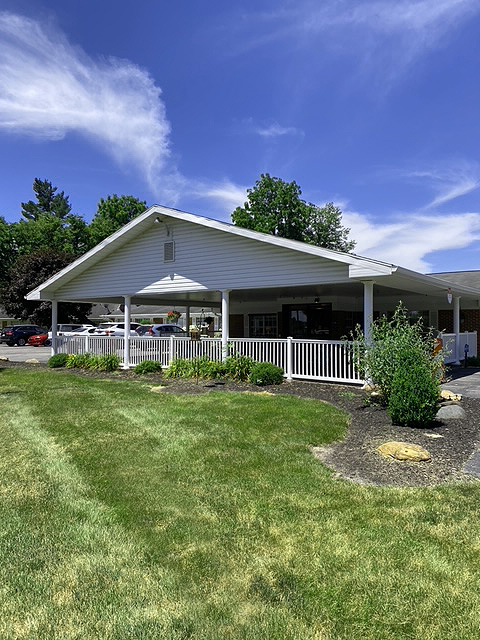
How is Brickyard Healthcare - Richmond Staffed?

CMS rates BRICKYARD HEALTHCARE - RICHMOND CARE CENTER's staffing level at 2 out of 5 stars, which is below average compared to other nursing homes. Staff turnover is 57%, which is 10 percentage points above the Indiana average of 46%. High turnover can affect care consistency as new staff learn residents' individual needs. RN turnover specifically is 69%, which is notably high. RNs provide skilled clinical oversight, so turnover in this role can affect medical care quality.

What Have Inspectors Found at Brickyard Healthcare - Richmond?

State health inspectors documented 76 deficiencies at BRICKYARD HEALTHCARE - RICHMOND CARE CENTER during 2021 to 2025. These included: 1 Immediate Jeopardy (the most serious level, indicating potential for serious harm or death), 3 that caused actual resident harm, and 72 with potential for harm. Immediate Jeopardy findings are rare and represent the most serious regulatory concerns. They require immediate corrective action.
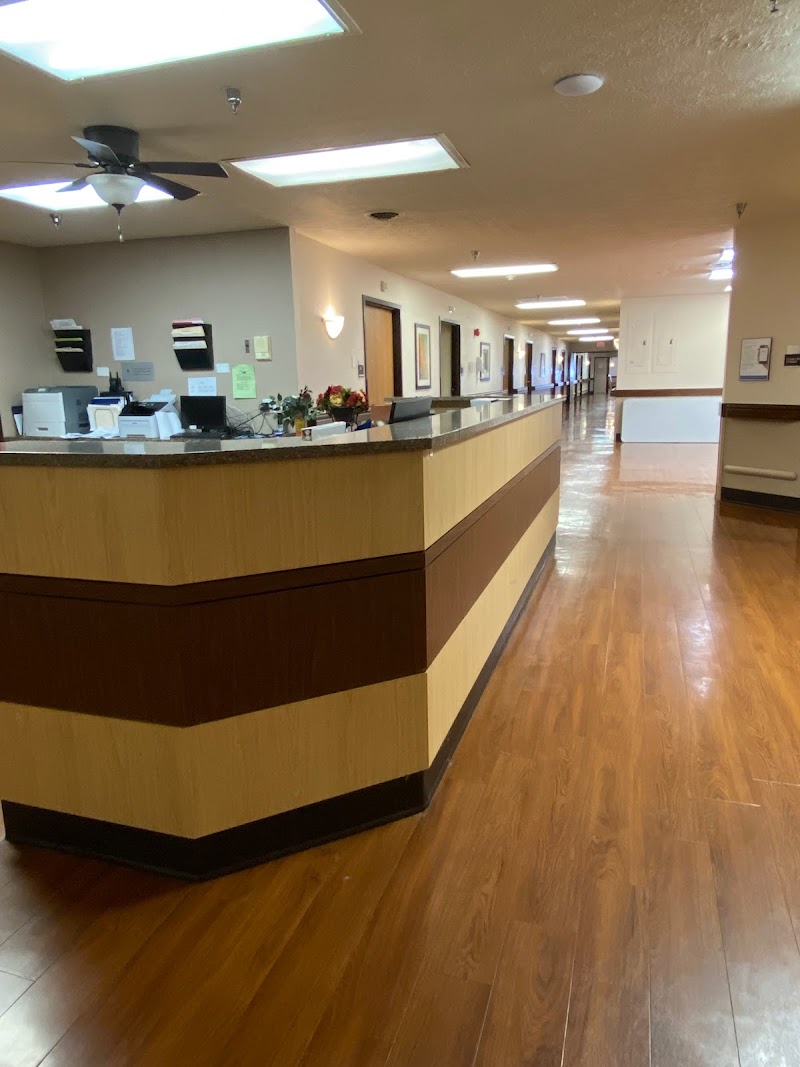
Who Owns and Operates Brickyard Healthcare - Richmond?

BRICKYARD HEALTHCARE - RICHMOND CARE CENTER is owned by a for-profit company. For-profit facilities operate as businesses with obligations to shareholders or private owners. The facility is operated by BRICKYARD HEALTHCARE, a chain that manages multiple nursing homes. With 87 certified beds and approximately 65 residents (about 75% occupancy), it is a smaller facility located in RICHMOND, Indiana.
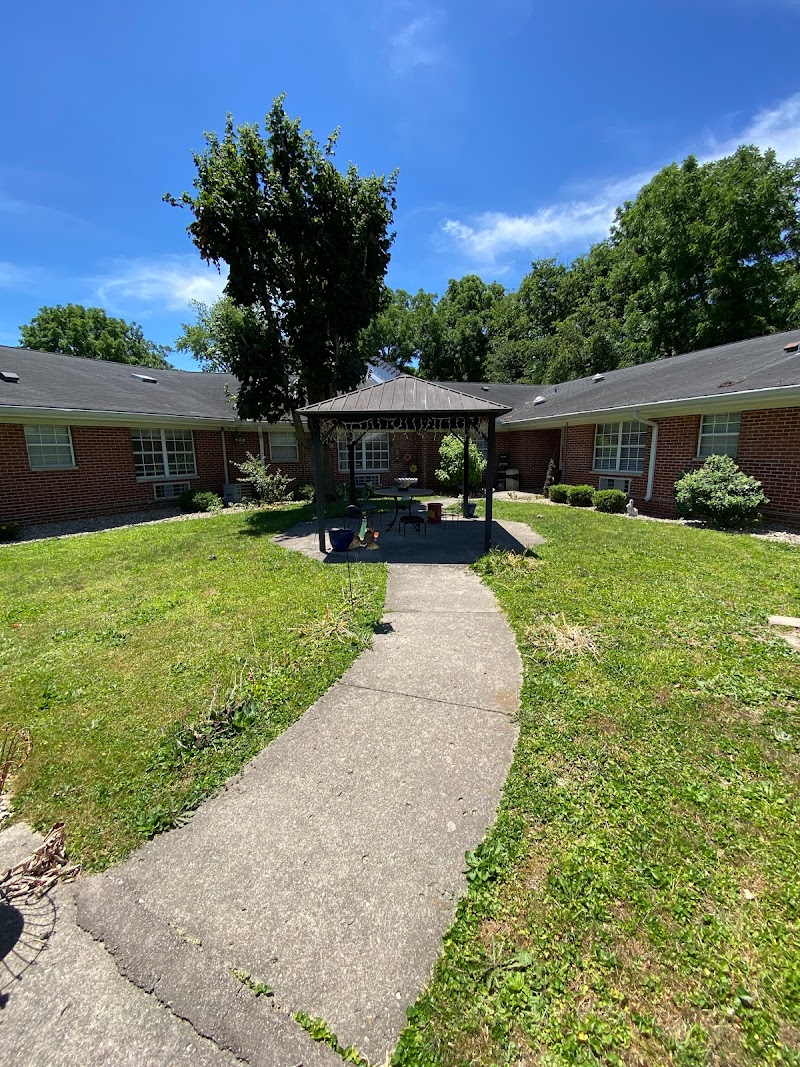
How Does Brickyard Healthcare - Richmond Compare to Other Indiana Nursing Homes?

Compared to the 100 nursing homes in Indiana, BRICKYARD HEALTHCARE - RICHMOND CARE CENTER's overall rating (1 stars) is below the state average of 3.1, staff turnover (57%) is significantly higher than the state average of 46%, and health inspection rating (1 stars) is much below the national benchmark.

What Should Families Ask When Visiting Brickyard Healthcare - Richmond?

Based on this facility's data, families visiting should ask: "What changes have been made since the serious inspection findings, and how are you preventing similar issues?" "How do you ensure continuity of care given staff turnover, and what is your staff retention strategy?" "Can you walk me through typical staffing levels on day, evening, and night shifts?" "Can I visit during a mealtime to observe dining assistance and food quality?" These questions are particularly relevant given the facility's Immediate Jeopardy citations, the facility's high staff turnover rate, and the below-average staffing rating.

Is Brickyard Healthcare - Richmond Safe?

Based on CMS inspection data, BRICKYARD HEALTHCARE - RICHMOND CARE CENTER has documented safety concerns. Inspectors have issued 1 Immediate Jeopardy citation (the most serious violation level indicating risk of serious injury or death). The facility has a 1-star overall rating and ranks #100 of 100 nursing homes in Indiana. Families considering this facility should ask detailed questions about what corrective actions have been taken since these incidents.

Do Nurses at Brickyard Healthcare - Richmond Stick Around?

Staff turnover at BRICKYARD HEALTHCARE - RICHMOND CARE CENTER is high. At 57%, the facility is 10 percentage points above the Indiana average of 46%. Registered Nurse turnover is particularly concerning at 69%. RNs handle complex medical decisions and coordinate care — frequent RN changes can directly impact care quality. High turnover means new staff may not know residents' individual needs, medications, or preferences. It can also be disorienting for residents, especially those with dementia who rely on familiar faces. Families should ask: What is causing the turnover? What retention programs are in place? How do you ensure care continuity during staff transitions?

Was Brickyard Healthcare - Richmond Ever Fined?

BRICKYARD HEALTHCARE - RICHMOND CARE CENTER has been fined $29,168 across 2 penalty actions. This is below the Indiana average of $33,371. While any fine indicates a compliance issue, fines under $50,000 are relatively common and typically reflect isolated problems that were subsequently corrected. Families should ask what specific issues led to these fines and confirm they've been resolved.

Is Brickyard Healthcare - Richmond on Any Federal Watch List?

BRICKYARD HEALTHCARE - RICHMOND CARE CENTER is not on any federal watch list. The most significant is the Special Focus Facility (SFF) program, which identifies the bottom 1% of nursing homes nationally based on persistent, serious quality problems. Not being on this list means the facility has avoided the pattern of deficiencies that triggers enhanced federal oversight. This is a positive indicator, though families should still review the facility's inspection history directly.