


WILLOWS OF RICHMOND

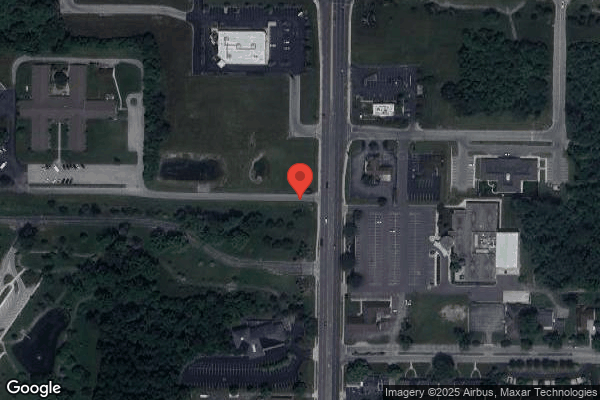
2070 CHESTER BLVD, RICHMOND, IN 47374 (765) 962-3543
Government - County 87 Beds Independent Data: November 2025
Trust Grade
45/100
#504 of 505 in IN
Last Inspection: May 2025

Inspected within the last 6 months. Data reflects current conditions.

Overview

Willows of Richmond has a Trust Grade of D, indicating below-average performance with some significant concerns. Ranked #504 out of 505 facilities in Indiana, it sits in the bottom half of all nursing homes in the state and is last in Wayne County, meaning there are no better local options available. The facility is showing improvement, as issues decreased from 10 in 2024 to 6 in 2025. Staffing is a relative strength with a turnover rate of 45%, which is slightly better than the state average, but the overall staffing rating is just 2 out of 5 stars, indicating more room for improvement. While there have been no fines reported, which is a positive sign, there have been serious concerns regarding cleanliness and pest control. For instance, the kitchen has been found unsanitary, with cockroaches observed and food debris present, posing potential harm to residents. Additionally, there have been issues with ice buildup in the walk-in freezer, which could affect food safety. Overall, families should weigh these strengths and weaknesses carefully when considering this facility for their loved ones.

Trust Score
D
45/100
In Indiana
#504/505
Bottom 1%
Safety Record
Low Risk
No red flags
Inspections
Getting Better
10 → 6 violations
Staff Stability
○ Average
45% turnover. Near Indiana's 48% average. Typical for the industry.
Penalties
✓ Good
No fines on record. Clean compliance history, better than most Indiana facilities.
Skilled Nurses
○ Average
Each resident gets 32 minutes of Registered Nurse (RN) attention daily — about average for Indiana. RNs are the most trained staff who monitor for health changes.
Violations
⚠ Watch
20 deficiencies on record. Higher than average. Multiple issues found across inspections.
★☆☆☆☆
1.0
Overall Rating
★★☆☆☆
2.0
Staff Levels
★☆☆☆☆
1.0
Care Quality
★★☆☆☆
2.0
Inspection Score
Stable
2024: 10 issues
2025: 6 issues

The Good

  • Full Sprinkler Coverage · Fire safety systems throughout facility
  • No fines on record
  • Staff turnover below average (45%)

    3 points below Indiana average of 48%

Facility shows strength in fire safety.

The Bad

1-Star Overall Rating

Below Indiana average (3.1)

Significant quality concerns identified by CMS

Staff Turnover: 45%

Near Indiana avg (46%)

Typical for the industry

The Ugly 20 deficiencies on record

May 2025 5 deficiencies
CONCERN (D)

Potential for Harm - no one hurt, but risky conditions existed

Deficiency F0558 (Tag F0558)

Could have caused harm · This affected 1 resident

Based on observation, interview, and record review, the facility failed to ensure availability of fluids at the bedside for 1 of 1 resident reviewed for accommodation of needs. (Resident 35) Findings ...

Read full inspector narrative →
Based on observation, interview, and record review, the facility failed to ensure availability of fluids at the bedside for 1 of 1 resident reviewed for accommodation of needs. (Resident 35) Findings include: The clinical record for Resident 35 was reviewed on 5/28/25 at 11:45 a.m. The diagnoses included, but were not limited to, dementia and protein-calorie malnutrition. During an observation on 5/27/25 at 1:54 p.m., Resident 35 was lying in bed with no water available at the bedside. During an observation on 5/28/25 at 9:54 a.m., Resident 35 had an empty clear cup at the bedside. No water was available at the bedside. During an observation on 5/28/25 at 1:19 p.m., Resident 35 was lying in bed with no fluids at the bedside. During an observation on 5/29/25 at 9:01 a.m. and 1:30 p.m., Resident 35 did not have any fluids available at the bedside. An Annual Minimum Data Set (MDS) assessment, dated 4/22/25, indicated Resident 35 was severely cognitively impaired and required partial/moderate assistance with using suitable utensils to bring food and/or liquid to the mouth and swallow. The plan of care for Resident 35, dated 9/12/22, indicated the resident required assistance with activities of daily living (ADLs) related to weakness. The interventions included, but were not limited to, being well nourished daily with staff assistance. The plan of care for Resident 35, dated 9/12/22, indicated the resident was at risk for altered nutrition related to the diagnosis of dementia. The interventions included, but were not limited to, encourage the resident to consume fluids and fluid availability at the bedside. During an interview with the Director of Nursing (DON) on 5/29/25 at 1:40 p.m., she indicated Resident 35 should have water at the bedside. The DON indicated staff needed to offer Resident 35 water and/or fluids anytime they went into her room since she was unable to initiate it herself. The Hydration Policy was provided by the Administrator on 5/29/25 at 12:10 p.m. It indicated, . the facility offers each resident sufficient fluid, including water and other liquids, consistent with resident needs and preferences to maintain proper hydration and health .4.(b)(i) Offer the resident a variety of fluids during and in between meals .4.(b)(iii) Ensure beverages are available and within reach . 3.1-3(v)(1)
CONCERN (D)

Potential for Harm - no one hurt, but risky conditions existed

ADL Care (Tag F0677)

Could have caused harm · This affected 1 resident

Based on observation, interview, and record review, the facility failed to provide assistance with eating for 1 of 3 residents reviewed for activities of daily living (ADLs). (Resident 35) Findings in...

Read full inspector narrative →
Based on observation, interview, and record review, the facility failed to provide assistance with eating for 1 of 3 residents reviewed for activities of daily living (ADLs). (Resident 35) Findings include: The clinical record for Resident 35 was reviewed on 5/28/25 at 11:45 a.m. The diagnoses included, but were not limited to, dementia and protein-calorie malnutrition. During an observation on 5/27/25 at 12:45 p.m., Resident 35 was lying in bed sleeping with a full lunch tray sitting in front of her. During an observation on 5/27/25 at 1:25 p.m., Resident 35 continued to lay in bed asleep throughout lunch with a full lunch tray sitting in front of her. No staff were in to assist Resident 35 with eating. During an observation on 5/28/25 at 11:55 a.m., Resident 35 had food sitting in front of her while lying in bed. She was pouring lemonade onto her lunch tray and appeared confused about what to do with the eating utensils. No staff members were in to assist Resident 35 with eating. During an observation on 5/29/25 at 12:00 p.m., Resident 35 was sitting up in bed, attempting to feed herself. Resident 35 was noted to have difficulties getting the food onto her spoon and fork, missing her mouth with the food and dropping the food onto herself. A physician's order, dated 7/2/23, indicated Resident 35 was on a regular diet with mechanical soft texture and thin liquid consistency. An Annual Minimum Data Set (MDS) assessment, dated 4/22/25, indicated Resident 35 was severely cognitively impaired and required partial/moderate assistance with using suitable utensils to bring food and/or liquid to the mouth and swallow. A Registered Dietician (RD) nutritional assessment, dated 4/23/25, indicated Resident 35 needed assistance/cueing at meals. The plan of care for Resident 35, dated 9/12/22, indicated the resident required assistance with ADLs related to weakness. The interventions included, but were not limited to, being well nourished daily with staff assistance, and Resident 35 required one person assistance with eating. During an interview with the Director of Nursing (DON) on 5/29/25 at 1:44 p.m., she indicated Resident 35 needed to be up out of bed for all meals to ensure she was consuming adequate nutrients, and Resident 35 should never have been left alone to feed herself. An Activities of Daily Living policy was provided by the Administrator on 5/29/25 at 12:10 p.m. It indicated, .Care and services will be provided for the following activities of daily living . 4. Eating to include meals and snacks .Policy Explanation and Compliance Guidelines .3. A resident who is unable to carry out activities of daily living will receive the necessary services to maintain good nutrition . 3.1-38(a)(2)(D) 3.1-38(a)(3)
CONCERN (D)

Potential for Harm - no one hurt, but risky conditions existed

Quality of Care (Tag F0684)

Could have caused harm · This affected 1 resident

**NOTE- TERMS IN BRACKETS HAVE BEEN EDITED TO PROTECT CONFIDENTIALITY** Based on interview and record review, the facility failed to timely address a resident's documented medication allergy for 1 of ...

Read full inspector narrative →
**NOTE- TERMS IN BRACKETS HAVE BEEN EDITED TO PROTECT CONFIDENTIALITY** Based on interview and record review, the facility failed to timely address a resident's documented medication allergy for 1 of 1 resident whose medications were reviewed for allergies. (Resident 40) Findings include: The clinical record for Resident 40 was reviewed on 5/27/25 at 12:55 p.m. Her diagnoses included, but were not limited to, congestive heart failure. The 4/15/25 Quarterly MDS (Minimum Data Set) assessment indicated she was moderately, cognitively impaired. An interview was conducted with Resident 40 on 5/27/25 at 1:00 p.m. She indicated she could not take Tylenol (acetaminophen) because it made her legs swell. She was allergic to it, but the facility gave it to her anyway. The 11/9/24 hospital discharge note indicated she was allergic to Tylenol with a reaction of swelling. The 11/9/24 hospital discharge medication list indicated to stop taking acetaminophen 325 milligrams (mg) tablet. The facility physician's orders indicated an order for acetaminophen tablet 325 mg, two tablets every six hours as needed for general discomfort, starting 11/17/24 with an end date of 2/5/25. The December 2024 and January 2025 MARs (medication administration records) indicated she was administered acetaminophen on the following dates: 12/8/24, 12/11/24, 1/8/25, 1/16/25, and 1/21/25. The 9/29/24 medication allergy care plan indicated acetaminophen was not added as an allergy until 5/6/25. An interview was conducted with the DON (Director of Nursing) on 5/28/25 at 1:16 p.m. She indicated when Resident 40 came back from her last hospitalization, on 5/6/25, they recognized the hospital documentation referenced an allergy to acetaminophen. So, it was added as an allergy in the clinical record. They never noticed any side effects associated with acetaminophen use, but Resident 40 and her daughter said she had one. They were unaware her 11/9/24 hospital discharge notes also referenced an acetaminophen allergy. An interview was conducted with the DON on 5/29/25 at 11:04 a.m. She indicated Resident 40 informed staff during a previous care plan meeting, that she wasn't able to take acetaminophen, but it was not documented and addressed at the time but should have been. An interview was conducted with the DON on 5/29/25 at 1:08 p.m. She indicated nursing was responsible for recognizing and addressing the documented acetaminophen allergy, when she came back from the hospital on [DATE]. The Medication Administration policy was provided by the DON on 5/29/25 at 11:01 a.m. It indicated, Compare medication source (bubble pack, vial, etc.) with MAR to verify resident name, medication name, form, dose, route, allergy and time. 3.1-37(a)
CONCERN (D)

Potential for Harm - no one hurt, but risky conditions existed

Respiratory Care (Tag F0695)

Could have caused harm · This affected 1 resident

Based on observation, interview, and record review, the facility failed to ensure a resident had an oxygen order for 1 of 2 residents reviewed for respiratory care. (Resident 28) Findings include: The...

Read full inspector narrative →
Based on observation, interview, and record review, the facility failed to ensure a resident had an oxygen order for 1 of 2 residents reviewed for respiratory care. (Resident 28) Findings include: The clinical record for Resident 28 was reviewed on 5/28/25 at 11:49 a.m. The diagnoses included, but were not limited to, congestive heart failure and chronic obstructive pulmonary disease (COPD). A Quarterly Minimum Data Set (MDS) assessment, dated 5/1/25, indicated Resident 28 was cognitively intact for daily decision making. During an observation of Resident 28 on 5/28/25 at 9:15 a.m., he was sitting on the edge of his bed with his oxygen tubing laying on the bed beside him and the oxygen concentrator was located beside the bed. During an interview with Resident 28 on 5/28/25 at 12:15 p.m., he indicated he wore his oxygen at bedtime. The oxygen concentrator continued to be at the bedside. During an observation on 5/29/25 at 8:40 a.m., Resident 28's oxygen machine continued to be at the bedside. An order summary report provided by the Administrator, on 5/30/25 at 10:15 a.m., indicated Resident 28 did not have an order for oxygen. A plan of care for Resident 28, dated 4/25/25, indicated the resident had a diagnosis of COPD and was at risk for shortness of breath. The interventions included, but were not limited to, administer oxygen per the physician's order. During an interview with the Director of Nursing (DON) on 5/29/25 at 1:37 p.m., she indicated Resident 28 did not have a physician's order for oxygen. The DON indicated the oxygen may have been placed as a nursing measure when Resident 28 was having a CHF (congestive heart failure) flare up and was short of breath and he was never taken off the oxygen. The DON indicated the nursing staff should have removed the concentrator from the room when his oxygen was no longer needed. An Oxygen Administration Policy was provided by the Administrator on 5/29/25 at 8:35 a.m. It indicated oxygen was administered under orders of a physician. 3.1-47(a)(6)
CONCERN (F)

Potential for Harm - no one hurt, but risky conditions existed

Safe Environment (Tag F0921)

Could have caused harm · This affected most or all residents

Based on observation and interview, the facility failed to maintain the kitchen in a sanitary manner with a black substance on the walls lining the dish sink and failed to ensure the walk-in freezer w...

Read full inspector narrative →
Based on observation and interview, the facility failed to maintain the kitchen in a sanitary manner with a black substance on the walls lining the dish sink and failed to ensure the walk-in freezer was maintained from ice buildup. This had the potential to affect 49 of 51 residents who consumed food from the kitchen. (Facility) Findings include: During a tour of the kitchen with the Dietary Manager (DM) on 5/27/25 at 11:30 a.m., a black substance was noted all along the dish sink area beside the dishwasher. The black substance lined the entire length of the sink, and some were also noted underneath the soap dispenser on the wall above the sink area. The DM indicated the black substance had been behind the sink area for about two weeks and she was waiting for maintenance to clean and re-caulk the area. During an observation of the walk-in freezer, there was an ice buildup lining the ceiling, walls, fans, floor, bags of food, and door handle. The DM indicated they recently fixed the motor on one of the fans in the freezer. So, before it was fixed, there was water condensation built up on the walls and ceiling and with having the new fan fixed, it all froze. The DM indicated there was ice on the floor and she had to be careful whenever entering the freezer because the floor was slick. The DM indicated she needed to remove everything from the freezer in for it to thaw out, but did not have anywhere to hold the food while it was being done. During an interview with the Director of Maintenance on 5/27/25 at 12:57 p.m., he indicated he did not know about the area of black substance lining the dish sink and it looked like it needed to be bleached. He indicated there was a plastic wall behind the sink, so everything seen was on the surface and he just needed to bleach and re-caulk it. The Director of Maintenance indicated he was unaware of the ice building up in the freezer since the fan was repaired, and it should not be freezing up. He indicated the facility needed to come up with a plan to remove all the items from the freezer long enough to let the freezer thaw out. A Sanitation Inspection Policy was provided by the Administrator on 5/29/25 at 8:35 a.m. It indicated, .4. Sanitation inspections will be conducted in the following manner: a. Daily: Food service staff shall inspect refrigerators/coolers, freezers daily .b. Weekly: The dietary manager shall inspect all food service areas are clean and comply with sanitation and food service regulations . 5. Inspections will be conducted but not limited to the following areas: b. freezer .e. Pot wash .h. General dietary observations . 3.1-19(a)
Jan 2025 1 deficiency
CONCERN (D) 📢 Someone Reported This

A family member, employee, or ombudsman was alarmed enough to file a formal complaint

Potential for Harm - no one hurt, but risky conditions existed

Deficiency F0760 (Tag F0760)

Could have caused harm · This affected 1 resident

**NOTE- TERMS IN BRACKETS HAVE BEEN EDITED TO PROTECT CONFIDENTIALITY** Based on interview and record review, the facility failed to ensure 1 of 3 residents reviewed for accuracy of medication receipt...

Read full inspector narrative →
**NOTE- TERMS IN BRACKETS HAVE BEEN EDITED TO PROTECT CONFIDENTIALITY** Based on interview and record review, the facility failed to ensure 1 of 3 residents reviewed for accuracy of medication receipt, received their medications as ordered by the physician. (Resident F) Findings include: On 1-2-25 at 4:30 p.m., the facility notified the Indiana Department of Health's (IDOH) Long Term Care Division of a medication error related to Resident F. This notification indicated Resident F was admitted to the facility on [DATE] with a 7-day order for her to receive Xanax (an anti-anxiety agent) 2 milligrams (mg) twice daily, to end on 12-7-24. Resident F returned to the hospital on [DATE] and returned to the facility on [DATE] with an order to continue the Xanax at the same dosage of 2 mg twice daily. Medication not restarted upon return date due to prior stop date. A review of Resident F's hospital discharge instructions, dated [DATE], indicated she was to continue taking alprazolam [Xanax] 1 mg: two tablets twice daily for 14 doses. It indicated she had received the most recent dose at the hospital on [DATE] at 8:58 a.m. Her hospital discharge instructions, dated [DATE], indicated she was to continue taking alprazolam [Xanax] 1 mg: two tablets twice daily. This order did not have a stop date indicated. It indicated she had received the most recent dose at the hospital on [DATE] at 8:49 a.m. A review of the medication administration record (MAR) for December 2024, indicated she received alprazolam 1 mg: 2 tablets [total of 2 mg] twice daily on 12-1-24, 12-2-24, 12-3-24, 12-4-24, 12-5-24 and the morning dose of this on 12-6-24. The corresponding, Controlled Substance Accountability Sheet, for Resident F's ordered alprazolam [Xanax] 1 mg, two tablets twice daily, indicated she received the 2 mg dosage twice daily on 12-1-24, 12-2-24, 12-3-24, 12-4-24 and 12-5-24, plus the morning dose of this medication on 12-6-24. She was hospitalized [DATE] and 12-7-24, returning to the facility on [DATE]. The accountability sheet indicated Resident F received 2 mg on 12-8-24 at 8:00 p.m., and on 12-9-24 at 8:00 a.m., despite this order not being properly transcribed upon return from the hospital. The medication administration record (MAR) for the corresponding dates did not reflect these doses were administered. In an interview with the Administrator and Director of Nursing on 1-3-25 at 4:30 p.m., they indicated they were not aware of the entries. There were no entries in the progress notes, MAR or controlled substance accountability forms to indicate Resident F received any additional doses of alprazolam [Xanax] from 12-9-24 and until she was sent to the hospital on [DATE]. Resident F's progress notes indicated she was sent out to the hospital again on 12-22-24 at 3:35 p.m., related to a possible seizure and a change in mental status. In an interview with the Administrator on 1-3-25 at 3:50 p.m., she indicated the facility became aware of an issue with this resident on 1-2-25 when a call was received from a staff member following up to see how Resident F was doing at the hospital. It was learned a medication error in which the resident had not been receiving the correct dosage of Xanax. We started our investigation yesterday, right after we found out about it and sent a reportable to the state. The Administrator indicated Resident F was originally admitted with an order for Xanax 1 mg two tablets twice a day for 7 days. The resident went out to the hospital on day 6. When she returned to facility on 12-8-24, we had 2 nurses verify the orders and both nurses did not catch the resident was to resume the Xanax order of 1 mg two tablets twice daily. Even the [Hospital] Nurse Liaison, who always catches things like that, missed it as well. In review of a visit note from Resident F's neurologist, dated 12-24-24, it indicated she had a long history of 10 years or more of seizure activity, along with a history of 25 years or more of Xanax usage. It indicated previous attempts at reduction of the Xanax dosage had been unsuccessful. It addressed the recent abrupt withdrawal likely is contributing to the seizures were [sic] seen now .Family was concerned that withdrawal symptoms from the alprazolam [Xanax] started last week even before the seizures .At this point I believe that the seizures are multifactorial. On 1-3-25 at 4:37 p.m., a copy of a policy entitled, Medication Orders, was provided by the Corporate Staff. This policy indicated, This facility shall use uniform guidelines for the ordering of medication. Medications should only be administered upon the signed order of a person lawfully authorized to prescribed .Written Transfer Orders (sent with a resident by a hospital or other health care facility) Implement a transfer order without further validation, if it is signed and dated by the resident's current attending physician, unless the order is unclear or incomplete, or the date signed is different from the date of admission. If the order is unsigned, or signed by another physician, or the date is other than the date of admission, the receiving nurse should verify the order with the current attending physician before medications are administered. The nurse should document verification on the admission order record, by entering the time, date, and signature. Example: 'Order verified by the phone with Dr. [NAME]/[NAME], R.N.' This citation relates to Complaint IN00450460. 3.1-48(c)(2)
Jun 2024 1 deficiency
CONCERN (D) 📢 Someone Reported This

A family member, employee, or ombudsman was alarmed enough to file a formal complaint

Potential for Harm - no one hurt, but risky conditions existed

Medical Records (Tag F0842)

Could have caused harm · This affected 1 resident

Based on interview and record review, the facility failed to maintain resident records that were accurately documented for each resident's oral hygiene and meal intakes for 3 of 3 residents reviewed f...

Read full inspector narrative →
Based on interview and record review, the facility failed to maintain resident records that were accurately documented for each resident's oral hygiene and meal intakes for 3 of 3 residents reviewed for Activities of Daily Living (ADL's), specific to meal intakes and oral hygiene. (Residents B, C and D) Findings include: 1.a. The clinical record of Resident B was reviewed on 6-1-24 at 9:32 a.m. Her diagnoses included, but were not limited to, high blood pressure, age-related debility, lung cancer, a history of bladder cancer and pulmonary emboli (blood clots in the lungs) and chronic pain syndrome. It indicated she did not leave the facility during her admission, until her death on 5-28-24. A review of her meal intakes indicated the facility utilized an electronic health record (EHR) to document the meal intakes for Resident B. The documentation for May 1, through 28, 2024, indicated the following dates and meals were undocumented, as represented by a blank block in the EHR: -5-2-24: dinner. -5-9-24: dinner. -5-14-24: dinner. The documentation for May 1, through 28, 2024, for meal intakes for Resident B had multiple choices in the EHR. The legend provided by the EHR for meal intakes were identified as the following: -0, or intake of 1-25 percent (%) of meal intake. -1, or 26-50% of meal intake. -2, or 51-75% of meal intake. -3, or 76-100% of meal intake. -97, reflected, Not Available. -98, reflected Resident Refused. -99 which indicates Resident Not Available. The following meal intakes were identified as, 97, or not available: -5-1-24: breakfast and lunch. -5-2-24: breakfast and lunch. -5-6-24: breakfast and lunch. -5-8-24: breakfast, lunch and dinner. -5-9-24: breakfast and lunch. -5-10-24: breakfast and lunch. -5-15-24: breakfast. -5-16-24: breakfast and lunch. -5-21-24: dinner. -5-22-24: dinner. -5-23-24: breakfast and lunch. -5-24-24: breakfast. -5-25-24: dinner. -5-27-24: breakfast and lunch. In an interview with the Regional Nurse Consultant on 6-18-24 at 4:34 p.m., she indicated if a resident refuses a meal or declines a meal, meal documentation in the EHR should reflect this as a refusal. She indicated each resident is offered three meals daily. In an interview on 6-18-24 at 10:30 a.m., with the MDS (Minimum Data Set) Coordinator, she indicated for the graph that depicts the meal intakes for each resident, she identified the first section represented breakfast, the second section represented lunch and the third section represented dinner, with the remaining sections, she did not know what those represented. The sections for breakfast, lunch and dinner were not identified on the actual graph. 1.b. The EHR indicated three (3) choices of yes, no, or Resident Refused, for oral care provision by facility staff, related to, Task [oral care] Completed. In an interview with the Regional Nurse Consultant on 5-18-24 at 4:36 p.m., she indicated the frequency in which oral care should be offered is three (3) times a day or on each shift. Resident B's oral care provision, as documented in the EHR, for May 1, through 28, 2024, was as follows: -5-1-24: received 2 times. -5-2-24: received once. -5-3-24: received 2 times. -5-4-24: received once with one resident refusal. -5-5-24: received 2 times with one resident refusal. -5-6-24: received 2 times. -5-7-24: received 2 times. -5-8-24: received once. -5-9-24: received once. -5-10-24: received 2 times. -5-11-24: received once with one resident refusal. -5-12-24: received once. -5-13-24: nothing documented. -5-14-24: nothing documented. -5-15-24: received 2 times. -5-16-24: received 2 times. -5-17-24: received 2 times. -5-18-24: received once with one resident refusal. -5-19-24: received 2 times. -5-20-24: received 2 times. -5-21-24: received 2 times. -5-22-24: received 2 times. -5-23-24: received 2 times. -5-24-24: received once with one resident refusal. -5-25-24: received 0 times with two resident refusals. -5-26-24: received 2 times. -5-27-24: received 2 times. -5-28-24: received 2 times. 2.a. The clinical record of Resident C was reviewed on 6-15-24 at 11:19 a.m. Her diagnoses included, but were not limited to, fracture of the left humerus (arm bone), chronic pain syndrome, high blood pressure, atrial fibrillation (irregular heart rhythm), cerebral infarction (stroke) and schizoaffective disorder bipolar type. A review of her meal intakes indicated the facility utilized an electronic health record (EHR) to document the meal intakes for Resident C. The documentation for April 1 through 30, 2024, indicated the following dates and meals were undocumented, as represented by a blank block in the EHR: -4-22-24: lunch. -4-22-24: dinner. The documentation for April 1 through 30, 2024, for meal intakes for Resident C had multiple choices in the EHR. The legend provided by the EHR for meal intakes were identified as the following: -0, or intake of 1-25 percent (%) of meal intake. -1, or 26-50% of meal intake. -2, or 51-75% of meal intake. -3, or 76-100% of meal intake. -97, reflected, Not Available. -98, reflected Resident Refused. -99 which indicates Resident Not Available. The following meal intakes were identified as, 97, or not available: -4-4-24: breakfast. -4-11-24: breakfast. -4-13-24: breakfast. -4-18-24: breakfast. -4-19-24: breakfast and lunch. -4-20-24: breakfast. -4-20-24: breakfast. -4-23-24: breakfast and lunch. -4-25-24: breakfast. In an interview with the Regional Nurse Consultant on 5-18-24 at 4:34 p.m., she indicated if a resident refuses a meal or declines a meal, meal documentation in the EHR should reflect this as a refusal. She indicated each resident is offered three meals daily. In an interview on 6-18-24 at 10:30 a.m., with the MDS Coordinator, she indicated for the graph that depicts the meal intakes for each resident, she identified the first section represented breakfast, the second section represented lunch and the third section represented dinner, with the remaining sections, she did not know what those represented. The sections for breakfast, lunch and dinner were not identified on the actual graph. 2.b. The EHR indicated three (3) choices of yes, no, or Resident Refused, for oral care provision by facility staff, related to, Task [oral care] Completed. In an interview with the Regional Nurse Consultant on 6-18-24 at 4:36 p.m., she indicated the frequency in which oral care should be offered is three (3) times a day or on each shift. Resident C's oral care provision, as documented in the EHR, for April 1, through May 1, 2024, was as follows: -4-1-24: received 2 times. -4-2-24: received 2 times. -4-3-24: received 2 times. -4-4-24: received 2 times. -4-5-24: received once. -4-6-24: received 2 times. -4-7-24: received 2 times. -4-8-24: received 2 times. -4-9-24: received 4 times. -4-10-24: received 2 times. -4-11-24: received 3 times. -4-12-24: received 2 times. -4-13-24: received 2 times. -4-14-24: received 2 times. -4-15-24: received 2 times. -4-16-24: received 2 times. -4-17-24: received 2 times. -4-18-24: received 3 times. -4-19-24: received 2 times. -4-20-24: received 2 times. -4-21-24: received 3 times. -4-22-24: received once. -4-23-24: received 2 times. -4-24-24: received 2 times. -4-25-24: received 3 times. -4-26-24: received 2 times. -4-27-24: received 2 times. -4-28-24: received 2 times. -4-29-24: received once. -4-30-24: received once. -5-1-24: received once. 3.a. The clinical record of Resident D was reviewed on 6-18-24 at 10:54 a.m. His diagnoses included, but were not limited to, rhabdomyolysis (muscle breakdown), pulmonary fibrosis, urinary tract infection (UTI), heart failure, history of a fall, a wedge compression fracture of the second lumbar vertebra. A review of Resident D's meal intakes indicated the facility utilized an electronic health record (EHR) to document the meal intakes for Resident D. In an interview with the MDS Coordinator on 6-18-24 at 2:30 p.m., she indicated the current EHR does not specify what meal is being documented, it only demonstrates what time the staff member inputs the meal intake information. She indicated she has to kind of guess which meal is being documented, such as breakfast, lunch or dinner, by the time the information is placed into the EHR system. The documentation for May 1, through June 1, 2024, indicated the following dates and meals were unclearly documented, as represented by unclear time frames or lack of documentation of which meal was being documented in the EHR: -5-1-24: Meals documented at 12:03 p.m., and 1:56 p.m., by CNA 4, indicated, Resident Not Available. Two meals documented by CNA 3 as an intake of 0-25% twice at 8:05 p.m., and 8:19 p.m. -5-6-24: Dinner meal documented by CNA 5, at 8:48 p.m., as intake of 0-25%, and a second intake at 8:49 p.m., by CNA 5, indicated, Resident Refused. -5-8-24: All meal intakes documented by CNA 6, at 12:14 a.m., twice, and twice at 11:34 p.m. by CNA 6, indicated, Not Applicable. -5-9-24: Only two entries at 8:39 p.m., by CNA 3, indicated meal intakes of 26-50%. -5-12-24: Meal intakes documented by the MDS Coordinator at 9:00 a.m. and 1:00 p.m., but no further meal documentation for the day. -5-13-24: No meal documentation for this date. -5-14-24: Meal documentation for an early breakfast, due an appointment, at 5:52 a.m., was completed by CNA 7. The only other documentation was at 10:22 a.m., which indicated, Resident Not Available, by CNA 8. -5-15-24: Meal documentations were in place for breakfast consumption at 9:00 a.m., and lunch at 1:00 p.m., but no other documentation was present for the dinner meal. -5-20-24: The dinner meal intake was documented twice by CNA 3, at 7:30 p.m. and 7:41 p.m. -5-21-24: The dinner meal intake was documented by CNA 3, twice at 6:38 p.m. -5-22-24: The dinner meal intake was documented by CNA 3, twice at 9:58 p.m. -5-23-24: The dinner meal intake was documented by CNA 3, twice at 7:10 p.m. -5-24-24: The dinner meal intake was documented by CNA 3, at 8:23 p.m. and 8:24 p.m. -5-25-24: The dinner meal intake was documented by CNA 6, twice at 11:16 p.m. -5-27-24: Meal intakes were documented on this date by CNA 3 twice at 6:51 p.m., of 51-75% and by CNA 6 twice at 12:07 a.m., and twice at 11:28 p.m. -5-28-24: Meal intakes were documented twice by CNA 8 at 1:53 p.m., with no other meal intake information for this date. -5-29-24: Meal intake information was documented by CNA 8, with 2 other entries by CNA 6 at 11:22 p.m. which indicated, Not Applicable. -5-30-24: The dinner meal intake was documented by CNA 3, twice at 6:20 p.m. -5-31-24: Meal intakes were documented by CNA 9 at 8:59 a.m. and 1:10 p.m. No further meal information was documented. 6-1-24: No meal documentation for this date. In an interview with the Regional Nurse Consultant on 5-18-24 at 4:34 p.m., she indicated if a resident refuses a meal or declines a meal, meal documentation in the EHR should reflect this as a refusal. She indicated each resident is offered three meals daily. 3.b. The EHR indicated four (4) choices of yes, no, Resident Not Available, or Resident Refused, for oral care provision by facility staff, related to, Task [oral care] Completed. In an interview with the Regional Nurse Consultant on 6-18-24 at 4:36 p.m., she indicated the frequency in which oral care should be offered is three (3) times a day or on each shift. Resident D's oral care provision, as documented in the EHR, for May 1, through June 1, 2024, was as follows: -5-1-24: received once. -5-2-24: received once. -5-3-24: received once with one resident refusal. -5-4-24: received once with one resident refusal. -5-5-24: received once with one resident refusal. -5-6-24: received 2 times. -5-7-24: received 2 times. -5-8-24: received once. -5-9-24: received once. -5-10-24: received 2 times. -5-11-24: receive 2 times. -5-12-24: received once. -5-13-24: nothing documented. -5-14-24: nothing documented. -5-15-24: received 2 times. -5-16-24: received 2 times. -5-17-24: received 2 times. -5-18-24: received 2 times. -5-19-24: received 2 times. -5-20-24: received 2 times. -5-21-24: received 2 times. -5-22-24: received 2 times. -5-23-24: received 2 times. -5-24-24: received 2 times. -5-25-24: received once. -5-26-24: received 2 times. -5-27-24: received once. -5-28-24: received 2 times. -5-29-24: received 2 times. -5-30-24: received 2 times. -5-31-24: received 2 times -6-1-24: no documentation present for oral care. On 6-18-24 at 4:10 p.m., the Administrator provided a copy of an undated policy entitled, Serving A Meal. This policy indicated, It is the policy of this facility to serve meals that meet the nutritional needs of residents .when the resident has finished and record the percentage of food consumed as 25%, 50%, 75% or 100% in Point Click Care [electronic health record program]. On 6-18-24 at 4:10 p.m., the Administrator provided a copy of an undated policy entitled, Oral Care. This policy indicated, It is the practice of this facility to provide oral care to residents in order to prevent and control plaque-associated oral diseases .documentation of oral care will be completed in Point Click Care [electronic health record program]. This Federal tag relates to Complaints IN00435418 and IN00435596. 3.1-50(a)(1) 3.1-50(a)(2)
Apr 2024 5 deficiencies
CONCERN (D)

Potential for Harm - no one hurt, but risky conditions existed

MDS Data Transmission (Tag F0640)

Could have caused harm · This affected 1 resident

**NOTE- TERMS IN BRACKETS HAVE BEEN EDITED TO PROTECT CONFIDENTIALITY** Based on interview and record review, the facility failed to timely complete and entry tracking record for 1 of 19 residents rev...

Read full inspector narrative →
**NOTE- TERMS IN BRACKETS HAVE BEEN EDITED TO PROTECT CONFIDENTIALITY** Based on interview and record review, the facility failed to timely complete and entry tracking record for 1 of 19 residents reviewed for MDS (Minimum Data Set) timeliness. (Resident 154) Findings include: The clinical record for Resident 154 was reviewed on 4/17/2024 at 11:25 a.m. Resident 154 was admitted on [DATE] with a medical diagnosis of cerebrovascular disease. Review of the clinical record indicated no MDS assessment or entry tracking record was completed for Resident 154. An interview with the MDS Coordinator on 4/17/2024 at 2:00 p.m. indicated that no entry tracking record was completed for Resident 154, and she would complete one immediately. She confirmed this entry tracking record would be late with the latest anticipated date of completion as 4/9/2024. A policy entitled, MDS 3.0 Completion, was provided by the ADON on 4/18/2024 at 1:33 p.m. The policy indicated for entry tracking to be completed and submitted .with every entry into the facility no later than the entry date + 7 calendar days .
CONCERN (D)

Potential for Harm - no one hurt, but risky conditions existed

Comprehensive Care Plan (Tag F0656)

Could have caused harm · This affected 1 resident

2. The clinical record for Resident 41 was reviewed on 4/18/2024 at 11:45 a.m. The medical diagnoses included vascular dementia and schizoaffective disorder. A physician order for Resident 41, dated ...

Read full inspector narrative →
2. The clinical record for Resident 41 was reviewed on 4/18/2024 at 11:45 a.m. The medical diagnoses included vascular dementia and schizoaffective disorder. A physician order for Resident 41, dated 6/9/2023, indicated to administer an anticonvulsant medication, Keppra, at 1000 milligrams (mg) by mouth daily for seizures. Review of the care plans for Resident 41 indicated no careplan was recorded for his anticonvulsant medication or seizure disorder. An interview with Administrator on 4/18/2024 at 2:35 p.m. indicated they did not have a care plan in place for Resident 41's seizure disorder or use of Keppra. 3.) During an observation on 4/15/24 at 11:40 a.m., Resident 5 was observed periodically is yelling out. Resident does have a lidocaine patch on her right front shoulder area. When queried what was wrong the resident did not verbally respond. During an observation and interview with Resident 5 on 4/17/24 10:16 a.m., the resident was crying my back is killing me, the call light was activated. CNA 1 came in and changed the resident's repositioned in bed. The CNA 1 indicated she would report the resident's pain to the nurse. The CNA indicated the staff had to frequently reposition the resident for pain relief. The progress note for Resident 5, dated 4/17/24 at 12:58 p.m., indicated the resident had complained of back pain rating the pain as a 7 out of 10. The resident indicated she wanted tylenol. Tylenol was administered around 10:30 a.m., The resident was resting peacefully in bed at this time. Review of the record of Resident 5 on 4/18/24 at 1:10 p.m., indicated the resident's diagnoses included, but were not limited to, chronic pancreatitis, coronary heart disease, arthritis, chronic kidney disease and dementia. During an interview with the Minimum Data Set (MDS) Coordinator on 4/19/24 at 10:47 a.m., indicated the facility did not have a plan of care in place for Resident 5's pain. A plan of care for the resident's pain was implemented today. The care plan policy provided by the Assistant Director Of Nursing (ADON) on 4/18/24 at 1:33 p.m., indicated the facility would develop and implement a comprehensive person centered care plan for each resident. 3.1-45(a) 3.1-45(b)(1) Based on interview and record review, the facility failed to ensure care plans were developed for a resident using a bipap machine and insulin (Resident 103), for seizures and anti-seizure medication (Resident 41), and for pain (Resident 5). This affected 3 of 21 residents reviewed for care plans. Findings include: 1. Resident 103's record was reviewed, on 4/17/24 at 10:54 a.m., and indicated diagnoses that included, but were not limited to, acute on chronic congestive heart failure, heart disease, high blood pressure, type 2 diabetes mellitus with diabetic nephropathy and diabetic retinopathy with macular edema, and obstructive sleep apnea. Physician's orders included, but were not limited to: Bpap on for naps and night time. Bpap has settings completed. Assist resident with putting Bpap on/off. (Connect to oxygen continuously at 2 Liters.) every shift chart resident refusal to wear and if resident is removing during the night dated 3/25/2024. Basaglar KwikPen Subcutaneous Solution Pen-injector 100 units per milliliter, inject 54 units subcutaneously in the morning for type 2 diabetes mellitus with diabetic neuropathy, start date 3/26/24. Admelog SoloStar Subcutaneous Solution Pen-injector 100 units per milliliter, inject 28 units subcutaneously three times a day with meals, and plus a sliding scale, for type 2 diabetes mellitus with diabetic nephropathy, start date 3/26/2024. There were no care plans in the clinical record for the use of the bipap machine, nor for the use of insulin for diabetes mellitus. On 4/19/24, at 1:15 p.m., the MDS Coordinator indicated there was no care plan for diabetes and she would add it, and would also add a care plan for the bipap machine.
CONCERN (D)

Potential for Harm - no one hurt, but risky conditions existed

Quality of Care (Tag F0684)

Could have caused harm · This affected 1 resident

**NOTE- TERMS IN BRACKETS HAVE BEEN EDITED TO PROTECT CONFIDENTIALITY** Based on interview and record review, the facility failed to assess and document bruising on 1 of 2 residents reviewed for gener...

Read full inspector narrative →
**NOTE- TERMS IN BRACKETS HAVE BEEN EDITED TO PROTECT CONFIDENTIALITY** Based on interview and record review, the facility failed to assess and document bruising on 1 of 2 residents reviewed for general skin conditions. (Resident 29) Findings include: On 4/15/24, at 1:52 p.m., Resident 29 was observed to have bruising on both forearms; the left forearm had an elongated, half dollar sized bruise, and the right forearm had a half dollar sized bruise. Both bruises were dark purple. The resident indicated she did not know how the bruising had occurred. Resident 29's record was reviewed on 4/18/24 at 12:43 p.m. The record indicated Resident 29 had diagnoses that included, but were not limited to, heart disease, lung disease, transient ischemic attacks (mini strokes), and long term atrial fibrillation. A Quarterly Minimum Data Set (MDS) assessment, dated 3/22/24, indicated Resident 29 was cognitively intact and had no skin issues. Current physician's orders indicated an order for Clopidogrel Bisulfate Tablet, 75 milligrams, one time in the morning by mouth for transient cerebral ischemic attacks, dated 3/9/2022. There was no documentation in the progress notes, or nursing assessment dated [DATE], that indicated Resident 29 had been assessed for the bruising, nor how the bruising had occurred. On 4/19/24, at 10:00 a.m., the Administrator provided a document for a follow up investigation for an injury of unknown etiology, dated 4/18/24, for the bruises on Resident 29's forearms. The investigation included measurements of the bruising on both forearms and the color of the bruising, which was purple and red. There was no known or witnessed occurrence that could have cause the injury and no behaviors have been observed that could indicate potential for self-infliction of injury. The summary of findings indicated: [Resident 29] states she is unsure as to what happened. When she woke today she noticed the bruising. Skin assessment completed on 4/15/24 with no areas noted. MD and daughter made aware of findings. New order to monitor. On 4/19/24 at 1:27 p.m., the Administrator indicated it is her understanding they first saw the bruising yesterday morning, on 4/18/24. A policy and procedure for Skin Management was provided by the MDS Coordinator, on 4/19/24, at 2:00 p.m. The policy included, but was not limited to, Purpose: To assess each resident to determine the risk of potential skin integrity. Policy: It is the policy of [NAME] Healthcare to assess each resident to determine the risk of potential skin integrity impairment. Residents will have a skin assessment completed upon admission and no less than weekly by the licensed nurse to assess overall skin condition, skin integrity and skin impairment .3. A skin assessment will be completed by a licensed nurse upon admission/readmission and no less than weekly .8. Any skin alterations noted by direct care givers during daily care and or shower days must be reported to the licensed nurse for further assessment, to include but not limited to open areas, redness, skin tears, blisters, and rashes. New bruises should be documented in medical record but do not need to be followed weekly if showing signs of improvement 3.1-37(a)
CONCERN (D)

Potential for Harm - no one hurt, but risky conditions existed

Deficiency F0688 (Tag F0688)

Could have caused harm · This affected 1 resident

Based on observation, interview and record review the facility failed to implement a physician order of a carrot for a resident's left hand contracture for 1 of 1 resident reviewed for limited Range O...

Read full inspector narrative →
Based on observation, interview and record review the facility failed to implement a physician order of a carrot for a resident's left hand contracture for 1 of 1 resident reviewed for limited Range Of Motion (ROM) (Resident 13). Finding include: During an observation on 4/15/24 at 11:51 a.m., Resident 13 was sitting in wheelchair in front of the nursing station. The resident had a left hand contracture with no splint/carrot in place. During an observation on 4/17/24 at 2:00 p.m., Resident 13 was laying in bed, there was no splint/carrot in place for the left hand contracture. During an observation on 4/18/24 12:30 p.m., Resident 13 was in bed no splint/carrot in left hand contracture. During an observation on 4/19/24 10:21 a.m., Resident 13 was in bed no splint/carrot in left hand contracture. During an observation and interview with QMA on 4/19/24 at 10:23 a.m., looked for Resident 13's carrot in her room and was unable to locate it. During an observation and interview on 4/19/24 at 10:27 a.m., QMA 2 found Resident 13's carrot at the nursing station and indicated she would go put it in place. During an interview with the Assistant Director Of Nursing (ADON) on 4/19/24 at 10:31 a.m., indicated the CNA's were responsible to ensure Resident 13's carrot was in place. Review of the record of Resident 13 on 4/19/24 at 10:43 a.m., indicated the resident's diagnoses included, but were not limited to, dementia, major depression, heart failure and hypertension. The plan of care for Resident 13, dated 11/12/2019, indicated the resident wears a left orange hand carrot related to contracture of the left hand. The interventions included, but were not limited to, the resident would wear the left hand carrot 4-6 hours a day. The plan of care for Resident 13, dated 2/2/24, indicated the resident was at risk for skin breakdown and moisture associated skin disorder to her left hand/palm that is contracted related to skin perspiration. The Quarterly Minimum Data Set (MDS) assessment, dated 2/16/24, indicated the resident was severely cognitively impaired for daily decision. The resident had no behaviors of rejecting care. The resident had limited range of motion of upper extremity on both sides. The April 2024 physician recapitulation for Resident 13, indicated the resident was to wear an orange hand carrot four hours a day or per resident's tolerance. Apply in the morning; and perform hand hygiene prior to applying. The ROM policy provided by the MDS Coordinator on 4/19/24 at 2:00 p.m., indicated the resident would be provided interventions based on the comprehensive assessment to improve and maintain ROM. The appropriate equipment were braces and splints. The nurse was responsible to monitor for consistent implementation of the care plan interventions. Refusals of care or problems would be documented in the medical record. 3.1-42(a)(2)
CONCERN (E)

Potential for Harm - no one hurt, but risky conditions existed

Assessment Accuracy (Tag F0641)

Could have caused harm · This affected multiple residents

**NOTE- TERMS IN BRACKETS HAVE BEEN EDITED TO PROTECT CONFIDENTIALITY** Based on interview and record, the facility failed to accurately encode the smoking status/tobacco use of Resident 30, the date ...

Read full inspector narrative →
**NOTE- TERMS IN BRACKETS HAVE BEEN EDITED TO PROTECT CONFIDENTIALITY** Based on interview and record, the facility failed to accurately encode the smoking status/tobacco use of Resident 30, the date of contraindication of a gradual dose reduction (GDR) for Resident 41's antipsychotic medications, the 6 month or less prognosis for Resident 50, the planned status of a discharge for Resident 51, and the utilization of non-invasive mechanical ventilation for Resident 103. This deficient practice affected 5 of 19 residents reviewed for Minimum Data Set (MDS) accuracy. Findings include: 1. The clinical record for Resident 30 was reviewed on 4/18/2024 at 11:04 a.m. The medical diagnosis included chronic obstructive pulmonary disease. An Annual MDS Assessment, dated 2/1/2024, indicated that Resident 30 did not utilize tobacco products. A smoking care plan, dated 1/7/2020, indicated that Resident 30 is a smoker. An interview with the MDS Coordinator on 4/17/2024 at 2:01 p.m. indicated that Resident 30 was a smoker. Upon review of the assessment, she indicated she would enter a modification of Resident 30's annual to reflect the use of tobacco products. 2. The clinical record for Resident 41 was reviewed on 4/18/2024 at 11:45 a.m. The medical diagnoses included vascular dementia and schizoaffective disorder. A Quarterly MDS Assessment, dated 2/5/2024, indicated that Resident 41 was contraindicated for a GDR of his antipsychotic medication on 6/30/2023. A pharmacy recommendation, dated 12/26/2023, for Resident 41 was signed by the provider on 12/27/2023. The recommendation indicated a GDR was contraindicated due to risk benefits of underlying psychiatric and medical conditions. An interview with the MDS Coordination on 4/18/2024 at 1:20 p.m. indicated that she would modify the Quarterly MDS assessment to reflect the GDR contraindication date of 12/27/2023 for Resident 41. She indicated that it is the expectation that MDS assessments are coded accurately according to the most recent Long-Term Care Facility Resident Assessment Instrument 3.0 User ' s Manual from the Centers for Medicare and Medicaid Services. 3. The clinical record for Resident 50 was reviewed on 4/18/2024 at 11:55 a.m. The medical diagnosis included stroke. A Significant Change MDS Assessment, dated 12/8/2023 indicated that Resident 50 utilized hospice services, but did not have a condition or chronic disease that may result in a life expectancy of less than 6 months. A hospice certification for Resident 50, verbally certified on 12/1/2023, indicated .The Medical Director/Hospice physician listed above certified that the patient's prognosis is six months or less if the disease runs its normal course . An interview with the MDS Coordinator on 4/19/2024 at 12:05 p.m. indicated that this was an encoding error for Resident 50, and she would be entering a modifications for the aforementioned assessment. 4. The clinical record for Resident 51 was reviewed on 4/18/2024 at 11:58 a.m. The medical diagnosis included displaced comminuted fracture of the patella. A Discharge Return Not Anticipated MDS, dated [DATE], indicated that the discharge for Resident 51 was unplanned. A care plan assessment, dated 2/5/2024, indicated that Resident 51 would discharge home on 2/7/2024. A nursing progress note, dated 2/7/2024, indicated Resident 51 discharged home with his sister. A document for Resident 51 entitled, Discharge Summary for Anticipated Discharges, was dated 2/6/2024. An interview with the MDS Coordinator on 4/19/2024 at 11:55 a.m. indicated that this was an encoding error for Resident 51, and she would be entering a modification of his Discharge Return Not Anticipated MDS to reflect the planned status of his discharge. 5. On 4/15/24 at 12:36 p.m., Resident 103 was observed in her room, sitting on her bed. A BiPap machine (bilevel positive airway pressure machine, used for sleep apnea) was observed on her bed side stand and she indicated she uses it mostly at night. Resident 103's record was reviewed, on 4/17/24 at 10:54 a.m., and indicated diagnoses that included, but were not limited to, acute on chronic congestive heart failure, heart disease, high blood pressure, type 2 diabetes mellitus with diabetic nephropathy and diabetic retinopathy with macular edema, and obstructive sleep apnea. An admission Minimum Data Set (MDS) assessment, dated 4/3/24, indicated Resident 103 was cognitively intact, and did not use a non-invasive mechanical ventilator, including a bipap or cpap. Physician's orders included, but were not limited to: Bpap on for naps and night time. Bpap has settings completed. Assist resident with putting Bpap on/off. (Connect to oxygen continuously at 2 Liters.) every shift chart resident refusal to wear and if resident is removing during the night dated 3/25/2024. On 4/19/24, at 1:15 p.m., the MDS Coordinator indicated the area on the MDS had been disabled by the system and she couldn't put a response in (to show the resident was on a bipap). It was disabled and she said she would create a modification request and it would be re-submitted. A policy for MDS 3.0 Completion was provided by the Assistant Director of Nursing, on 4/18/24, at 1:33 p.m. The policy included, but was not limited to, Residents are assessed, using a comprehensive assessment process, in order to identify care needs and to develop an interdisciplinary care plan .1. According to federal regulations, the facility conducts initially and periodically a comprehensive, accurate and standardized assessment of each resident's functional capacity, using the RAI specified by the State
Jan 2024 4 deficiencies
CONCERN (D) 📢 Someone Reported This

A family member, employee, or ombudsman was alarmed enough to file a formal complaint

Potential for Harm - no one hurt, but risky conditions existed

Safe Environment (Tag F0584)

Could have caused harm · This affected 1 resident

Based on observation and interview the facility failed to maintain the dining room in a clean and sanitary manner for 1 of 1 observation. Finding include: During an observation on 1/18/24 at 11:20 a....

Read full inspector narrative →
Based on observation and interview the facility failed to maintain the dining room in a clean and sanitary manner for 1 of 1 observation. Finding include: During an observation on 1/18/24 at 11:20 a.m., there were 2 dining room tables with food underneath them and two cockroaches walking around close to the food debris. There were 6 residents in the dining room attending an activity. During an observation and interview with Assistant Director Of Nursing (ADON) on 1/18/24 at 11:25 a.m., the two dining room tables with food underneath them and the 2 cockroaches were observed. The ADON indicated the facility had snack time at 10:00 a.m., and that is where the food under the tables had come from. The ADON indicated the activity staff should have reported to housekeeping of the food debris so it could have been cleaned up. This Federal tag relates to Complaint IN00424062. 3.1-19(f)
CONCERN (D) 📢 Someone Reported This

A family member, employee, or ombudsman was alarmed enough to file a formal complaint

Potential for Harm - no one hurt, but risky conditions existed

Garbage Disposal (Tag F0814)

Could have caused harm · This affected 1 resident

Based on observation, interview and record review the facility failed to keep 4 of 4 dumpster lids closed and failed to keep the area around the 4 dumpster free from food and trash for 1 of 1 observat...

Read full inspector narrative →
Based on observation, interview and record review the facility failed to keep 4 of 4 dumpster lids closed and failed to keep the area around the 4 dumpster free from food and trash for 1 of 1 observations. Finding include: During an observation on 1/18/24 at 11:00 a.m., 4 of 4 dumpster's behind the facility had their lids open with bags of trash visible and there was food and trash around the dumpster's. There were large black birds inside the dumpster's and outside the dumpster's. During an interview with the Administrator on 1/18/24 at 11:45 a.m., indicated it was the responsibility of all staff who took out trash to ensure the dumpster lids were closed and food/trash was not around the dumpster's. The disposal of garbage and refuse policy provided by the Administrator on 1/18/24 at 1:30 p.m., indicated facility would properly dispose of kitchen garbage and refuse. Dumpster's kept outside the facility shall be designed and constructed to have tightly fitting lids, doors or covers. Dumpster's shall be kept covered when not being loaded. Surrounding area shall be kept clean so that accumulation of debris and insect/rodent attractions were minimized. This Federal tag relates to Complaint IN00424062. 3.1-21(i)(5)
CONCERN (F) 📢 Someone Reported This

A family member, employee, or ombudsman was alarmed enough to file a formal complaint

Potential for Harm - no one hurt, but risky conditions existed

Food Safety (Tag F0812)

Could have caused harm · This affected most or all residents

Based on observation, interview and record review the facility failed to maintain the kitchen in a sanitary manner with food debris between the baseboards and walls, cockroaches walking around on the ...

Read full inspector narrative →
Based on observation, interview and record review the facility failed to maintain the kitchen in a sanitary manner with food debris between the baseboards and walls, cockroaches walking around on the floor and baseboards loose and in disrepair this had the potential to affect 50 of 50 residents who ate their meals from the kitchen. Finding include: During an observation and interview with the Dietary Manager on 1/18/24 at 11:10 a.m., there were several cockroach traps through out the kitchen with cockroaches in them, there were three cockroaches walking around the kitchen floor. The Dietary Manager killed the three cockroaches and indicated the facility had a problem with cockroaches for several months. During an interview with the Dietary Manager on 1/18/24 at 11:40 a.m., indicated the kitchen had 25 cockroach traps on the floor. During an interview with the Owner of the pest control company on 1/18/24 at 12:35 p.m., indicated the pest control company had put down glue trappers to identify what kind of bug the facility had. The facility had German cockroaches and they reproduce very fast. The Owner of the pest control company indicated in order for the facility to have this big of problem someone was bringing them in and he thought maybe it was the facility food vendor and had reported this to the facility. The Owner of the pest control company also indicated the baseboards in the kitchen were loose and had food in between them and needed to be cleaned. The Owner had requested the facility to get this cleaned and fixed. The Owner indicated the baseboards were hard to get to because of where they were located but it had to be done. The Owner had sent pictures to the facility of the baseboards with food in them and they still had not cleaned them up. During an observation and interview with the Dietary Manager on 1/18/24 at 12:00 p.m., the baseboards underneath the dish sink was loose and away from the wall with food in between the wall and the baseboard. The baseboards underneath the food steam table was also loose and pulled away from the wall. The Dietary Manager indicated it was the dietary staff's responsible to clean the baseboards, but they had been short staffed. The Maintenance department was responsible to repair the baseboards. The Dietary Manager indicated the baseboards had been loose for a long time. During an interview with the Administrator on 1/18/24 at 3:15 p.m., indicated 50 of 51 residents residing at the facility received their meals from the kitchen. The sanitation inspection policy provided by the Administrator on 1/18/24 at 1:30 p.m., indicated the facility would conduct inspections to ensure food service areas were clean and sanitary. All food service areas shall be kept clean, sanitary, free from litter, rubbish and protected from roaches. This Federal tag relates to Complaint IN00424062. 3.1-21(i)(3)
CONCERN (F) 📢 Someone Reported This

A family member, employee, or ombudsman was alarmed enough to file a formal complaint

Potential for Harm - no one hurt, but risky conditions existed

Deficiency F0925 (Tag F0925)

Could have caused harm · This affected most or all residents

Based on observation, interview and record review the facility failed to maintain an effective pest control program to prevent the facility from being free of cockroaches this had the potential to aff...

Read full inspector narrative →
Based on observation, interview and record review the facility failed to maintain an effective pest control program to prevent the facility from being free of cockroaches this had the potential to affect 51 of 51 residents residing at the facility. Finding include: During an observation on 1/18/24 at 11:00 a.m., 4 of 4 dumpster's behind the facility had their lids open with bags of trash visible and there was food and trash around the dumpster's. There were large black birds inside the dumpster's and outside the dumpster's. During an observation and interview with the Dietary Manager on 1/18/24 at 11:10 a.m., there were several cockroach traps through out the kitchen with cockroaches in them, there were three cockroaches walking around the kitchen floor. The Dietary Manager killed the three cockroaches and indicated the facility had a problem with cockroaches for several months. During an observation on 1/18/24 at 11:20 a.m., there were 2 dining room tables with food underneath them and two cockroaches walking around close to the food debris. There were 6 residents in the dining room attending an activity. During an interview with the Owner of the pest control company on 1/18/24 at 12:35 p.m., indicated the pest control company had put down glue trappers to identify what kind of bug the facility had. The facility had German cockroaches and they reproduce very fast. The Owner of the pest control company indicated in order for the facility to have this big of problem someone was bringing them in and he thought maybe it was the facility food vendor and had reported this to the facility. The Owner of the pest control company also indicated the baseboards in the kitchen were loose and had food in between them and needed to be cleaned. The Owner had requested the facility to get this cleaned and fixed. The Owner indicated the baseboards were hard to get to because of where they were located but it had to be done. The Owner had sent pictures to the facility of the baseboards with food in them and they still had not cleaned them up. During an observation and interview with the Dietary Manager on 1/18/24 at 12:00 p.m., the baseboards underneath the dish sink was loose and away from the wall with food in between the wall and the baseboard. The baseboards underneath the food steam table was also loose and pulled away from the wall. The Dietary Manager indicated it was the dietary staff's responsible to clean the baseboards, but they had been short staffed. The Maintenance department was responsible to repair the baseboards. The Dietary Manager indicated the baseboards had been loose for a long time. During a Confidential interview on 1/18/24 at 1:10 p.m., indicated on 12/13/23 they were at the facility and observed cockroaches in resident rooms and various places in the facility. During an interview with CNA 1 on 1/18/24 at 1:36 p.m., indicated yes she had seen cockroaches in the facility. During an interview with CNA 2 on 1/18/24 at 1:42 p.m., indicated yes she had seen cockroaches in the facility. During an interview with CNA 3 on 1/18/24 at 1:47 p.m., indicated yes she had seen cockroaches in the facility. During an interview with CNA 4 on 1/18/24 at 1:52 p.m., indicated yes she had seen cockroaches in the facility. The pest control logs provided by the Maintenance Supervisor on 1/18/24 at 12:06 p.m., indicated the facility had cockroaches on 10/24/23, 11/7/23, 11/28/23, 12/12/23, 1/9/24 and 1/17/24. The facility census provided by the Administrator on 1/18/24 at 11:15 a.m., indicated the facility had 51 residents residing in the facility. The pest control policy provided by the Administrator on 1/18/24 at 1:30 p.m., indicated the facility would maintain an effective pest control program that eradicates and contains common household pest and rodents such as cockroaches. This Federal tag relates to Complaint IN00424062. 3.1-19(f)(4)
Mar 2023 4 deficiencies
CONCERN (D)

Potential for Harm - no one hurt, but risky conditions existed

Deficiency F0558 (Tag F0558)

Could have caused harm · This affected 1 resident

Based on observation, interview and record review the facility failed to keep a resident's call light and water within reach for 1 of 1 residents reviewed for accommodation of needs (Resident 1). Fin...

Read full inspector narrative →
Based on observation, interview and record review the facility failed to keep a resident's call light and water within reach for 1 of 1 residents reviewed for accommodation of needs (Resident 1). Finding include: On 3/13/23, at 10:53 a.m., Resident 1 was saying help me, and upon entering her room, her call device was observed laying on the floor, under her bed, with the end of the cord still attached to the wall. LPN 2 was informed of the call device being out of the resident's reach, entered the room, picked up her call device, placed it in reach, then clipped it to her blanket. On 3/13/23 at 2:17 p.m., Resident 1's call device was replaced with a soft touch call device, and pinned it to her blanket. The CNA who replaced it said it would be easier for her to use because she wouldn't have to push the button on the end, she would just have to touch the round part to activate it. Resident 1's record was reviewed, on 3/14/23 at 2:03 p.m., and indicated diagnoses that included, but were not limited to, chronic obstructive pulmonary disease, type 2 diabetes mellitus, osteoarthritis, depression, and anxiety. A Quarterly Minimum Data Set assessment, dated 1/2/23, indicated Resident 1 was moderately impaired in cognitive skills for daily decision making, and was totally dependent on one staff for personal hygiene and eating. A care plan, last reviewed on 10/5/22, indicated a focus that she was at risk for falls. One of her interventions was to keep her call light and most frequently used personal items in reach. On 3/17/23, at 9:30 a.m., Resident 1 was observed lying supine in bed, her call device cord was above her left shoulder and the rounded, soft touch end of the call device hung over the top edge of the mattress out of reach. RN 3 was notified of the call device being out of reach and entered Resident 1's room at 9:35 a.m. She moved the call device and clipped it where the resident could reach it. A Call Light Policy was provided by the Minimum Data Set Coordinator, on 3/17/23 at 11:40 a.m. The policy included, but was not limited to, Purpose: To respond to the Residents's requests and needs. Policy: The Resident's call light is to be within reach and answered promptly On 3/15/23, at 10:25 a.m., Resident 1 was in bed, asleep, lying supine on an air mattress, her water pitcher and cups were on her over bed table against the window, out of reach. On 3/17/23, at 9:35 a.m., Resident 1's water pitcher was on her over bed table against the window out of reach. RN 3 said she has seen the resident drink on her own and that she uses a water pitcher with a straw in it but will sometimes use cups. On 3/17/23, at 9:55 a.m., Resident 1 said she can drink on her own when she can reach her water. 3.1-(3)(v)(1)
CONCERN (D)

Potential for Harm - no one hurt, but risky conditions existed

ADL Care (Tag F0677)

Could have caused harm · This affected 1 resident

2. The clinical record for Resident 15 on 3/15/2023 at 2:34 p.m. The medical diagnoses included cerebral infarct and chronic kidney disease. A Quarterly Minimum Data Set (MDS) Assessment, dated 2/14/...

Read full inspector narrative →
2. The clinical record for Resident 15 on 3/15/2023 at 2:34 p.m. The medical diagnoses included cerebral infarct and chronic kidney disease. A Quarterly Minimum Data Set (MDS) Assessment, dated 2/14/2023, indicated that Resident 15 was cognitively intact, dependent on one staff member for shower/bathing tasks, and had impairment on one upper and lower extremity. An observation and interview with Resident 15 on 3/13/2023 at 1:43 p.m., indicated he had long fingernails, longer on the left hand that was contracted. He indicated he did not like to keep in nails that long and that staff usually helped him about once a month with trimming his nails, but not routinely. An observation of Resident 15 on 3/13/2023 at 11:55 a.m. indicated fingernails had not been trimmed on the left hand.Based on observation, interview and record review the facility to assist dependent residents with nail care to ensure fingernails were kept short, clean and free of rough edges for 3 of 4 residents reviewed for Activities of Daily Living (ADL) (Resident 6, Resident 15, and Resident 1). Findings include: 1.) During an observation and interview on 3/13/23 at 11:44 a.m., Resident 6 fingernails were long with a black substance underneath them. The resident's hands were contracted. The resident indicated she did not like to have long nails. During an observation on 3/14/23 at 2:25 p.m., Resident 6 had long fingernails on both hands with a black substance underneath them. Review of the record Resident 6 on 3/15/23 at 1:30 p.m., indicated the resident's diagnoses included, but were not limited to, diabetes, major depressive disorder, osteoporosis, hypertension, and cellulitis. The Quarterly Minimum Data Set (MDS) assessment for Resident 6, dated 2/7/23, indicated the resident was cognitively intact for daily decision making. The resident had no behaviors of rejection of care. The resident was totally dependent of two people for personal hygiene. The resident had limited range of motion of the bilateral upper extremities (hands). During an interview with LPN 1 on 3/16/23 at 12:10 p.m., the CNA's would of been responsible to ensure Resident 6 fingernails were clean and the nurse would be responsible to cut her fingernails. 3. On 3/13/23 at 2:14 p.m., Resident 1 indicated she tries to clean out her fingernails herself using her own fingernails. Her fingernails were observed to be long and uneven, with a medium brown substance under some of the nails and remnants of old nail polish on some nails. Resident 1's record was reviewed on 3/14/23 at 2:03 p.m. and indicated diagnoses that included, but were not limited to, chronic obstructive pulmonary disease, type 2 diabetes mellitus, osteoarthritis, depression, and anxiety. On 3/17/23, at 9:30 a.m., Resident 1 was lying supine in bed. RN 3 entered Resident 1's room at 9:35 a.m. and when asked when Resident 1's fingernails were last trimmed, RN 3 indicated she did not know, and said she would get clippers and trim them. Her fingernails were observed to be long and uneven with remnants of nail polish on them. A Quarterly Minimum Data Set assessment, dated 1/2/23, indicated Resident 1 was moderately impaired in cognitive skills for daily decision making, and was totally dependent on one staff for personal hygiene. A care plan, last reviewed on 8/31/20, indicated a care plan to offer and assist with a shower twice a week or as resident wants, and offer and assist with partial bath on non shower days as needed. A policy, entitled Nail Care, was provided by the MDS Coordinator on 3/17/2023 at 11:40 a.m. The policy indicated, .Nails should be kept short, clean, and free of rough edges. Nails should be groomed weekly, and as indicated 3.1-38 (a)(2)(E)
CONCERN (D)

Potential for Harm - no one hurt, but risky conditions existed

Staffing Information (Tag F0732)

Could have caused harm · This affected 1 resident

Based on interview and observation, the facility failed to post the nursing daily staffing sheet for 1 of 6 days reviewed during the survey. Findings include: An observation of the nursing daily sta...

Read full inspector narrative →
Based on interview and observation, the facility failed to post the nursing daily staffing sheet for 1 of 6 days reviewed during the survey. Findings include: An observation of the nursing daily staffing sheet on 3/12/2023 at 11:30 a.m. indicated the nursing daily staffing sheet displayed was dated for Thursday 3/9/2023. An interview with the Administrator on 3/12/2023 at 12:57 p.m. indicated that the staffing sheet is to be posted daily. An interview with the LPN 1 on 3/12/2023 at 1:23 p.m. indicated that night shift nursing staff is responsible to change the staffing posting.
CONCERN (D)

Potential for Harm - no one hurt, but risky conditions existed

Drug Regimen Review (Tag F0756)

Could have caused harm · This affected 1 resident

2. The clinical record for Resident 42 was reviewed on 3/15/2023 at 10:33 a.m. The medical diagnoses included anxiety disorder and bipolar disorder. A Quarterly Minimum Data Set (MDS) Assessment, dat...

Read full inspector narrative →
2. The clinical record for Resident 42 was reviewed on 3/15/2023 at 10:33 a.m. The medical diagnoses included anxiety disorder and bipolar disorder. A Quarterly Minimum Data Set (MDS) Assessment, dated 2/19/2023, indicated Resident 42 was cognitively intact. A pharmacy recommendation for Resident 42 had a documented medical record review of 1/30/2023 but was not signed by the physician until 3/3/2023. 3. The clinical record for Resident 25 was reviewed on 3/15/2023 at 11:23 a.m. The medical diagnoses included schizoaffective disorder, depression, and fragile x chromosome. A Quarterly MDS Assessment, dated 1/20/2023, indicated that Resident 25 was mildly cognitively impaired. A pharmacy recommendation for Resident 25 had a documented medication record review of 1/30/2023. This recommendation requested the physician consider a reduction of Resident 25's psychoactive medication or document a clinical contraindication if no change was to be made. The attending physician signed this recommendation on 3/3/2023 with directions of no changes but did not document clinical contraindications. An interview with LPN 1 on 3/16/2023 at 3:10 p.m. indicated that the pharmacy did not get the pharmacy recommendations to the facility in a timely manner for the monthly of January of 2023, resulting in the physician not following up until 3/3/2023. She further indicated she could not find where the physician documented a clinical contraindication for Resident 25's psychoactive medications. A policy entitled, Medication Monitoring Medication Regiment Review, was provided by the MDS Coordinator on 3/17/2023 at 11:40 a.m. The policy indicated the findings of a medication regiment review (including pharmacy recommendations) are phoned, faxed, or e-mailed to the Director of Nursing or designee within one business day of the monthly medication regiment review and then provided to the Medical Director within 72 hours of receipt or within three business days. A policy entitled, Preventing and Detecting Adverse Consequences and Medication Errors, was provided by the MDS Coordinator on 3/17/2023 at 11:40 a.m. The policy indicated for psychotropic medications that during the first year of admission, the facility attempts a GDR [Gradual Dose Reduction] during at least two separate quarters (with at least one month between the attempts), unless clinically contraindicated . and after the first year a tapering should be attempted annually unless clinically contraindicated. If a GDR was clinically contraindicated, the physician is to document the clinical rationale for why any additional attempted dose reductions would likely impair the resident's function, increase distressed behaviors, or cause psychiatric instability. 3.1-25(i) Based on interview and record review the facility failed to ensure medication recommendations from pharmacy was received and conveyed timely to the attending physician and failed to document a clinical contraindicating for refusing a gradual dose reduction (GDR) for 3 of 5 residents reviewed for medications (Resident 6, Resident 42 and Resident 25). Findings include: 1.) Review of the record Resident 6 on 3/15/23 at 1:30 p.m., indicated the resident's diagnoses included, but were not limited to, diabetes, major depressive disorder, osteoporosis, hypertension, and cellulitis. The physician orders for Resident 6, dated March 2023, indicated the resident was ordered cymbalta (antidepressant) 60 milligrams (mg) in the morning for major depressive disorder and trazadone (antidepressant) 100 mg at bedtime for major depressive disorder. The pharmacy recommendation for Resident 6, dated 1/30/23, indicated trazadone and cymbalta were due to attempt a GDR, unless contraindicated. If the GDR was contraindicated at this time, please document why an attempted GDR would likely impair the resident's function or cause psychiatric instability by exacerbating an underlying medical or psychiatric disorder. The physician signed it on 3/3/23 and indicated no changes. There was no documentation addressing why a gradual dose reduction (GDR) was not attempted. During an interview with LPN 1 on 3/16/23 at 11:40 a.m., indicated she was responsible to ensure pharmacy recommendations were followed up on in a timely manner and she was unsure why the physician did not document a clinical indication why he did not want to attempt a GDR on Resident 6's cymbalta and trazadone.
Understanding Severity Codes (click to expand)
Life-Threatening (Immediate Jeopardy)
J - Isolated K - Pattern L - Widespread
Actual Harm
G - Isolated H - Pattern I - Widespread
Potential for Harm
D - Isolated E - Pattern F - Widespread
No Harm (Minor)
A - Isolated B - Pattern C - Widespread

Questions to Ask on Your Visit

  • "Can I speak with families of current residents?"
  • "What's your RN coverage like on weekends and overnight?"

Our Honest Assessment

Strengths
  • • No major safety red flags. No abuse findings, life-threatening violations, or SFF status.
  • • No fines on record. Clean compliance history, better than most Indiana facilities.
  • • 45% turnover. Below Indiana's 48% average. Good staff retention means consistent care.
Concerns
  • • 20 deficiencies on record. Higher than average. Multiple issues found across inspections.
  • • Grade D (45/100). Below average facility with significant concerns.
Bottom line: Trust Score of 45/100 indicates significant concerns. Thoroughly evaluate alternatives.

About This Facility

What is Willows Of Richmond's CMS Rating?

CMS assigns WILLOWS OF RICHMOND an overall rating of 1 out of 5 stars, which is considered much below average nationally. Within Indiana, this rating places the facility higher than 0% of the state's 100 nursing homes. A rating at this level reflects concerns identified through health inspections, staffing assessments, or quality measures that families should carefully consider.

How is Willows Of Richmond Staffed?

CMS rates WILLOWS OF RICHMOND's staffing level at 2 out of 5 stars, which is below average compared to other nursing homes. Staff turnover is 45%, compared to the Indiana average of 46%. This relatively stable workforce can support continuity of care.

What Have Inspectors Found at Willows Of Richmond?

State health inspectors documented 20 deficiencies at WILLOWS OF RICHMOND during 2023 to 2025. These included: 20 with potential for harm.

Who Owns and Operates Willows Of Richmond?

WILLOWS OF RICHMOND is owned by a government entity. Government-operated facilities are typically run by state, county, or municipal agencies. The facility operates independently rather than as part of a larger chain. With 87 certified beds and approximately 51 residents (about 59% occupancy), it is a smaller facility located in RICHMOND, Indiana.

How Does Willows Of Richmond Compare to Other Indiana Nursing Homes?

Compared to the 100 nursing homes in Indiana, WILLOWS OF RICHMOND's overall rating (1 stars) is below the state average of 3.1, staff turnover (45%) is near the state average of 46%, and health inspection rating (2 stars) is below the national benchmark.

What Should Families Ask When Visiting Willows Of Richmond?

Based on this facility's data, families visiting should ask: "Can you walk me through typical staffing levels on day, evening, and night shifts?" "Can I visit during a mealtime to observe dining assistance and food quality?" "How do you handle medical emergencies, and what is your hospital transfer rate?" "Can I speak with family members of current residents about their experience?" These questions are particularly relevant given the below-average staffing rating.

Is Willows Of Richmond Safe?

Based on CMS inspection data, WILLOWS OF RICHMOND has a clean safety record: no substantiated abuse findings (meaning no confirmed cases of resident harm), no Immediate Jeopardy citations (the most serious violation level indicating risk of serious injury or death), and is not on the Special Focus Facility watch list (a federal program monitoring the lowest-performing 1% of nursing homes). The facility has a 1-star overall rating and ranks #100 of 100 nursing homes in Indiana. While no facility is perfect, families should still ask about staff-to-resident ratios and recent inspection results during their visit.

Do Nurses at Willows Of Richmond Stick Around?

WILLOWS OF RICHMOND has a staff turnover rate of 45%, which is about average for Indiana nursing homes (state average: 46%). Moderate turnover is common in nursing homes, but families should still ask about staff tenure and how the facility maintains care continuity when employees leave.

Was Willows Of Richmond Ever Fined?

WILLOWS OF RICHMOND has no federal fines on record. CMS issues fines when nursing homes fail to meet care standards or don't correct problems found during inspections. The absence of fines suggests the facility has either maintained compliance or corrected any issues before penalties were assessed. This is a positive indicator, though families should still review recent inspection reports for the full picture.

Is Willows Of Richmond on Any Federal Watch List?

WILLOWS OF RICHMOND is not on any federal watch list. The most significant is the Special Focus Facility (SFF) program, which identifies the bottom 1% of nursing homes nationally based on persistent, serious quality problems. Not being on this list means the facility has avoided the pattern of deficiencies that triggers enhanced federal oversight. This is a positive indicator, though families should still review the facility's inspection history directly.