HICKORY CREEK AT SCOTTSBURG
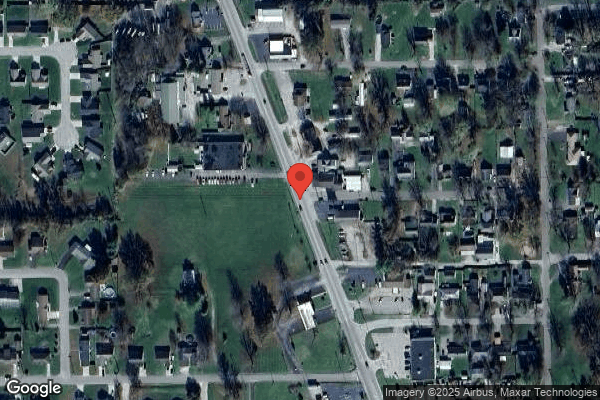
1100 N GARDNER AVE, SCOTTSBURG, IN 47170 (812) 752-5065
For profit - Corporation 36 Beds AMERICAN SENIOR COMMUNITIES Data: November 2025
Trust Grade
80/100
#151 of 505 in IN
Last Inspection: April 2025

Within standard 12-15 month inspection cycle. Federal law requires annual inspections.

Overview

Hickory Creek at Scottsburg has a Trust Grade of B+, indicating it is above average and recommended for families considering care options. The facility ranks #151 out of 505 nursing homes in Indiana, placing it in the top half statewide, and #3 out of 4 in Scott County, meaning there is only one local option rated higher. The facility is improving, as it reduced its issues from 5 in 2024 to 1 in 2025. However, staffing is a notable weakness, with a poor rating of 1 out of 5 stars and a 52% turnover rate, which is average but indicates a potential challenge in continuity of care. Despite this, there have been no fines recorded, which is a positive sign, and the facility offers more RN coverage than most, helping to catch potential issues early. Specific concerns from inspections include a failure to sanitize hands during medication administration for multiple residents, which raises infection control risks, and complaints about slow response times to call lights, messy rooms, and food quality not being acceptable. While there are clear strengths, such as a good overall rating and commitment to improvement, families should weigh these alongside the identified weaknesses when considering Hickory Creek at Scottsburg for their loved ones.

Trust Score
B+
80/100
In Indiana
#151/505
Top 29%
Safety Record
Low Risk
No red flags
Inspections
Getting Better
5 → 1 violations
Staff Stability
⚠ Watch
52% turnover. Above average. Higher turnover means staff may not know residents' routines.
Penalties
✓ Good
No fines on record. Clean compliance history, better than most Indiana facilities.
Skilled Nurses
○ Average
Each resident gets 39 minutes of Registered Nurse (RN) attention daily — about average for Indiana. RNs are the most trained staff who monitor for health changes.
Violations
⚠ Watch
12 deficiencies on record. Higher than average. Multiple issues found across inspections.
★★★★☆
4.0
Overall Rating
★☆☆☆☆
1.0
Staff Levels
★★★★★
5.0
Care Quality
★★★★☆
4.0
Inspection Score
Stable
2024: 5 issues
2025: 1 issues

The Good

  • 5-Star Quality Measures · Strong clinical quality outcomes
  • Full Sprinkler Coverage · Fire safety systems throughout facility
  • No fines on record

Facility shows strength in quality measures, fire safety.

The Bad

Staff Turnover: 52%

Near Indiana avg (46%)

Higher turnover may affect care consistency

Chain: AMERICAN SENIOR COMMUNITIES

Part of a multi-facility chain

Ask about local staffing decisions and management

The Ugly 12 deficiencies on record

Apr 2025 1 deficiency
CONCERN (D)

Potential for Harm - no one hurt, but risky conditions existed

Notification of Changes (Tag F0580)

Could have caused harm · This affected 1 resident

**NOTE- TERMS IN BRACKETS HAVE BEEN EDITED TO PROTECT CONFIDENTIALITY** Based on record review and interview, the facility failed to ensure the physician was notified in a timely manner for 1 of 3 res...

Read full inspector narrative →
**NOTE- TERMS IN BRACKETS HAVE BEEN EDITED TO PROTECT CONFIDENTIALITY** Based on record review and interview, the facility failed to ensure the physician was notified in a timely manner for 1 of 3 residents reviewed for a change in condition. (Resident 1) Findings include: The record for Resident 1 was reviewed on 4/24/25 at 1:37 p.m. The resident's diagnoses included but were not limited to chronic iron deficiency anemia secondary to blood loss, type 2 diabetes mellitus, schizoaffective disorder, bipolar disorder, epilepsy, functional dyspepsia, constipation, personal history of diseases of the digestive system, and atherosclerotic heart disease. The care plan, dated 8/17/20 and revised 4/24/25, indicated the resident was diabetic and at risk for hypoglycemic, hyperglycemic episodes related to the diagnosis. Possible negative outcomes of not following the prescribed diet. Consumes sugary snacks, ice cream, shakes, Pepsi and other items not on the resident's diet. Per the resident's preference, the resident kept these at her bedside and consumed through the day. The resident had a new diagnosis of a hernia with a recommendation to start 5 smaller meals starting November 2024. The interventions, dated 4/30/21, included, but were not limited to a diet per the medical doctor (MD) order for a regular diet of 3 small portion meals and 2 snacks, to honor preferences, and lab work as ordered with the results reported to the MD. Monitor blood sugars as needed for signs and symptoms of hypoglycemia or hyperglycemia. Nursing would notify the MD as needed, and provide medications as ordered. The physician's order, dated 9/21/23, indicated staff were to administer to the resident, 1 gram of carafate three times daily. The order was discontinued on 6/17/24. The physician's order, dated 9/25/23, indicated staff were to administer to the resident, 81 milligrams (mg) of chewable aspirin daily. The order was discontinued on 11/14/24. The nurse's note, dated 11/11/24 at 8:35 a.m., indicated Certified Nurse Aides (CNAs) reported the resident's vomiting to the Licensed Practical Nurse (LPN). Upon arriving to the resident's room, the resident had large brownish black emesis with little black spots in it. The resident complained of feeling bad, feeling sick and tired. The resident's vital signs were stable, however due to the appearance of possible blood in the emesis, the Nurse Practitioner (NP) gave an order to send the resident to a local hospital for evaluation and treatment. The physician's evaluation, dated 11/15/24 at 10:46 a.m., indicated an order to increase the protonix to twice daily and to add carafate. The resident had an upper endoscopy, which showed grade 4 esophagitis with a hiatal hernia. The resident had been on aspirin since 2023. The same thing happened 1 year ago, and the resident remained on aspirin. The physician took the resident off her carafate one month ago. For the future, the resident should stay off of aspirin without documented cerebrovascular or coronary artery disease. Nursing could try to take the resident off carafate again in a year, if the resident did not have any further bleeding. The resident was complaining of abdominal pain and nausea at that time. A recent upper gastrointestinal (GI) bleed appeared to be stabilized. The nurse's note, dated 11/27/24 at 10:02 p.m., indicated the resident had reported not feeling well and vomiting throughout the day after drinking ordered boost. The vomit was dark in color as if the resident had been eating and drinking something dark. The NP and Director of Nursing (DON) were made aware. The resident requested to be sent to the hospital at that time. The resident was not sent out to the hospital. The nurse's note, dated 11/28/24 at 12:07 a.m., indicated the resident requested to drink soda to attempt to settle her stomach and to prevent being sent out to the hospital. There were no signs or symptoms of vomiting for several hours. The resident was educated not to drink too many Boost protein drinks. Drinking too many Boost drinks caused the resident to not eat anything throughout the day. The resident was educated to let staff know if she vomited again. An order was given by the NP to send the resident out to the emergency room (ER) if needed. The physician's order, dated 11/15/24, indicated to provide small portions with regular meals and 2 snacks between meals. The order was discontinued on 12/20/24. The physician's order, dated 12/10/24, indicated staff were to administer to the resident, 100 milligrams (mg) iron-250 mg/5 milliliters (mL) 325 mg twice daily of Protect iron liquid (iron polysaccharide-vitamins C and B 12 complex). The order was discontinued on 12/17/24. The laboratory results, dated 12/18/24, indicated the resident had a Hemoglobin of 11.0 grams per deciliter (g/dL) and a Hematocrit of 34.6%. The normal range of Hemoglobin was 12.0 to 15.5 g/dl and the normal range of Hematocrit was 36 % to 48%) The nurse's note, dated 1/26/25 at 2:02 a.m., the resident reported pain that started in the stomach and radiated to her chest. The resident had requested as needed (PRN) pain medication at the medication pass. The resident was able to rest for a few hours after receiving the medication. The resident pressed her call light to notify staff she had vomited a large amount of emesis. The resident's blood pressure was 91/62 millimeters of mercury (mm Hg), a heart rate of 103 beats per minute (bpm), oxygen (O2) saturation at 93%, a temperature of 97.8 degrees Fahrenheit (F), and a respiratory rate (RR) of 18 breaths per minute. The resident requested to go to the ER. The NP, DON and Executive Director (ED) were notified. The resident continued to vomit. The vomit was dark with almost a look of coffee grounds to it. The resident then proceeded to demand to go to the ER related to feeling weak and continued vomiting. The NP, DON, and ED were notified, and the resident was sent to a local hospital. The nurse's note, dated 2/4/25 at 1:56 a.m., indicated the resident had an episode of vomiting, which was brown in color. The resident was on iron supplements, two times daily and had no history of ulcers or GI bleeds. The resident's vital signs were stable and within normal limits and the resident was alert and oriented. The resident denied the need for pain medication or any PRN medication. The record indicated the resident had a history of GI bleeding in November of 2024. The record lacked documentation of notification to the NP, DON, or ED of the resident's episode of dark brown emesis (vomiting) on 2/4/25 at 1:56 a.m. The NP, DON, or ED was not notified until 8:28 a.m. (6 hours and 24 minutes after the initial change in condition). The nurse's note, dated 2/4/25 at 8:28 a.m., indicated the resident had an elevated heart rate of 120 bpm and dark brown emesis. The resident refused her morning medications. The NP was notified, and a new order was received to send the resident to the ER for evaluation and treatment. The nurse's note, dated 2/4/25 at 8:50 a.m., indicated Emergency Medical Services (EMS) took the resident to a local hospital and left the building at 8:50 a.m. The nurse's note, dated 2/4/25 at 4:40 p.m., indicated the resident arrived back from the local hospital with diagnoses of gastroenteritis and acute cystitis without hematuria. A new order was placed in the computer for an antibiotic and antiemetic. The nurse's note, dated 2/4/25 at 5:24 p.m., indicated an order for Keflex from the ER was verified with the NP. The resident was currently on Augmentin for a UTI. The NP indicated to keep the Augmentin order and discontinue the Keflex order. The Minimum Data Set (MDS) Significant Change in Status assessment, dated 3/14/25, indicated the resident was cognitively intact. During an interview, on 4/28/25 at 9:53 a.m., RN 1 indicated the resident had been hospitalized on [DATE] for a gastrointestinal (GI) issue and was diagnosed with gastroenteritis and acute cystitis without hematuria. She was vomiting and had abdominal pain prior to hospitalization. The resident was vomiting brown emesis. She had complained of stomach pain at times in the past. It was one o'clock in the morning when the resident began vomiting and at 8:24 a.m., the same day, the resident was still vomiting and had an increased heart rate. The NP was notified and gave the order to send the resident to the ER. LPN 2 should have reached out to the Director of Nursing (DON), but LPN 2's note didn't reflect that he did that. During an interview, on 4/28/25 at 9:56 a.m., the DON indicated she was not contacted by the LPN on 2/4/25 about the resident vomiting brown emesis. The current Resident Change of Condition Policy, included, but was not limited to, . It is the policy of this facility that all changes in resident condition will be communicated to the physician and family/responsible party, and that appropriate, timely, and effective intervention takes place . 3.1-5(a)(2)
Dec 2024 3 deficiencies
CONCERN (D) 📢 Someone Reported This

A family member, employee, or ombudsman was alarmed enough to file a formal complaint

Potential for Harm - no one hurt, but risky conditions existed

Pharmacy Services (Tag F0755)

Could have caused harm · This affected 1 resident

Based on observation, interview and record review, the facility failed to ensure physician orders were followed for residents during medication administration for 3 of 5 residents reviewed for pharmac...

Read full inspector narrative →
Based on observation, interview and record review, the facility failed to ensure physician orders were followed for residents during medication administration for 3 of 5 residents reviewed for pharmacy services. (Resident's B, C, F and G) Findings included: 1. The clinical record for Resident B was reviewed on 12/5/24 at 12:12 p.m. The resident's diagnoses included, but were not limited to, chronic obstructive pulmonary disease, chronic respiratory failure and gastroesophageal reflux disease. The December 2024 physician's orders indicated the resident was to receive the following morning medications: - Calcium carbonate (TUMS), 500 mg tablets, give 2 1/2 tabs to equal 1,250 mg - Advair Diskus (COPD) 250-50 mcg (microgram)/dose, one puff via inhalation. Special instructions rinse mouth after use. During a medication administration observation on 12/6/24 at 9:17 a.m., QMA (Qualified Medication Aide) 4 was observed to remove 2 tablets from the bottle of calcium carbonate rather than 2 1/2 tabs and the QMA did not take the Advair Diskus into the resident's room during the medication administration observation. During an interview on 12/6/24 at 9:55 a.m., the Director of Nursing indicated the resident typically refused the Advair Diskus, however, QMA 4 should have taken the medication to the resident during the medication pass and offered the medication to the resident. During an interview on 12/6/24 at 11:26 a.m., LPN (Licensed Practical Nurse) 5 indicated all physician orders were to be followed. 2. The clinical record for Resident C was reviewed on 12/5/24 at 12:39 p.m. The resident's diagnoses included, but were not limited to, chronic obstructive pulmonary disease and diabetes. The December 2024 physician's orders indicated the resident was to receive the following morning medications: - Breo Ellipta (inhaled medication for COPD) 200-25 mcg/dose, one puff via inhalation. Special instructions: After use rinse mouth and spit. - Incruse Ellipta (COPD) 62.5 mcg, one puff via inhalation. Special Instructions: Rinse mouth after use. On 12/6/24 at 8:55 a.m., during the medication administration observation, QMA 4 did not have the resident rinse out her mouth after the use of both inhalers. 3. The clinical record for Resident G was reviewed on 12/6/24 at 10:55 a.m. The resident's diagnoses included, but were not limited to, chronic obstructive pulmonary disease and iron deficiency anemia. - Advair HFA aerosol inhaler (COPD) 115-21 mcg/actuation, 2 puffs via inhalation: Special instructions: Rinse mouth and spit. On 12/6/24 at 7:42 a.m., during the medication administration observation, QMA 4 did not have the resident rinse and spit after the administration of the Advair Diskus. On 12/6/24 R 9:55 a.m., the Director of Nursing provided a current copy of the document titled General Dose Preparation and Medication Administration dated 4/30/24. It included, but was not limited to, Procedure .Prior to Administration .Facility staff should take all measures required by facility policy and applicable law .Verify each time a medication is administered that is is the correct .dose .Follow manufacturer medication administration guidelines This Citation relates to Complaints IN00447152 and IN00447339. 3.1-25(b)
CONCERN (D) 📢 Someone Reported This

A family member, employee, or ombudsman was alarmed enough to file a formal complaint

Potential for Harm - no one hurt, but risky conditions existed

Medical Records (Tag F0842)

Could have caused harm · This affected 1 resident

Based on interview and record review, the facility failed to ensure a resident's (Resident D) medication administration record reflected the administration of narcotic medication for 1 of 3 residents ...

Read full inspector narrative →
Based on interview and record review, the facility failed to ensure a resident's (Resident D) medication administration record reflected the administration of narcotic medication for 1 of 3 residents reviewed for medical records. Findings include: The clinical record for Resident D was reviewed on 12/5/24 at 1:29 p.m. The resident's diagnoses included, but were not limited to, irritable bowel syndrome, anxiety and pain. The physician's order, dated 2/8/22, indicated the resident was to receive Xanax (narcotic antianxiety medication) 0.5 mg (milligrams) twice daily for anxiety at 9:00 a.m. and 9:00 p.m. Review of the October 2024 controlled substance record indicated the resident received the medication on the following dates and times: - 10/04/24 at 8:00 p.m. - 10/07/24 at 8:00 p.m. - 10/08/24 at 8:00 p.m. - 10/10/24 at 8:00 a.m. - 10/18/24 at 8:00 p.m. - 10/21/24 at 8:00 p.m. The resident's October 2024 Medication Administration Record lacked documentation of the administration of the medication. The physician's order, dated 3/15/22, indicated the resident was to receive Viberzi 75 mg twice daily for irritable bowel syndrome at 9:00 a.m. and 9:00 p.m. Review of the October 2024 Controlled Substance Record indicated the resident received the medication on the following dates and times: - 10/04/24 at 8:00 p.m. - 10/07/24 at 8:00 p.m. - 10/08/24 at 8:00 p.m. - 10/10/24 at 8:00 a.m. - 10/18/24 at 8:00 p.m. - 10/21/24 at 8:00 p.m. The resident's October 2024 Medication Administration Record lacked documentation of the administration of the medication. The physician's order, dated 4/23/24, indicated the resident was to receive hydrocodone-acetaminophen (narcotic) 5-325 mg twice daily for pain at 9:00 a.m. and 9:00 p.m. Review of the October 2024 Controlled Substance Record indicated the resident received the medication on the following dates and times: - 10/04/24 at 8:00 p.m. - 10/07/24 at 8:00 p.m. - 10/08/24 at 8:00 p.m. - 10/10/24 at 8:00 a.m. - 10/18/24 at 8:00 p.m. - 10/21/24 at 8:00 p.m. The resident's October 2024 Medication Administration Record lacked documentation of the administration of the medication. During an interview on 12/6/24 at 11:26 a.m., LPN (Licensed Practical Nurse) 5 indicated when a narcotic medication had been administered, the nurse would sign the medication as administered on the medication administration record. On 12/6/24 at 9:55 a.m., the Director of Nursing provided a current copy of the document titled General Dose Preparation and Medication Administration dated 4/30/24. It included, but was not limited to Procedure .Document the administration of controlled substances in accordance with applicable law .After medication administration, facility staff should take all measures required by facility policy and applicable law, including, but not limited to .Document necessary medication administration This Citation relates to Complaints IN00447152 and IN00447339 3.1-50(a)(2)
CONCERN (E) 📢 Someone Reported This

A family member, employee, or ombudsman was alarmed enough to file a formal complaint

Potential for Harm - no one hurt, but risky conditions existed

Infection Control (Tag F0880)

Could have caused harm · This affected multiple residents

Based on observation, interview and record review, the facility failed to ensure staff hand sanitized during a medication pass and failed to ensure staff did not touch medications prior to medication ...

Read full inspector narrative →
Based on observation, interview and record review, the facility failed to ensure staff hand sanitized during a medication pass and failed to ensure staff did not touch medications prior to medication administration for 6 of 6 residents reviewed for infection control. (Resident's B, C, E, F, G and H) Findings include: 1. The clinical record for Resident B was reviewed on 12/5/24 at 12:12 p.m. The resident's diagnoses included, but were not limited to, chronic obstructive pulmonary disease (COPD), chronic respiratory failure and gastroesophageal reflux disease (GERD). The December 2024 physician's orders indicated the resident was to receive the following morning medications: Anastrozole (cancer medication), Propranolol (hypertension), Folic acid (supplement), Isosorbide mononitrate (hypertension), Pimidone (tremors), Eliquis (blood thinner), Calcium carbonate (TUMS), Advair Diskus (COPD), Omeprazole (GERD), Claritin (allergies), Diltiazem (atrial fibrillation), Preservision (eye vitamin), Zoloft (depression), and Magnesium oxide (supplement). During a continuous medication administration observation on 12/6/24 at 9:17 a.m., QMA (Qualified Medication Aide) 4 was observed to remove 2 tablets from the bottle of calcium carbonate into her bare left hand and place in the medication cup. QMA 4 then removed the 2 tablets from the medication cup and placed in another medication cup with her bare fingers. Prior to this, QMA 4 had removed her medication cart keys from her pocket and unlocked the medication cart. She then opened the medication cart drawer with her right hand. She removed the medications from individualized package cards and touched her computer mouse after the removal of each medication from the cart. QMA 4 did not hand sanitize prior to or after the medication administration to the resident. On 12/6/24 at 9:25 a.m., QMA 4 indicated when passing medications staff were not suppose to touch the medications with their bare hands. During an interview on 12/6/24 at 11:26 a.m., LPN Licensed Practical Nurse) 5 indicated during a medication pass, hands should be sanitized before and after each resident. 2. The clinical record for Resident C was reviewed on 12/5/24 at 12:39 p.m. The resident's diagnoses included, but were not limited to, chronic obstructive pulmonary disease and diabetes. The December 2024 physician's orders indicated the resident was to receive the following morning medications: Myrbetriq (overactive bladder), Breo Ellipta (inhaled medication for COPD), Acetaminophen (pain), Hydroxychloroquine (rheumatoid arthritis), Isosorbide mononitrate (COPD), Levetiracetam (seizure medication), Spironolactone (heart failure), Cymbalta (depression), Paxil (depression), Clonazepam (seizures), Morphine (pain), Incruse Ellipta (COPD), Depakote (schizoaffective disorder), Seroquel (schizoaffective disorder), and Oxybutynin chloride (overactive bladder). During a continuous medication administration observation on 12/6/24 at 8:55 a.m., QMA 4 was observed to remove her medication cart keys from her pocket and unlocked the medication cart. She then opened the medication cart drawer with her right hand. She removed the medications from individualized package cards and touched her computer mouse after the removal of each medication from the cart. QMA 4 did not hand sanitize prior to or after the medication administration to the resident. 3. The clinical record for Resident E was reviewed on 12/6/24 at 10:30 a.m. The resident's diagnoses included, but were not limited to, malignant neoplasm of the pharynx and chronic obstructive pulmonary disease. The December 2024 physician's orders indicated the resident was to receive the following morning medications: Eliquis (blood thinner), Ondansetron (nausea), Docusate Sodium (constipation), Sodium Chloride (hyponatremia), Diphenhydramine (antihistamine), and Tramadol (pain medication). During a continuous medication administration observation on 12/6/24 at 7:29 a.m., QMA 4 was observed to remove her medication cart keys from her pocket and unlocked the medication cart. She then opened the medication cart drawer with her right hand. She removed the medications from individualized package cards and touched her computer mouse after the removal of each medication from the cart. QMA 4 did not hand sanitize after the medication administration to the resident. 4. The clinical record for Resident F was reviewed on 12/6/24 at 10:48 a.m. The resident's diagnoses included, but were not limited to, mild dementia with mood disturbance, endometriosis and stage 3 kidney disease. The December 2024 physician's orders indicated the resident was to receive the following morning medications: Vitamin B12 (supplement), Carvedilol (hypertension), Potassium Chloride (supplement), Omeprazole (GERD), and Alprazolam (anxiety). During the continuous medication administration observation on 12/6/24 at 7:35 a.m., QMA 4 entered the resident's room and obtained the resident's blood pressure. QMA 4 then walked back to the medication cart had removed her medication cart keys from her pocket and unlocked the medication cart. She then opened the medication cart drawer with her right hand. She removed the medications from individualized package cards and touched her computer mouse after the removal of each medication from the cart. QMA 4 did not sanitize her hands after she obtained the blood pressure or prior to or after the administration of the resident's medications. 5. The clinical record for Resident G was reviewed on 12/6/24 at 10:55 a.m. The resident's diagnoses included, but were not limited to, chronic obstructive pulmonary disease and iron deficiency anemia. The December 2024 physician's orders indicated the resident was to receive the following morning medications: Advair HFA aerosol inhaler (COPD), Lamotrigine (epilepsy), Fluoxetine (depression), Clozapine (schizoaffective disorder), Polyethylene glycol (constipation), Ferrous Sulfate (anemia), Levetiracetam (epilepsy), Xanax (anxiety), Gemfibrozil (hyperlipidemia), Linzess (constipation), Haloperidol (schizoaffective disorder), Potassium Chloride (supplement), Sucralfate (dyspepsia), Tylenol Extra Strength (pain), and Saline Nasal mist (allergies). During the continuous medication administration observation on 12/6/24 at 7:42 a.m., QMA 4 had removed her medication cart keys from her pocket and unlocked the medication cart. She then opened the medication cart drawer with her right hand. She removed the medications from individualized package cards and touched her computer mouse after the removal of each medication from the cart. QMA 4 did not sanitize her hands before or after the administration of the resident's medications. 6. The clinical record for Resident H was reviewed on 12/6/24 at 11:03 a.m. The resident's diagnoses included, but were not limited to, end stage liver disease and depression. The December 2024 physician's orders indicated the resident was to receive the following morning medications: Escitalopram oxalate (depression), Folic acid (supplement), Spironolactone (diuretic), Thiamine (supplement), Xifaxan (irritable bowel), Zinc sulfate (supplement), and Omeprazole (GERD). During a continuous medication administration observation on 12/6/24 at 8:50 a.m., QMA 4 was observed to remove her medication cart keys from her pocket and unlocked the medication cart. She then opened the medication cart drawer with her right hand. She removed the medications from individualized package cards and touched her computer mouse after the removal of each medication from the cart. QMA 4 did not hand sanitize after the medication administration to the resident. On 12/6/24 at 9:55 a.m., the Director of Nursing provided a current copy of the document titled General Dose Preparation and Medication Administration dated 4/30/24. It included, but was not limited to, Procedure .Appropriate hand hygiene should be performed before and after direct resident contact .Medications should not come into contact with any surface except for the medication cup .Facility staff should avoid touching the medication with bare hands This Citation relates to Complaints IN00447152 and IN00447339. 3.1-18(a)
Apr 2024 2 deficiencies
CONCERN (E)

Potential for Harm - no one hurt, but risky conditions existed

Deficiency F0565 (Tag F0565)

Could have caused harm · This affected multiple residents

**NOTE- TERMS IN BRACKETS HAVE BEEN EDITED TO PROTECT CONFIDENTIALITY** Based on interview and record review, the facility failed to act upon resident concerns of not answering the call lights in a ti...

Read full inspector narrative →
**NOTE- TERMS IN BRACKETS HAVE BEEN EDITED TO PROTECT CONFIDENTIALITY** Based on interview and record review, the facility failed to act upon resident concerns of not answering the call lights in a timely manner; beds not made and rooms messy; urinals not emptied or put away; glove usage without handwashing; rooms not being deep cleaned; missing clothes after being sent to laundry; staff cursing and talking about other staff in front of residents; feeling rushed by housekeeping to eat and leave the dining room for 9 of 10 Resident Council meetings (August, September, October, November, and December 2023, January, February, March and April 2024). This deficient practice had the potential to affect 31 of 31 residents currently residing in the facility. Findings include: 1. The Resident Council meeting held on 8/11/23 indicated residents' concerns were not resolved or acted upon: - Call lights were taking 40 minutes to hours to be answered. - Beds were not being made and rooms were messy. - Urinals were not being emptied. - Staff were using gloves but no handwashing was observed. - Resident rooms were not being deep cleaned with everything moved out of the room to do so. On 8/11/23, the Director of Nursing (DON) responded that there would be staff education, daily rounds would be made on rooms to verify beds were made, urinals emptied and call lights answered. On 8/11/23, the Director of Maintenance/Housekeeping indicated he would educate staff on the deep clean schedule. The deep clean check list will be turned in to the Executive Director (ED) every Friday until compliance was achieved. 2. The Resident Council meeting held on 9/8/23 indicated residents' concerns were not resolved or acted upon: - Staff using foul language. - Call lights still taking awhile to be answered. - Still having issues with emptying urinals. - Clothing in the wrong closet even with the residents' names on the clothes. - Resident rooms still not being deep cleaned. On 9/13/23, the Director of Maintenance/Housekeeping indicated the ED would inservice all Housekeeping staff on 9/14/23. Each staff member will be given a copy of the deep cleaning schedule and policy. They will be given a copy of the deep cleaning checklist. The checklist would be given to their supervisor each day at the end of their shift. The ED will verify deep cleanings were being done daily. On 9/8/23, the DON indicated she and the ED would make rounds on all shifts. Concerns will be addressed at monthly inservices and the DON would follow up with residents to verify improvement with areas of concern. 3. The Resident Council meeting held on 10/13/23 indicated residents' concerns were not resolved or acted upon: - From 6:00 p.m. to 10:00 p.m., call lights were not answered. It took more than 25 minutes for them to be answered when staff did answer them. On 10/13/23, The DON indicated call light response time would be monitored by the charge nurses. Any issues would be addressed immediately and discussed with the DON. On 10/25/23, the ED developed and presented the Director of Maintenance with an Action Plan she developed for him due to the deep cleans not being completed by the Housekeeping department and the Housekeeping Director having failed to give the staff the deep clean schedule. The Root Cause Analysis indicated staff would be educated; the Housekeeping Director would make a monthly schedule and would verify the deep cleans were being completed daily. 4. The Resident Council meeting held on 11/10/23 indicated residents' concerns were not resolved or acted upon: - Call lights not being answered timely. - Needy residents were bothering the nurses during medication pass and the medications were taking longer to get to the residents. - Deep cleaning not started. On 11/10/23, the ED indicated the DON or designee would observe call light response time on each shift until compliance was achieved. On 11/10/23, the Director of Maintenance/Housekeeping and the ED indicated the deep clean calendar would be made monthly. The Maintenance Director would ensure the deep cleans were completed and done properly daily. The ED would complete room rounds with the supervisor daily to ensure deep cleans were being completed. Failure to complete/follow deep clean schedule would result in disciplinary action for the responsible staff member. 5. The Resident Council meeting held on 12/8/23 indicated residents' concerns were not resolved or acted upon: - The call lights continued to be an issue. - The deep cleans were still not getting done. - Resident clothes were not coming back in a timely manner, sometimes it was taking weeks. On 12/8/23, the Director of Maintenance/Housekeeping indicated all housekeeping staff were re-educated on deep cleans. The ED developed the deep clean schedules. The ED and Maintenance Director would verify deep cleans were being completed daily. On 12/8/23, the ED indicated the Department Managers/Clinical staff were filling in between 6:00 p.m. and 10:00 p.m. if there was a shortage of nursing staff. The DON/designee would monitor call light response each shift. 6. The Resident Council meeting held on 1/12/24 indicated the resident concerns were not resolved or acted upon: - Staff talking about other staff during resident care and smoke breaks. - A lot of noise at bedtime; residents were loud in the hallway until early AM. - Staff not being courteous. - Aides placing urinals on the table tops; placing items on the roommate's side of the room; knocking things off and acting not to care. On 1/12/24, the DON indicated staff education regarding the concerns verbalized will be provided regarding the noise level at the all staff inservice on 1/16/24. She spoke to a certain resident regarding being respectful to others regarding the noise level. 7. The Resident Council meeting held on 3/8/24 indicated the residents' concerns were not resolved or acted upon: - The residents were feeling rushed at meal times from the housekeeping staff during lunch. - The deep cleaning was not getting done; beds were not being pulled out away from the wall to clean behind them; privacy curtains needed to be washed. - Resident 6 indicated her food was cold due to getting the meal last. She would like to rotate ways to serve meal trays for 6 months at a time. On 3/8/24, the DON addressed the resident concerns of customer service from the staff. She indicated customer service expectations would be discussed at the all staff inservice on 3/13/24. The ED would review customer service policy at the all staff inservice. On 3/11/24, the Dietary Manager inserviced the dietary and housekeeping staff on dinner times and to ensure all residents were out of the dining room before entering to clean. Resident 6 was spoken to who indicated the food was hot, but just wished to be served first. room [ROOM NUMBER] now moved to first trays on hallway service for all meals. On 3/12/24, the ED indicated all housekeeping staff would be inserviced at the all staff meeting on 3/13/24 regarding cleaning after meal times and deep cleans. Each staff would be given the deep clean policy and check list. The Maintenance/Housekeeping Supervisor was inserviced on verifying deep cleans were being completed daily. During an interview on 4/21/24 at 9:46 a.m., Resident 16 indicated he had often waited a half day to a day for his call light to be answered. He had to lay in a wet or soiled brief. During an interview on 4/21/24 at 9:52 a.m., Resident 23 indicated she has had to wait a half hour to an hour at times for her call light to be answered. During an interview on 4/22/24 at 8:11 a.m., Resident 6 indicated there wasn't enough staff especially on the night shift. She has had to wait up to an hour for the staff to help her to the bathroom. During an interview on 4/22/24 at 9:09 a.m., Resident 7 indicated she has had to wait so long for the staff to answer her light she wet the bed. 8. During the Resident Council meeting held on 4/24/24, the Activities Director indicated the 9 residents in attendance were alert and oriented. The following concerns were voiced: - Staff talking about each other while out on smoke break with the residents. - Missing laundry - residents talked to the staff, but they just told them they couldn't find it. Social services helped at times for some people, but usually the staff just told them they couldn't find it even though their names were in the clothes. - The phone was an issue. Sometimes it would ring and ring and no one would answer it when families called. Residents had heard the nurses sometimes say they were going to just refuse to answer it. Often the phone was not at the desk as it was in another resident's room or residents were answering it instead. - The CNAs (Certified Nurse Aides) frequently were seen just sitting at the desk and refused to answer the call lights - day shift was more of an issue. - Food was cold when they received it, all the meals were affected. The last room, room [ROOM NUMBER], was always getting cold food even after they had asked that the tray service rotation be switched up so they could be first for a change, but it didn't happen. - Certain things were brought up in Resident Council every month but nothing was ever taken care of like management said they would. Call lights and deep cleaning the rooms were a major issue. They don't seem to listen to us. The facility's current policy on Resident Council, dated 2/20, indicated Policy: The facility will promote and support the residents right to participate and organize resident council. The council will be used to communicate concerns, give suggestions for future programming and events, and otherwise participant in and guide facility life. Procedure: .6. Concerns or suggestions from the meeting will be addressed by the appropriate department. The Executive Director will review all minutes and concerns to ensure thorough resolution of concerns . Cross reference F804 3.1-3(l)
CONCERN (E)

Potential for Harm - no one hurt, but risky conditions existed

Deficiency F0804 (Tag F0804)

Could have caused harm · This affected multiple residents

Based on observation and interview, the facility failed to provide meals that were palatable, appetizing and at appropriate temperatures. This deficient practice had the potential to affect 30 of 31 r...

Read full inspector narrative →
Based on observation and interview, the facility failed to provide meals that were palatable, appetizing and at appropriate temperatures. This deficient practice had the potential to affect 30 of 31 residents currently residing in the facility. Findings include: 1. During an observation on 4/21/24 at 11:55 a.m., a test tray was placed on the last cart for the hall trays. The cart arrived to the hall at 12:00 p.m. The staff began serving the trays at 12:00 p.m. and completed at 12:12 p.m. During a test tray on 4/21/24 at 12:14 p.m., the following food temperatures and observations were obtained: -The sliced turkey temperature was 124.9 degrees F. It had a processed flavor and texture, but was appetizing. -The Au gratin Potatoes temperature was 118 degrees F. The potatoes were undercooked and were cool to taste. The cheese sauce was thin and the flavor was not appetizing. -The brussels sprouts temperature was 117.8 degrees F. The flavor was appetizing. Salt was available. -The banana cream pie temperature was 21.3 degrees F. The pie was still partially frozen and as it melted, the flavor of the banana started to appear. 2. During an observation on 4/25/24 at 11:52 a.m., the following food temperatures were obtained: -The ham salad sandwich had a temperature of 37.7 degrees F. A seconds sandwich was obtained and had a temperature of 30.5 degrees F. The sandwich lacked an appetizing flavor and had hard ham pieces. There was a strong hint of mustard. -The apricots temperature was 34.5 degrees F. The apricot had a good color and were firm. The flavor was appetizing. -The broccoli soup temperature was 164 degrees F. The soup had a strong spicy pepper and a gravy mix flavor. -The bean salad temperature was 32 degrees F and was frozen with only the flavor of the cold green beans no seasoning. During an interview on 4/22/24 at 10:30 a.m., Resident 7 indicated the food was often cold. She was unable to eat some of it. She felt like the quality of the food had decreased. She thought the dietary budget had been cut. During an interview on 4/22/24 at 10:45 a.m., Resident 6 indicated she thought the turkey was ham on yesterday's lunch tray. The potatoes were so hard she could not eat them. She felt the food had really gone down hill. Most of the time her food was cold before she received her tray. During an interview on 4/21/24 at 11:26 a.m., Resident 32 indicated the food was terrible. It was the quality of the food and the way it was prepared. The food was sometimes cold. During an interview on 4/21/24 at 9:38 a.m., Resident 25 indicated the food was so, so on flavor and quality. It was sometimes cold when he received it. During an interview on 4/21/24 at 9:28 a.m., Resident 16 indicated the food was cold. He received his food in his room. T During an interview on 4/25/24 at 8:50 a.m., the Dietary Manager indicated she had resident requests for hot dogs and lunch meat sandwiches as alternates. They had soup as an alternate already. Breakfast cereals were also requested as an alternate. The residents were taken to the store and the residents would purchase snacks for themselves. The residents had requested for some of the menu items to be changed recently, due to repeat meats during the week. She changed the menu for those requests. The menu alternated on a 4-week cycle and they had a spring menu to be started soon. It had been since October that the current menu was used. They had not changed the food company, but had used a different bread company recently. One resident complained about the food being cold in the morning, but he had slept late. The steam table was on the stove top. The staff delivered 4 trays at a time to the halls and to the dining room. All plates were covered. The plates were put on the stove sometimes to heat. This hadn't been done recently. If she had a suction device to pick up the hot plates from the oven that would help dietary staff to not burn their hands when picking up hot plates. She would keep the oven on a low temperature for the plates. The plates were kept on the back side of the kitchen and not kept warm in the oven. The kitchen didn't have enough room to have a plate warmer machine. The serving temperature of the food should be kept above 135 degrees F. She typically kept it between 165 and 170 degrees F. During an interview on 4/25/24 at 10:06 a.m., the Dietary Manager indicated she needed clarification on the palatability of food. Salt and pepper were offered at the tables, so she had trouble understanding why the food would be thought of as not palatable. All residents had weight gain. The only thing that was different was the brand of the food. Double portions were offered to residents. The residents would snack a lot and their weight was maintained. The residents' were taken out to the store and would purchase their own snacks. The Food Temperatures policy, revised last on June 2023, included, but was not limited to, . 2. Hot foods that are potentially hazardous will be held for service at or above 135 degrees F, and cold foods at or below 41 degrees F. 2. All hot and cold food items will be served to the resident at a temperature that is considered palatable at the time the resident receives the food . 9. Hot food will be held at or above 135 degrees F. If minimum temperature requirements are not maintained, food will need to be reheated to a minimum of 165 degree F for 15 seconds before serving . Cross reference F565 3.1-21(a)(2)
Sept 2023 1 deficiency
CONCERN (D) 📢 Someone Reported This

A family member, employee, or ombudsman was alarmed enough to file a formal complaint

Potential for Harm - no one hurt, but risky conditions existed

Quality of Care (Tag F0684)

Could have caused harm · This affected 1 resident

Based on observation, record review and interview, the facility failed to ensure appropriate assessment and monitoring skin impairments for 1 of 3 residents reviewed for Quality of Care. (Resident C) ...

Read full inspector narrative →
Based on observation, record review and interview, the facility failed to ensure appropriate assessment and monitoring skin impairments for 1 of 3 residents reviewed for Quality of Care. (Resident C) Findings include: During an observation of incontinent care on 9/20/23 at 10:30 a.m., Resident C had multiple large open and bleeding scratches on her buttock, lower back, and left buttock. She had multiple scabbed scratch marks on the area from her posterior left knee to her upper posterior left thigh. The resident started scratching her right buttock and lower back due to itching. The scratch marks started bleeding and the resident stated, Why can't they give me something for this itching. The blood from the scratching was dripping and running down the resident's buttocks. There was no visible remnants of any cream on the resident's skin. The CNA (Certified Nursing Aide) 1 went out to get the nurse so she could look at the resident's skin. The resident stated . They already know about it and haven't done a thing . The record for Resident B was reviewed on 9/29/23 at 9:30 a.m. The diagnoses included, but were not limited to, urinary tract infection, hypokalemia, the need for assistance with personal care, disorder of the urinary tract urinary system, and tubulo-interstitial nephritis. The Quarterly MDS (Minimal Data Set) assessment, dated 7/11/23, indicated the resident was cognitively intact. The physician's order, dated 7/13/23, indicated staff were to apply remedy calazime intensive skin (menthol-zinc oxide) OTC (over the counter) 0.44-20.6% (percent), to the resident's right buttock every shift and prn (as needed). The review of the skin assessments, dated 6/1/23 to 9/11/23, lacked documentation to indicate the resident had multiple open and bleeding scratches to her left thigh, lower back, coccyx, and right buttock. During an interview on 9/20/23 at 11:30 a.m., Resident C indicated her skin had been itching for about a year. During an interview on 9/20/23 at 11:35 a.m., CNA 6 indicated the nurse was aware of the resident's scratch marks from itching. The resident's skin had been itching for about a year. During an interview on 9/20/23 at 12:40 a.m., RN 5 indicated the resident's scratches to her right buttock was not open or bleeding when she seen them. She did not know if the scabbed over scratches on her left thigh were open and bleeding. She had not been there for 2 weeks. The treatment ordered was Calazime Intensive Skin and staff were to apply to her right buttock every shift and prn with a start date of 7/13/23. She was not sure how long the resident had the condition. She had not informed the NP (Nurse Practitioner) about the resident's skin condition before 9/20/23. During an interview on 9/20/23 at 1:15 p.m., Resident C's family member indicated he had complained about the resident's bleeding scratches on her skin for about a year and he could not get anyone to do anything about it. The resident's family member was observed to obtain his phone and show photos. He indicated the photos were taken by him on June 23, 2023 as was indicated on the date information on the photograph itself. The photographs showed the resident's lower body with multiple open and actively bleeding abrasions. The resident and her husband both indicated at this time it was due to self-inflicted wounds from the resident's excessive scratching due to itching. The family member also showed photos from September 2, 2023, where the issue continued with multiple areas of scratches from the resident's posterior thigh to her lower back and covering her buttocks with active bleeding dripping from the scratches. The resident's family member indicated he brought in pink cream for the resident from home for her to use. He had spoken with many people about his concerns, specifically naming the ED (Executive Director), the DON (Director of Nursing), and Social Services. He indicated he was concerned because the resident was in renal failure and asked them to talk to her doctor about the itching. No one had done anything except for occasionally applying cream. During an interview on 9/20/23 at 1:20 p.m. QMA 4 (Qualified Medication Aide) entered the room and indicated she was aware of the scratches. They had been there for months, and she thought greater than 3 months at least. Sometimes the nurse provided cream for the resident. It did not stop her from scratching, which was what caused the wounds. It did not improve much with what they treated her with. The Skin Management Program policy and procedure, dated 3/10, and last revised 5/22, provided on 9/21/23 at 9:00 a.m., indicated but was not limited to, . 6. Any skin alterations noted by direct care givers during daily care and or shower days must be reported to the licensed nurse for further assessment, to include but not limited to bruises, open areas, skin tears, blisters, and rashes. The licensed nurse is responsible for assessing all skin alterations by the direct caregivers on the shift reported. 7. Facility skin sweeps (head-to-toe assessment) are conducted to assess all residents' current skin condition and to ensure appropriate preventative measures are in place . This Federal tag relates to Complaint IN00416852. 3.1-47(a)
Jul 2023 4 deficiencies
CONCERN (D)

Potential for Harm - no one hurt, but risky conditions existed

Notification of Changes (Tag F0580)

Could have caused harm · This affected 1 resident

2. The record for Resident 2 was reviewed on 7/6/23 at 11:37 a.m. The diagnoses included, but were not limited to, pneumonia, chronic respiratory failure with hypoxia, gastrostomy status and gastro-es...

Read full inspector narrative →
2. The record for Resident 2 was reviewed on 7/6/23 at 11:37 a.m. The diagnoses included, but were not limited to, pneumonia, chronic respiratory failure with hypoxia, gastrostomy status and gastro-esophageal reflux disease with esophagitis. The Quarterly MDS assessment, dated 5/22/23, indicated the resident was severely cognitively impaired. The resident required a feeding tube for nutrition. The care plan, dated 5/8/23, indicated the resident required enteral nutrition to meet nutrient needs related to chronic pneumonia evidenced by silent aspiration. The interventions included, but were not limited to, refer the resident to the RD (Registered Dietician) and physician as needed, treatment per physician order, and the resident was NPO (nothing by mouth). The care plan, dated 3/24/23 and last revised on 5/23/23, indicated the resident was at risk for aspiration related to enteral nutrition with use of a PEG (Percutaneous Endoscopic Gastrostomy) tube. The interventions included, but were not limited to, refer the resident to speech therapy as needed, assess the resident's vital signs and lung sounds as needed, report abnormal findings to the physician, document abnormal findings and notify the physician, and observe the resident for symptoms of aspiration and choking. The physician's order, dated 6/14/23, indicated the resident was to receive Resource 2.0 (nutritional supplements) every 6 hours via the gastric tube, flush with 120 ml (milliliter) of water before and after each bolus for a total of 477 ml. Staff were to elevate the resident's HOB (head of bed) 30 to 45 degrees at all times and perform oral care every shift. The NP note, dated 4/4/23 at 7:52 a.m., indicated a chest x-ray was to be done at the hospital if possible. The resident was to be straight catharized for a UA (urinalysis) and sent to the hospital stat (immediately). A CBC (Complete Blood Count) was to be repeated on Thursday. The nurse's note, dated 4/4/23 at 12:18 p.m., indicated a report was given to the hospital ER (Emergency Room) regarding a change in the resident's condition and decreased LOC (Level of Consciousness). The clinical record lacked documentation indicating the NP was notified for a change in condition, the UA was not collected for a stat order, and a CBC was not repeated. During an interview on 7/11/23 at 9:57 a.m., the NP indicated she had ordered a chest x-ray, UA stat and a CBC. She was aware of the resident going to the hospital for a chest x-ray and not for a change in condition. They should have let her know about the resident's change in condition and the labs should have been drawn. 3. The record for Resident 19 was reviewed on 7/10/23 at 10:10 a.m. The diagnosis included, but was not limited to, type 2 Diabetes Mellitus with hyperglycemia, The Significant Change MDS assessment, dated 5/6/23, indicated the resident was severely cognitively impaired. The care plan, dated 2/13/23 and last revised on 5/15/23, indicated the resident was at risk for adverse effects of hyperglycemia or hypoglycemia related to the use of glucose lowering medication and the diagnosis of diabetes mellitus. The interventions included, but were not limited, to document abnormal findings and notify the physician, observe for symptoms of hypoglycemia, observe for symptoms of hyperglycemia, diet as ordered and monitor intakes and offer replacements for 50% or less consumption, lab work and medications as ordered. The physician's order, dated 7/5/23, indicated the resident was to receive Basaglar KwikPen U-100 Insulin (insulin glargine) 30 units at bedtime subcutaneous. Notify the physician if the resident's blood sugar was less than 60 mg/dL mg (milligram per deciliter) or greater than 400. The vital signs record for blood sugars indicated the following: - On 6/18/23 at 5:02 a.m., the resident's blood sugar was low. - On 6/21/23 at 4:58 p.m., the resident's blood sugar was low. The clinical record lacked documentation indicating the physician was notified, treatment was provided, and the resident's blood sugar was rechecked. During an interview on 7/11/23 at 11:02 a.m., the NP indicated that if a resident had a low blood sugar reading, there were protocols in place for juice or something to be given, and if that didn't work then she should have been notified, and a change in insulin would be ordered. During an interview on 7/11/23 at 2:15 p.m., LPN (Licensed Practical Nurse) 5 indicated if a resident's blood sugar read low on the glucometer, she would retest the resident and use a different finger. She would do an assessment on the resident for any changes from their baseline. If the glucometer indicated the blood sugar was still low, she would give the resident some orange juice and a protein snack. She would notify the NP of the low blood sugar and retest the resident. During an interview on 7/12/23 at 8:39 a.m., the DON indicated she was aware of the lack of documentation of interventions and assessments by the nursing staff. The Policy and Procedure Blood Glucose Monitoring, dated 3/10 and revised on 2/15, provided on 7/11/23 at 2:30 p.m., by the DON included, but was not limited to, .If the resident has not received specific blood glucose call parameters the physician will be notified of any blood sugar less than 70 or if the resident is having signs or symptoms of high or low blood sugar. The physician will be notified when the resident's blood sugar is outside the physician stated parameters or if the resident is experiencing signs and symptoms of high or low blood sugar. A resident with blood glucose below 70 requires an assessment for symptoms of hypoglycemia. Document assessment in nursing progress notes. Immediate treatment of hypoglycemia will be completed as follows if there is not a resident specific physician order. Blood glucose below 70 and resident is able to consume PO intake will receive 4 ounces of juice. Recheck blood glucose in 15 minutes and document. After 15 minutes proceed to the next step. If no symptoms of hypoglycemia and glucose is greater than 70 no further action is required. If symptomatic or blood sugar is less than 70 after 2 treatments, notify physician of resident status. Document MD notification and ongoing assessment and treatment. Blood glucose less than 70 and resident is unable to consume PO intake: Administer PRN IM or glucose as ordered. Recheck blood glucose in 15 minutes, document findings and current resident status and notify MD. If there is no PRN order notify MD immediately. Document notification, resident status and treatment interventions. Blood glucose results will be documented on the Capillary Blood Glucose Monitoring Tool or on the medication administration record. On 7/10/23 at 11:20 a.m., the Executive Director (ED) presented a copy of the facility's current policy titled Resident Change of Condition Policy dated effective 11/2018. Review of this included, but was not limited to, Policy: It is the policy of this facility that all changes in resident condition will be communicated to the physician .and that appropriate, timely, and effective intervention takes place. Procedure: .2. Acute Medical Change: a. Any sudden or serious change in a resident's condition manifested by a marked change in physical or mental behavior will be communicated to the physician. b. If unable to contact the attending physician or alternate physician in a timely manner, notify the Medical Director for medical intervention .d. All nursing actions/interventions will be documented in the medical record as soon as possible after resident needs have been met. 3. Non-Urgent Medical Change: a. All symptoms and unusual signs will be documented in the medical record and communicate to the attending physician promptly. Non-urgent changes are a minor change in physical and mental behavior, abnormal laboratory and x-ray results that are not life threatening. b. The nurse in charge is responsible for notification of the physician .prior to the end of assigned shift when a significant change in the resident's condition is noted. c. If unable to reach the physician ., all calls to the physician or exchanges .requesting callbacks will be documented. d. If the physician has not called back by the end of the shift, the oncoming nurse will be notified for follow up. e. If unable to contact the attending physician or alternate timely, the Medical Director will be notified for response and intervention for the resident change of condition. f. Document resident change of condition and response in the medical record. Documentation will include time and .physician response . 3.1-5(a)(2) 3.1-5(a)(3) Based on record review and interview, the facility failed to notify the physician when a pulmonology consult was not made as ordered by the hospital discharging physician (Resident 12); a resident experienced low blood sugars outside the physician ordered parameters (Resident 19); and a resident experienced a change in condition which required hospitalization and ordered labs were not completed (Resident 2) for 3 of 13 residents reviewed for physician notification. Findings include: 1. The record for Resident 12 was reviewed on 7/10/23 at 8:34 a.m. The diagnoses included, but were not limited to, acute exacerbation of chronic obstructive pulmonary disease (COPD) with hypoxia, type 2 Diabetes Mellitus with diabetic polyneuropathy, peripheral vascular disease (PVD) and hypertensive heart disease with heart failure. The Quarterly Minimum Data Set (MDS) assessments, dated 3/3/23 and 6/20/23, indicated the resident was cognitively intact. A nurse's note, dated 2/18/23 at 9:22 p.m., indicated that while arguing with his roommate, Resident 12 became red in the face with slurred speech. A new physician's order was received to send him to the hospital. A nurse's note, dated 2/19/23 at 4:44 a.m., indicated the resident was transferred from the local hospital to another hospital to be admitted for syncope and exacerbation of COPD. The hospital discharge orders, dated 2/24/23, included, but were not limited to, keep the follow up appointments; follow up with the primary care physician in 1 week; and follow up with the (name of pulmonologist) in 2 to 3 weeks related to the final bronchi culture which grew escherichia coli ESBL (Extended Spectrum Beta Lactamase). The NP's (Nurse Practitioner) note, dated 2/27/23 at 12:16 a.m., indicated the resident was being evaluated after a hospital stay for COPD exacerbation with hypoxia. The hospital chest X-ray showed right lower lobe pneumonia and had required tapering doses of O2 (oxygen) ranging from 15 liters to 8 liters, and was then weaned down to 5 liters. An order was given for the resident to see the pulmonologist in 2 to 3 weeks. The NP's note, dated 2/28/23 at 8:09 a.m., indicated she had been notified over the weekend of the resident having desaturation and drowsiness. Orders were given for the resident to be transferred back to the hospital if not improved. He did not improve and EMS (Emergency Medical Services) was called. The resident initially refused to go, but then agreed to go to a different hospital, and refused to go when EMS arrived at the facility. An order was written again for the resident to follow up with the pulmonologist in 2 to 3 weeks. The NP's note, dated 3/2/23 at 8:45 a.m., indicated there was no nursing note of the pulmonary follow up documented. The NP again gave orders for the resident to follow up with the pulmonologist in 2 to 3 weeks. A nurse's note, dated 3/2/23 at 4:16 p.m., indicated the nurse attempted to contact the pulmonologist's office to schedule an appointment without success. A message was left for the office to return the call to the facility. The record lacked documentation indicating the physician had been notified that the facility was having difficulty contacting the pulmonologist's office to set up the ordered appointment. The record lacked documentation of the pulmonologist office having been contacted for an appointment until 7 weeks after the order was initially received after returning from the hospital. During an interview with the Director of Nursing (DON) on 7/10/23 at 10:50 a.m., she indicated the hospital notes only indicated for the resident to follow up with either his primary physician or the pulmonologist and that since the resident's primary physician saw him on 4/5/23 and indicated his breathing was fine, no pulmonologist follow up appointment was needed to be scheduled. A NP note, dated 4/18/23 at 8:56 a.m. and recorded as a late entry on 7/10/23 at 10:58 a.m., indicated the resident was being evaluated this day for follow up to his pneumonia. She indicated that although the resident was scheduled to go to the pulmonologist, he declined to go and told the staff and NP that he would not go because he had been in the hospital too long and was tired. The NP gave a new order to not follow up with pulmonary and that there was no need to reschedule. During an interview with the DON on 7/11/23 at 11:00 a.m., the DON indicated that when the NP saw the resident on 4/18/23, the resident had refused to go the pulmonary appointment. She then canceled the need for any further follow up by the pulmonologist.
CONCERN (D)

Potential for Harm - no one hurt, but risky conditions existed

Incontinence Care (Tag F0690)

Could have caused harm · This affected 1 resident

Based on observation, record review, and interview, the facility failed to ensure residents received the appropriate perineal care related to infection control guide lines to prevent urinary tract inf...

Read full inspector narrative →
Based on observation, record review, and interview, the facility failed to ensure residents received the appropriate perineal care related to infection control guide lines to prevent urinary tract infections for 2 of 3 residents reviewed for bowel and bladder. (Residents 17 and 29) Findings include: 1. During an observation of incontinence care for Resident 17 on 7/12/23 at 10:37 a.m., CNAs (Certified Nurse Aides) 9 and 10 performed hand hygiene and applied gloves. The 2 basins were filled with warm water and the resident's brief was removed. A wet washcloth was obtained, and soap was added. CNA 10 used 6 swipes of the same area of the washcloth to clean the creases. The washcloth was folded and with 5 swipes of the same area of the washcloth she cleaned the penis with a back and forth motion down the shaft. She obtained another soapy washcloth and with 10 swipes of the same area of the washcloth she rinsed the penis and creases. The washcloth was folded and with 3 swipes of the same area of the washcloth she rinsed the creases. She folded the washcloth and with 4 swipes of the same area of the wipe she rinsed down the penis. She obtained a towel and with 7 swipes of the same area of the towel she dried the penis and creases. The resident was rolled onto his right side. The wound dressing was removed. It was dated 7/11/23. CNA 10 obtained a wet washcloth and applied soap. Using 13 swipes of the same area of the washcloth she cleaned the resident's buttock and rectal area. She folded the washcloth and with 4 swipes of the same area of the washcloth she cleaned the scrotum and visible stool from the rectum. A new soapy washcloth was obtained and with 3 swipes of the same area of the washcloth she cleaned the buttocks and some stool was removed from the rectum. The washcloth was folded and with 3 swipes of the same area of the washcloth she cleaned the buttocks and the rectum area. The resident continued to have a bowel movement. A new soapy washcloth was obtained and with 4 swipes of the same area of the washcloth the stool was cleaned from the rectum. The washcloth was folded and with 2 swipes of the same area of the washcloth the stool was cleaned from the rectum. A new soapy washcloth was obtained and with 2 swipes of the same area of the washcloth the stool was cleaned from the rectum. The washcloth was folded and with 2 swipes of the same area of the washcloth the stool was cleaned from the rectum. The washcloth was folded and with 4 swipes of the same area of the washcloth she cleaned the stool from the rectum. A fresh wet washcloth was obtained and the rectal area was rinsed using 7 swipes of the same area of the washcloth. It was folded and with 4 swipes of the same area of the washcloth she rinsed the rectal area. She folded the washcloth and with 5 swipes of the same area of the washcloth she rinsed the rectal area. She obtained a towel and with 5 swipes of the same area of the towel she dried the rectal area. She folded the towel and with 2 swipes she dried the rectal area. She folded the towel and with 4 swipes of the same area of the towel she dried the rectal area. The brief was applied. During an interview on 7/12/23 at 10:55 a.m., CNA 10 indicated she would clean the head of the penis first with using a front to back motion. She would rinse then dry the area. She would then clean the rectal area using a front the back motion, rinse, and then dry the area. She would use a clean area of the washcloth with each swipe. The record for Resident 17 was reviewed on 7/10/23 at 1:01 p.m. The diagnoses included, but were not limited to chronic kidney disease, BPH (benign prostatic hyperplasia) with lower urinary tract symptoms, dementia, personal history of UTIs (urinary tract infections), obstructive and reflux uropathy, retention of urine, and the need for assistance with personal care. The care plan, dated 7/13/22 and last revised on 5/30/23, indicated the resident was at risk for a UTI related to a history of recurrent UTIs, a history of a TURP (transurethral resection of the prostate) procedure, obstructive uropathy, a diagnosis of BPH, and urine retention. The interventions, dated 7/13/22, included but was not limited to assist with incontinence care. The Significant Change MDS (Minimum Data Set) assessment, dated 6/10/23 indicated the resident was severely cognitively impaired. The NP note, dated 7/6/23 at 8:21 a.m., indicated the resident was evaluated today for a UTI. The culture resulted from one of his recent emergency department visits with probable ESBL. He was started on ertapenem 1 gram daily for 7 days. The physician's order, dated 7/6/23, indicated to administer ertapenem 1 gram every 24 hours for 7 days until 7/12/23. 2. During an observation of catheter care for Resident 29 on 7/12/23 at 11:12 a.m., by CNA 10 and QMA (Qualified Medication Aide) 11, the catheter tubing was on the floor under the resident's wheelchair. Both staff performed hand hygiene and applied gloves. QMA 11 placed the catheter bag on the side of the bed. CNA 10 started to hang the catheter bag on her clothes and QMA 11 indicated to her to not hang it on her clothes. The resident was placed in the bed. The resident's pants were lowered, and CNA 10 obtained a wet washcloth. Using 3 swipes with the same area of the washcloth she rinsed the creases and the penis shaft. She folded the washcloth and with 5 swipes of the same area of the washcloth she rinsed the creases and penis with a back and forth motion. She folded the washcloth and with 4 swipes of the same area of the washcloth she rinsed the creases and groin. She obtained a soapy washcloth and with 7 swipes of the same area of the washcloth she cleaned the creases and the penis shaft using a back and forth motion. She folded the washcloth and with 6 swipes of the same area of the washcloth she cleaned the penis shaft. She did not clean the meatus of the penis. She obtained a fresh soapy washcloth and holding the tubing at the meatus she cleaned down the tubing. She folded the washcloth and with 3 swipes of the same area of the washcloth she cleaned the creases. She folded the washcloth and with 3 swipes of the same area of the washcloth she cleaned the shaft of the penis. She obtained a wet washcloth and the creases and penis were rinsed. She folded the washcloth and with 6 swipes of the same area of the washcloth she rinsed the creases and penis again. She obtained a dry towel and with 5 swipes of the same area of the towel the creases and penis were dried. She folded the towel and with 5 swipes of the same area of the towel she dried the area again. She folded the towel and dried the tip of the penis. She folded the towel and with 5 swipes of the same area of the towel she dried the tubing. The resident was rolled onto his left side and QMA 11 obtained a soapy washcloth. Using 2 swipes of the same area of the washcloth, using a circular motion, she cleaned the right buttock. She folded the washcloth and with 2 swipes of the same area of the washcloth, using a circular motion, she cleaned the left buttock back to front to the rectal area. She folded the washcloth and using 4 swipes of the same area of the washcloth she cleaned the rectal area. She obtained a new soapy washcloth she swiped the buttocks and rectal area 9 times with the same area of the washcloth going toward the scrotum. She obtained a new washcloth and using 3 swipes with the same area of the washcloth she cleaned the buttocks. She folded the washcloth and with 3 swipes of the same area she cleaned the buttocks. She obtained a new washcloth and with 3 swipes of the same area of the washcloth she cleaned the buttocks toward the scrotum. She folded the washcloth and with 3 swipes of the same area of the washcloth she cleaned the scrotum. The catheter bag was raised over the resident and held above the level of the bladder. The resident was dried using the same area for 4 swipes then folded, 3 swipes with the same area then folded, and 3 swipes of the same area over the rectal area. The resident was rolled onto his back and the brief was fastened. The resident's urine was a dark yellow and he indicated he had a burning stinging feeling. During an interview on 7/12/23 at 11:39 a.m., QMA 11 indicated for catheter and incontinence care, she would use a circular motion to clean around the penis and from the inside out. She would use a different area of the washcloth for each swipe. She would then clean the tubing. The resident would be rolled, and the backside would be cleaned. She used a circular motion from the outer area, then the inner. The bag doesn't go above the bladder and the tubing should not be pulled or stretched. The record for Resident 29 was reviewed on 7/10/23 at 10:15 a.m. The diagnoses included but were not limited to acute kidney failure with tubular necrosis, BPH, and obstructive and reflux uropathy. The care plan, dated 3/26/23, indicated the resident required an indwelling urinary catheter due to obstructive uropathy, BPH, and acute kidney failure with tubular necrosis. The interventions, dated 3/26/23, included, but were not limited to, do not allow tubing or any part of the drainage system to touch the floor, position the catheter bag below the level of the bladder, and provide assistance with catheter care. The Significant Change MDS assessment, dated 5/10/23 indicated the resident was moderately cognitively intact. The nurse's note, dated 5/23/23 at 7:47 a.m., indicated the resident's urine was yellow with sediment. The nurse's note, dated 6/10/23 at 3:50 p.m., indicated the resident required extensive assistance of 1 to 2 staff with toileting. A Foley catheter was in place for urinary retention. He was continent of bowel and staff provided peri care and Foley catheter care. The Catheter Care policy, last revised on May 2023, was provided by the ED (Executive Director) on 7/12/23 at 12:46 p.m. The policy included, but was not limited to, . 10. Change the area of the washcloth or retrieve a new washcloth for consecutive passes along the catheter tubing. Do not rewipe the drainage tube . The Perineal Care with Disposable Wipes policy, last reviewed in March 2023, was provided by the Executive Director on 7/12/23 at 12:46 p.m. The policy included, but was not limited to, . Do not rewipe catheter . 14. Wash tip of penis in circular motion, starting at urethra moving outward . 15. Use a clean disposable wipe with each wipe. Do not rewipe area, unless using a clean disposable wipe. 16. Continue washing down the penis to the scrotum outward. 17. Gently pat dry area in same direction as washing . 19. Clean anal area from front to back, using a clean disposable wipe. Do not rewipe area, unless using a clean disposable wipe . 3.1-41(a)(2)
CONCERN (D)

Potential for Harm - no one hurt, but risky conditions existed

Tube Feeding (Tag F0693)

Could have caused harm · This affected 1 resident

Based on observation, interview and record review, the facility failed to ensure appropriate interventions were implemented to prevent aspiration for a resident with a g-tube (gastrointestinal tube) f...

Read full inspector narrative →
Based on observation, interview and record review, the facility failed to ensure appropriate interventions were implemented to prevent aspiration for a resident with a g-tube (gastrointestinal tube) for 1 of 4 residents reviewed for g-tubes. (Resident 2) Findings include: The record for Resident 2 was reviewed on 7/6/23 at 11:37 a.m. The diagnoses included, but were not limited to, pneumonia, chronic respiratory failure with hypoxia, gastrostomy status and gastro-esophageal reflux disease with esophagitis. The Quarterly MDS (Minimum Data Set) assessment, dated 5/22/23, indicated the resident was severely cognitively impaired. The resident required a feeding tube for nutrition. The care plan, dated 5/23/23, indicated the resident required enteral nutrition to meet nutrient needs related to chronic pneumonia evidenced by silent aspiration. The interventions included, but were not limited to, The resident was to be referred to the RD (Registered Dietician) and physician as needed, treatment per physician order, and the resident was NPO (nothing by mouth). The care plan, dated 3/24/23 and last revised on 5/23/23, indicated the resident was at risk for aspiration related to enteral nutrition with use of a PEG (Percutaneous Endoscopic Gastrostomy) tube. The resident would be free from symptoms of aspiration. The interventions included, but were not limited to, refer the resident to speech therapy as needed, assess the resident's vital signs and lung sounds as needed, report abnormal findings to the physician, document abnormal findings and notify the physician, and observe the resident for symptoms of aspiration and choking. The physician order, dated 6/14/23, indicated the resident was to receive Resource 2.0 (nutritional supplements) every 6 hours via the gastric tube, flush with 120 ml (milliliter) of water before and after each bolus for total of 477 ml. Staff were to elevate the resident's HOB (head of bed) 30 to 45 degrees at all times and perform oral care every shift. The clinical record lacked documentation to indicated the nursing staff were checking for residual of the g-tube and lacked the documented residual amounts. The nurse's note, dated 4/21/23 at 3:25 p.m., indicated the resident received bolus feedings every 6 hours via his g-tube. The nurse's note, dated 5/9/23 at 3:01 p.m., indicated staff alerted the nurse that the resident had been vomiting. The resident was observed by the nurse and had light brownish or tan vomit on his clothing and bed, no active vomiting was observed. He was assisted onto his side; the HOB was elevated per protocol. The resident had removed his nasal cannula and his 02 (oxygen saturations) was 80 to 82% via NC (nasal cannula) and remained at that level after his oxygen was reapplied. His heart rate was elevated in the 140s, and his lung sounds had wheezing present. Orders were received to send the resident to the hospital for evaluation and treatment. The nurse's note, dated 5/9/23 at 10:37 p.m., indicated the resident was admitted to the hospital for possible aspiration. The nurse's note, dated 5/18/23 at 7:44 a.m., indicated the resident was evaluated for abnormal breath sounds. The resident sounded junky. He had been removing his supplemental oxygen and his 02 saturations were dropping. He was recently in the hospital with a diagnosis of pneumonia due to silent aspiration. He also had a history of COPD (Chronic Obstruction Pulmonary Disease) and chronic respiratory failure with hypoxia. The nurse's note, dated 6/25/23 at 12:00 p.m., indicated the nurse was called to the resident's room by the CNA (Certified Nursing Aide). He was observed to have emesis on his shirt and face. As staff were changing the resident, he began vomiting up a moderate amount of milk colored emesis with white clumps. The HOB was elevated throughout. The resident's lungs had expiratory wheezes and rhonchi. His O2 saturation was at 90% on 3L (liters) per nasal cannula. The NP (Nurse Practitoner) and DNS (Director of Nursing Services) were made aware of the findings and a new order was received to send the resident to the hospital for evaluation and treatment. During an observation on 7/6/23 at 11:37 a.m., the facility did not have signage posted indicating keep the head of the bed up 30 to 45 degrees at all times. During an interview on 7/11/23 at 8:49 a.m., the DON indicated the nursing staff should be checking residual for any resident that had a g-tube. That was the standard nursing protocol. She indicated she could not find any documentation indicating the nursing staff were checking and documenting the resident's residual. During an interview on 7/11/23 at 9:57 a.m., NP 3 indicated Resident 2 came from another facility with a history of aspiration. She was not aware the facility was not checking the residual from the g-tube. It was a standard nursing practice for a g-tube. The nurse's note, dated 7/11/23 at 5:07 a.m., indicated the resident was sent to the hospital for aspiration. During an interview on 7/11/23 11:15 a.m., RN 4 indicated the resident was sent to the hospital that morning for aspiration. During shift report the night shift nurse reported Laboratory Technician 8 came to draw the resident's blood and lowered the resident's head of the bed flat to draw blood. During an observation on 7/11/23 at 12:49 p.m., no signage was observed to be posted in the resident's room indicating to keep the head of the bed elevated 30 to 45 degrees at all times due to the g-tube feeding. During an interview on 7/11/23 at 12:50 p.m., LPN 5 (Licensed Practical Nurse) indicated she would check a g-tube residual before and after feedings, before giving medications, changing feeding bags, or any time she did anything with the feedings. She would check the residual at least a couple times her shift to make sure the feeding was doing okay. The residual was not documented in the clinical record. The resident's head of the bed should always be up at least 30 degrees. There would be no reason for the head of the bed to be lowered just to draw blood. The g-tube residual was checked but not documented in the clinical record. During an interview 7/11/23 at 1:12 p.m., LPN 6 indicated she was the nurse caring for the resident on the night shift. The lab technician came in that morning to draw the resident's blood for a CBC (Complete Blood Count). She wasn't sure how long the laboratory technician had been in the room. The labortary technician turned on the resident's call light and when she went to answer the light, she observed the resident's head of the bed was lowered in a flat position. She indicated the resident looked pale, so she called her DON and the resident was sent to the hospital for aspiration. During an interview on 7/12/23 at 8:39 a.m., the DON indicated she was aware of the lack of documentation of interventions by the nursing staff. During an interview on 7/12/23 at 9:00 a.m., laboratory technician 8 indicated when she entered the resident's room to draw his blood the resident had vomit on his clothing. The HOB was up 30 to 45 degrees. She did not observe HOB up at all times signage posted in the resident's room. She did not lower the resident's HOB. She turned on the resident's call light and the nursing staff came in. She informed them the resident had vomited. She was able to draw the labs and was in the resident's room for 4 minutes and then she left. While she was in the room, she did not see anyone lower the head of his bed and nursing staff was in the room. During an interview on 7/12/23 at 9:25 a.m., CNA 7 indicated she observed Laboratory Technician 8 enter the resident's room at approximately 1:00 a.m., to draw the resident's labs. After she was in there for a couple of minutes Laboratory Technician 8 turned on the resident's call light. When CNA 7 entered the resident's room she observed the HOB had been lowered. She did not observe Laboratory Technician 8 lower the HOB. CNA 7 indicated she had checked and repositioned the resident at 12:30 a.m., while doing her resident rounds. She specifically adjusted the resident's HOB and she was sure the HOB was up at a 30 to 45 degree. During an interview on 7/12/23 at 12:09 p.m., CNA 13 indicated she observed Laboratory Technician 8 lower the resident's HOB. She was sure the HOB up in the upright position because she and another CNA had made rounds at 12:30 a.m., and the resident was checked and repositioned then. The laboratory technician had turned the resident's call light on and indicated the resident had vomit on his gown. The CNAs elevated the HOB up to 30 degrees and provided patient care. During an observation on 7/12/23 at 10:41 a.m., RN 4 gathered her supplies for the resident g-tube feeding. She explained to the resident and proceeded to draw the privacy curtains. She washed her hands and donned gloves. She exposed the G-tube and checked for residual by aspirating stomach contents. the resident had 0 residual. She flushed the g-tube with 120 cc water, Resource 2.0 then flushed with 120 cc water after feeding. the resident tolerated the procedure well. She indicated she would document the residual results on the MAR. If the residual was greater than 60 cc she would hold the feeding and notify the NP. The Policy and Procedure titled Enteral Therapy, dated 1/16, provided on 7/11/23 at 2:30 p.m., by the DON included, but was not limited to, .The following orders should be obtained when enteral therapy is being implemented or changed: Type, size of the tube and route (PEG,GT, Nasogastric, J-tube) Site Care Type of formula Method of administration (gravity, bolus, pump) Flow rate or cycle schedule Amount and frequency of water flushes including medication administration flushes Gastric residual checked frequency with intervention Place verification frequency .Placement of the enteral therapy tube (Gastric tube, PEG tube, Nasogastric tube, etc.) is to be assessed by the licensed nurse no less than once every shift and before any substance is administered through the tube. Gastric residual will be assessed per physician's order with appropriate interventions taken . 3.1-44(2)
CONCERN (E)

Potential for Harm - no one hurt, but risky conditions existed

Deficiency F0727 (Tag F0727)

Could have caused harm · This affected multiple residents

Based on record review and interview, the facility failed to schedule 8-hour RN coverage during the weekend day and night shifts for June and July 2023. This had the potential to affect all 31 residen...

Read full inspector narrative →
Based on record review and interview, the facility failed to schedule 8-hour RN coverage during the weekend day and night shifts for June and July 2023. This had the potential to affect all 31 residents residing in the facility. Findings include: On 7/6/23 between 9:30 a.m. and 2:30 p.m., the ED (Executive Director) provided a document indicating the facility had no staffing waivers. The June and July nursing schedule was reviewed on 7/11/23 at 9:02 a.m. 8-hour RN coverage was not documented on the following weekends: - On 6/3/23 no RN was scheduled for the day or night shift. - On 6/4/23 no RN was scheduled for the day or night shift. - On 6/10/23 no RN was scheduled for the day or night shift. - On 6/11/23 no RN was scheduled for the day or night shift. - On 6/17/23 no RN was scheduled for the day or night shift. - On 6/18/23 no RN was scheduled for the day or night shift. - On 6/24/23 no RN was scheduled for the day or night shift. - On 6/25/23 no RN was scheduled for the day or night shift. - On 7/1/23 no RN was scheduled for the day or night shift. - On 7/2/23 no RN was scheduled for the day or night shift. - On 7/9/23 no RN was scheduled for the day or night shift. During an interview on 7/11/23 at 8:45 a.m., the DON (Director of Nursing) indicated she would come in on the weekends for a few hours and sometimes for 8 hours, it depended on who was in the building and what was going on. If there was an LPN (Licensed Practical Nurse) on shift for the weekend, she would work for 3 to 4 hours on average. During an interview on 7/11/23 at 1:43 p.m., the ED indicated the facility did not have a policy for 8-hour RN coverage. They followed the State guidelines for daily 8-hour RN coverage. During an interview on 7/12/23 at 2:15 p.m., CNA (Certified Nurse Aide) 9 indicated the DON would work on weekends if she was needed. She would sometimes stay a few hours, or she would stay all day if needed. During an exit conference interview on 7/12/23 at 1:12 p.m., the ED and DON indicated they could not locate any documentation of 8-hour RN coverage on the weekends over the last month. 3.1-17(b)(3)
Jan 2023 1 deficiency
CONCERN (D) 📢 Someone Reported This

A family member, employee, or ombudsman was alarmed enough to file a formal complaint

Potential for Harm - no one hurt, but risky conditions existed

Resident Rights (Tag F0550)

Could have caused harm · This affected 1 resident

Based on interview and record review, the facility failed to ensure a resident (Resident B) was informed of a physician's order restricting her ability to leave the facility for 1 of 3 residents revie...

Read full inspector narrative →
Based on interview and record review, the facility failed to ensure a resident (Resident B) was informed of a physician's order restricting her ability to leave the facility for 1 of 3 residents reviewed for resident rights. Findings include: The clinical record for Resident B was reviewed on 1/11/23 at 12:42 p.m. The diagnoses included, but were not limited to, aphasia and left sided hemiparesis. The BIMS (Brief Interview of Mental Status) assessment, dated 9/17/22, indicated the resident's cognition was intact. The physician's order, dated 9/27/22, indicated the resident was not to go LOA (leave of absence) until further notice. The clinical record lacked documentation of any notification or discussion of the order with the resident. During an interview on 1/11/23 at 1:45 p.m., Resident B indicated she was not informed by any of the staff that the physician had written the order. On 1/12/23 at 11:28 a.m., the Executive Director provided a current copy of the document titled Resident Rights dated 8/98. It included, but was not limited to, Policy .Facility must ensure that the resident can exercise his or her rights without interference .Facility must ensure that information is provided to each resident in a form and manner the resident can .understand This Federal tag relates to Complaint IN00391717 3.1-3(a)
Understanding Severity Codes (click to expand)
Life-Threatening (Immediate Jeopardy)
J - Isolated K - Pattern L - Widespread
Actual Harm
G - Isolated H - Pattern I - Widespread
Potential for Harm
D - Isolated E - Pattern F - Widespread
No Harm (Minor)
A - Isolated B - Pattern C - Widespread

Questions to Ask on Your Visit

  • "Can I speak with families of current residents?"
  • "What's your RN coverage like on weekends and overnight?"

Our Honest Assessment

Strengths
  • • Grade B+ (80/100). Above average facility, better than most options in Indiana.
  • • No major safety red flags. No abuse findings, life-threatening violations, or SFF status.
  • • No fines on record. Clean compliance history, better than most Indiana facilities.
Concerns
  • • 12 deficiencies on record. Higher than average. Multiple issues found across inspections.
Bottom line: Generally positive indicators. Standard due diligence and a personal visit recommended.

About This Facility

What is Hickory Creek At Scottsburg's CMS Rating?

CMS assigns HICKORY CREEK AT SCOTTSBURG an overall rating of 4 out of 5 stars, which is considered above average nationally. Within Indiana, this rating places the facility higher than 99% of the state's 100 nursing homes. This rating reflects solid performance across the metrics CMS uses to evaluate nursing home quality.

How is Hickory Creek At Scottsburg Staffed?

CMS rates HICKORY CREEK AT SCOTTSBURG's staffing level at 1 out of 5 stars, which is much below average compared to other nursing homes. Staff turnover is 52%, compared to the Indiana average of 46%.

What Have Inspectors Found at Hickory Creek At Scottsburg?

State health inspectors documented 12 deficiencies at HICKORY CREEK AT SCOTTSBURG during 2023 to 2025. These included: 12 with potential for harm.

Who Owns and Operates Hickory Creek At Scottsburg?

HICKORY CREEK AT SCOTTSBURG is owned by a for-profit company. For-profit facilities operate as businesses with obligations to shareholders or private owners. The facility is operated by AMERICAN SENIOR COMMUNITIES, a chain that manages multiple nursing homes. With 36 certified beds and approximately 32 residents (about 89% occupancy), it is a smaller facility located in SCOTTSBURG, Indiana.

How Does Hickory Creek At Scottsburg Compare to Other Indiana Nursing Homes?

Compared to the 100 nursing homes in Indiana, HICKORY CREEK AT SCOTTSBURG's overall rating (4 stars) is above the state average of 3.1, staff turnover (52%) is near the state average of 46%, and health inspection rating (4 stars) is above the national benchmark.

What Should Families Ask When Visiting Hickory Creek At Scottsburg?

Based on this facility's data, families visiting should ask: "Can you walk me through typical staffing levels on day, evening, and night shifts?" "Can I visit during a mealtime to observe dining assistance and food quality?" "How do you handle medical emergencies, and what is your hospital transfer rate?" "Can I speak with family members of current residents about their experience?" These questions are particularly relevant given the below-average staffing rating.

Is Hickory Creek At Scottsburg Safe?

Based on CMS inspection data, HICKORY CREEK AT SCOTTSBURG has a clean safety record: no substantiated abuse findings (meaning no confirmed cases of resident harm), no Immediate Jeopardy citations (the most serious violation level indicating risk of serious injury or death), and is not on the Special Focus Facility watch list (a federal program monitoring the lowest-performing 1% of nursing homes). The facility has a 4-star overall rating and ranks #1 of 100 nursing homes in Indiana. While no facility is perfect, families should still ask about staff-to-resident ratios and recent inspection results during their visit.

Do Nurses at Hickory Creek At Scottsburg Stick Around?

HICKORY CREEK AT SCOTTSBURG has a staff turnover rate of 52%, which is 5 percentage points above the Indiana average of 46%. Moderate turnover is common in nursing homes, but families should still ask about staff tenure and how the facility maintains care continuity when employees leave.

Was Hickory Creek At Scottsburg Ever Fined?

HICKORY CREEK AT SCOTTSBURG has no federal fines on record. CMS issues fines when nursing homes fail to meet care standards or don't correct problems found during inspections. The absence of fines suggests the facility has either maintained compliance or corrected any issues before penalties were assessed. This is a positive indicator, though families should still review recent inspection reports for the full picture.

Is Hickory Creek At Scottsburg on Any Federal Watch List?

HICKORY CREEK AT SCOTTSBURG is not on any federal watch list. The most significant is the Special Focus Facility (SFF) program, which identifies the bottom 1% of nursing homes nationally based on persistent, serious quality problems. Not being on this list means the facility has avoided the pattern of deficiencies that triggers enhanced federal oversight. This is a positive indicator, though families should still review the facility's inspection history directly.